




























Vitamins & Nutrients: Your Complete Guide
Understanding nutrition can feel complicated, especially when every vitamin, mineral, and supplement seems to come with its own set of recommendations. Our vitamins and nutrients guide is designed to make those details easier to understand. Whether you want to support your immune system, maintain steady energy, strengthen your bones, or fill potential gaps in your diet, knowing what essential nutrients do can help you make informed wellness decisions.
At Ethical Life, we believe nutritional support should be practical, transparent, and grounded in professional knowledge. Our pharmacist-formulated approach considers how nutrients work together, the needs created by modern lifestyles, and the importance of creating a daily routine people can realistically maintain.
Why Vitamins Matter for Your Health
Vitamins are organic compounds that the body needs in relatively small amounts to perform essential functions. Although they do not directly provide calories, they help the body use the carbohydrates, fats, and proteins obtained from food. Vitamins also contribute to processes involving immune defense, red blood cell production, cellular repair, nerve signaling, bone maintenance, and normal metabolism.
Most vitamins must come from food because the body either cannot produce them or cannot produce enough to meet daily needs. A varied diet containing fruits, vegetables, legumes, whole grains, nuts, seeds, and other nutrient-rich plant foods can provide many essential vitamins. However, dietary restrictions, limited food variety, busy schedules, certain life stages, and individual health considerations can make consistent nutrient intake more challenging.
Vitamin needs can also differ from one person to another. Age, pregnancy, activity level, dietary pattern, sun exposure, medication use, and certain medical conditions may influence how much of a nutrient someone needs or how well that nutrient is absorbed. For example, people following vegan diets often pay closer attention to vitamin B12, while people with limited sun exposure may need to monitor vitamin D.
A thoughtfully formulated multivitamin may help fill nutritional gaps, but it should not replace a balanced diet. We view supplementation as one part of a broader wellness routine that includes nutritious food, regular movement, adequate sleep, hydration, and preventive healthcare.
Essential Vitamins: What Each One Does
Each vitamin has a distinct role, although many vitamins work together to support the same body systems. Exploring individual vitamin cluster pages can provide more detailed information about dietary sources, deficiency risks, recommended intake, and supplementation considerations.
Vitamin A
Vitamin A supports normal vision, immune function, skin health, cell growth, and reproduction. It is found in foods such as sweet potatoes, carrots, spinach, kale, and fortified products. Colorful fruits and vegetables often provide carotenoids that the body can convert into vitamin A.
B Vitamins
The B-vitamin family includes thiamin, riboflavin, niacin, pantothenic acid, vitamin B6, biotin, folate, and vitamin B12. These nutrients are closely involved in energy metabolism, nervous system function, DNA production, and red blood cell formation.
Important B-vitamin functions include:
- Vitamin B1 helps the body turn food into usable energy.
- Vitamin B2 supports energy production and normal cell function.
- Vitamin B3 contributes to metabolism, skin health, and nervous system function.
- Vitamin B5 helps the body process fats, carbohydrates, and proteins.
- Vitamin B6 supports brain function, immune activity, and hemoglobin production.
- Biotin assists with nutrient metabolism and supports healthy hair, skin, and nails.
- Folate is essential for DNA synthesis, cell division, and healthy fetal development.
- Vitamin B12 supports nerve health, red blood cell formation, and DNA production.
Vitamin B12 deserves particular attention for people following vegan diets because it is not reliably found in plant foods, so fortified foods and a supplement are essential for vegans.
Vitamin C
Vitamin C is an antioxidant that helps protect cells from oxidative damage. It also supports immune function, collagen production, wound healing, and the absorption of iron from plant-based foods. Citrus fruits, strawberries, bell peppers, broccoli, tomatoes, and kiwi are valuable dietary sources.
Vitamin D
Vitamin D helps the body absorb calcium and supports bone health, muscle function, and normal immune activity. The body can produce vitamin D when skin is exposed to sunlight, but production varies according to season, location, skin pigmentation, age, sunscreen use, and time spent outdoors.
Vegan sources of vitamin D include UV-exposed mushrooms, fortified plant milks, fortified cereals, lichen-based vitamin D3, and supplements.
Learn More:
Vitamin E
Vitamin E functions as an antioxidant and helps protect cell membranes from oxidative stress. It also contributes to immune function. Nuts, seeds, plant oils, spinach, and avocados are common sources.
Vitamin K
Vitamin K supports normal blood clotting and plays an important role in bone metabolism. Leafy green vegetables, including kale, spinach, and collard greens, are especially rich sources. People taking certain blood-thinning medications should discuss vitamin K intake with a healthcare professional because consistency may be important.
Essential Minerals: What Each One Does
Minerals are inorganic elements found in soil, water, and plants. Like vitamins, they help regulate numerous processes throughout the body. Some minerals are needed in larger amounts, while trace minerals are required in much smaller quantities.
Calcium
Calcium is best known for helping build and maintain strong bones and teeth. It also supports muscle contraction, nerve transmission, blood clotting, and normal heart function. Vegan calcium sources include fortified plant milks, calcium-set tofu, leafy greens, beans, seeds, and fortified foods.
Iron
Iron is necessary for producing hemoglobin, the protein in red blood cells that transports oxygen. Low iron intake can contribute to fatigue, weakness, and difficulty concentrating. Beans, lentils, tofu, fortified cereals, pumpkin seeds, spinach, quinoa, and other plant foods can provide iron. Pairing plant-based iron sources with vitamin C may improve absorption.
Magnesium
Magnesium contributes to hundreds of processes involving muscle and nerve function, blood glucose regulation, protein production, energy metabolism, and bone health. Nuts, seeds, legumes, leafy greens, and whole grains are useful sources.
Zinc
Zinc supports immune function, wound healing, DNA synthesis, protein production, and normal growth. Vegan zinc sources include beans, lentils, chickpeas, seeds, nuts, tofu, tempeh, fortified cereals, and whole grains.
Iodine
Iodine is required to produce thyroid hormones, which help regulate metabolism, growth, and development. Vegan sources include iodized salt, sea vegetables, and some fortified foods or supplements. Because iodine levels in sea vegetables can vary considerably, portion awareness is important.
Selenium
Selenium supports thyroid function, reproduction, DNA production, immune activity, and antioxidant defenses. Brazil nuts are especially concentrated sources, while grains, legumes, seeds, mushrooms, and fortified foods may also contain selenium.
Other Important Minerals
Additional minerals contribute to everyday health:
- Phosphorus works with calcium to support bones and helps the body produce and store energy.
- Potassium supports fluid balance, muscle contraction, nerve signals, and healthy blood pressure.
- Copper contributes to iron metabolism, connective tissue formation, and nervous system function.
- Manganese assists with metabolism, bone formation, and antioxidant processes.
- Chromium participates in normal carbohydrate, fat, and protein metabolism.
How to Get the Nutrients You Need Daily
A food-first approach is the foundation of good nutrition. Rather than focusing on a single so-called superfood, we recommend eating a diverse selection of nutrient-dense plant foods throughout the week. Different colors and food groups provide different combinations of vitamins, minerals, antioxidants, fiber, and other beneficial compounds.
A balanced daily routine may include:
- Colorful fruits and vegetables
- Whole grains such as oats, quinoa, and brown rice
- Beans, lentils, peas, and other legumes
- Nuts, seeds, and nut or seed butters
- Fortified foods when appropriate
- Adequate protein from plant-based sources
- Healthy fats from foods such as avocado, nuts, seeds, and olive oil
- Consistent hydration
Reading nutrition labels can also help identify fortified foods and compare nutrient levels. Pay attention to serving sizes, percent Daily Value, added sugar, and ingredient transparency. More is not always better, especially with nutrients that can accumulate in the body or interact with medications.
When choosing a supplement, look beyond the front label. Consider who developed the formula, why each nutrient is included, whether ingredient amounts are clearly disclosed, and whether the product fits your dietary and ethical preferences. Our pharmacist-formulated philosophy emphasizes purposeful formulation rather than adding trendy ingredients simply to create a longer label.
Before beginning a new supplement, speak with a pharmacist, physician, or registered dietitian if you take medications, are pregnant or breastfeeding, have a diagnosed deficiency, manage a medical condition, or have concerns about nutrient interactions.
Frequently Asked Questions
Do I need a multivitamin if I eat a healthy diet?
Not everyone needs a multivitamin. However, one may help fill potential gaps created by dietary restrictions, inconsistent eating patterns, limited food variety, or increased nutritional needs.
Can vitamins replace healthy food?
No. Supplements cannot replace the fiber, protein, healthy fats, antioxidants, and other beneficial compounds found in whole plant foods. They are intended to complement a balanced diet.
Is it possible to take too many vitamins?
Yes. High doses of certain vitamins and minerals can cause side effects or interfere with medications. Follow product directions and consult a healthcare professional before combining multiple supplements.
Are gummy vitamins effective?
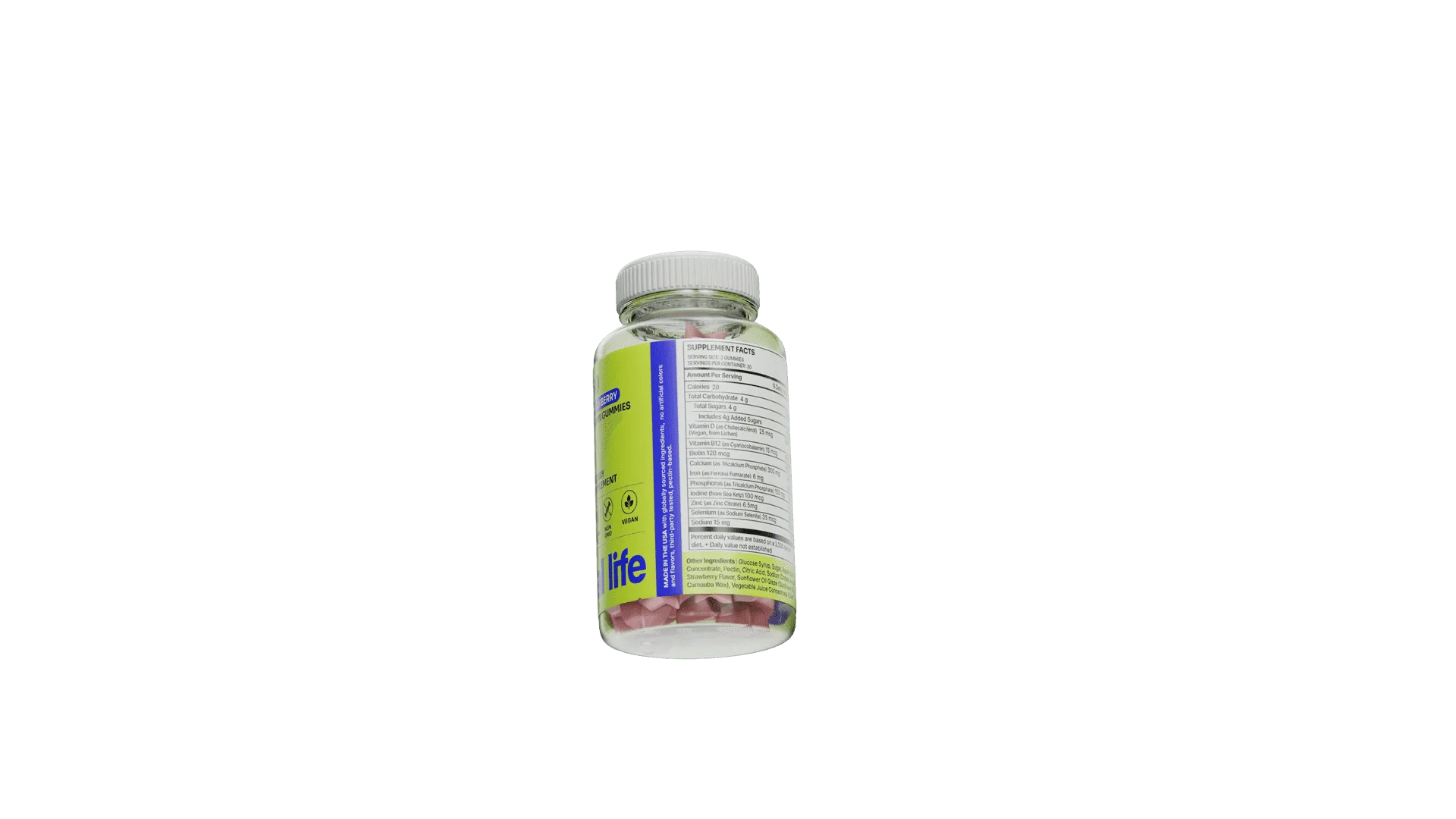
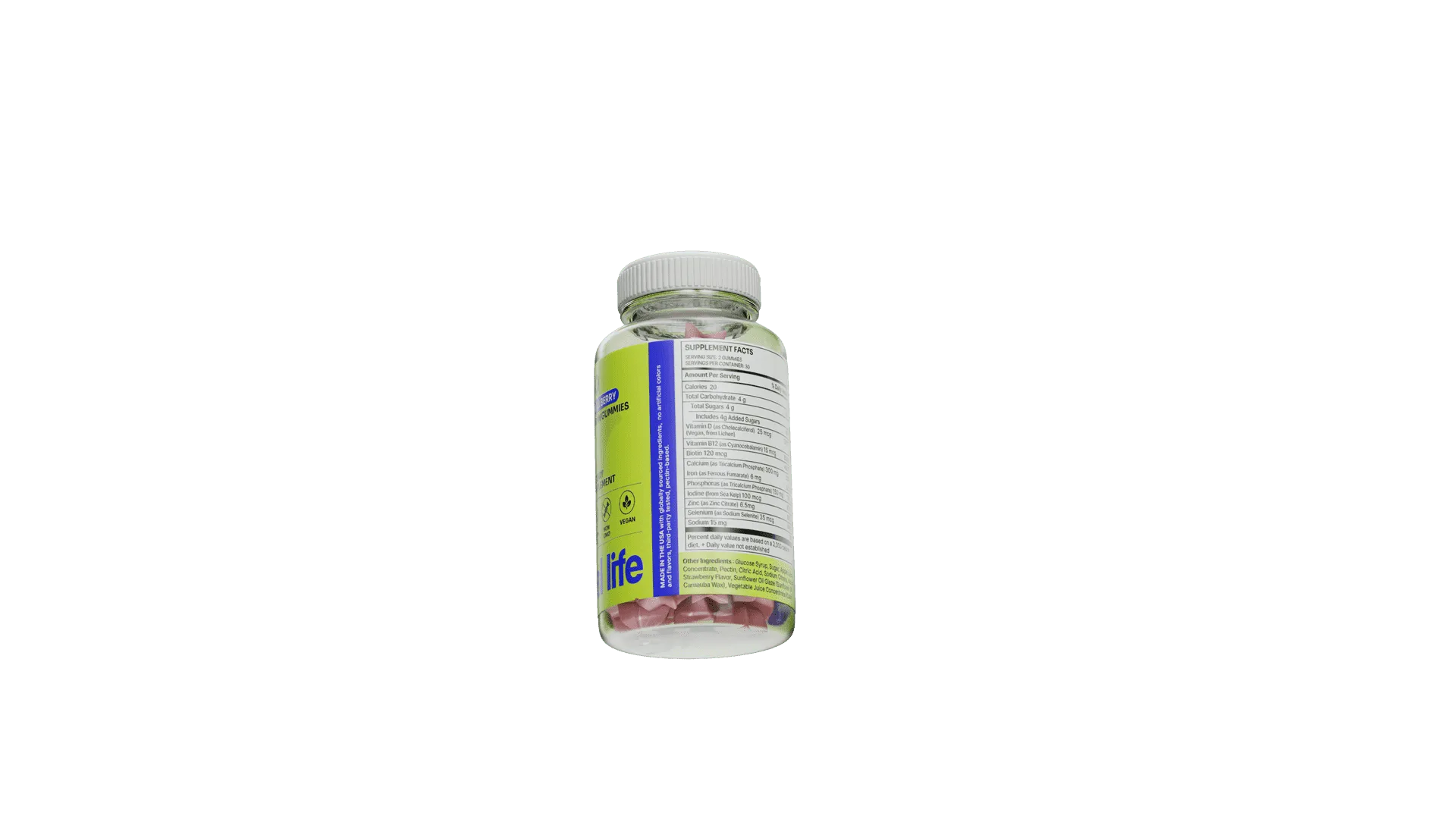
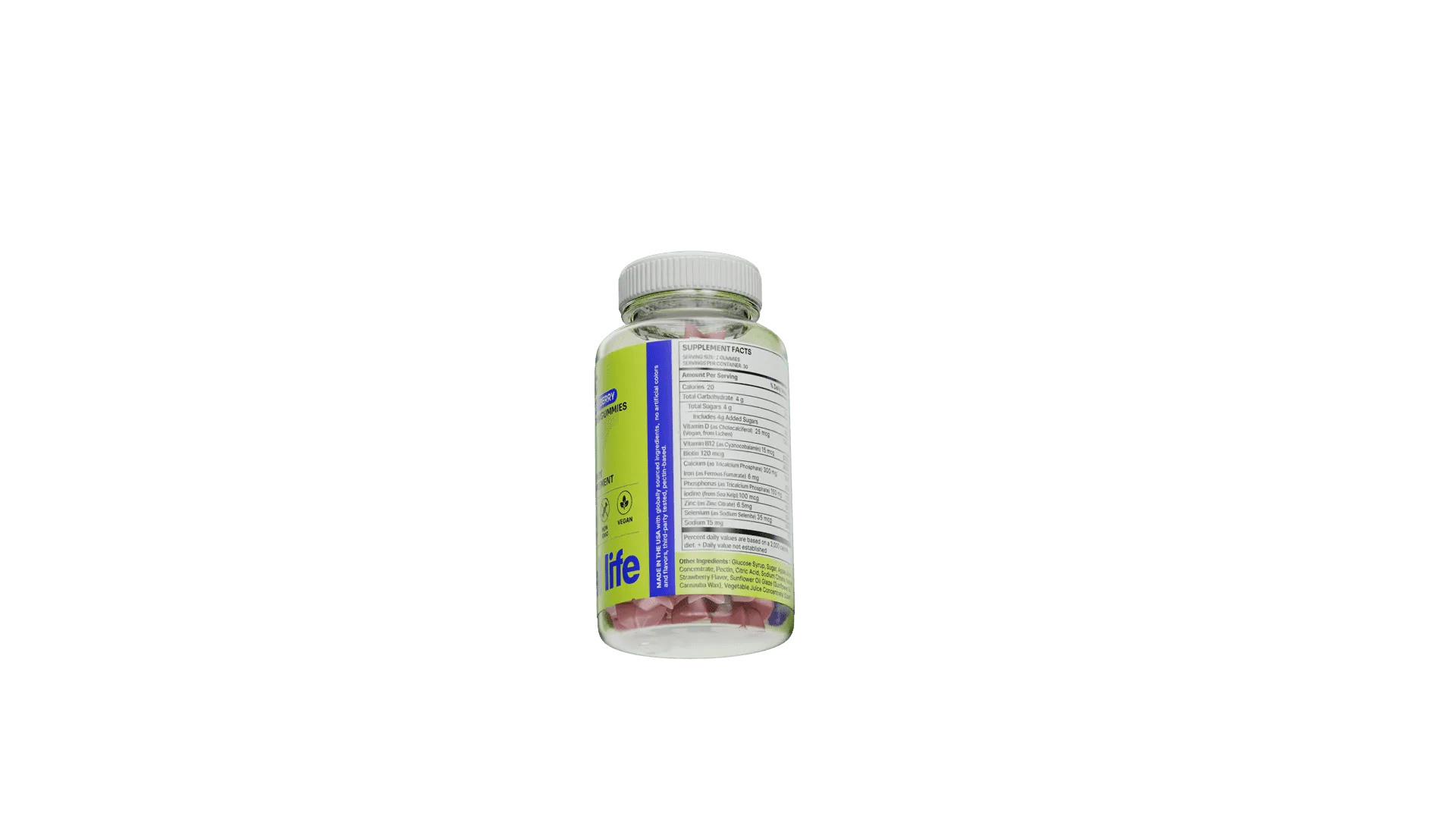
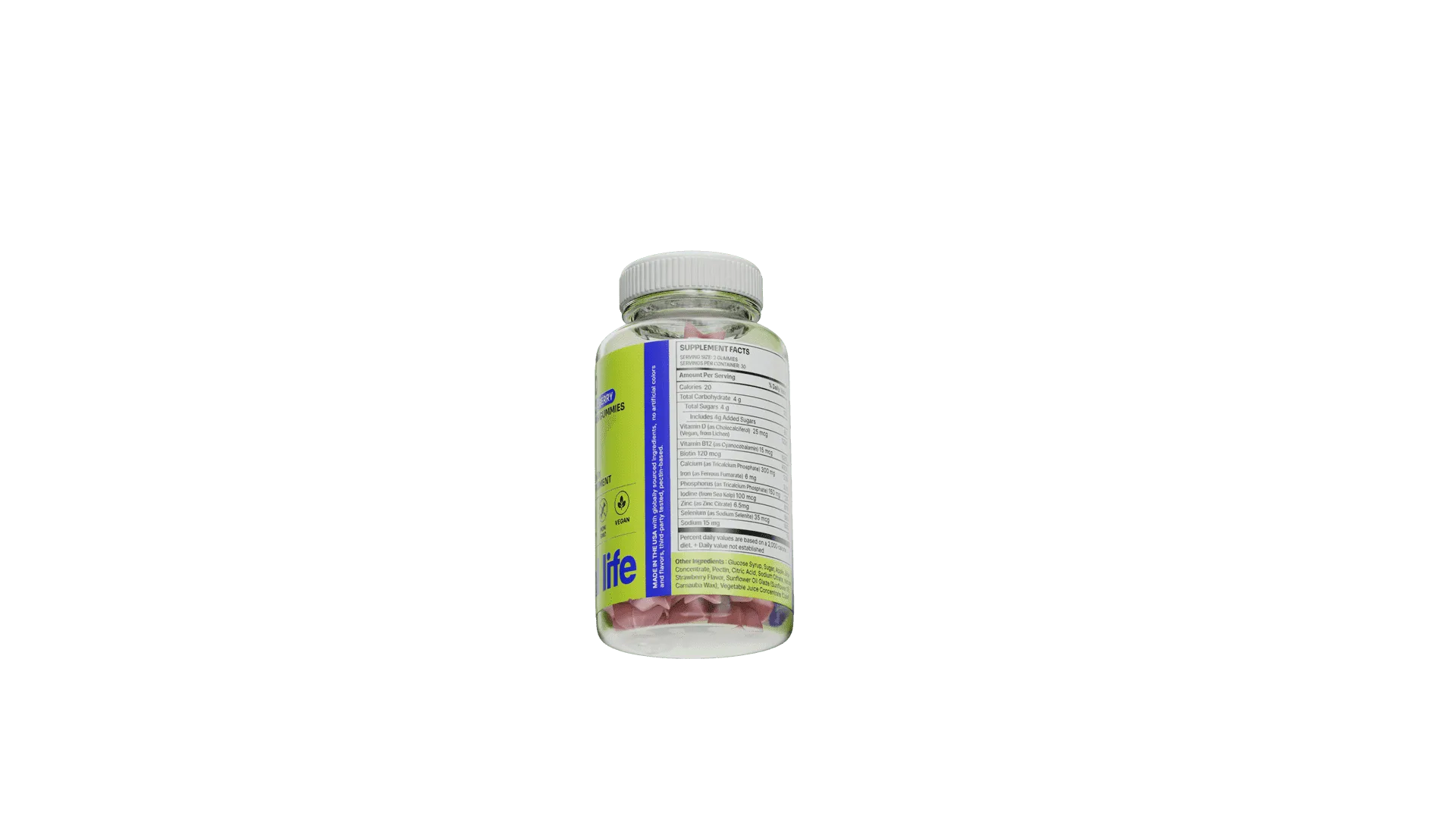
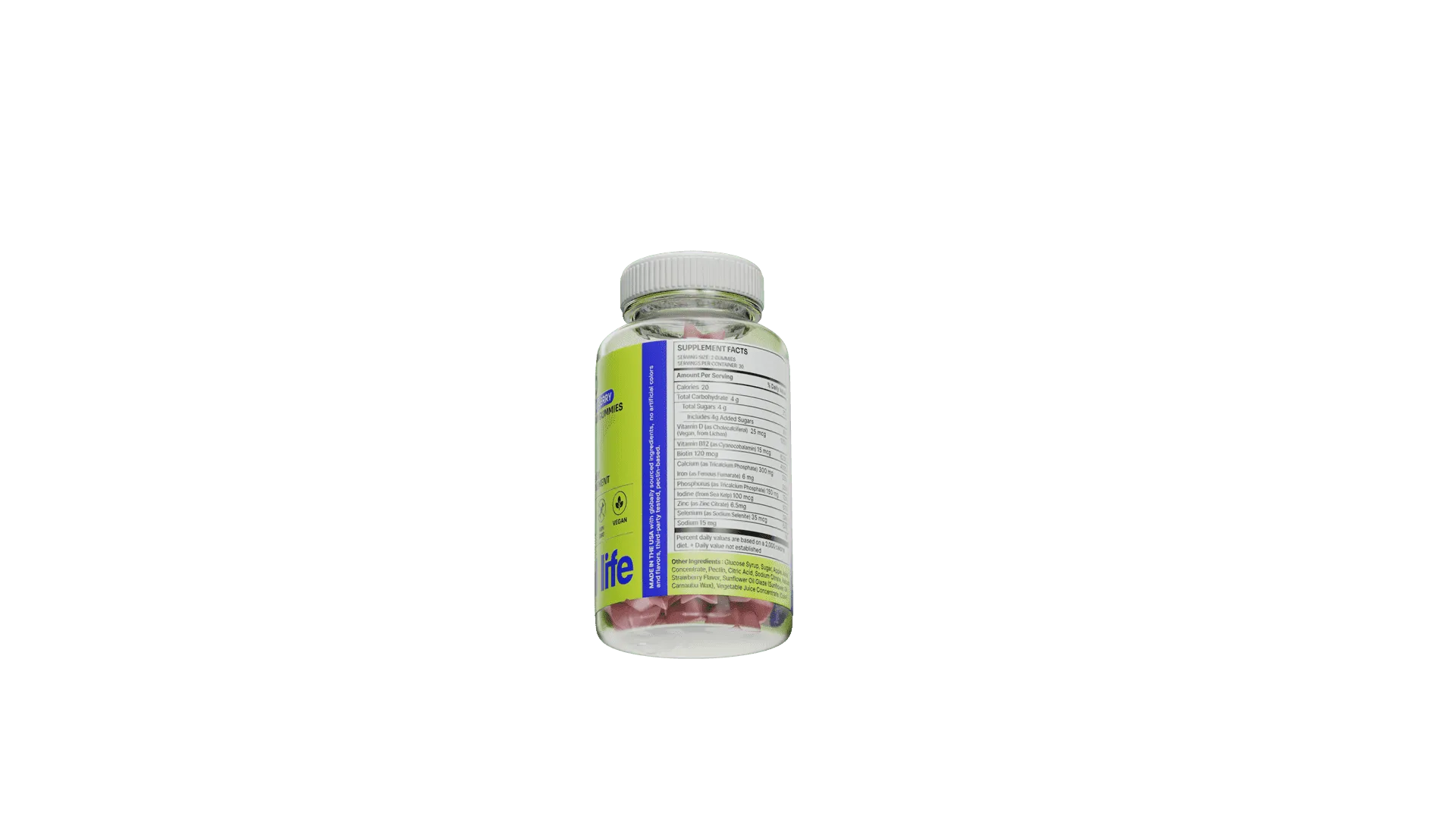
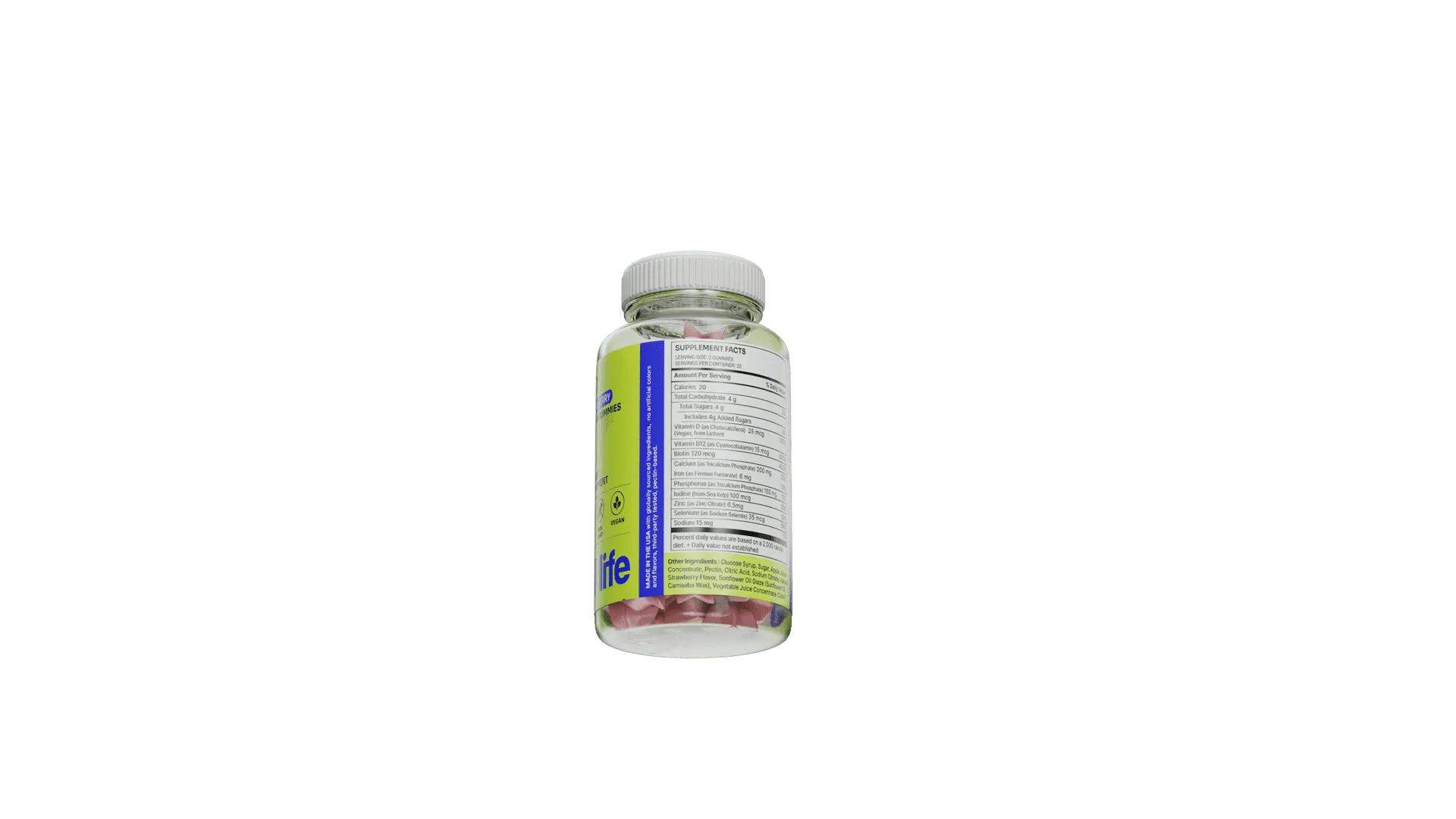
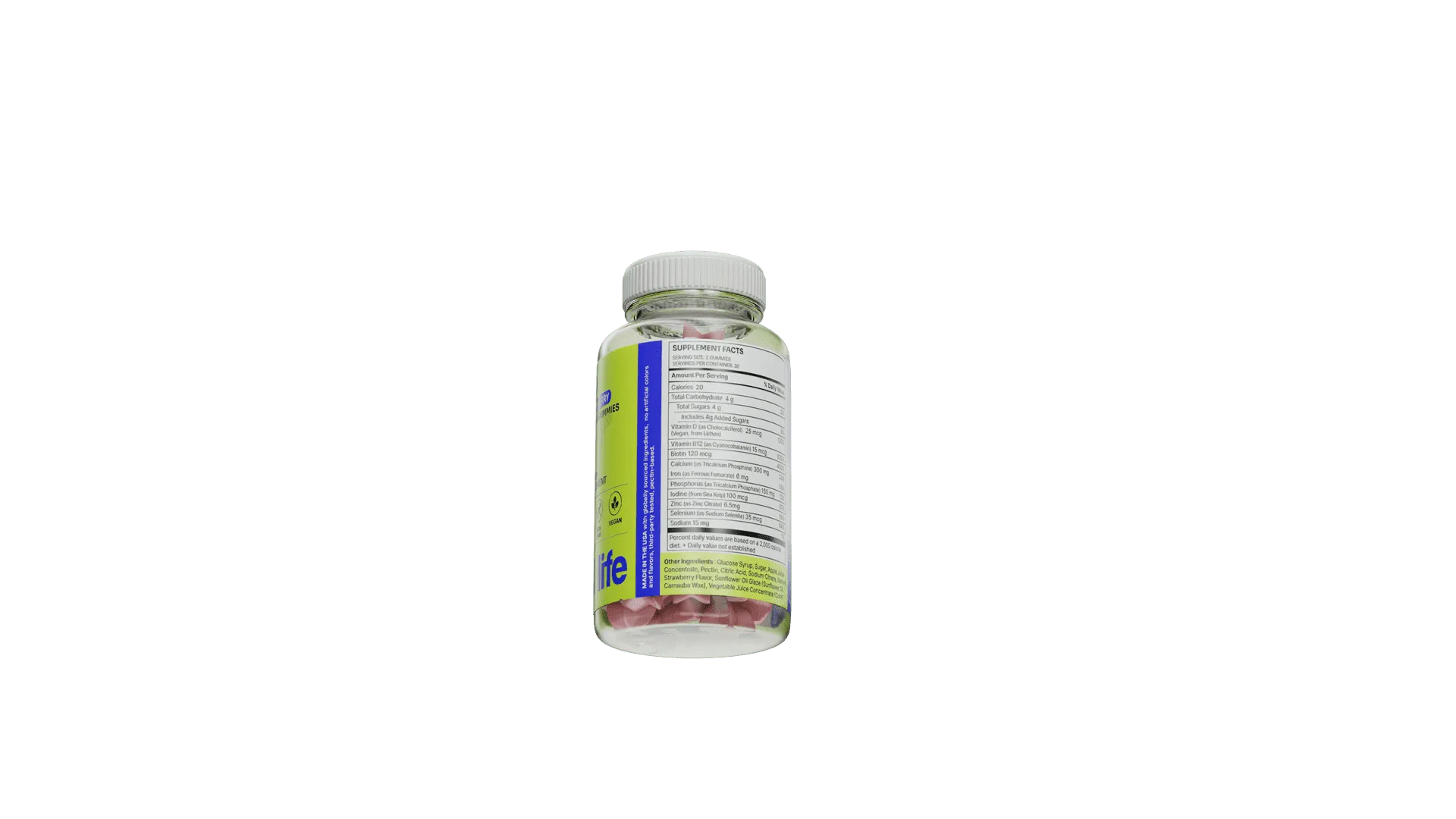
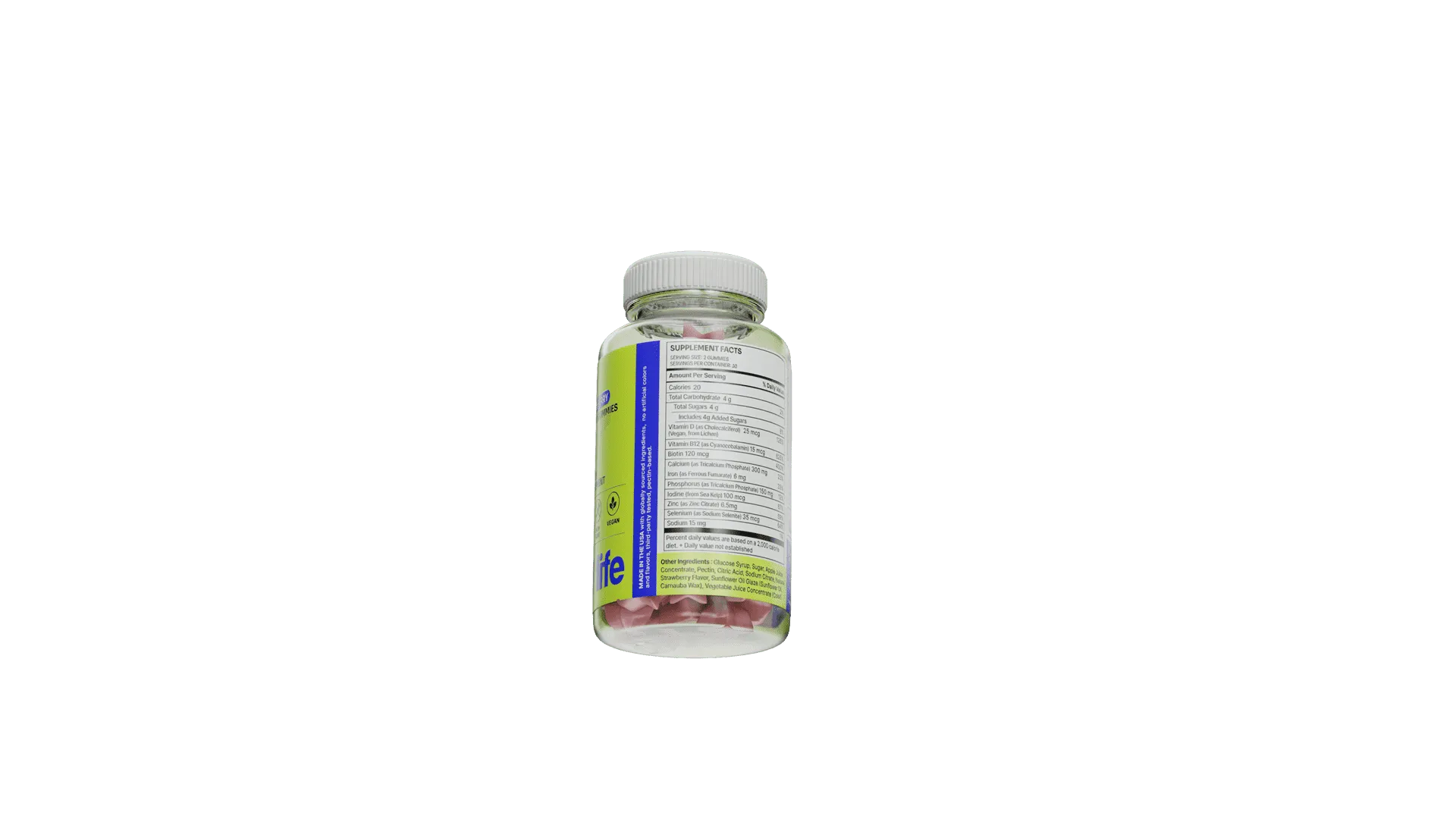
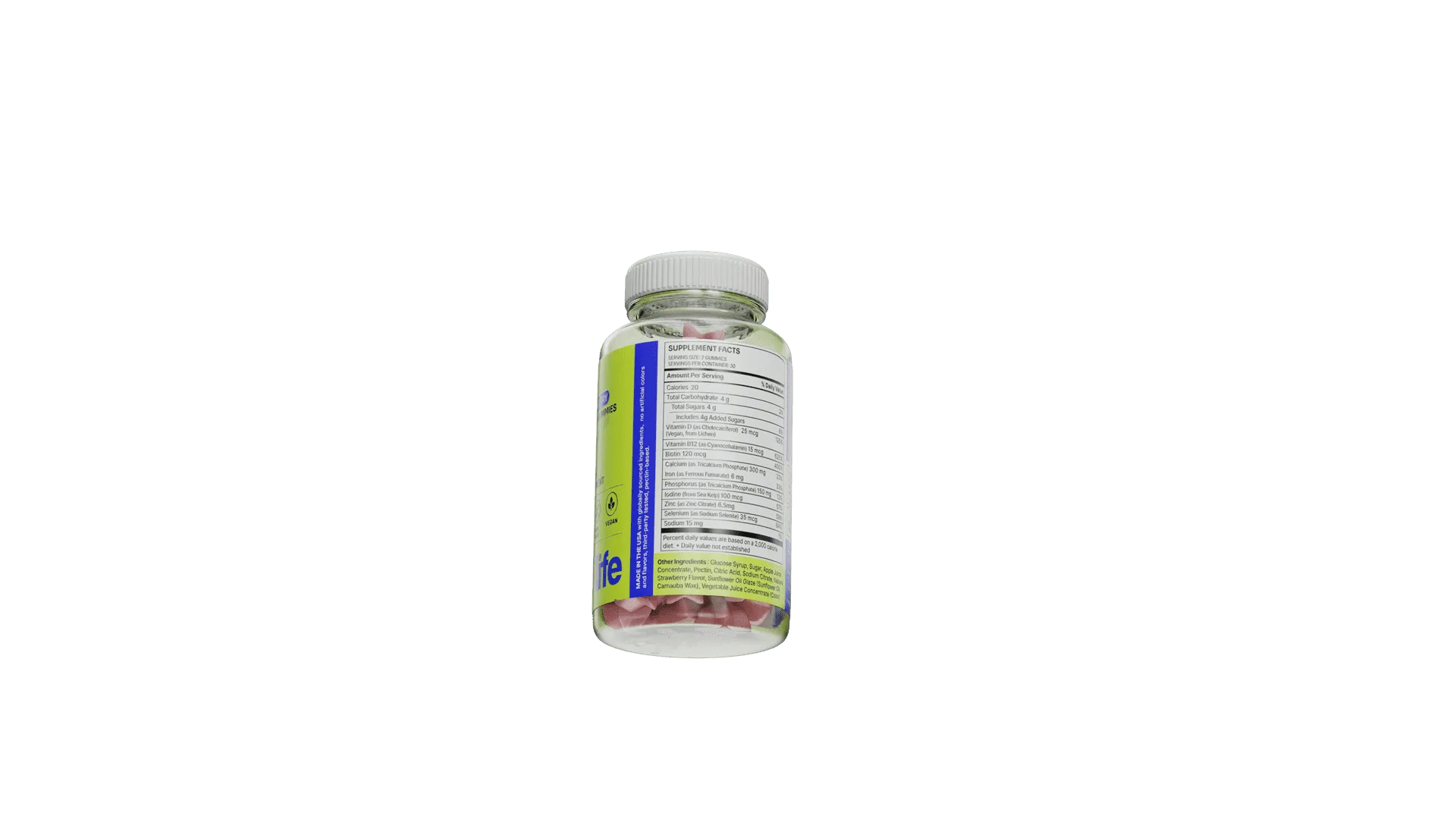
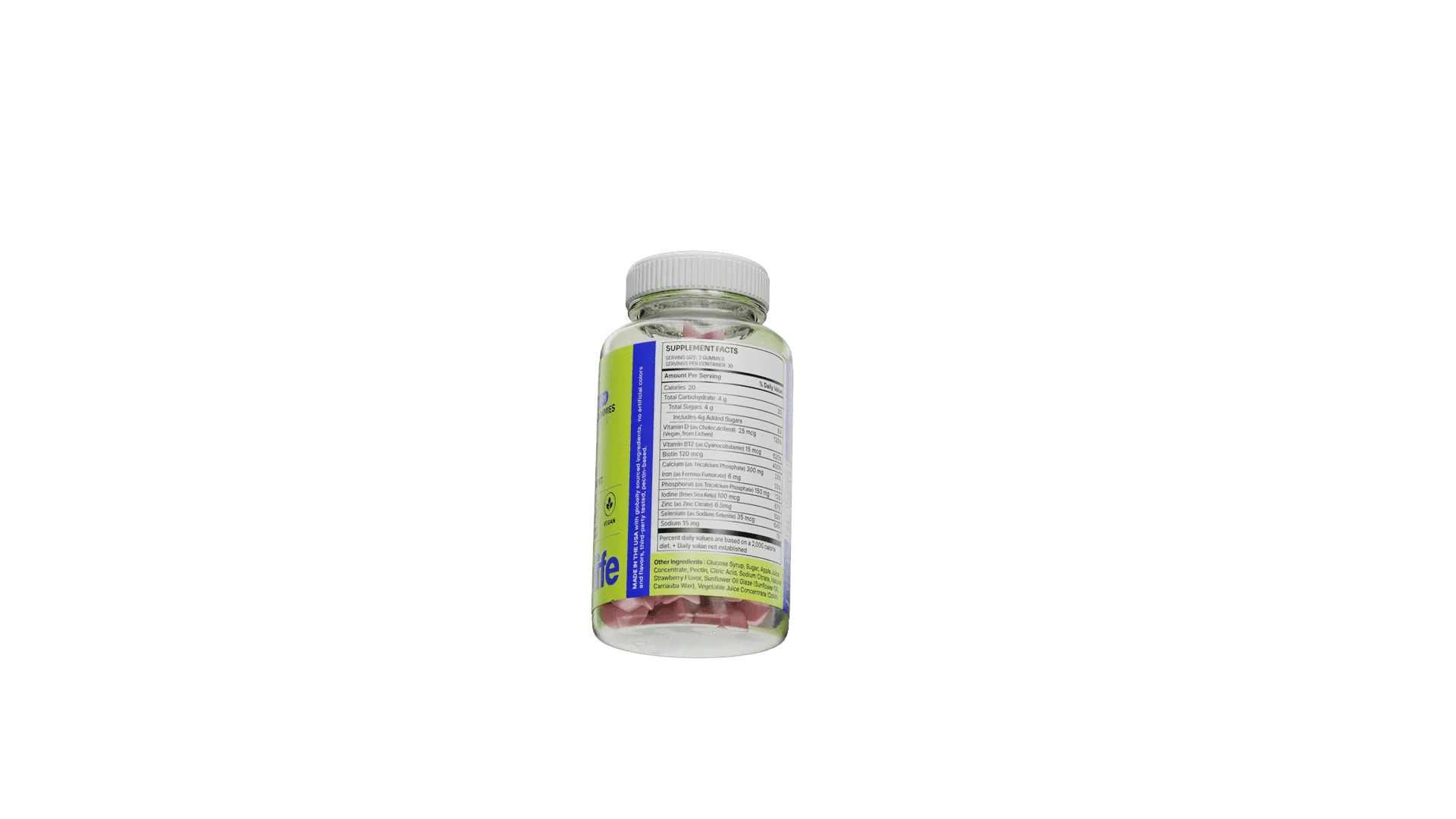
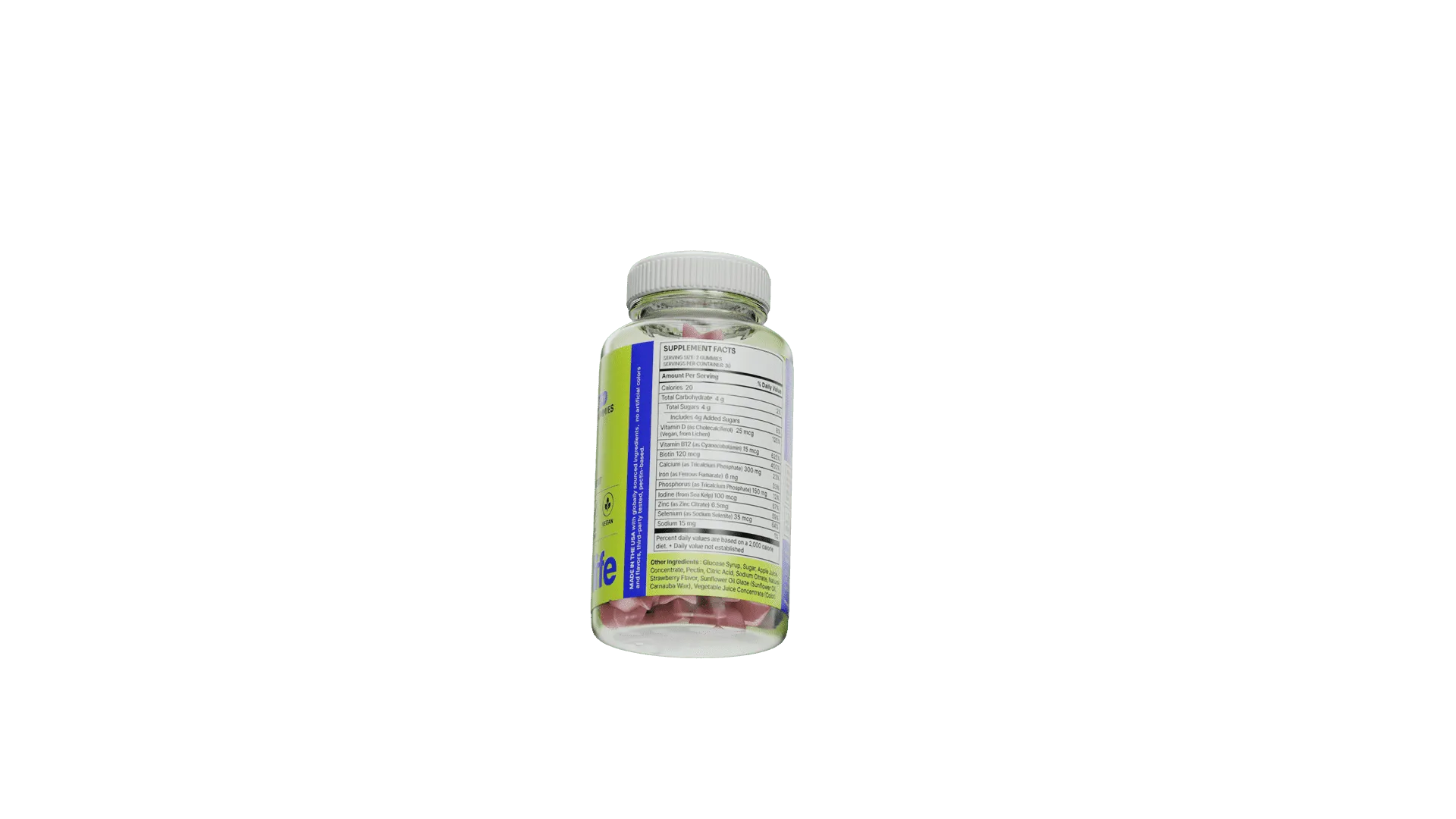
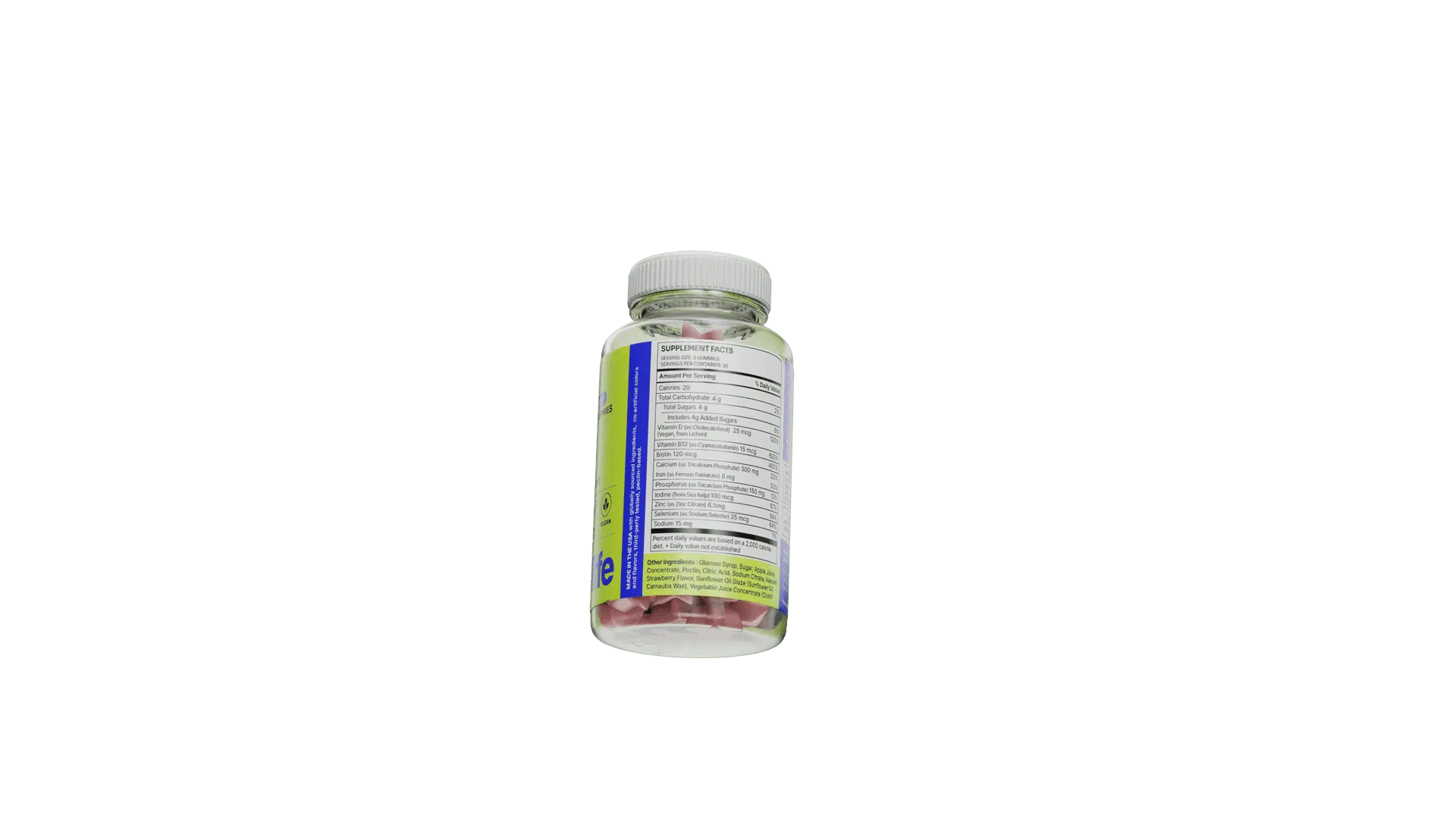
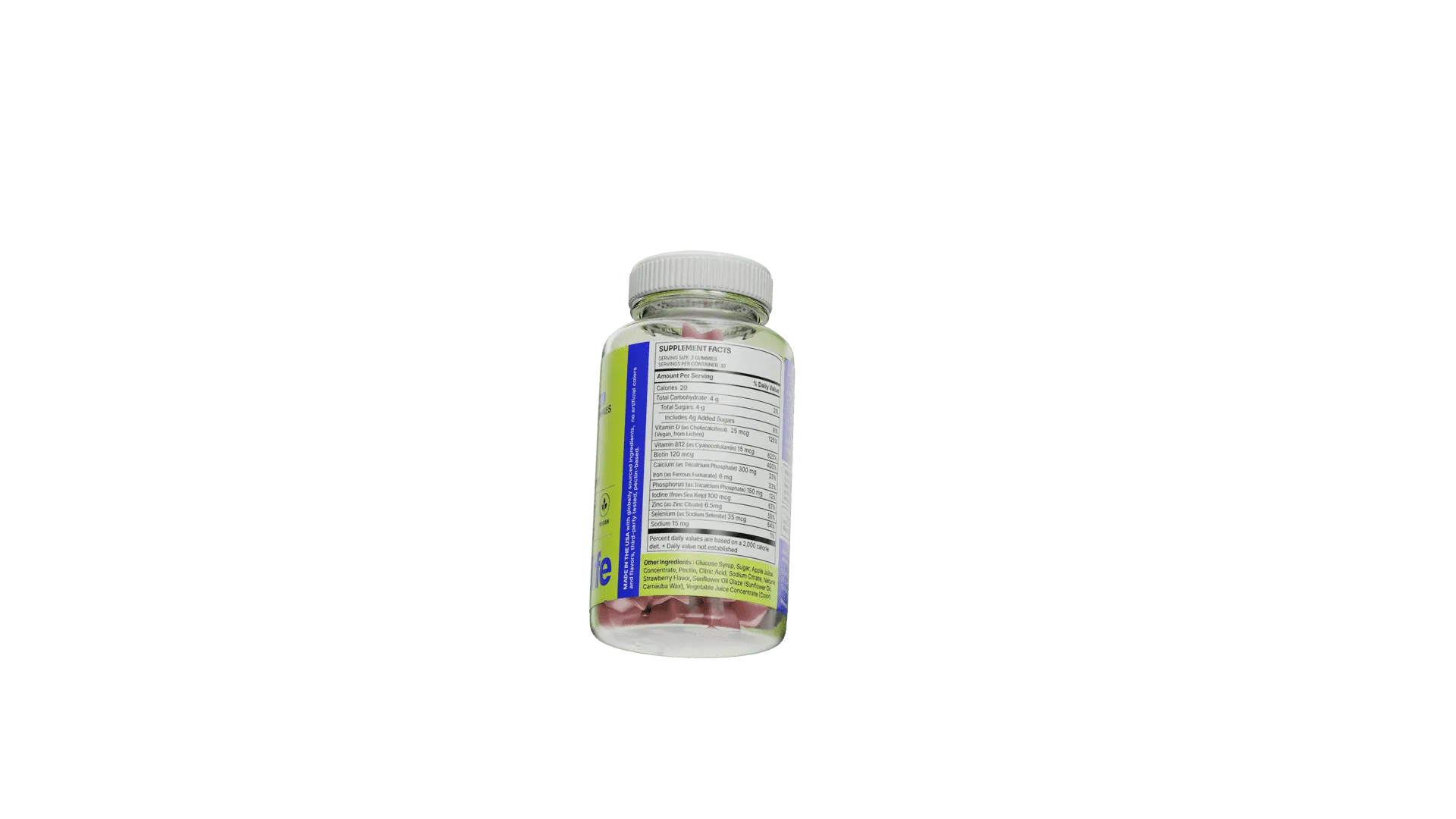
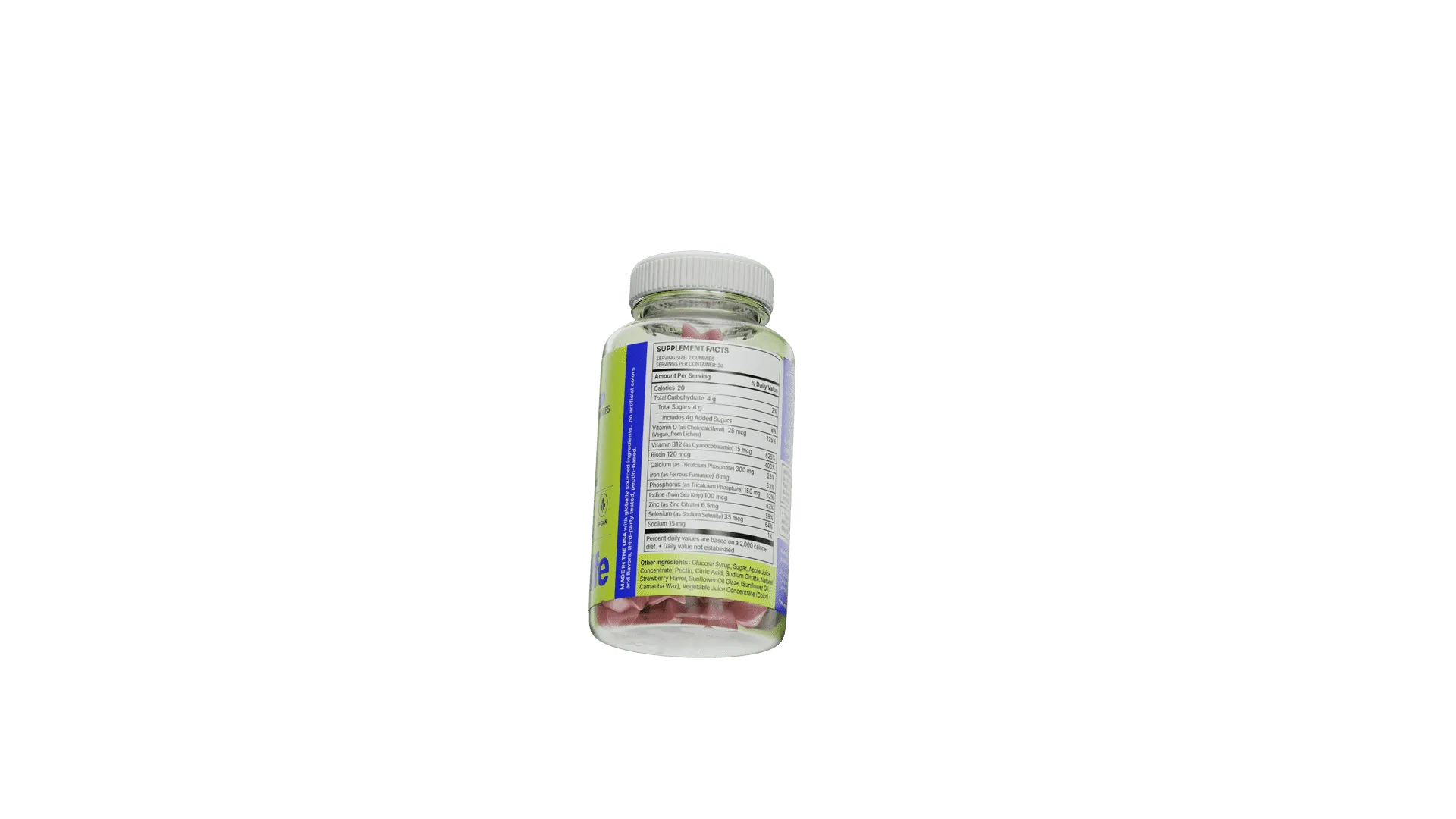
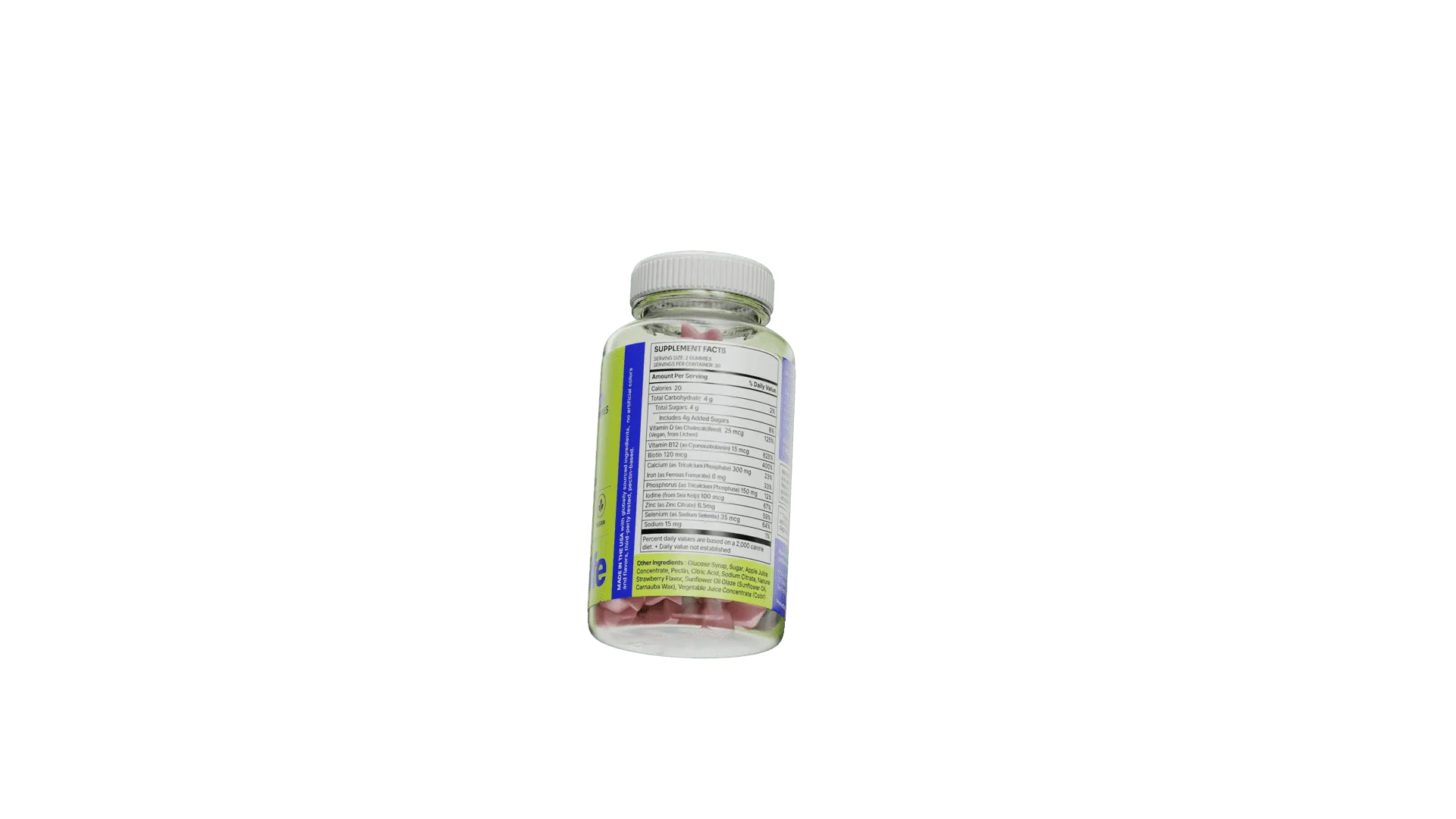
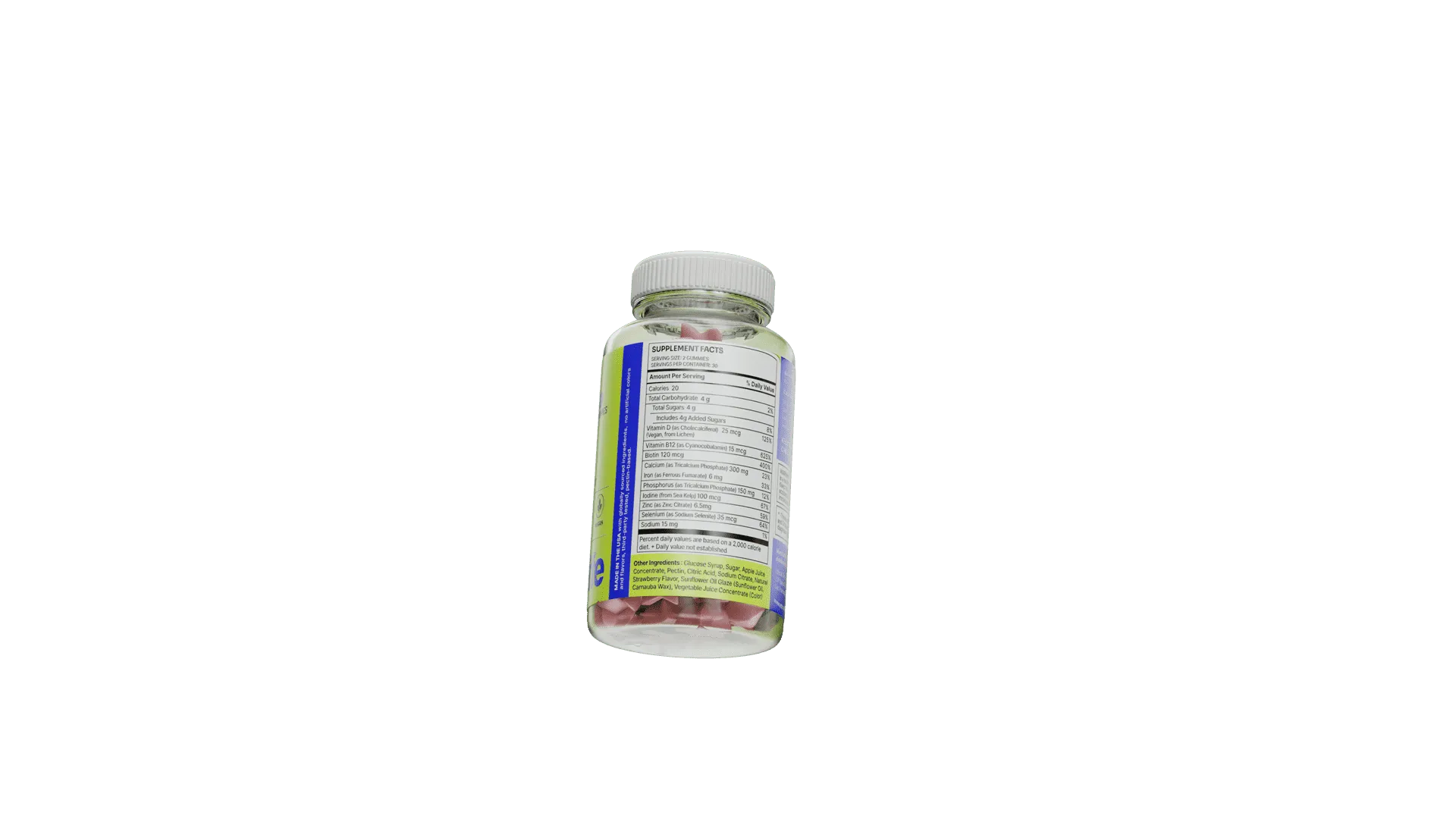
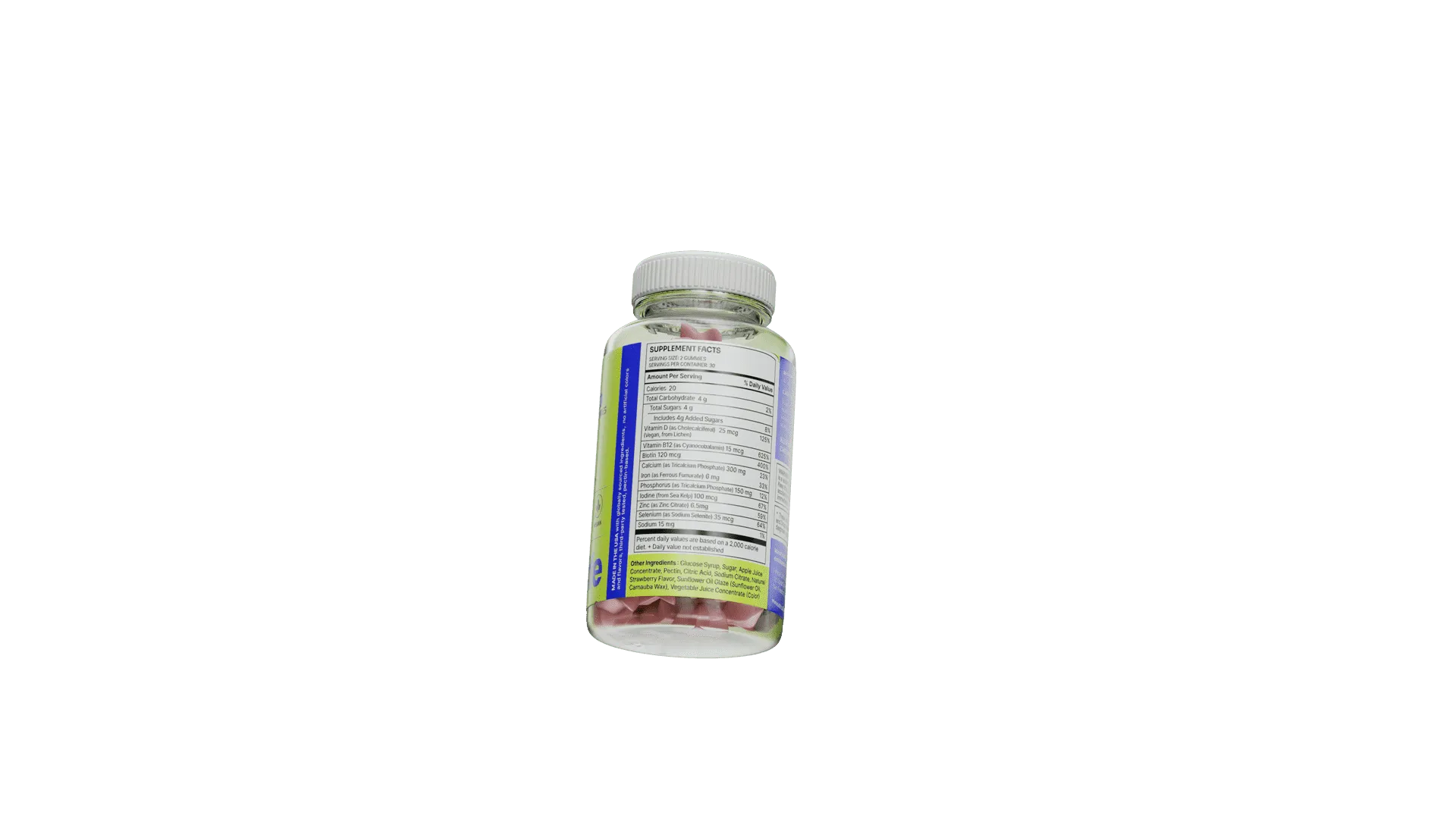
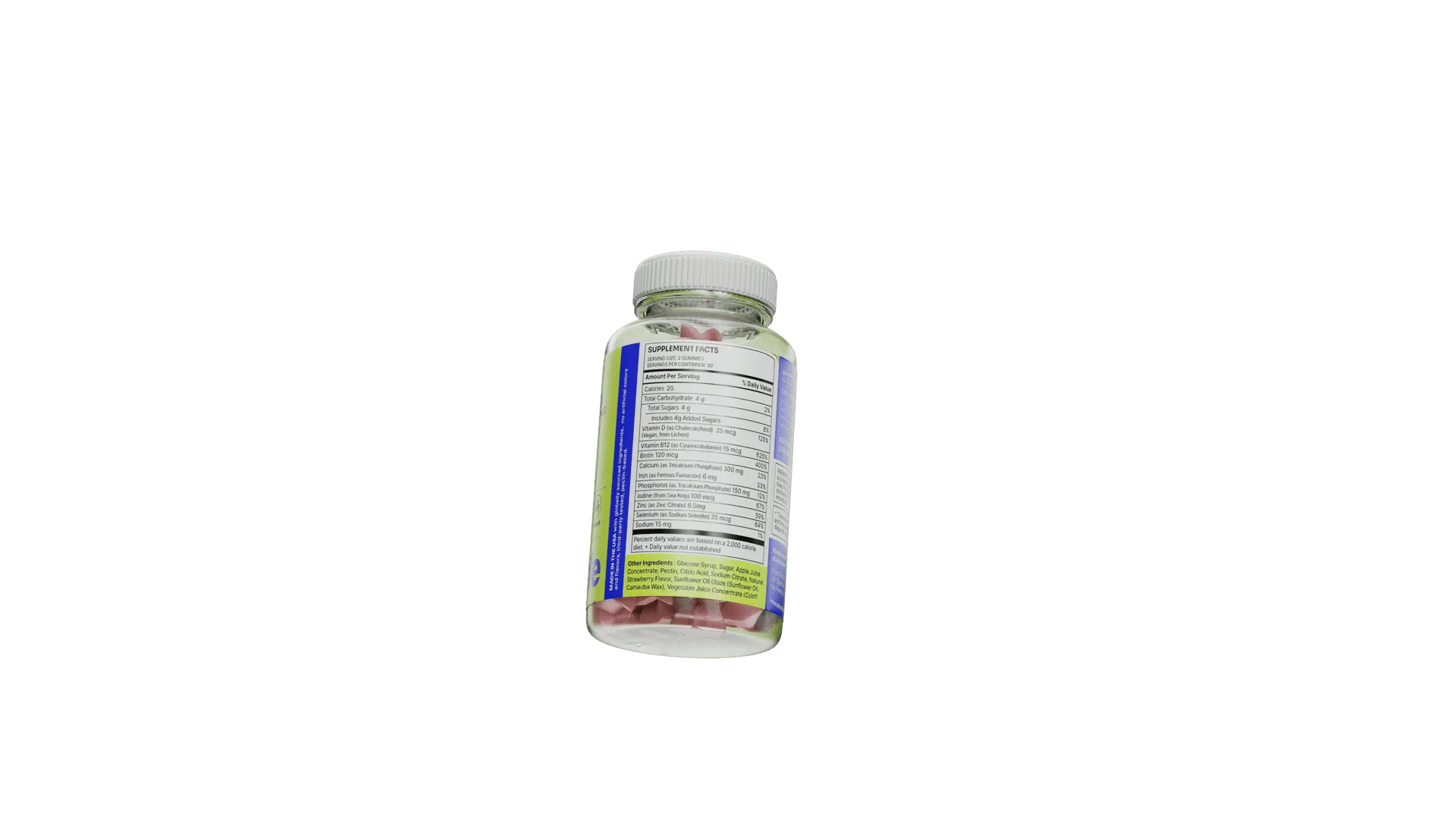
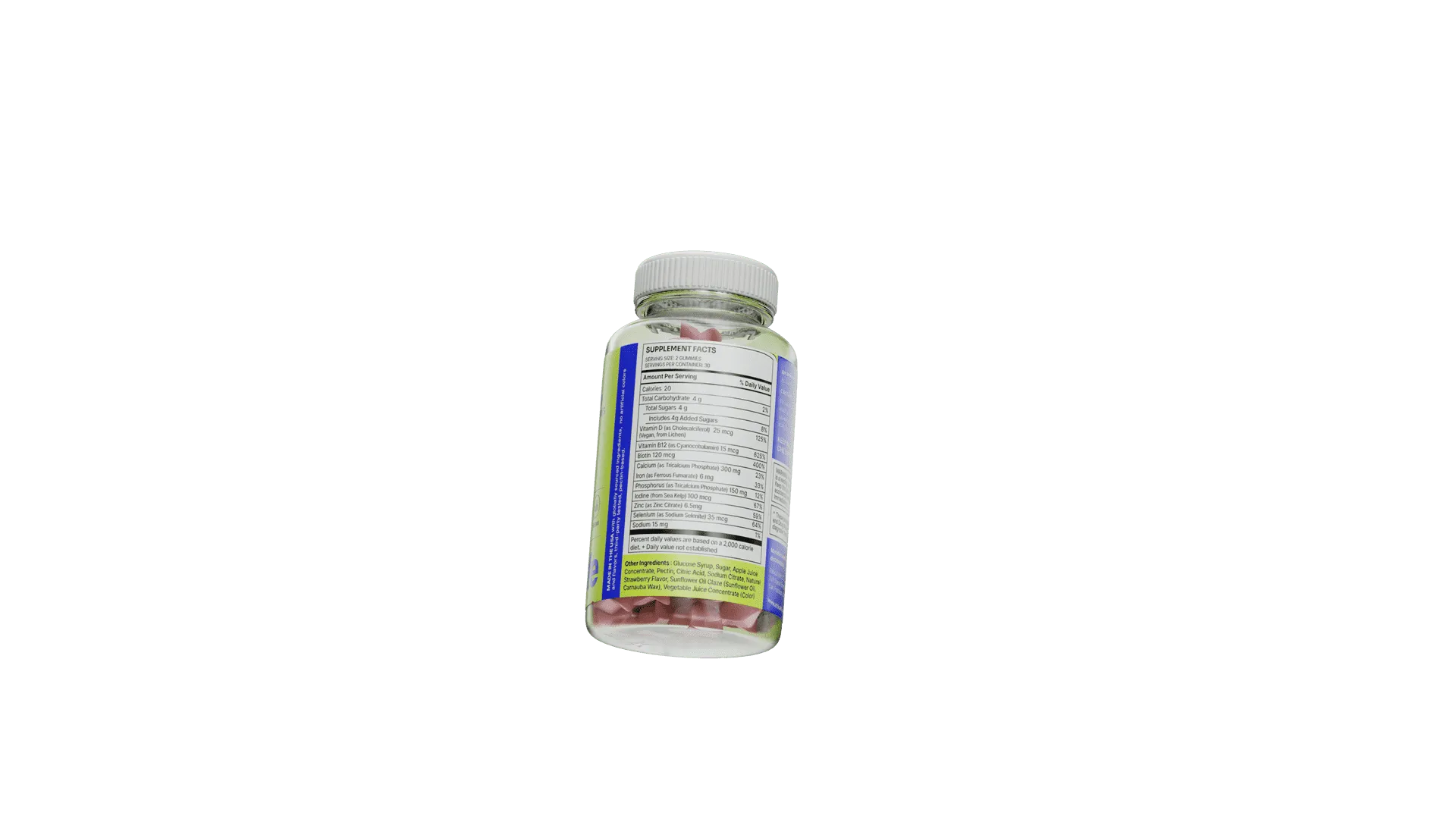
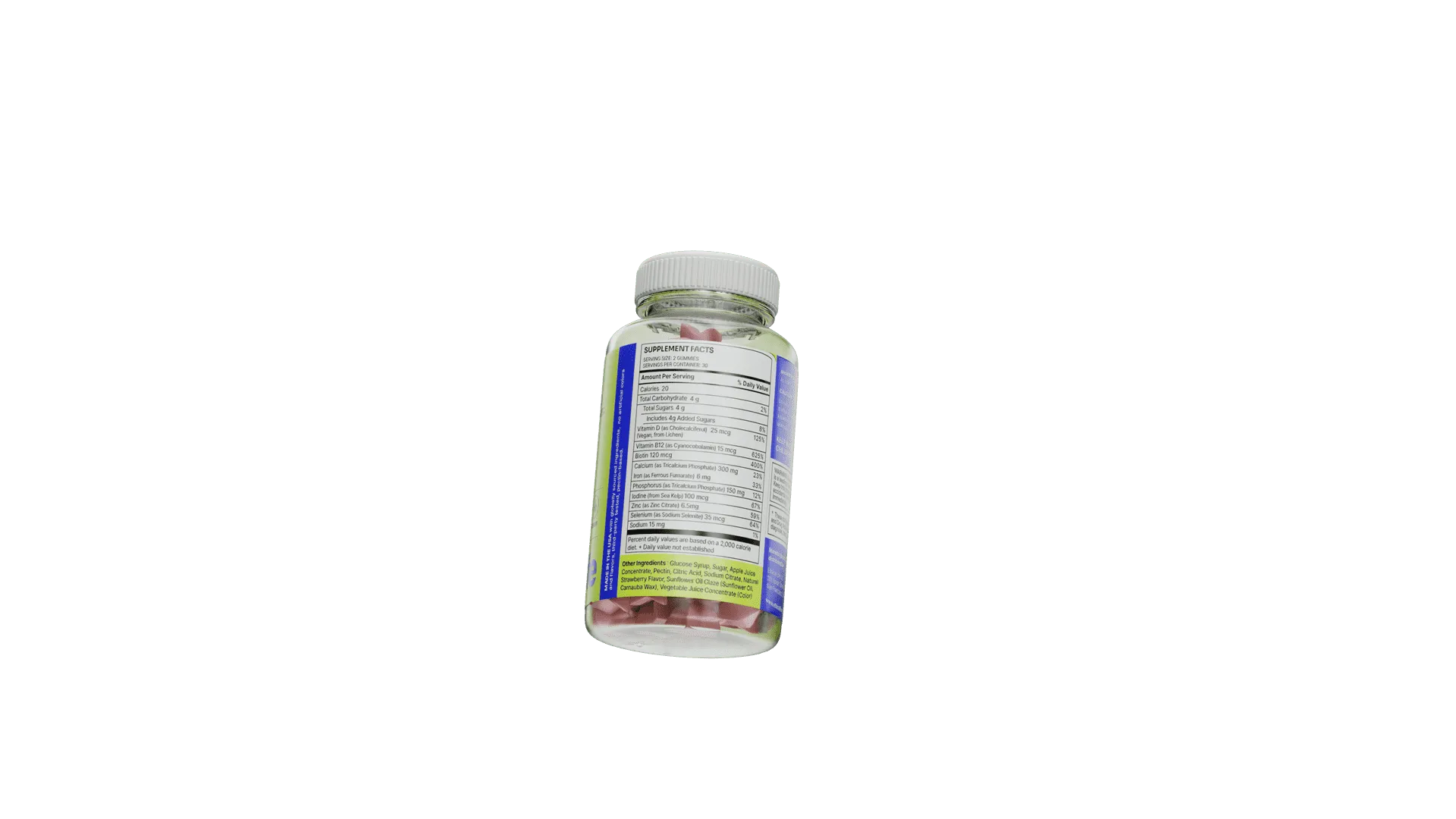
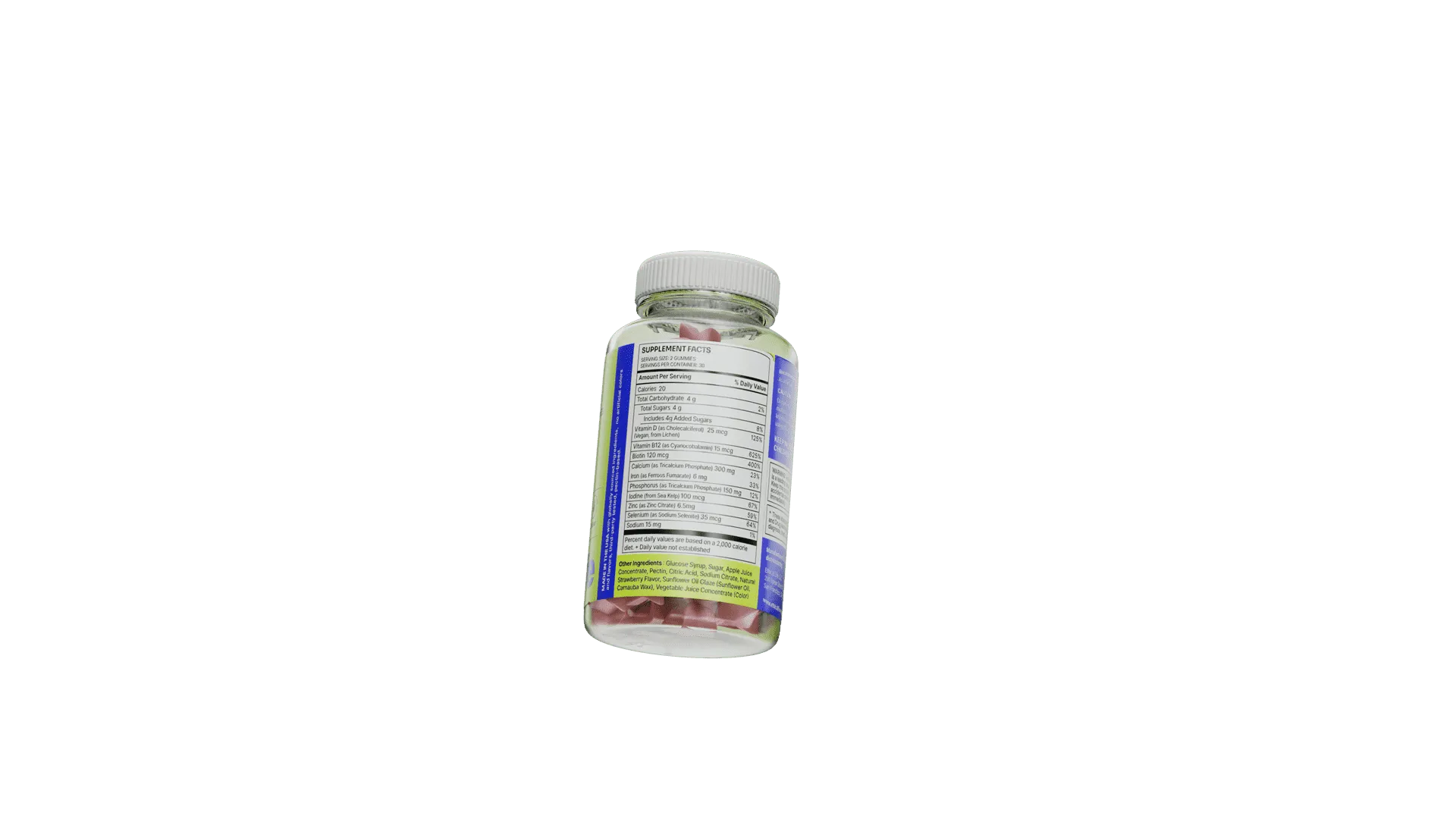
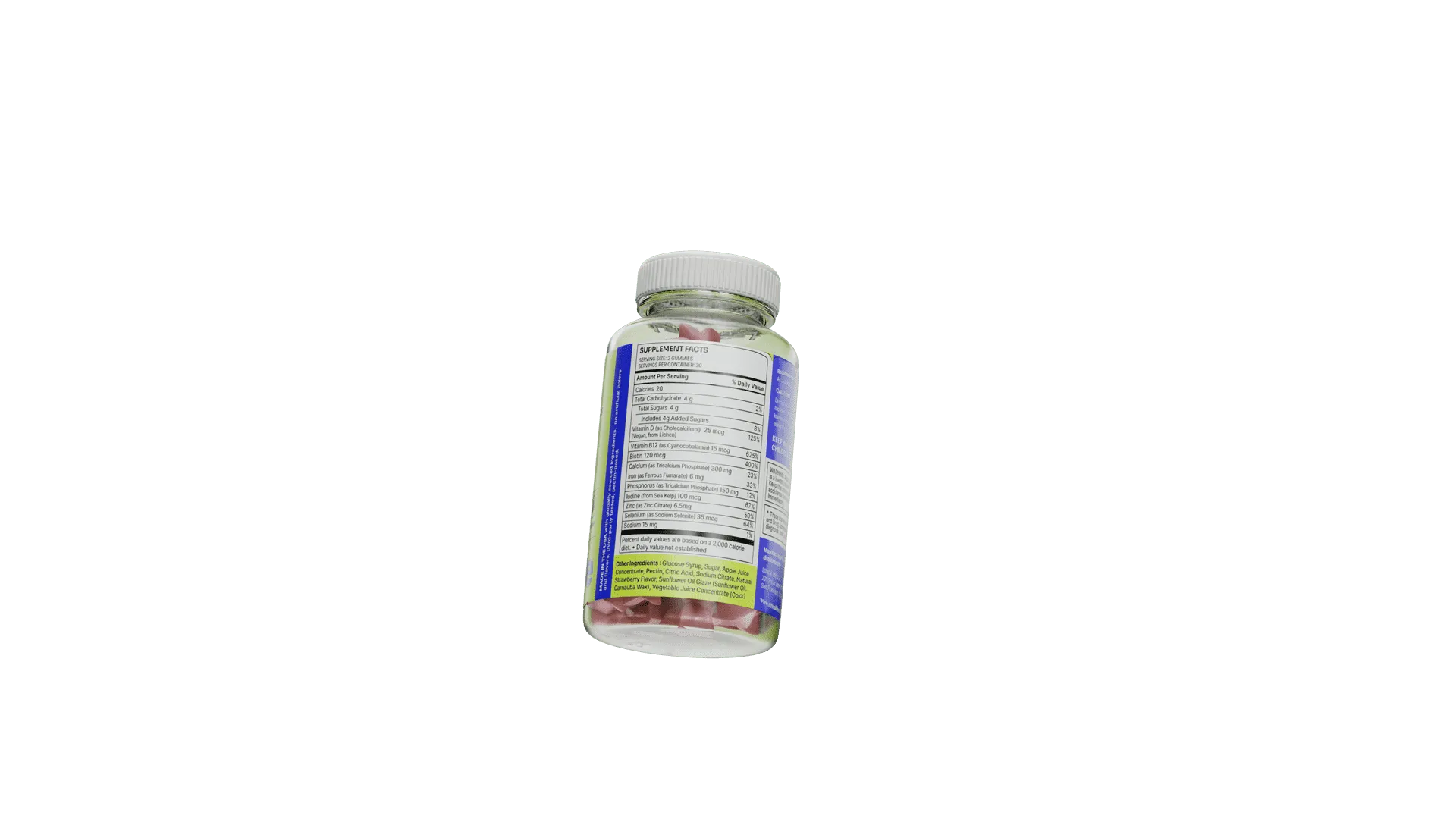
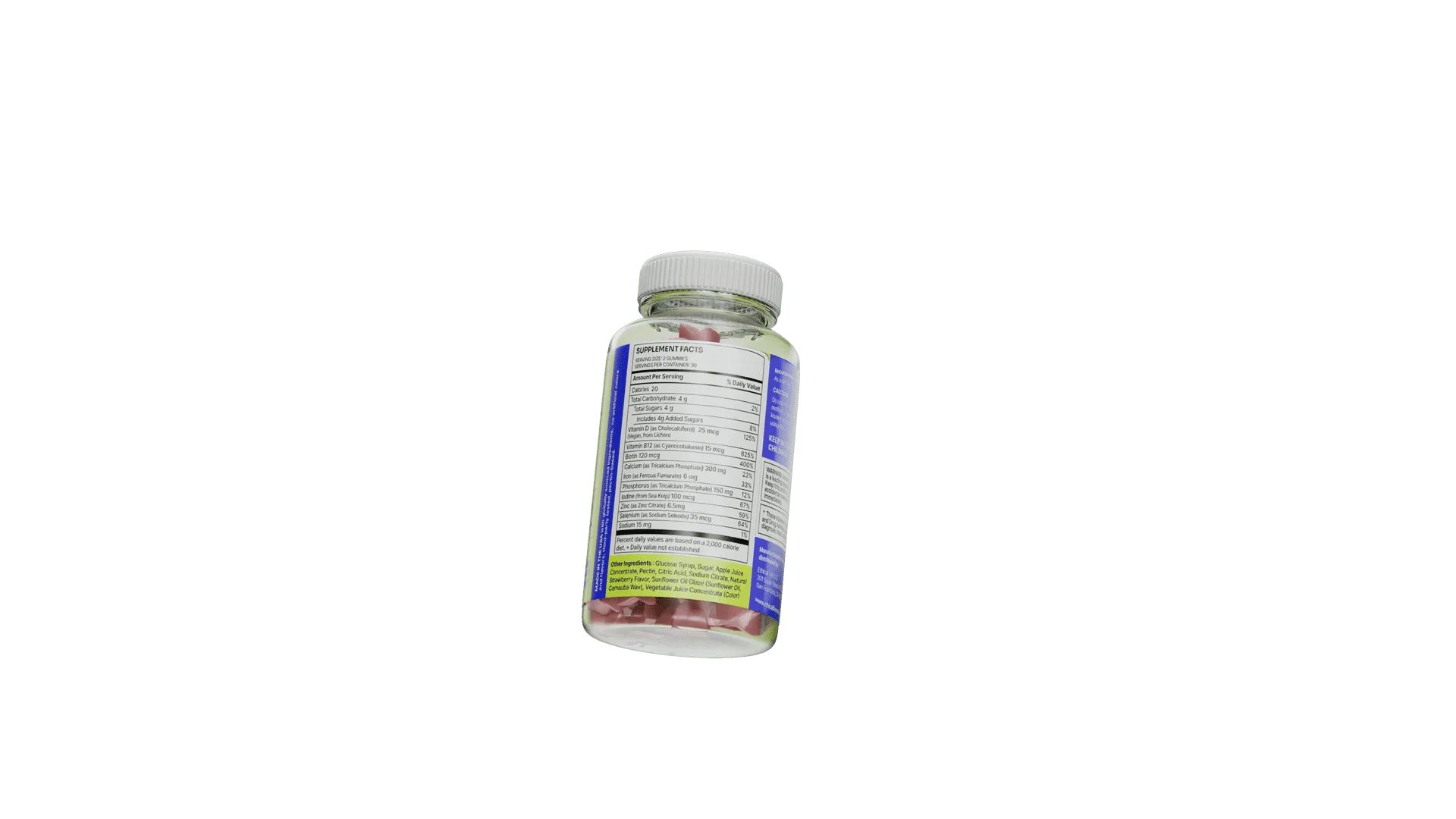
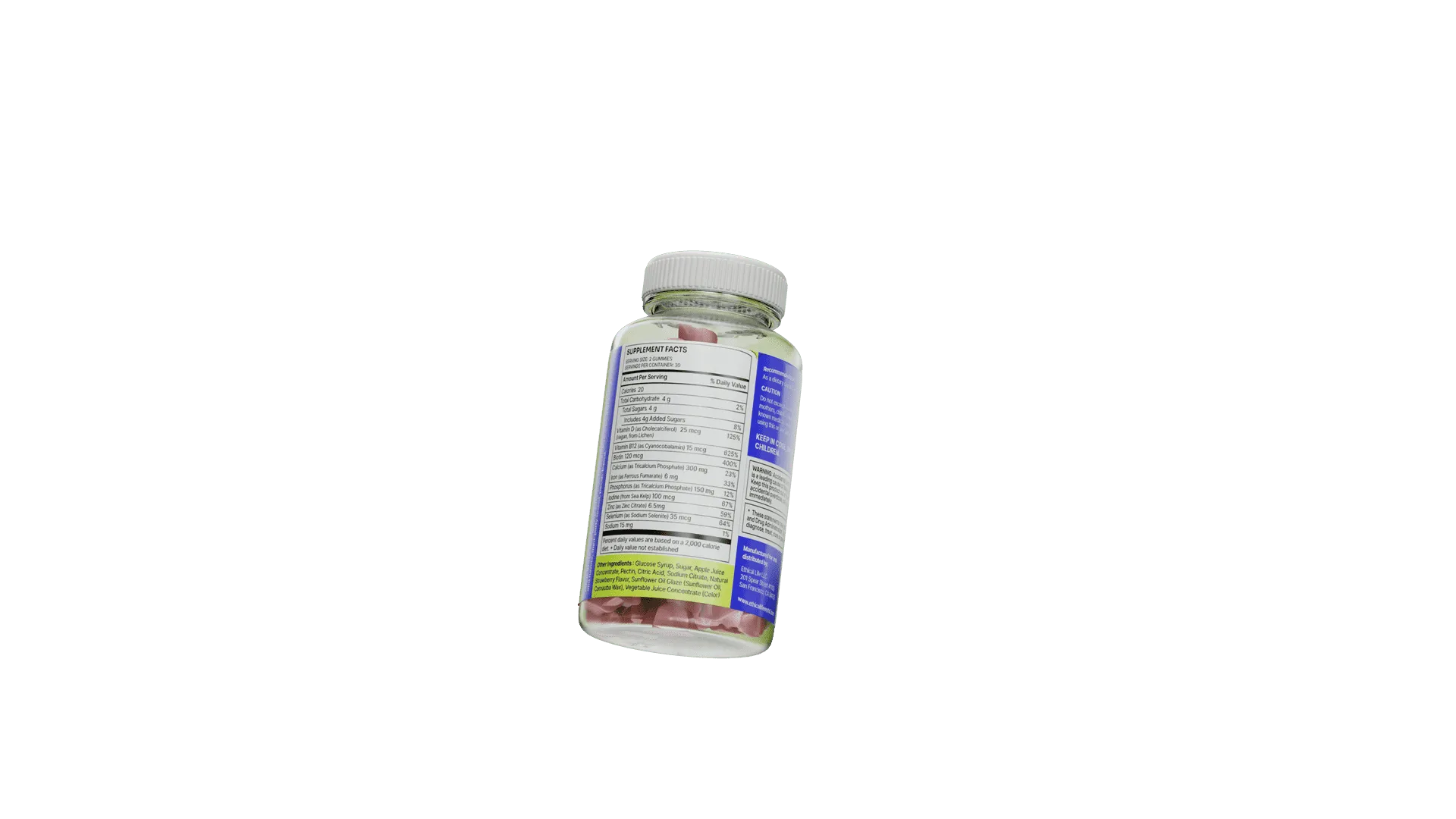
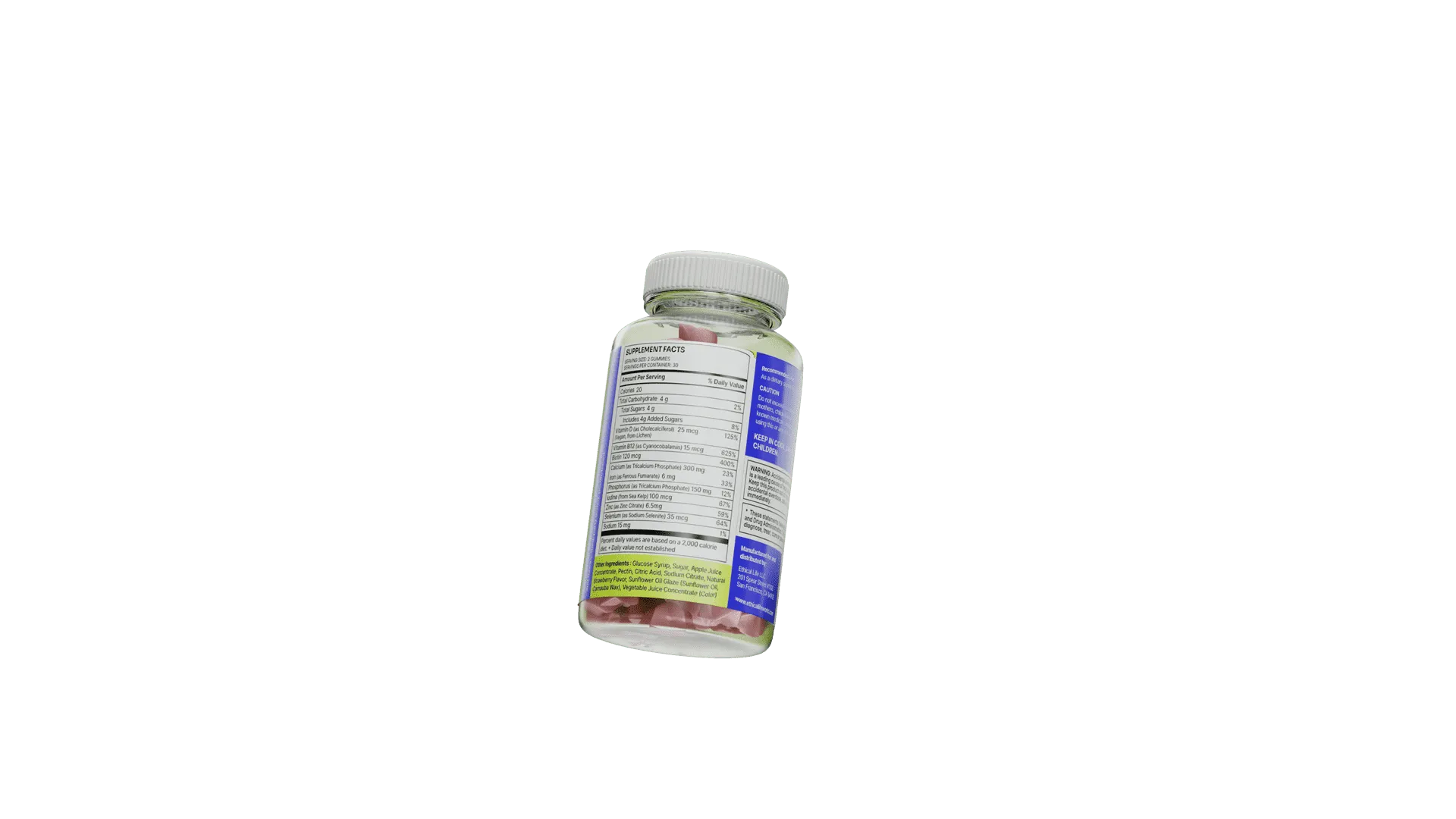
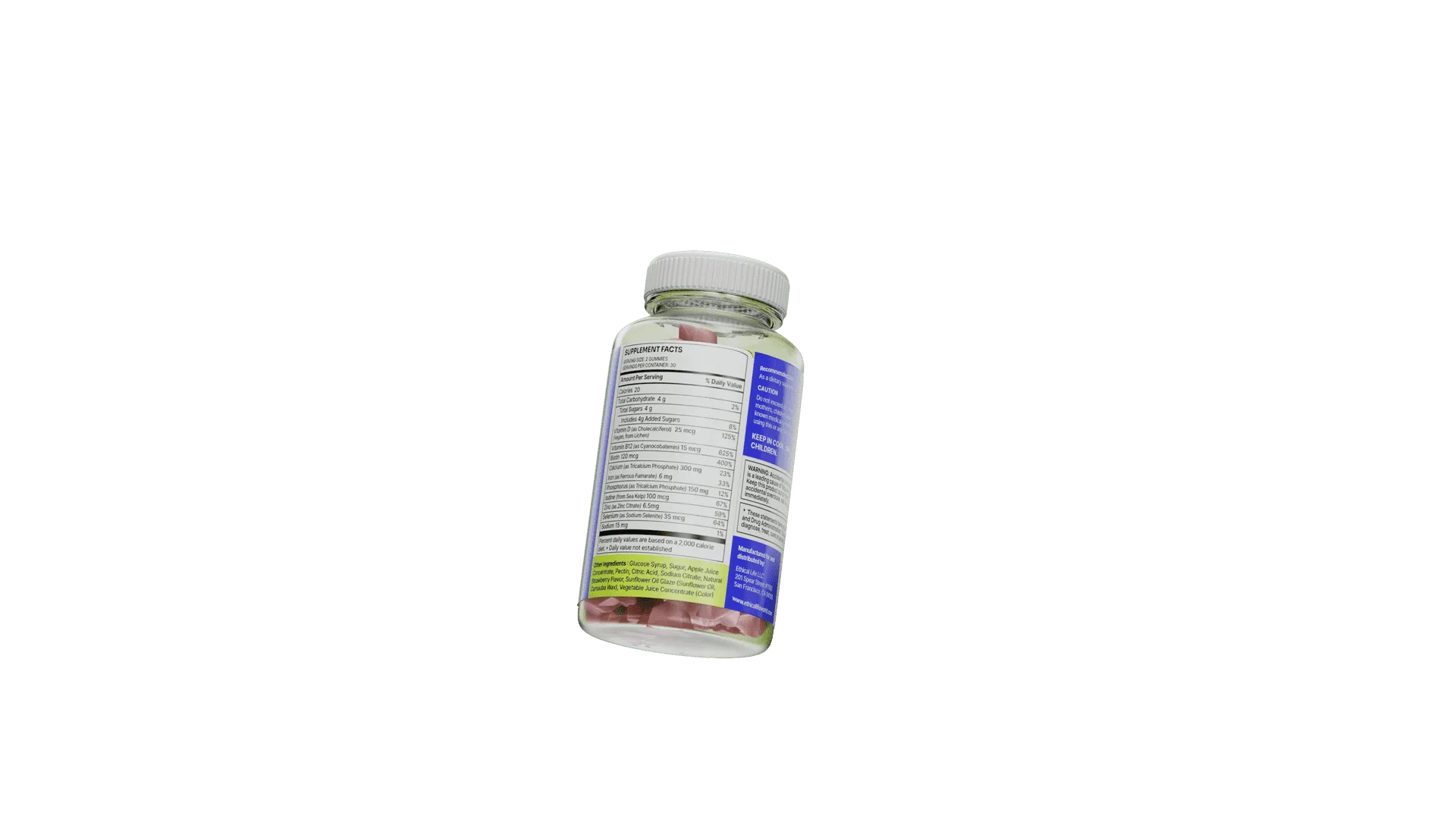
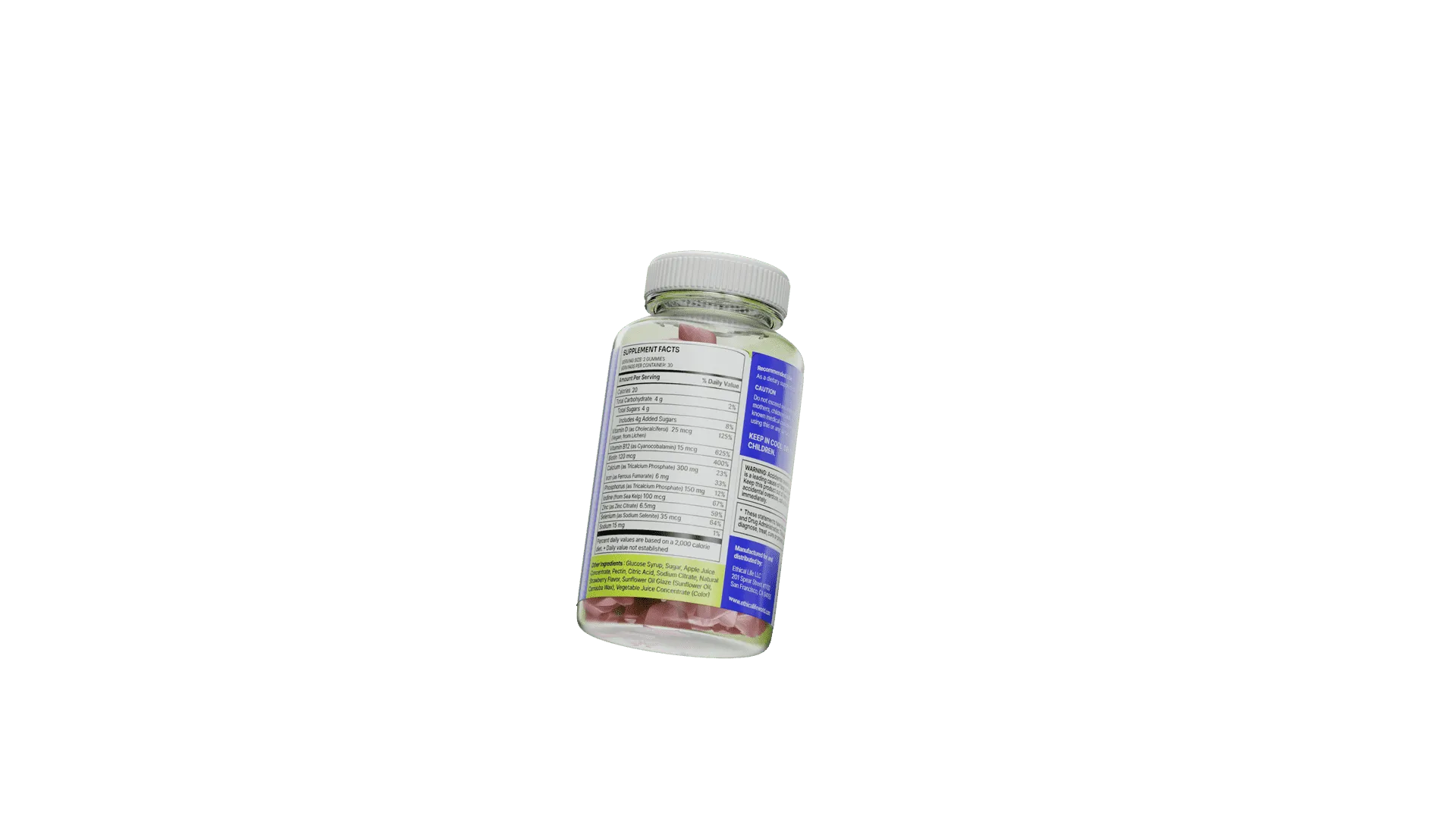
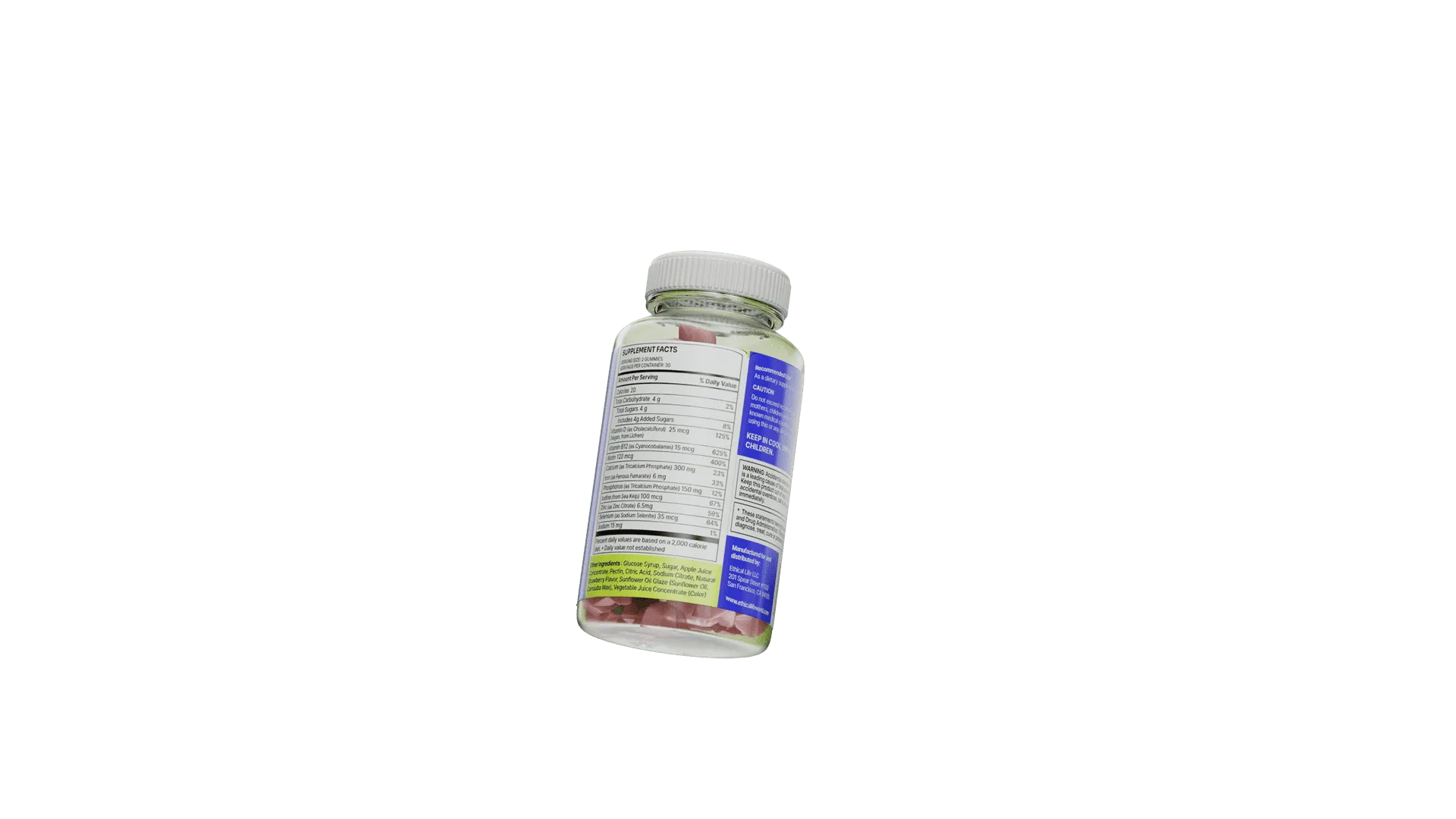
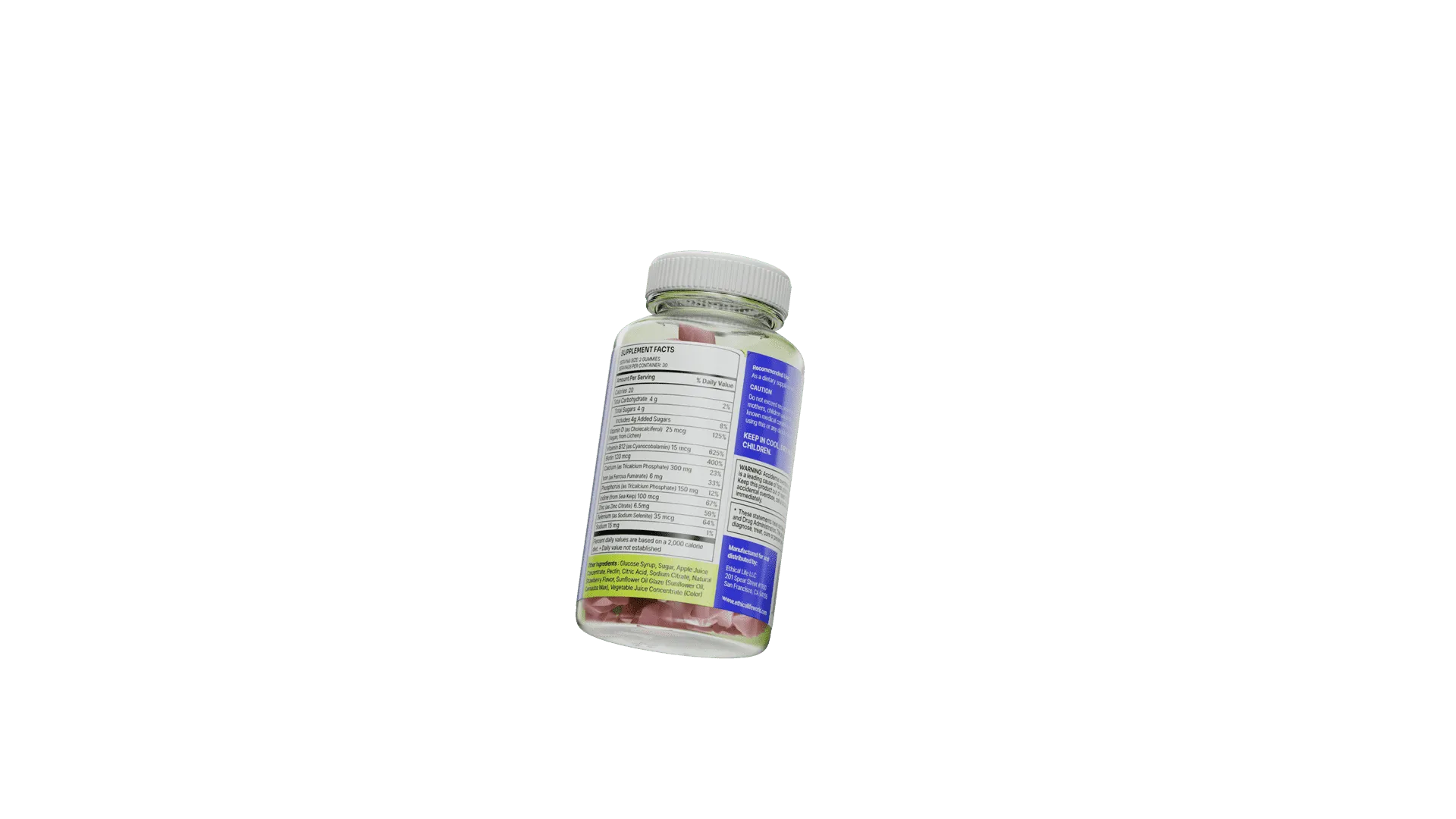
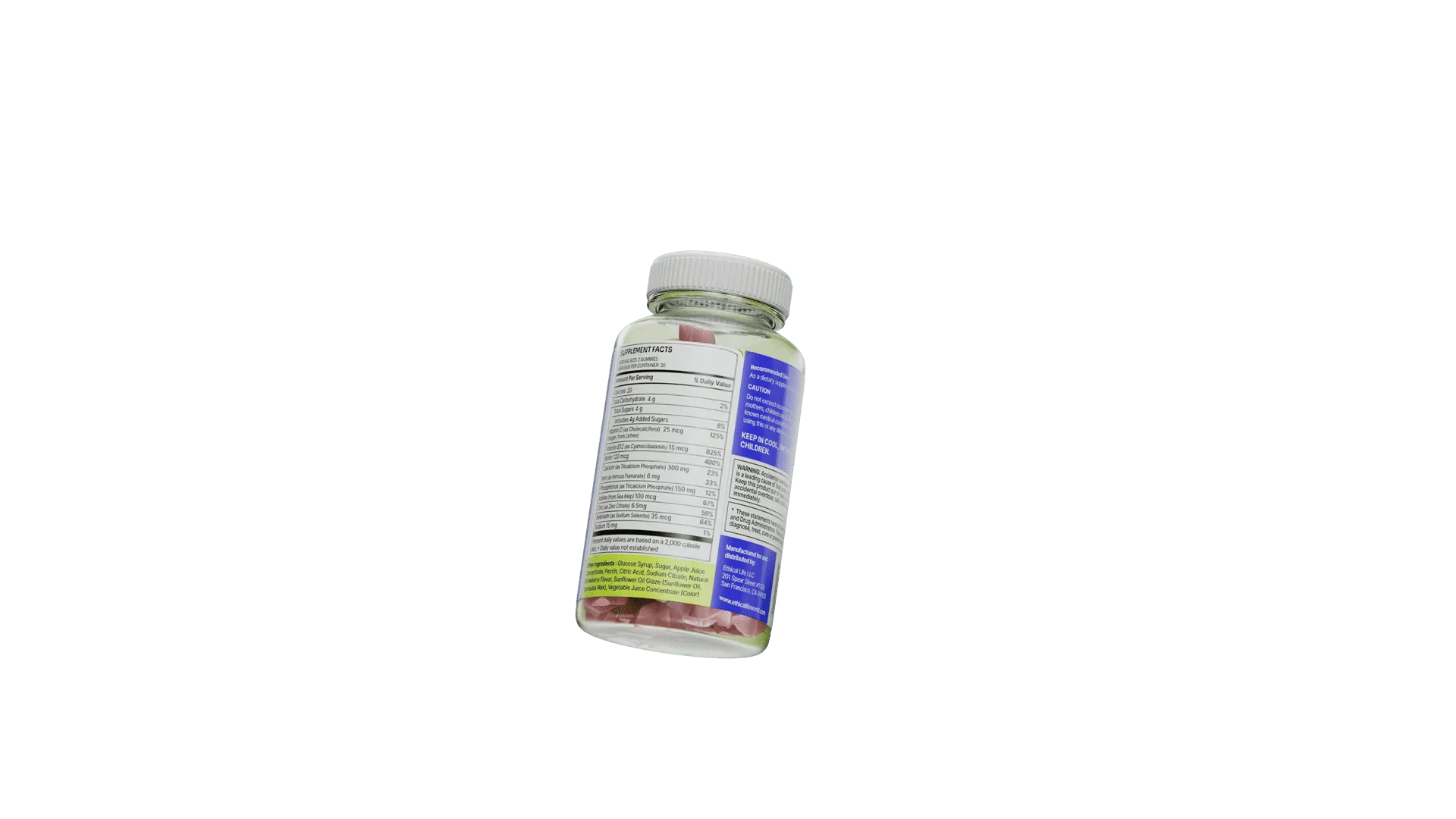
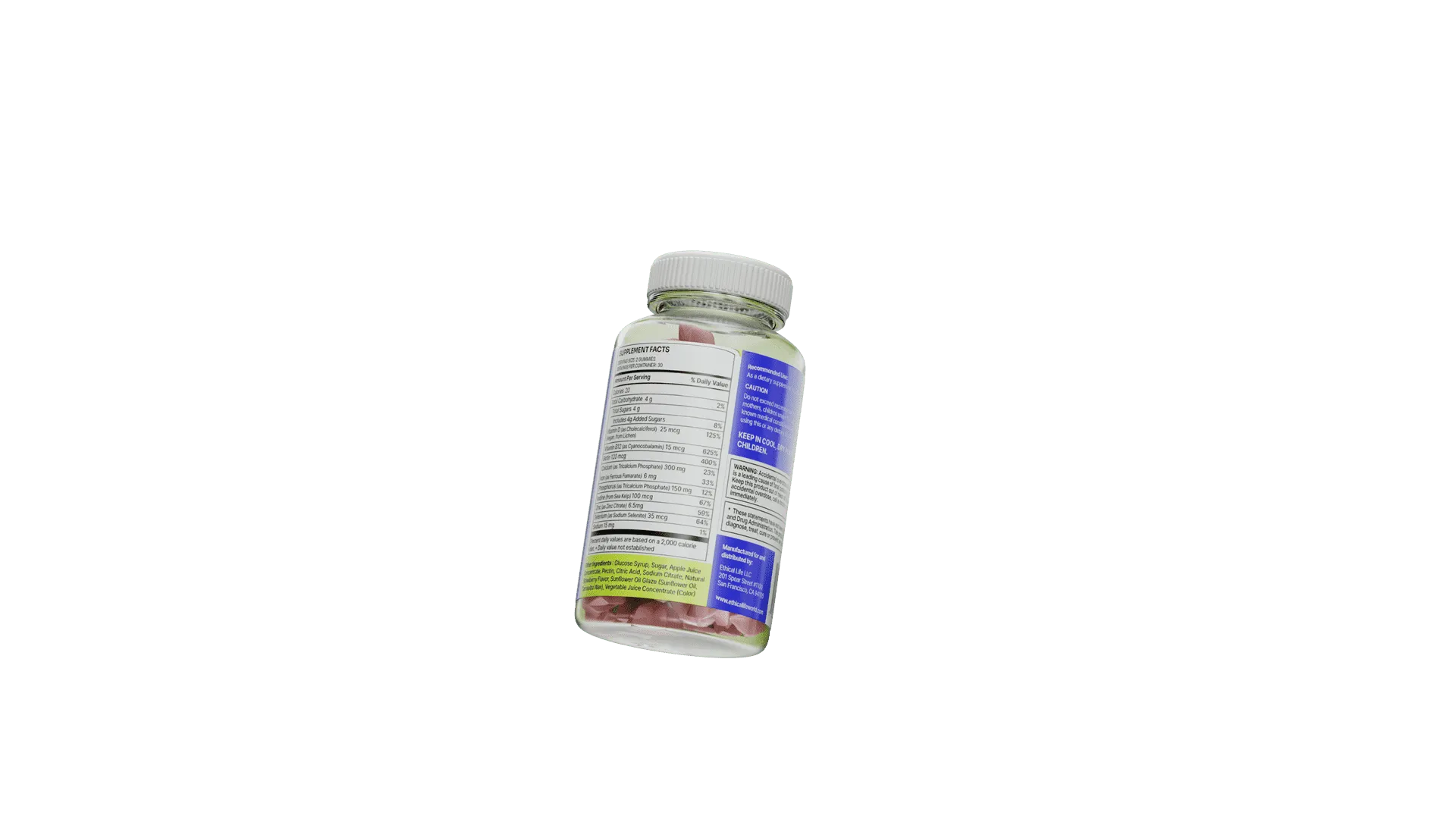
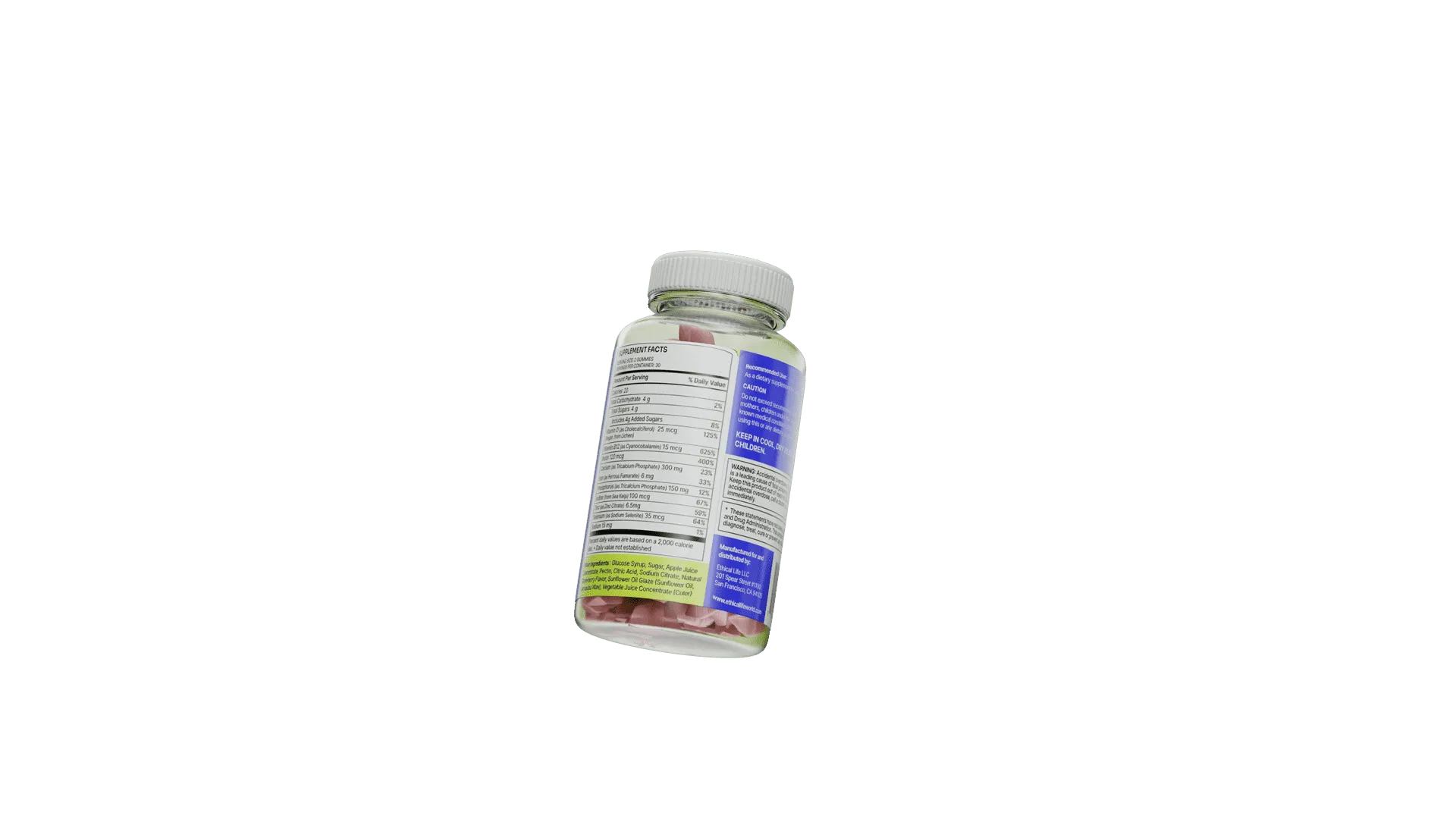
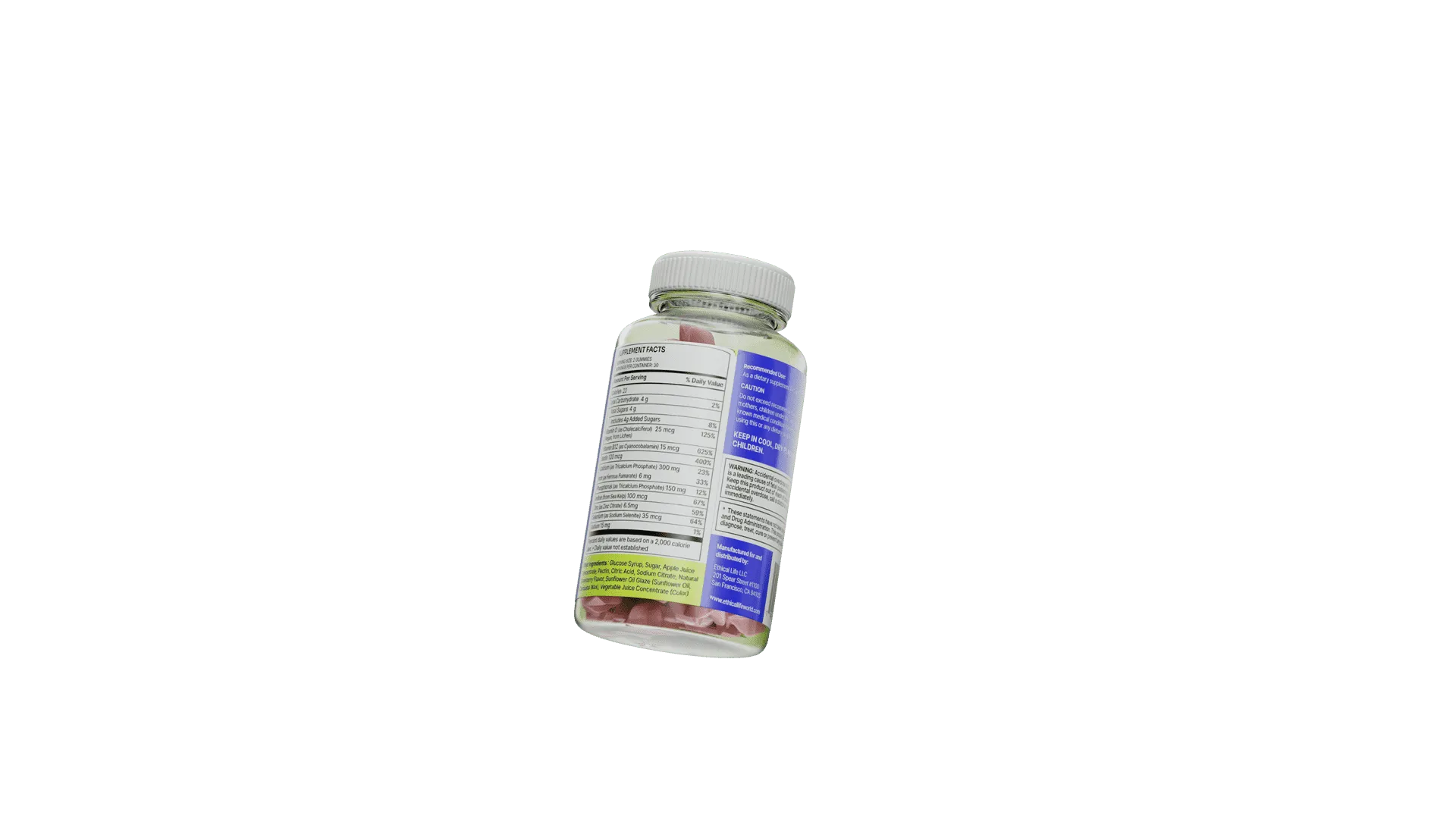
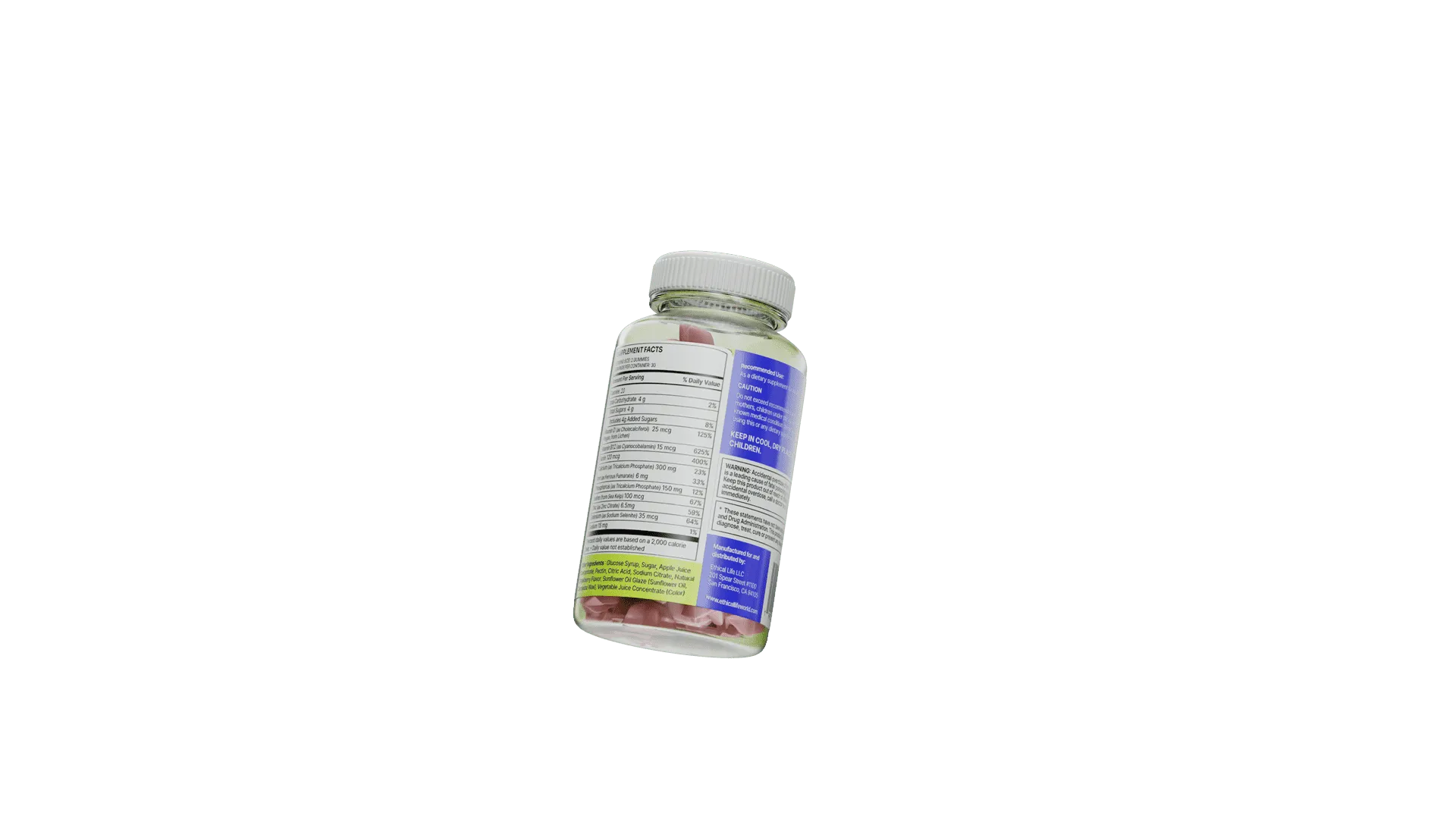
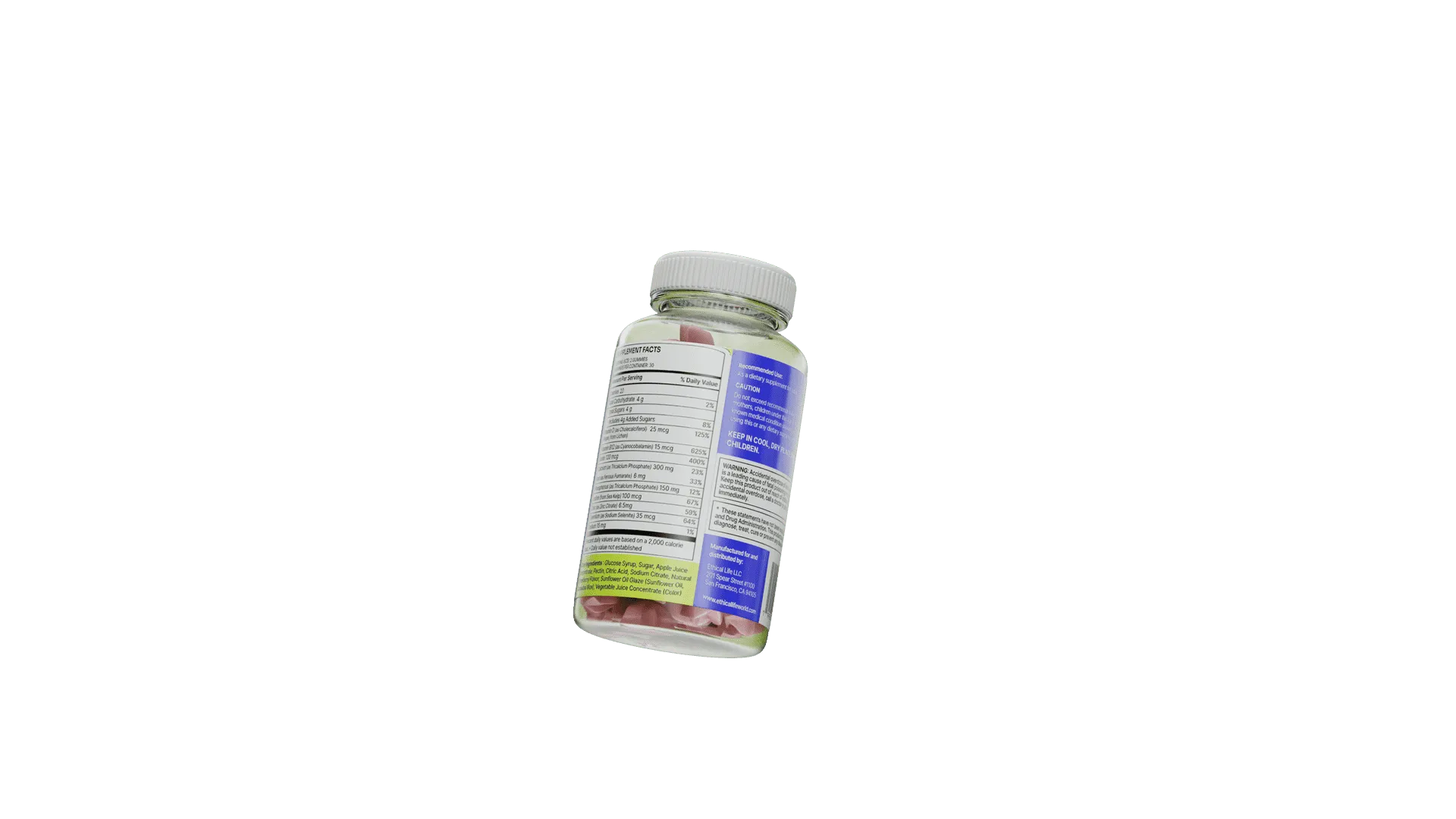
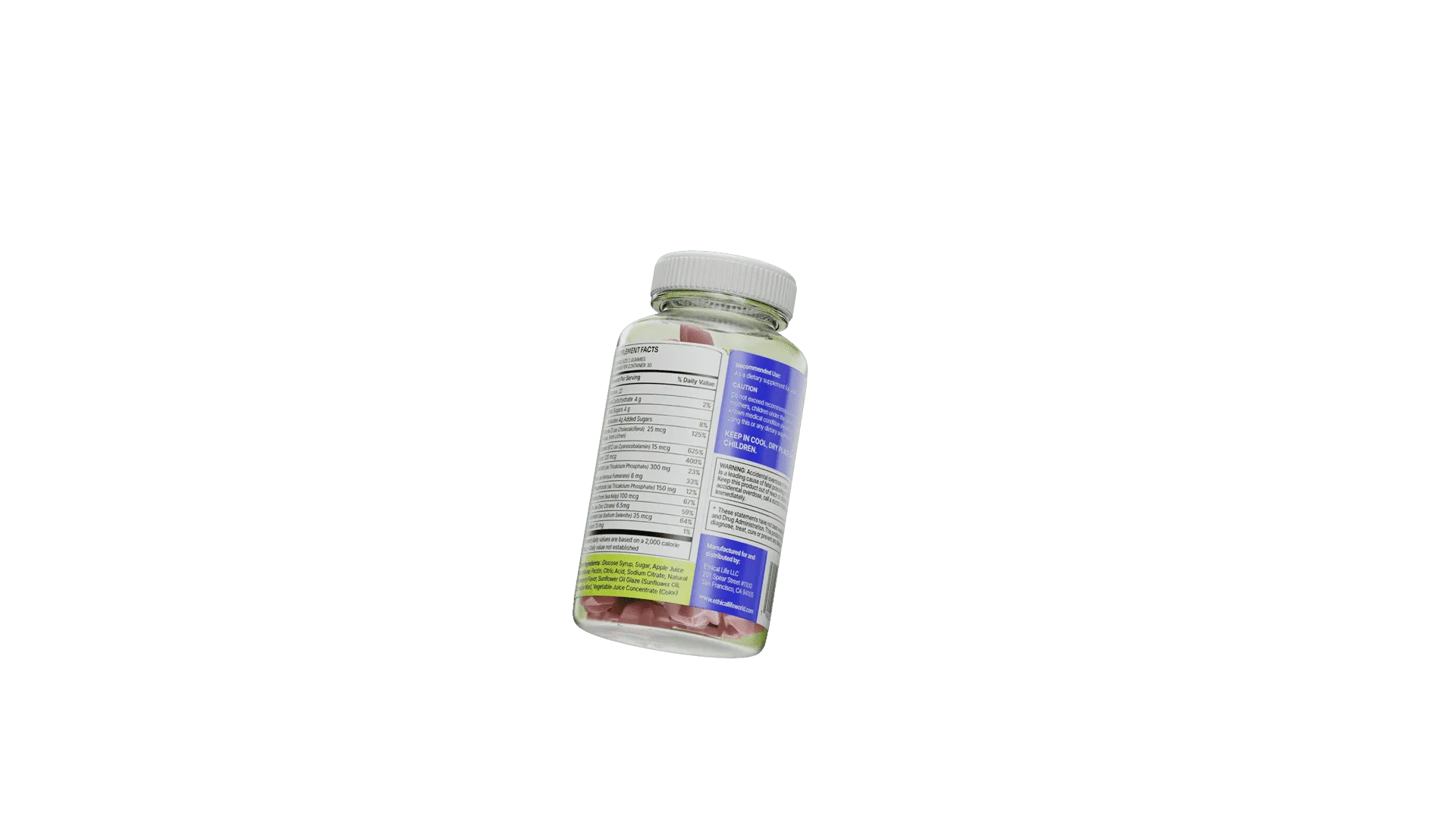
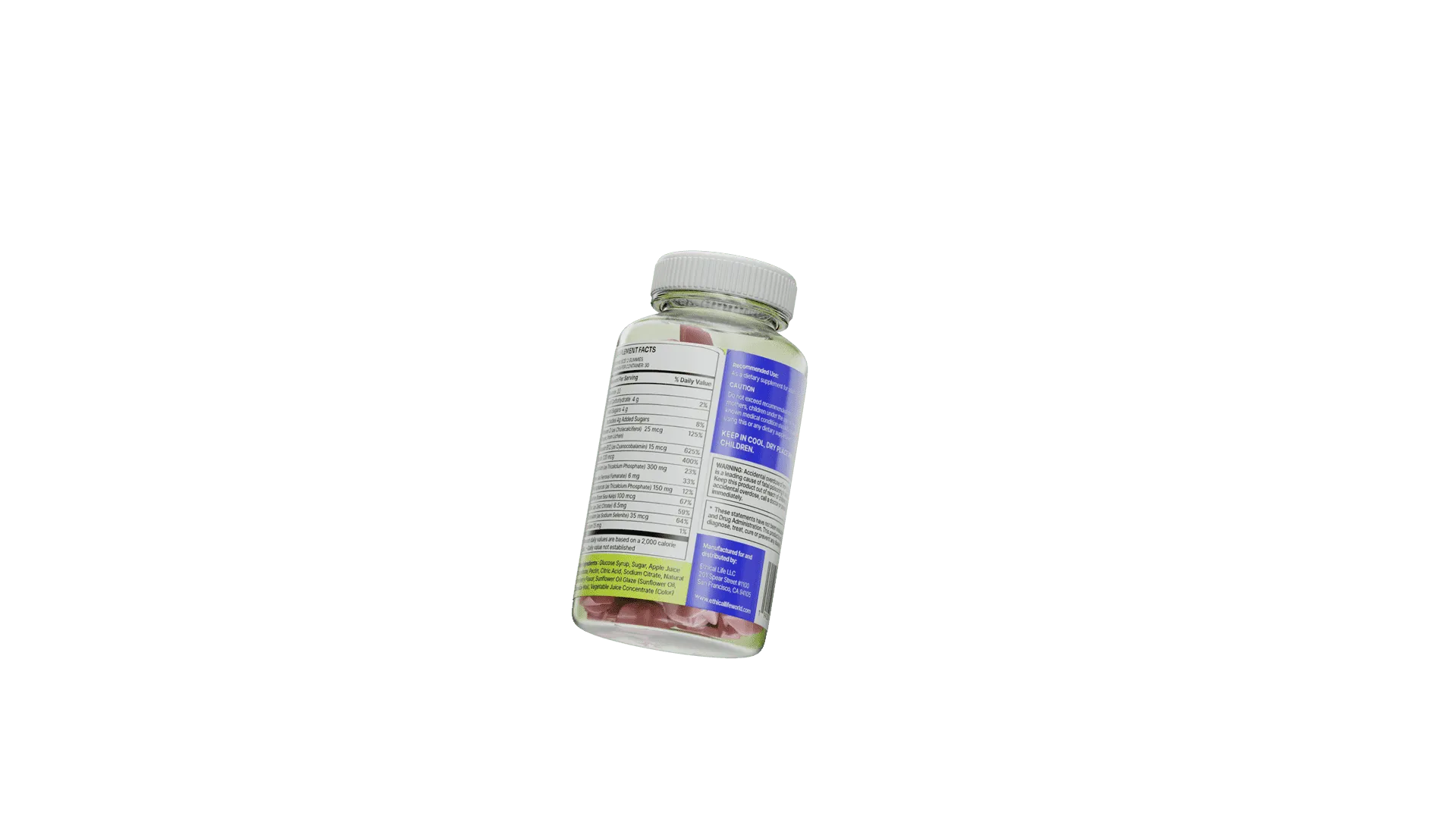
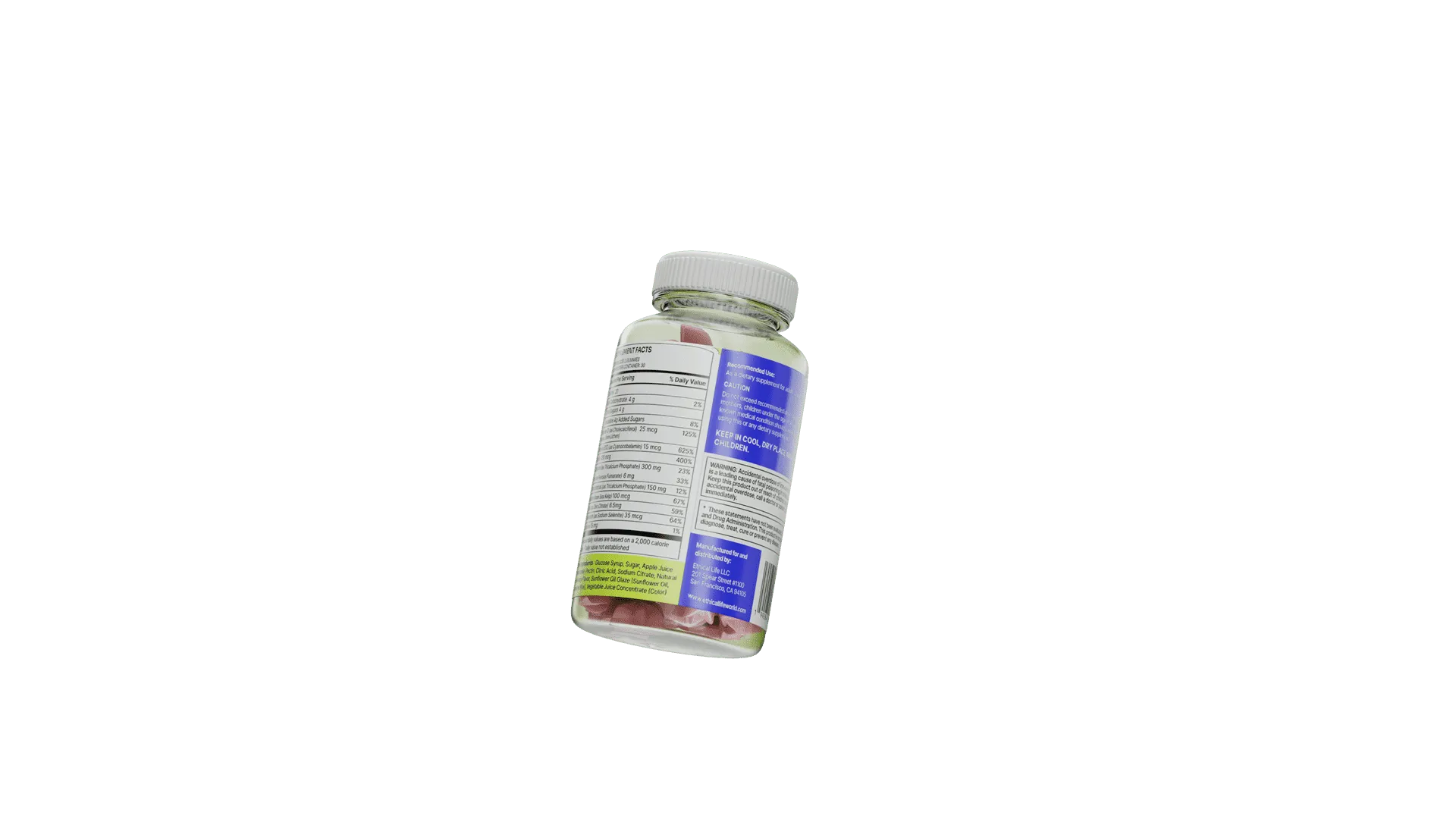
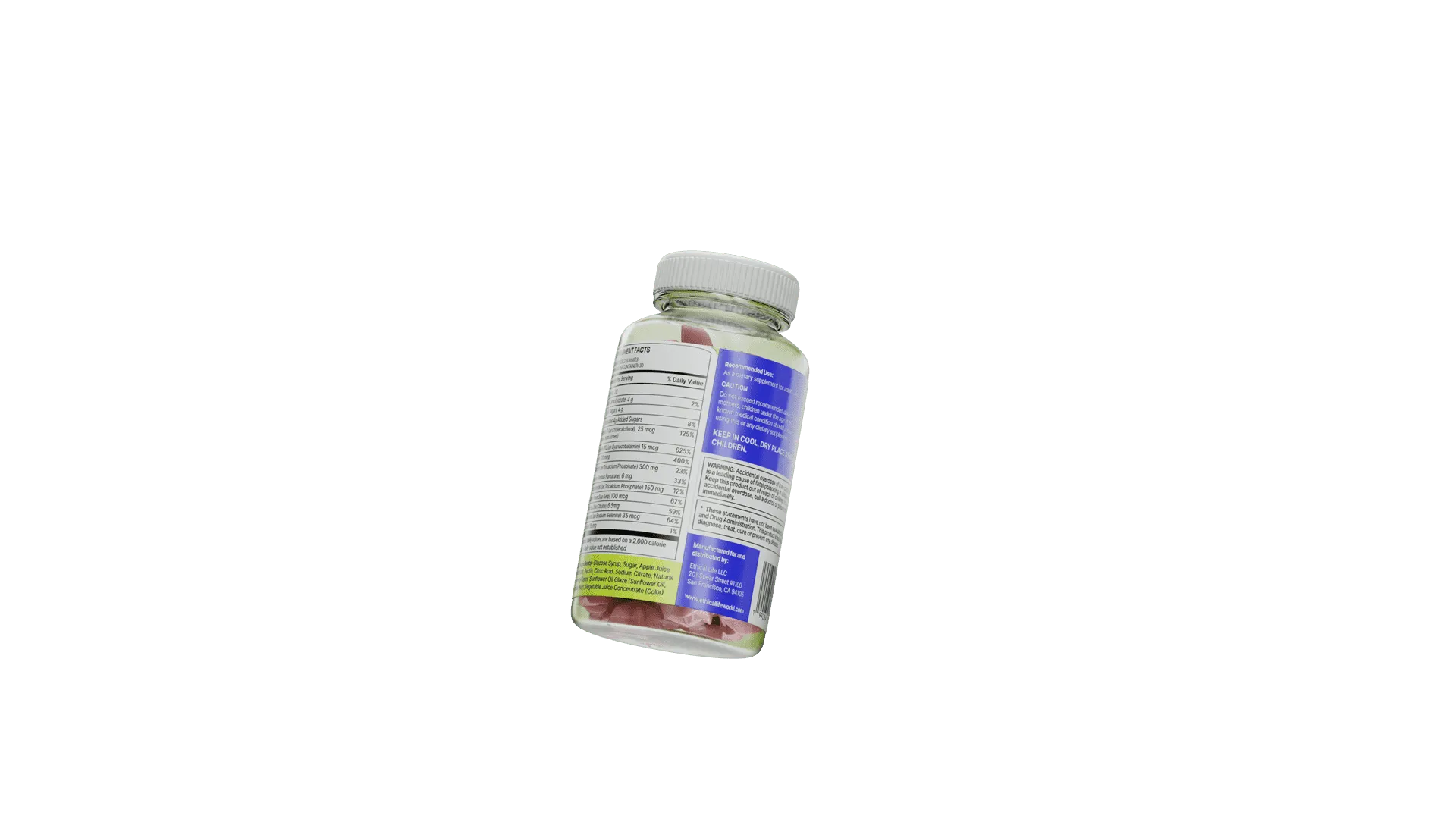
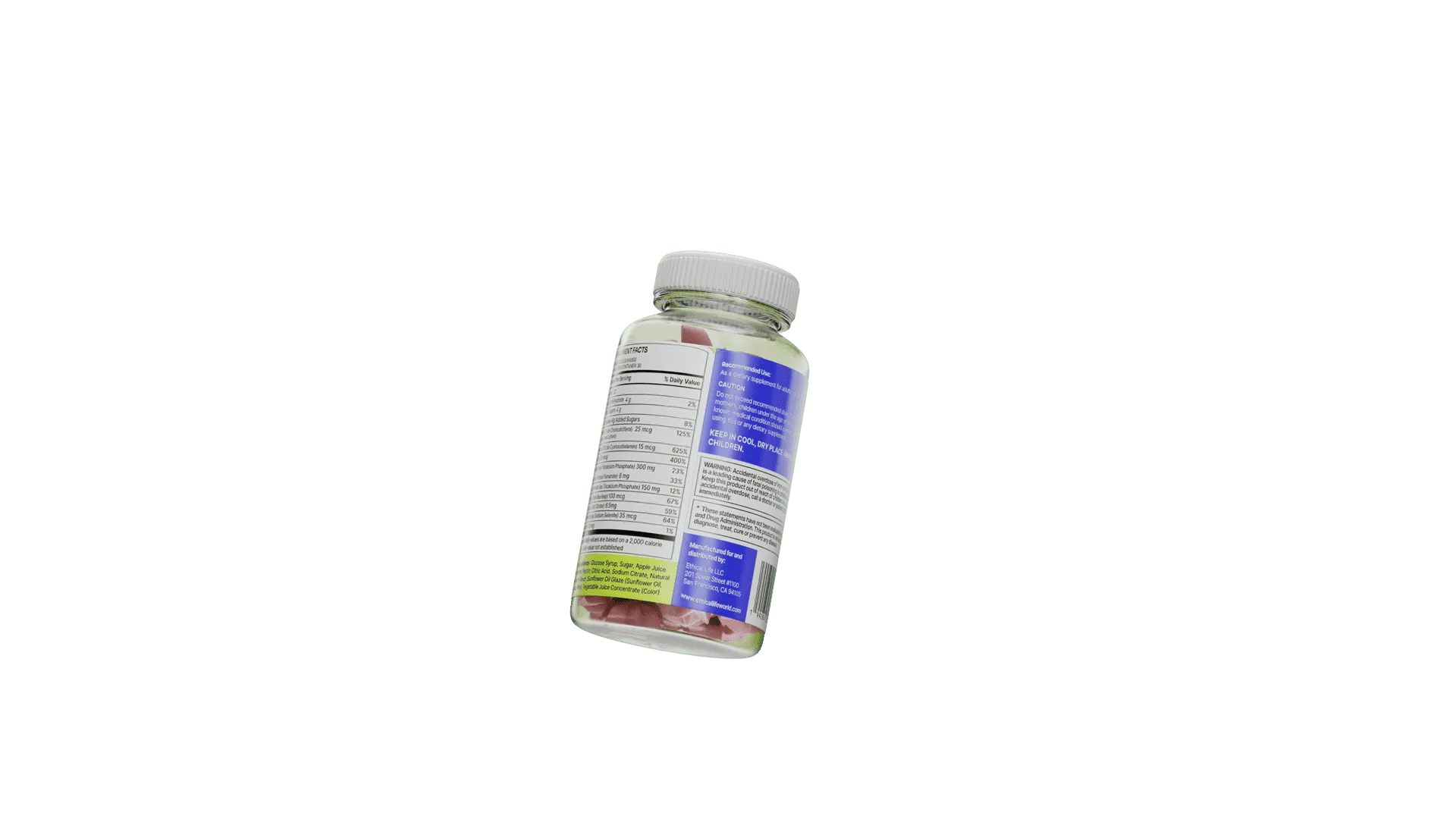
Gummy vitamins can provide useful nutrients when they contain meaningful amounts and are taken consistently. Review the Supplement Facts panel, added sugar content, ingredient quality, and serving instructions.
Which nutrients should people following vegan diets monitor?
Vitamin B12, vitamin D, iron, iodine, calcium, zinc, selenium, and omega-3 fatty acids often deserve additional attention. Individual needs depend on food choices and personal health factors.
Should I take vitamins with food?
Some vitamins are better absorbed with food, particularly the fat-soluble vitamins A, D, E, and K. Always follow the instructions on the product label.
How can I tell whether a supplement is right for me?
Consider your diet, age, lifestyle, medications, health history, and laboratory results. A healthcare professional can help you determine whether supplementation is appropriate.
Support Your Daily Wellness With Ethical Life
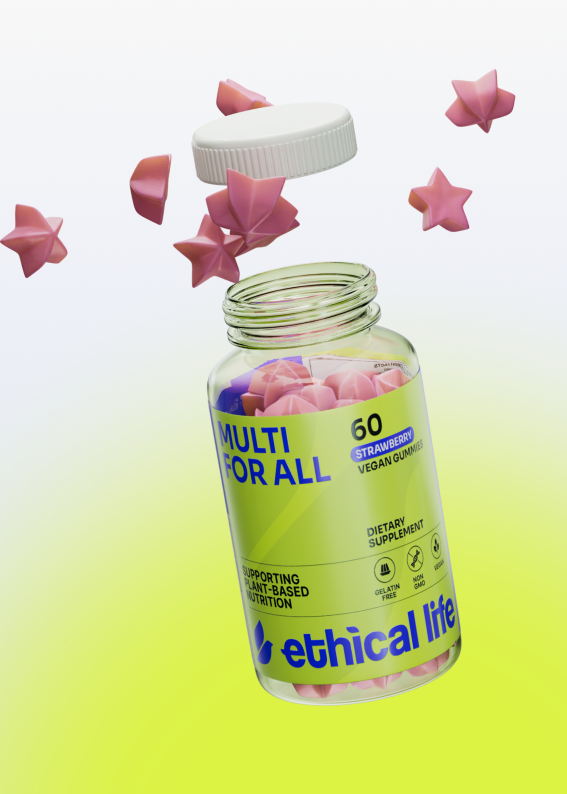
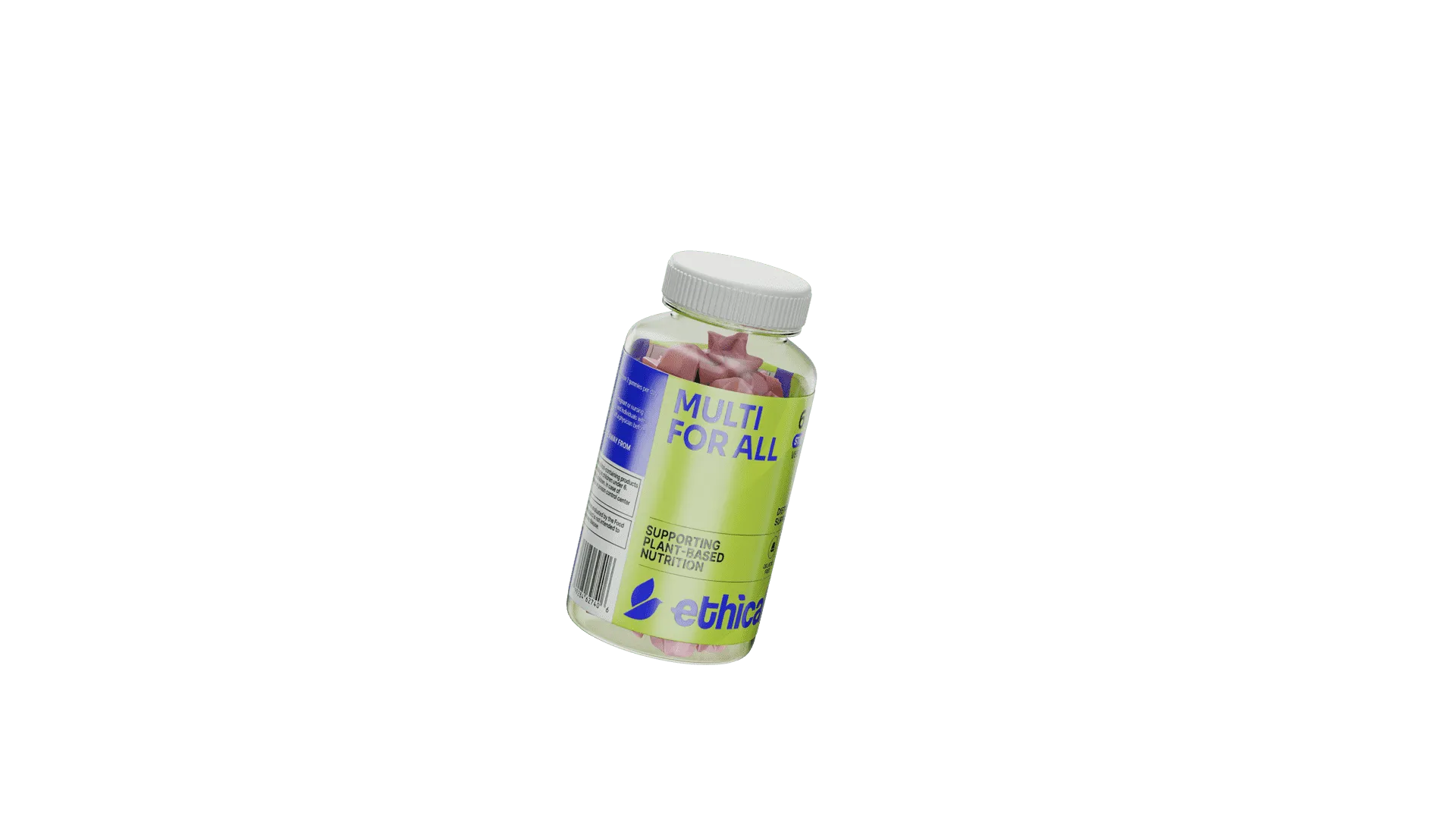
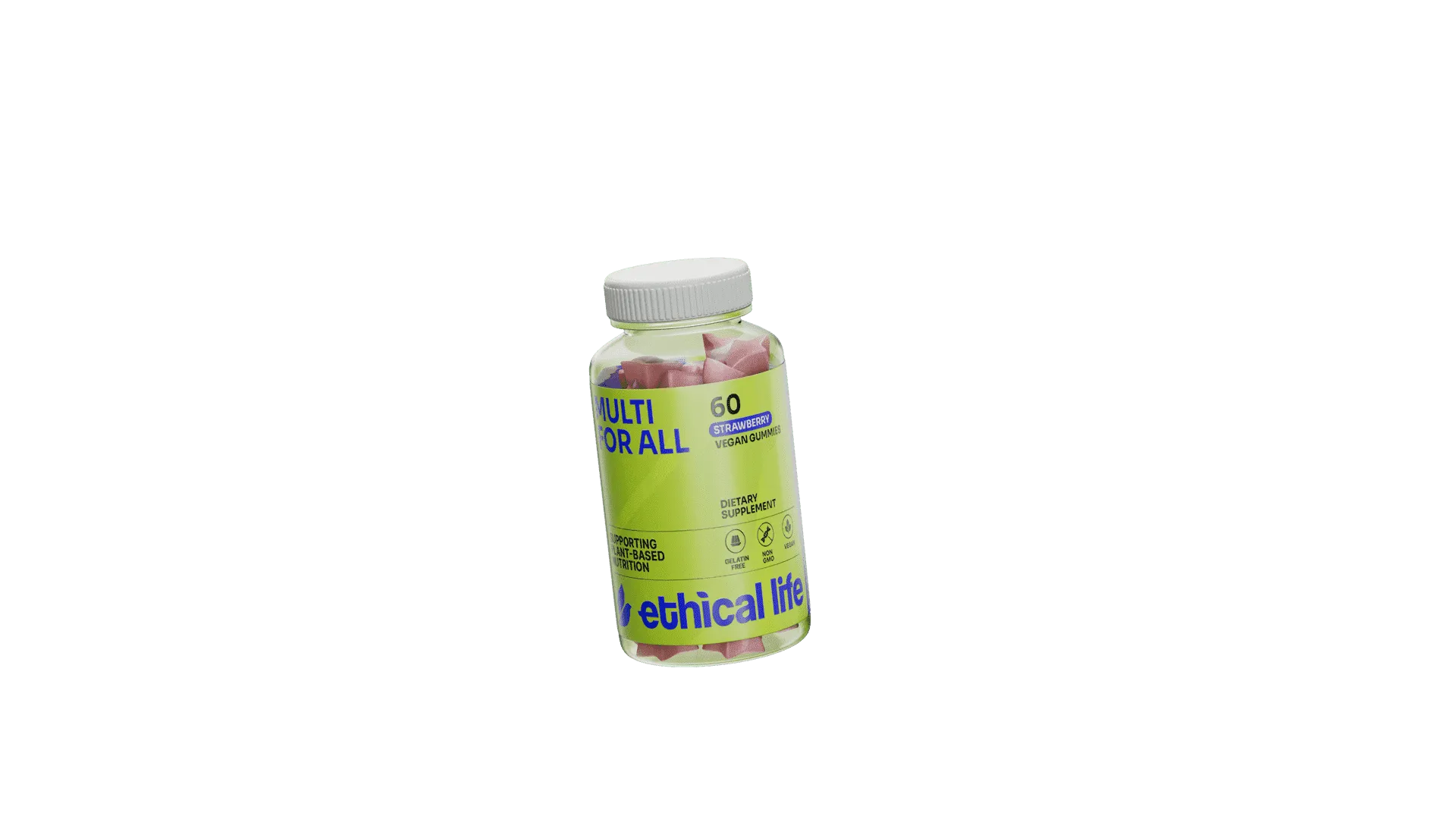
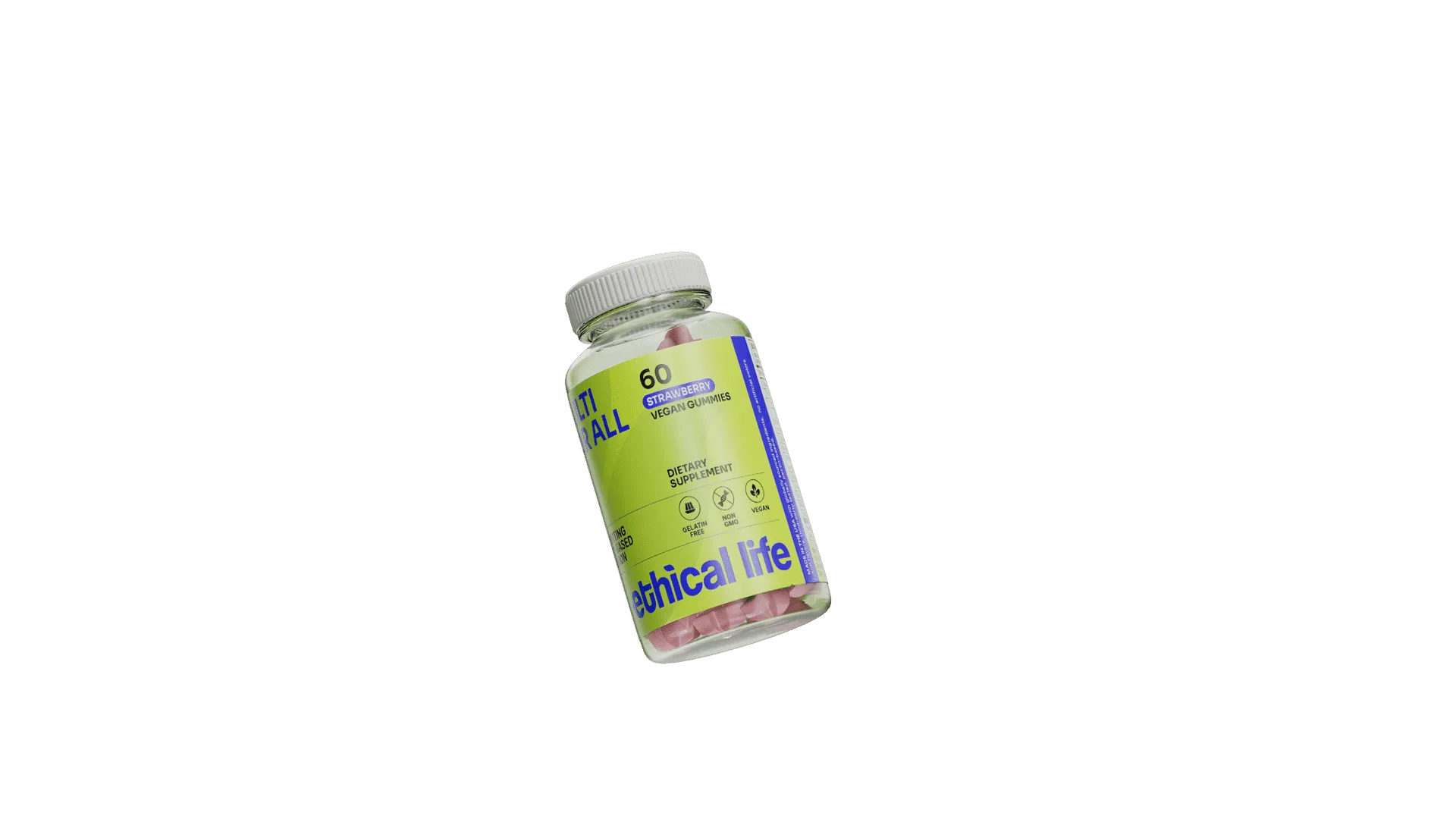
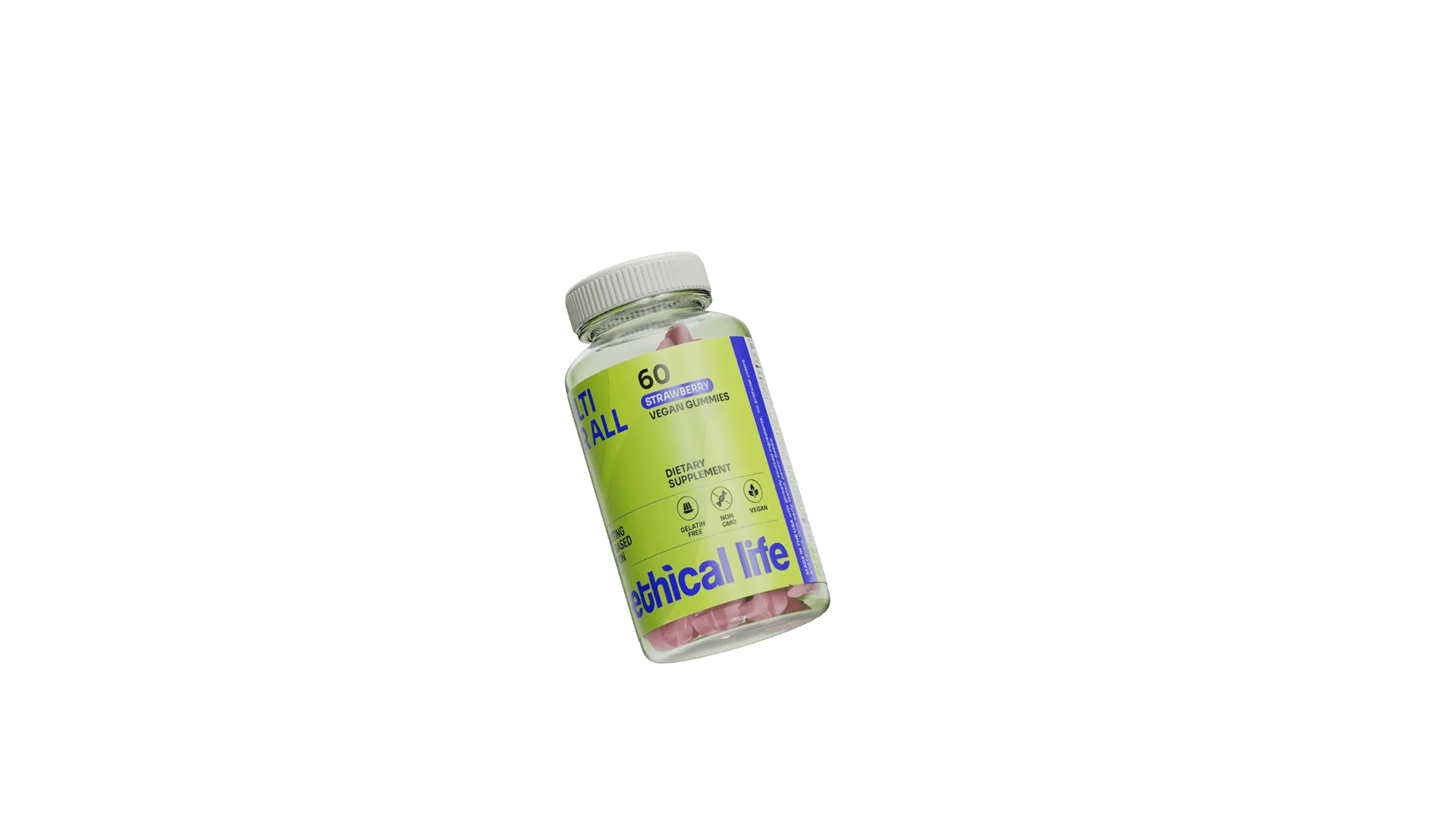
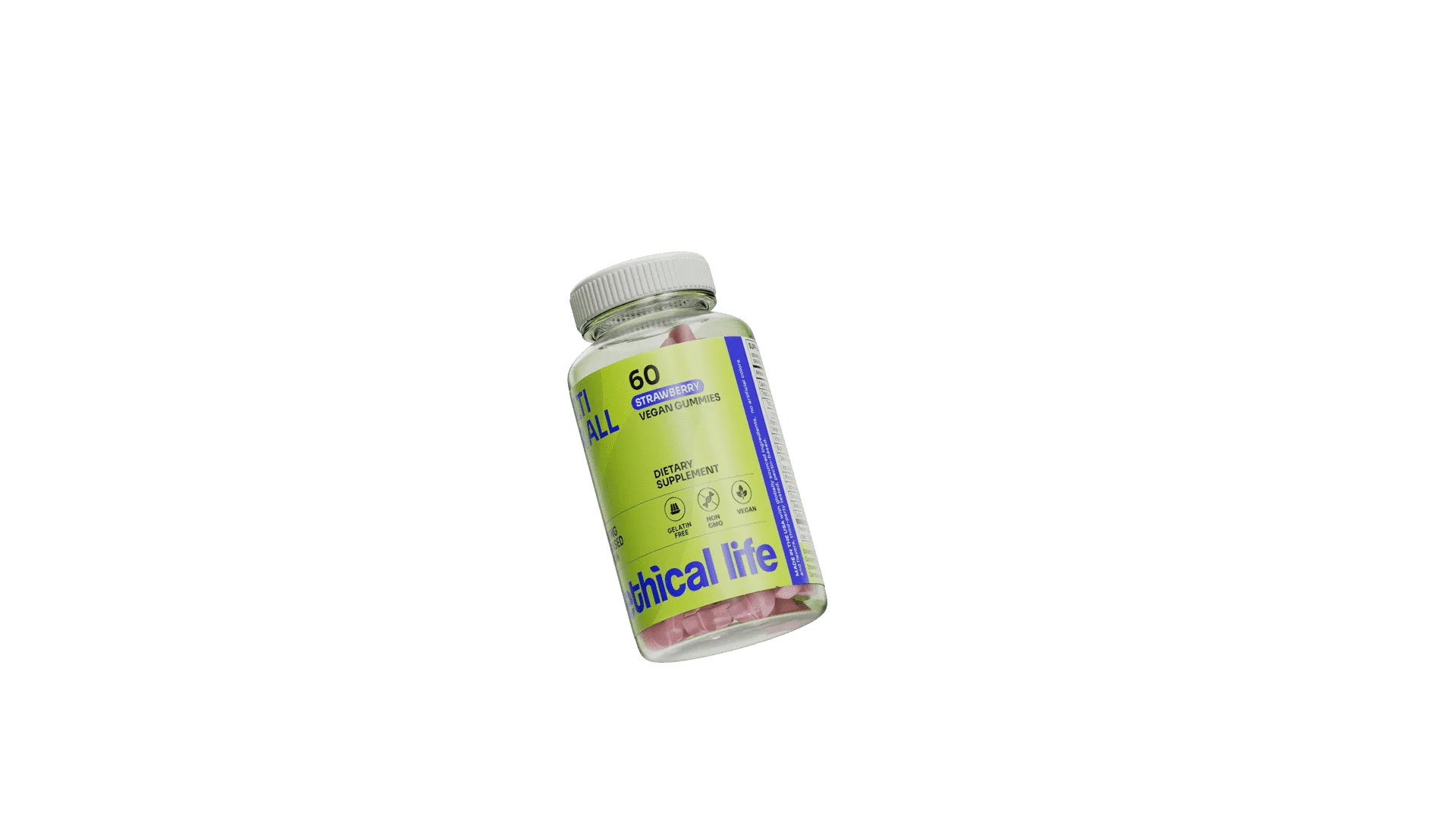
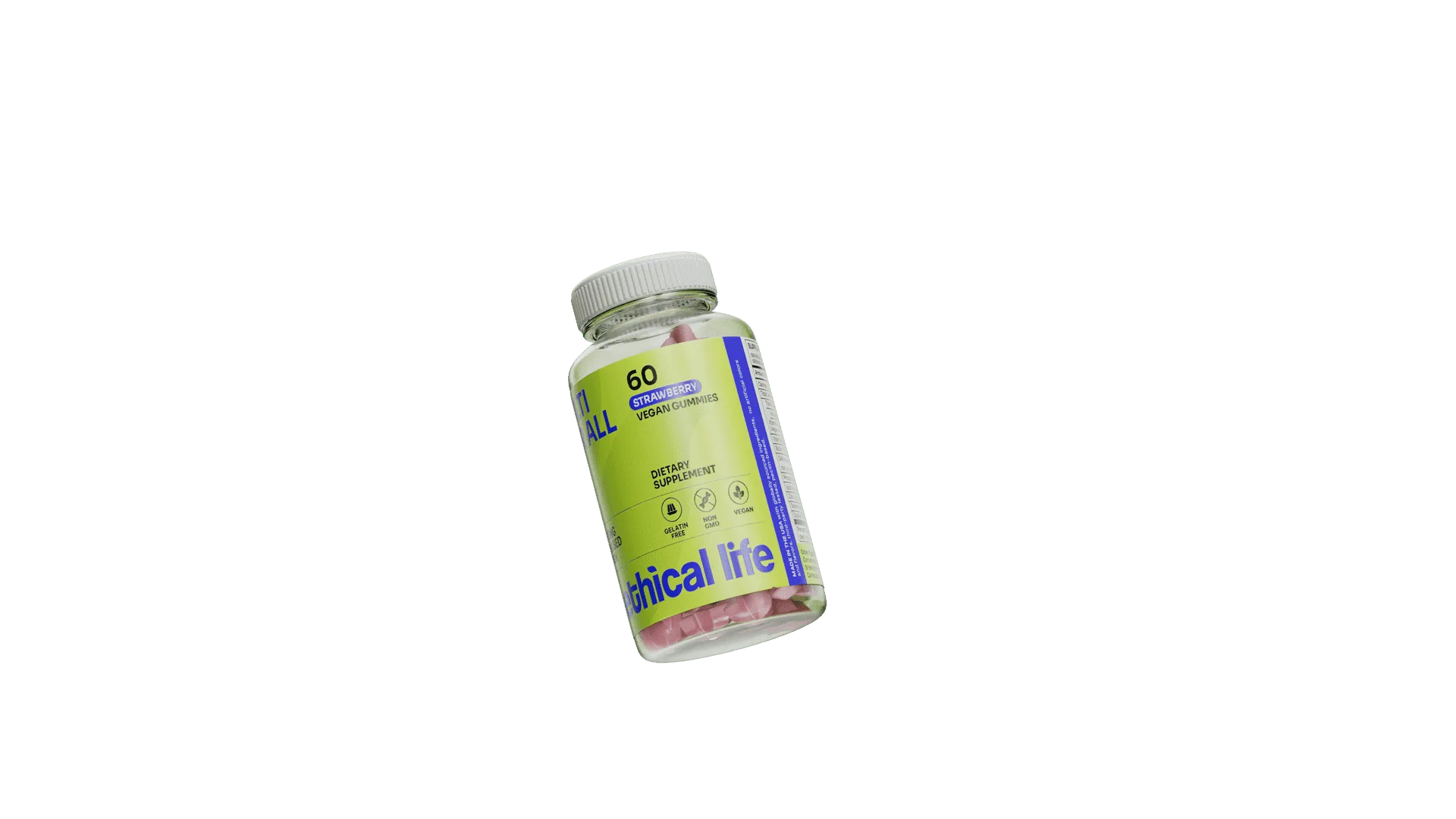
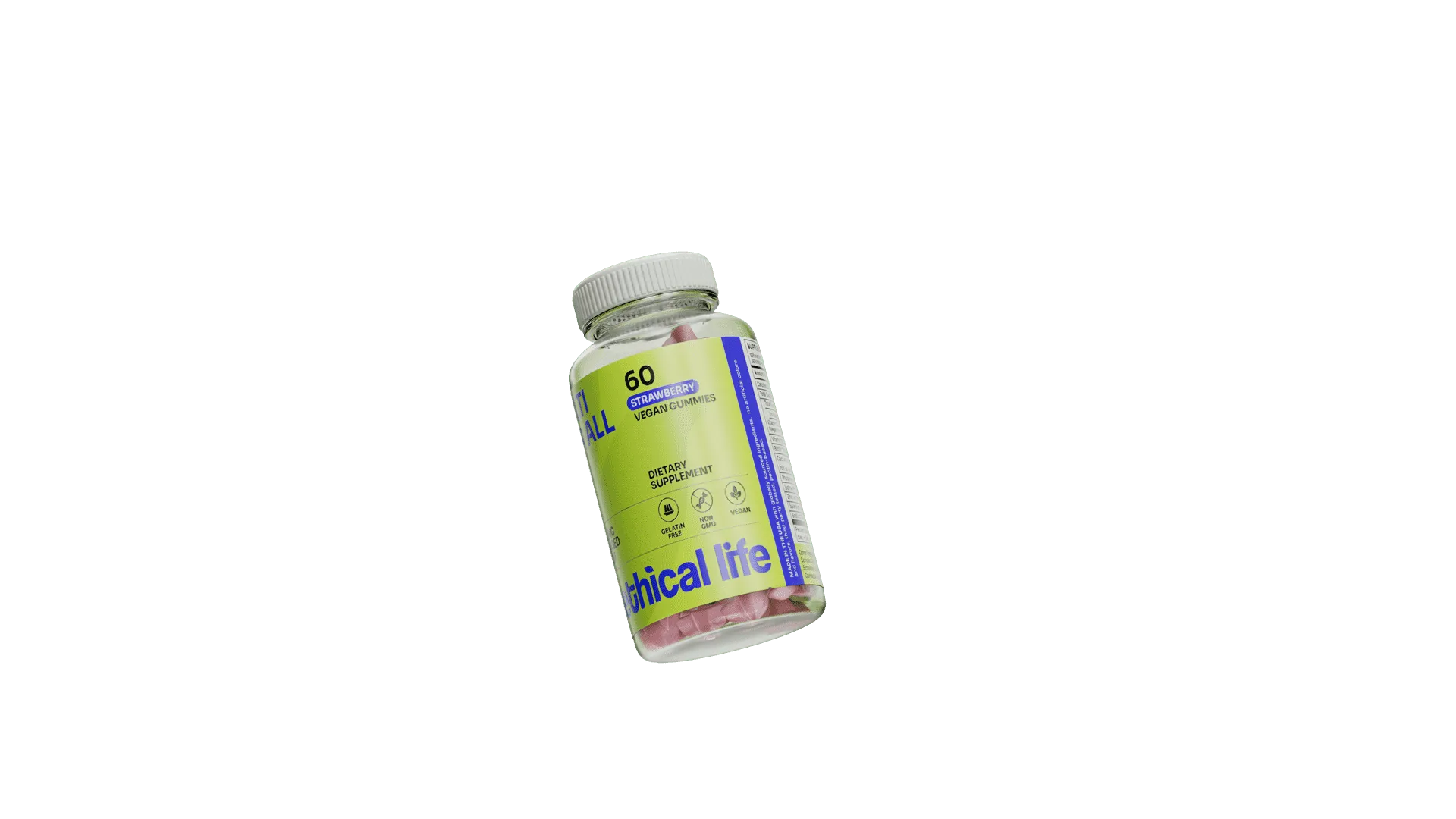
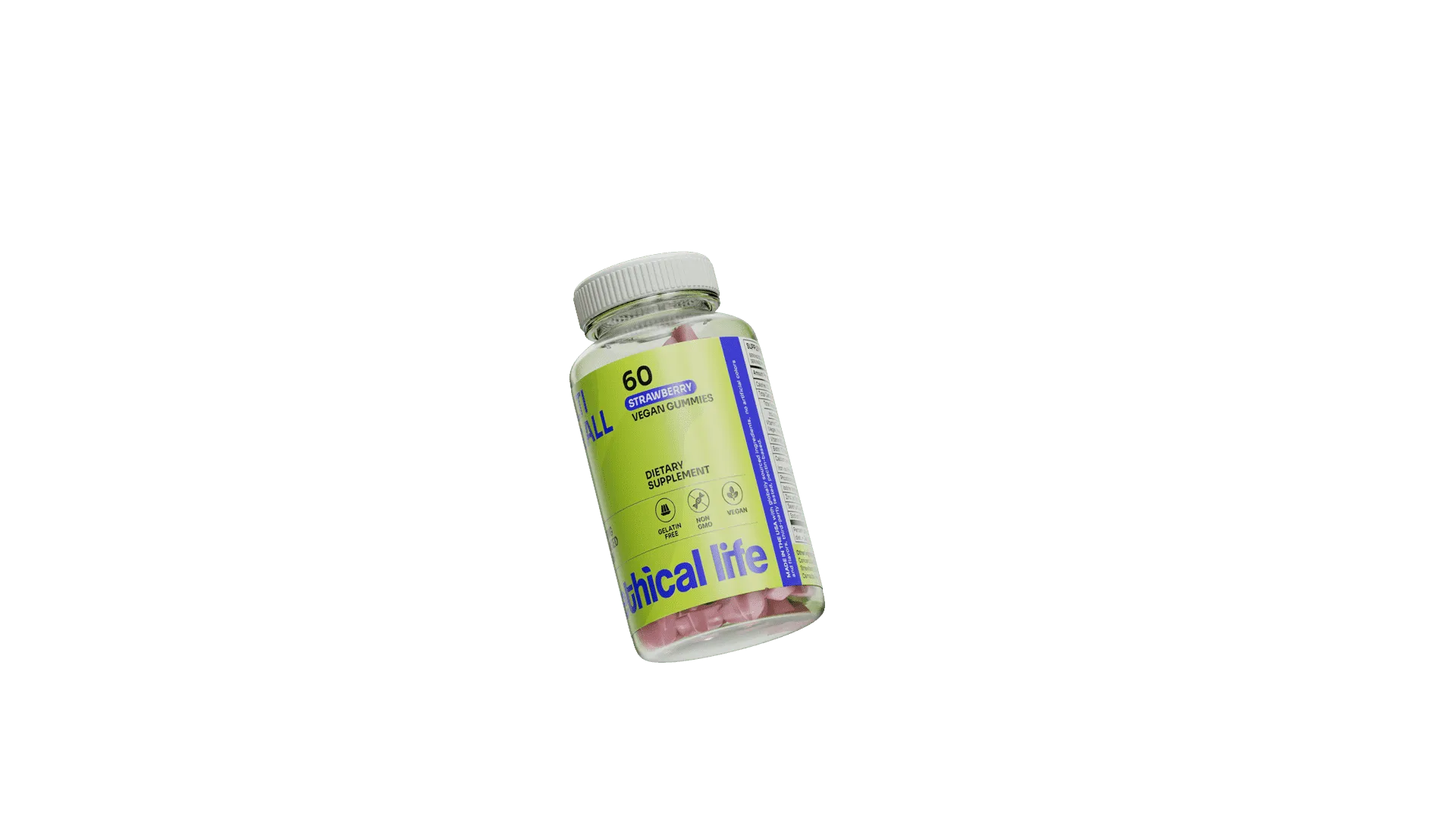
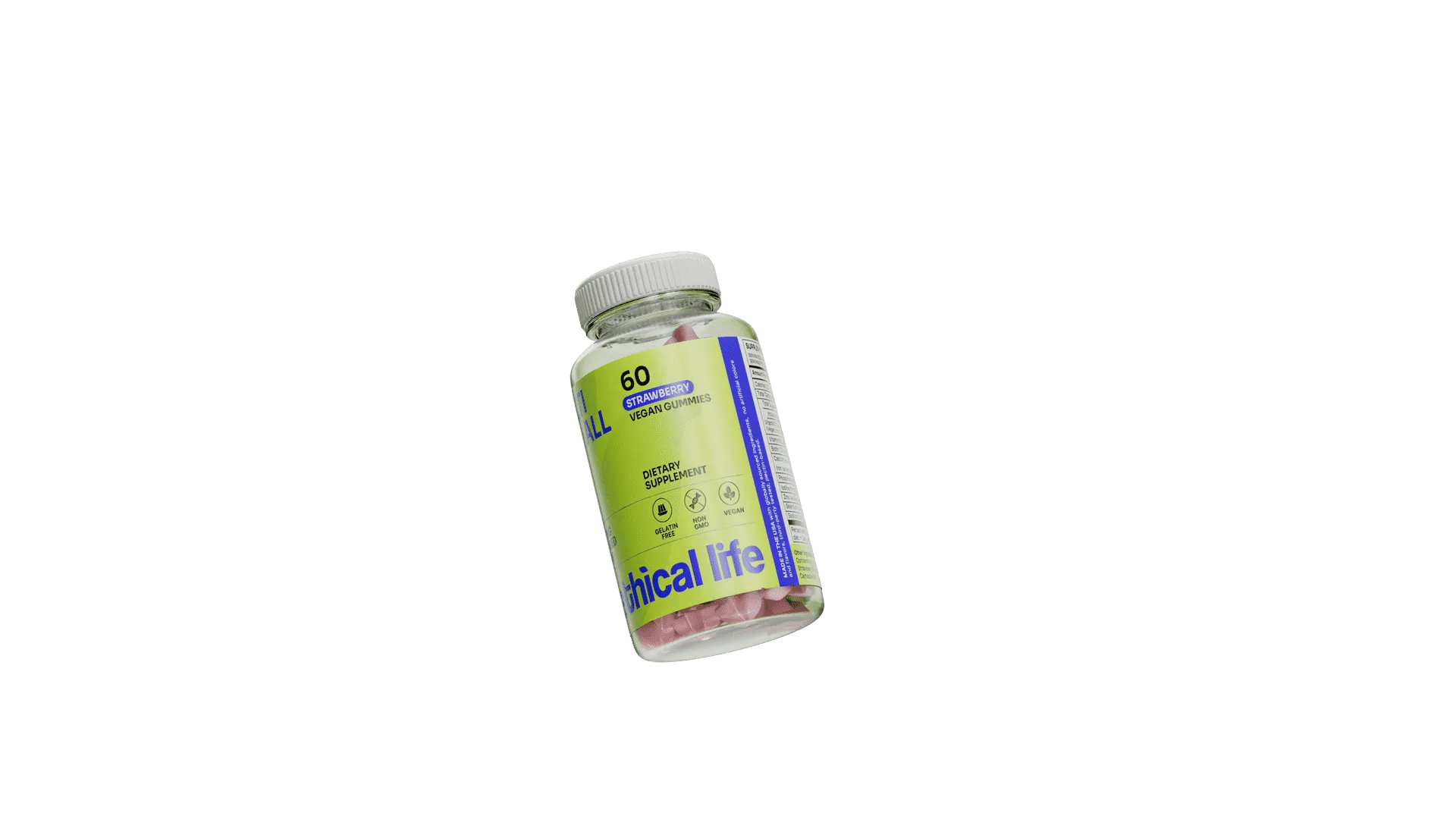
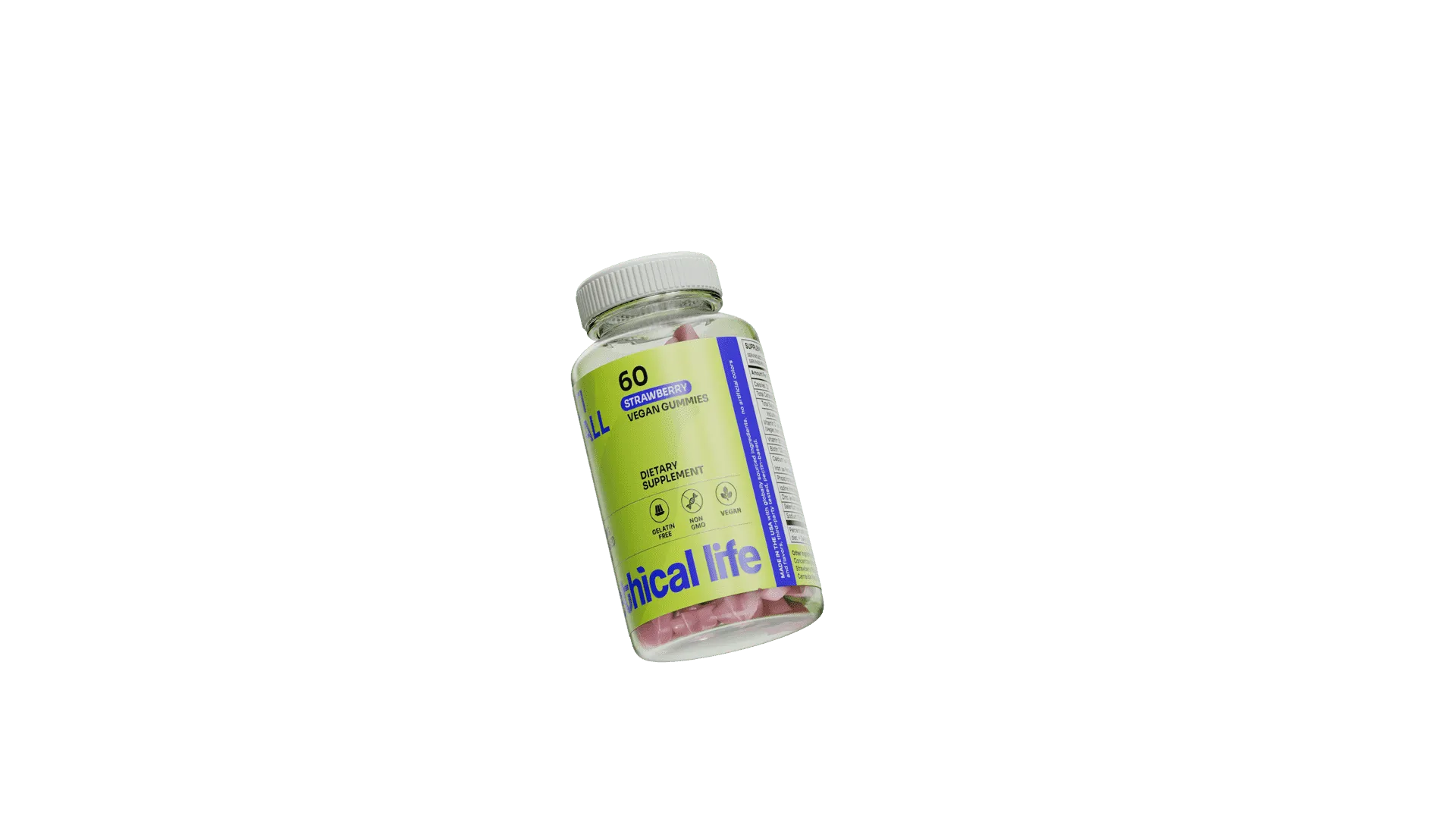
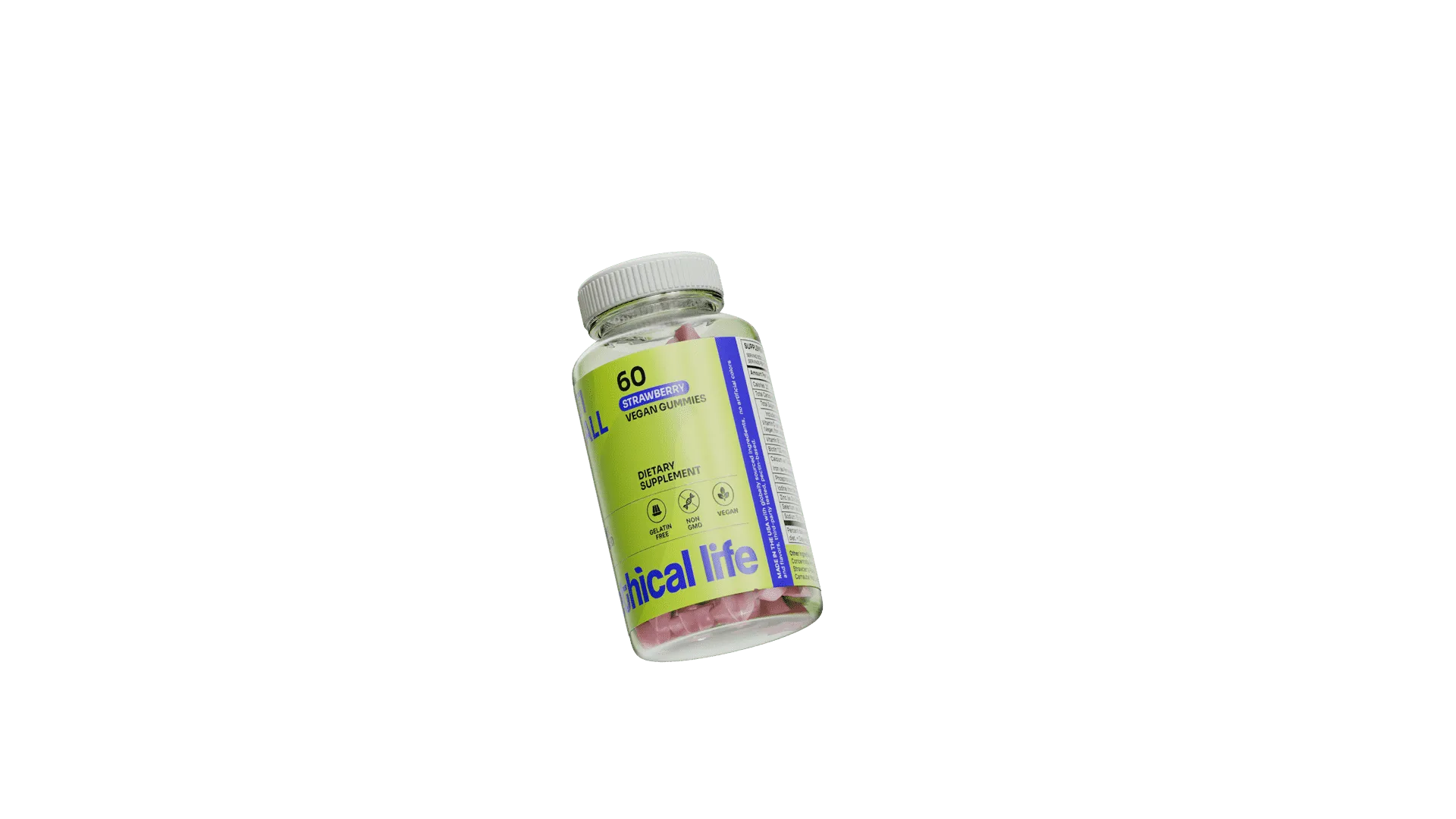
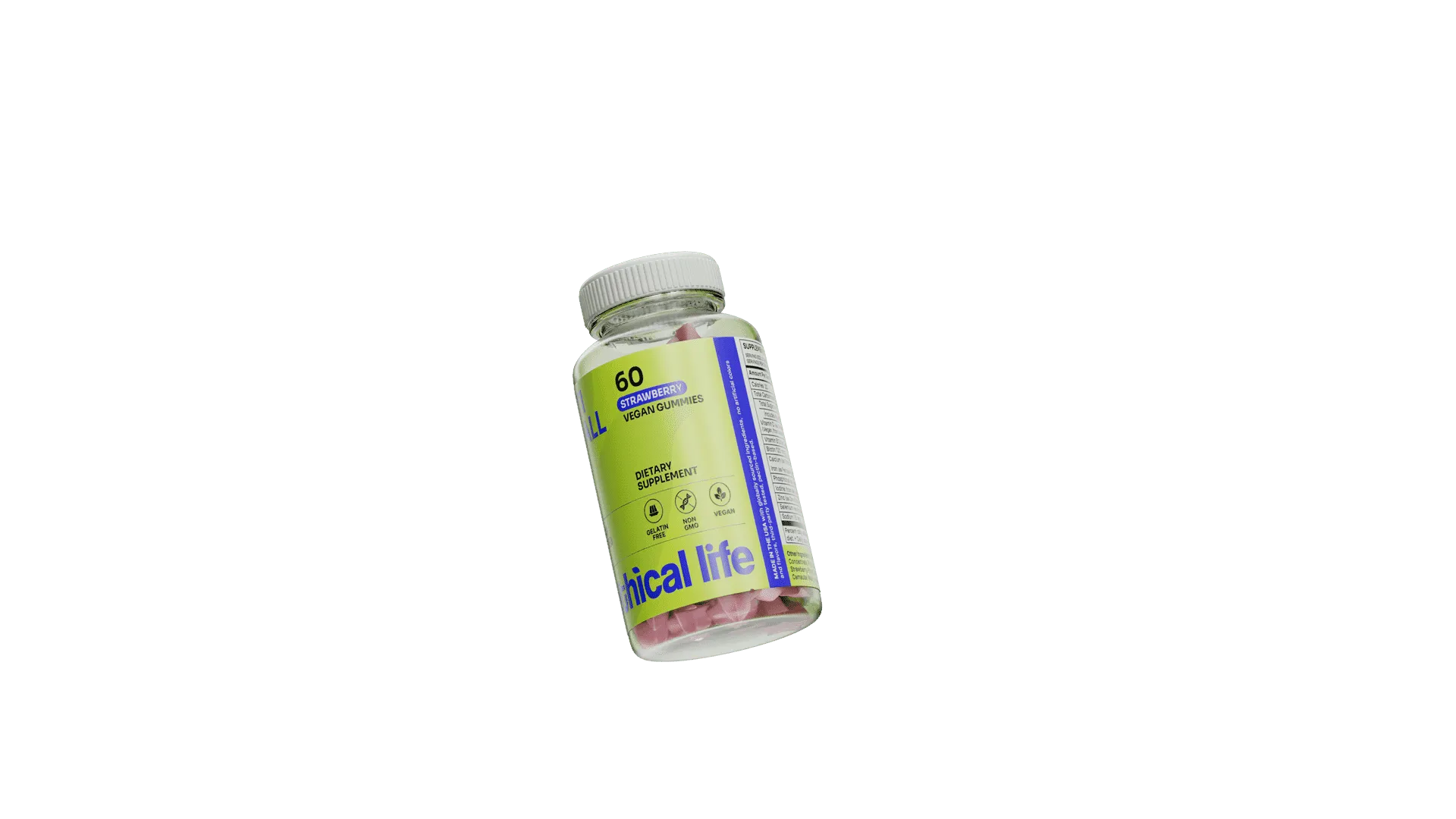
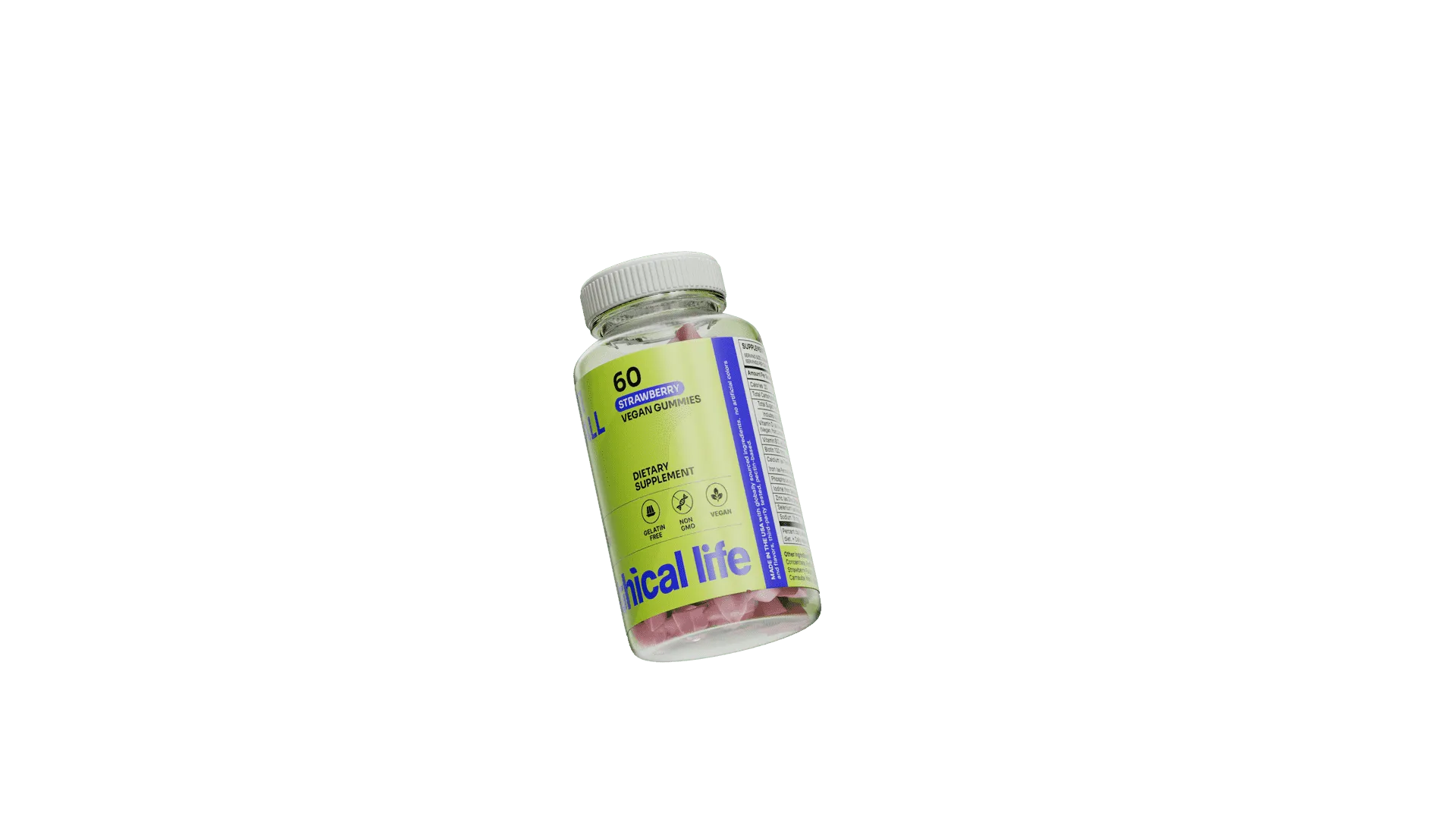
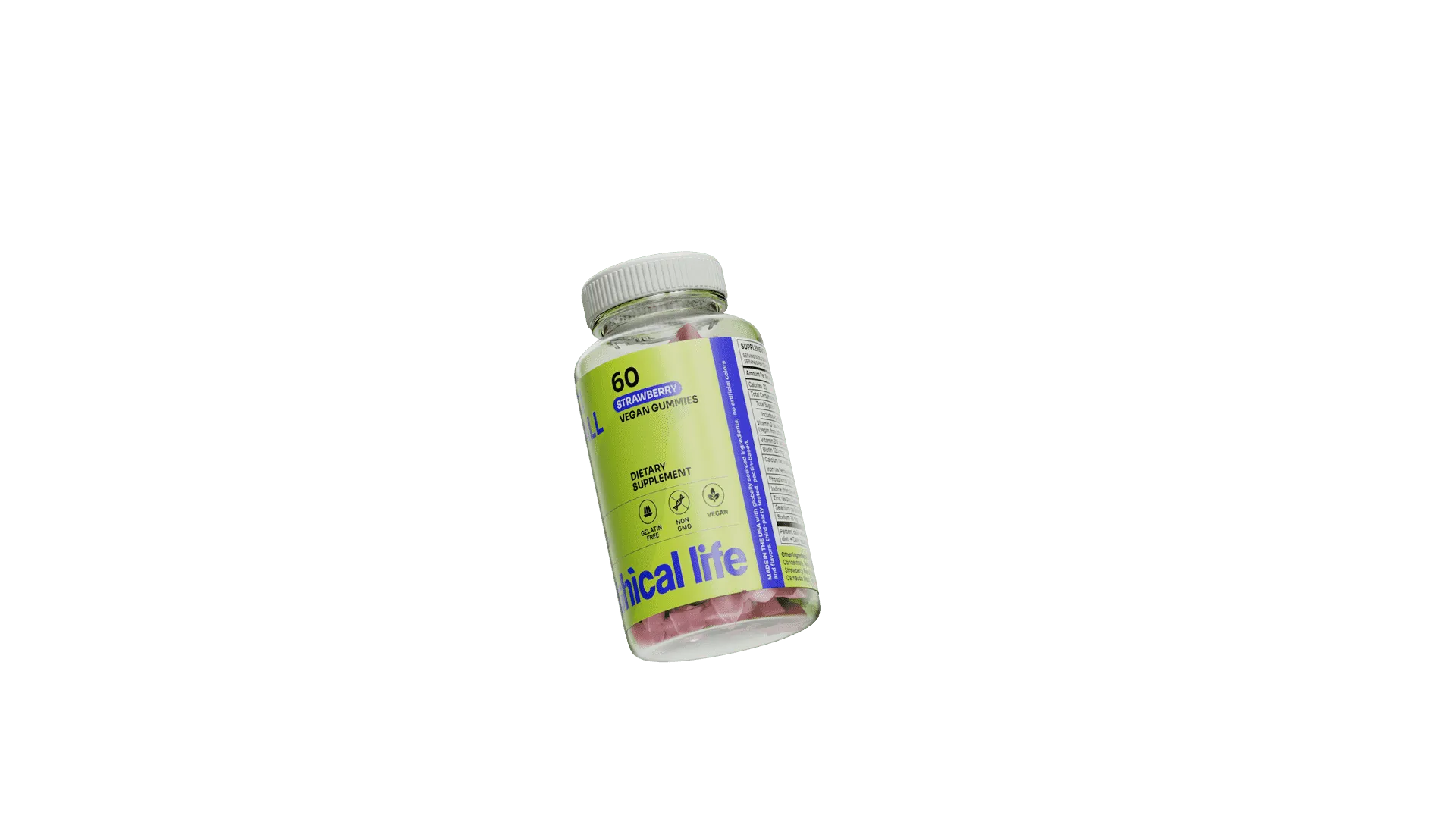
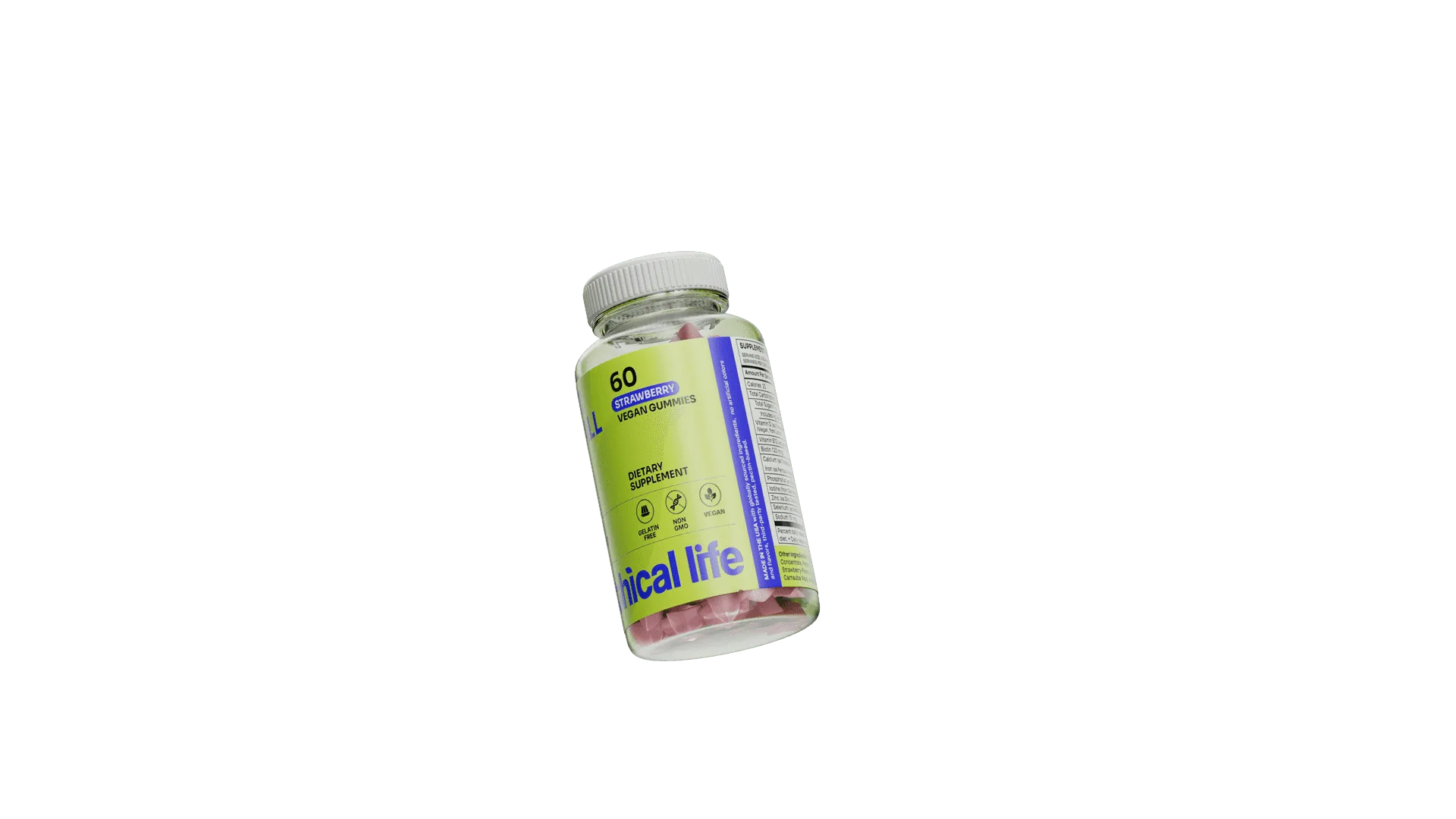
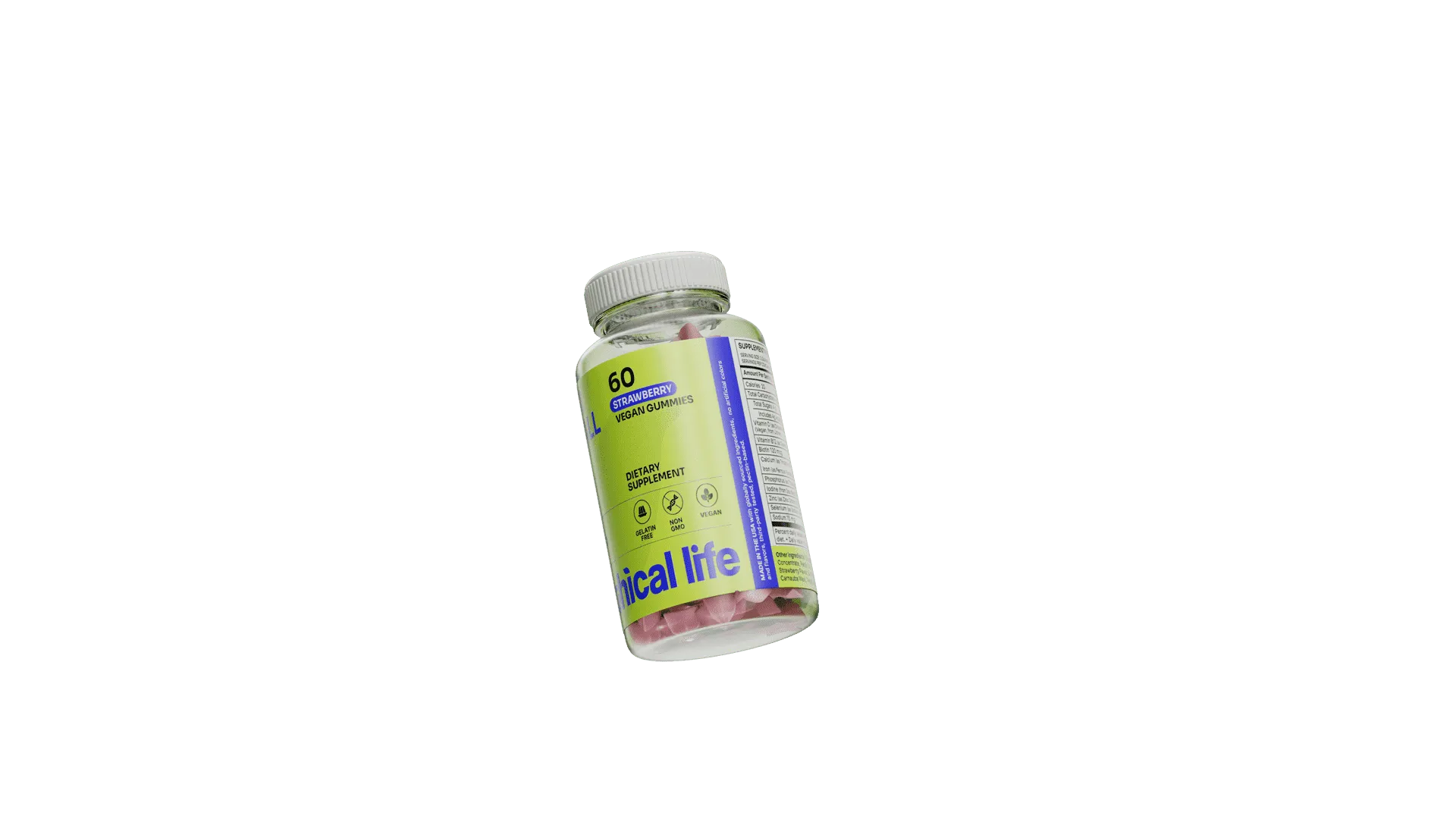
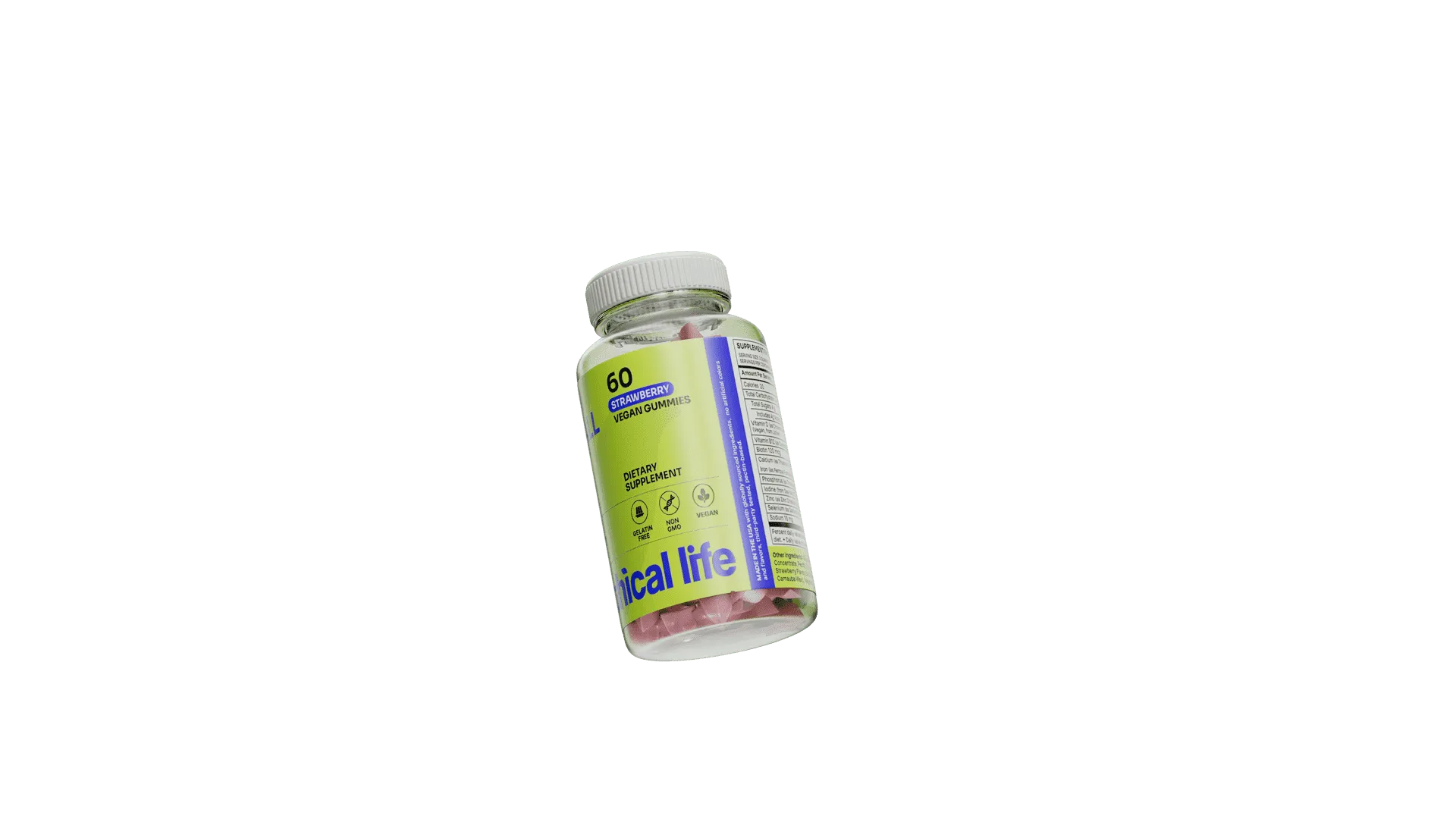
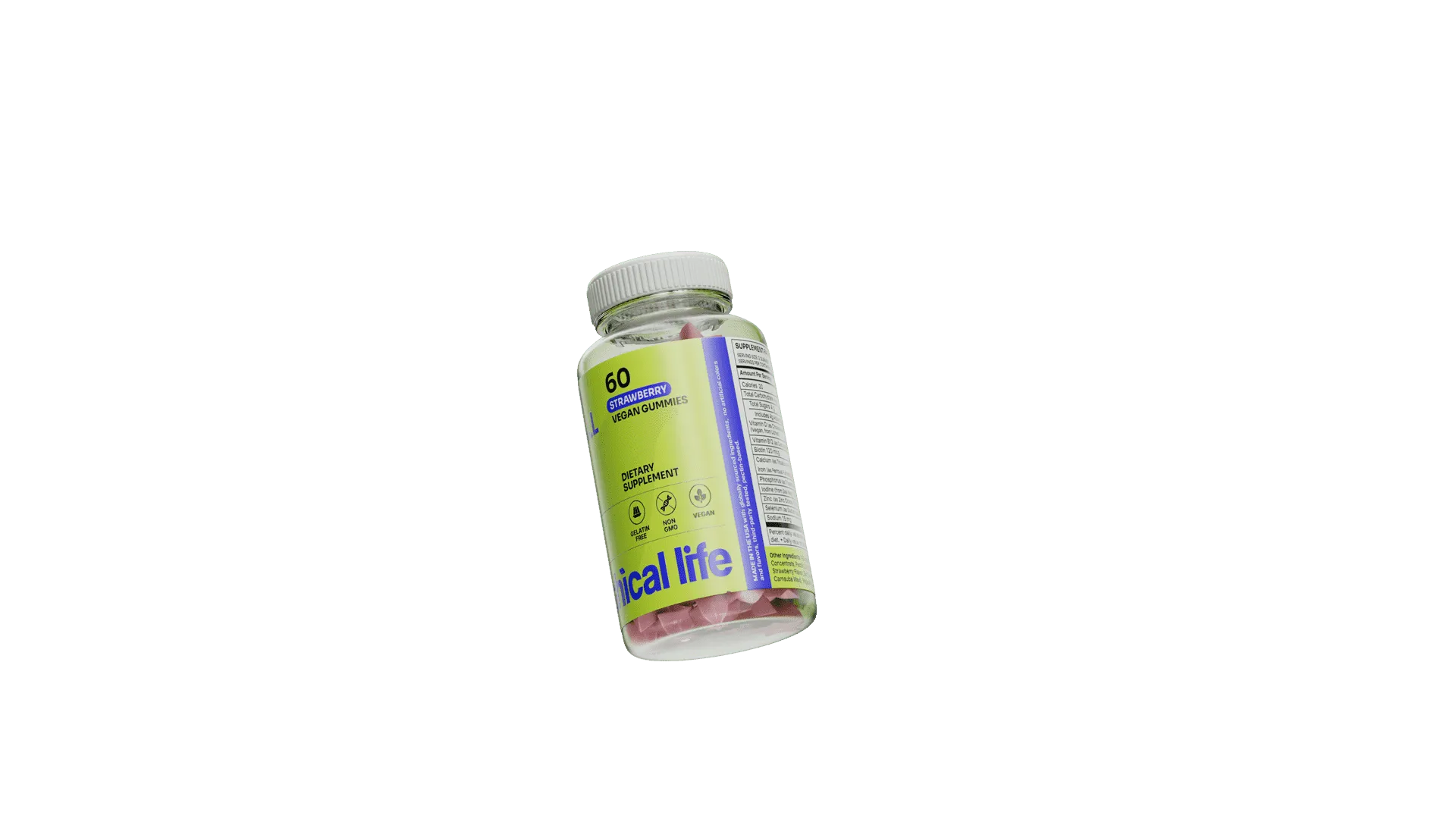
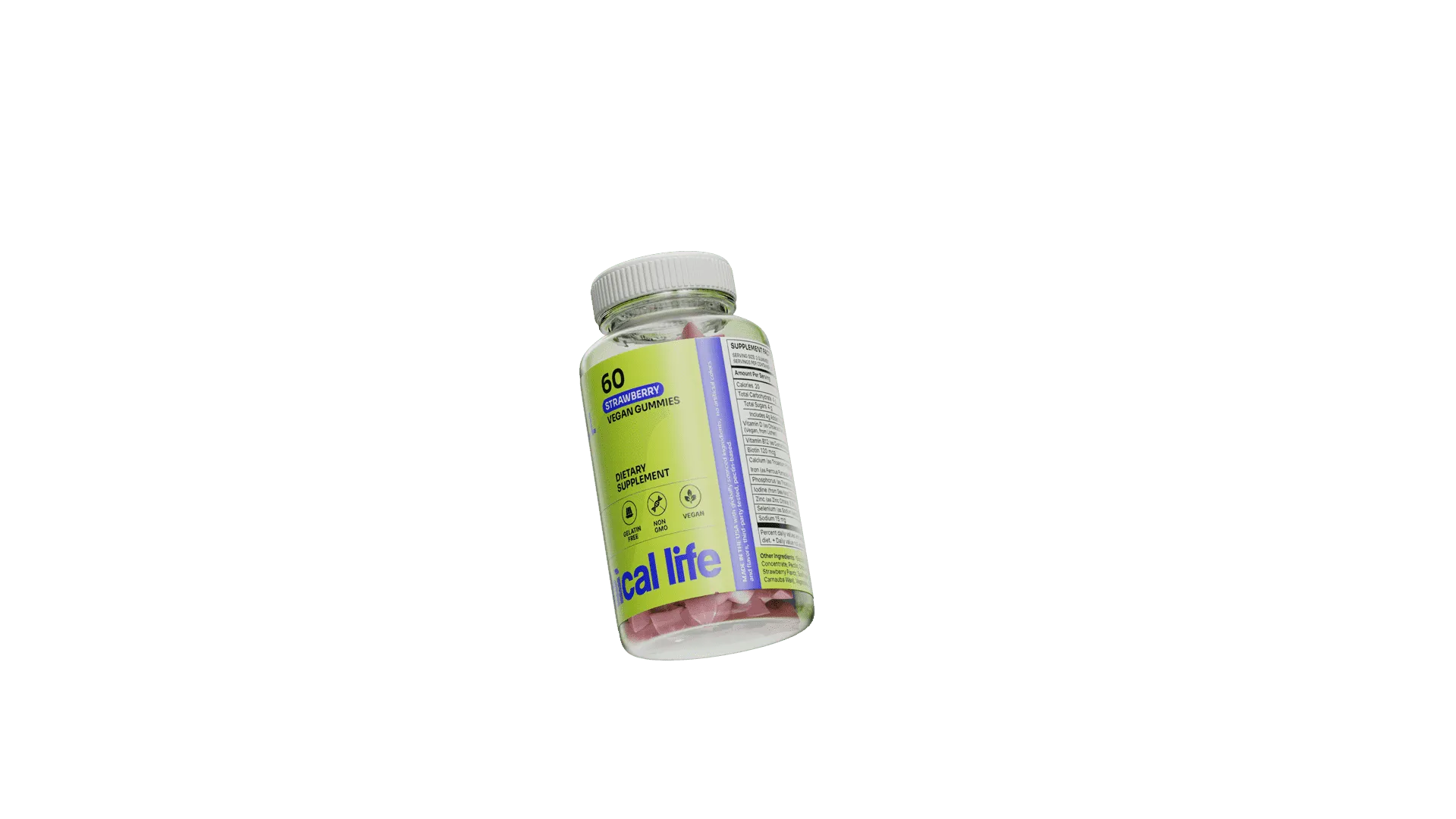
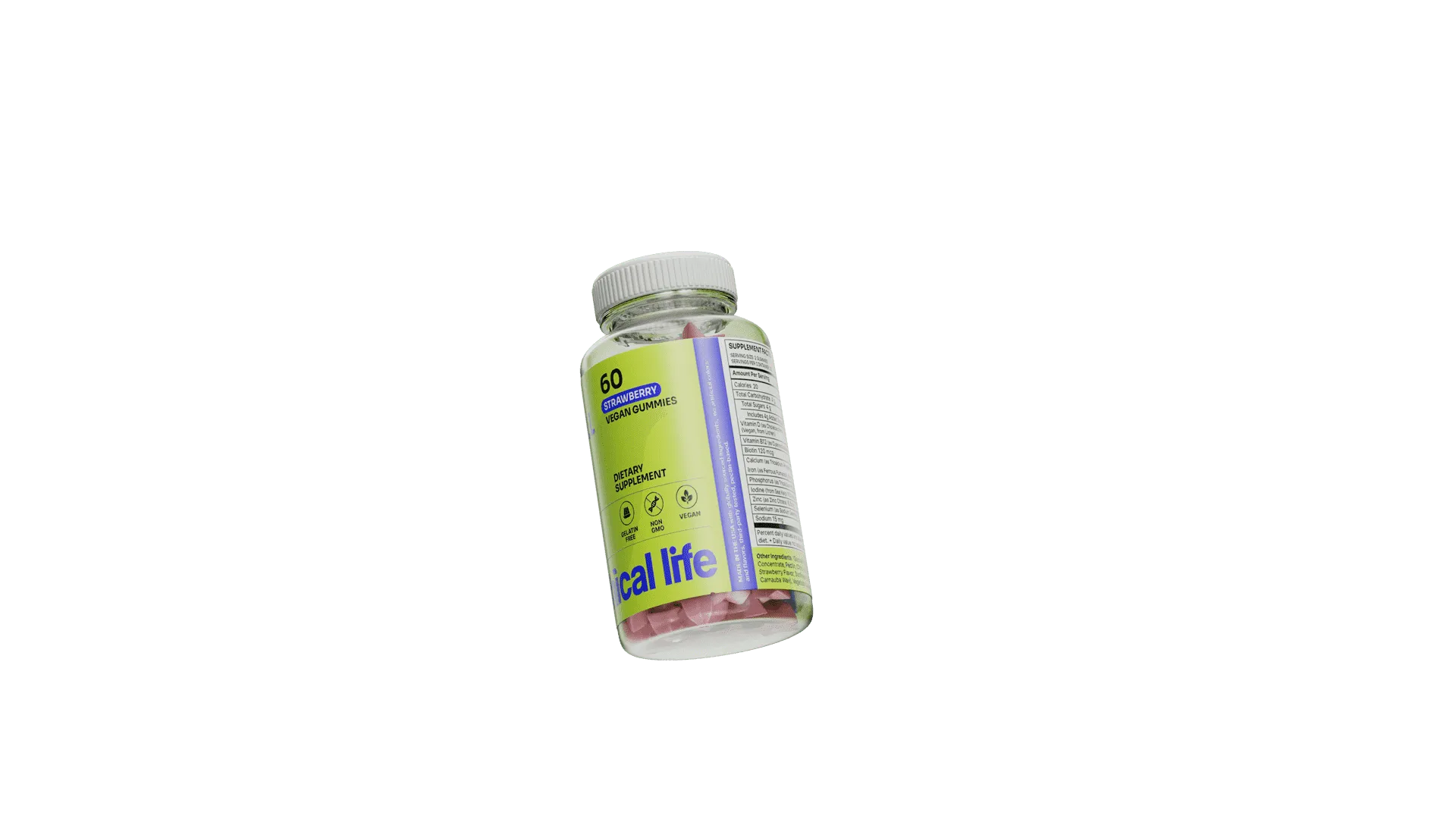
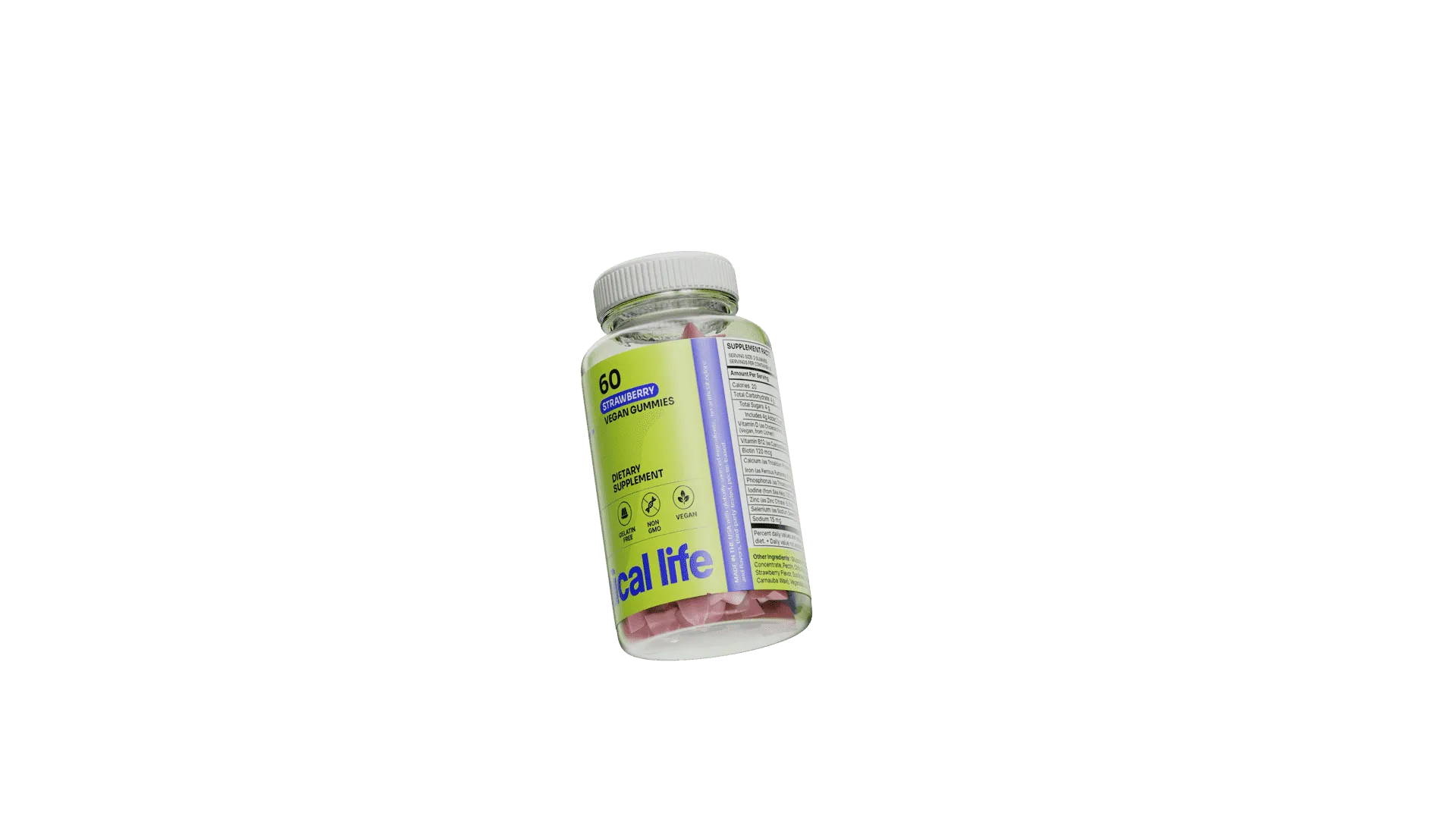
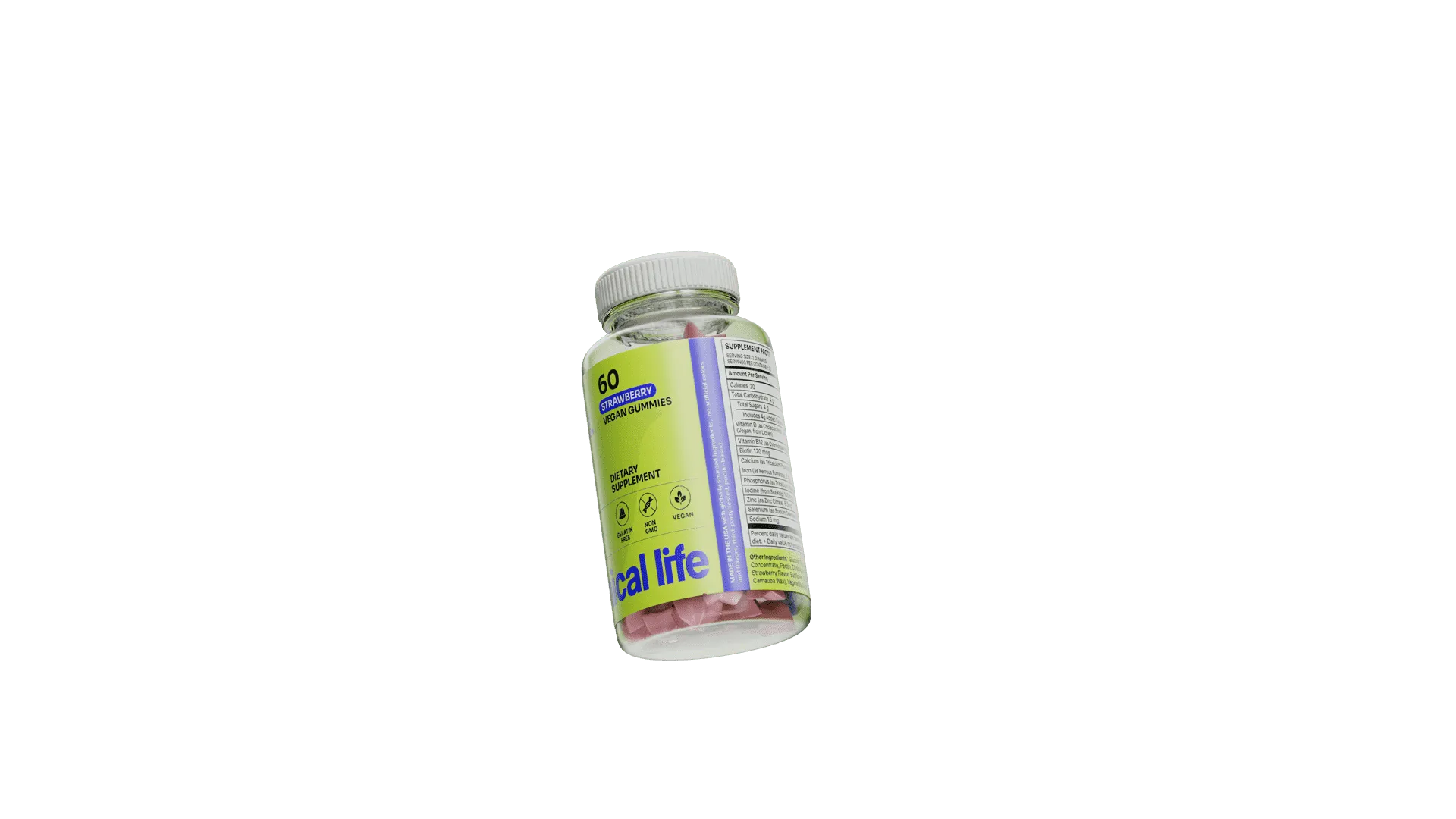
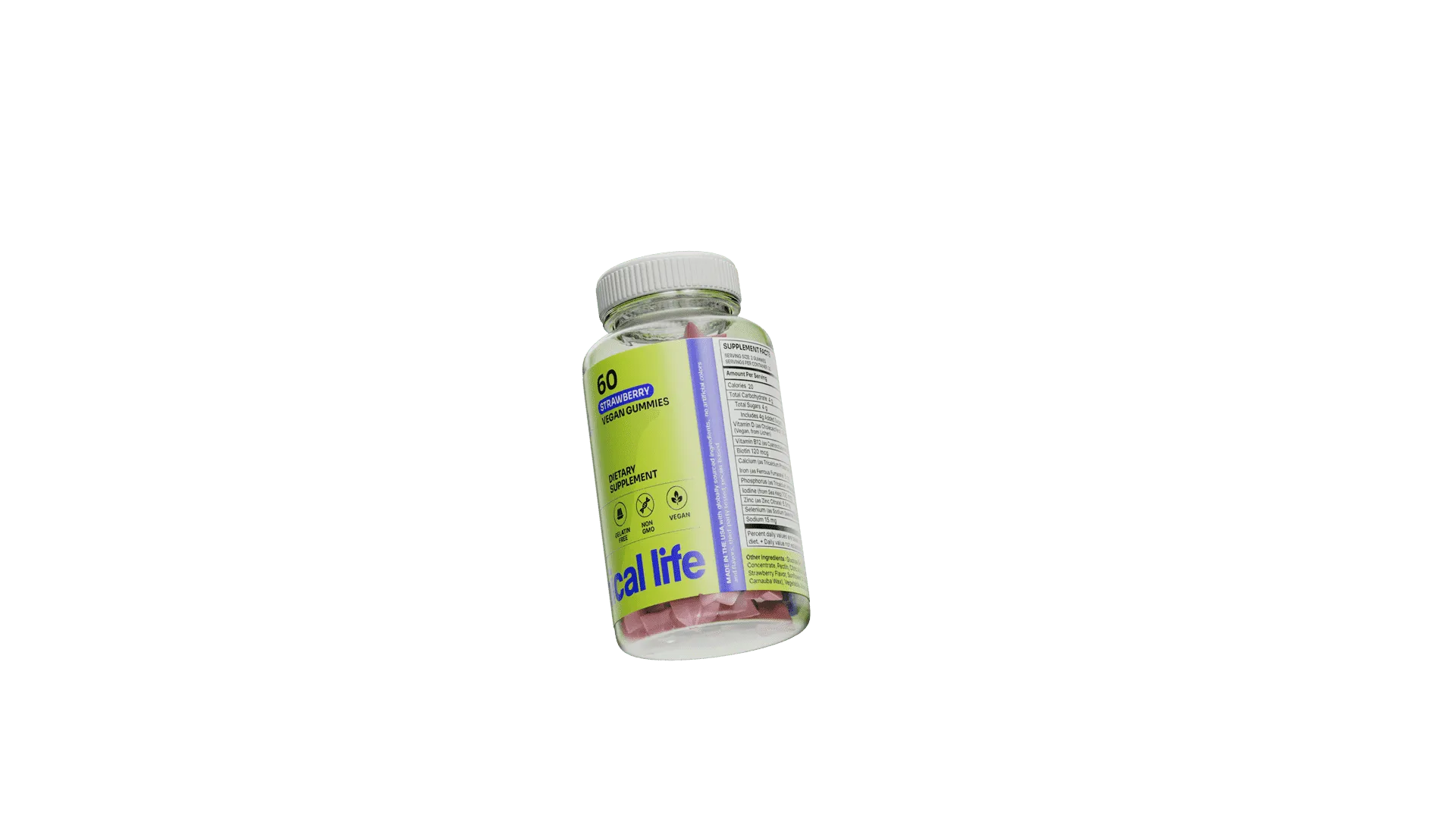
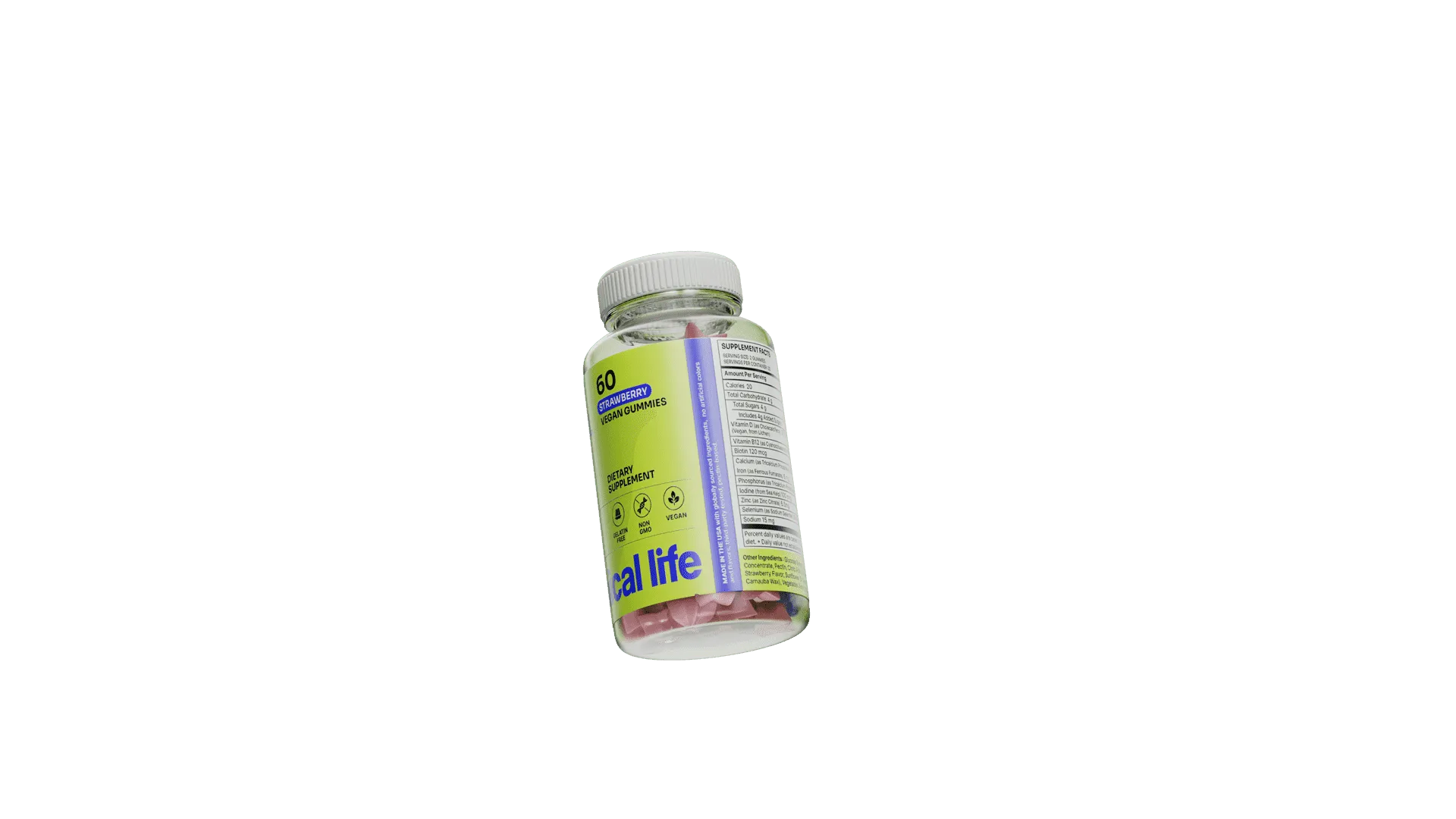
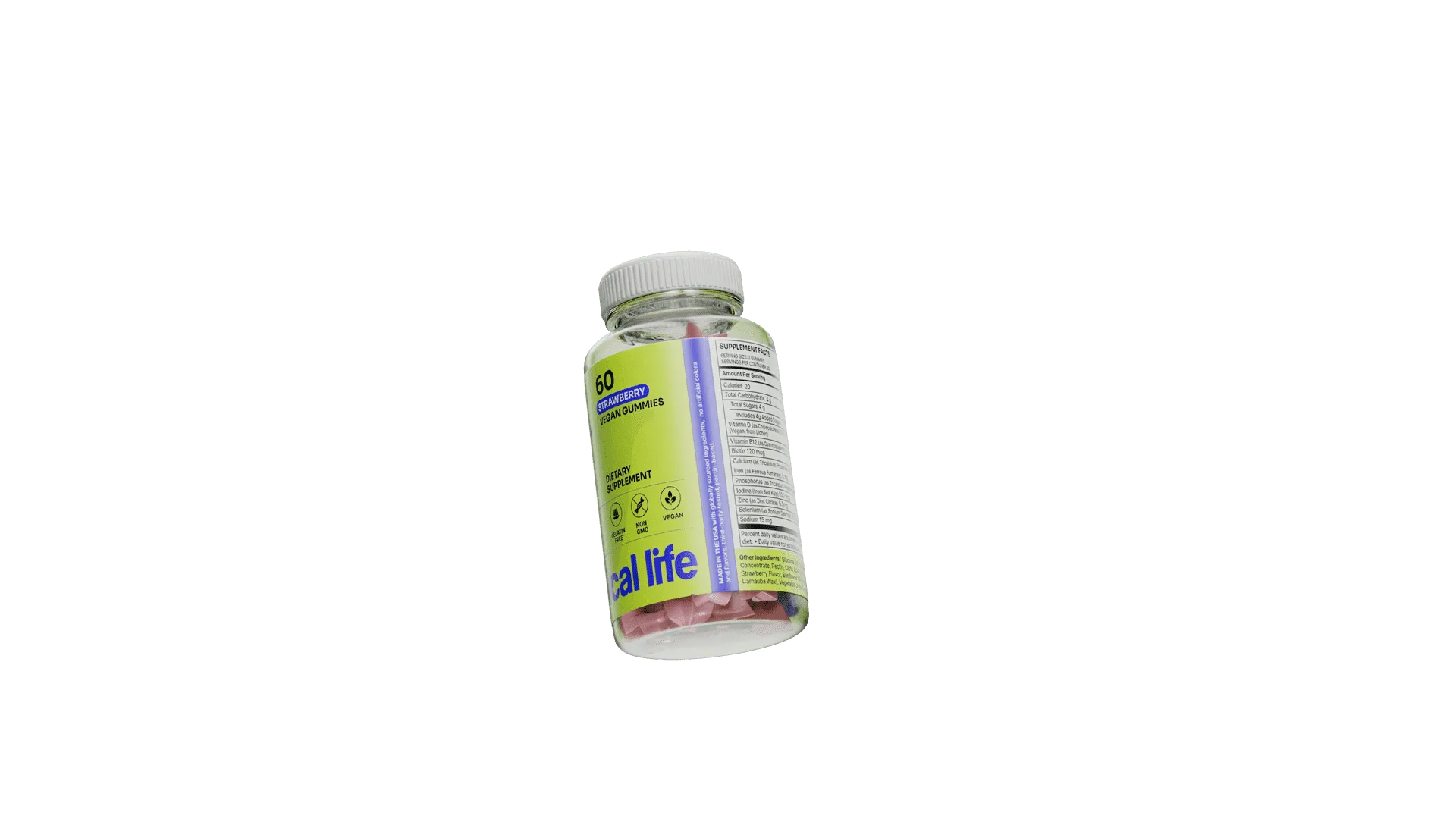
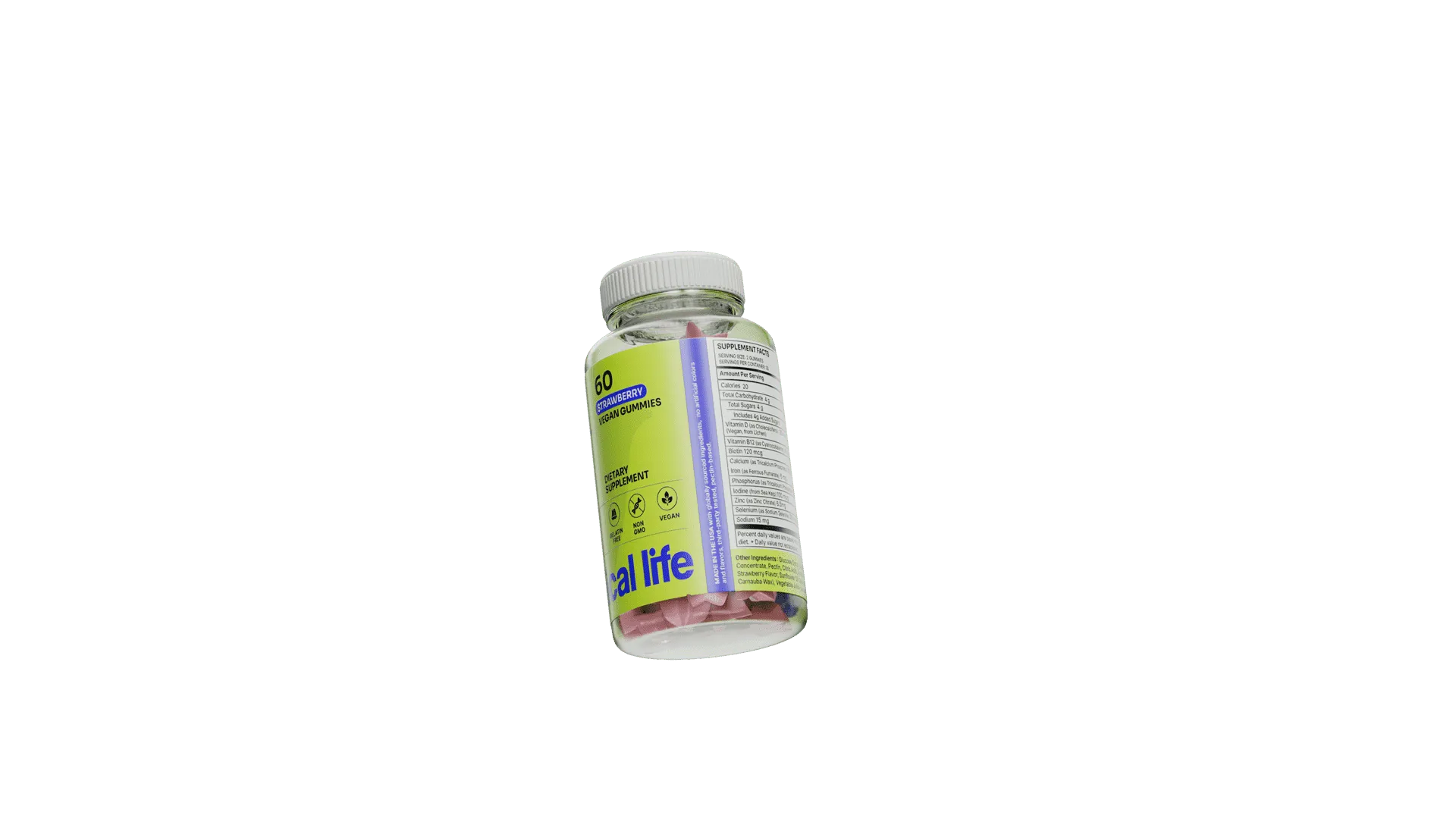
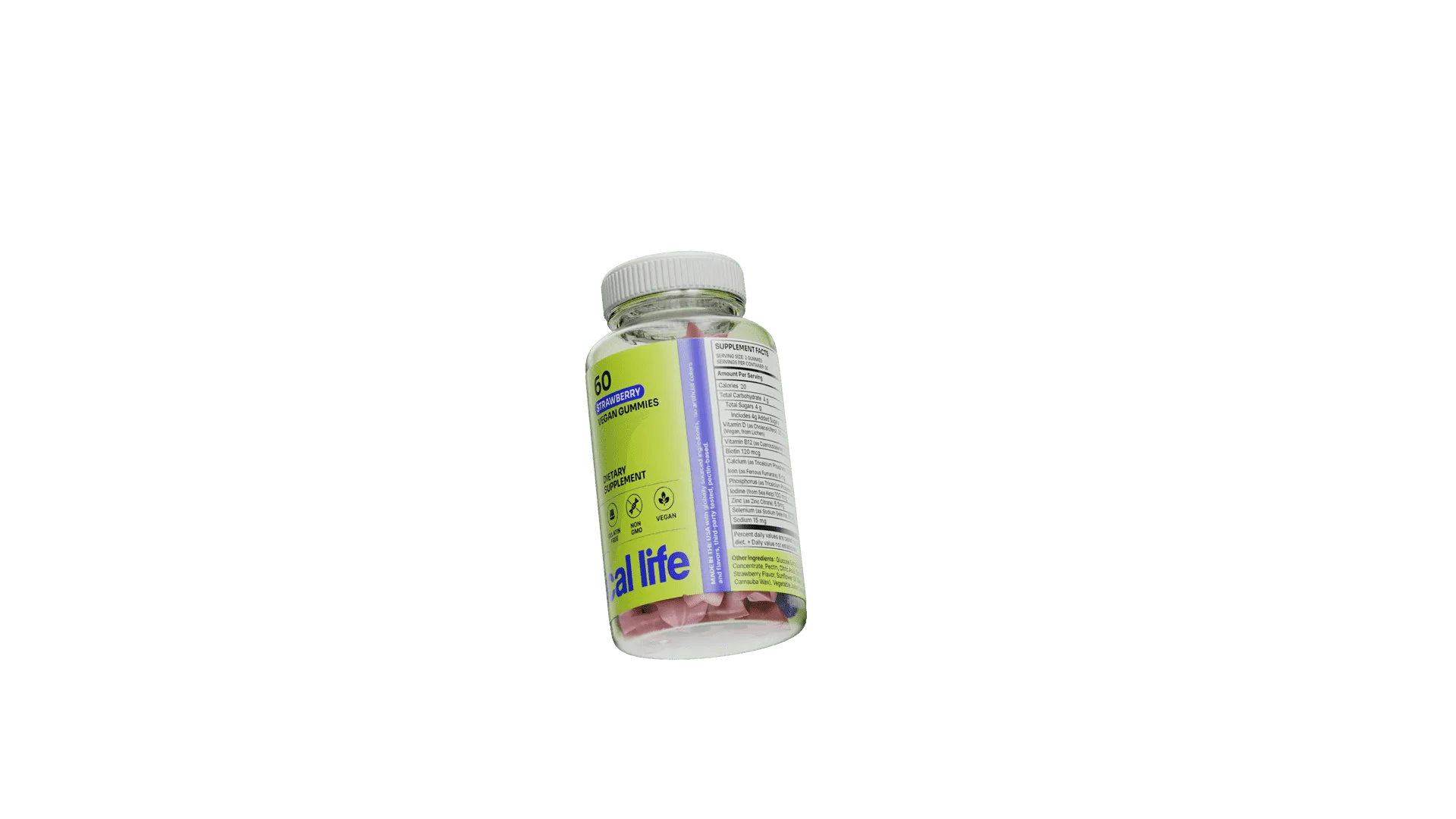
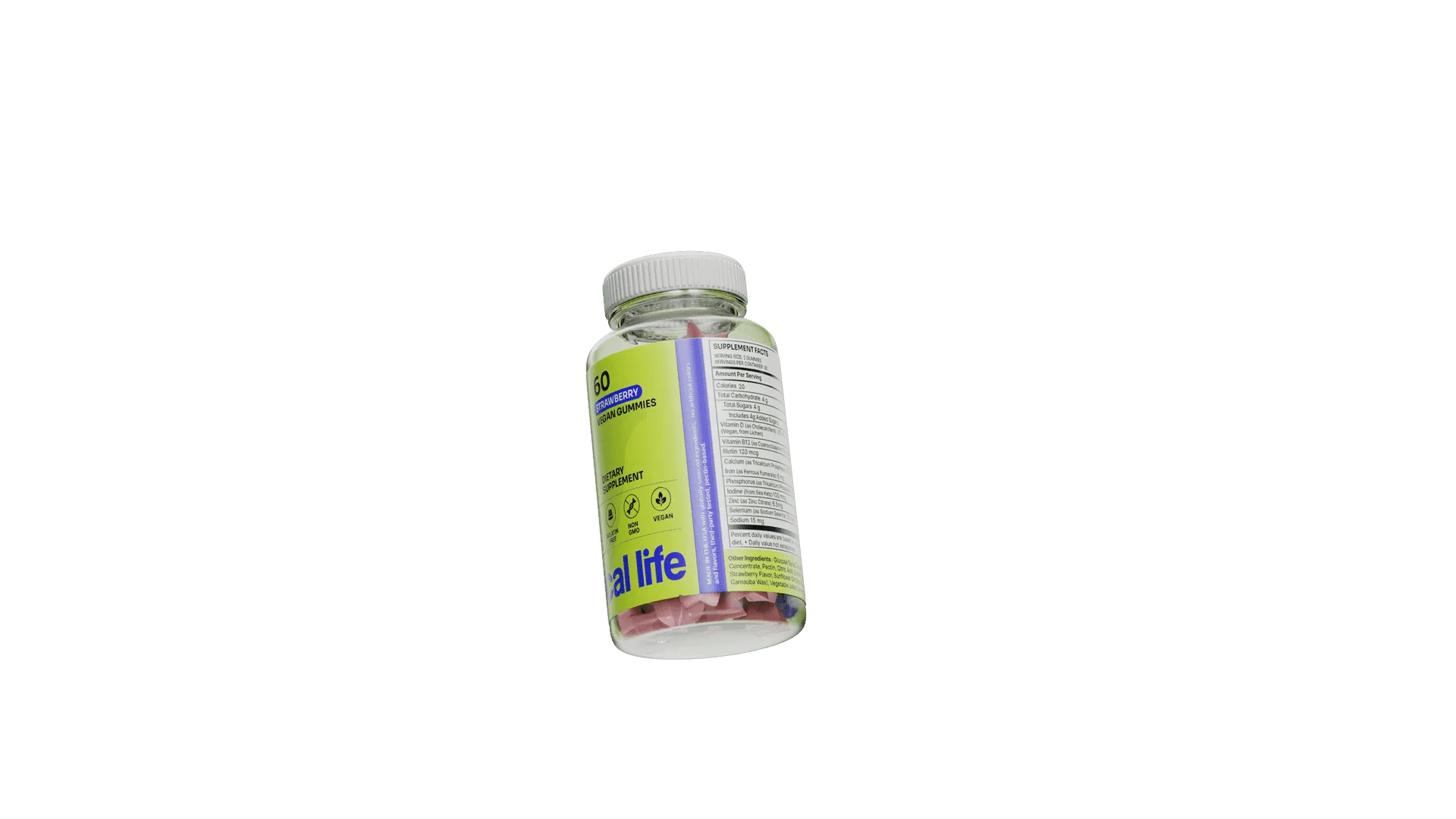
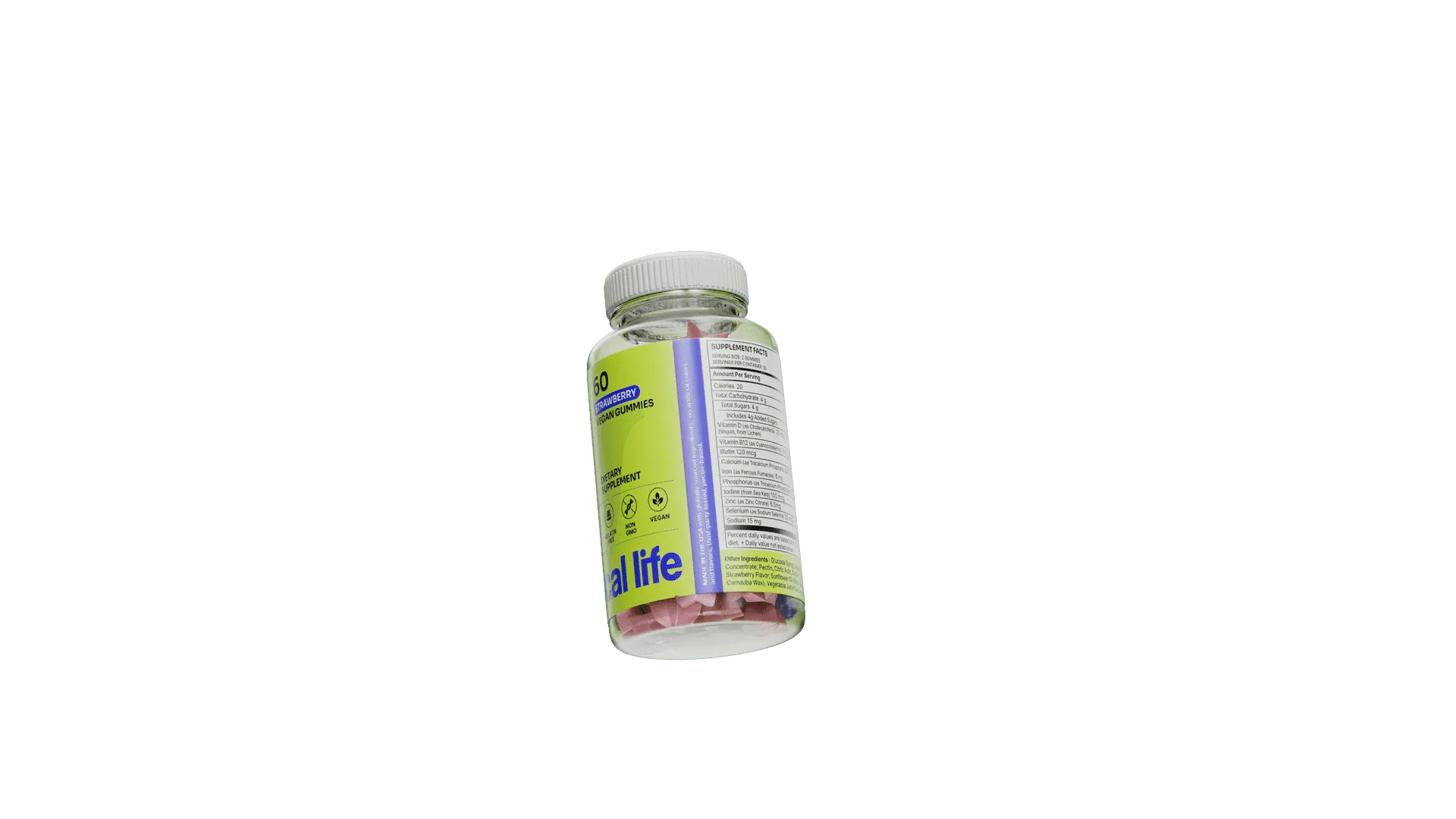
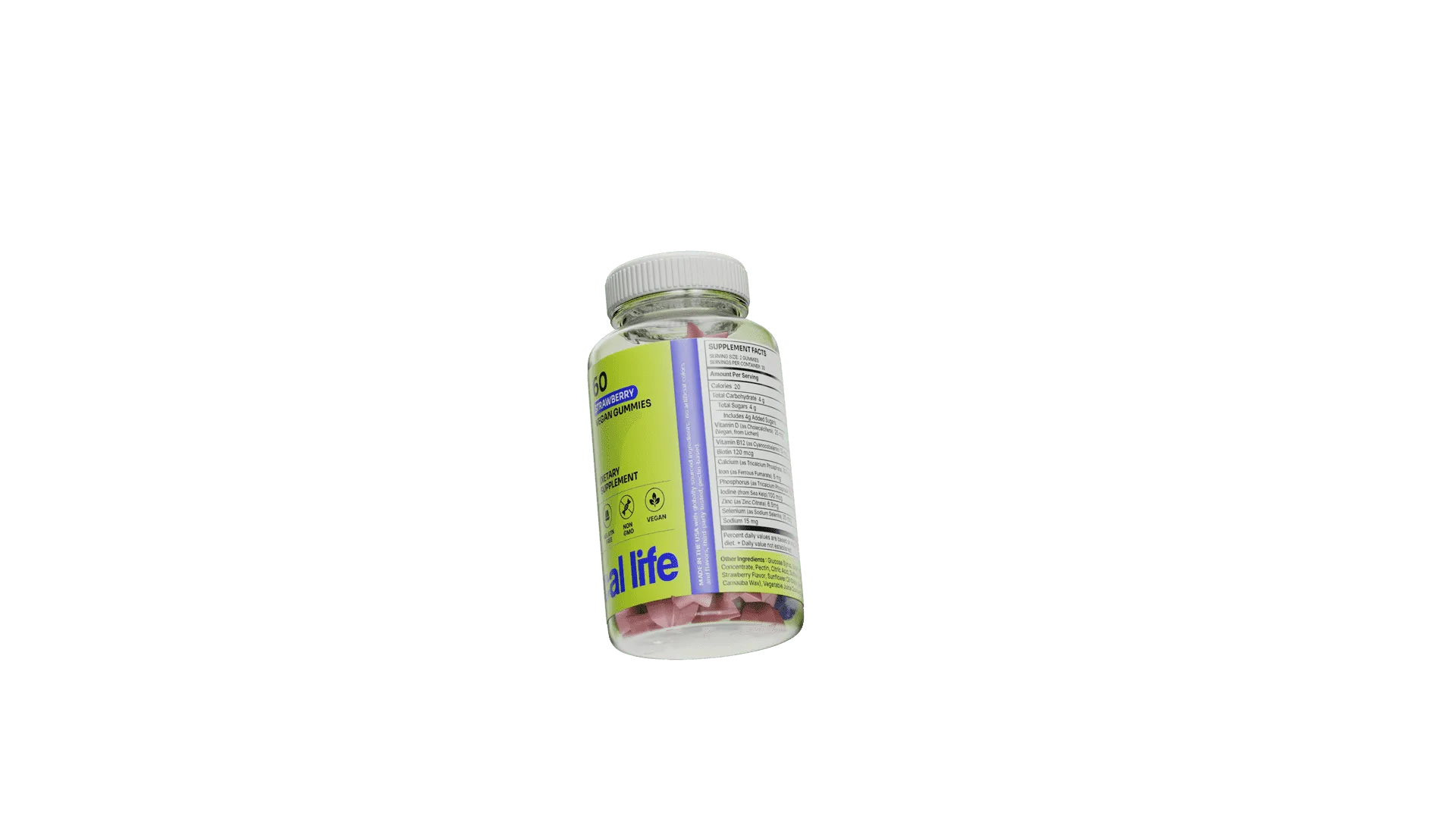
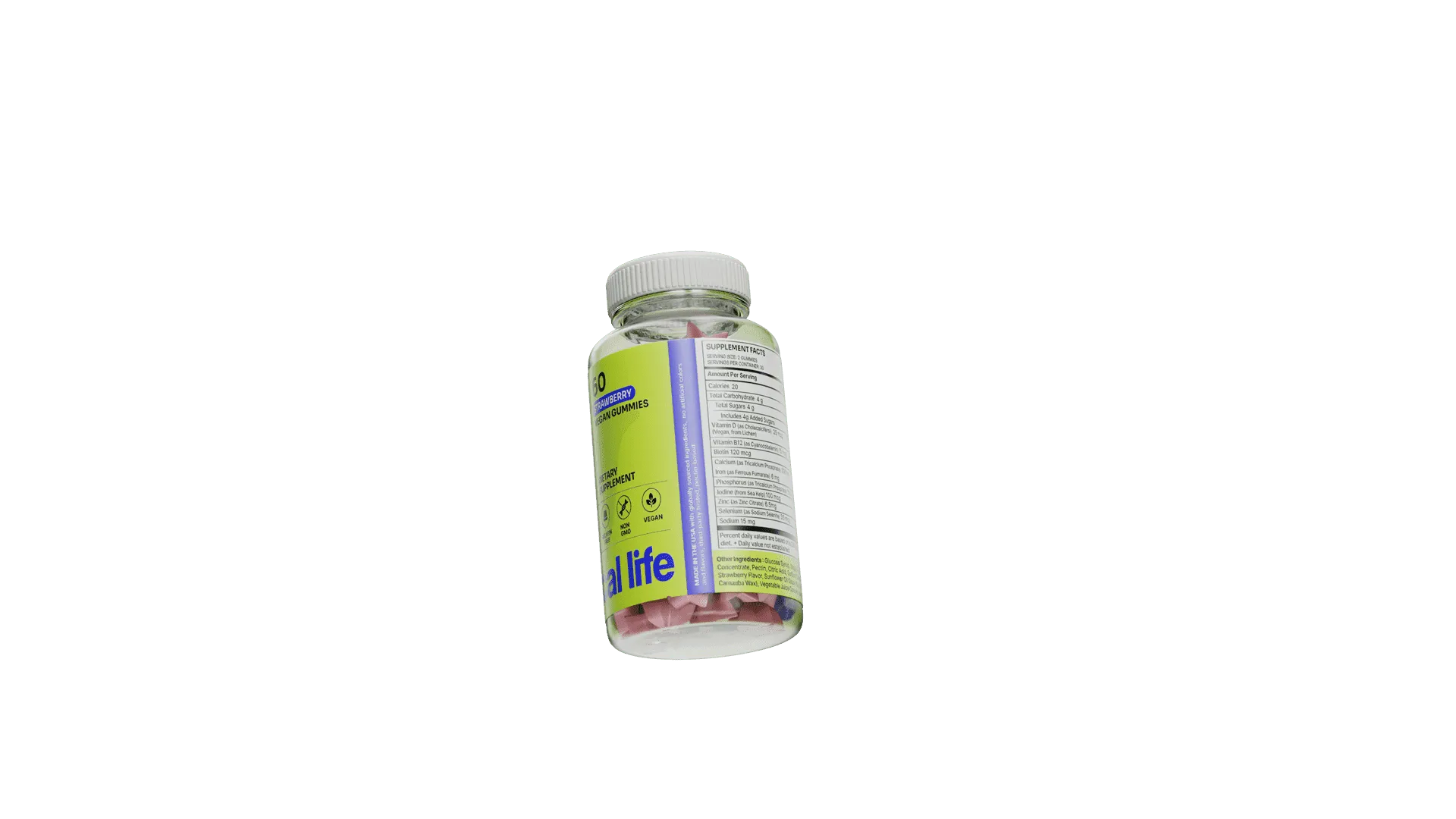
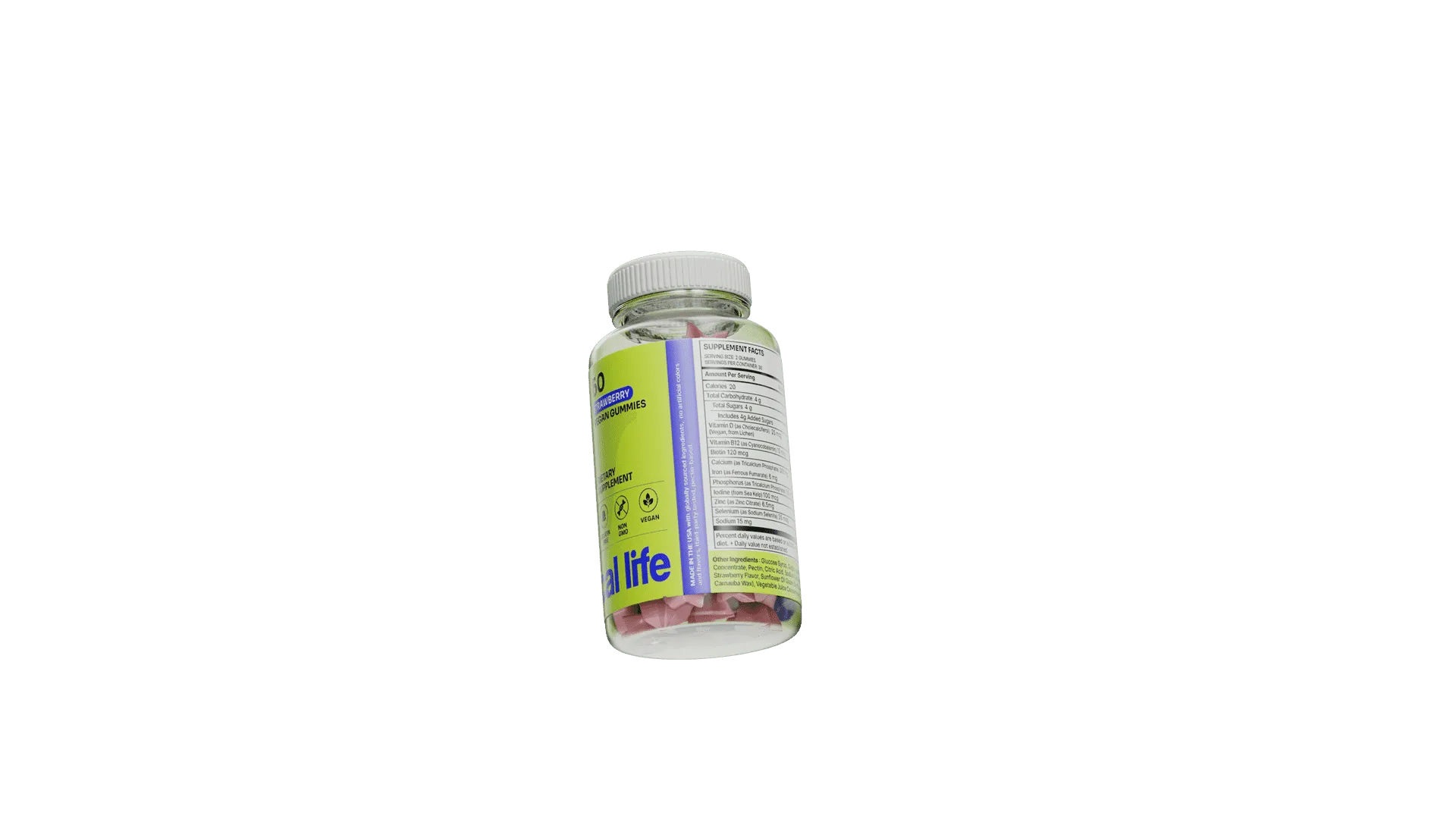
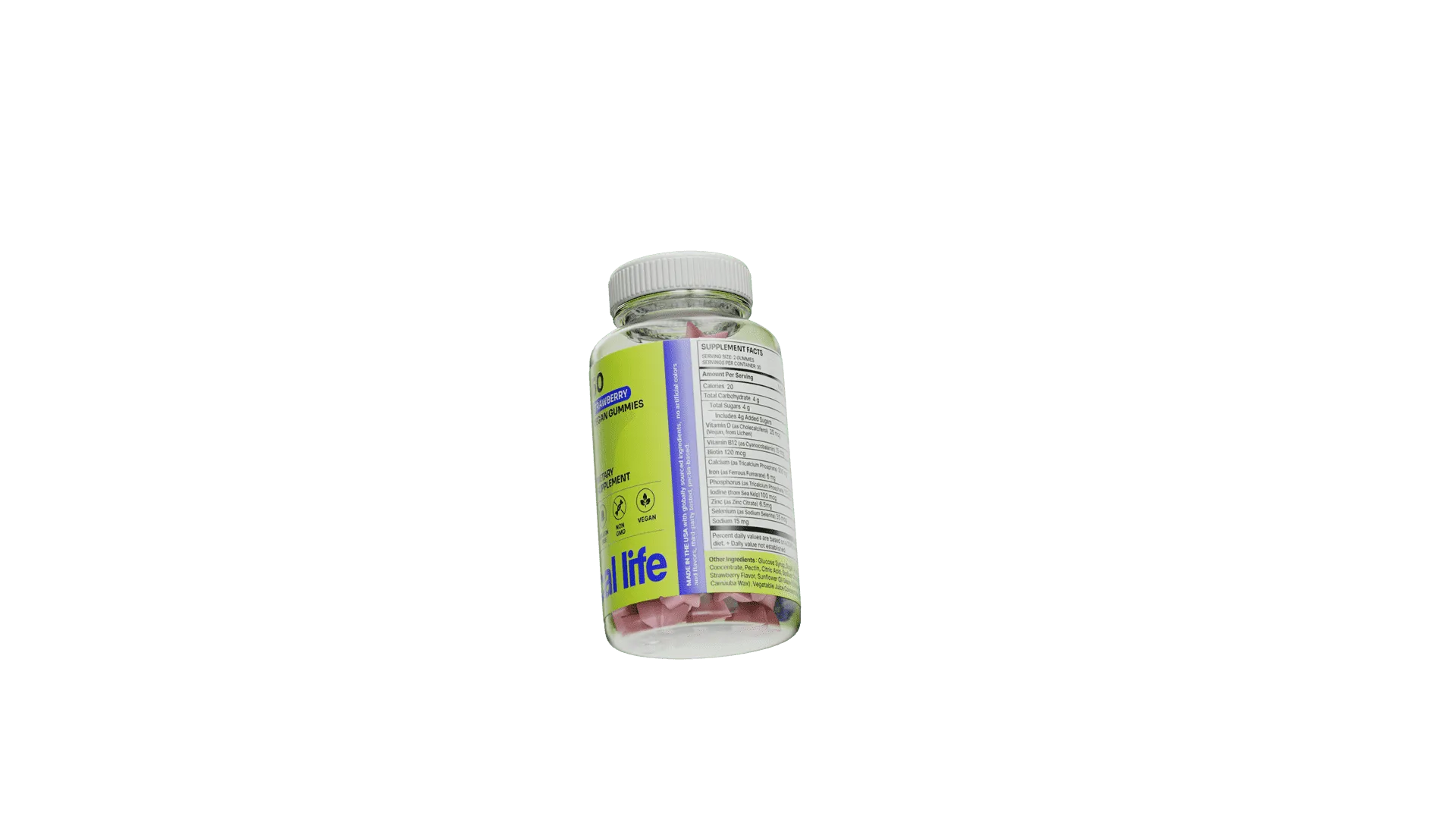
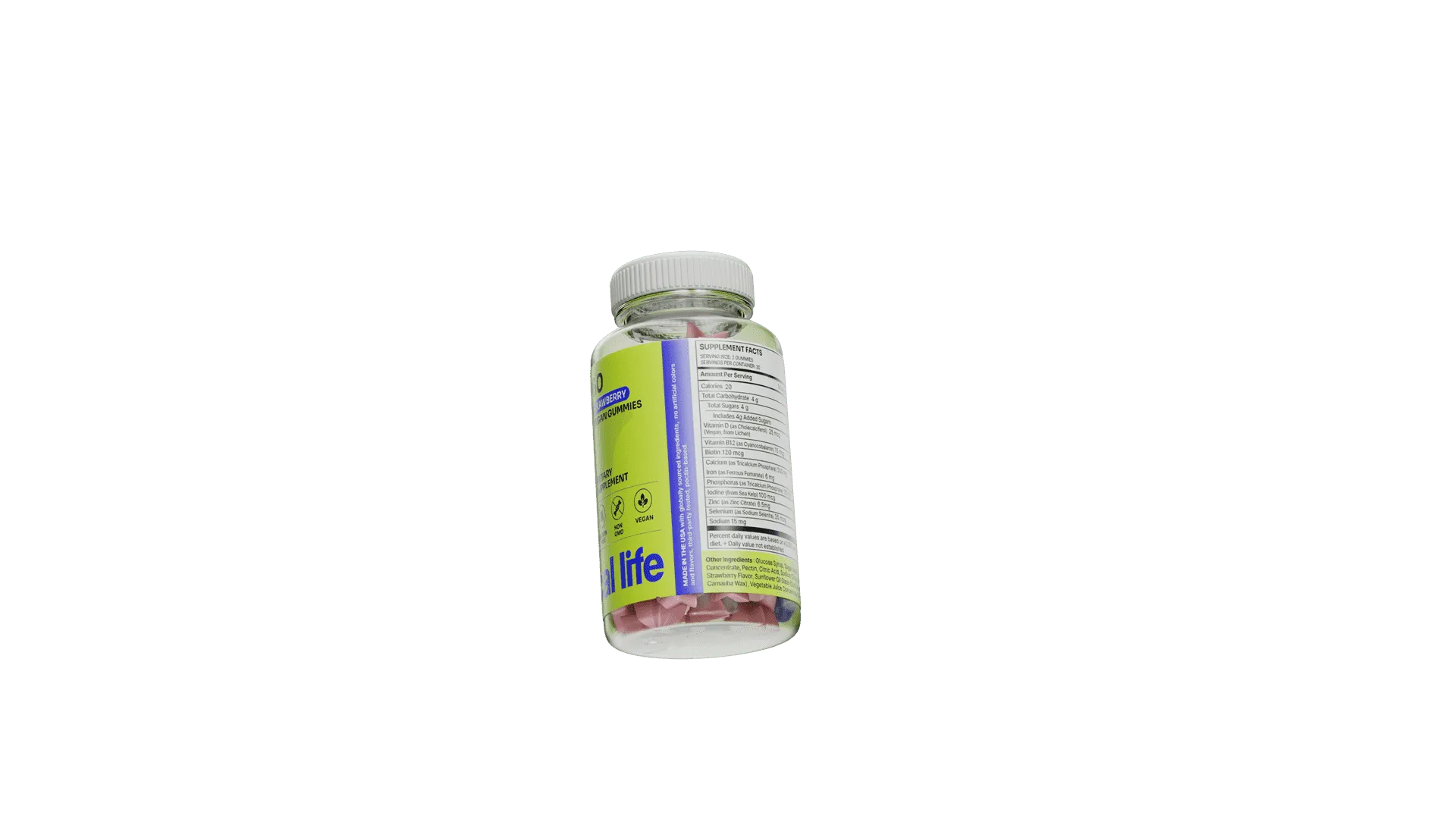
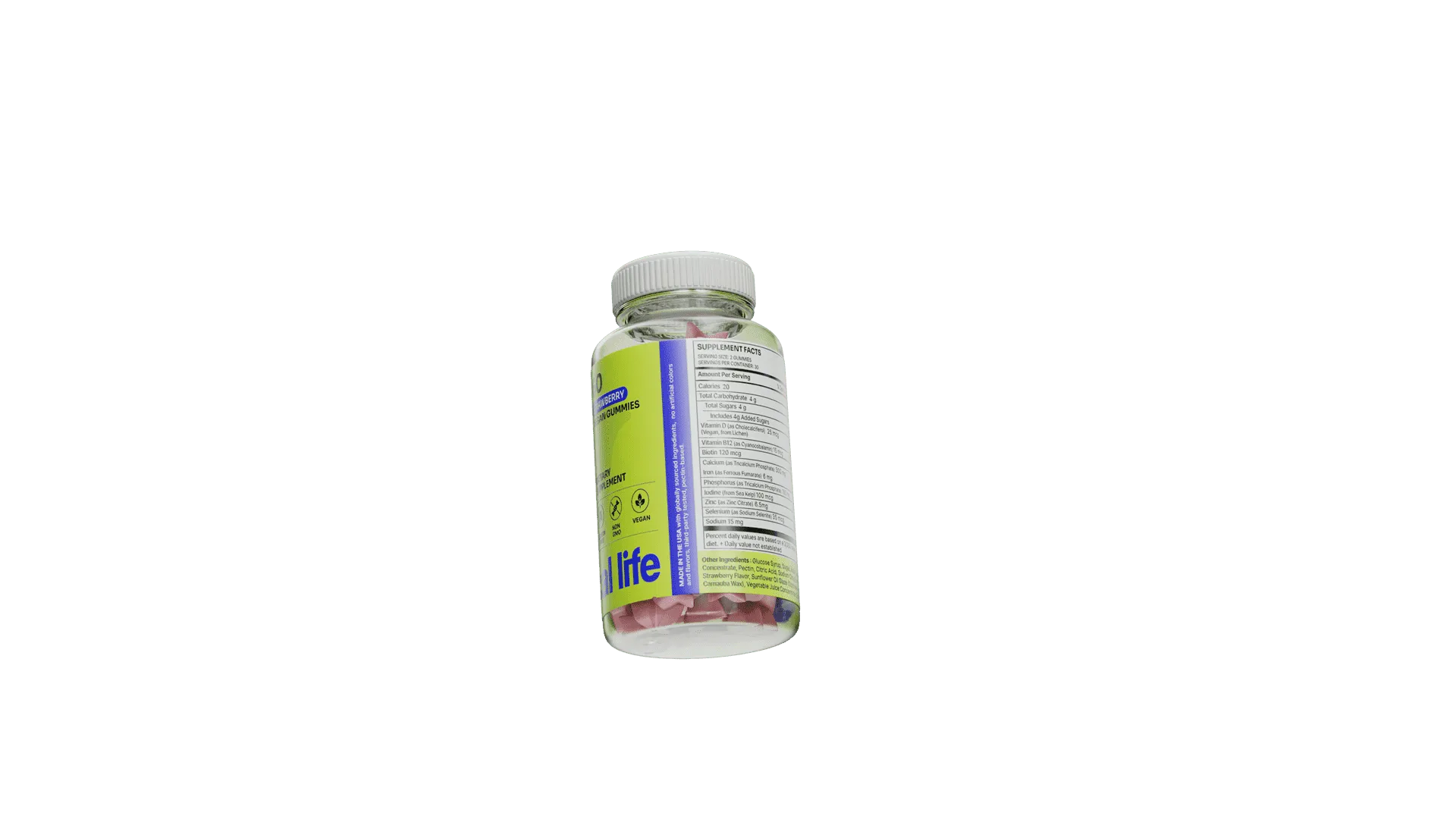
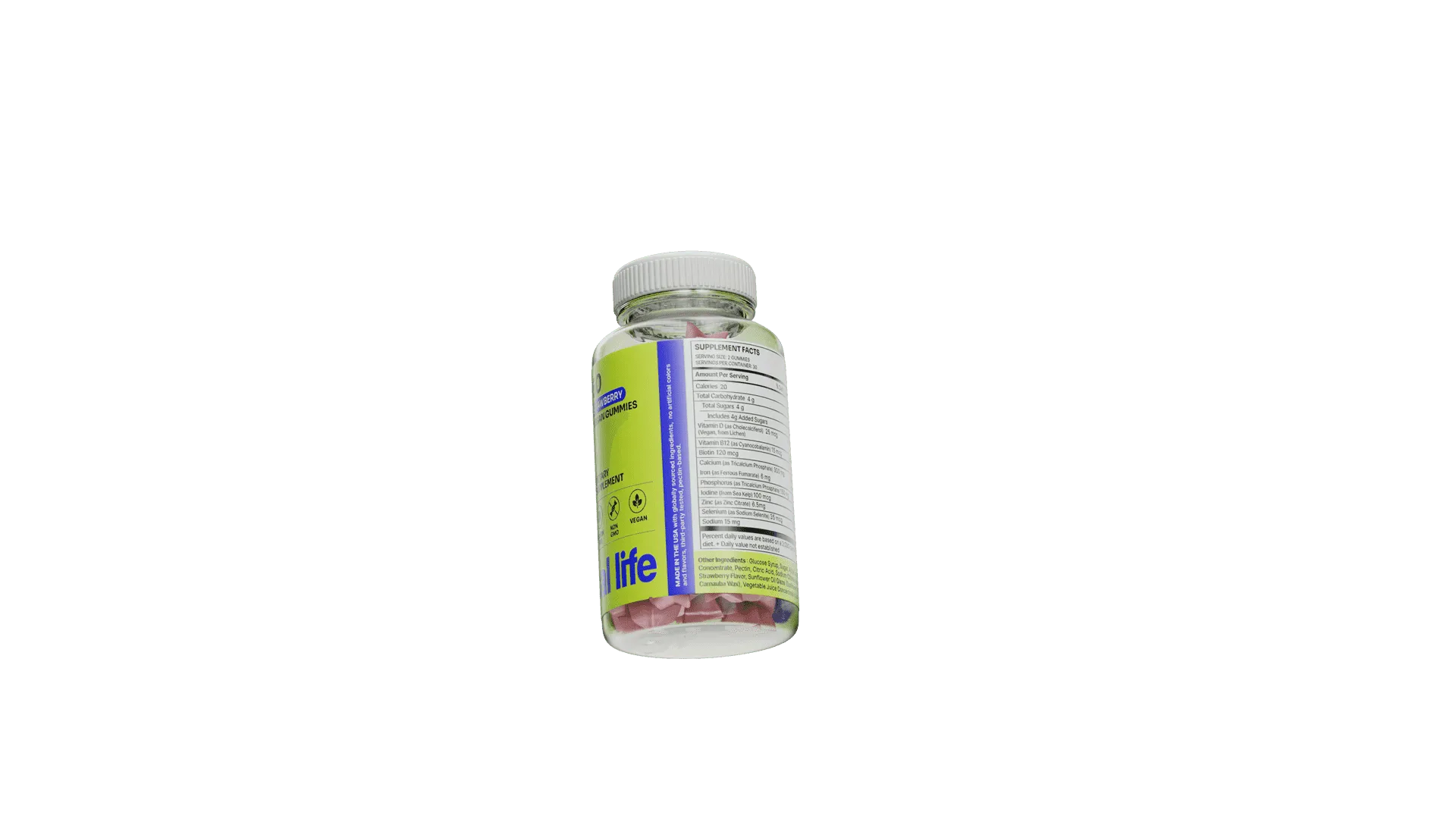
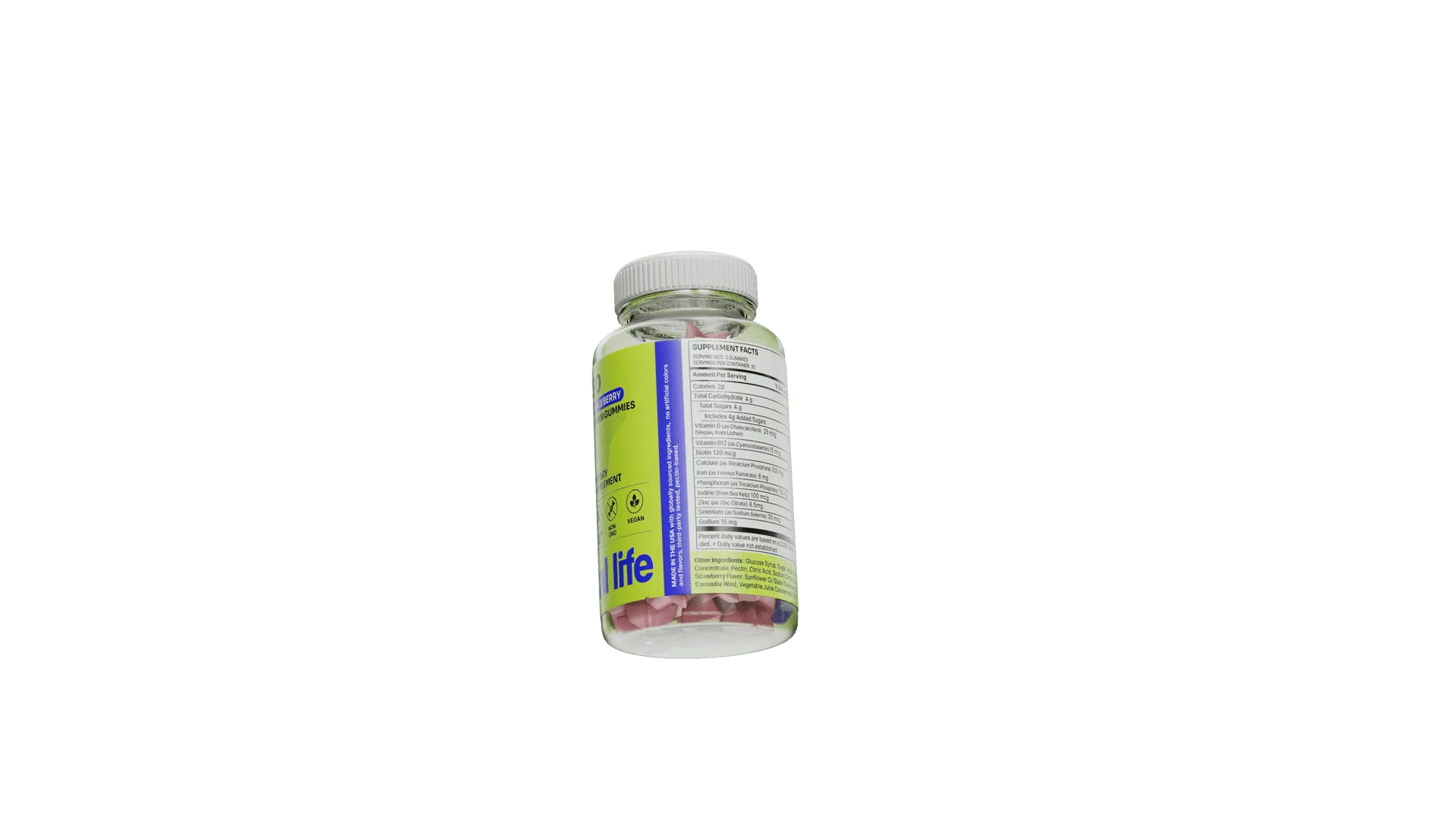
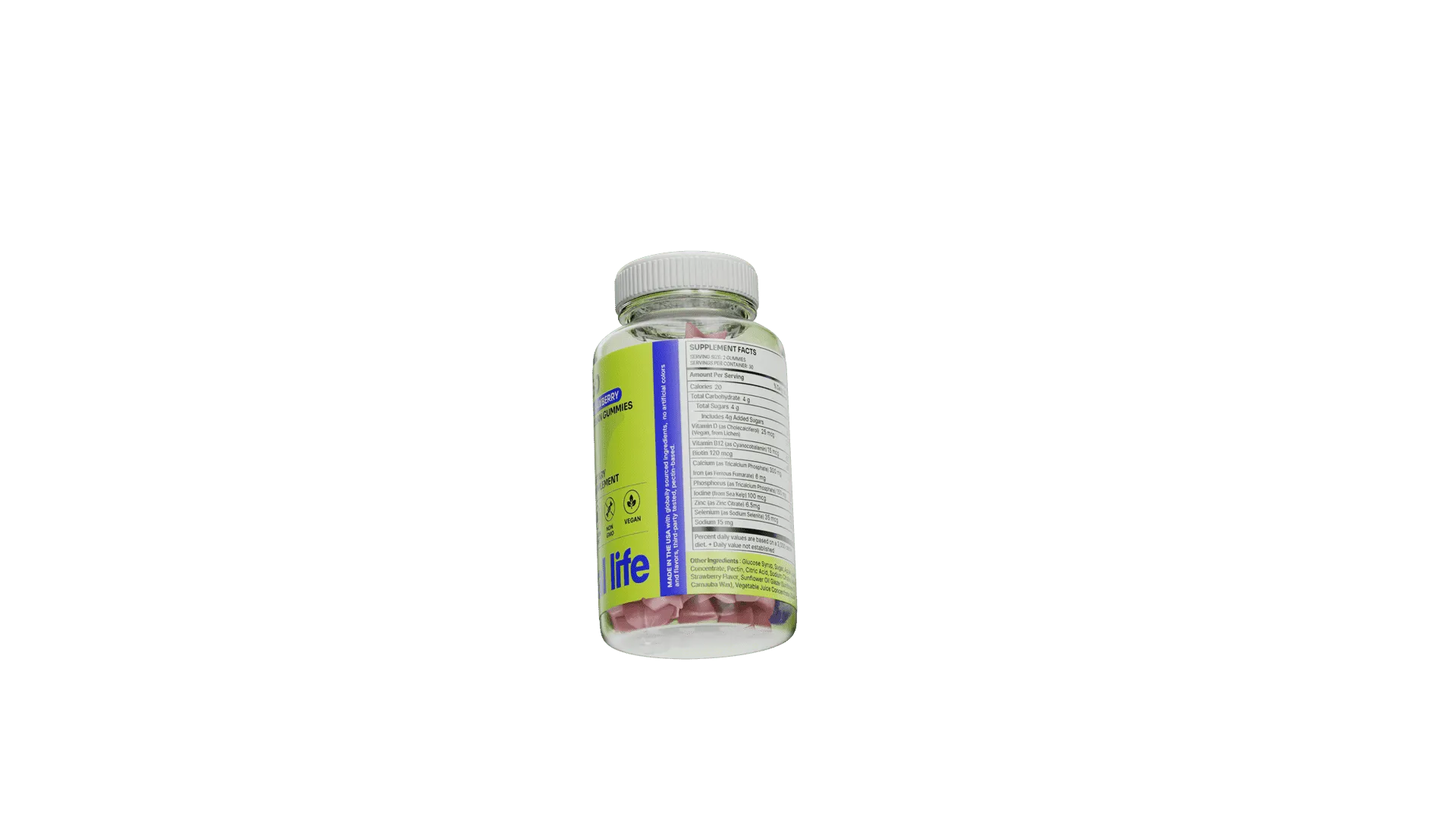
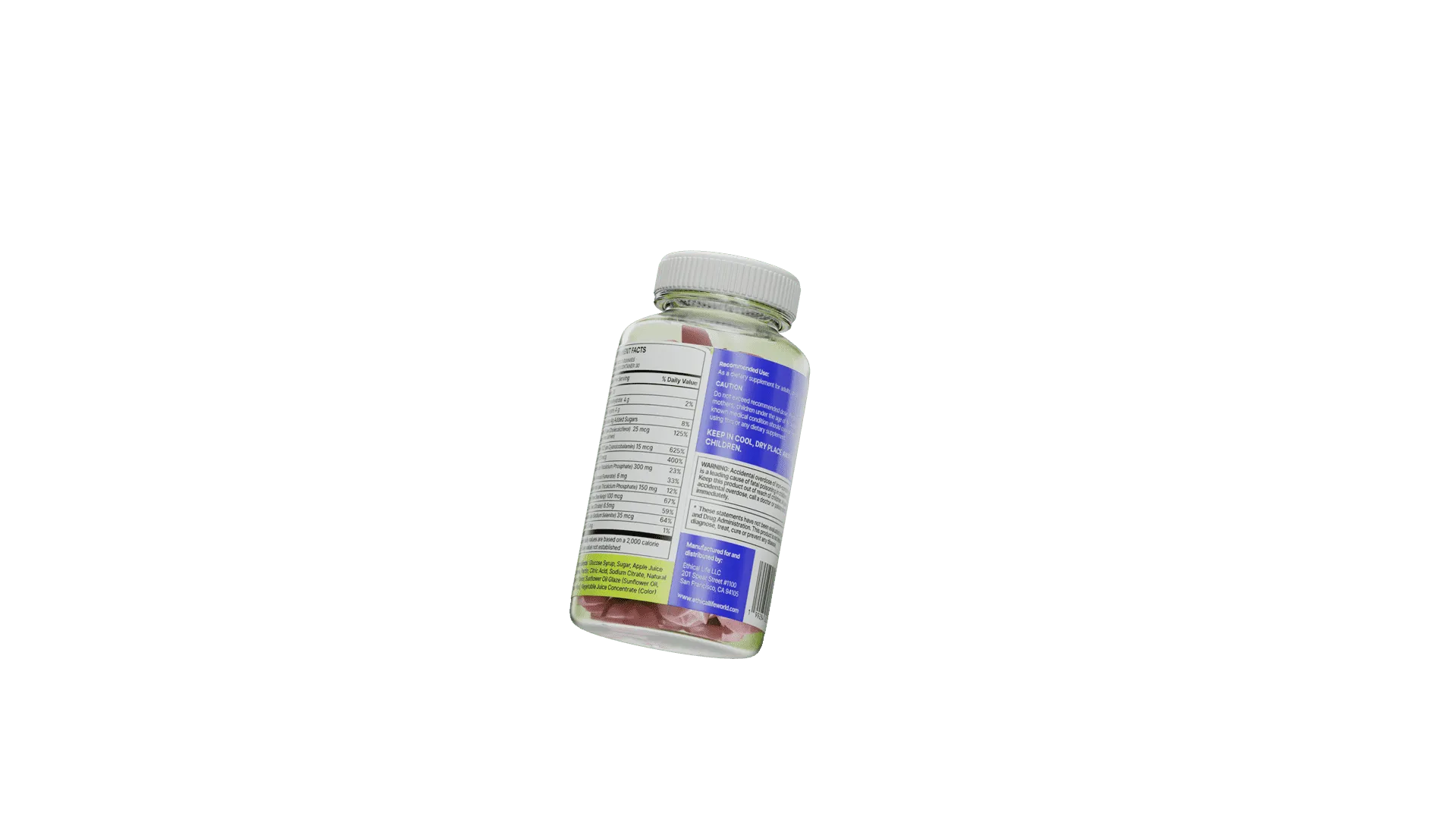
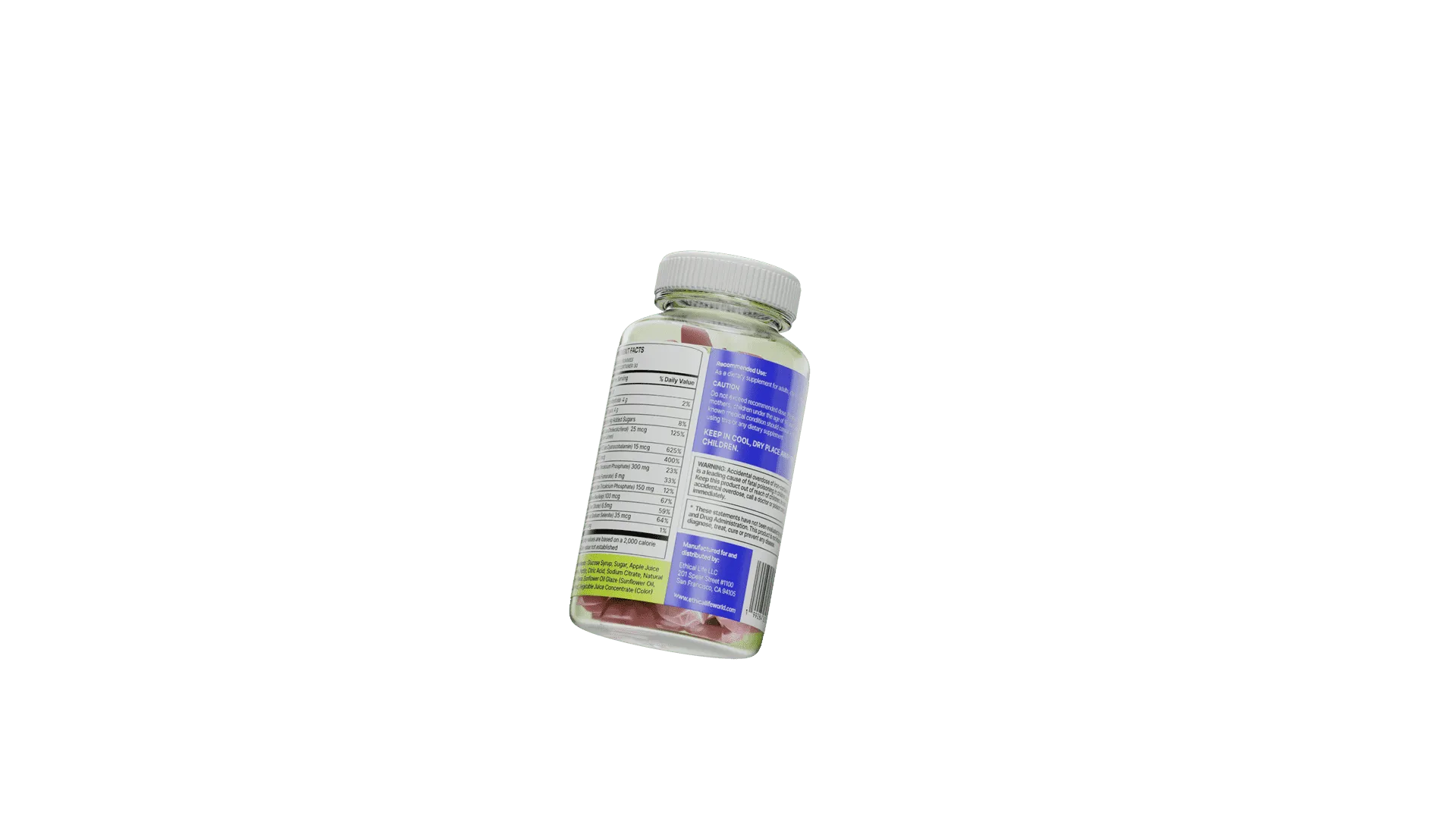
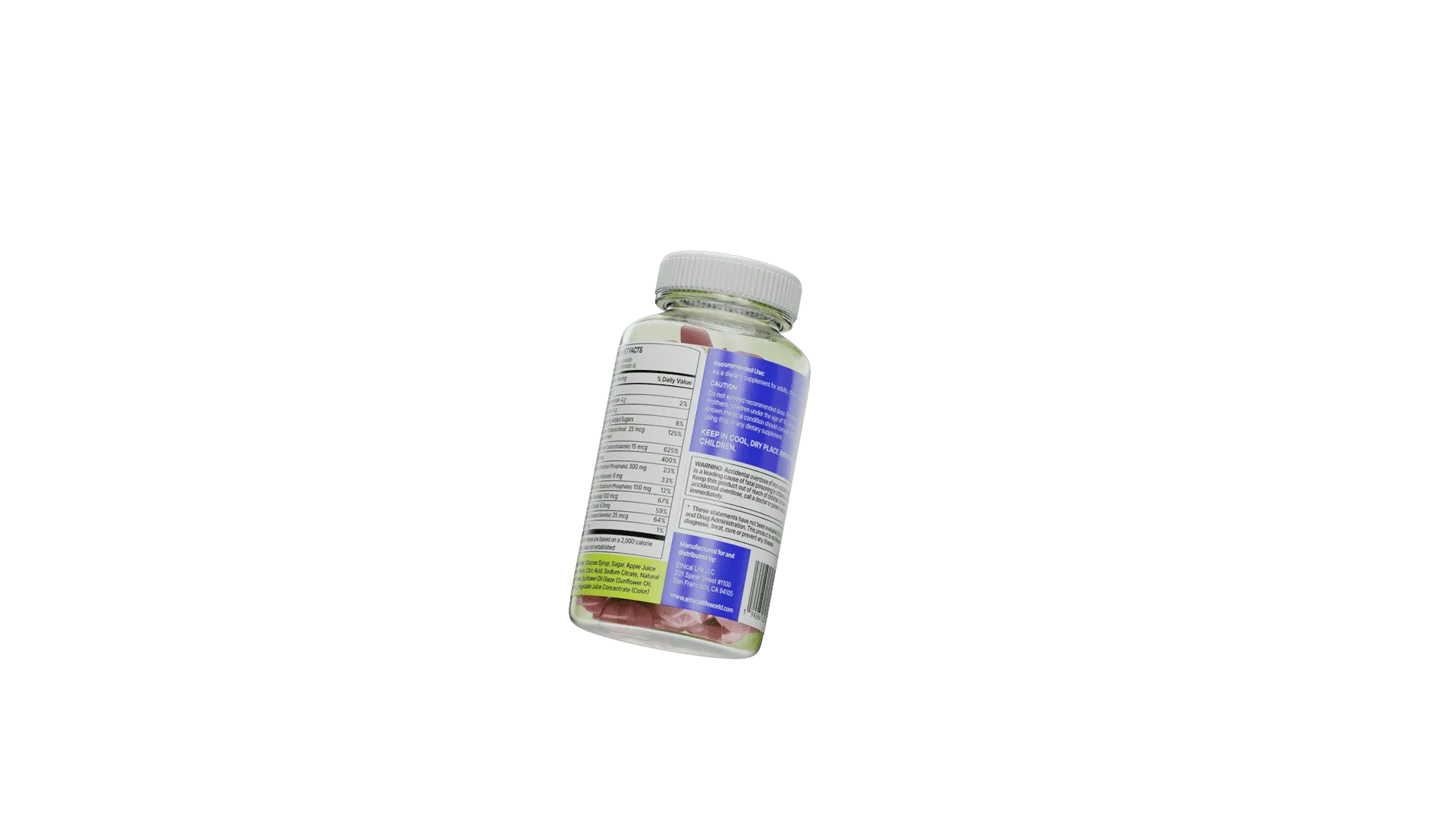
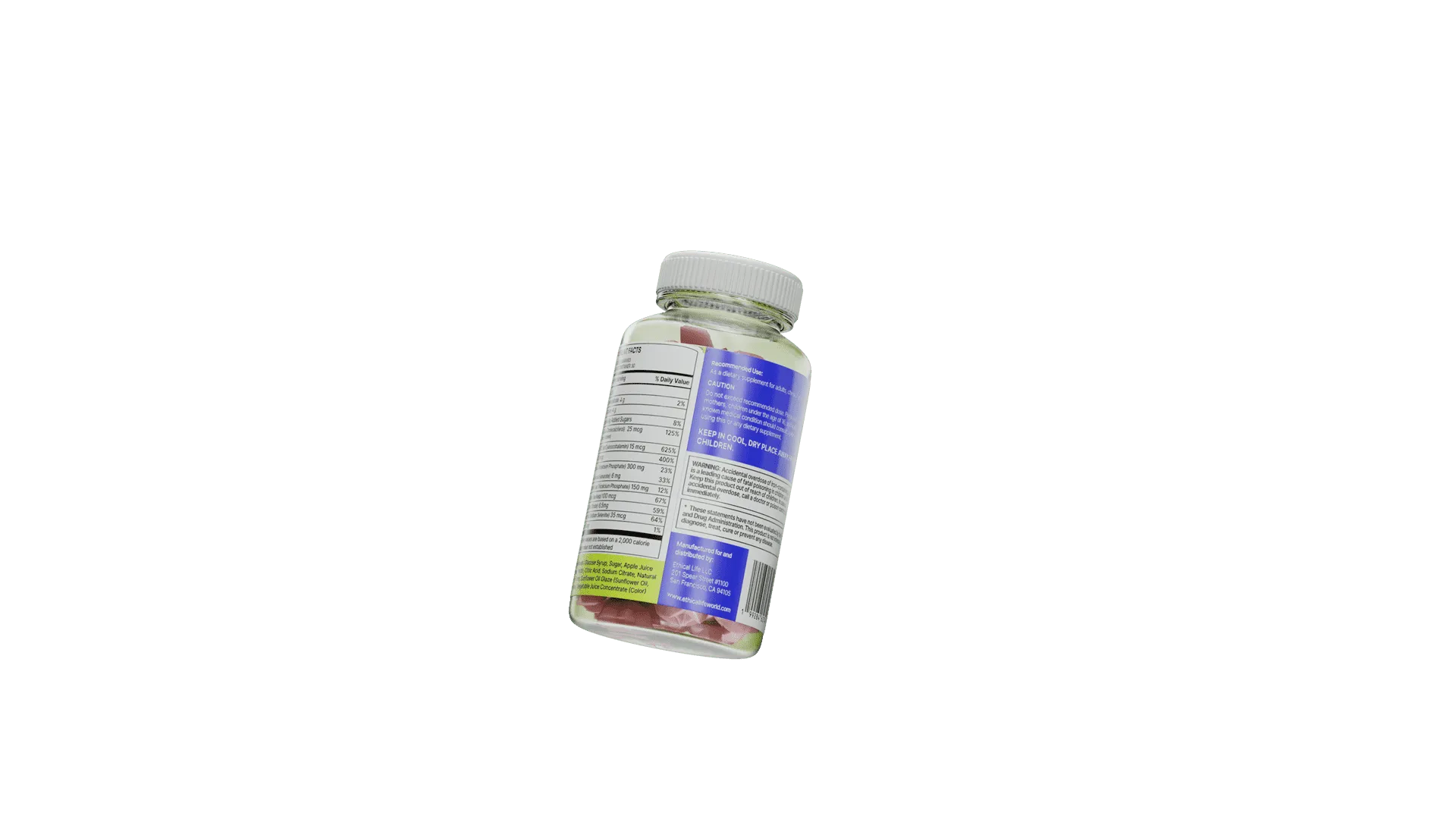
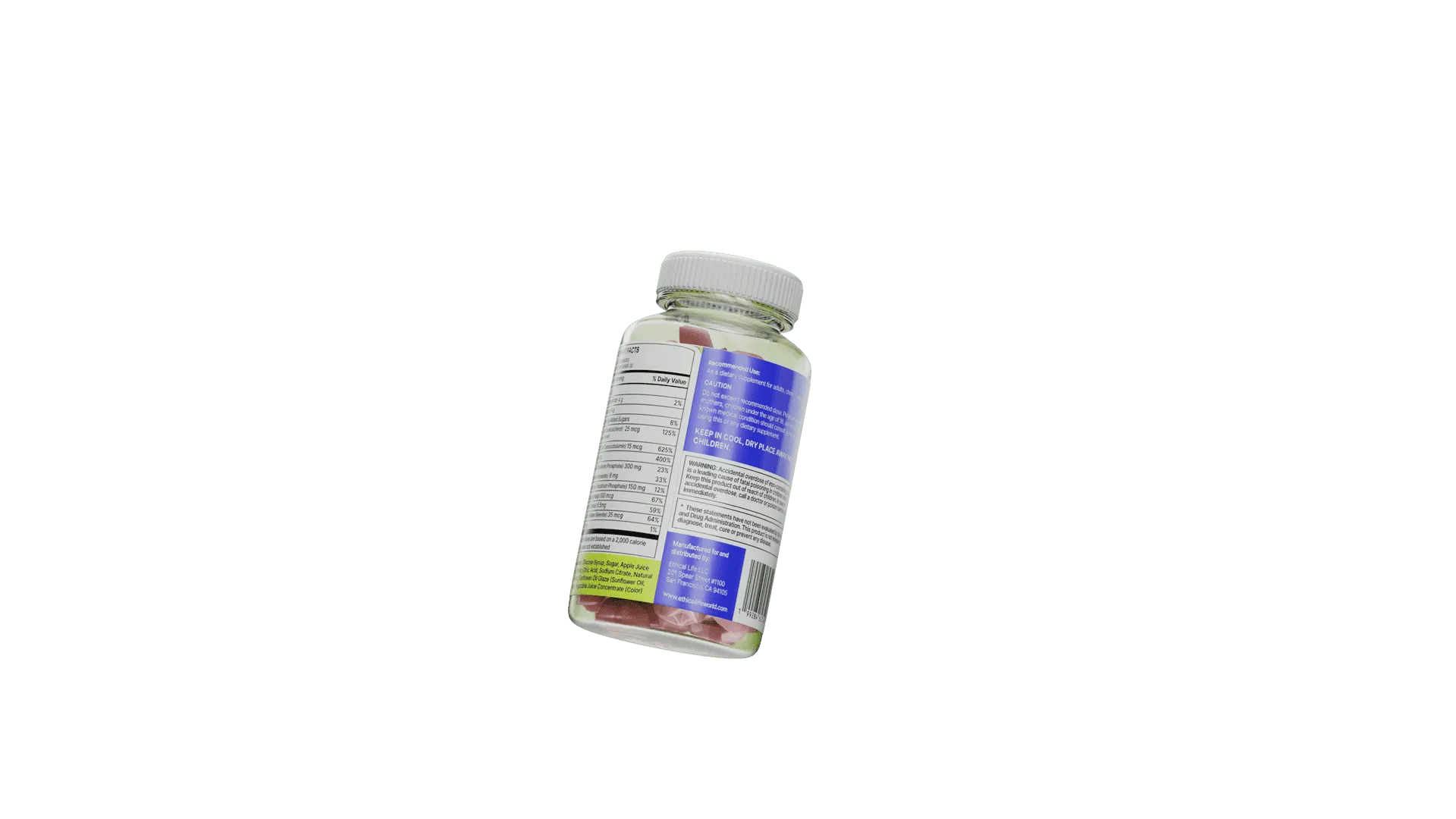
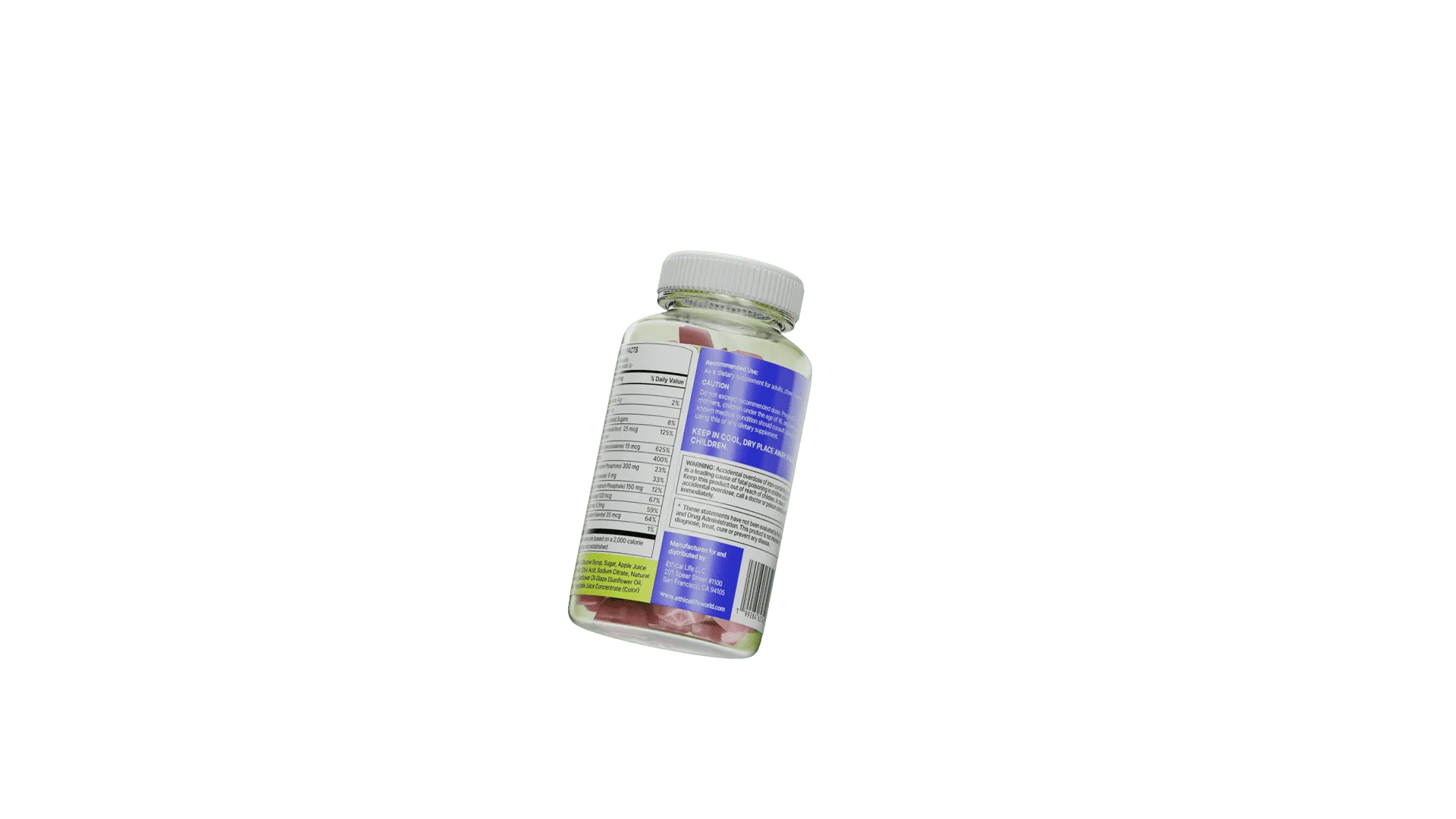
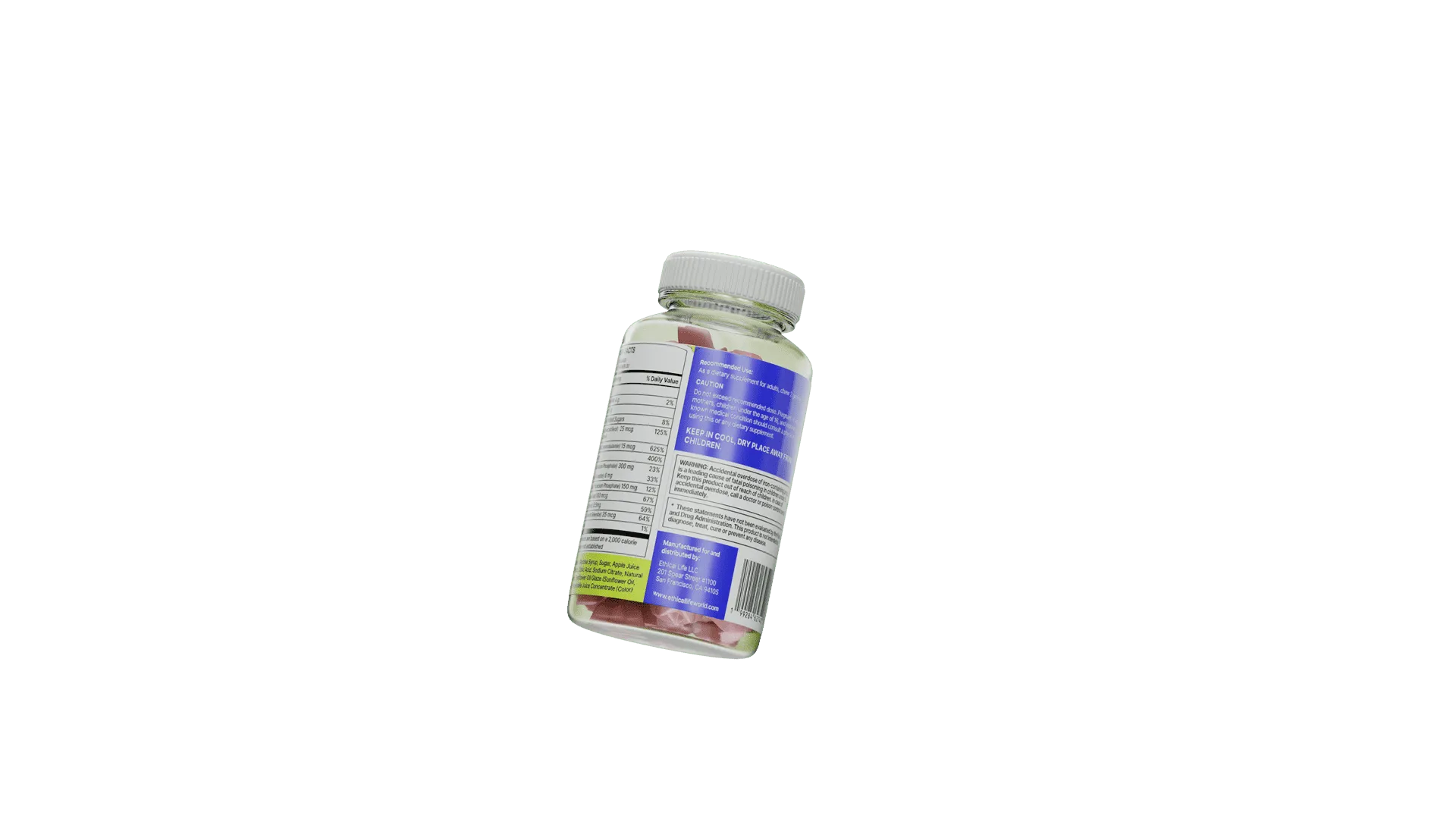
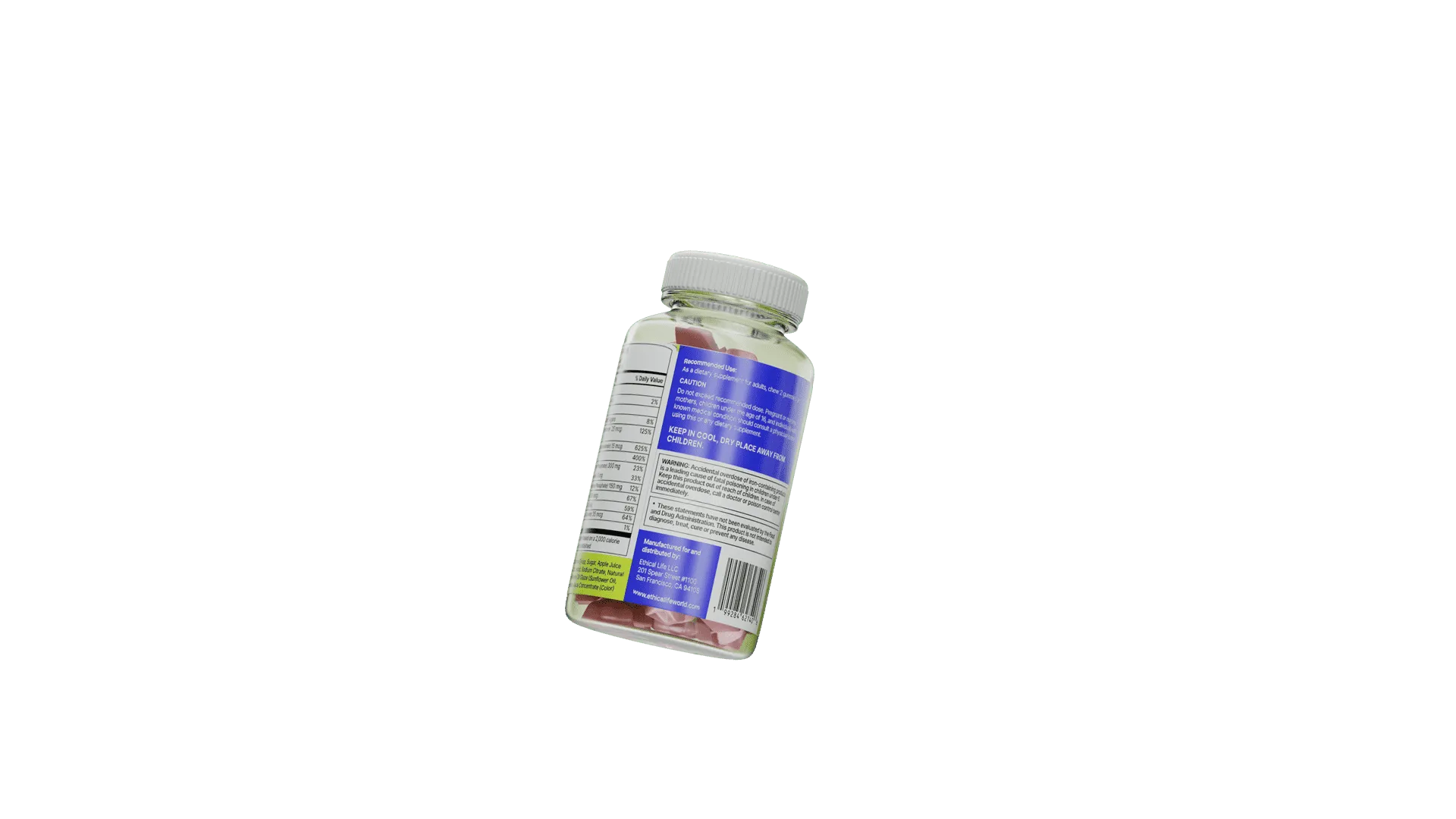
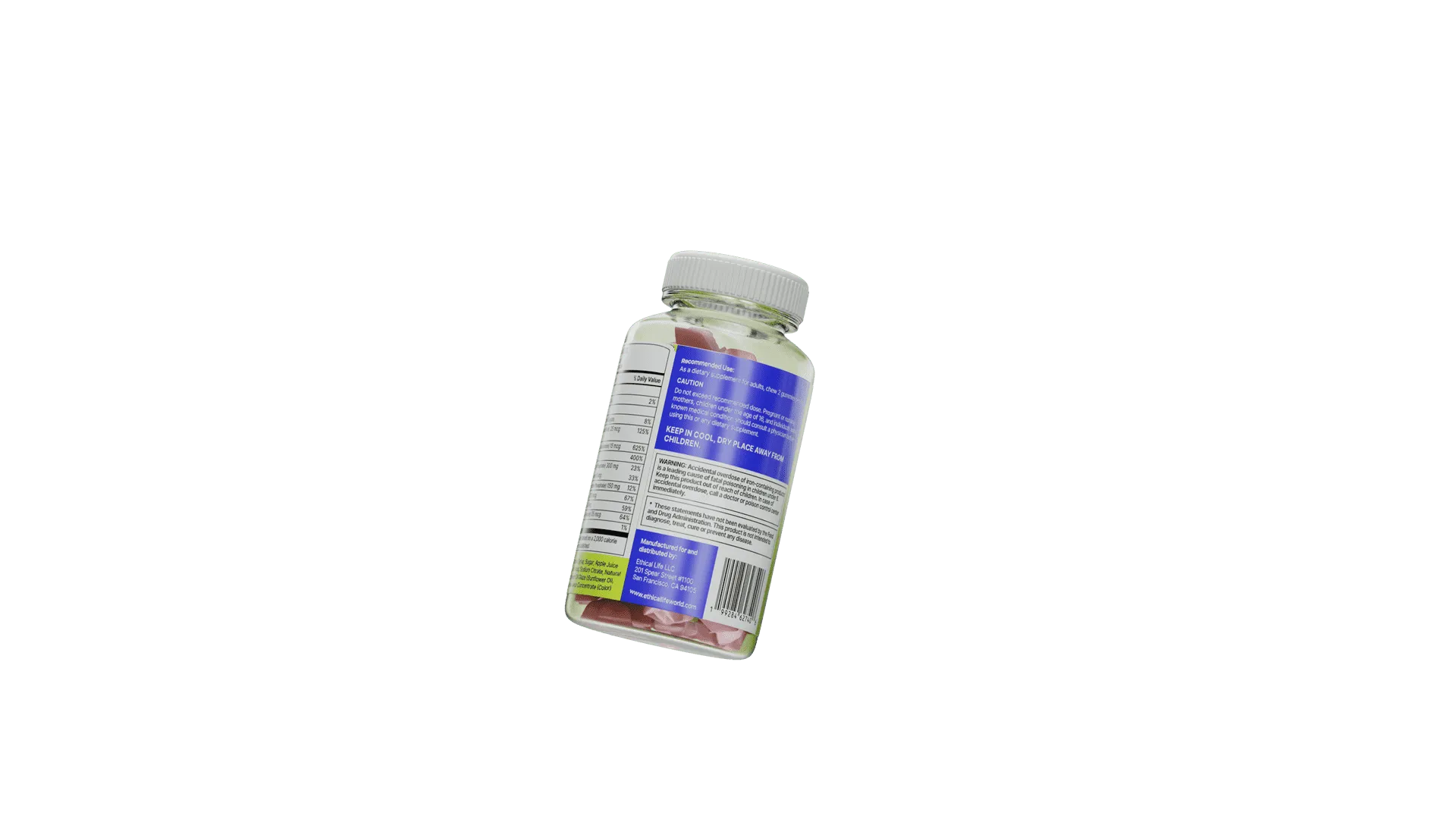
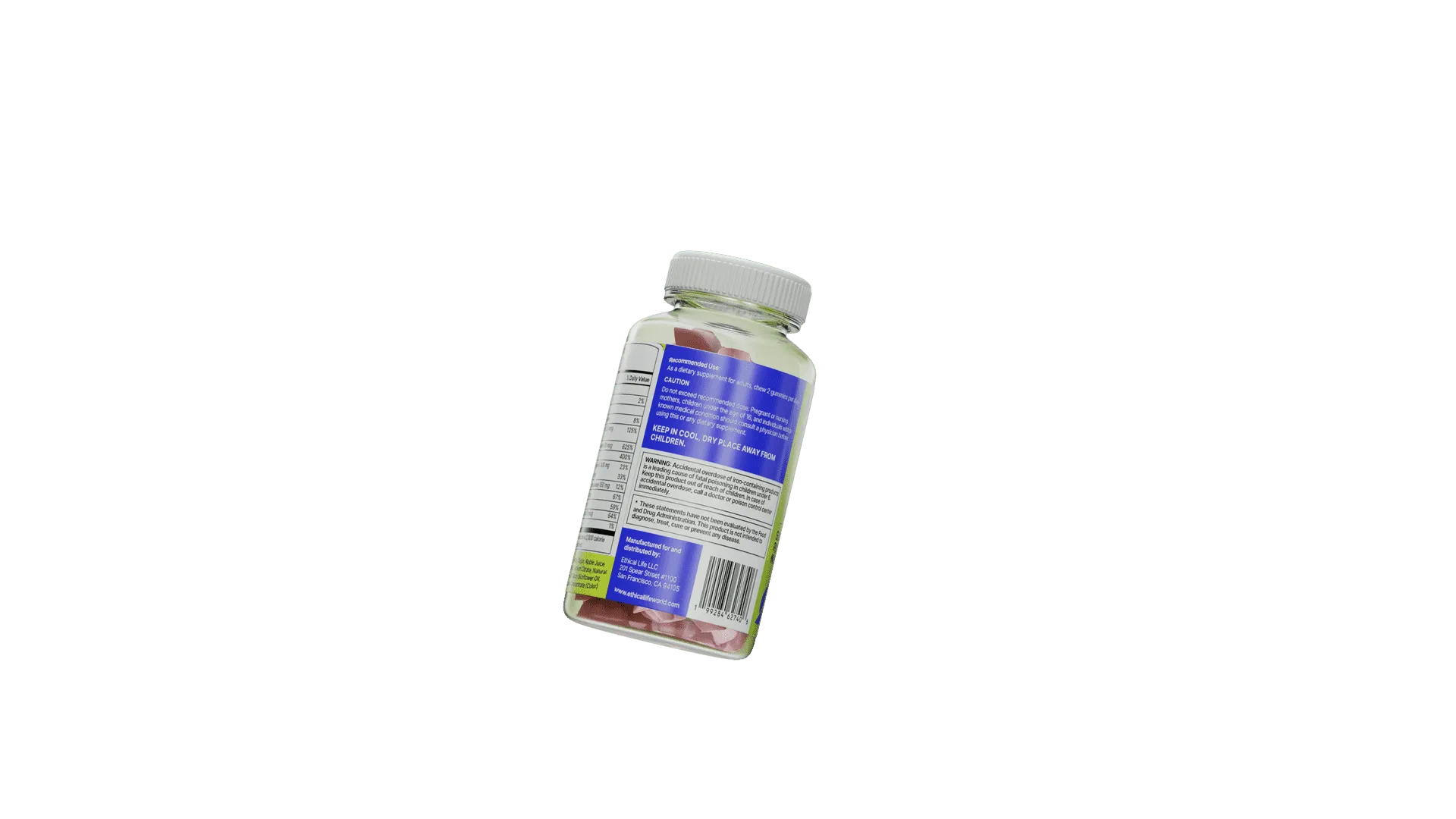
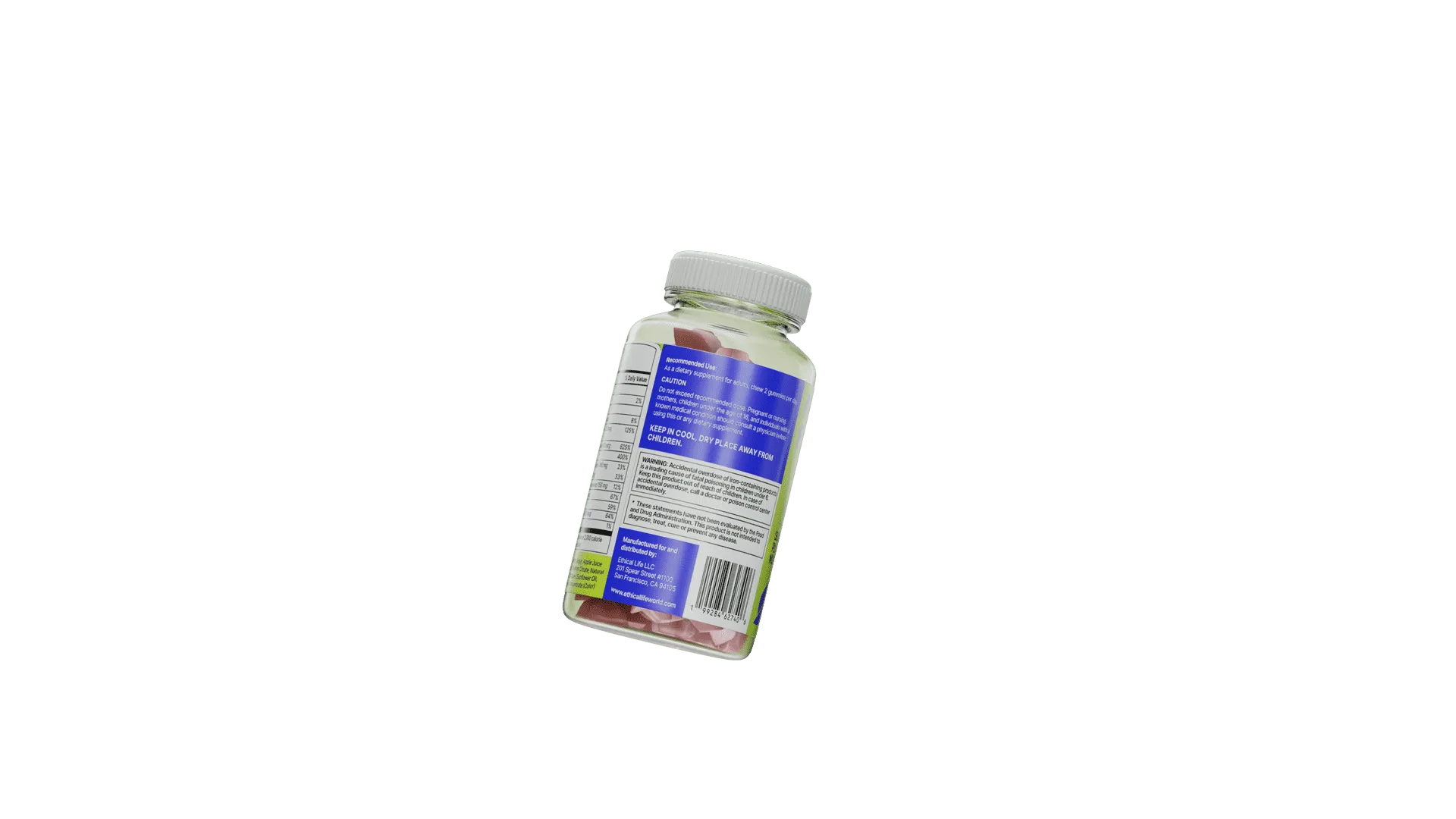
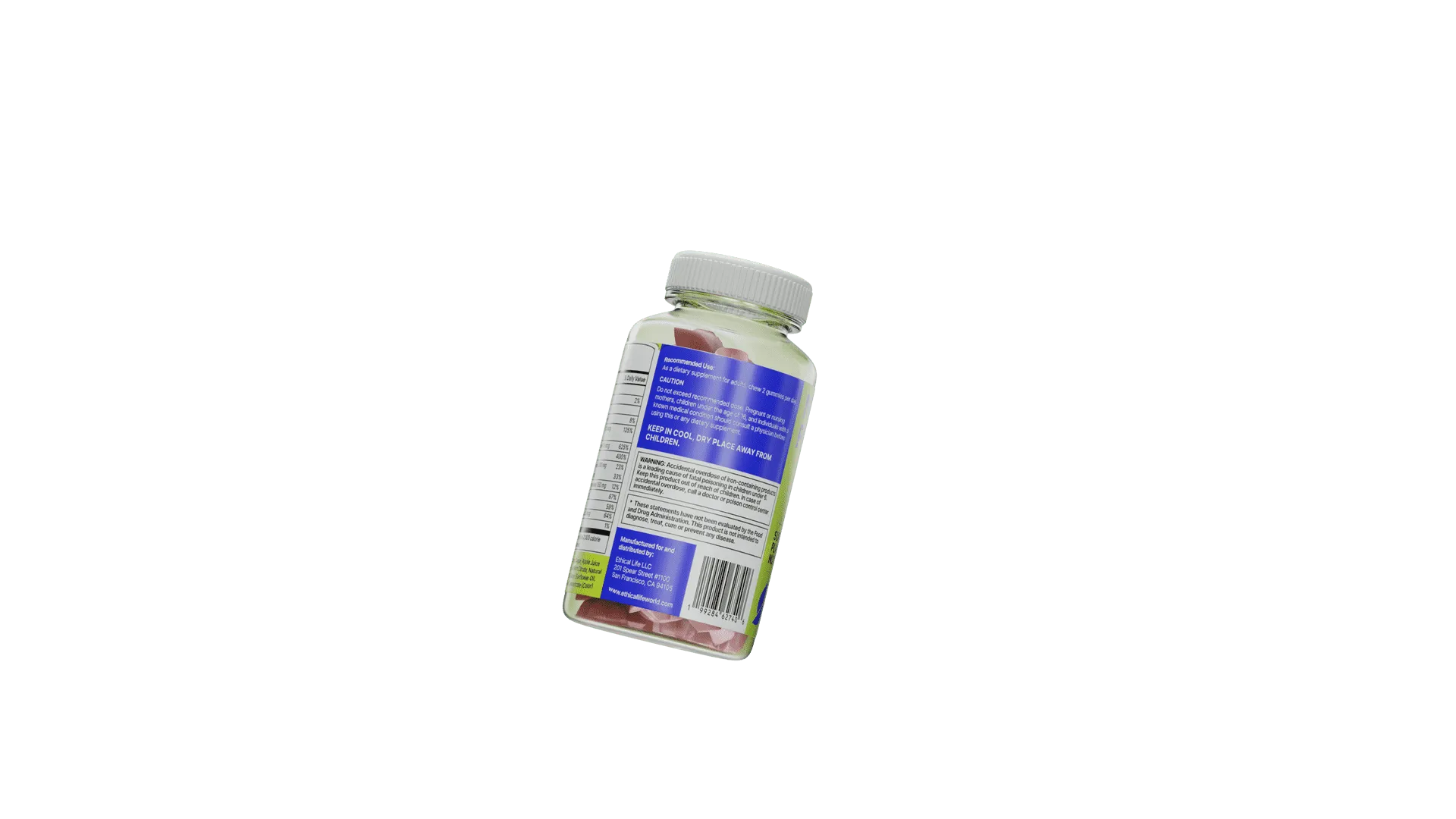
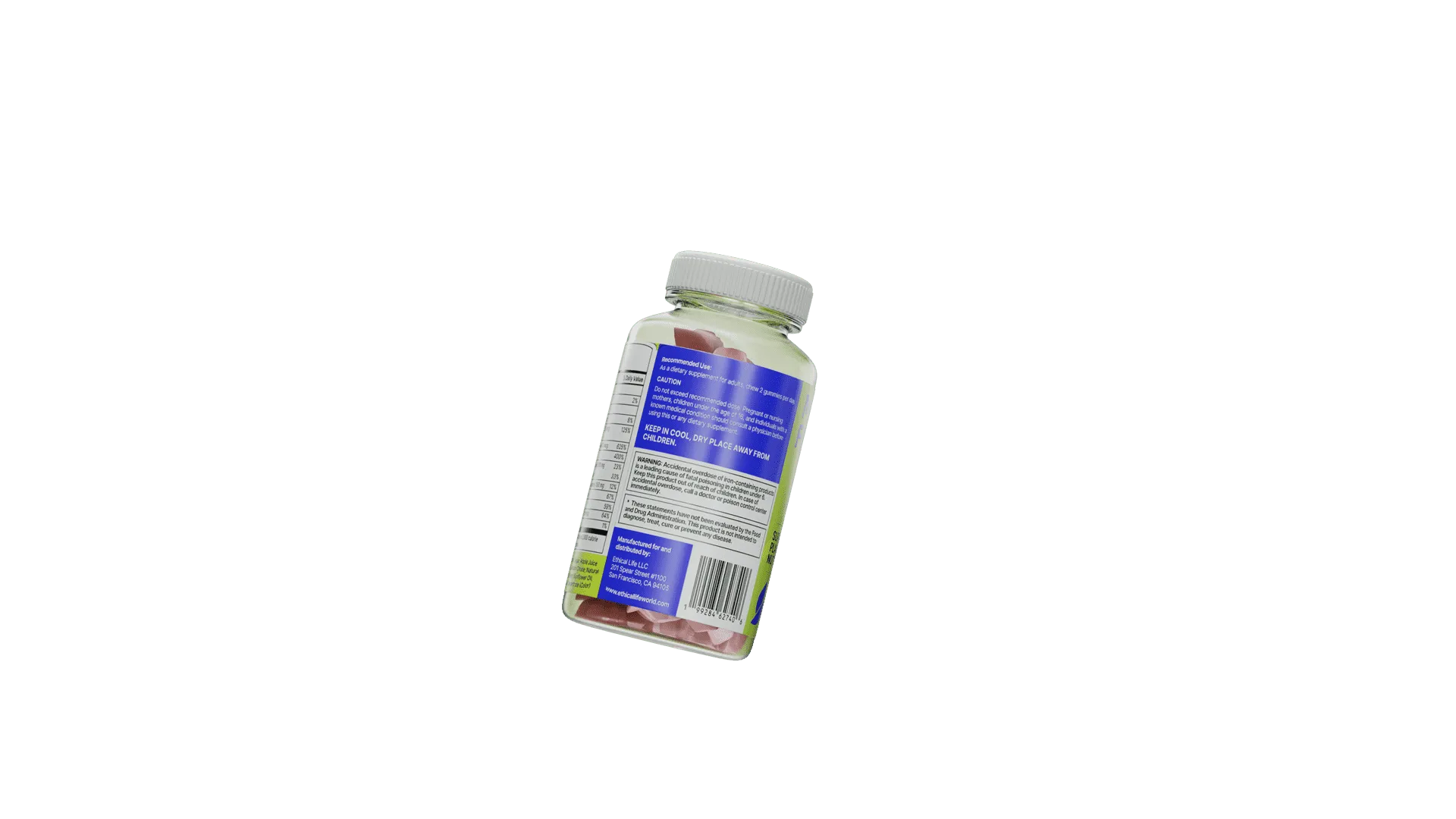
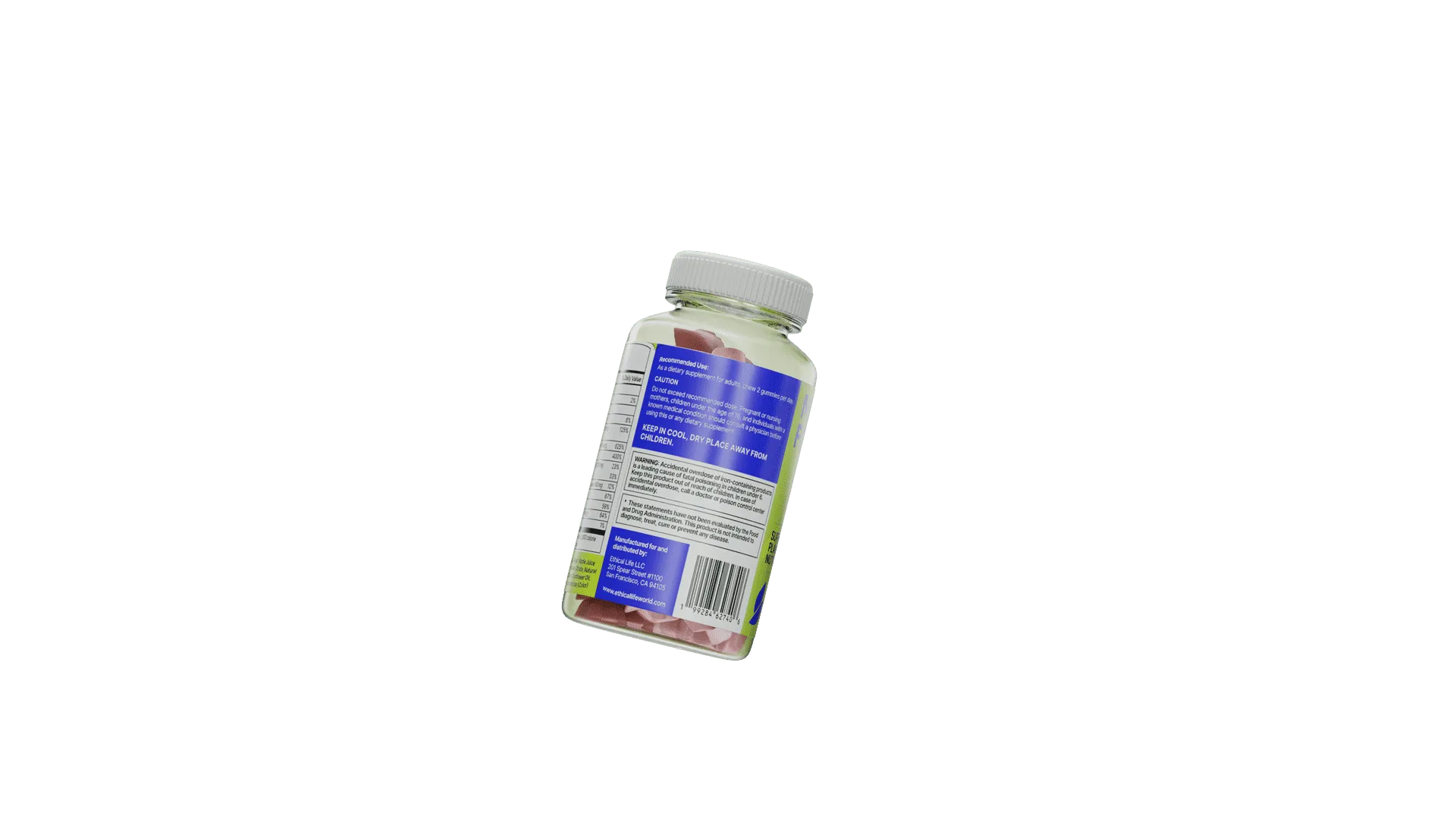
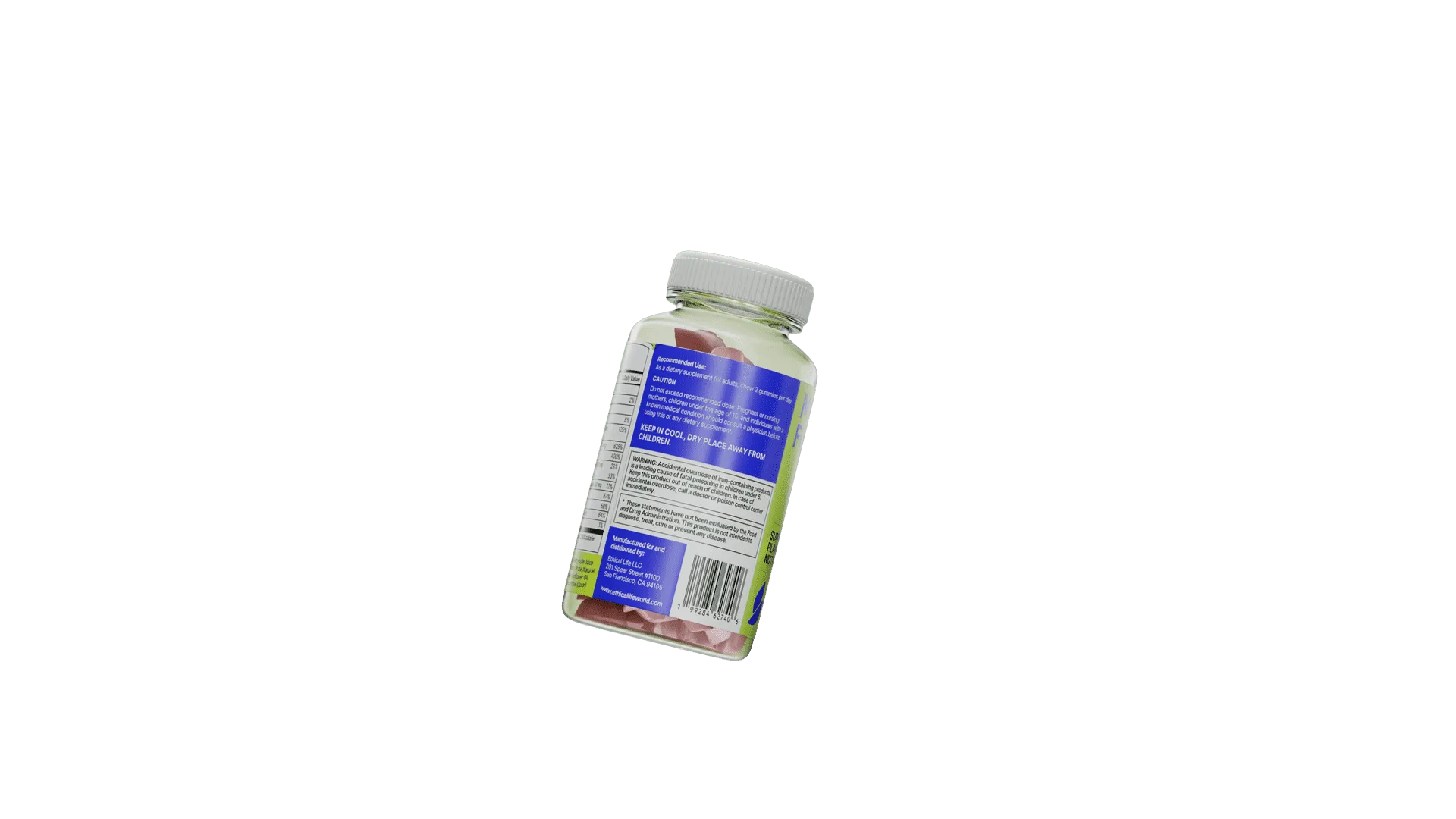
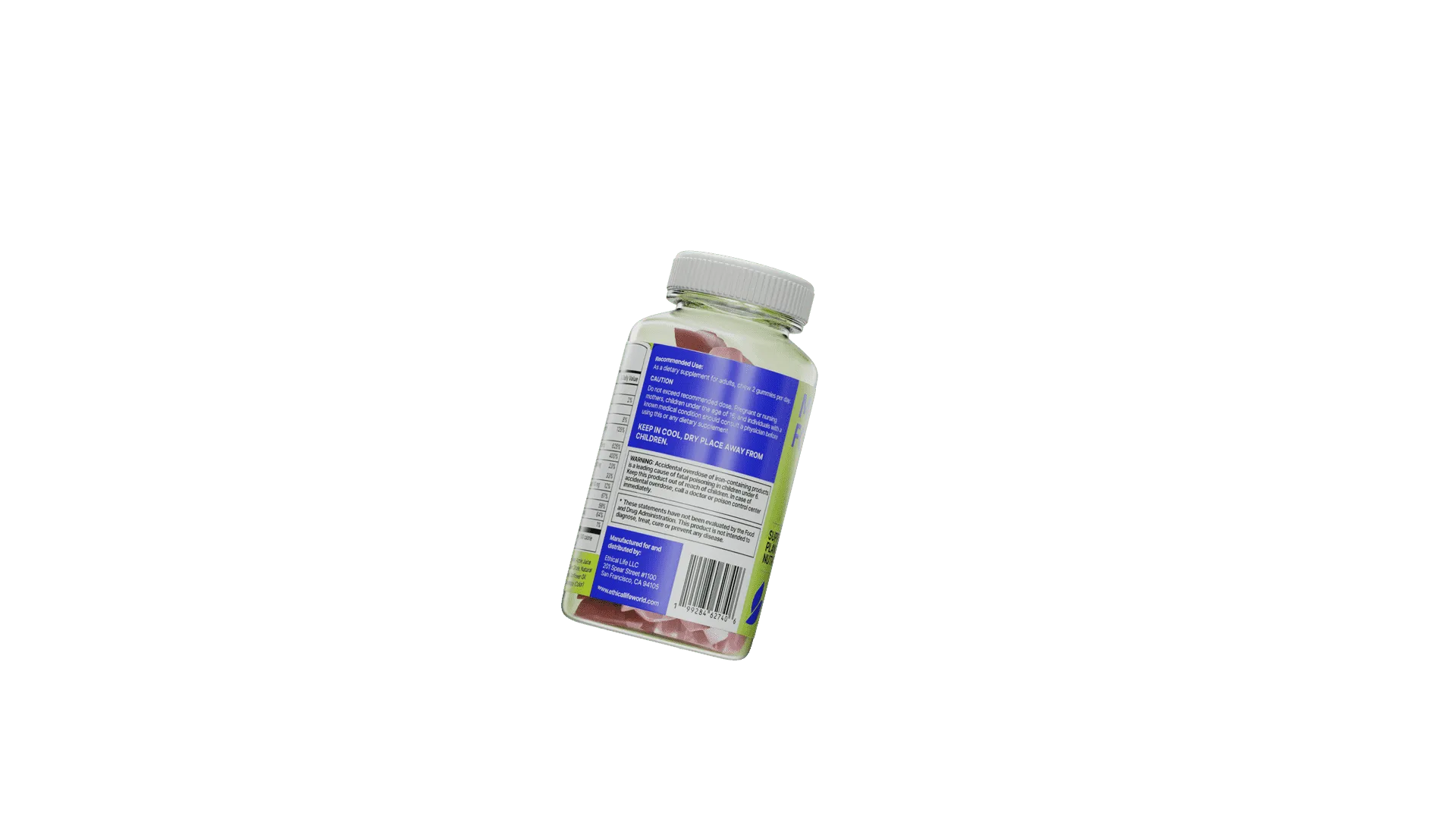
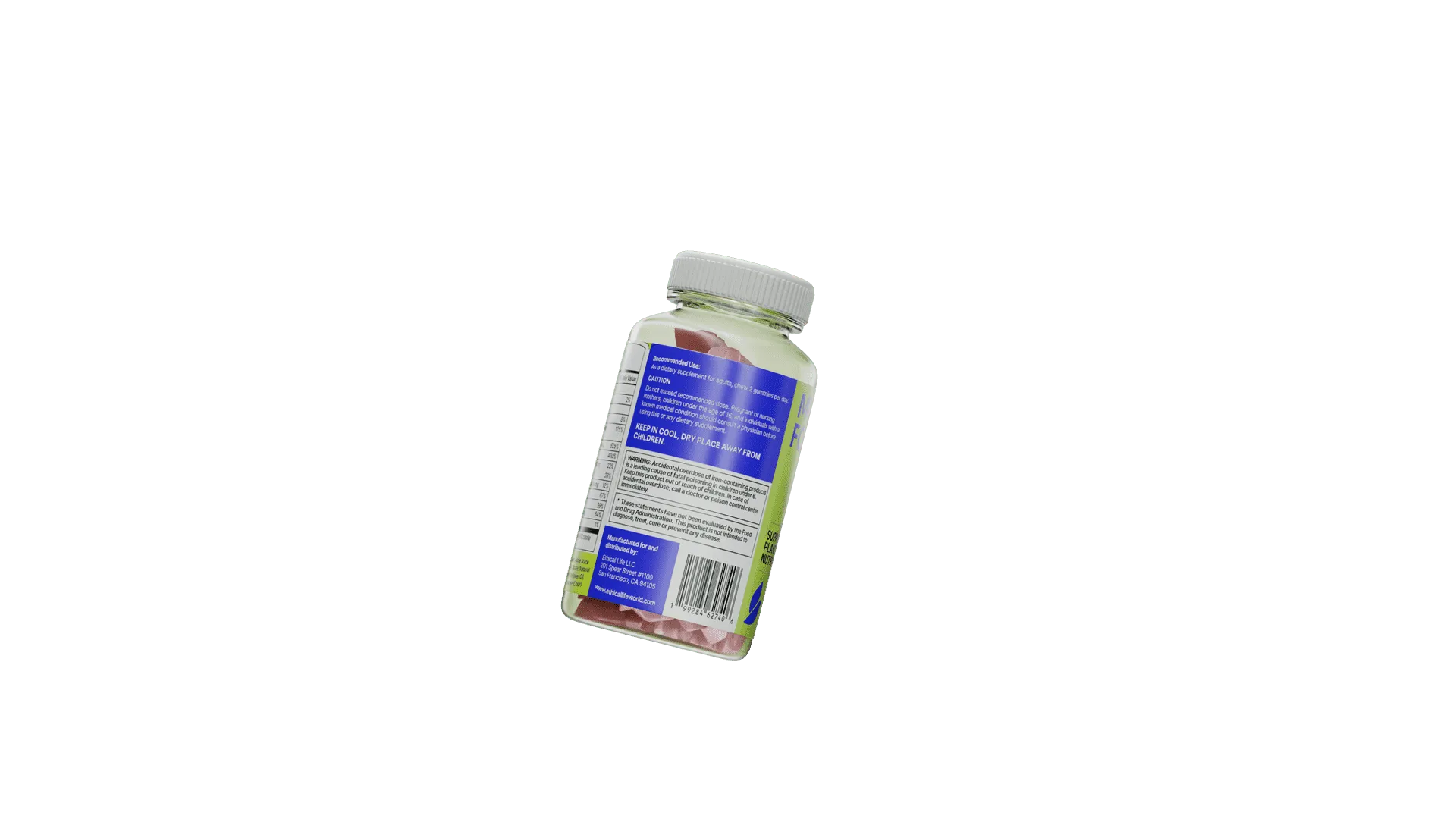
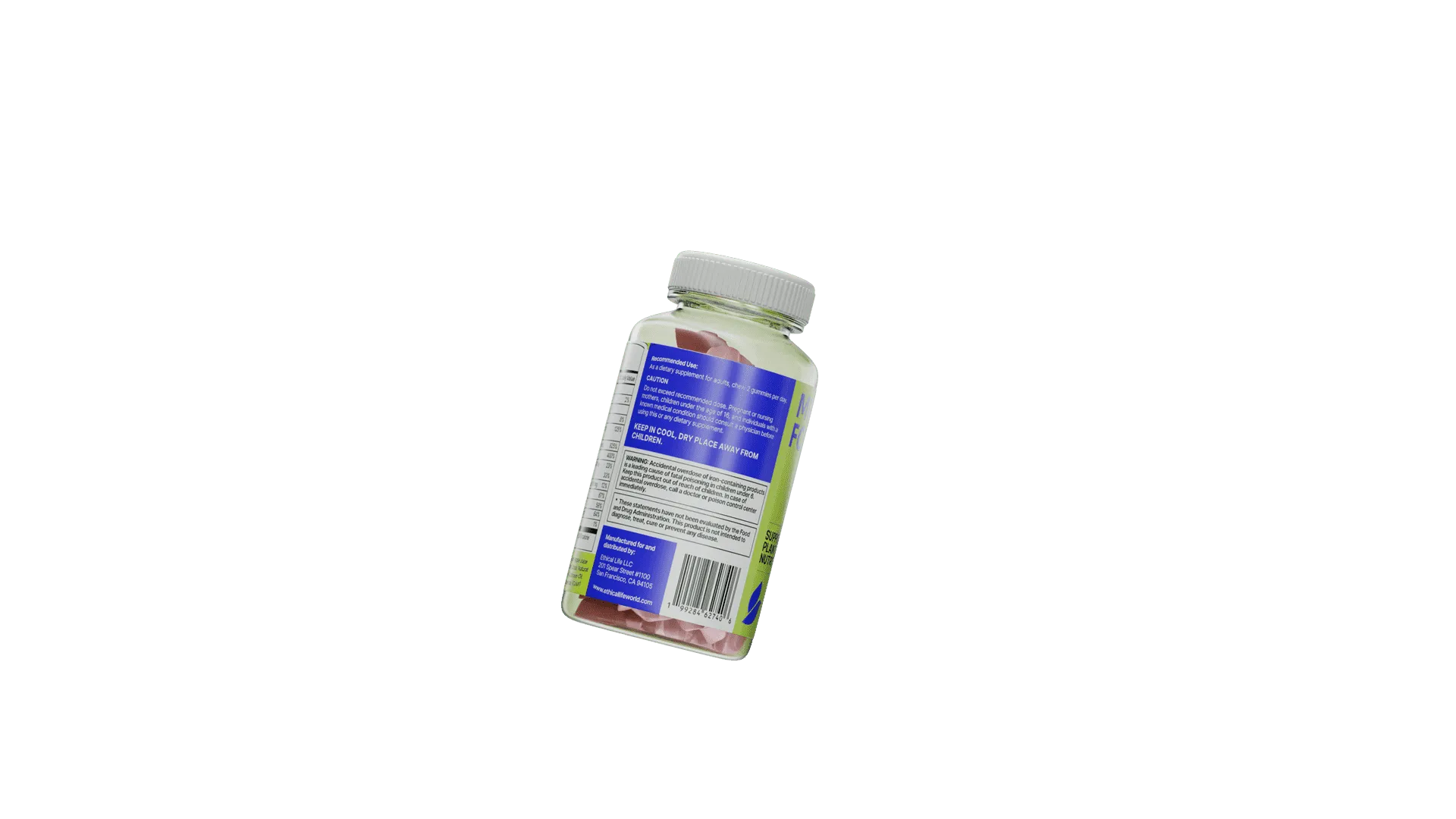
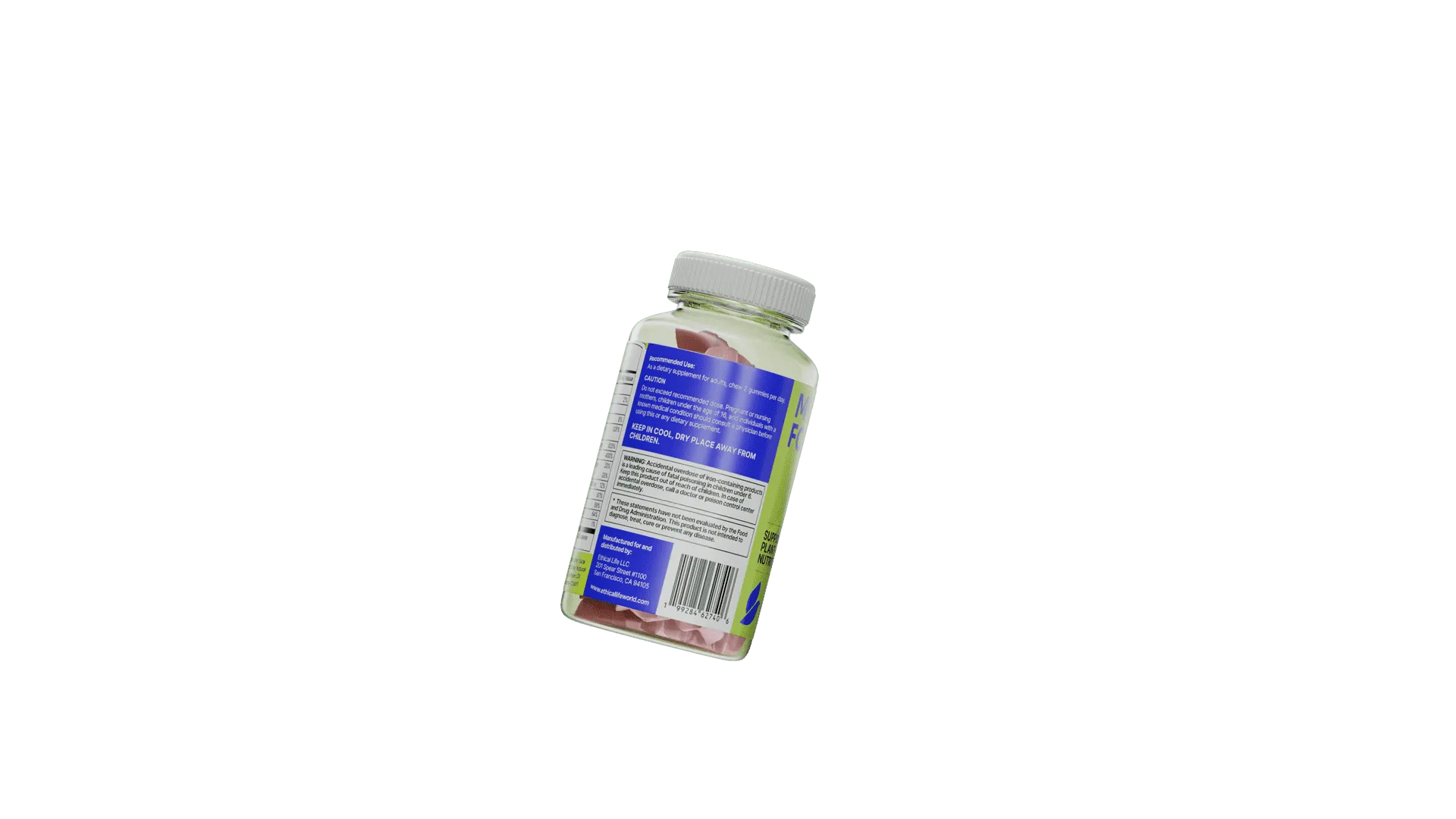
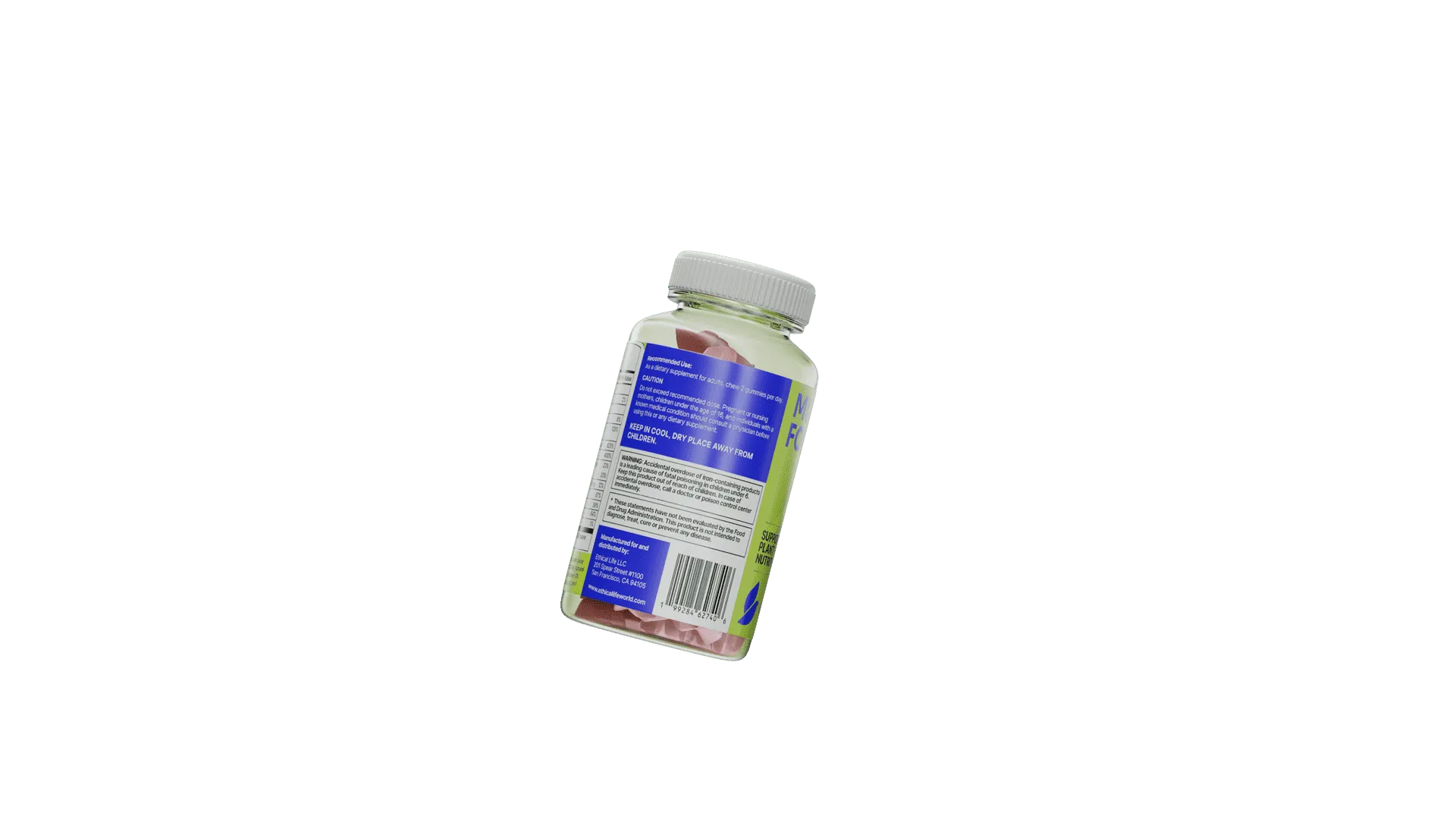
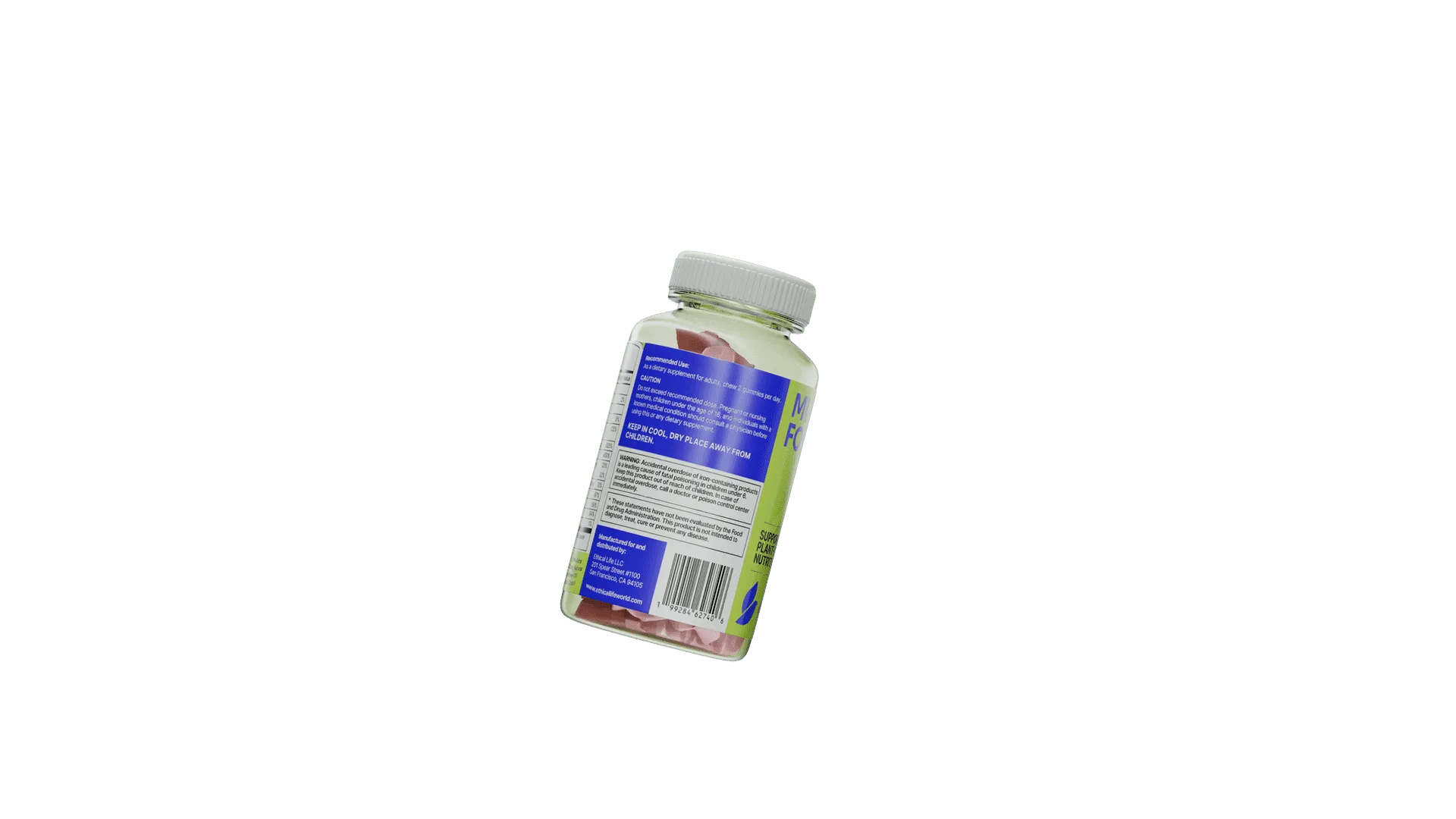
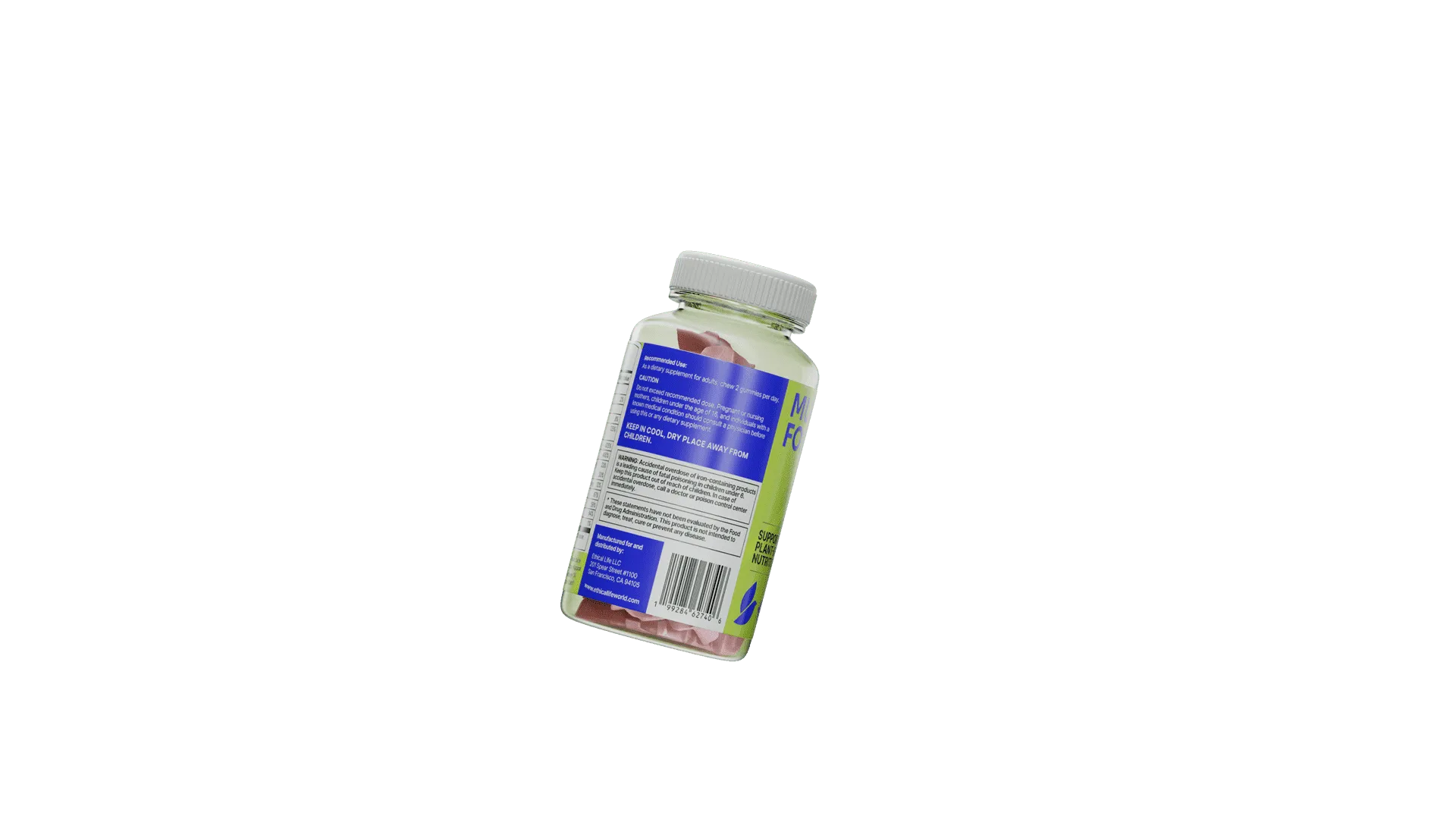
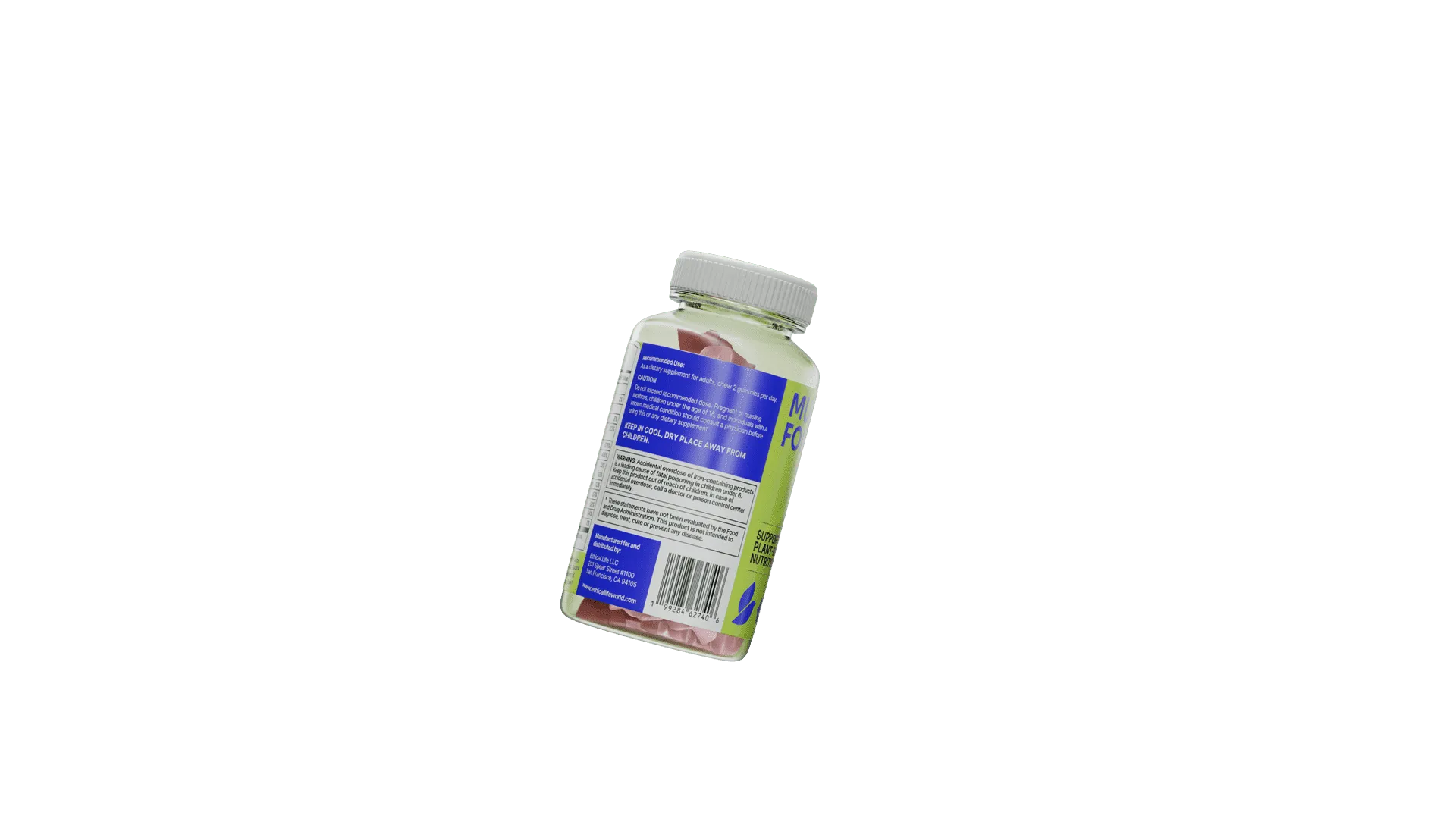
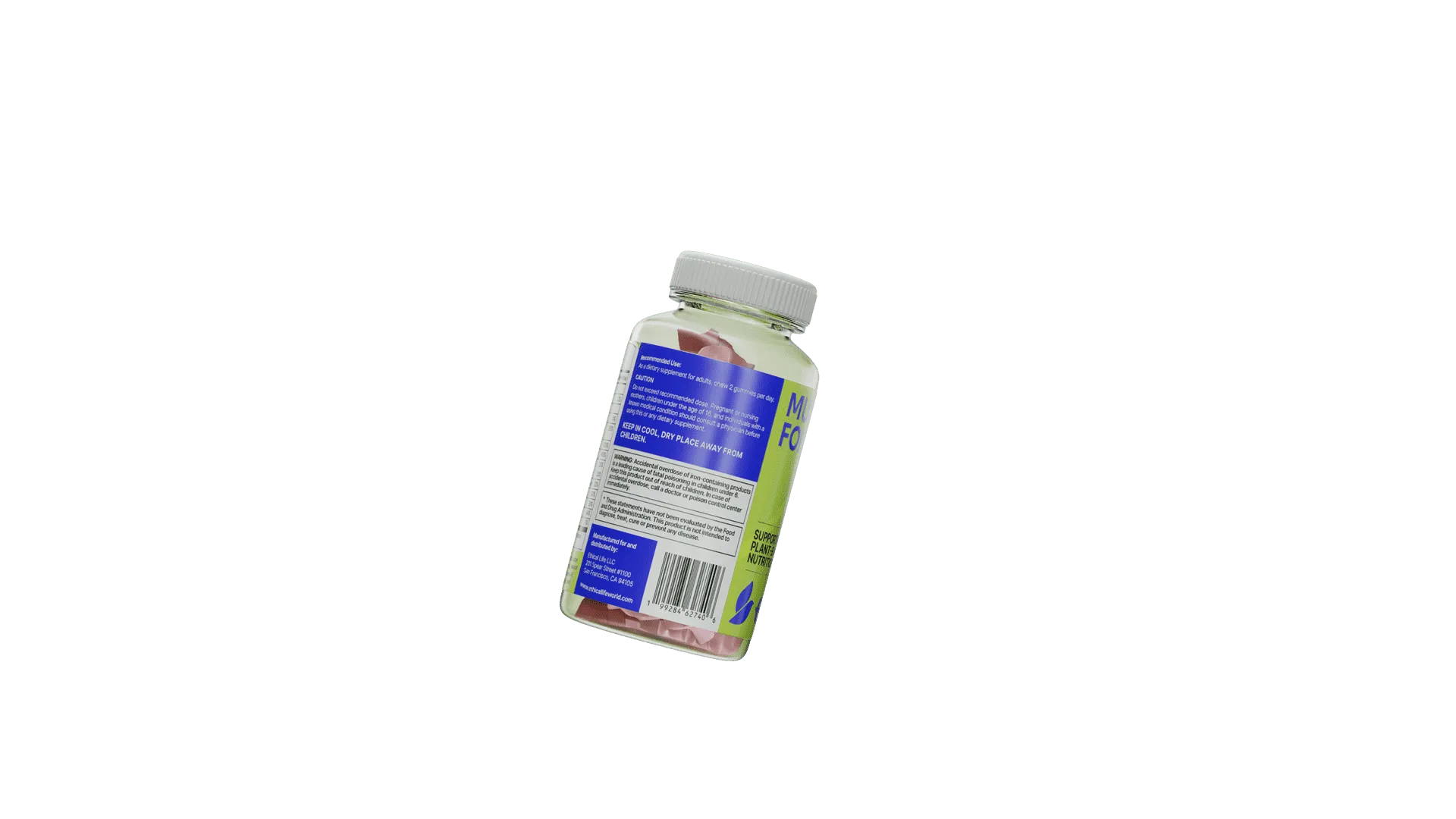
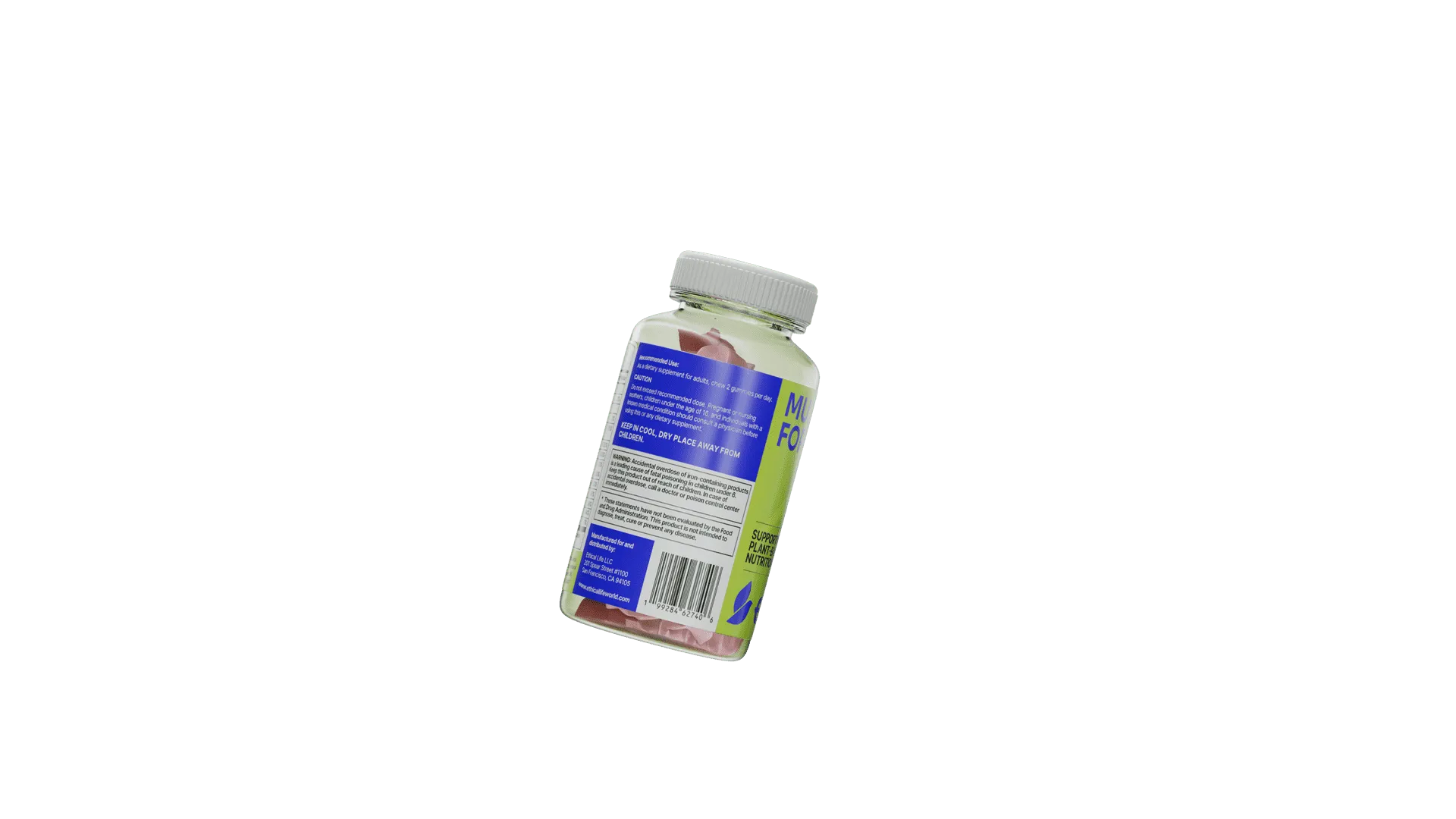
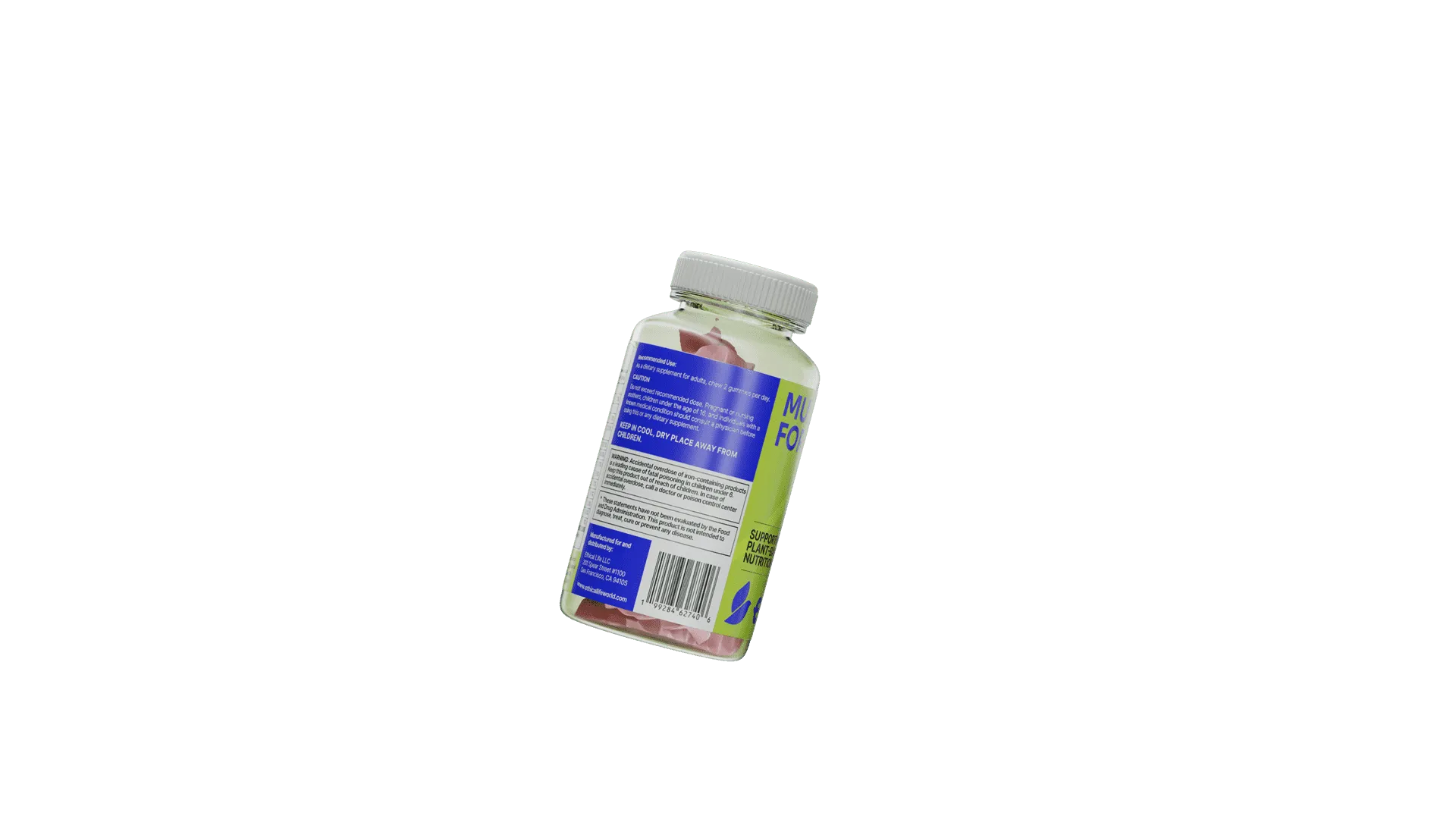
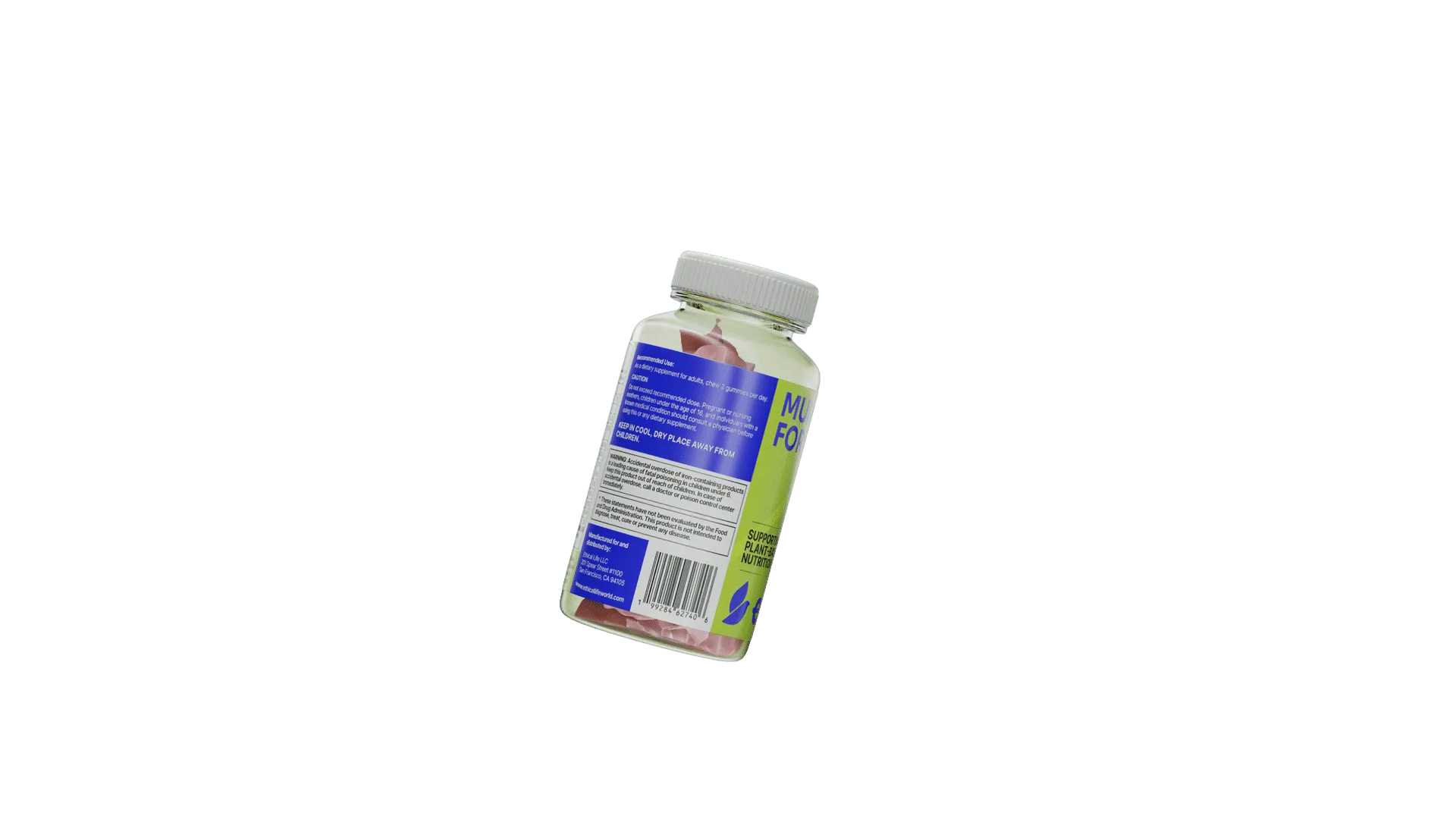
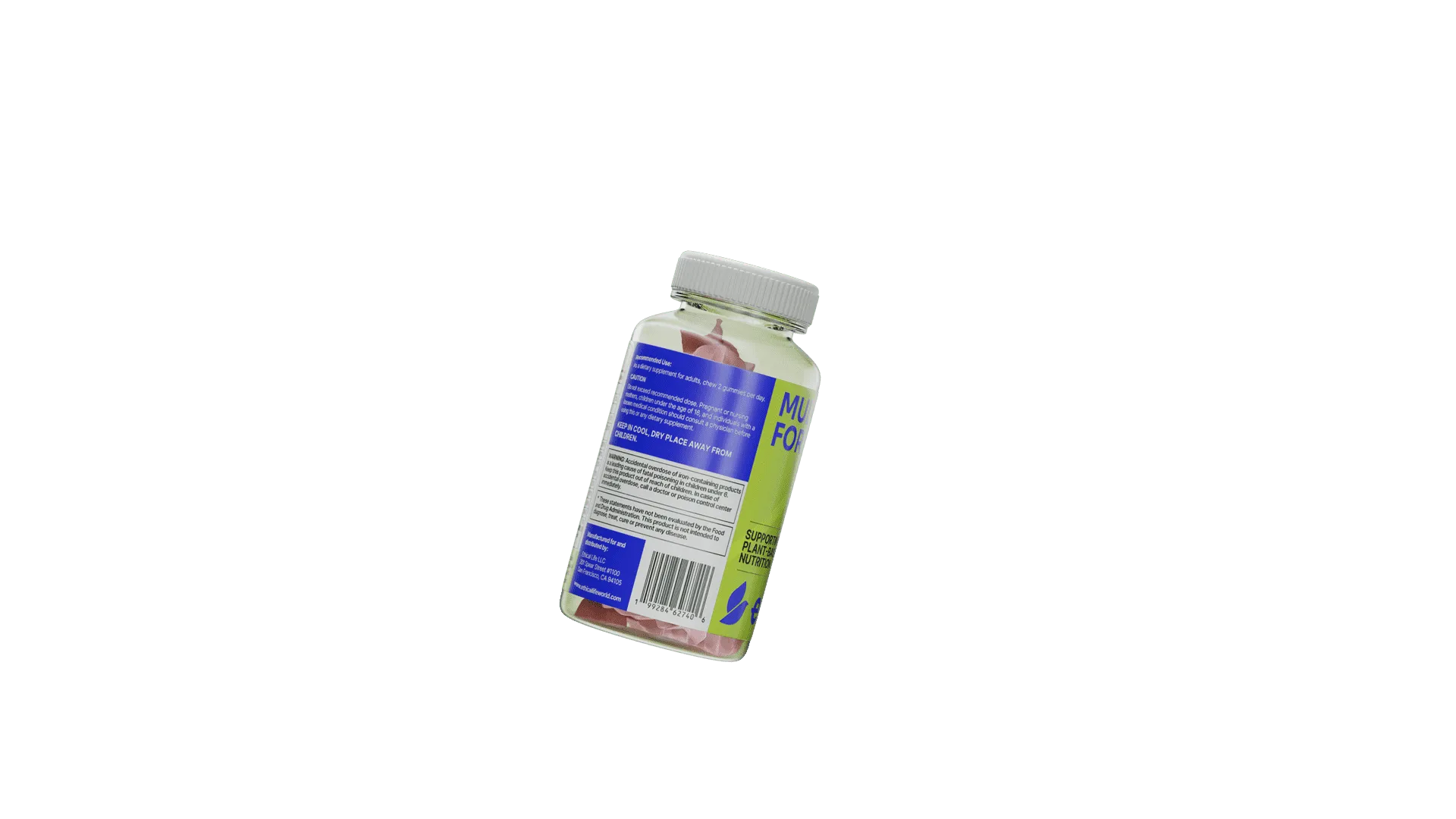
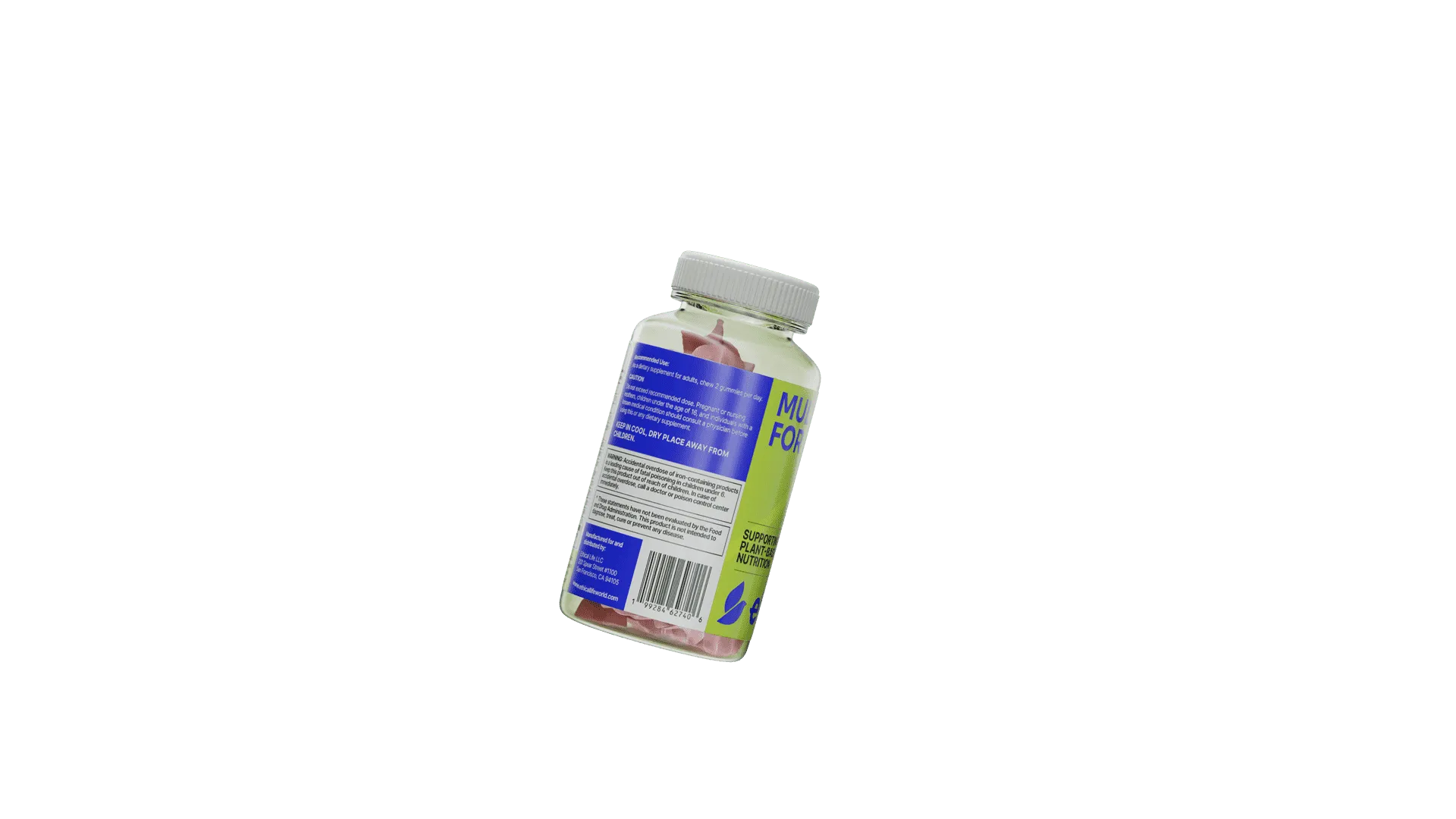
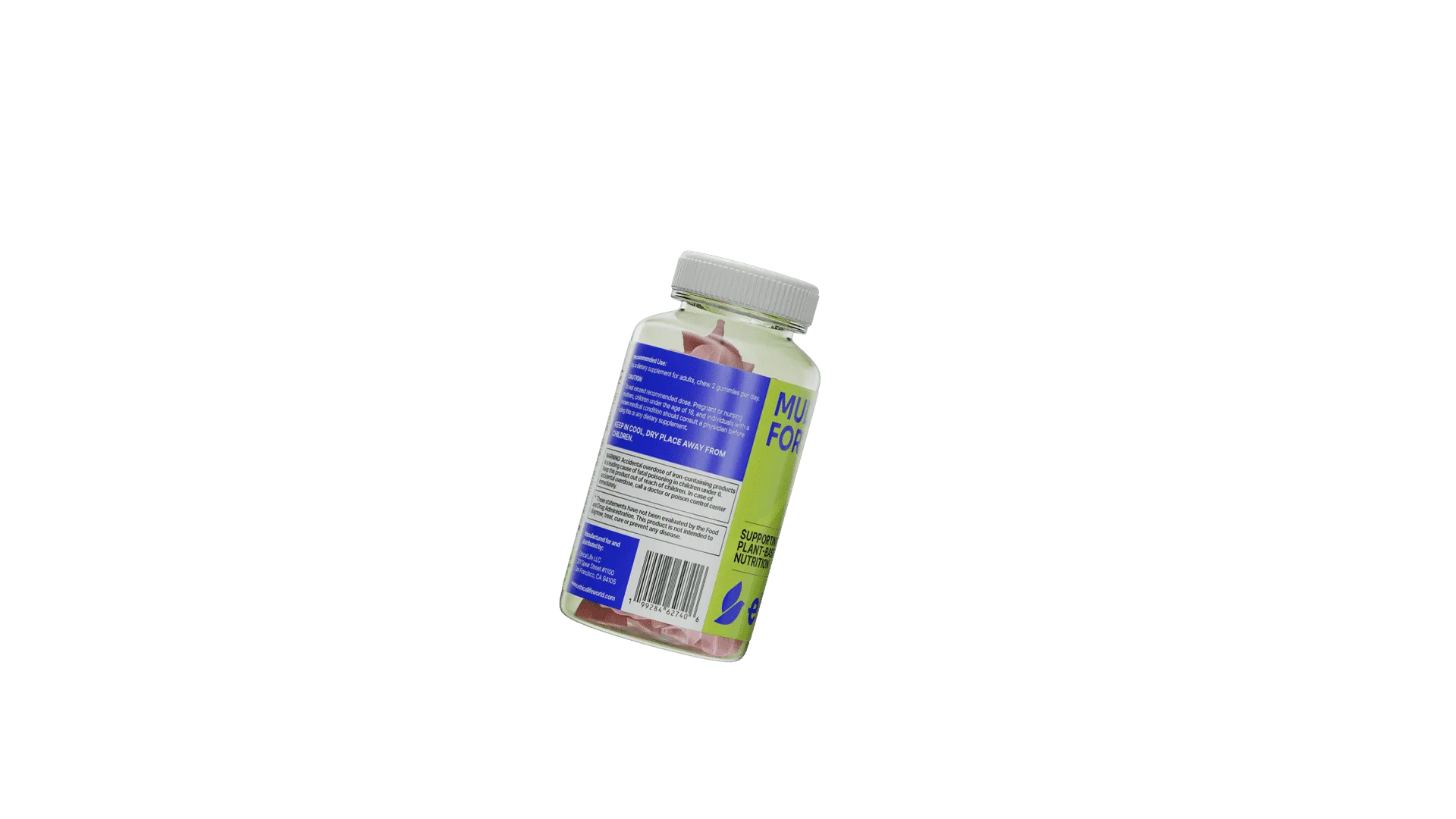
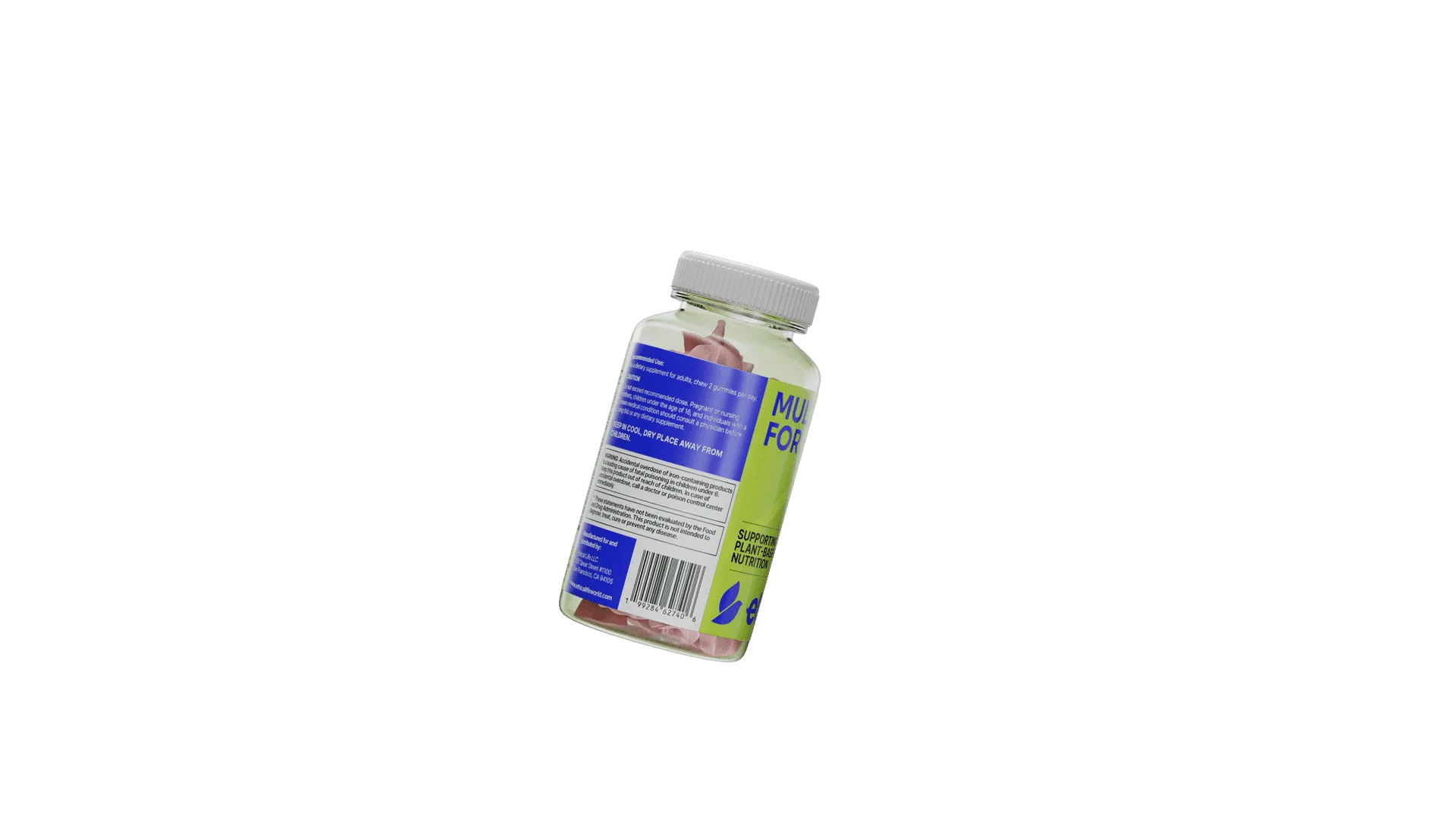
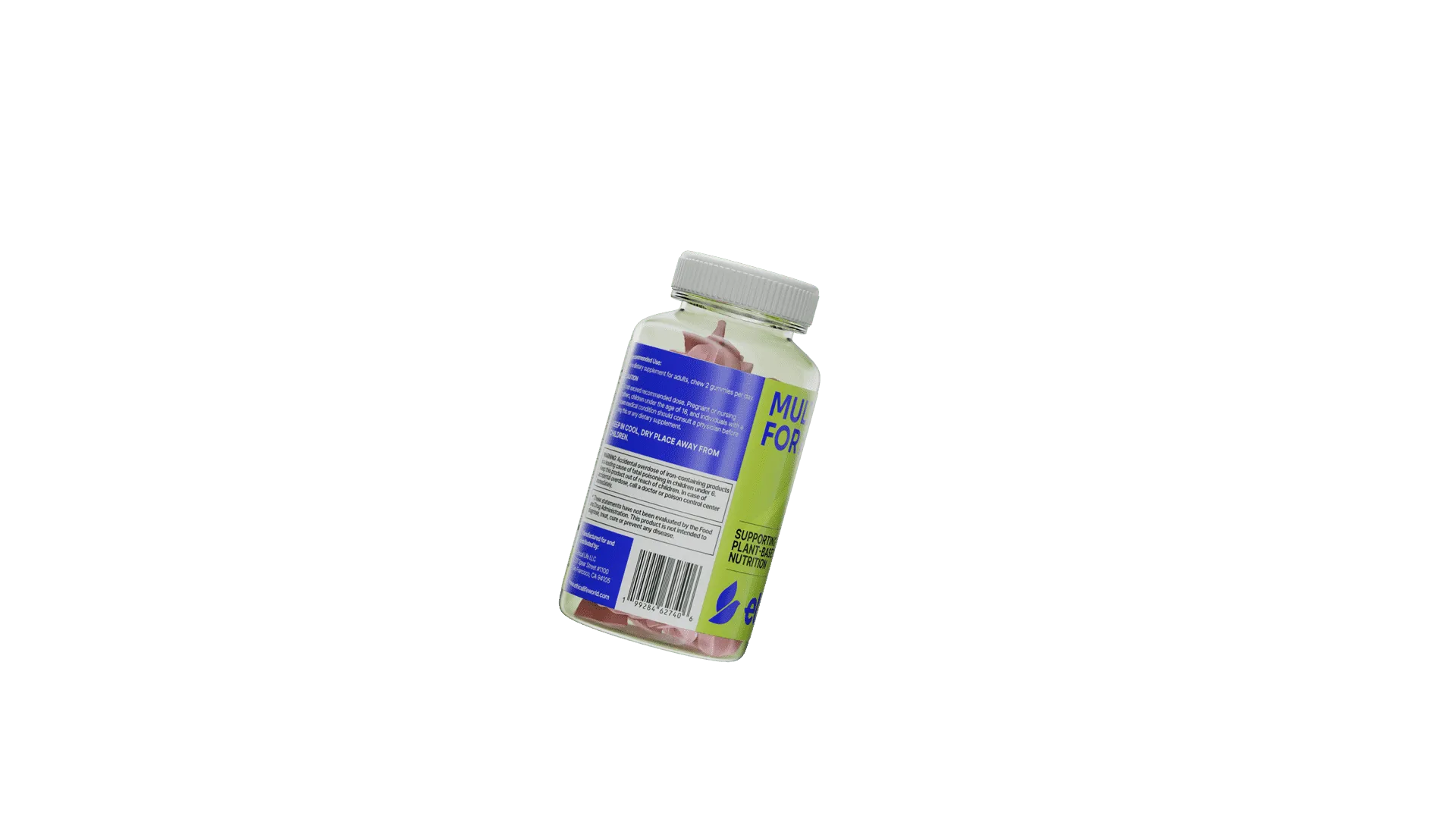
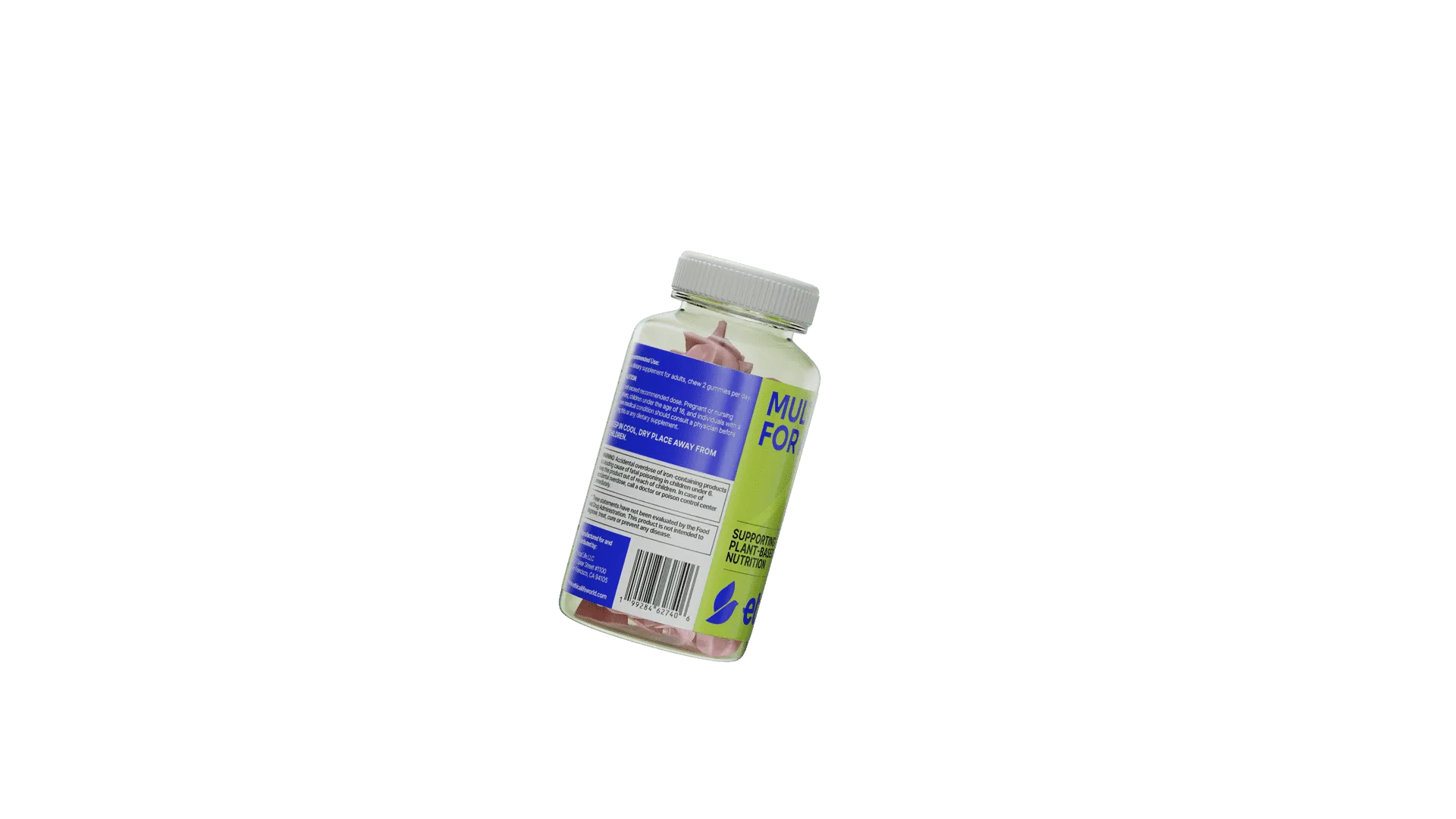
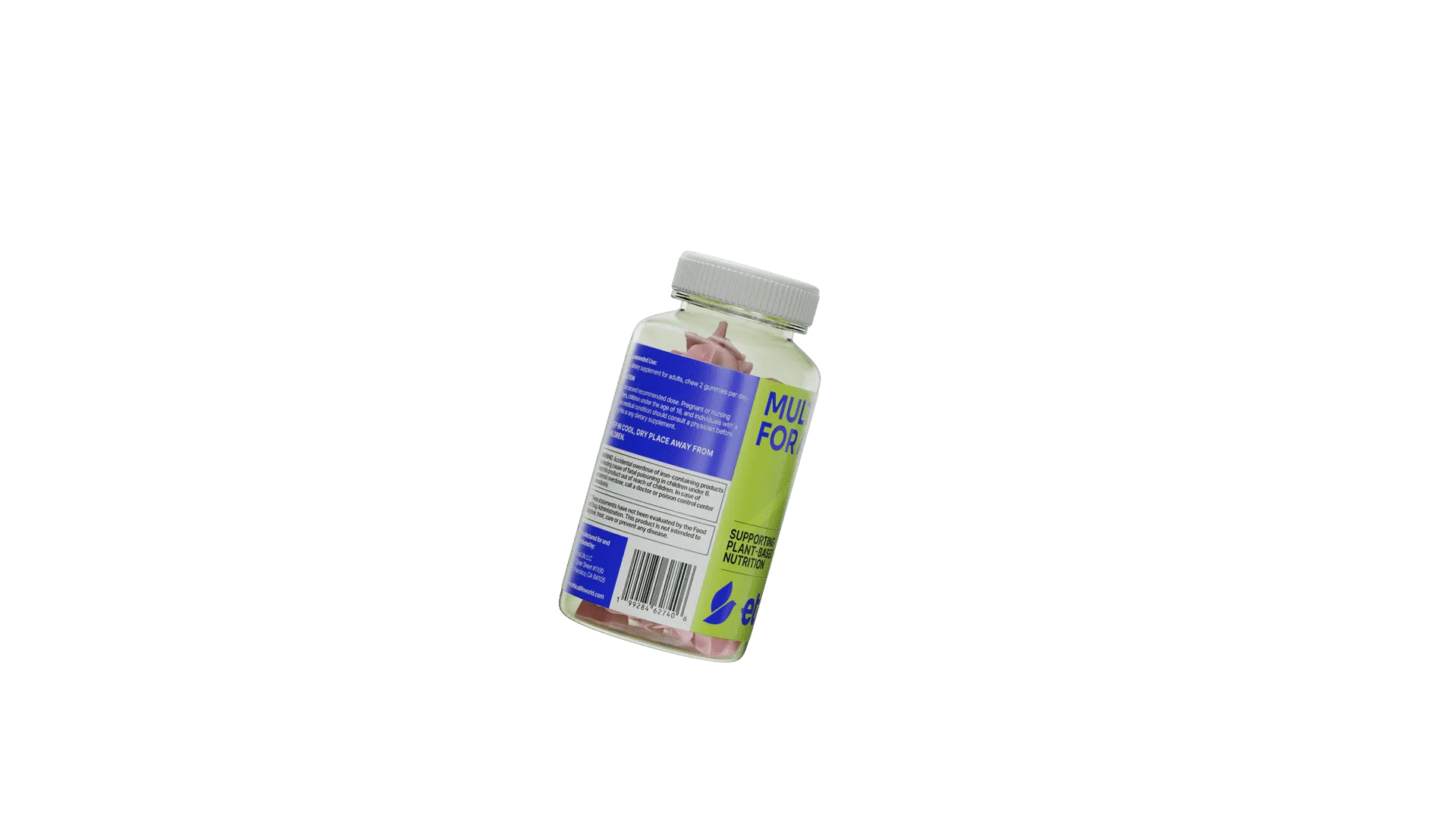
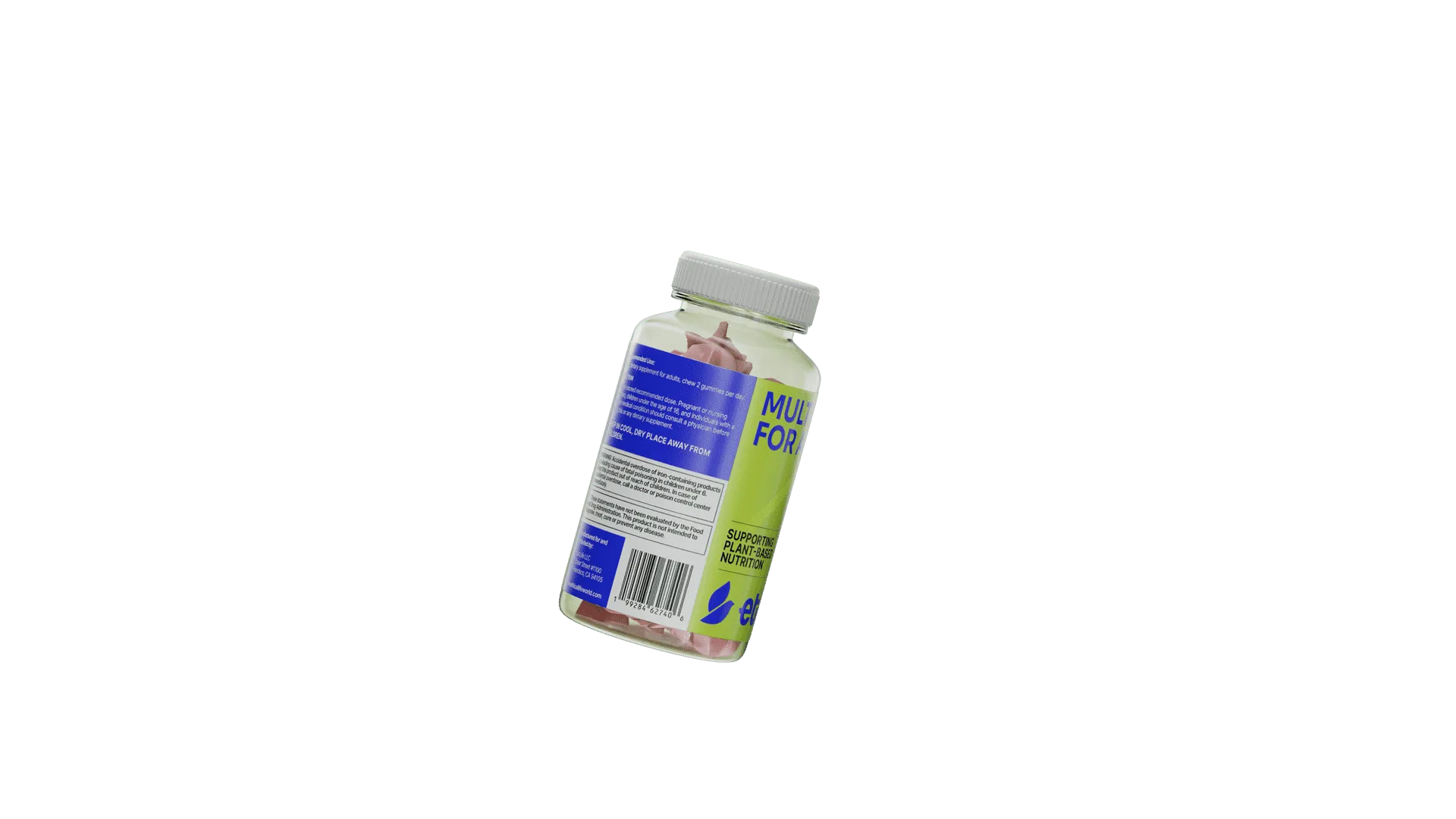
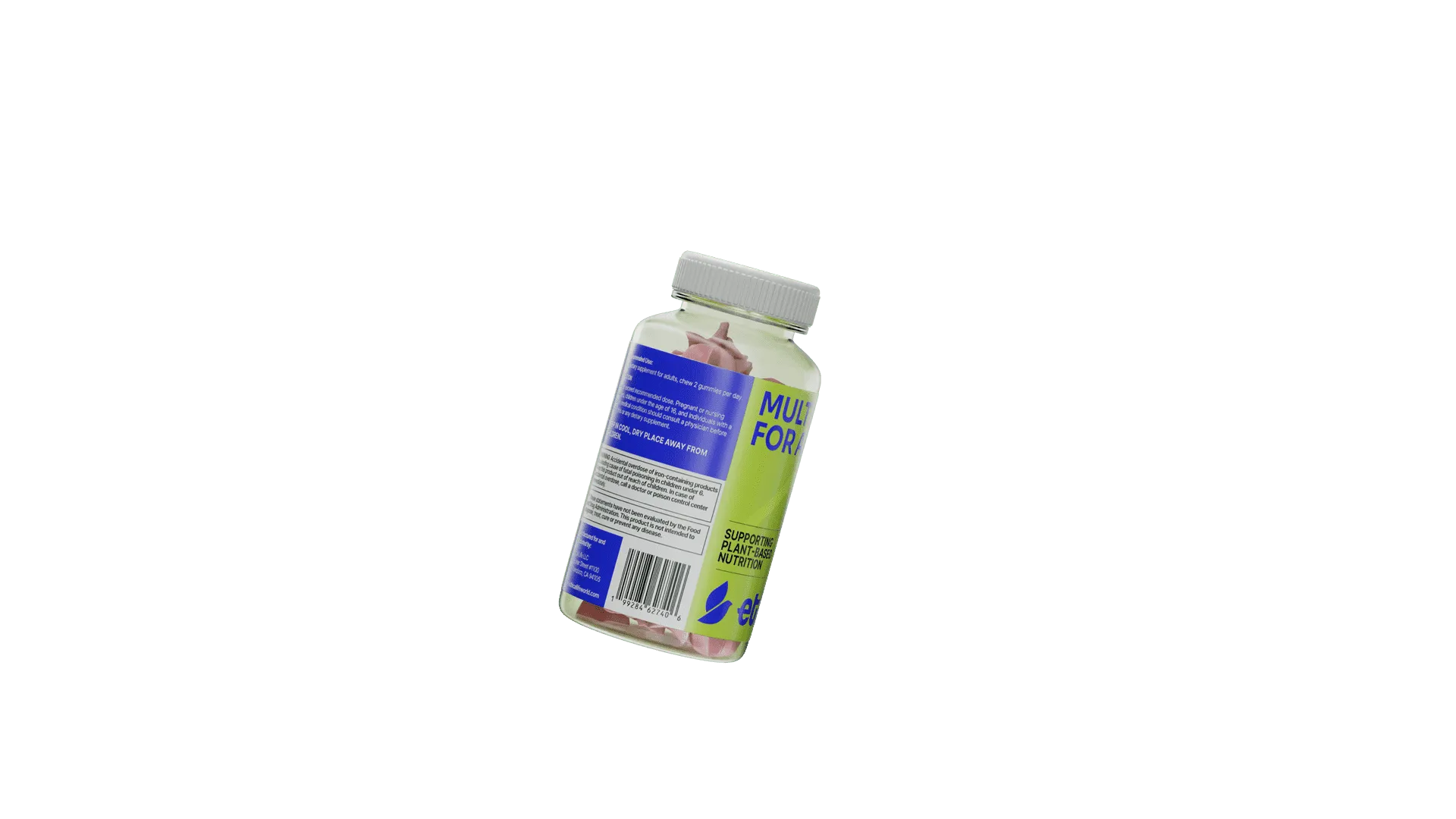
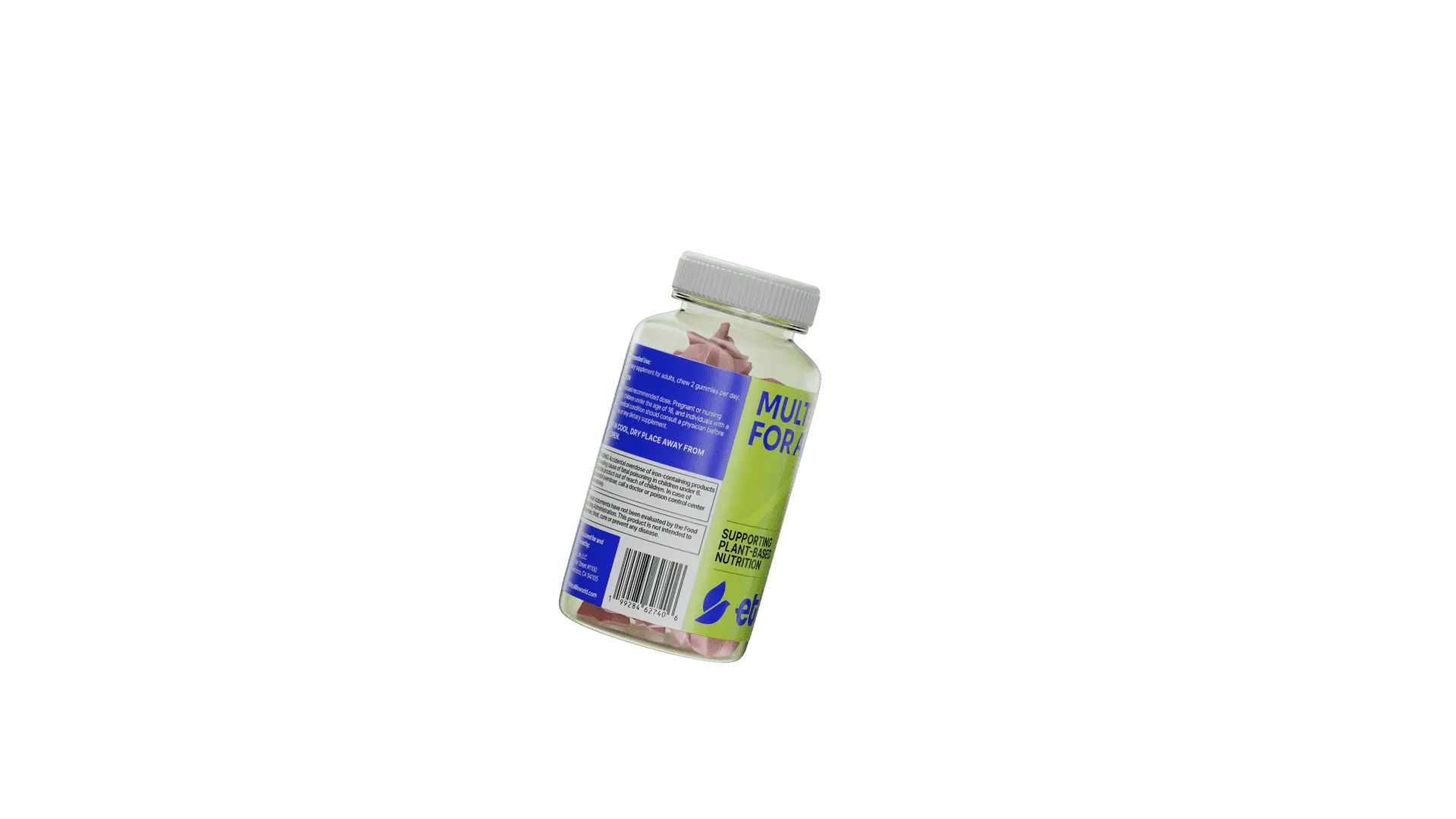
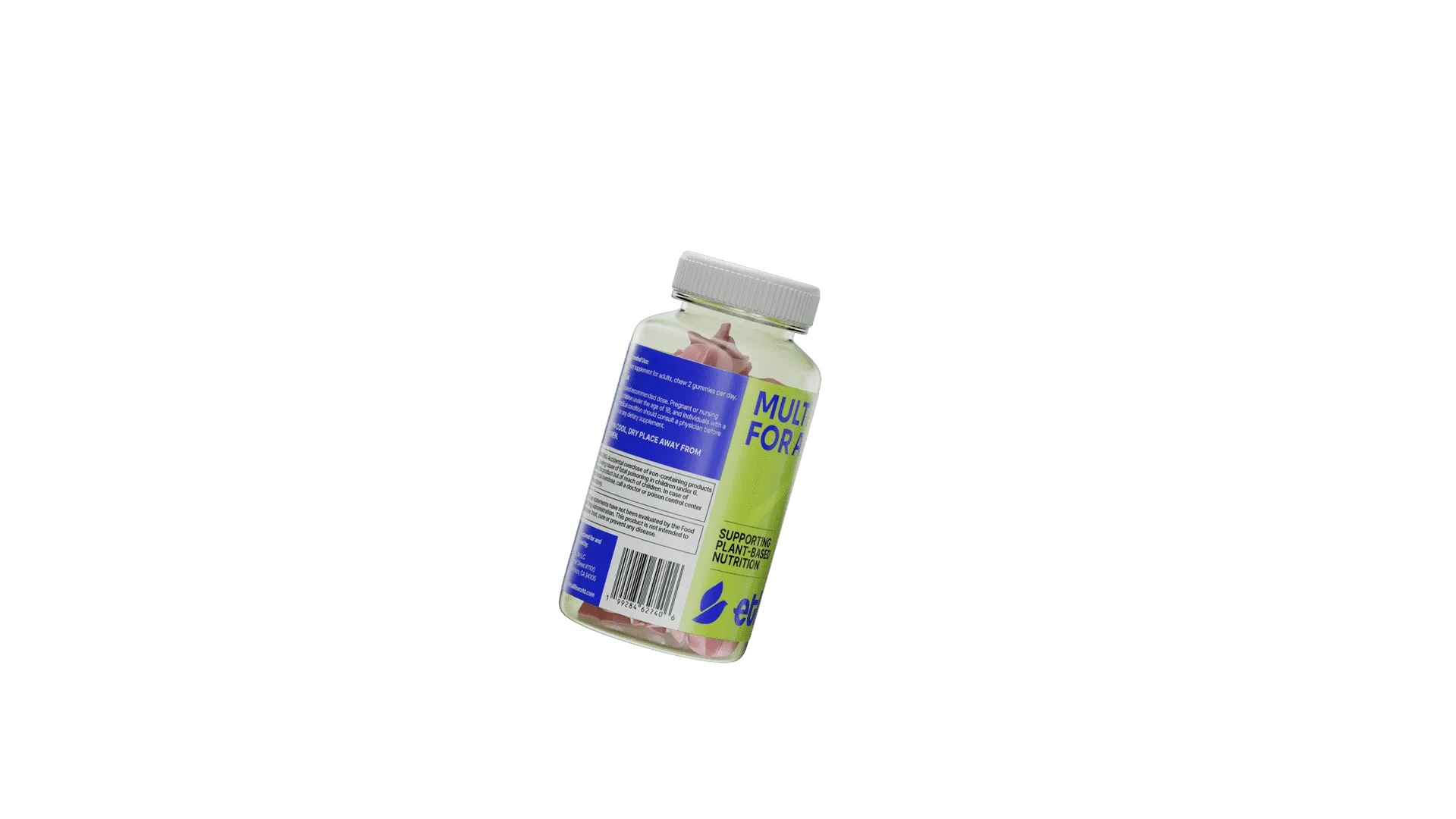
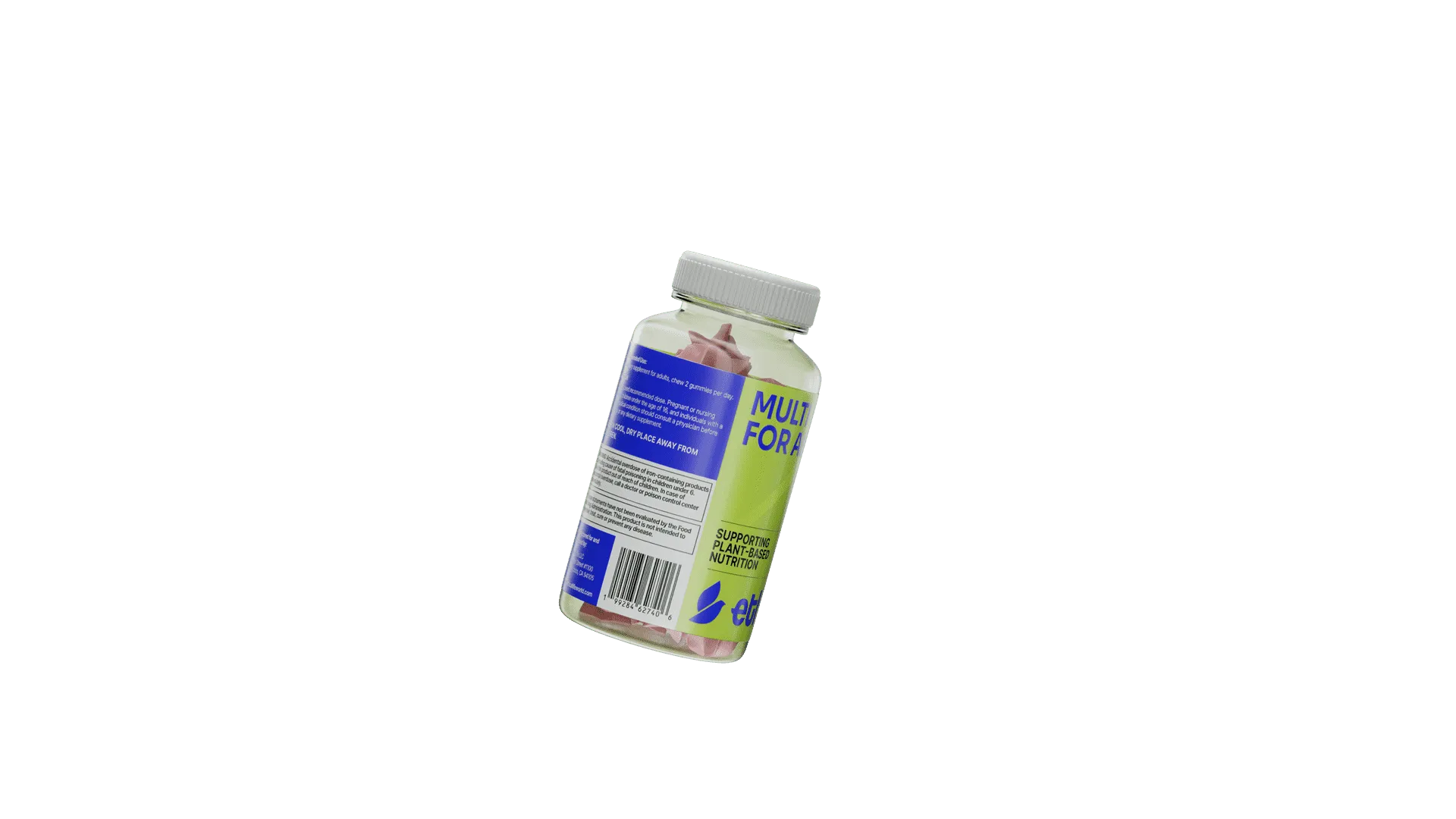
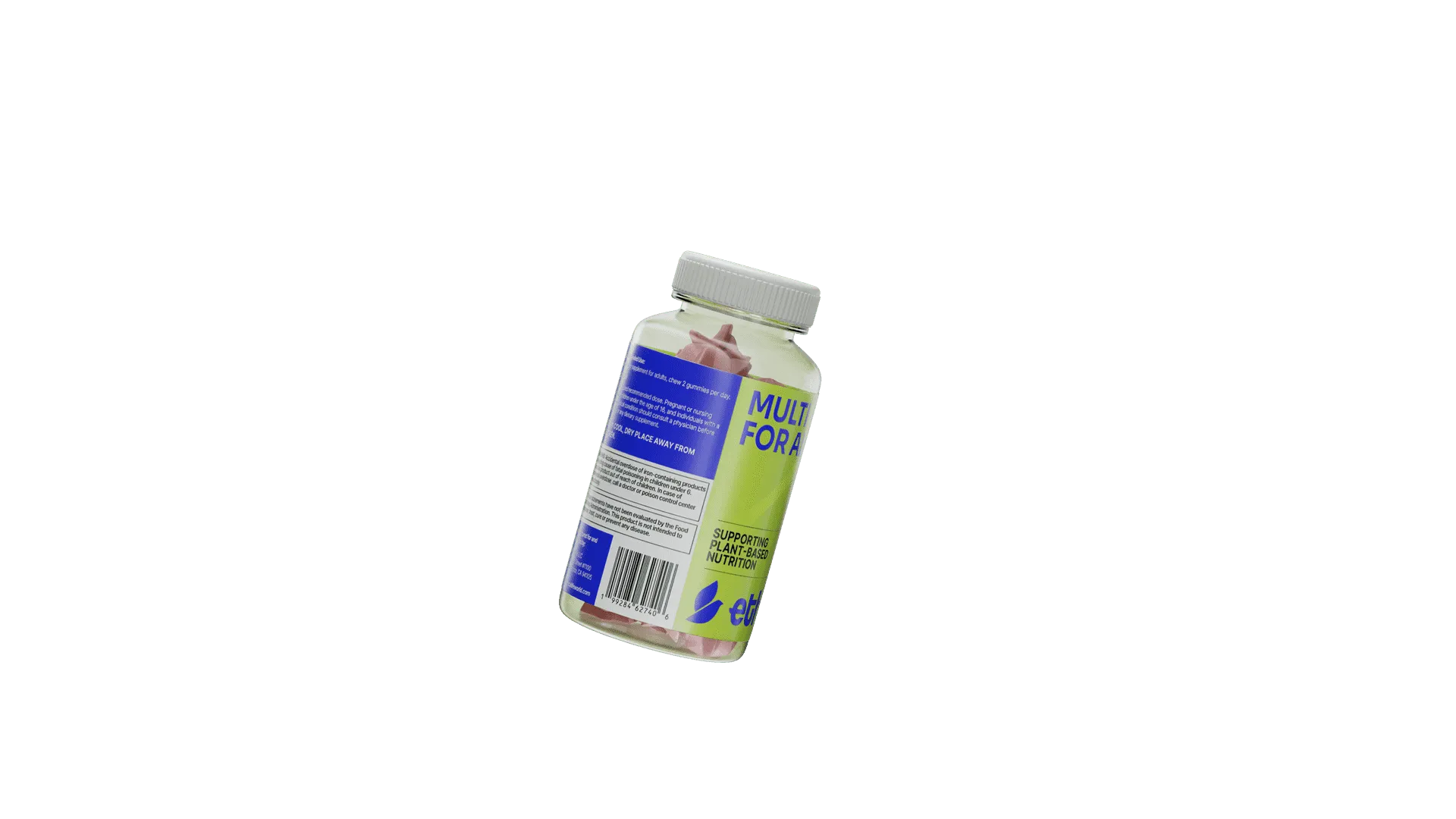
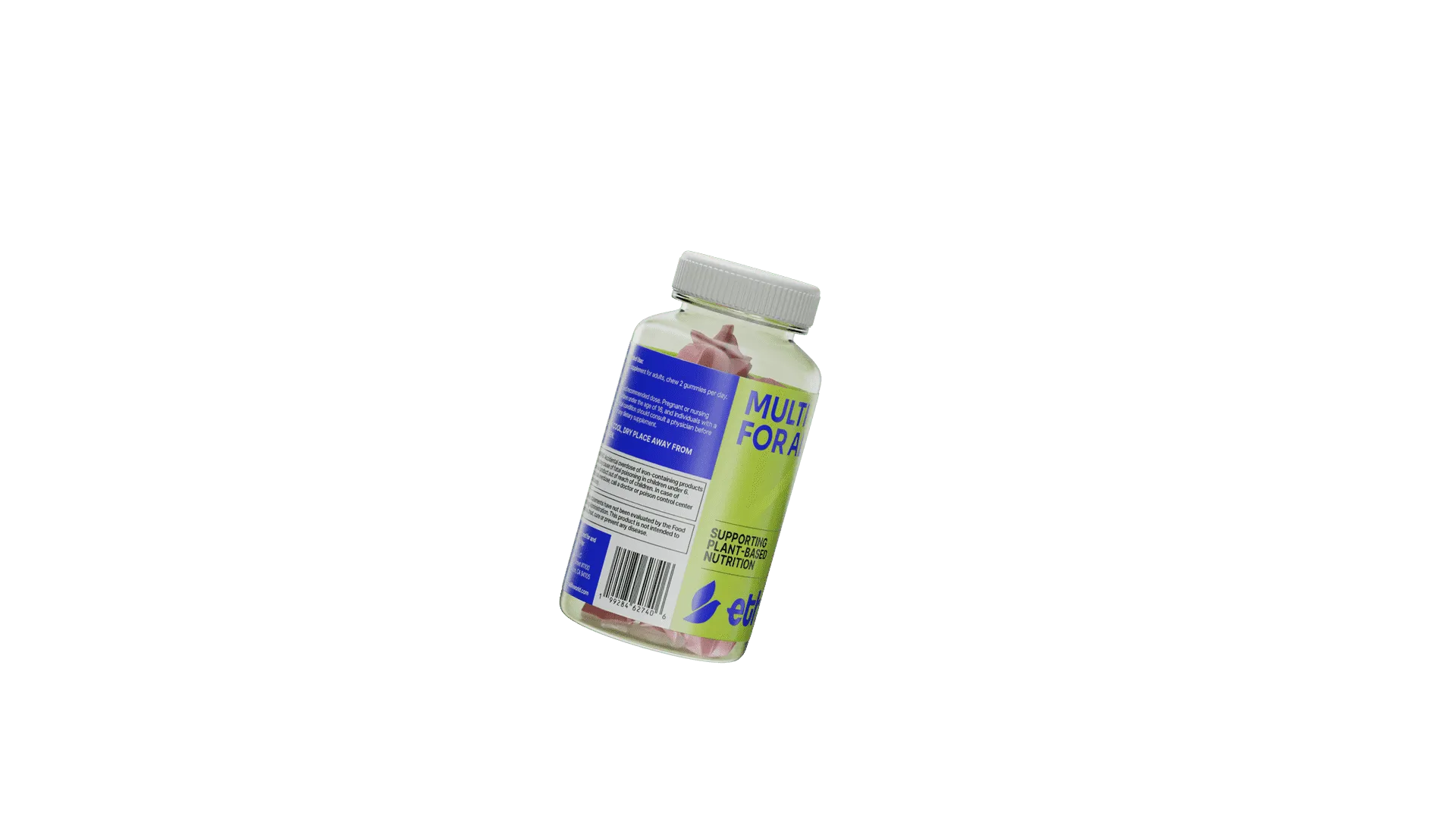
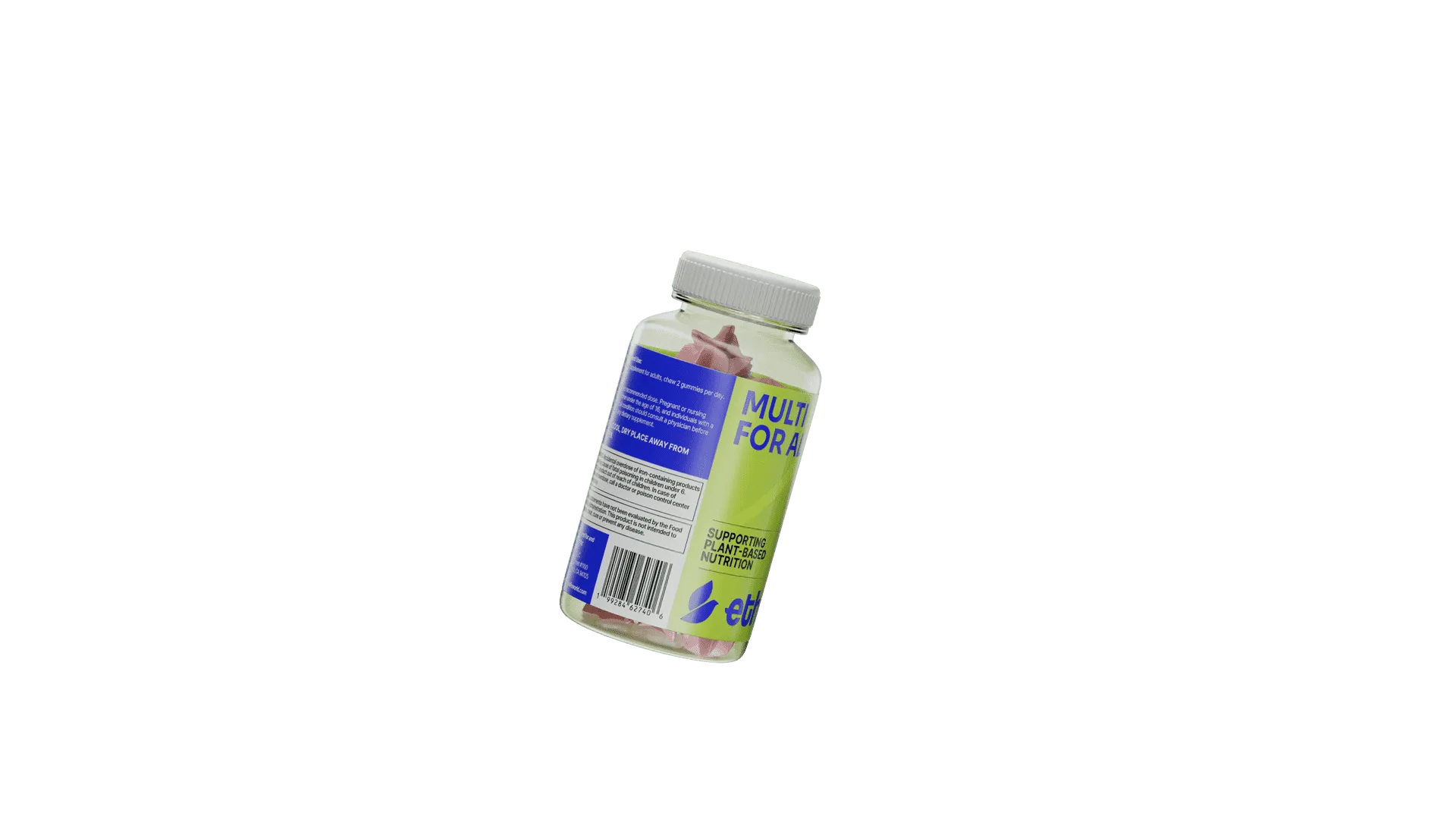
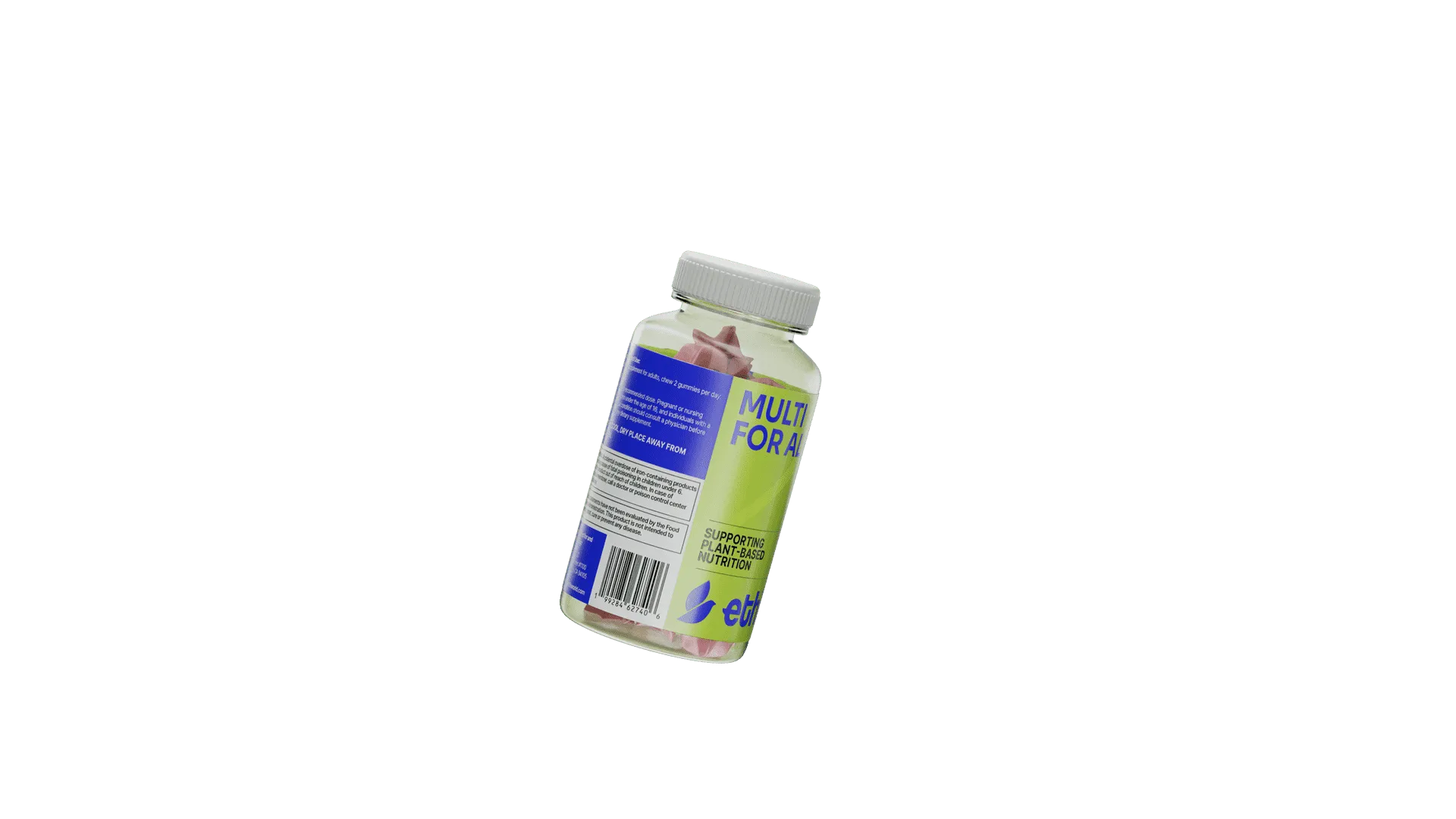
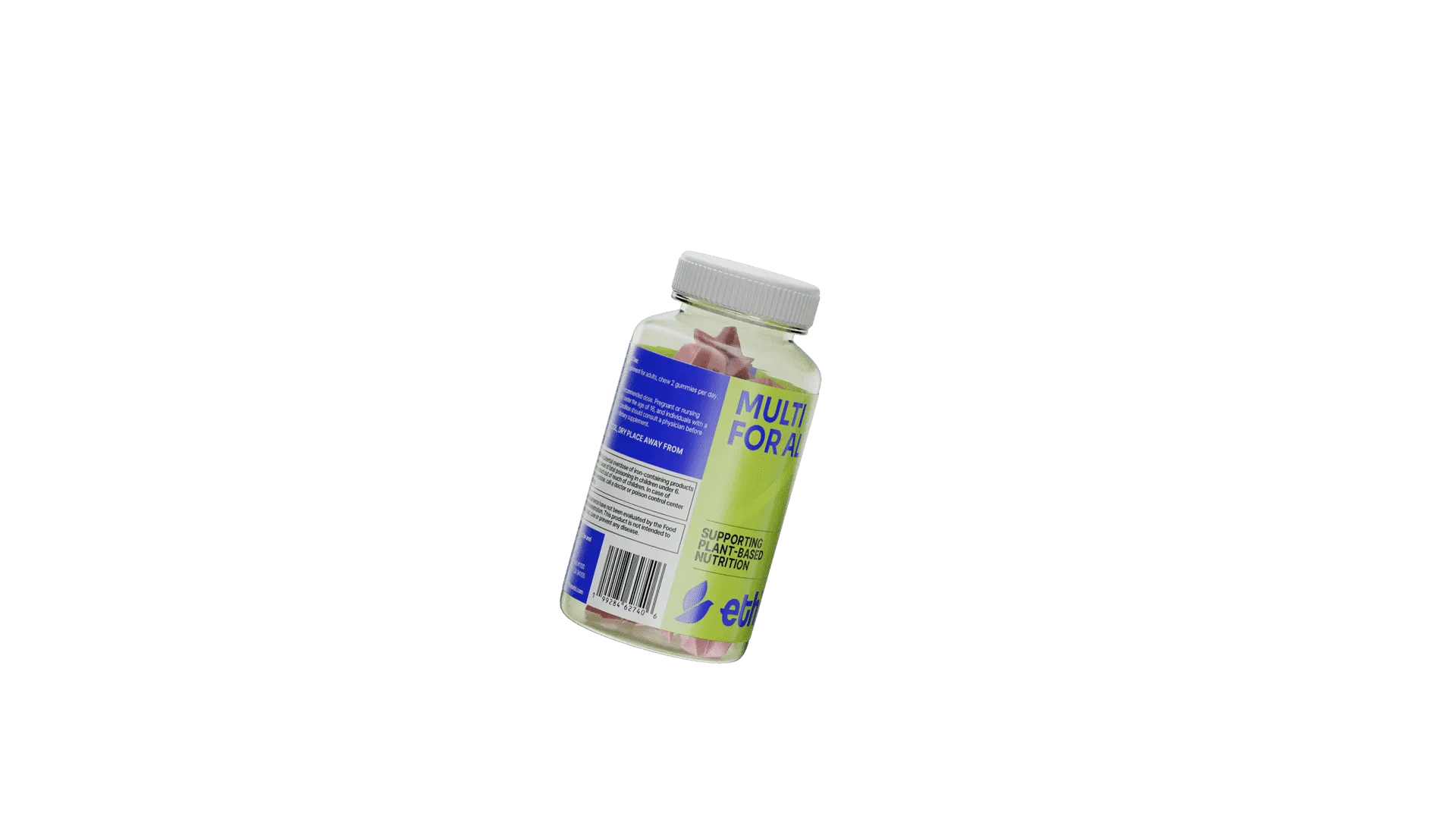
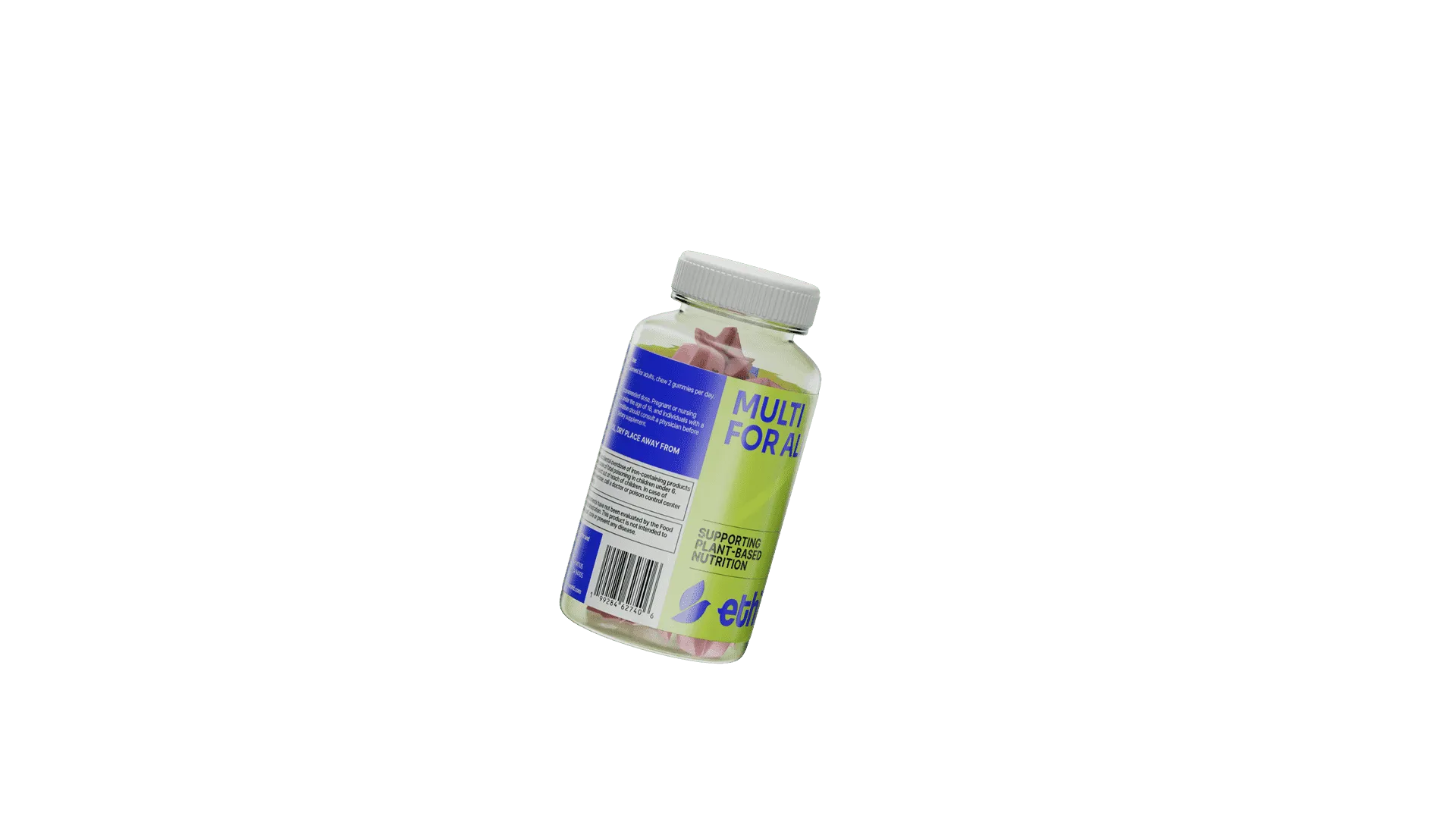
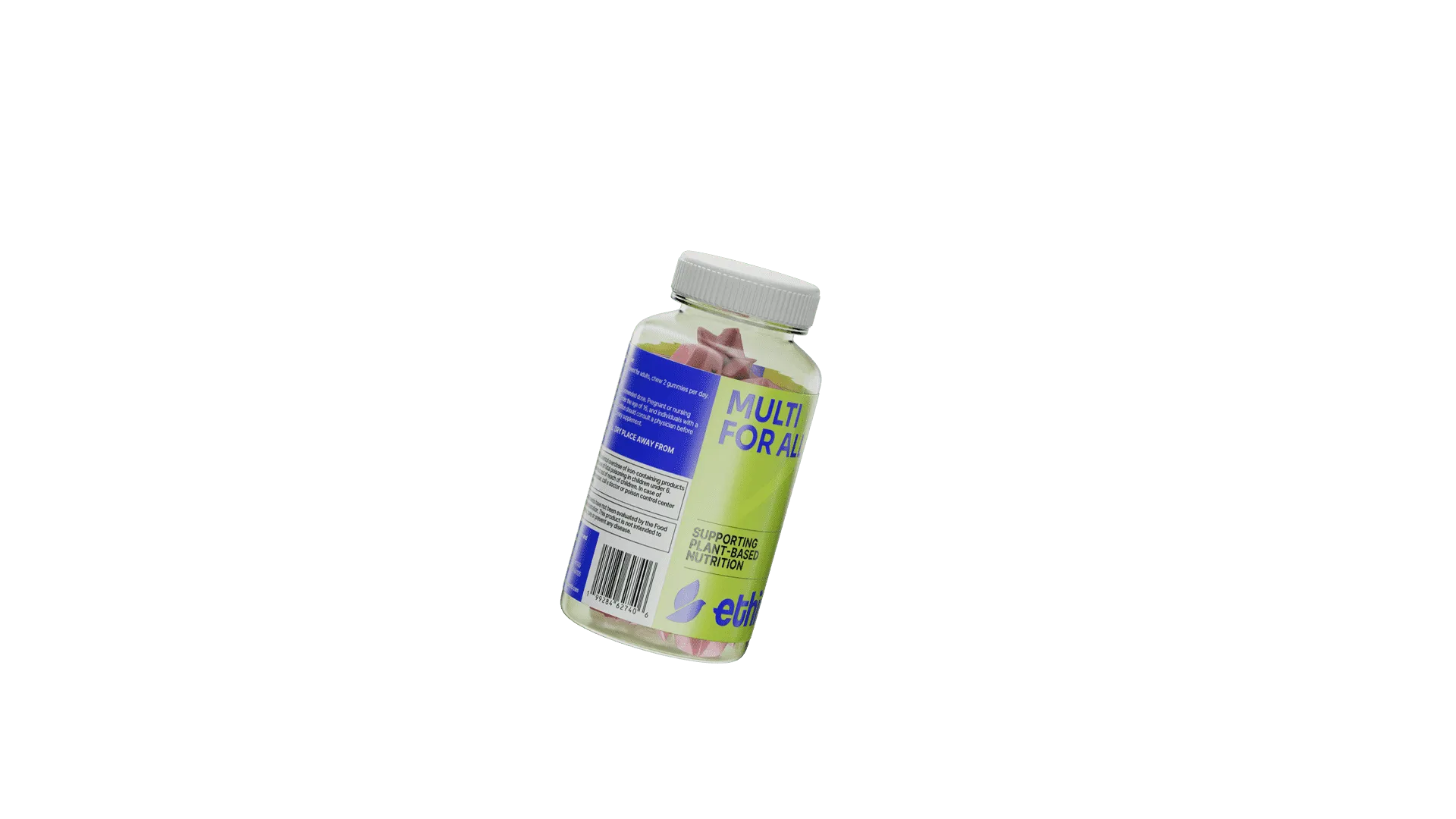
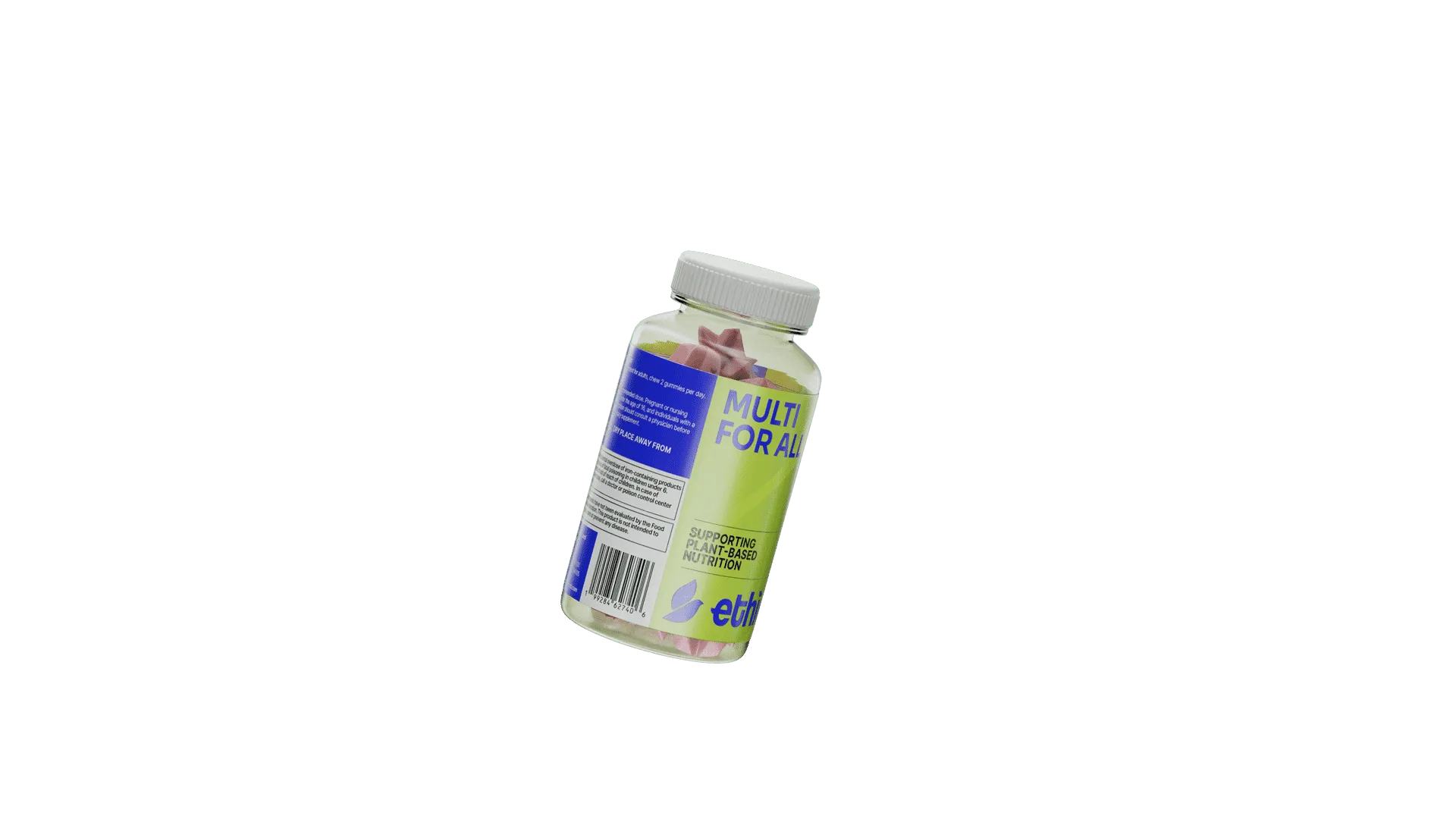
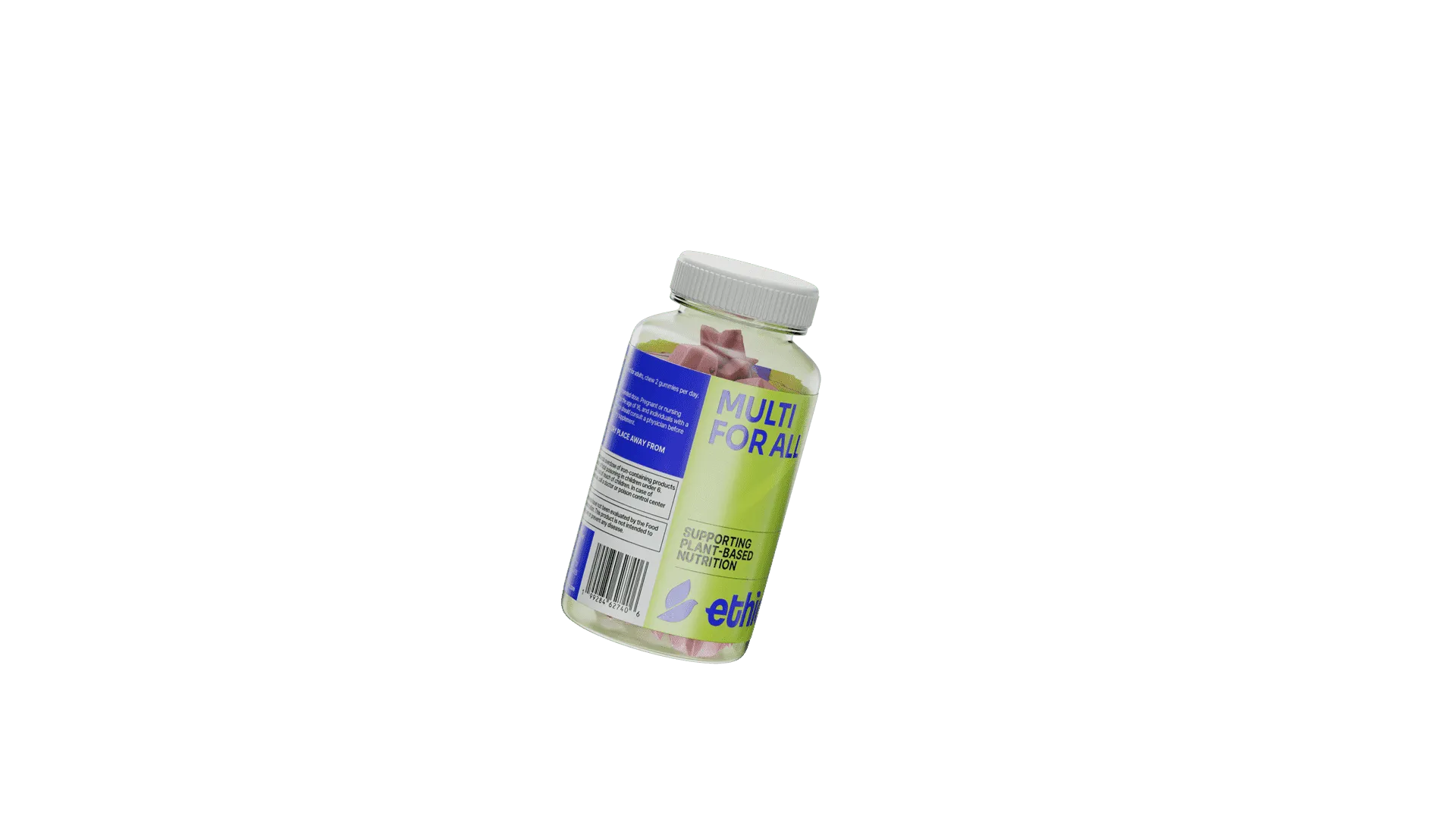
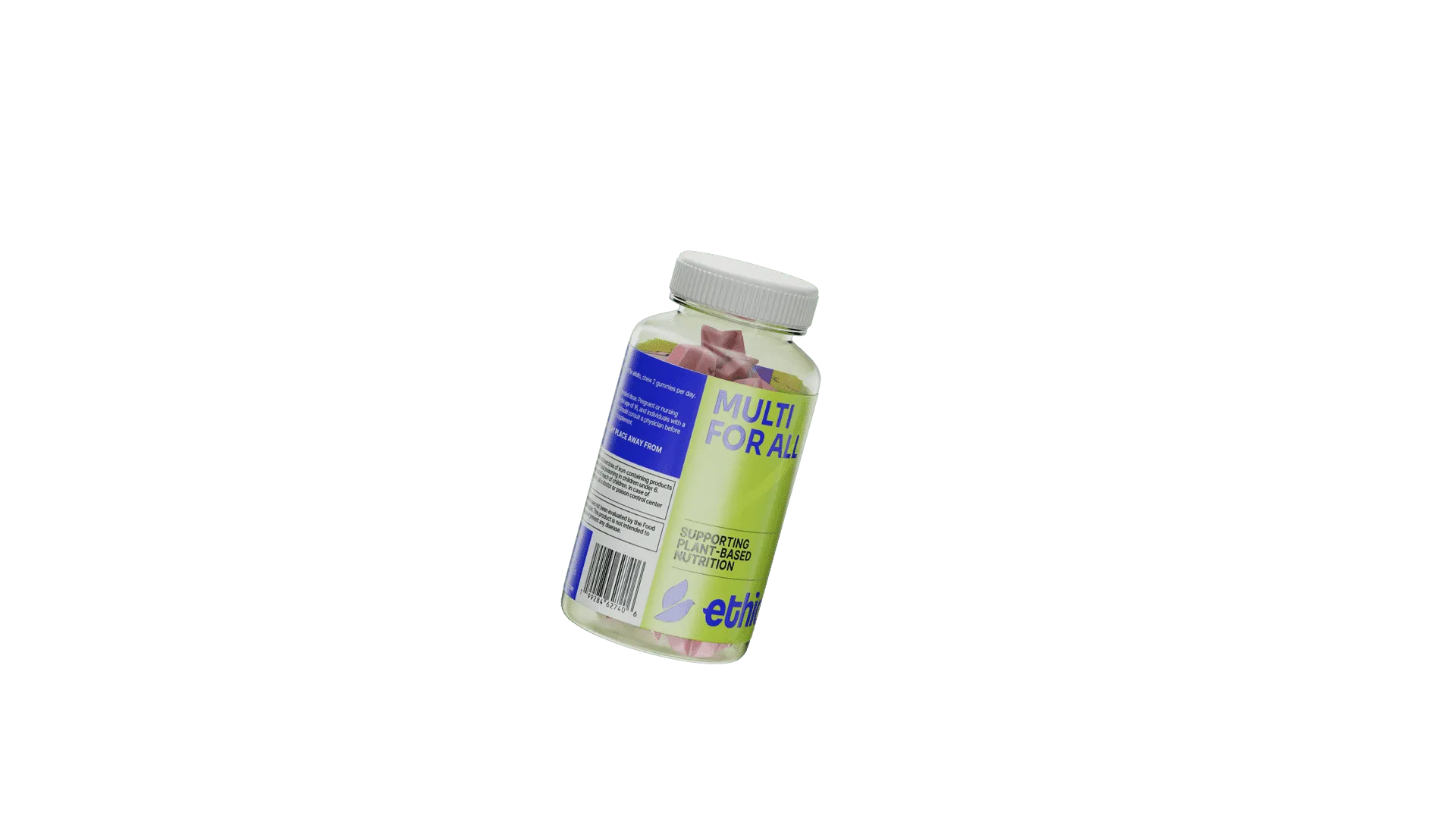
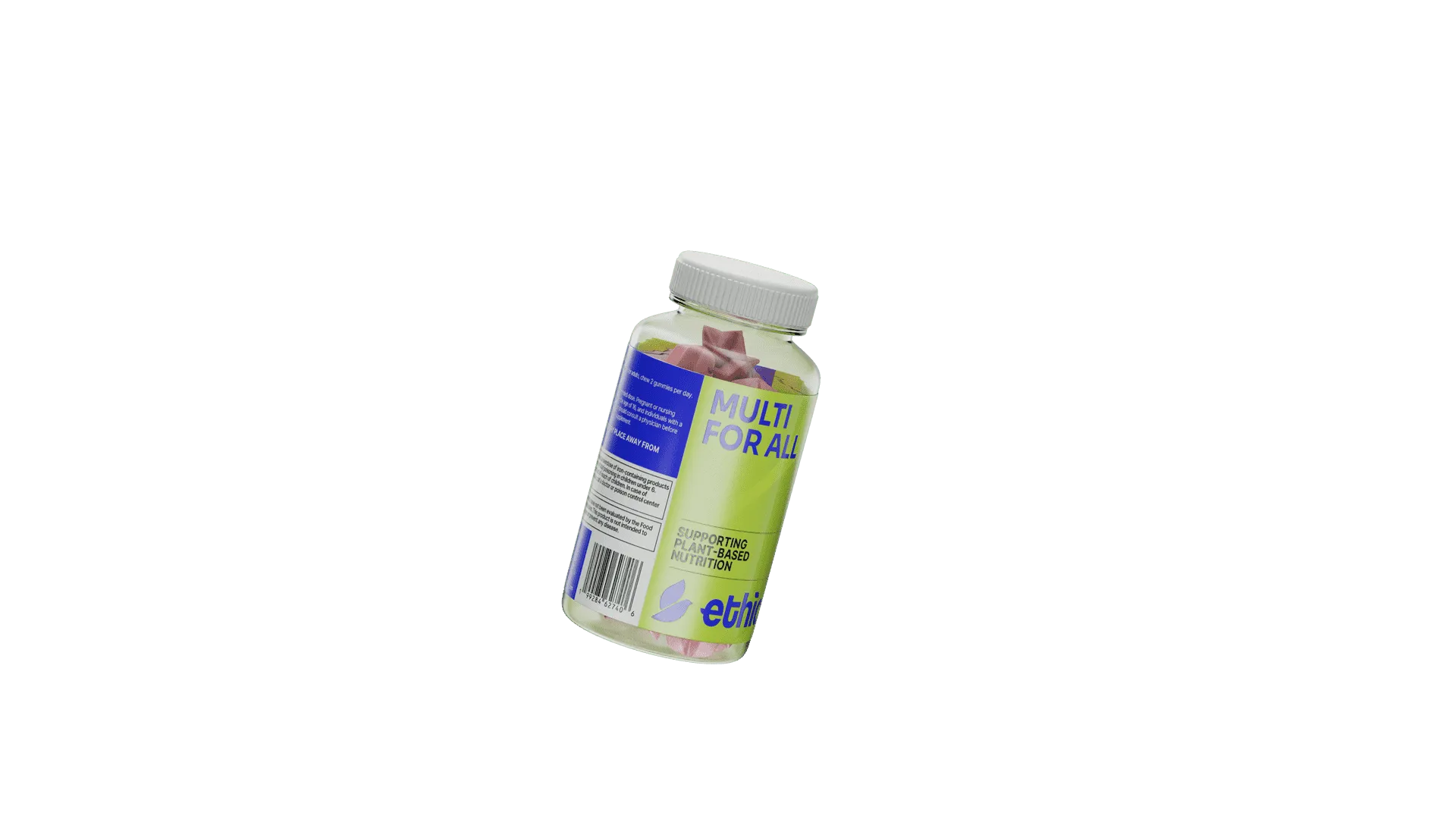
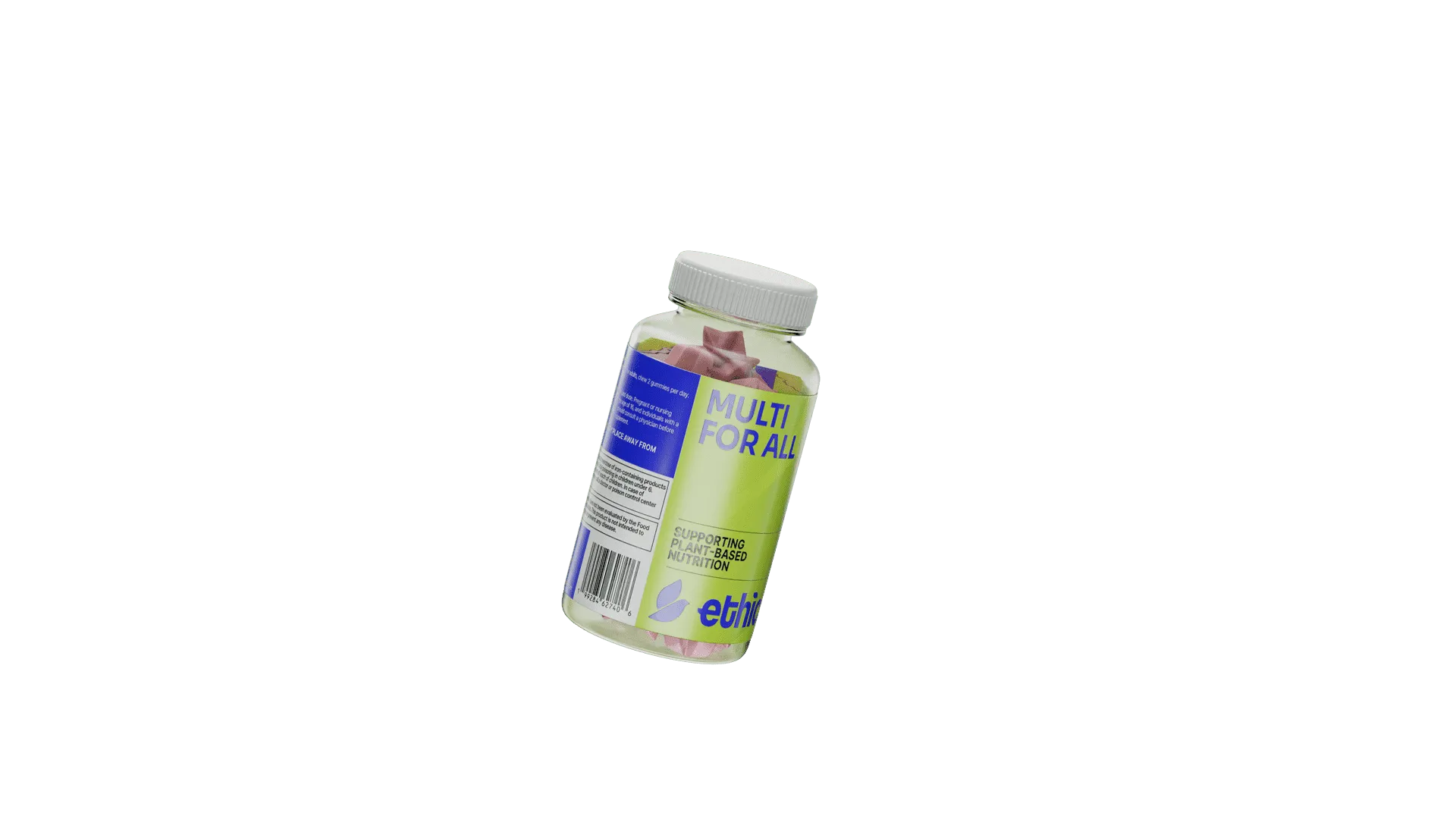
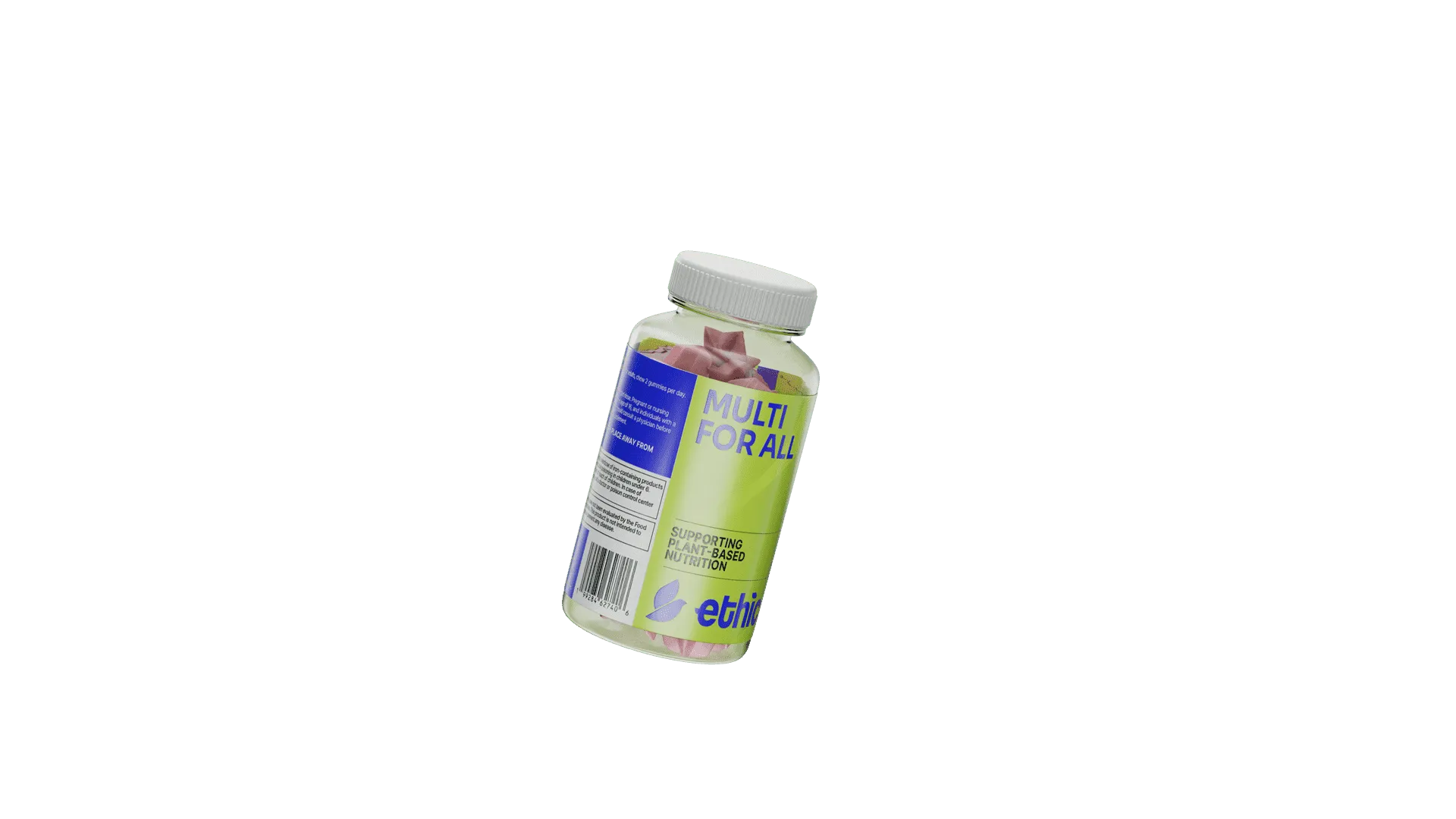
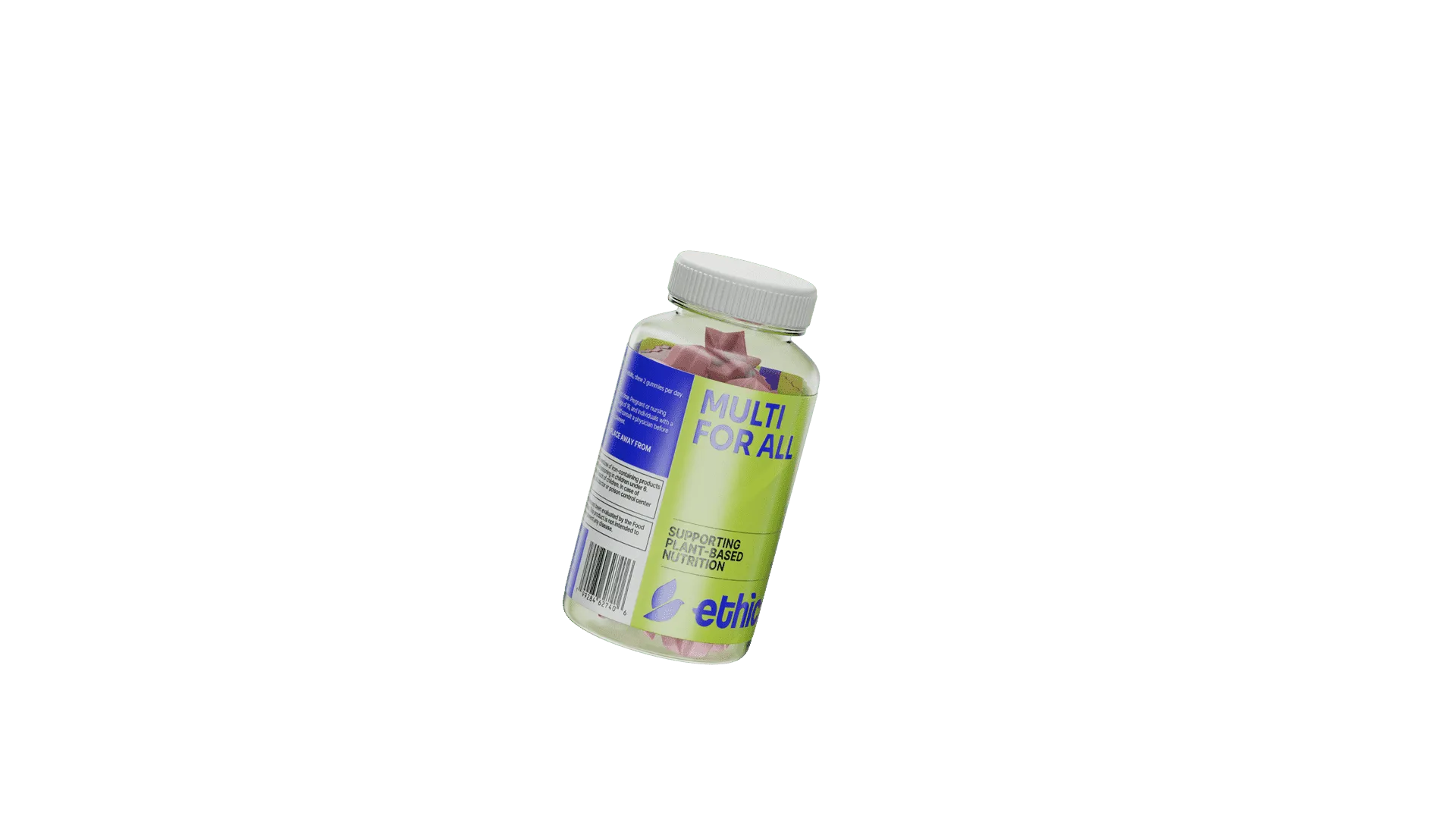
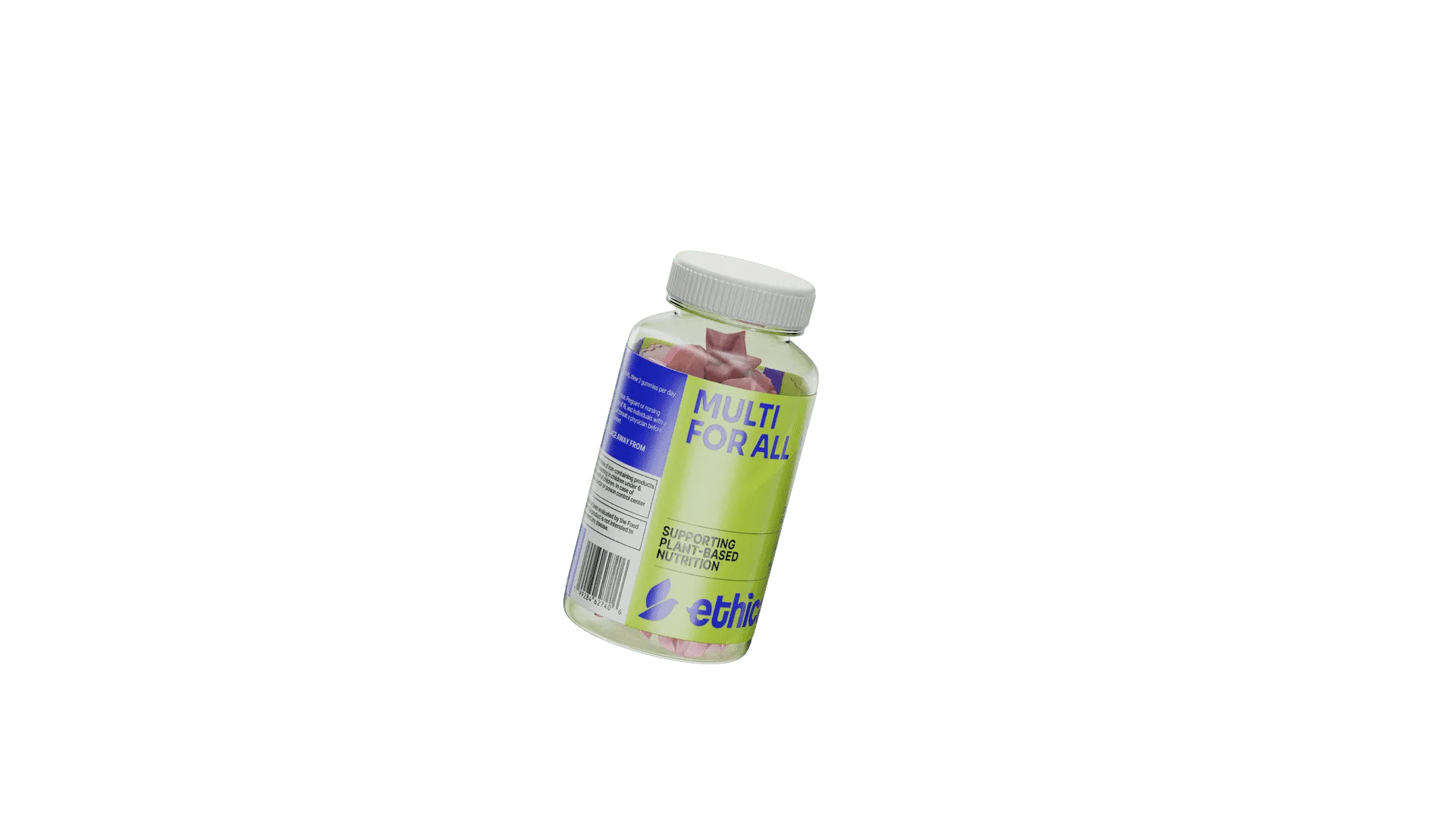
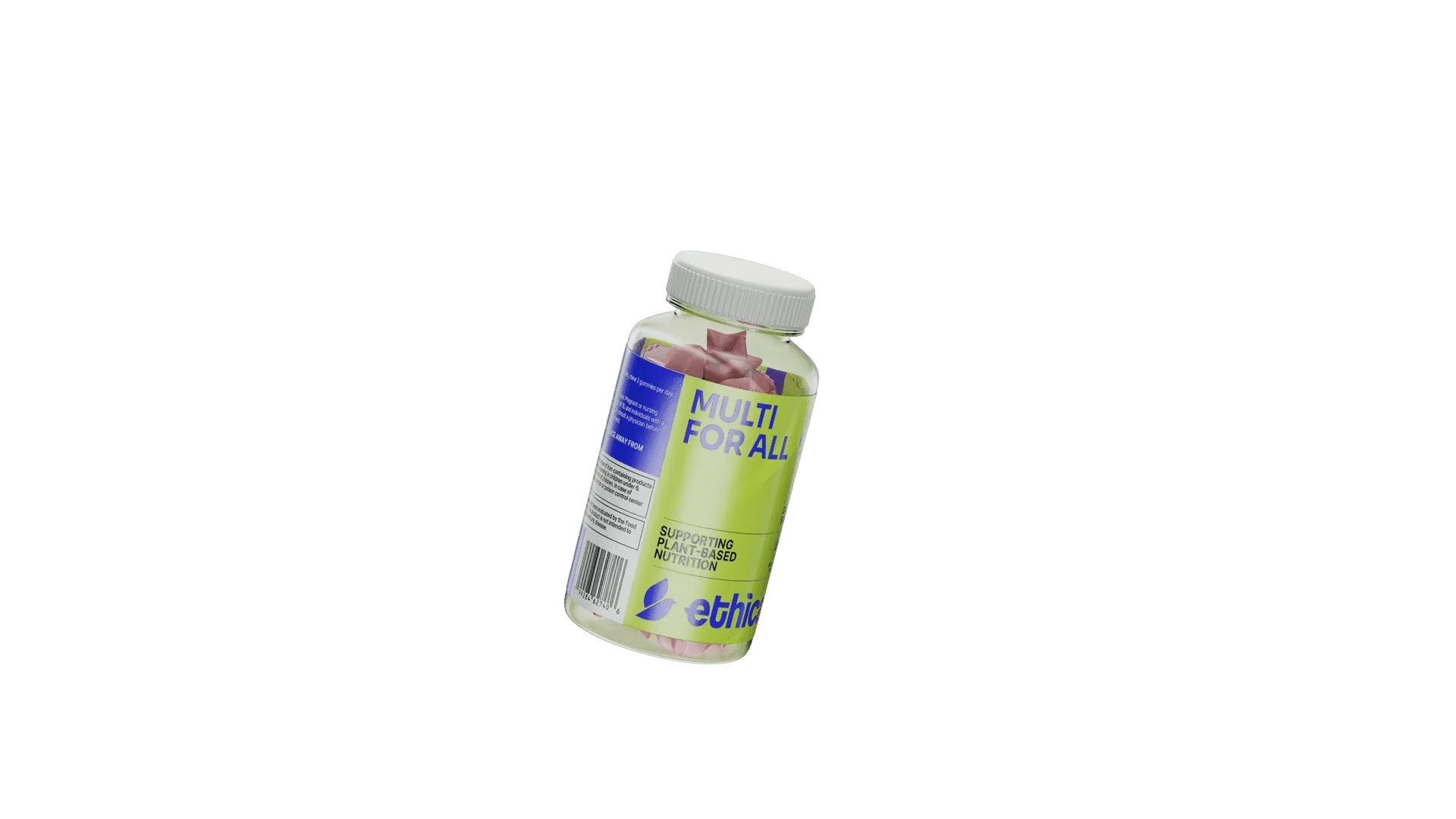
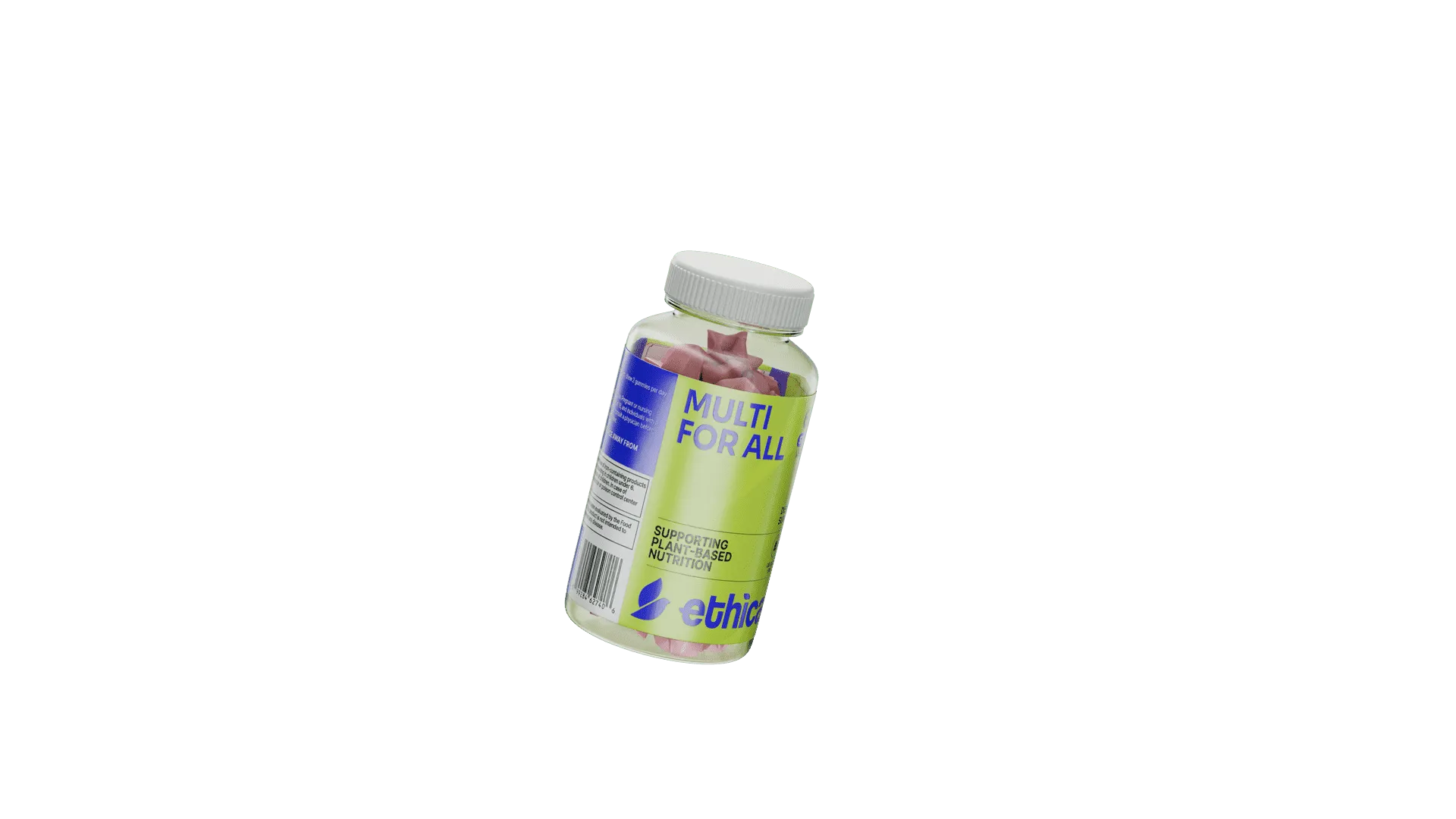
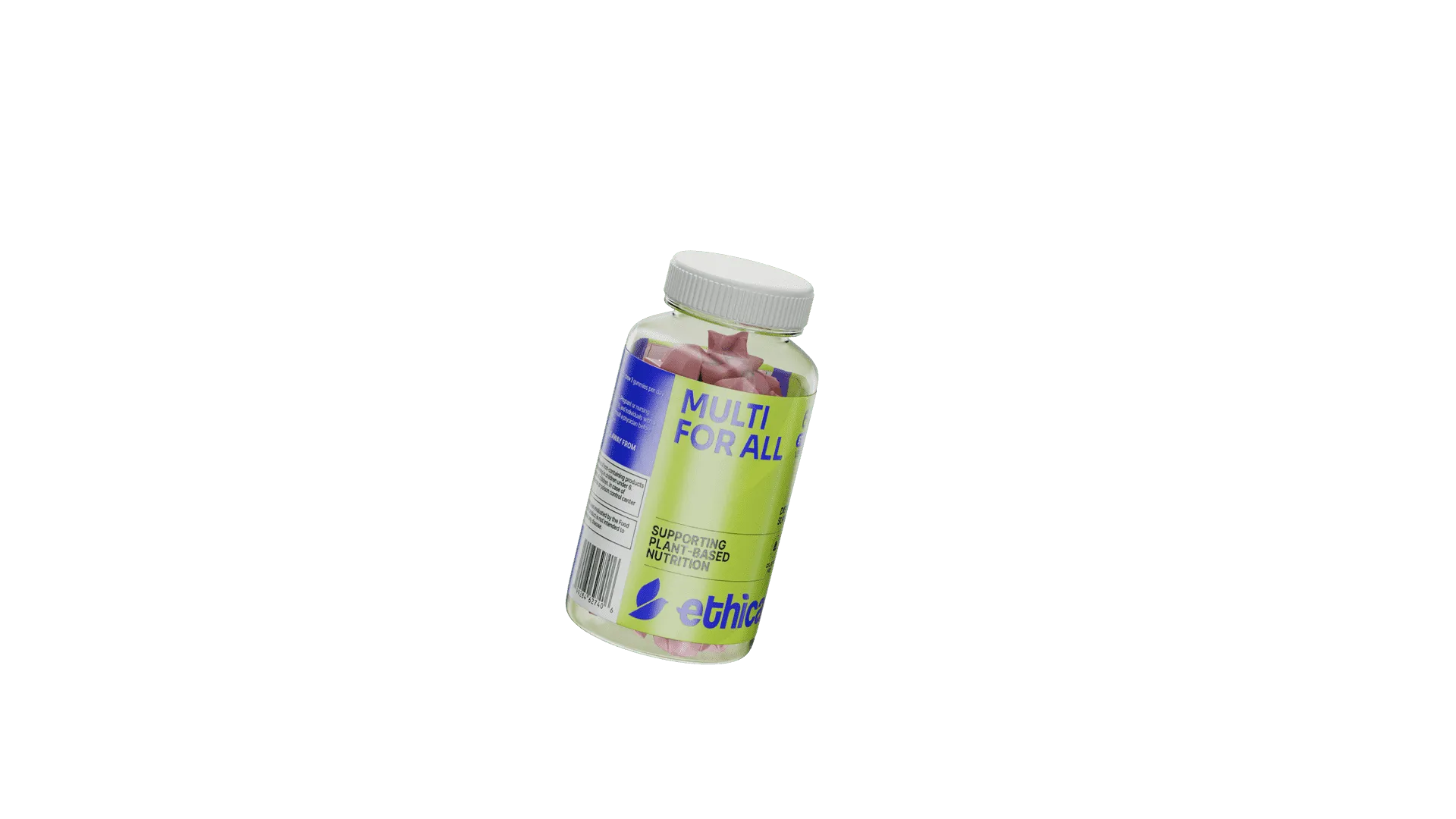
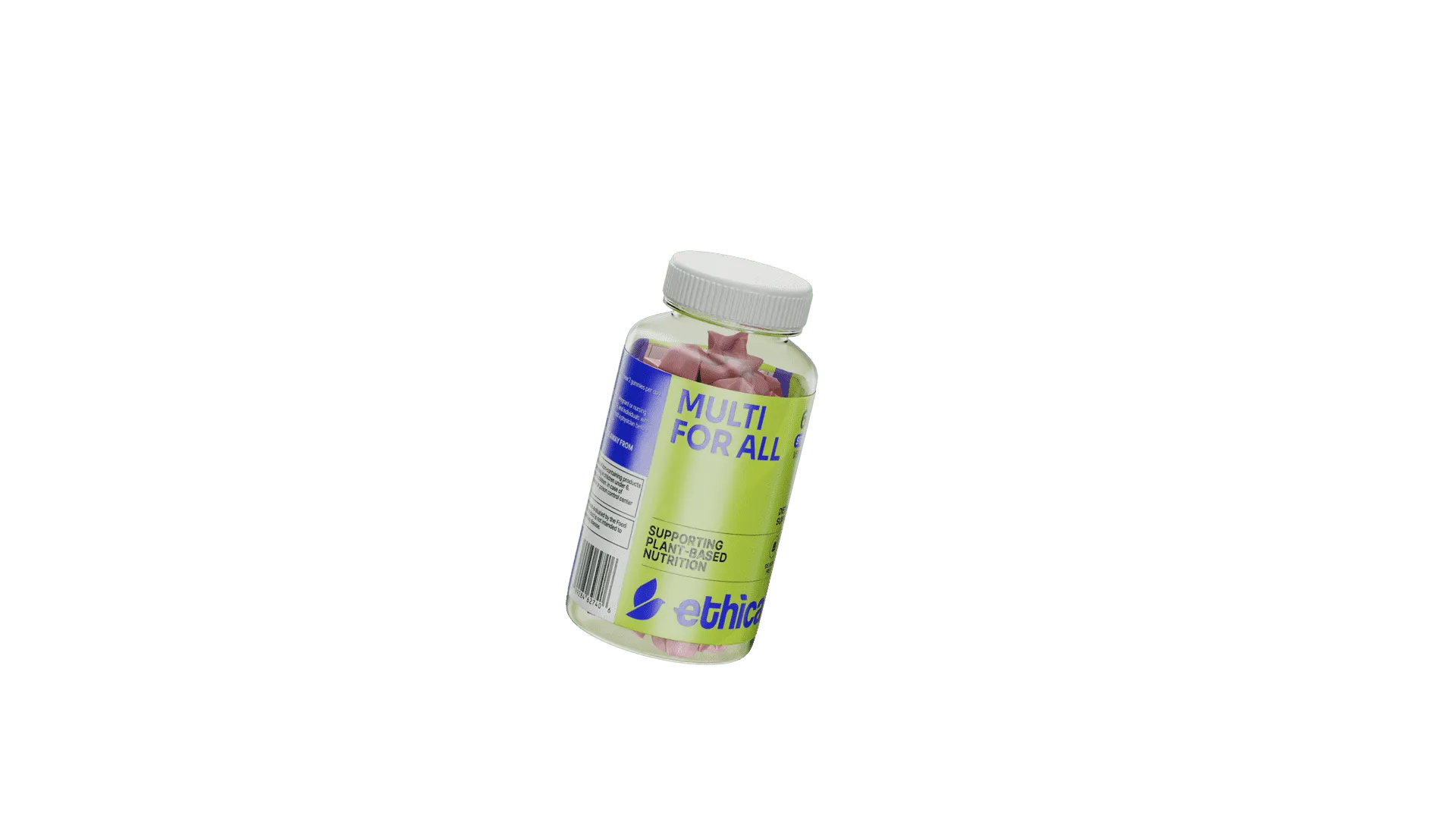
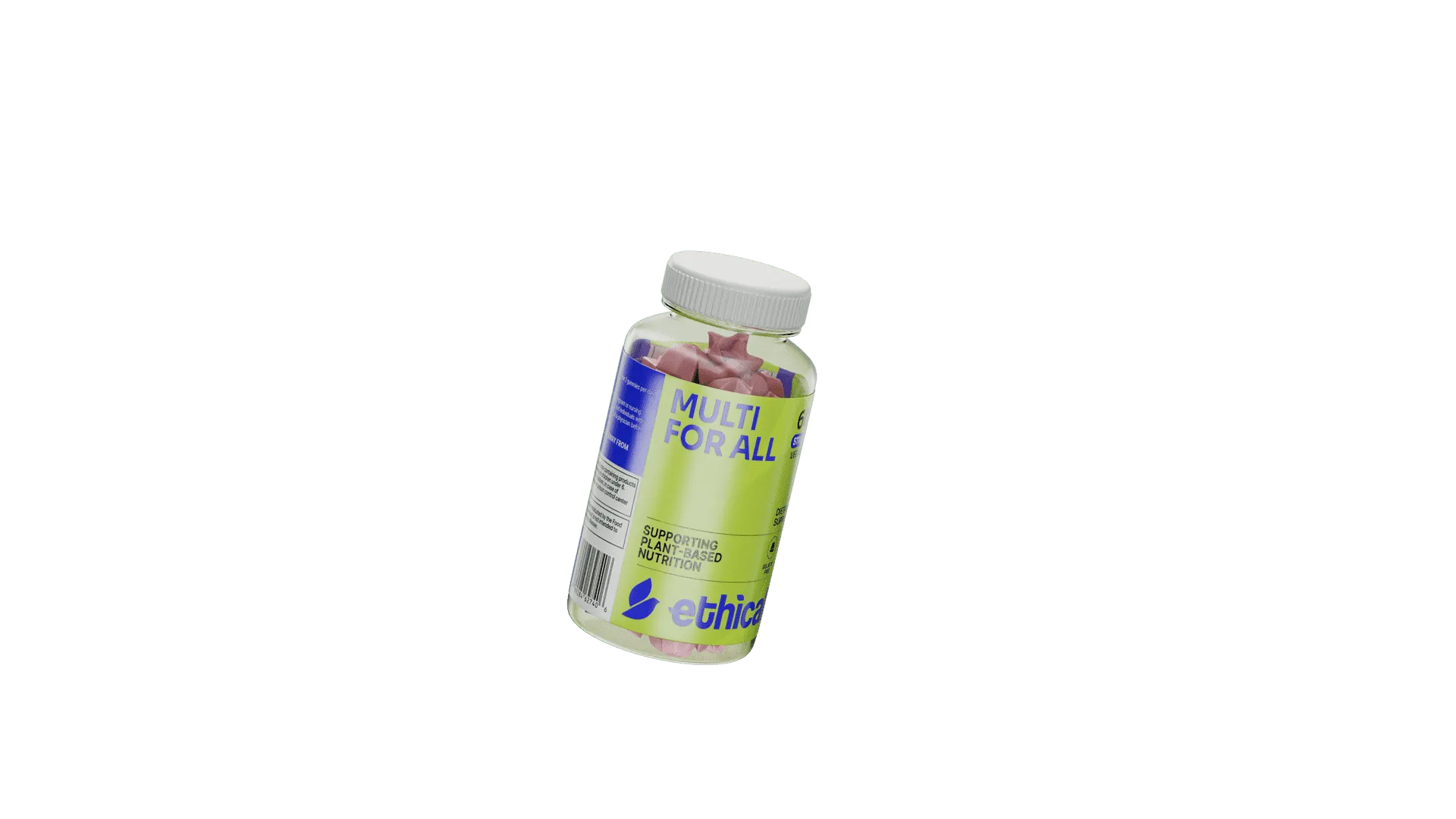
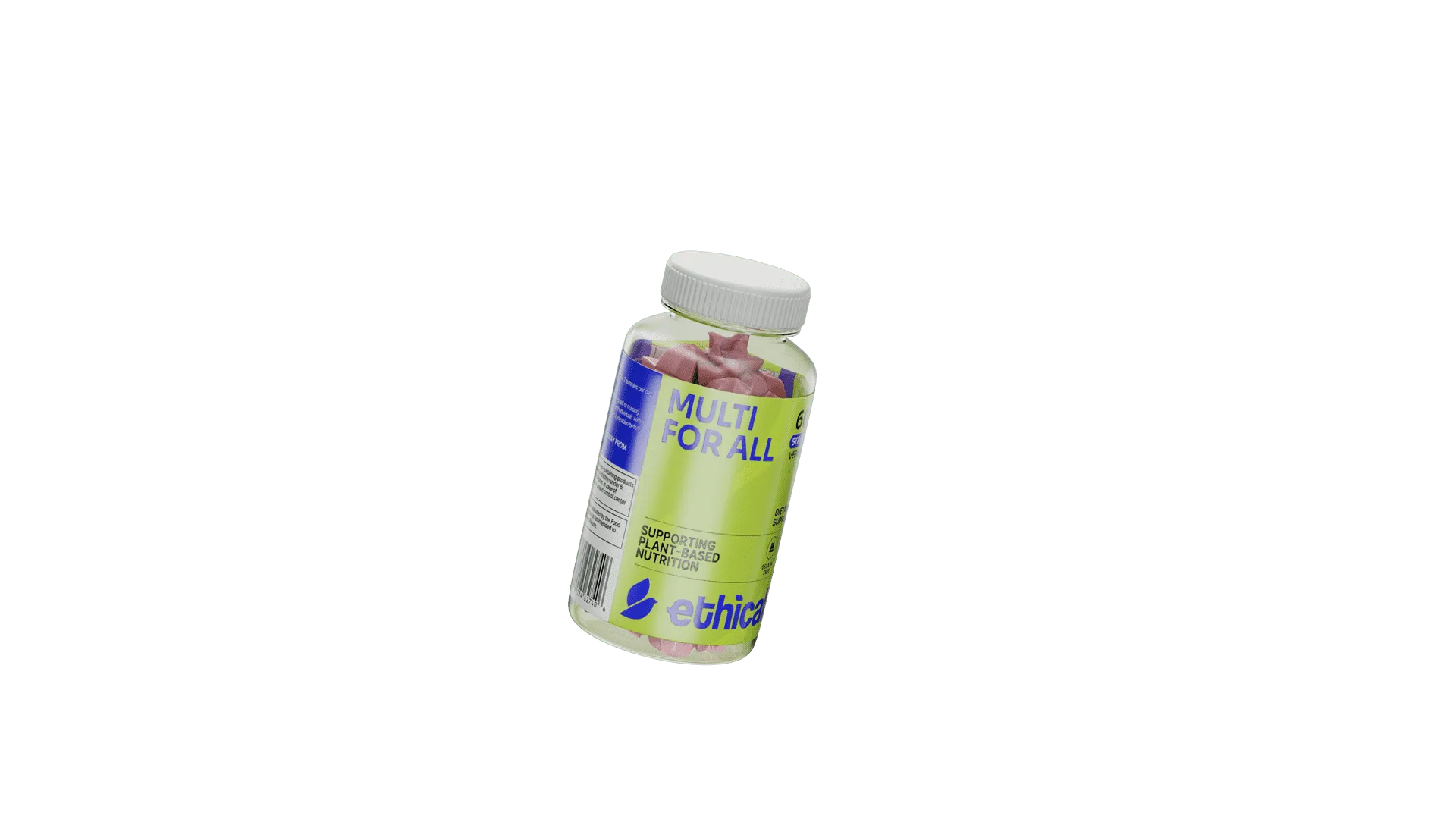
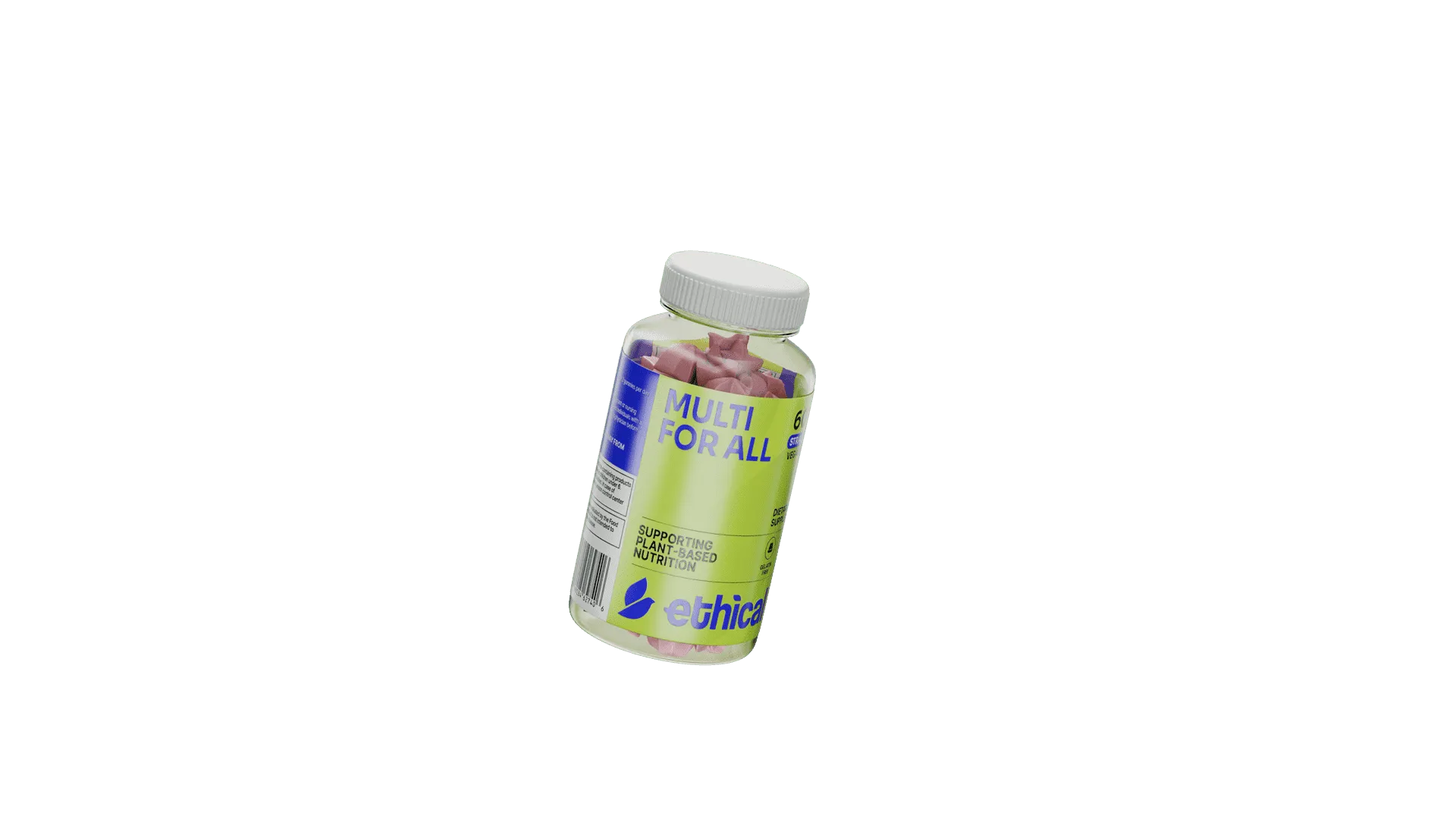
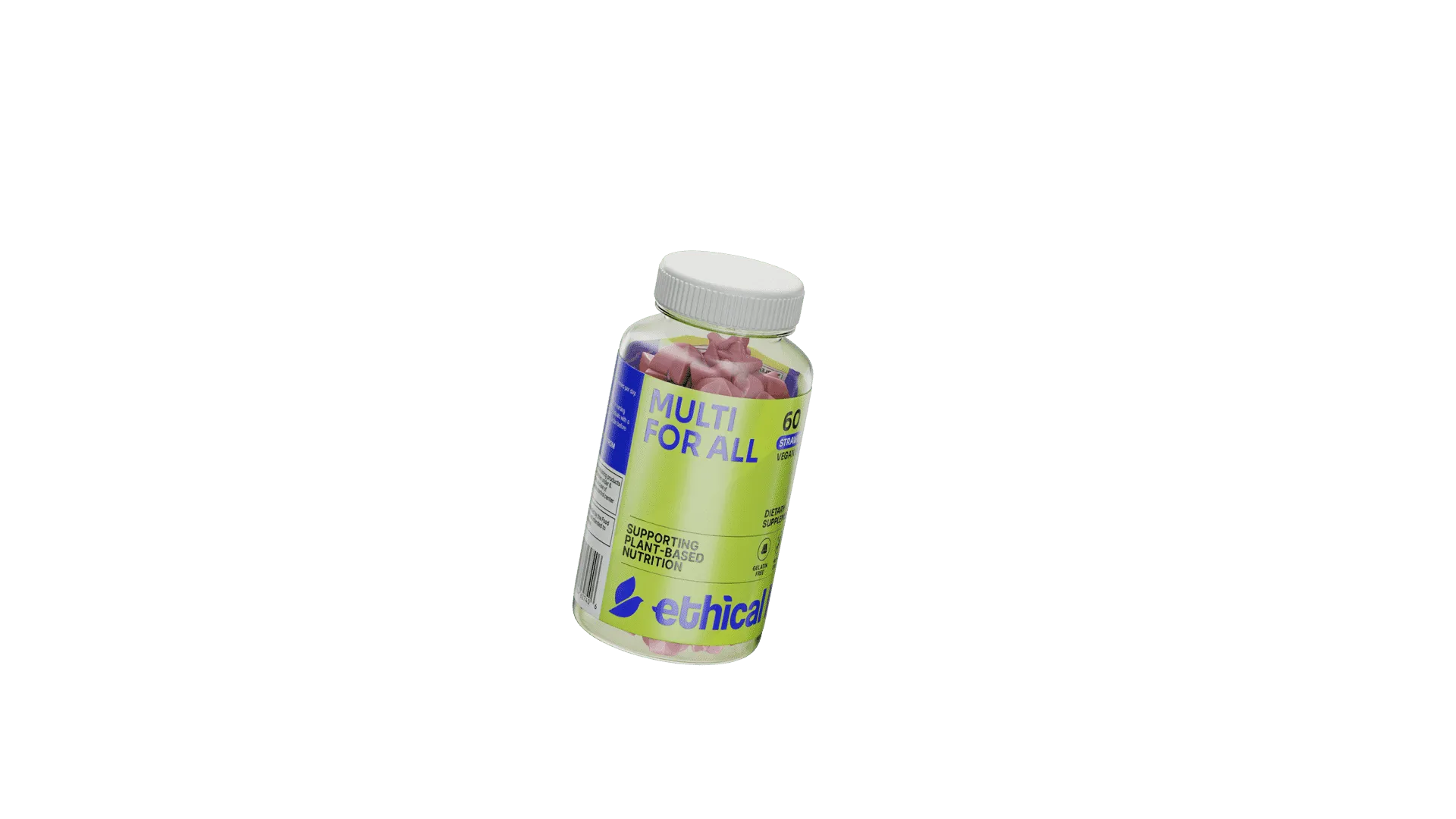
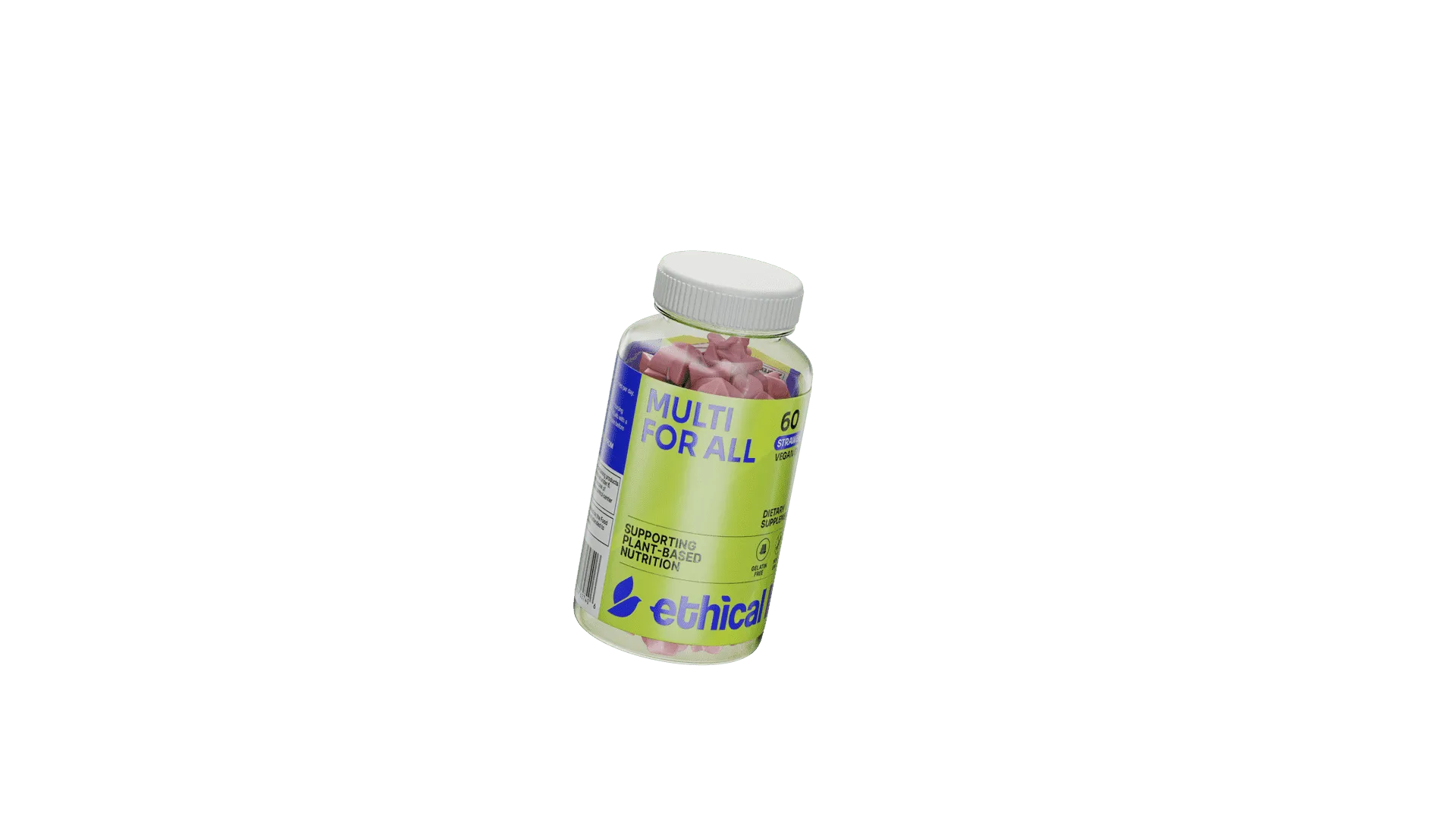
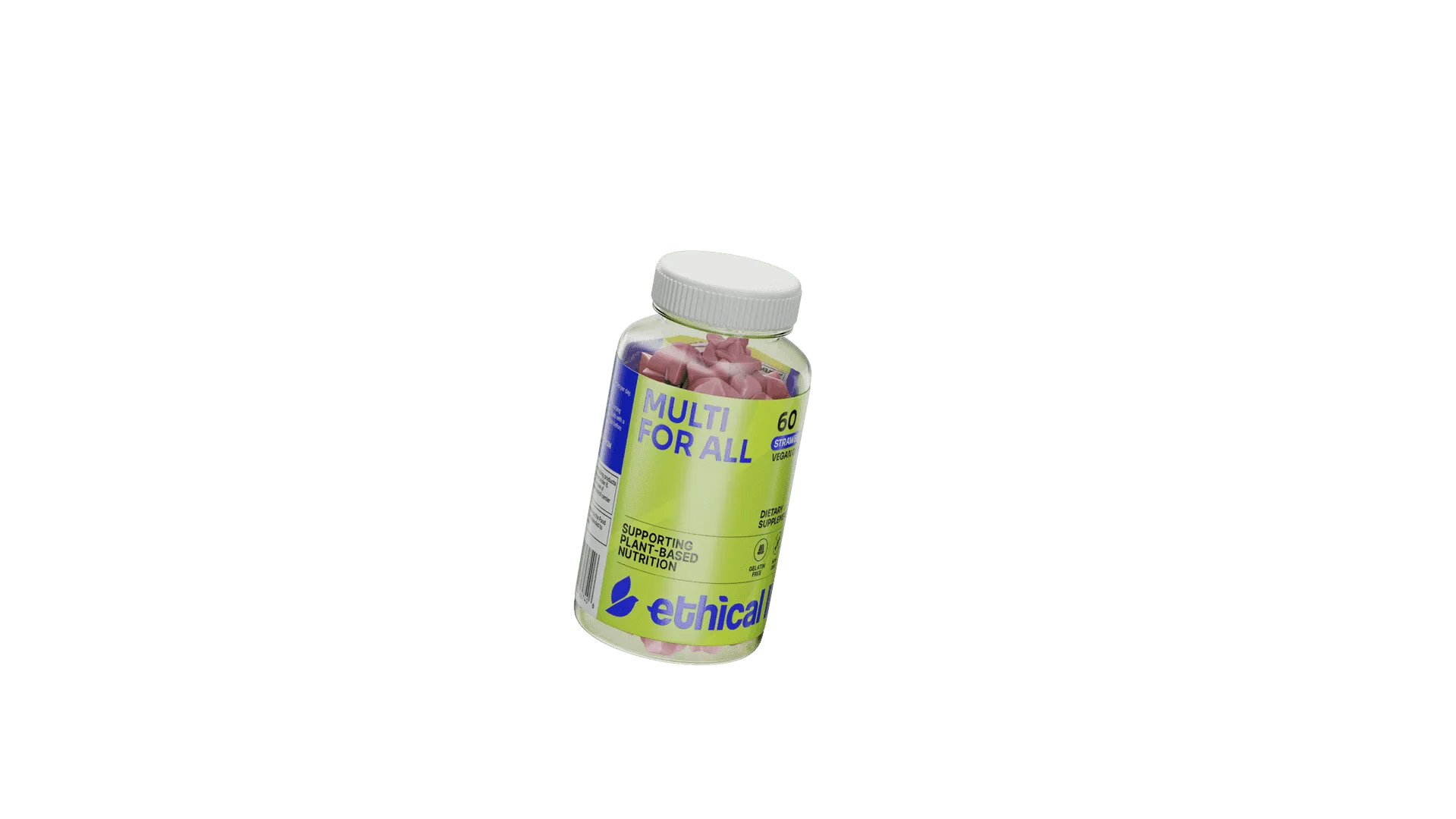
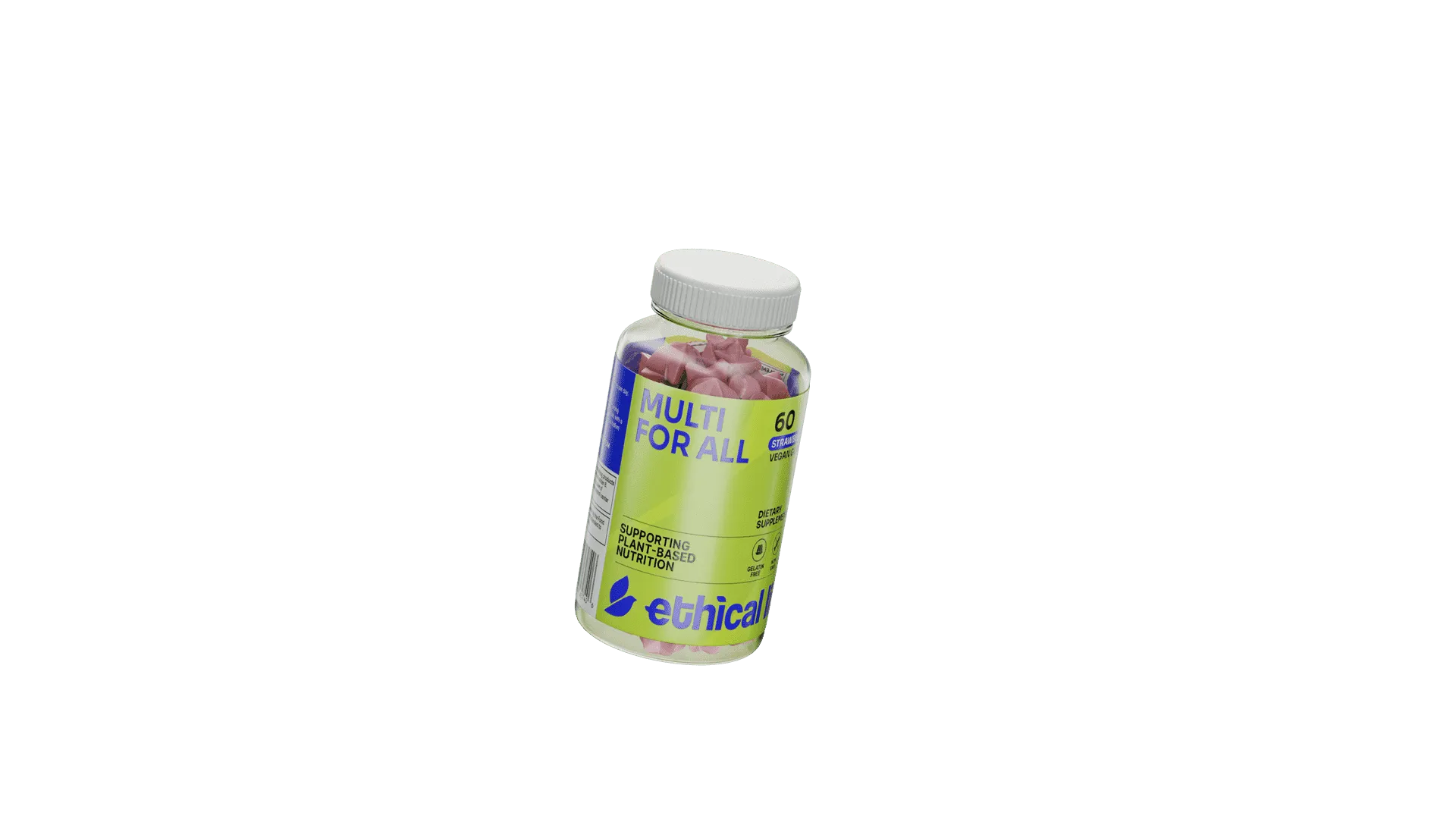
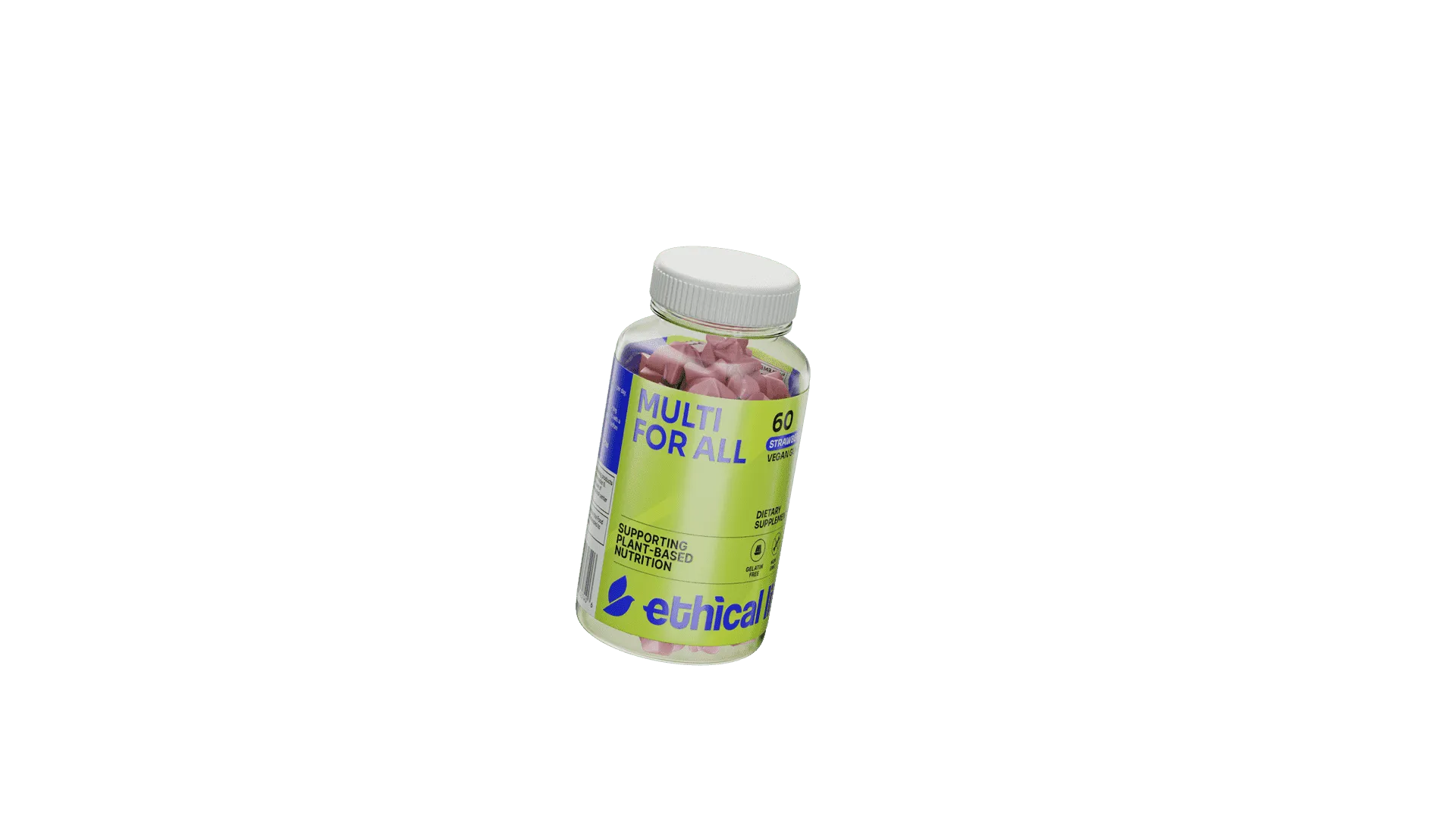
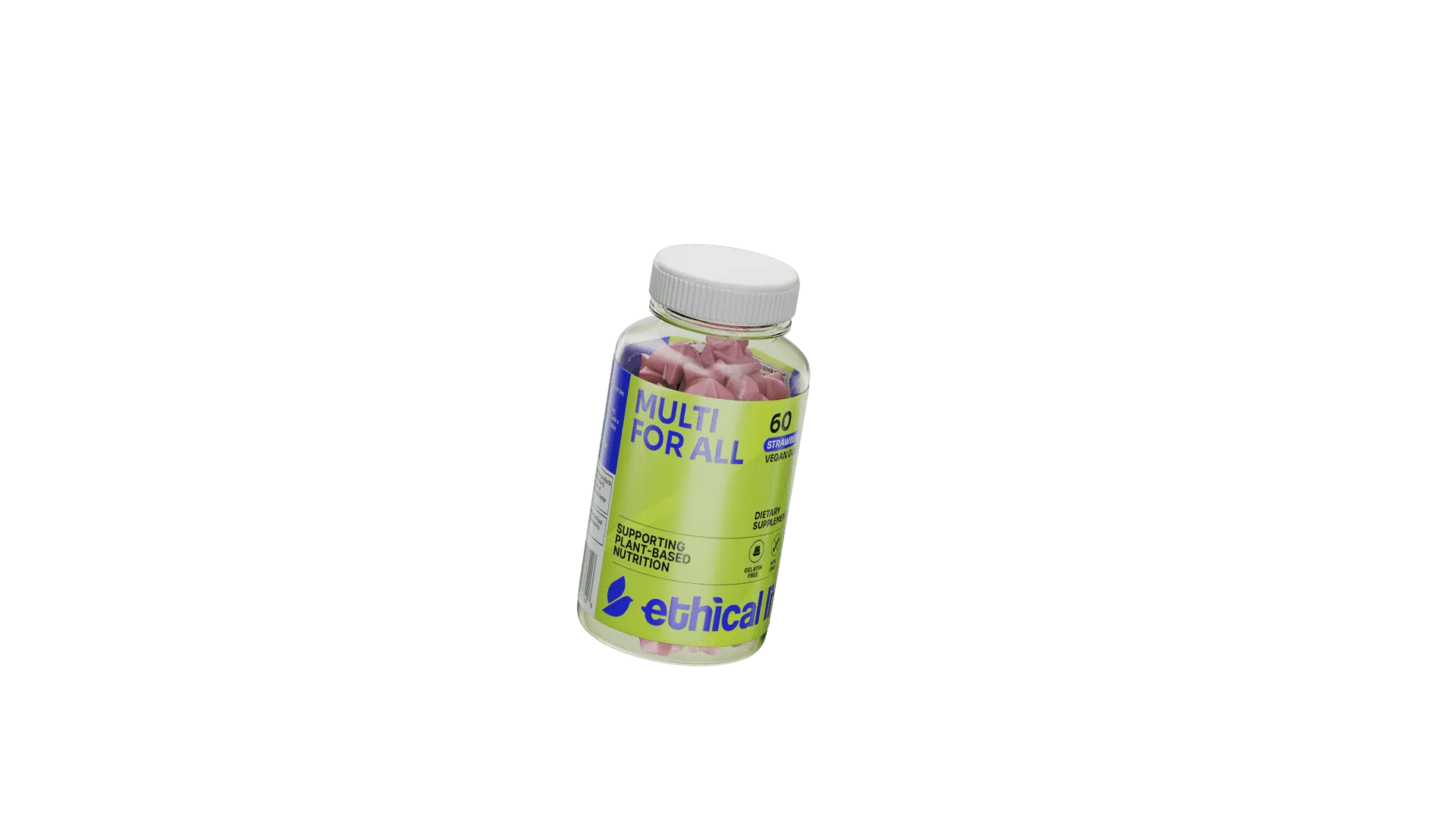
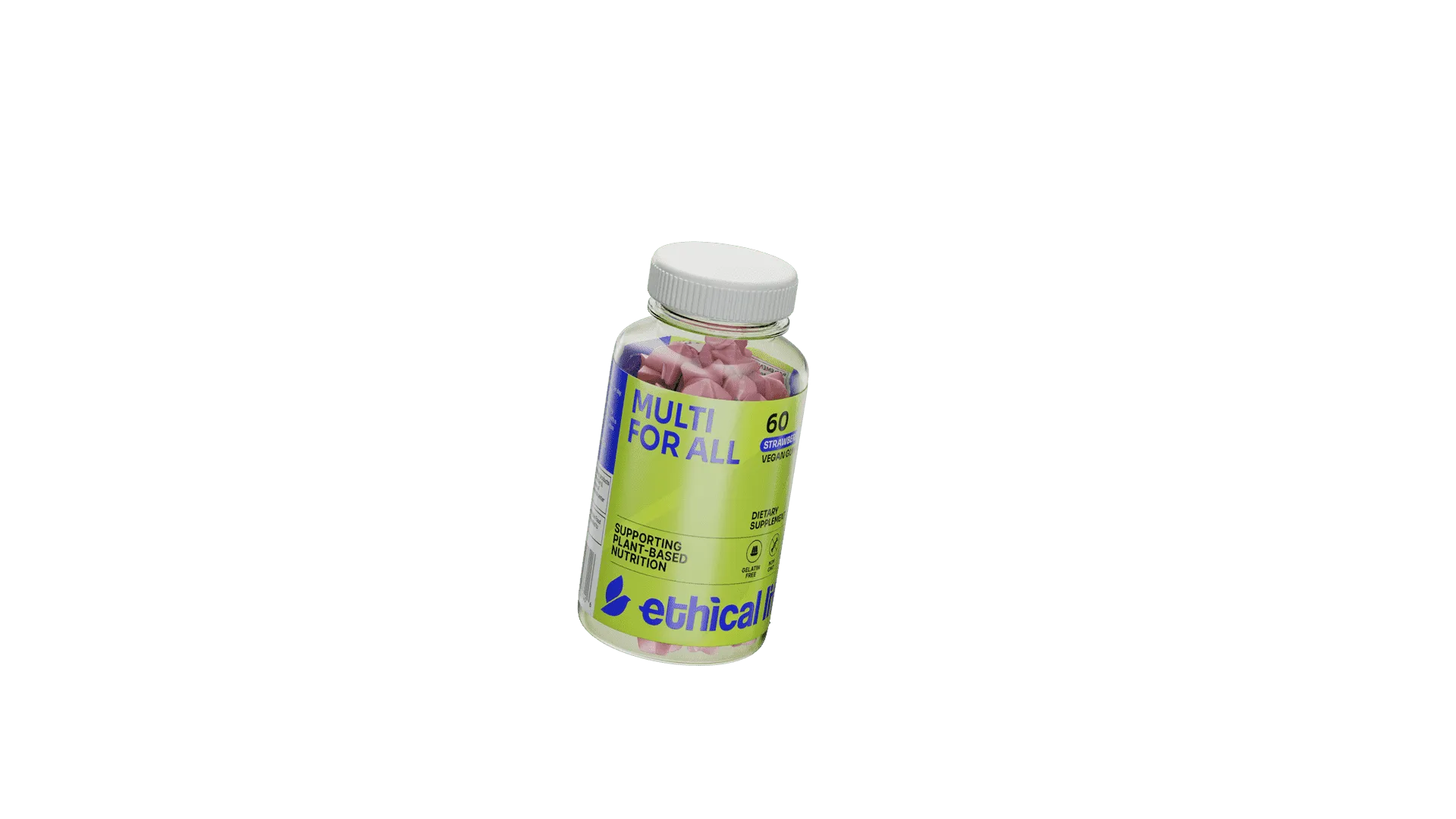
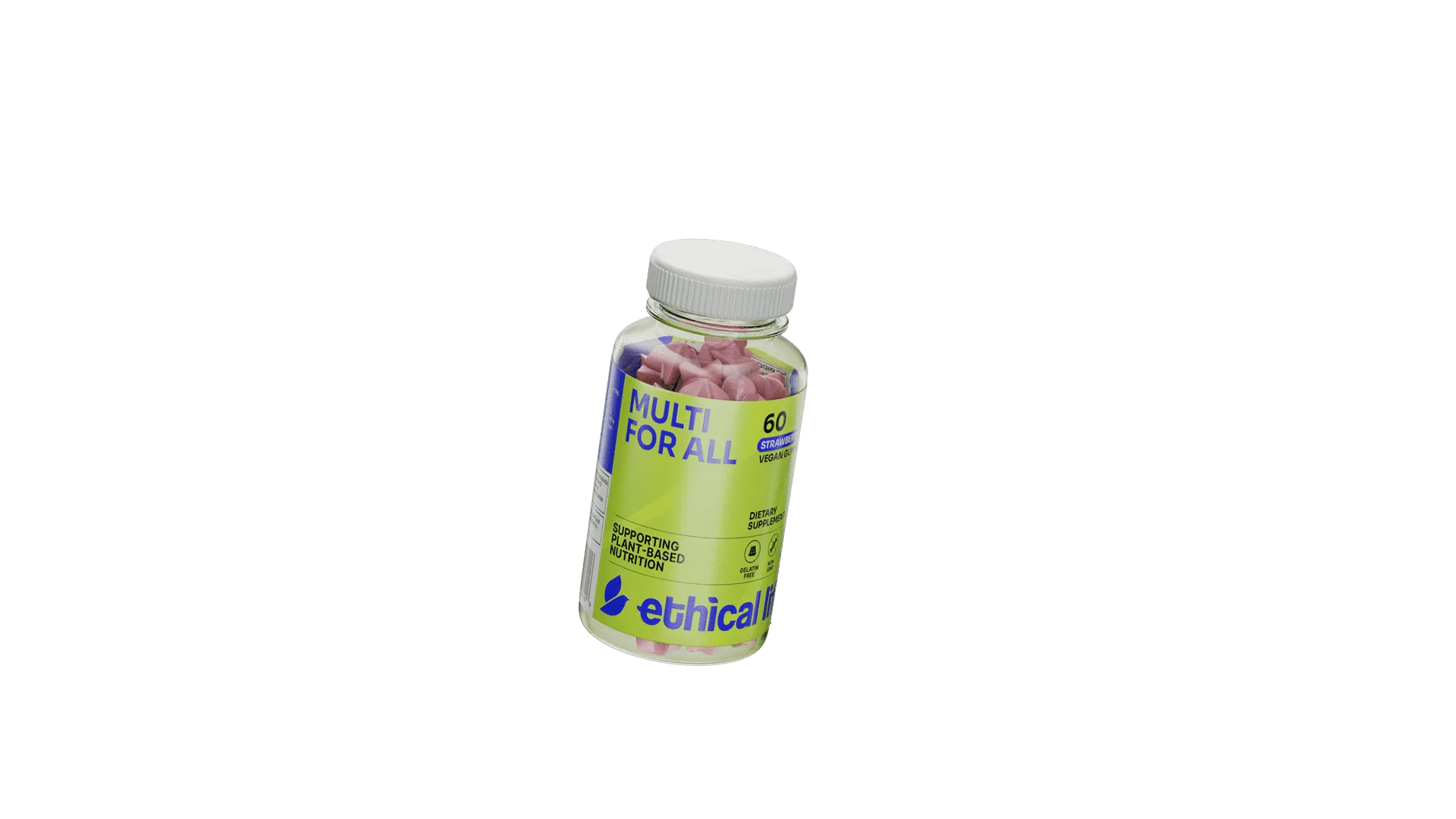
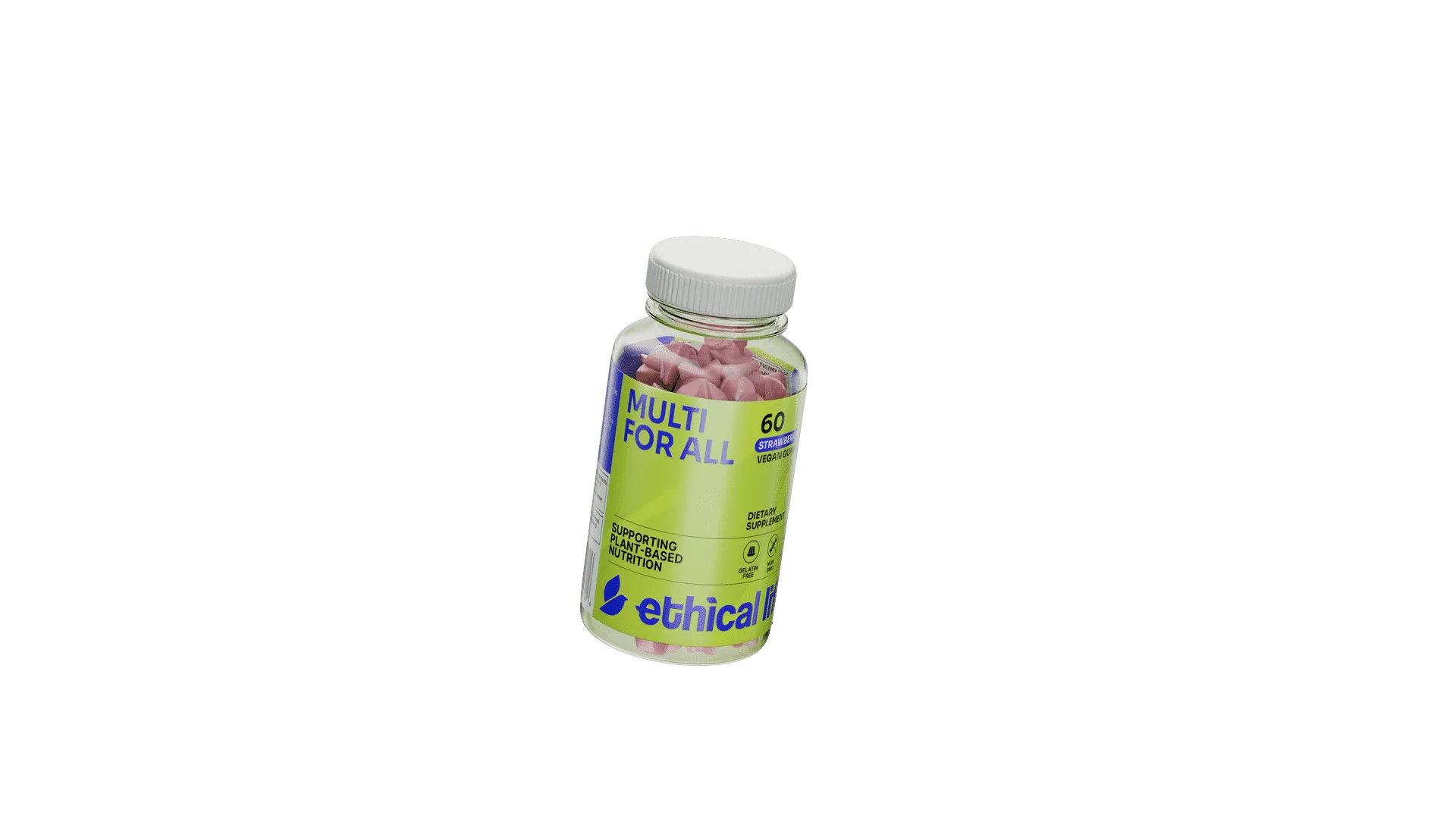
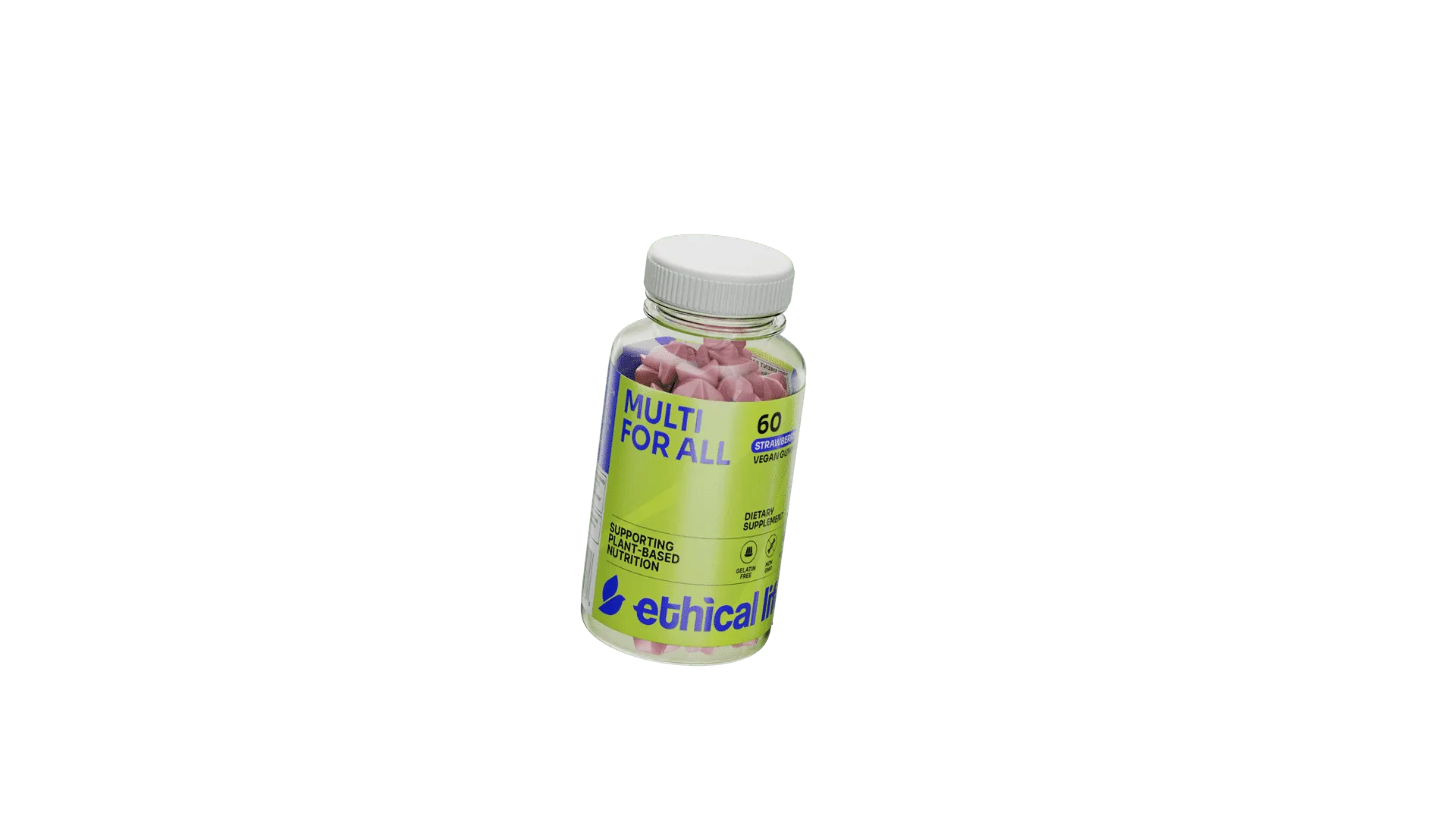
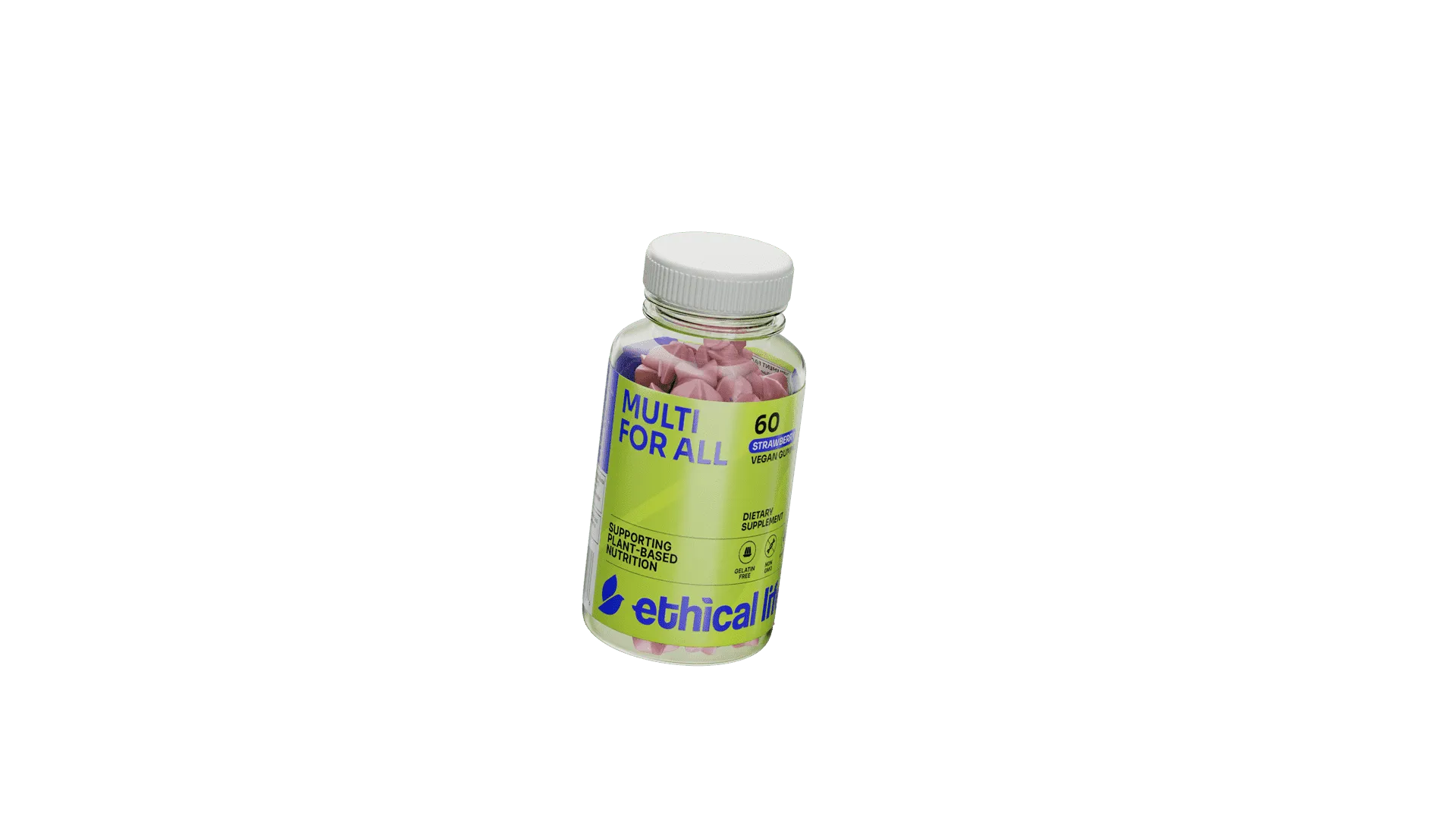
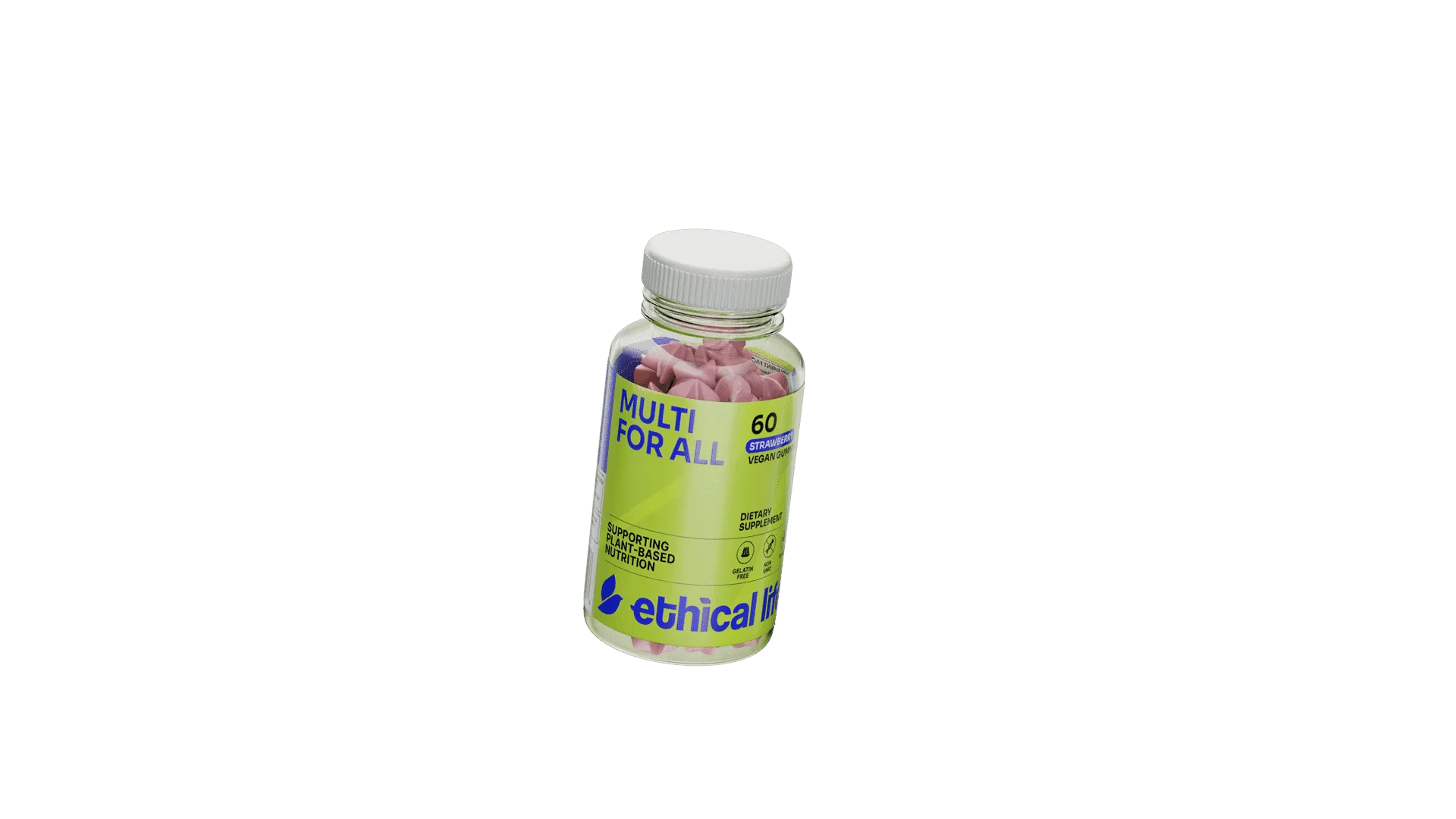
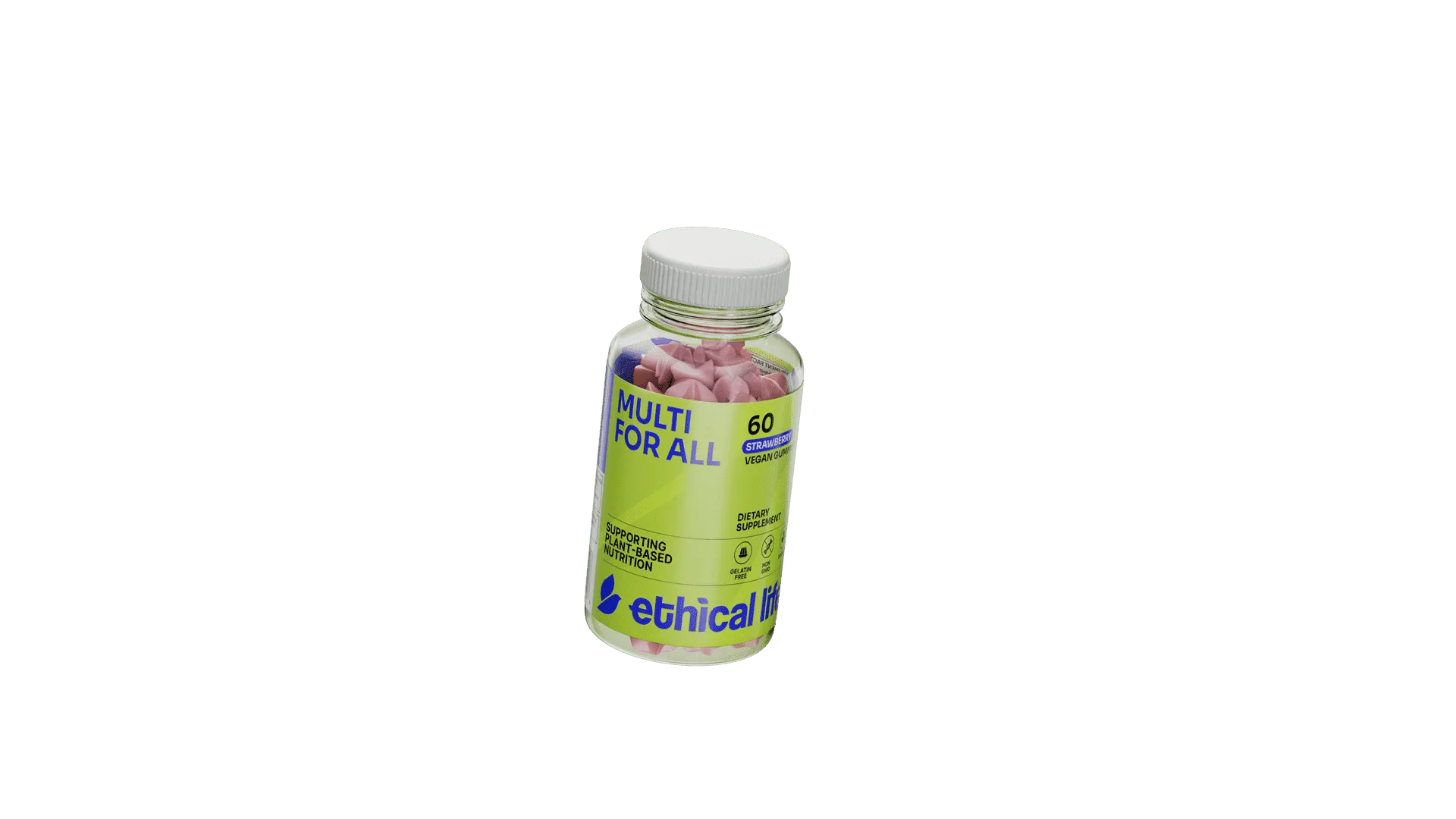
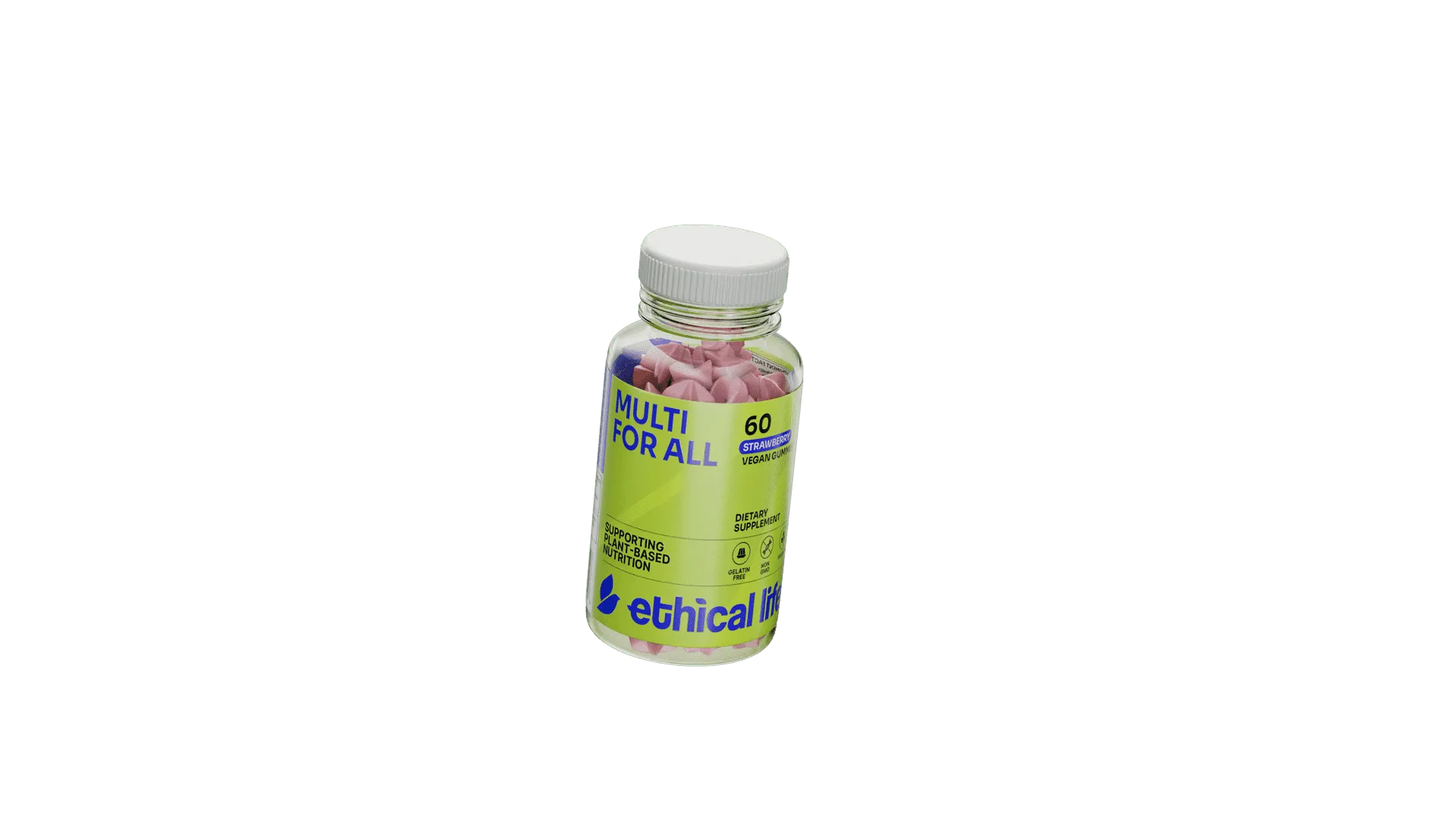
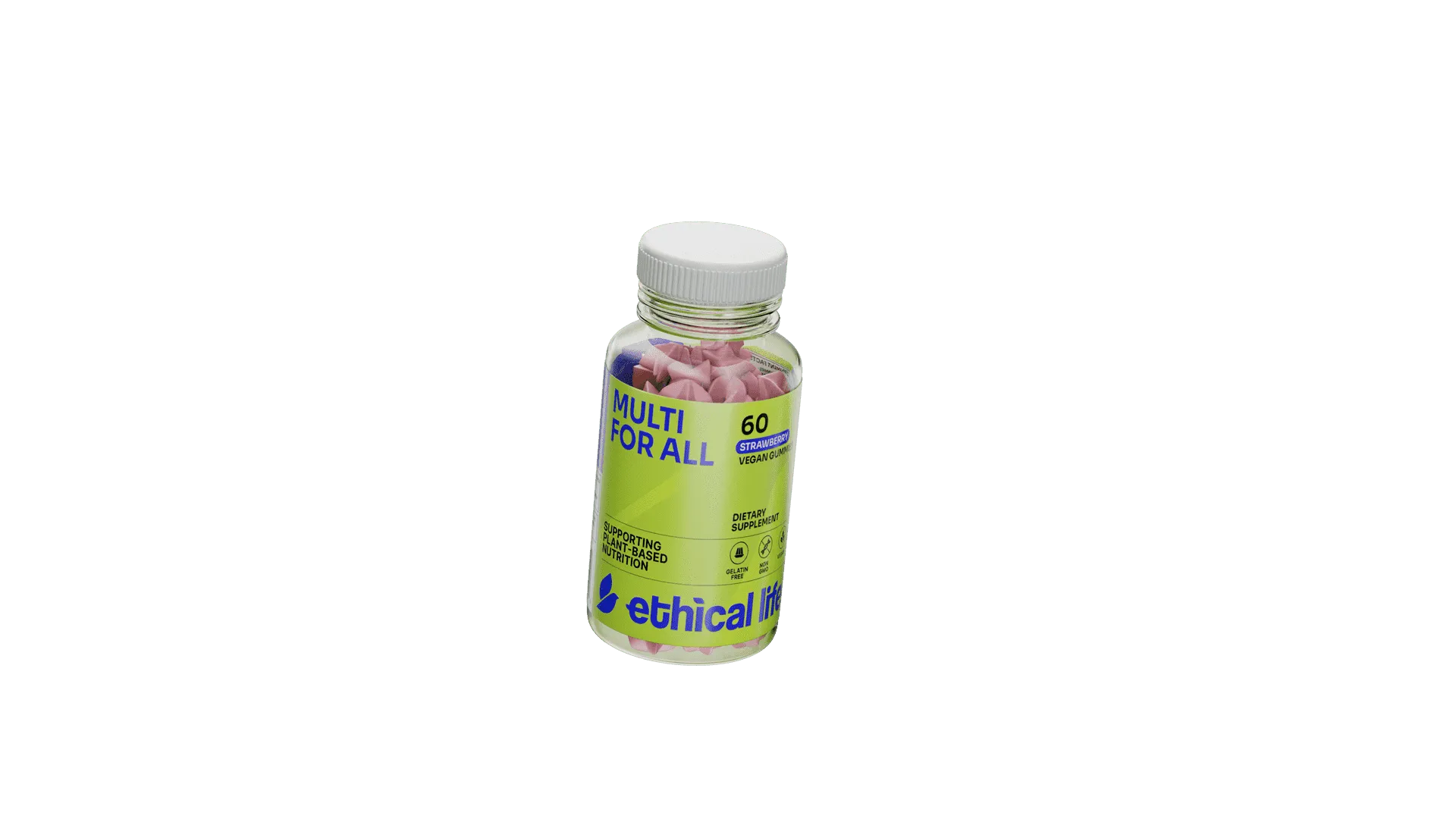
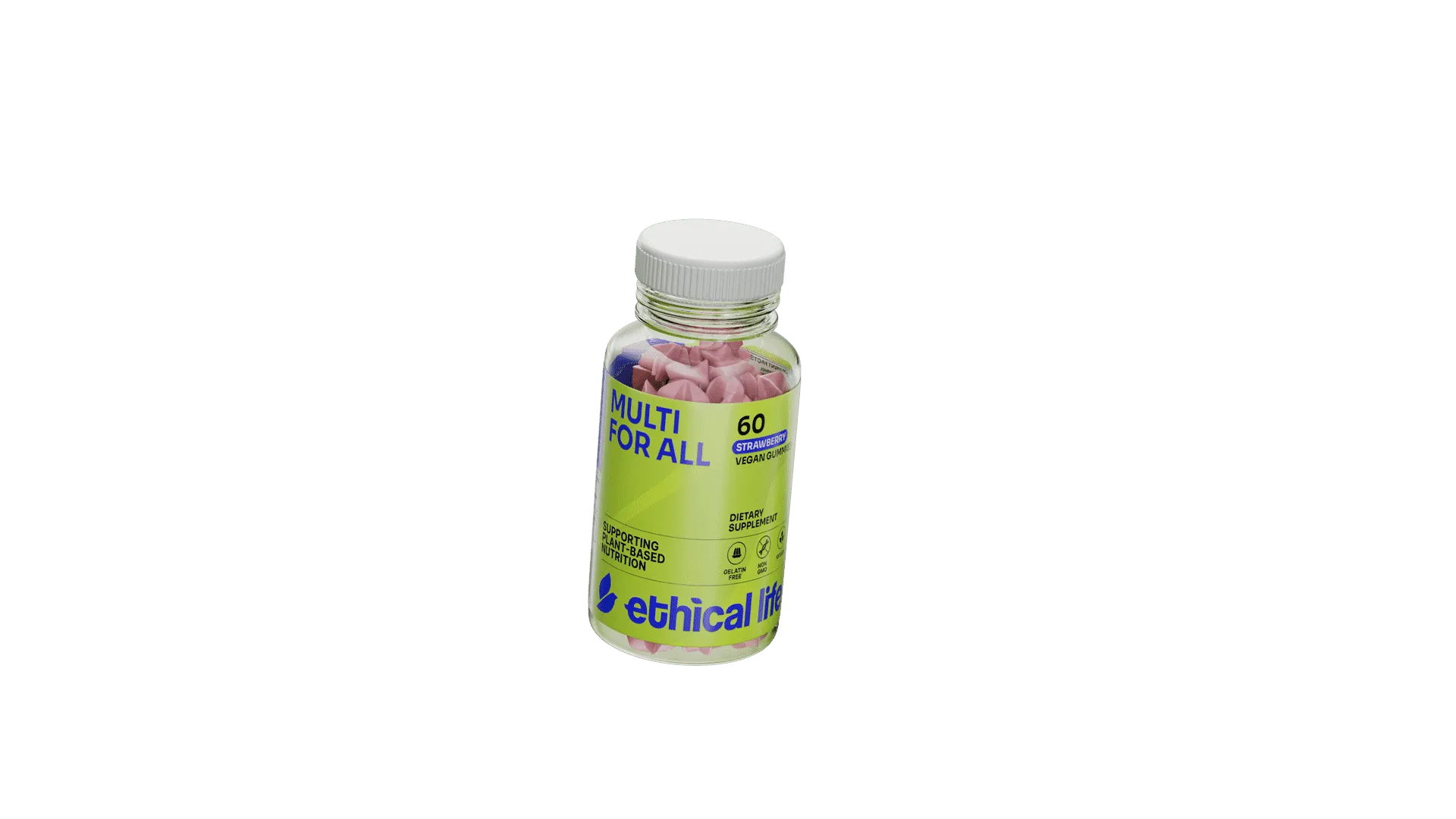
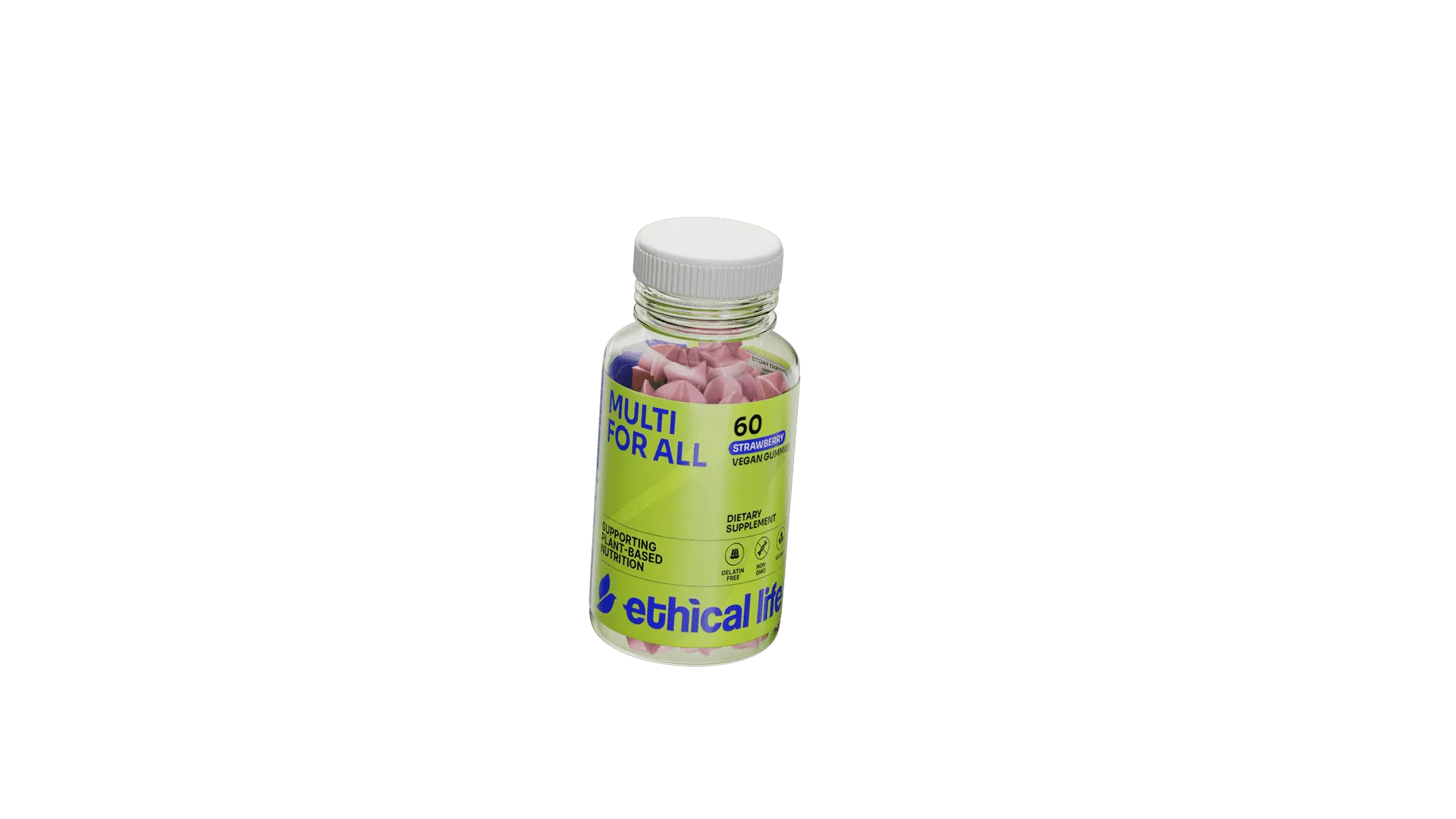
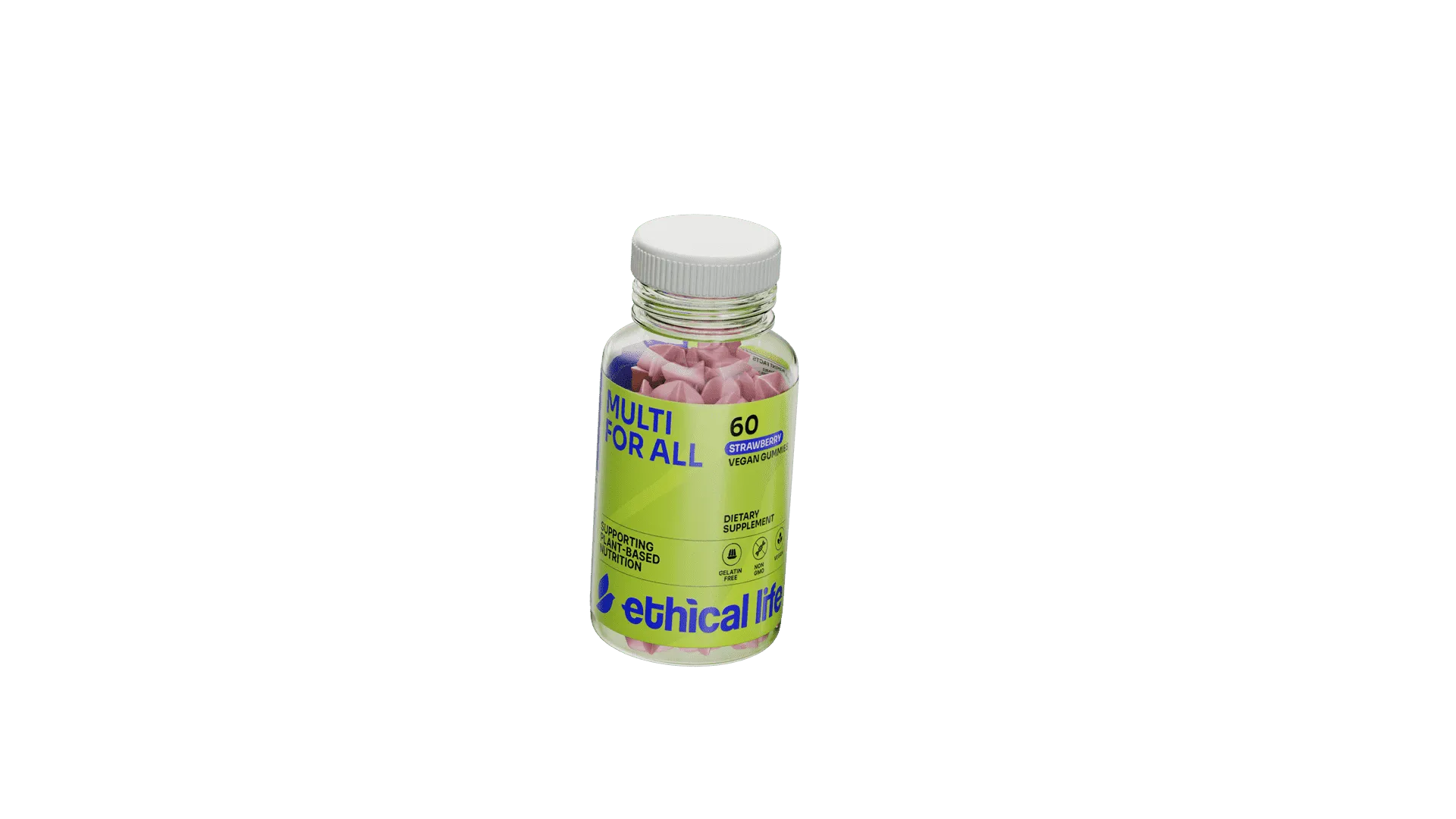
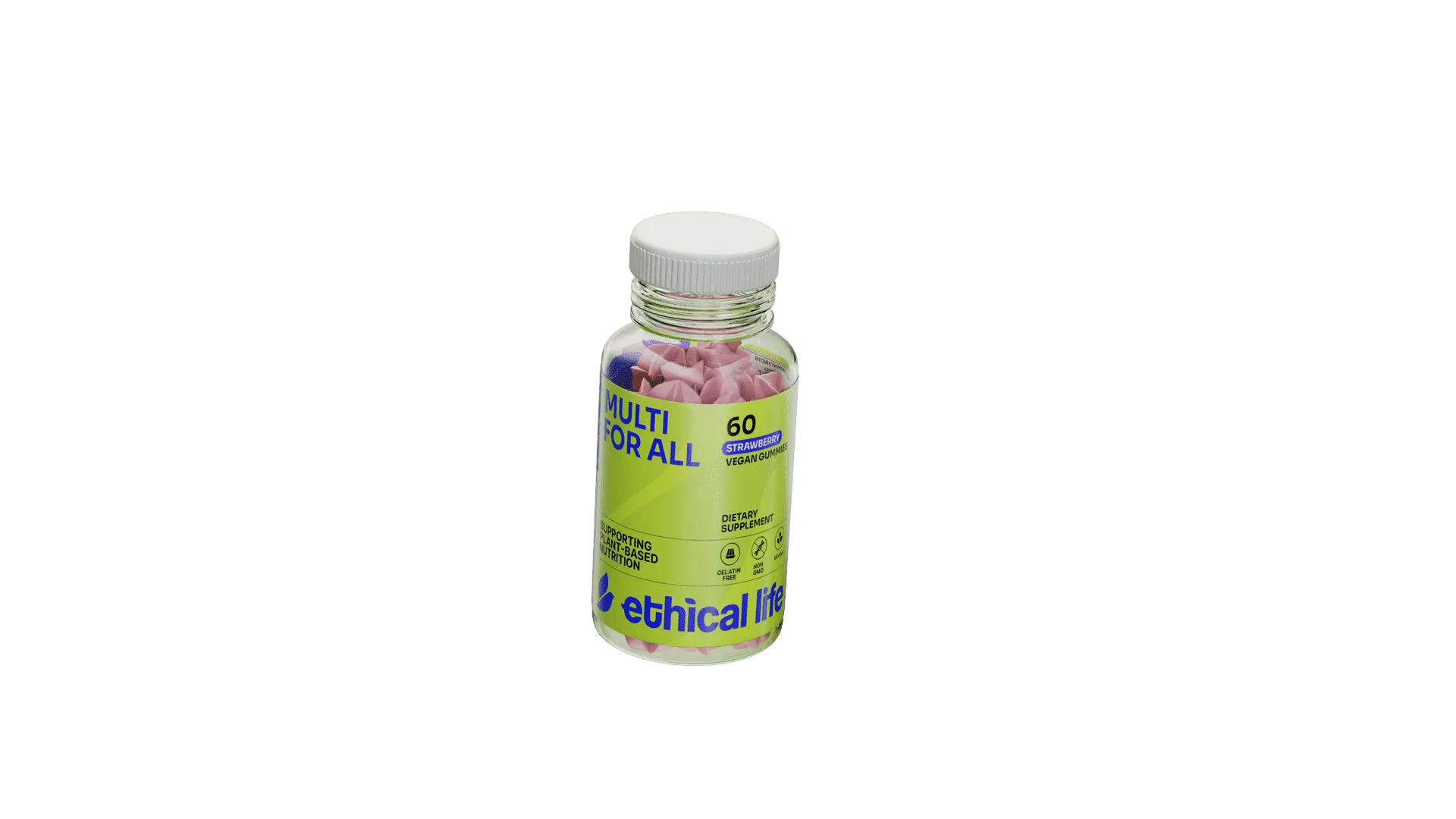
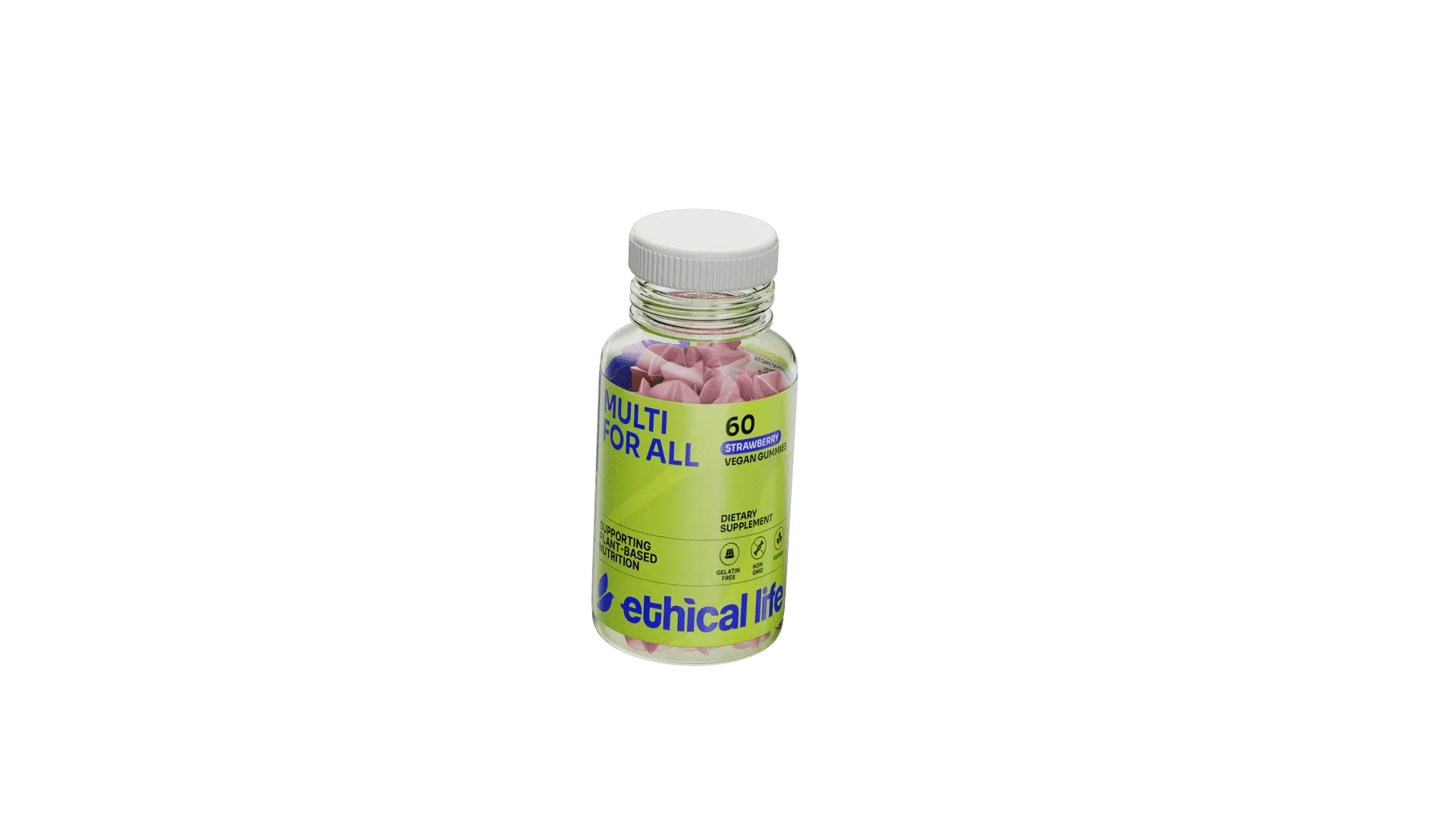
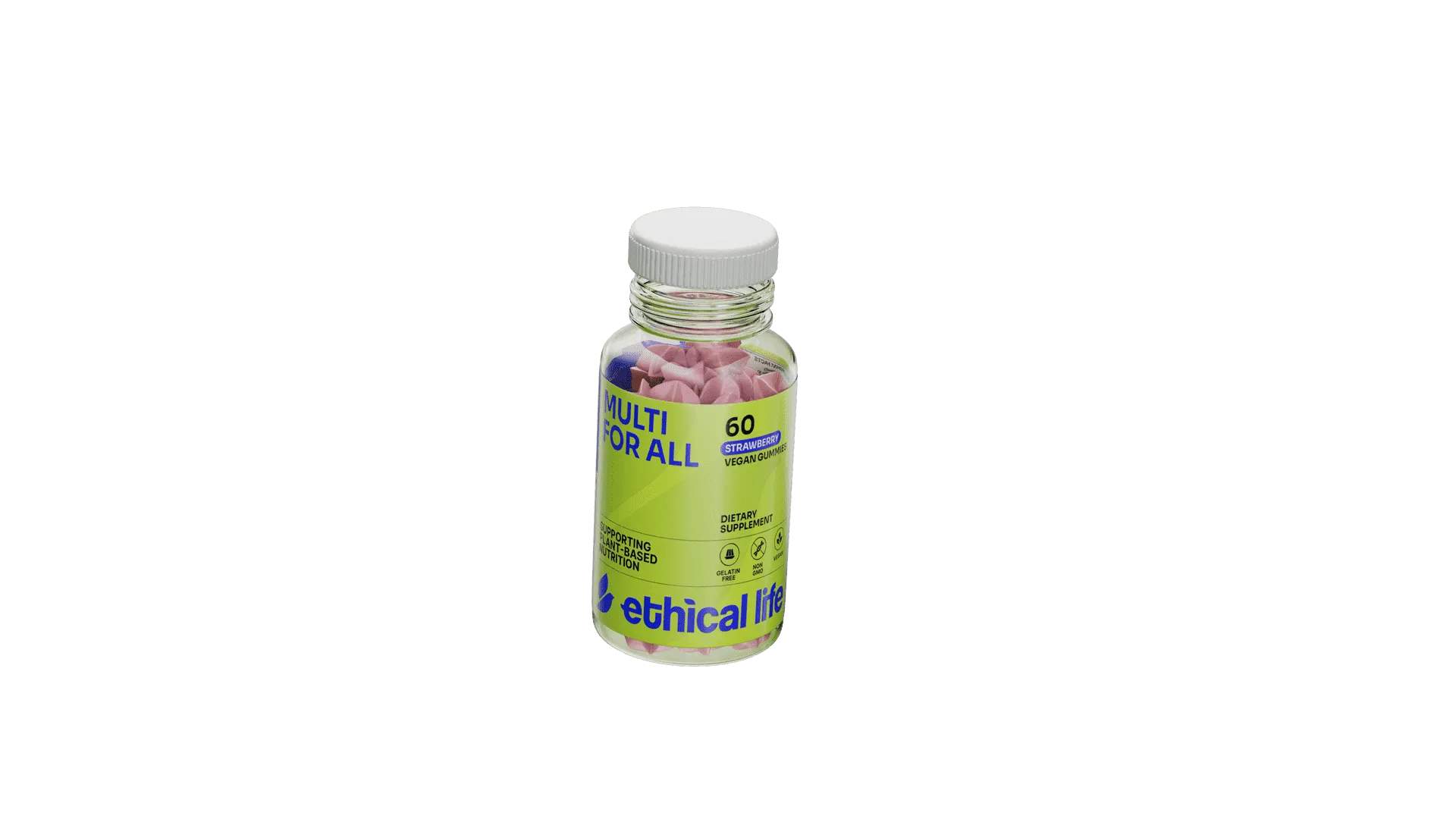
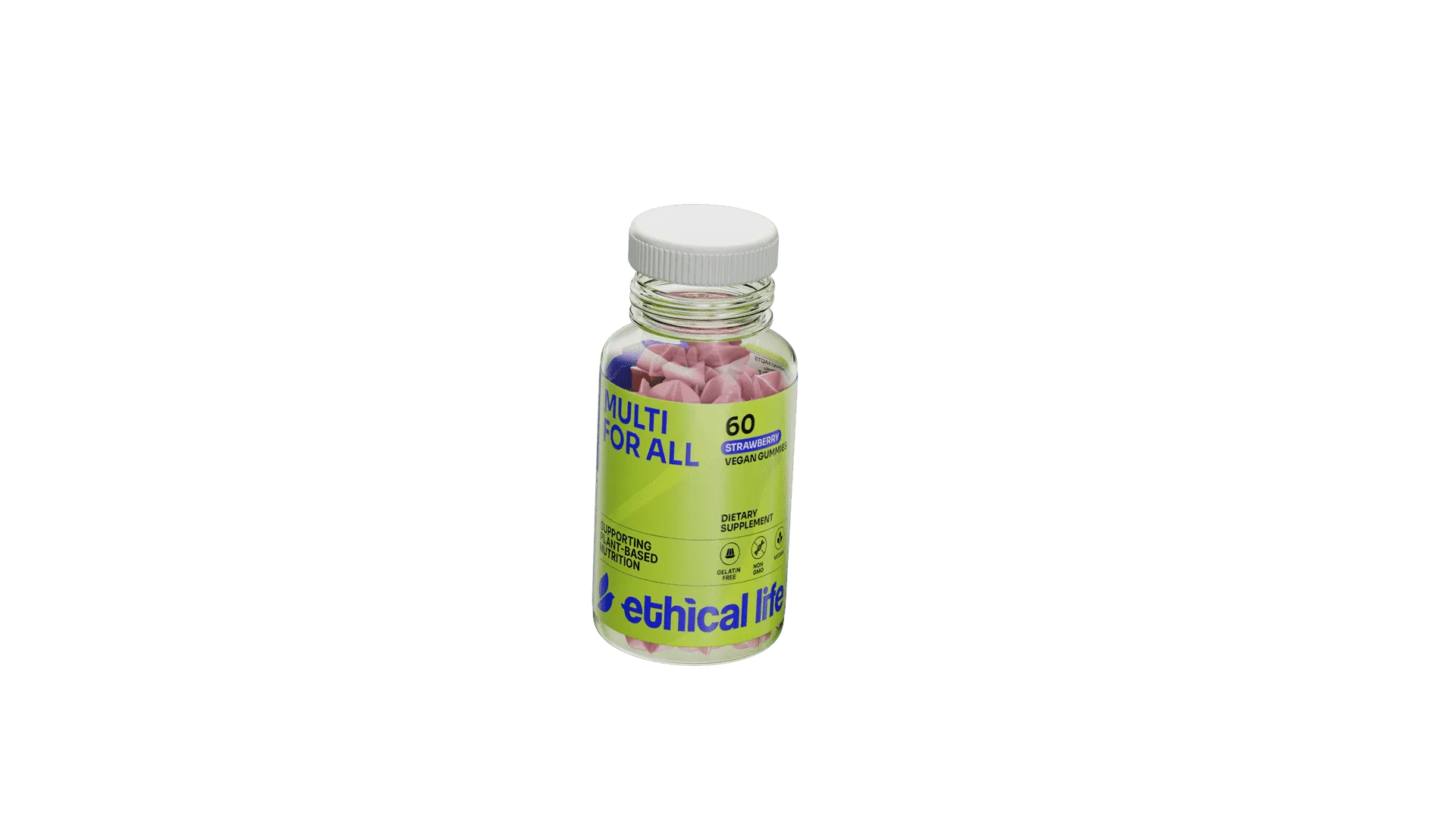
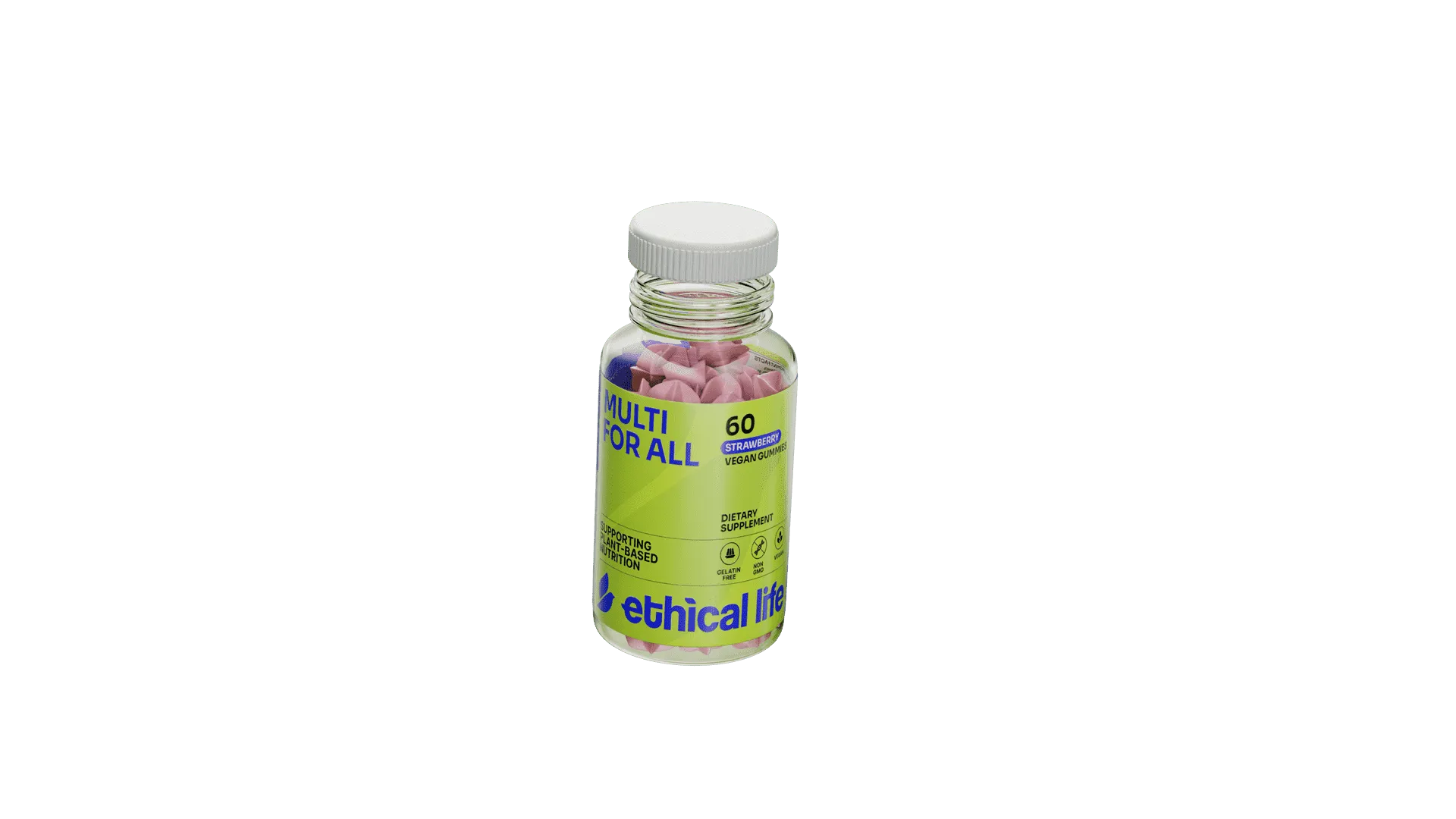
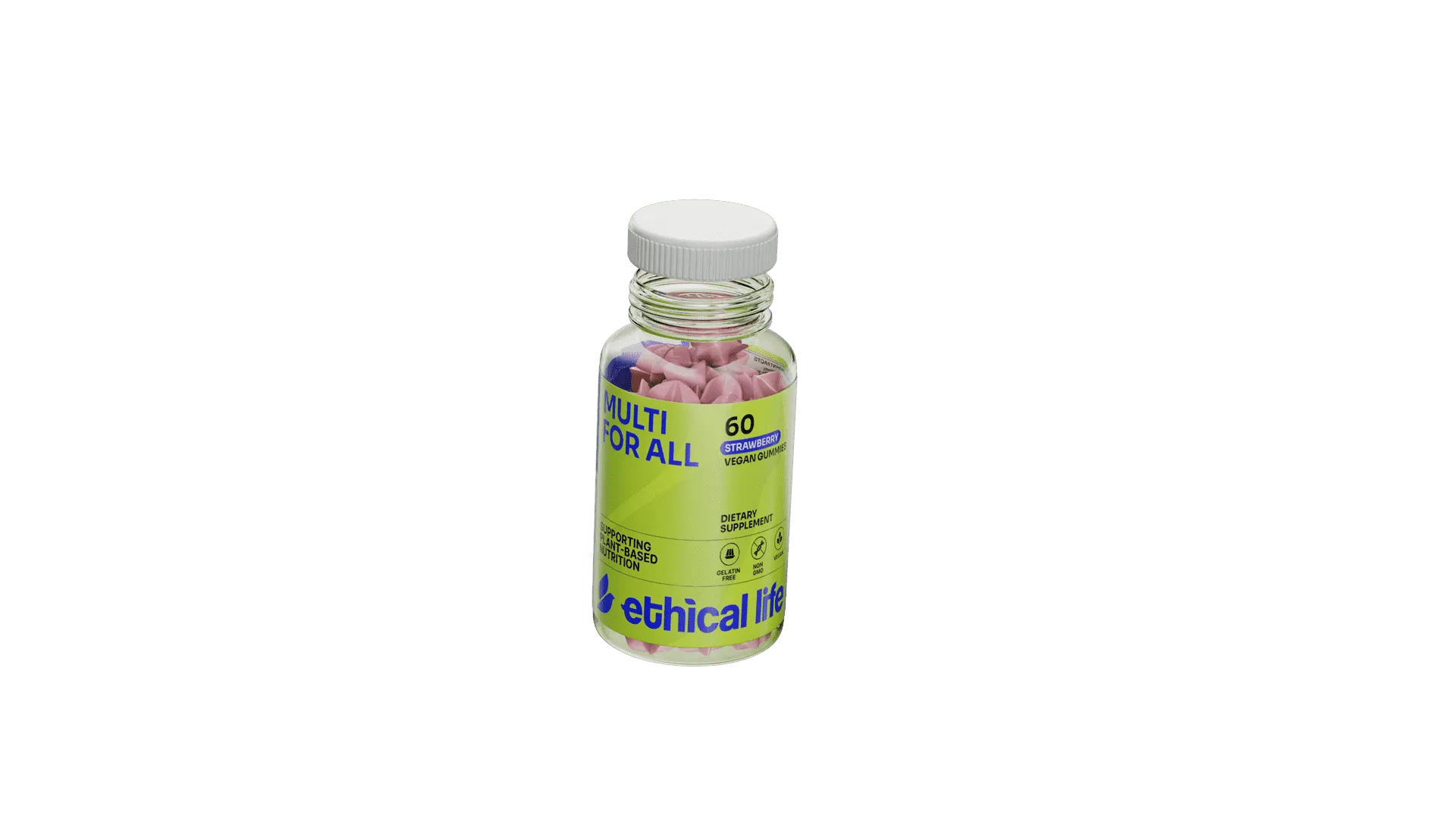
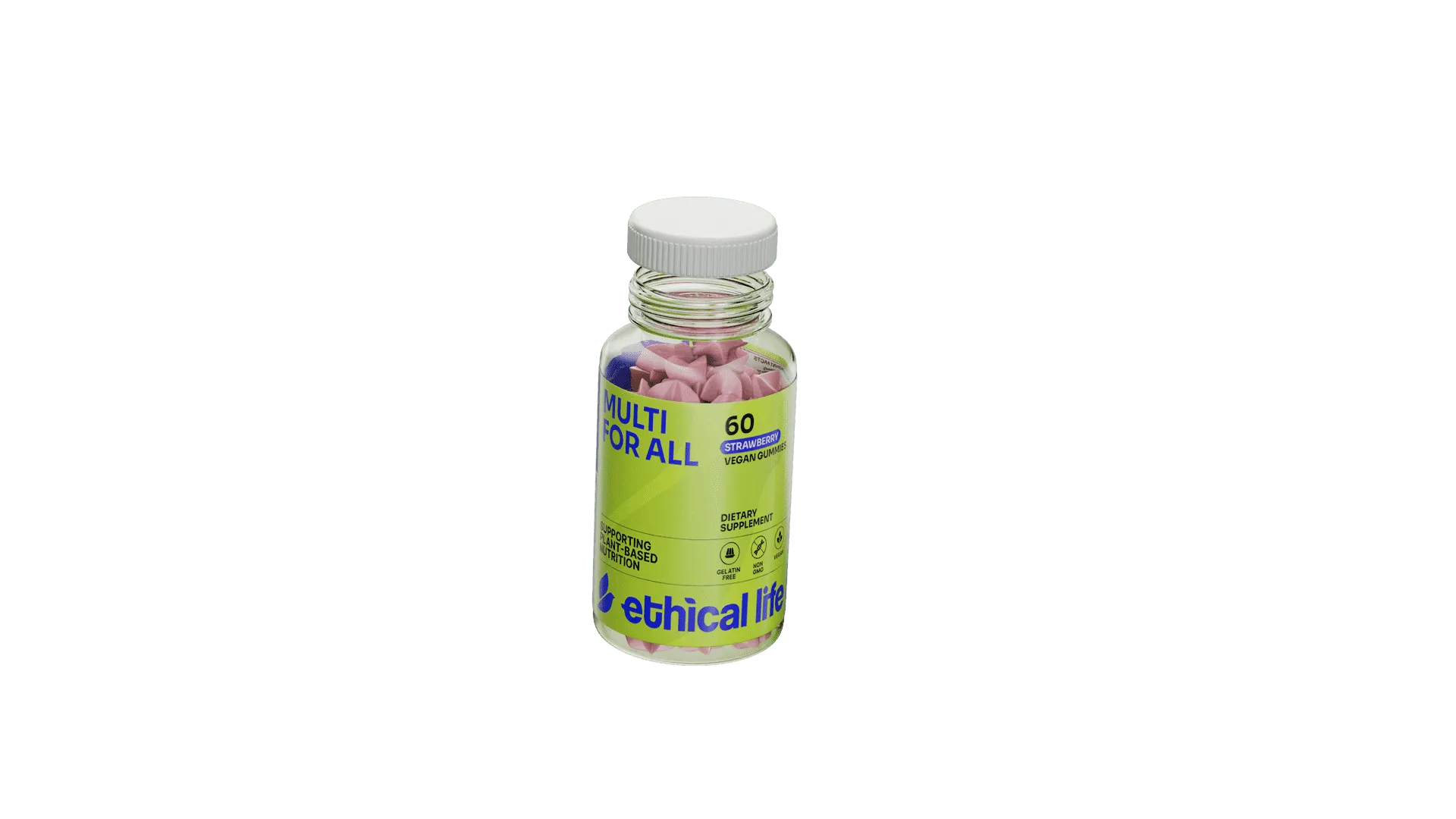
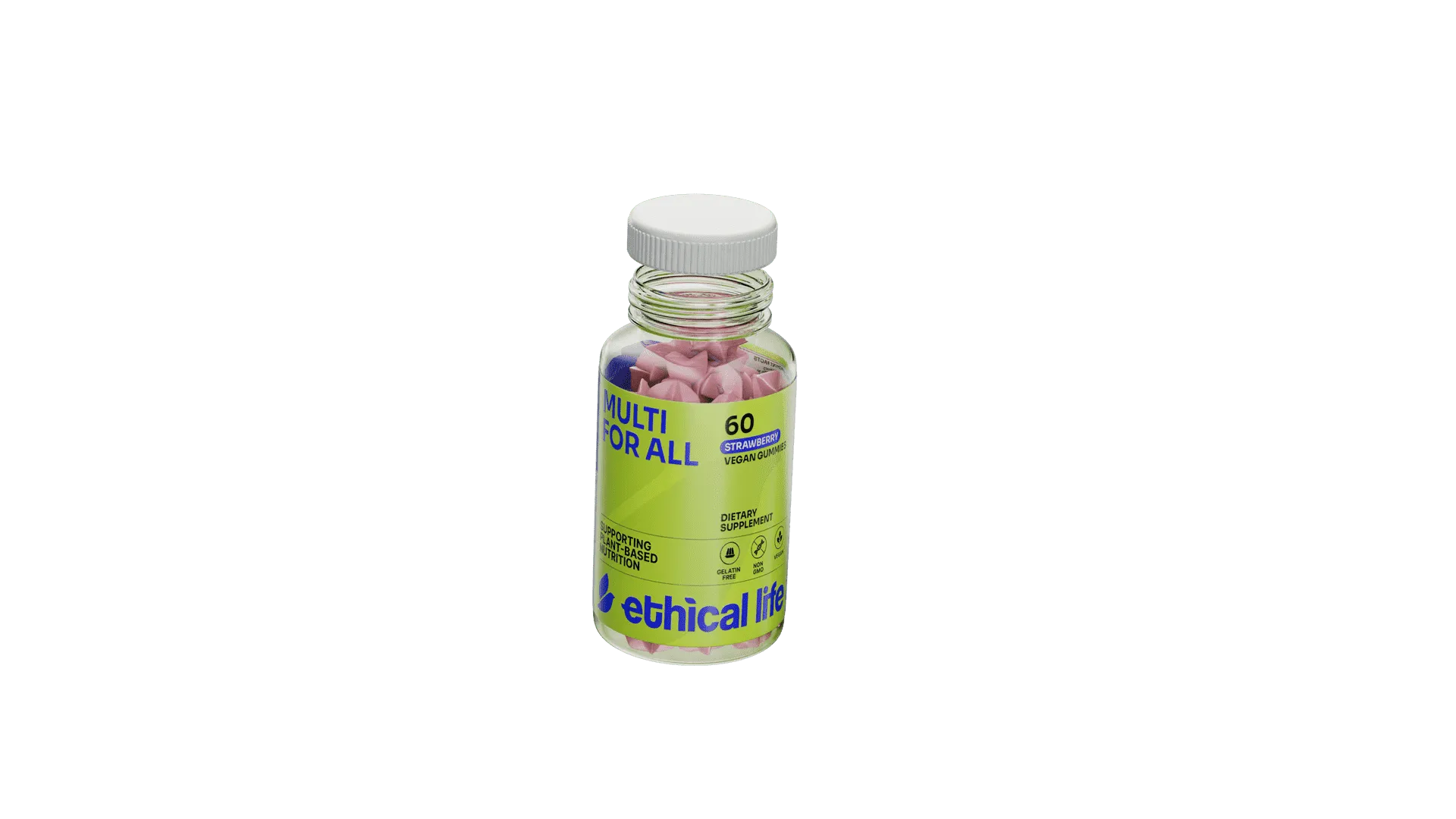
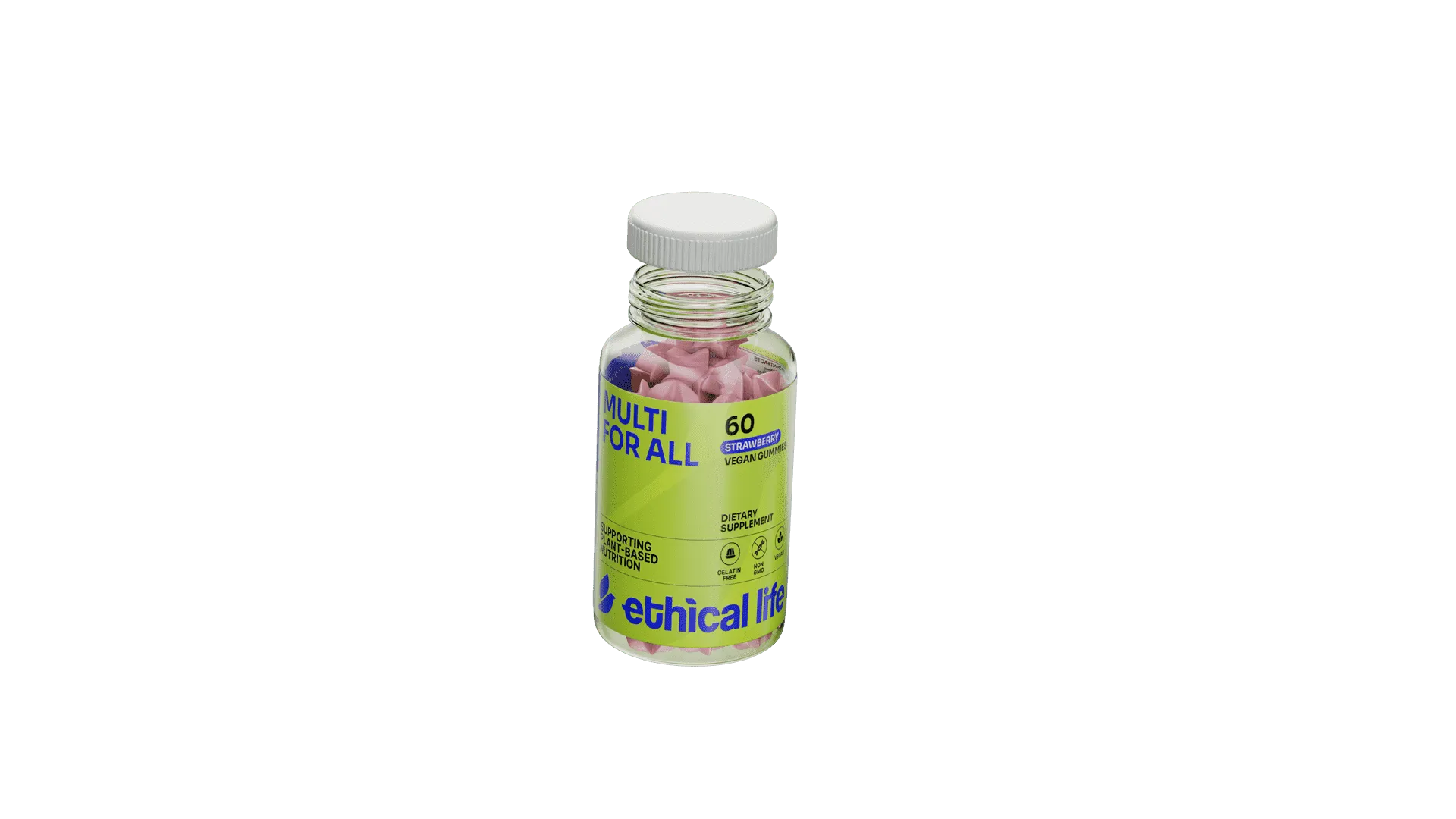
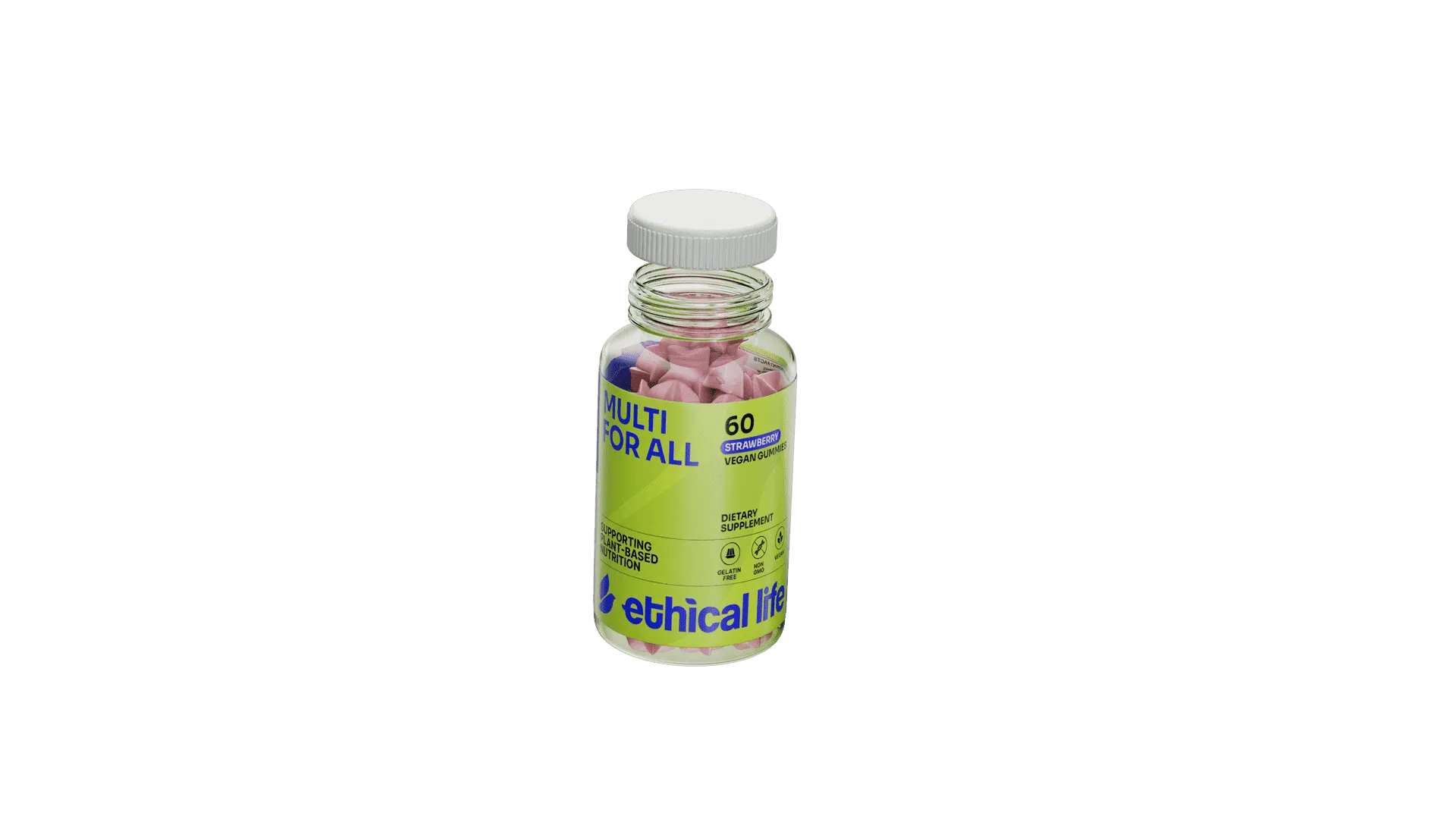
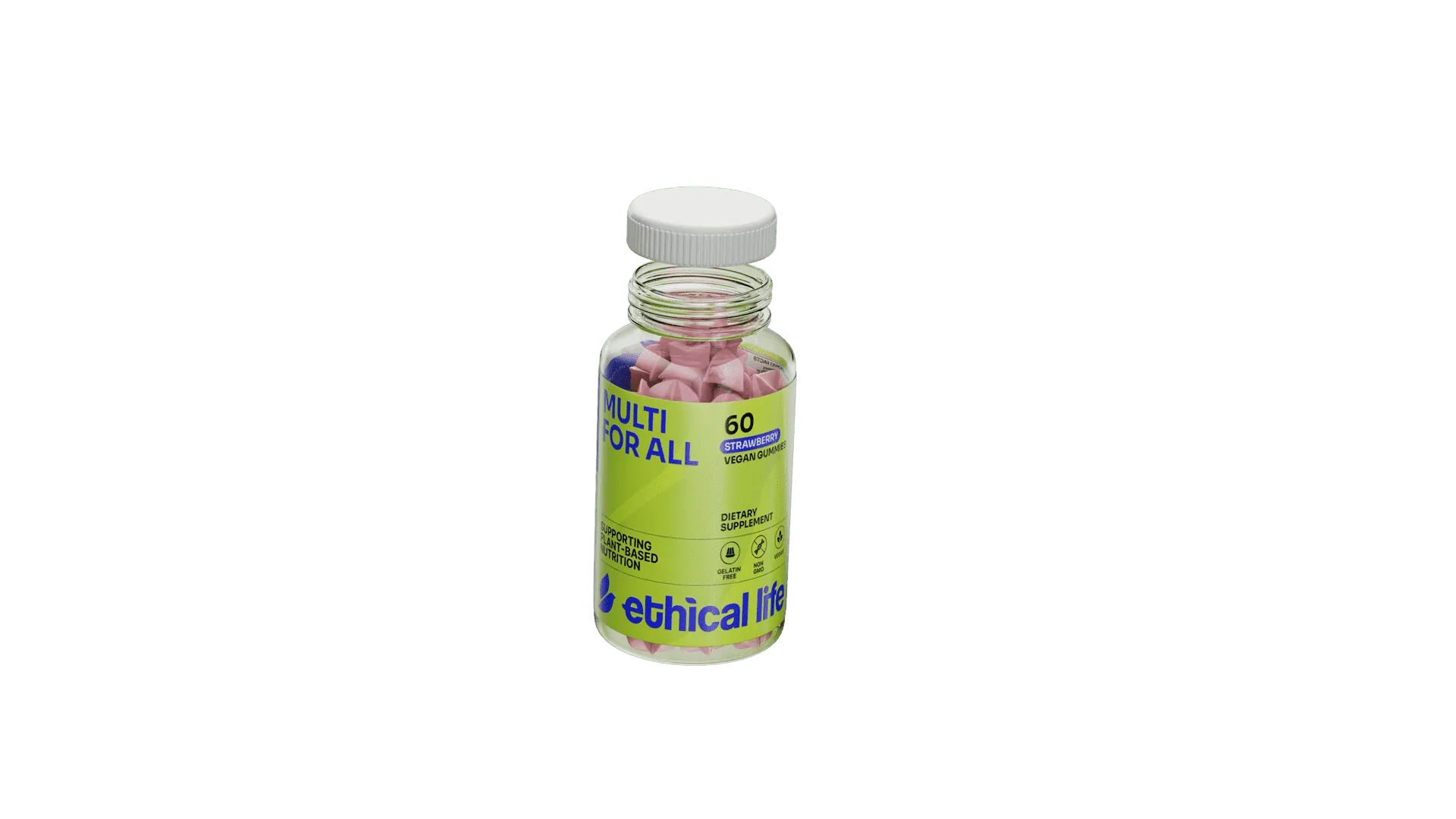
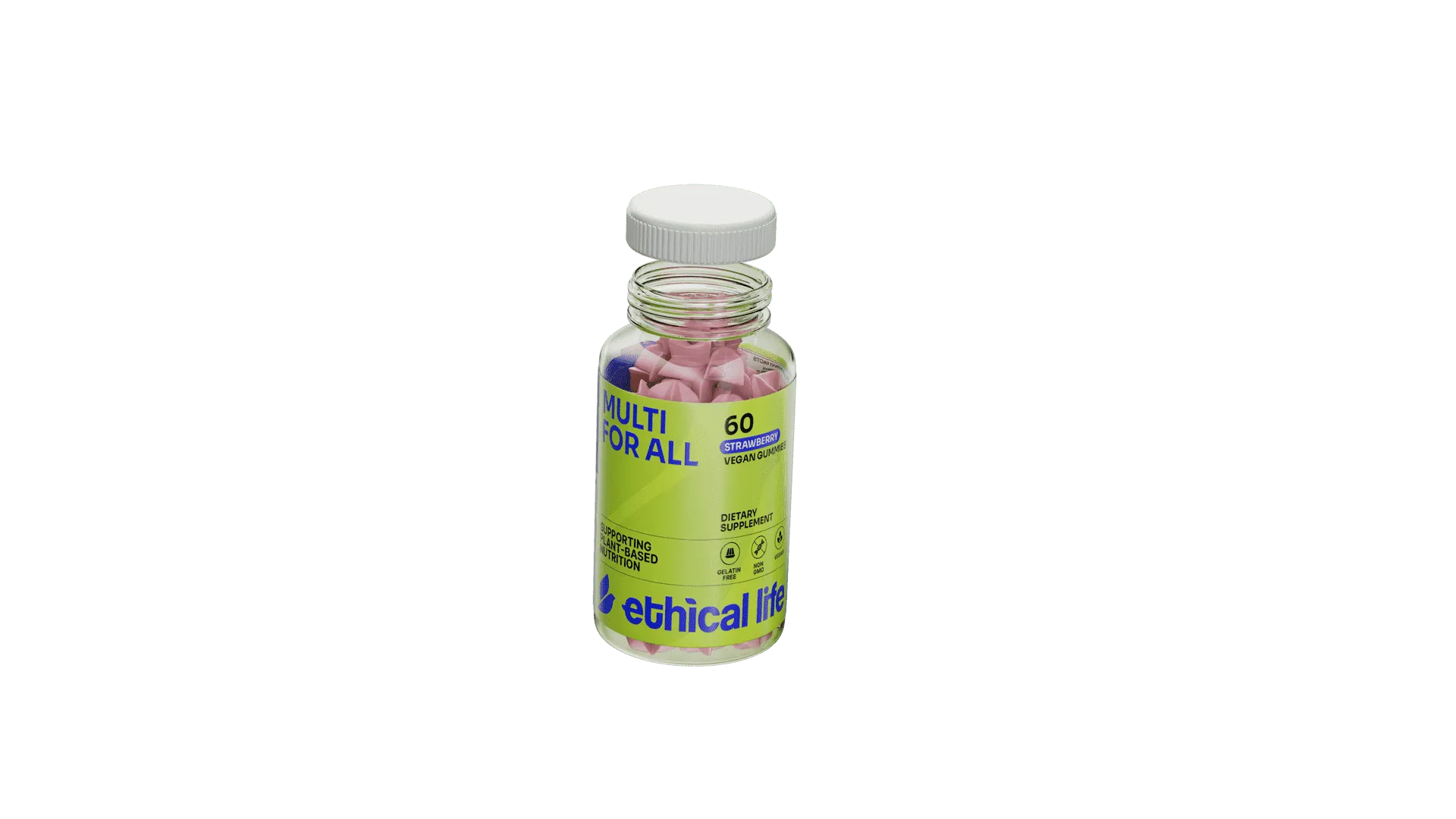
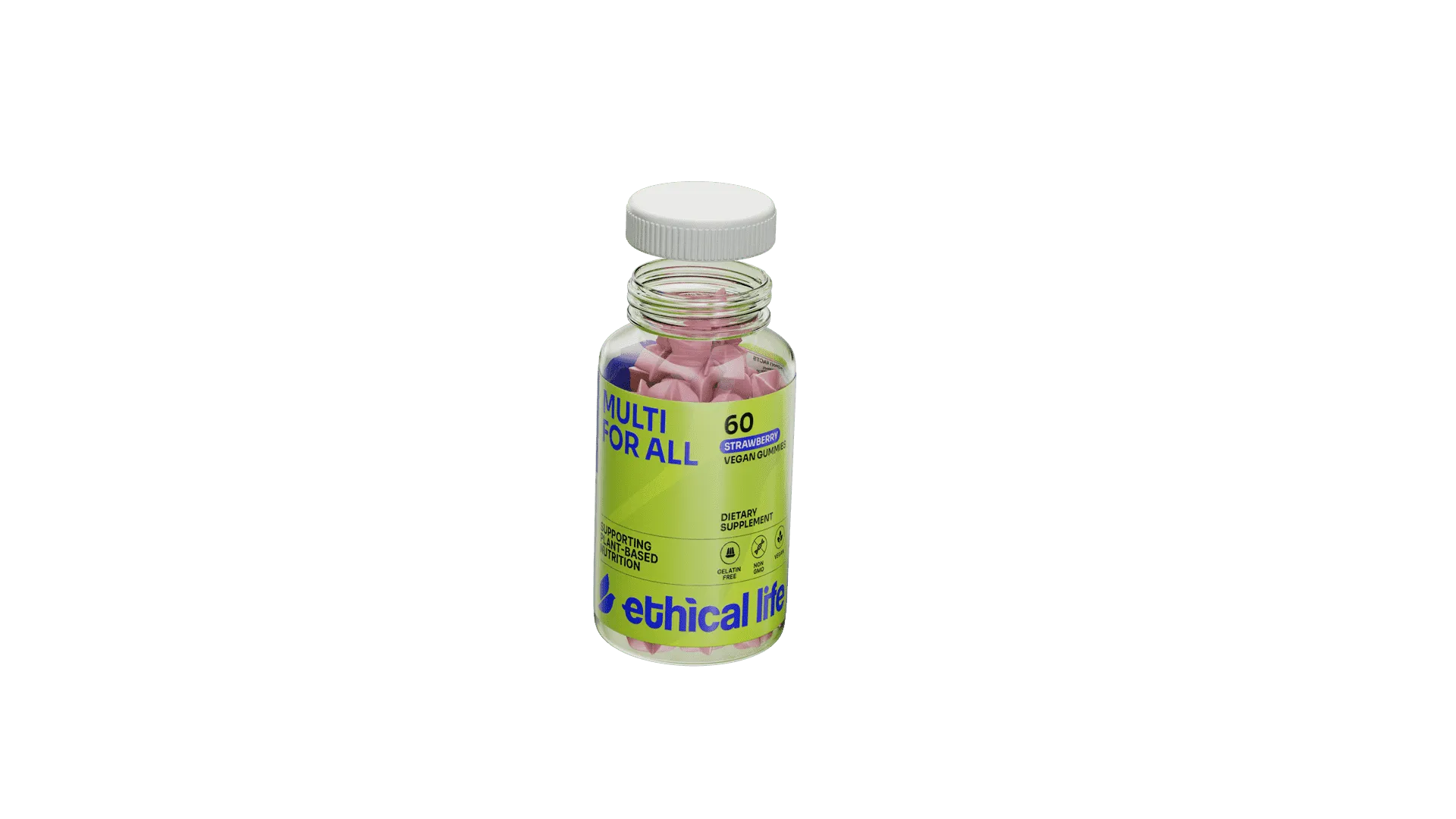
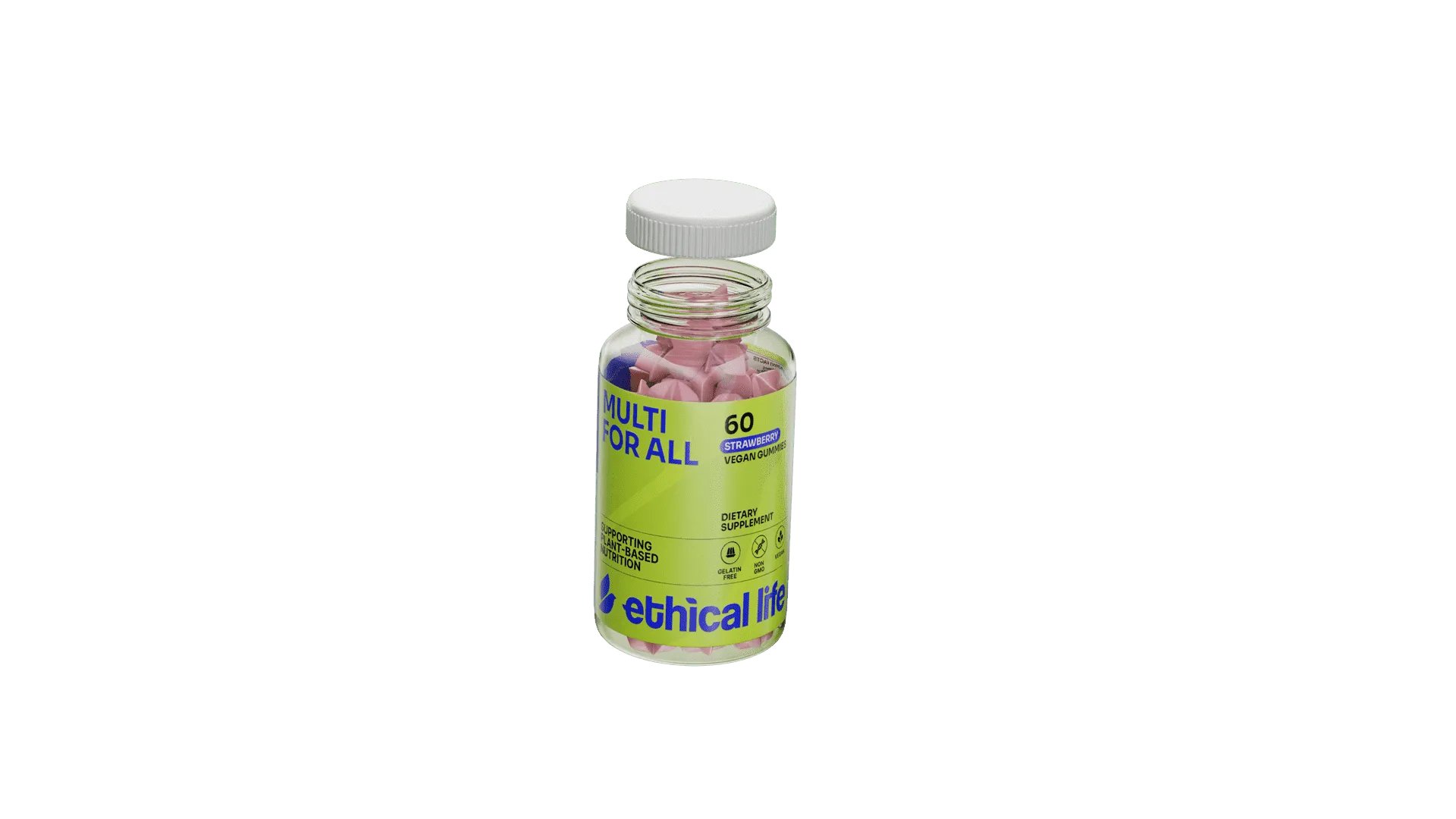
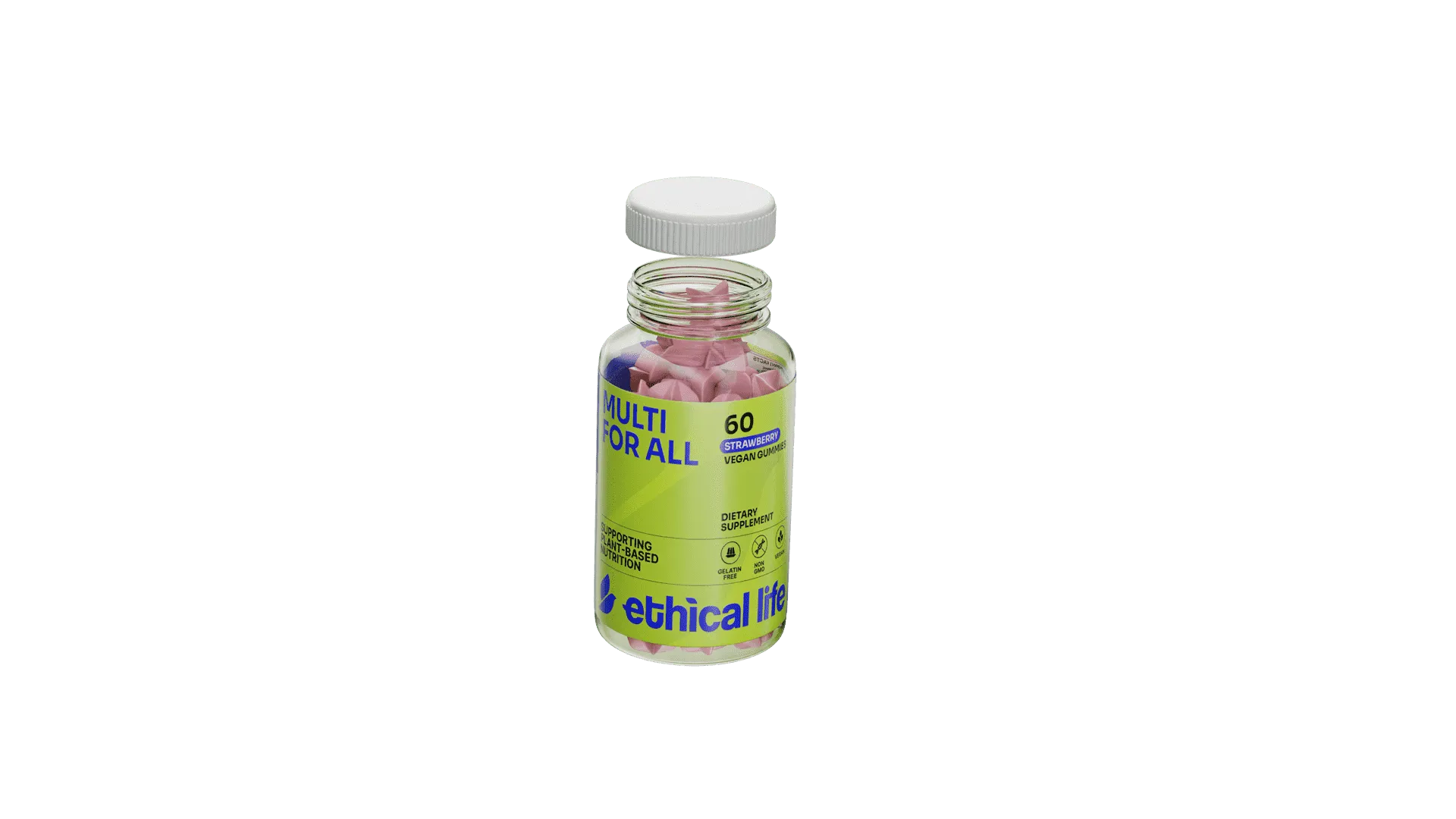
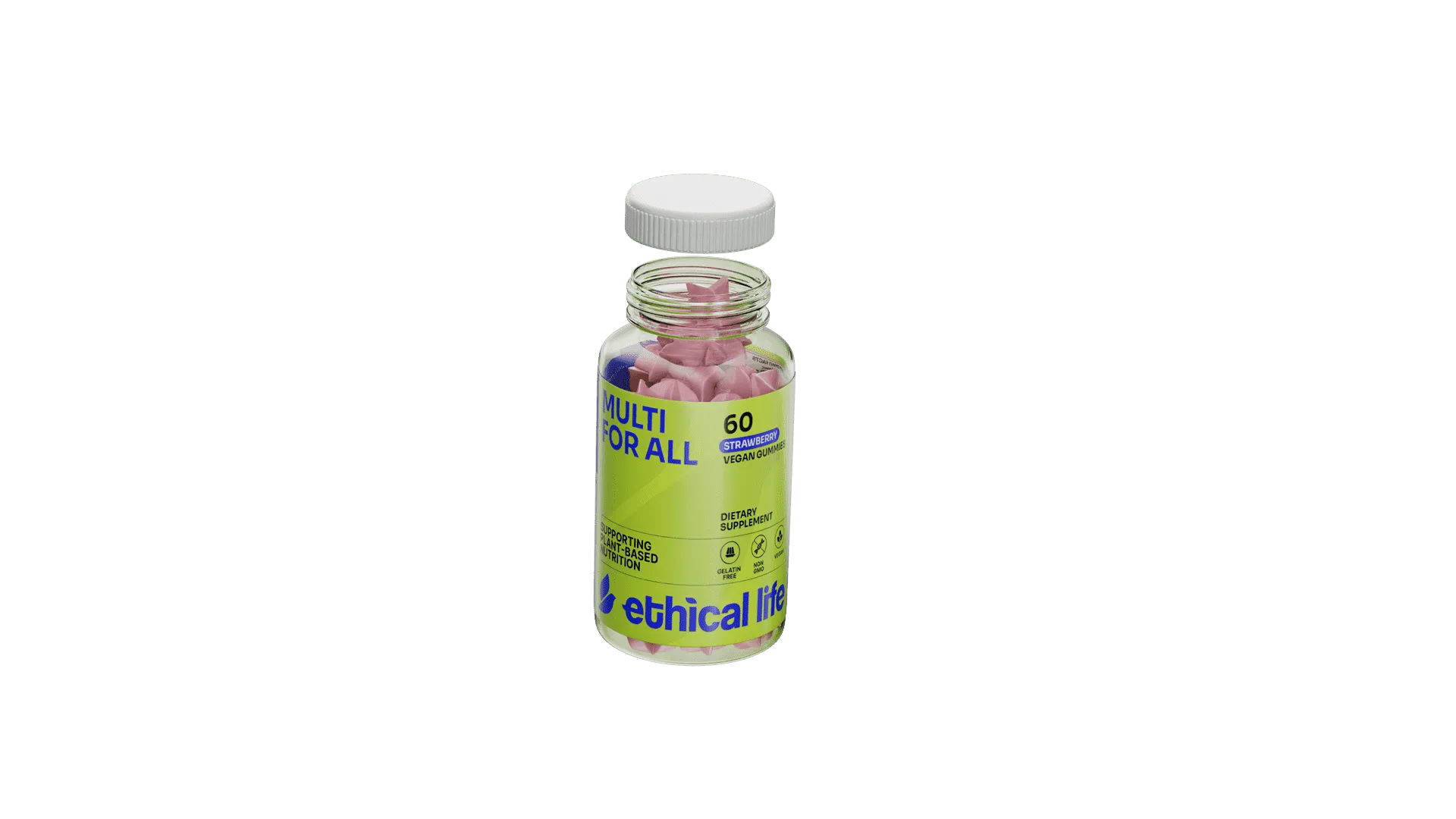
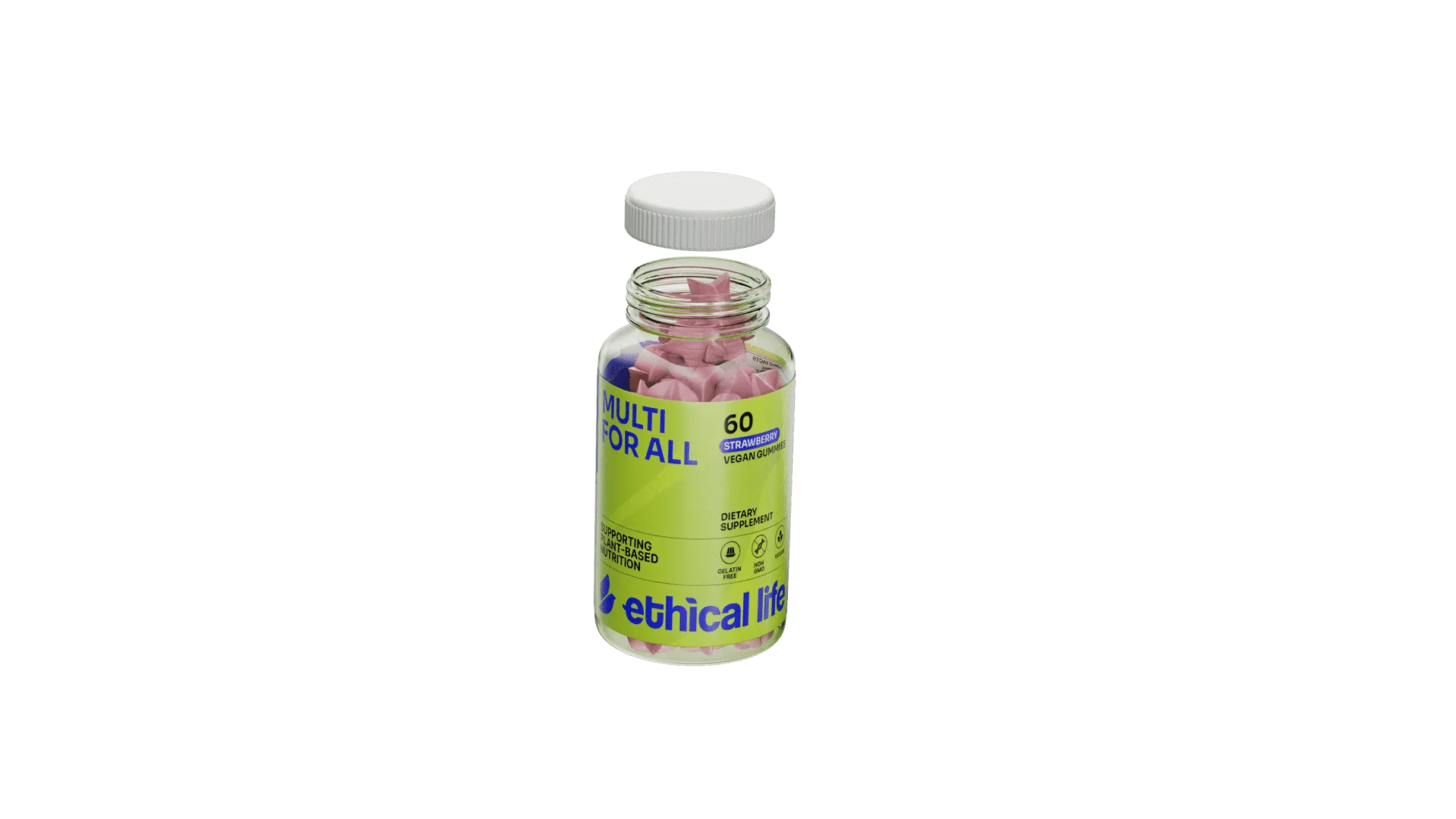
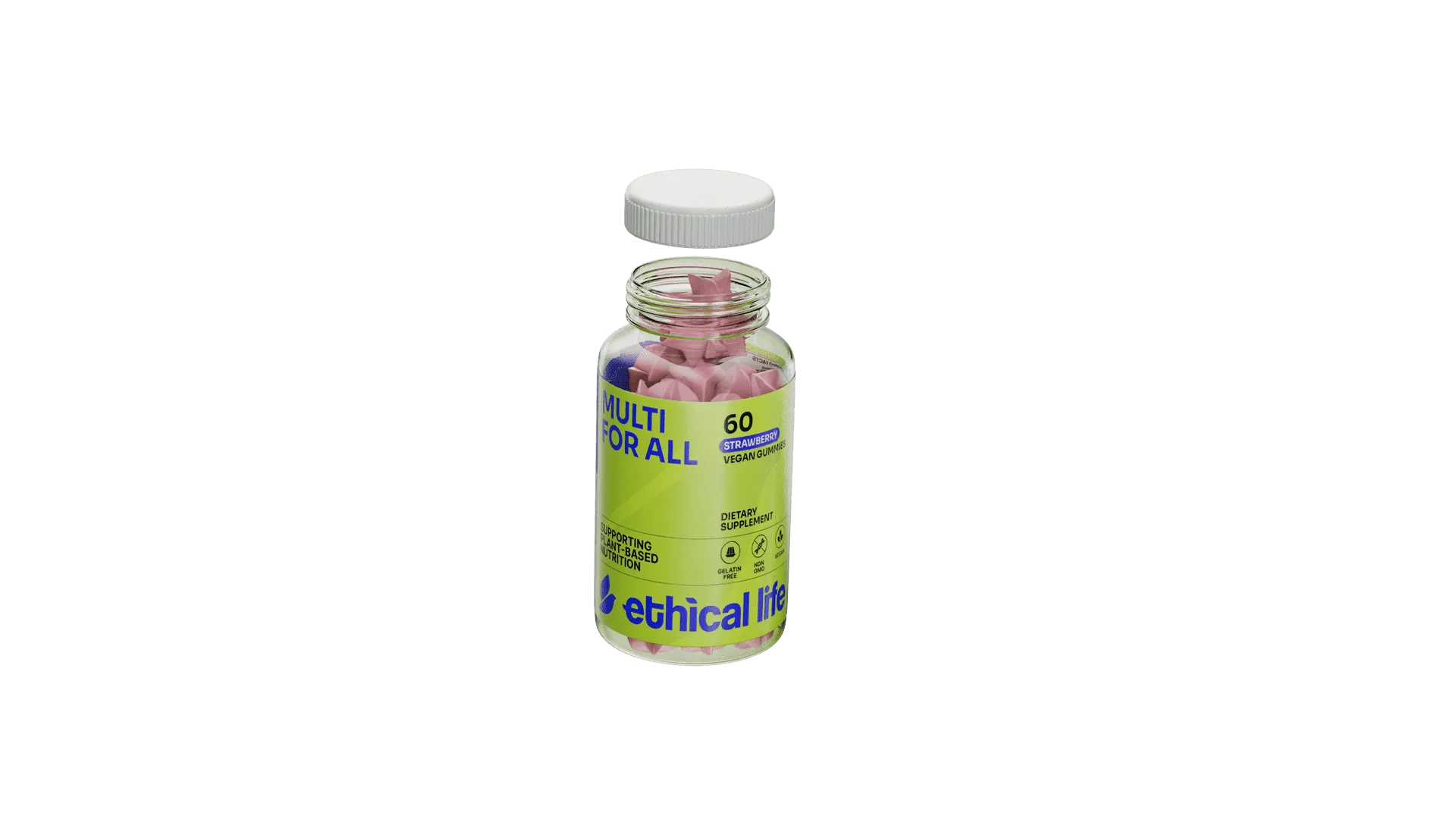
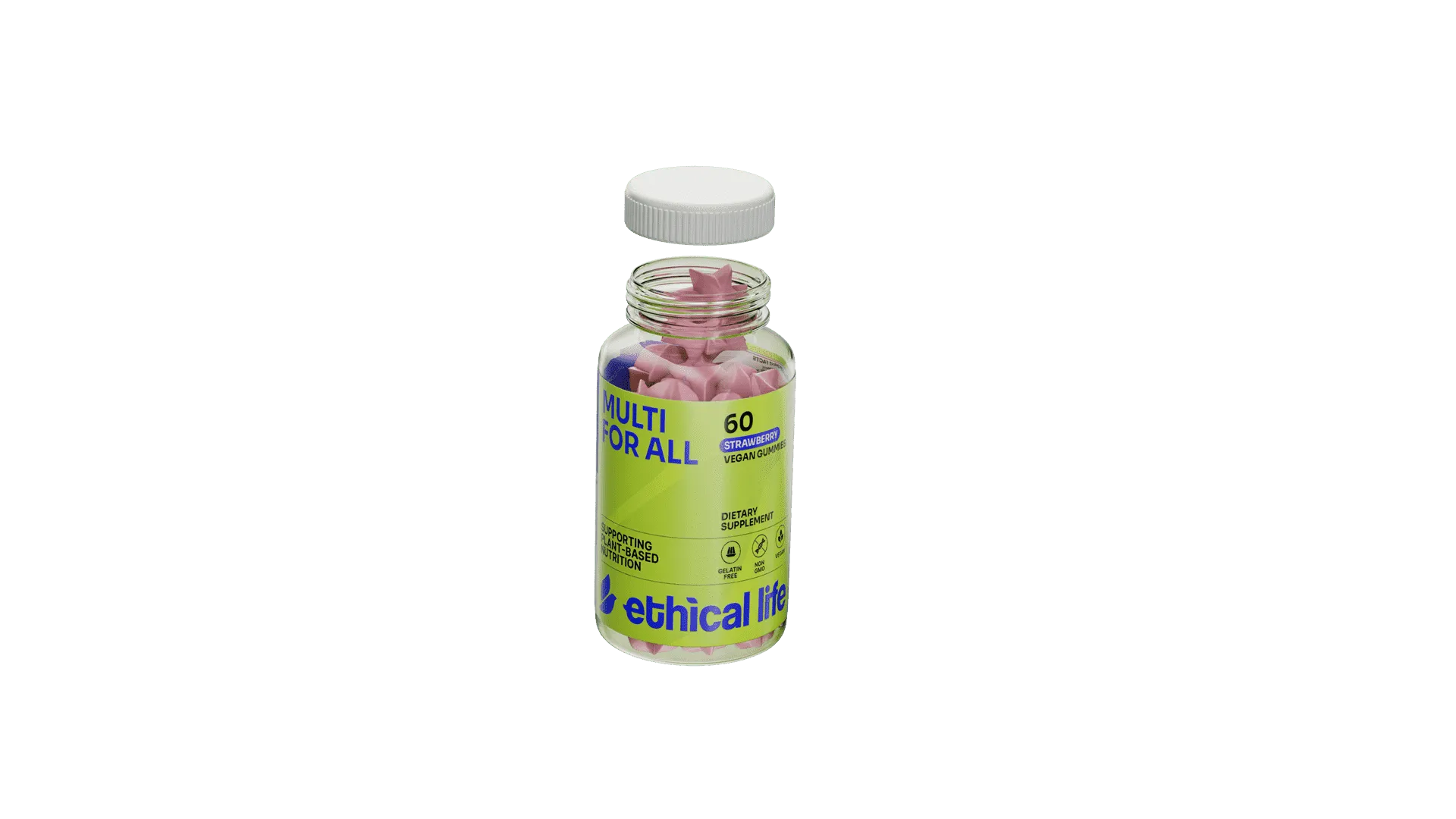
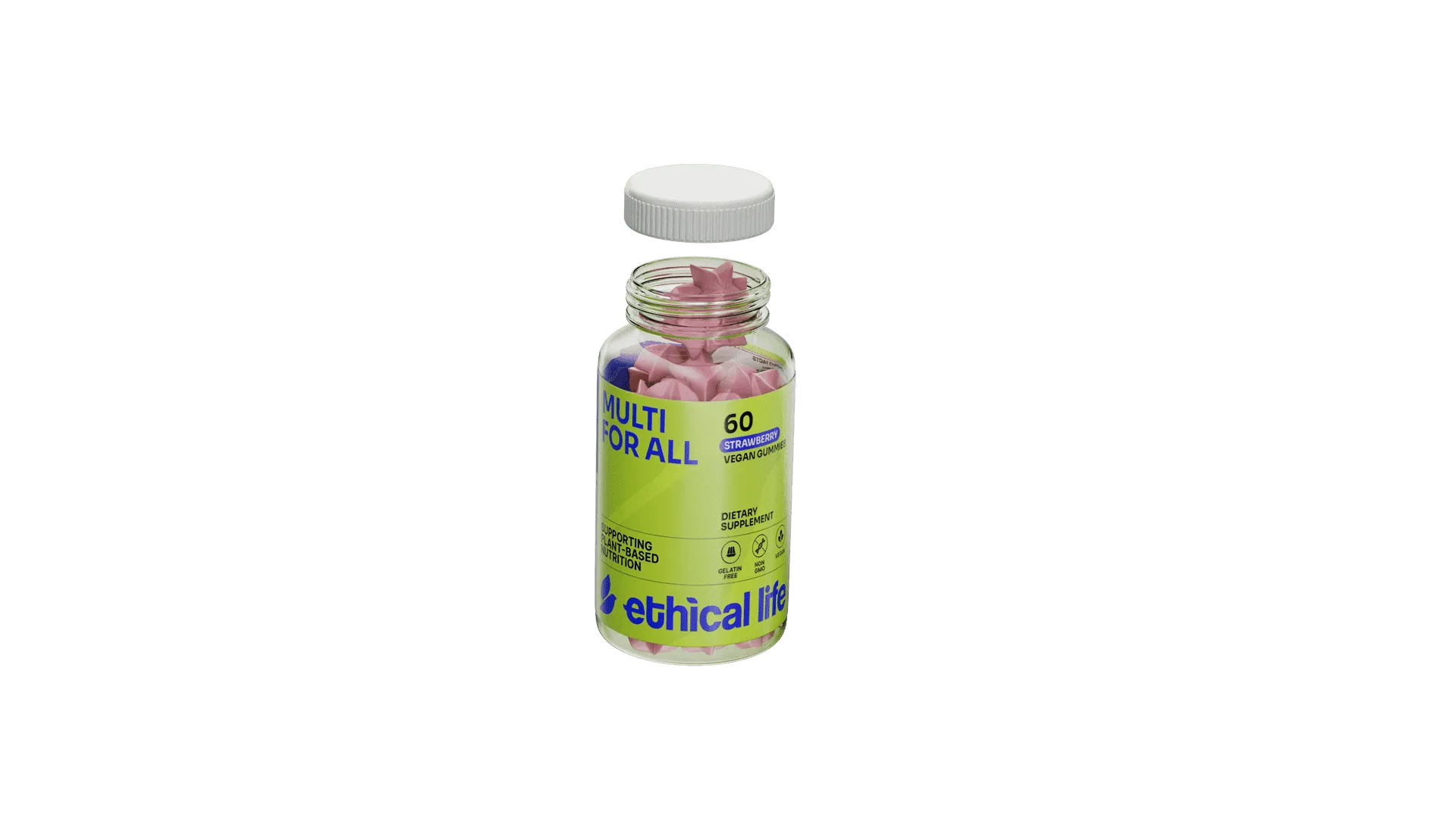
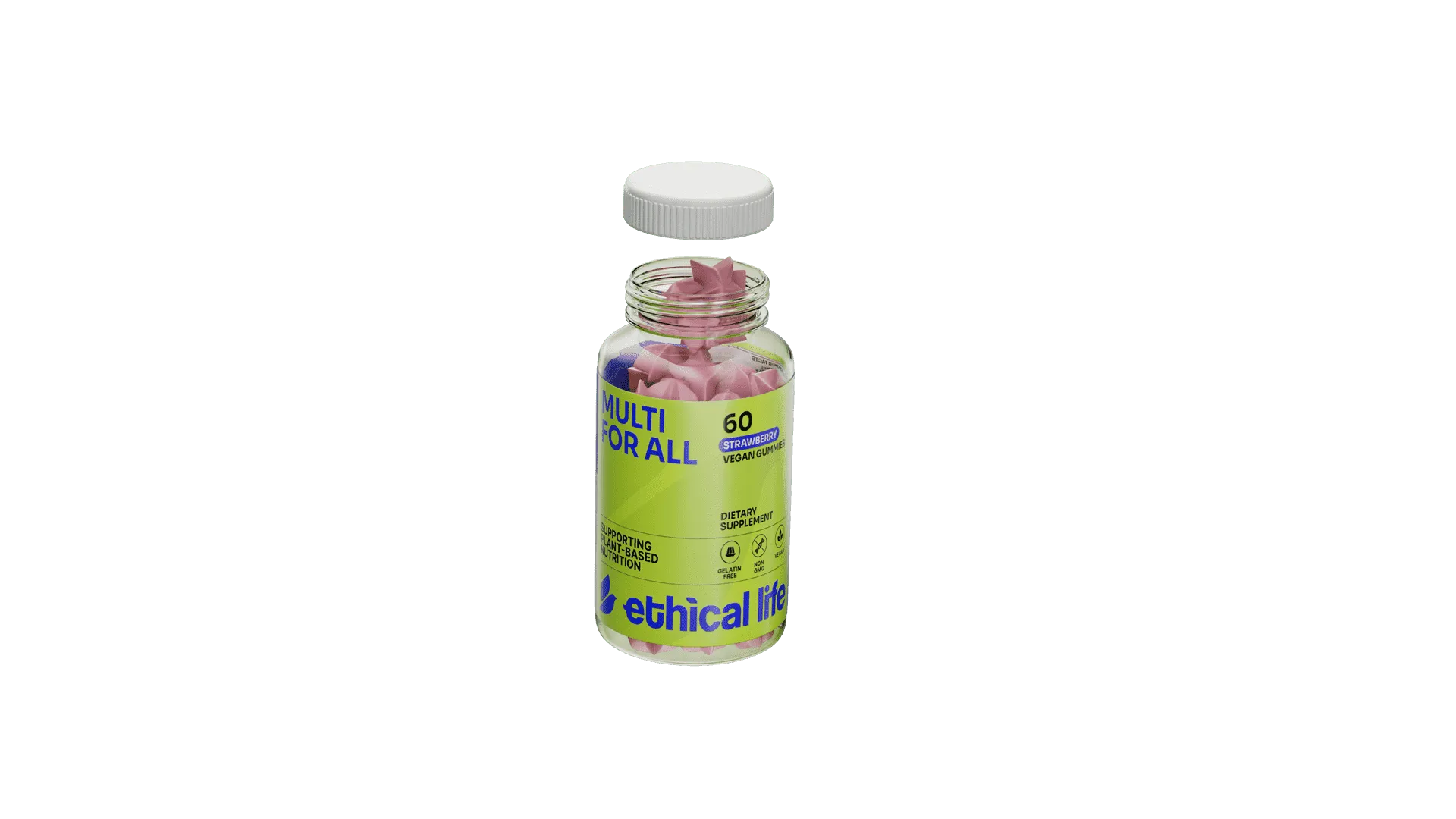
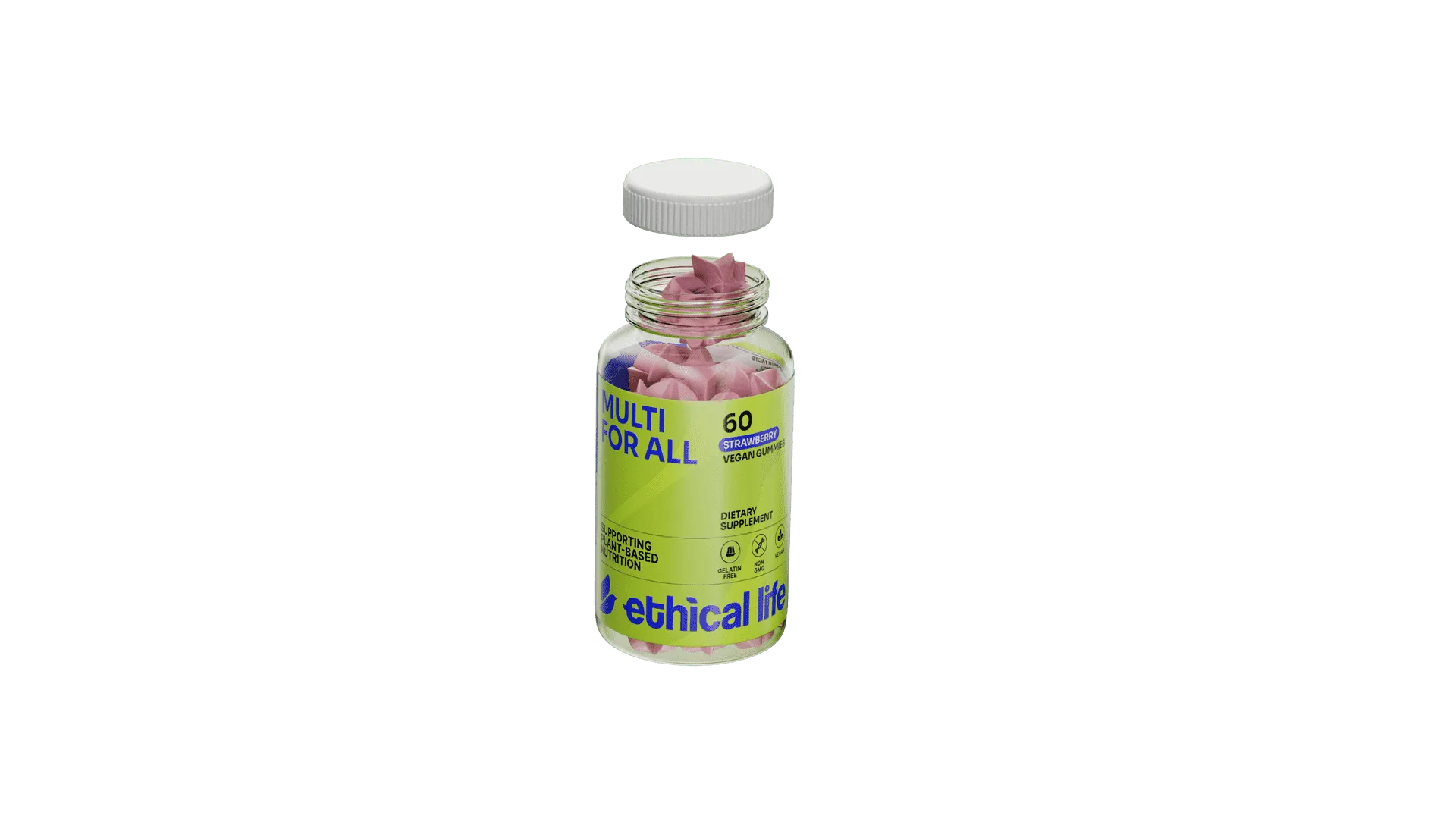
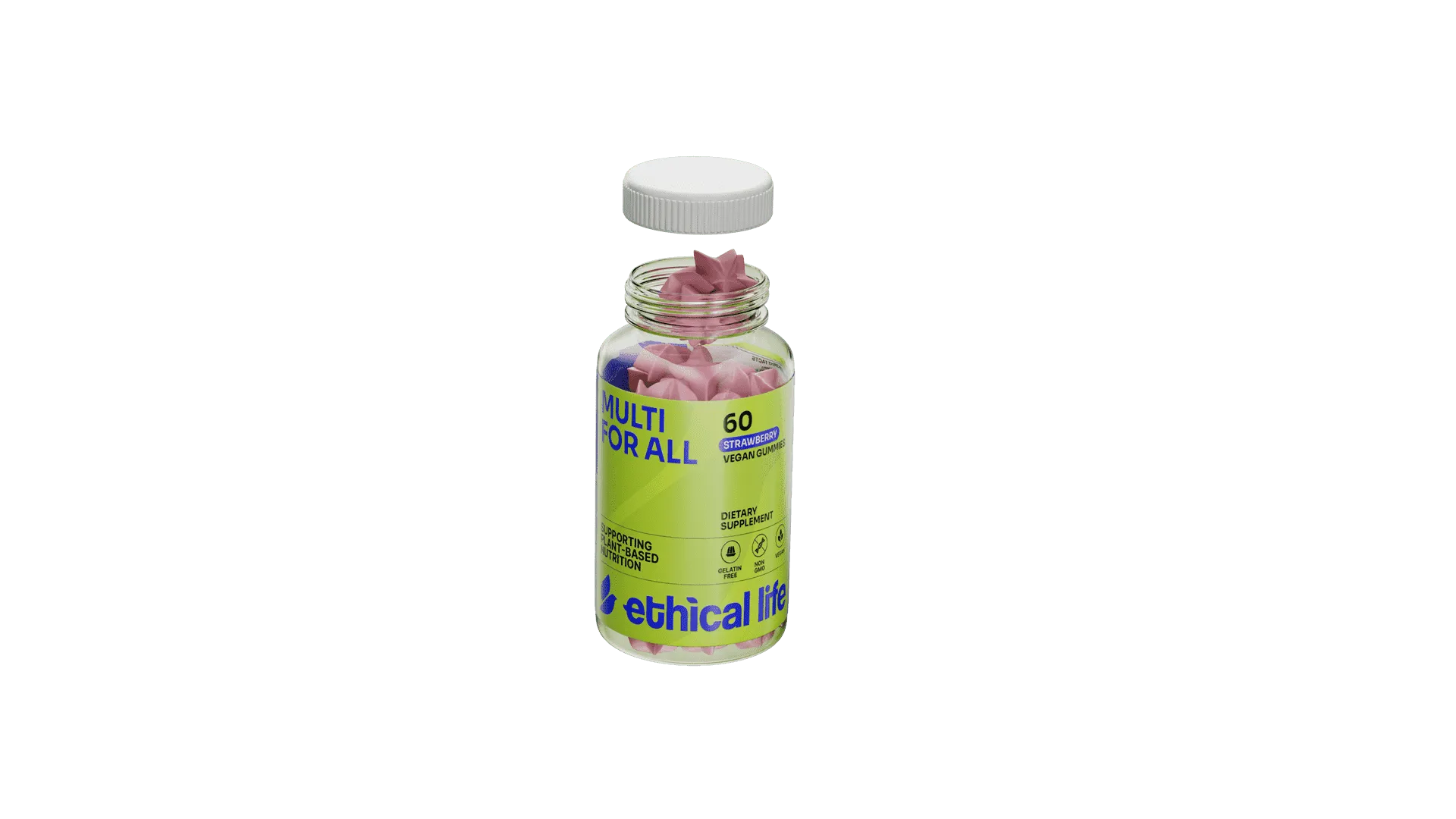
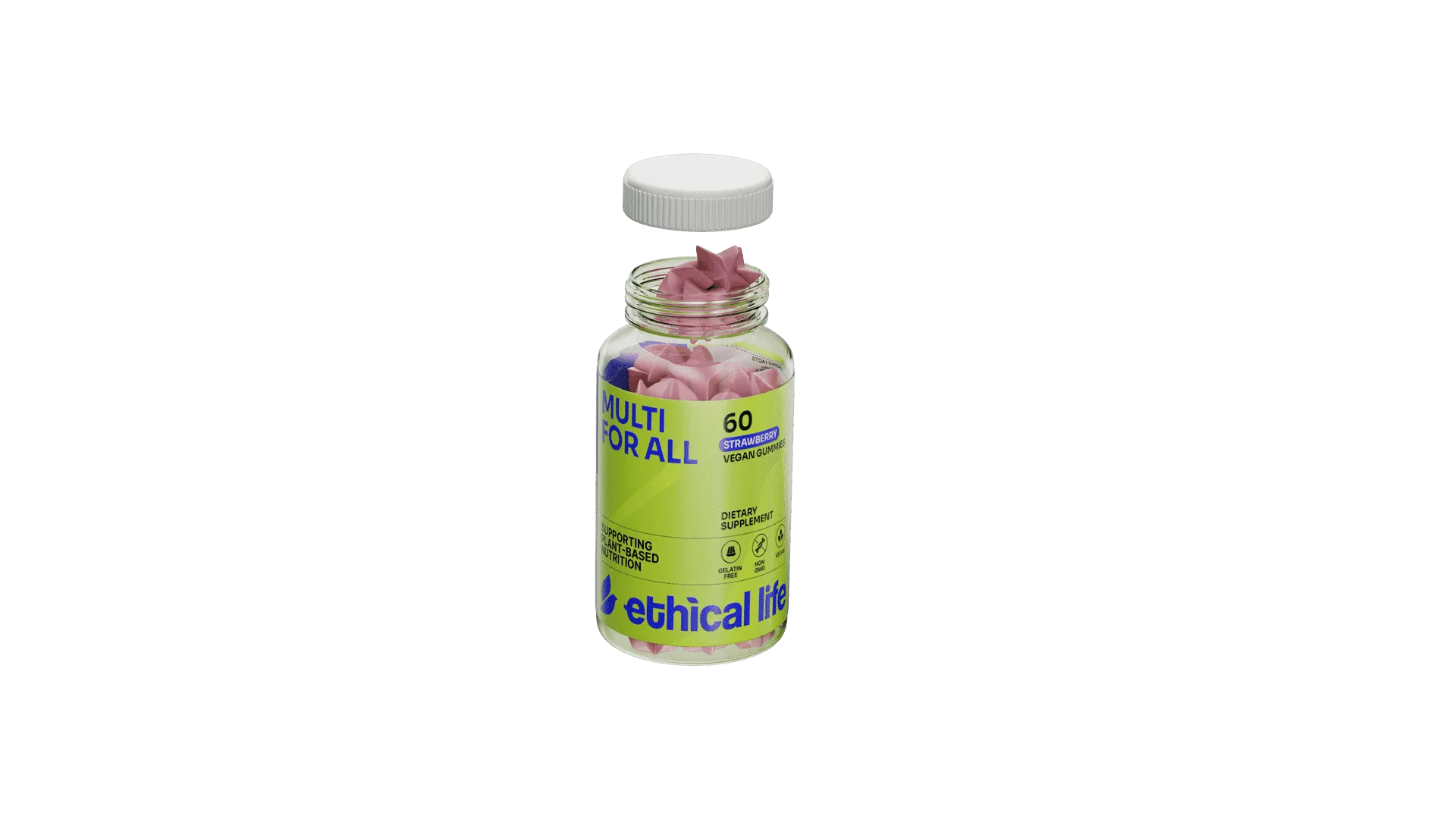
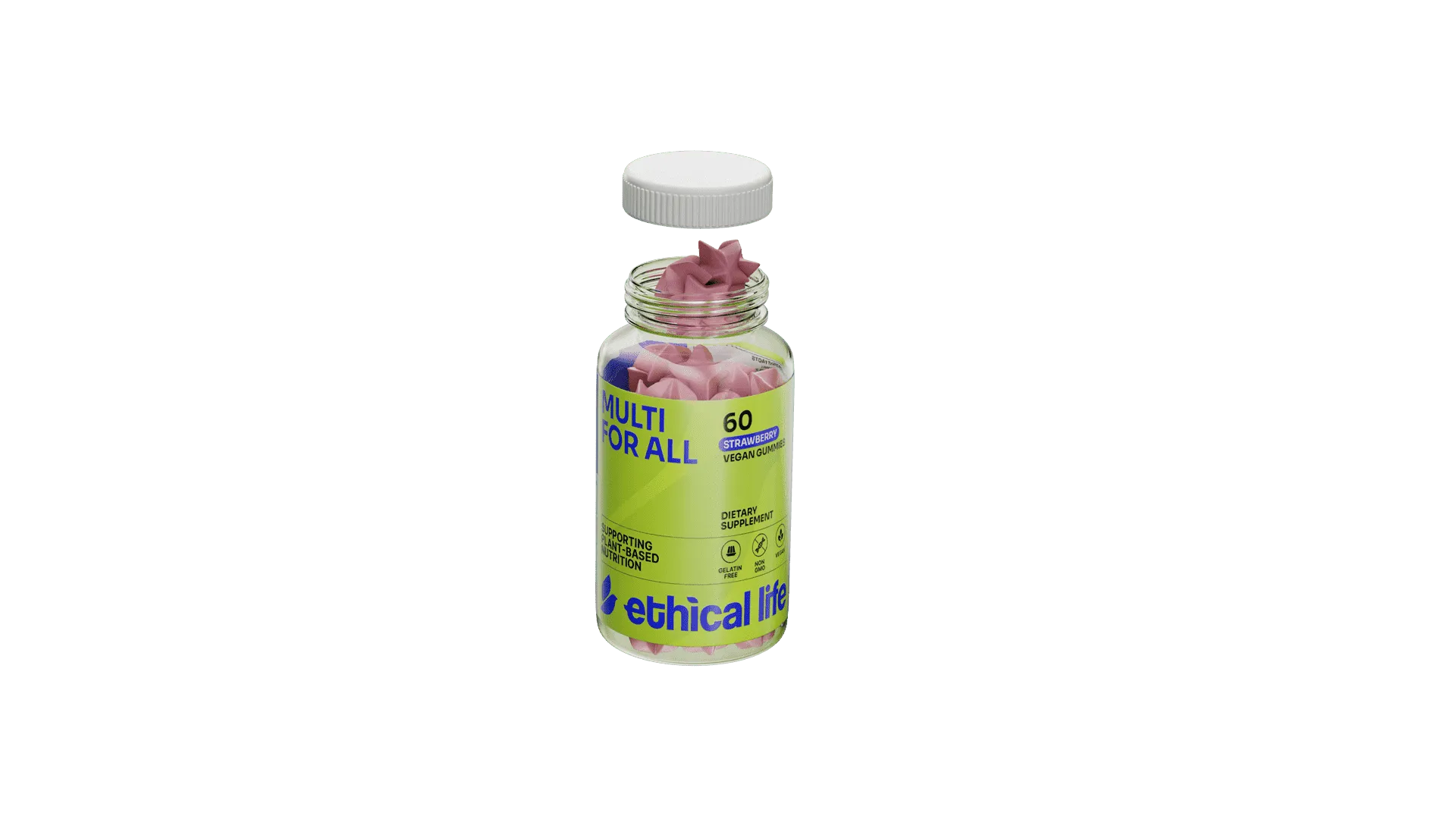
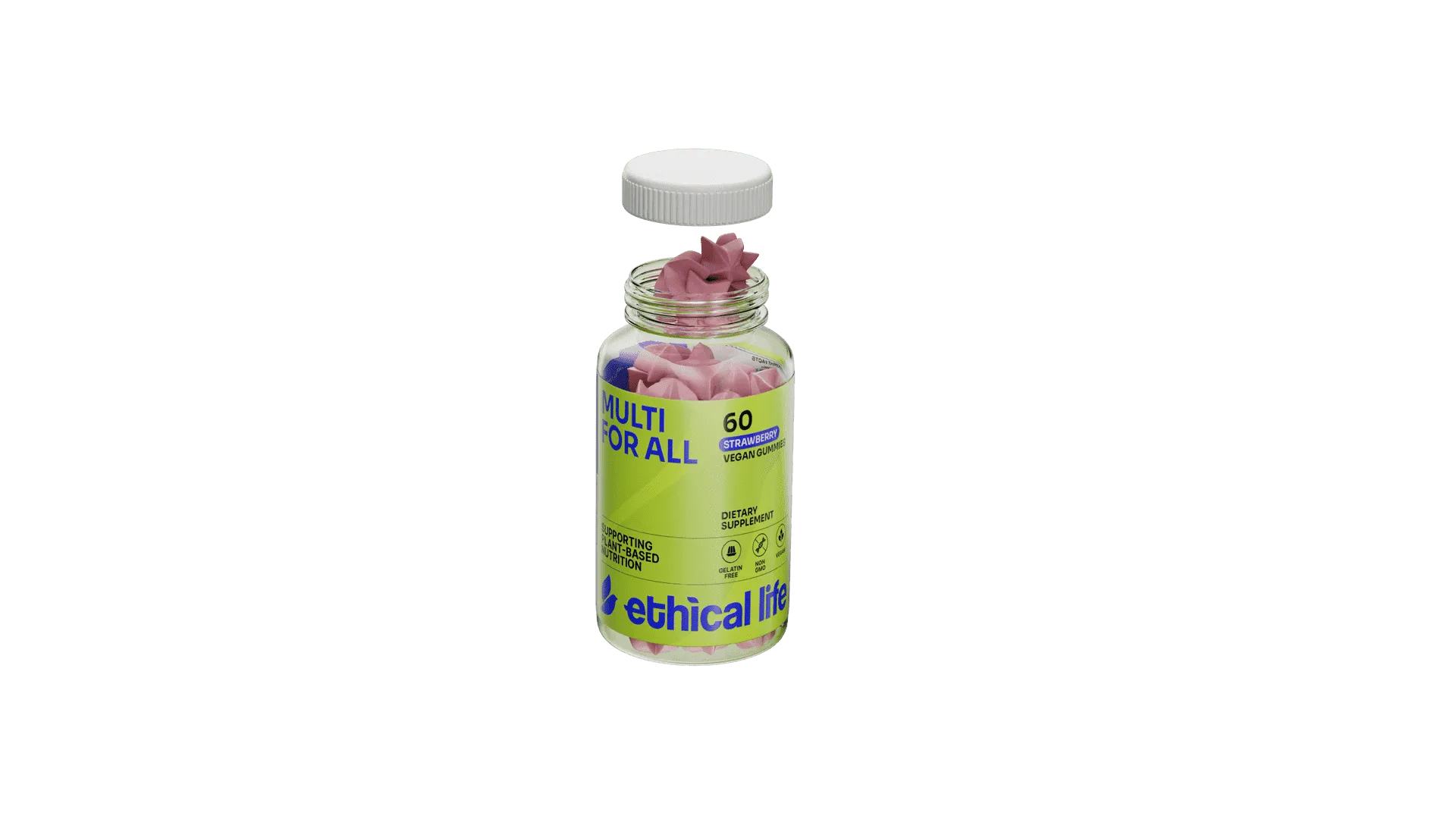
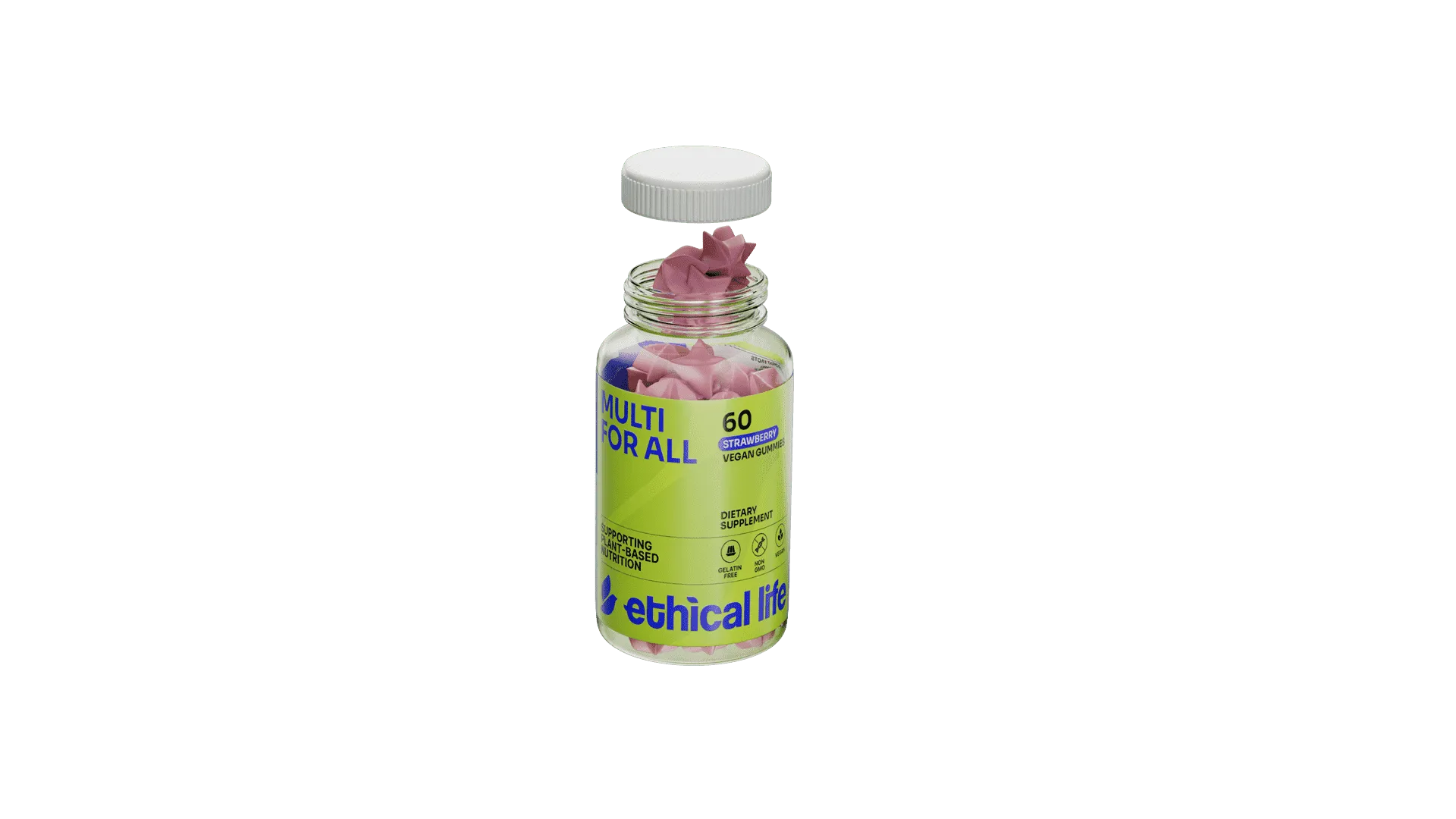
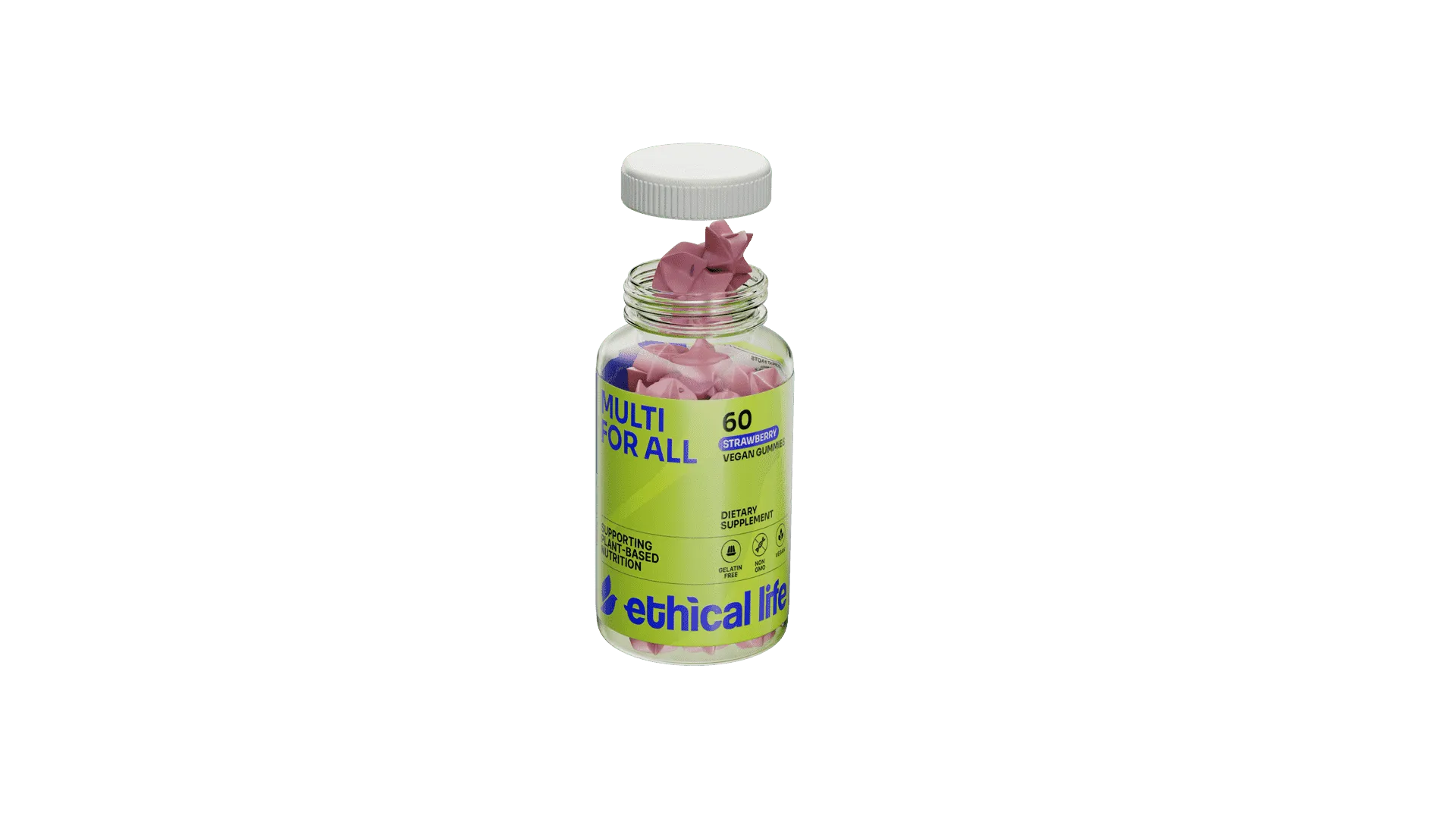
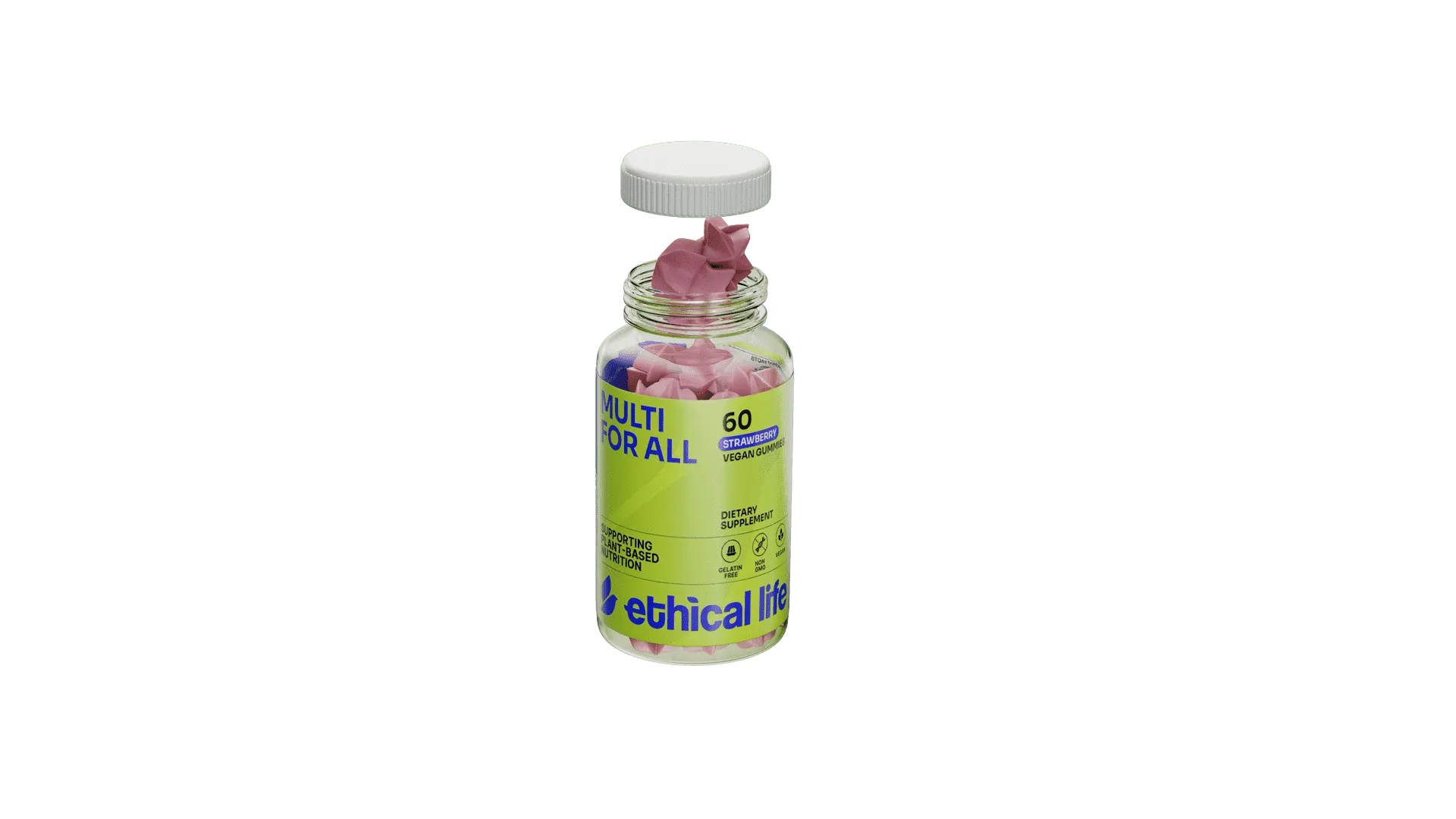
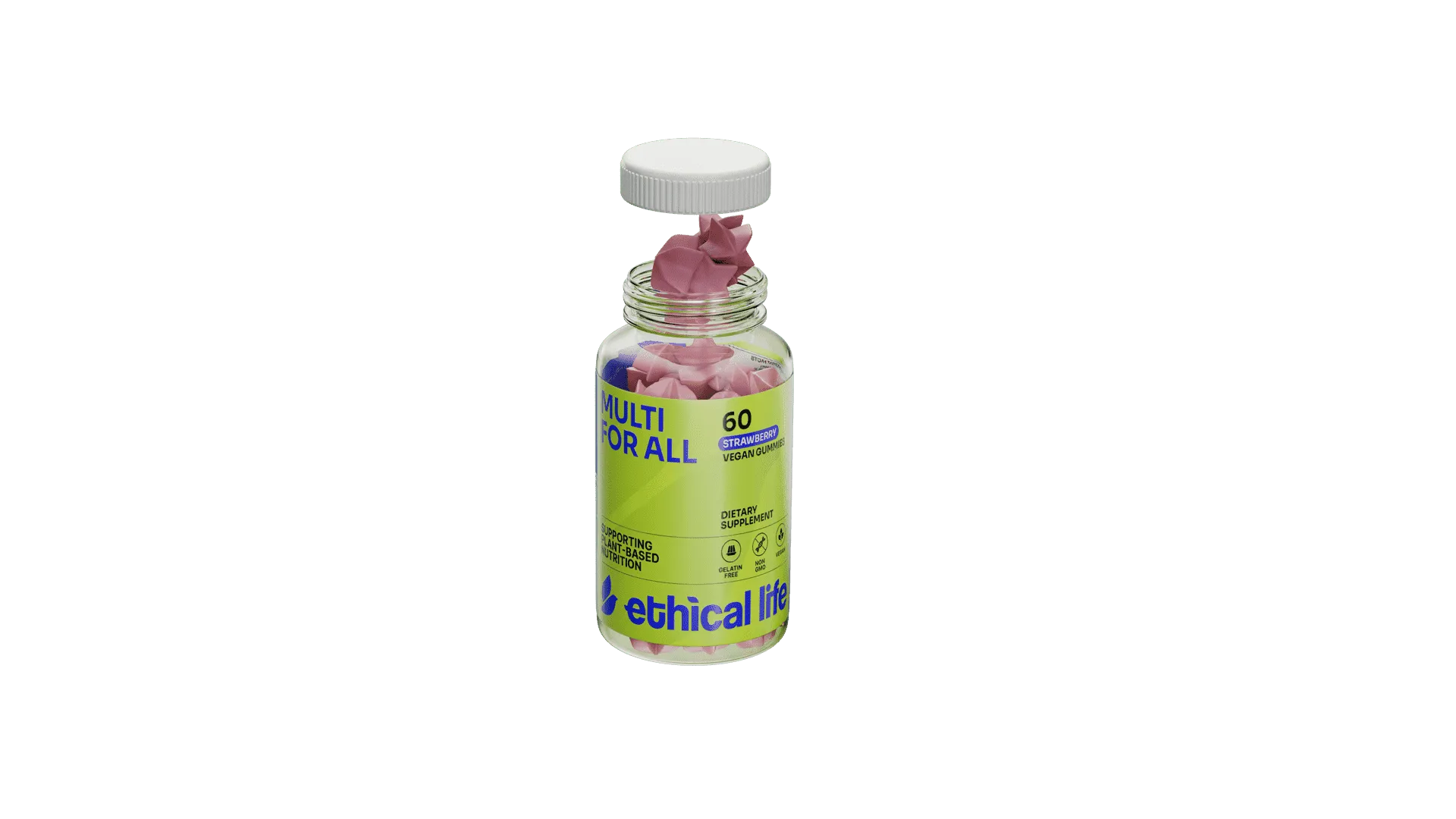
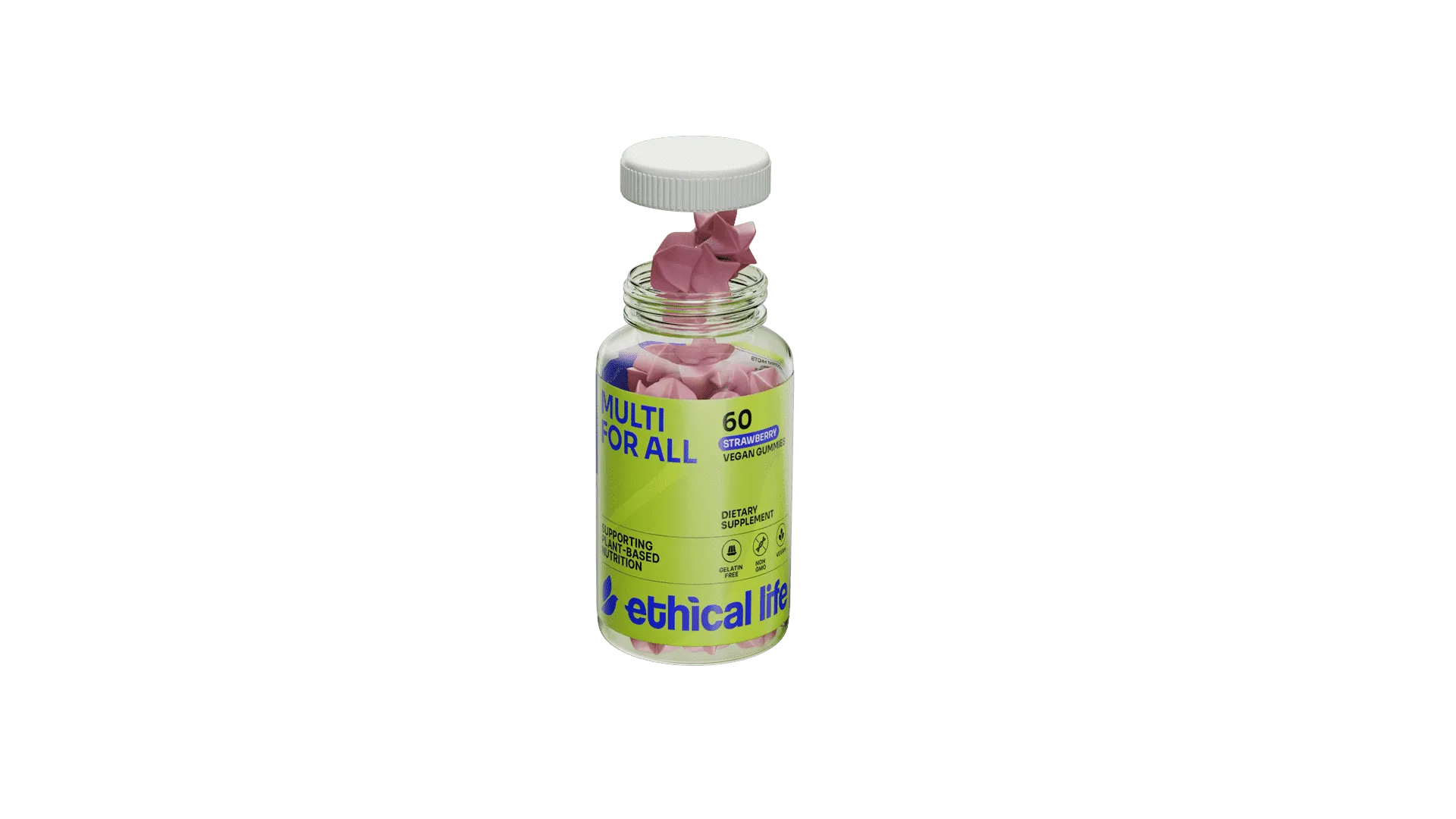
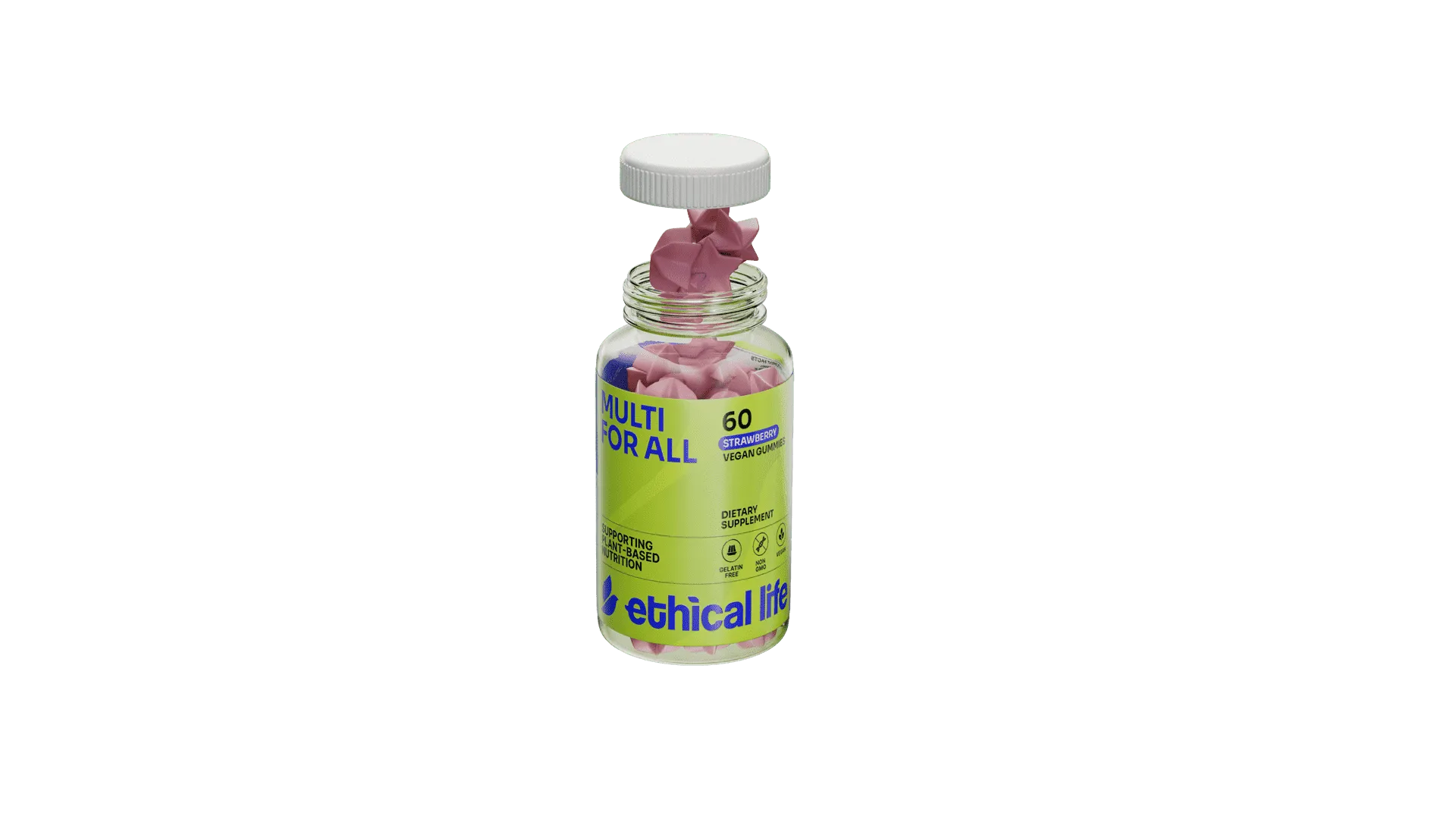
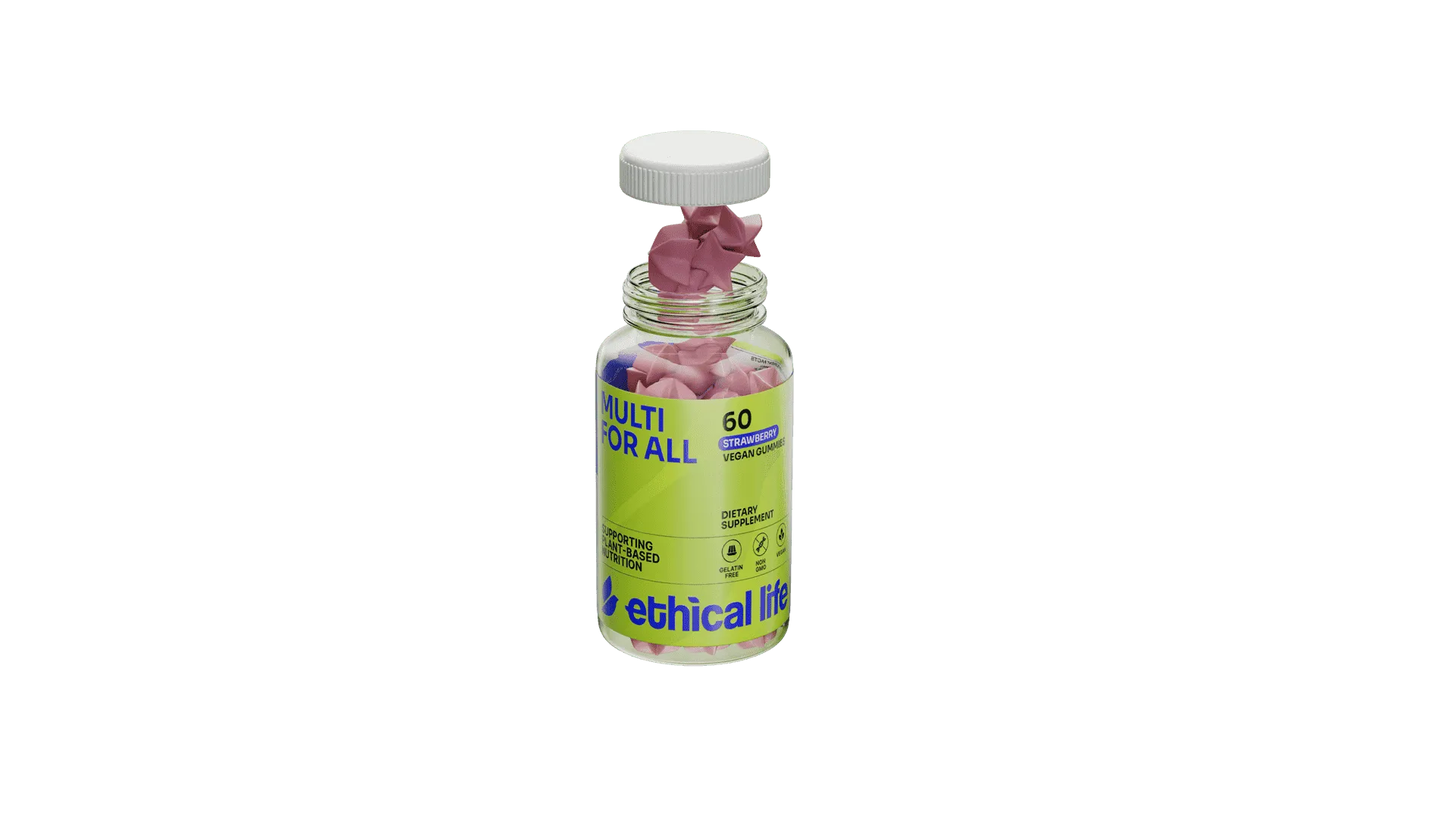
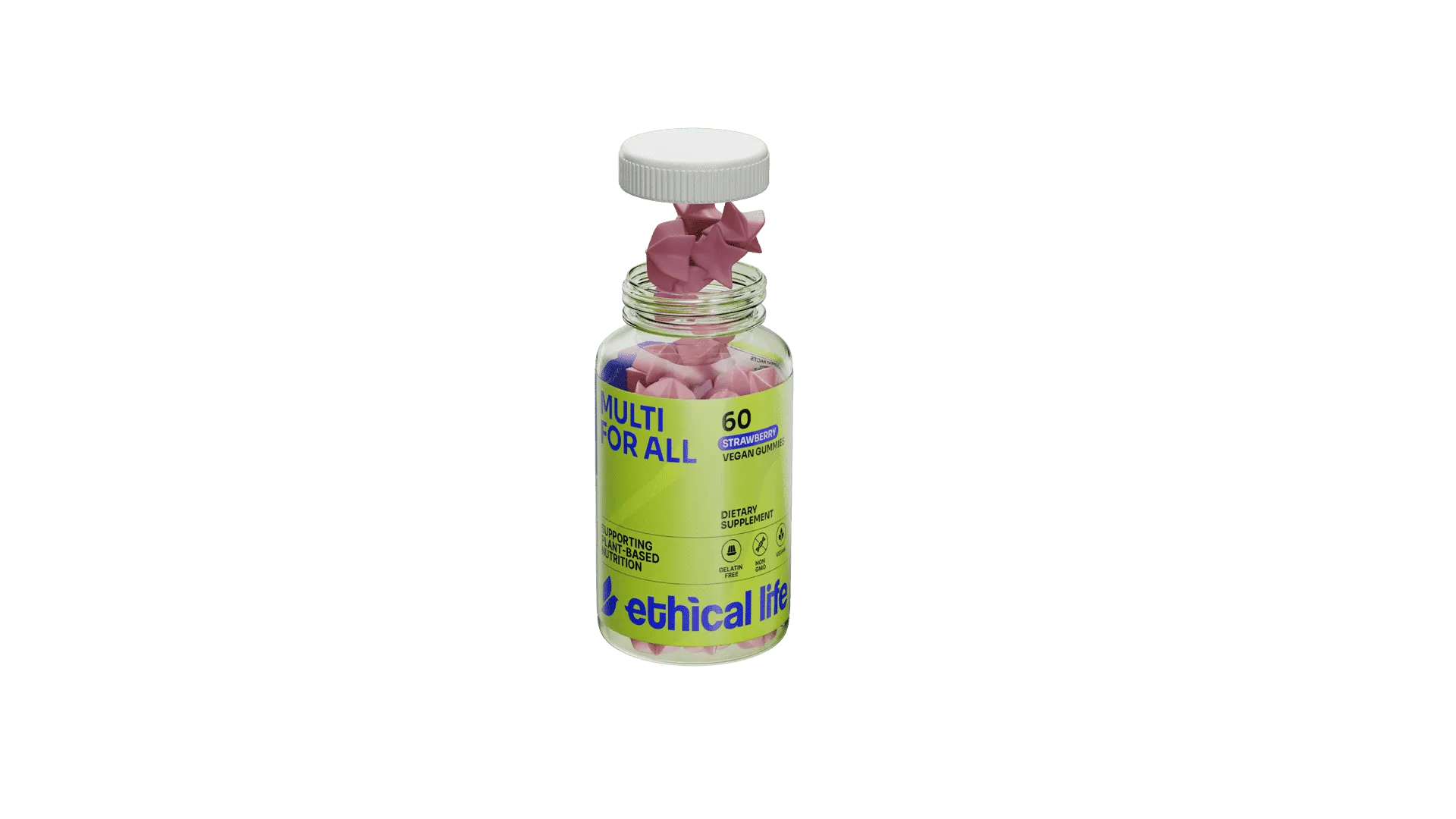
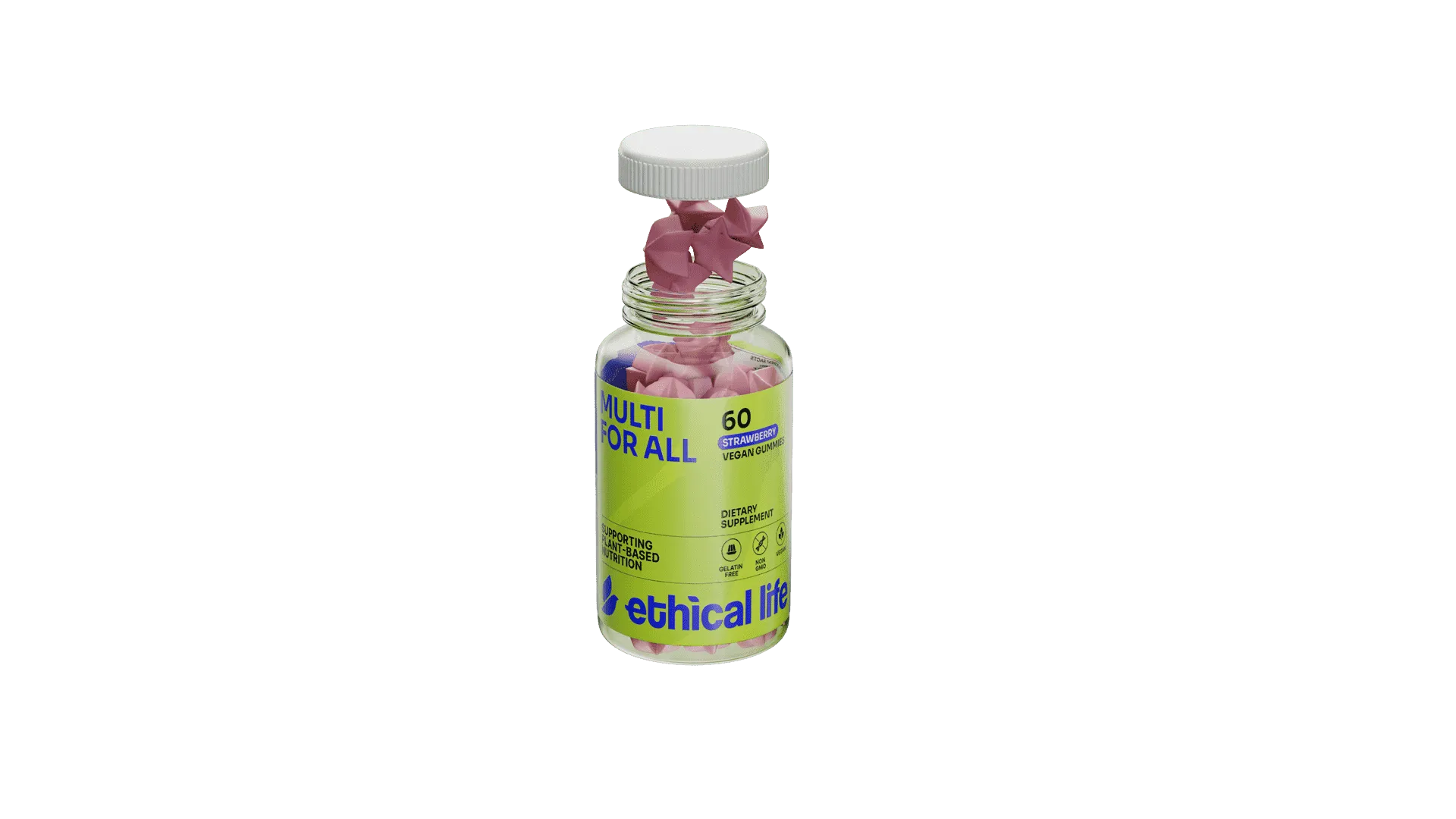
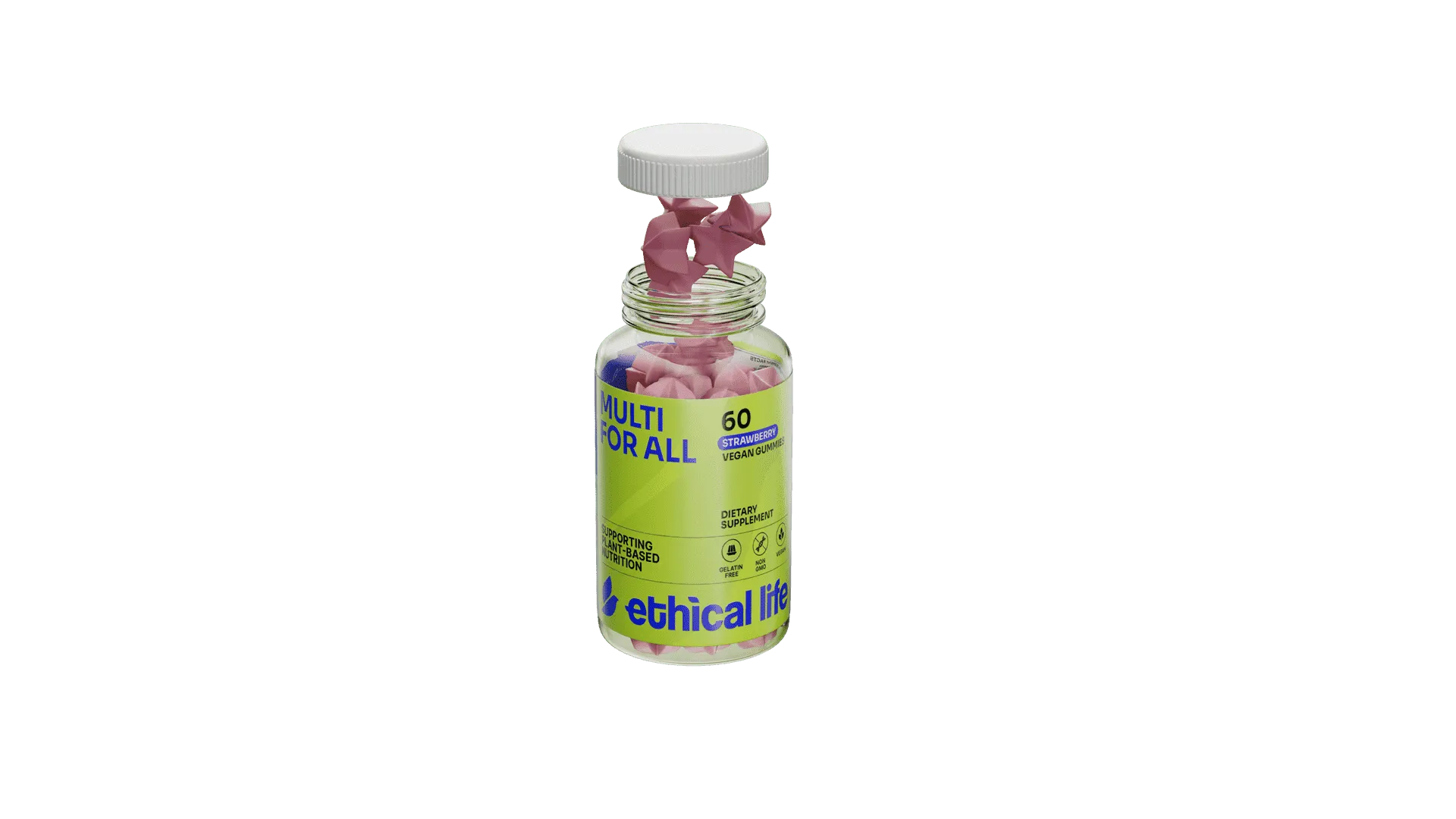
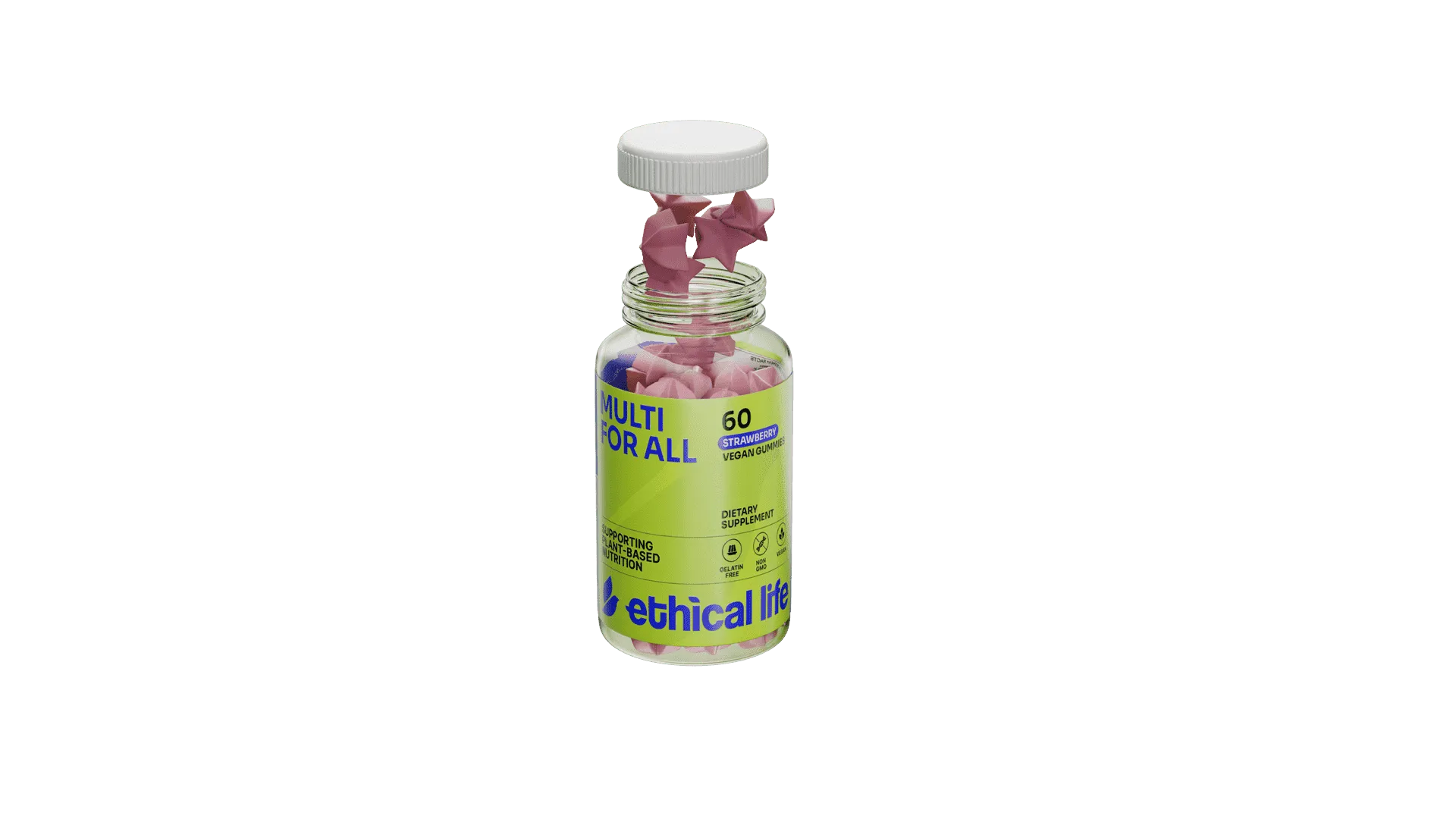
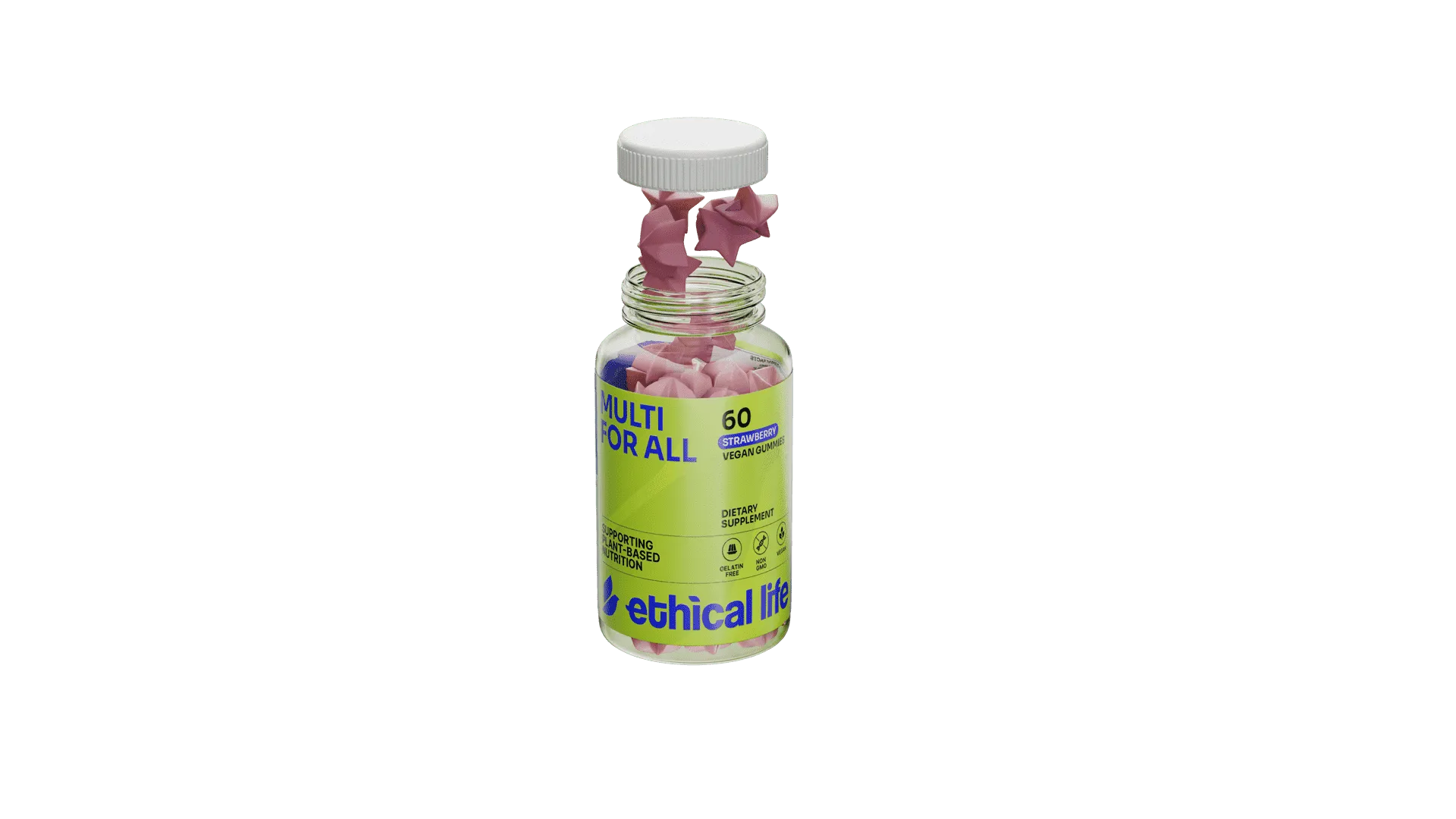
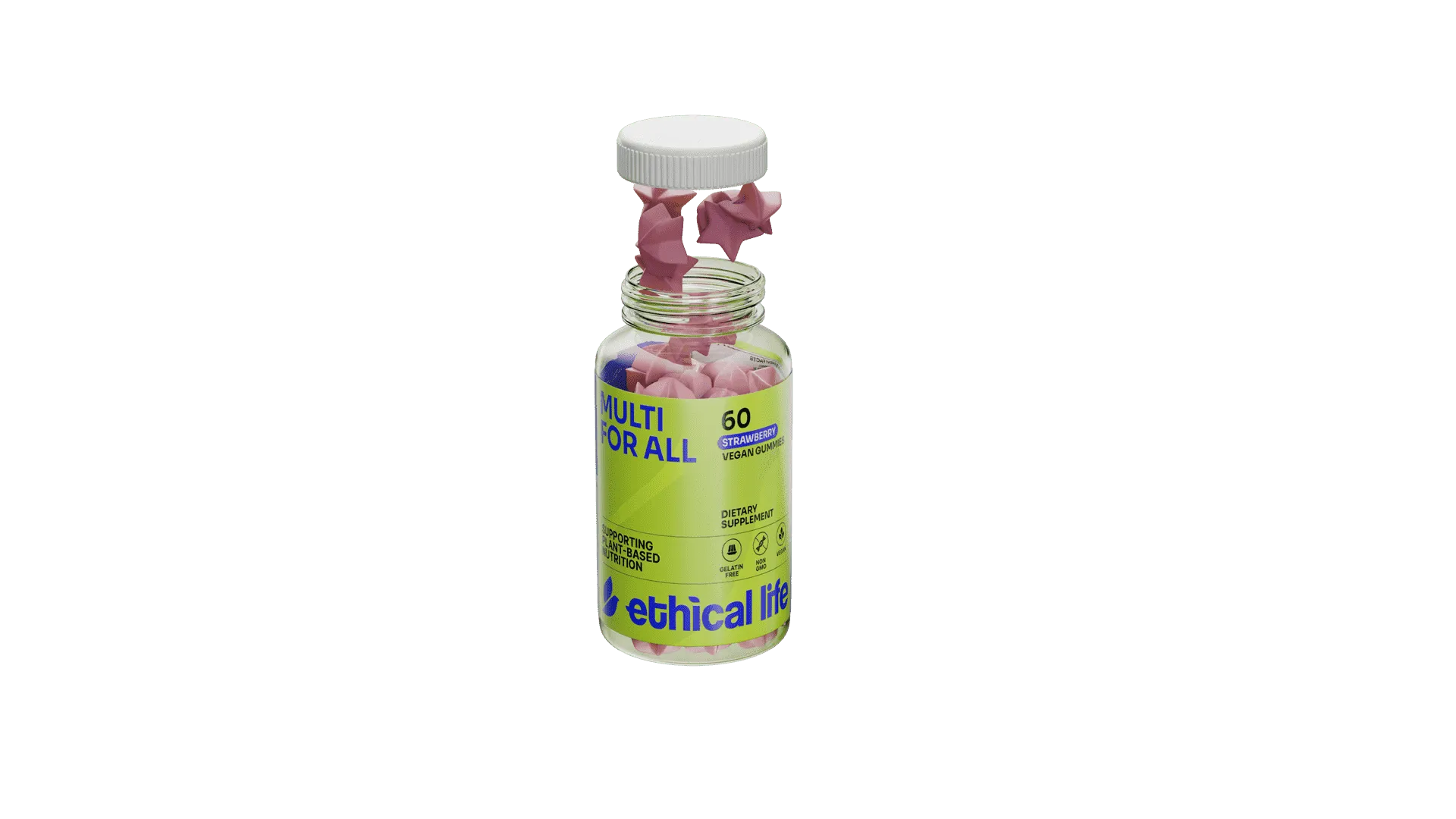
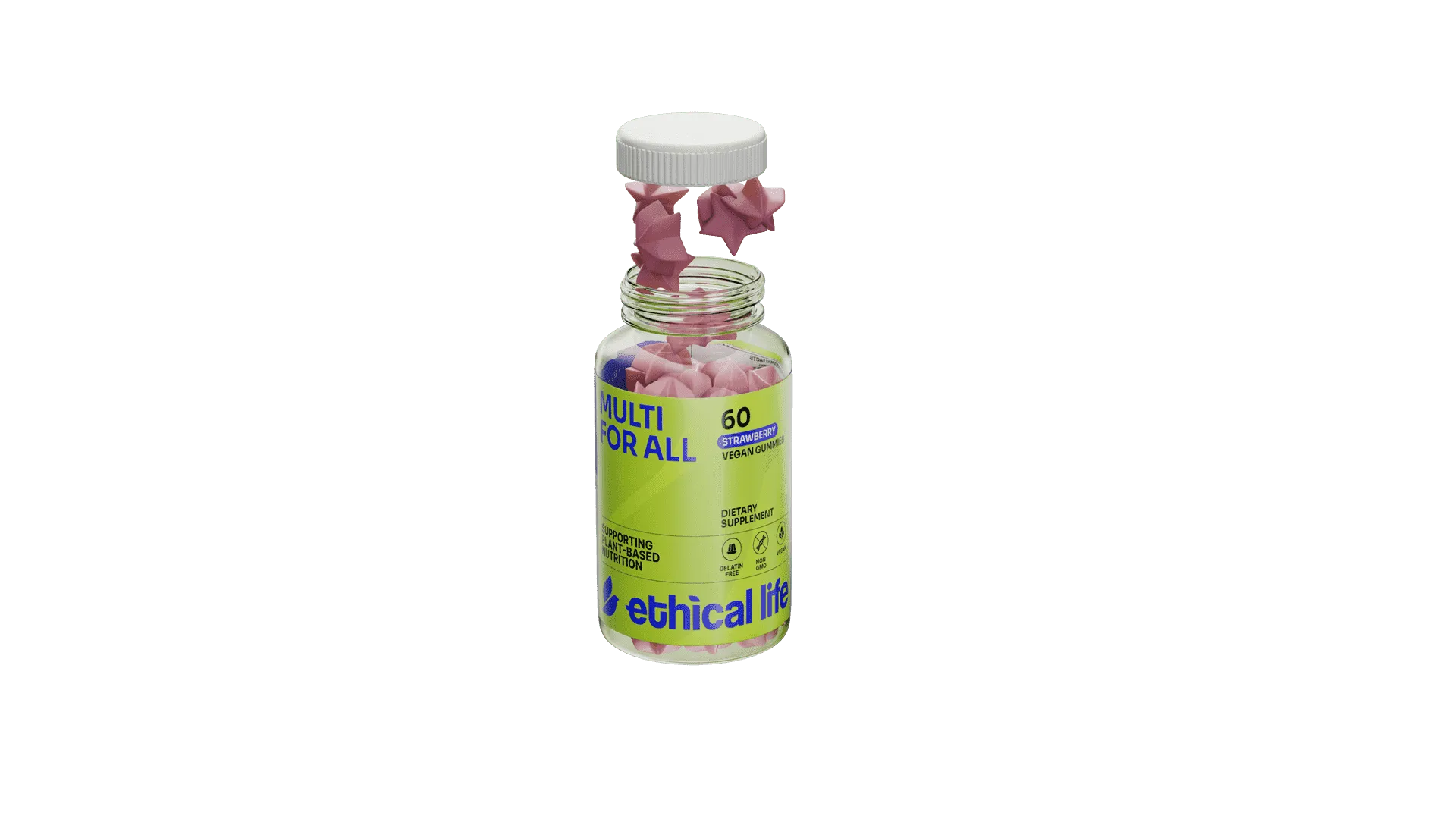
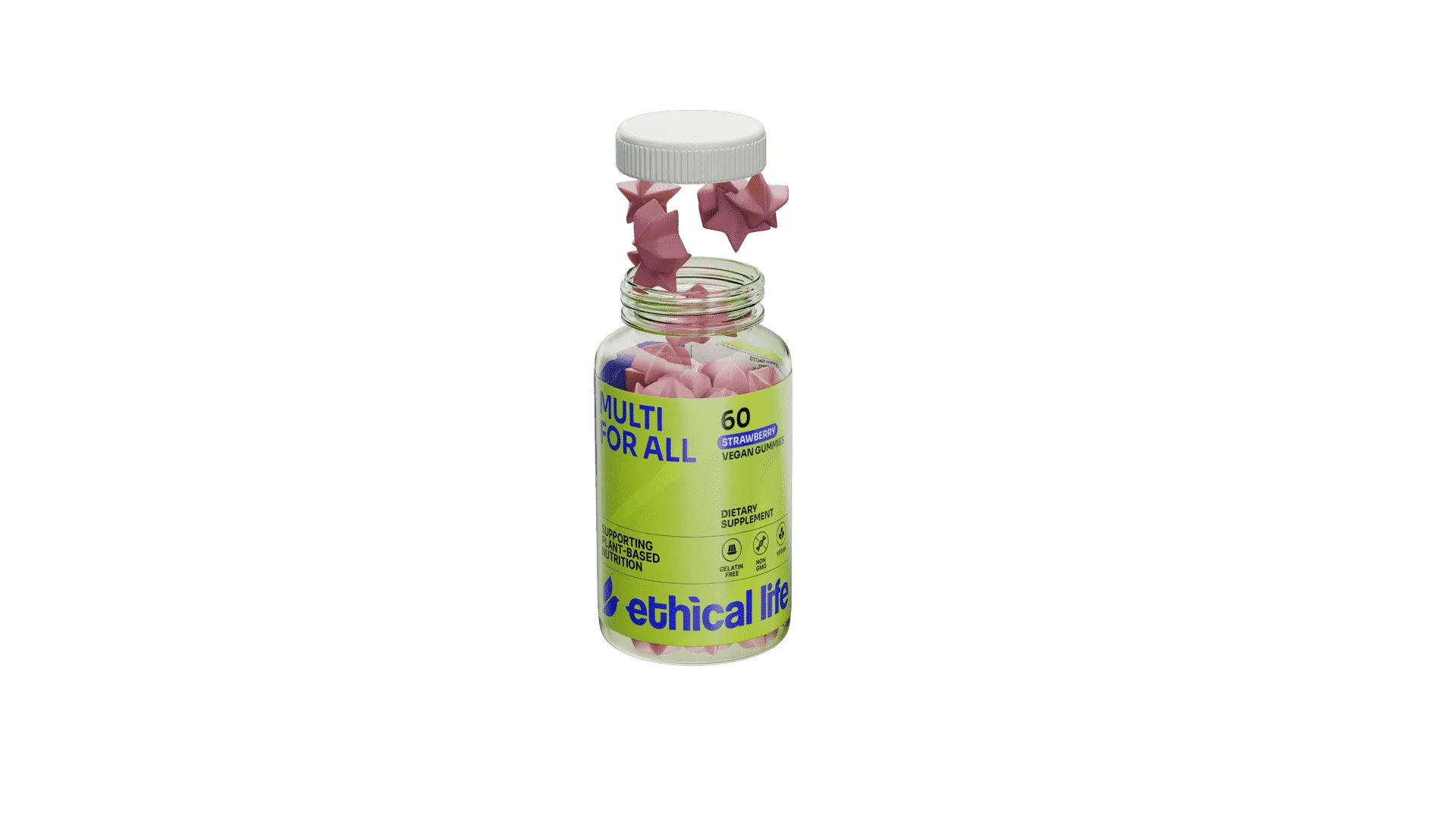
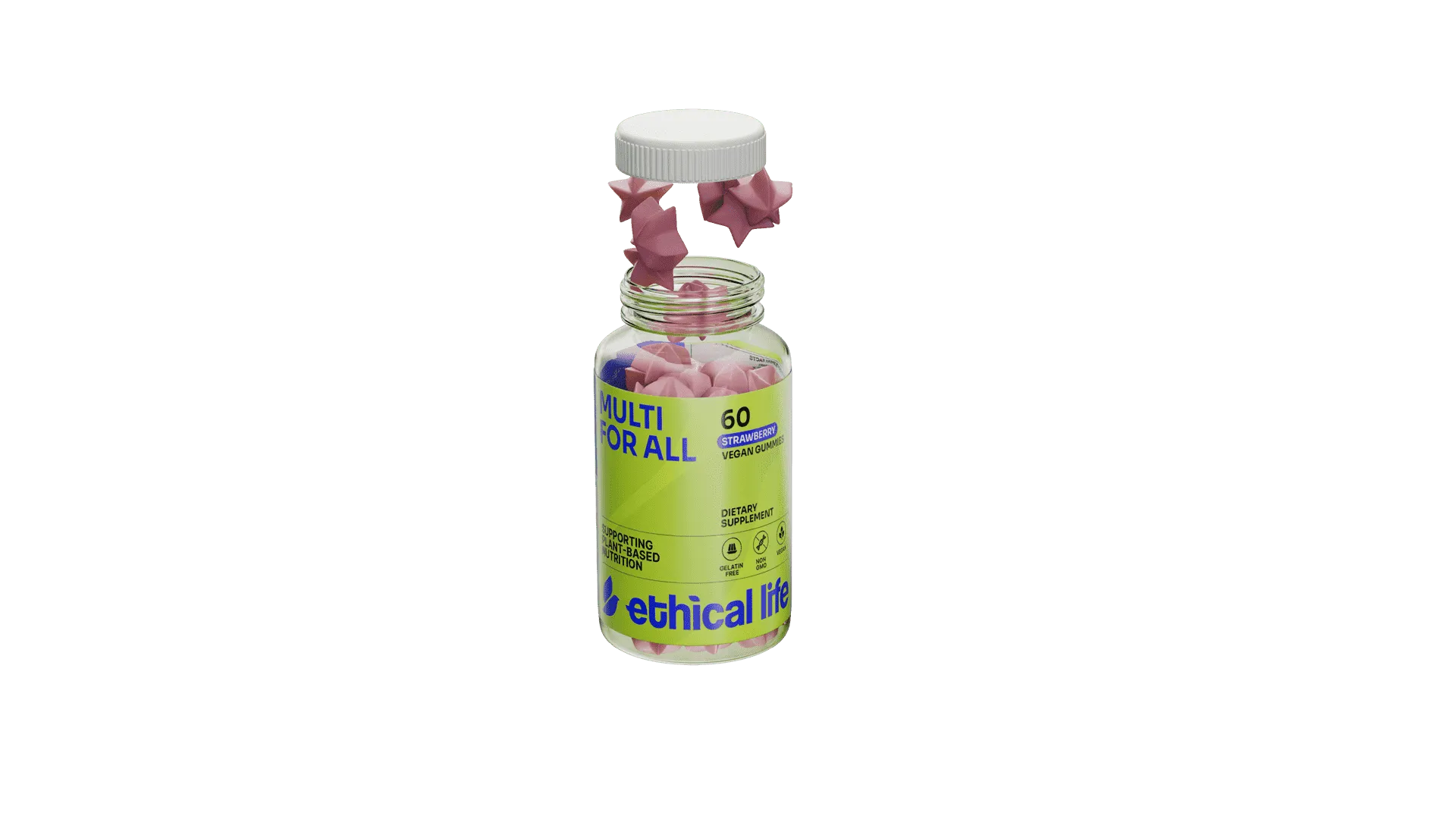
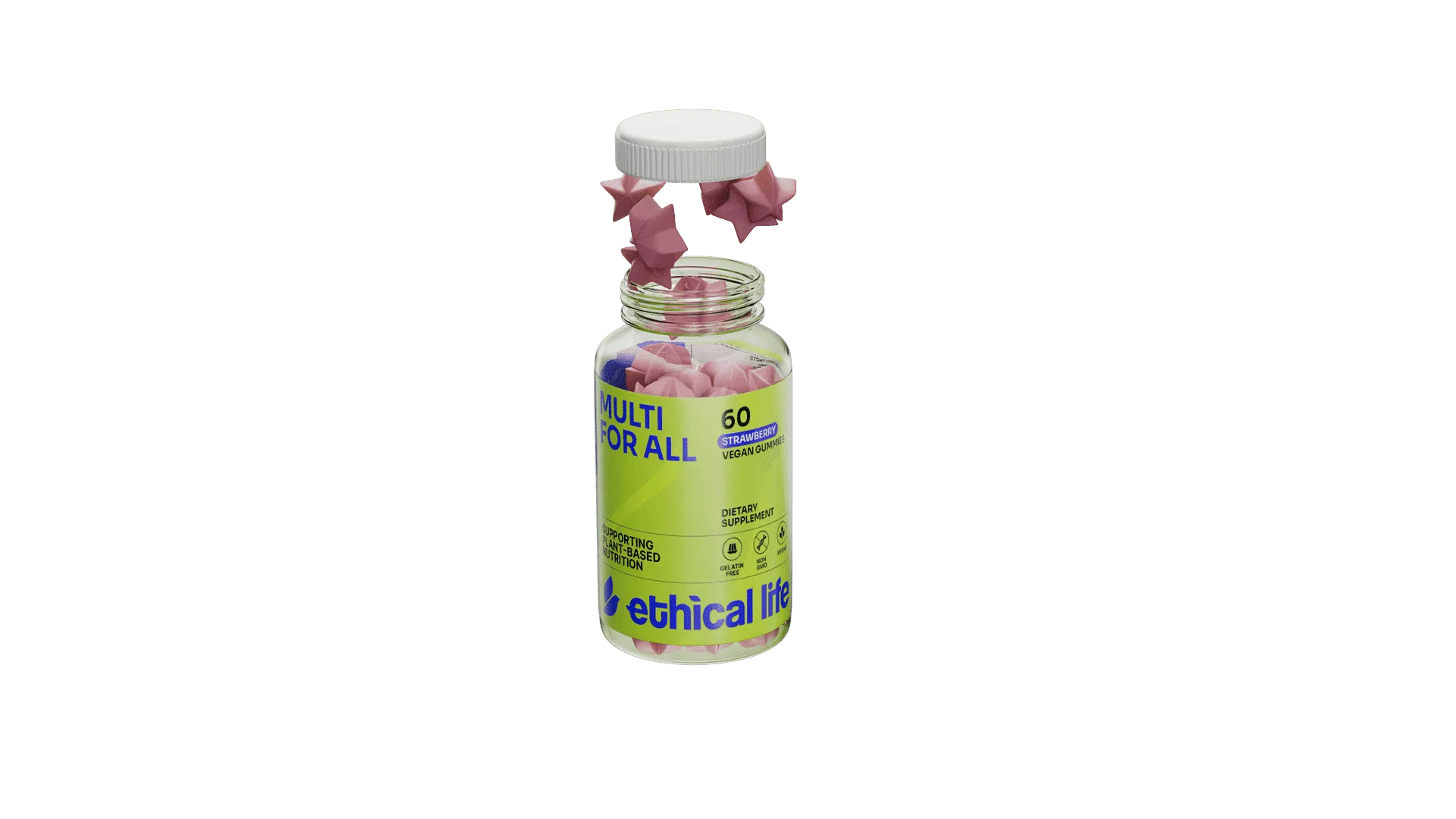
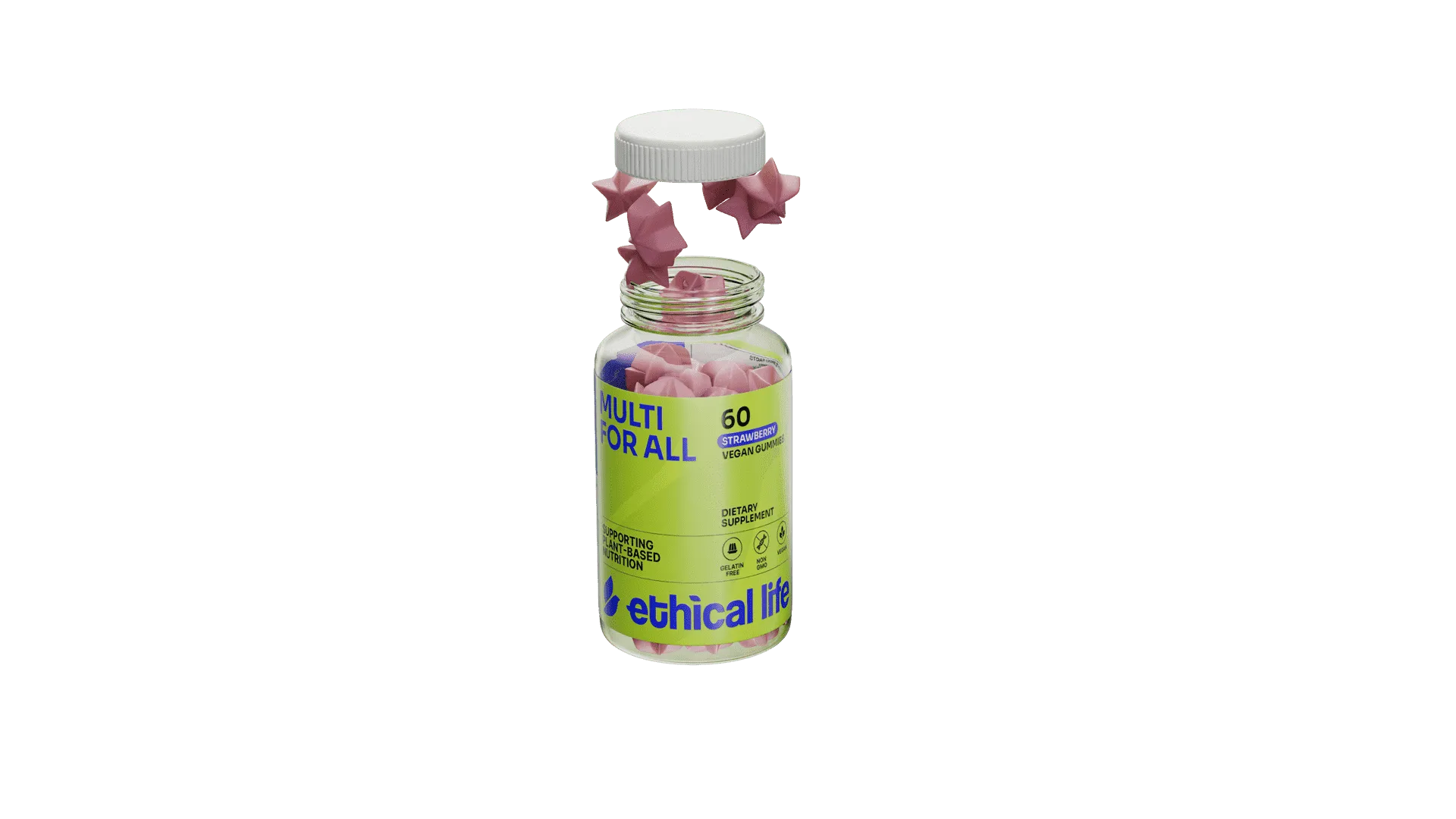
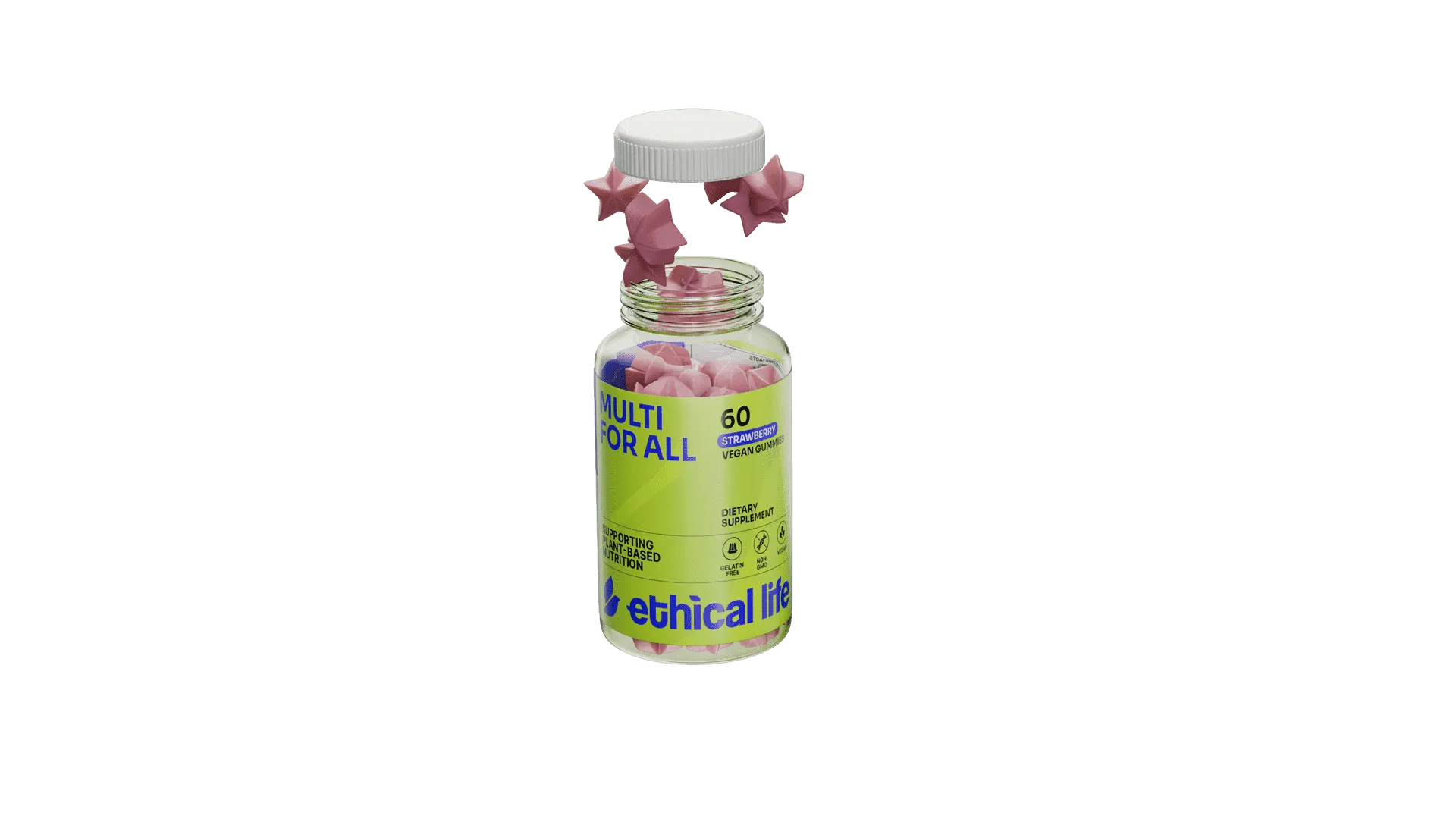
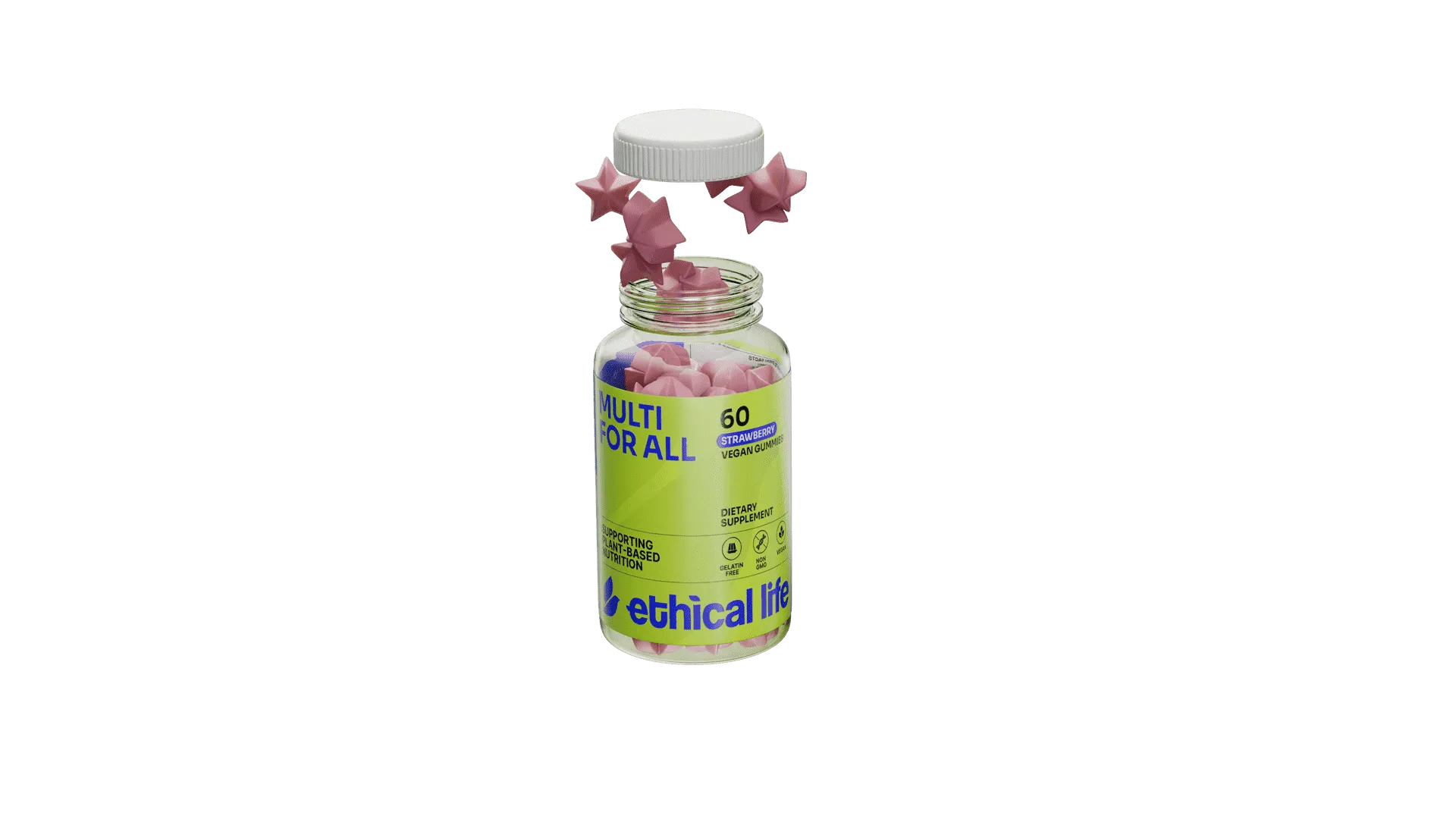
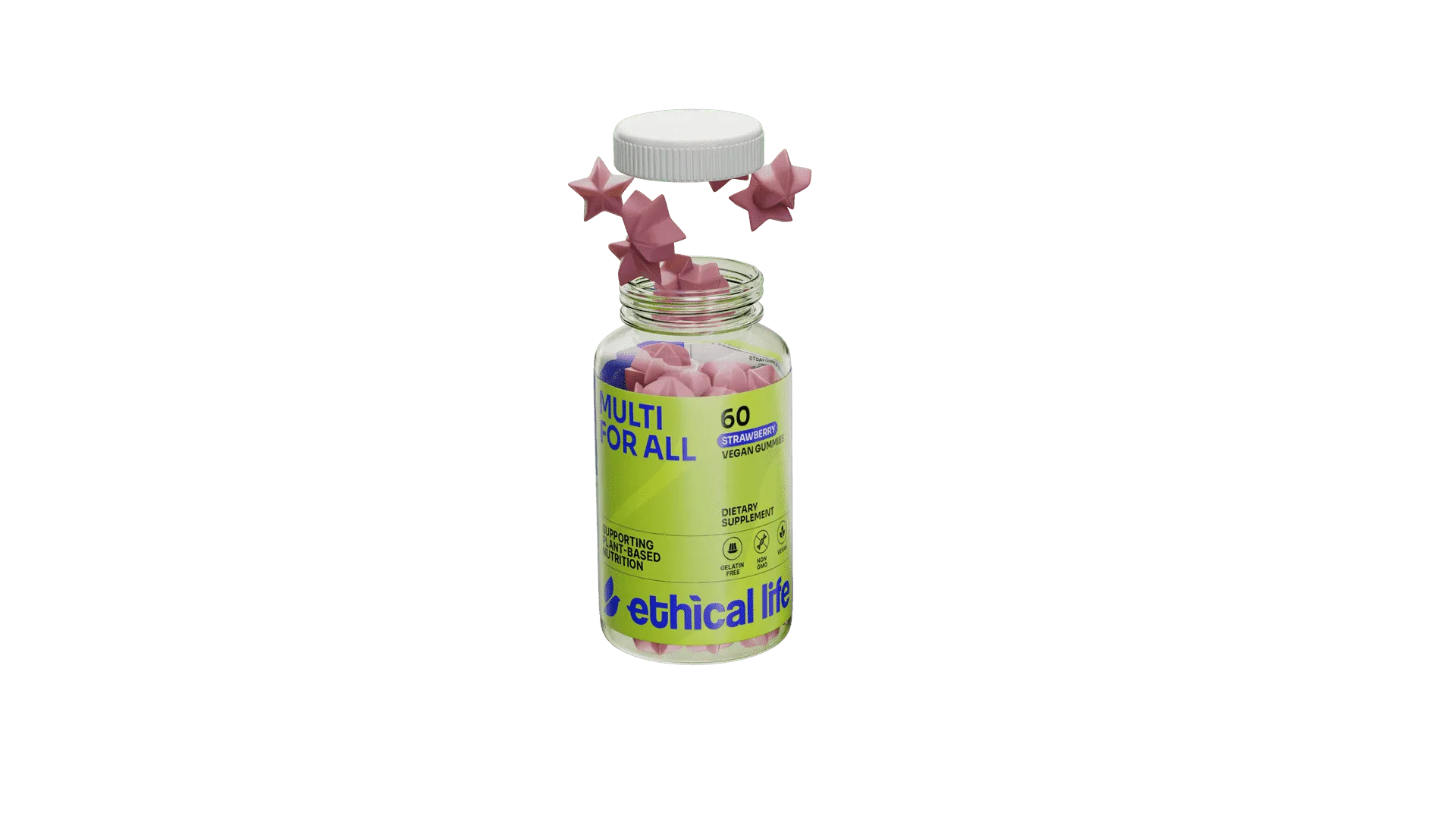
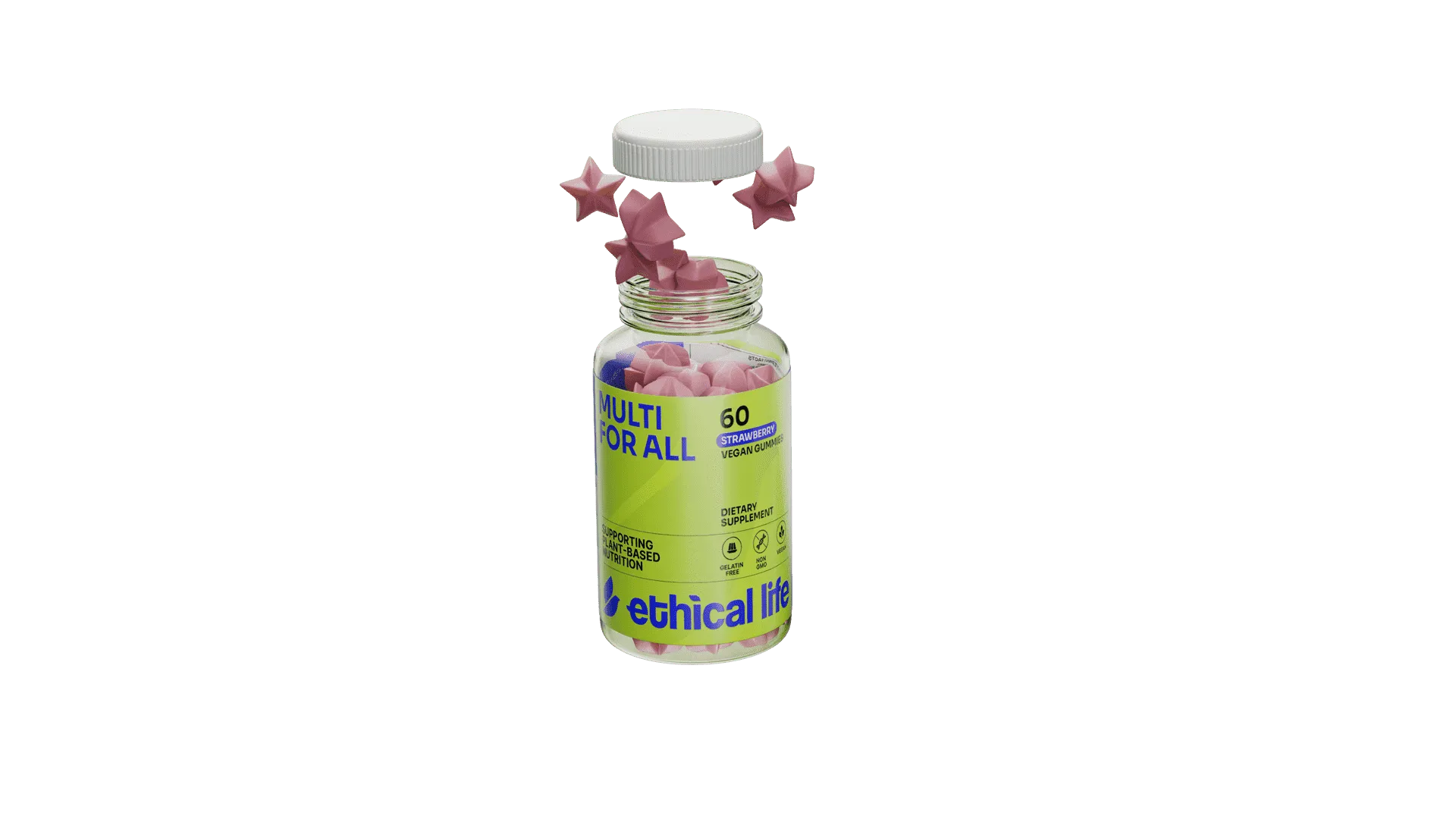
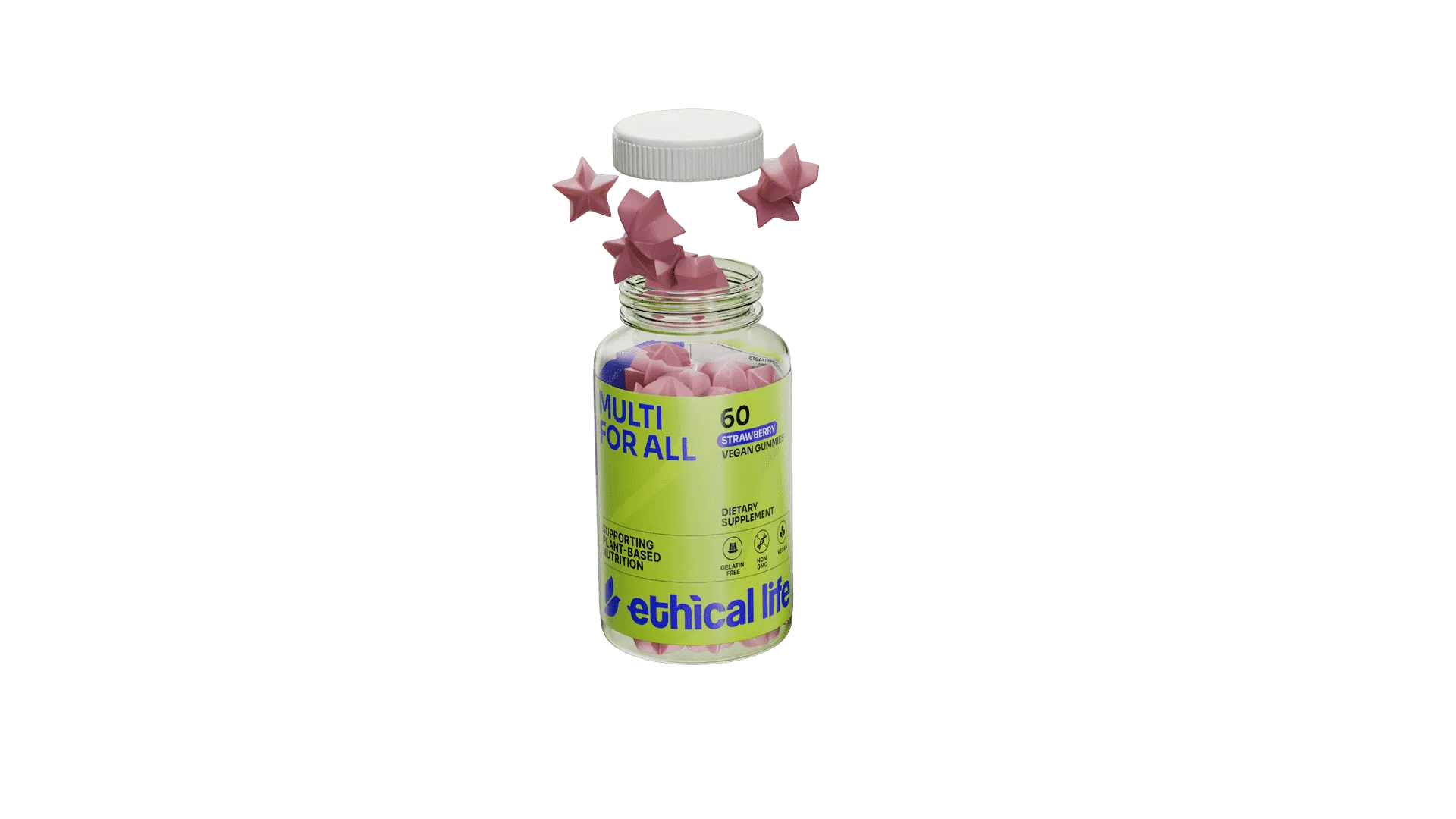
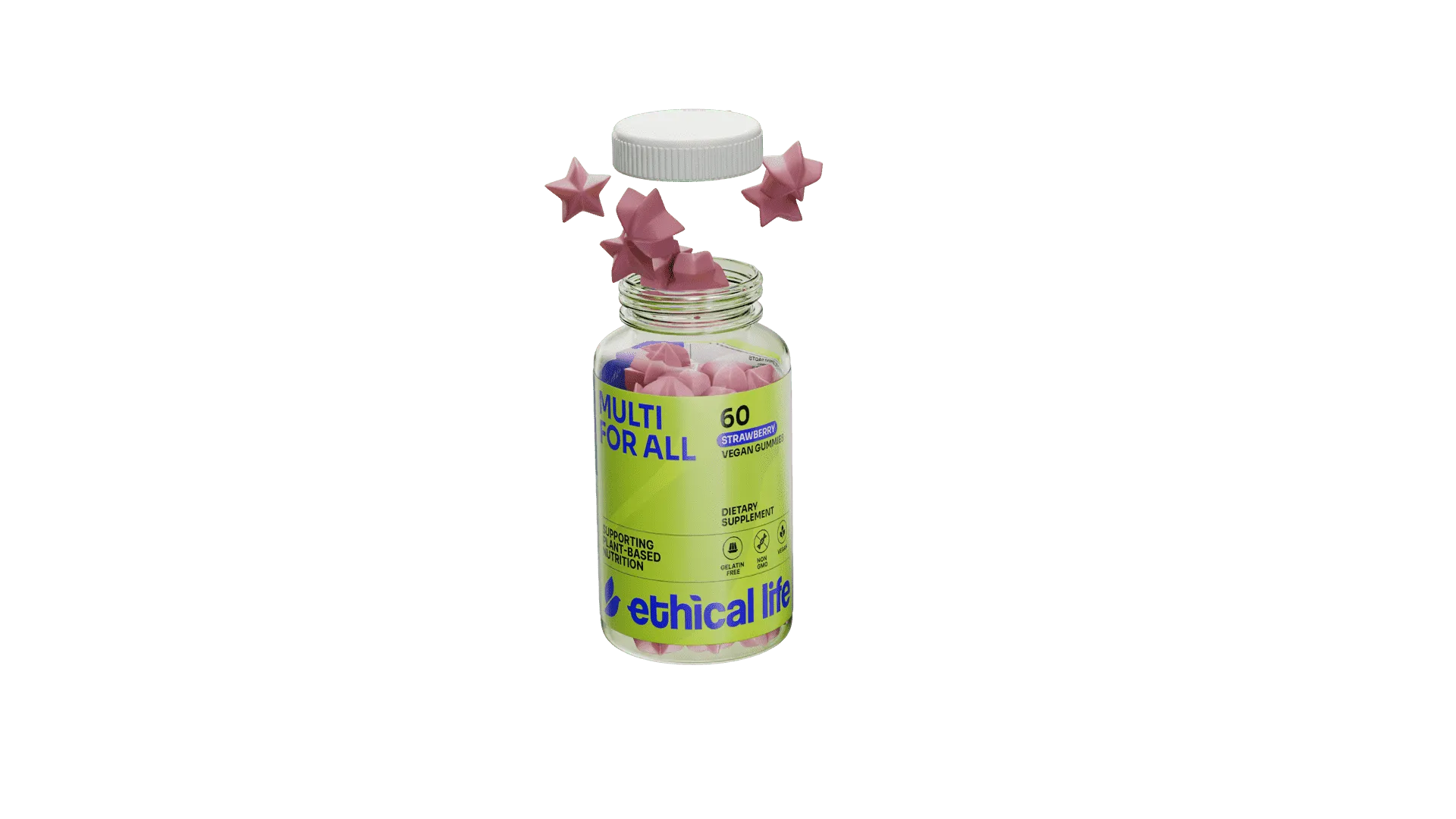
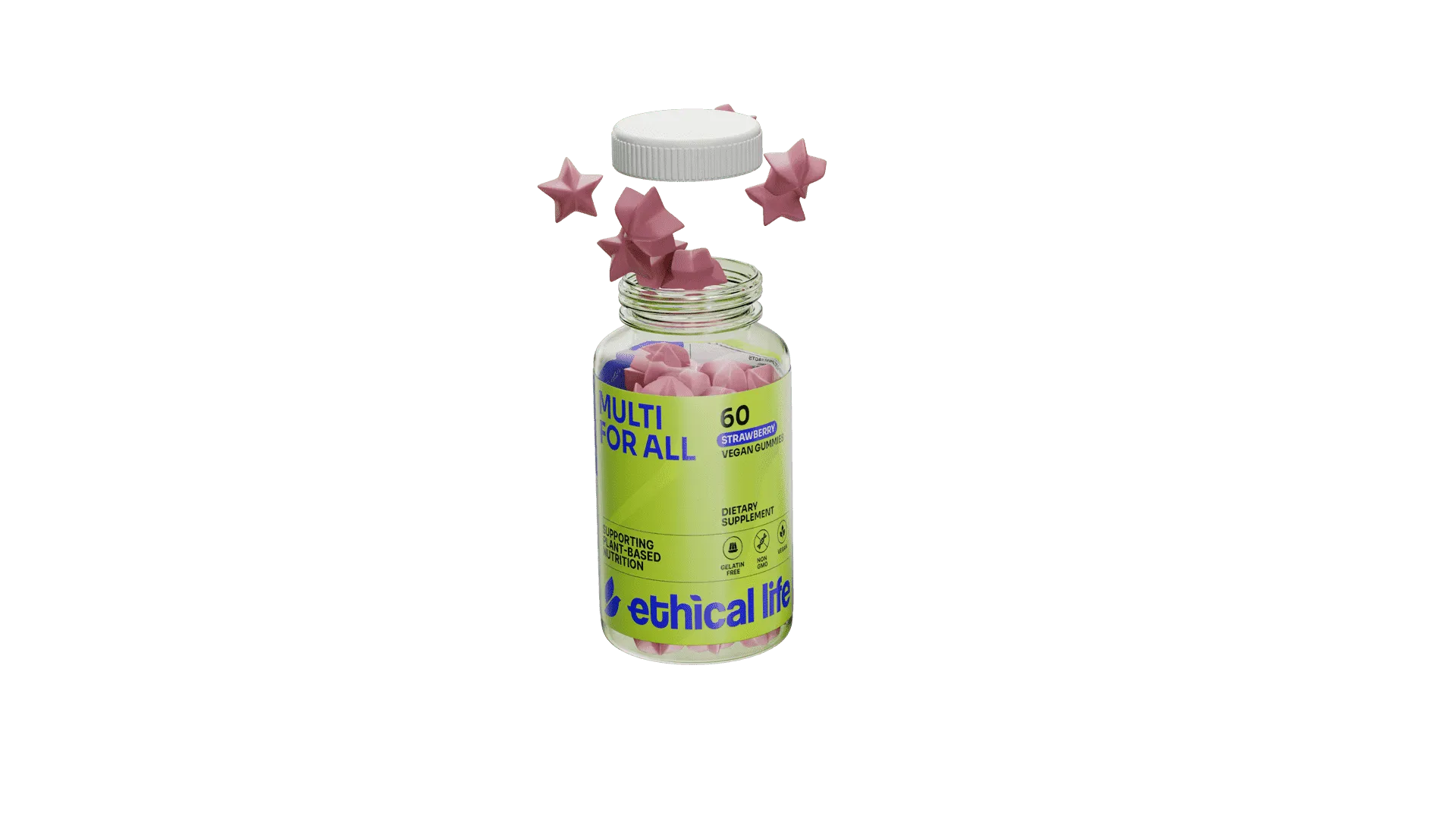
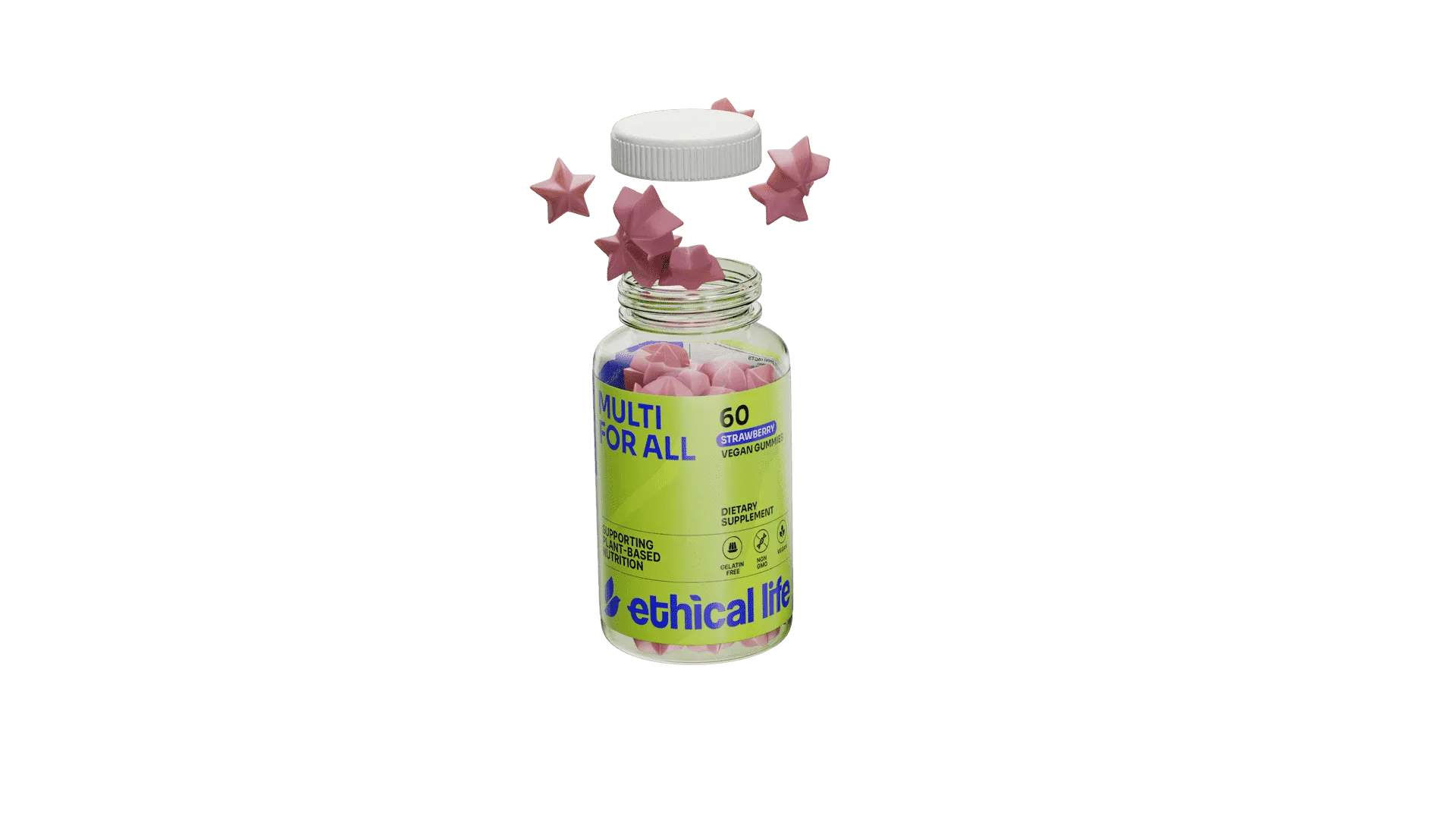
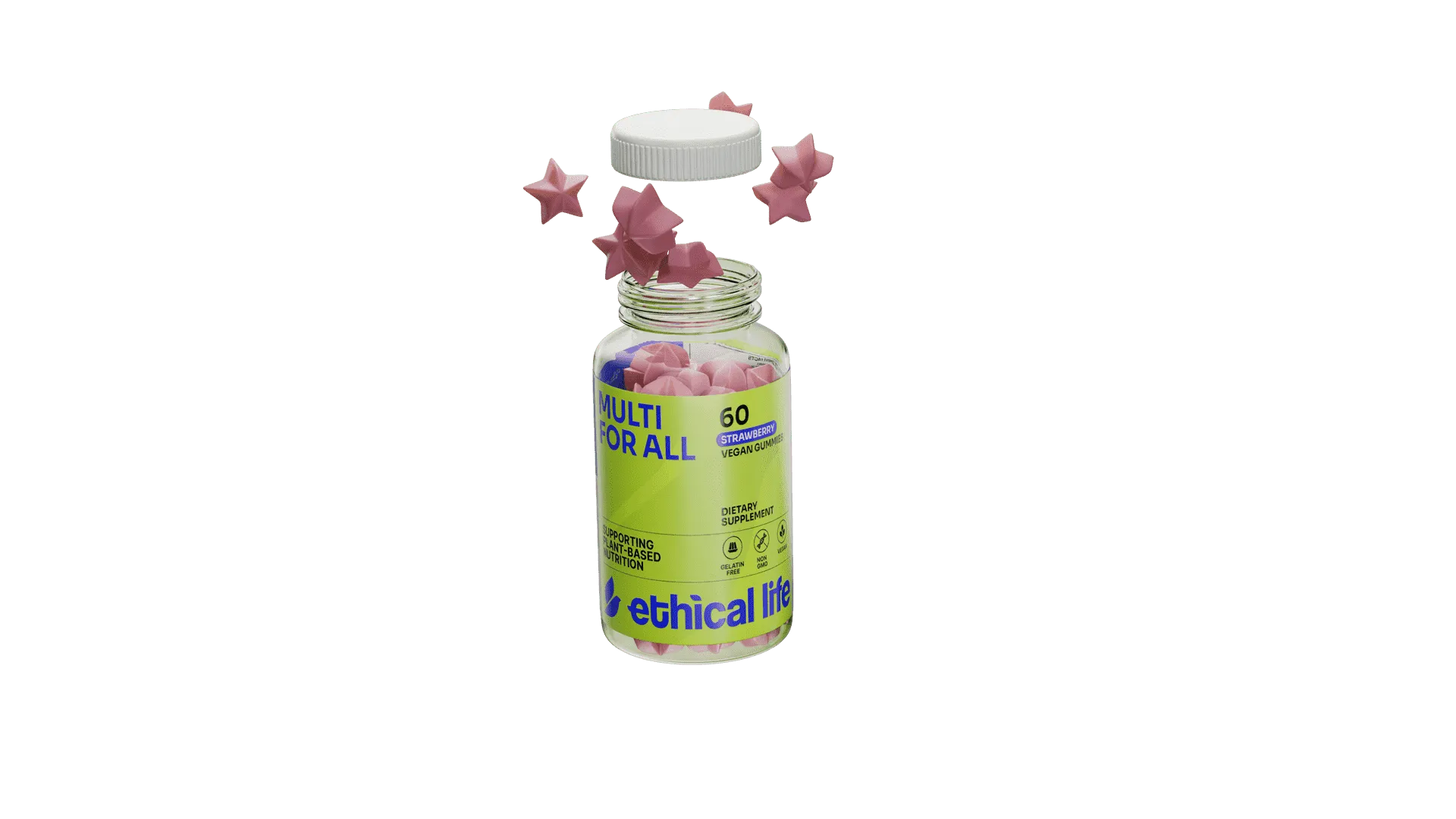
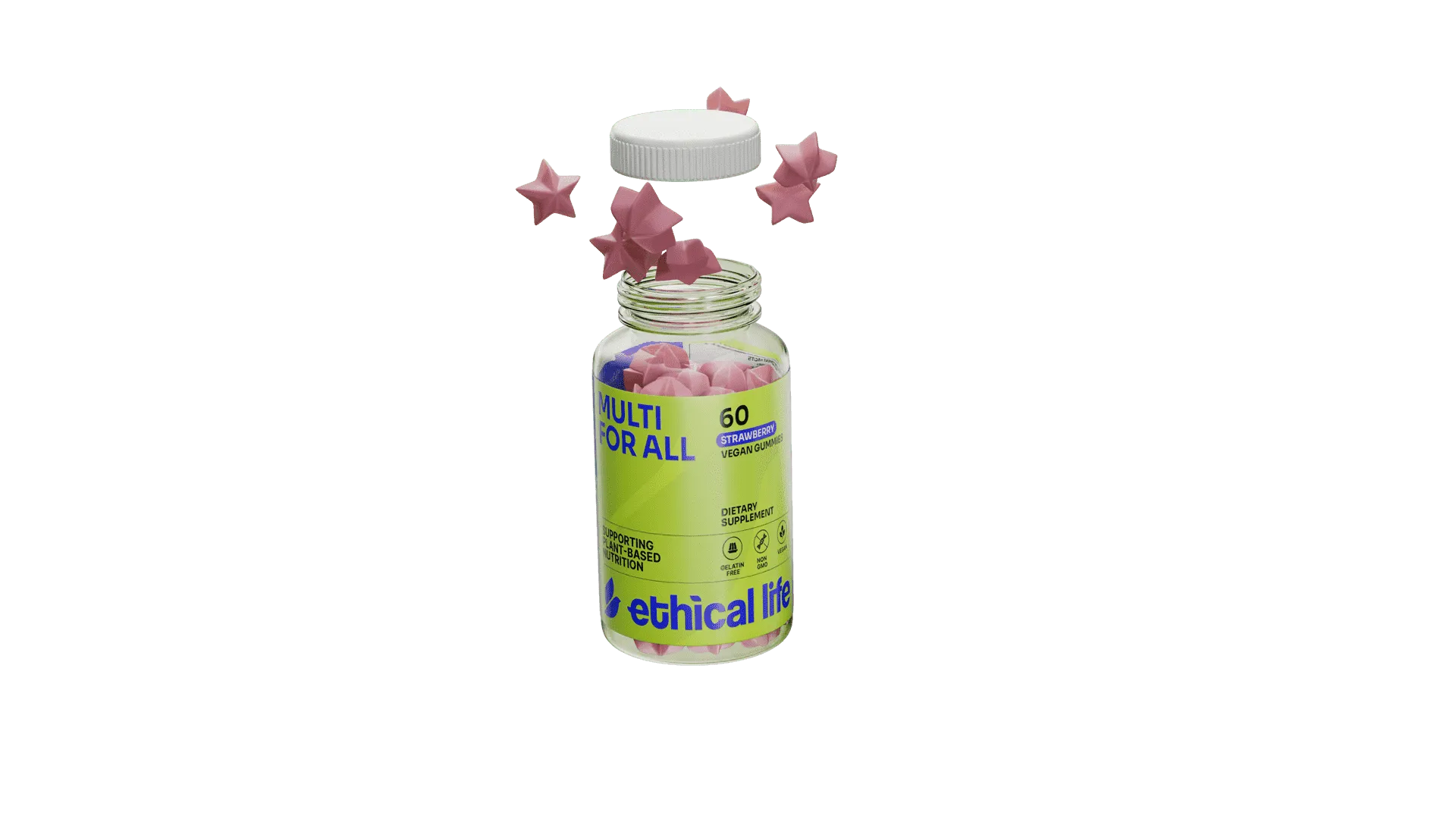
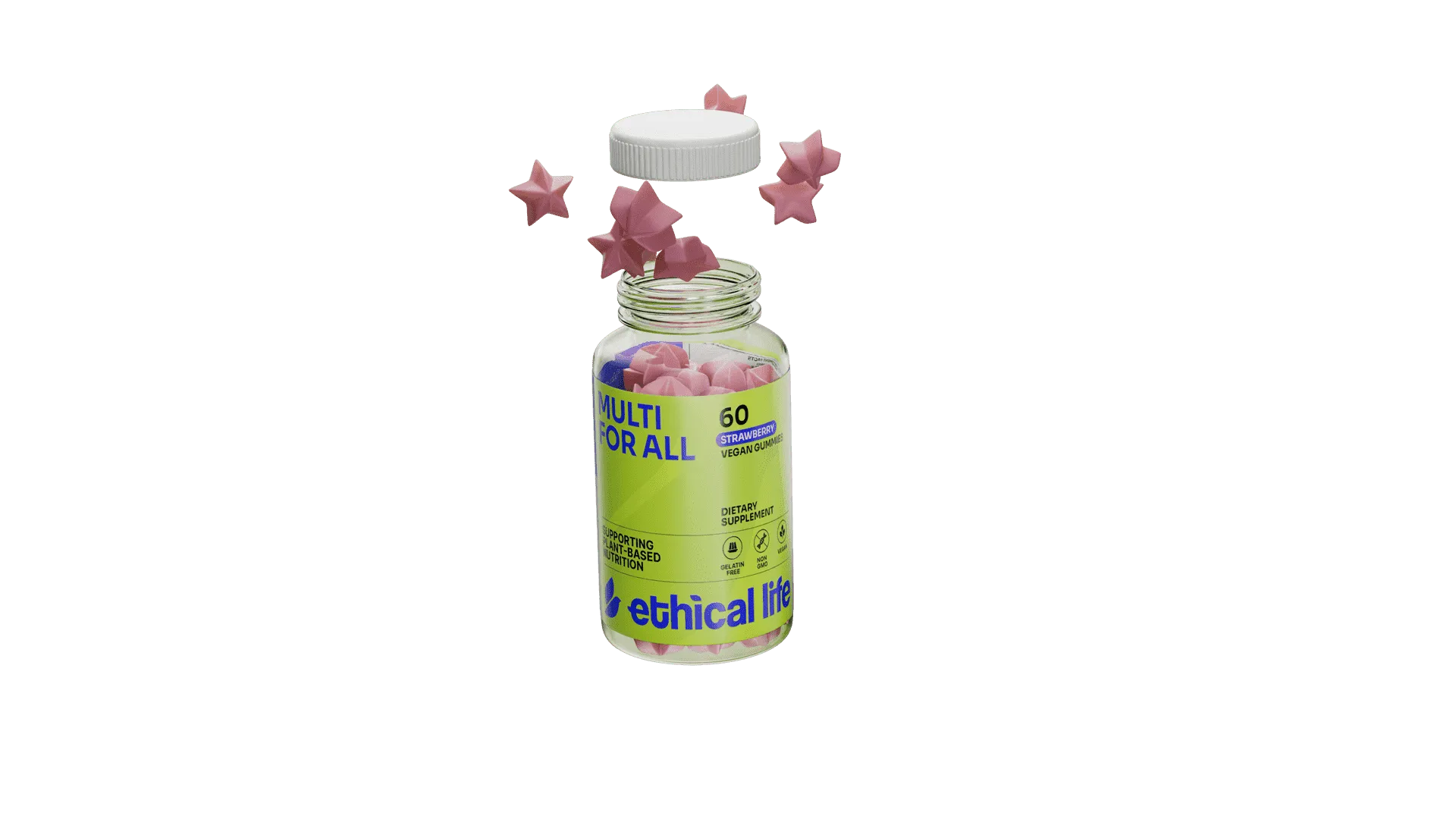
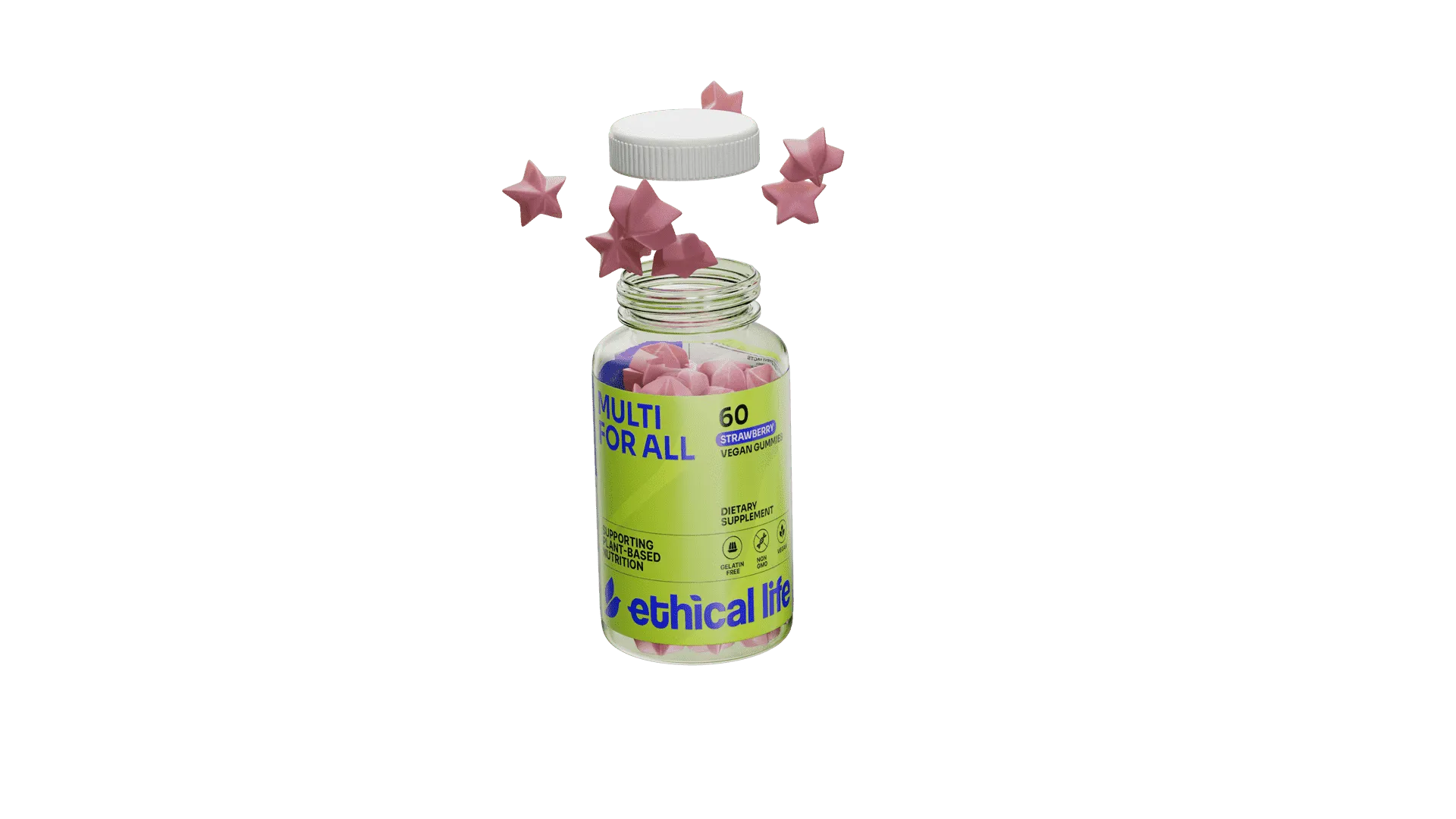
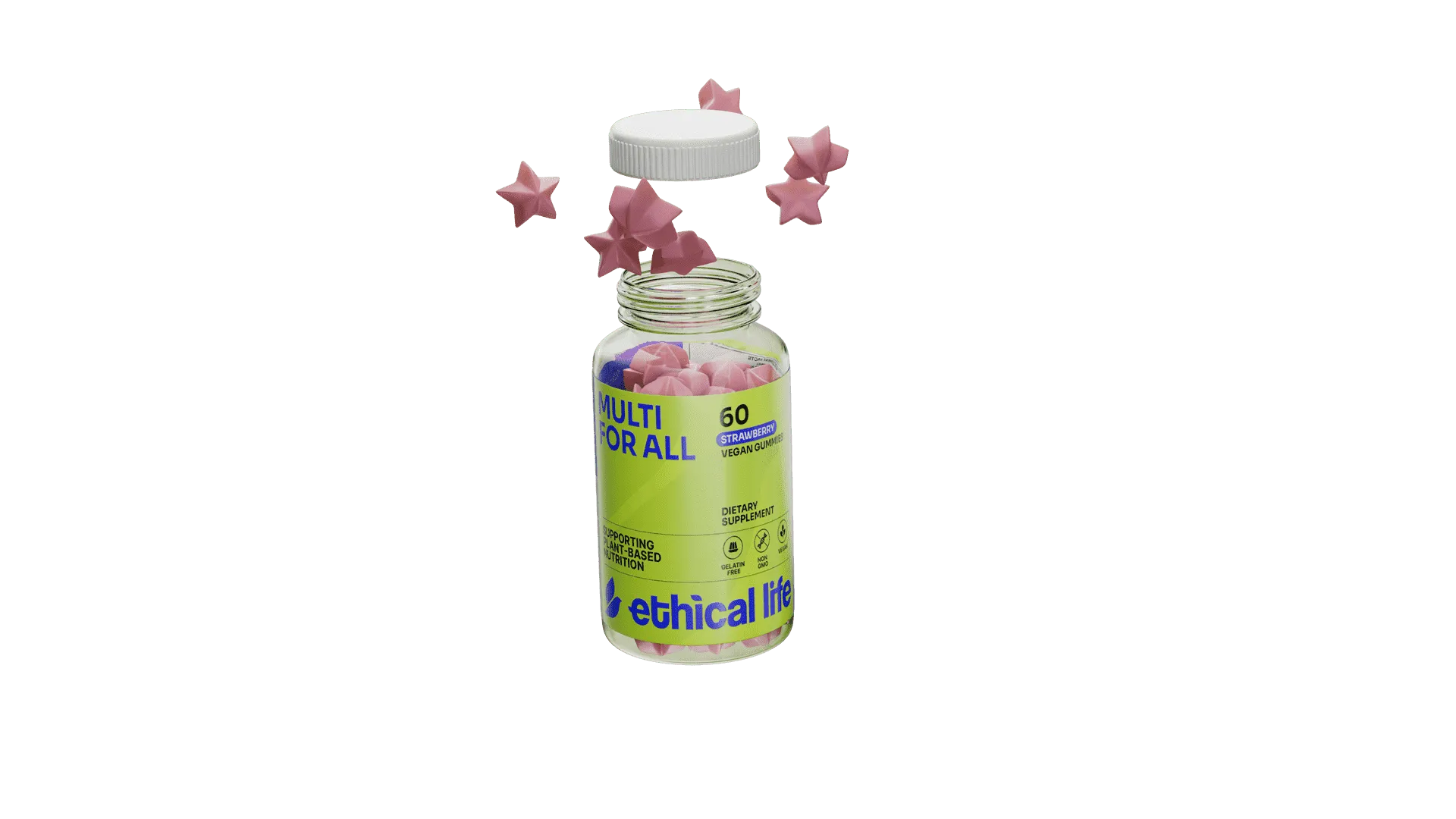
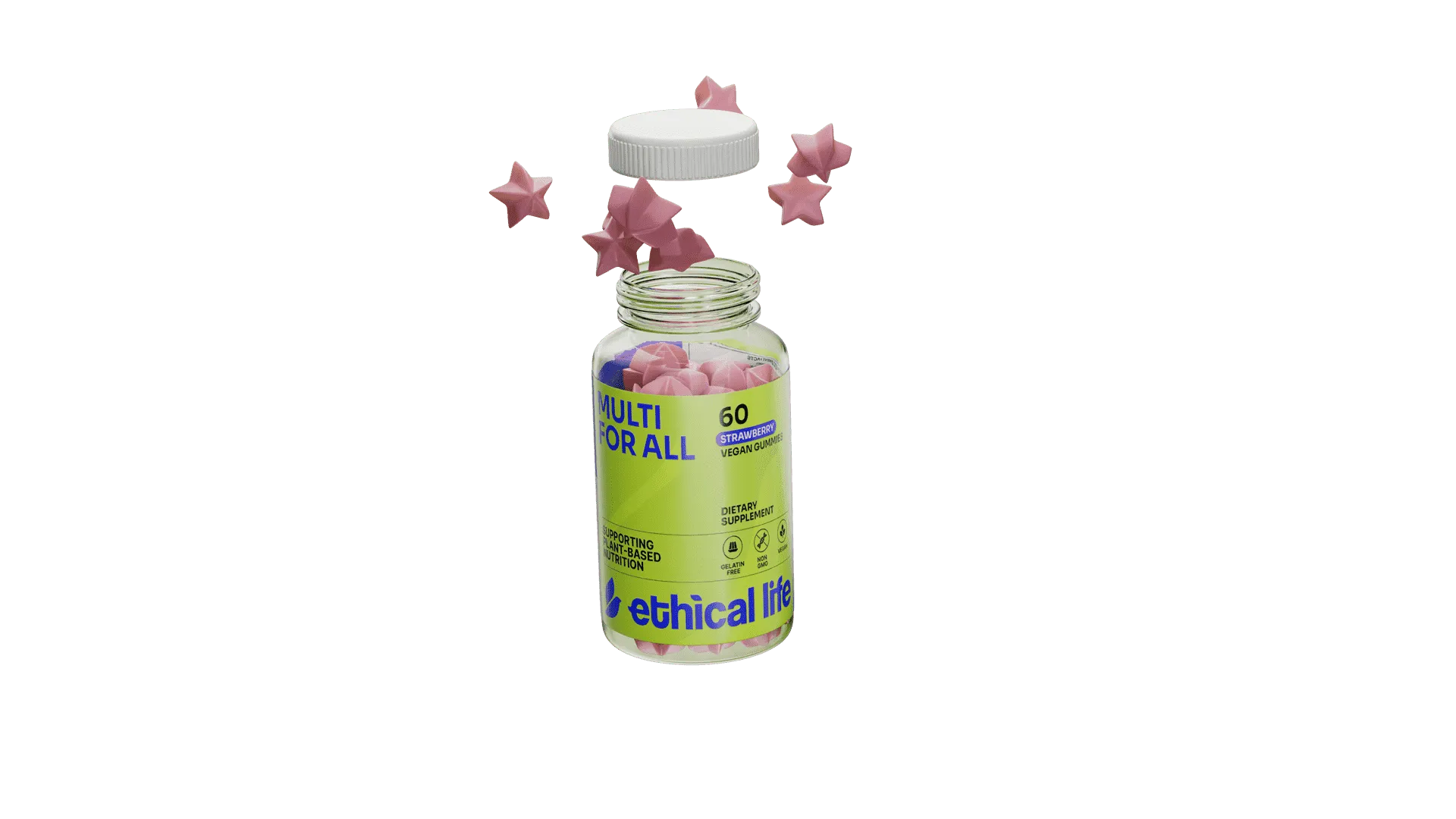
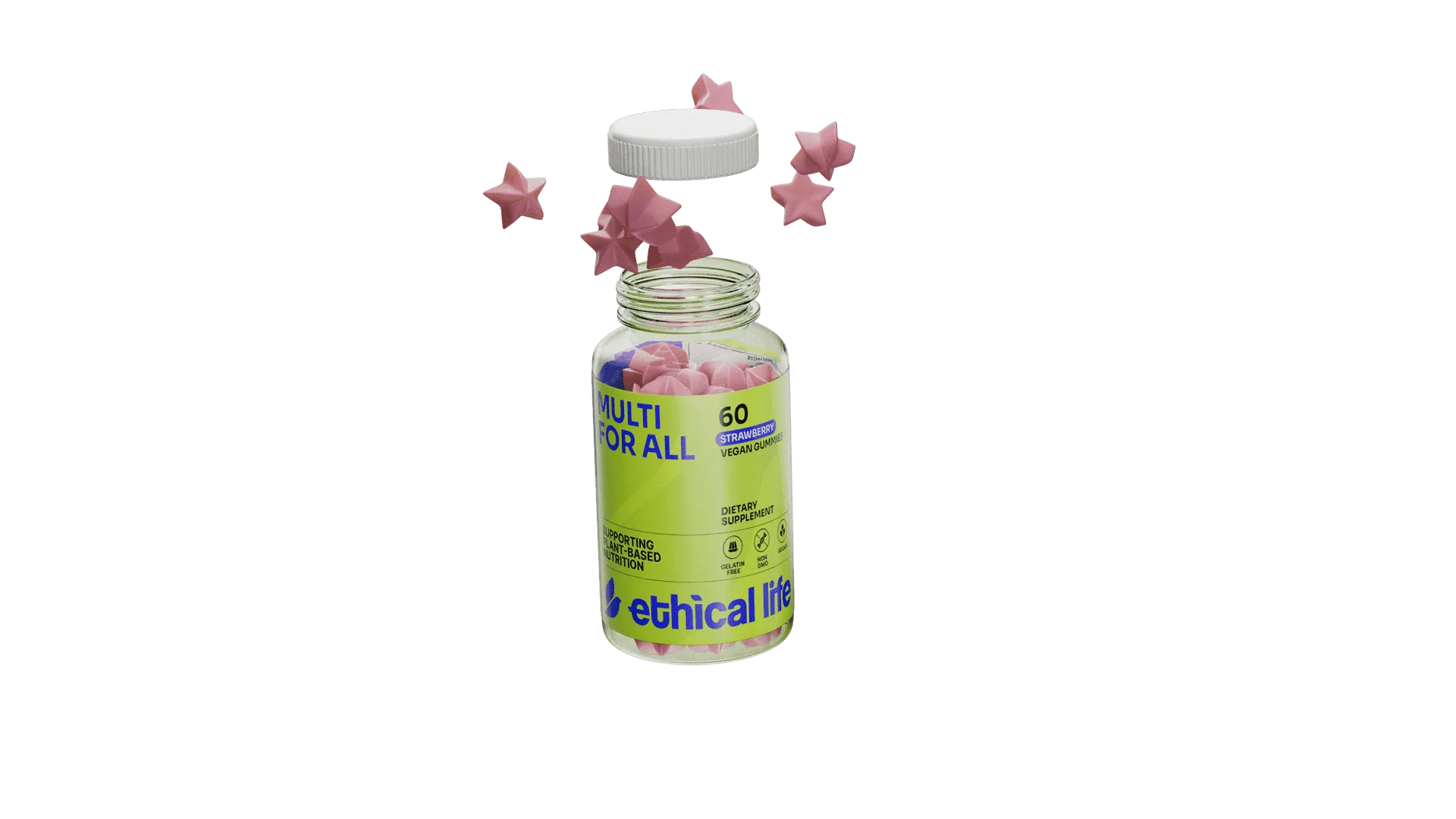
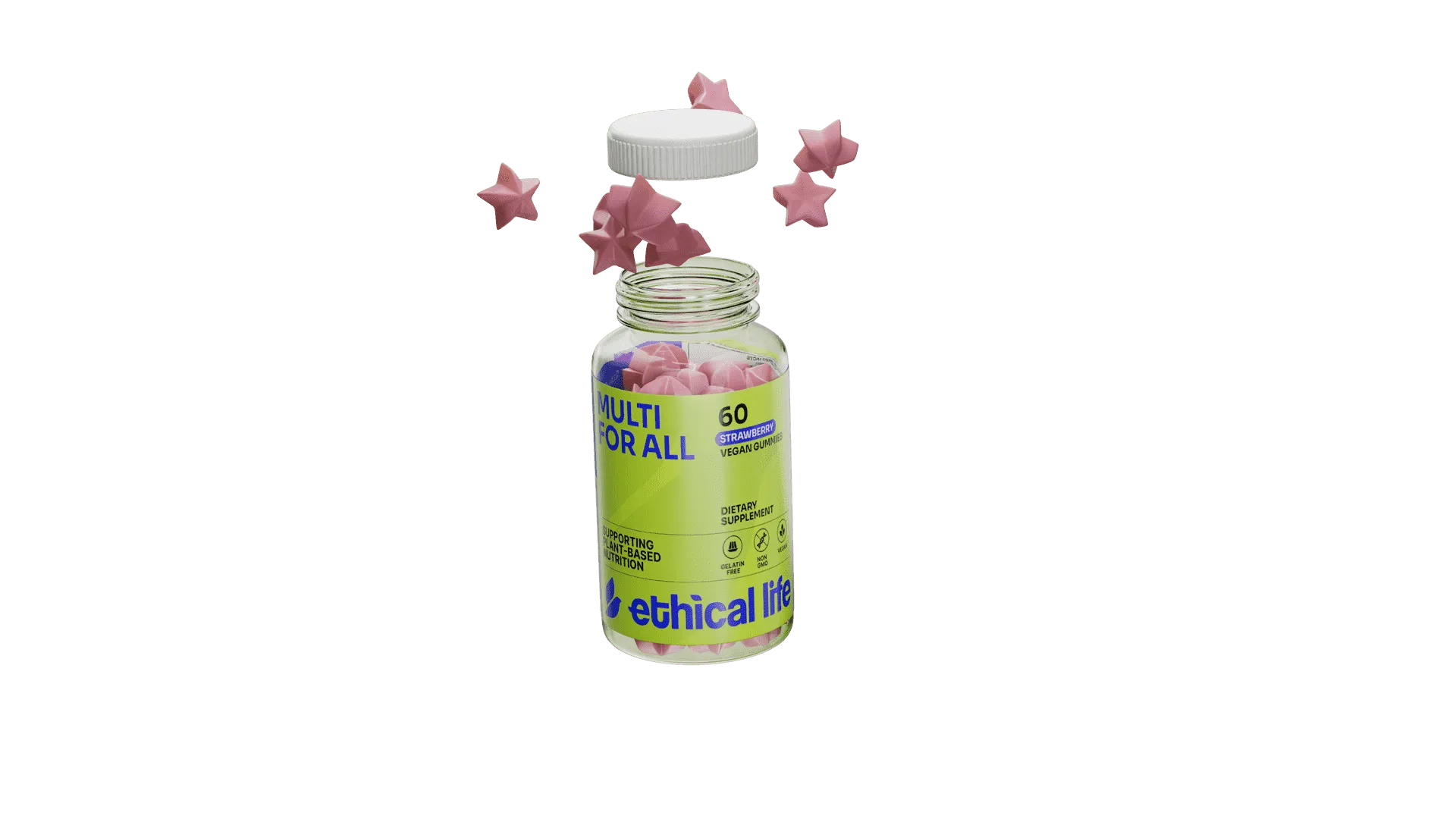
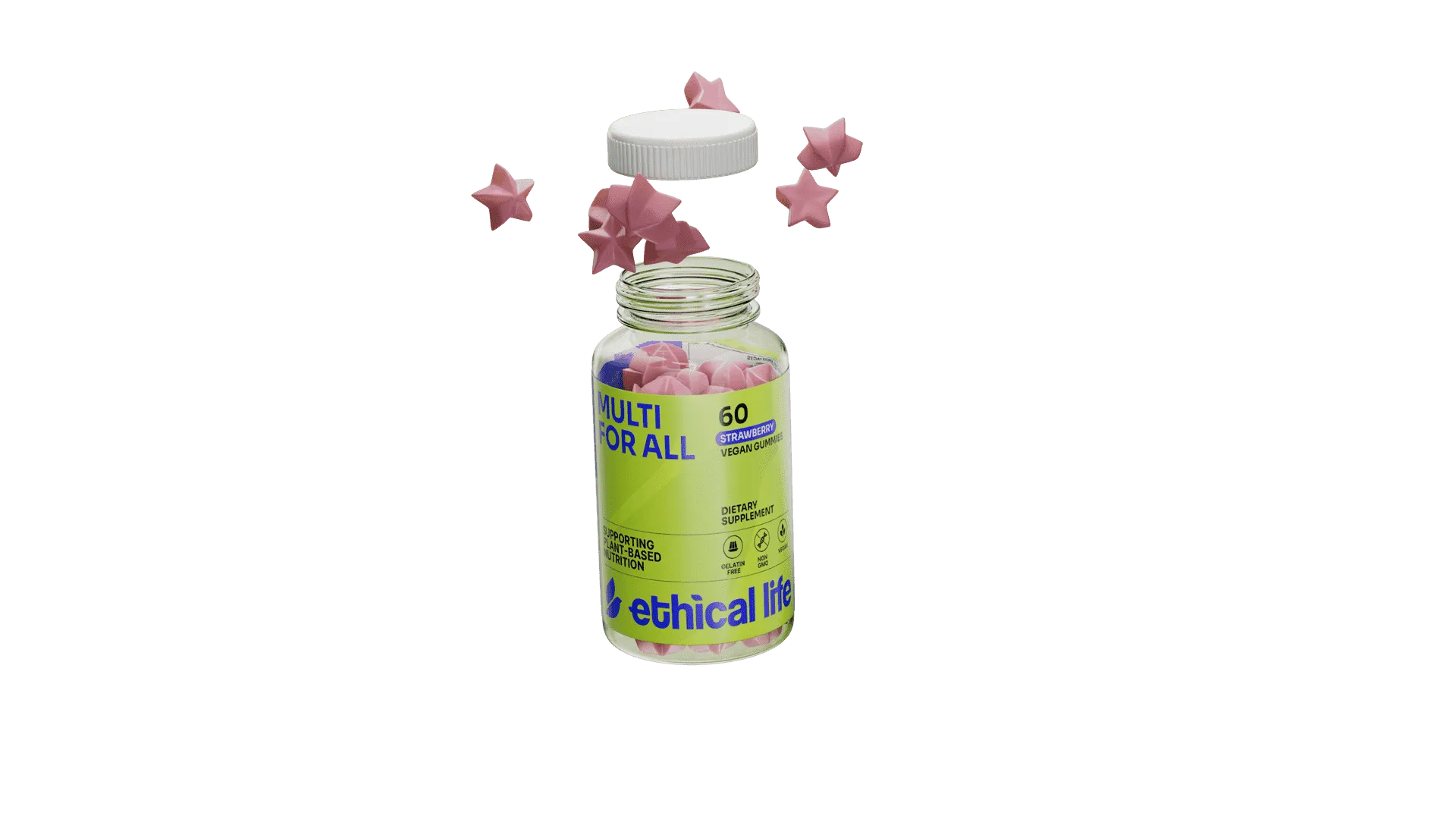
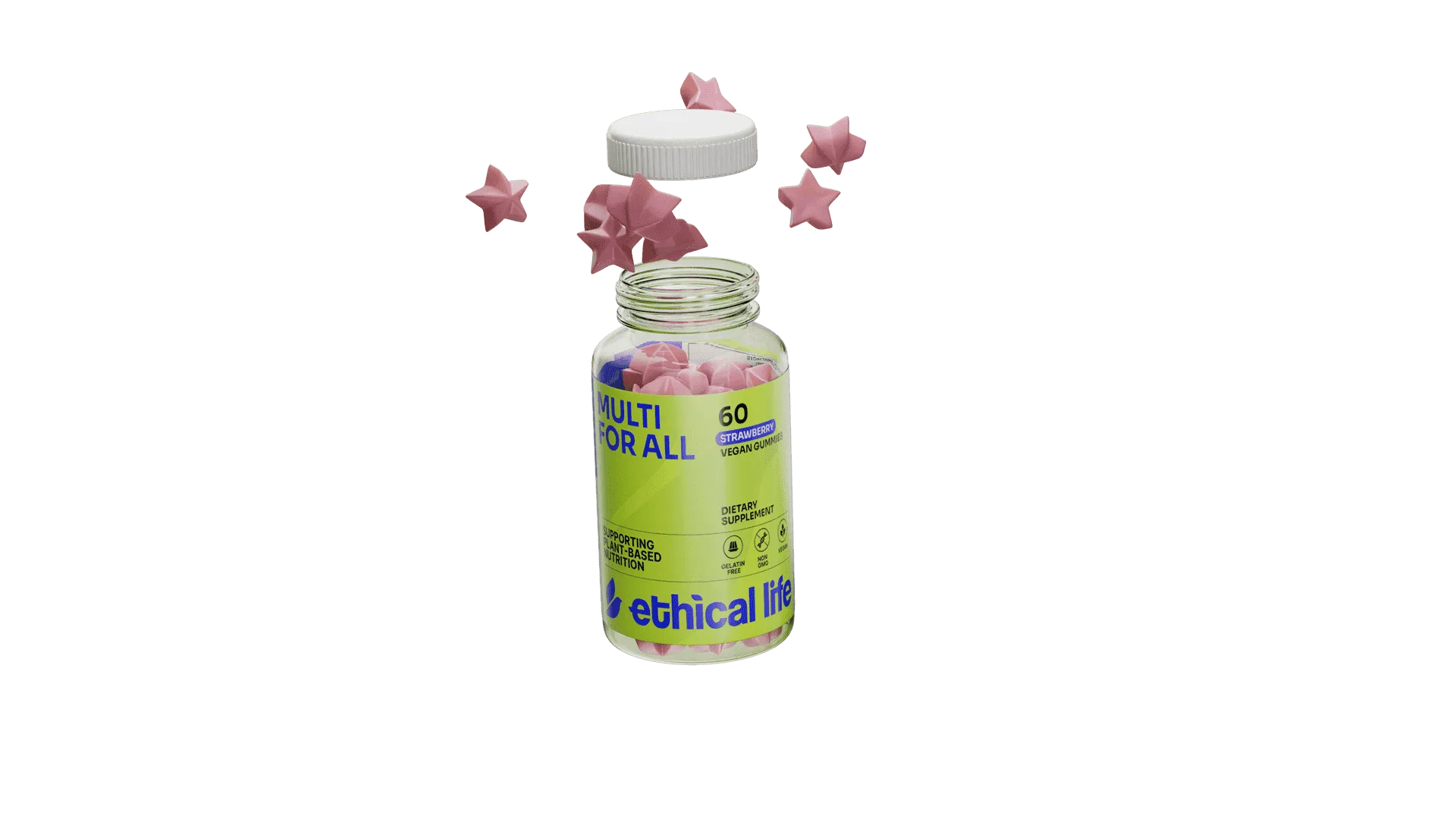
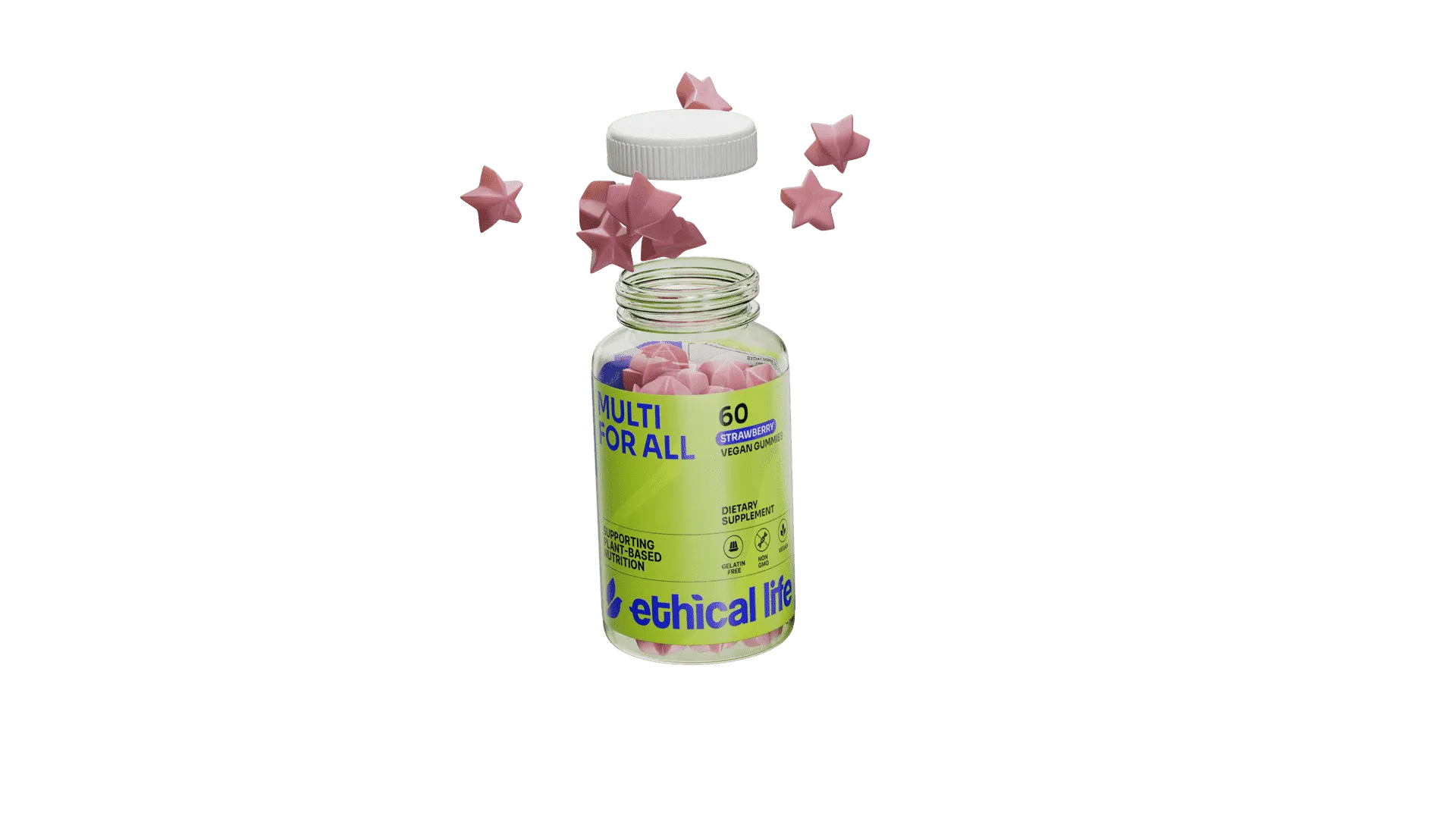
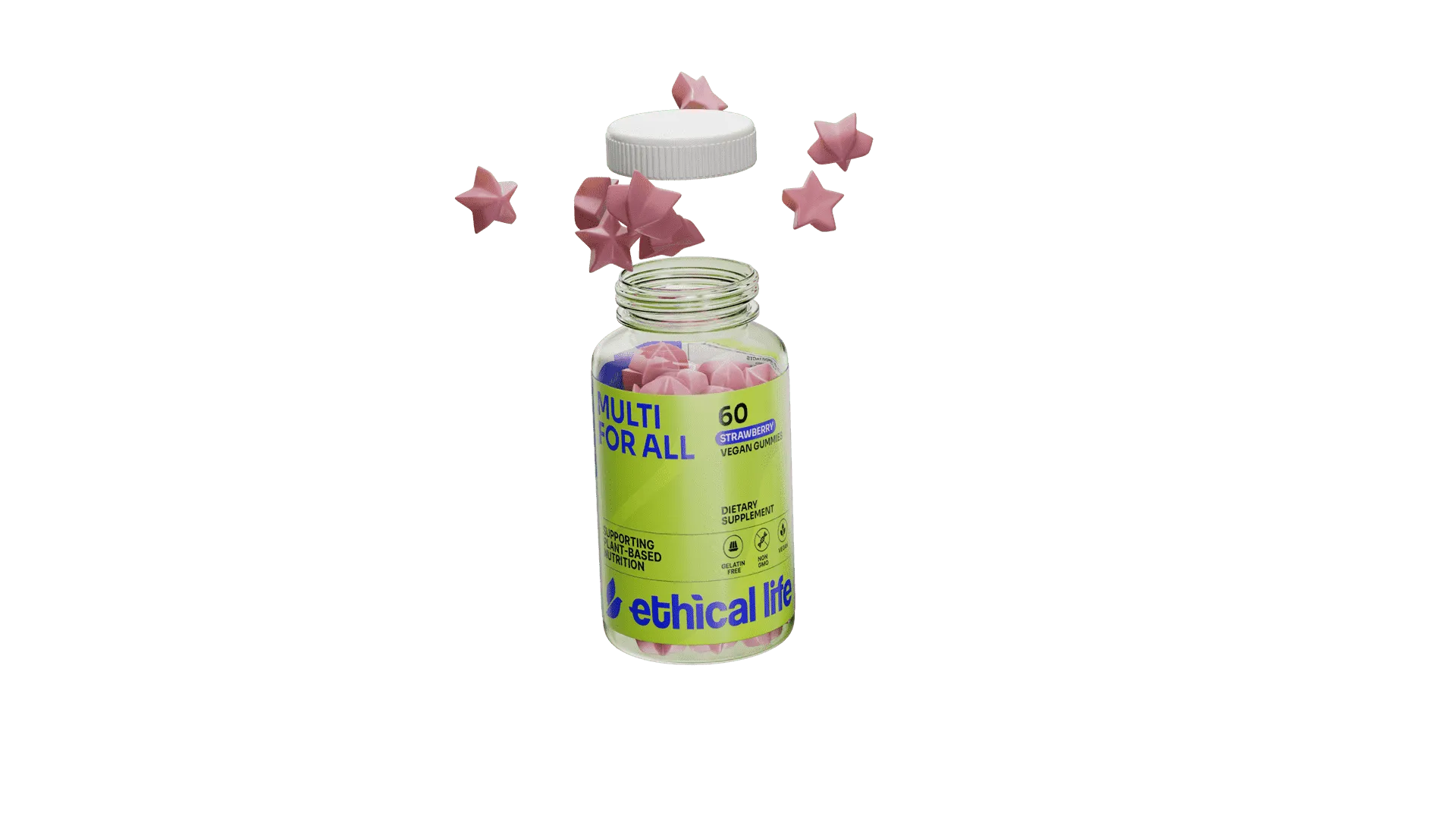
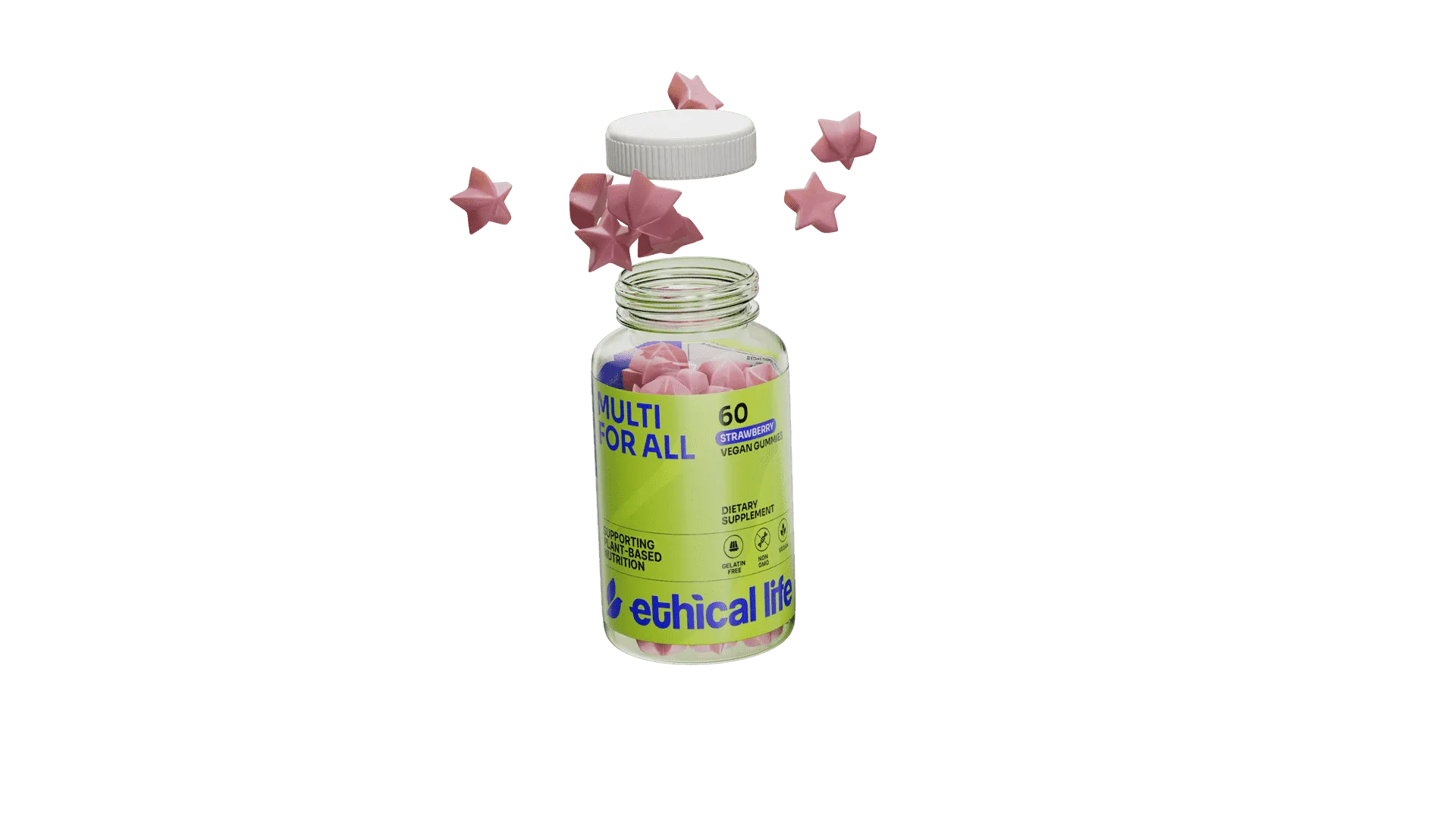
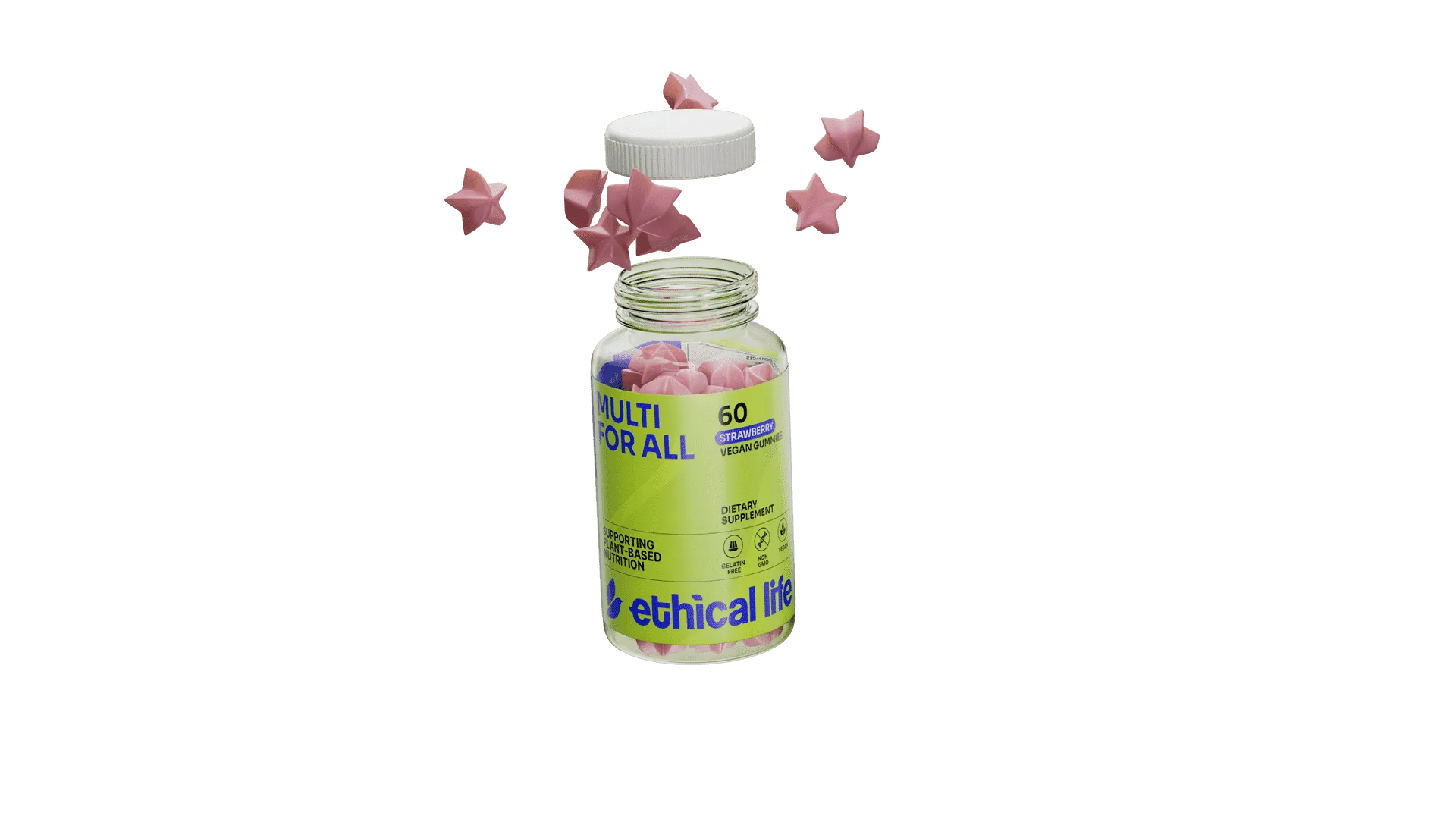
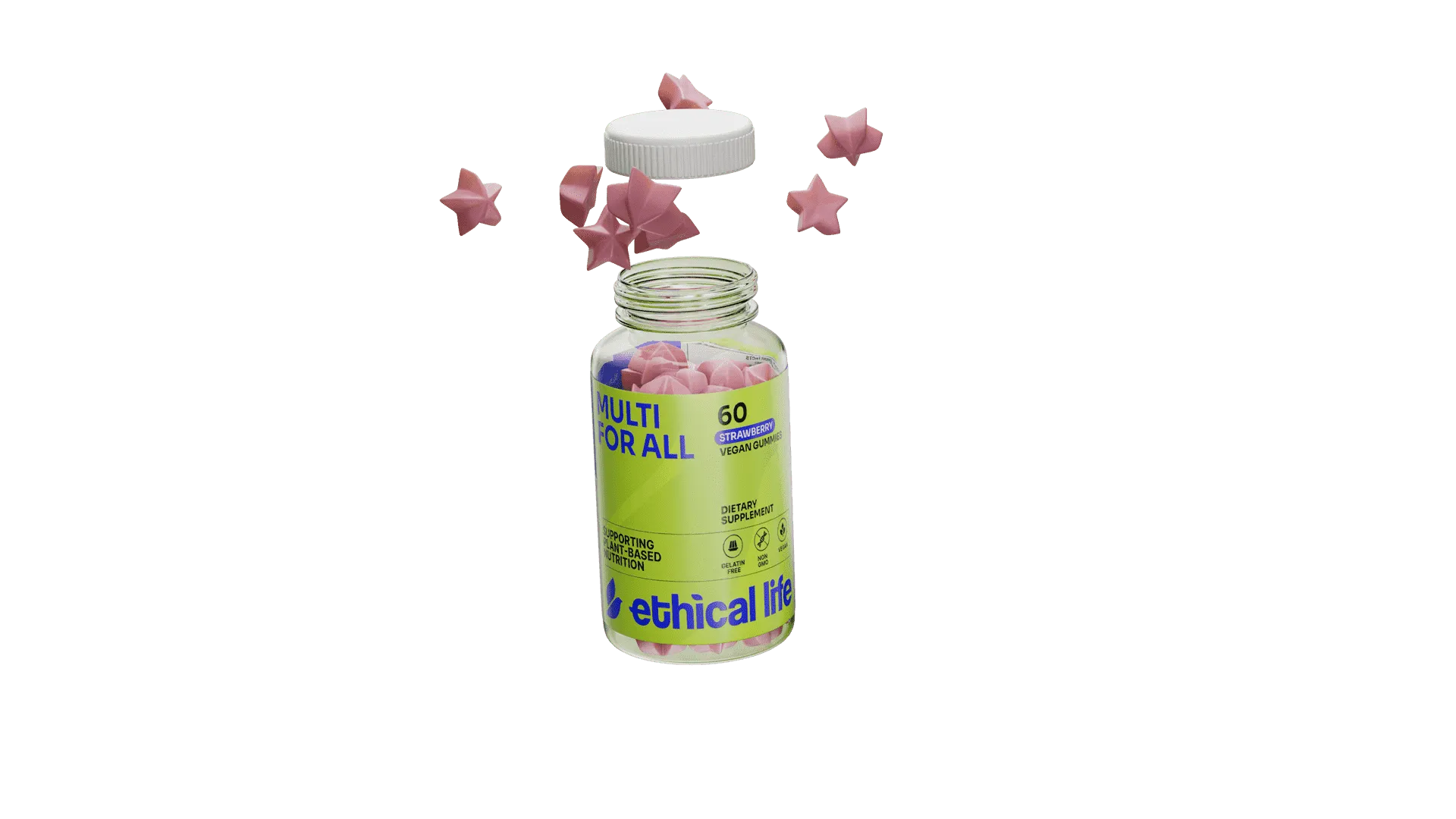
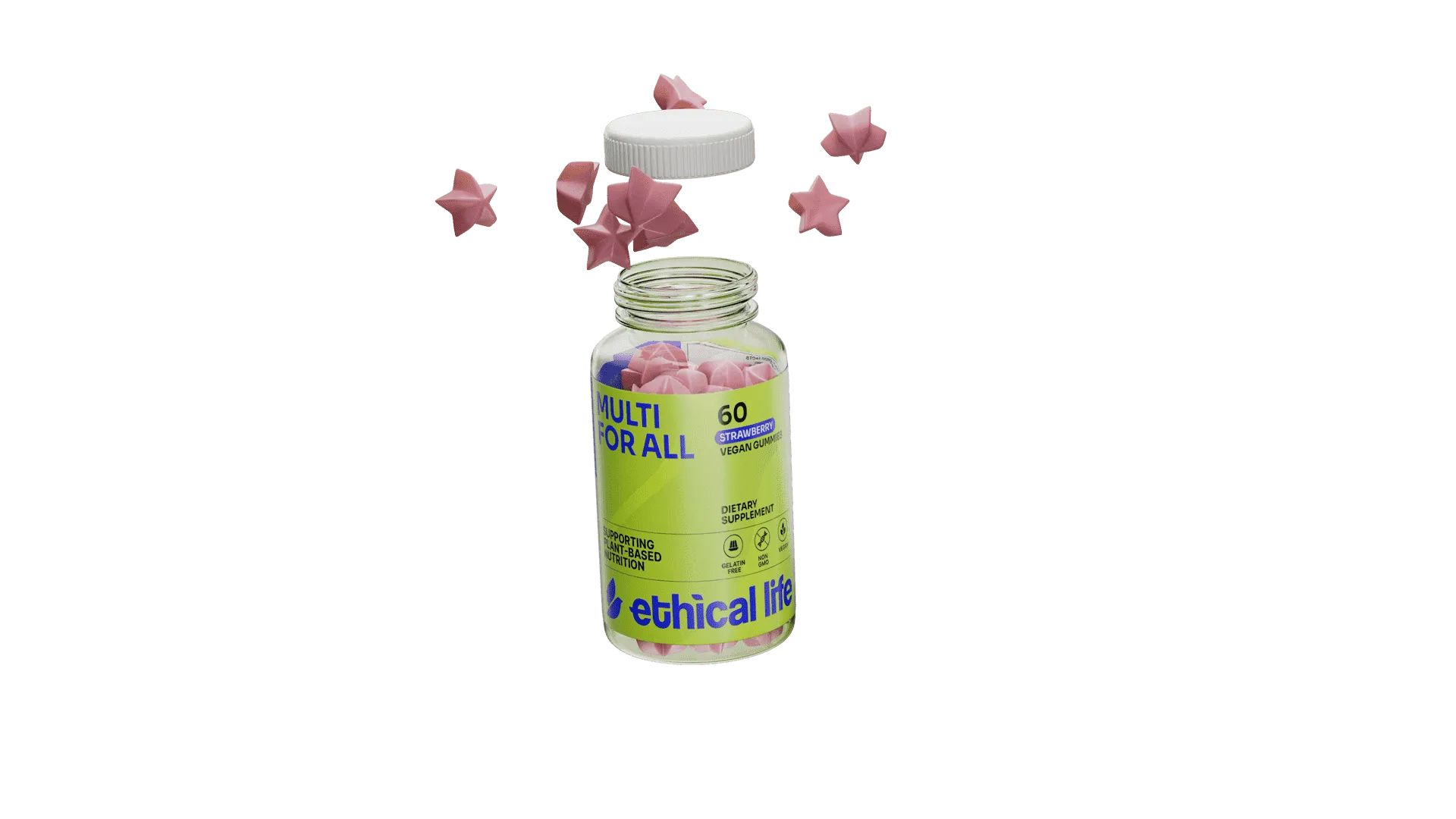
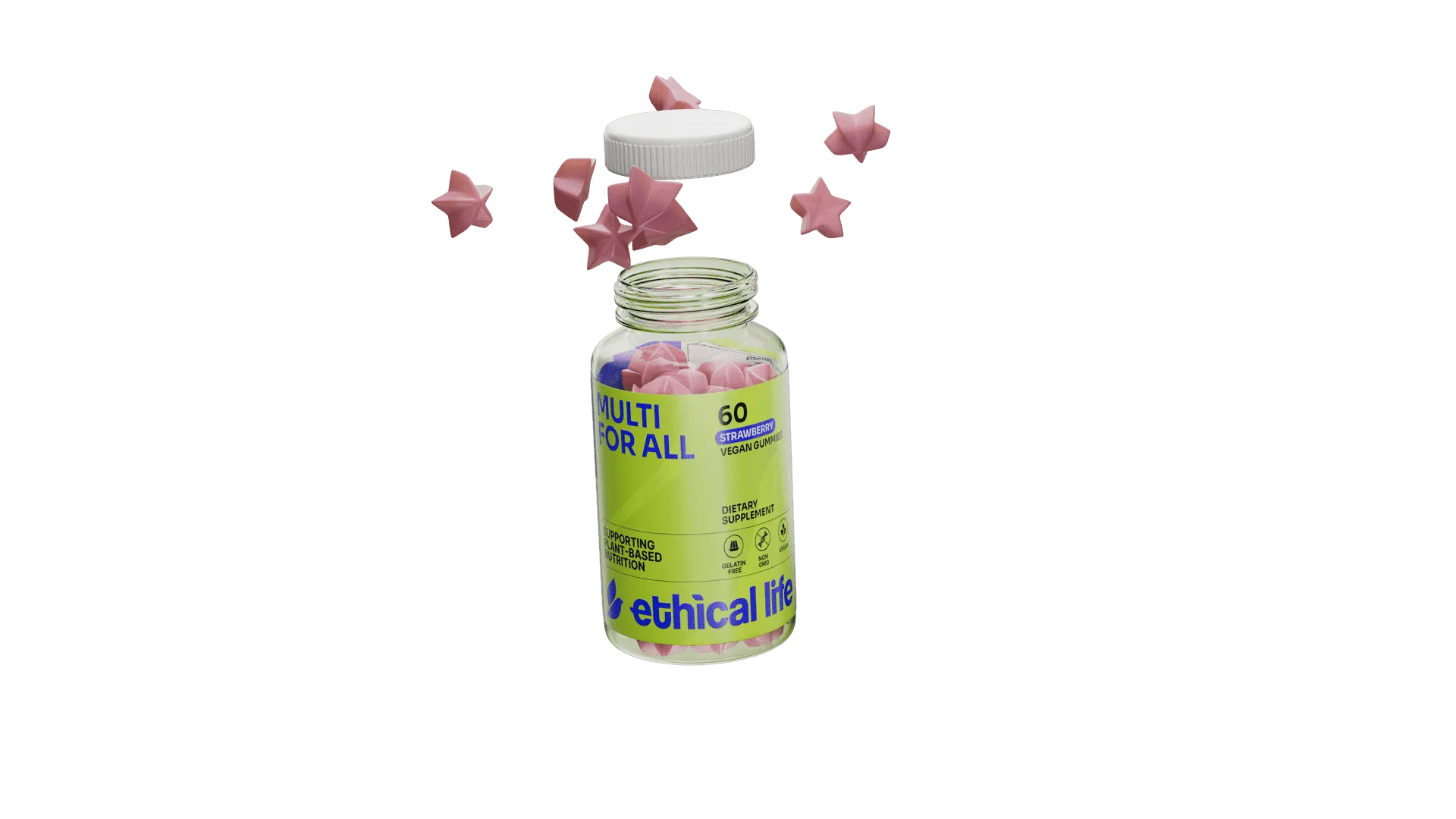
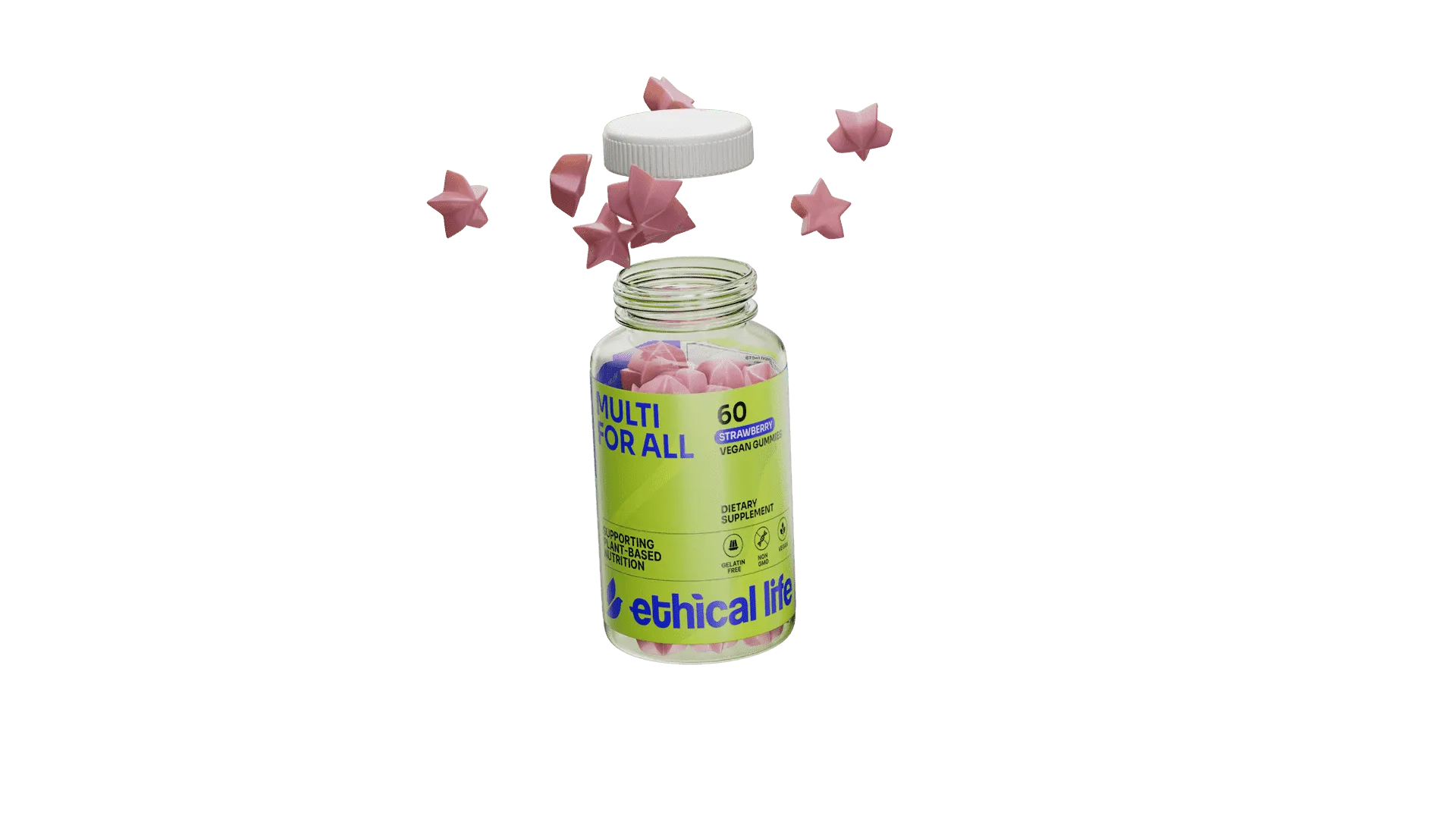
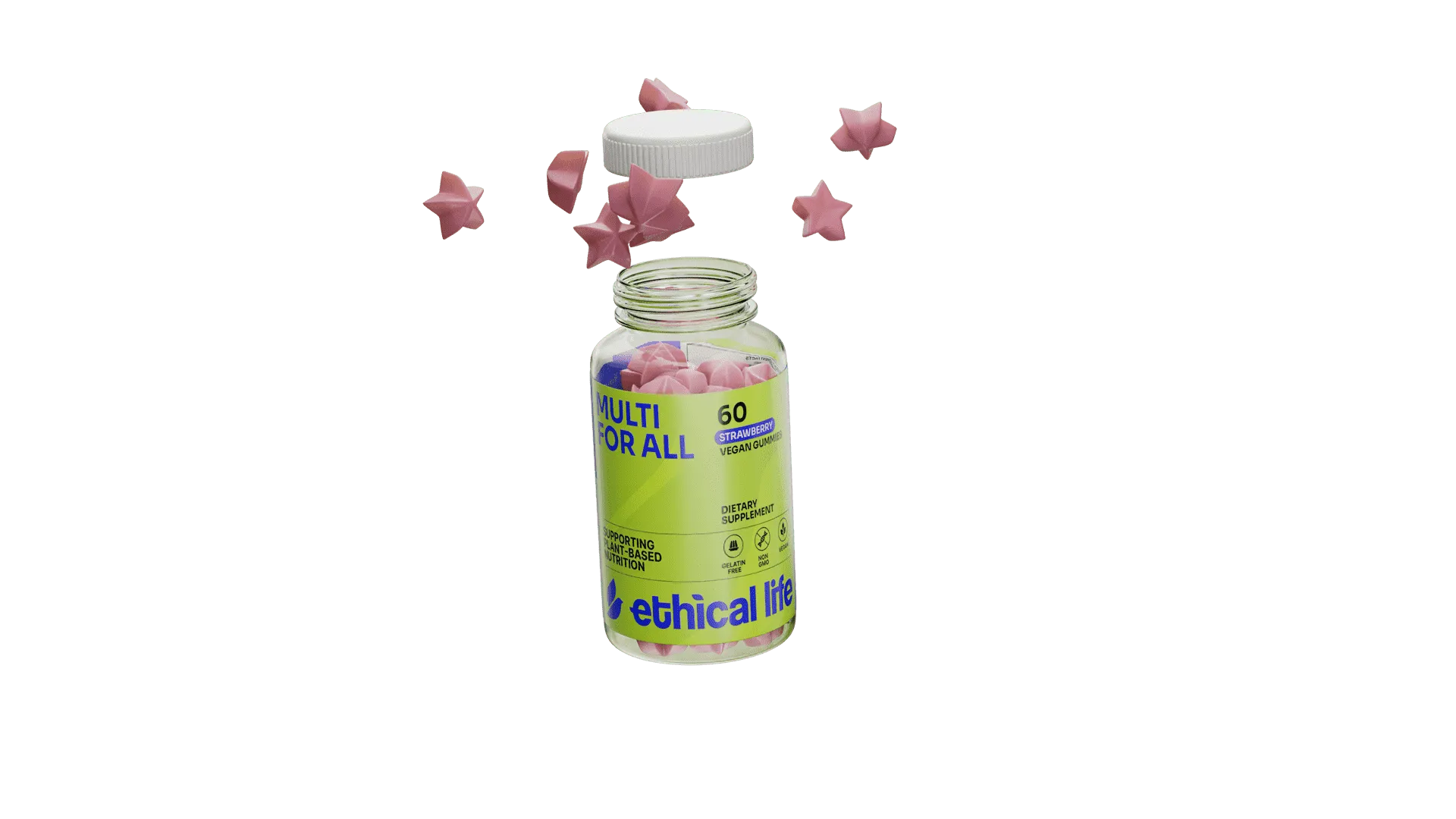
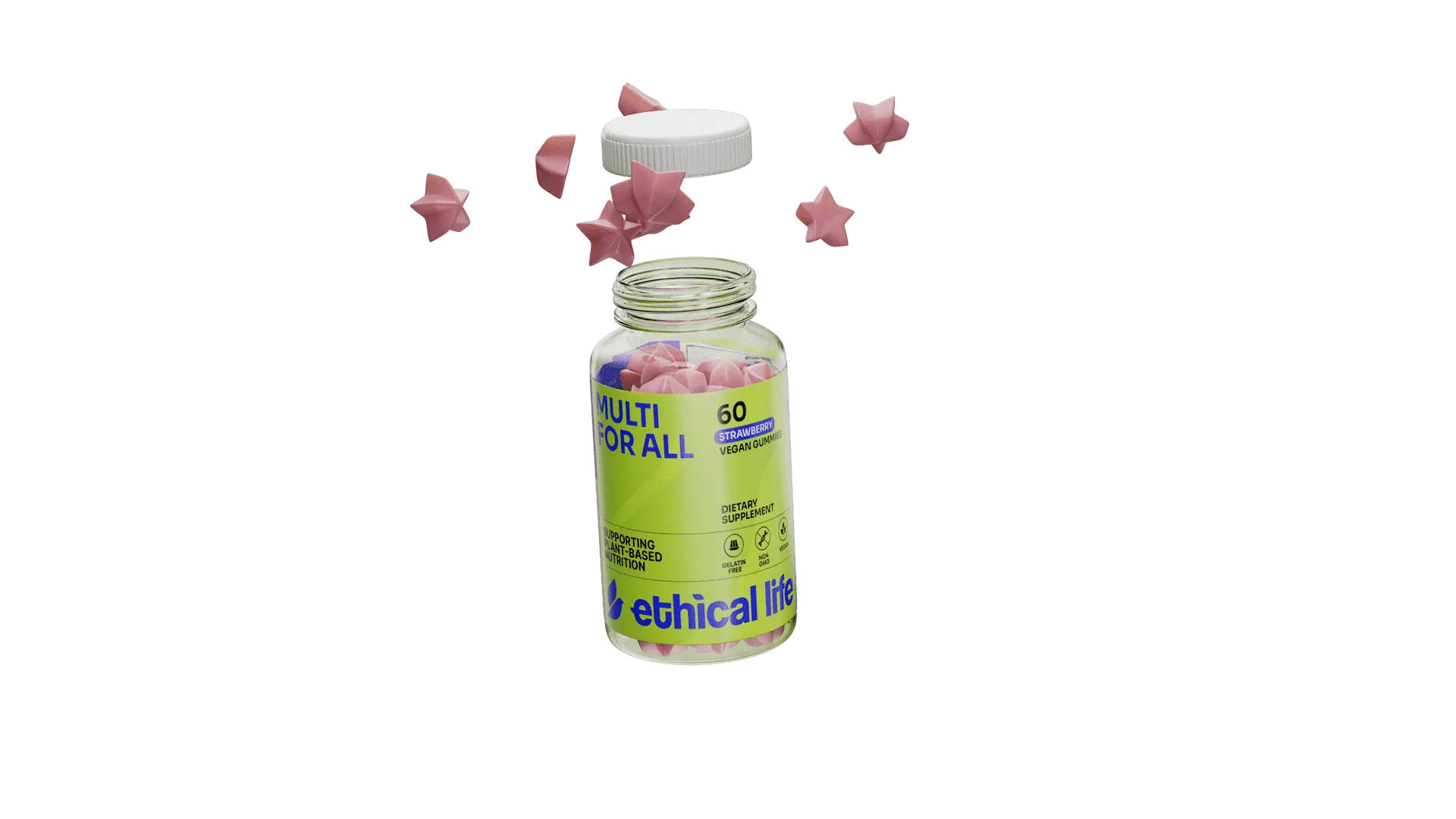
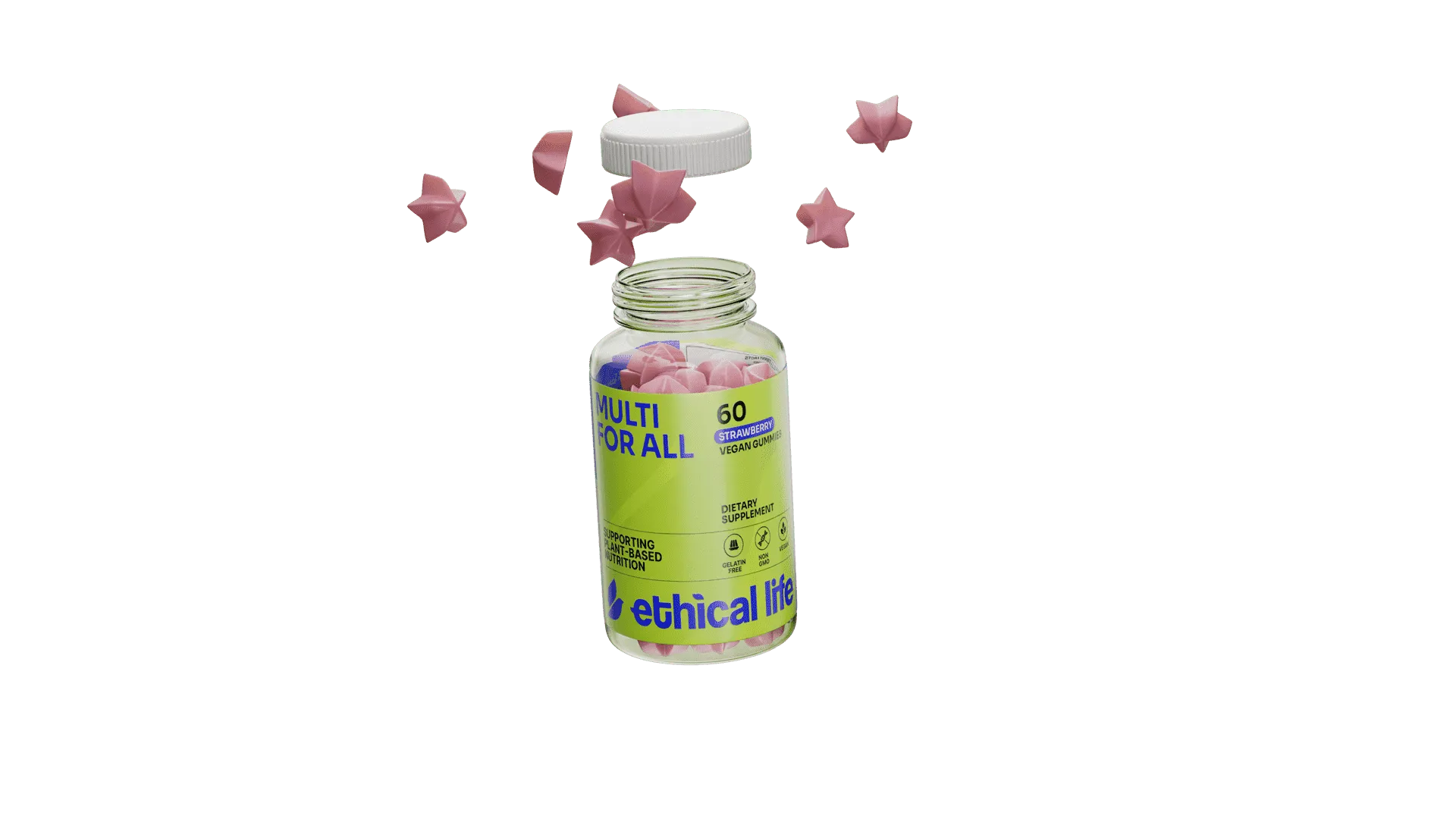
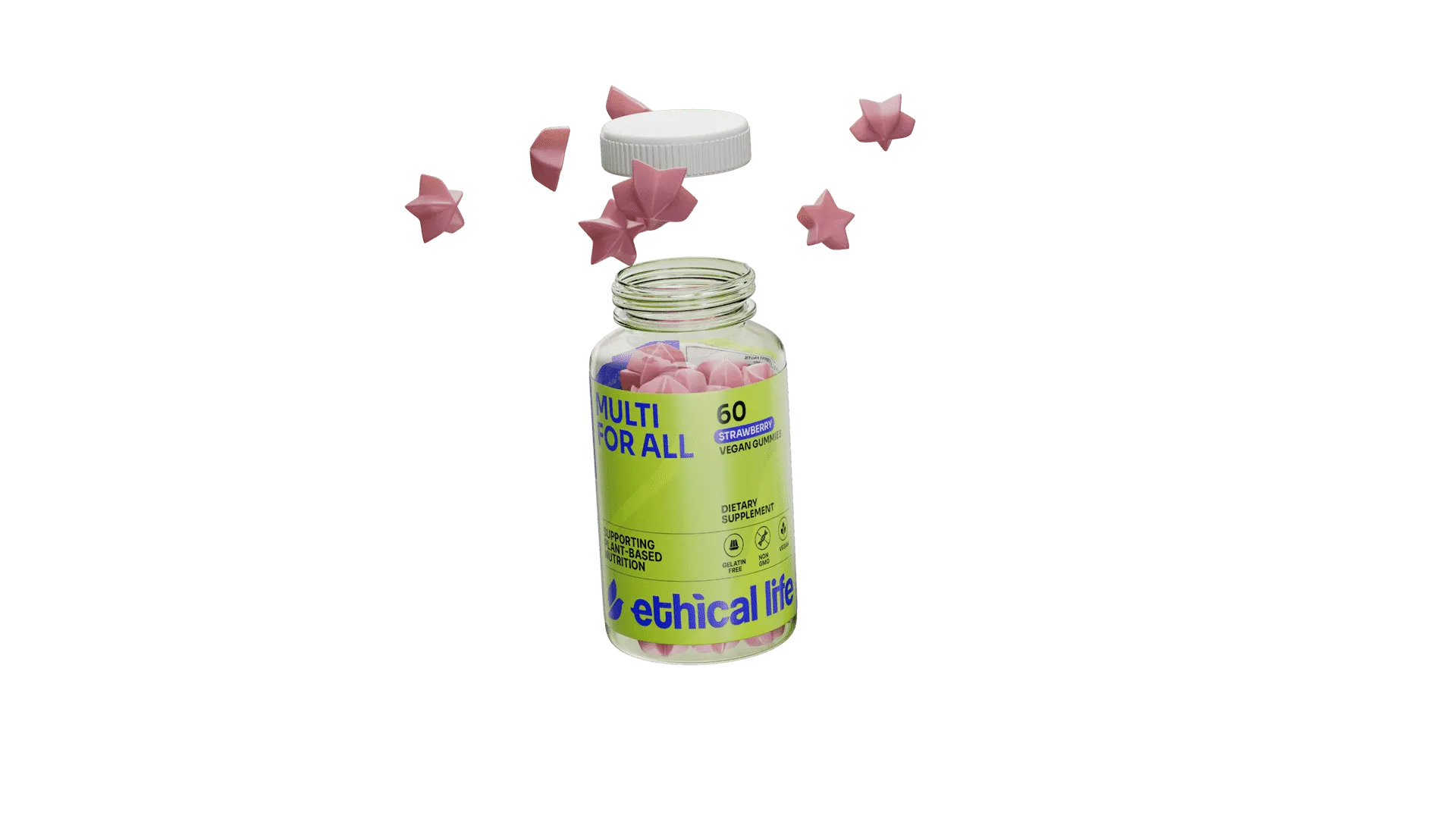
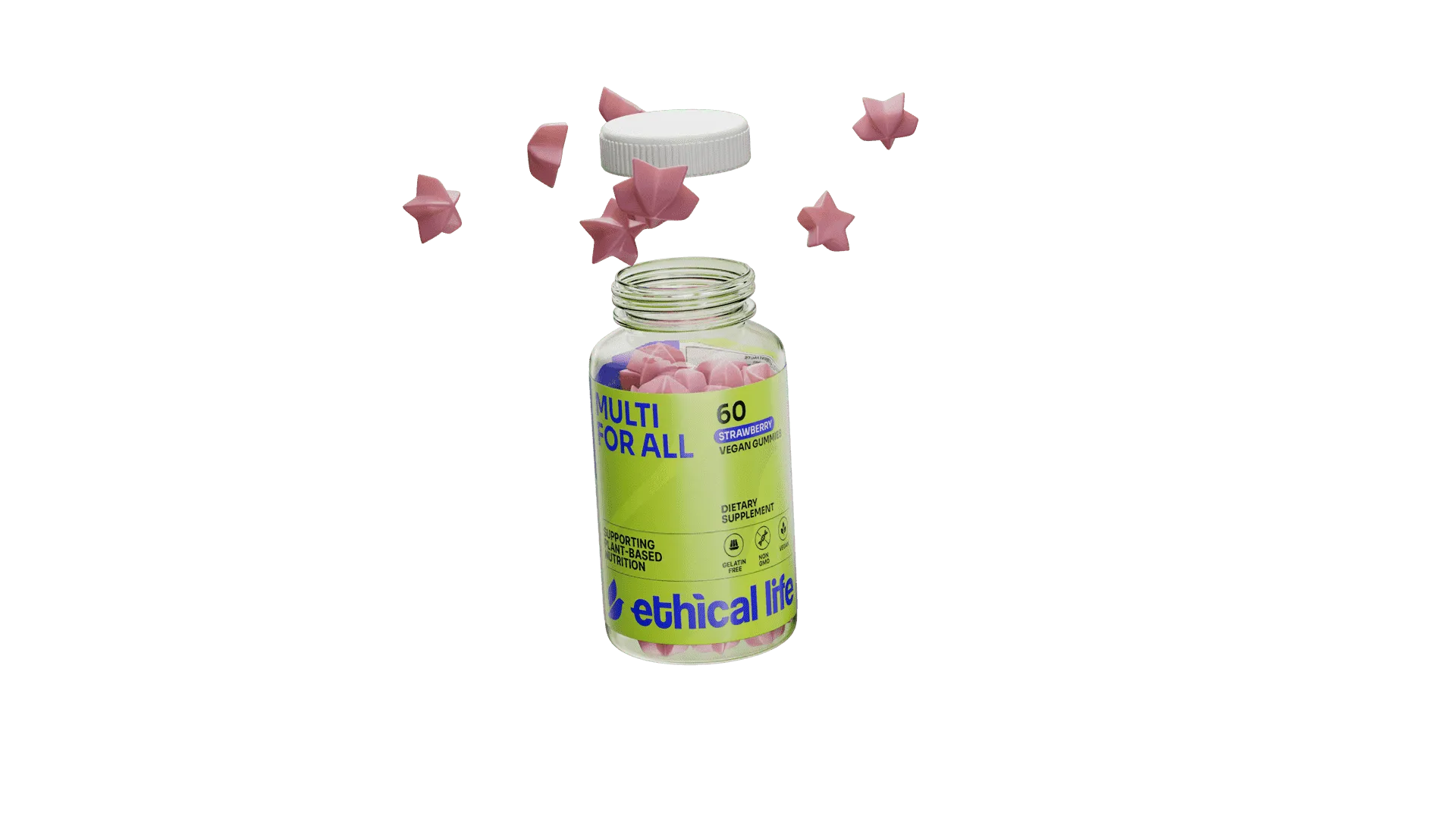
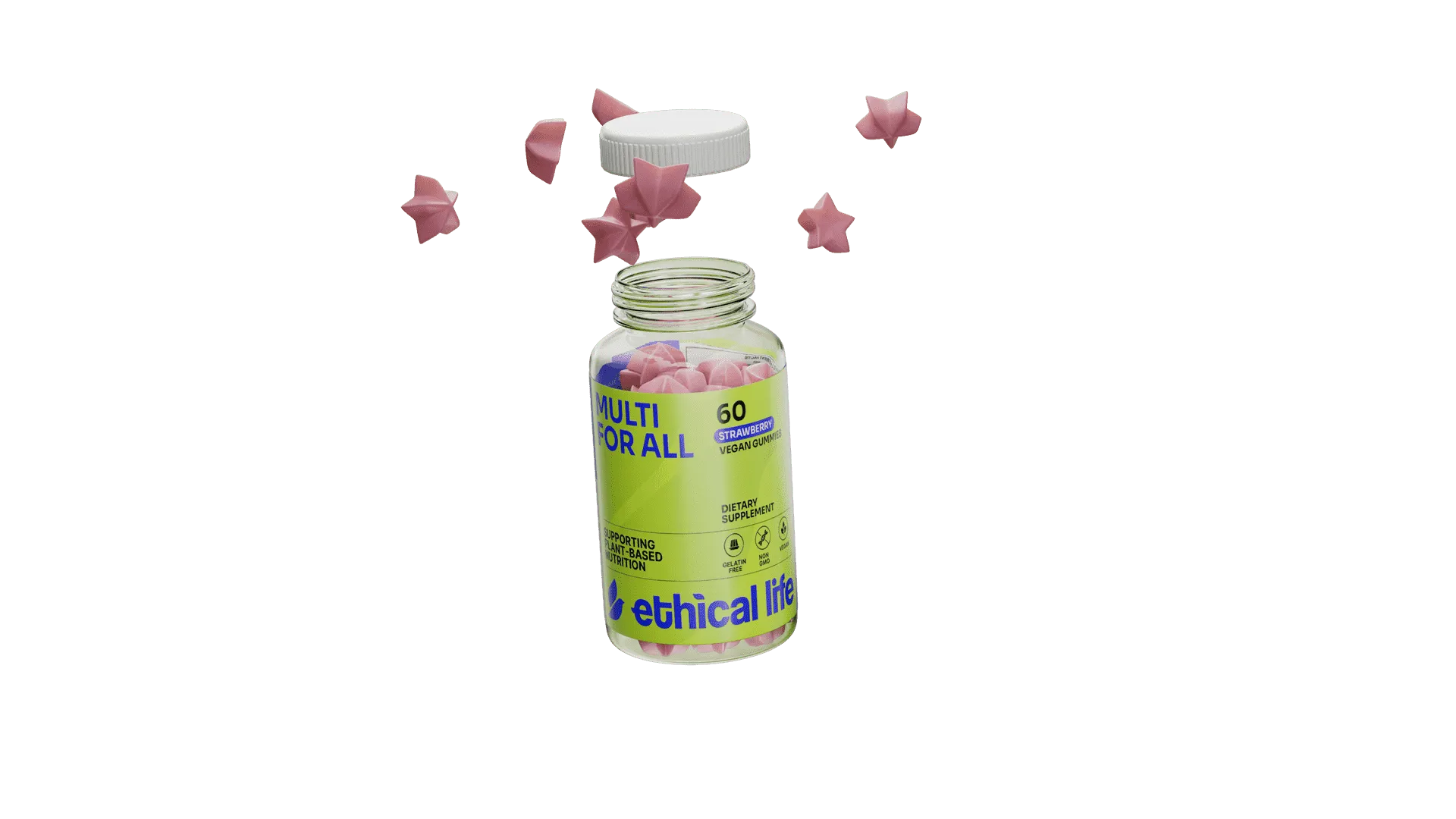
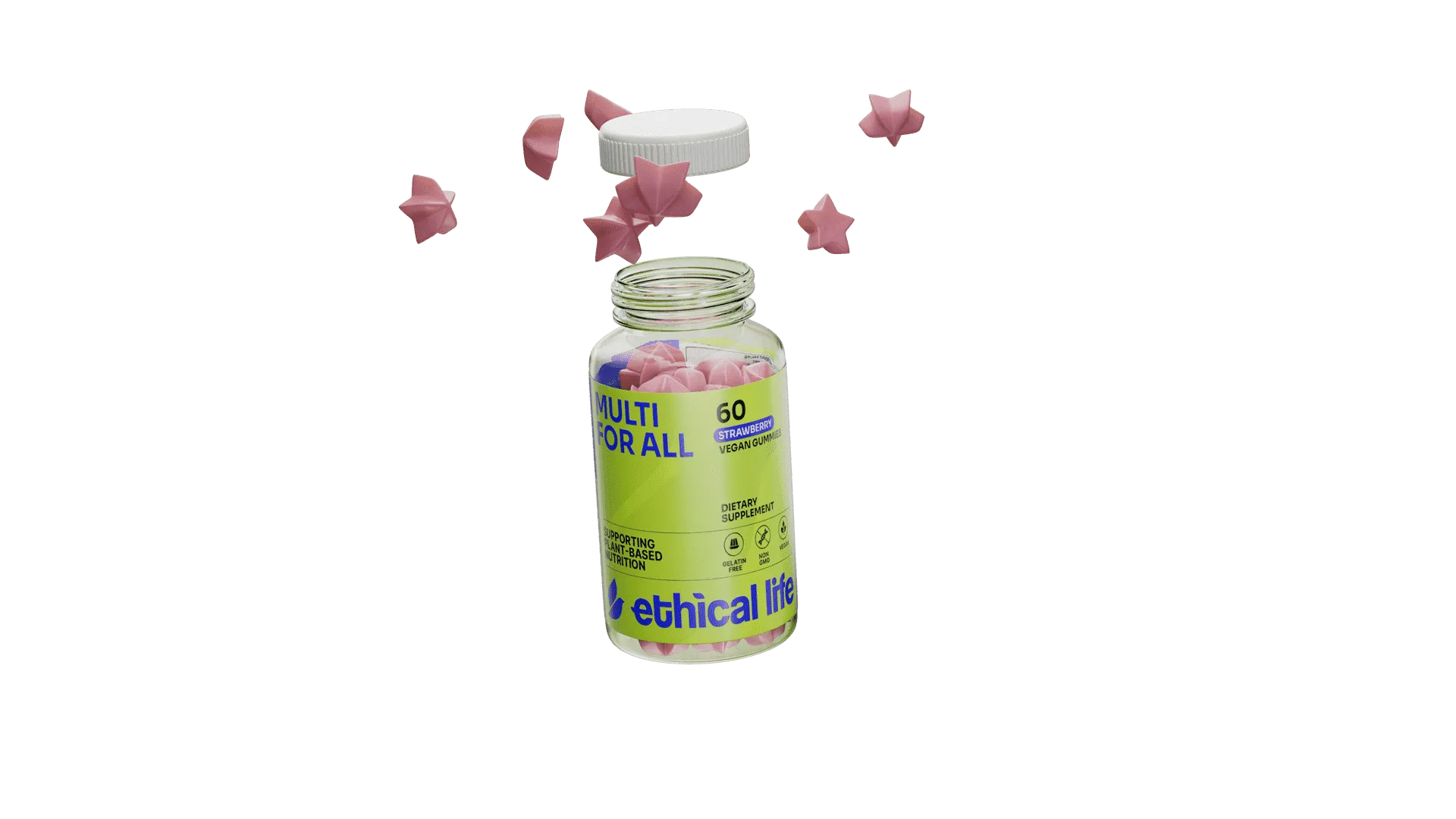
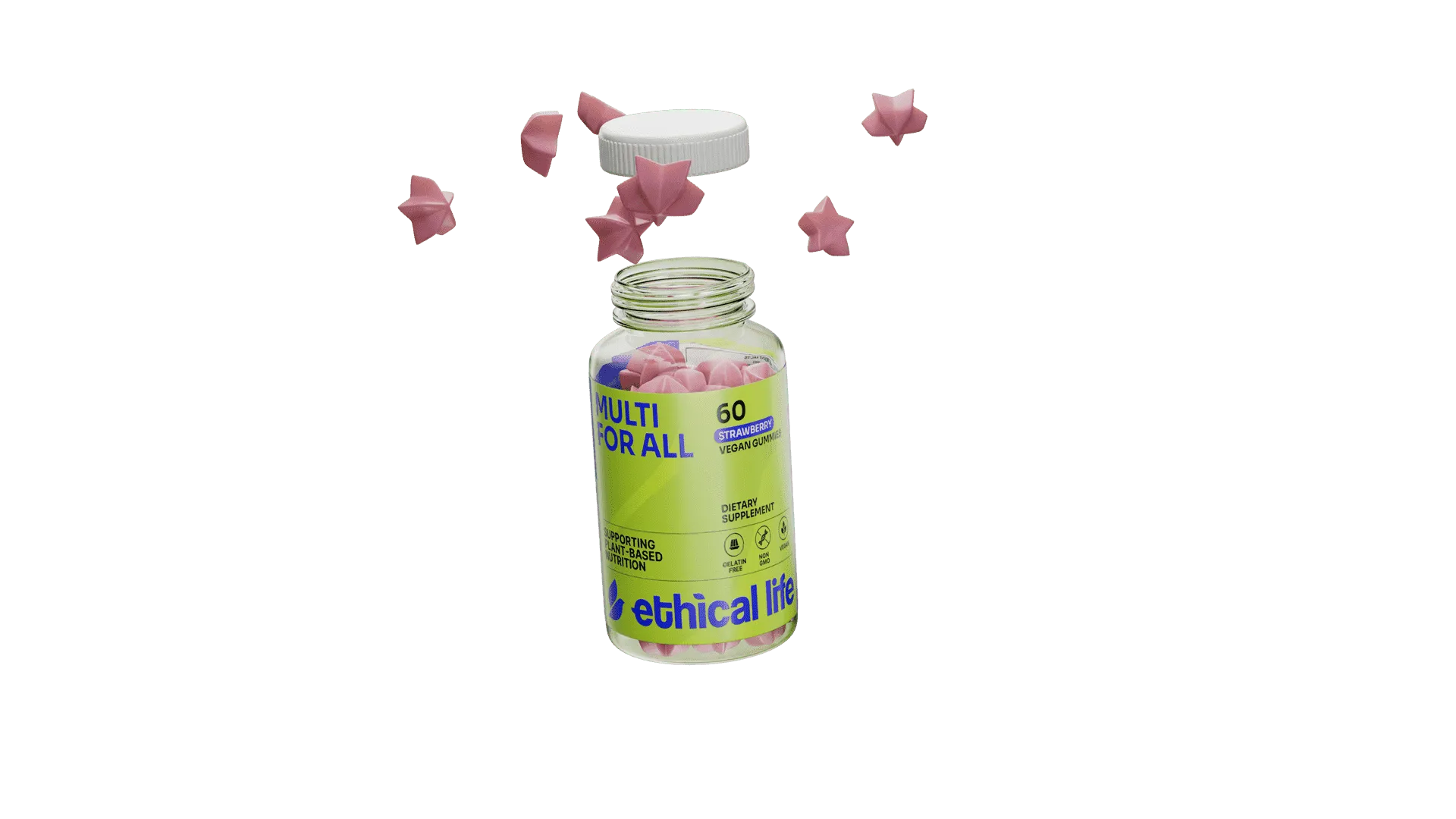
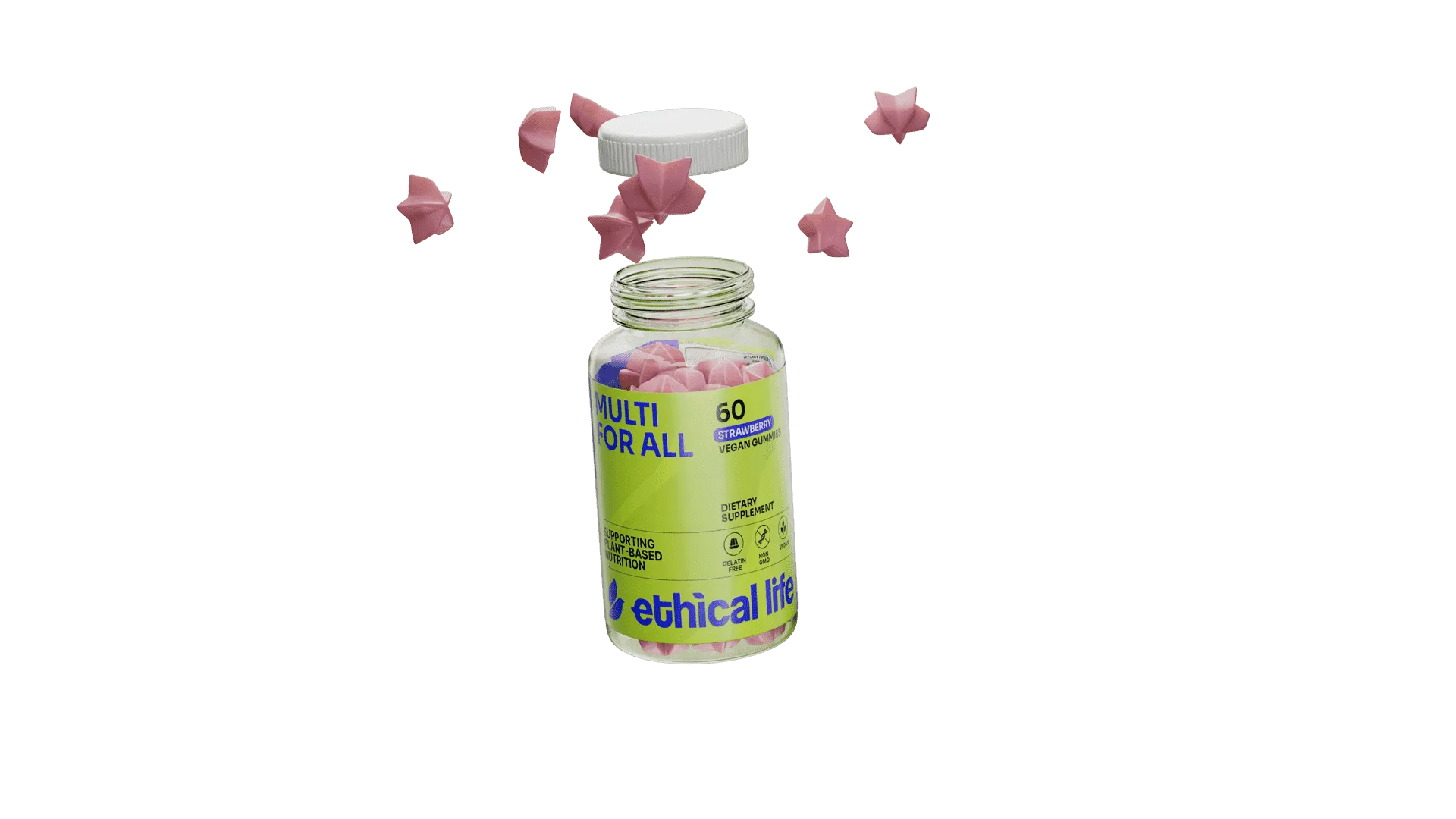
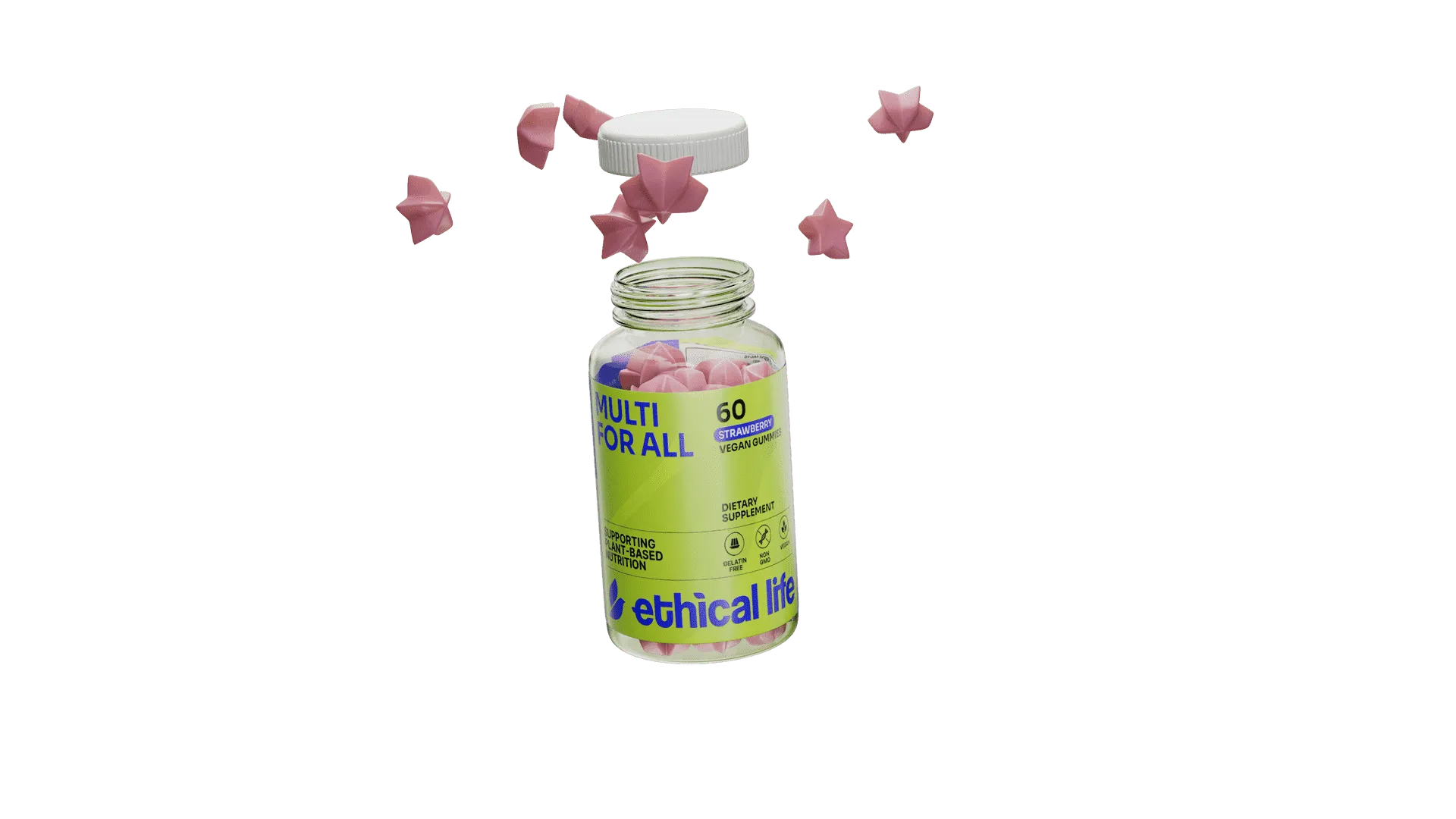
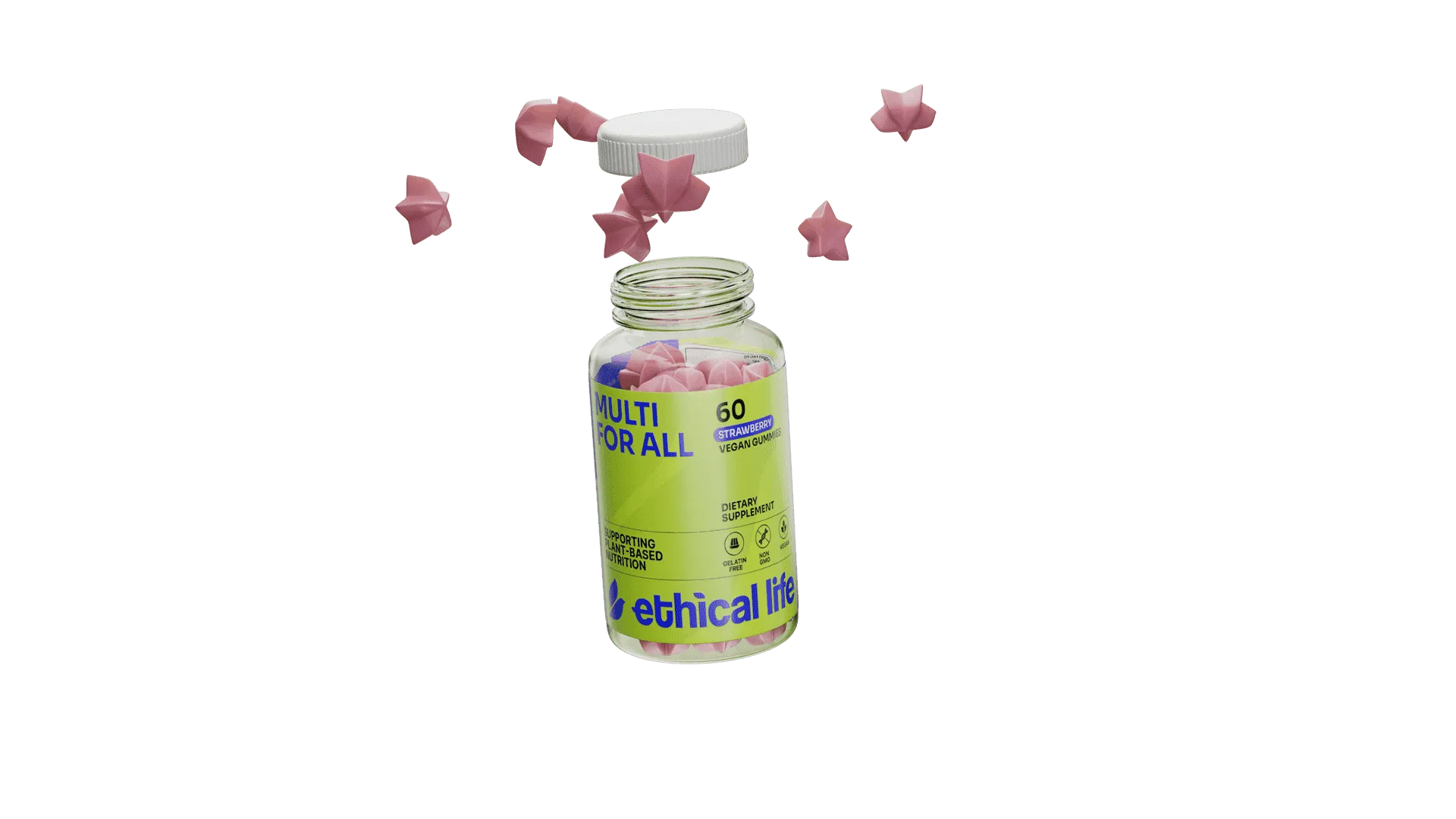
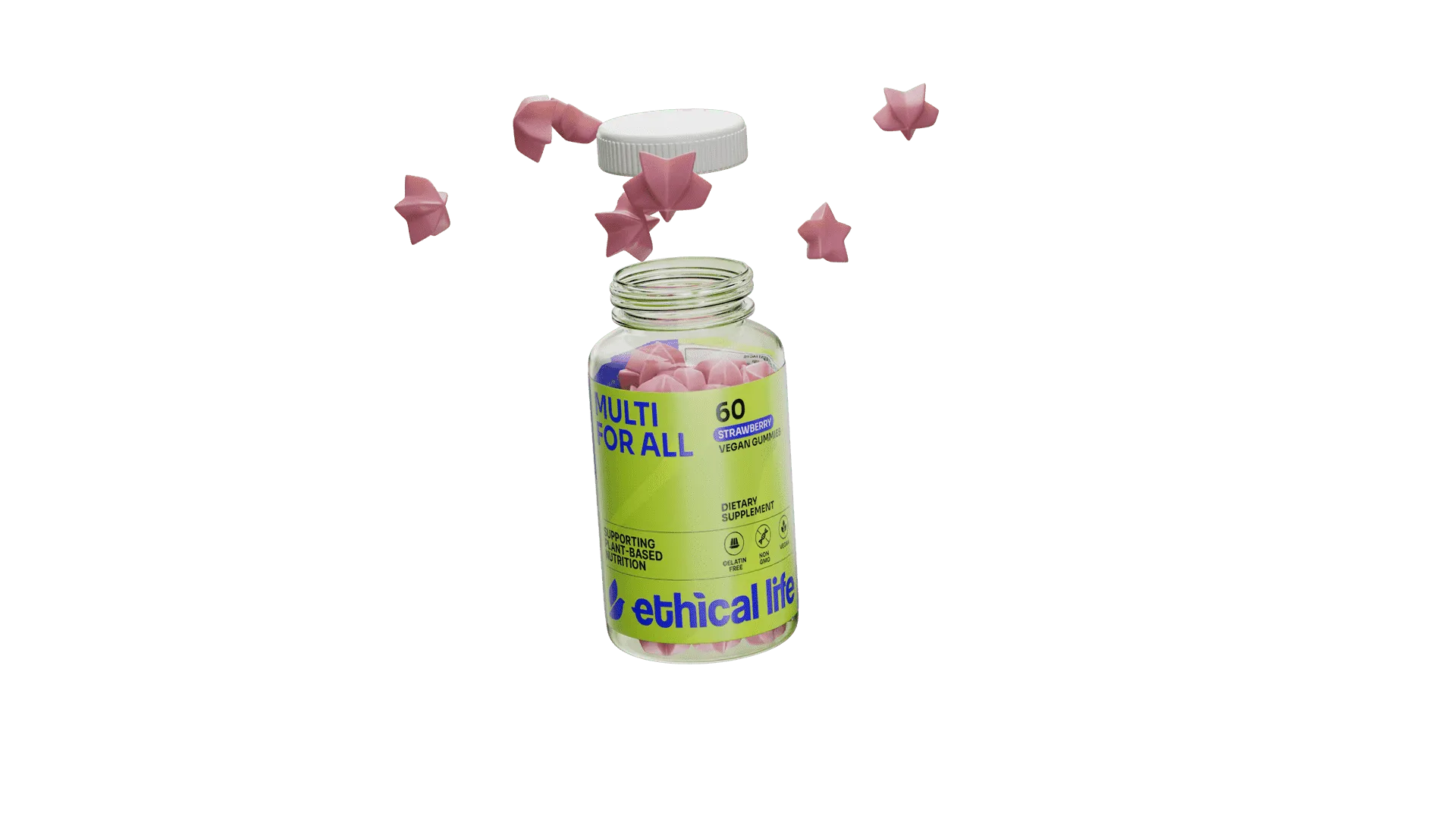
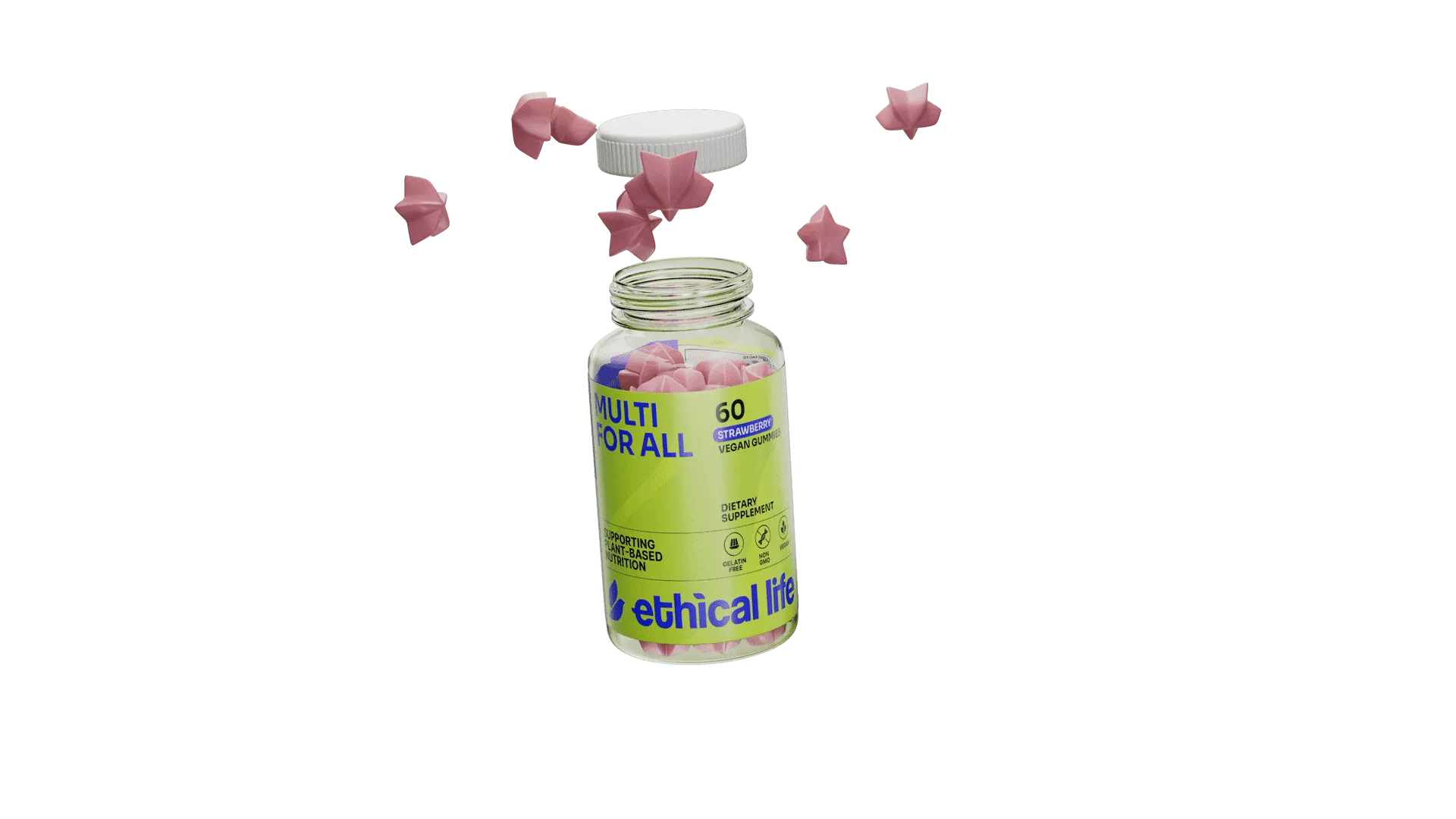
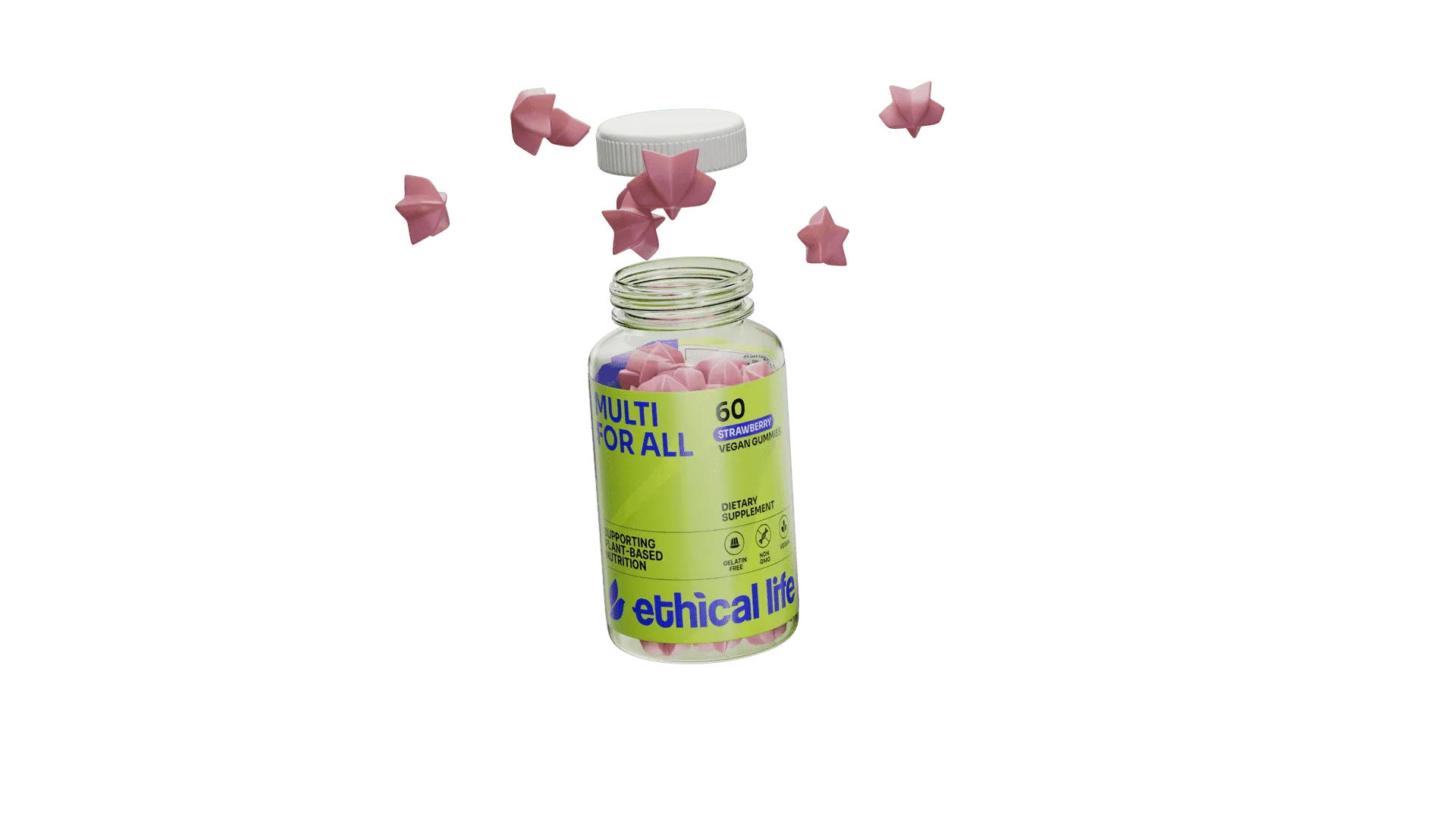
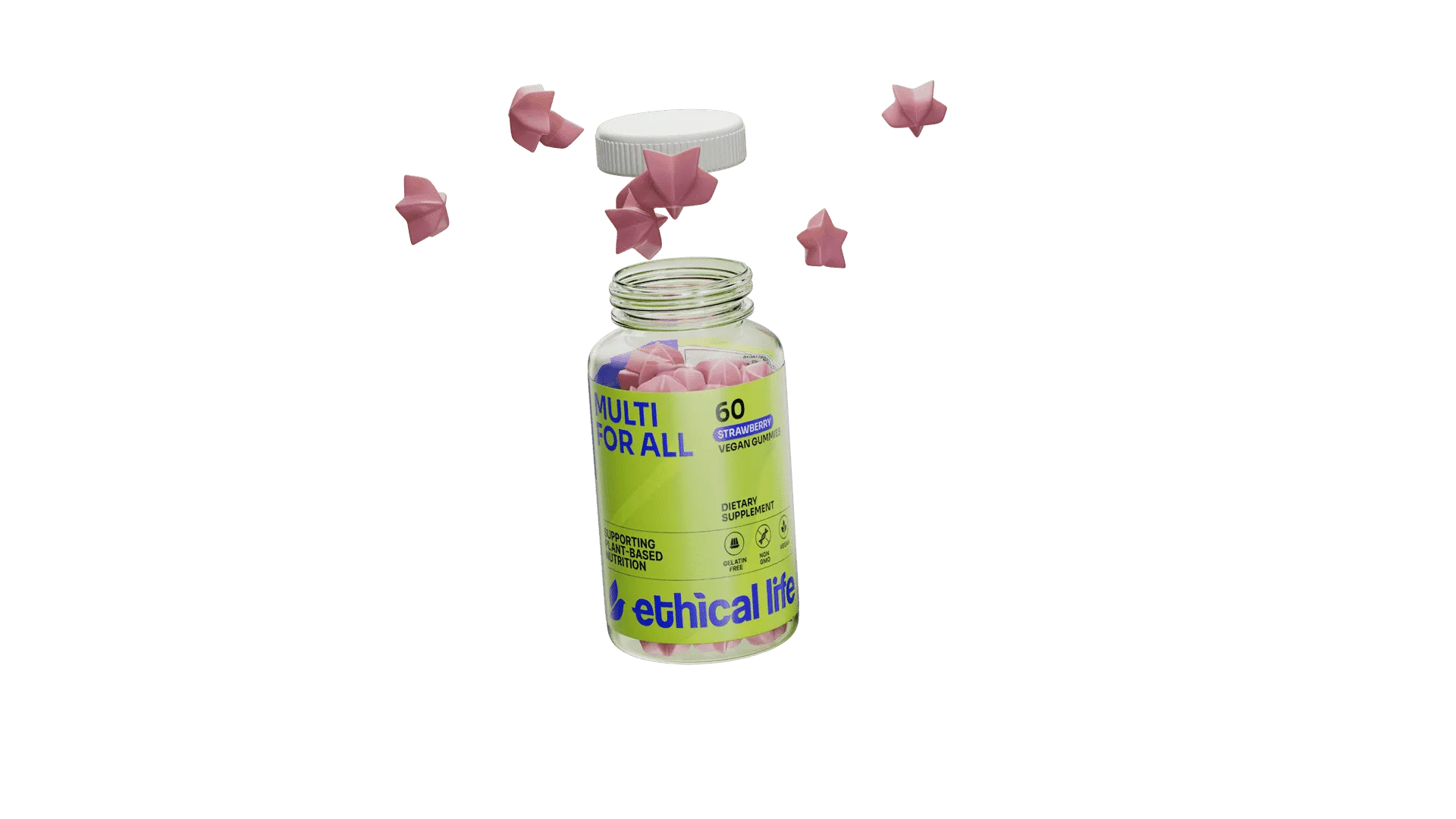
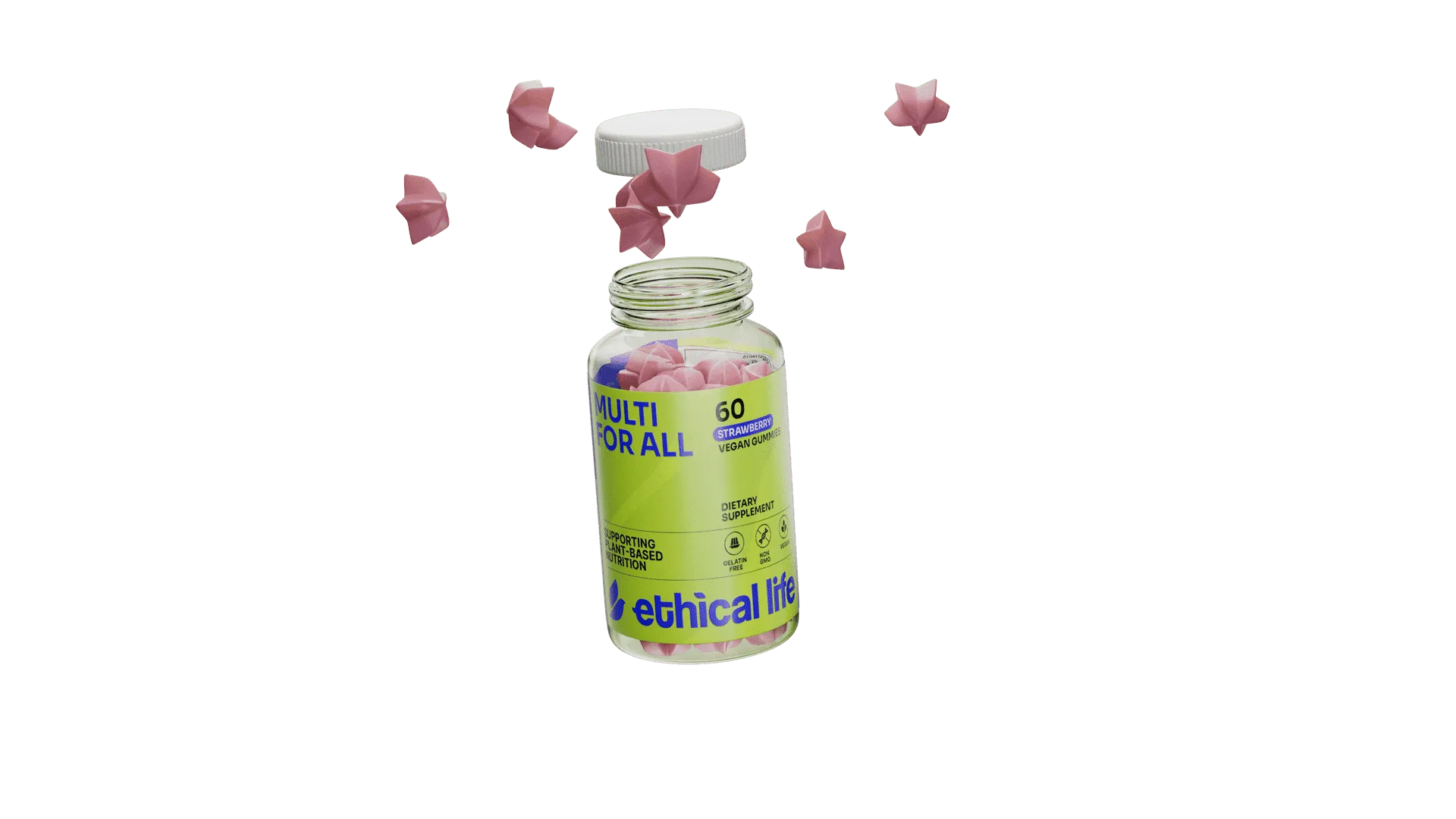
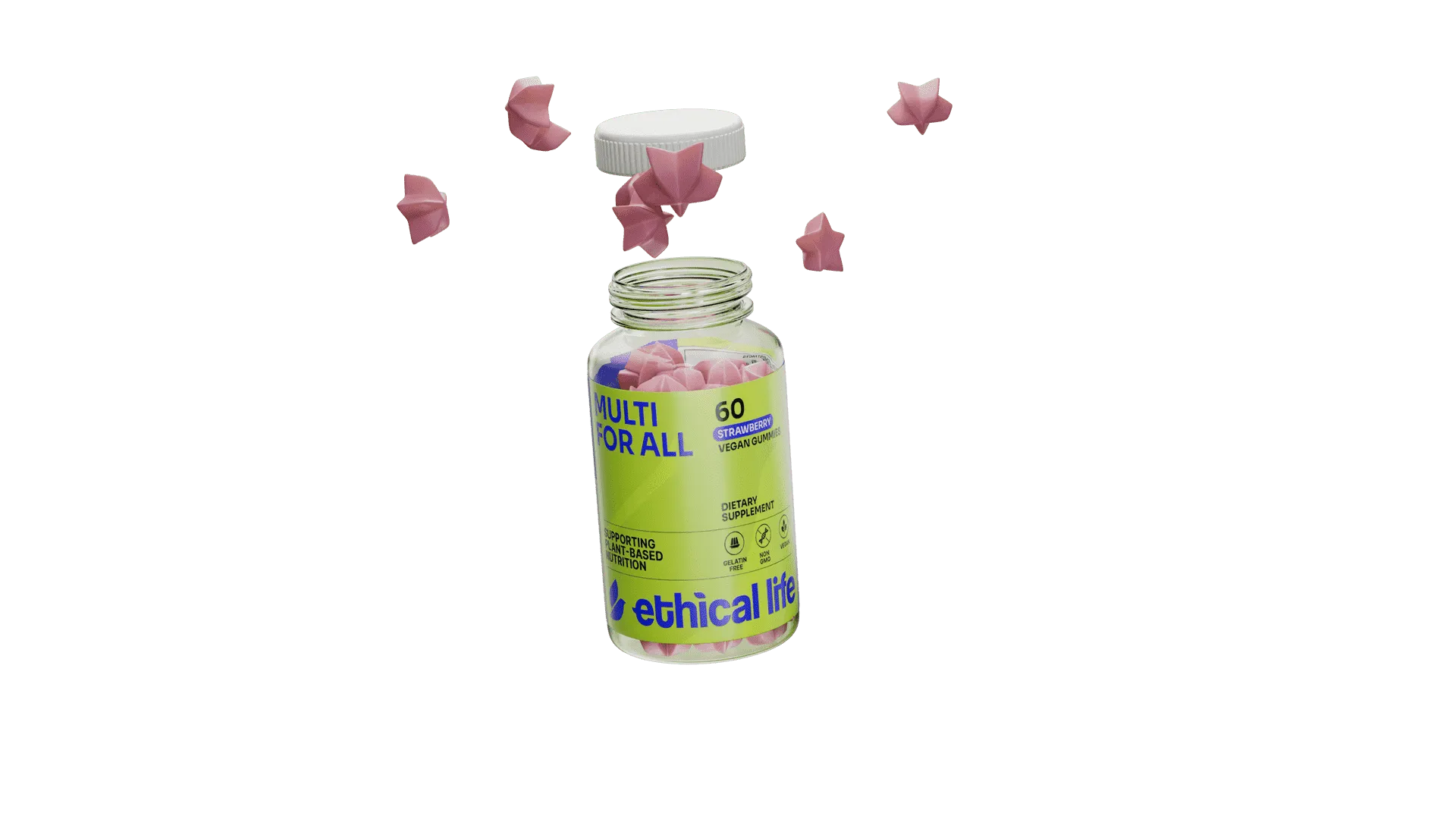
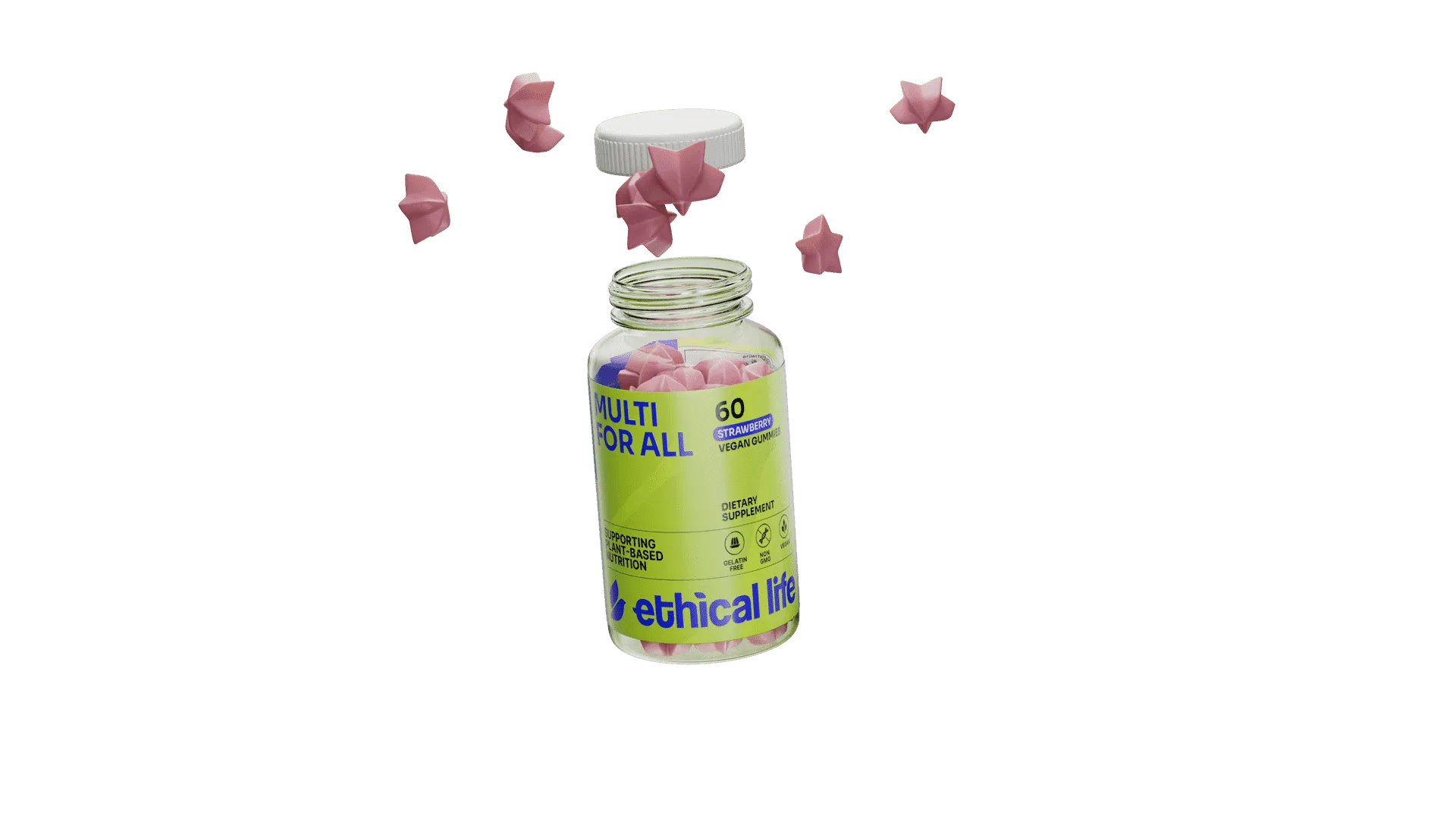
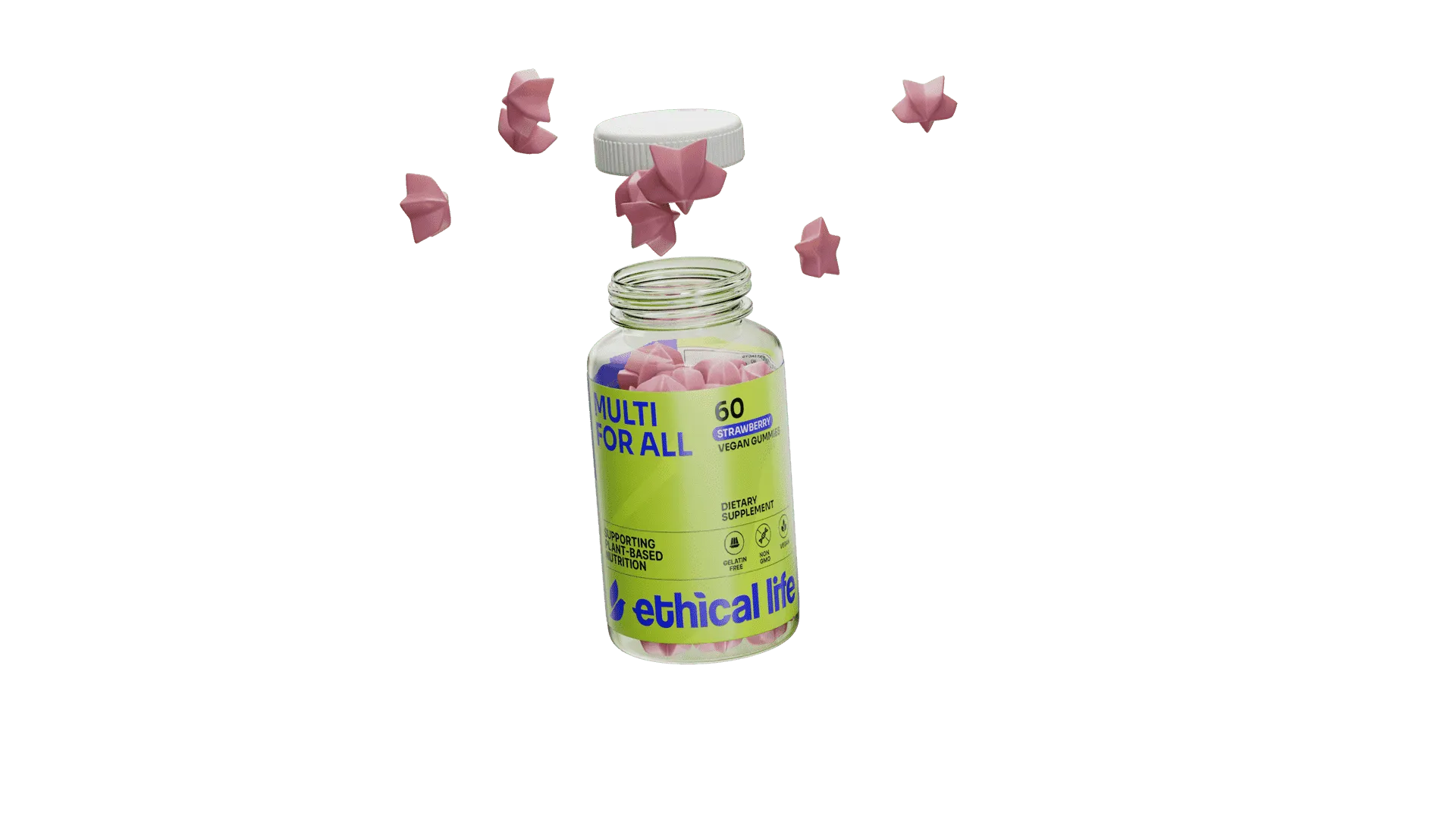
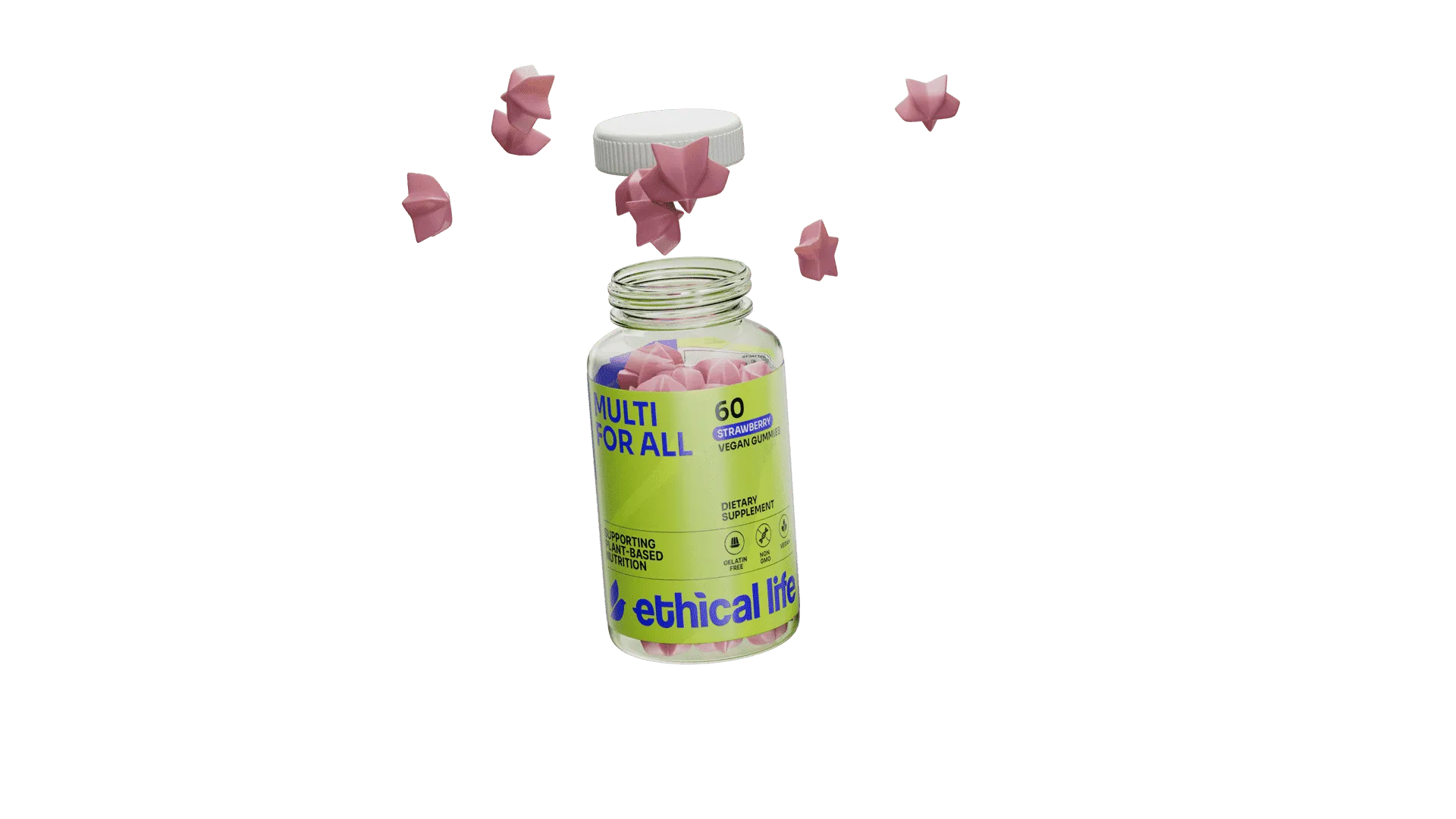
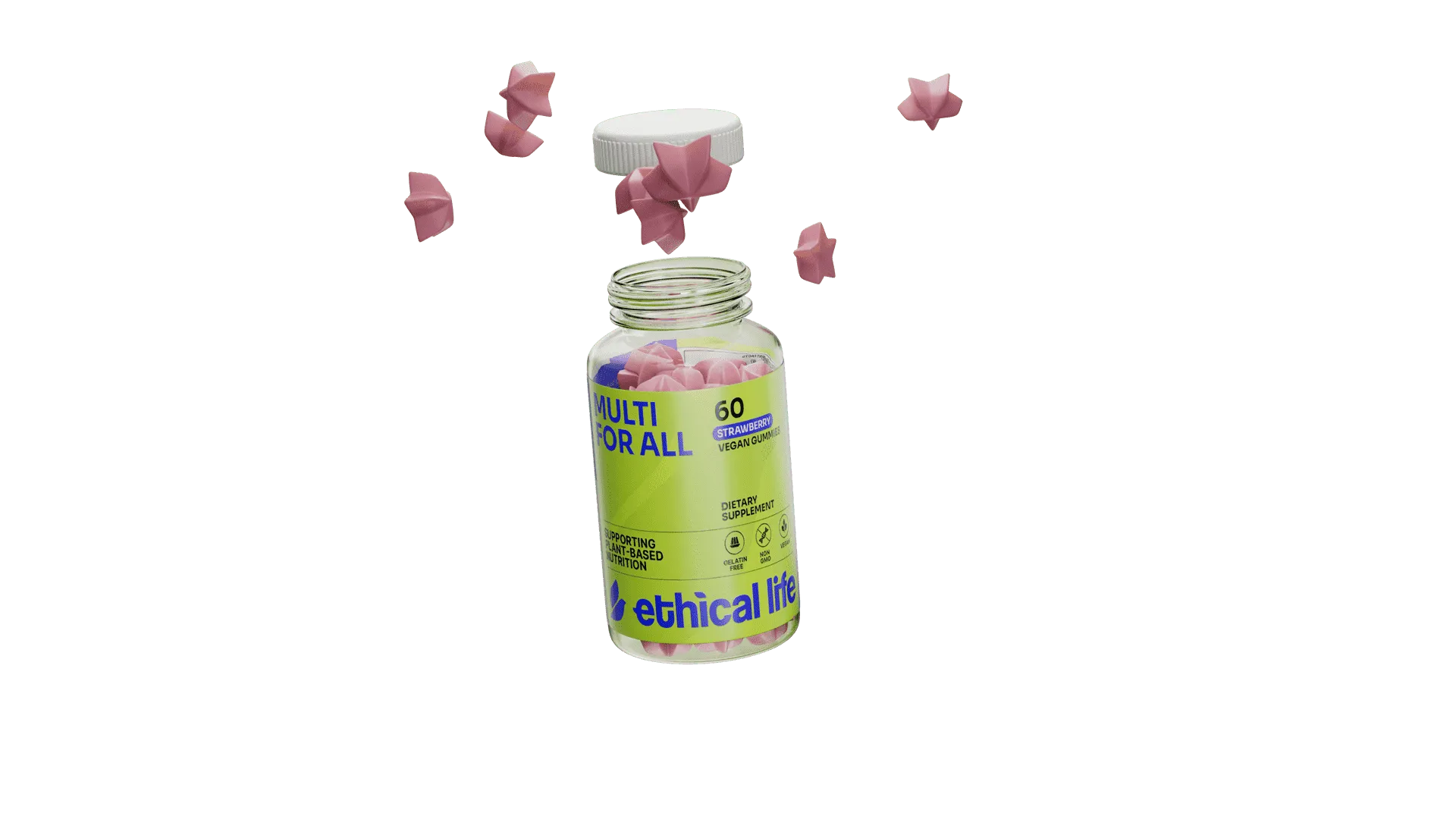
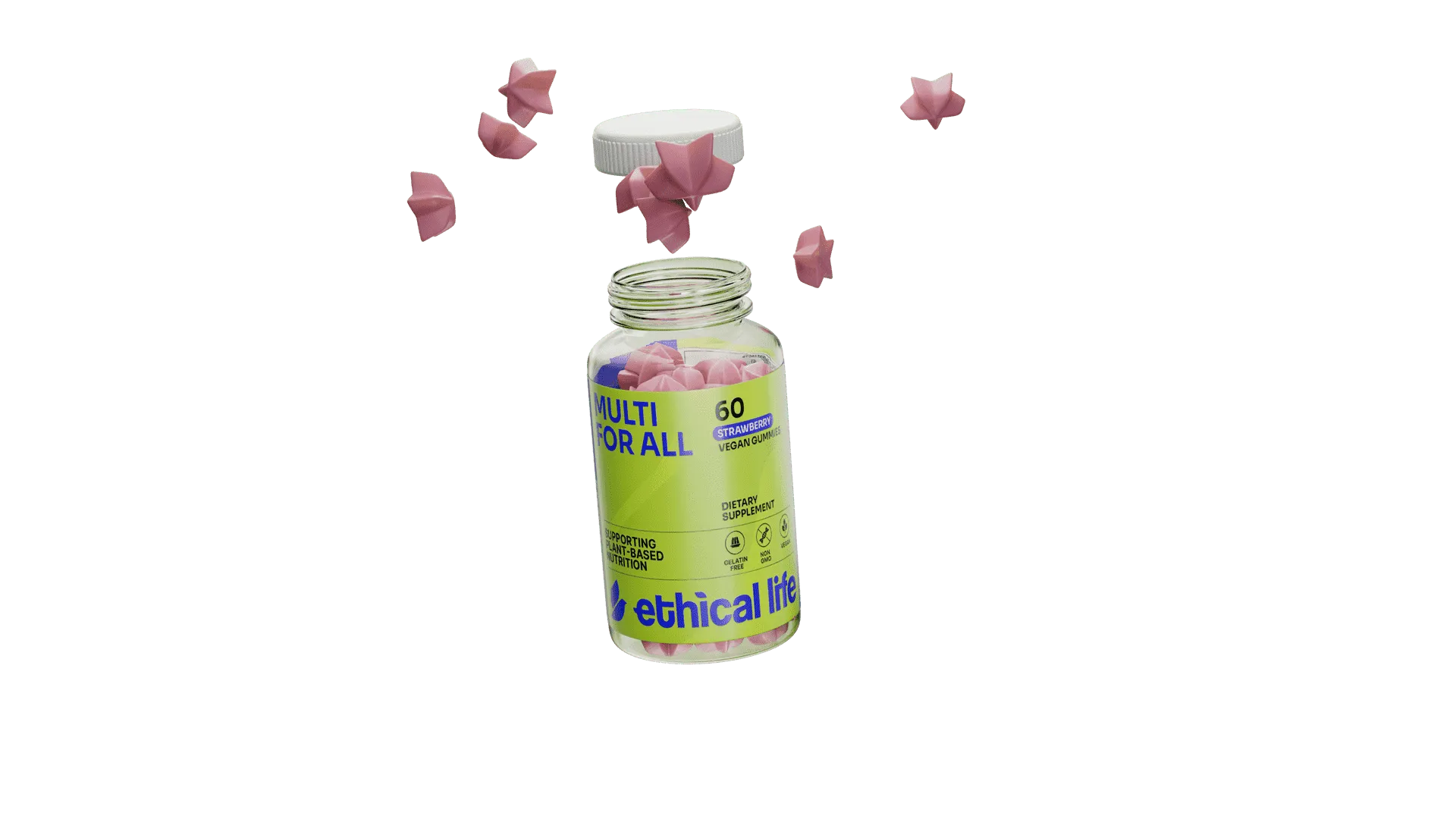
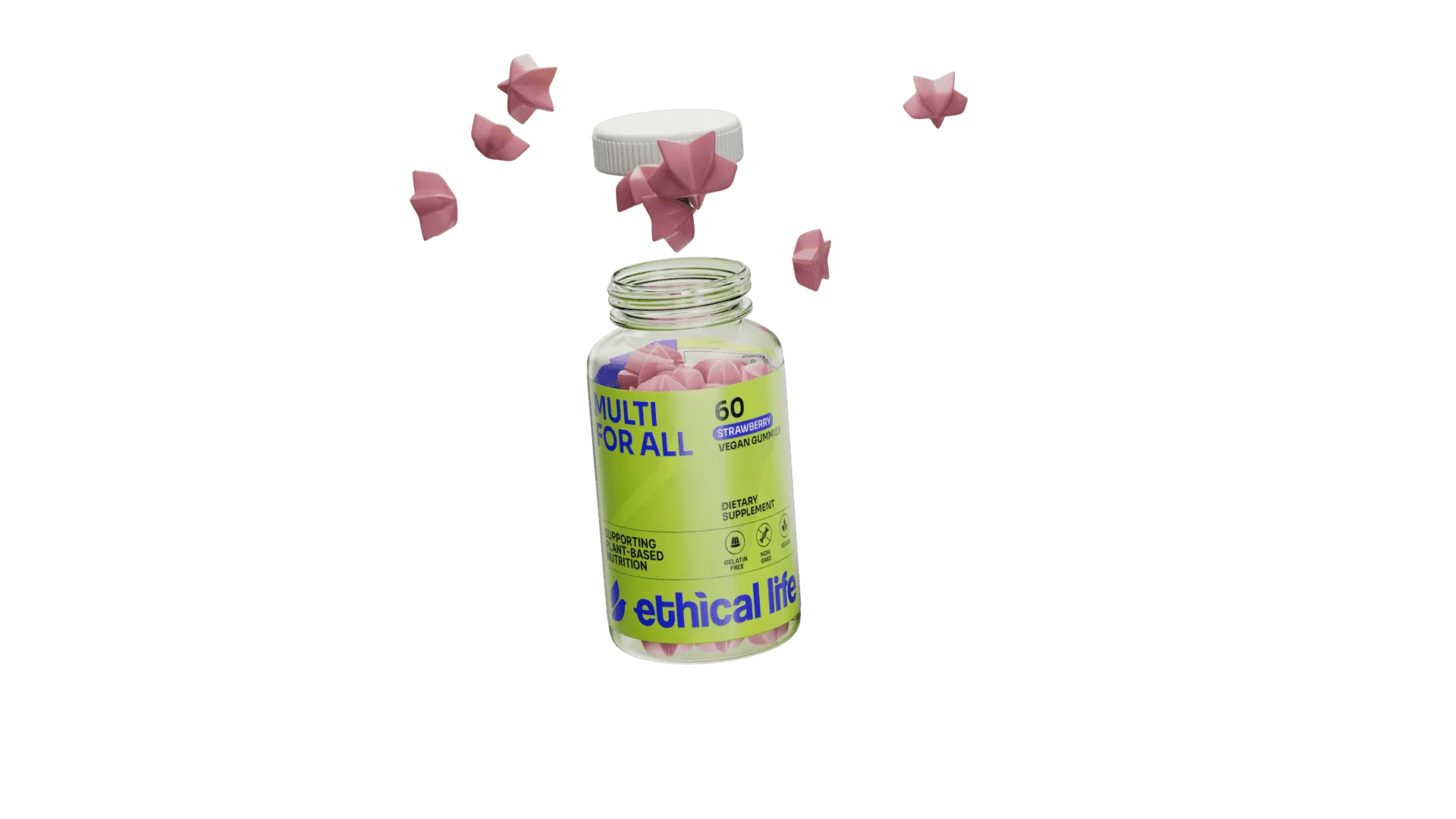
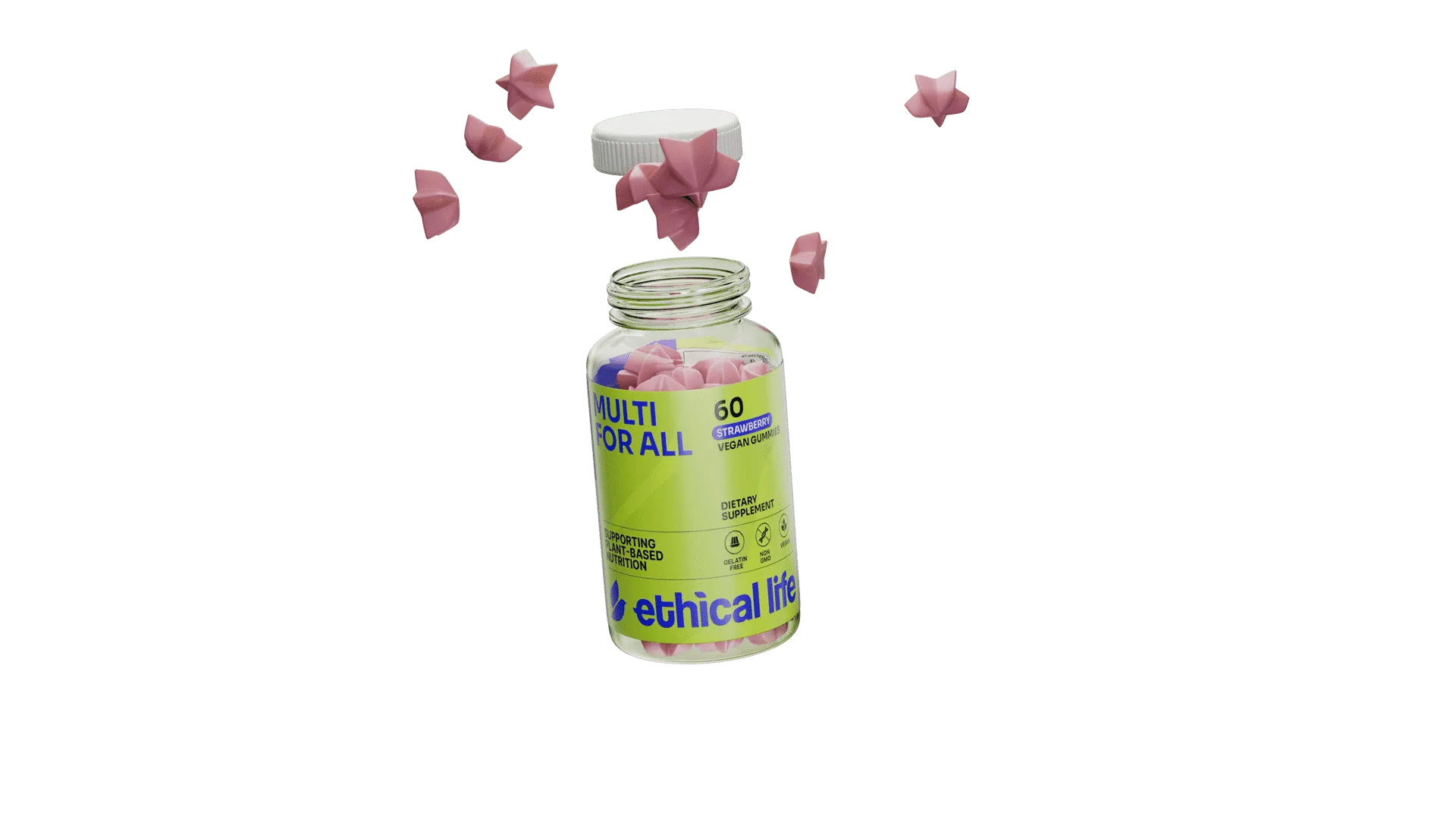
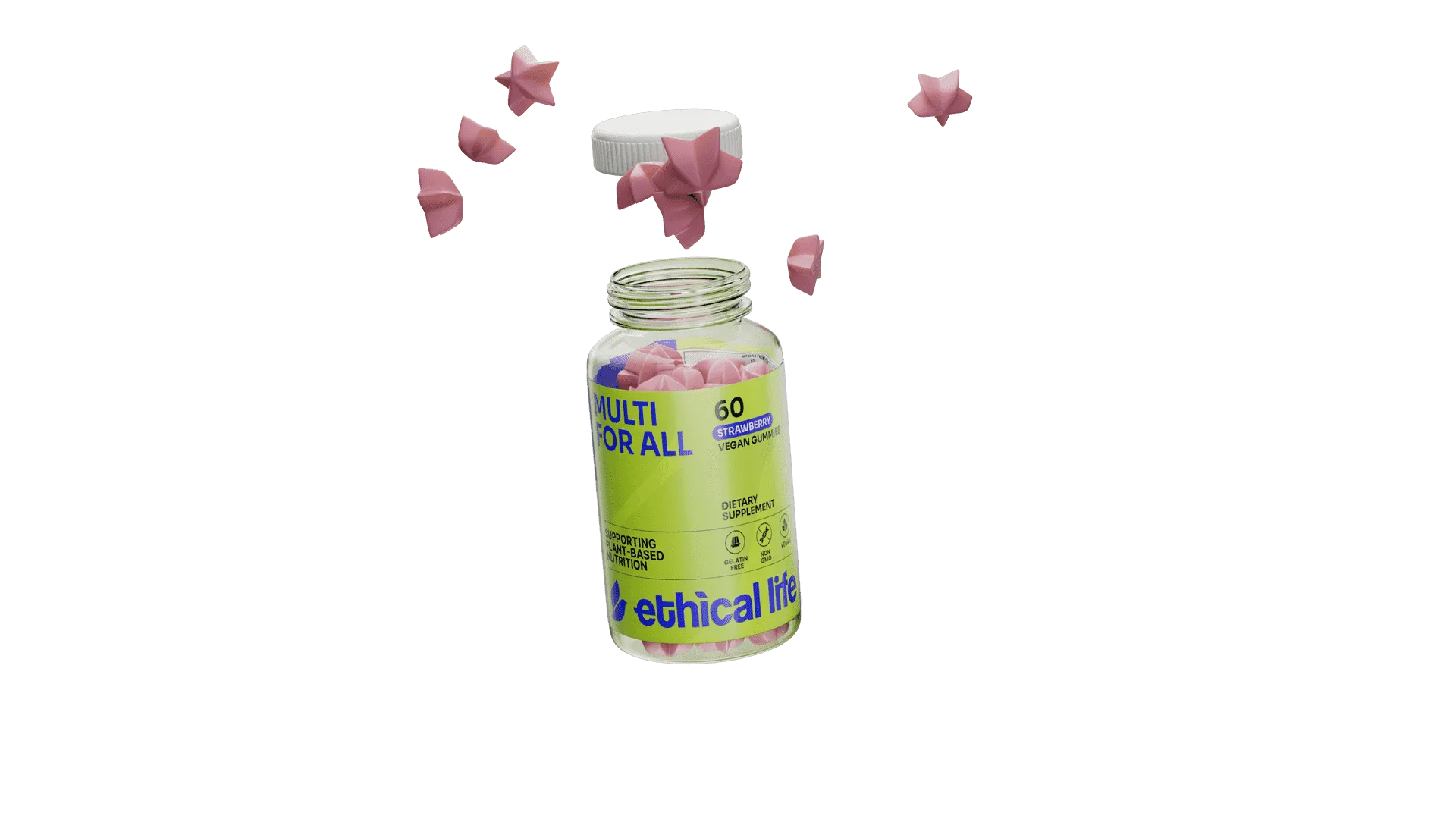
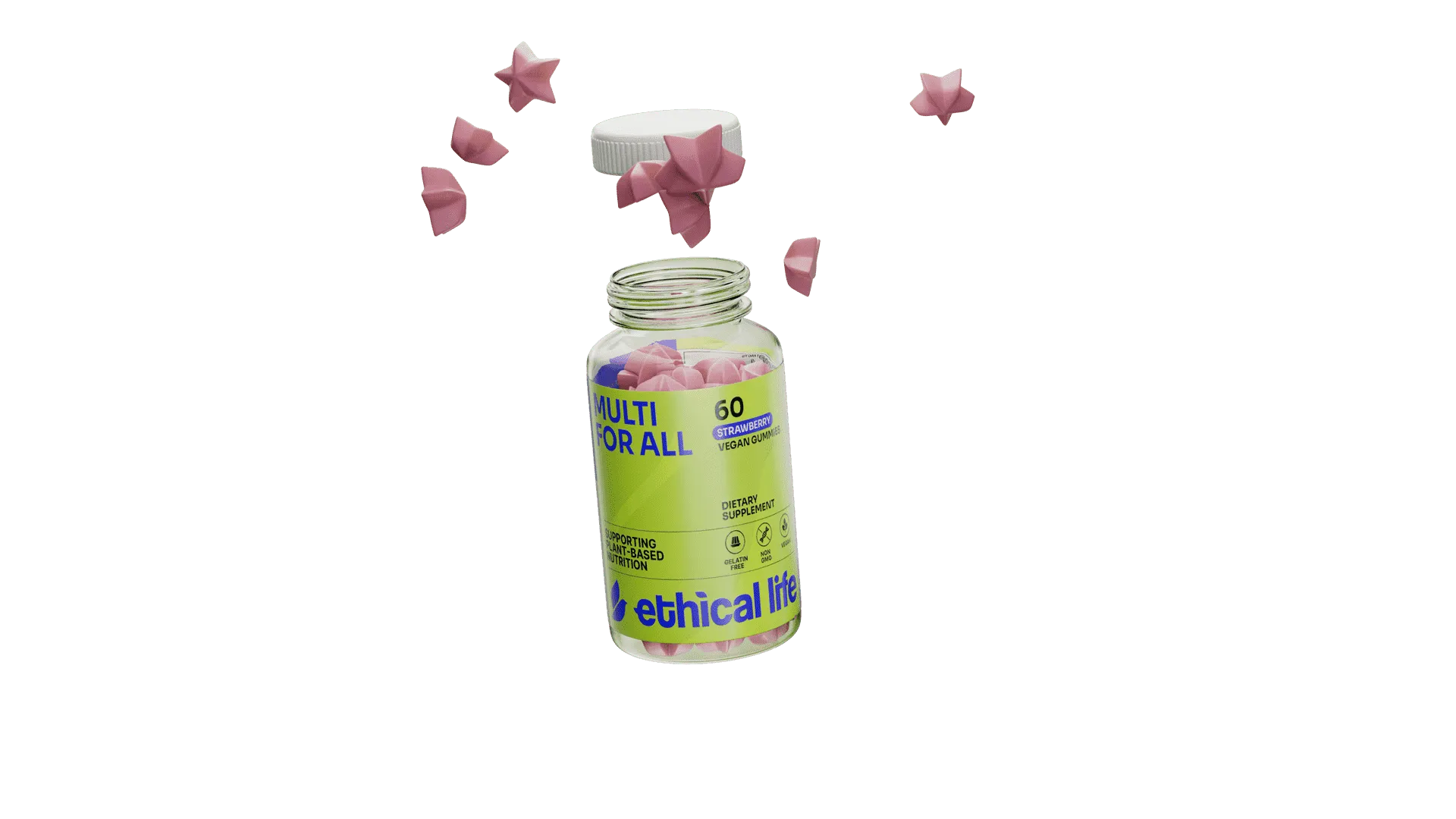
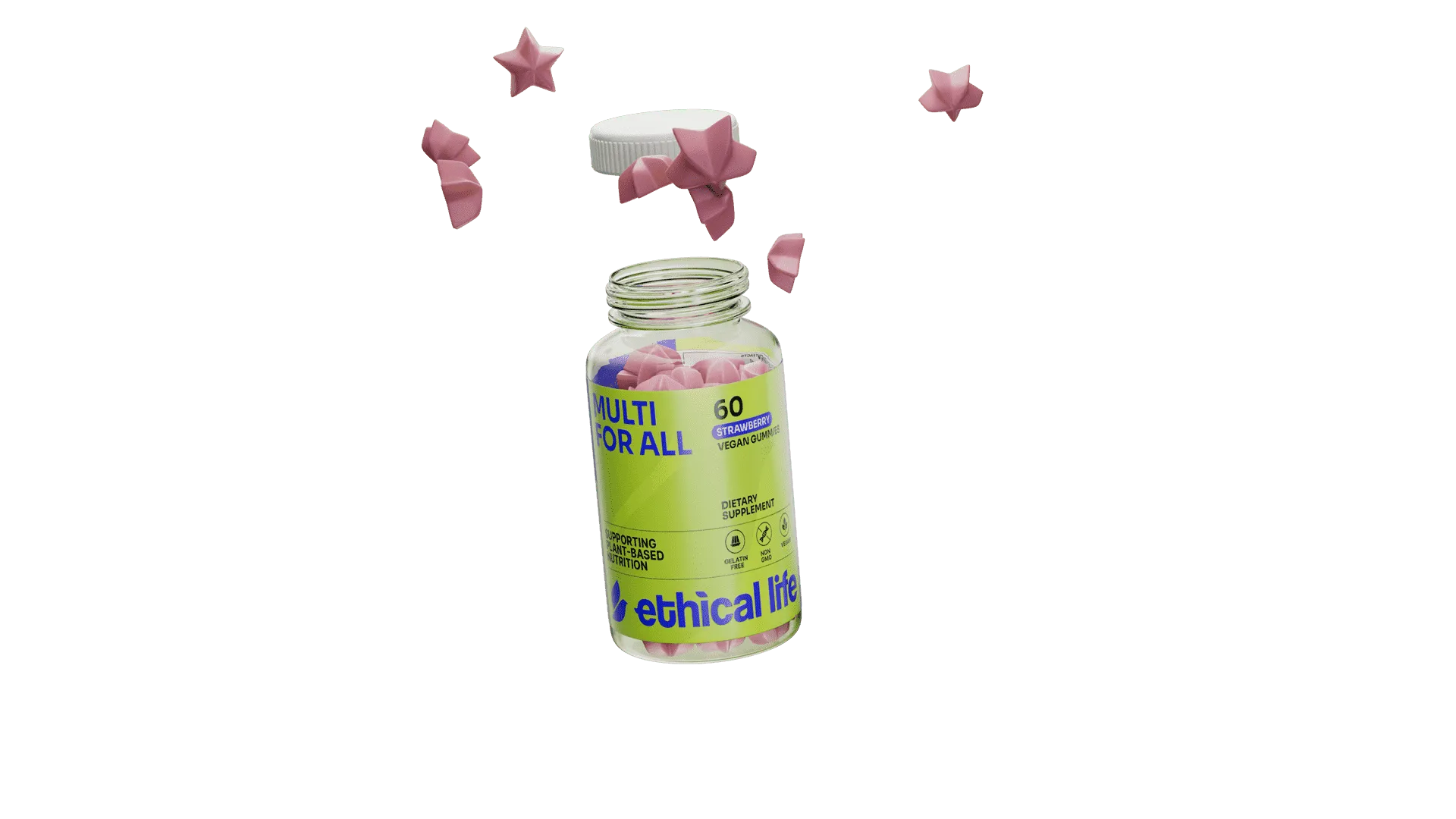
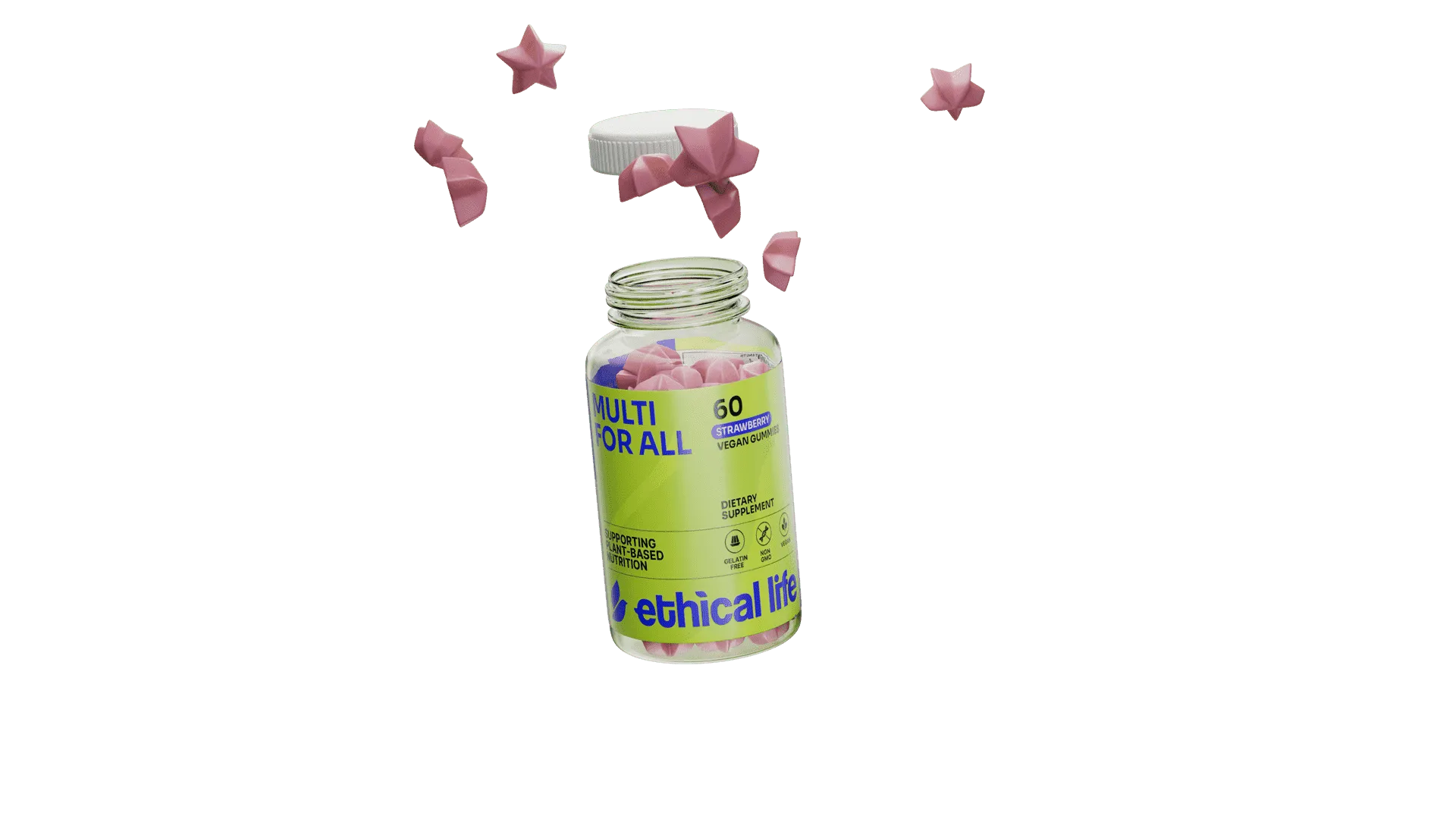
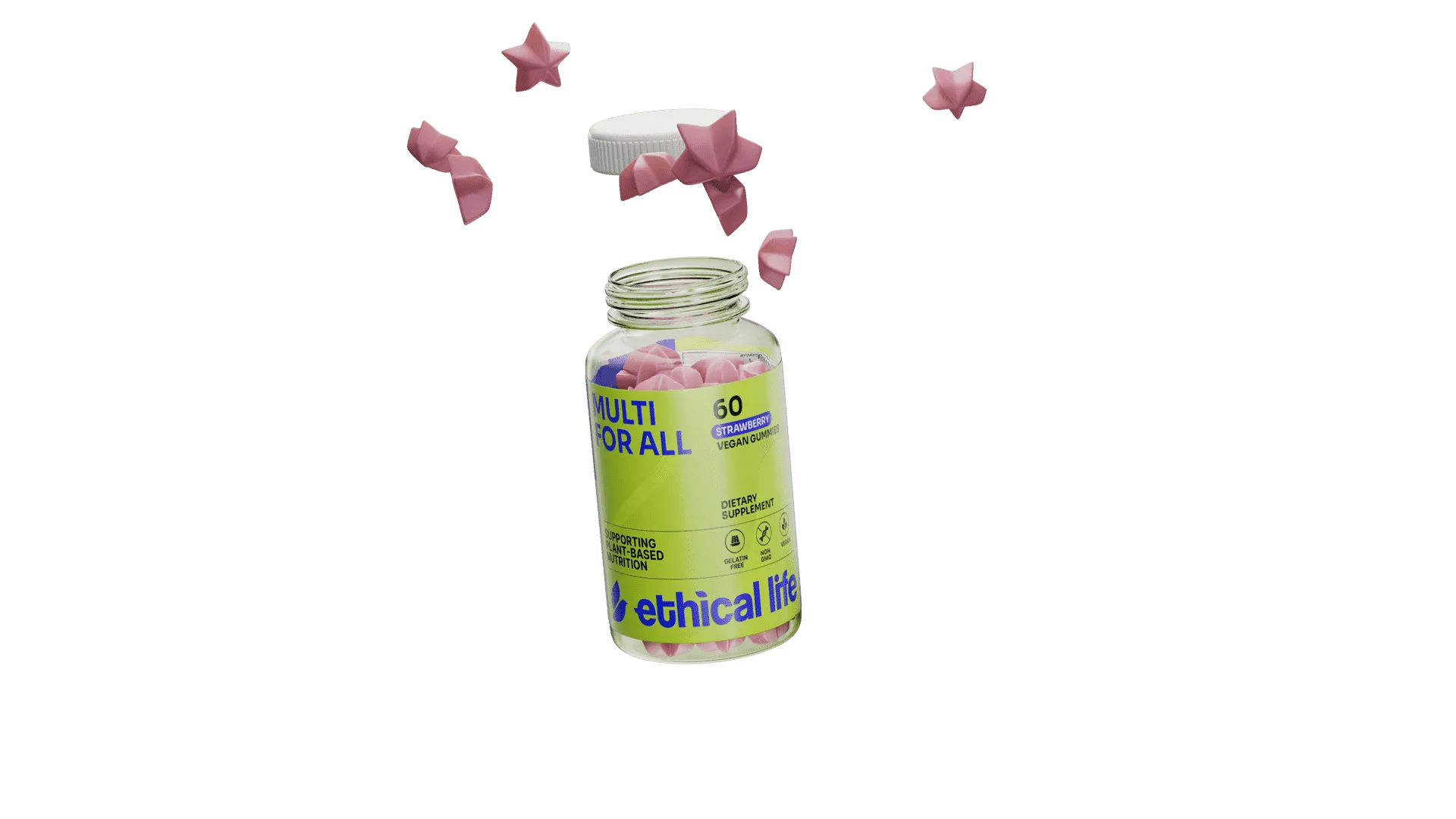
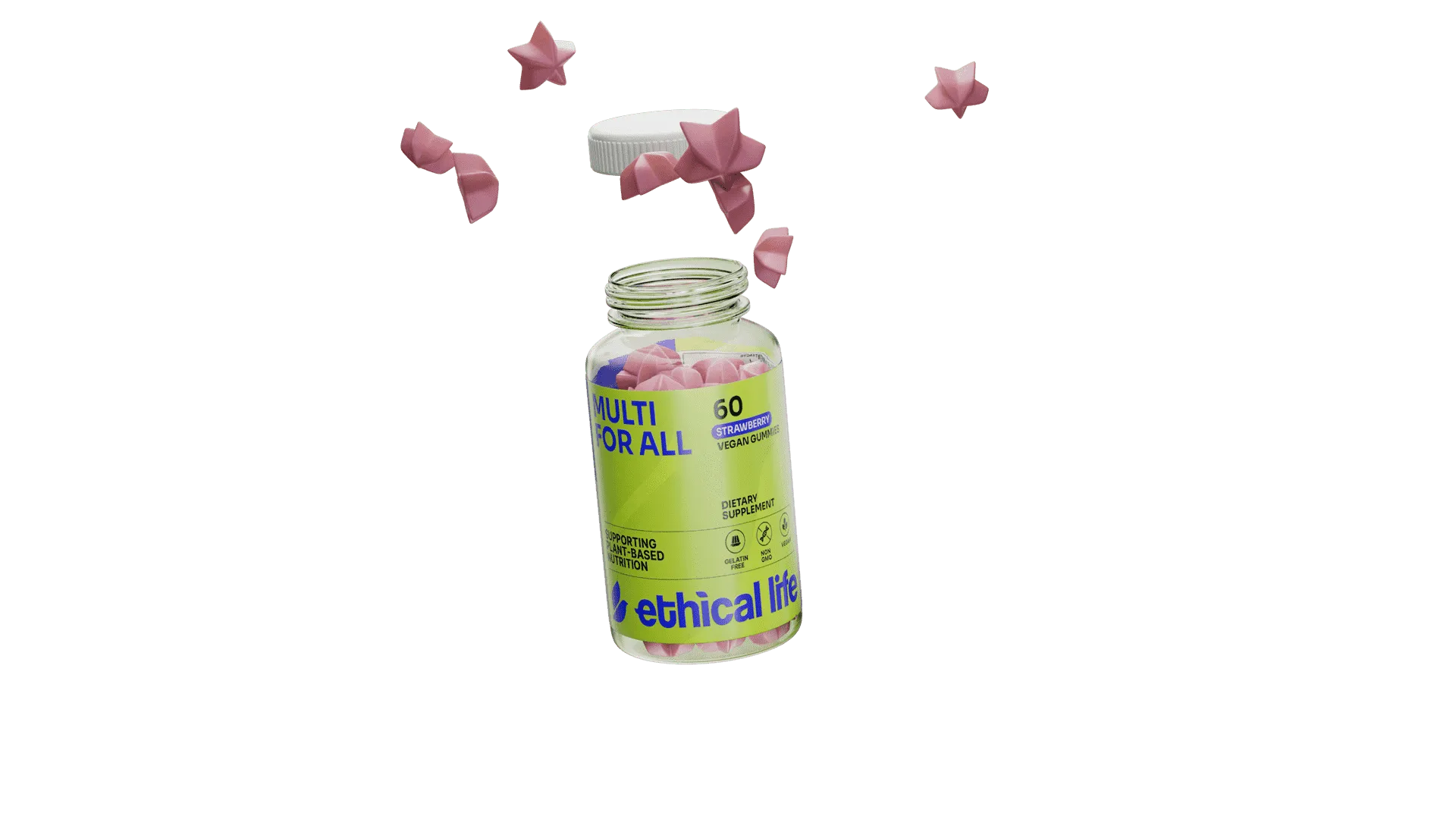
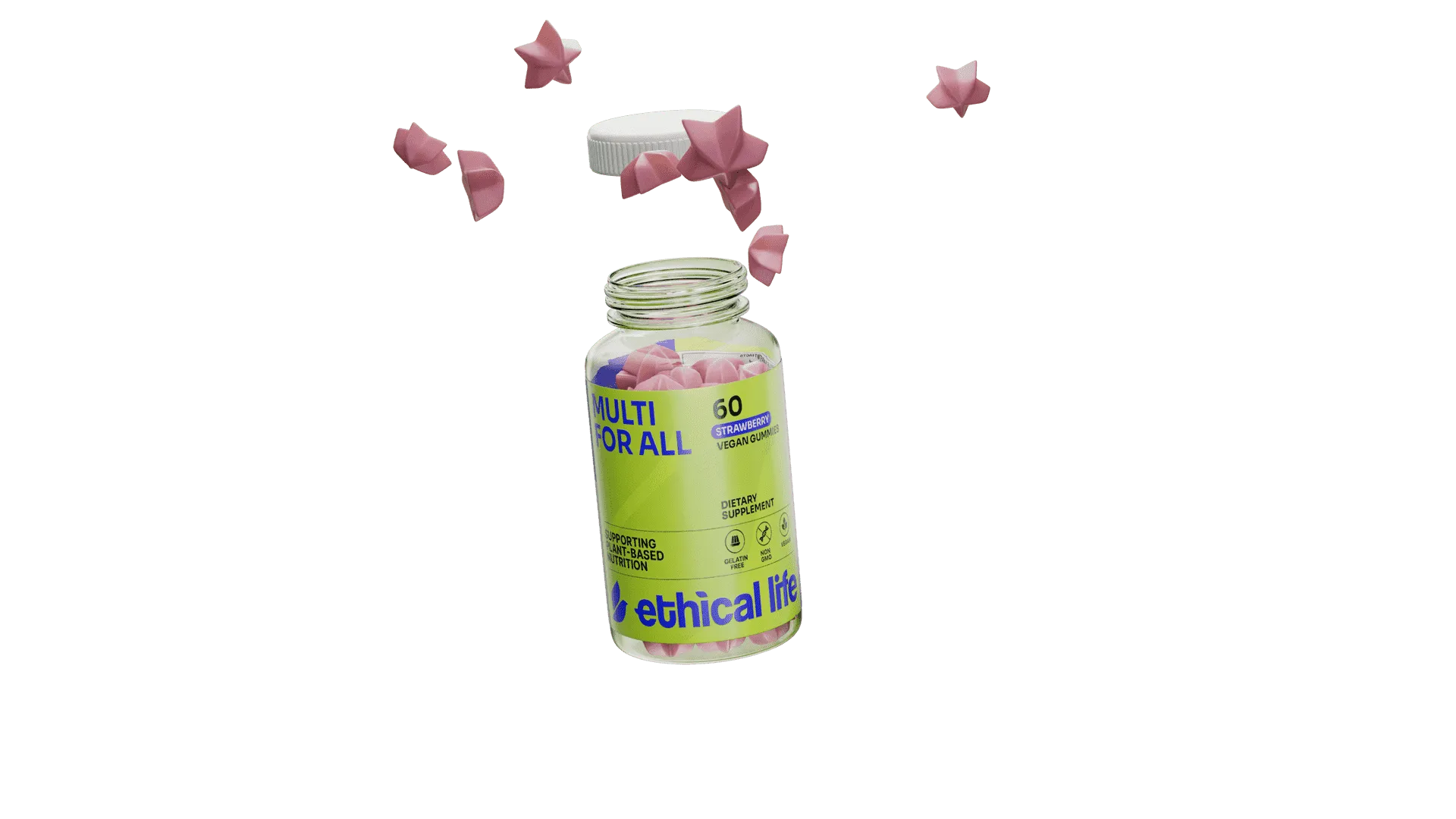
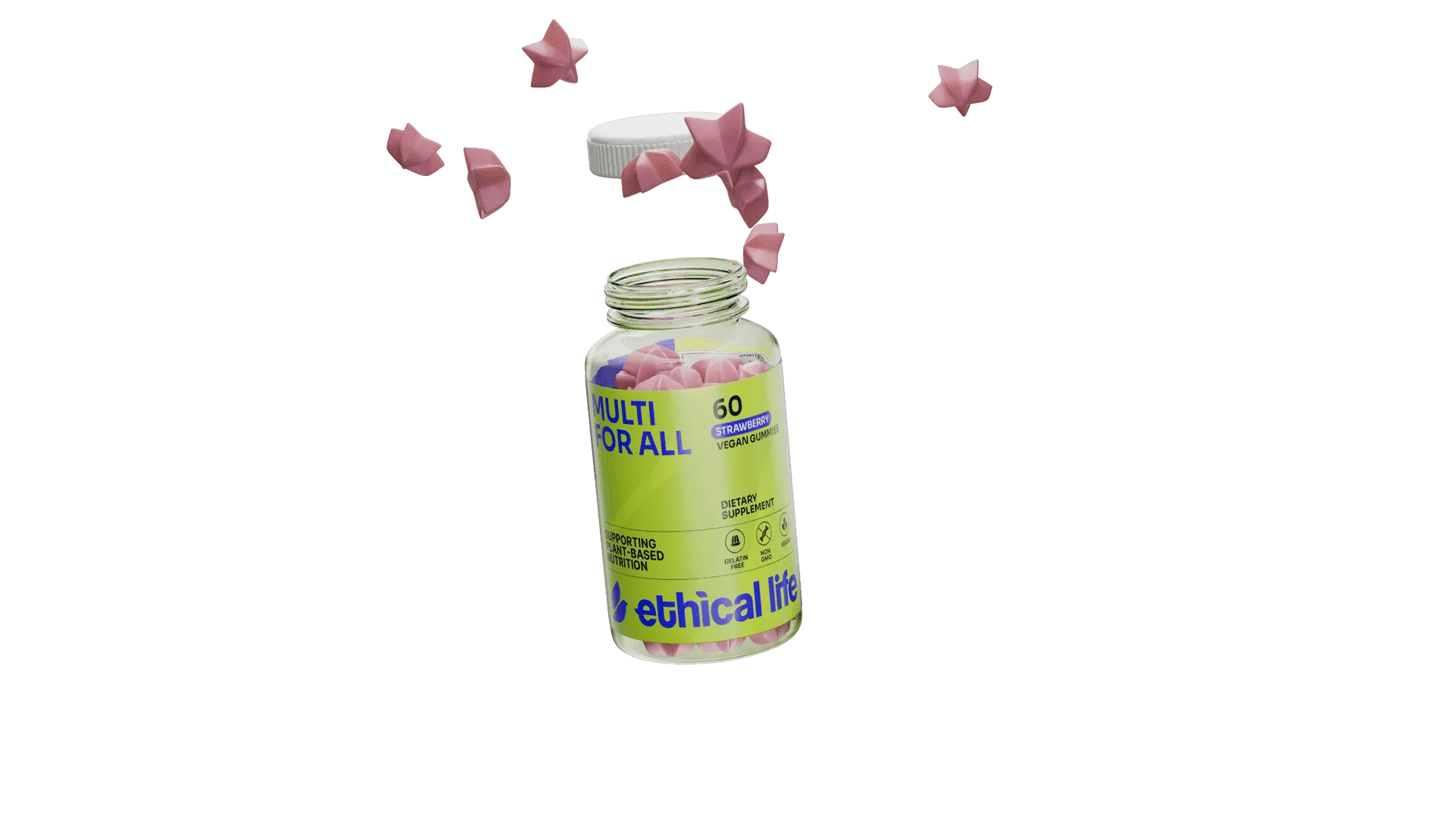
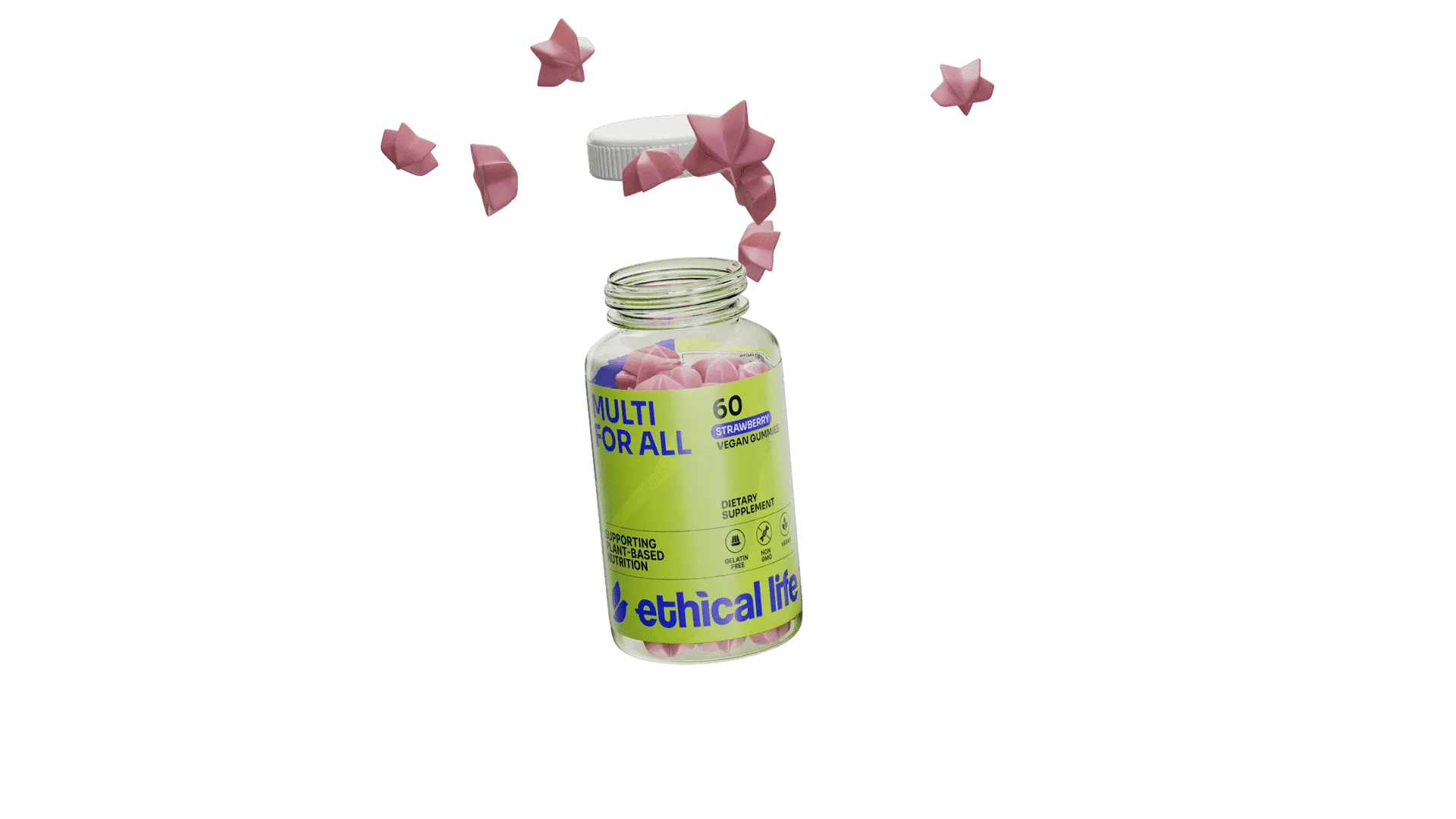
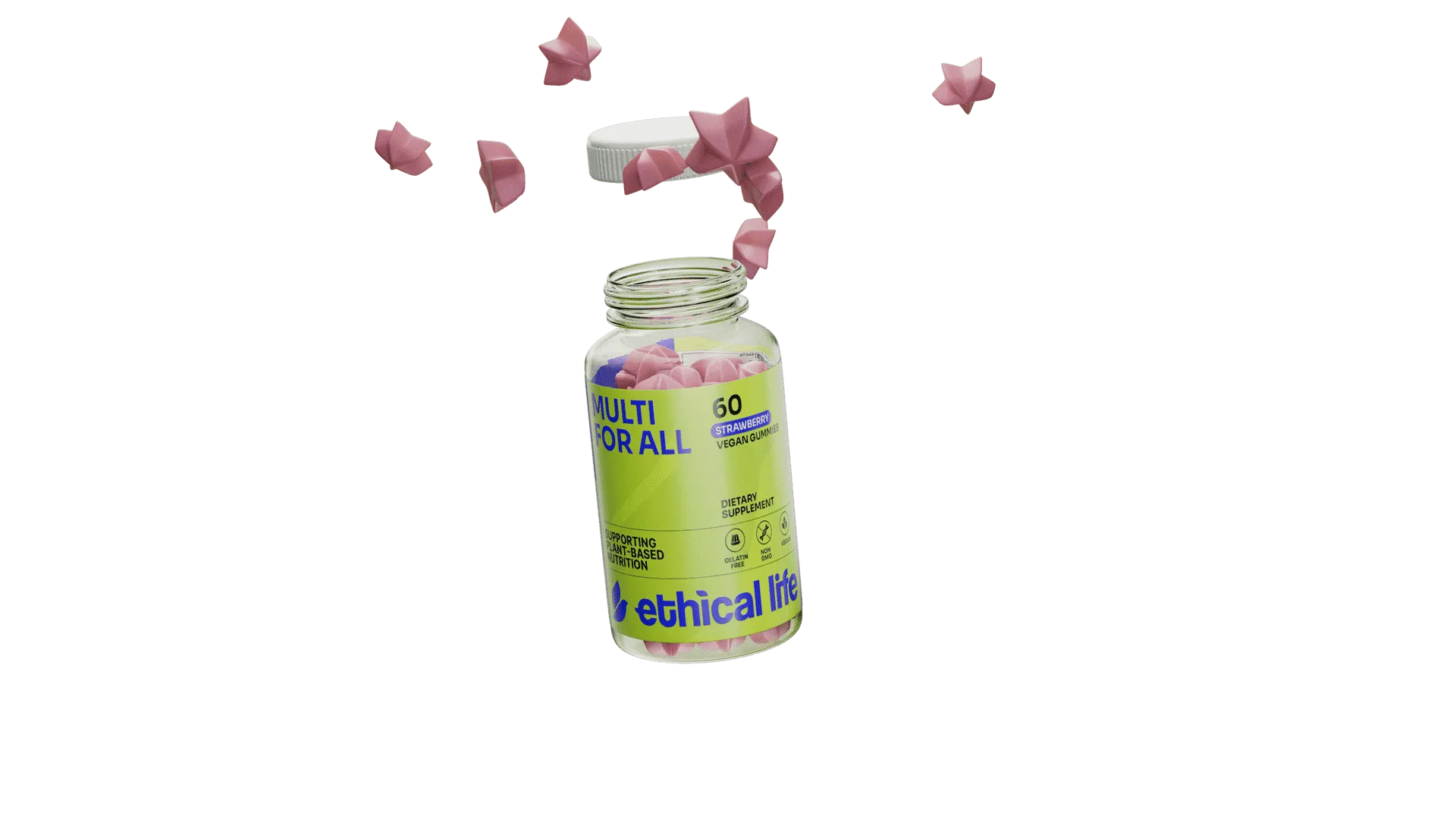
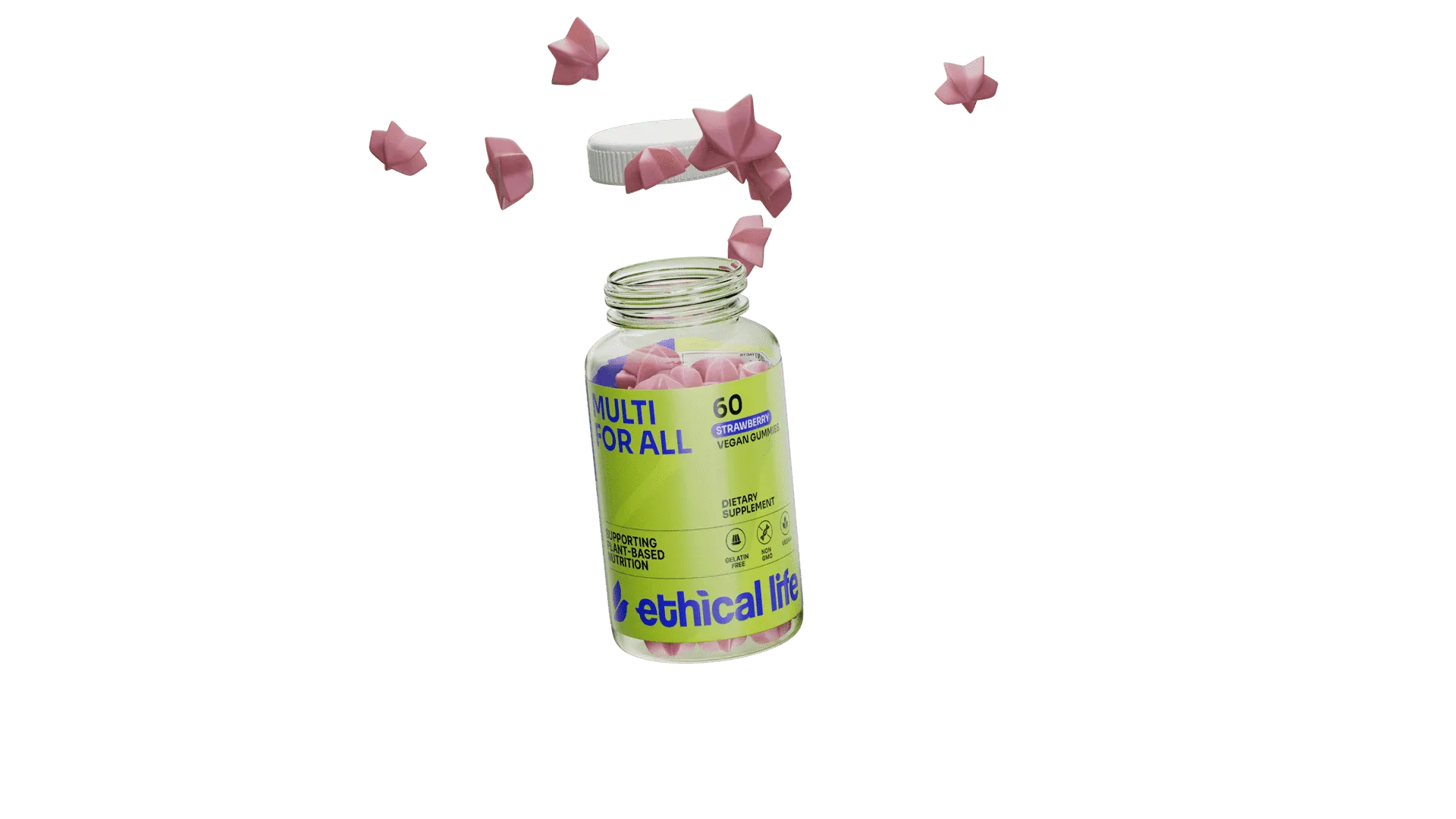
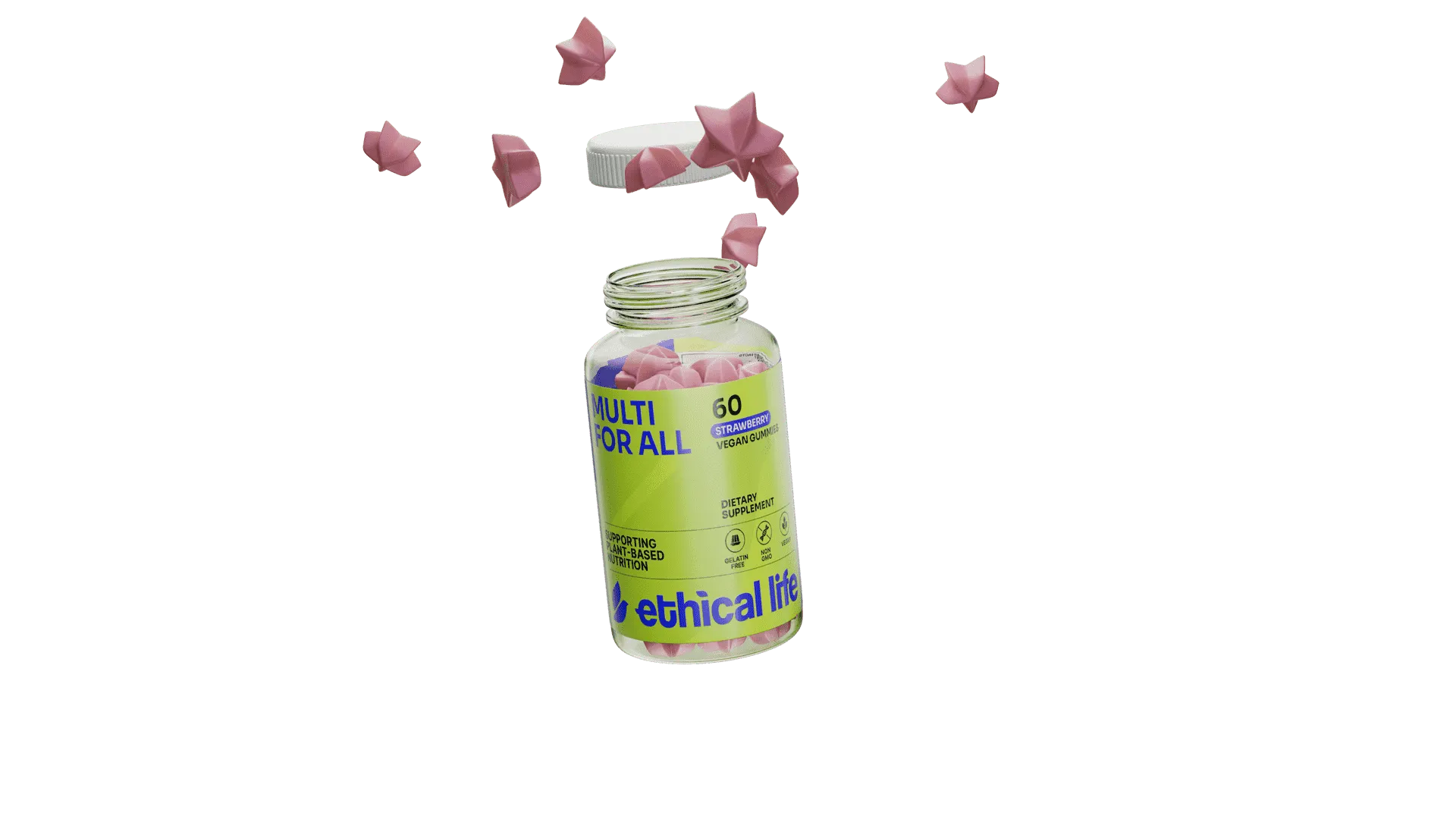
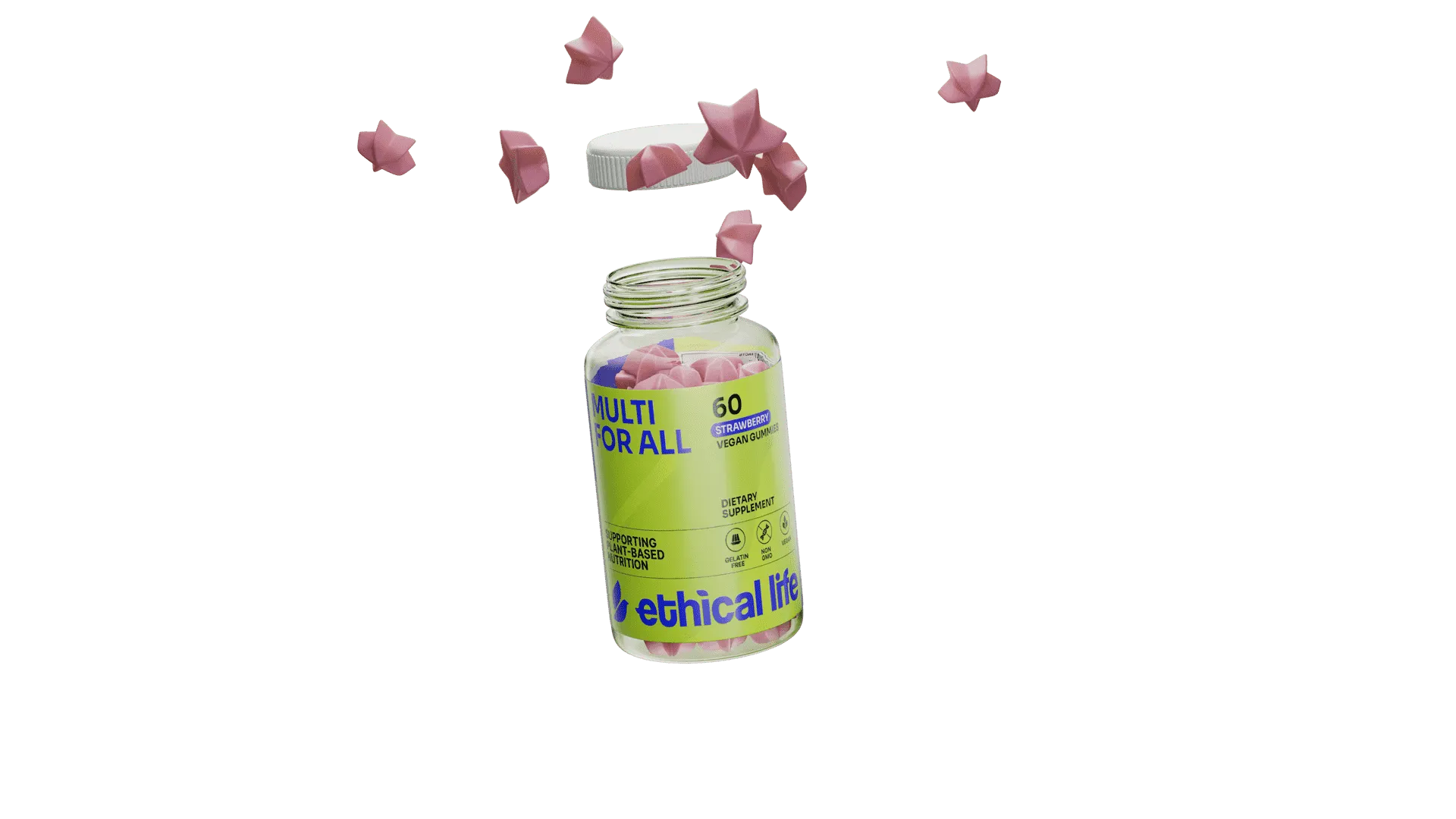
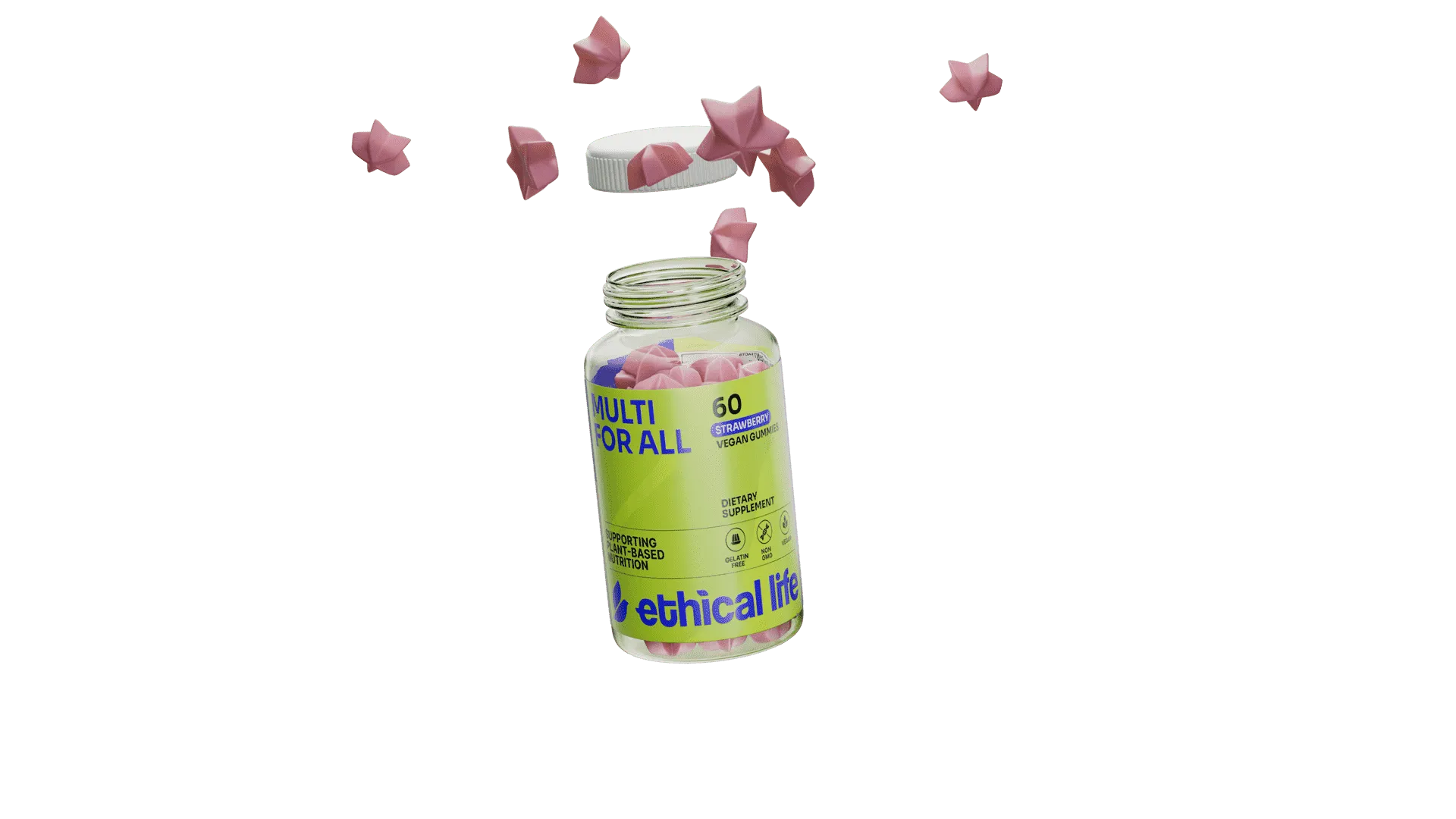
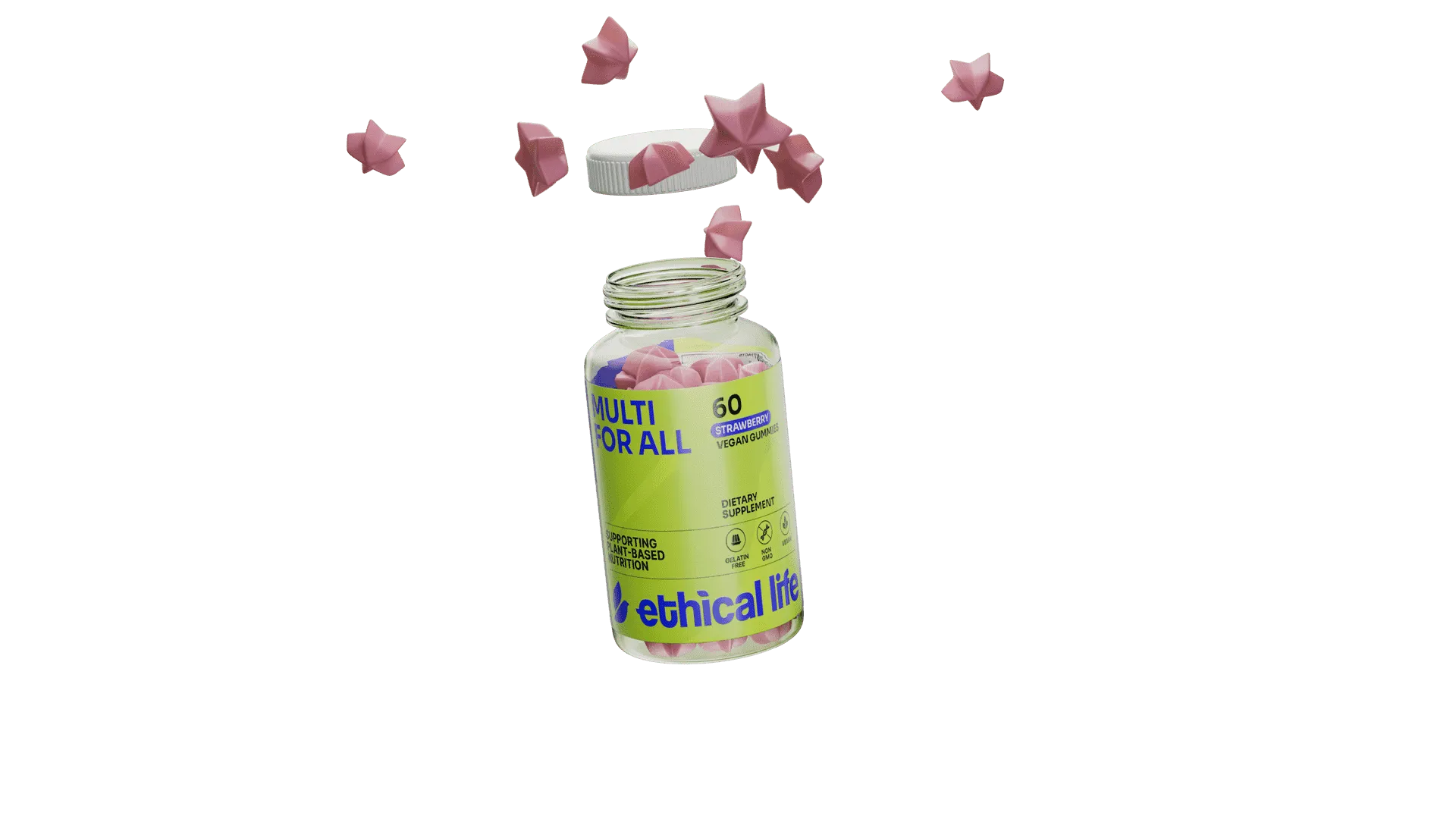
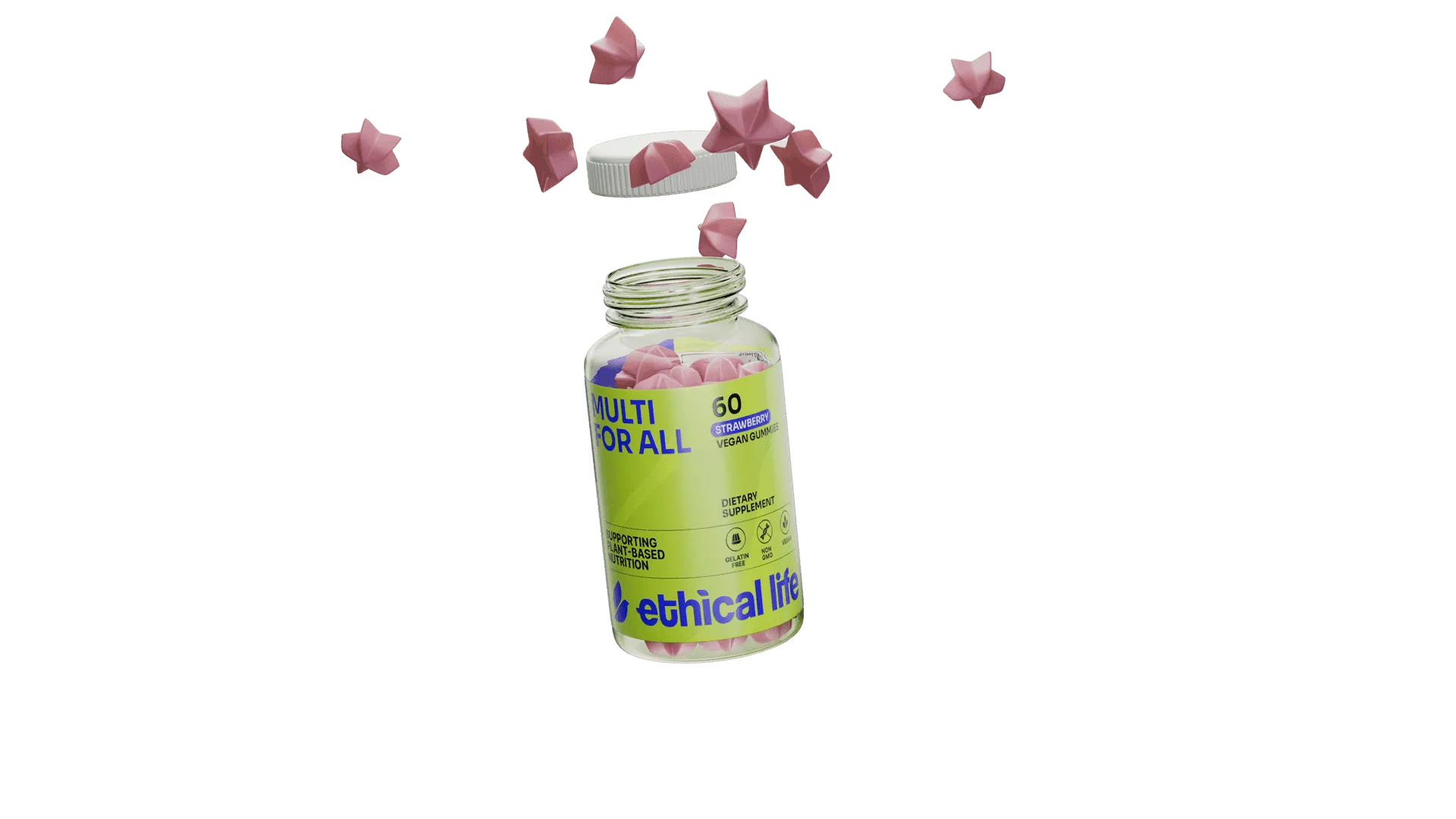
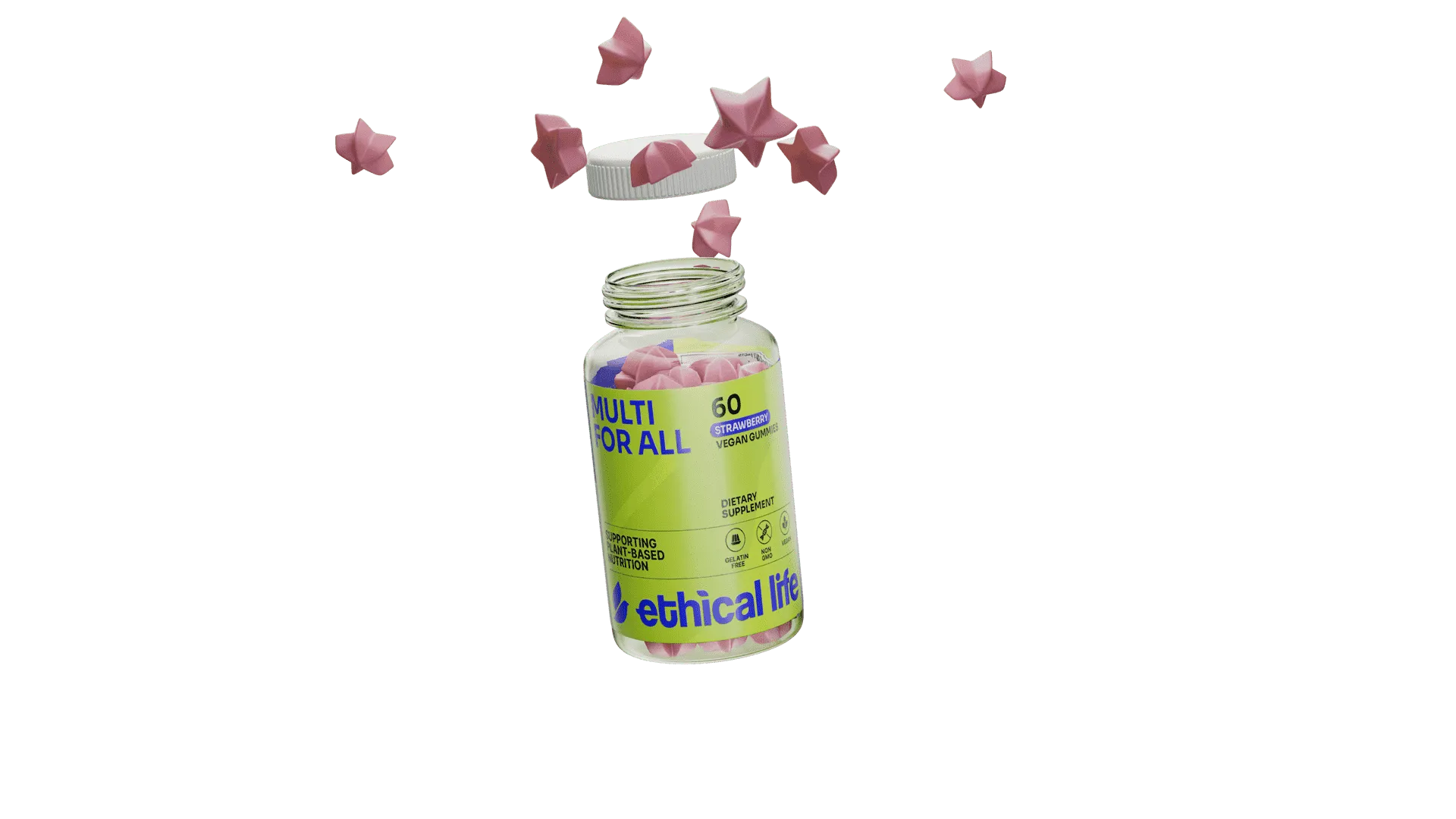
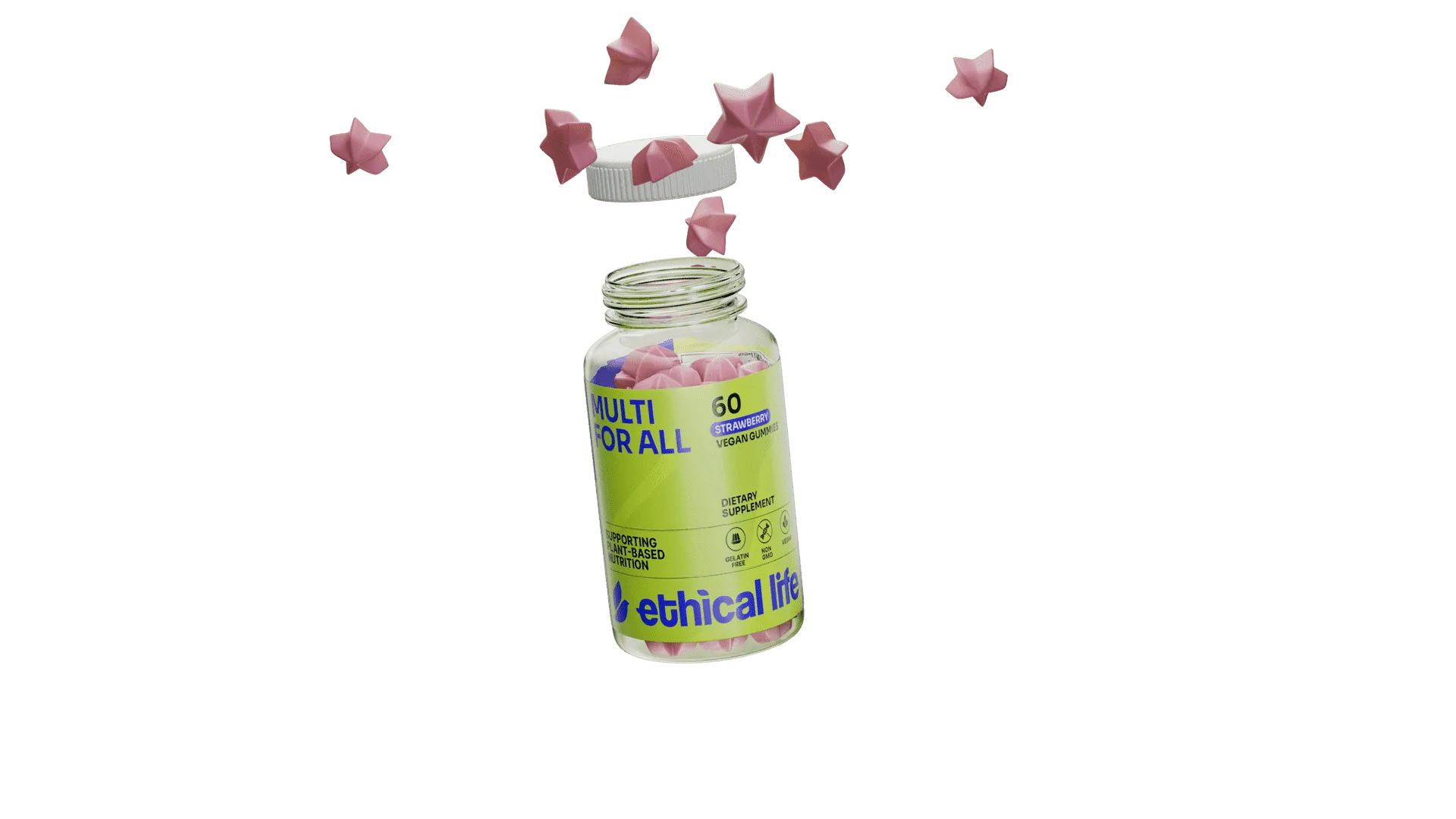
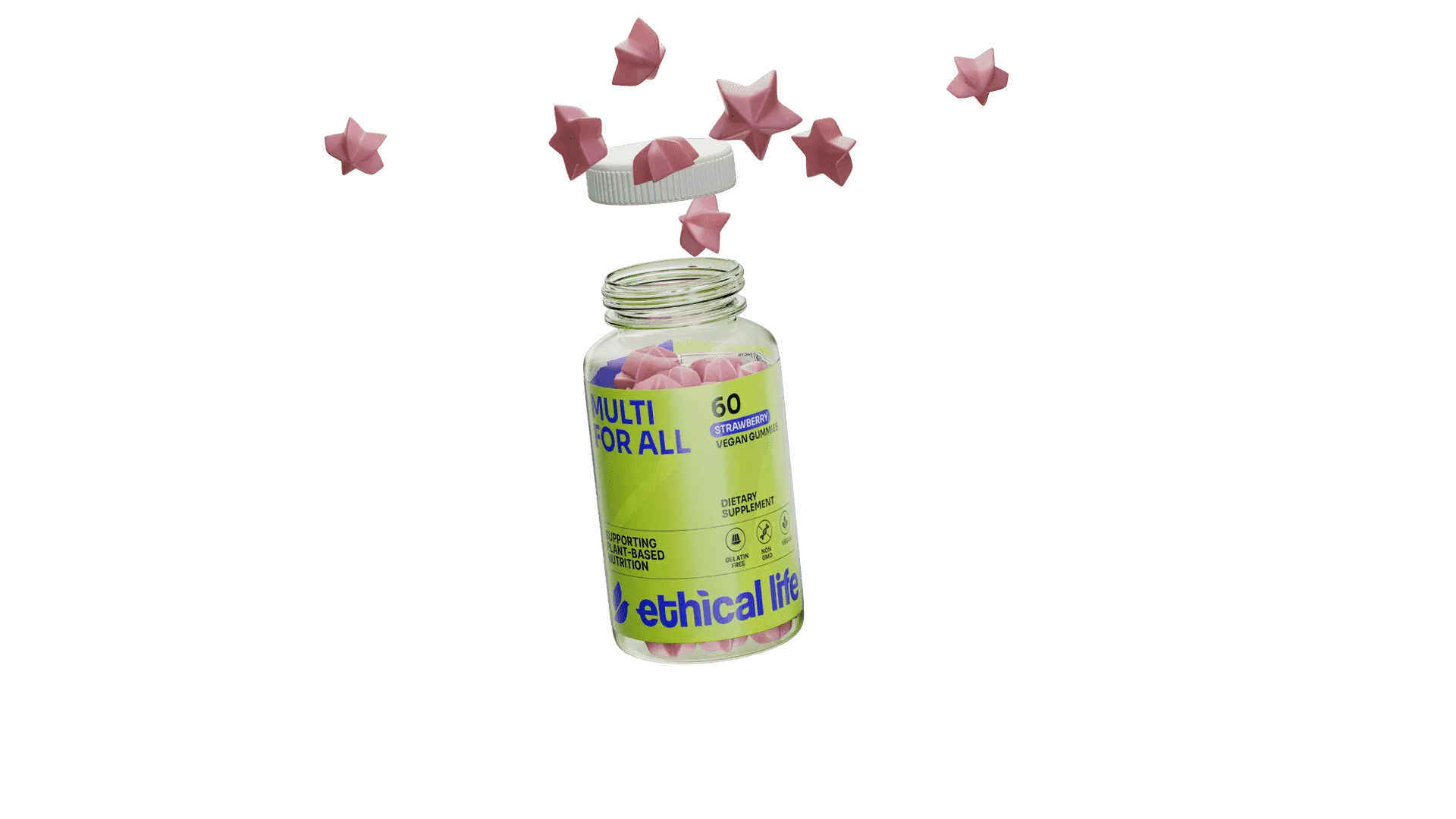
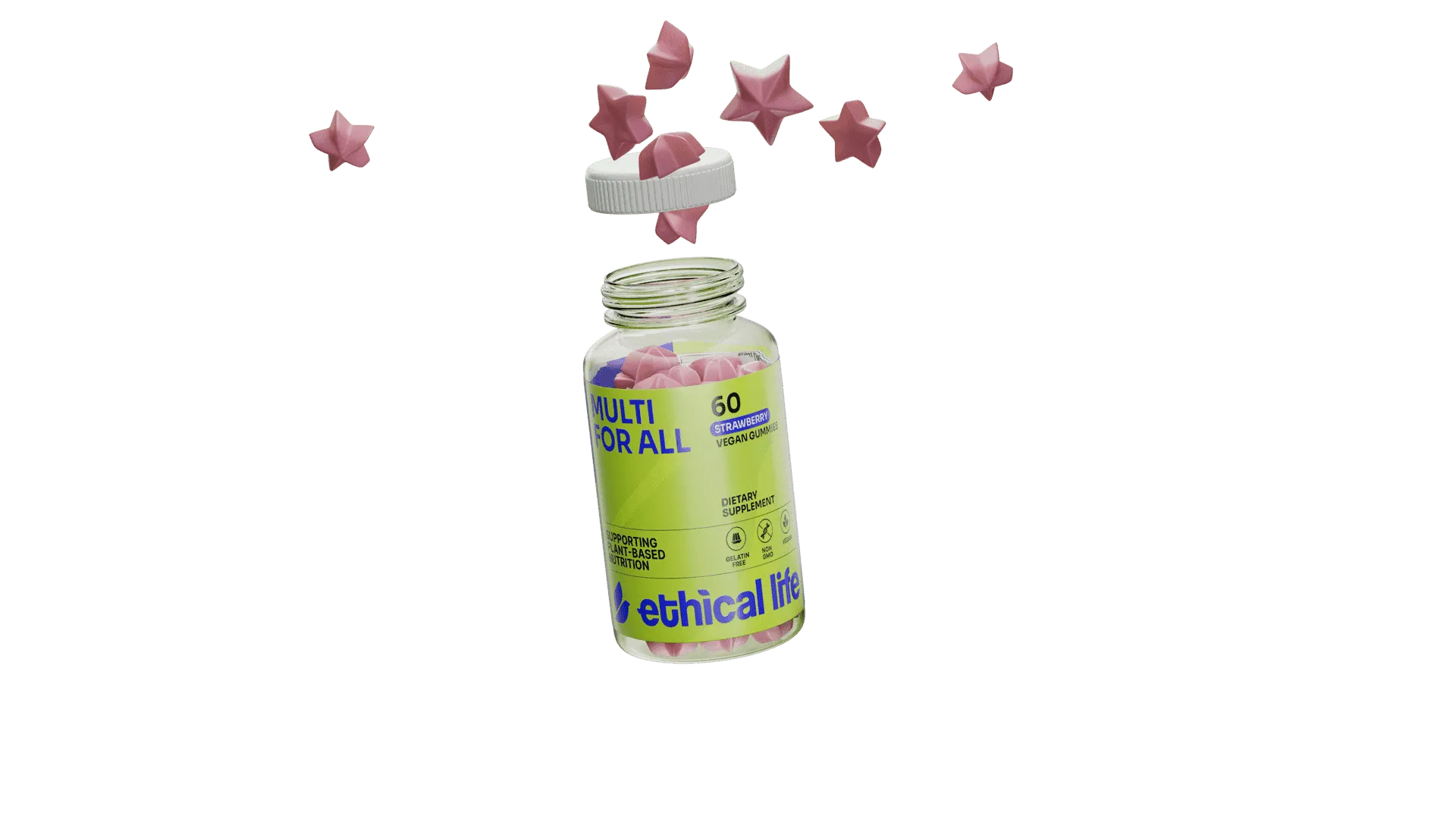
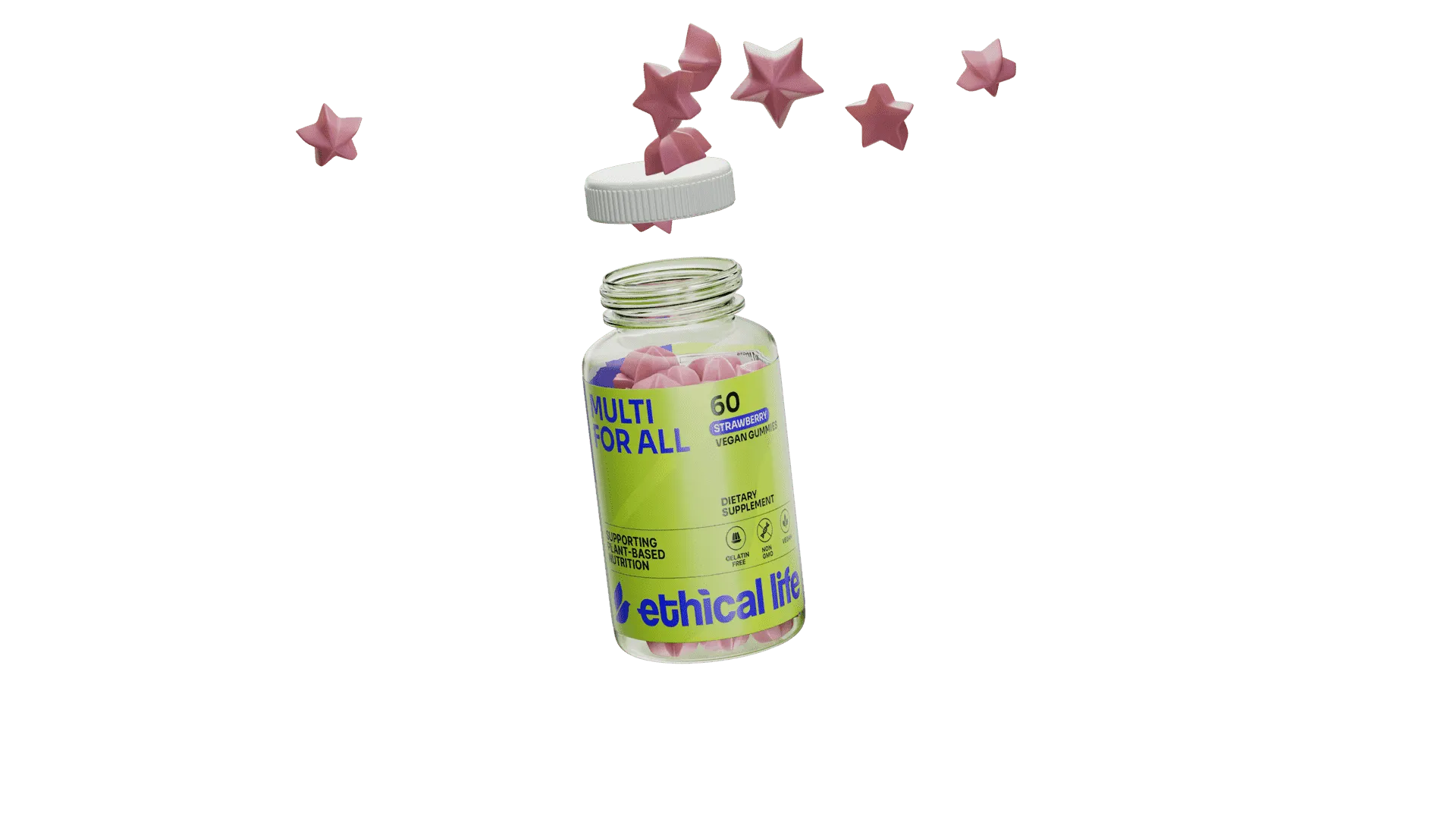
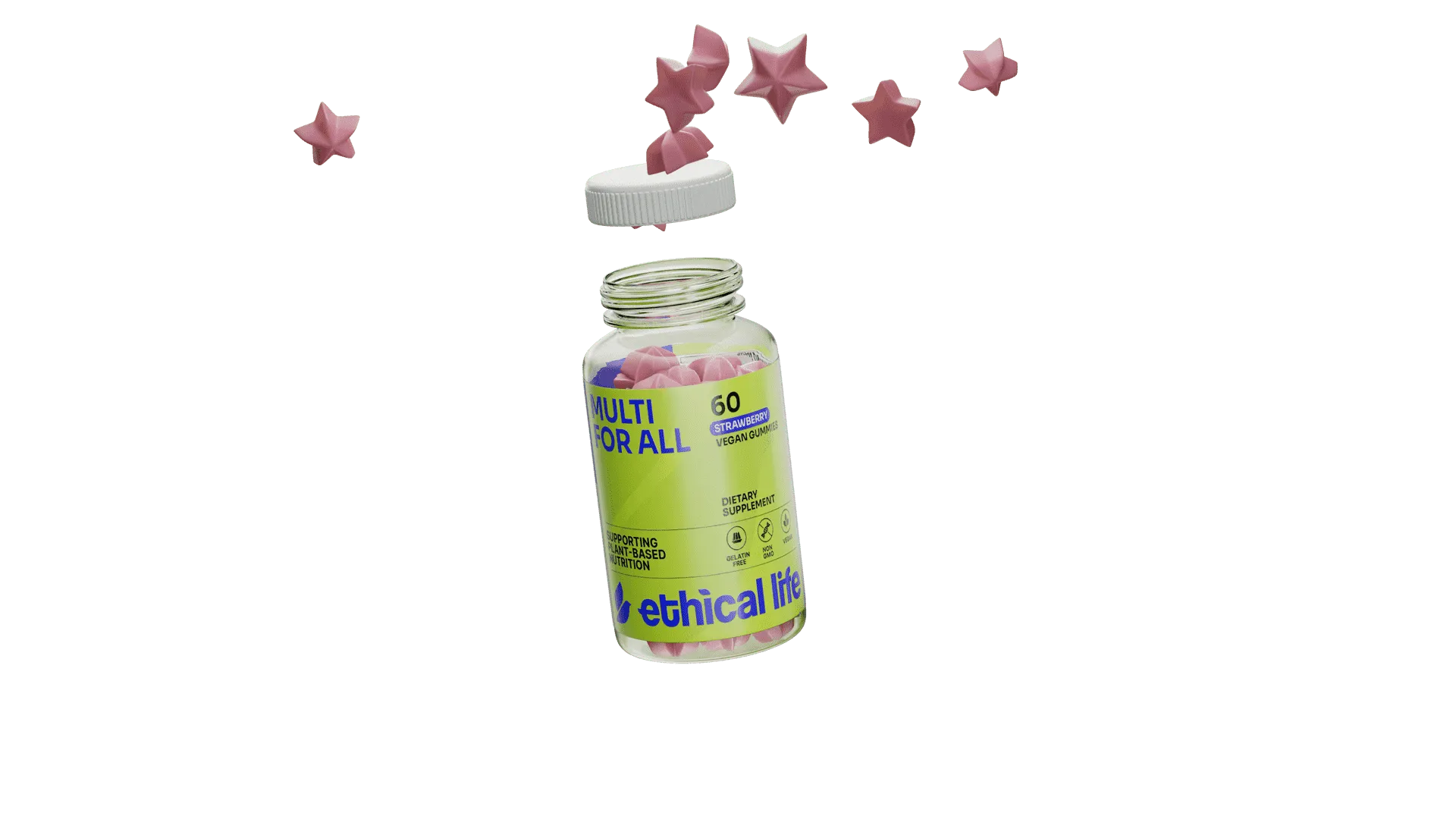
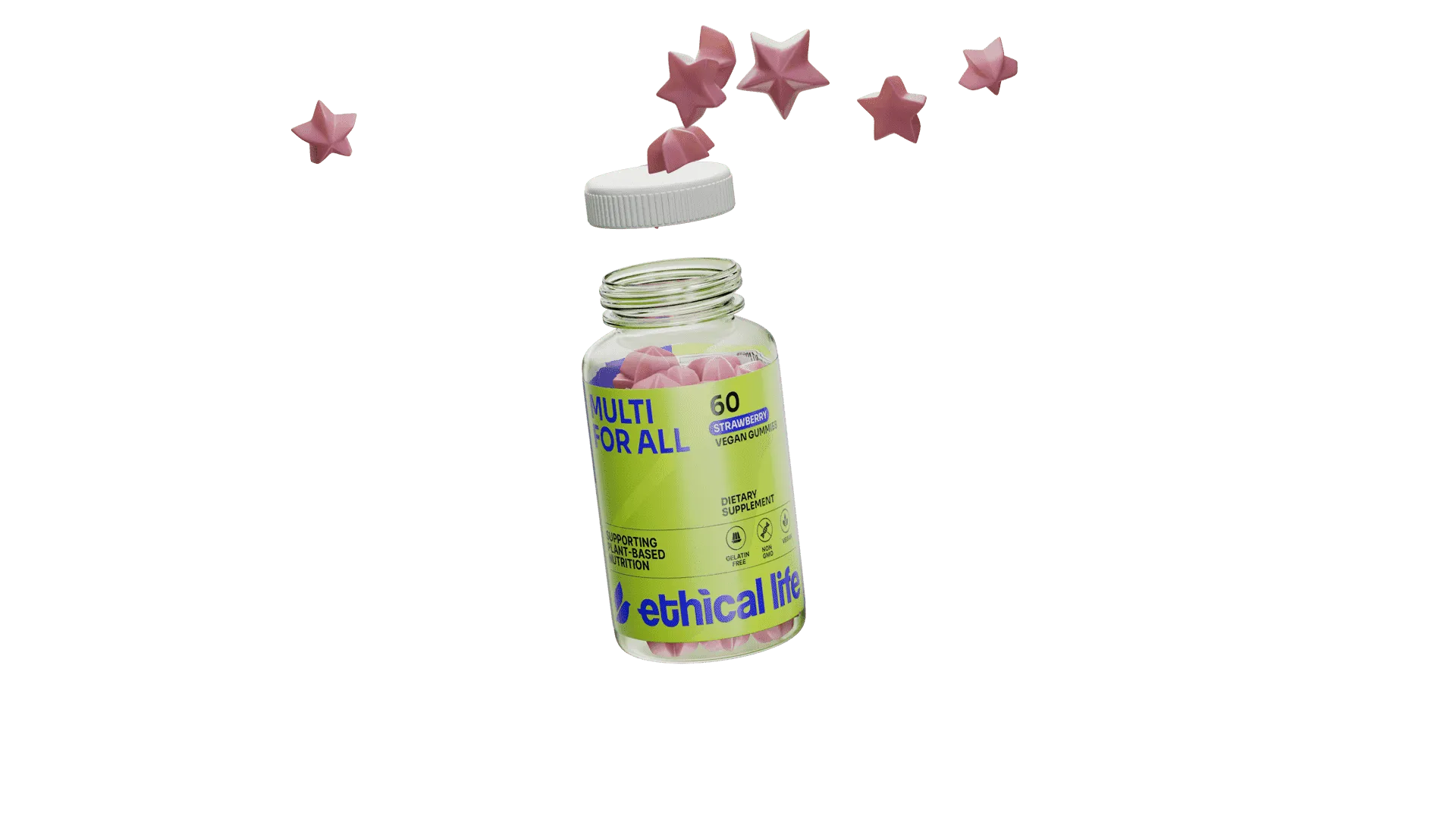
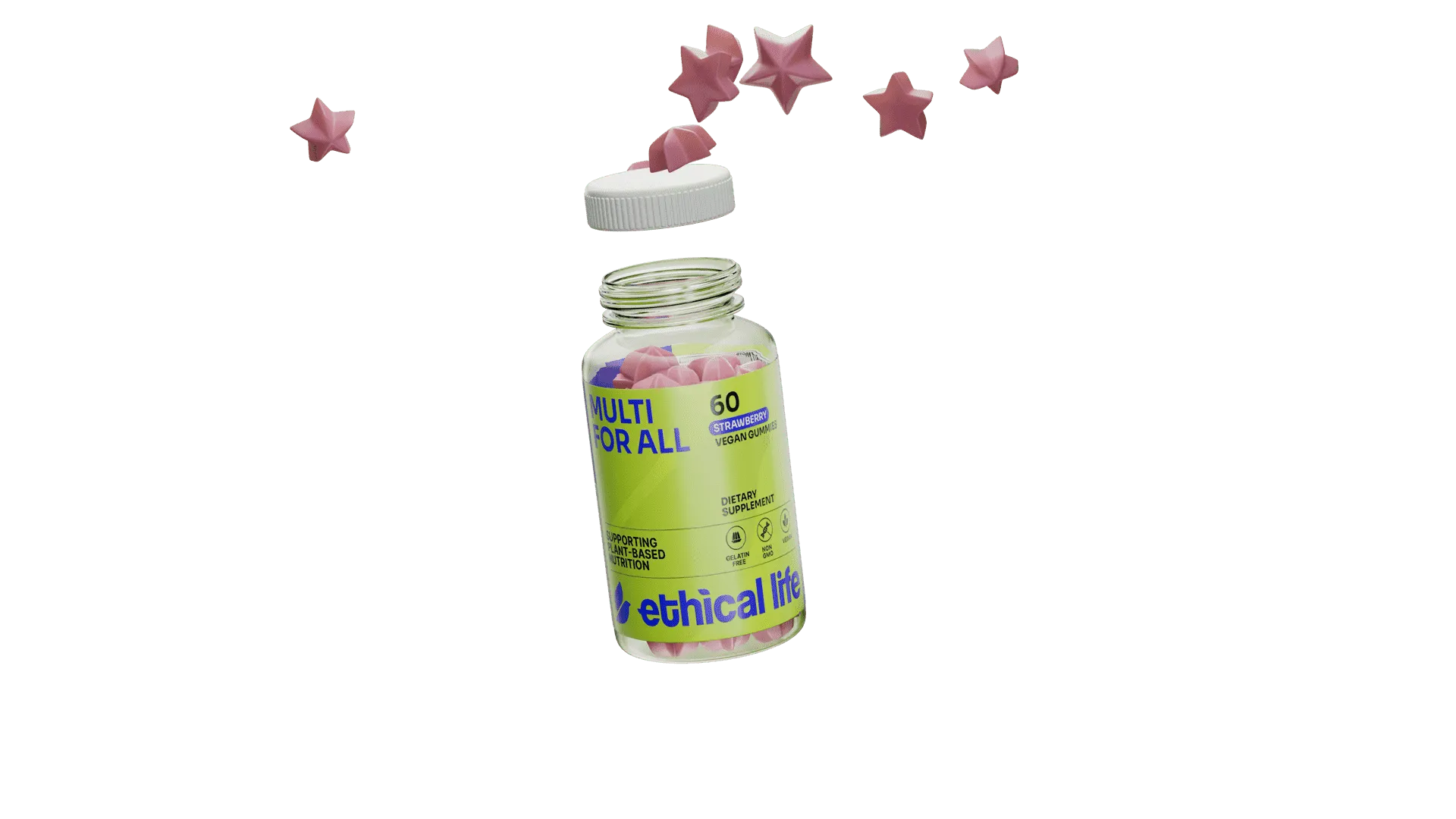
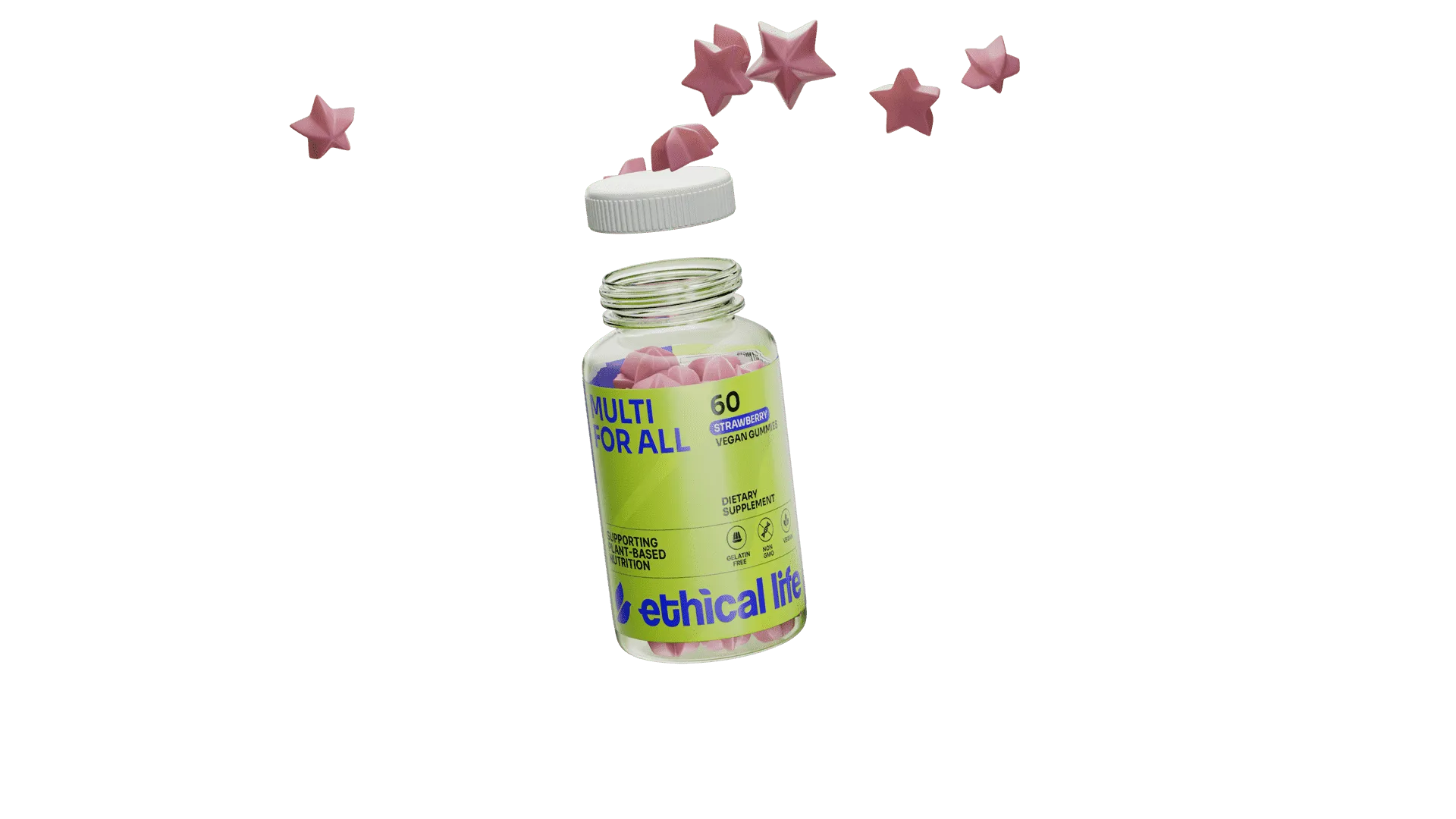
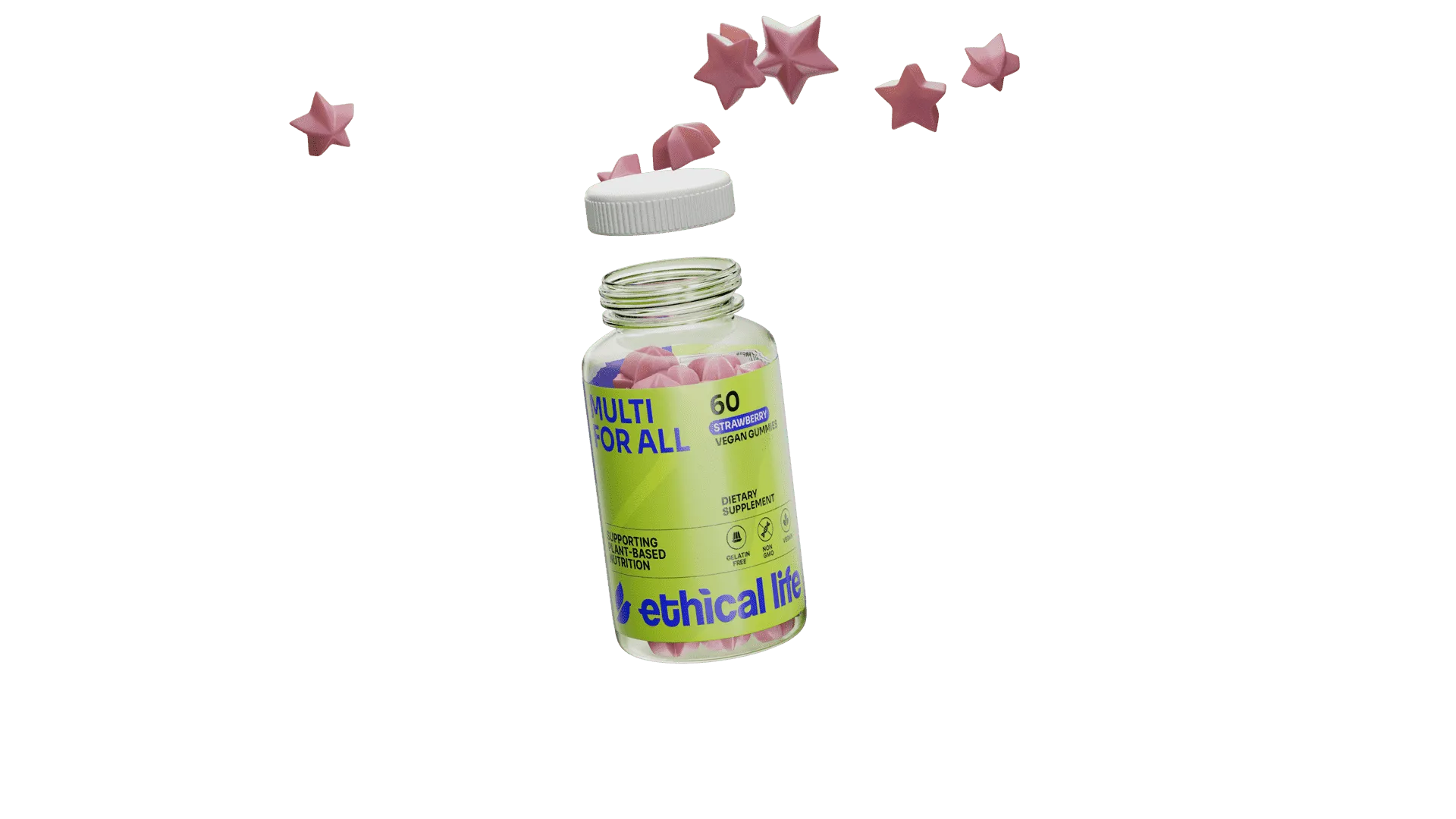
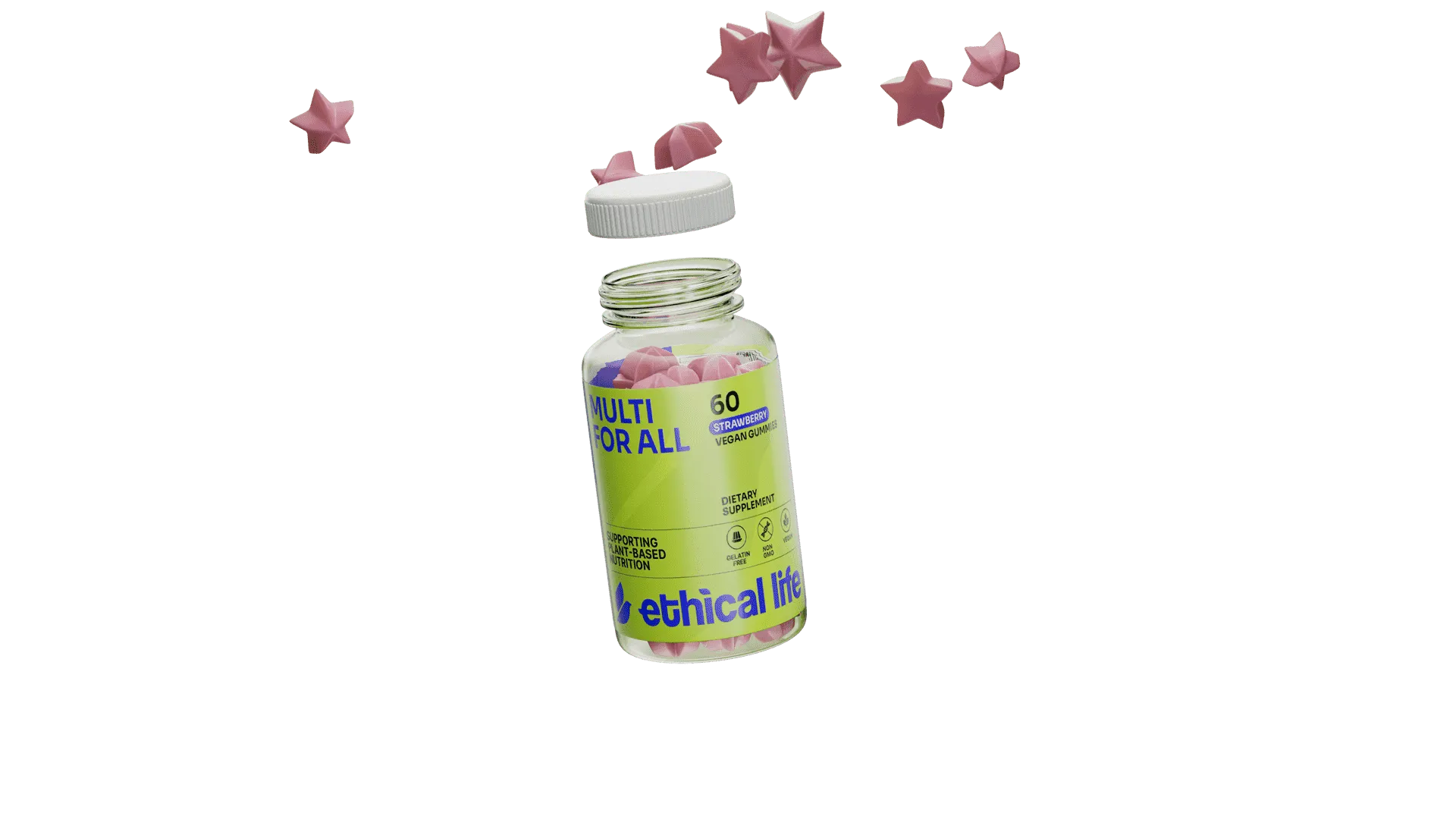
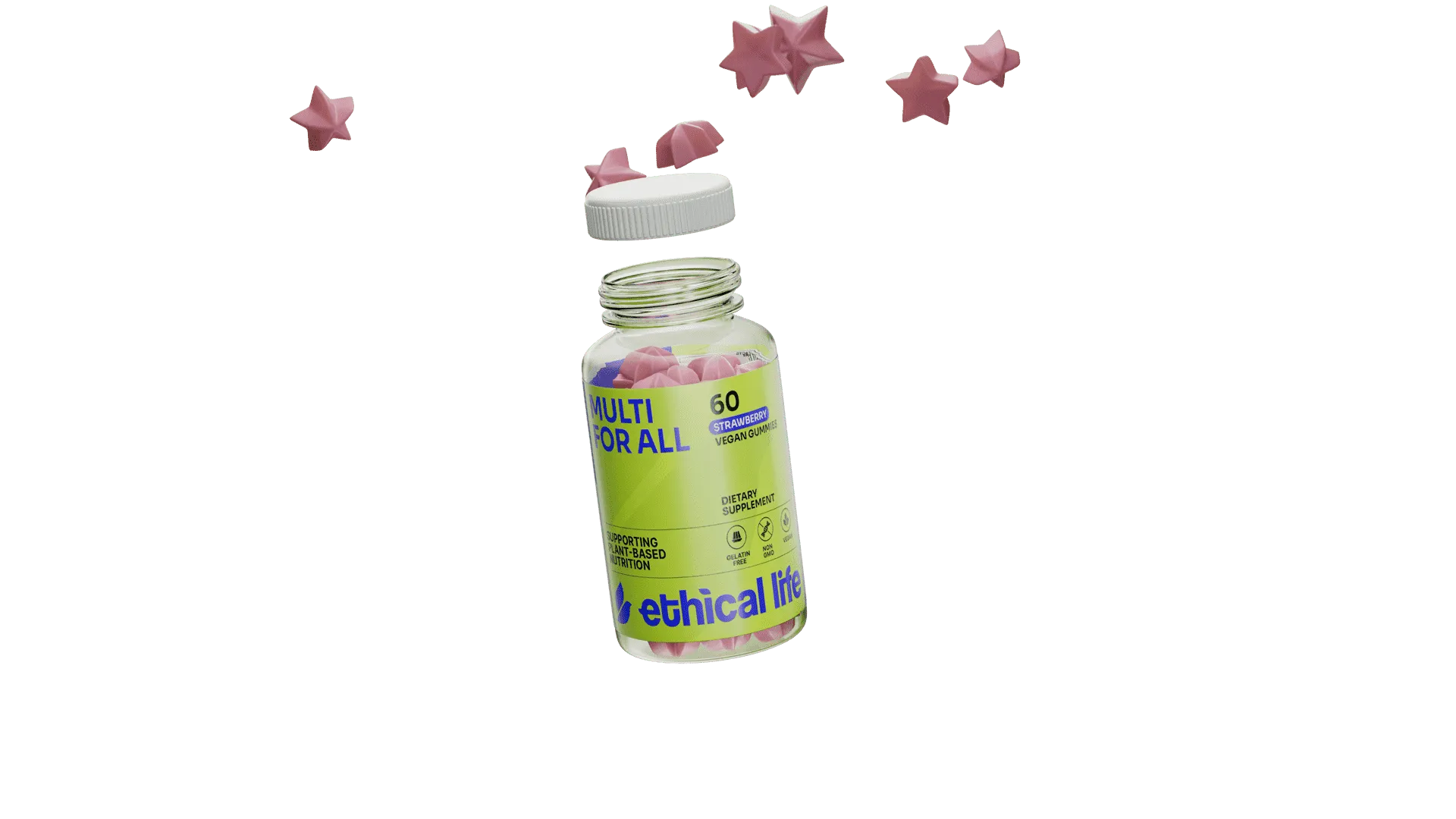
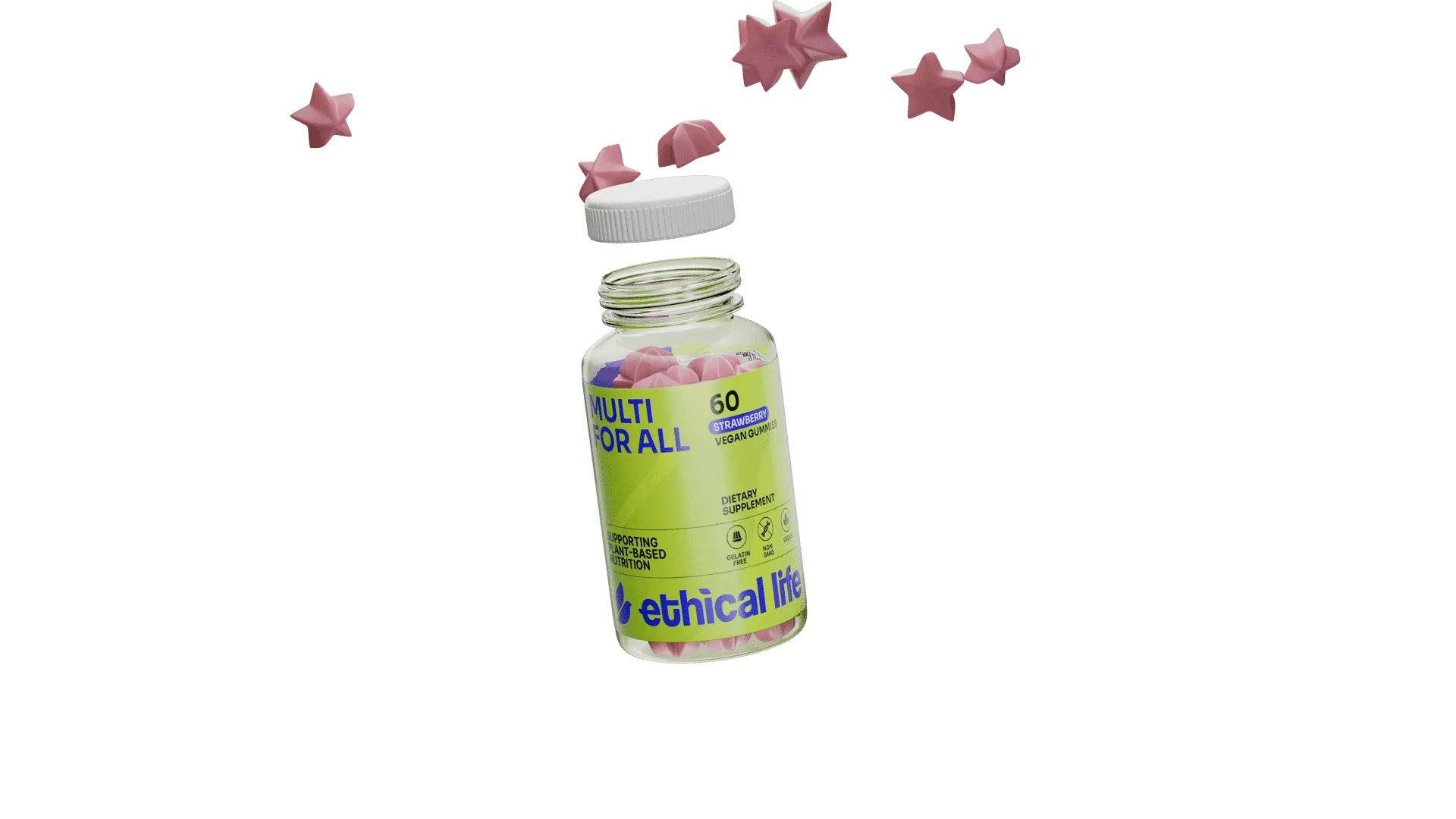
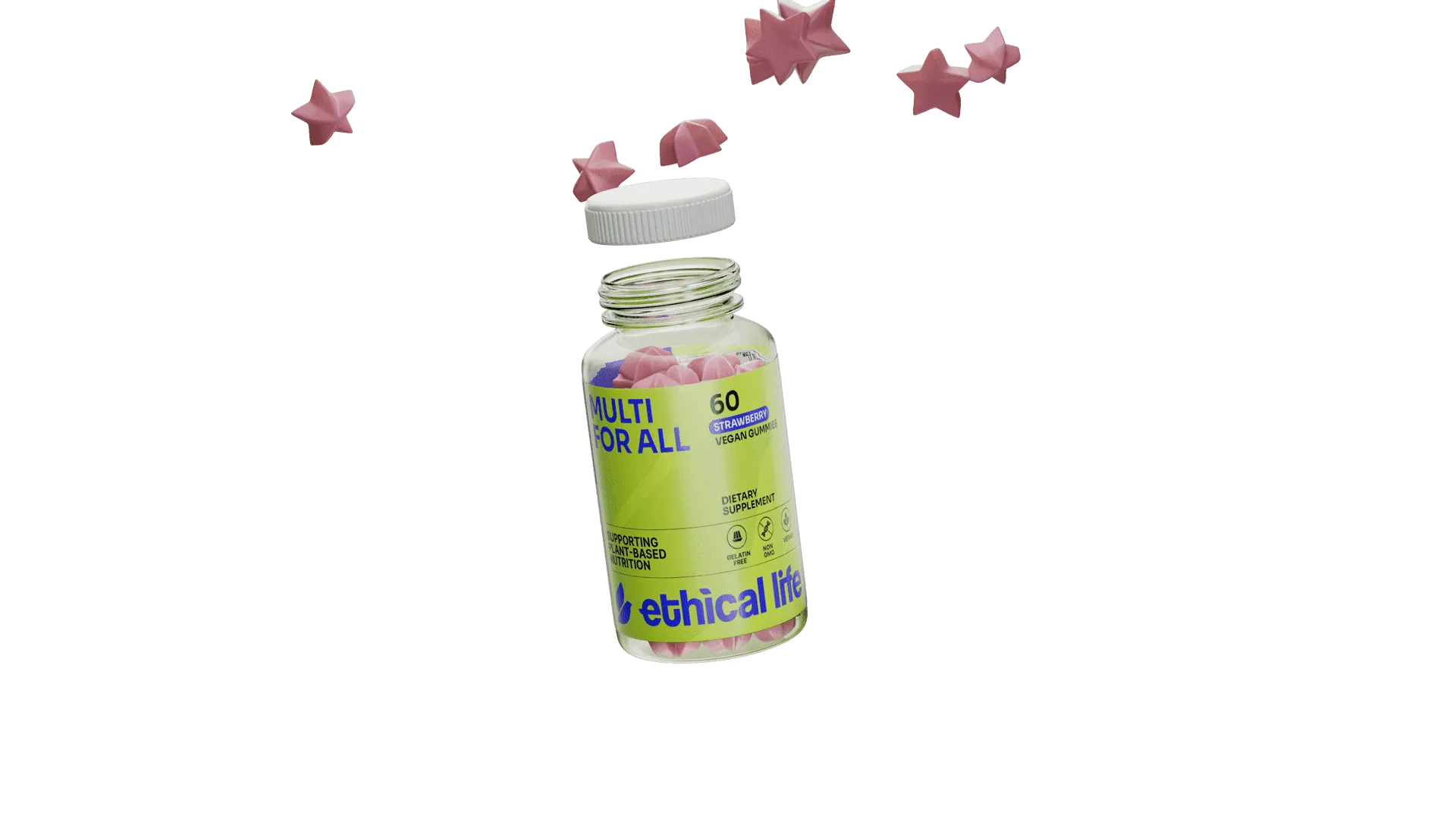
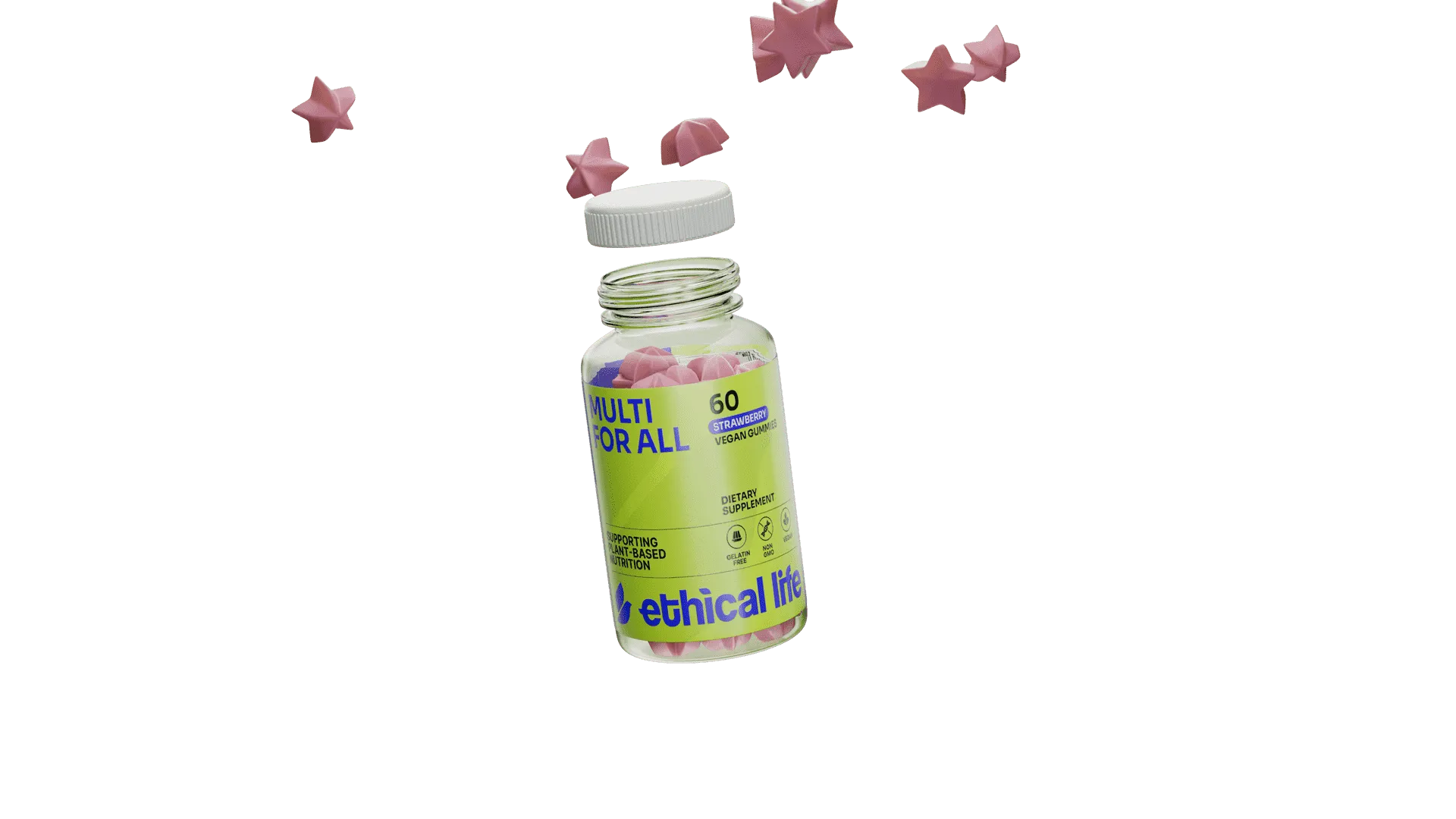
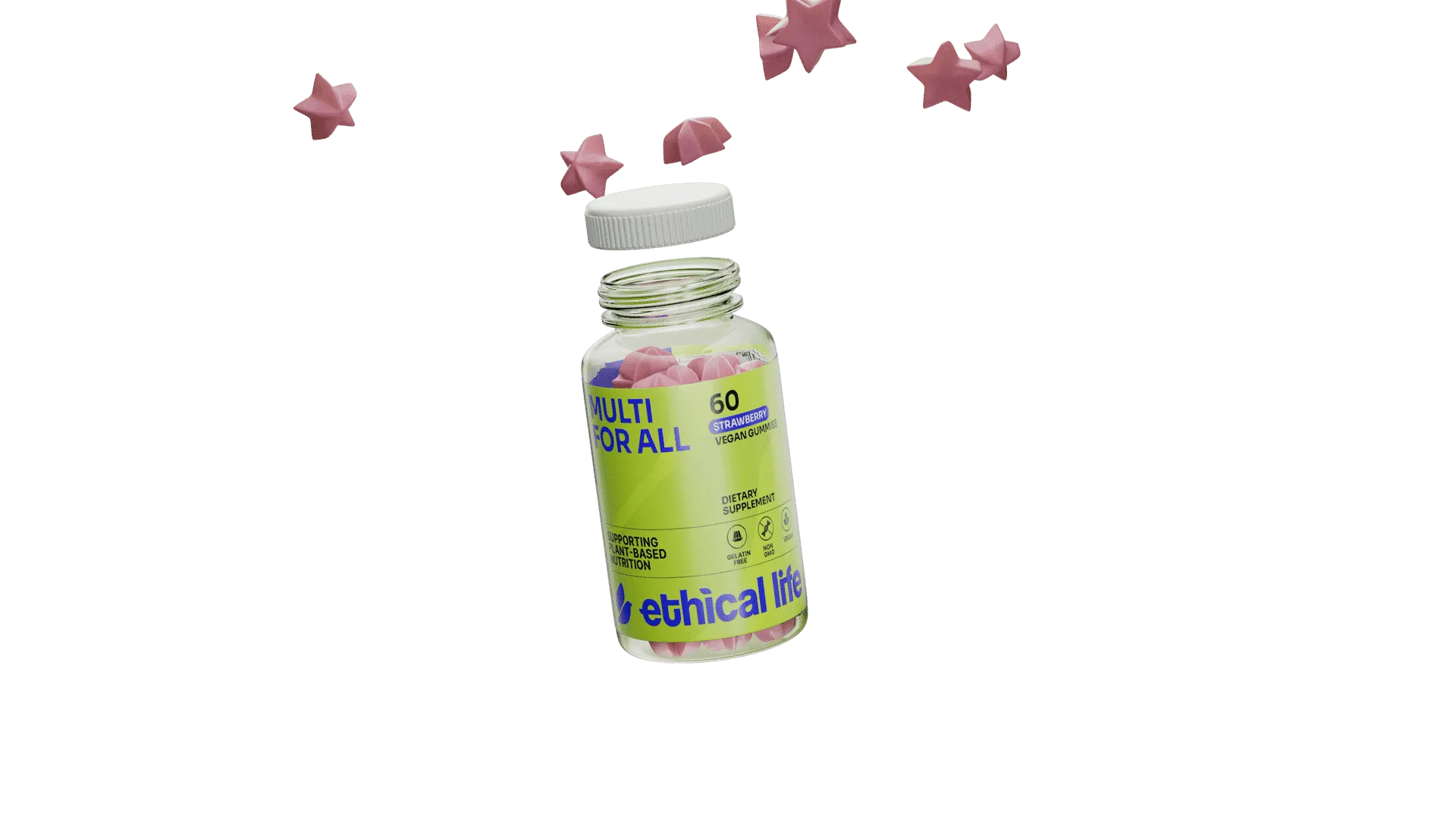
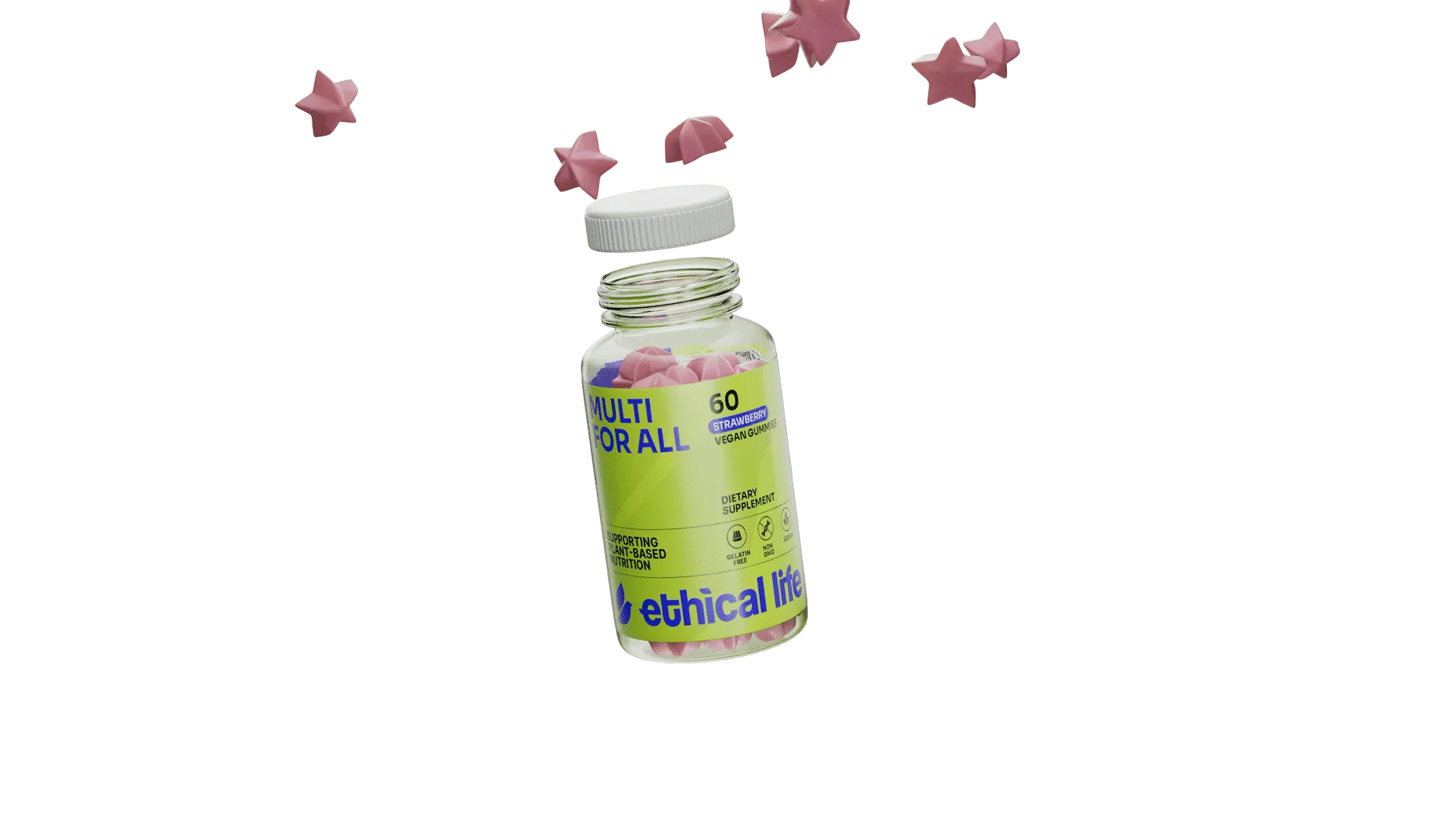
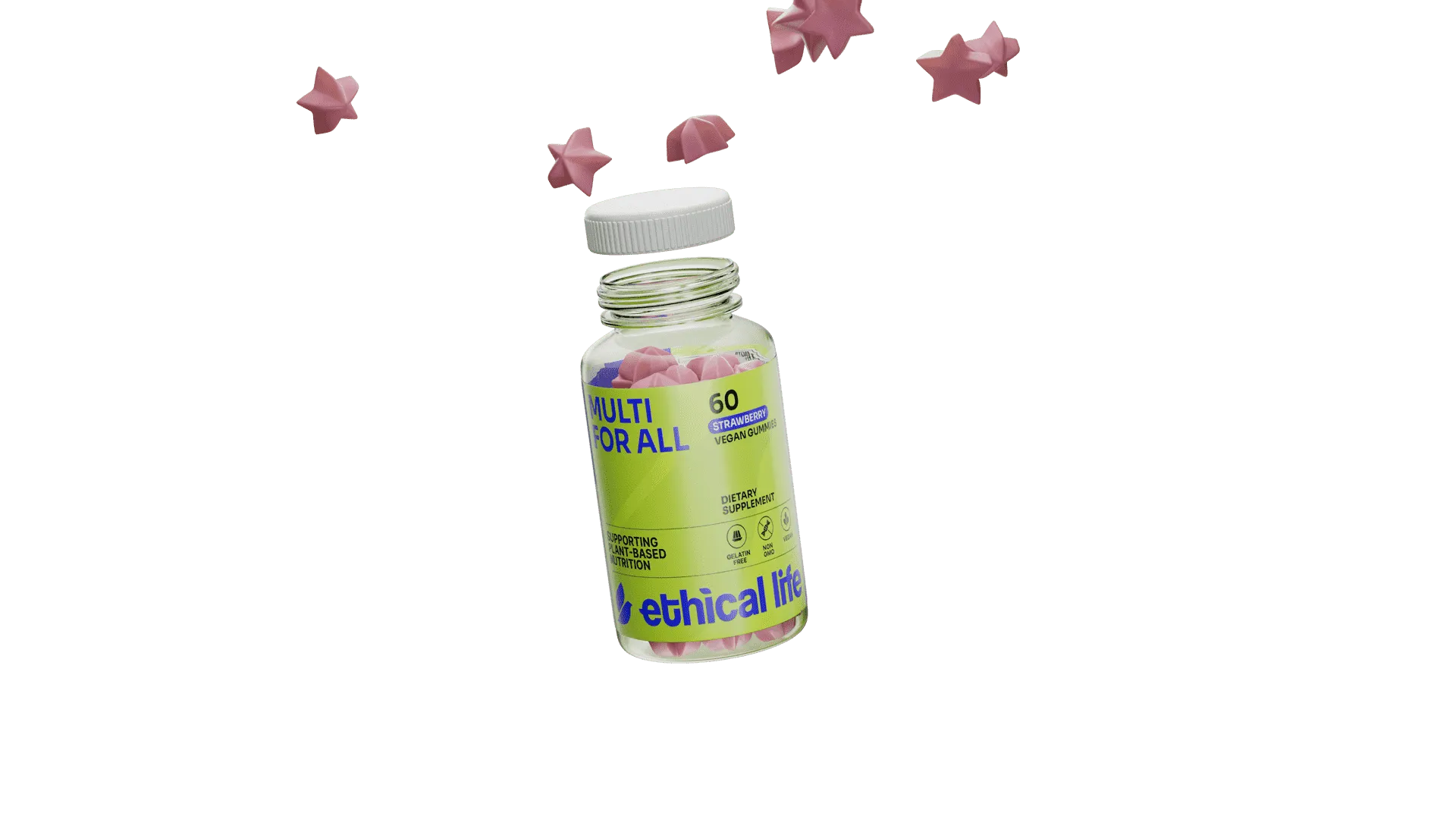
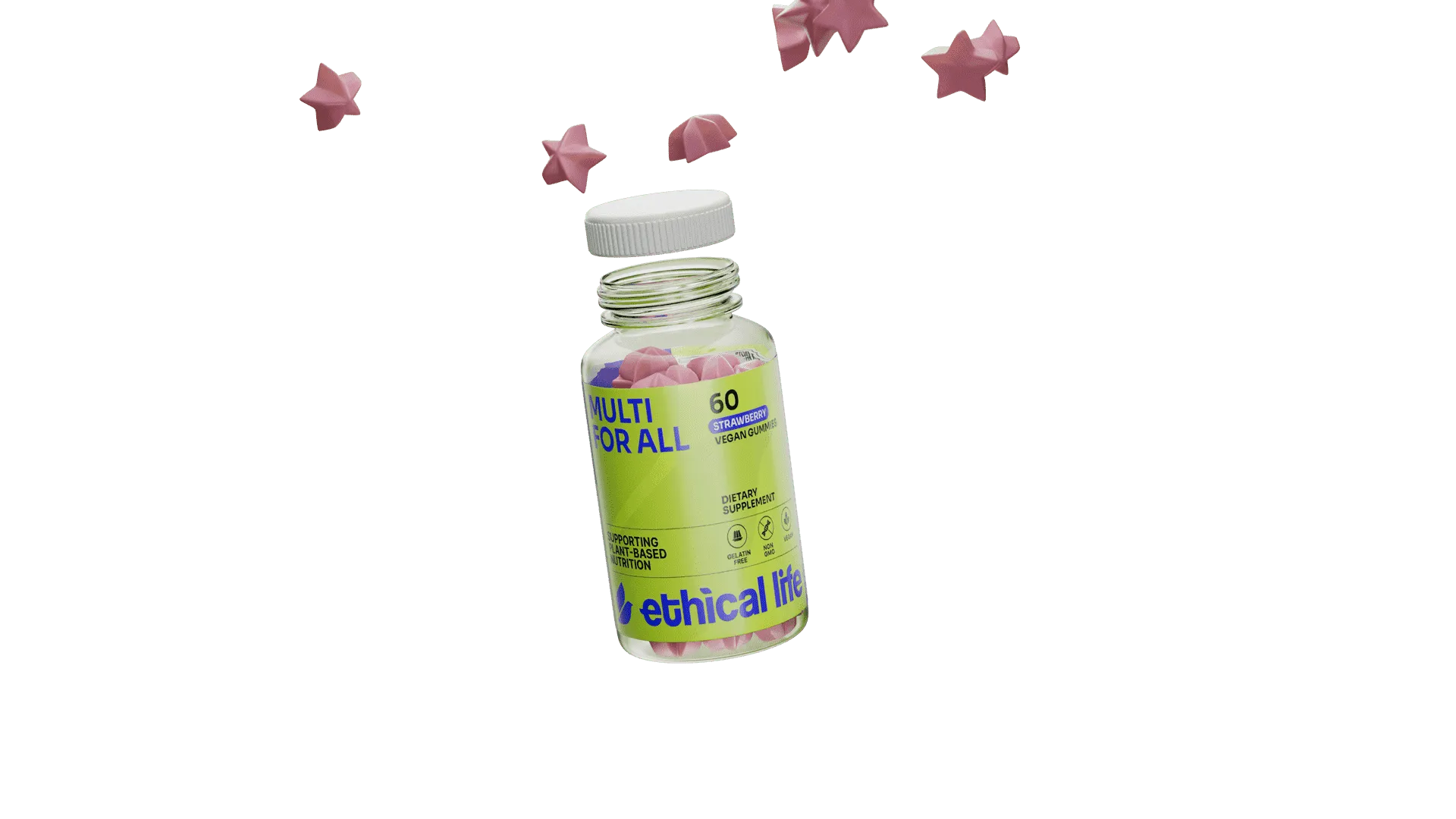
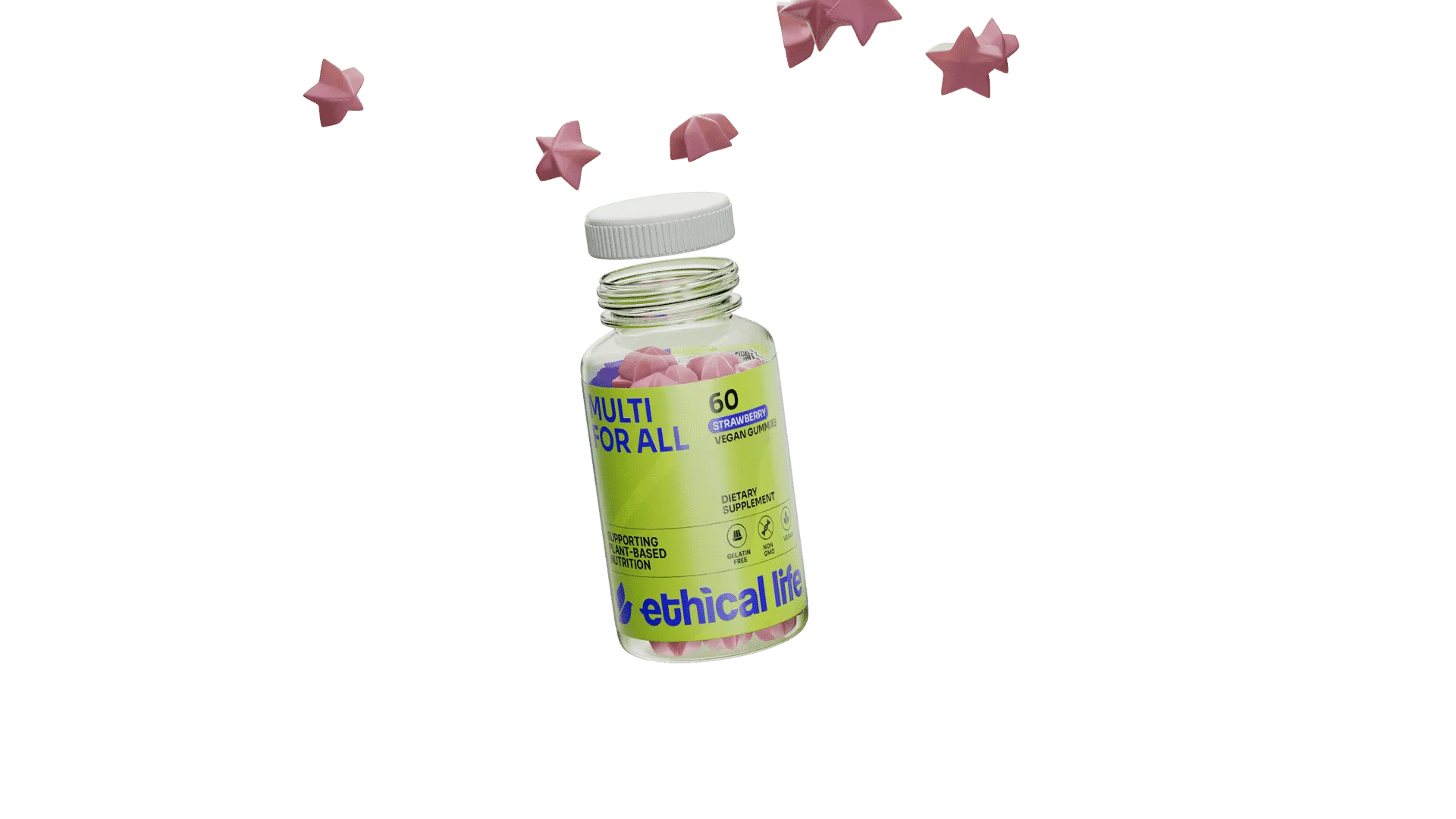
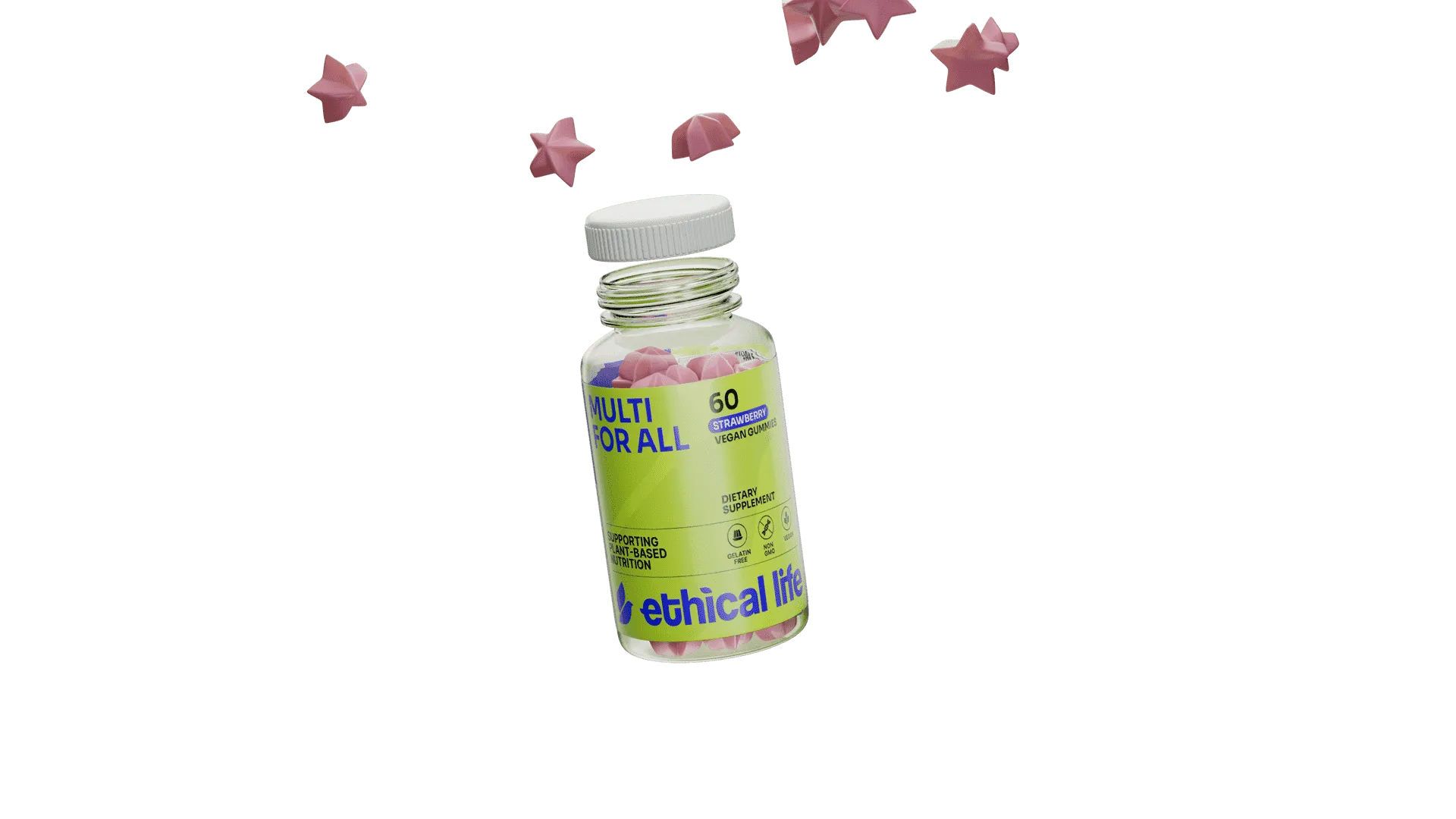
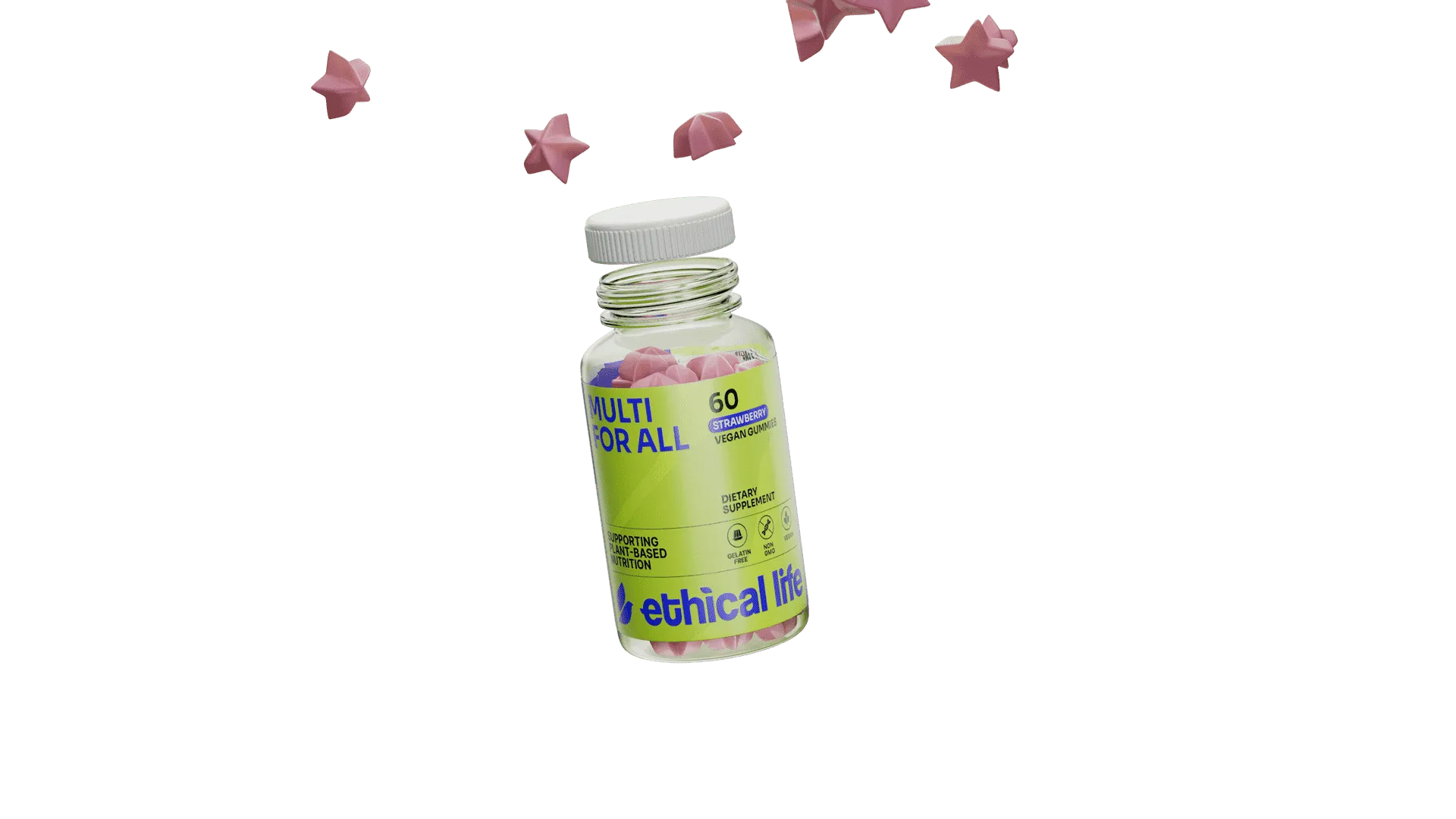
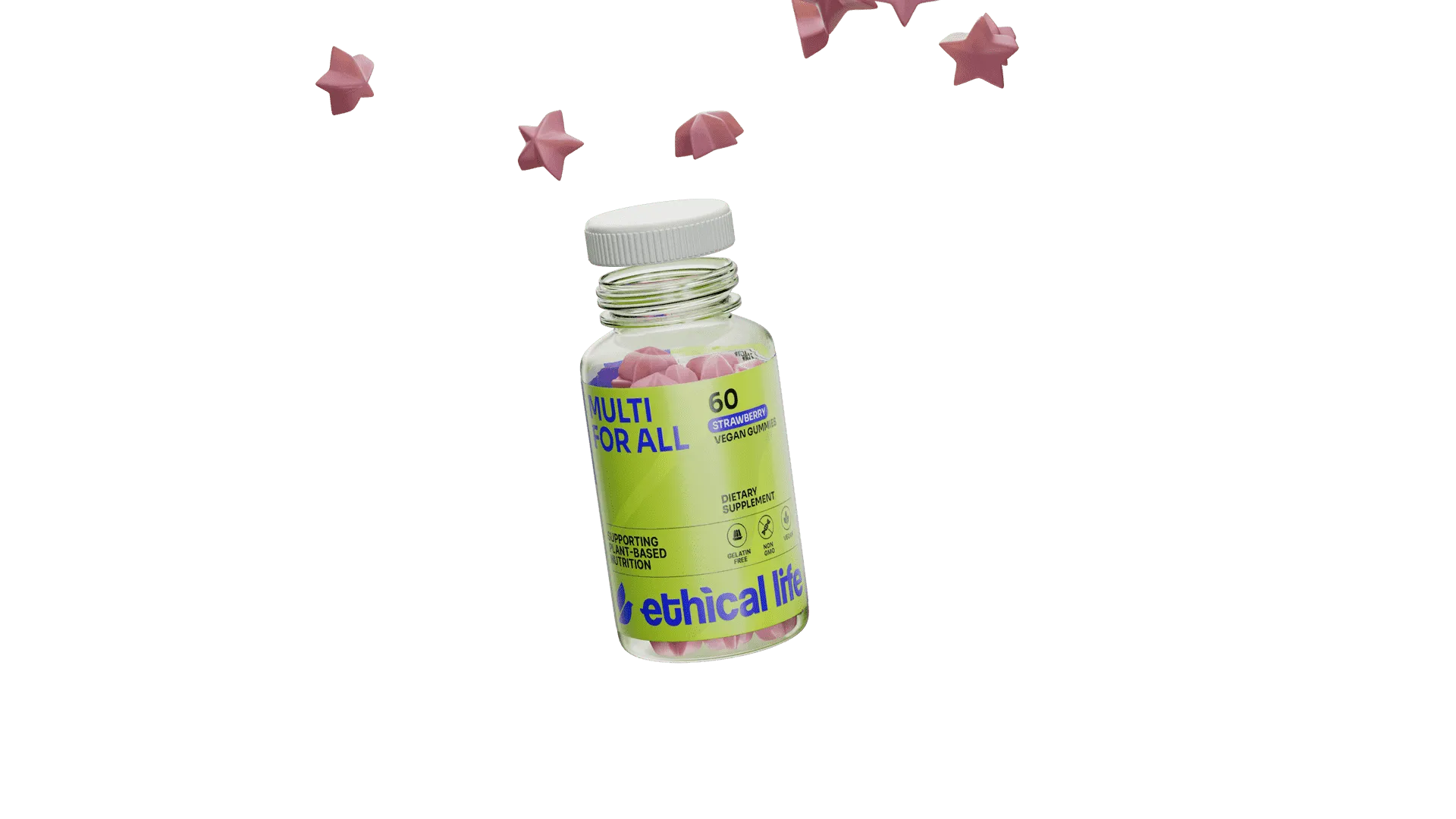
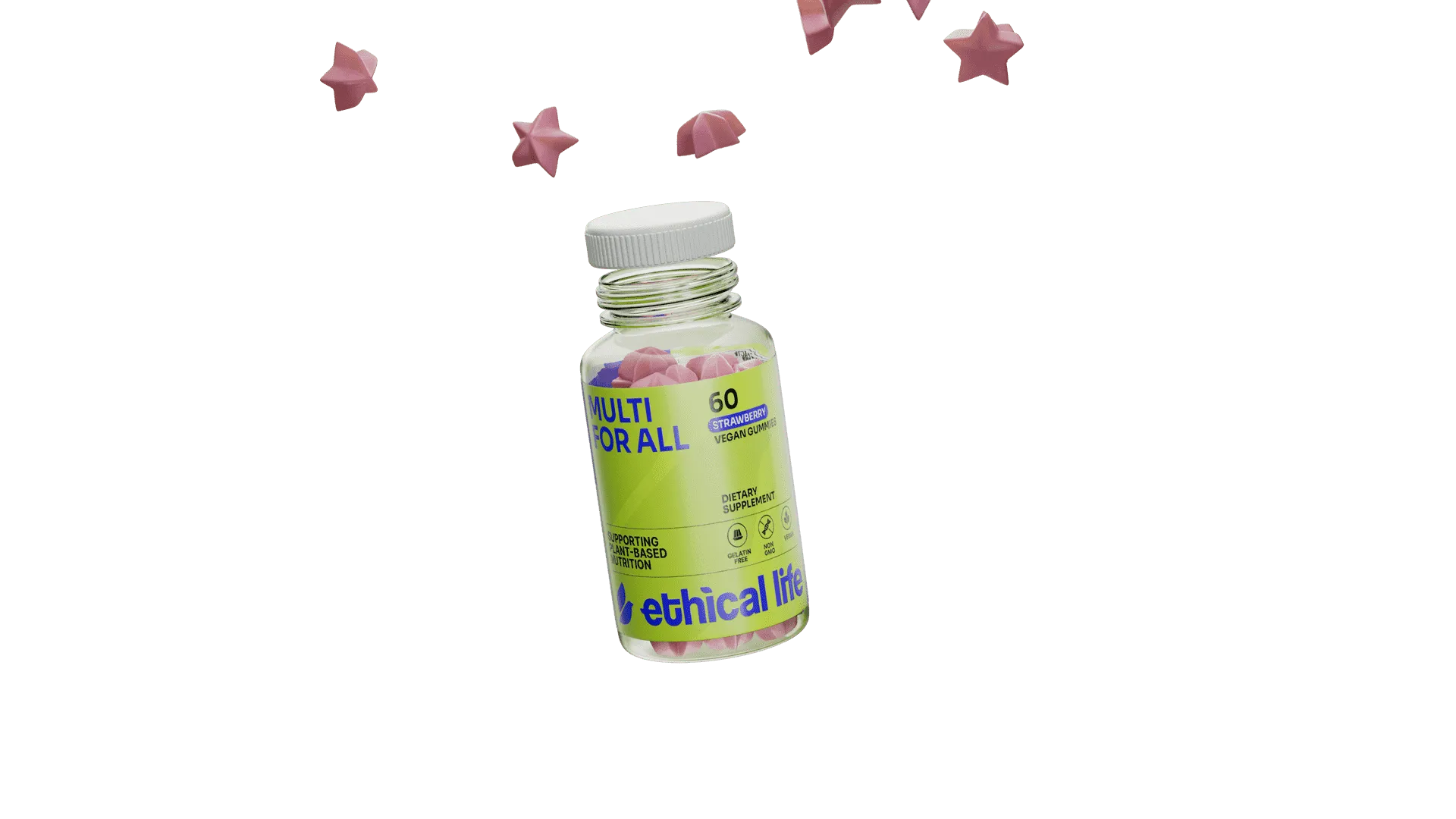
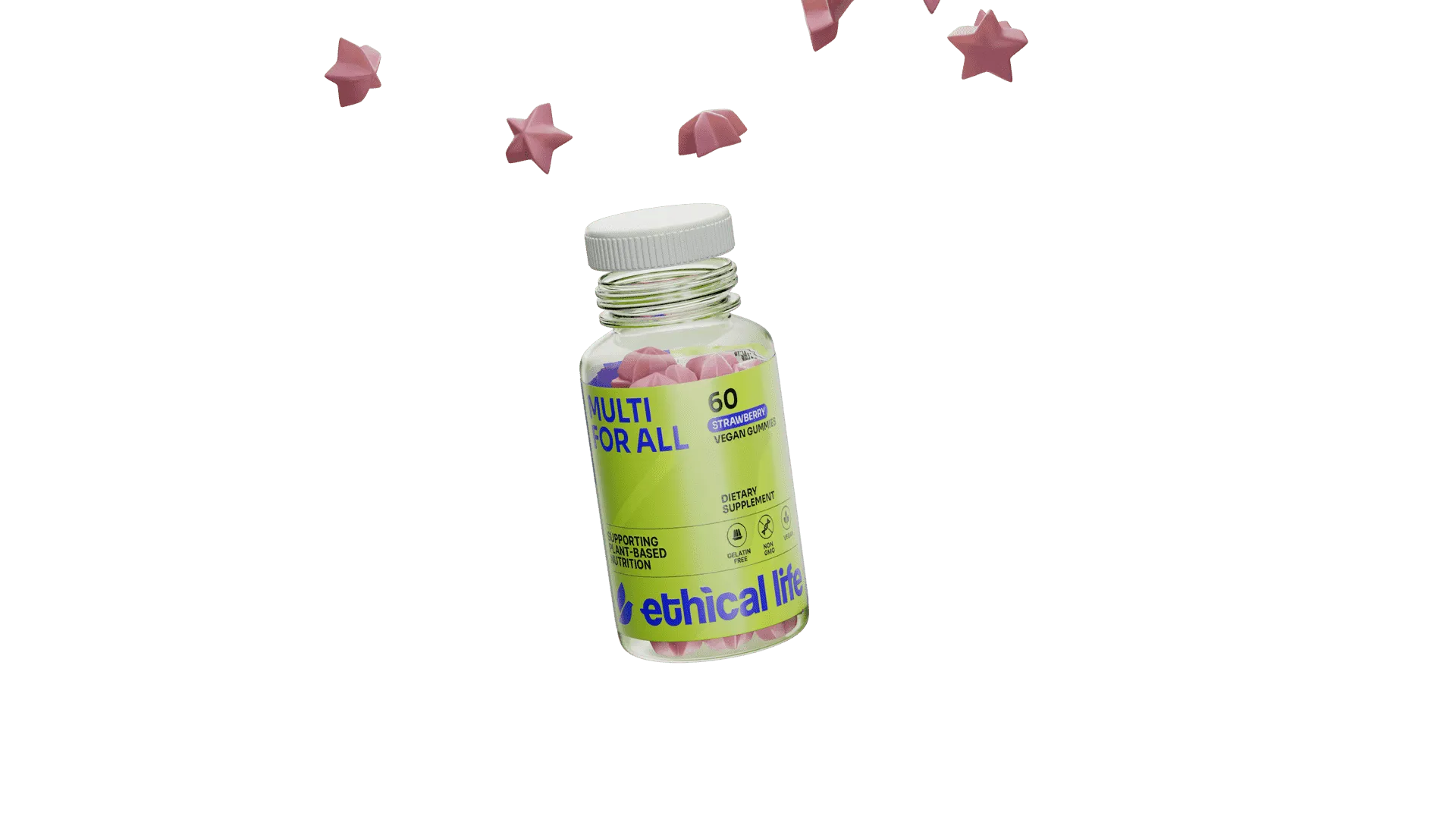
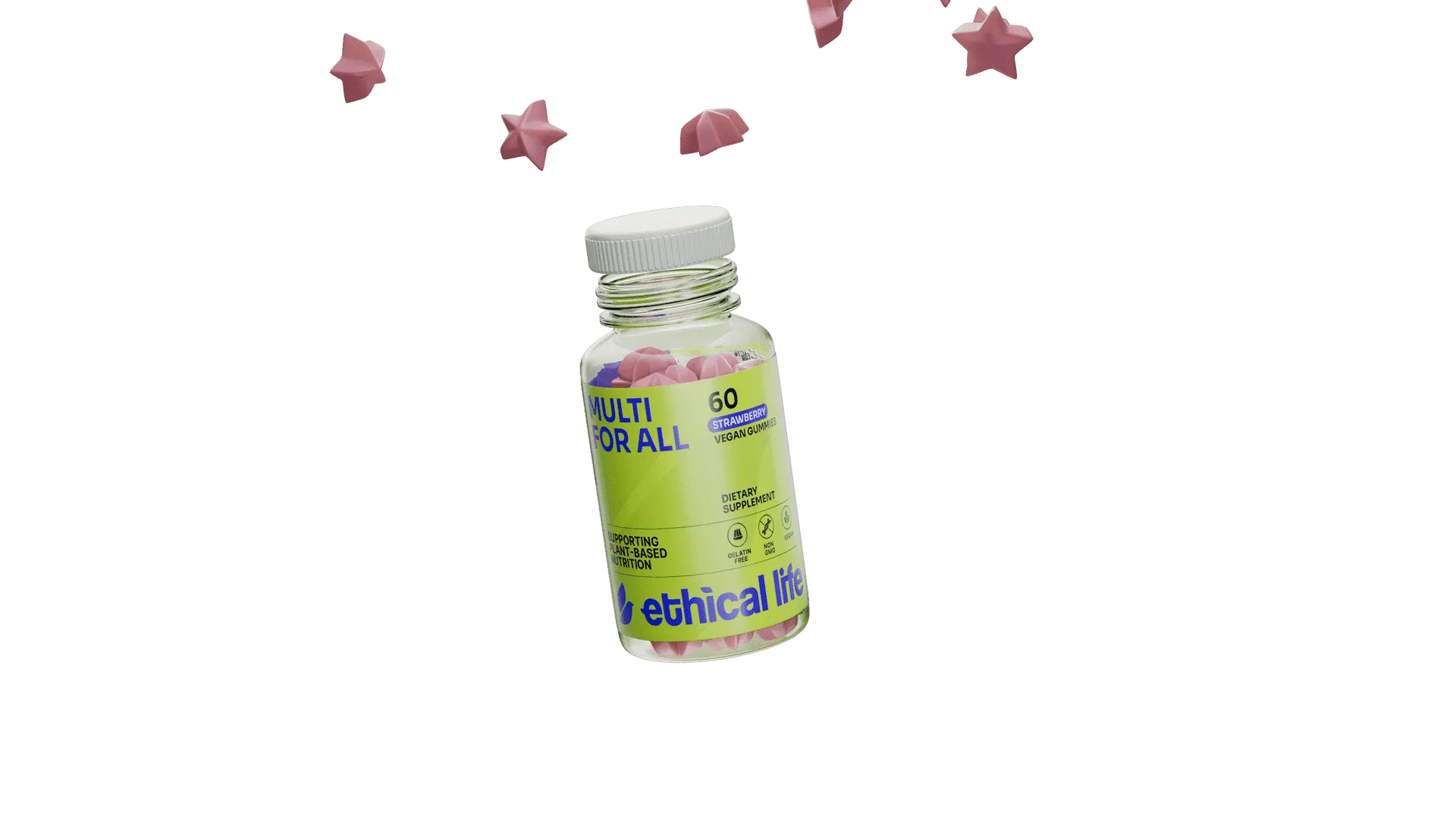
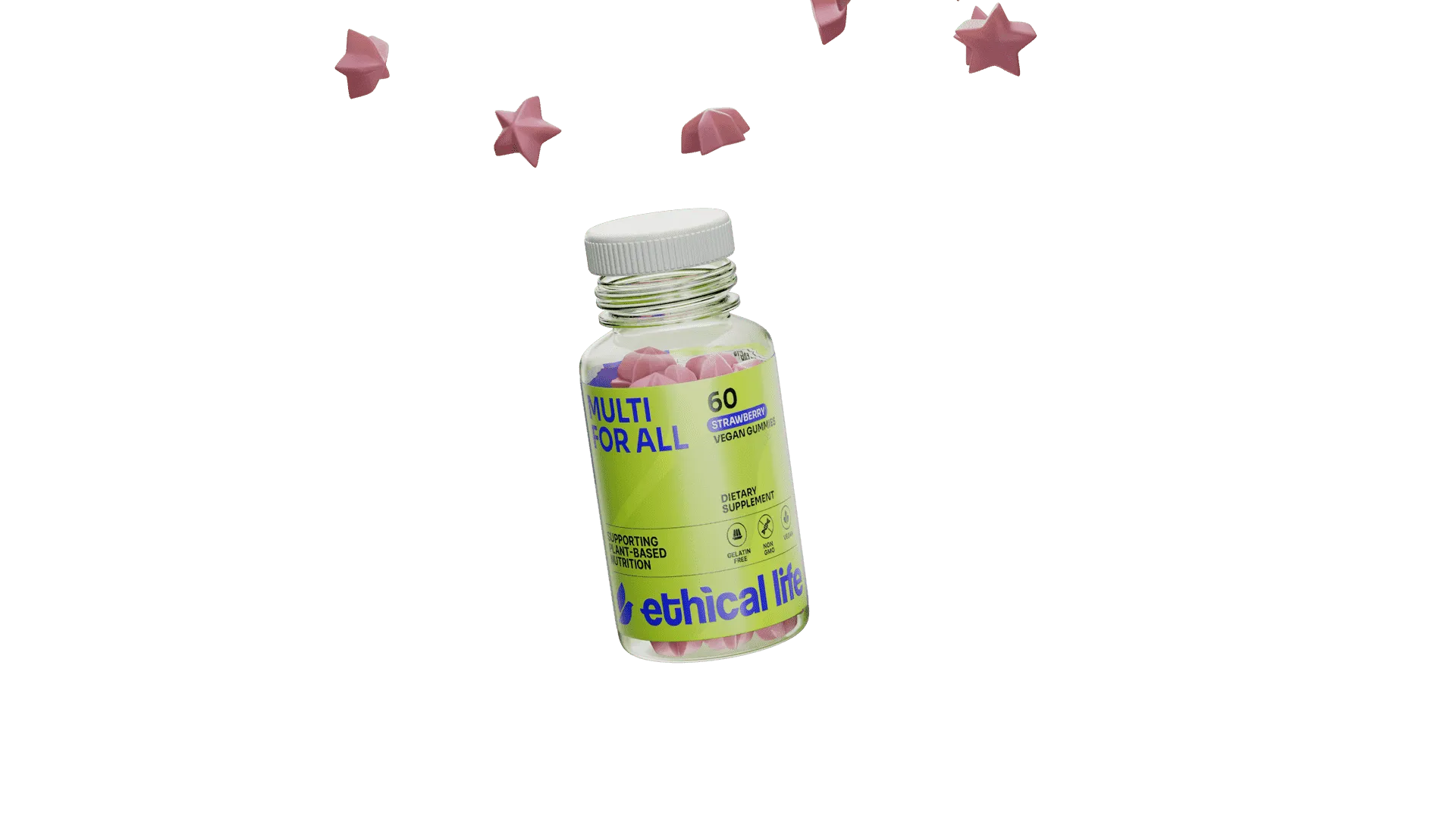
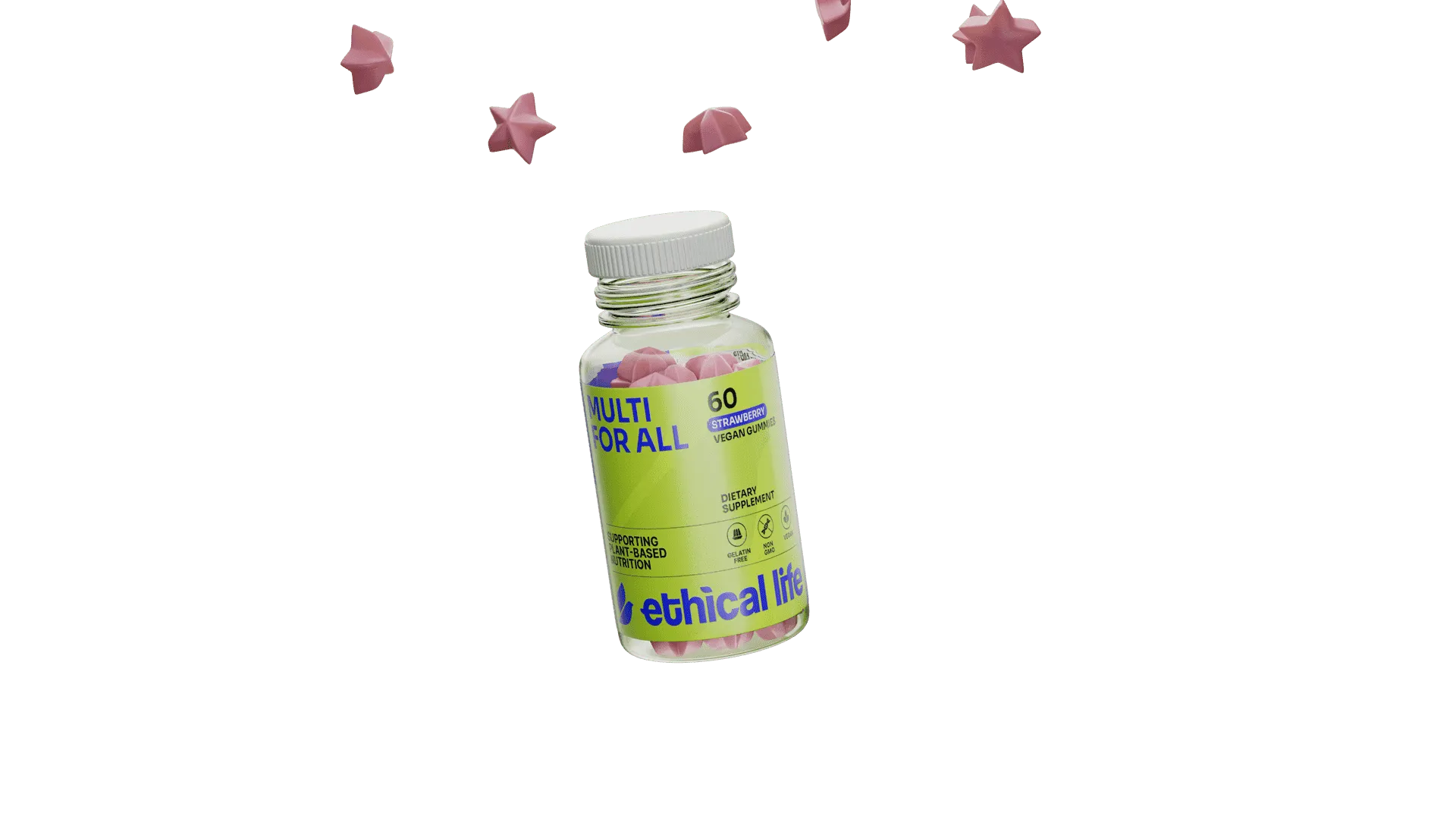
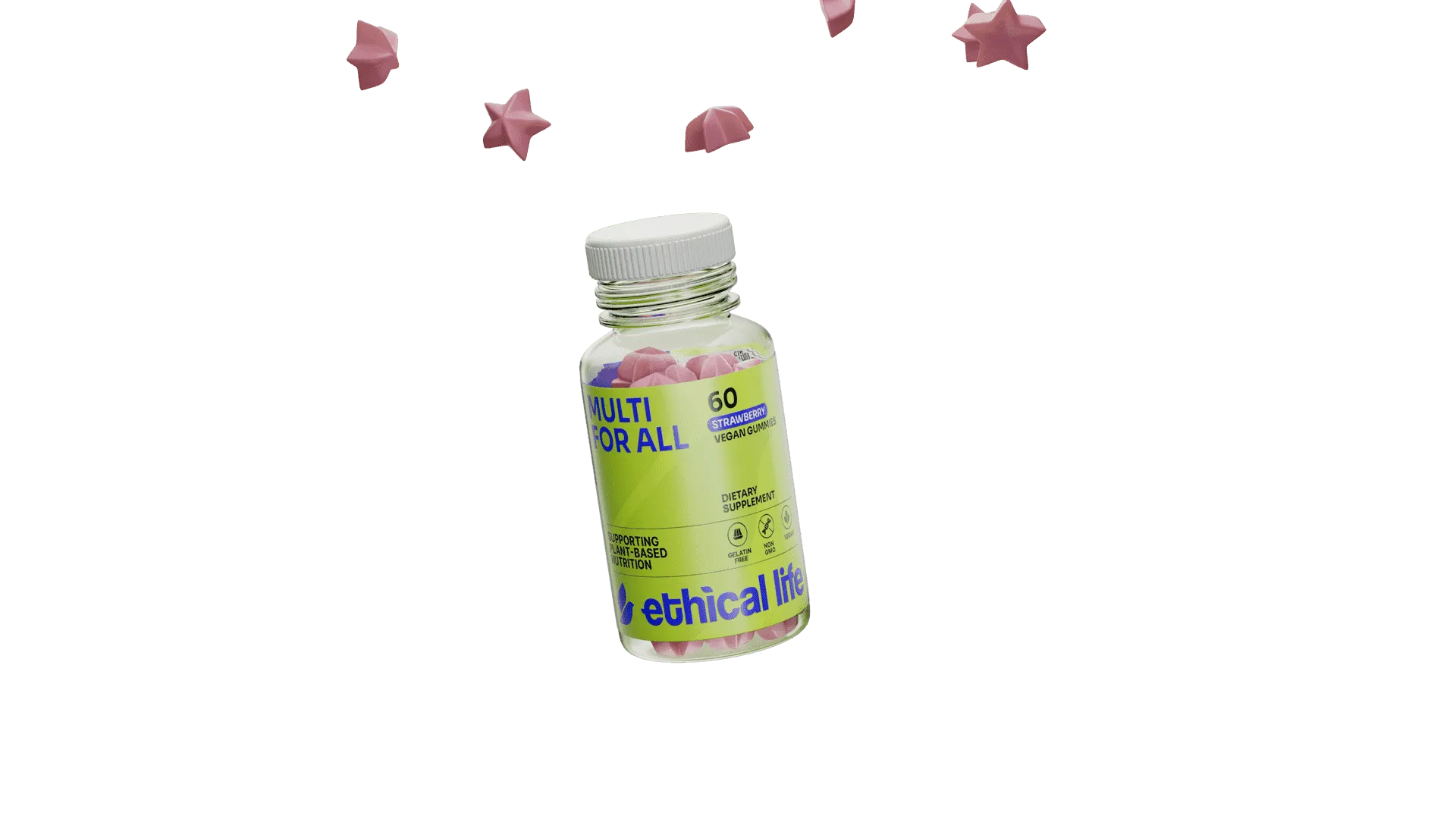
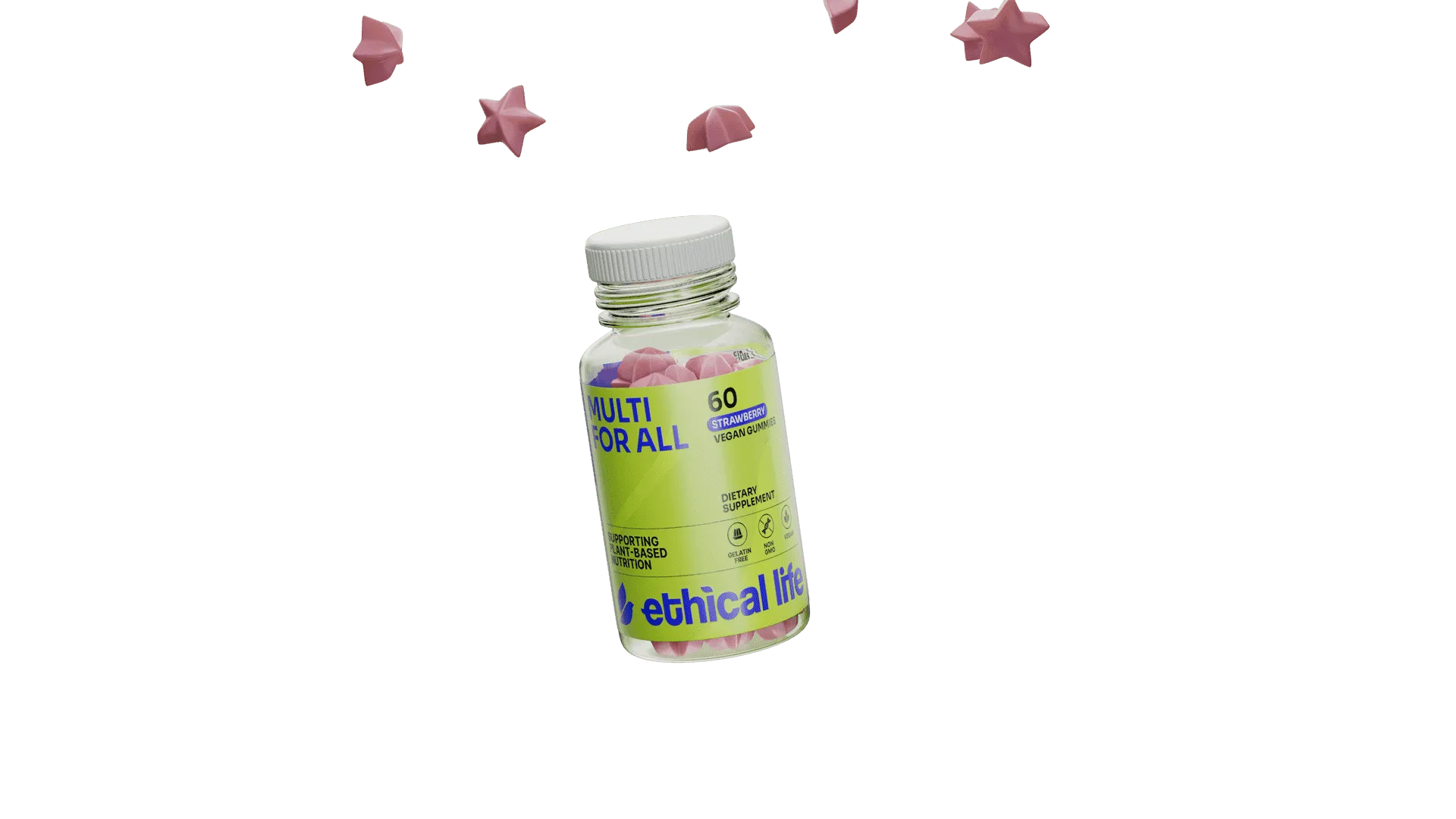
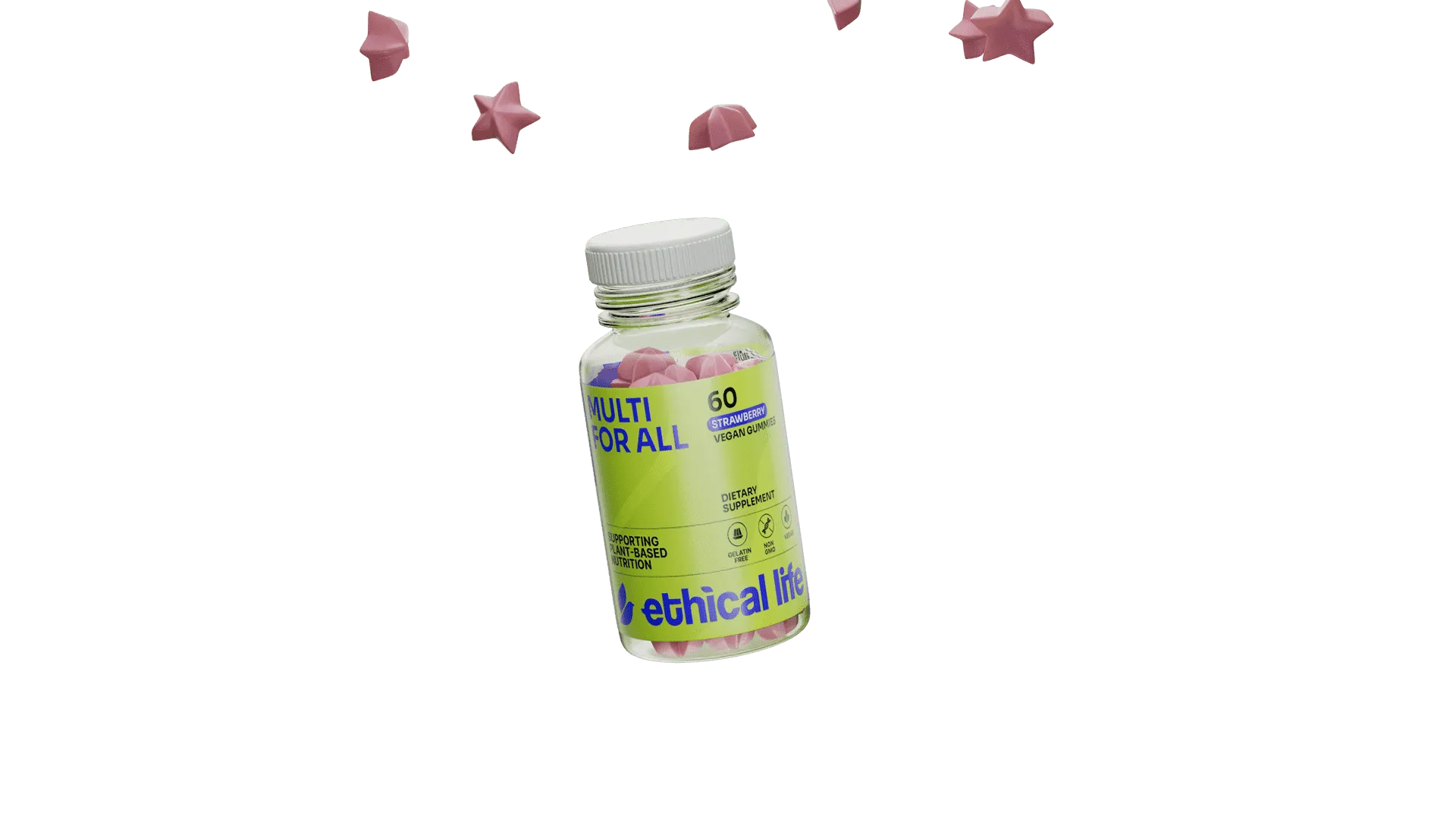
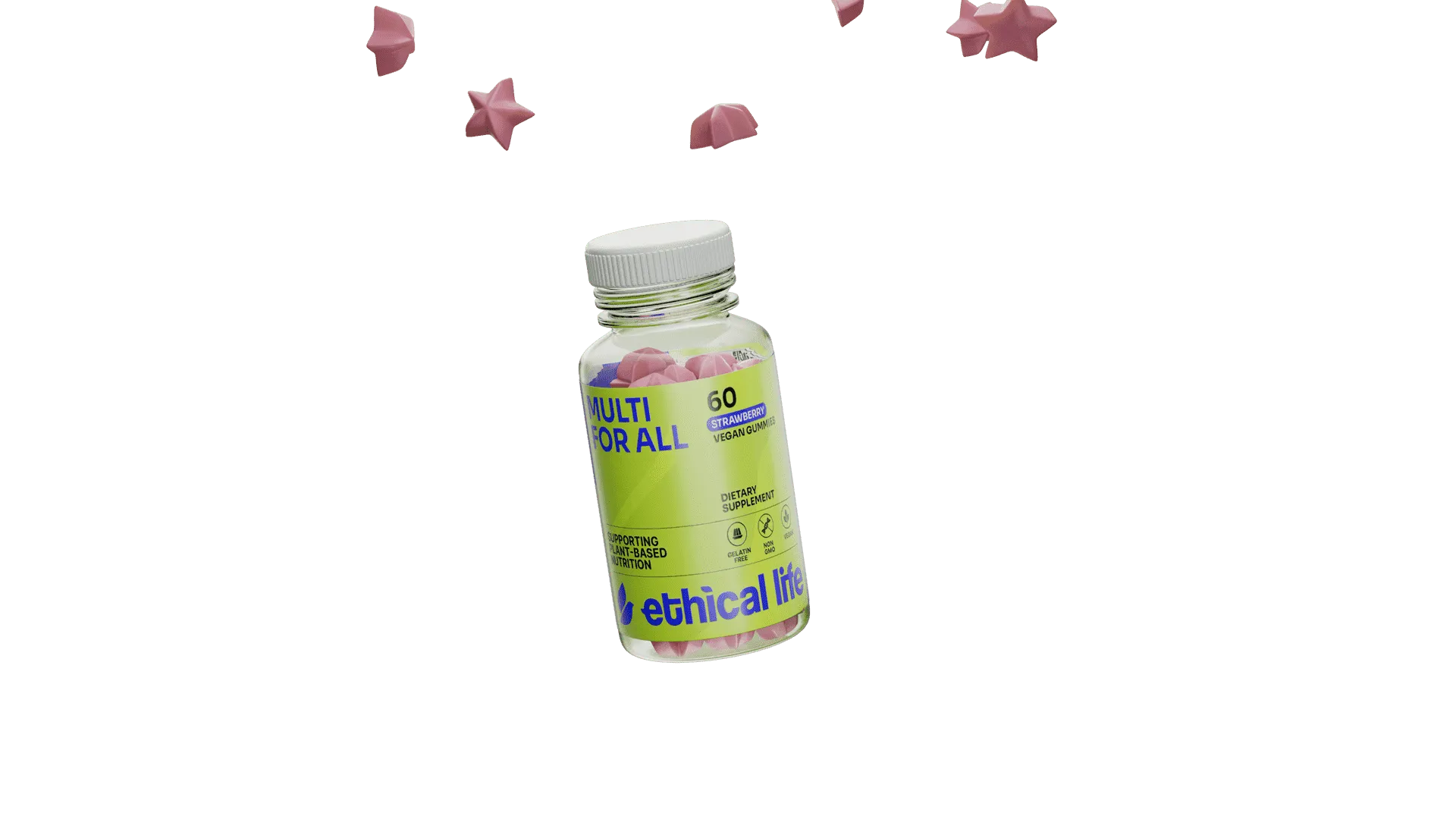
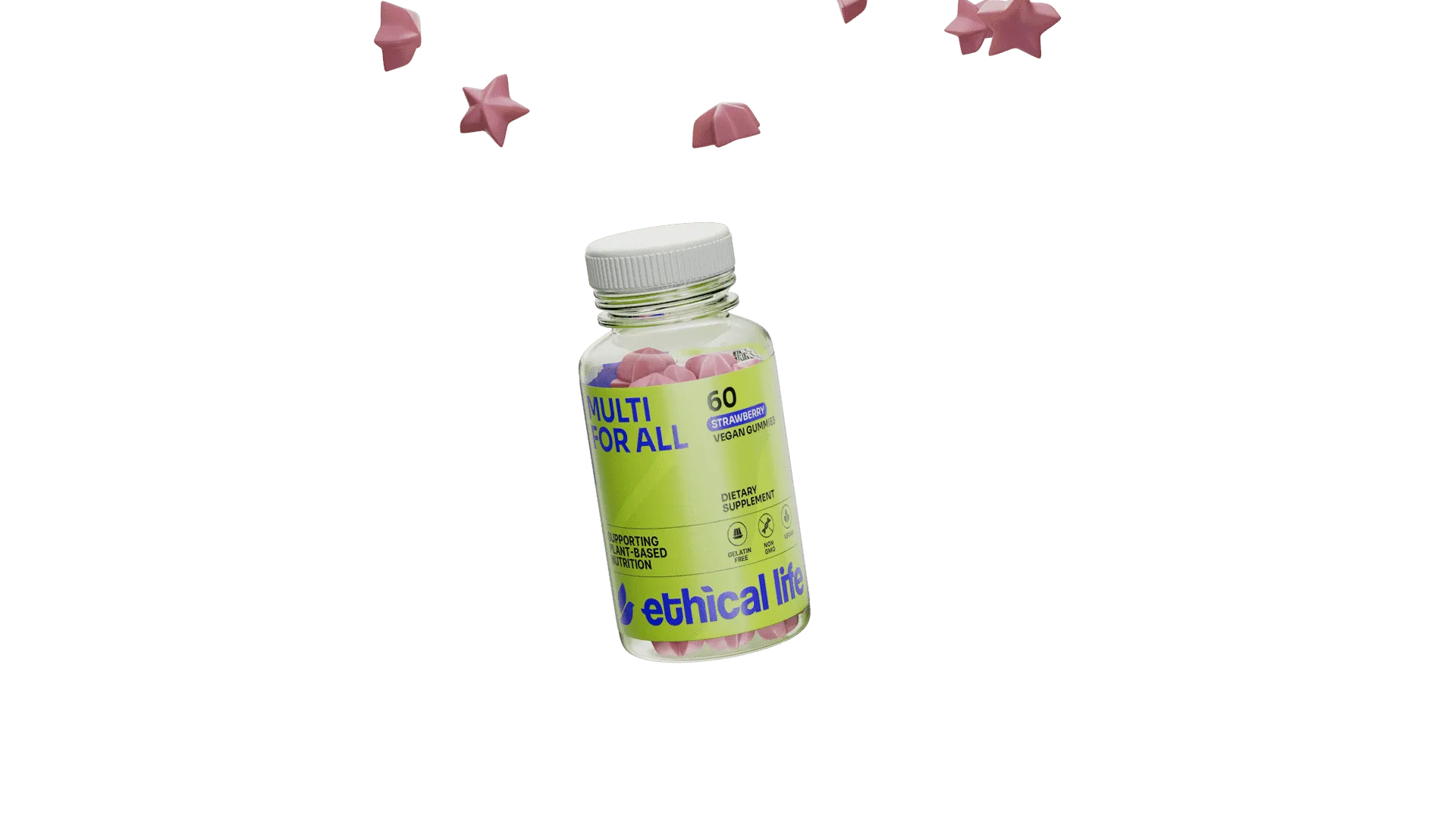
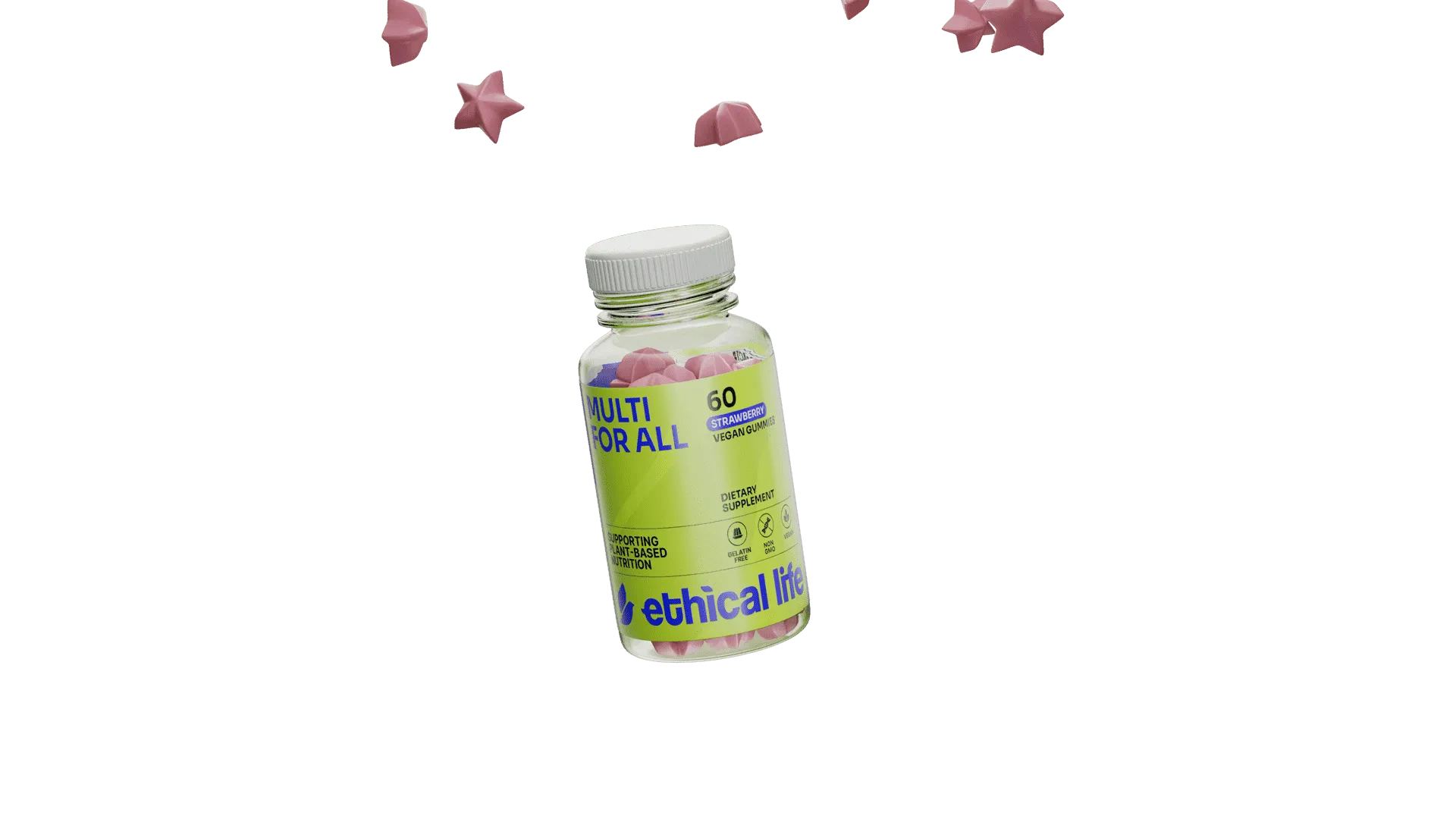
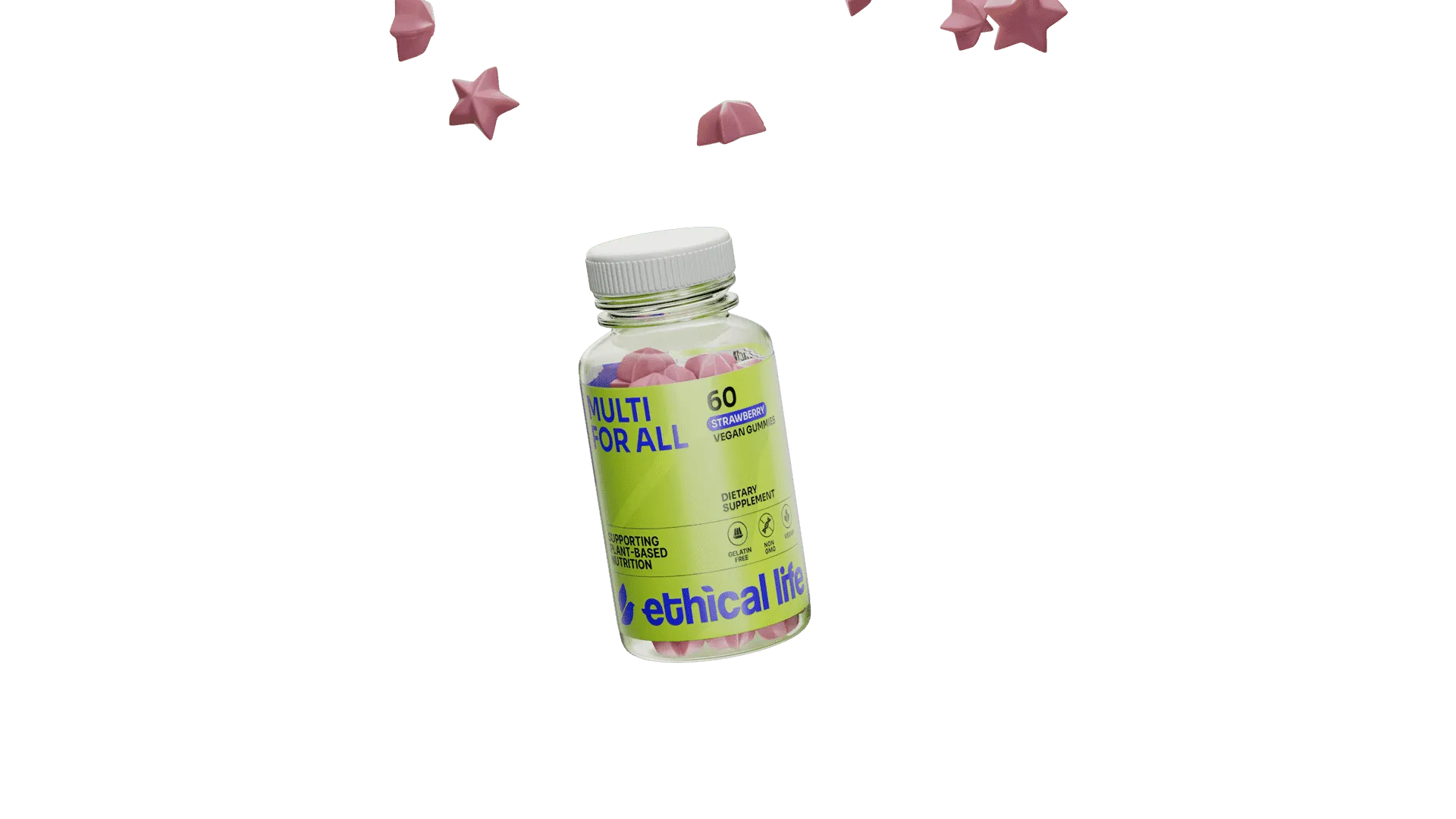
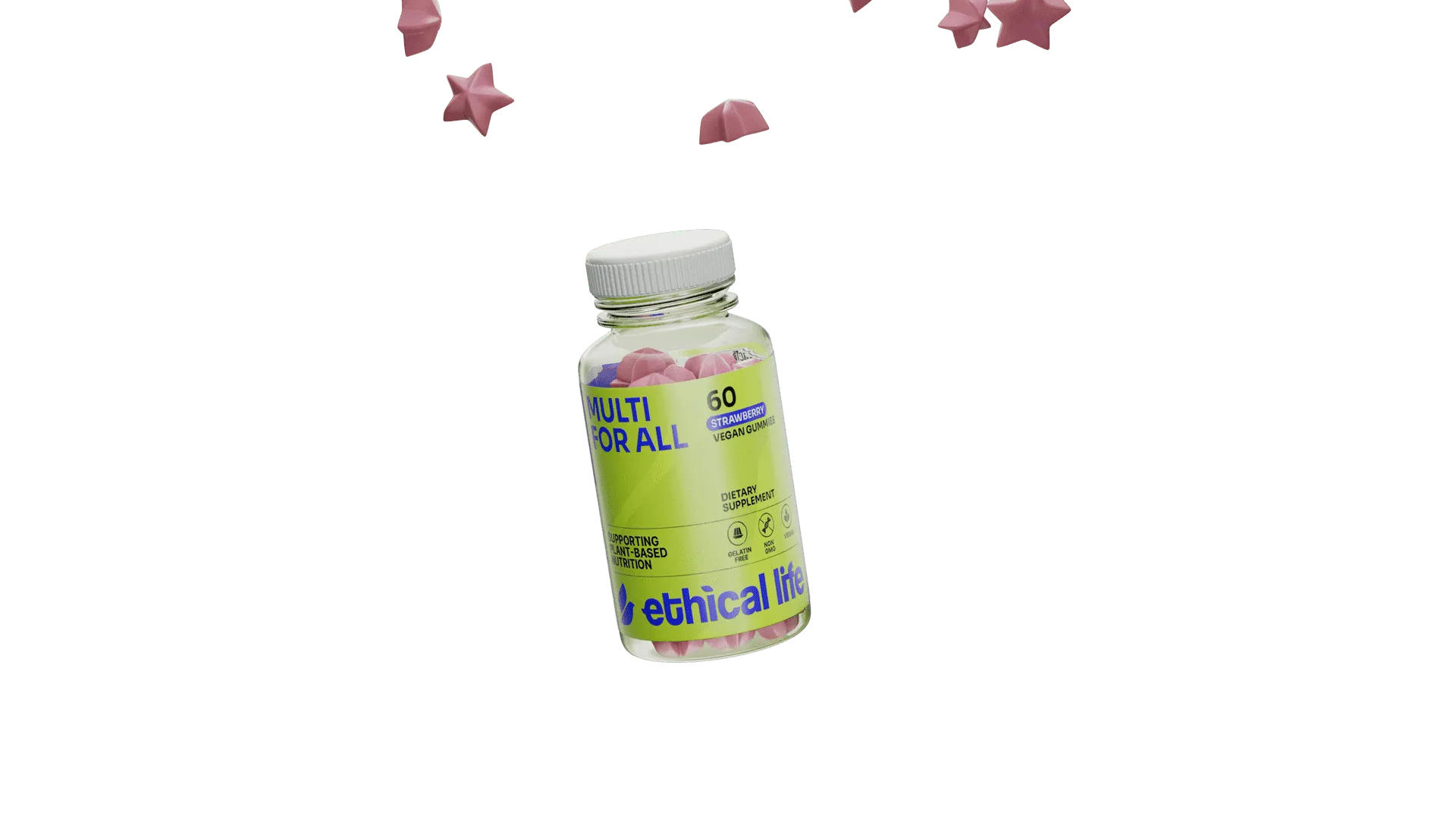
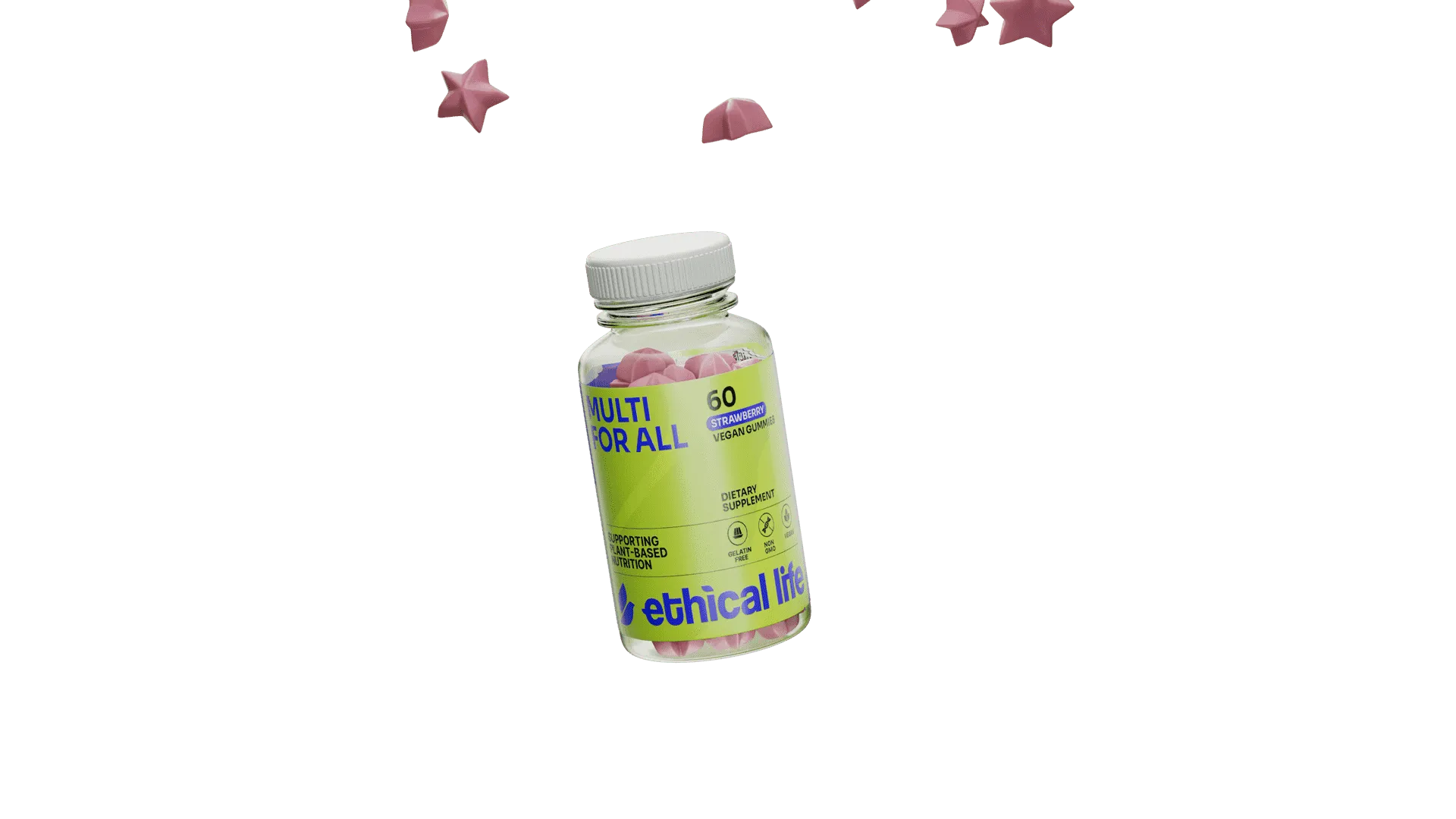
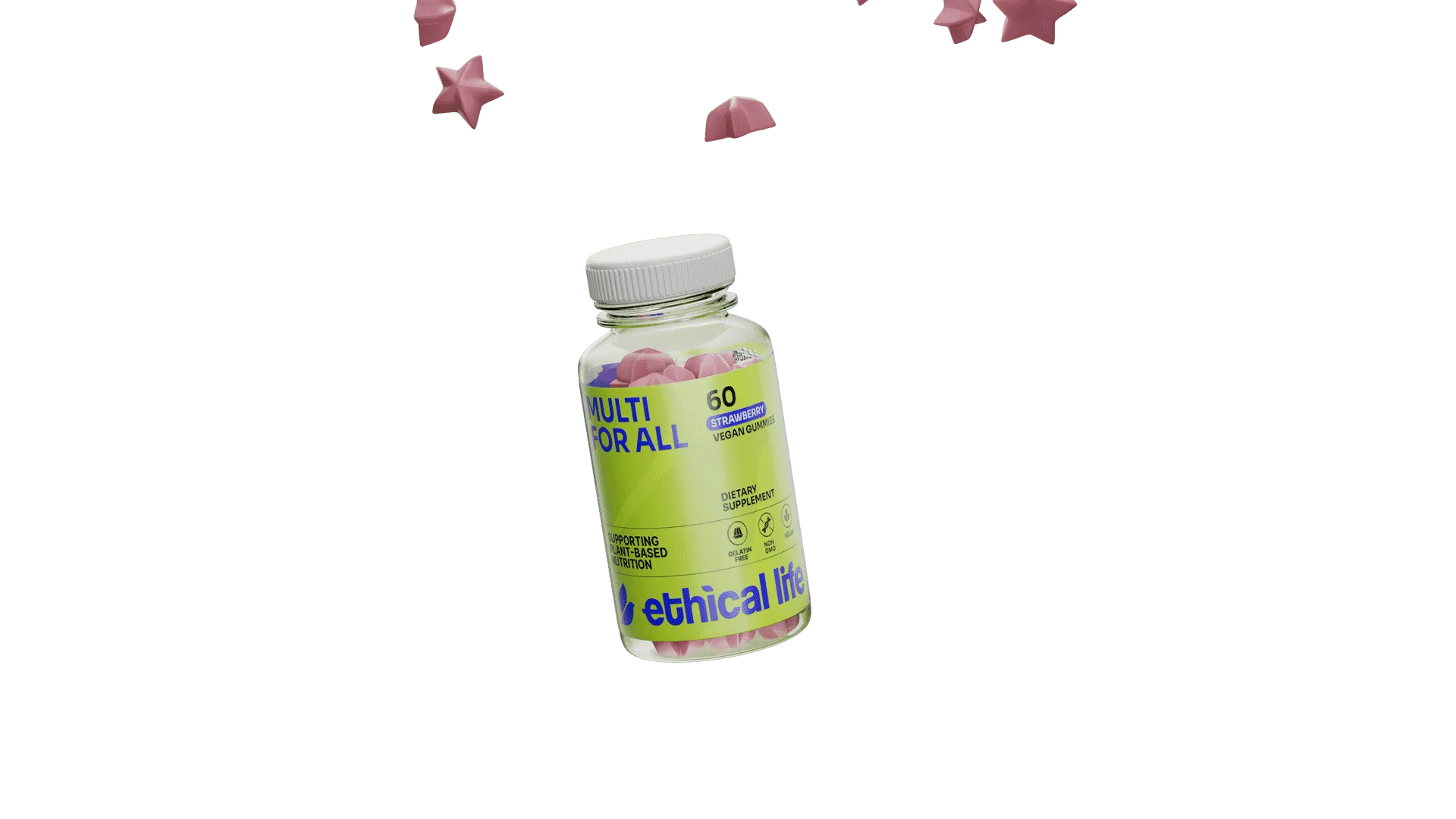
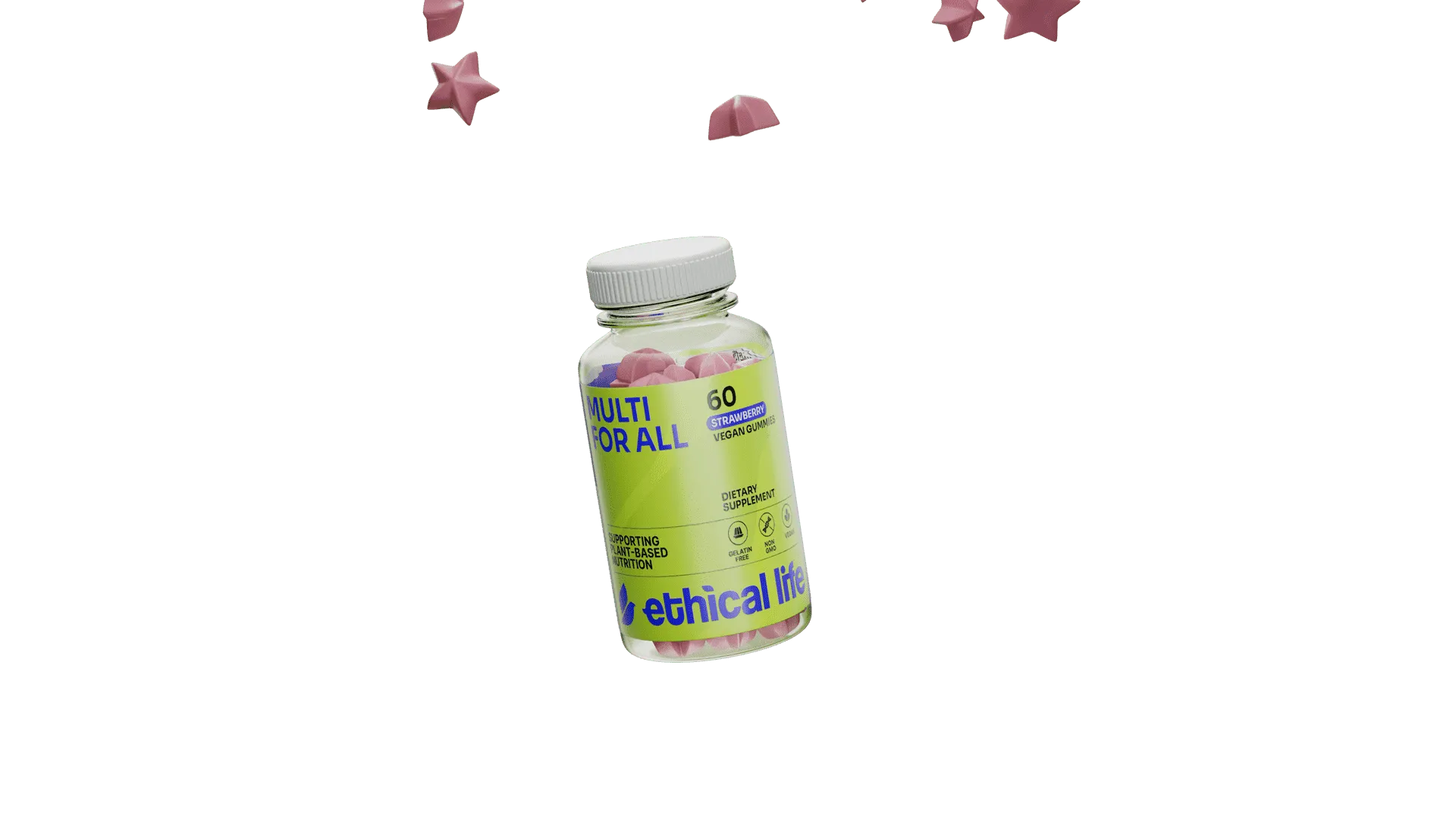
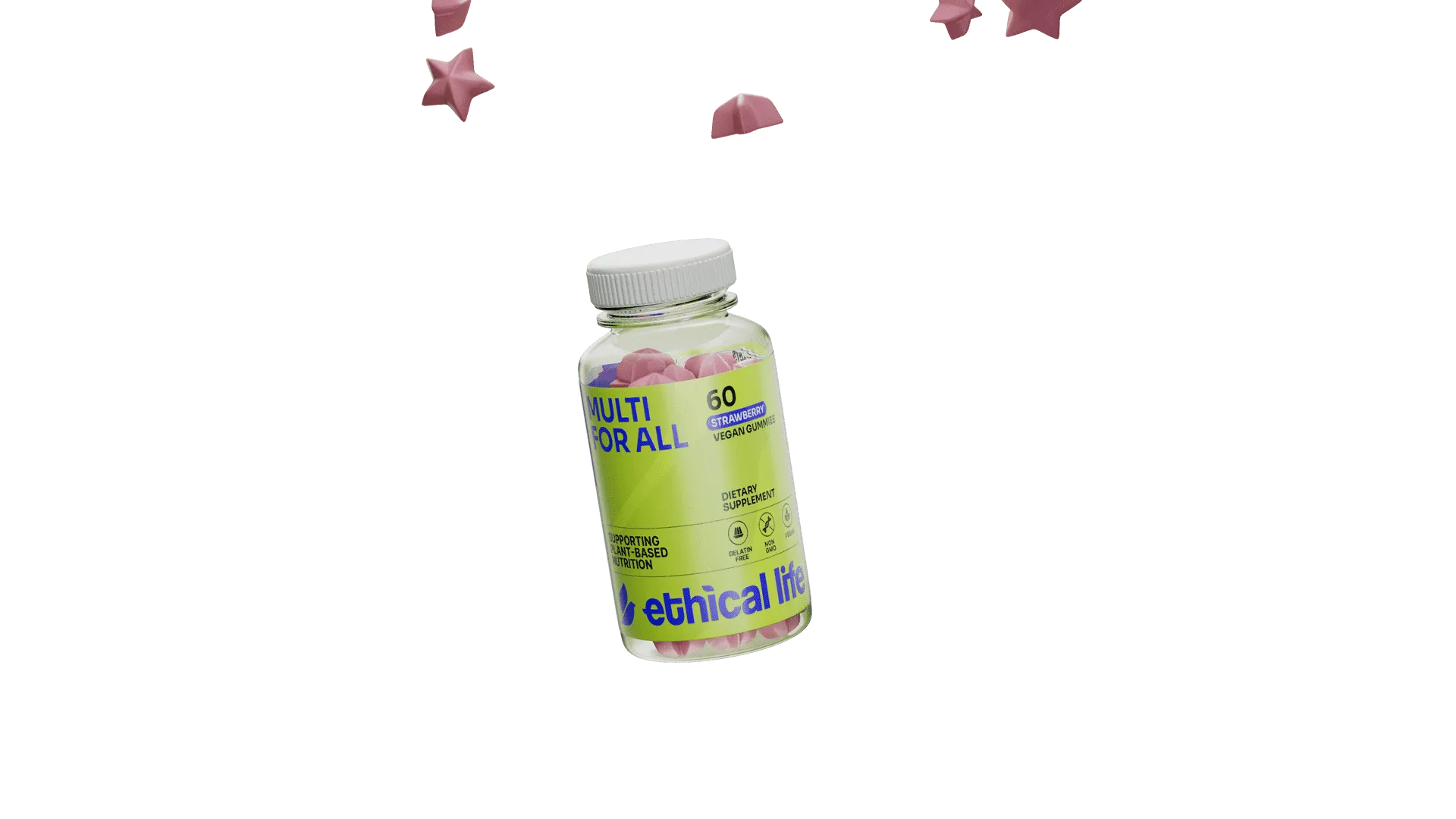
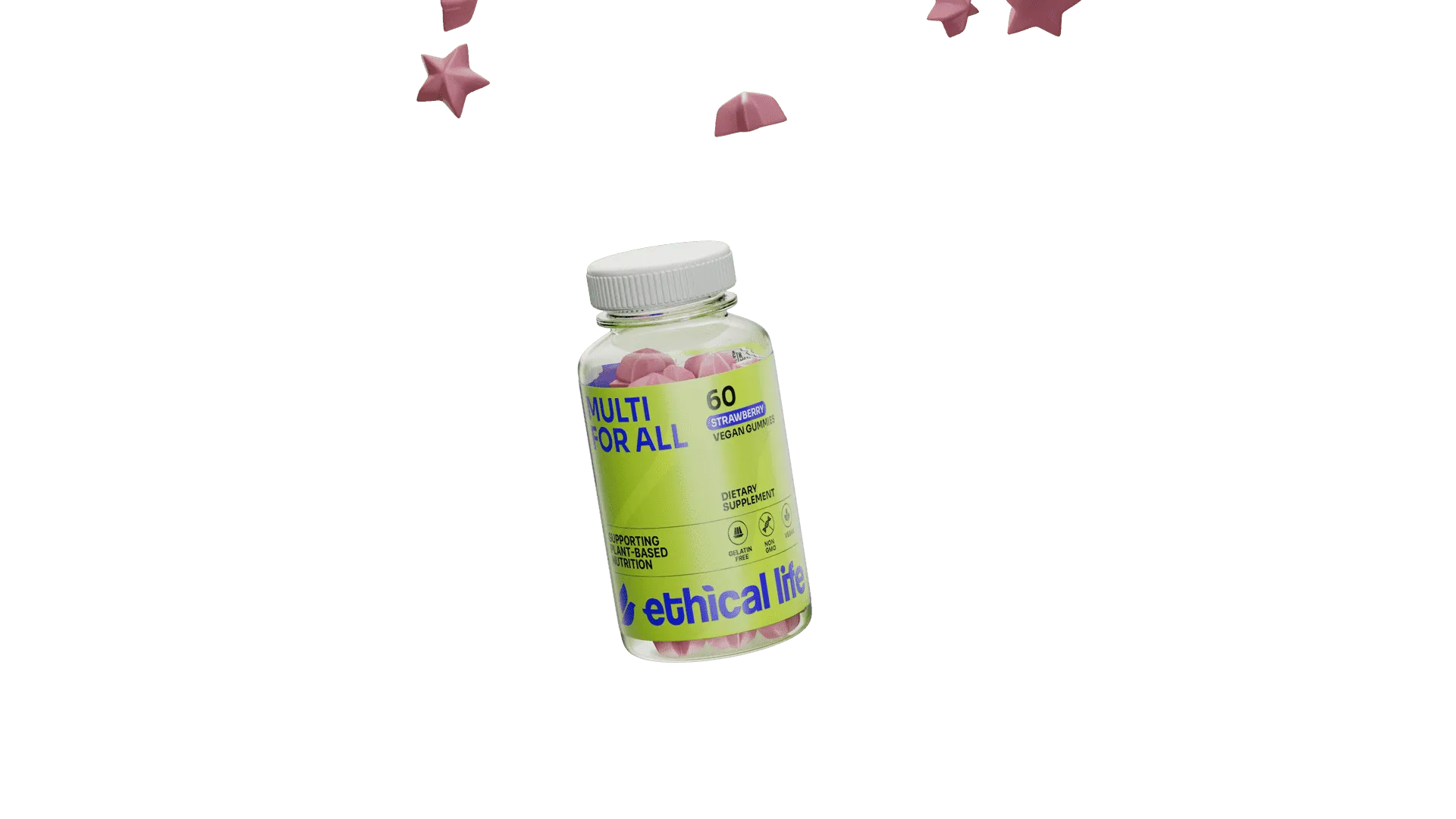
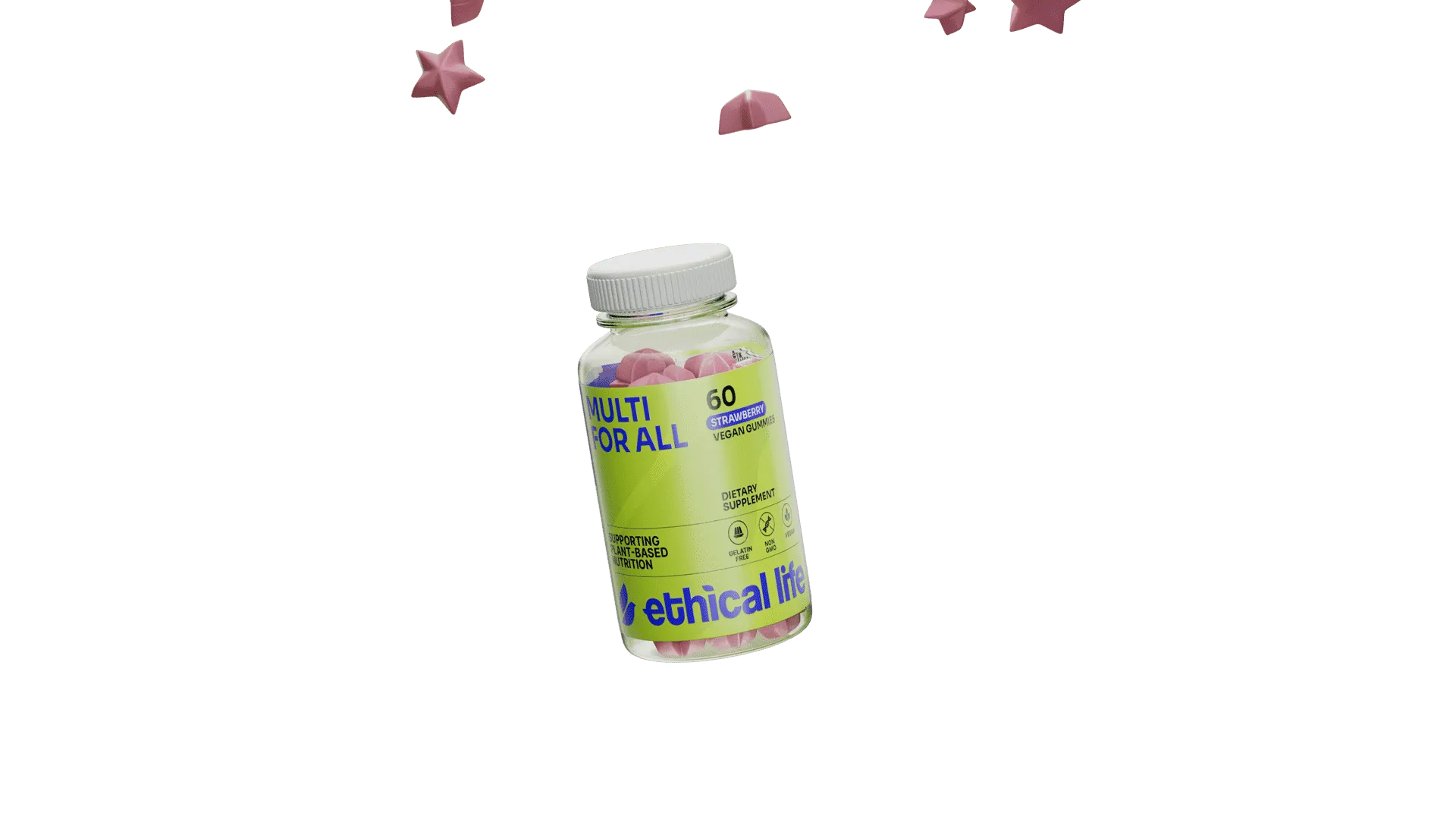
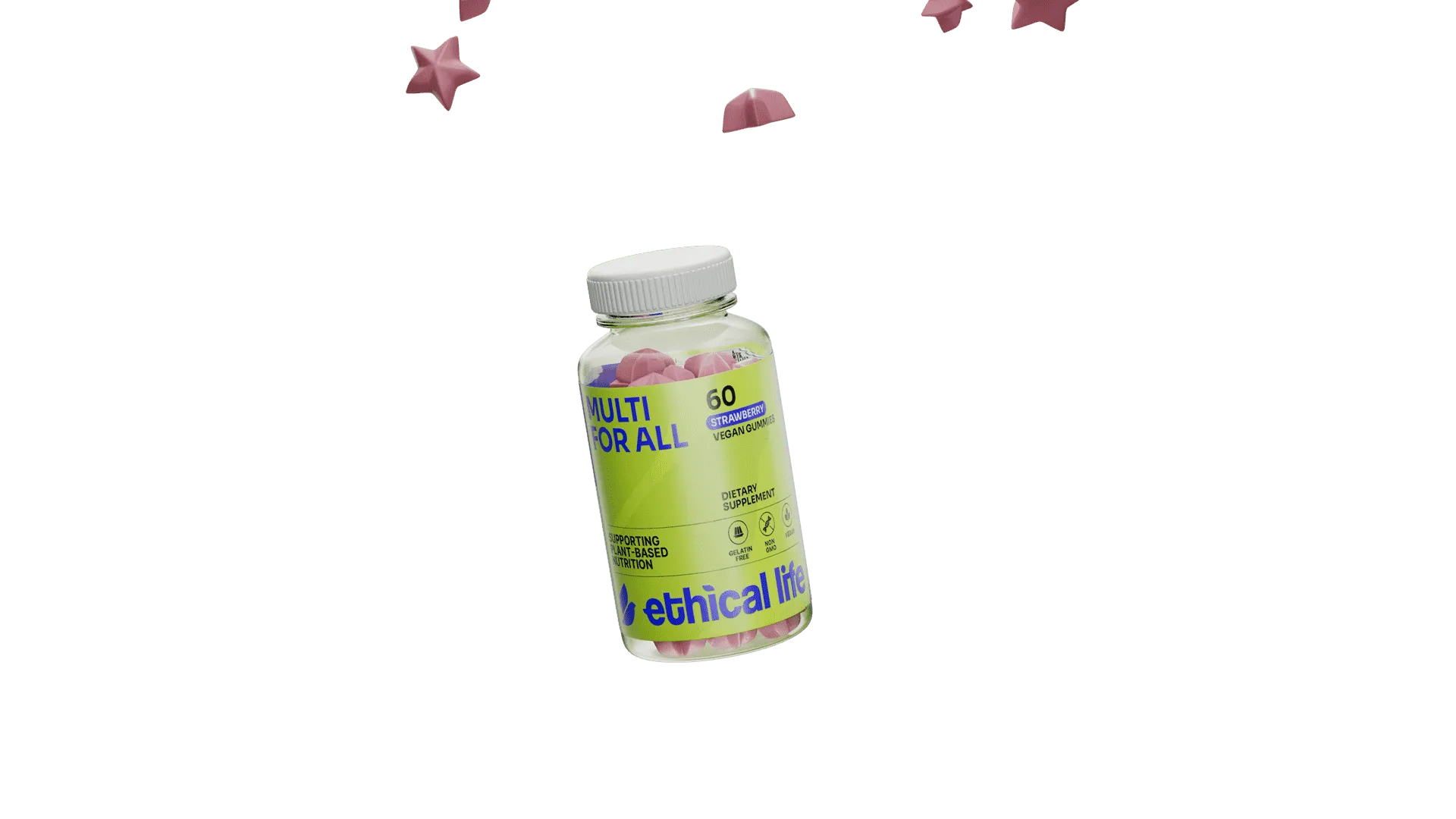
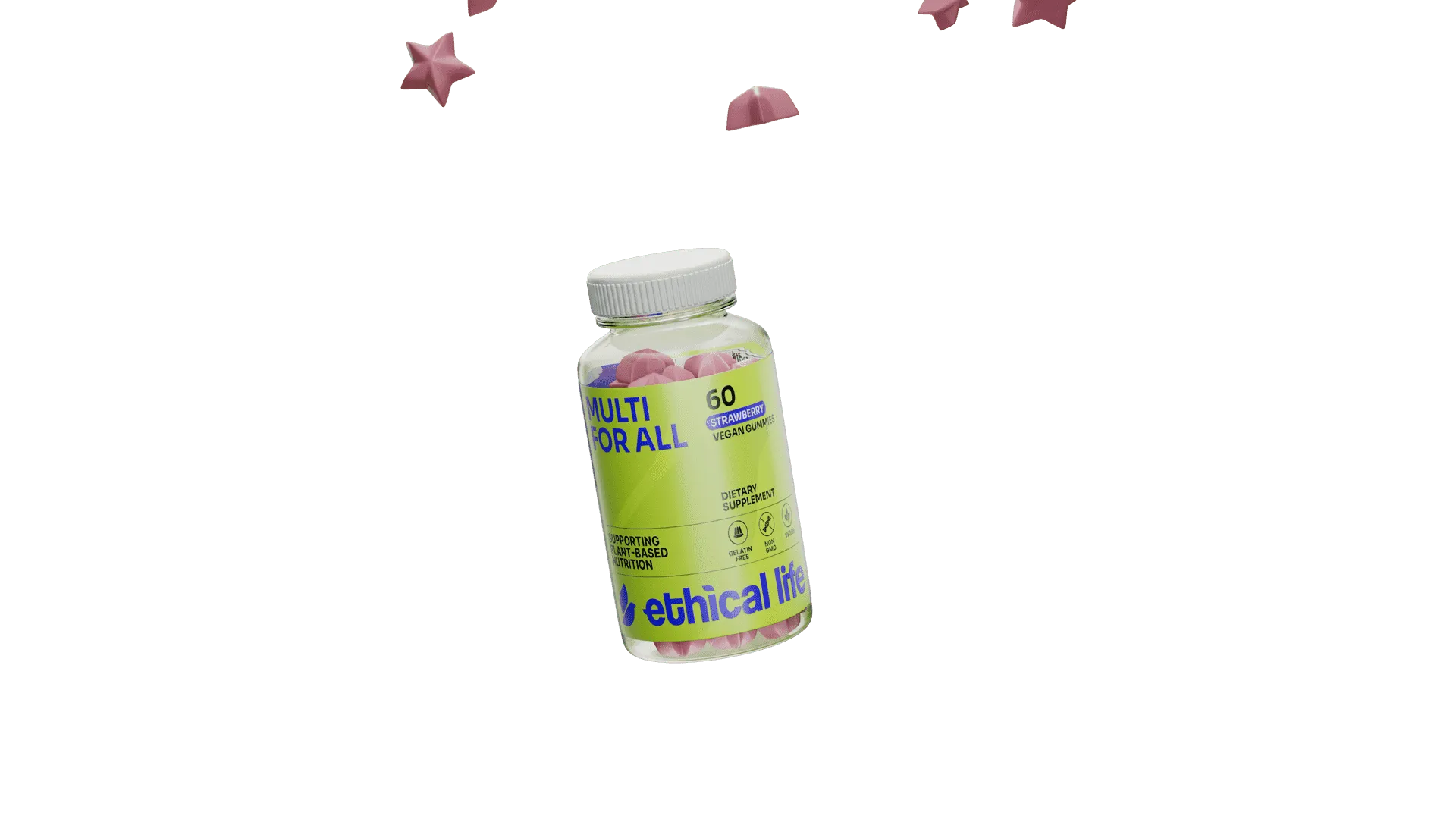
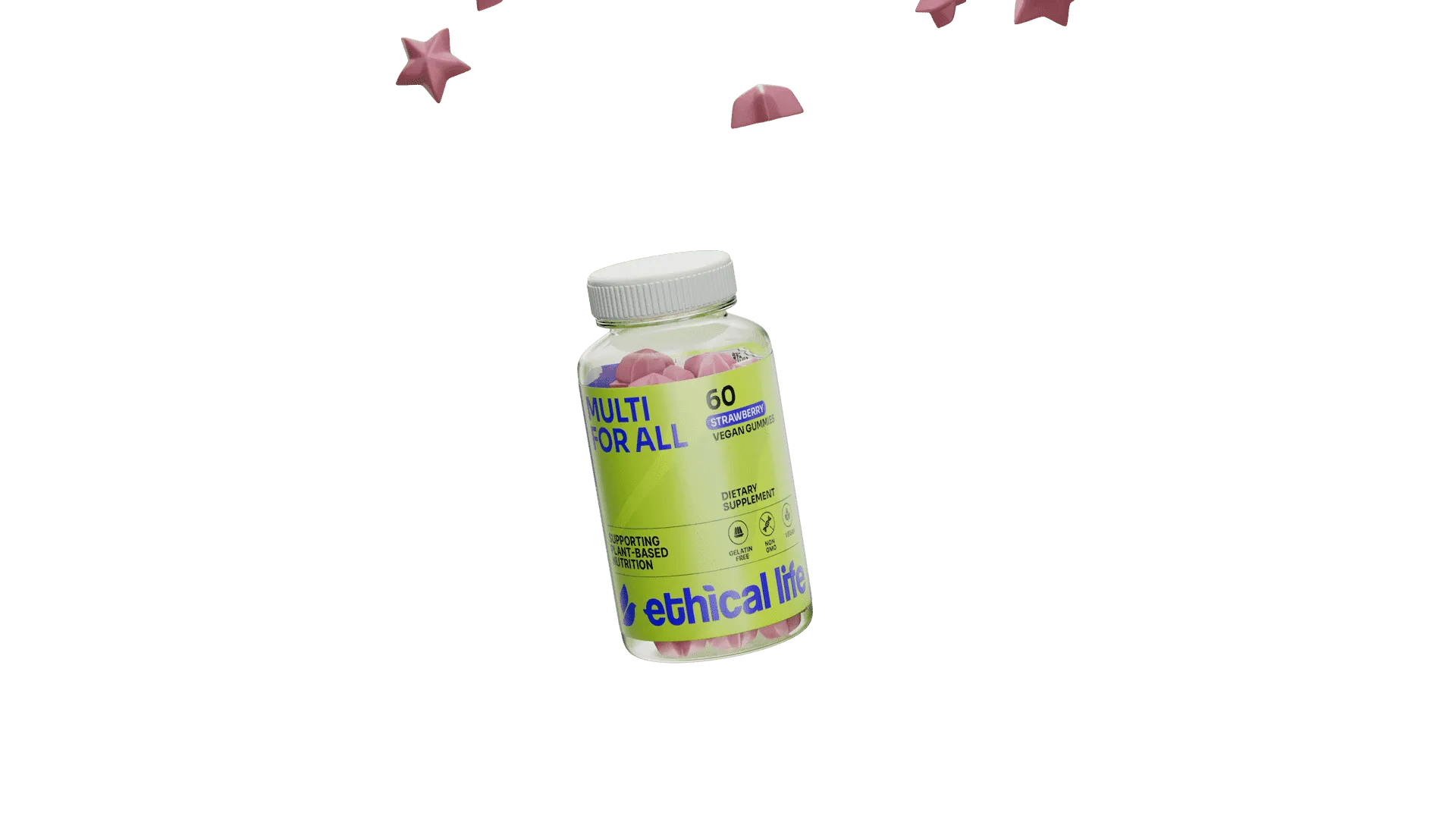
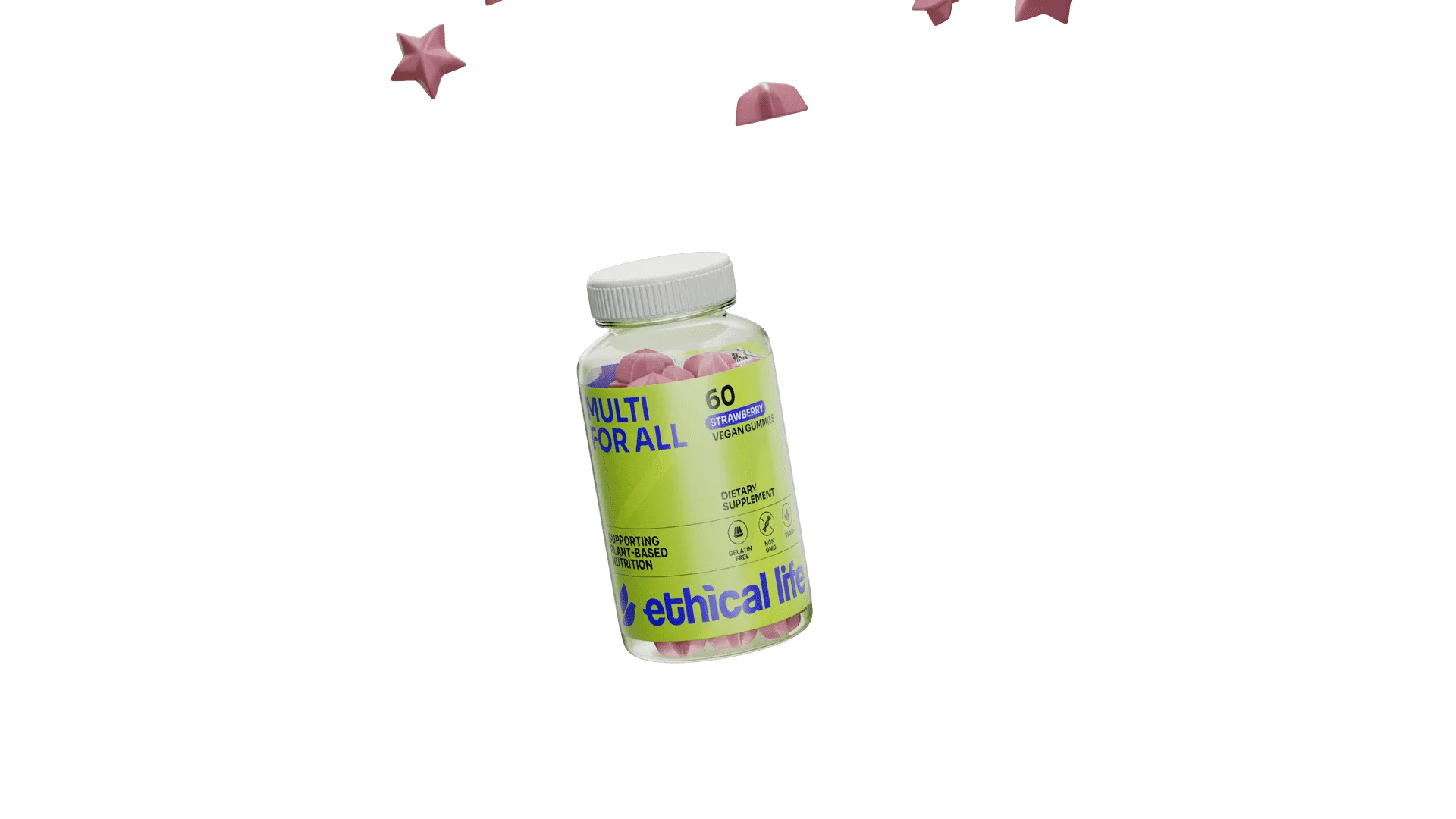
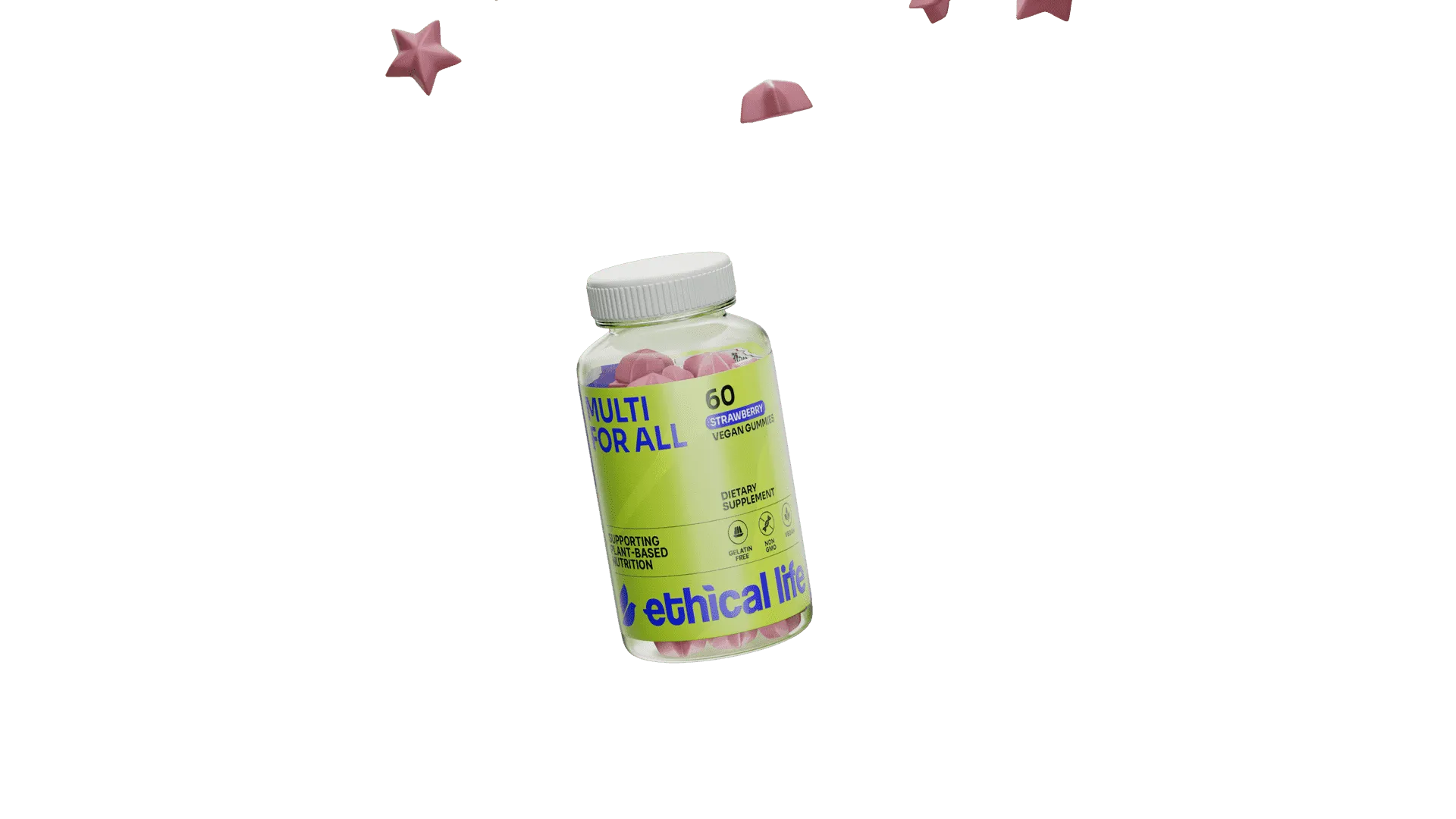
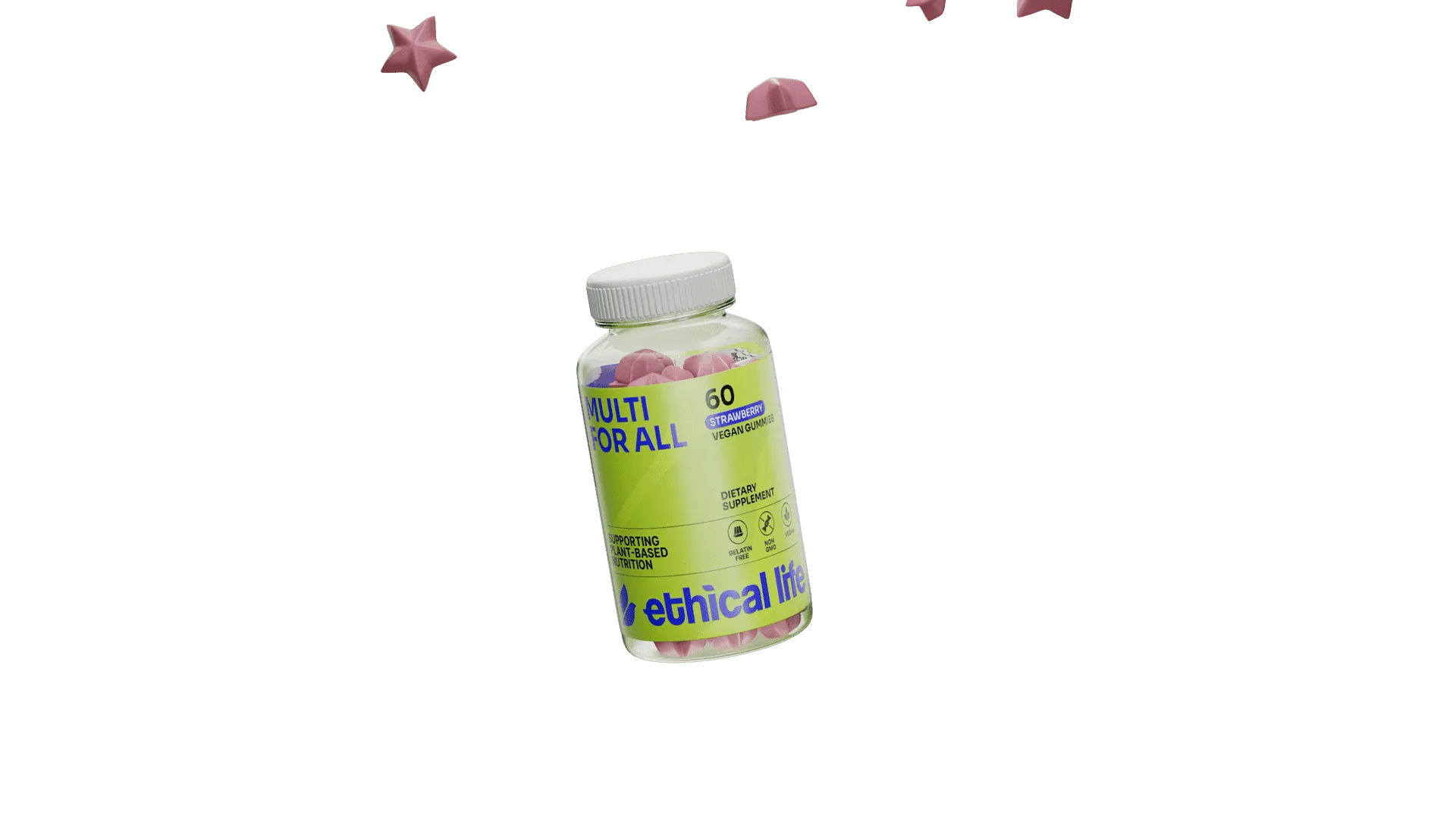
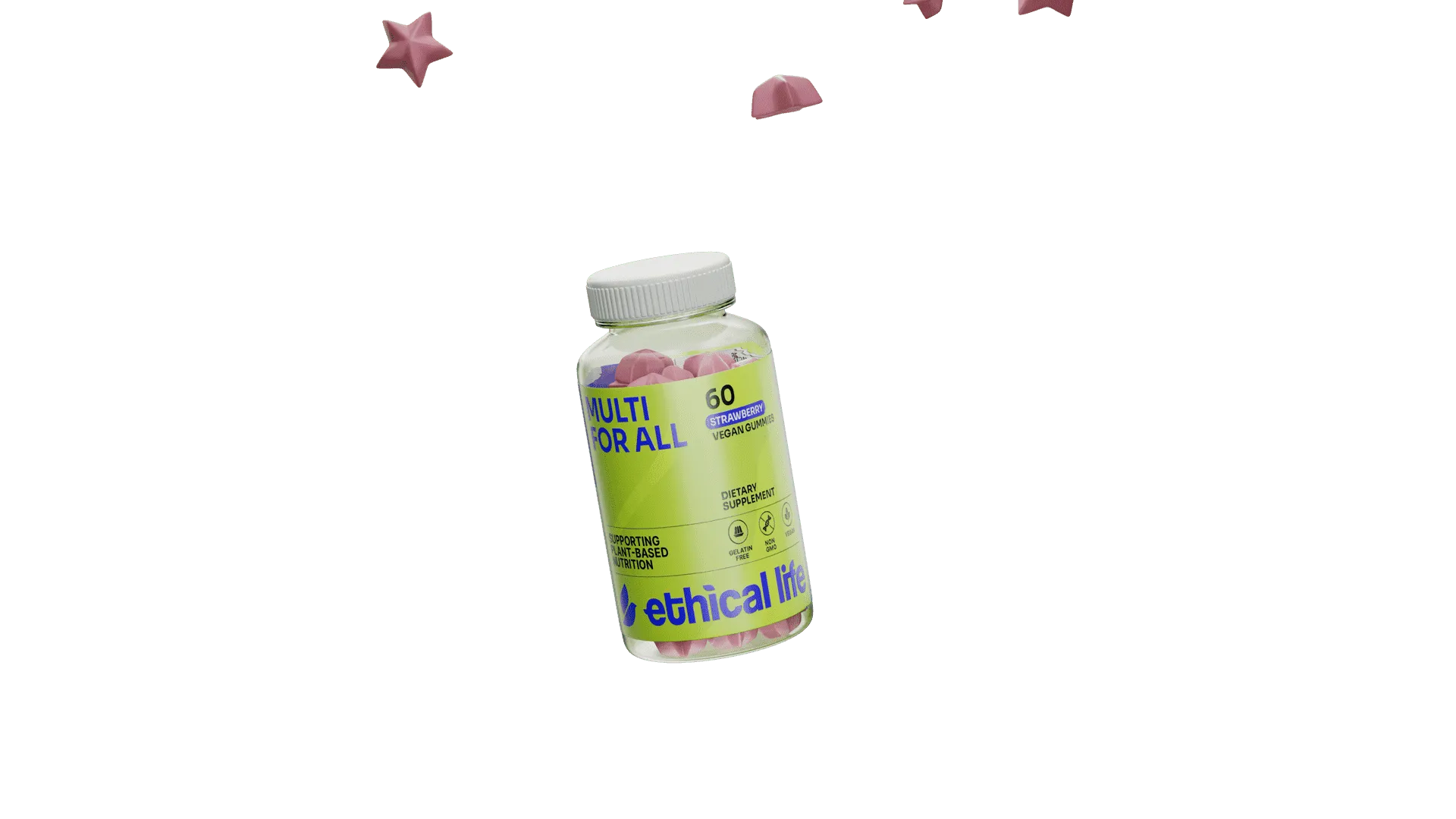
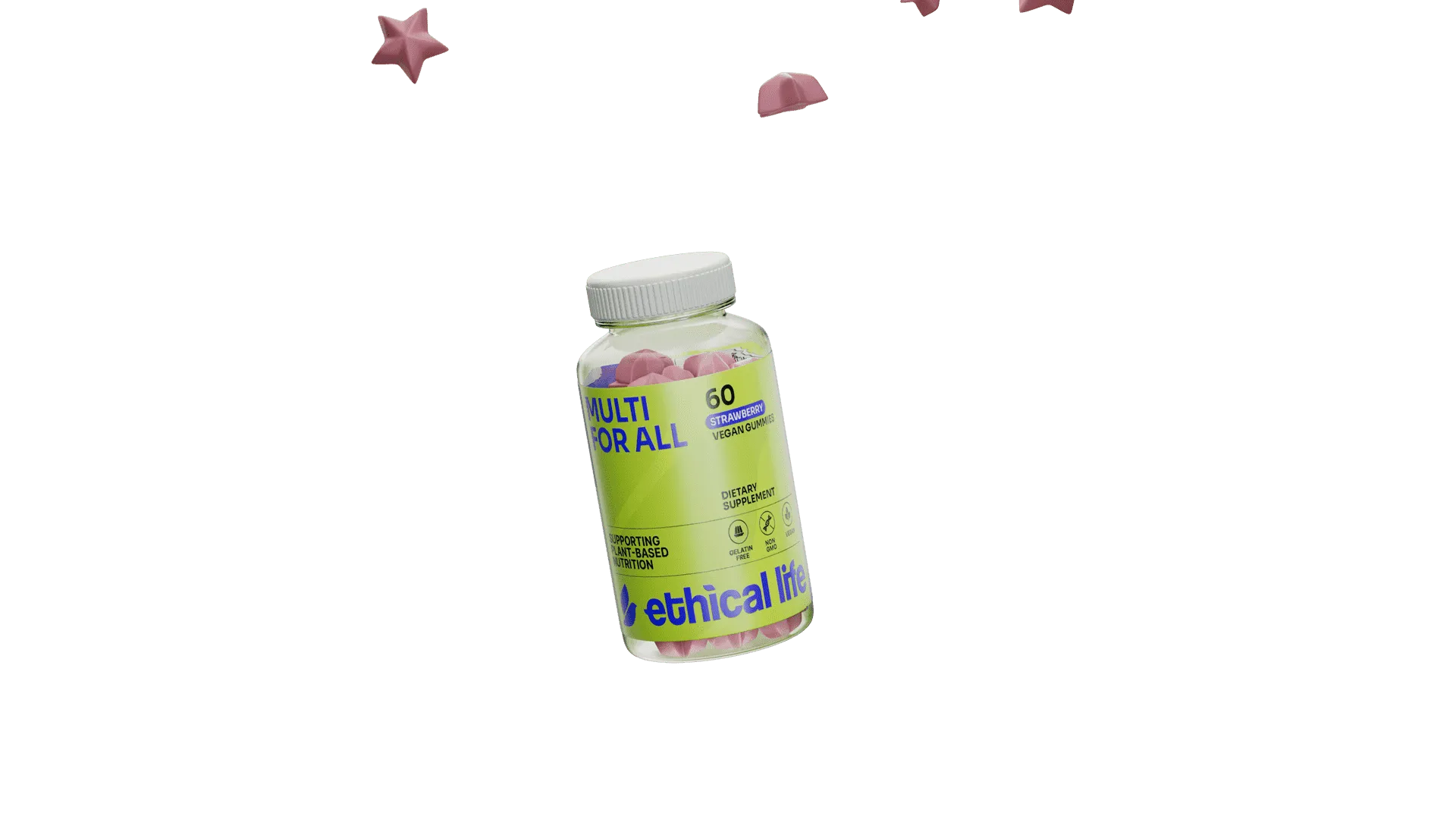
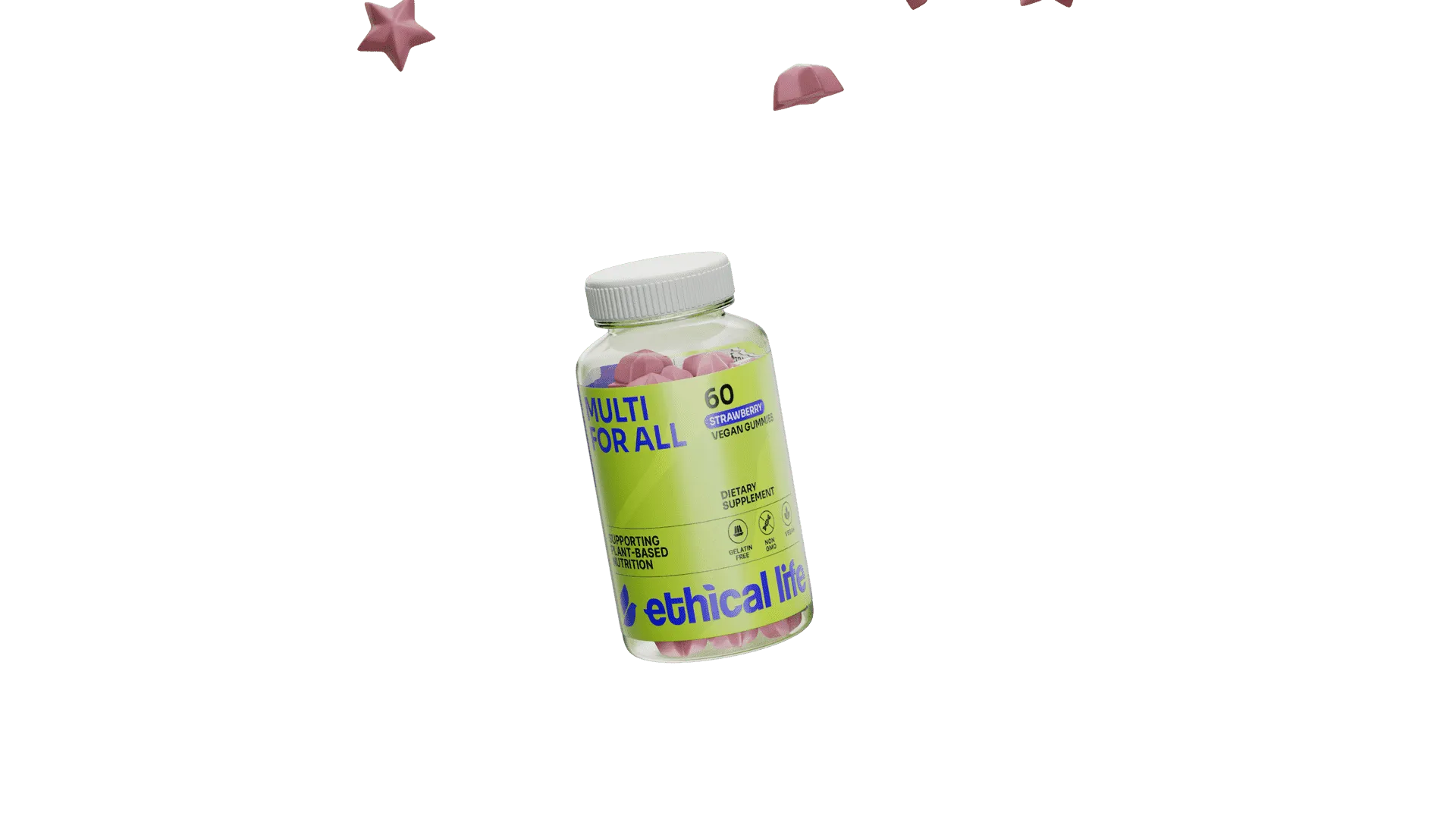
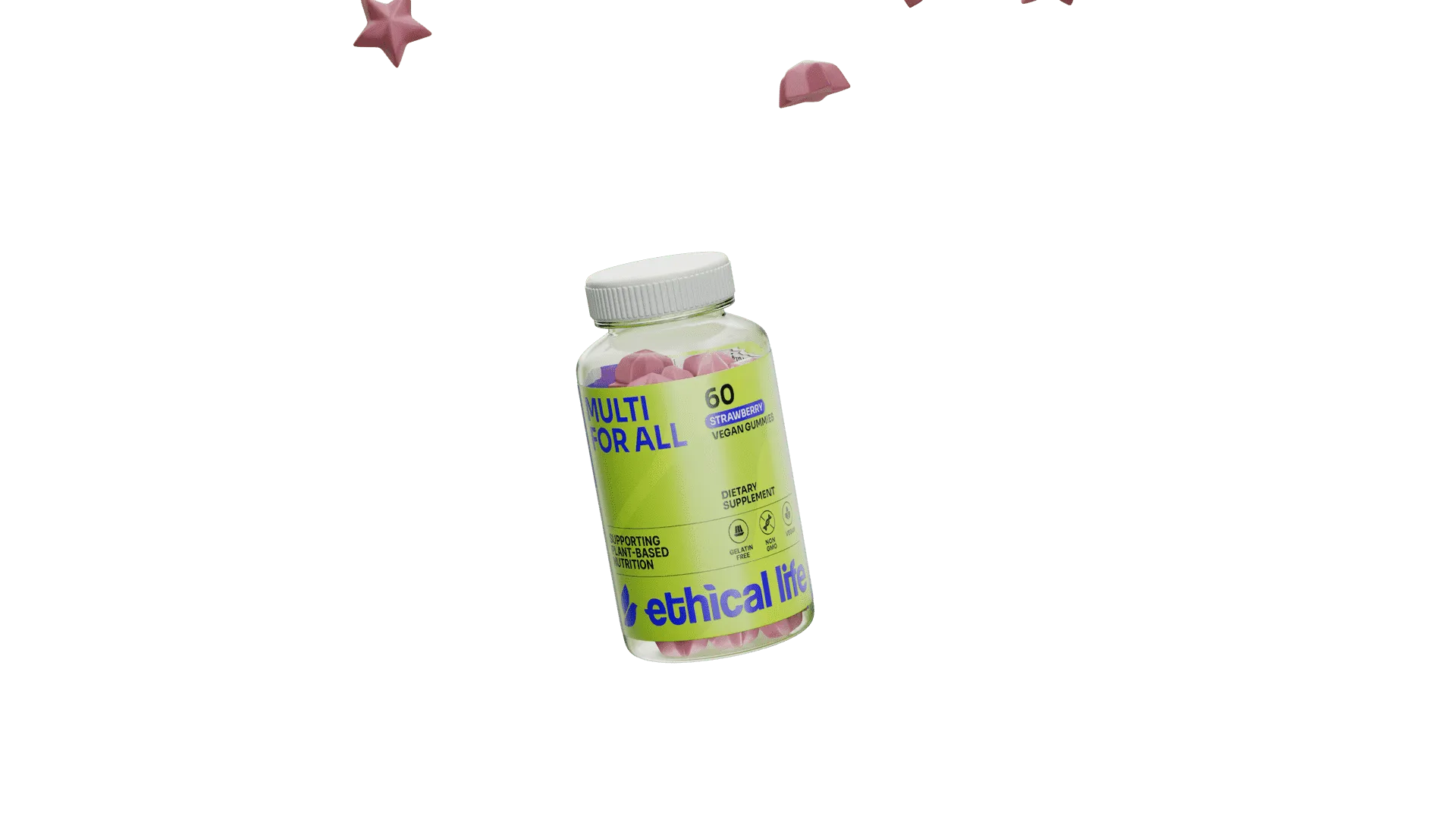
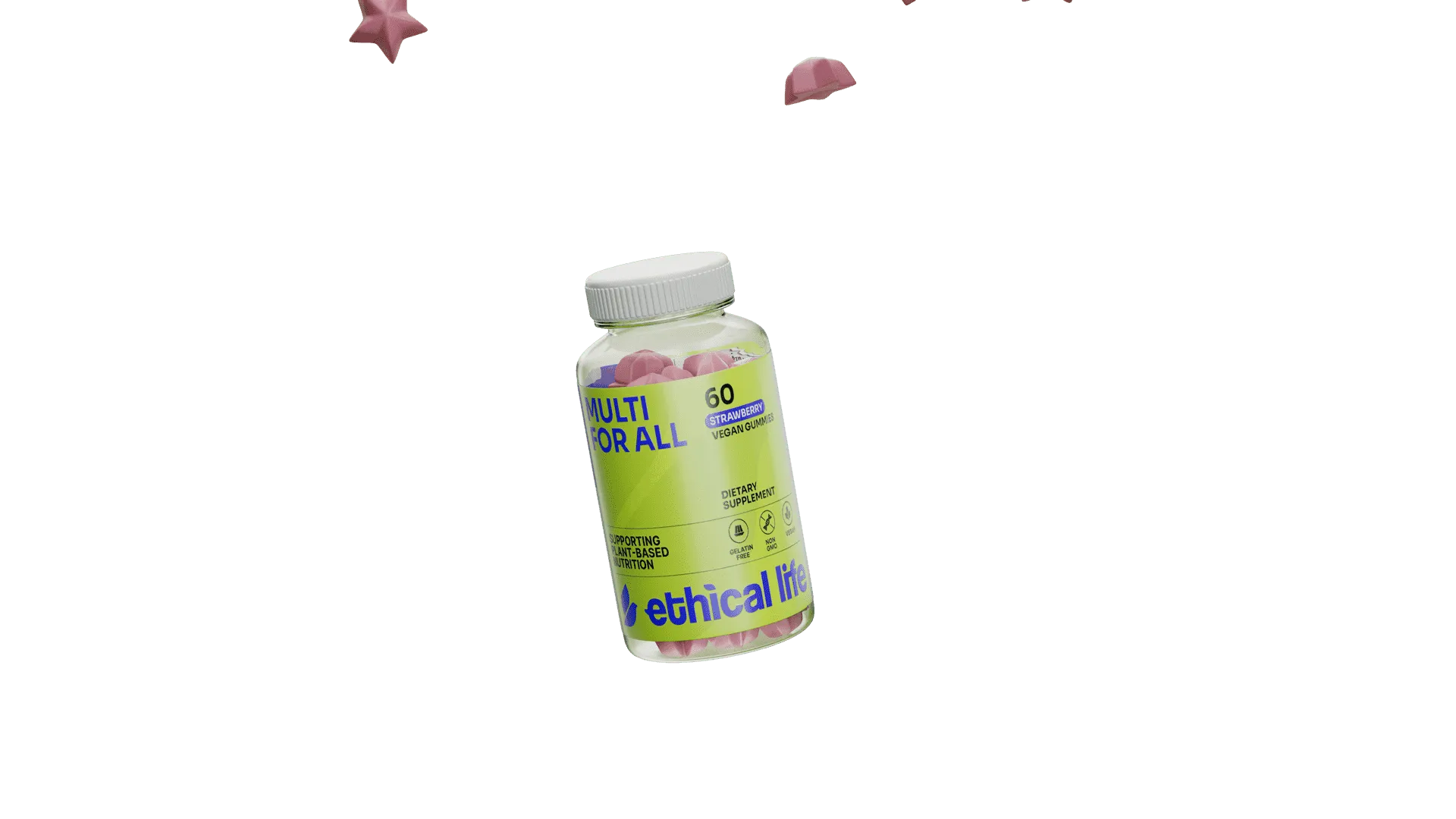
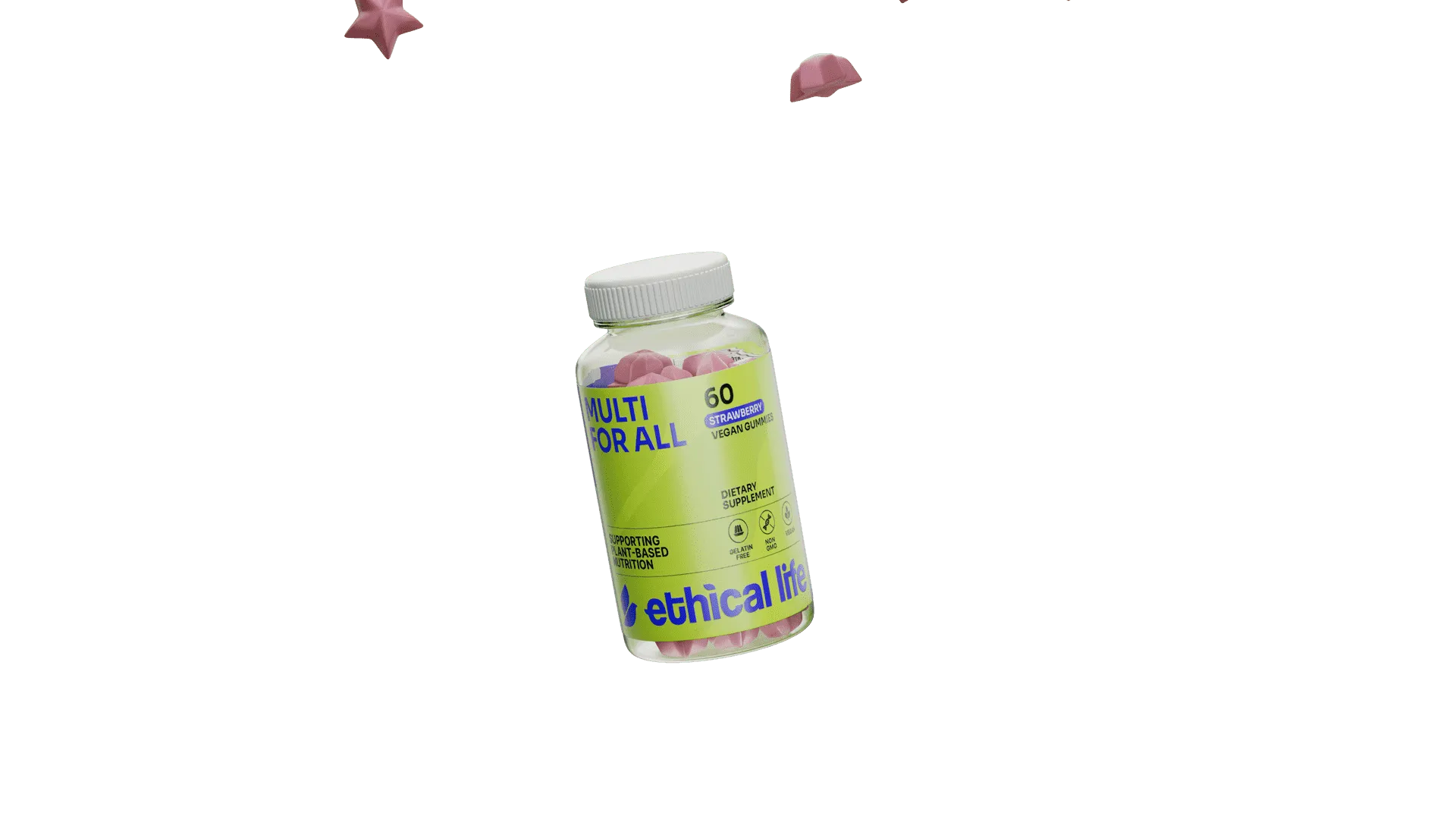
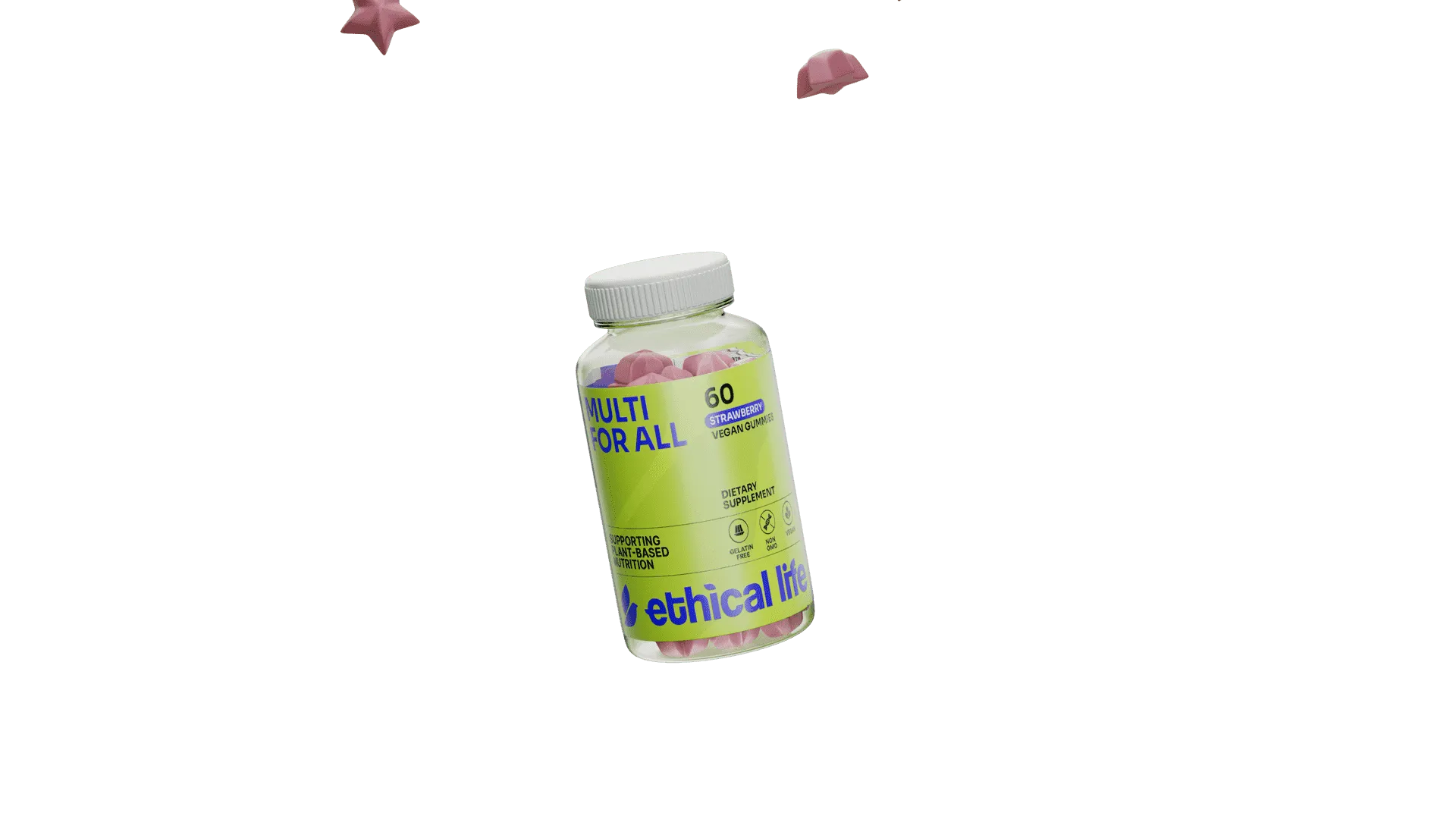
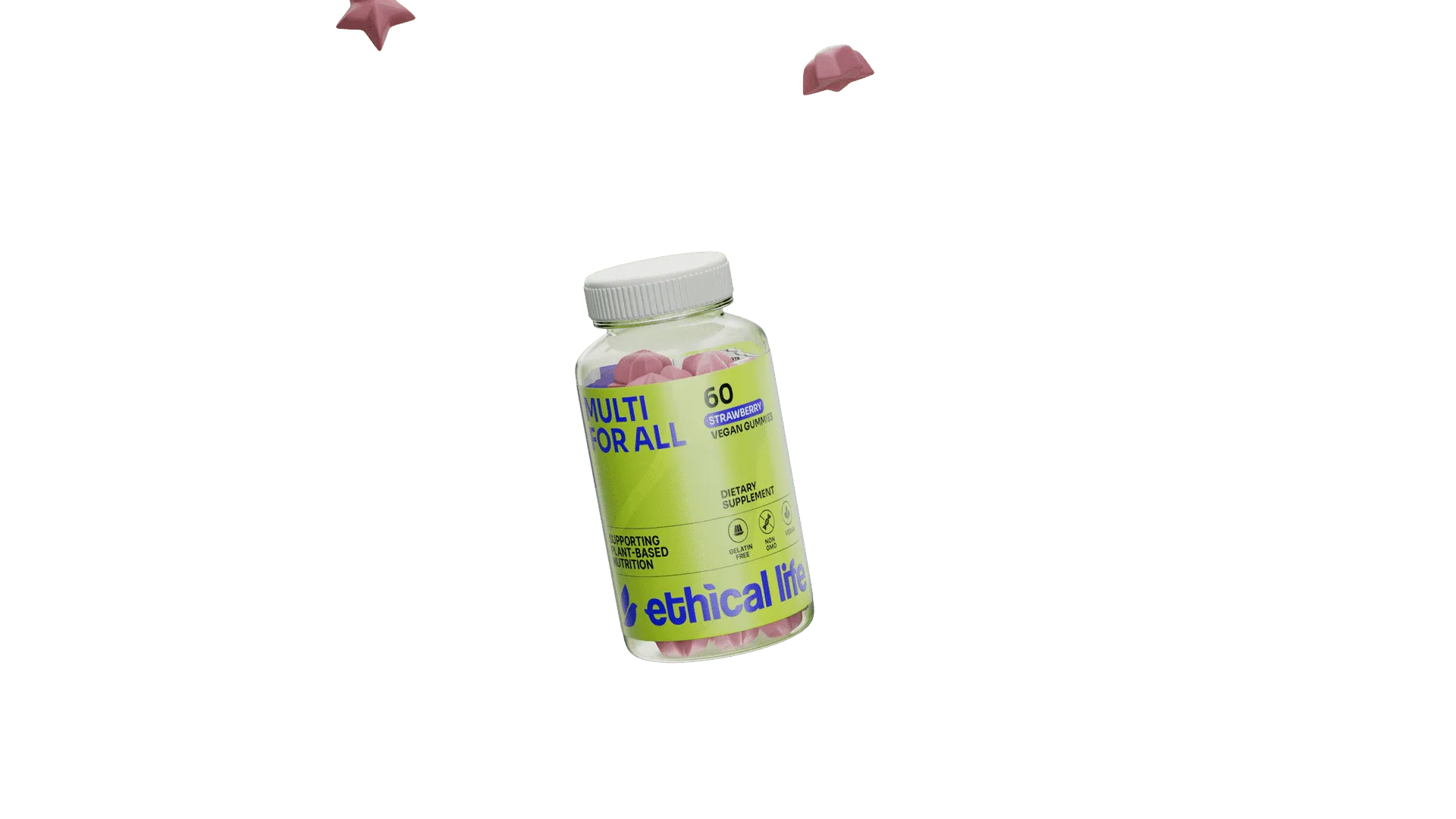
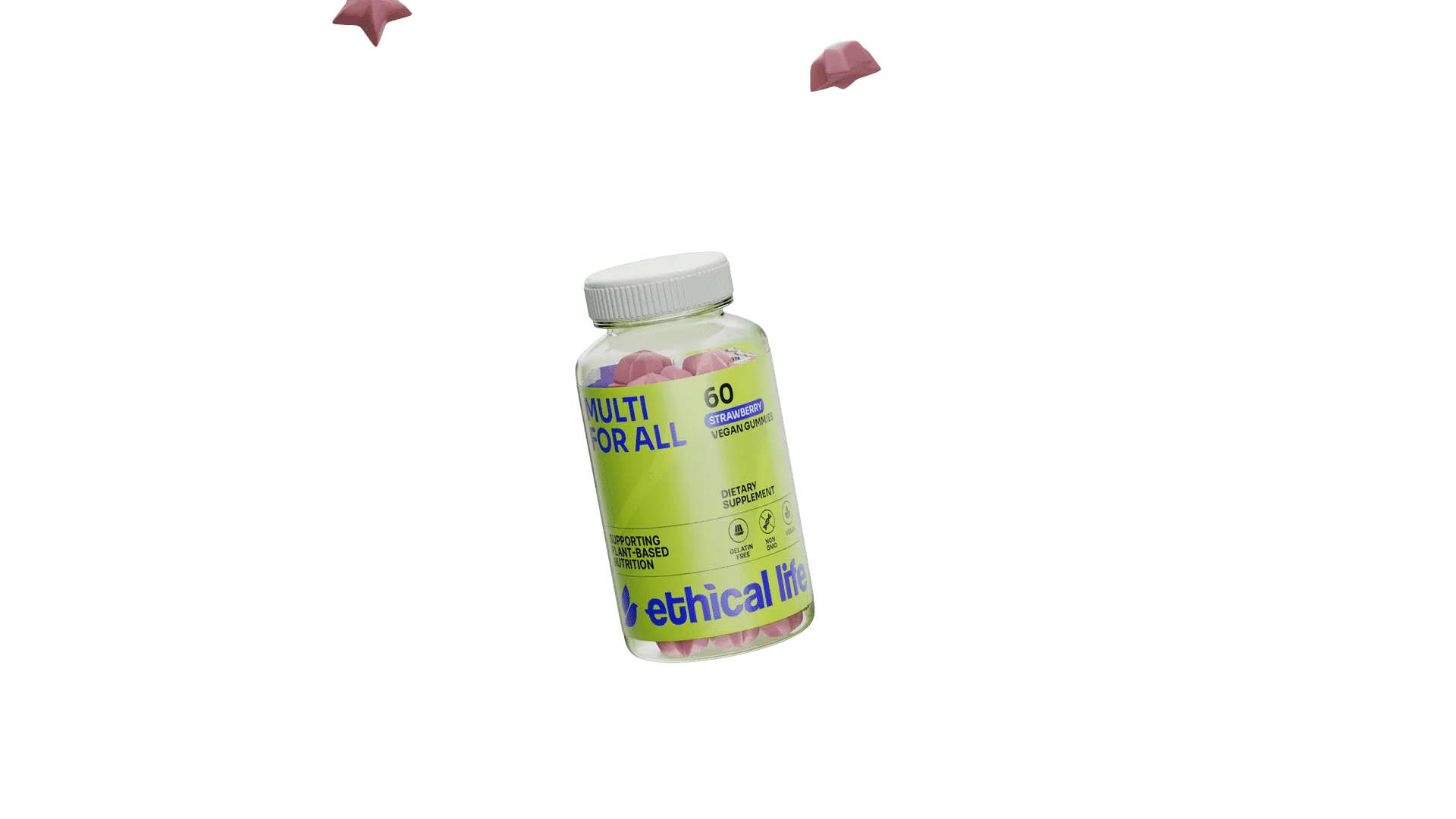
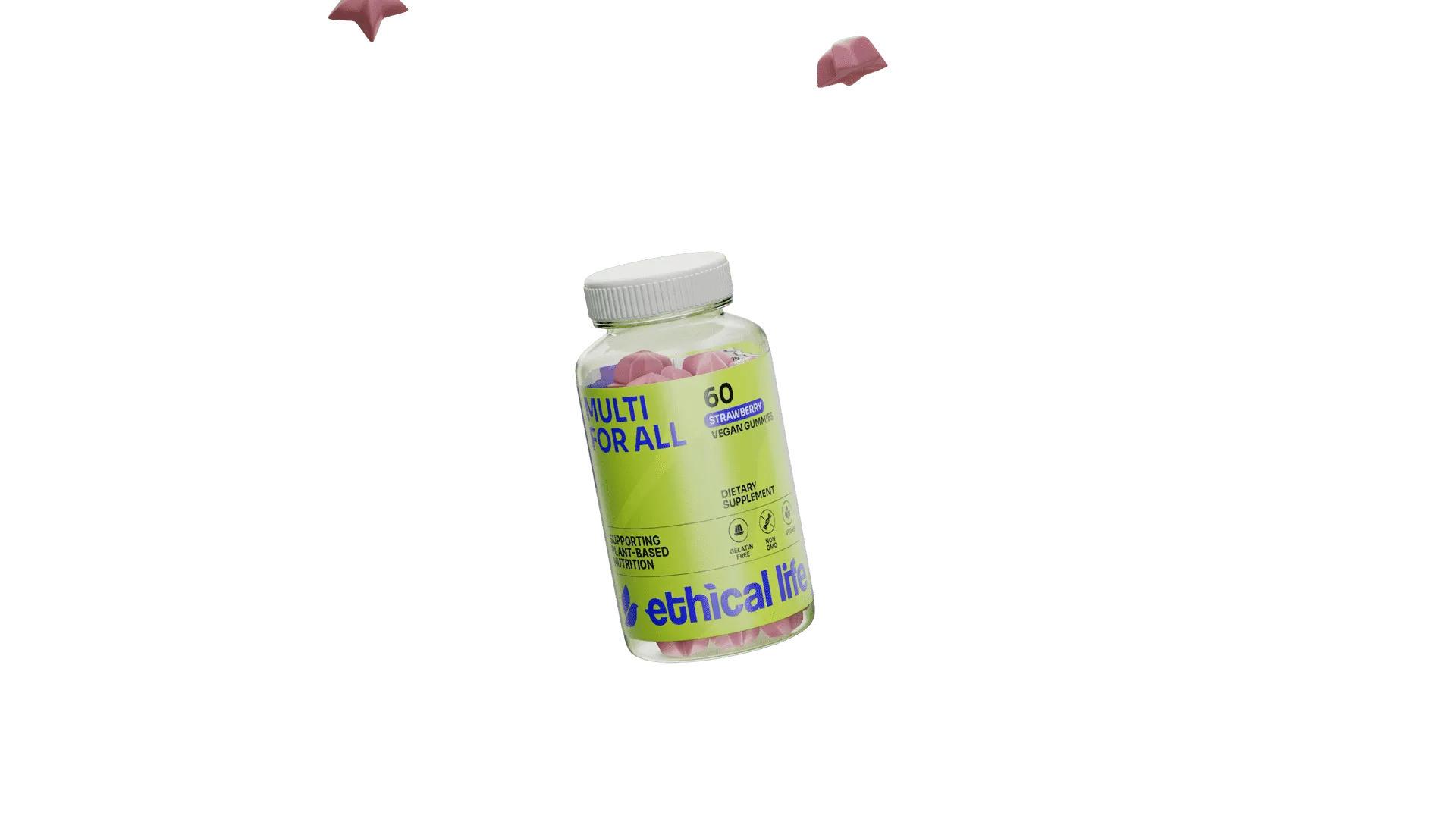
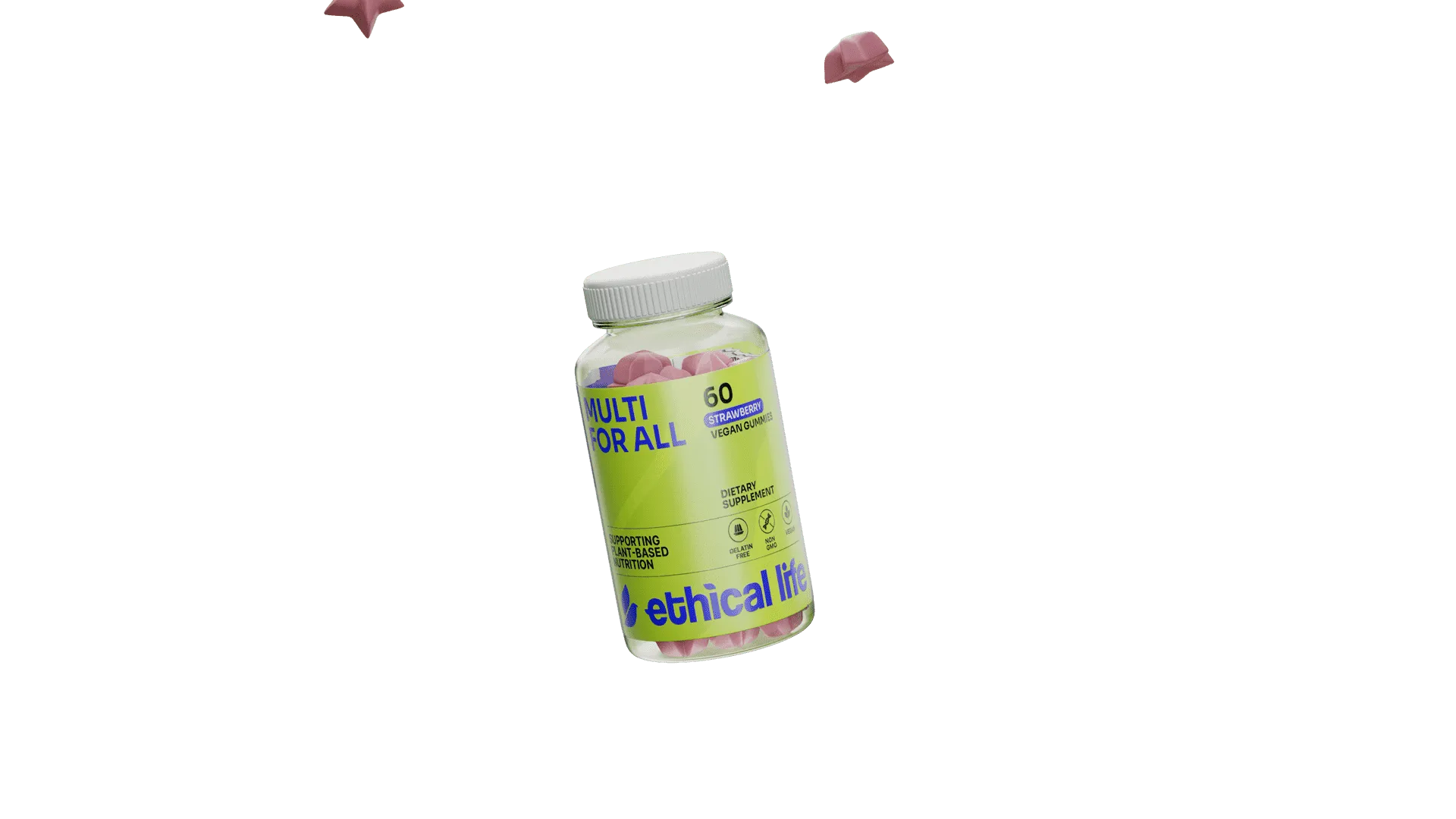
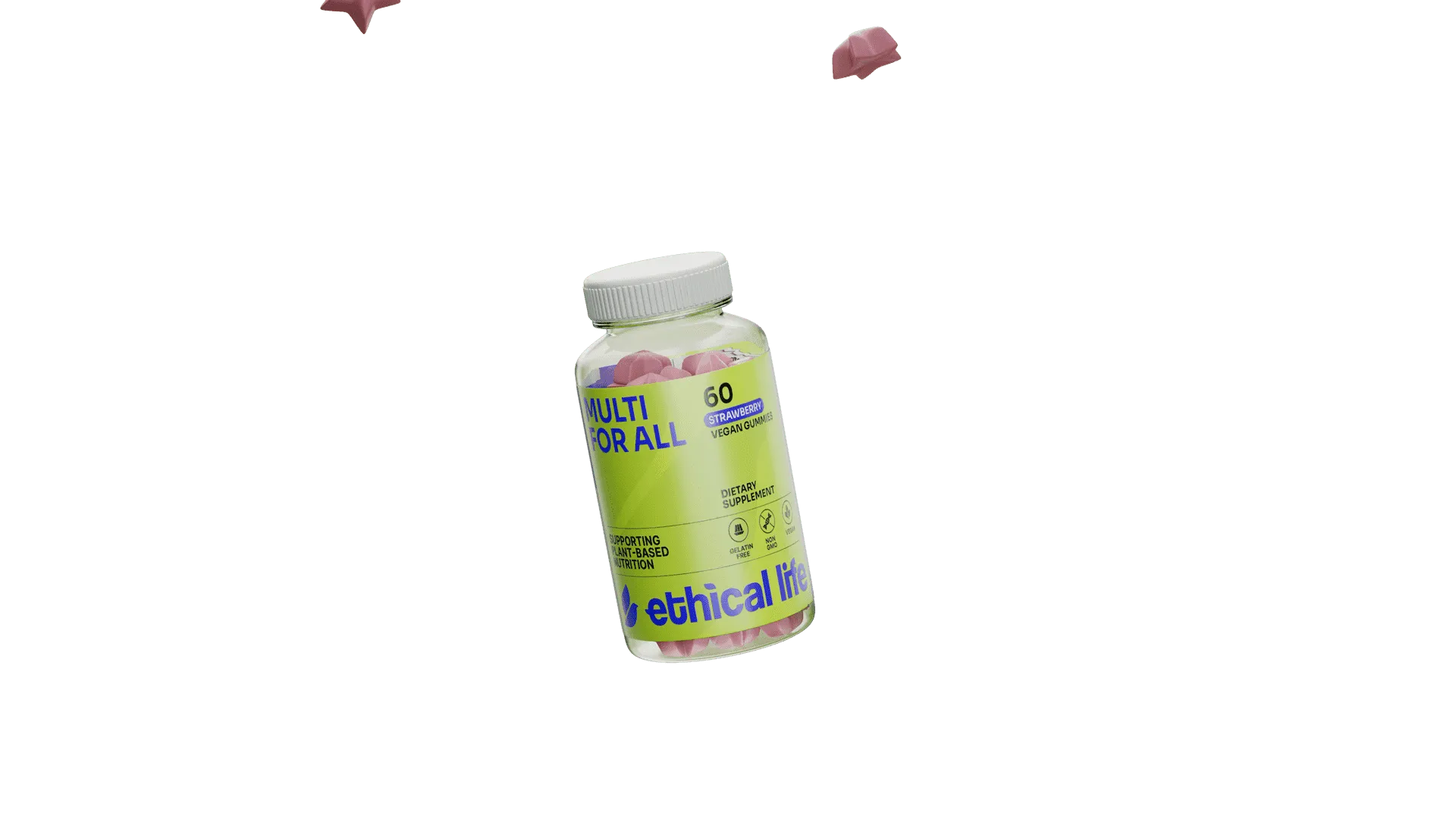
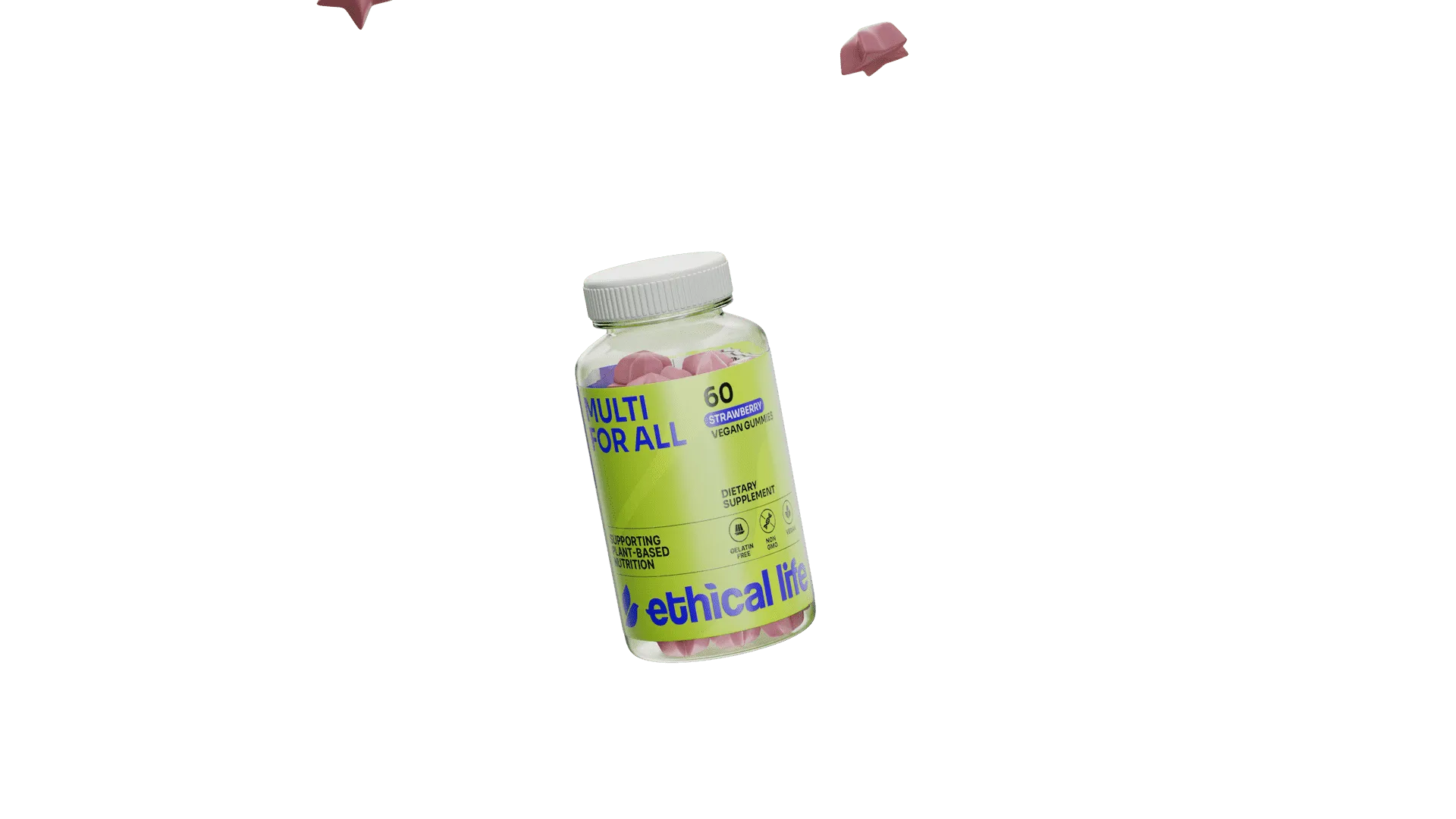
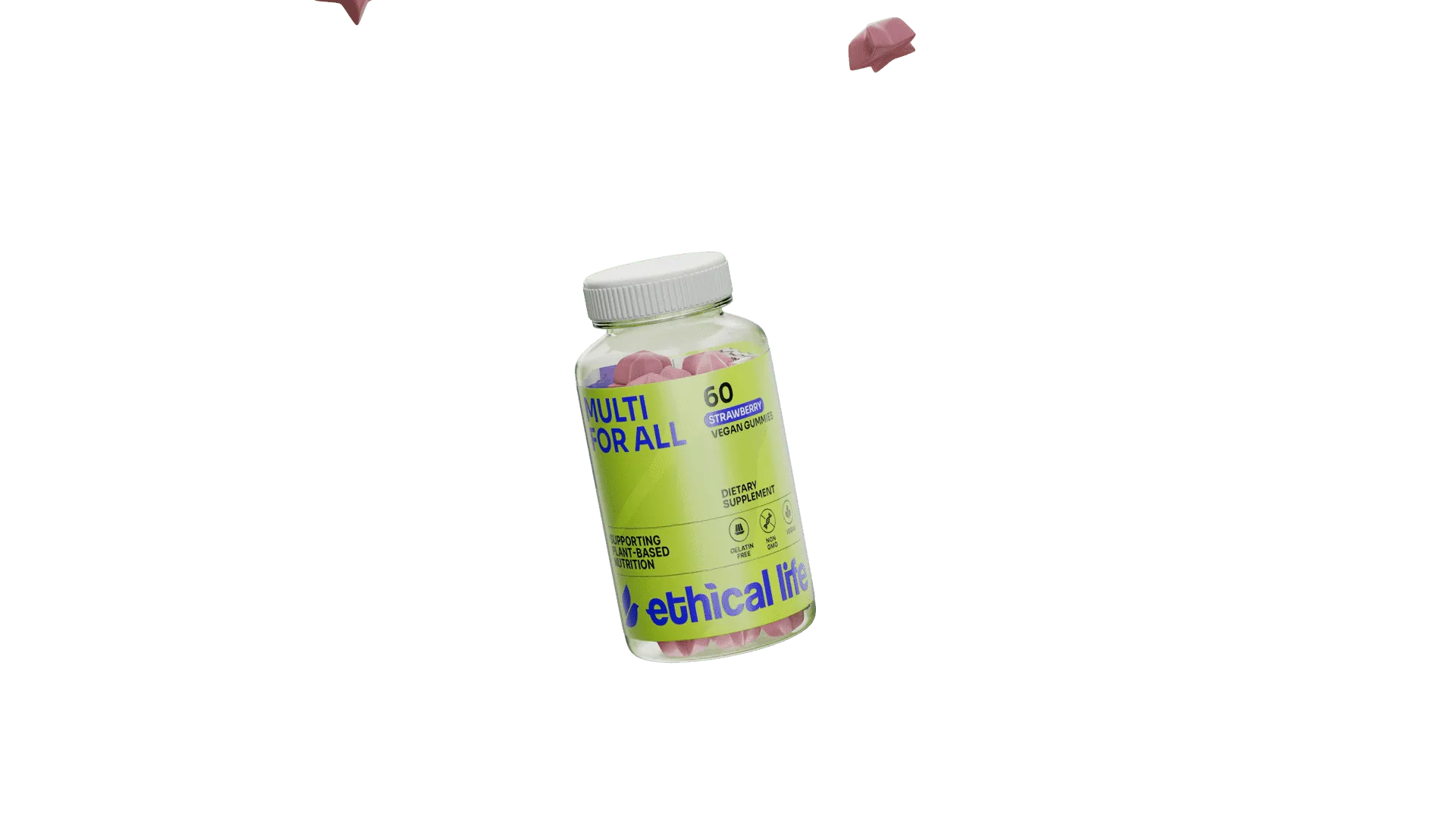
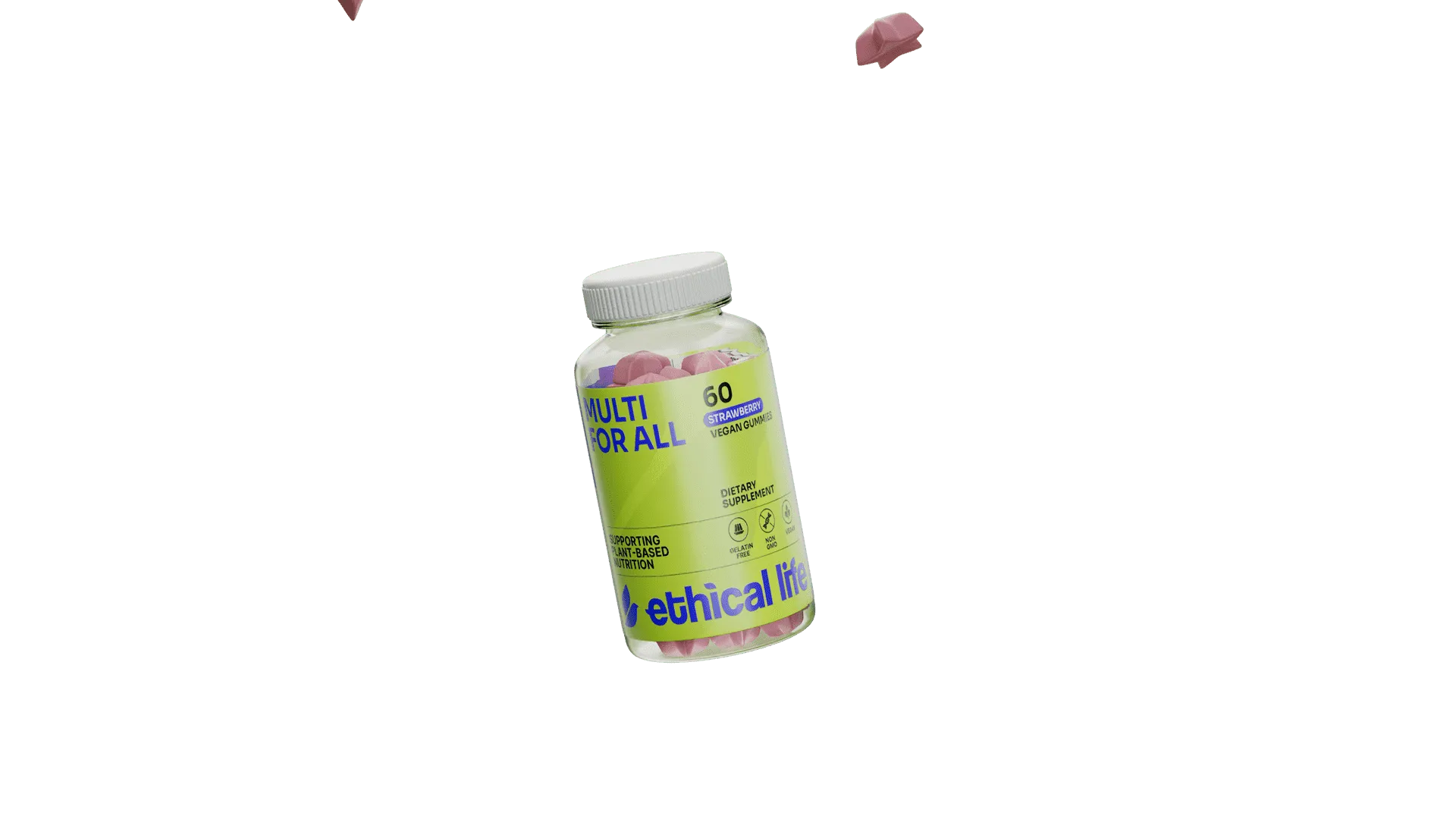
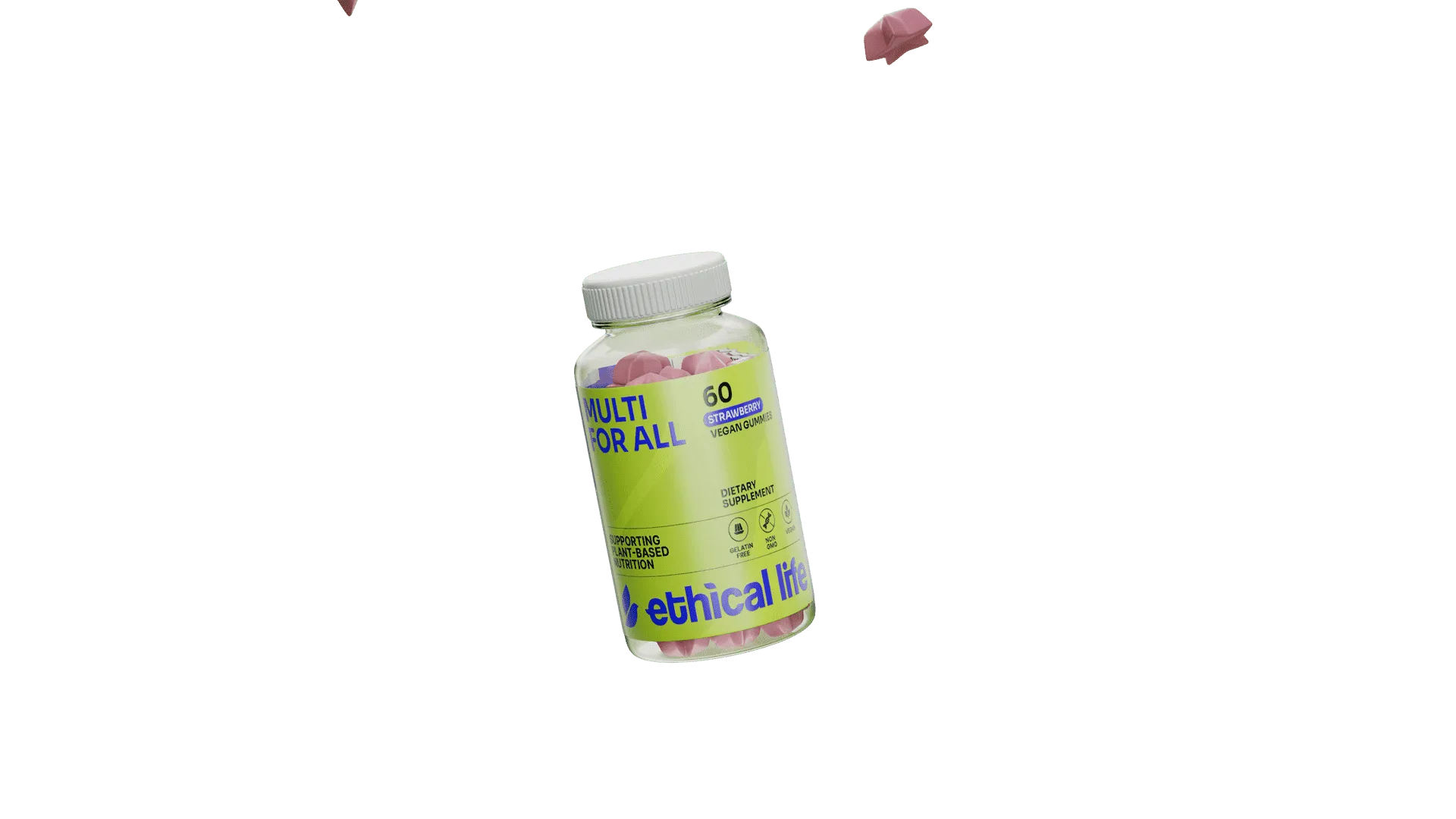
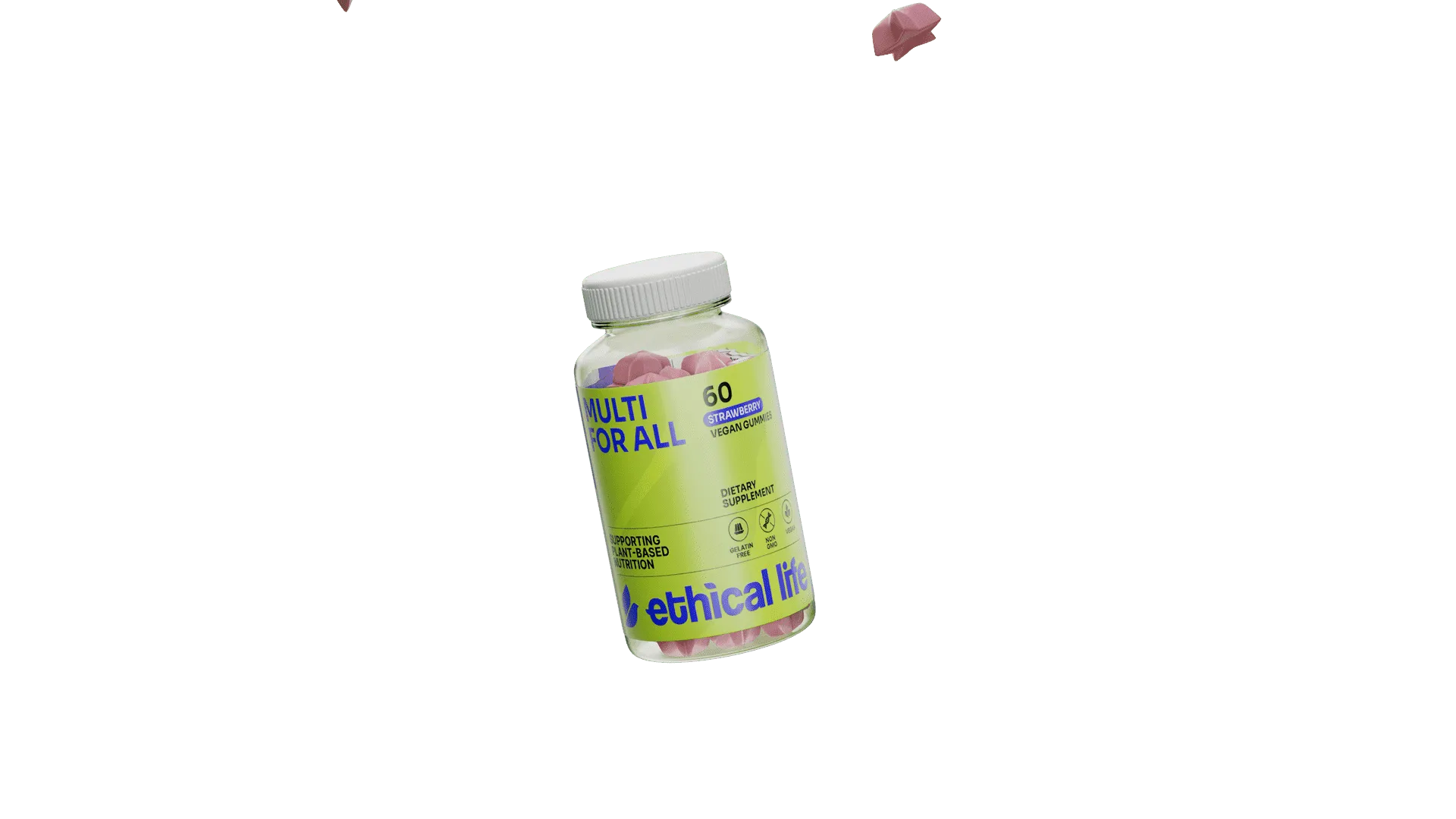
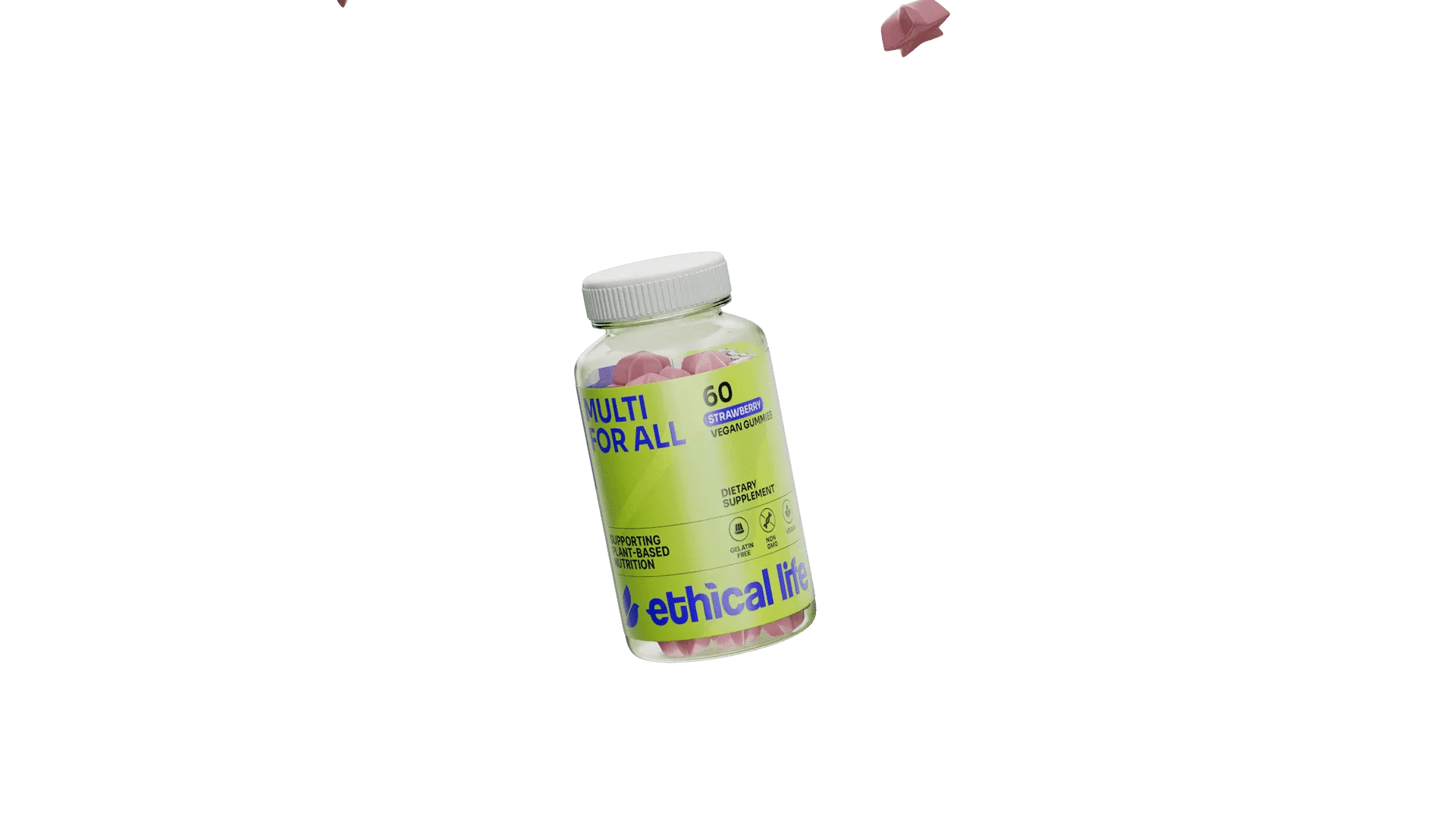
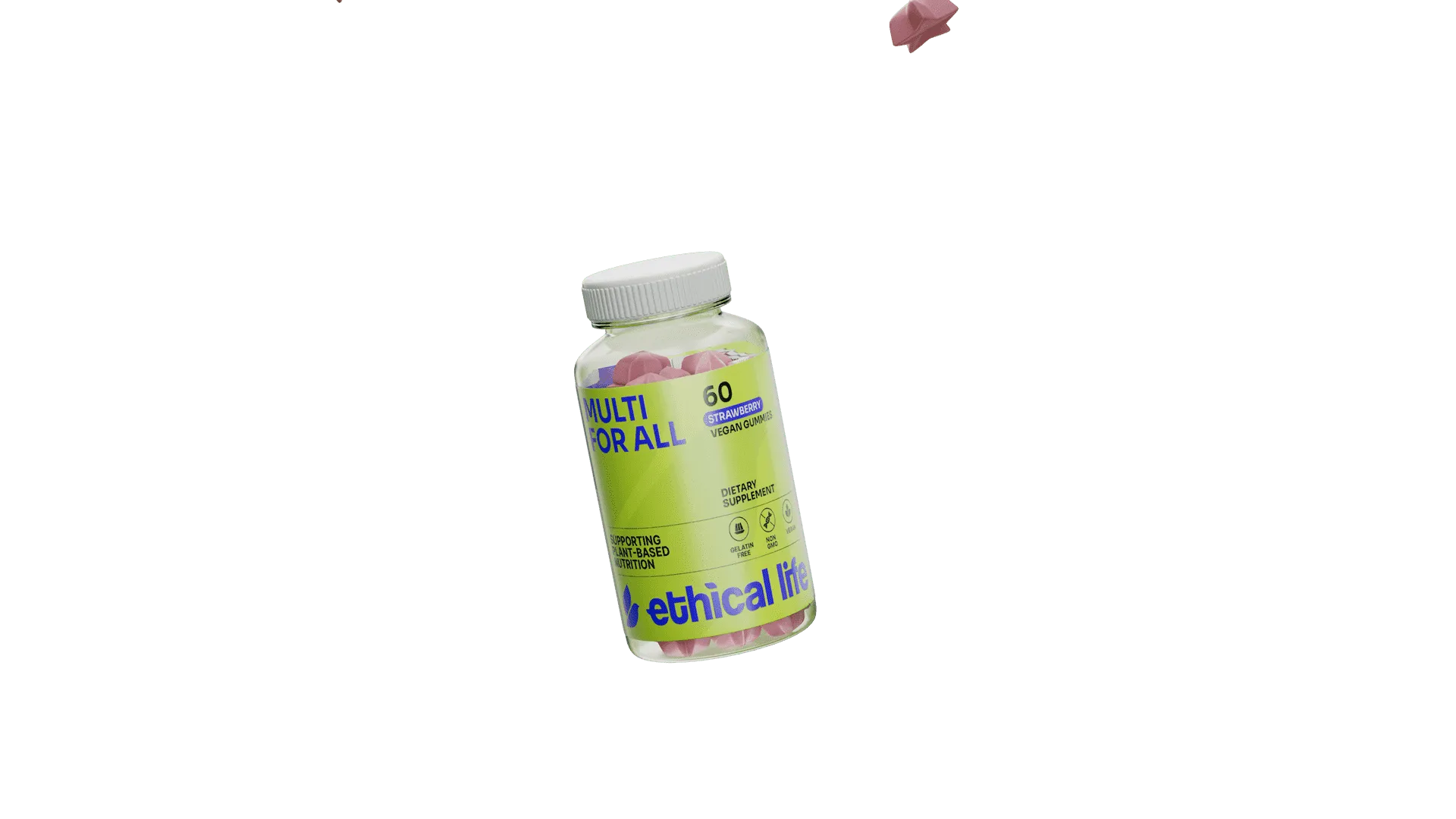
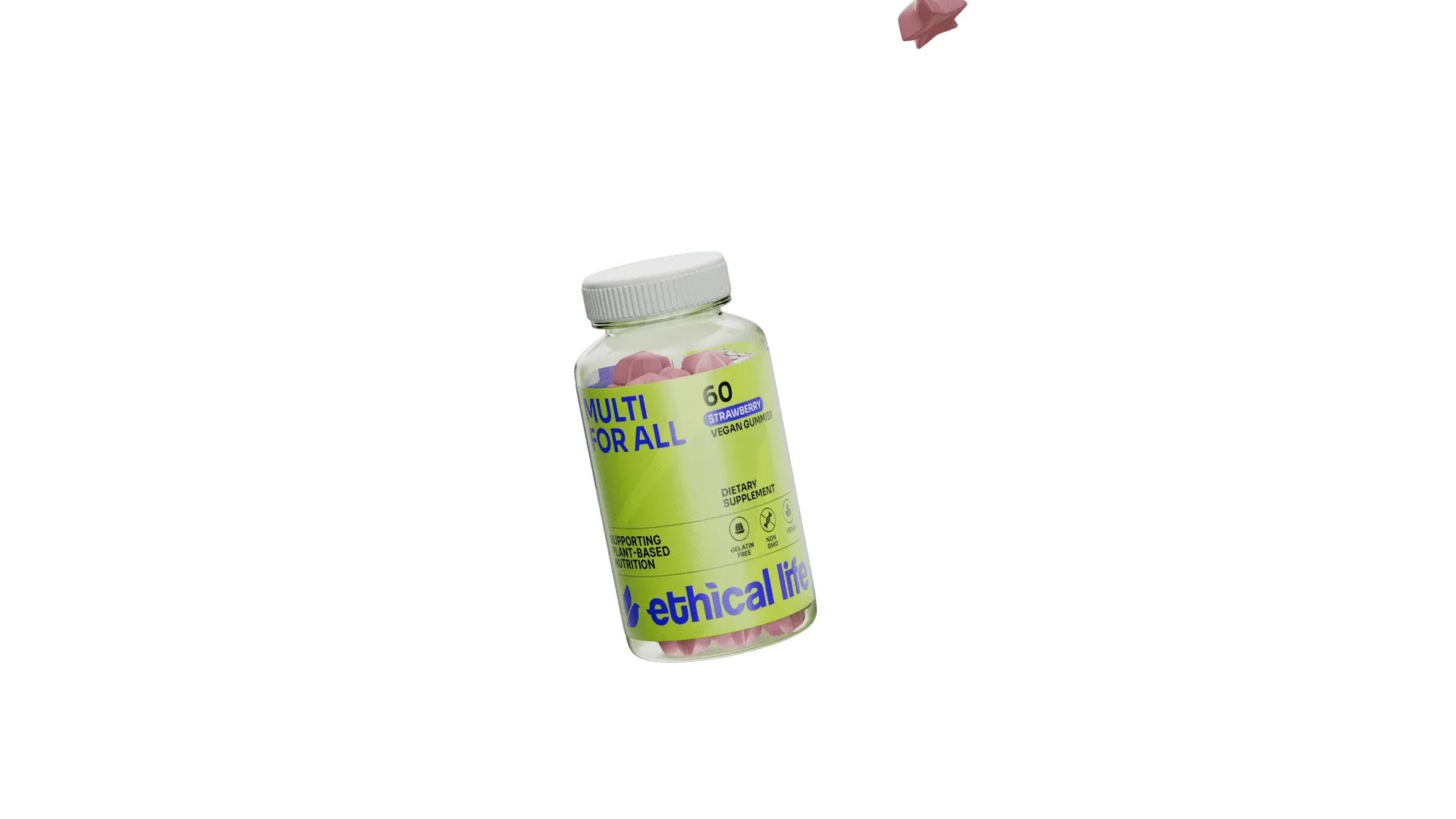
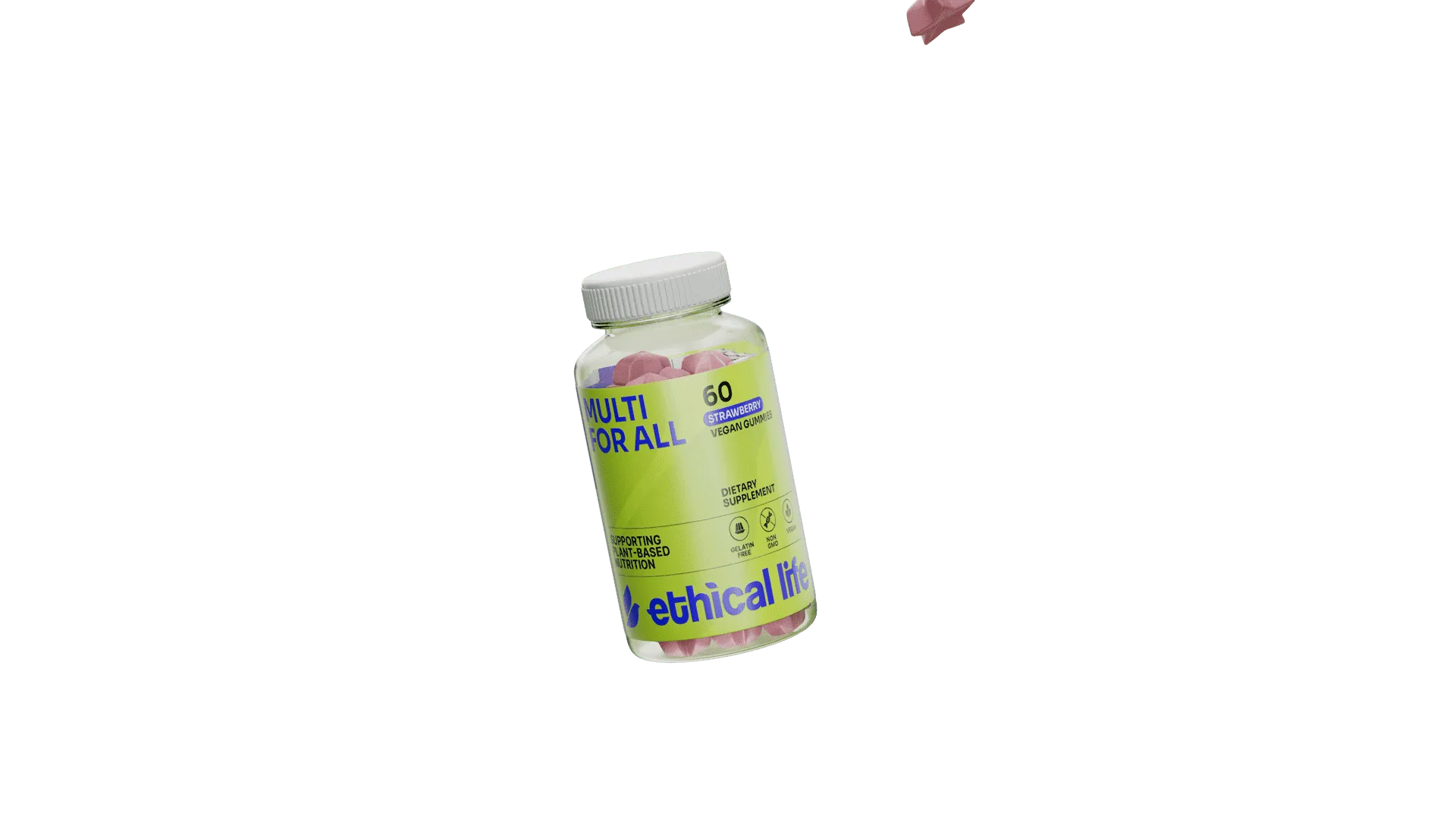
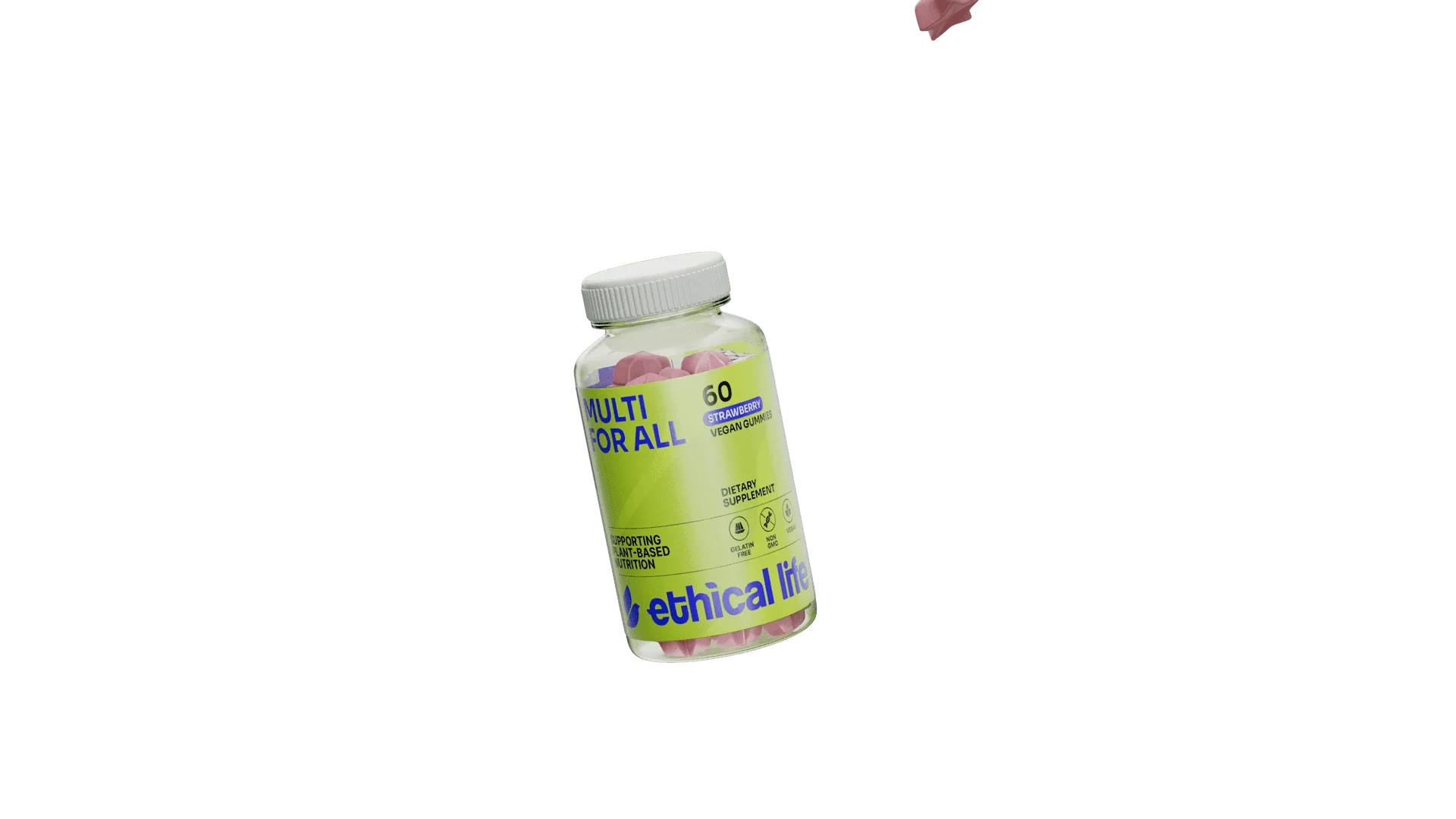
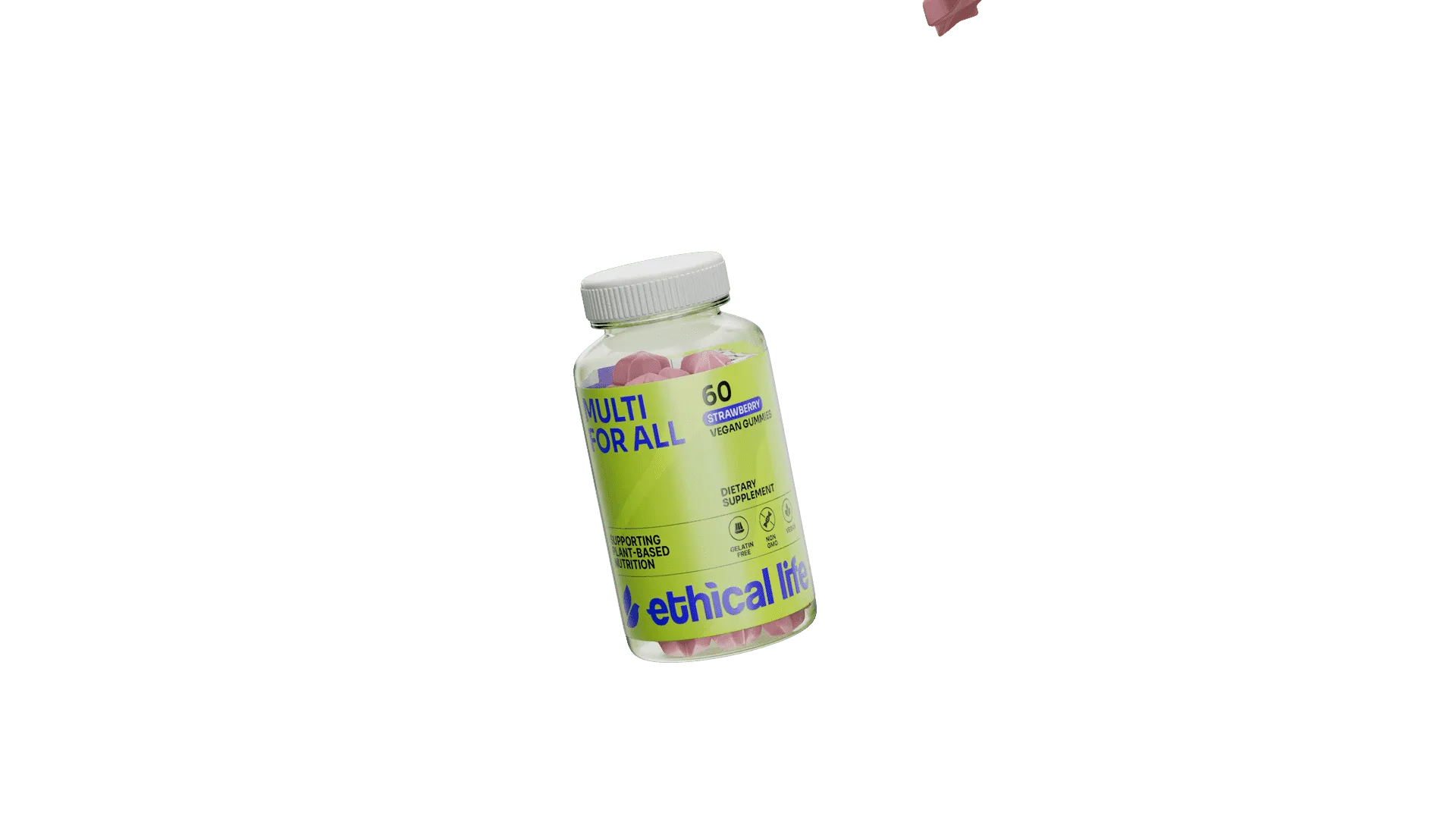
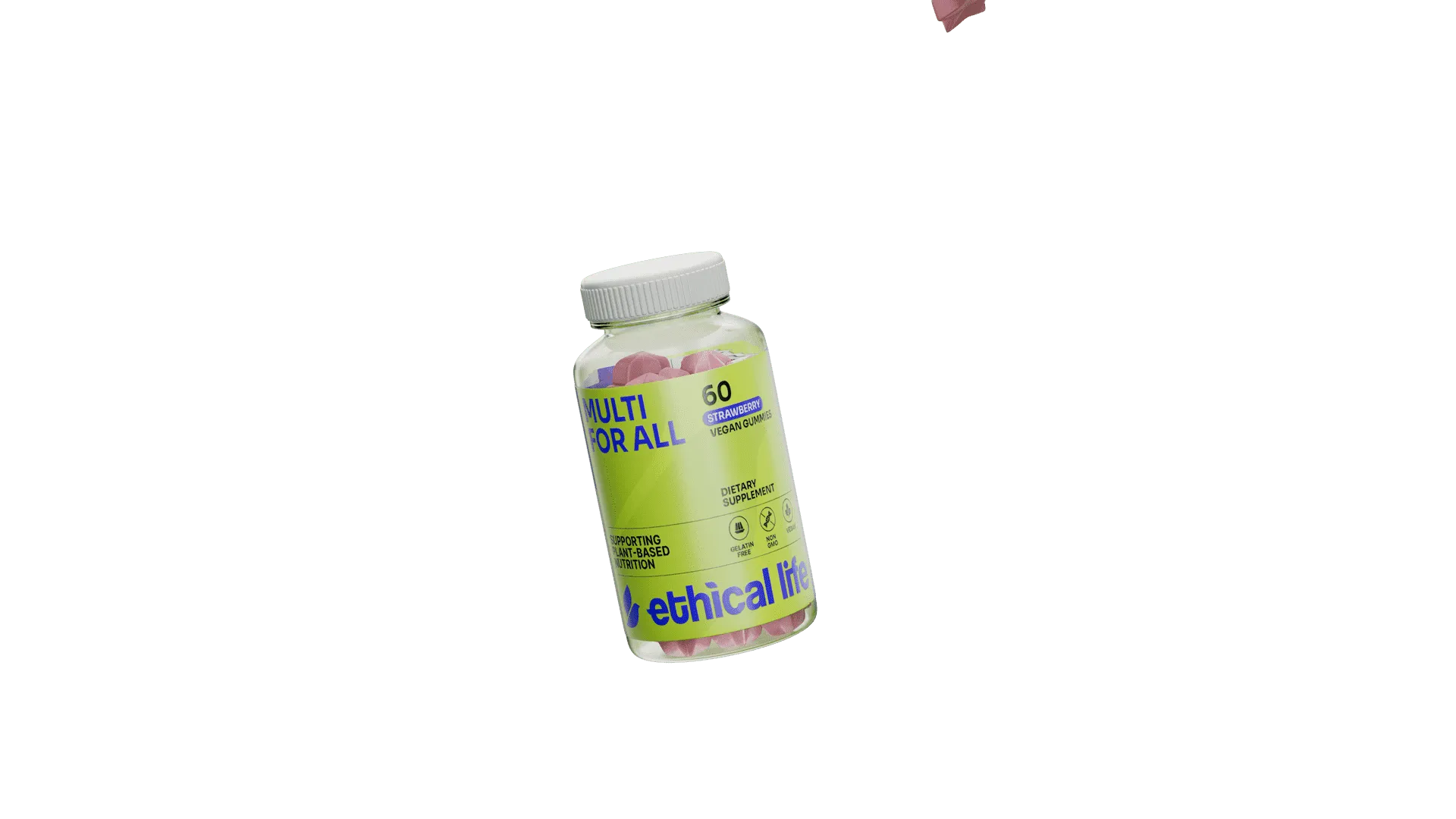
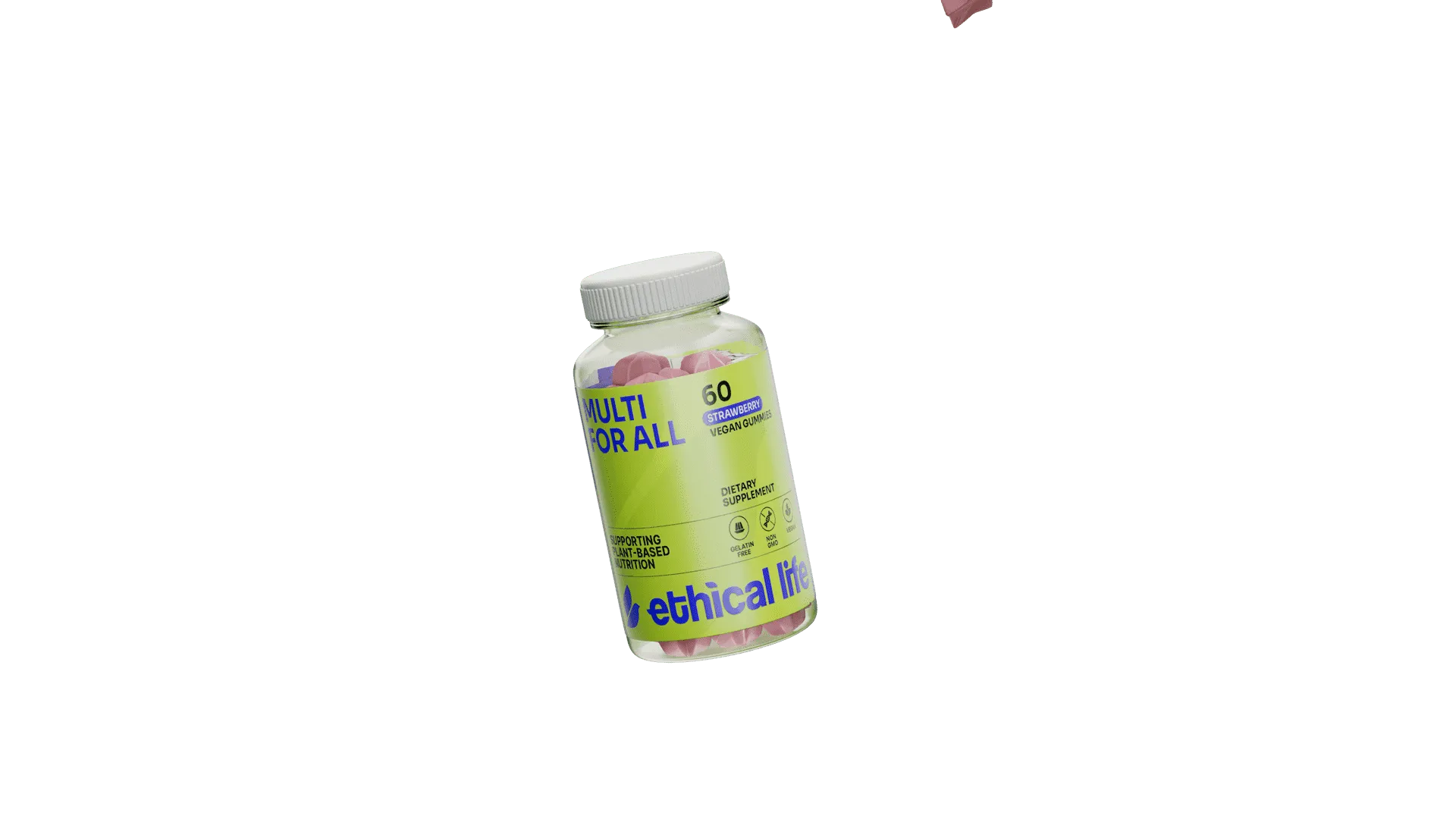
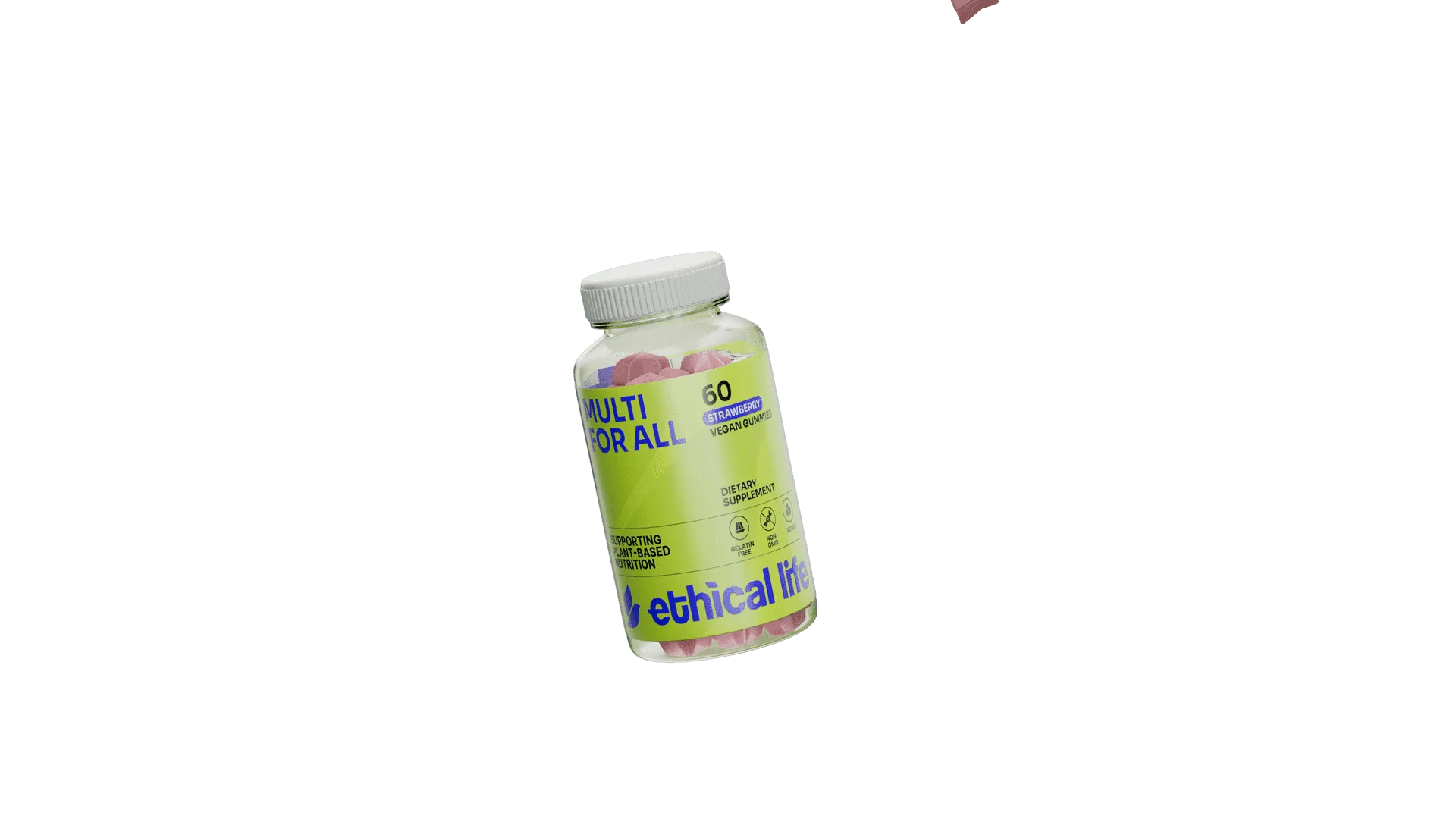
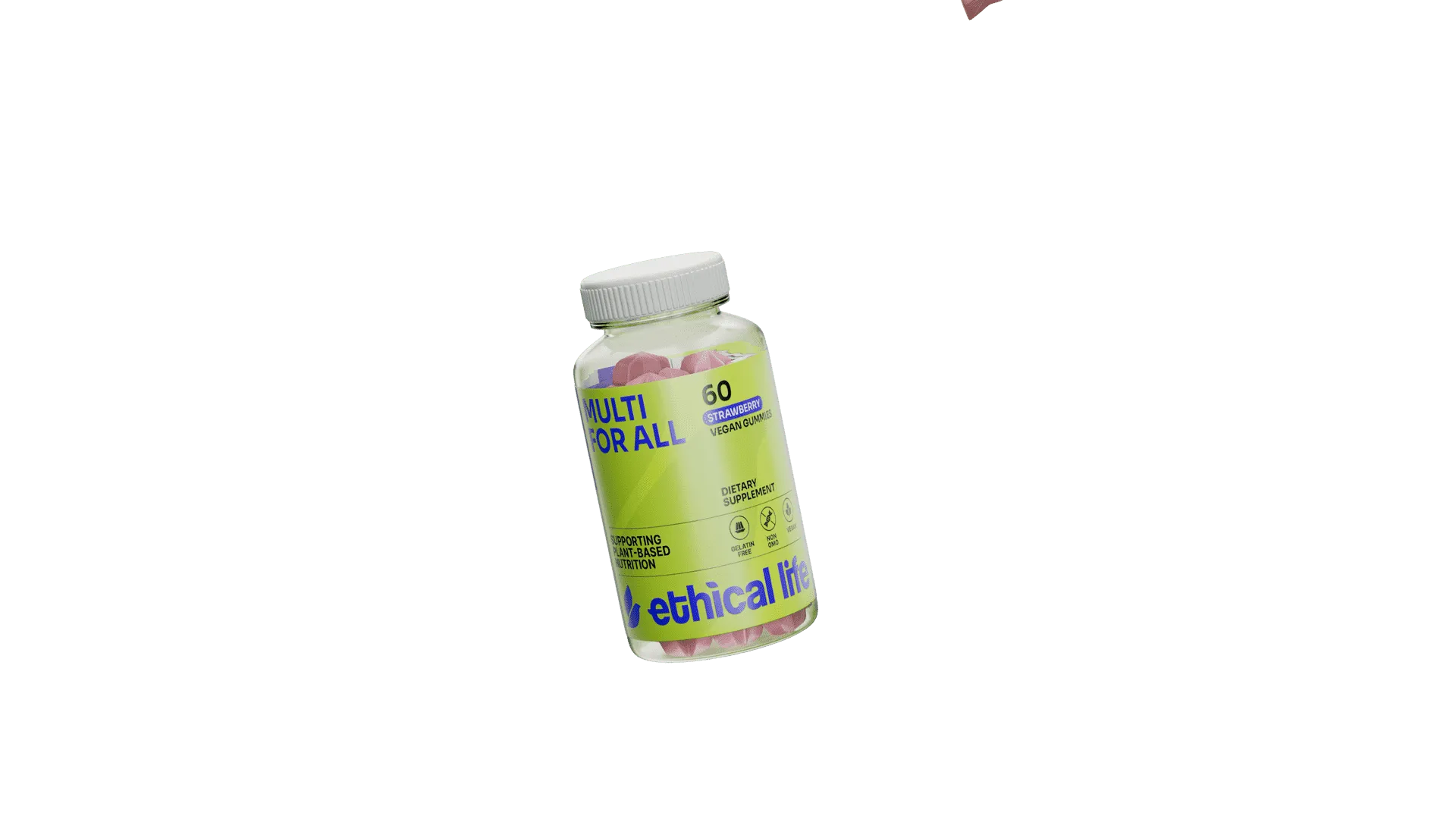
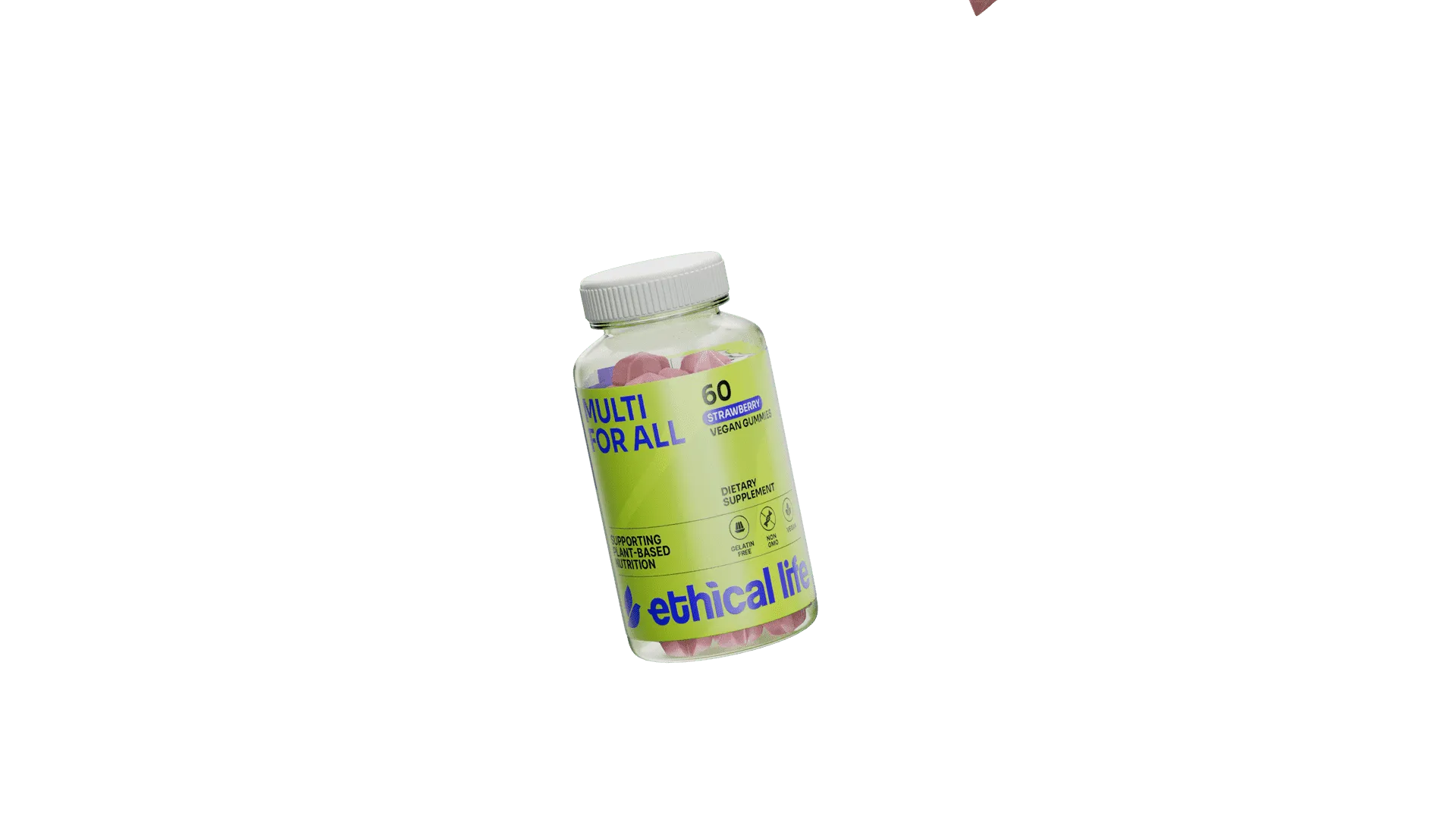
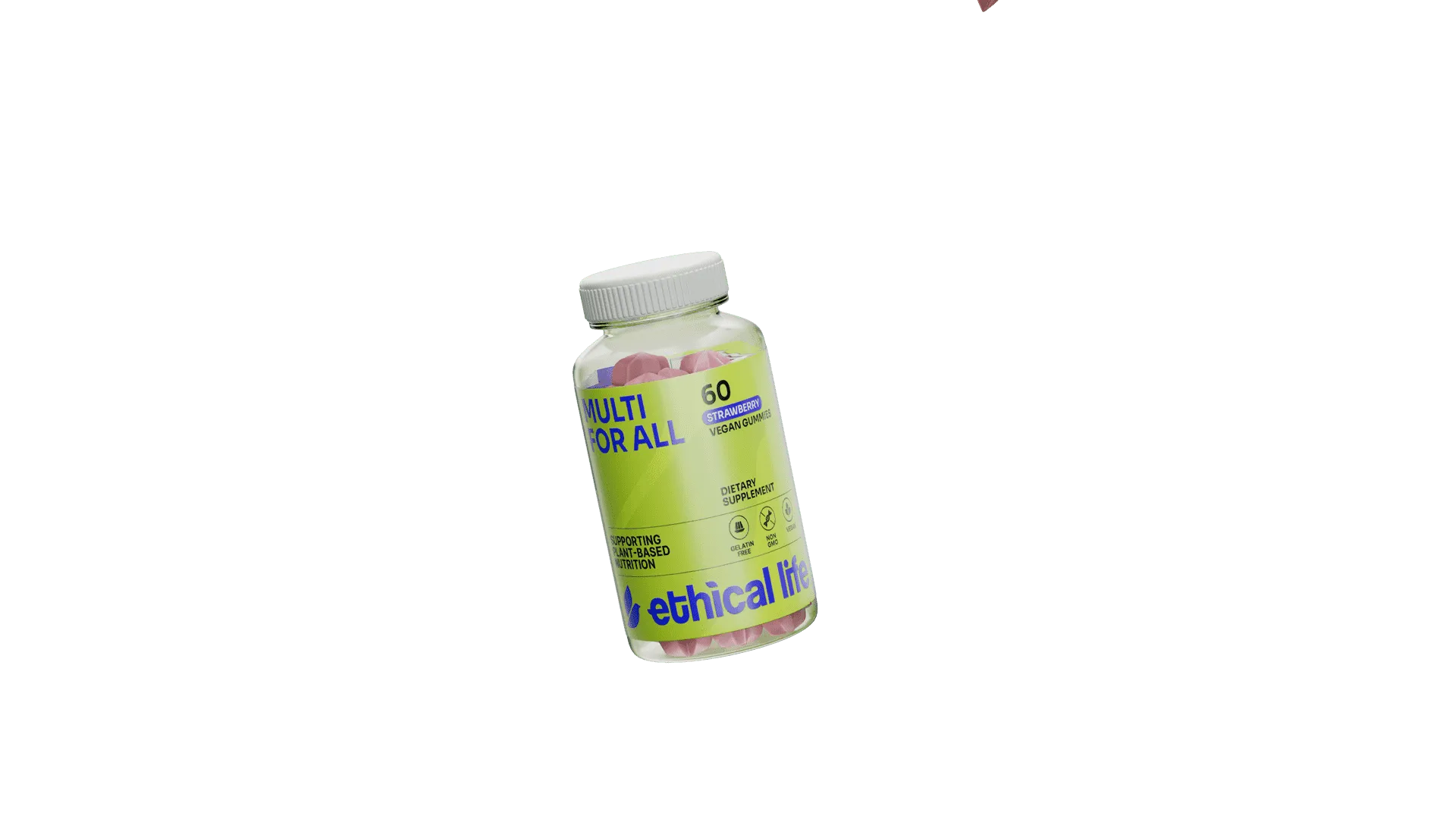
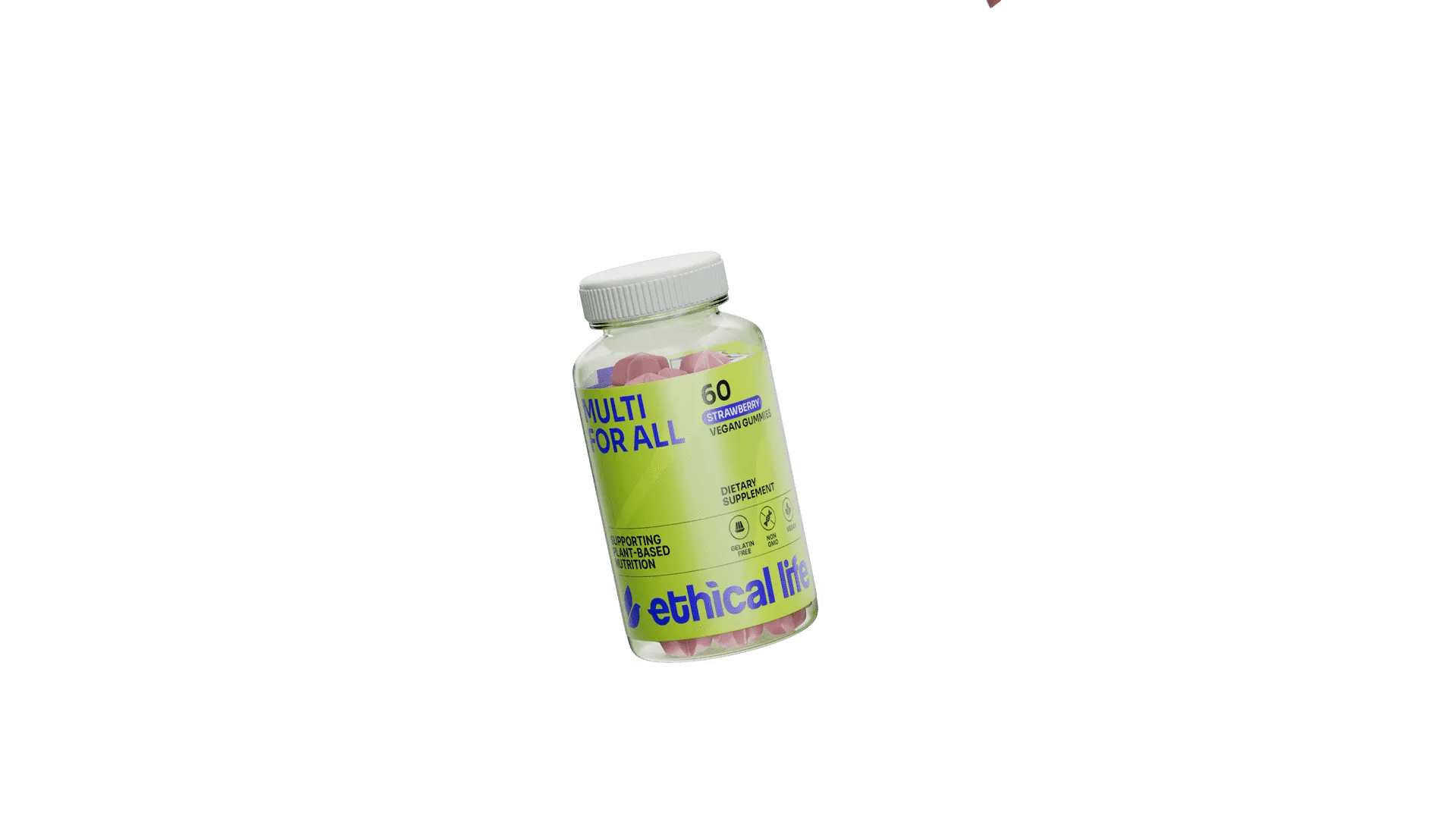
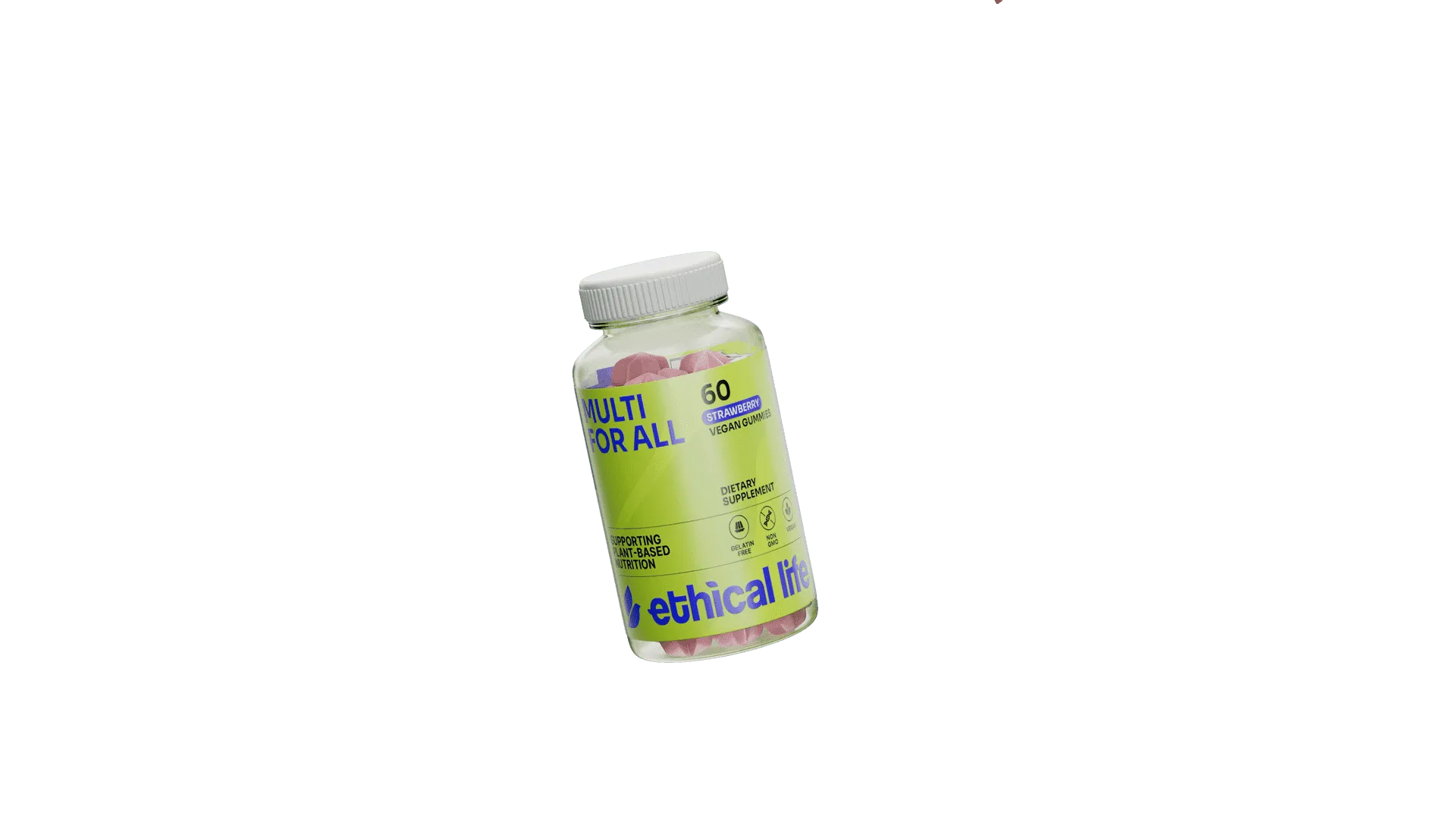
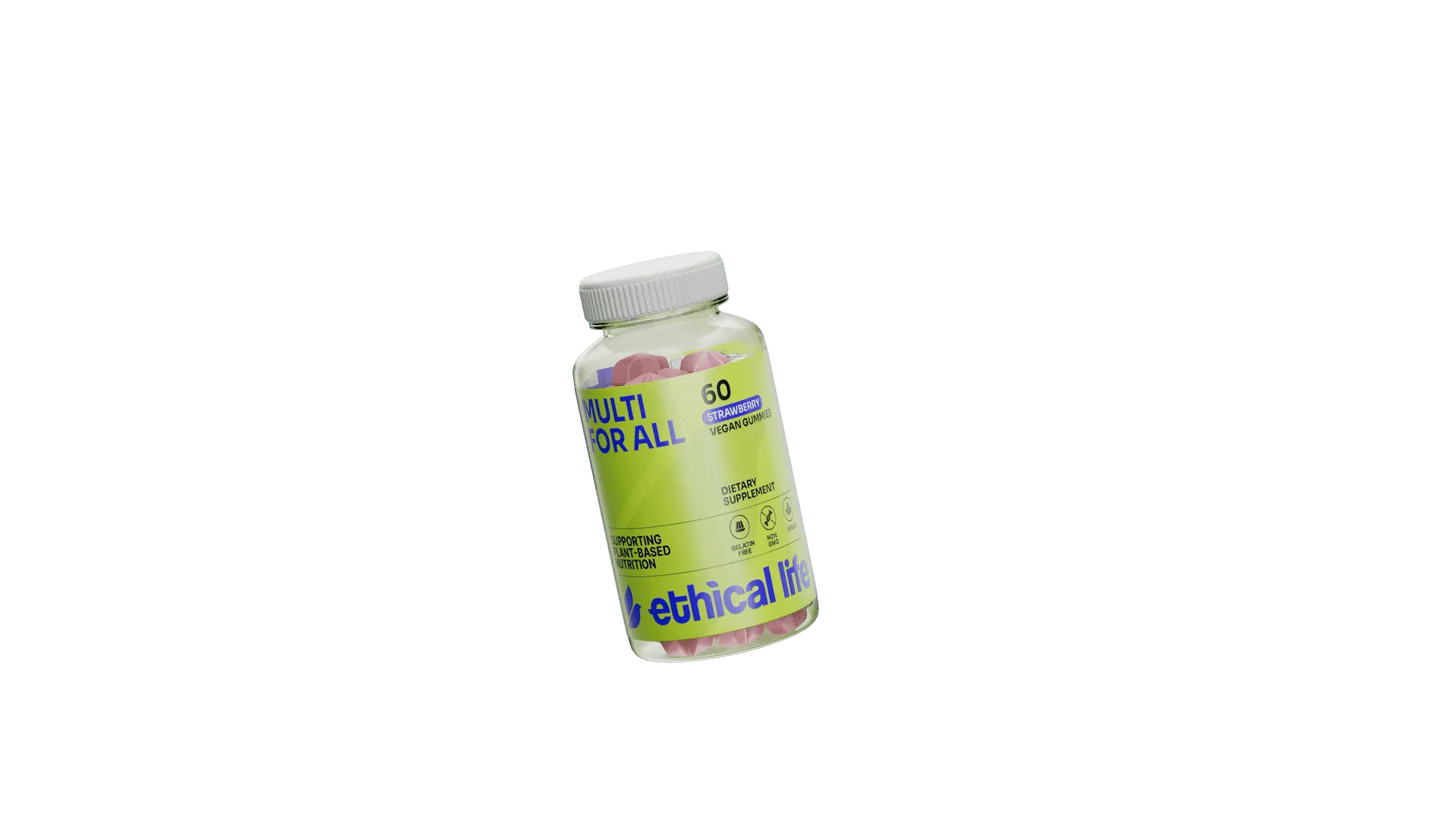
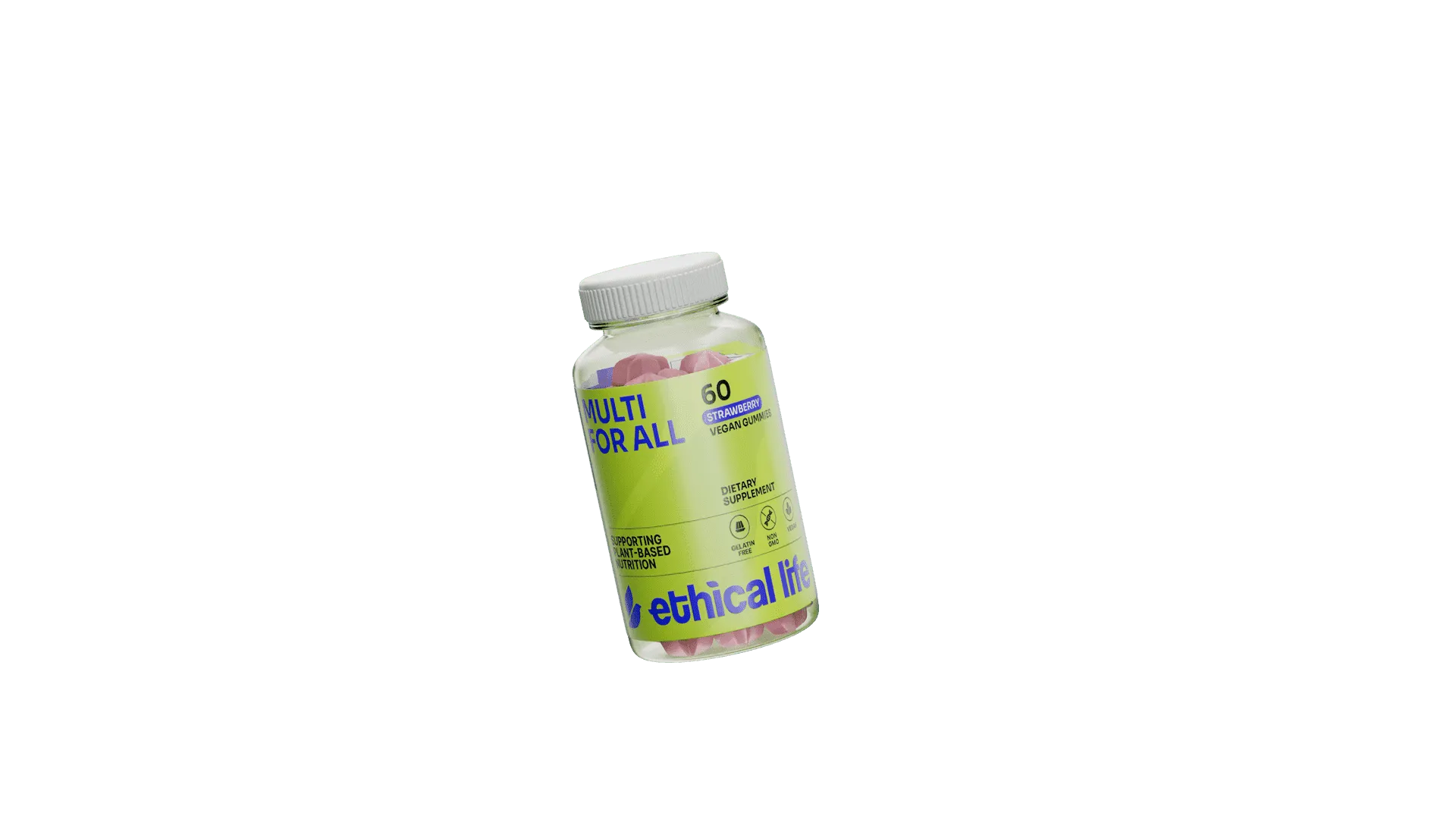
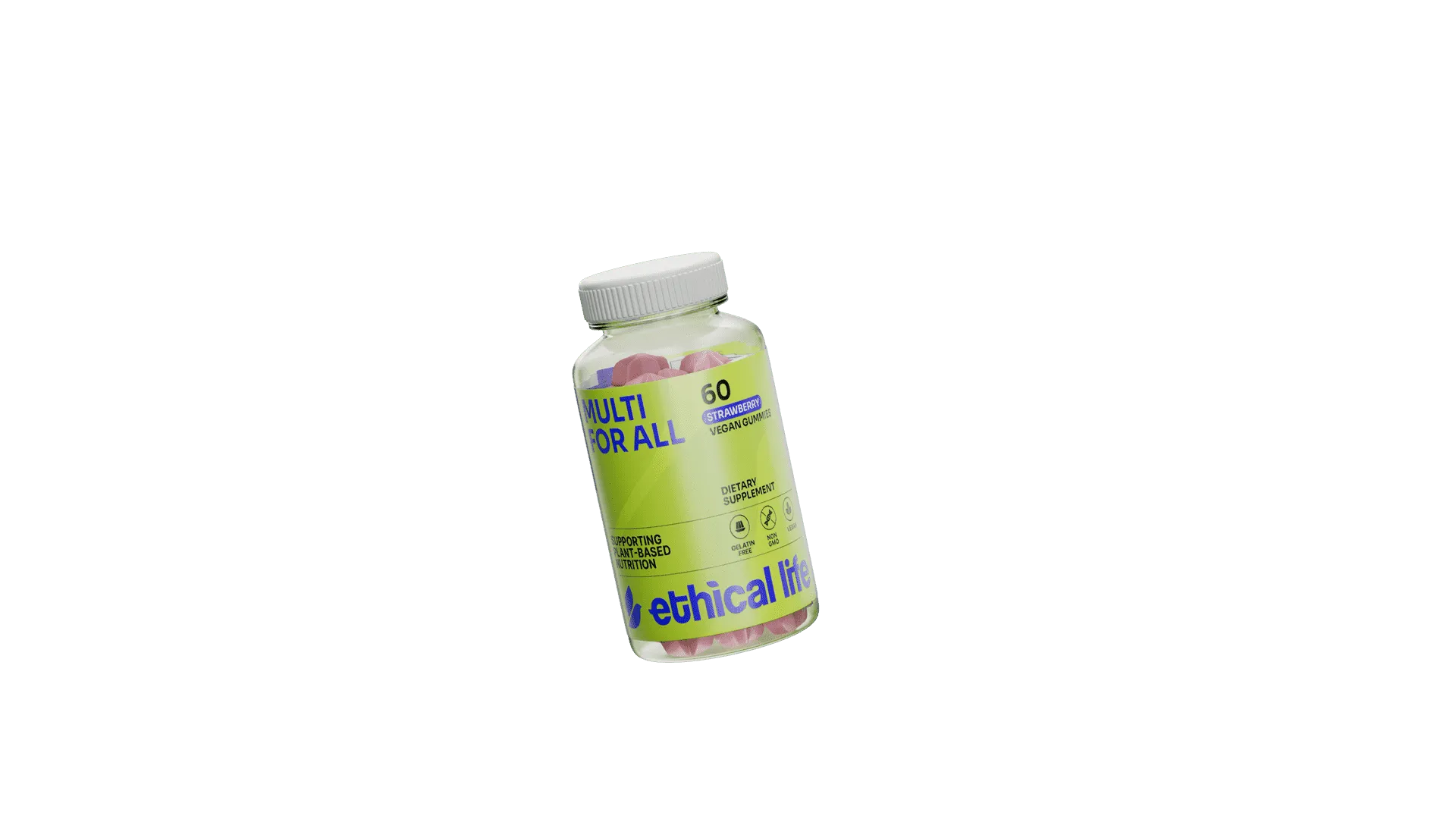
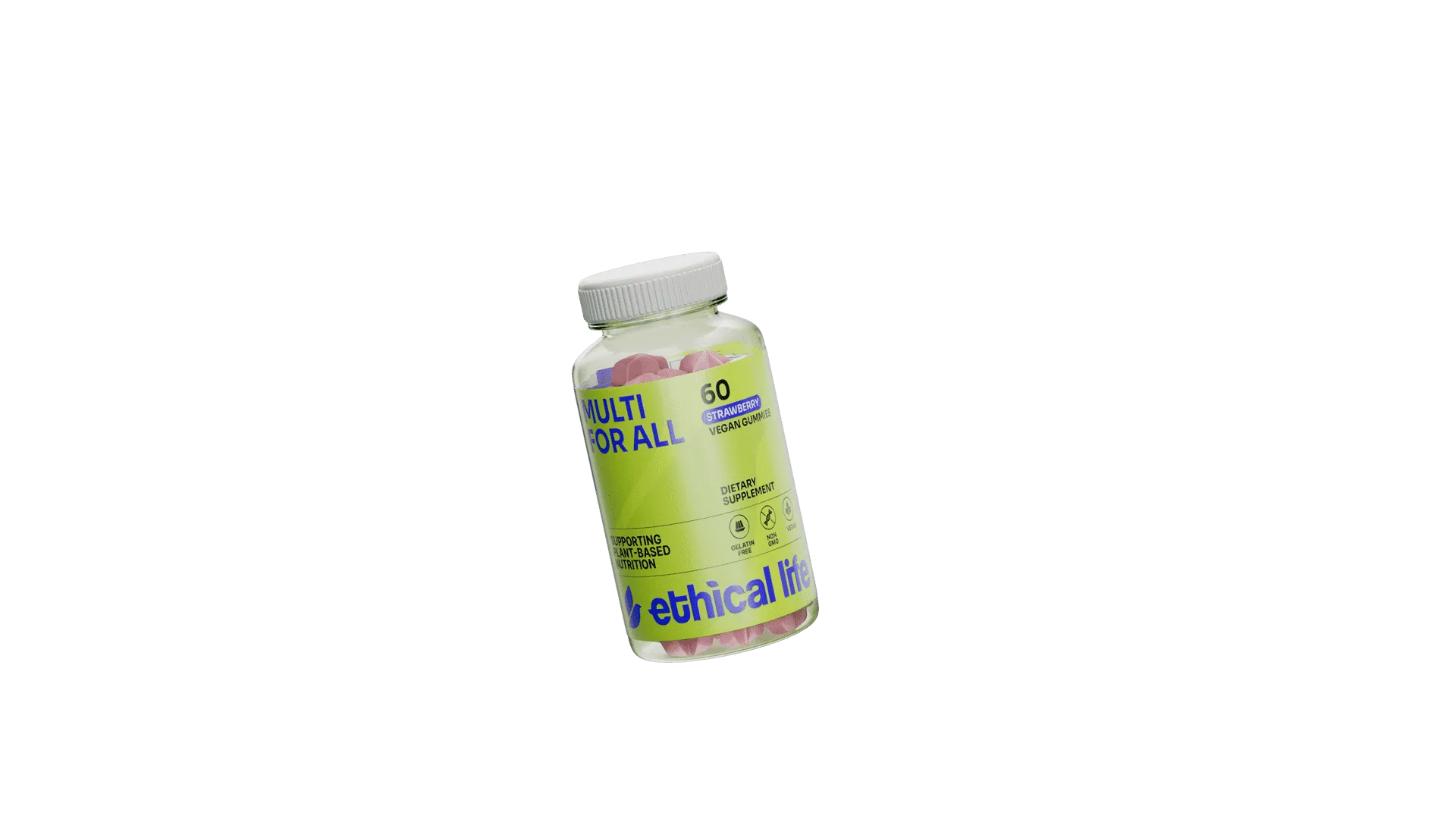
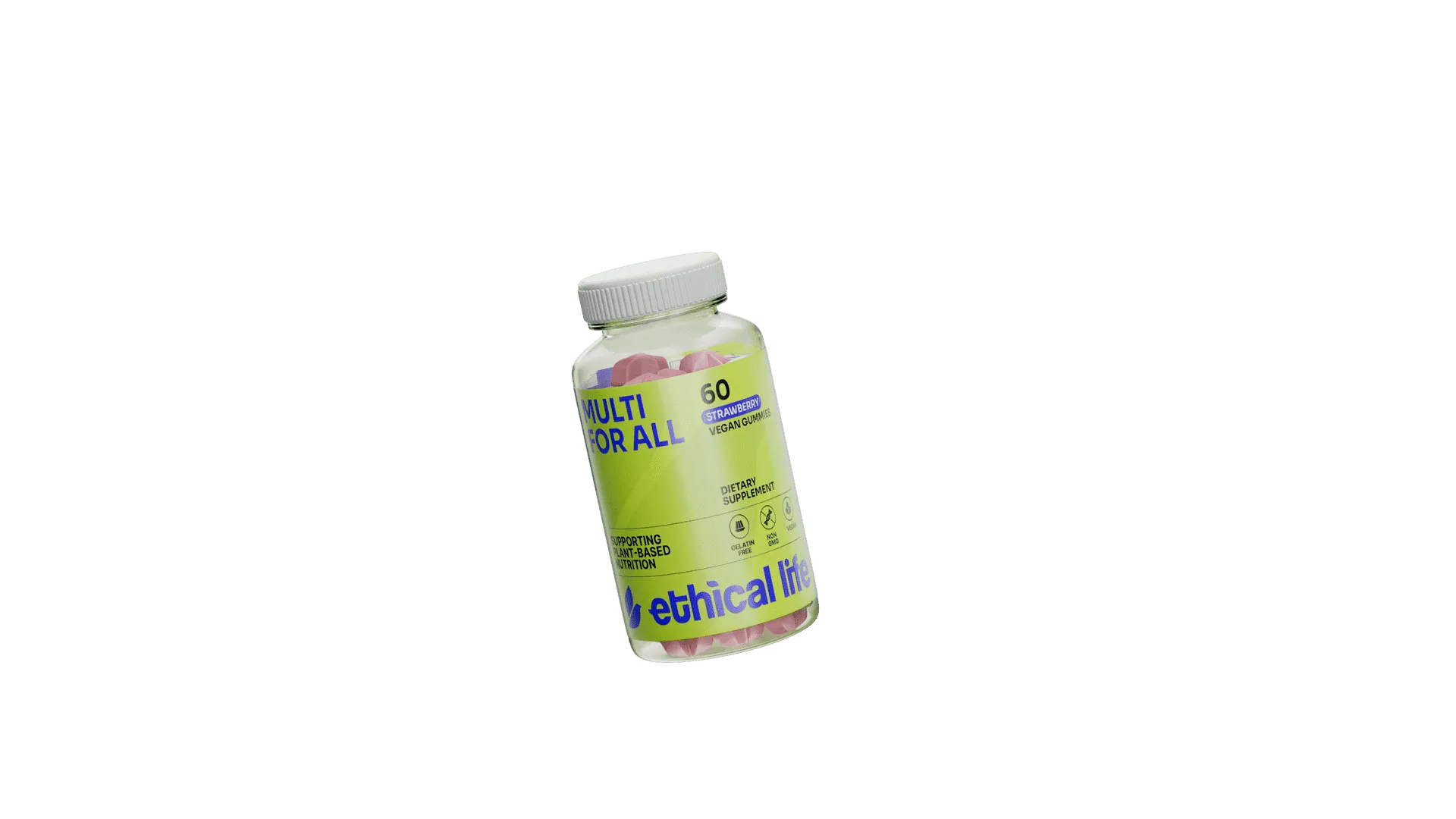
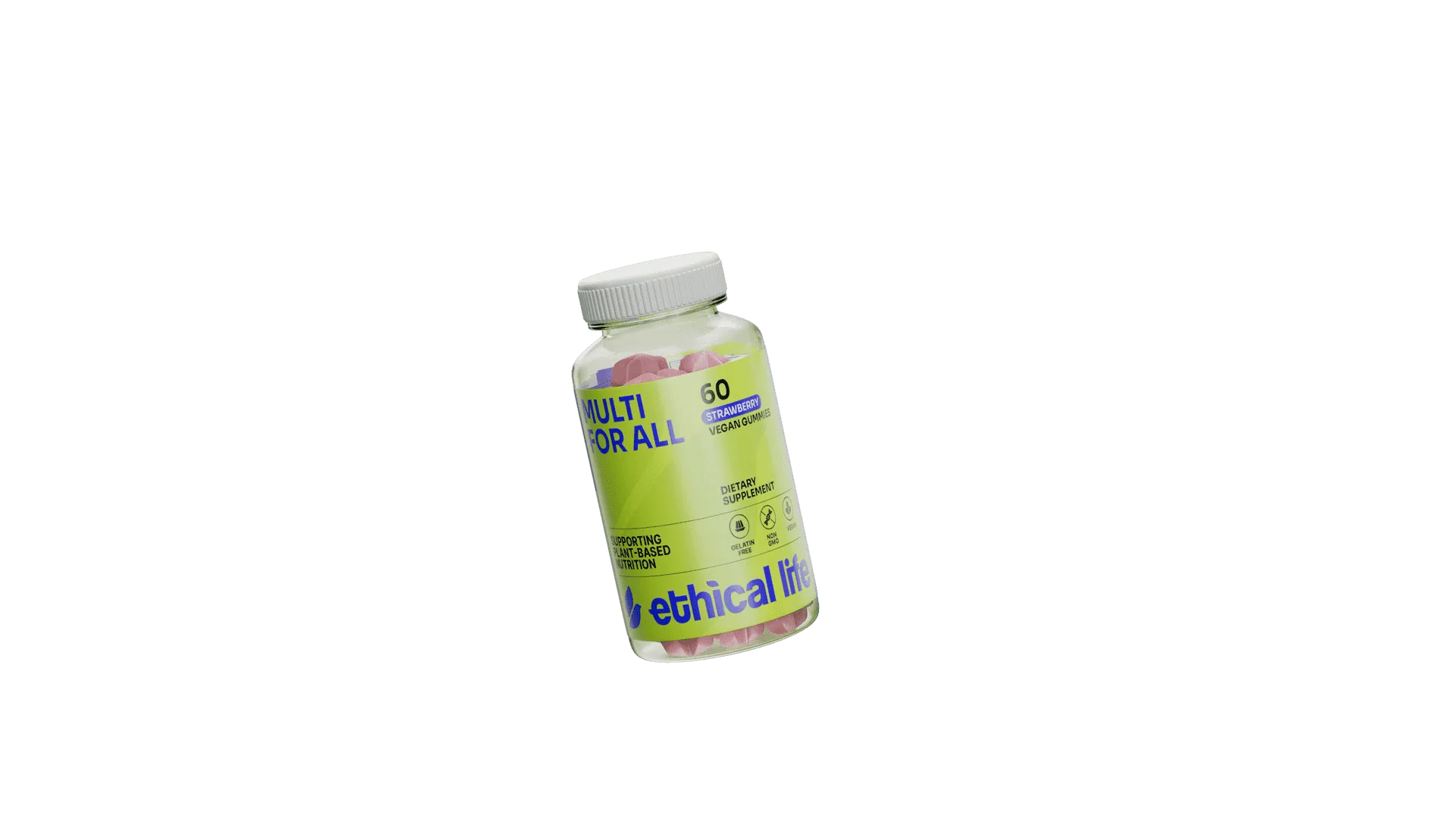
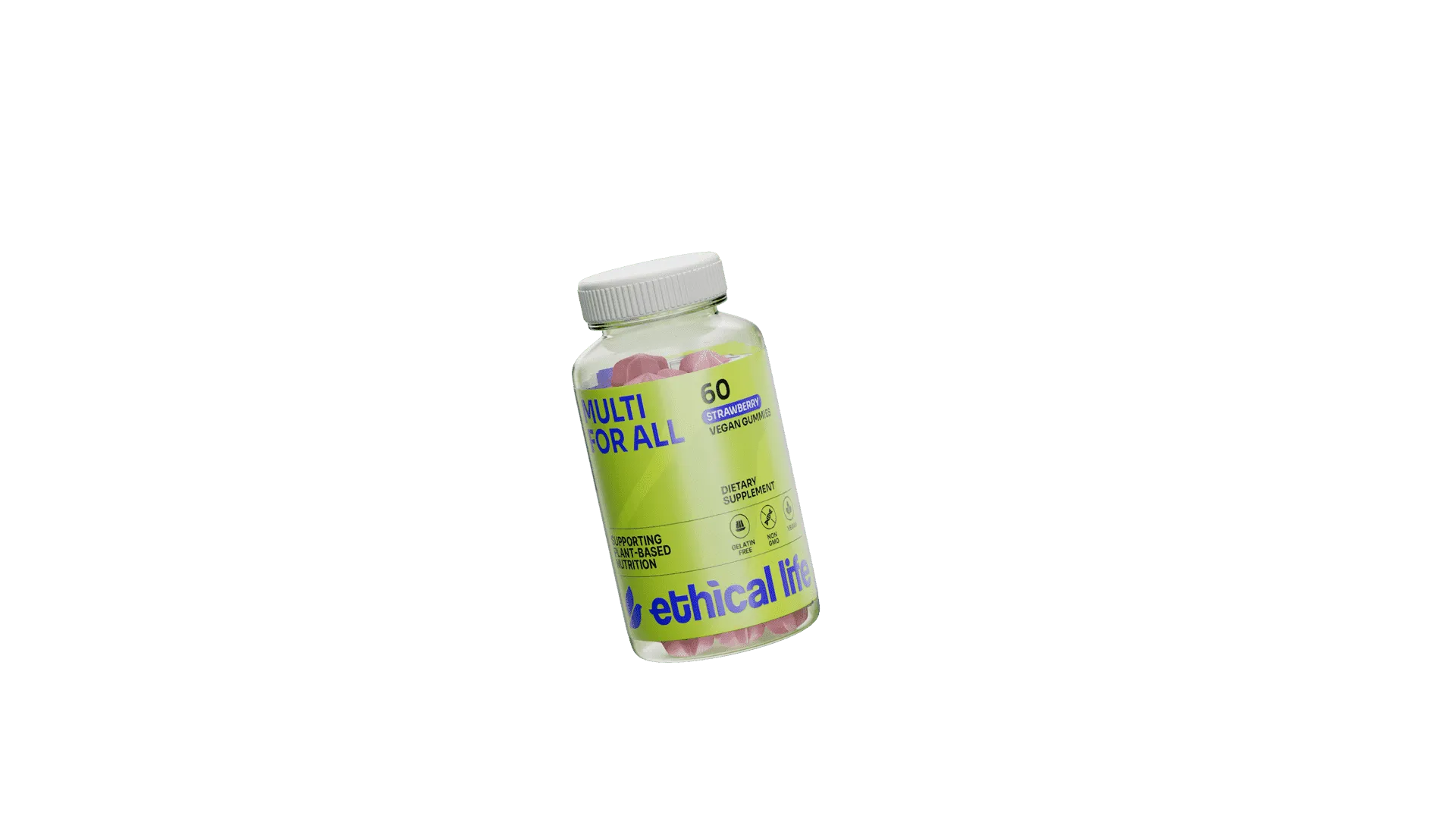
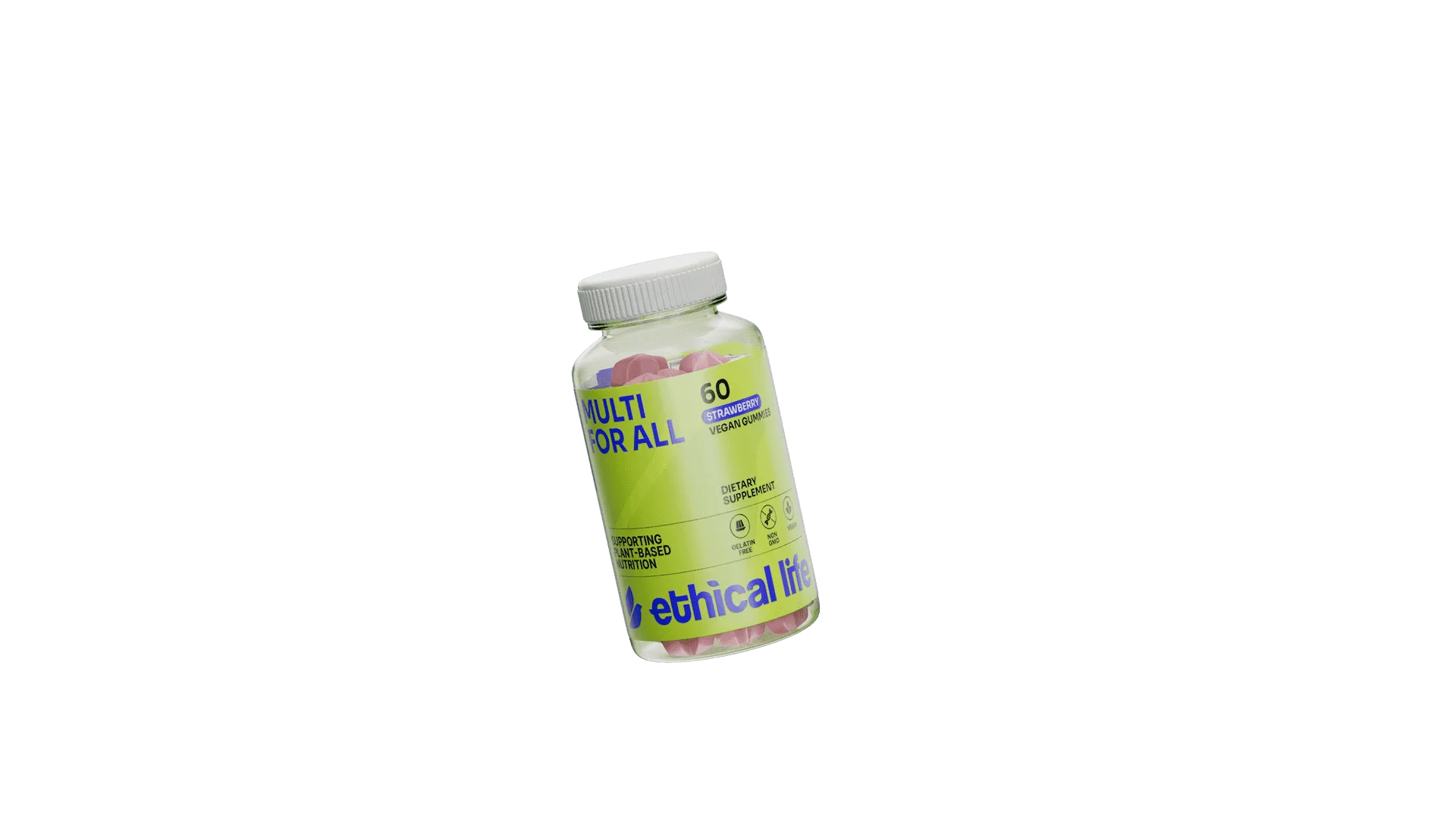
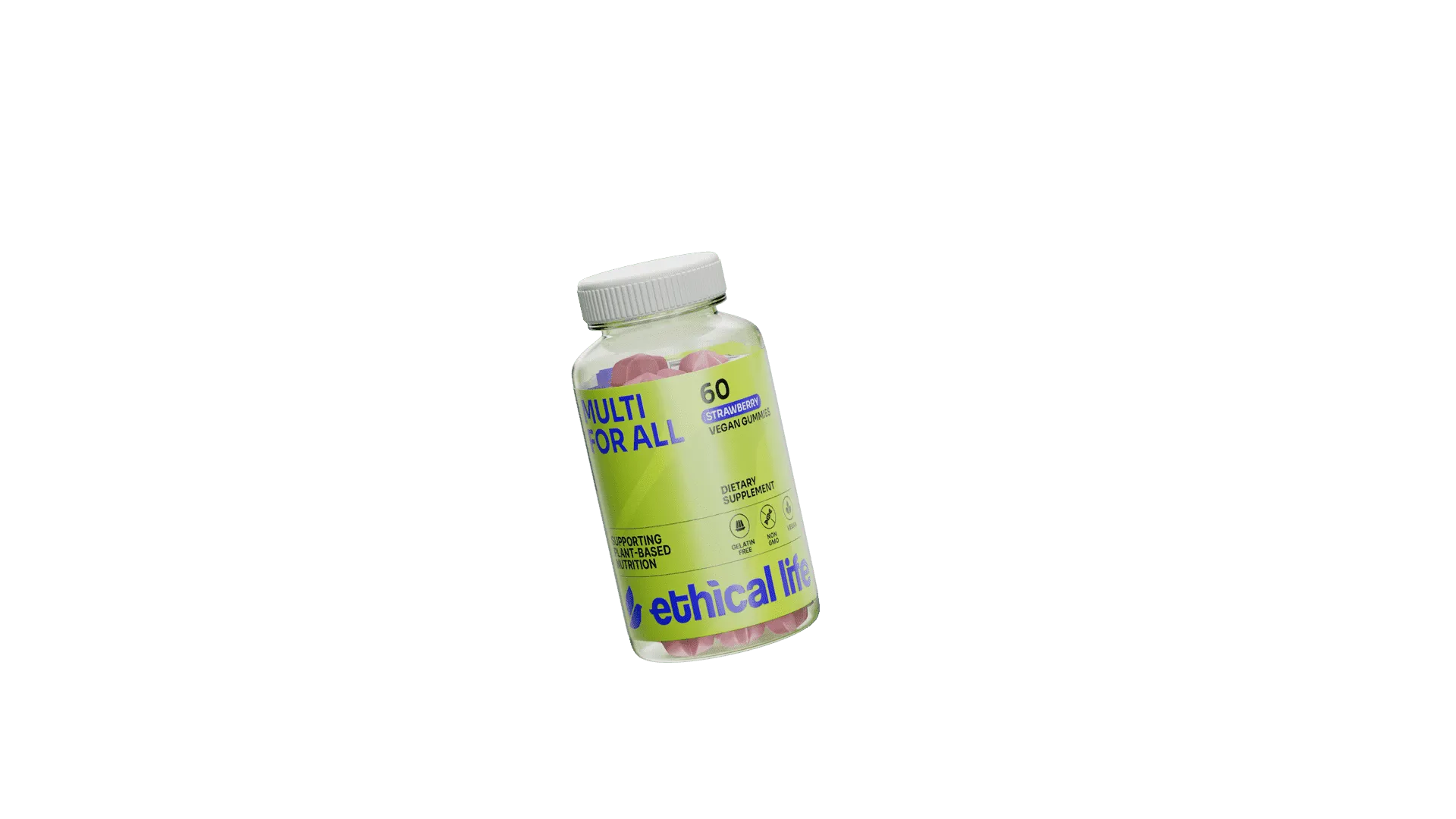
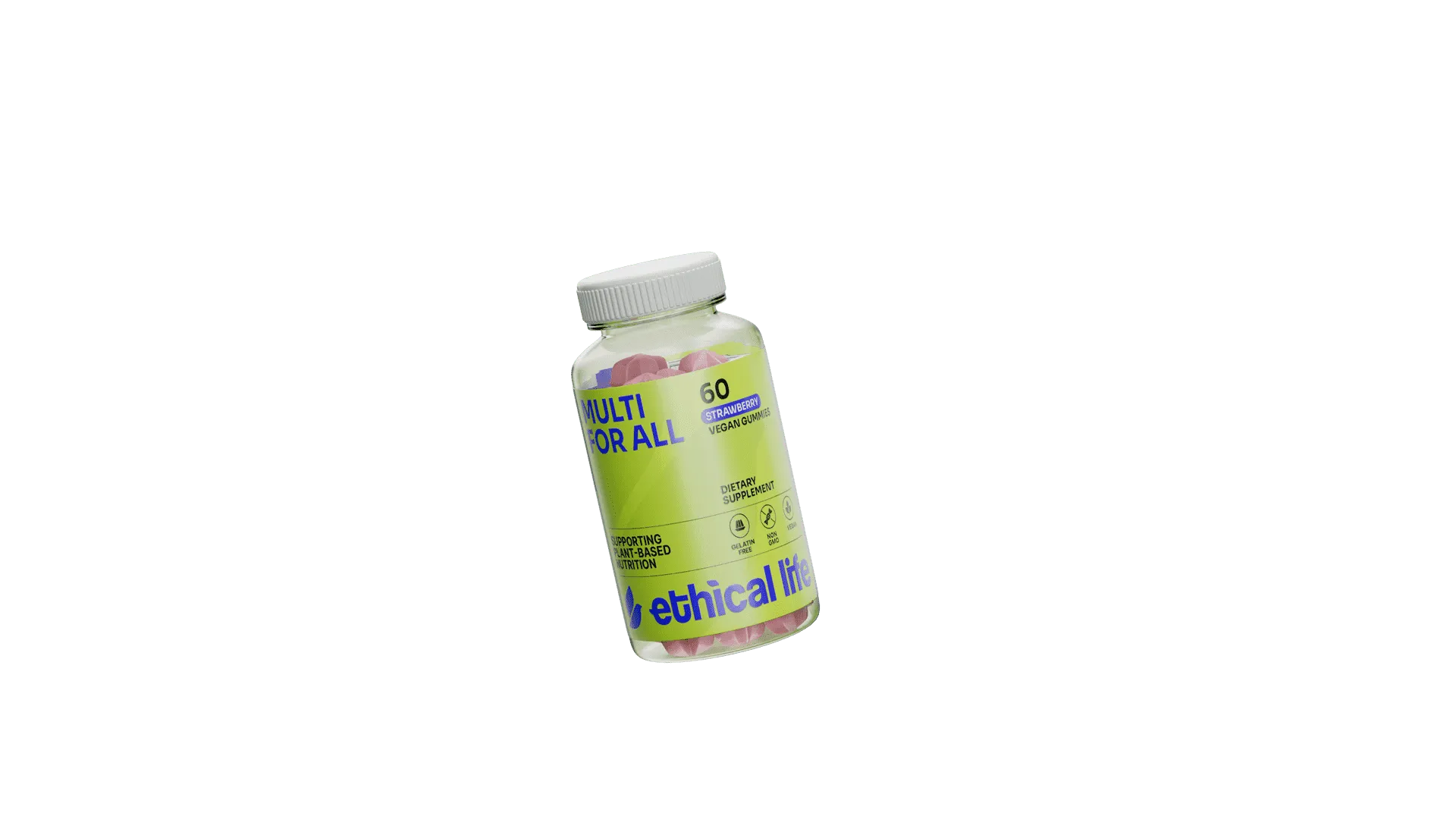
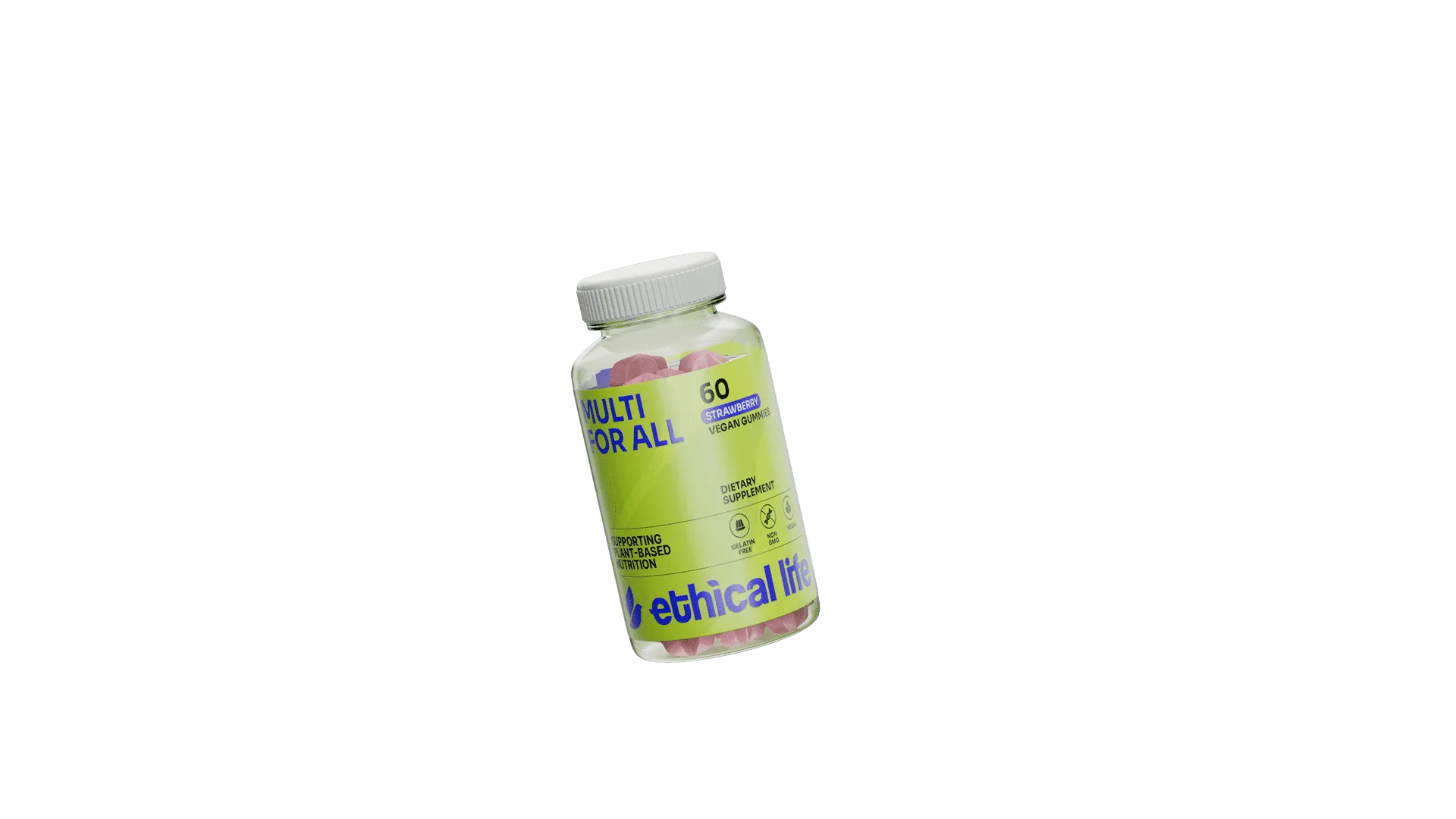
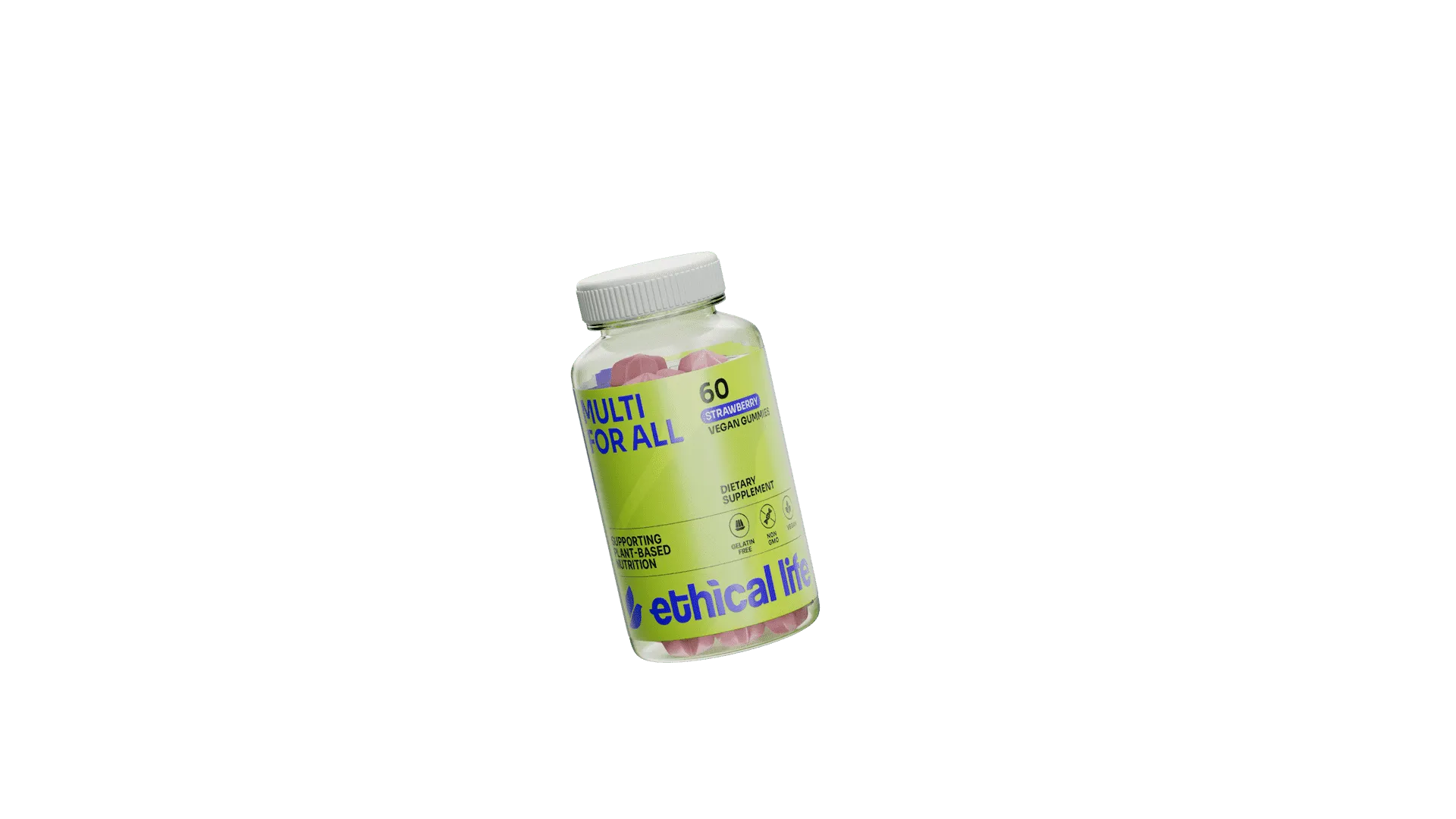
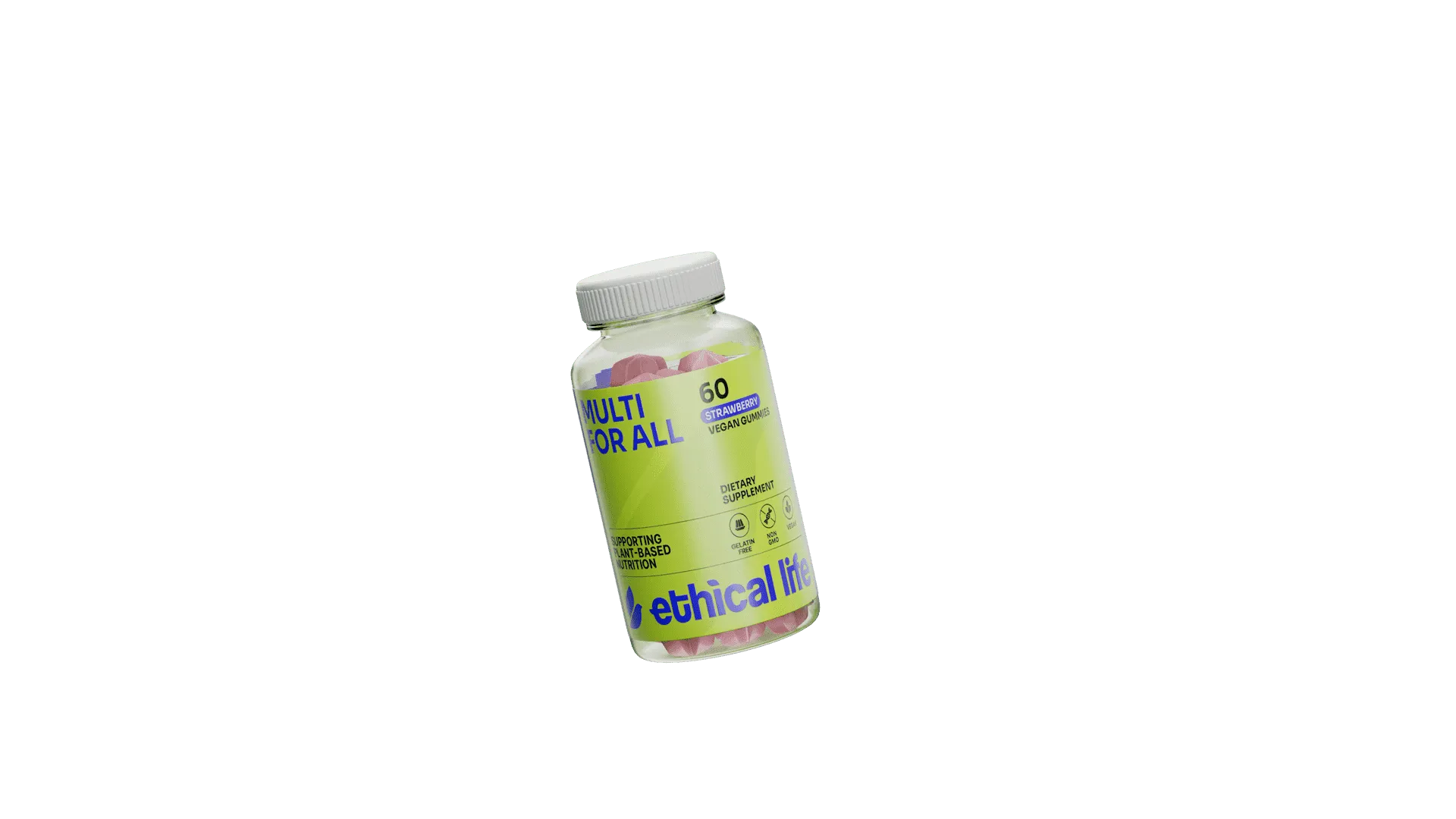
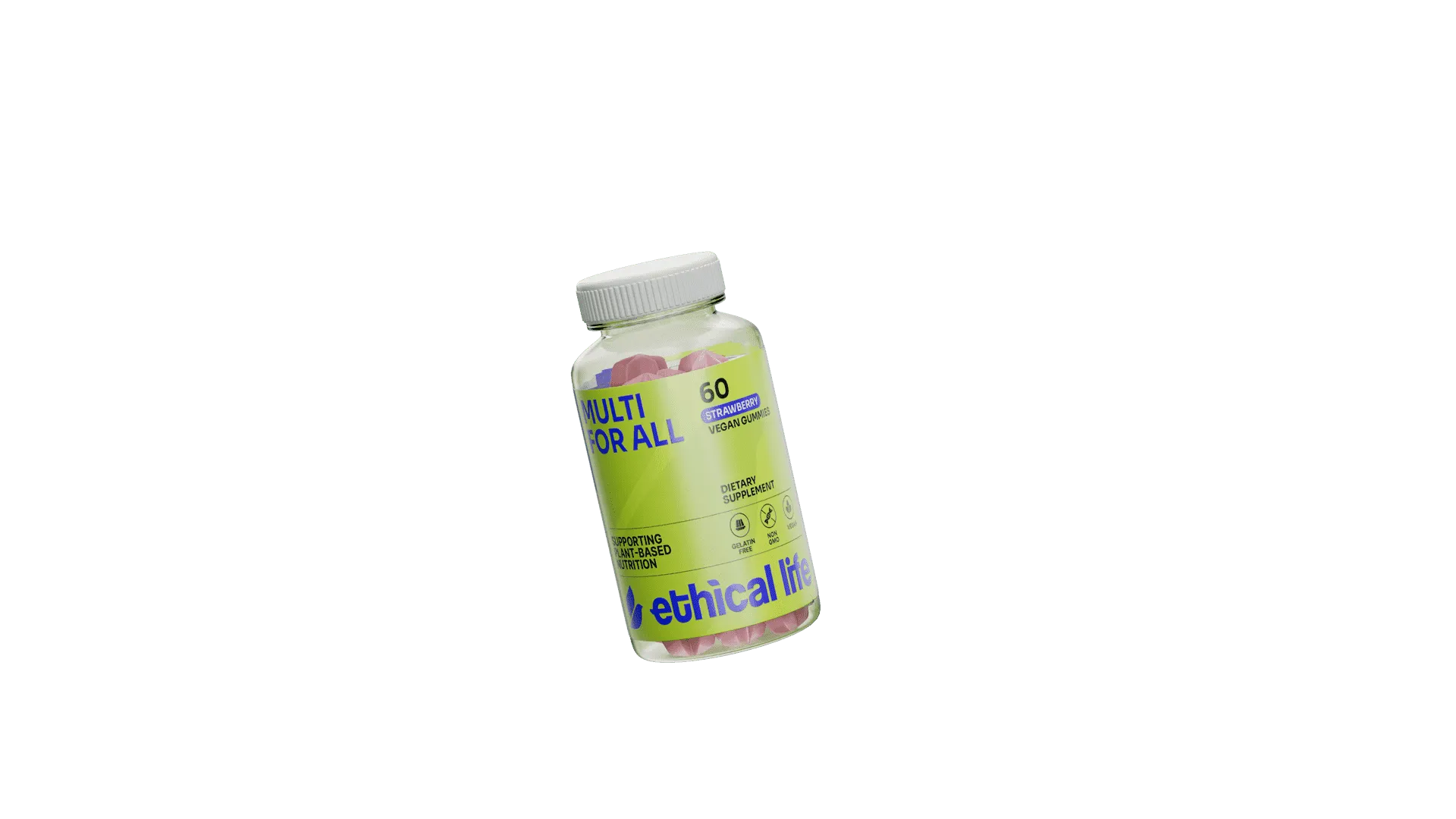
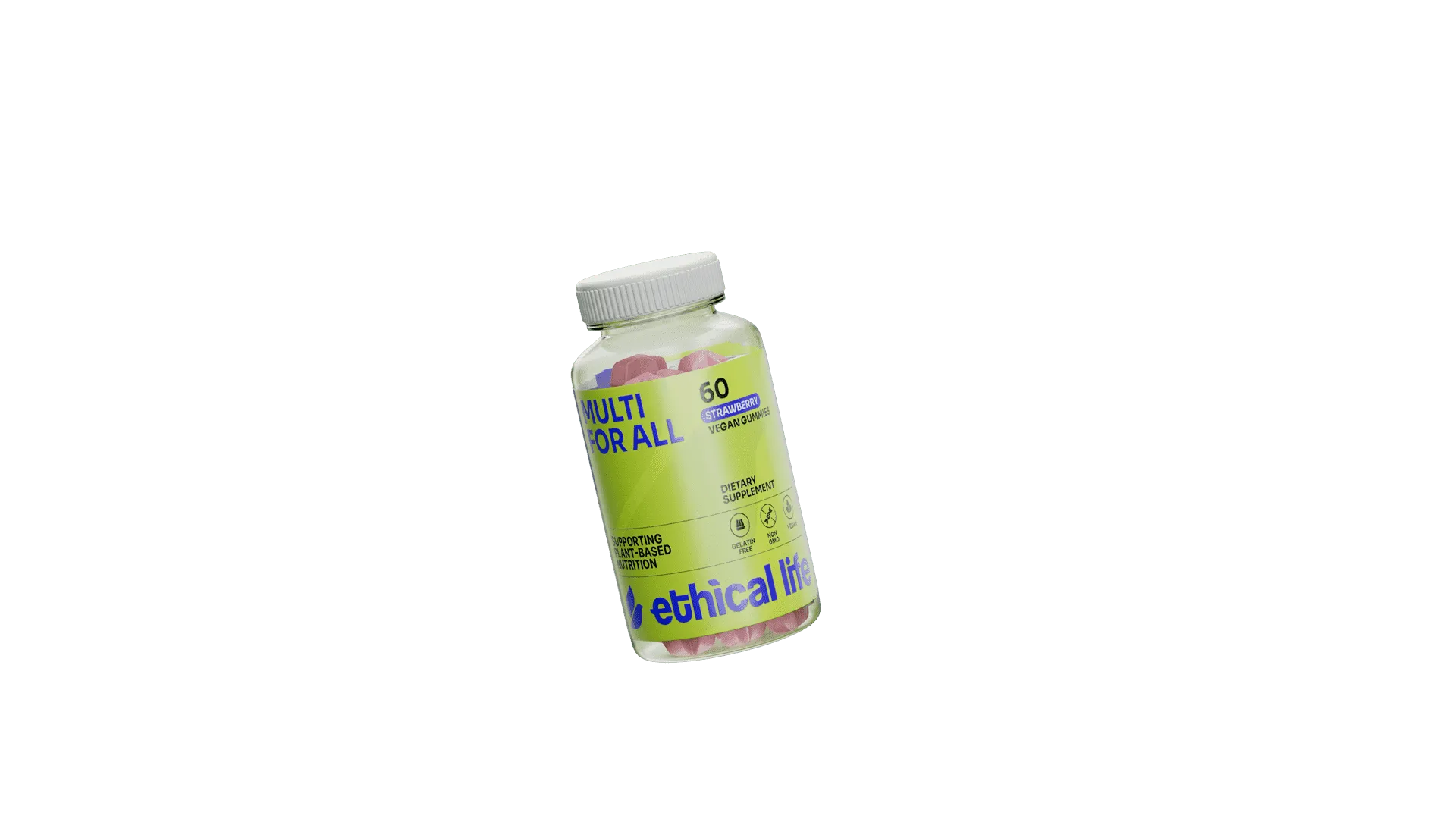
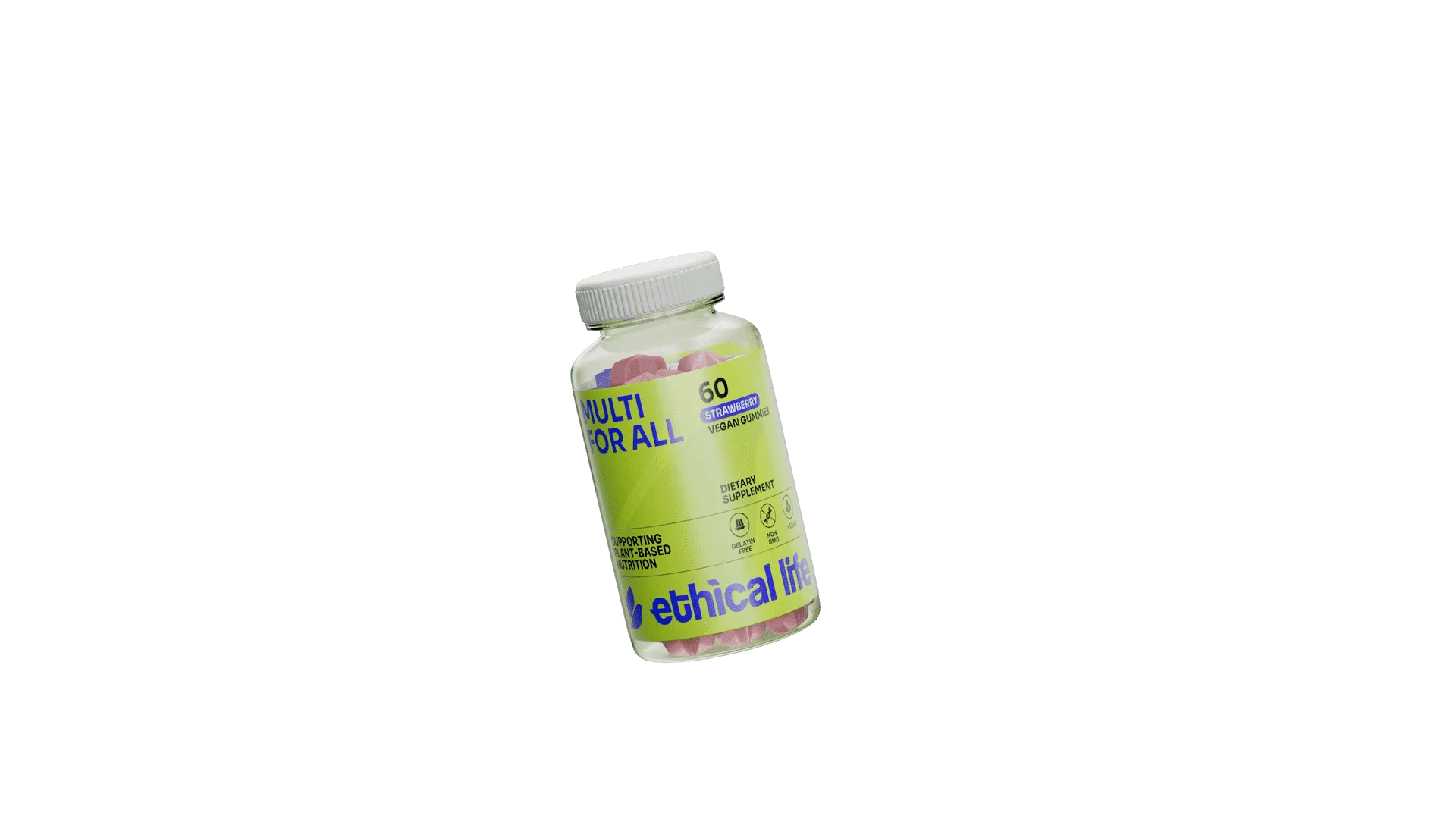
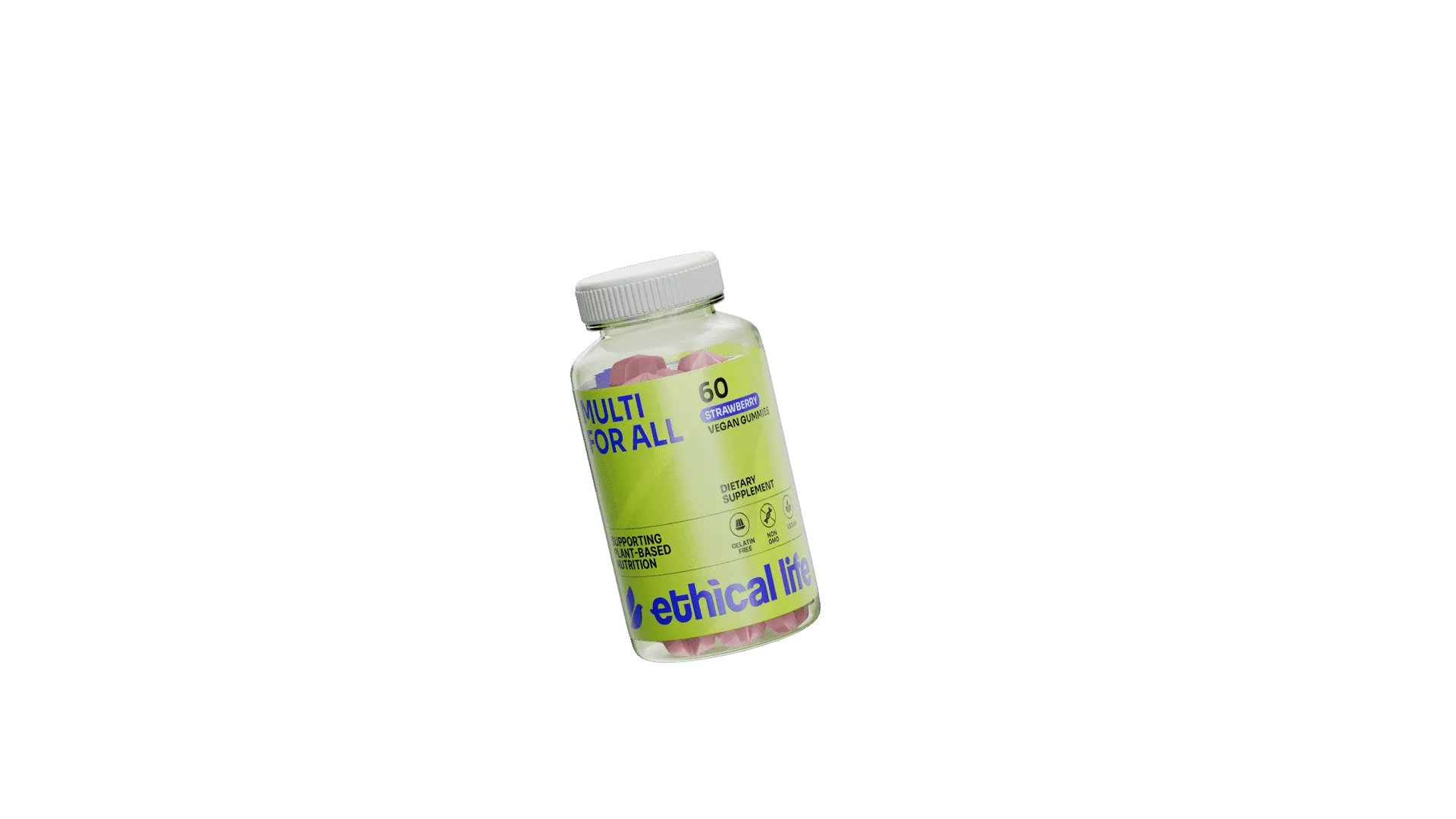
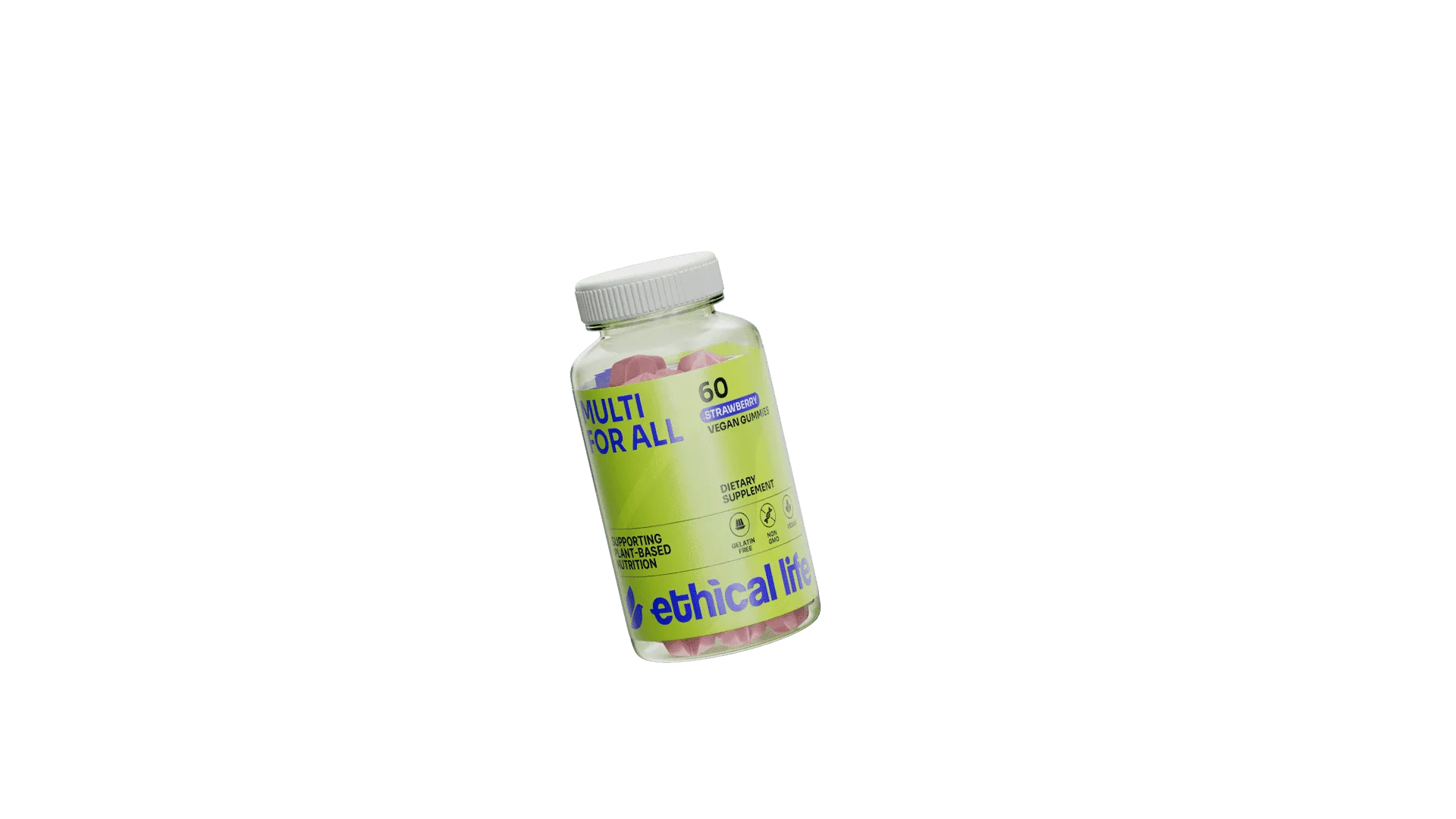
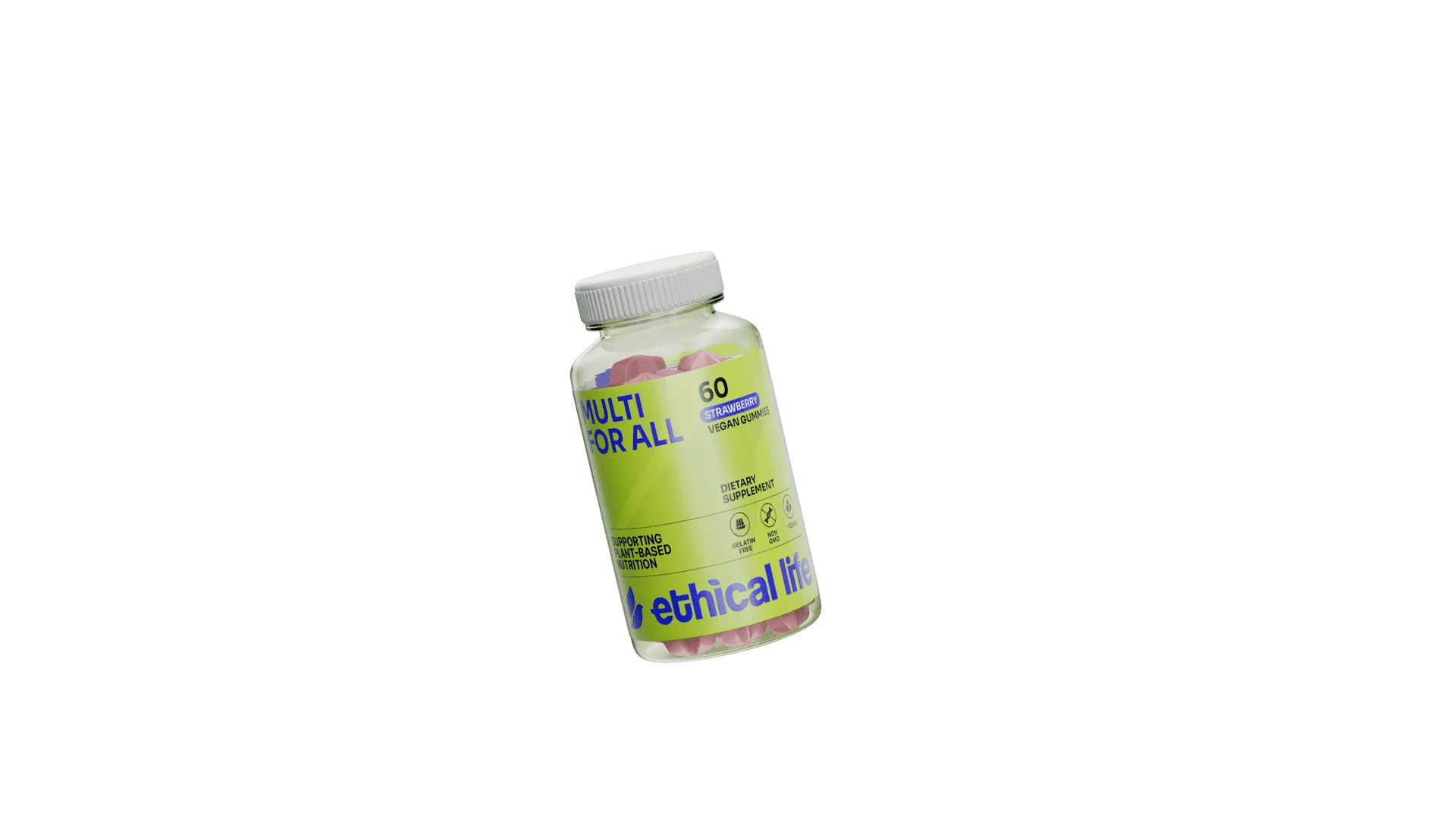
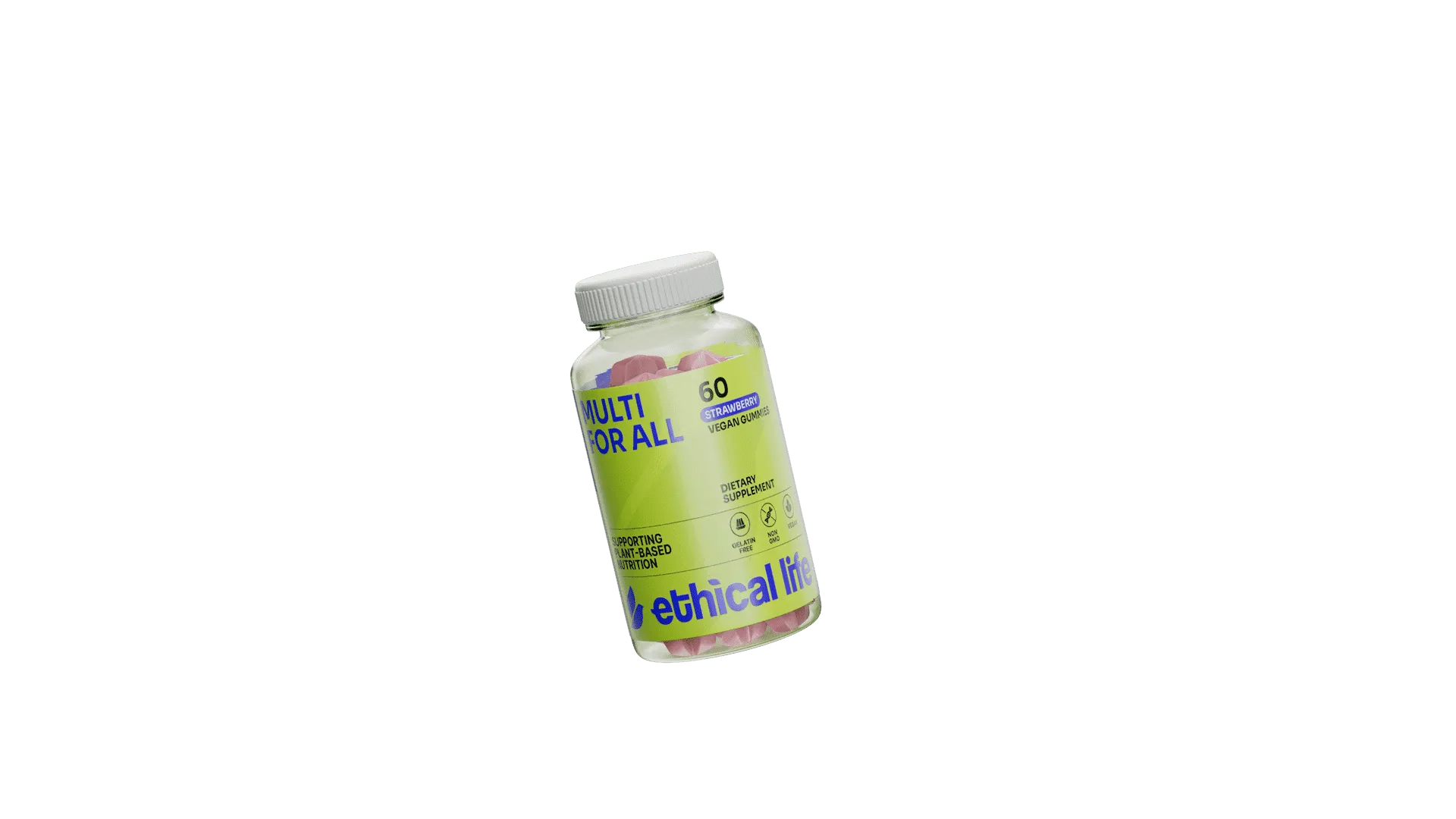
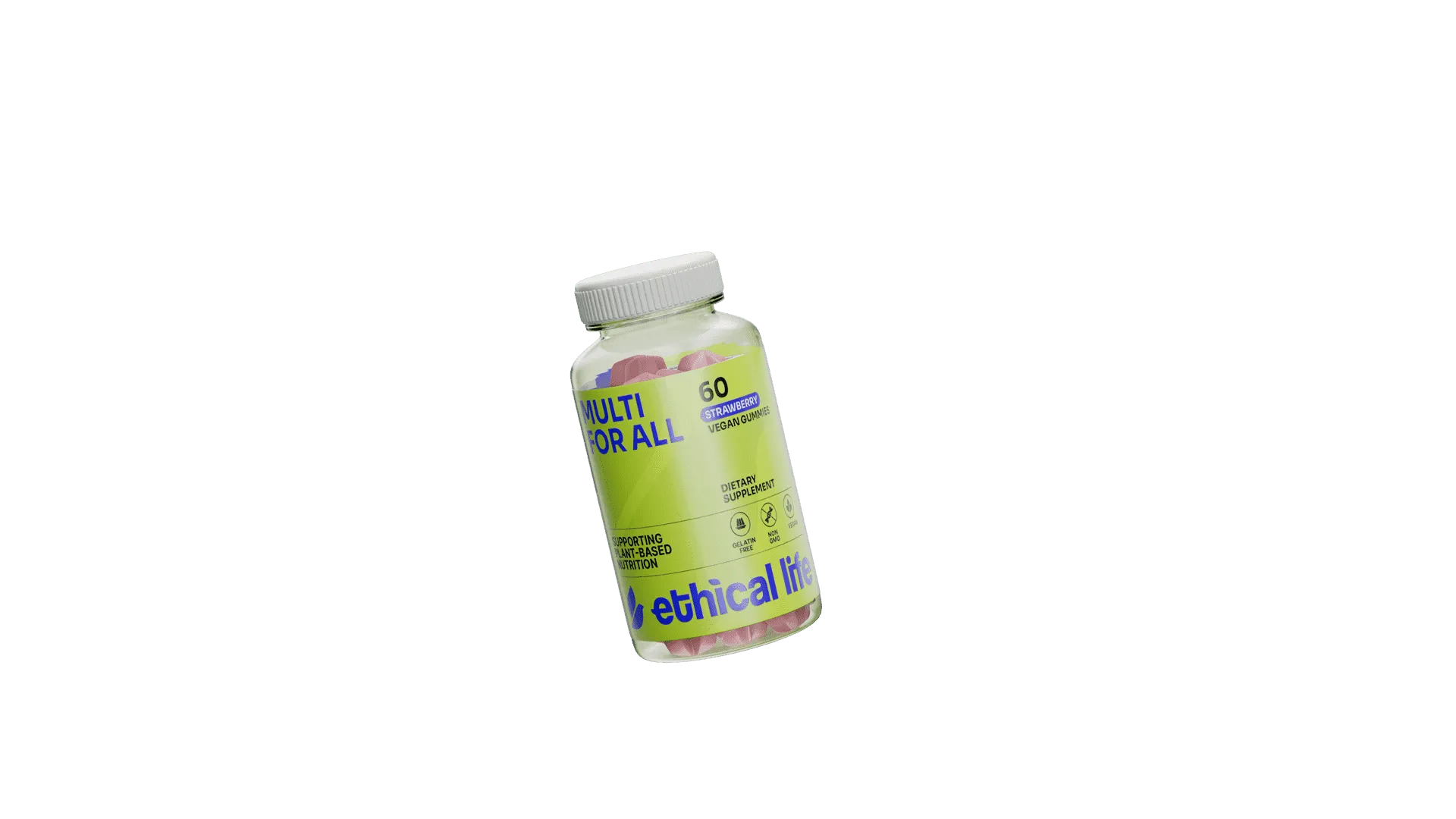
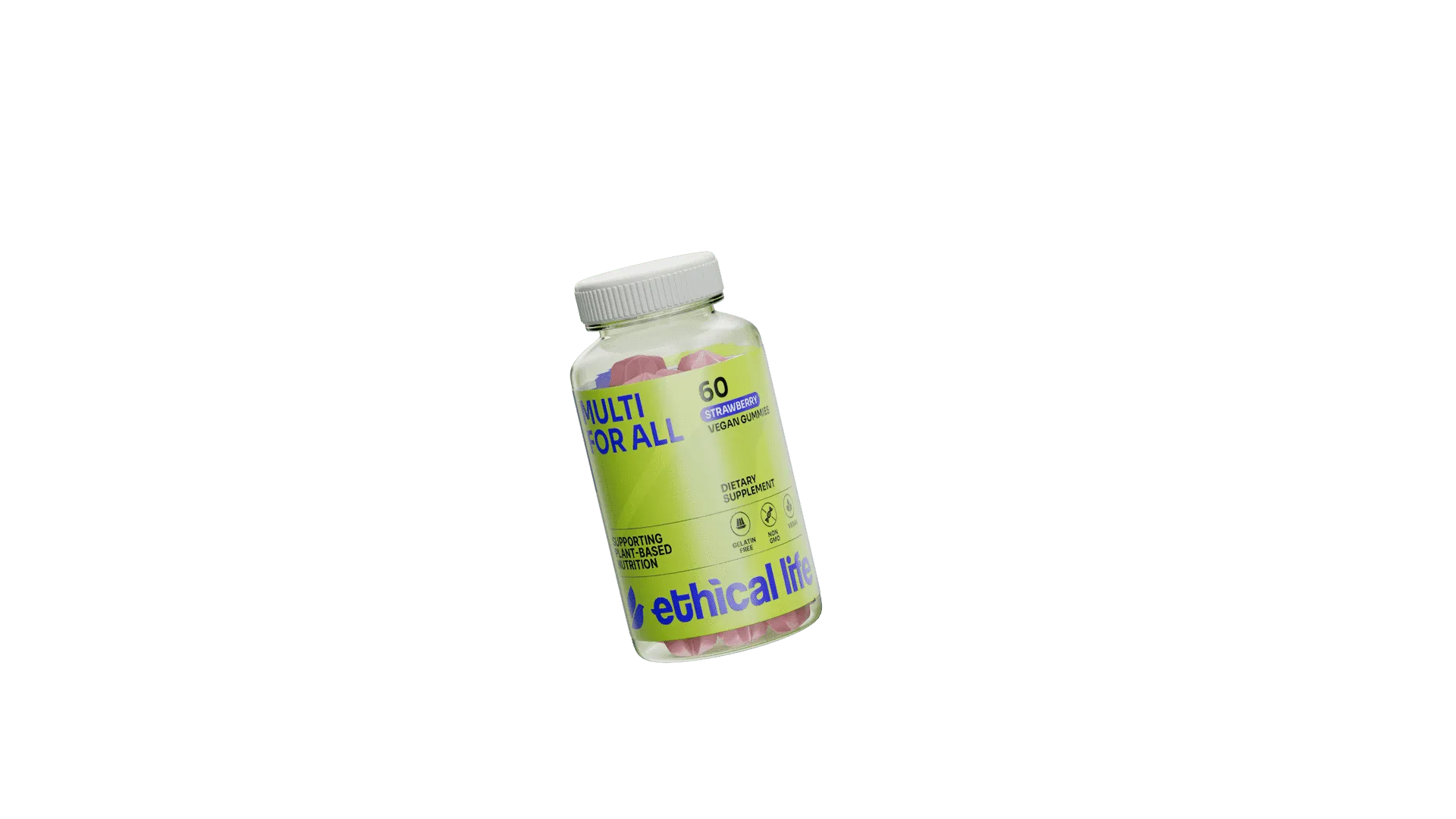
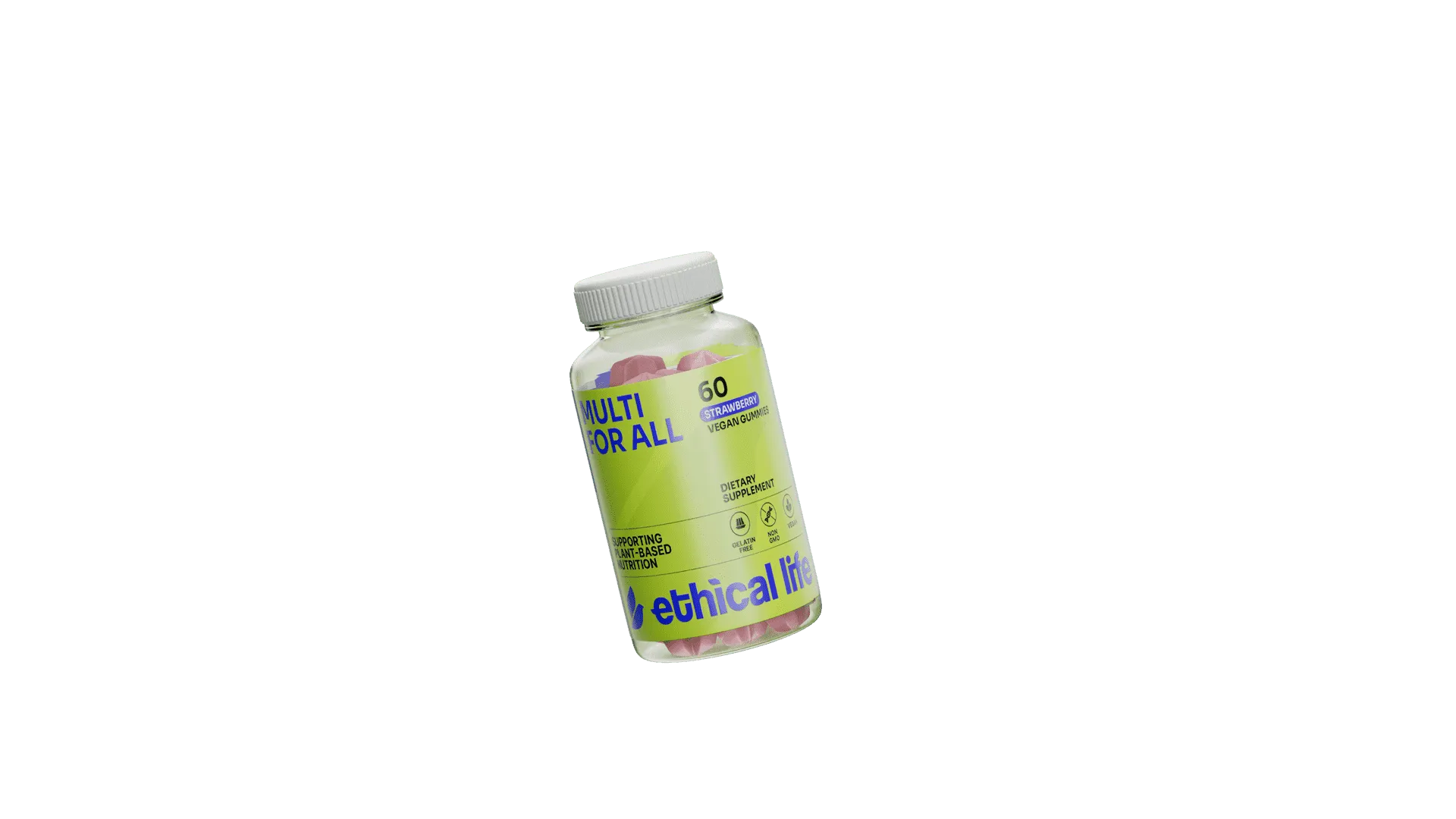
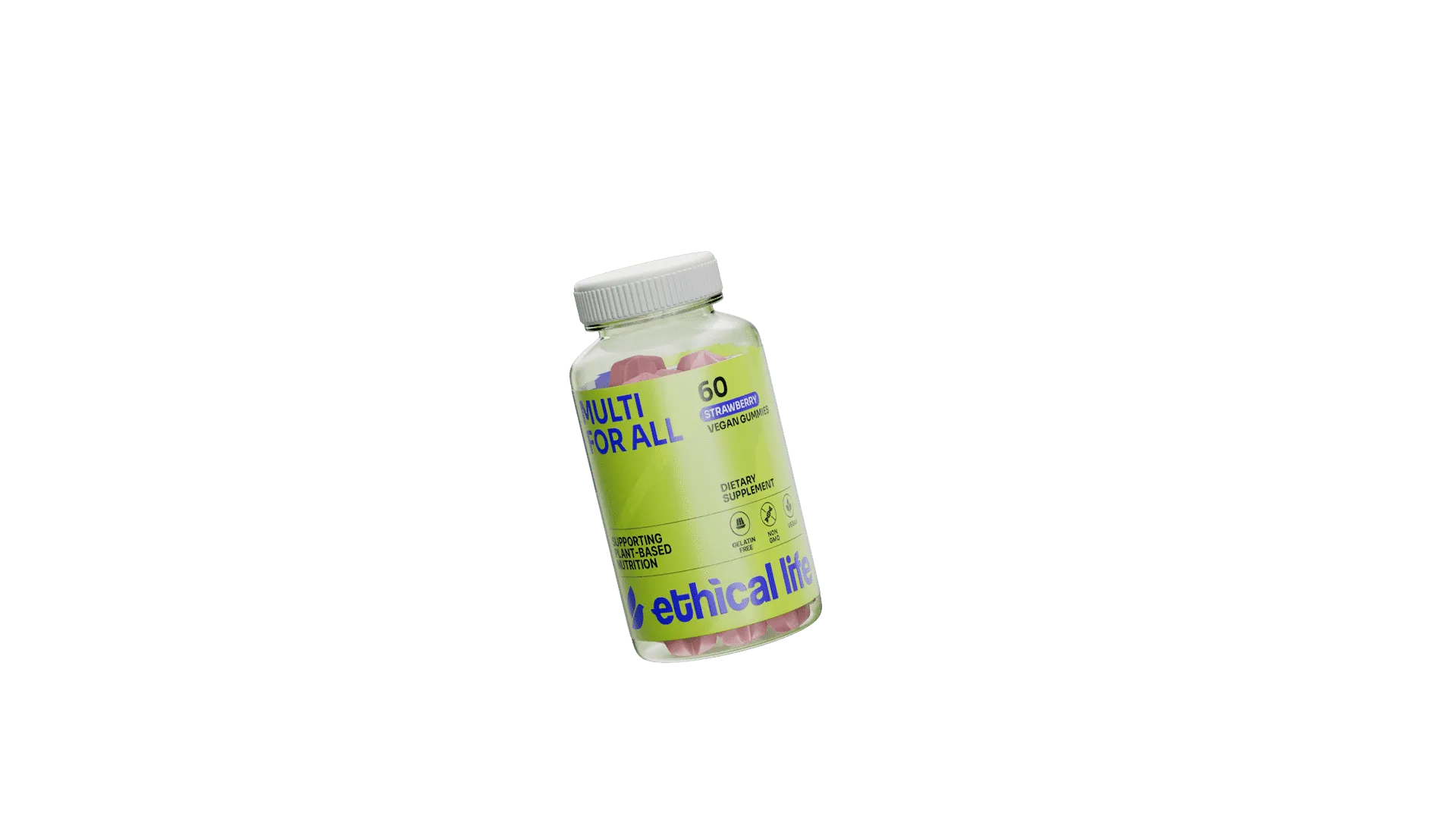
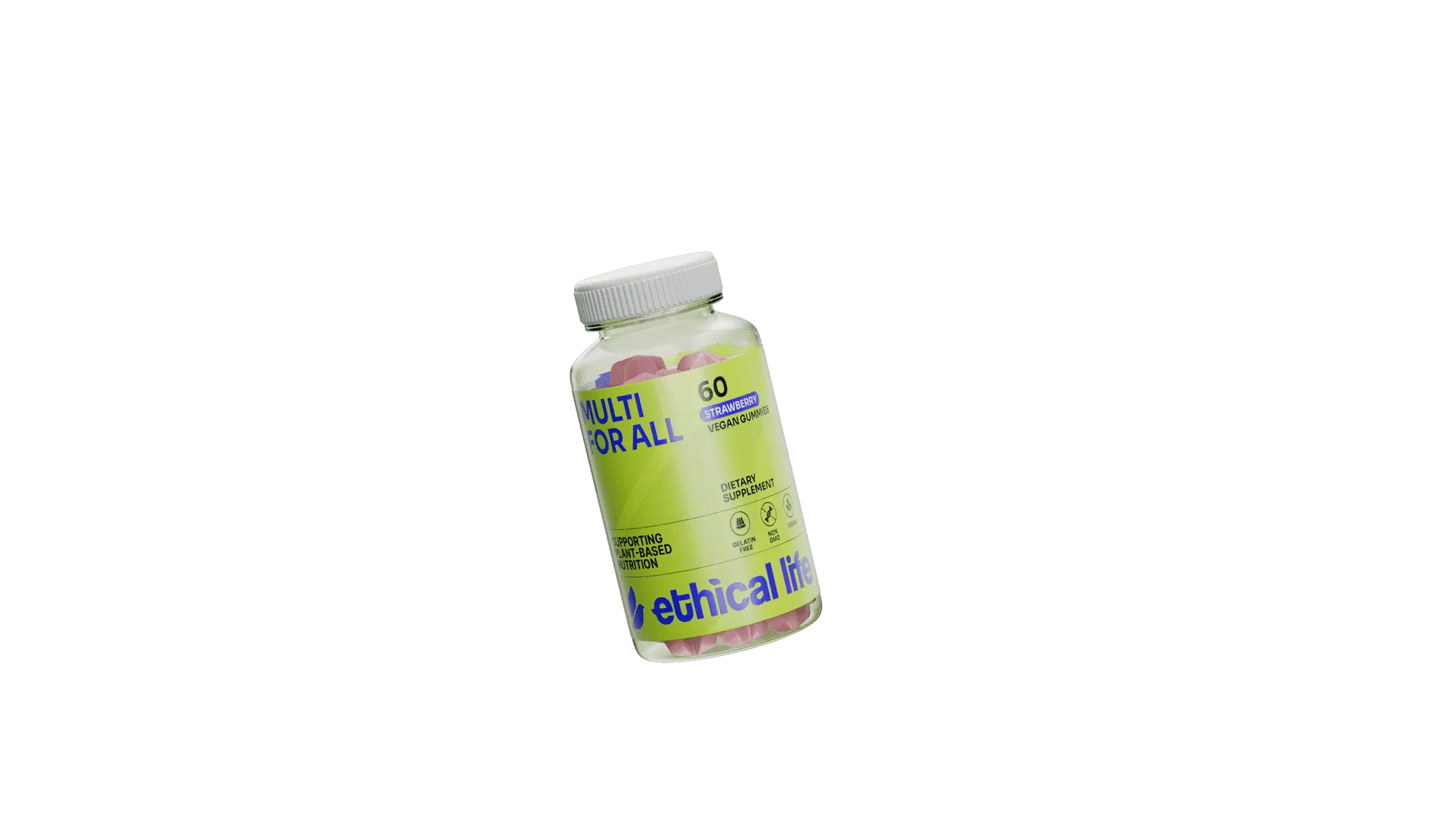
At Ethical Life, we believe nutritional support should make wellness easier without compromising your values. Our vegan multivitamin gummies are pharmacist and nutritionist-formulated with an emphasis on thoughtful nutrient selection, ingredient transparency, and practical daily use. They are gelatin-free and made without artificial colors or artificial flavors, offering a convenient option for people who want their supplements to reflect a more compassionate approach to wellness.
We also believe personal health and ethical living can work together. Every purchase helps support food banks and animal sanctuaries, allowing your daily routine to contribute to a broader positive impact. Explore Ethical Life and discover a pharmacist-formulated multivitamin created to support your body, simplify your routine, and help build a kinder world.