






















































































































































































































What Does Vitamin D Do? Benefits Explained
What does vitamin D do, and why is it considered so important for overall health? Vitamin D supports several essential processes in the body, including calcium absorption, bone maintenance, muscle function, and immune activity. Unlike many other vitamins, vitamin D can be produced by the body when the skin is exposed to sunlight, but factors such as location, season, age, skin tone, lifestyle, and sunscreen use can affect how much is made. Food sources of vitamin D are also relatively limited, which is why many people pay close attention to their intake. At Ethical Life, we believe understanding how nutrients function is an important part of making informed wellness decisions. Our pharmacist-formulated approach focuses on purposeful nutritional support that fits into a balanced, practical, and ethical lifestyle.
What Is Vitamin D and Why Does It Matter?
Vitamin D is a fat-soluble vitamin that acts more like a hormone than a typical vitamin. Once vitamin D enters the body through sunlight, food, or supplements, it must be converted into active forms before it can be used. The liver and kidneys are involved in this conversion process, allowing vitamin D to help regulate calcium and phosphorus levels in the bloodstream.
One of vitamin D’s most recognized roles is helping the body absorb calcium. Calcium is essential for maintaining strong bones and teeth, but the body cannot use it efficiently without sufficient vitamin D. When vitamin D levels are consistently low, calcium absorption may decrease, potentially affecting bone density and skeletal strength over time.
Vitamin D also matters because receptors for it are found throughout the body. These receptors appear in immune cells, muscles, bones, and many other tissues. This widespread presence helps explain why vitamin D is connected to more than one area of wellness.
The body may obtain vitamin D from three primary sources:
- Sunlight exposure
- Vitamin D-containing or fortified foods
- Dietary supplements
Natural food sources include UV mushrooms plus fortified plant foods. Many plant milks, cereals, and other products are fortified with vitamin D. People following vegan or plant-based diets may need to pay especially close attention to fortified foods and vegan-friendly supplements.
Low vitamin D levels can occur without obvious symptoms. Some people may experience fatigue, muscle weakness, bone discomfort, or frequent illness, while others may notice no clear changes. Our detailed guide to vitamin D deficiency explores common risk factors, possible symptoms, and when testing may be appropriate.
Top Benefits of Vitamin D for Your Body
Vitamin D contributes to several essential functions that help the body operate normally. Its benefits are often interconnected because bones, muscles, nerves, and the immune system depend on many of the same underlying nutritional processes.
Supports Strong Bones and Teeth
Vitamin D helps the small intestine absorb calcium from food and supplements. Without adequate vitamin D, the body may not absorb enough calcium, even when calcium intake is high. The body may then draw calcium from the bones to maintain normal blood calcium levels.
This process makes vitamin D especially important during periods of bone growth and change. Children, teenagers, pregnant individuals, adults over 50, and postmenopausal women may all need to be mindful of vitamin D and calcium intake. Supporting bone health throughout life can help maintain mobility, posture, and physical independence.
Promotes Normal Muscle Function
Muscles need vitamin D to function properly. Vitamin D contributes to muscle contraction, coordination, and strength. Maintaining adequate levels may be particularly important for older adults because muscle weakness and balance difficulties can increase the risk of falls.
Vitamin D is not a substitute for physical activity, but it works alongside exercise, protein intake, magnesium, calcium, and other nutrients. Resistance training, walking, balance exercises, and regular movement remain important components of a muscle-supportive lifestyle.
Helps Maintain Healthy Calcium and Phosphorus Levels
Vitamin D helps regulate calcium and phosphorus, two minerals that contribute to bone formation, cellular activity, and energy-related processes. Keeping these minerals within normal ranges allows the body to support the skeleton while maintaining important functions in nerves and muscles.
Supports Normal Cell Function
Vitamin D receptors are present in many cells throughout the body. Vitamin D contributes to normal cell growth and communication, helping cells respond appropriately to biological signals. Research continues to examine how vitamin D status may relate to long-term health, but supplementation should not be viewed as a treatment or cure for disease.
Contributes to Overall Wellness
Adequate vitamin D can support a strong nutritional foundation. It works alongside nutrients such as calcium, magnesium, vitamin K, and phosphorus. This is one reason we favor thoughtfully developed formulas rather than treating vitamins as isolated ingredients.
A pharmacist-formulated supplement considers how nutrients complement one another, appropriate serving amounts, and the practical needs of people taking the product. More is not automatically better, particularly with a fat-soluble vitamin that the body can store.
Vitamin D and Immune Health
Vitamin D plays a role in normal immune function by interacting with immune cells and helping regulate immune responses. The immune system must respond effectively to potential threats while avoiding excessive or inappropriate activity. Vitamin D supports this balance as part of a broader network of nutrients, cells, and signaling pathways.
Vitamin D receptors are found on several types of immune cells. These cells rely on vitamin D to help carry out normal defense functions. For this reason, vitamin D is frequently included in discussions about seasonal wellness and immune support.
However, vitamin D should not be considered a stand-alone solution for preventing or treating illness. Immune health depends on many daily habits, including:
- Eating a varied, nutrient-rich diet
- Getting enough sleep
- Managing stress
- Staying physically active
- Practicing appropriate hygiene
- Drinking enough water
- Following recommended preventive healthcare guidance
Nutrients such as vitamins A, C, E, and B6, along with zinc, selenium, iron, and protein, also contribute to normal immune activity. A balanced approach is more valuable than focusing heavily on one vitamin.
People who spend limited time outdoors may be more likely to have low vitamin D levels, particularly during seasons with less sunlight. Individuals who cover most of their skin, use sunscreen consistently, live in northern locations, or work indoors may also produce less vitamin D through sun exposure.
Skin pigmentation affects vitamin D production as well. Melanin helps protect the skin from ultraviolet radiation, but higher levels of melanin can reduce the rate at which the skin produces vitamin D. This does not mean people should intentionally increase unprotected sun exposure. A healthcare professional can help determine whether dietary changes, testing, or supplementation are appropriate.
How Much Vitamin D Do You Need Each Day?
Vitamin D needs vary by age, life stage, dietary intake, sun exposure, and individual health circumstances. In the United States, the recommended dietary allowance for most adults between ages 19 and 70 is 600 international units, or 15 micrograms, per day. Adults over age 70 are generally advised to obtain 800 international units, or 20 micrograms, per day.
General daily recommendations include:
- Infants up to 12 months: 400 IU, or 10 micrograms
- Children and teenagers: 600 IU, or 15 micrograms
- Adults ages 19 to 70: 600 IU, or 15 micrograms
- Adults over age 70: 800 IU, or 20 micrograms
- Pregnant and breastfeeding adults: 600 IU, or 15 micrograms
These amounts are general guidelines and may not reflect every person’s needs. Someone with a diagnosed deficiency may receive a different recommendation from a physician or pharmacist. Higher amounts should not be taken without professional guidance, especially over a prolonged period.
Because vitamin D is fat-soluble, taking it with a meal that contains some dietary fat may support absorption. Consistency is also important. A supplement is more useful when it fits easily into a daily routine and is taken according to the label.
It is possible to consume too much vitamin D through supplements. Excessive intake may lead to elevated calcium levels, which can cause nausea, weakness, confusion, kidney problems, or other complications. Sunlight exposure does not usually cause vitamin D toxicity because the body regulates production in the skin, but supplements can provide concentrated amounts.
For practical ways to increase your intake through sunlight, food, fortified products, and supplements, visit our guide on how to get vitamin D.
Frequently Asked Questions
What is the main function of vitamin D?
Vitamin D primarily helps the body absorb calcium and maintain healthy bones and teeth. It also supports normal muscle and immune function.
Can you get enough vitamin D from sunlight?
Some people can produce meaningful amounts through sunlight, but production varies based on season, location, skin tone, age, clothing, and time spent outdoors. Sun exposure should always be balanced with skin protection.
Which foods contain vitamin D?
Vitamin D is found in UV mushrooms plus fortified plant foods. Natural vegan sources are limited, so fortified foods may be important.
What are common signs of low vitamin D?
Possible signs include fatigue, muscle weakness, bone discomfort, and frequent illness. Some people with low levels have no noticeable symptoms, so a blood test may be needed for confirmation.
Is vitamin D2 or vitamin D3 better?
Both forms can increase vitamin D levels. Vitamin D3 may raise and maintain levels more effectively for some people. Vegan vitamin D3 is commonly produced from lichen.
Should vitamin D be taken with food?
Vitamin D is fat-soluble, so taking it with a meal containing some healthy fat may improve absorption. Follow the directions provided on the supplement label.
Can vitamin D interact with medications?
Yes. Vitamin D may interact with certain medications or affect people with particular medical conditions. Speak with a pharmacist or physician before starting a supplement if you take prescription medications.
Do children need vitamin D supplements?
Some infants and children may need supplementation, particularly if they do not receive enough through fortified foods or other sources. Parents should follow the guidance of a pediatrician.
Choose Thoughtful Nutritional Support From Ethical Life
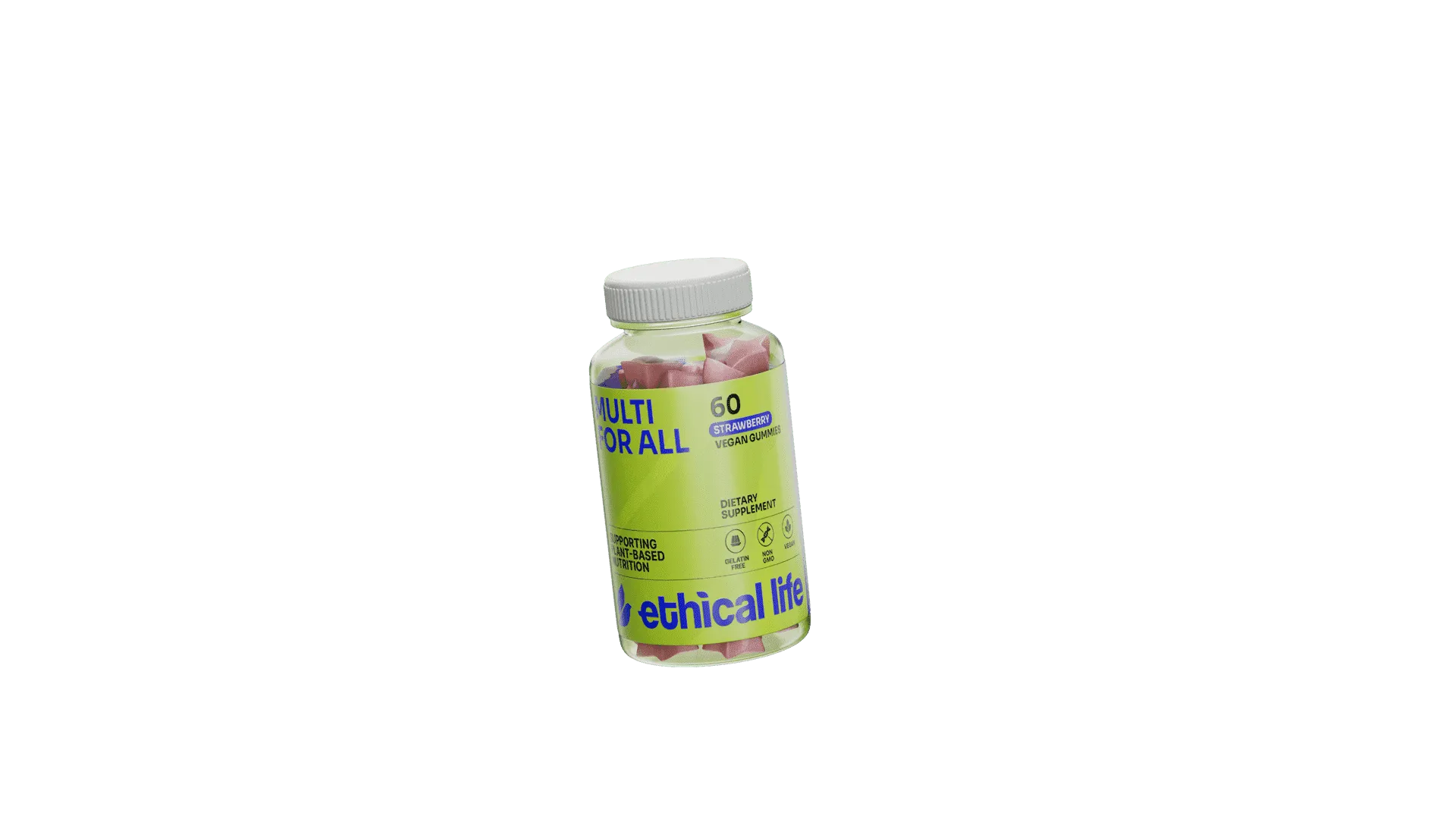
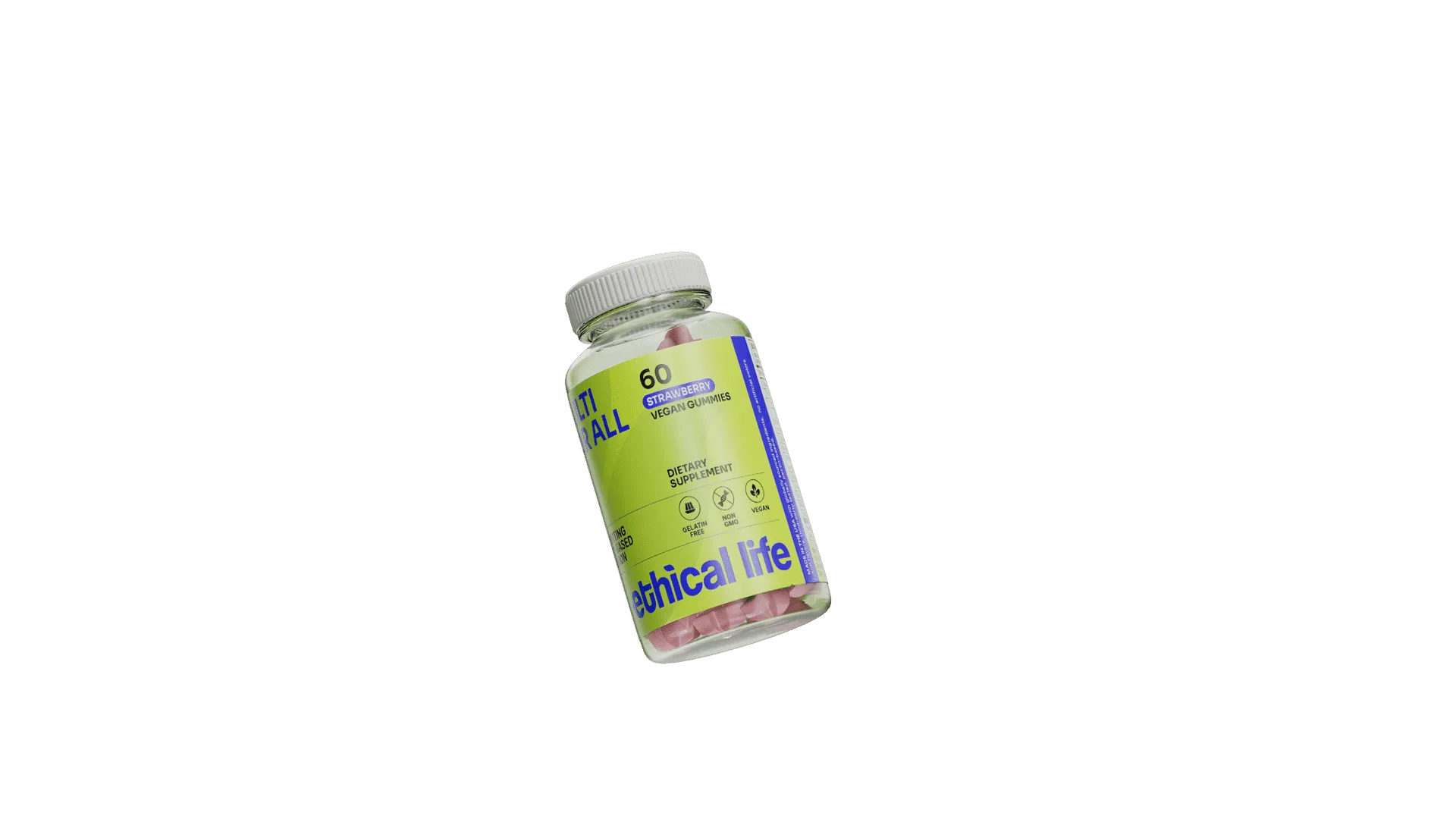
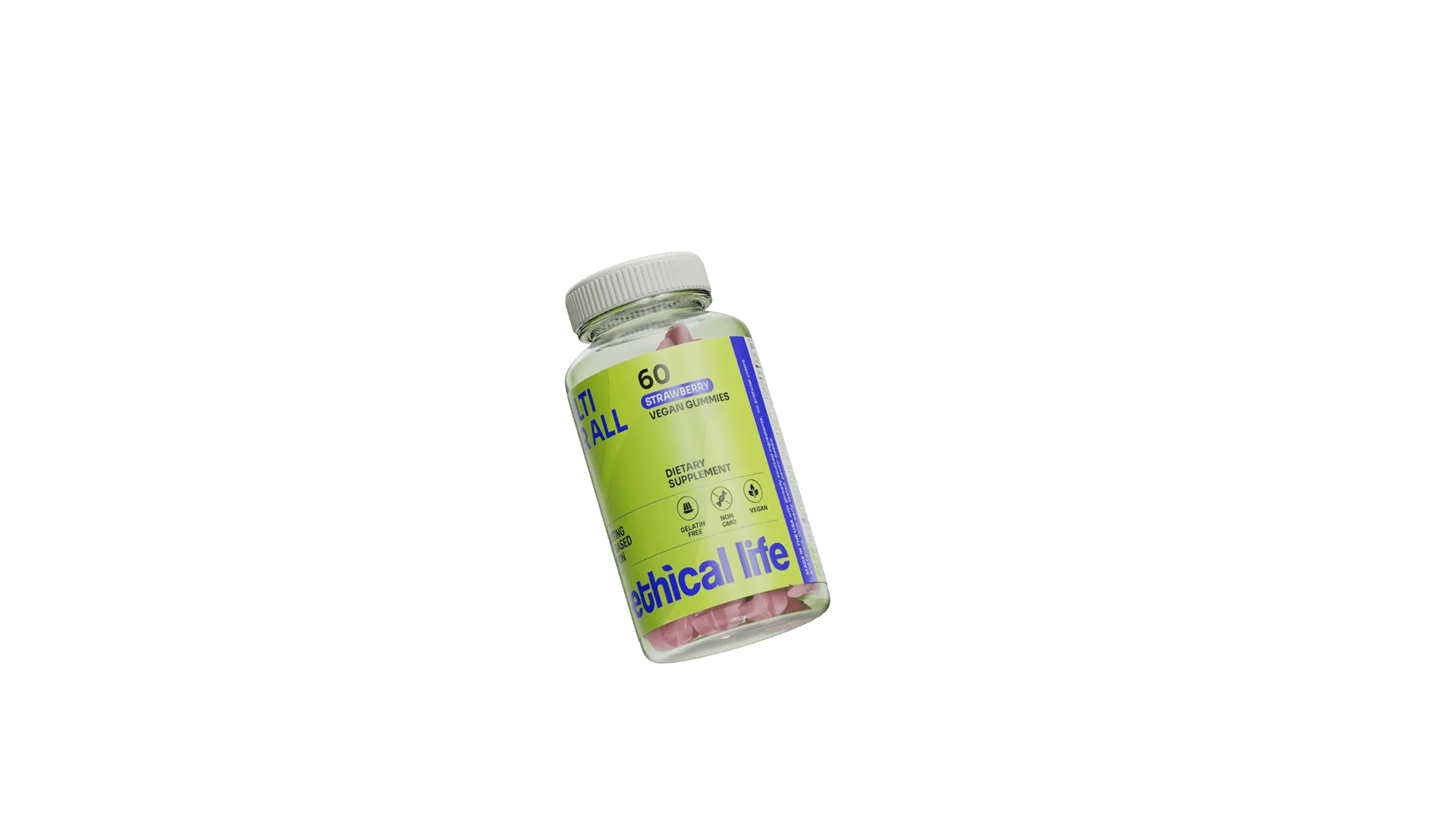
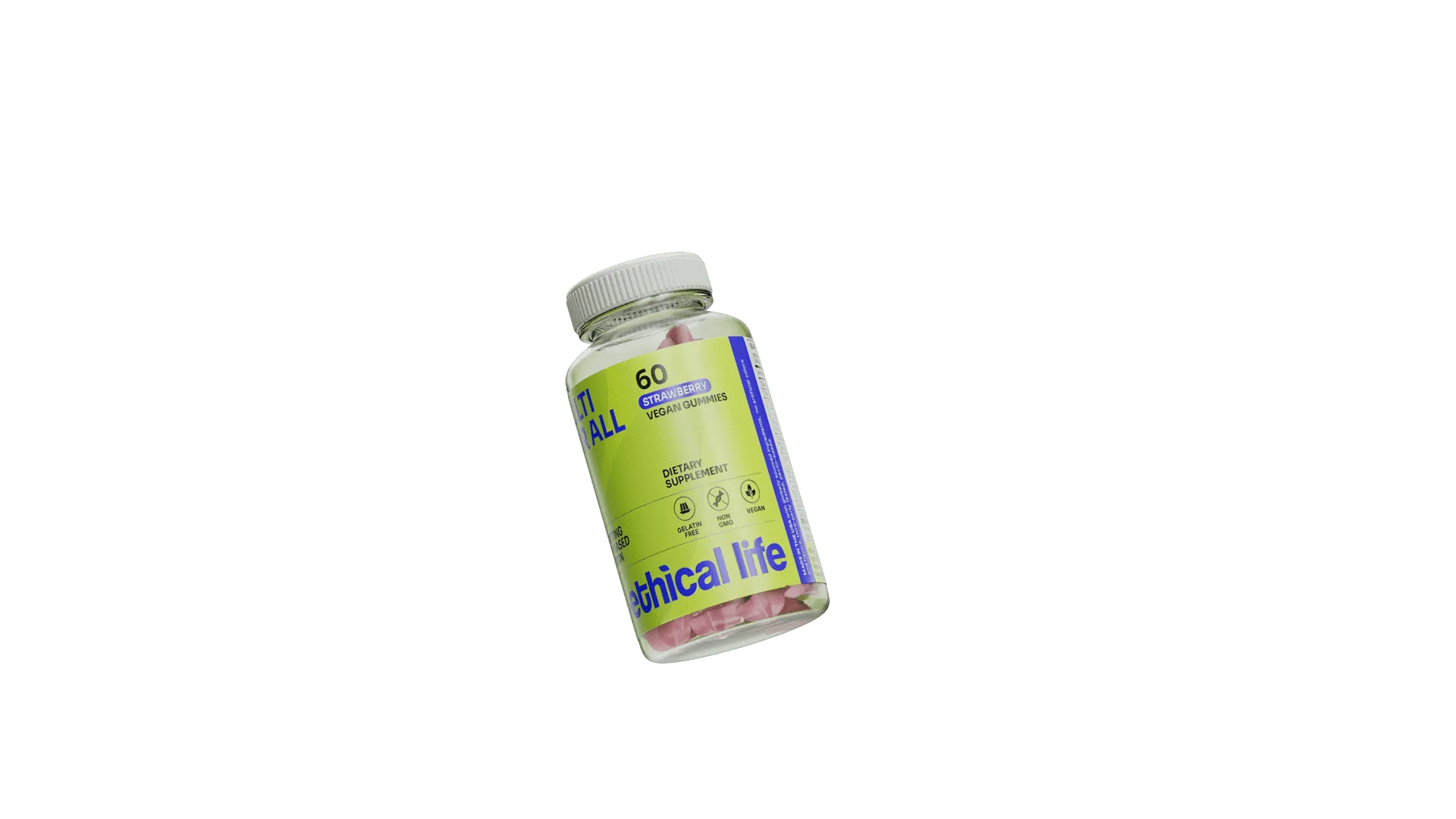
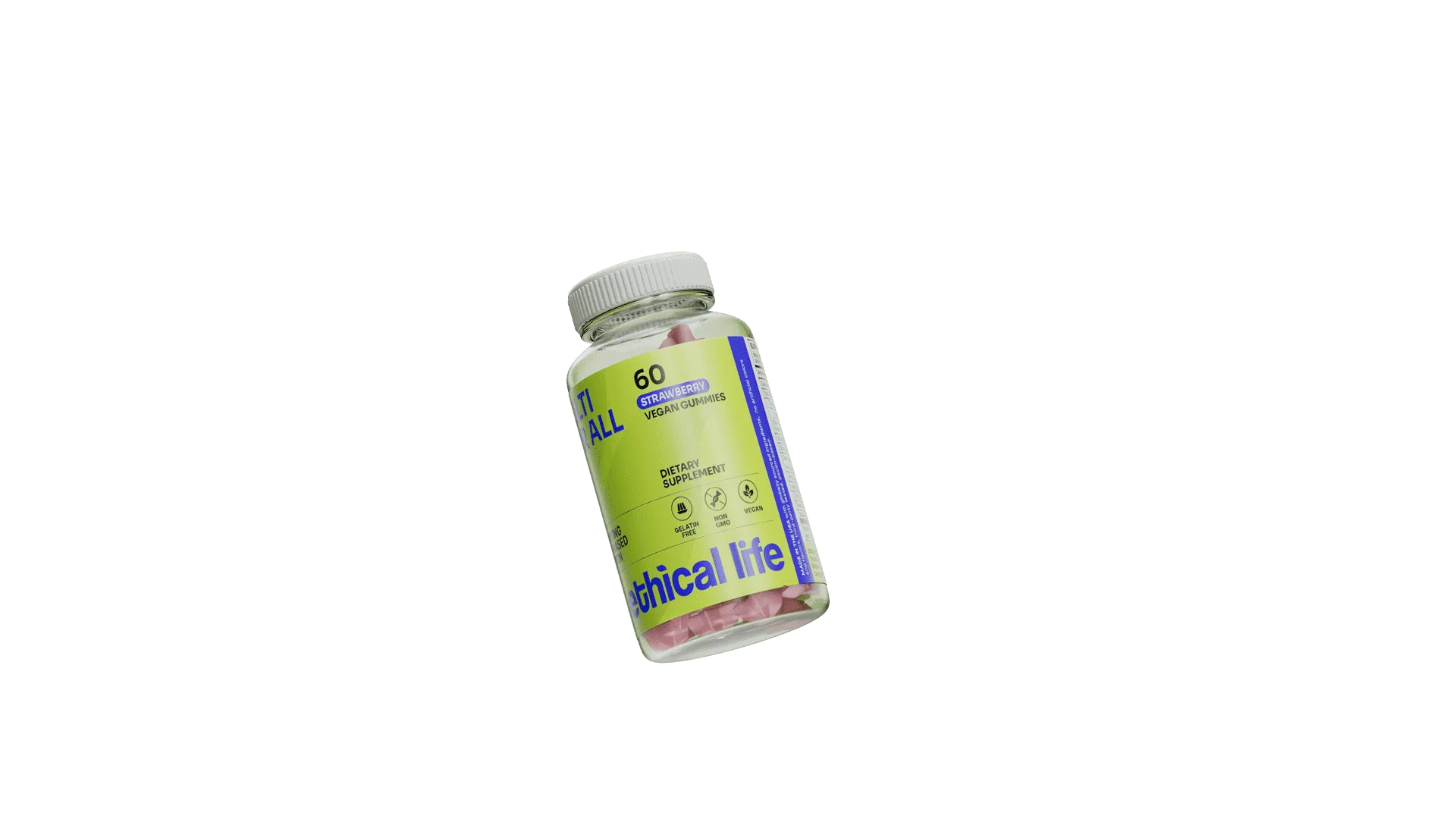
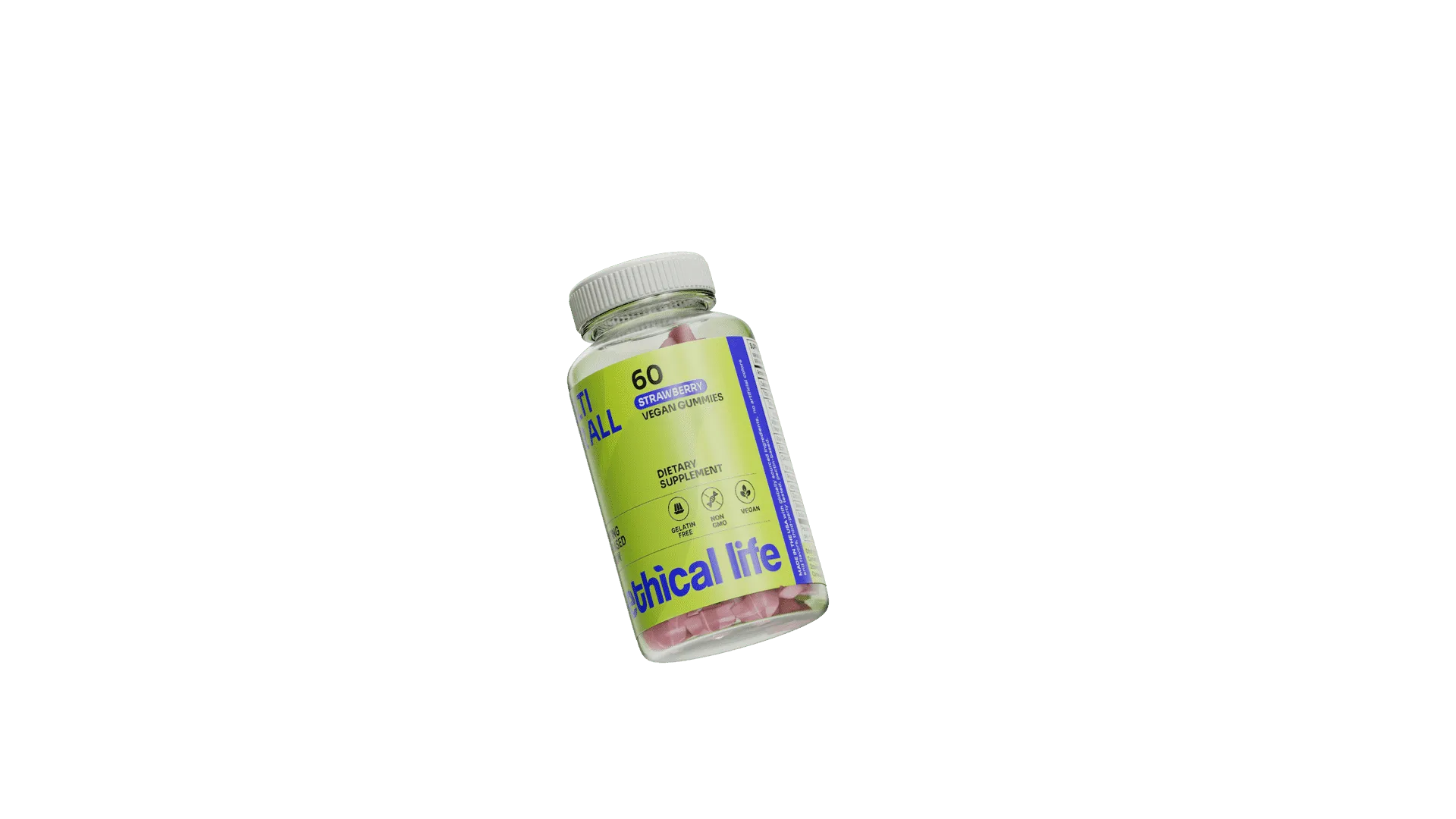
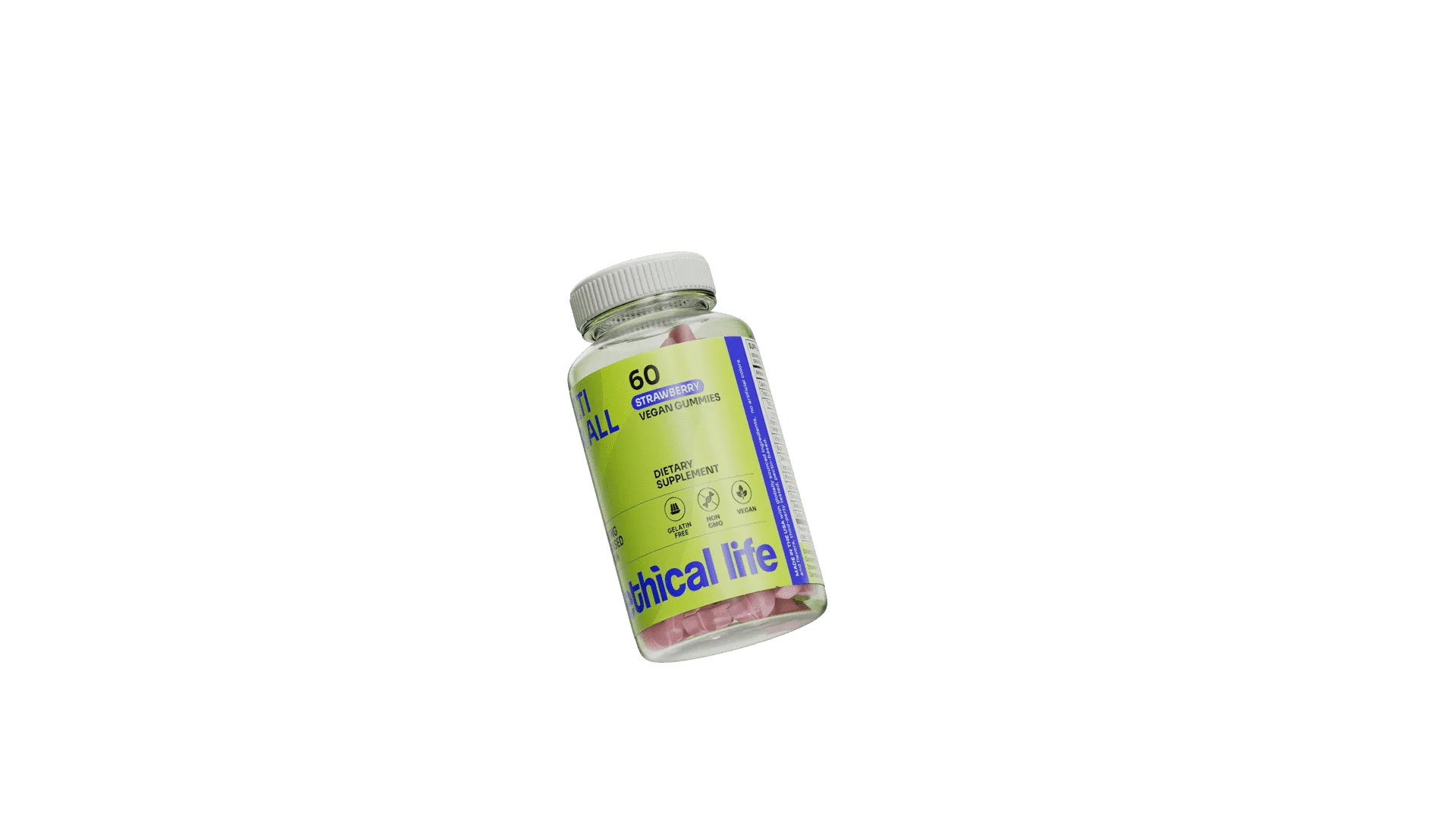
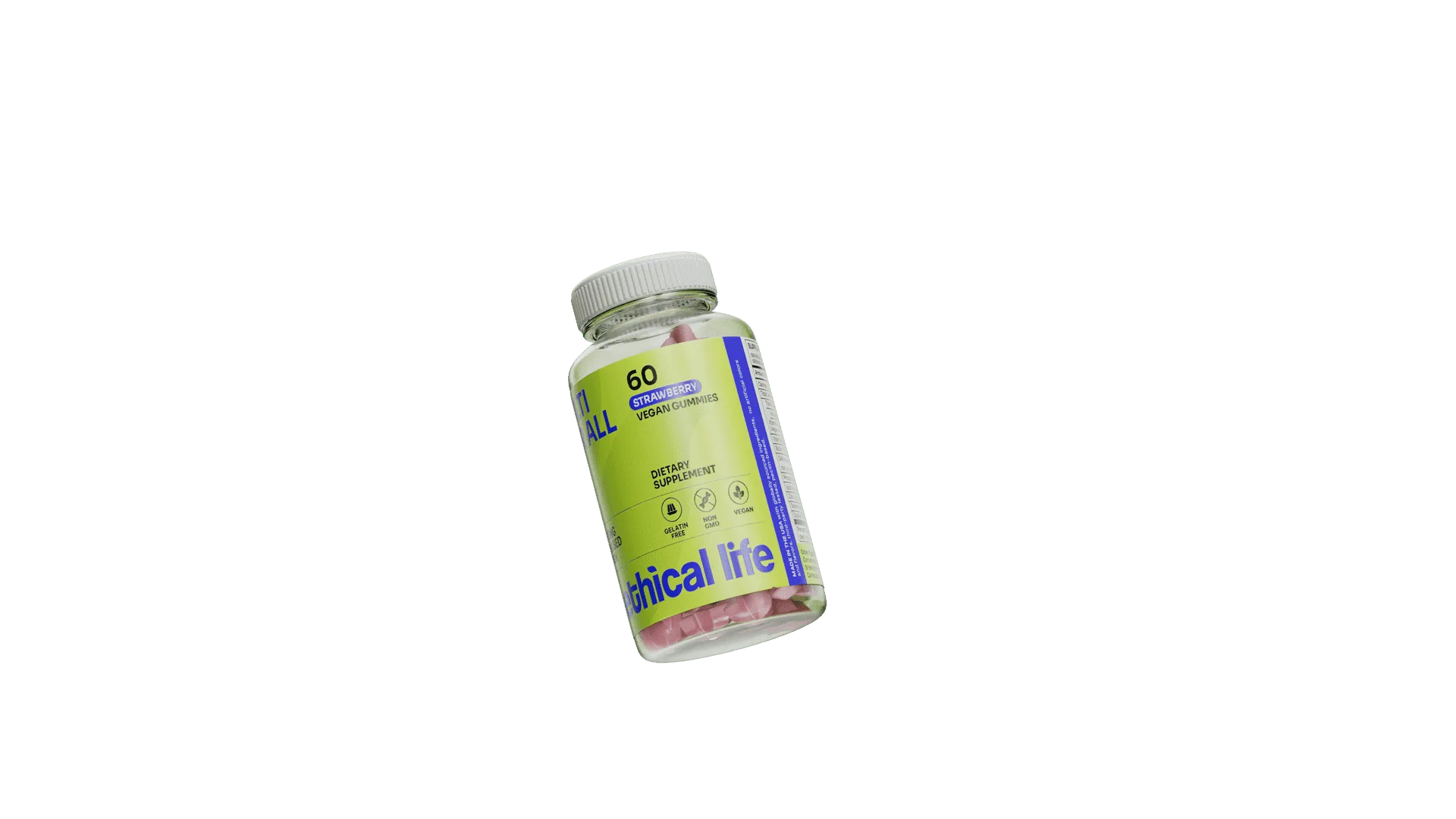
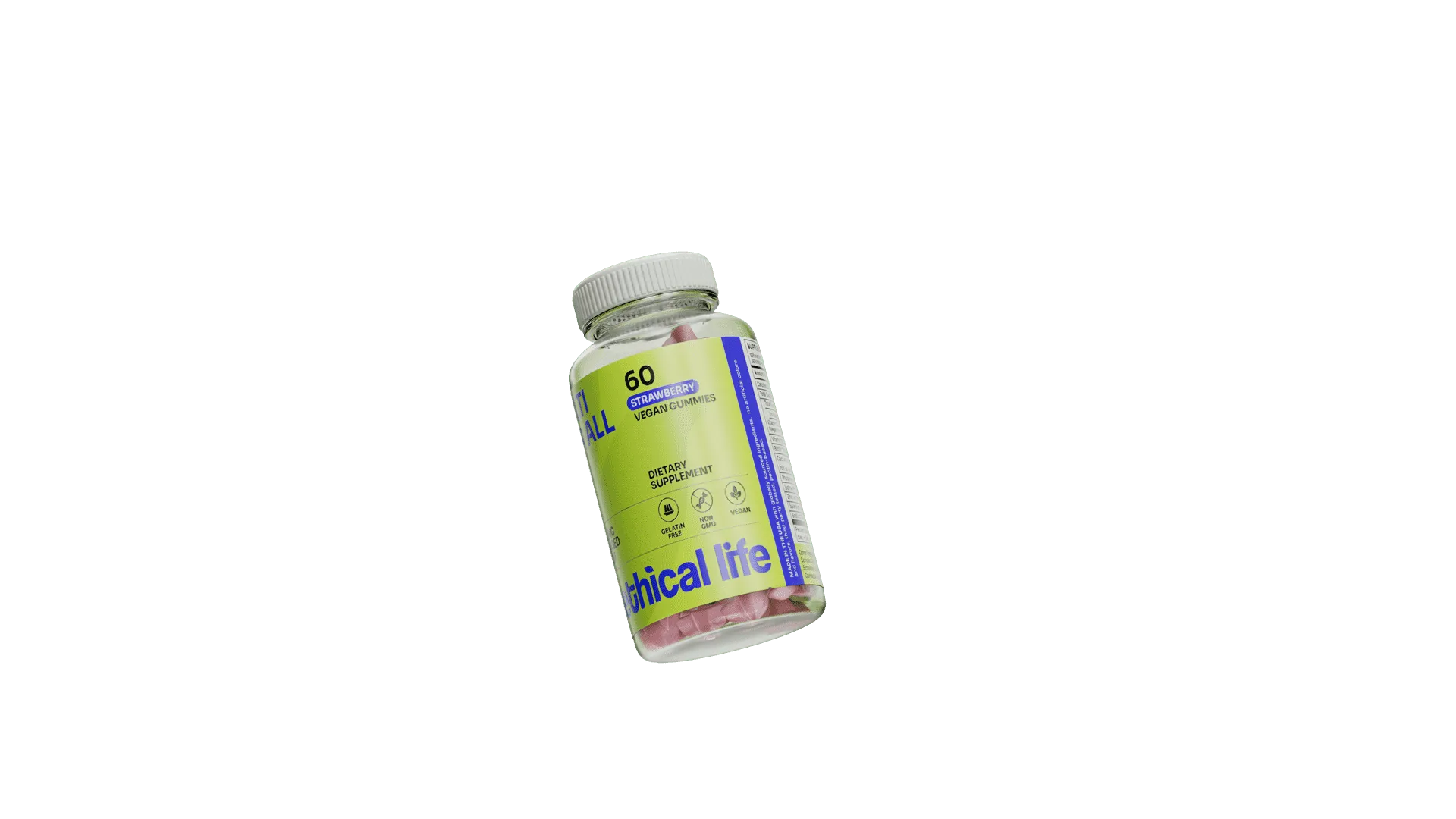
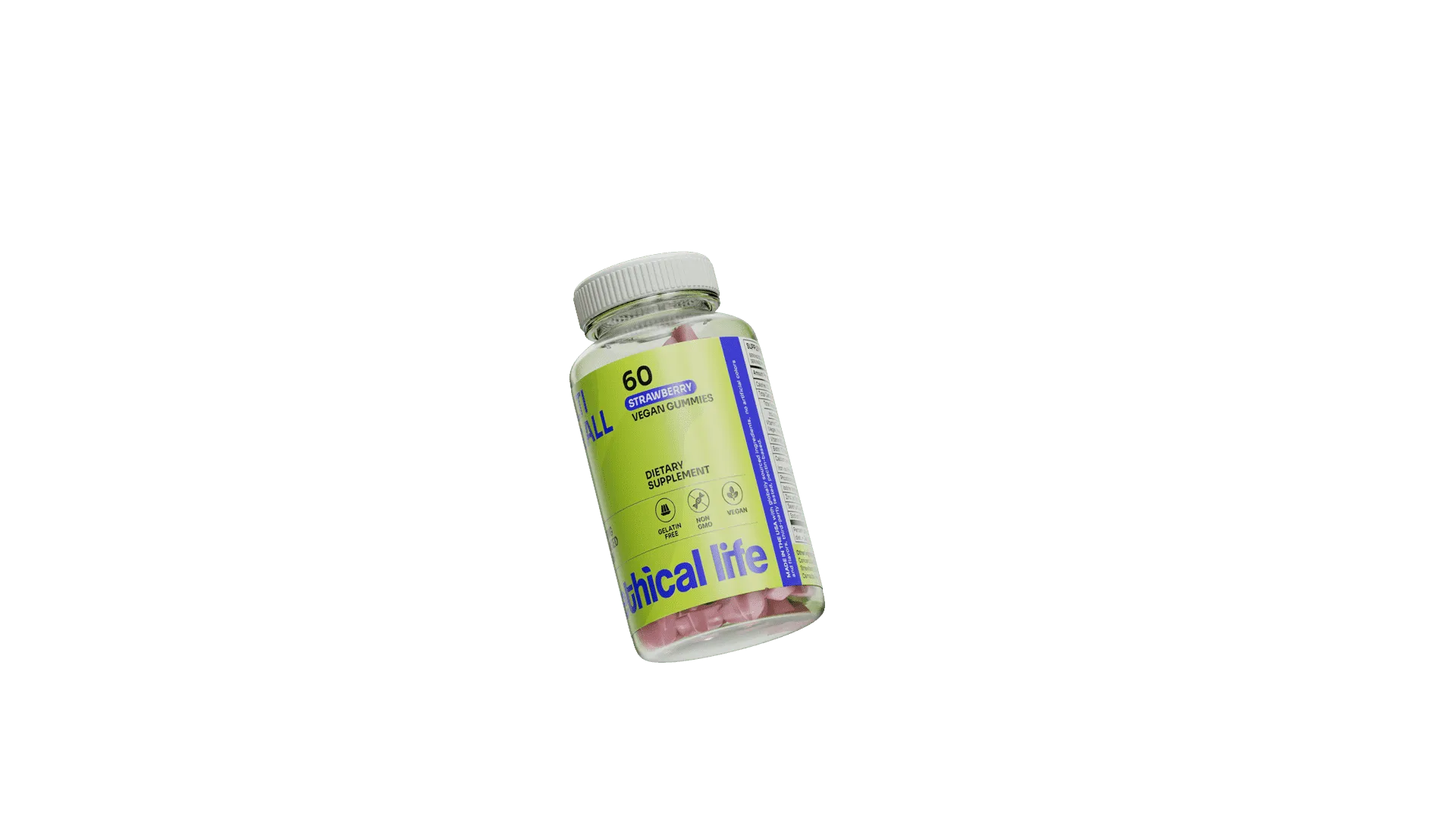
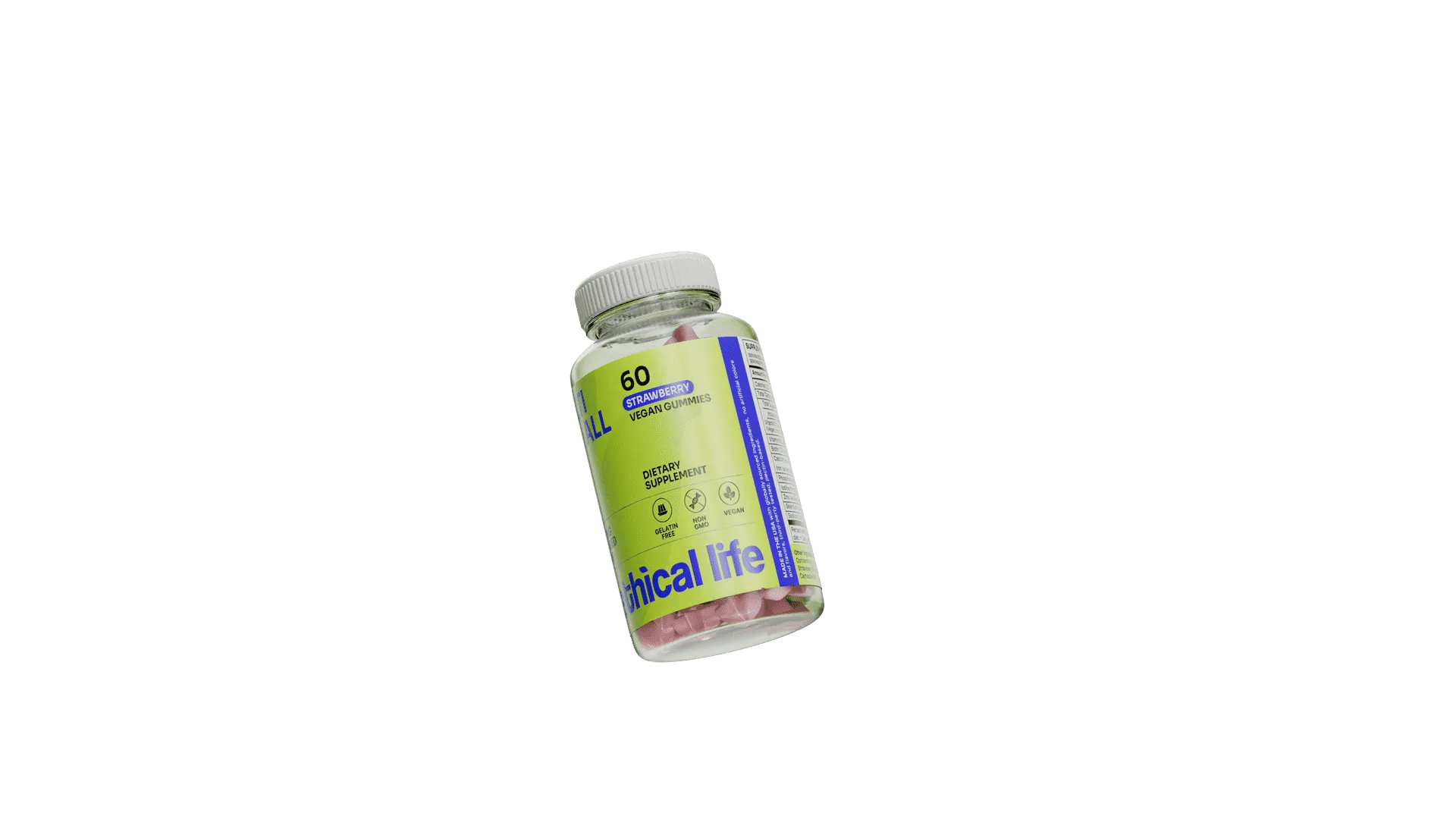
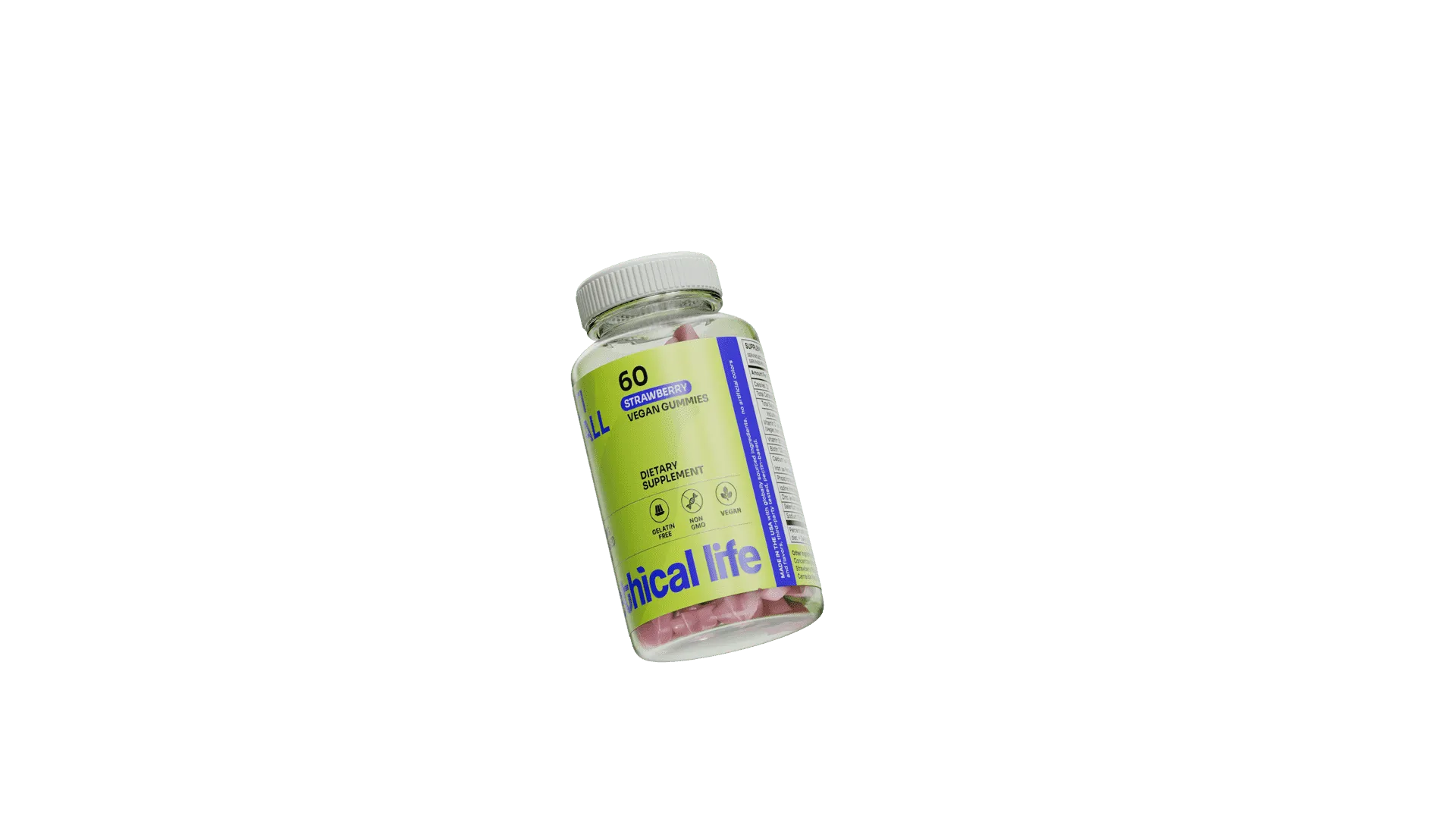
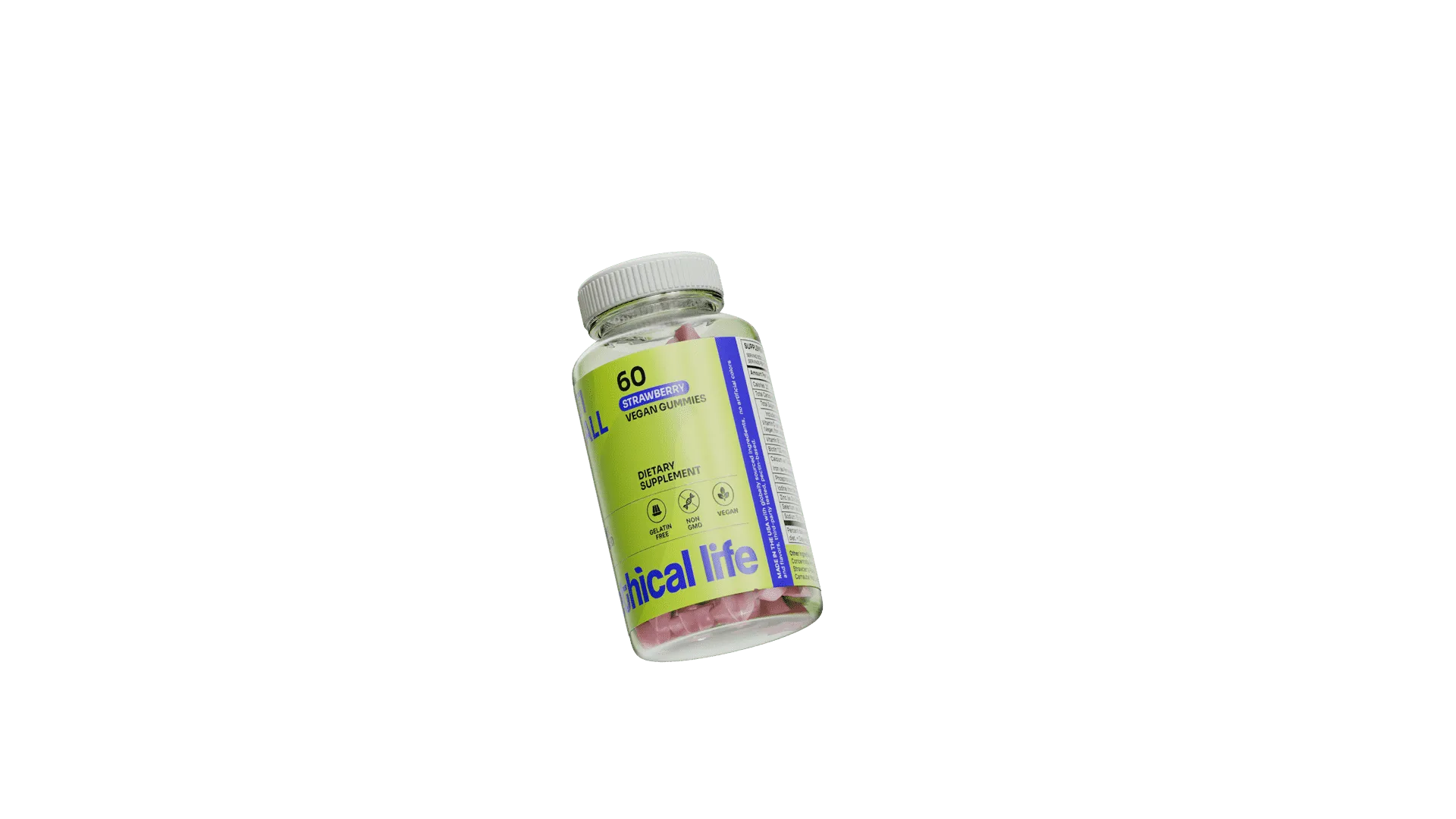
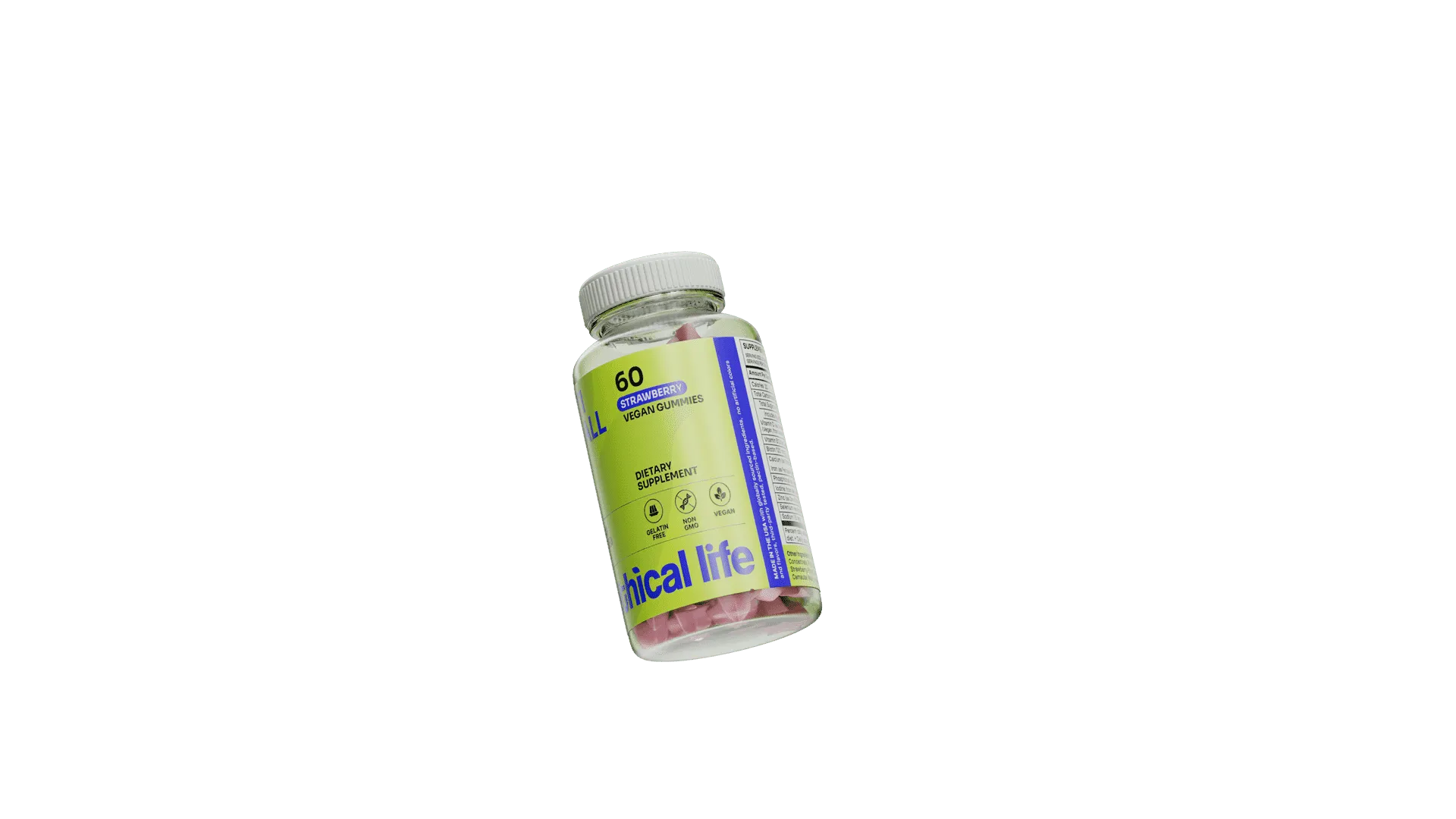
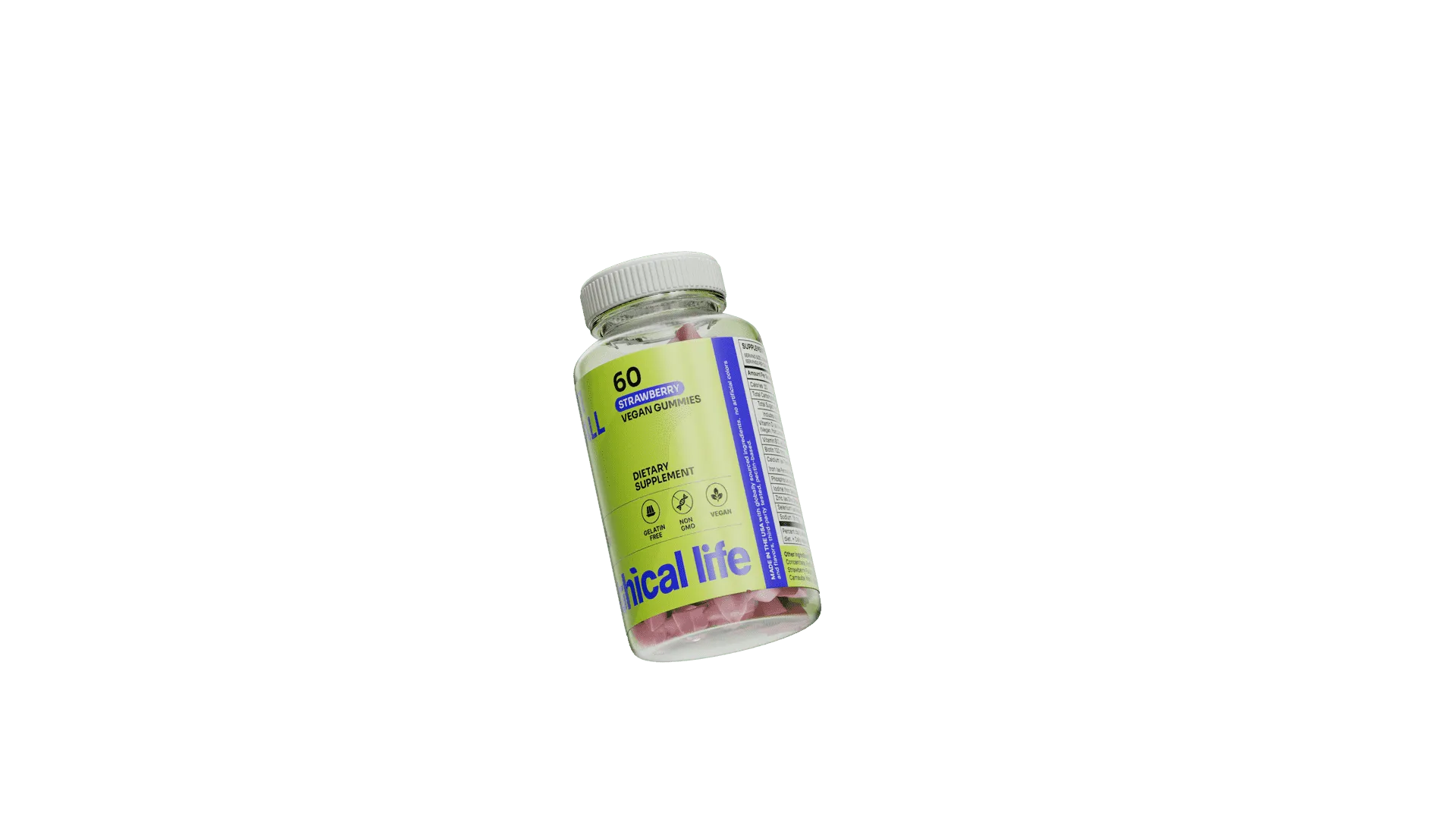
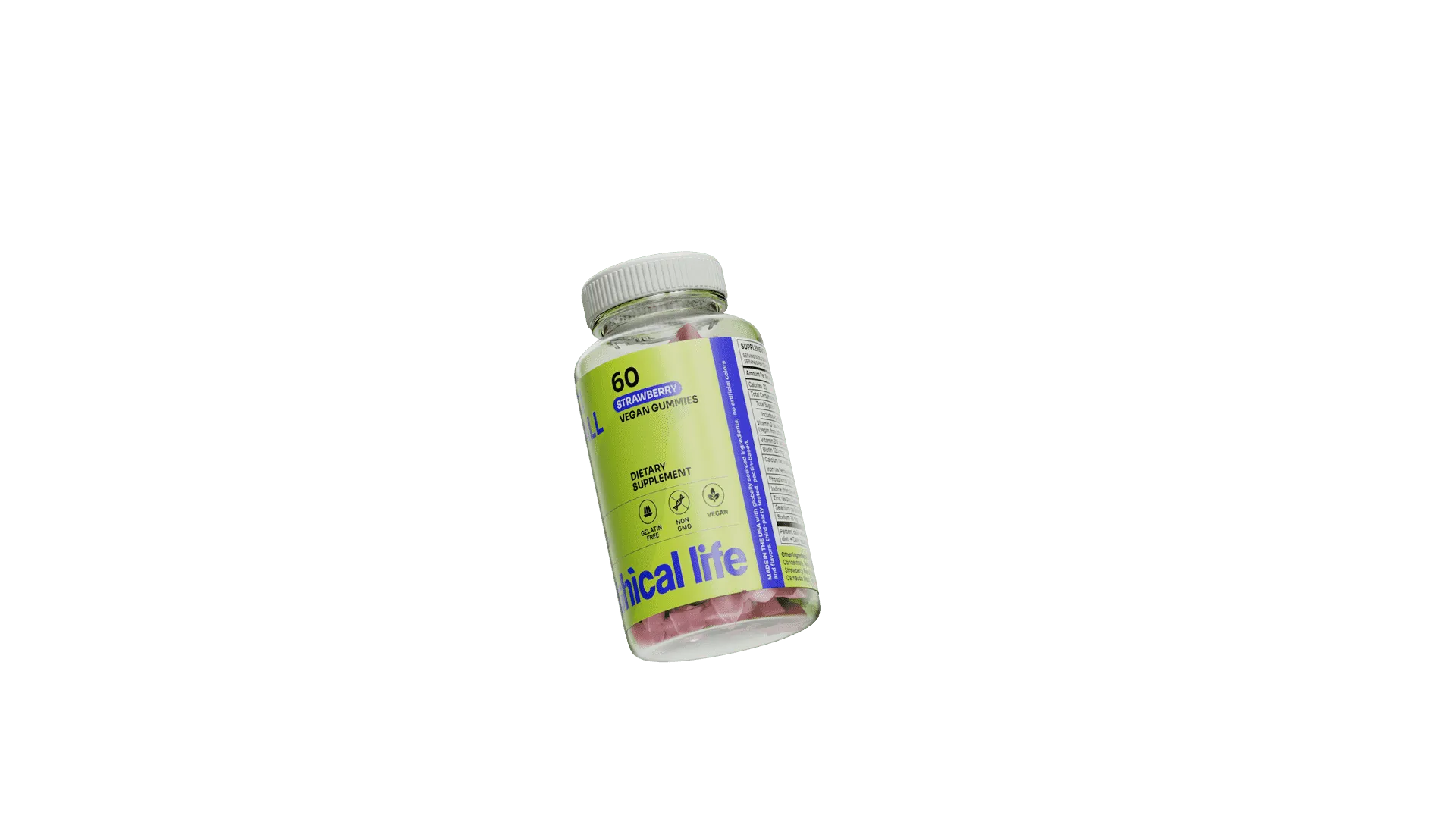
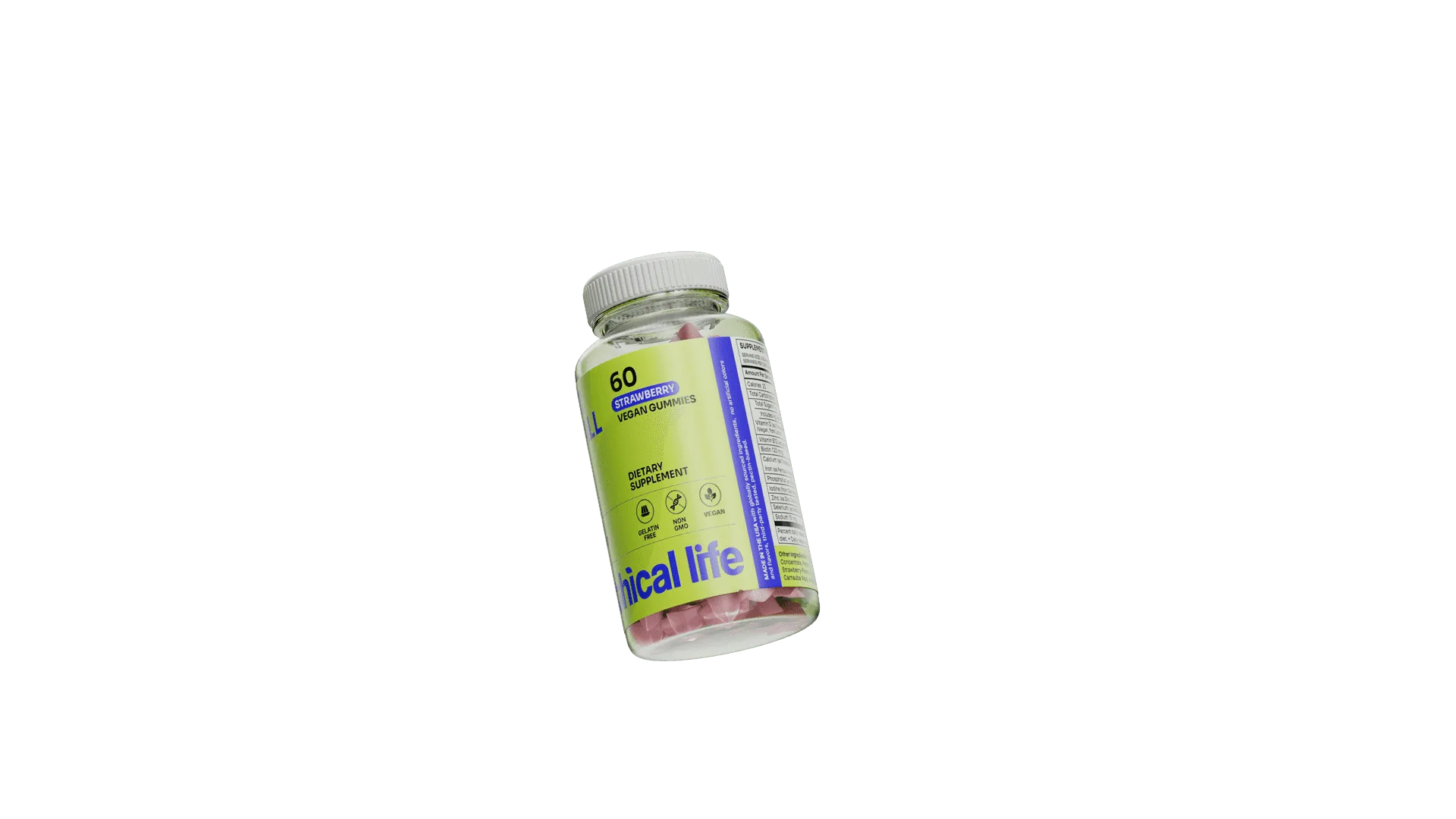
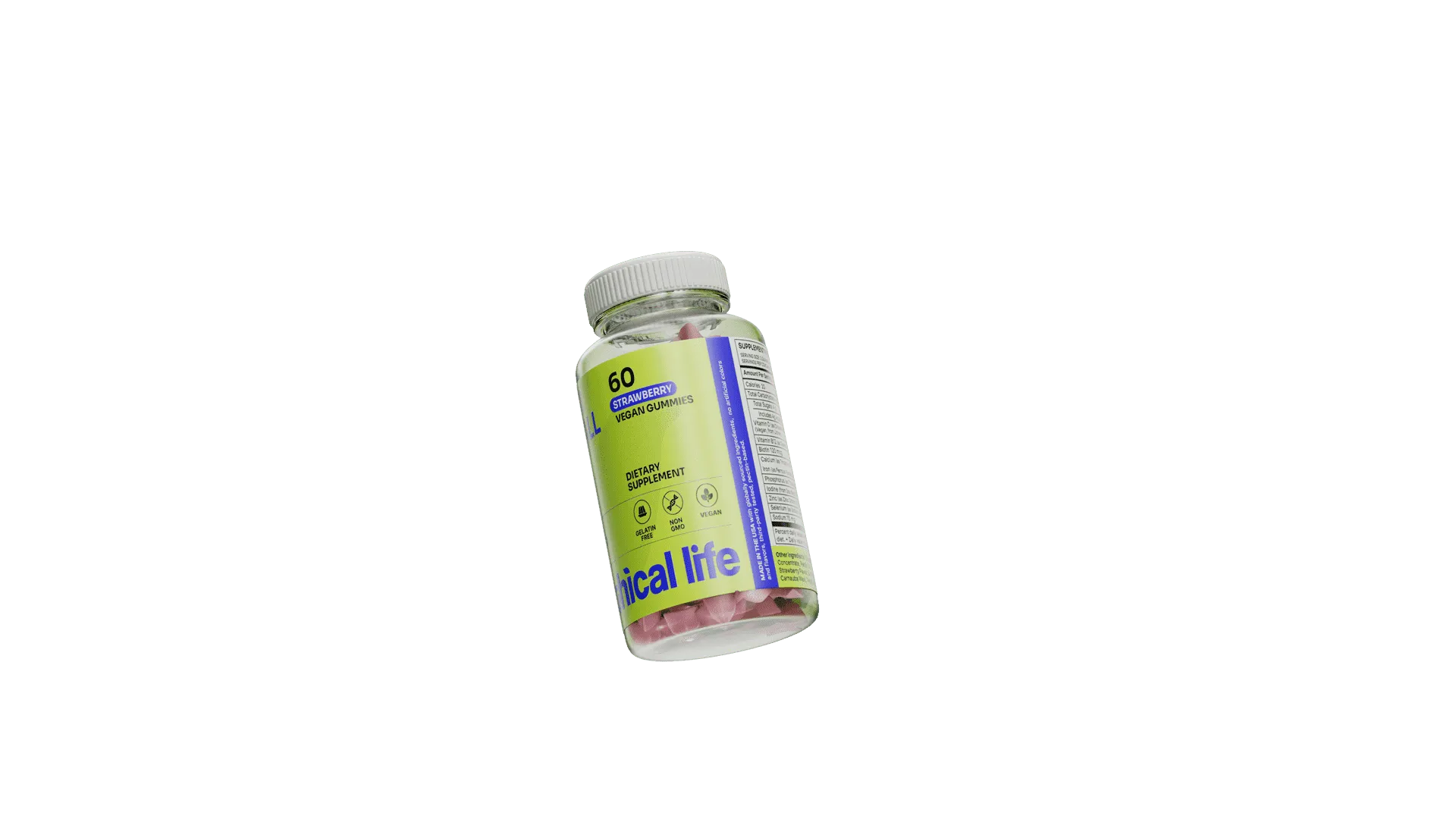
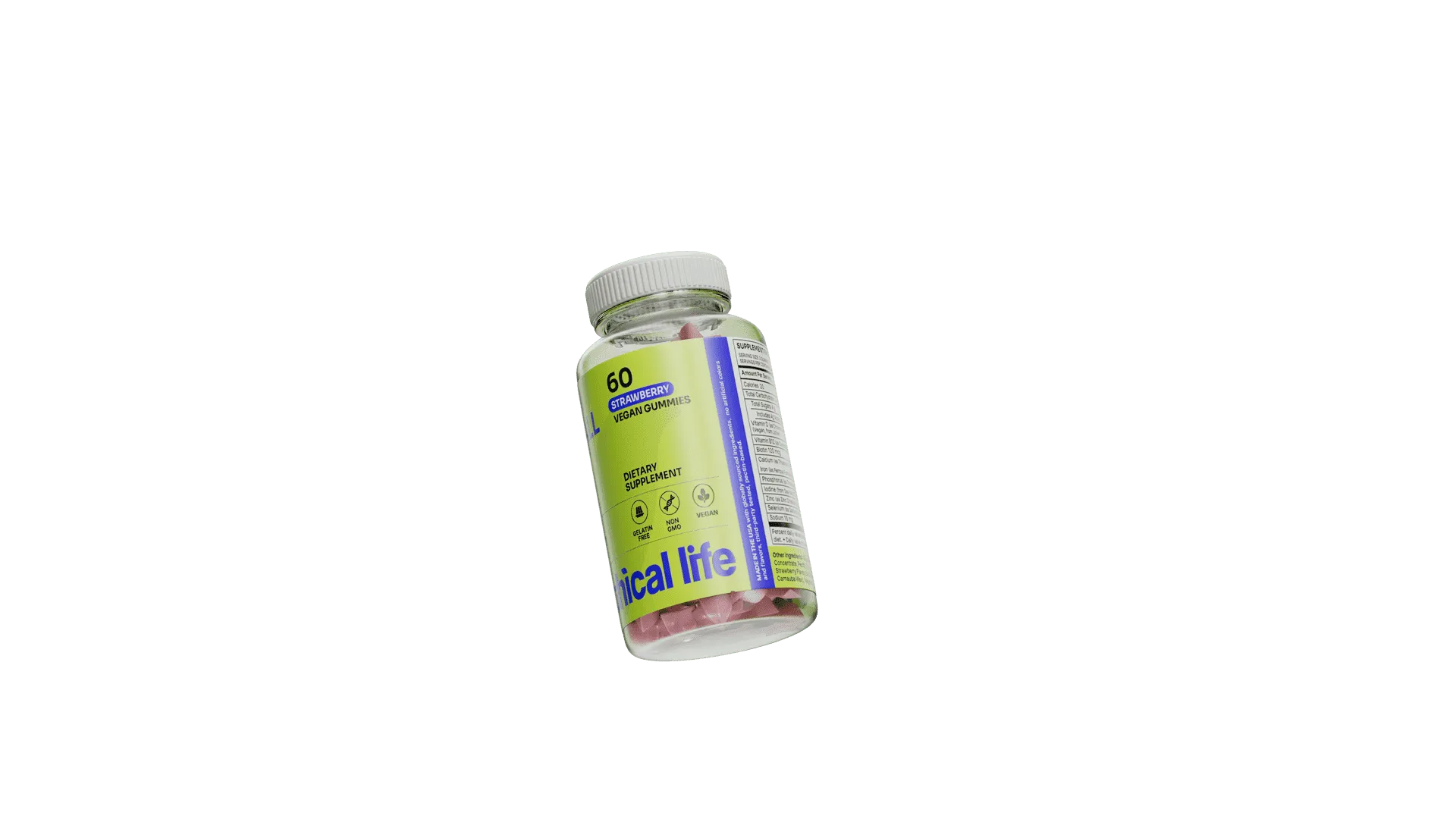
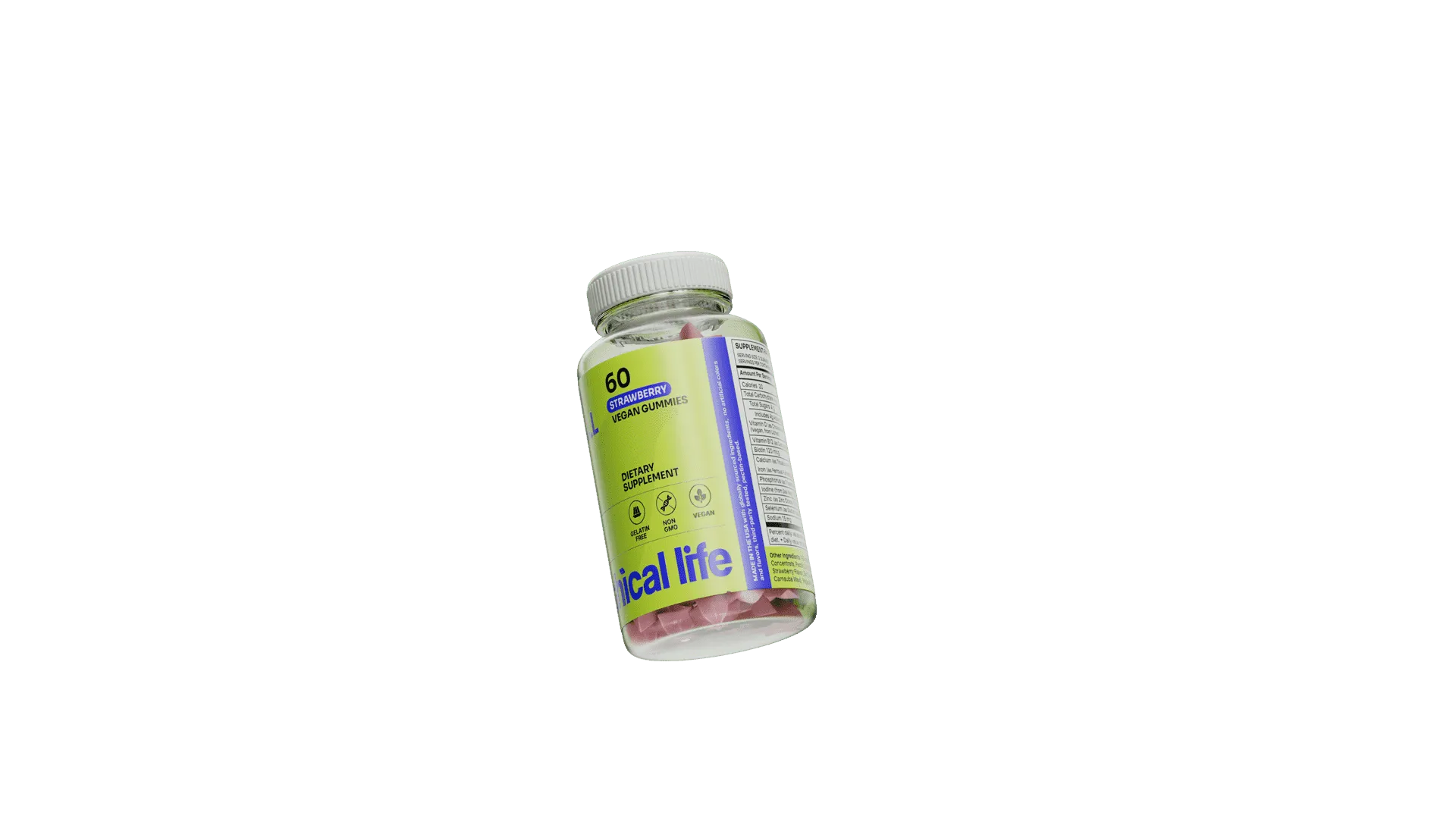
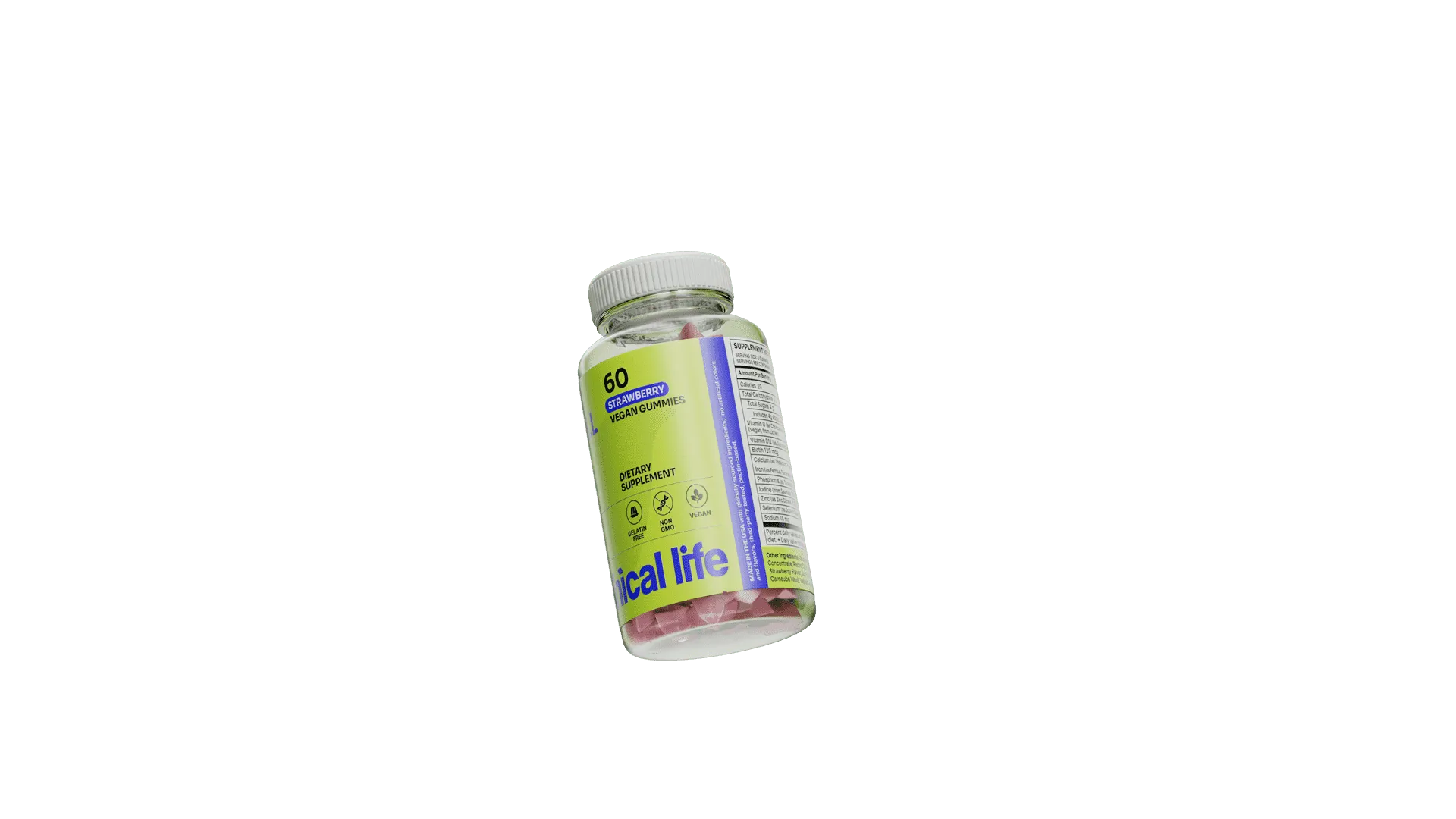
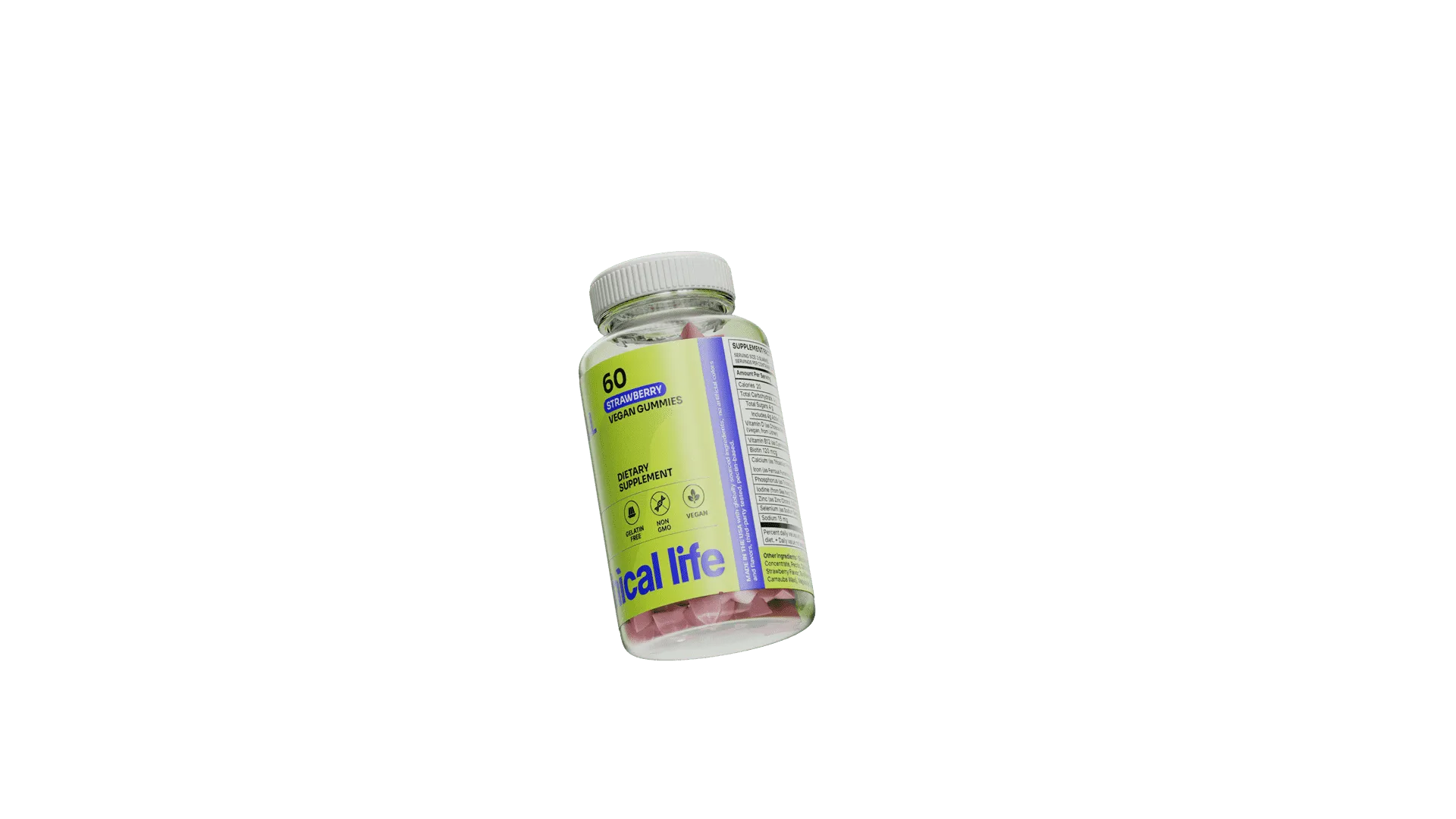
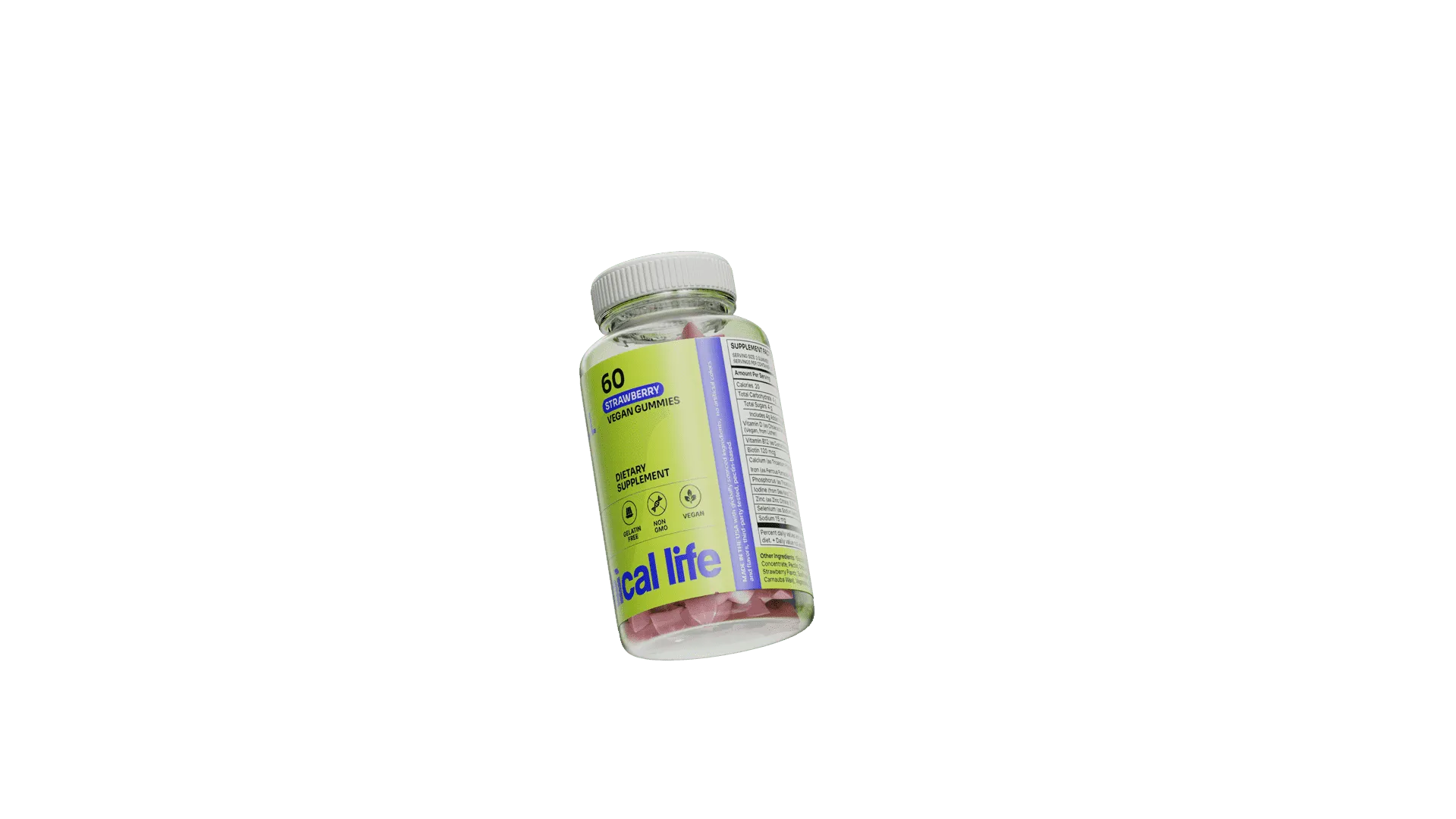
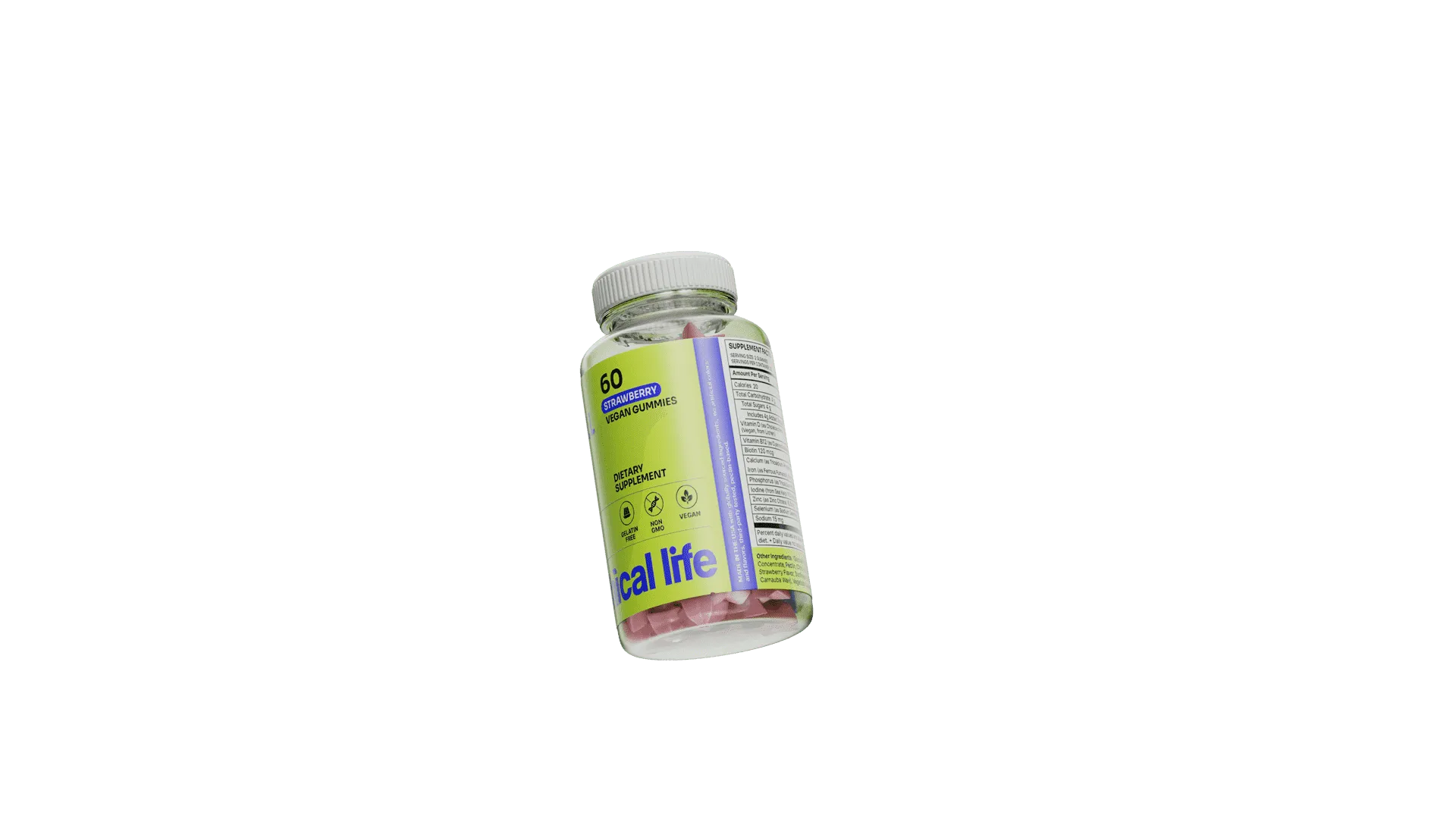
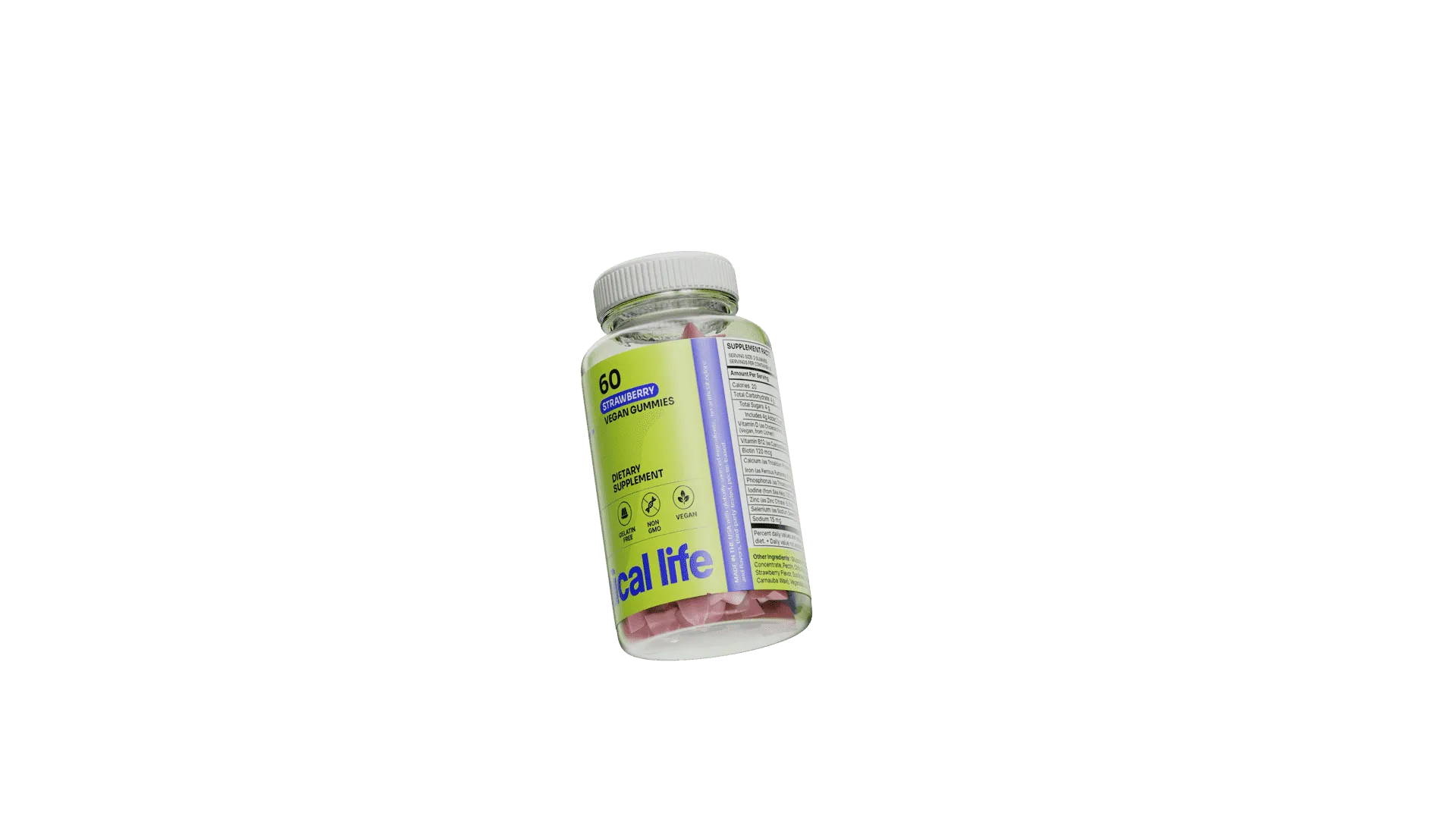
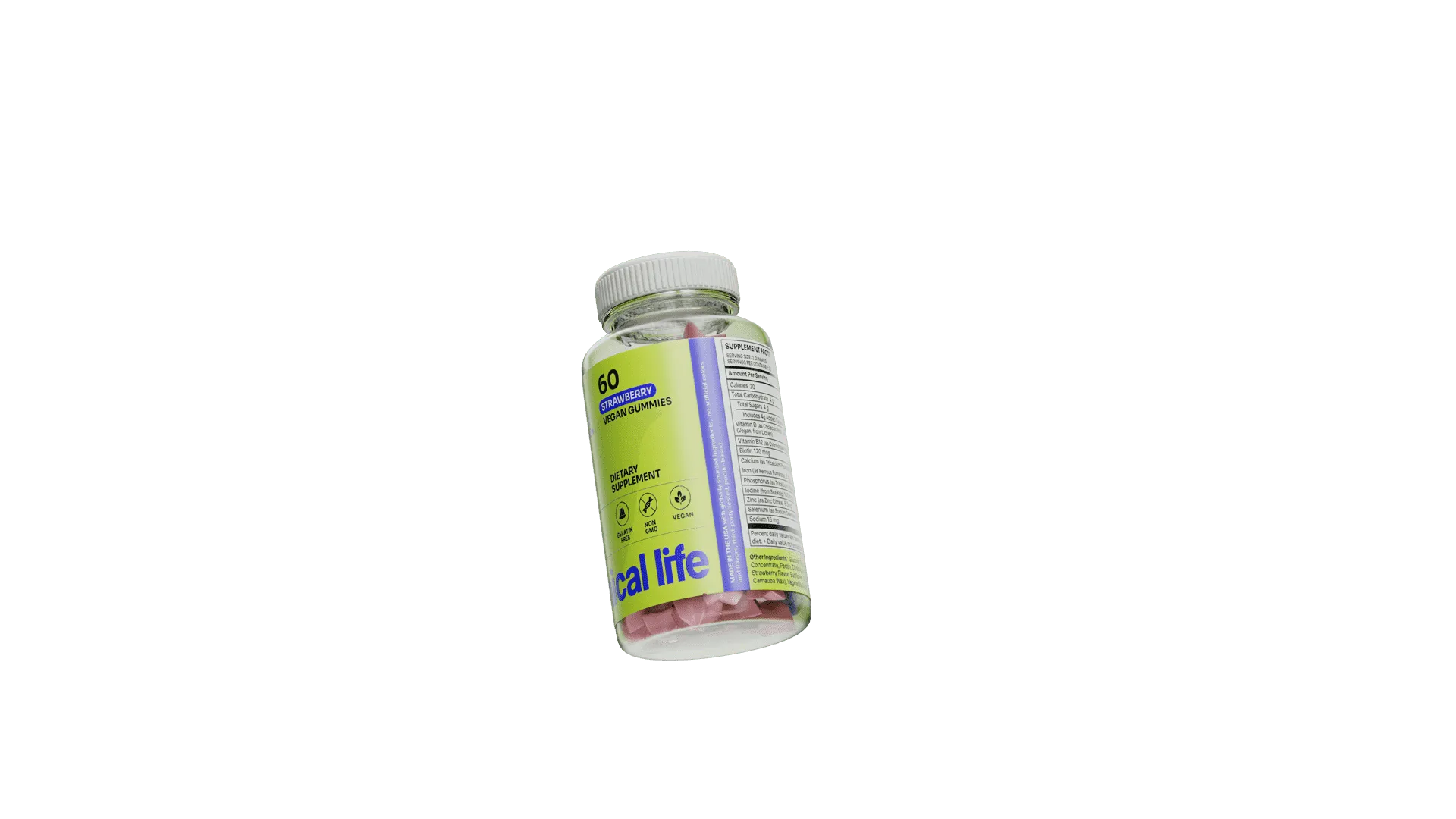
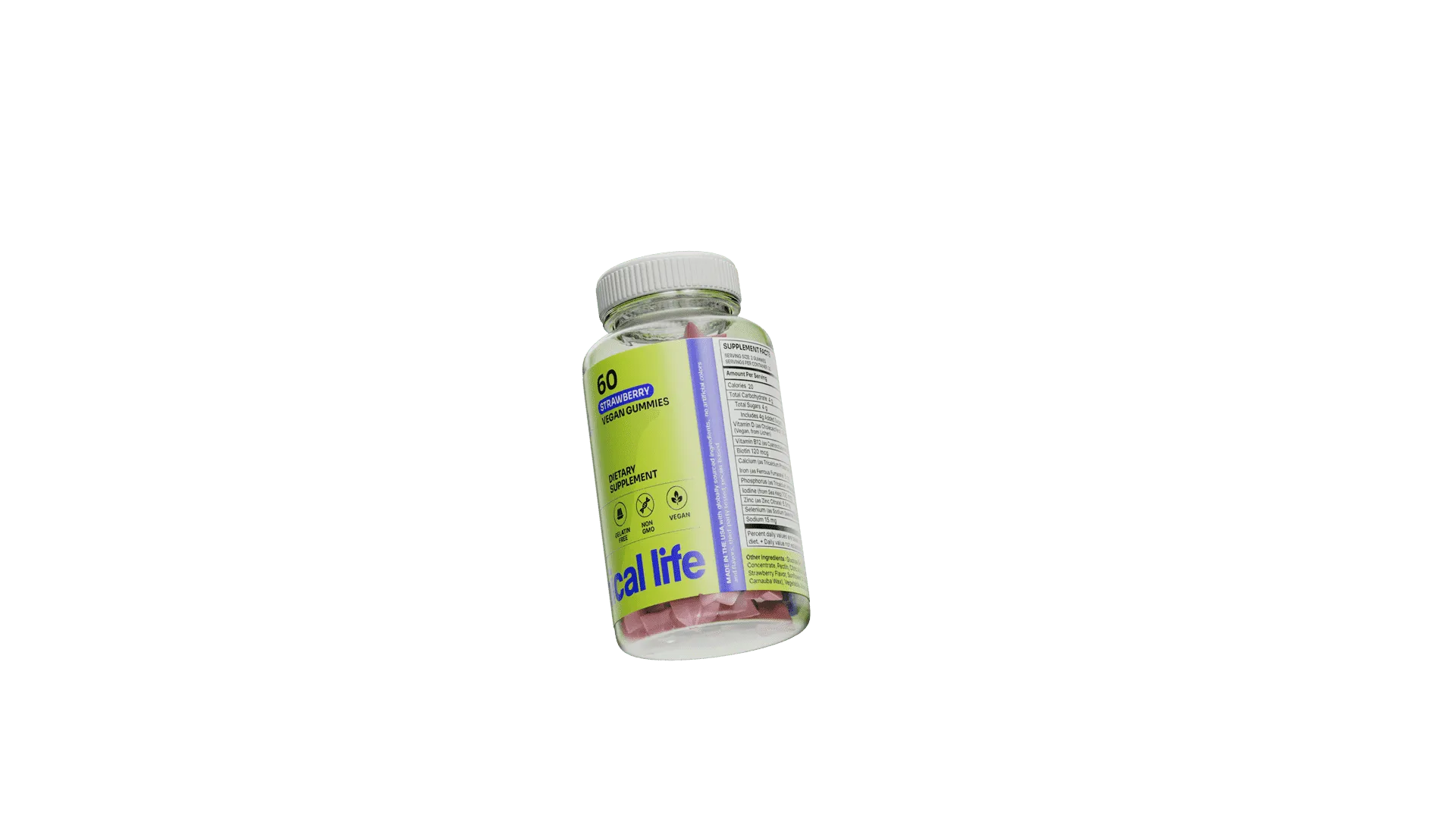
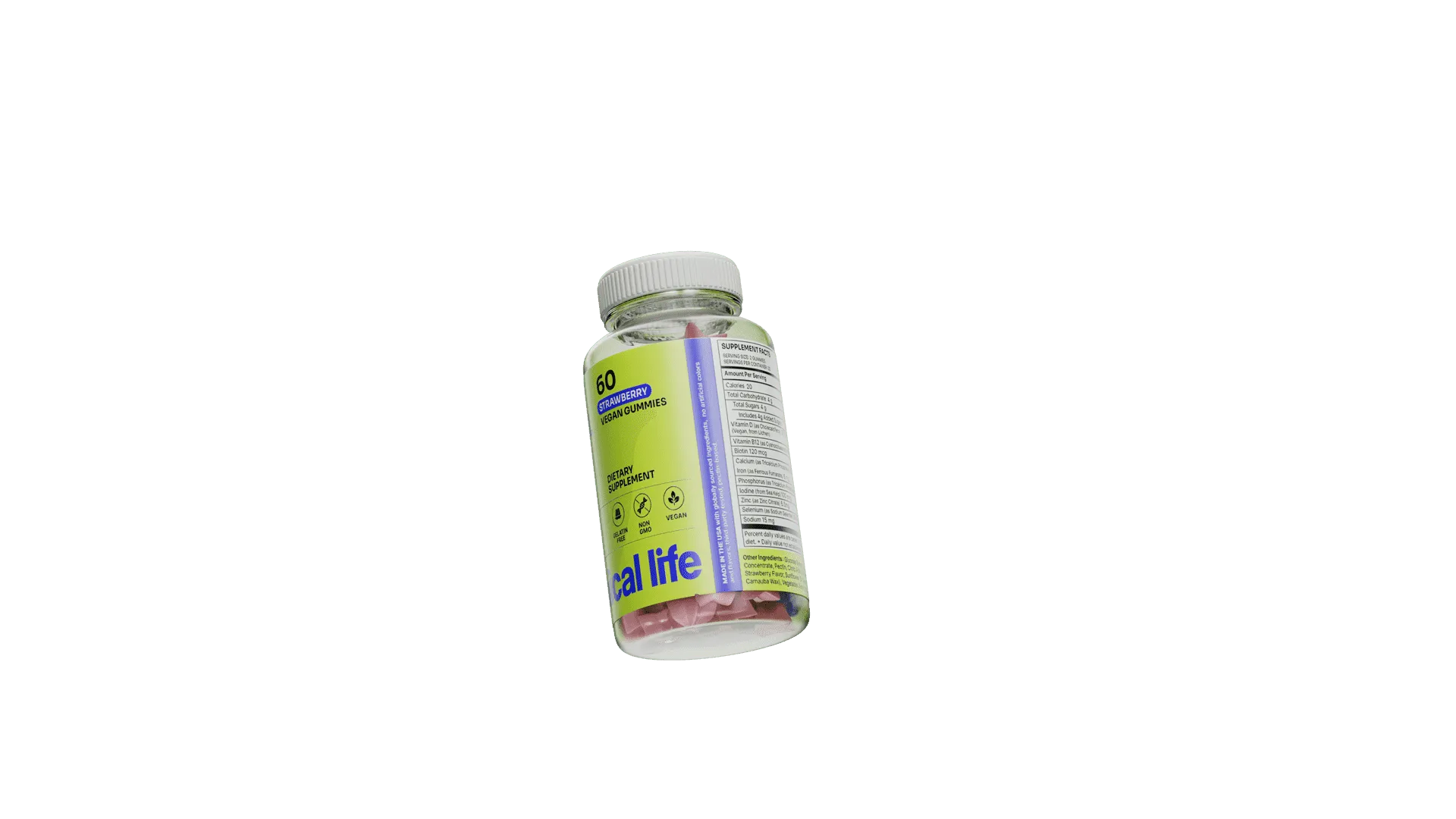
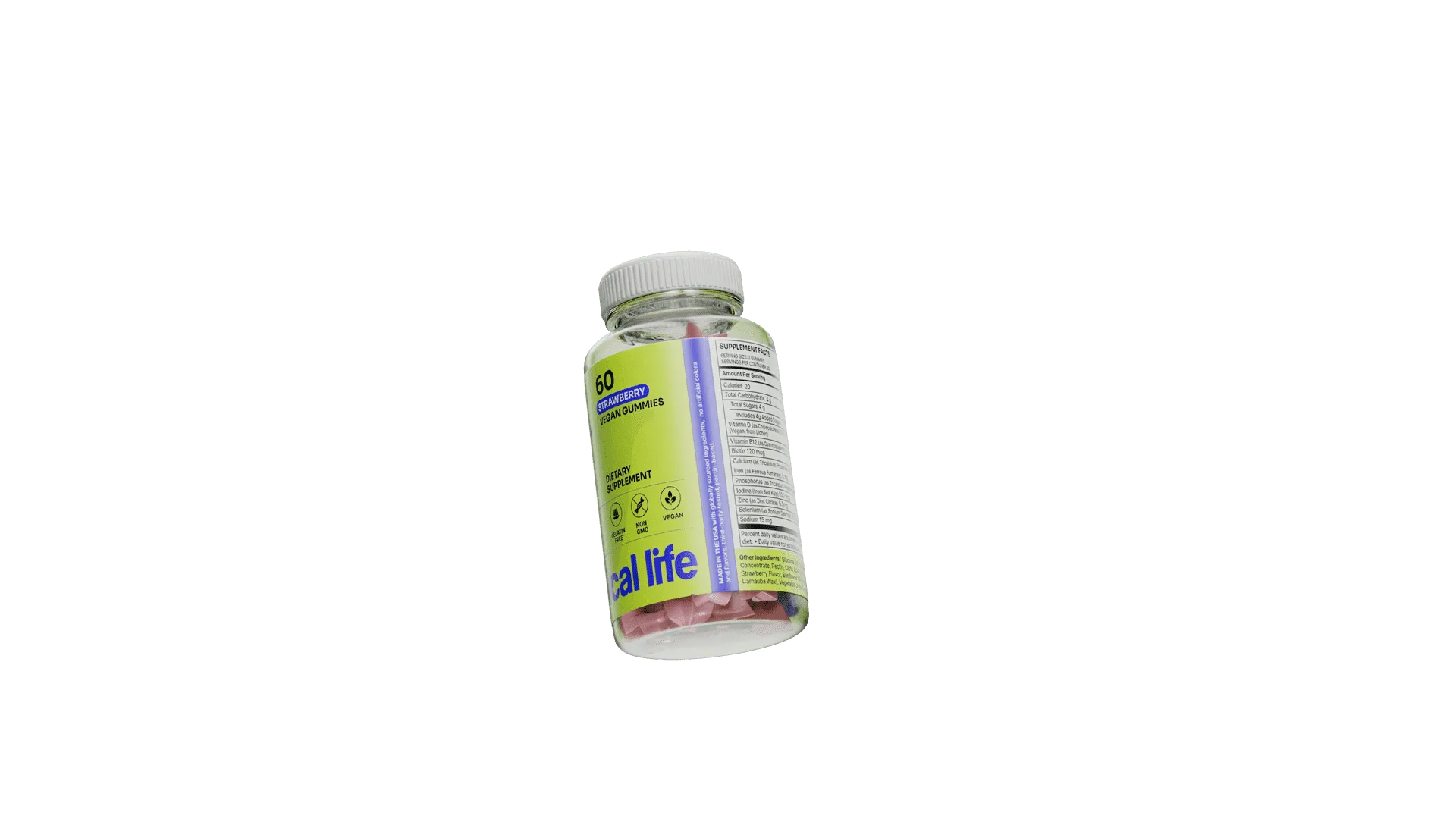
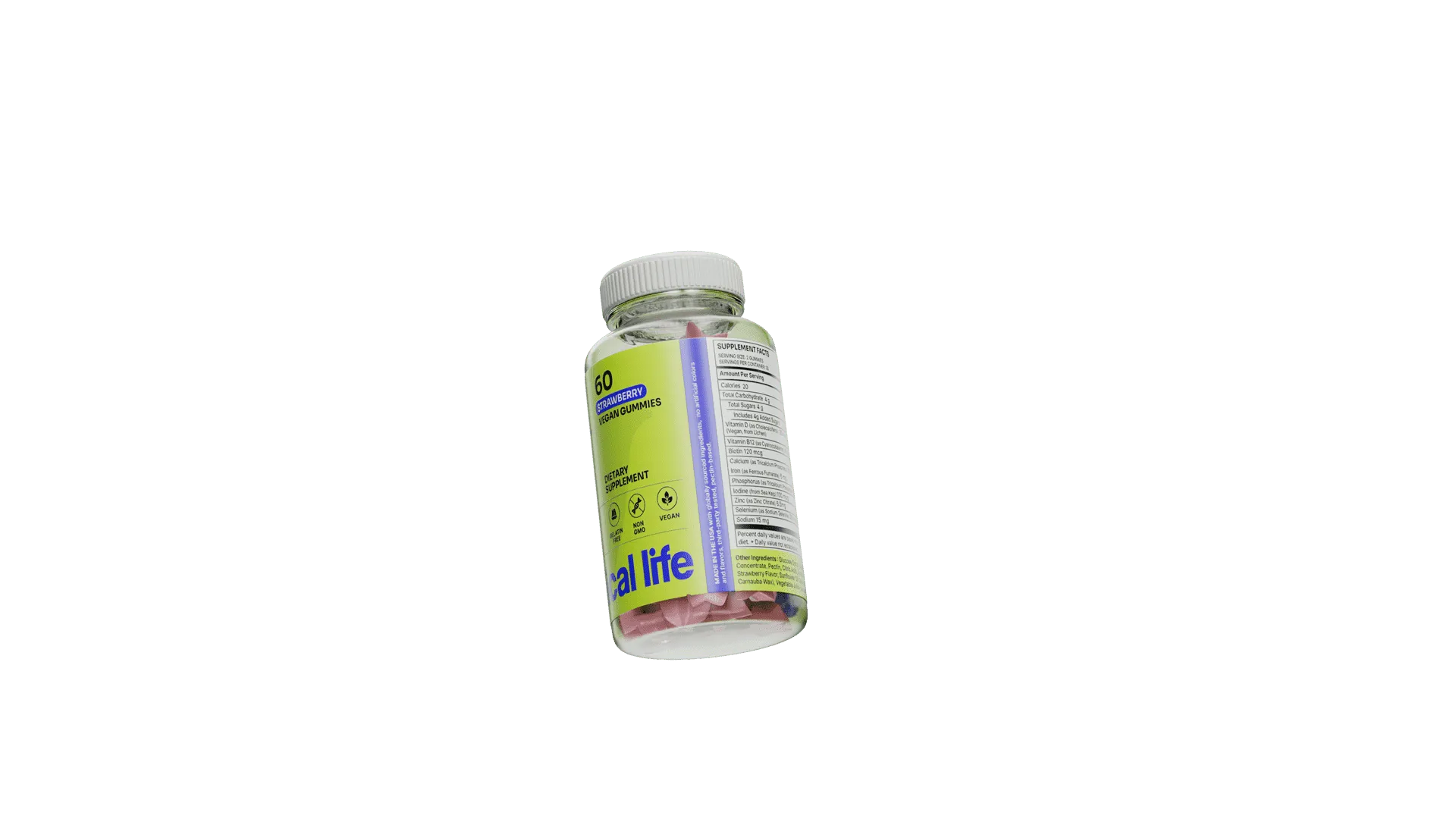
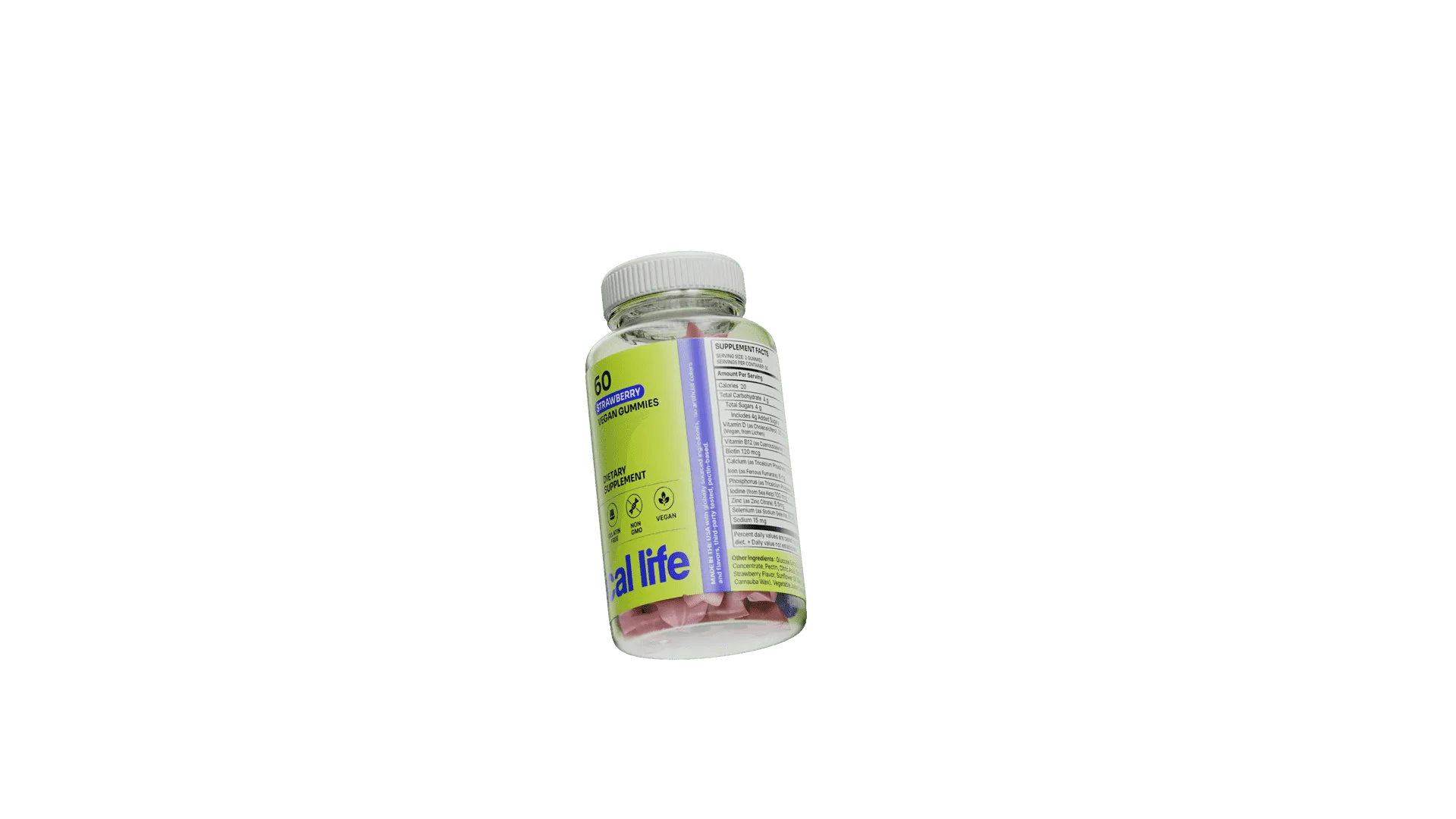
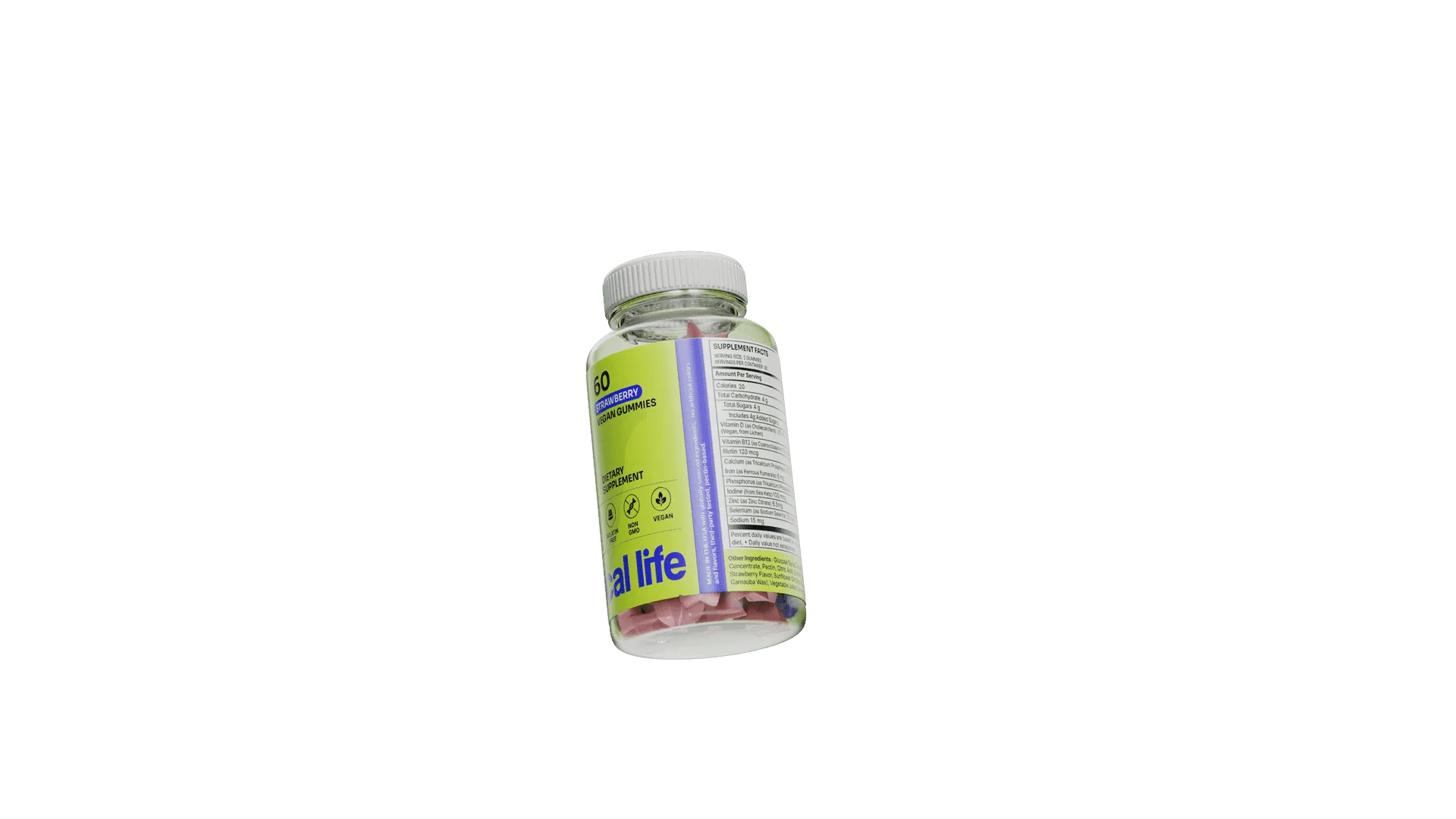
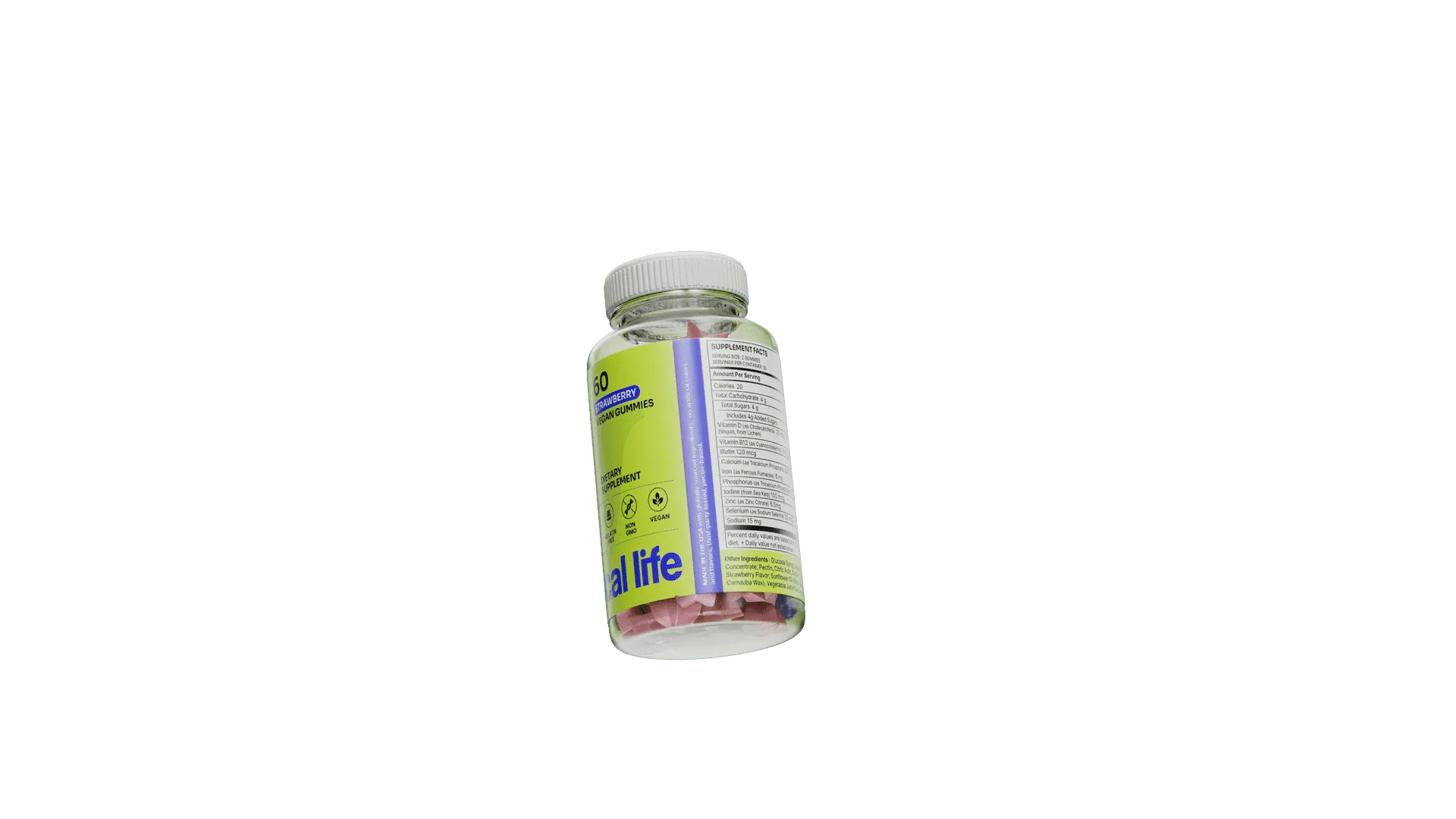
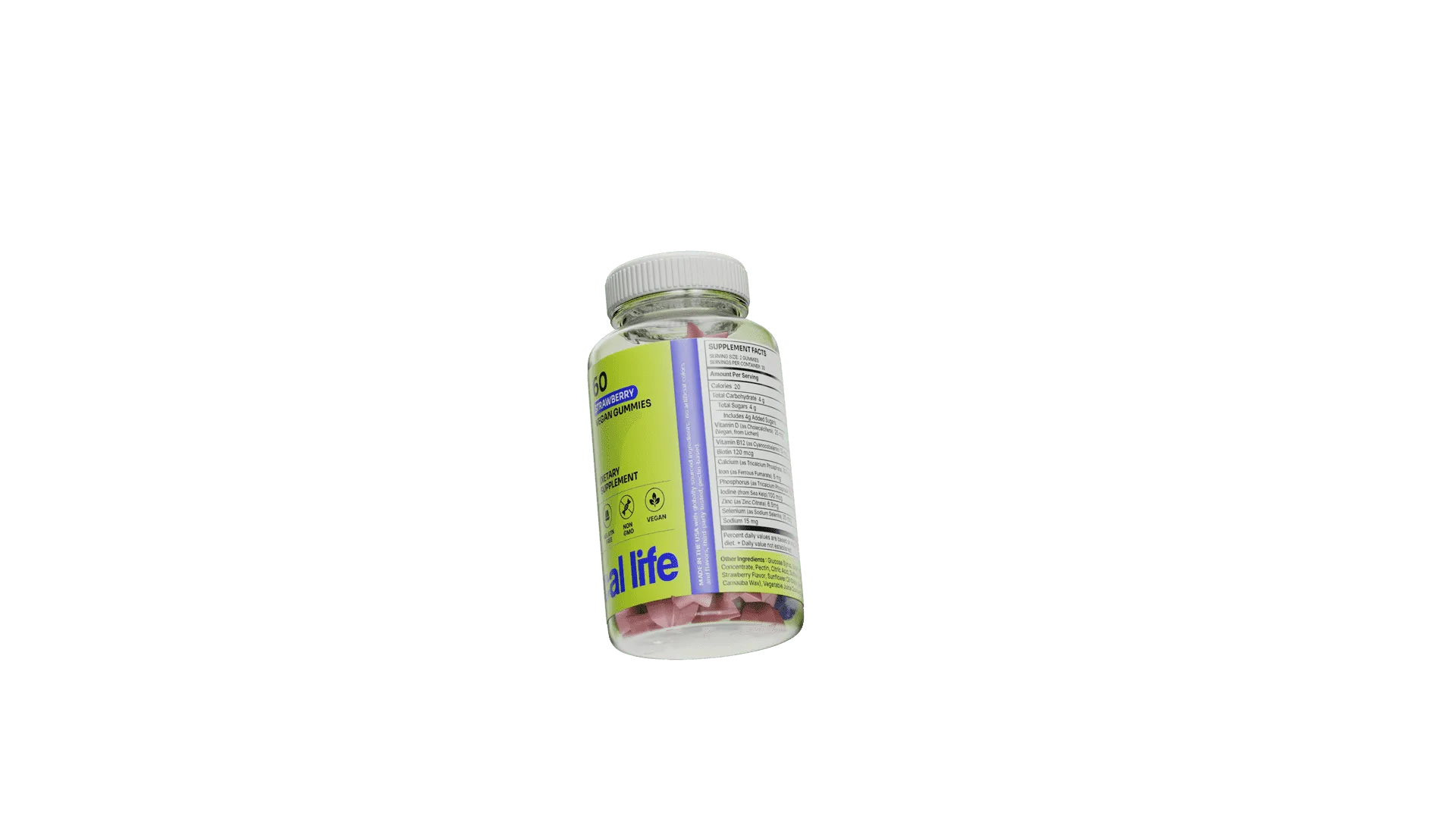
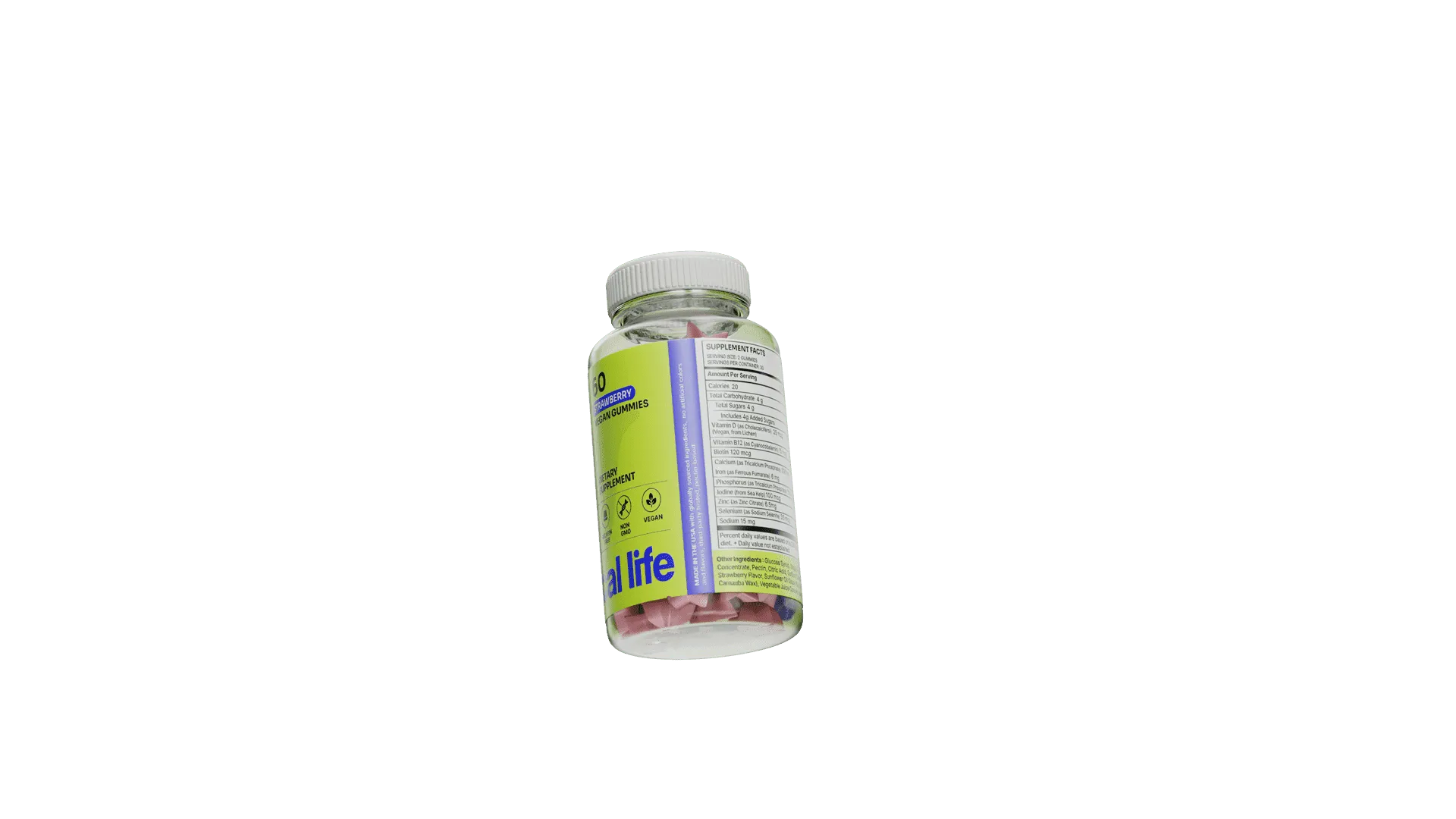
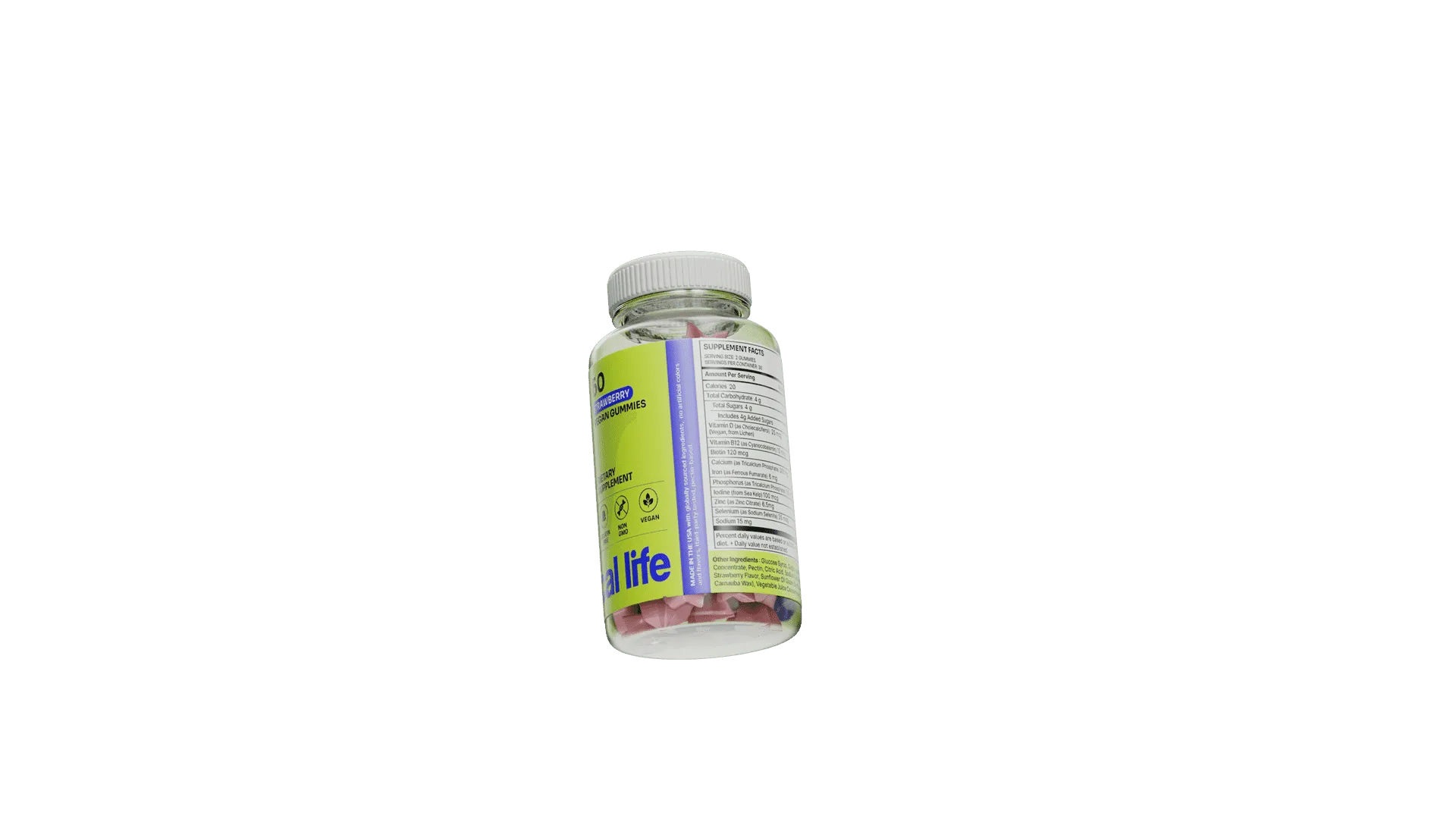
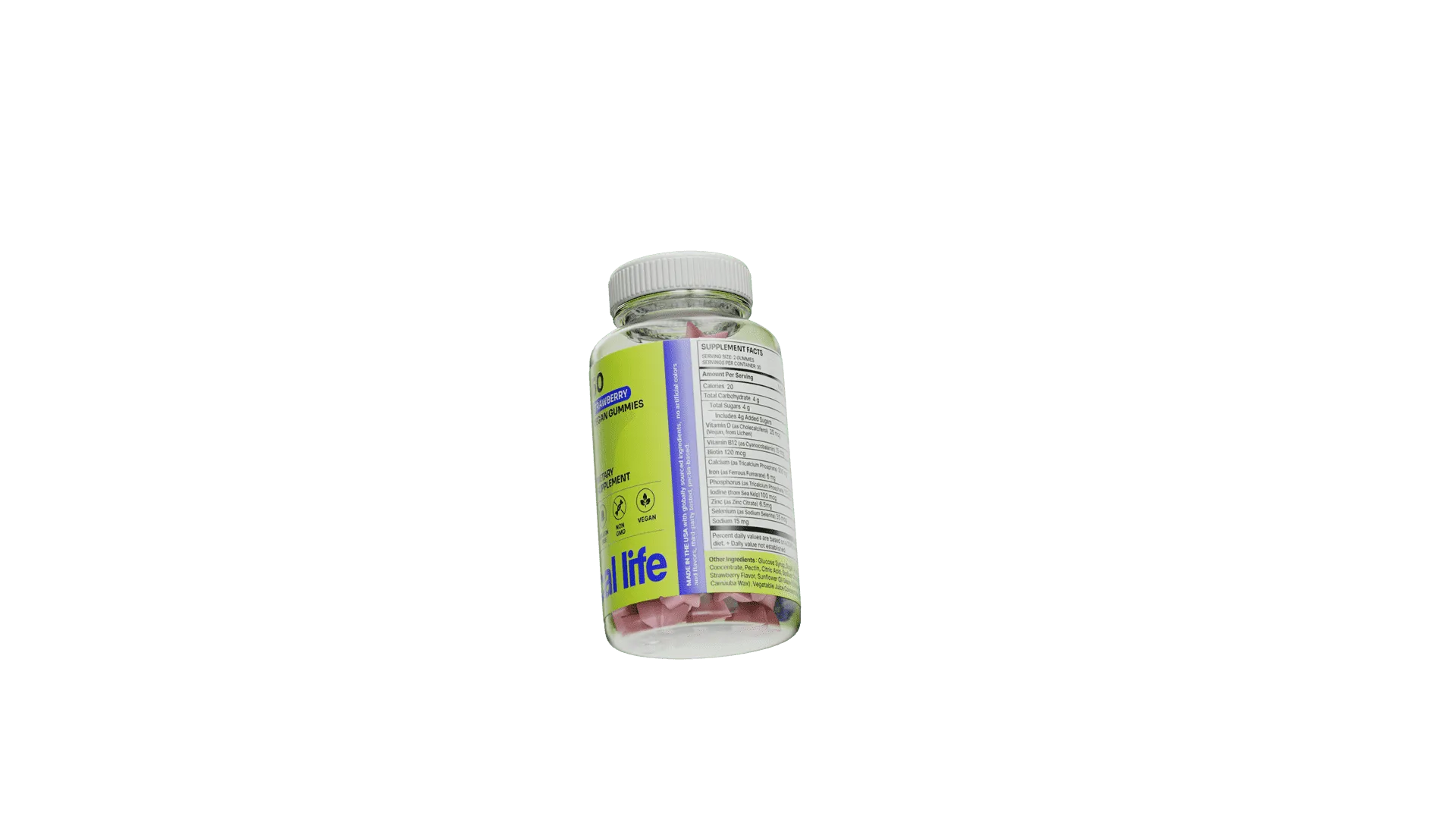
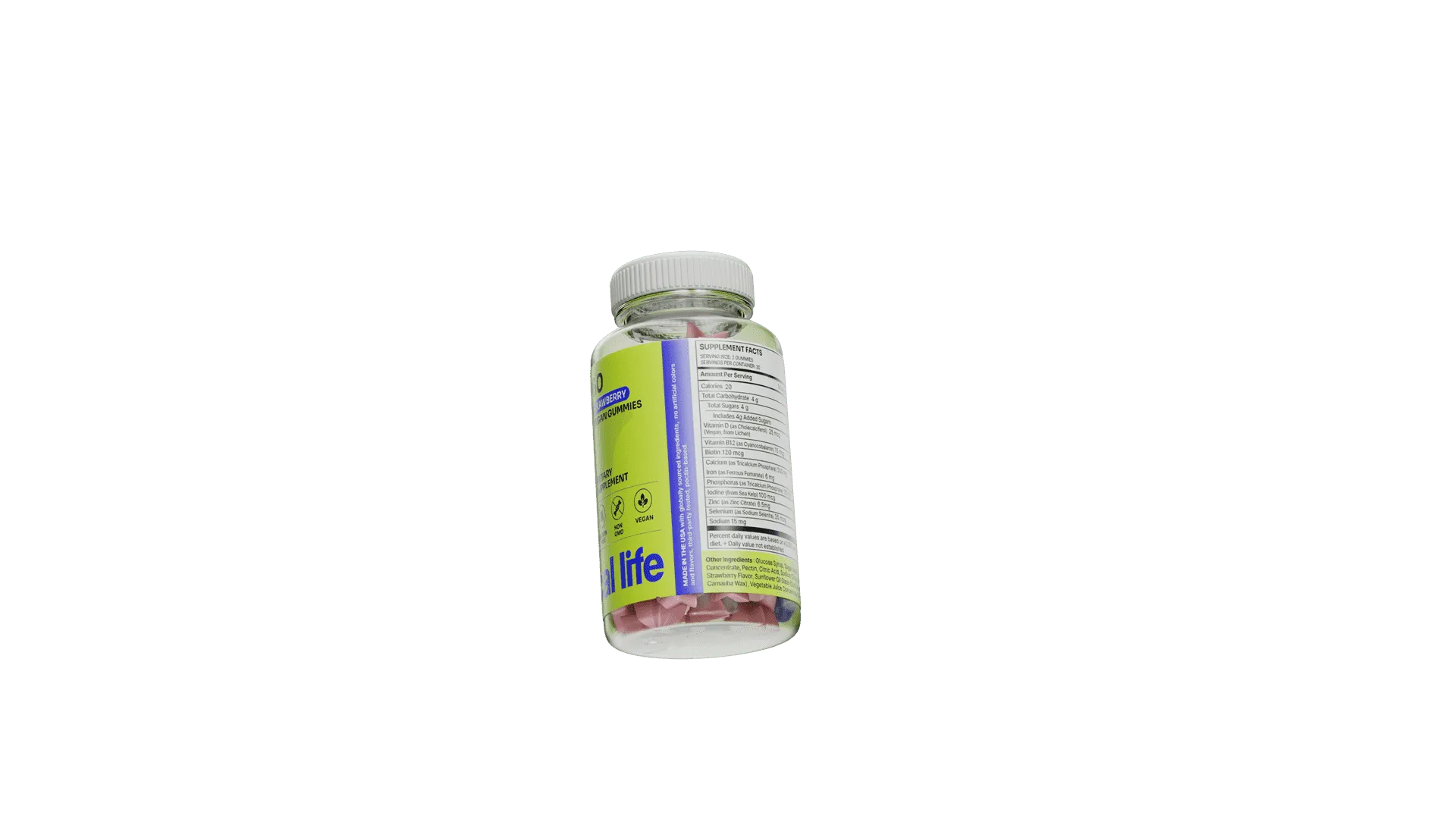
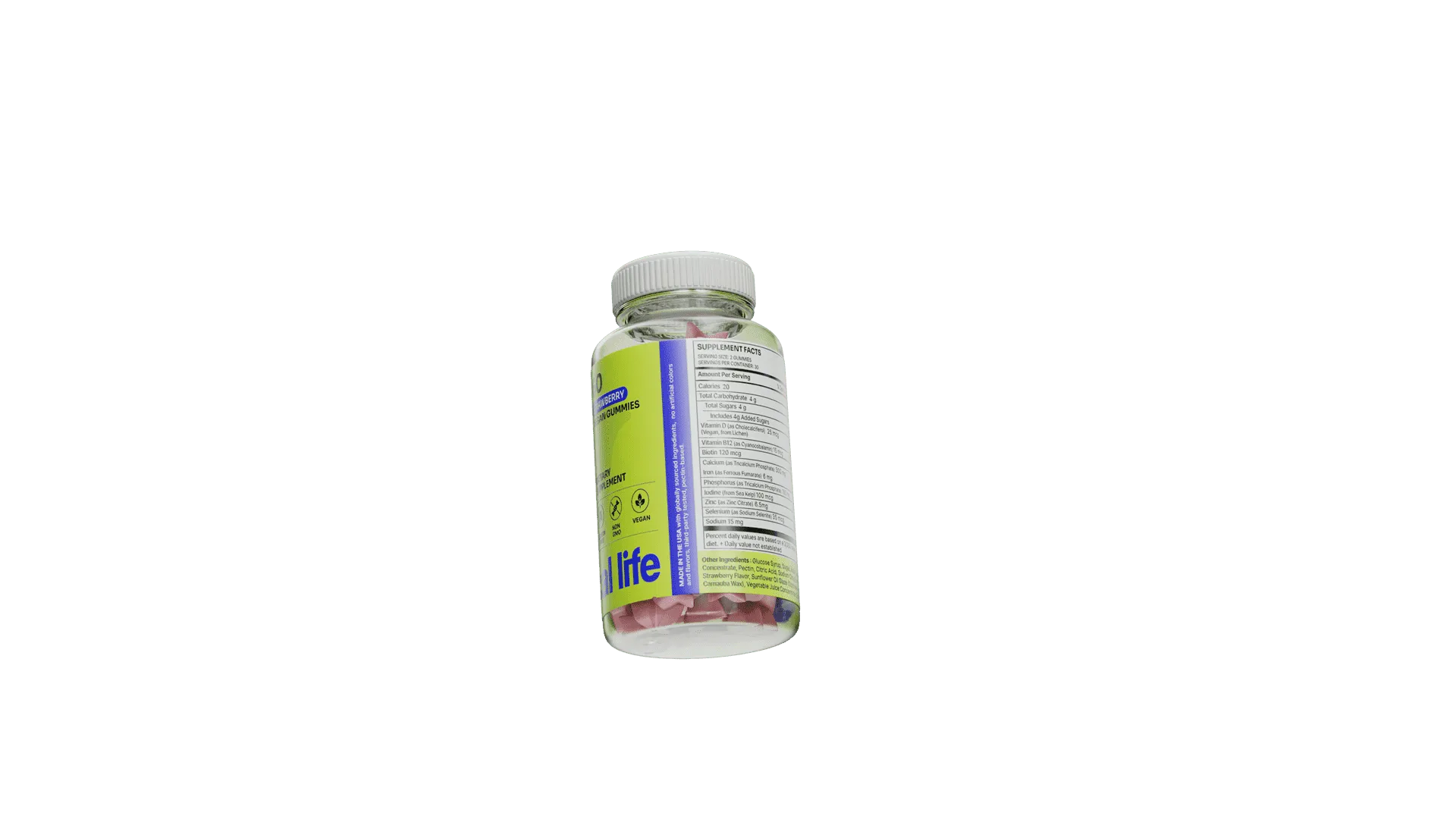
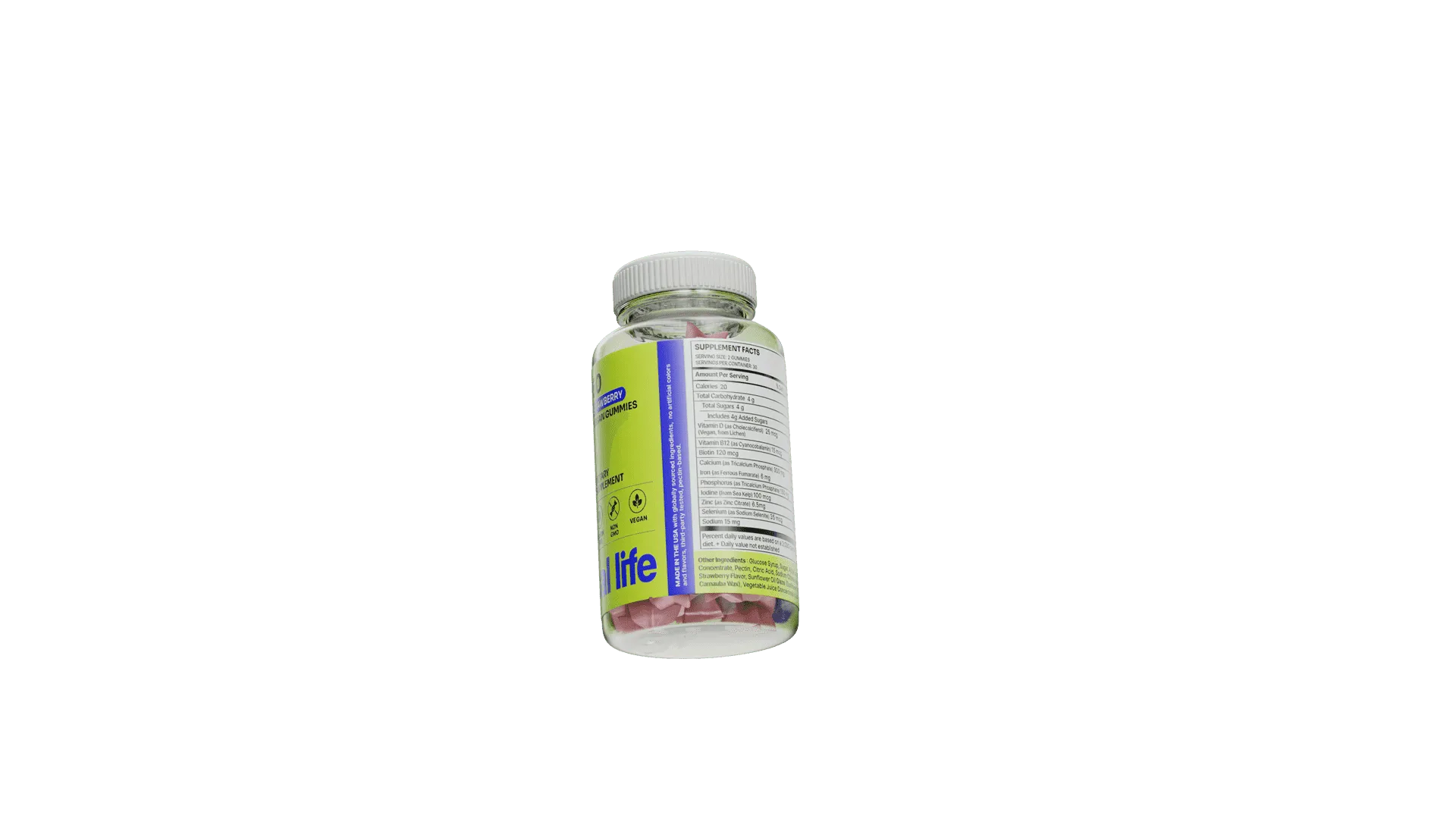
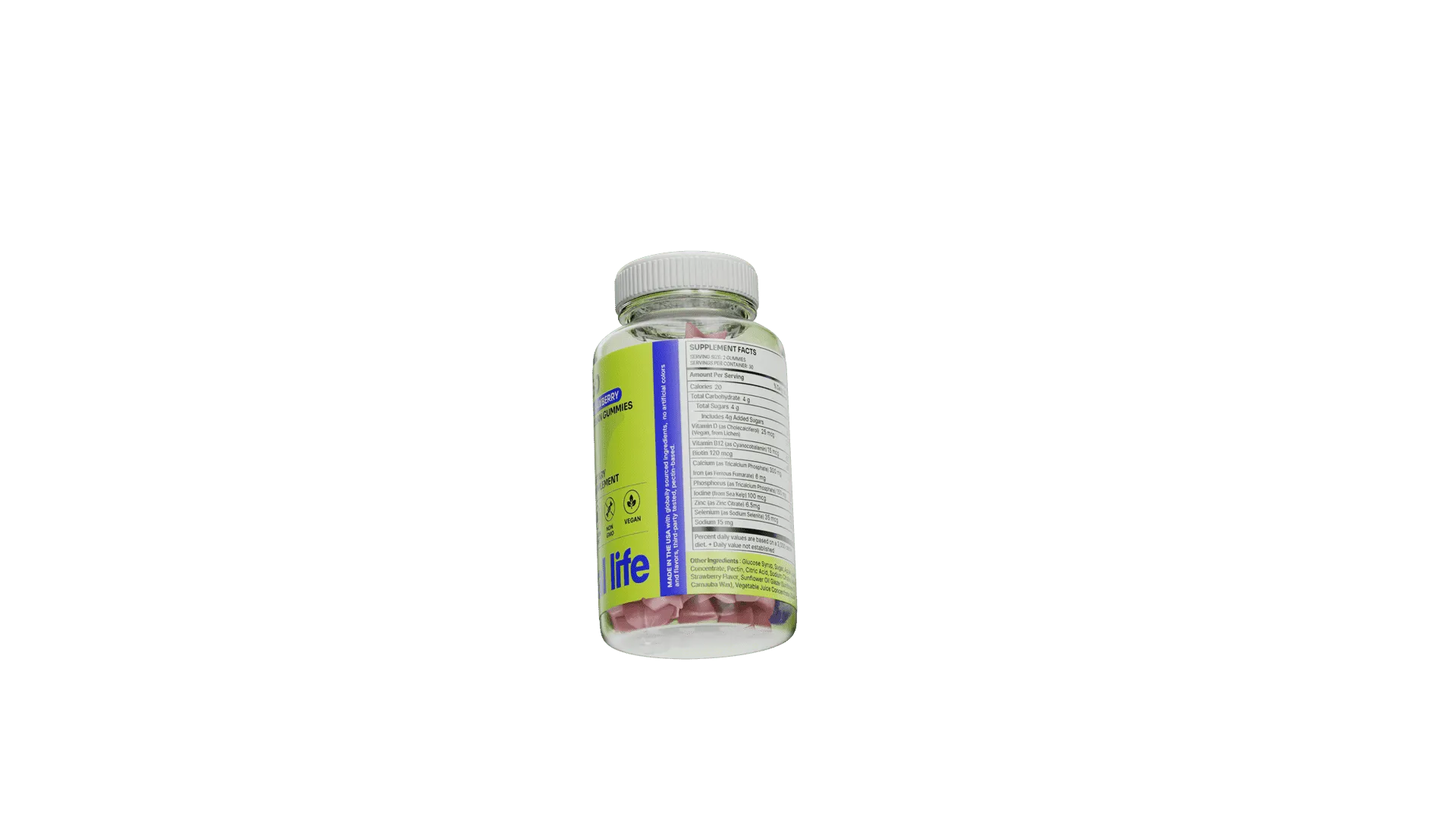
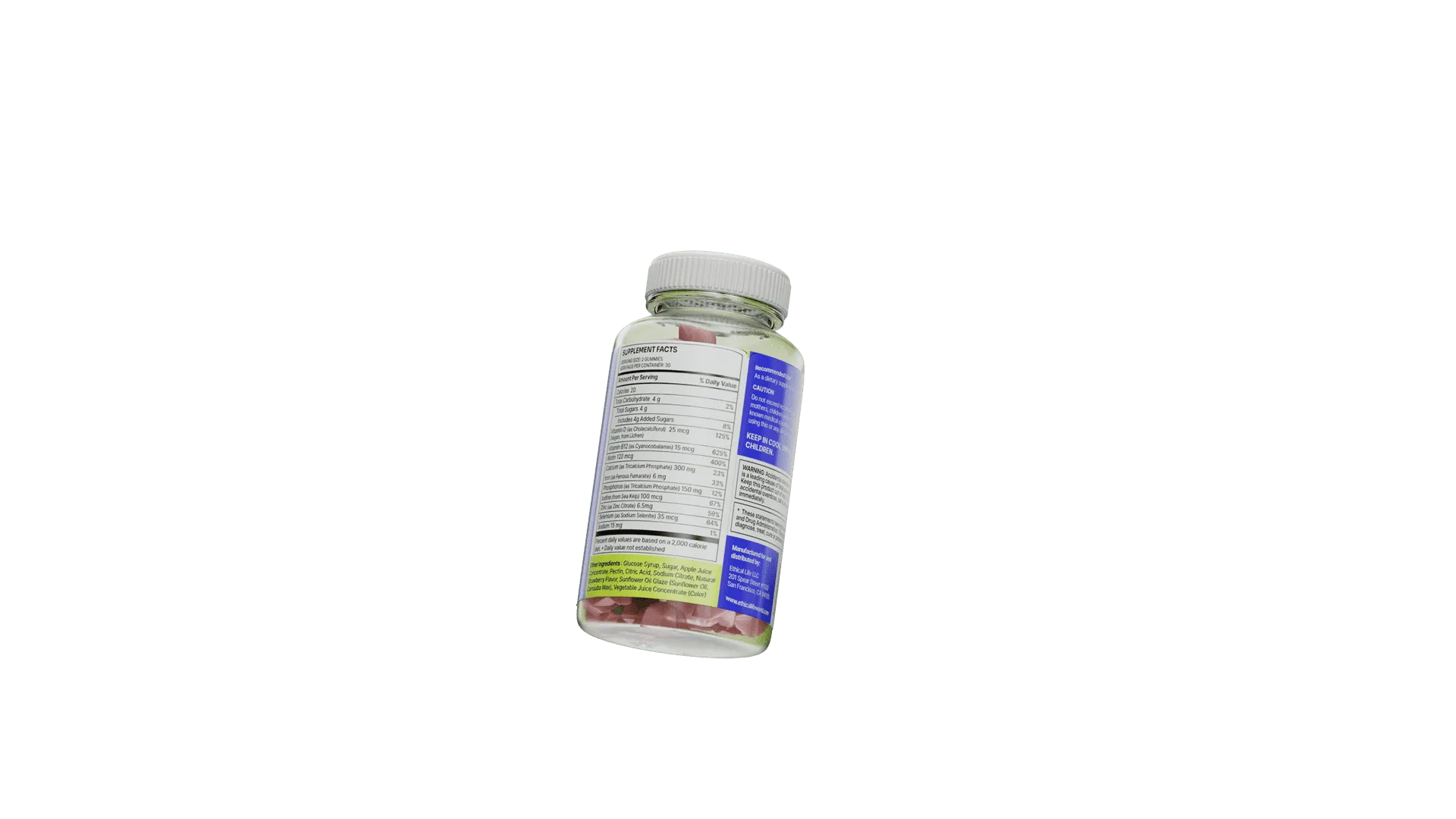
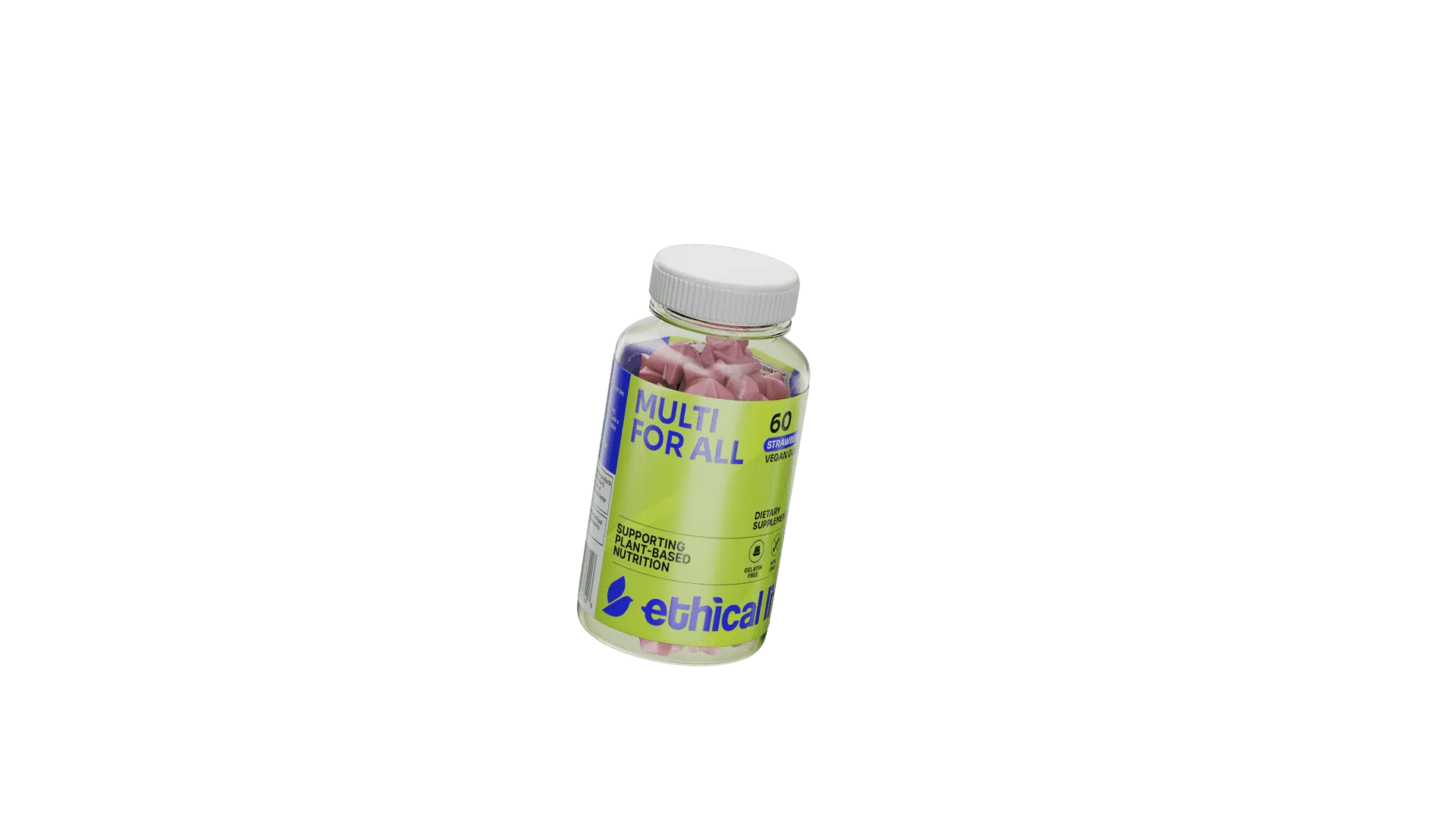
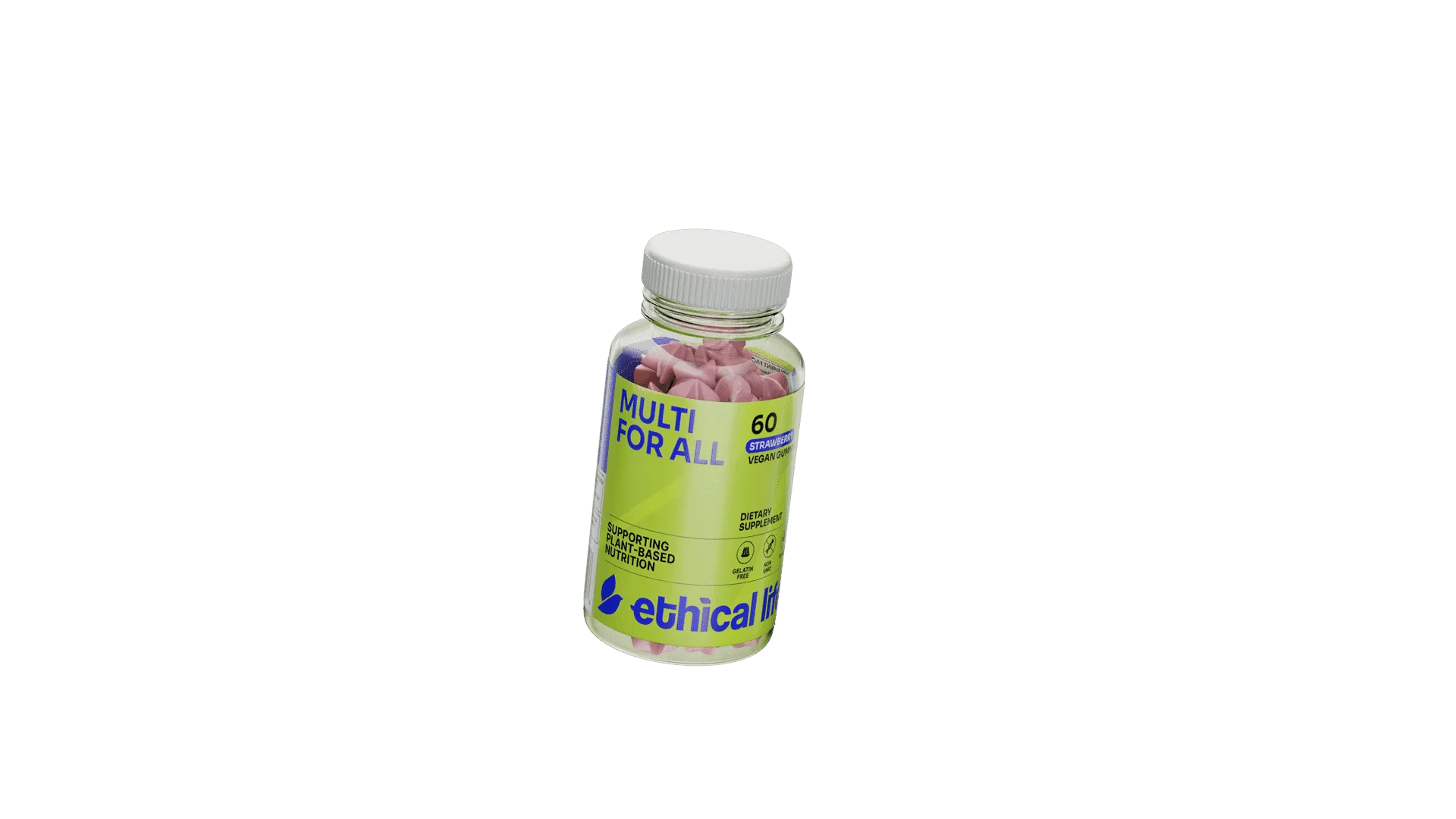
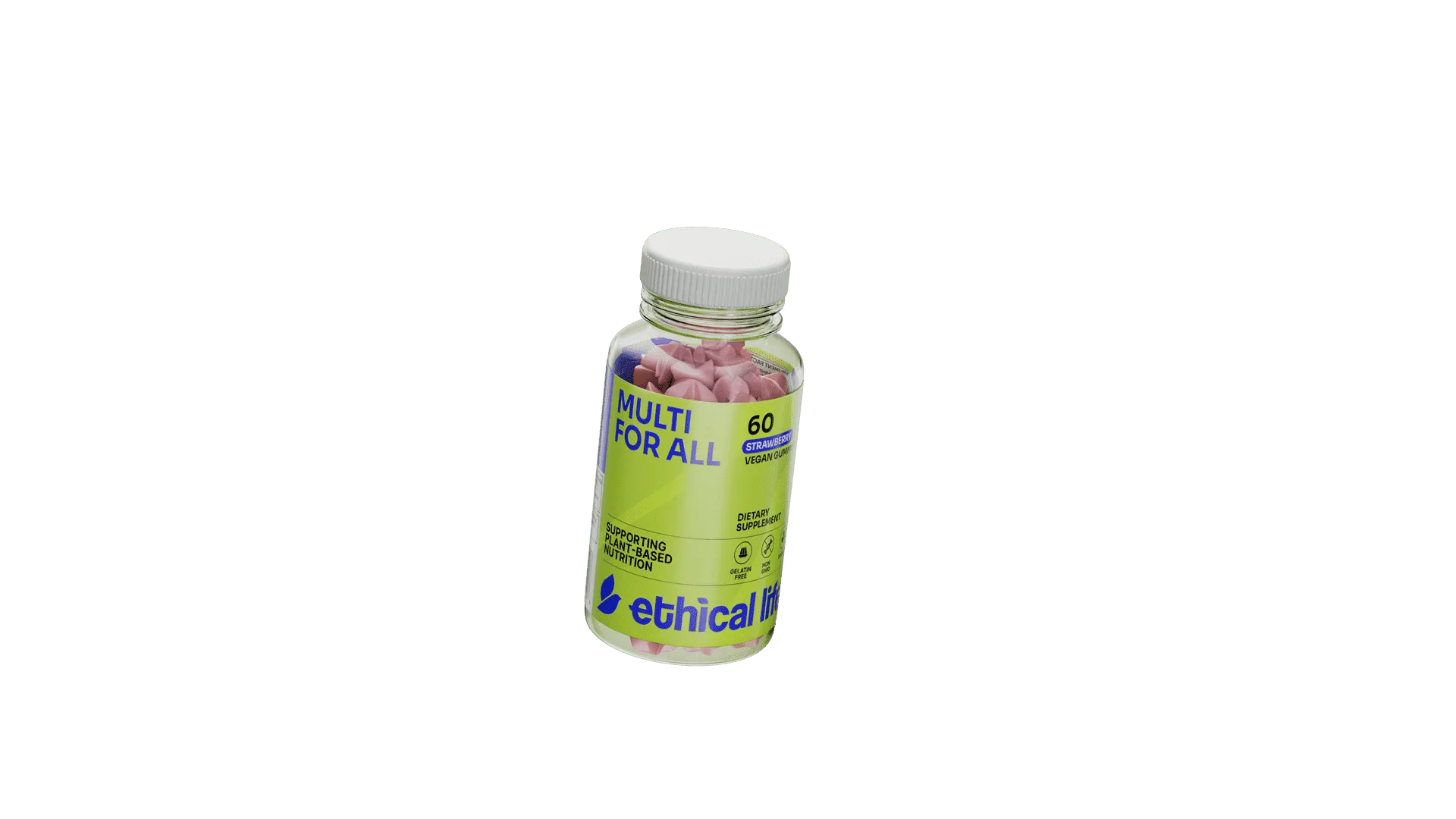
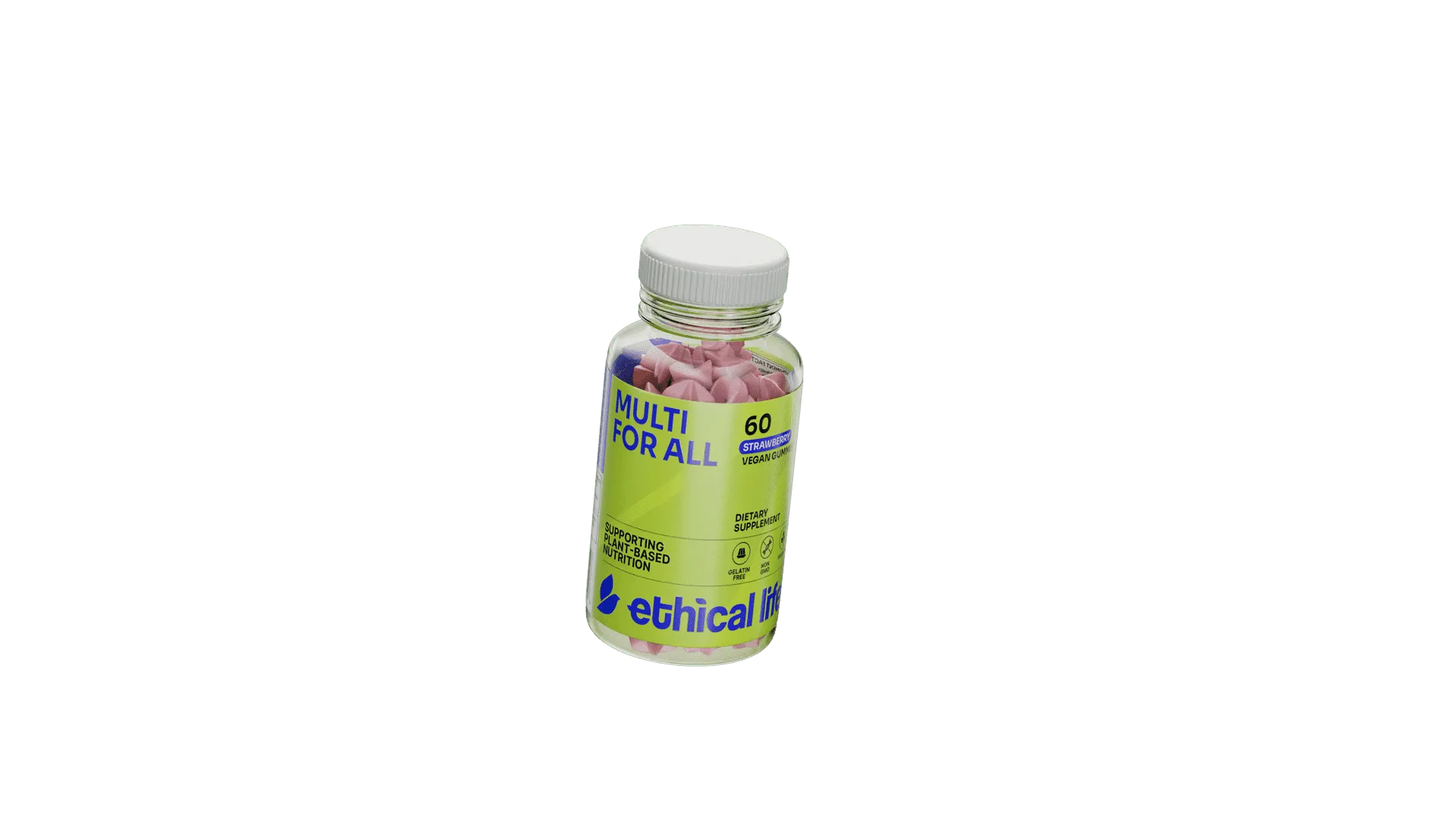
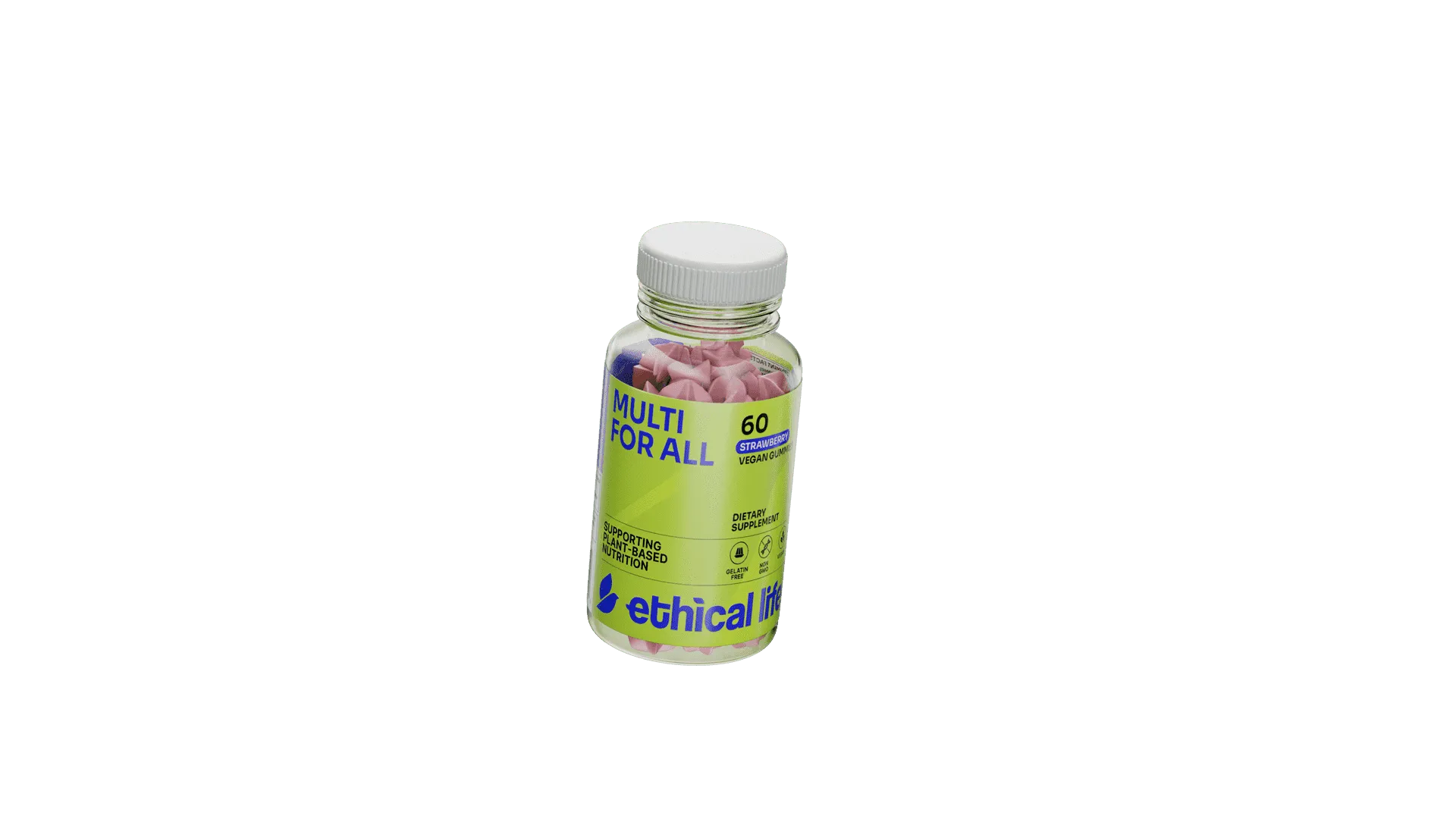
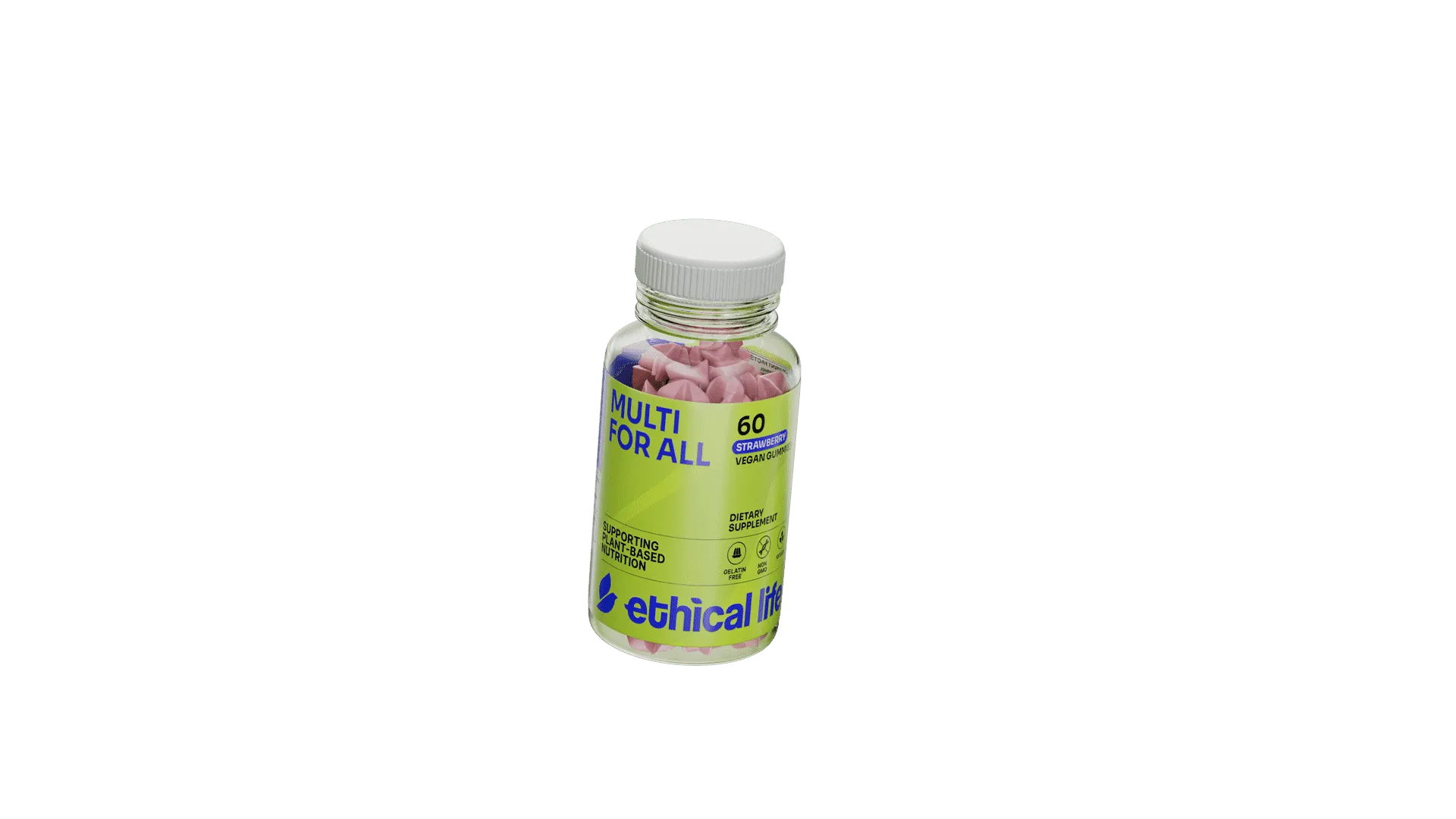
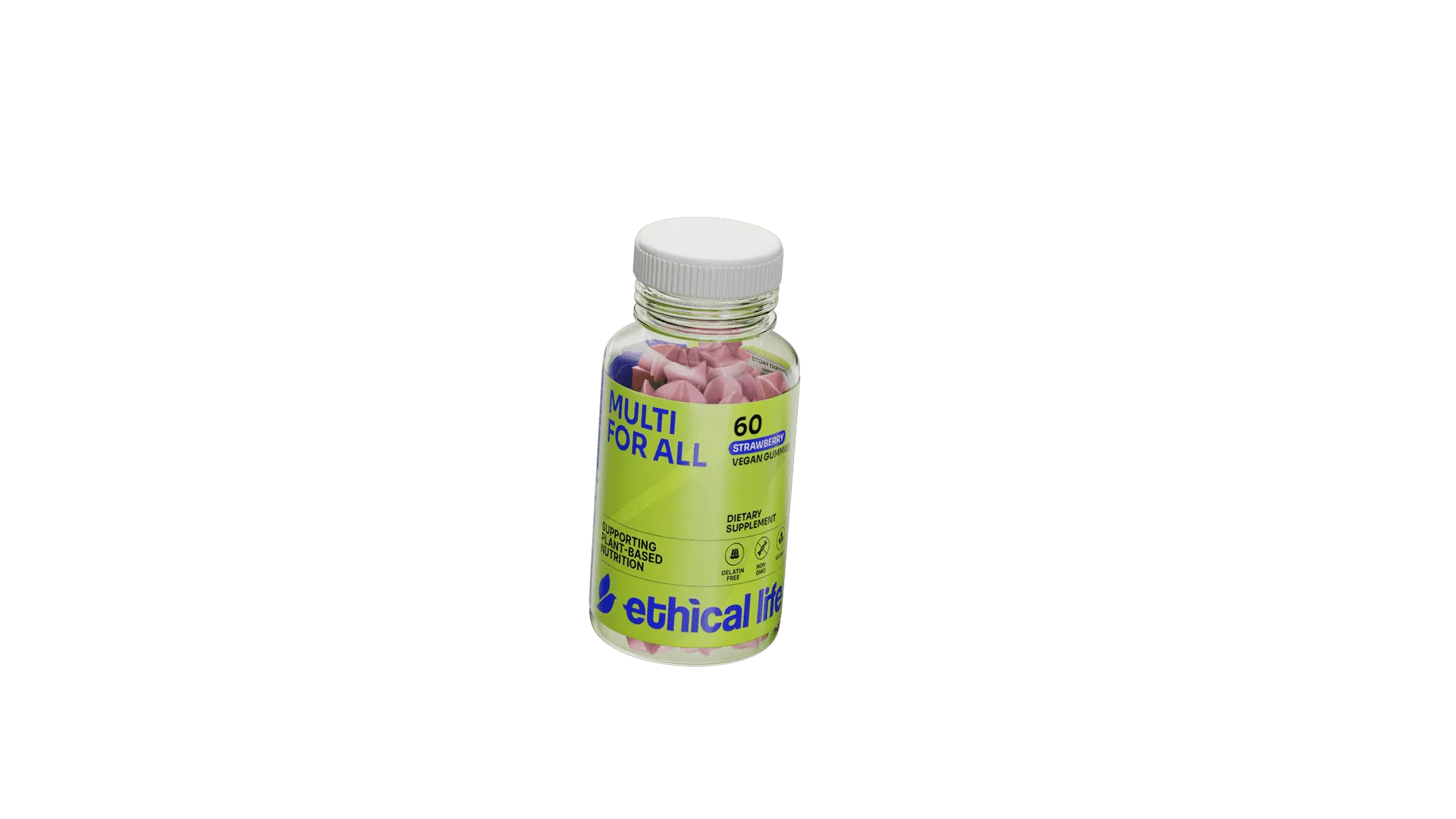
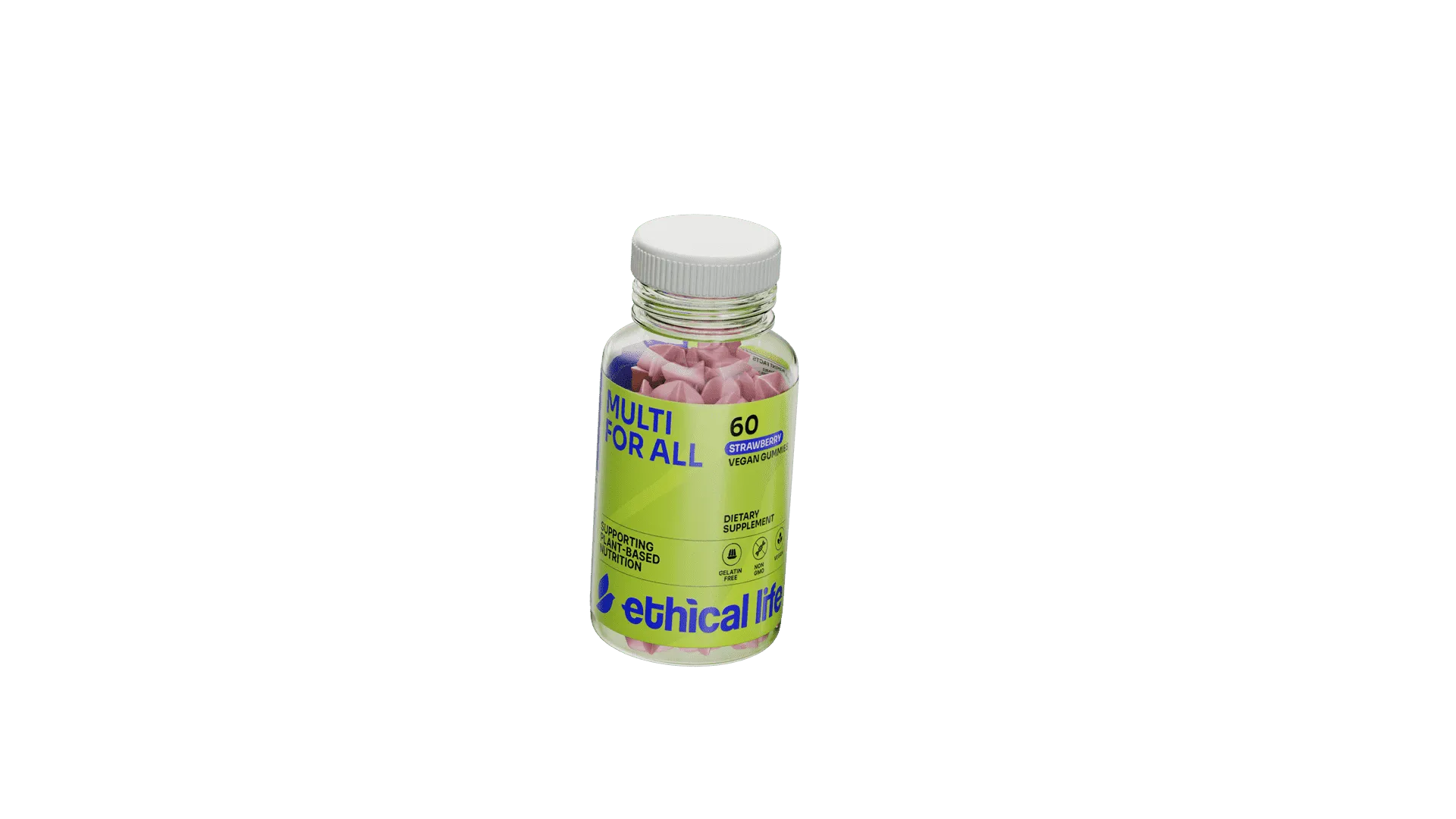
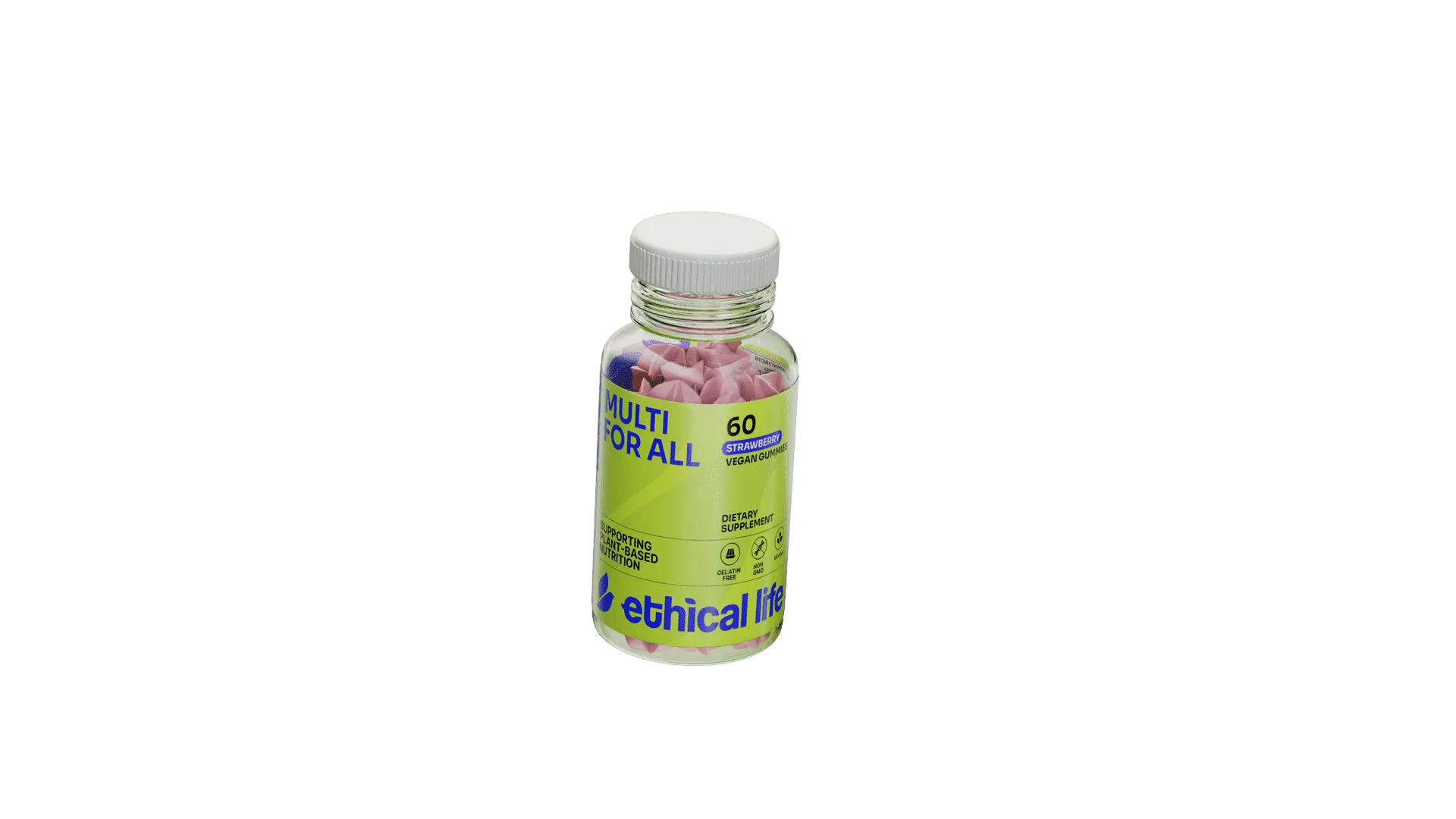
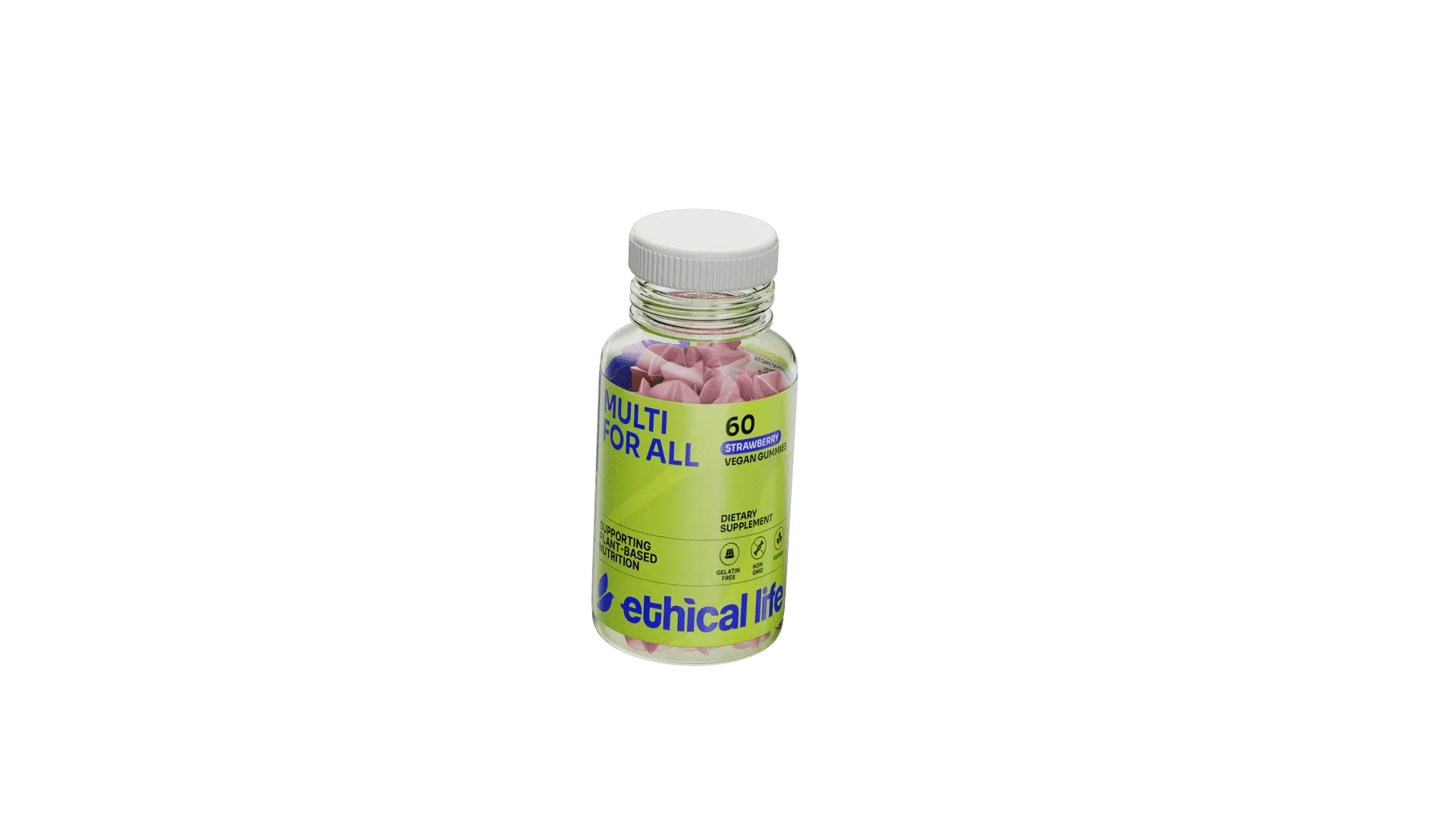
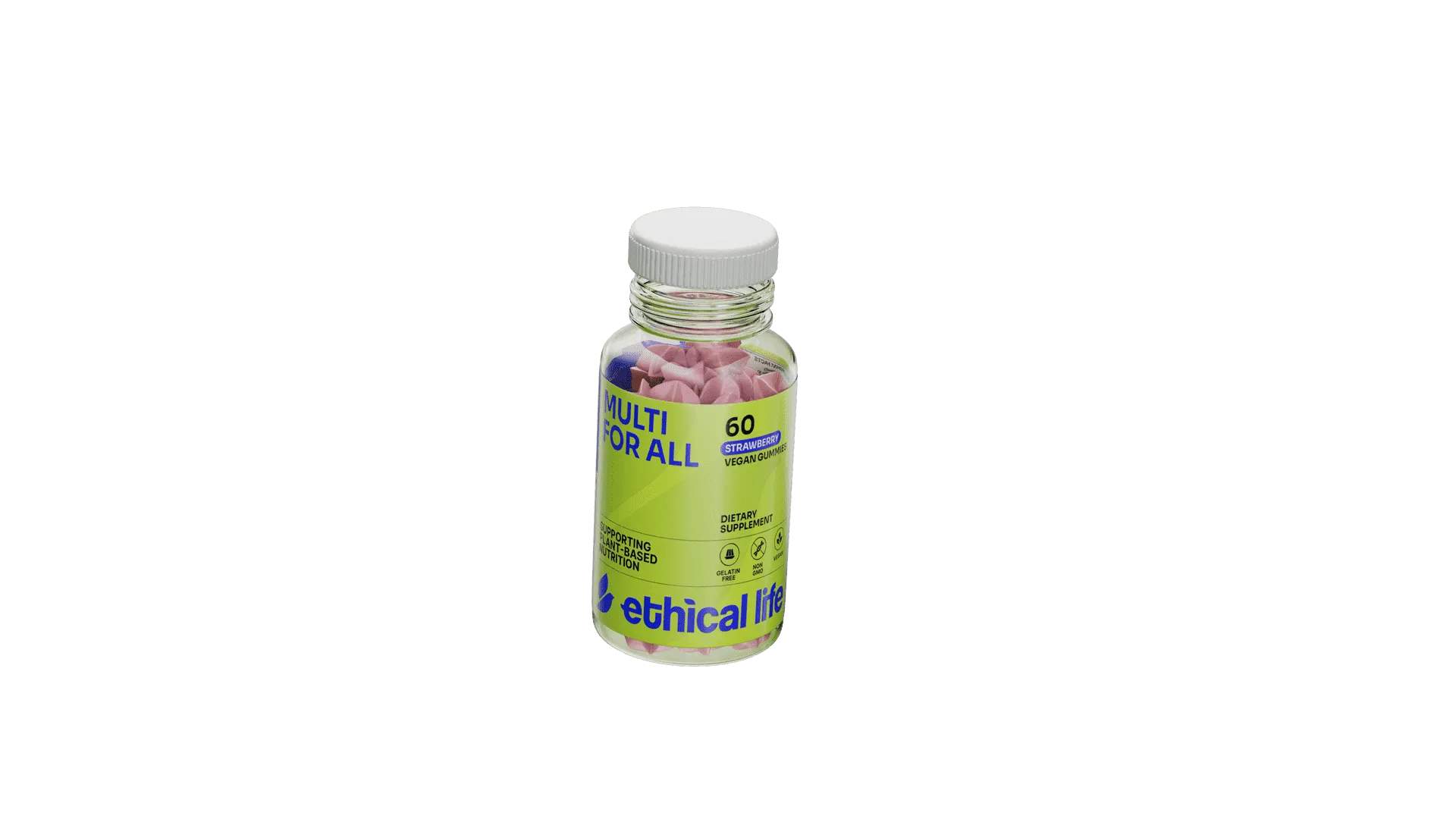
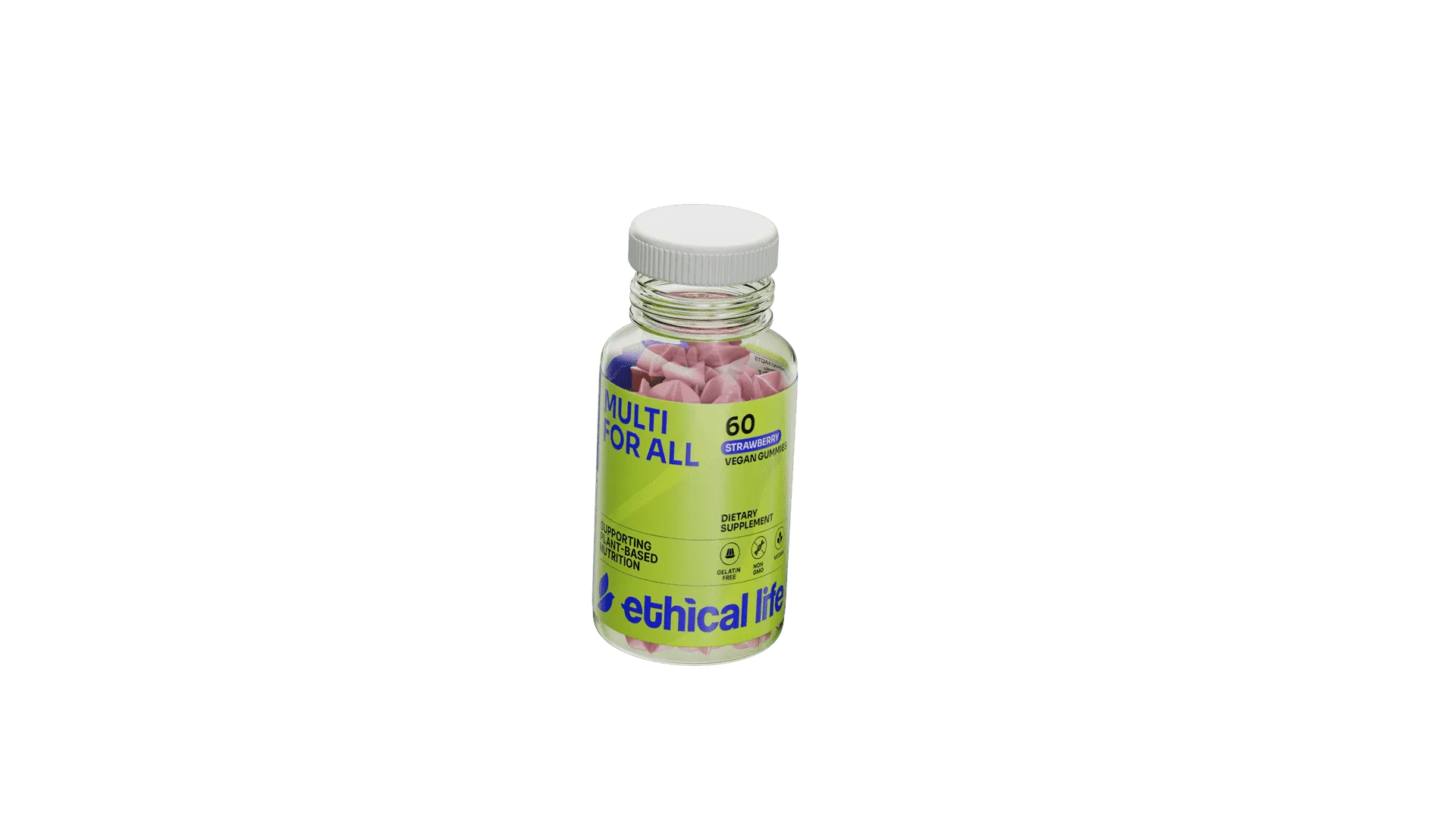
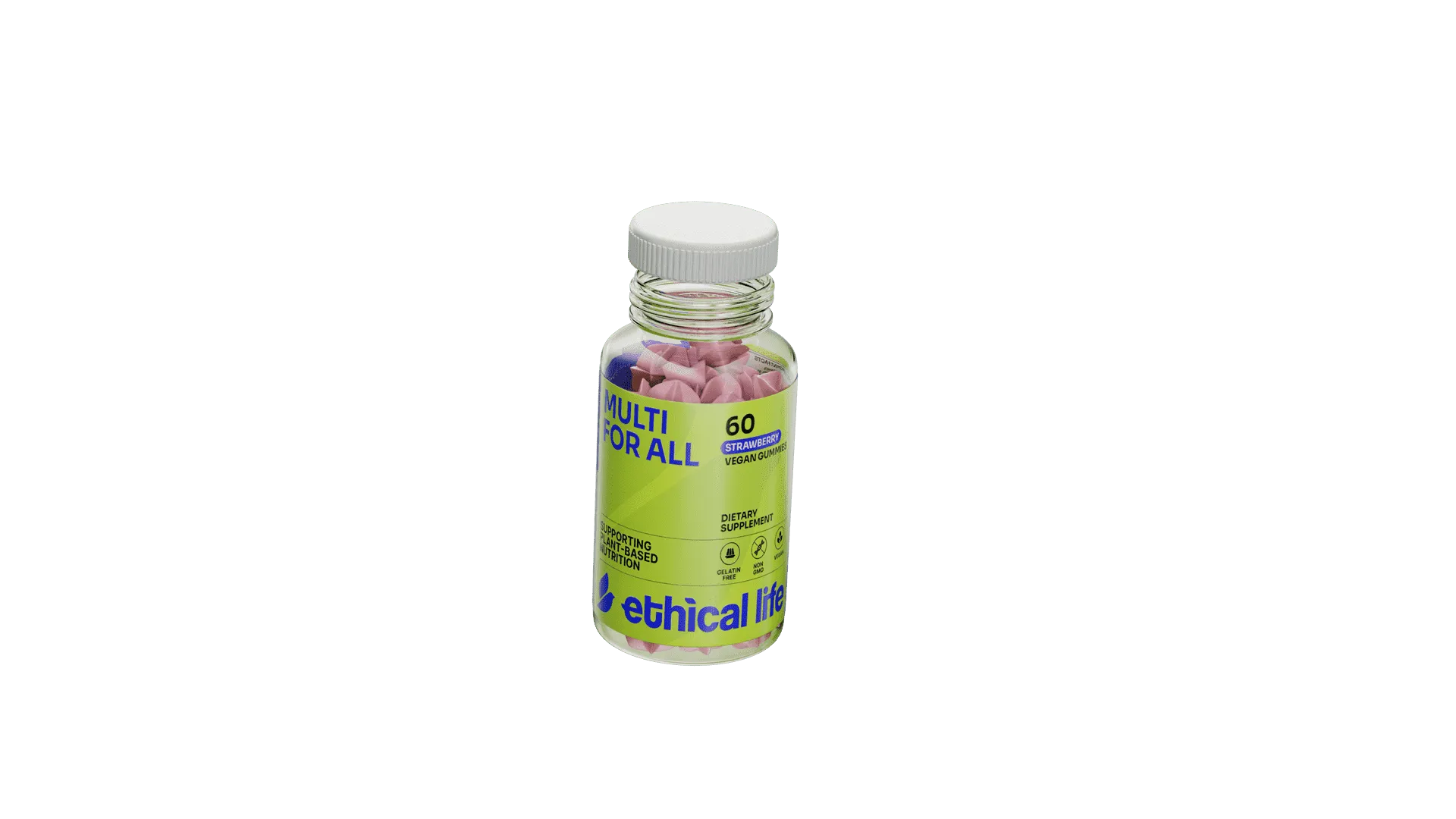
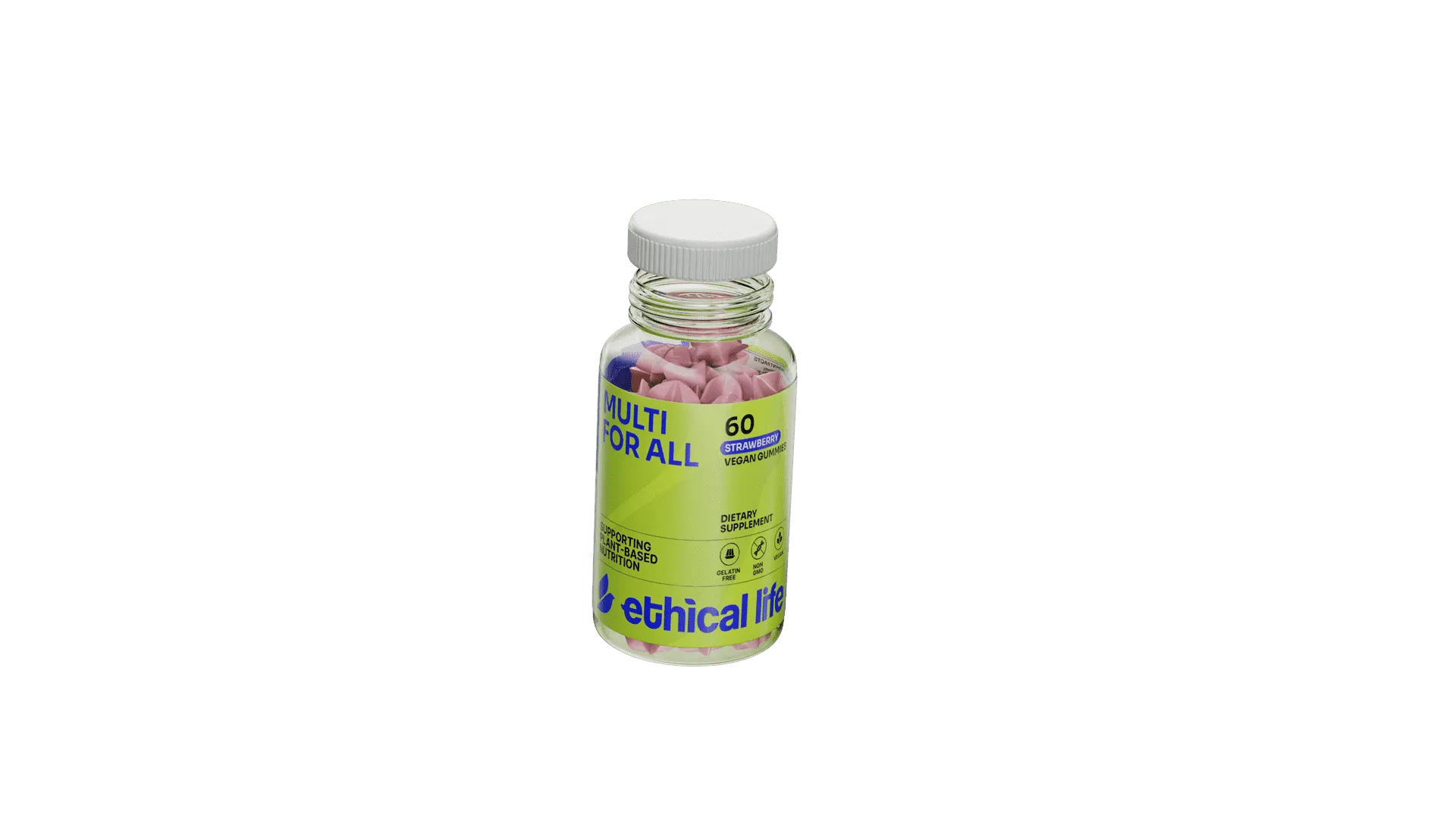
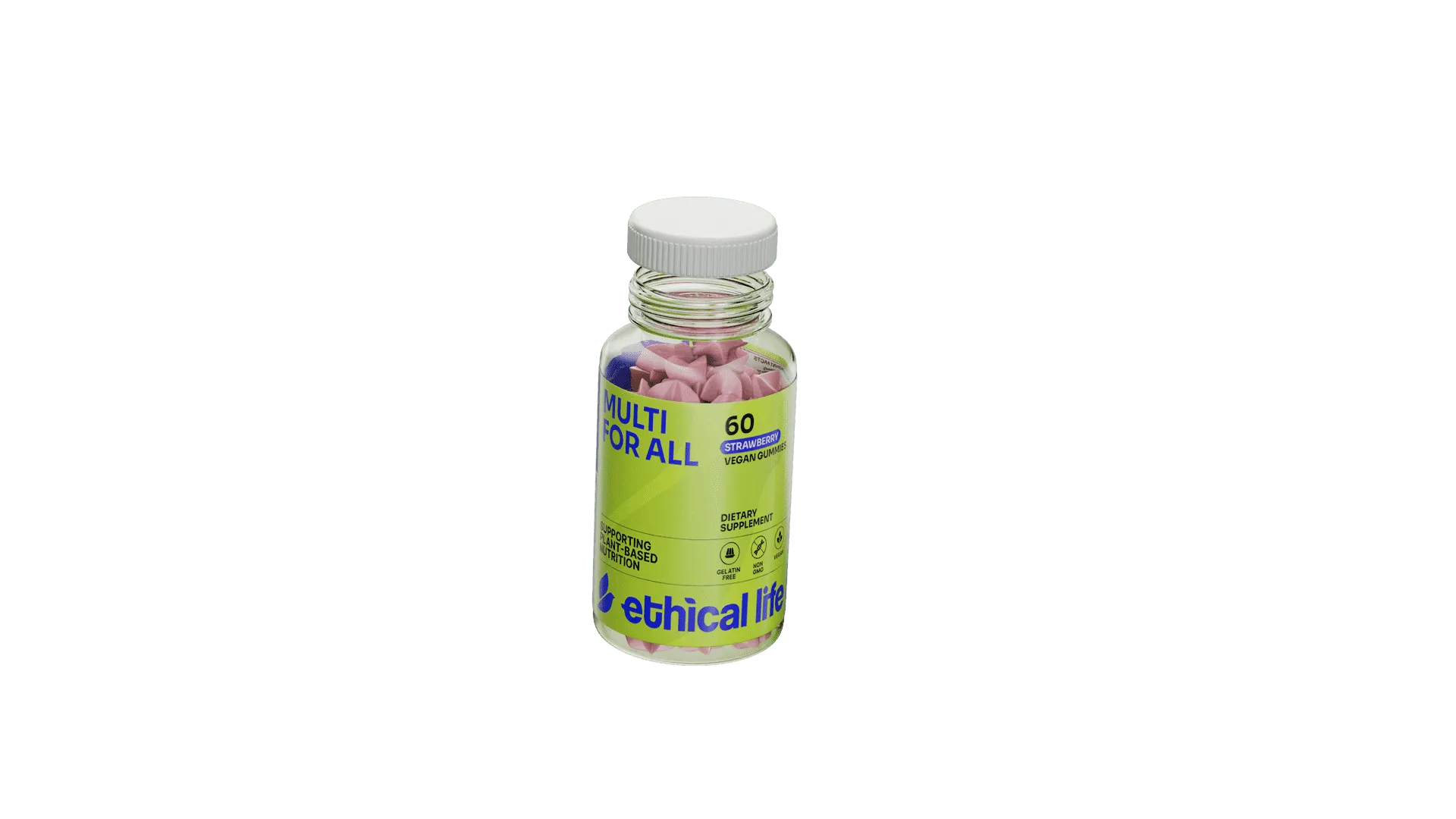
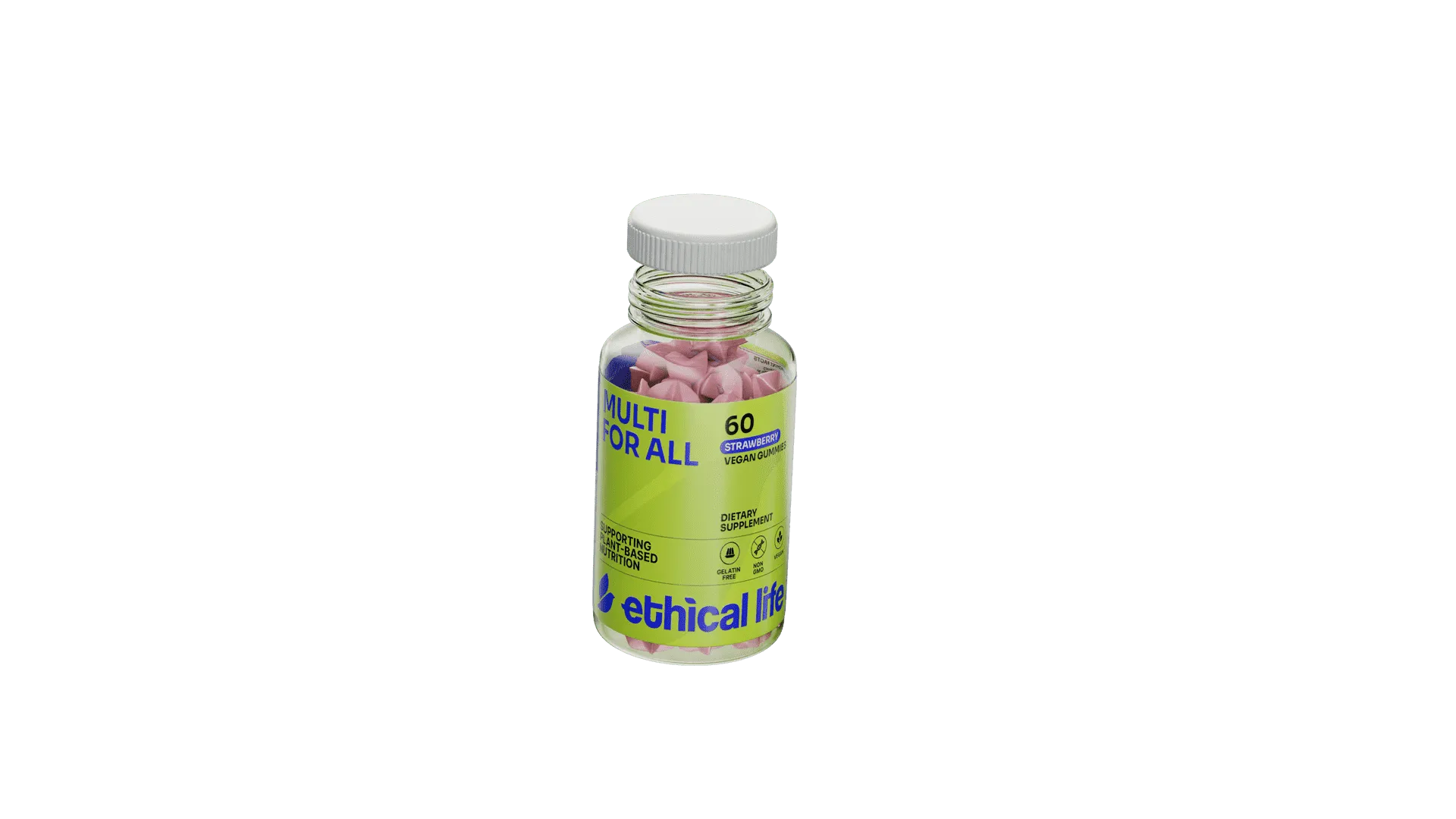
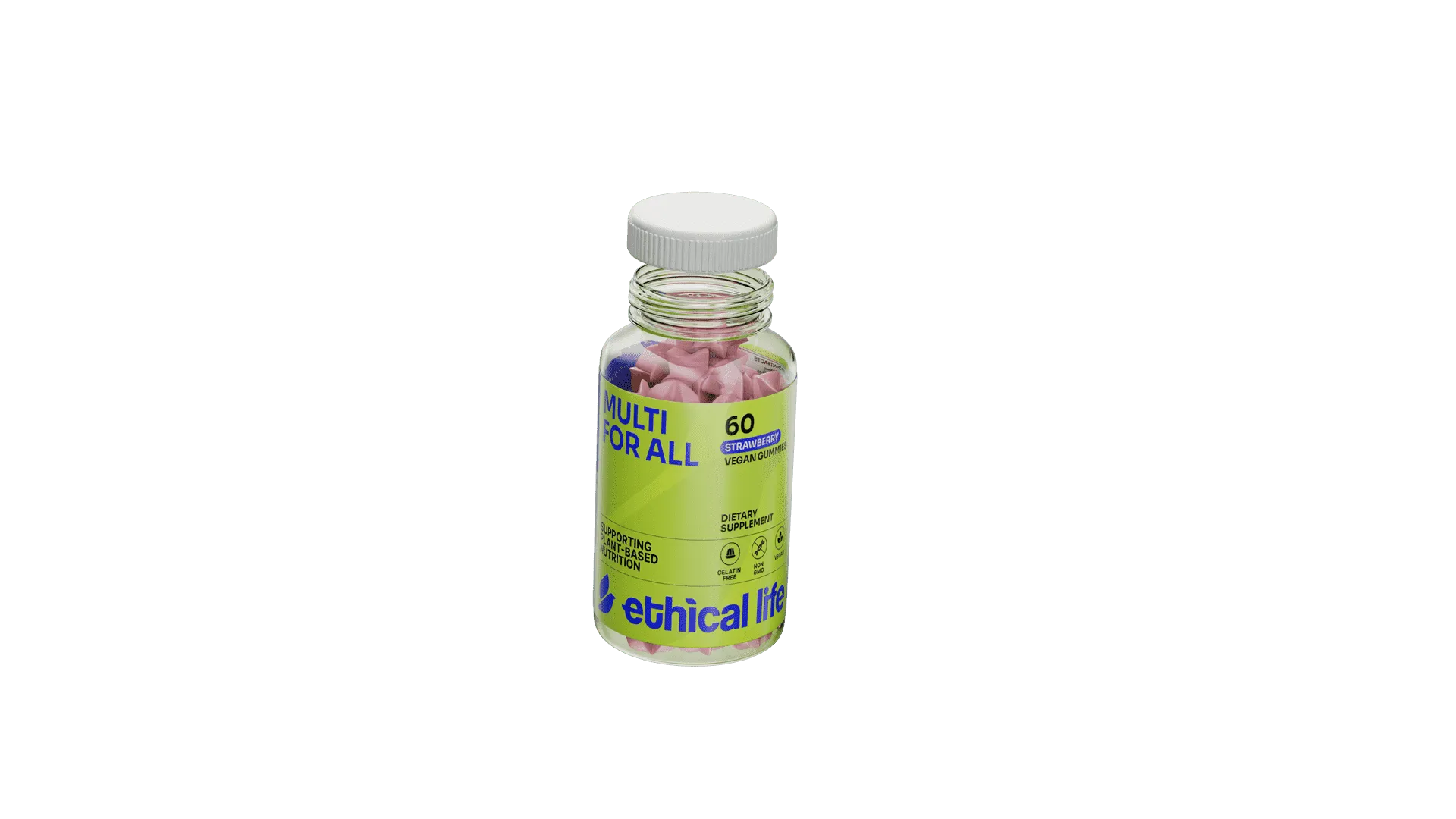
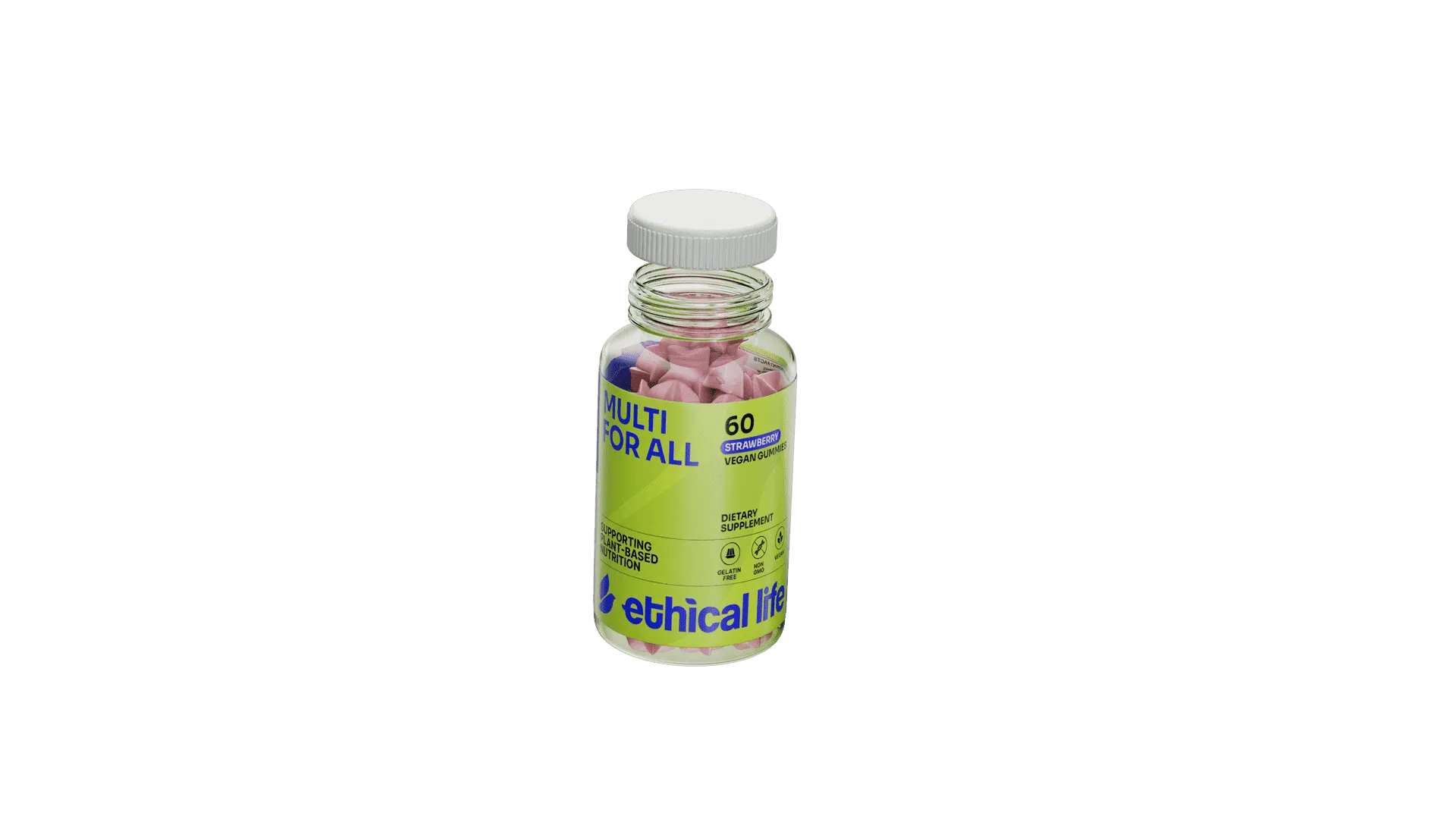
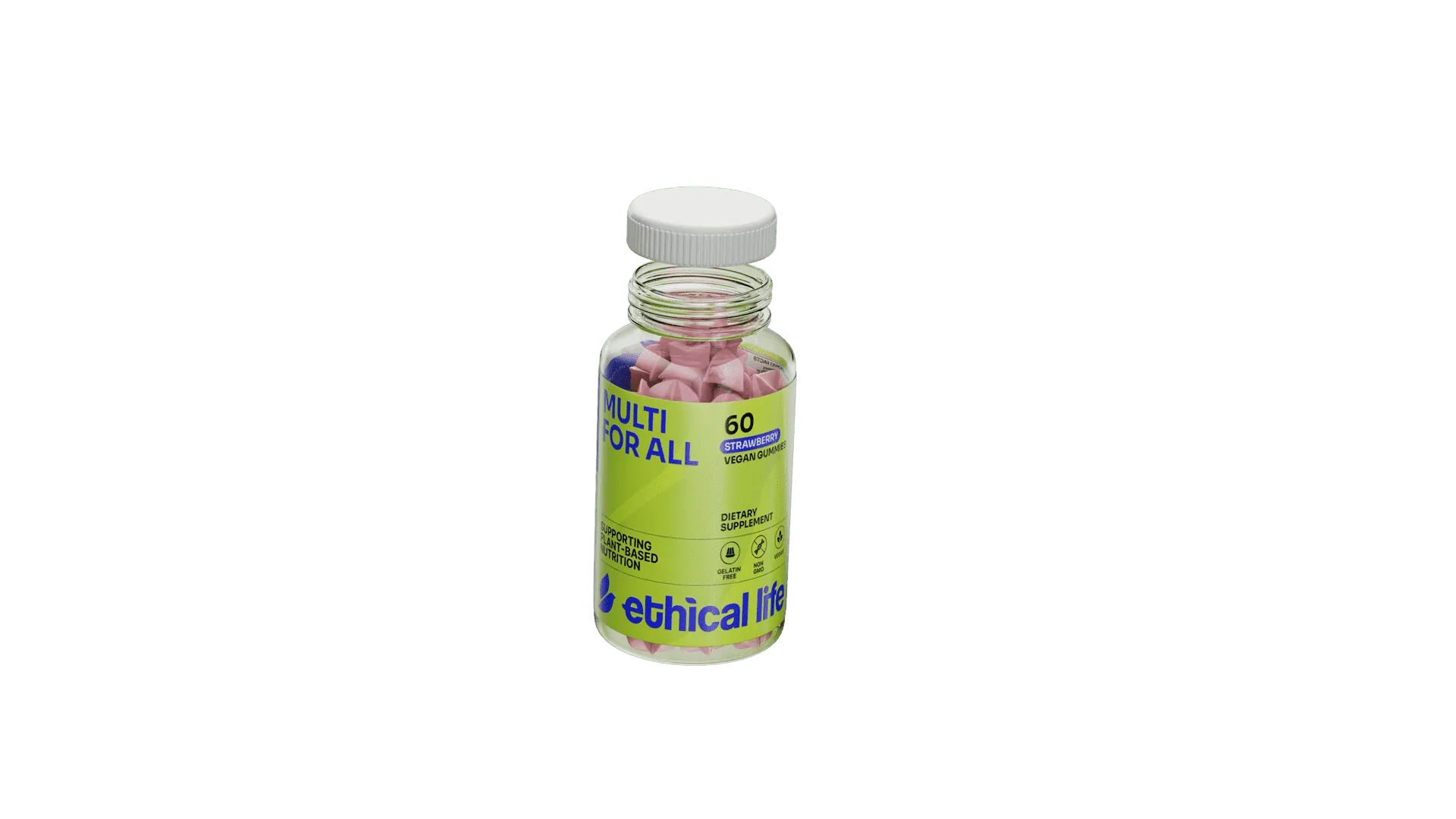
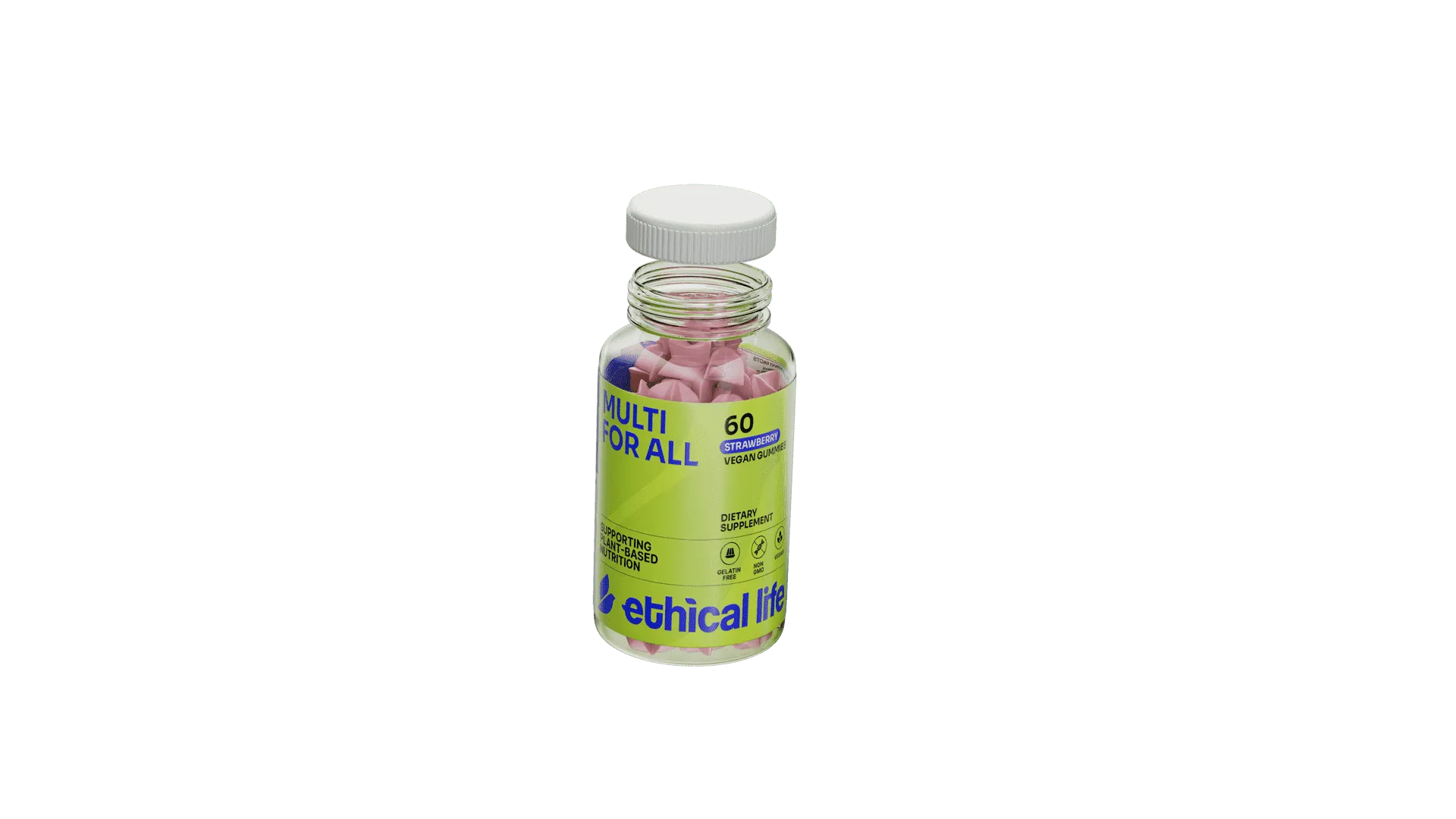
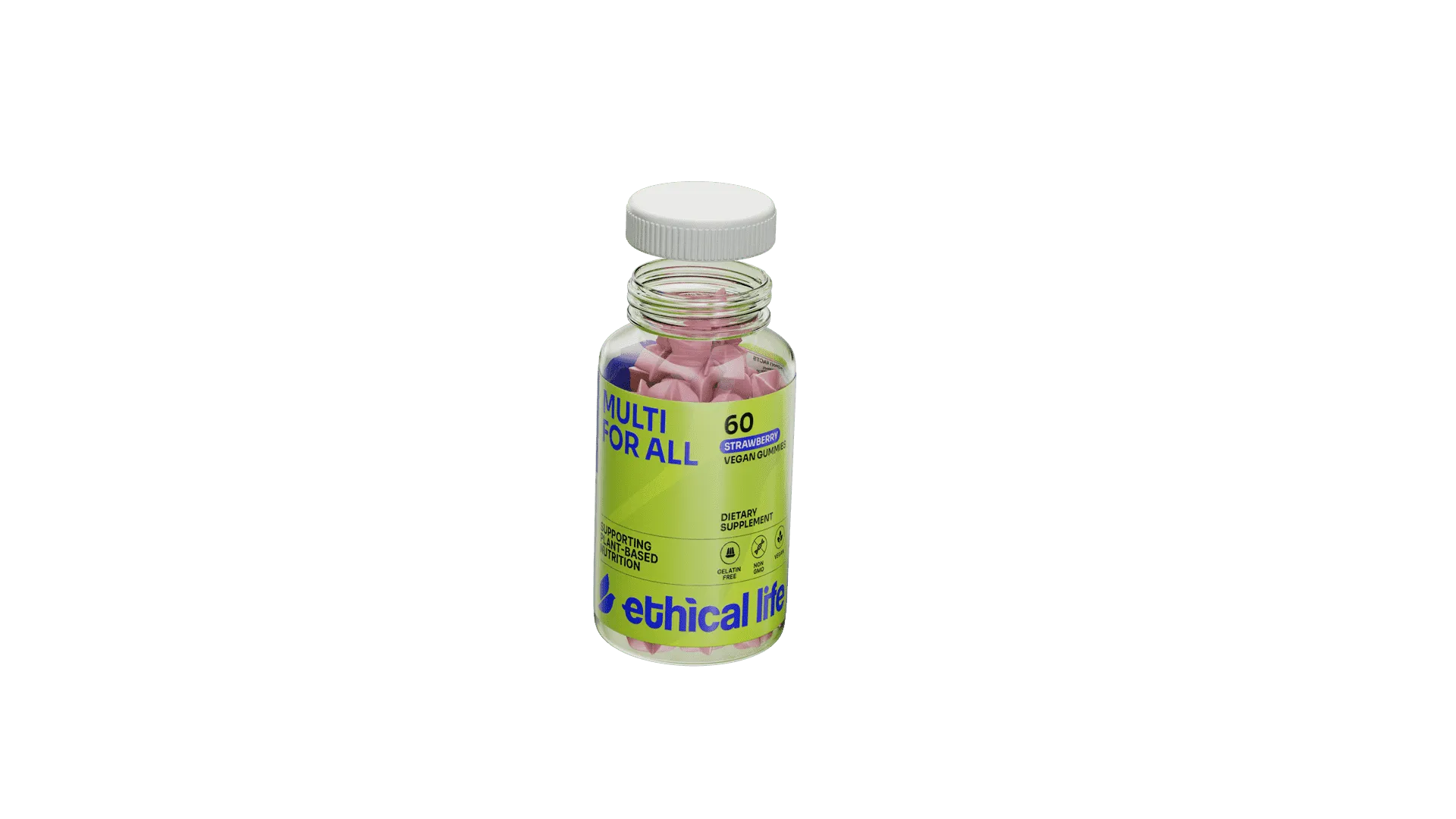
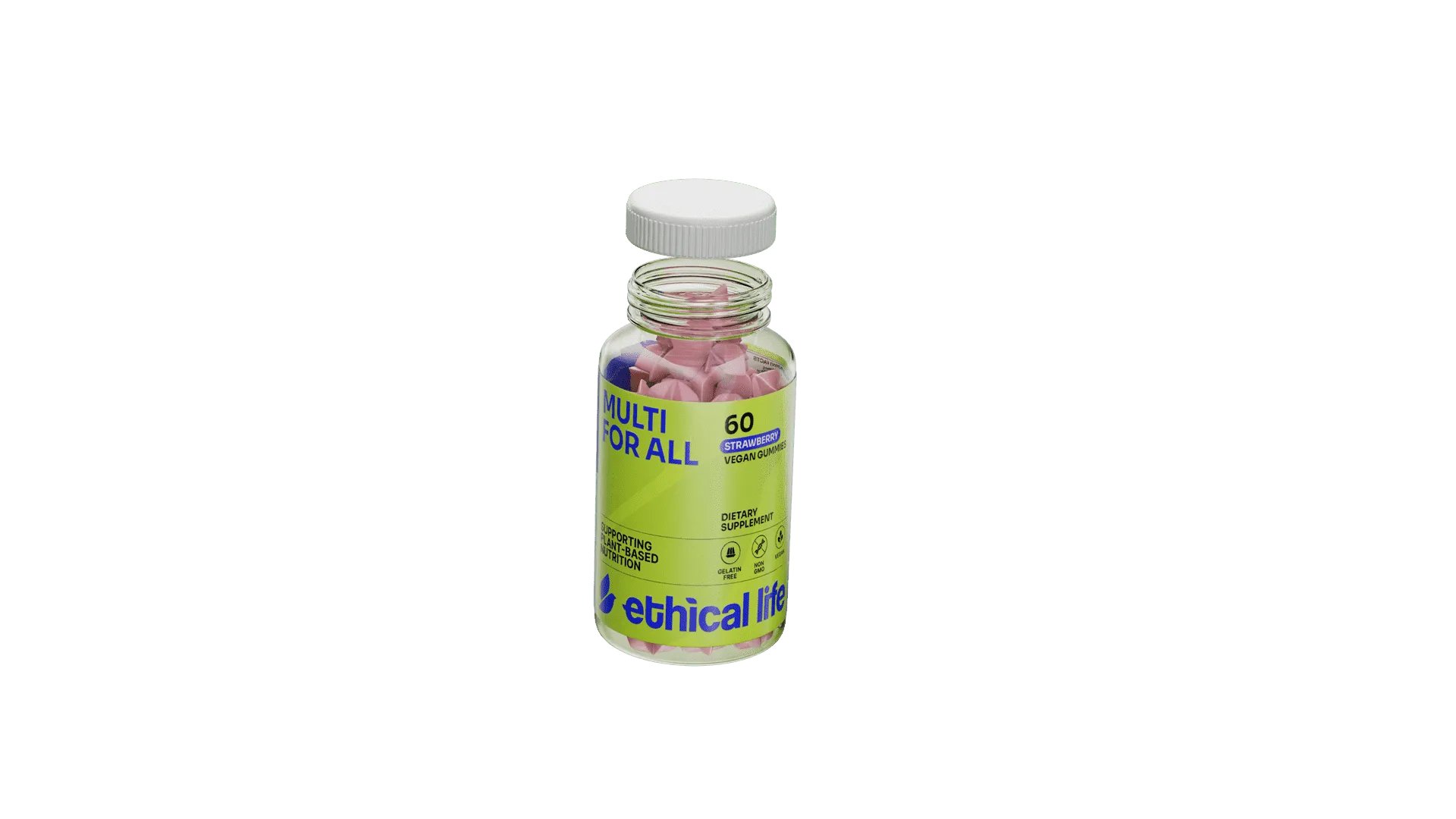
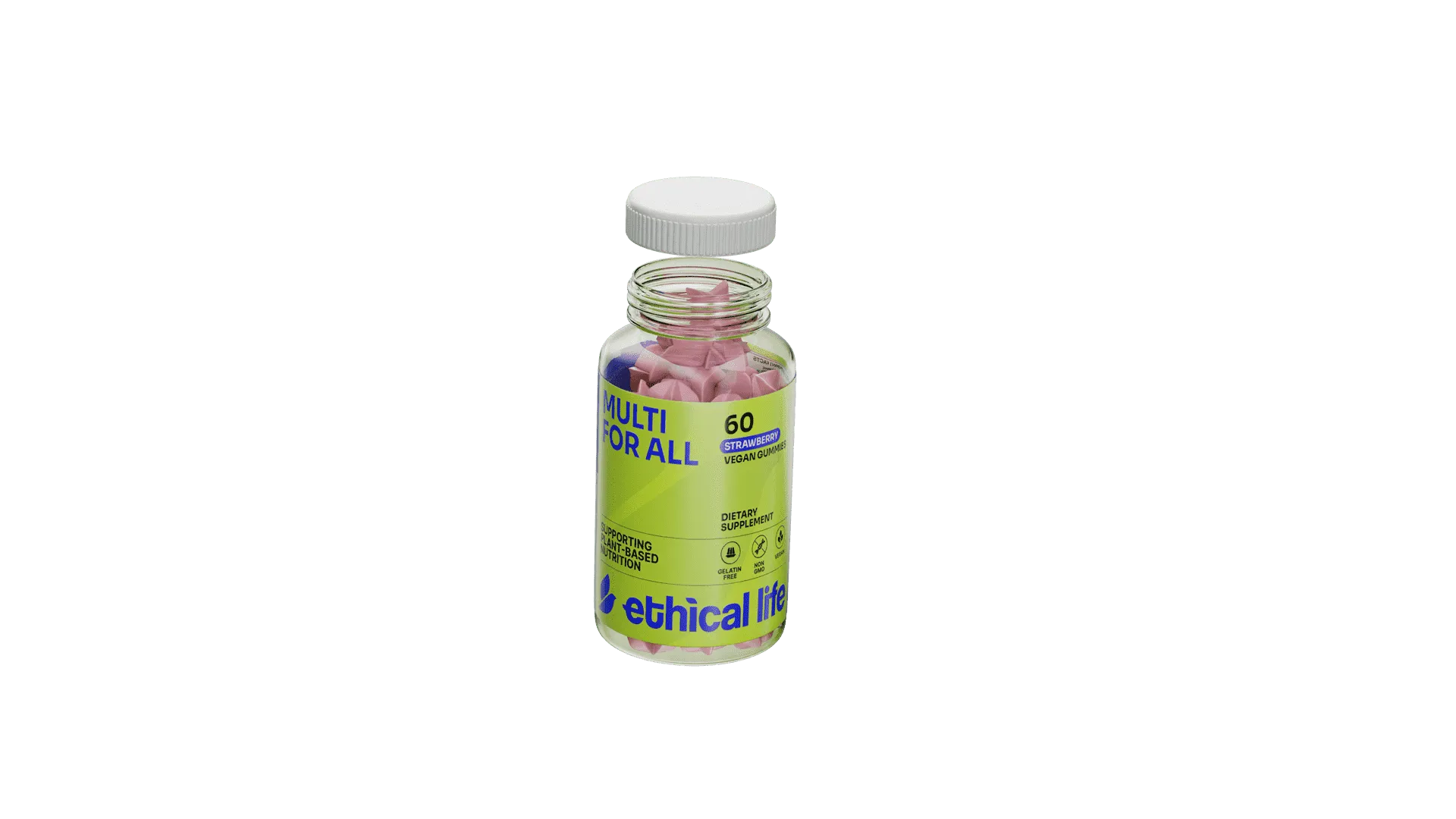
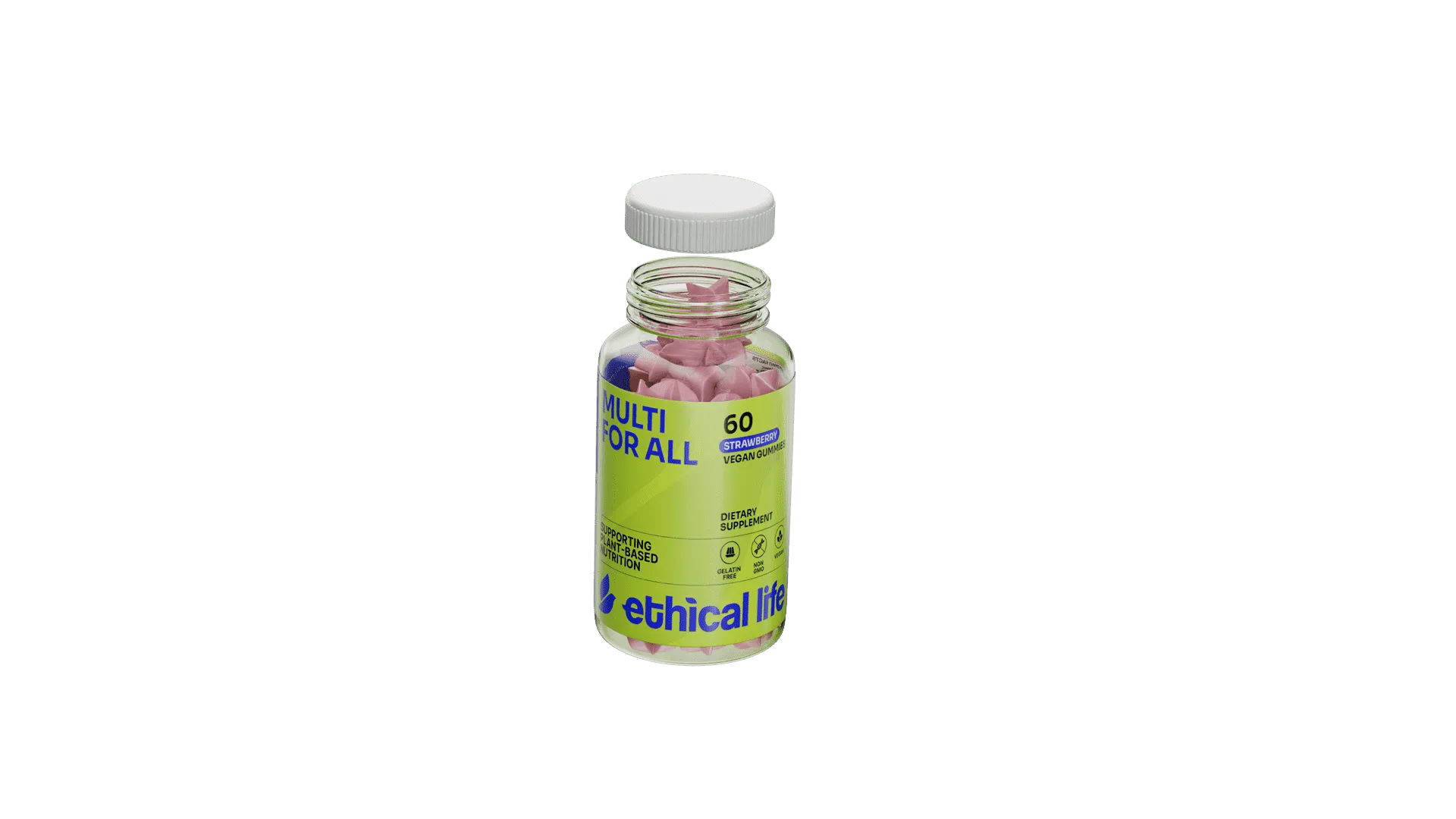
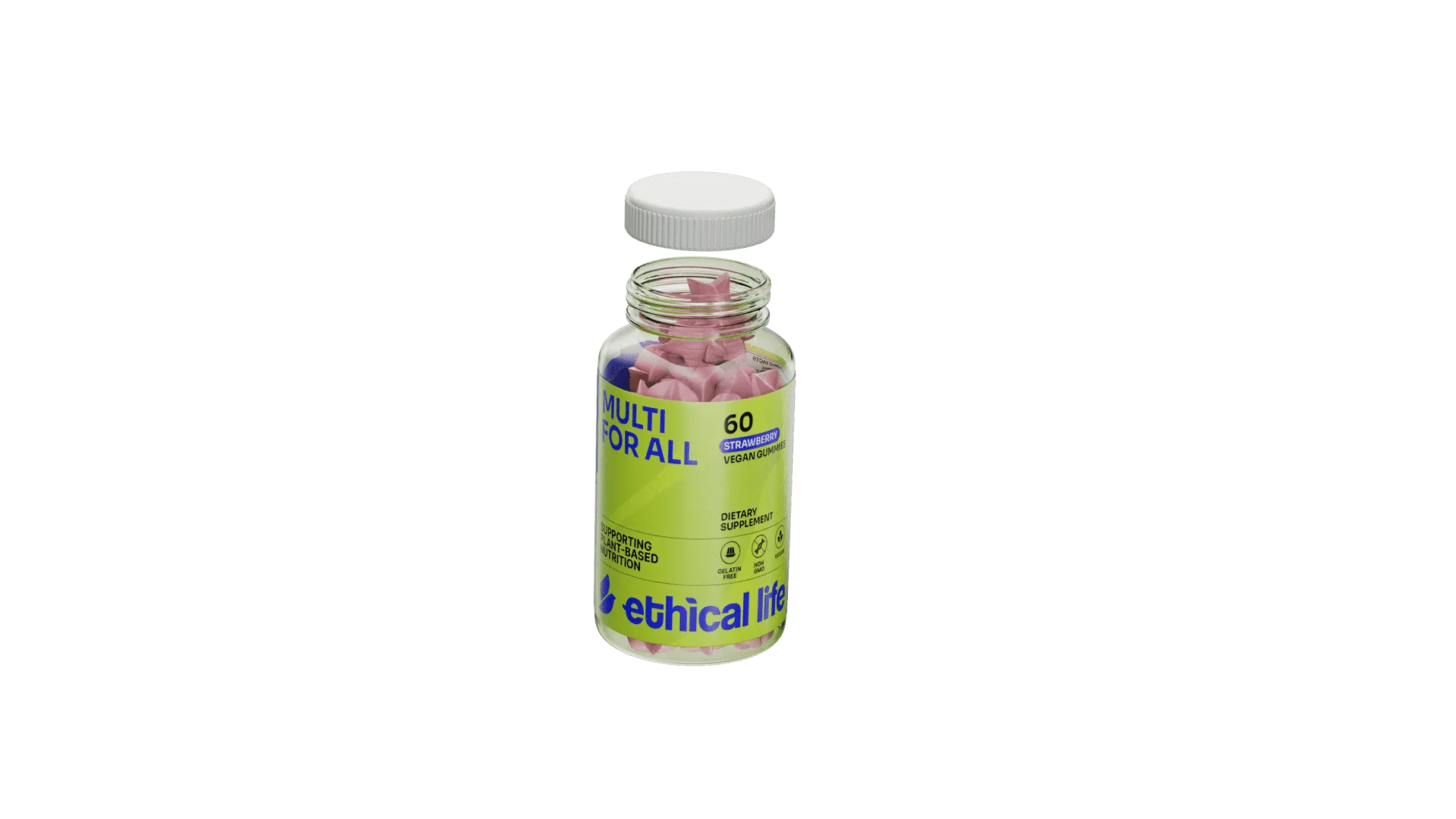
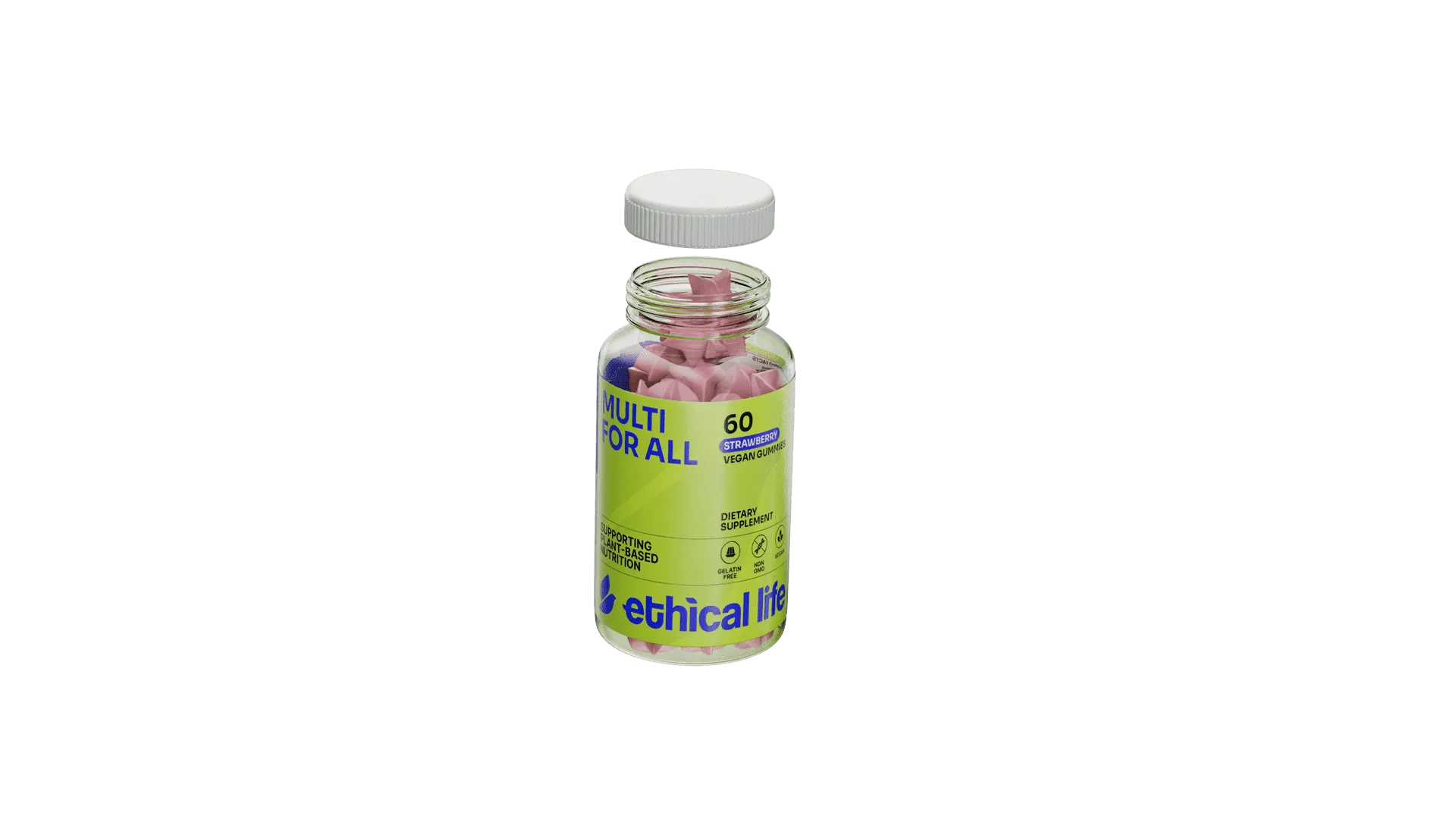
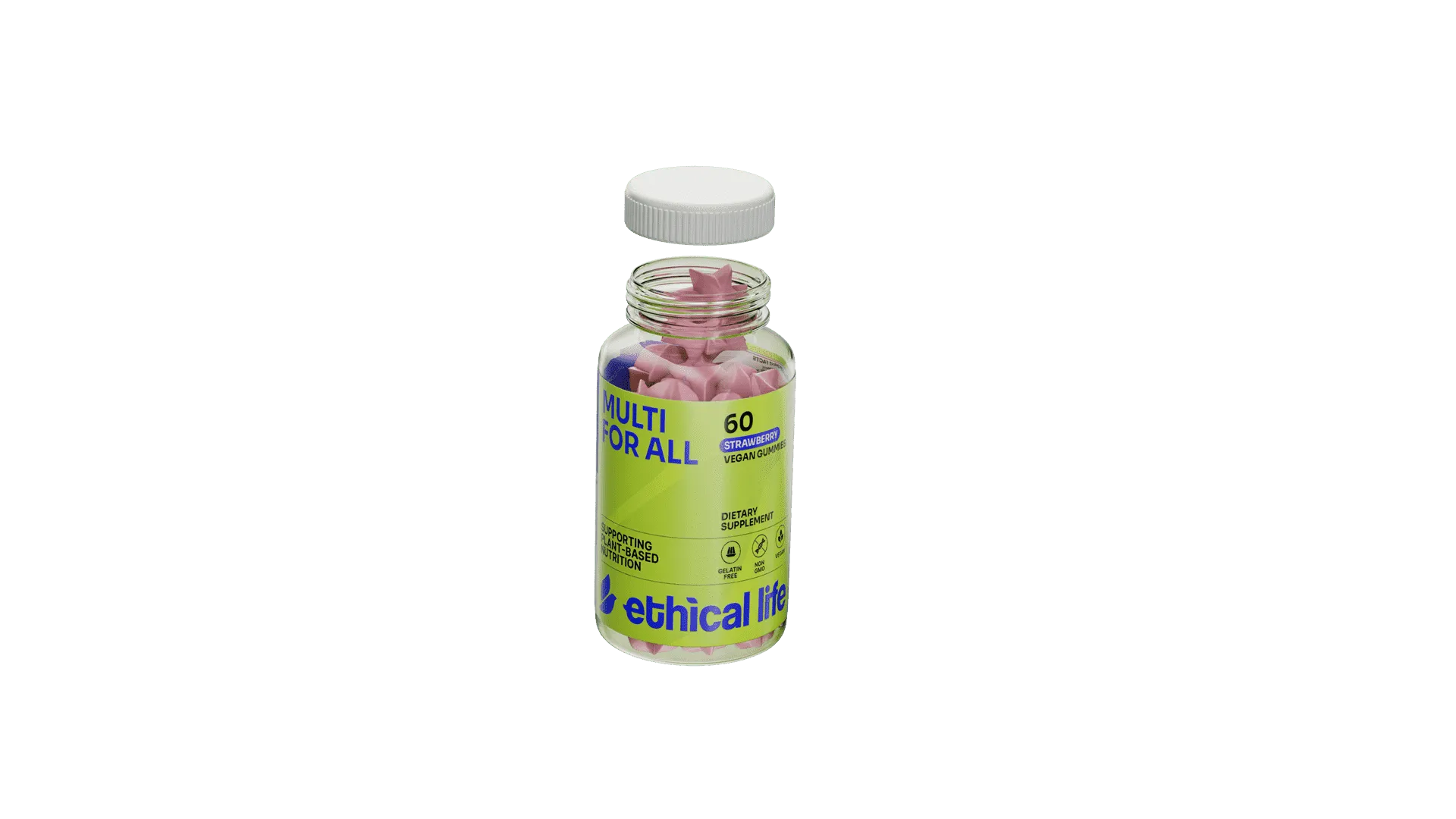
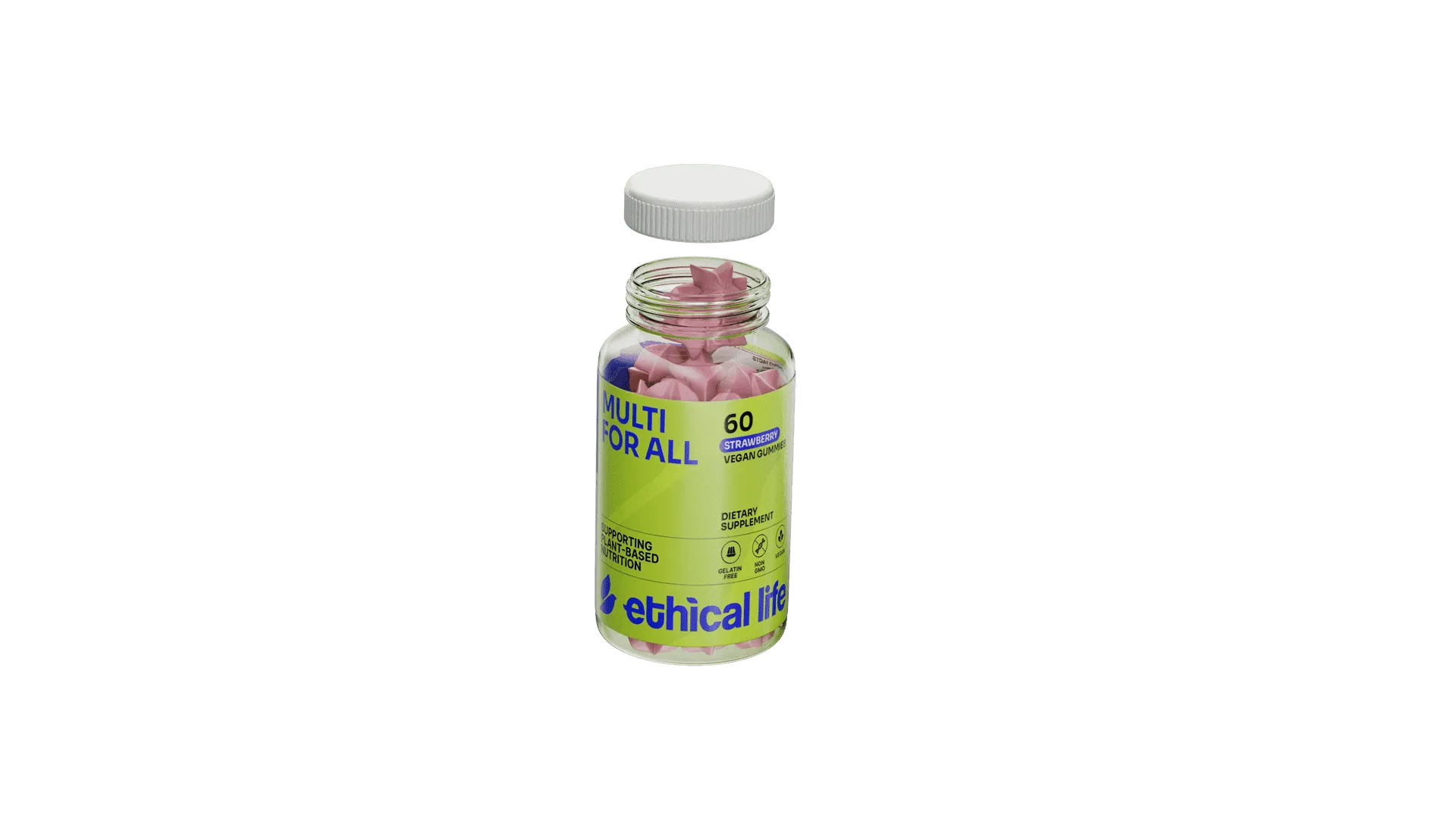
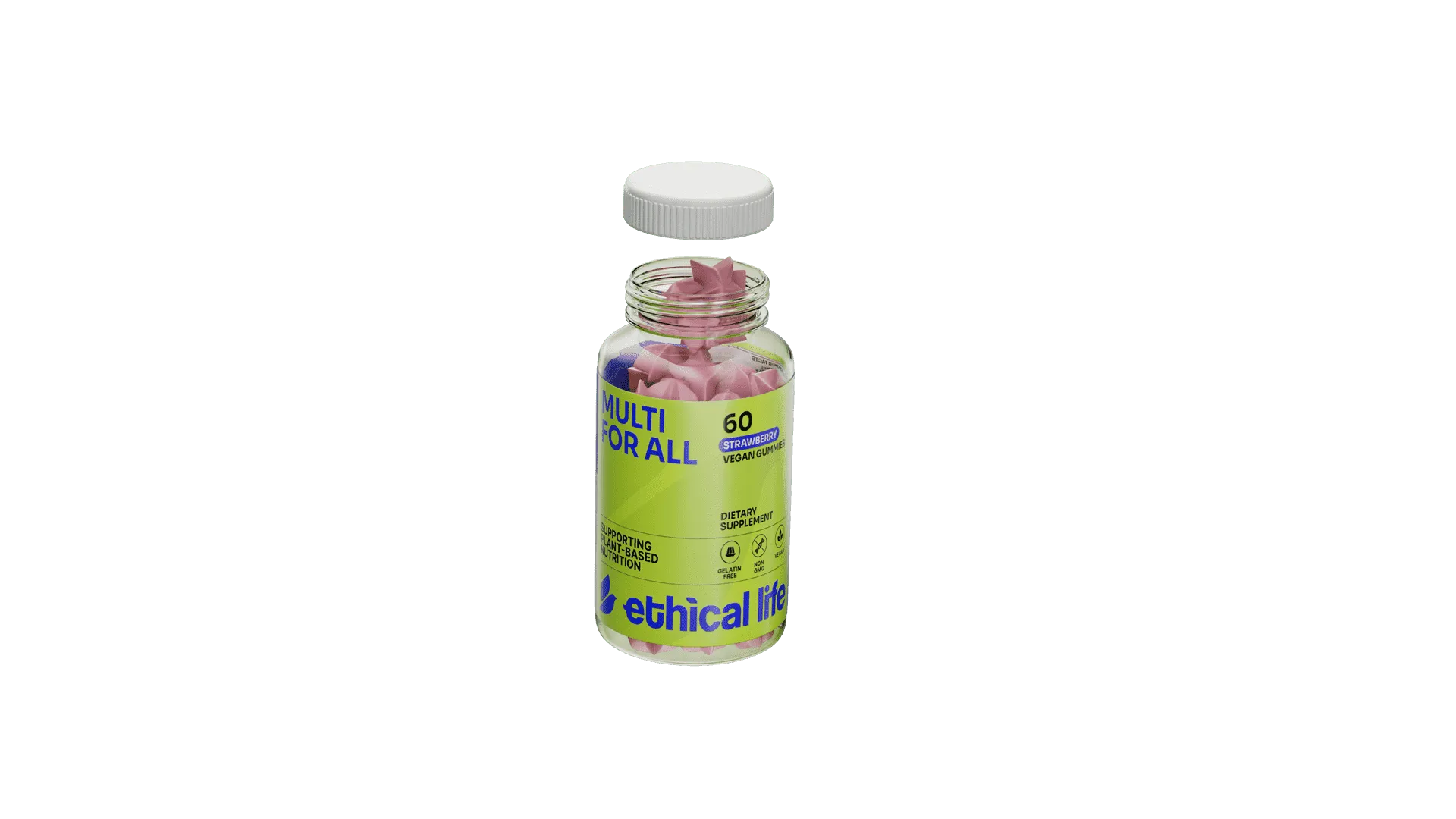
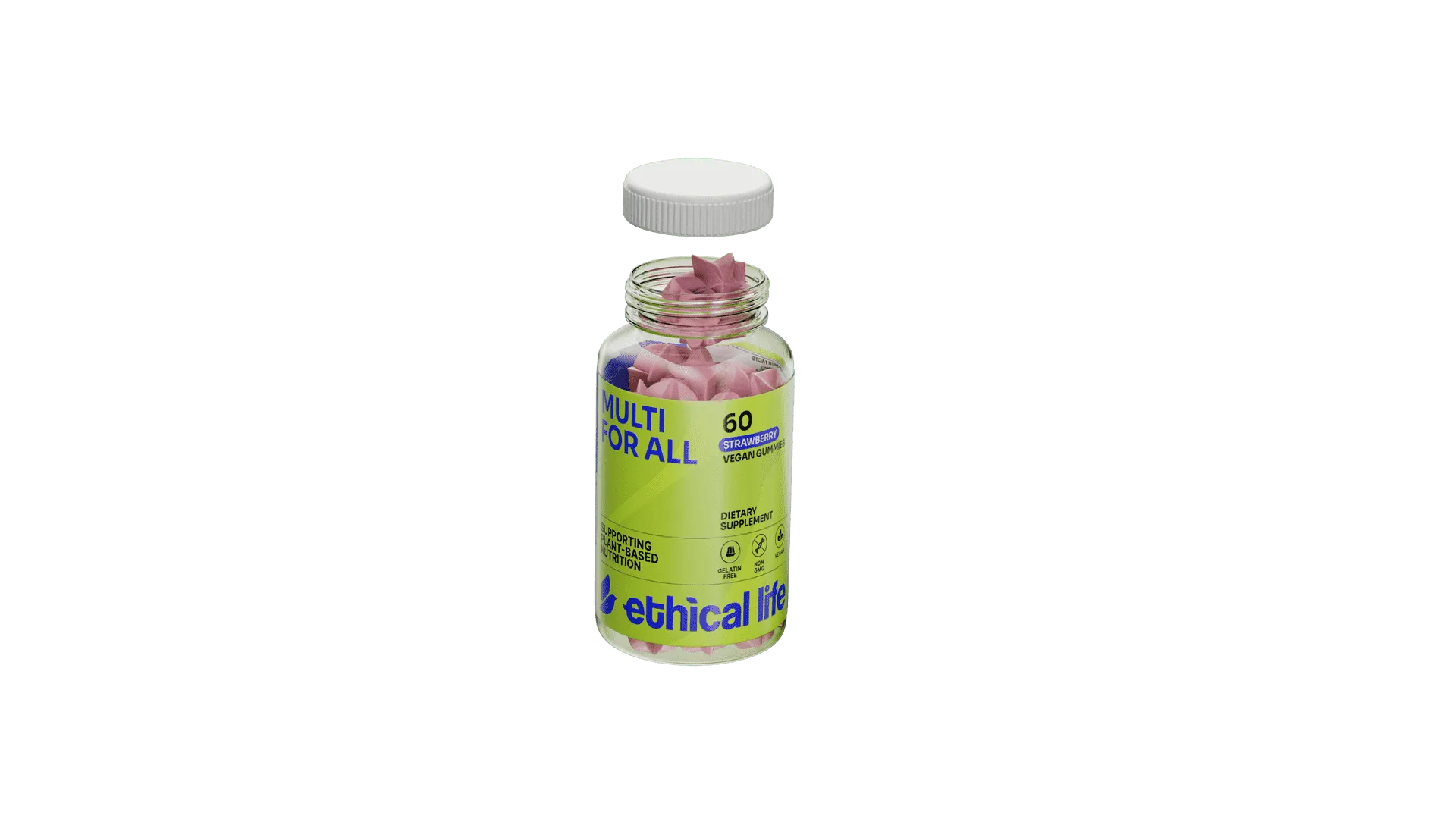
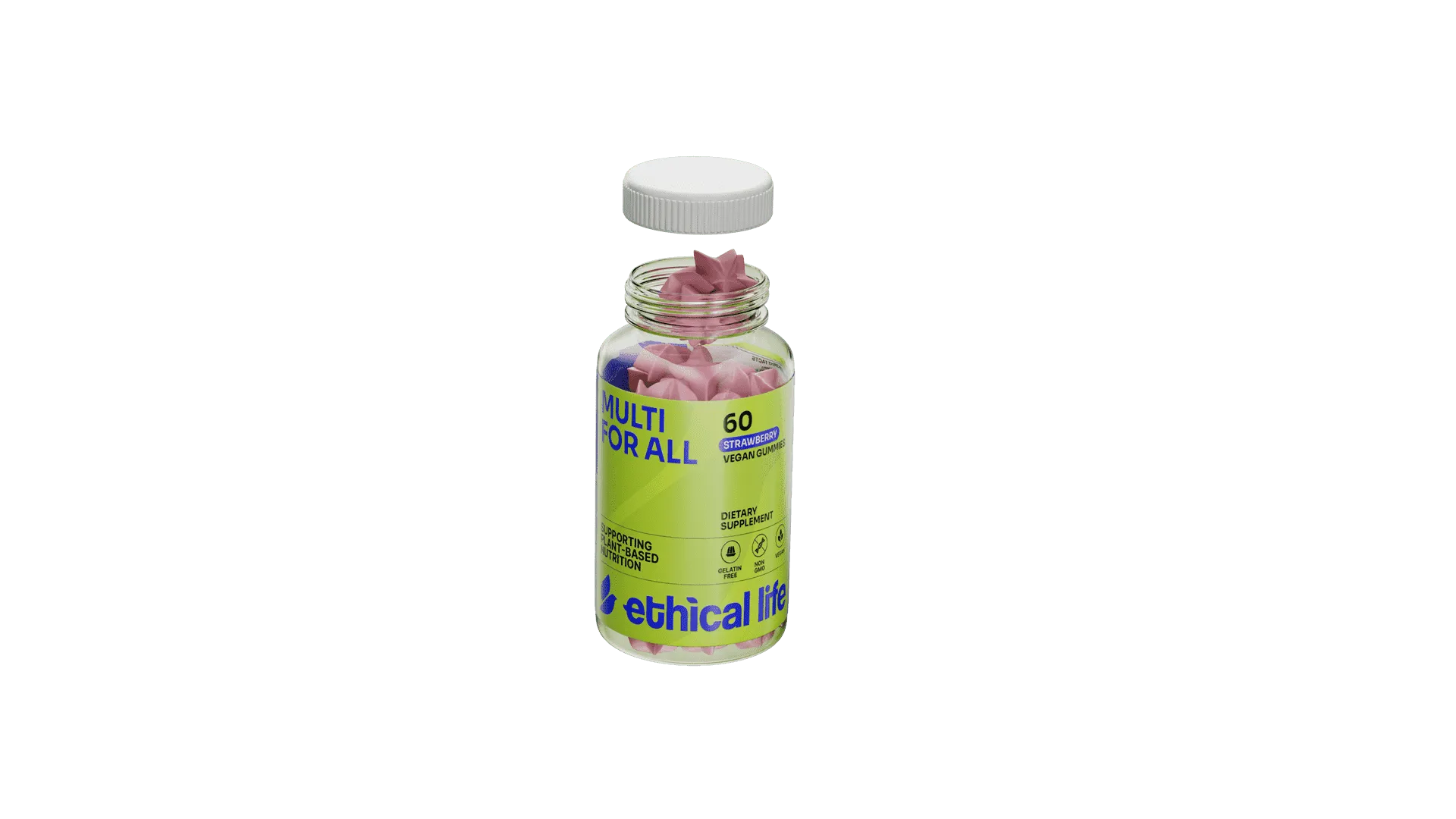
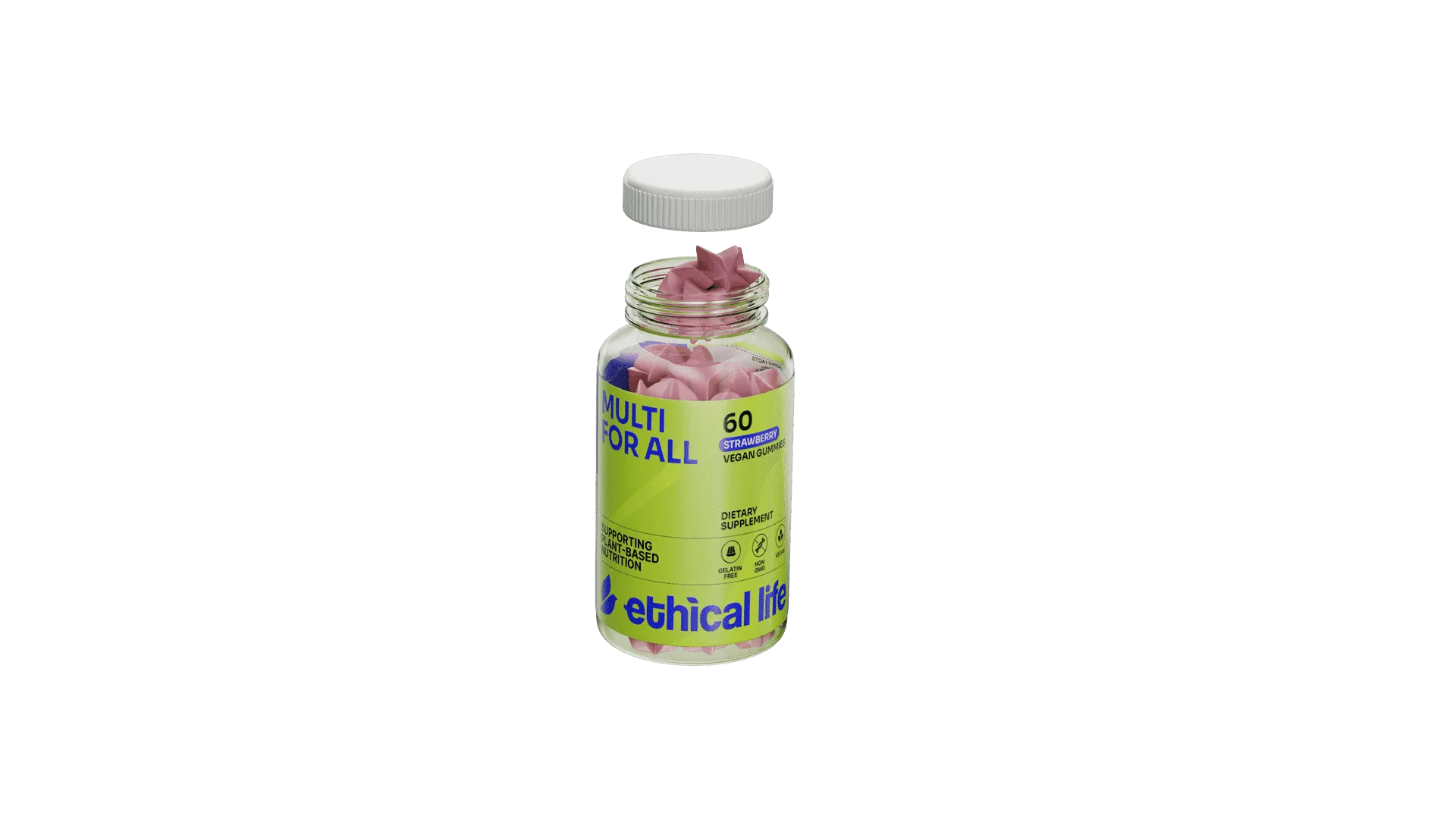
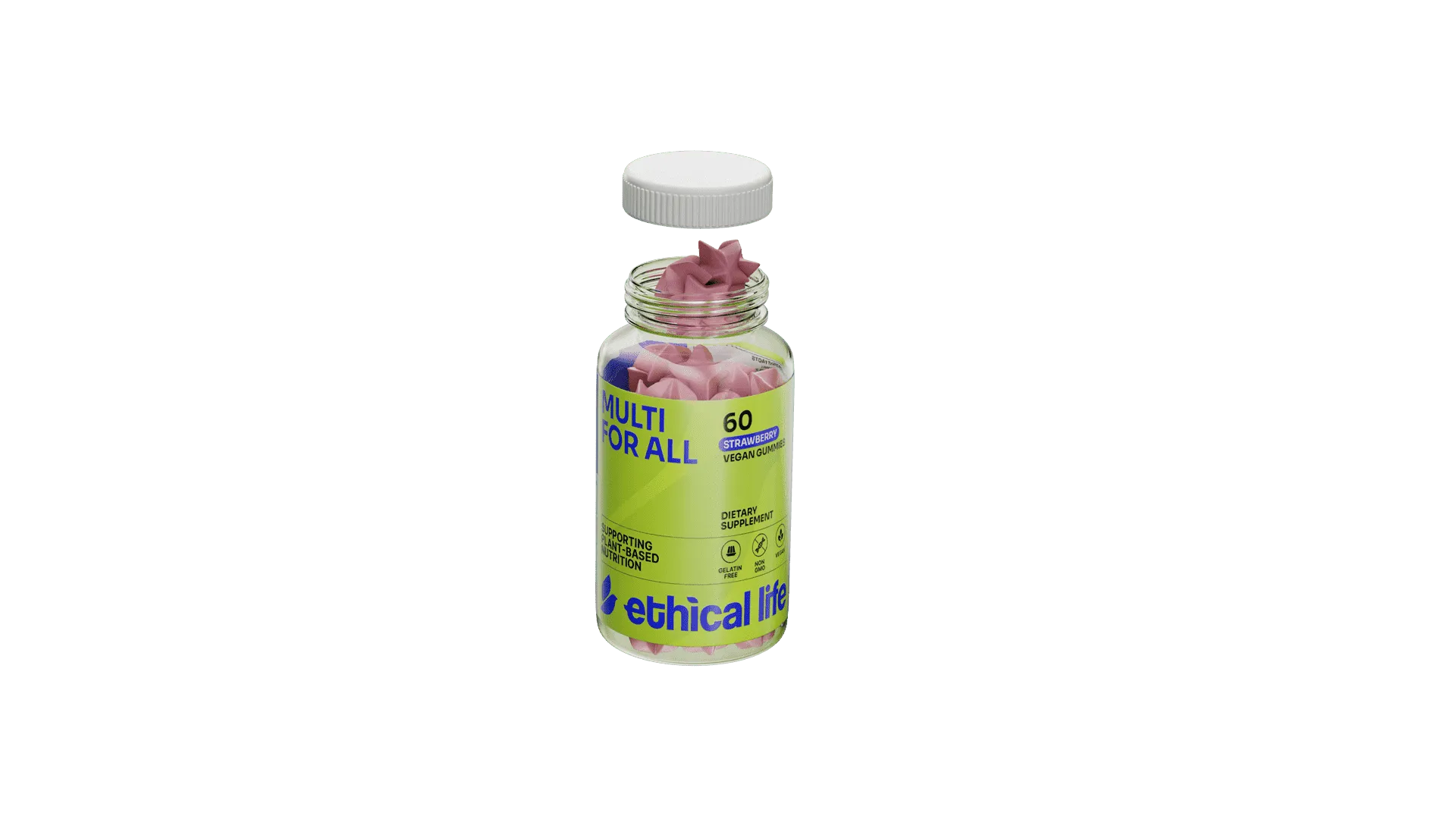
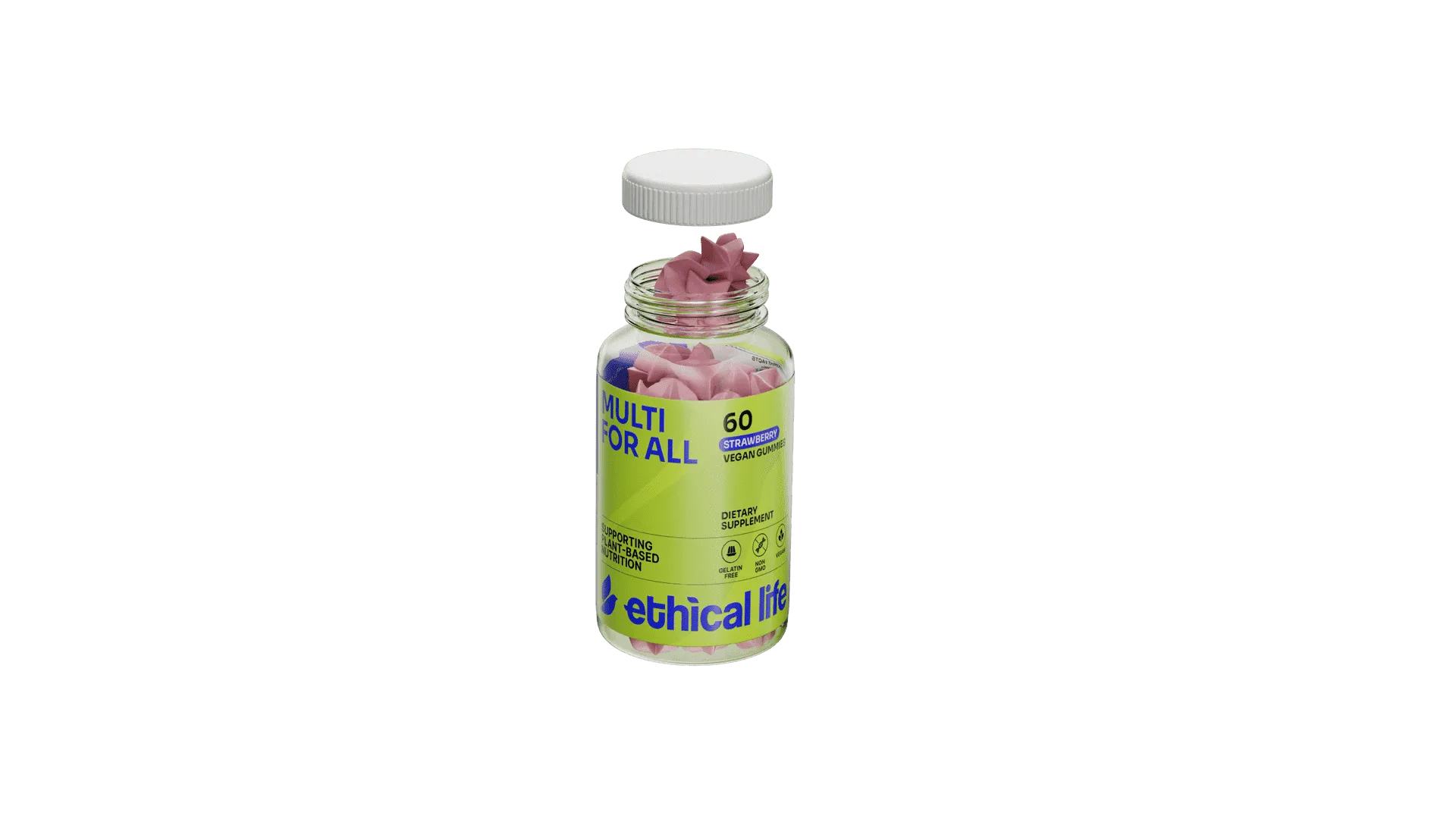
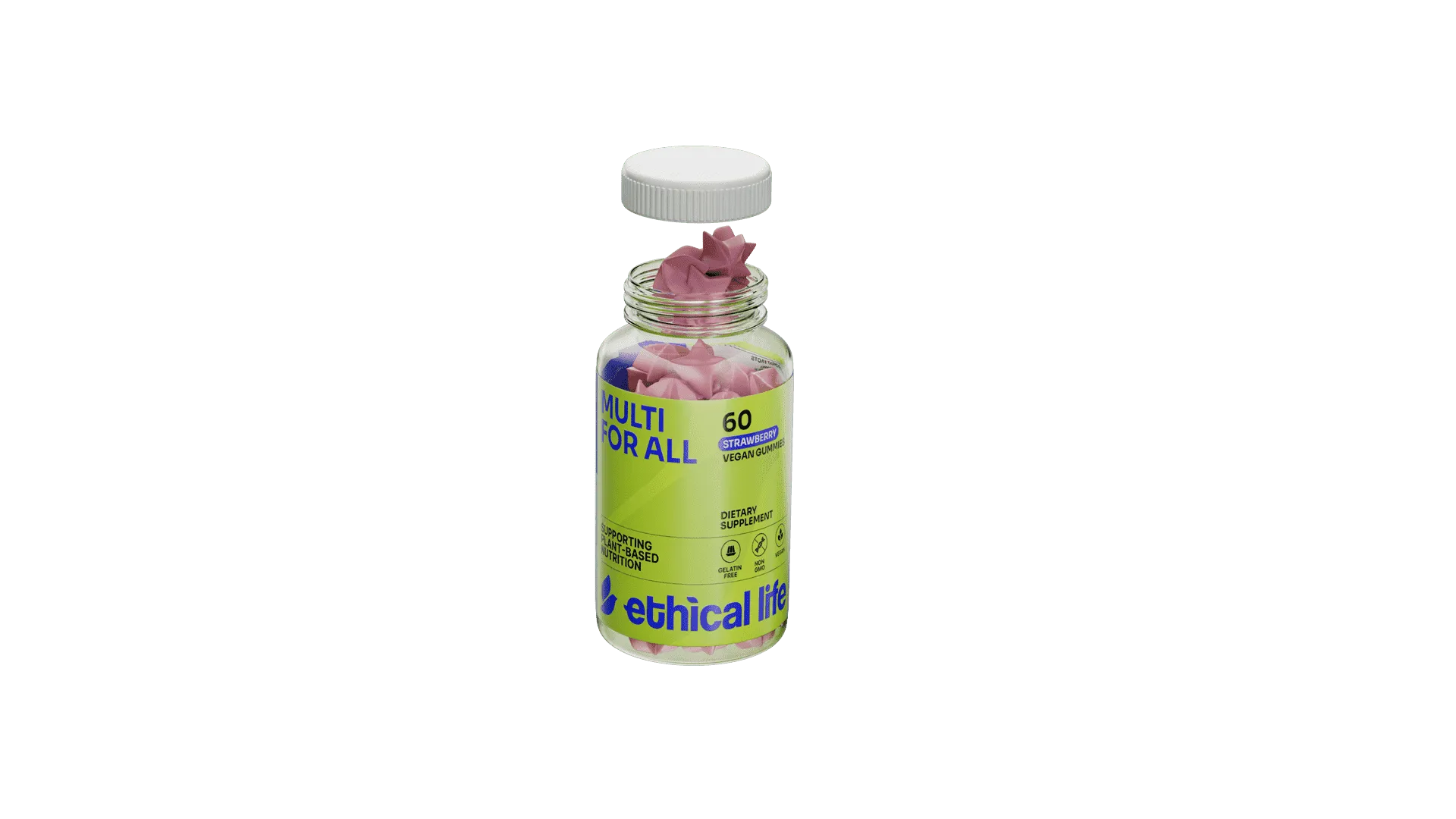
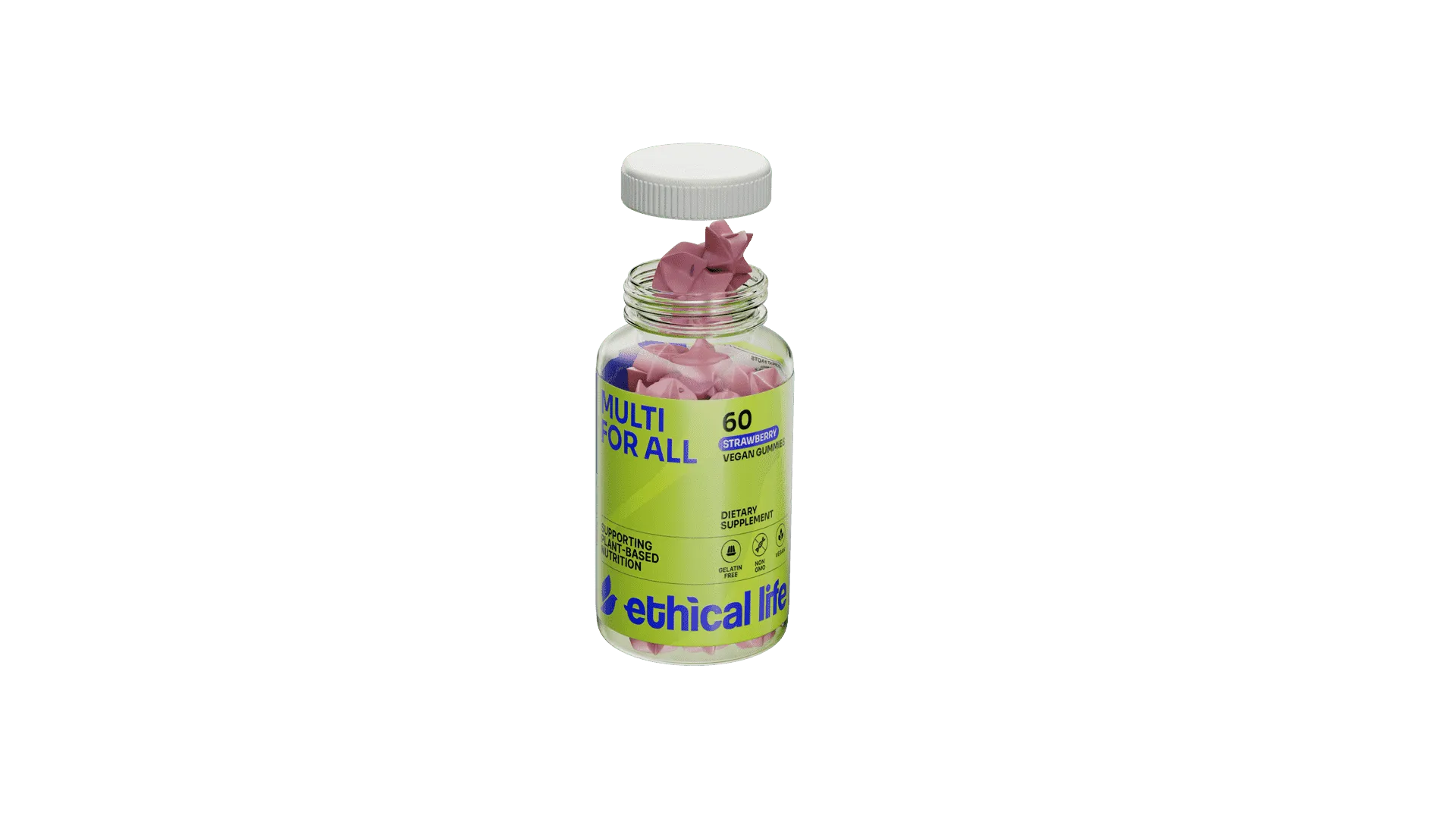
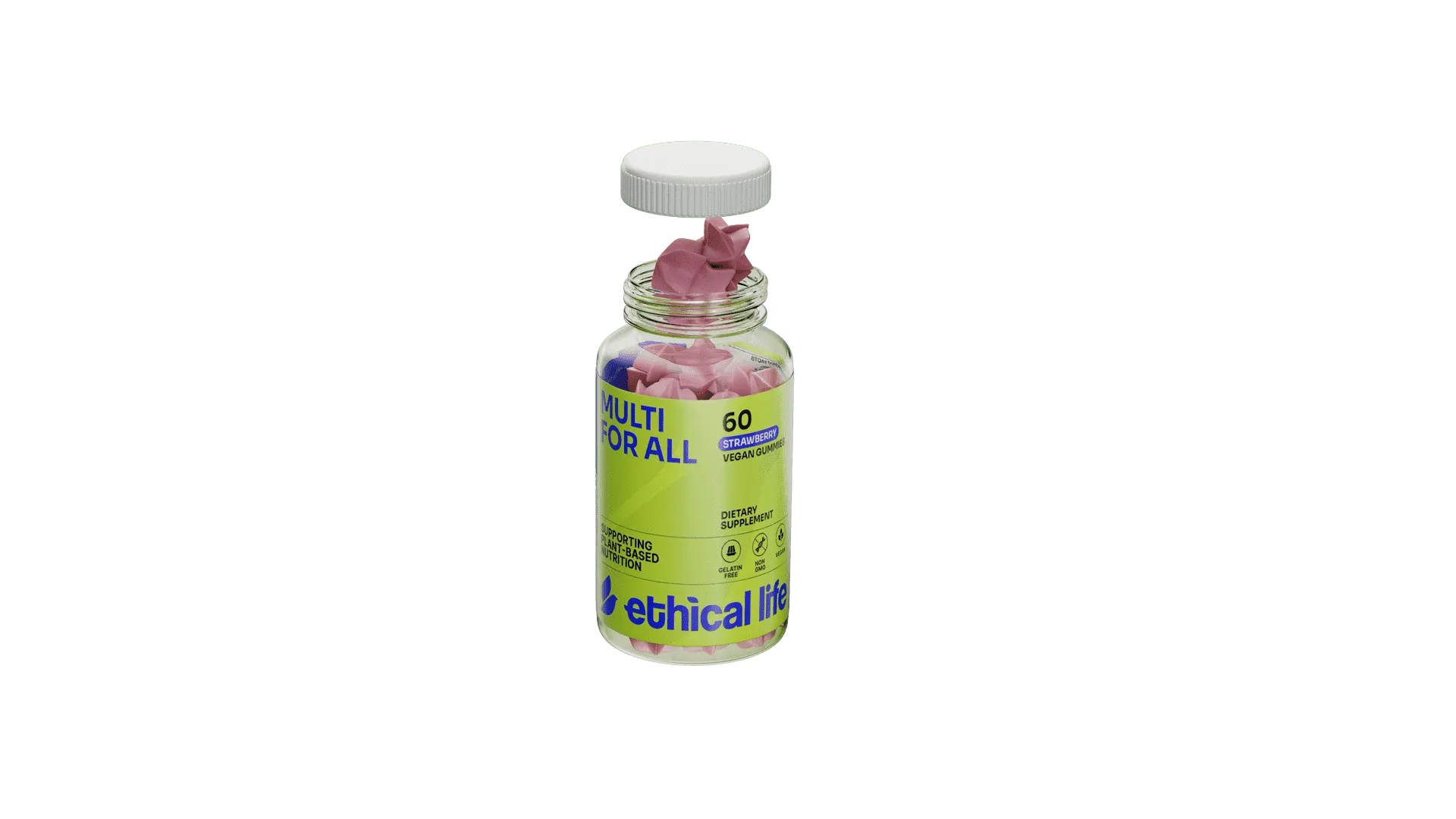
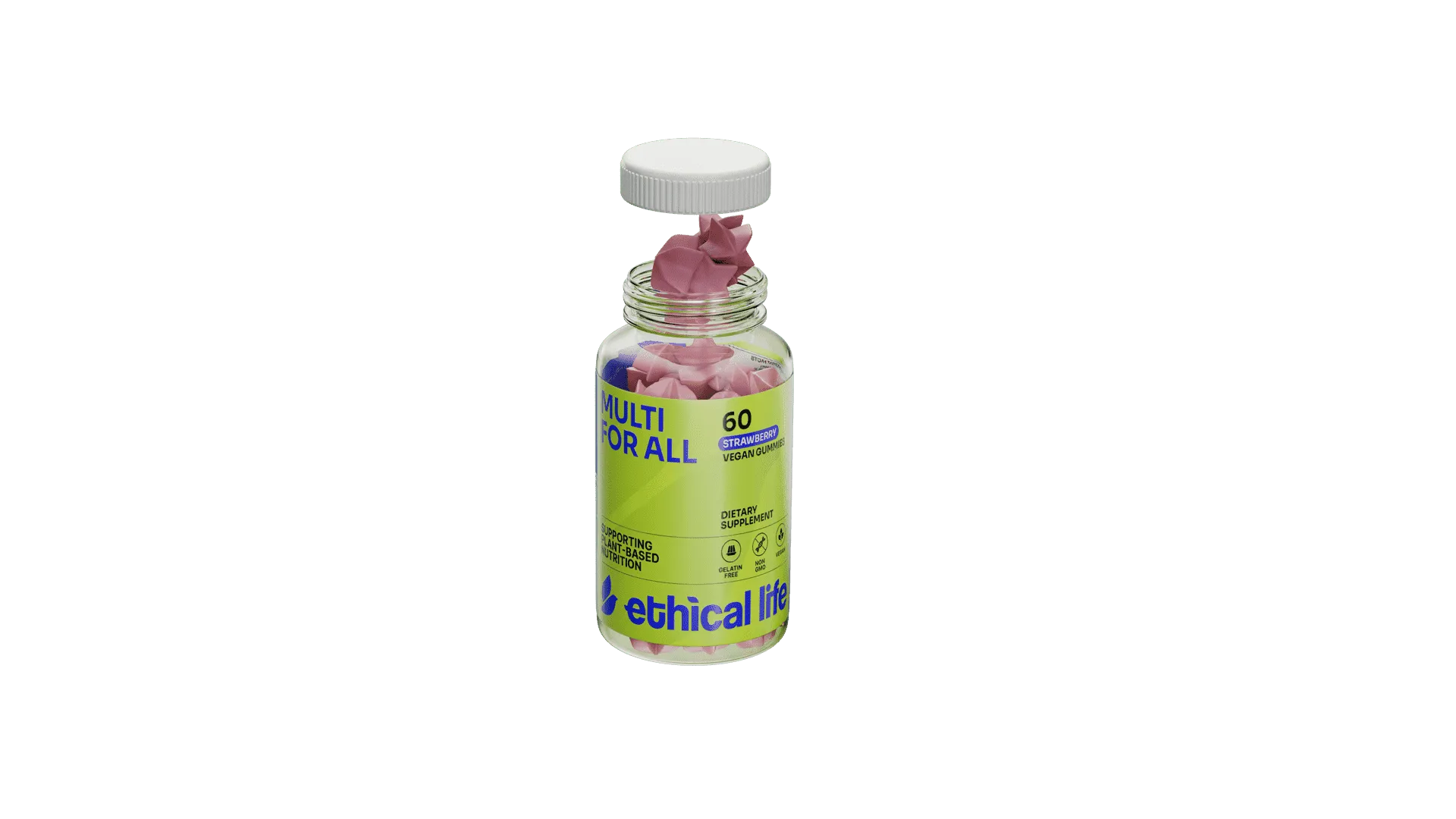
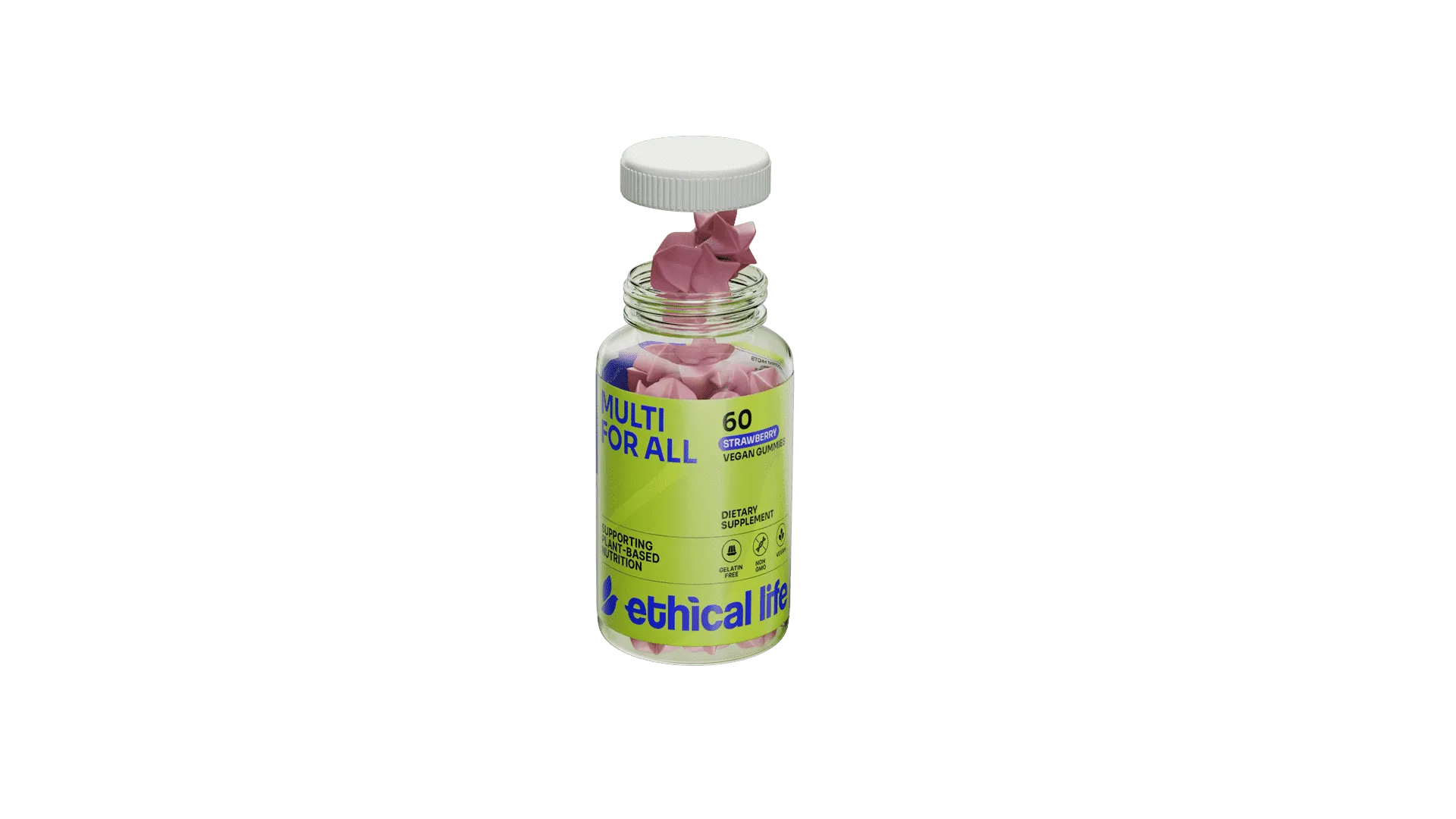
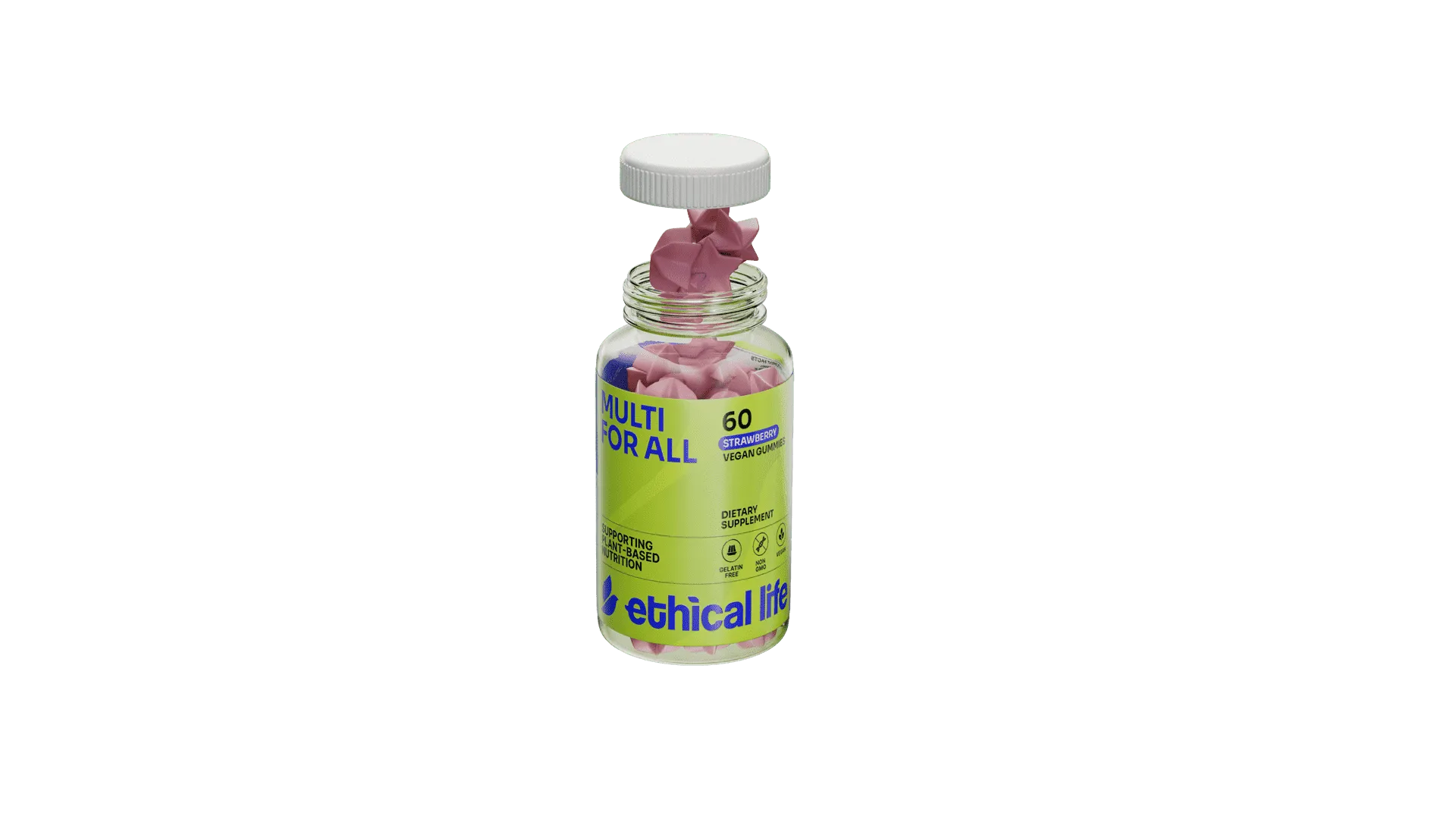
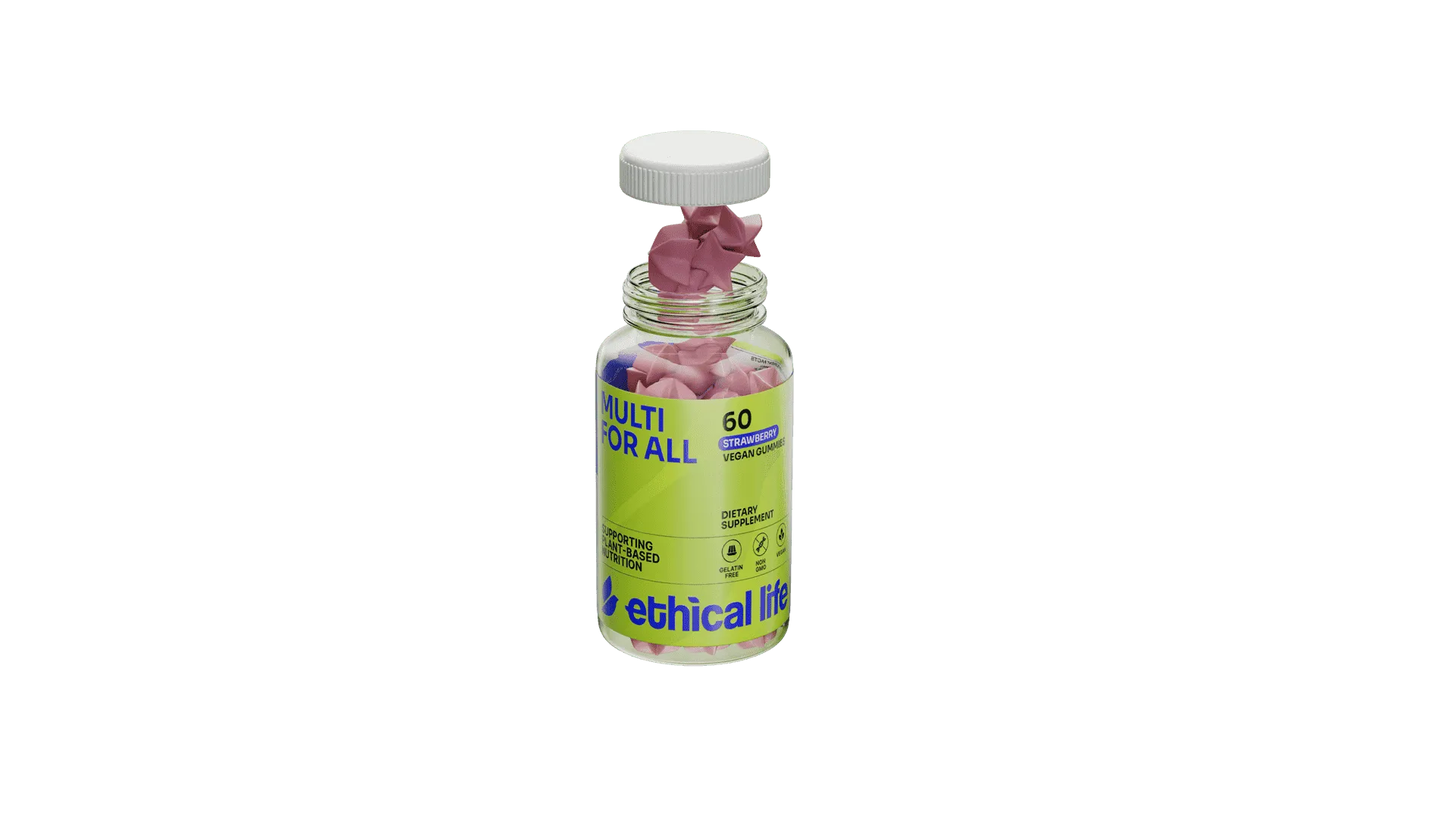
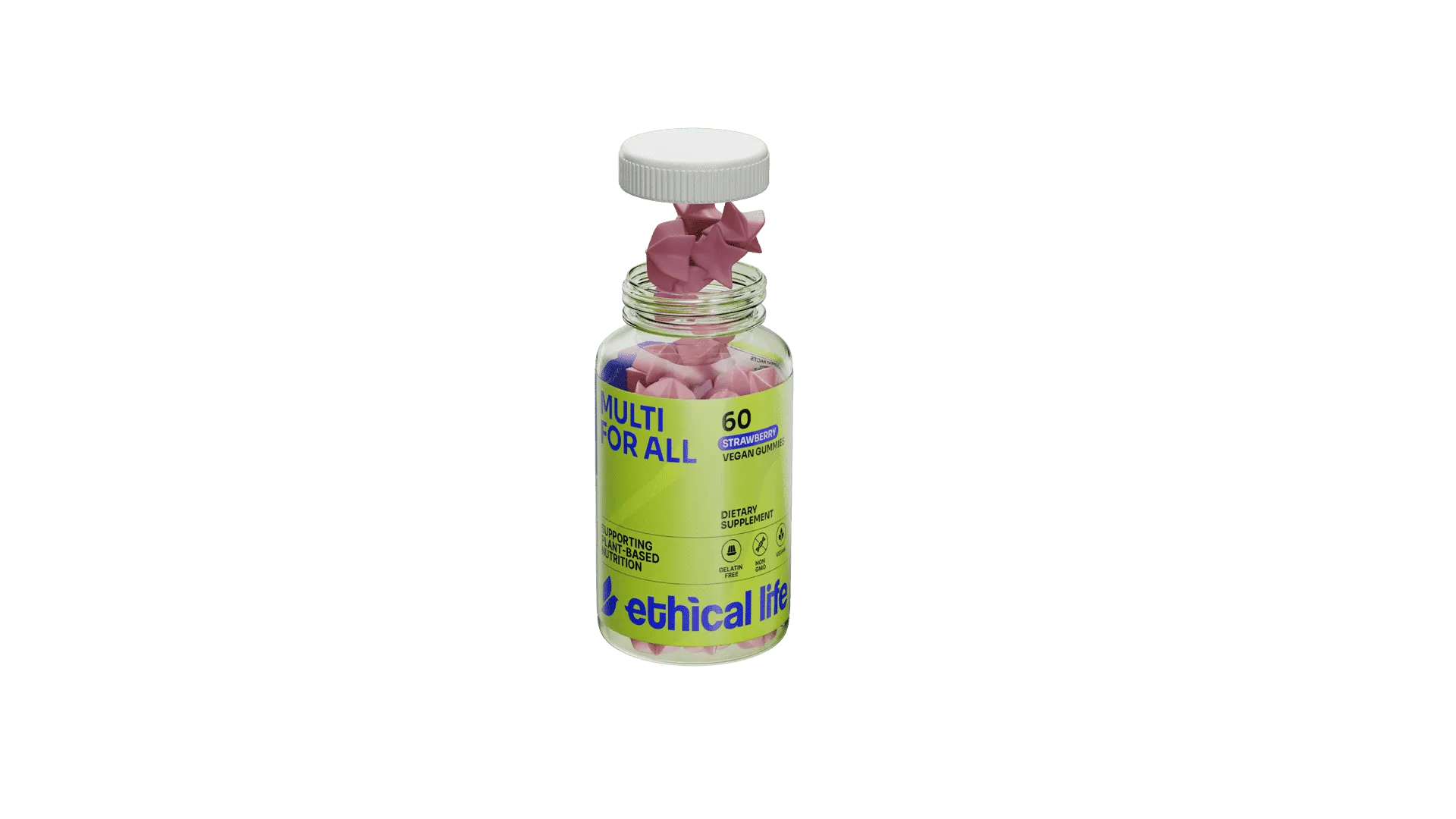
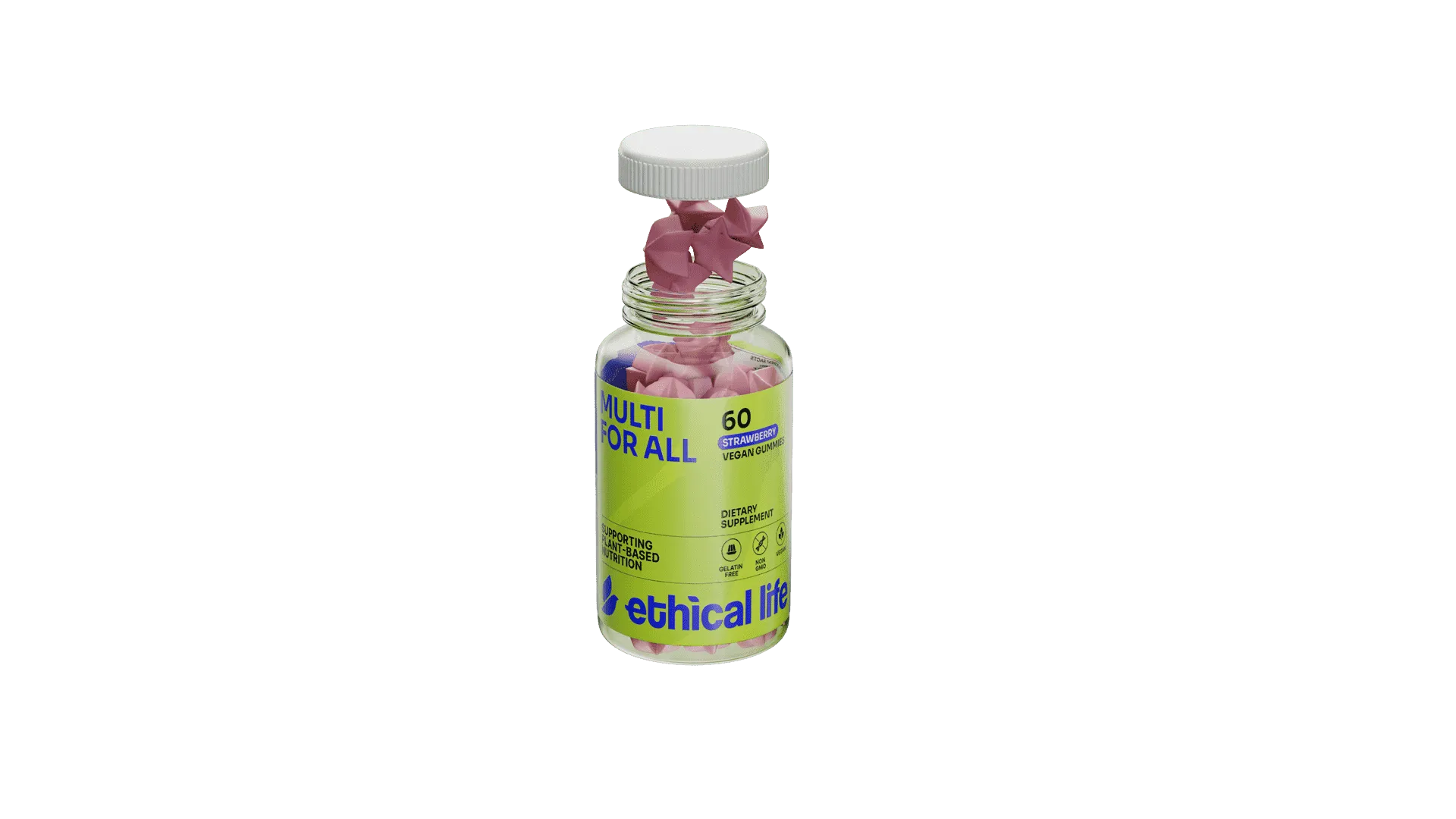
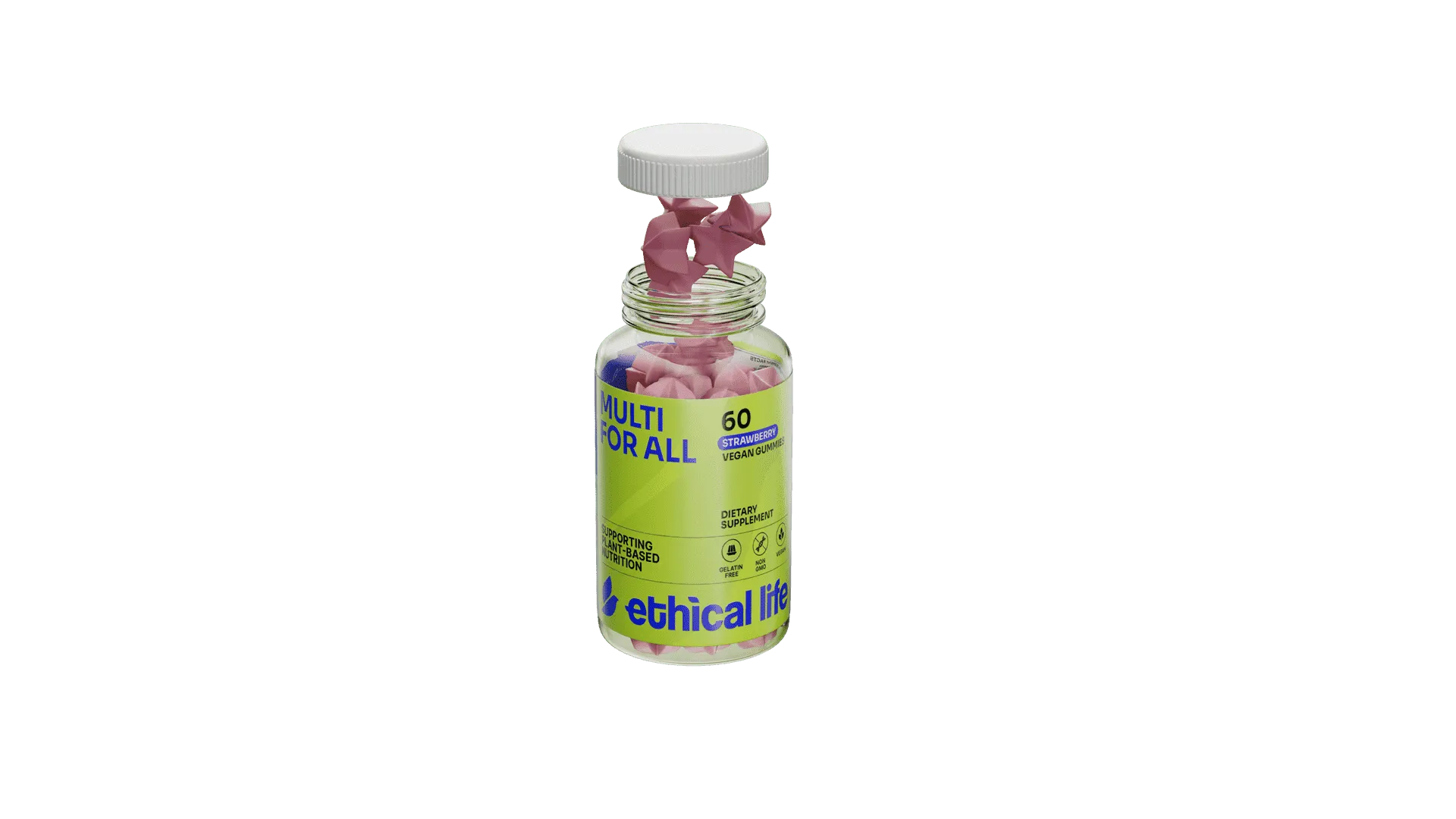
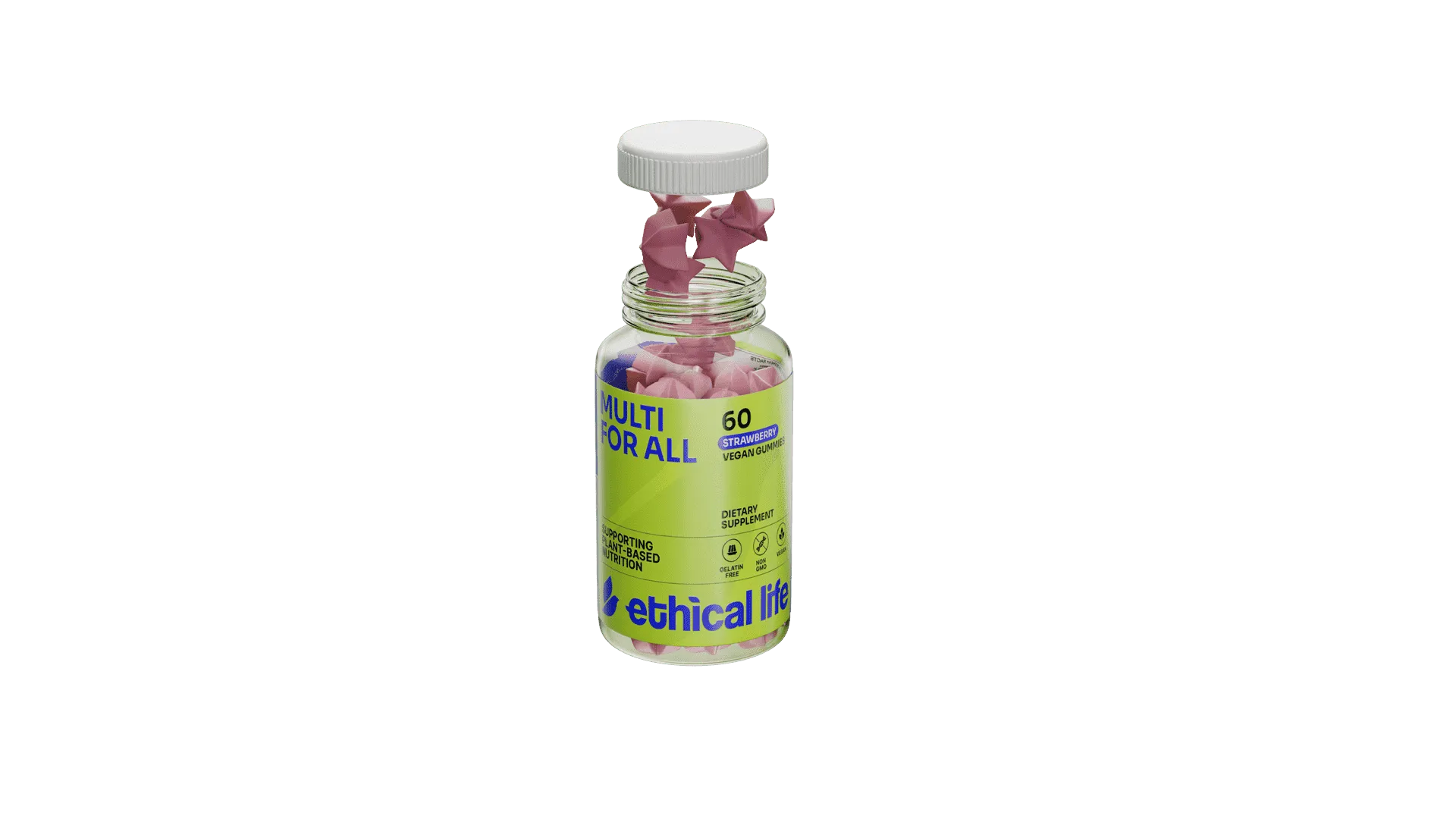
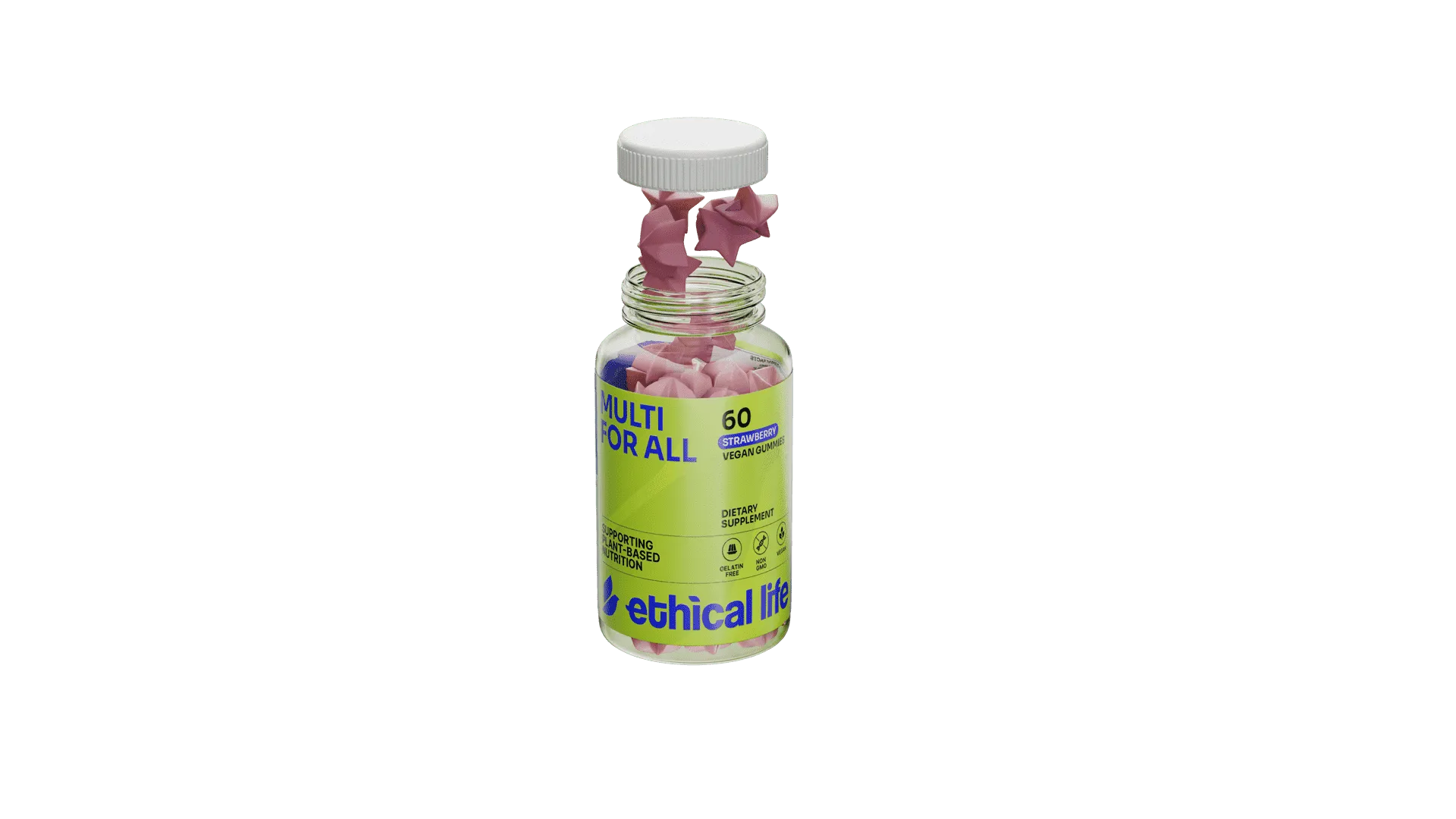
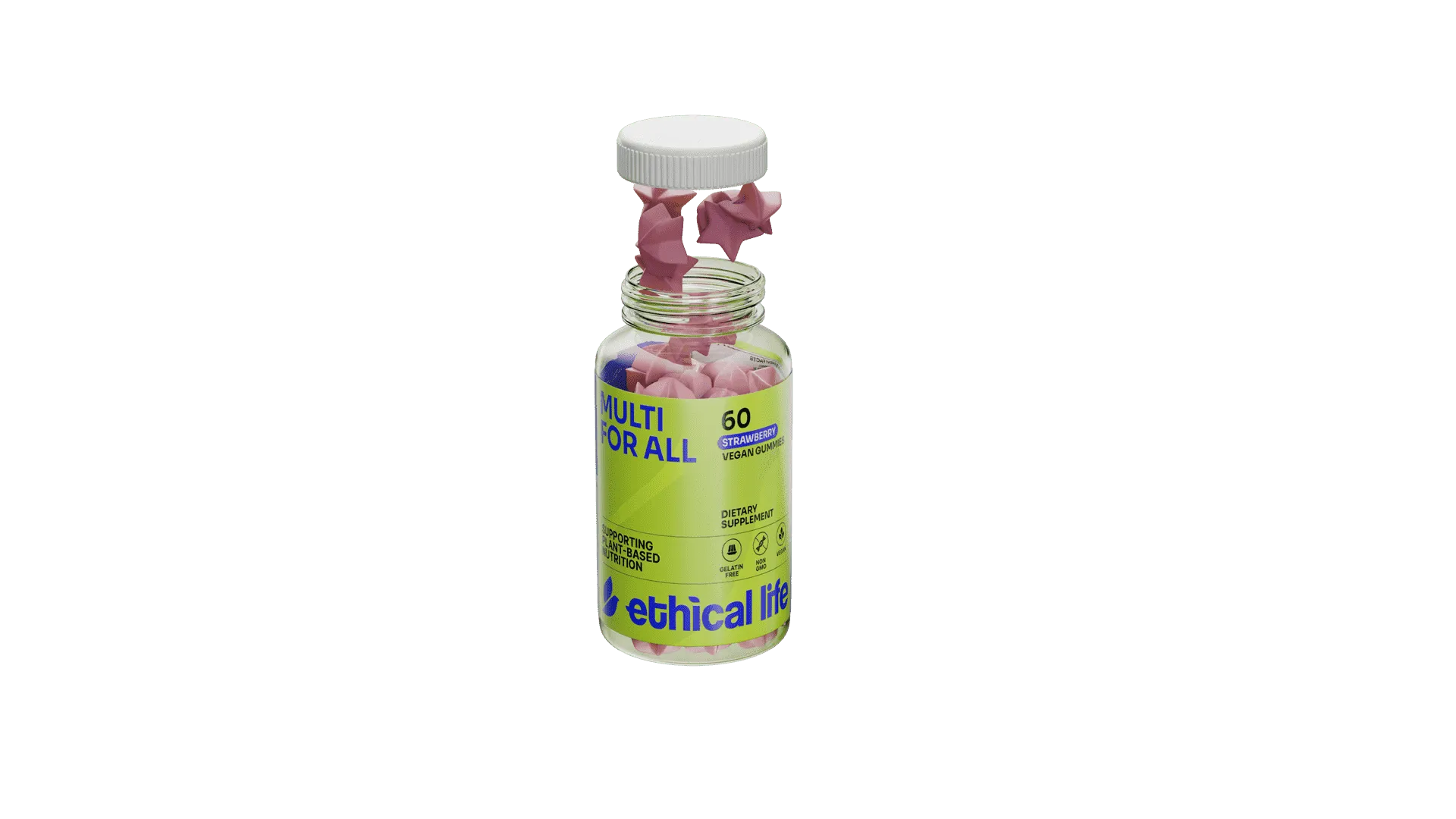
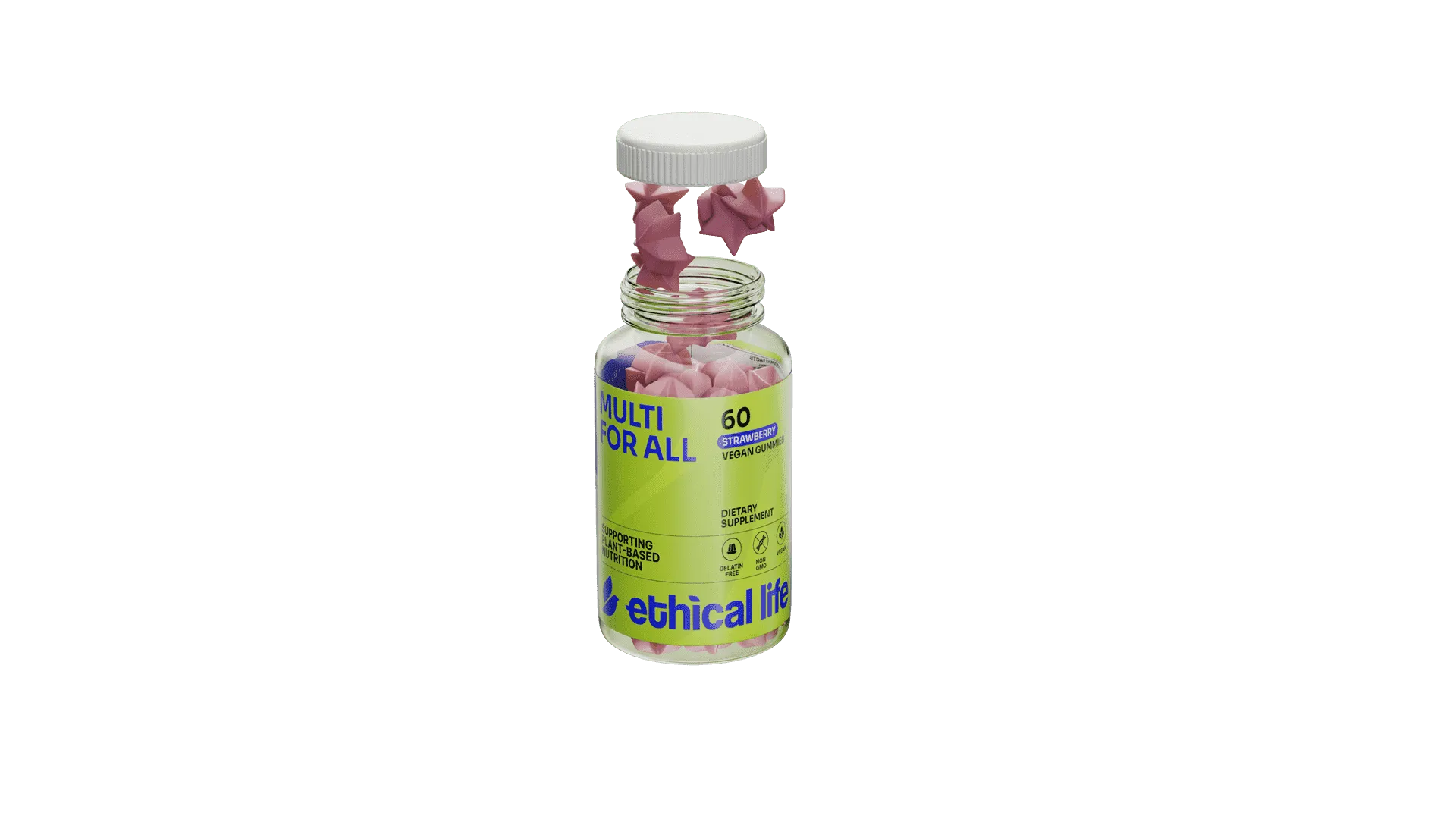
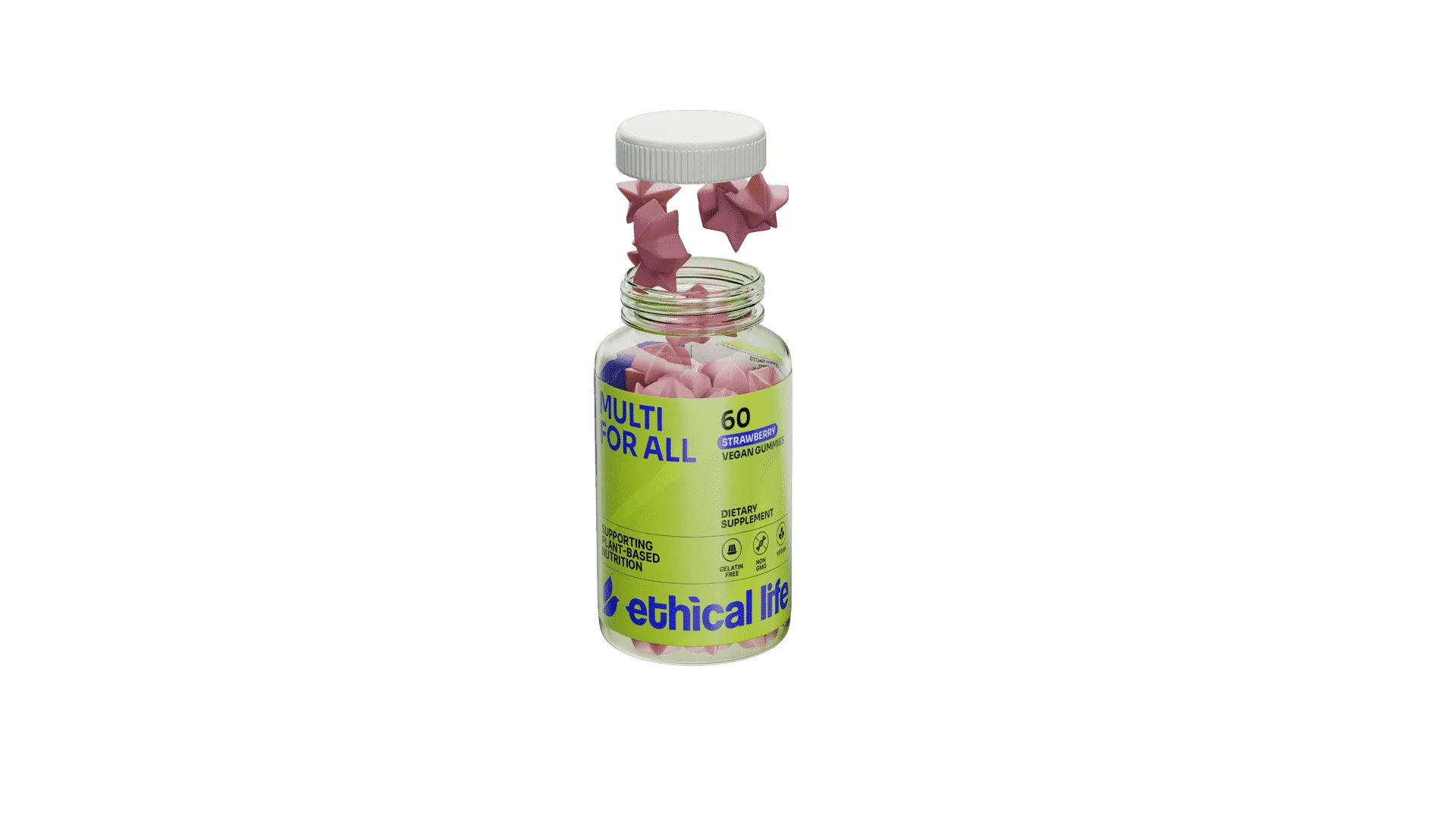
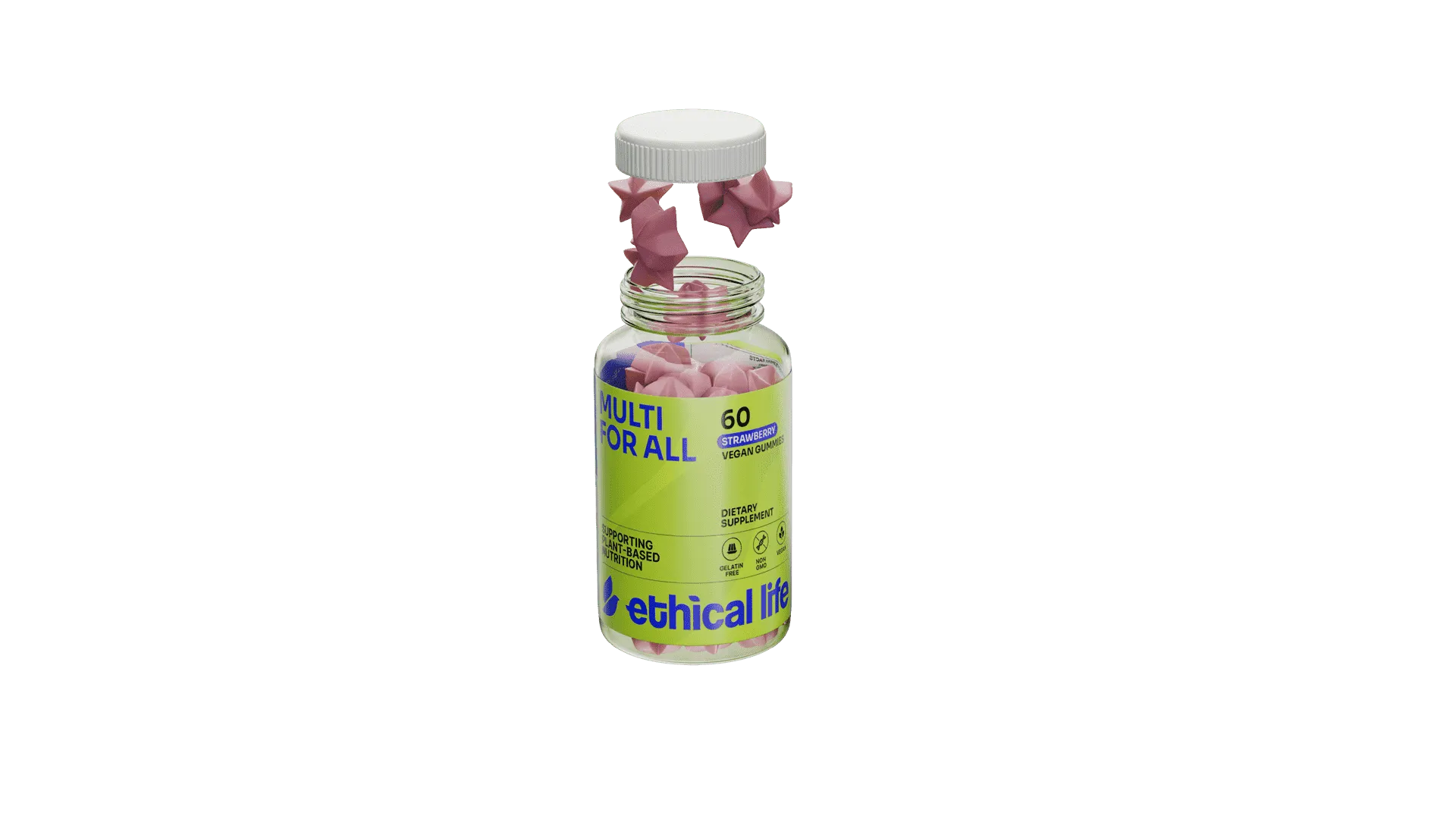
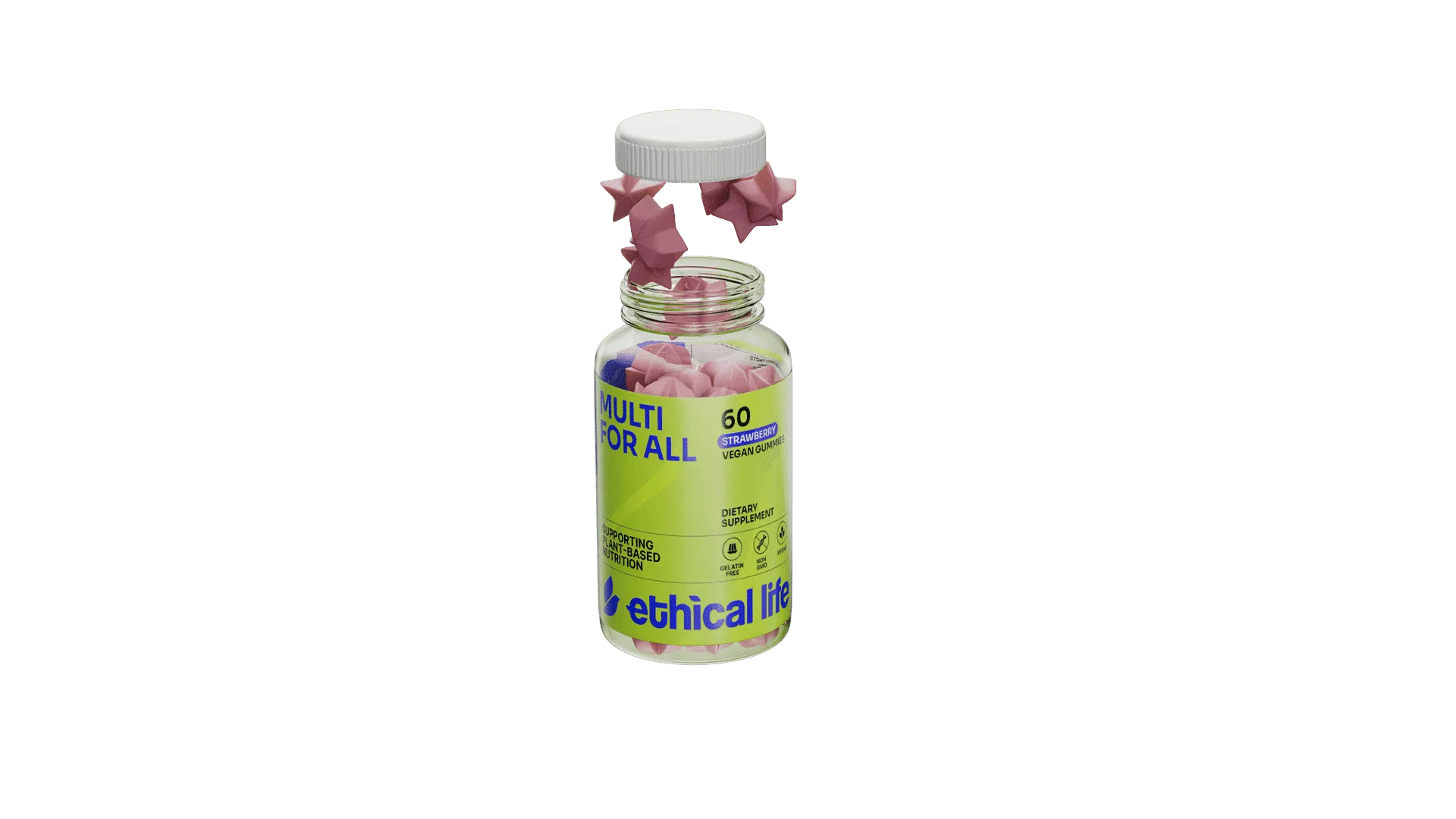
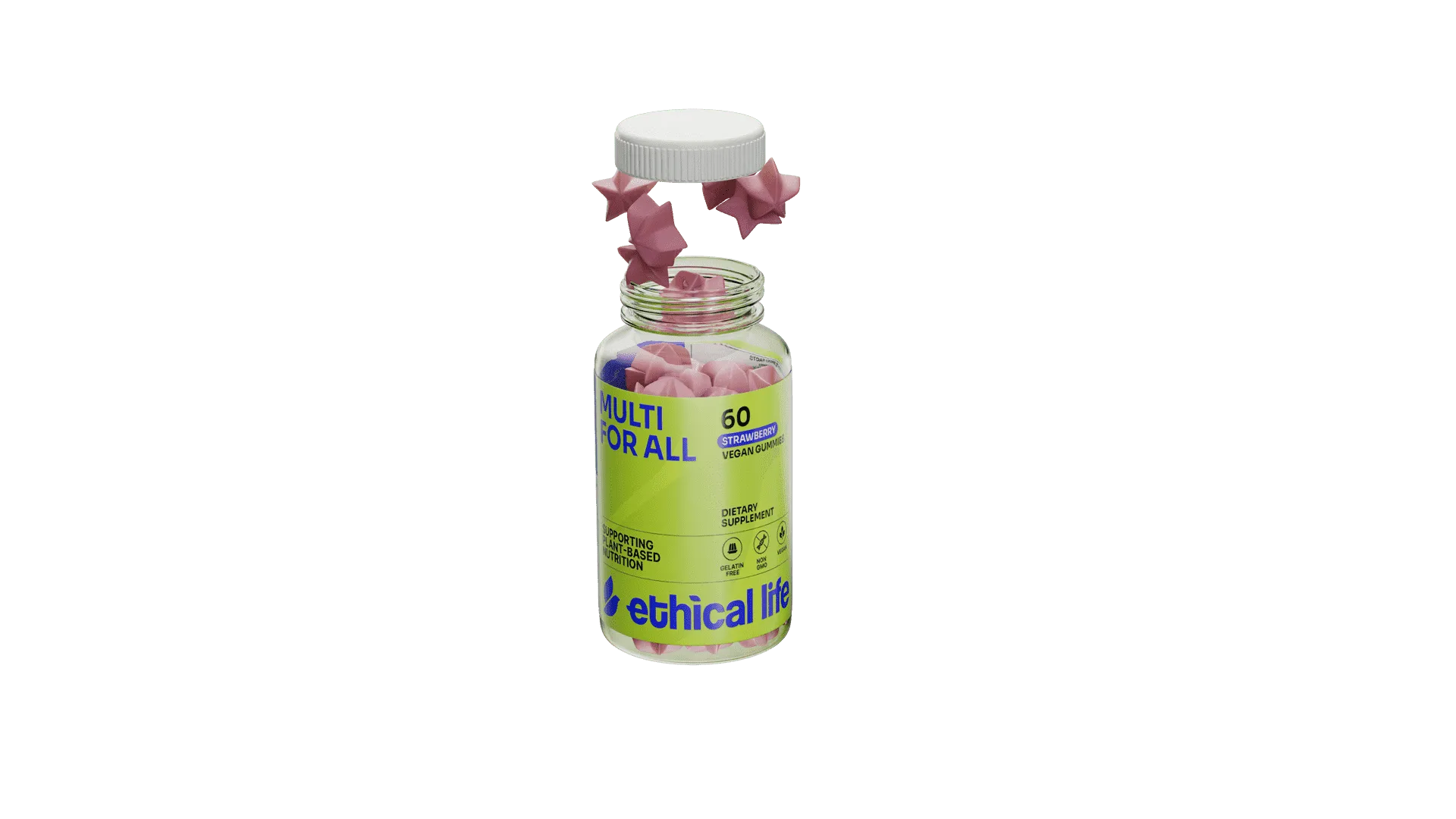
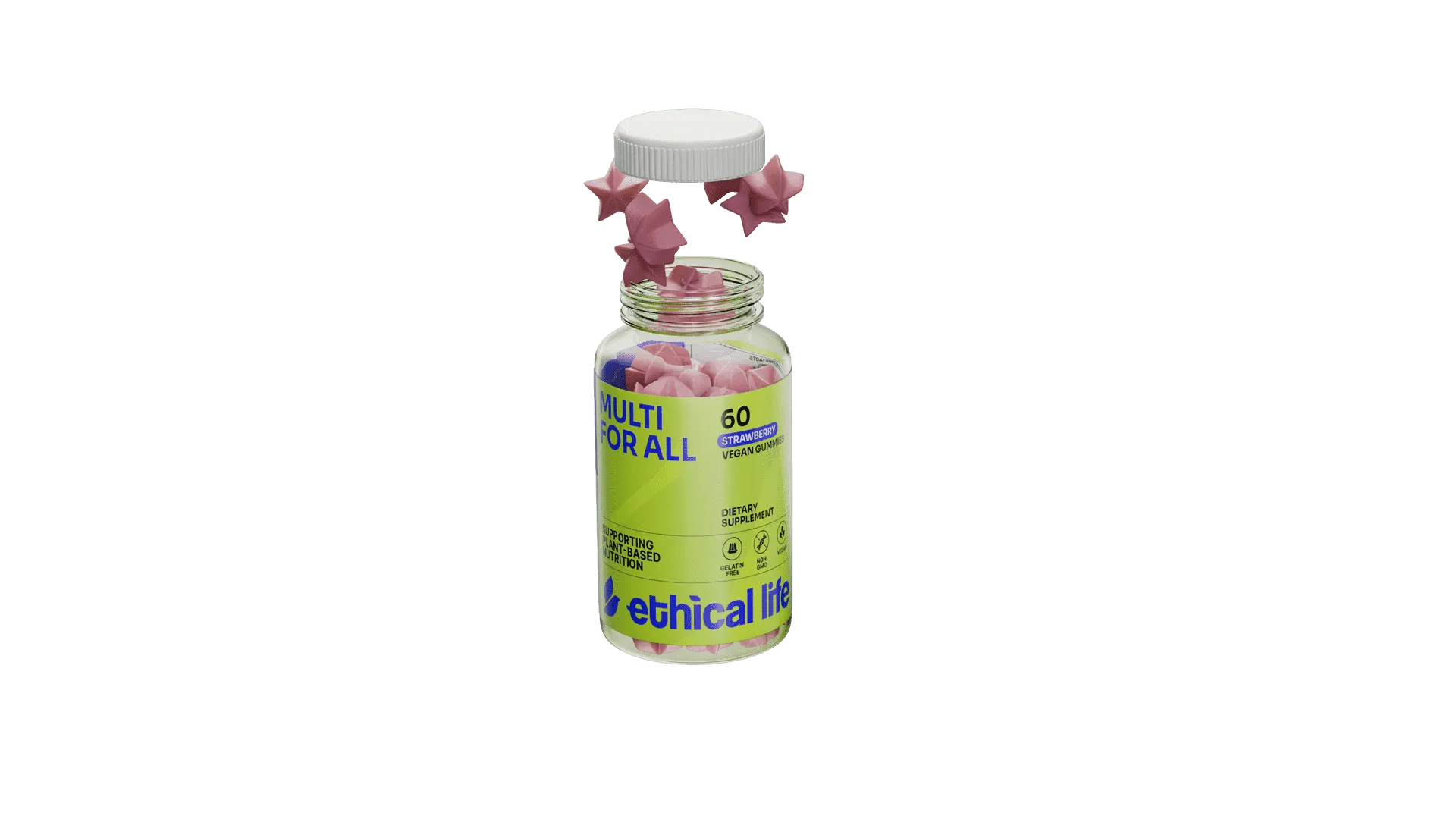
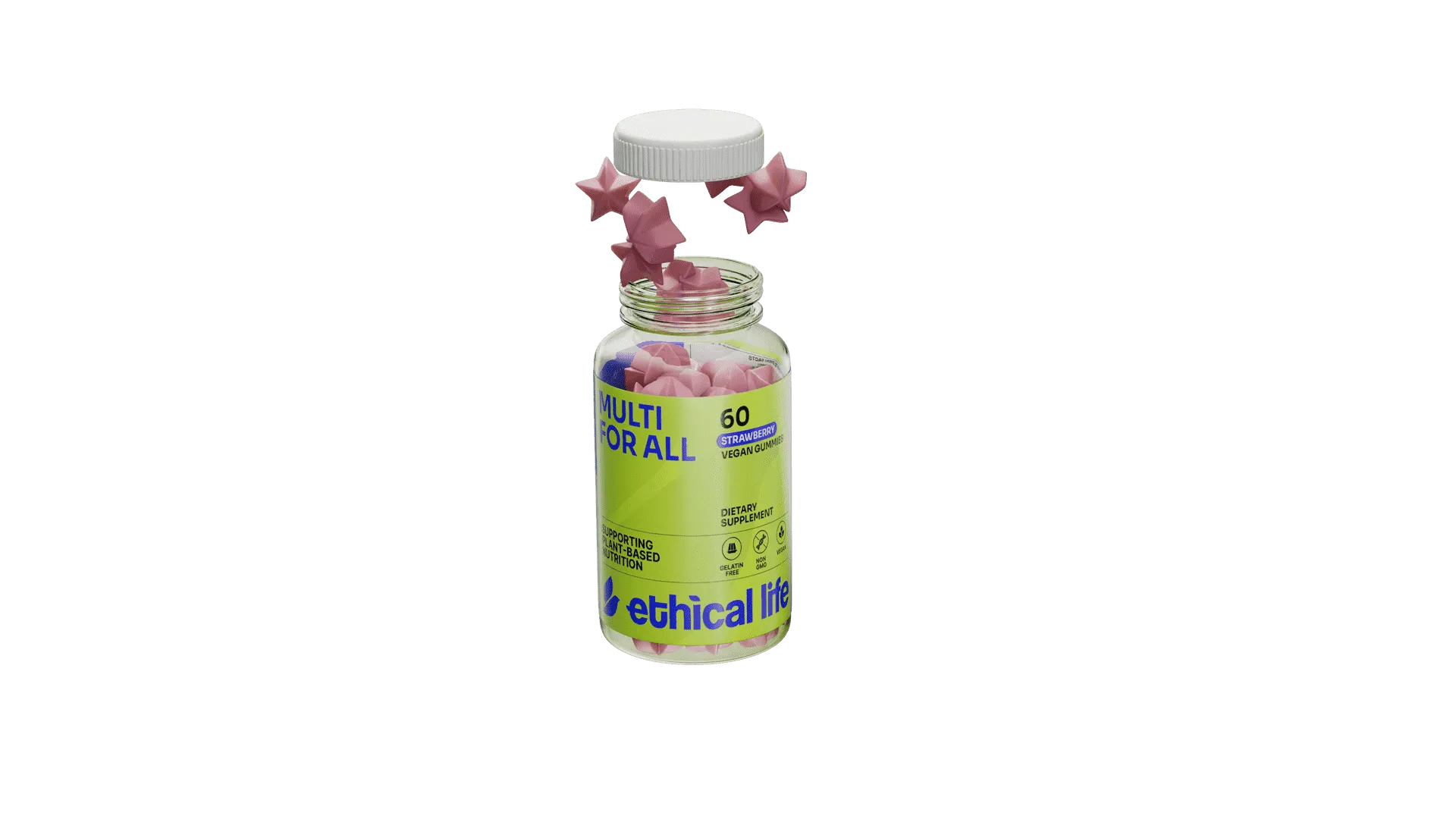
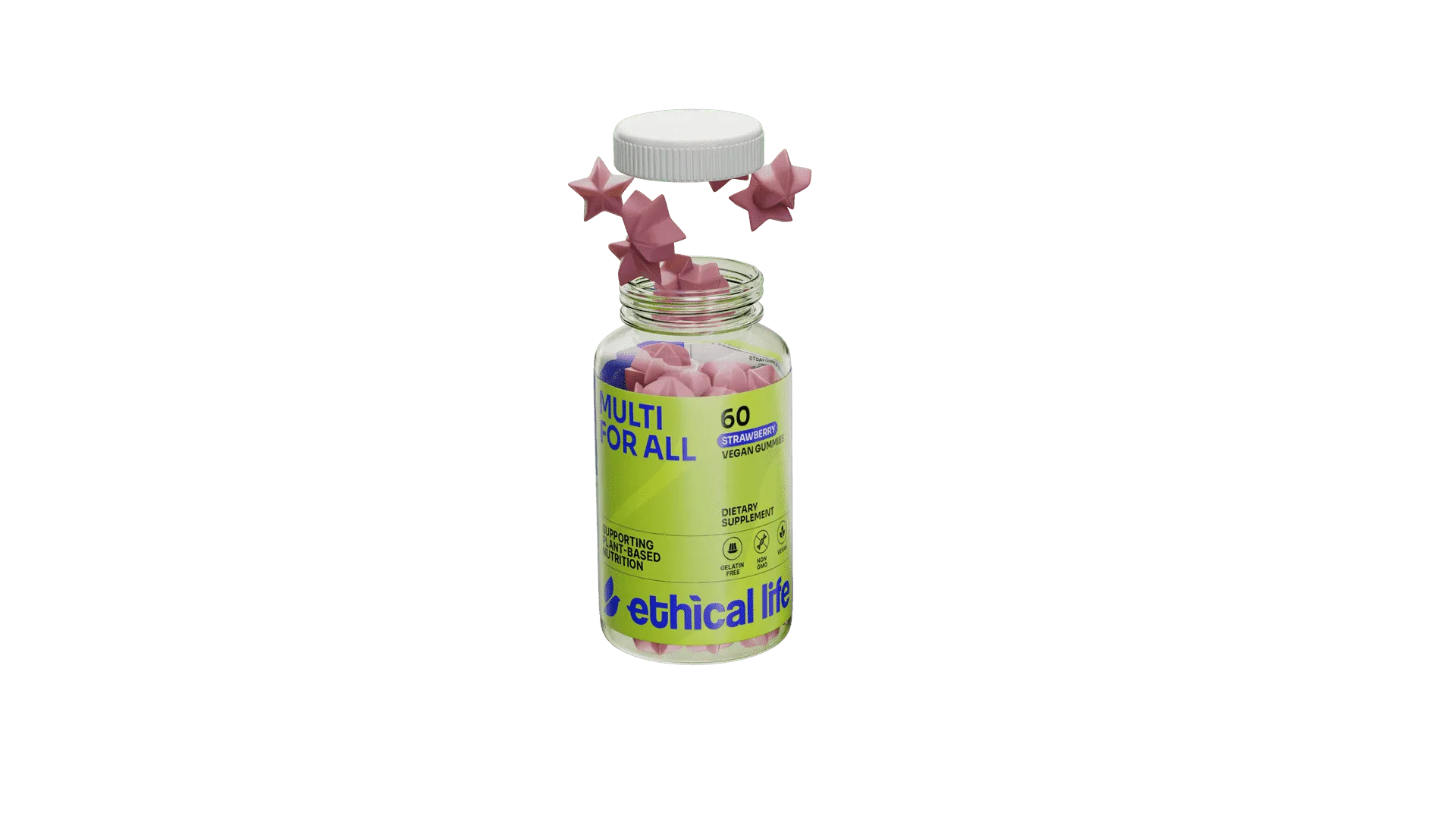
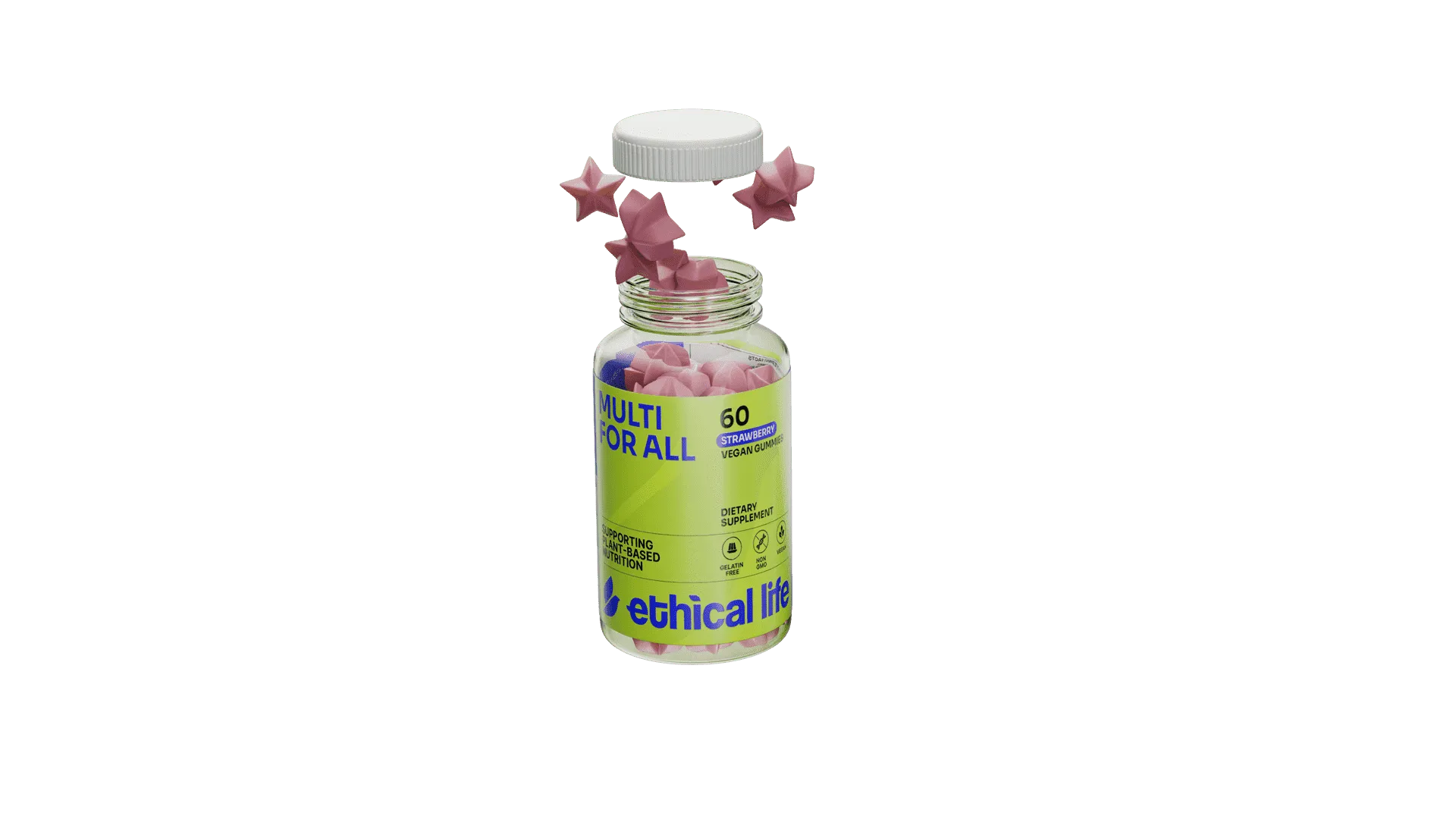
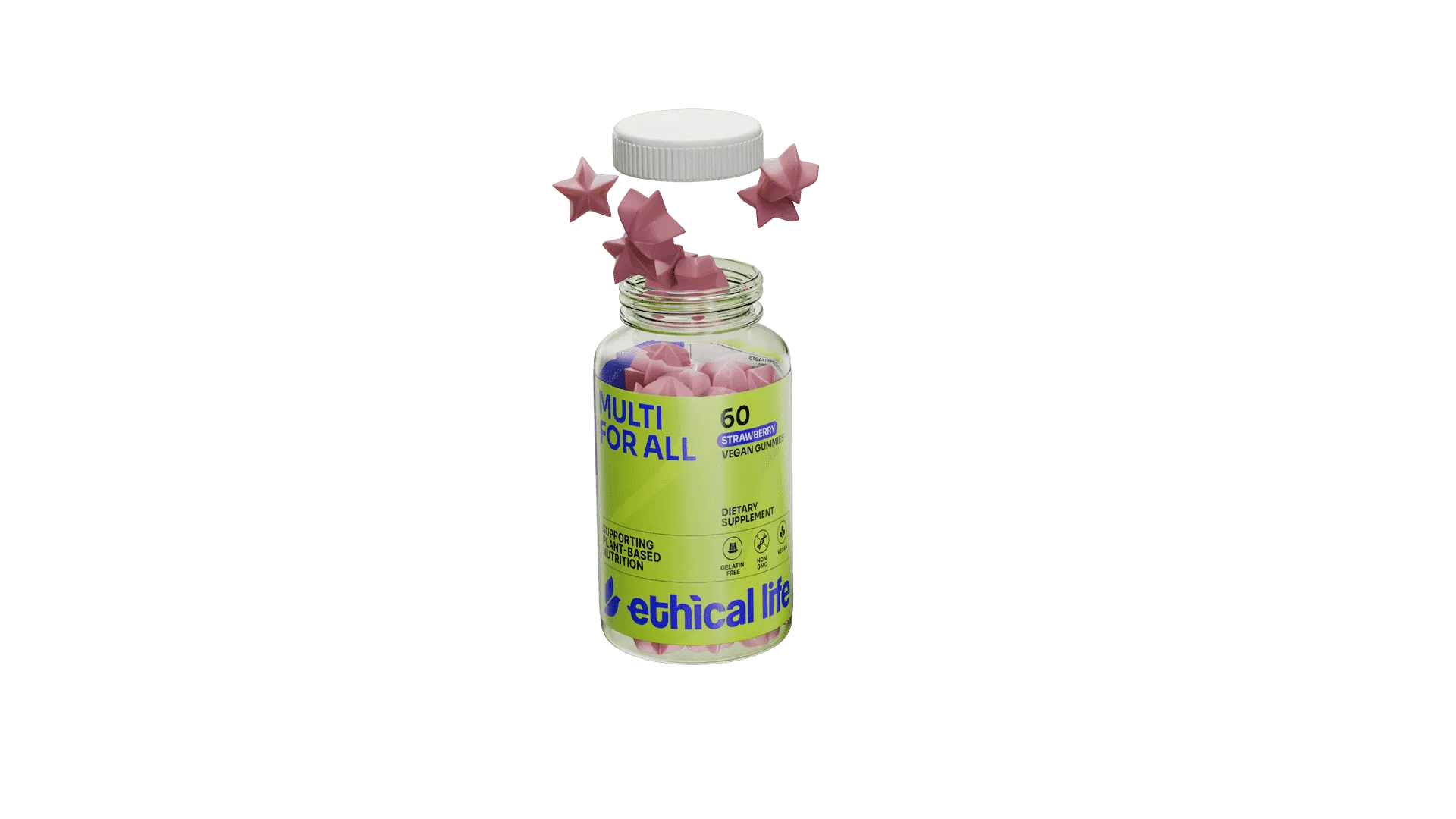
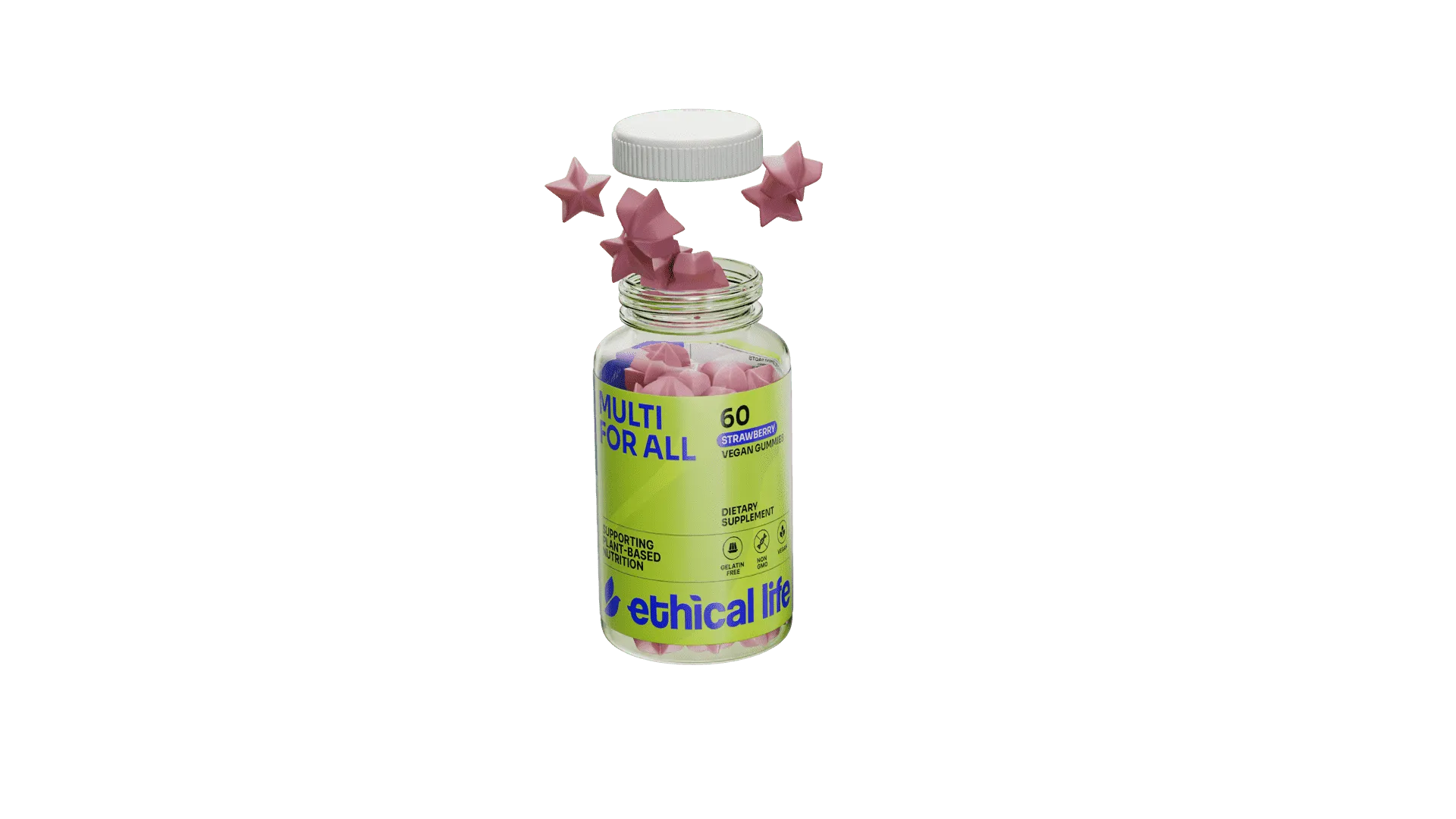
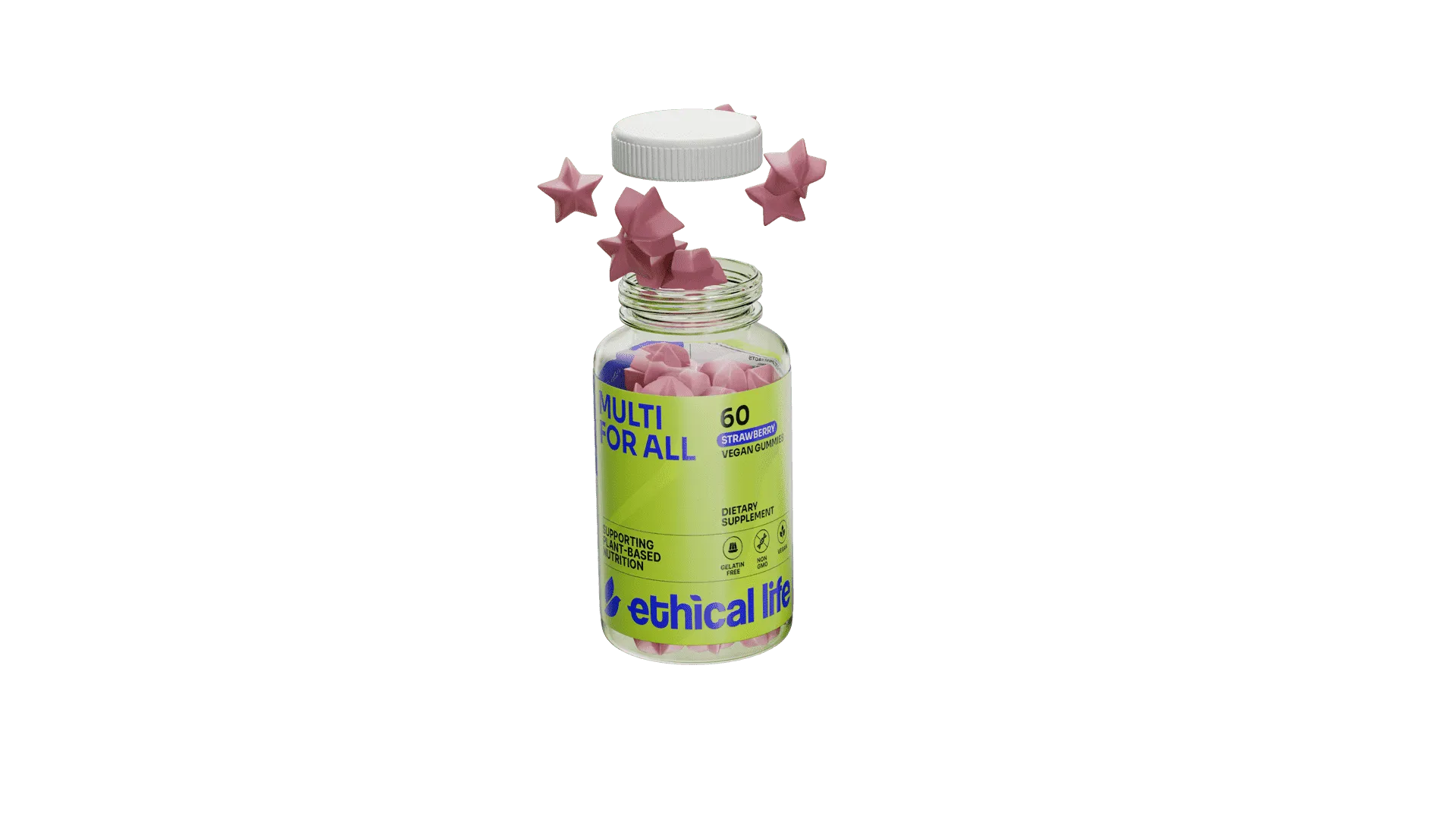
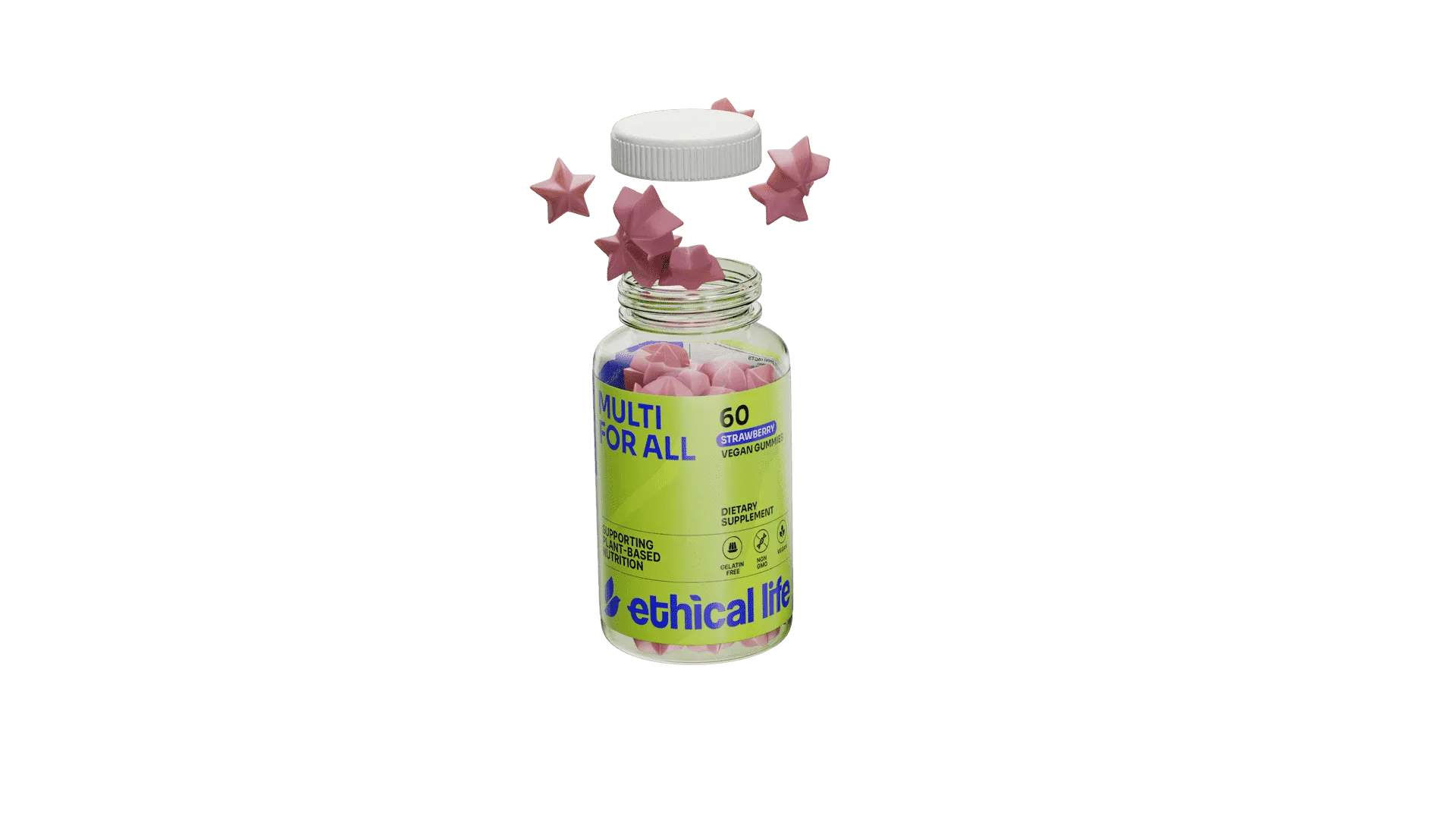
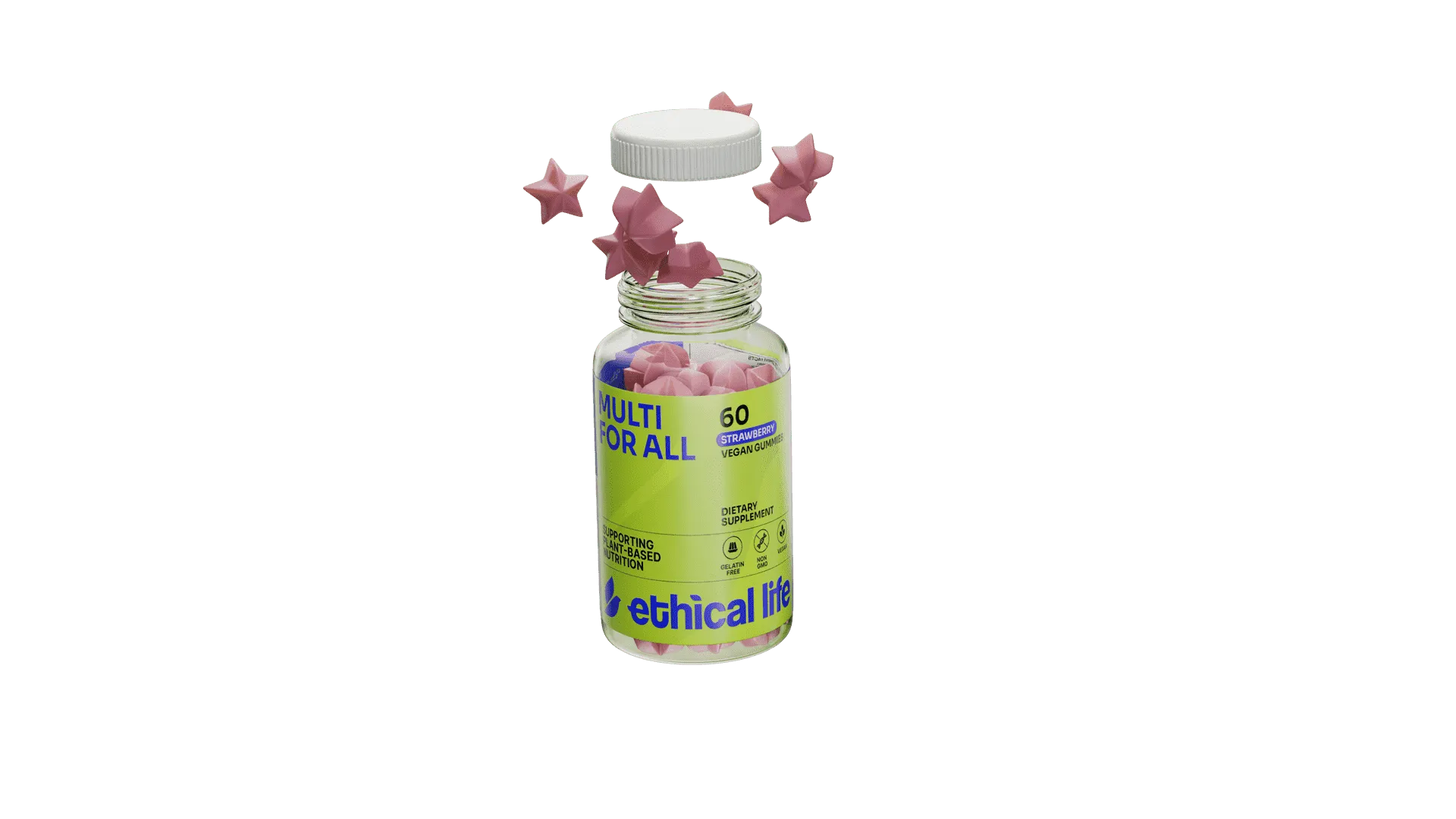
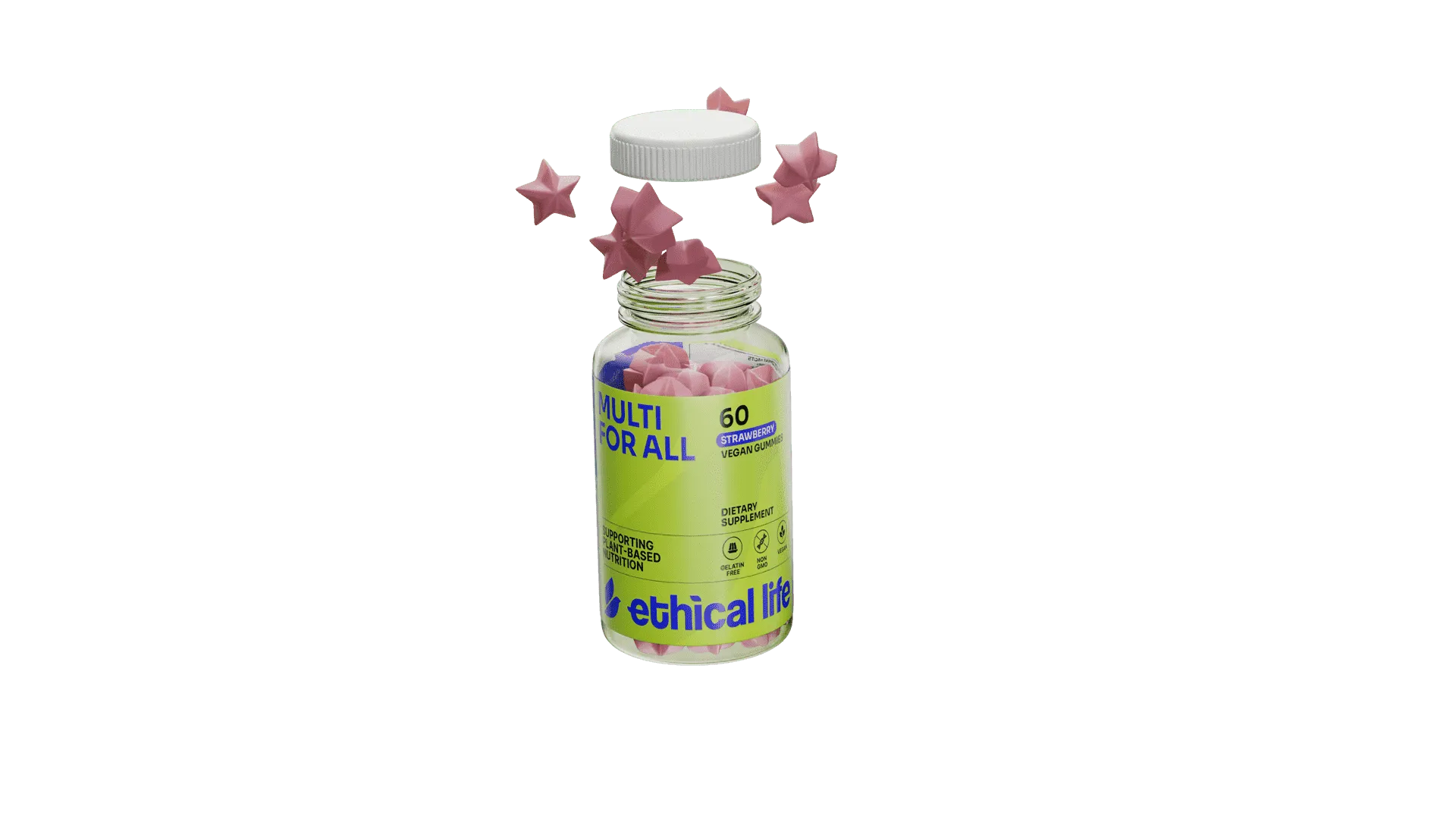
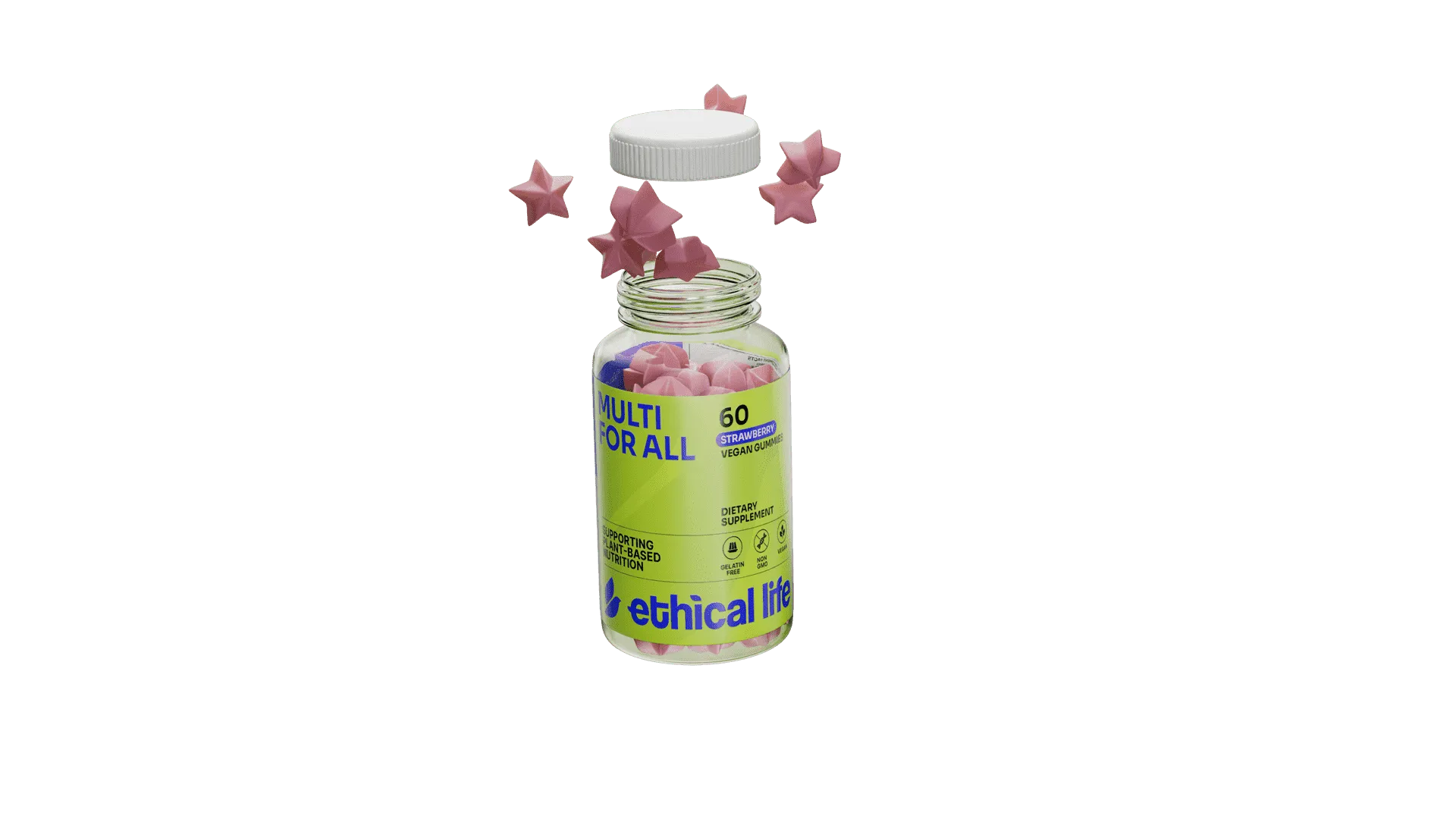
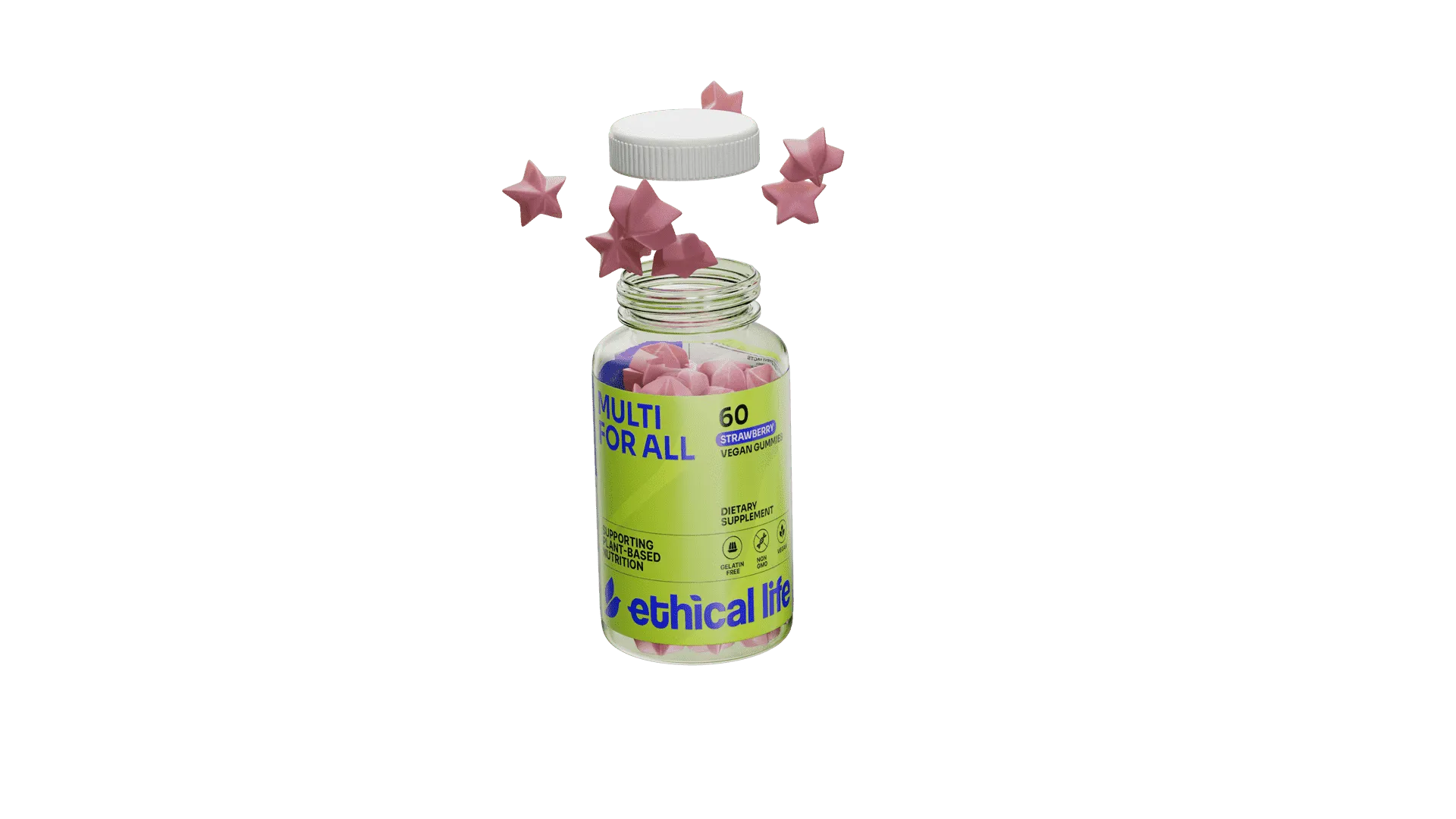
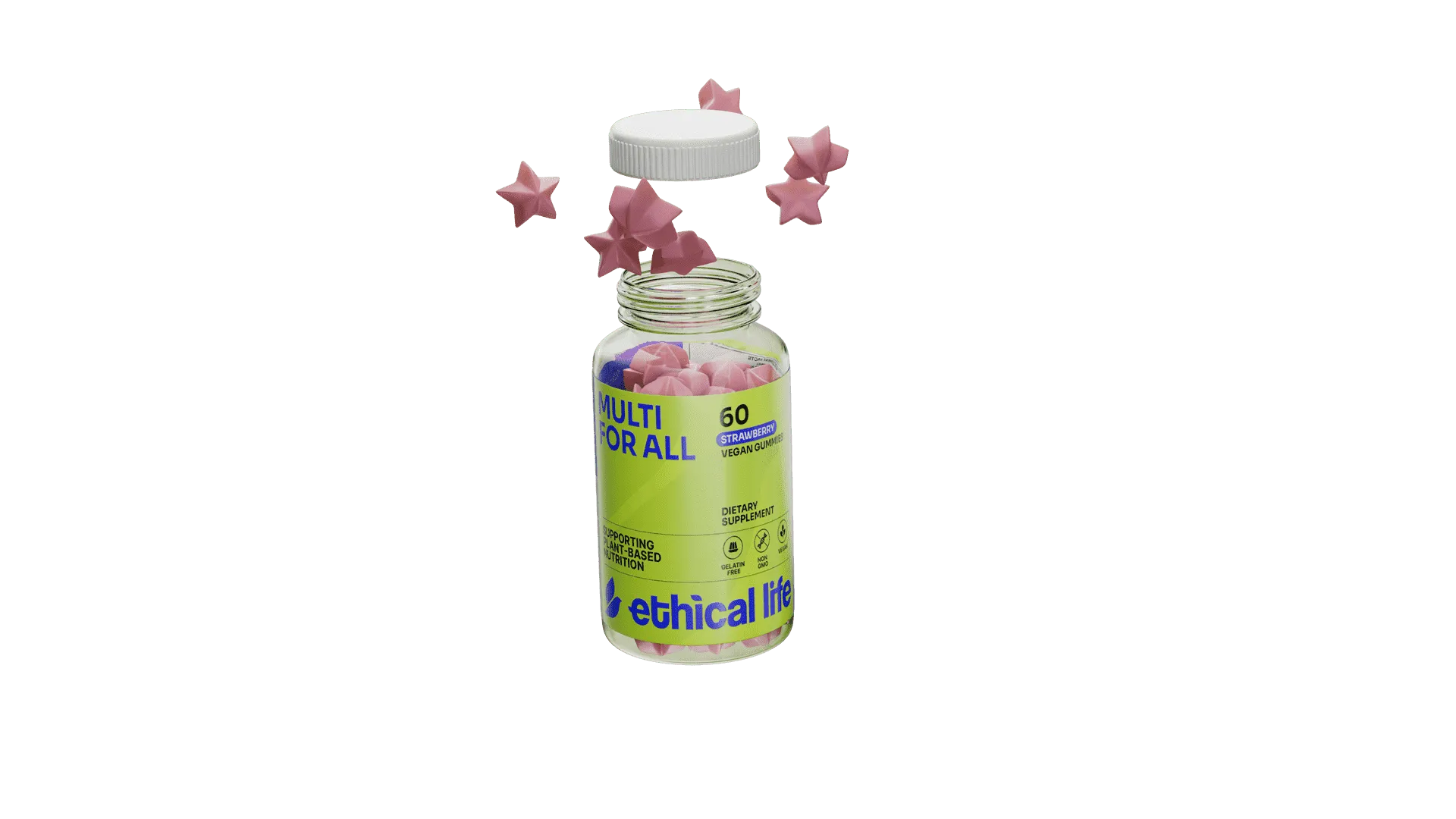
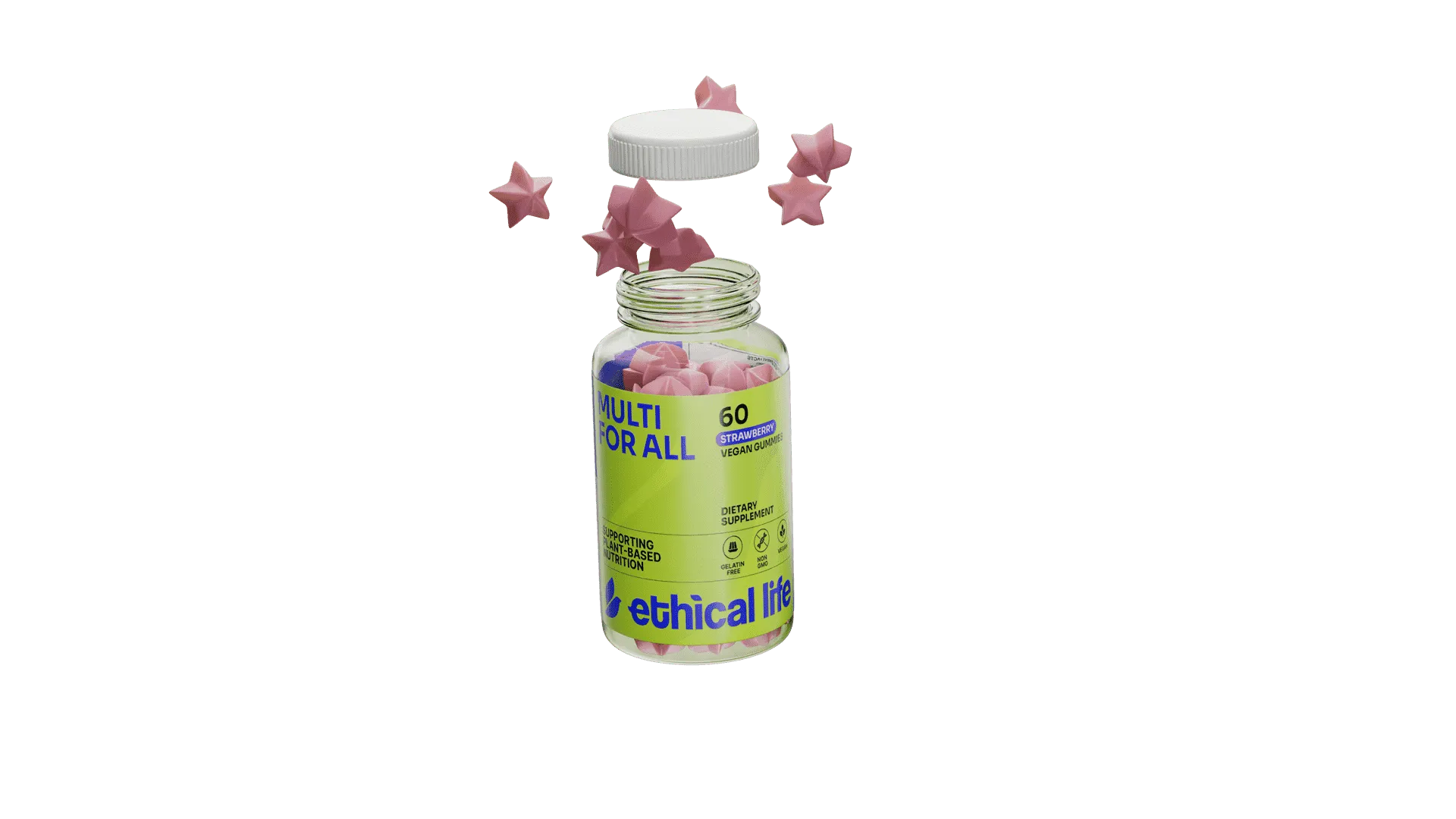
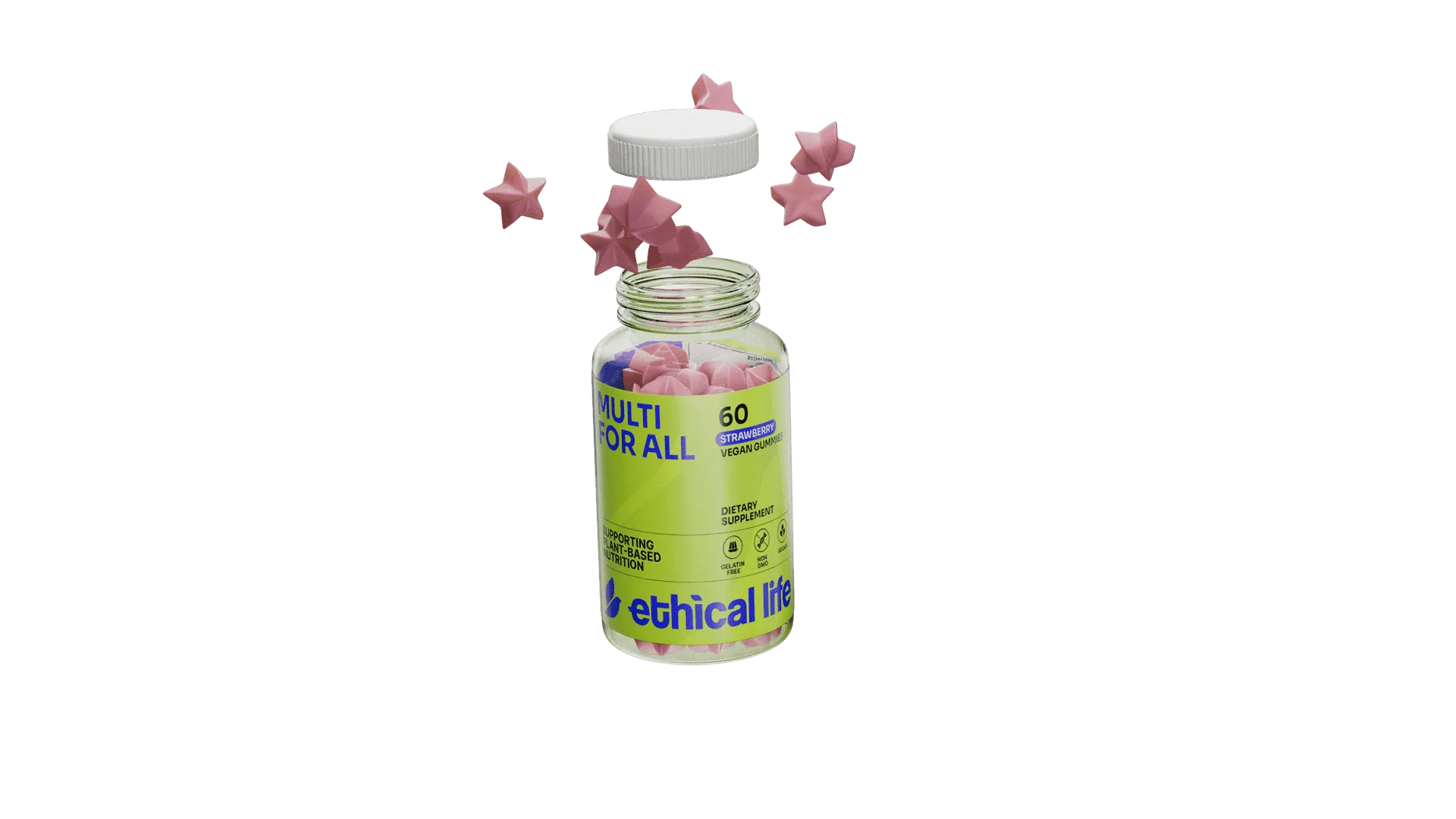
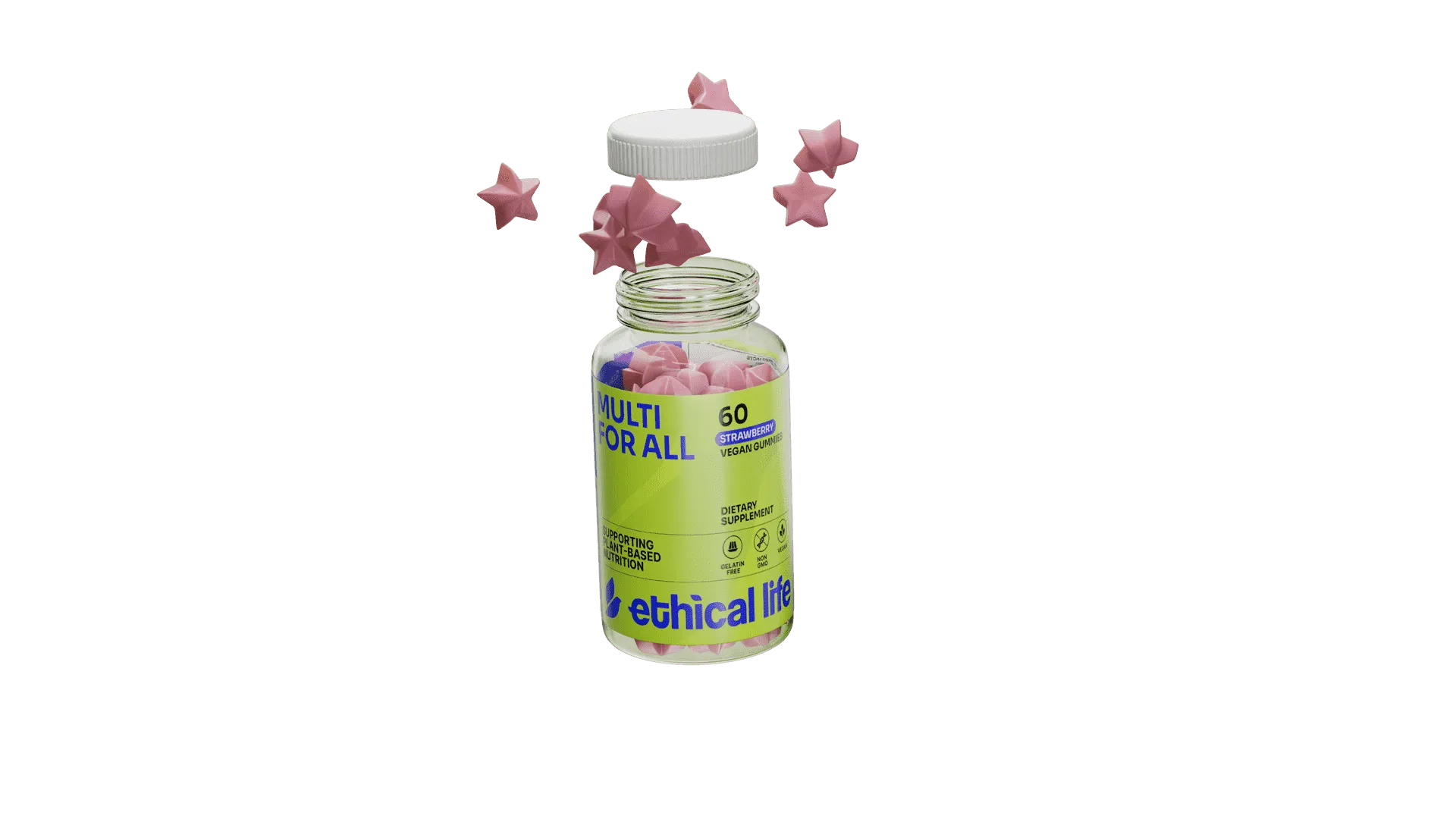
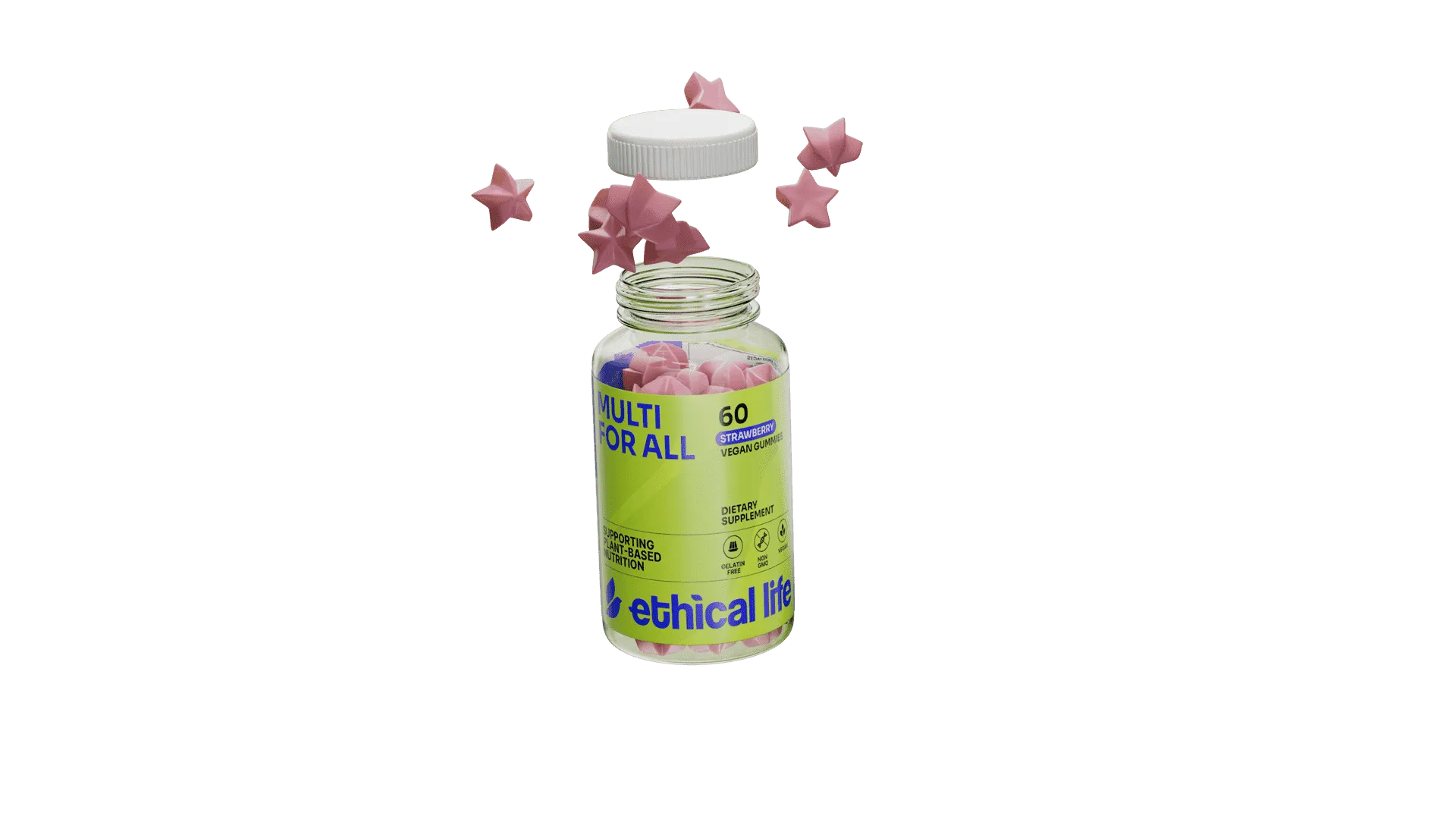
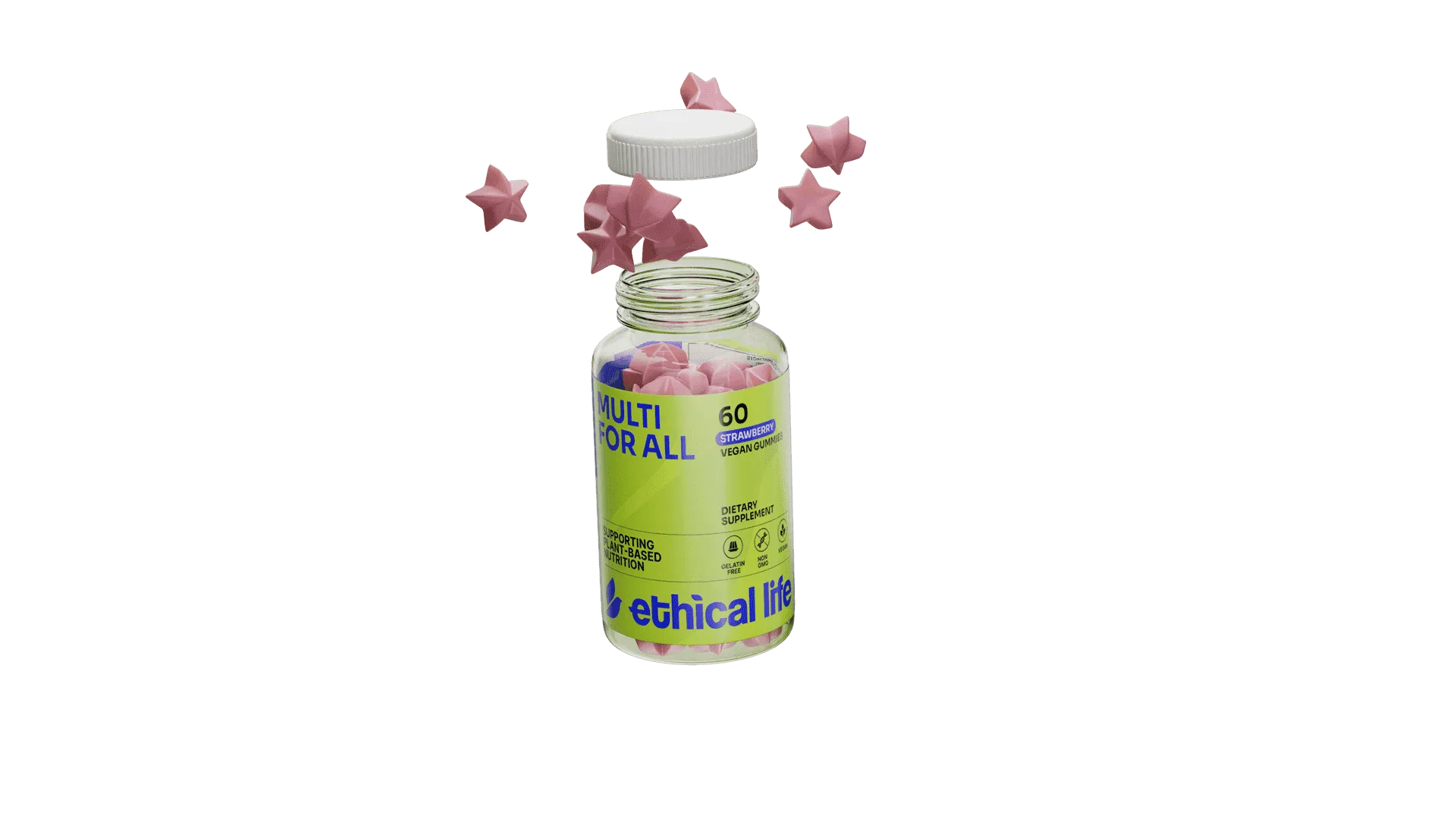
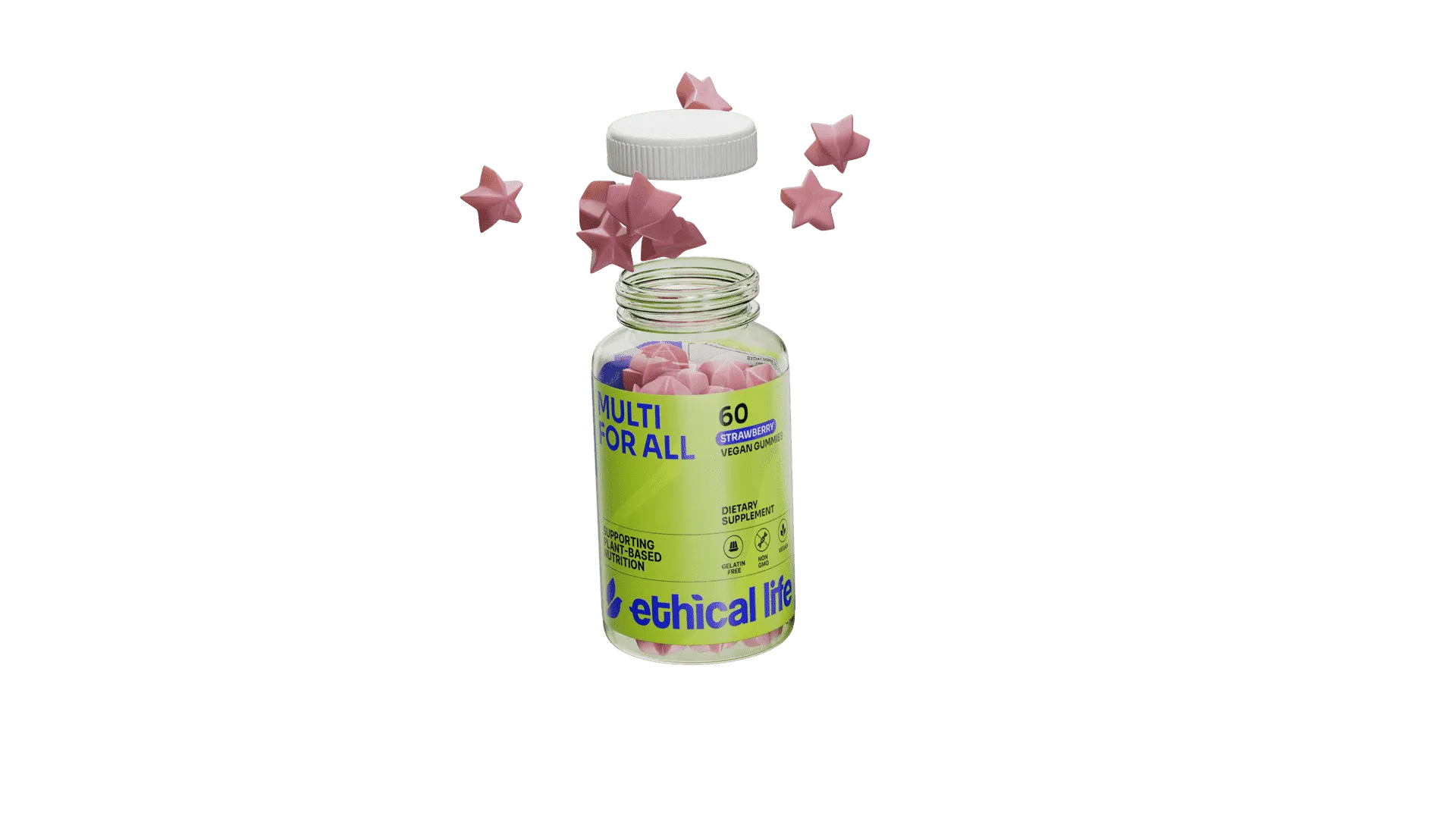
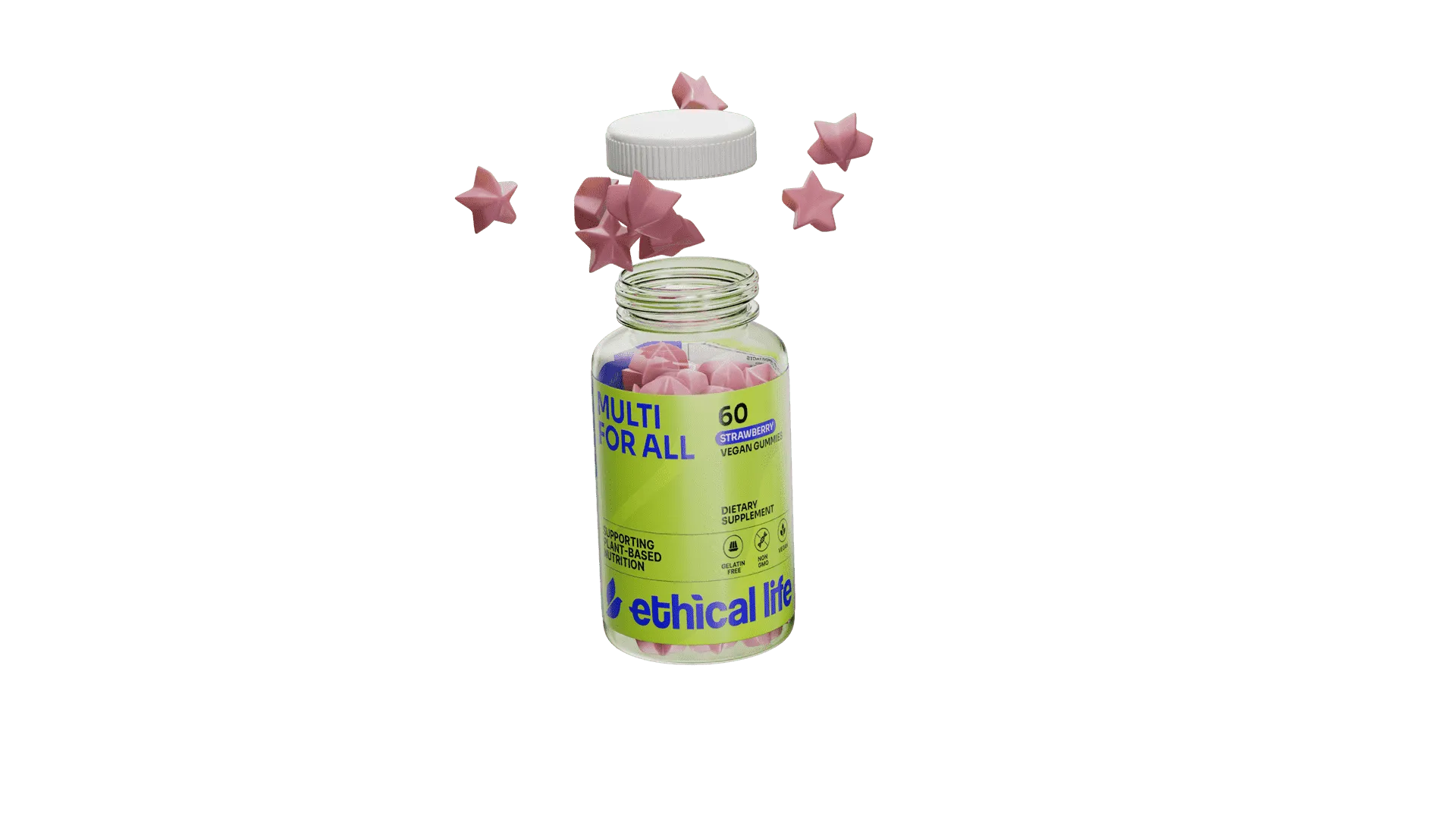
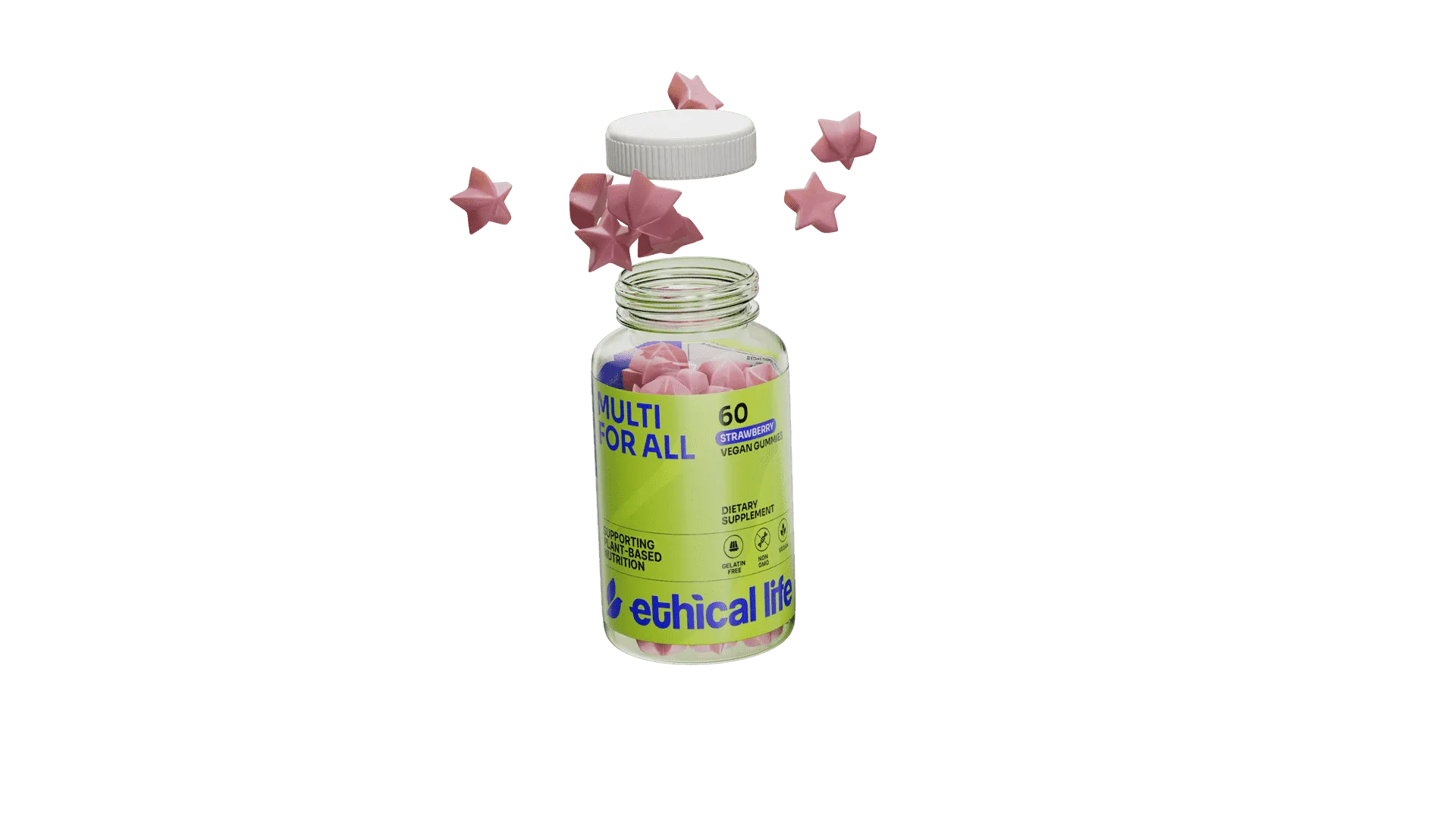
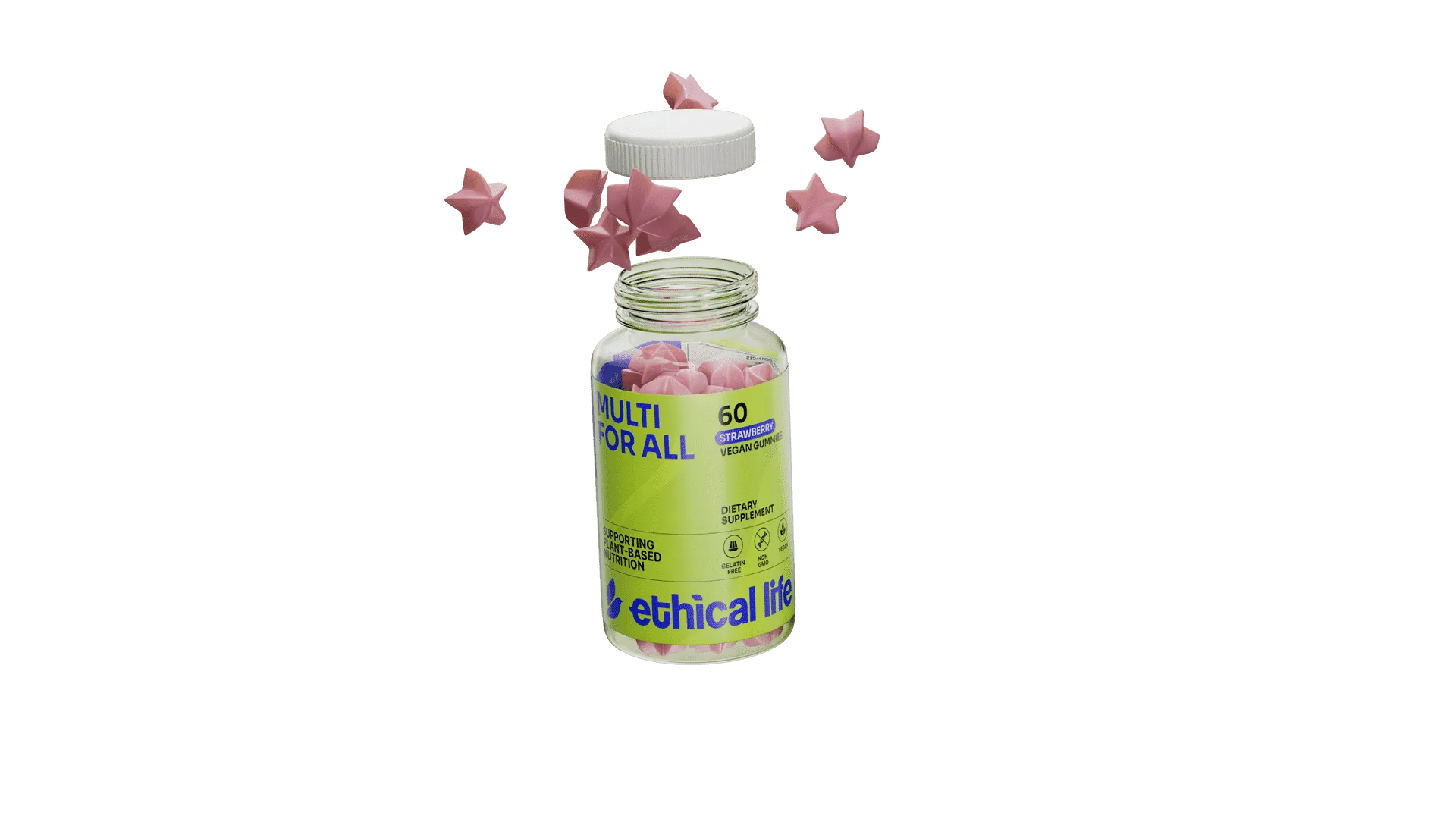
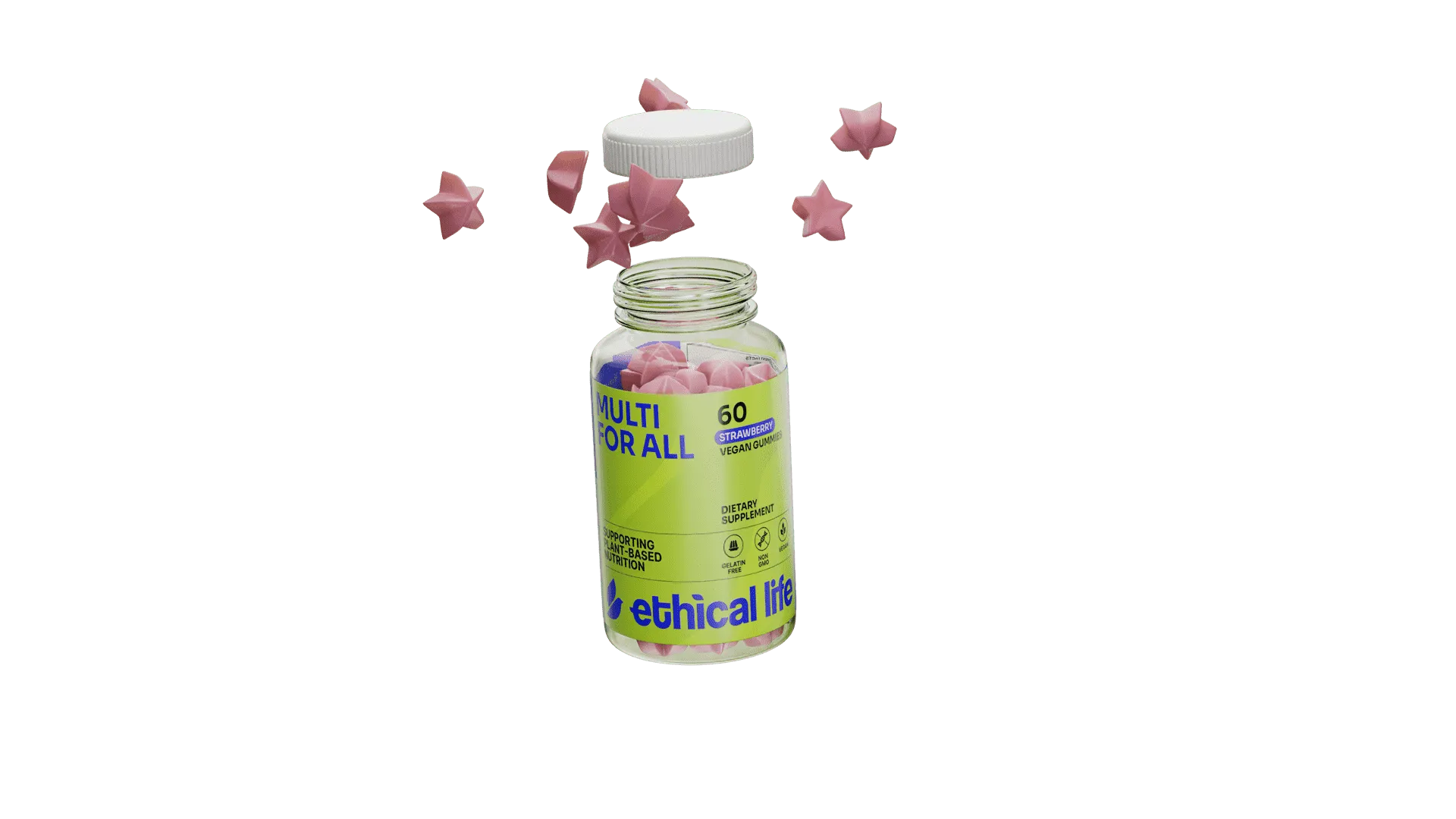
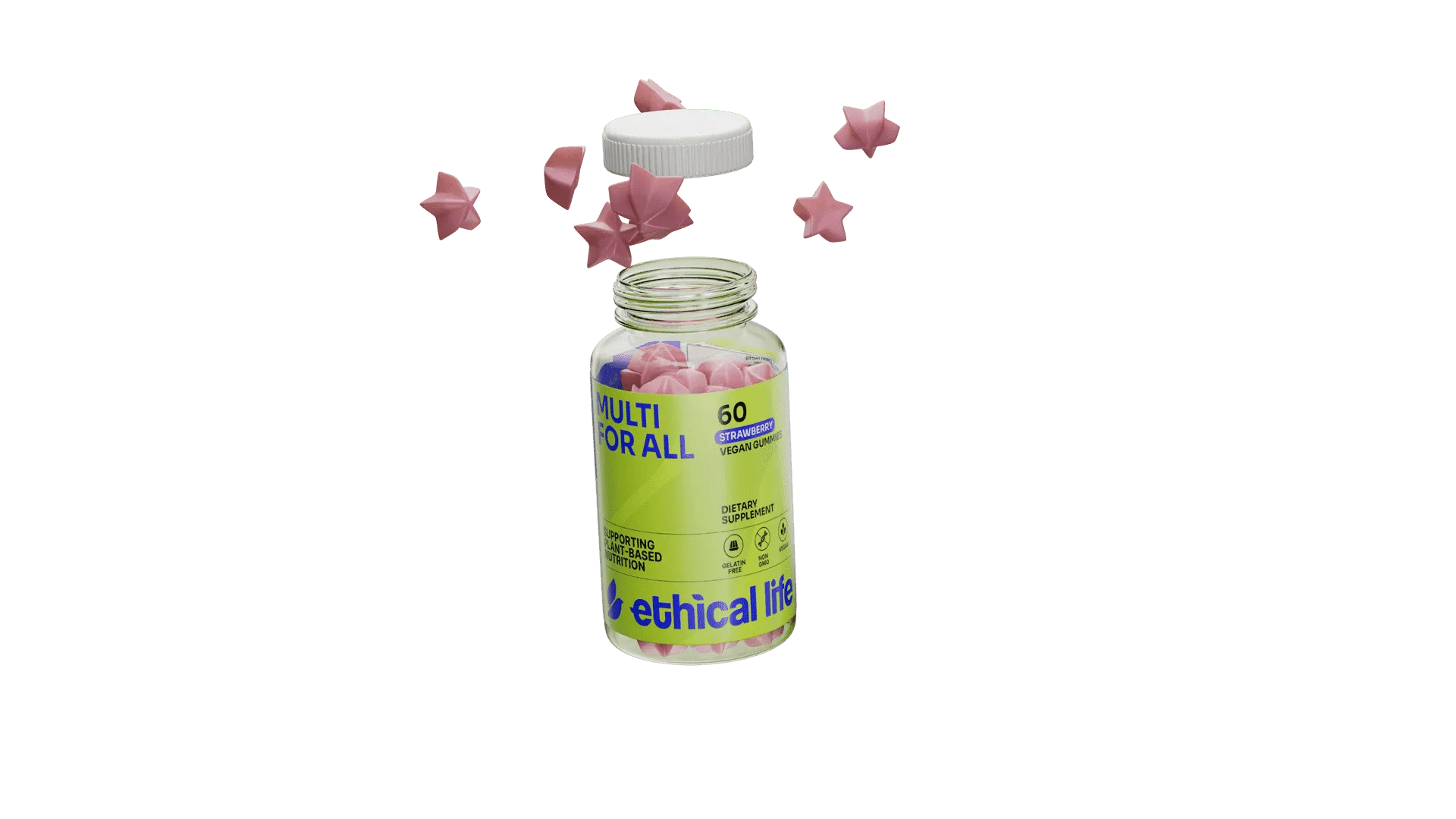
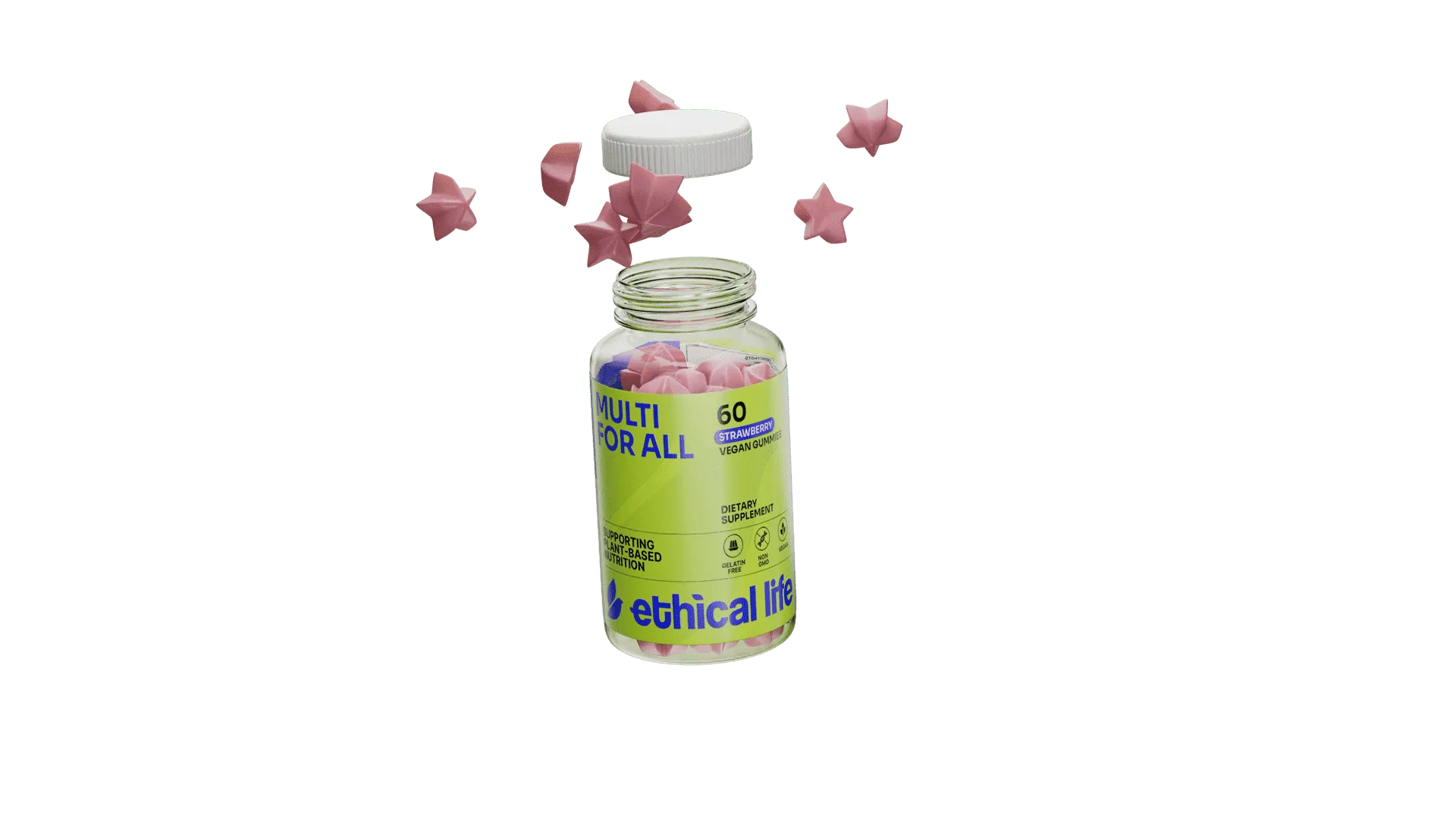
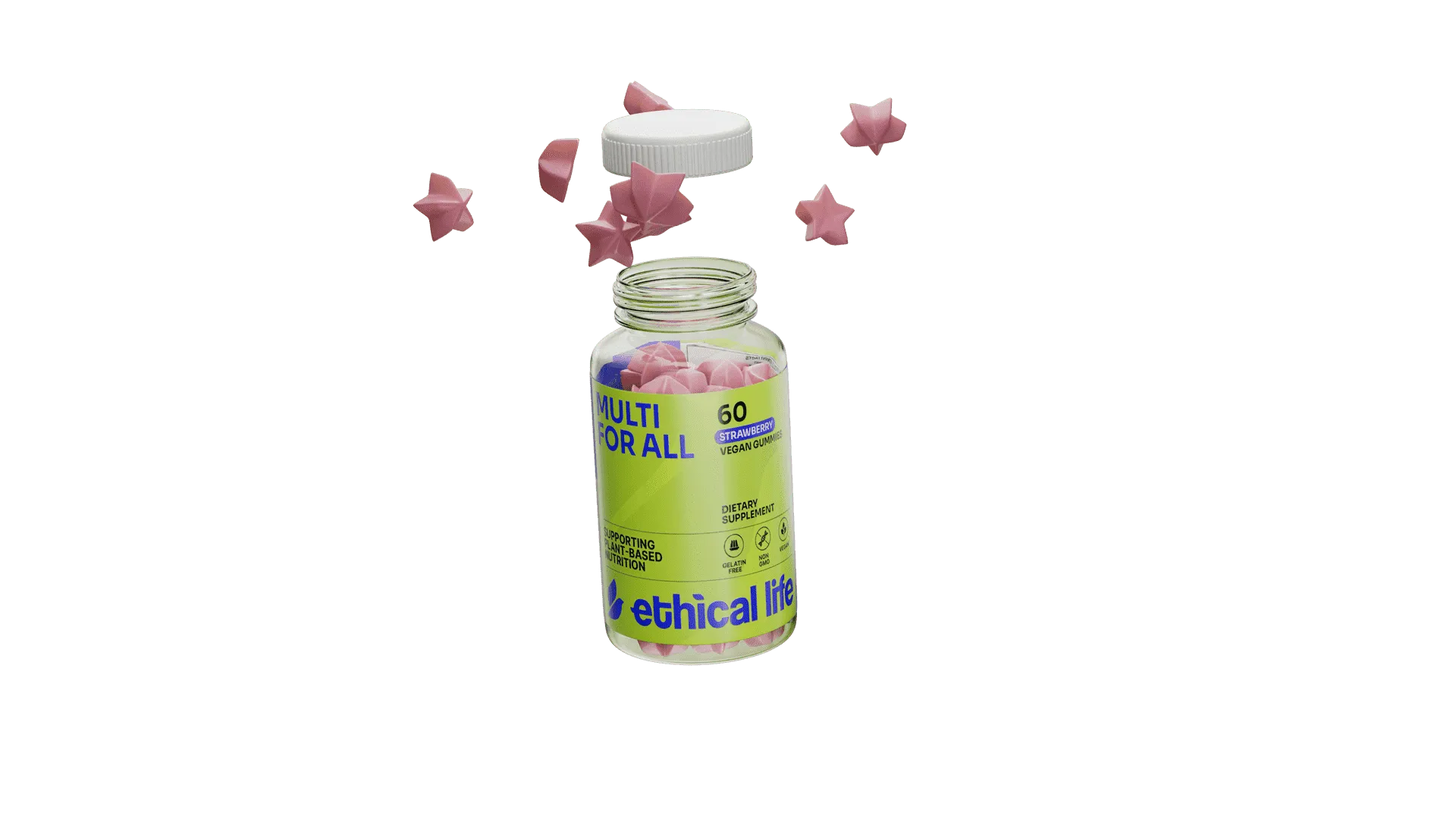
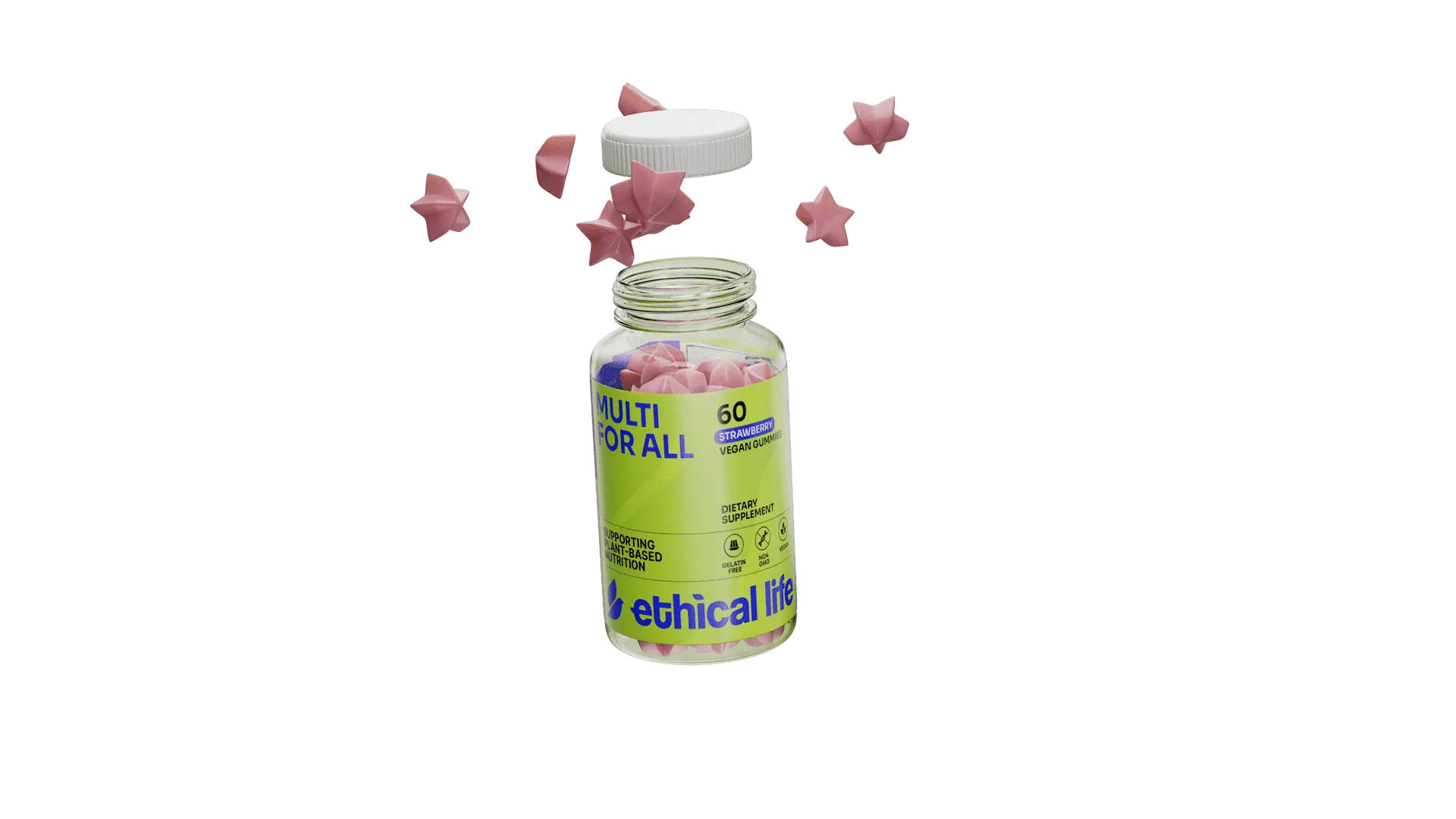
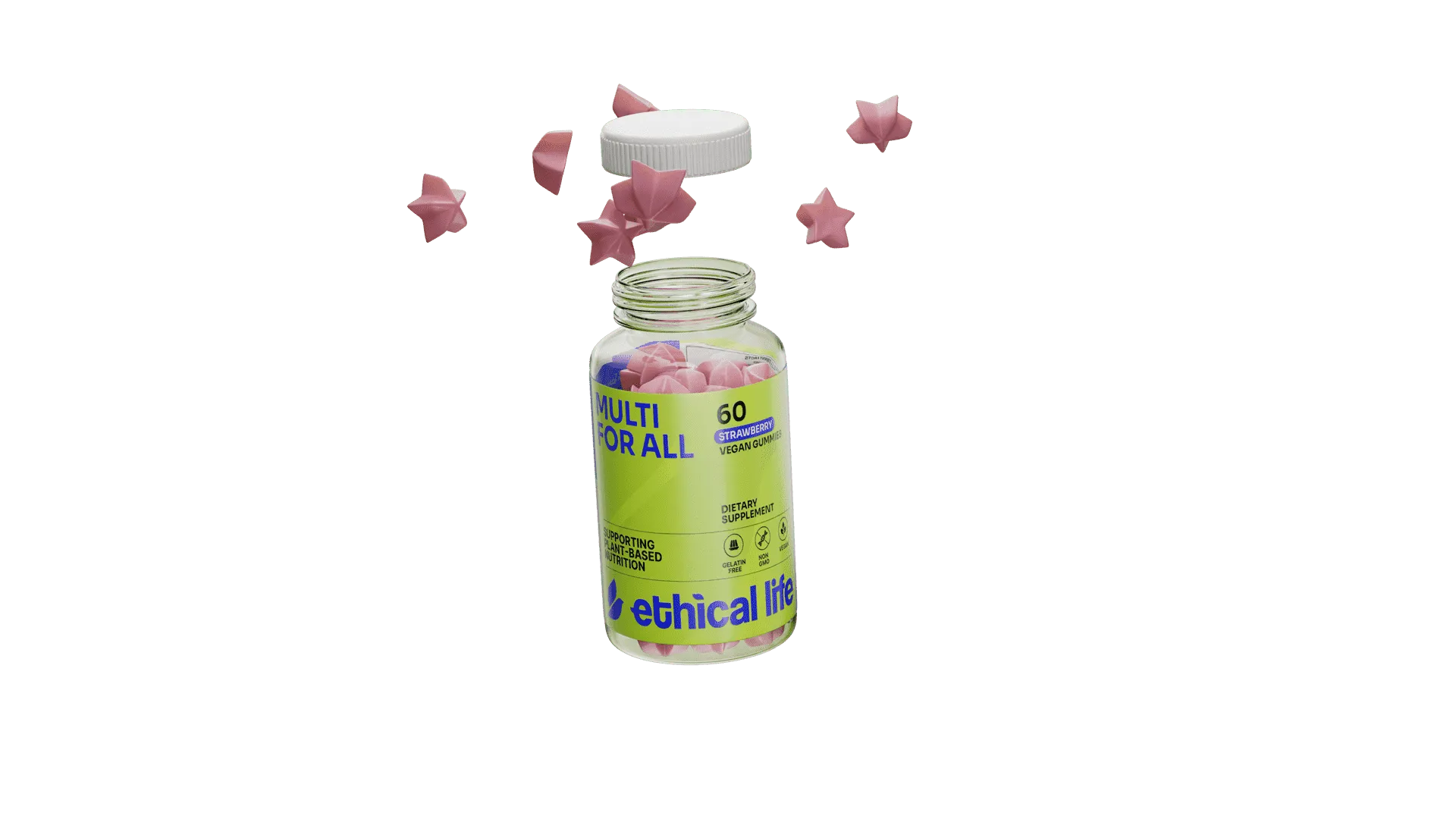
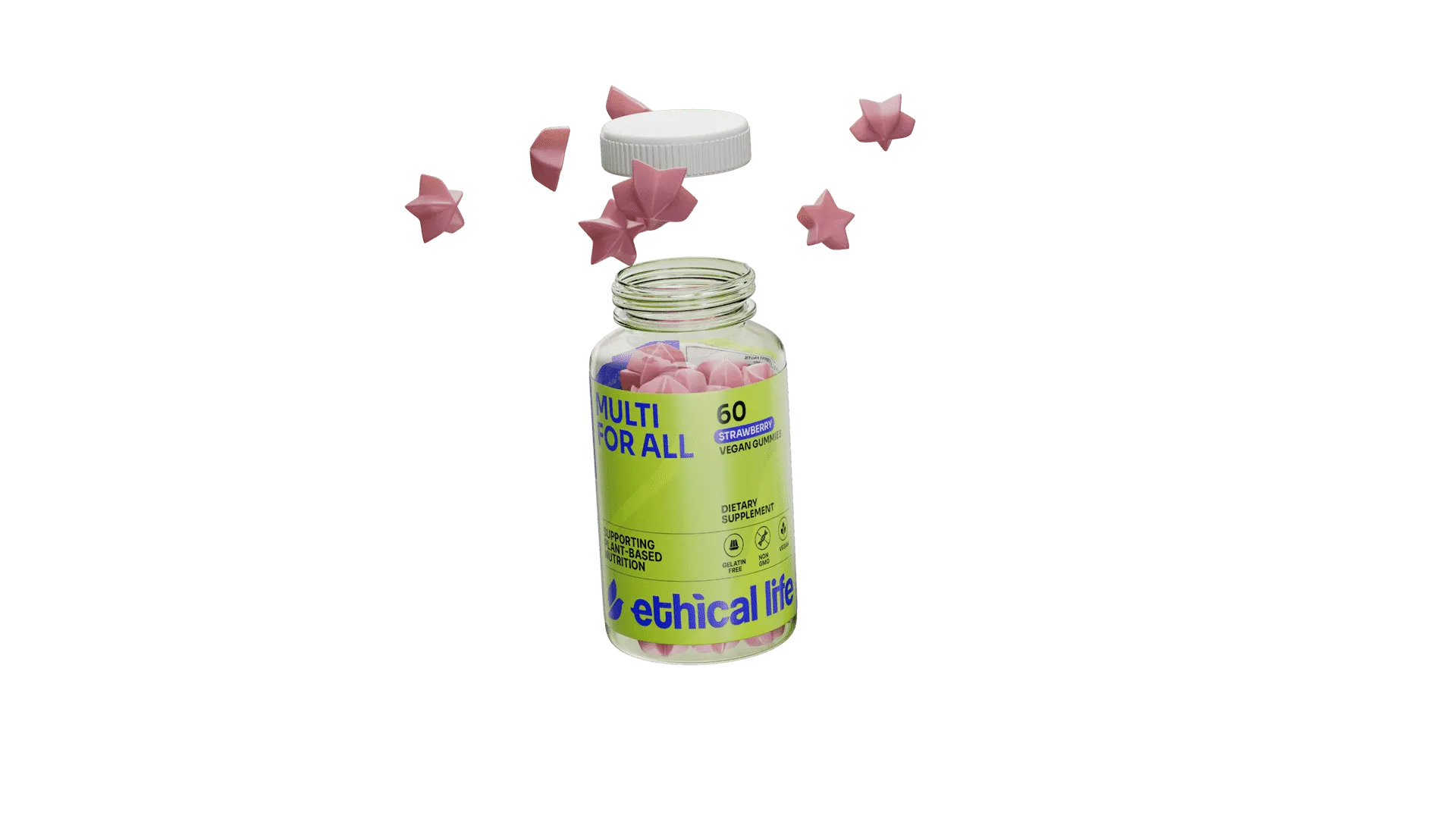
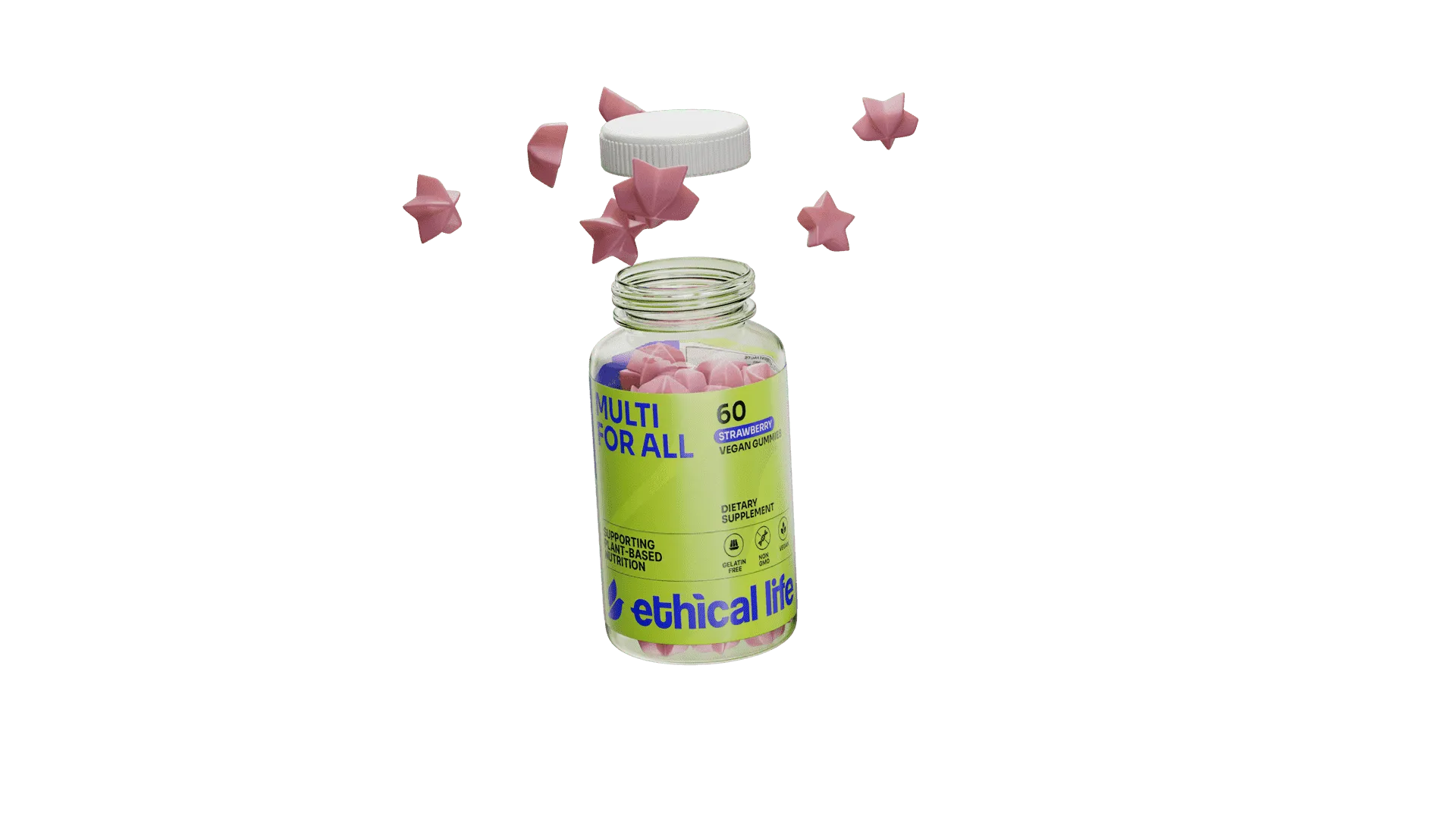
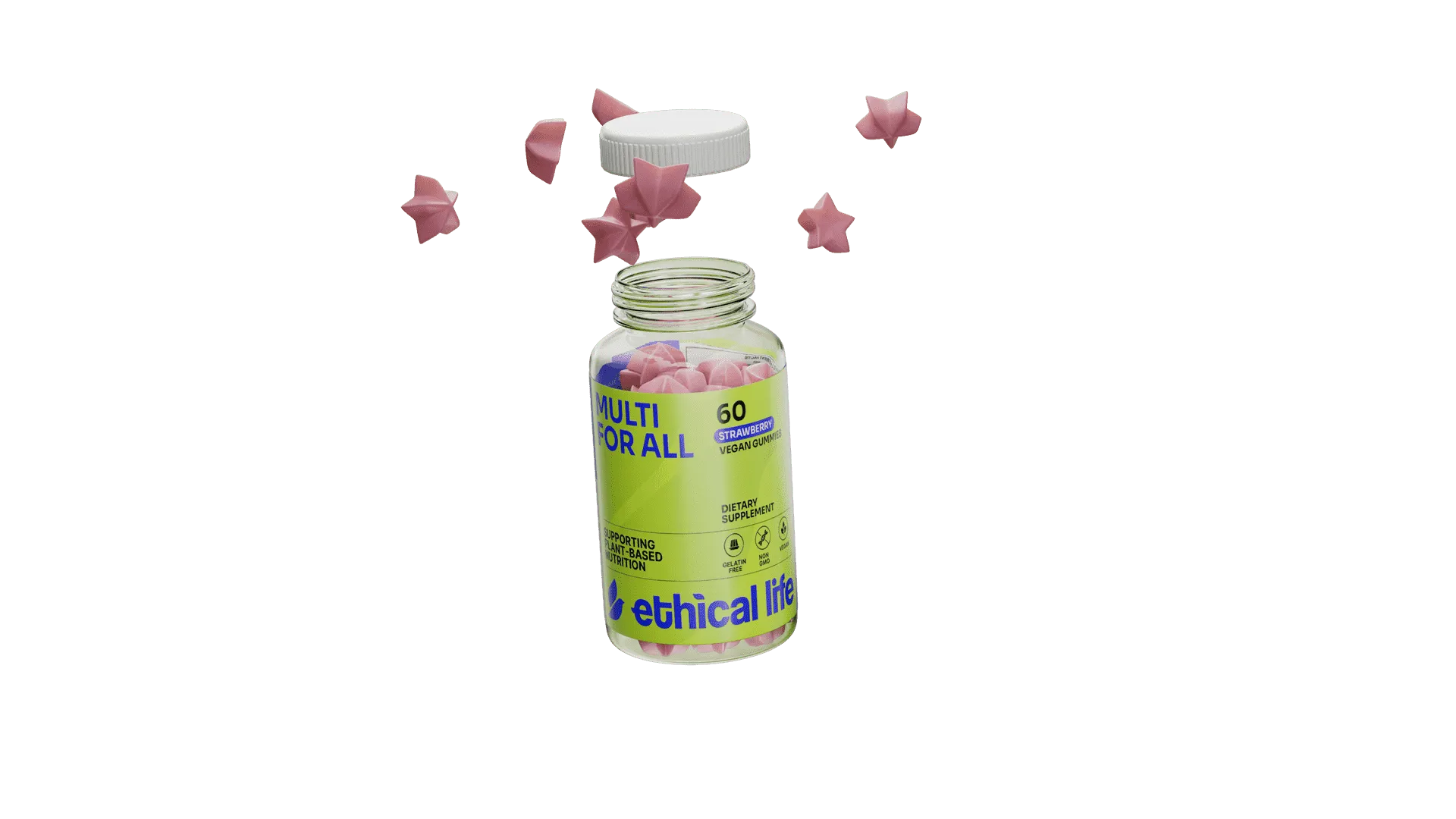
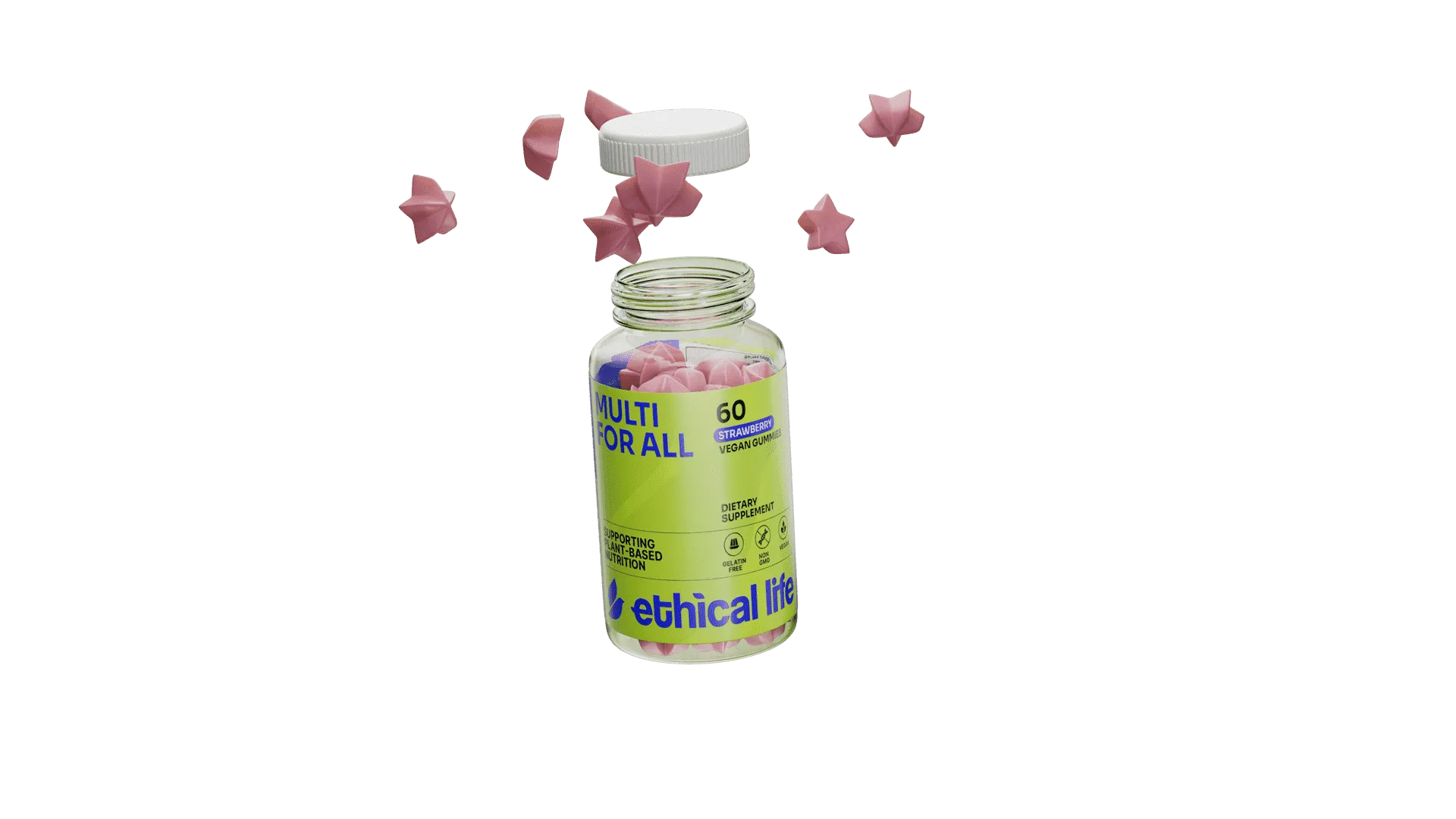
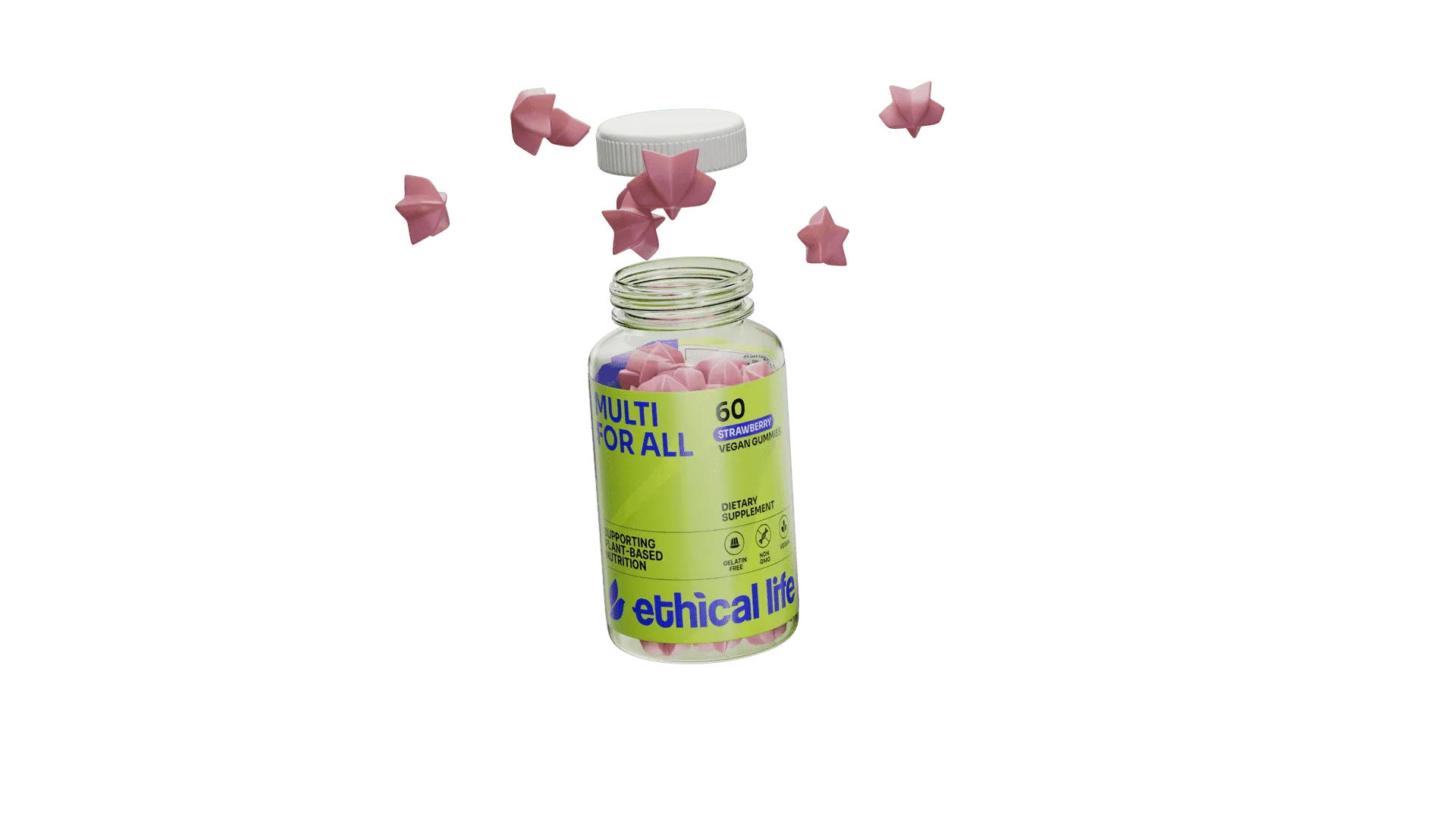
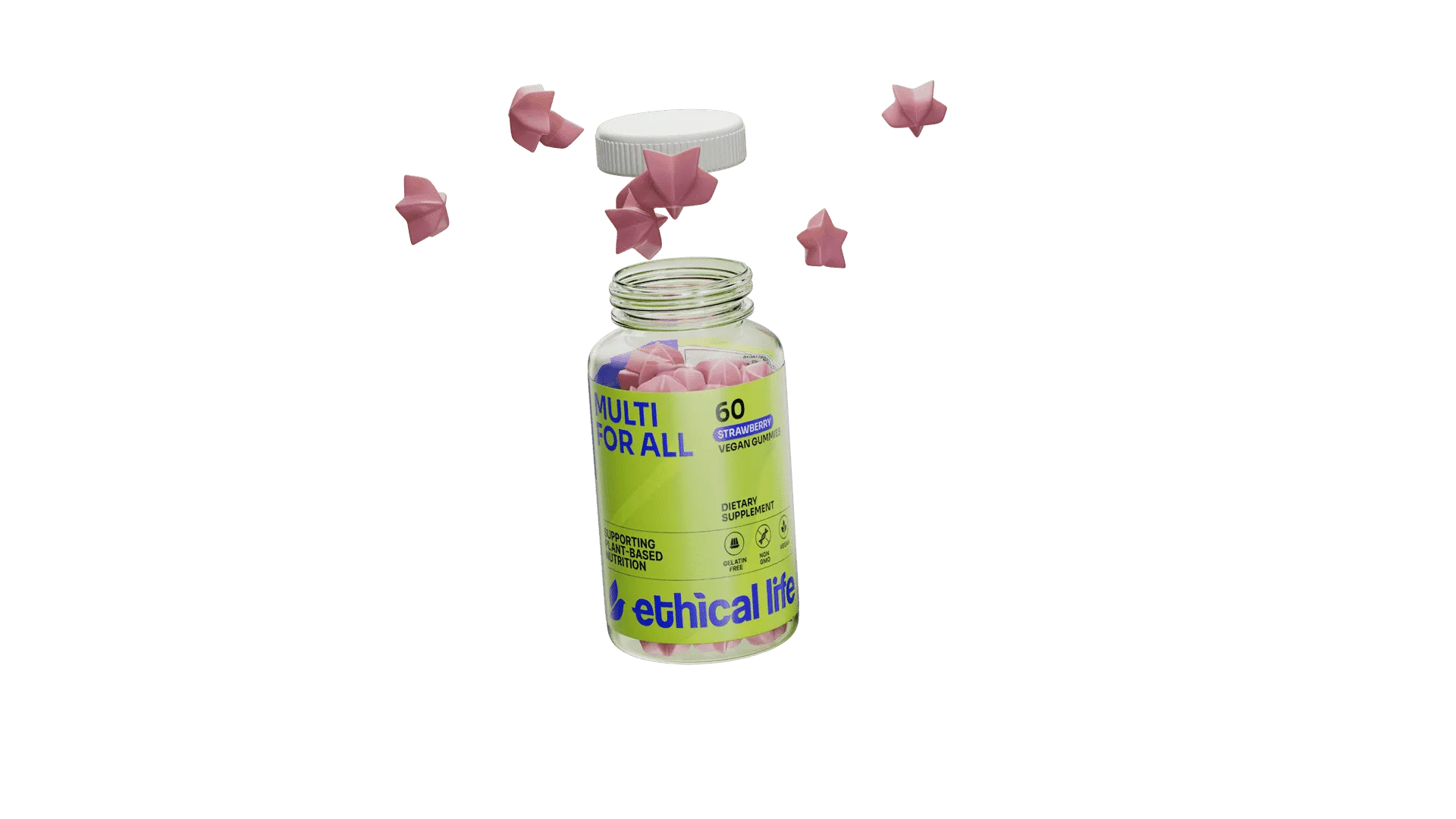
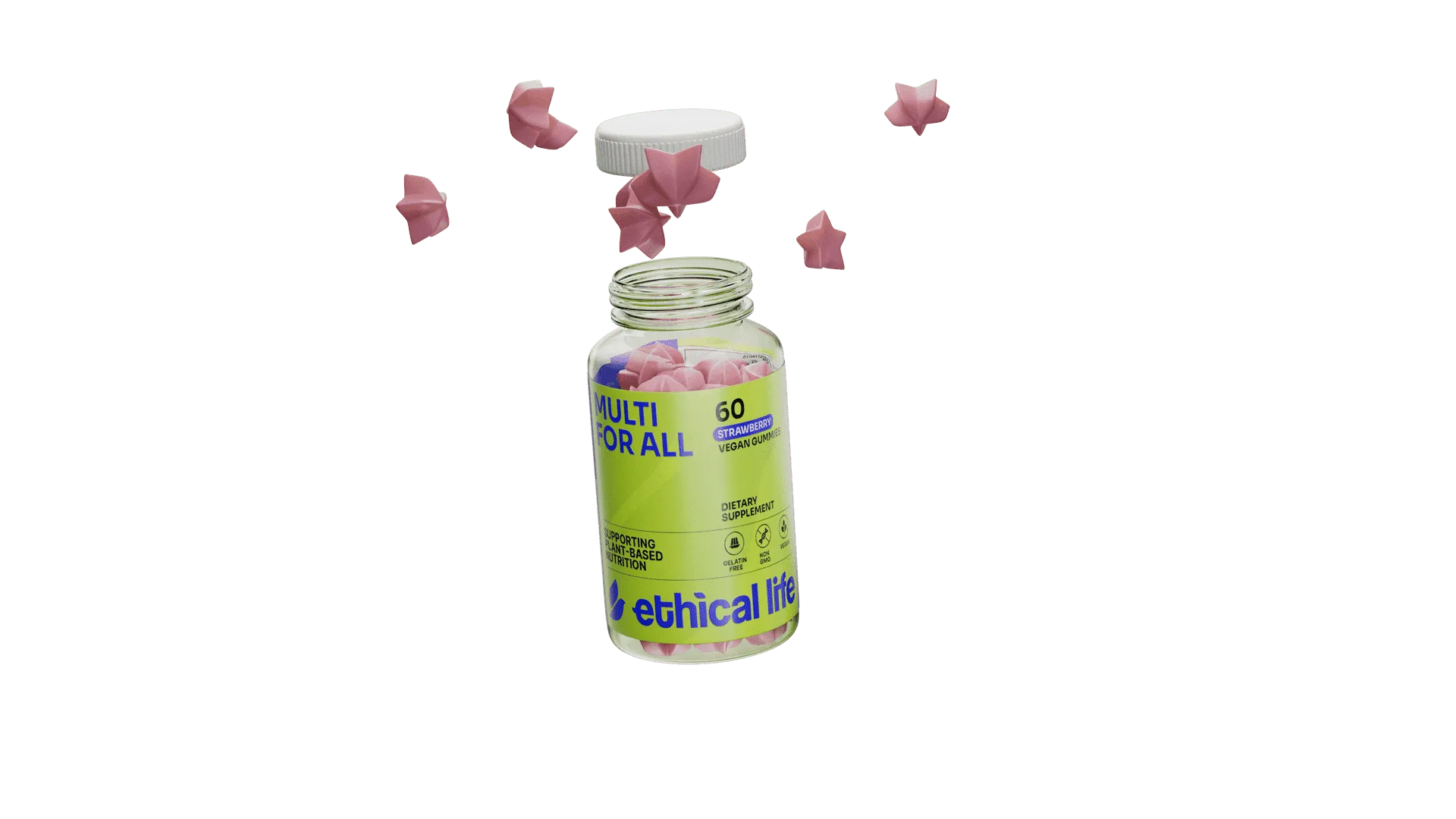
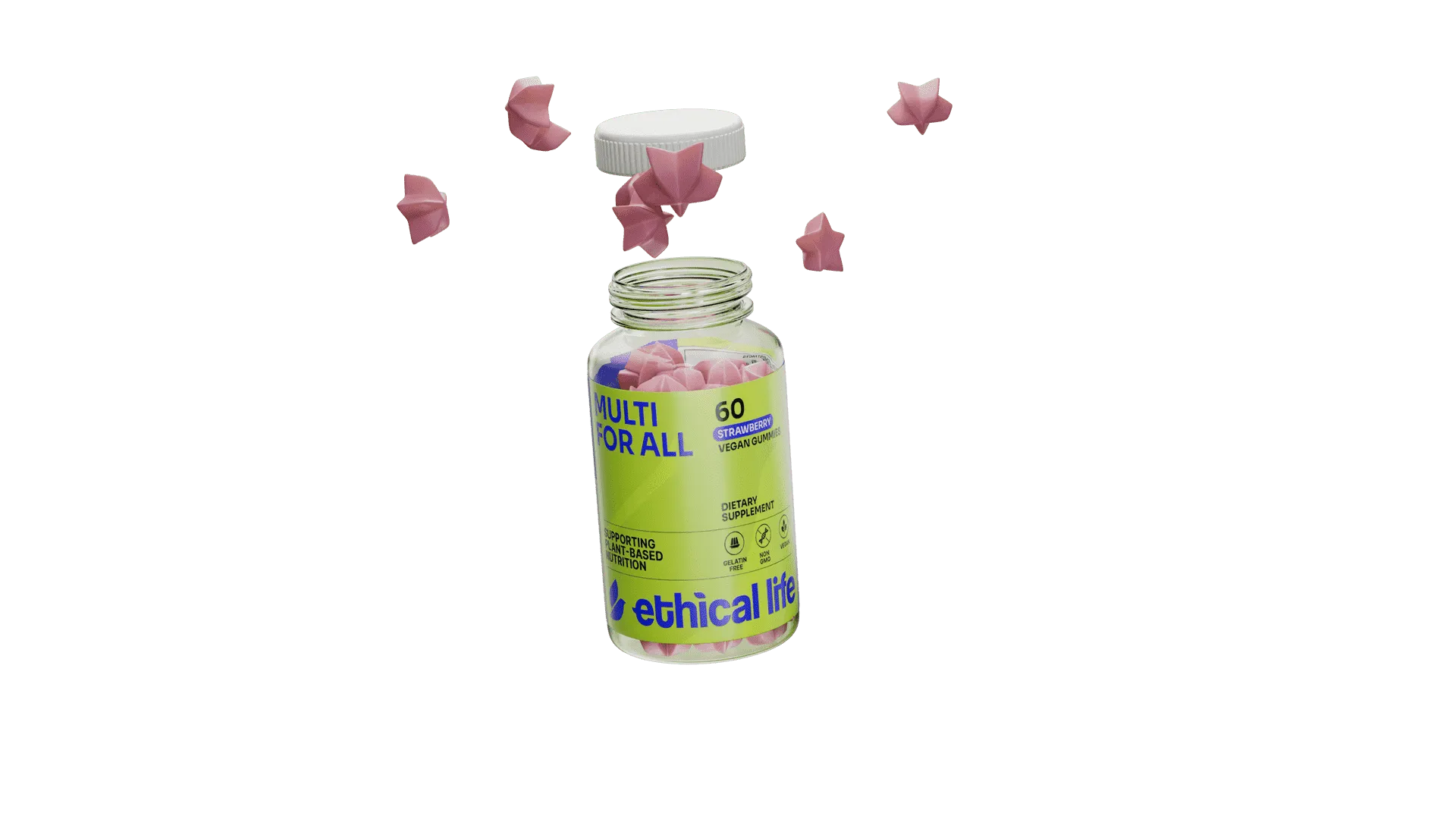
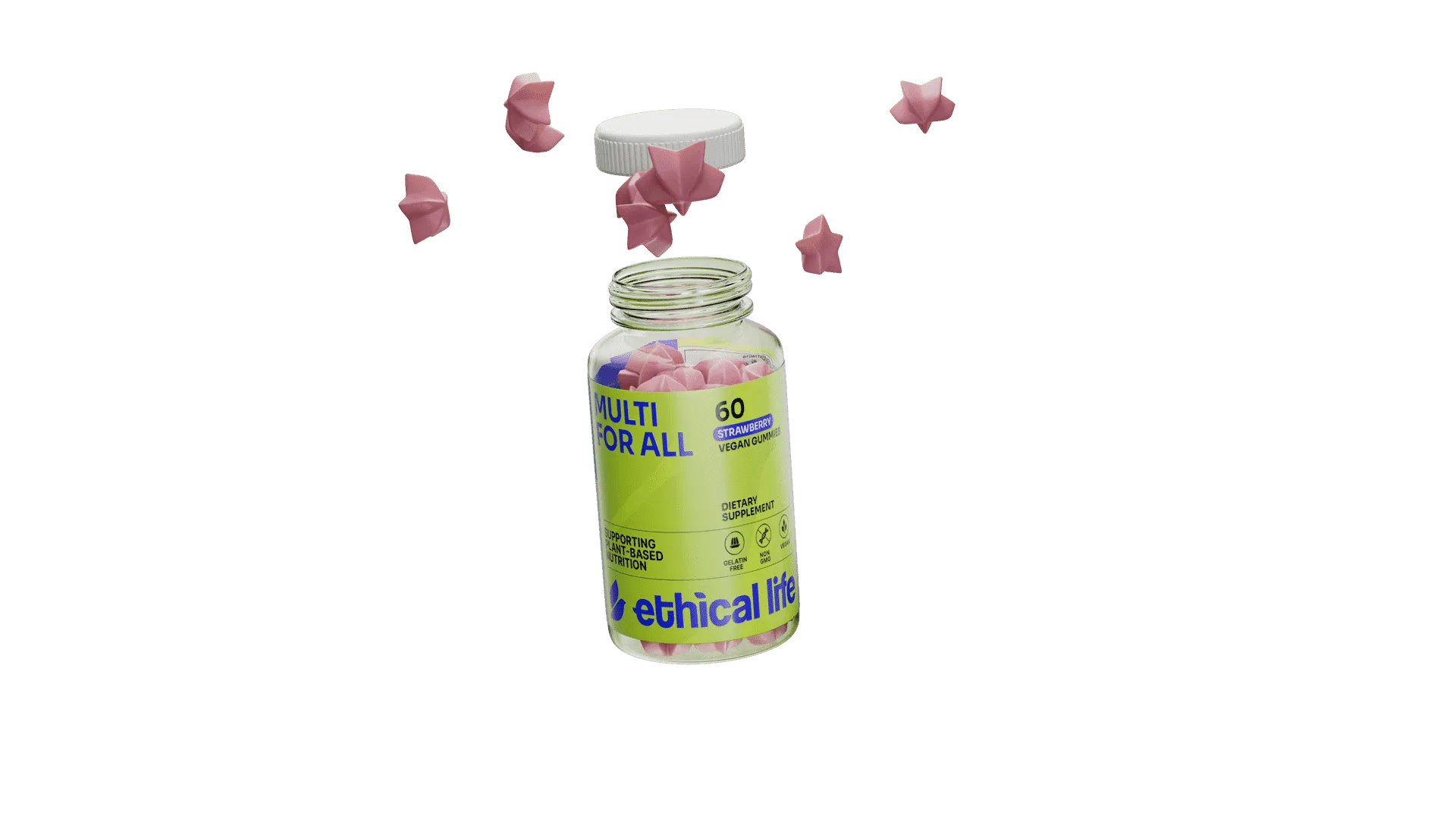
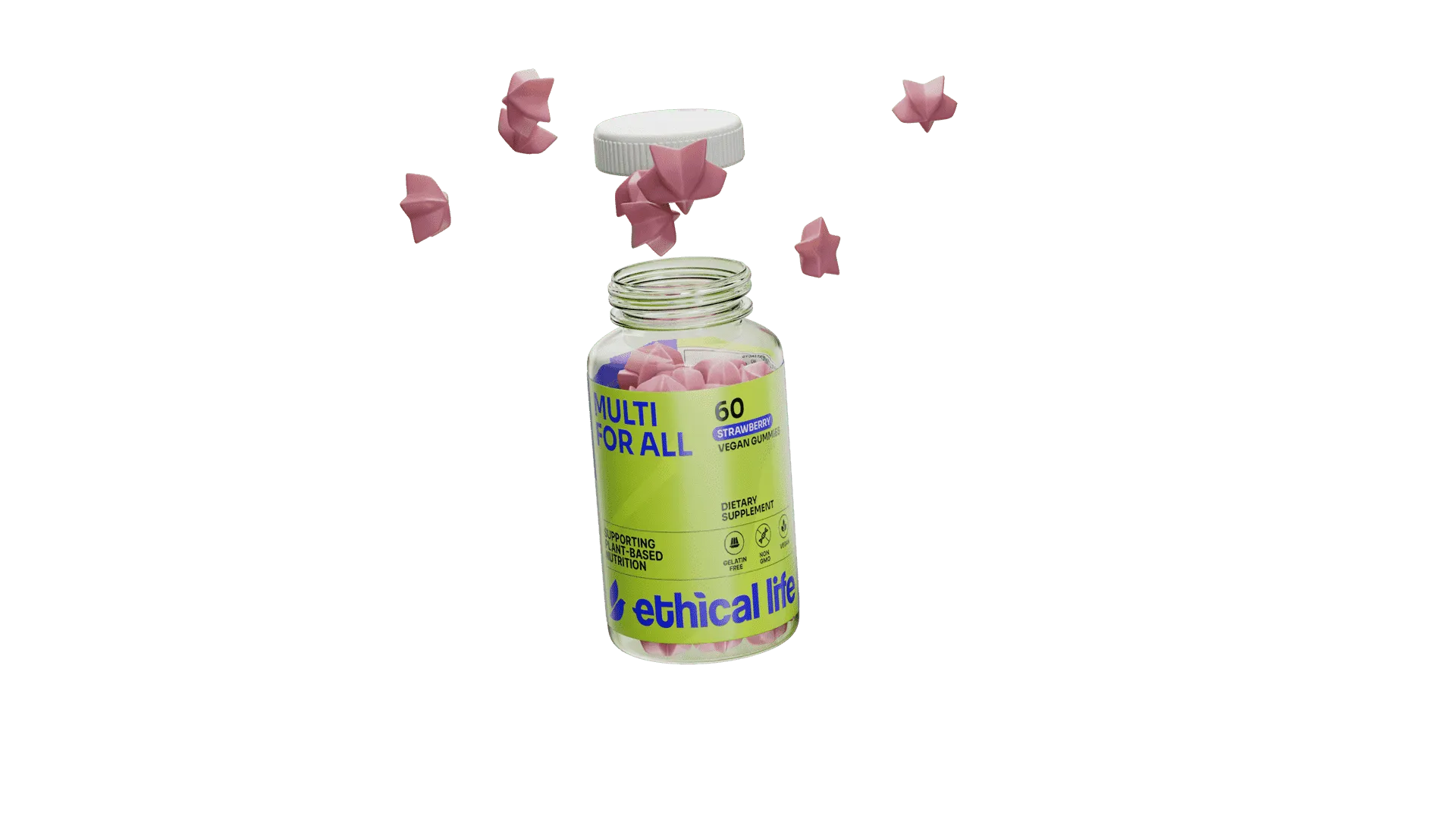
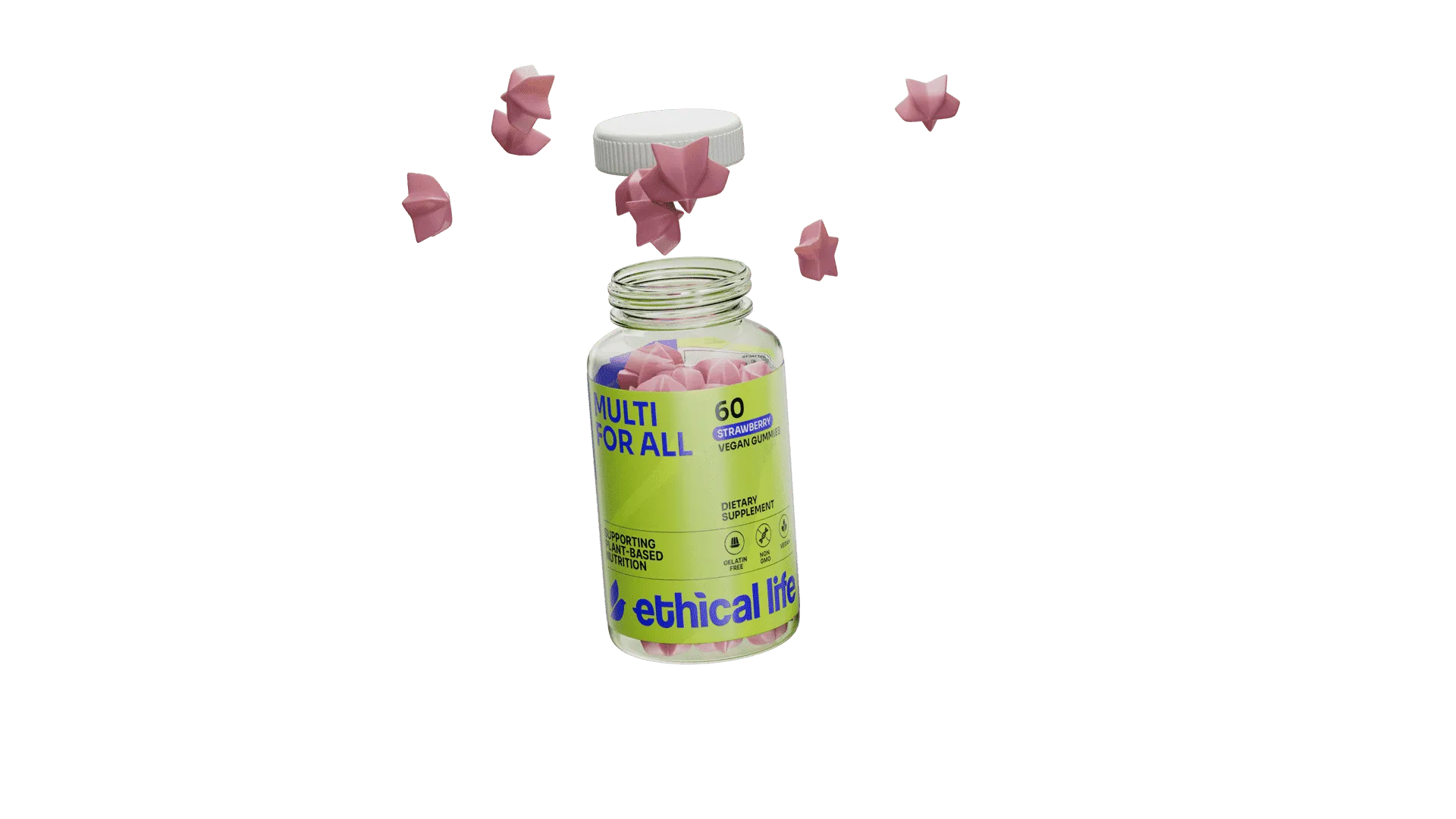
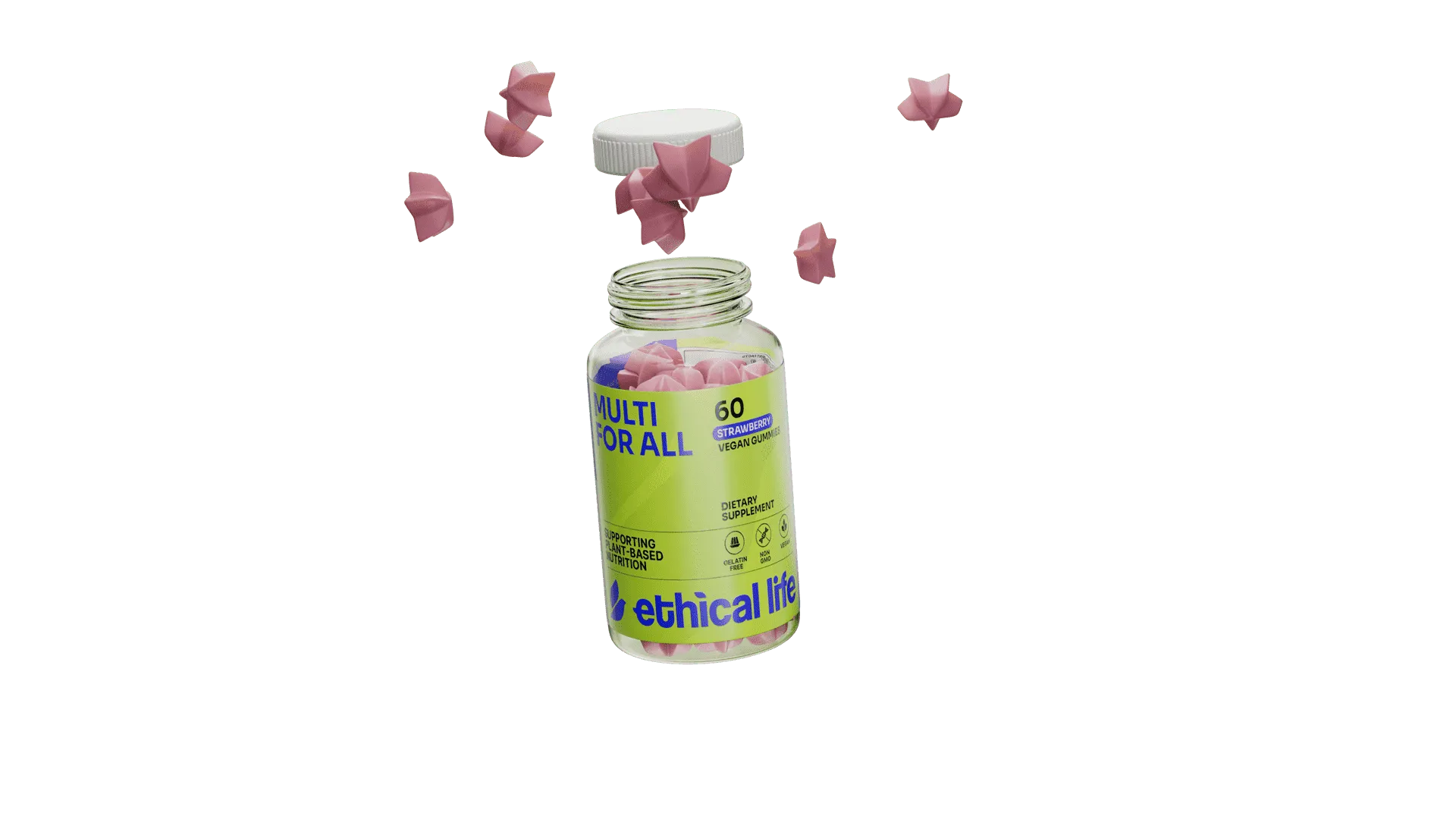
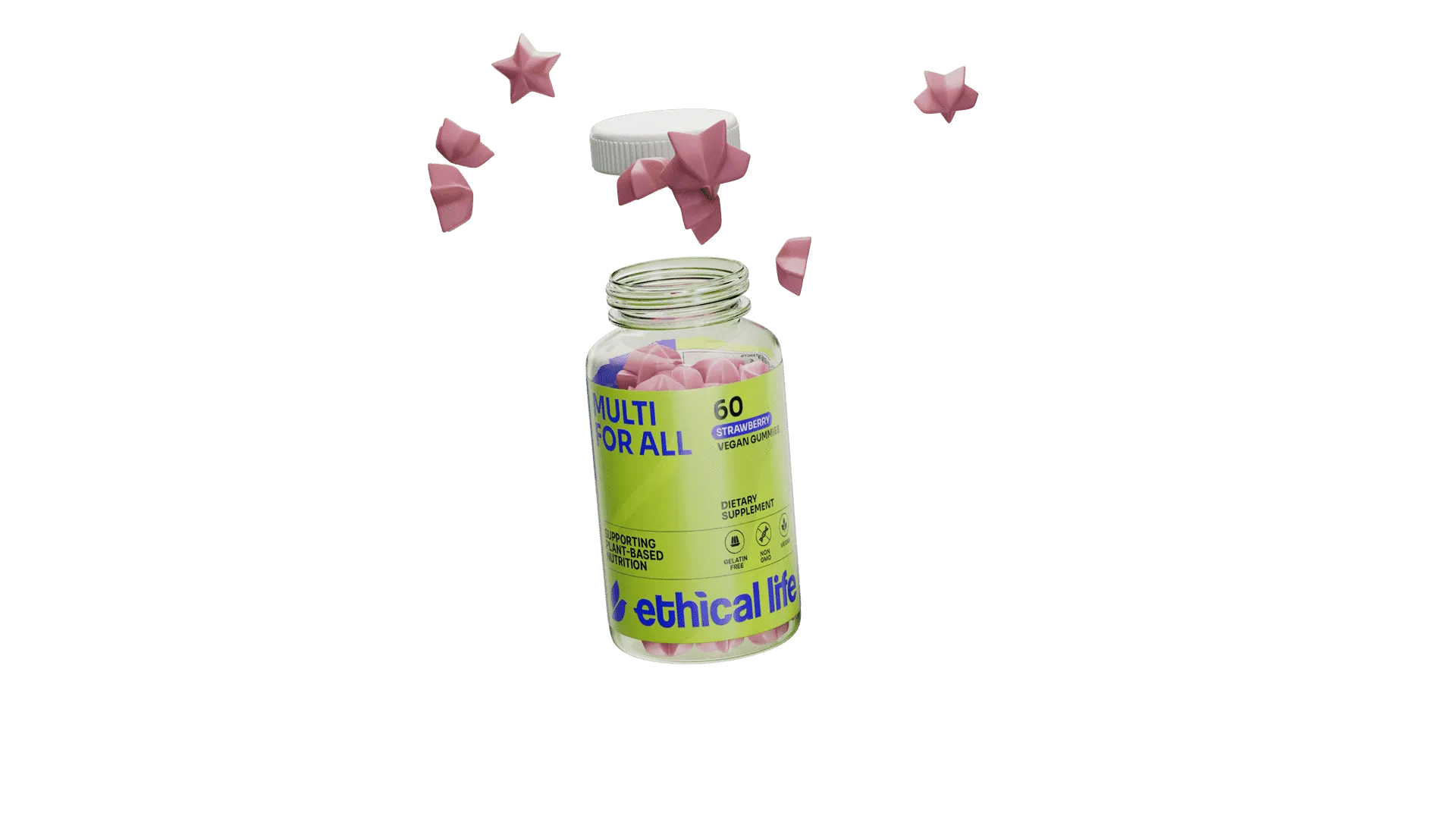
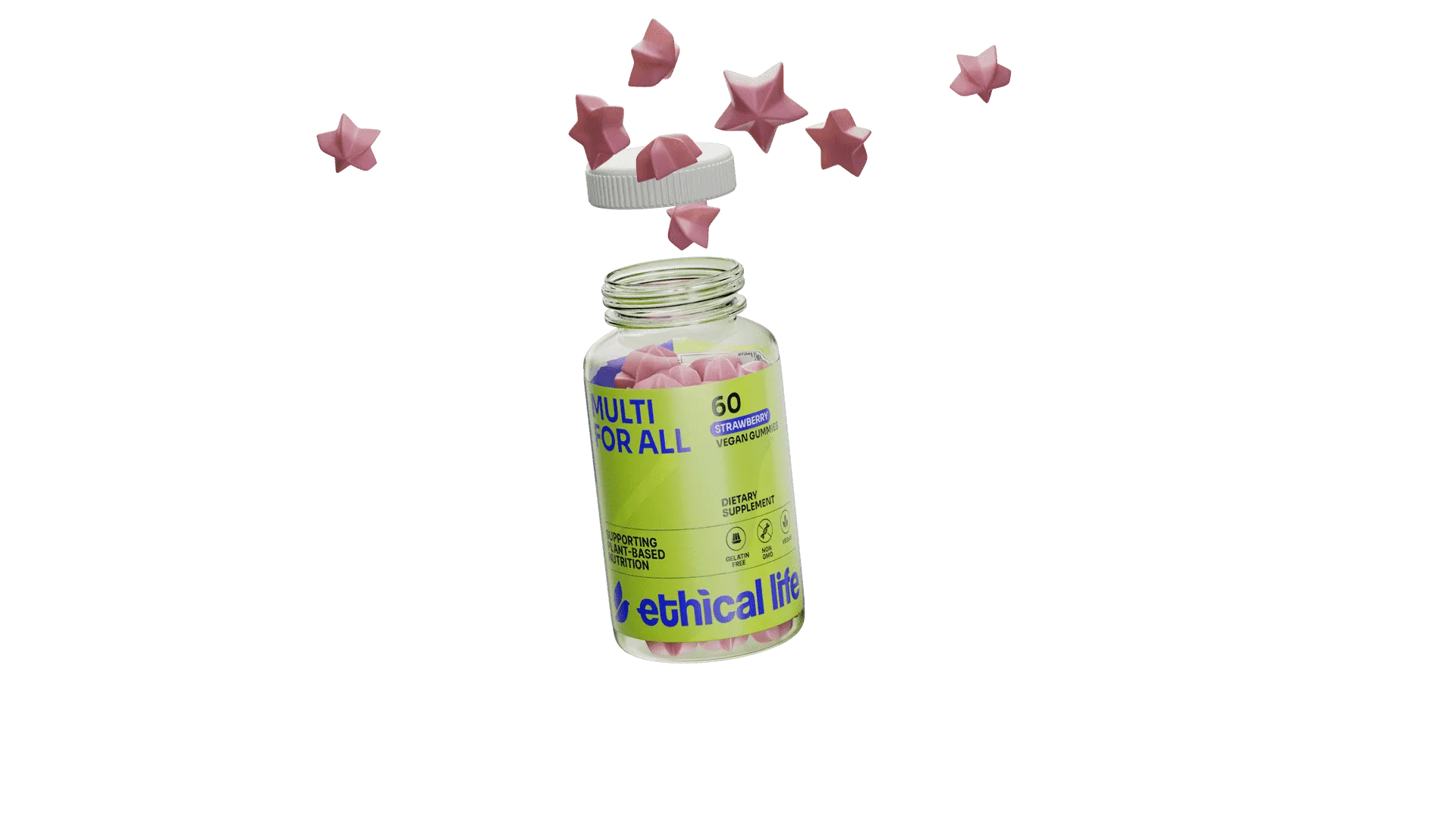
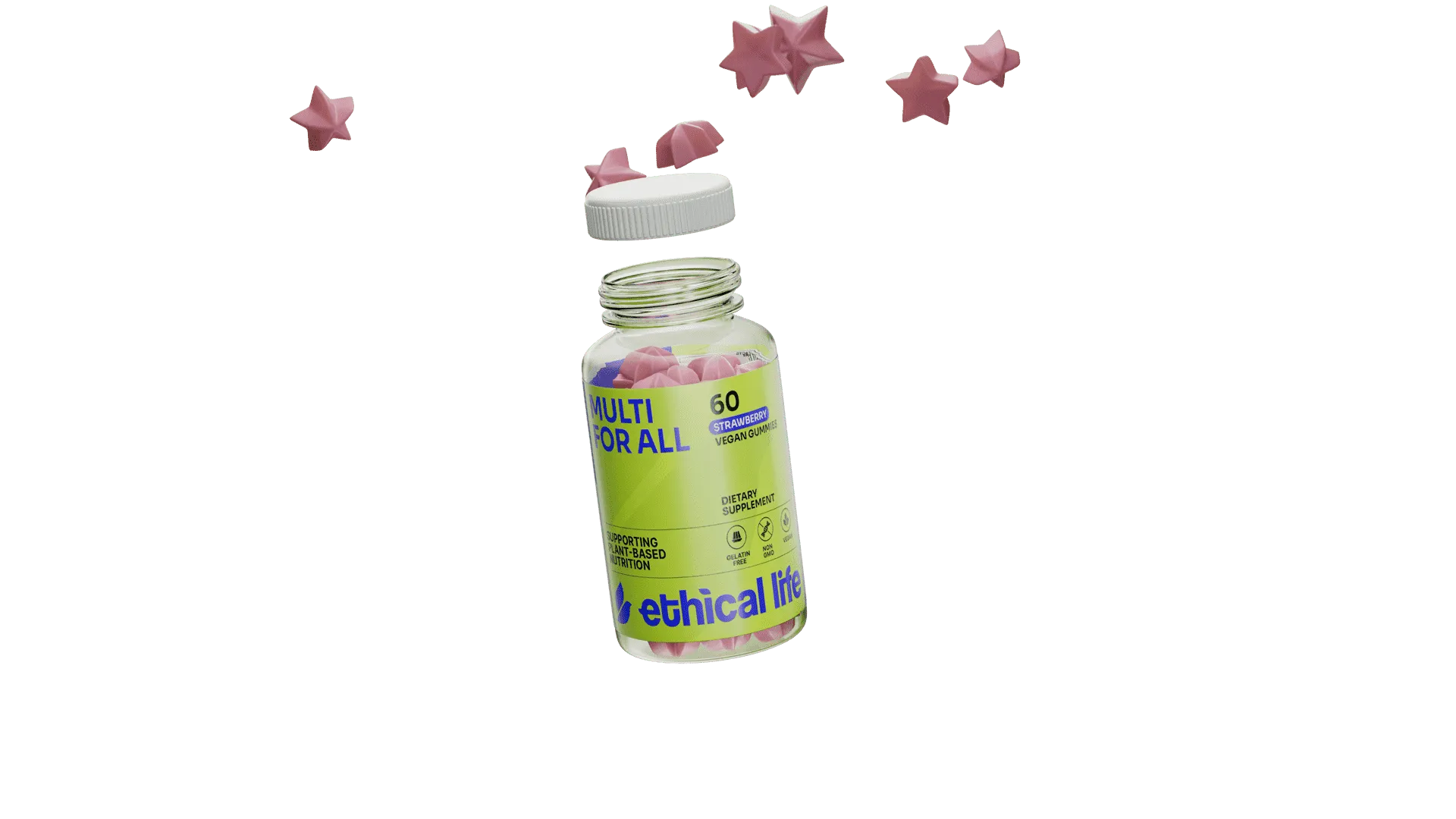
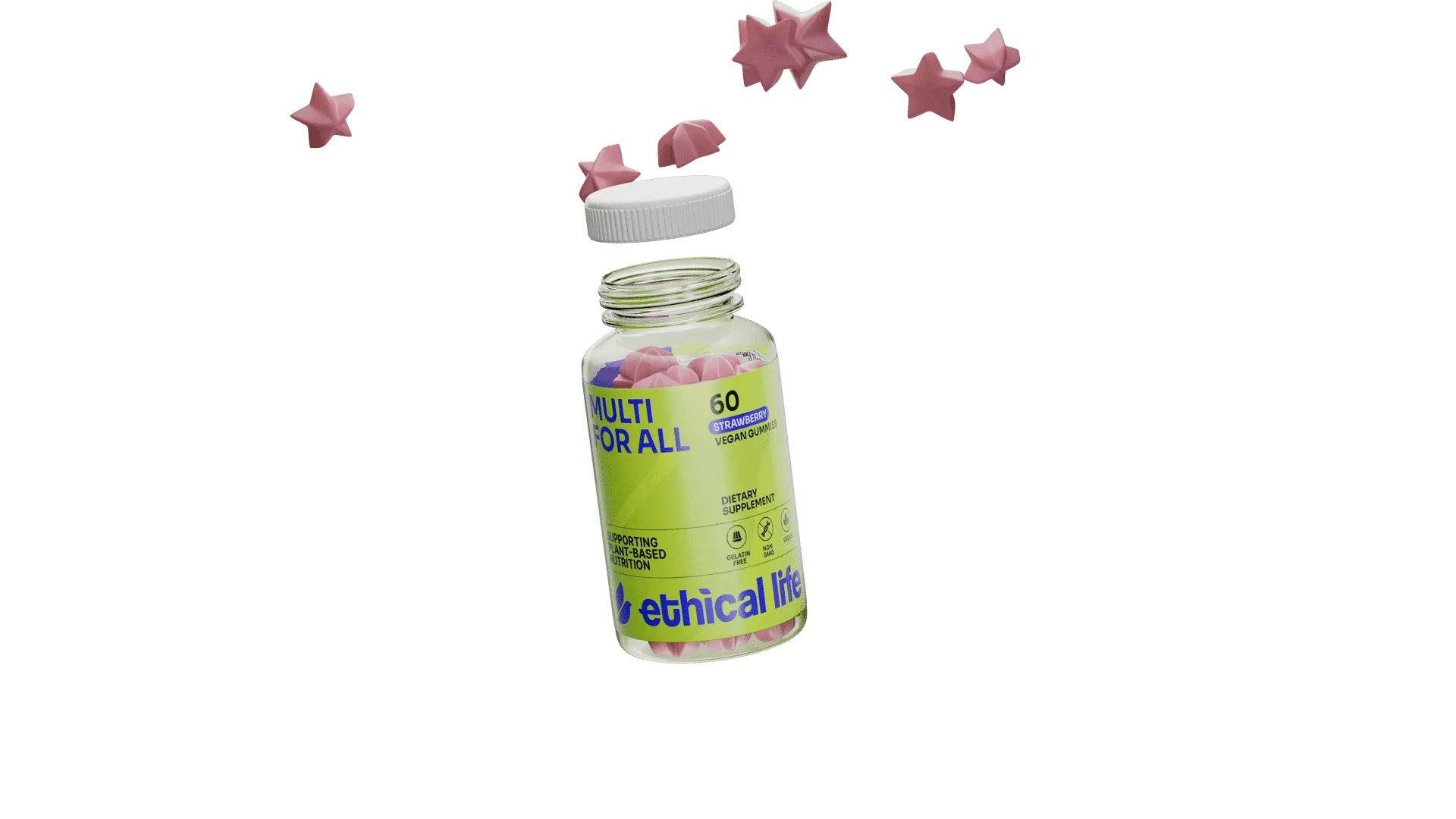
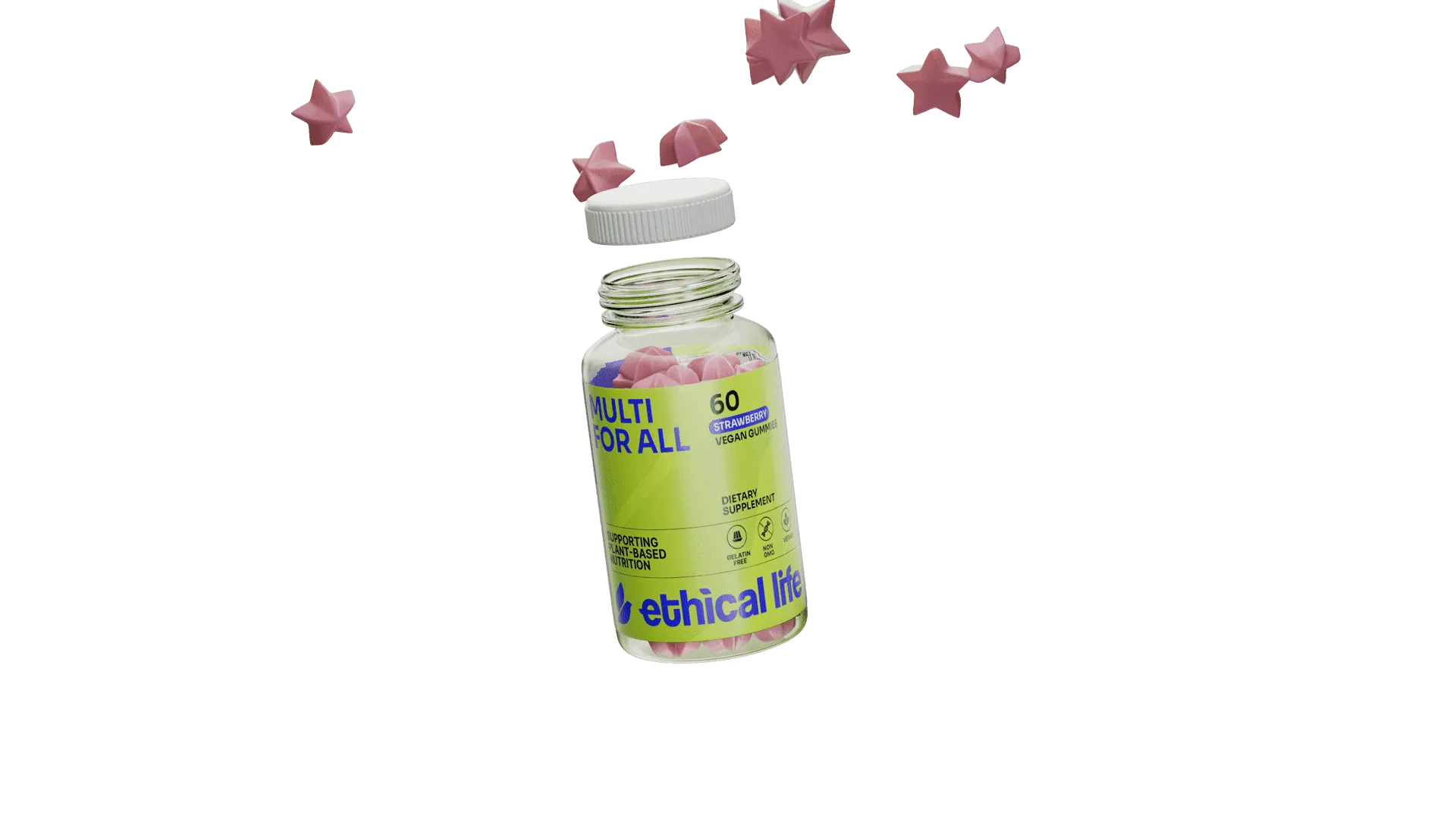
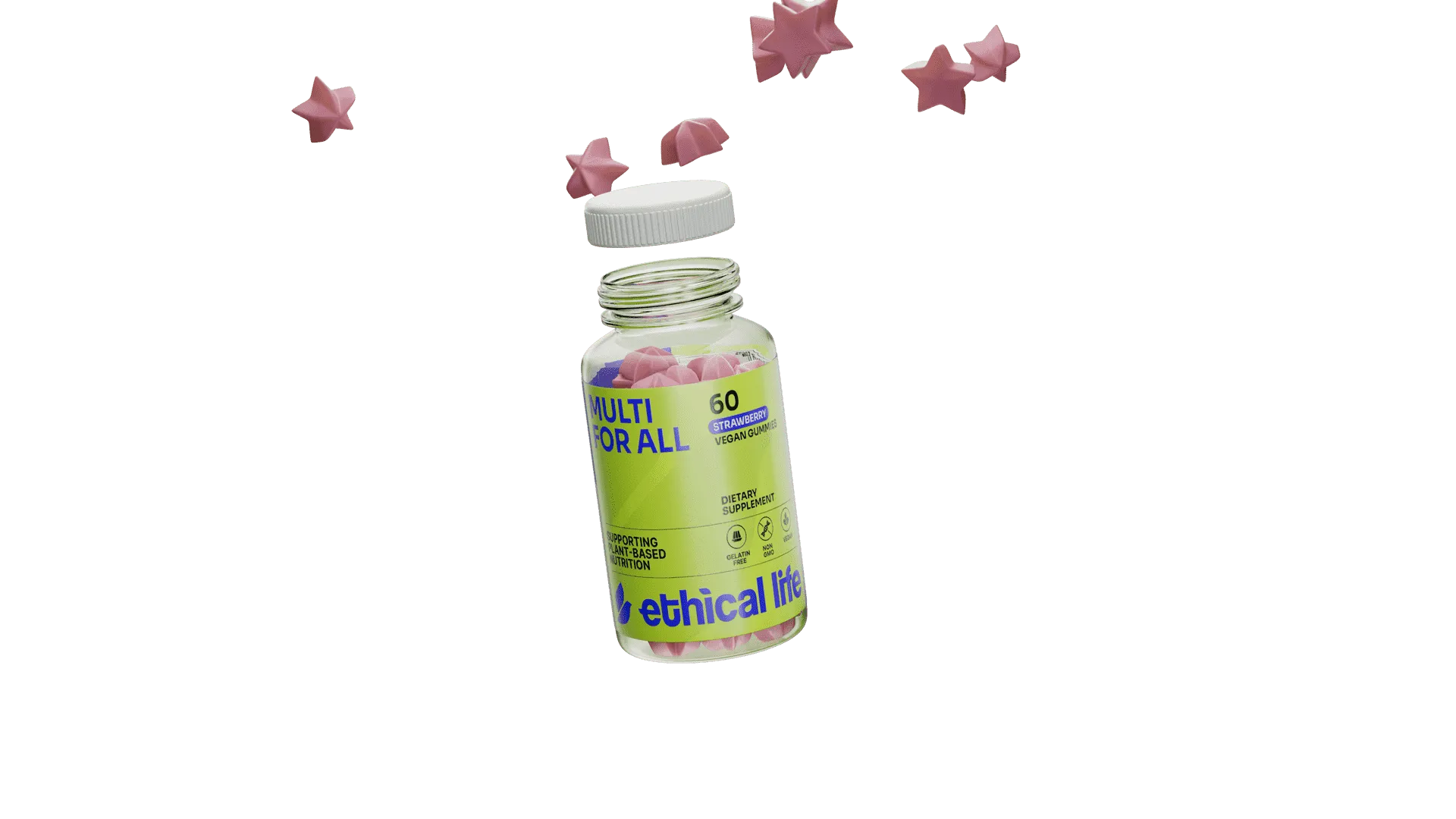
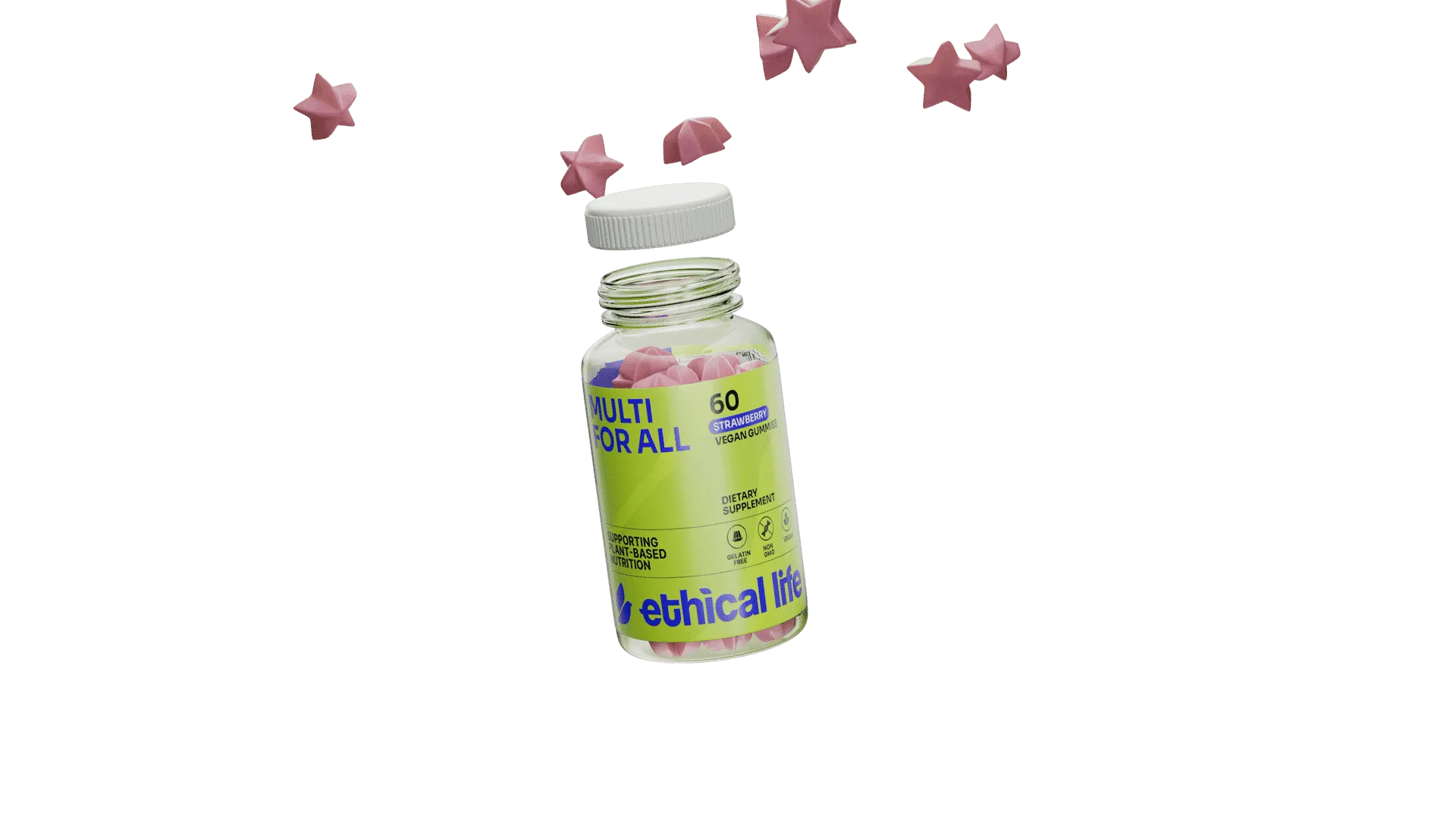
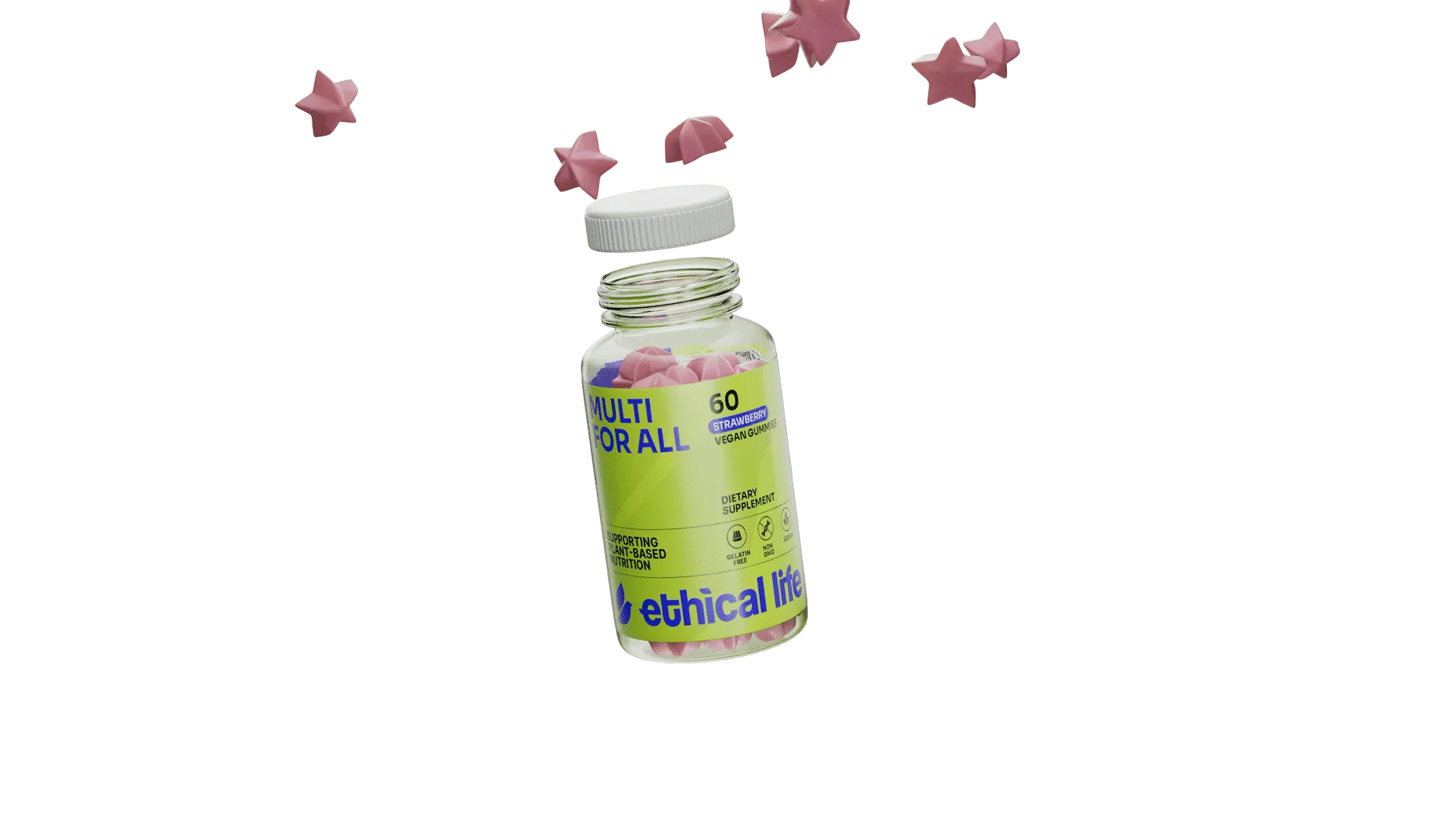
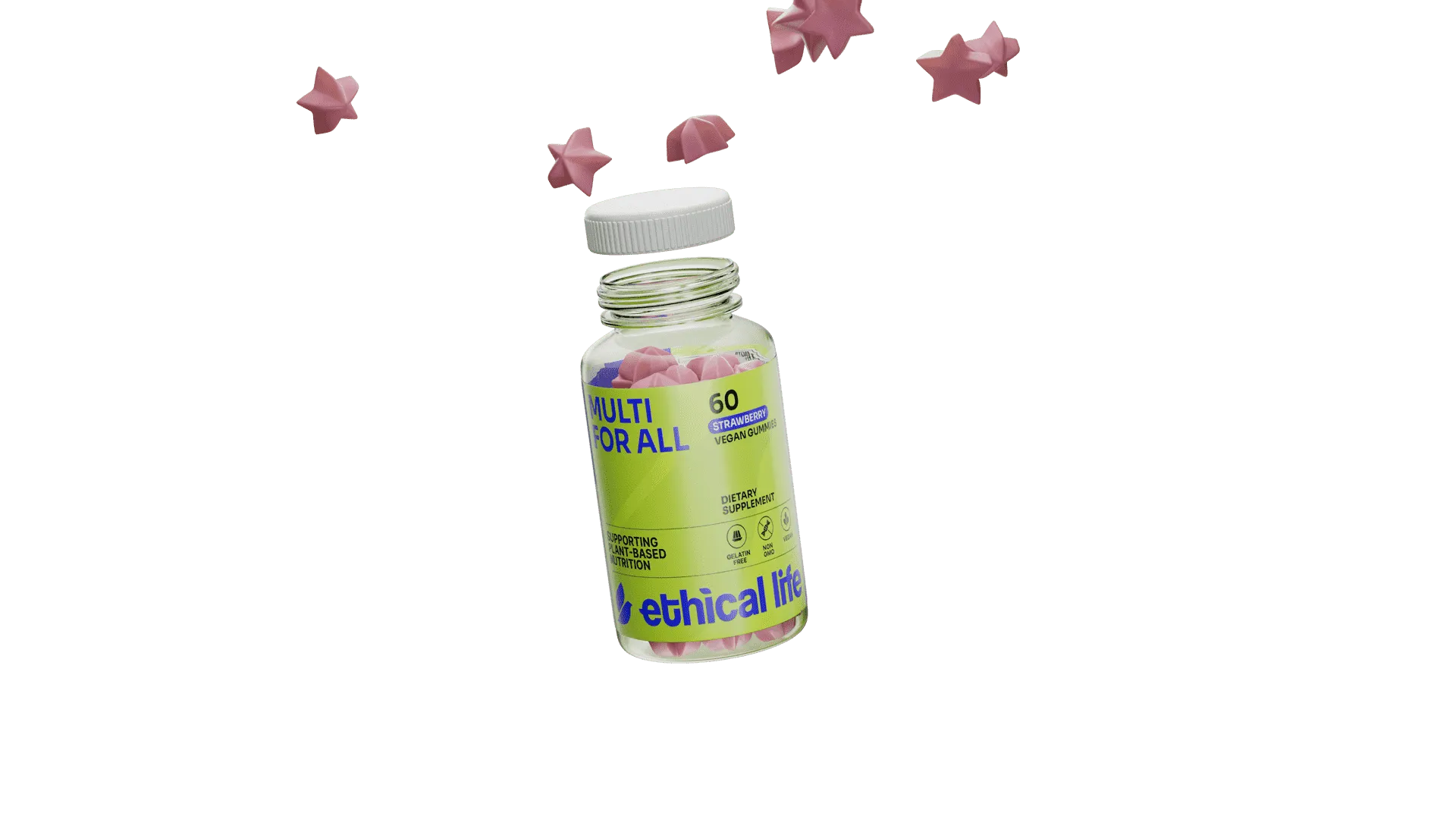
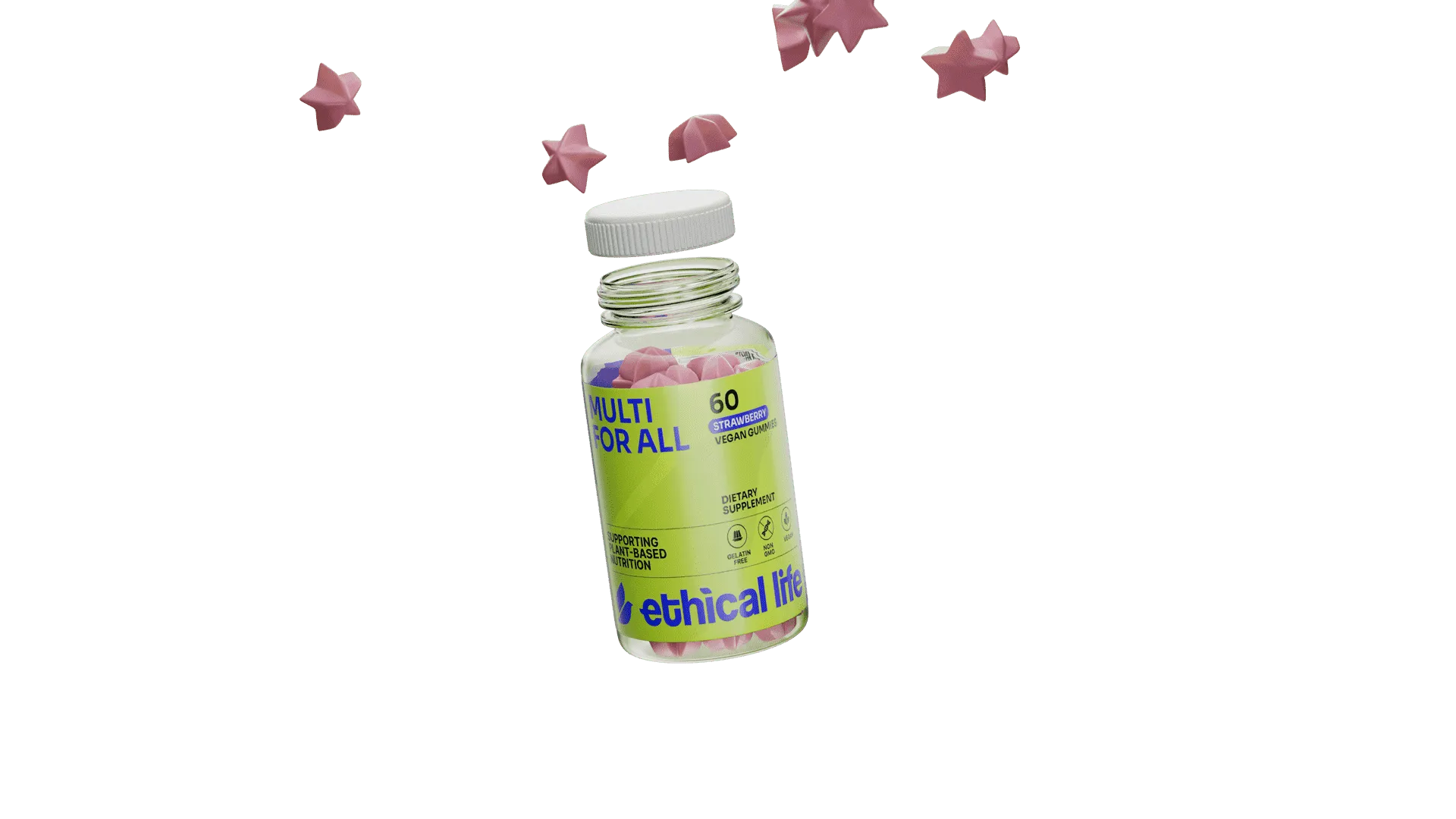
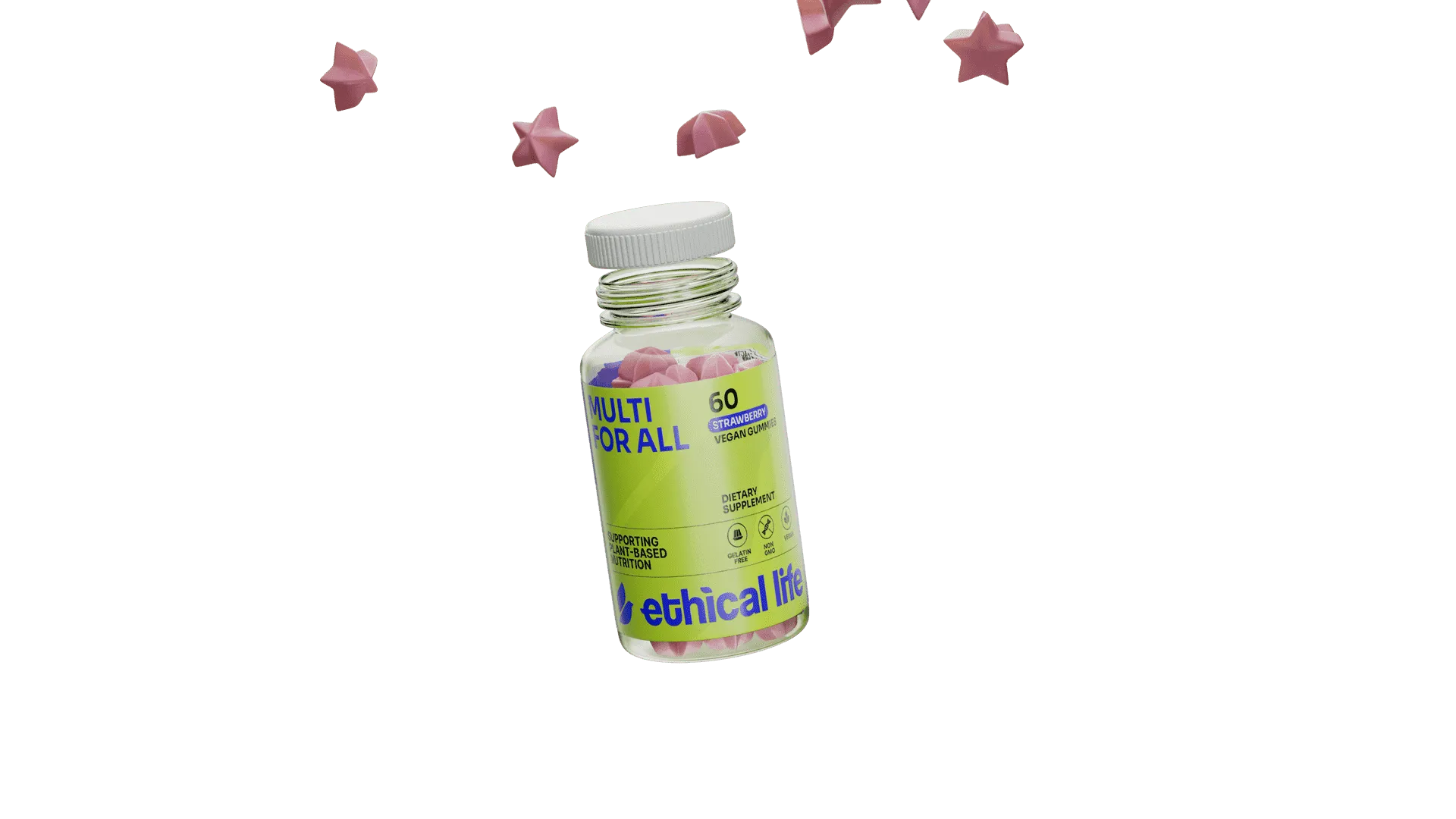
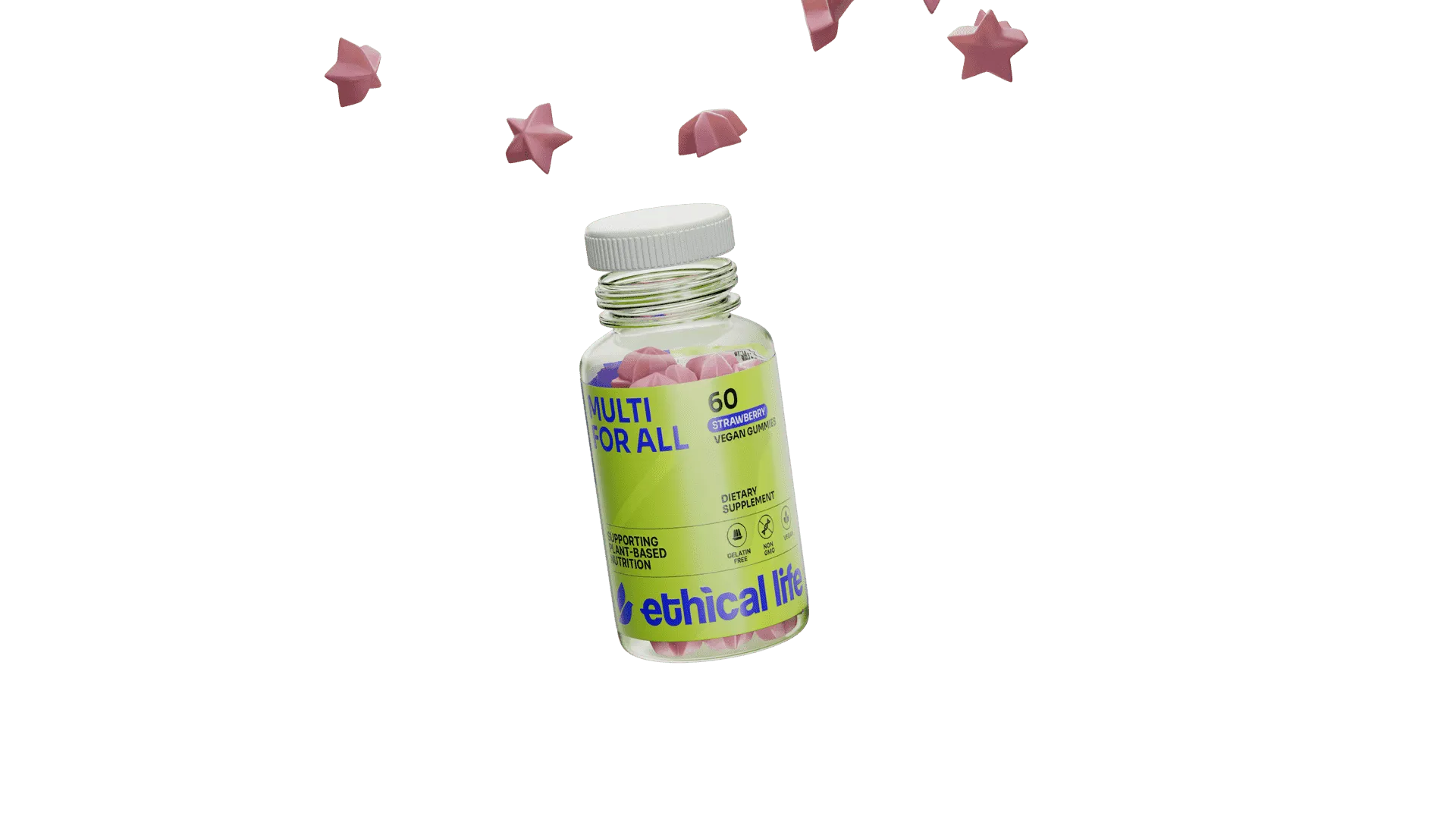
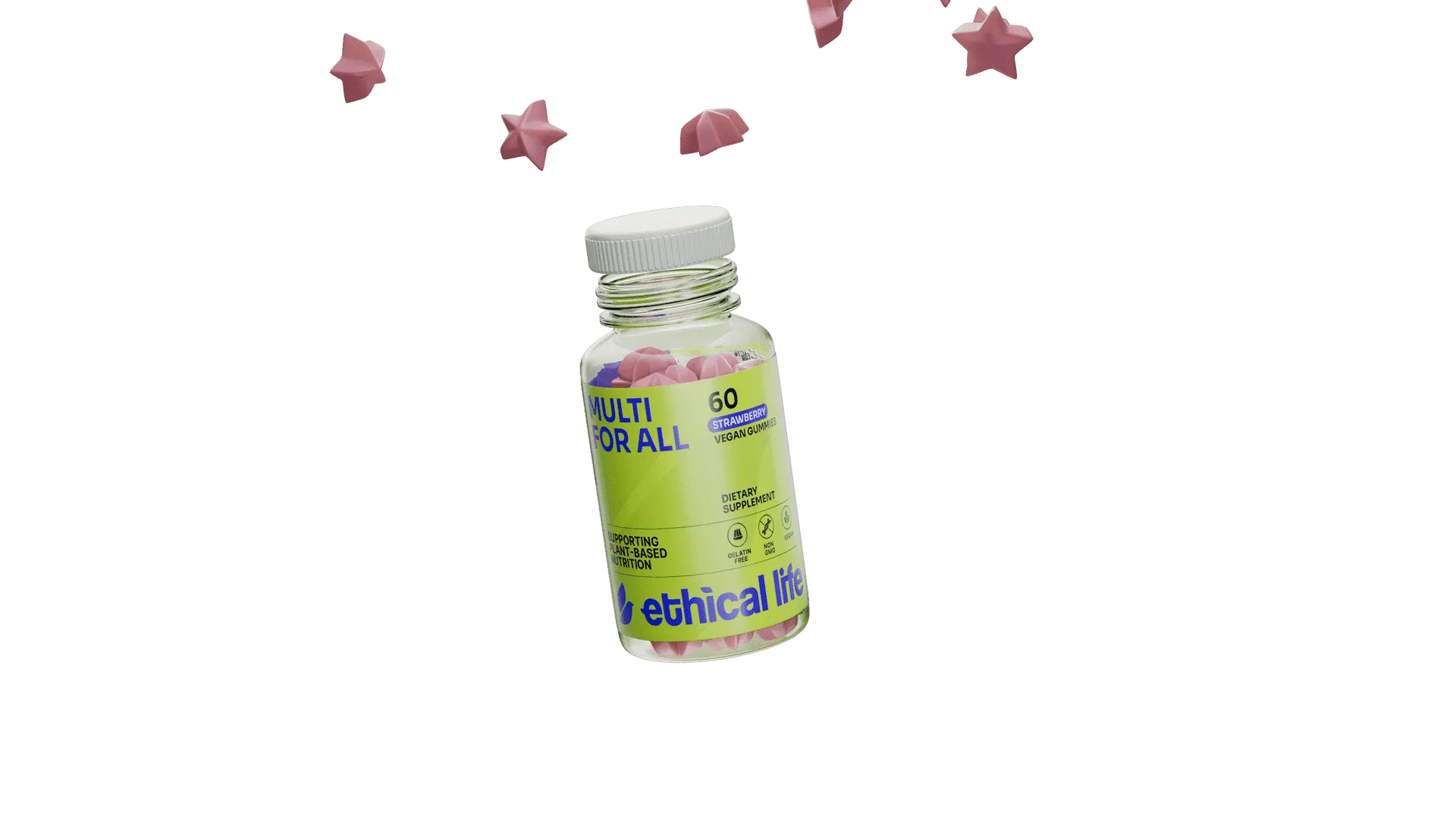
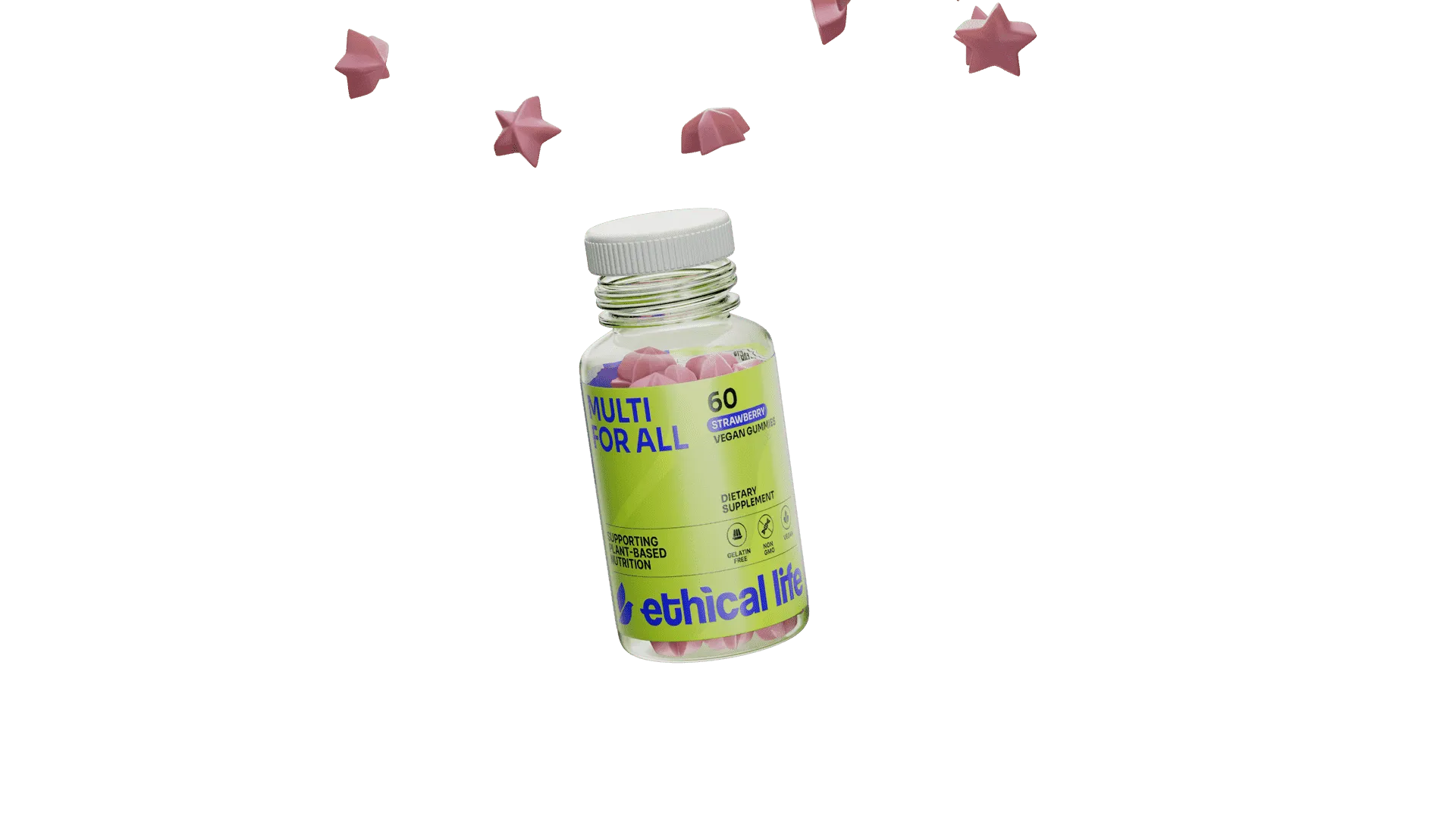
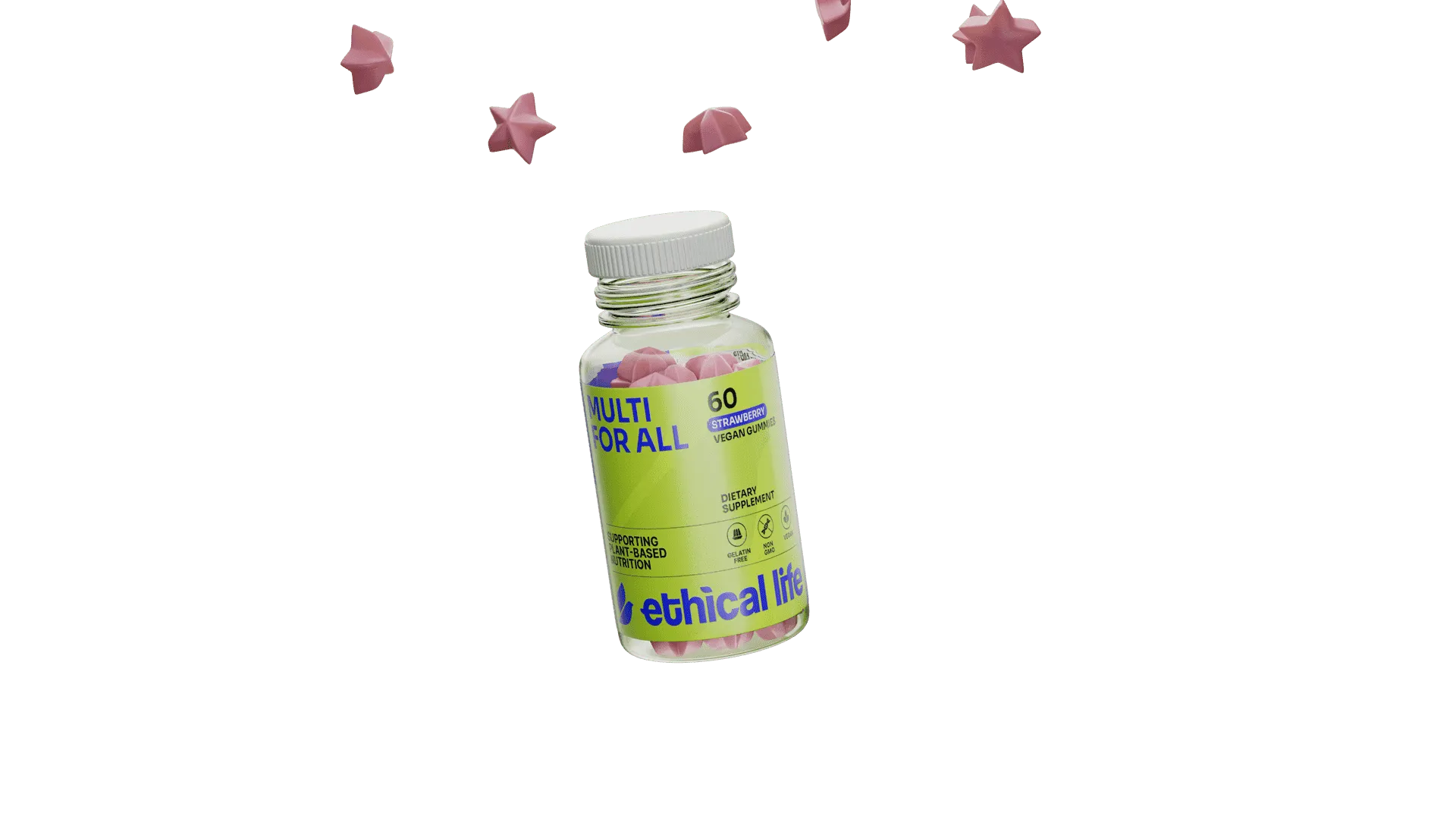
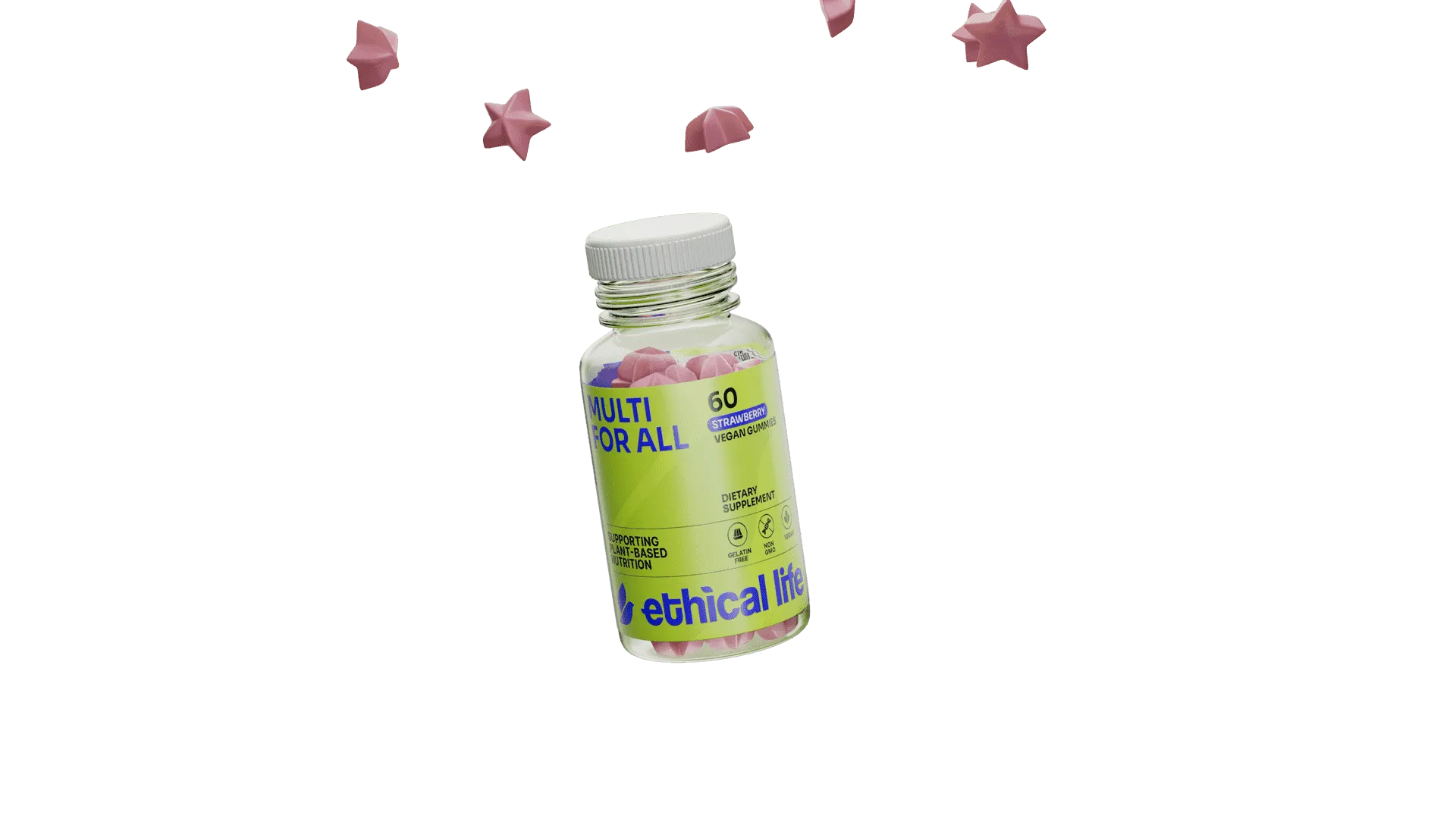
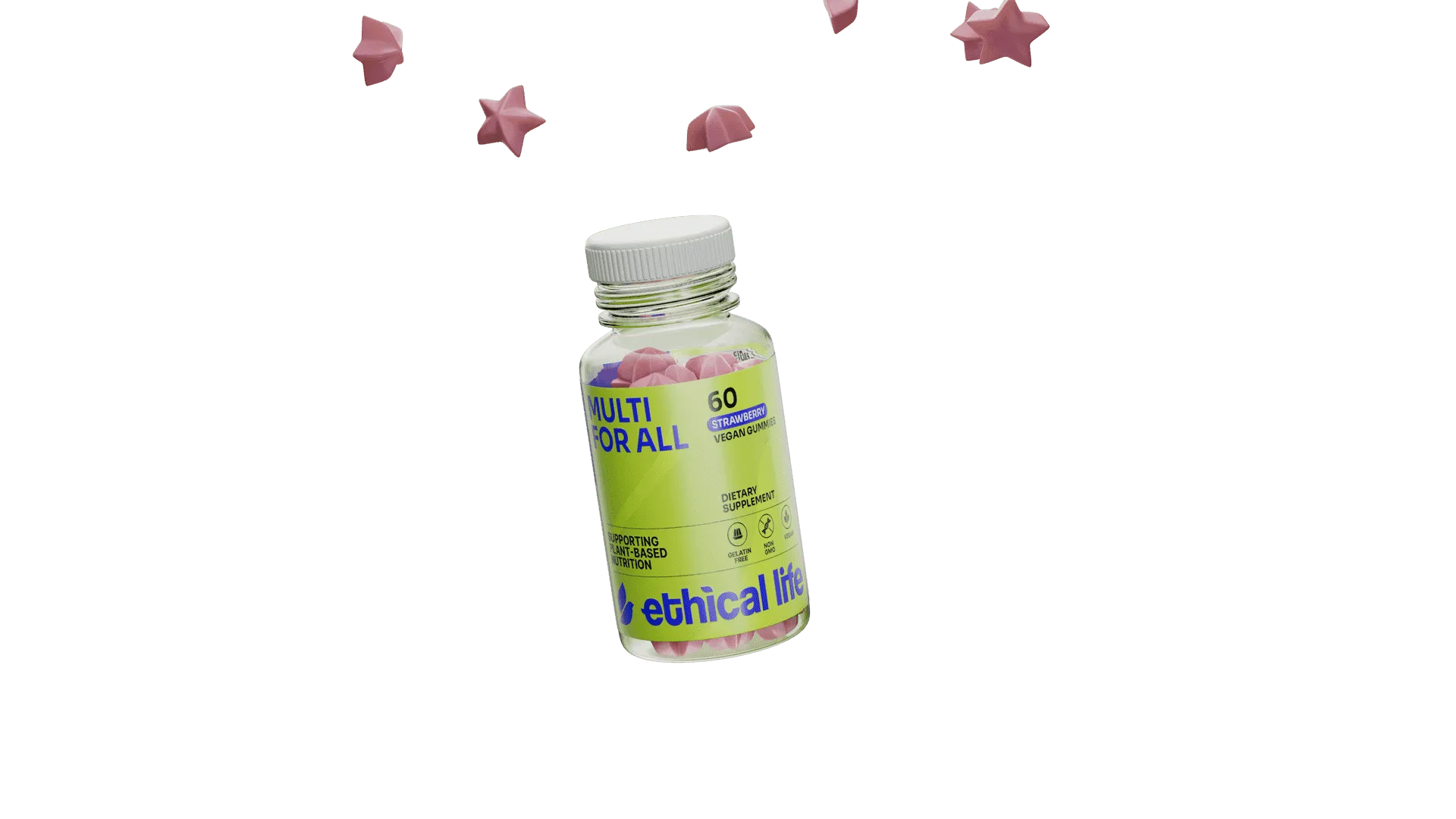
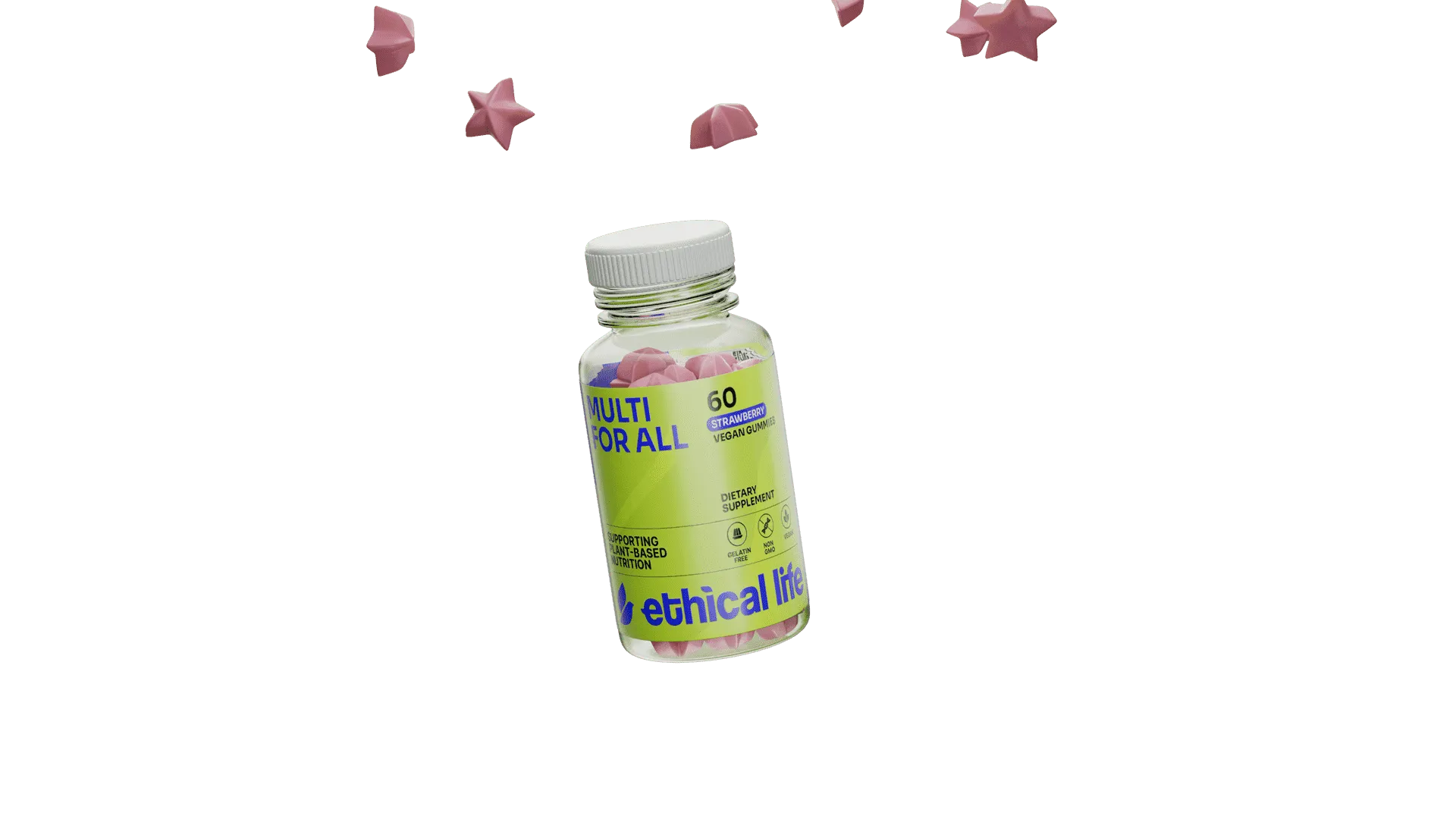
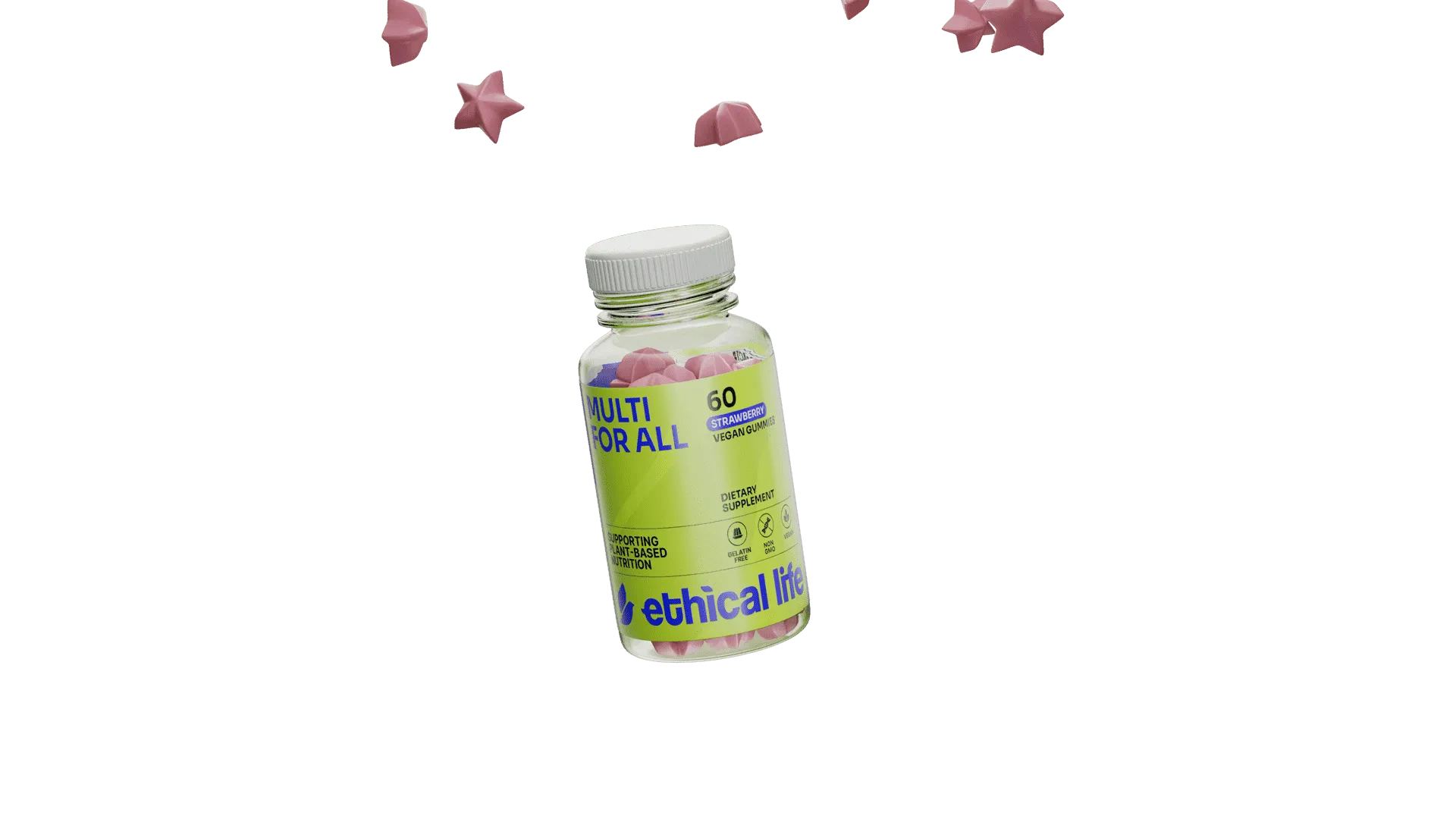
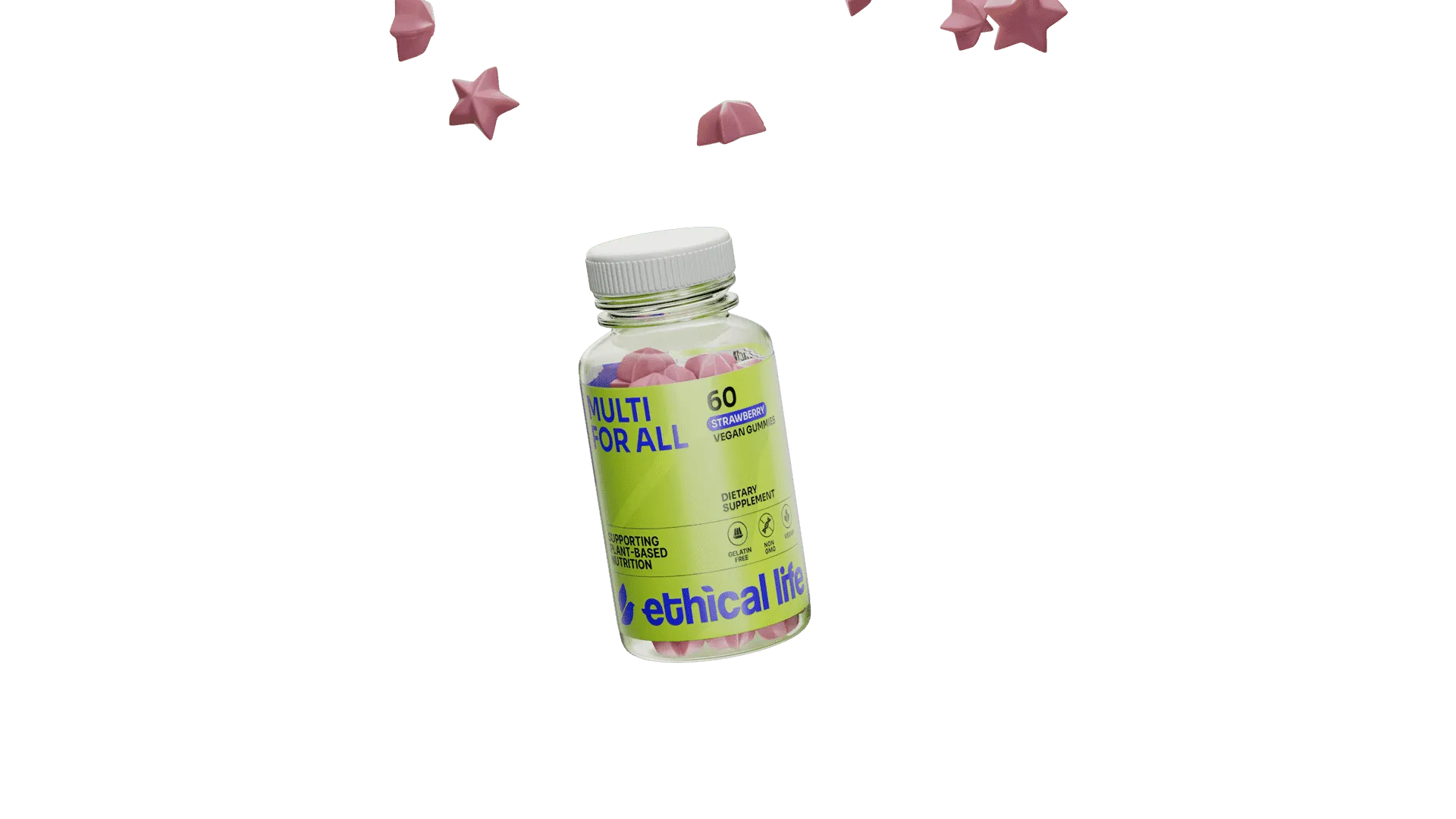
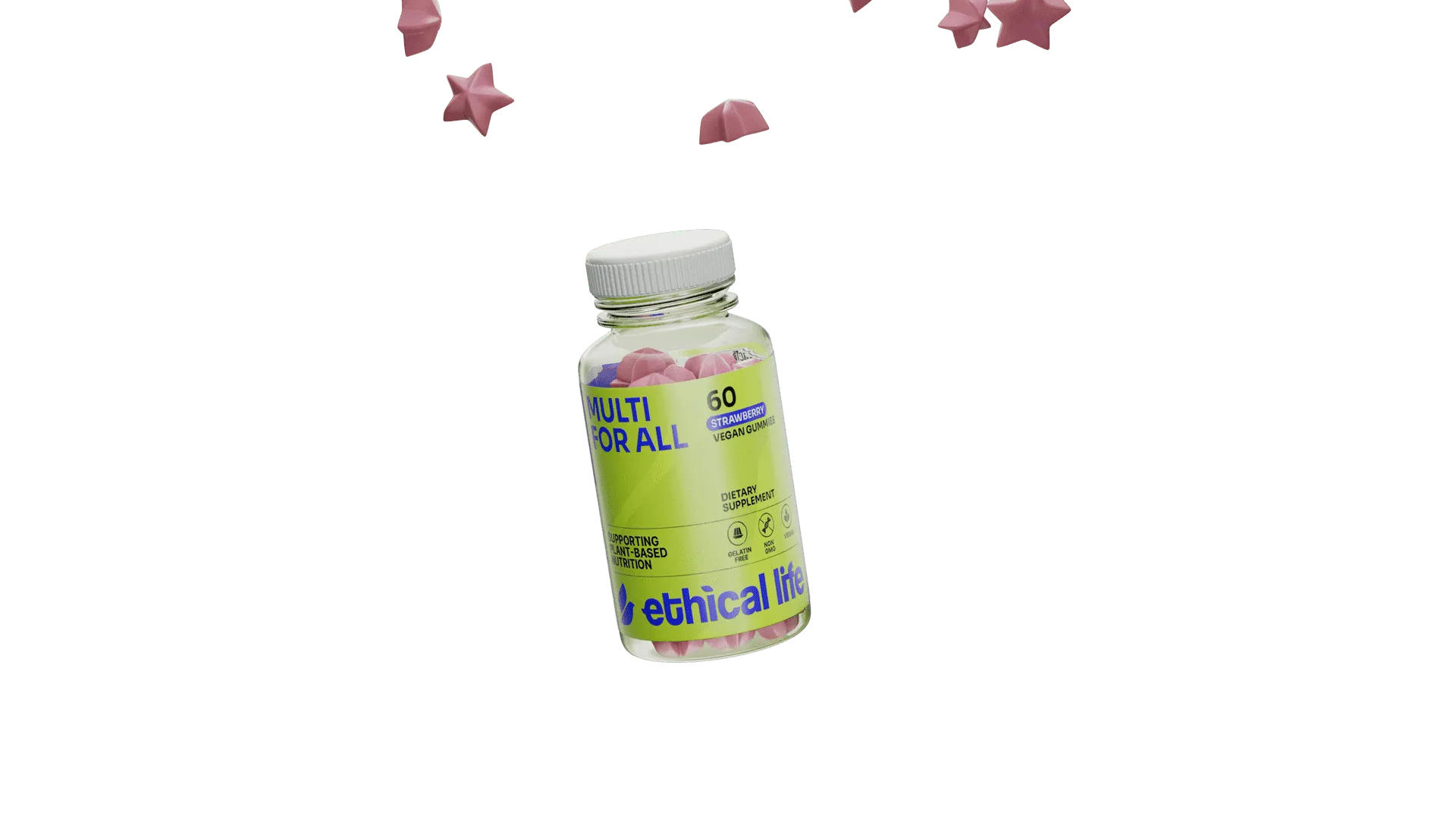
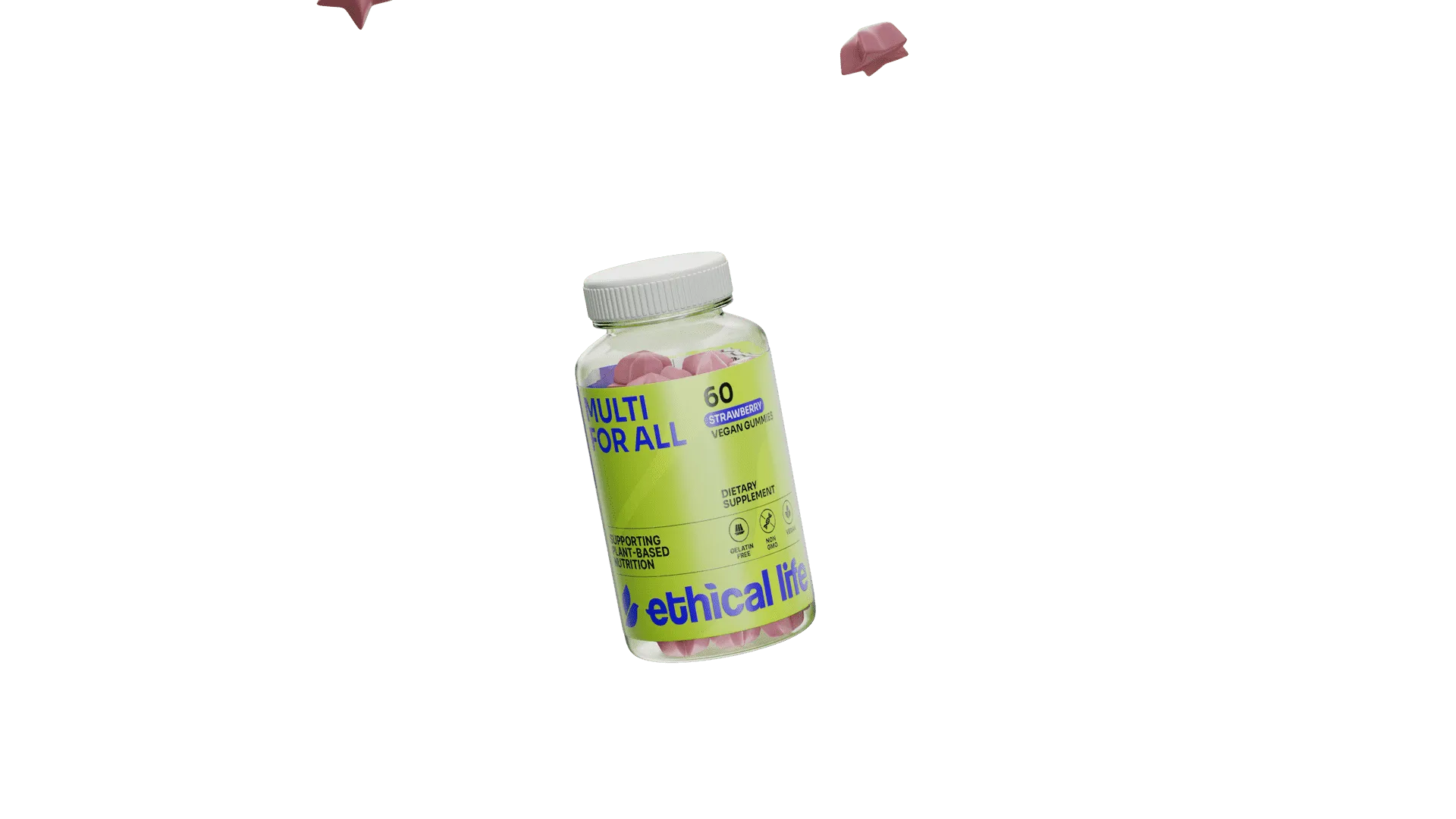
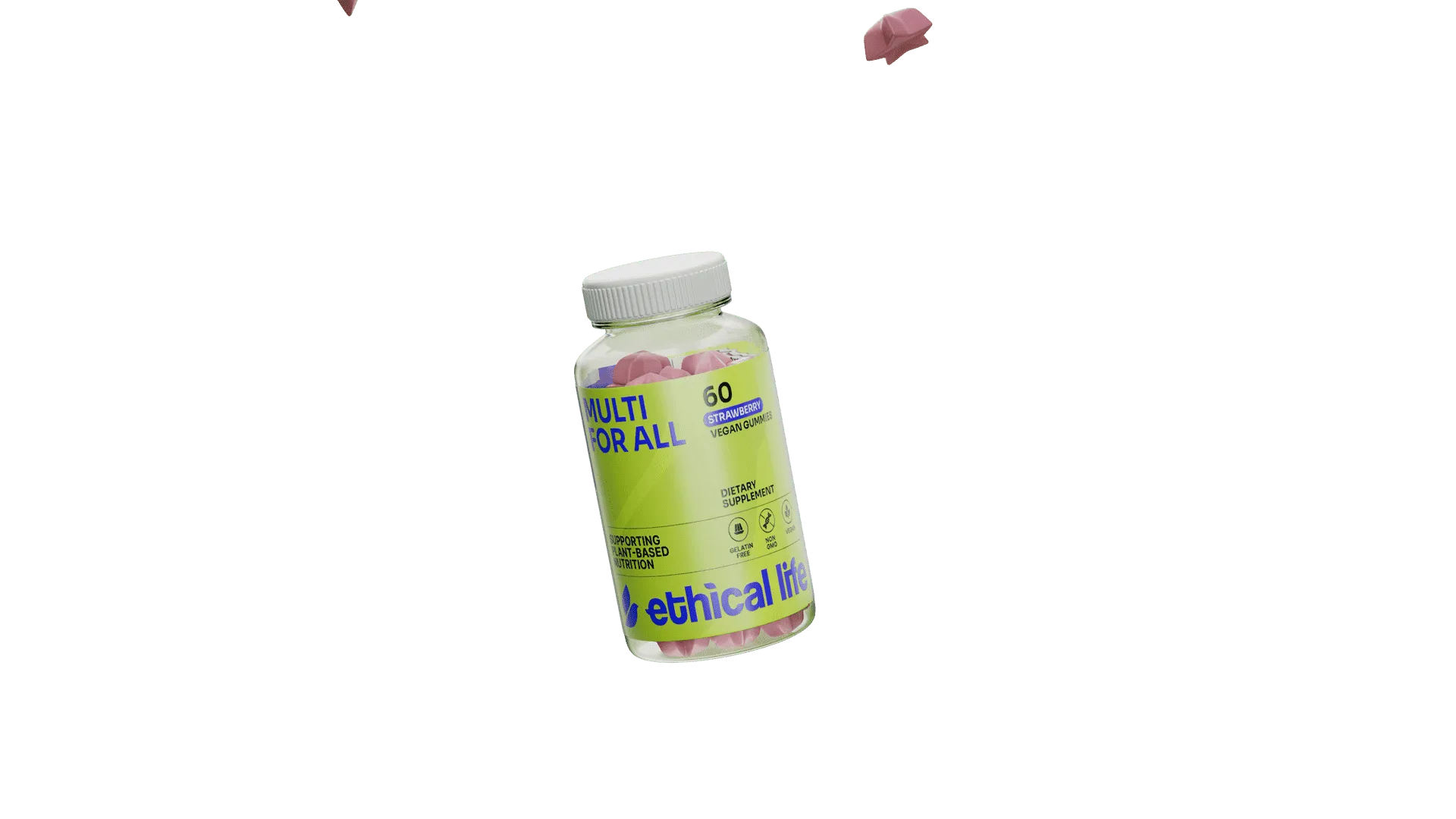
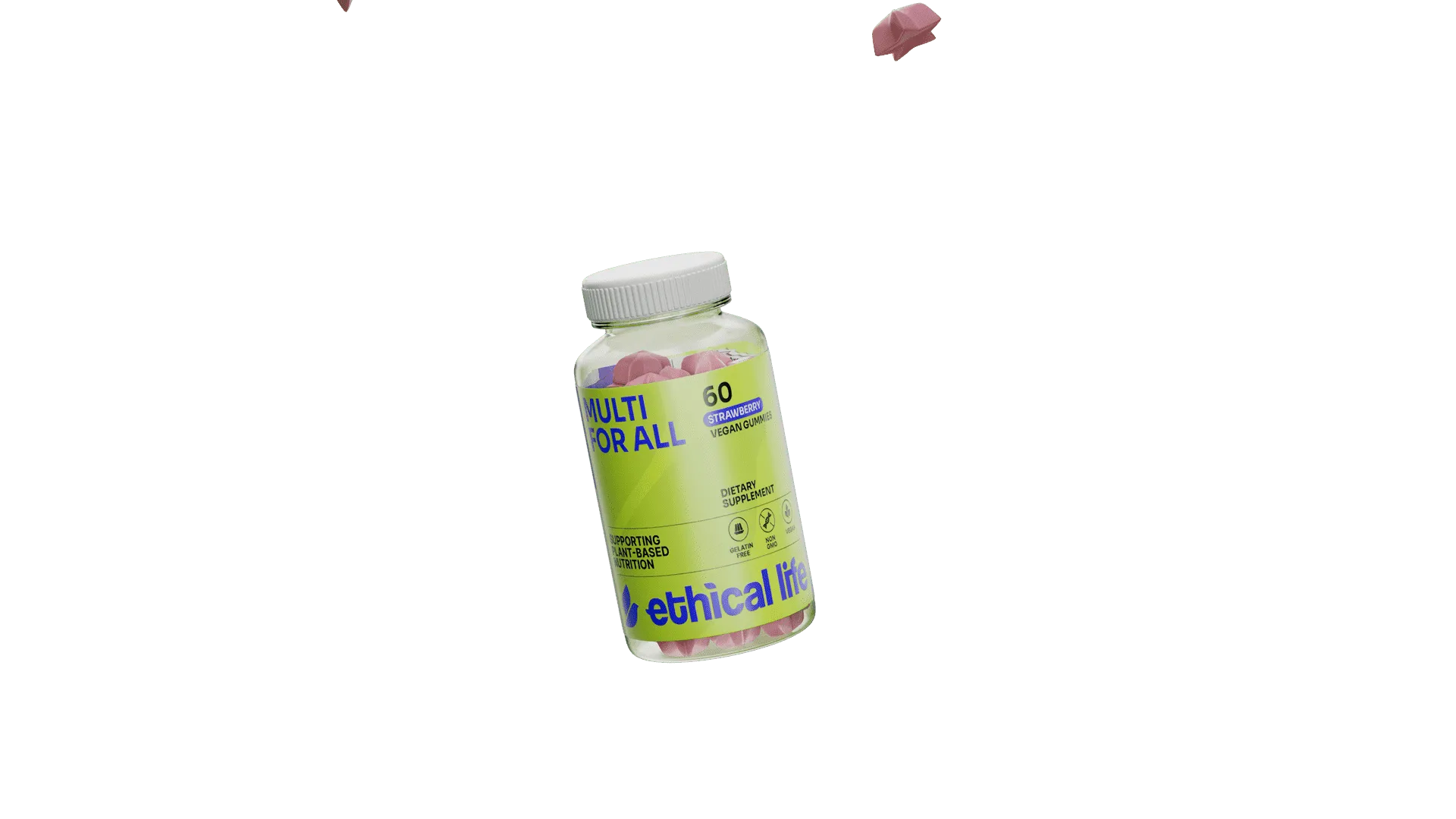
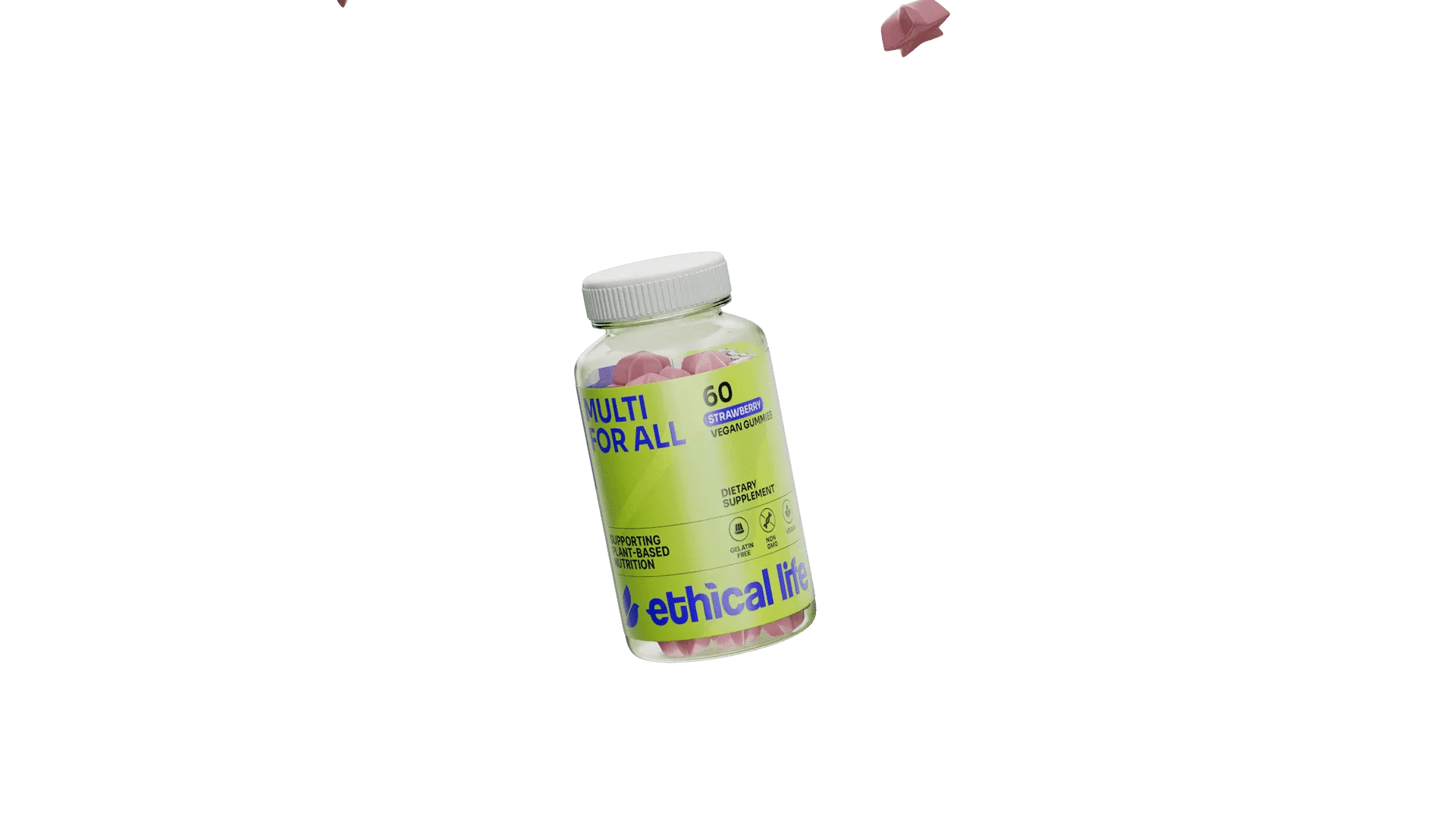
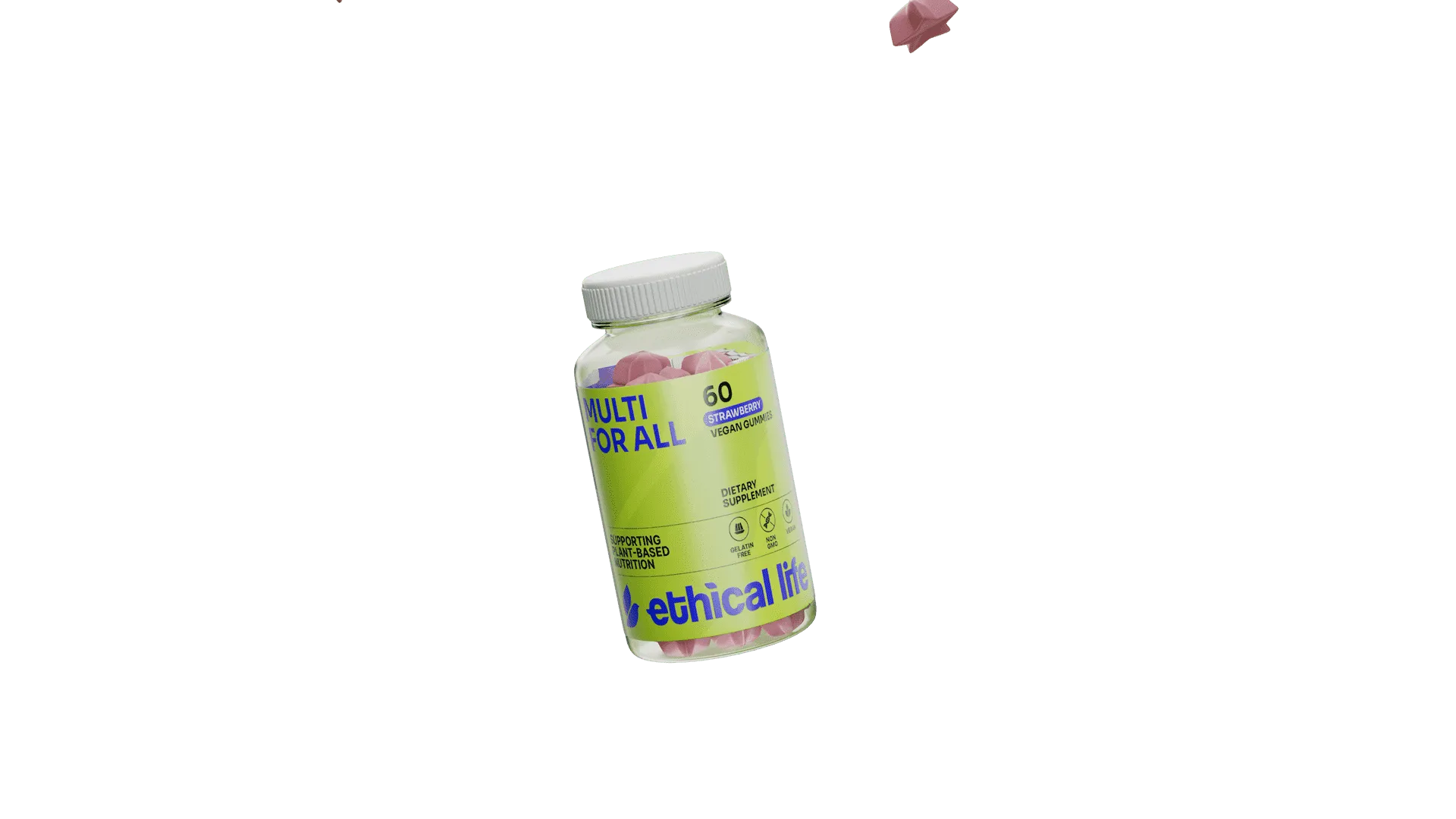
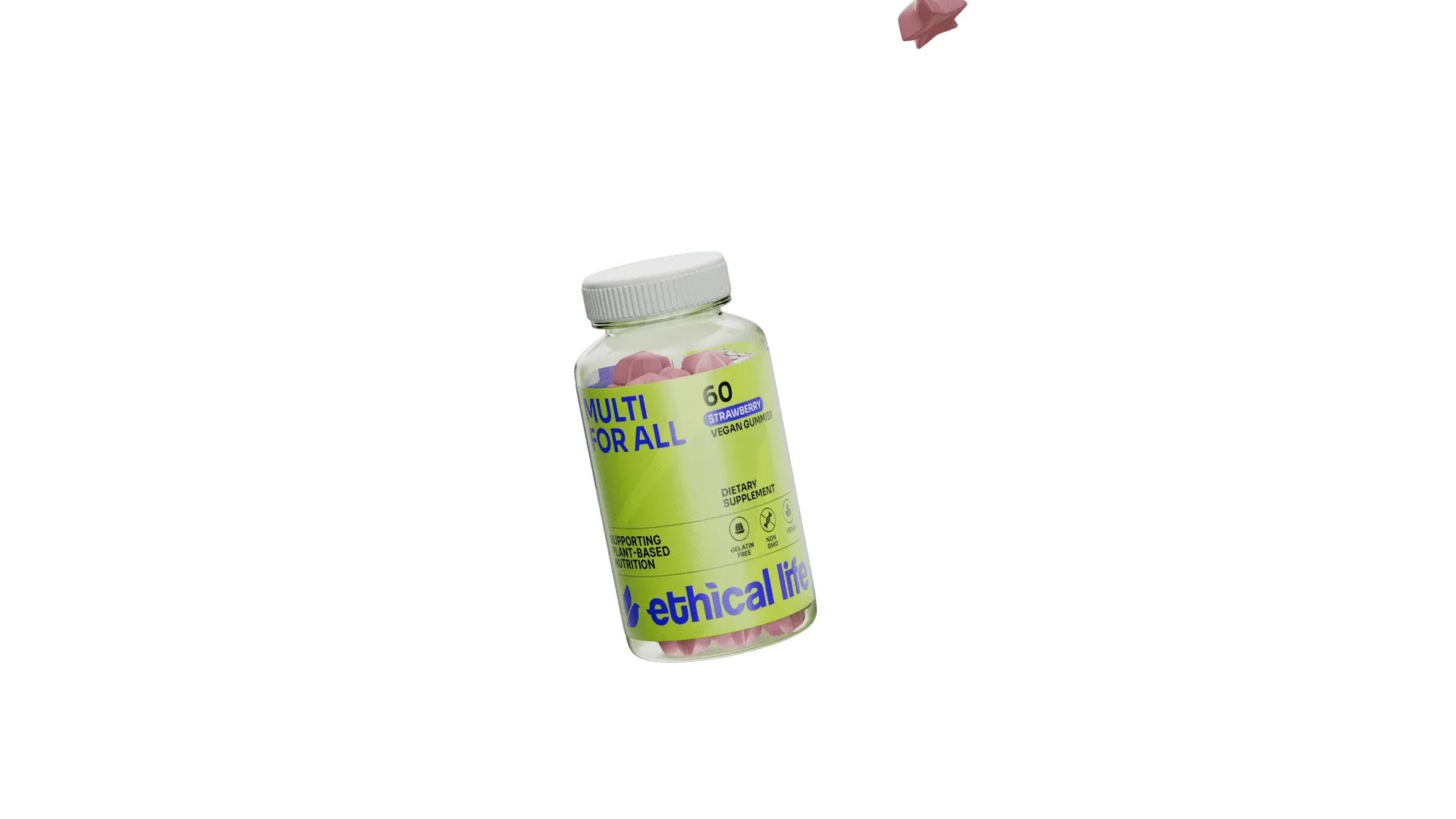
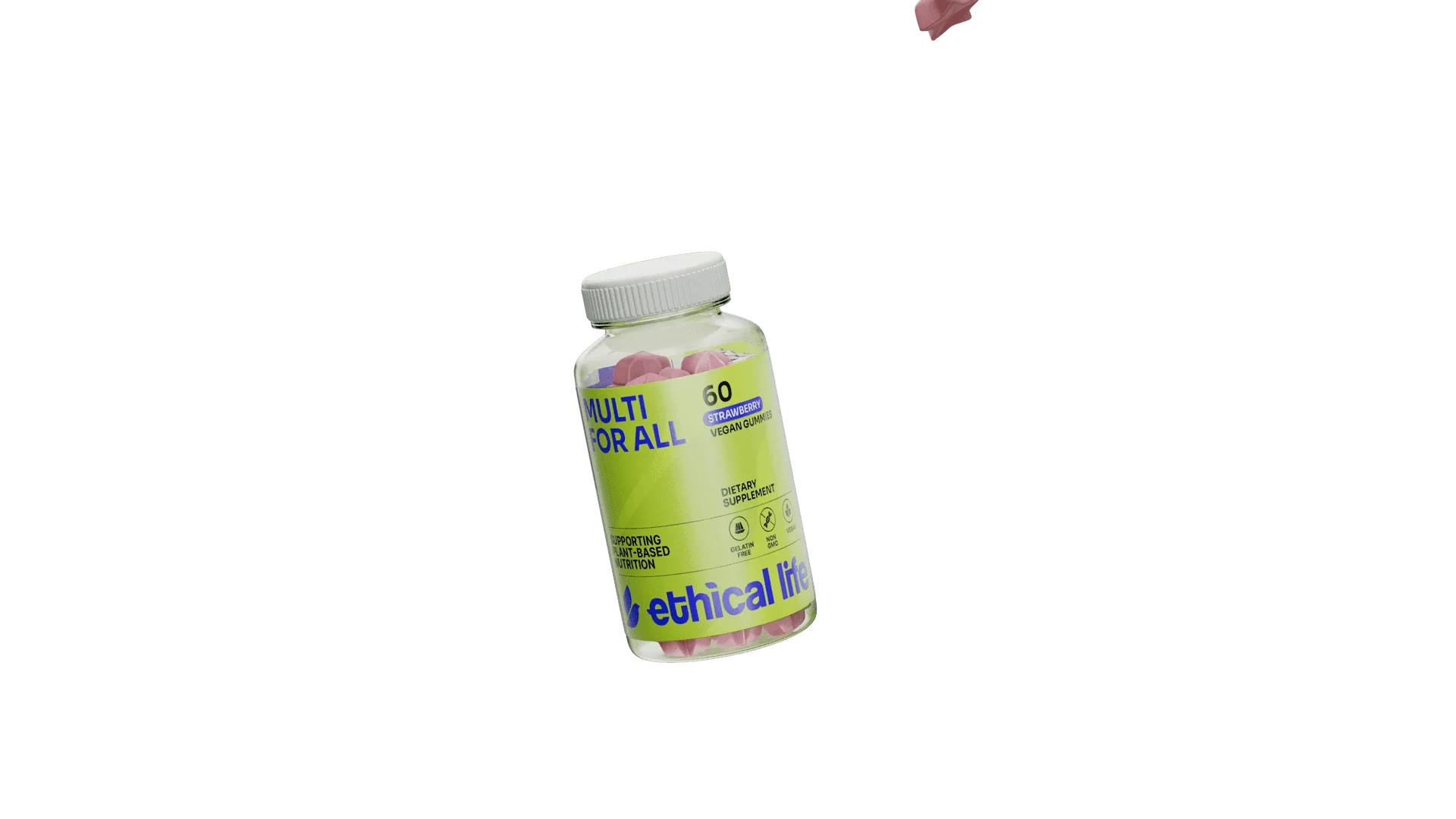
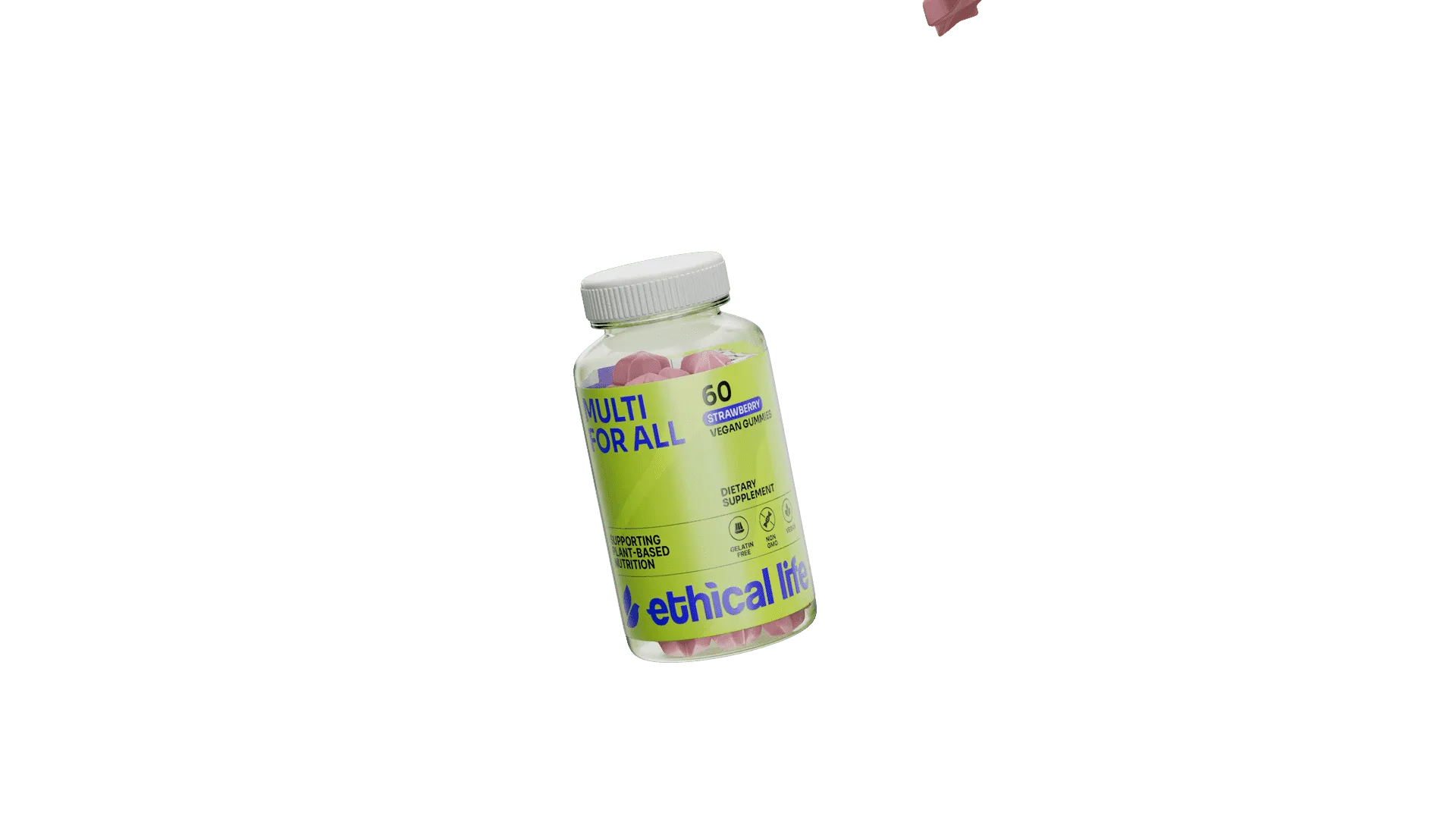
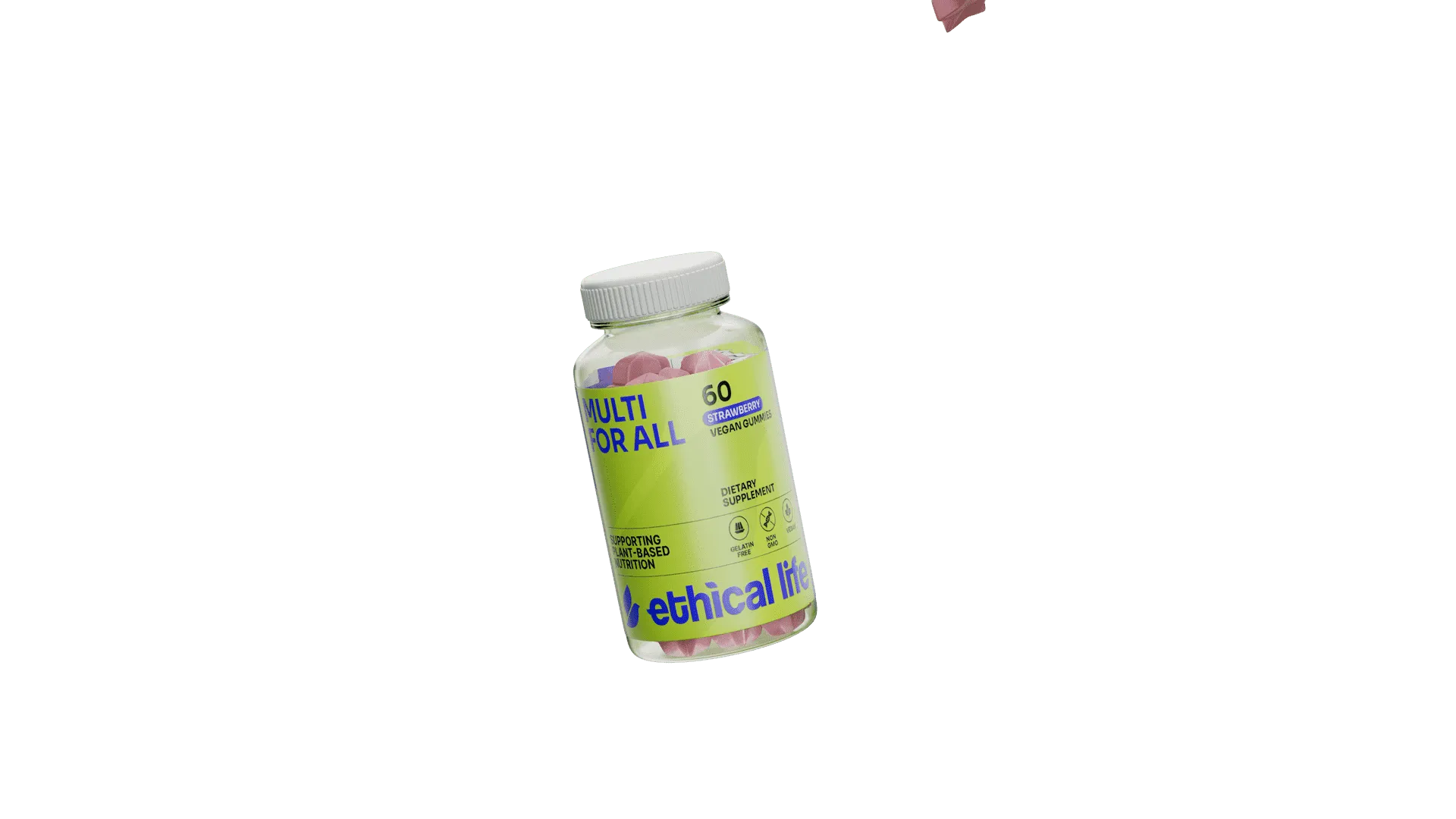
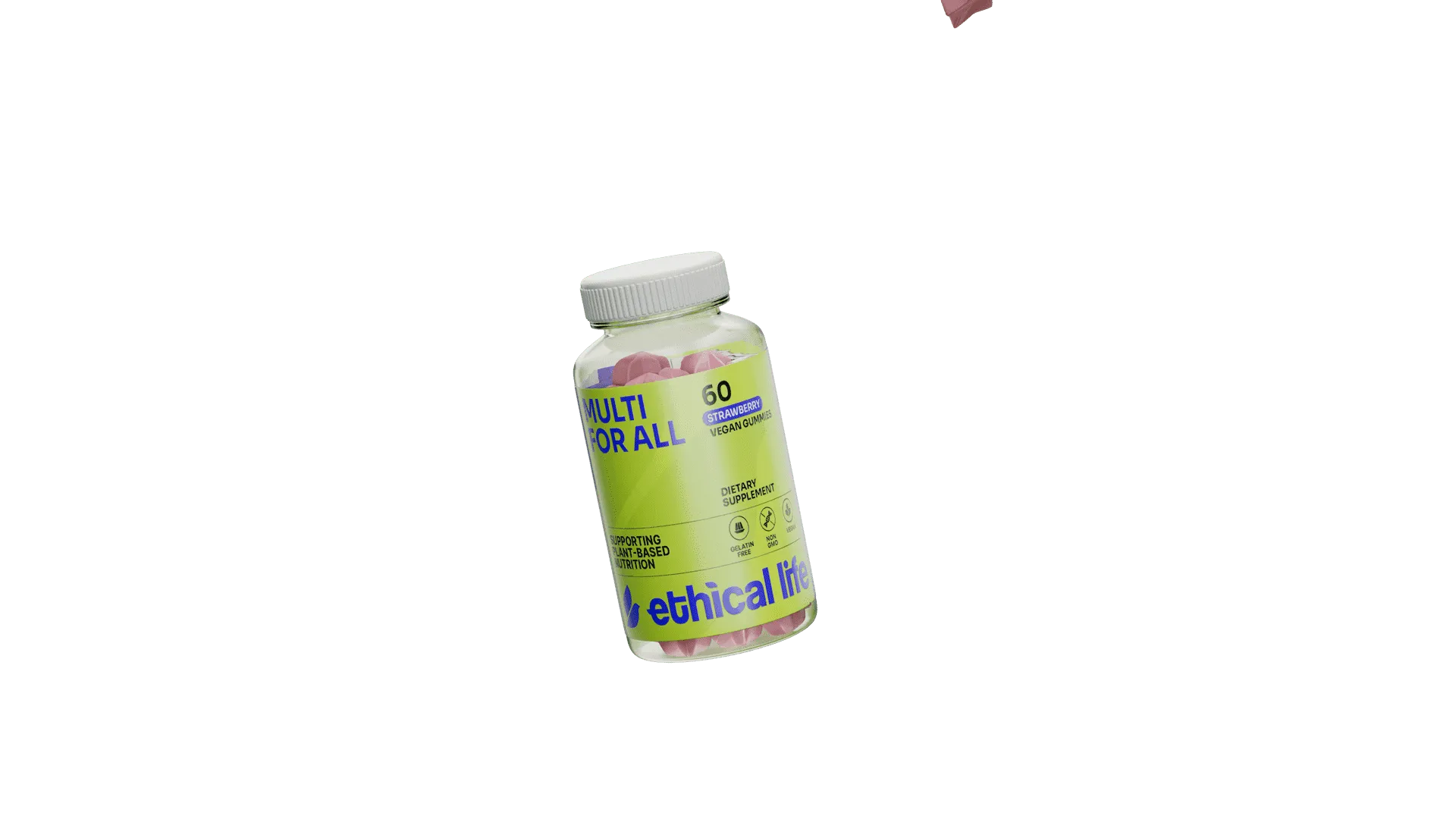
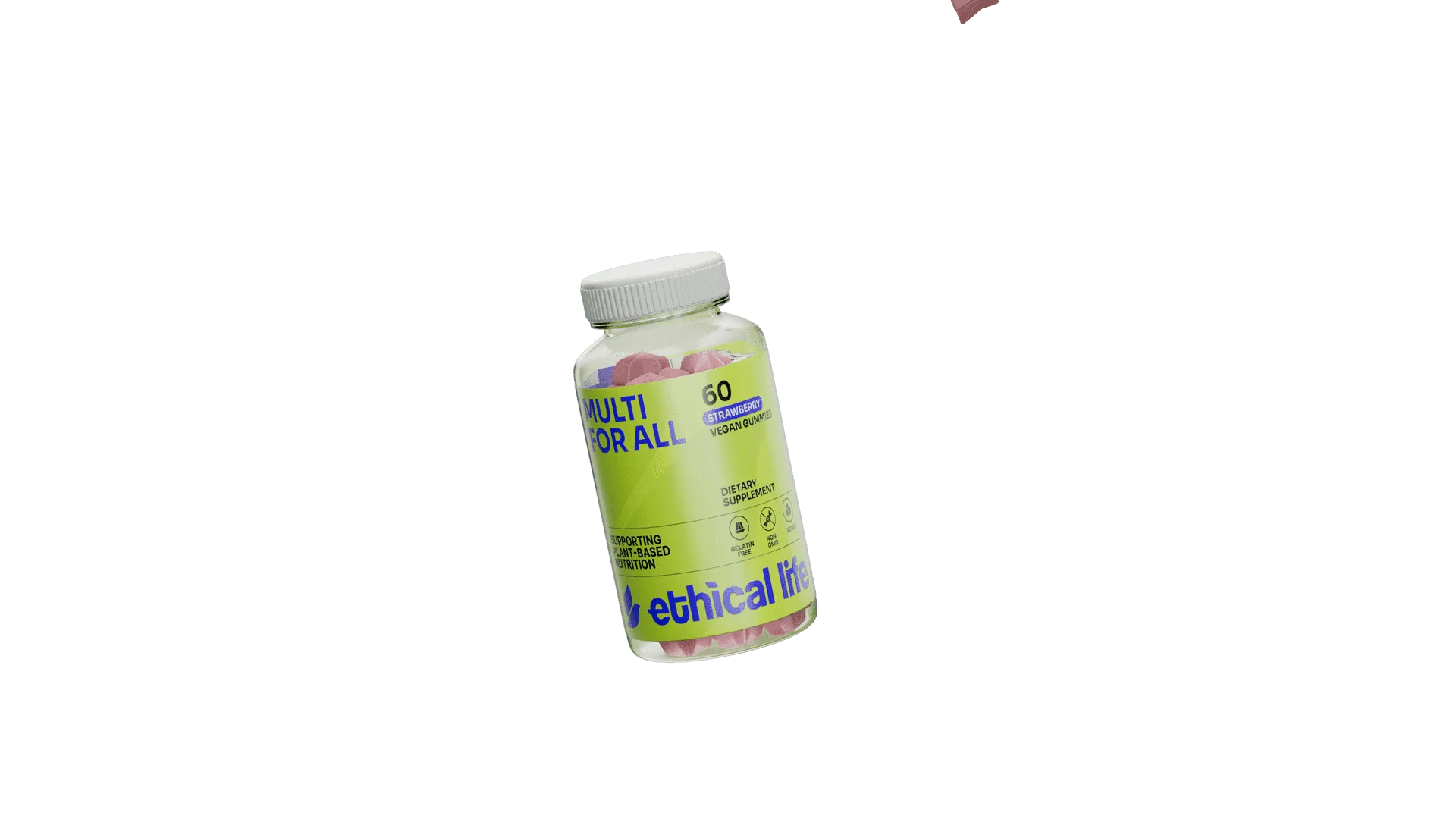
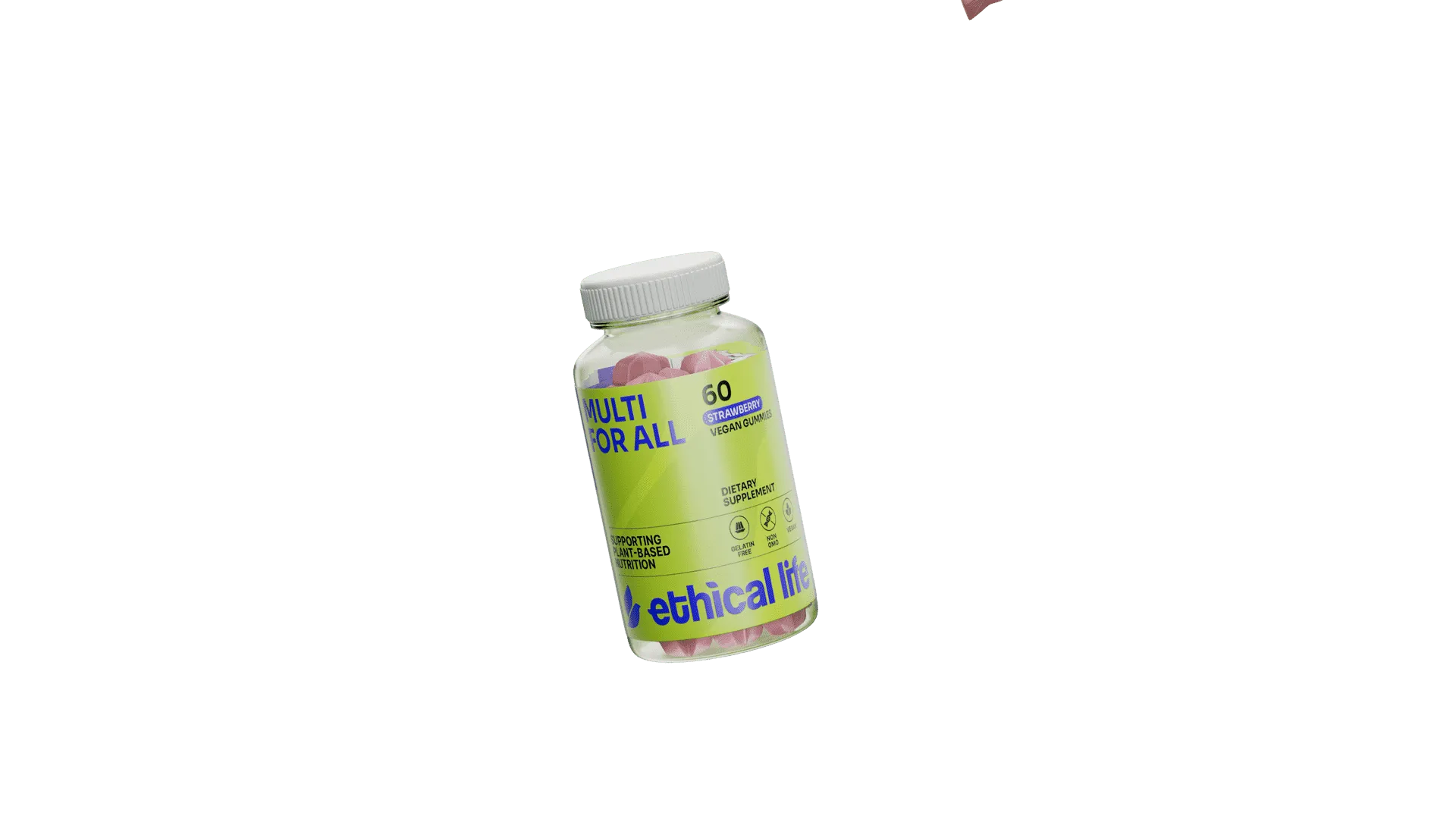
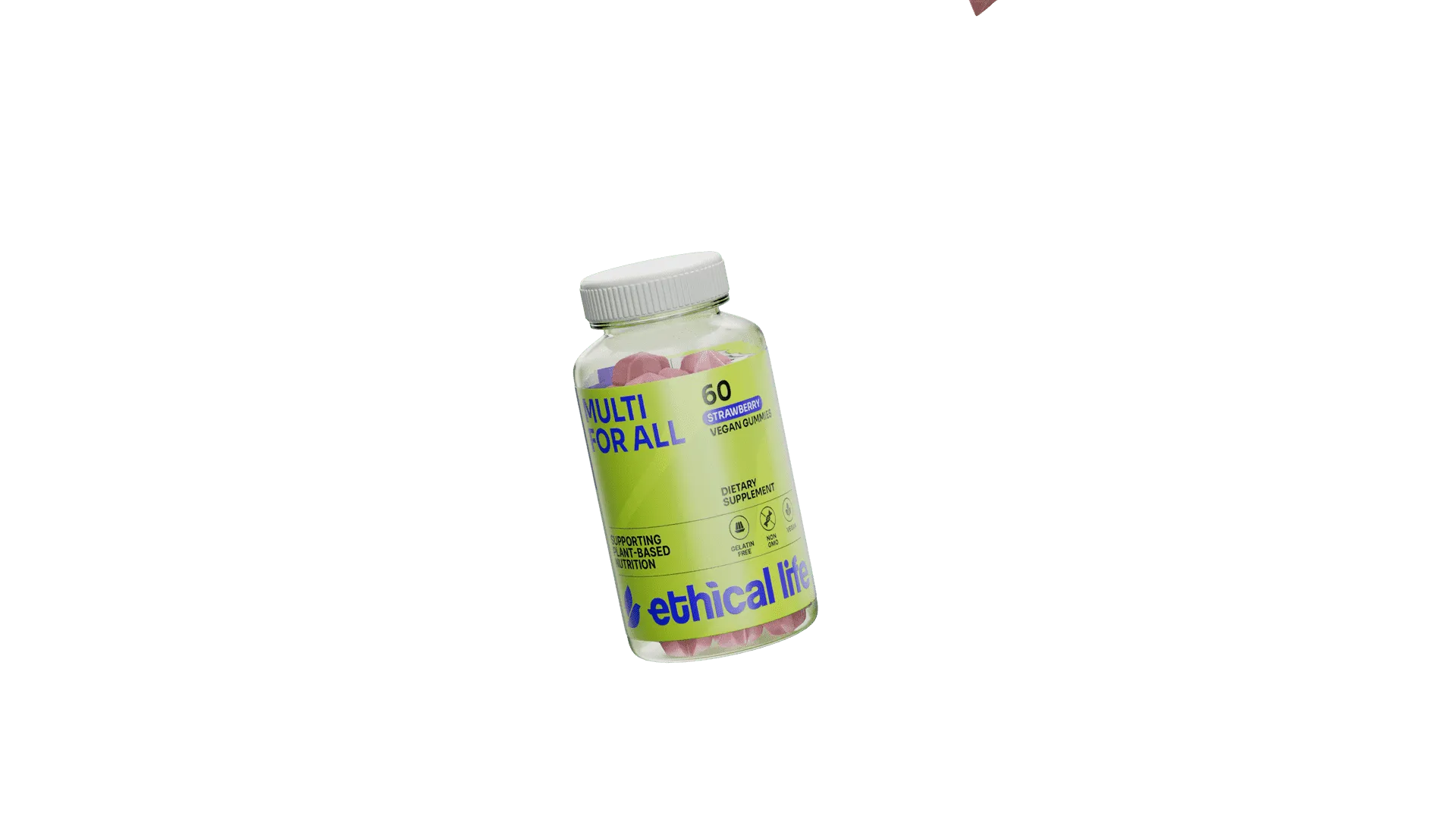
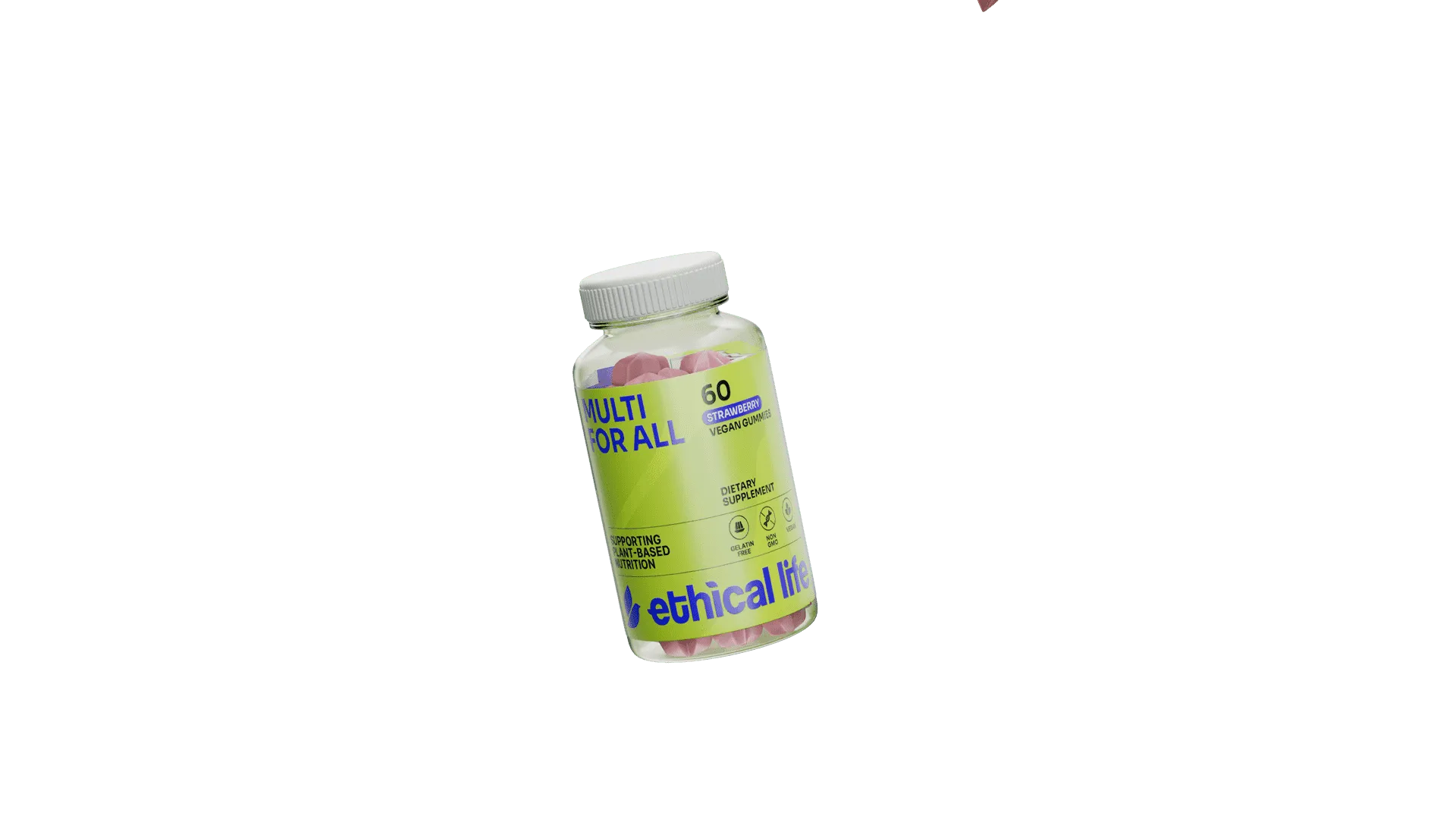
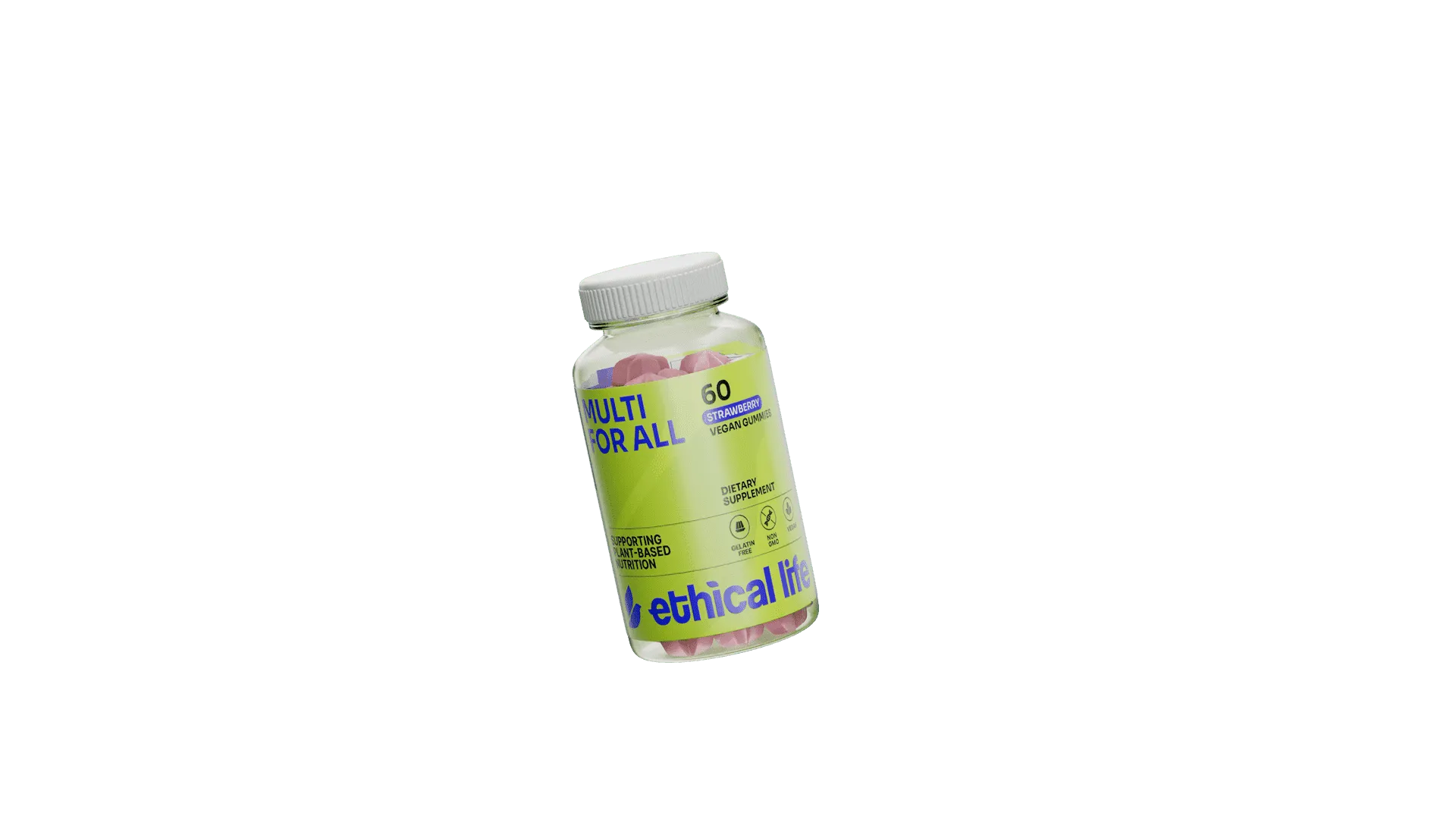
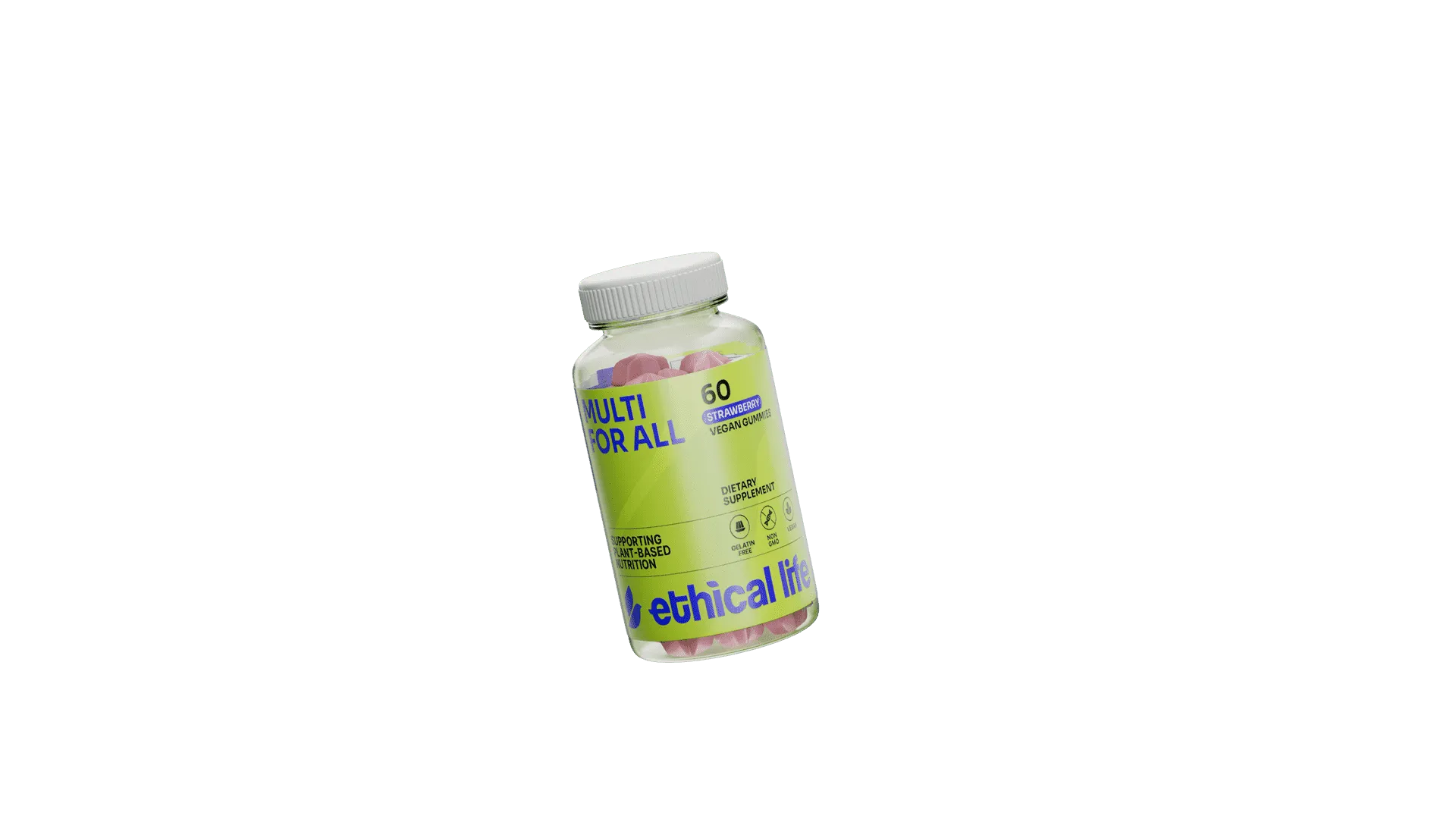
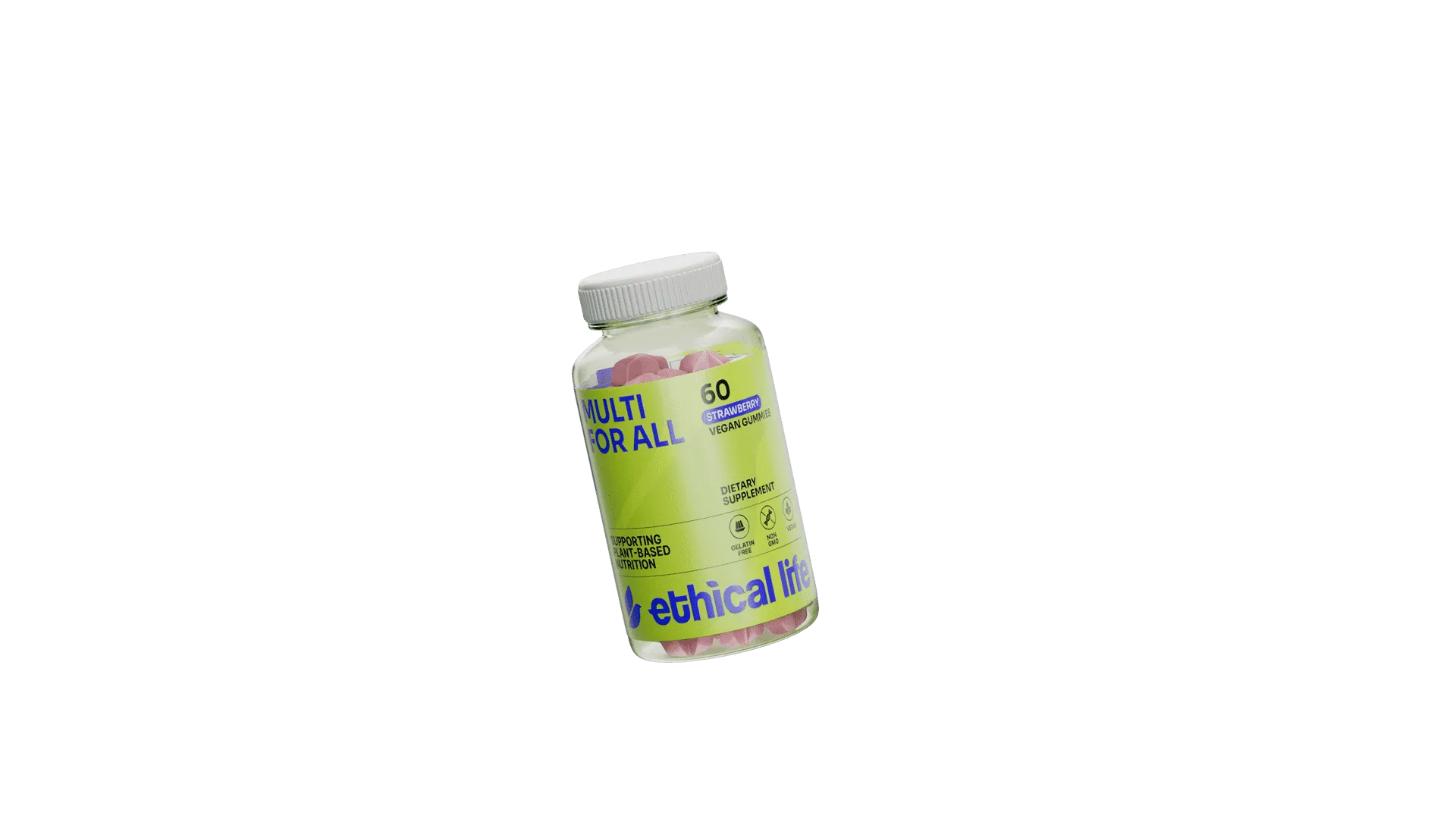
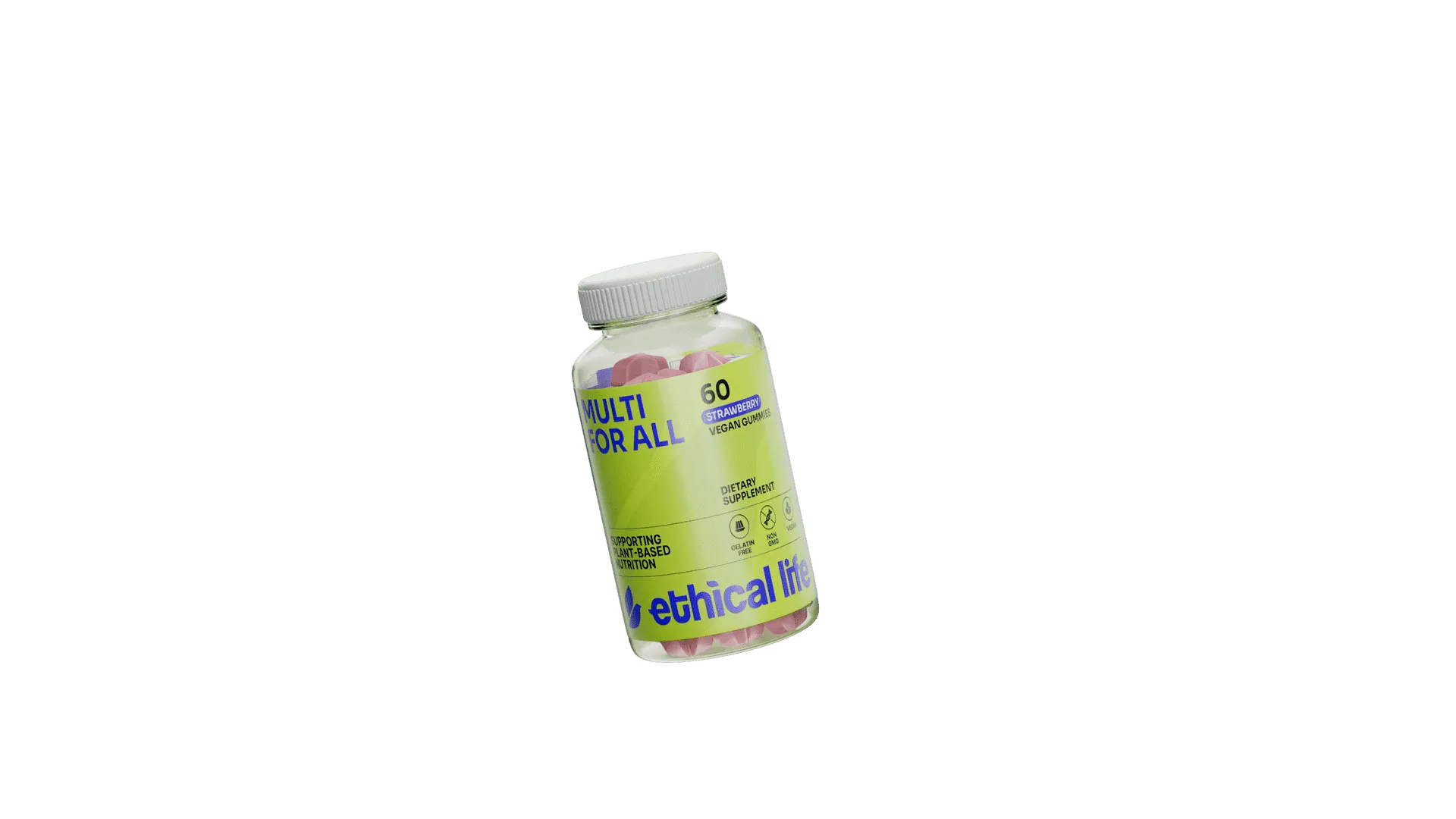
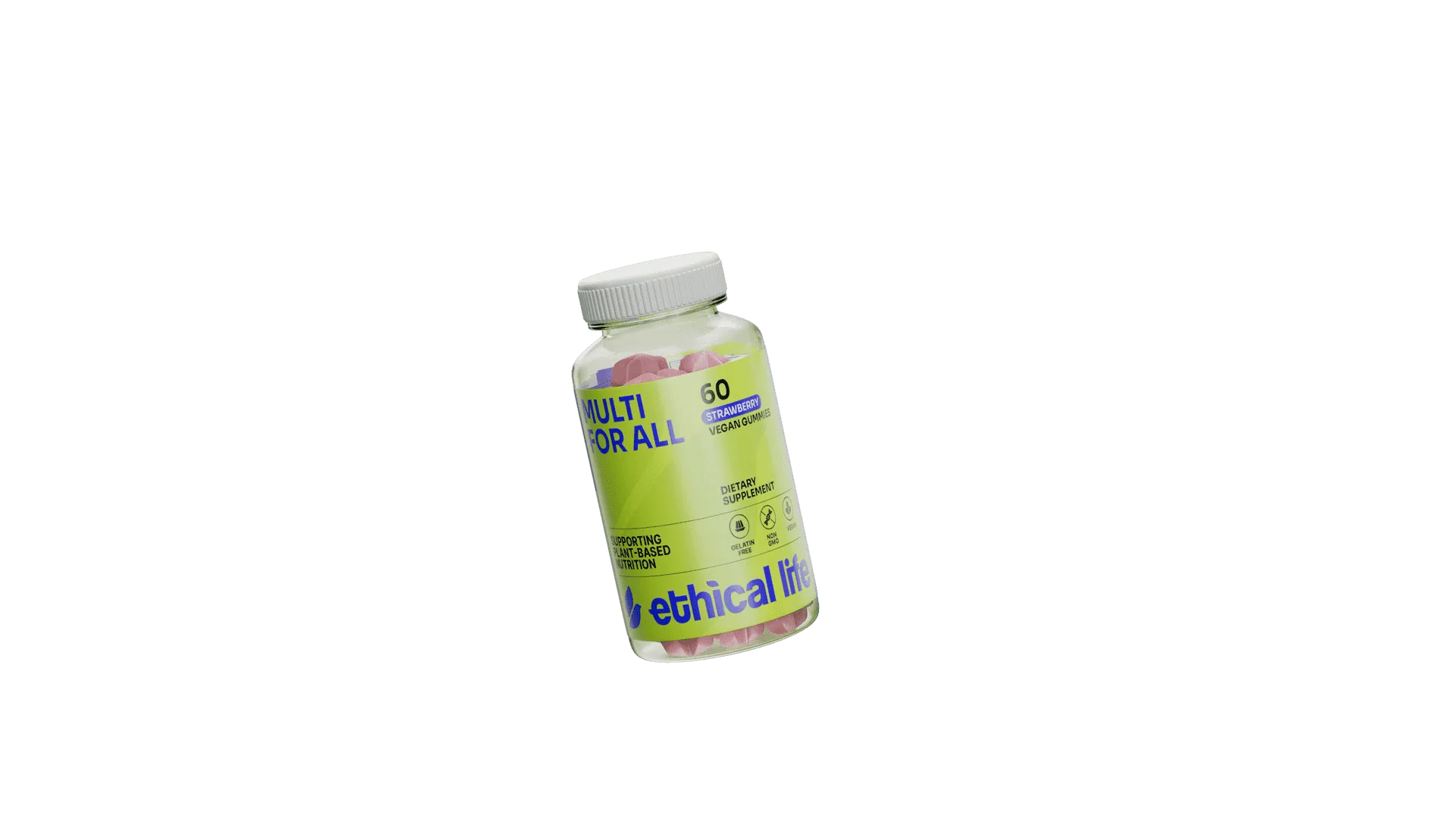
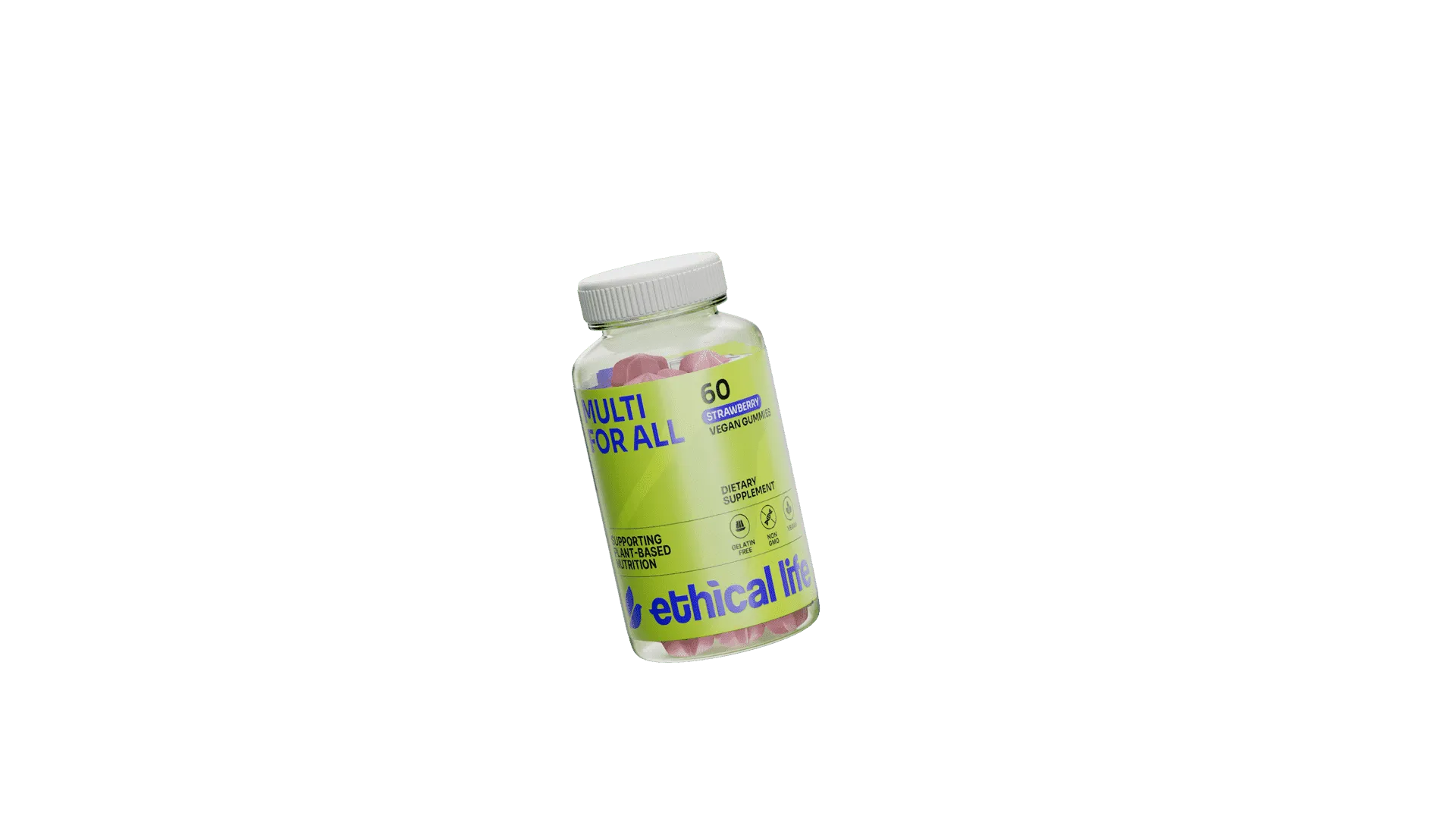
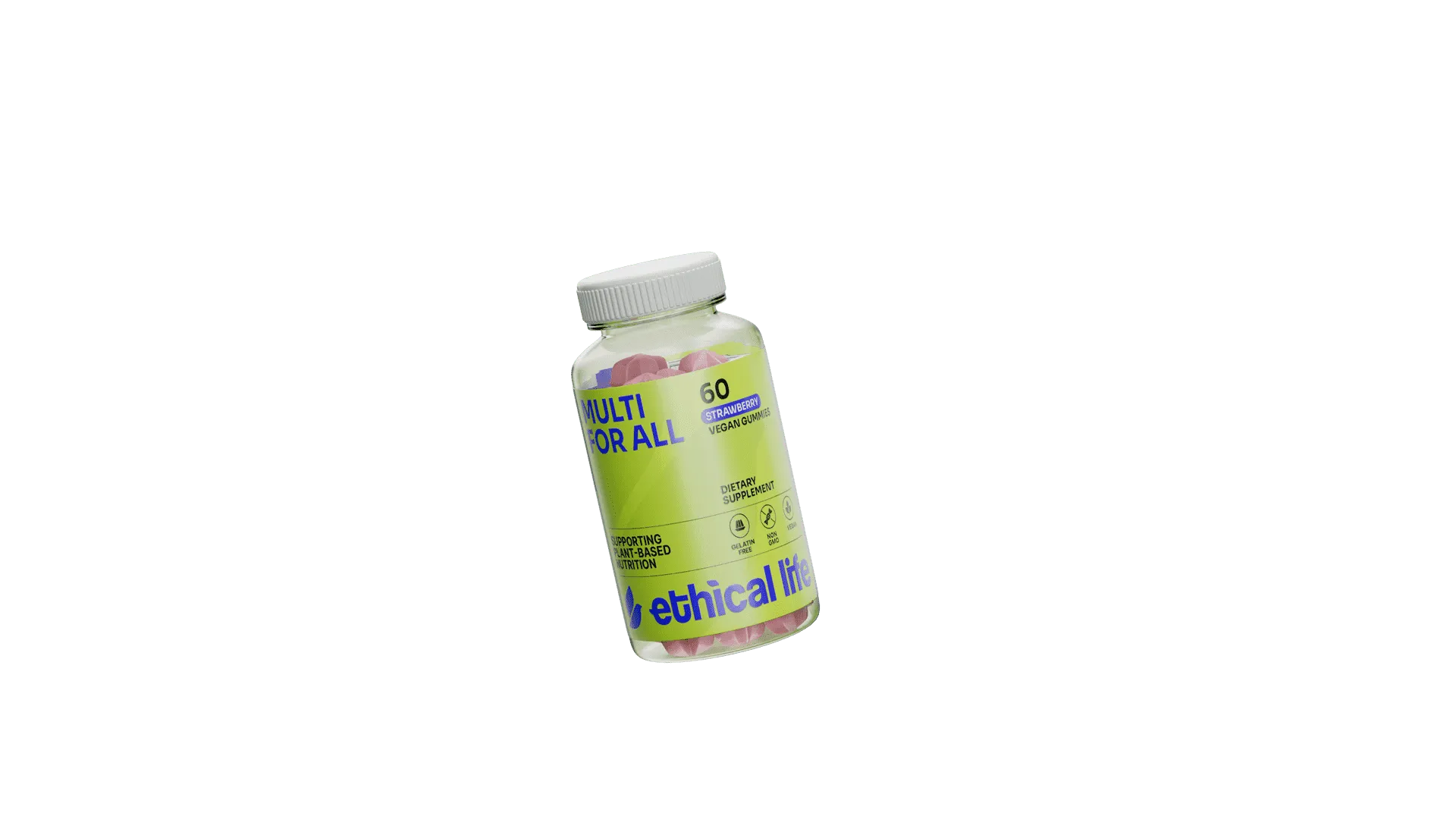
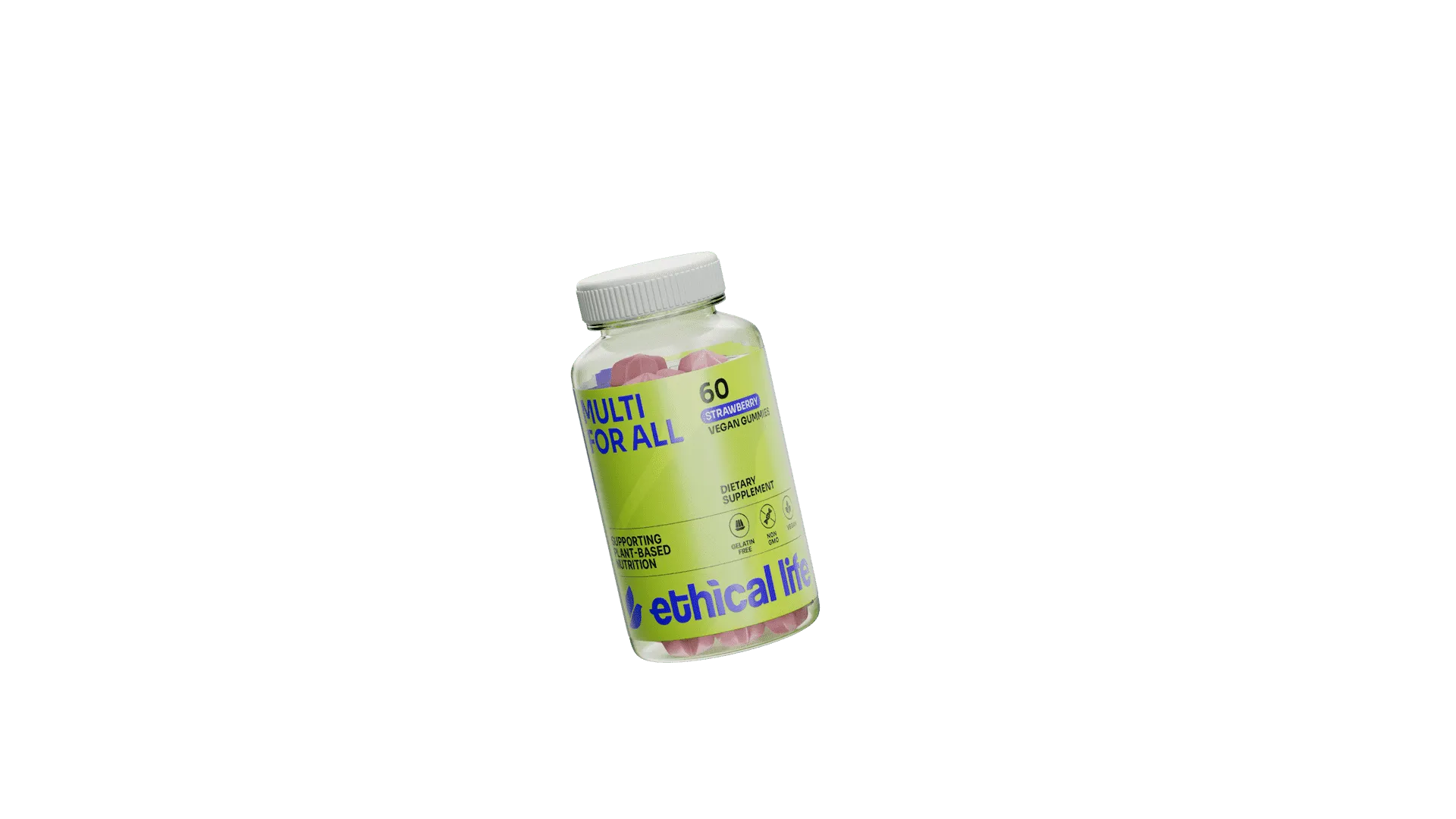
At Ethical Life, we believe supplements should be easy to understand, practical to use, and developed with purpose. Our vegan multivitamin gummies are pharmacist and nutritionist-formulated to support everyday nutritional needs while aligning with a compassionate lifestyle. We focus on thoughtfully selected nutrients, transparent ingredients, and convenient daily wellness support without gelatin, artificial colors, or artificial flavors.
We also believe that caring for personal health can create a wider positive impact. Every Ethical Life purchase helps support food banks and animal sanctuaries, connecting your wellness routine to causes that matter. Explore our pharmacist-formulated nutritional products and discover a simpler, more ethical way to support your daily vitamin needs.