
How to Get Enough Vitamin D: Food, Sun, & Supplements
Learning how to get vitamin D is an important part of building a well-rounded nutrition routine. Vitamin D helps the body absorb calcium, maintain strong bones and teeth, support normal muscle function, and regulate immune activity. Unlike most nutrients, vitamin D can come from food, supplements, and a process that begins when ultraviolet B rays from sunlight reach the skin.
However, relying on only one source may not provide consistent results because diet, location, season, skin tone, age, and daily habits can all affect vitamin D availability. At Ethical Life, we believe nutritional support should be understandable, practical, and aligned with your values. Our vegan, pharmacist-formulated approach makes it easier to add purposeful nutrients to a balanced lifestyle without relying on animal-derived gelatin or an unnecessarily complicated routine.
Best Food Sources of Vitamin D
Vitamin D occurs naturally in relatively few foods. This makes it different from nutrients such as vitamin C, which can be found across a wide variety of fruits and vegetables. People can obtain vitamin D from fortified vegan foods, ultraviolet-exposed mushrooms, and supplements, including lichen-based vitamin D3.
Some of the better-known vegan food sources of vitamin D include:
- Fortified breakfast cereals
- Fortified orange juice
- Fortified plant-based milk
- Ultraviolet-exposed mushrooms
Vitamin D can exist in two primary supplemental and dietary forms. Vitamin D2, also known as ergocalciferol, is commonly produced from yeast or mushrooms. Vitamin D3, also known as cholecalciferol, is traditionally obtained from animal-derived lanolin, but vegan vitamin D3 can be sourced from lichen.
For those following plant-based diets, fortified foods can make a meaningful difference. Soy, almond, oat, and other plant-based milks may contain vitamin D, but fortification levels vary. We recommend reading the Nutrition Facts label rather than assuming every plant-based product provides the same nutrients.
Mushrooms can also contribute vitamin D, especially when they have been exposed to ultraviolet light. The amount may vary according to the type of mushroom and how it was grown or processed. Check the package for vitamin D information when choosing mushrooms specifically for their nutrient content.
It is helpful to combine different sources rather than depending on a single food. A plant-based breakfast might include fortified cereal and fortified soy milk, while another meal could include ultraviolet-exposed mushrooms. Even with careful planning, however, food alone may not consistently provide enough vitamin D for everyone.
Dietary fat is another consideration. Because vitamin D is fat-soluble, consuming it with a meal containing some fat may help the body absorb it. Healthy sources of fat include nuts, seeds, avocado, olive oil, and nut or seed butters.
Can You Get Enough Vitamin D from Sunlight?
The body can produce vitamin D when uncovered skin is exposed to ultraviolet B radiation from sunlight. This ability has earned vitamin D its familiar nickname, the sunshine vitamin. However, sunlight is not a predictable or universally sufficient source.
The amount of vitamin D your skin produces can depend on:
- Geographic location
- Season of the year
- Time of day
- Cloud cover and air pollution
- Skin pigmentation
- Age
- Clothing coverage
- Sunscreen use
- Time spent outside
People who live farther from the equator may produce less vitamin D during certain months because the sun’s ultraviolet B rays reach the earth at a different angle. Short winter days, cold temperatures, and indoor lifestyles can further reduce exposure.
Skin pigmentation also affects production. Melanin helps protect the skin from ultraviolet radiation, but it can reduce the rate at which vitamin D is produced. People with darker skin may therefore need more exposure to produce the same amount of vitamin D as people with lighter skin.
Age can influence production as well. As we get older, the skin becomes less efficient at making vitamin D. Older adults may also spend more time indoors, making dietary and supplemental sources increasingly relevant.
Sunlight through a window does not provide the same benefit because glass blocks much of the ultraviolet B radiation needed for vitamin D production. Sitting in a bright room or driving in a sunny car should not be considered a dependable way to raise vitamin D intake.
We do not recommend excessive or unprotected sun exposure as a vitamin D strategy. Ultraviolet radiation can damage the skin and increase the risk of skin cancer. A balanced plan may include reasonable outdoor activity, appropriate sun protection, vitamin D-rich vegan foods, and supplements when needed.
Because sunlight exposure varies so much, it is difficult to identify one amount of outdoor time that will work for everyone. A physician or pharmacist can help you evaluate your risk factors without encouraging unsafe sun habits.
Do You Need a Vitamin D Supplement?
Not everyone needs a stand-alone vitamin D supplement, but some people may have difficulty getting enough through food and sunlight. A supplement can offer a measured and consistent source, particularly when dietary options are limited or sunlight exposure changes throughout the year.
People who may need to pay closer attention to vitamin D include:
- Adults who spend most of the day indoors
- People who live in areas with limited winter sunlight
- Older adults
- People with darker skin
- People who cover most of their skin outdoors
- Vegans and vegetarians
- People who rarely consume fortified foods
- Individuals with conditions that interfere with fat absorption
- People who have had certain forms of weight-loss surgery
The recommended daily allowance for most children and adults through age 70 is 600 international units, or 15 micrograms. Adults older than 70 generally need 800 international units, or 20 micrograms, per day. Personal needs may differ, especially when a blood test confirms a deficiency.
Vitamin D supplements are available as D2 and D3. Both can help raise vitamin D intake, although vitamin D3 may maintain blood levels more effectively in some circumstances. Those following a vegan lifestyle should check the ingredient source because many conventional D3 supplements are derived from lanolin. Lichen-derived vitamin D3 offers a vegan alternative.
Taking more than the recommended amount does not necessarily provide more benefits. Vitamin D is fat-soluble, meaning the body can store it. Excessive supplemental intake may lead to abnormally high calcium levels and serious health complications.
Speak with a physician or pharmacist before using a high-dose product or combining multiple supplements that contain vitamin D. Professional guidance is especially important if you are pregnant, breastfeeding, taking prescription medications, managing kidney or liver disease, or have previously been diagnosed with low vitamin D.
A blood test may be appropriate for people with risk factors or symptoms of deficiency. It can help a healthcare professional recommend an amount based on individual needs rather than guesswork.
Why a Vegan Gummy Can Be a Convenient Source of Vitamin D
A supplement only supports your routine when you remember and feel comfortable taking it. Traditional capsules and tablets work well for many people, but others struggle with swallowing pills or maintaining a consistent schedule. A vegan gummy can make supplementation more convenient and enjoyable.
Unlike conventional gummies that often use animal-derived gelatin, vegan gummies generally use plant-based ingredients such as pectin to create their texture. This allows people to support their nutrition without compromising a vegan or cruelty-conscious lifestyle.
A vegan gummy may be a practical choice for:
- Adults who dislike swallowing tablets
- People with busy morning routines
- Those looking for a portable supplement
- Vegans seeking clearly plant-based options
- People who prefer a chewable format
- Anyone working to improve supplement consistency
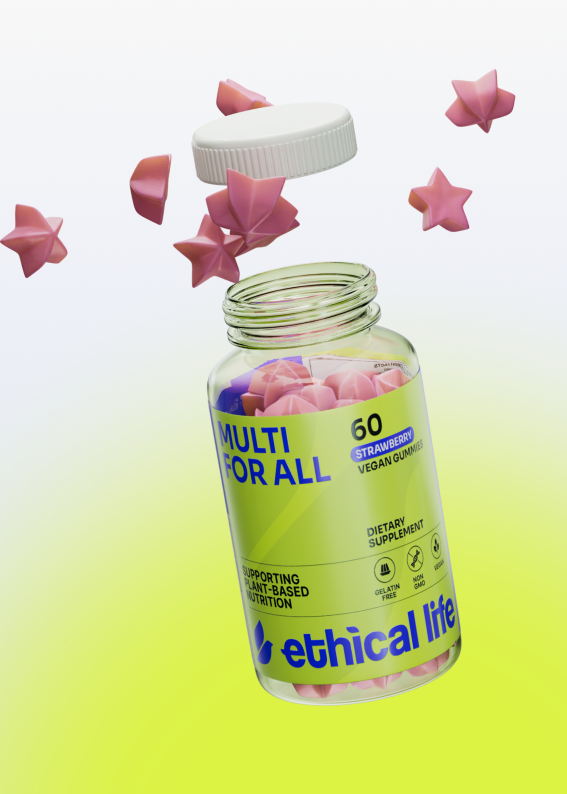
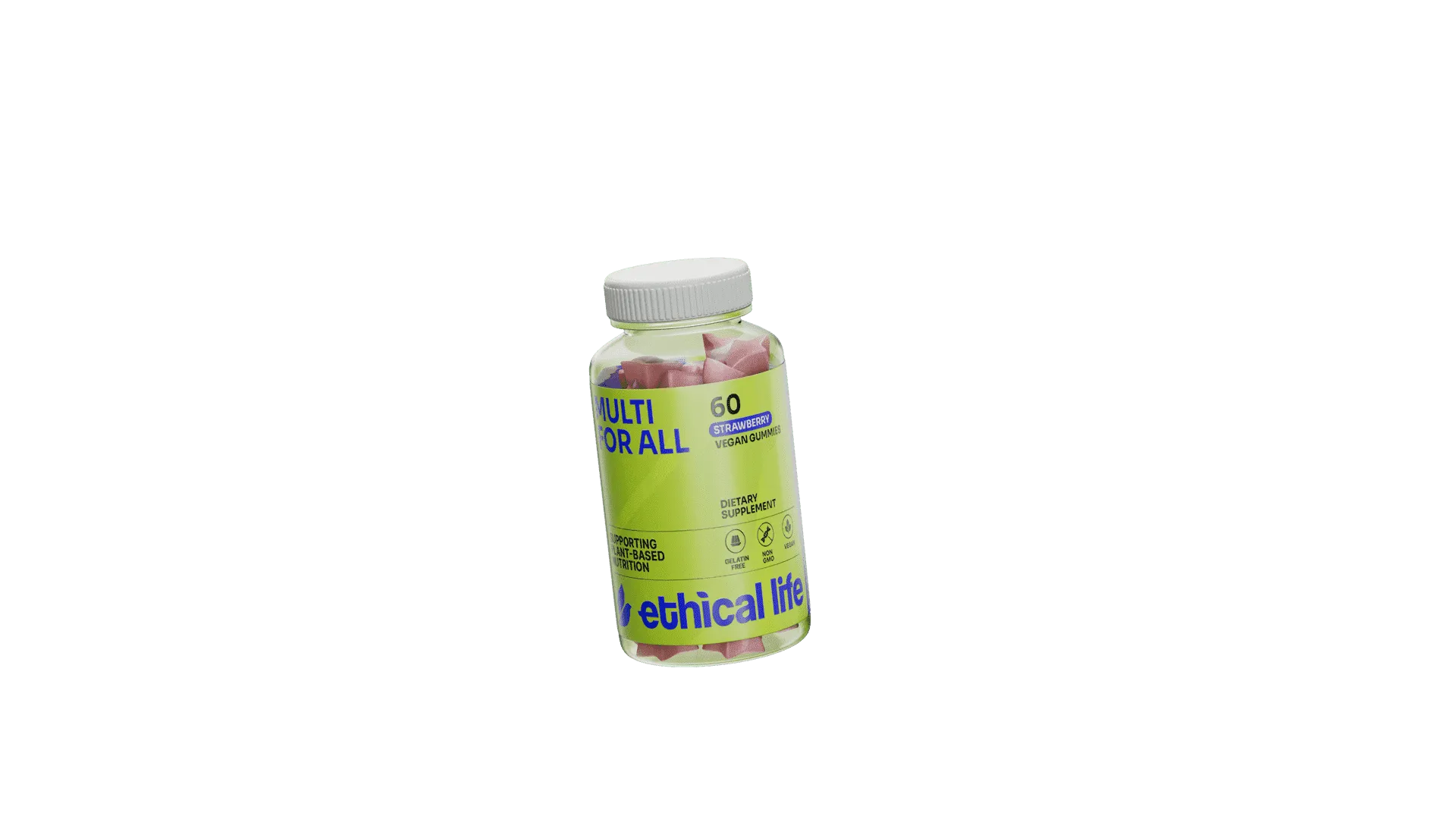
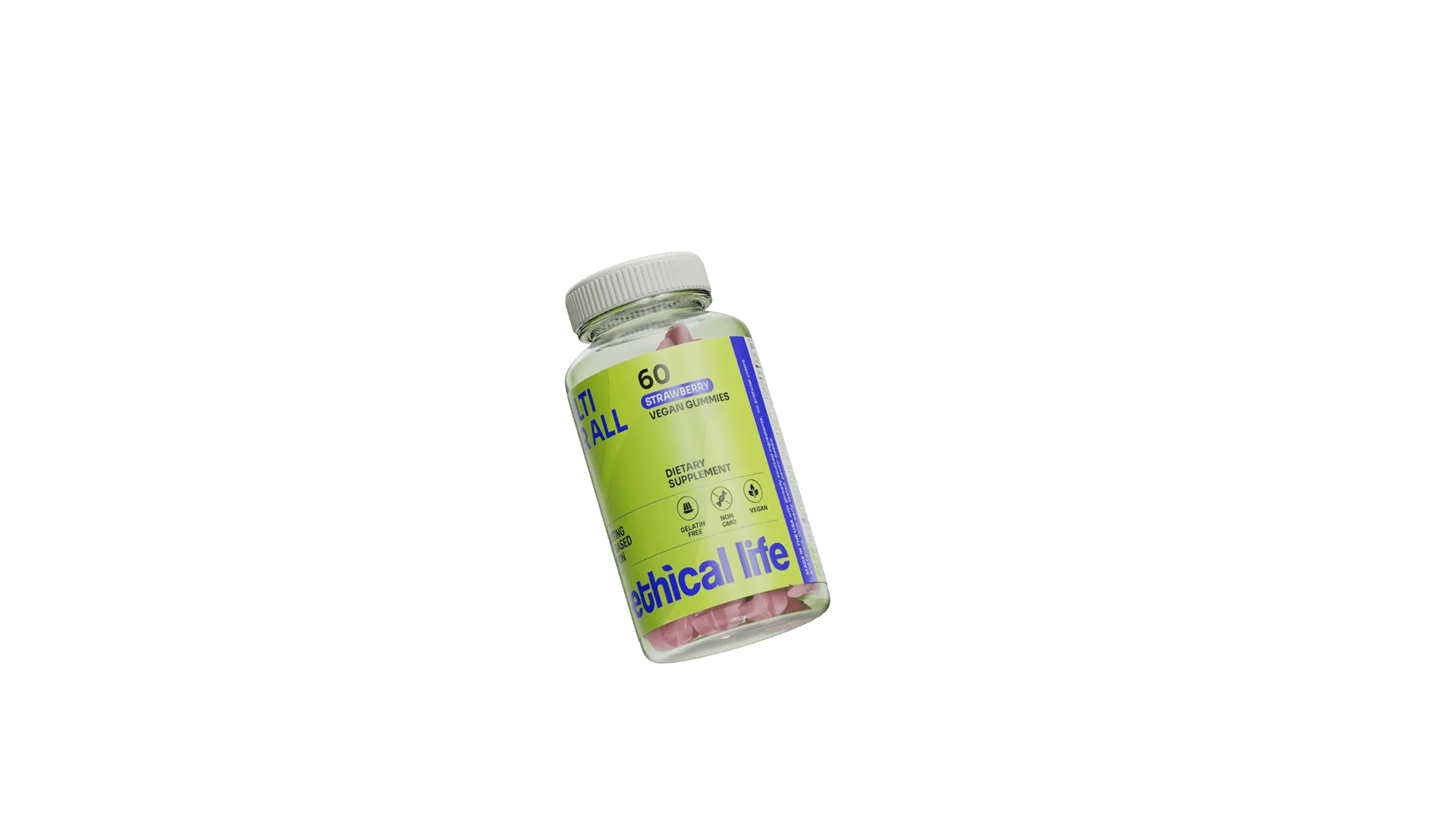
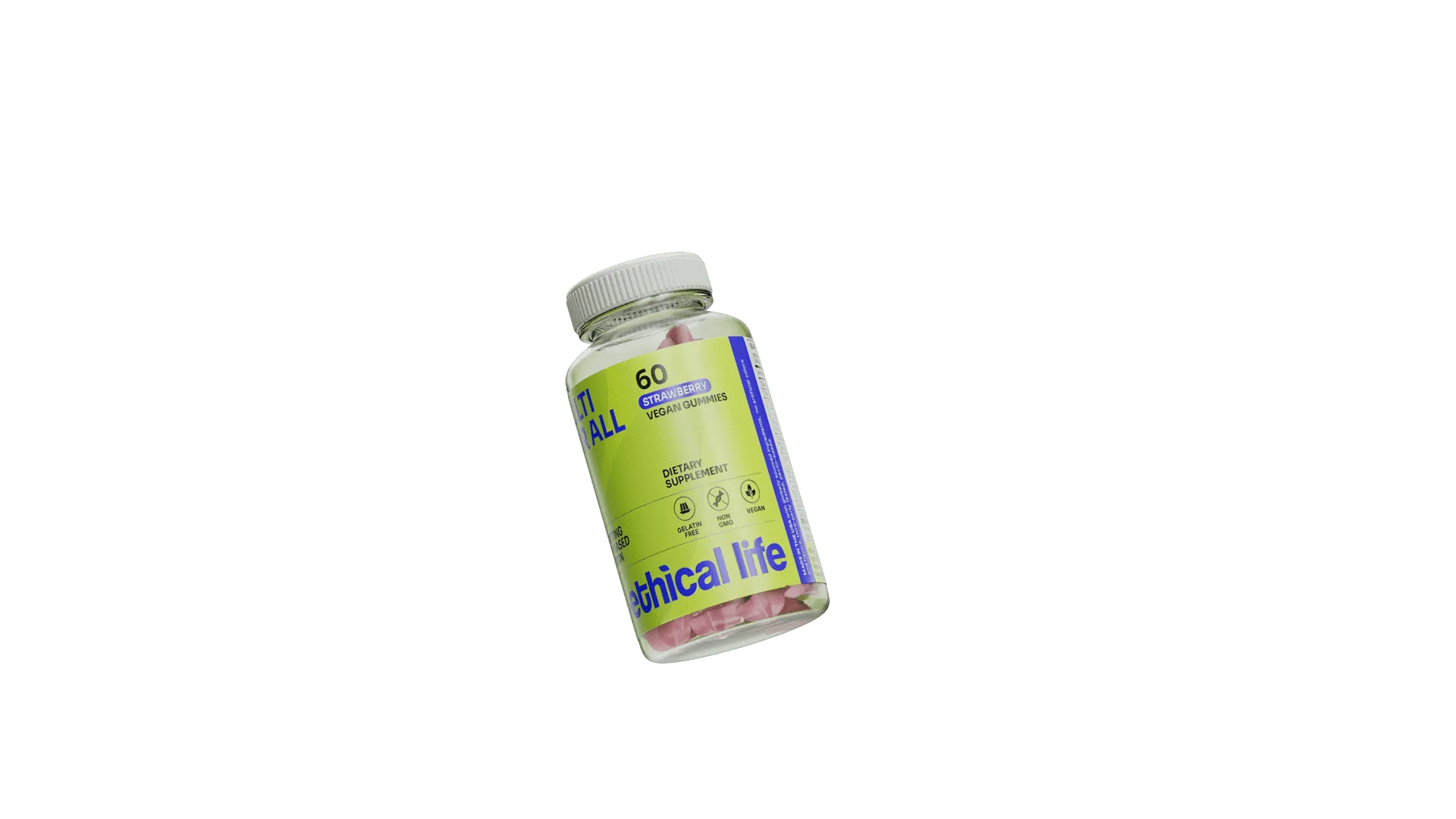
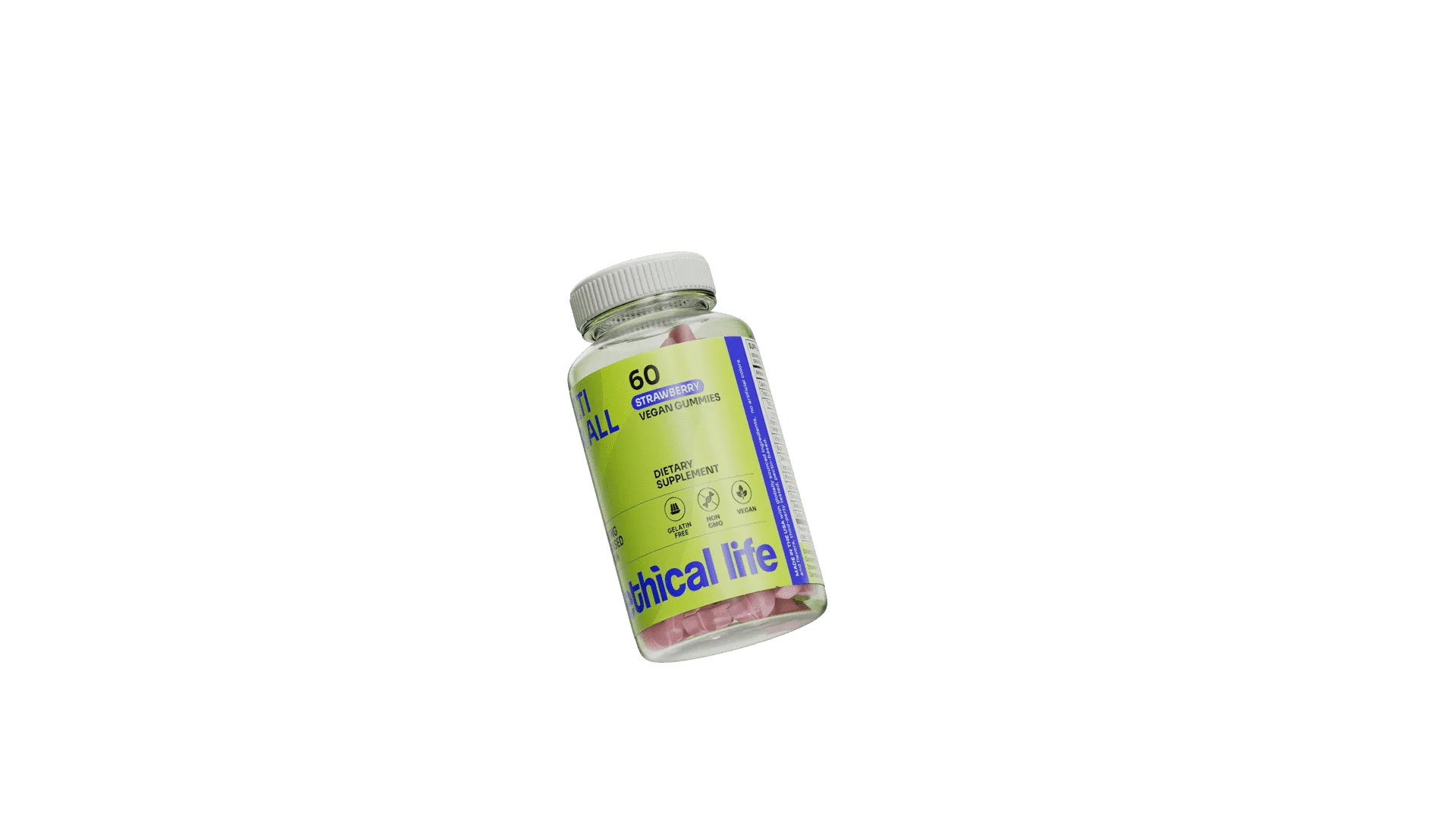
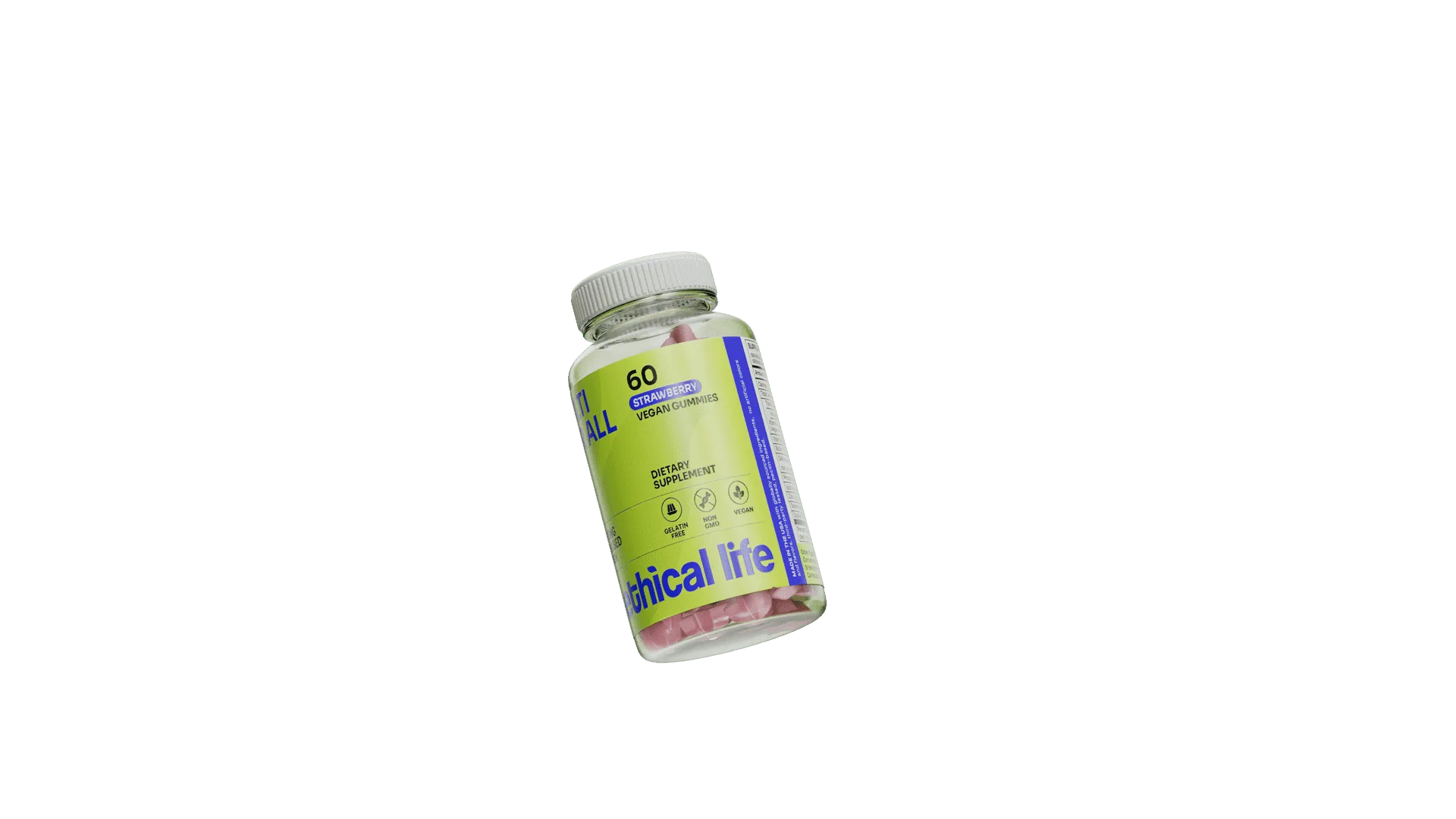
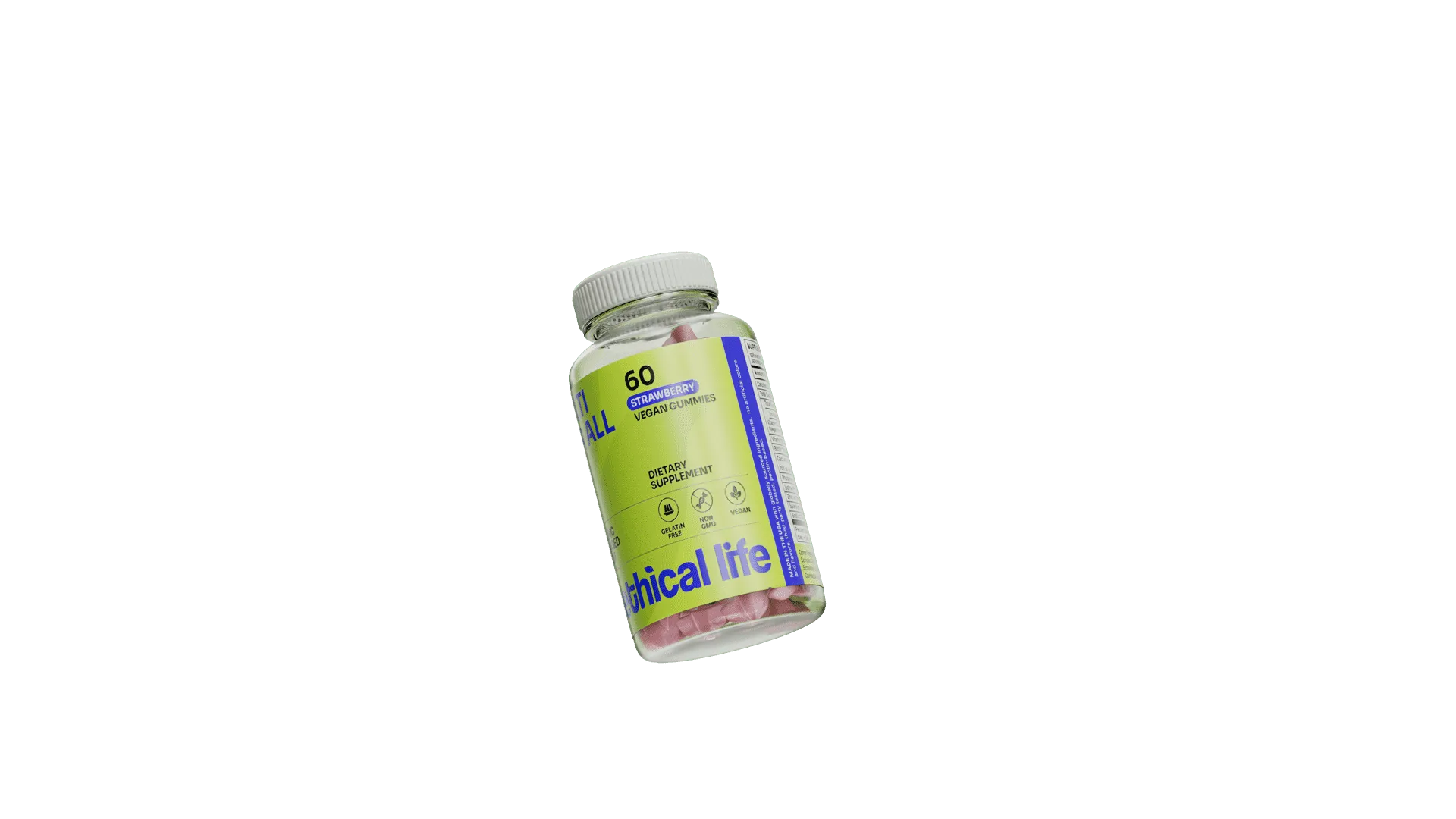
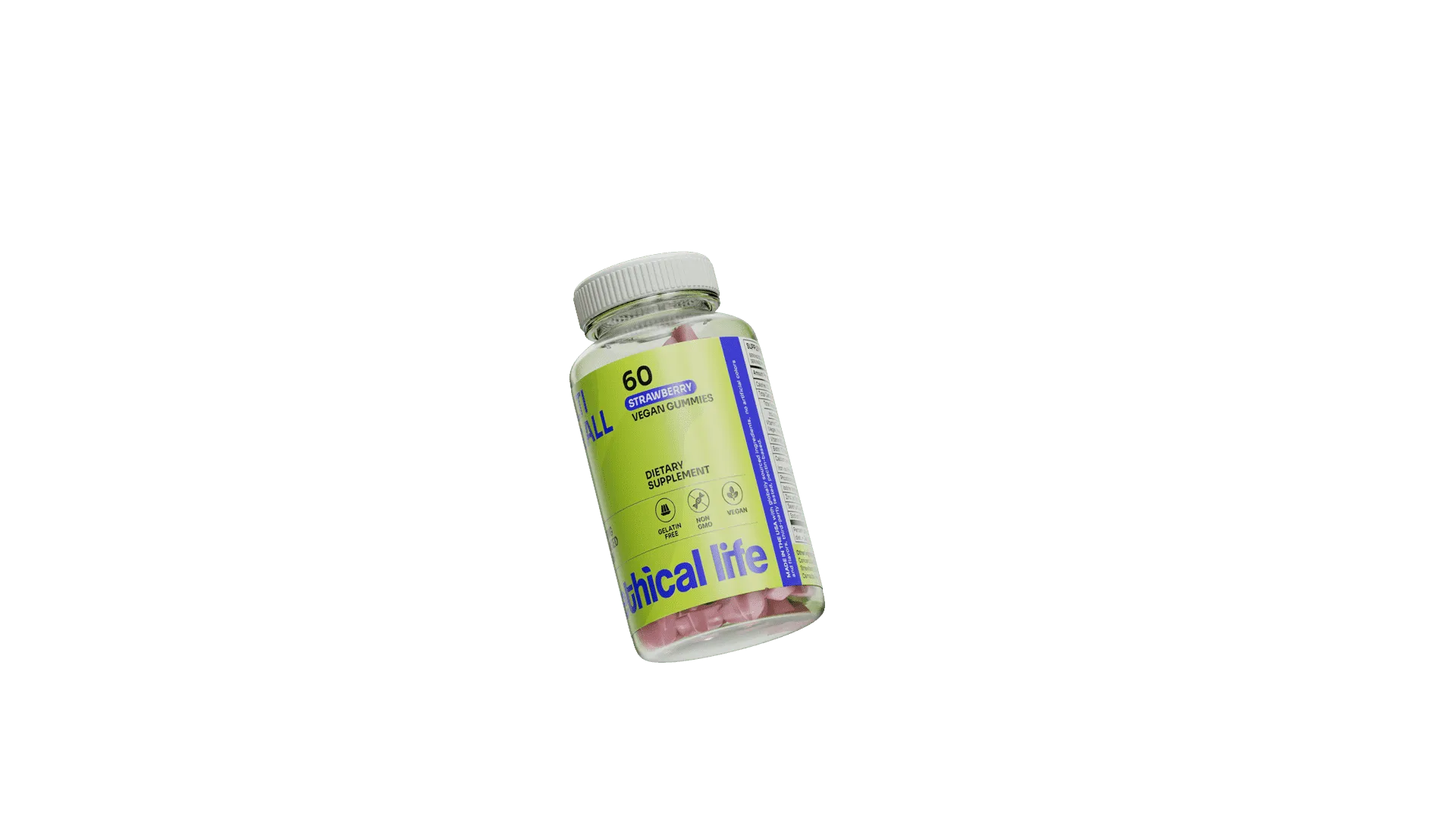
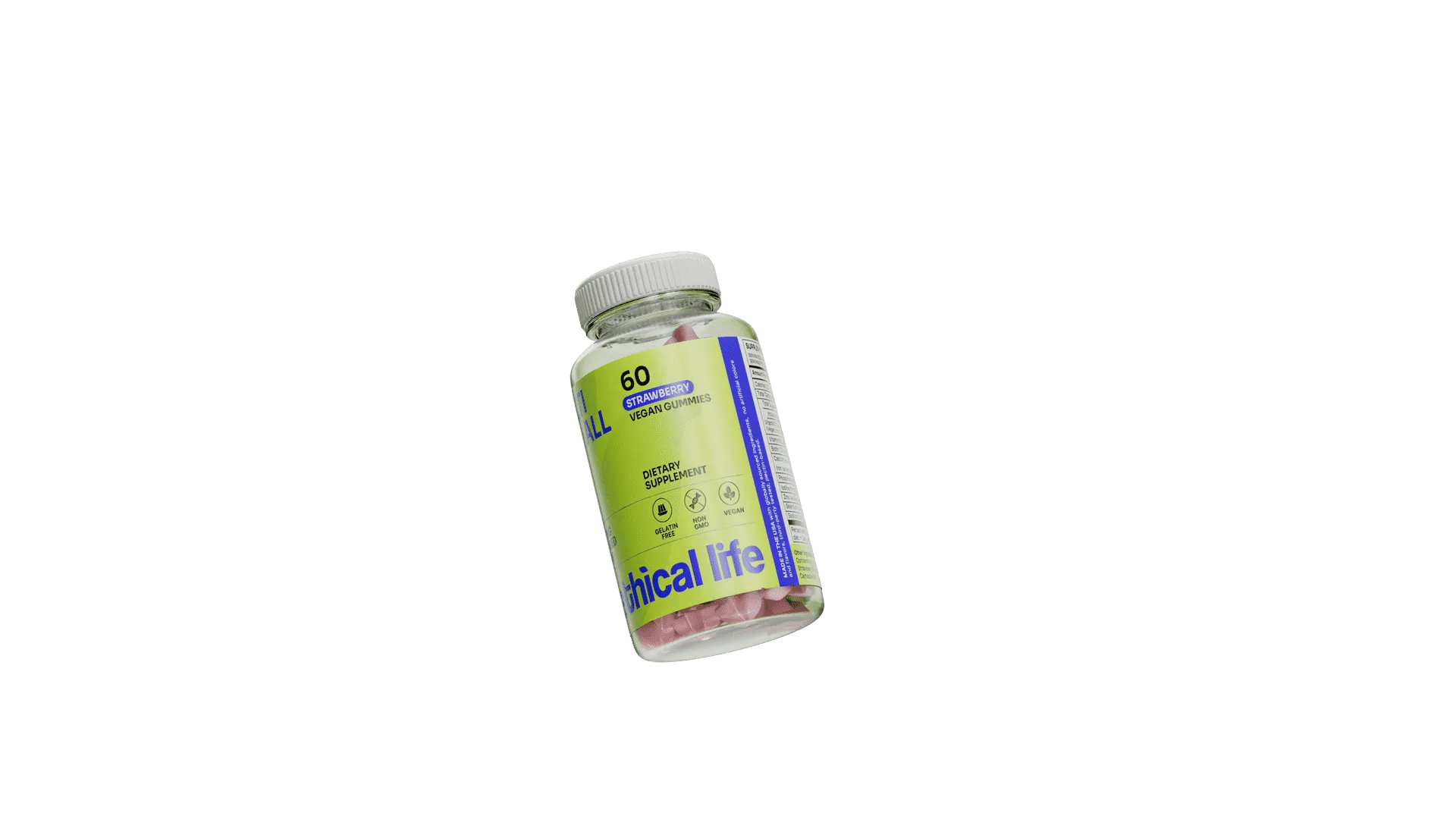
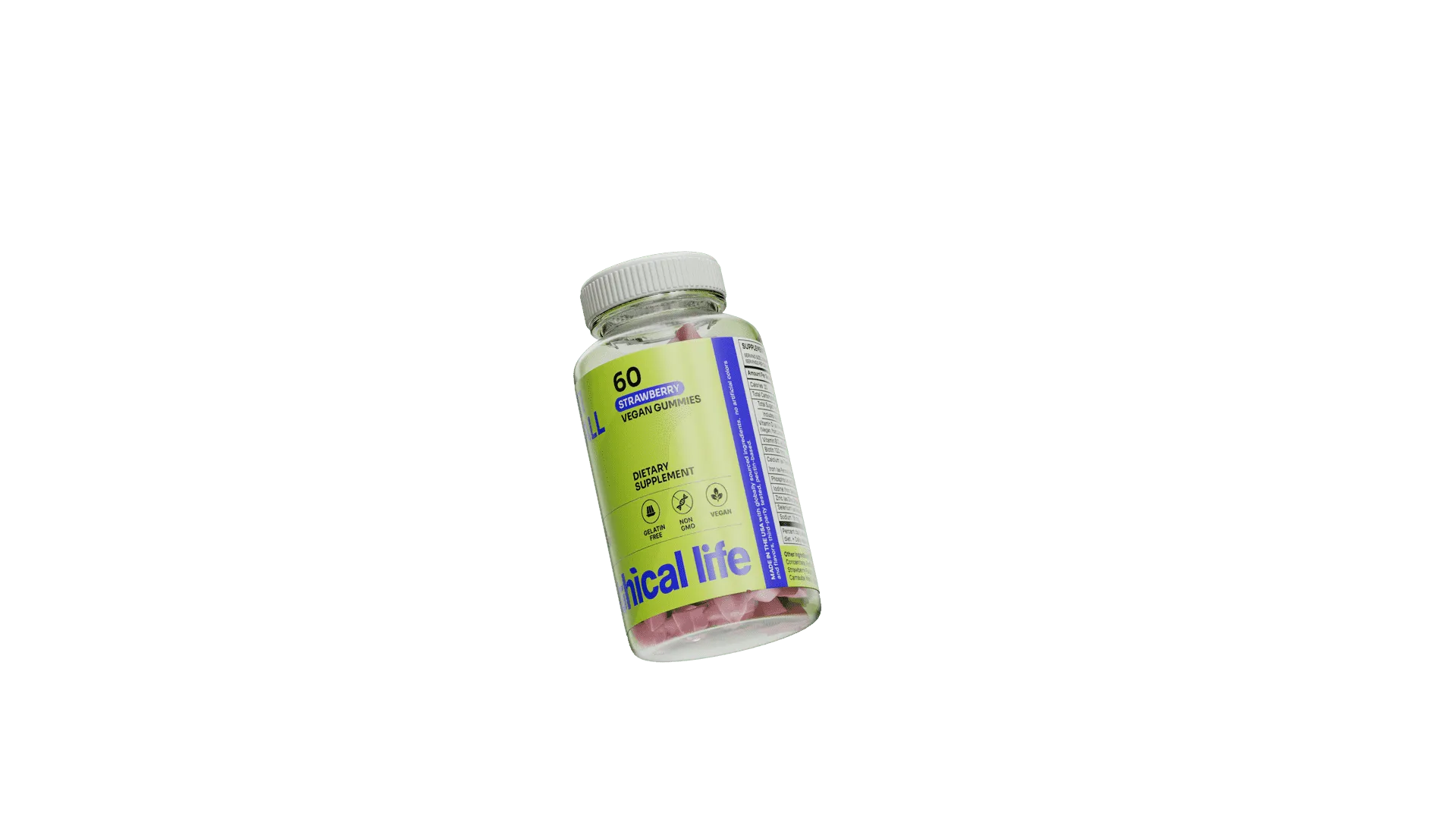
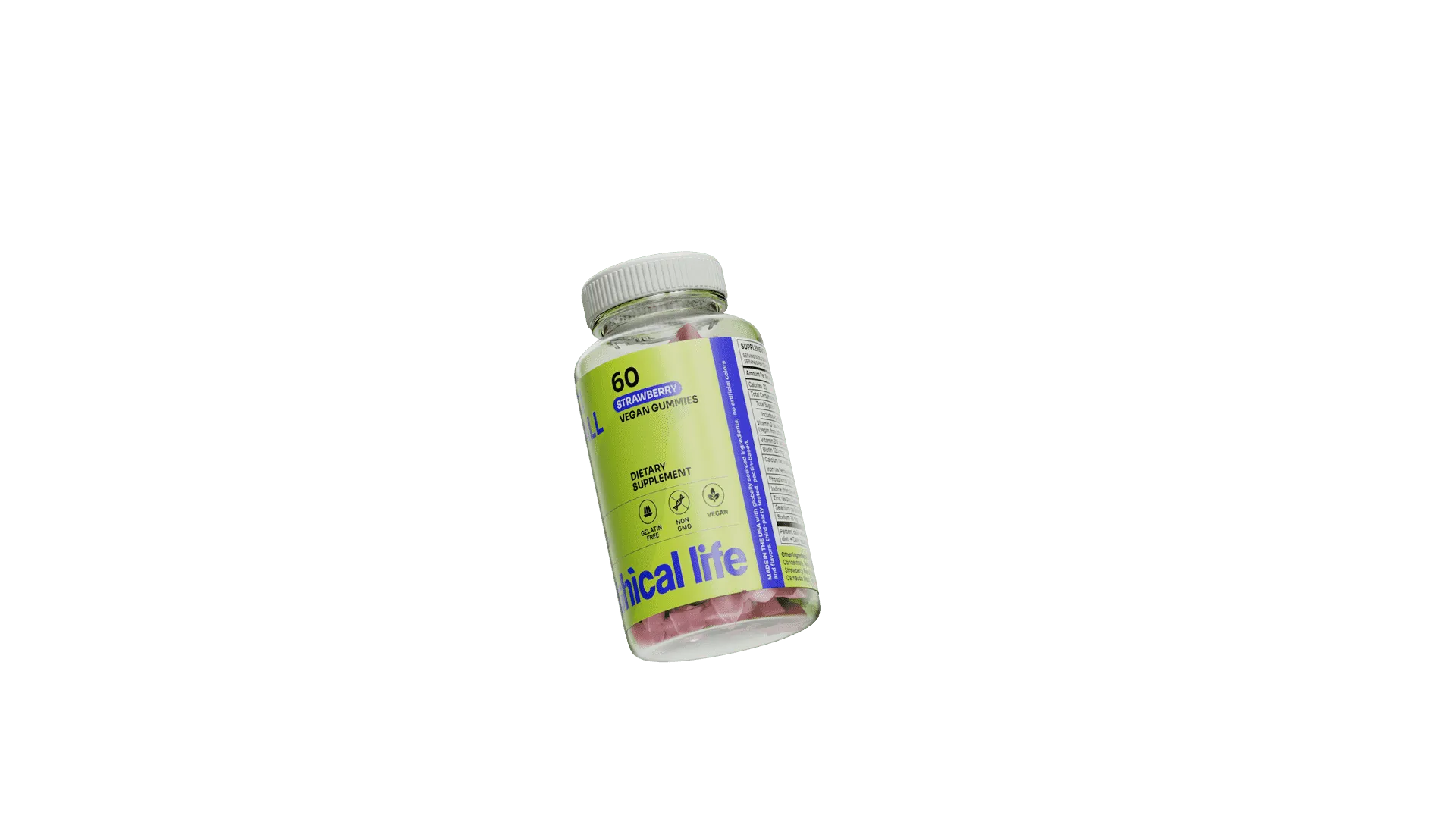
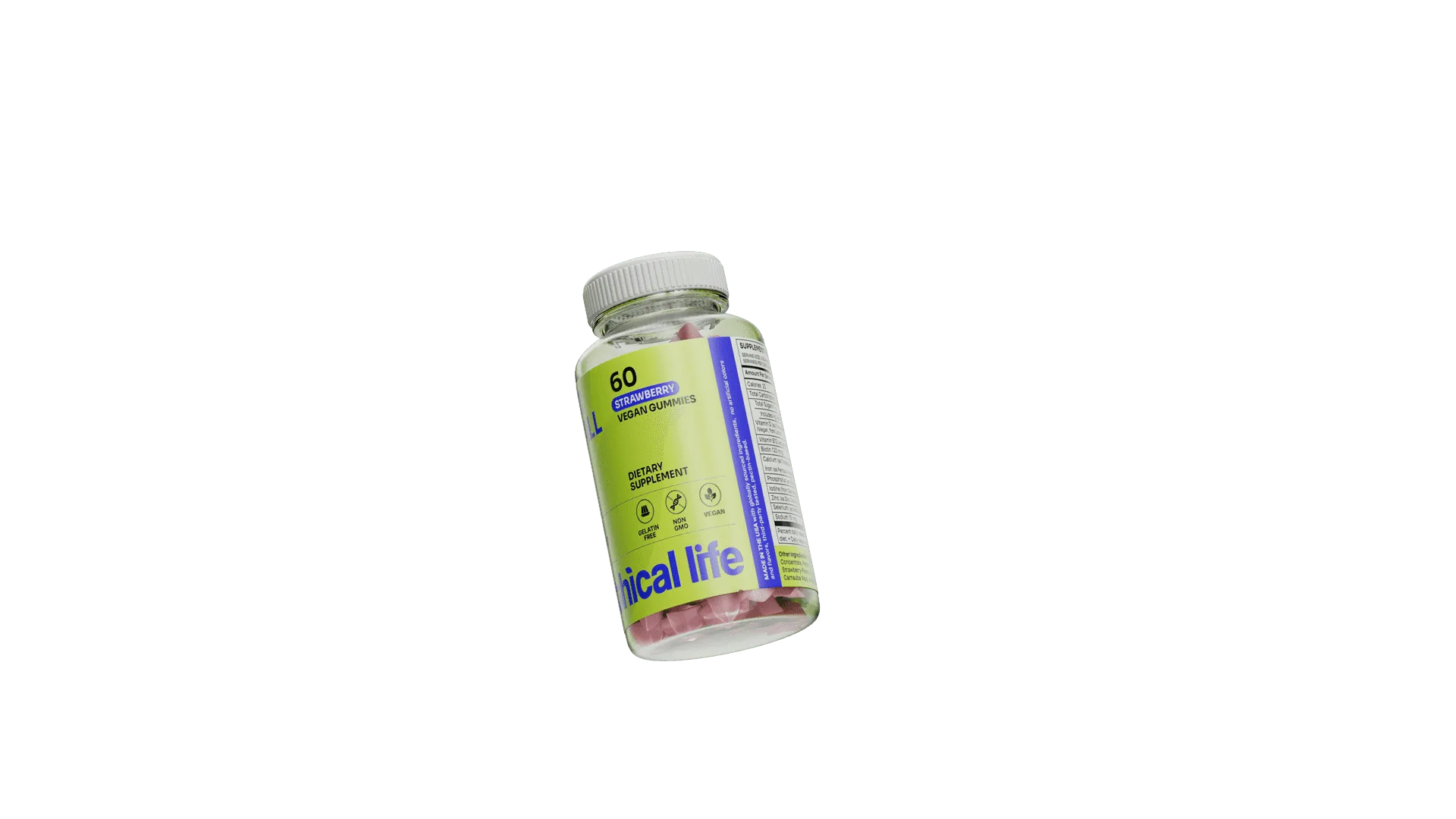
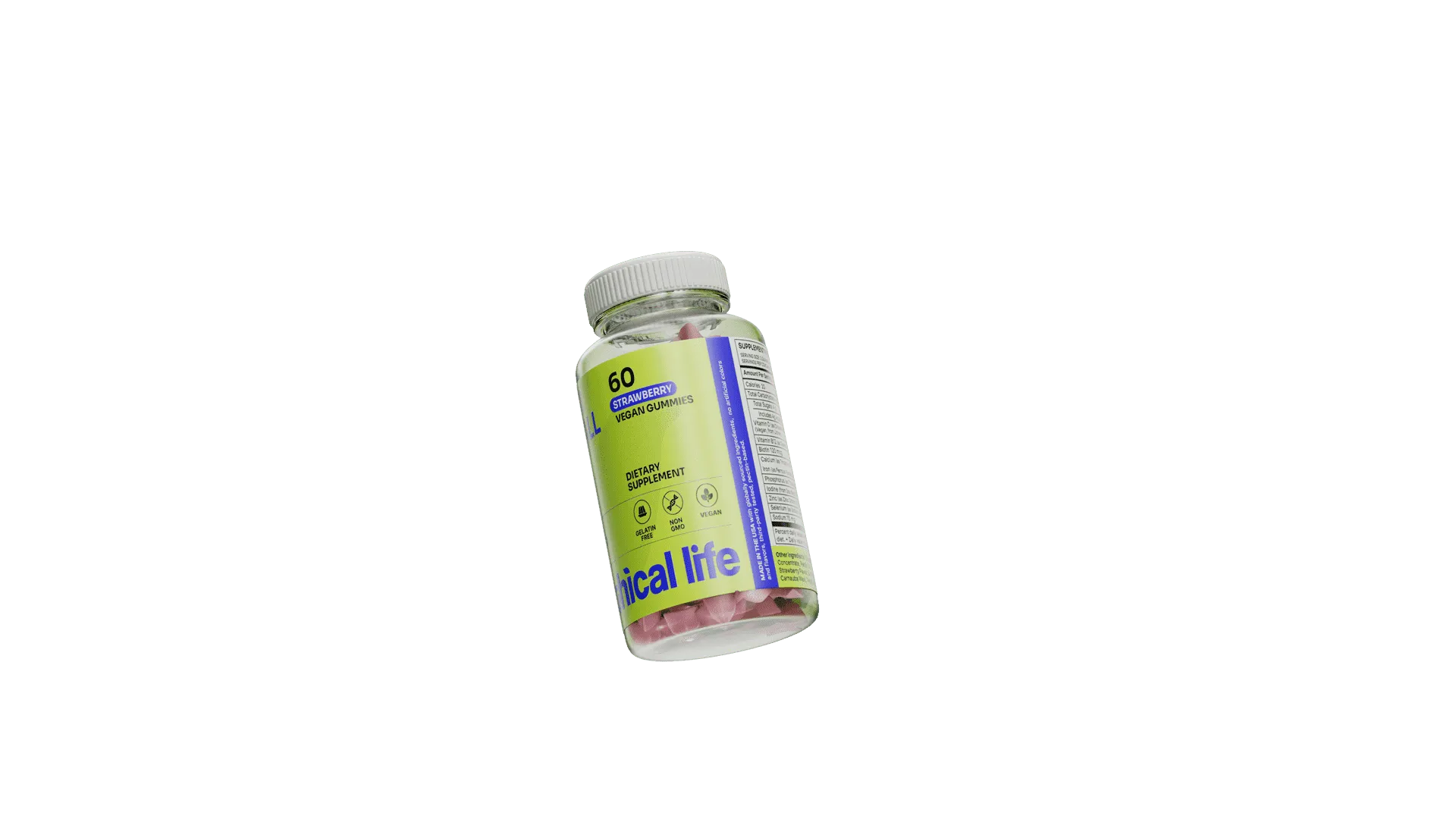
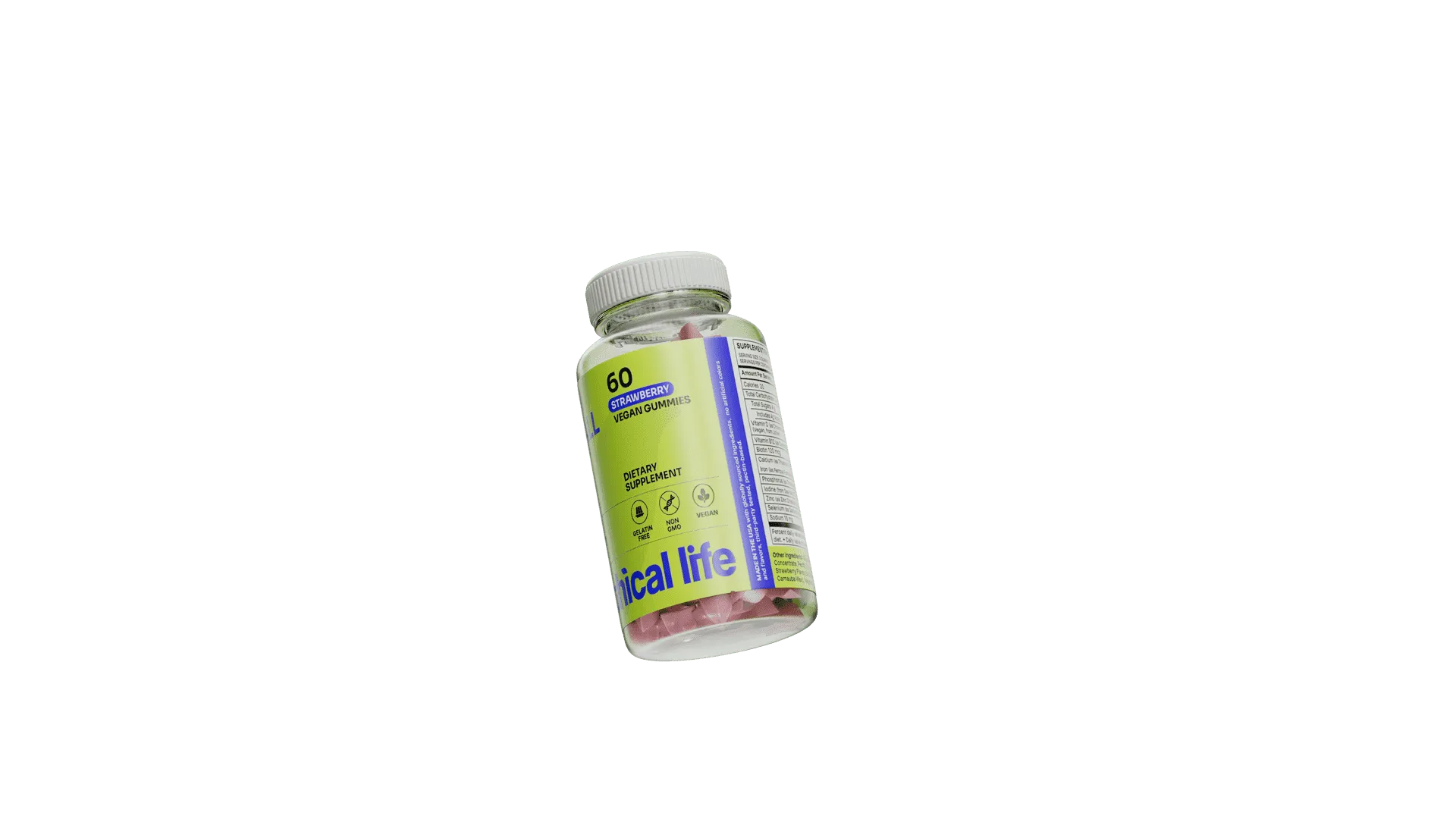
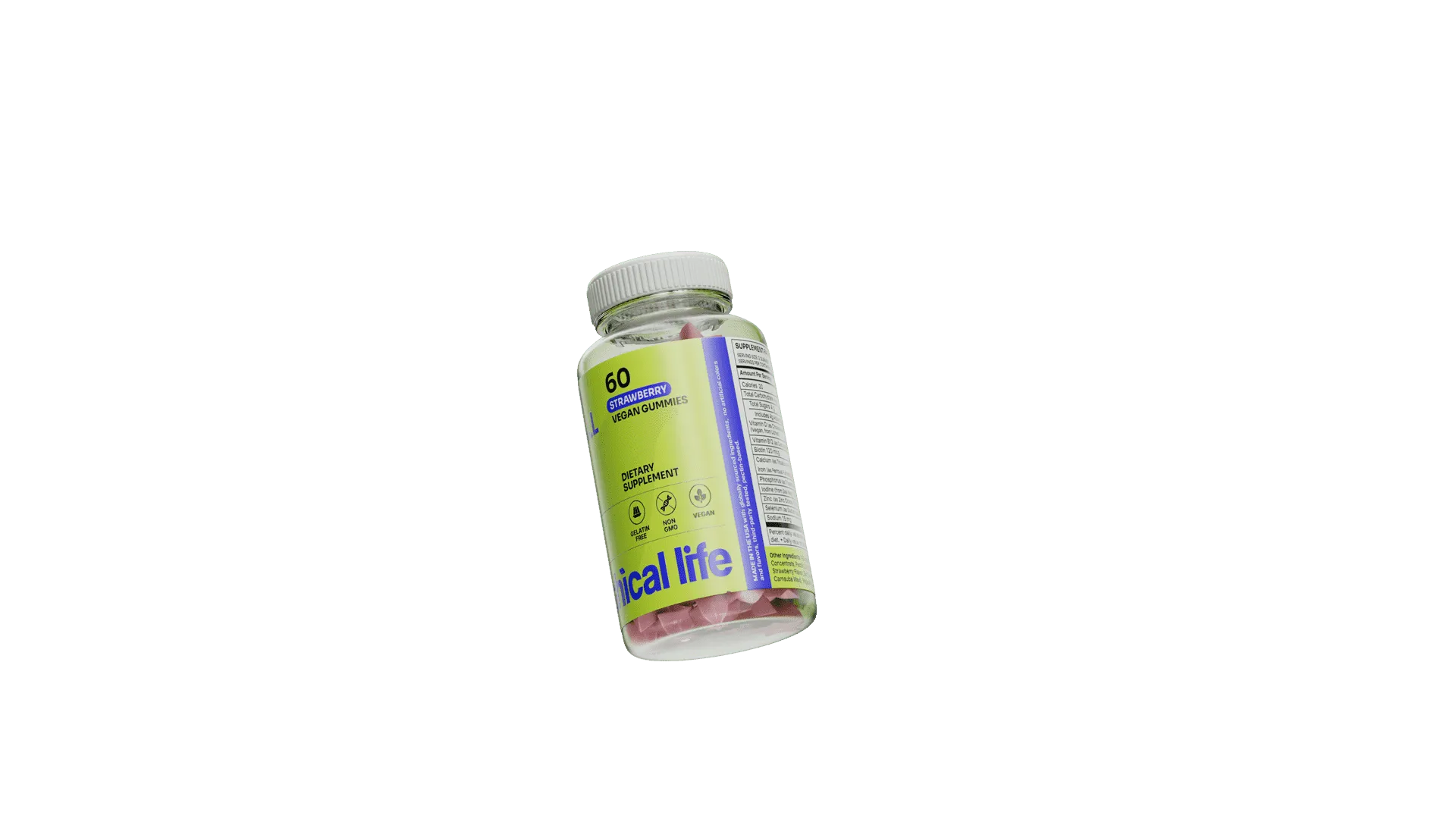
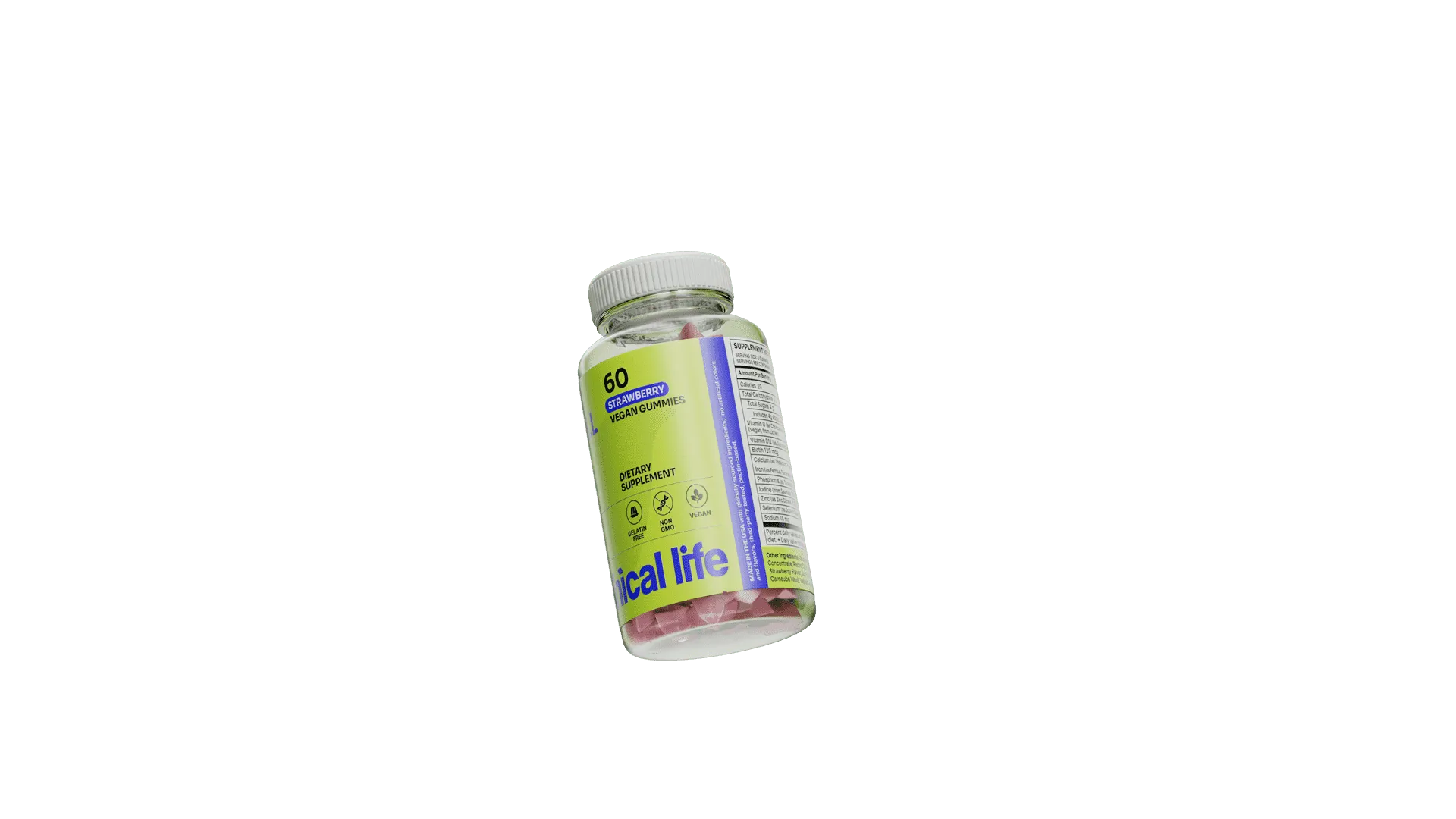
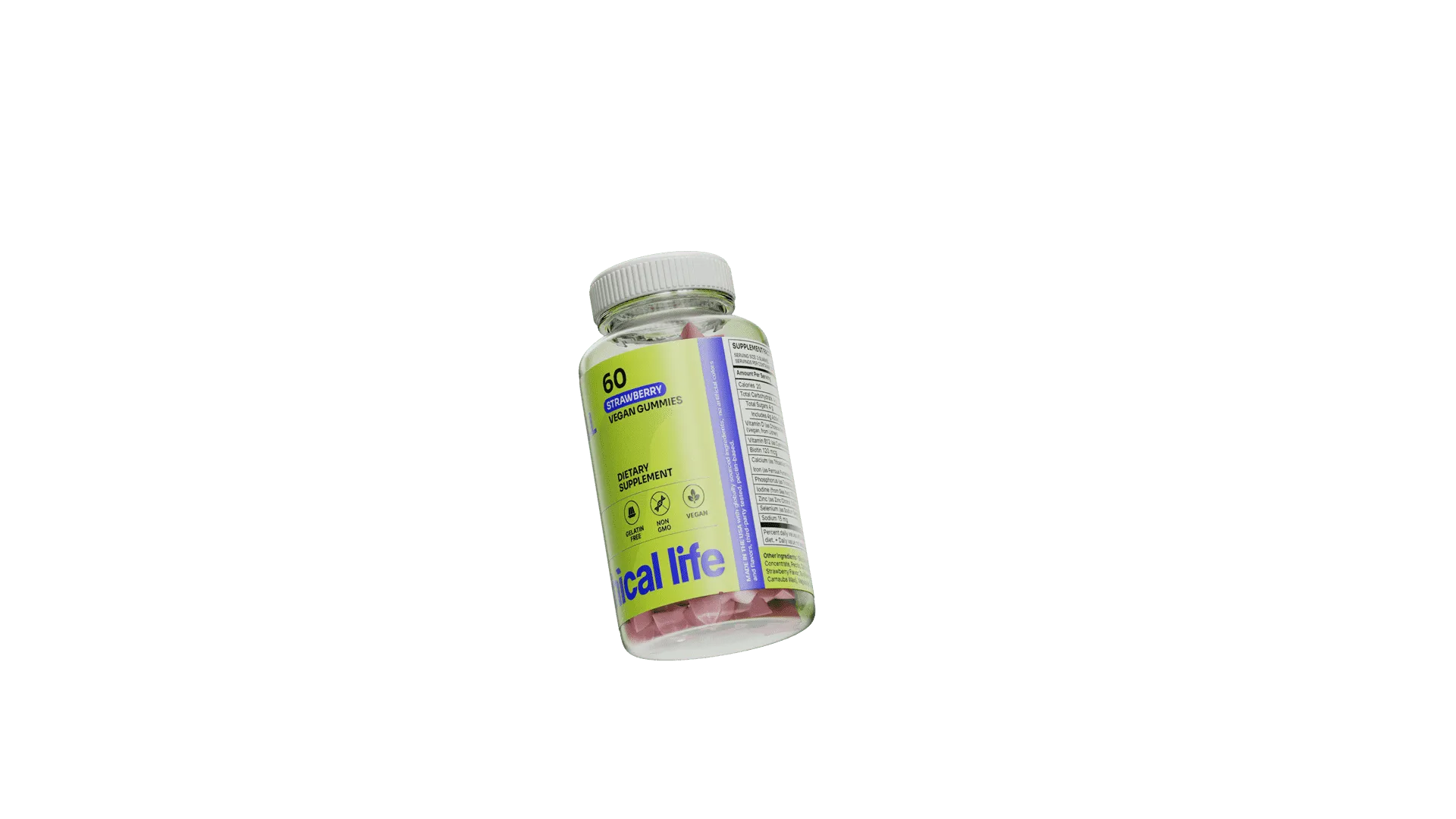
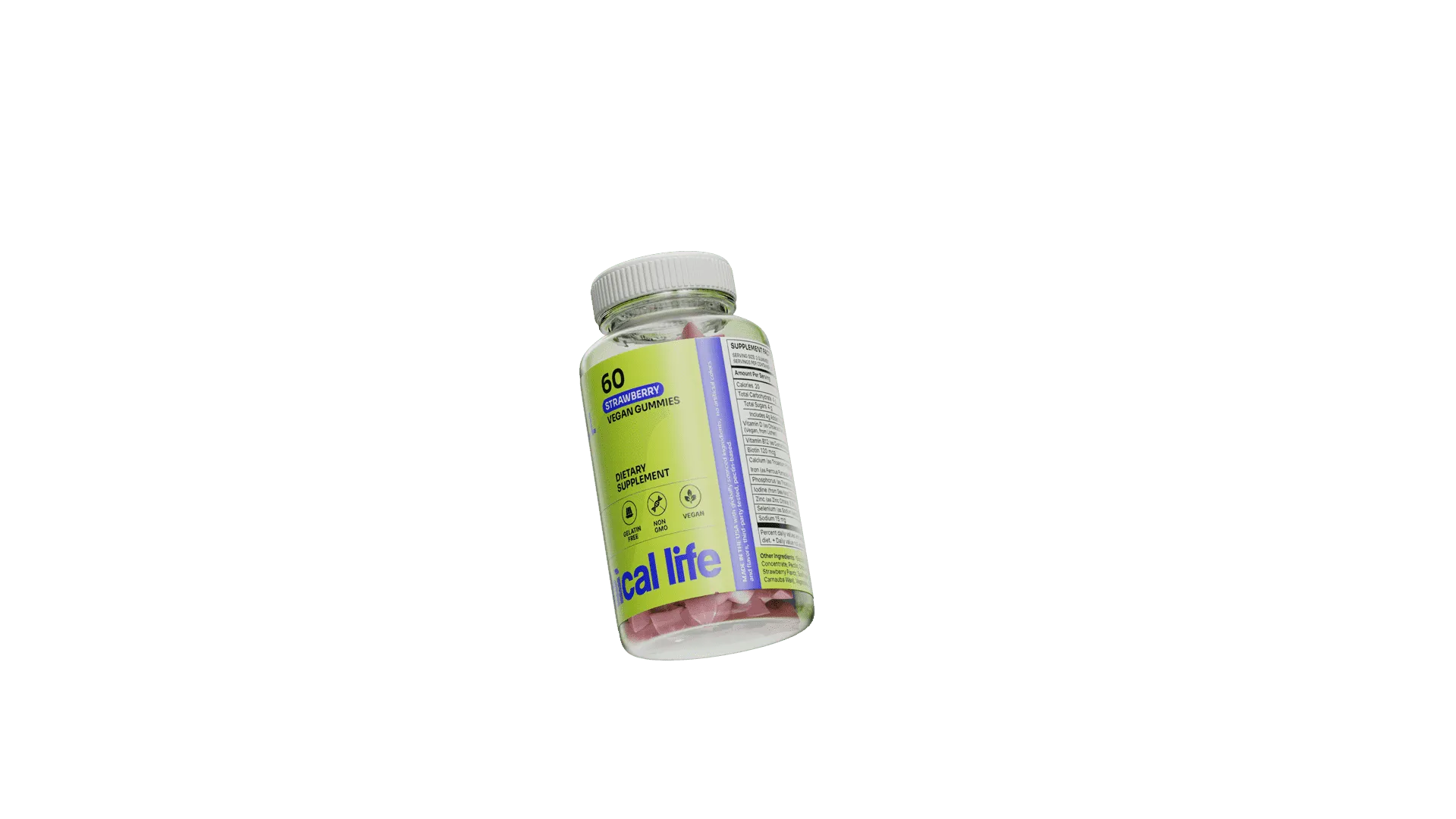
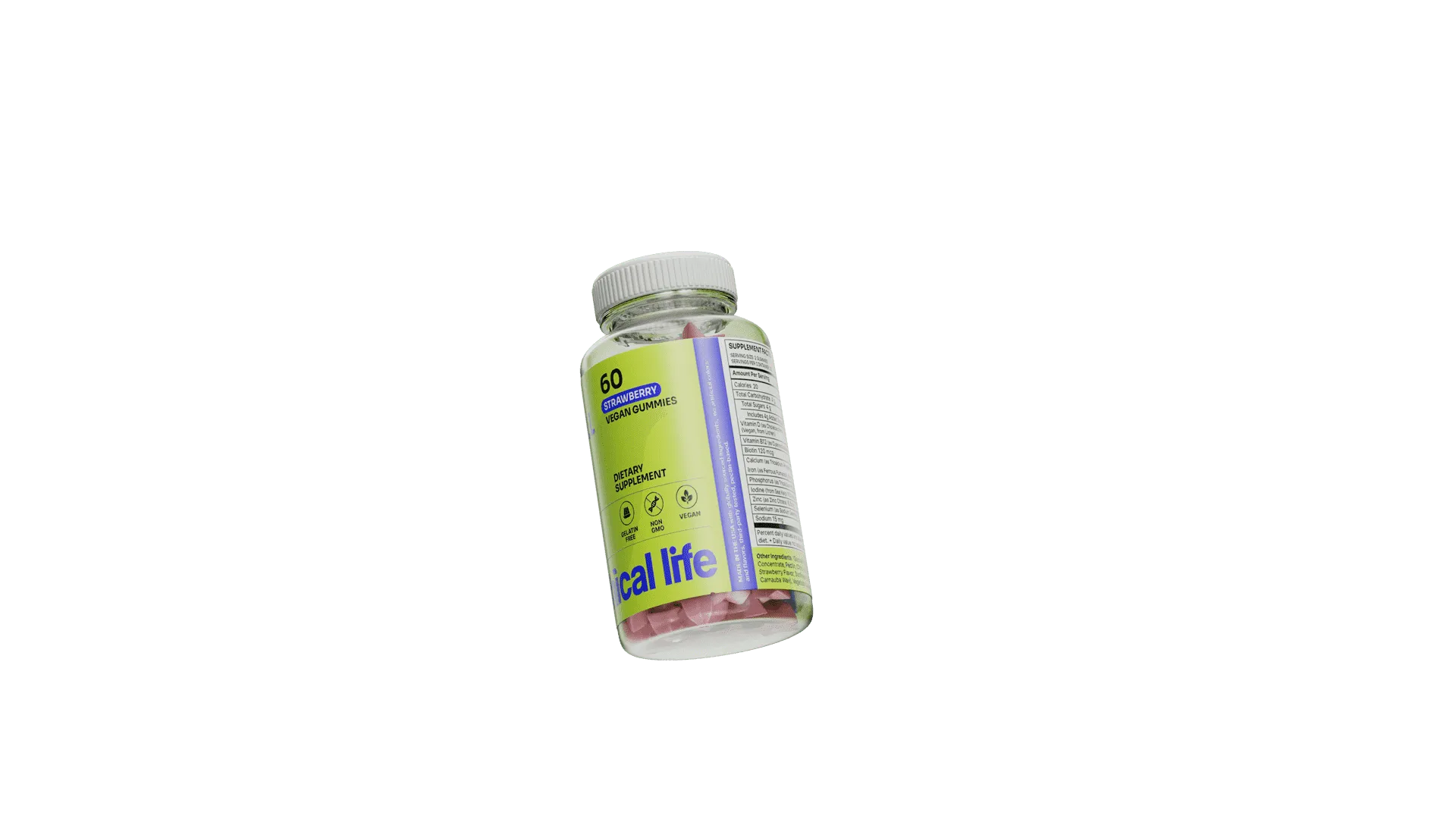
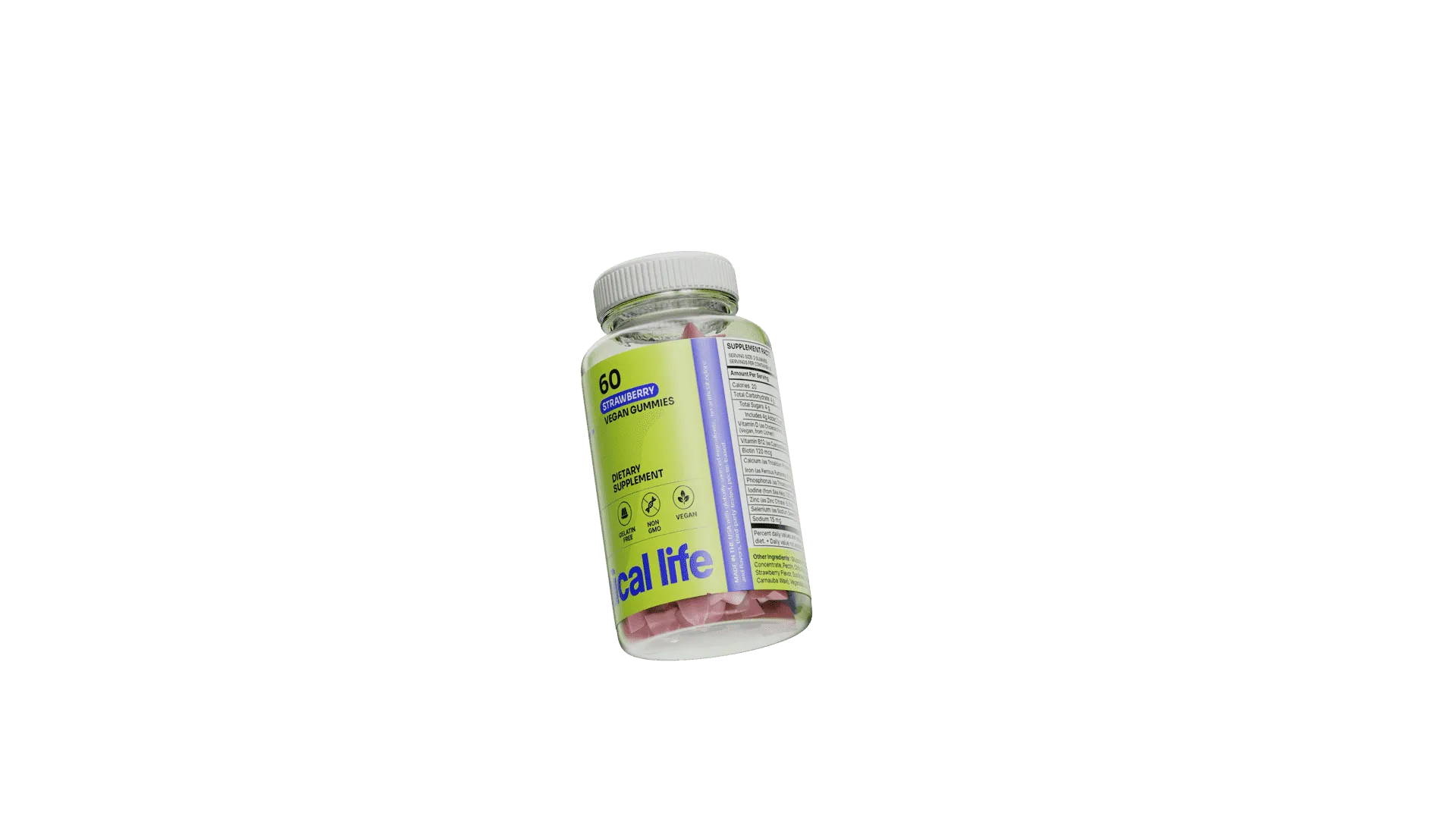
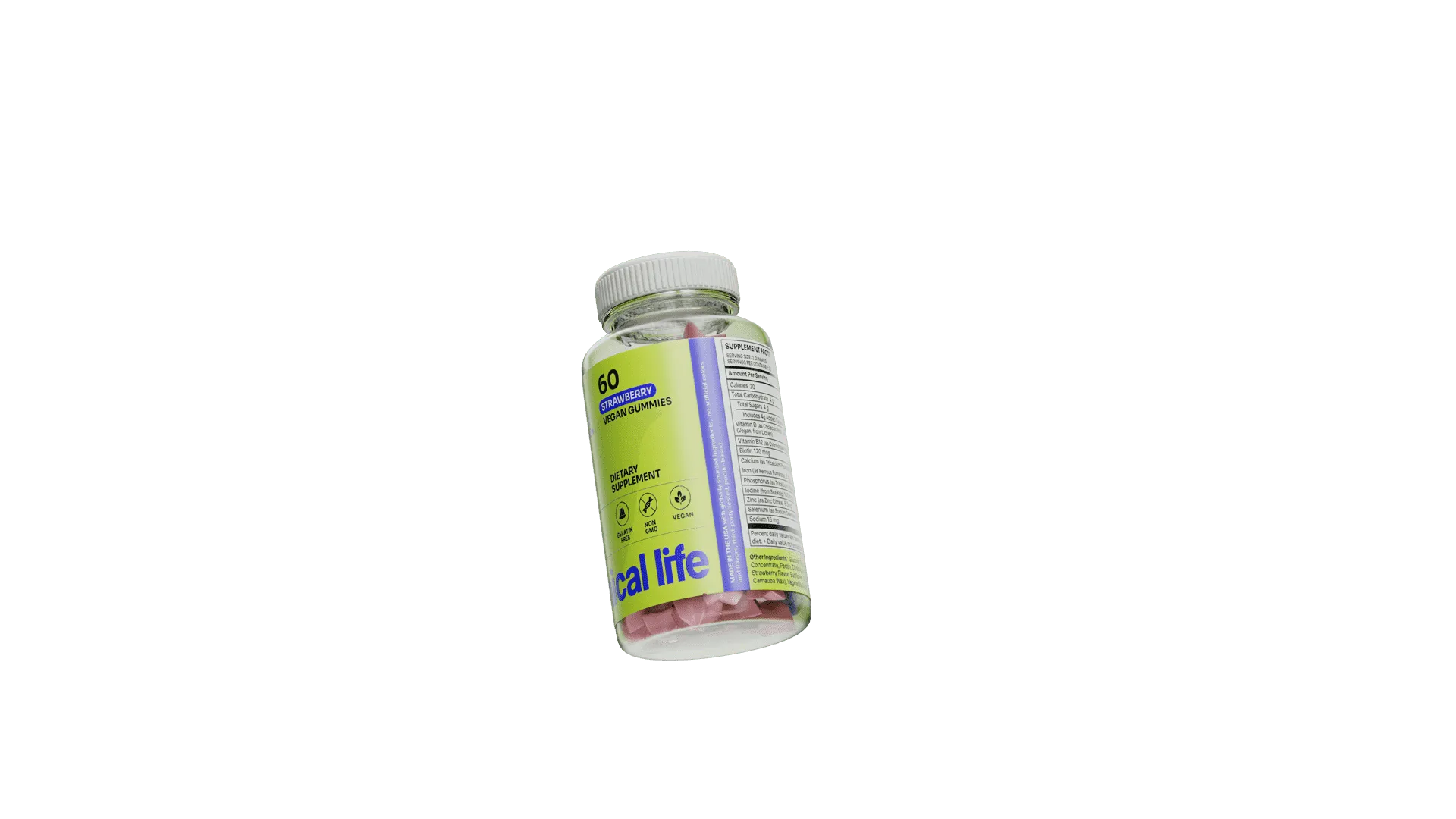
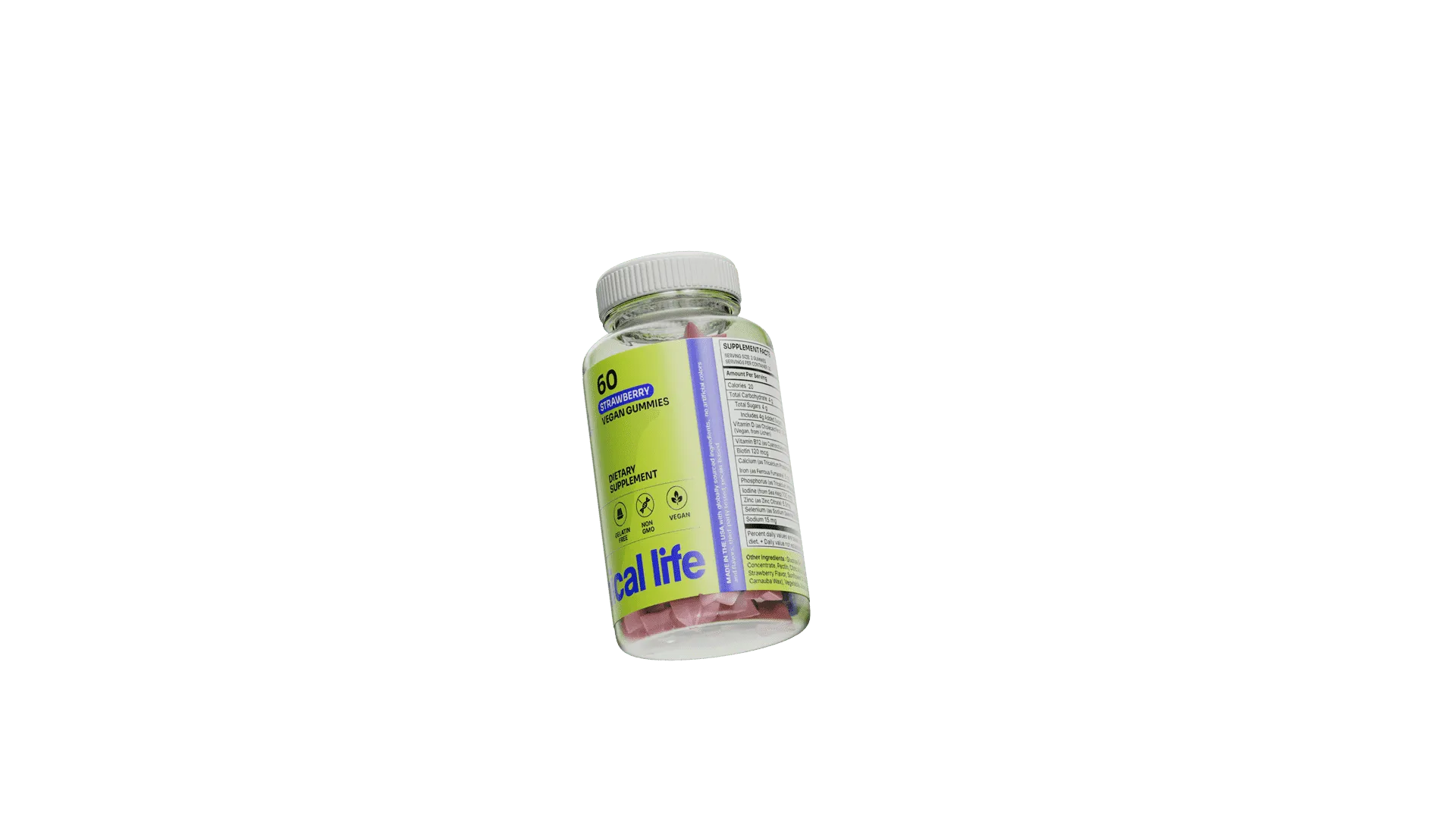
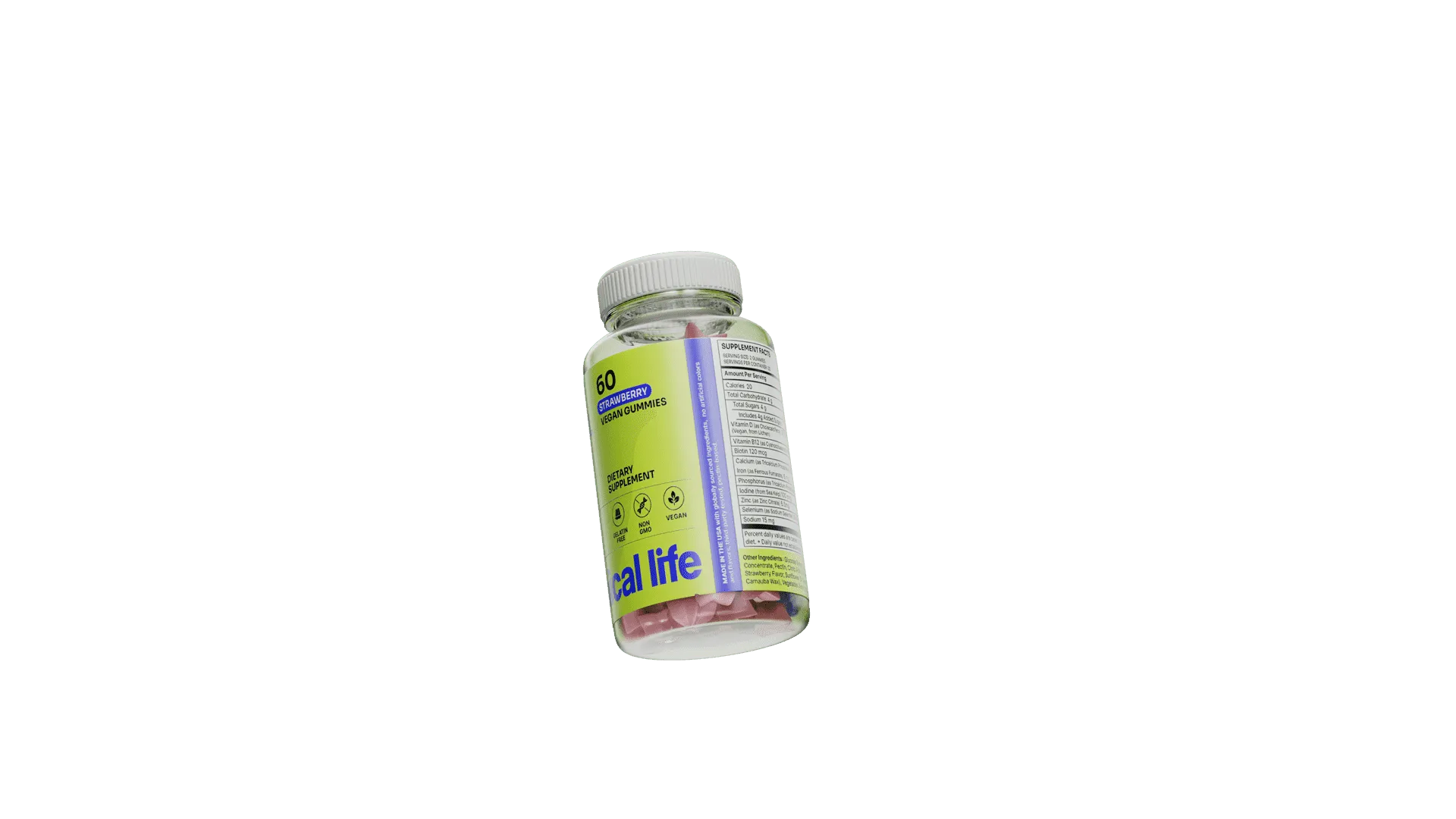
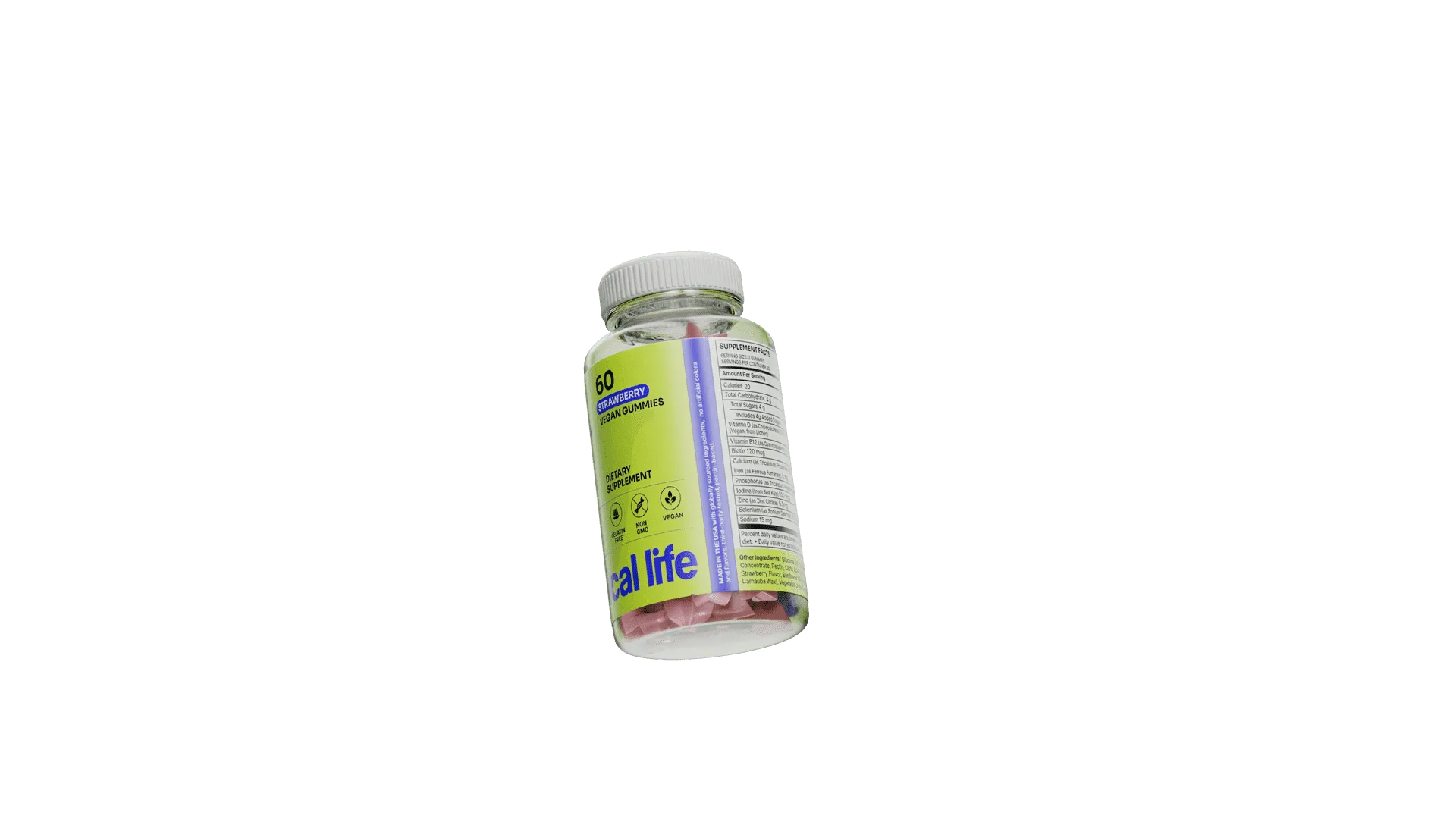
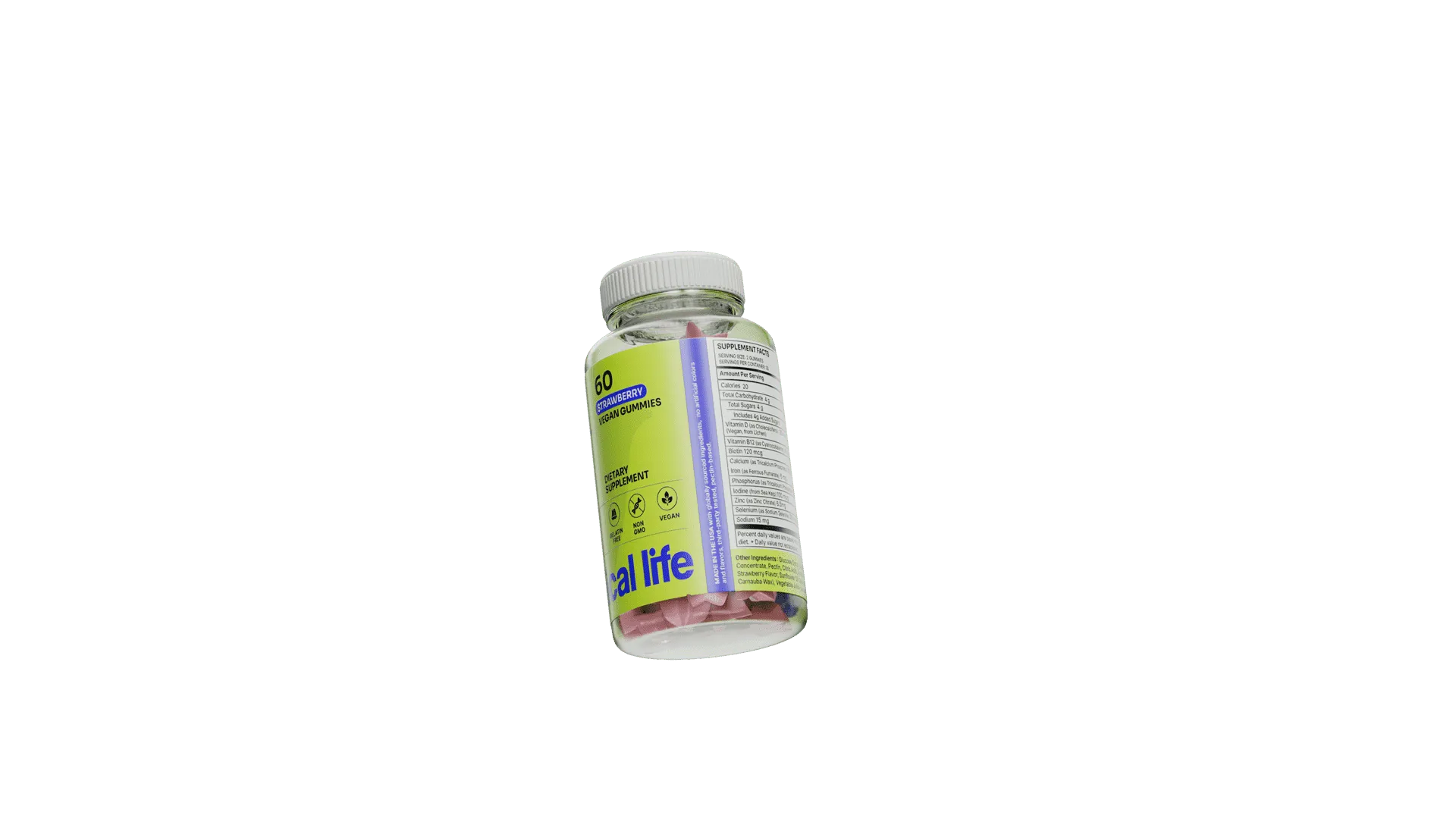
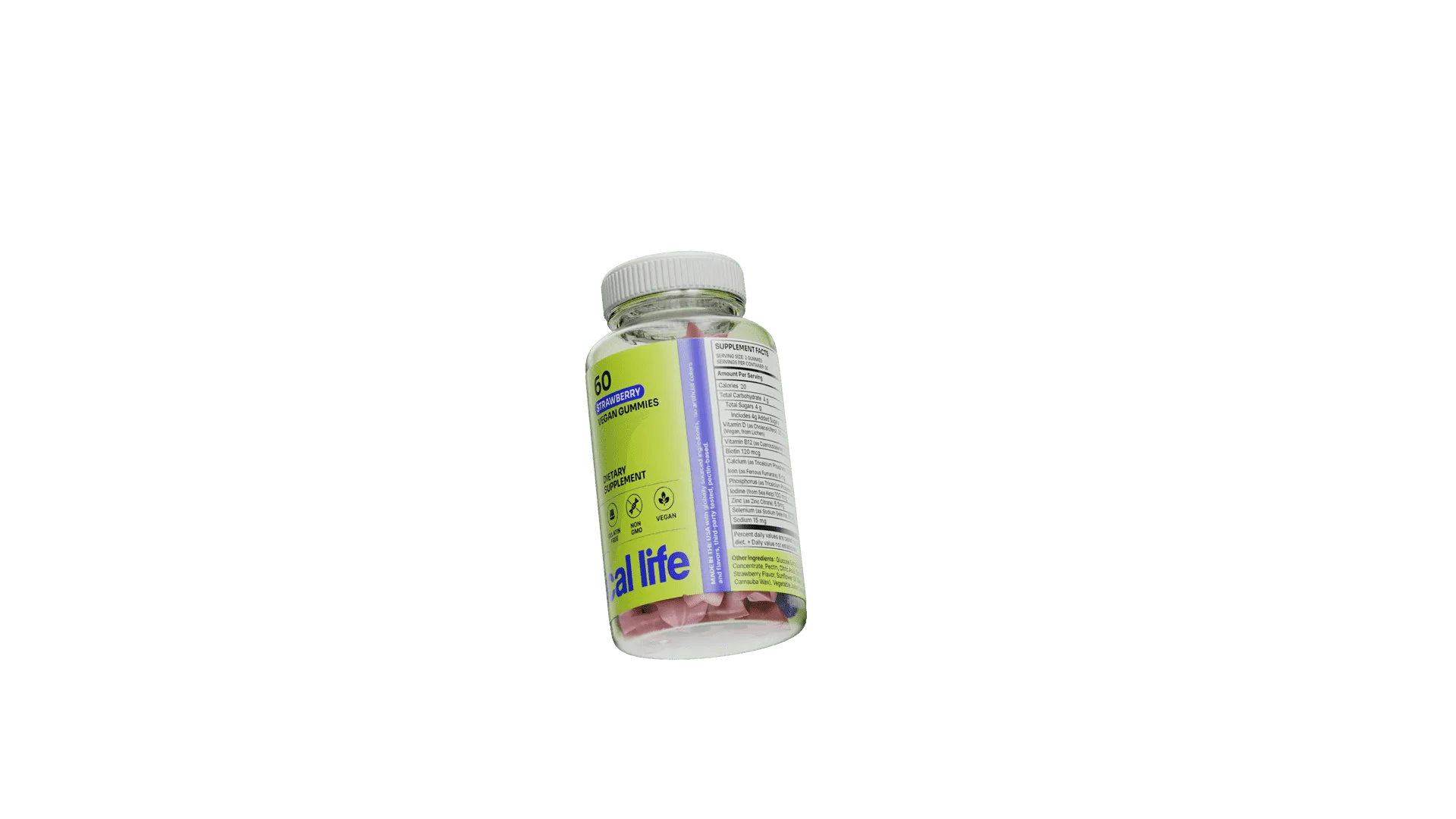
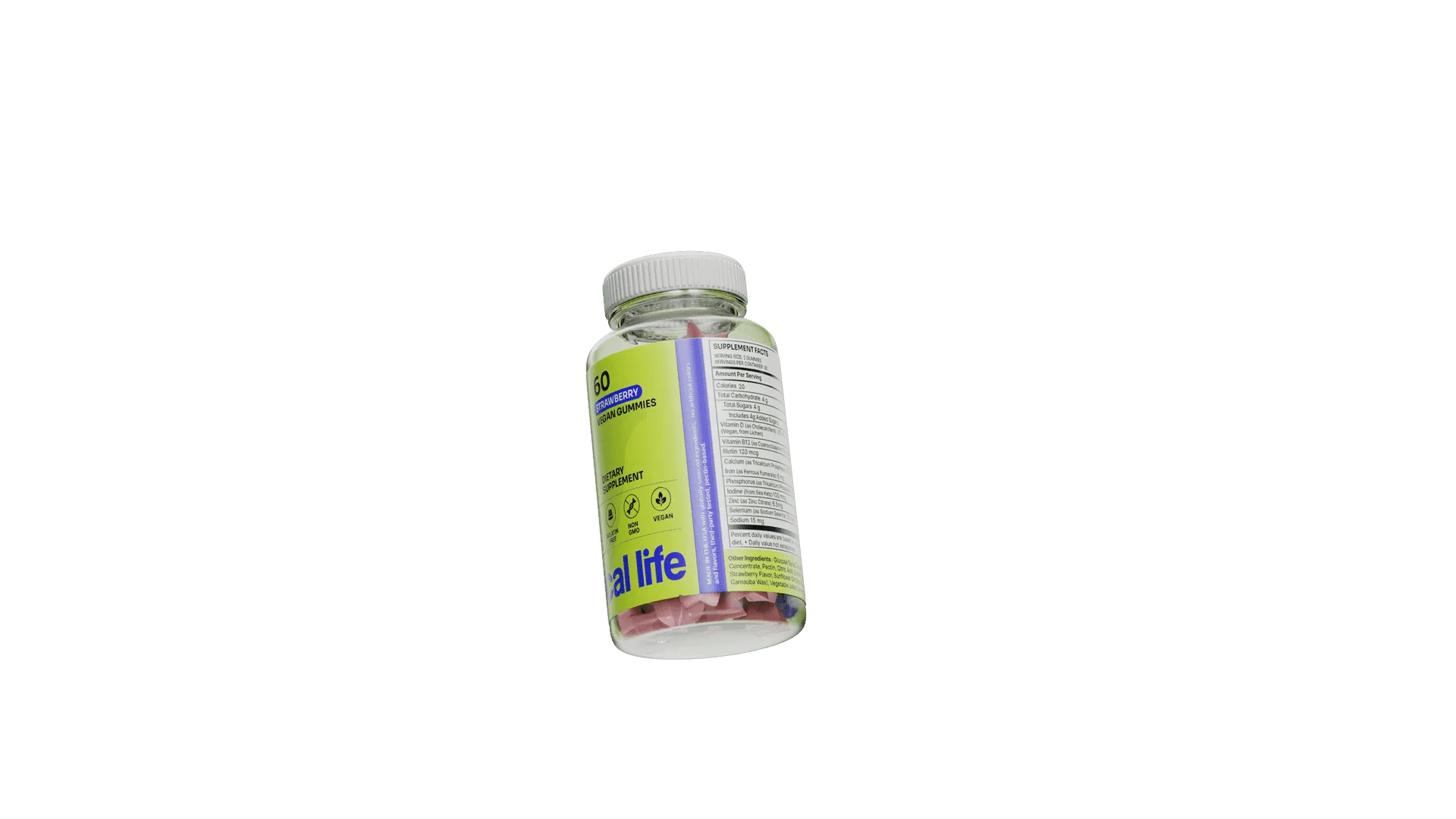
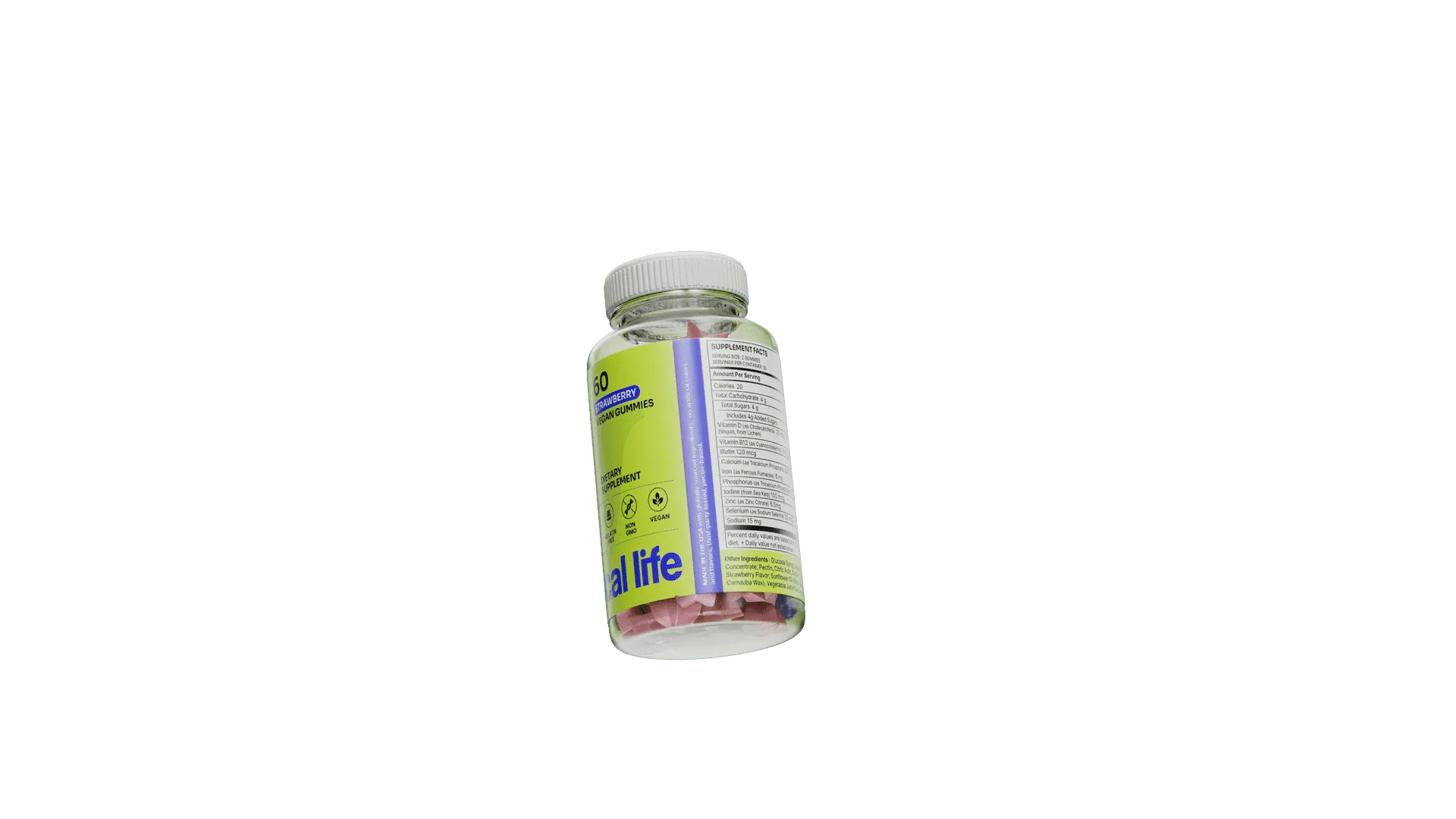
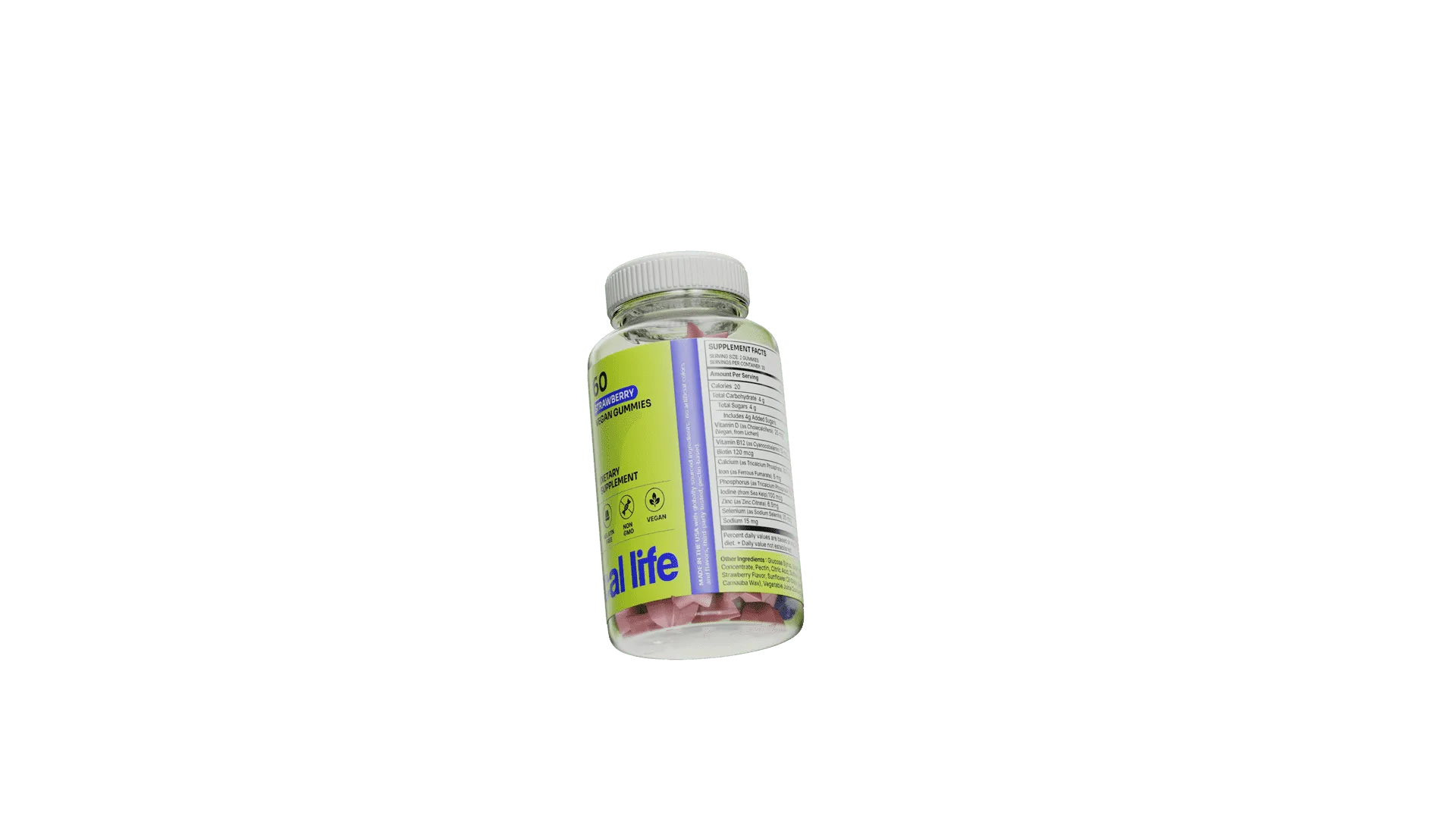
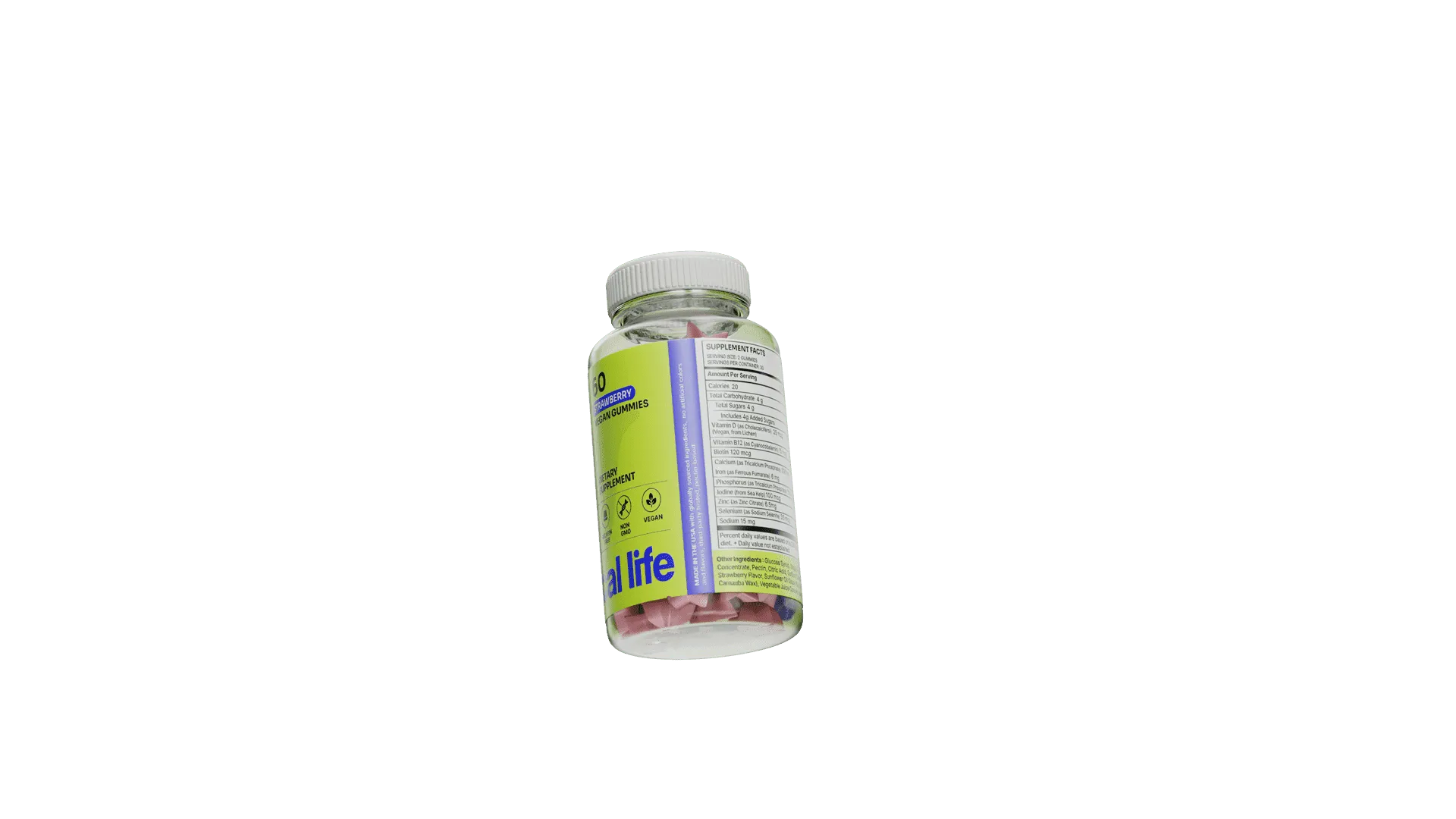
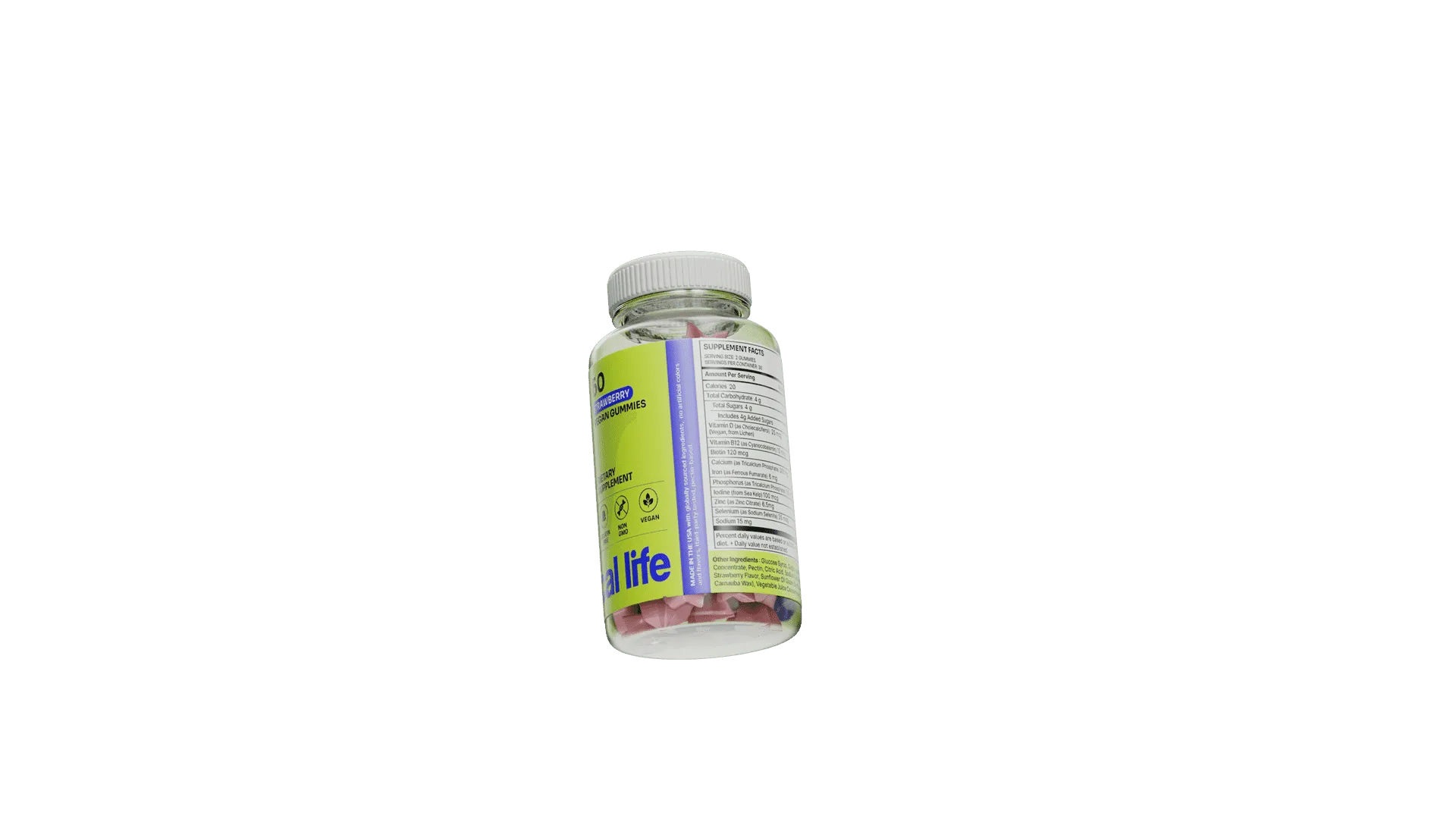
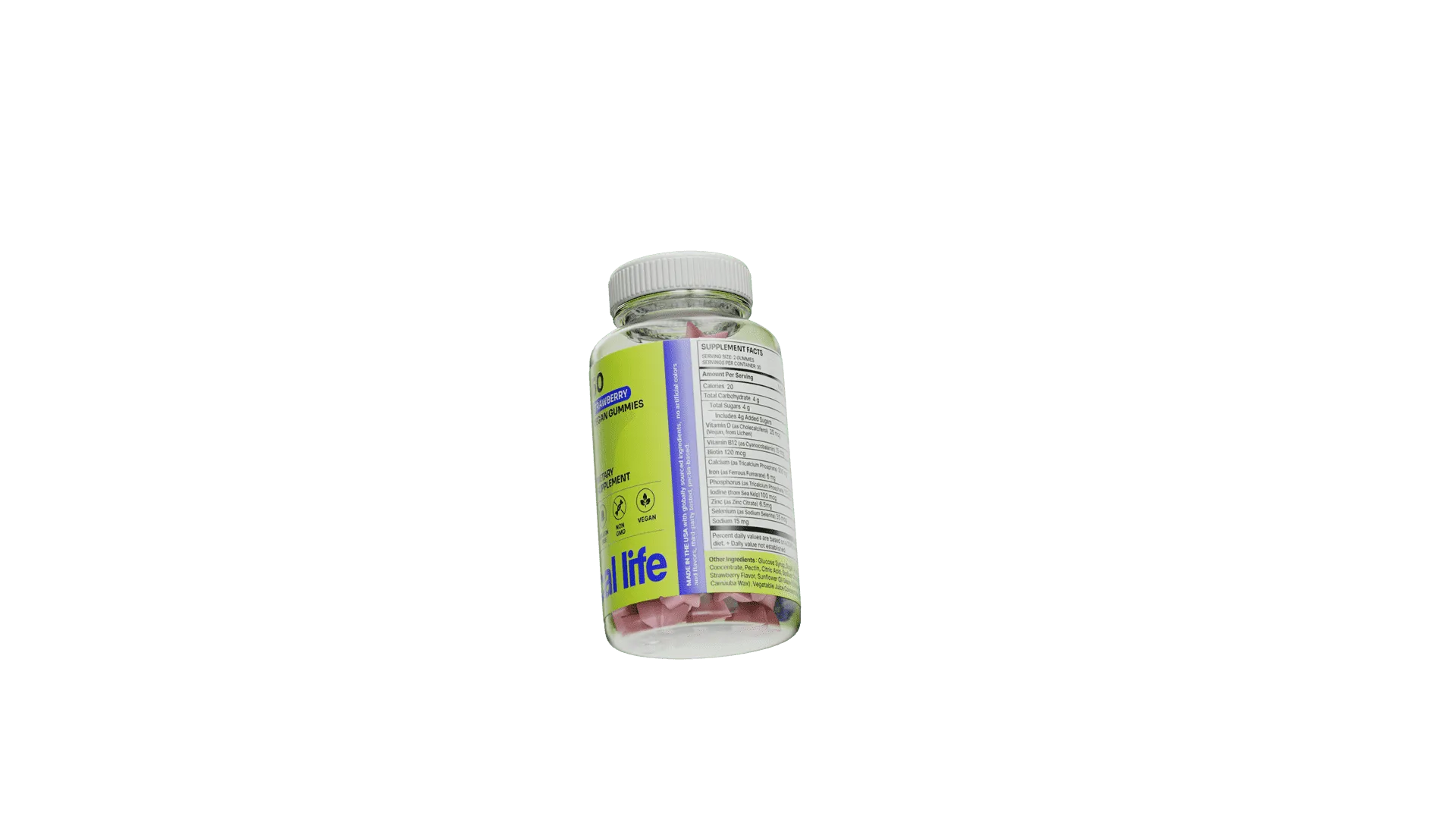
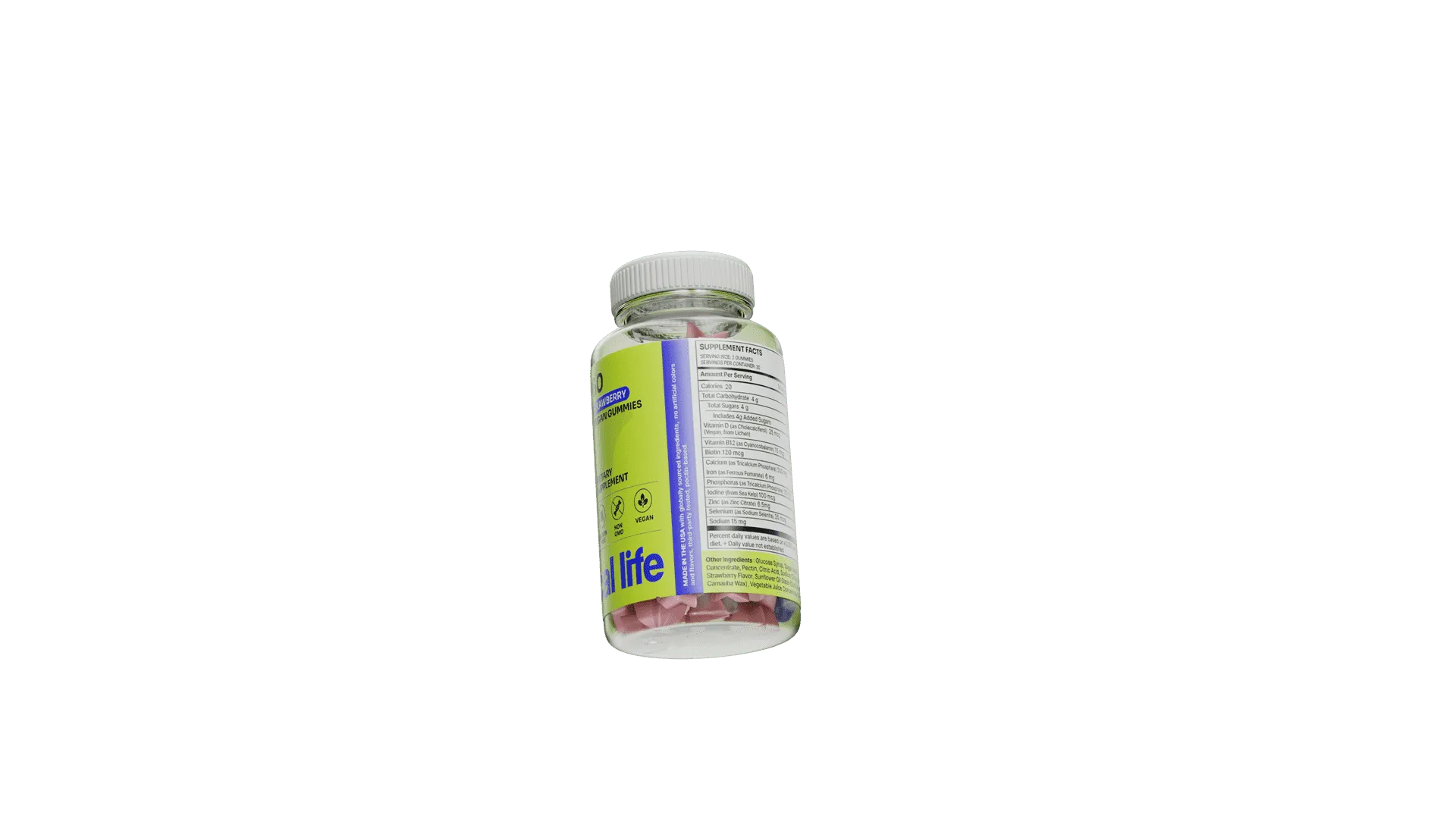
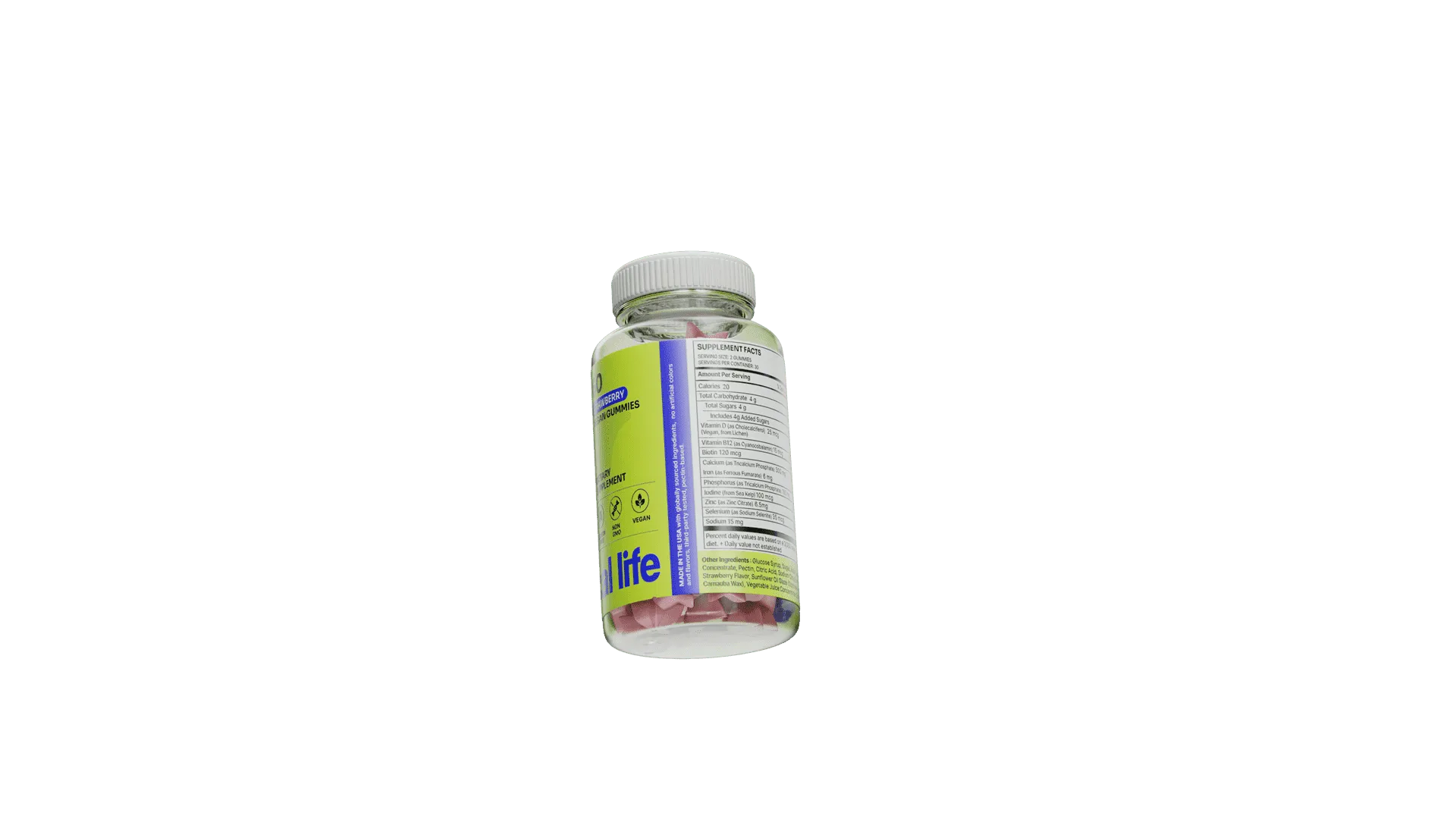
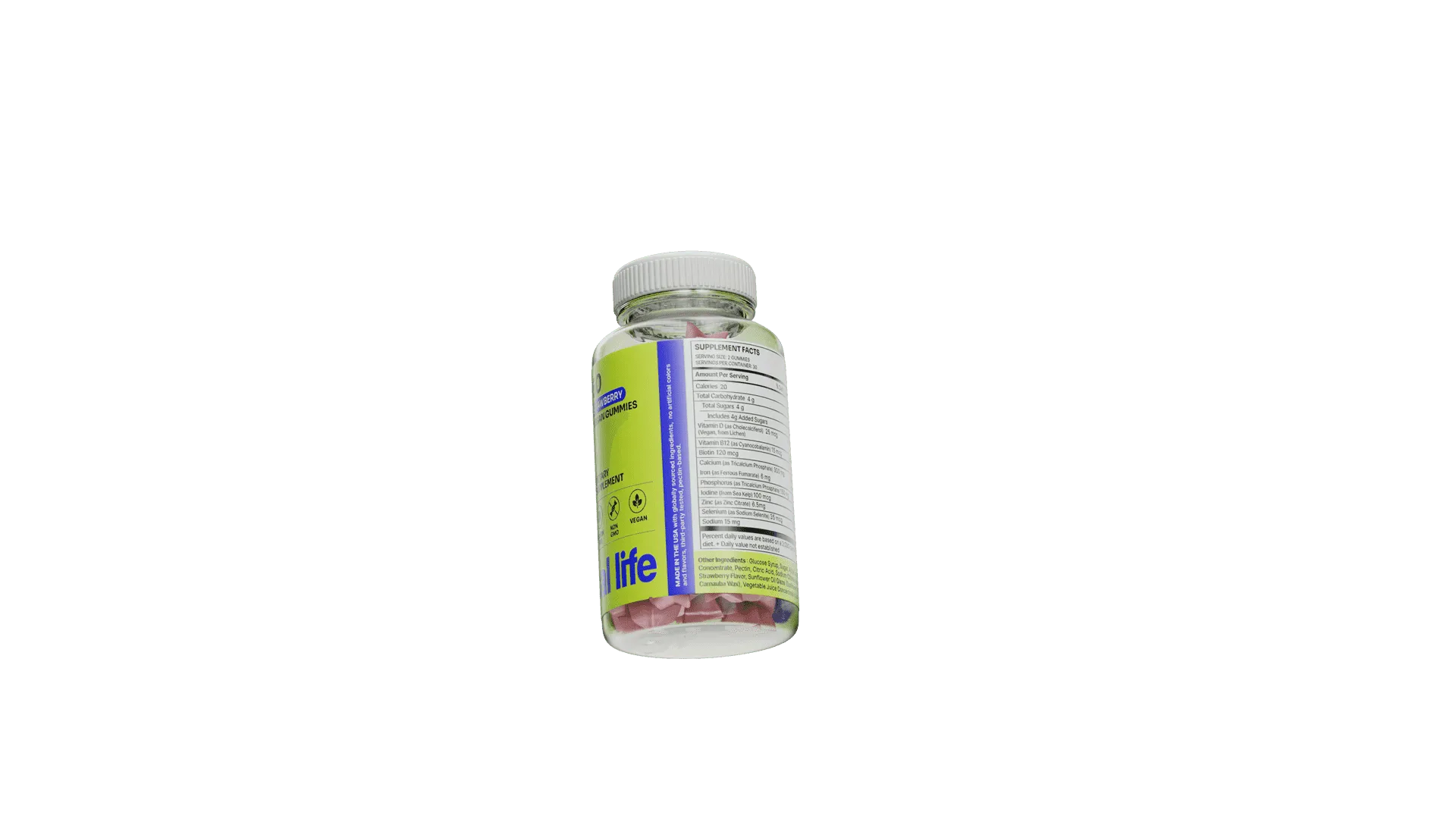
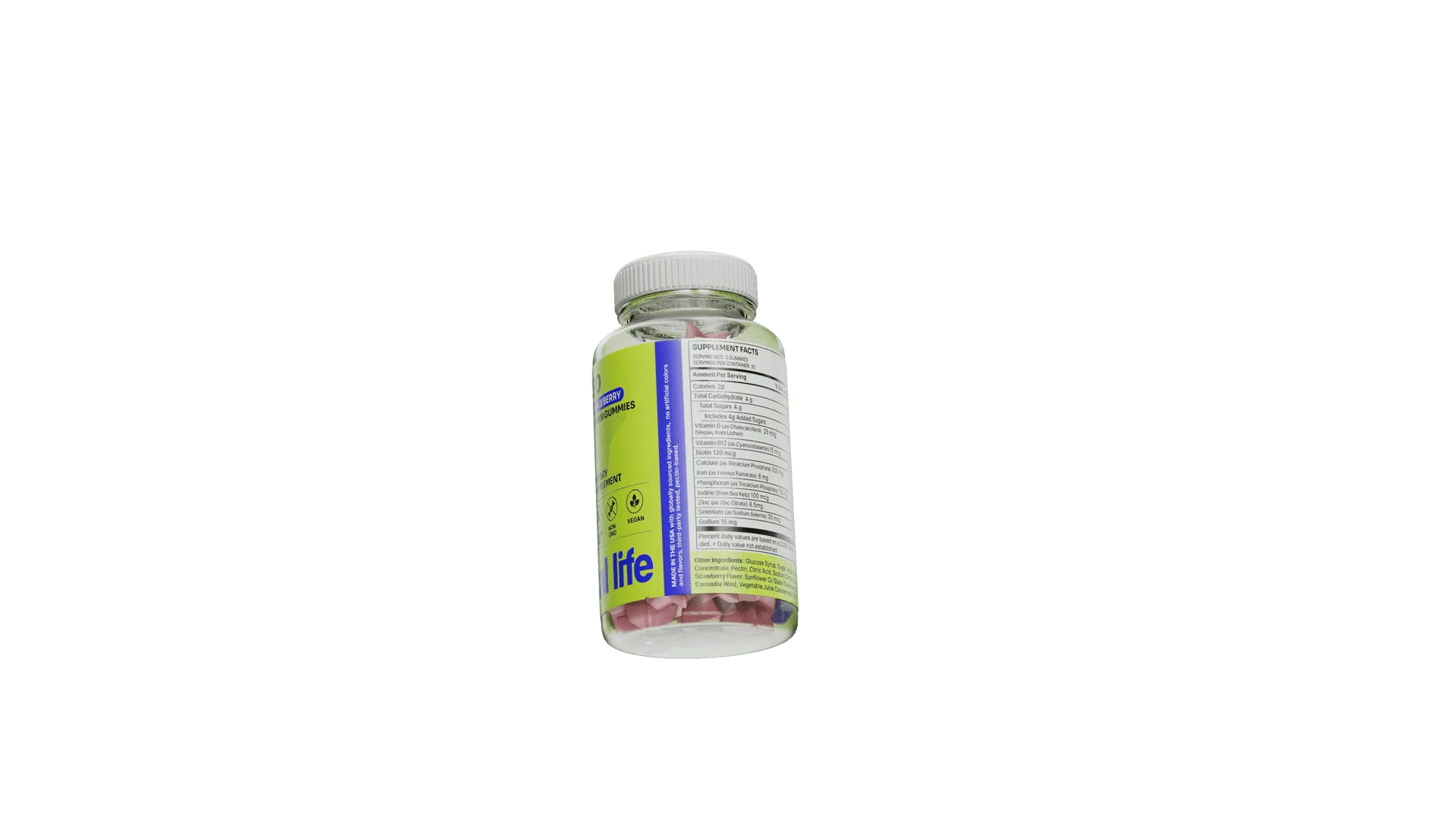
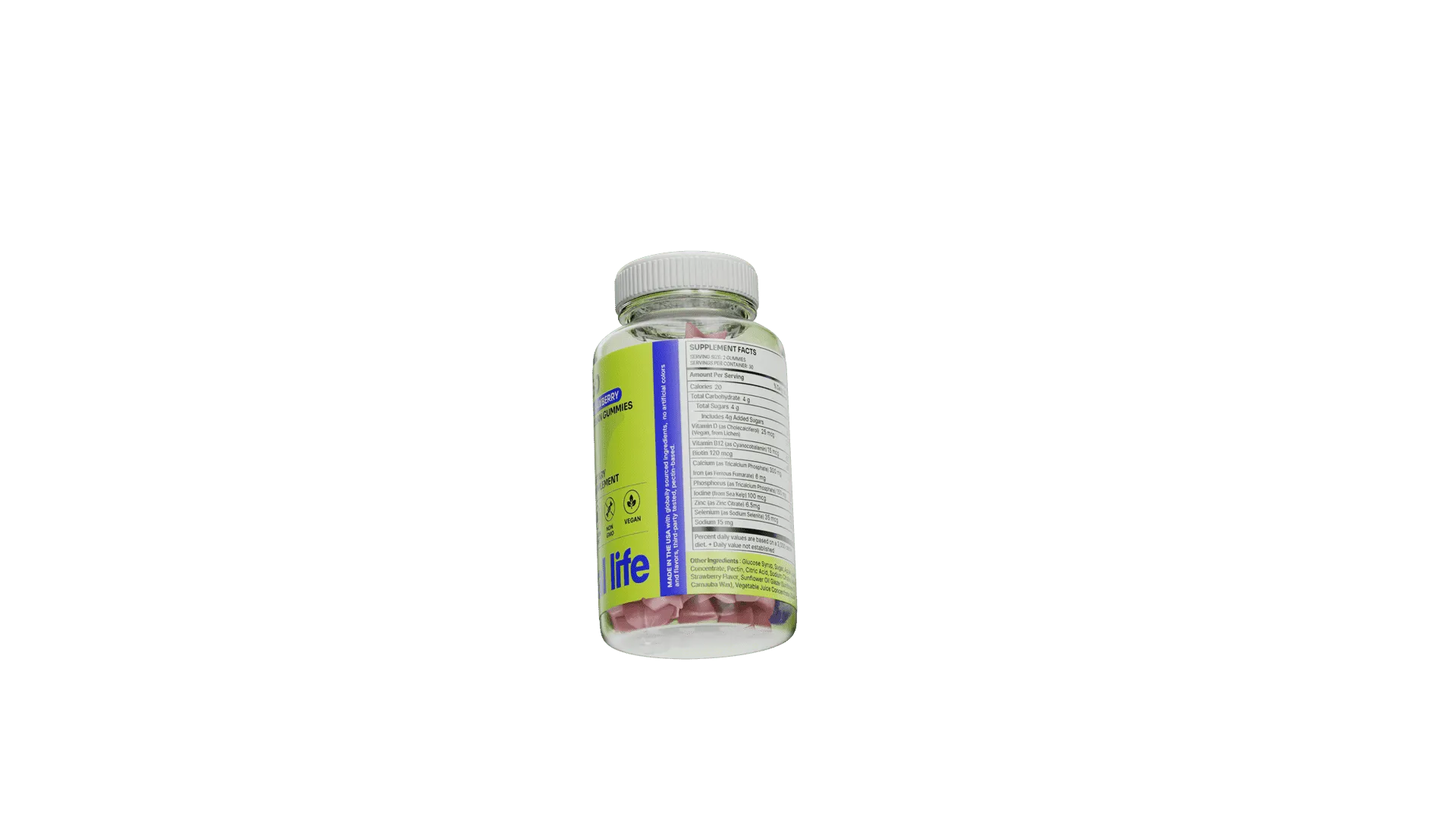
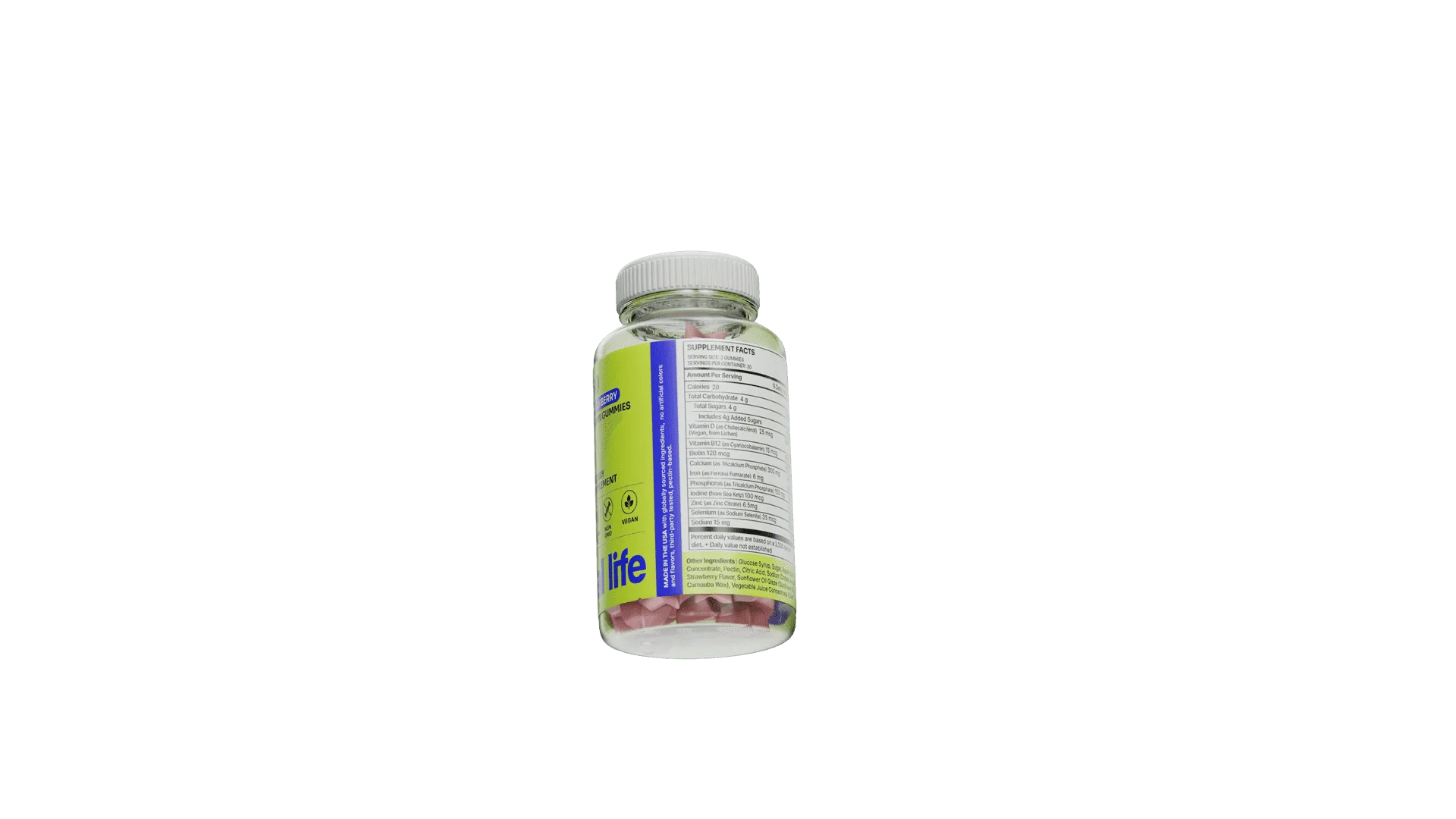
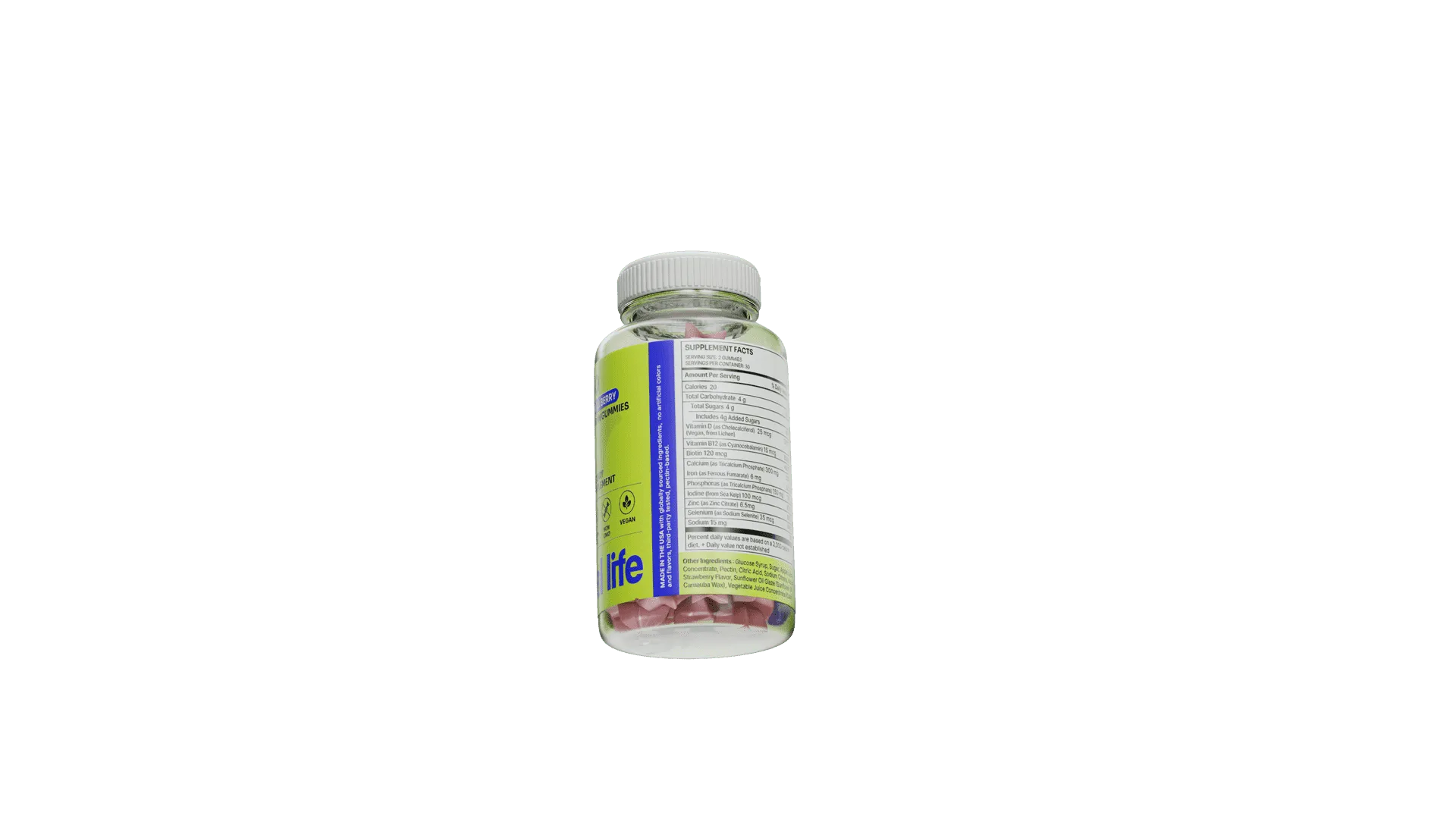
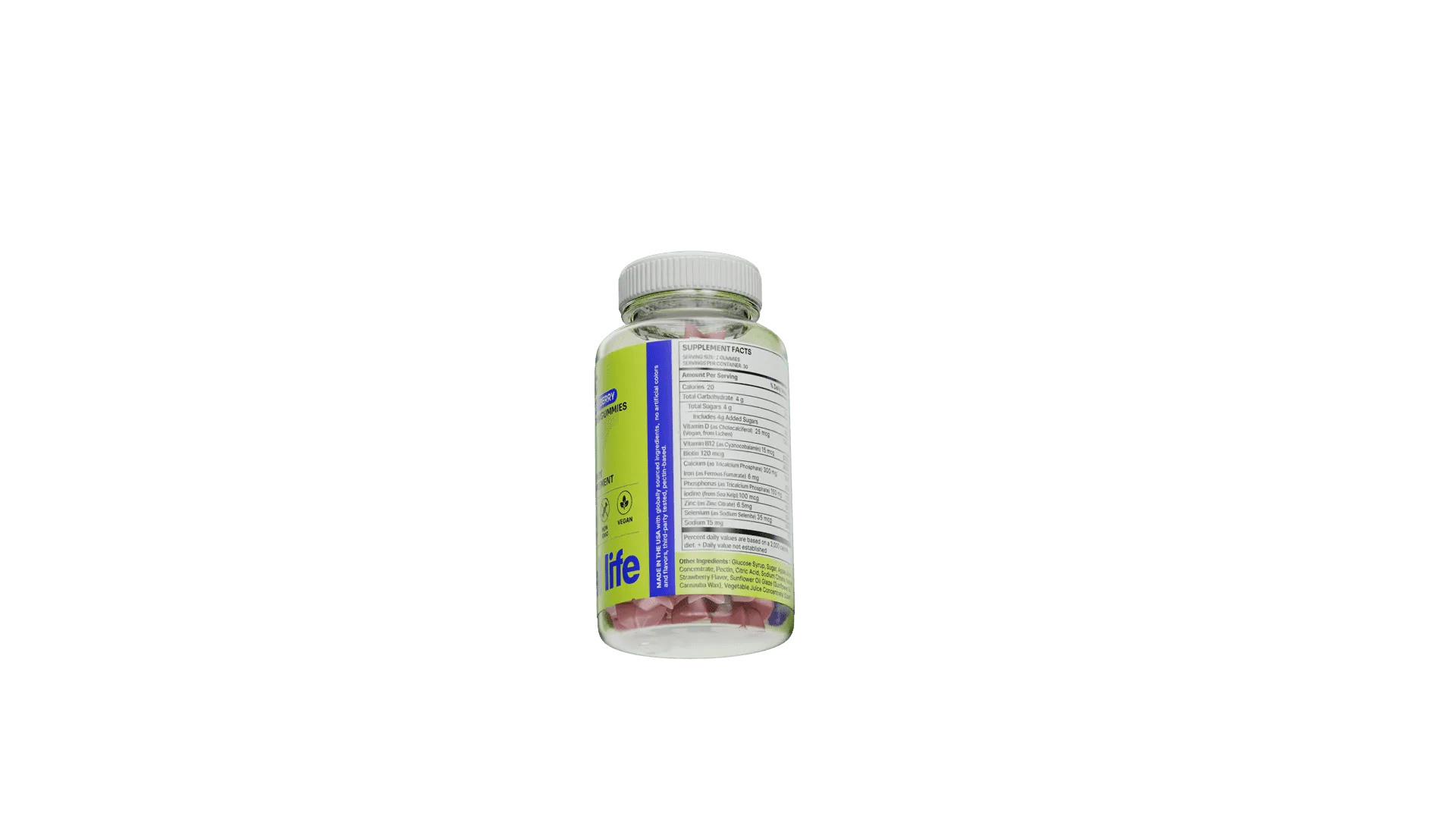
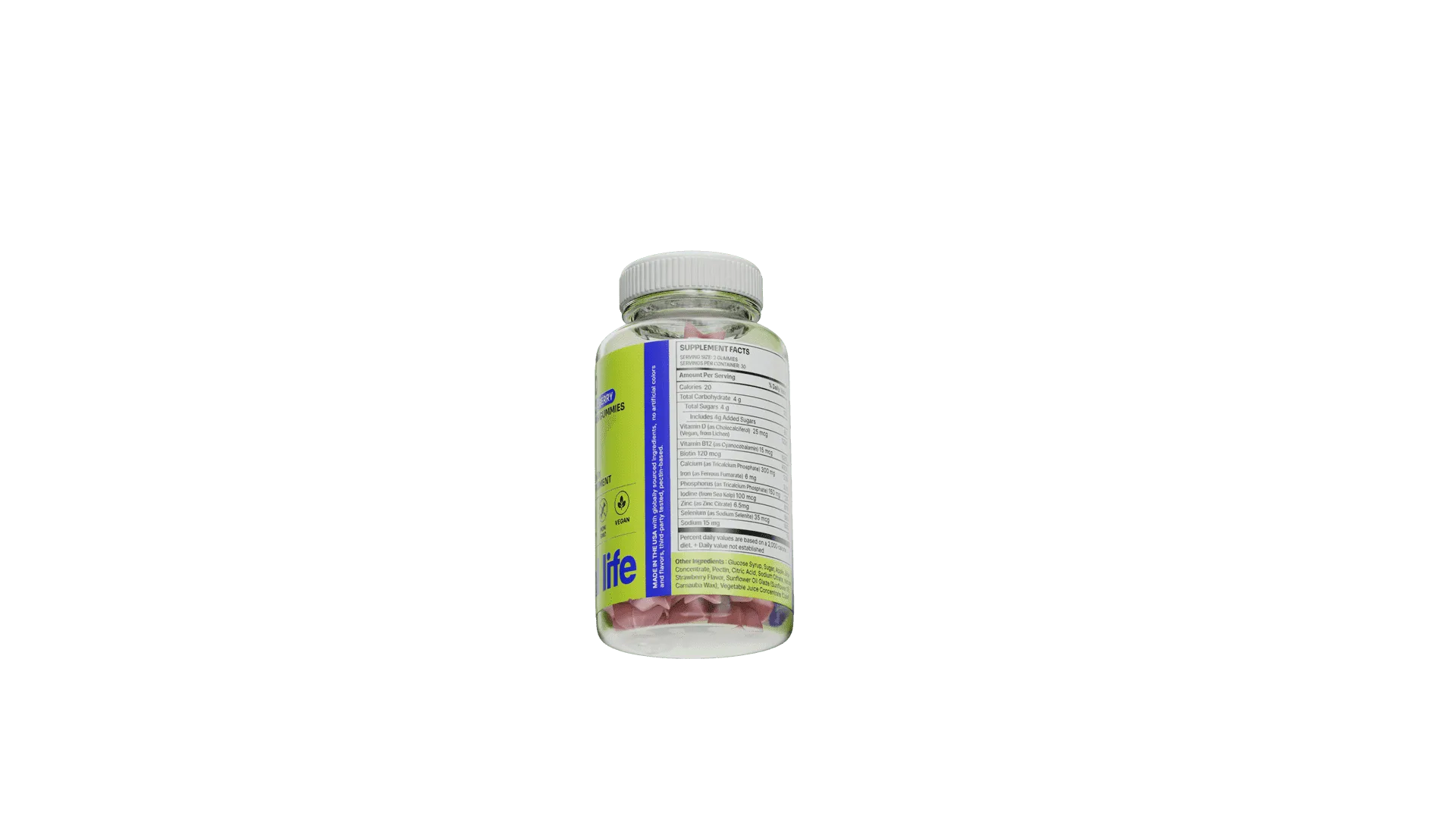
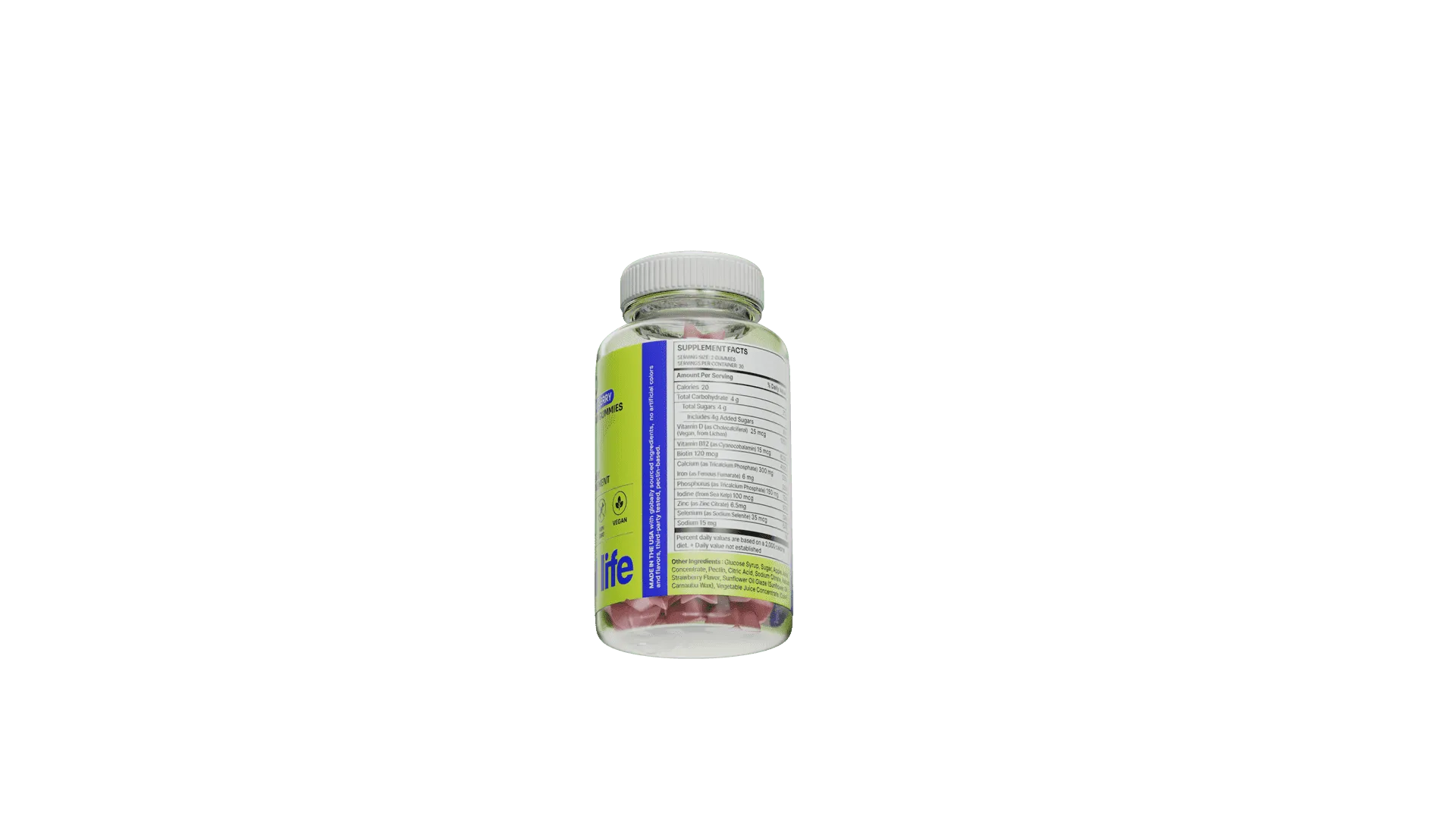
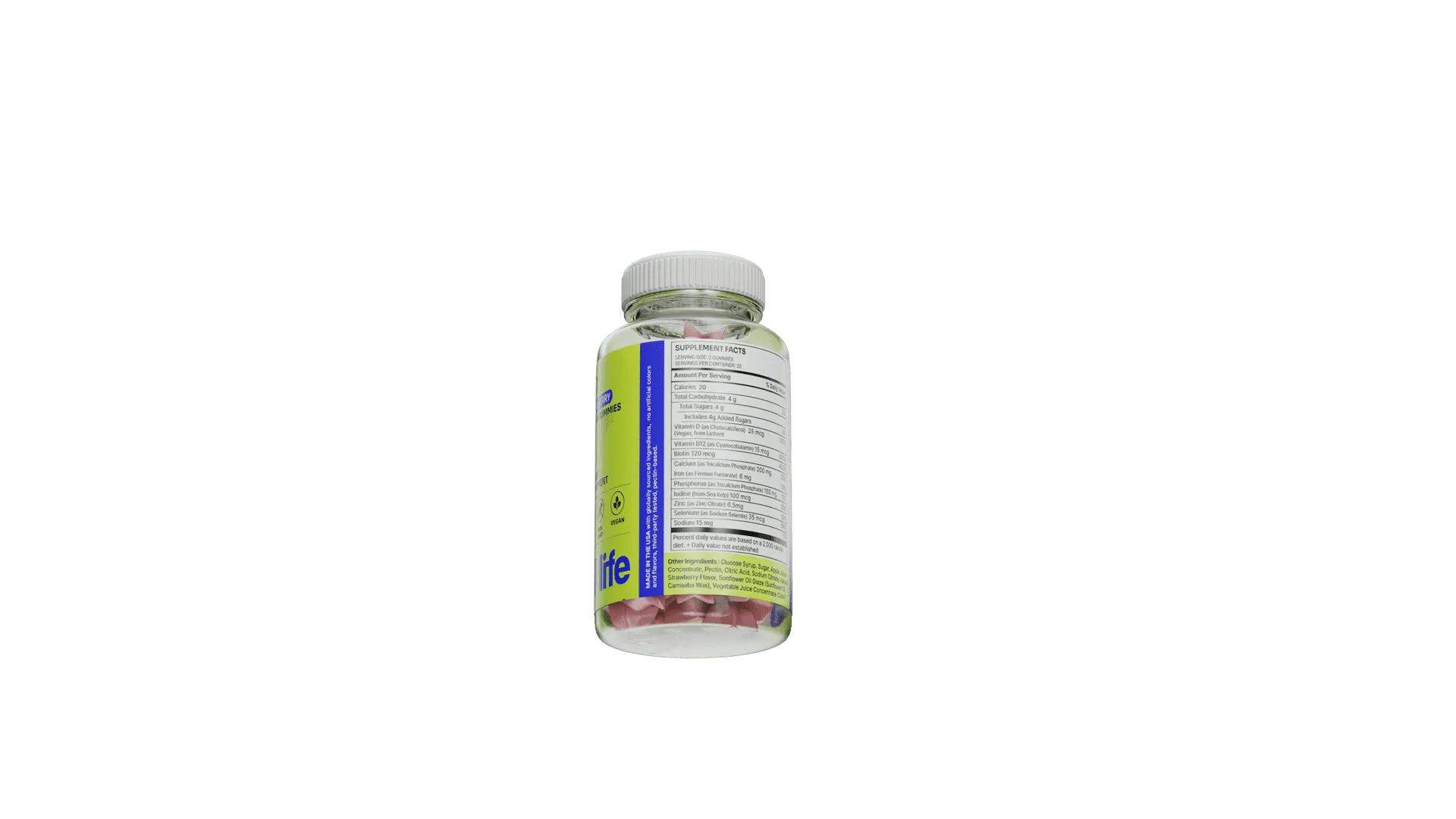
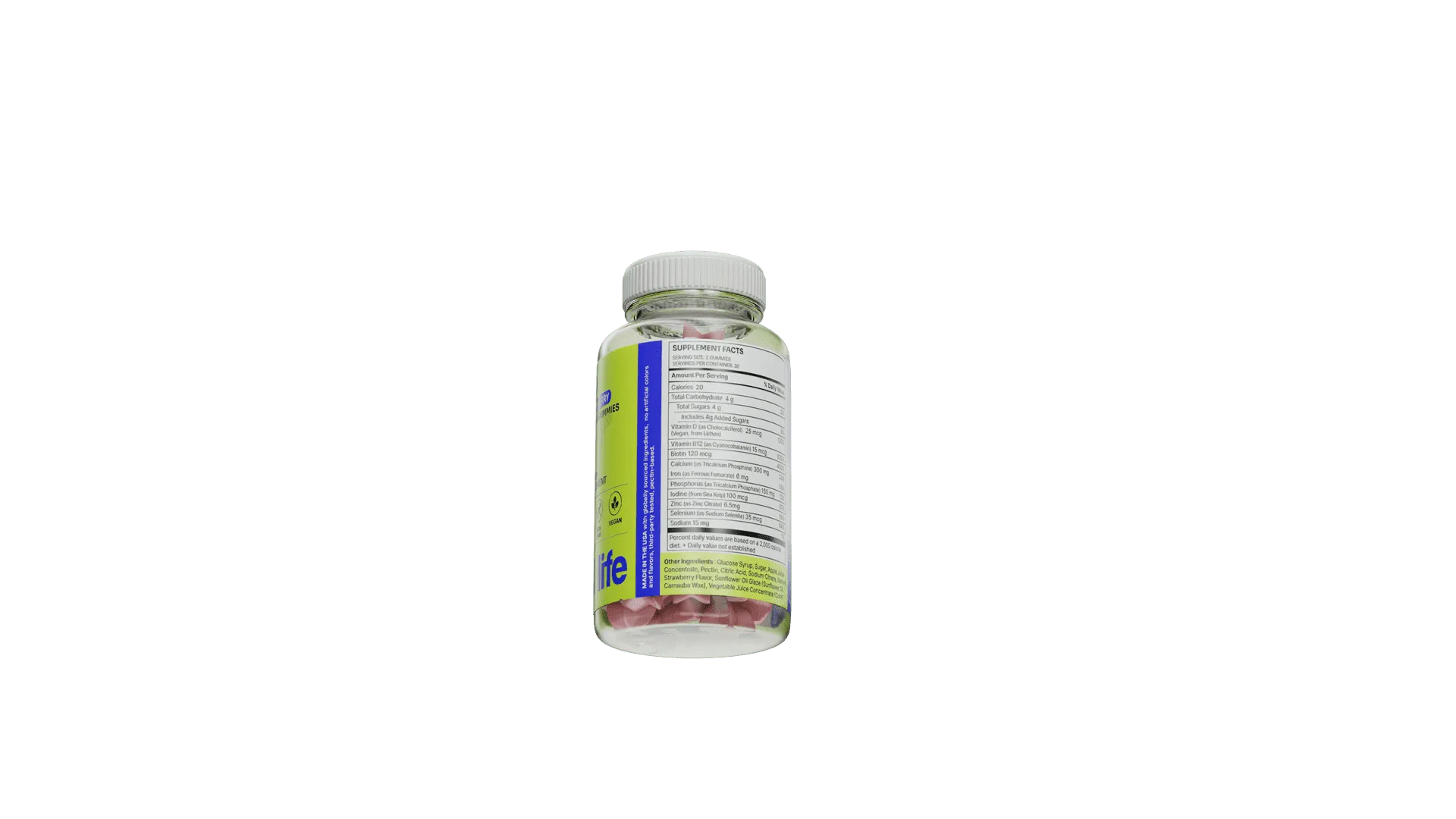
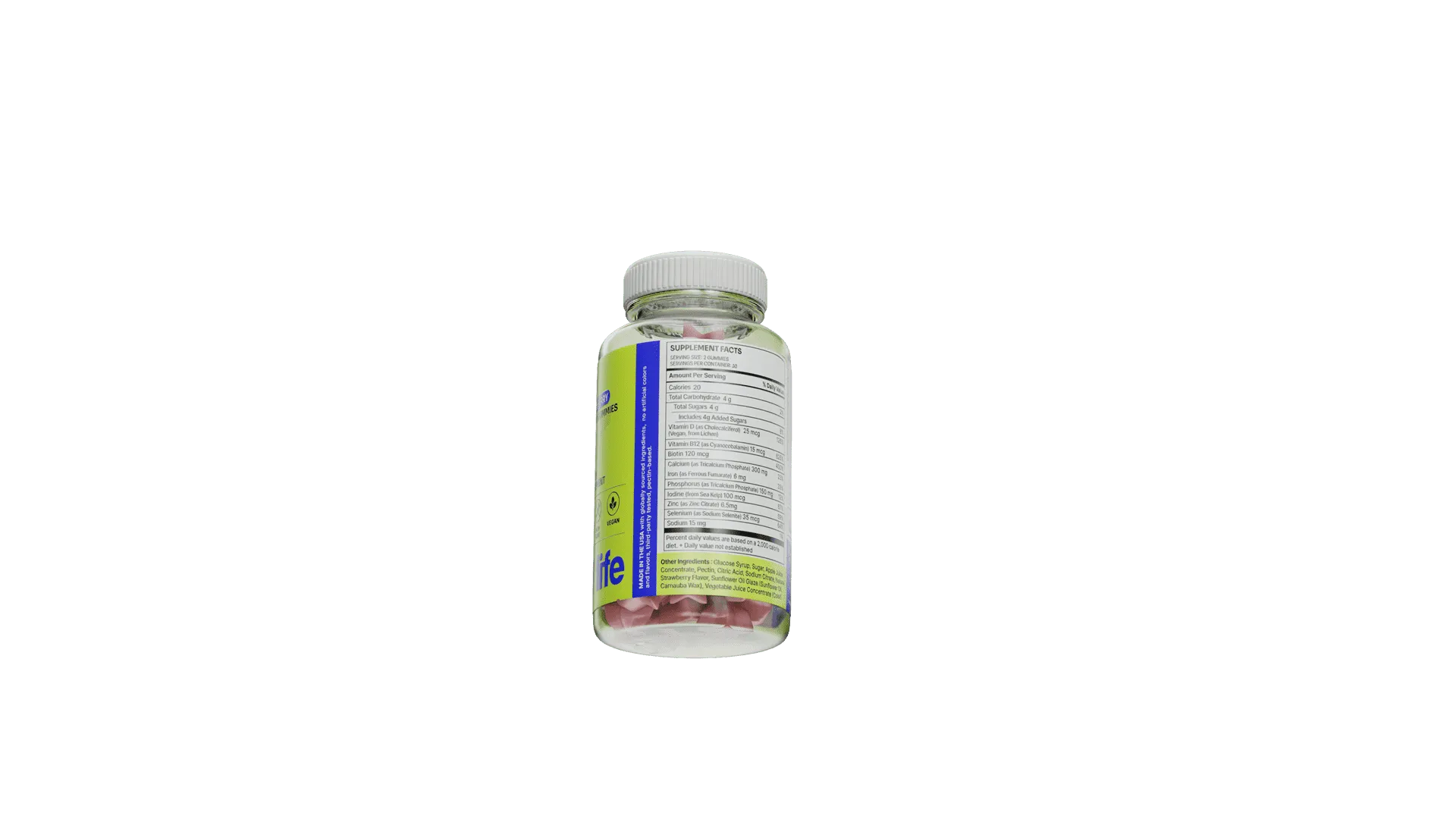
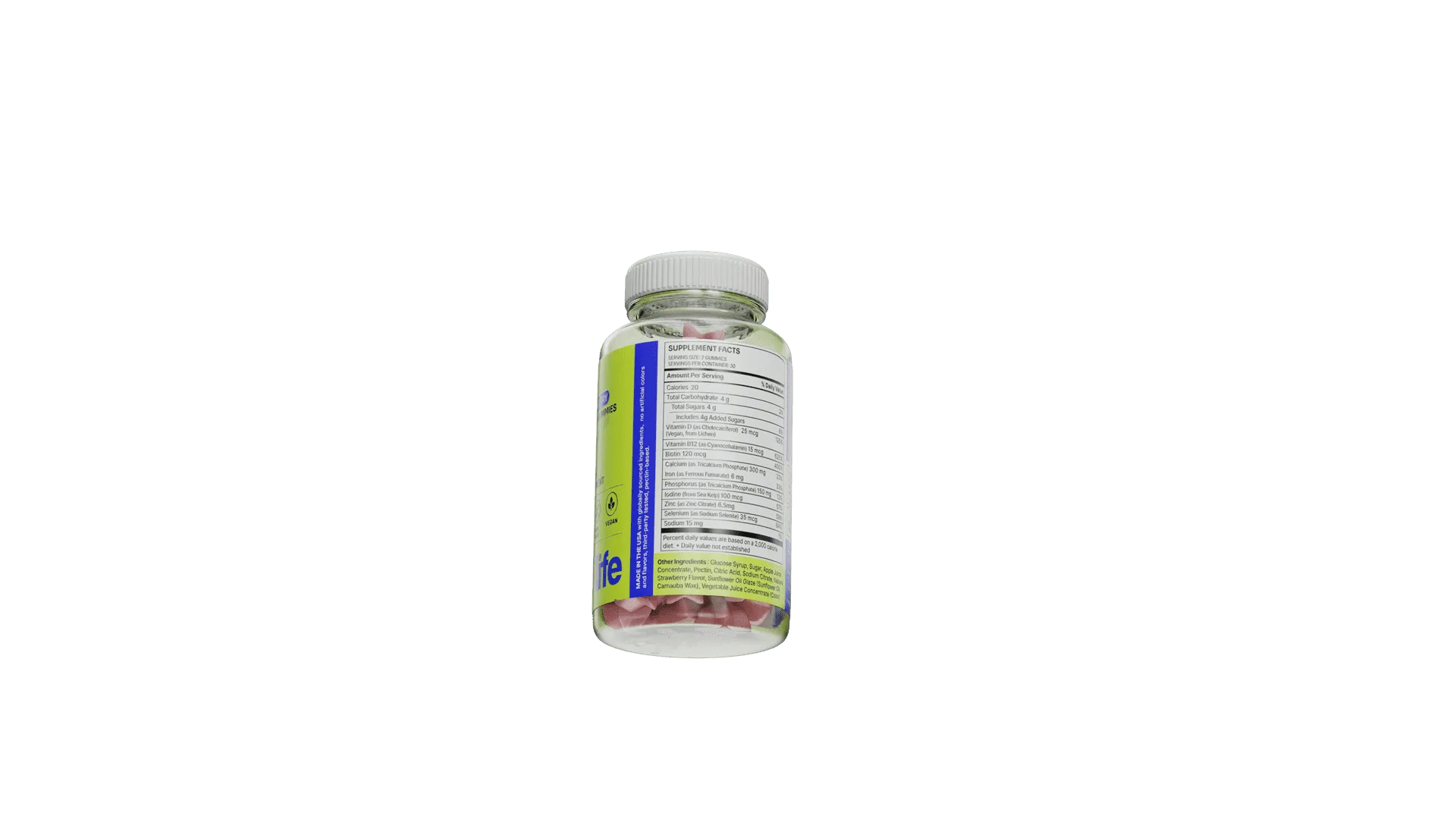
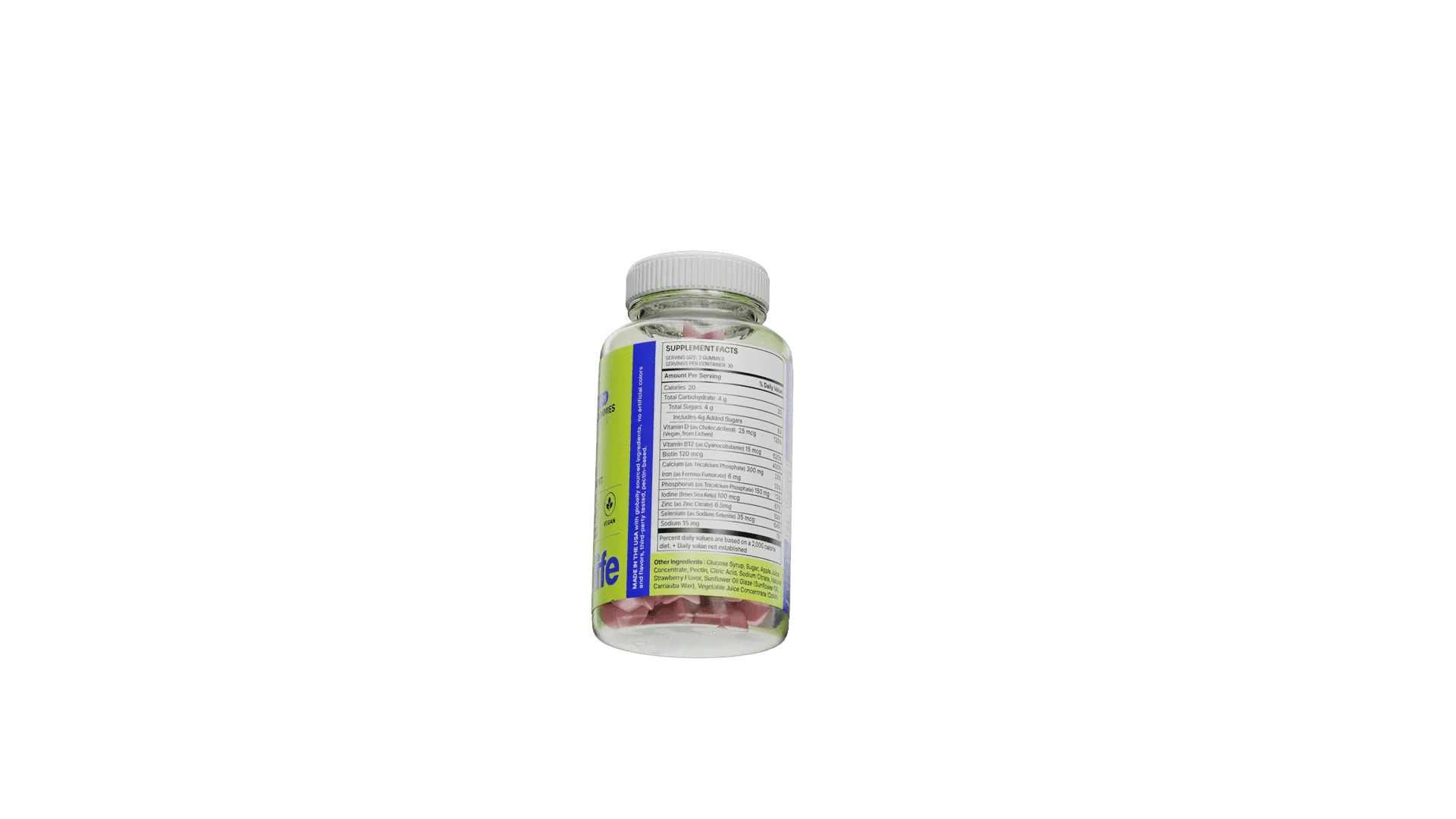
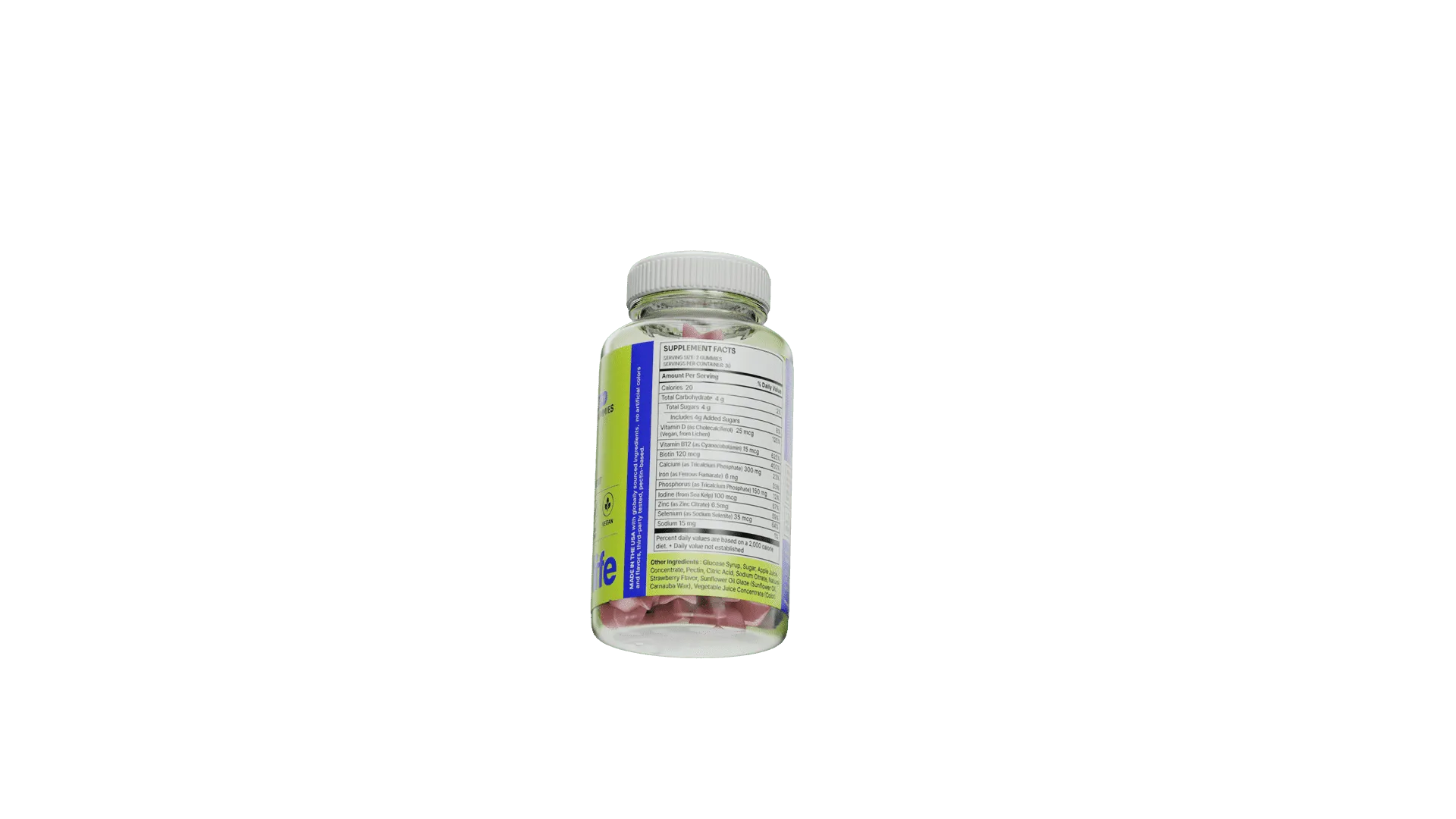
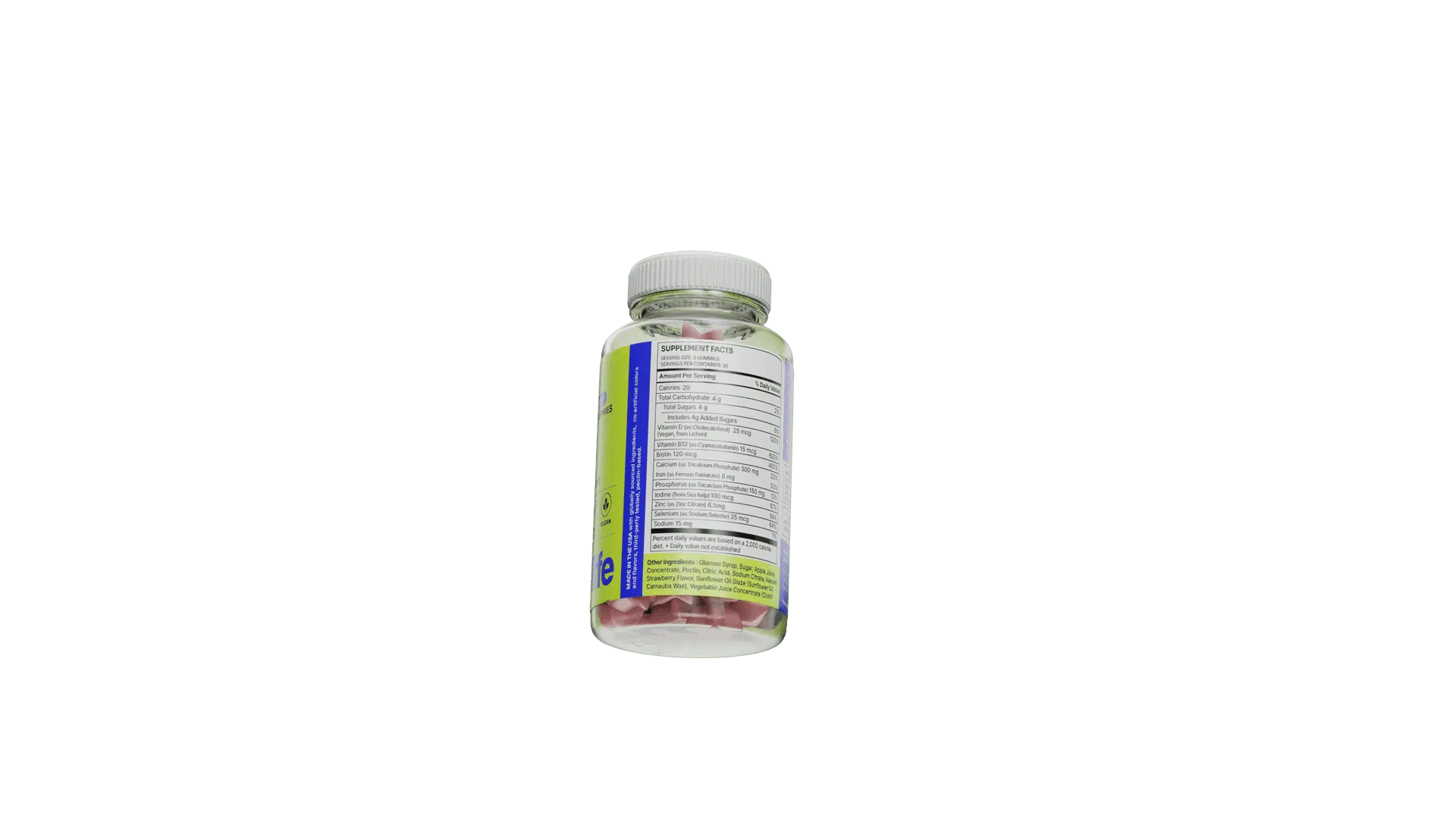
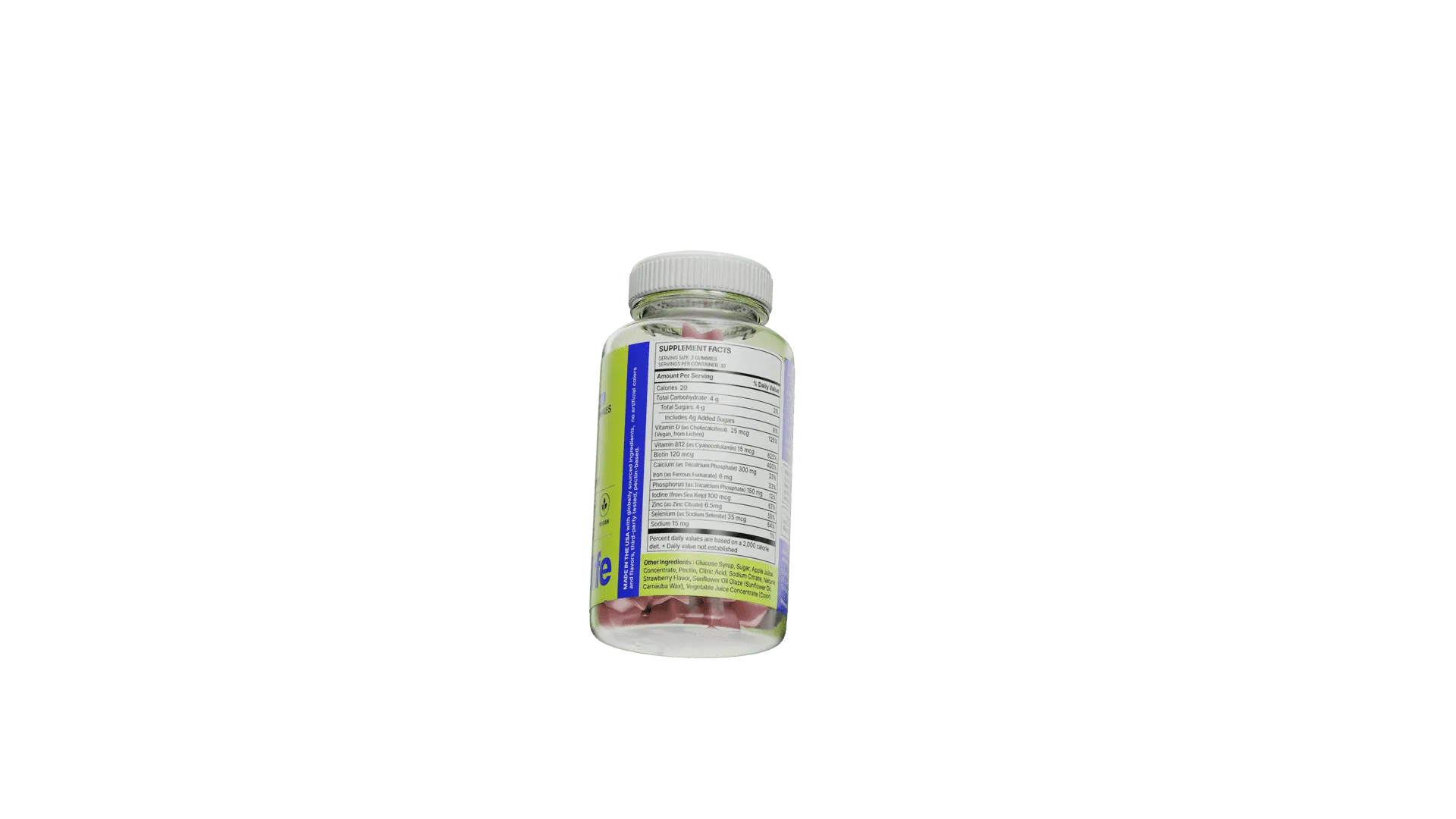
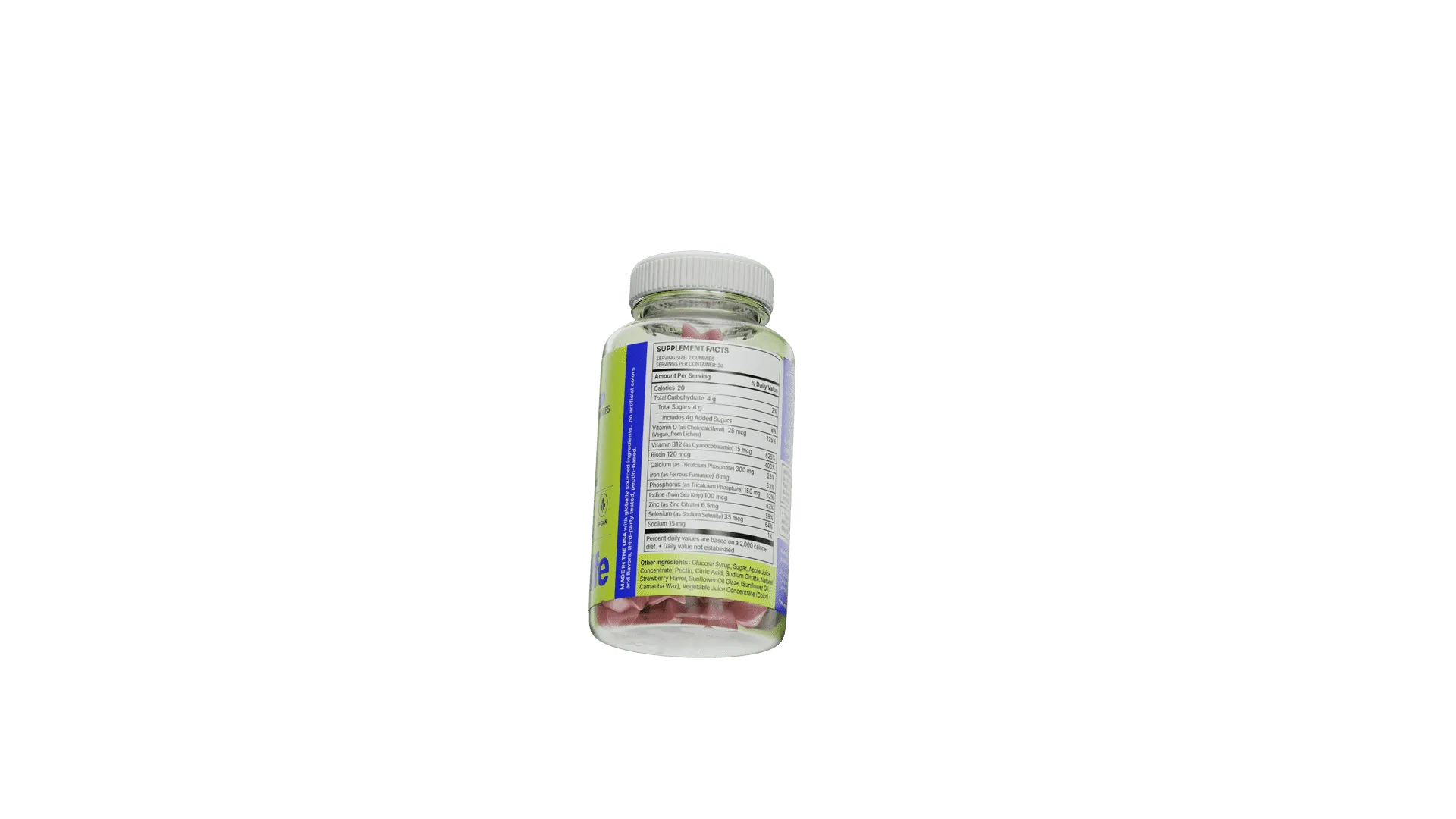
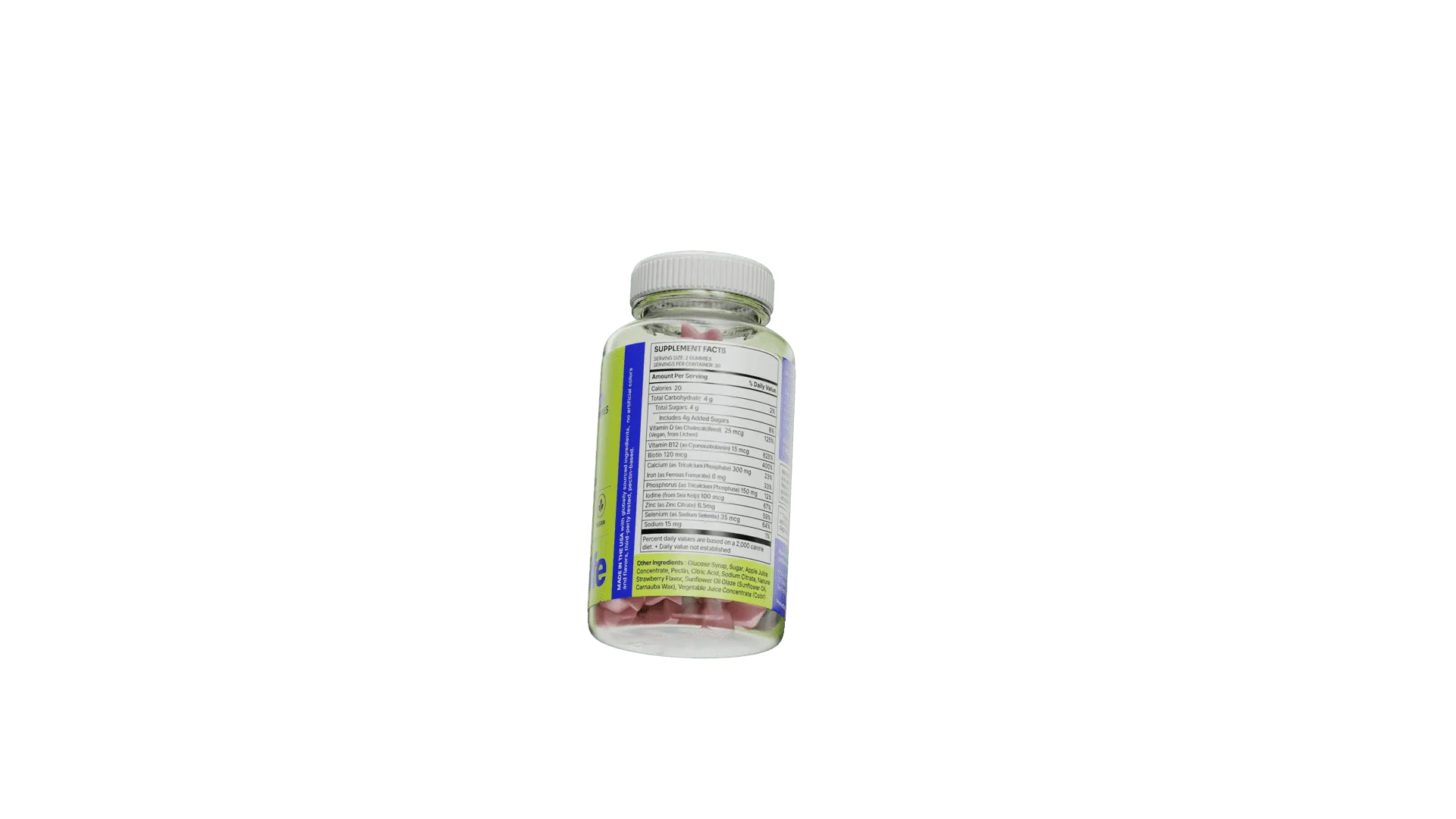
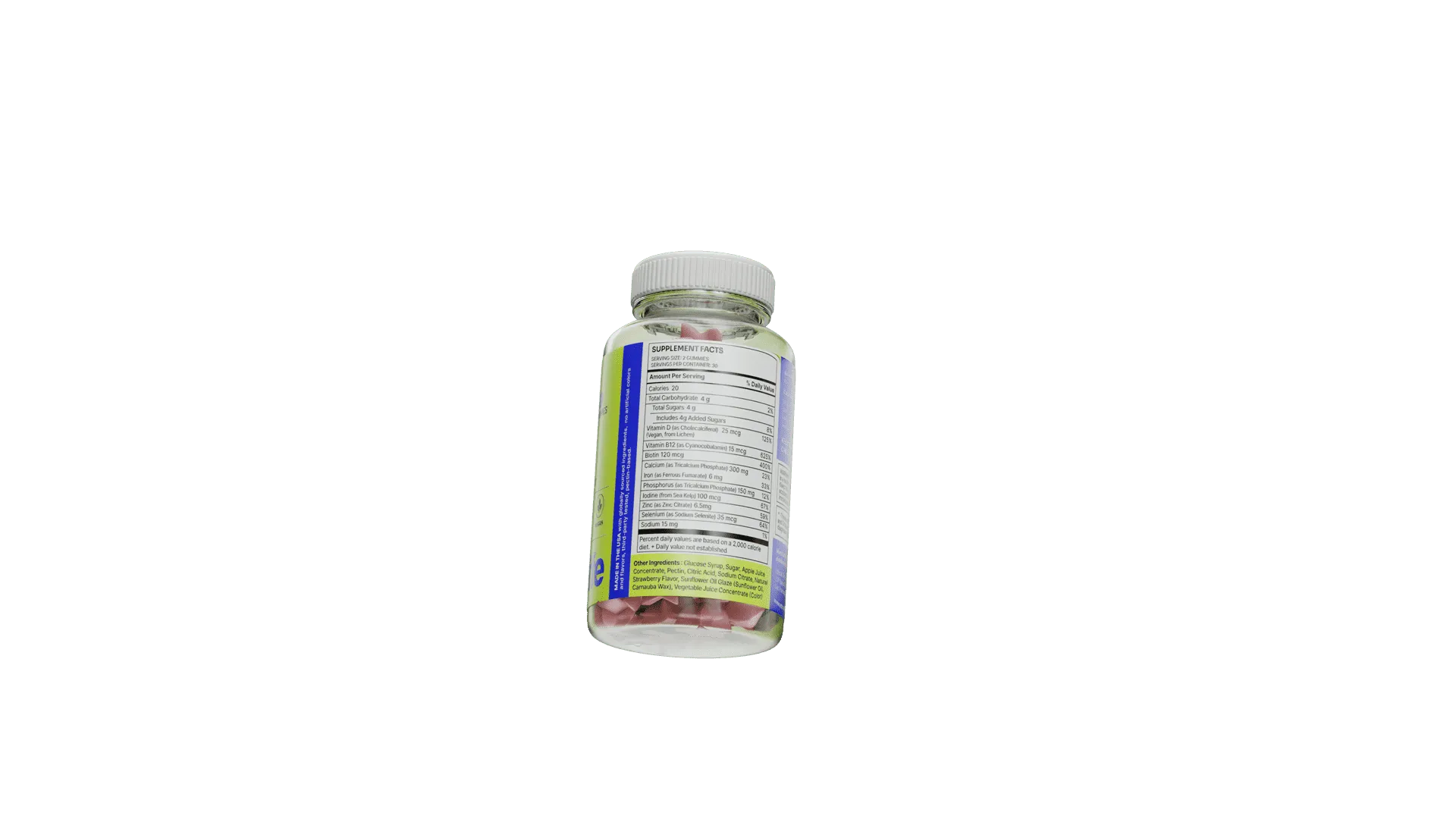
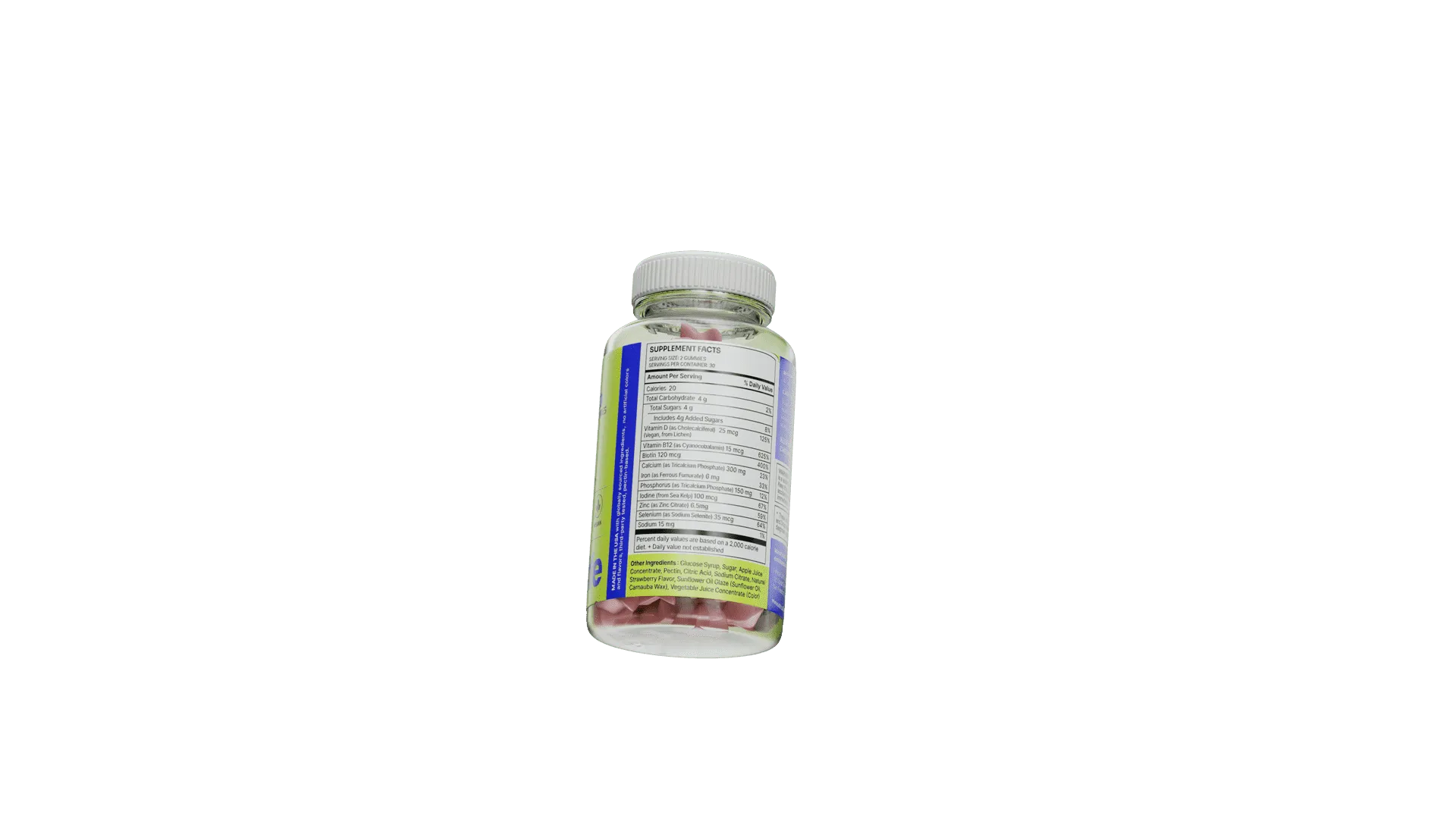
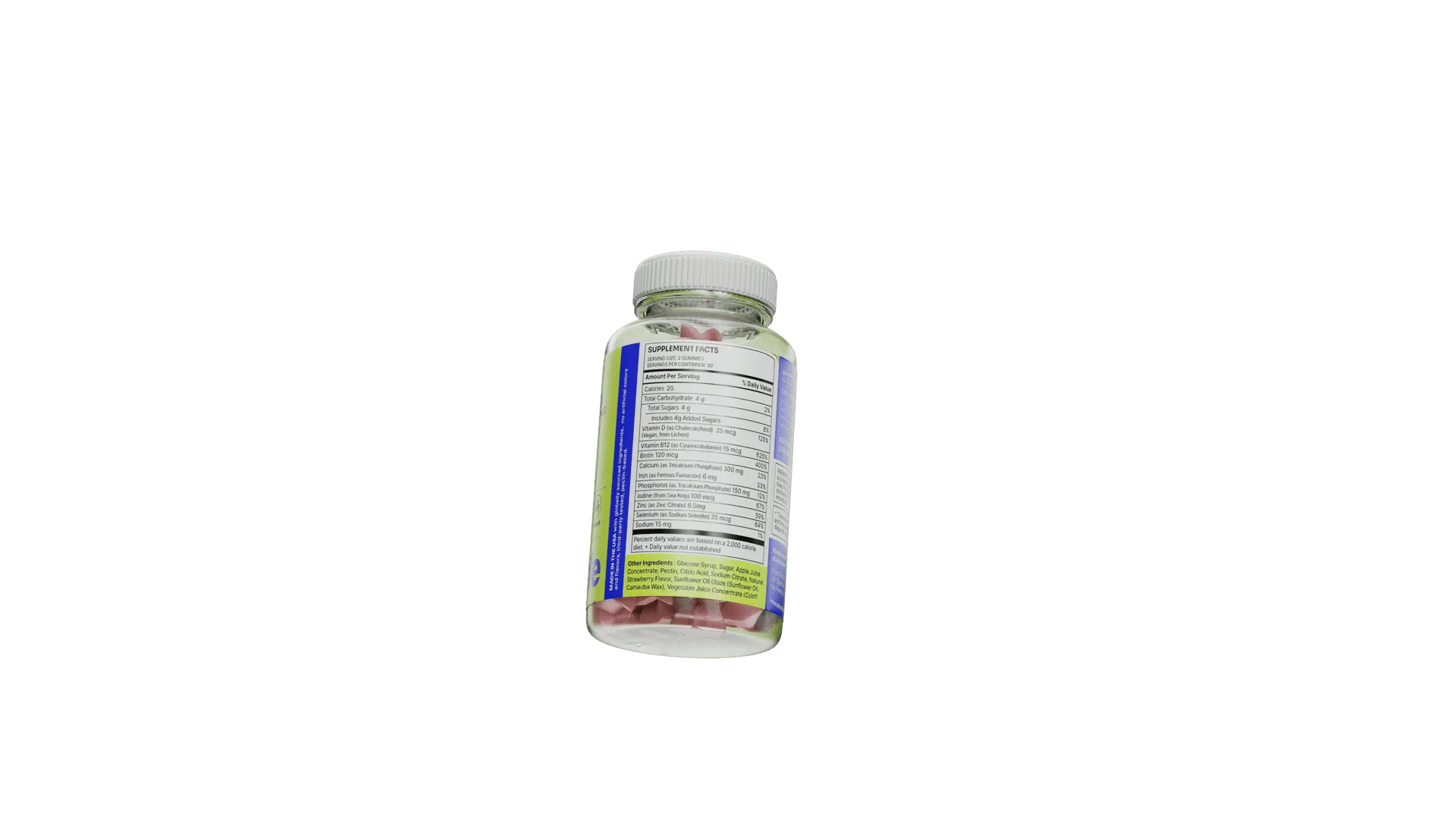
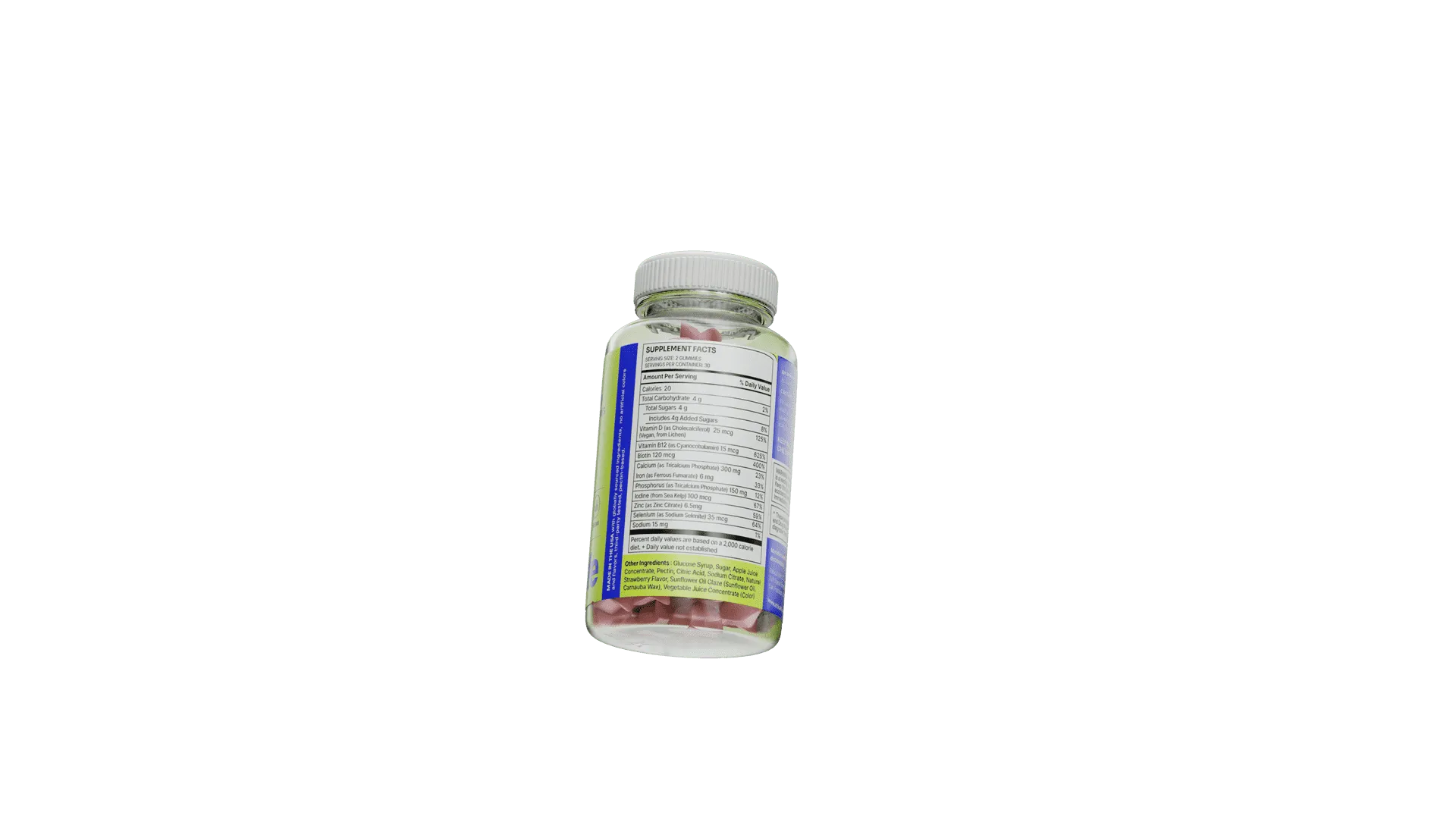
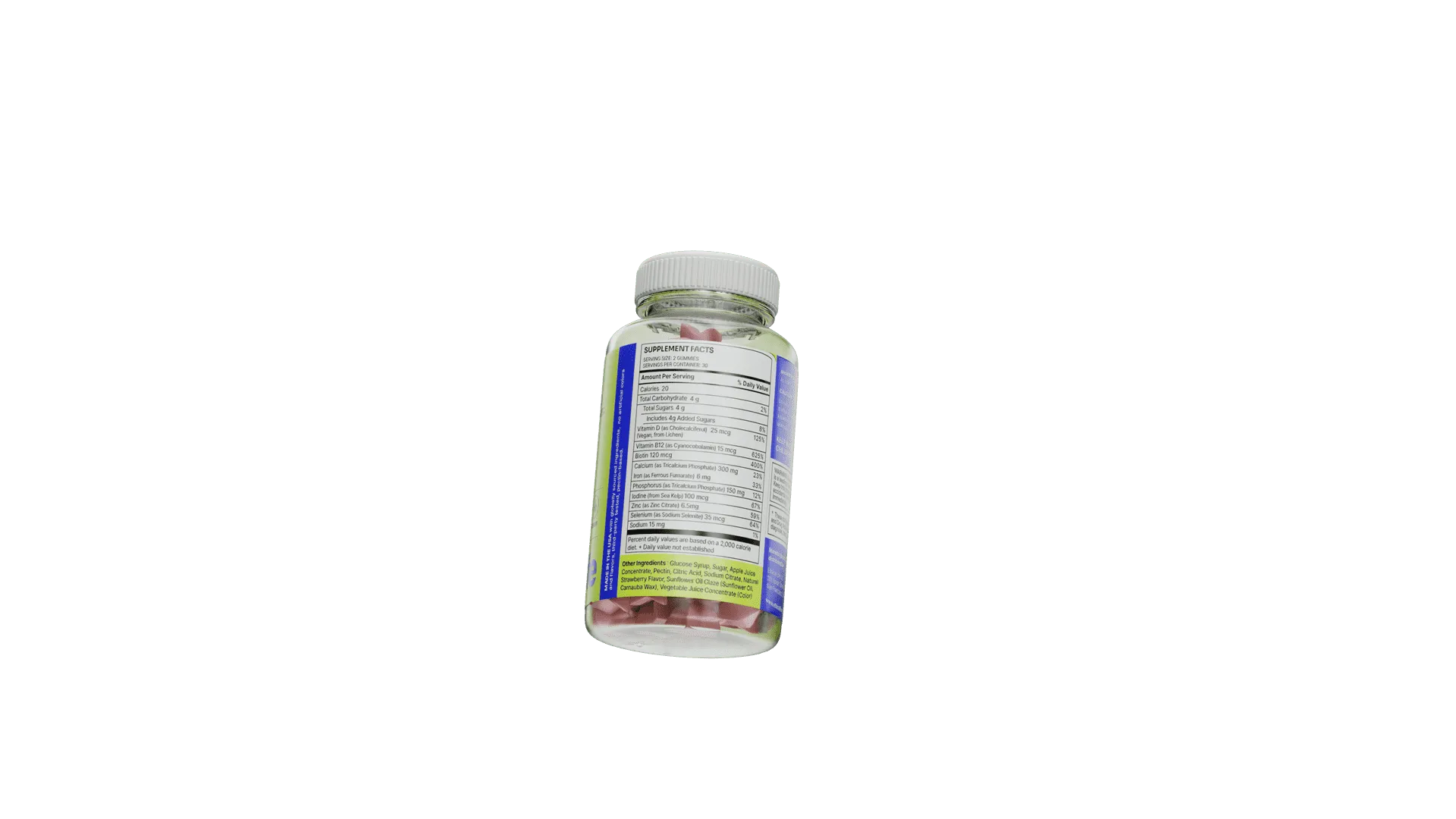
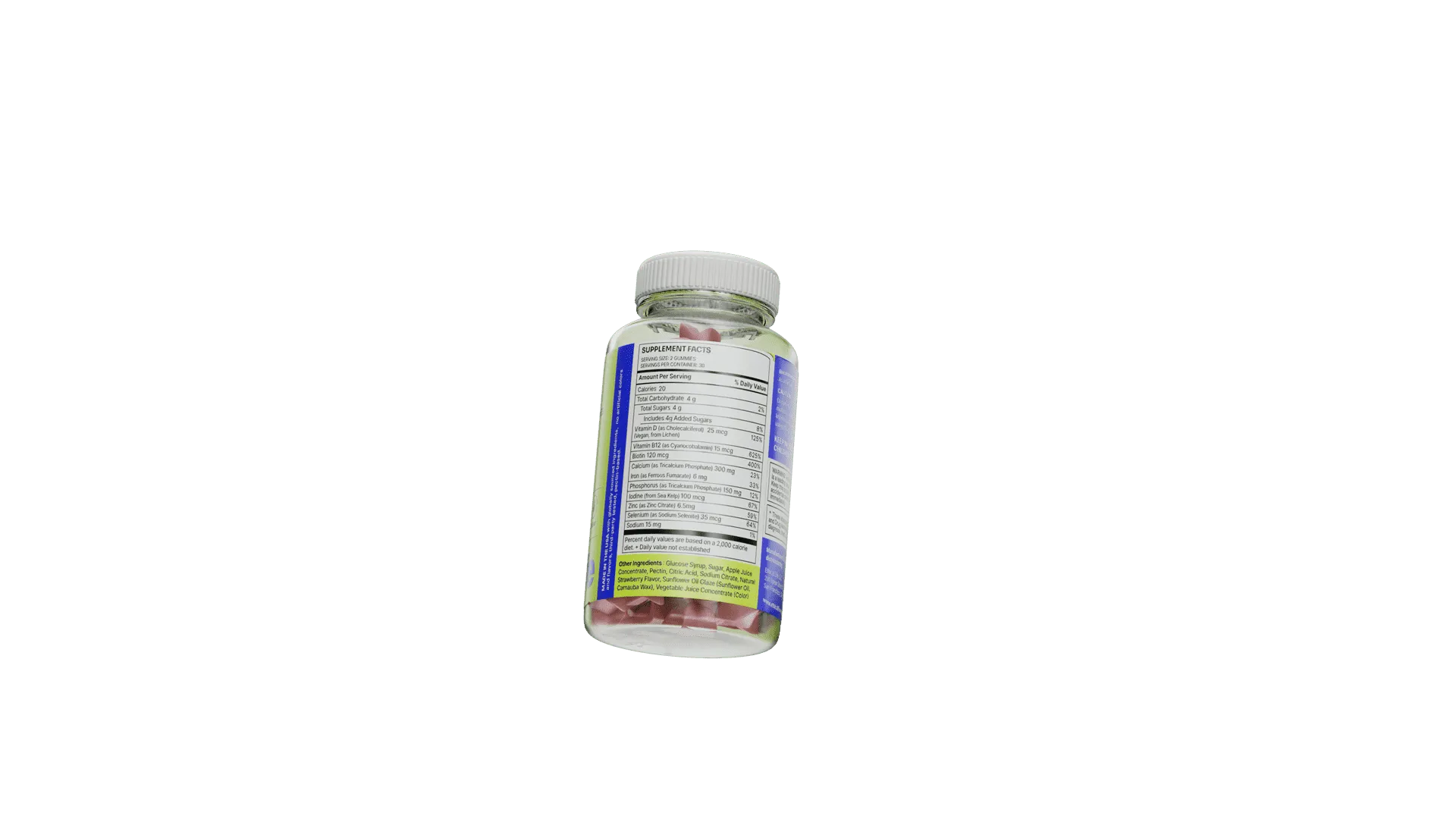
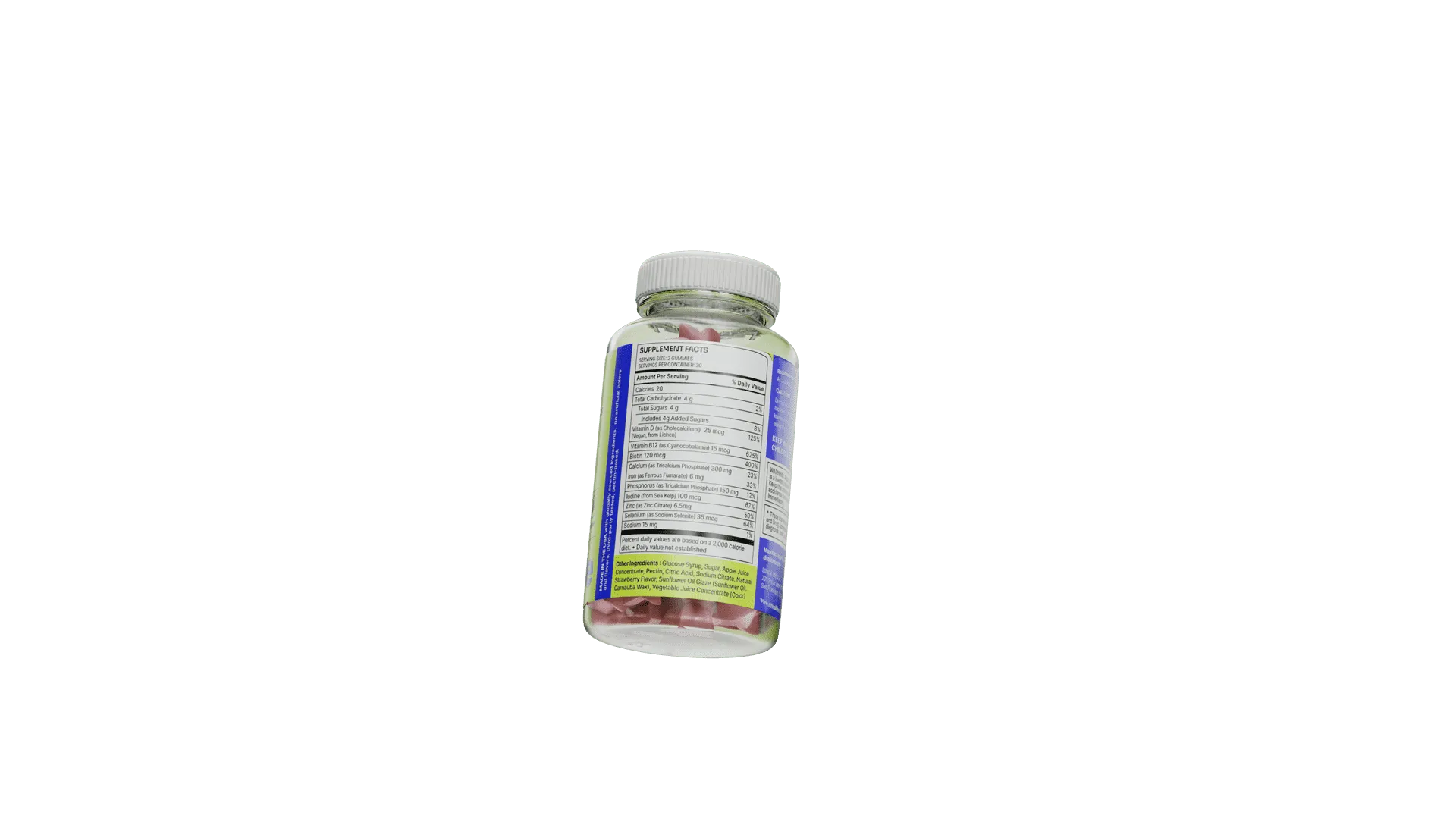
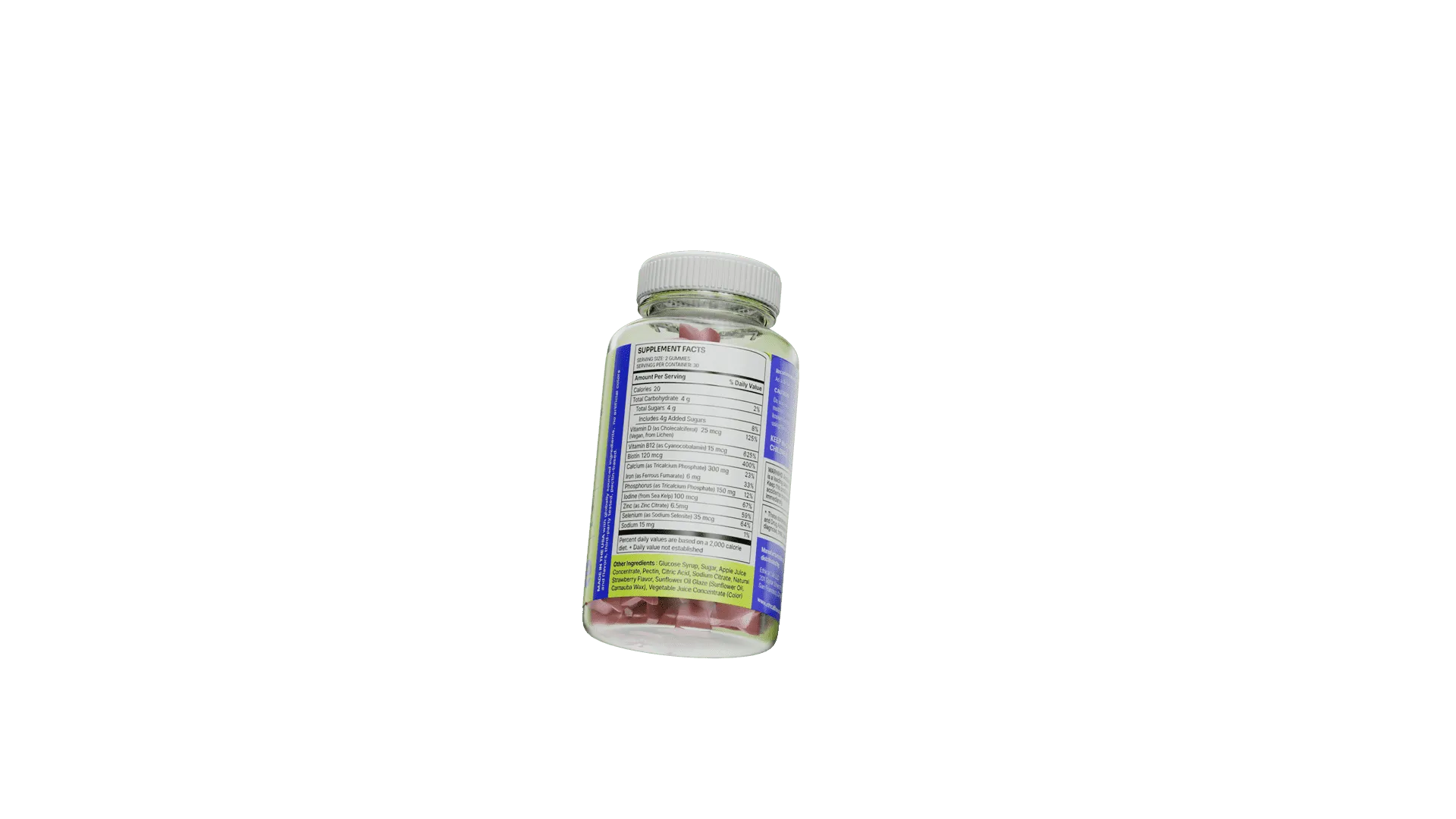
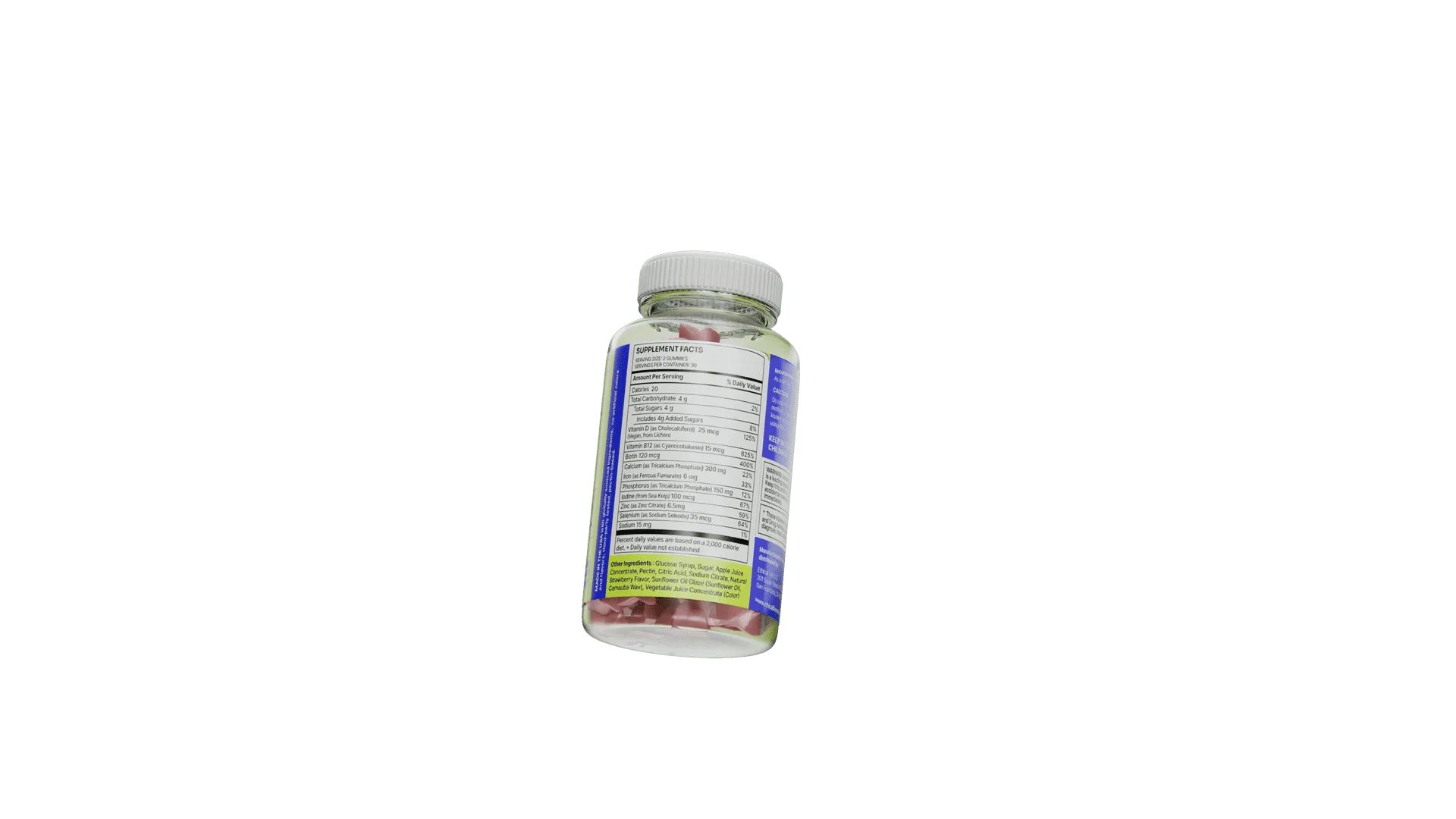
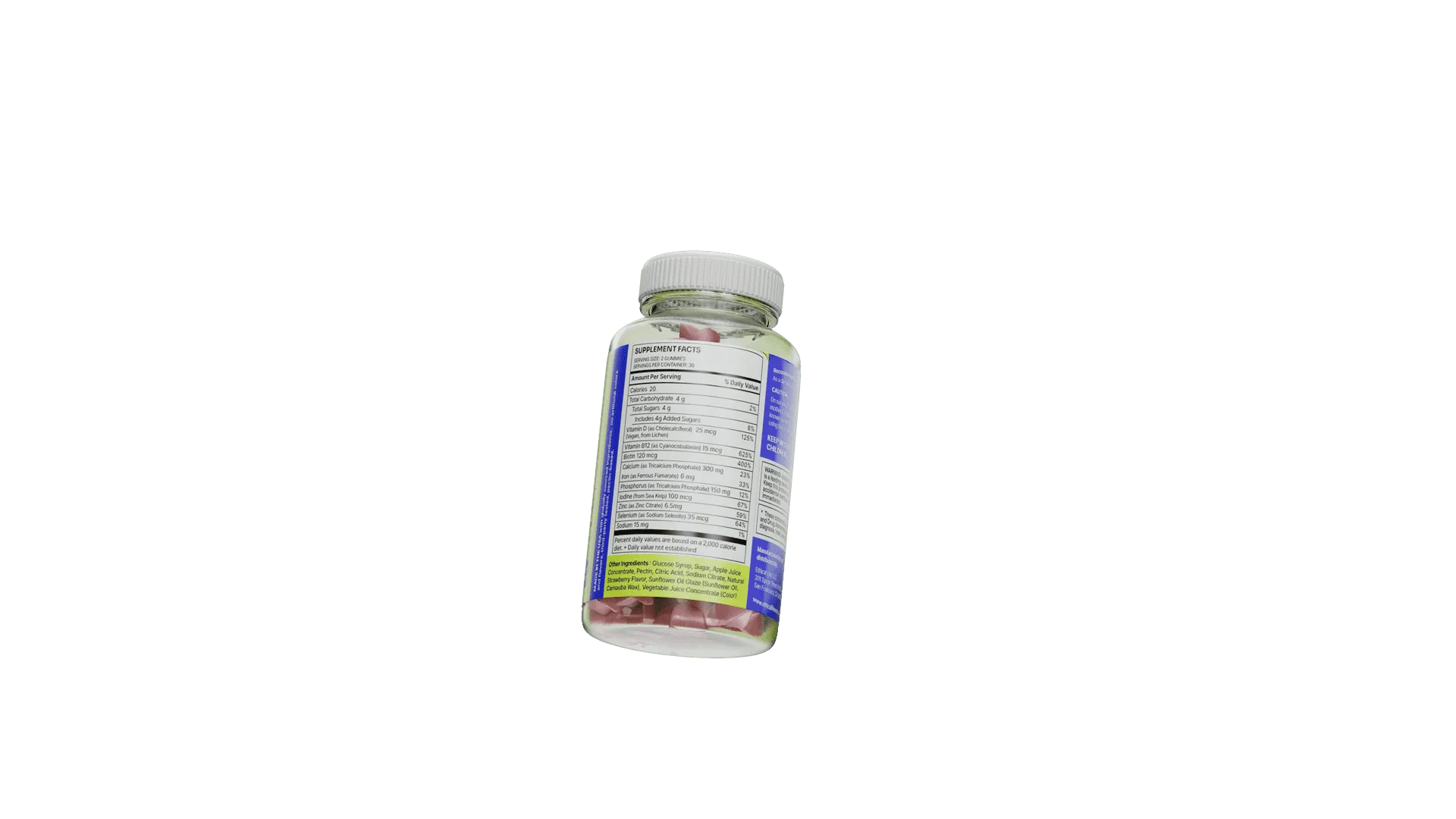
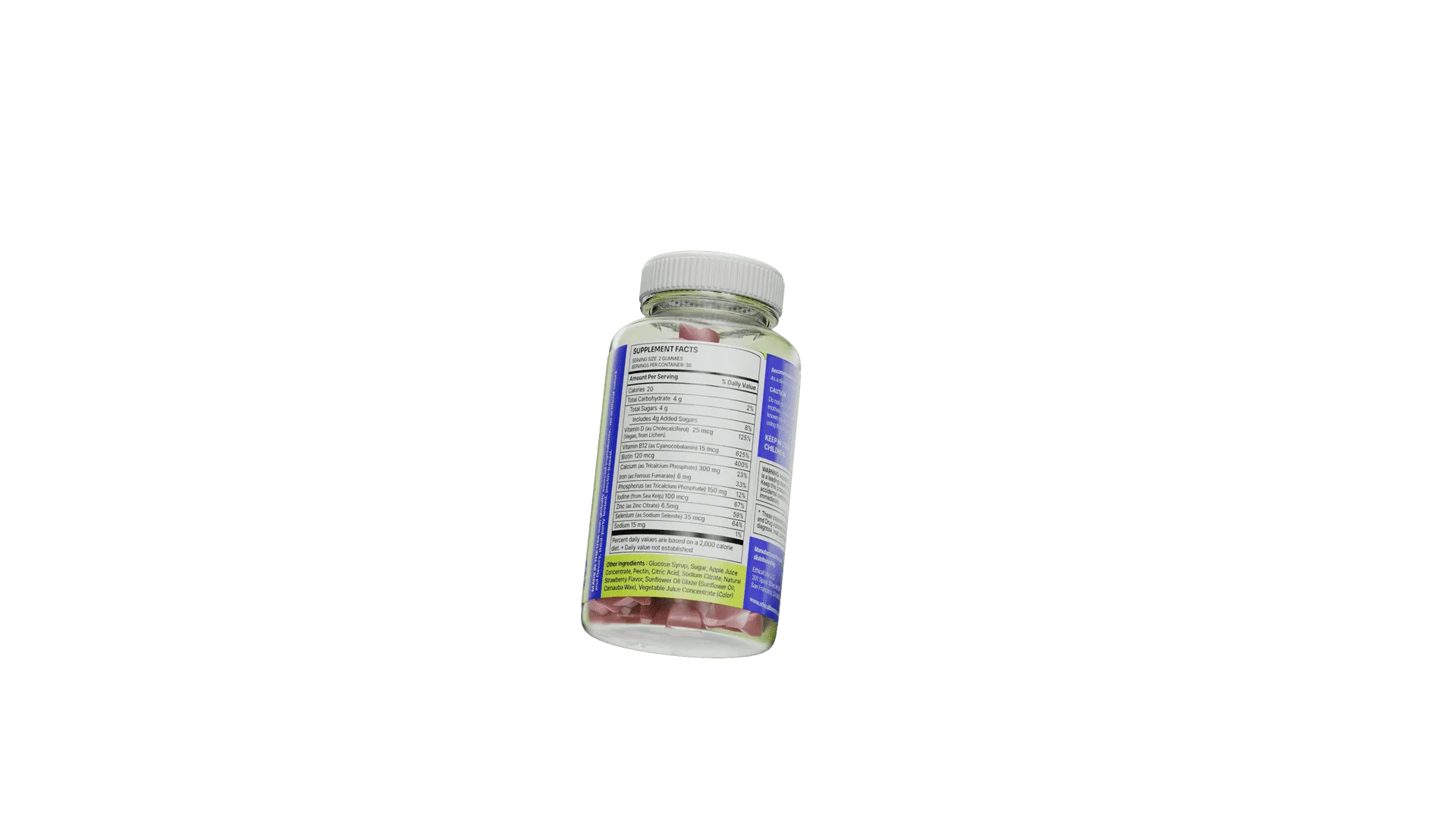
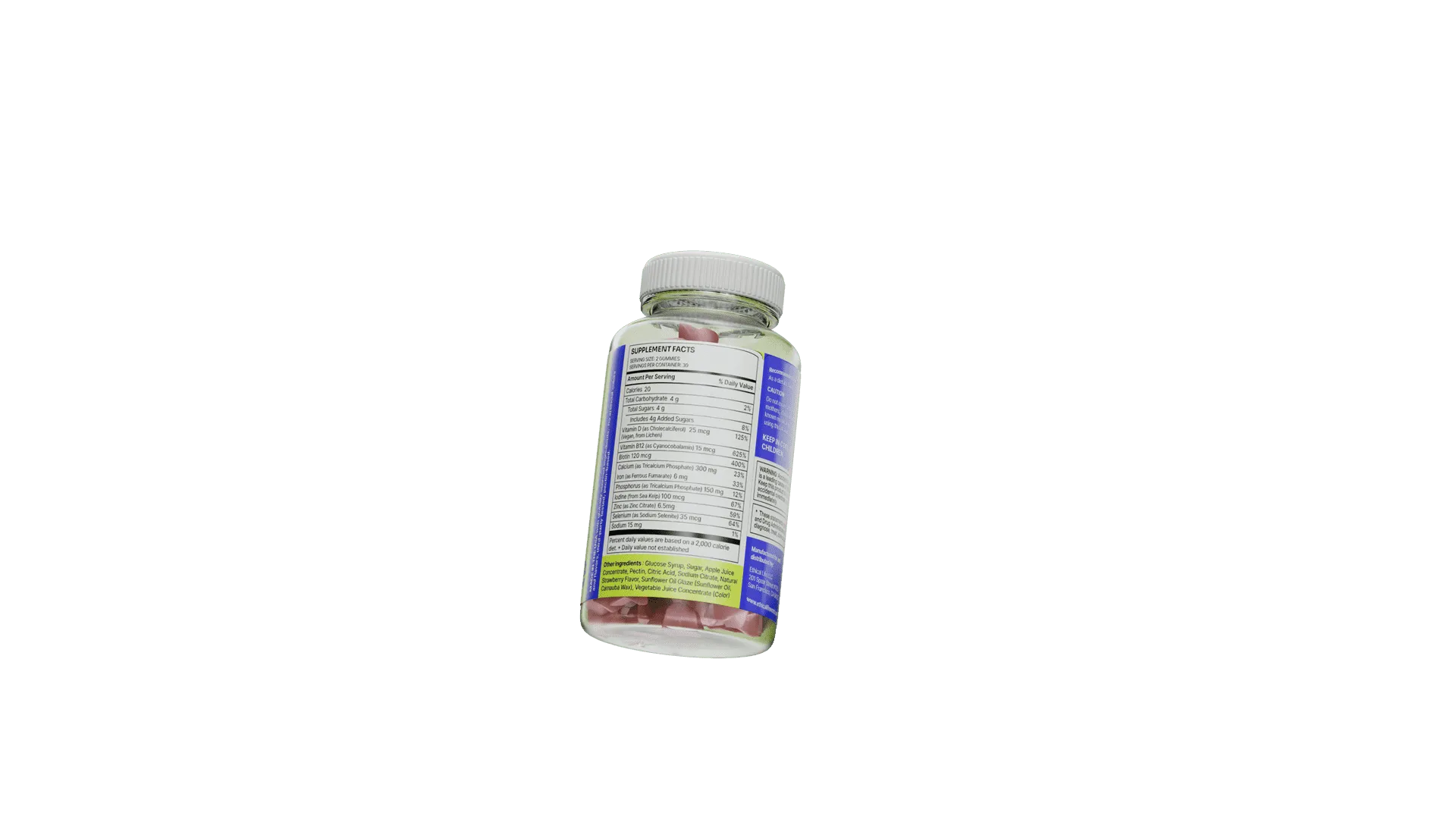
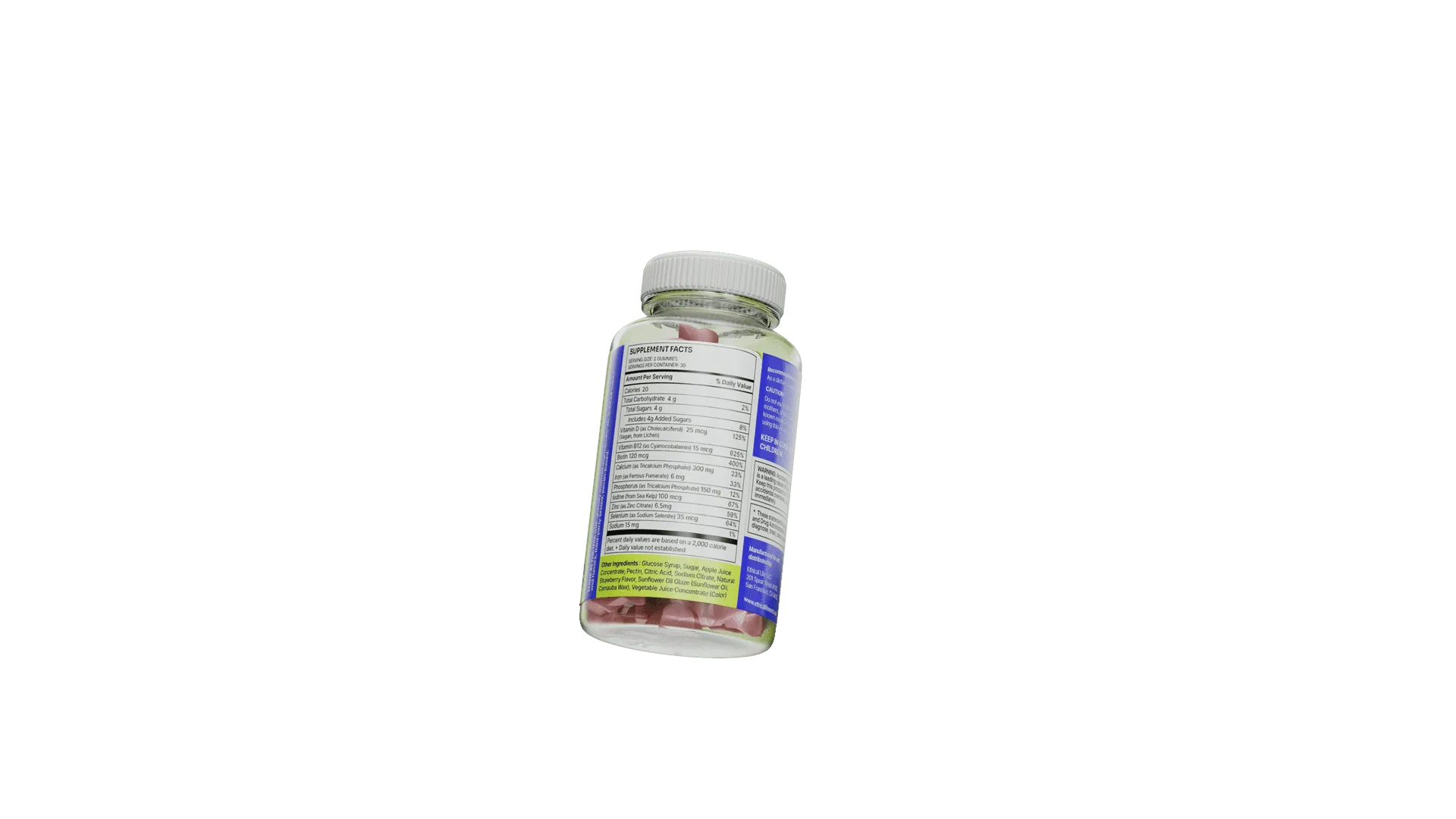
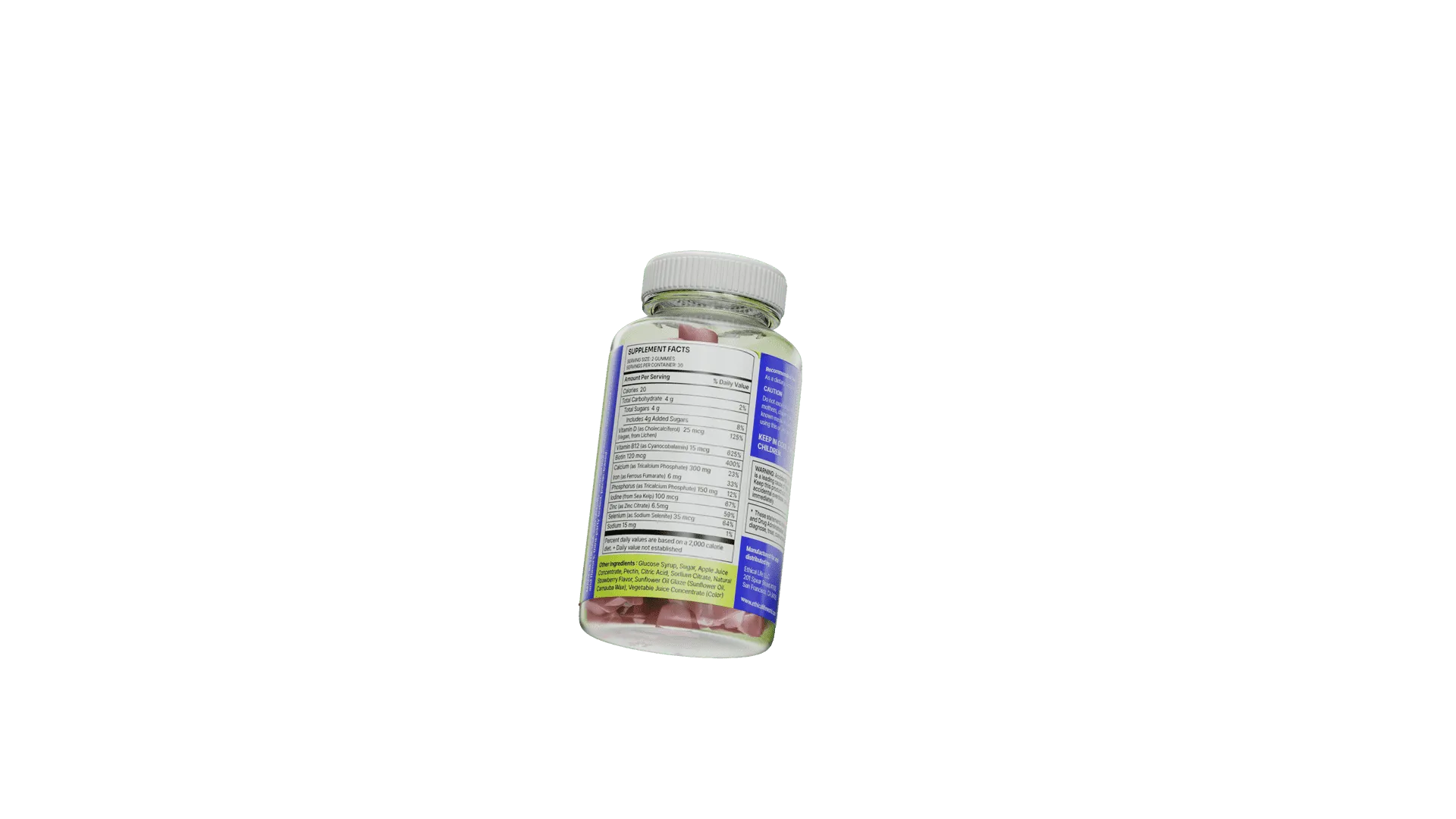
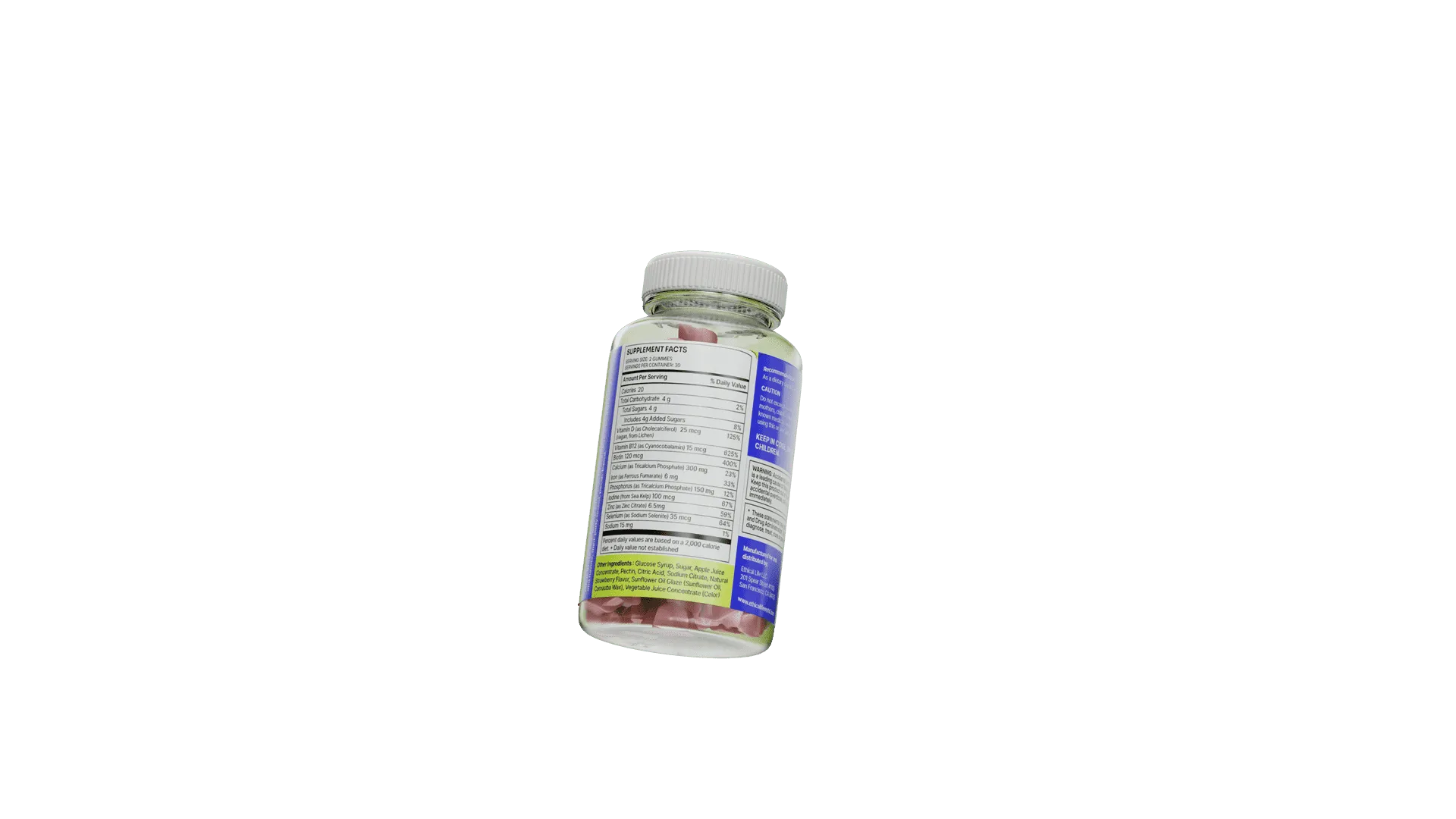
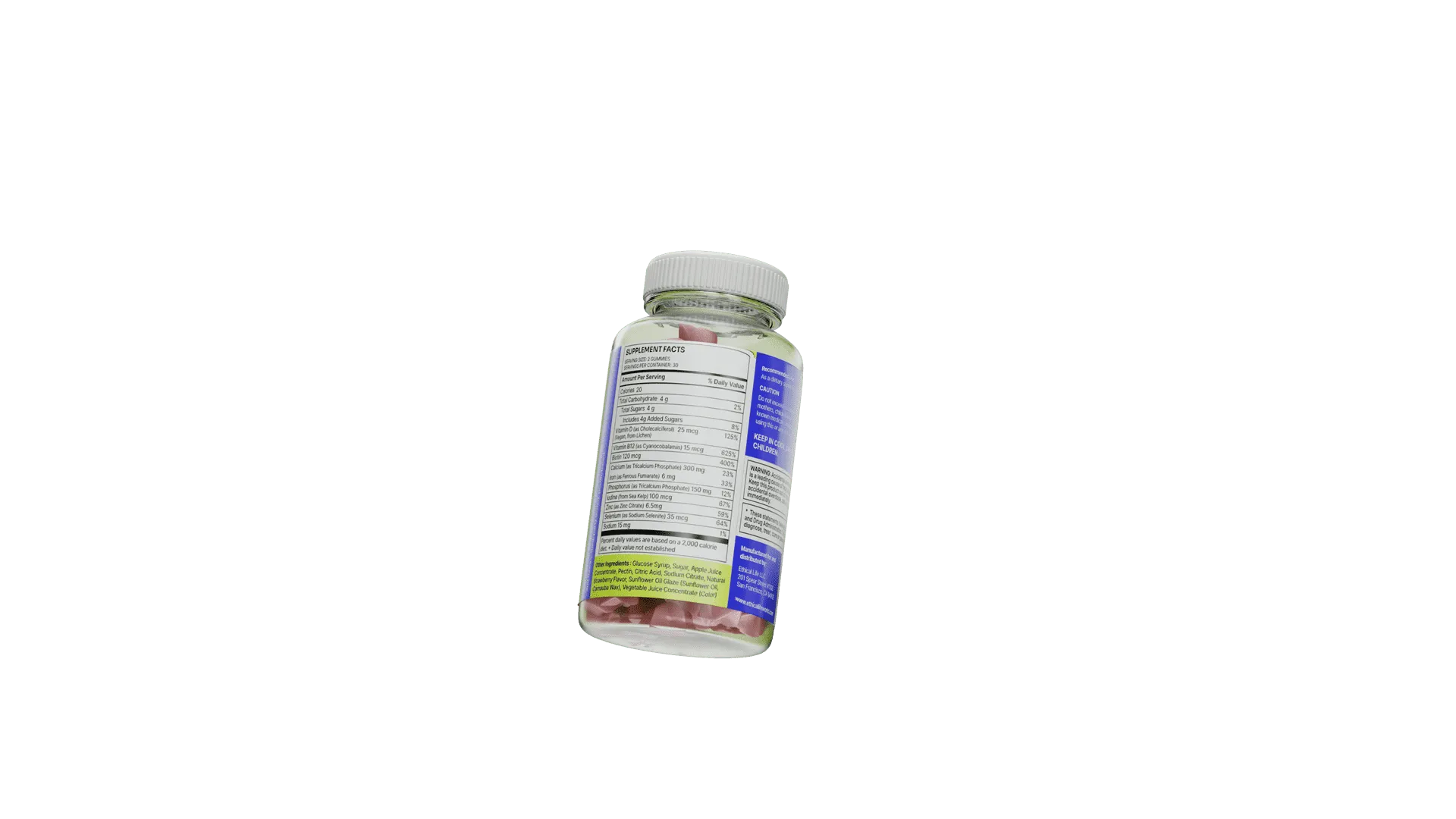
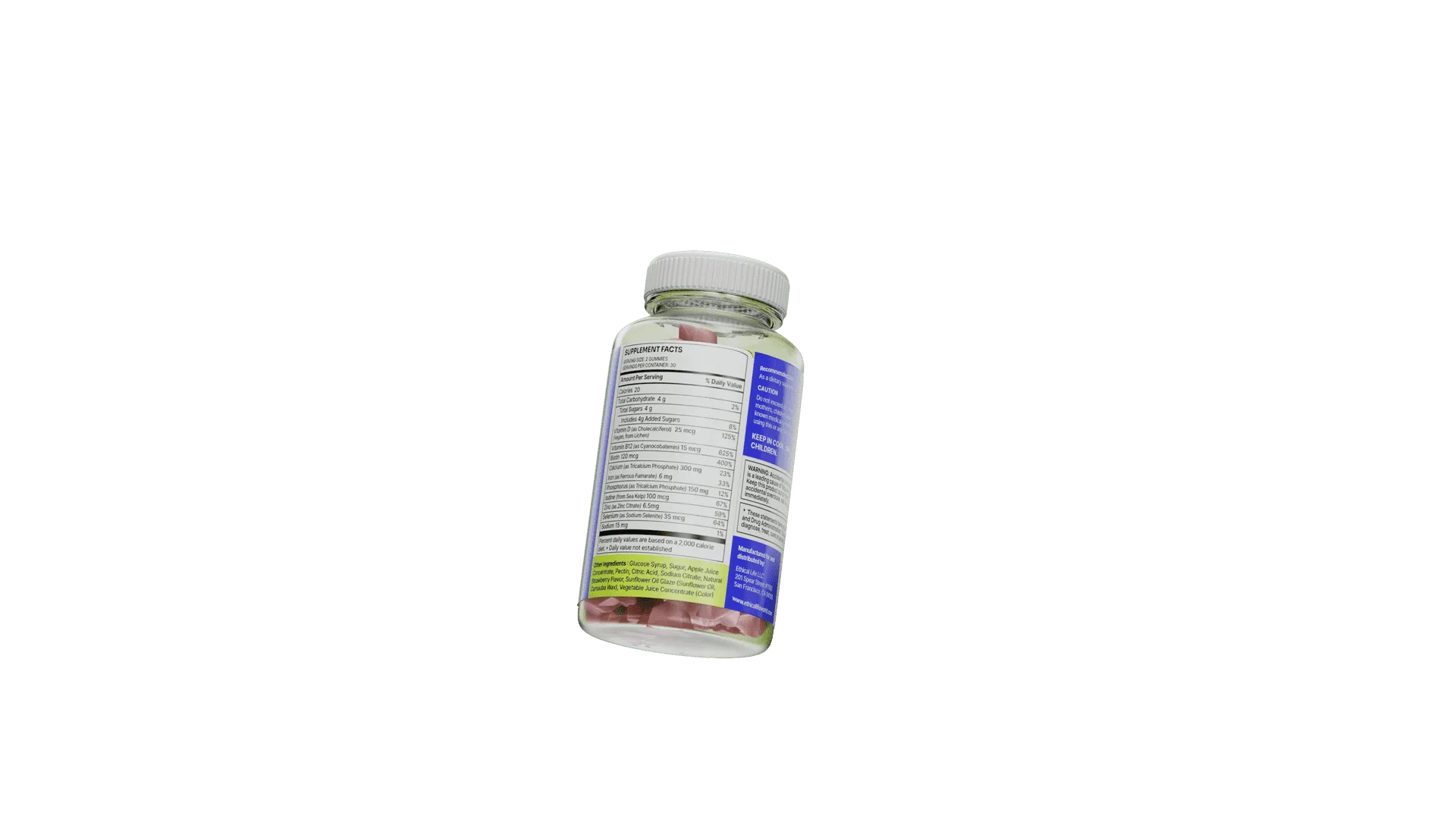
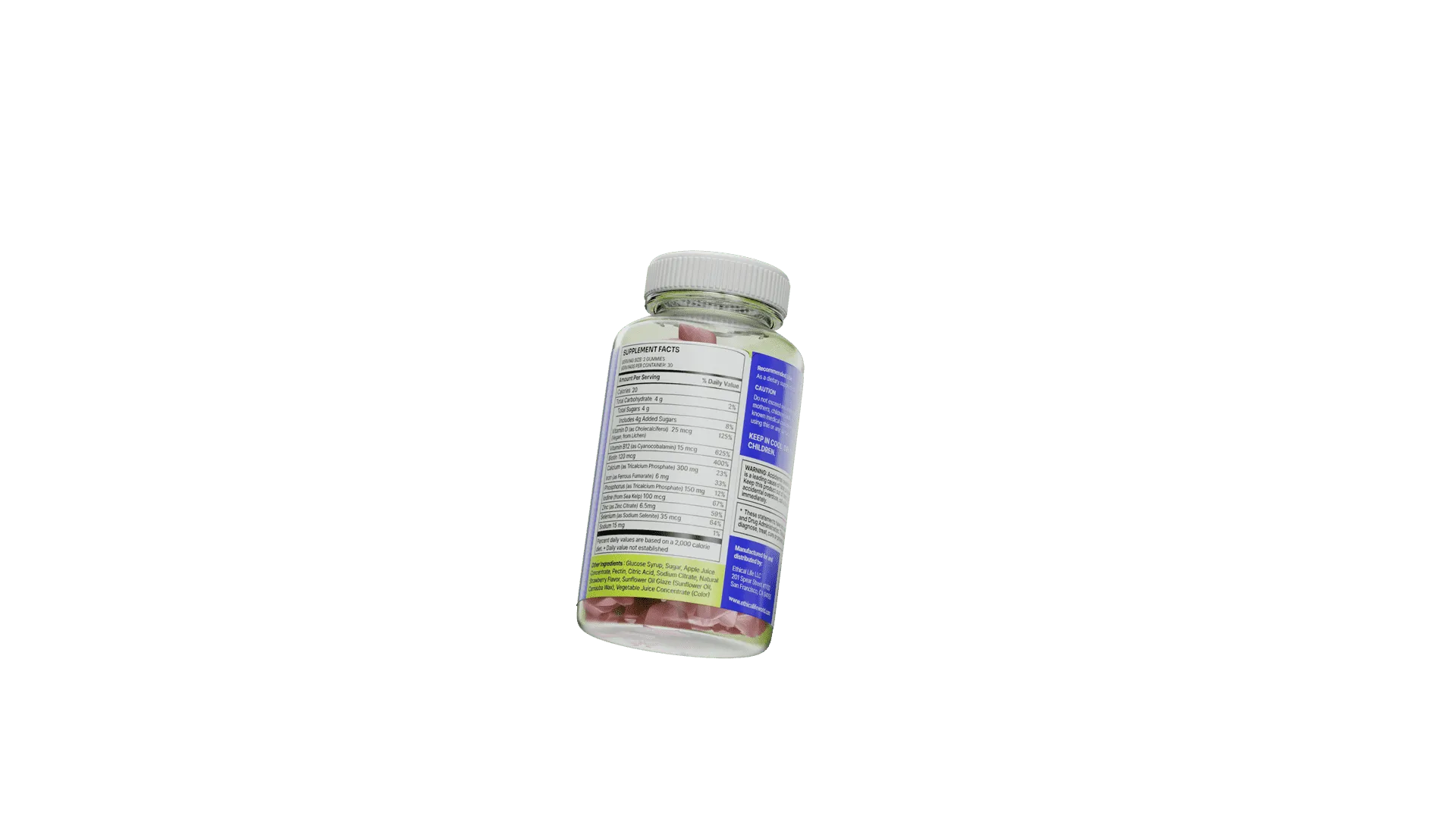
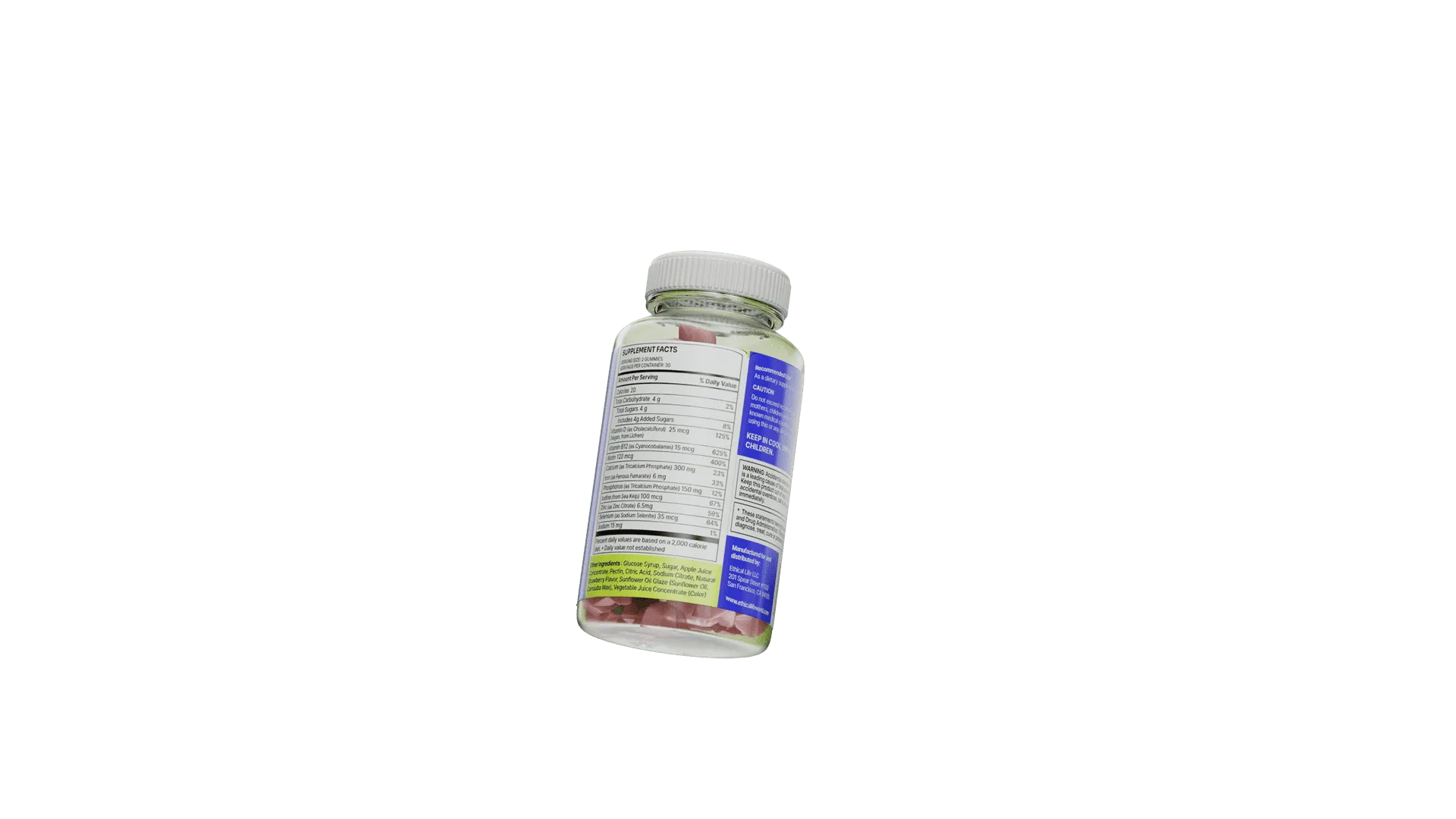
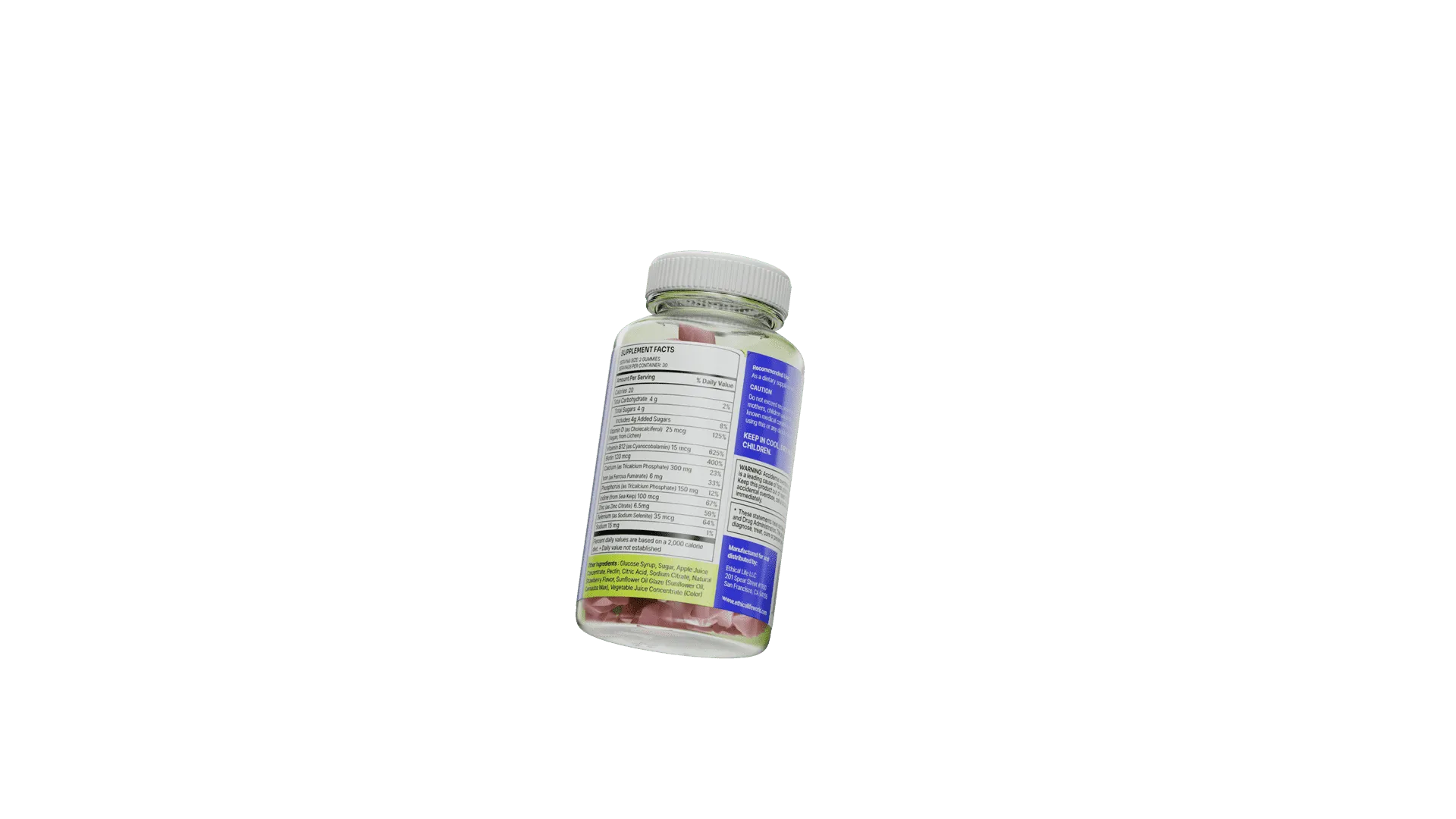
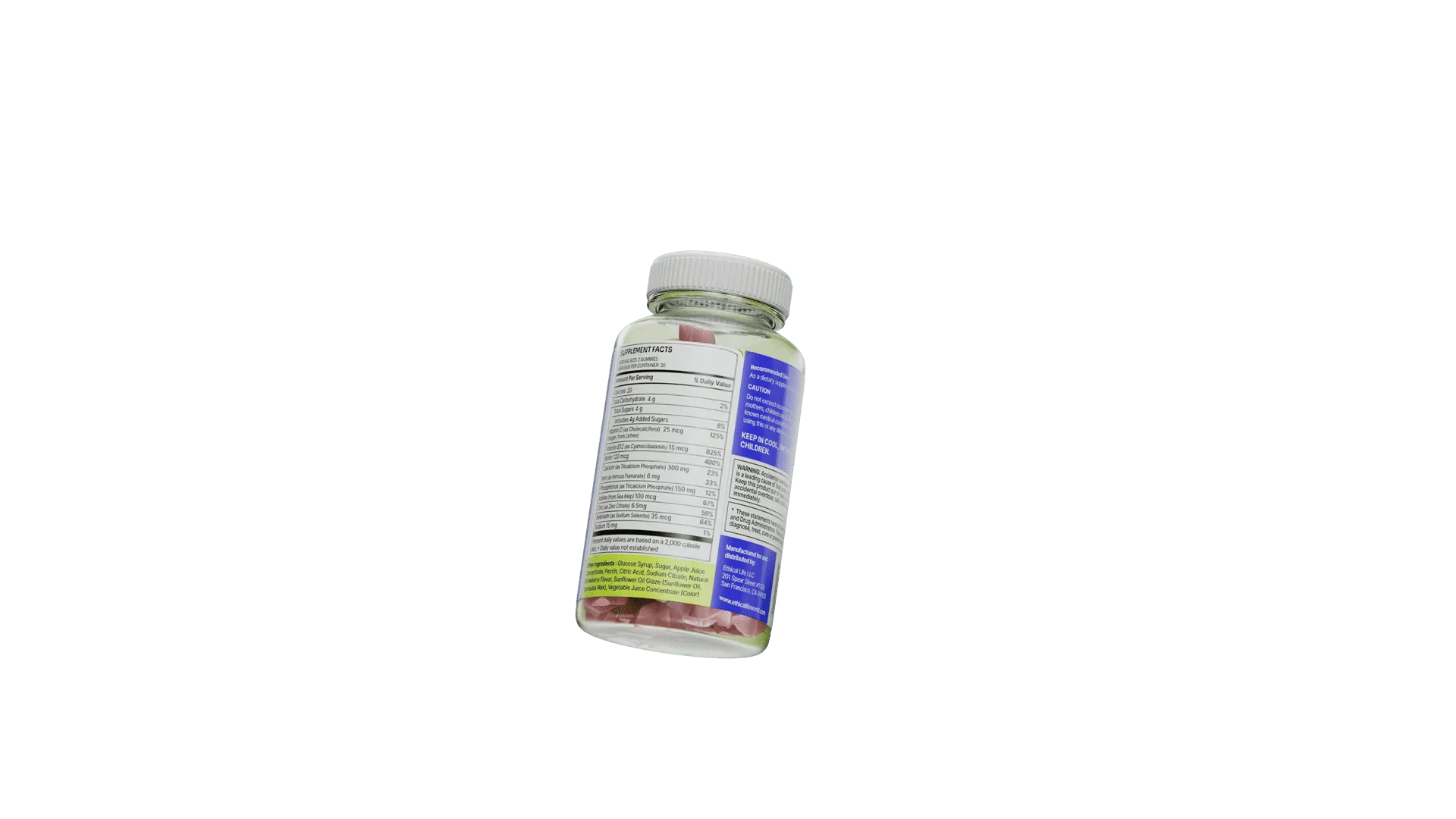
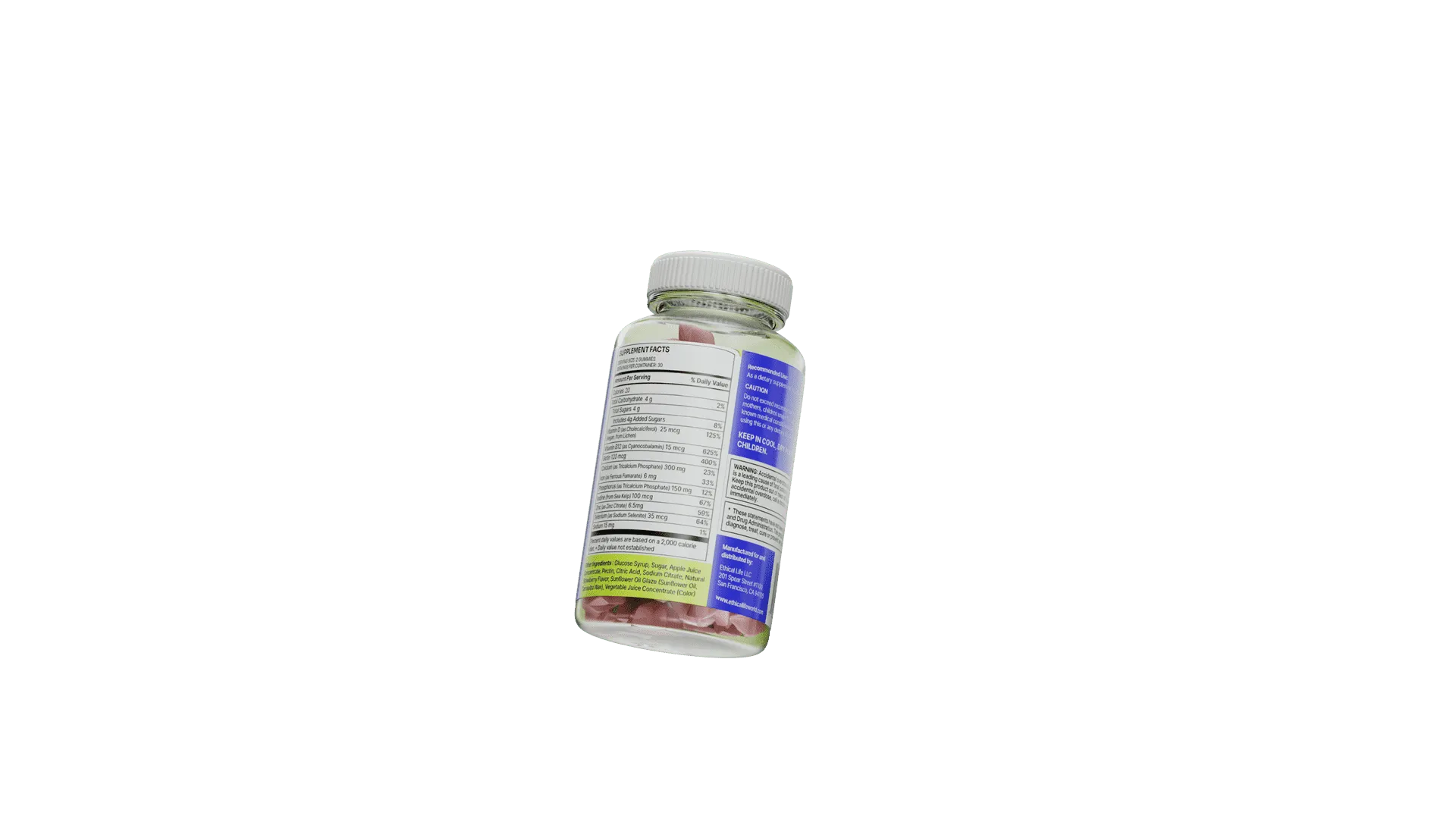
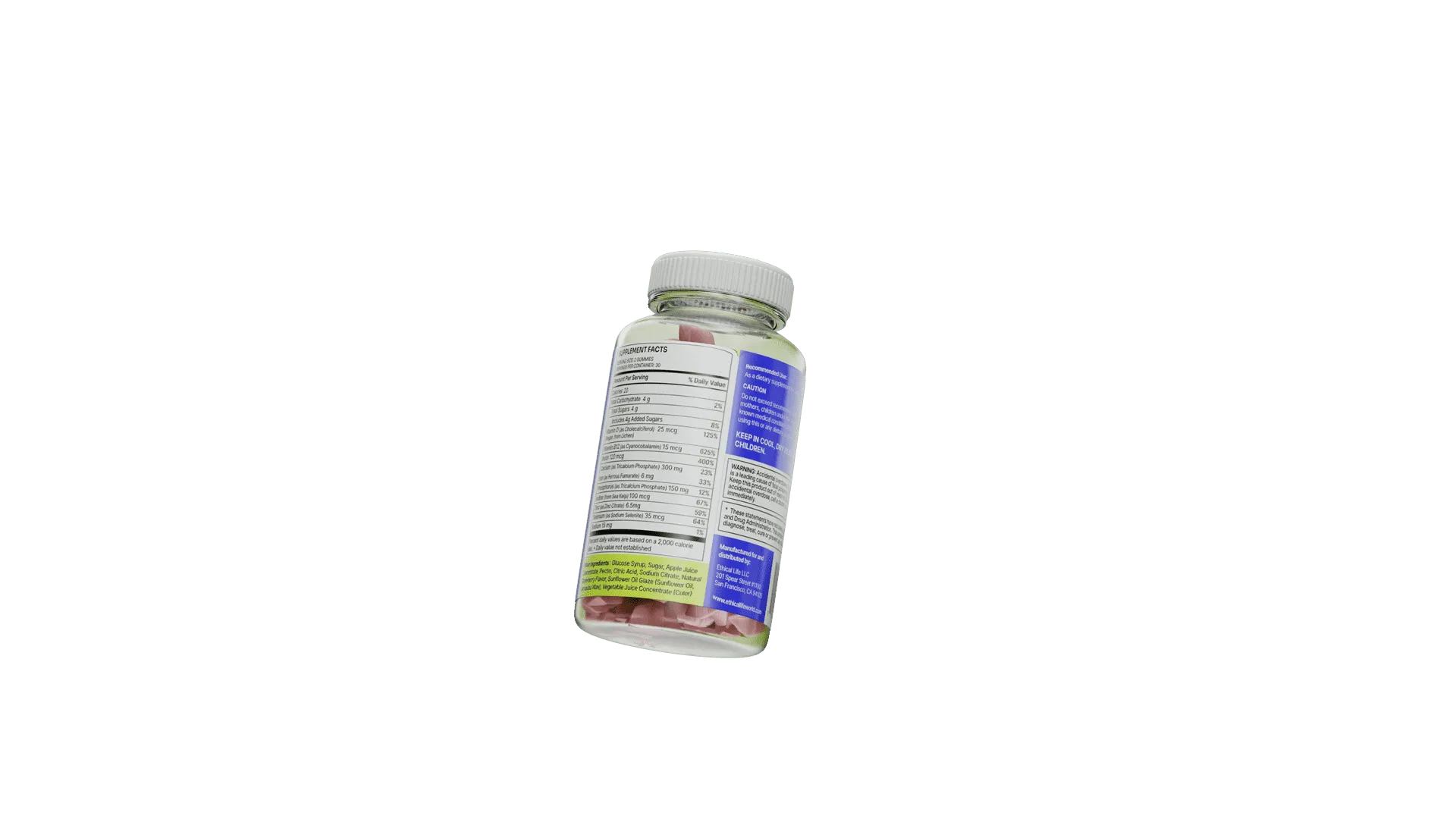
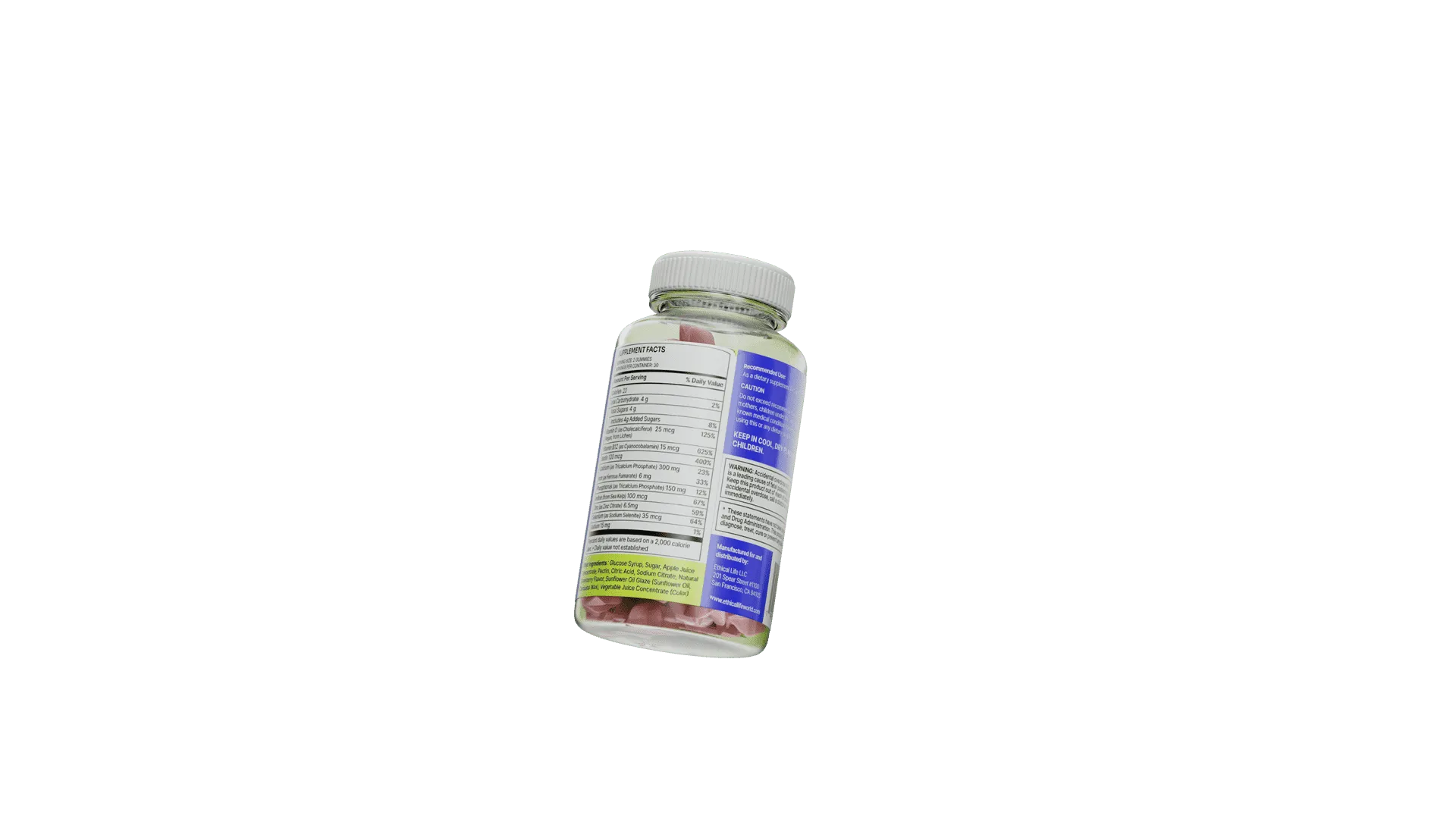
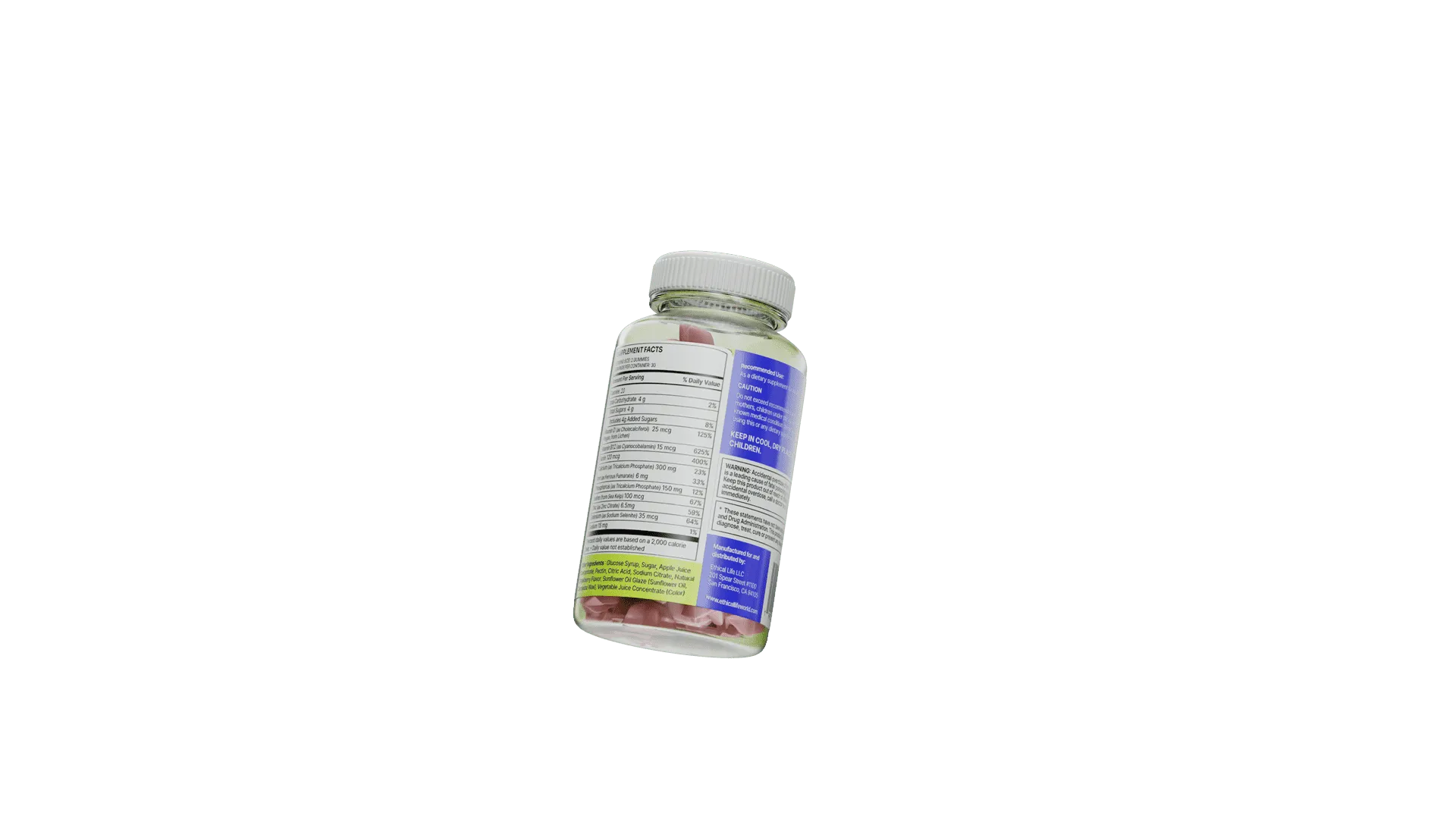
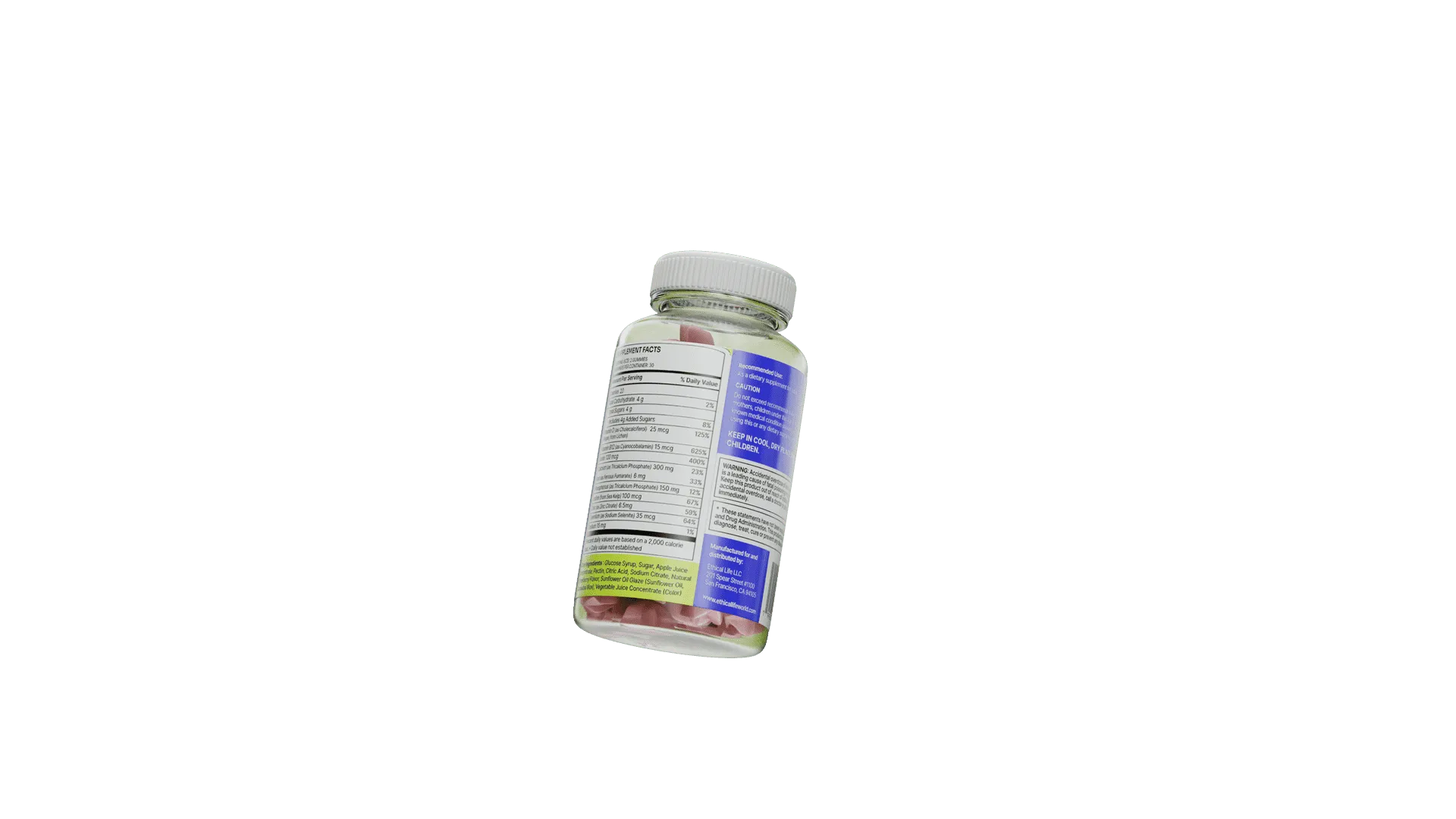
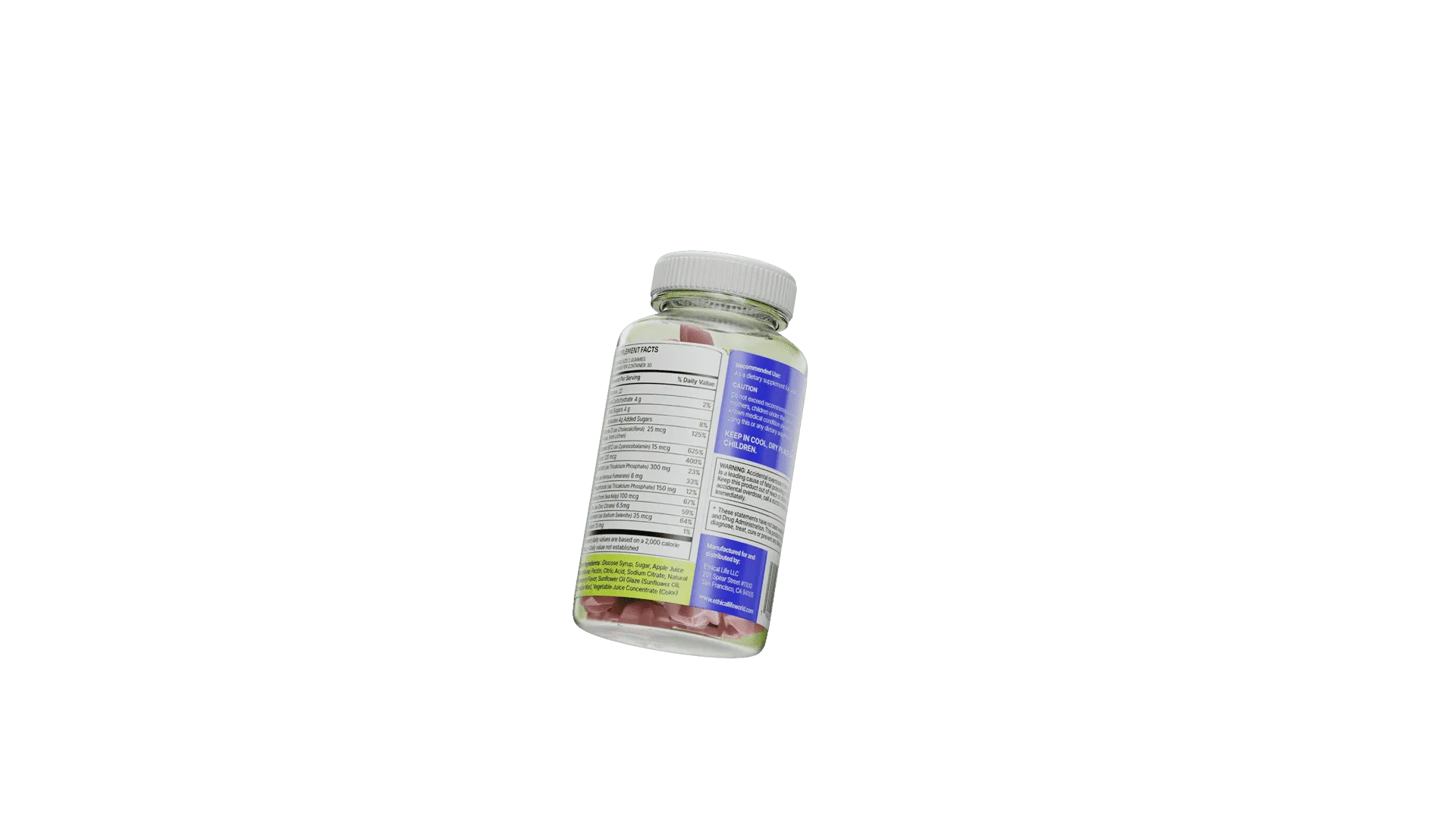
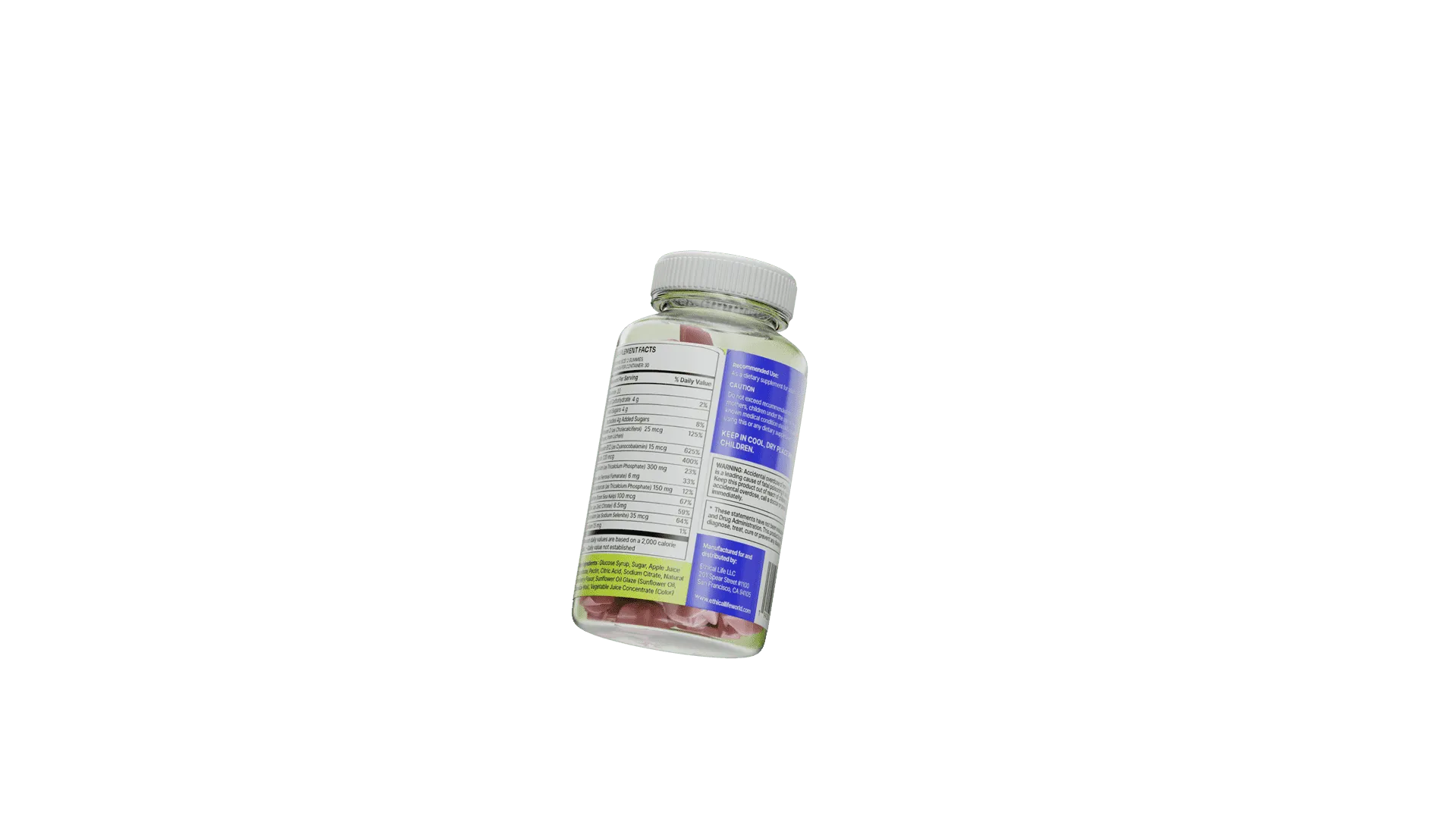
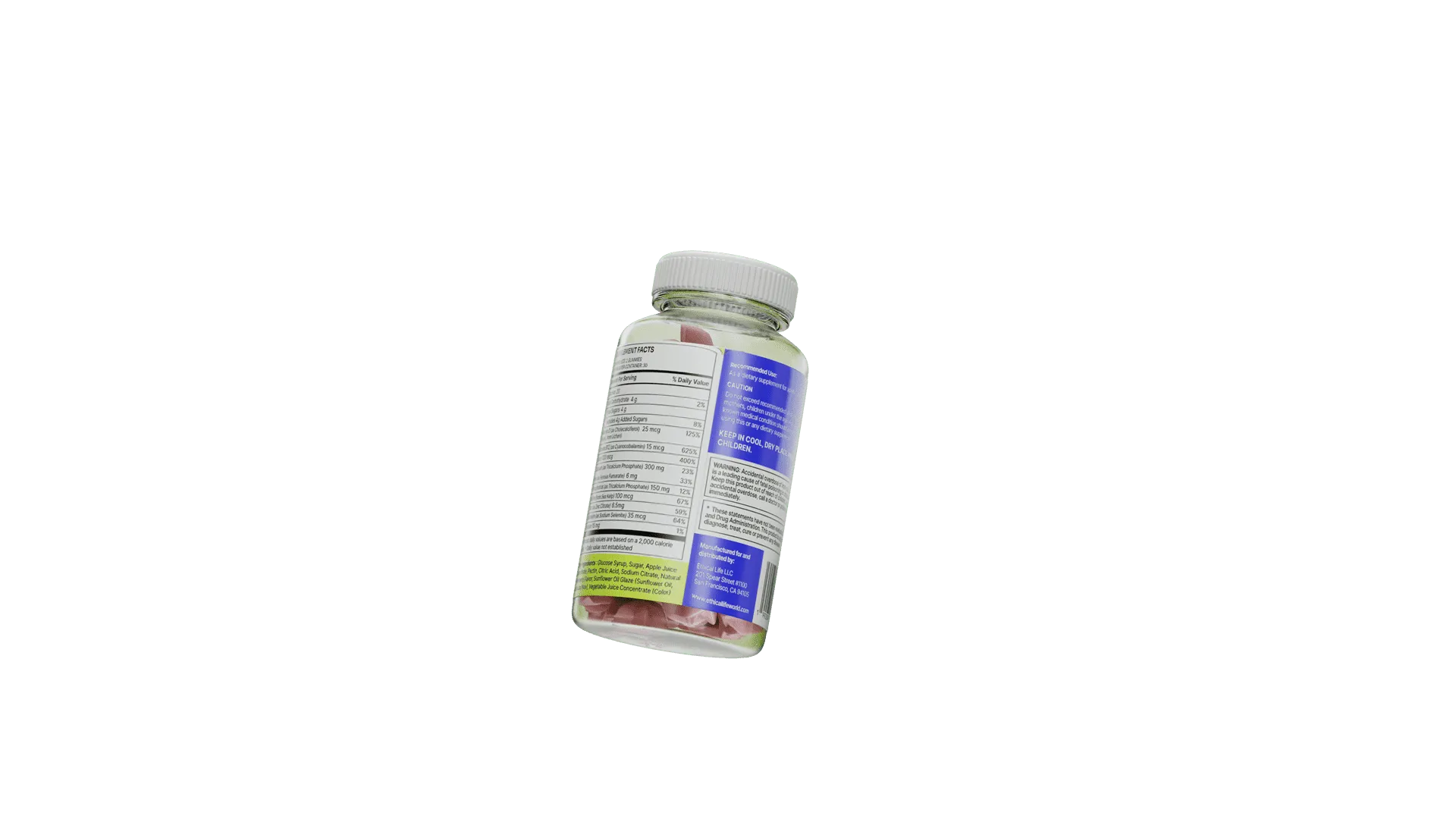
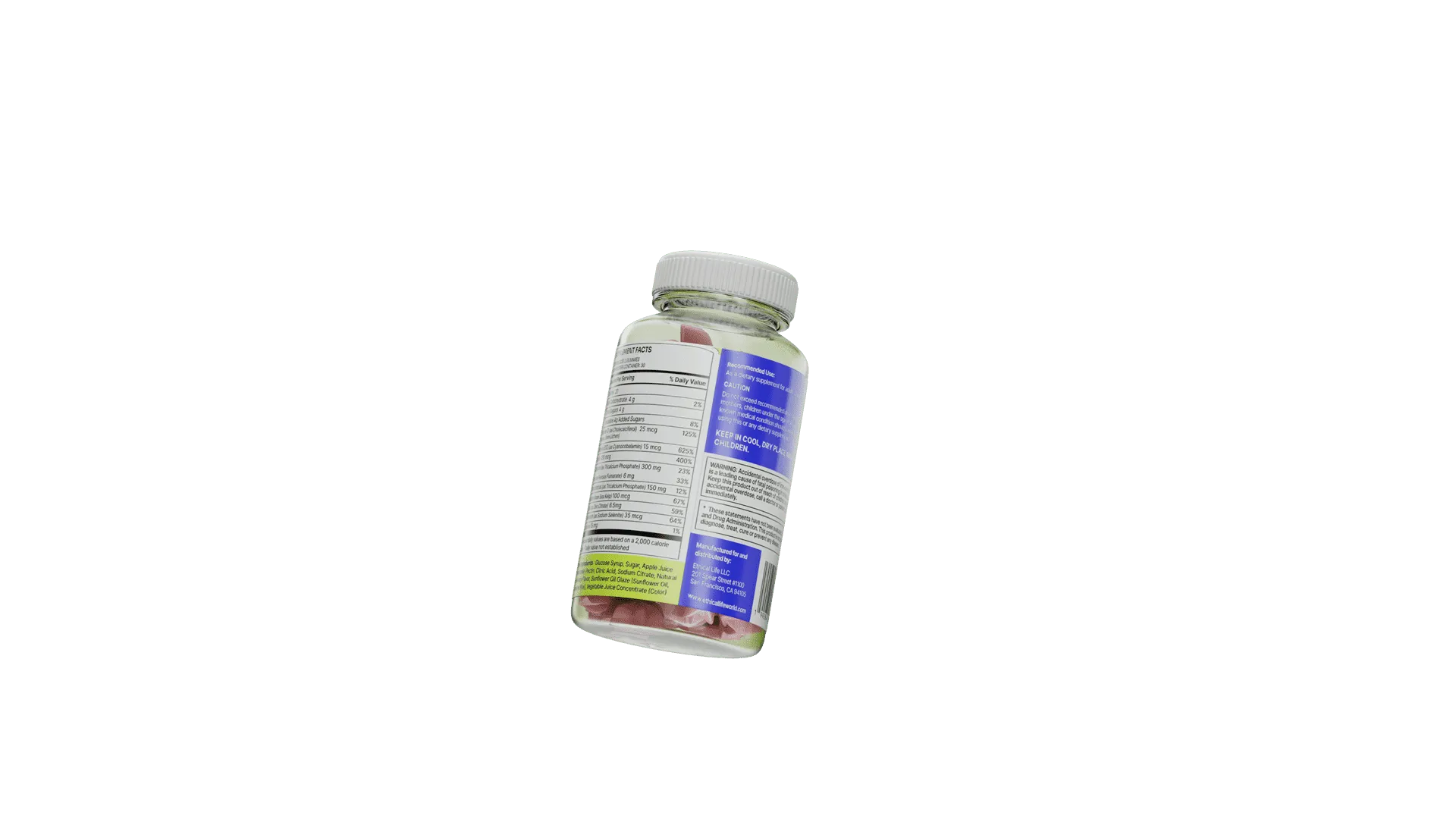
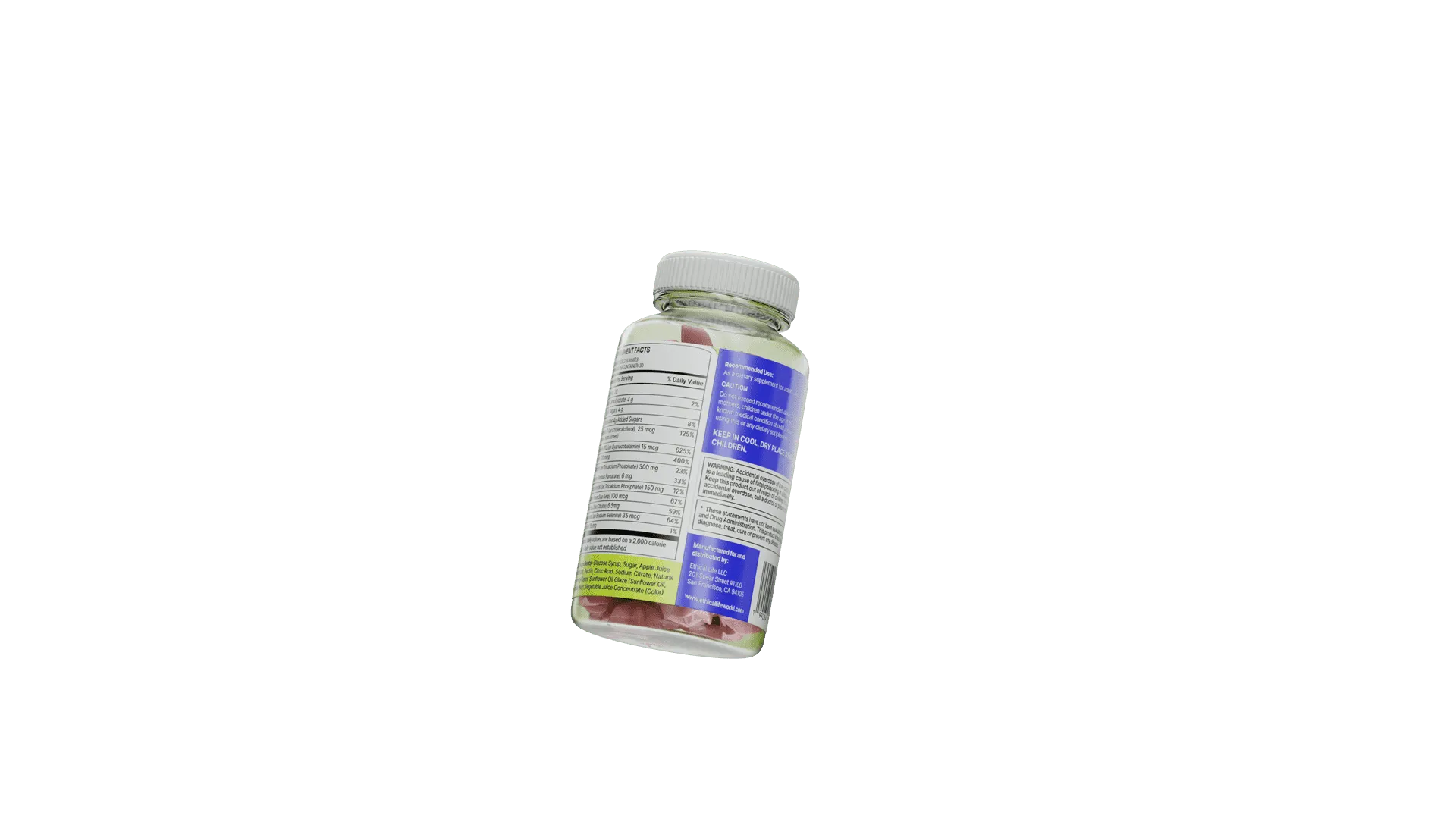
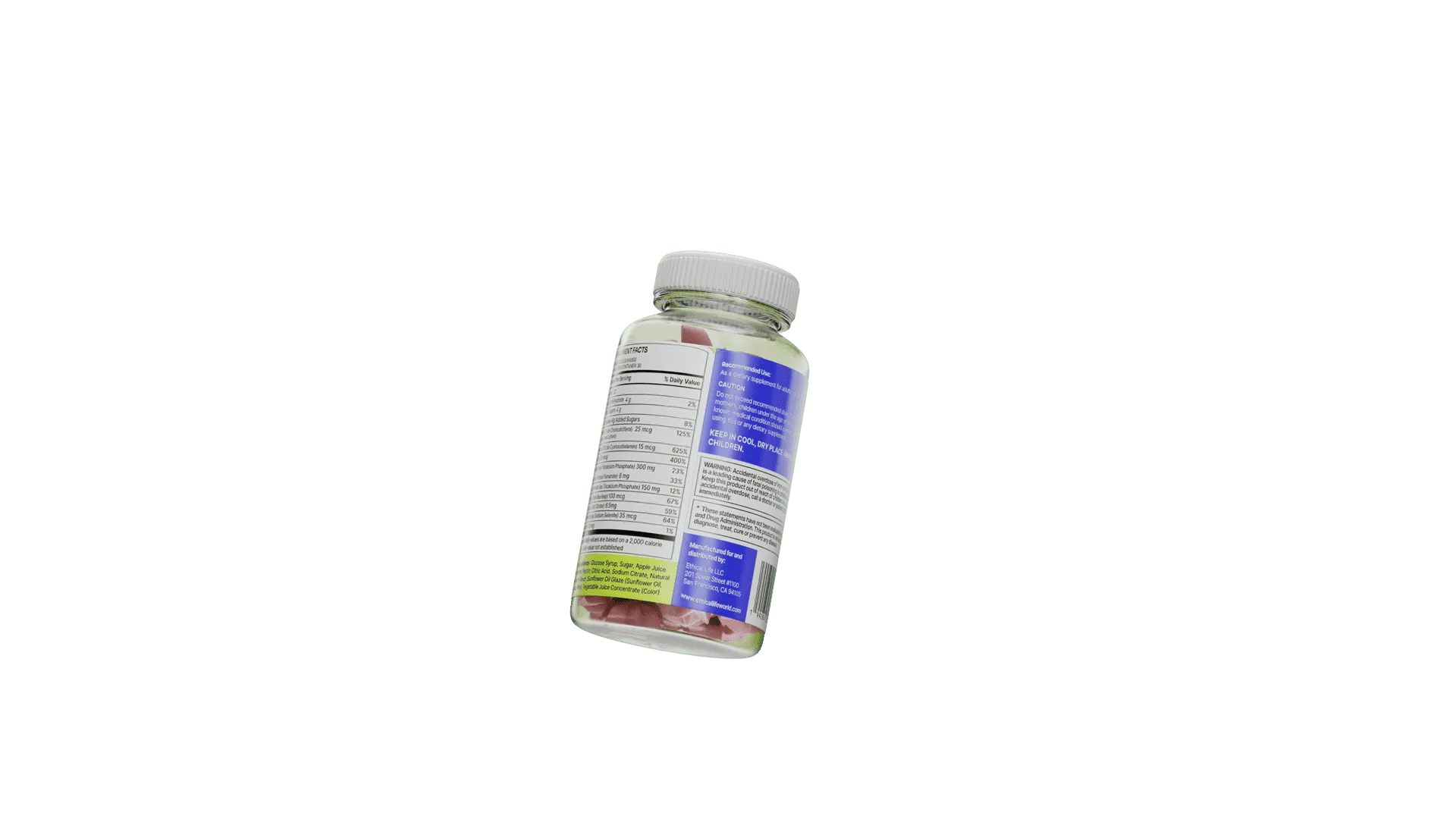
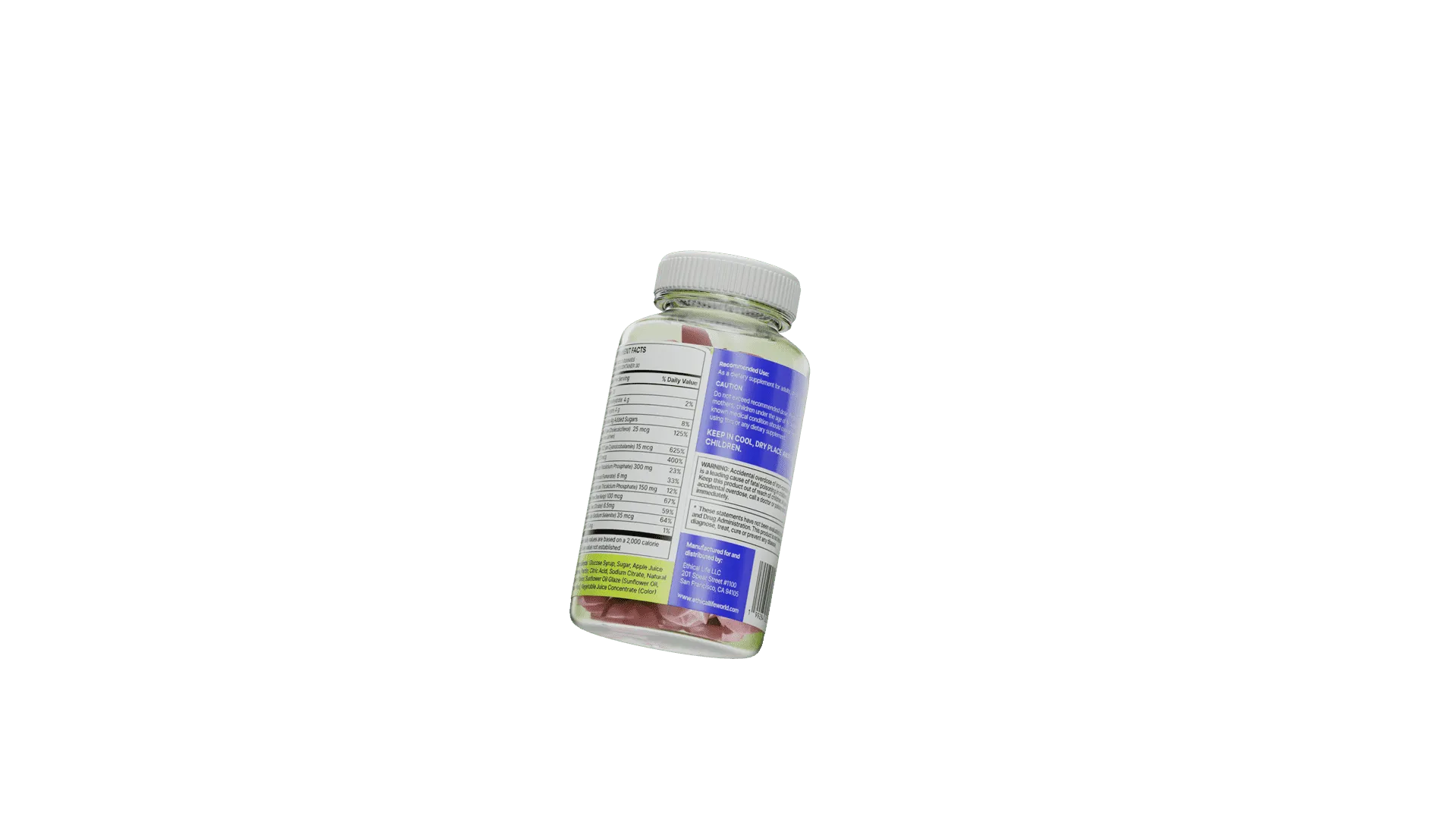
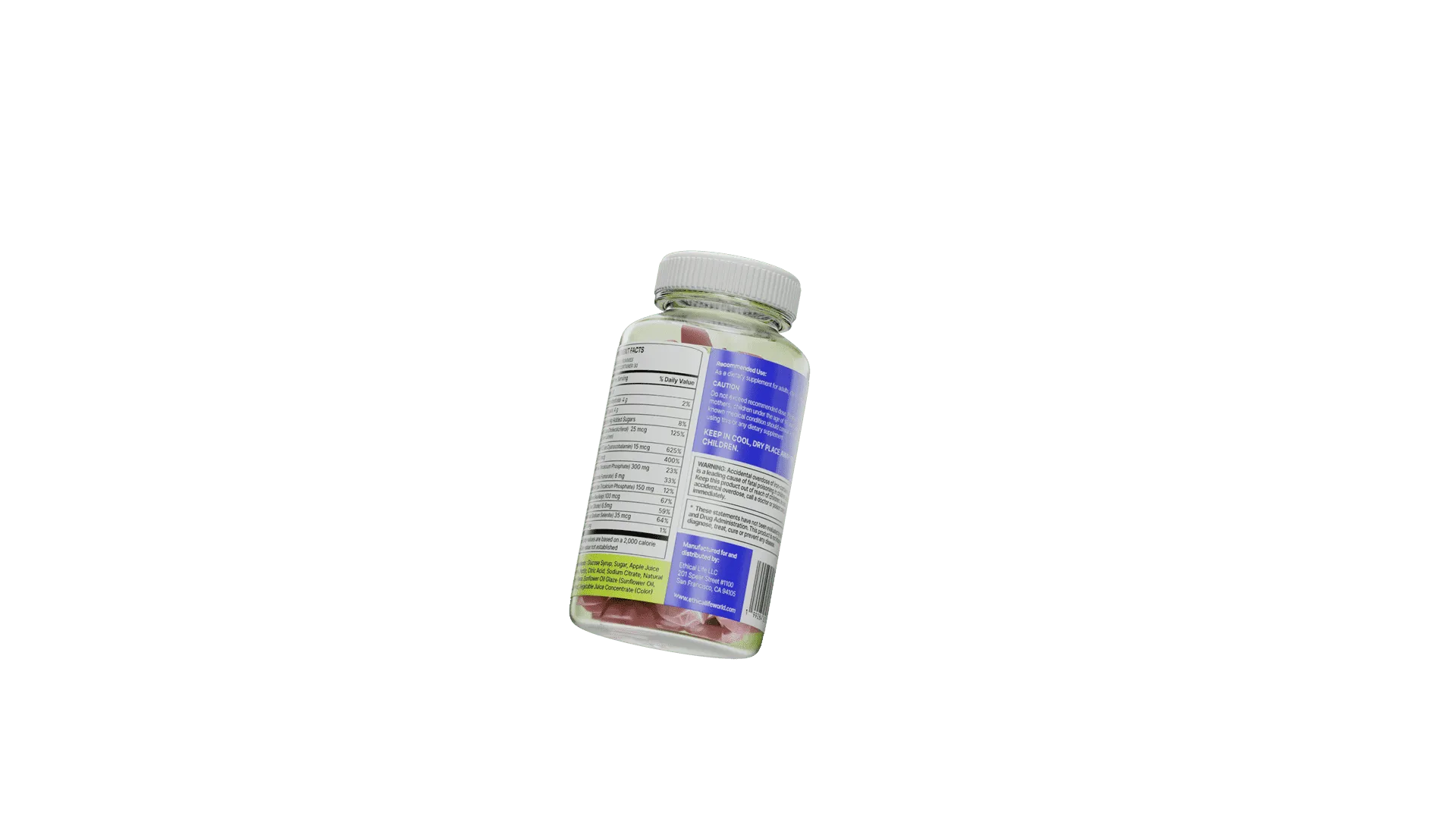
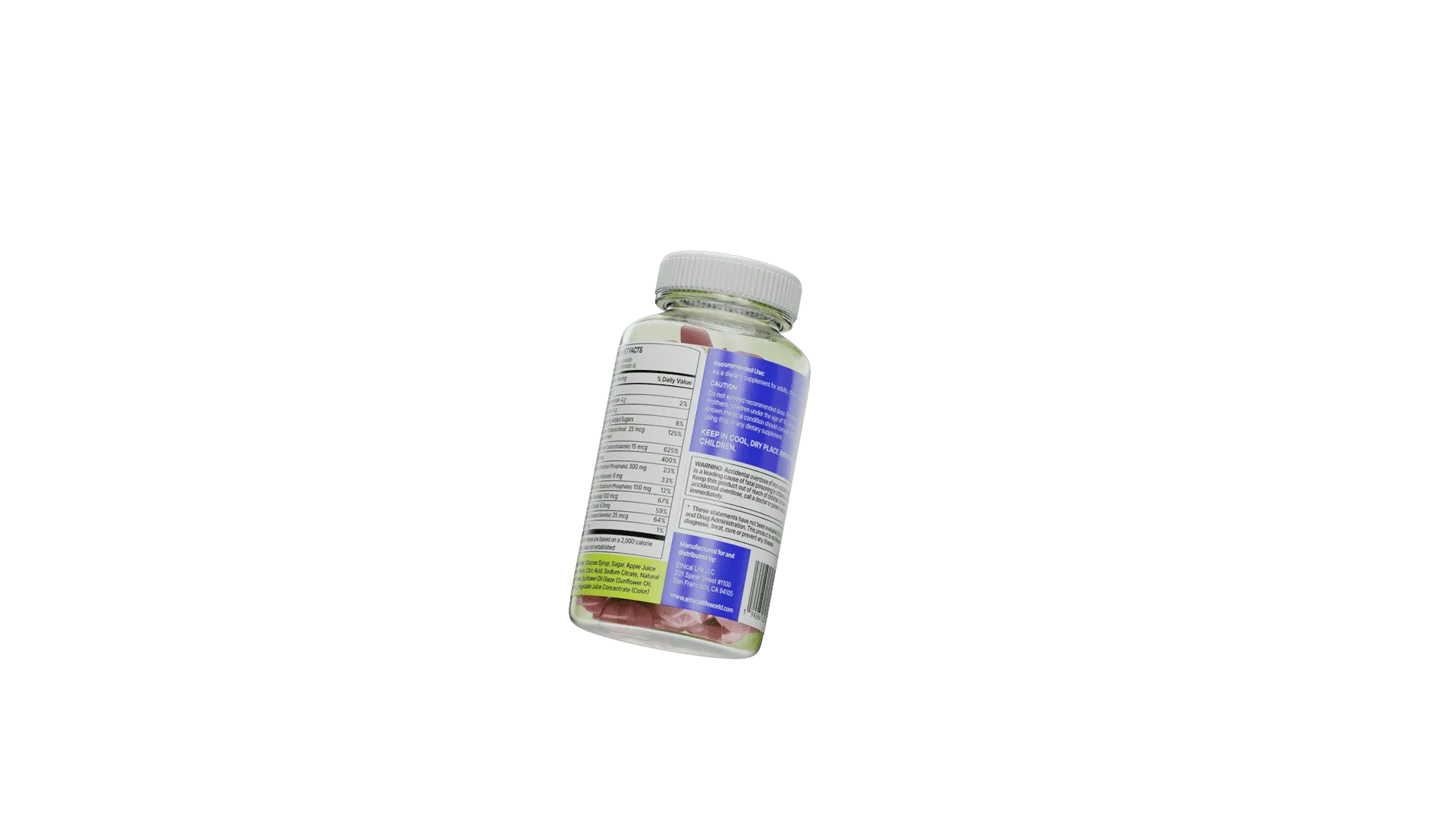
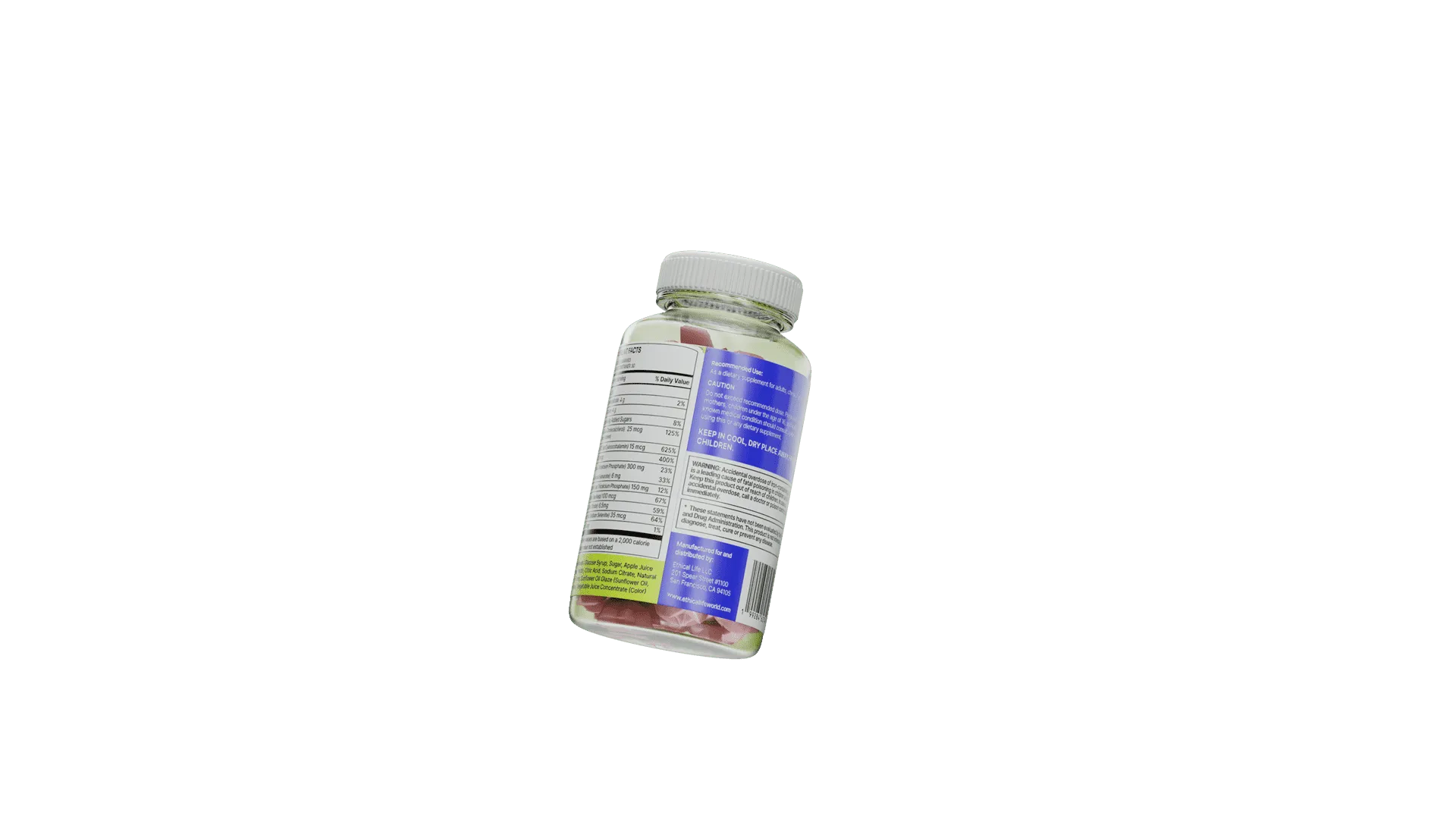
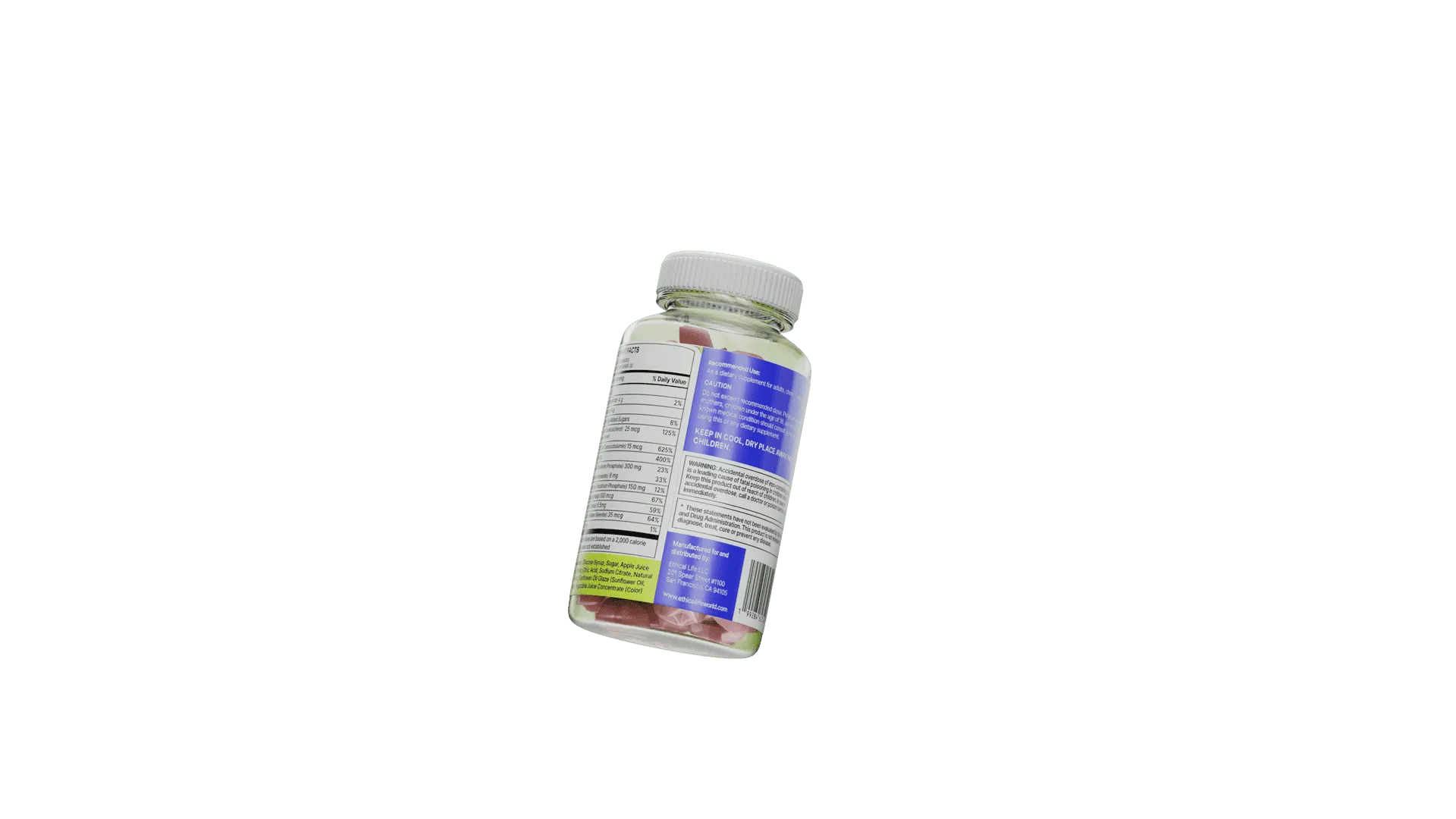
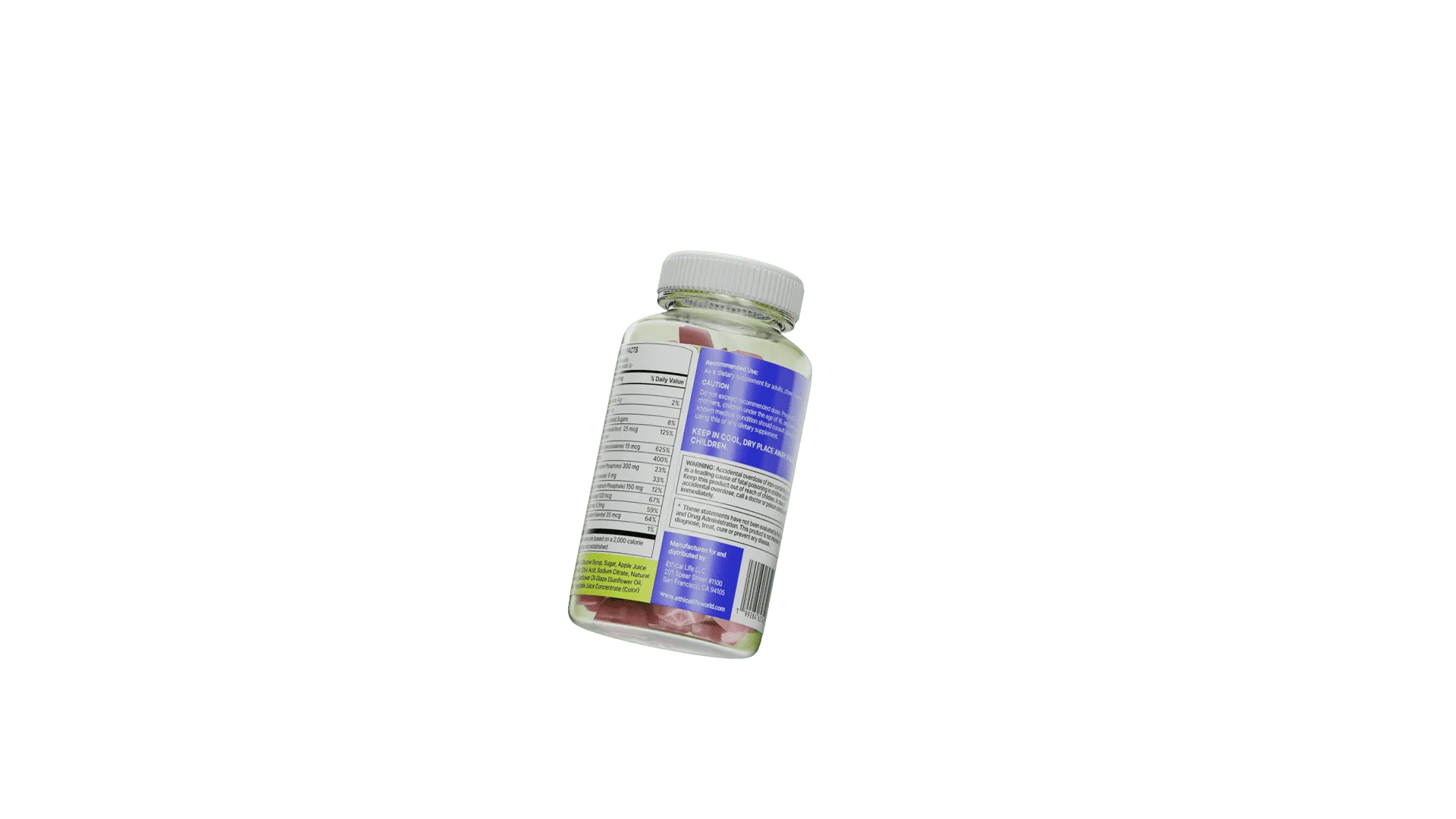
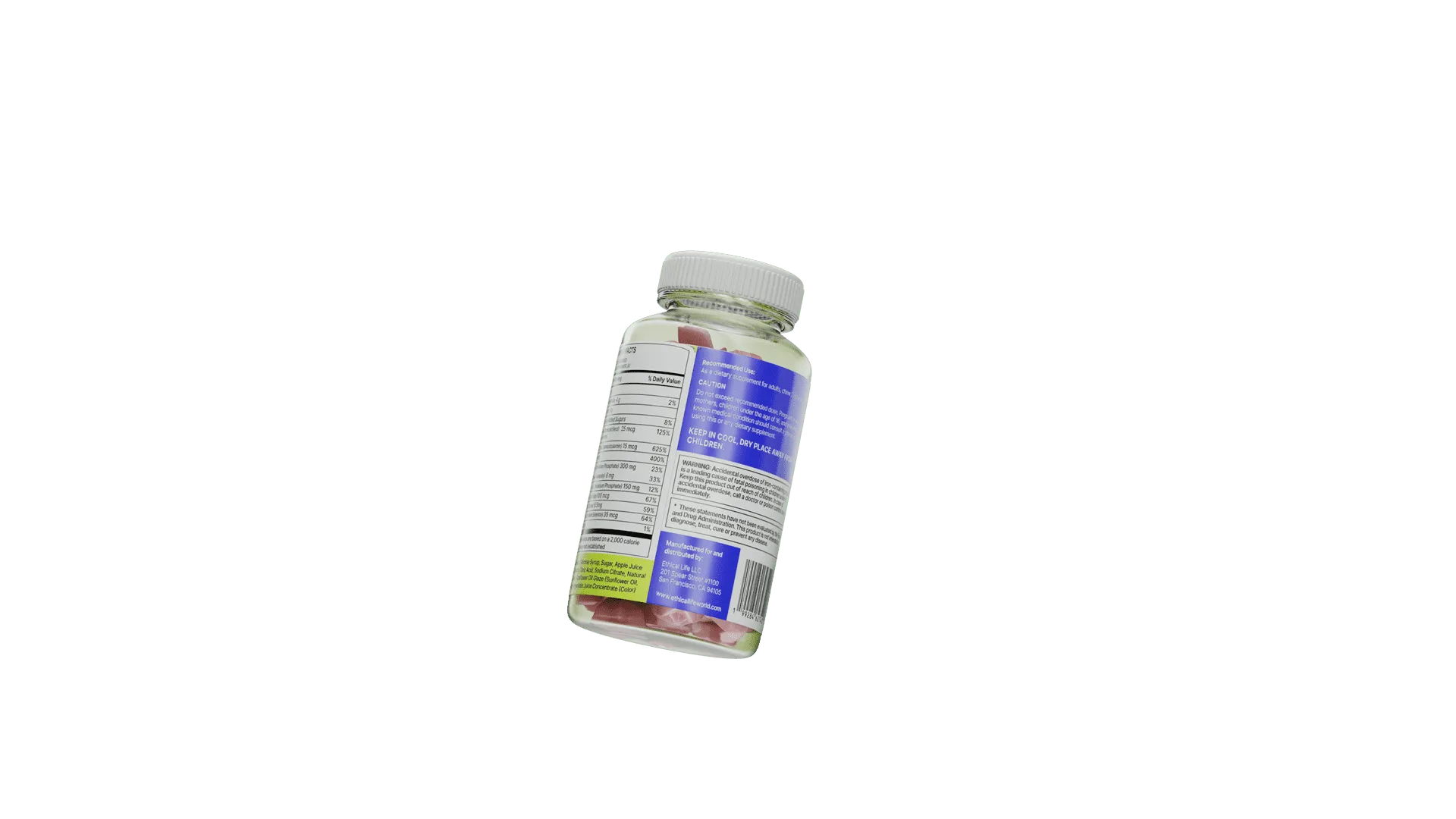
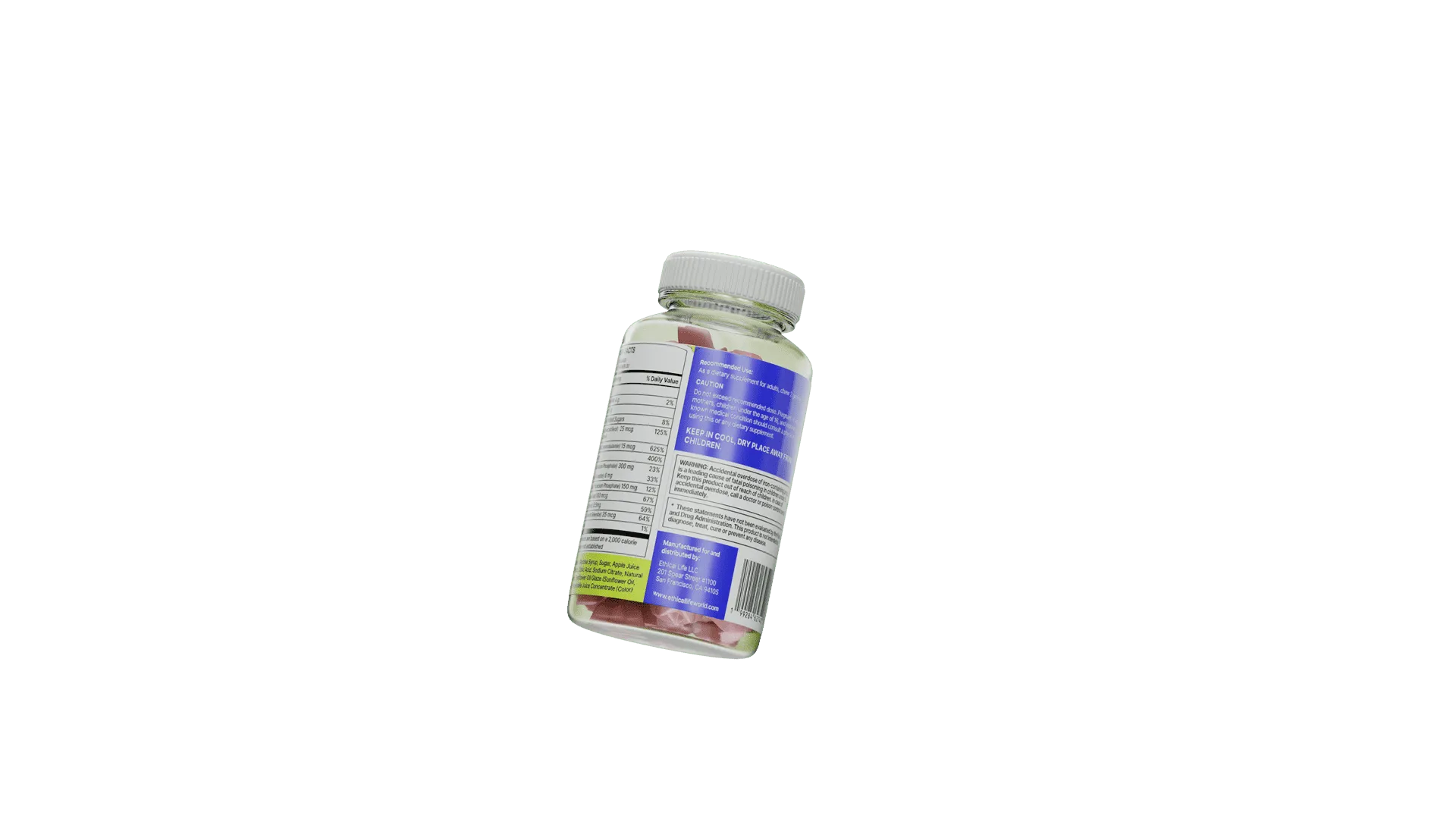
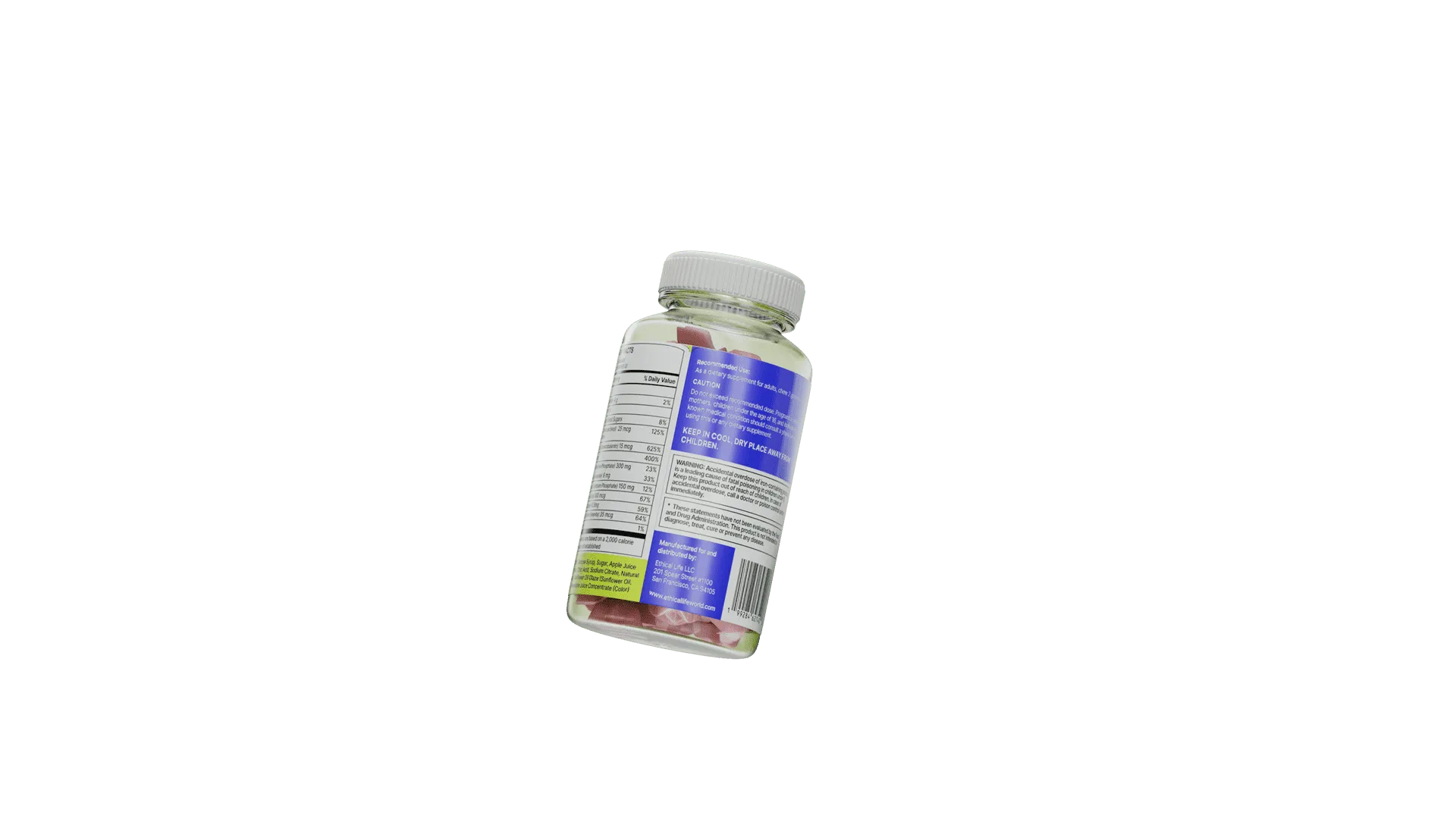
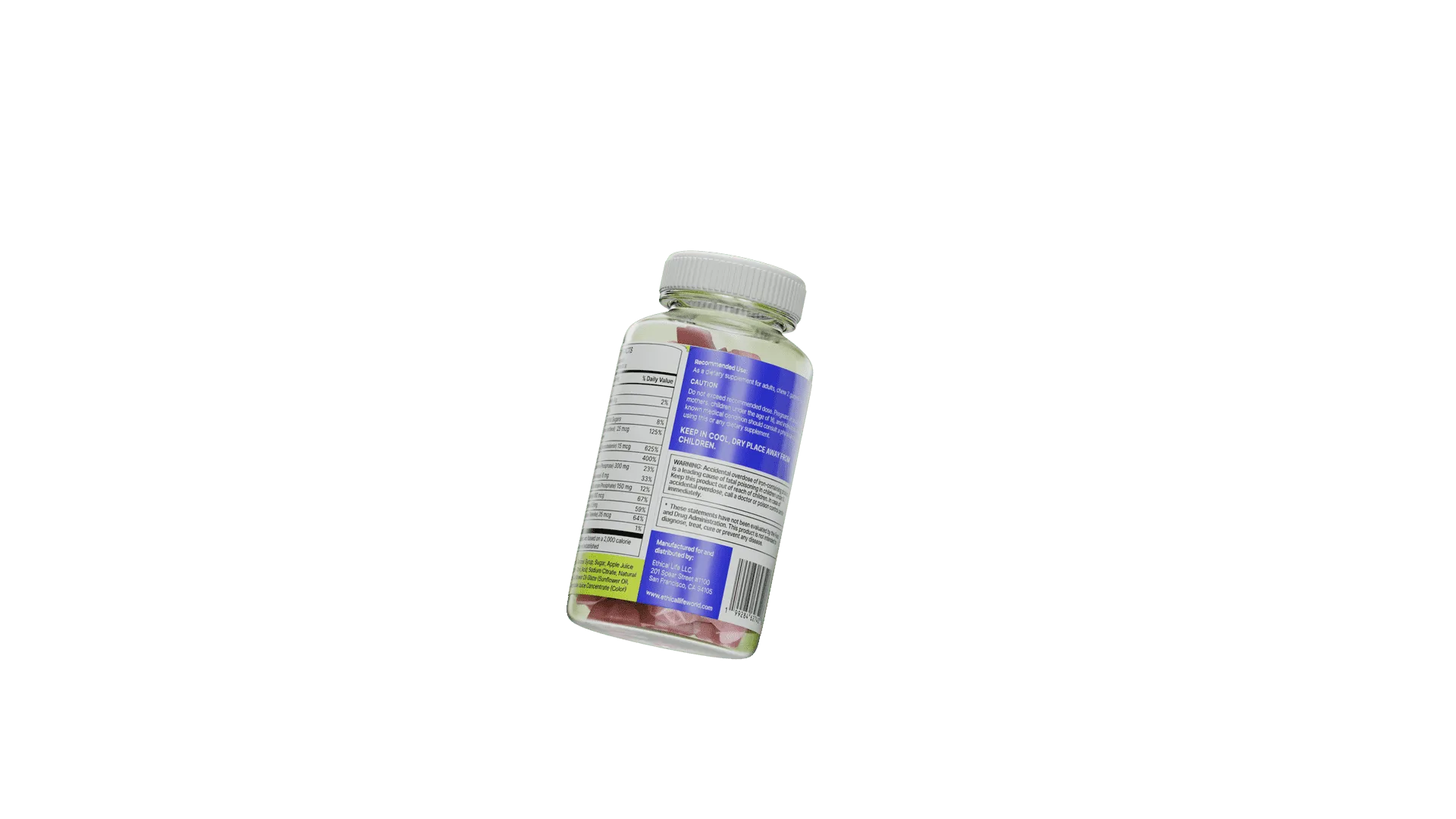
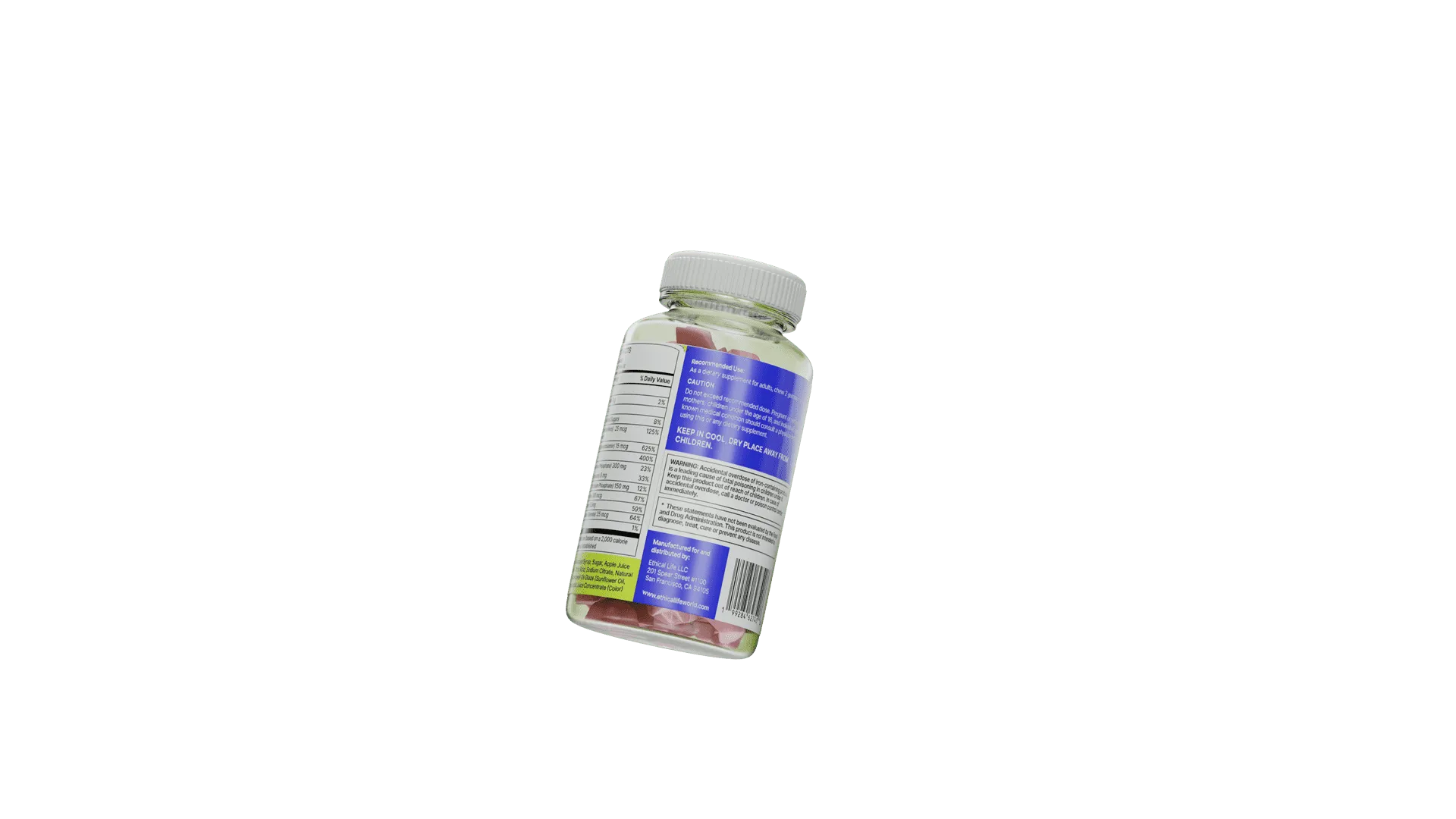
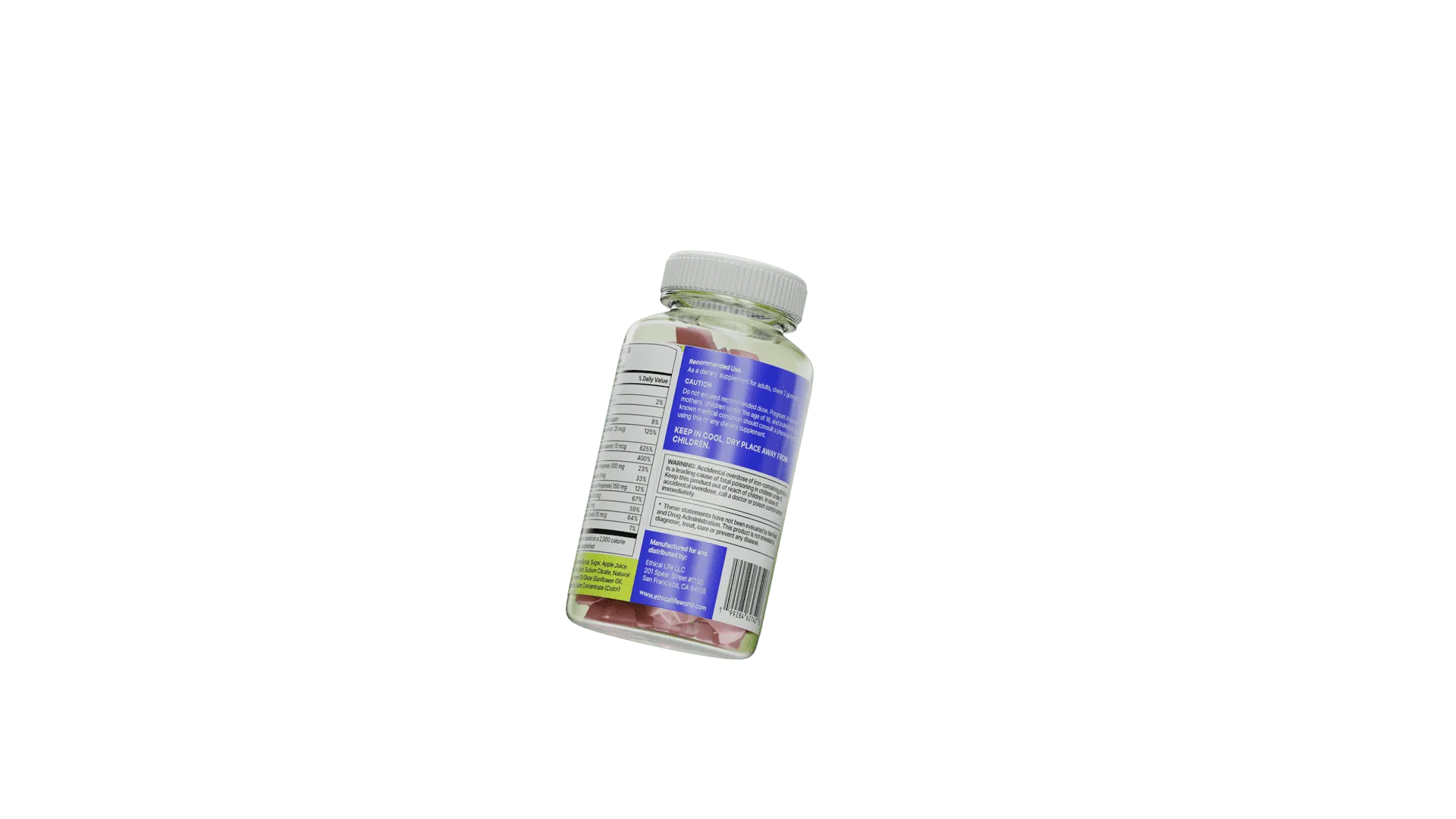
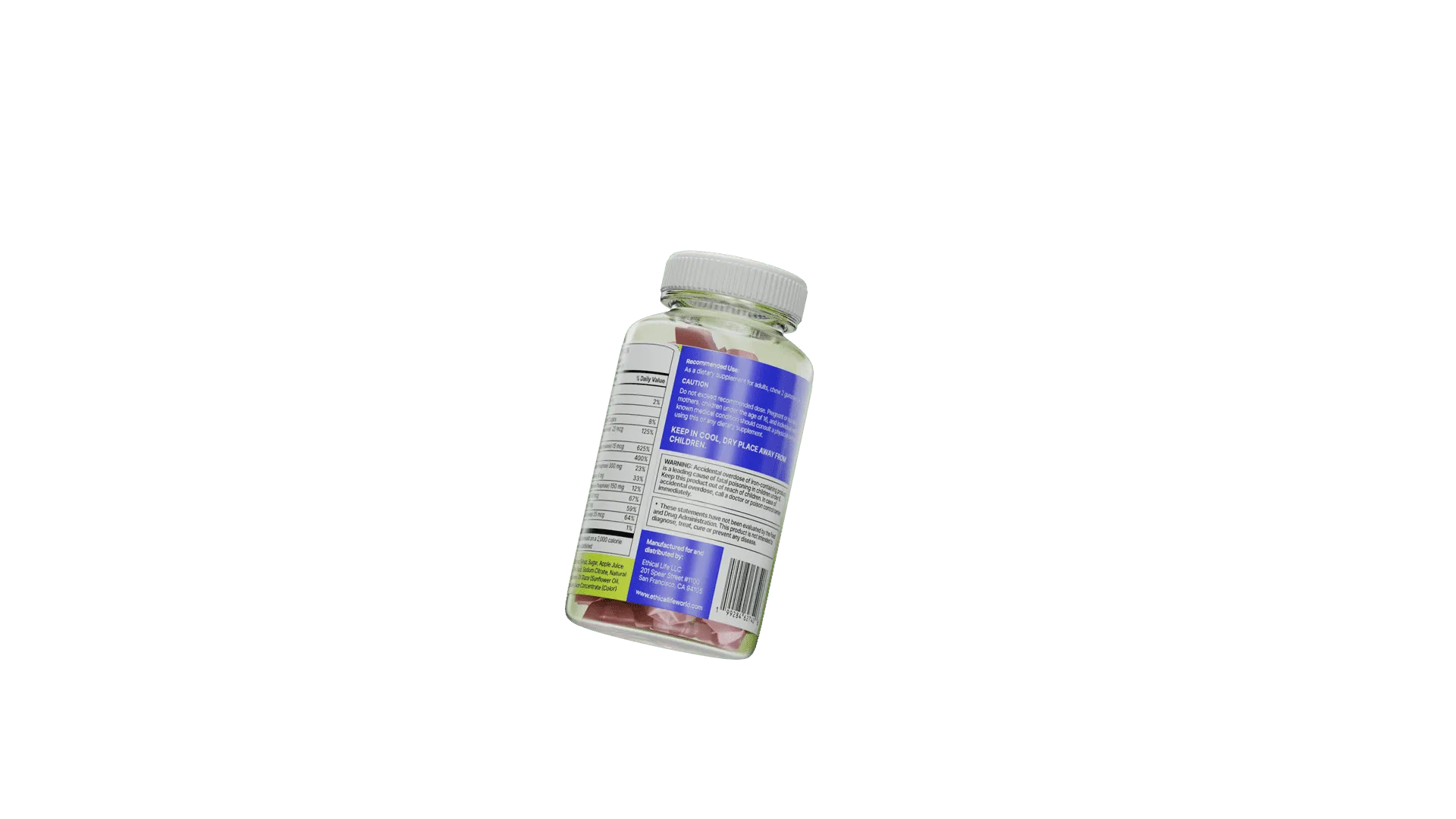
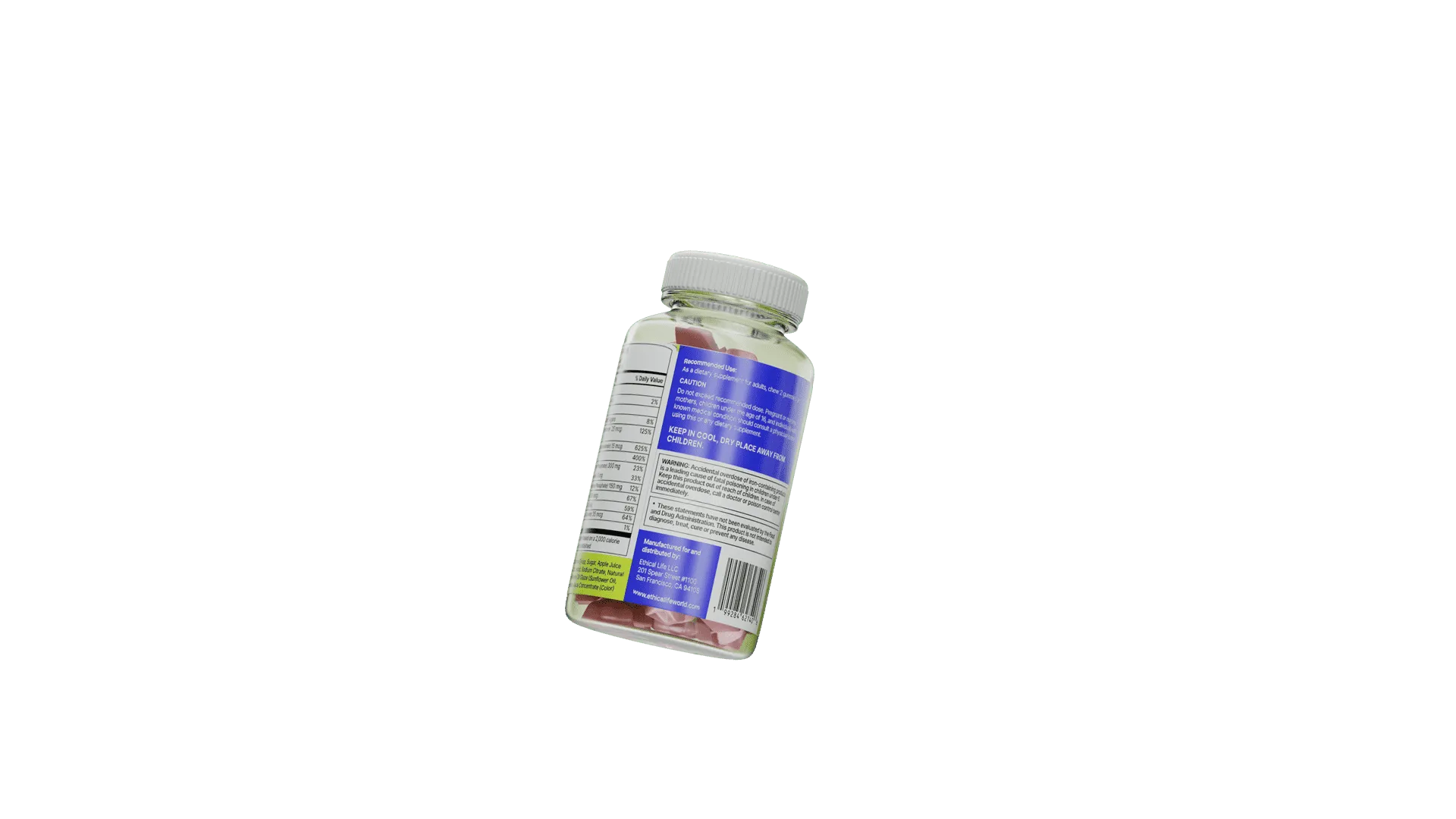
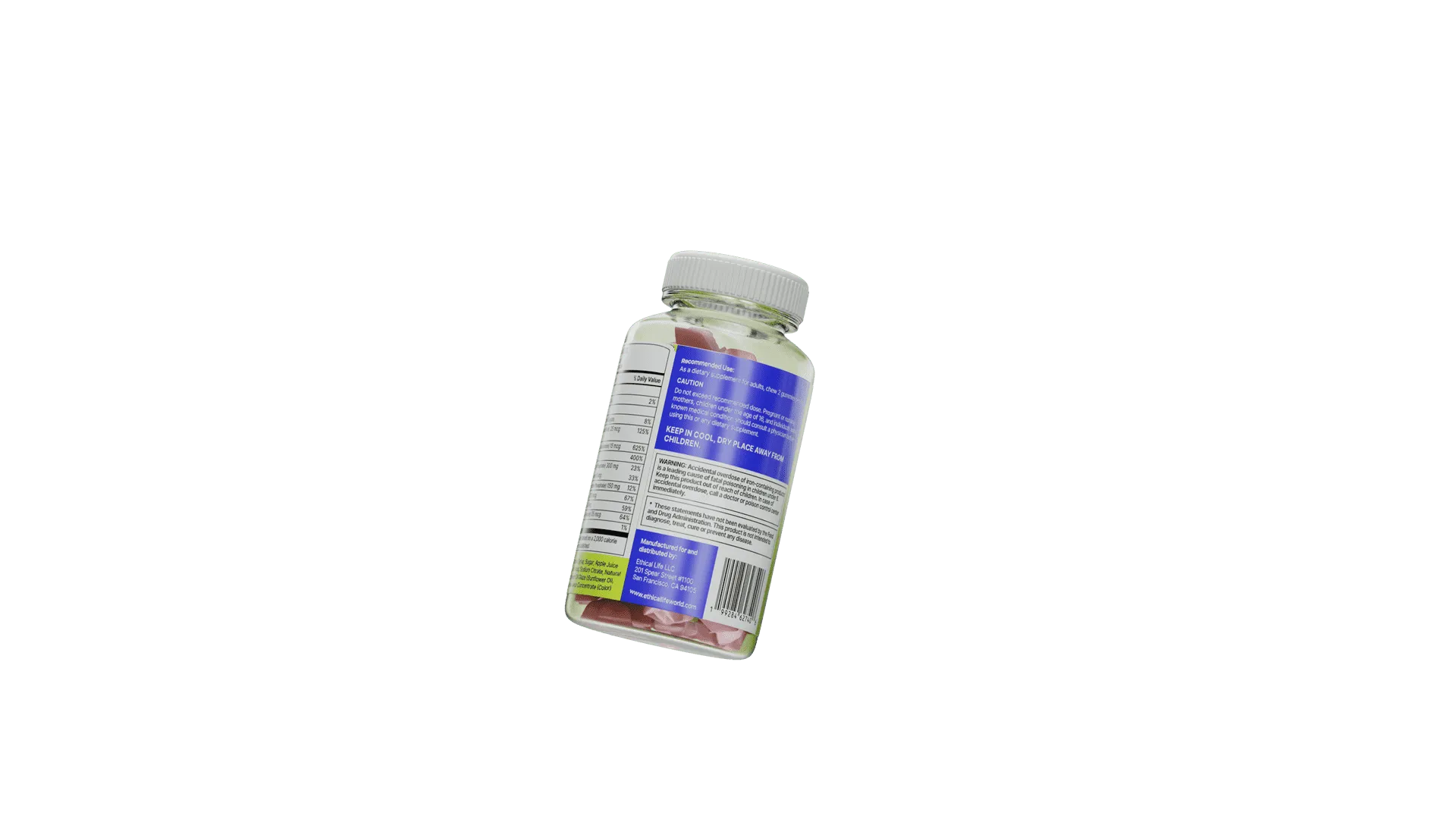
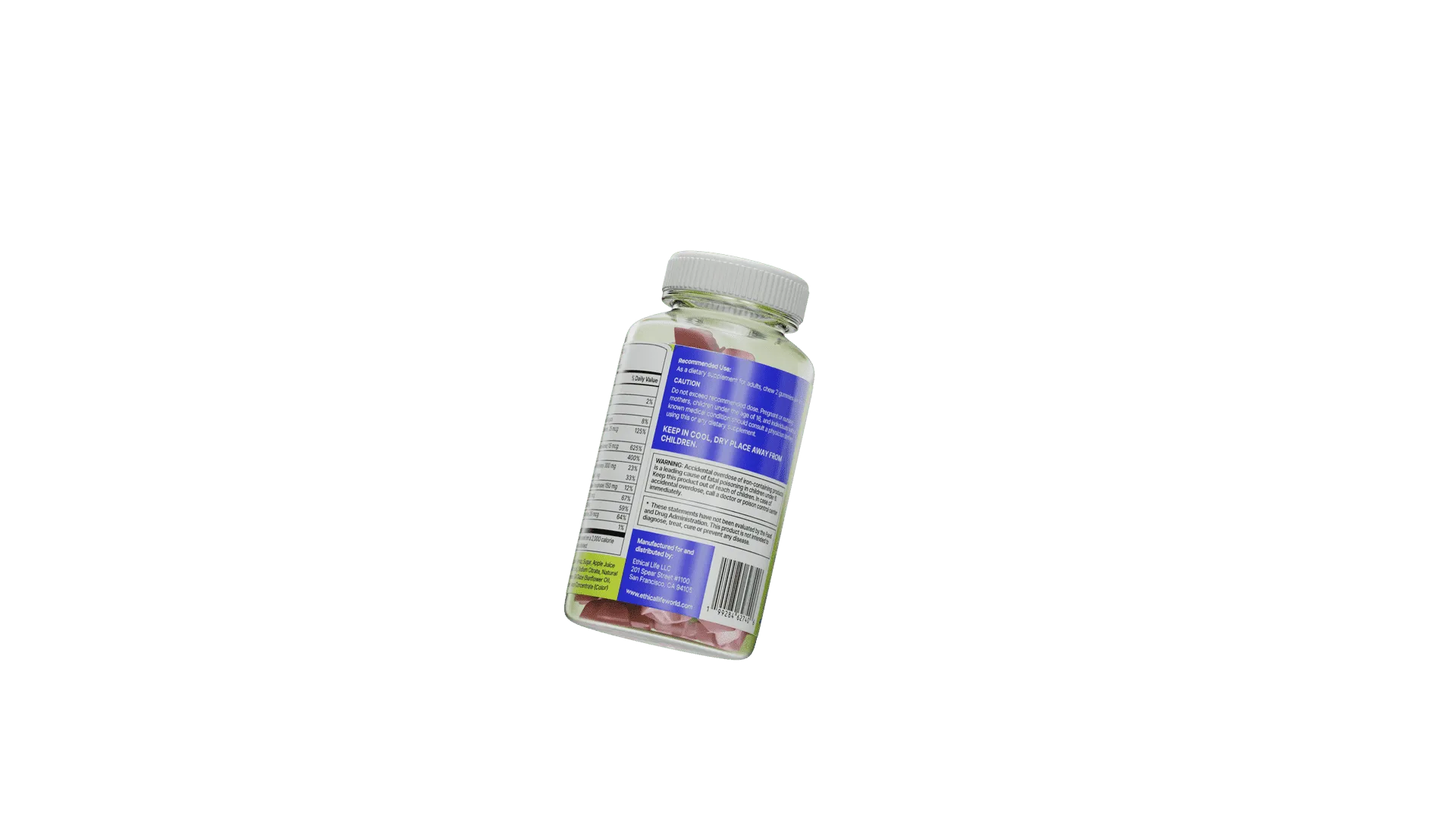
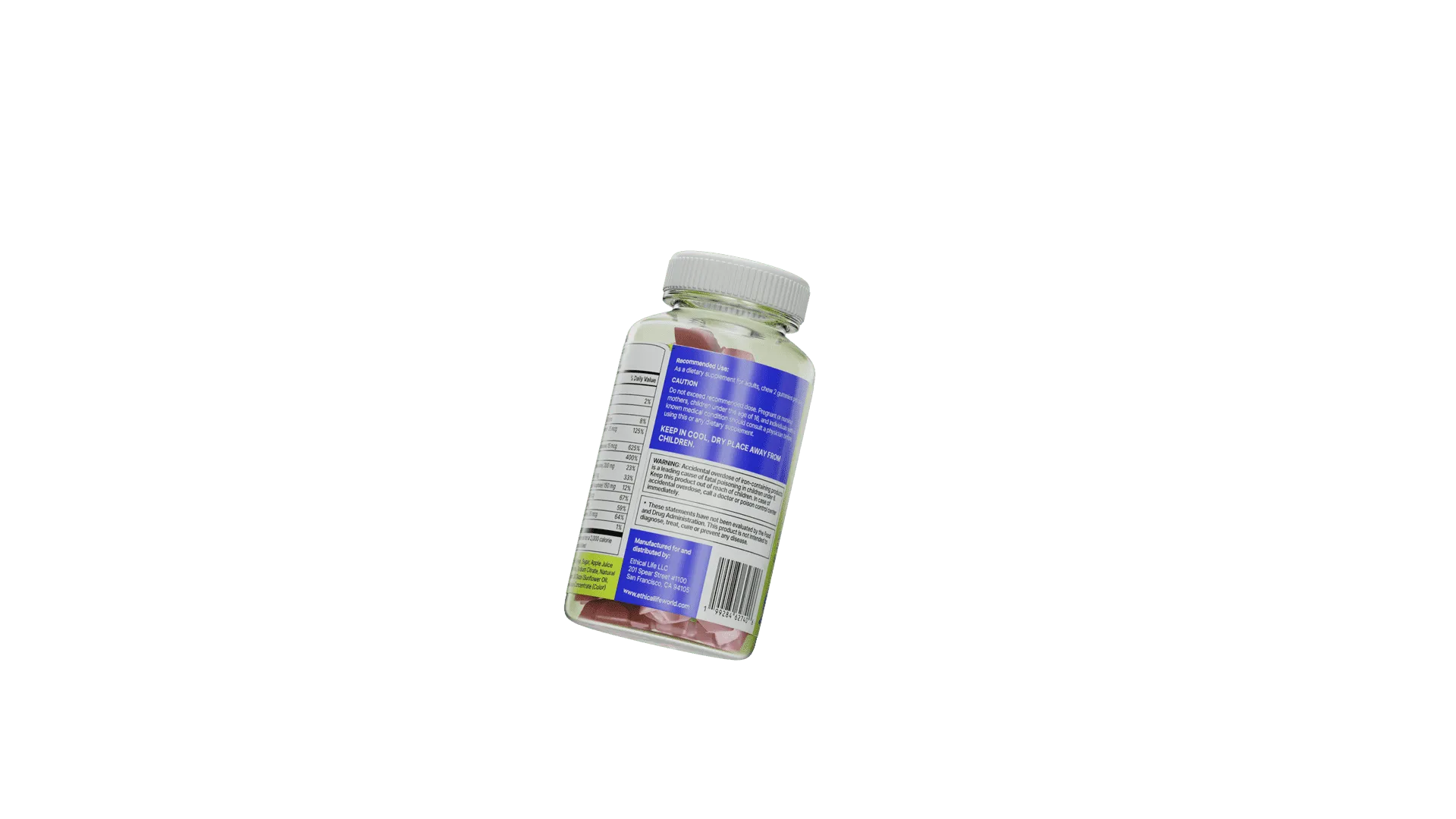
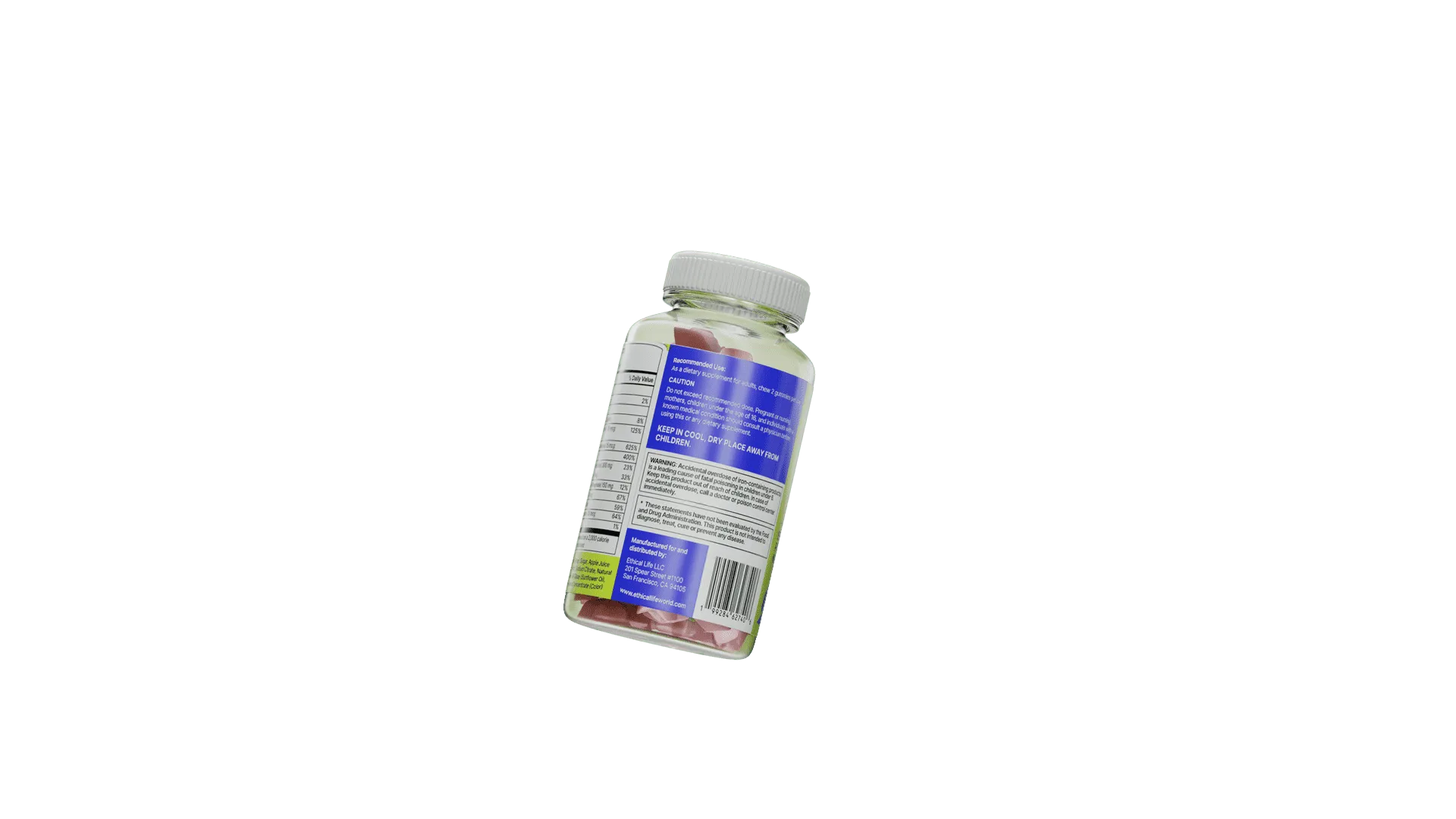
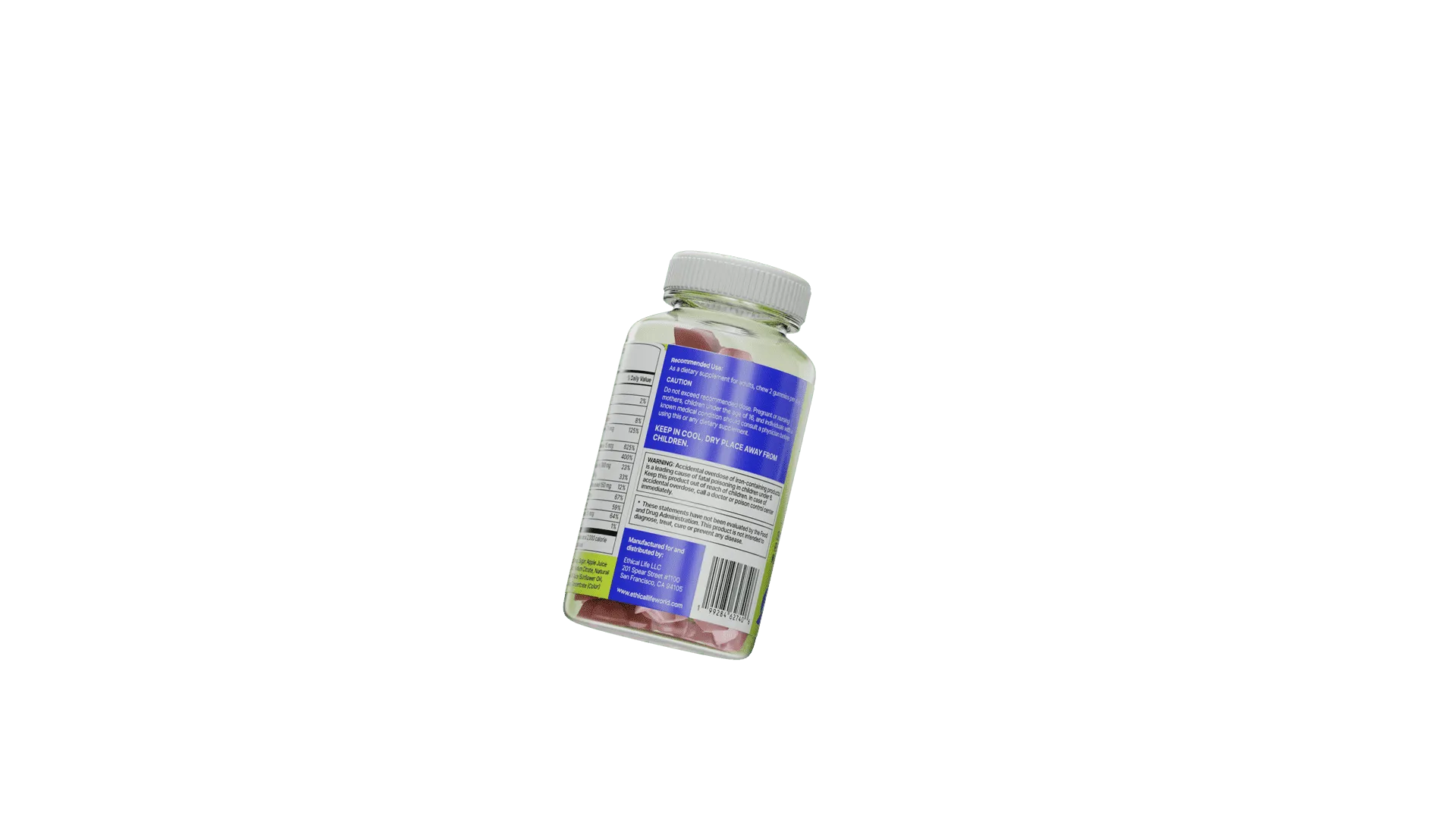
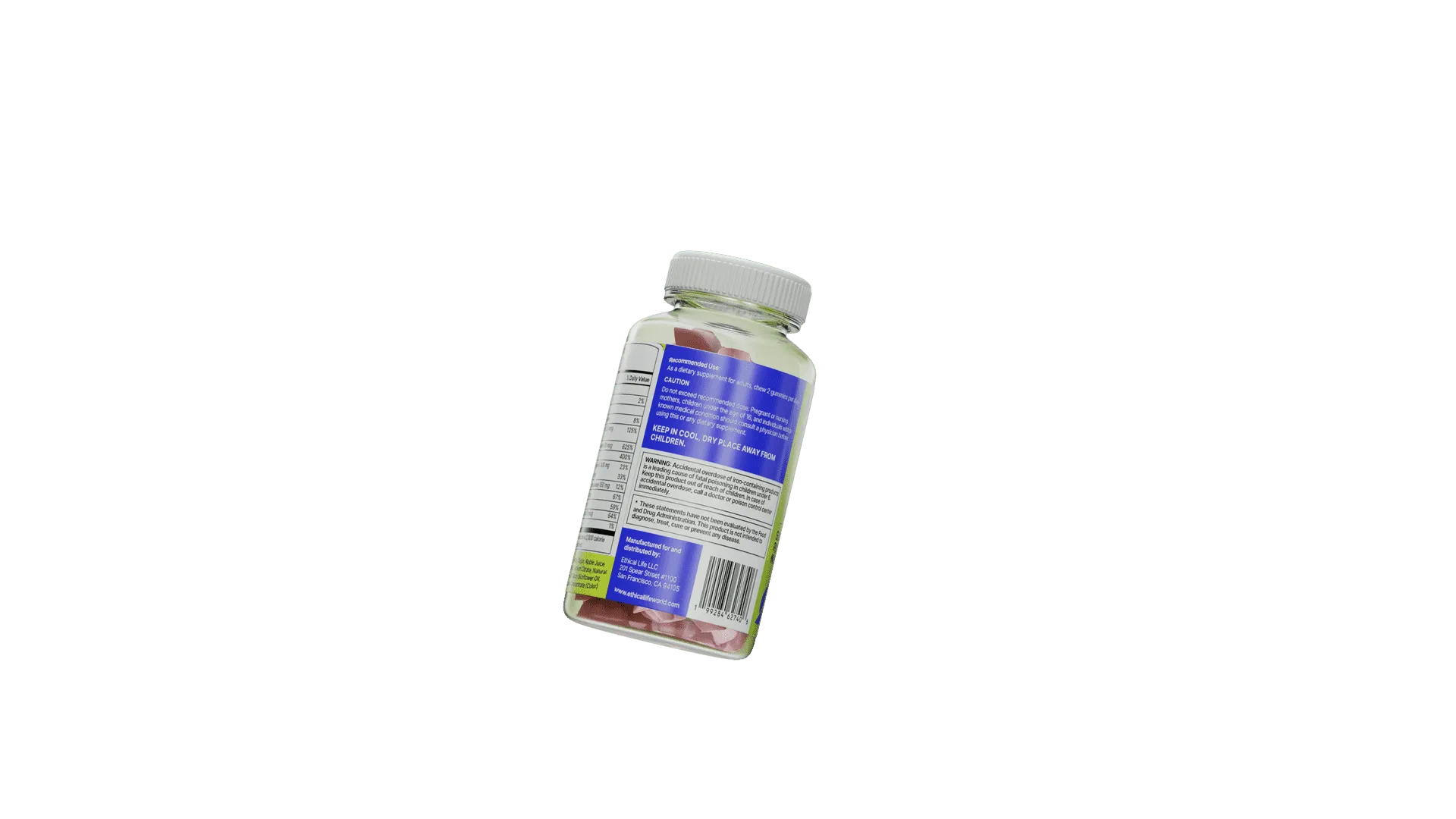
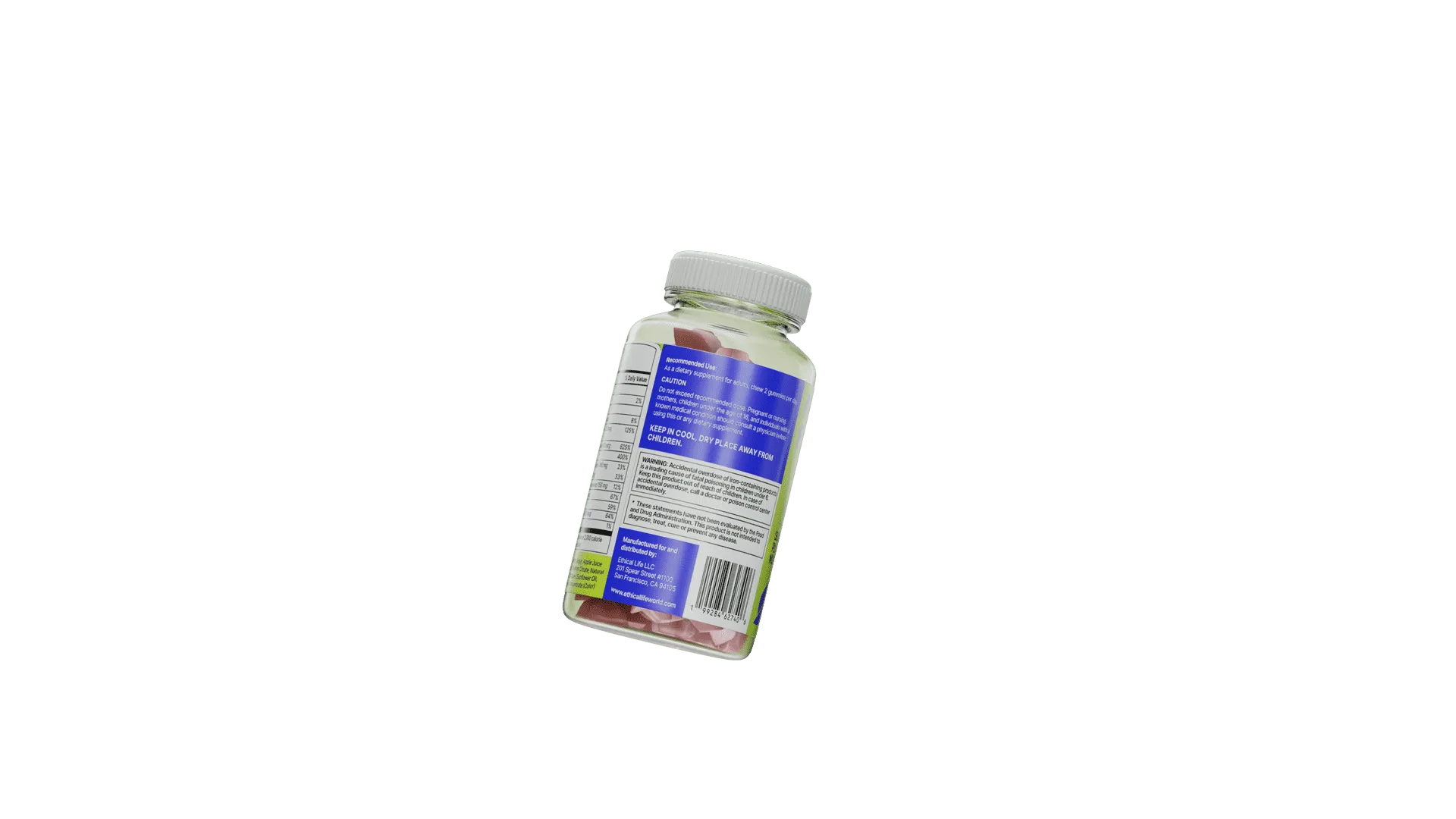
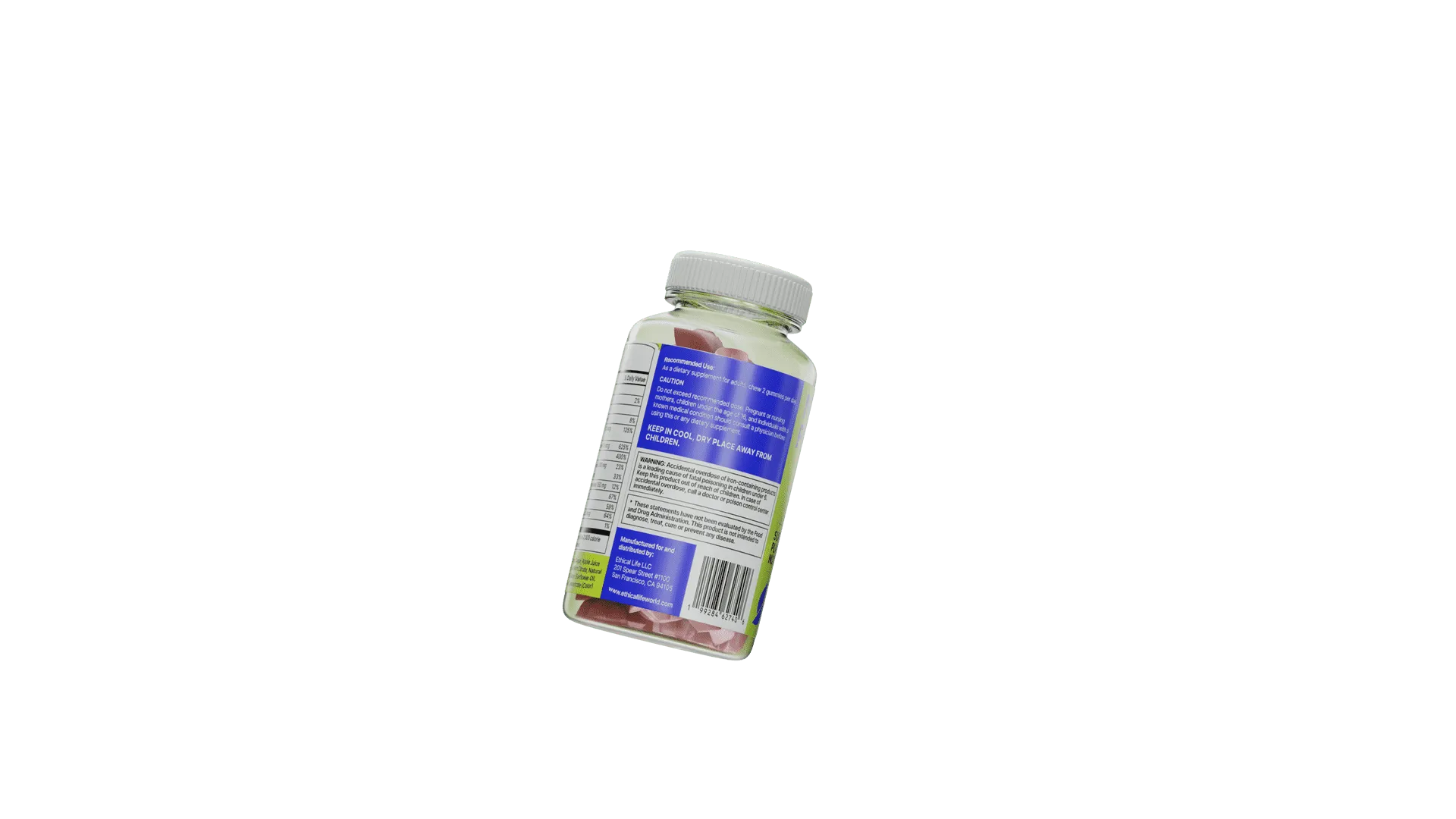
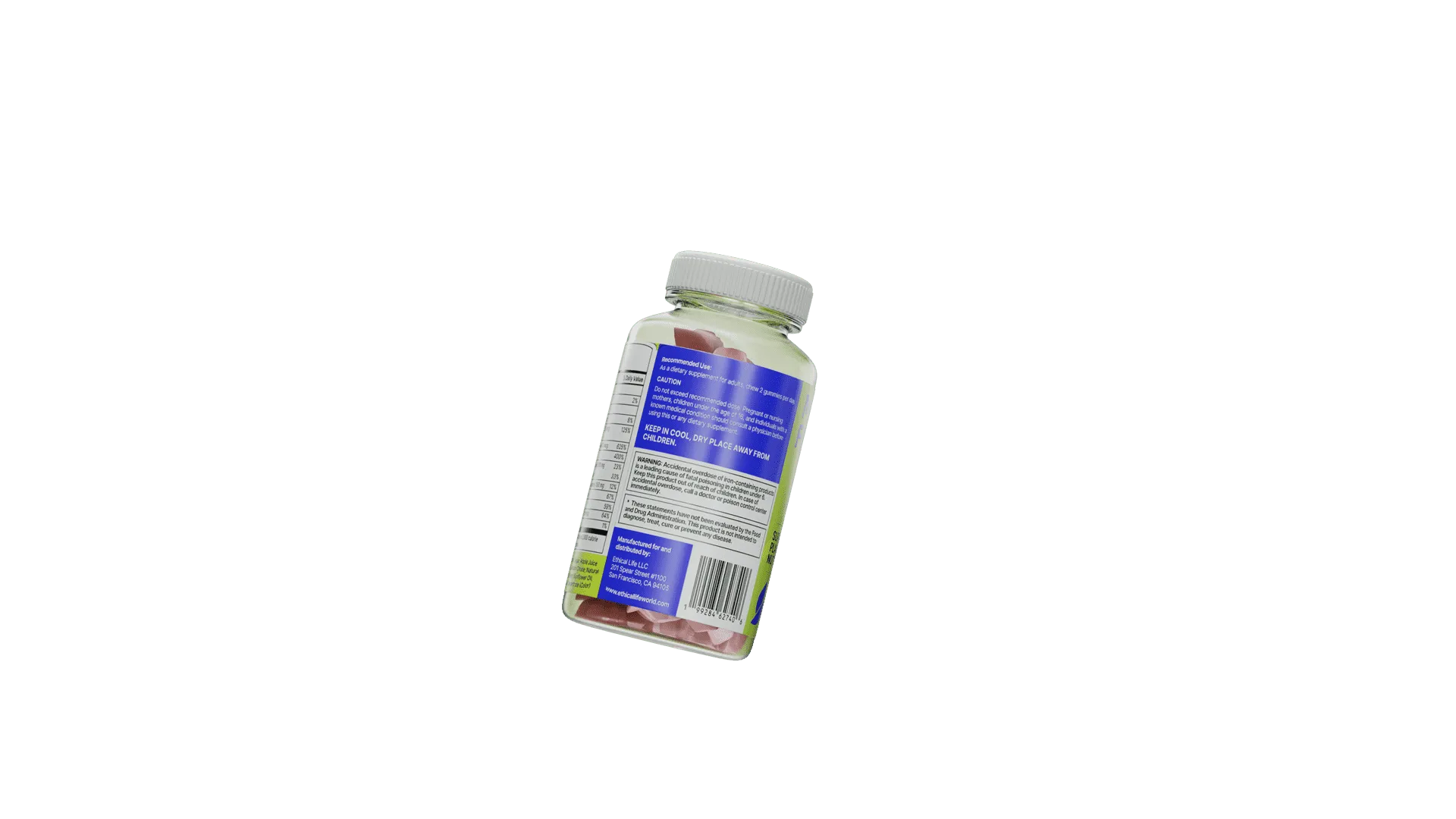
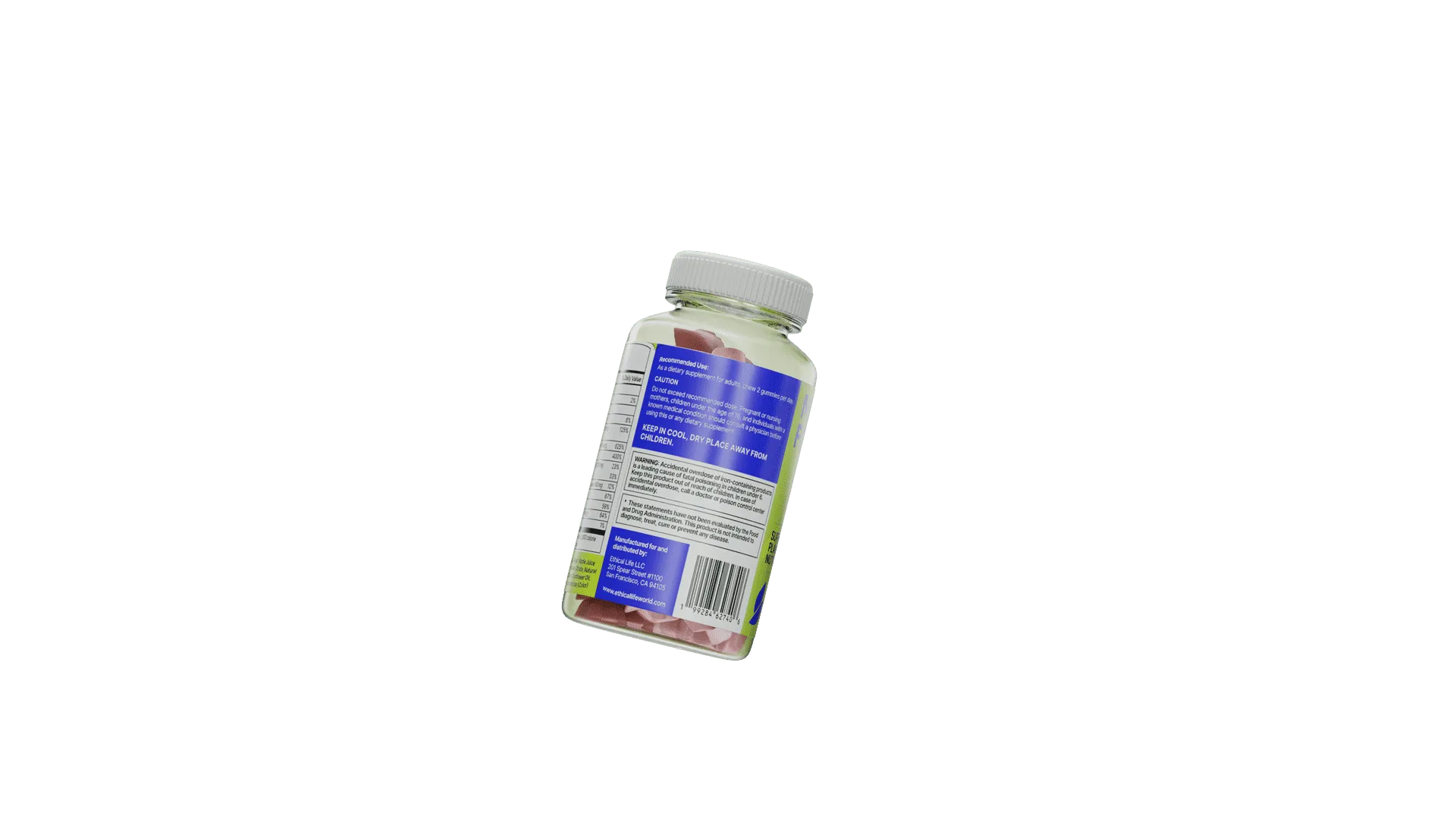
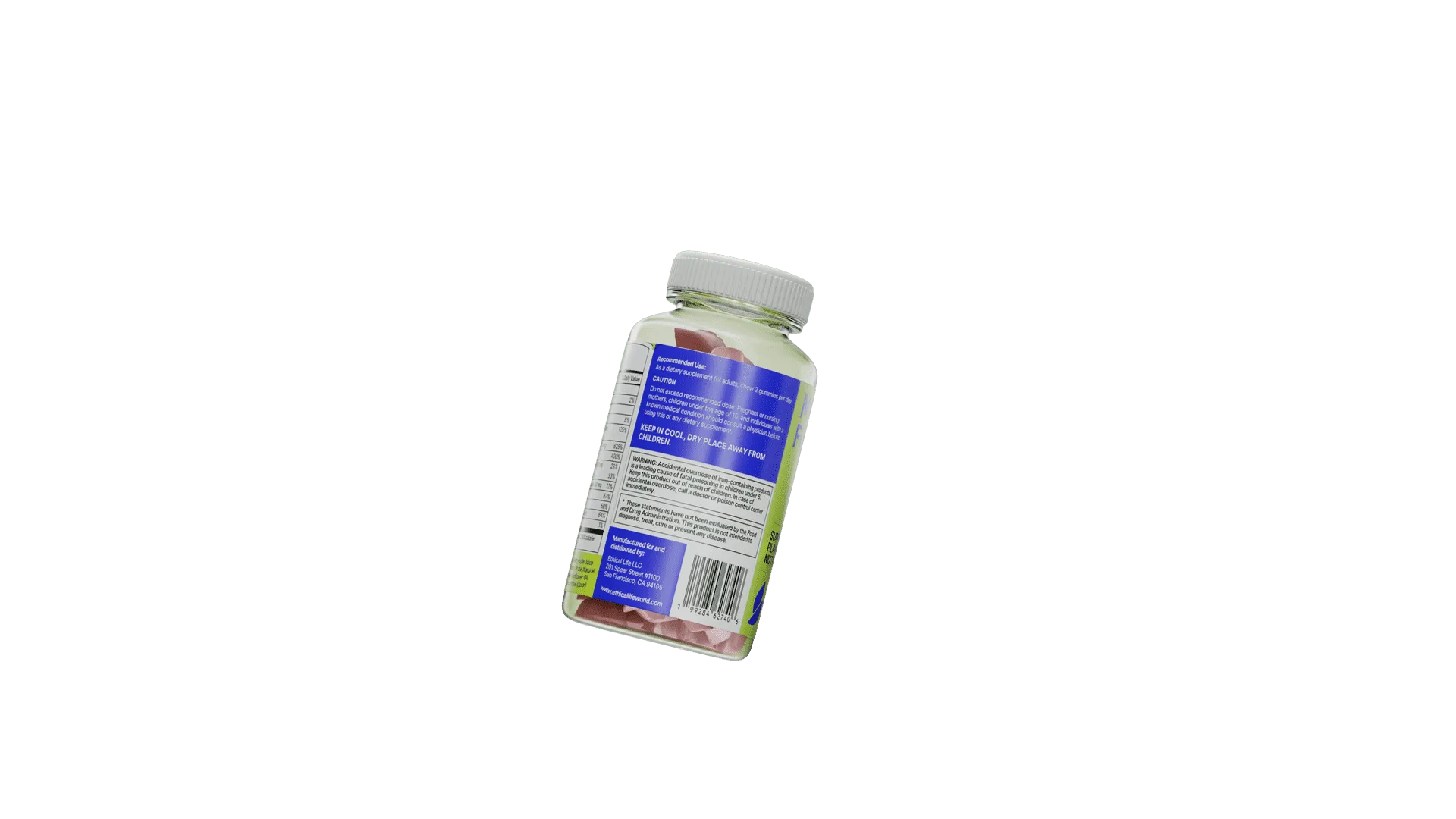
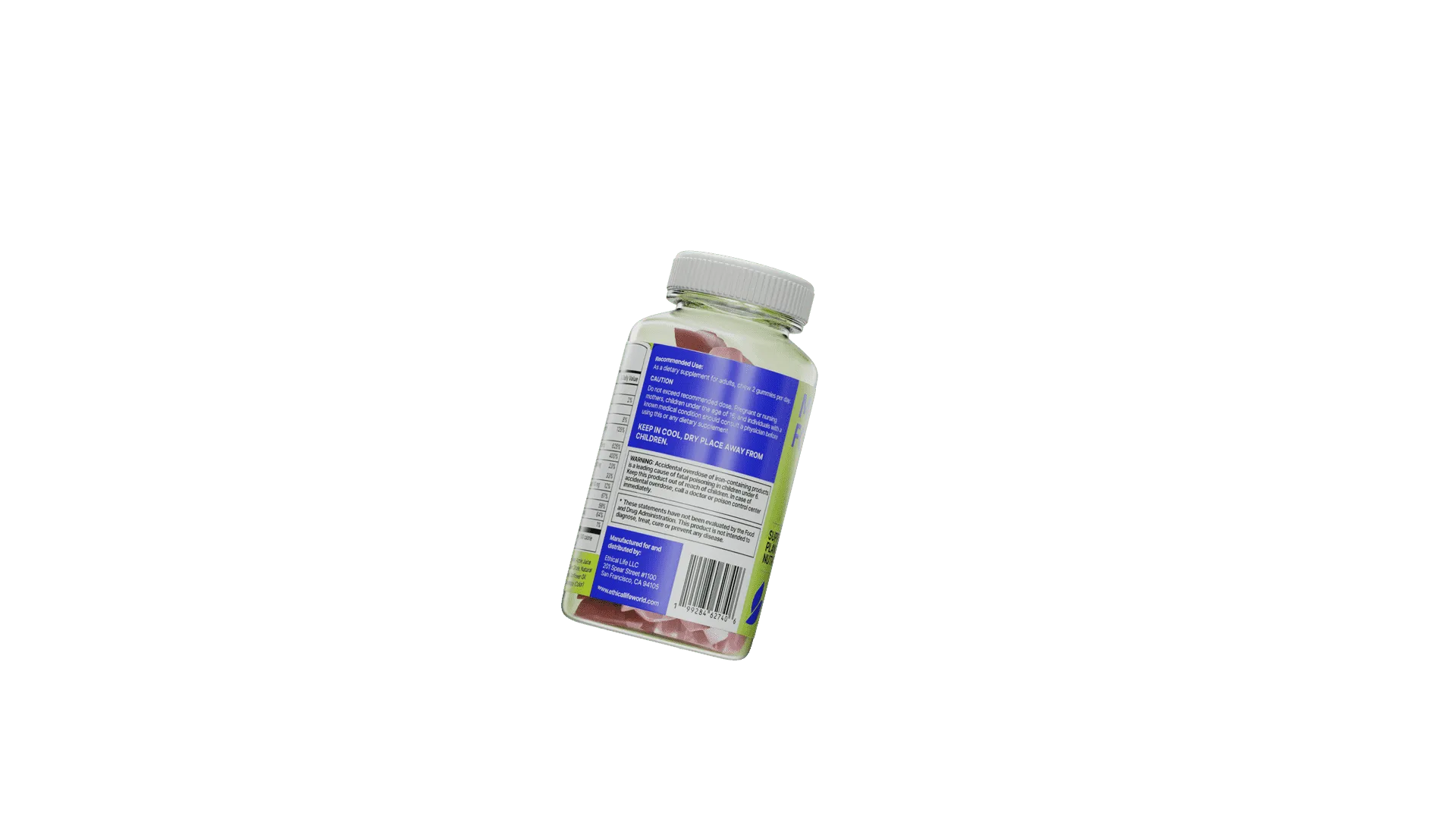
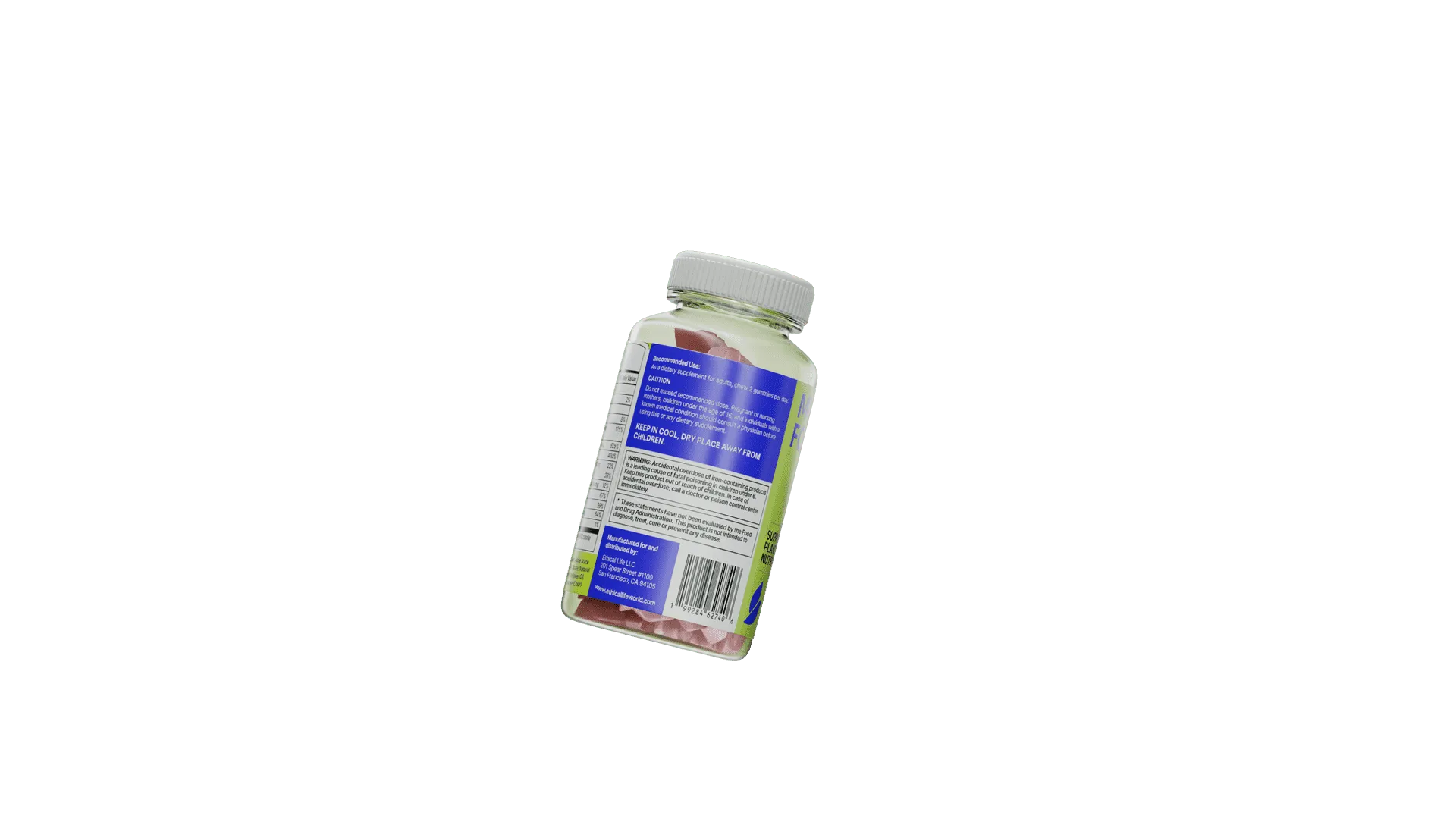
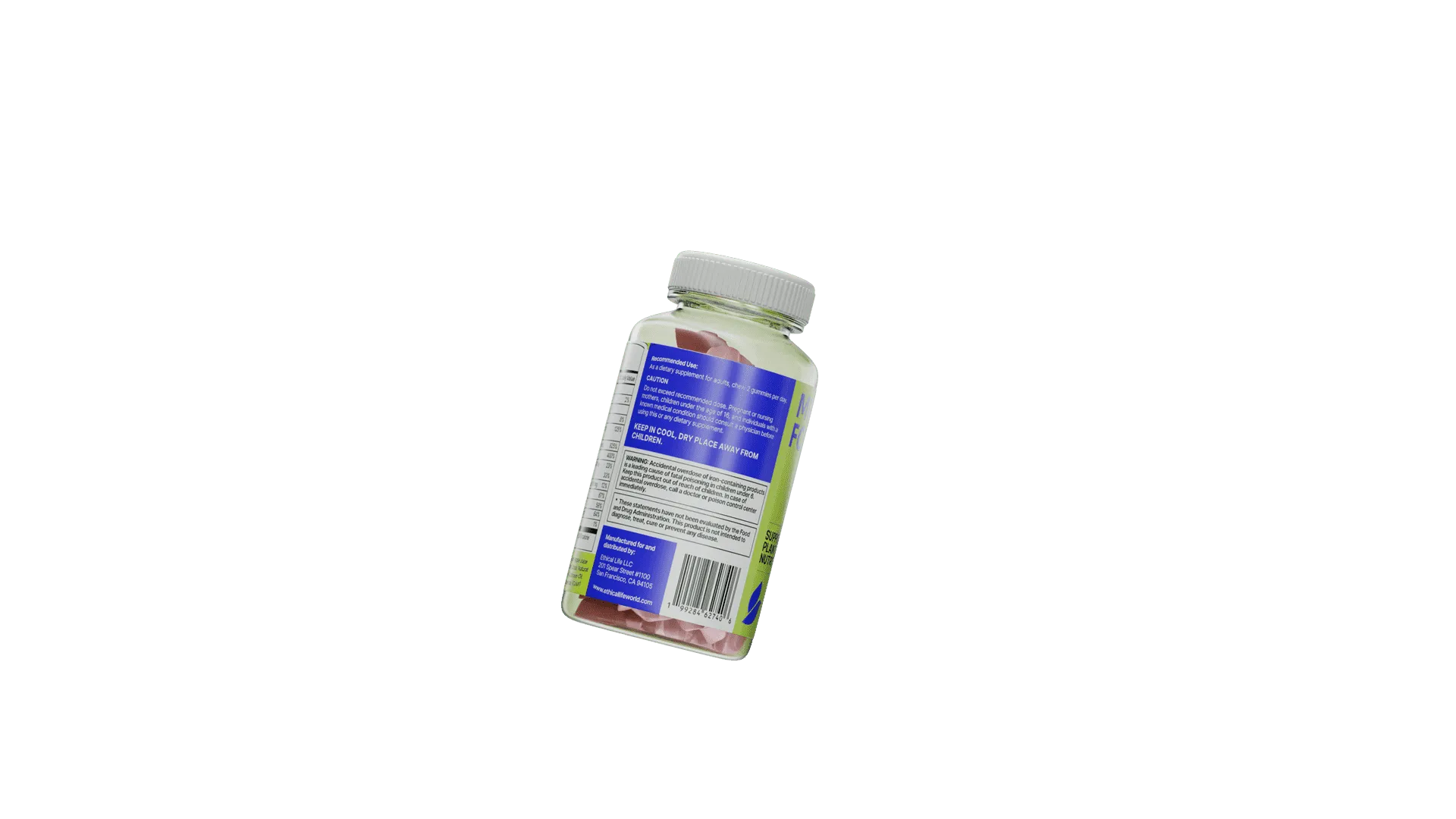
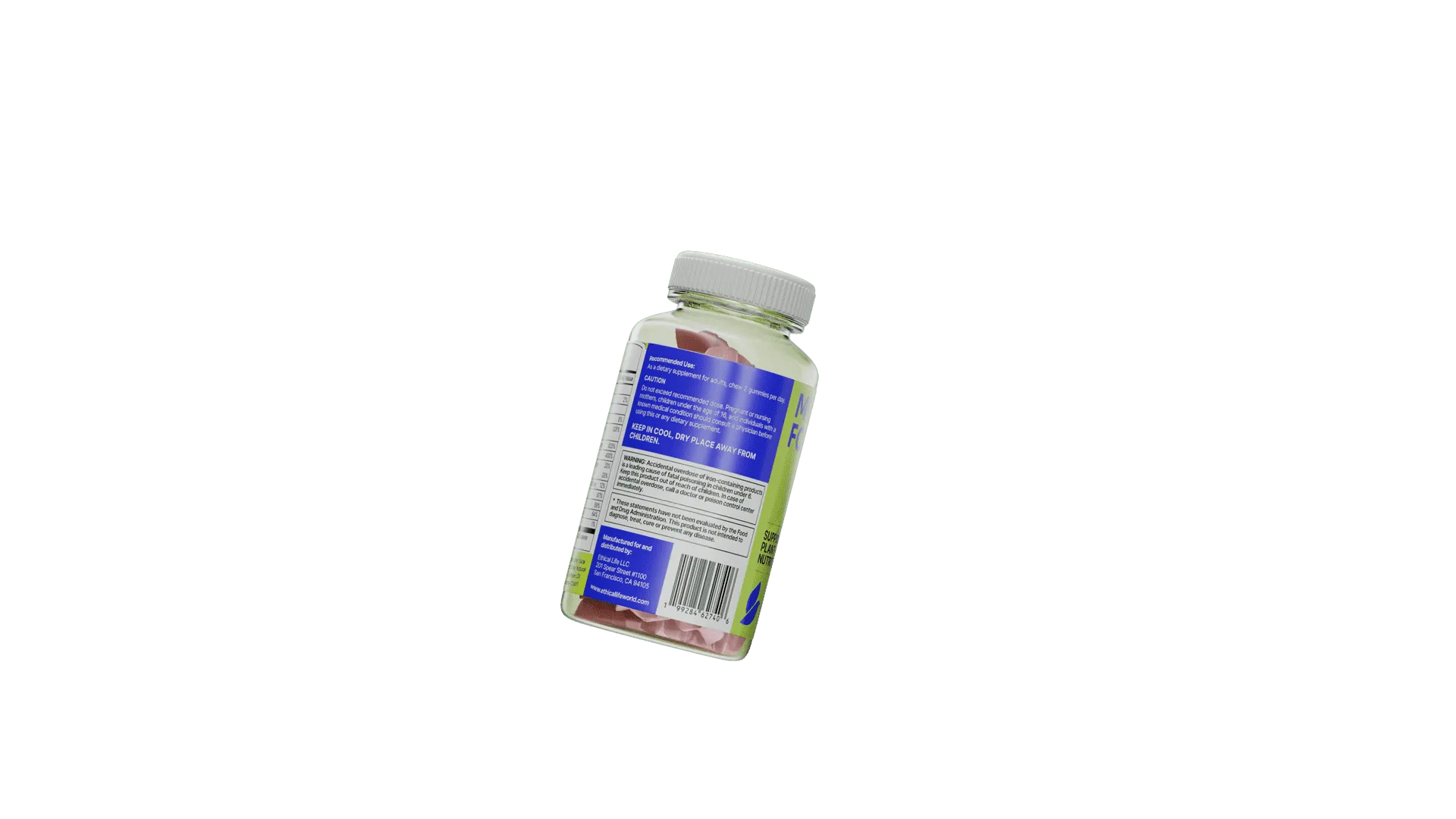
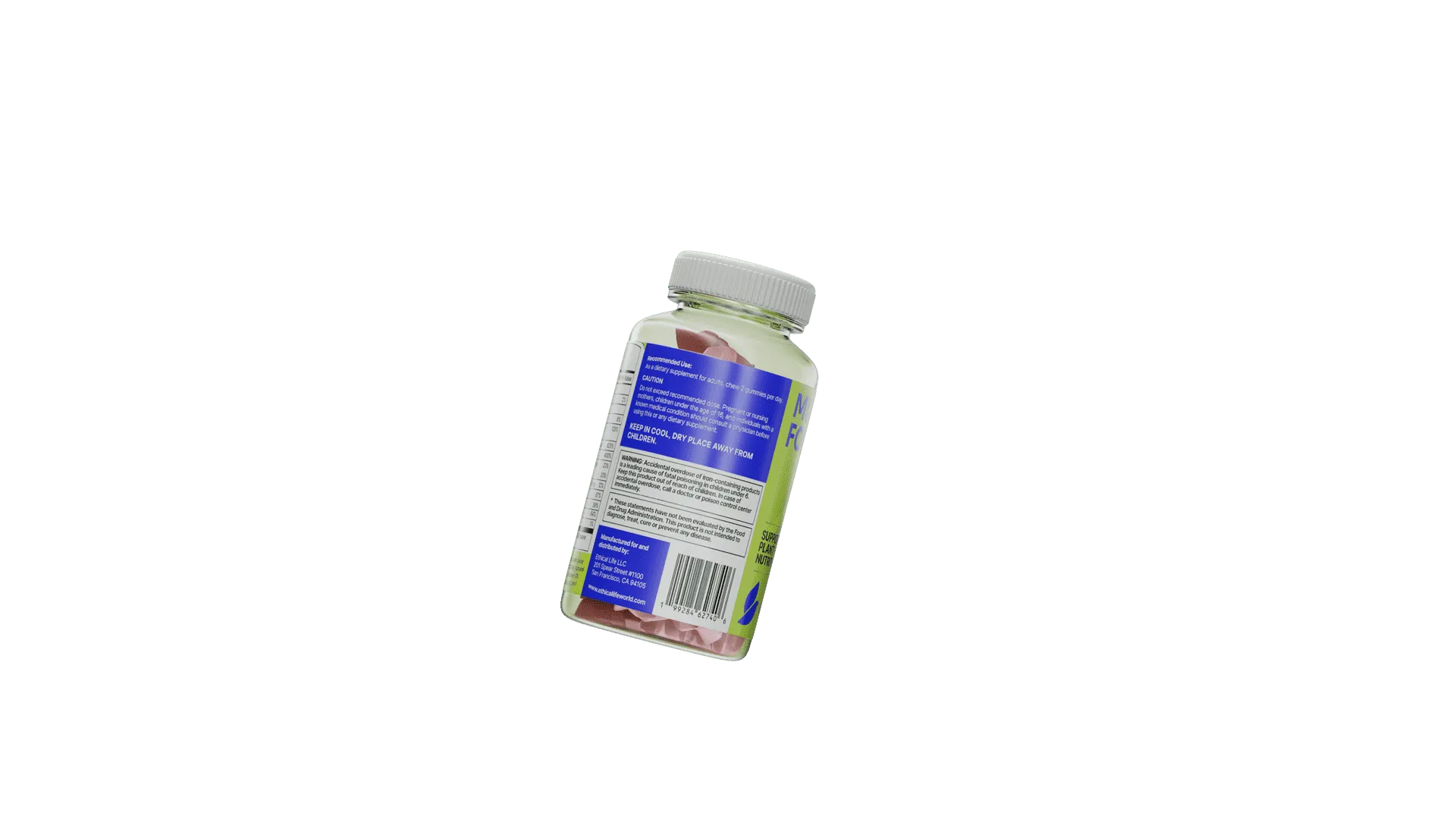
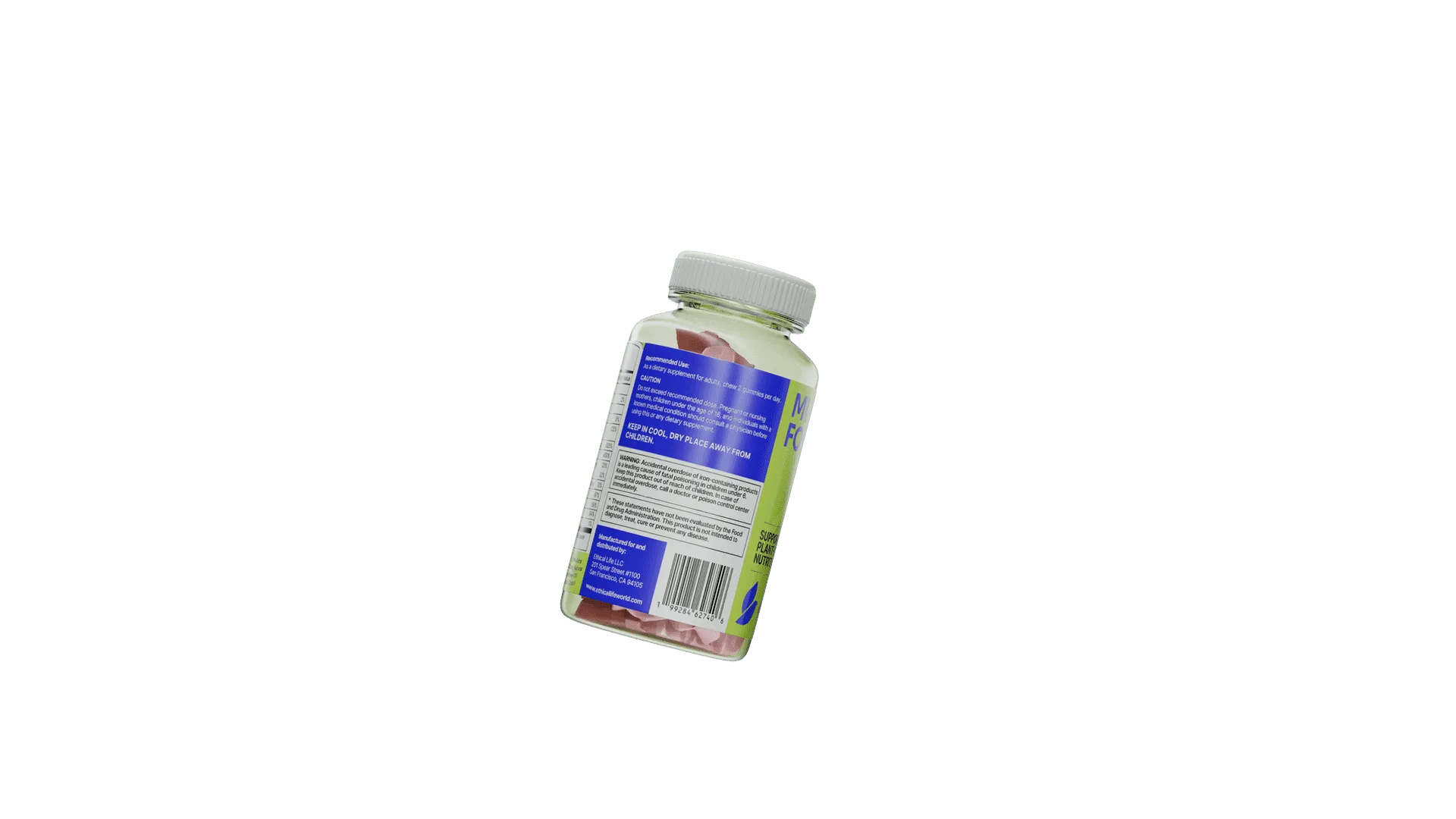
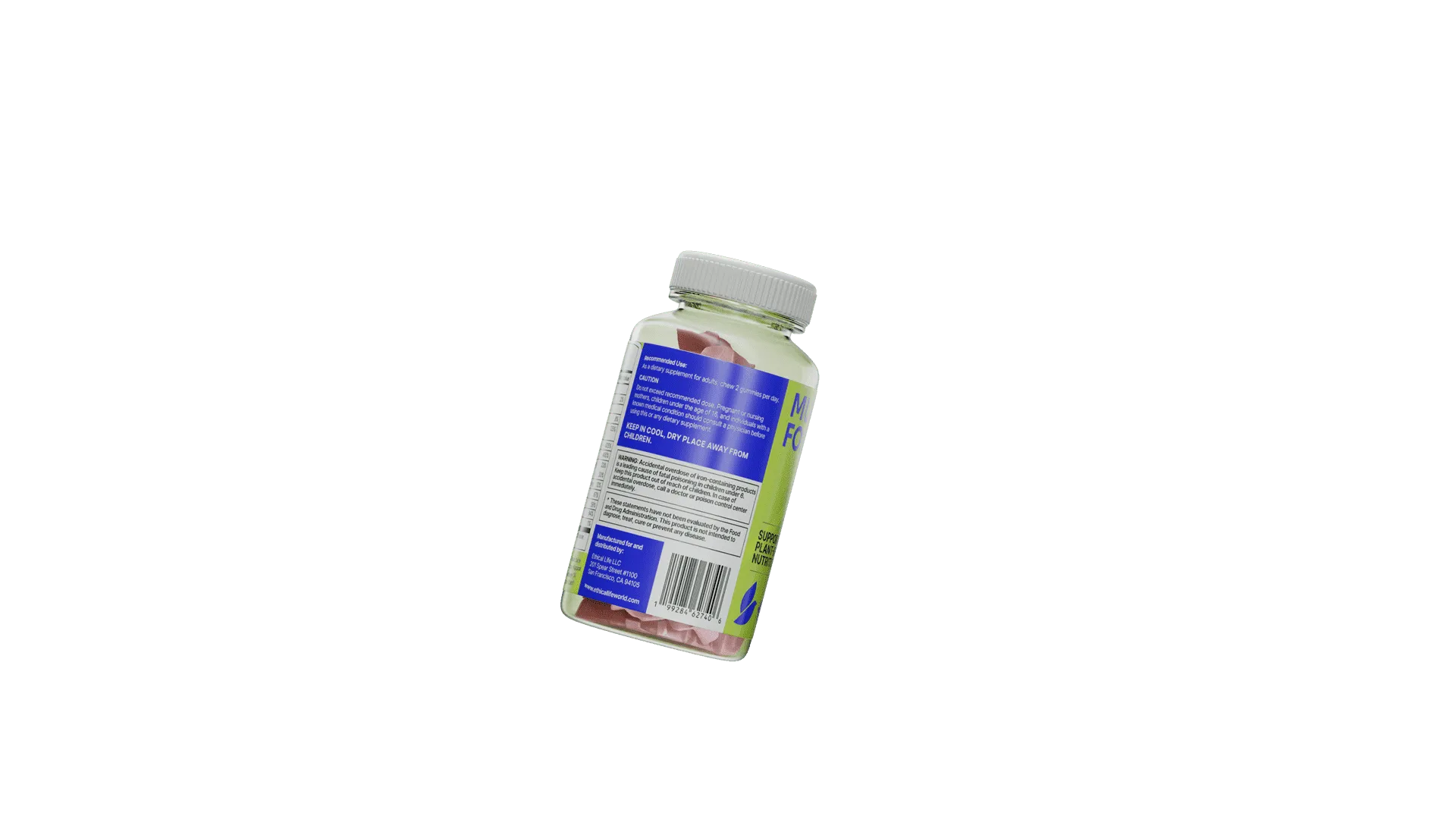
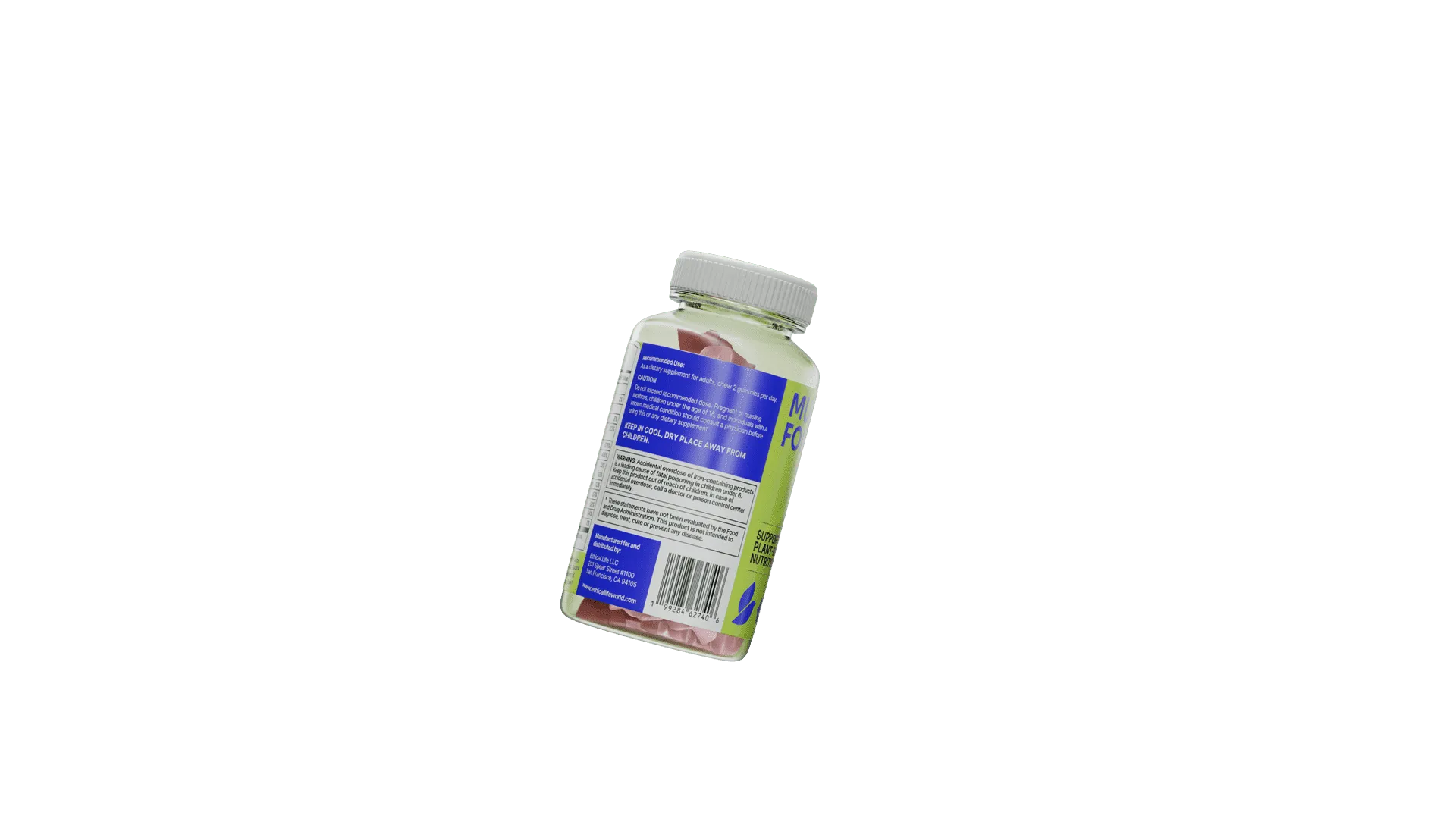
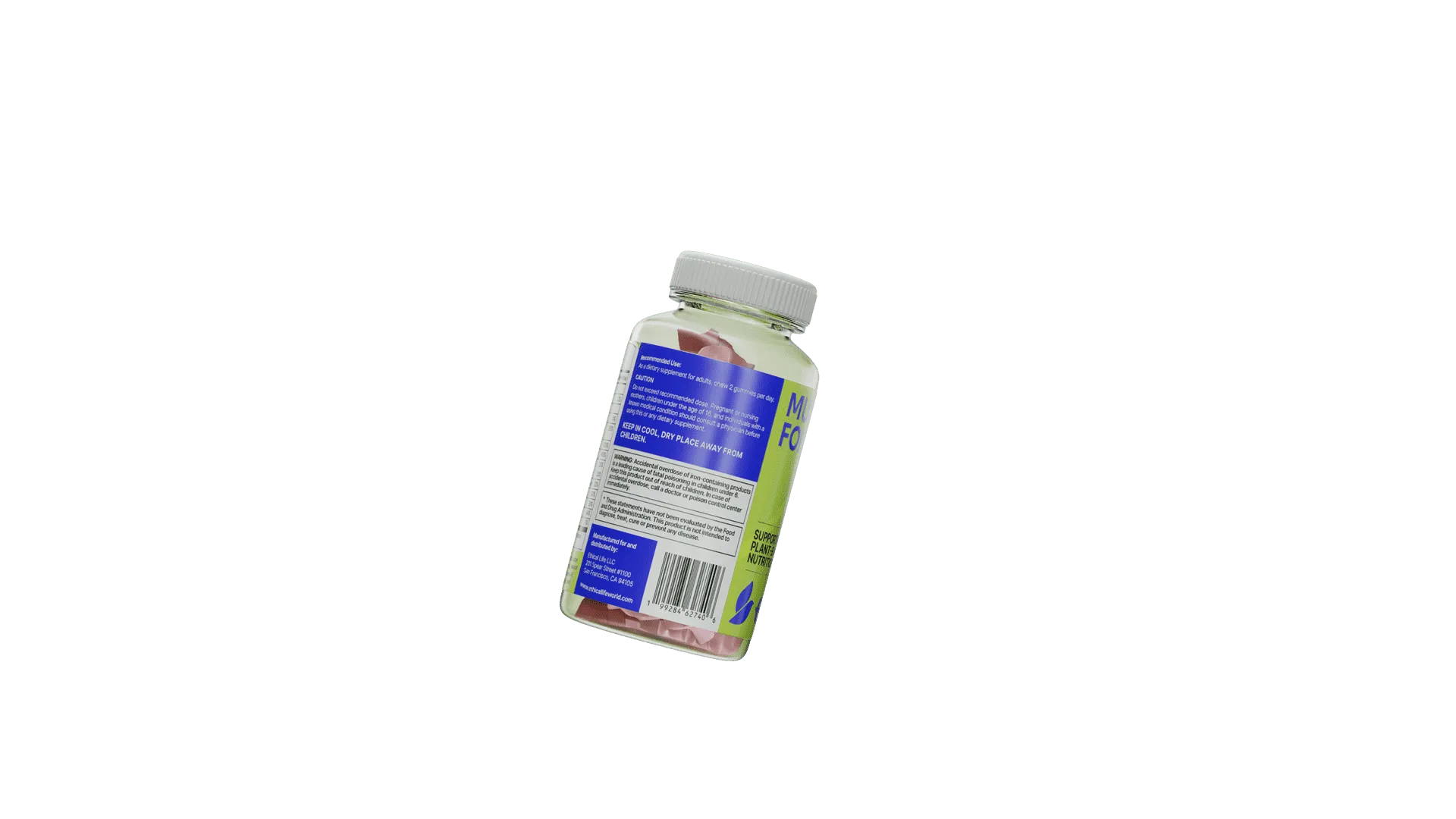
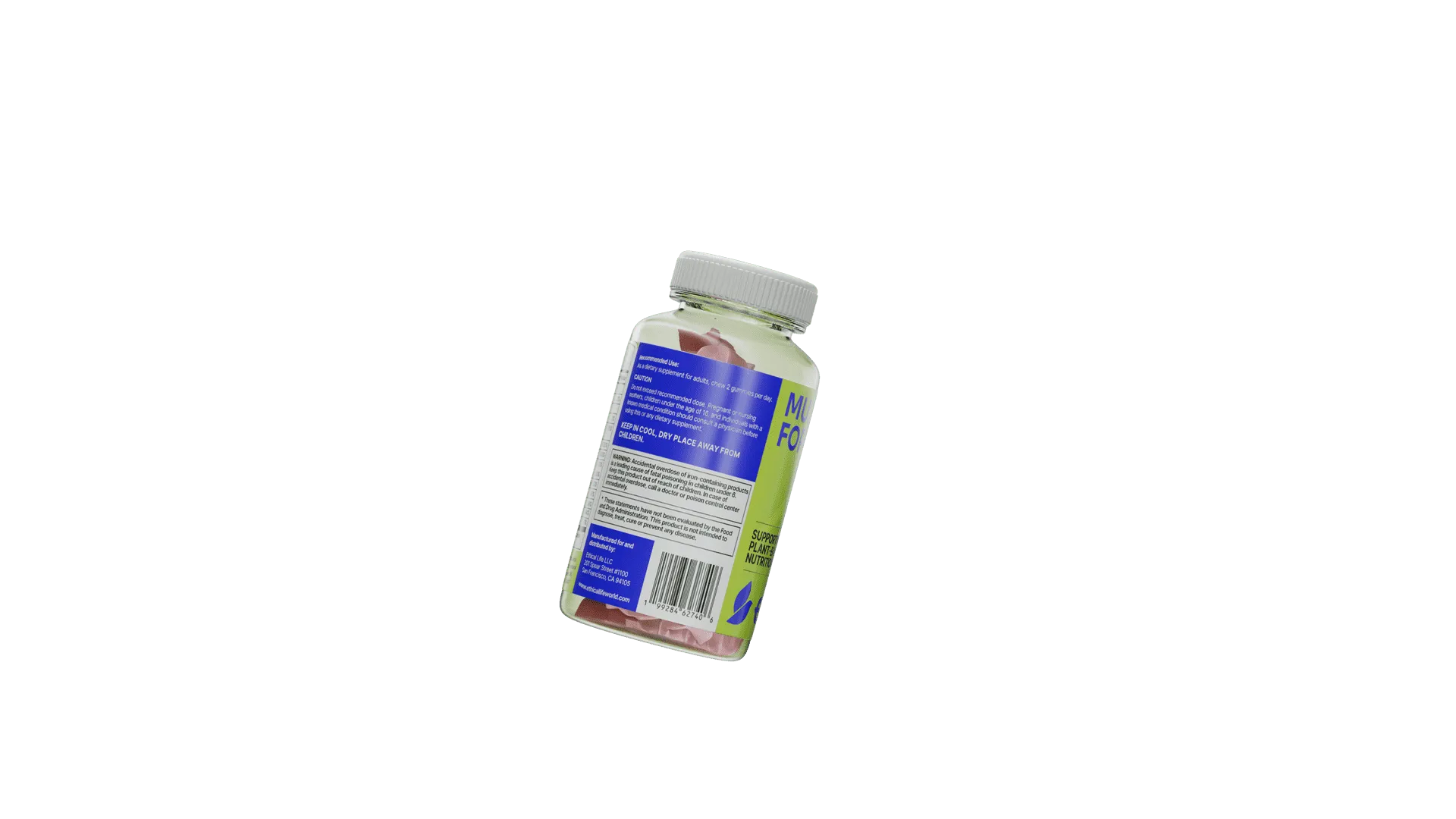
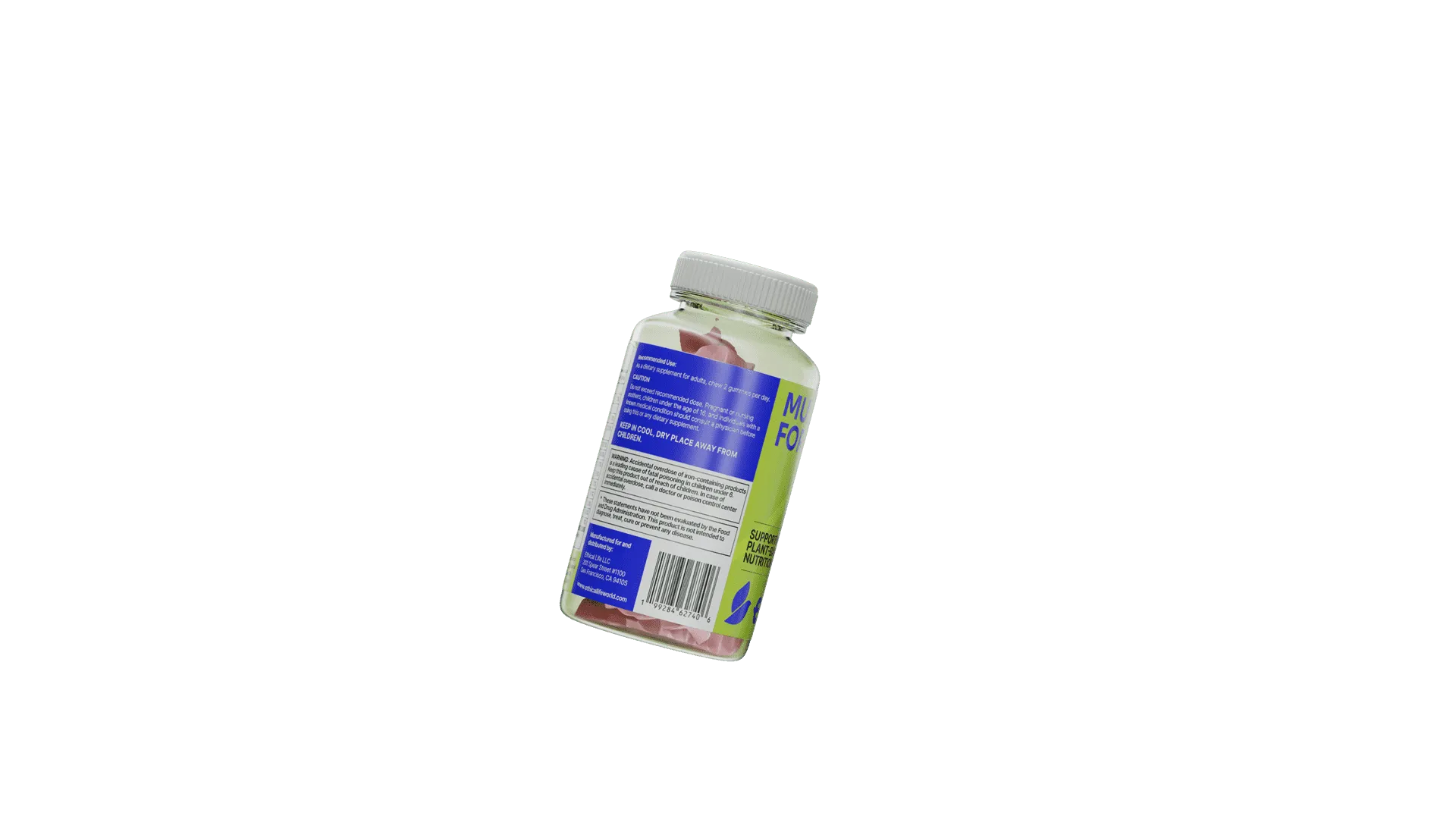
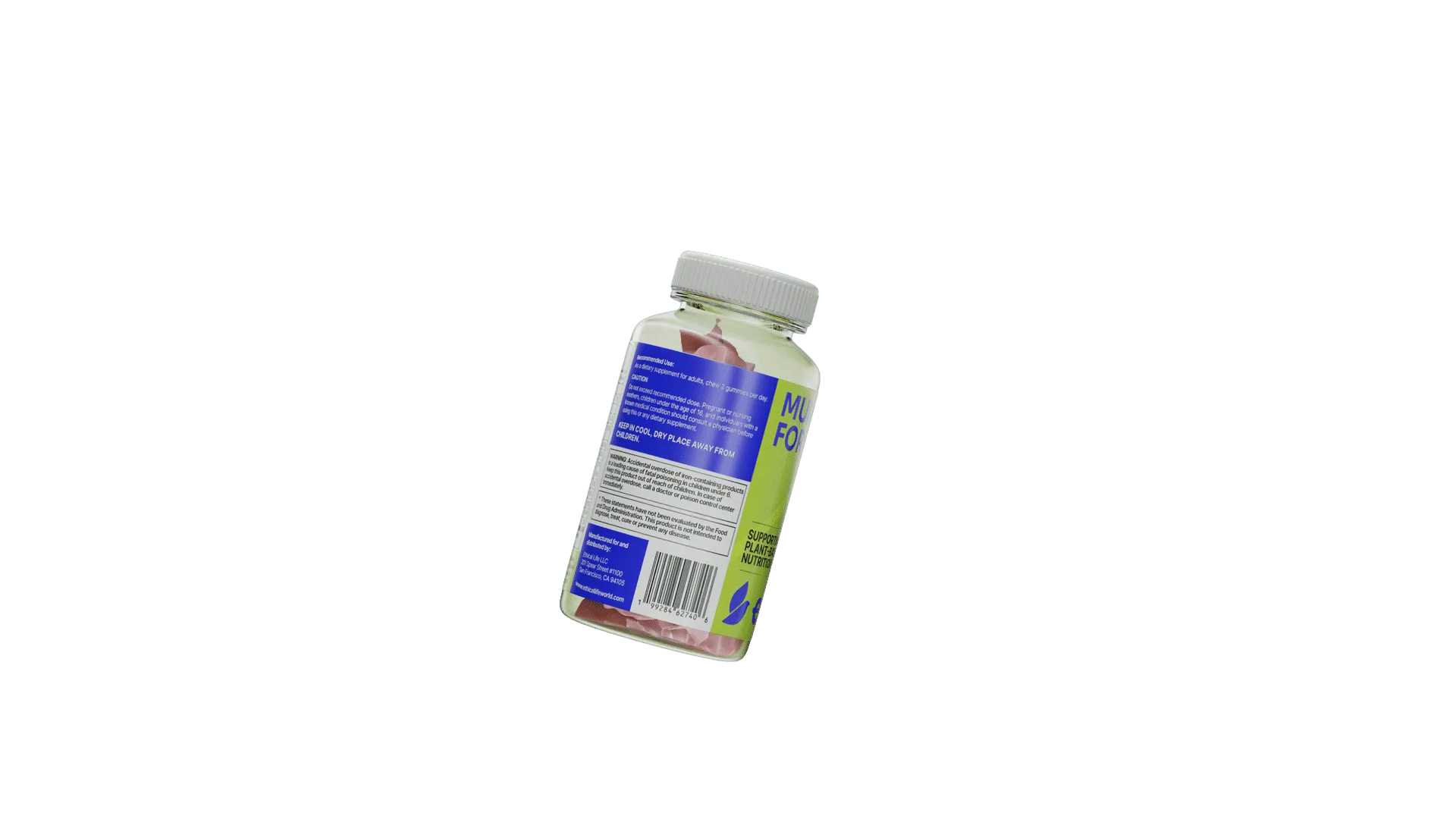
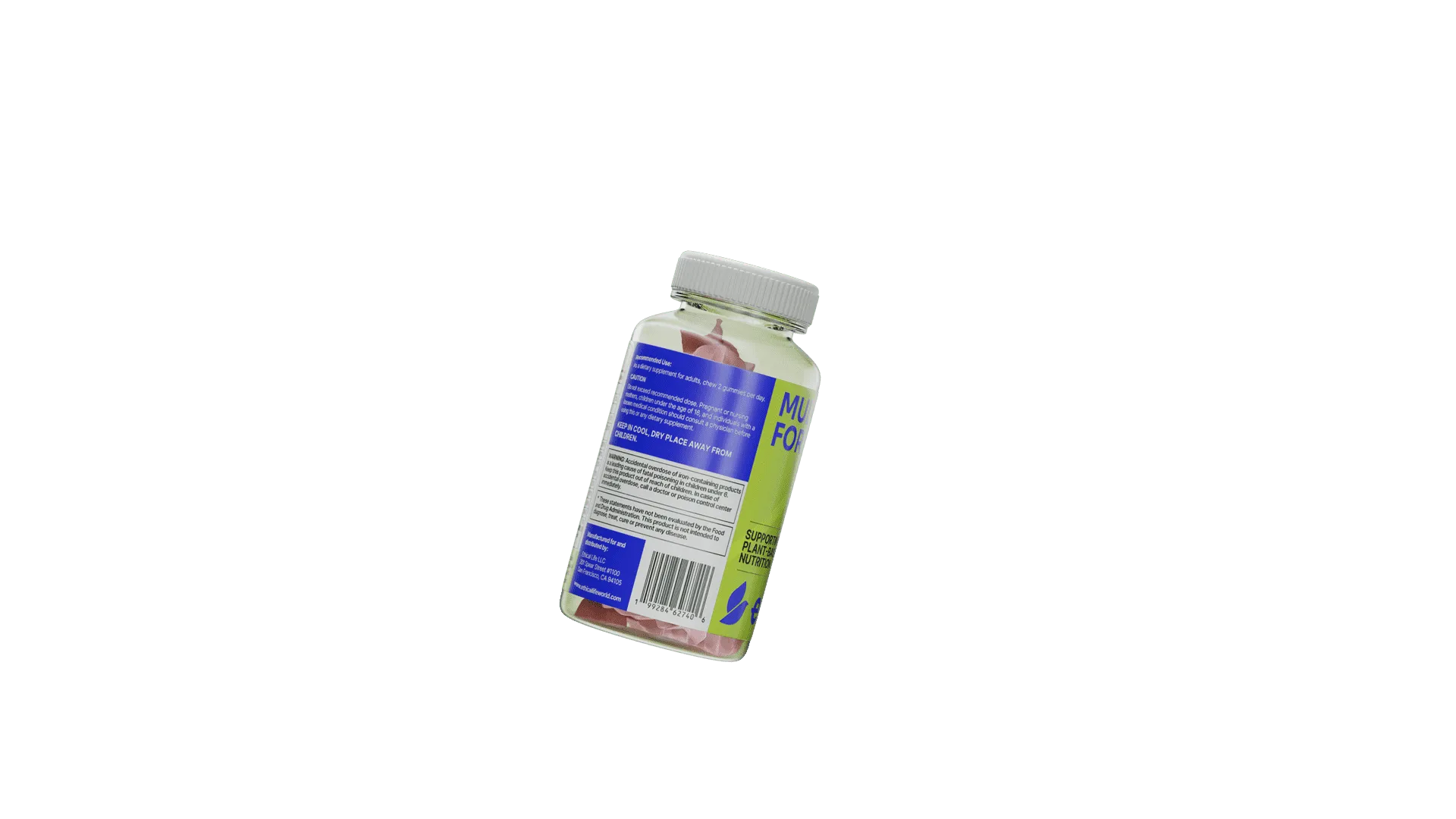
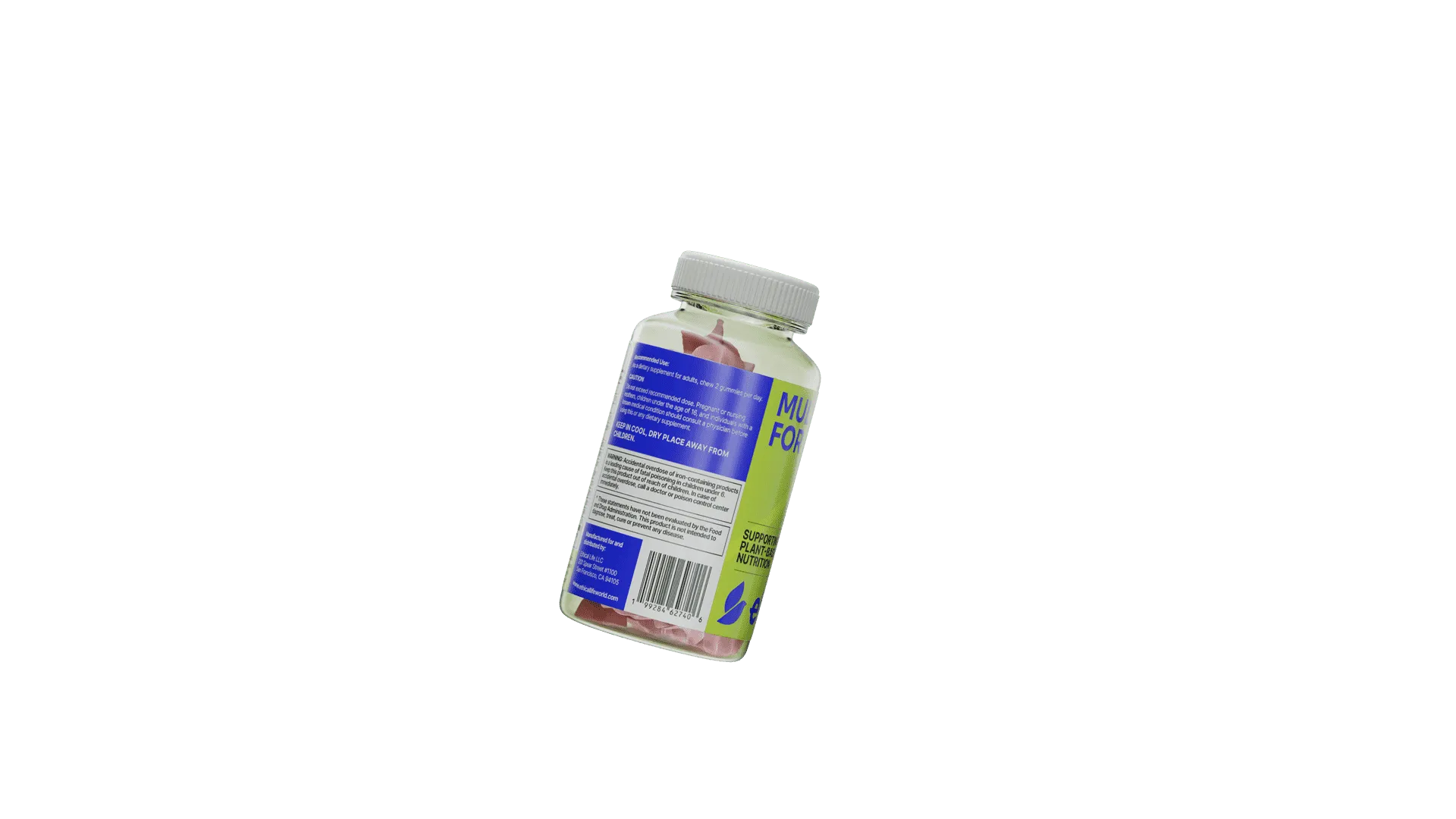
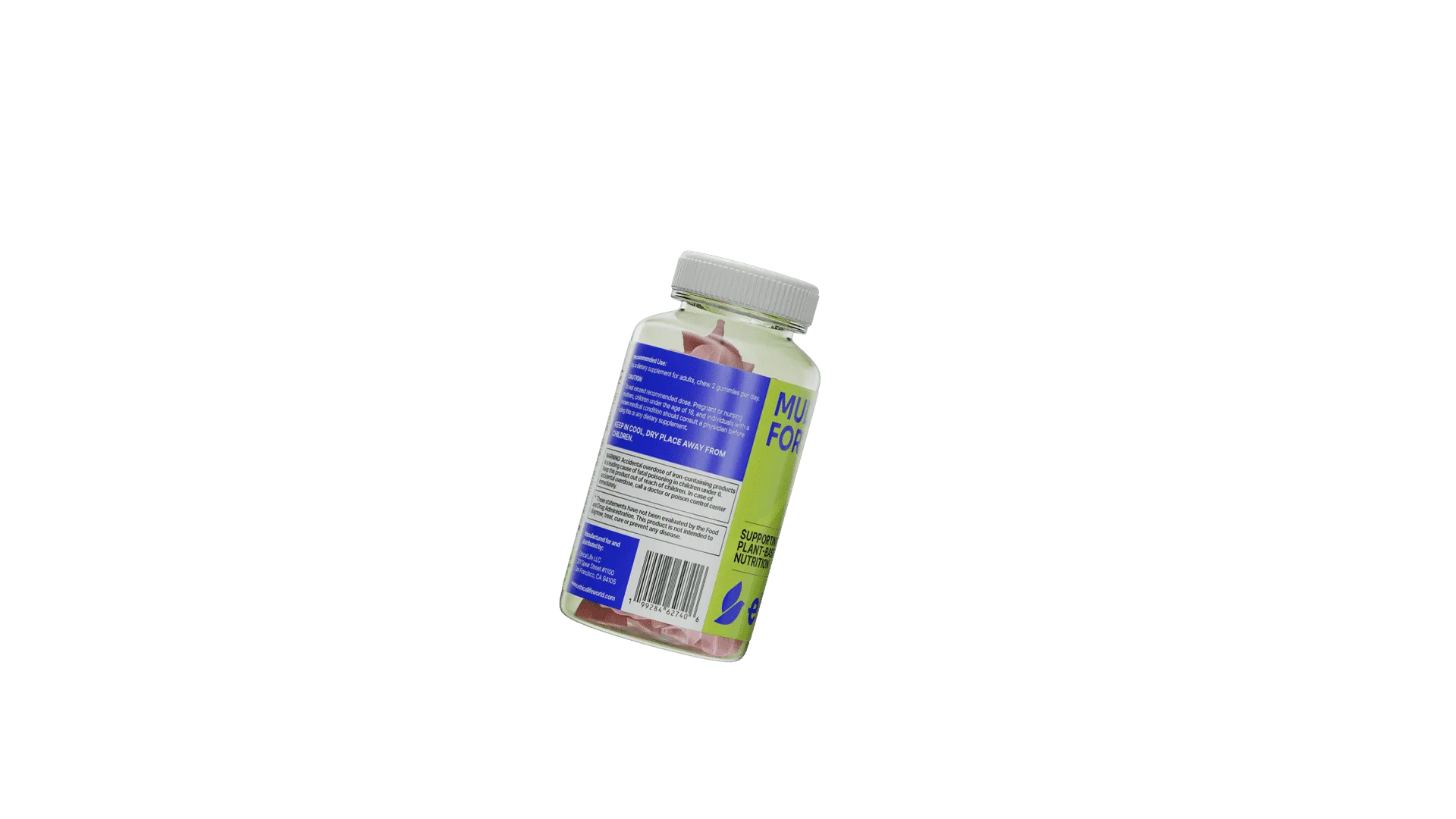
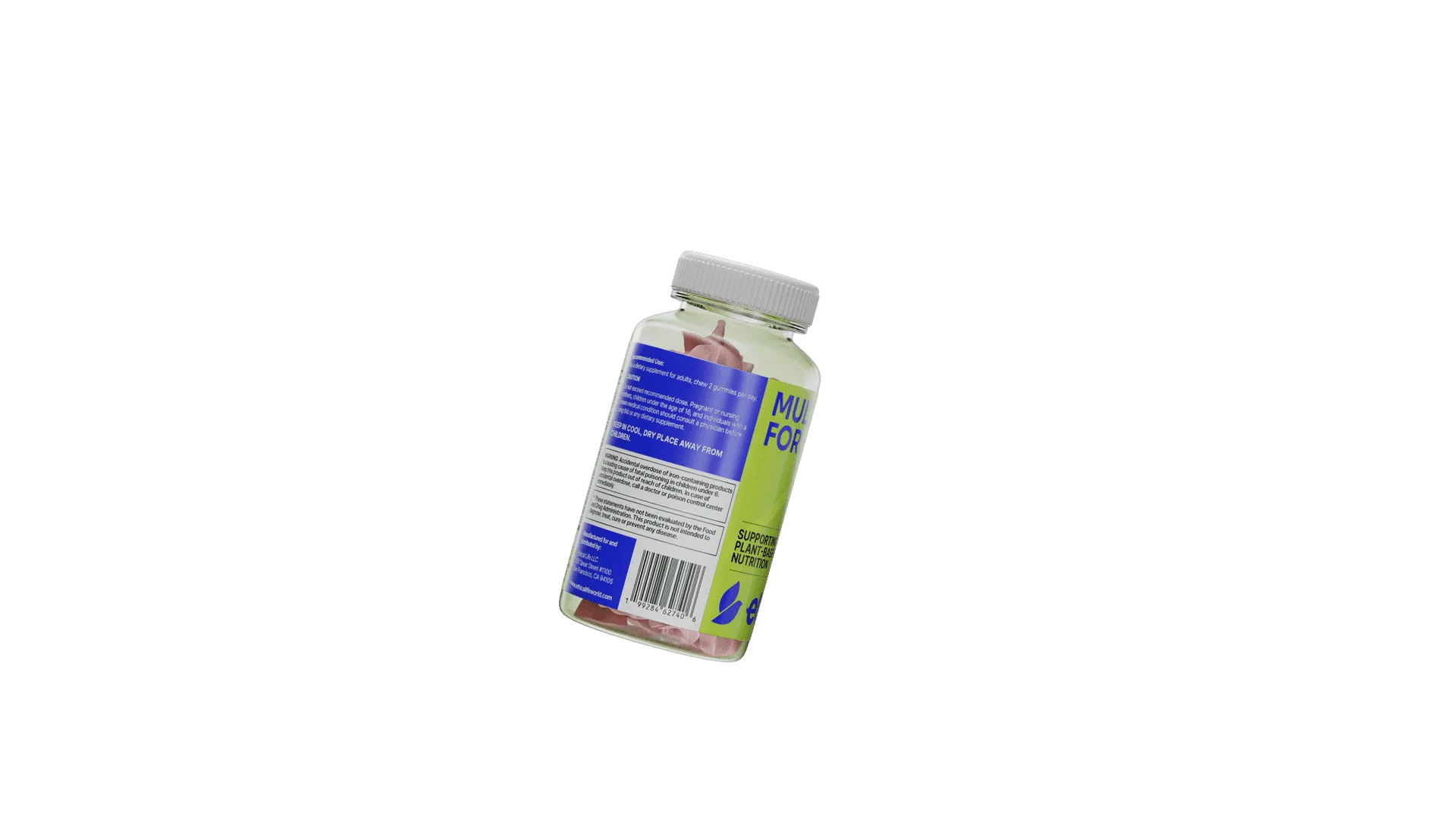
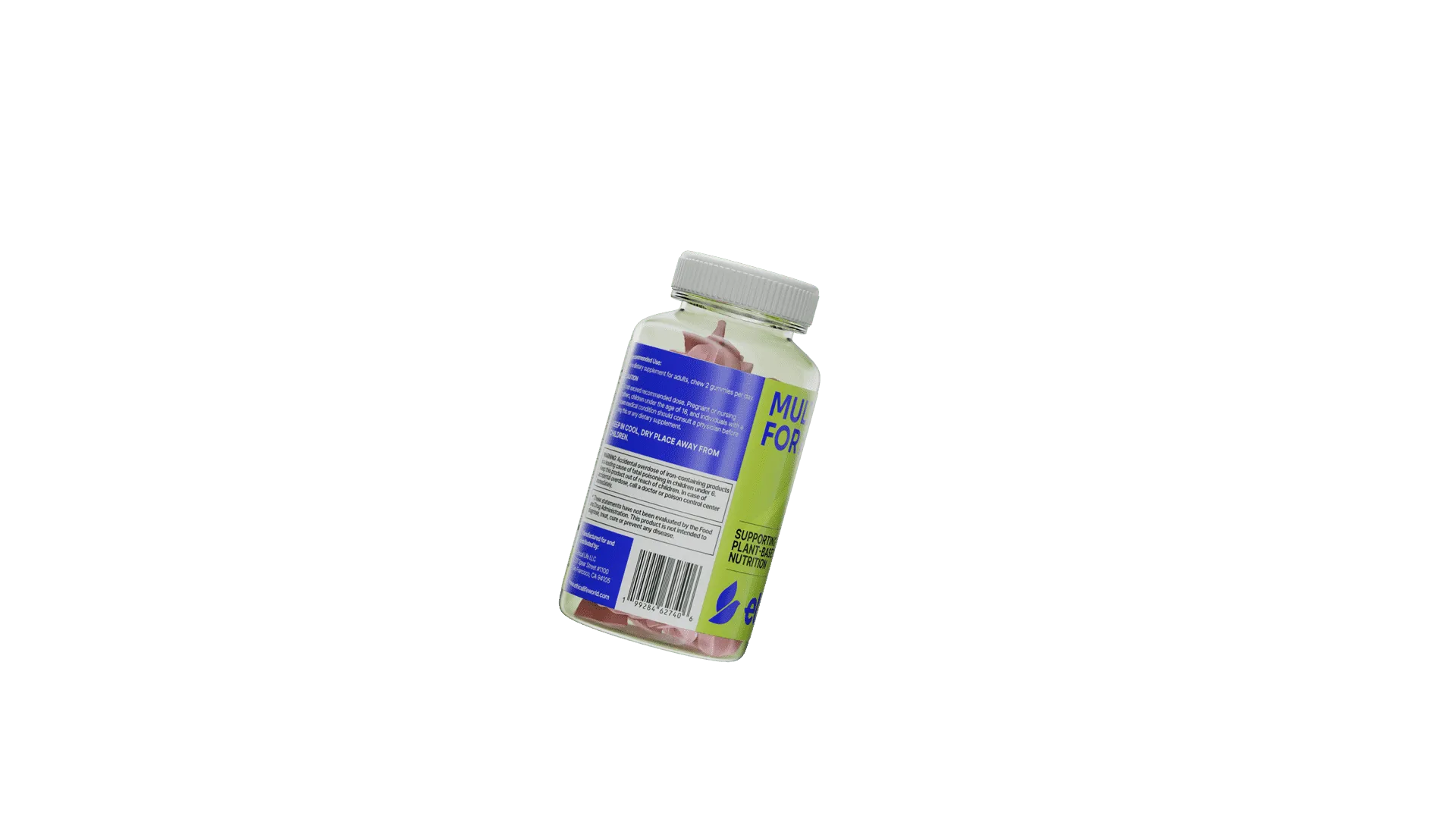
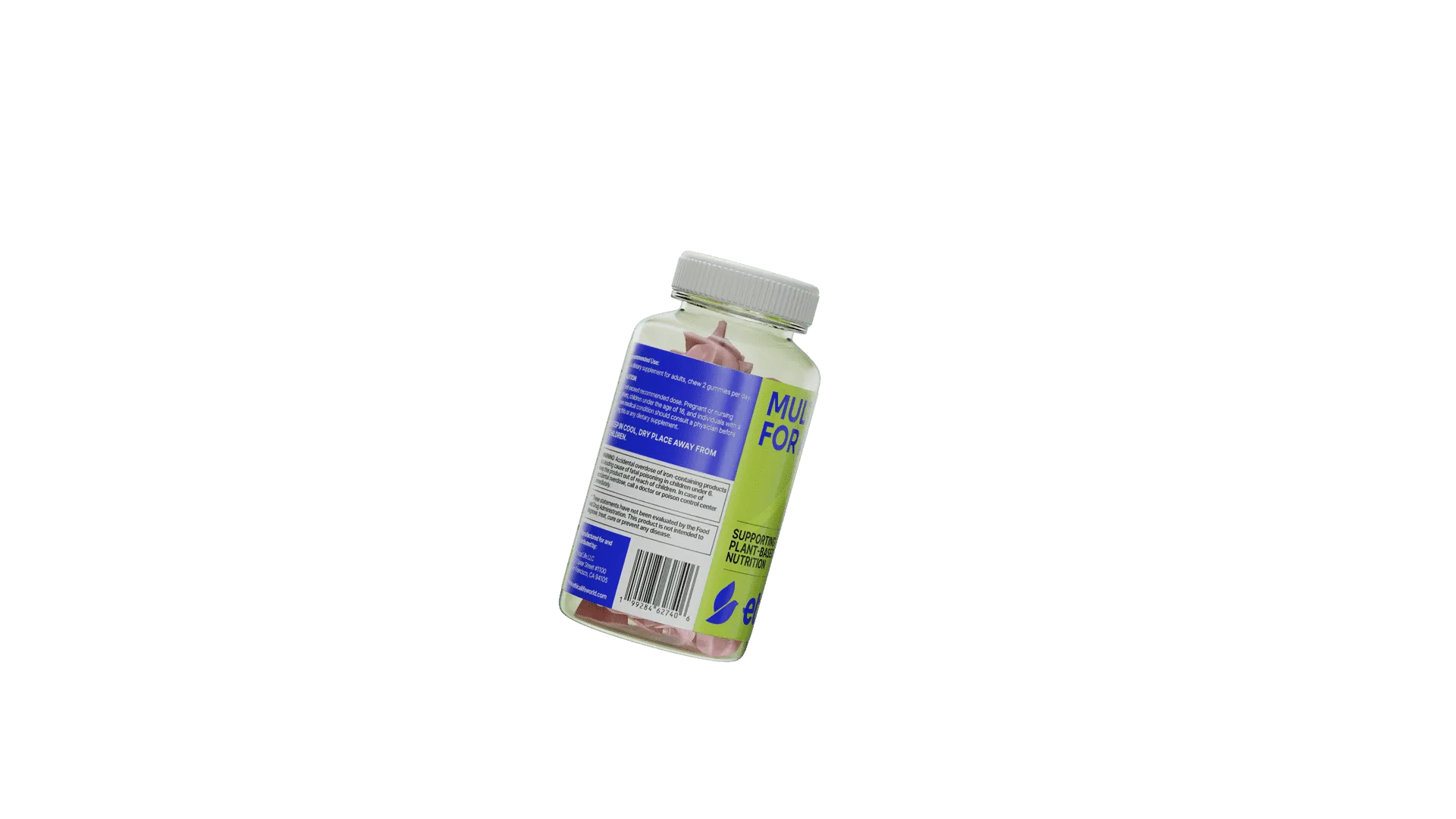
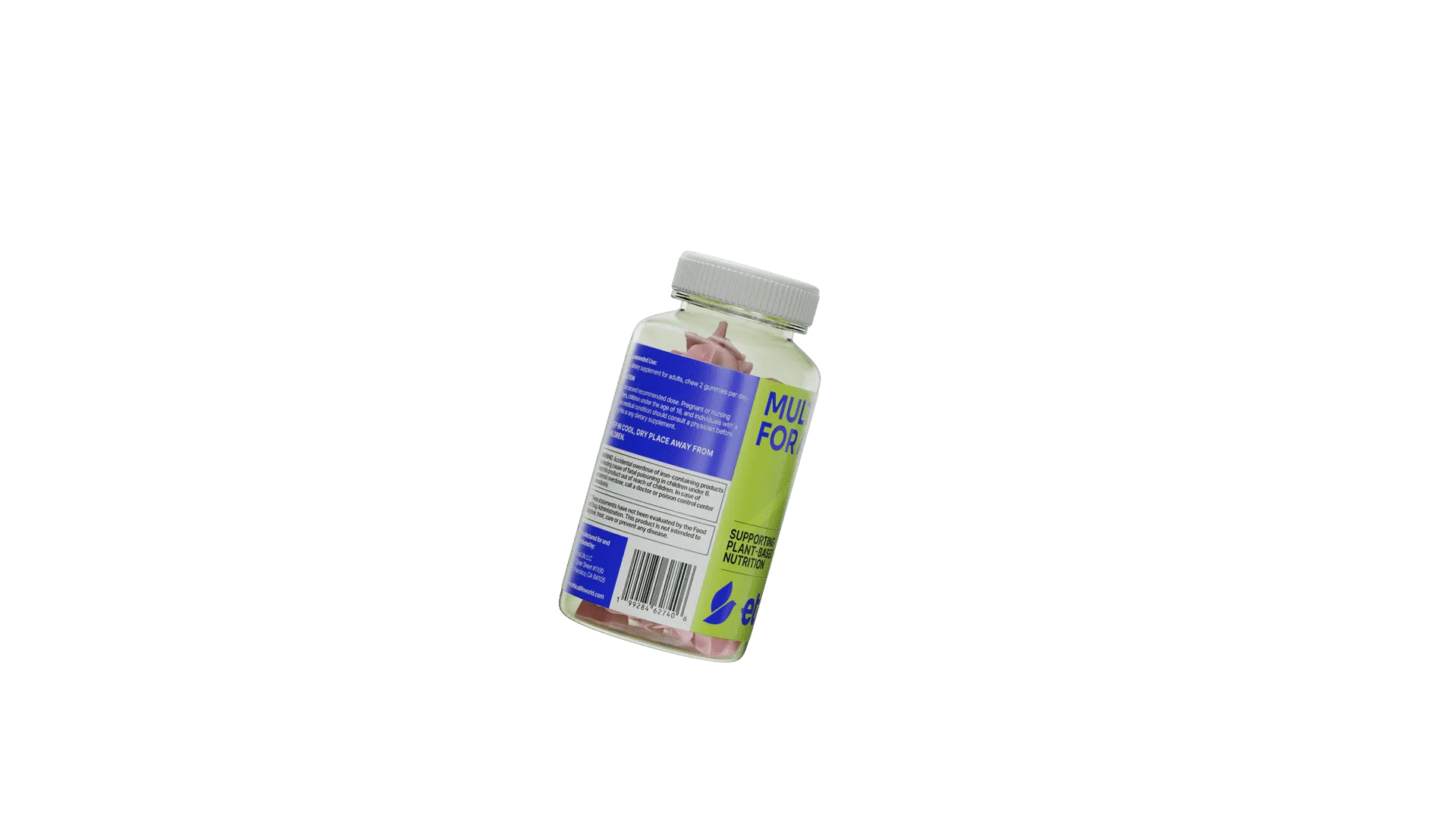
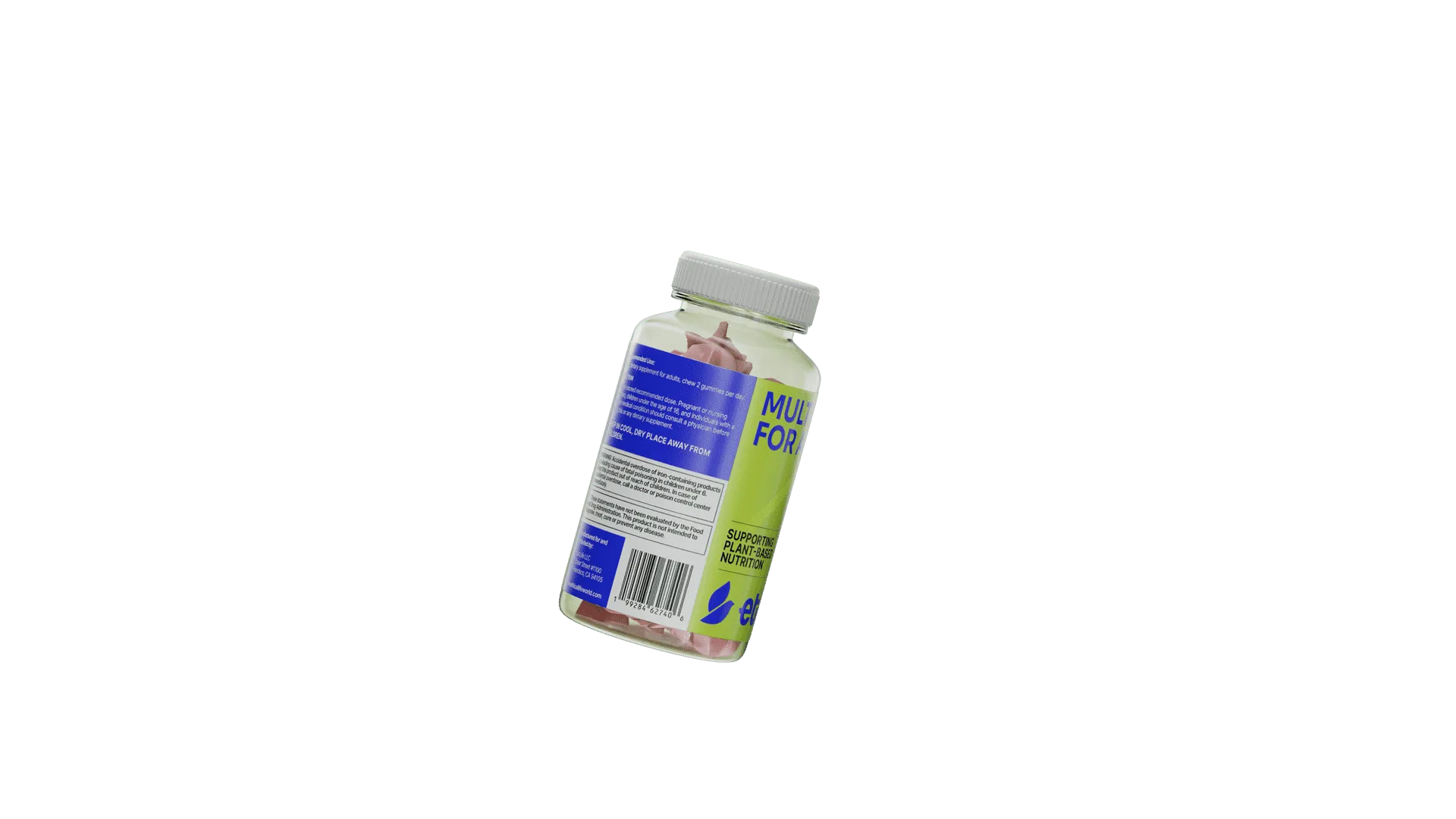
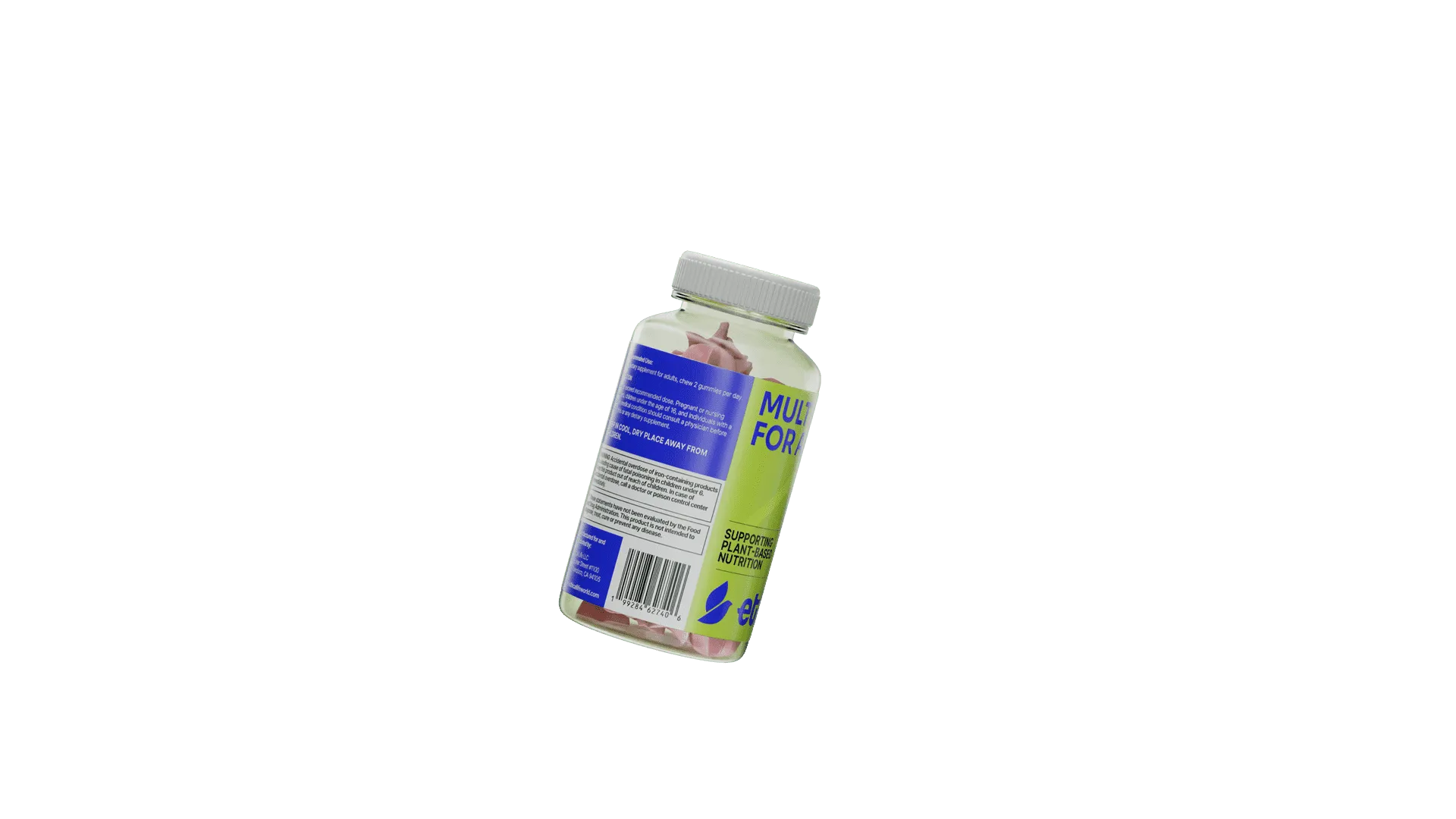
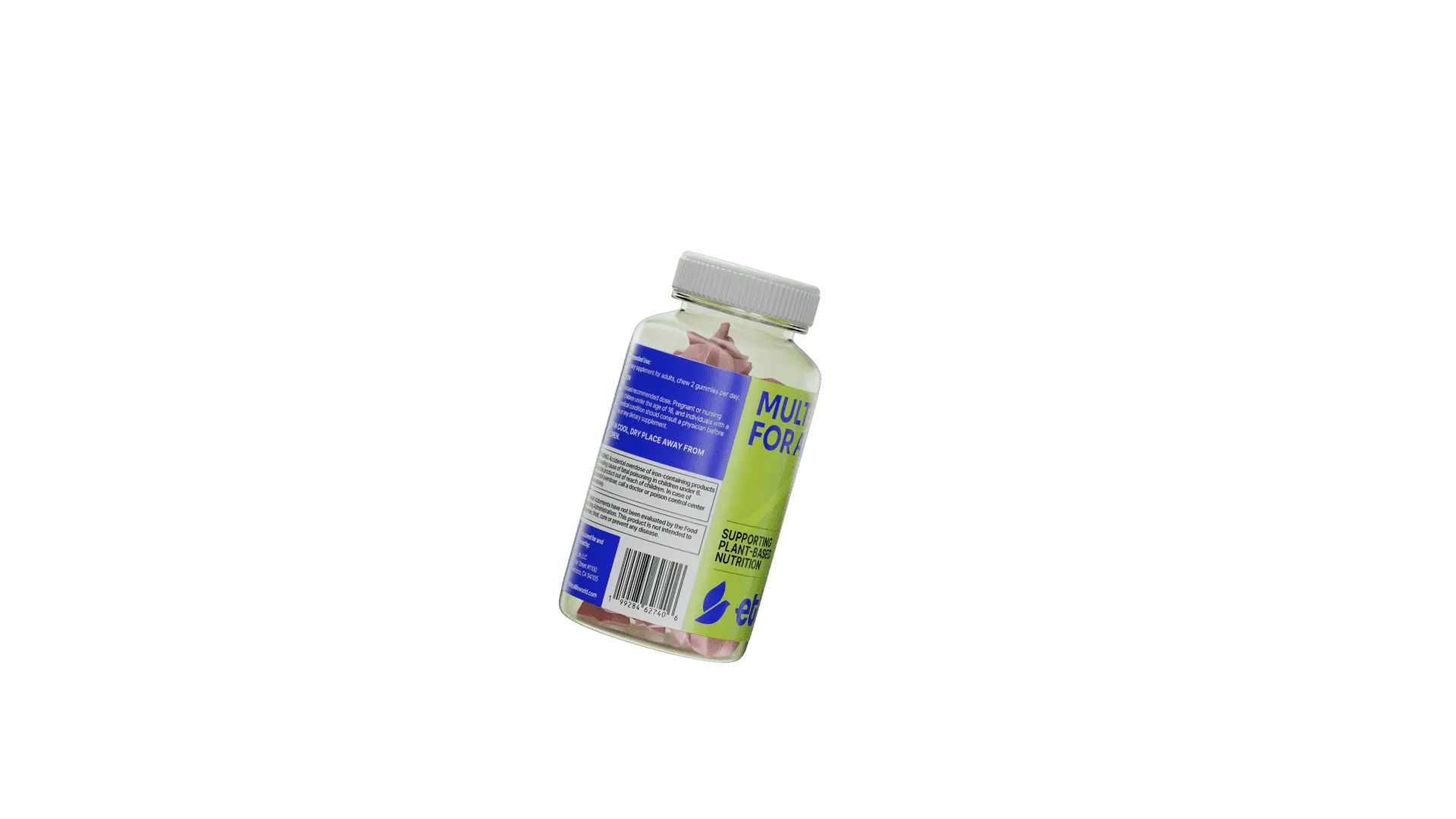
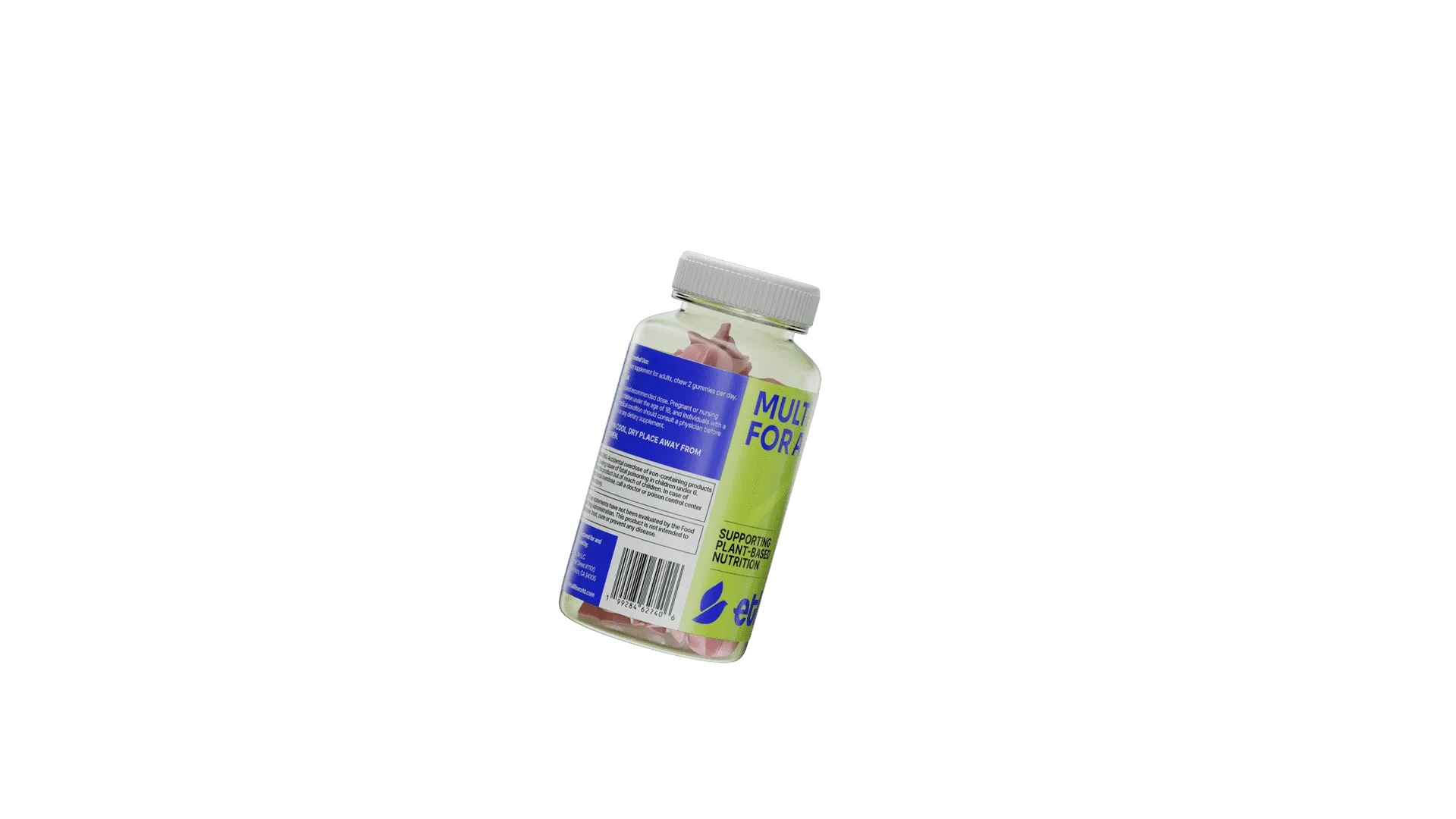
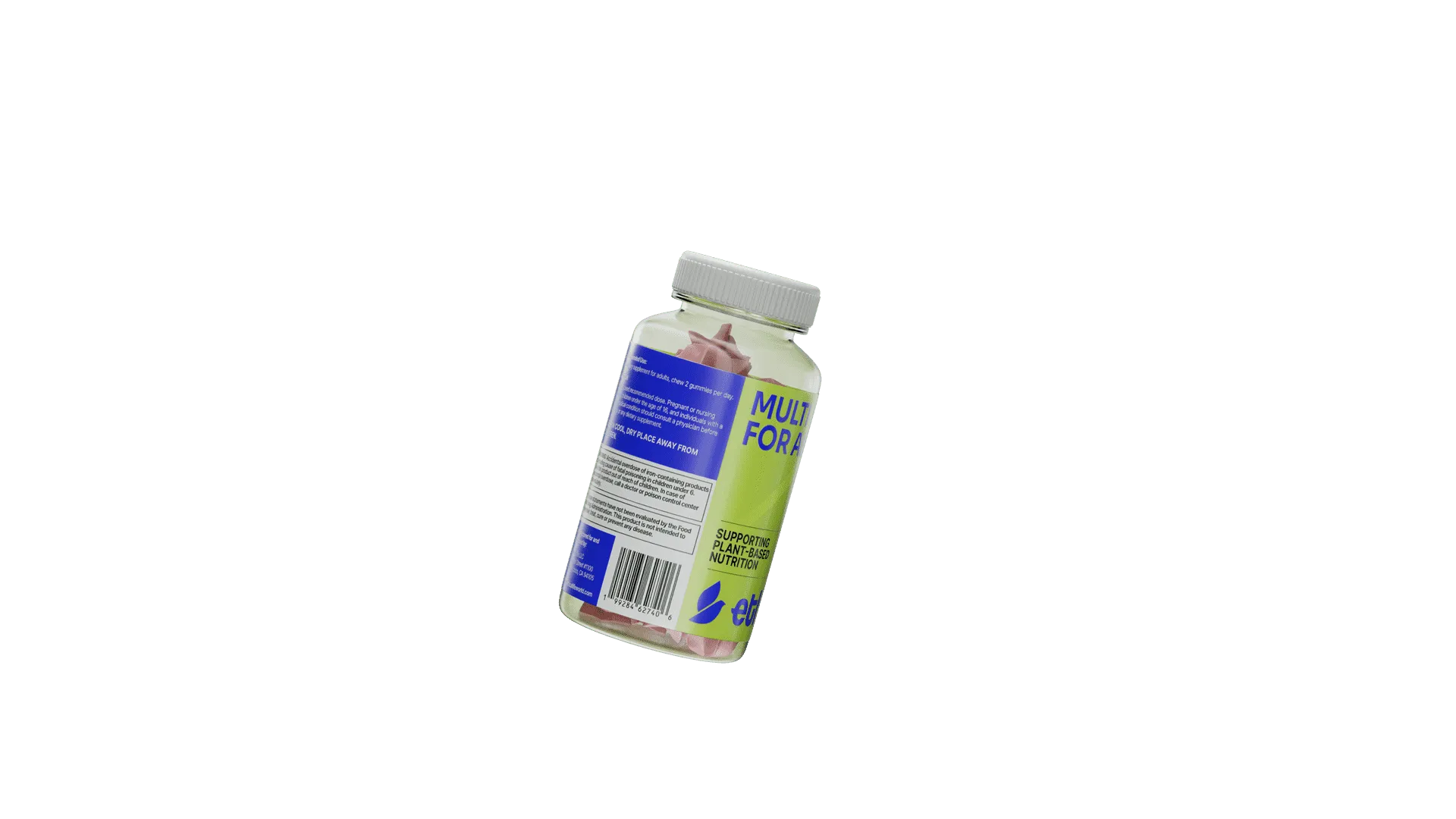
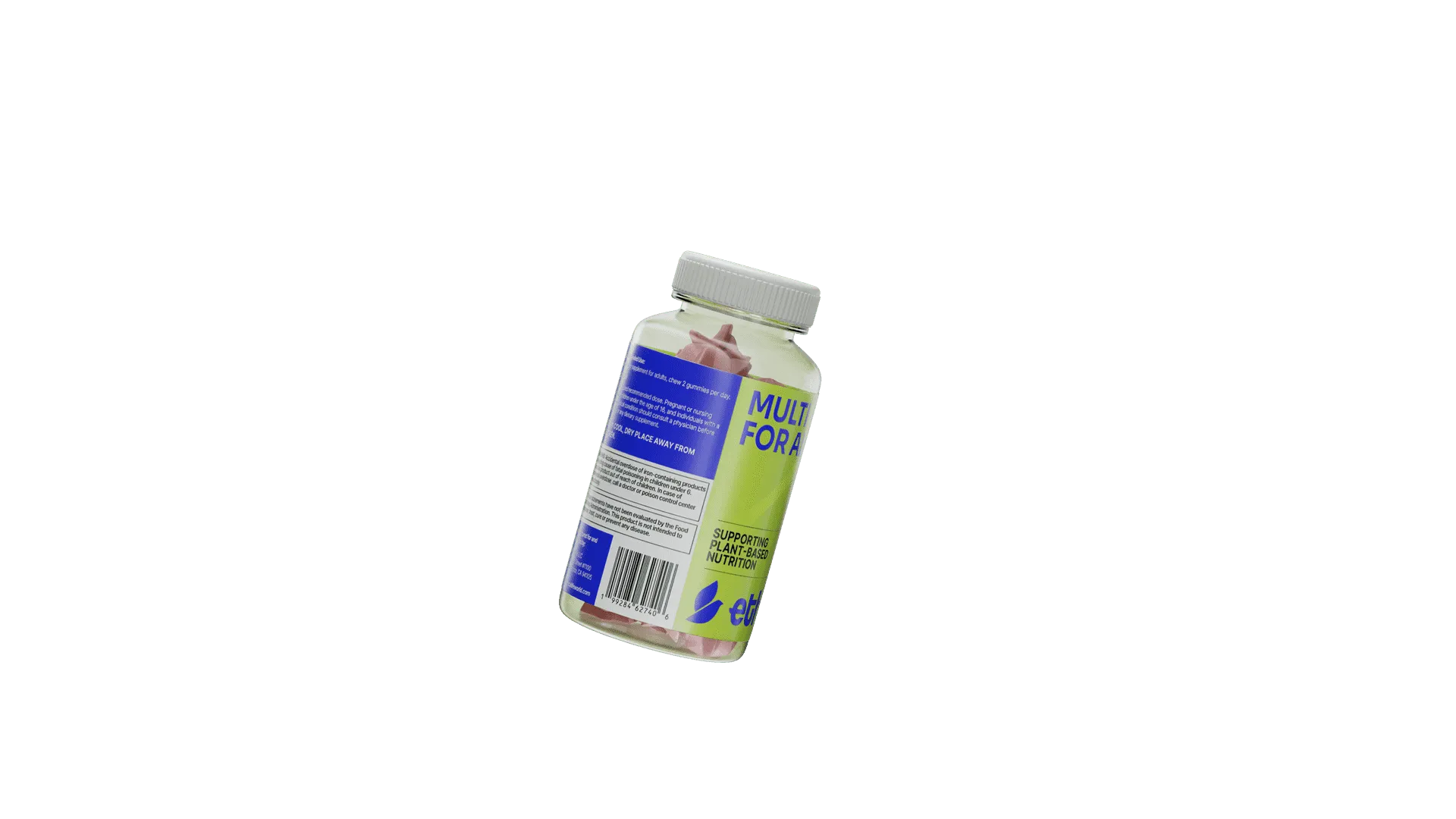
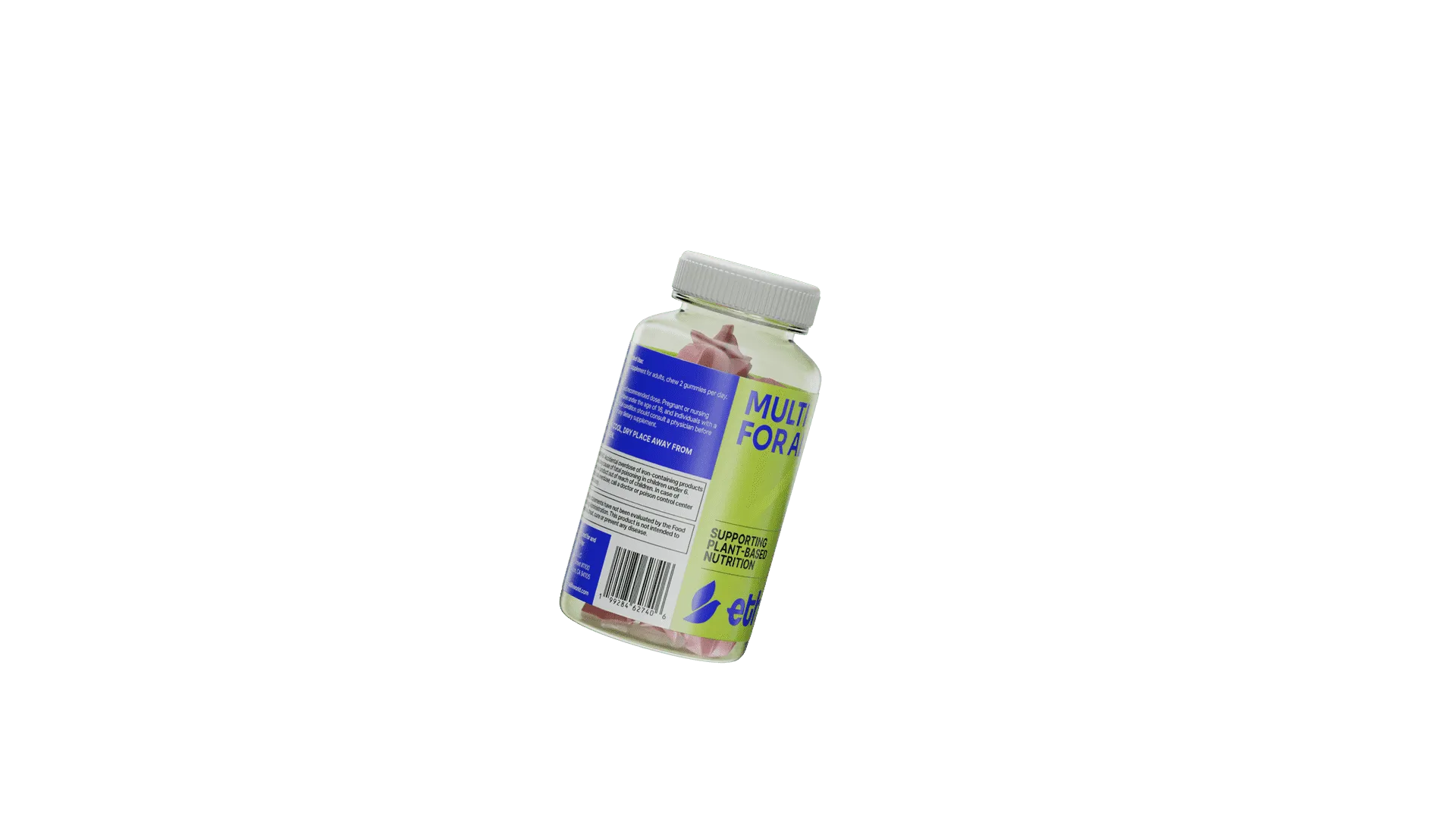
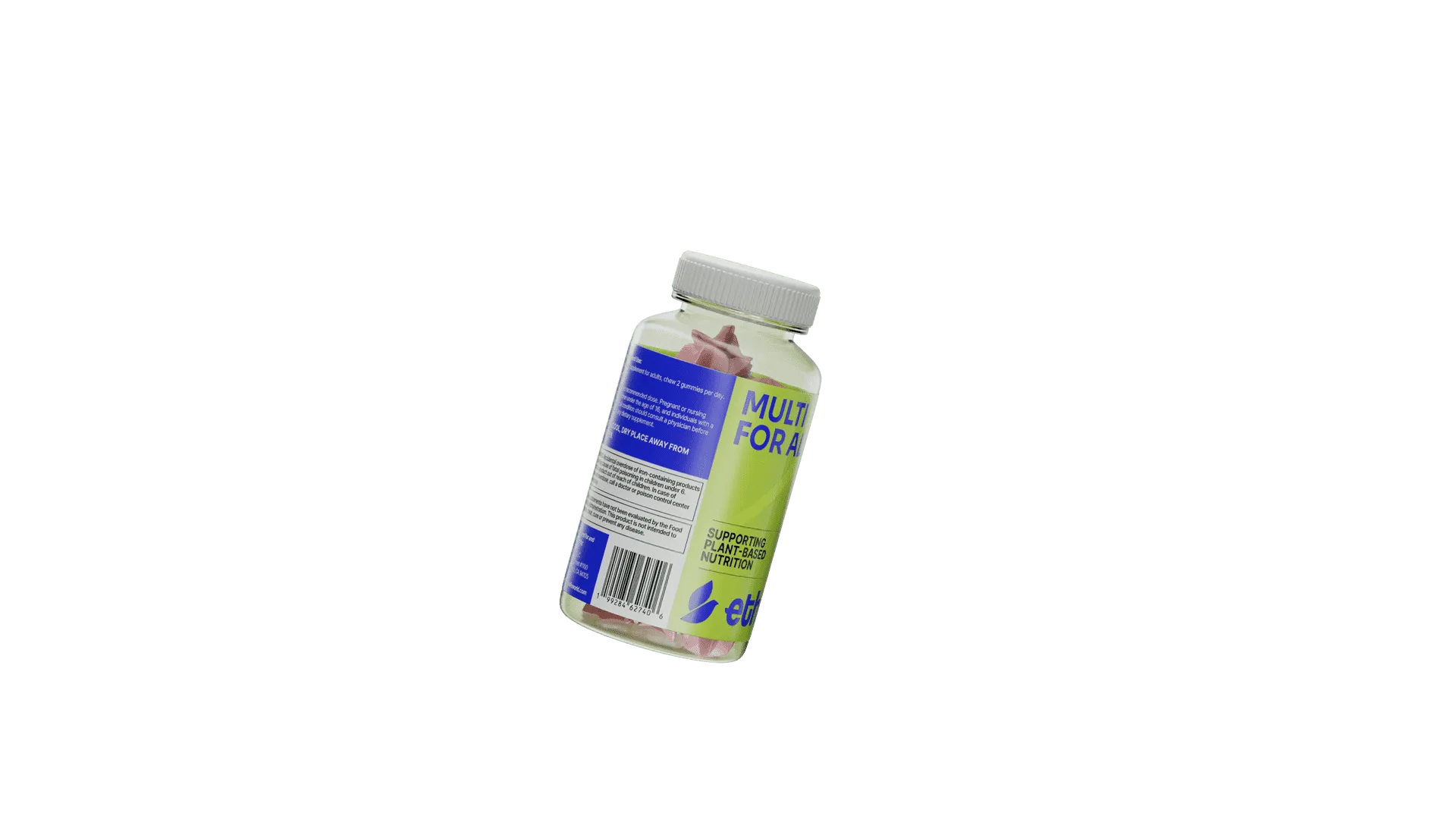
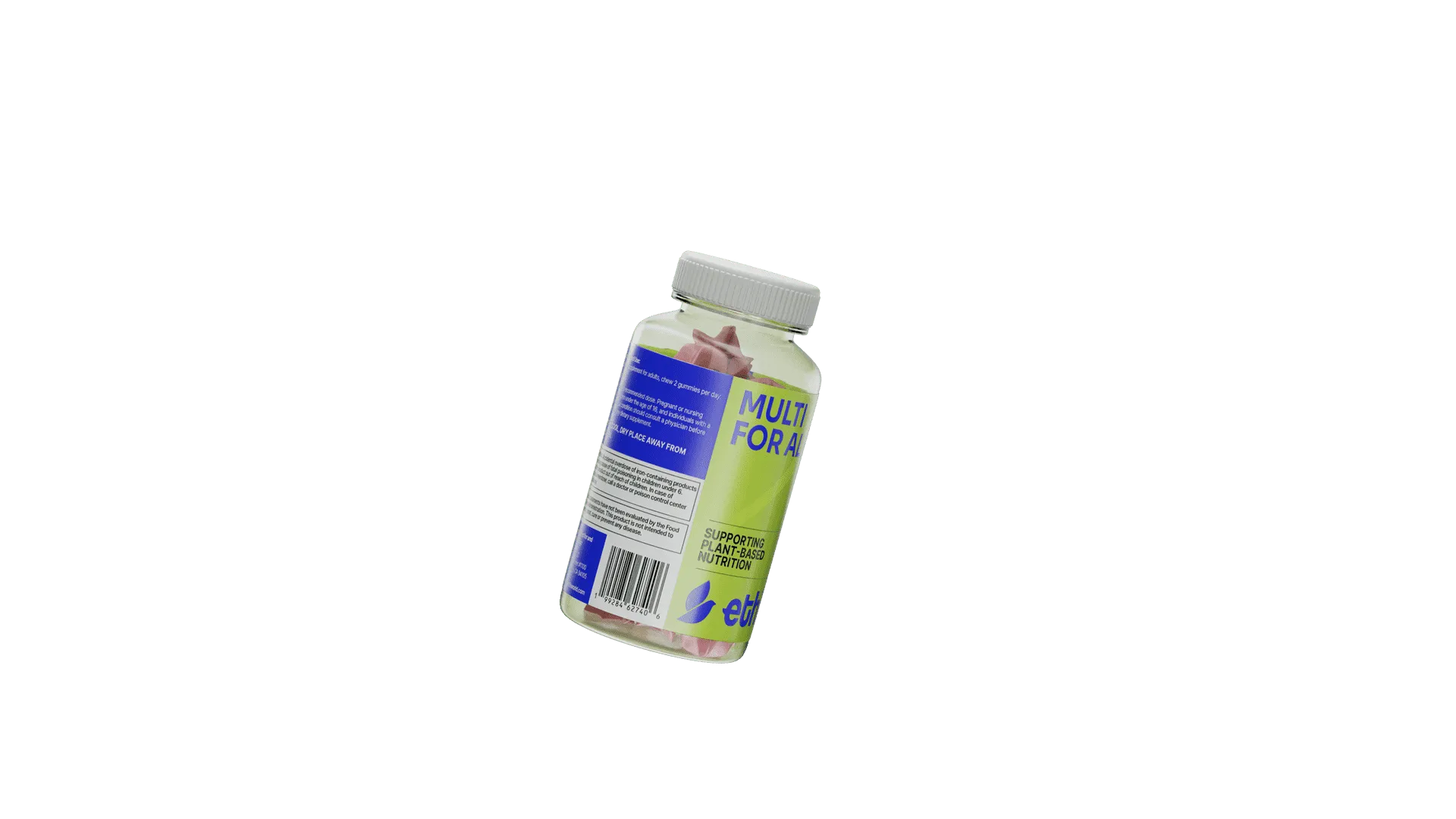
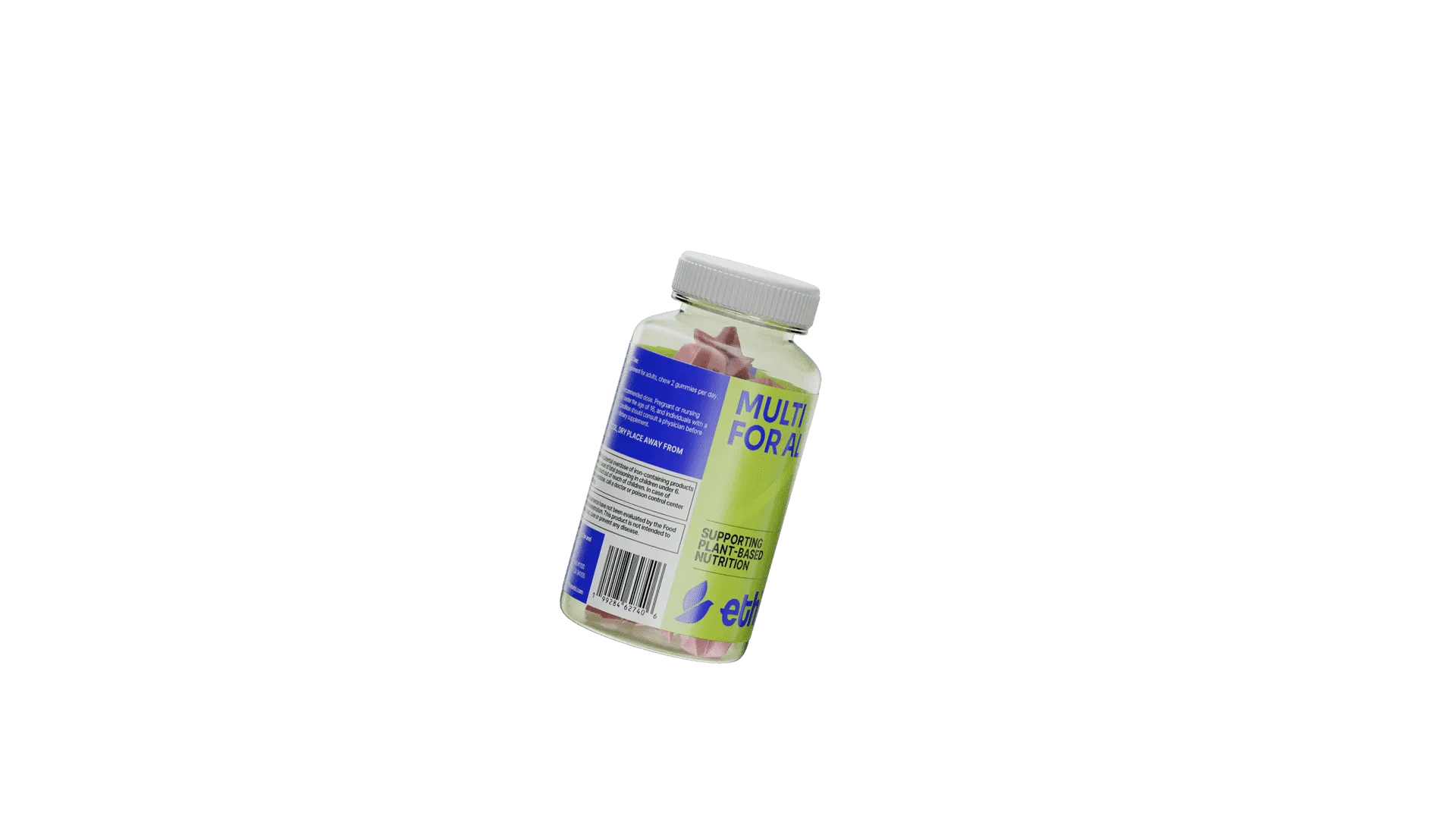
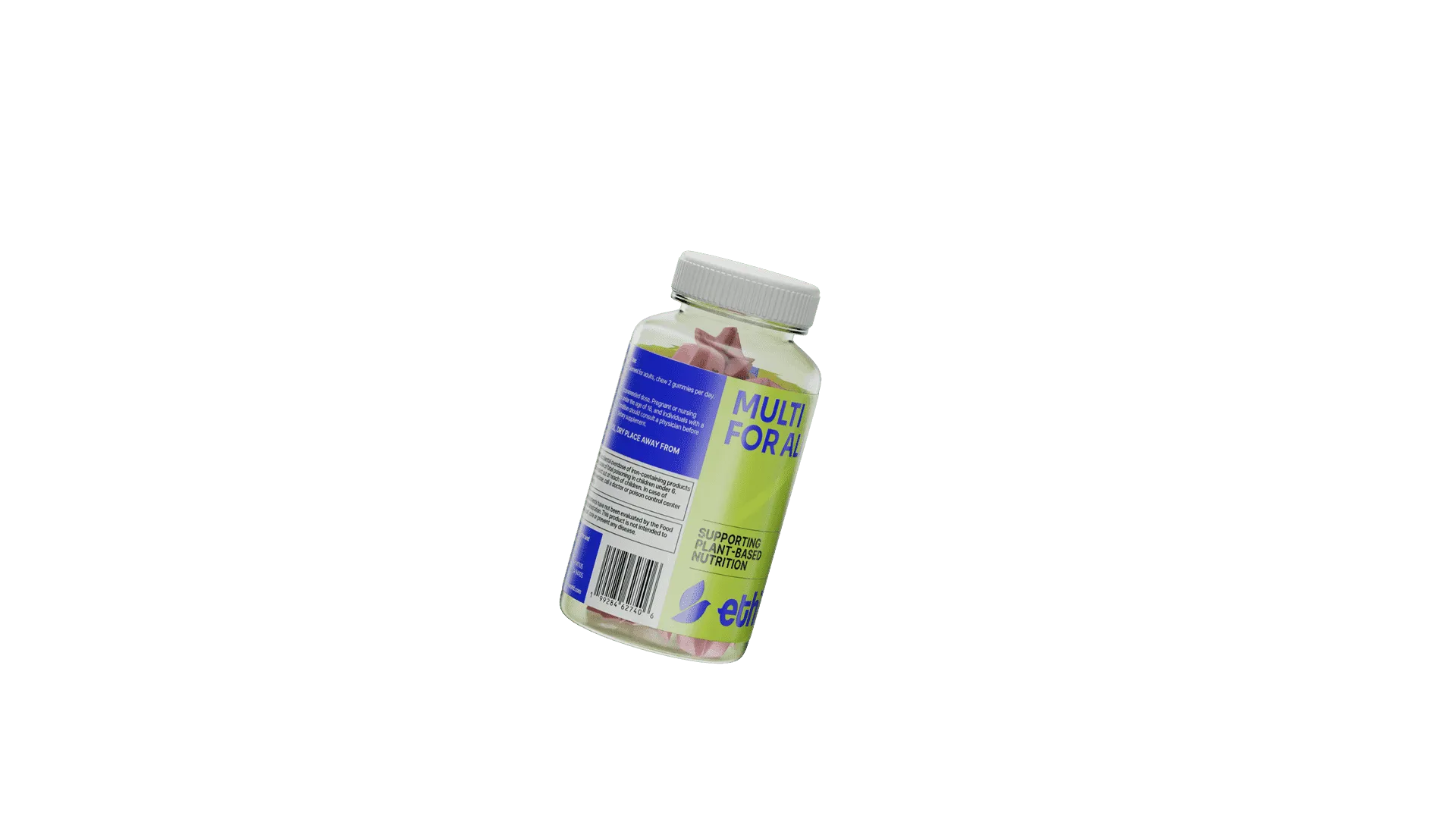
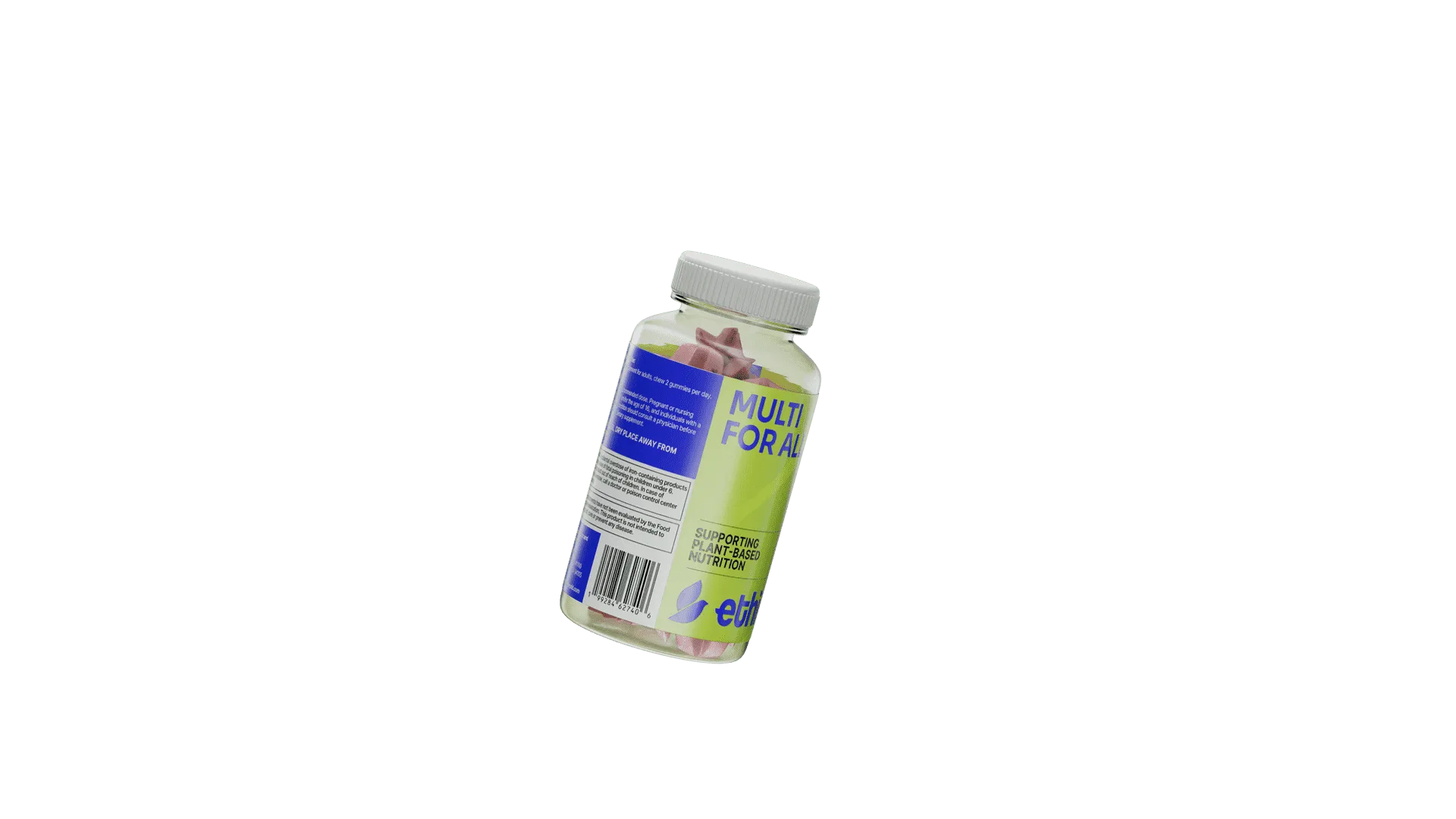
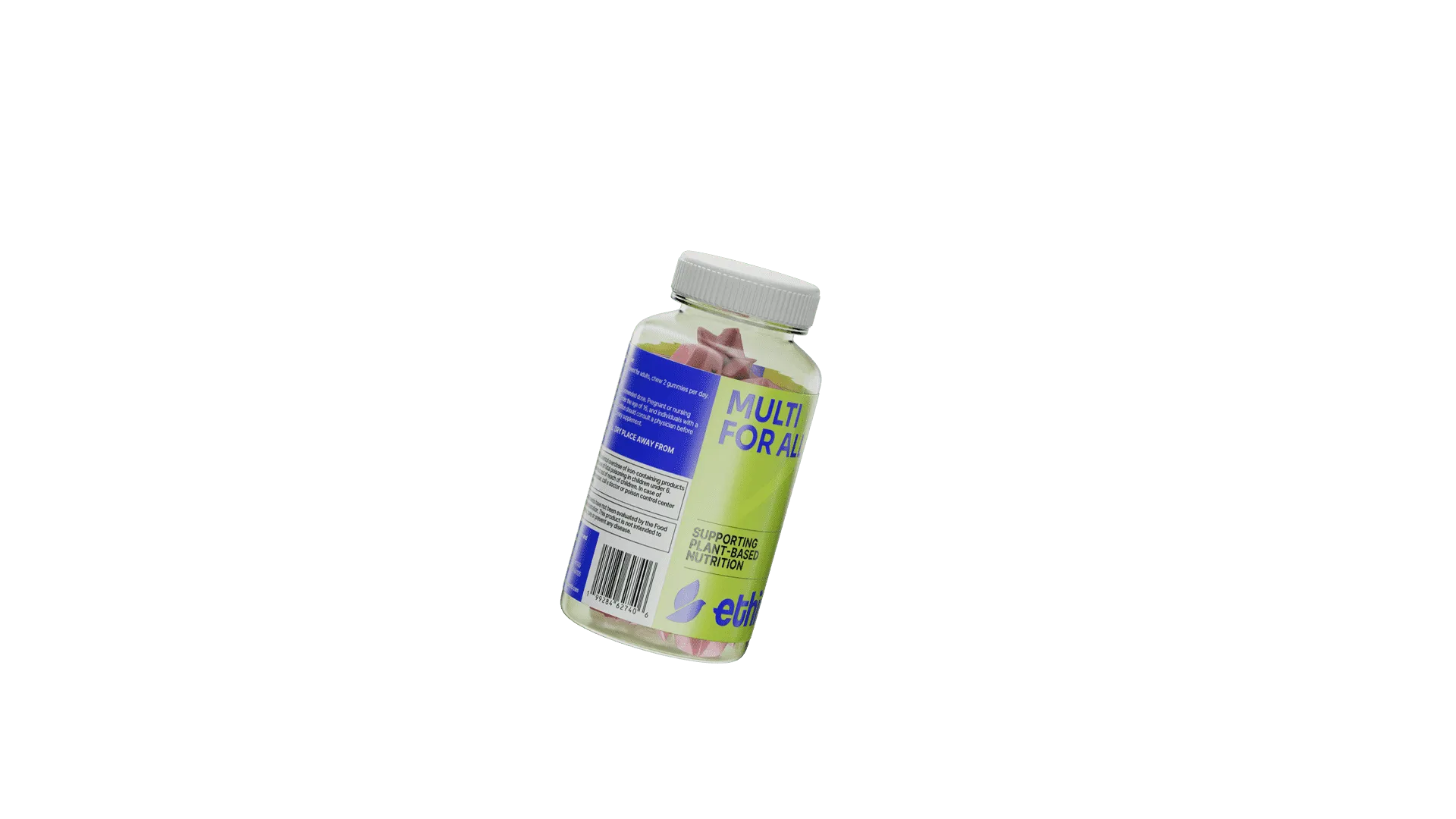
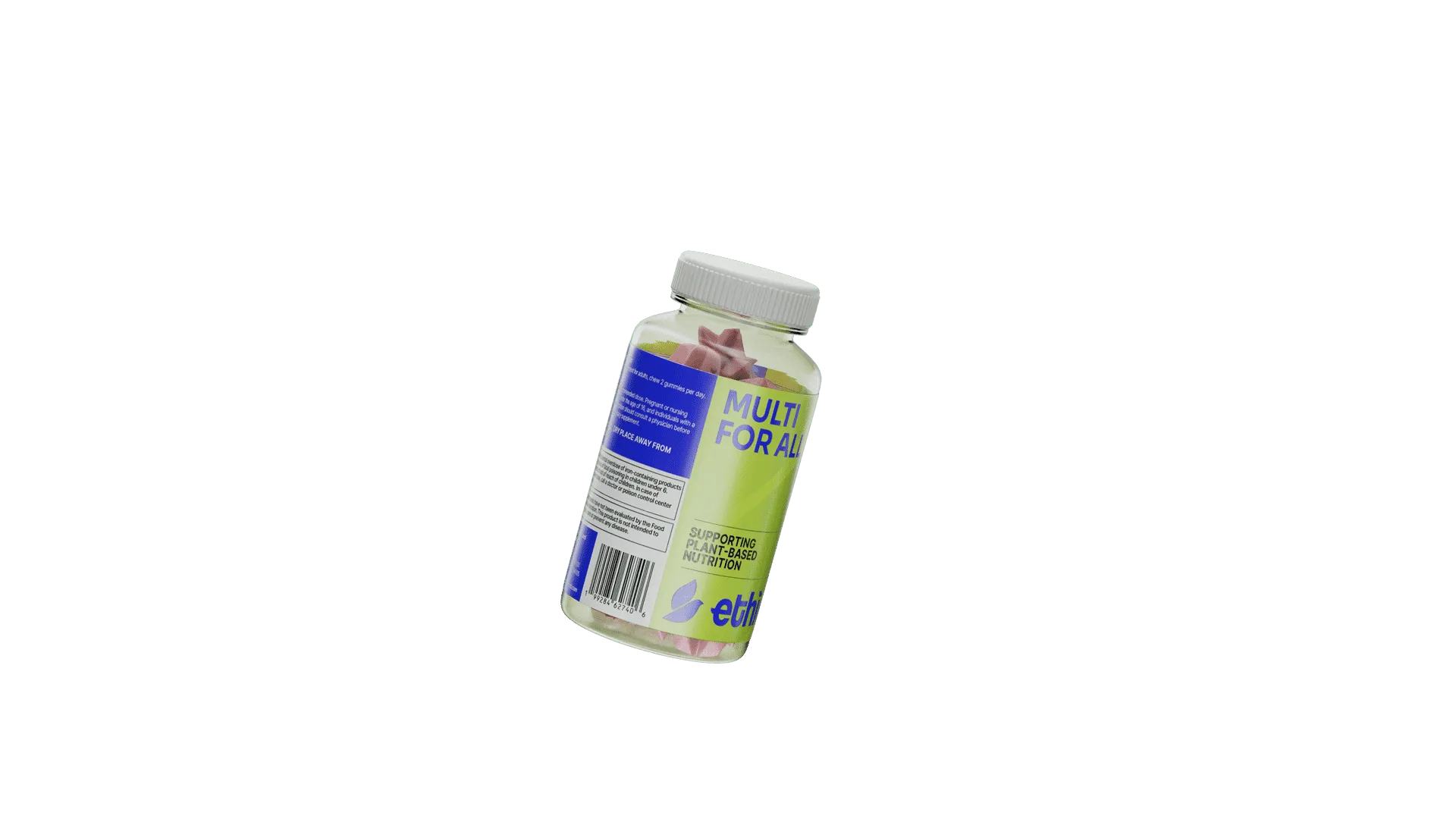
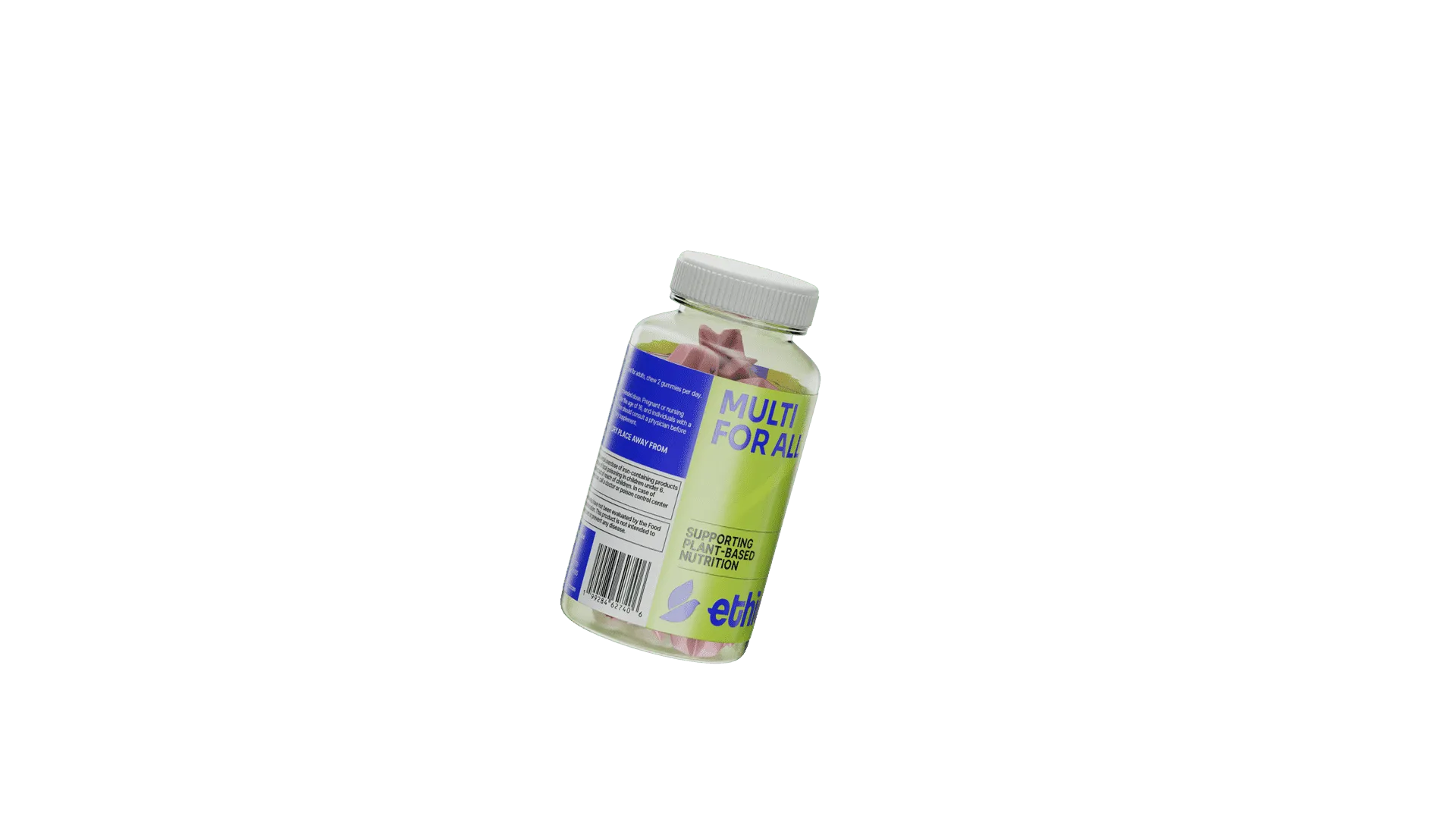
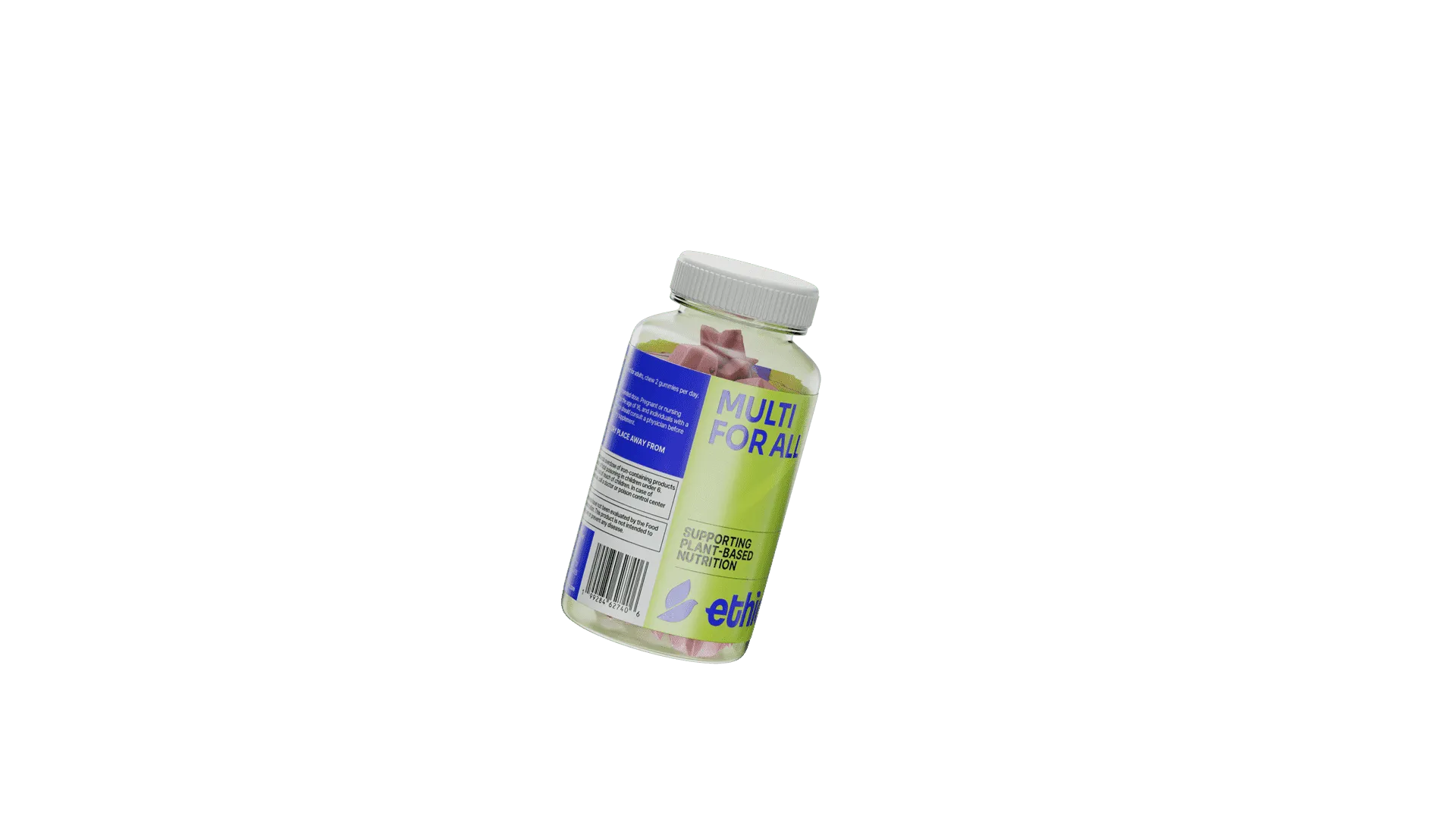
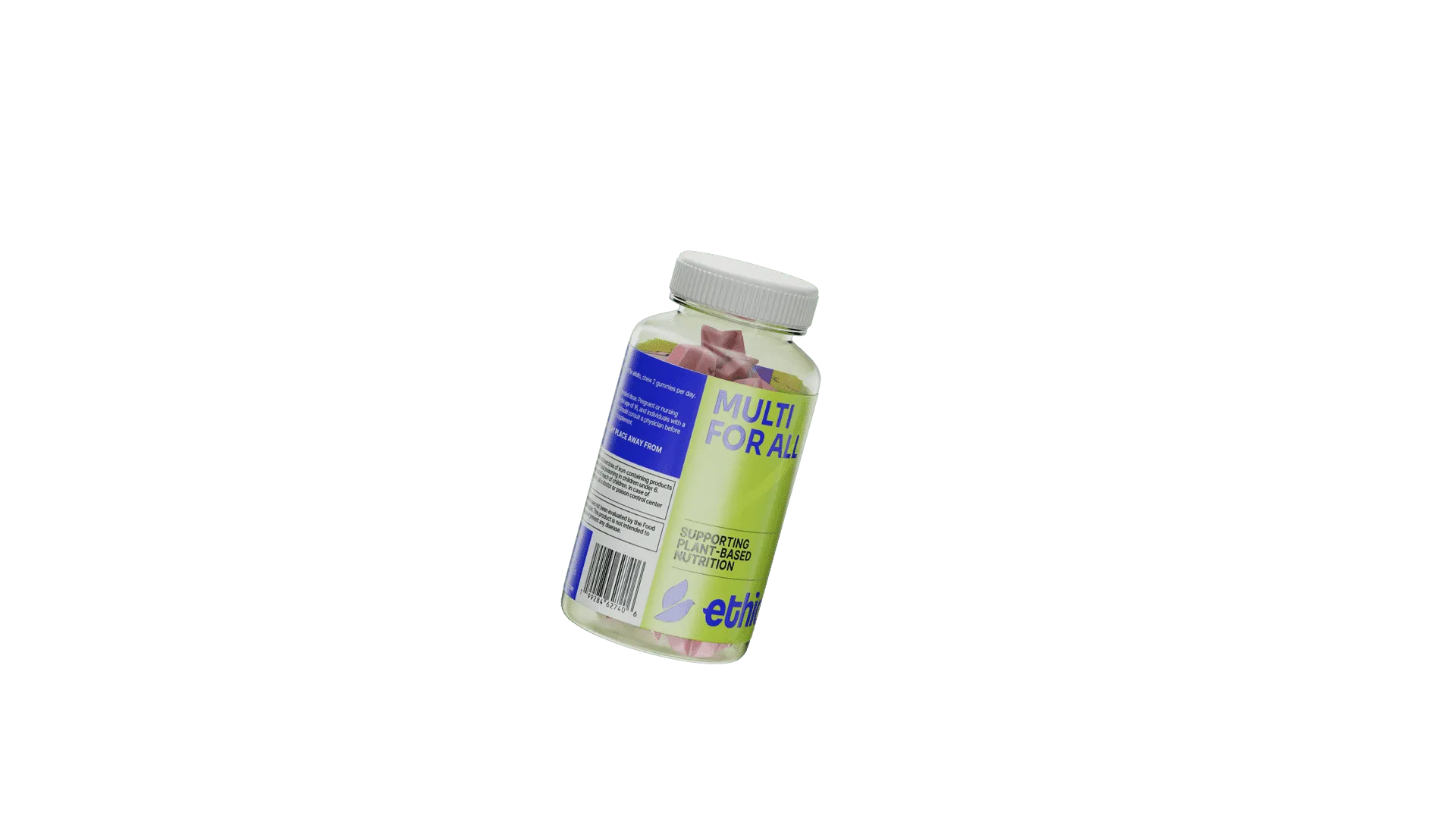
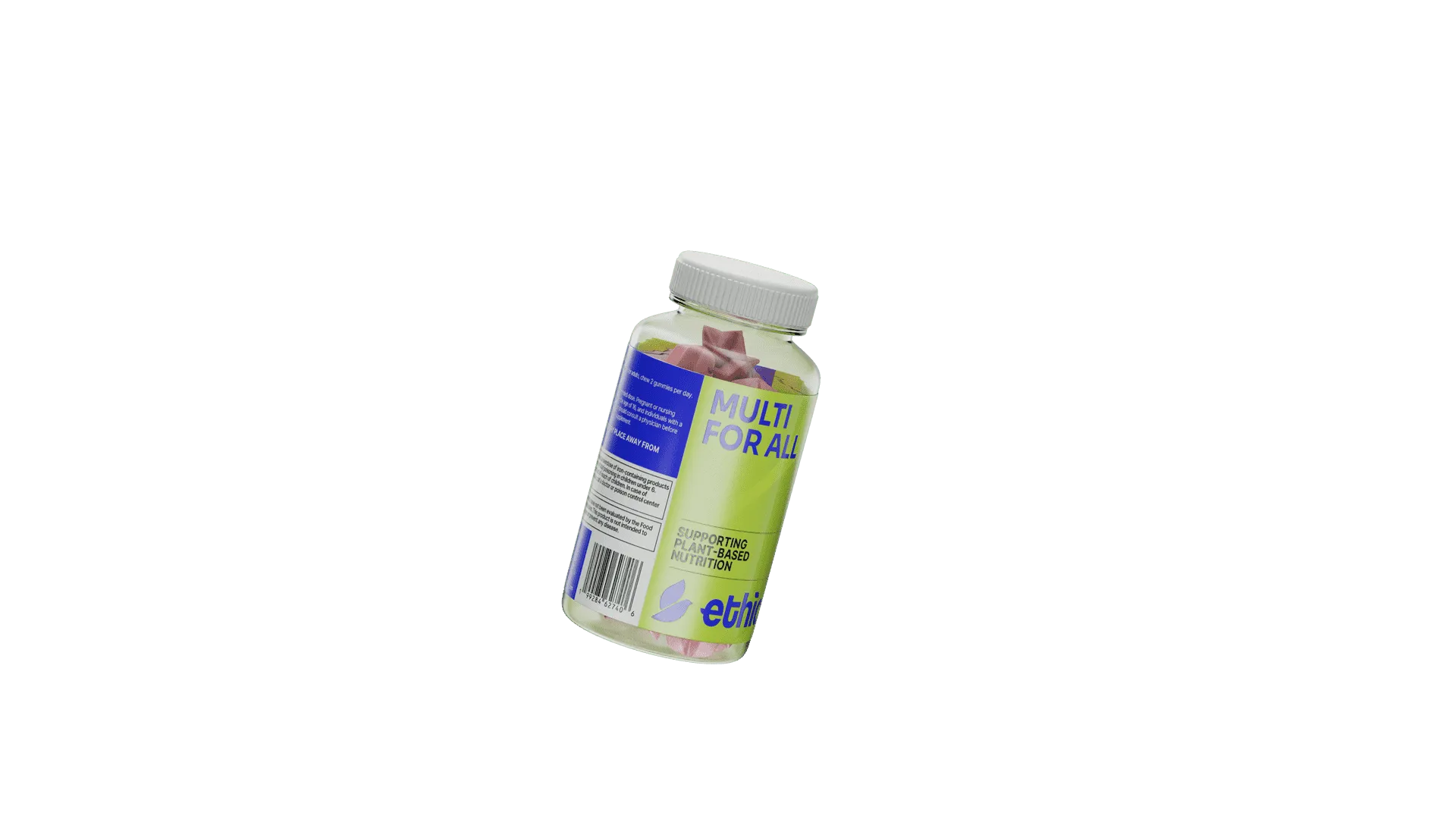
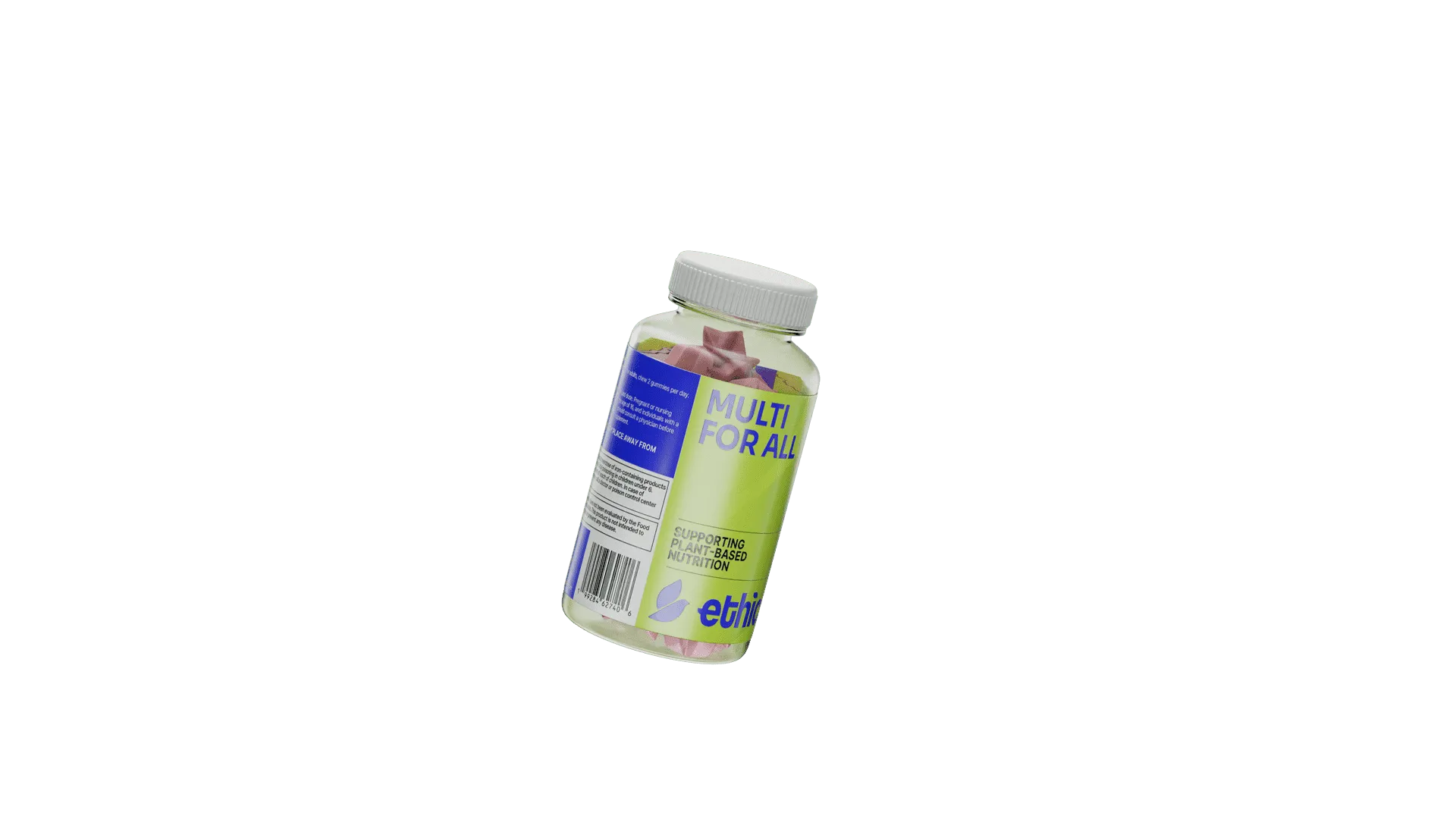
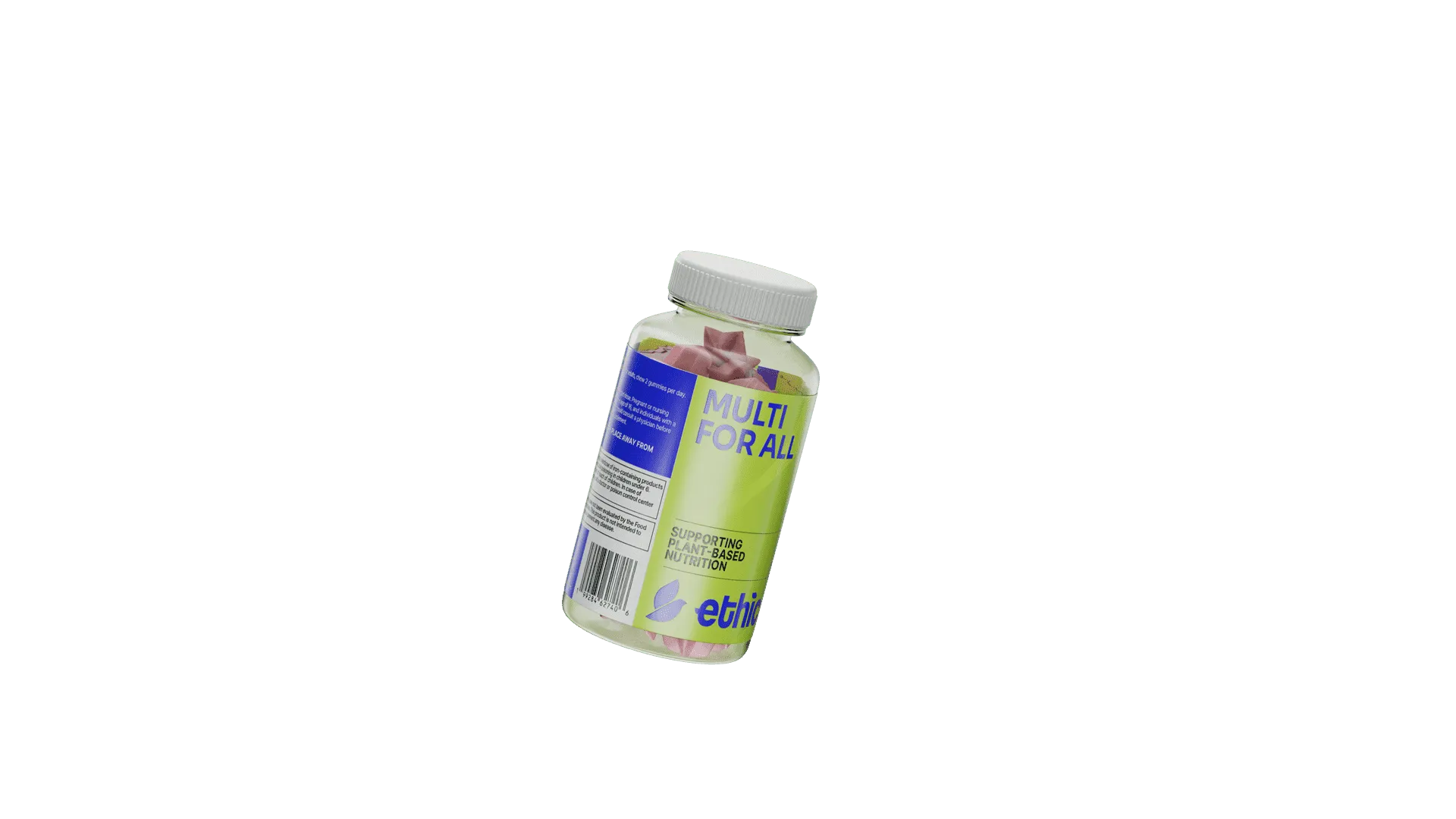
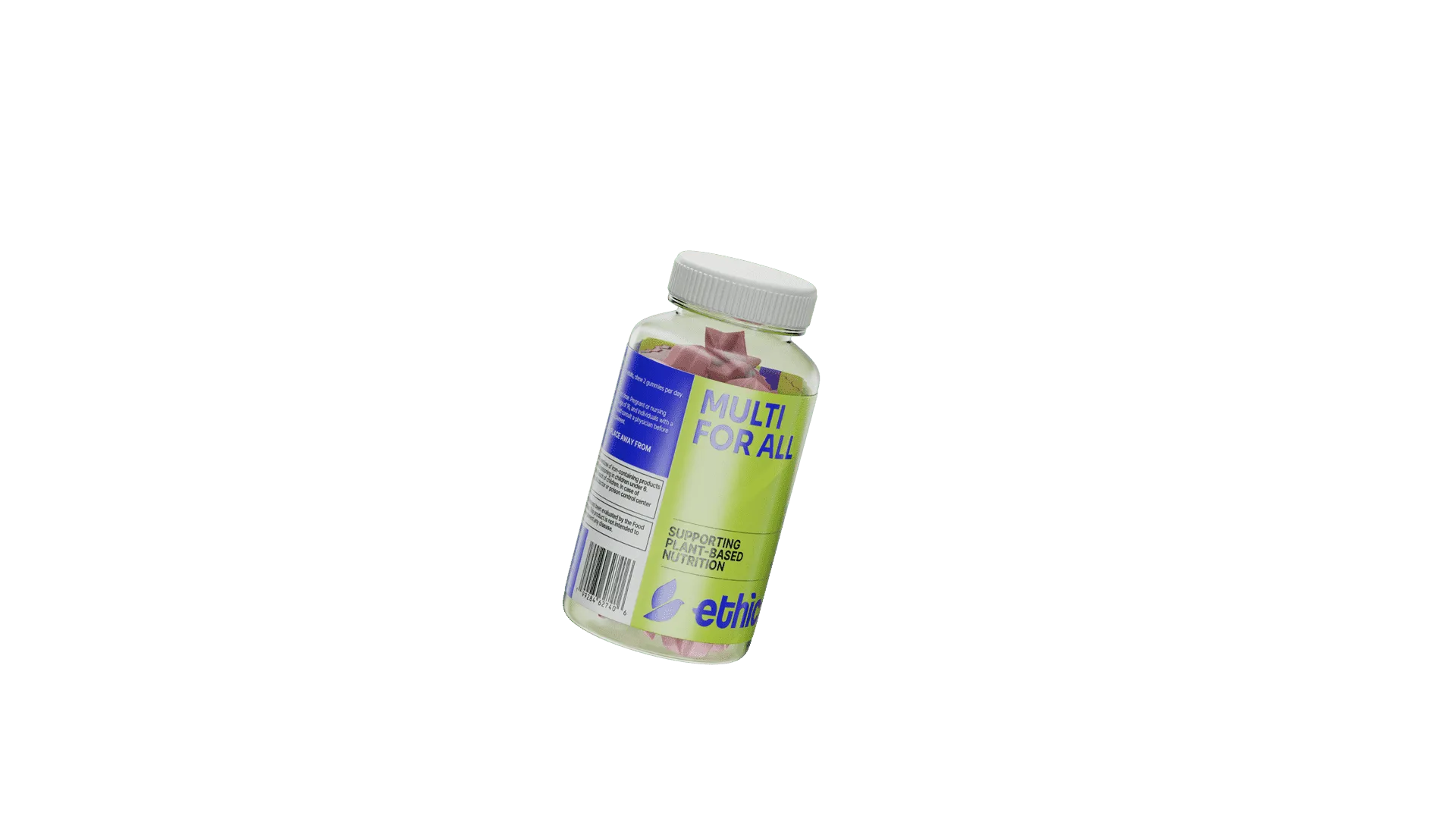
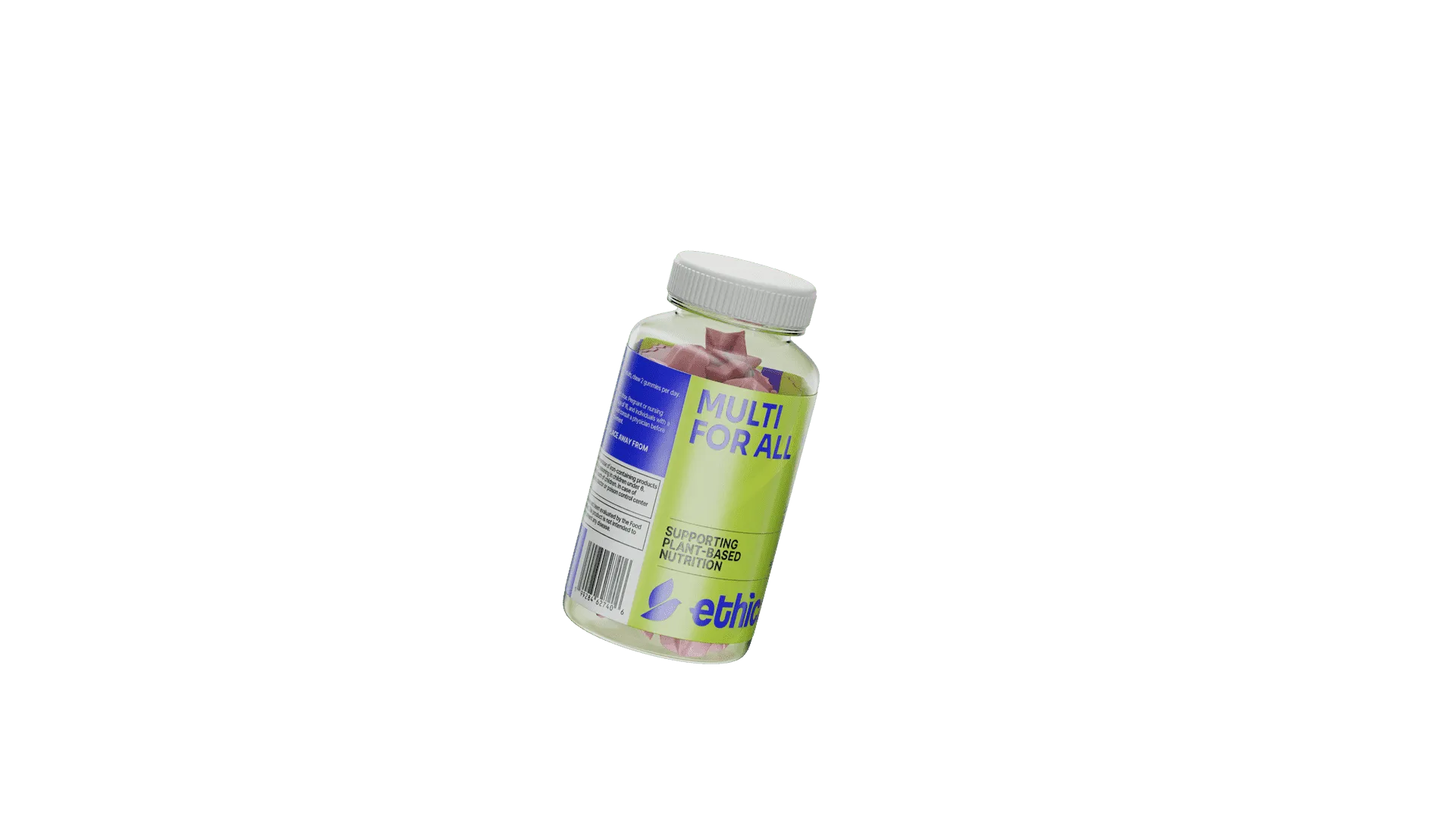
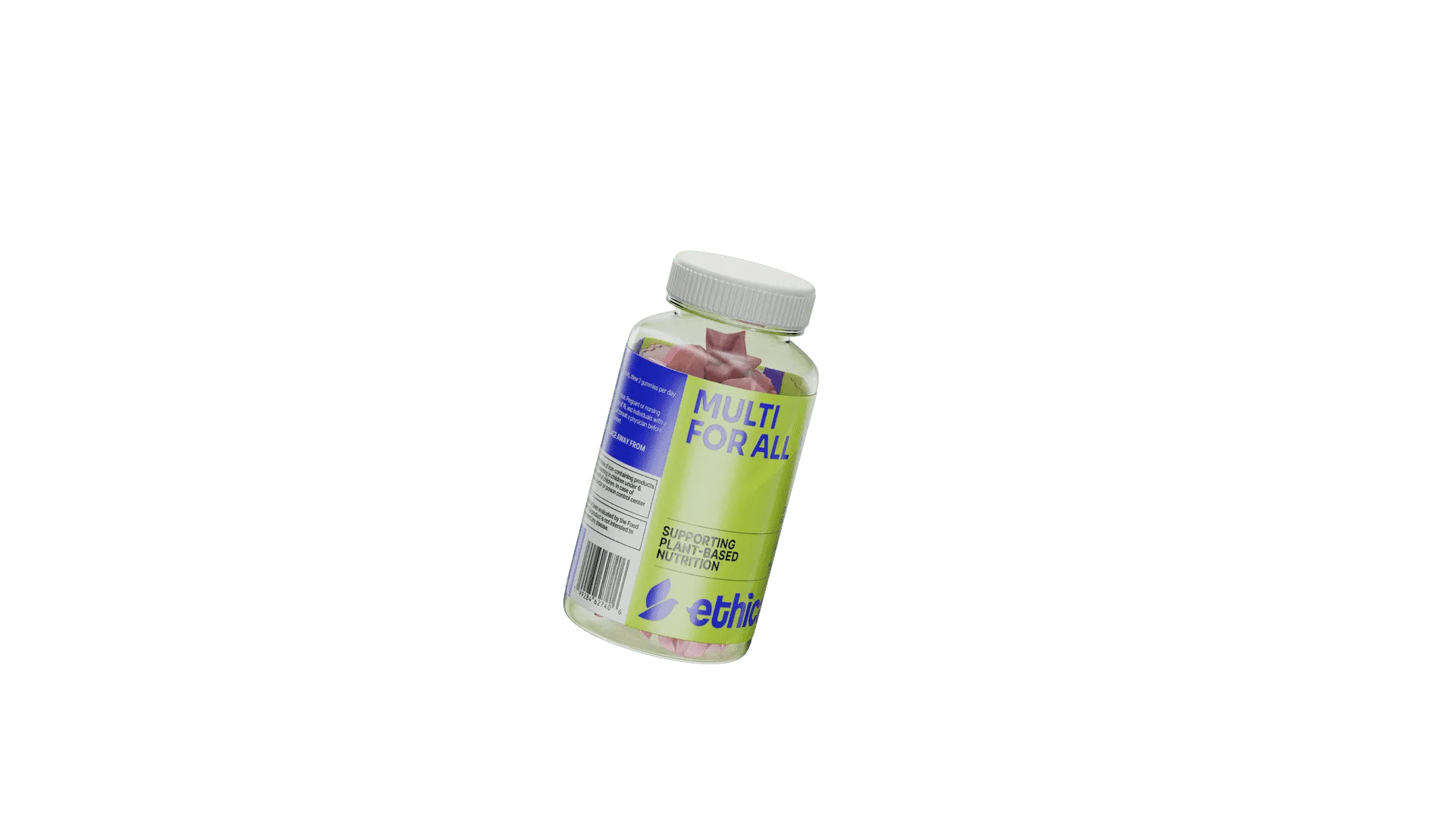
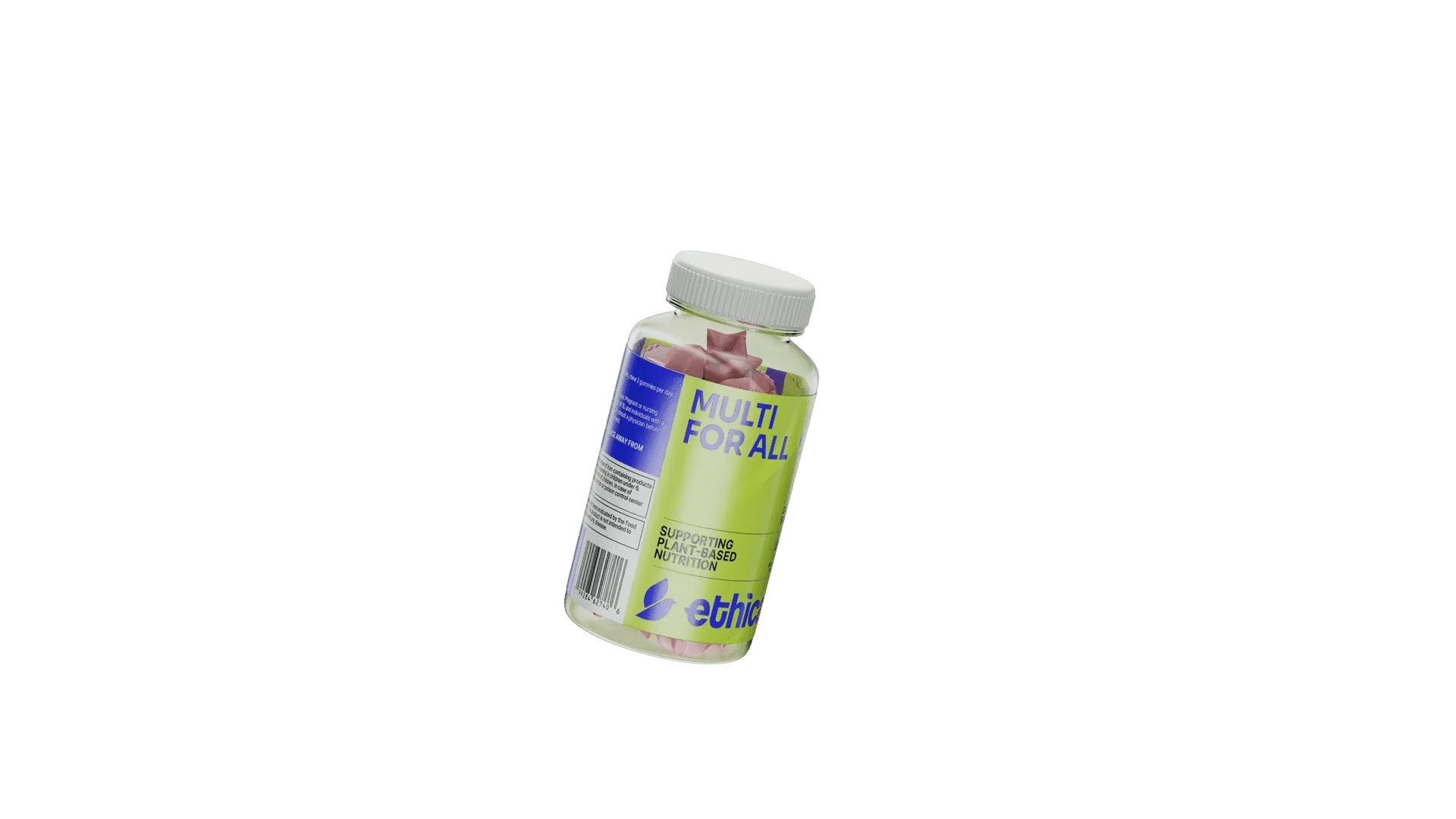
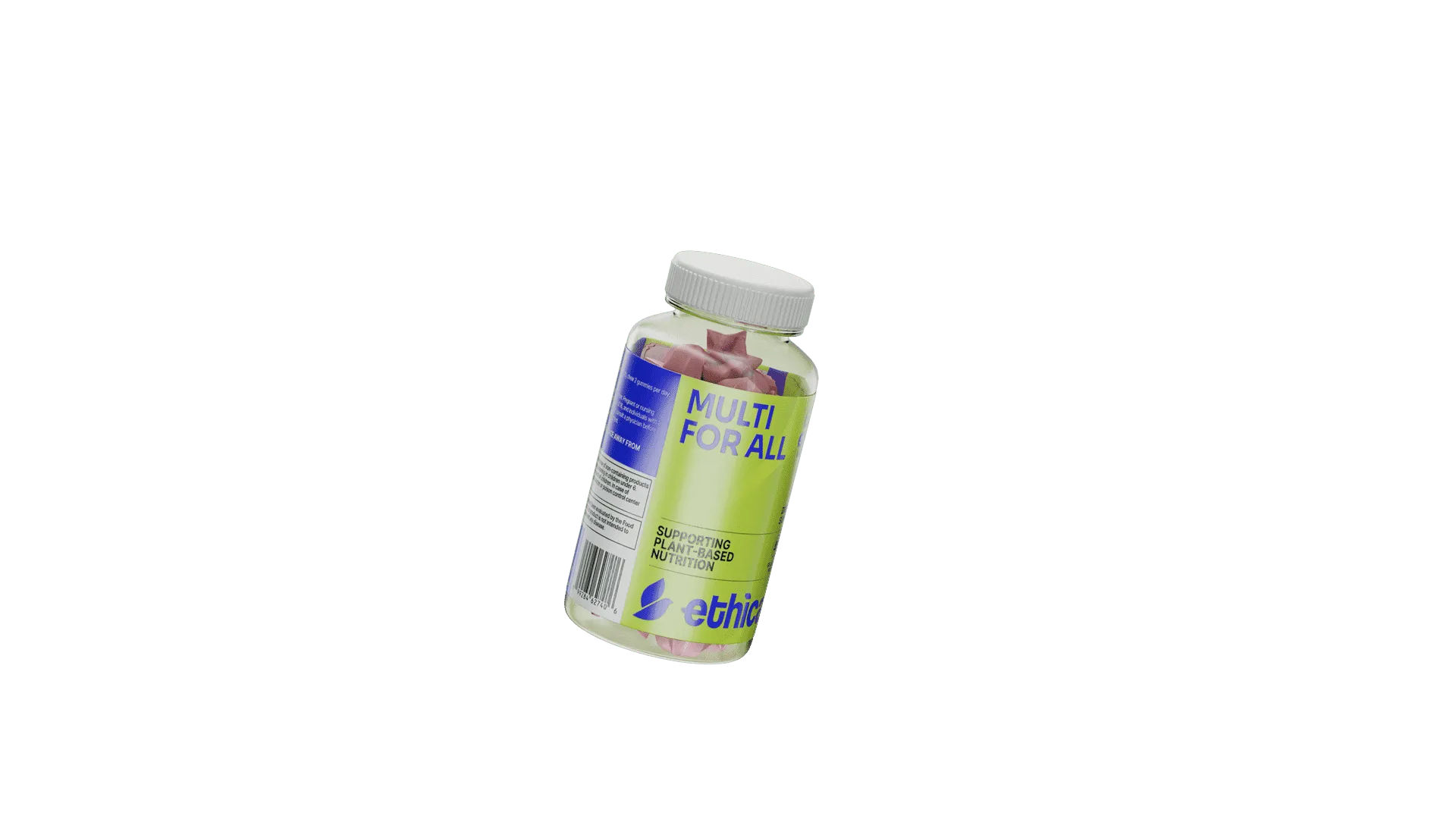
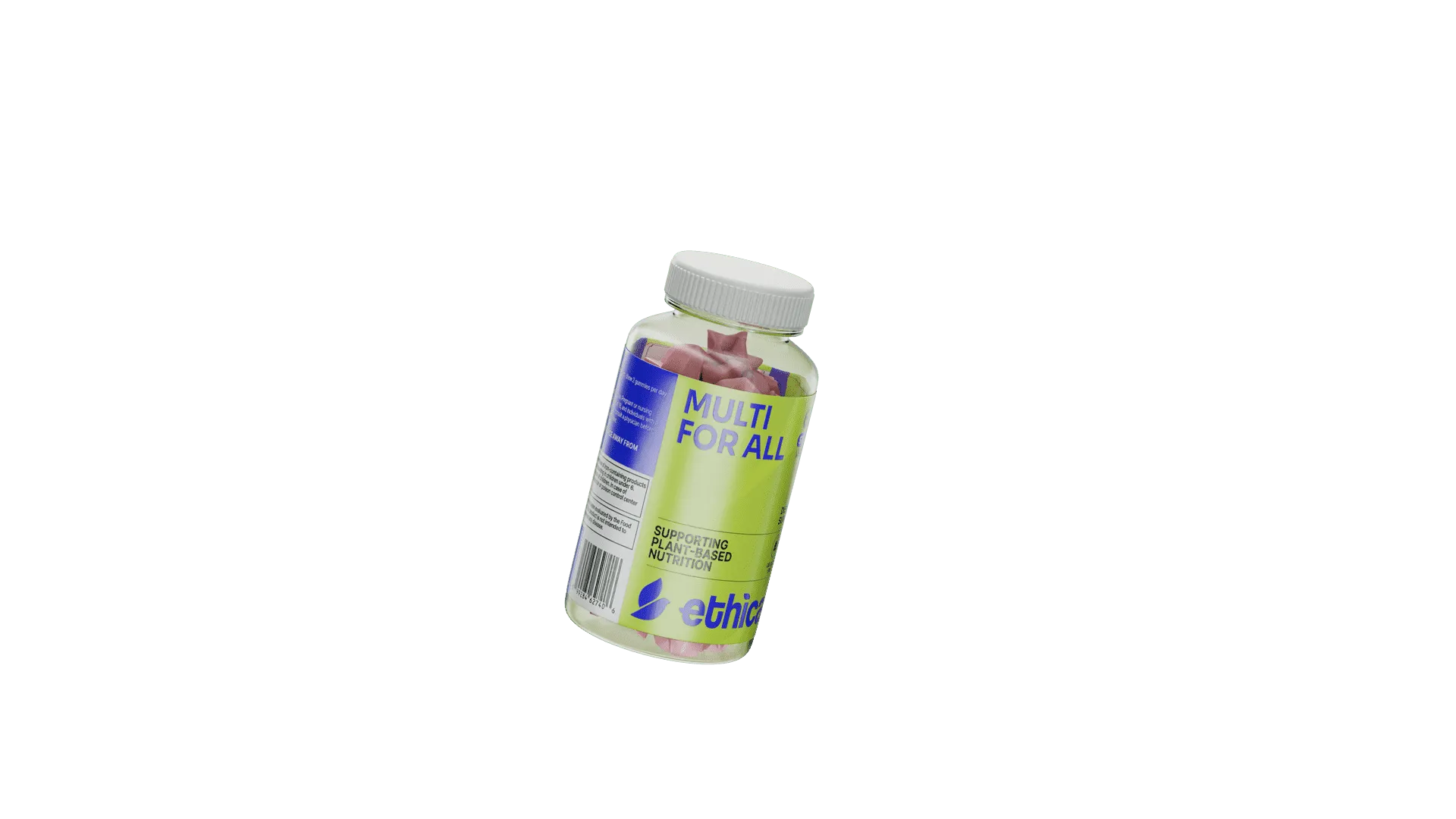
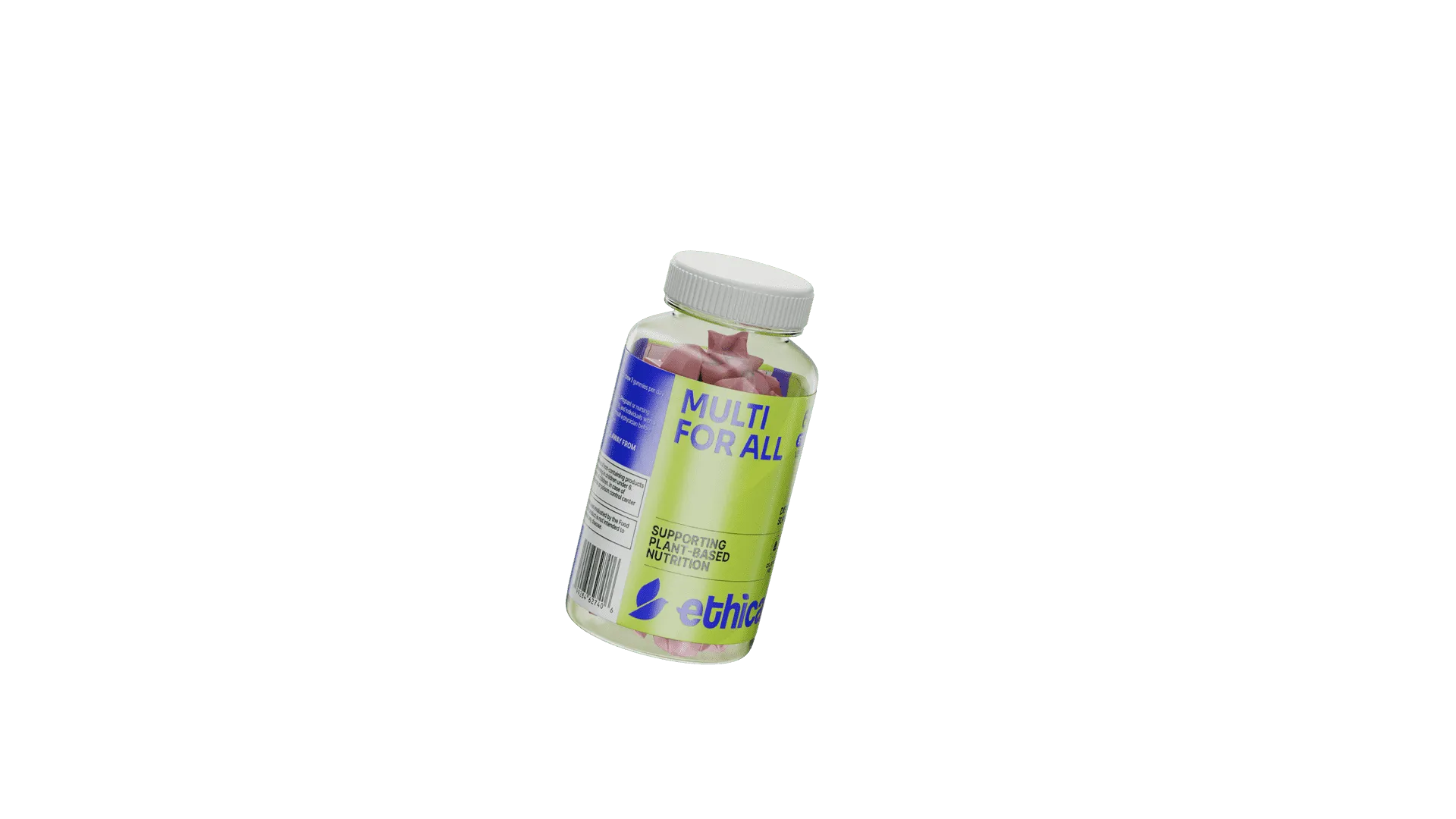
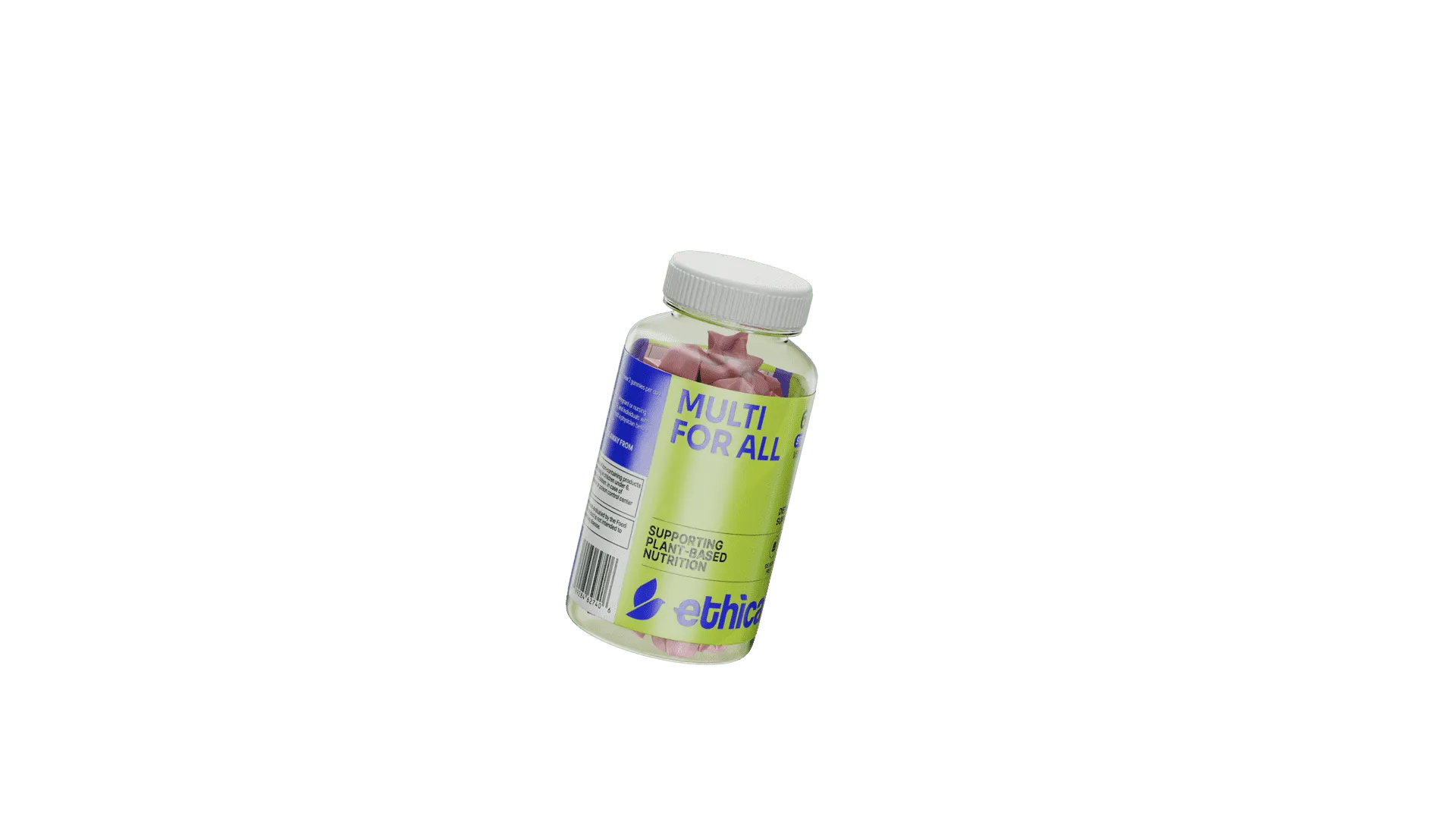
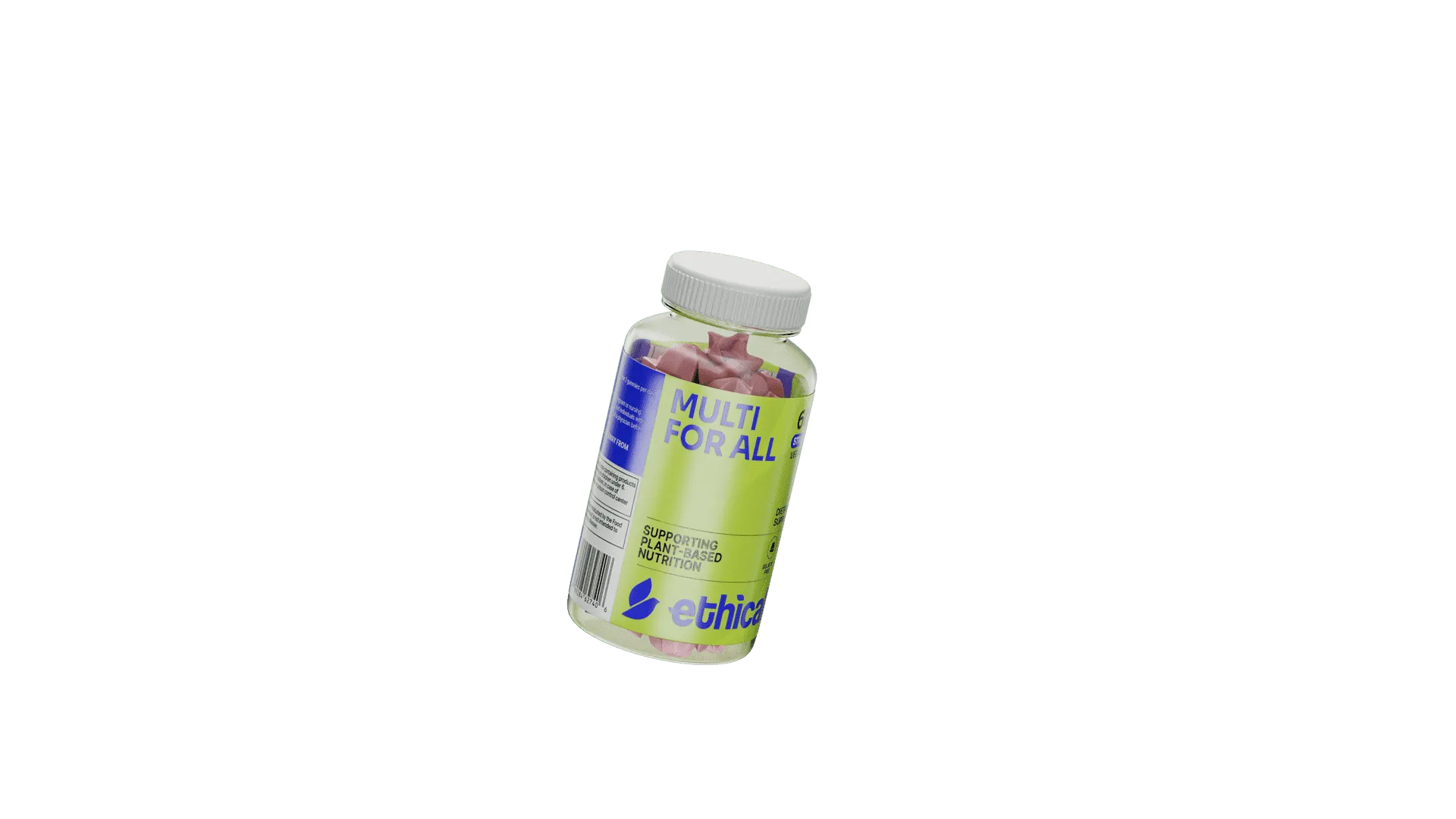
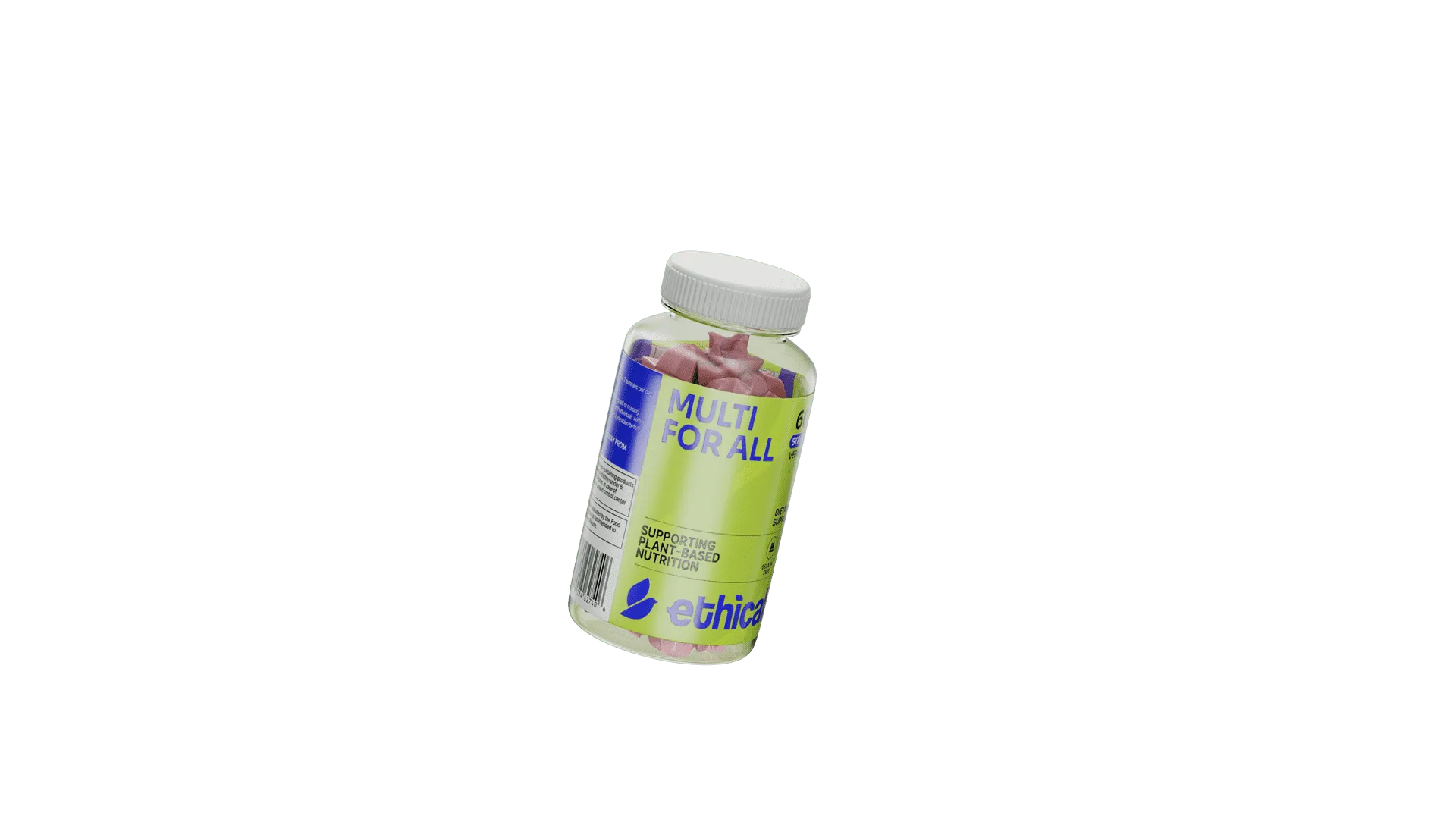
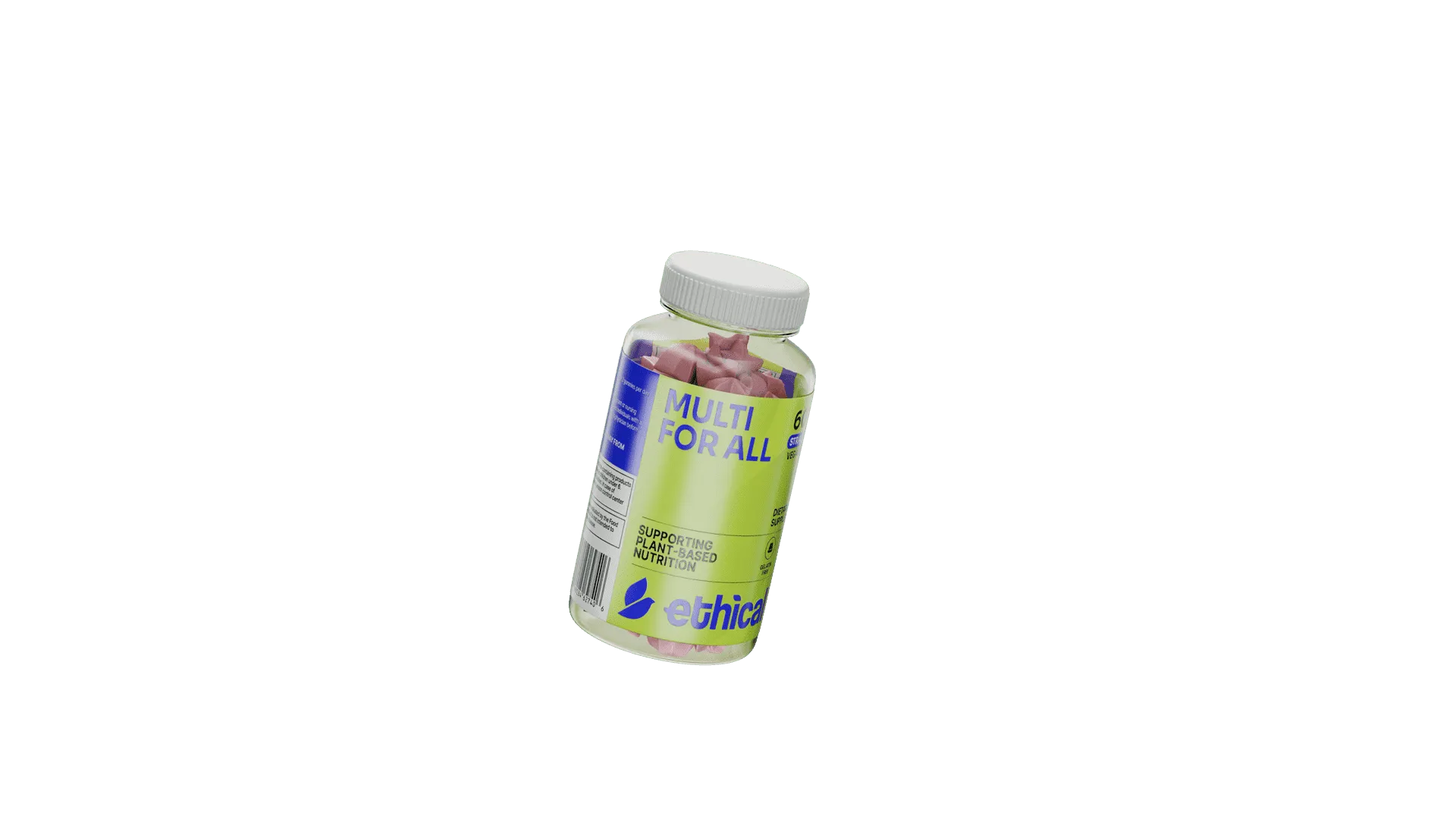
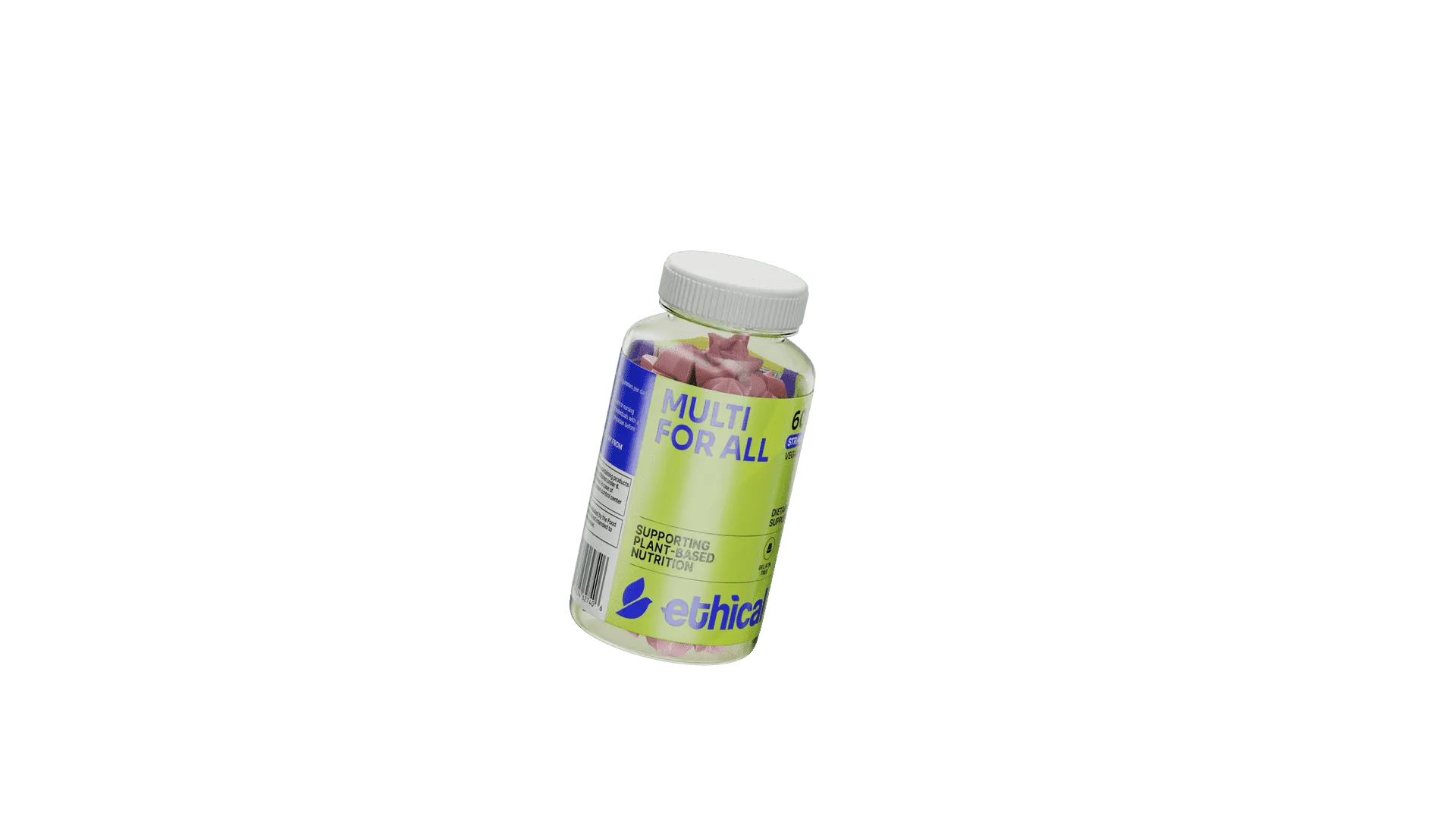
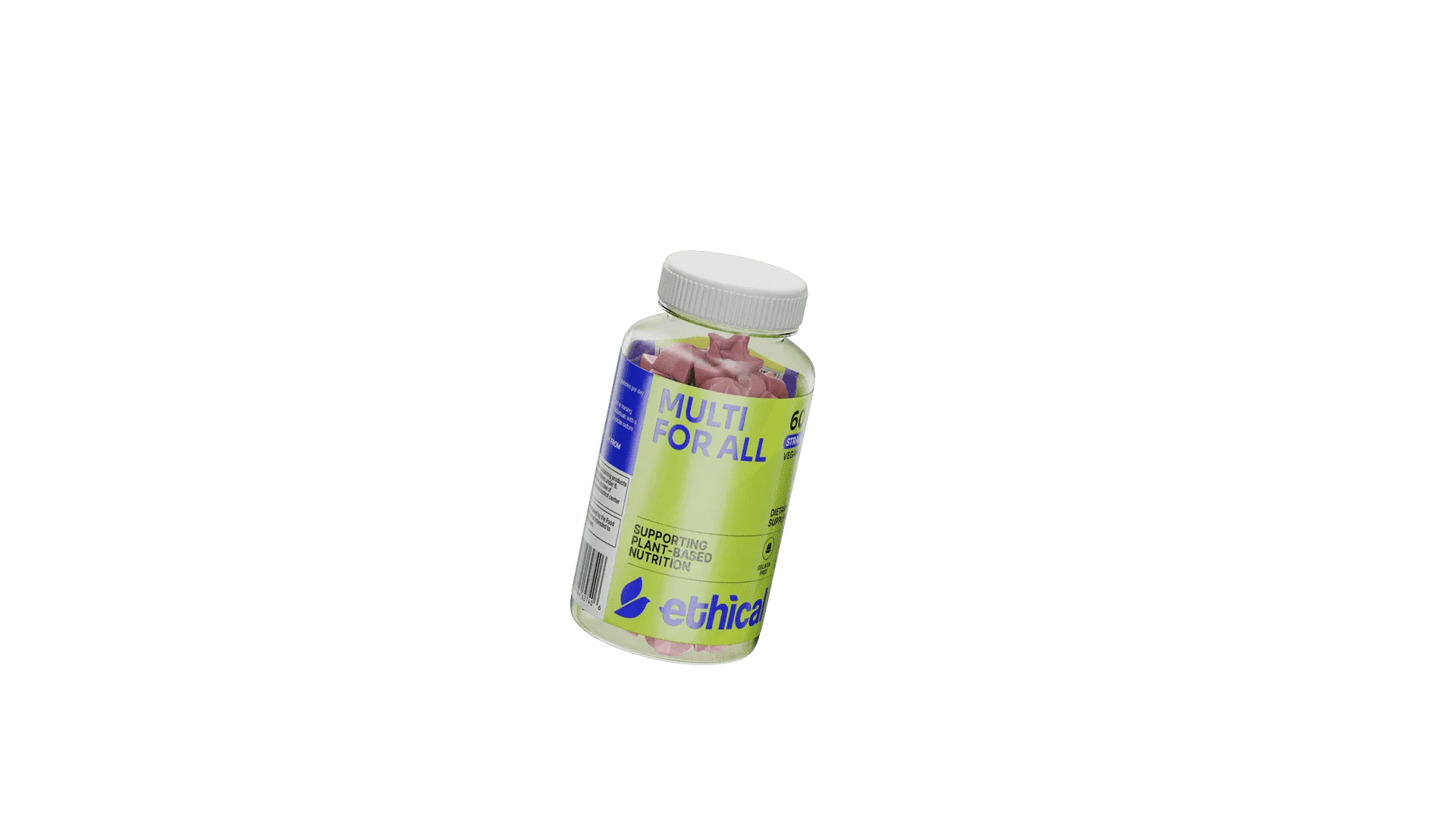
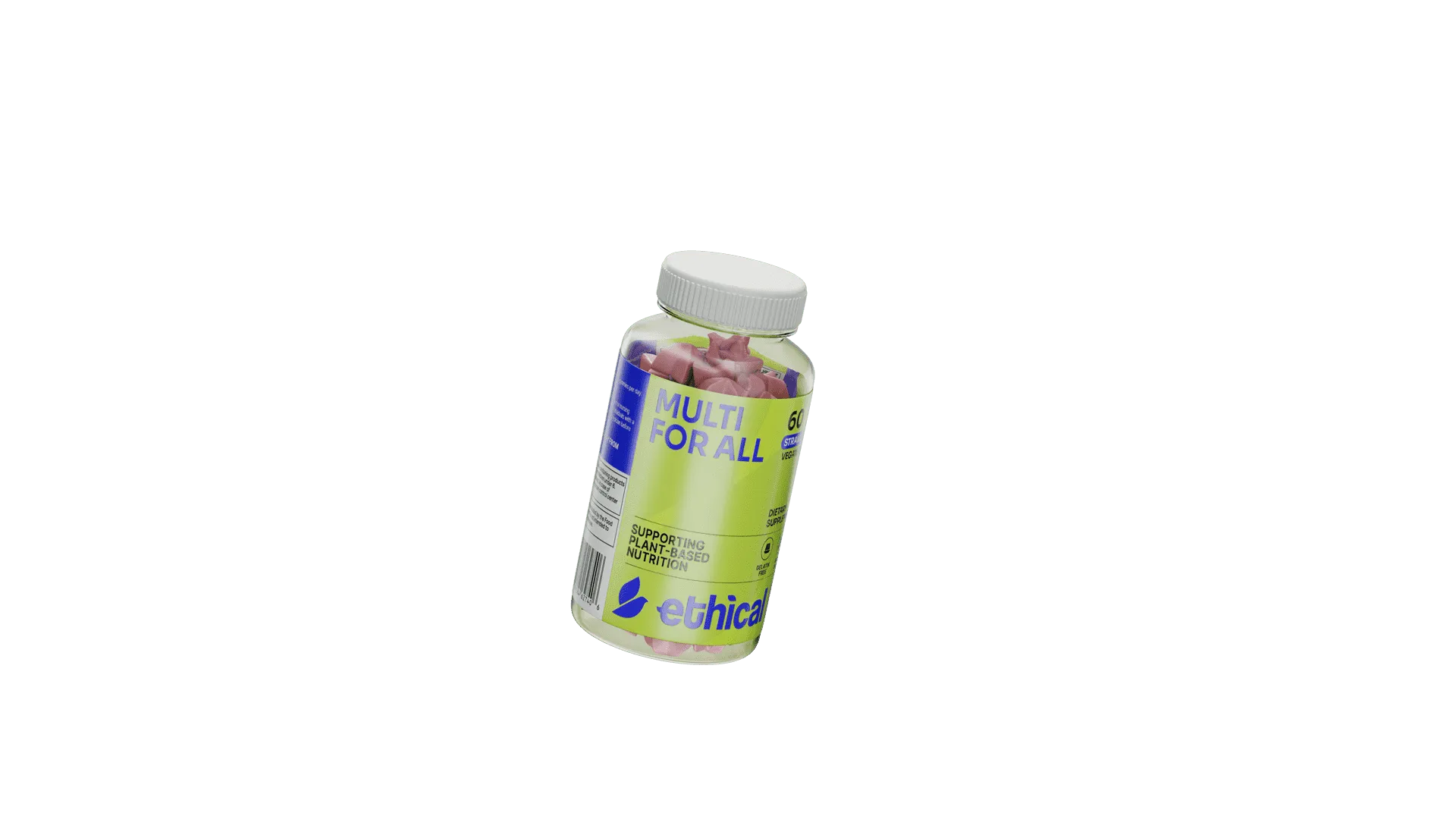
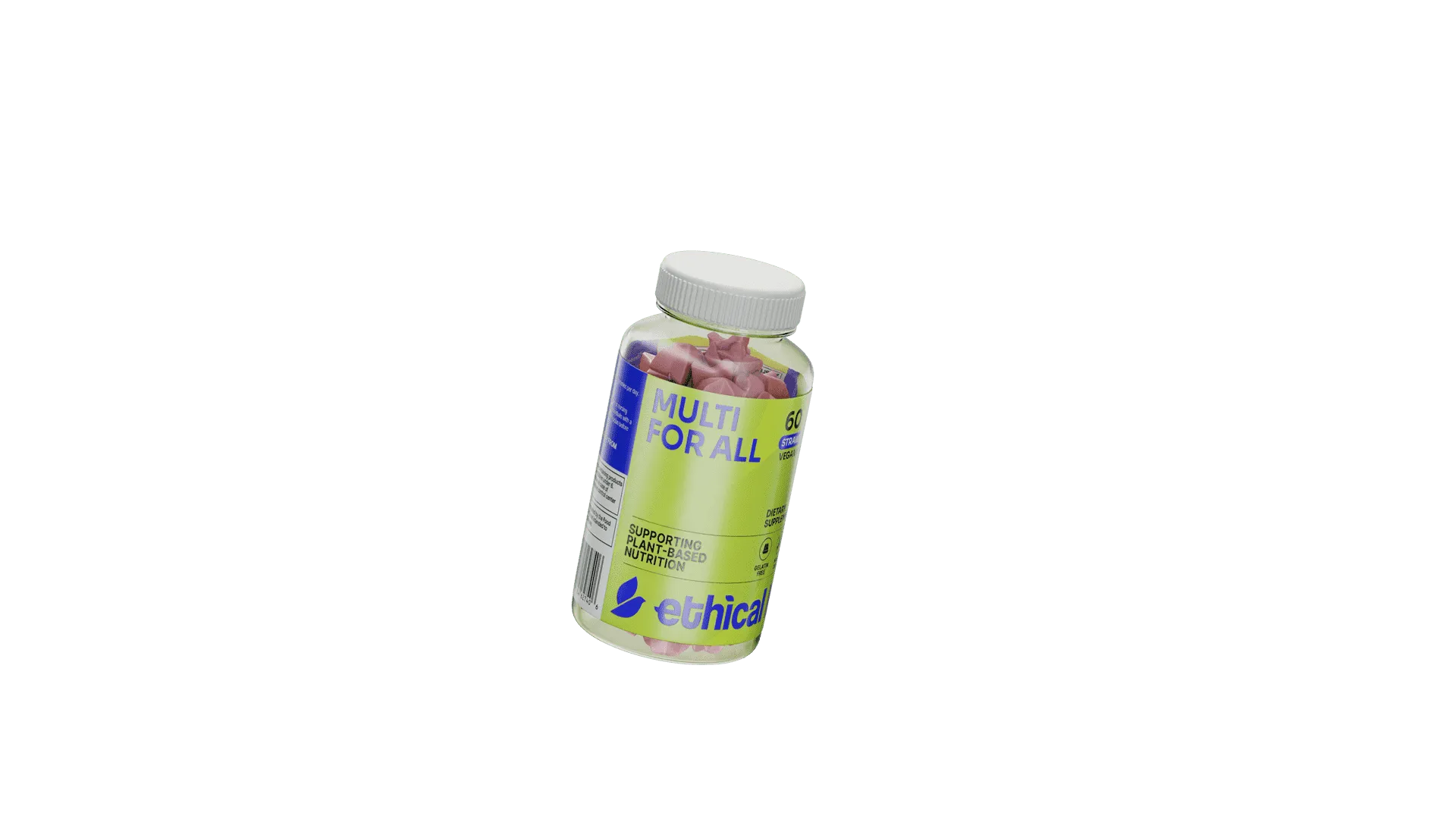
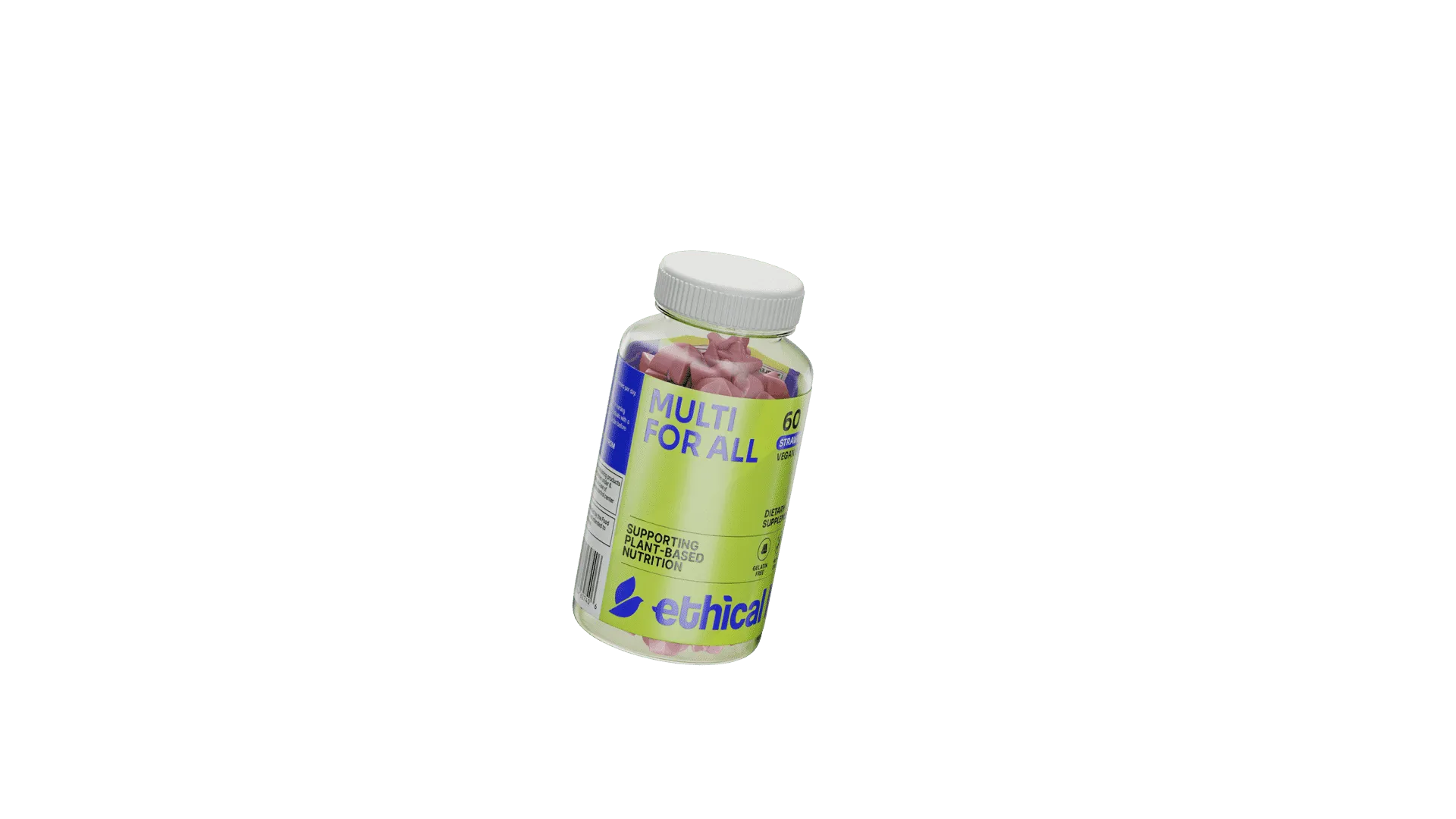
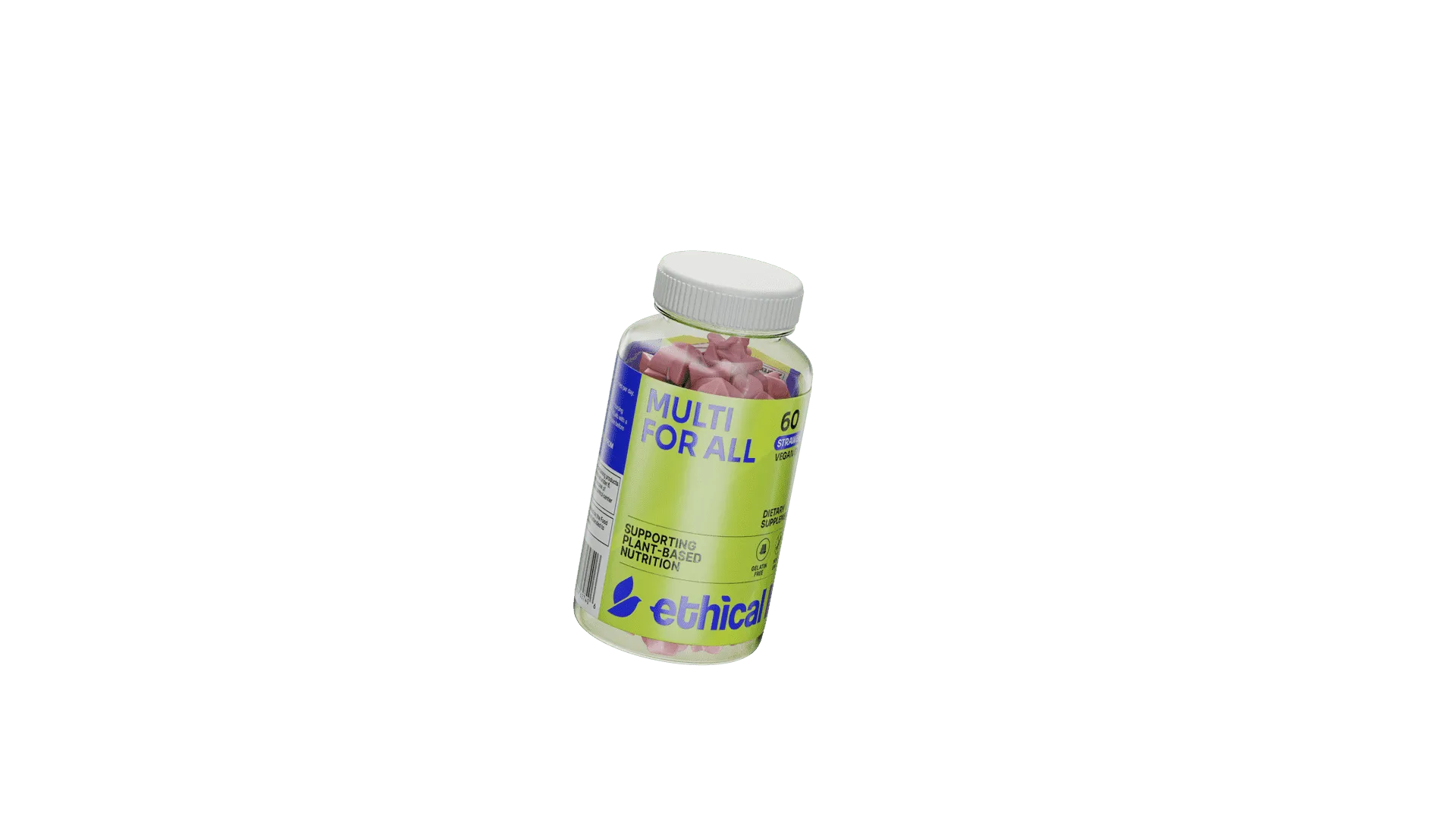
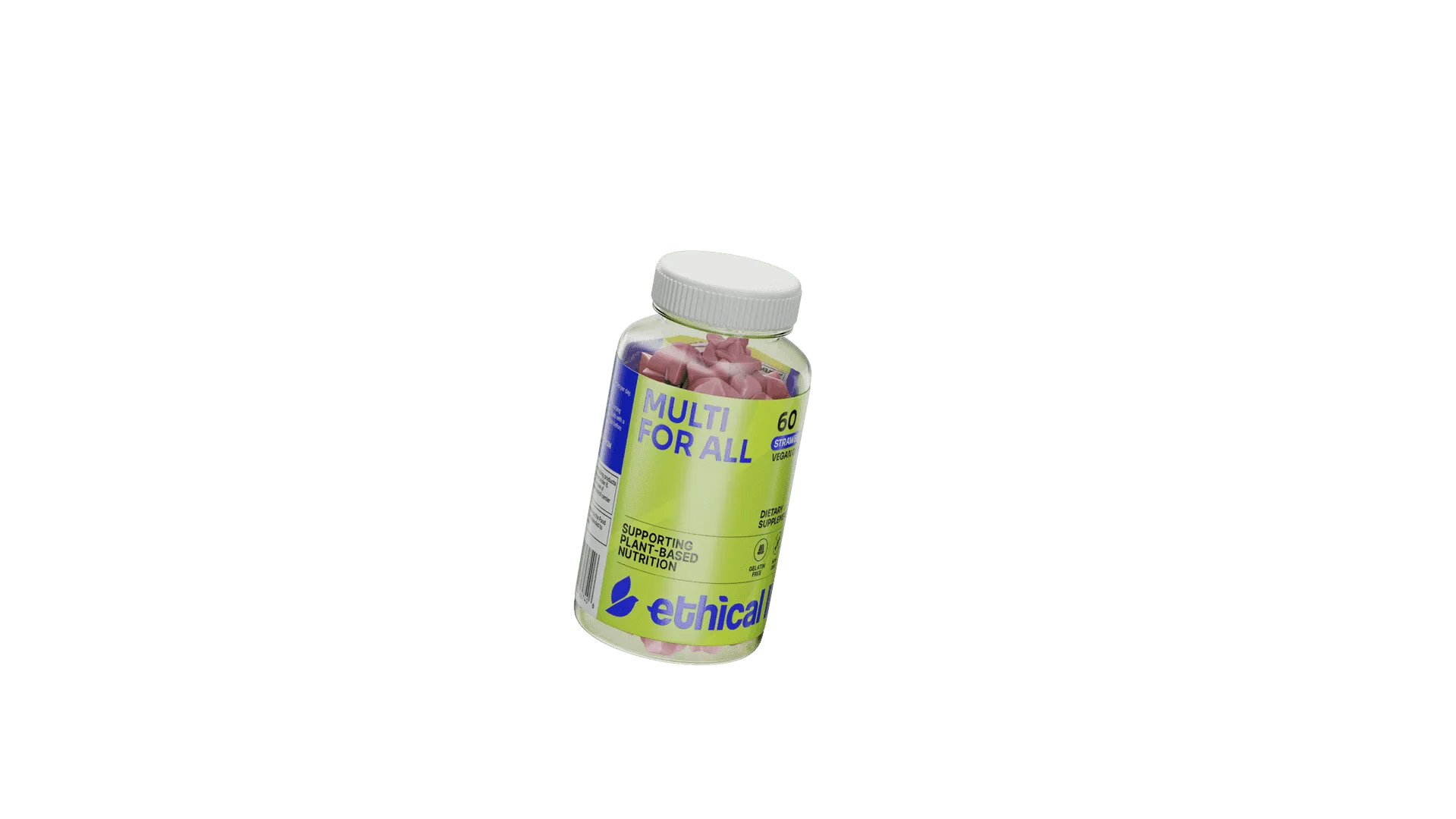
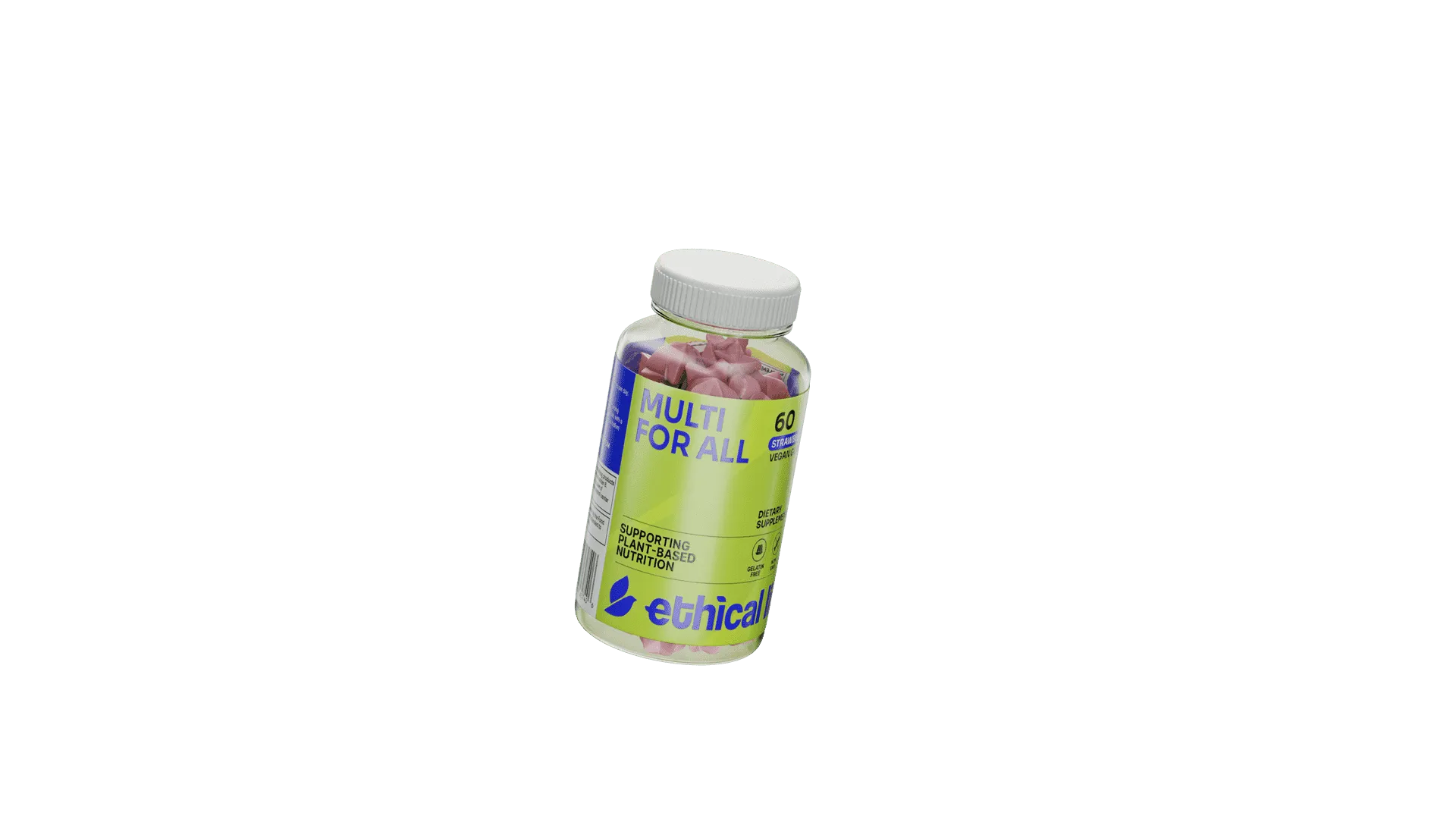
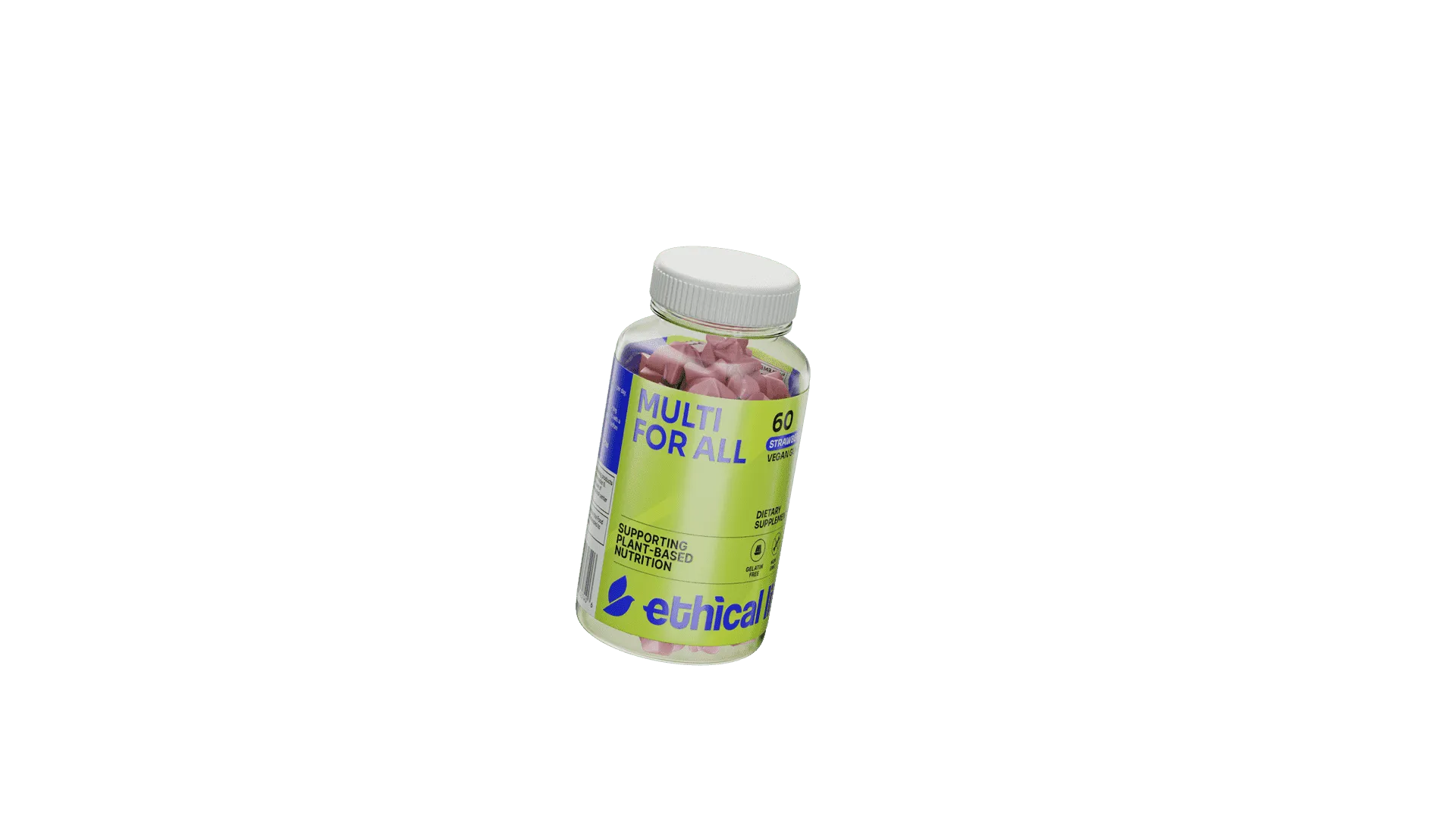
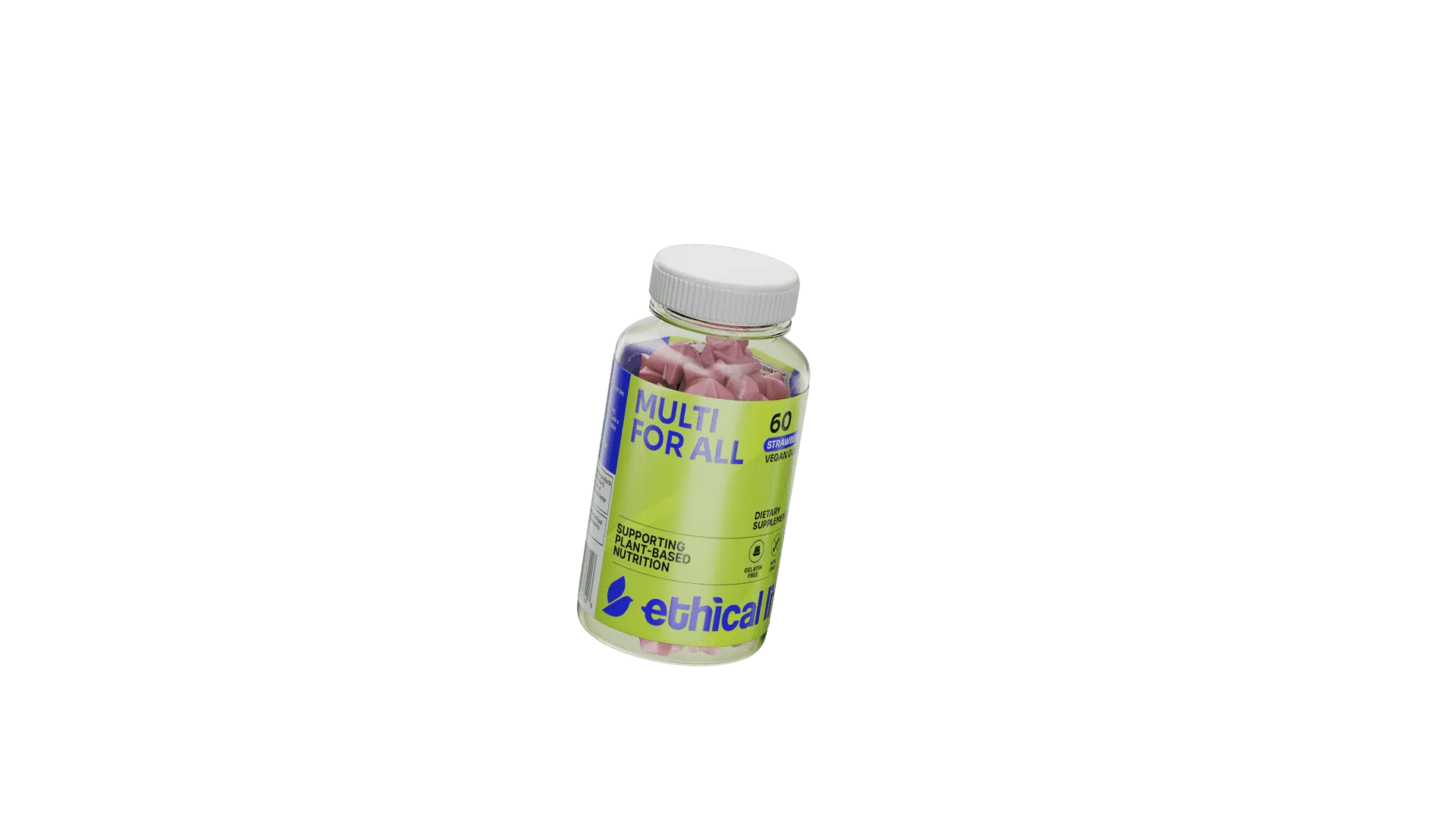
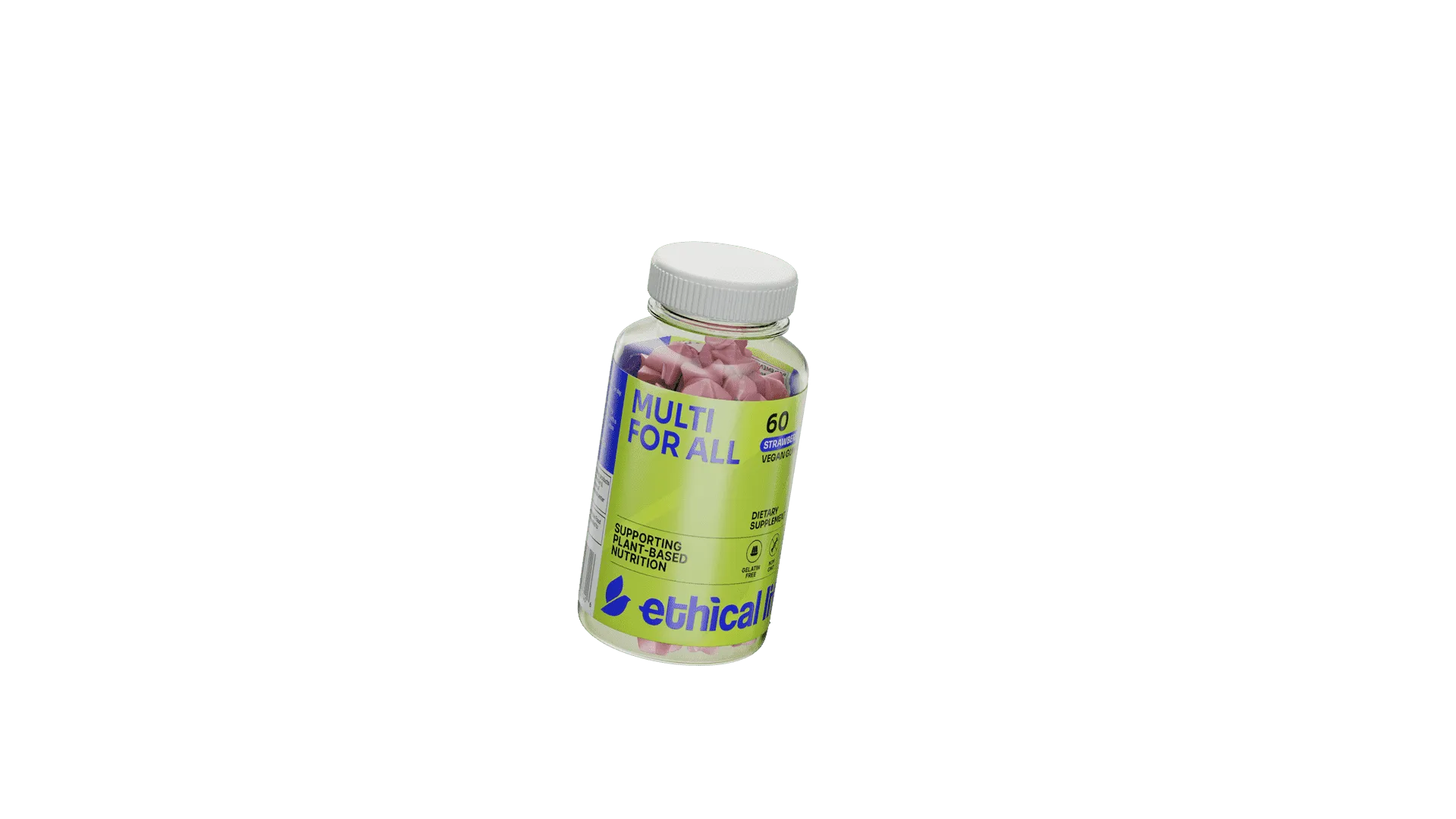
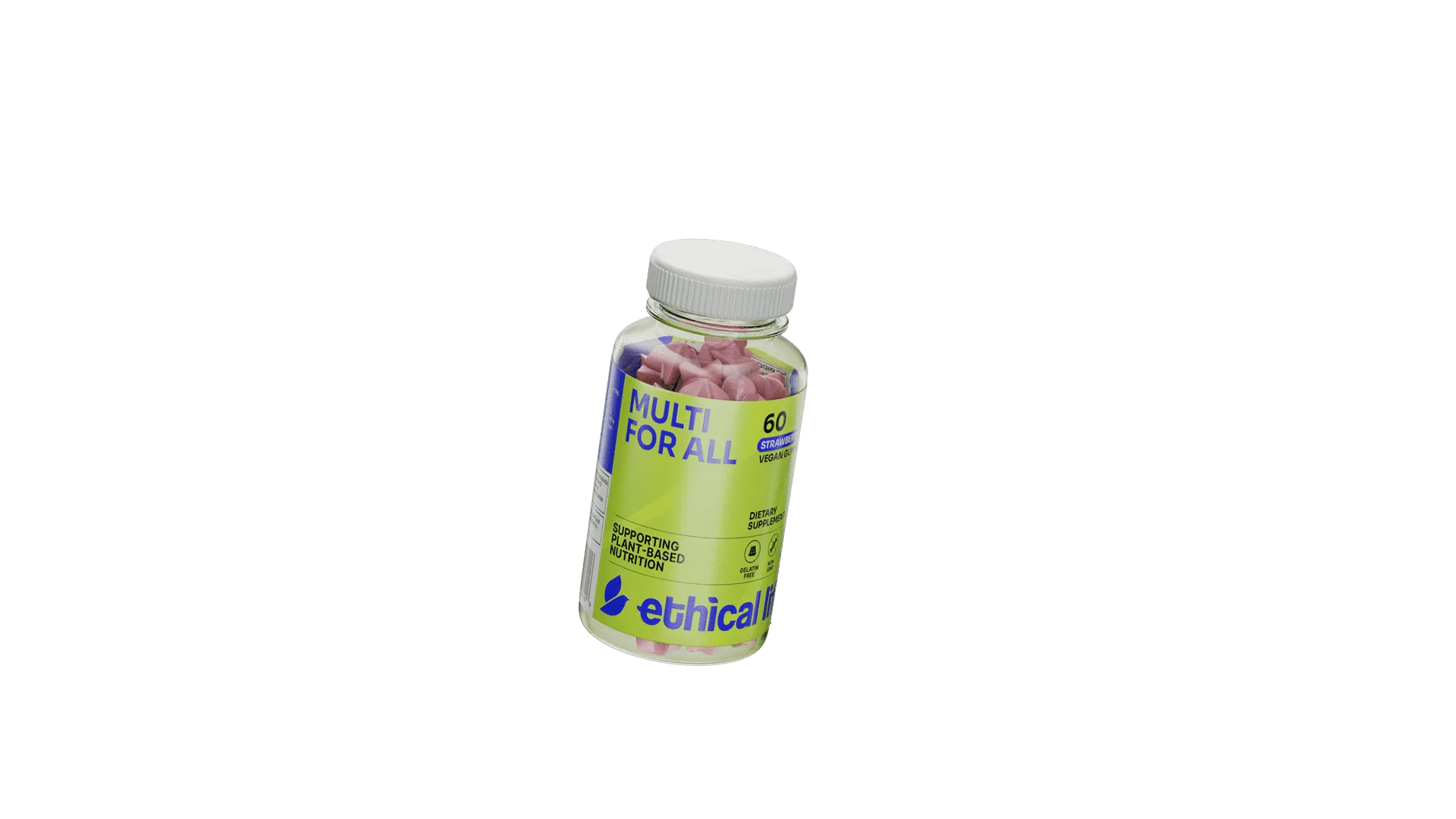
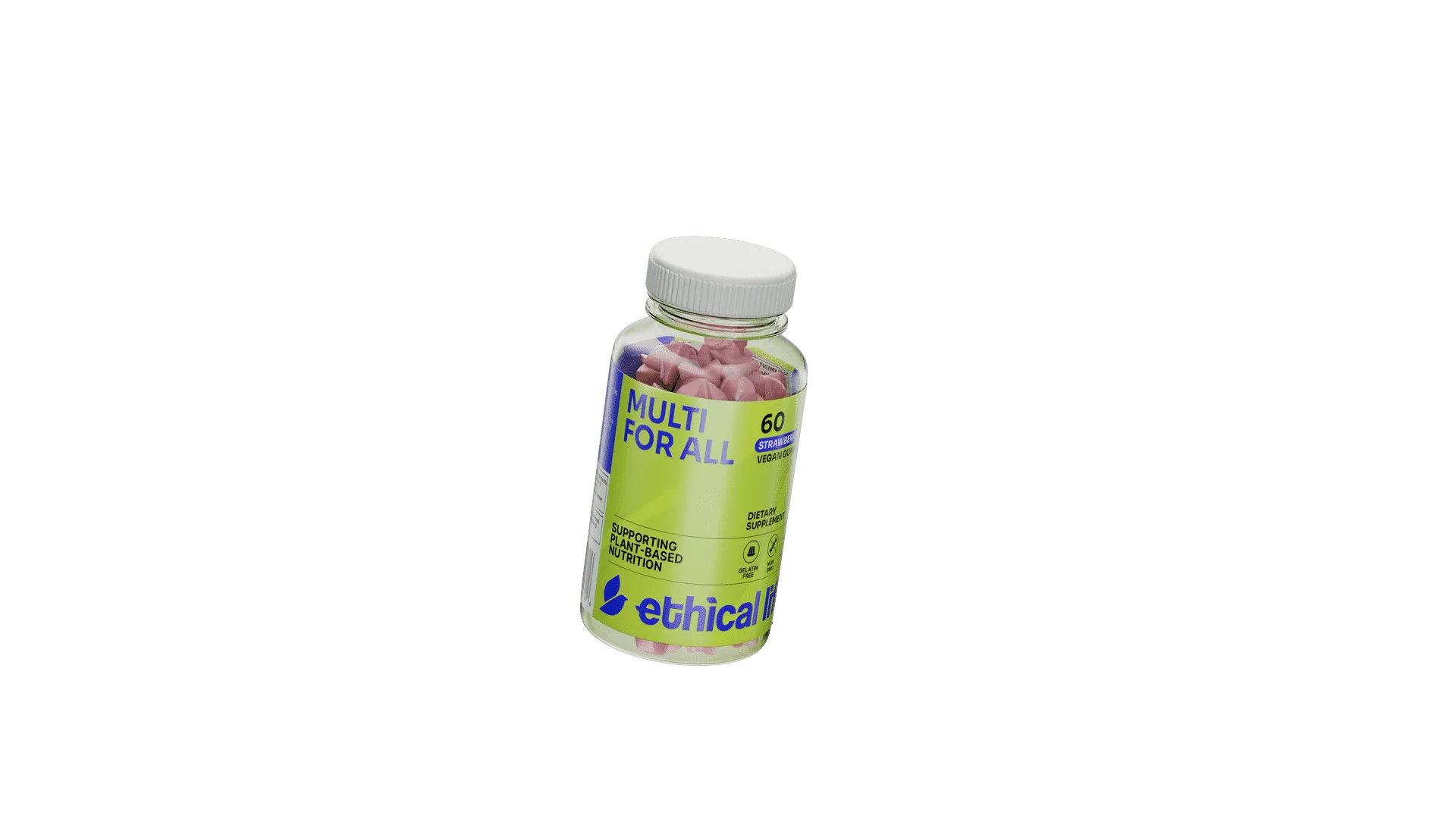
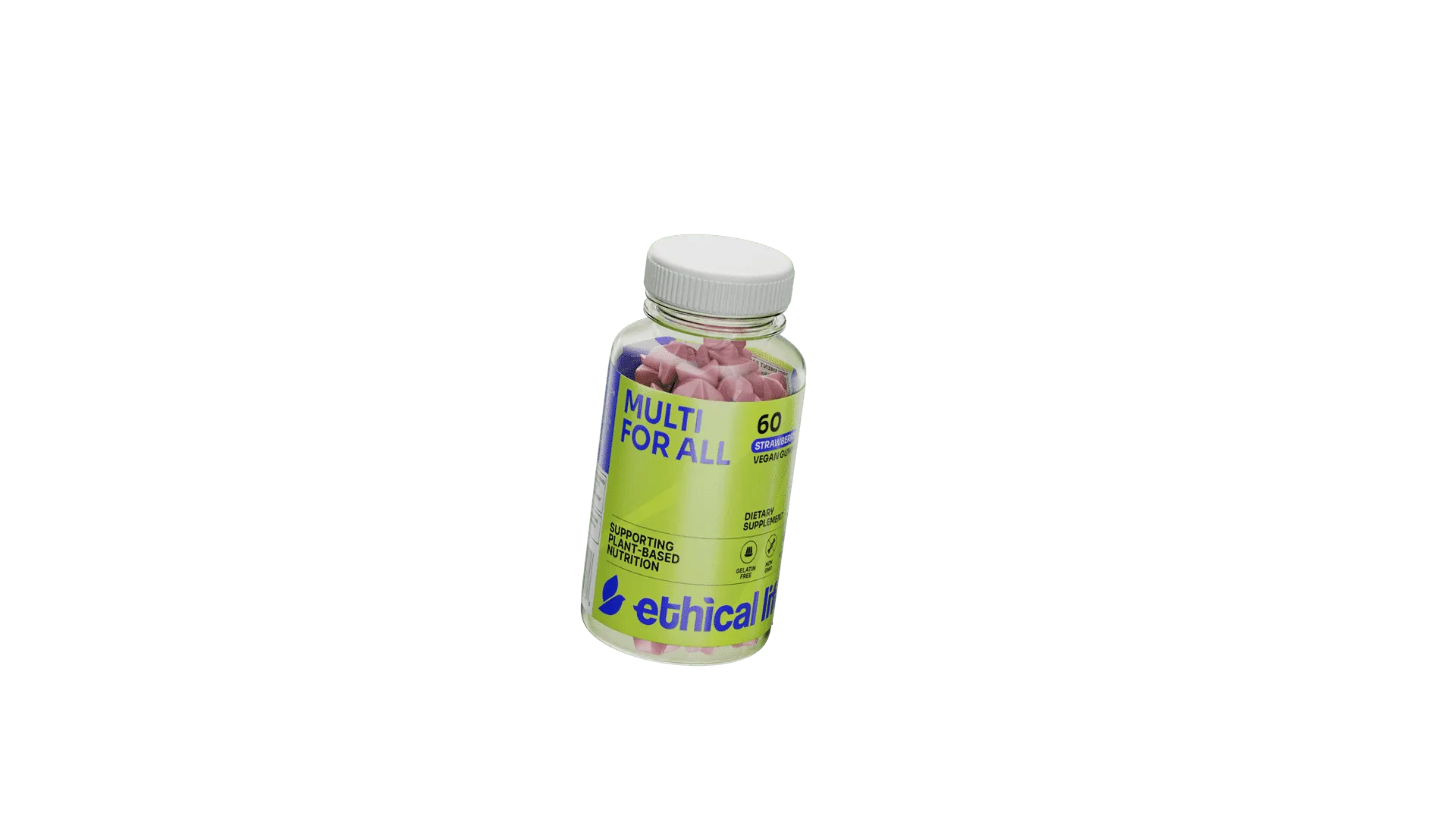
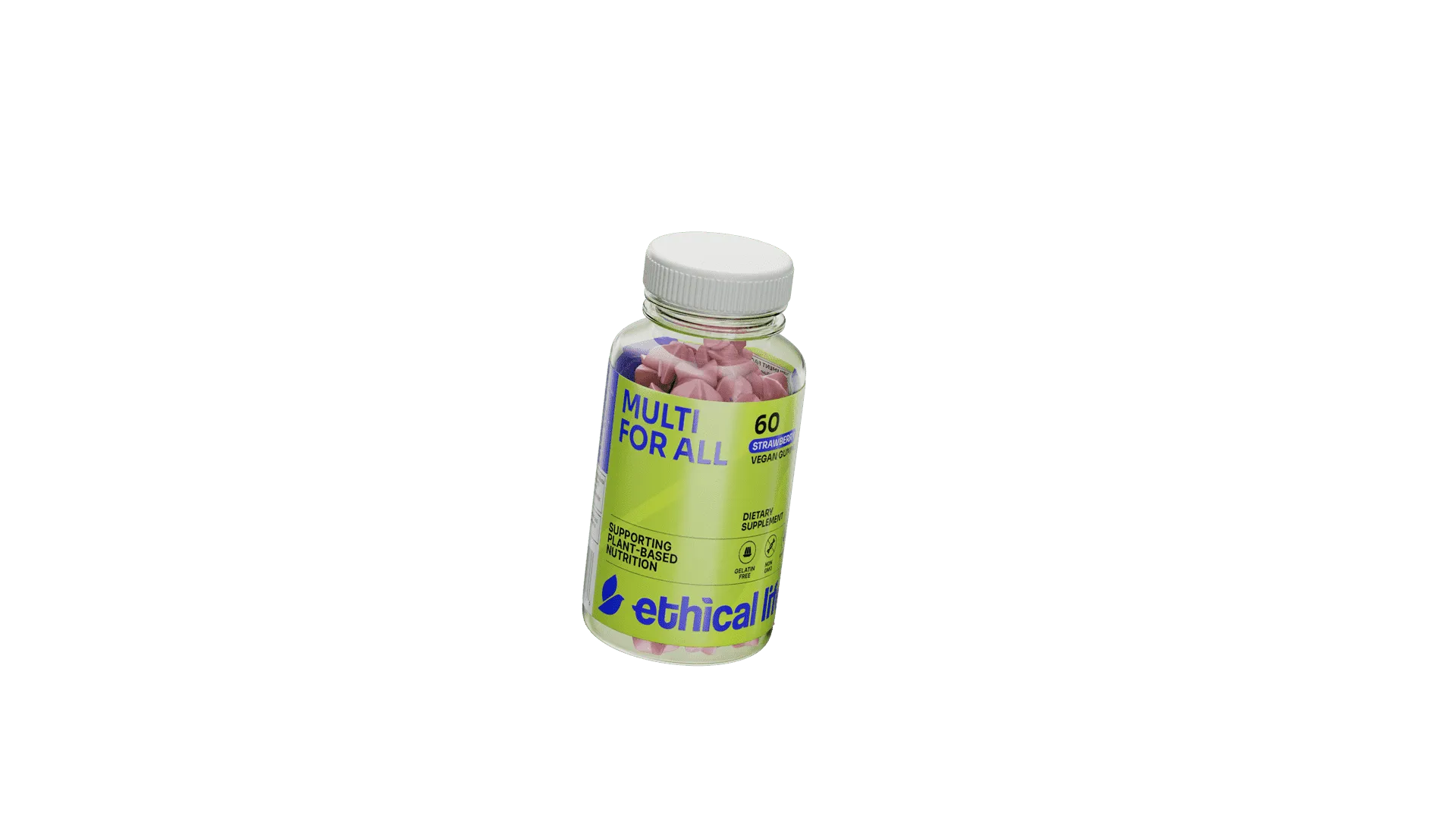
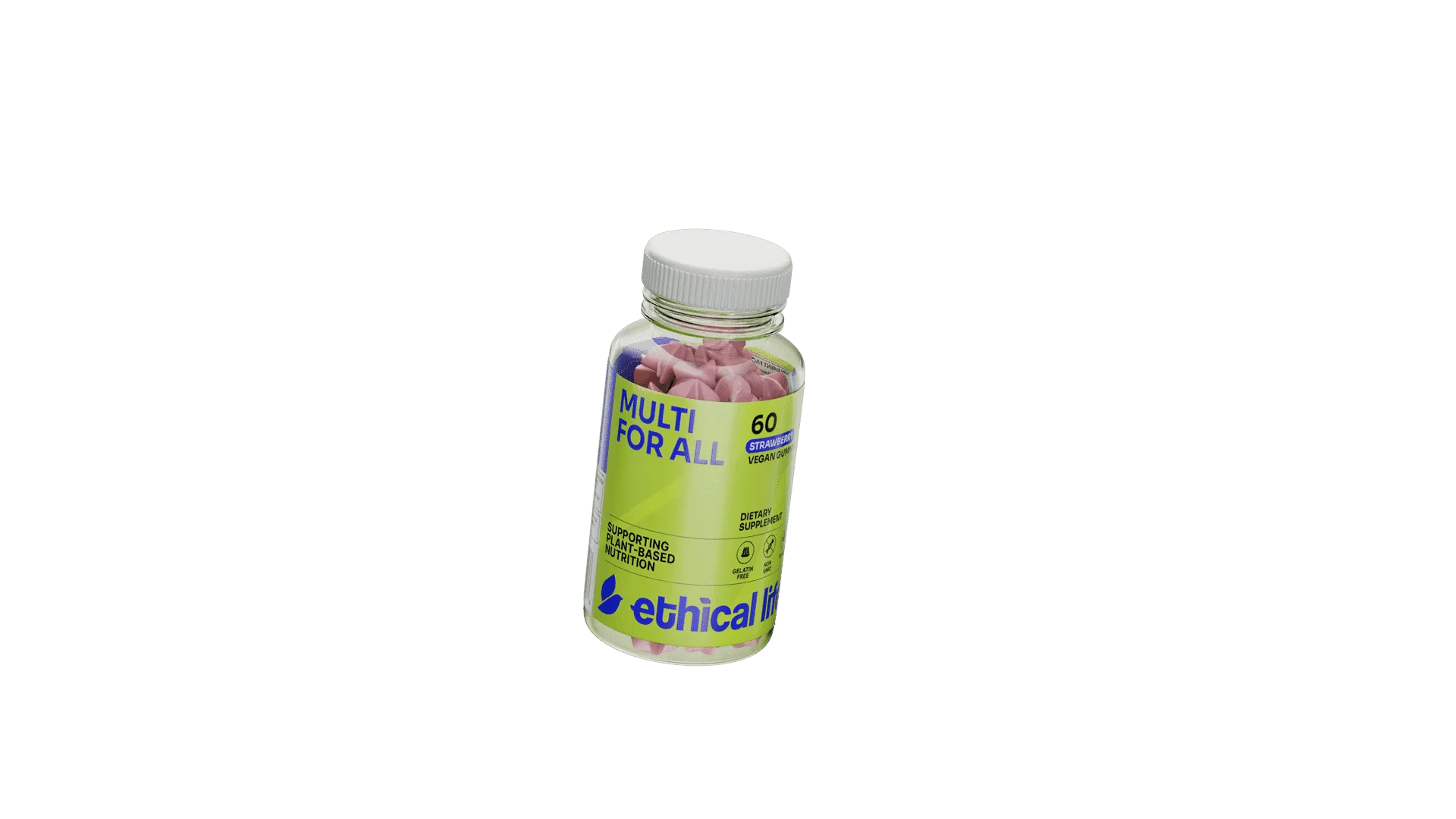
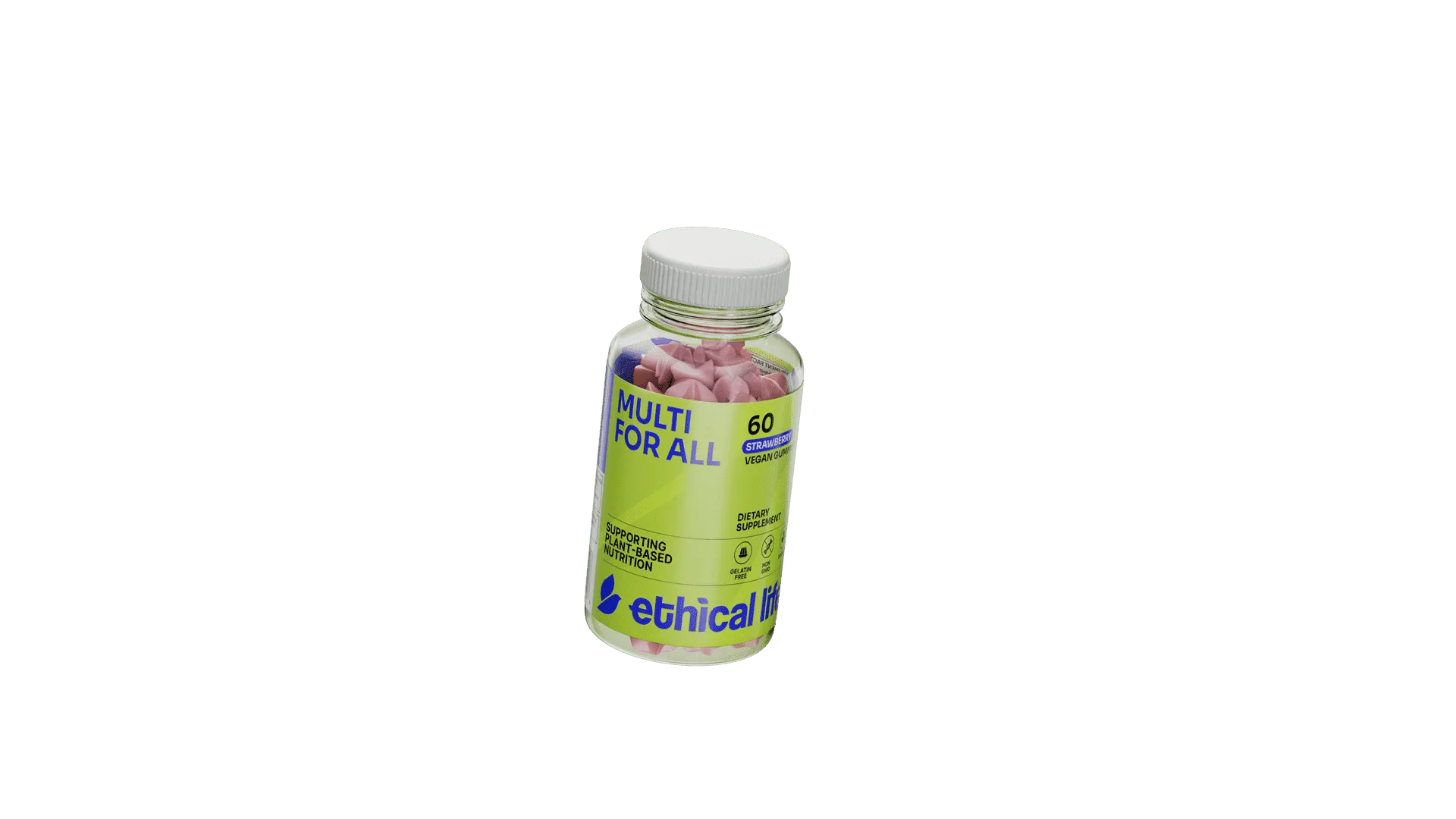
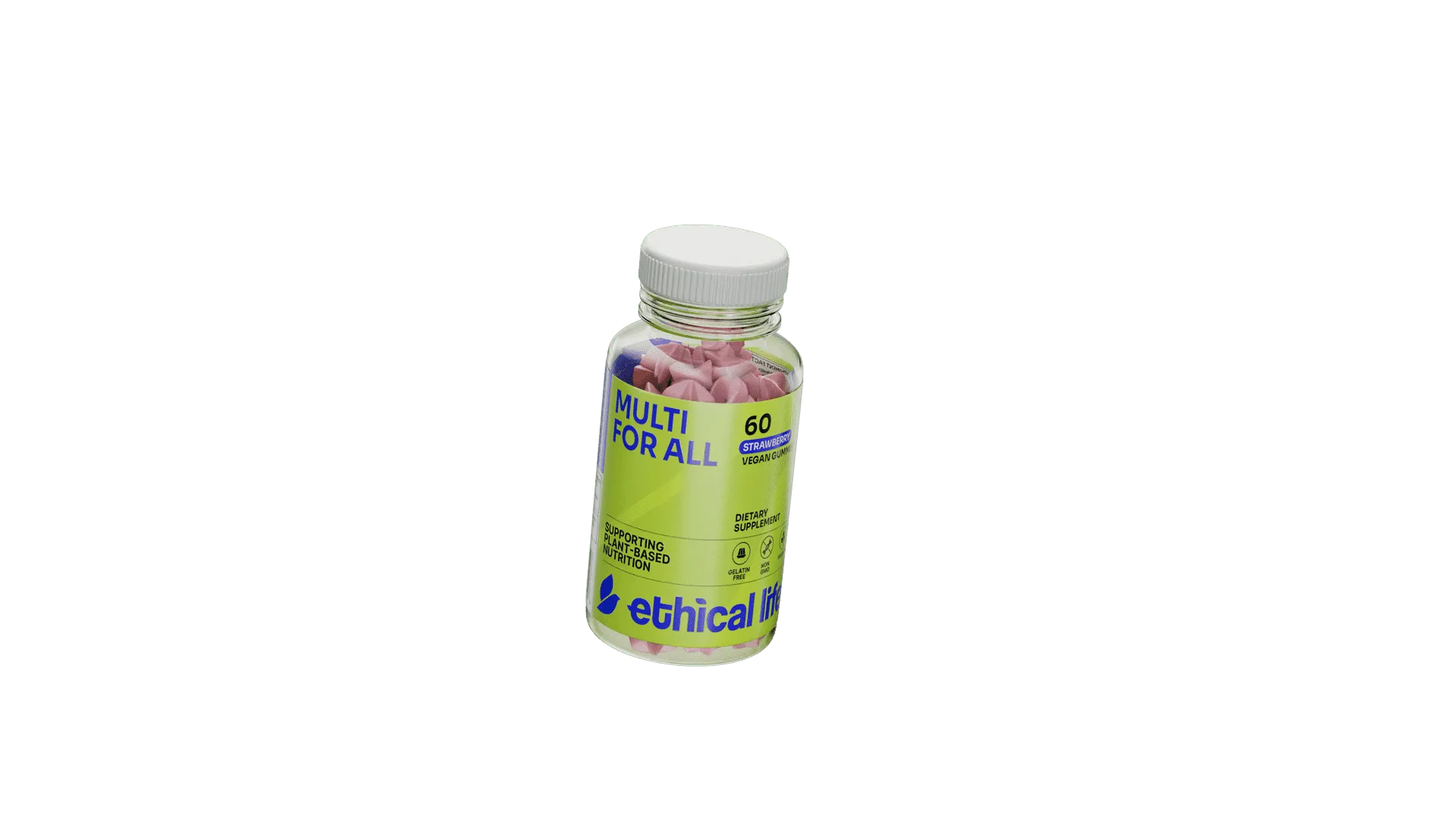
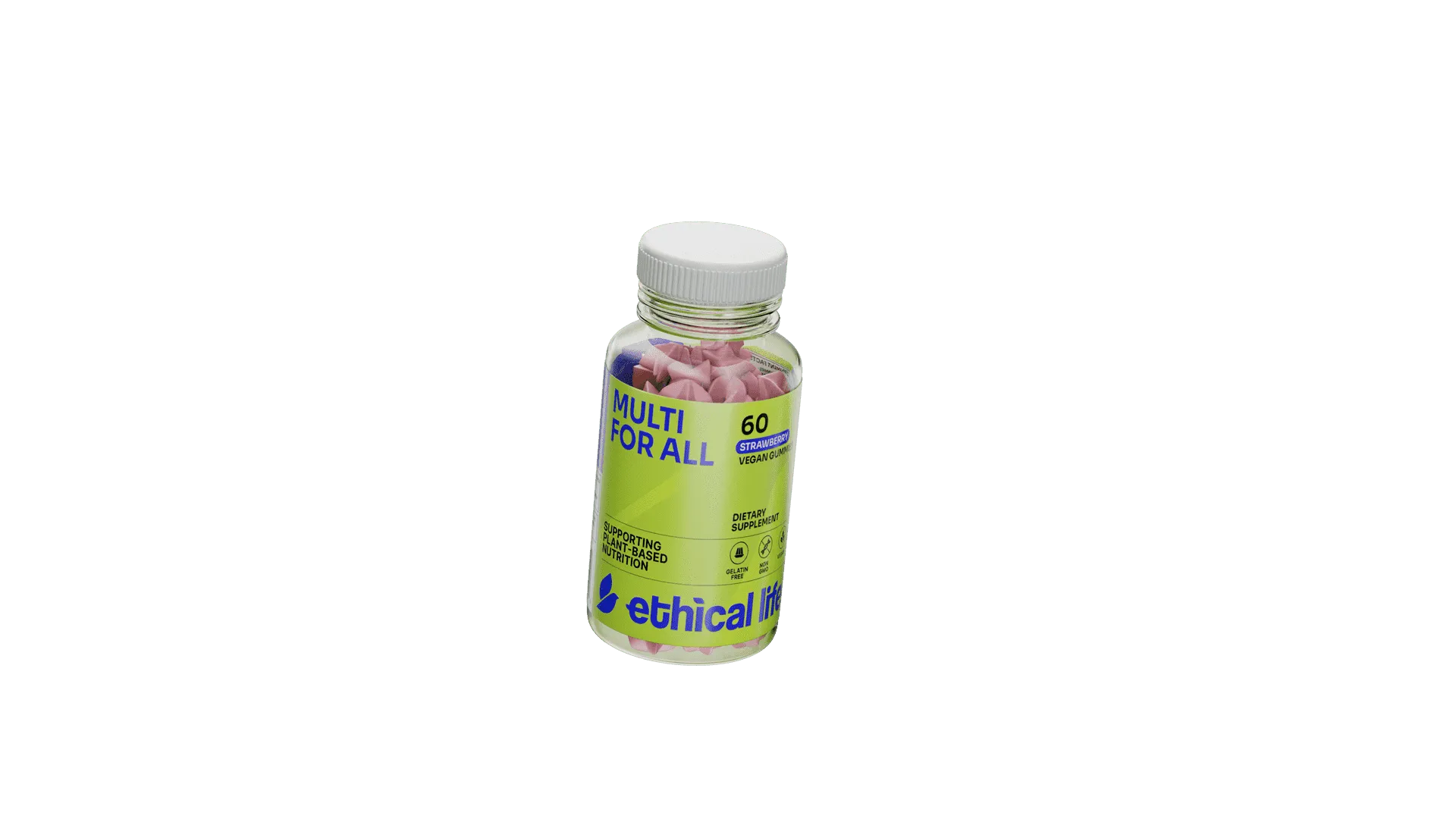
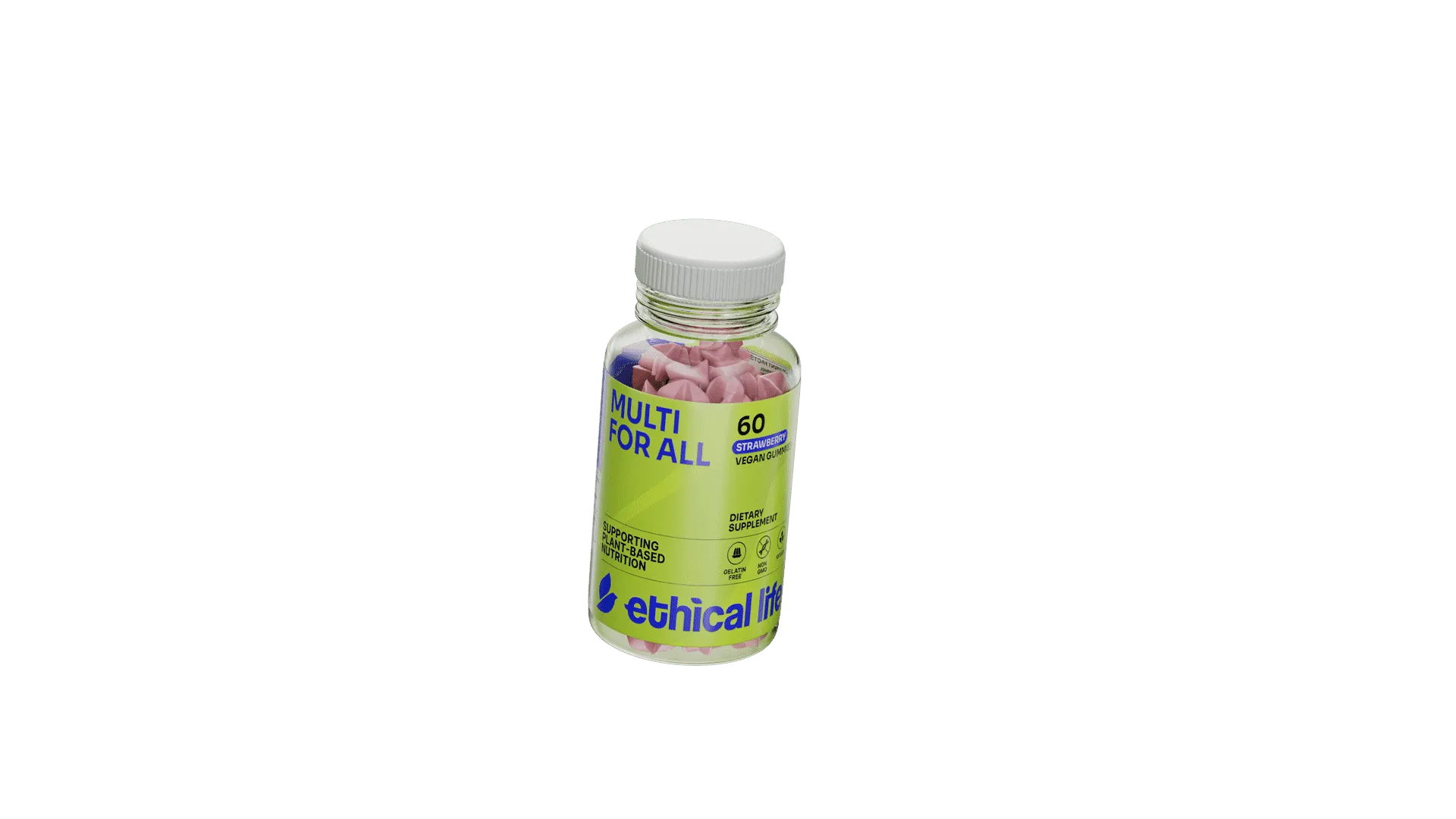
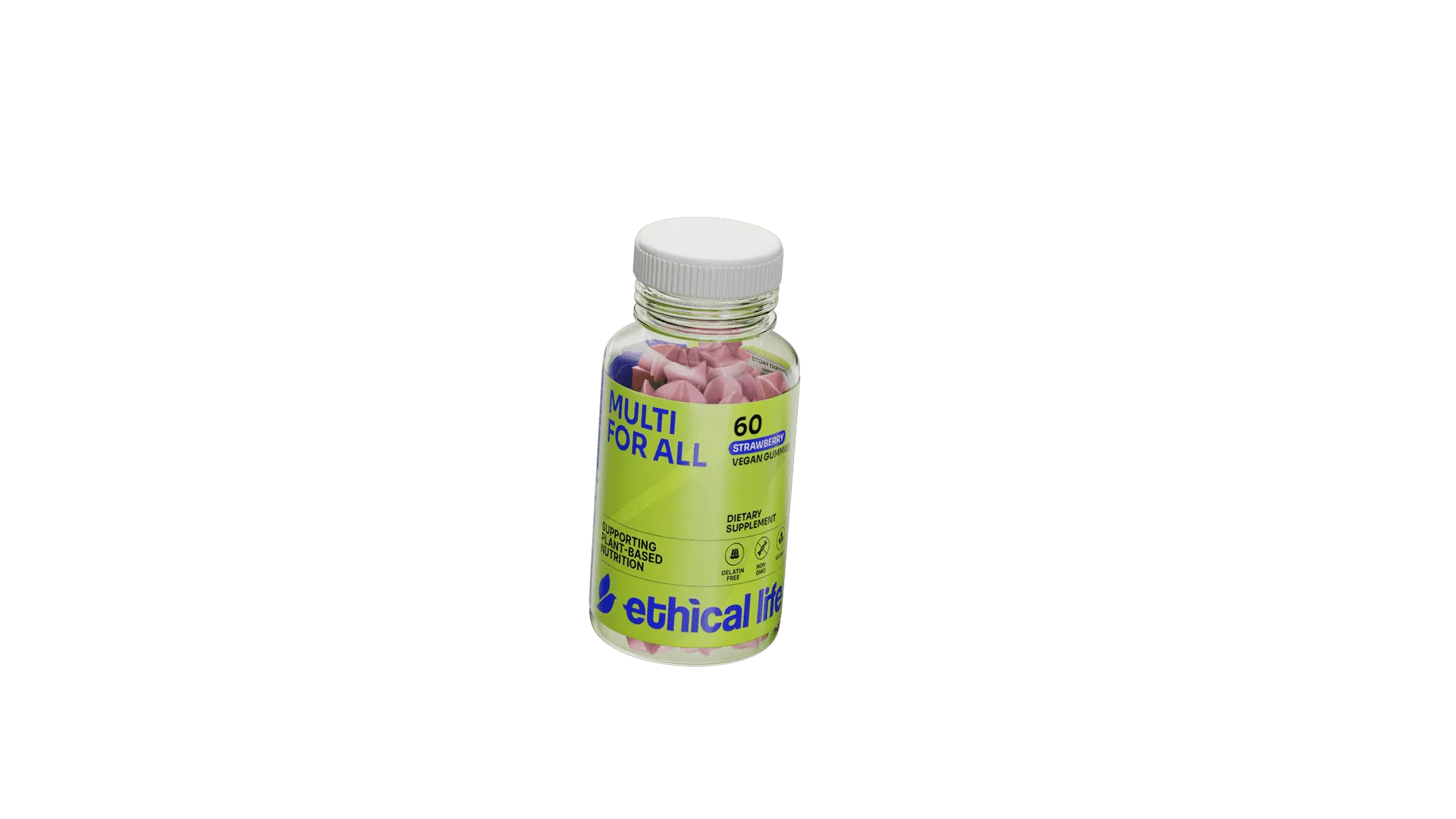
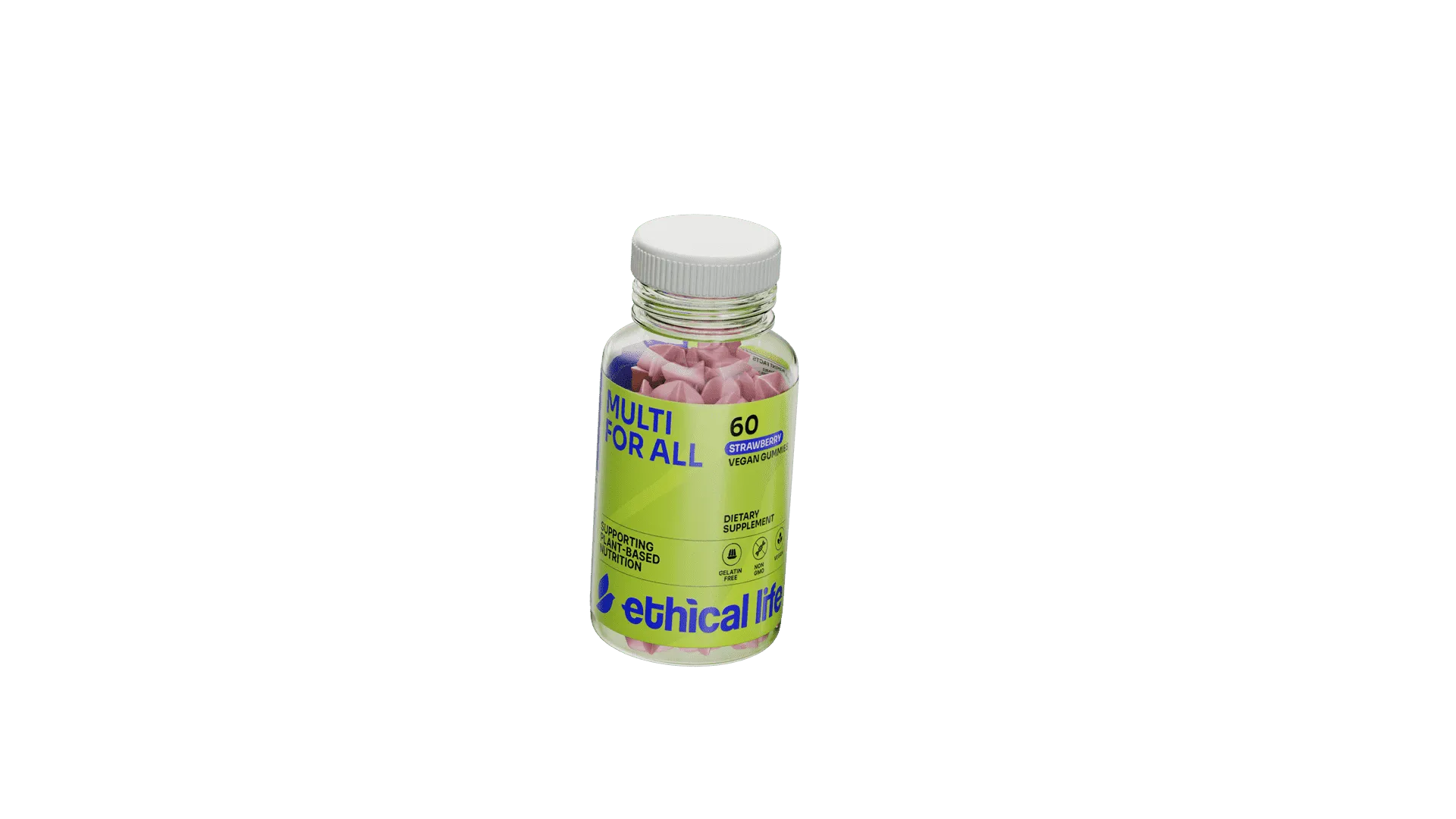
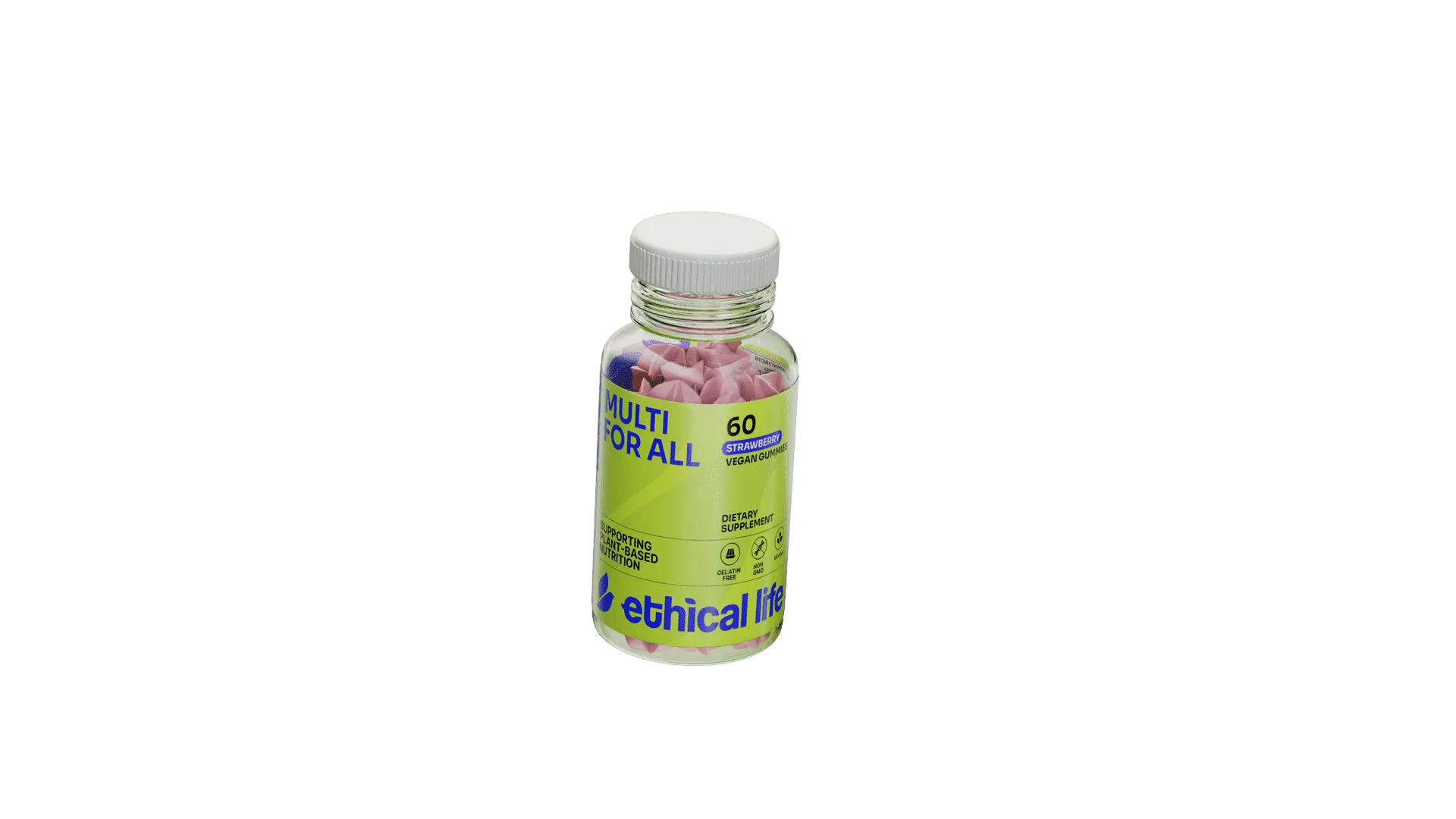
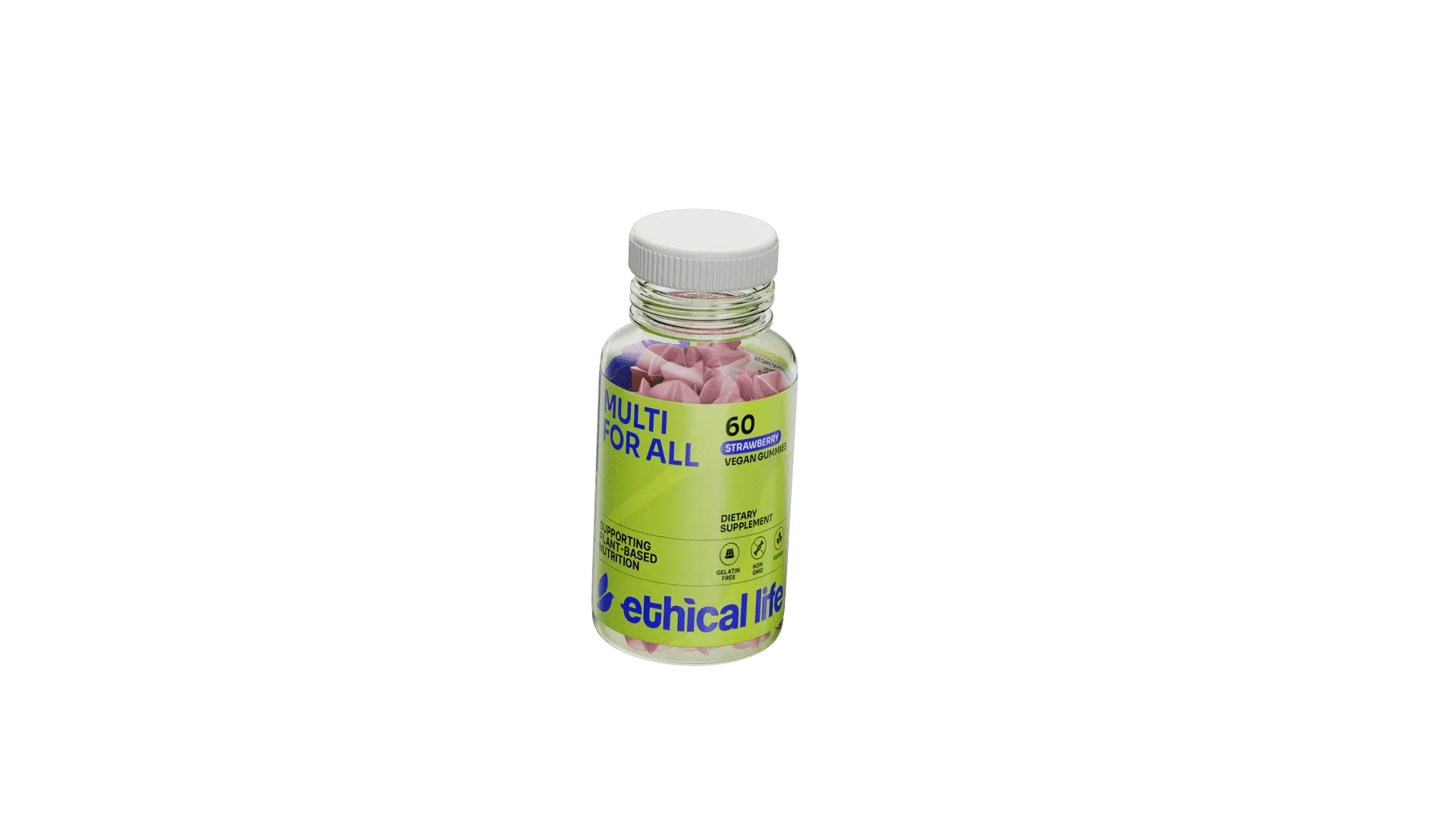
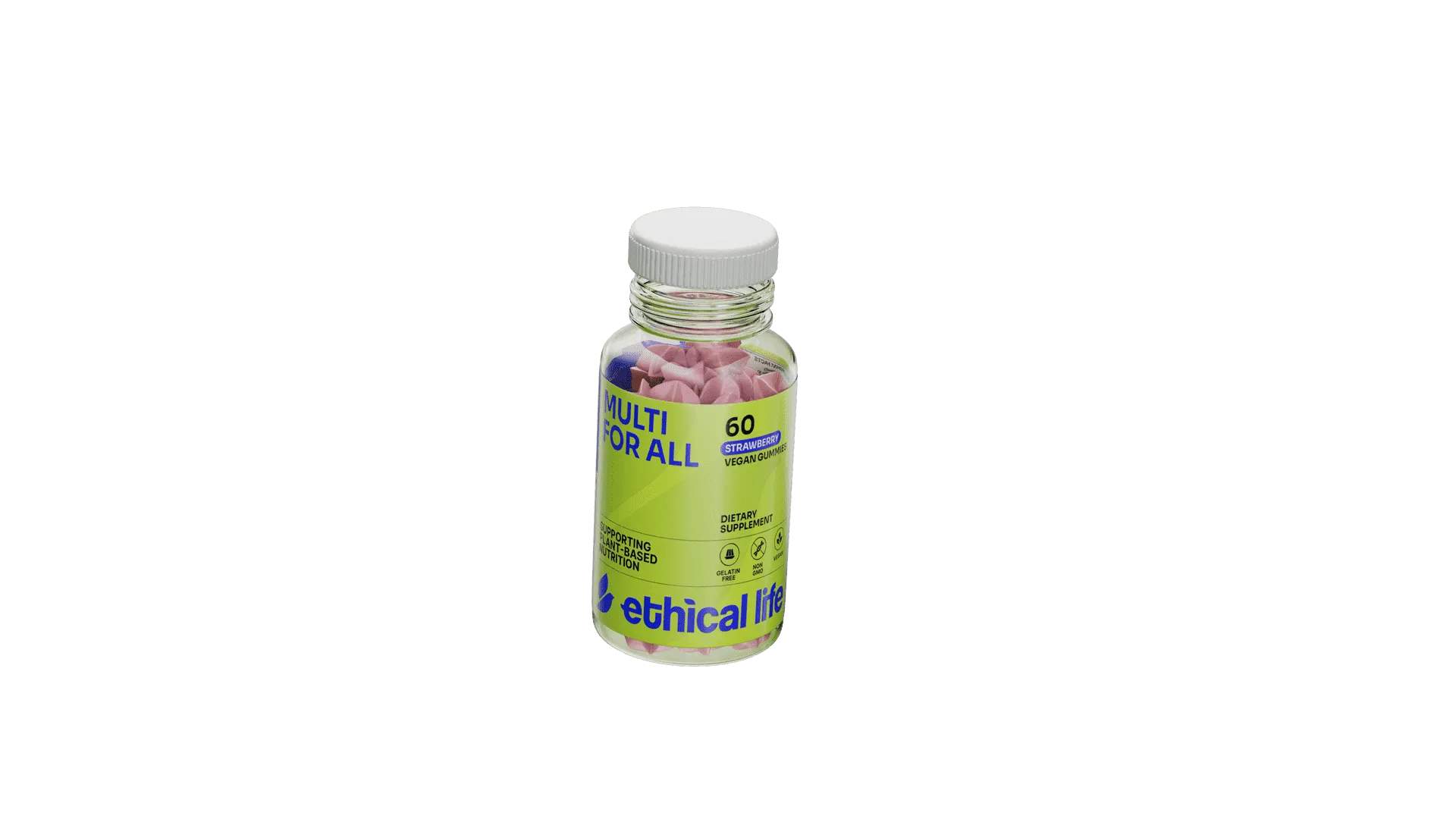
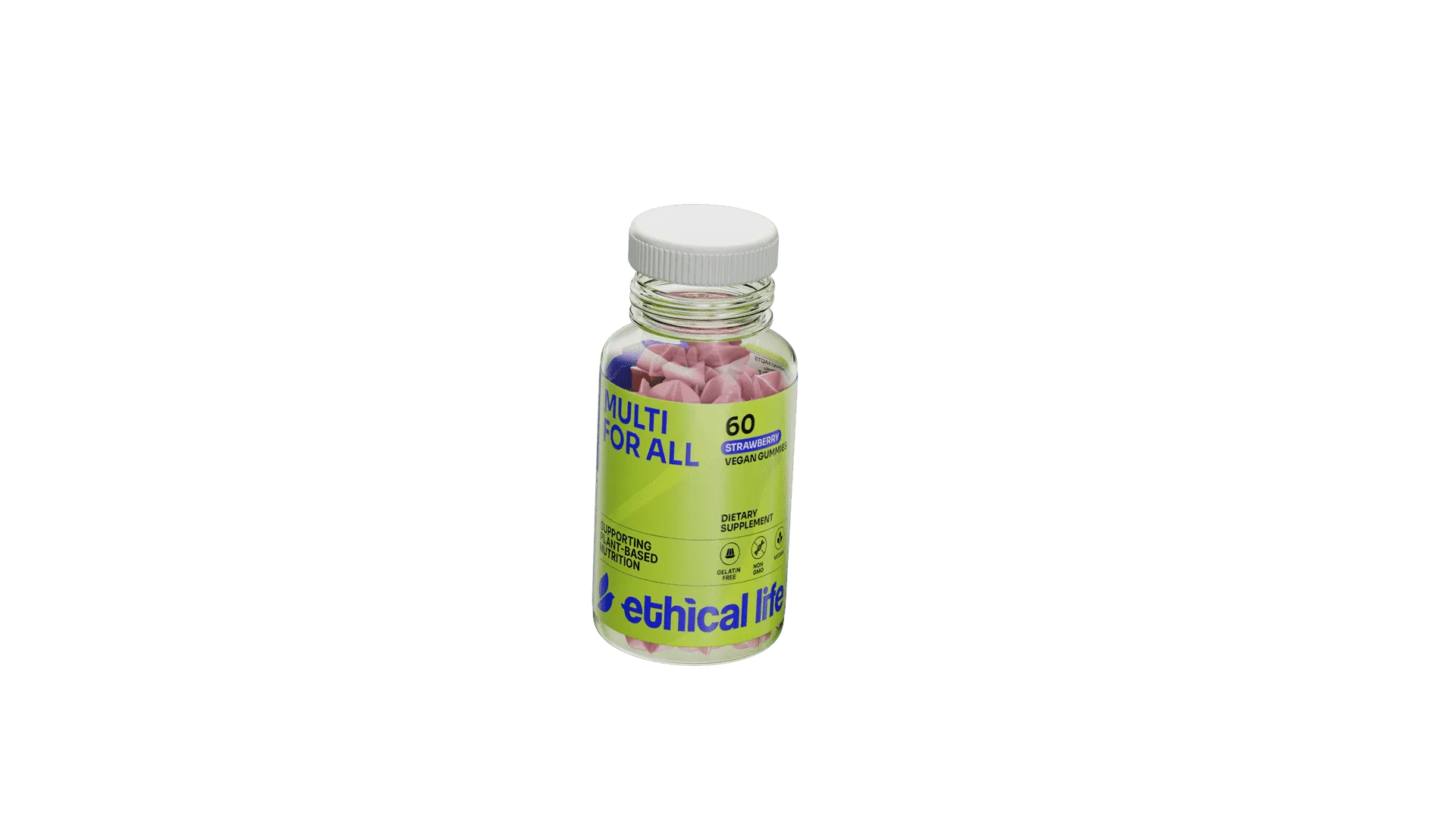
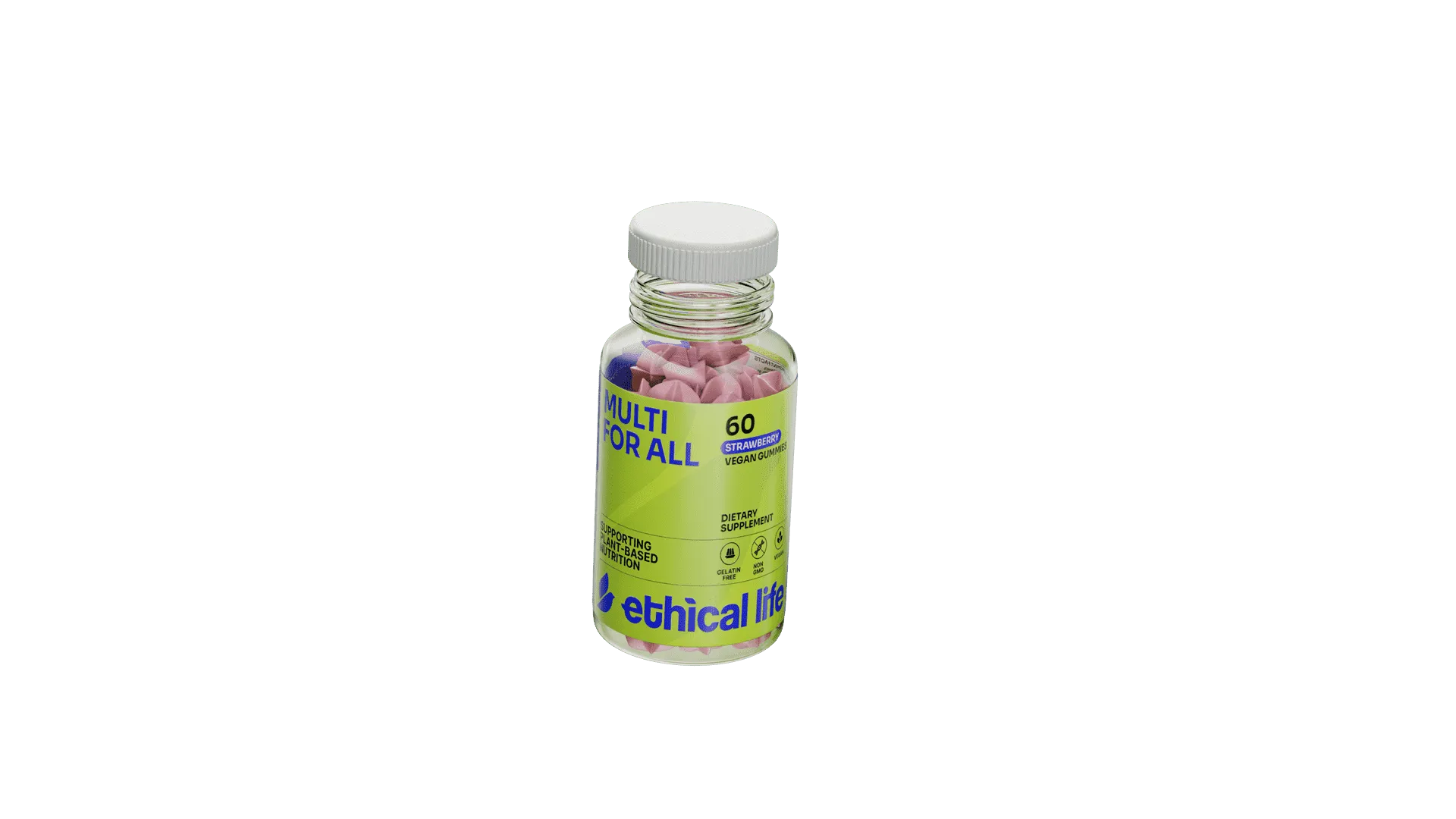
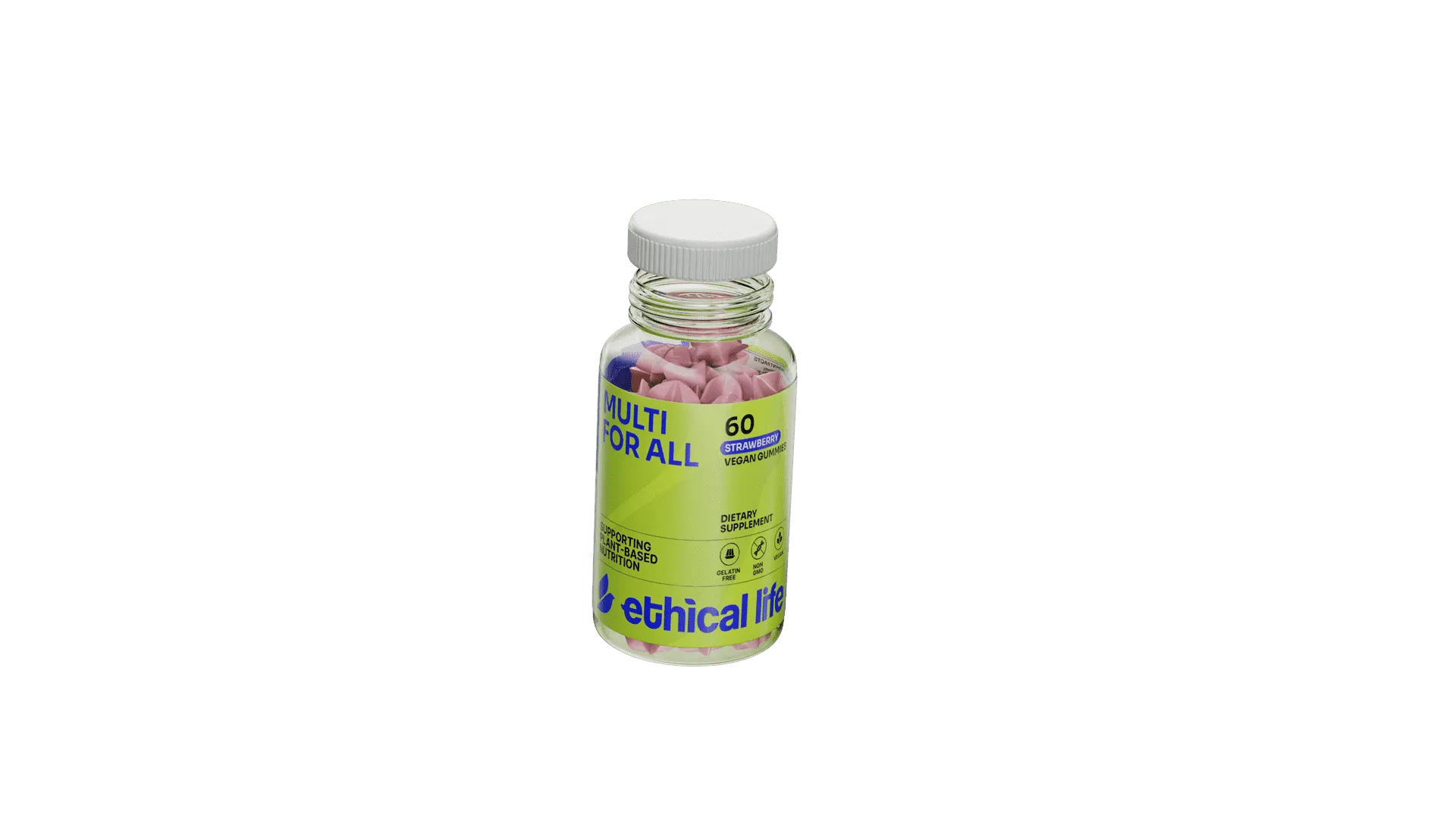
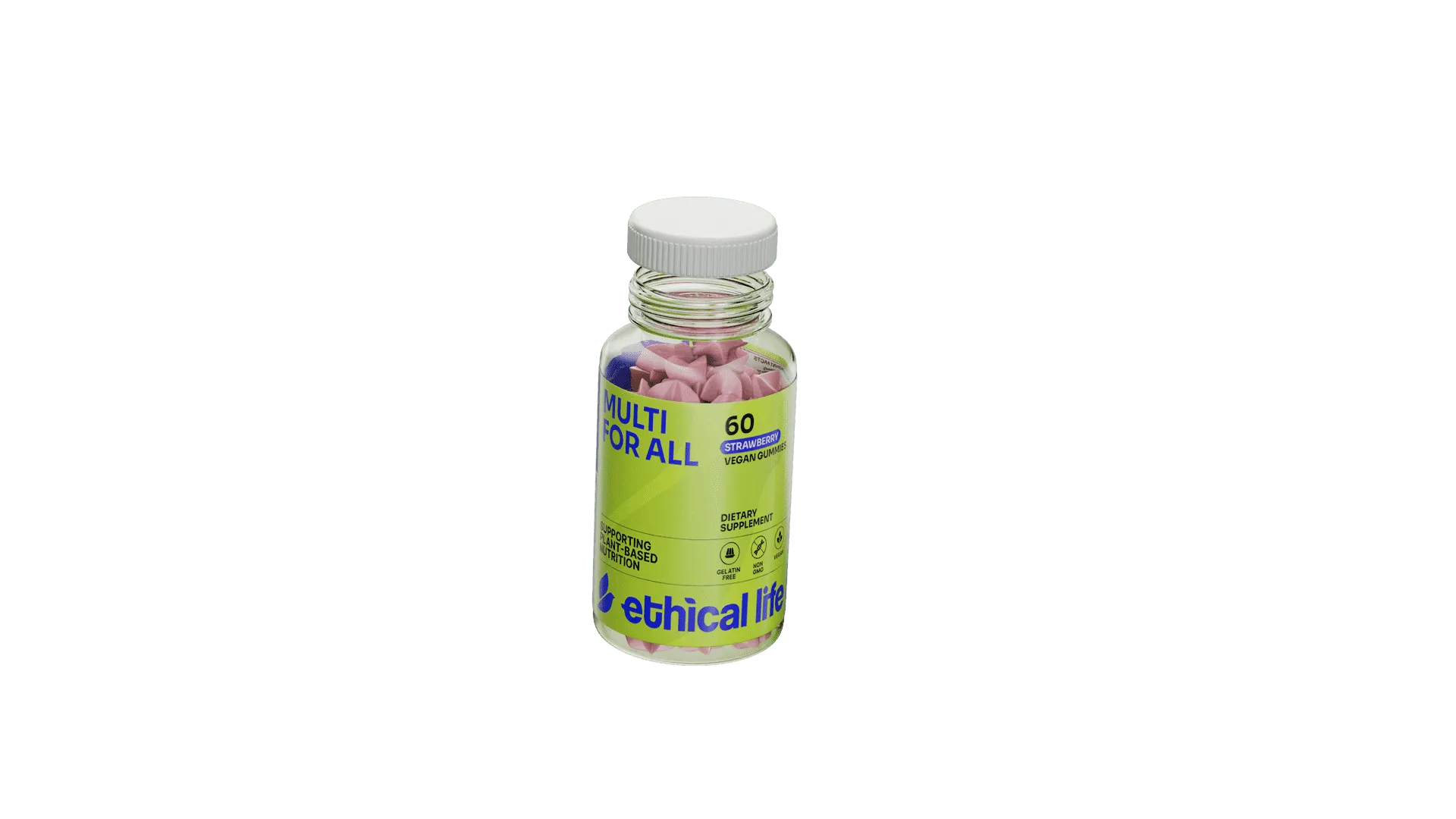
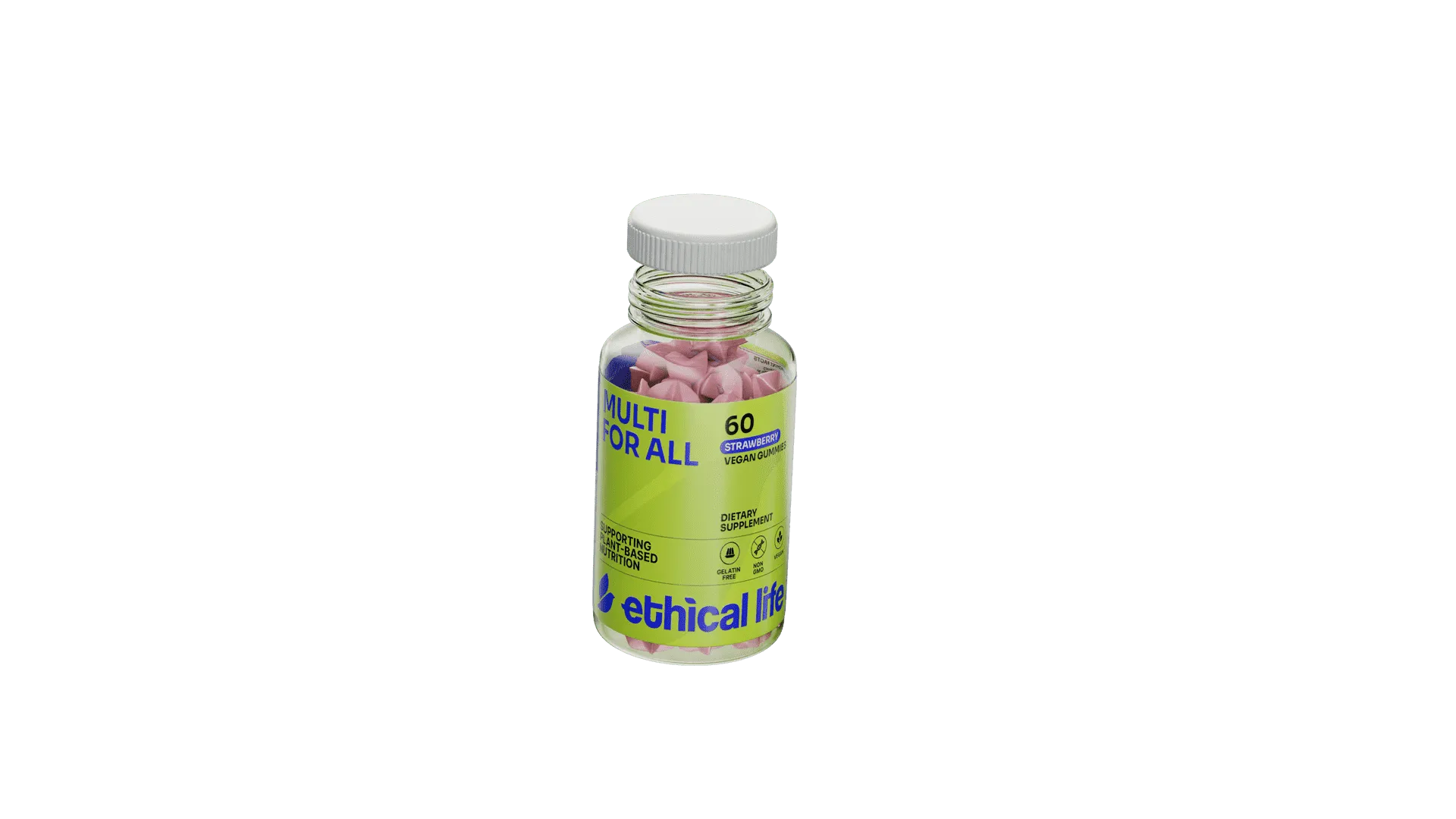
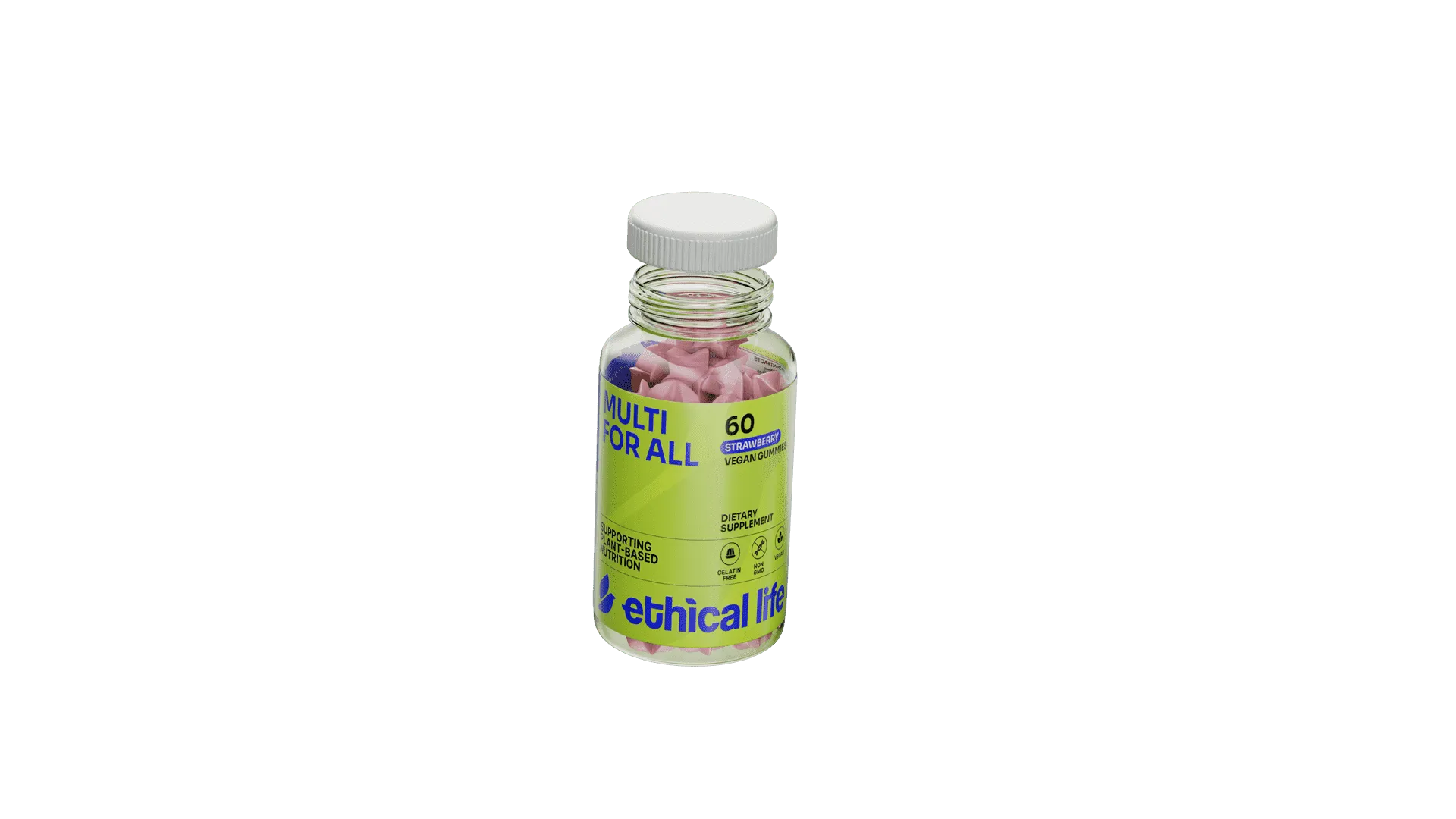
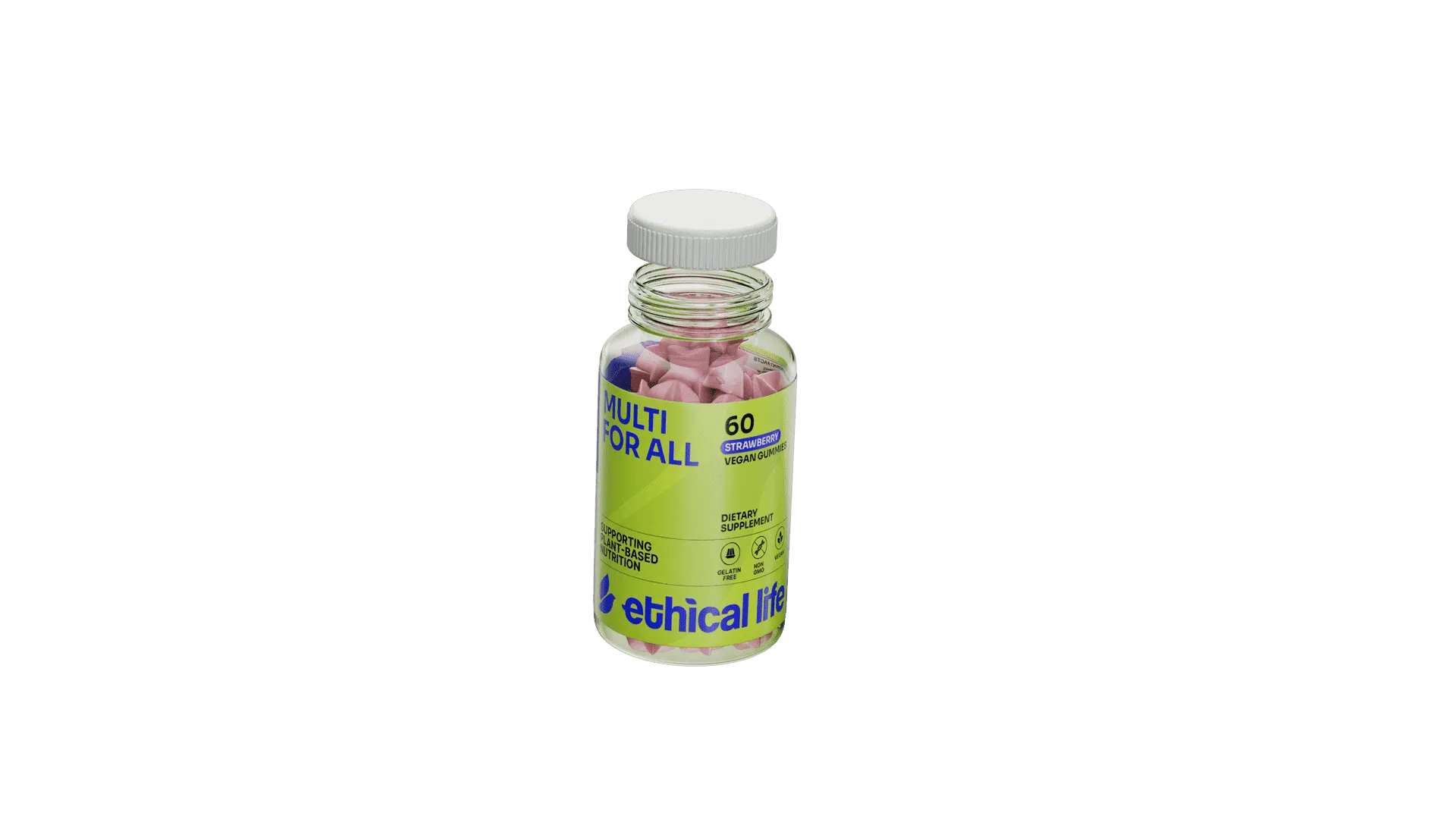
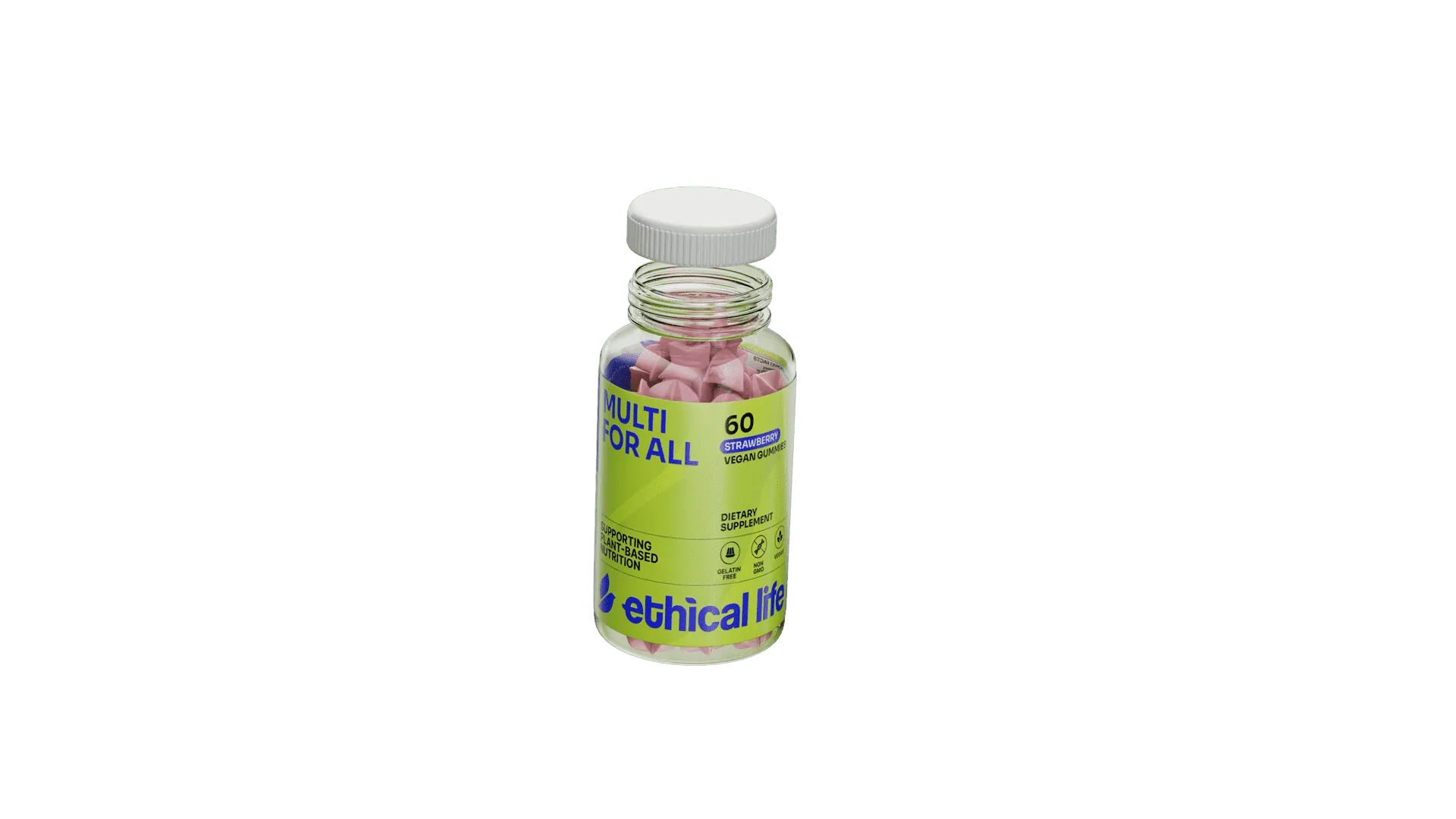
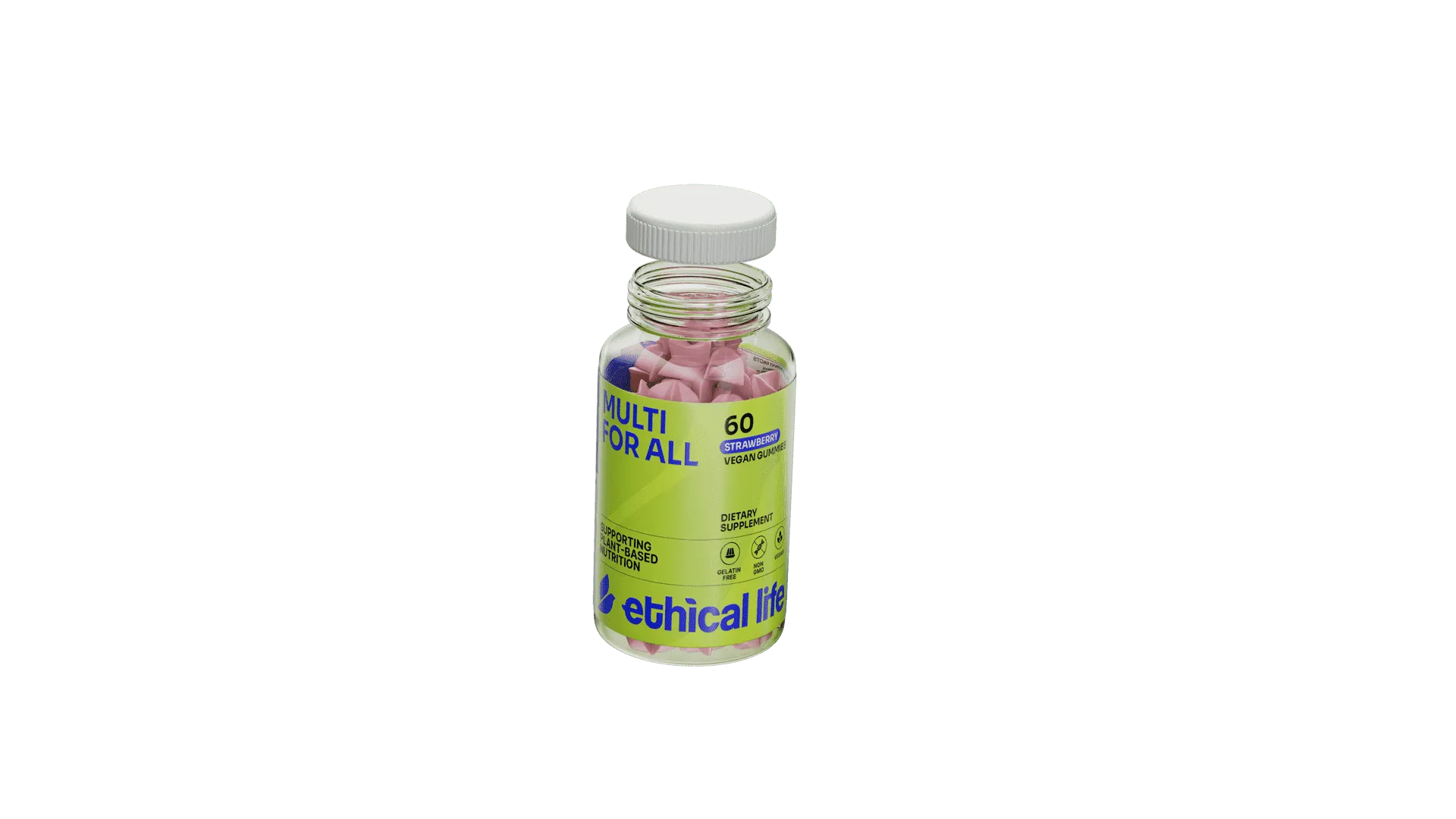
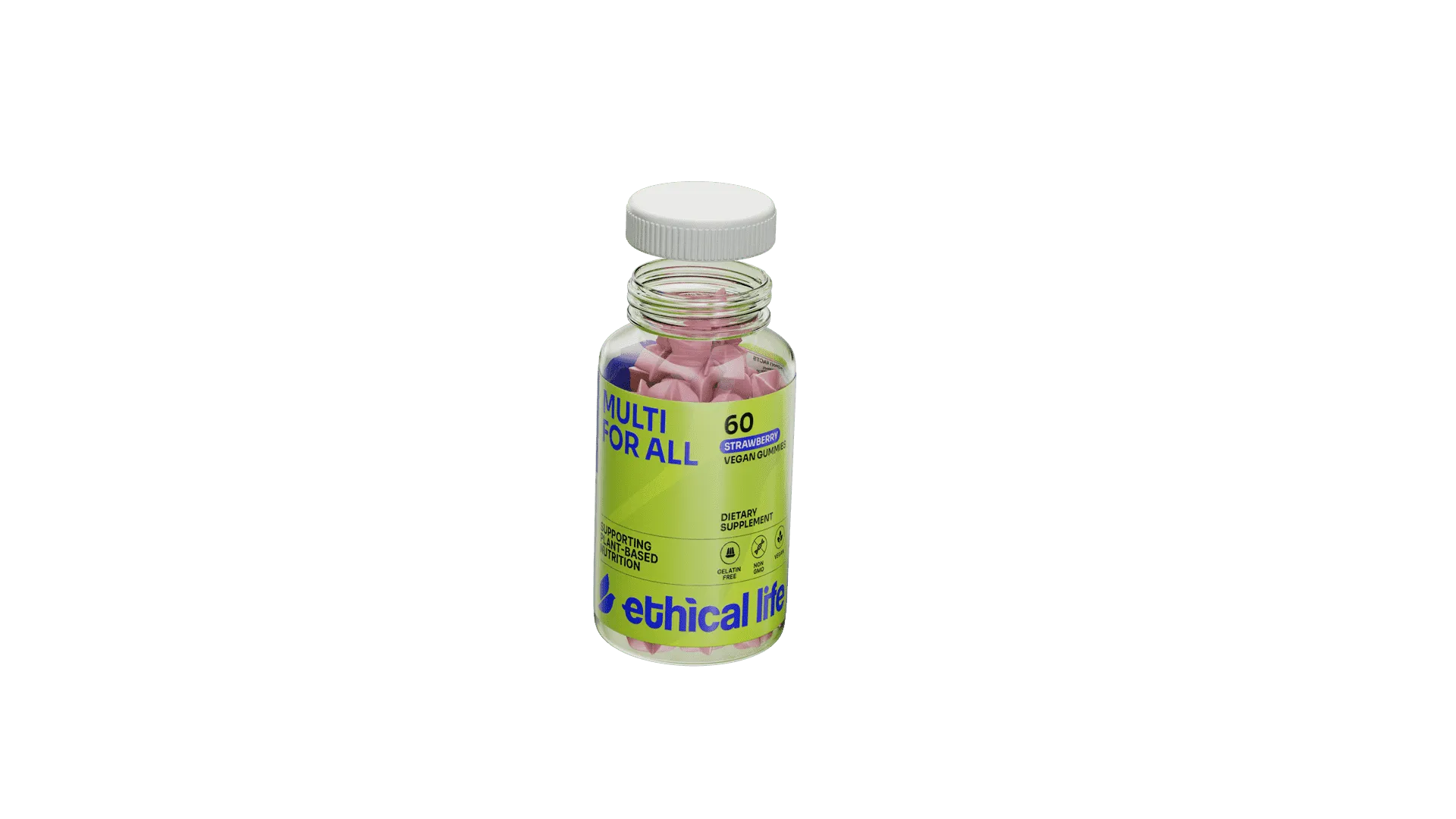
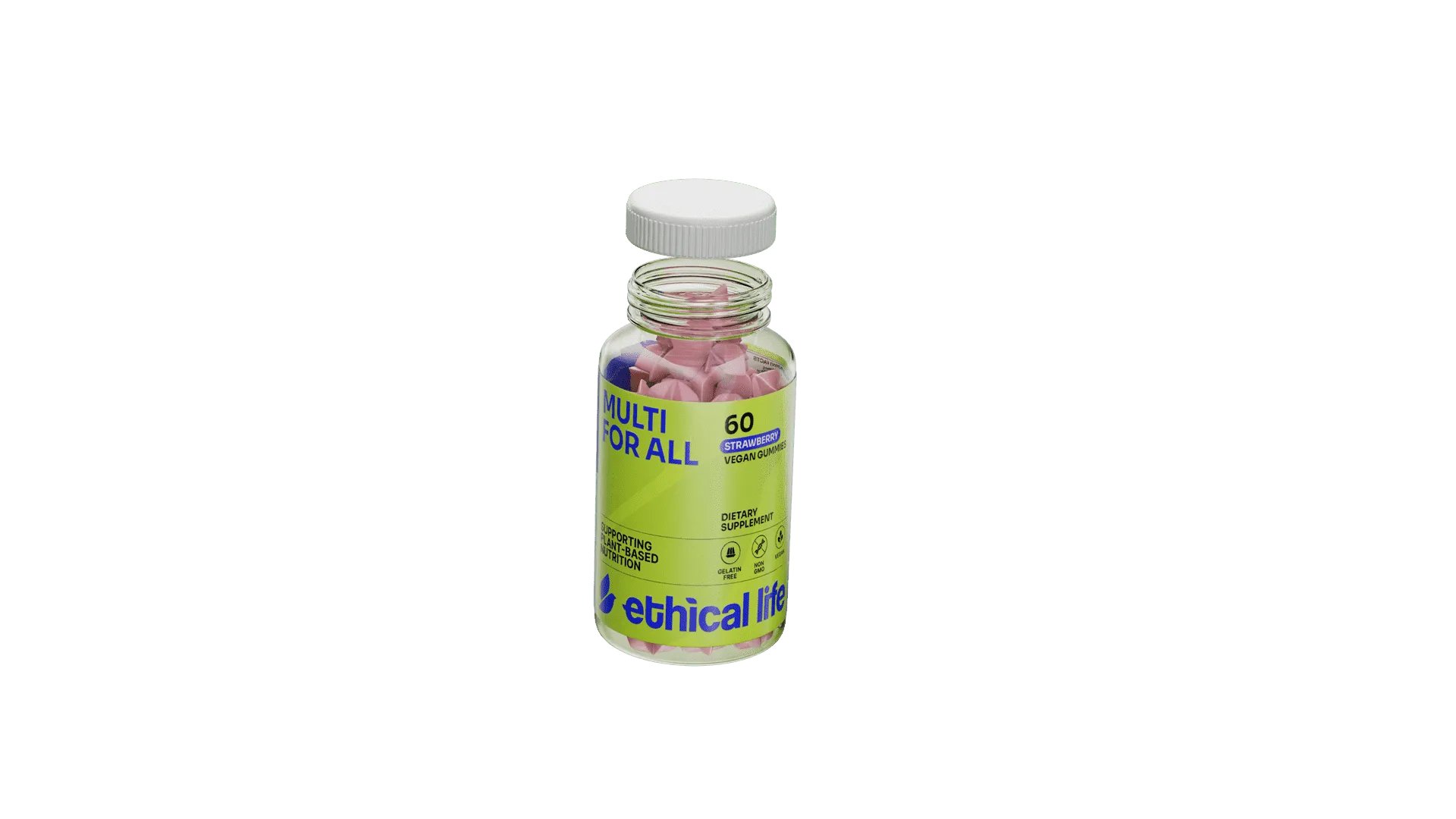
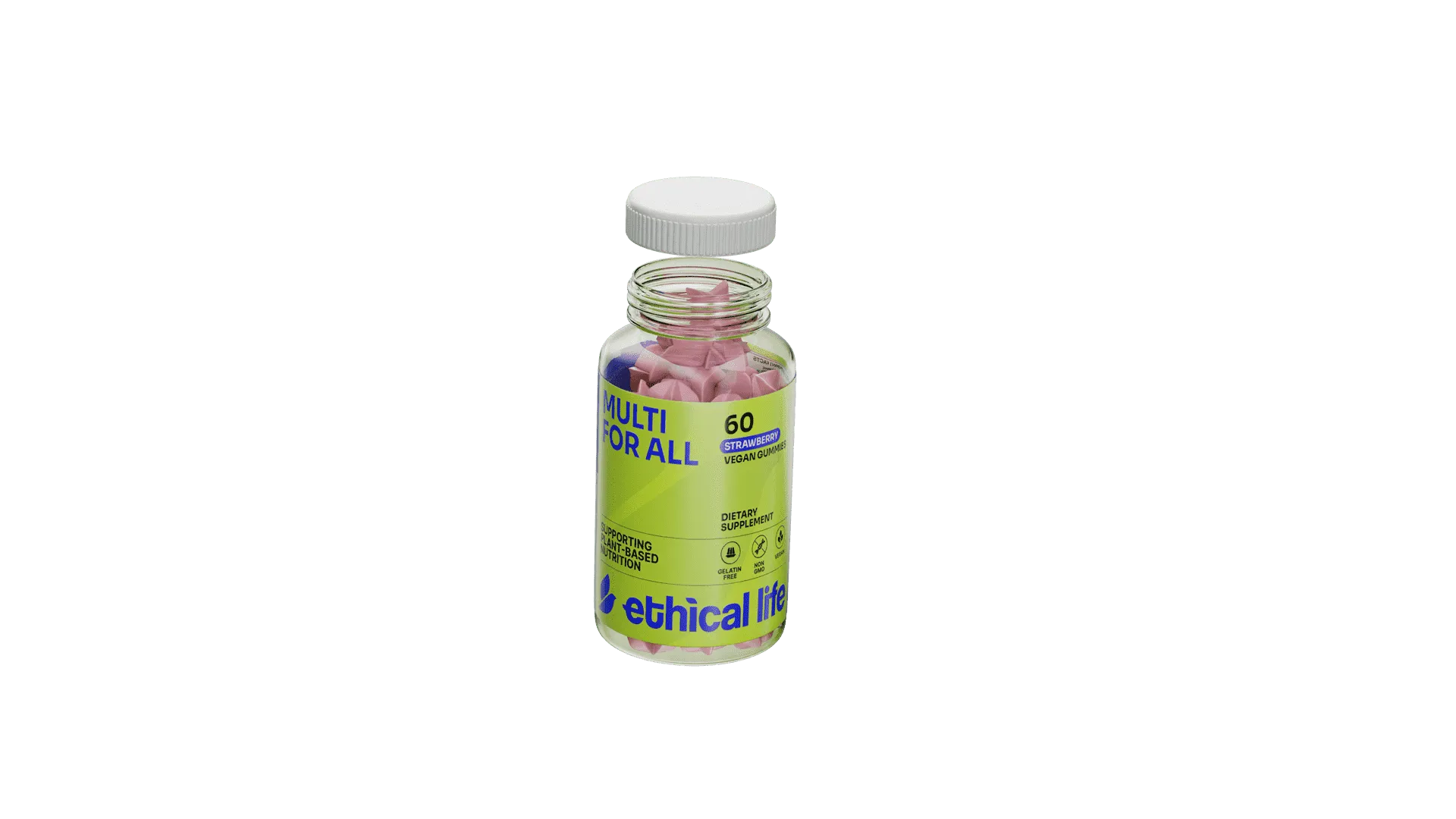
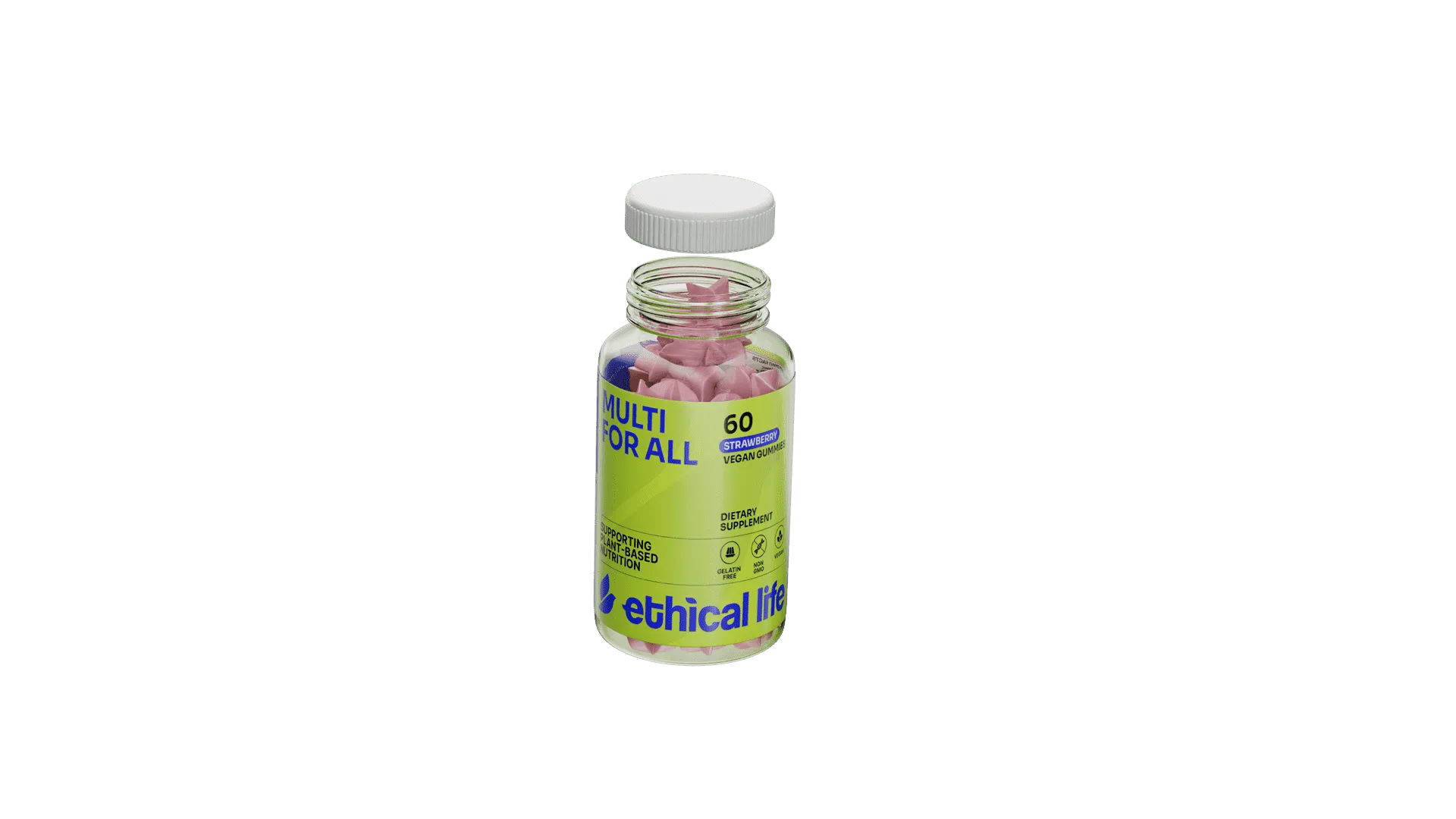
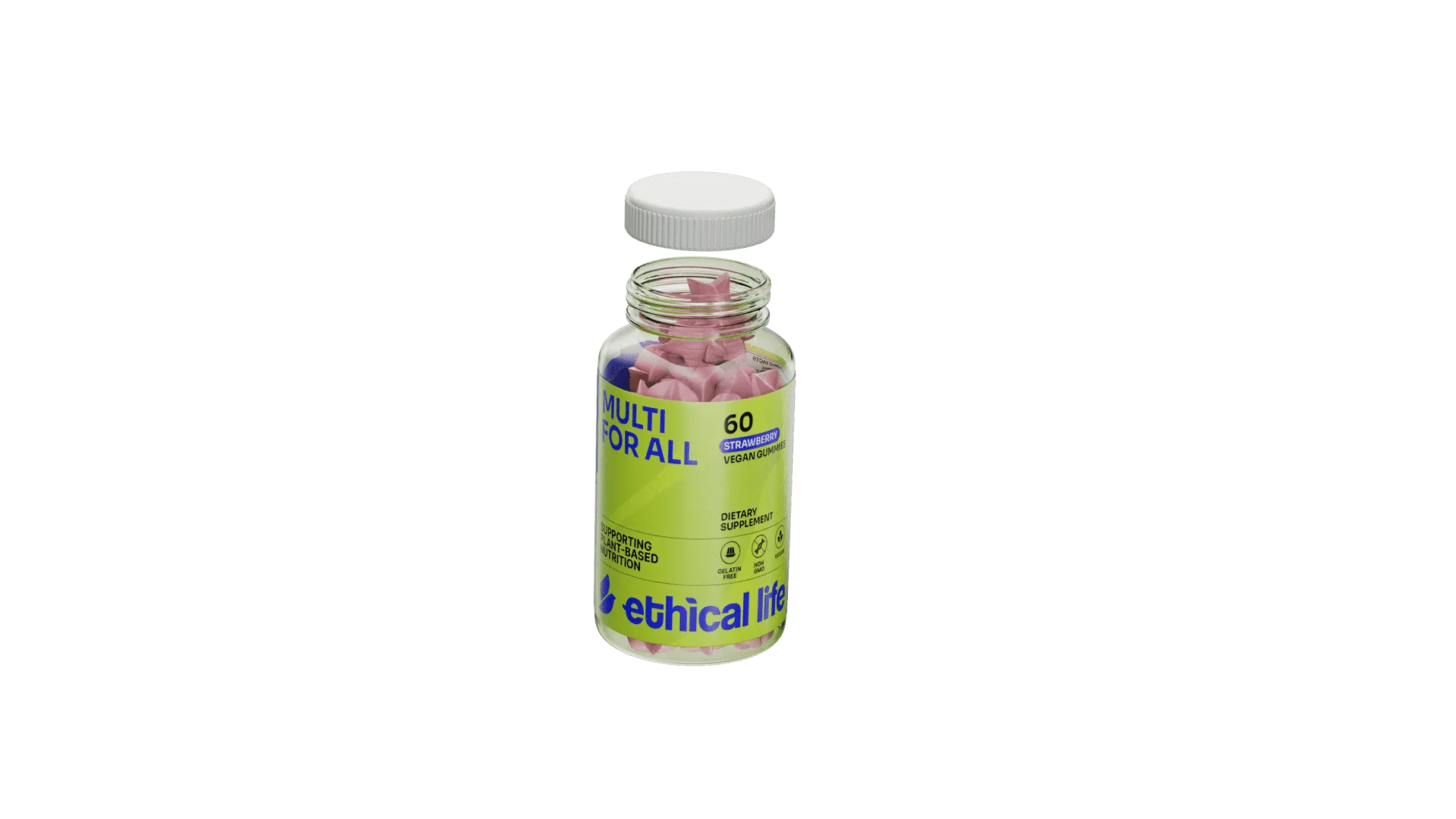
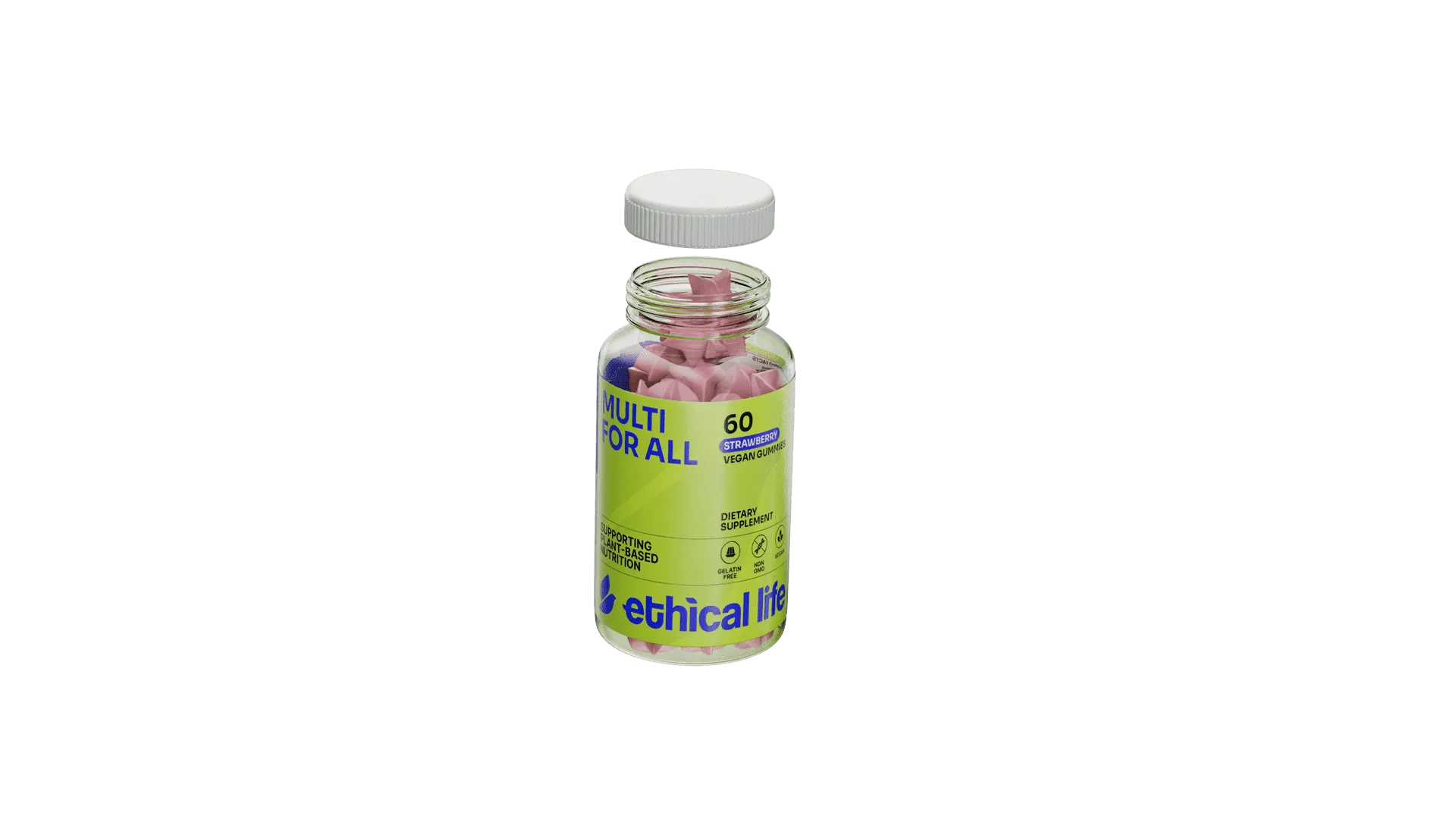
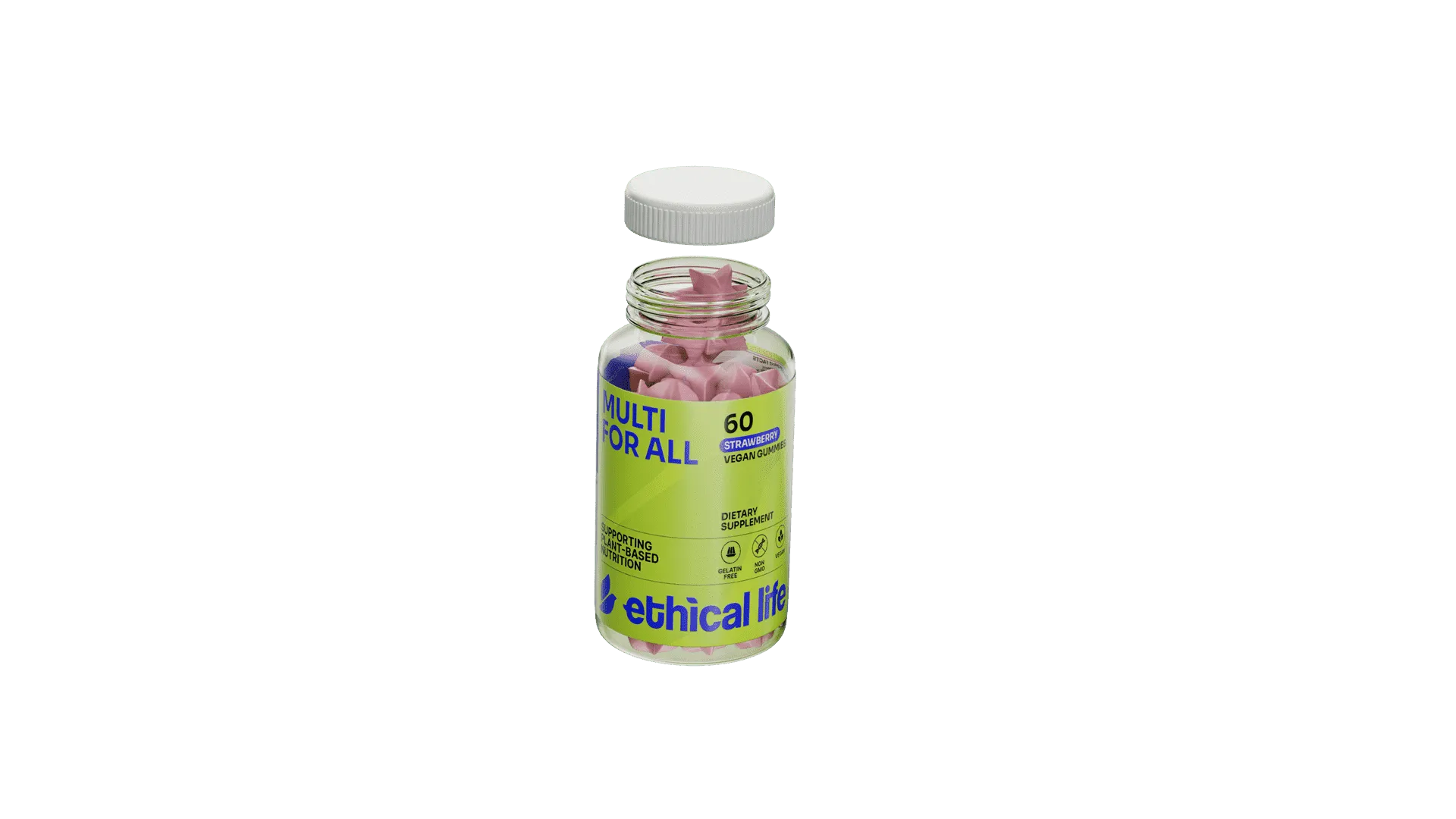
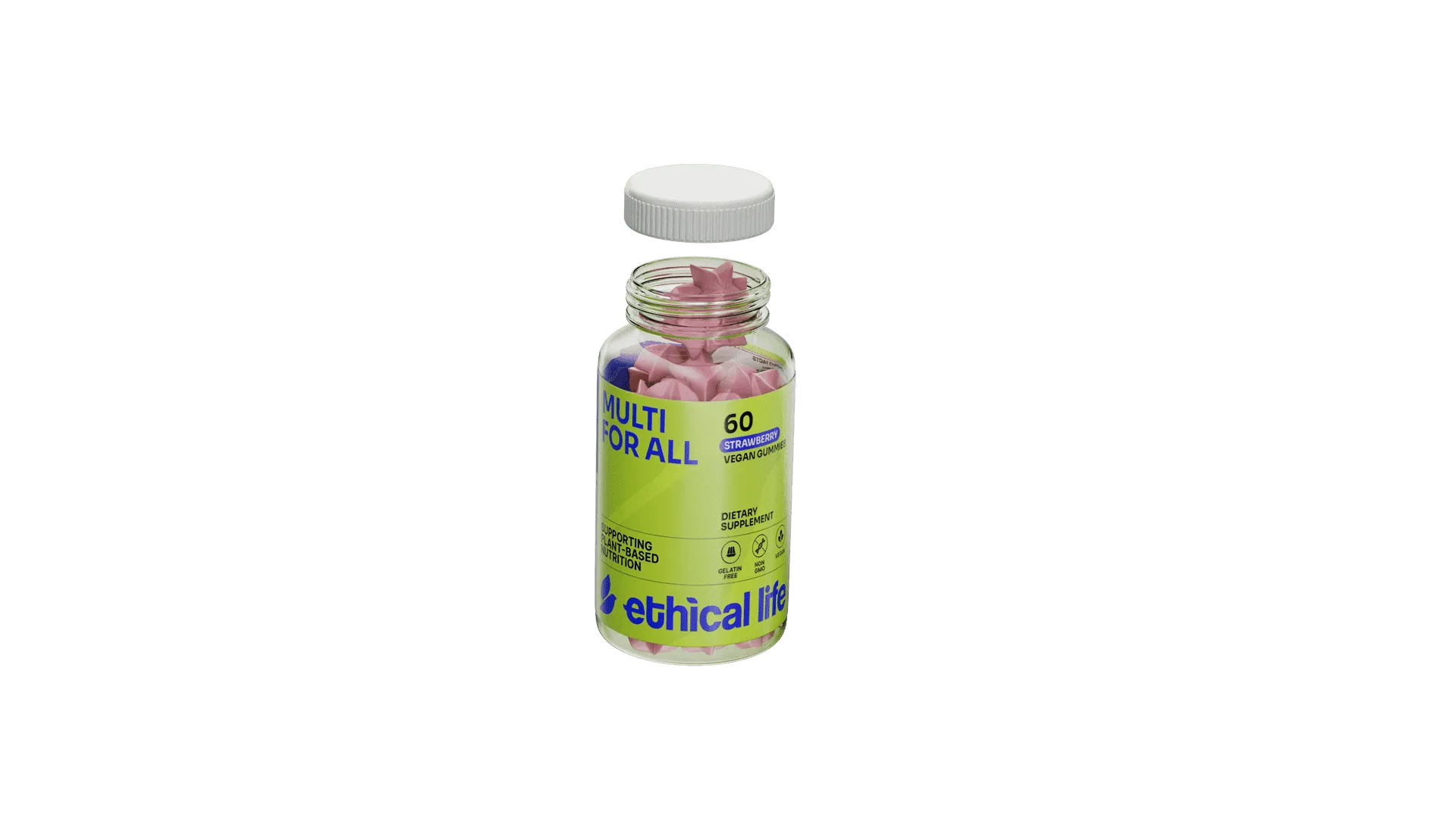
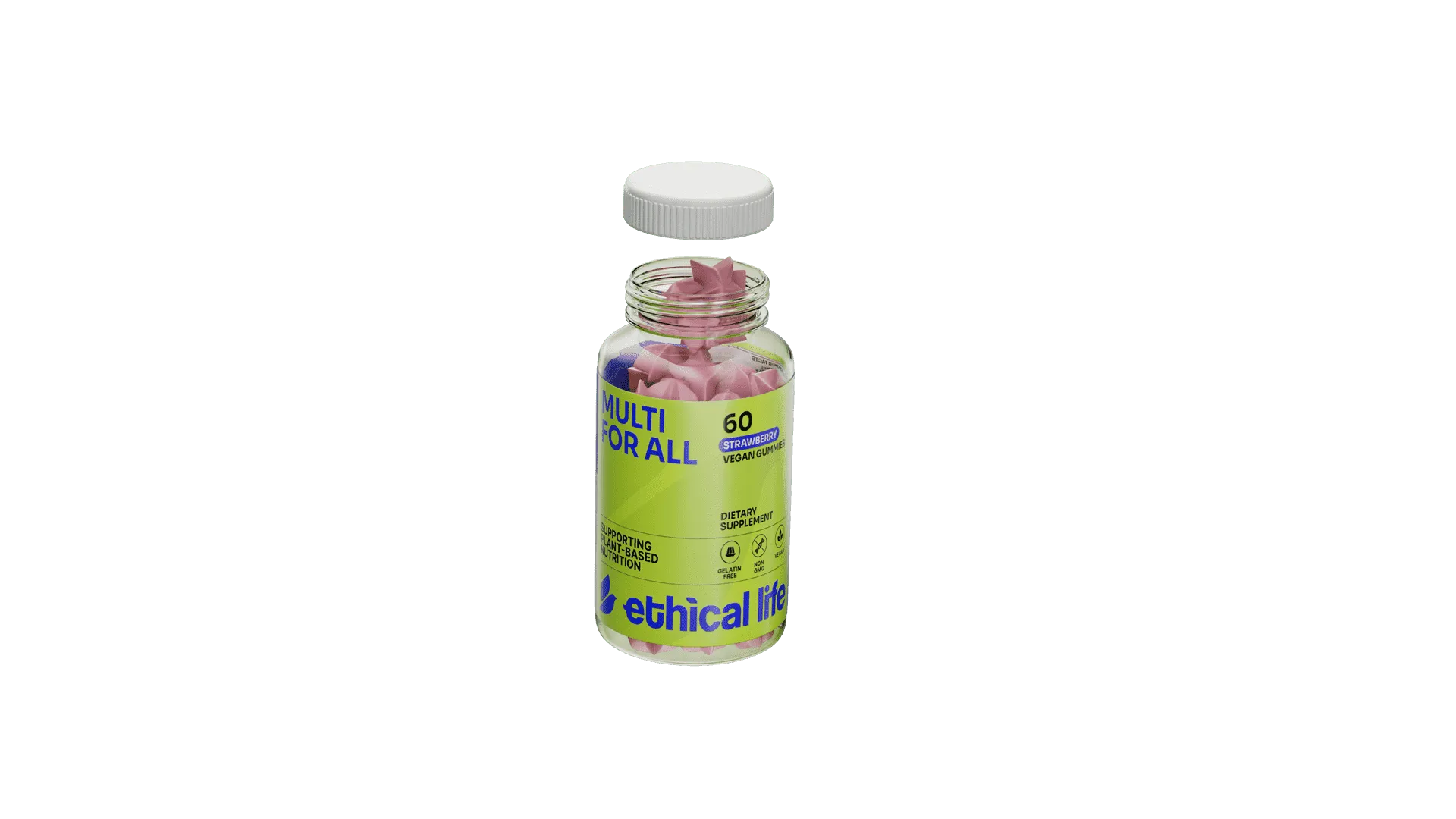
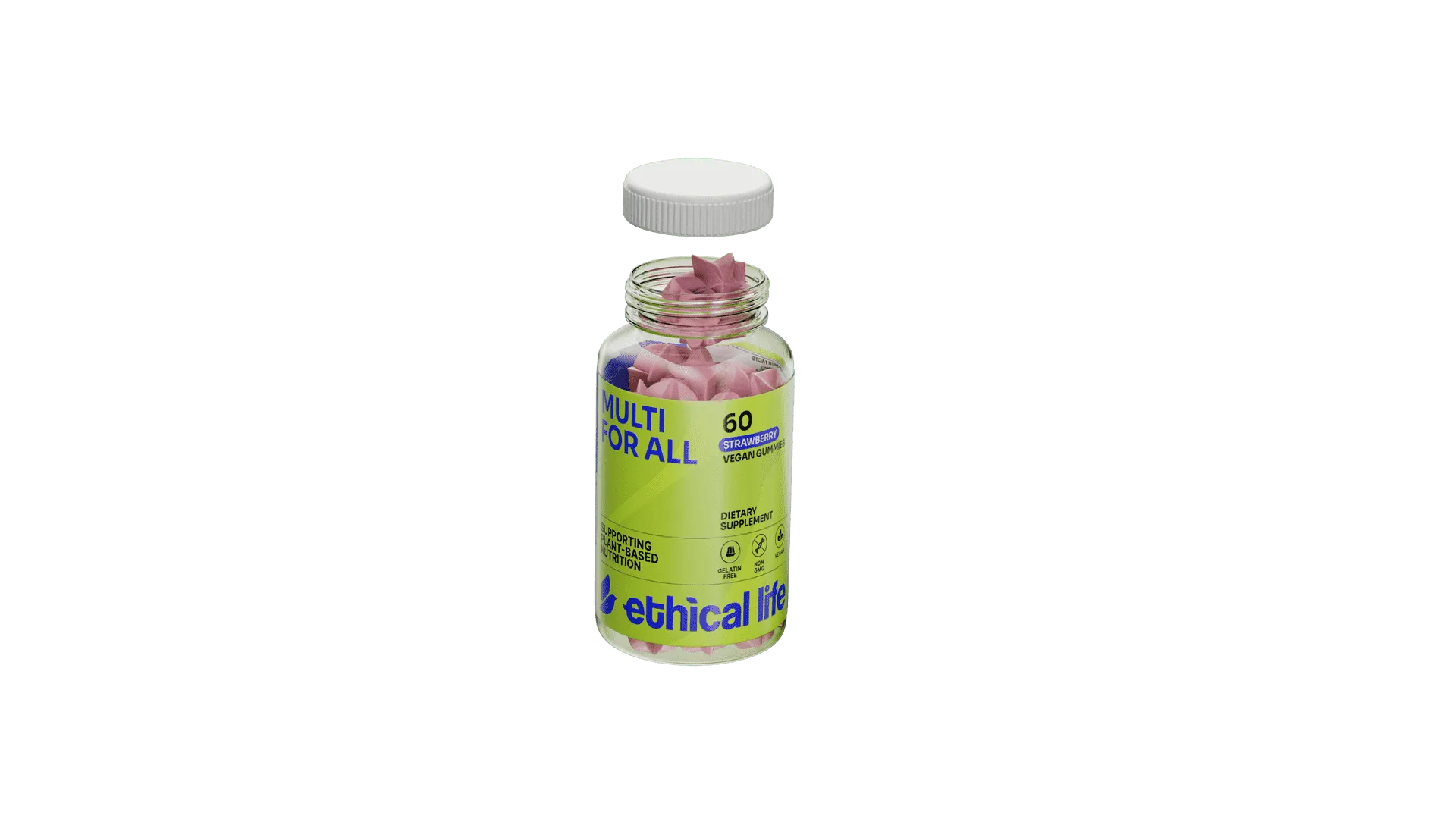
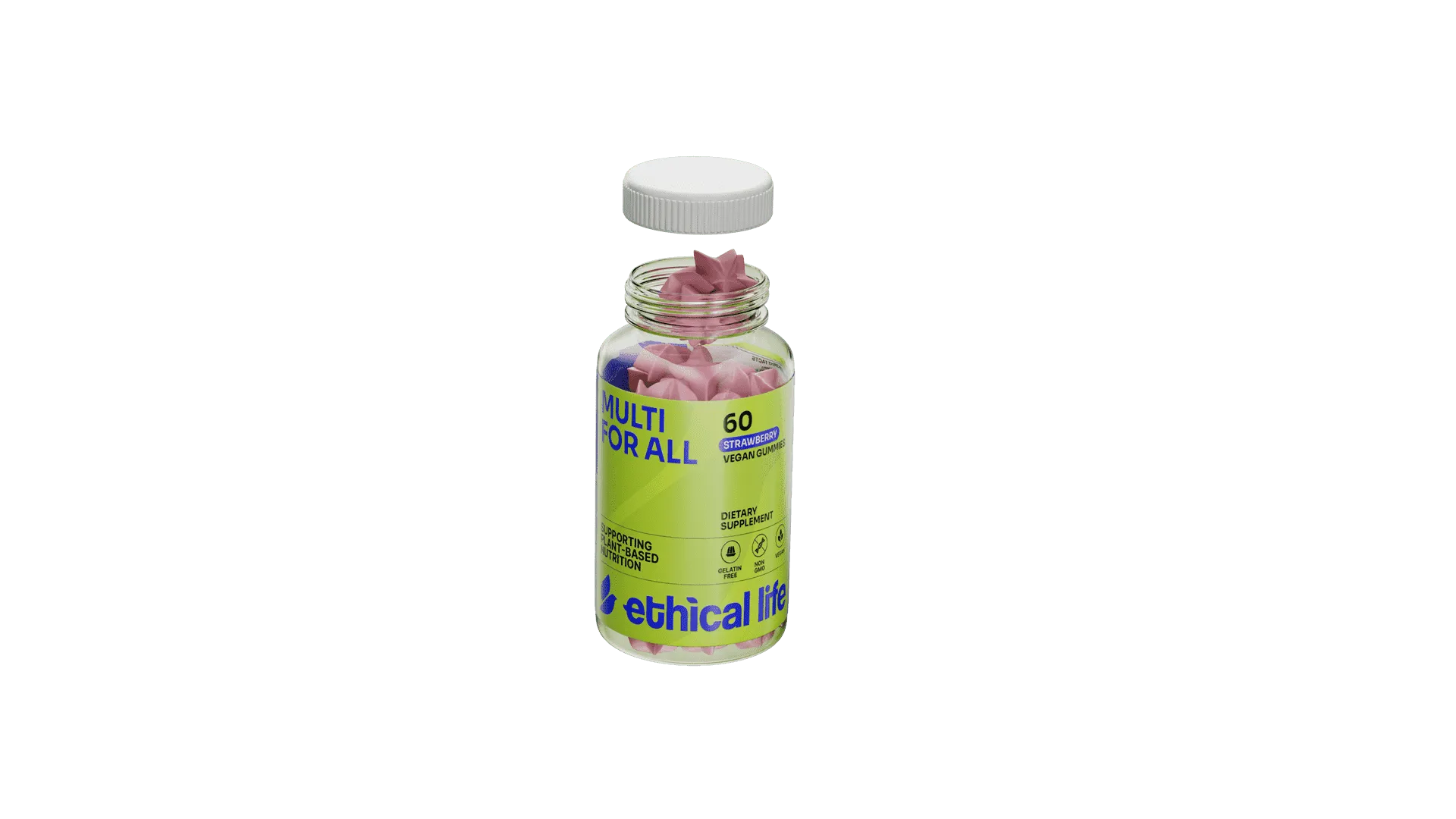
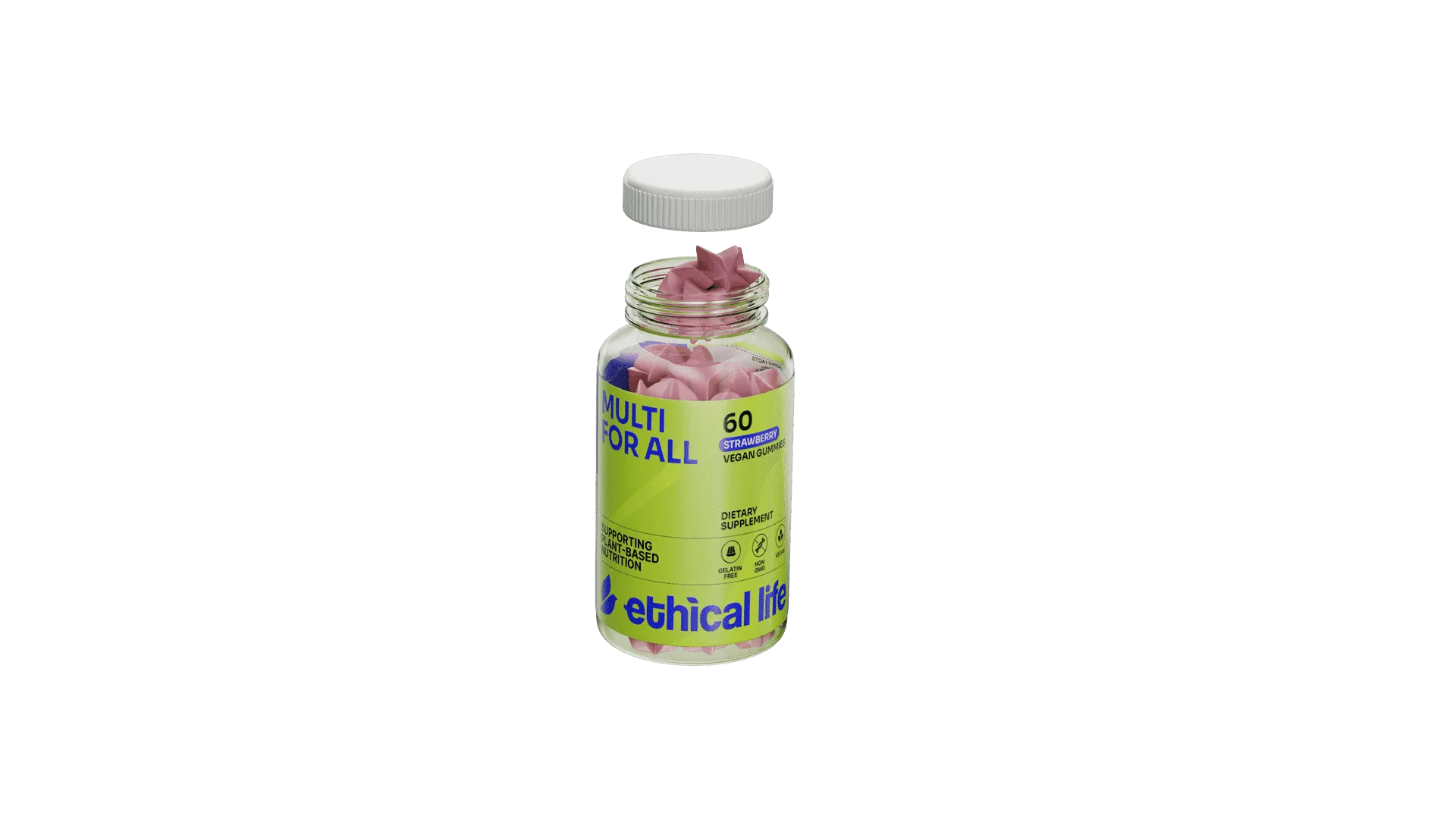
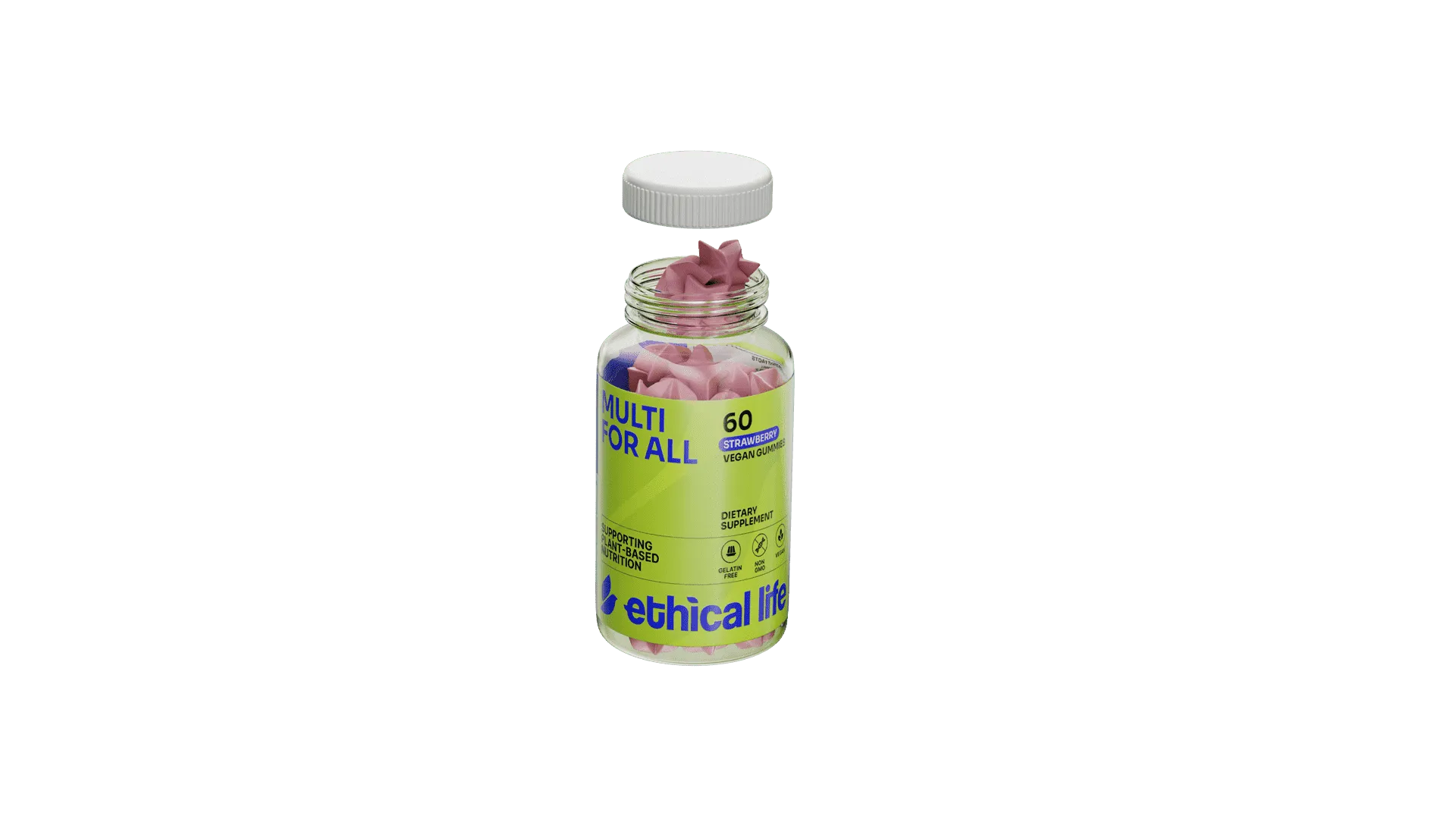
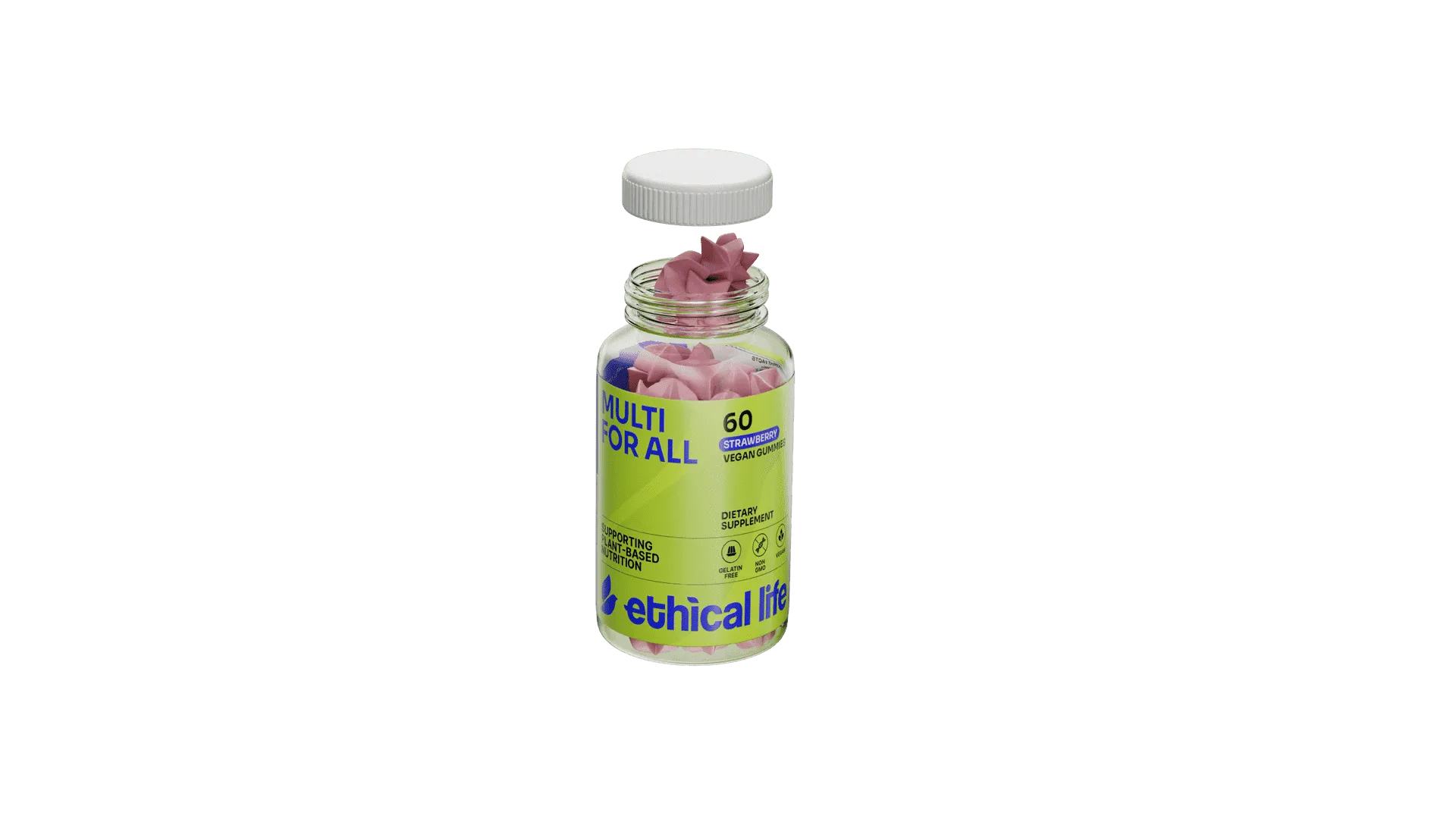
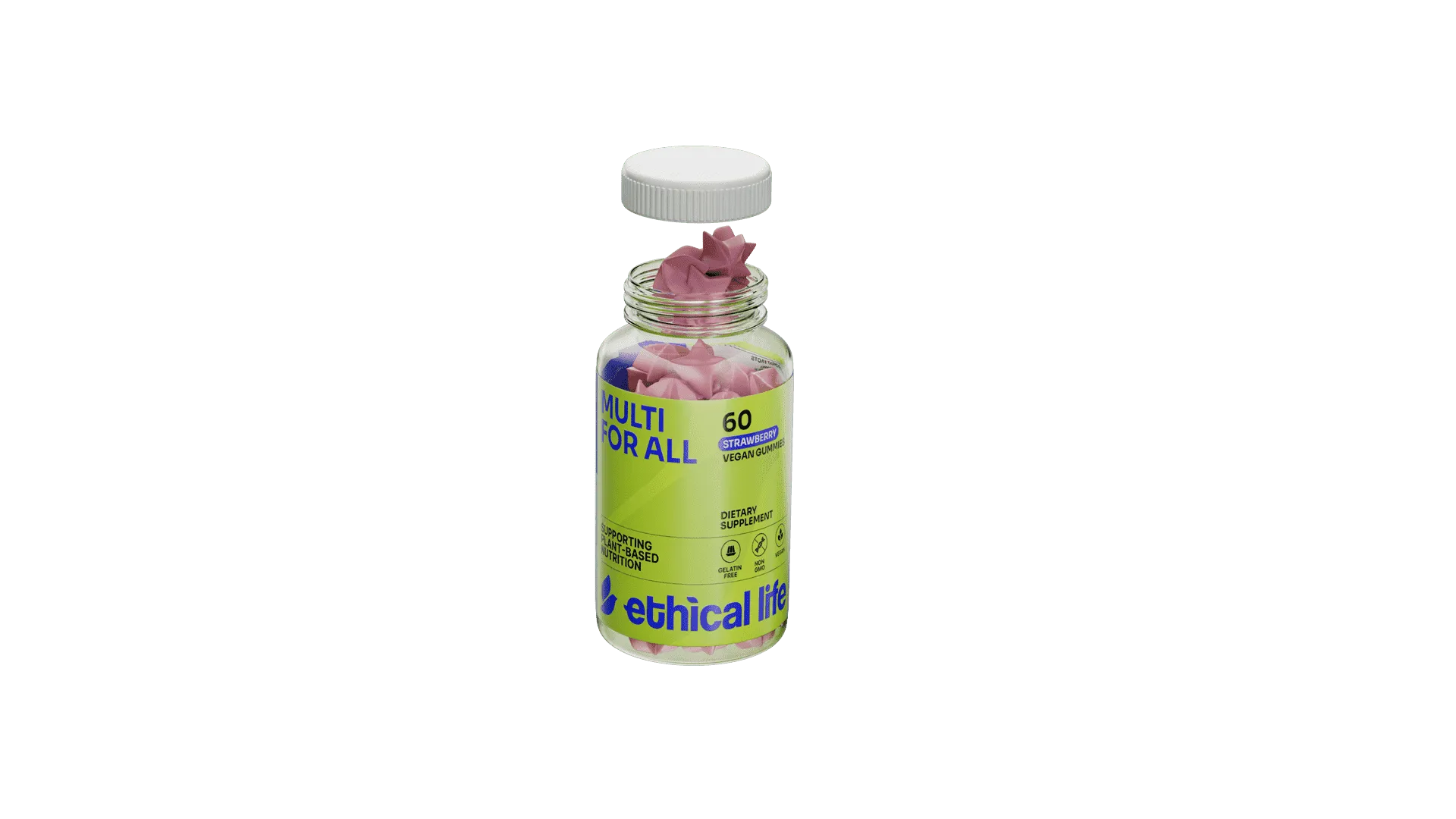
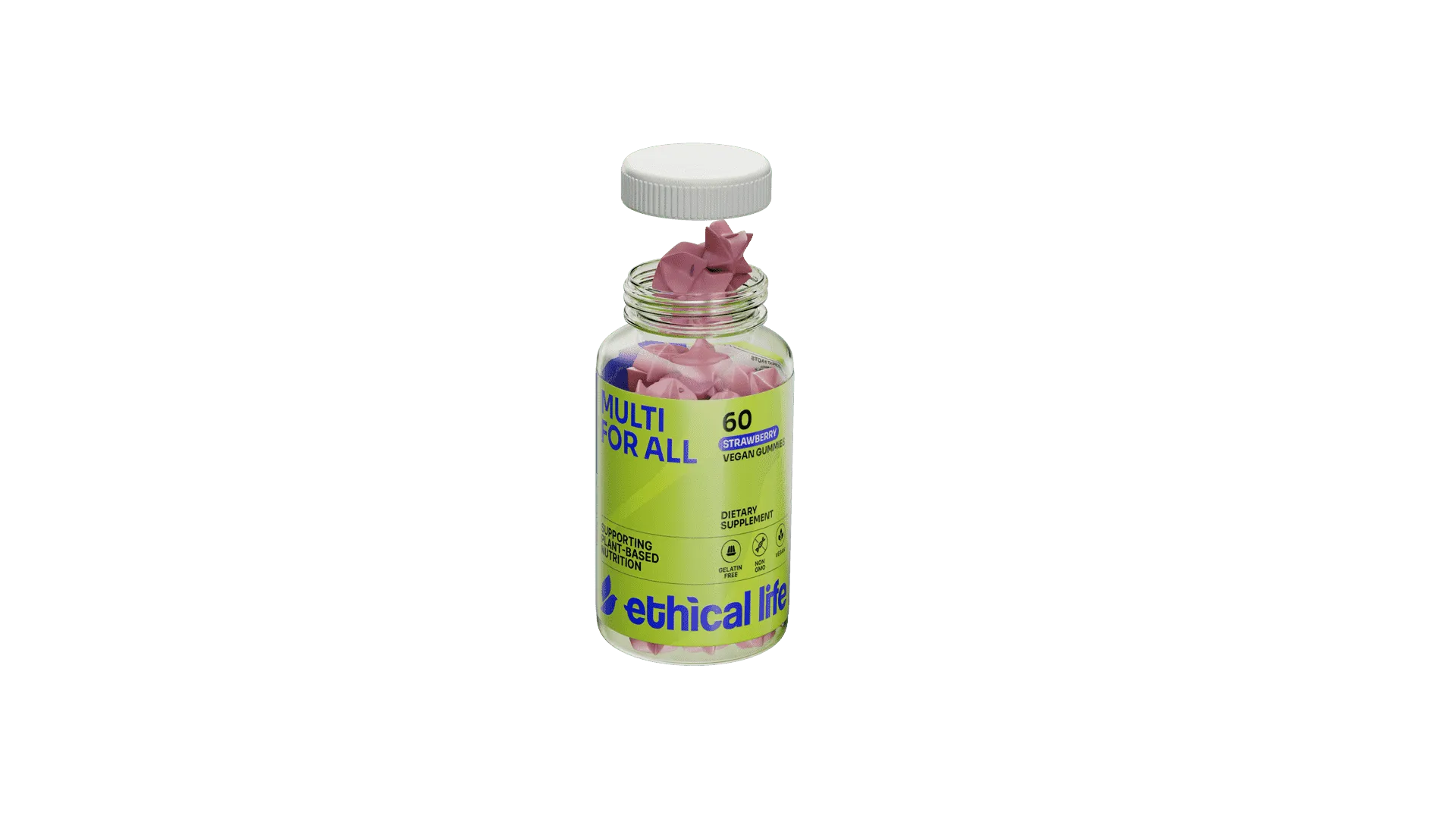
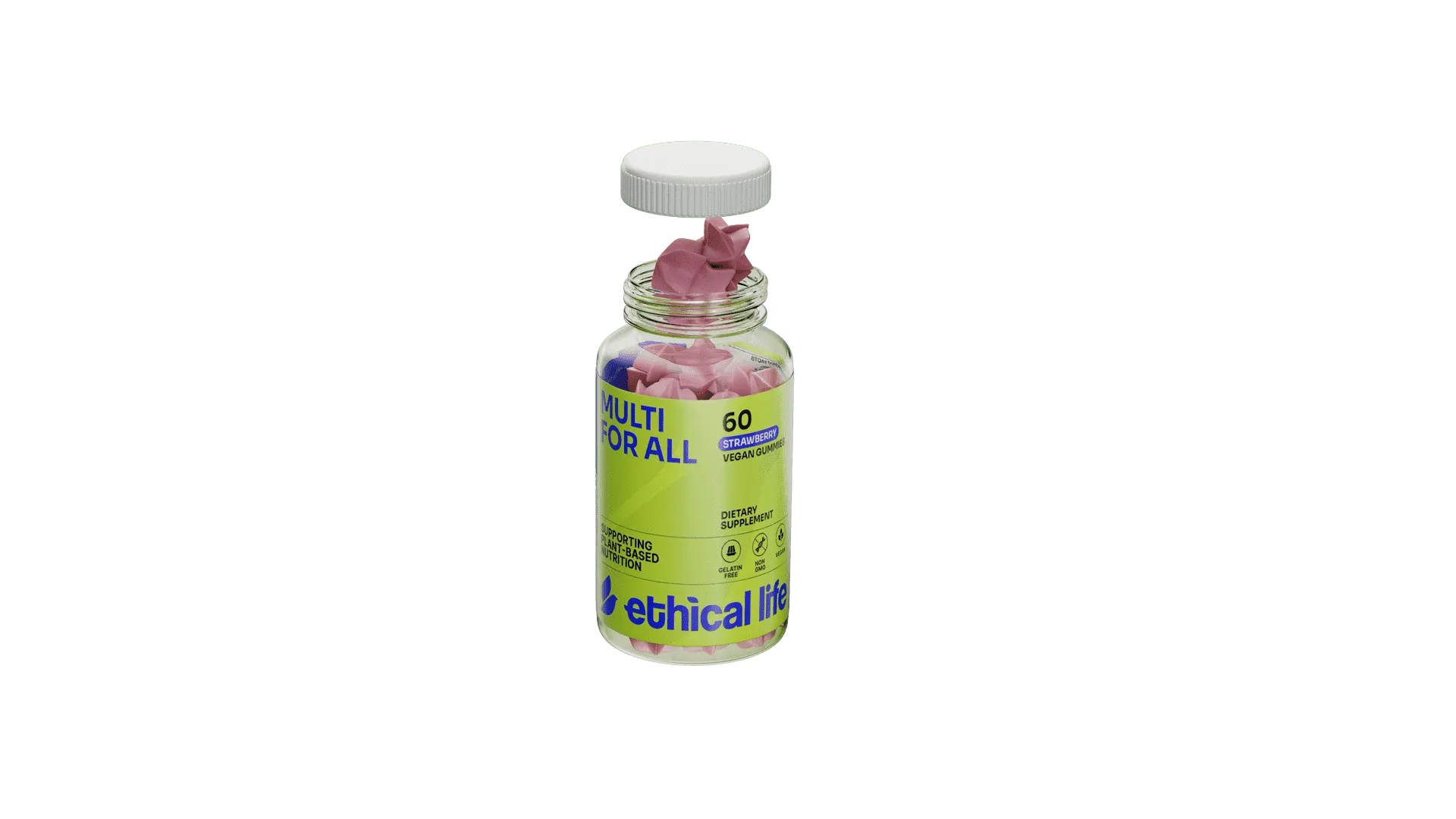
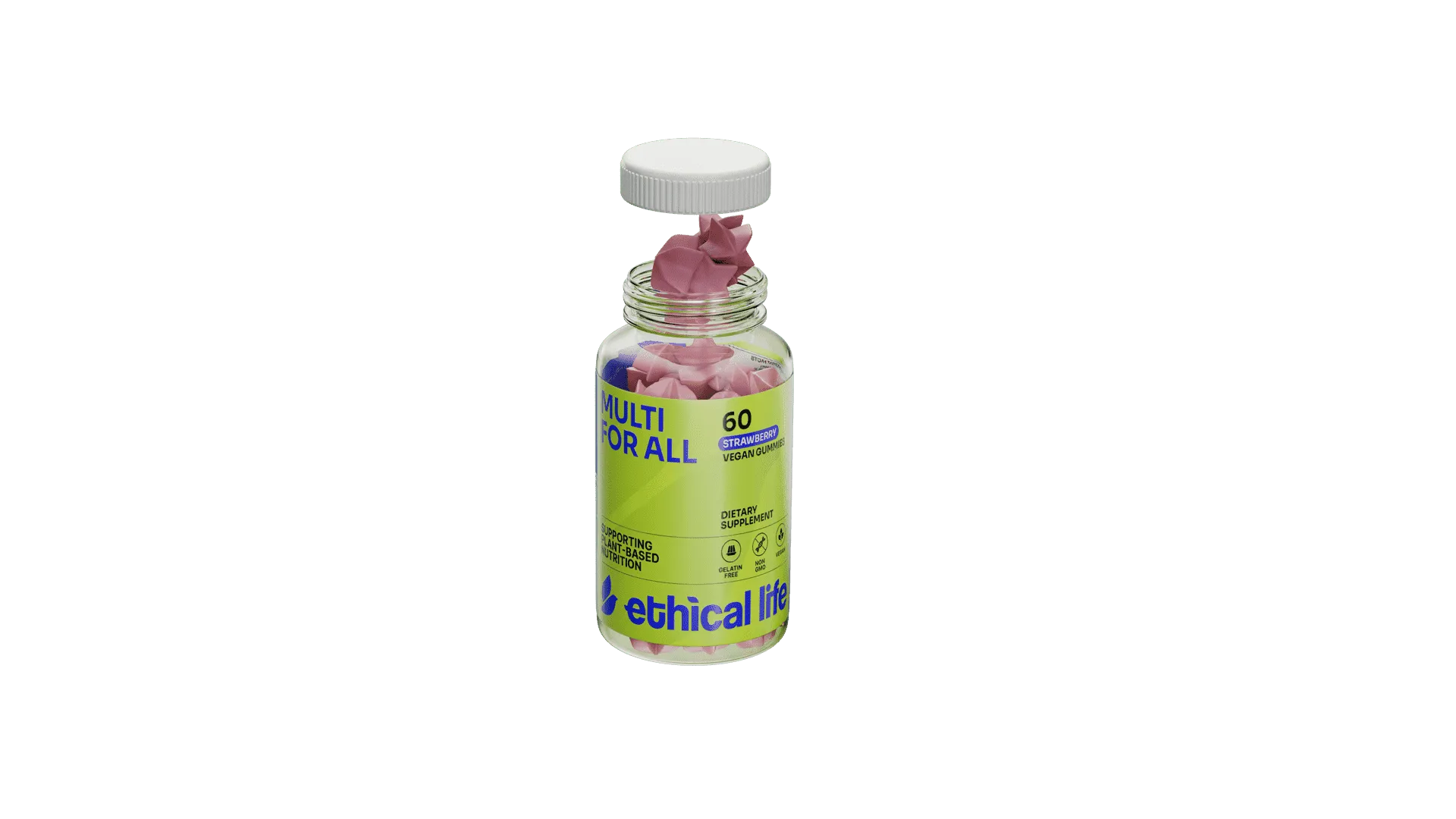
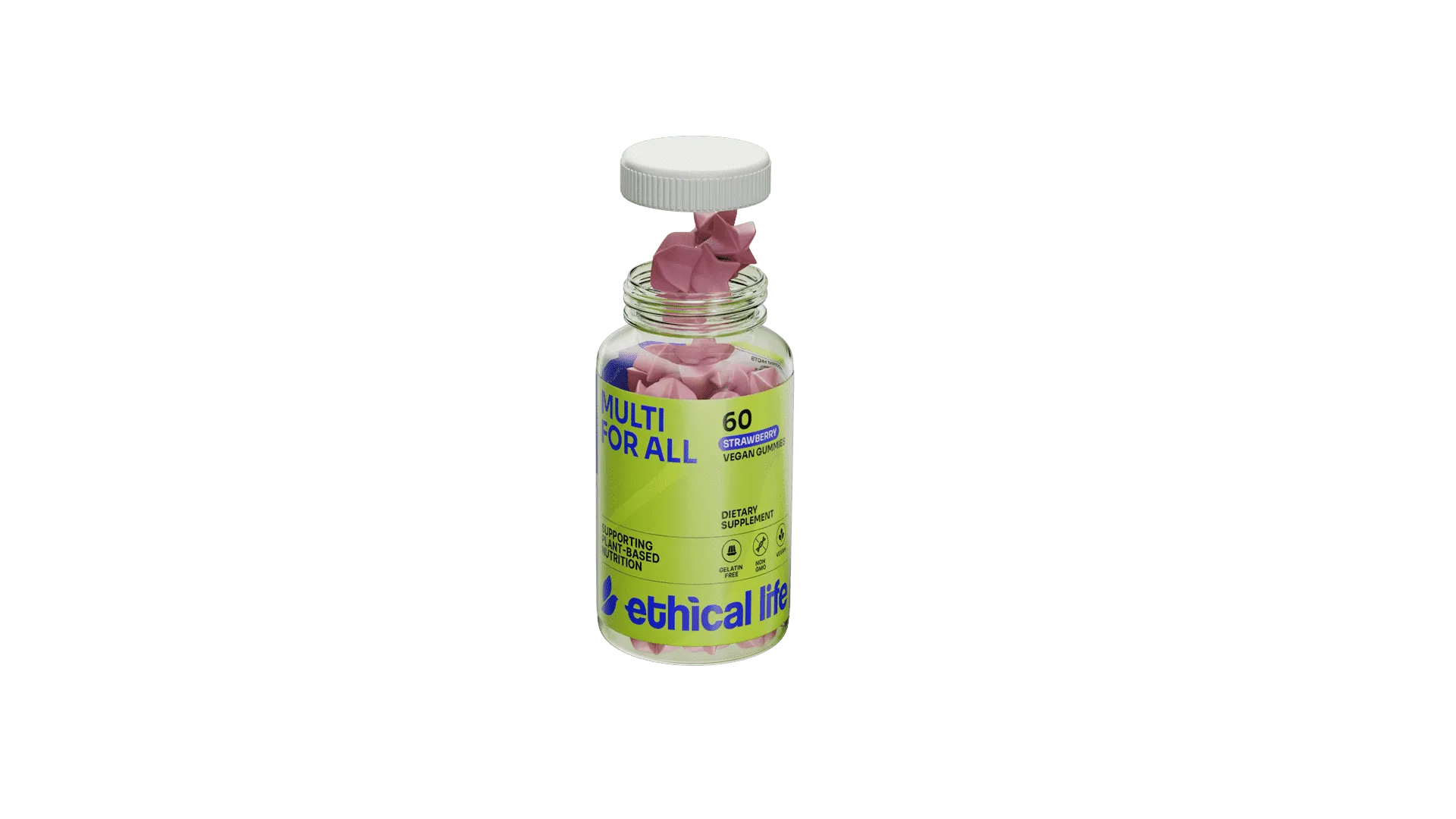
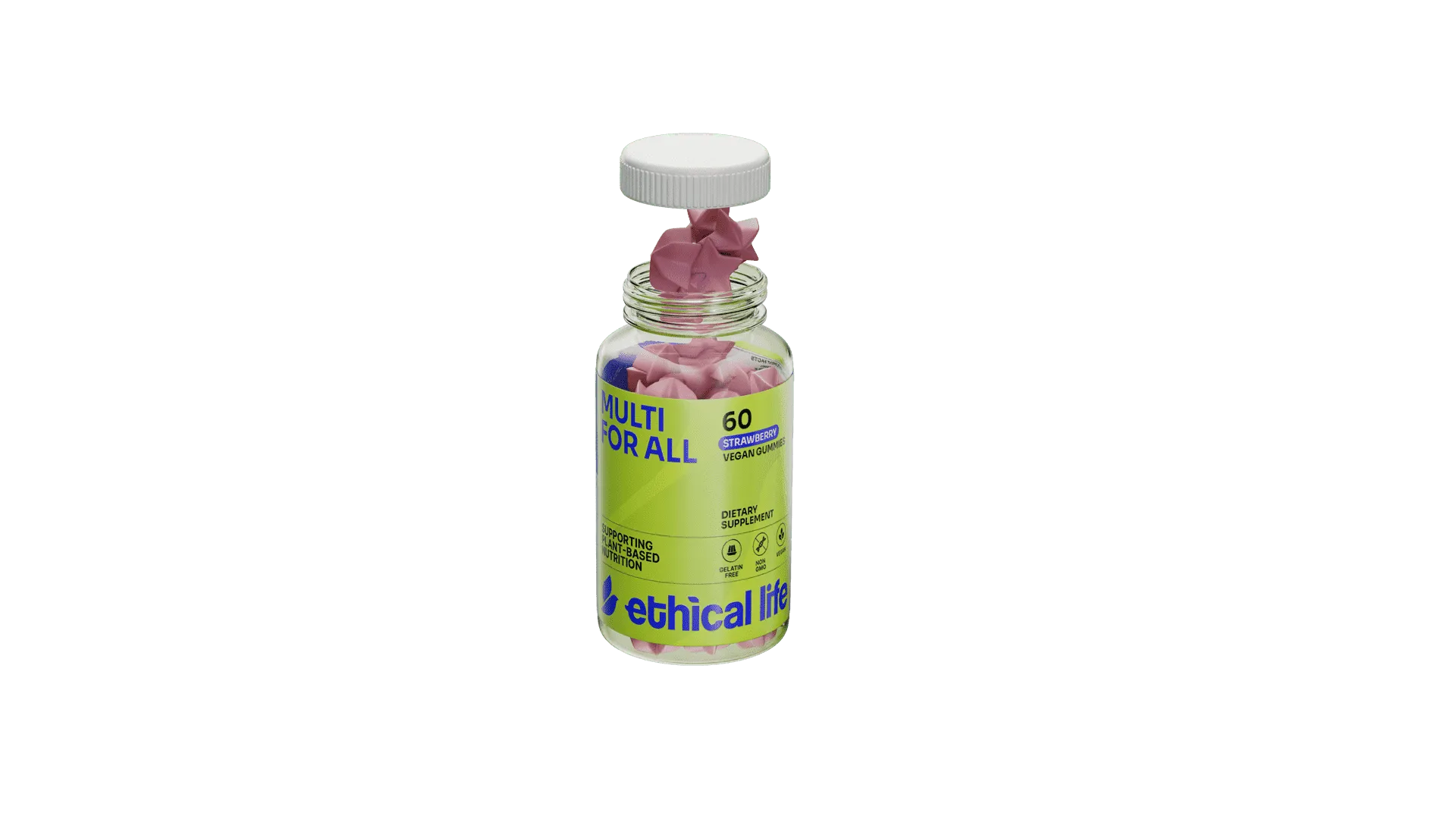
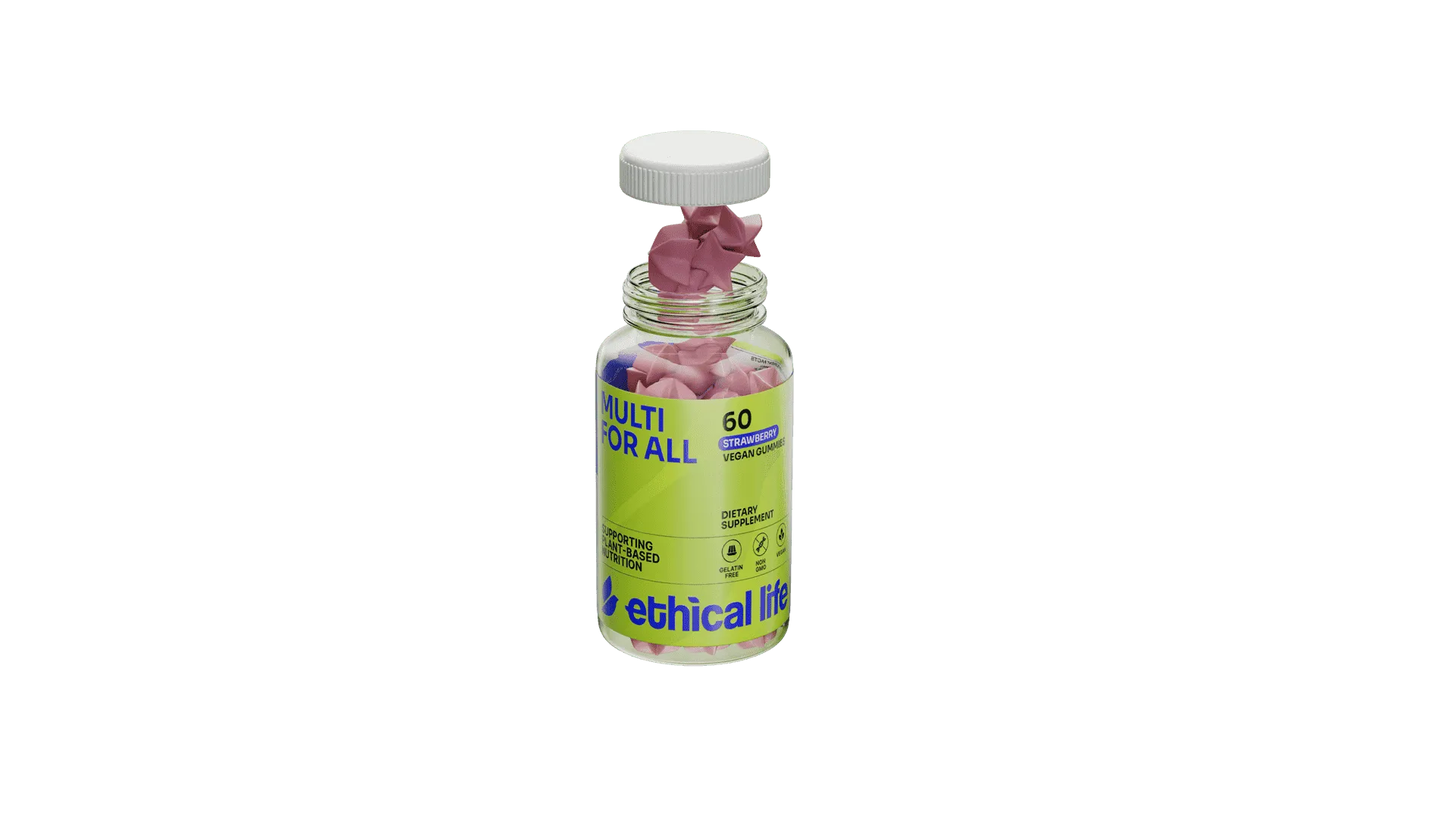
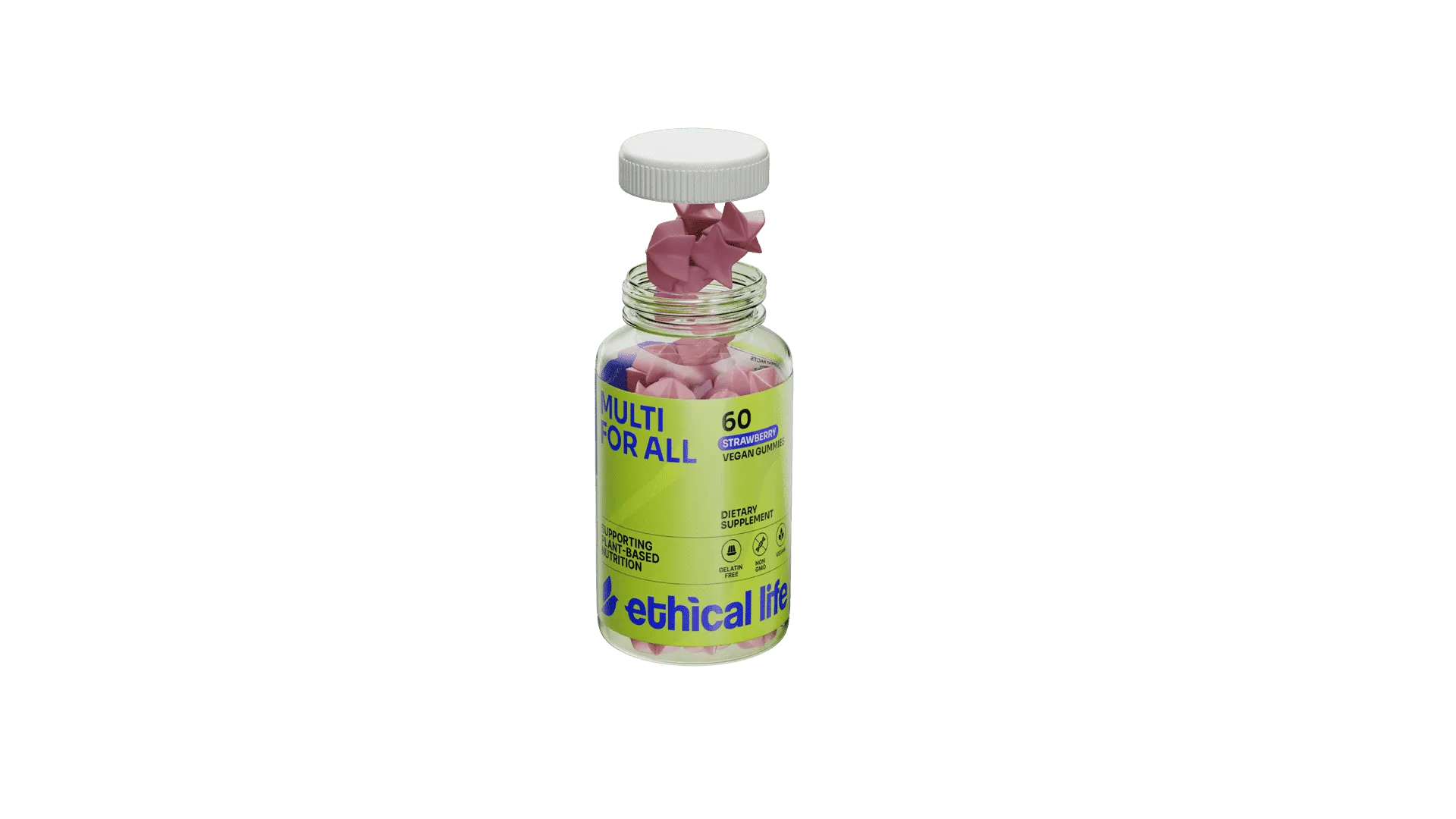
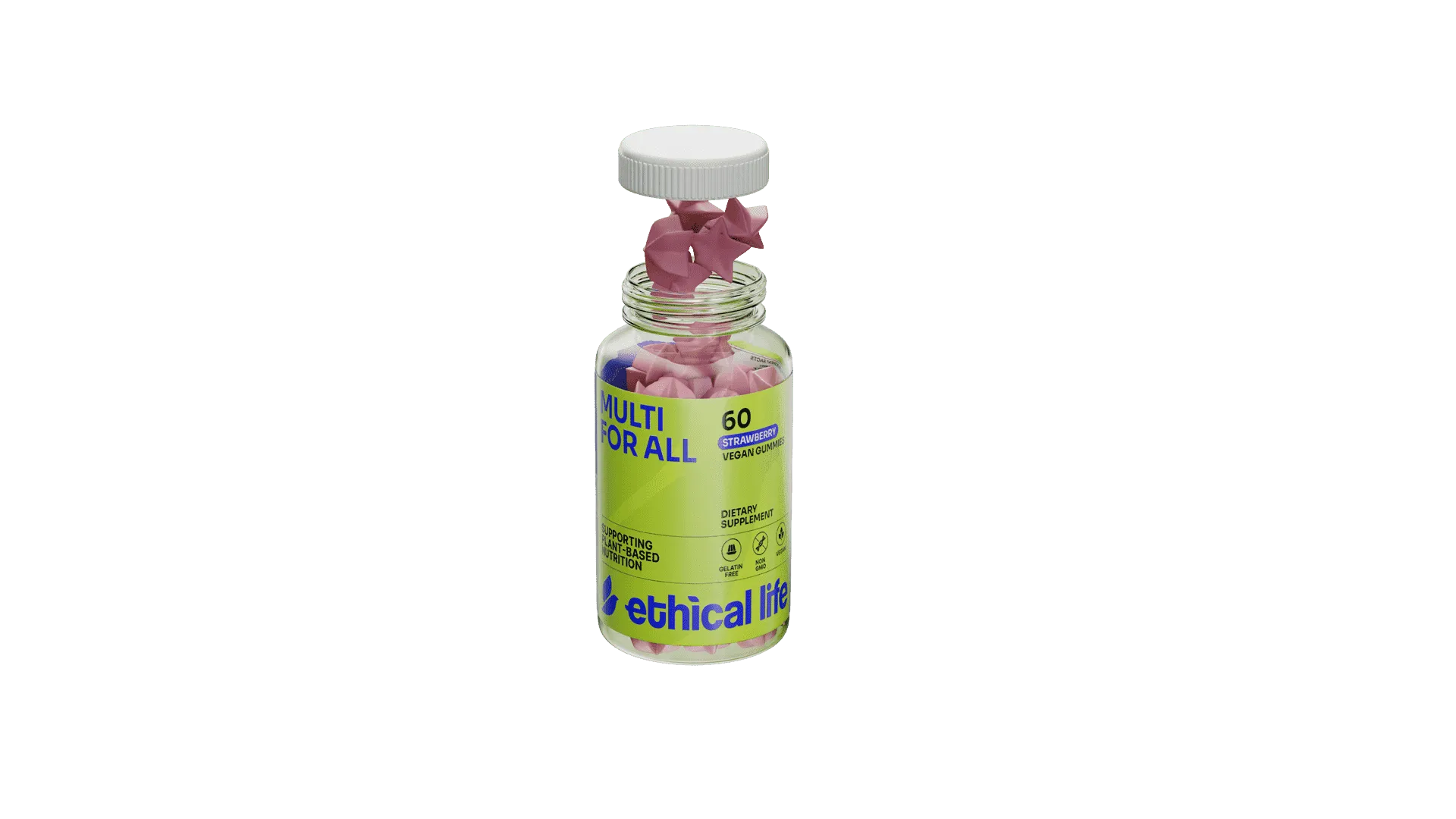
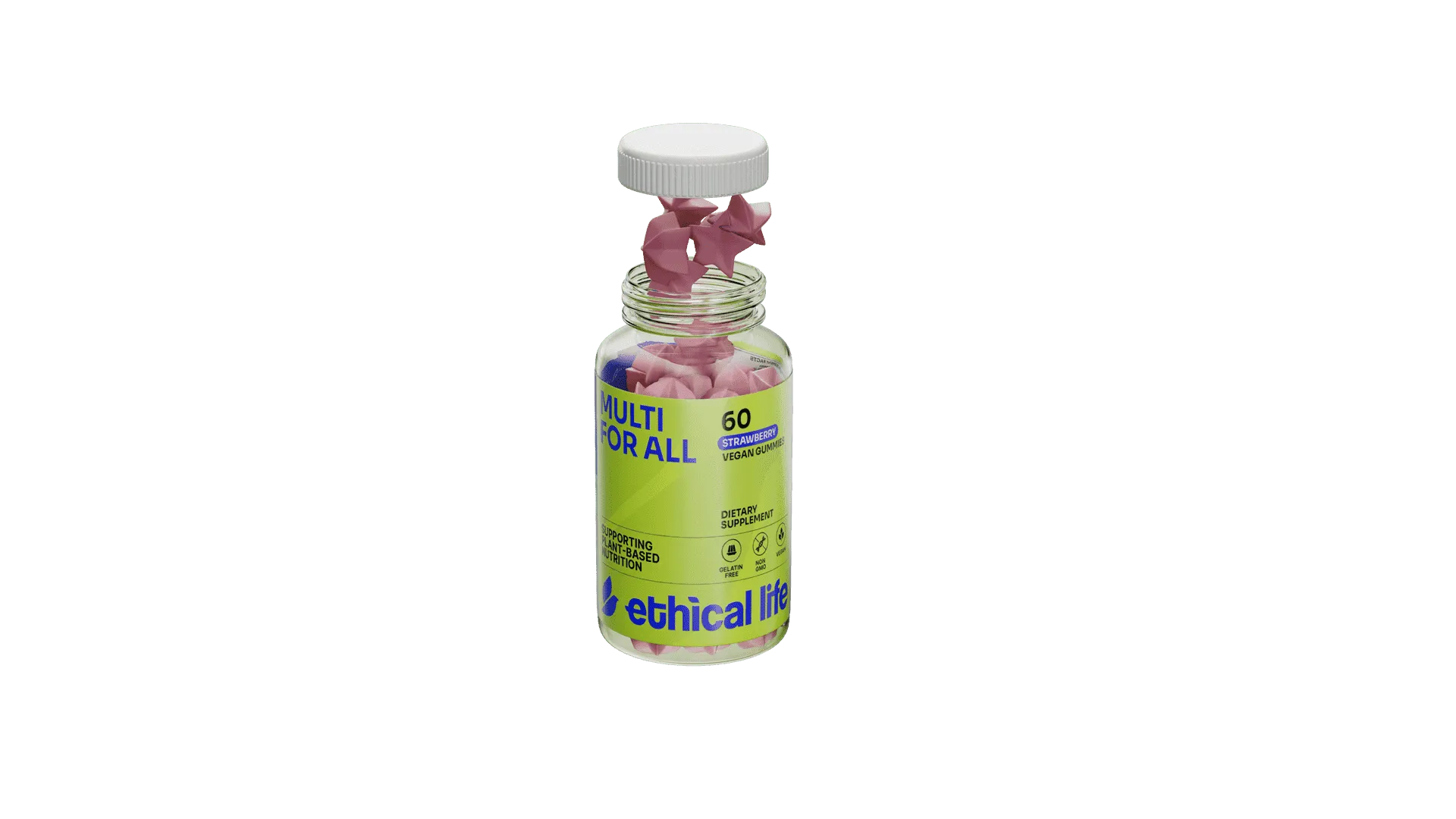
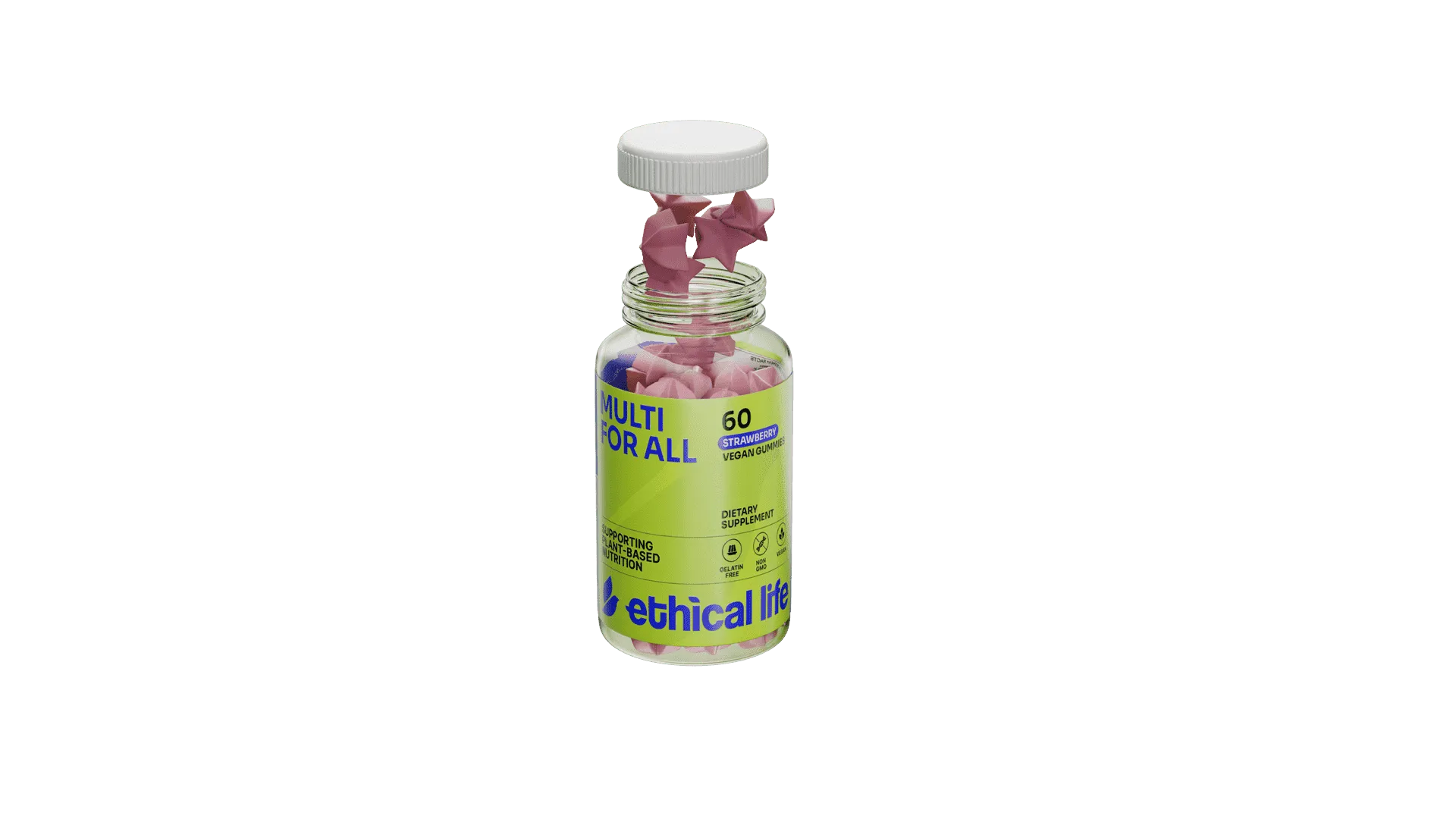
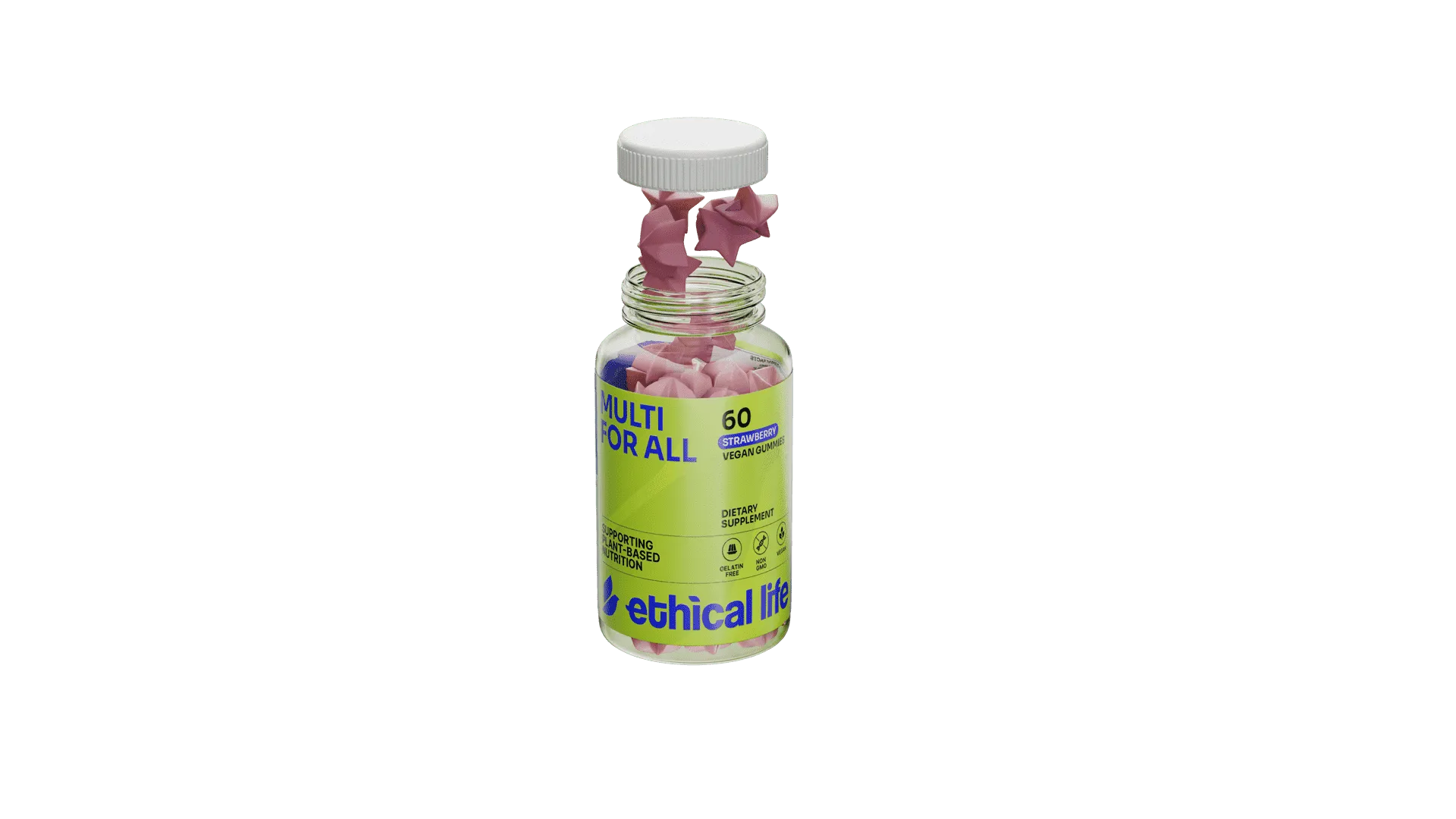
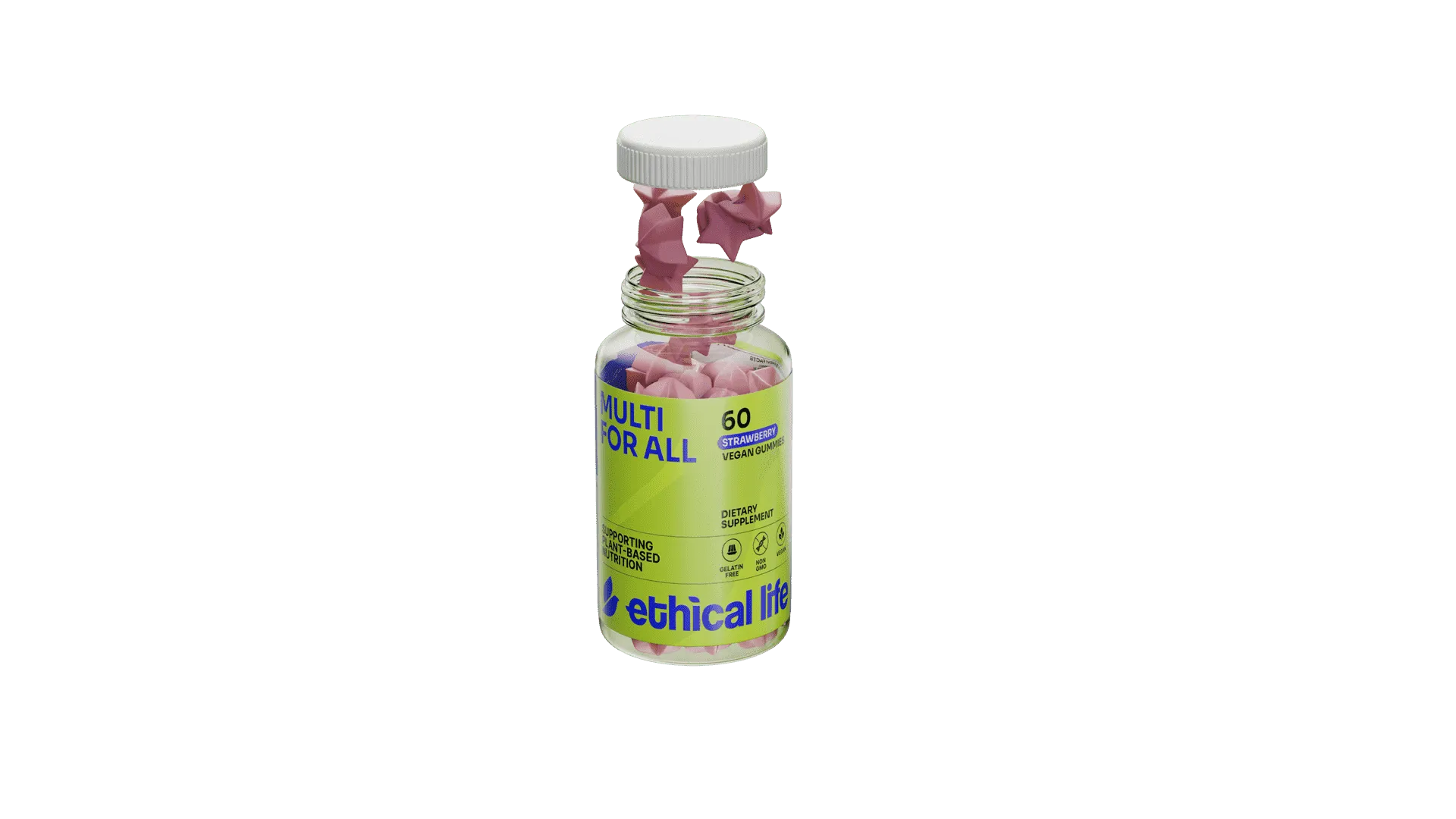
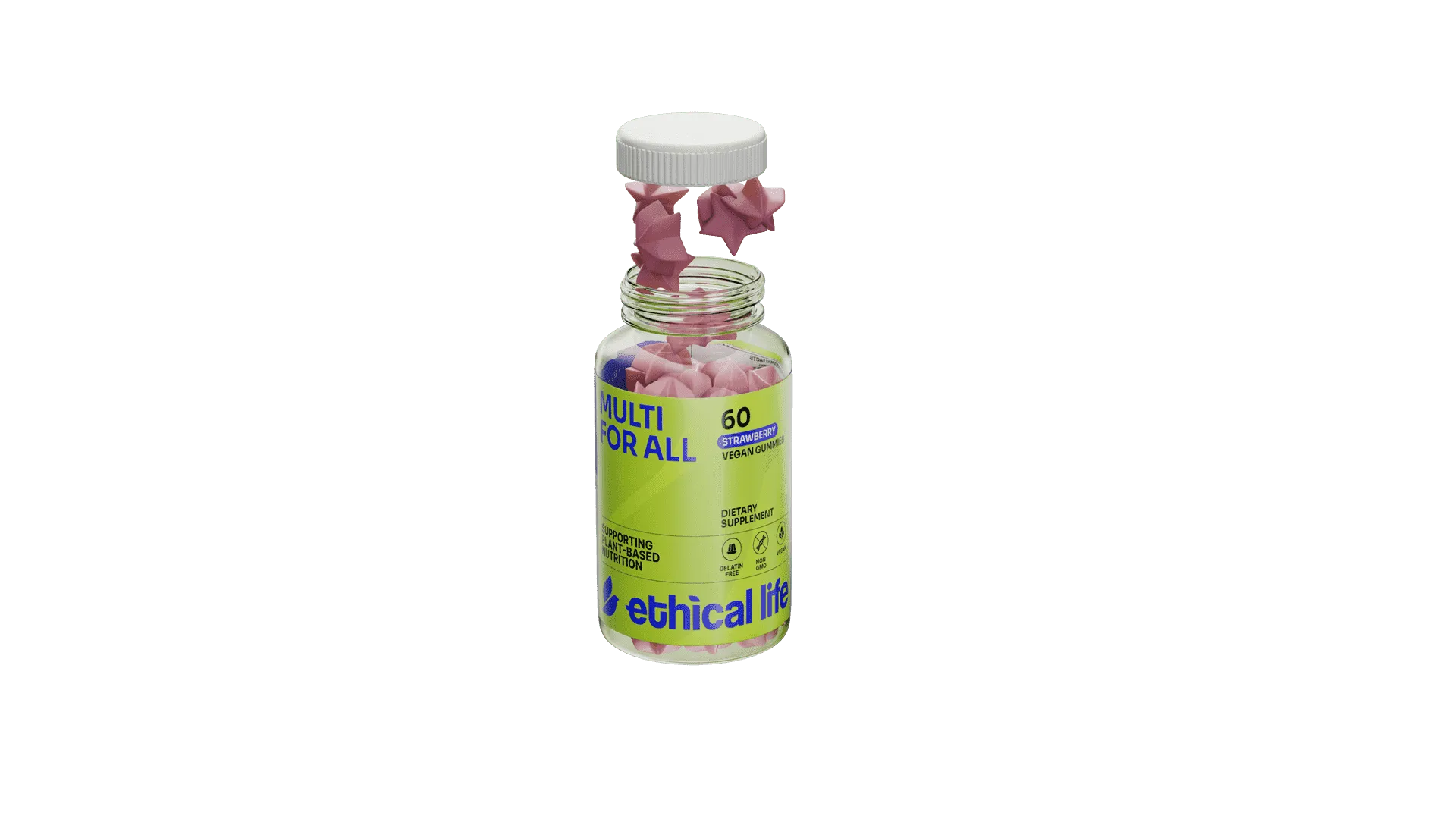
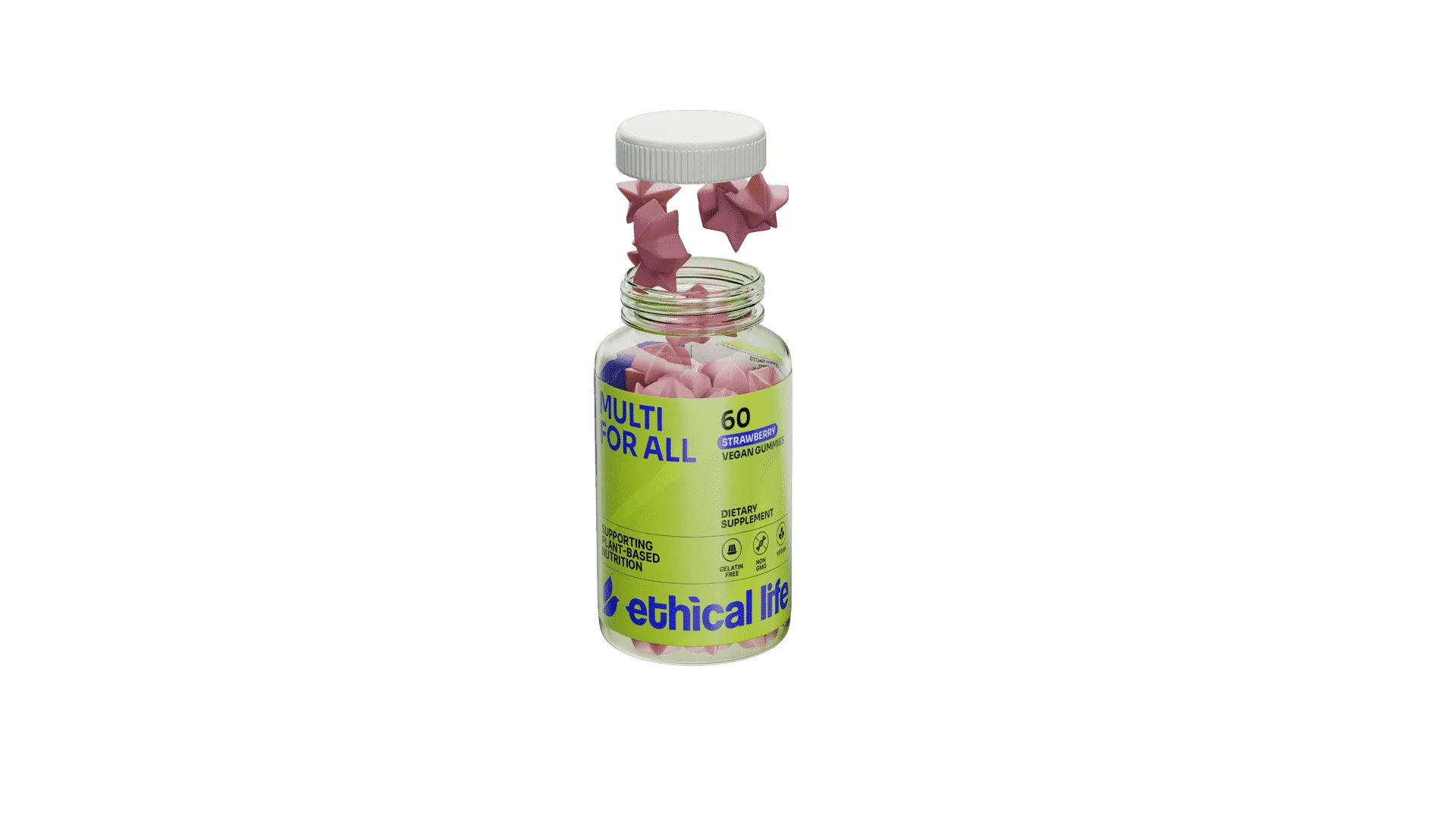
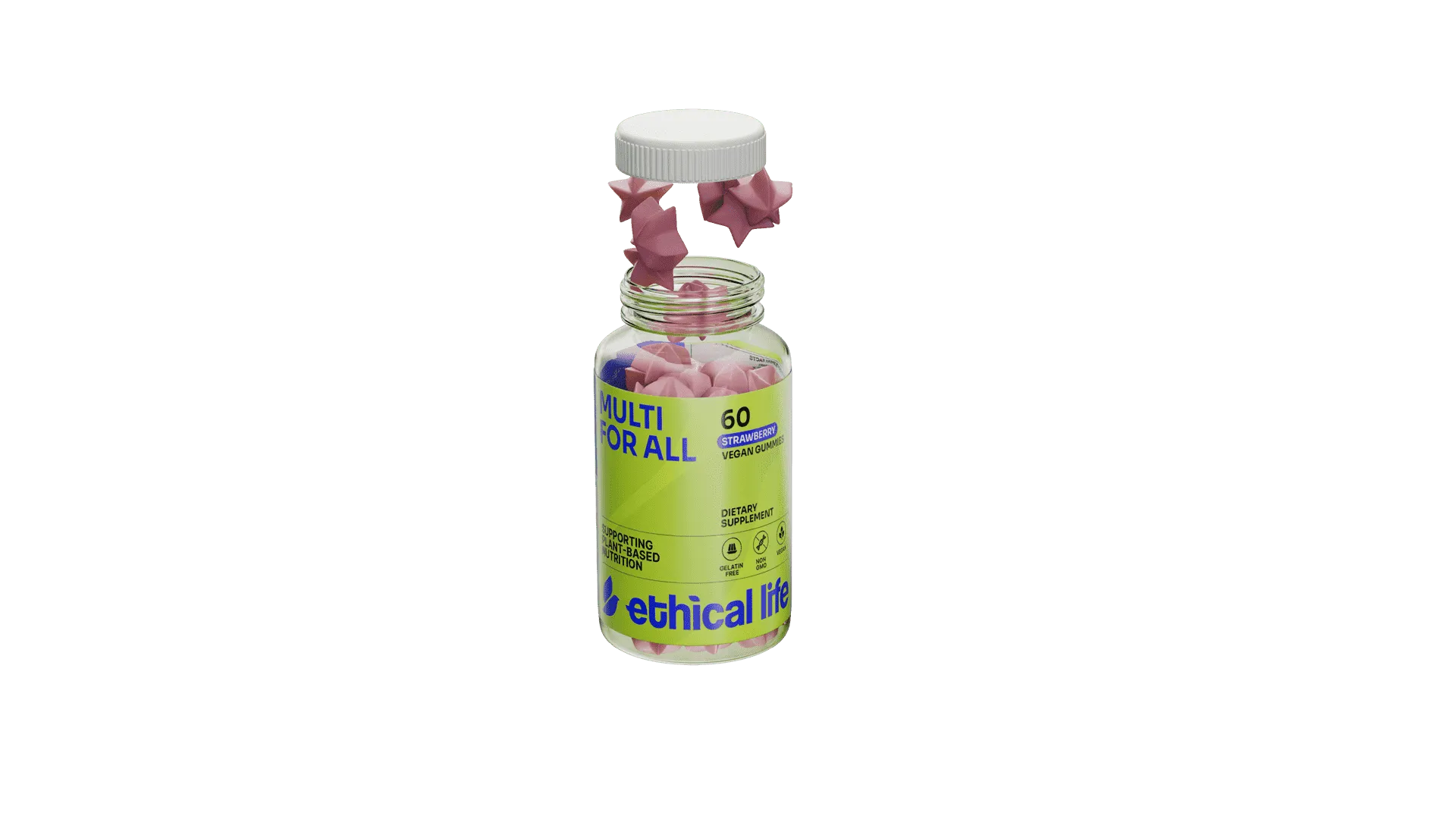
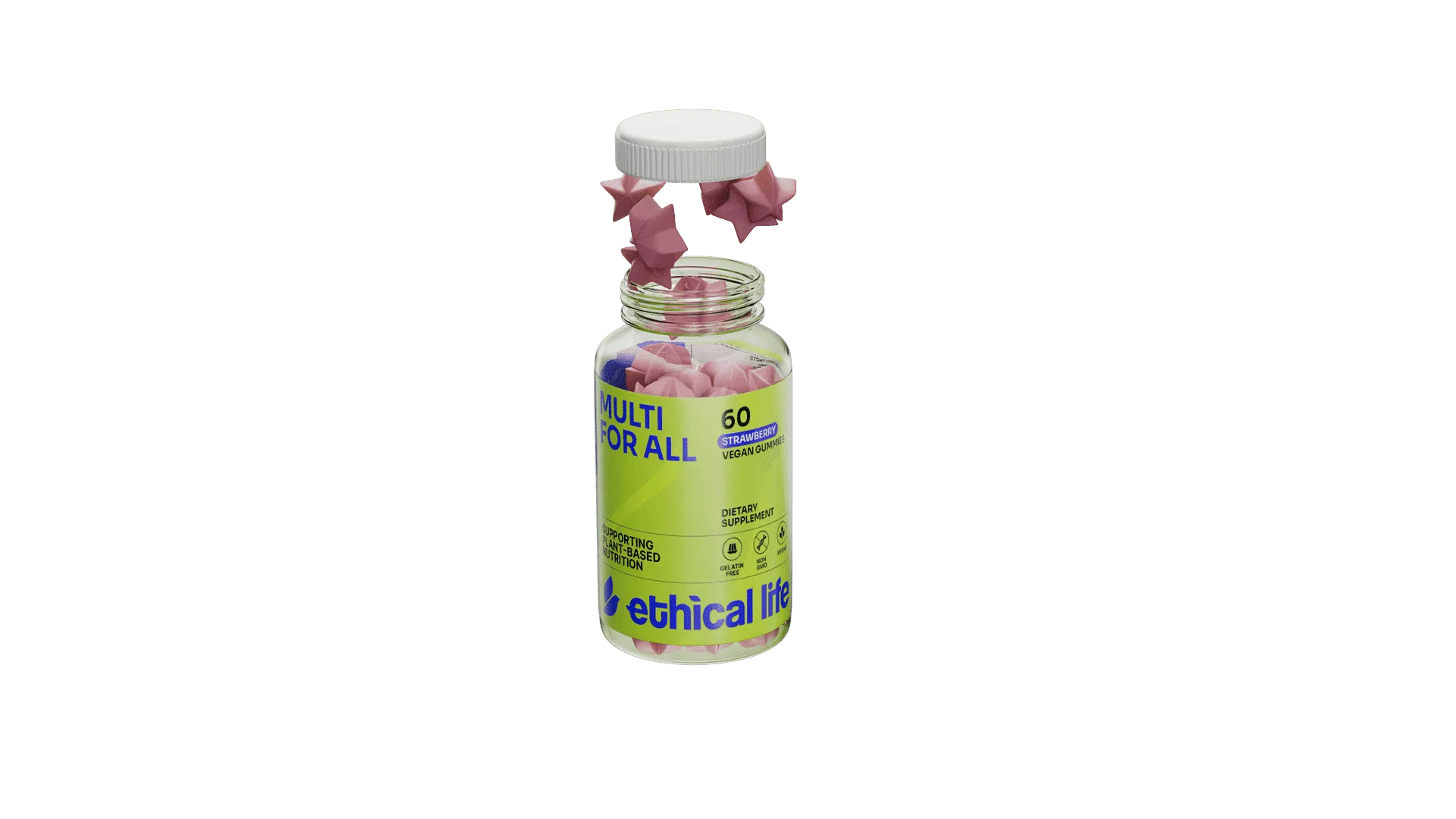
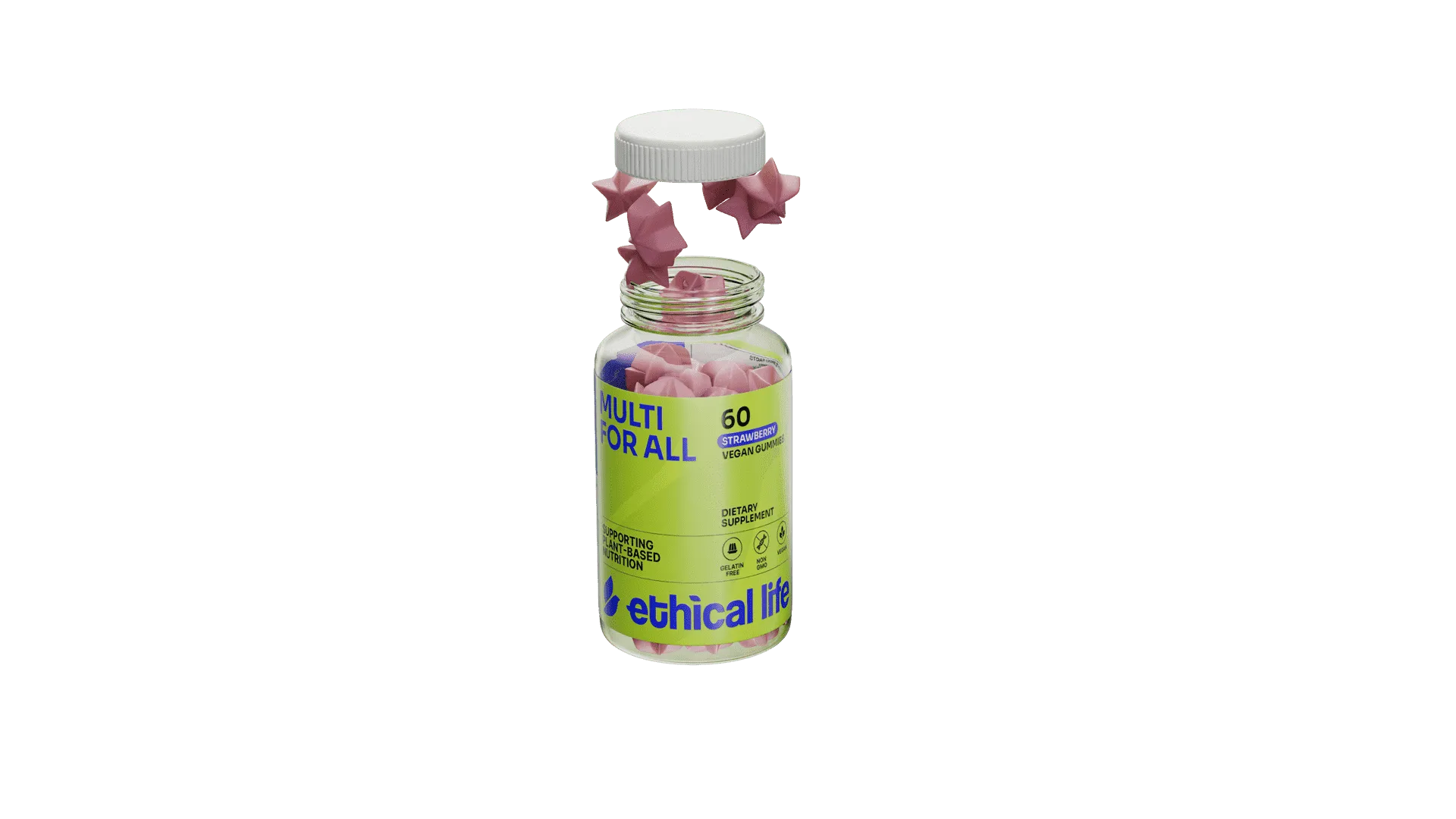
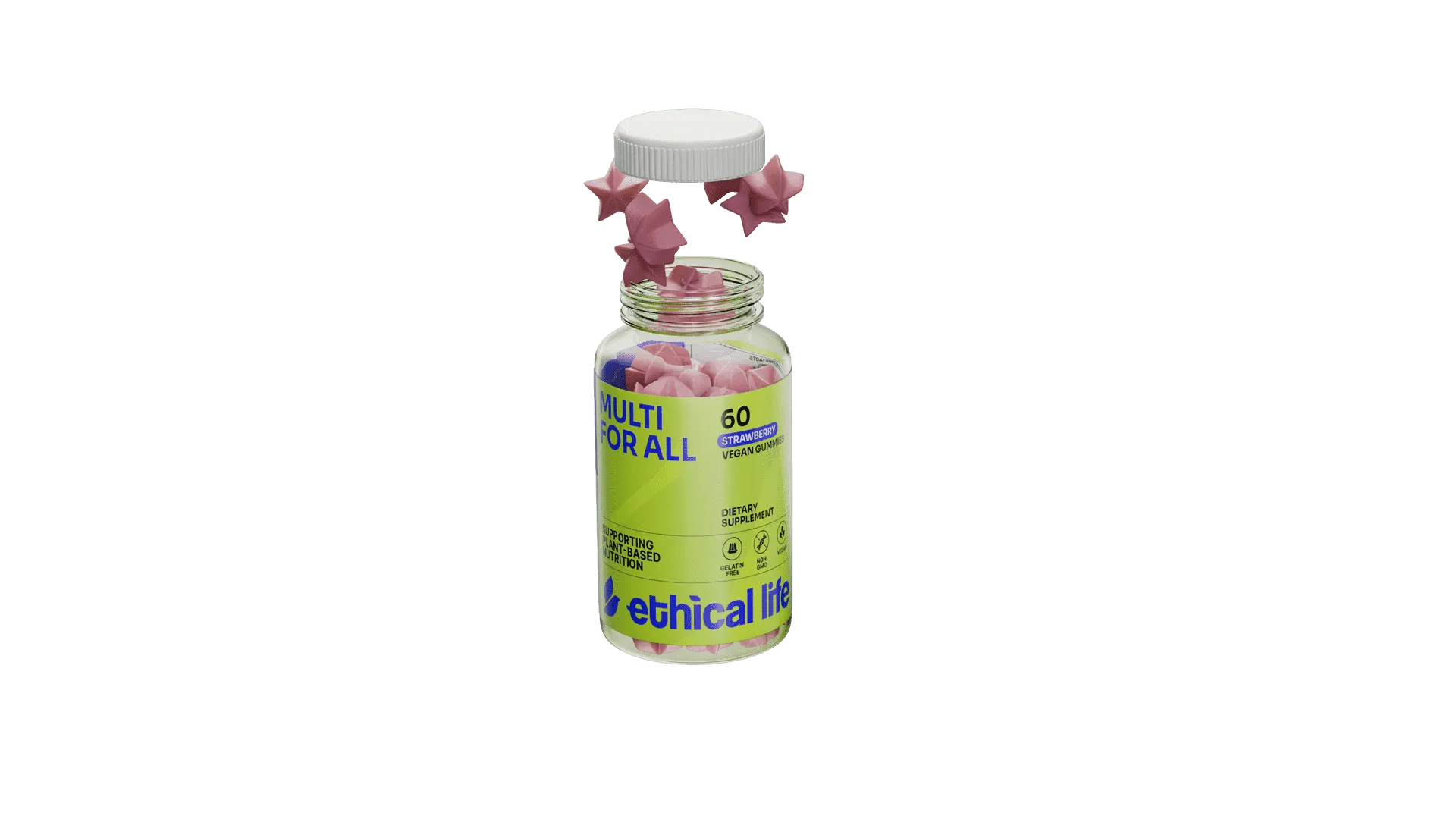
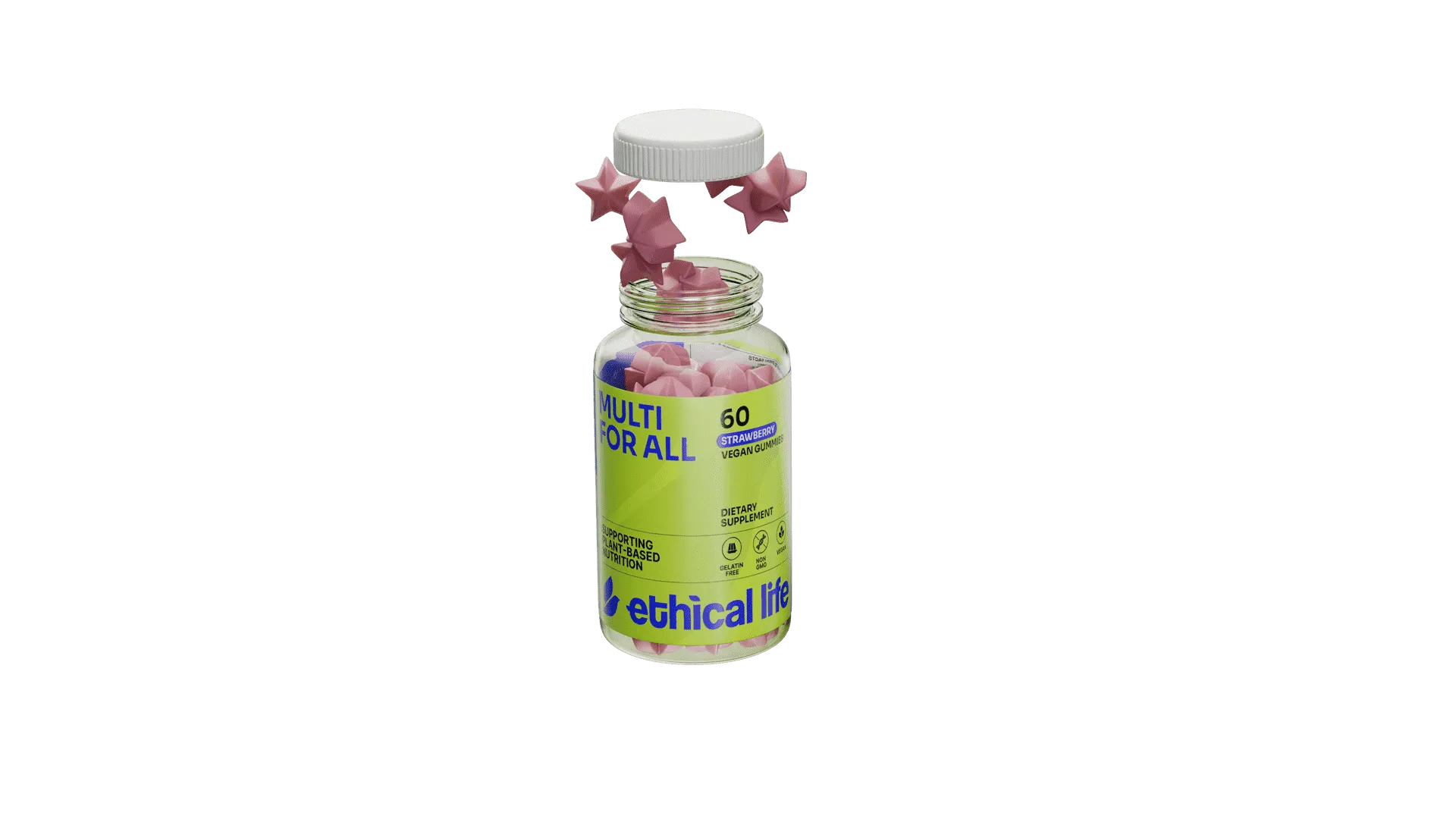
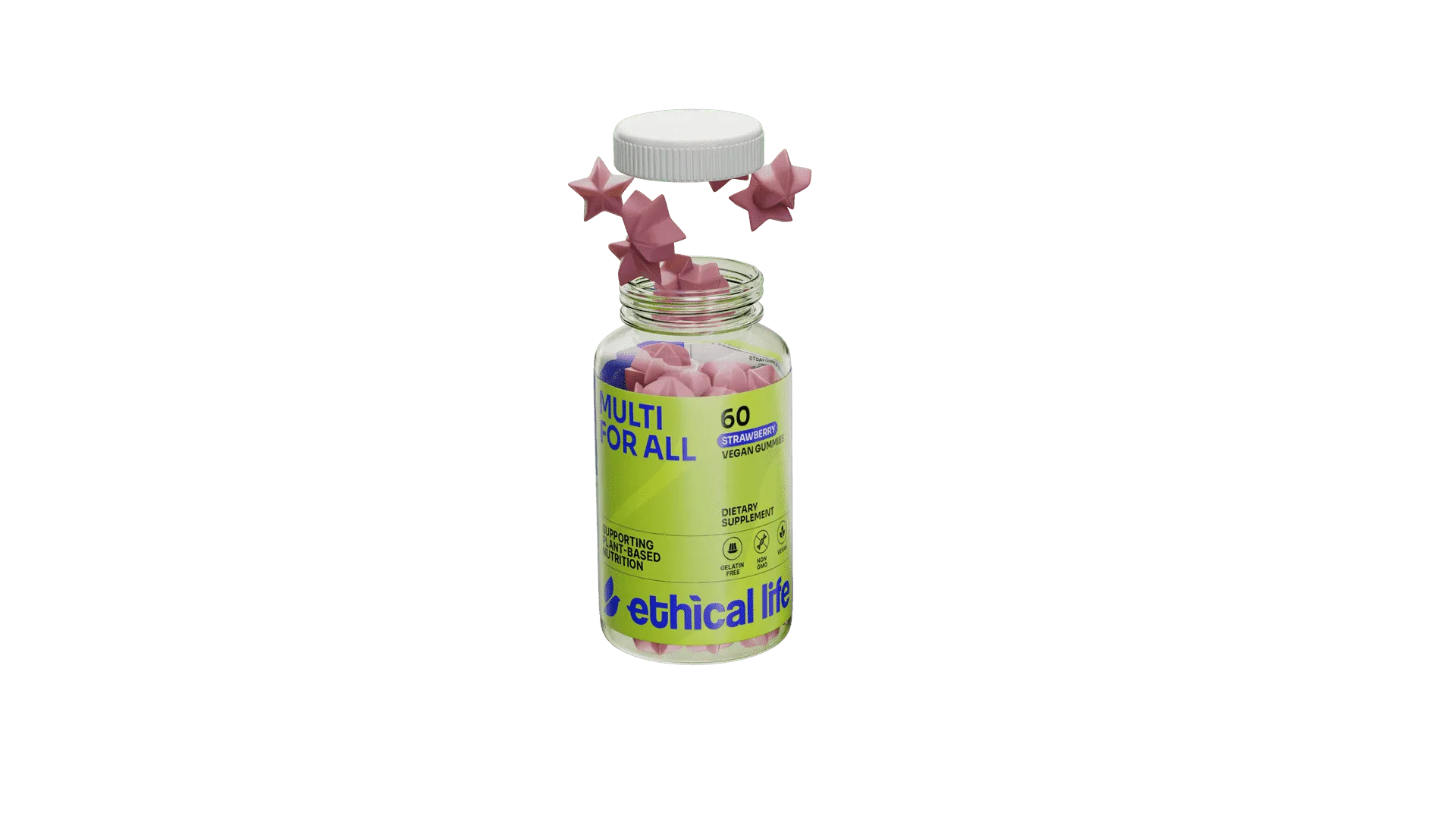
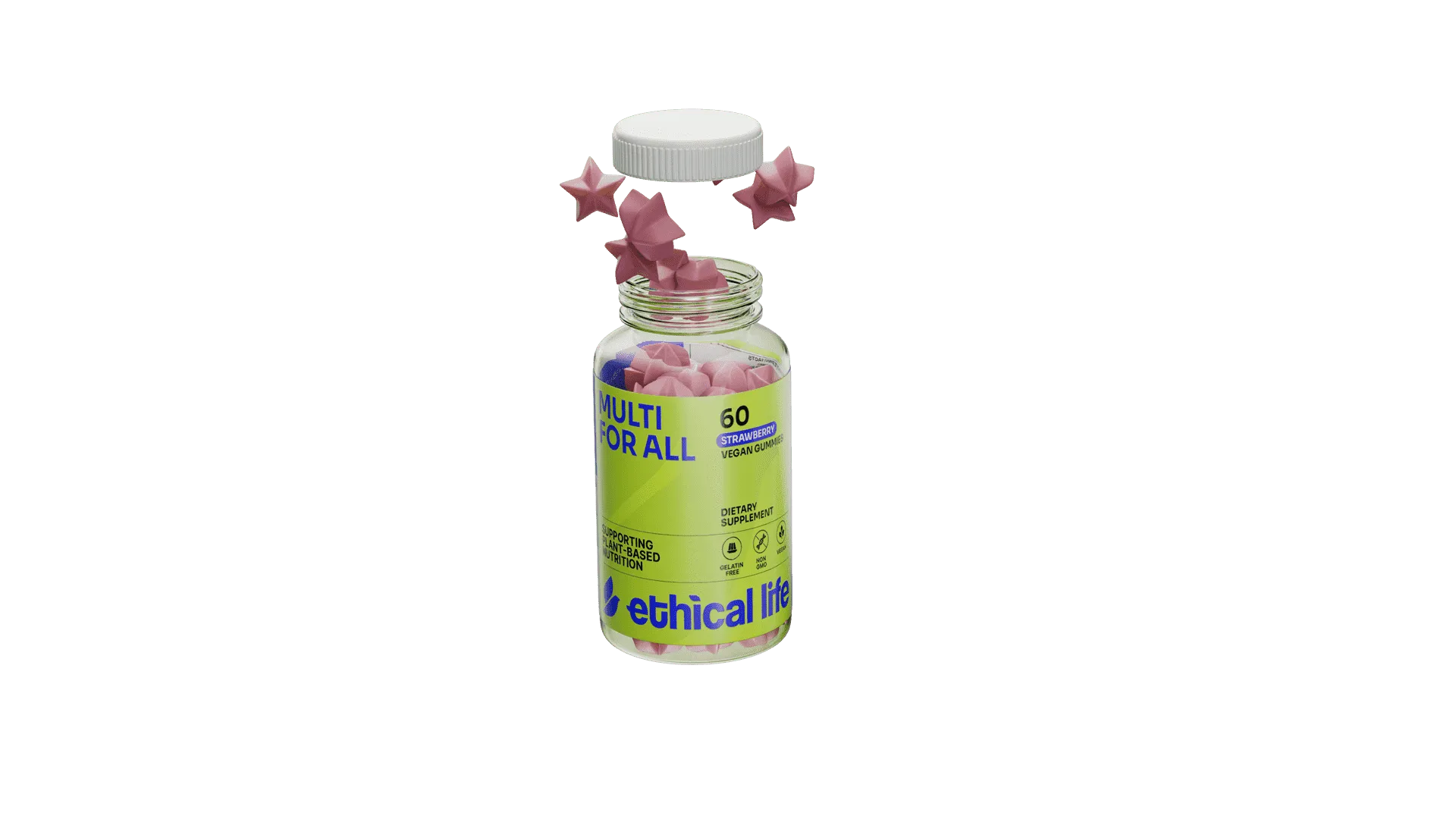
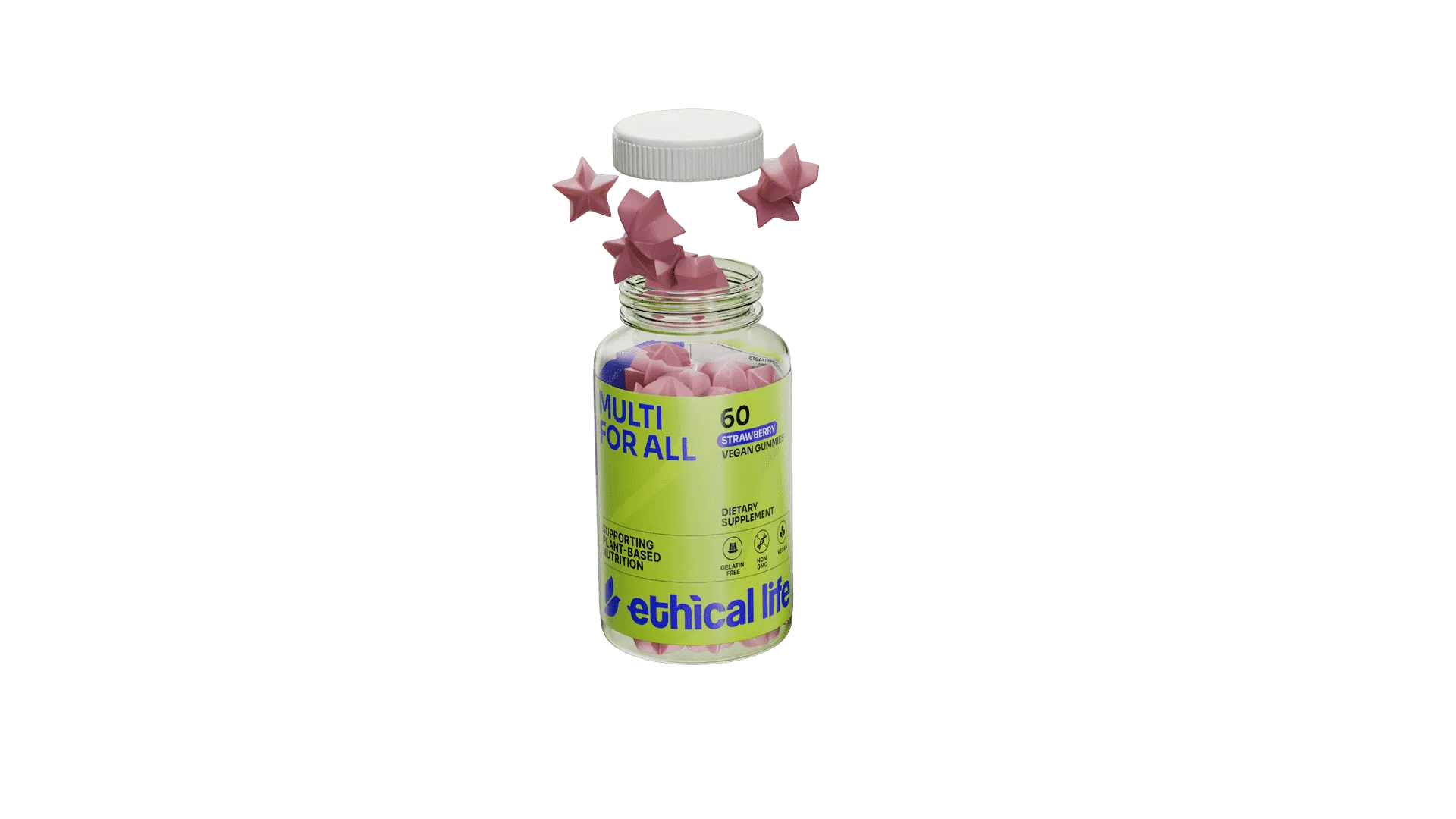
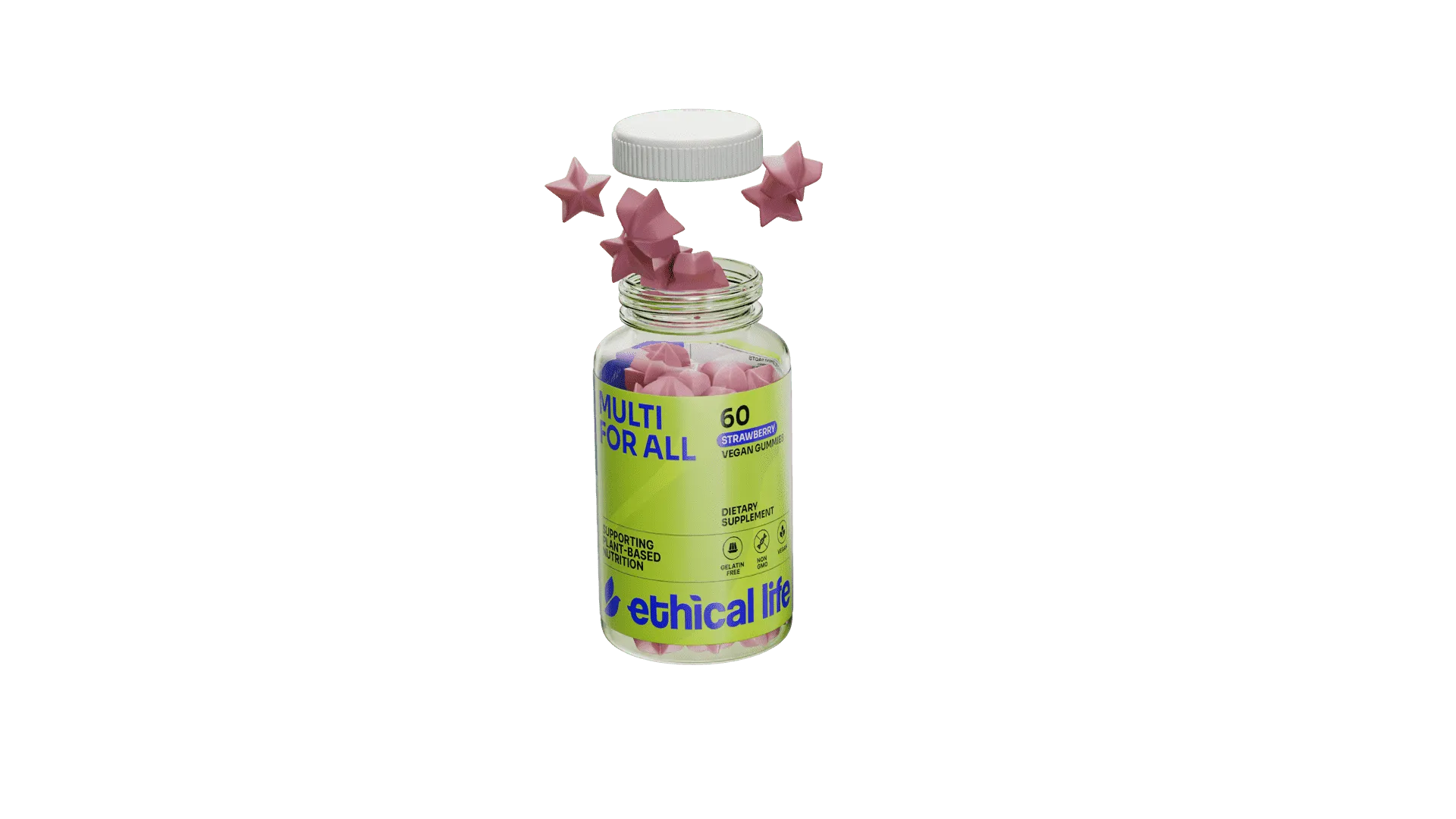
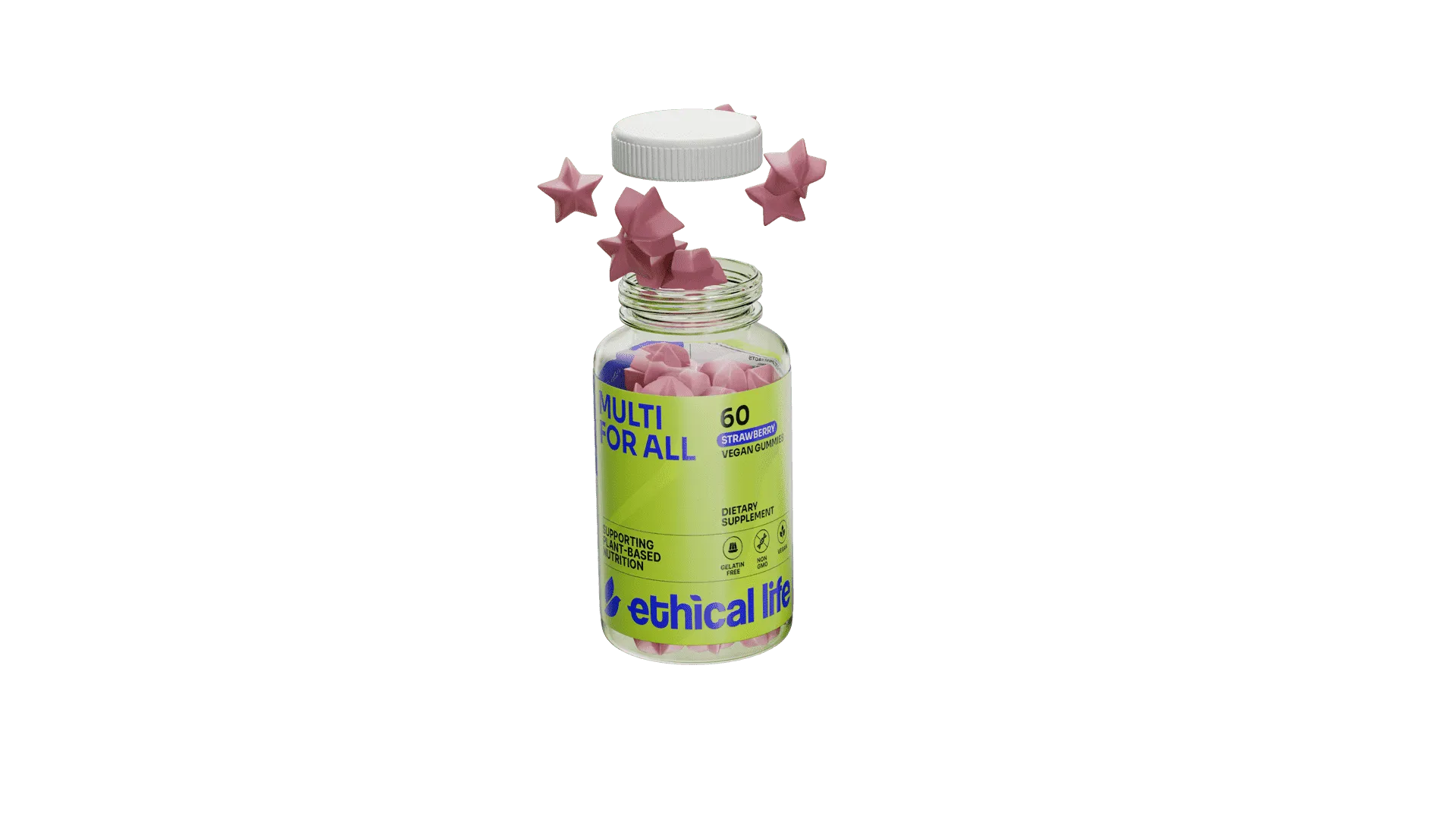
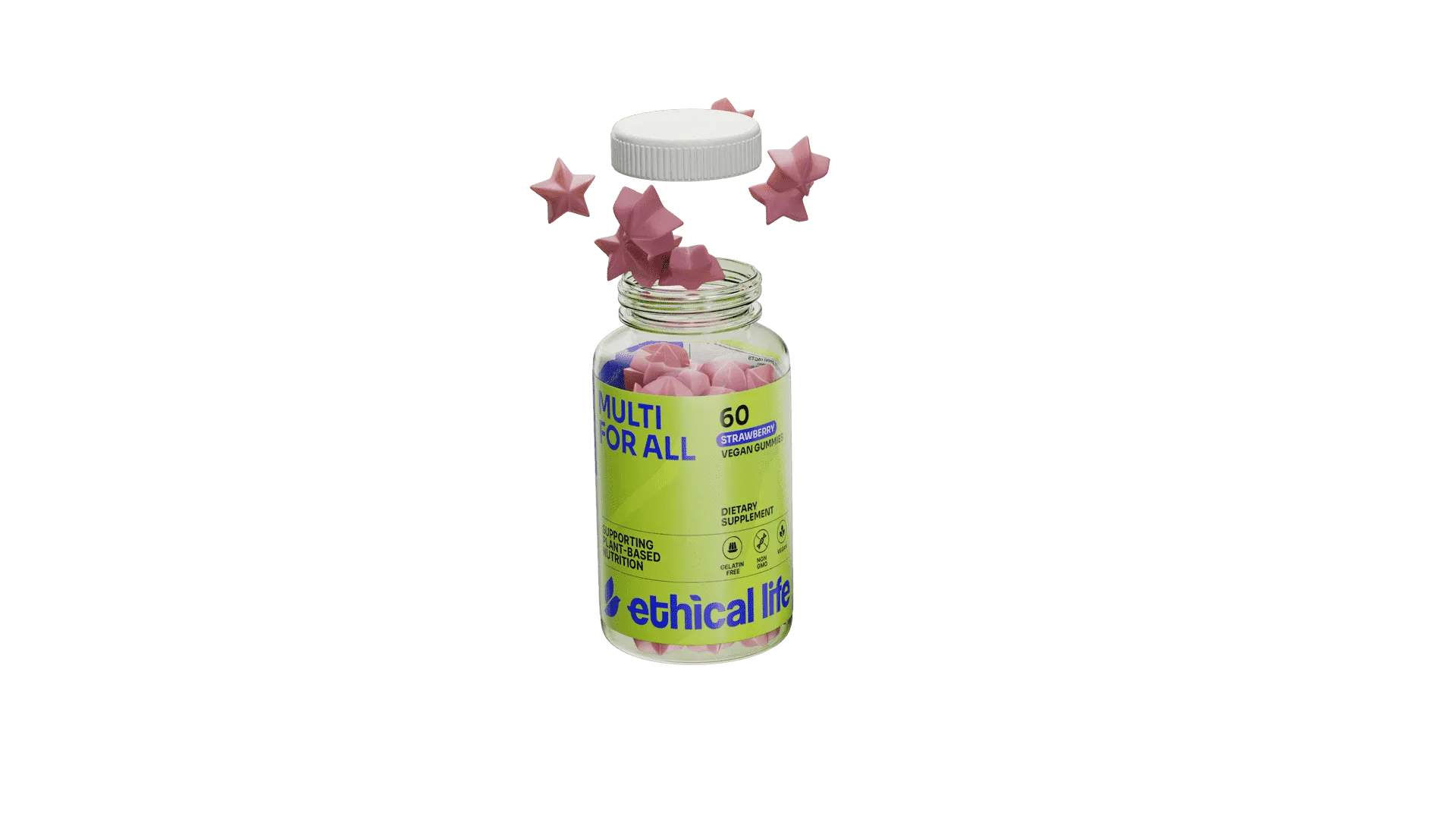
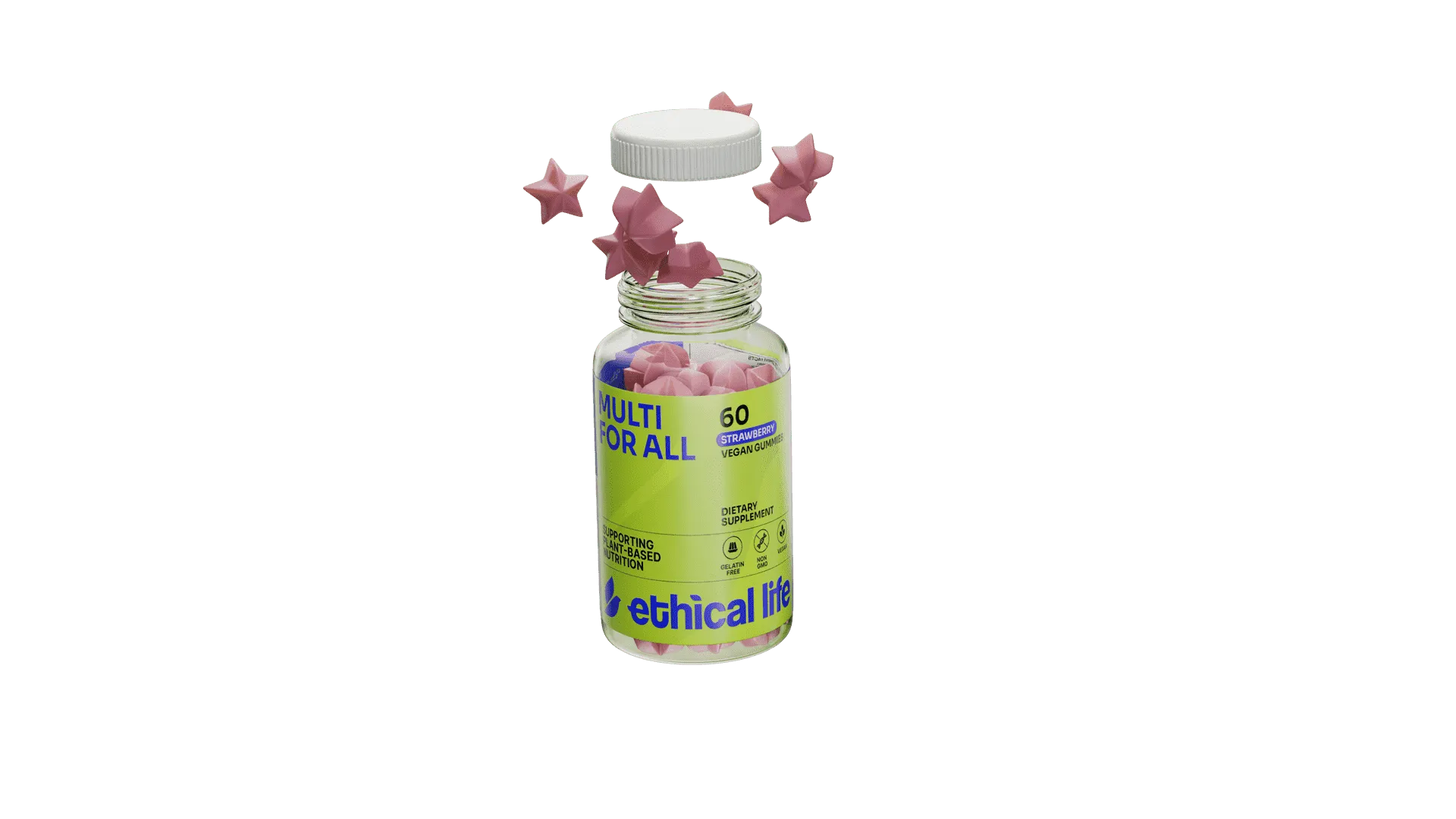
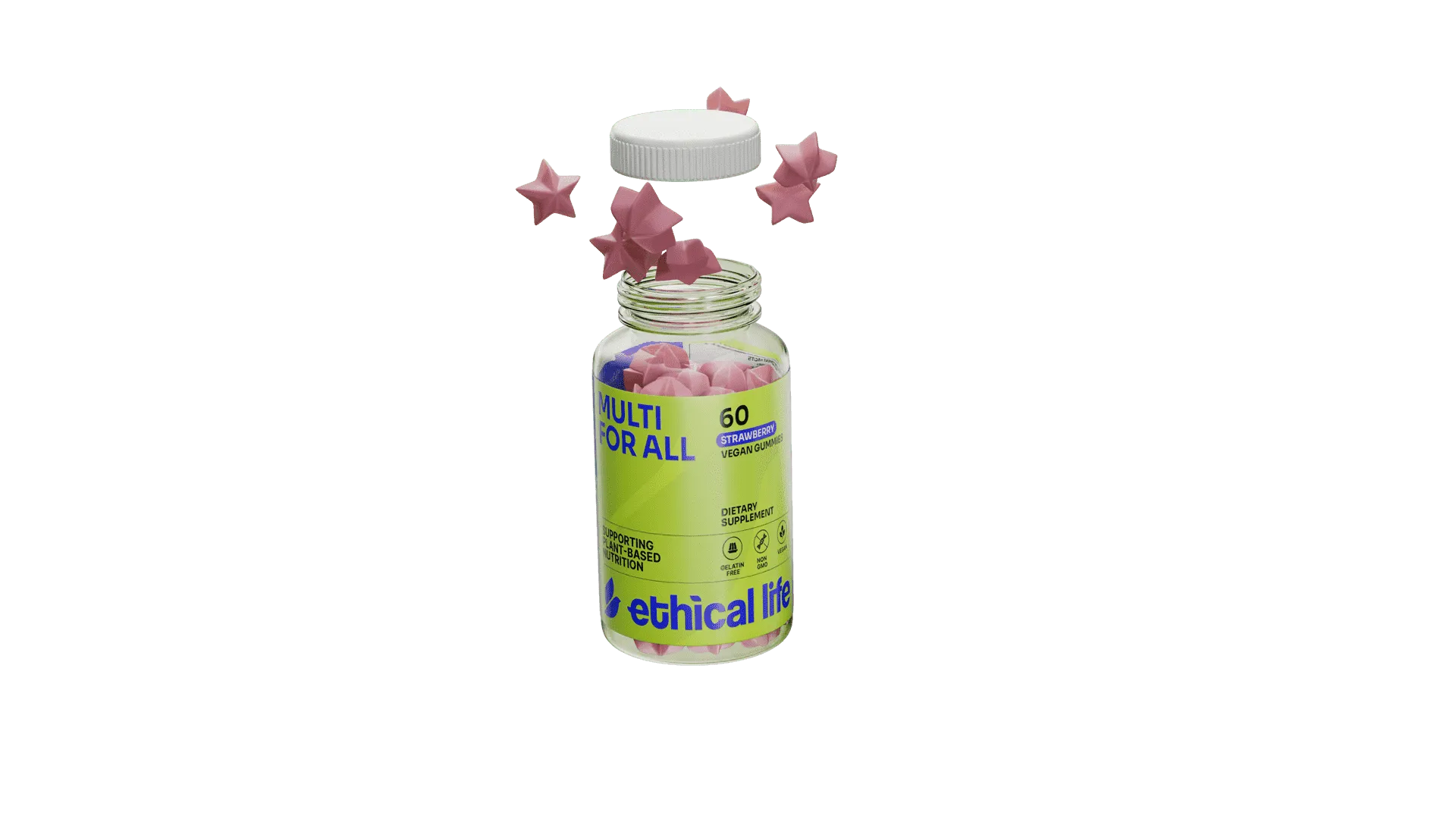
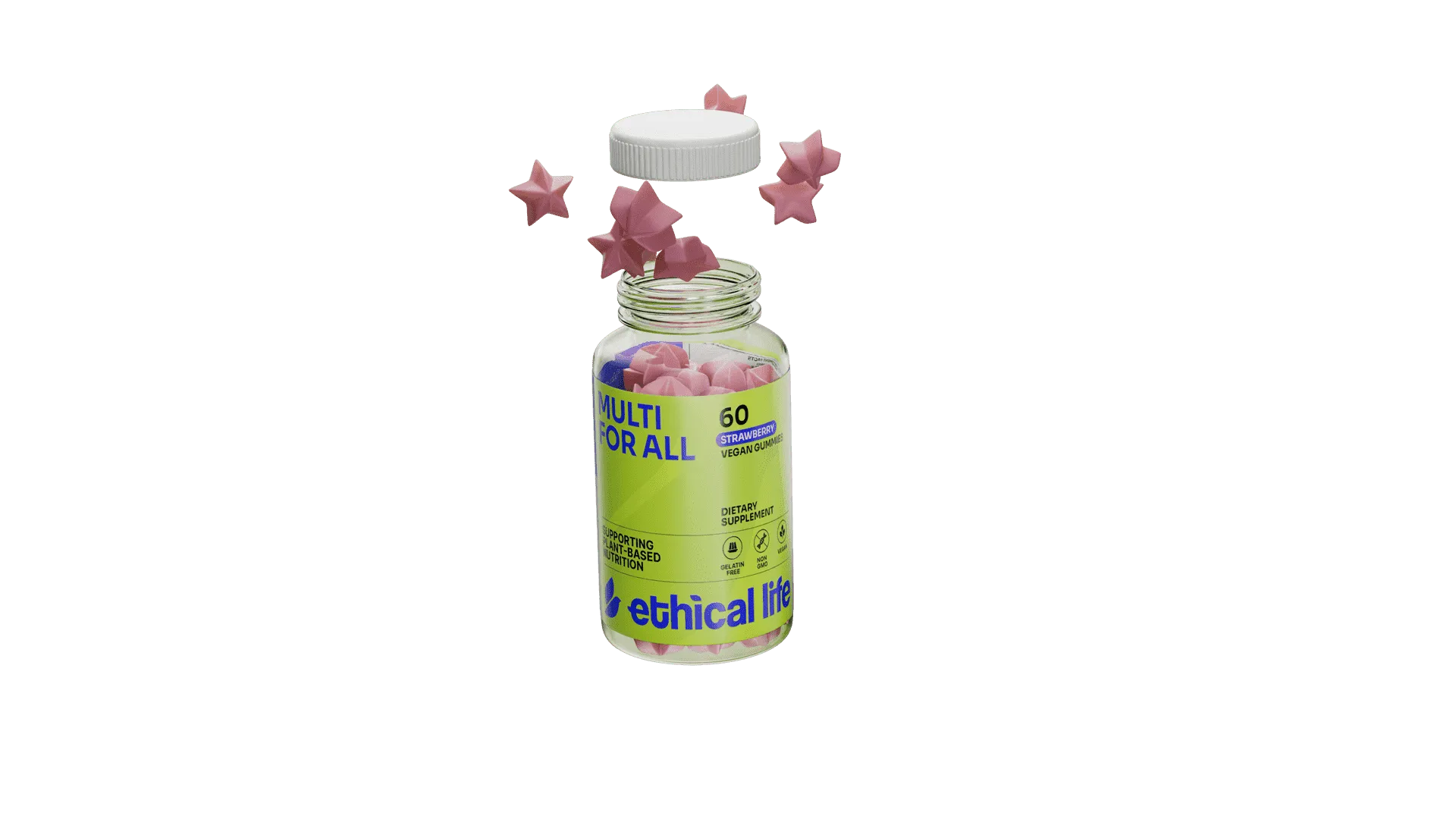
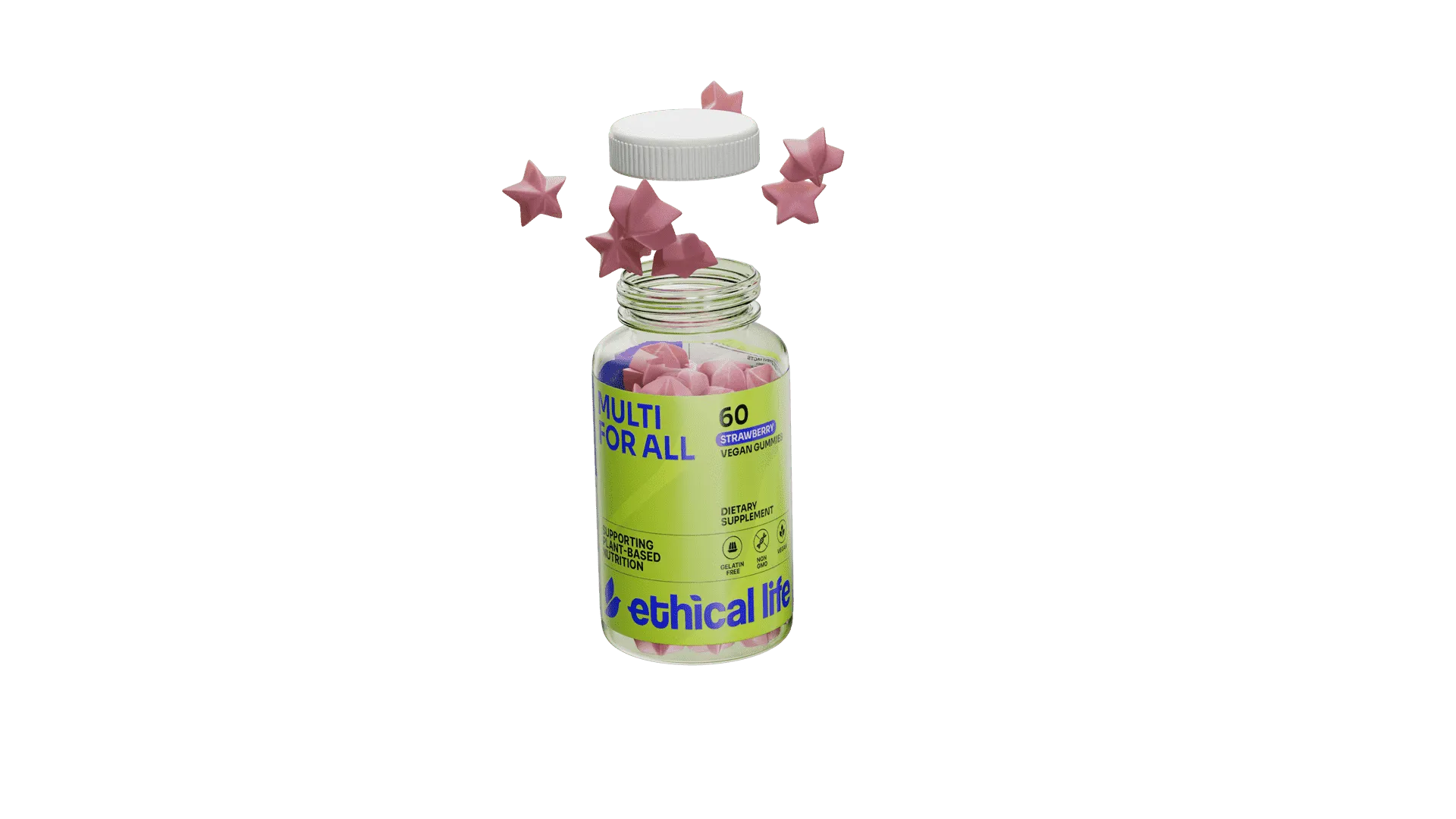
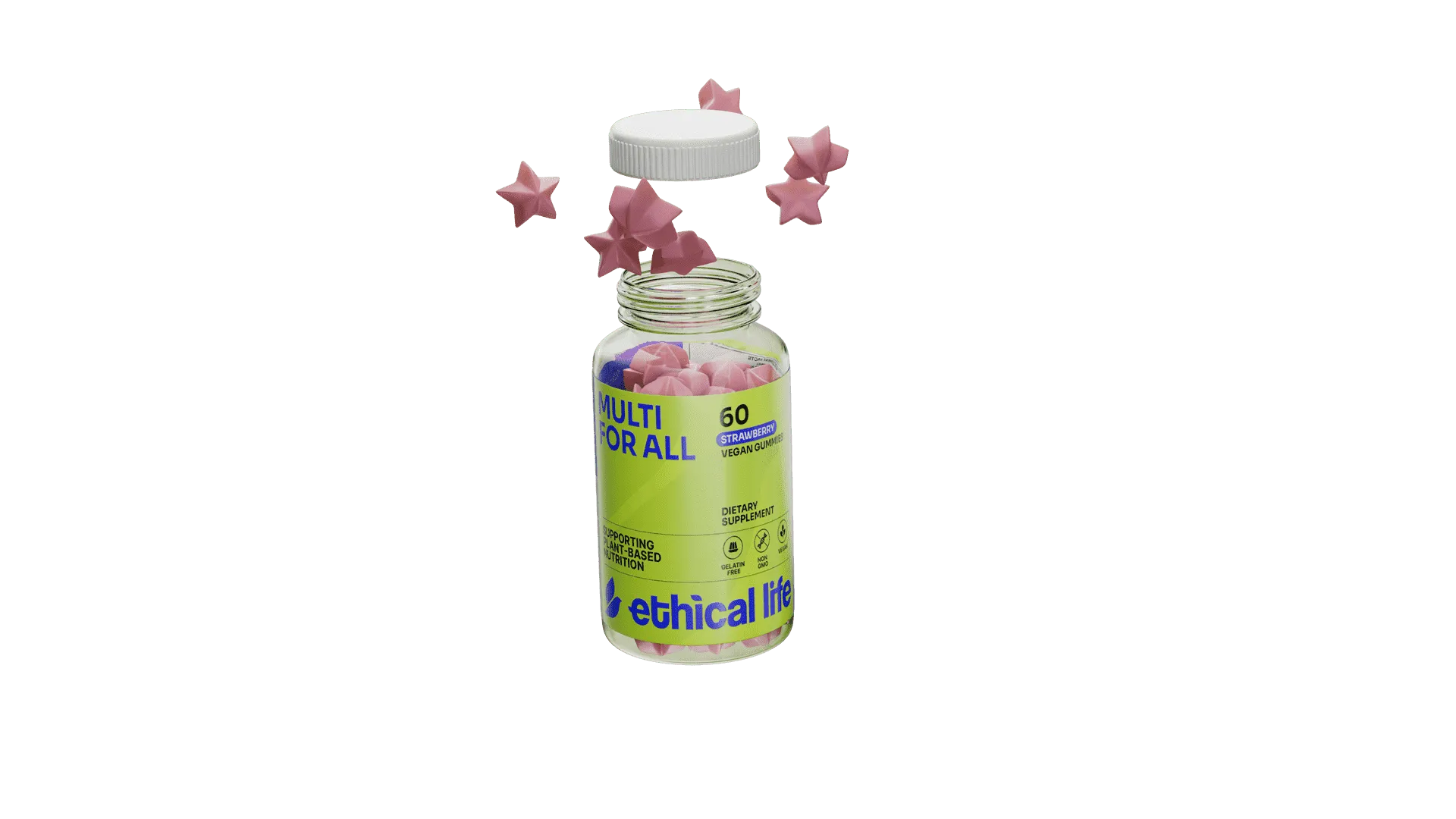
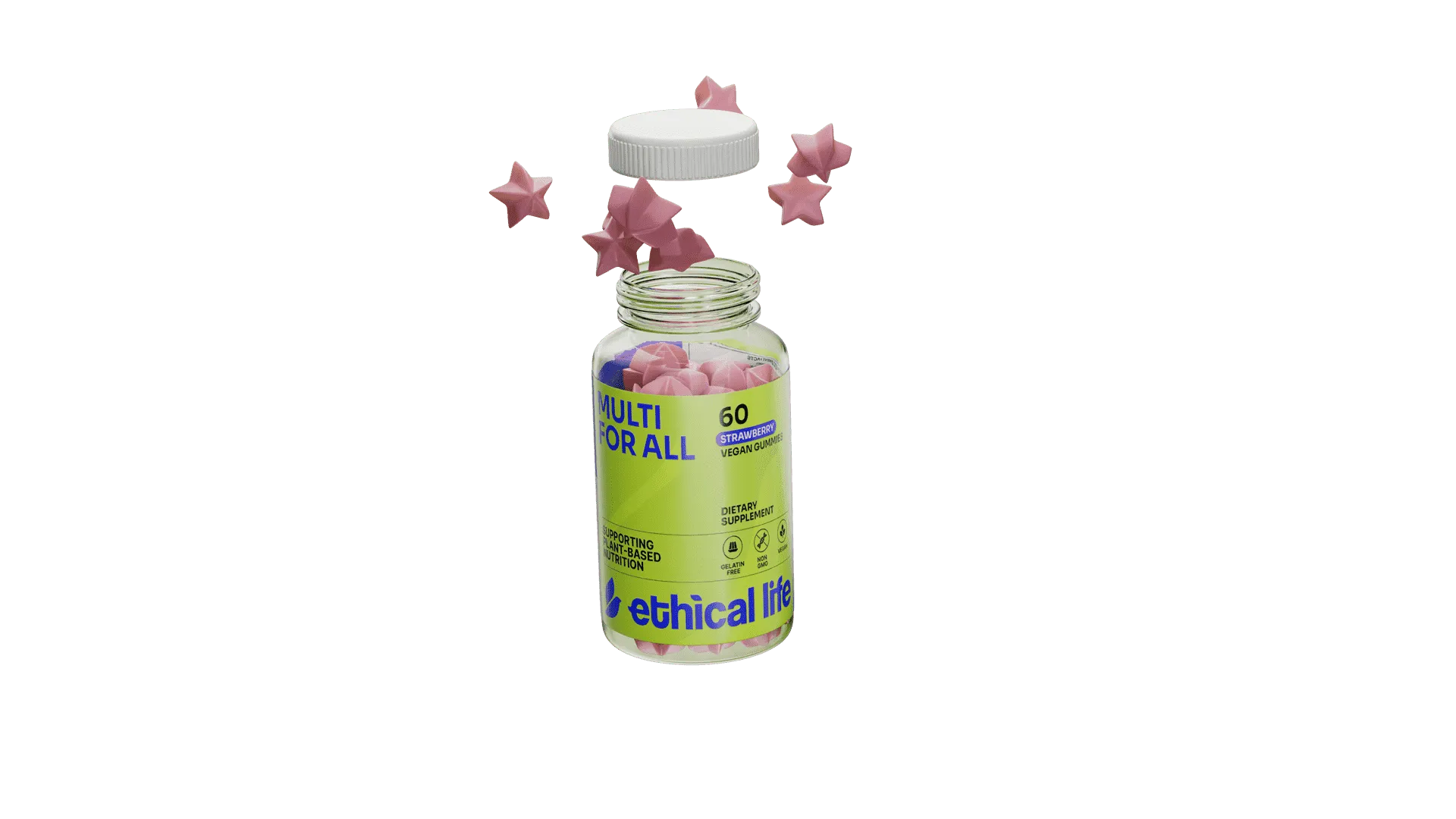
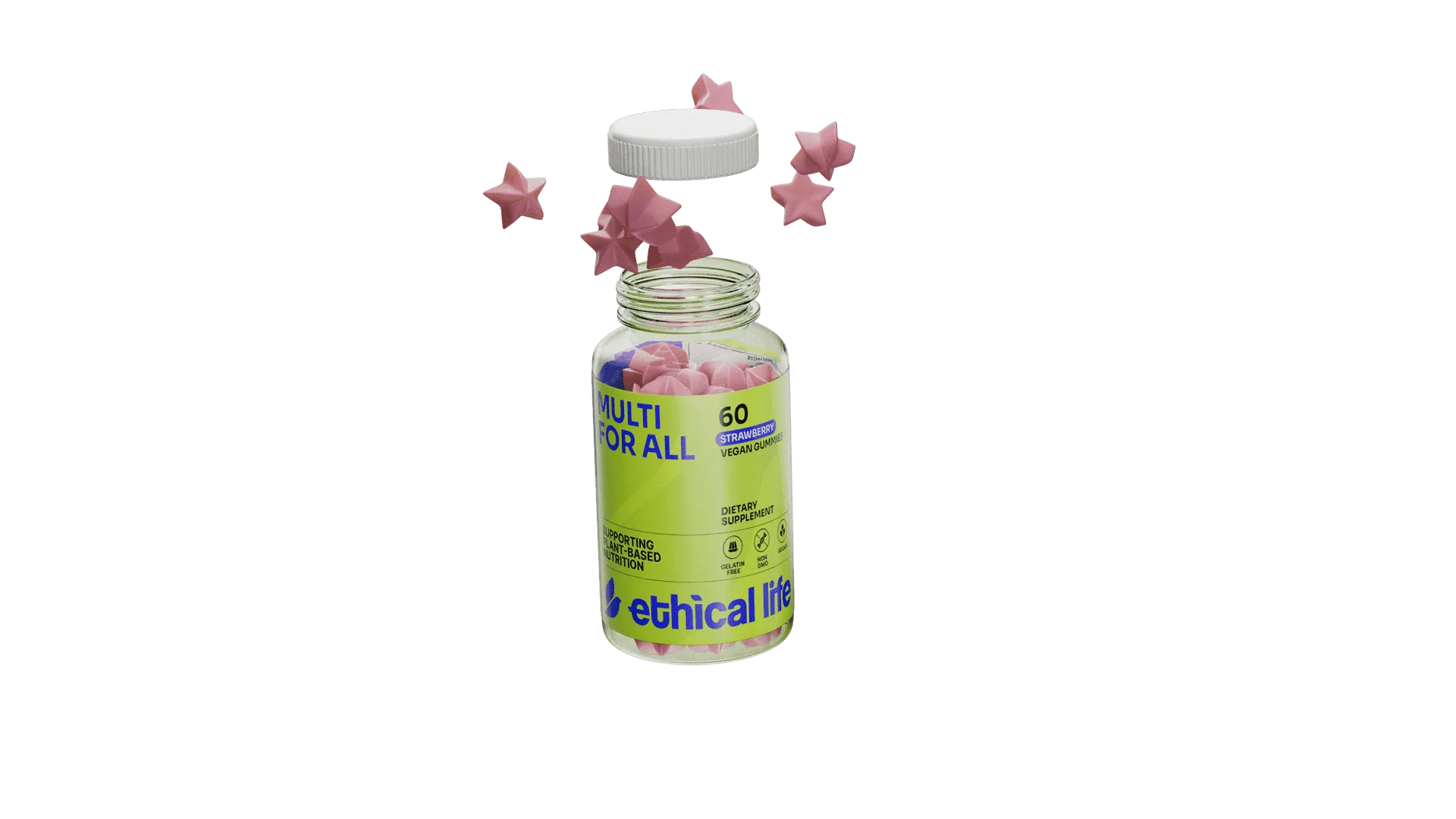
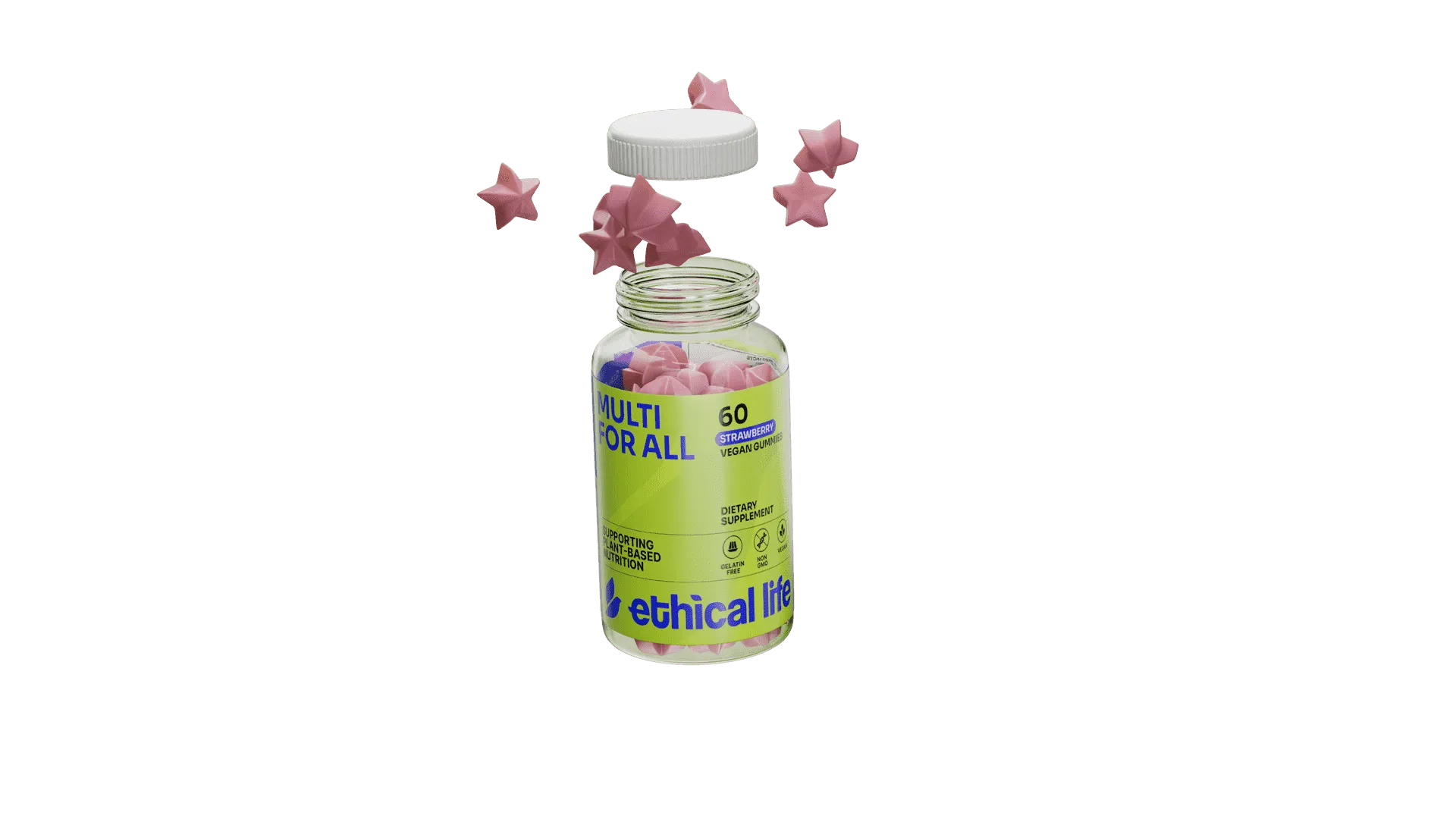
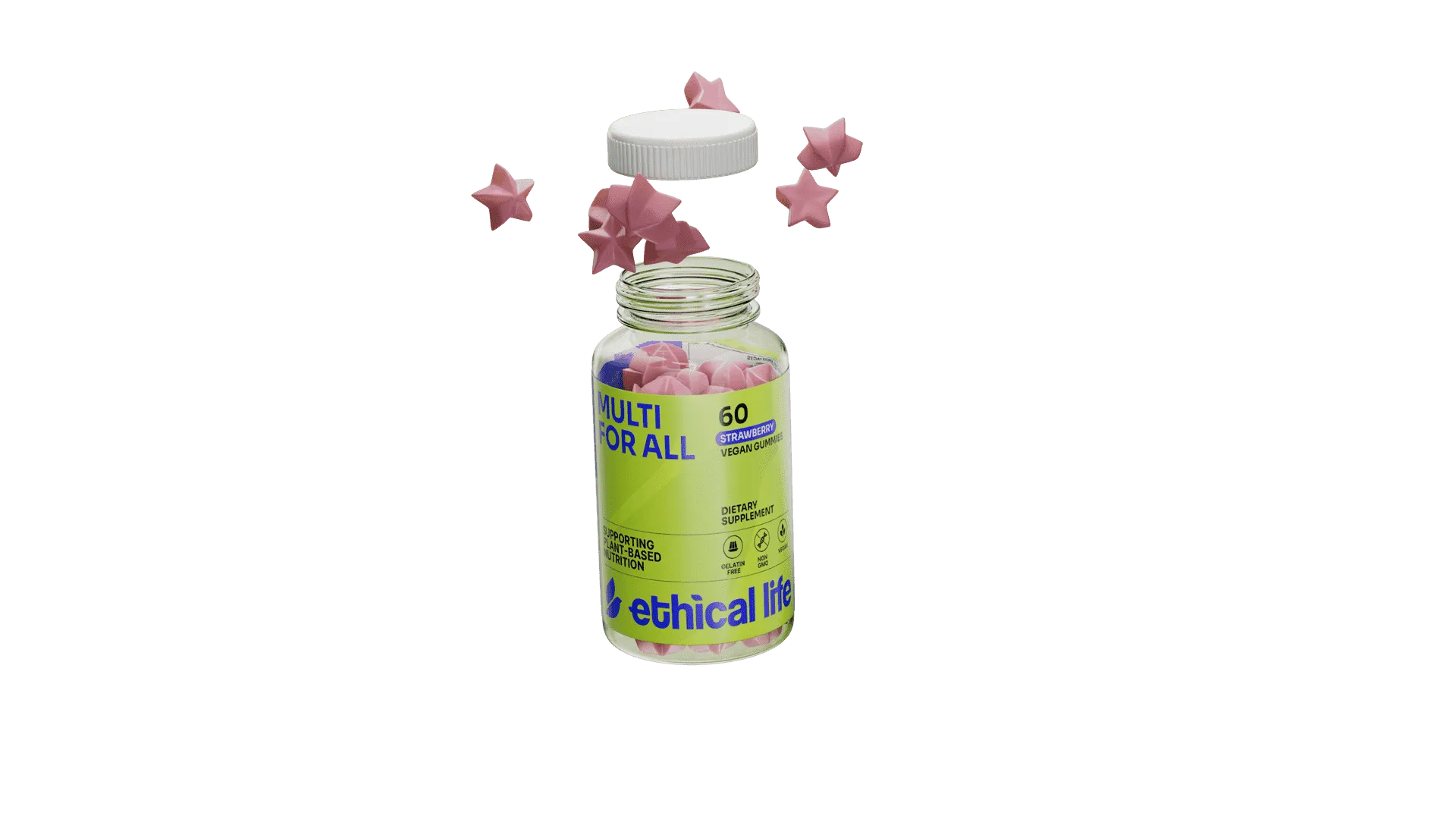
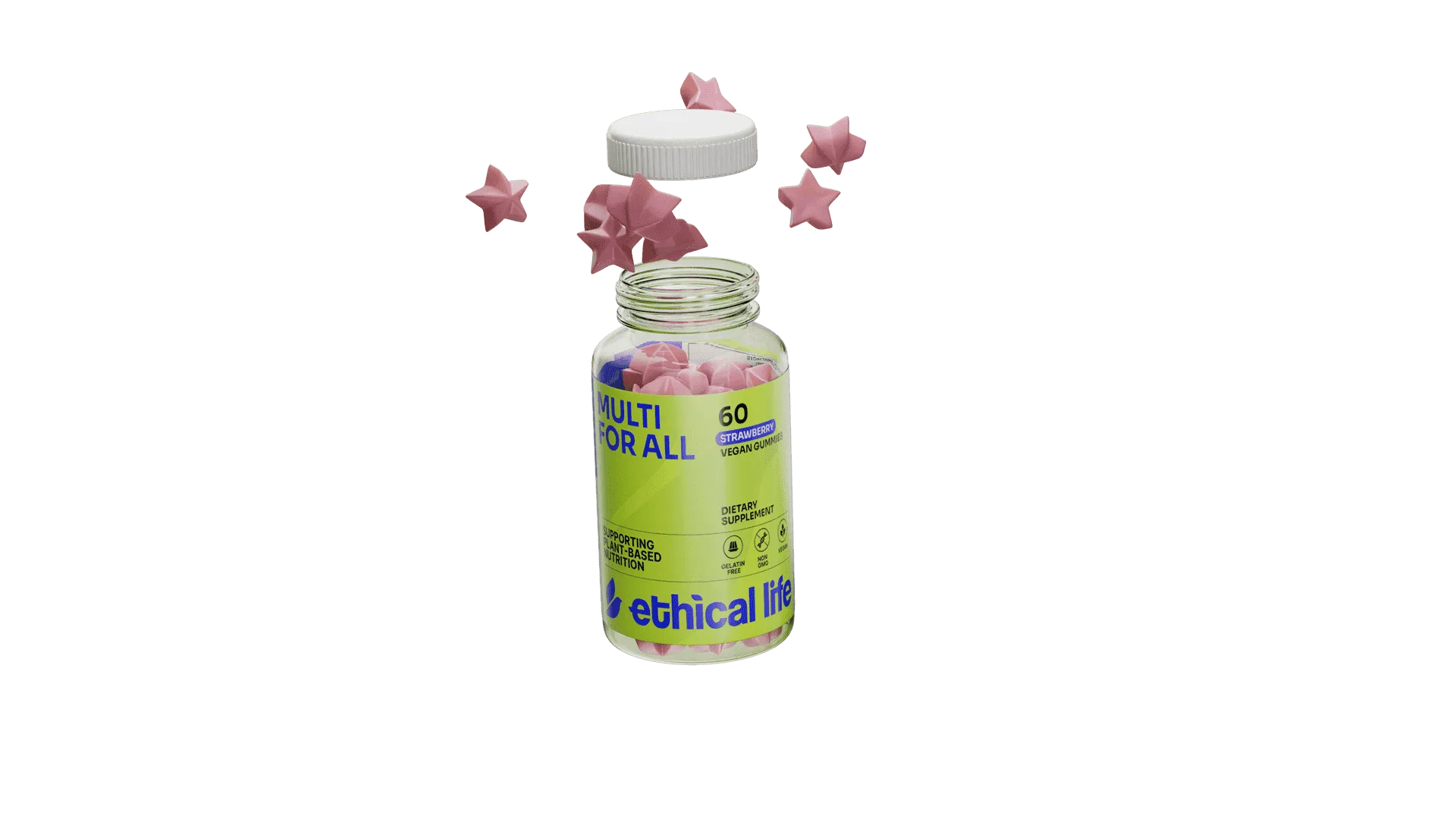
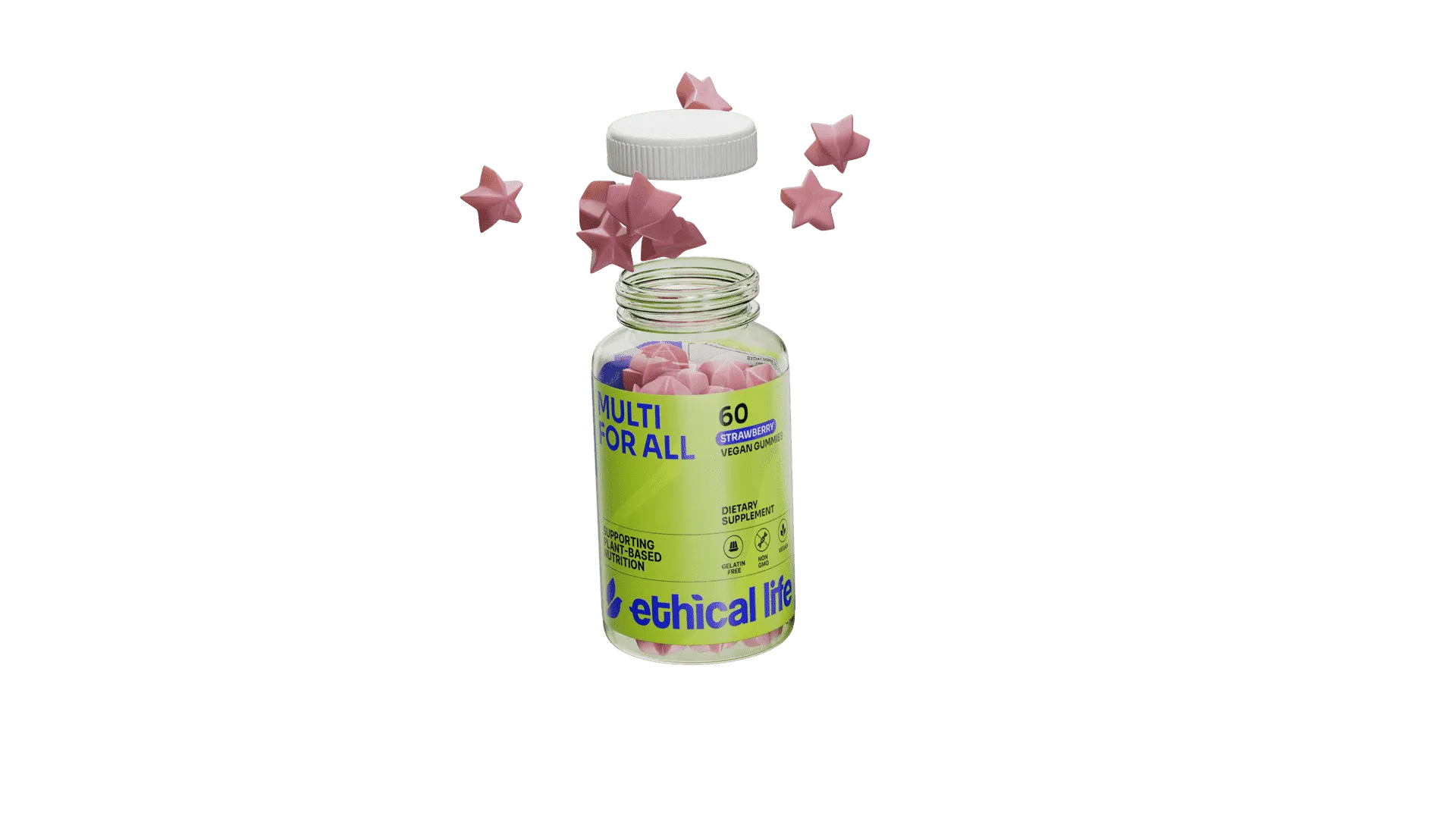
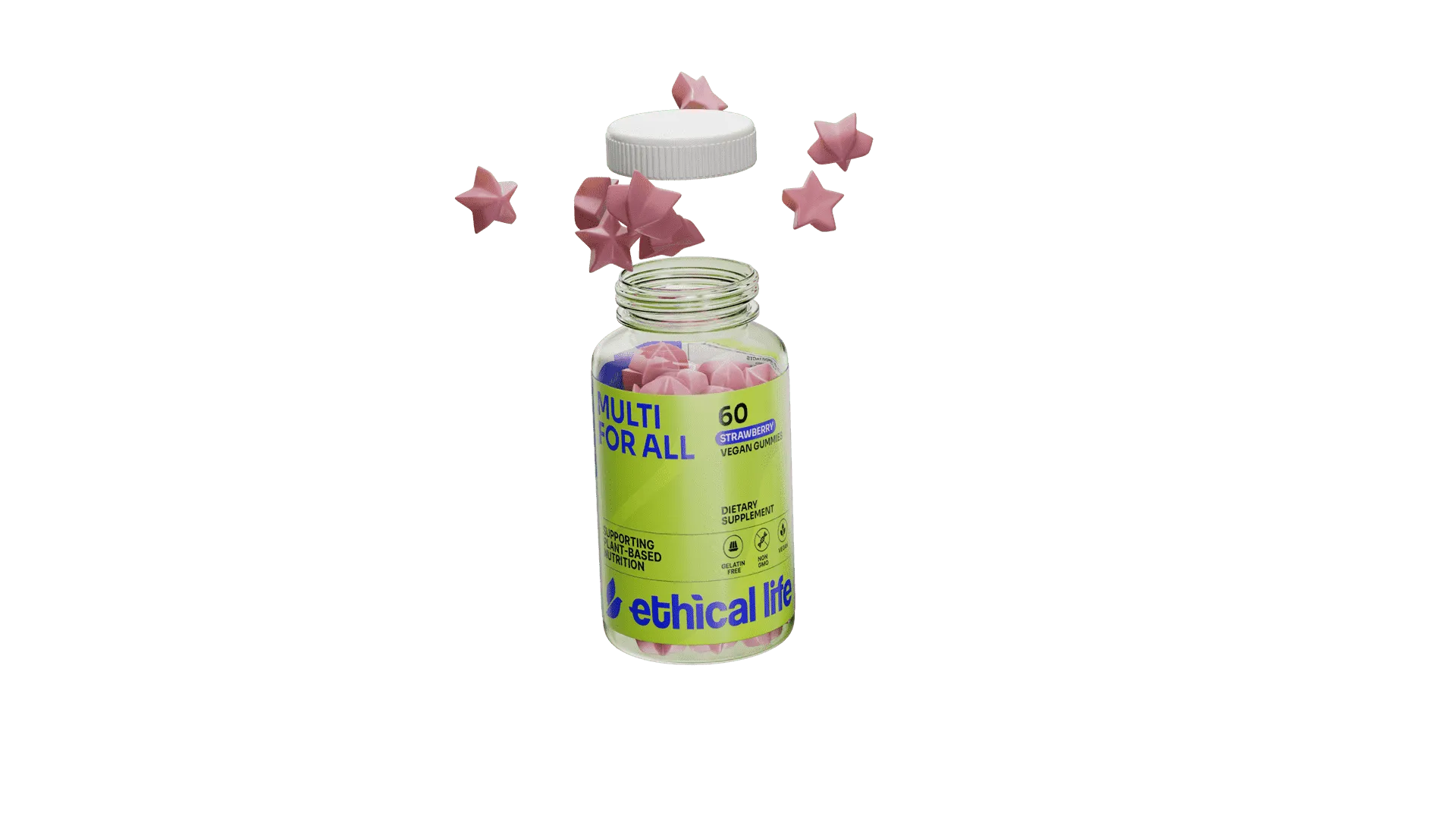
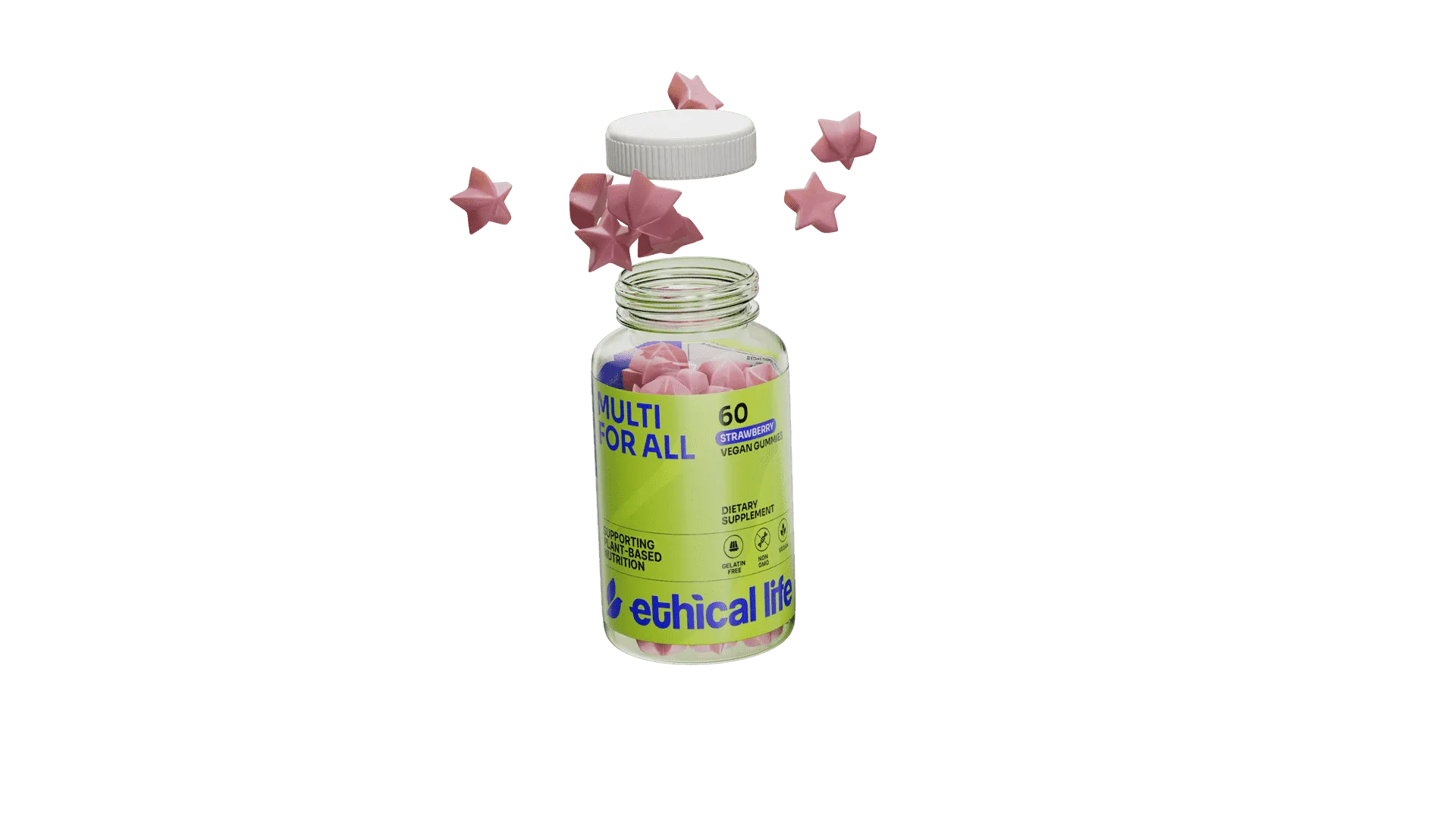
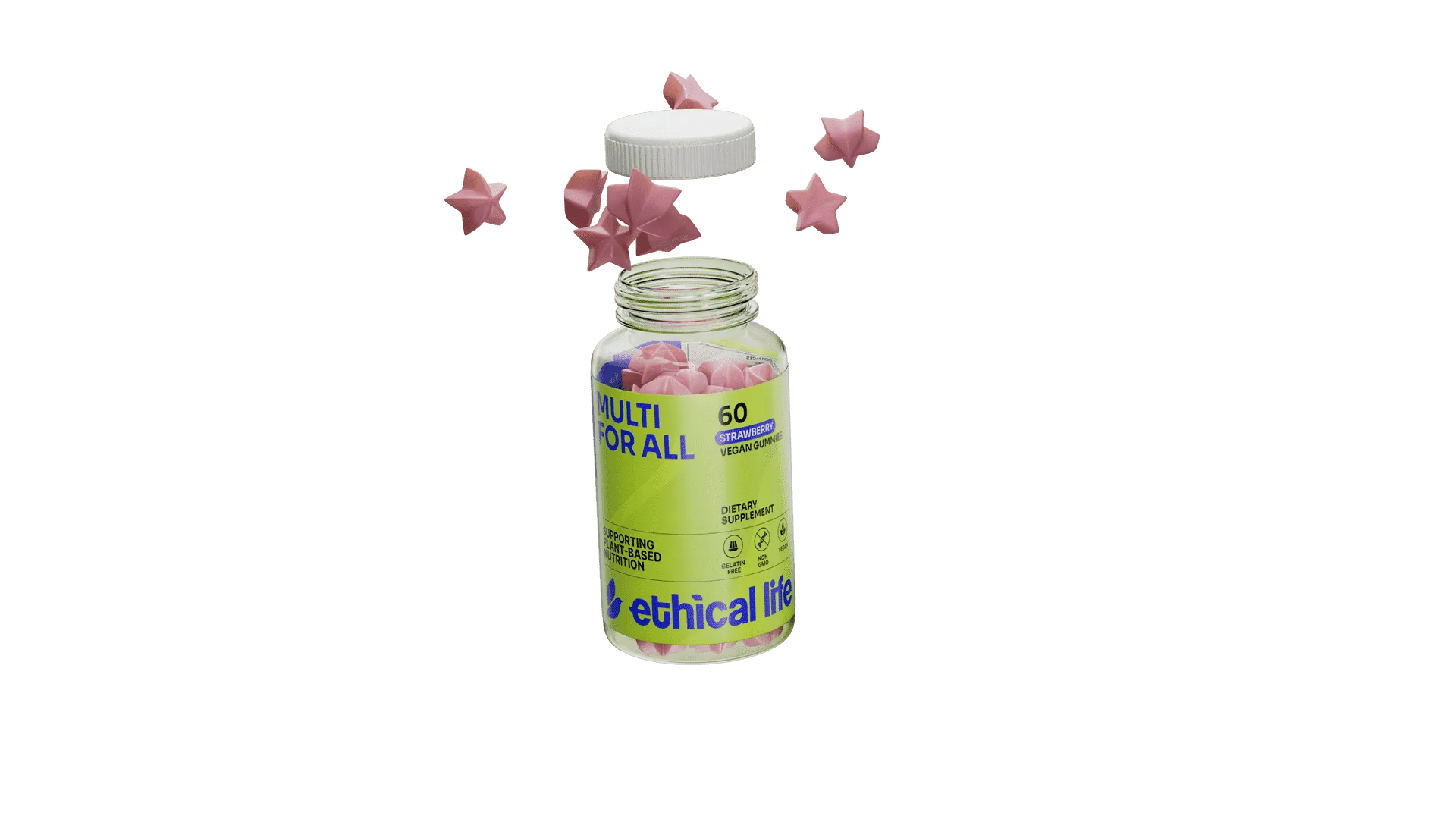
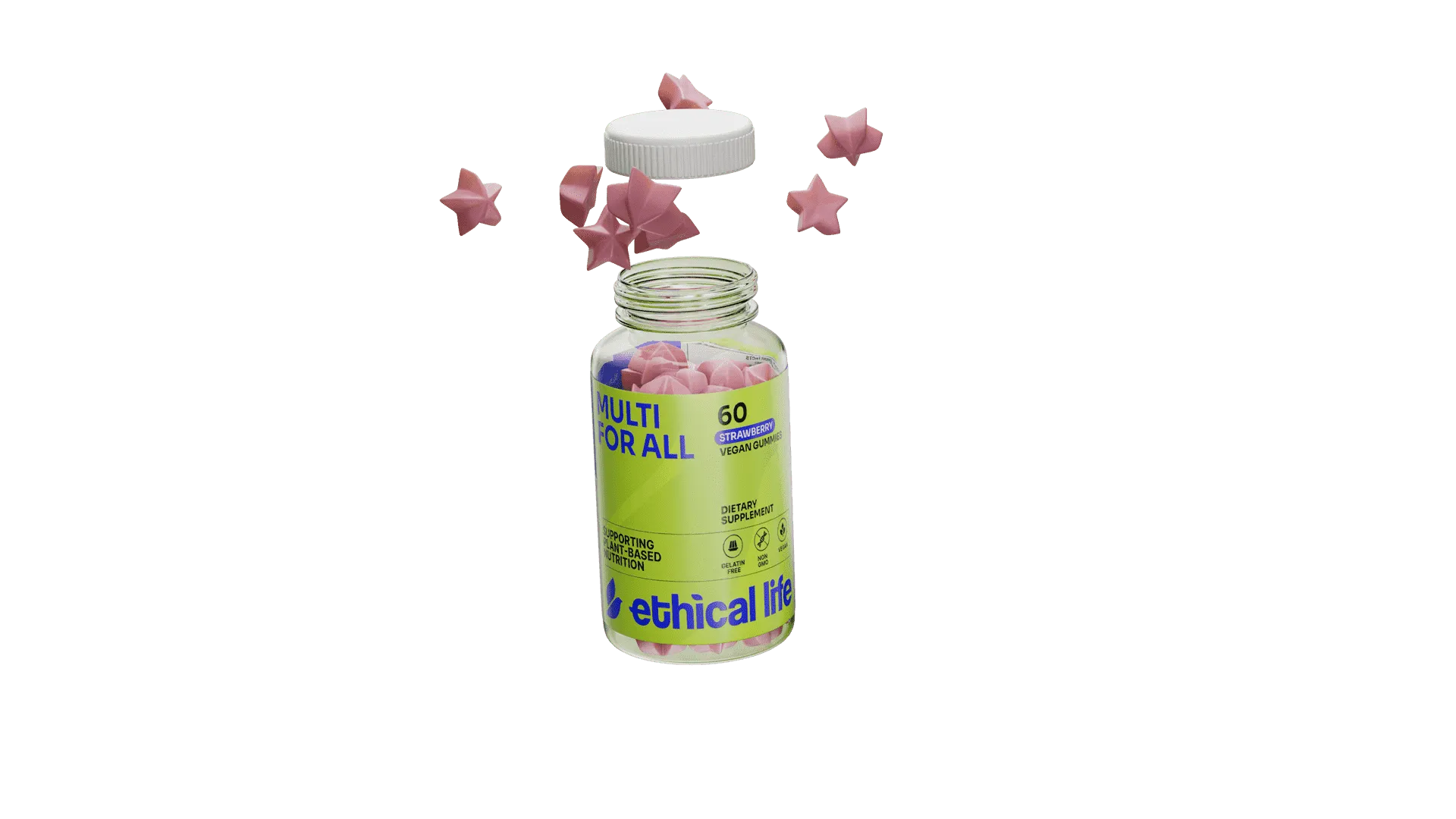
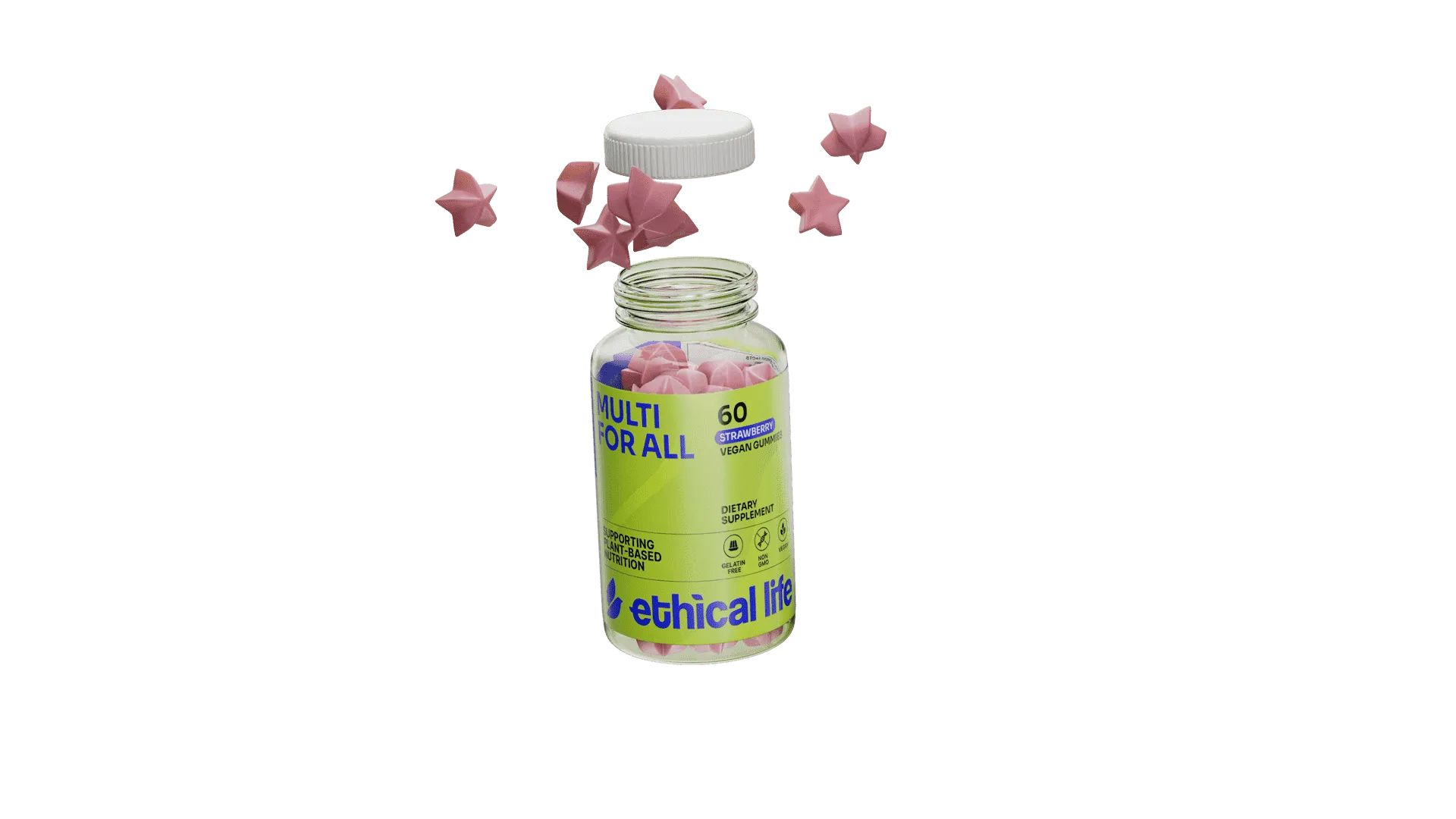
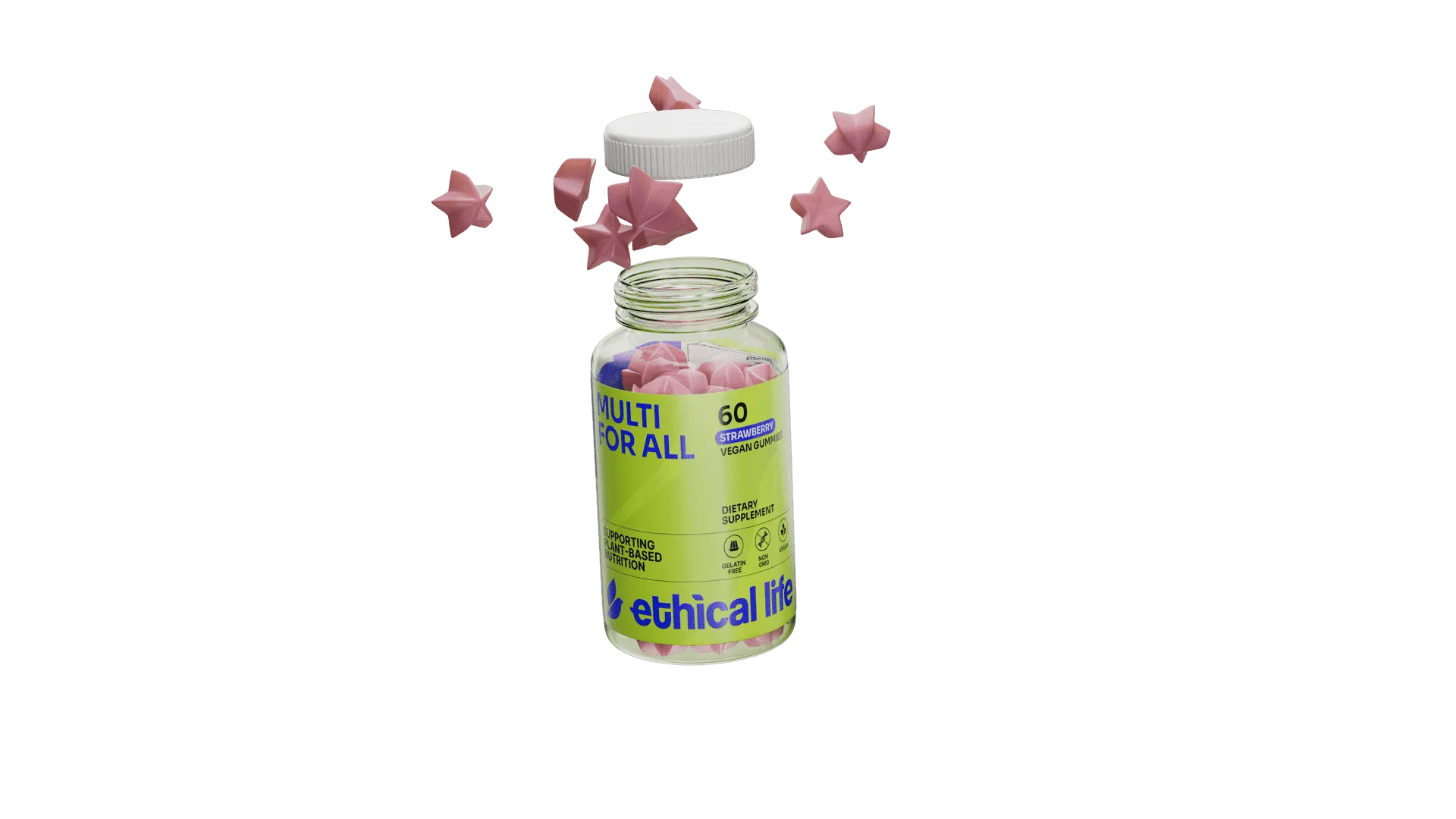
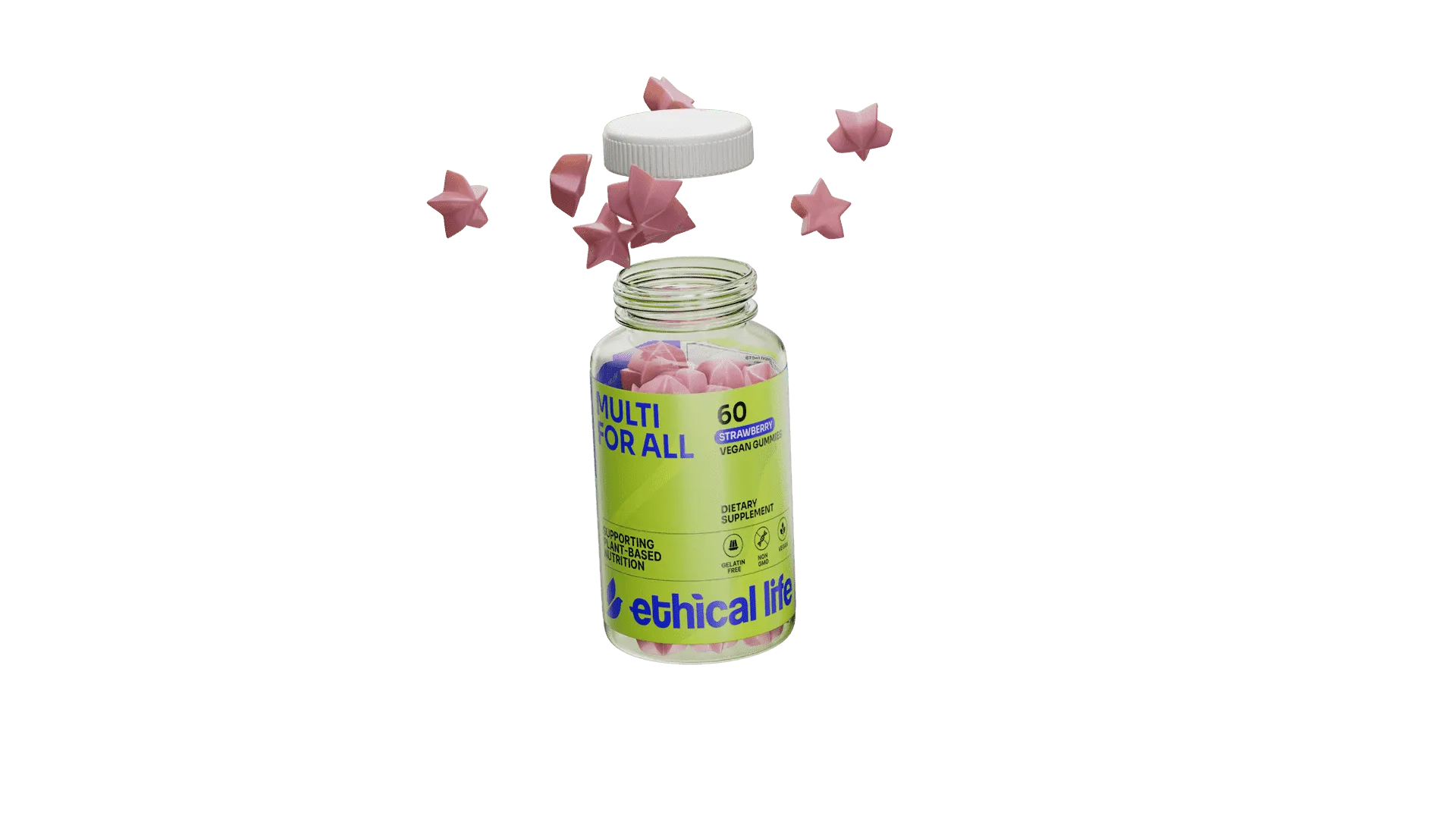
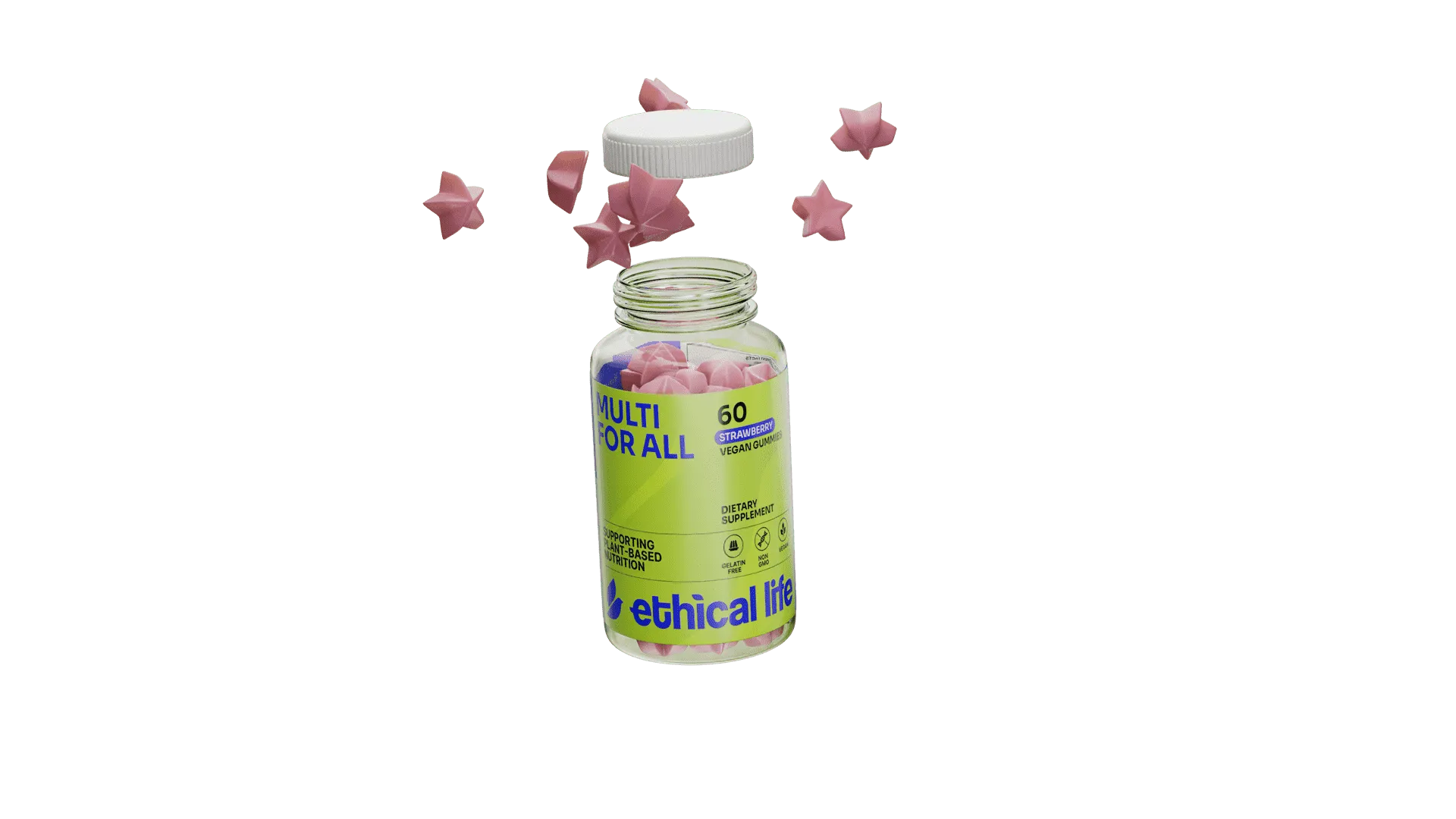
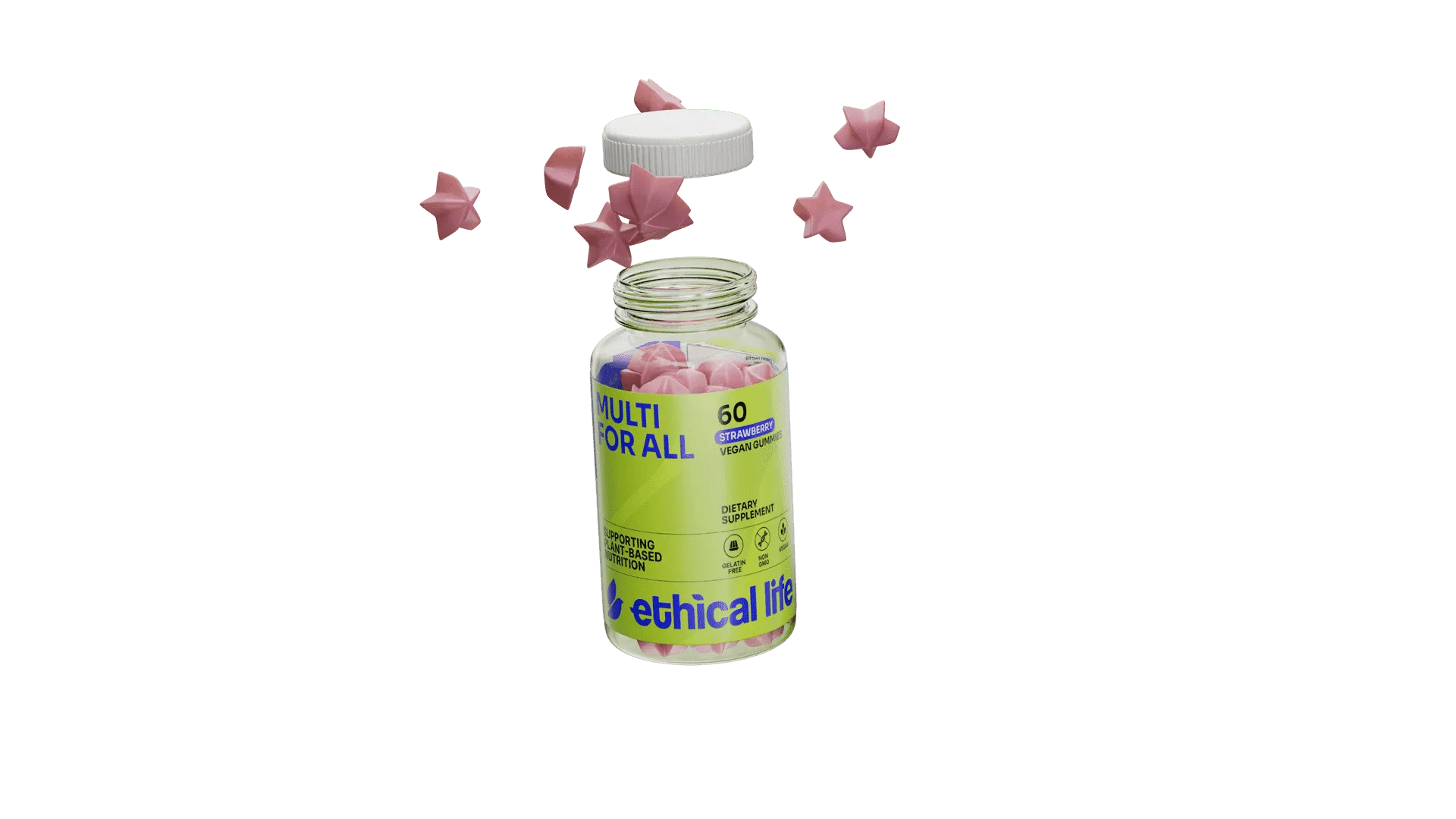
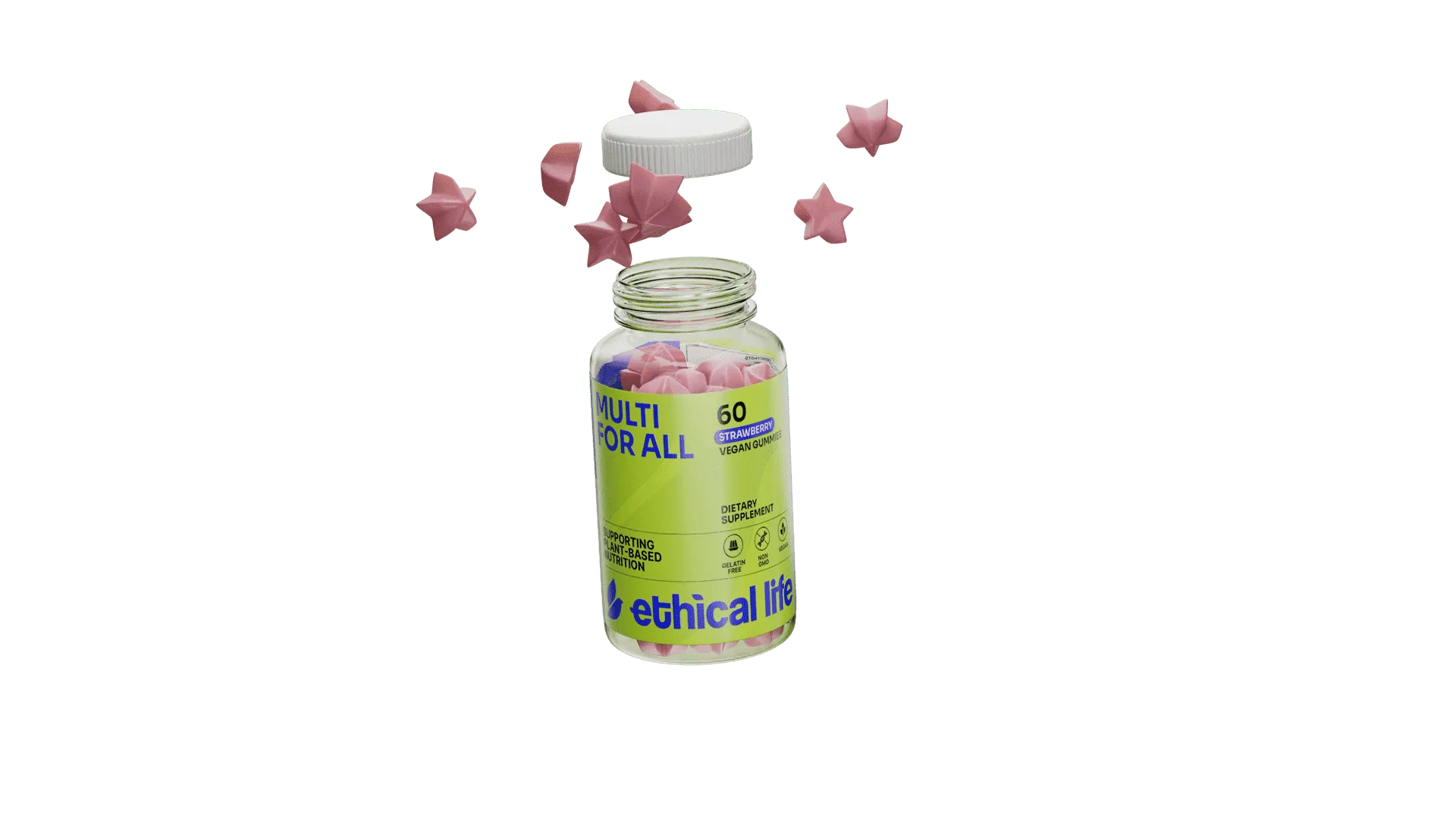
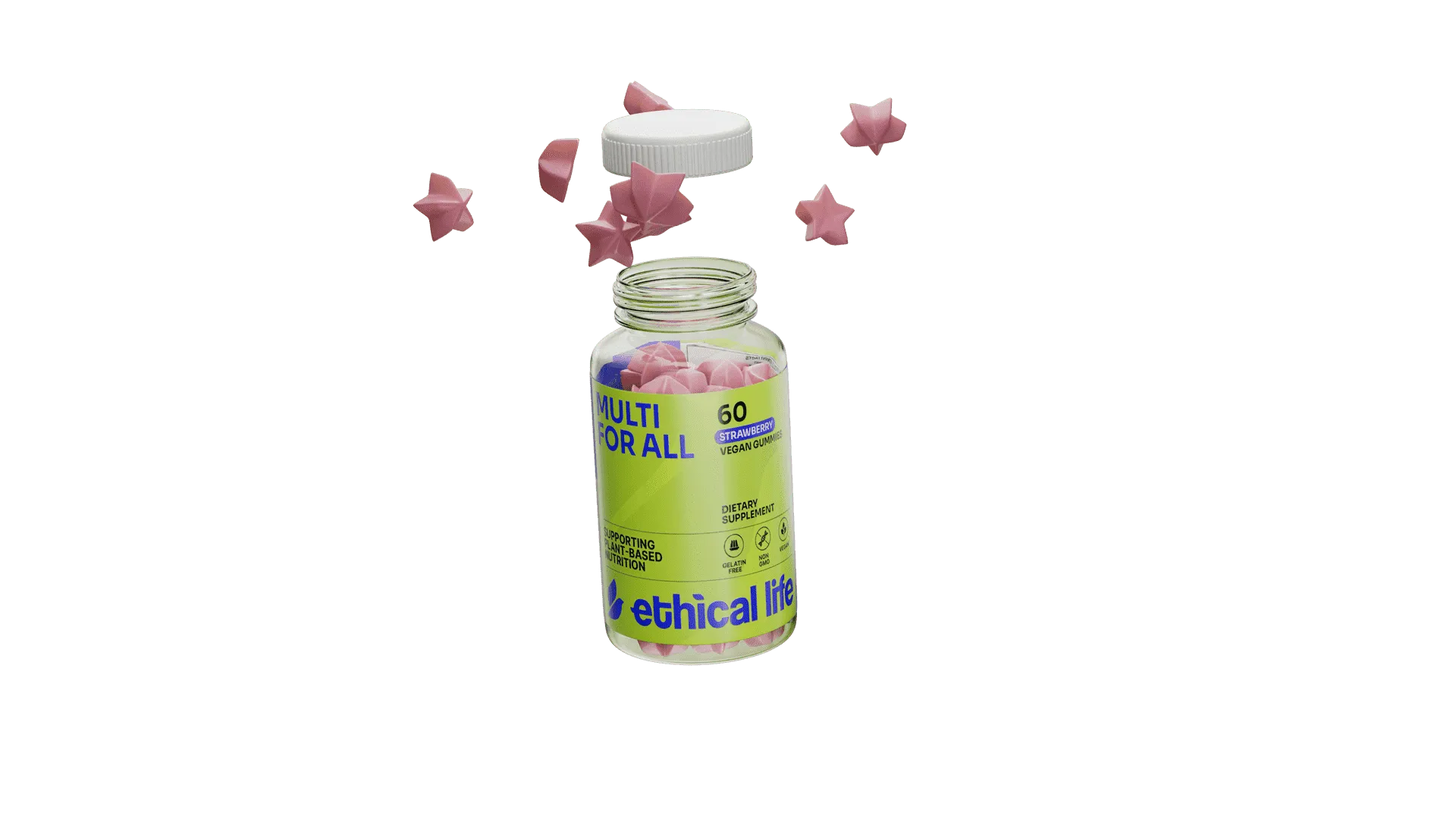
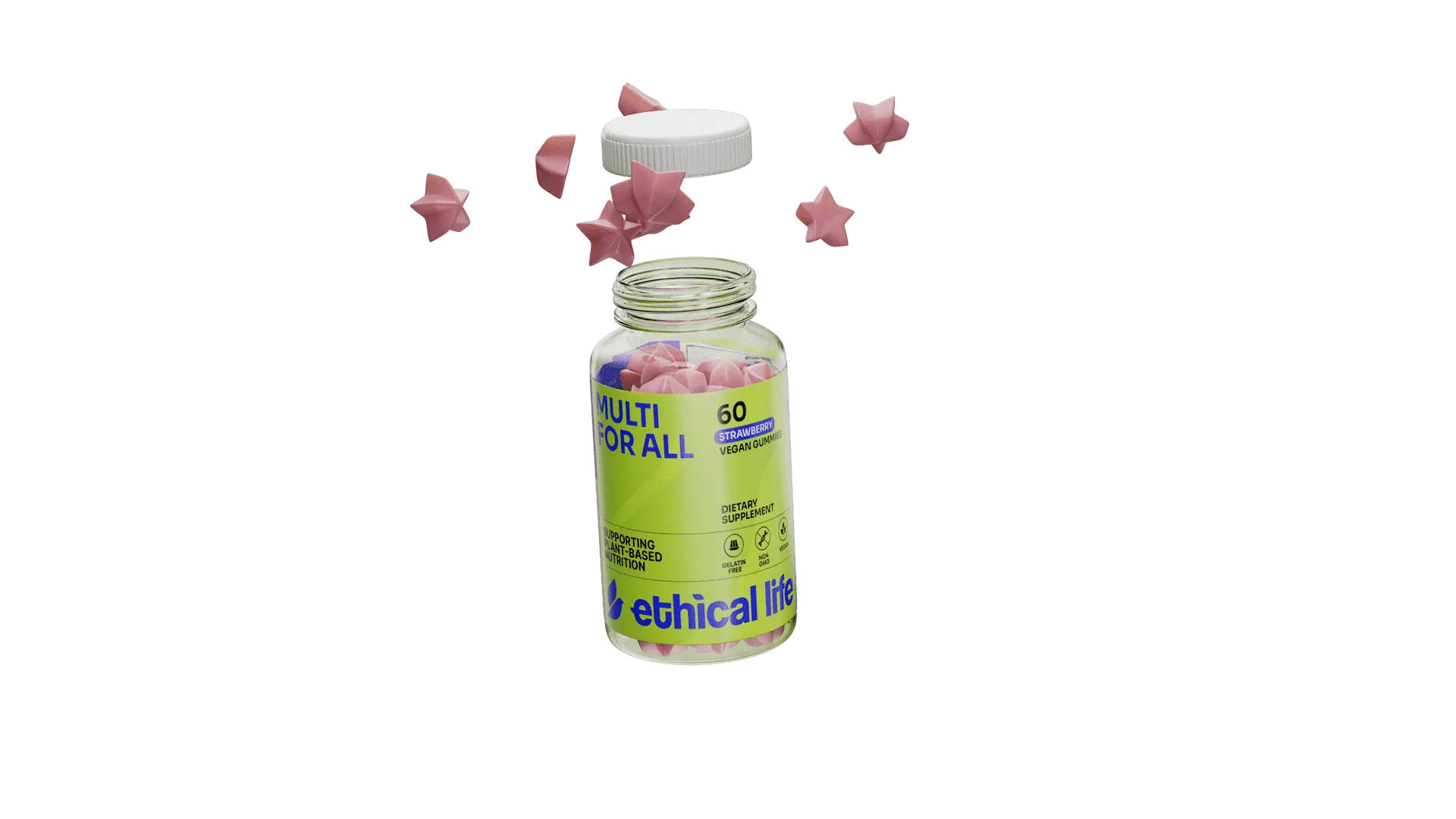
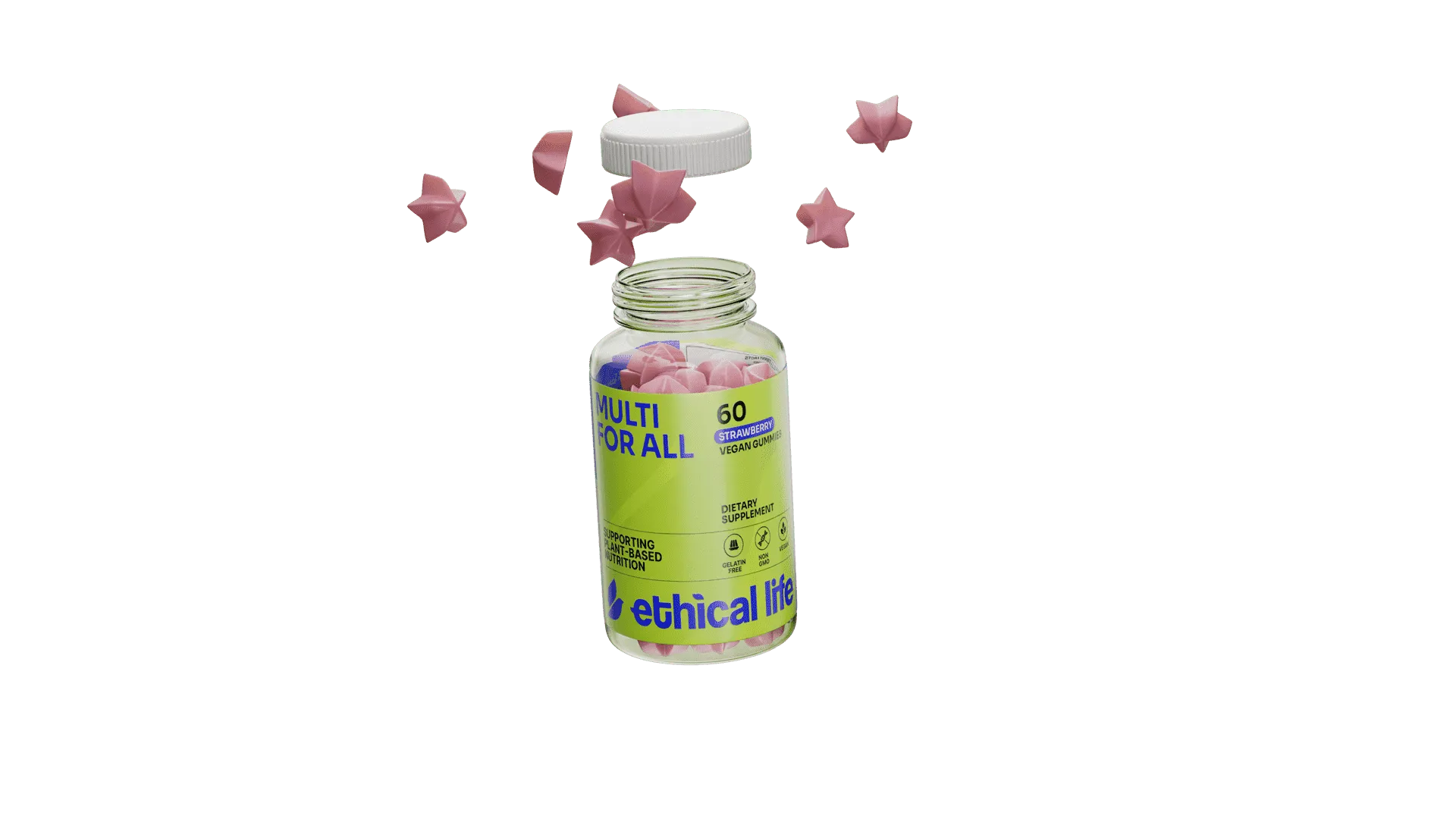
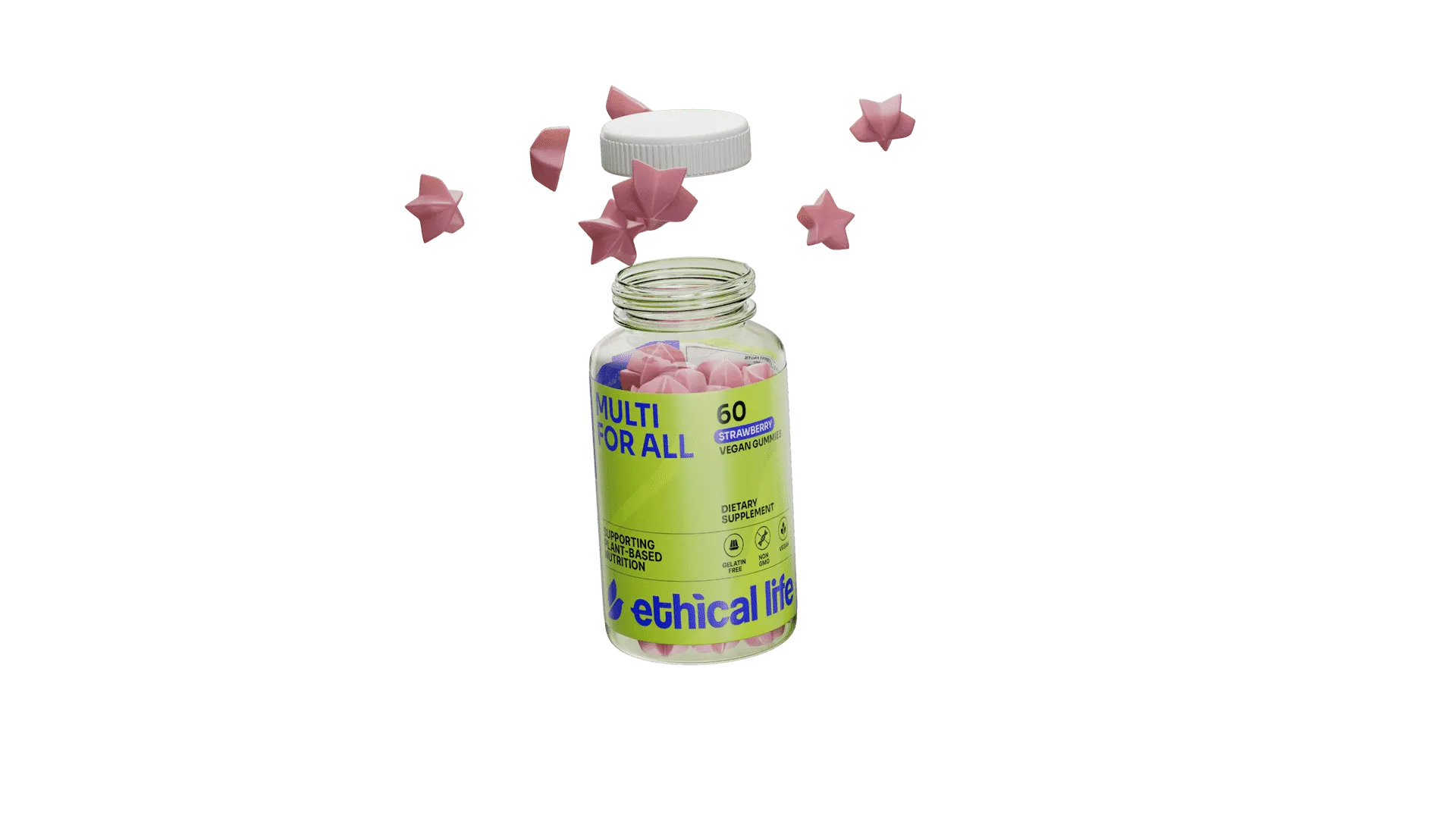
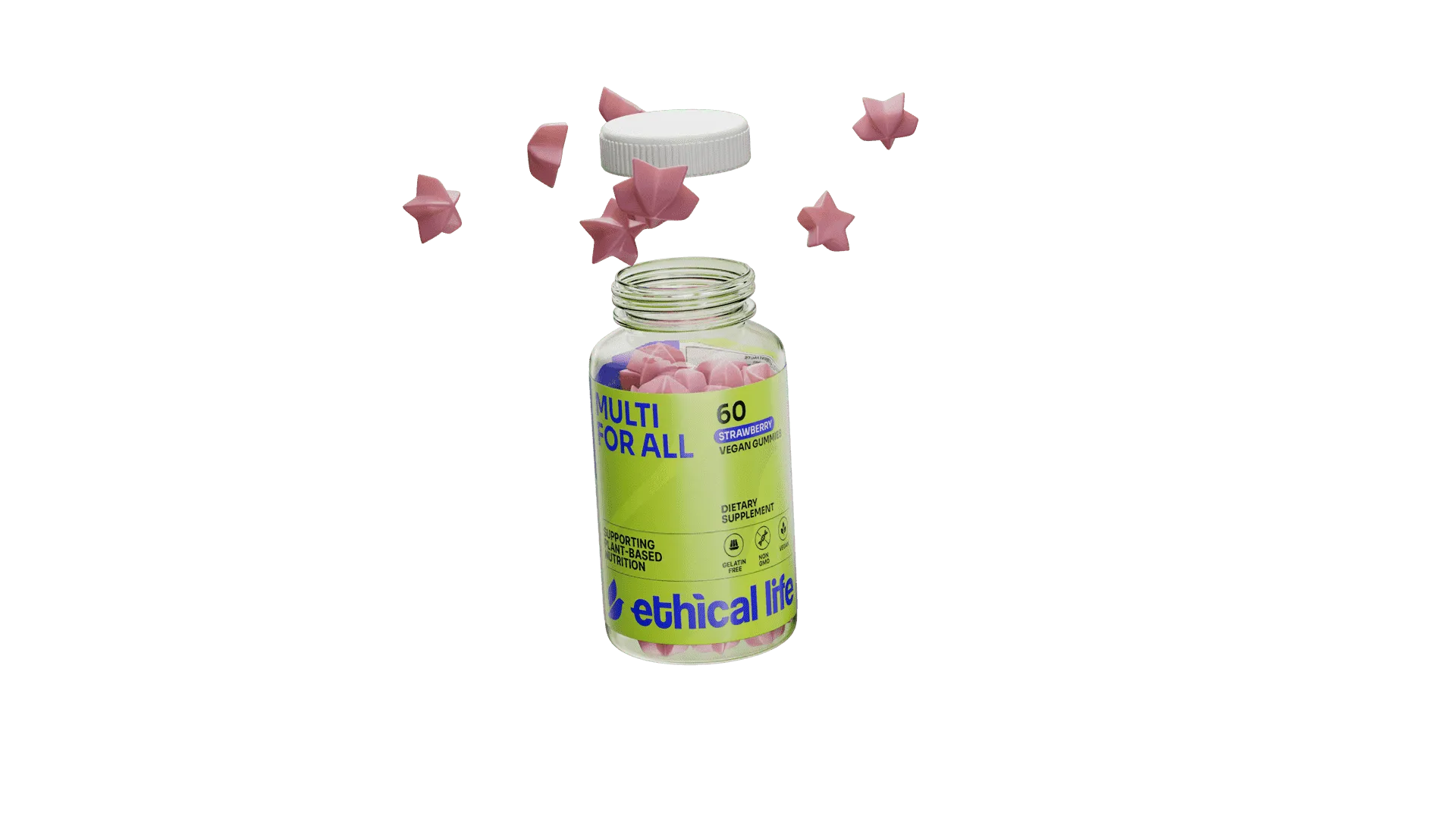
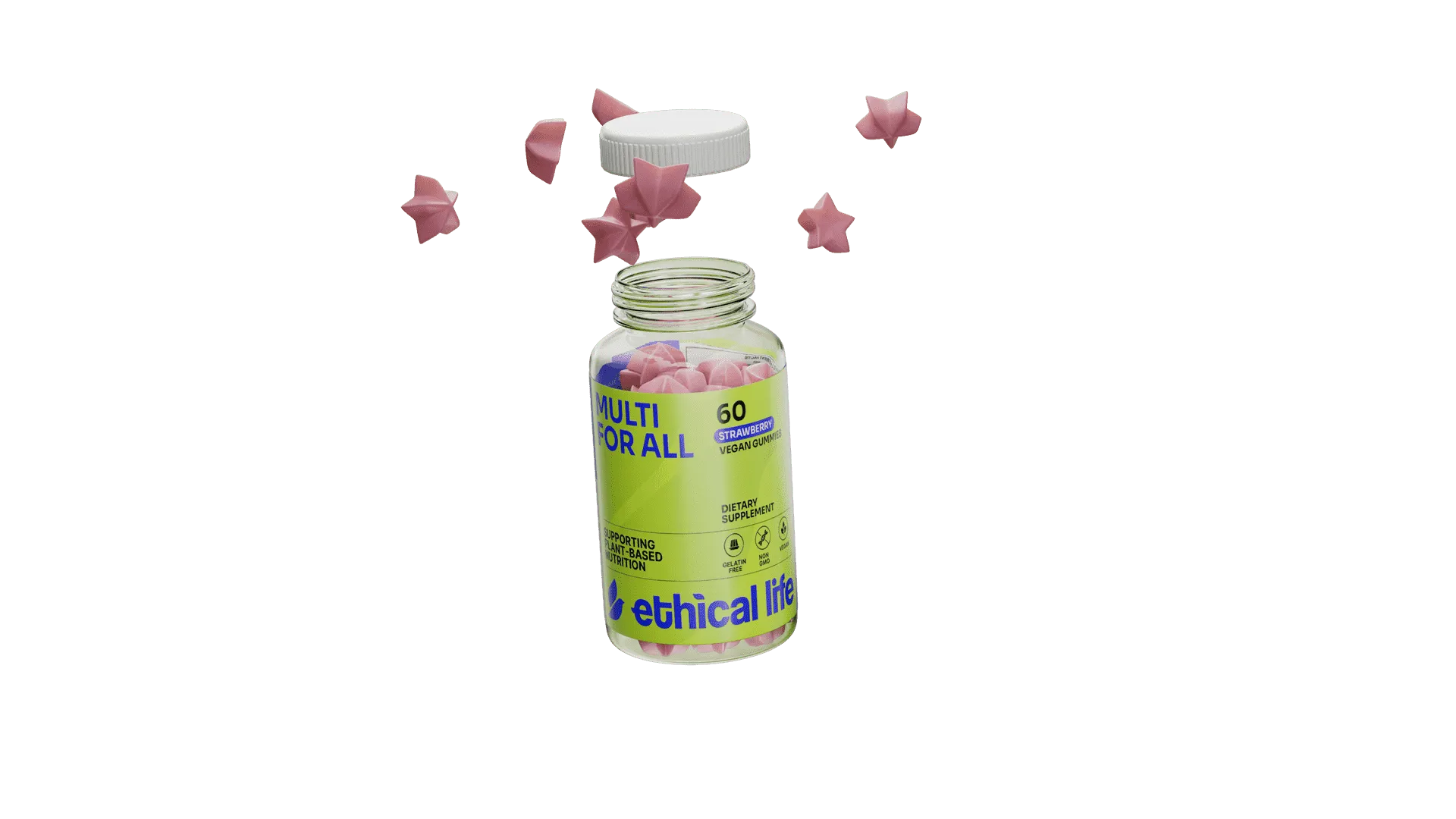
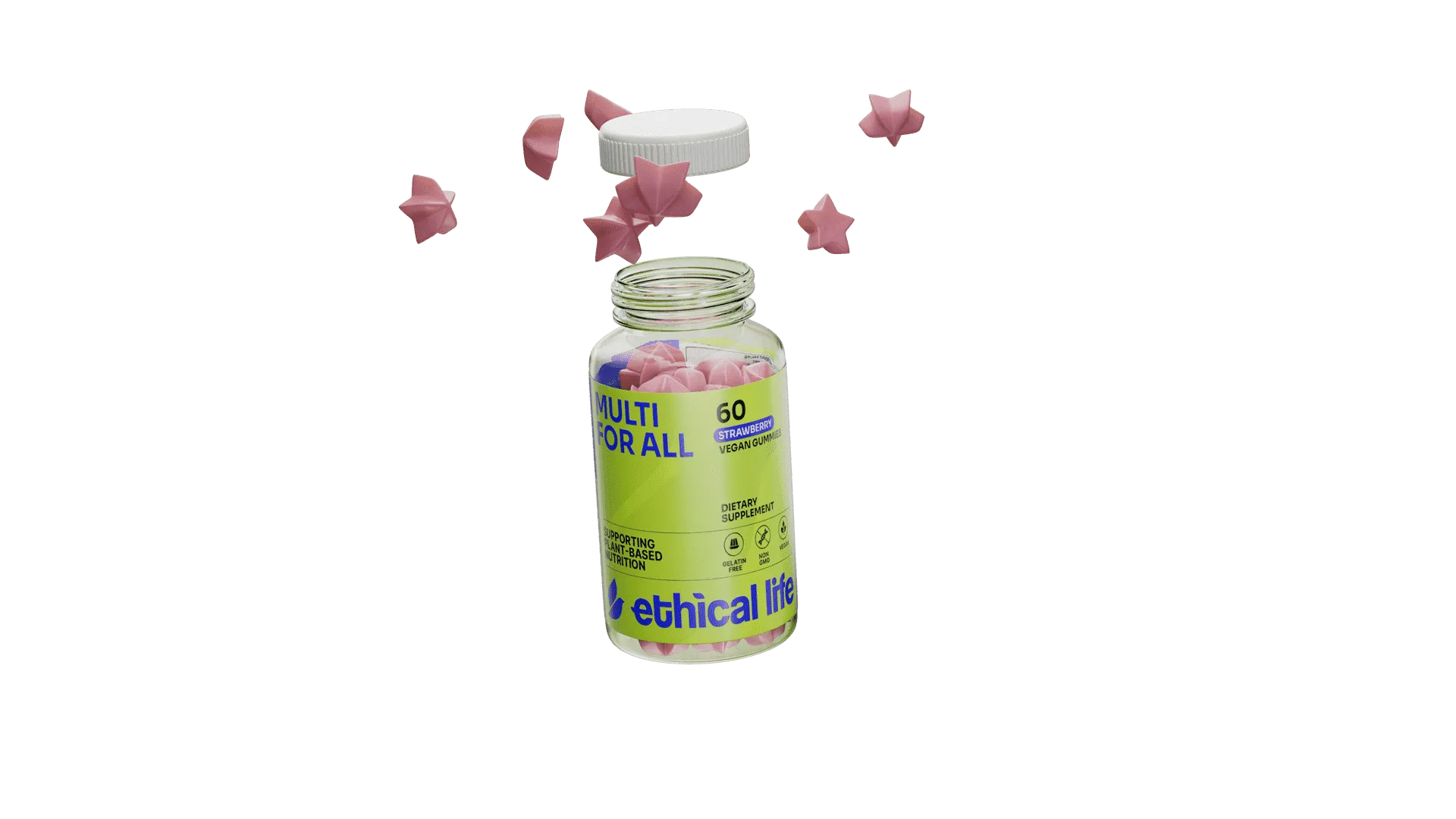
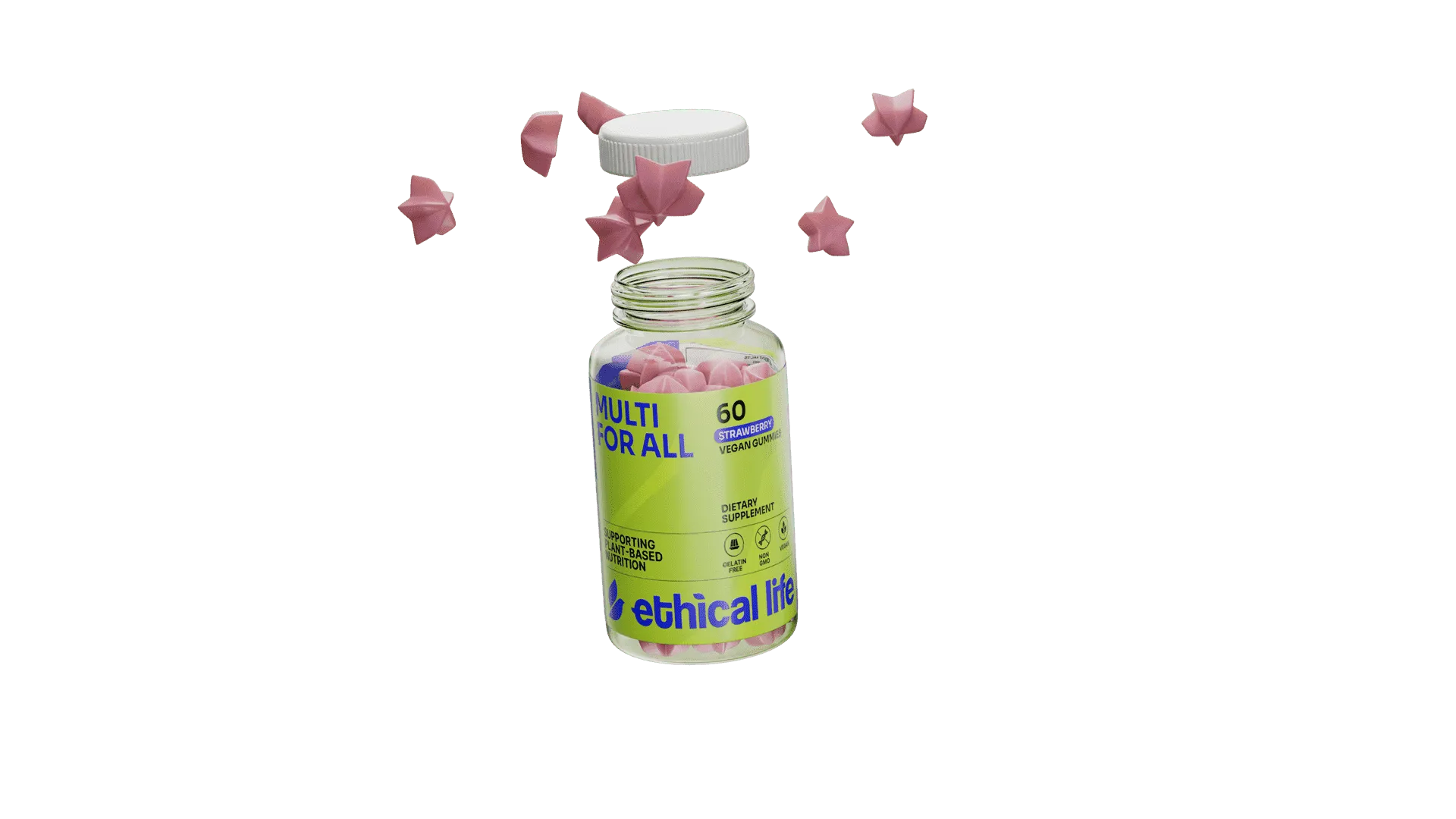
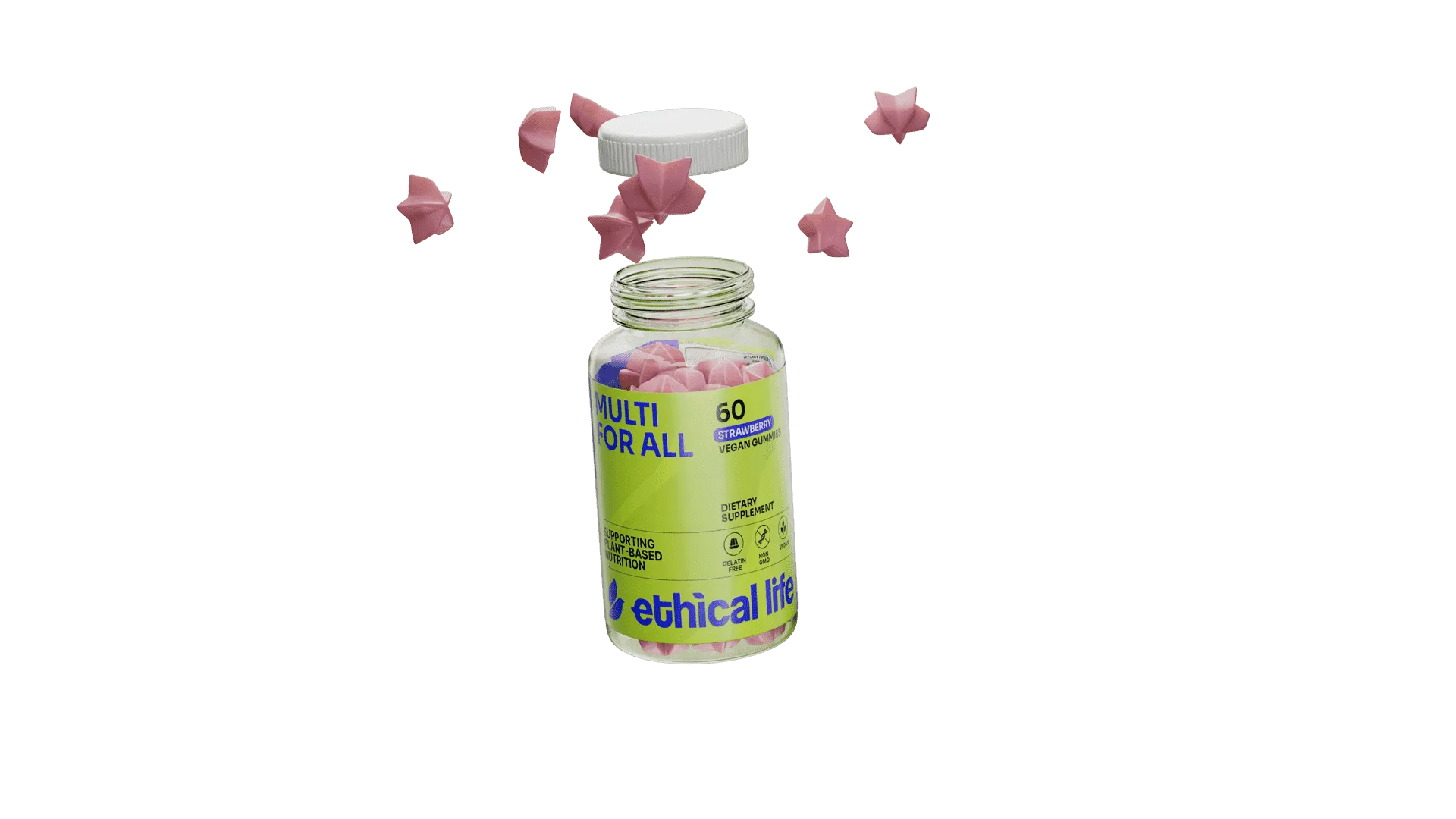
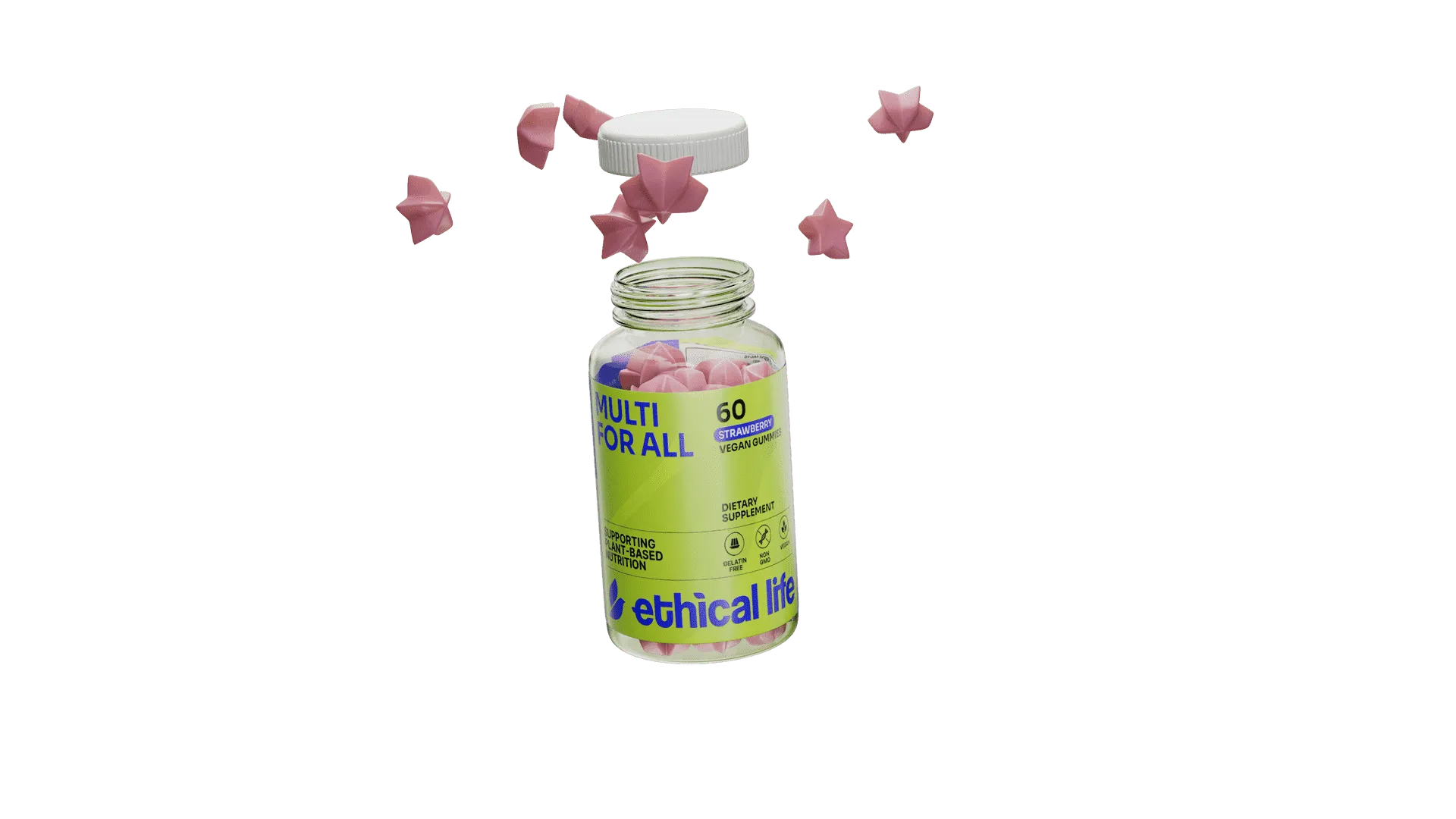
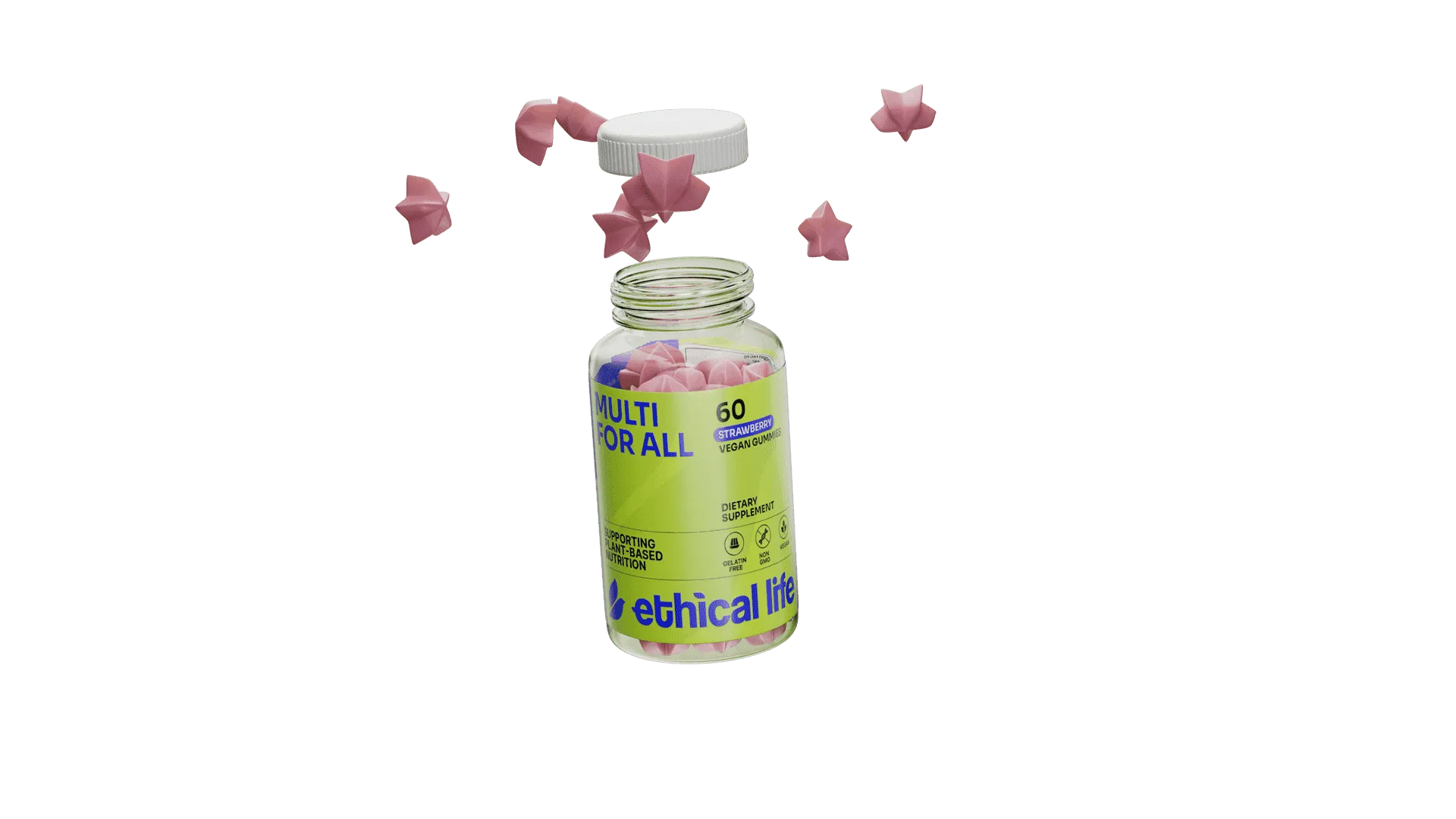
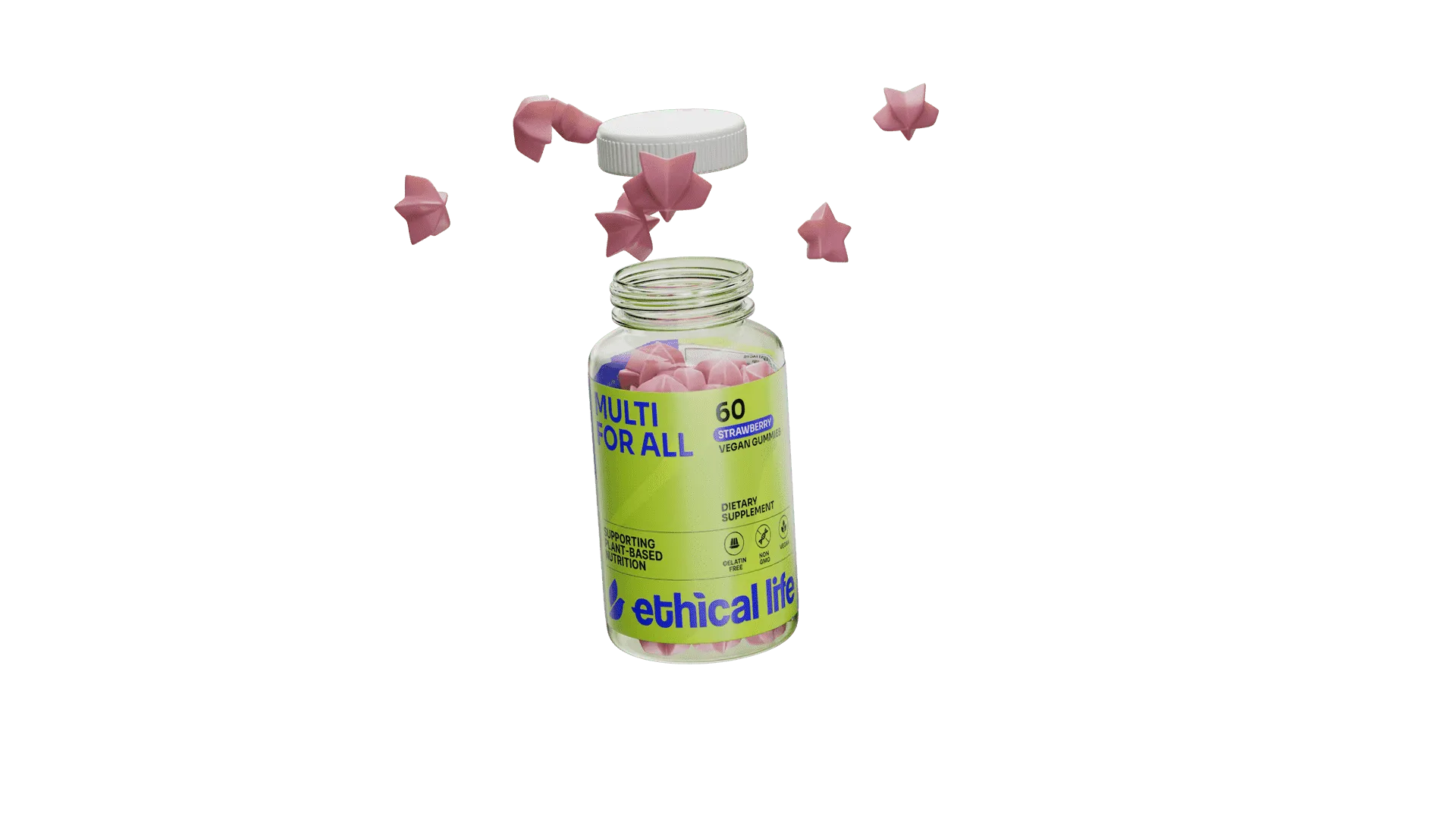
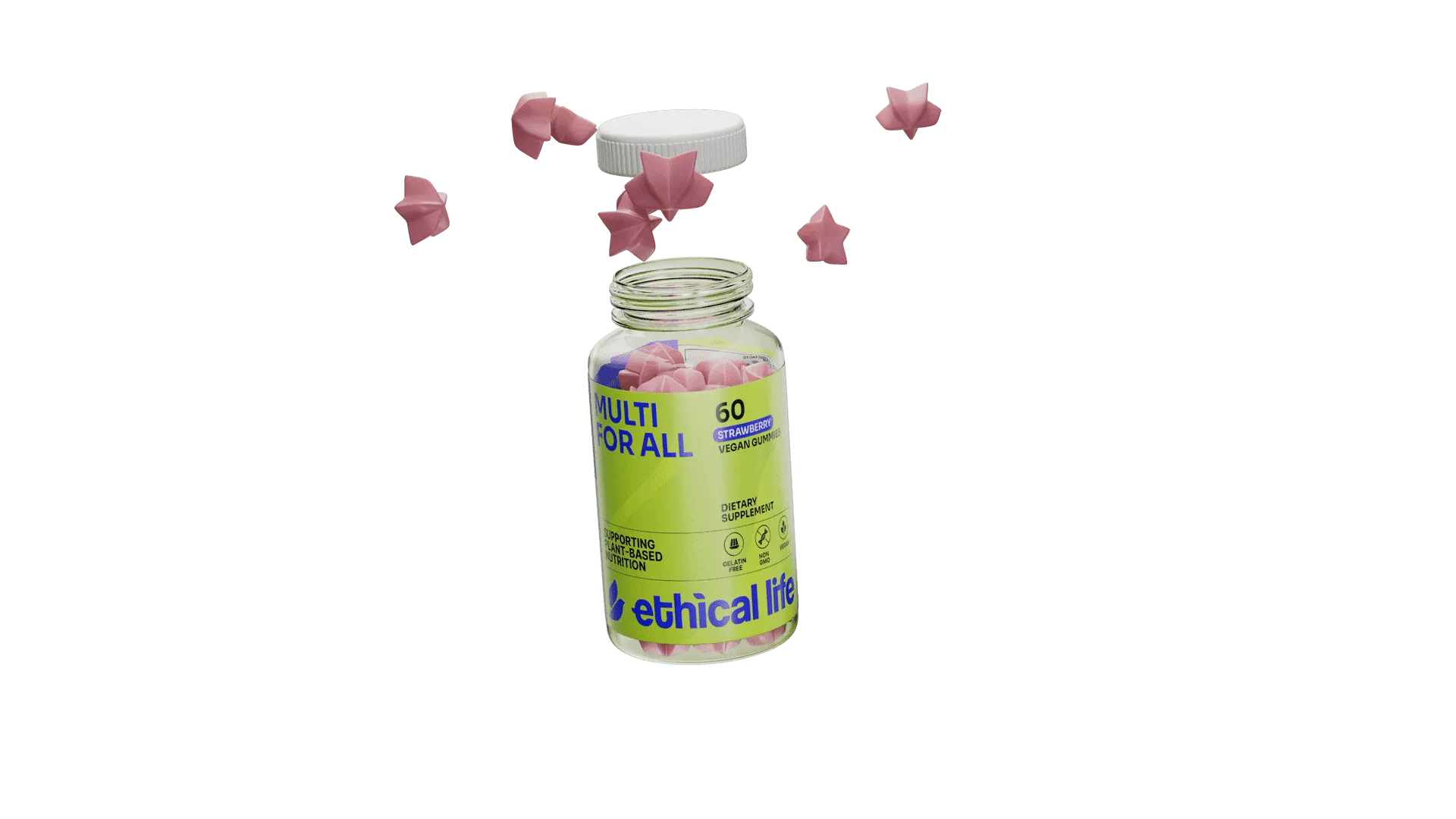
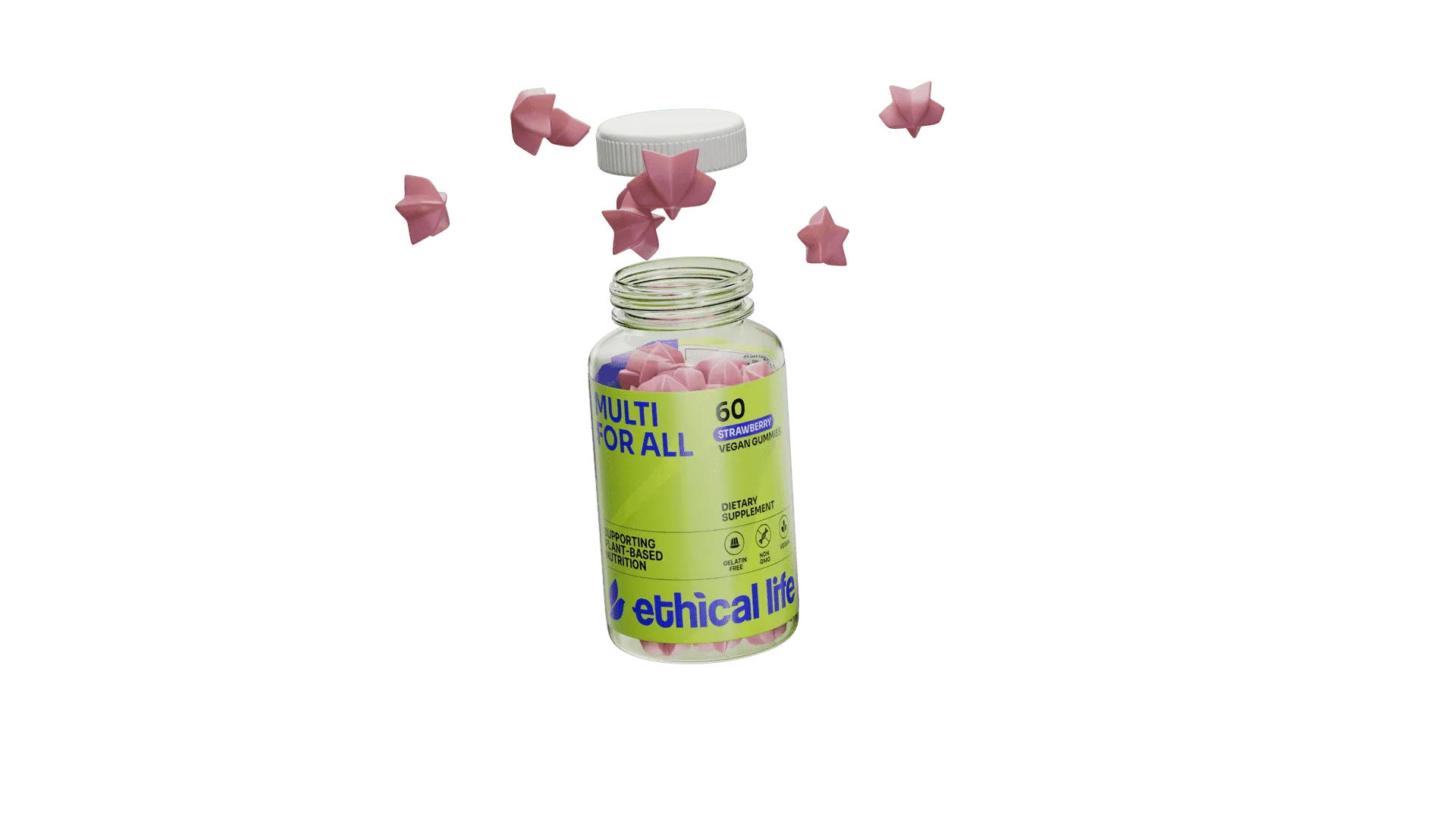
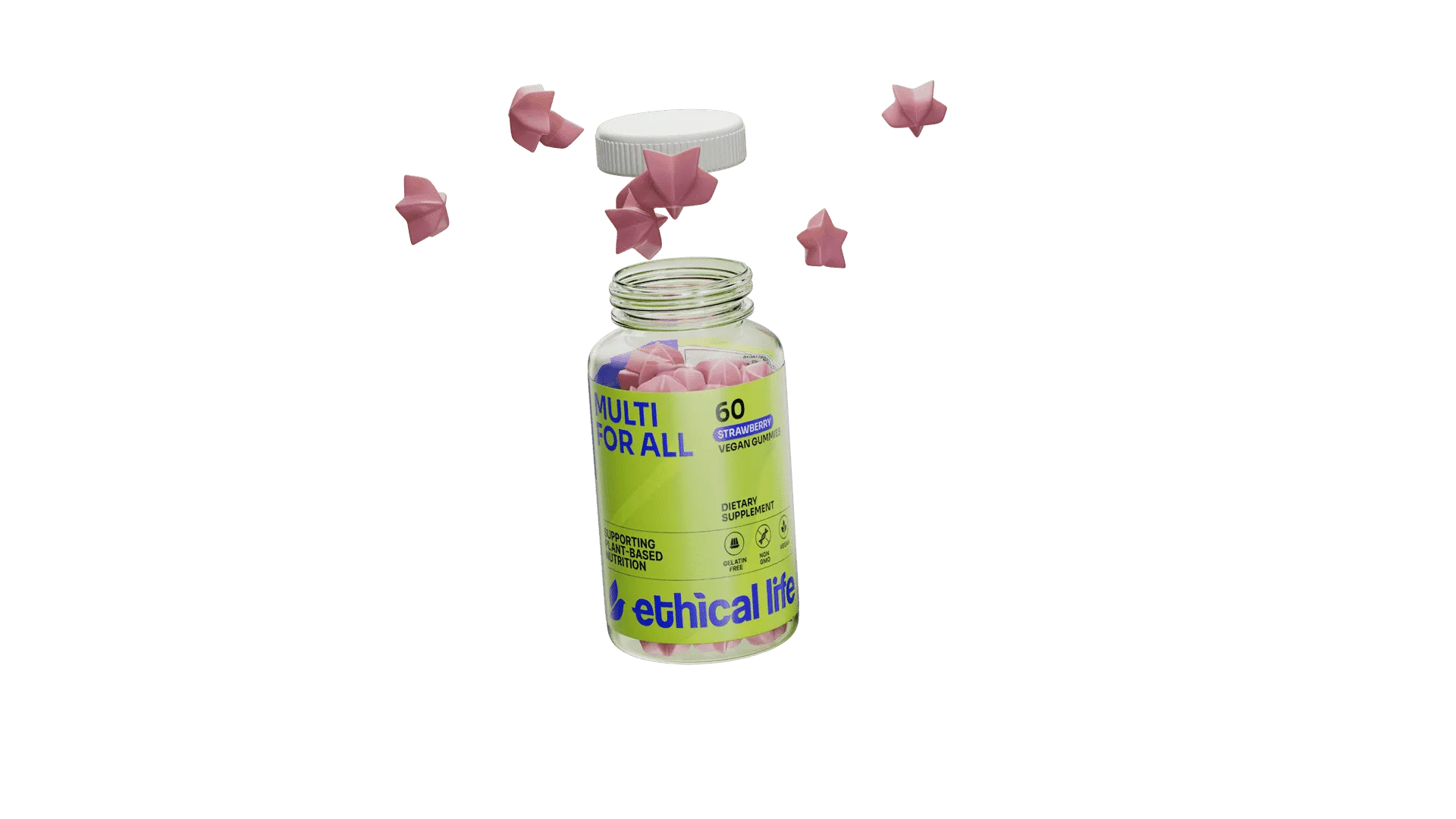
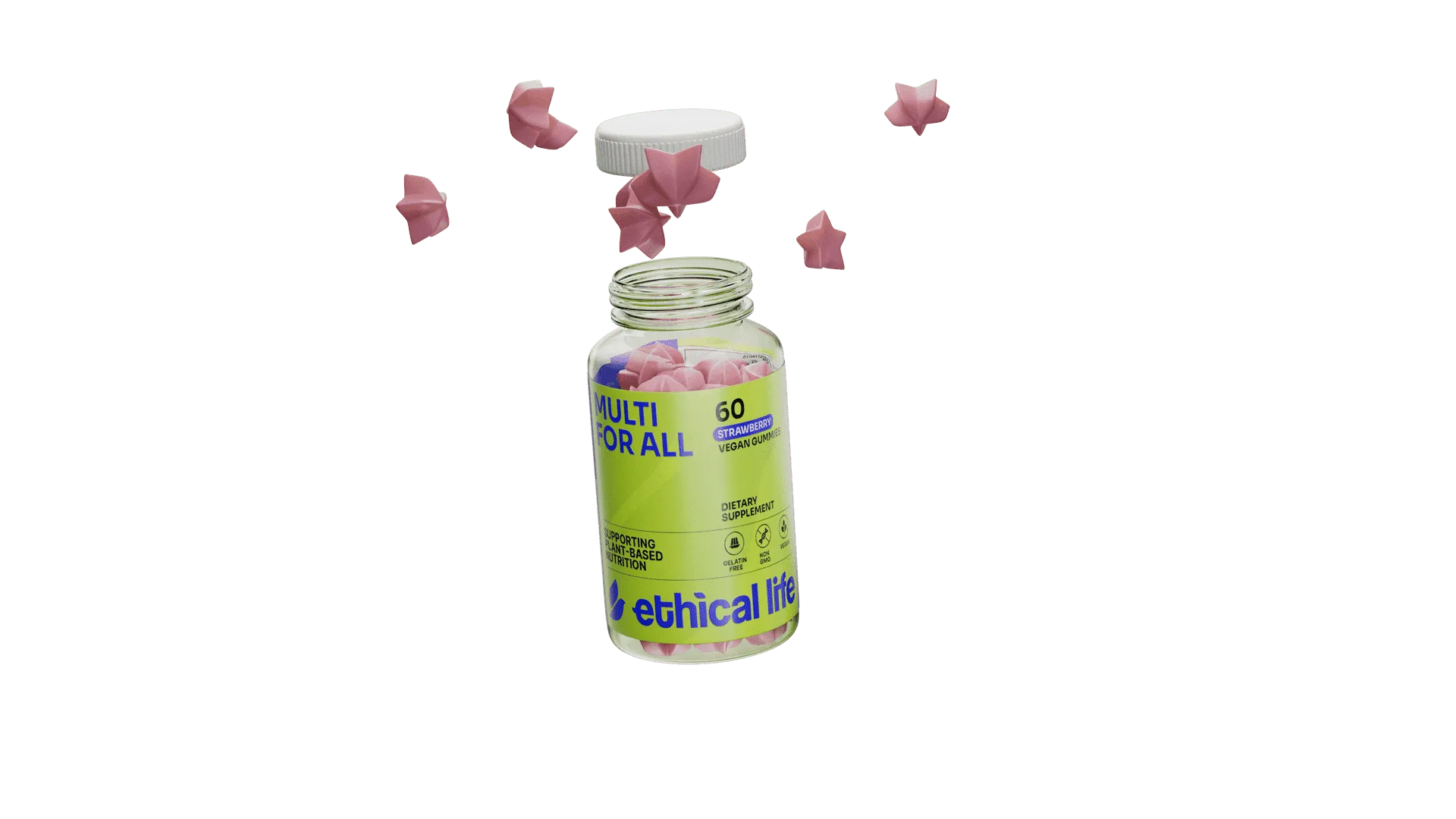
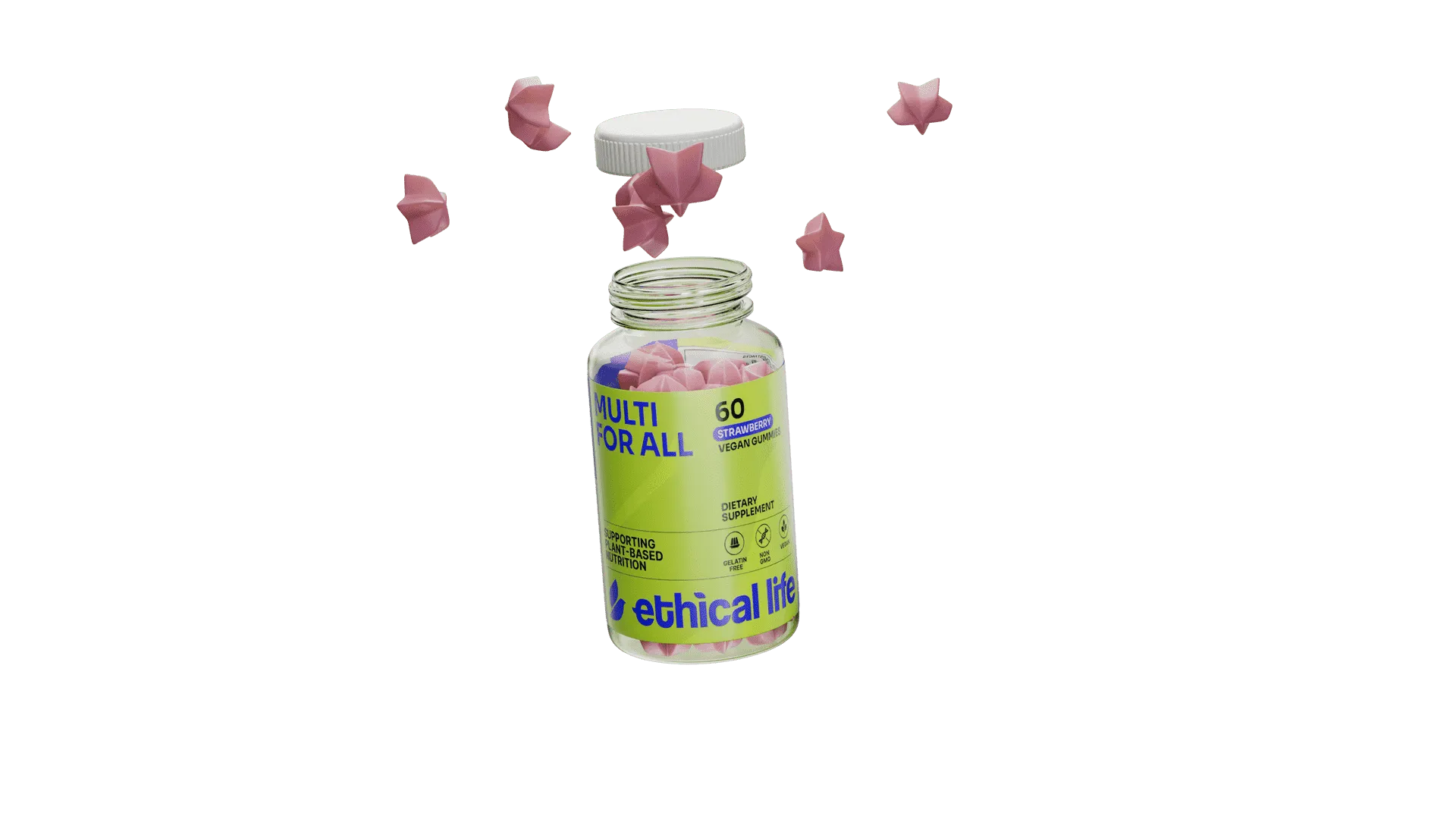
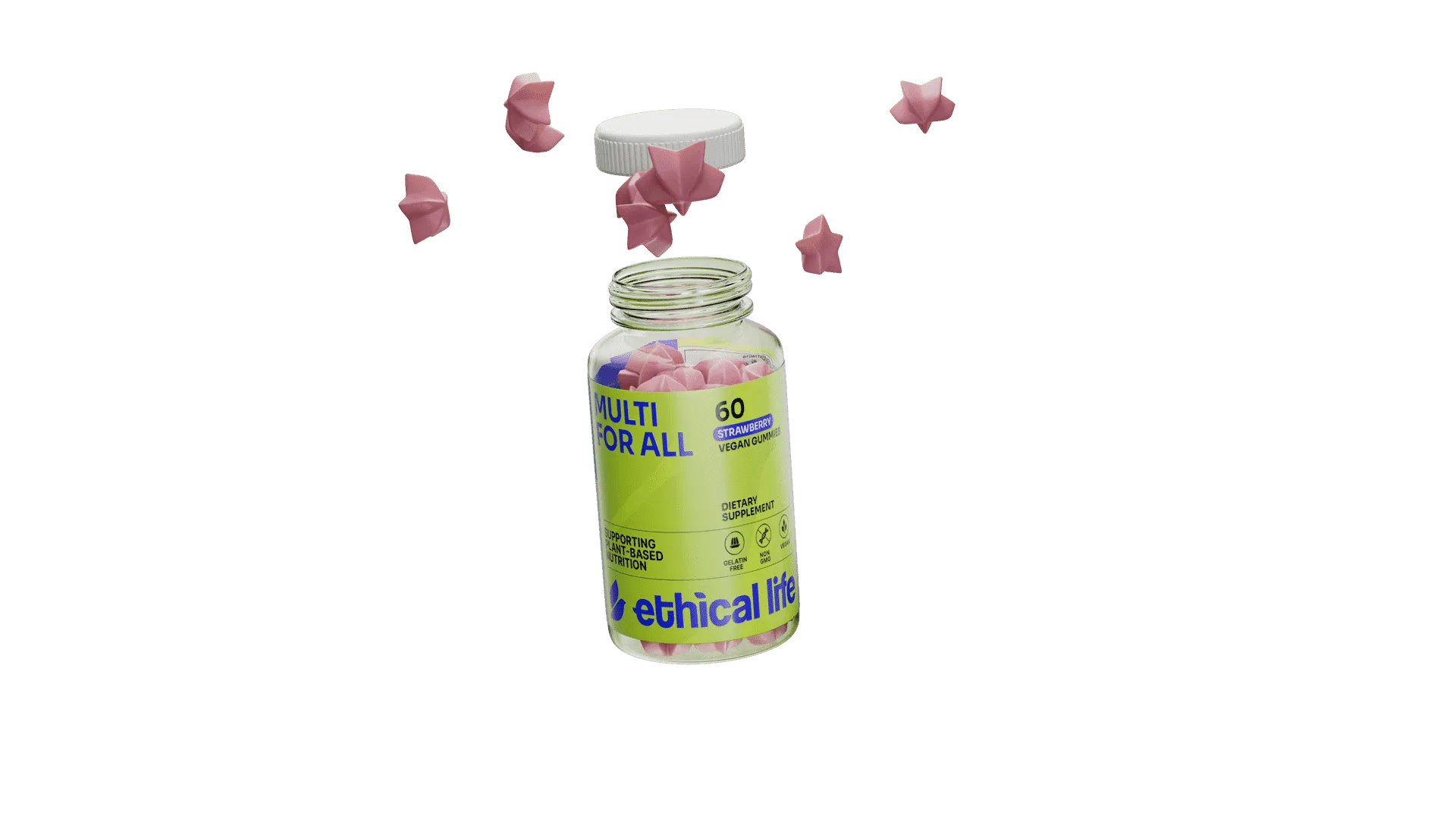
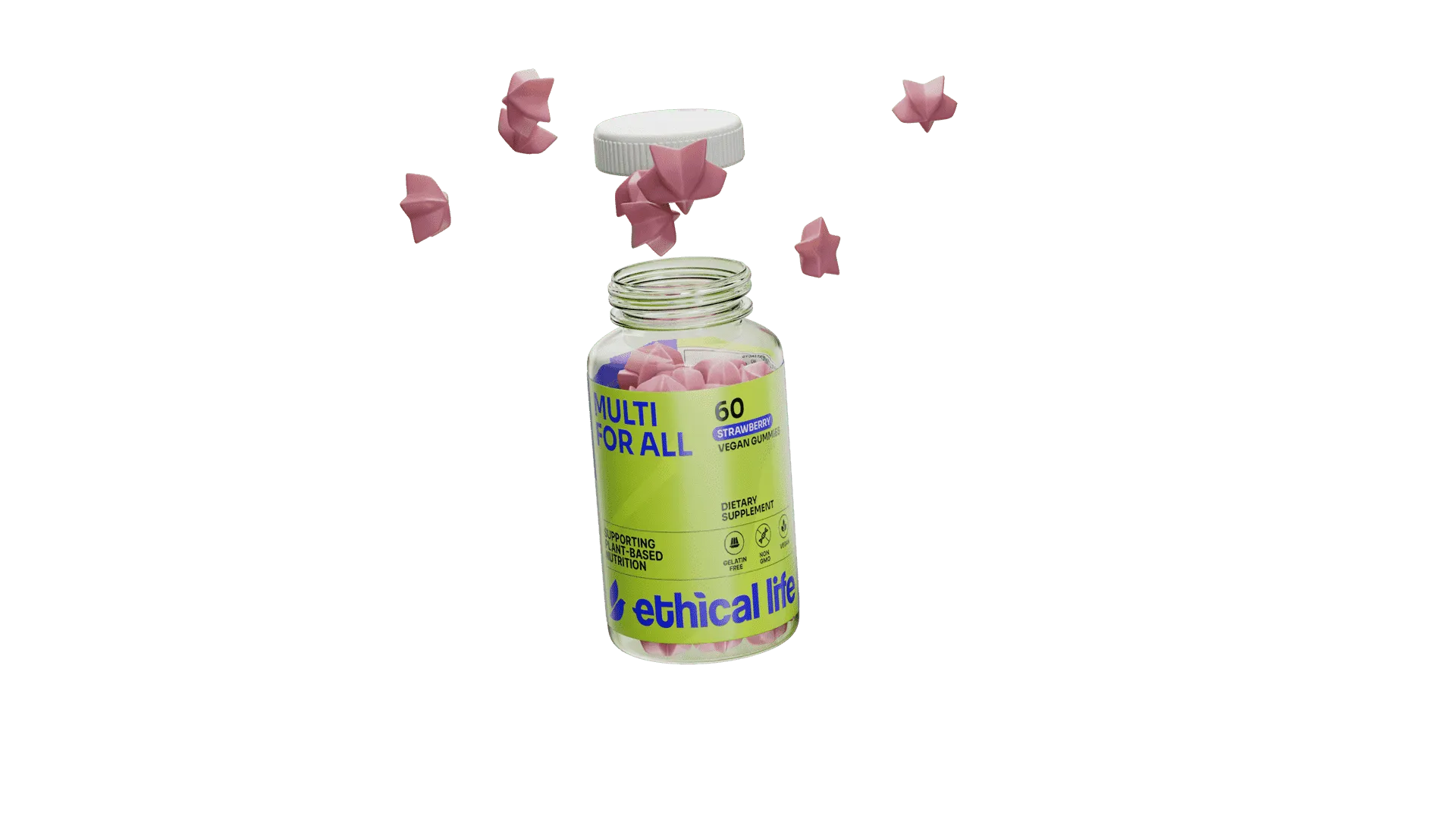
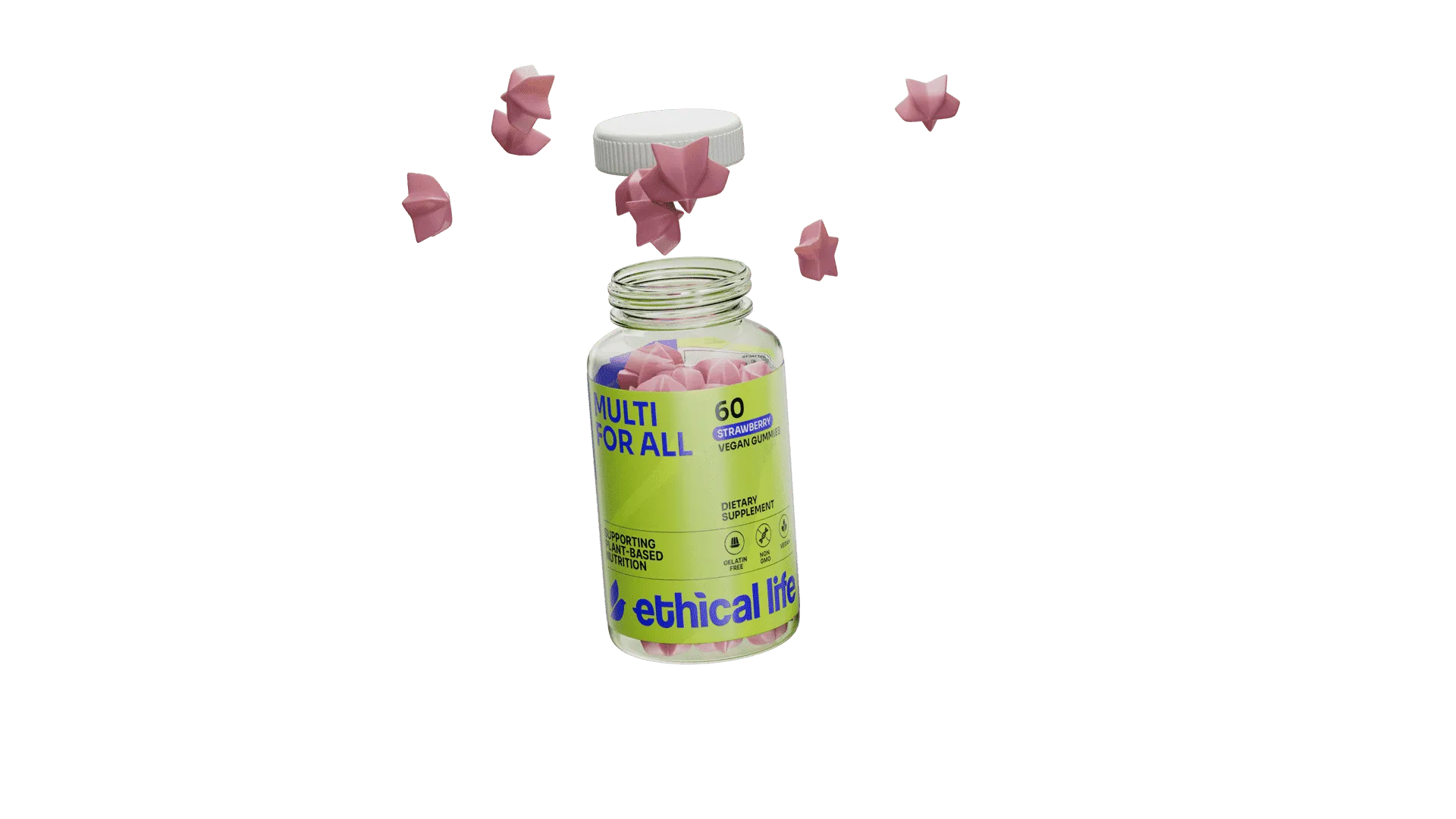
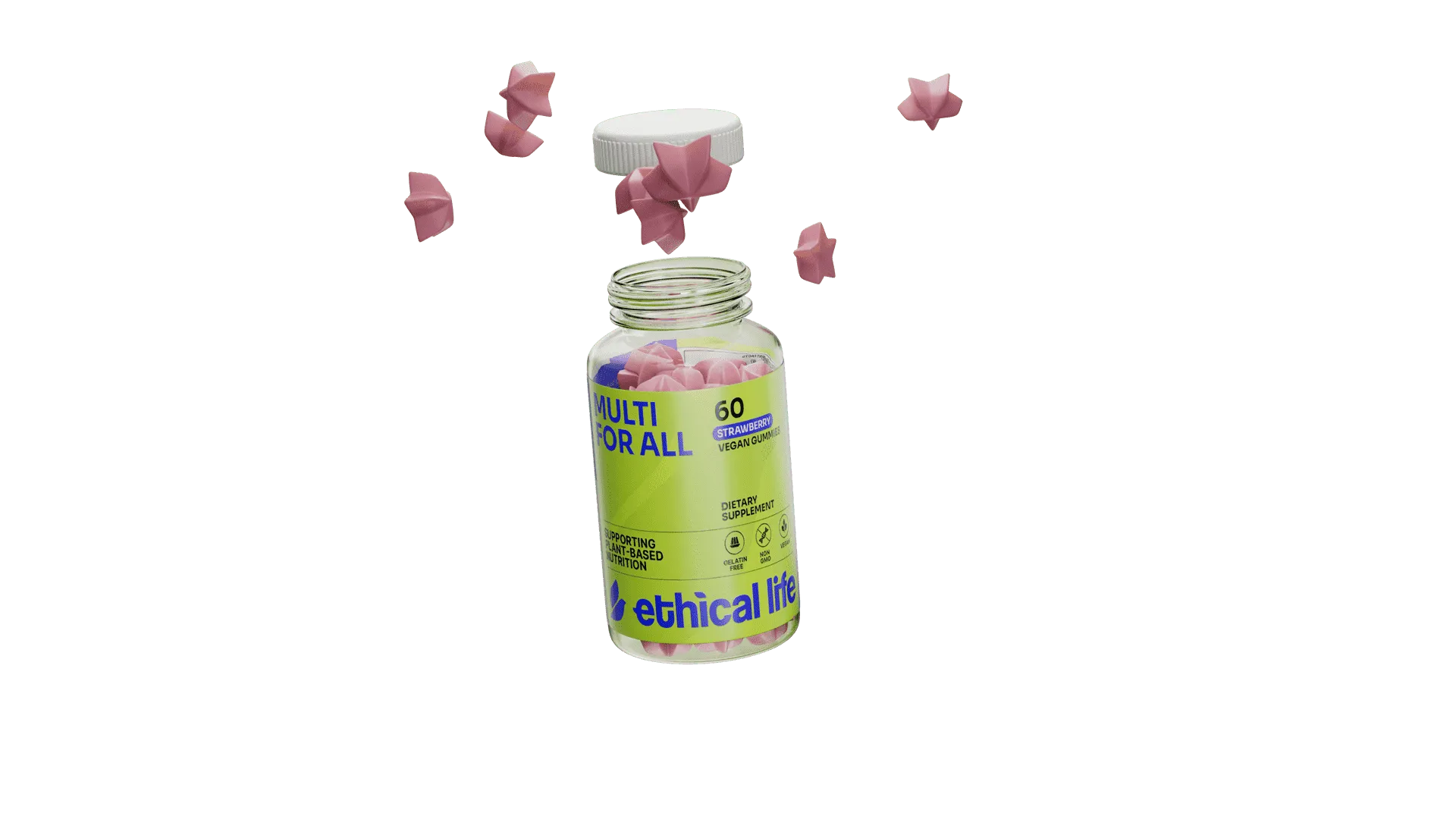
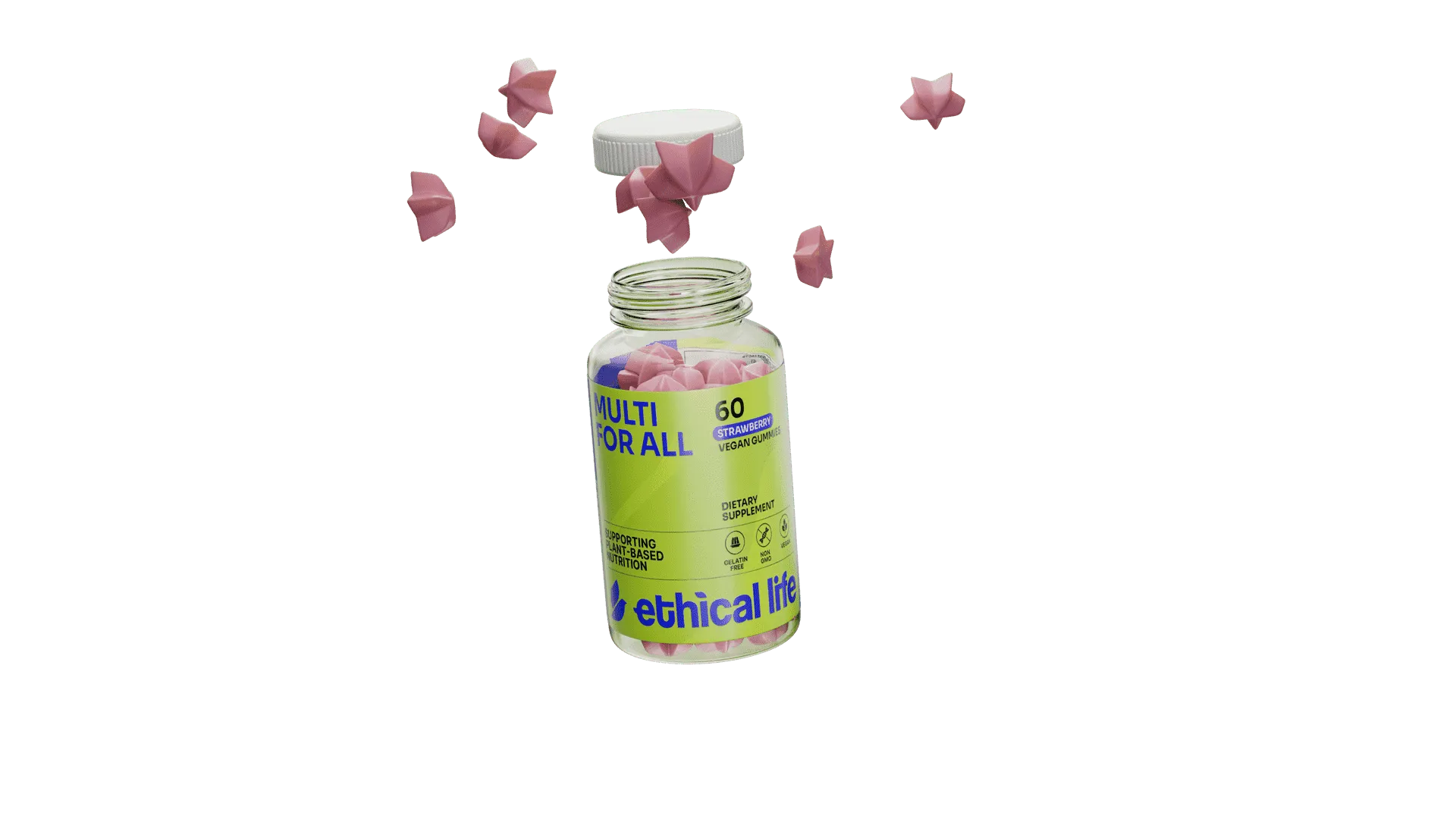
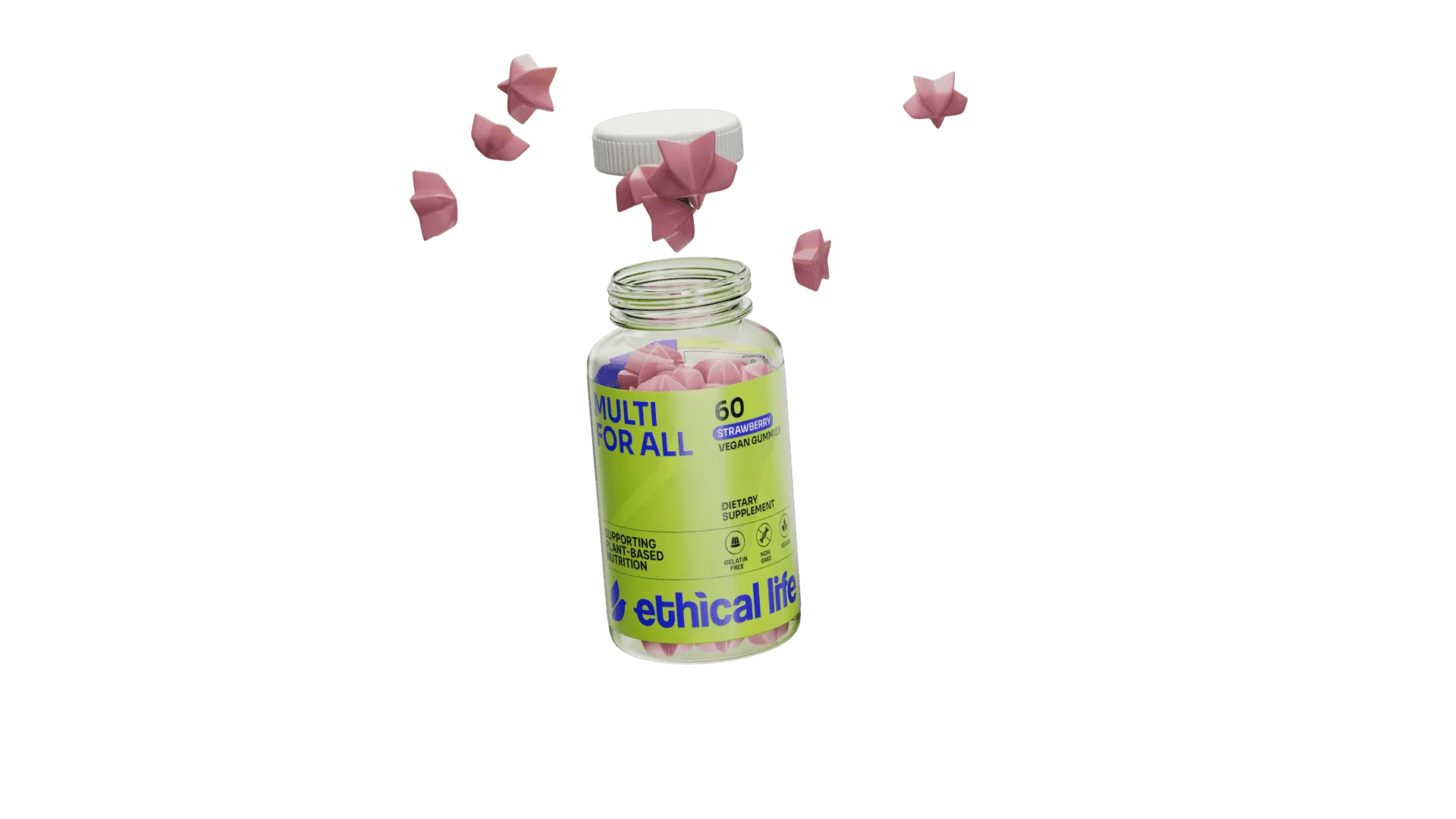
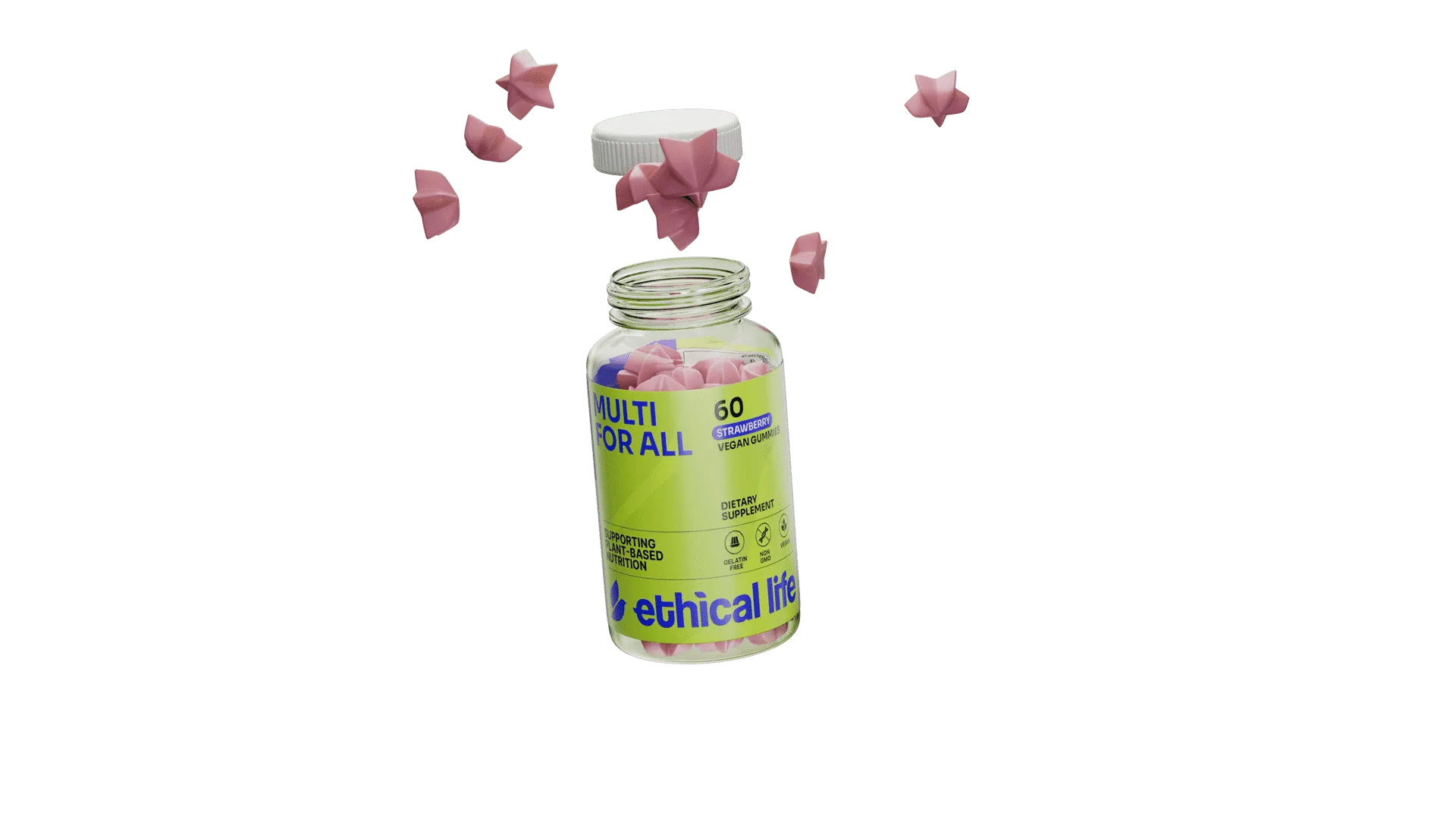
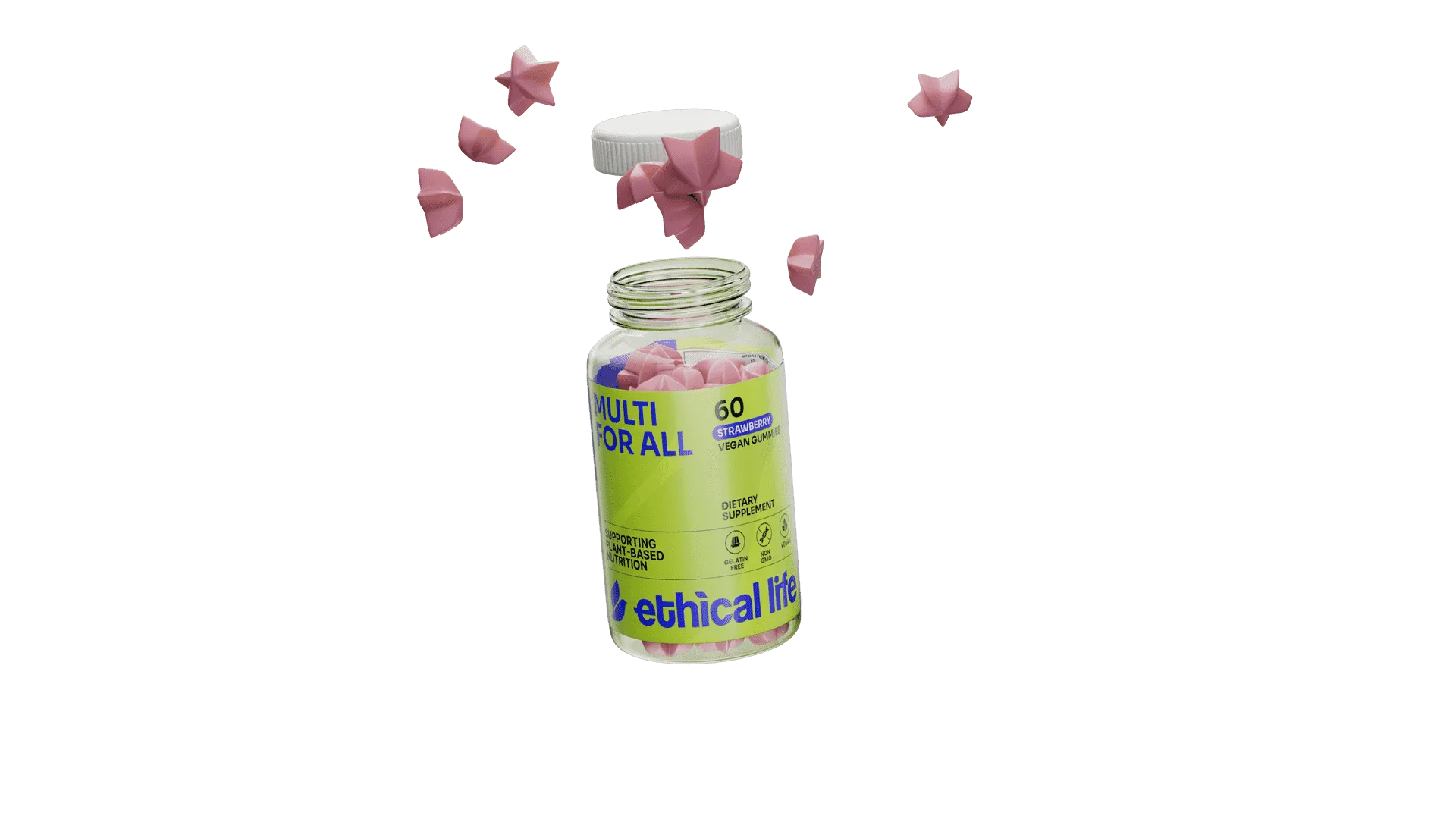
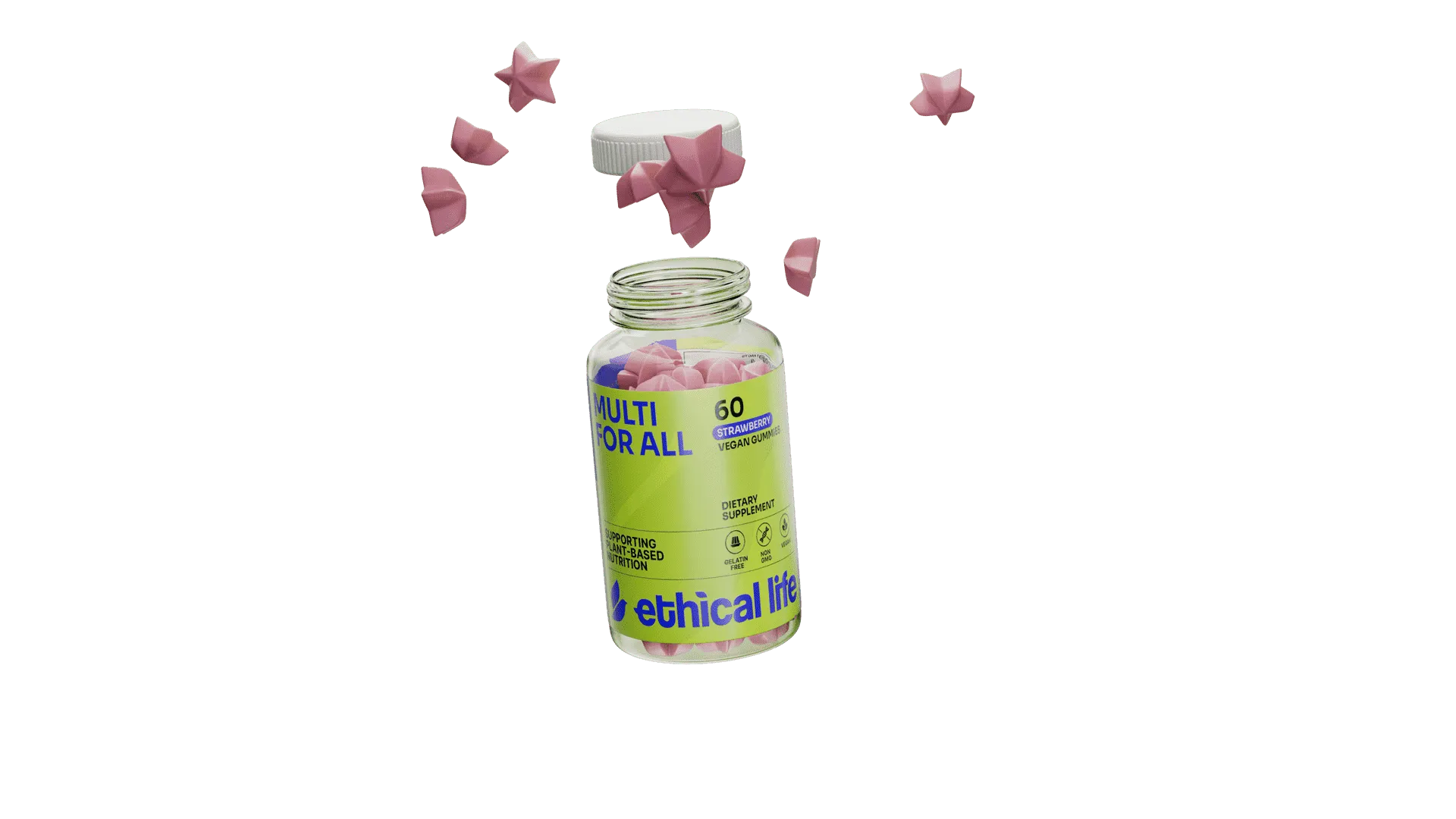
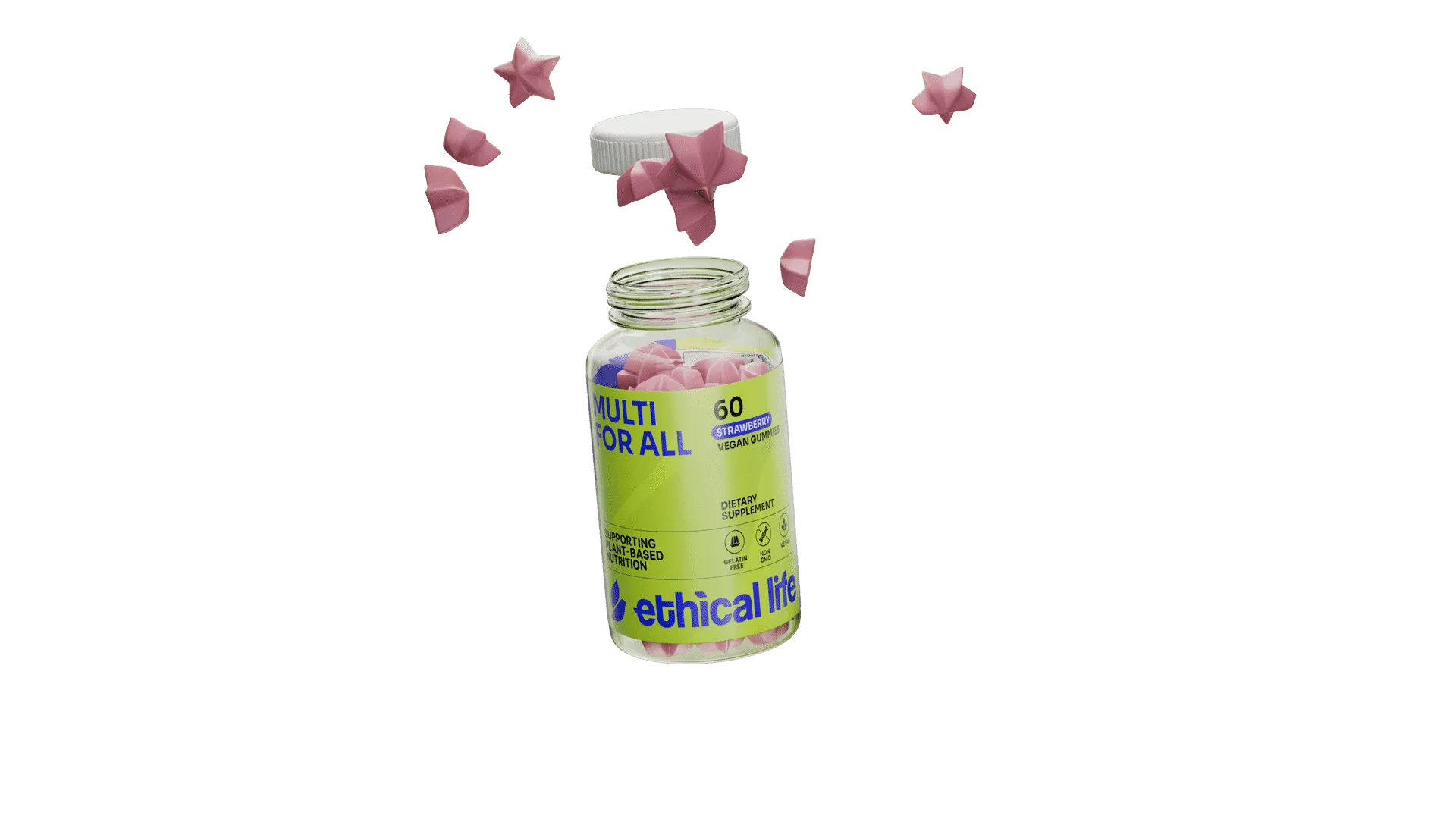
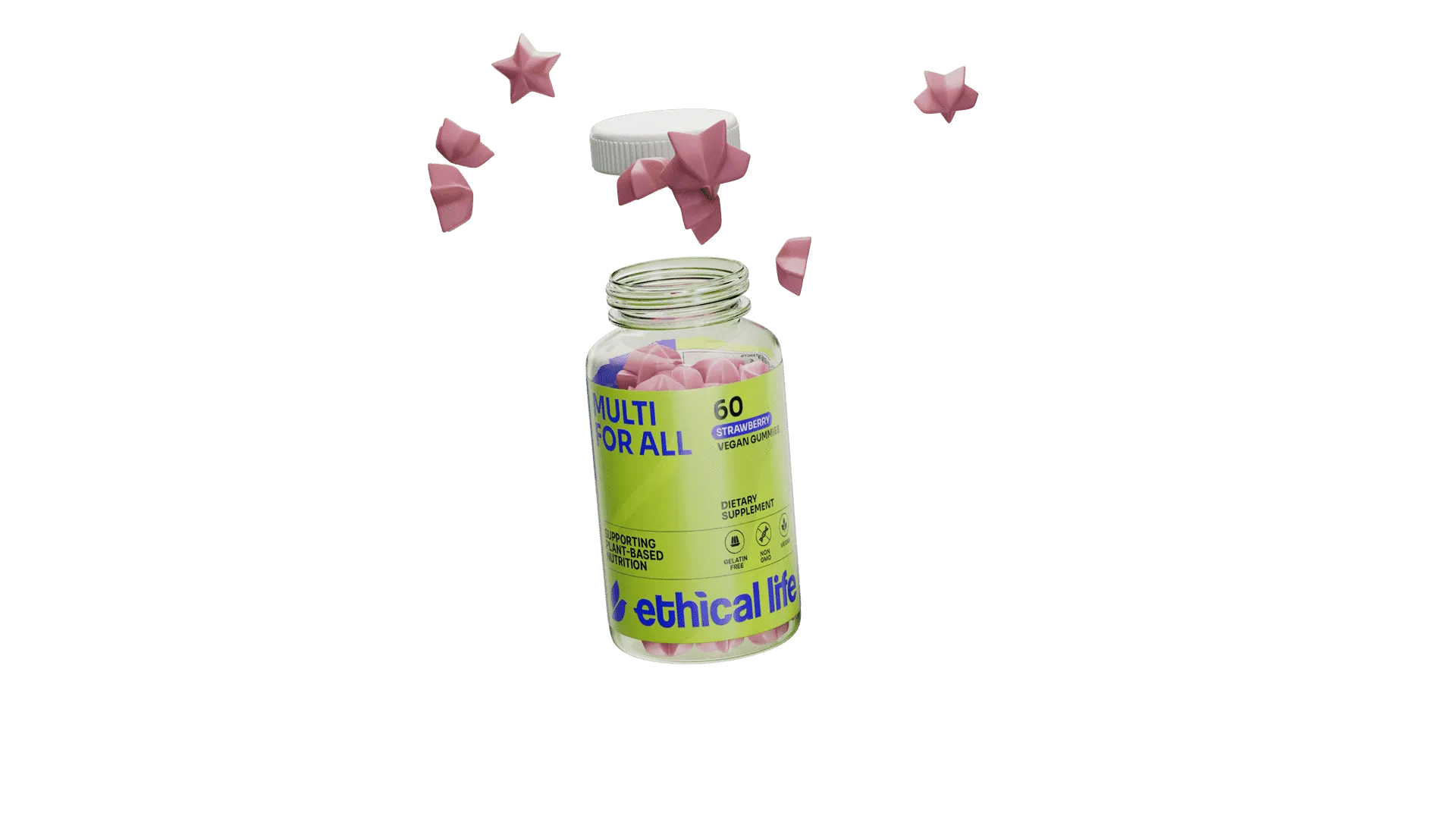
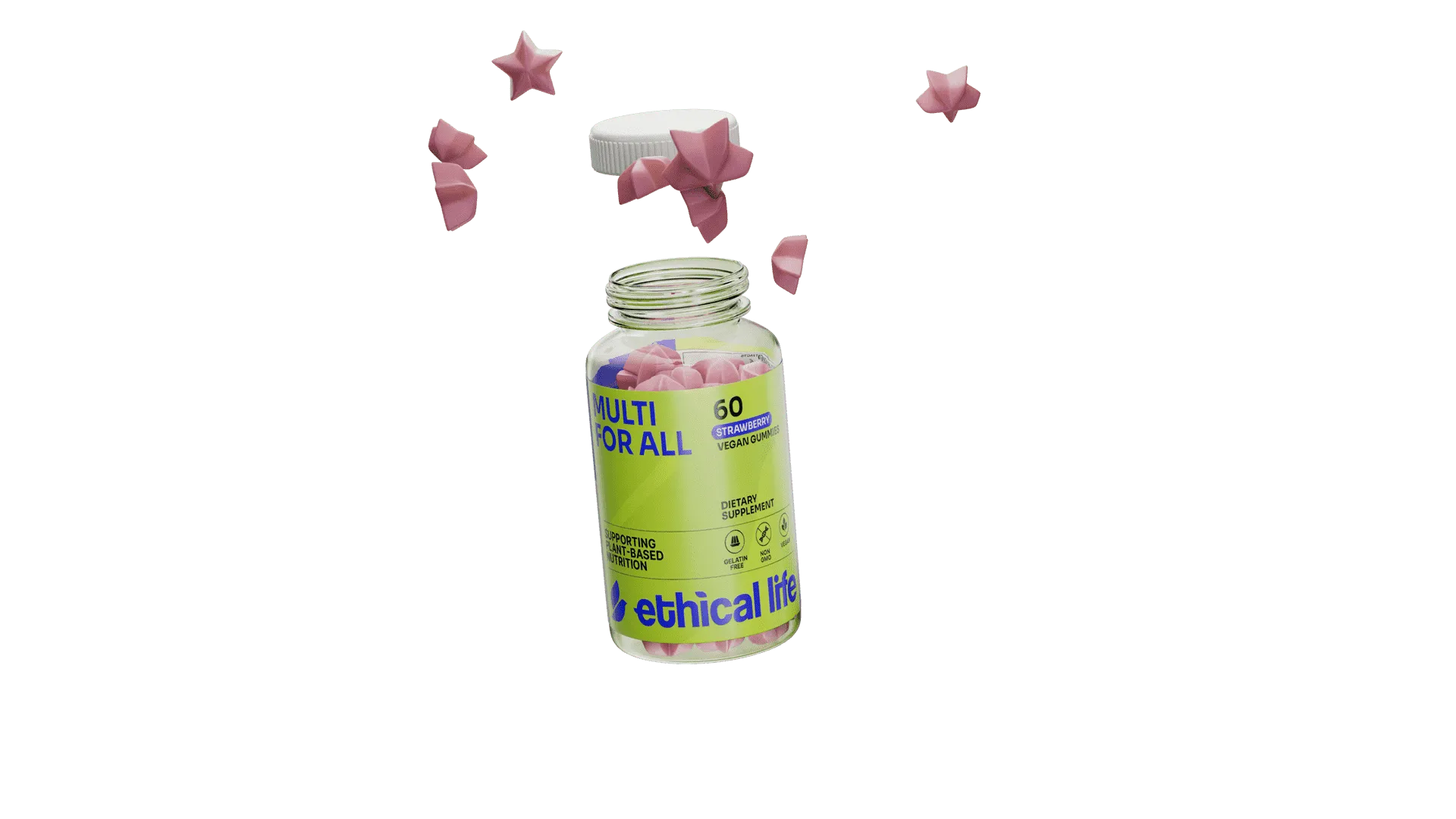
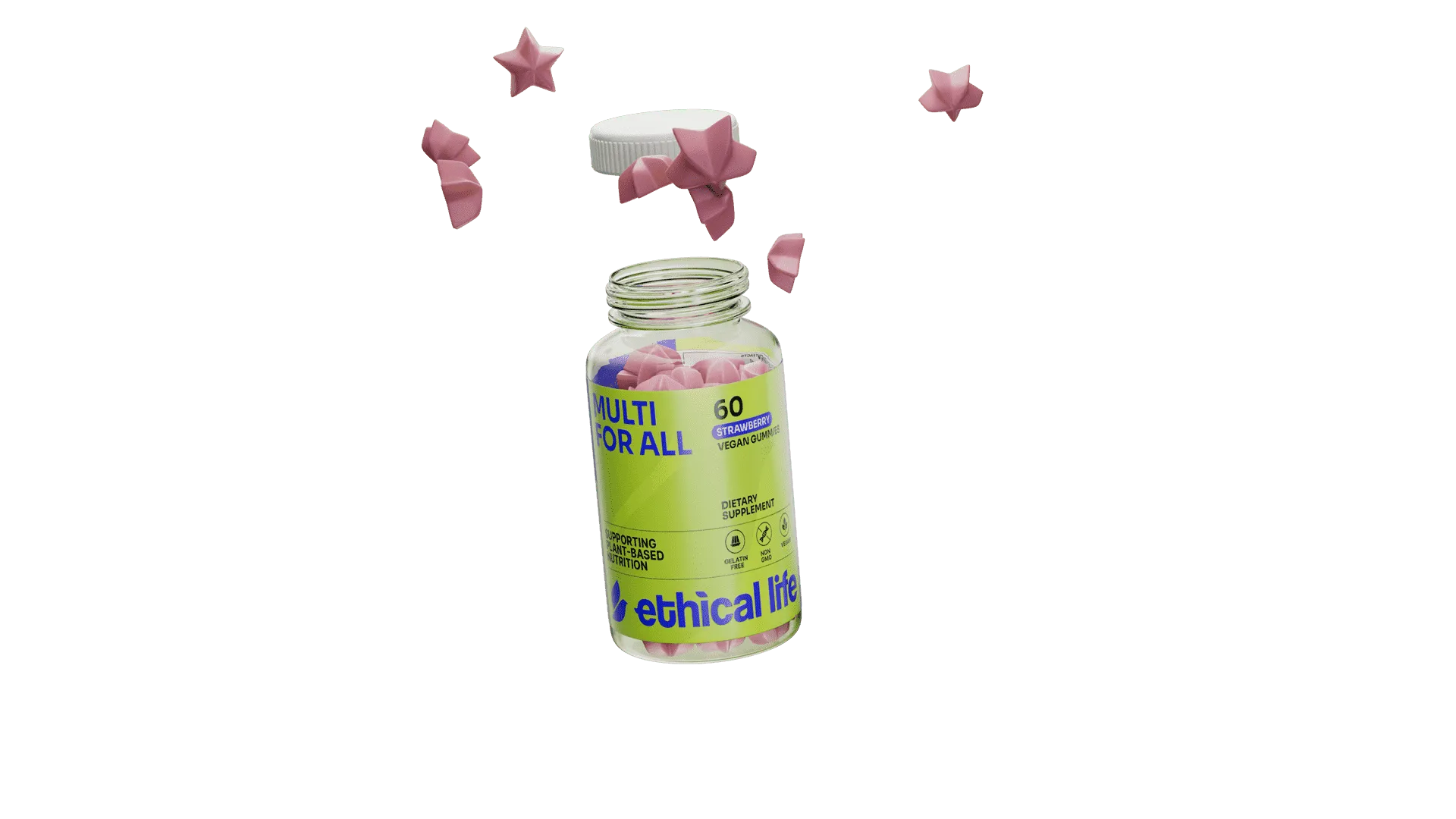
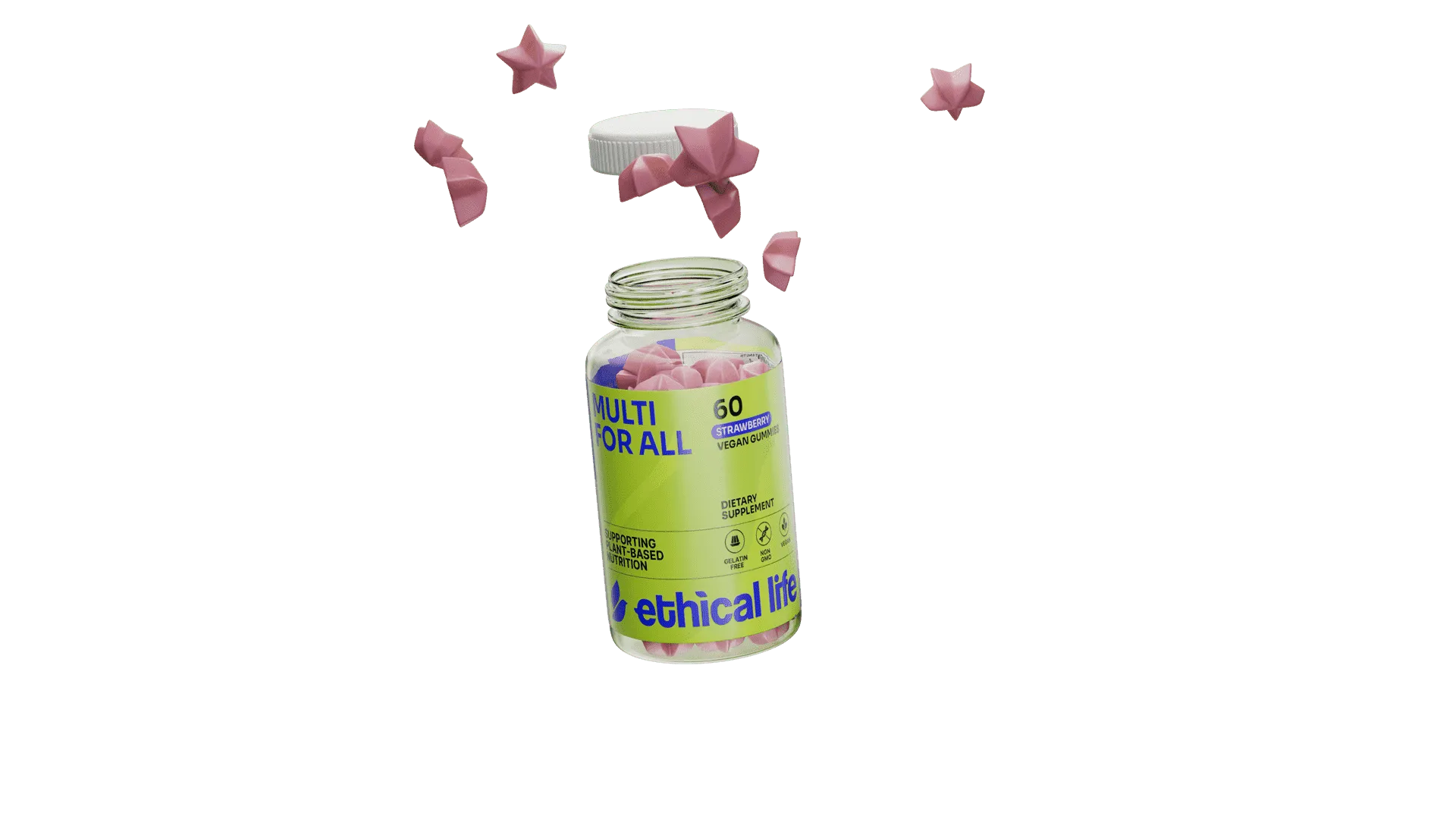
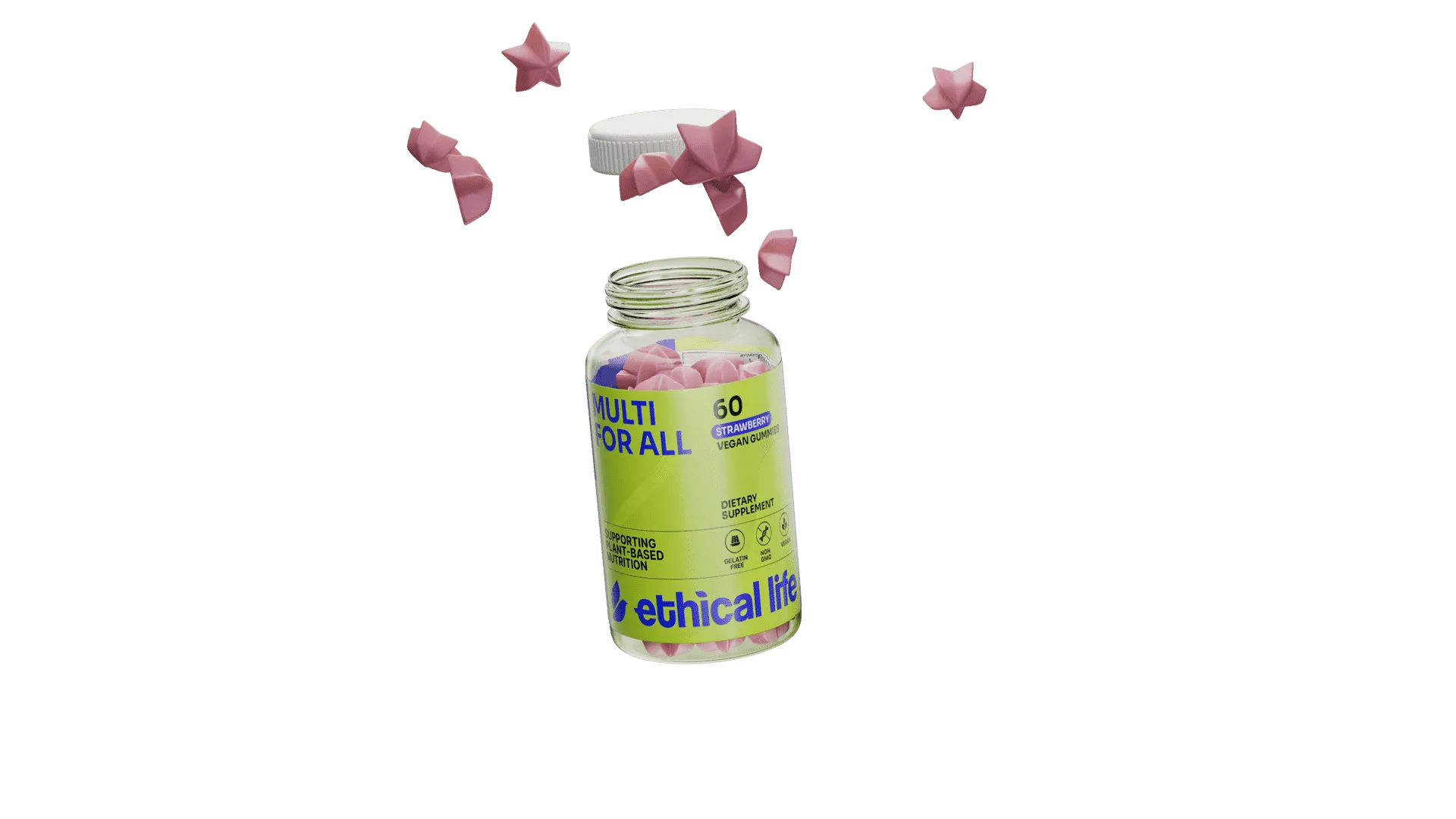
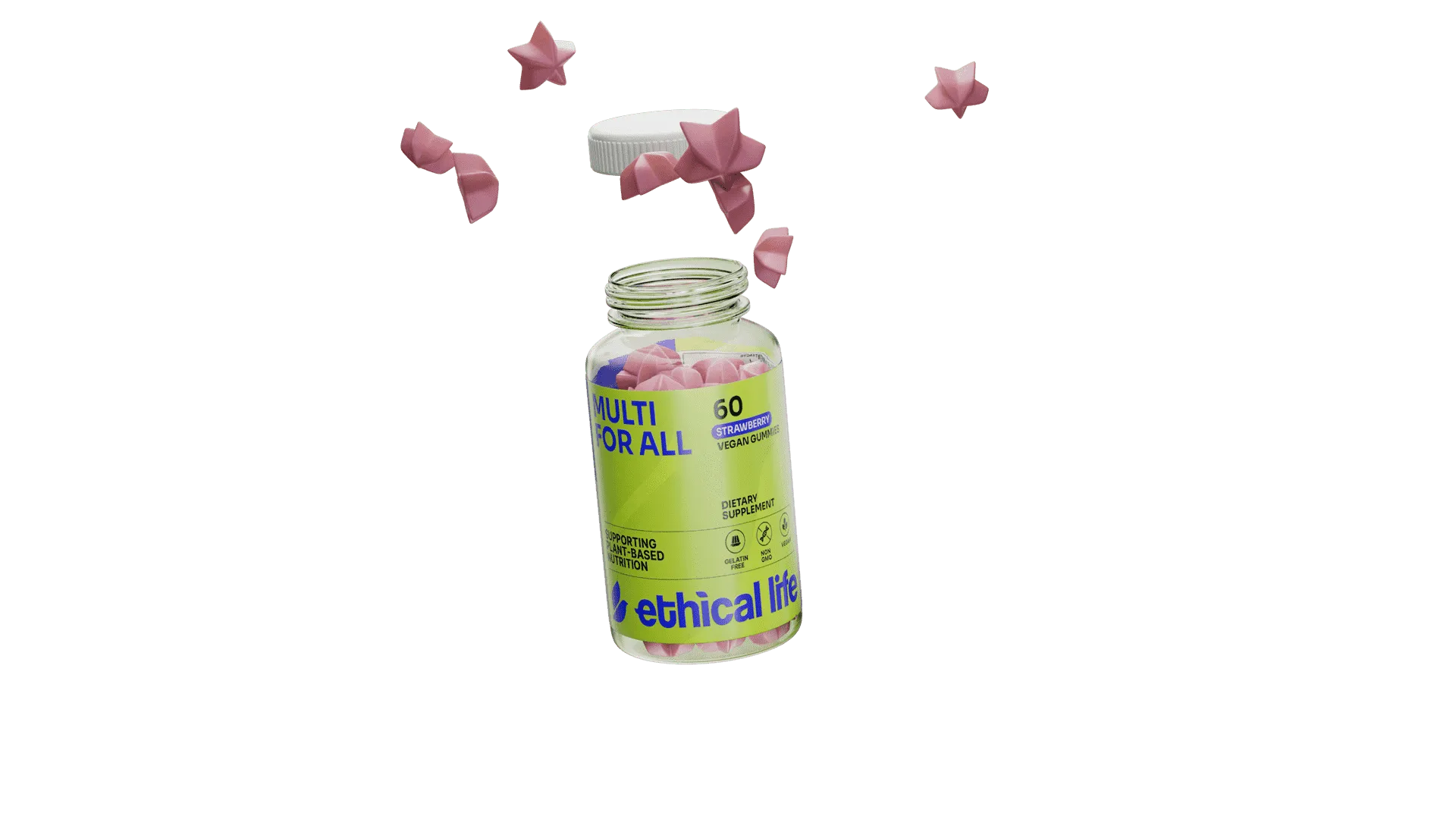
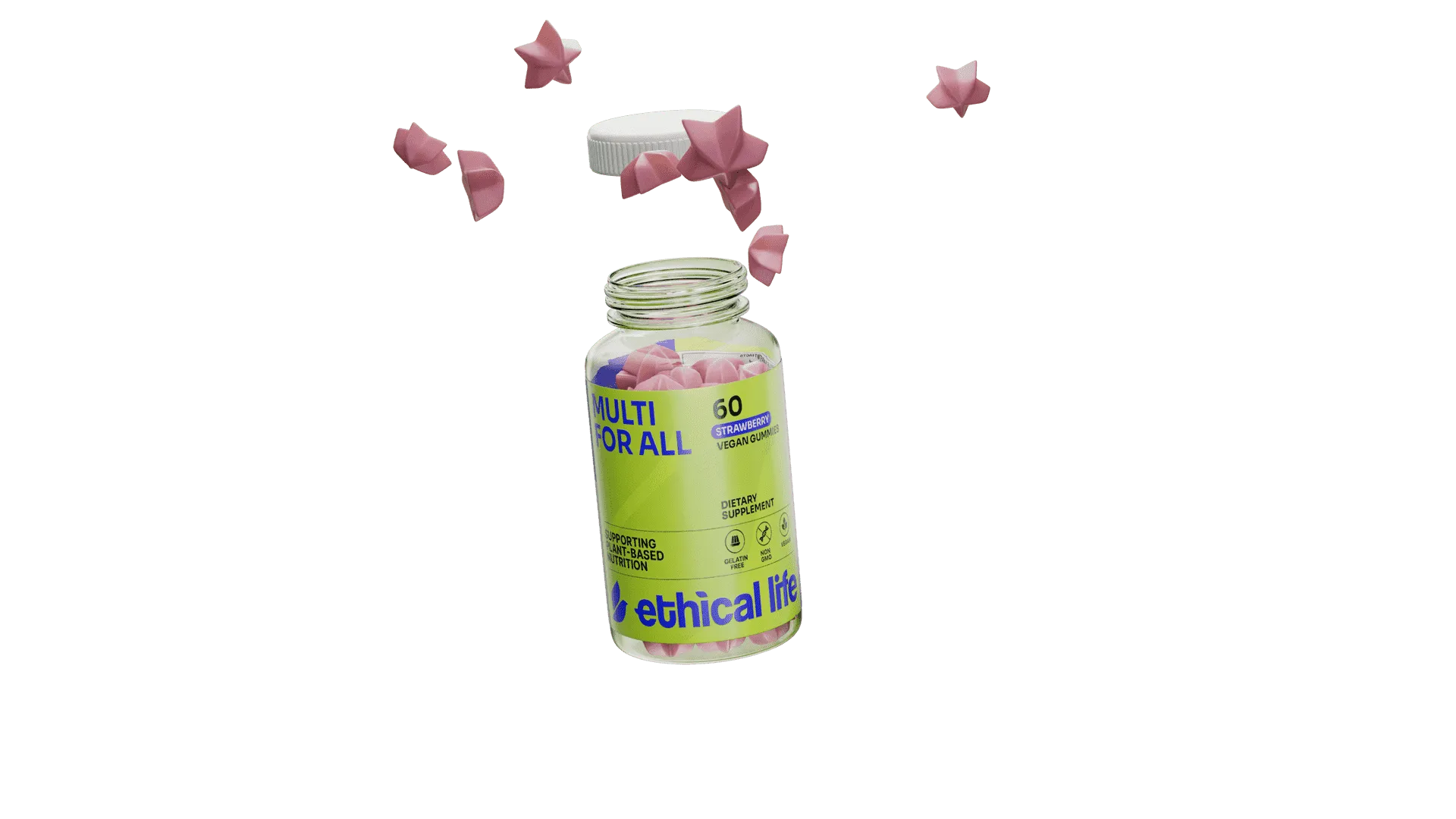
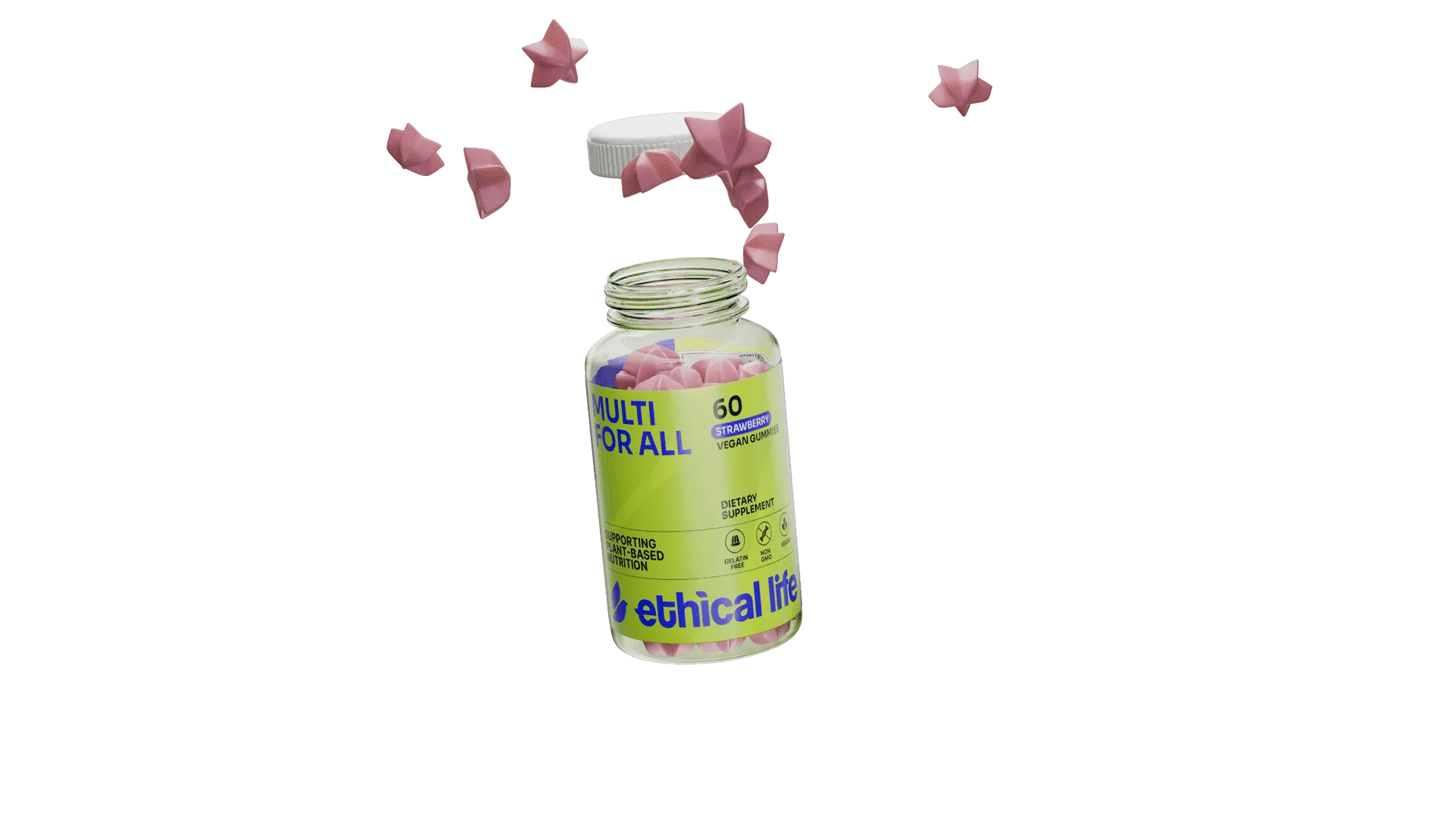
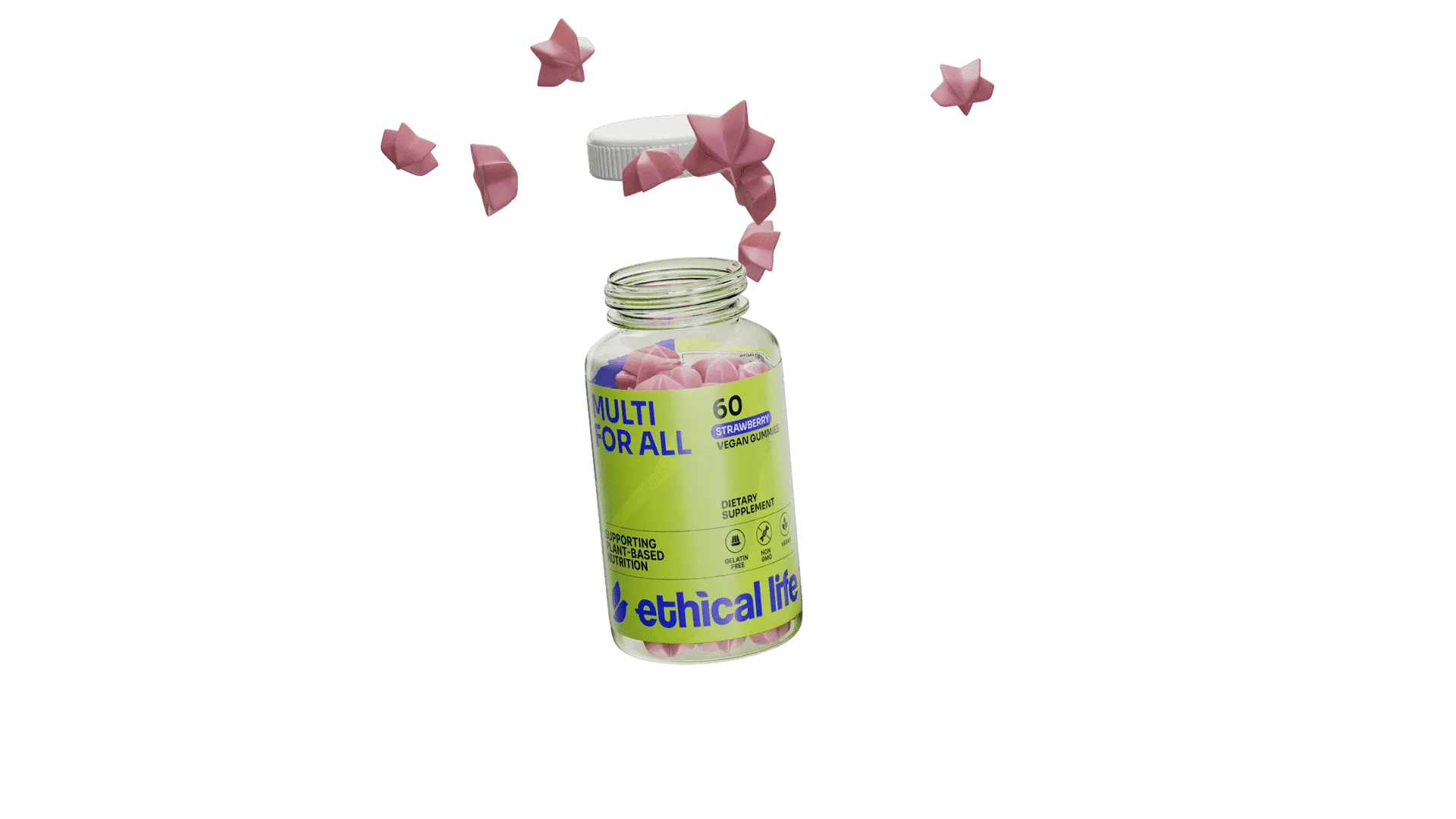
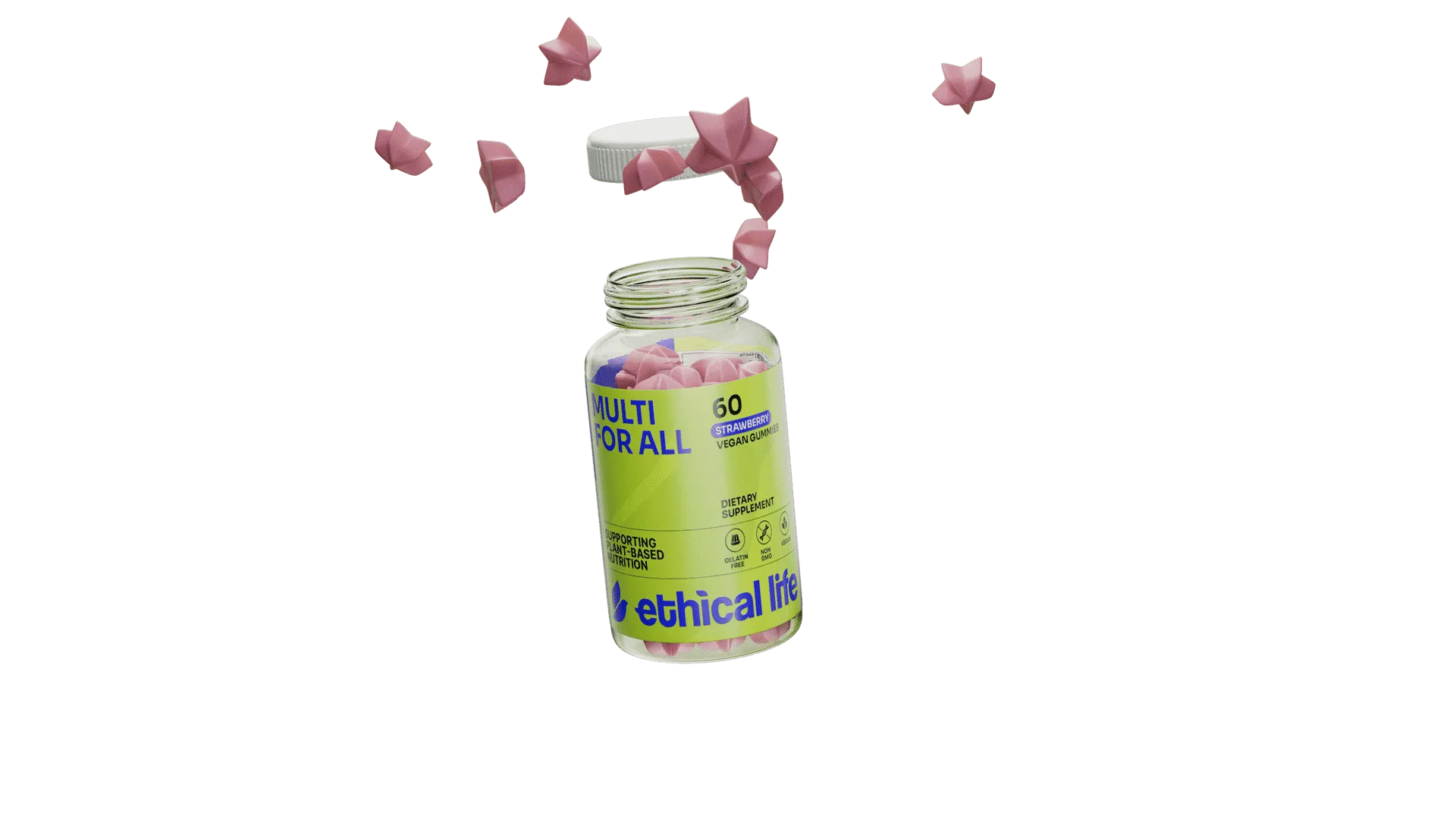
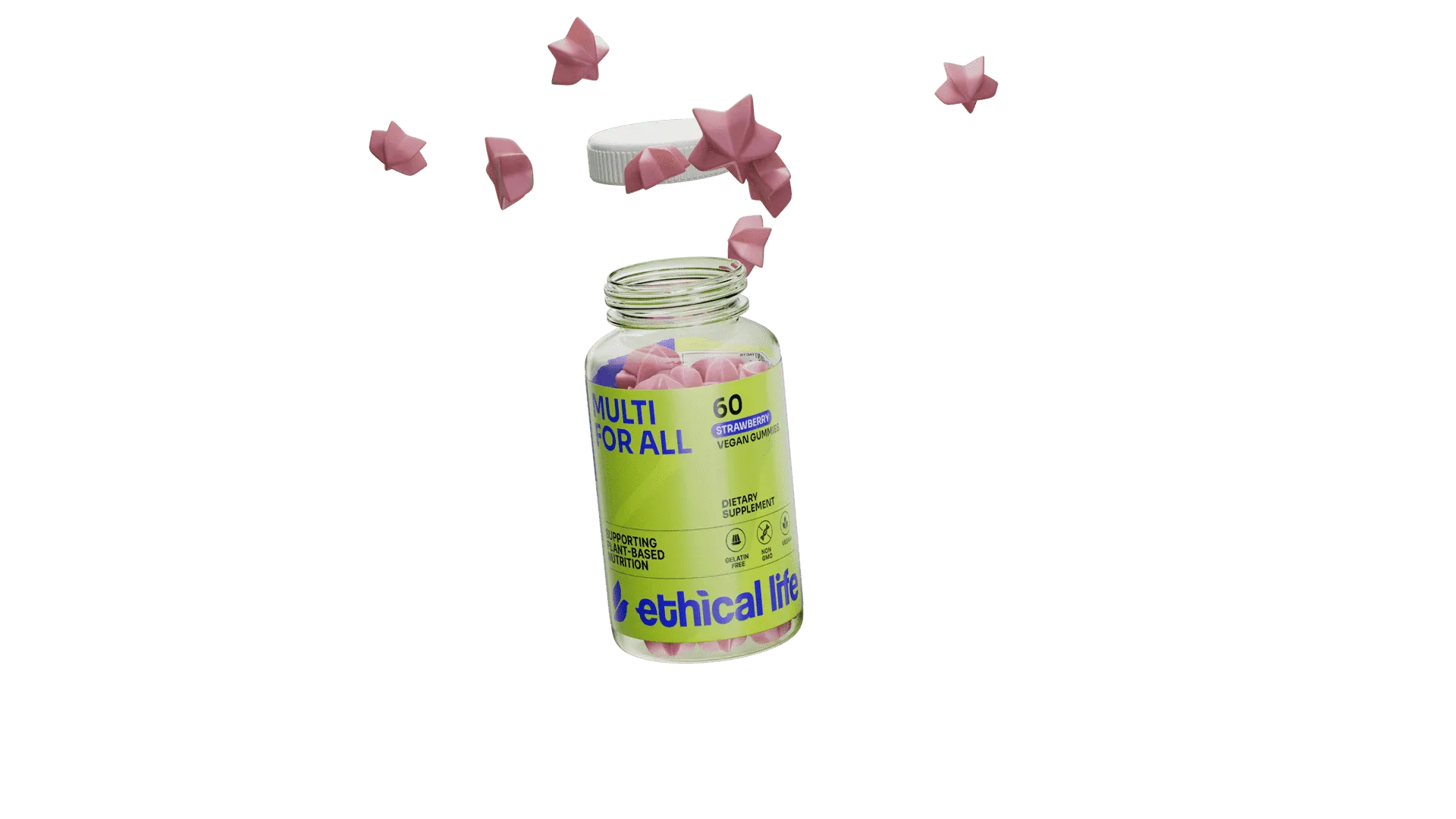
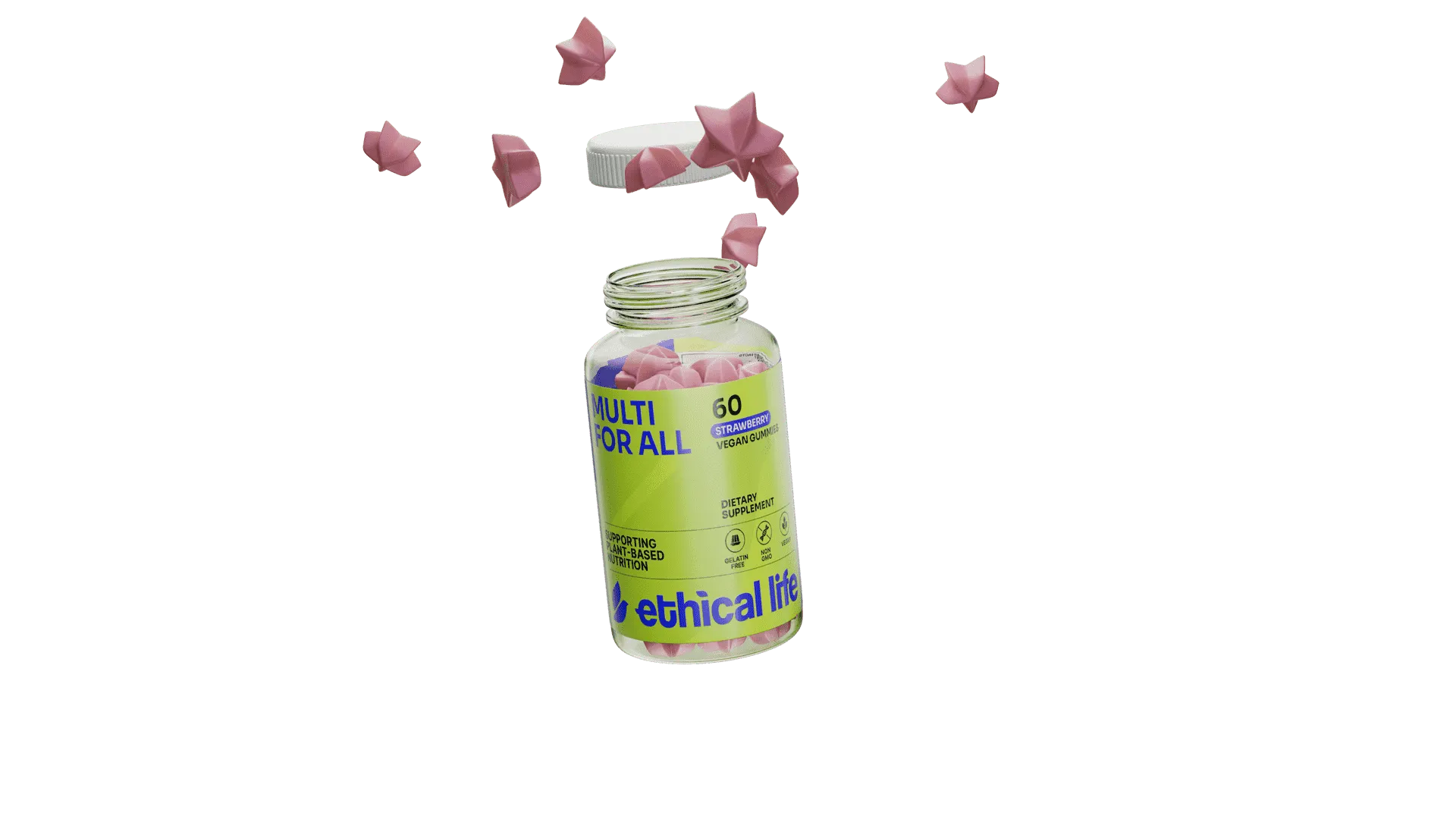
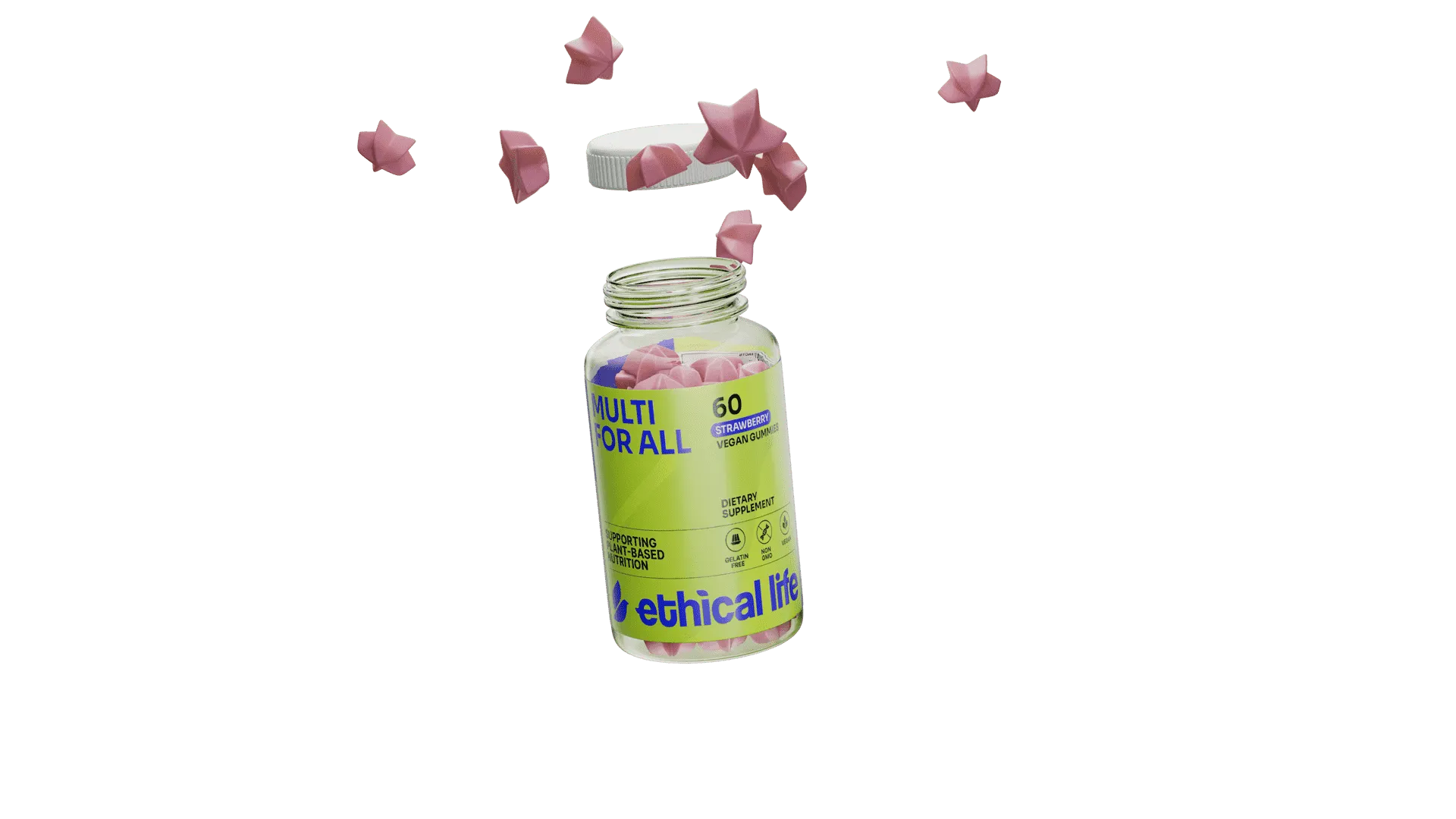
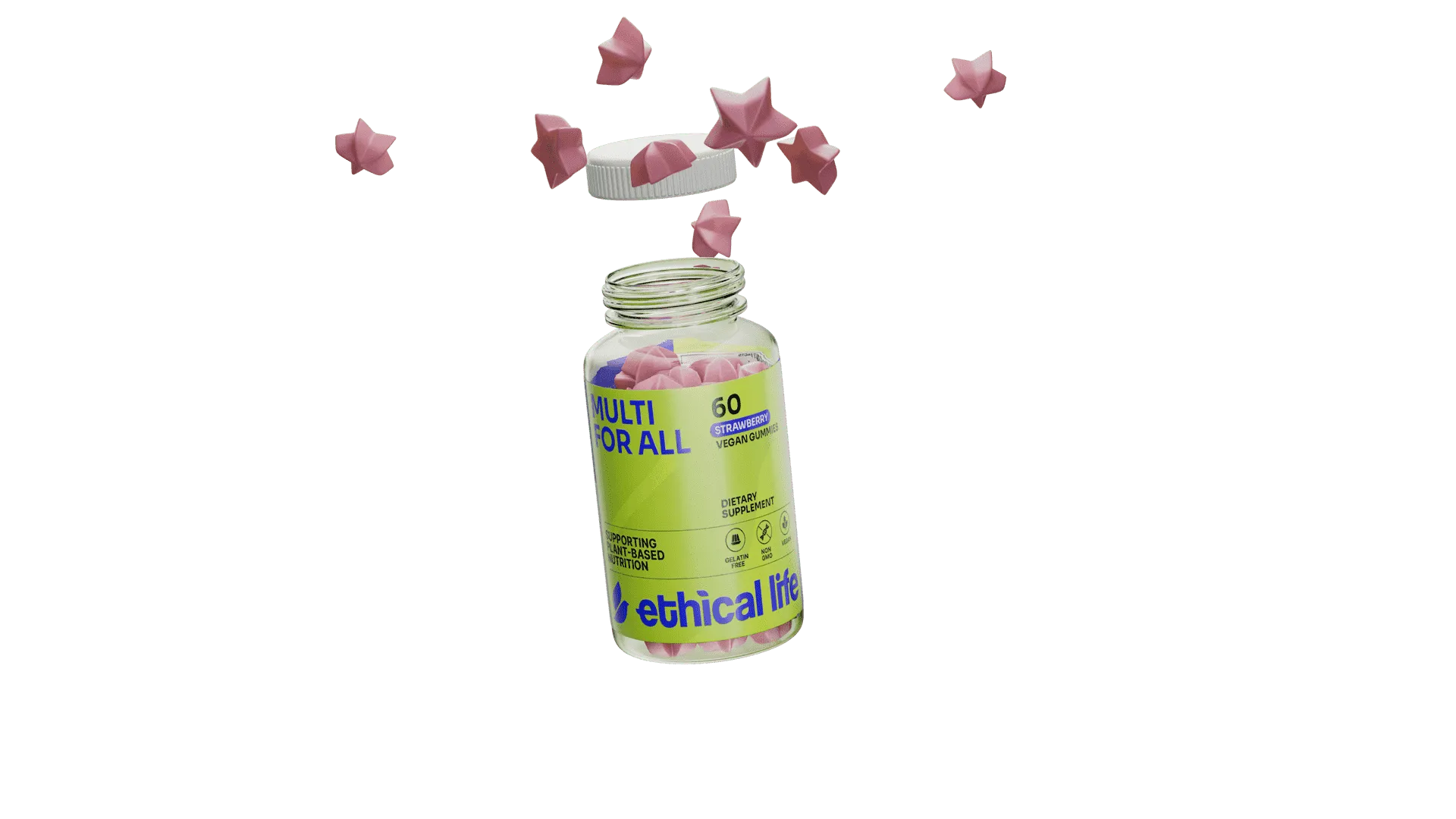
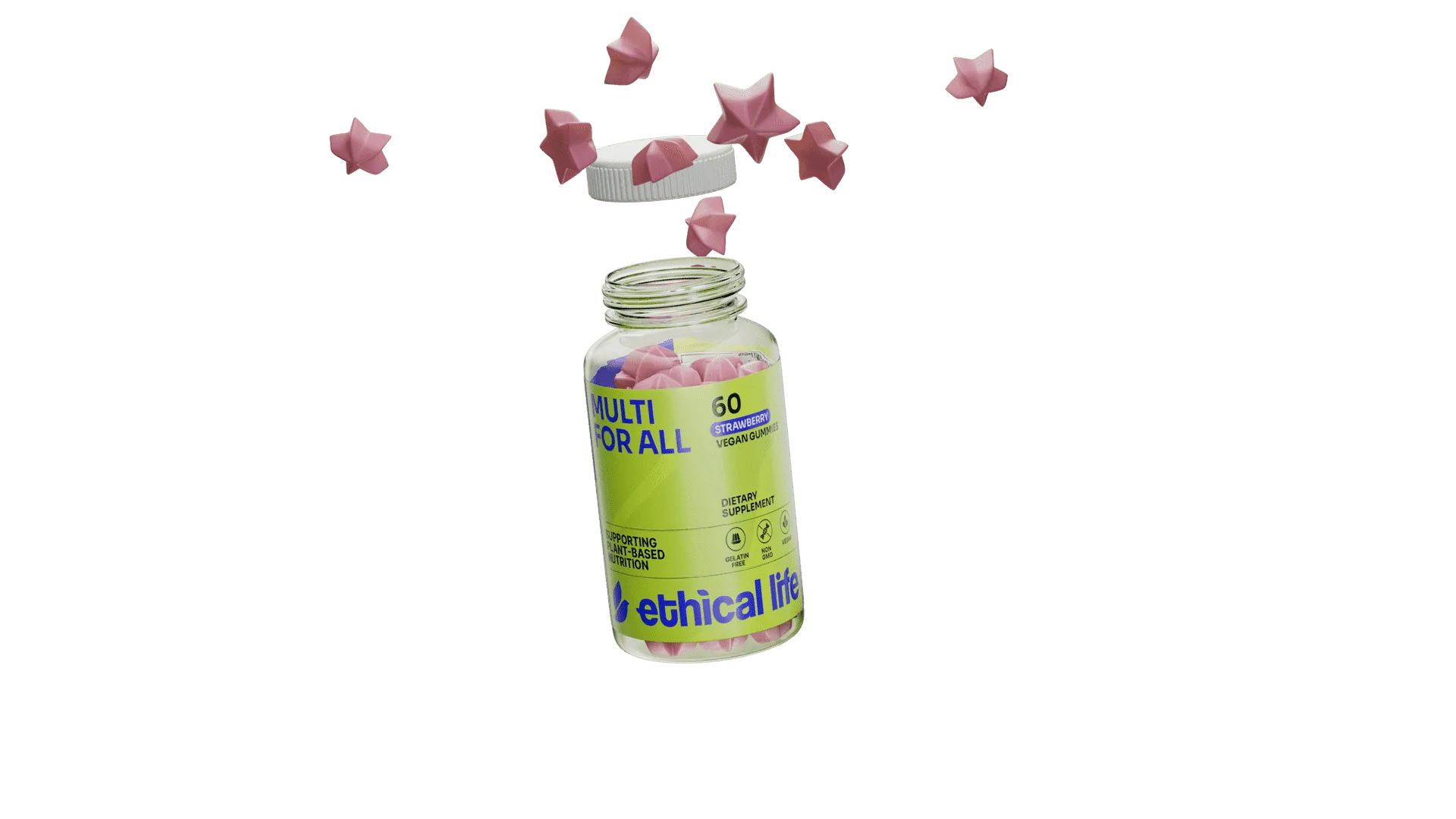
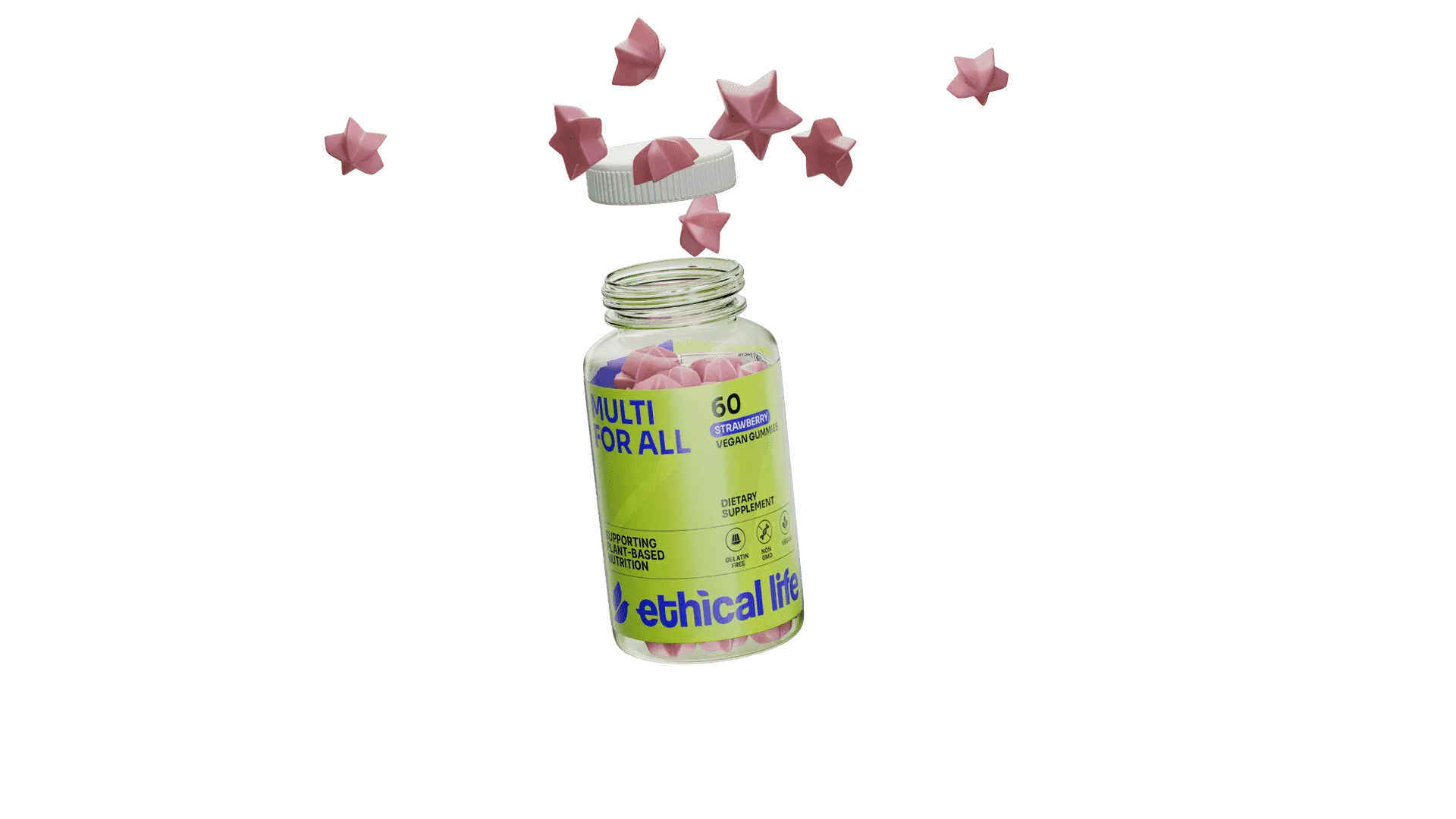
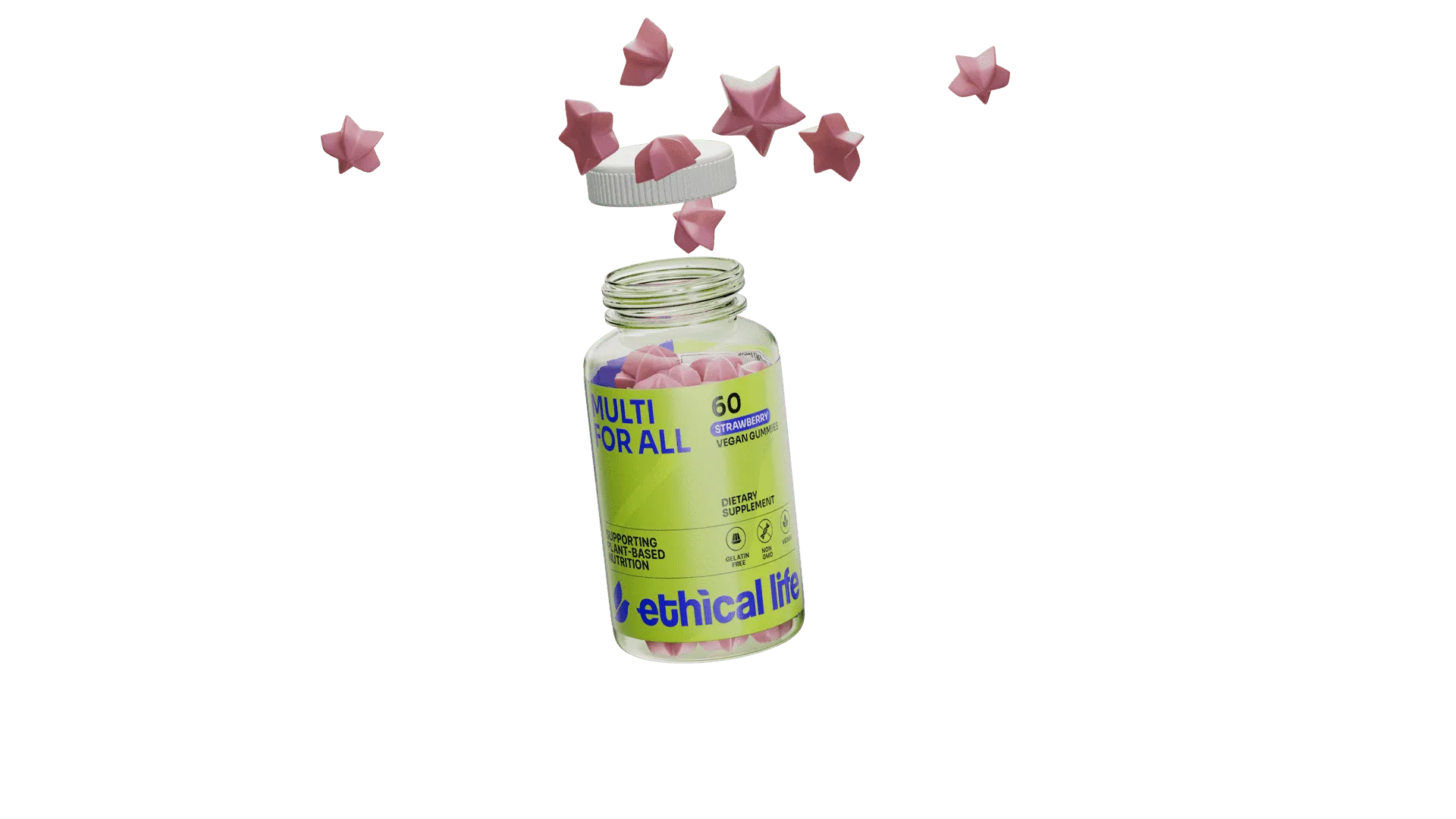
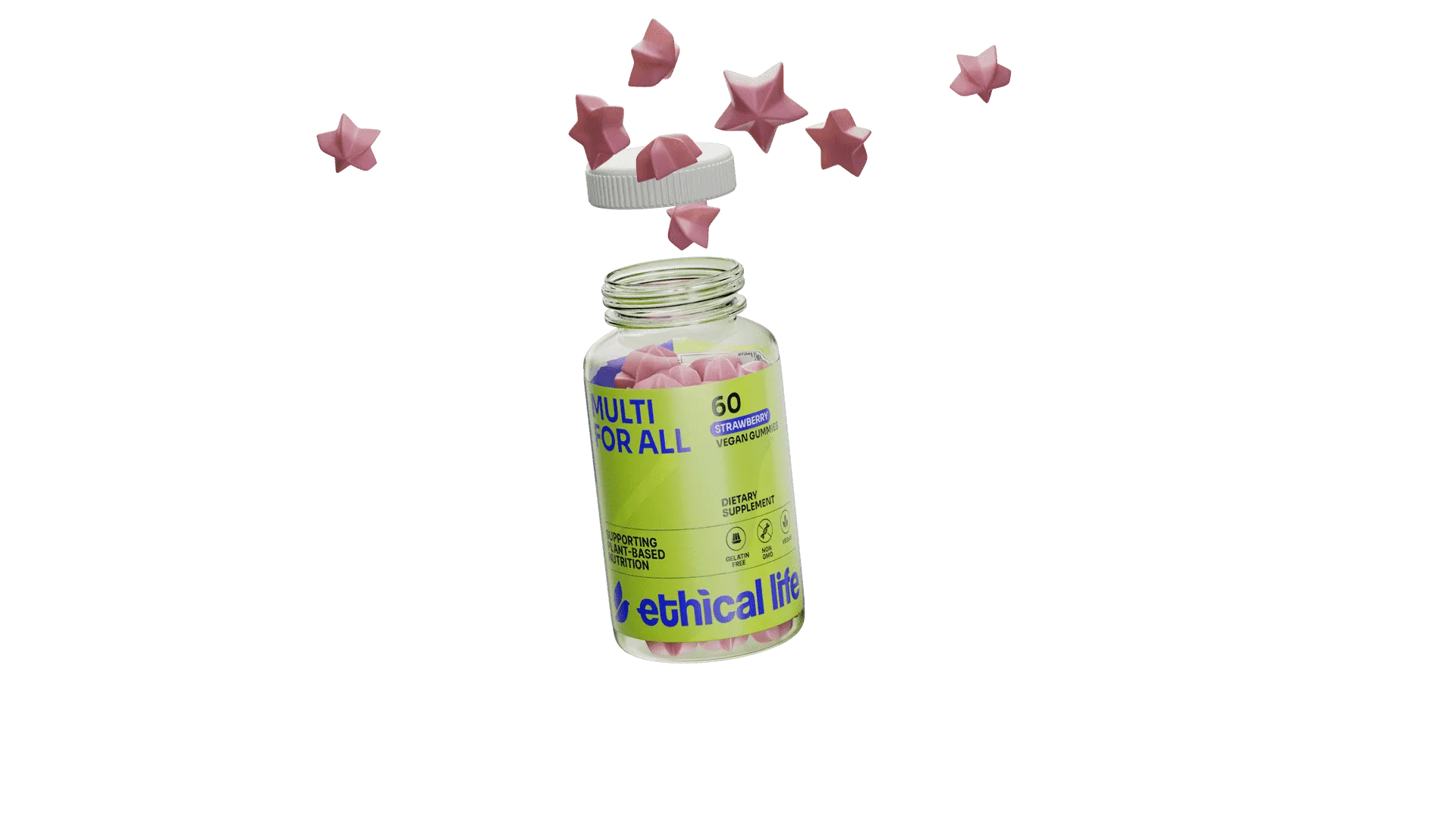
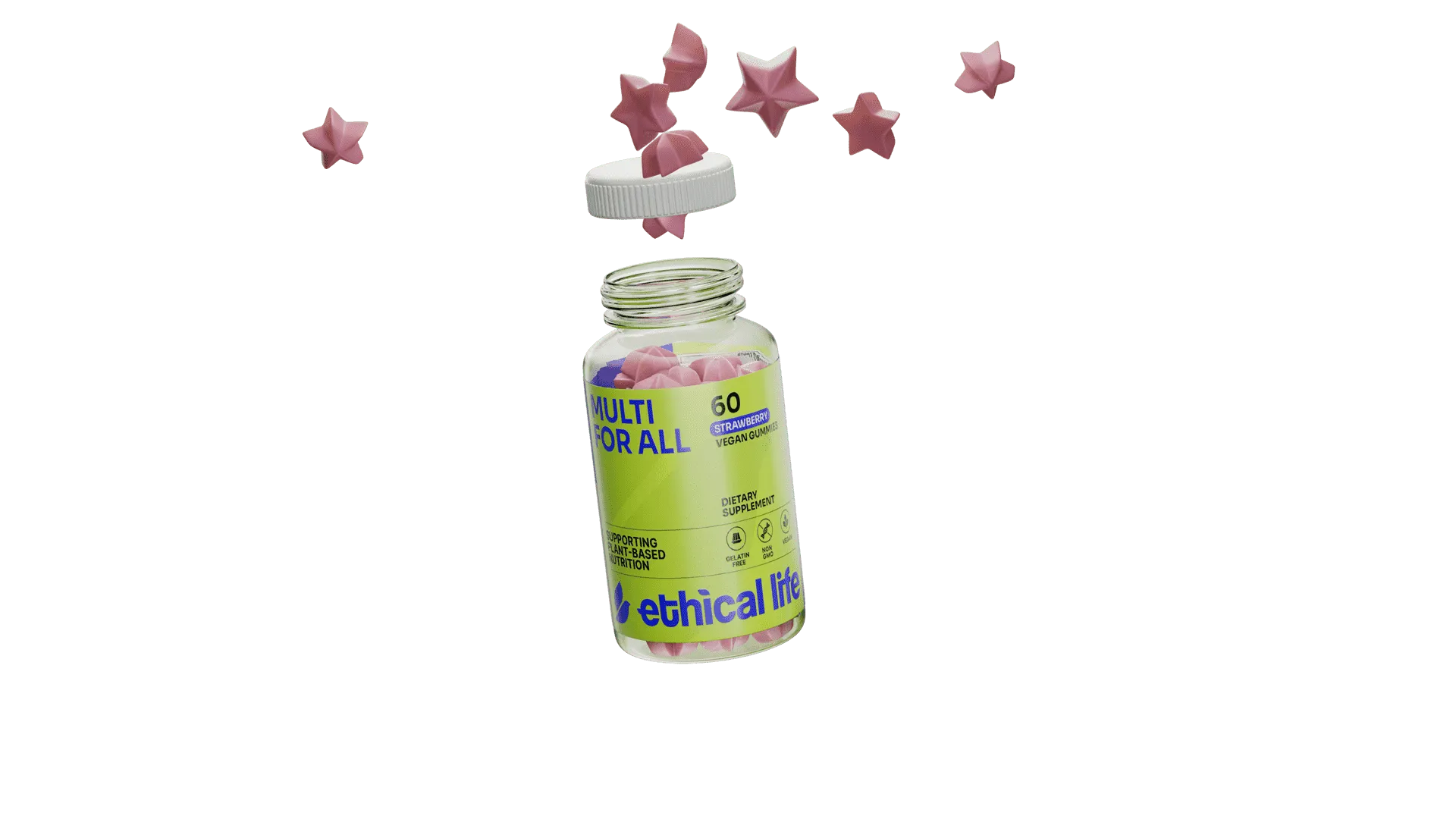
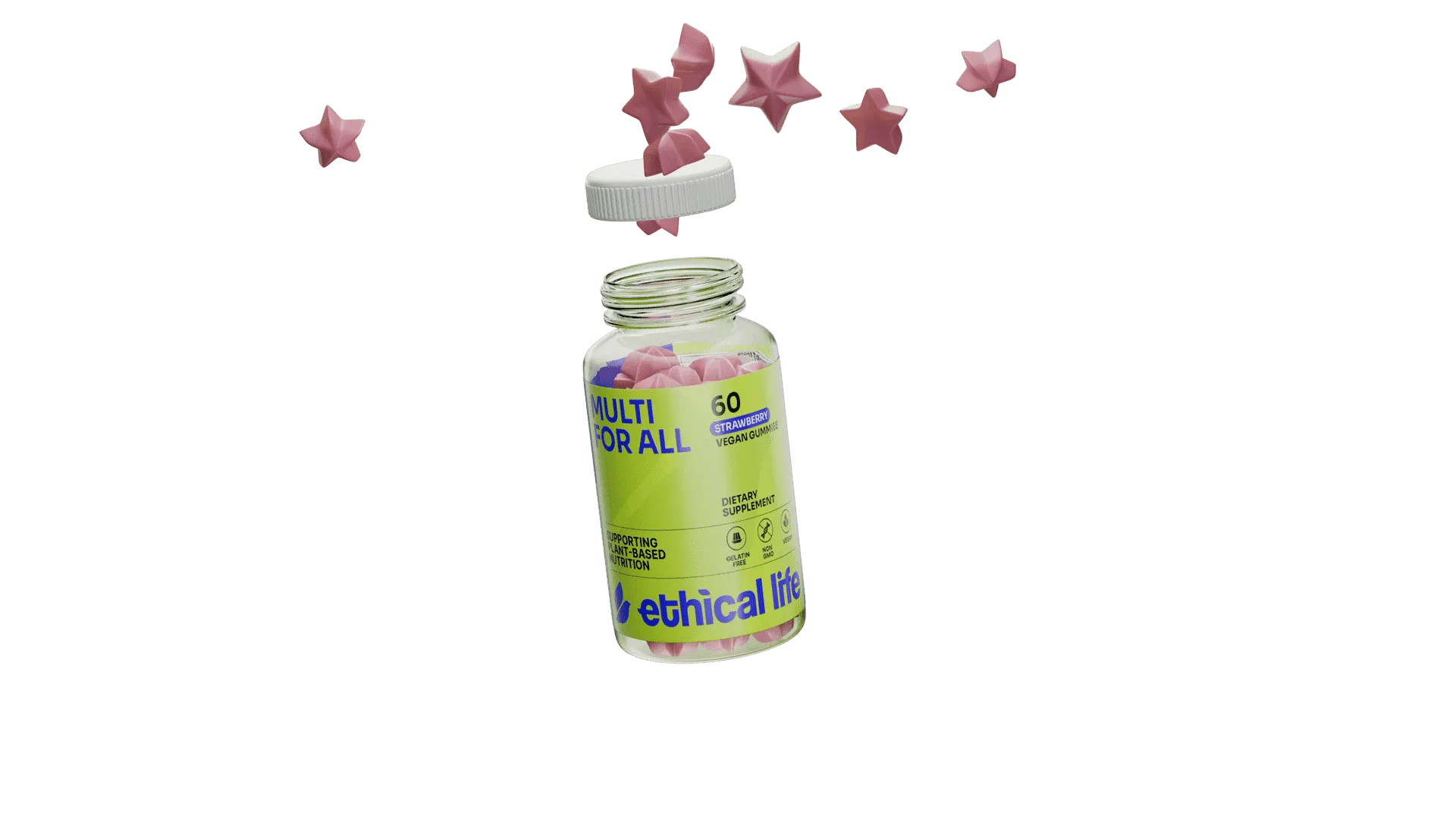
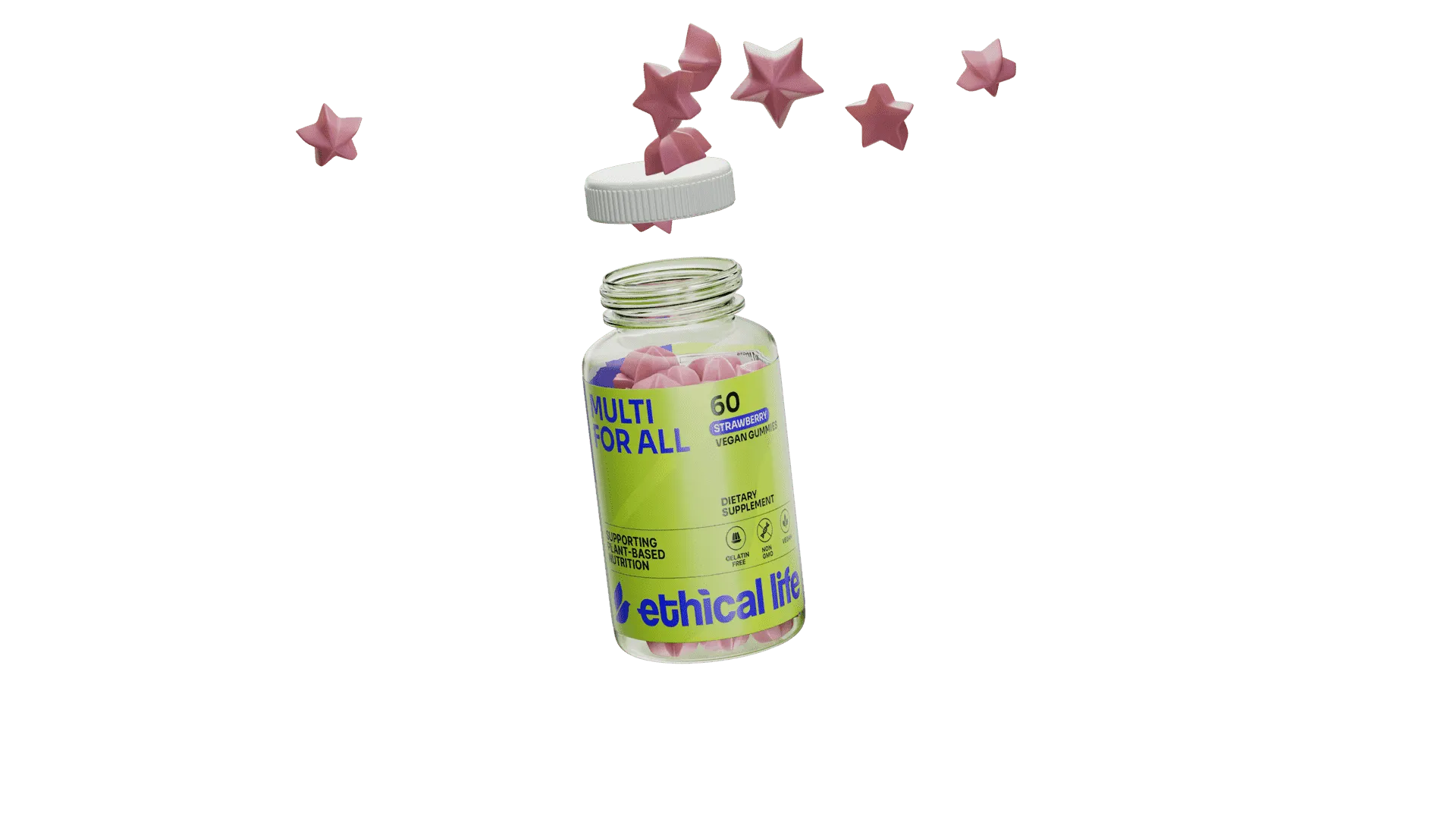
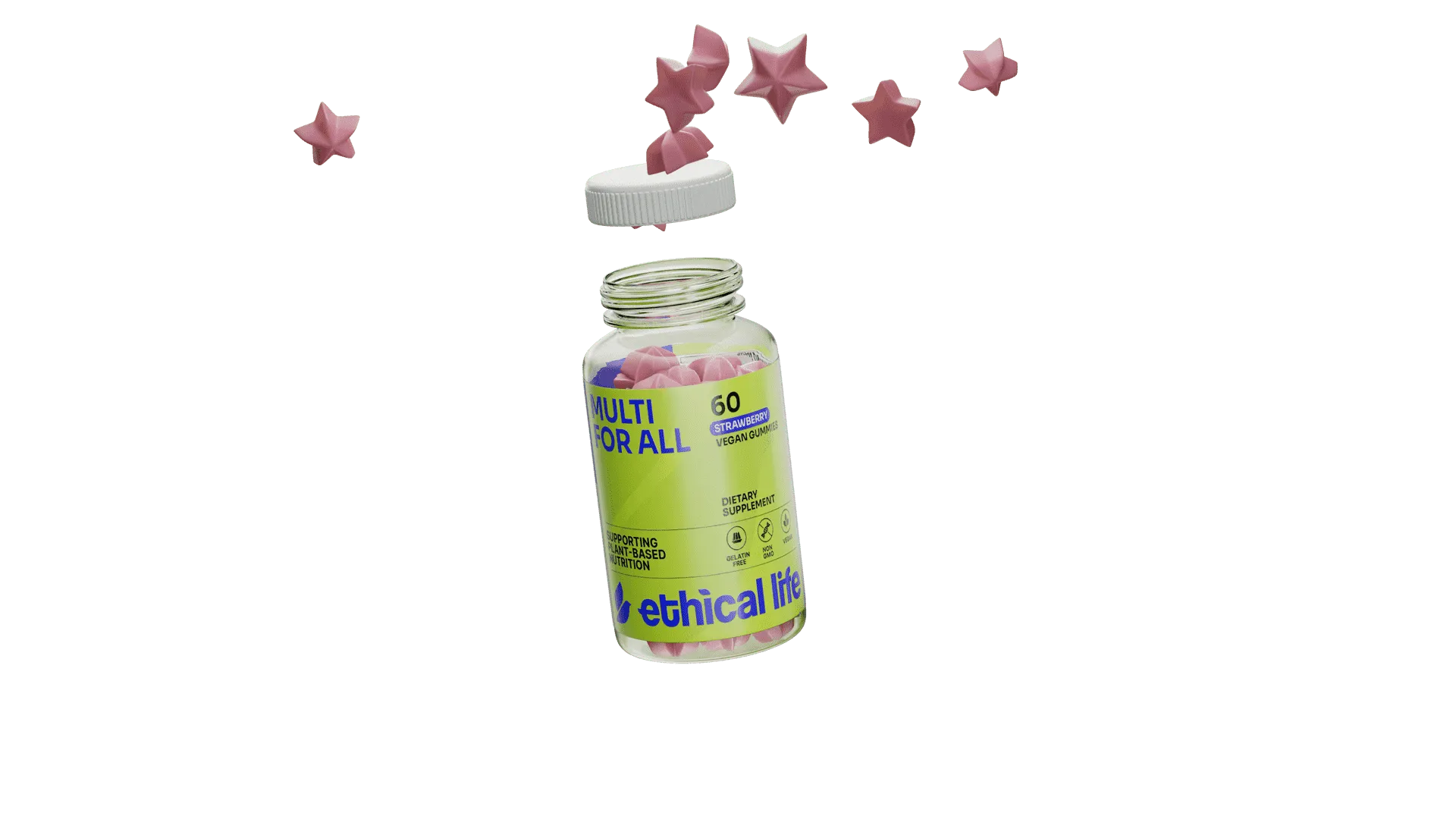
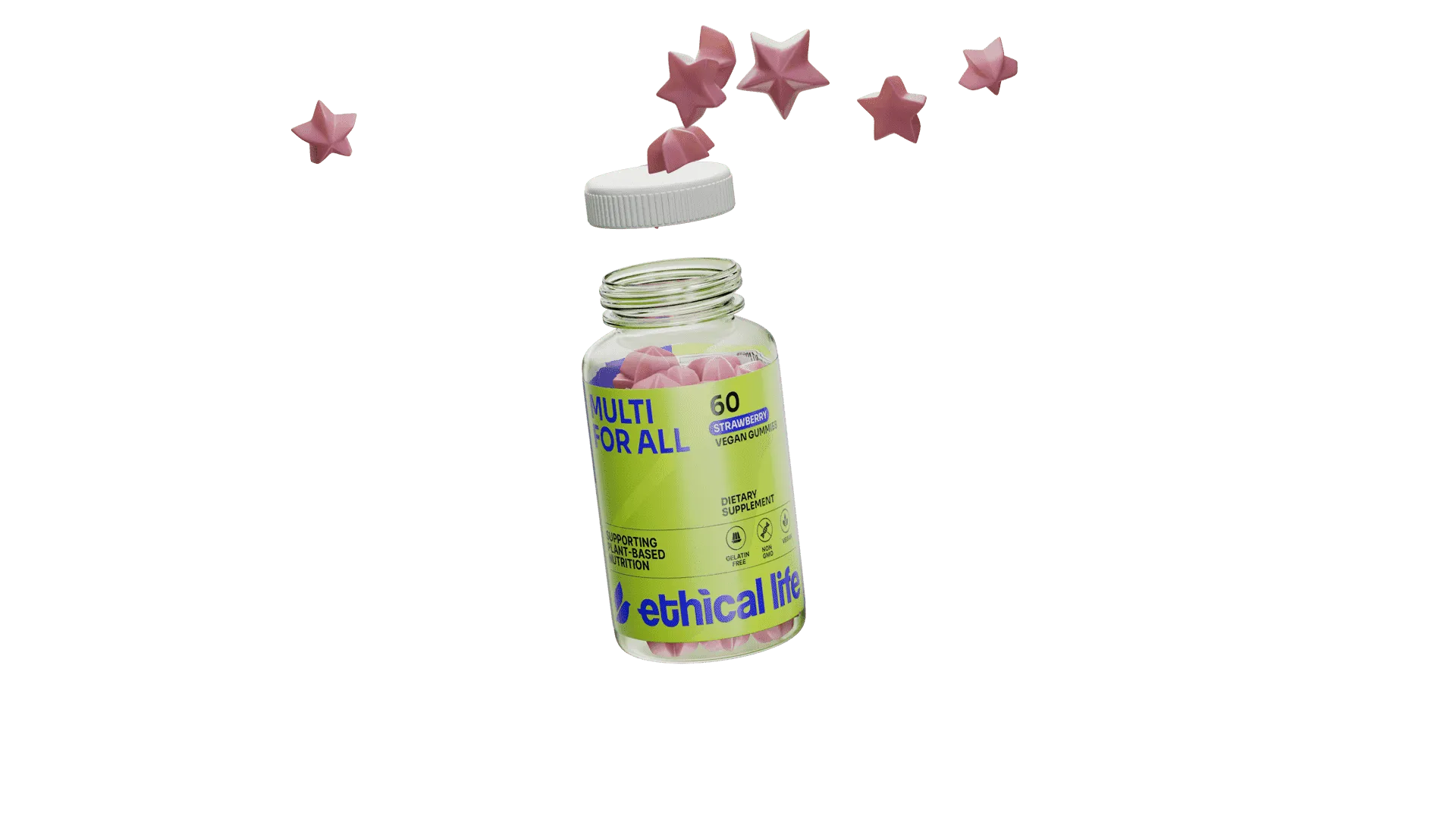
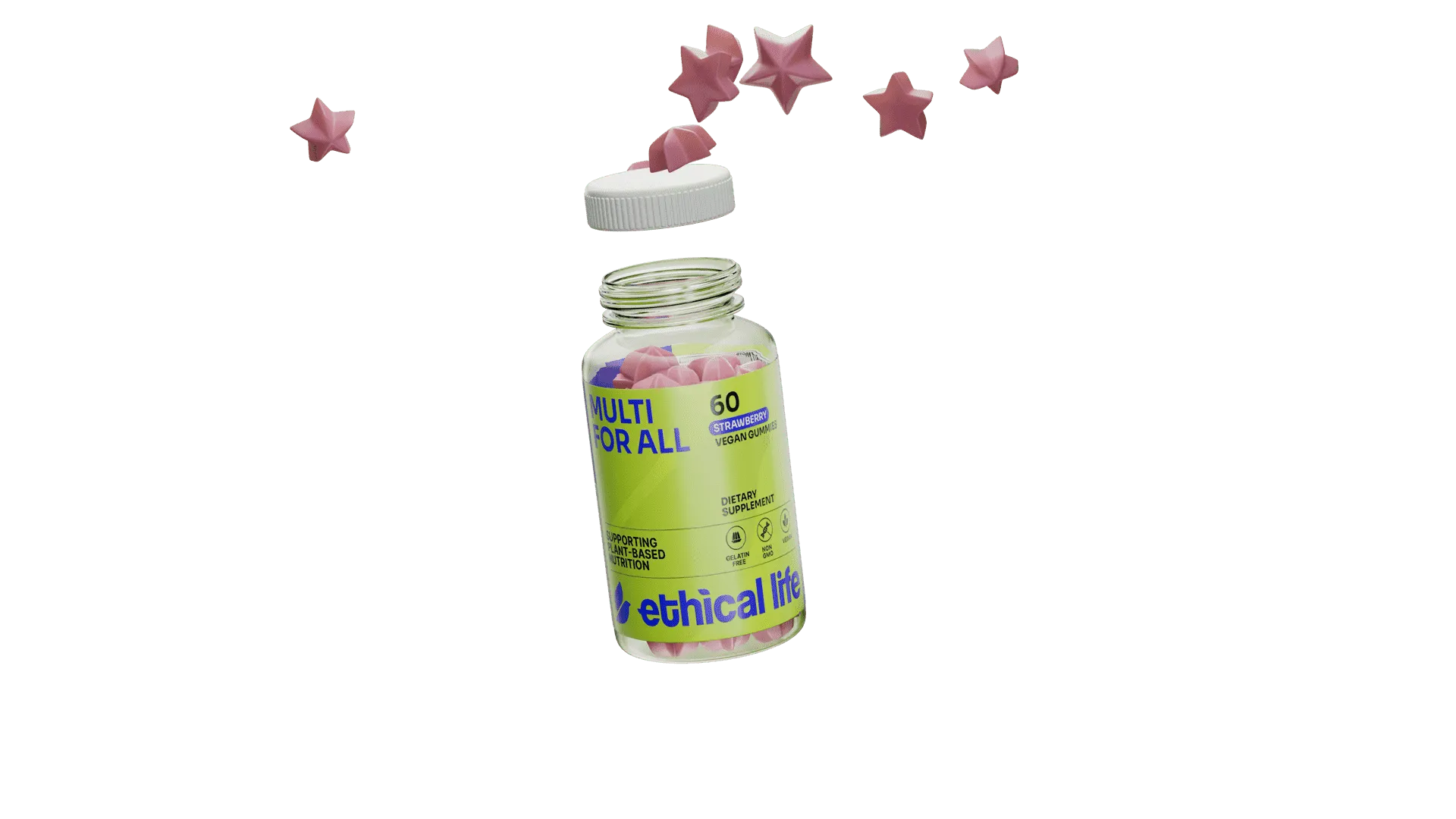
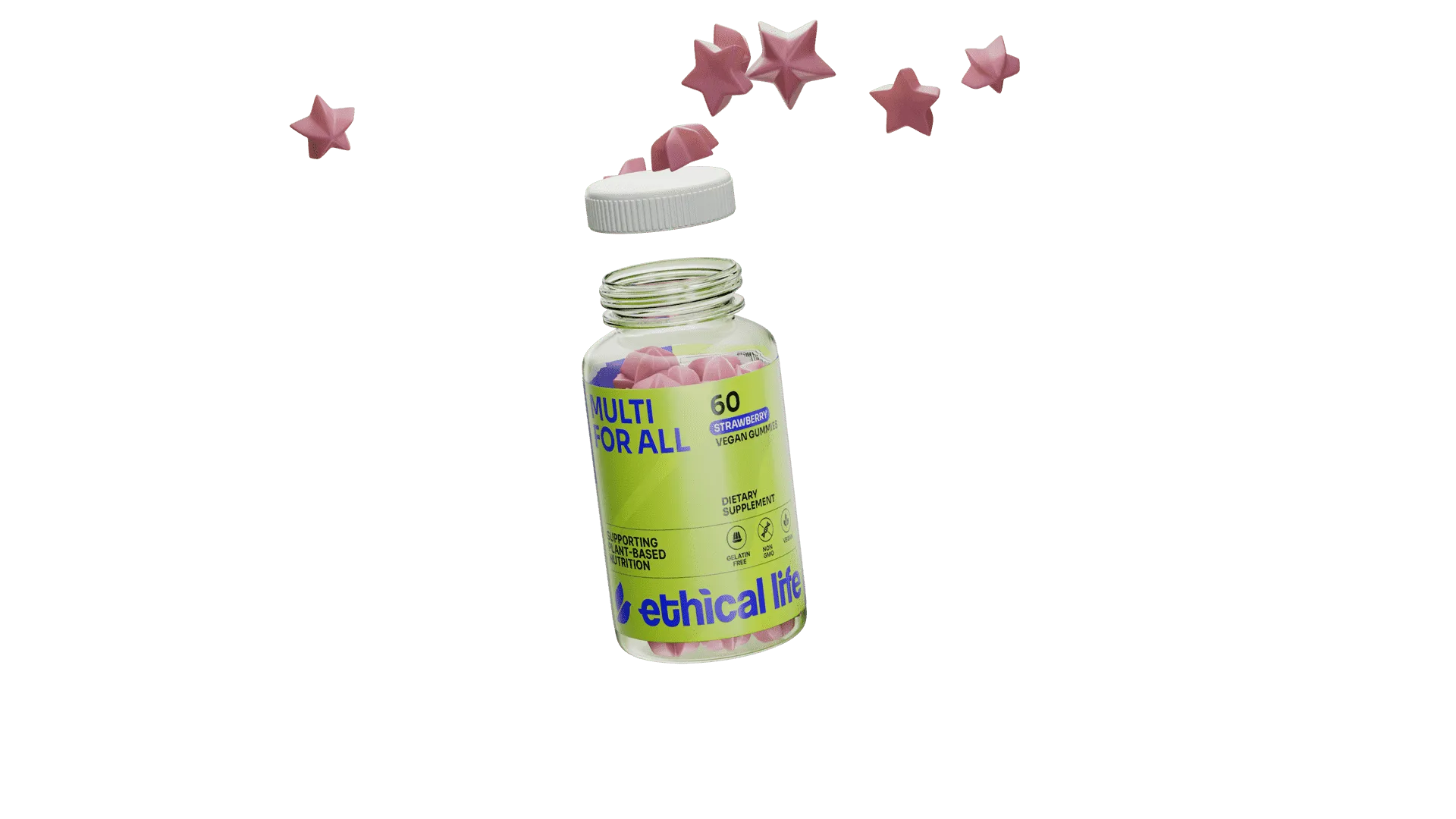
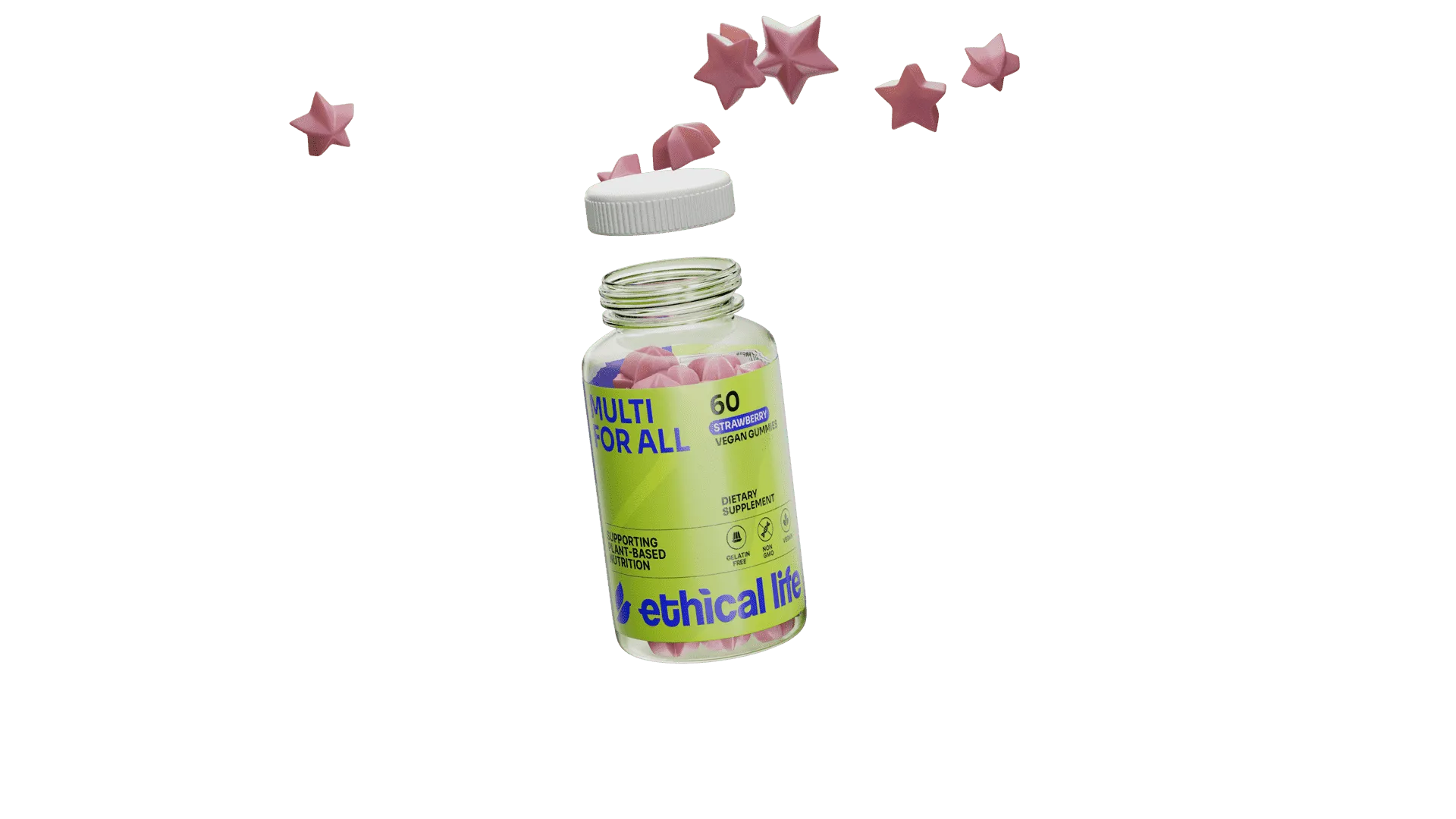
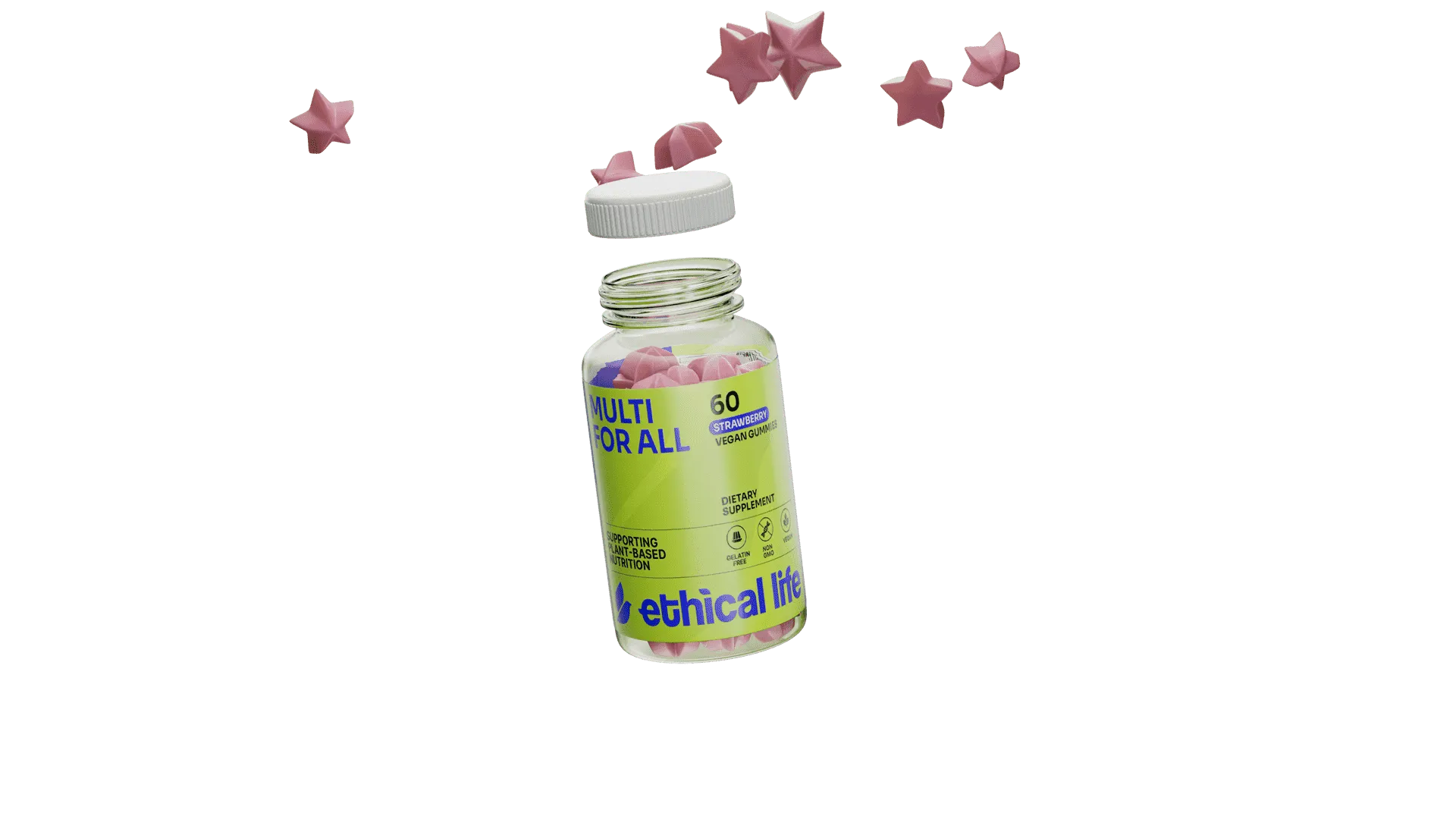
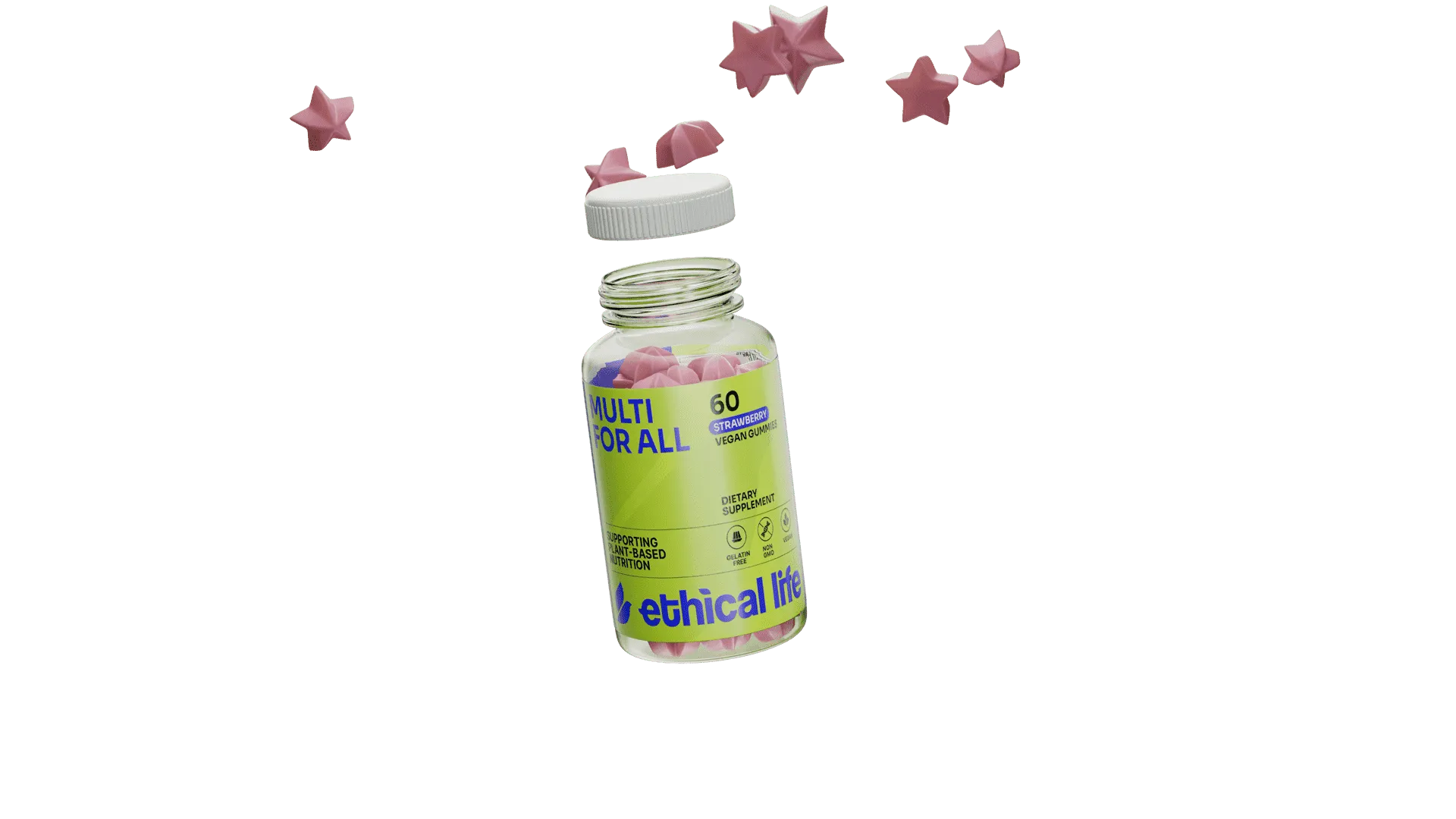
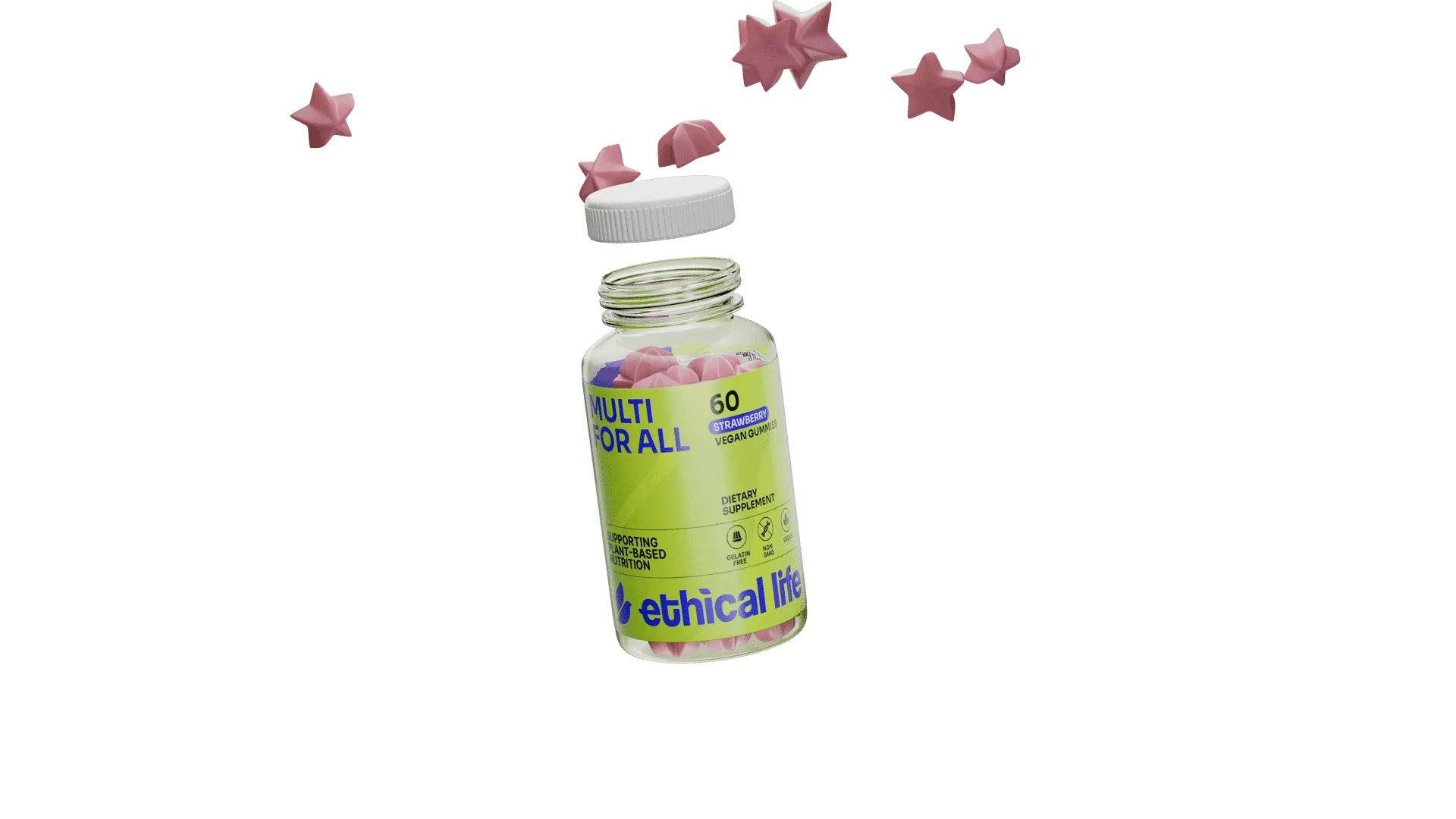
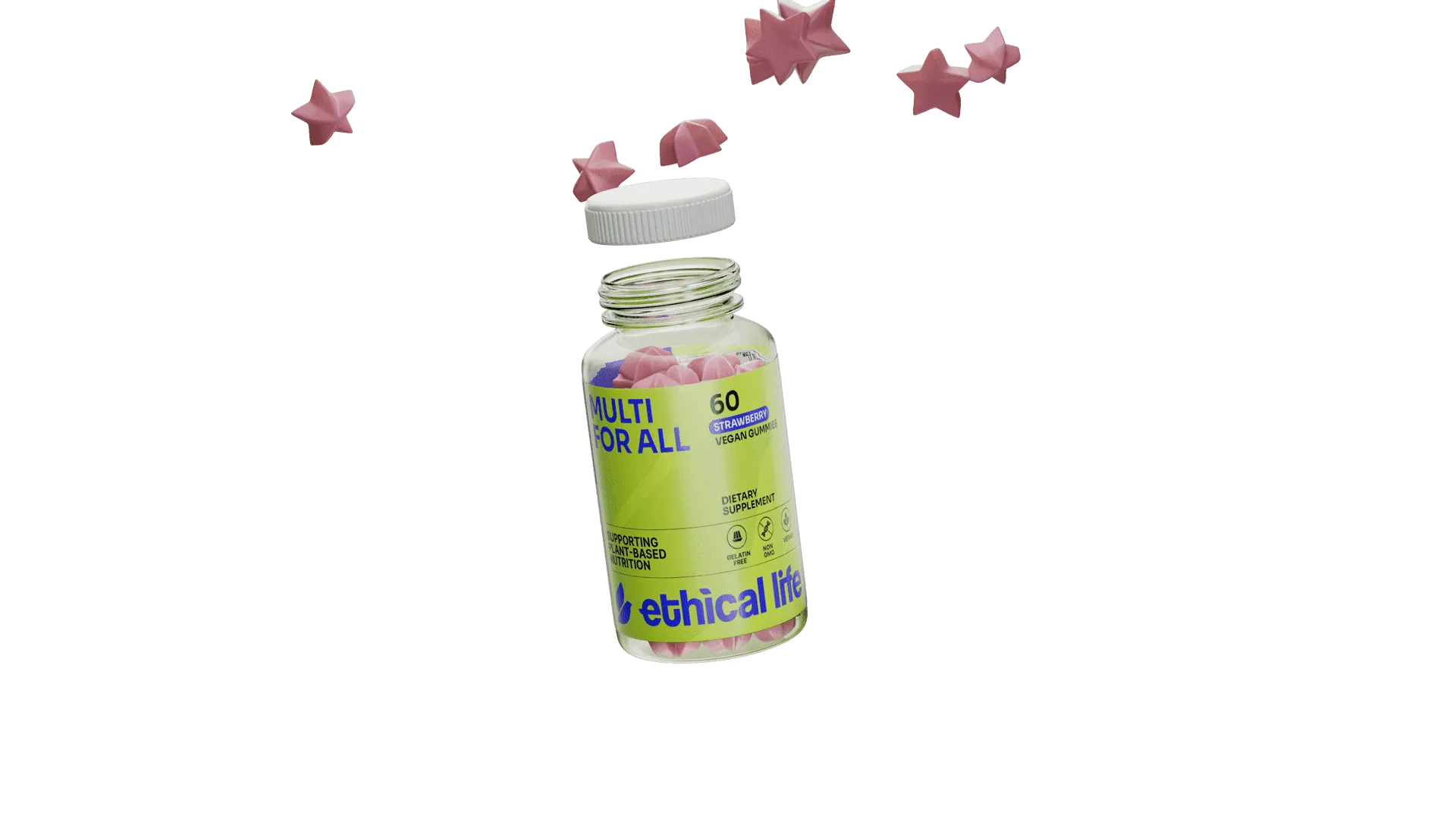
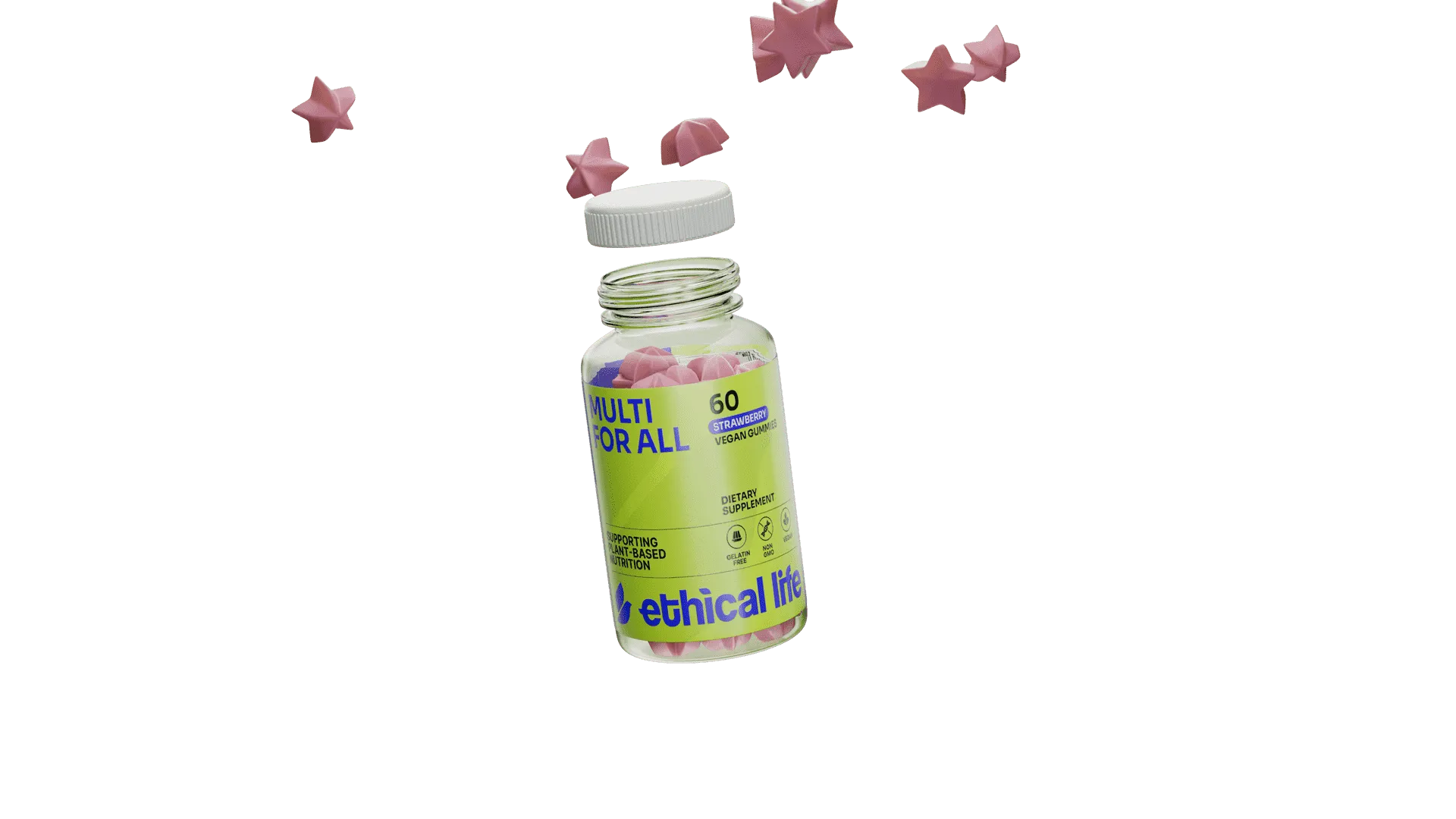
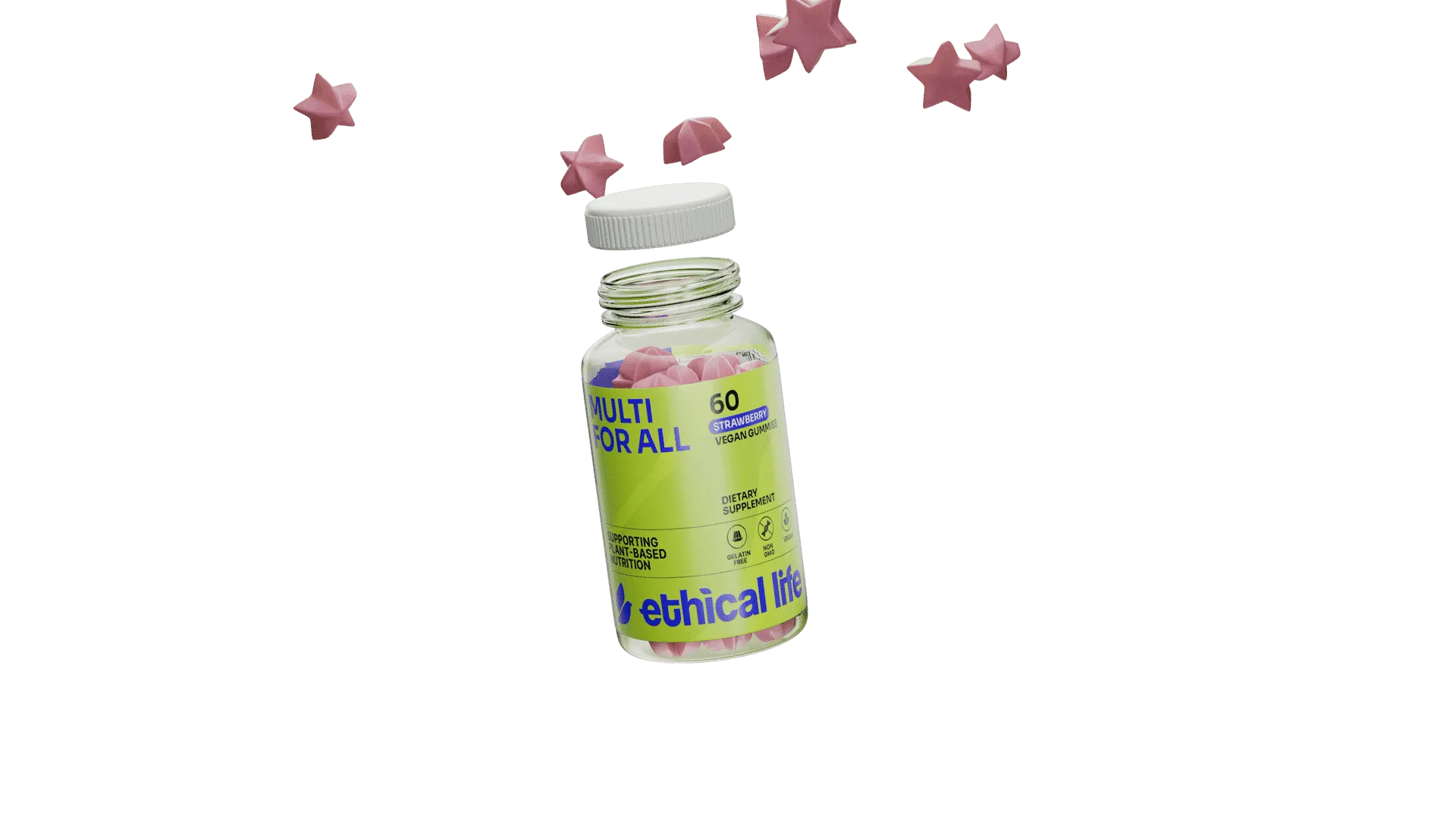
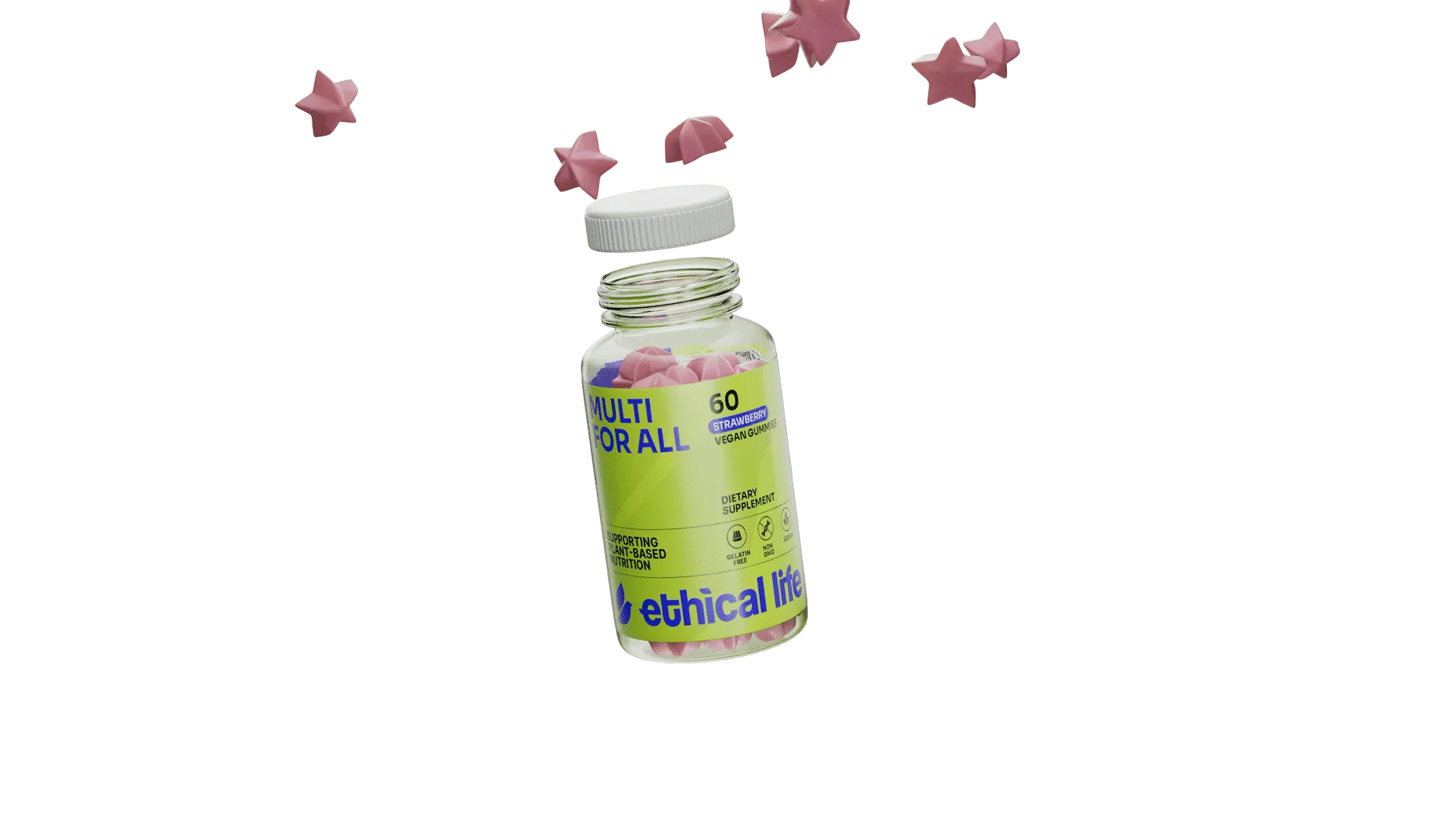
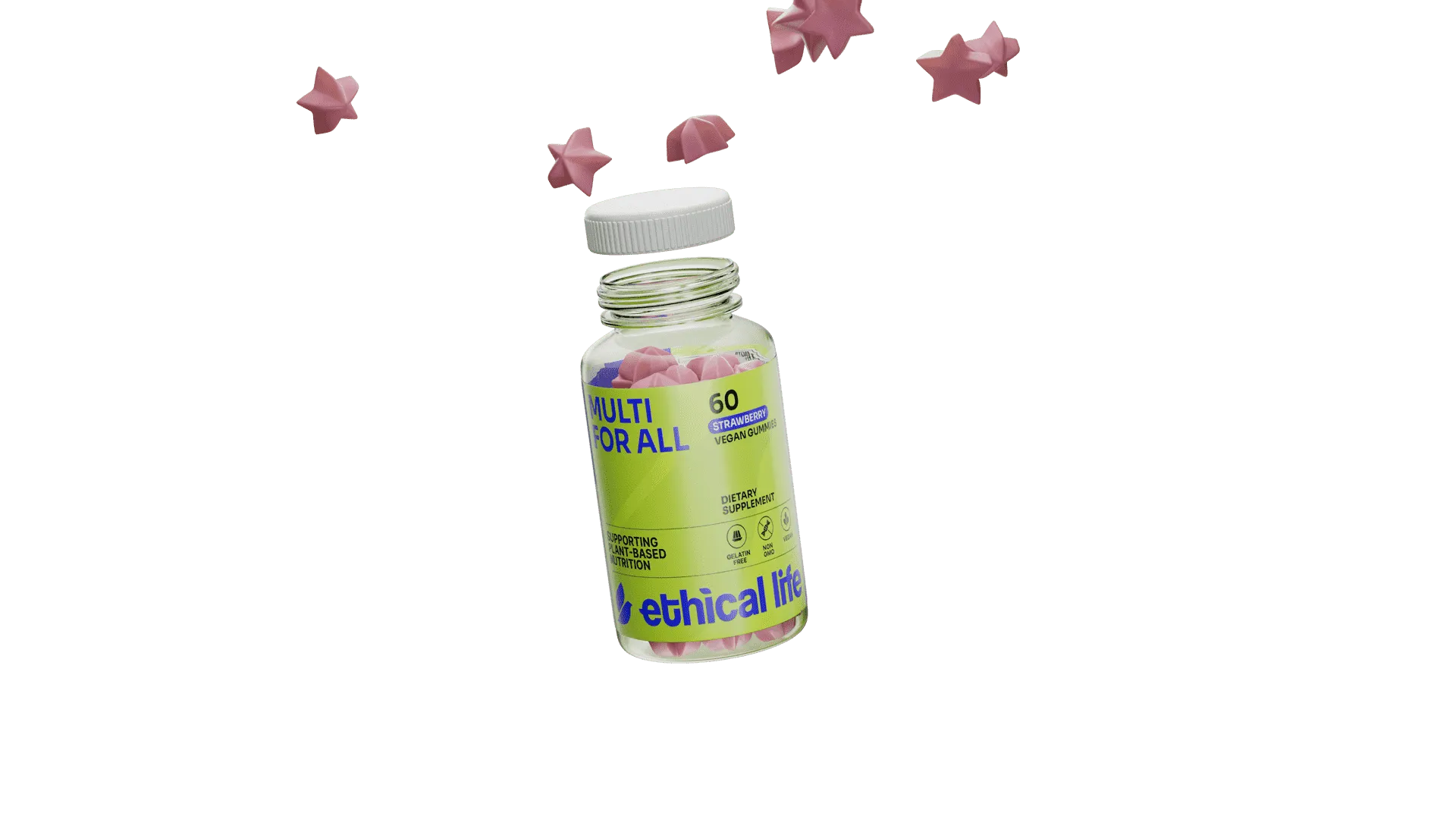
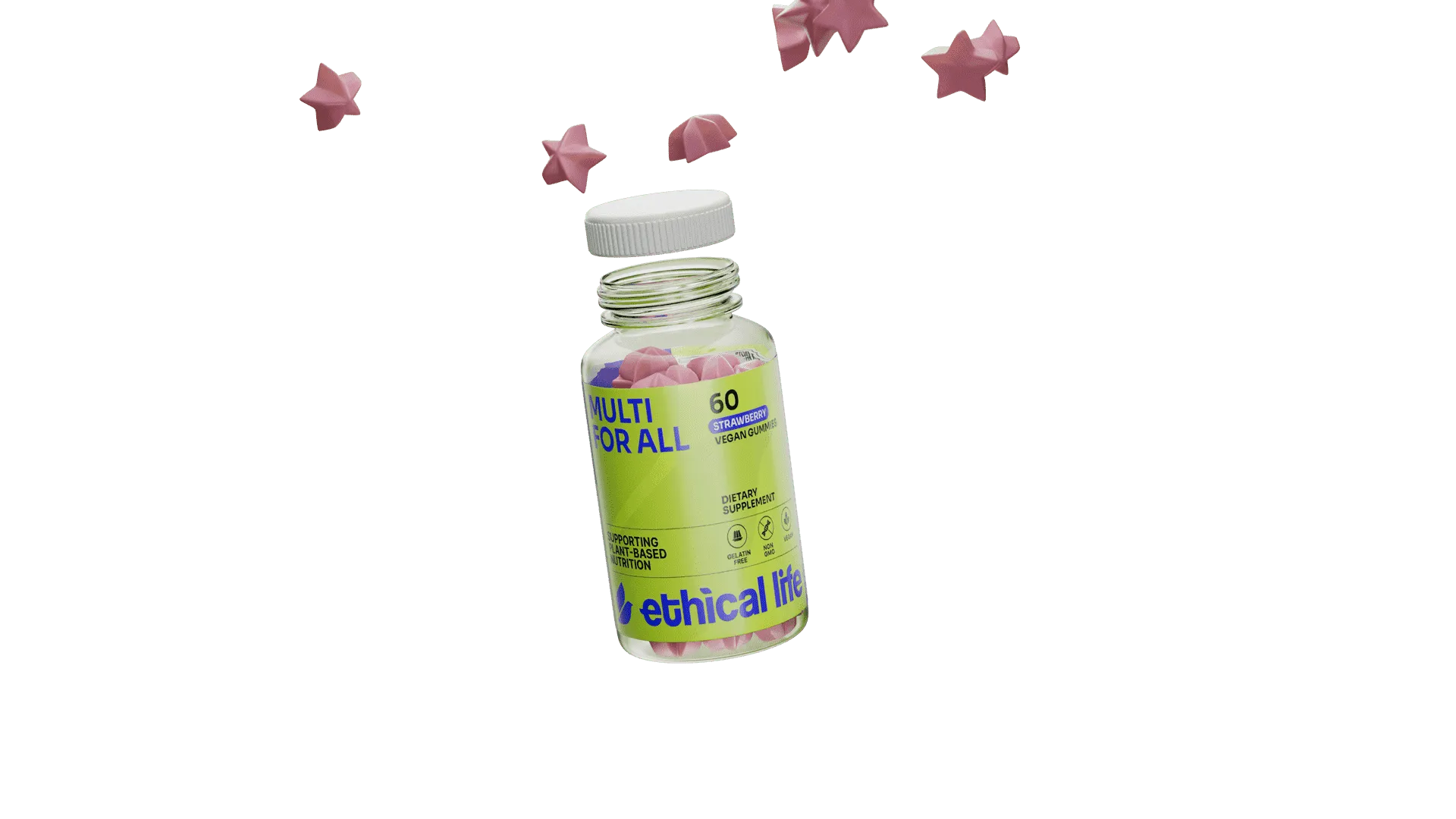
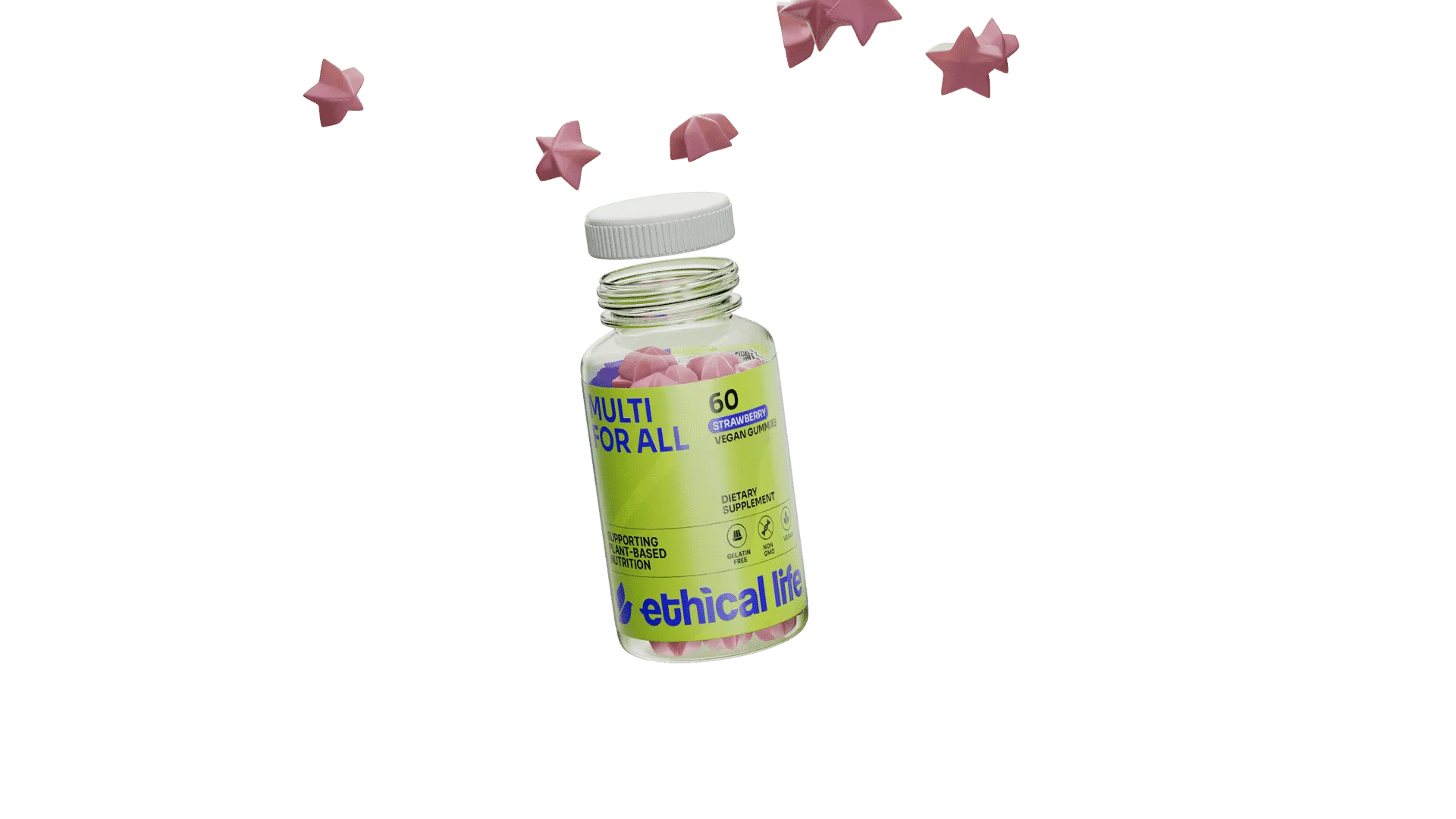
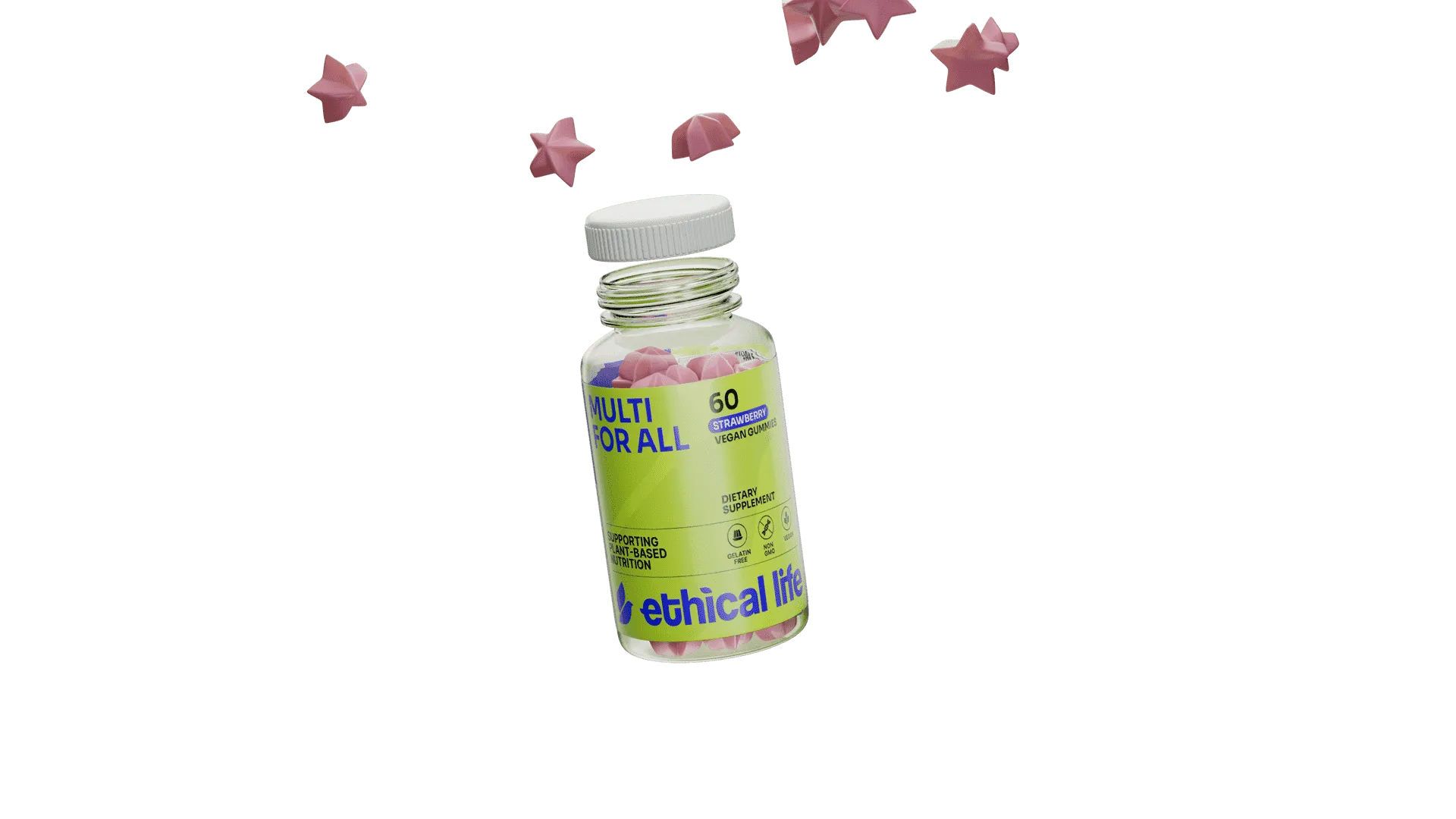
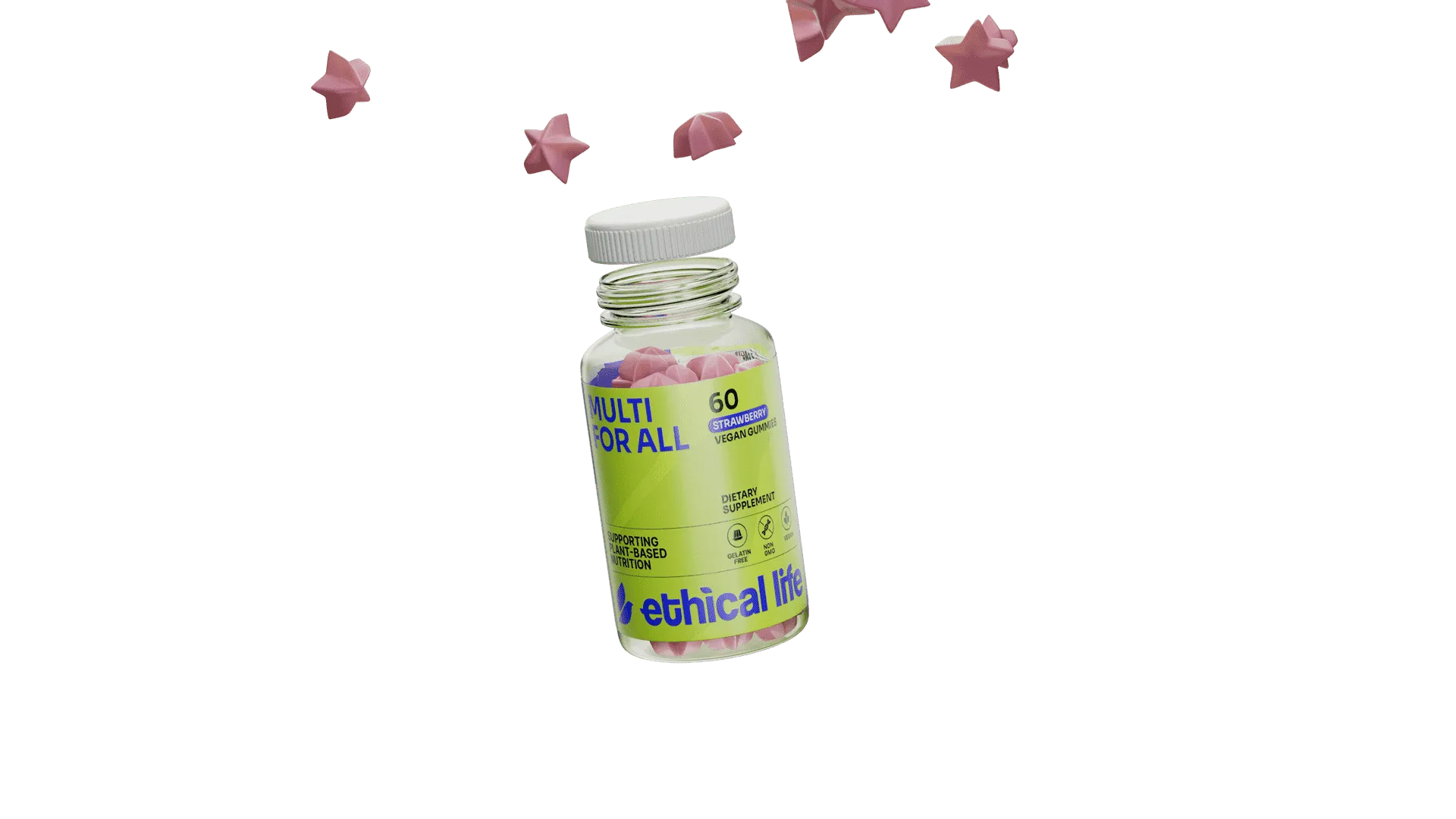
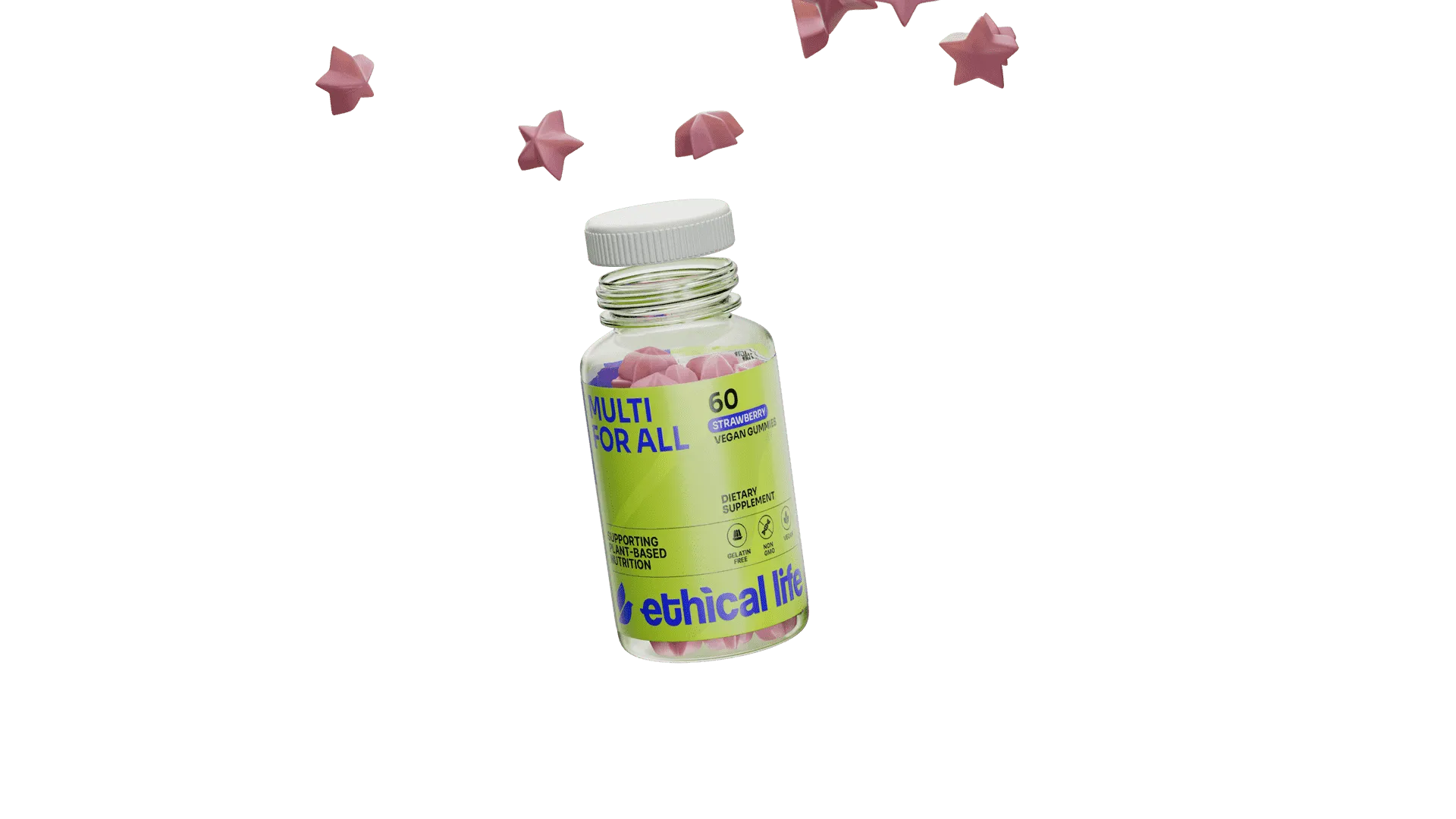
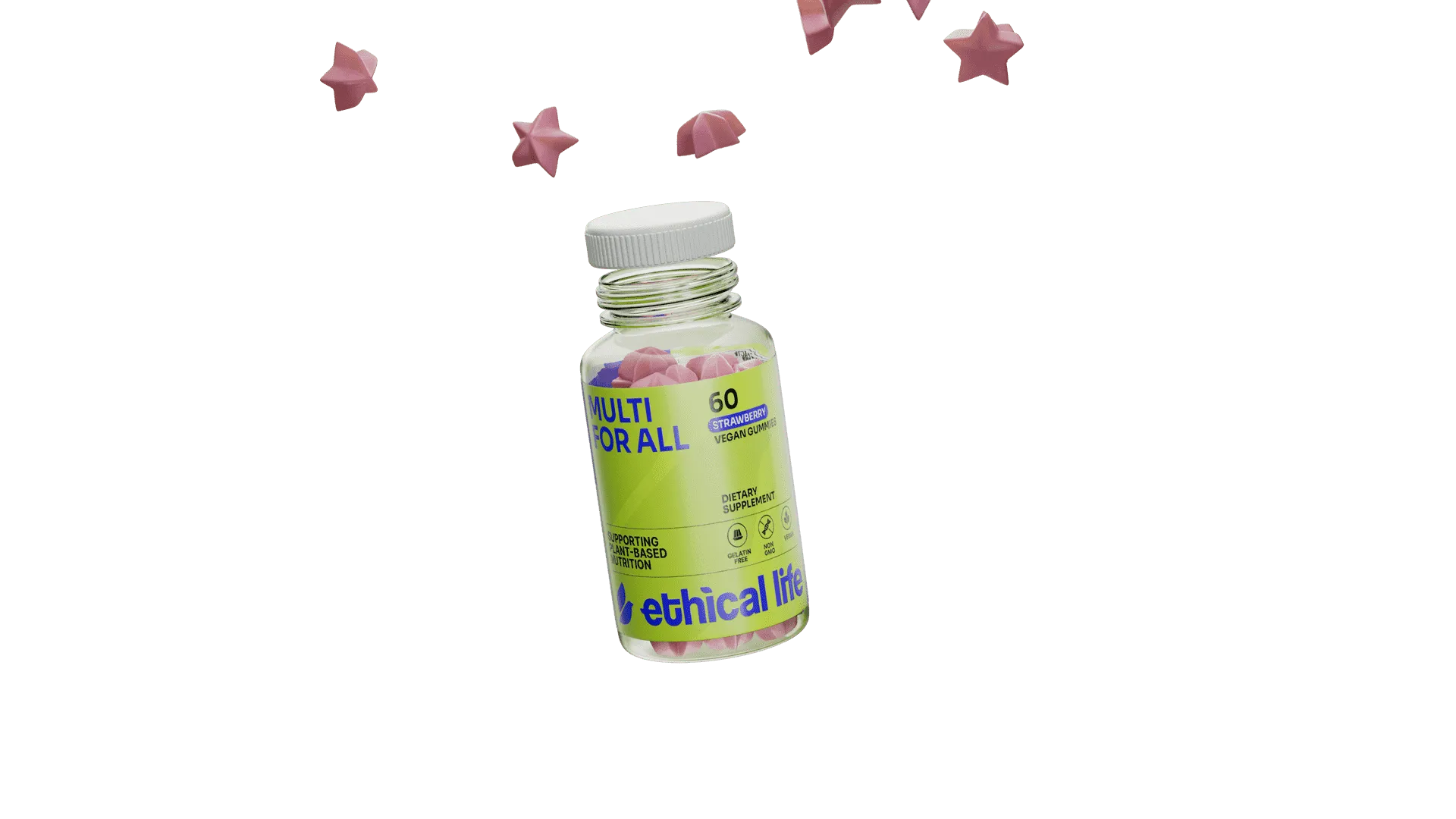
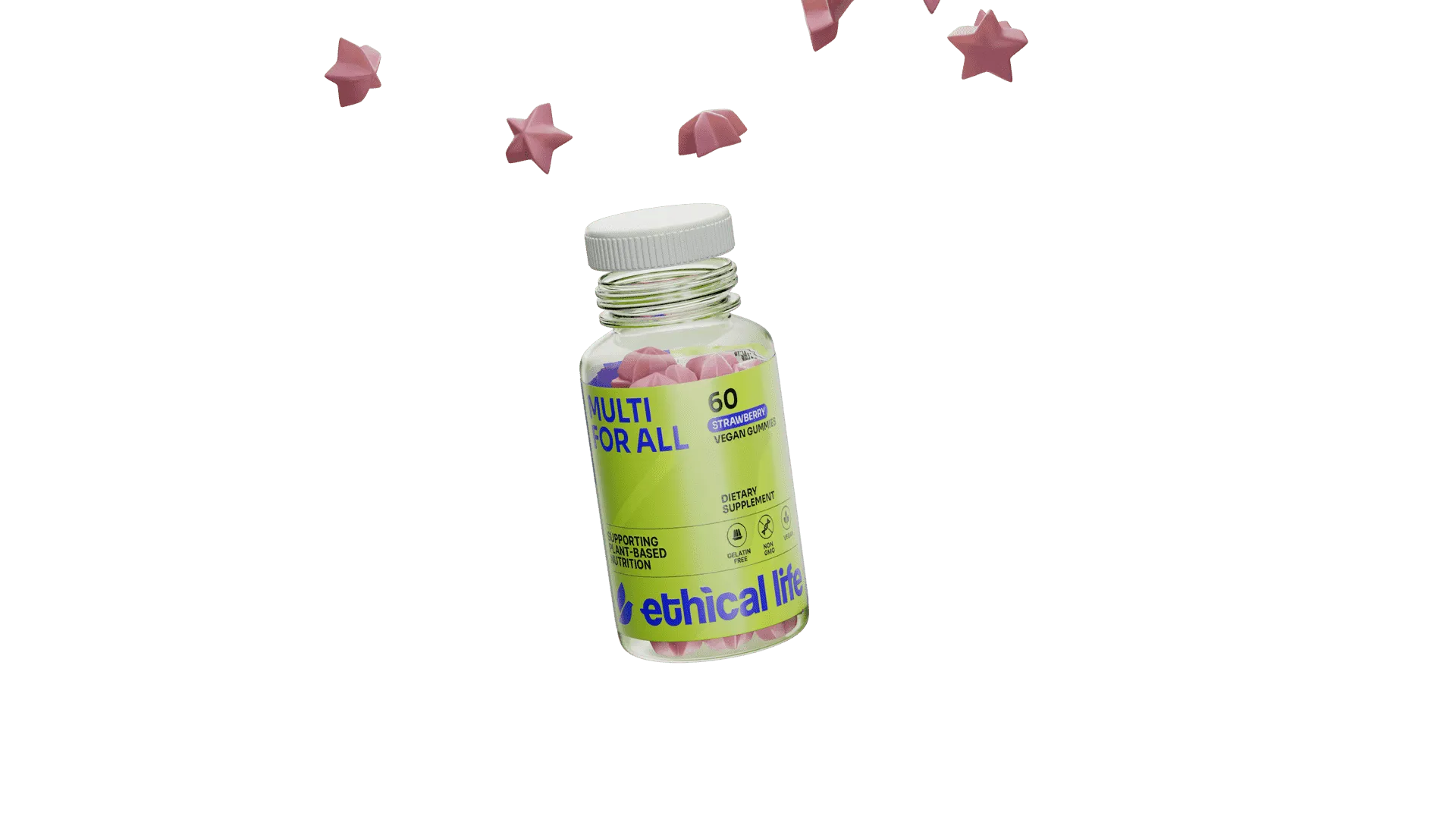
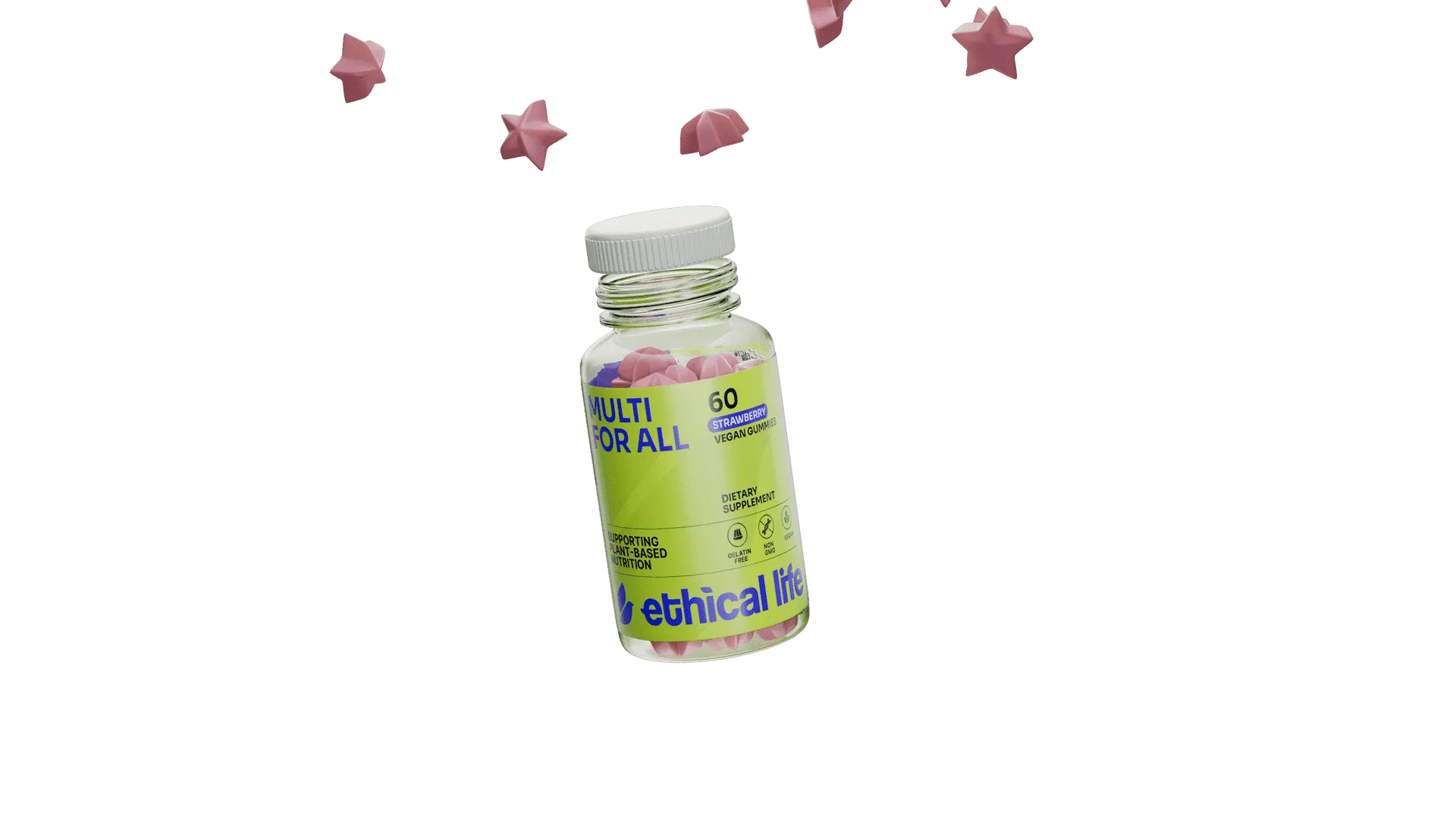
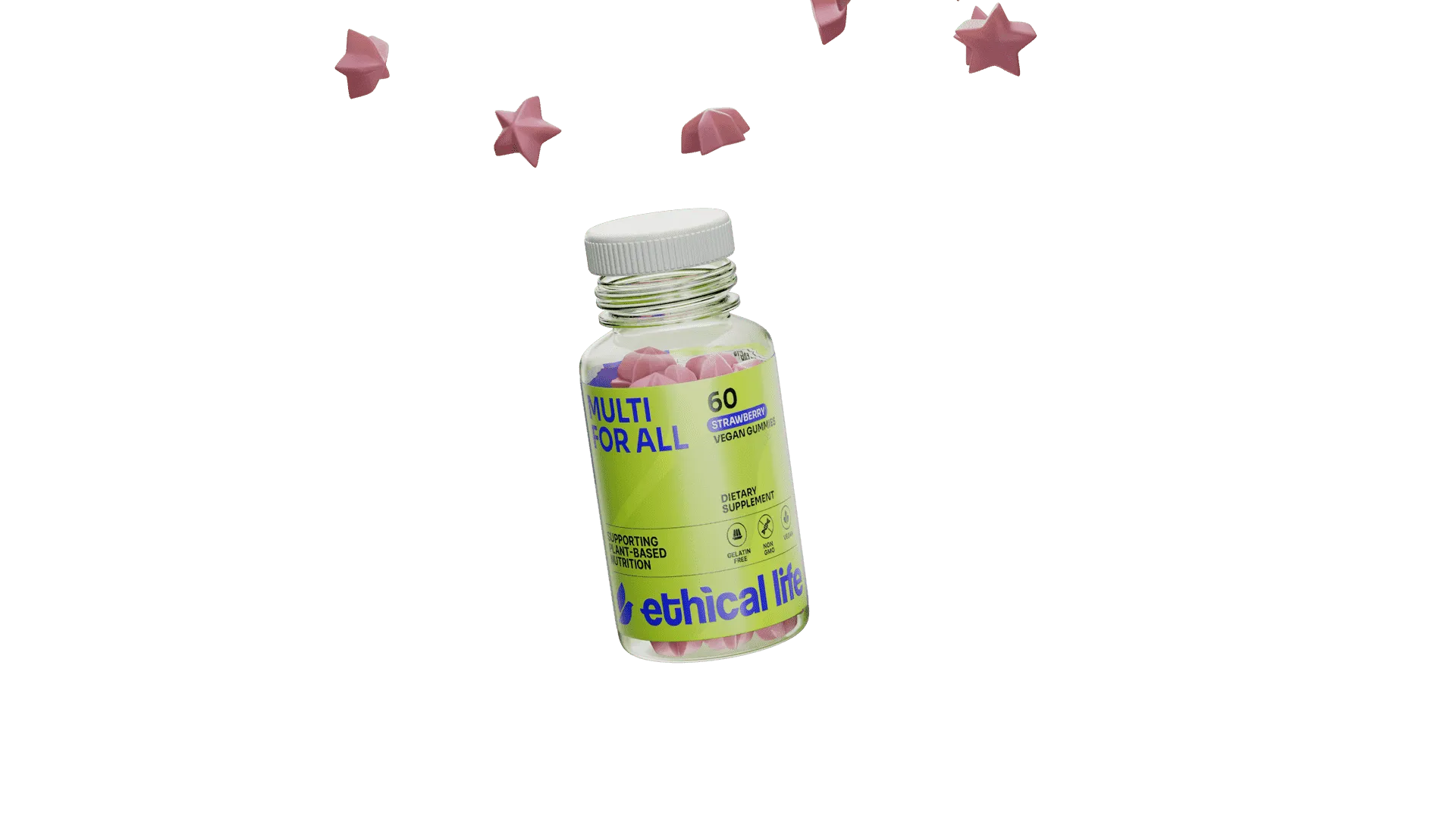
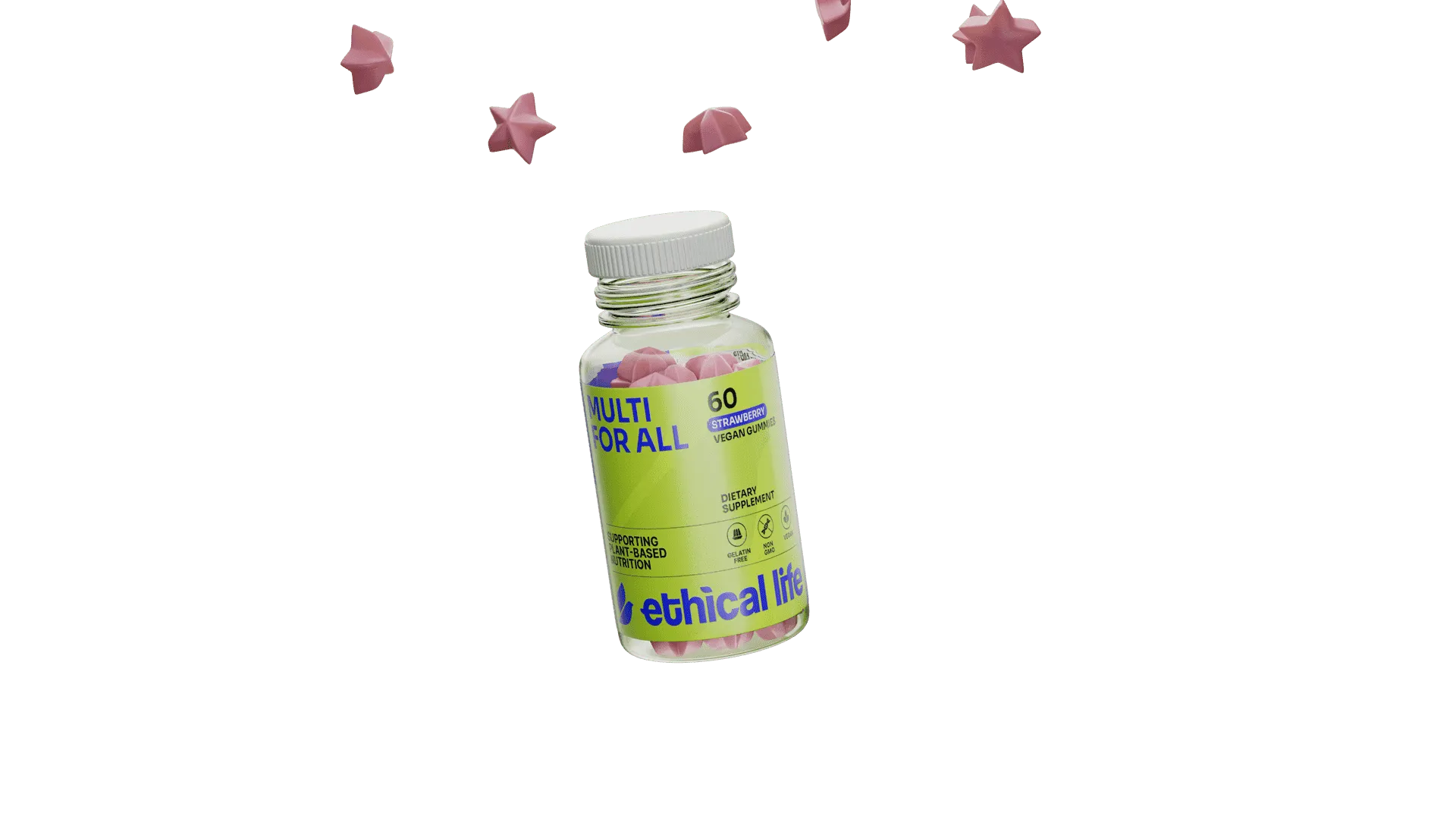
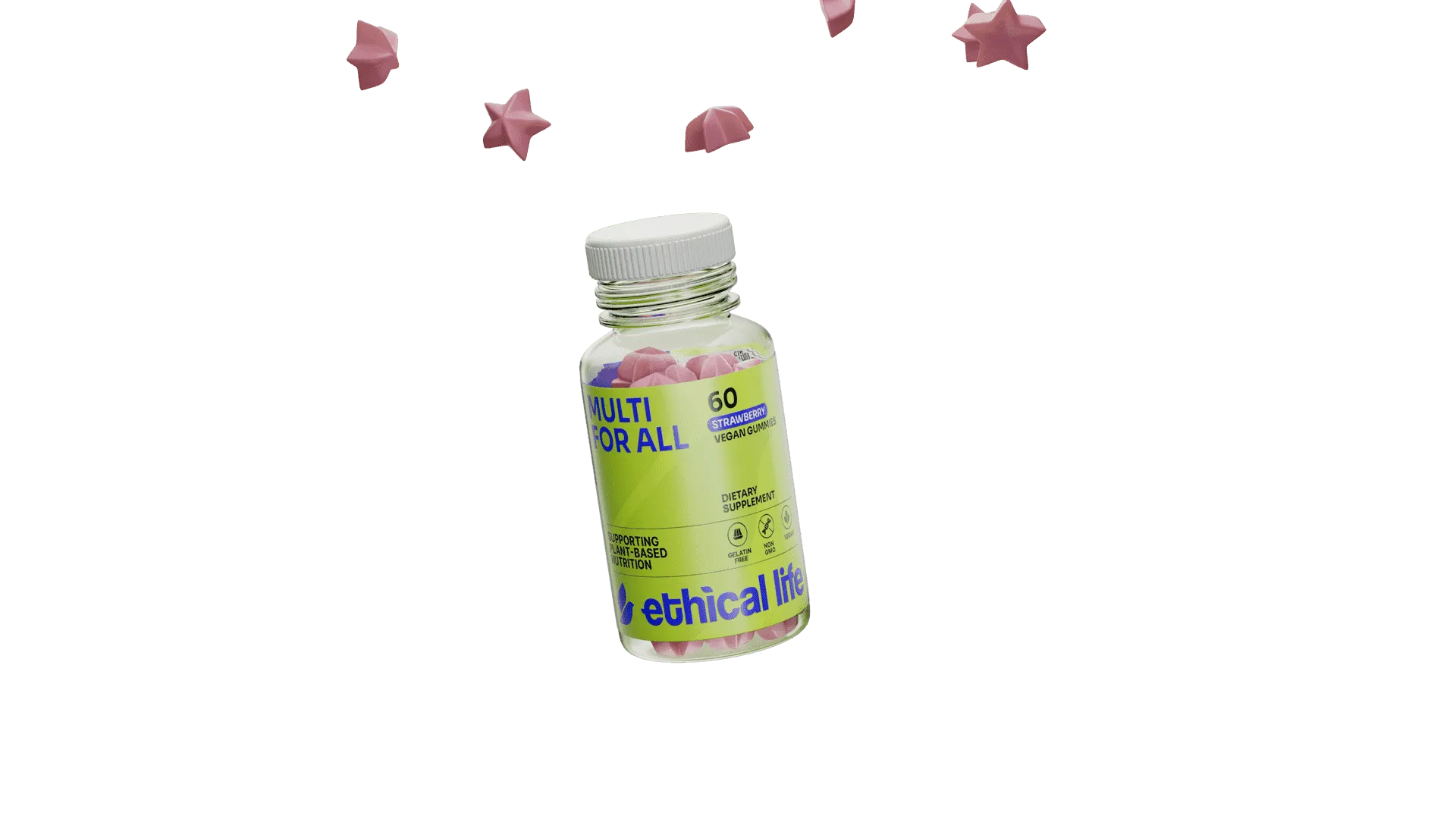
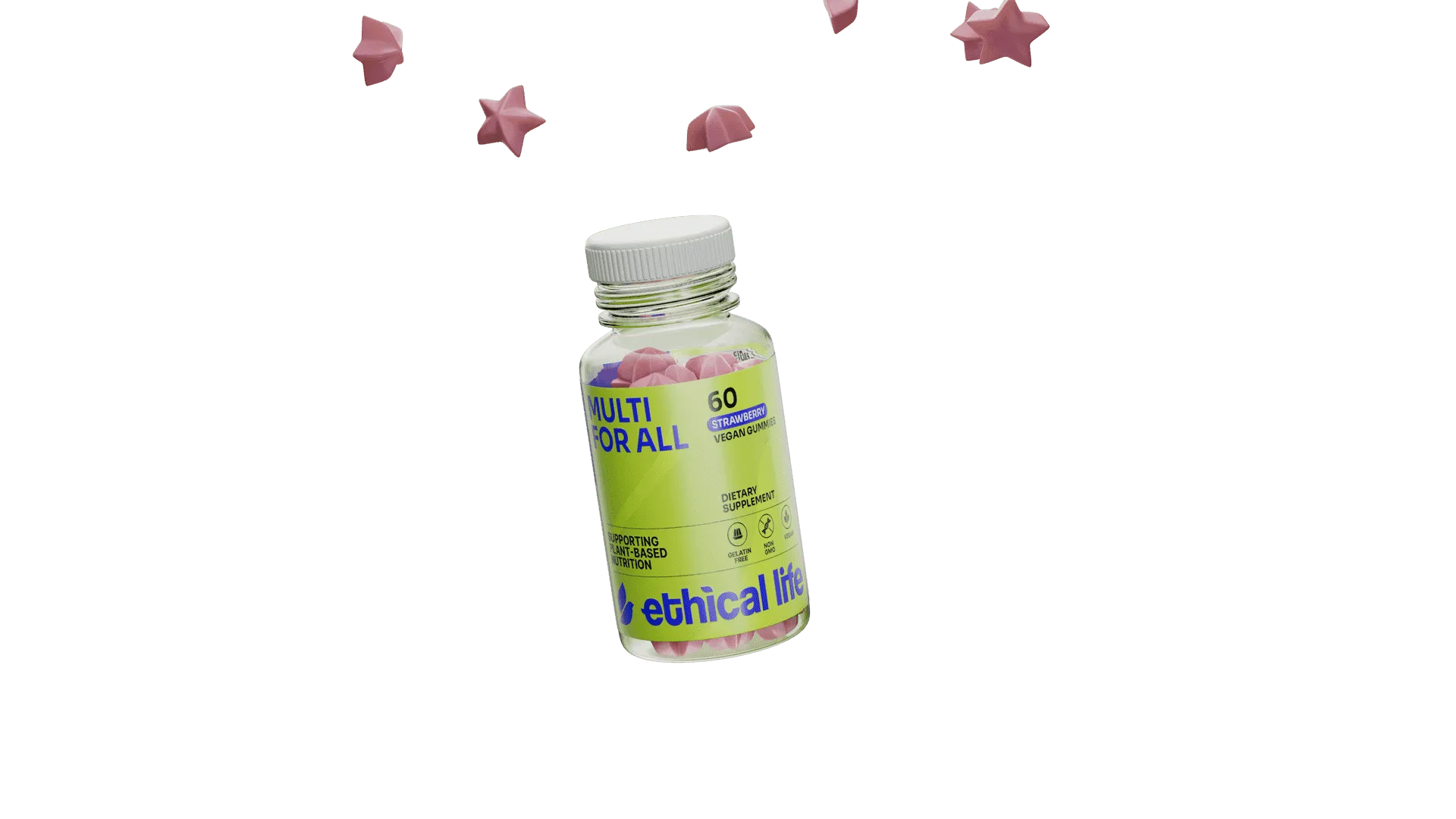
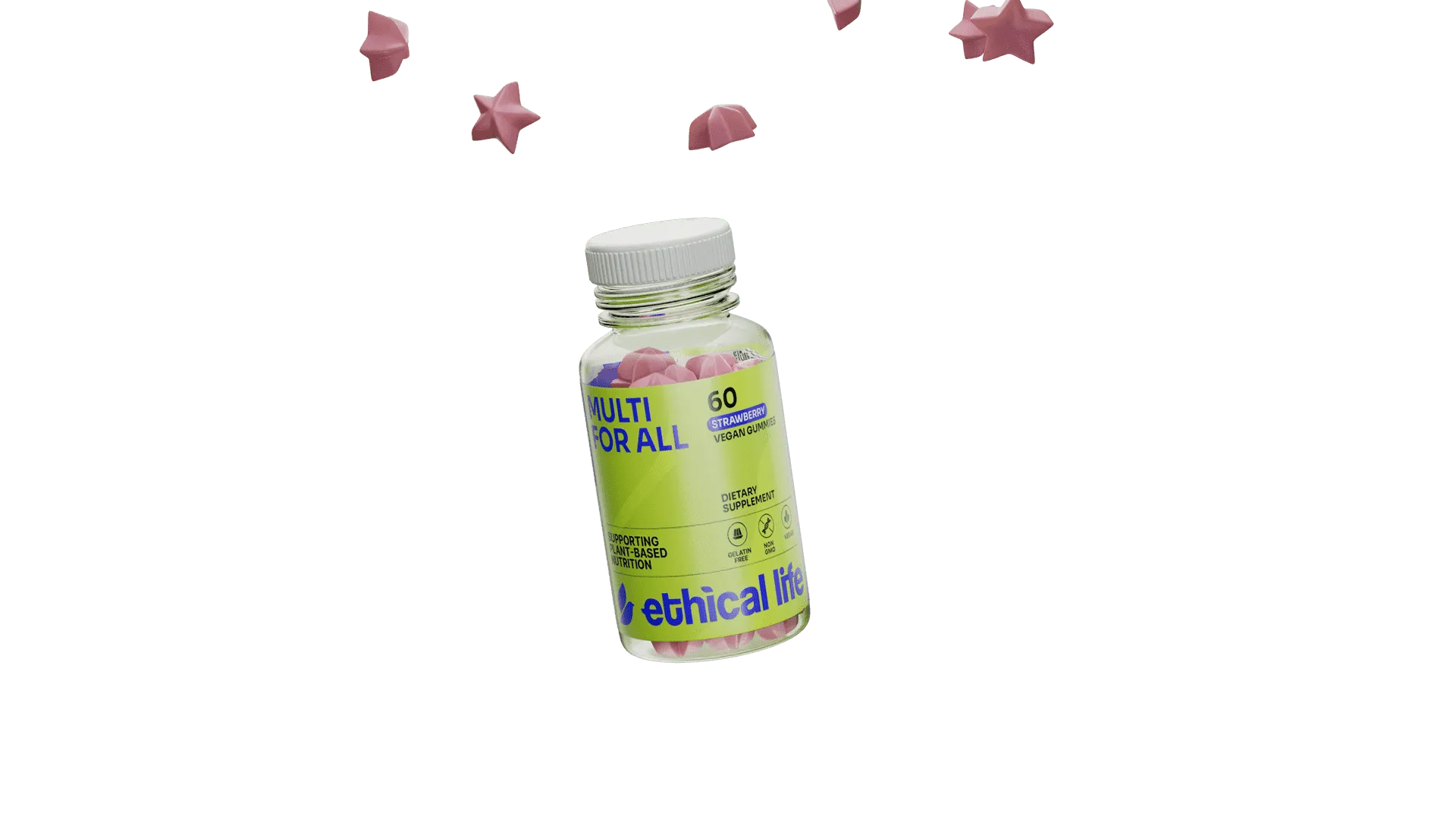
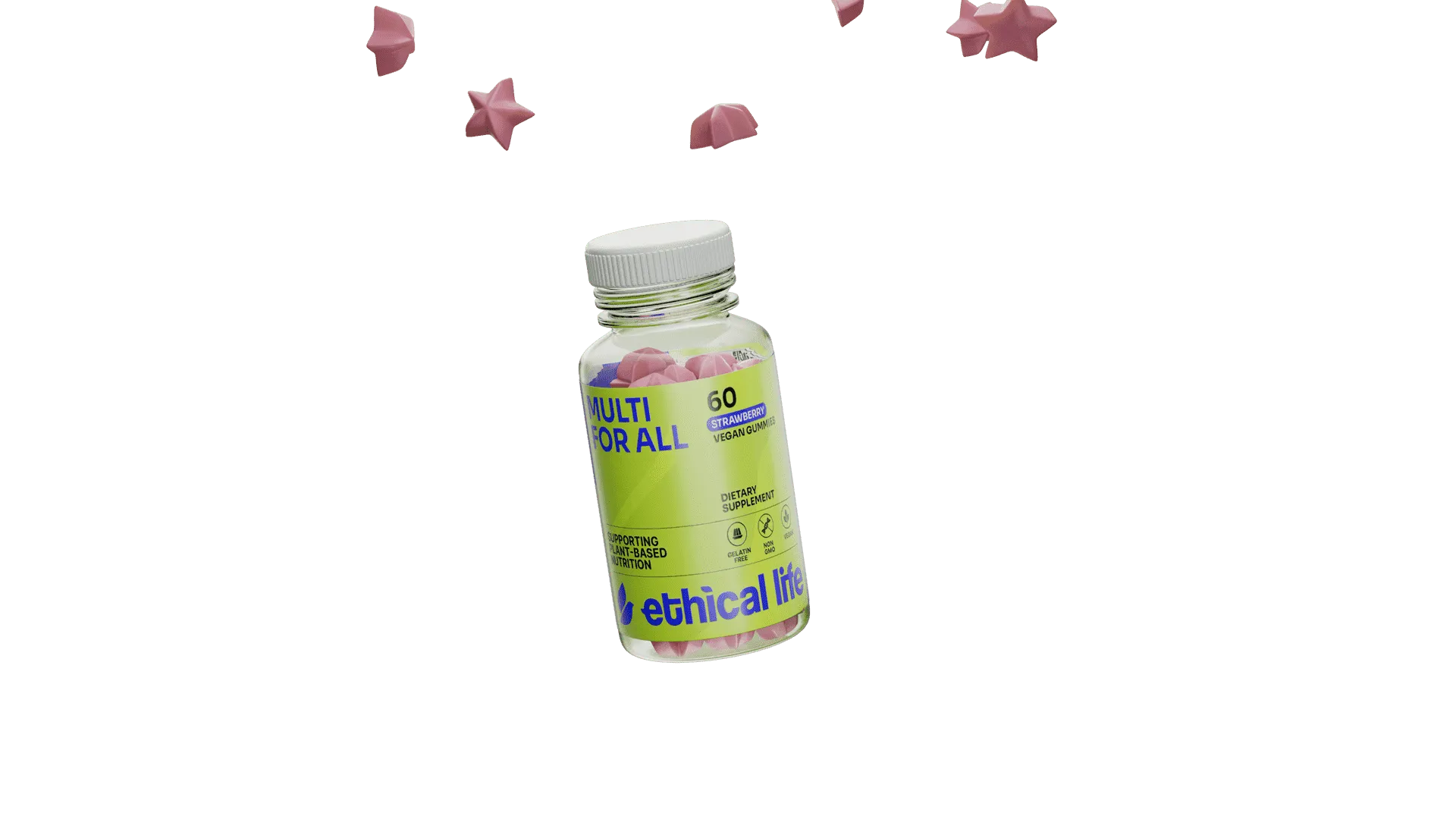
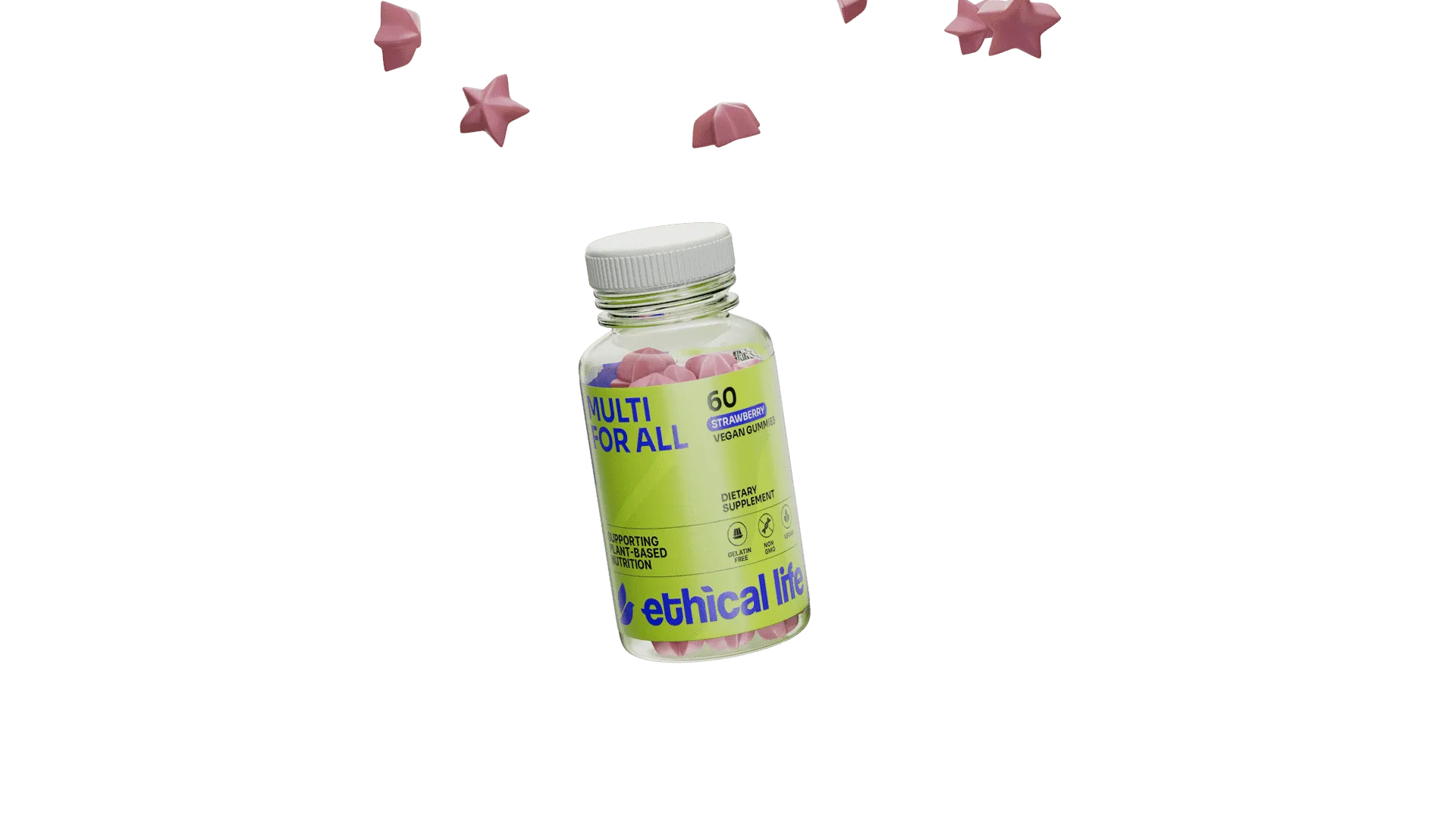
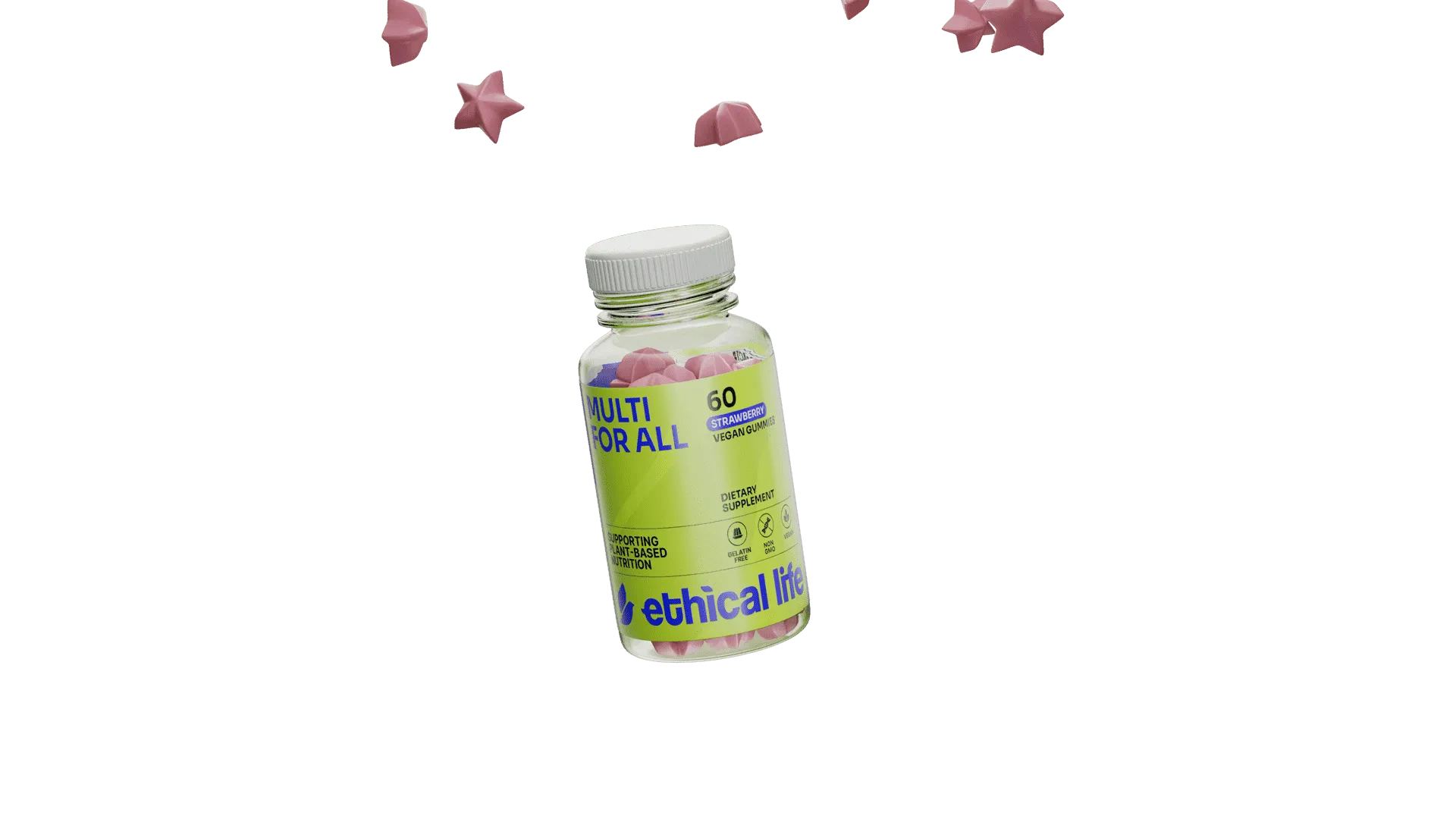
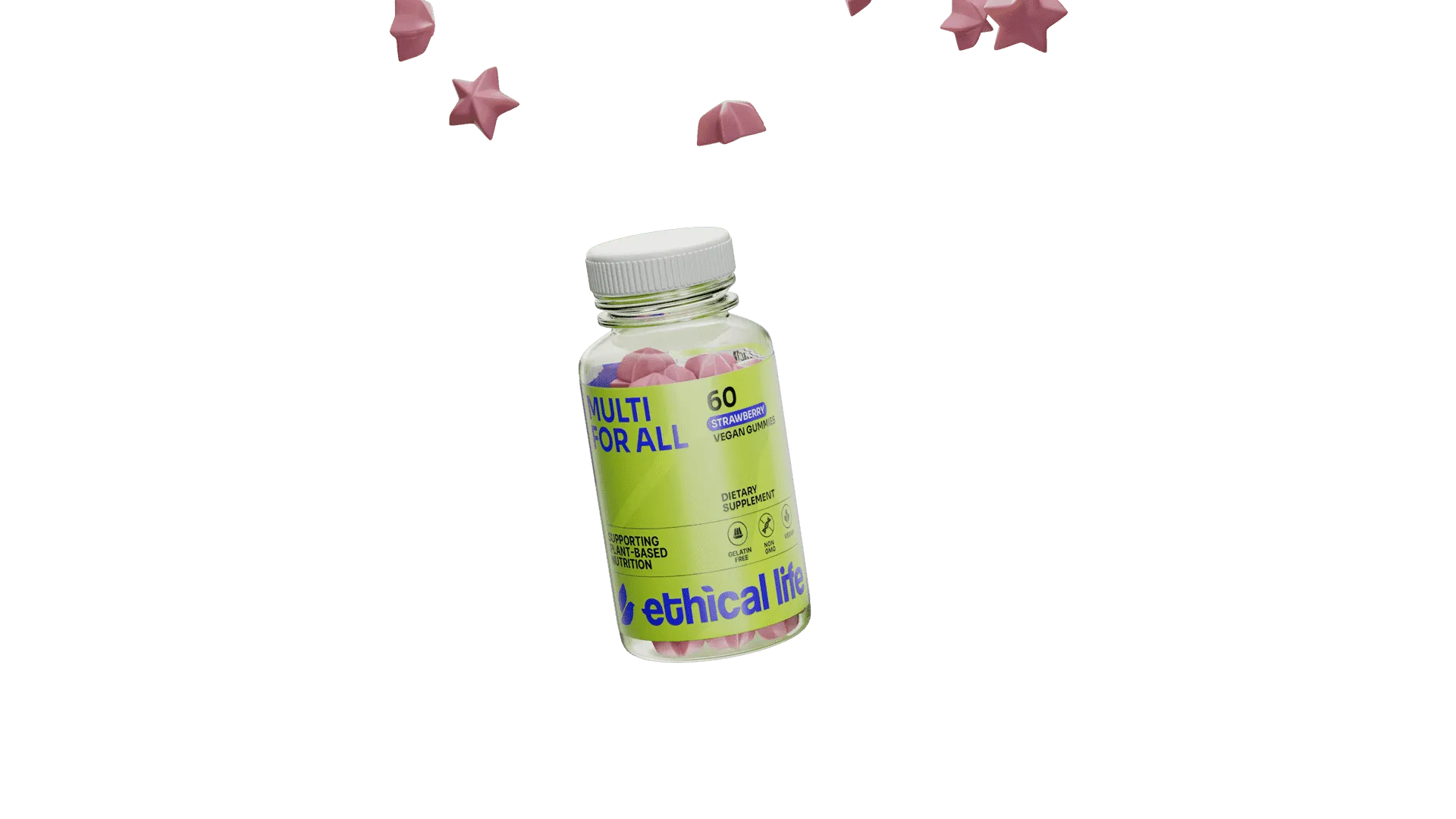
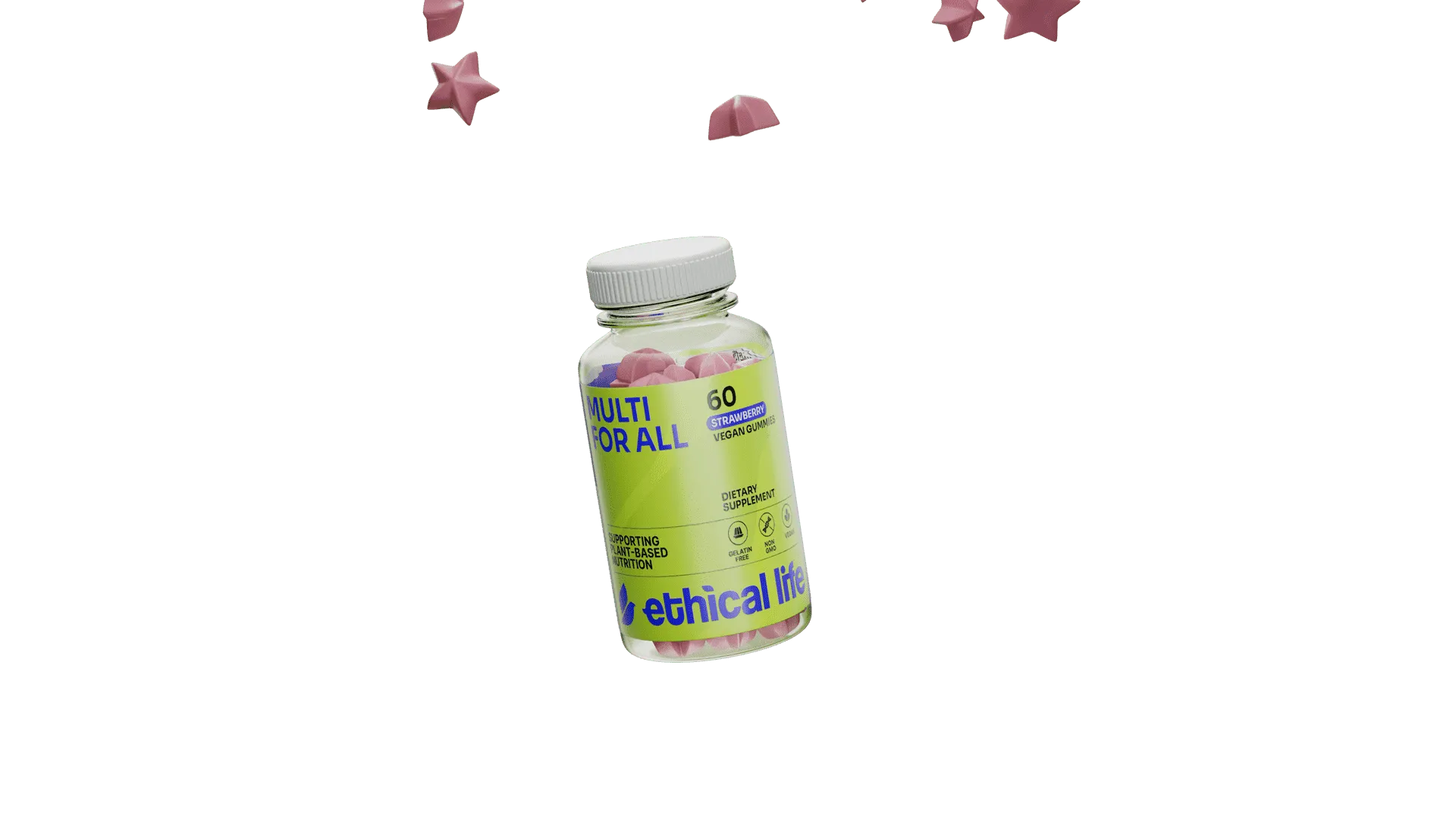
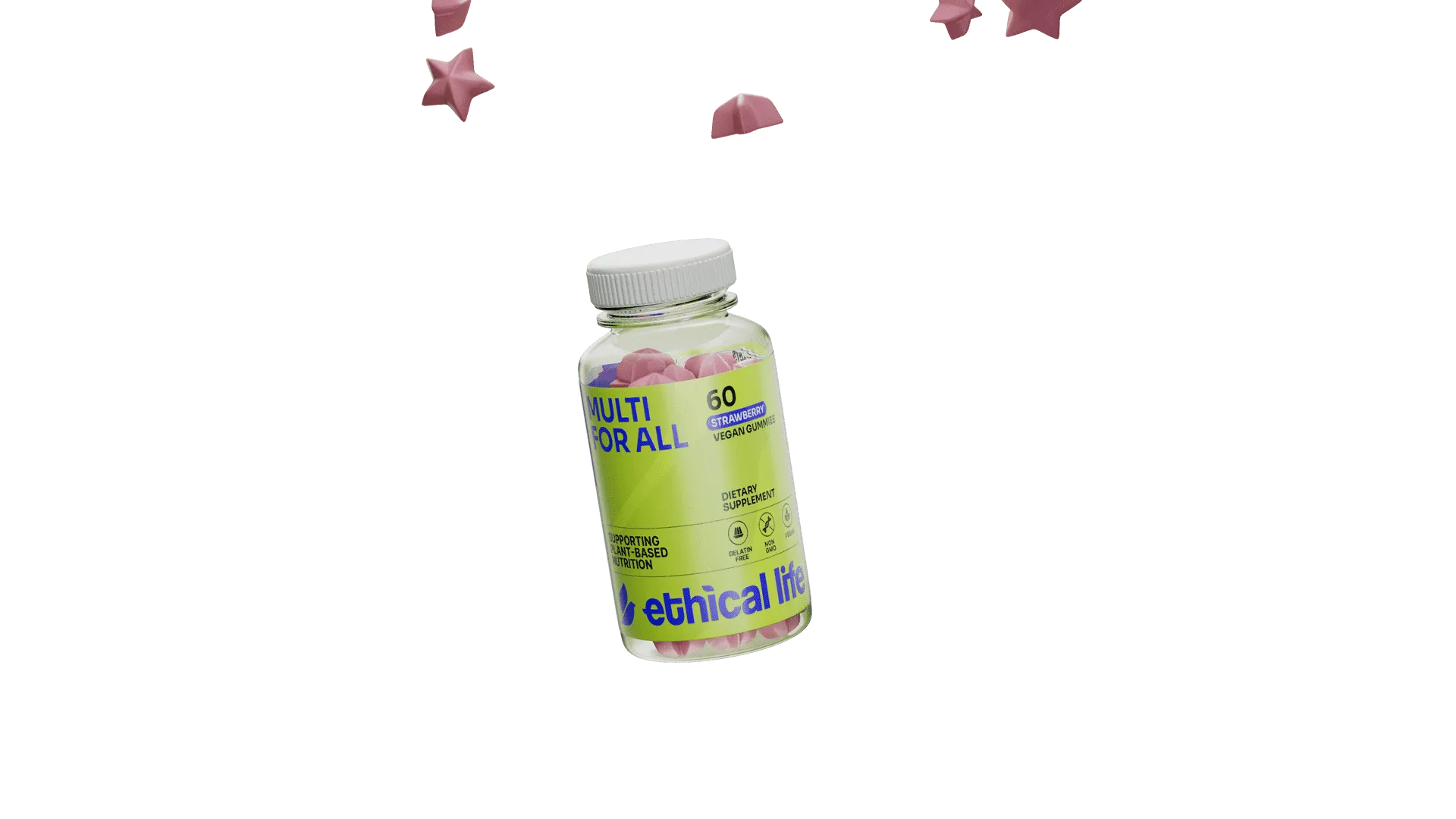
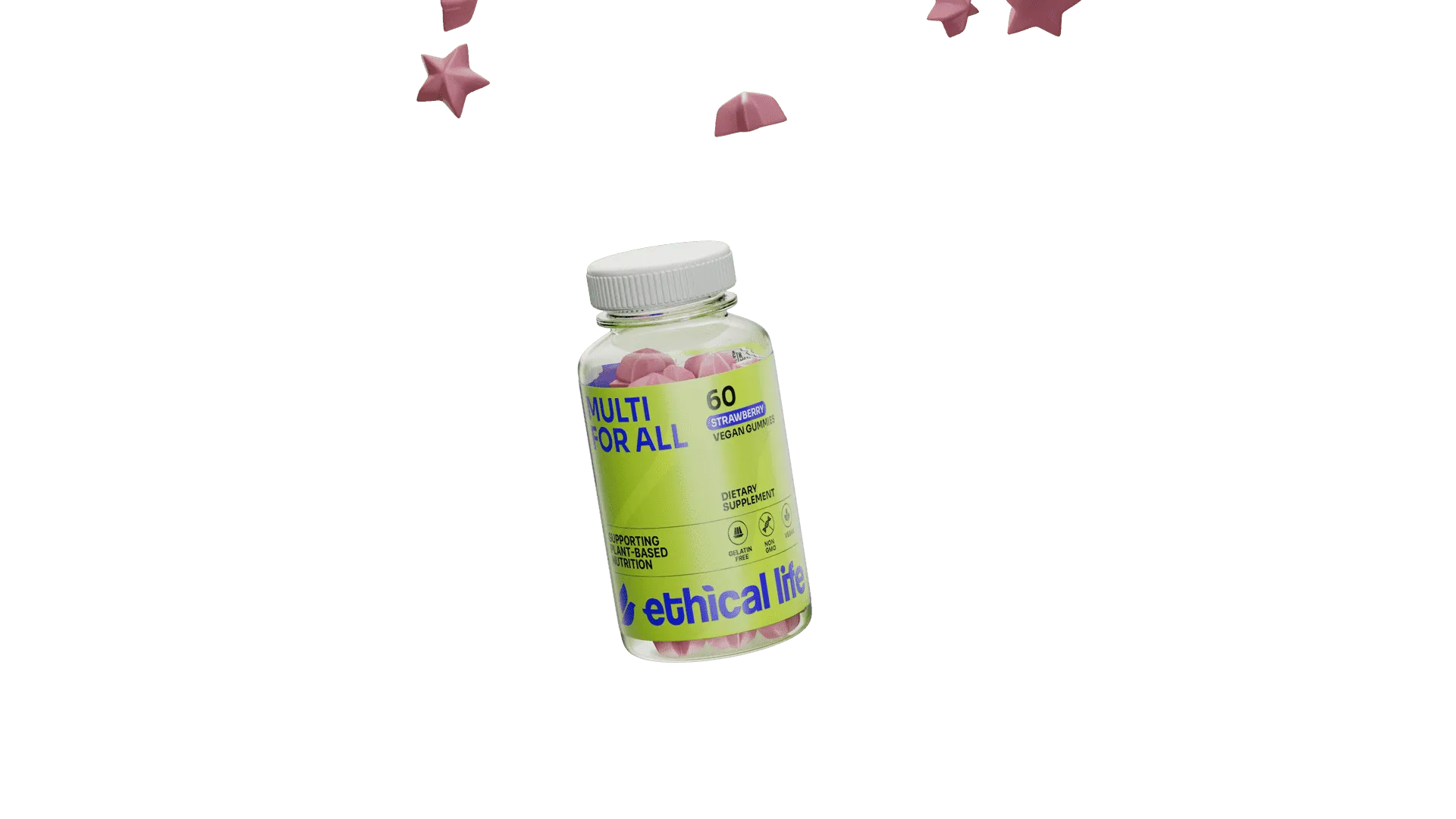
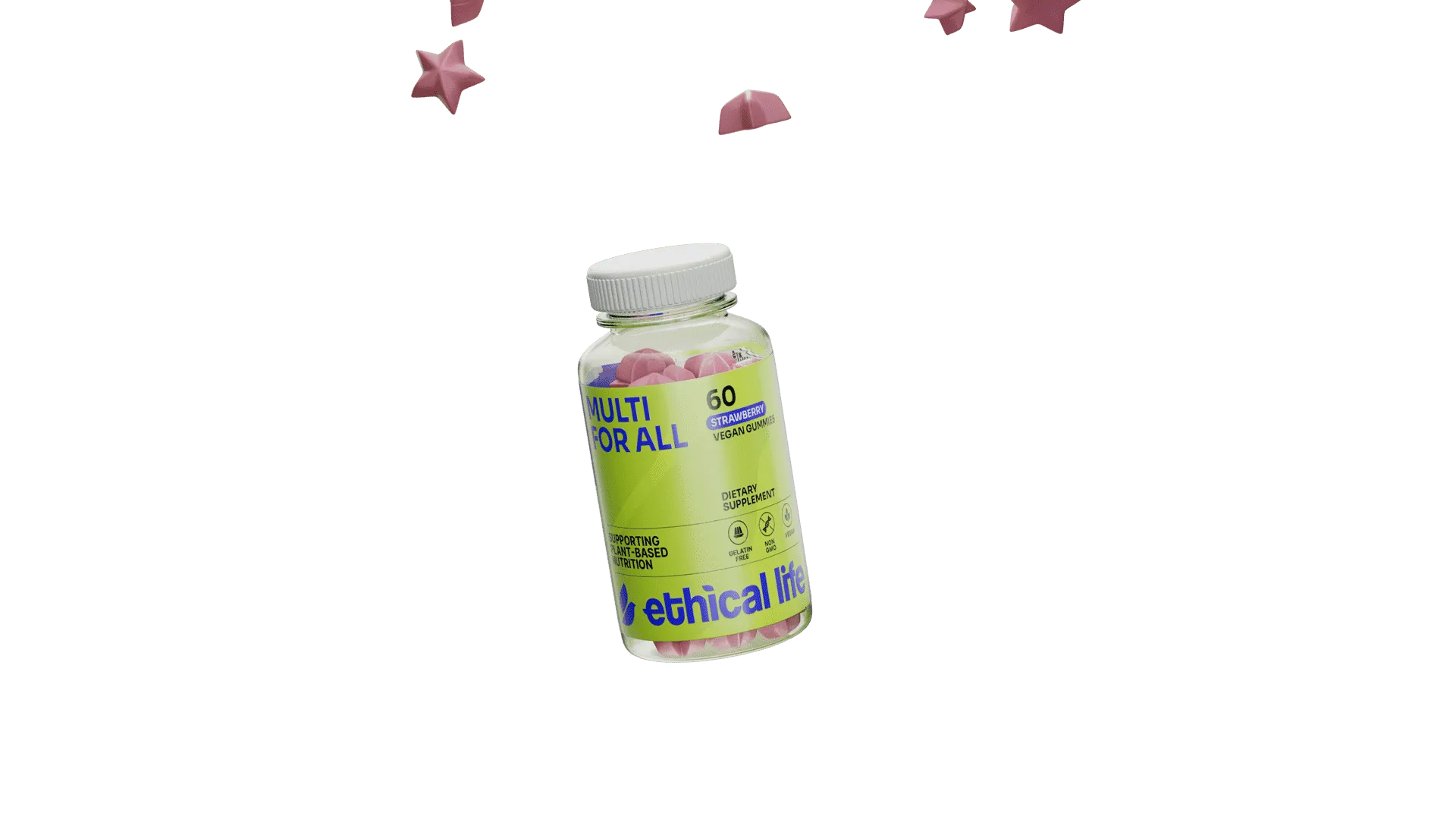
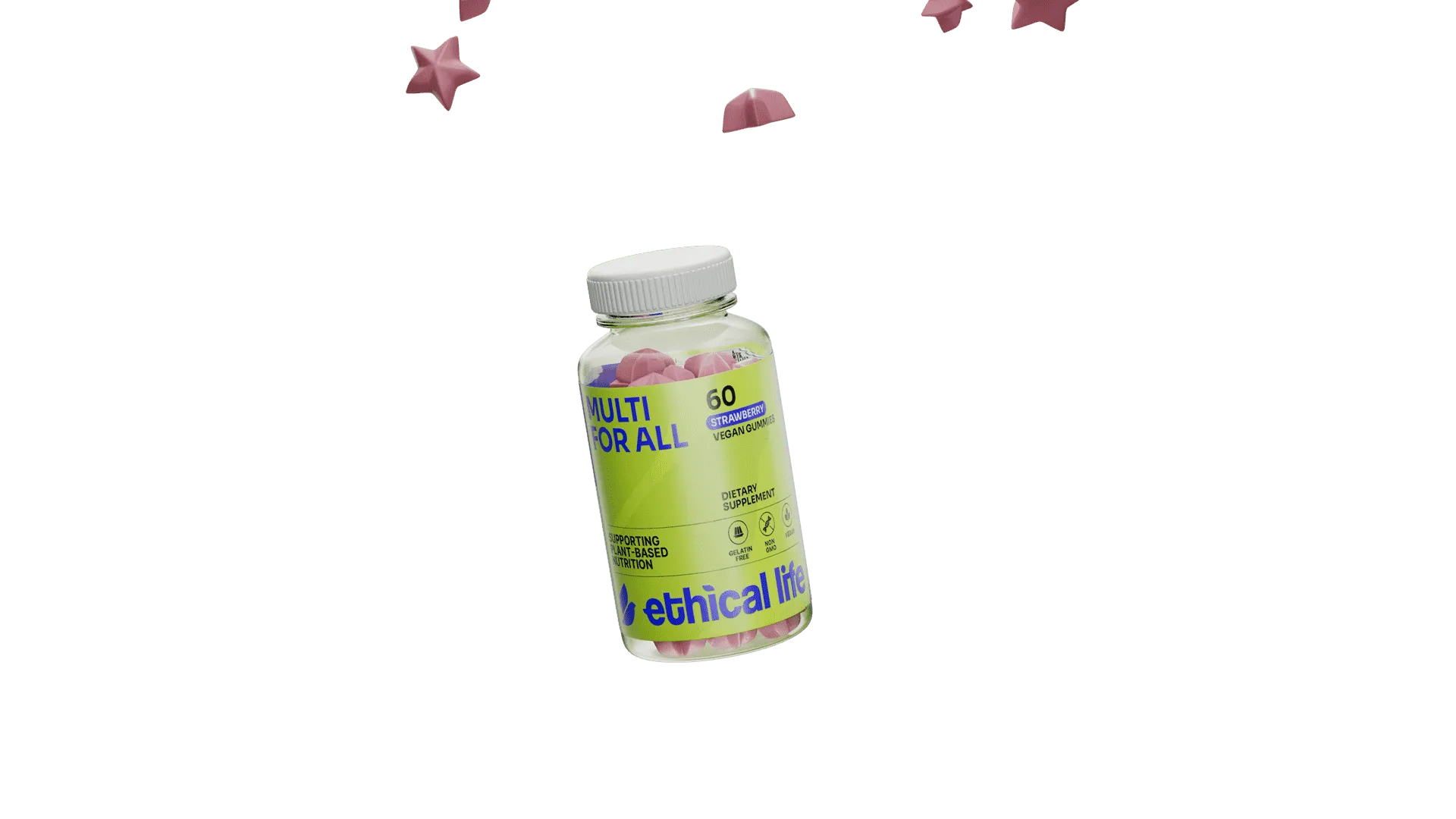
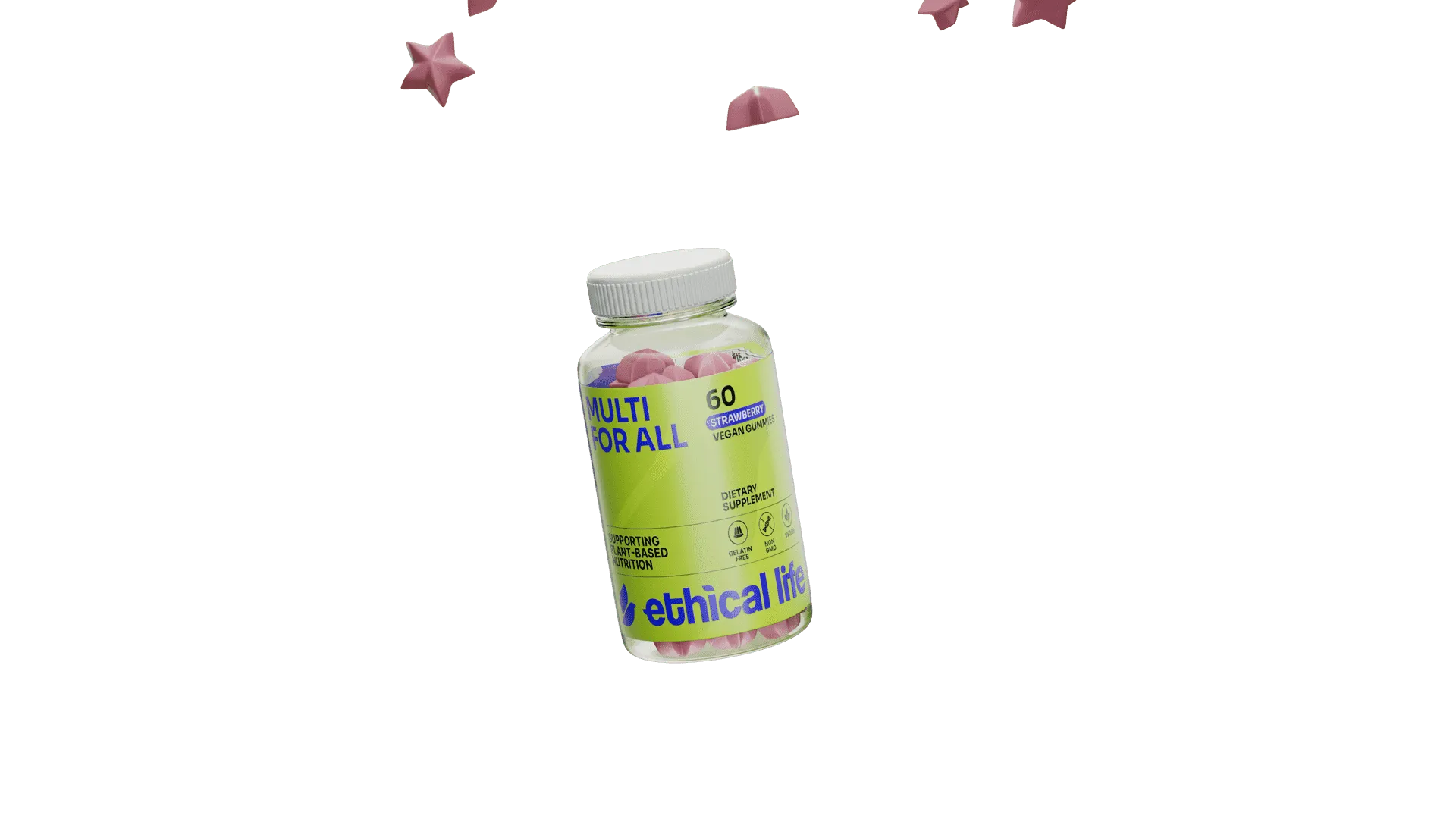
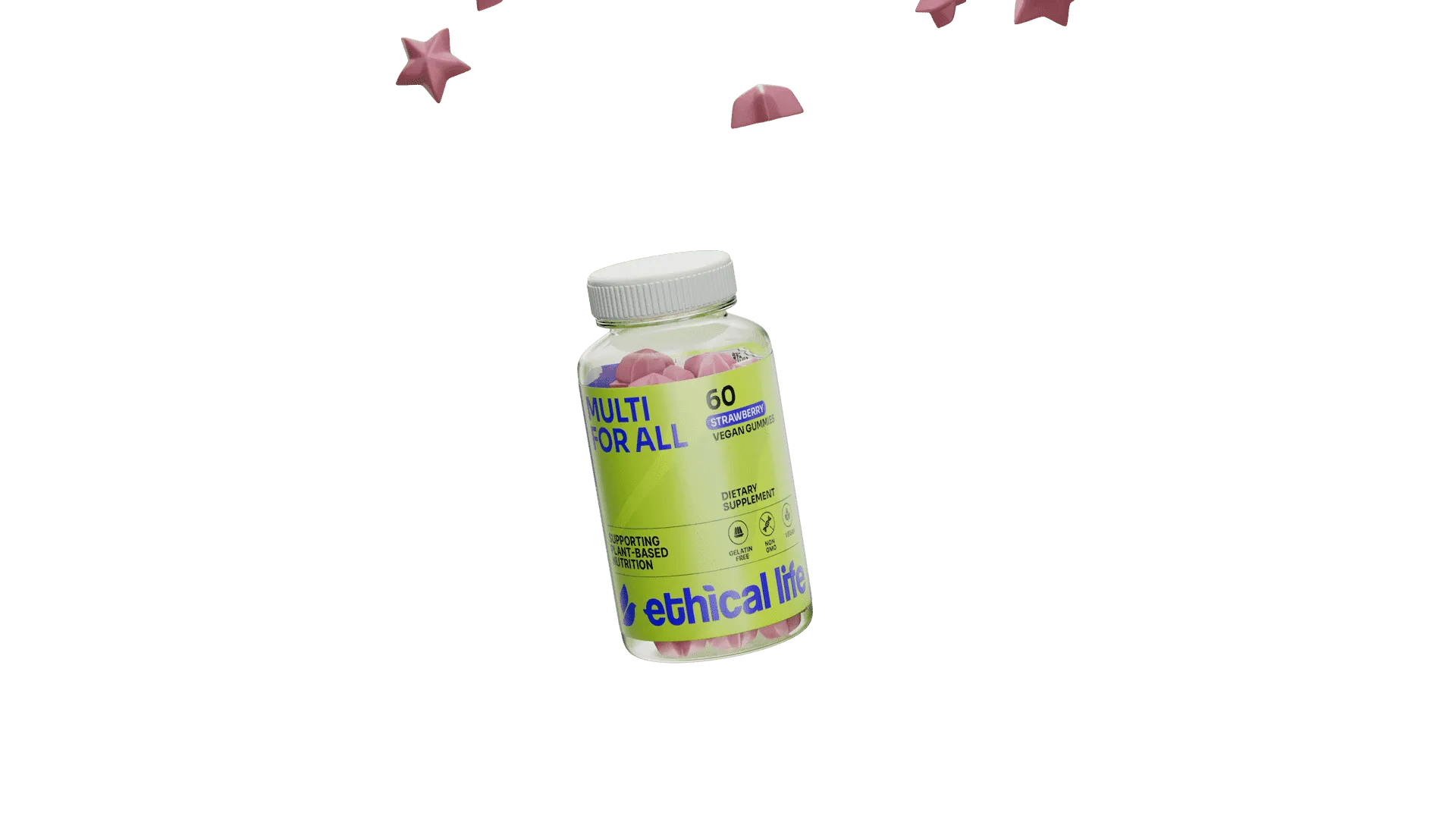
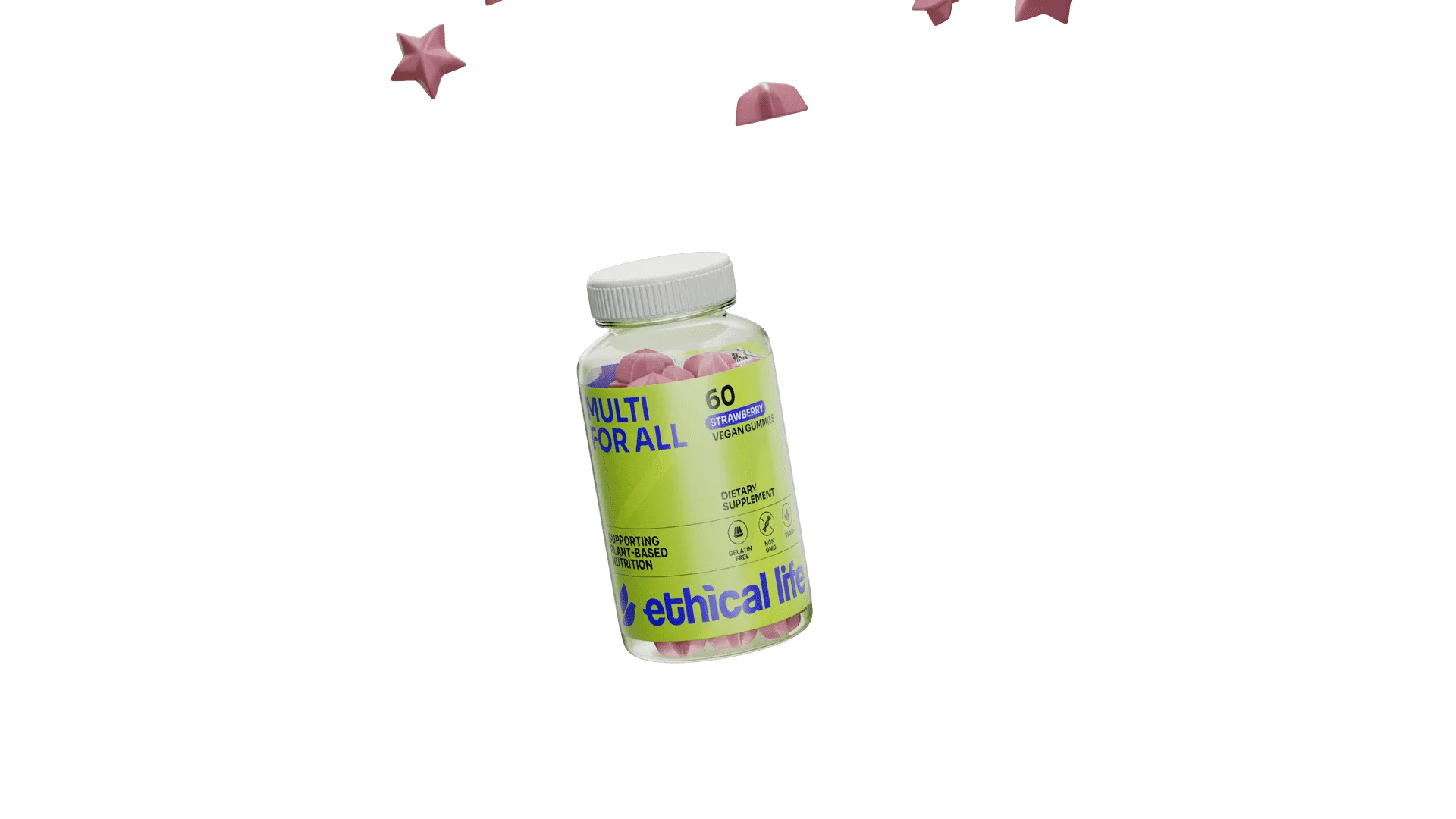
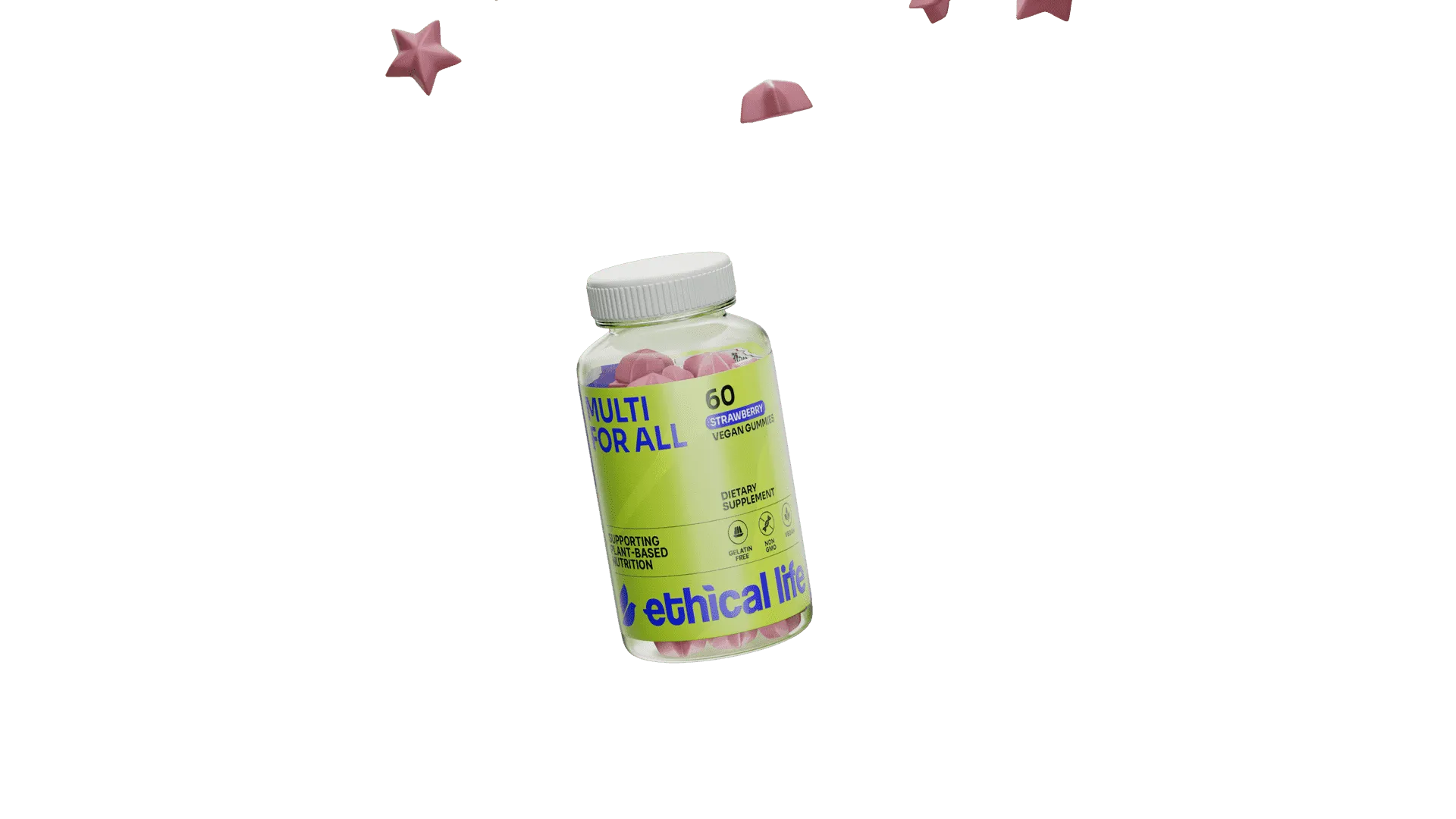
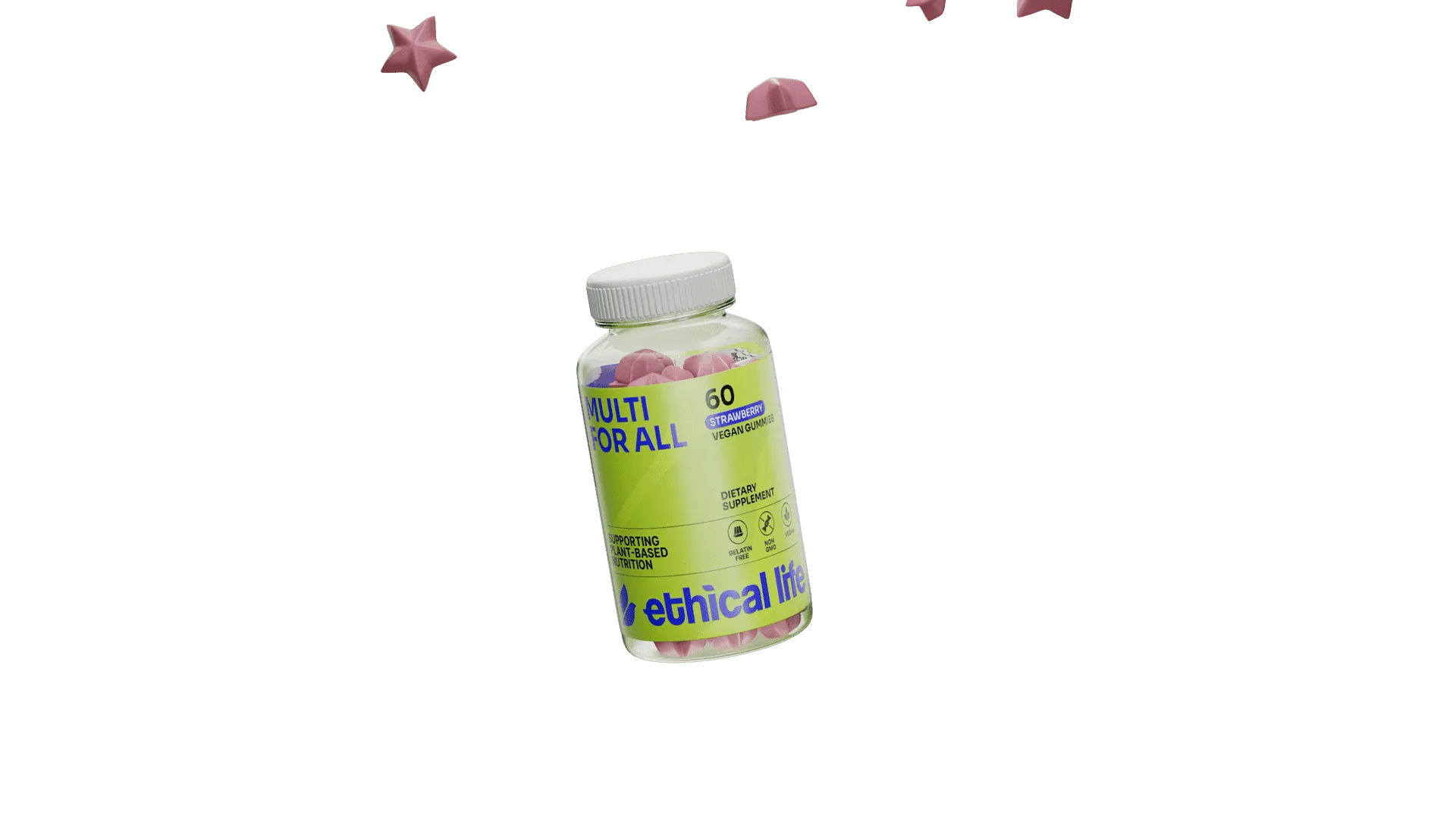
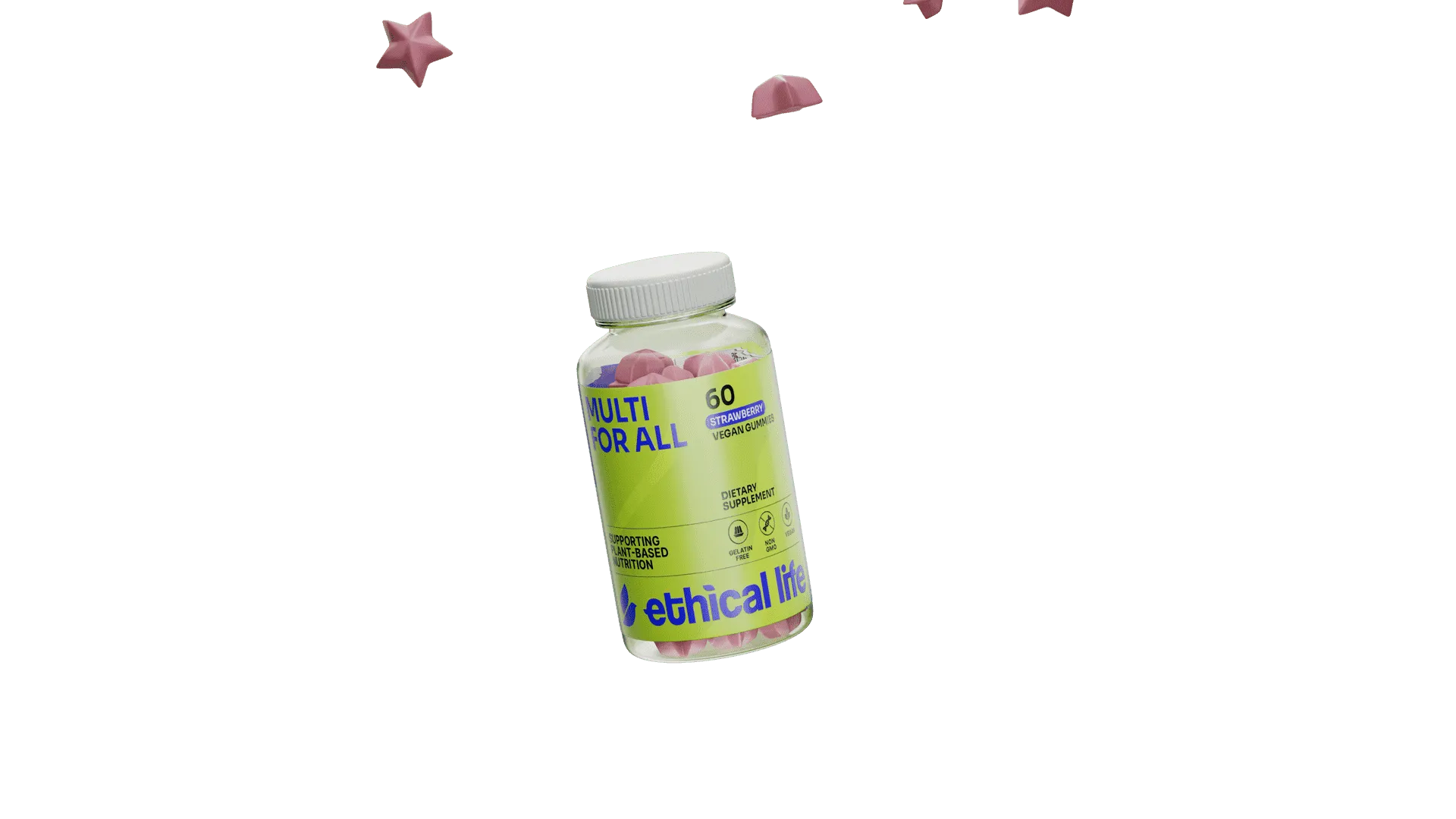
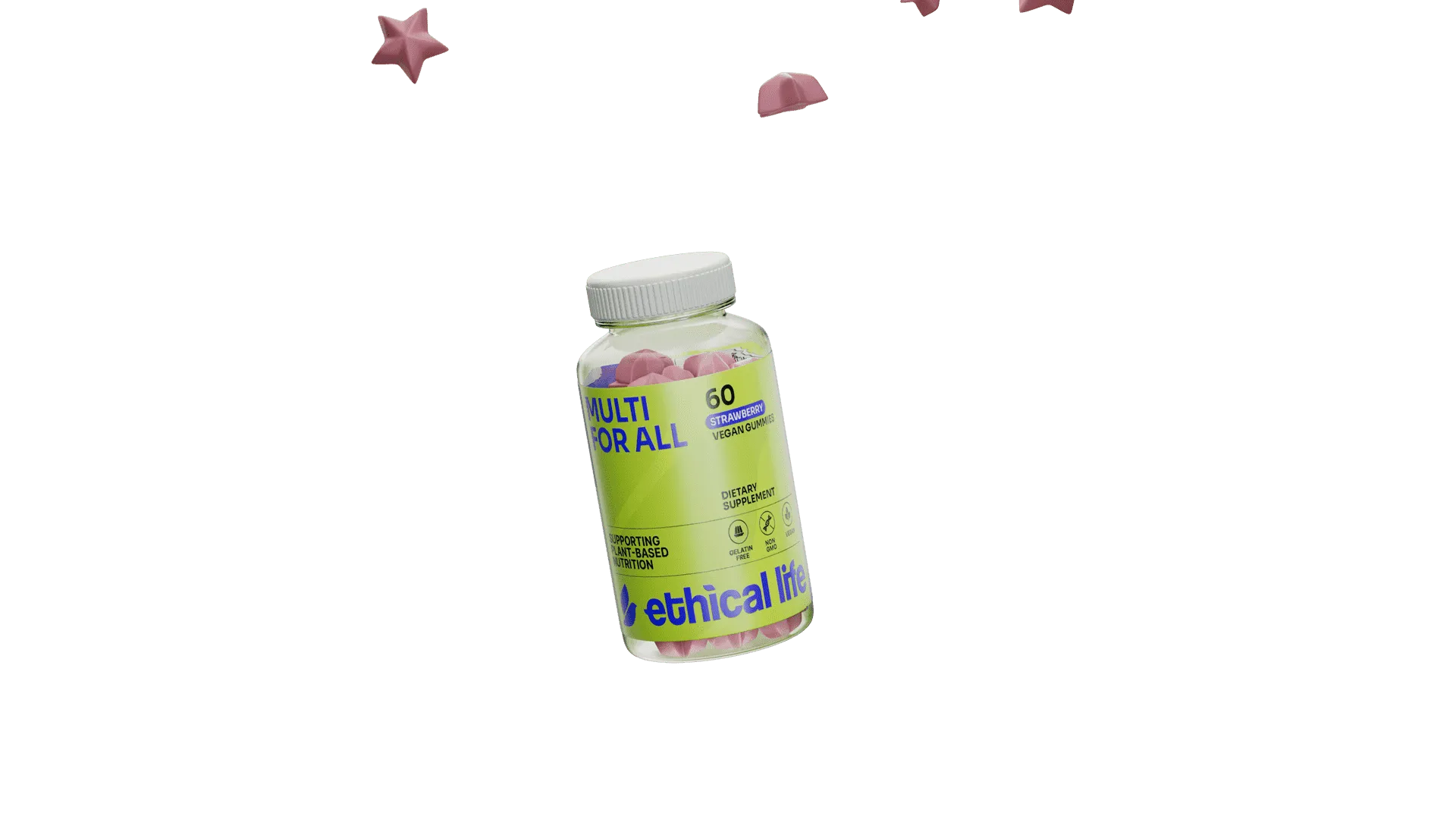
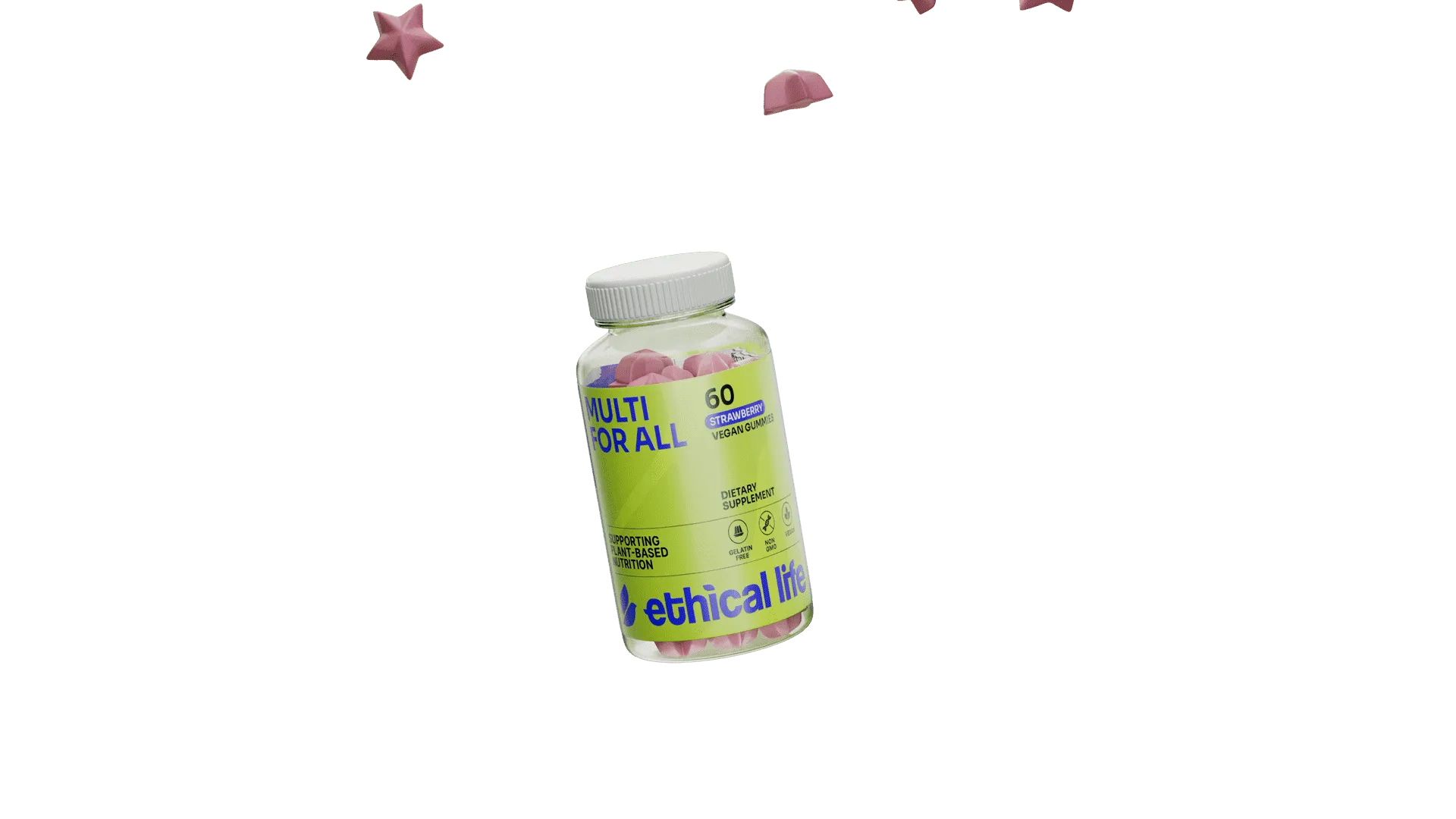
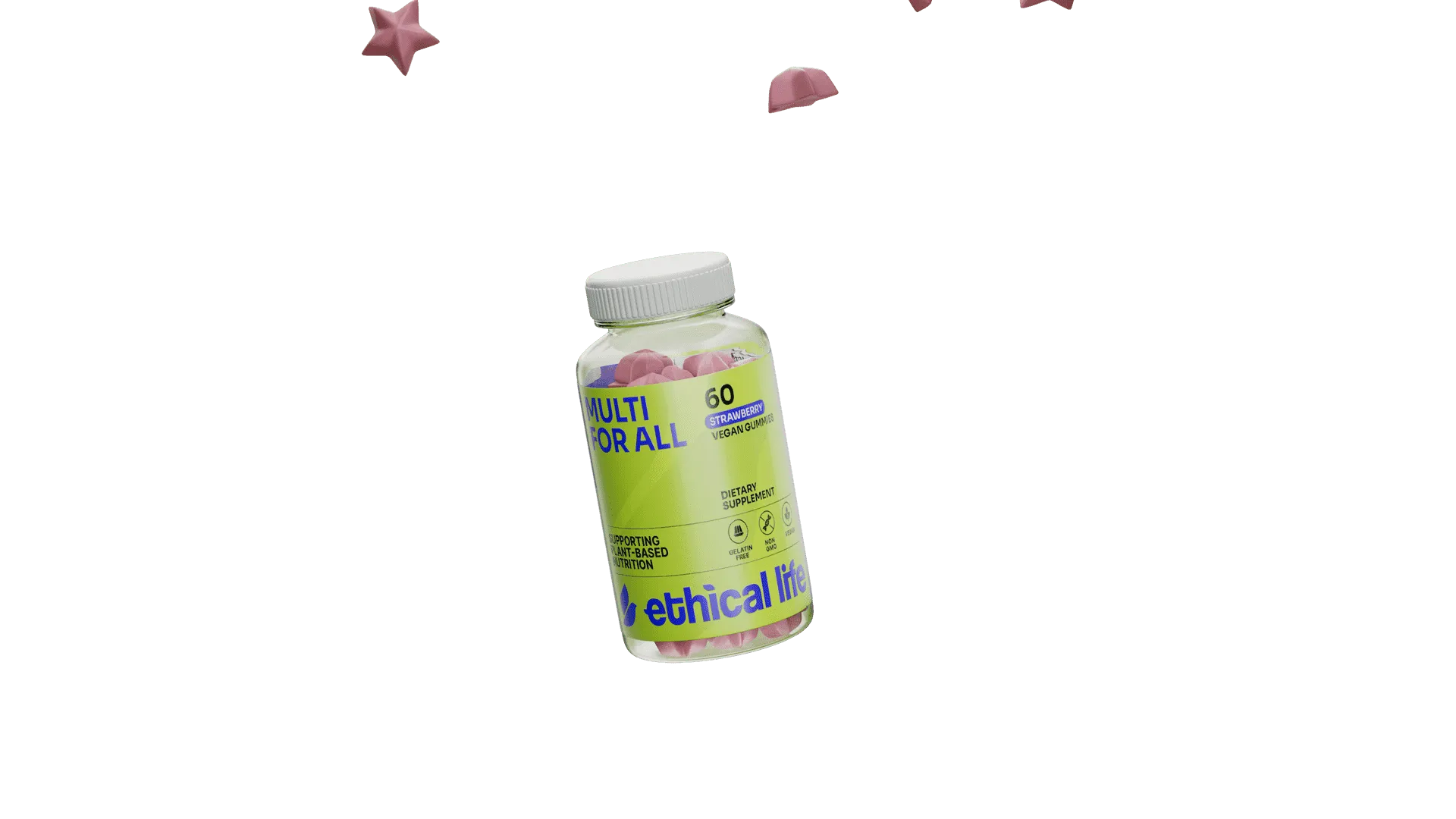
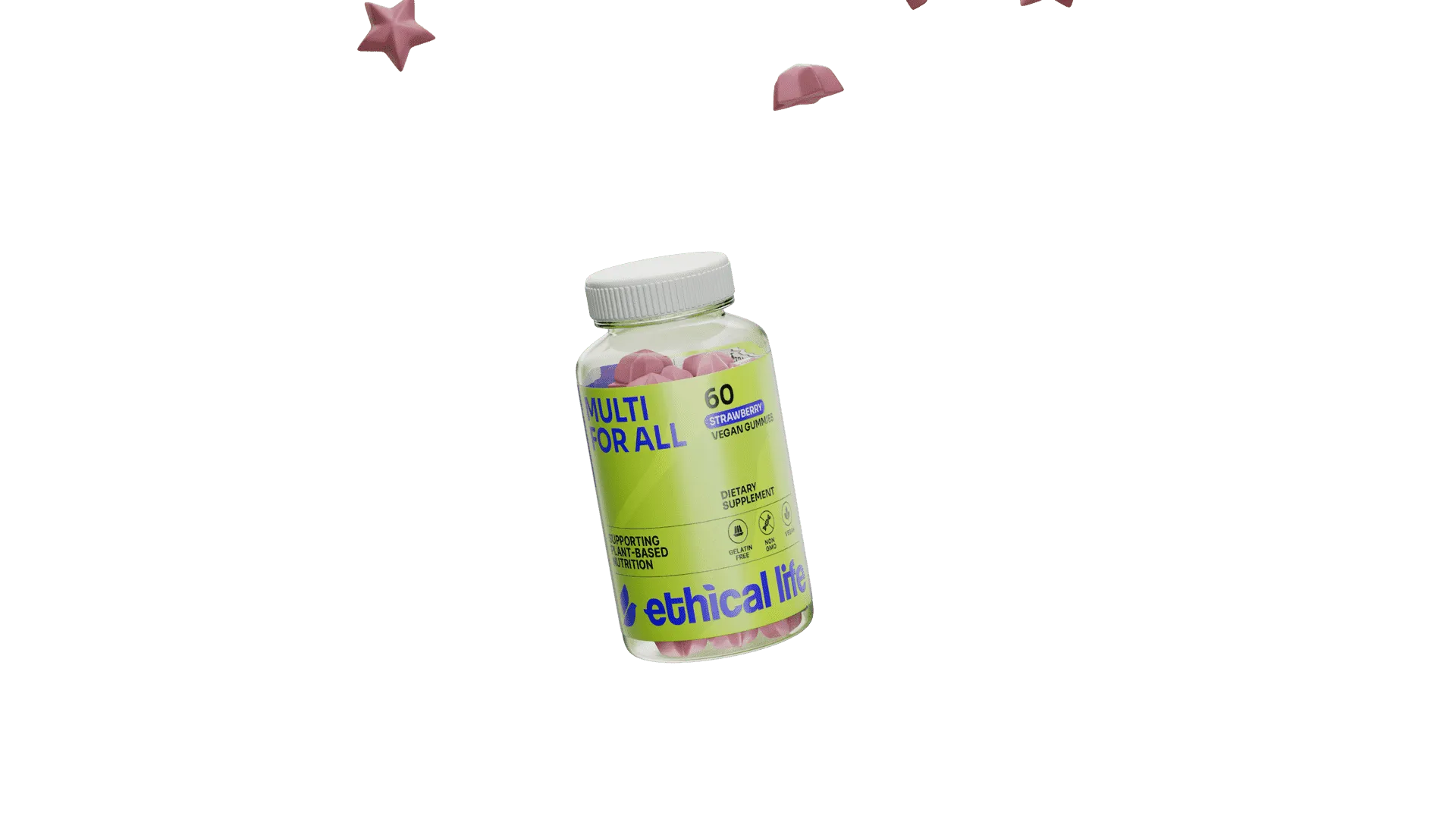
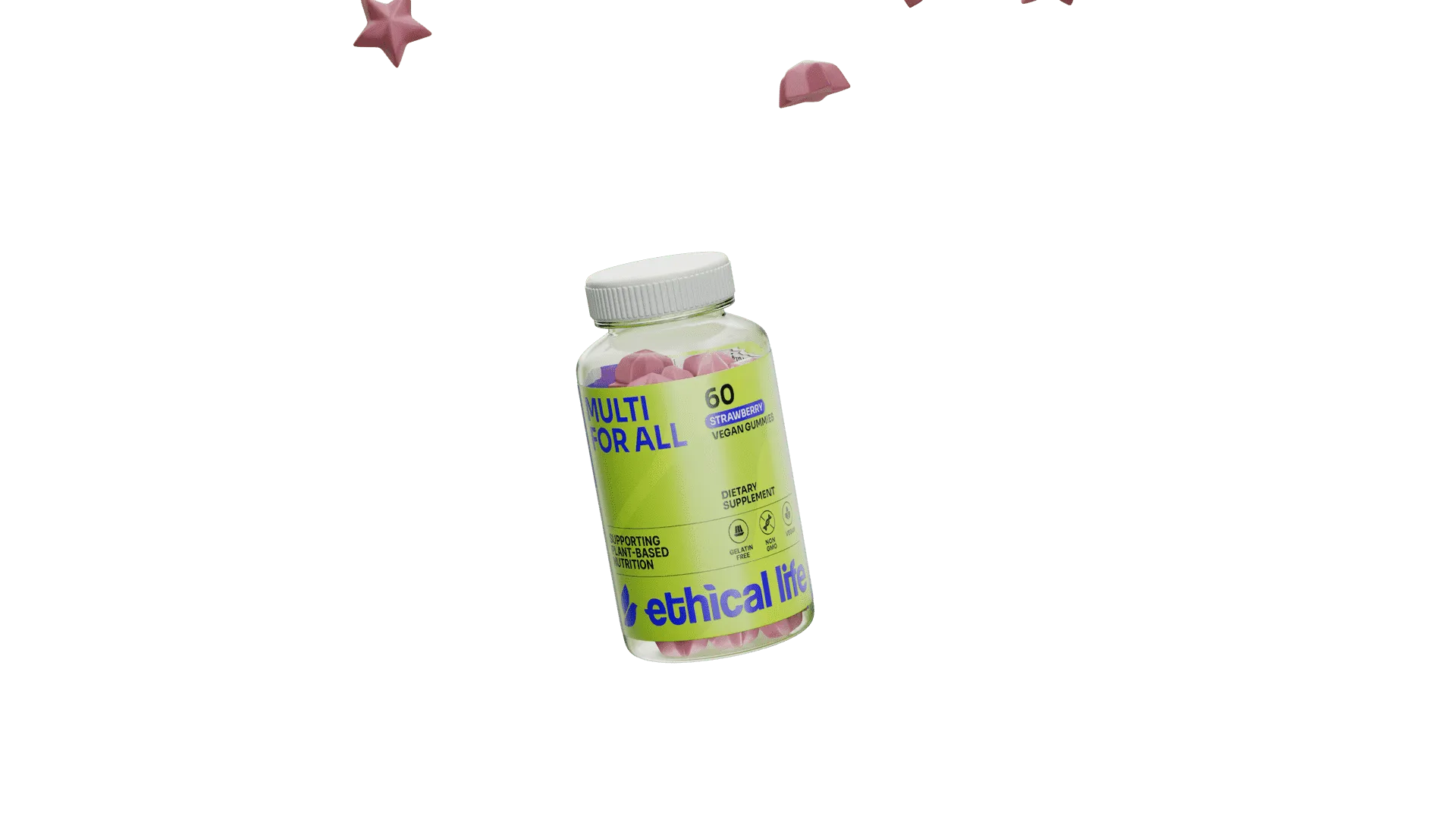
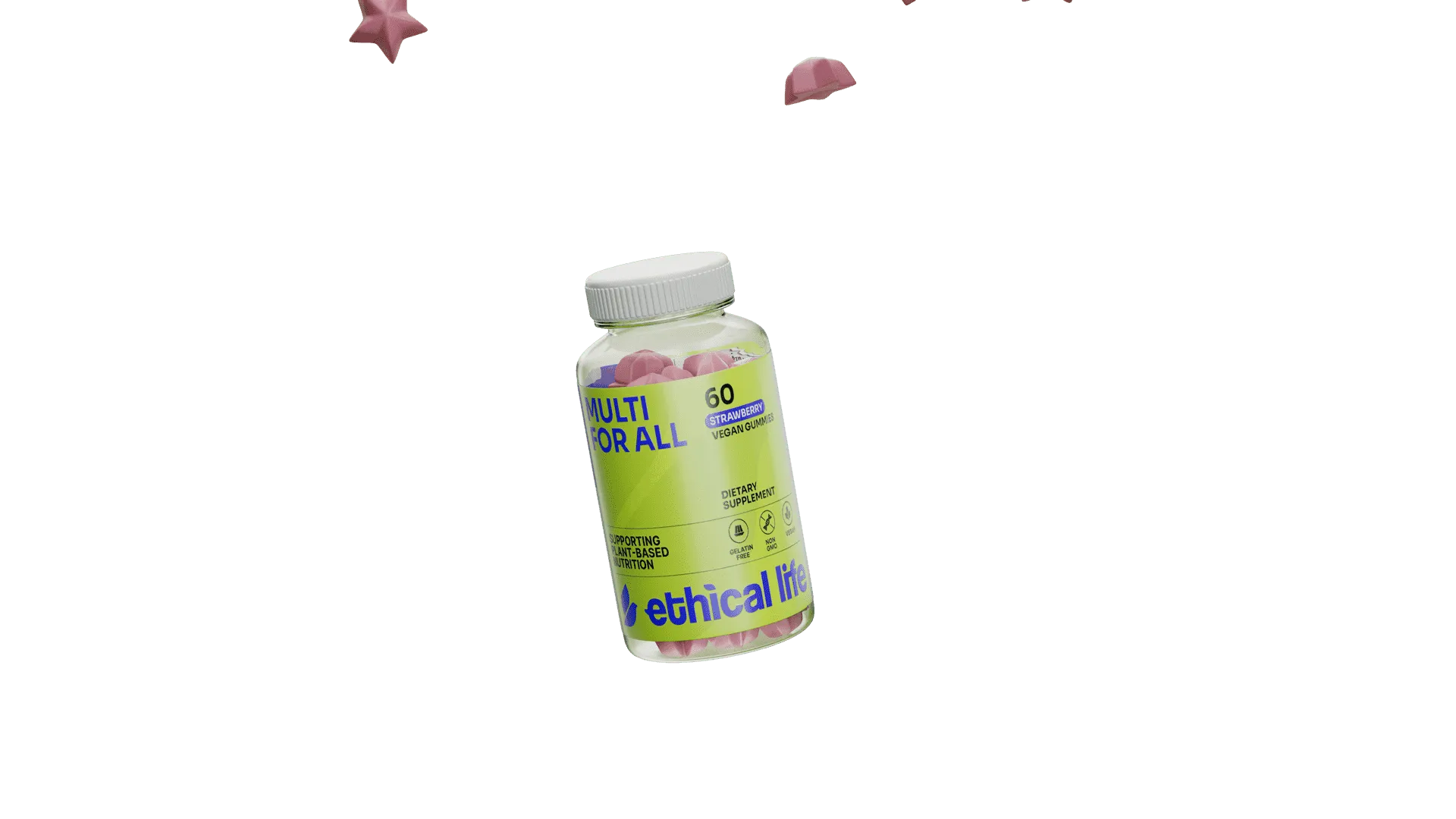
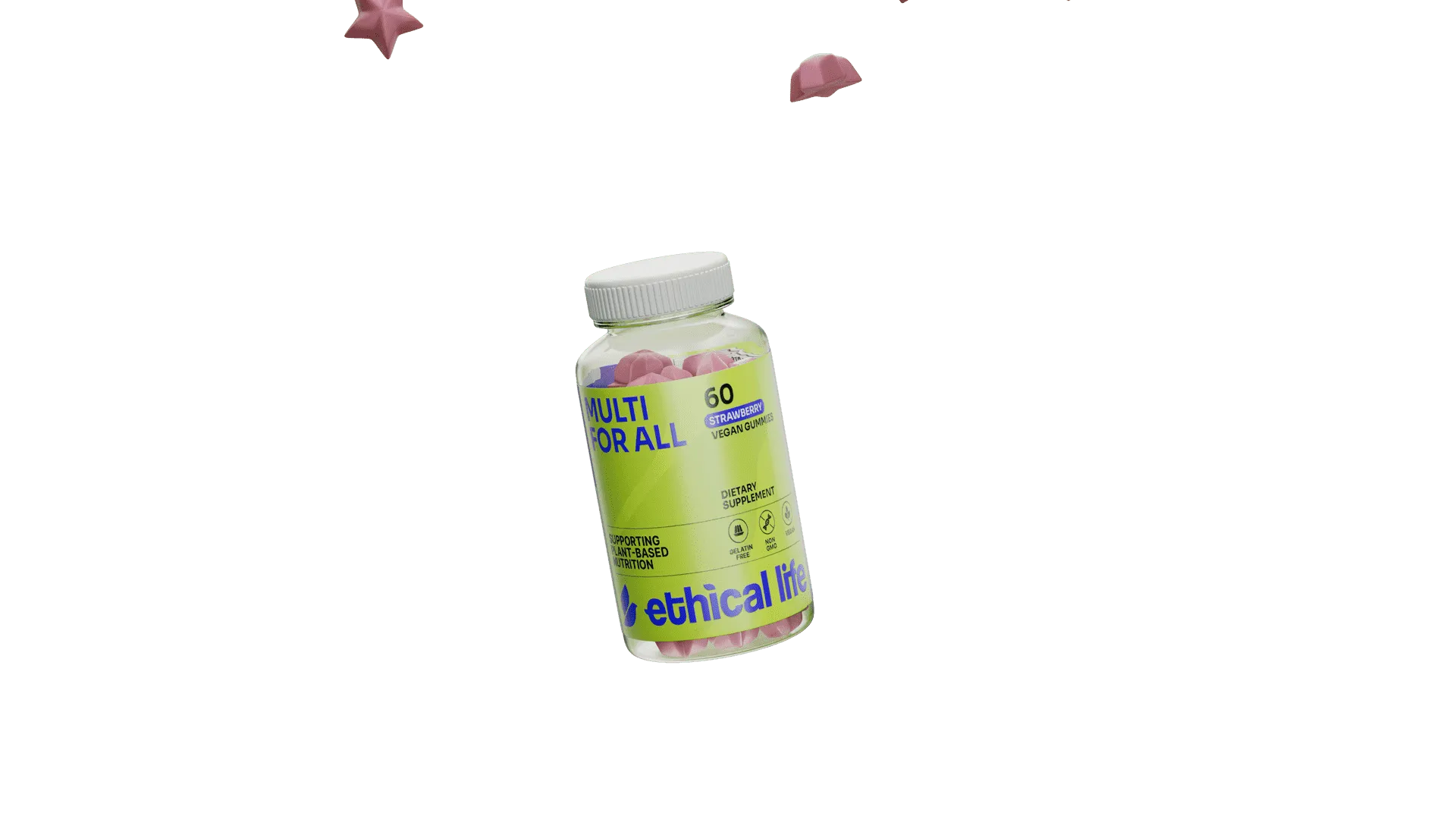
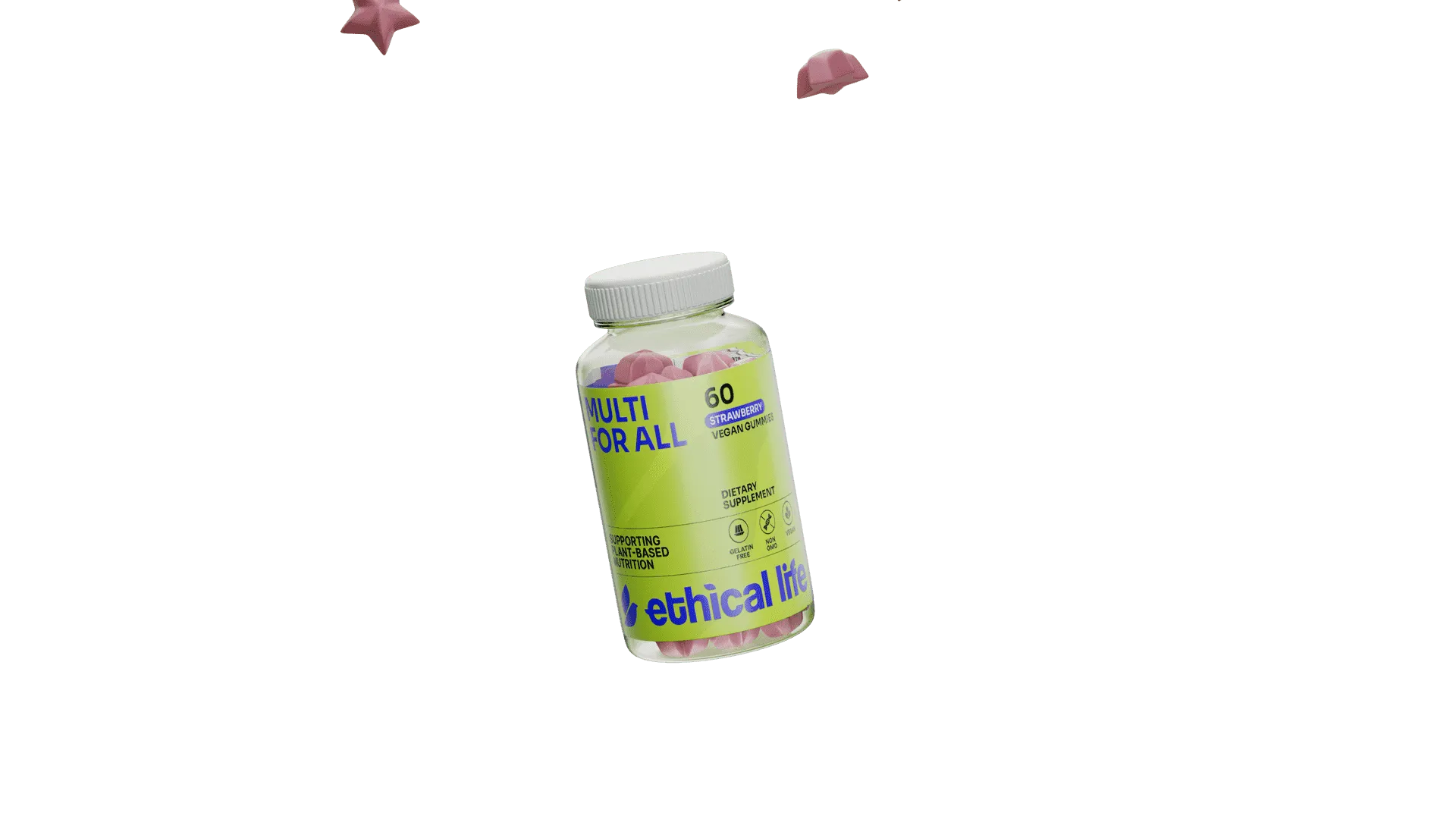
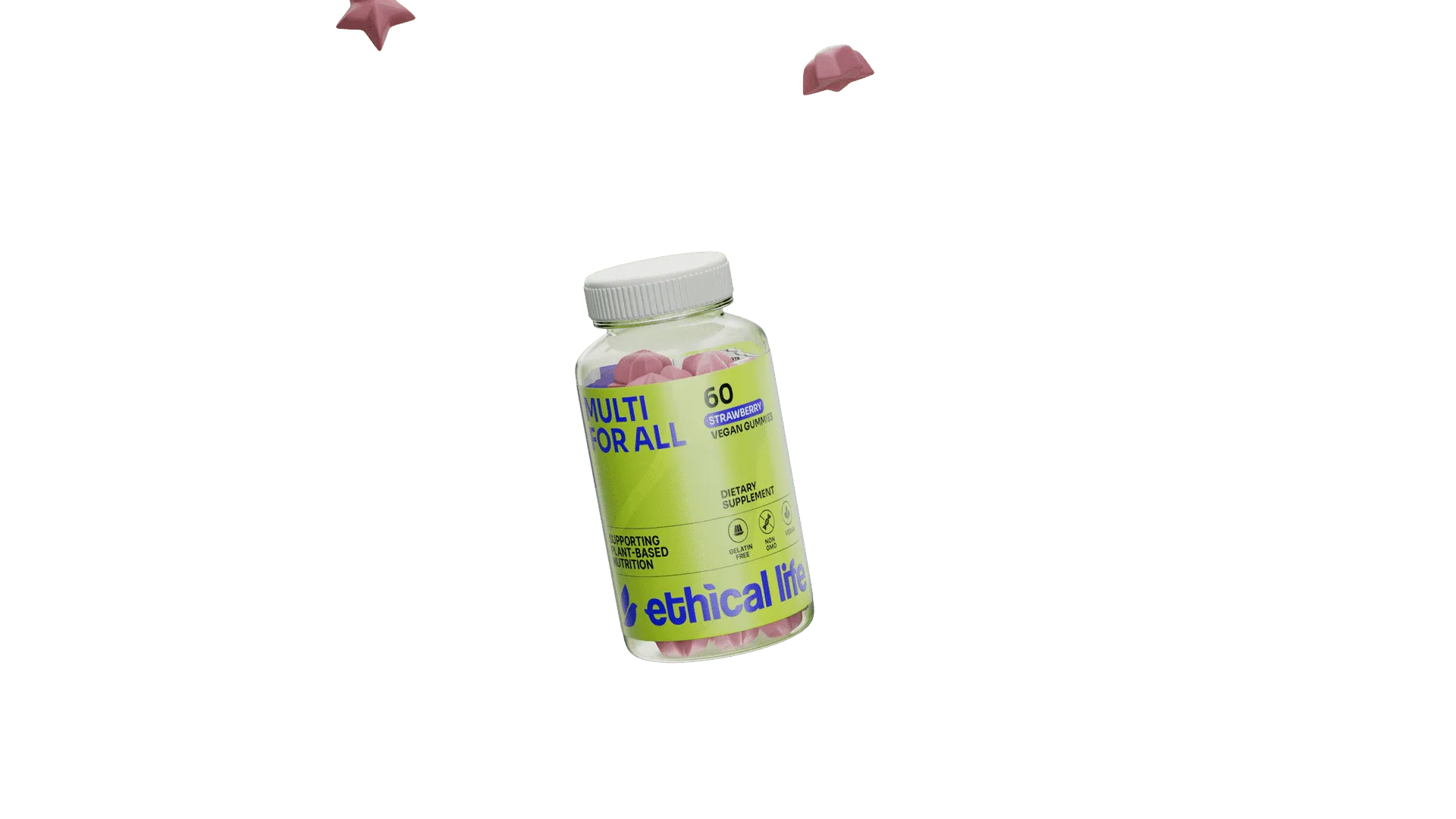
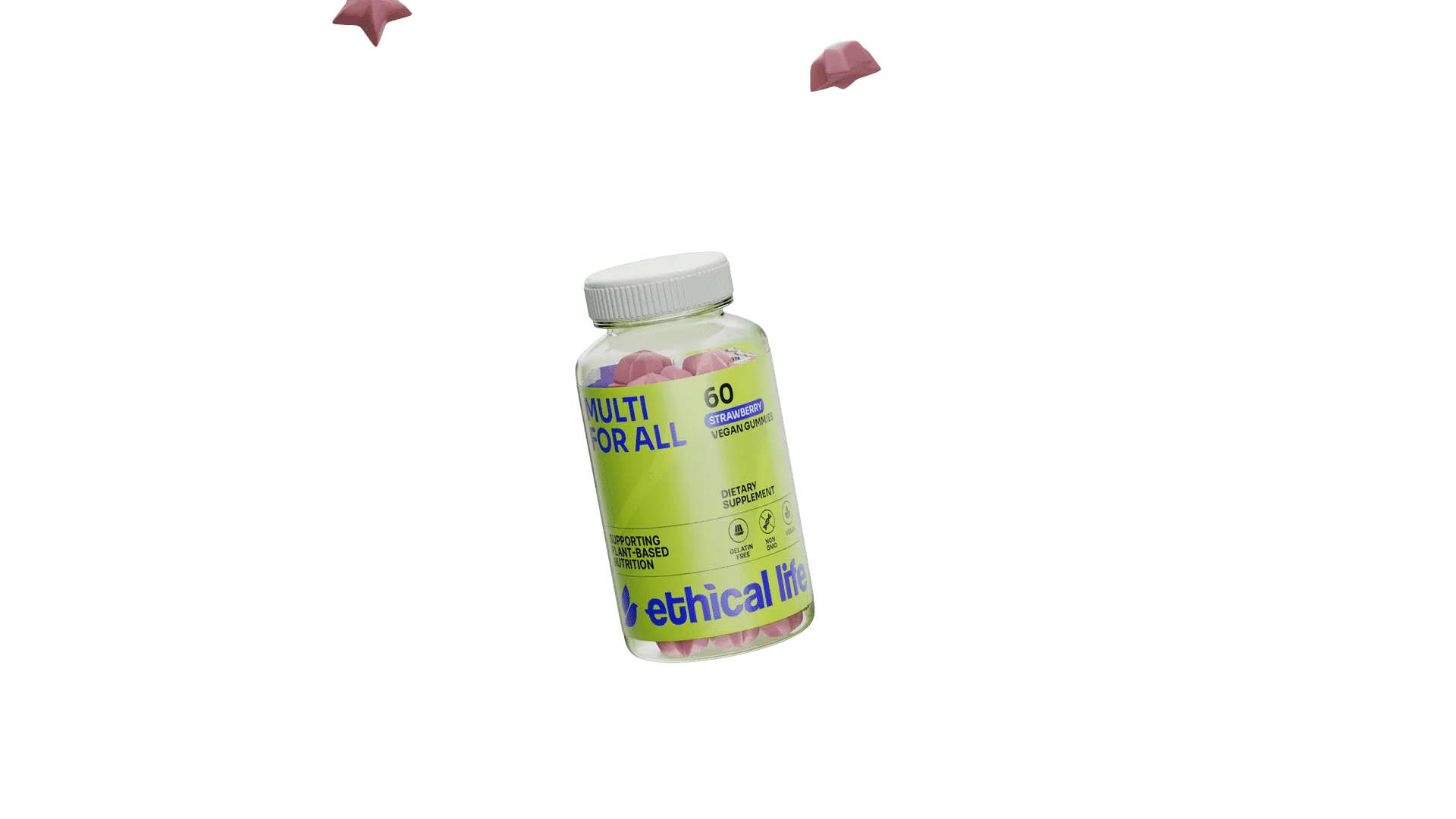
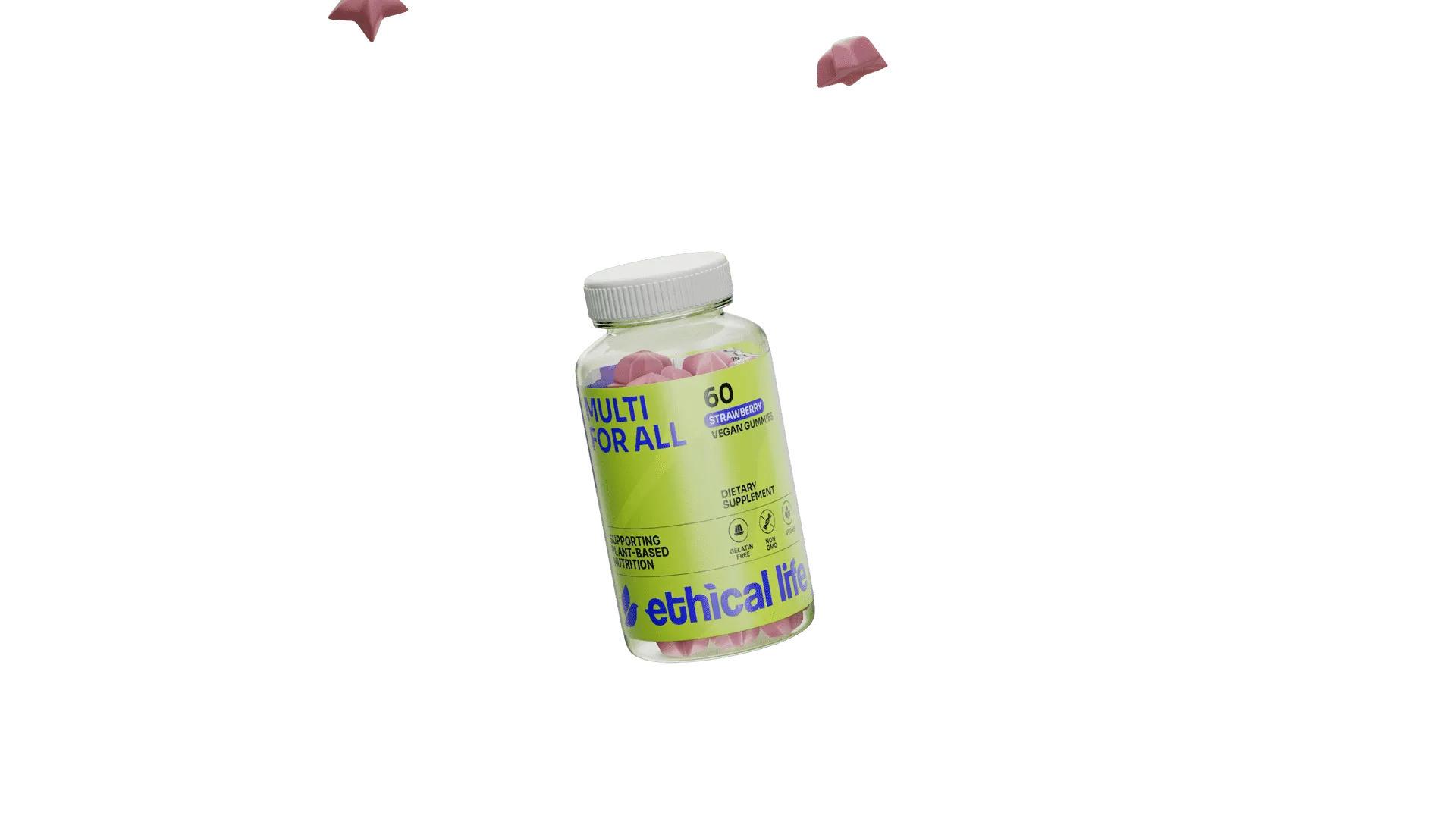
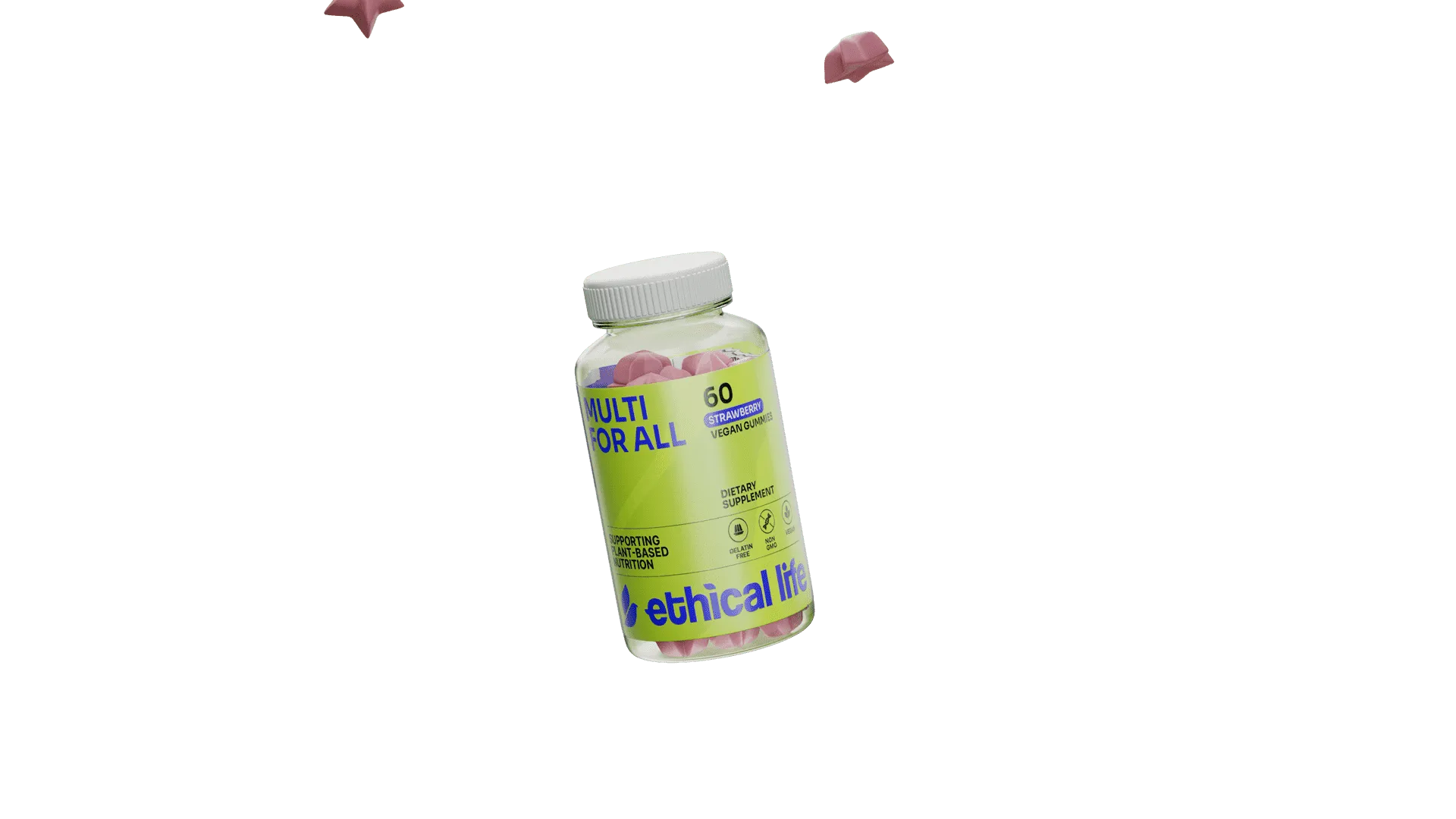
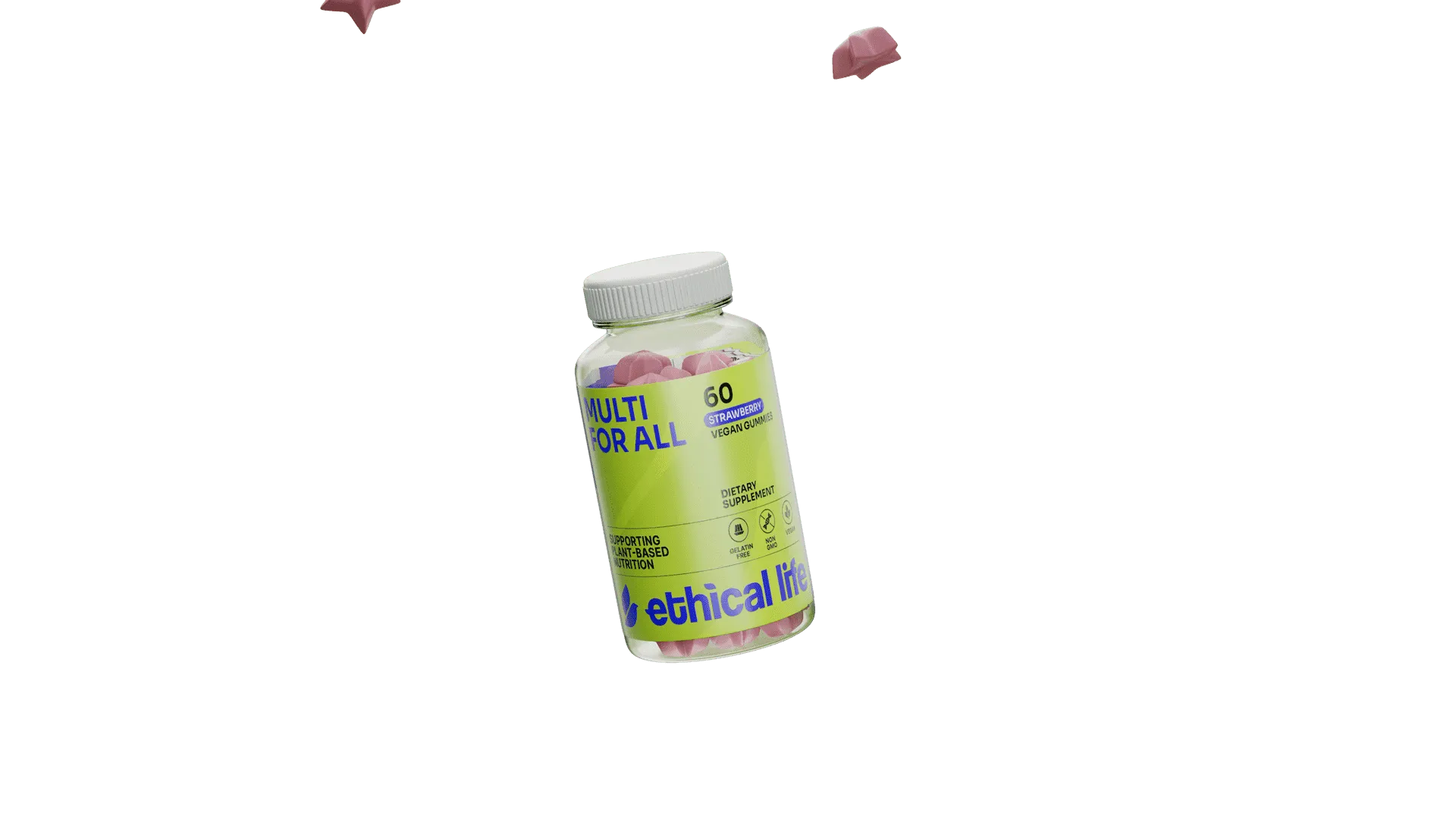
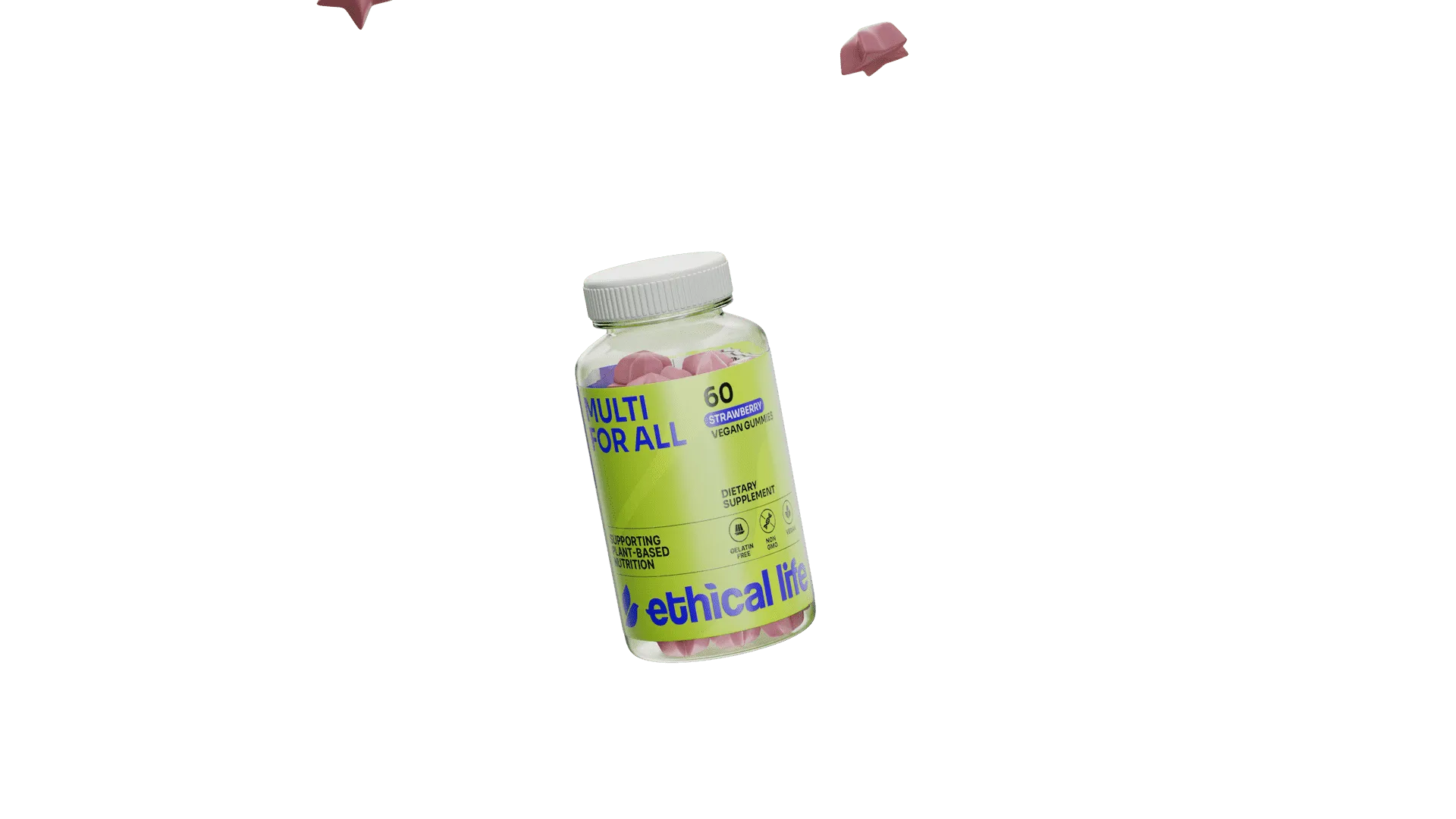
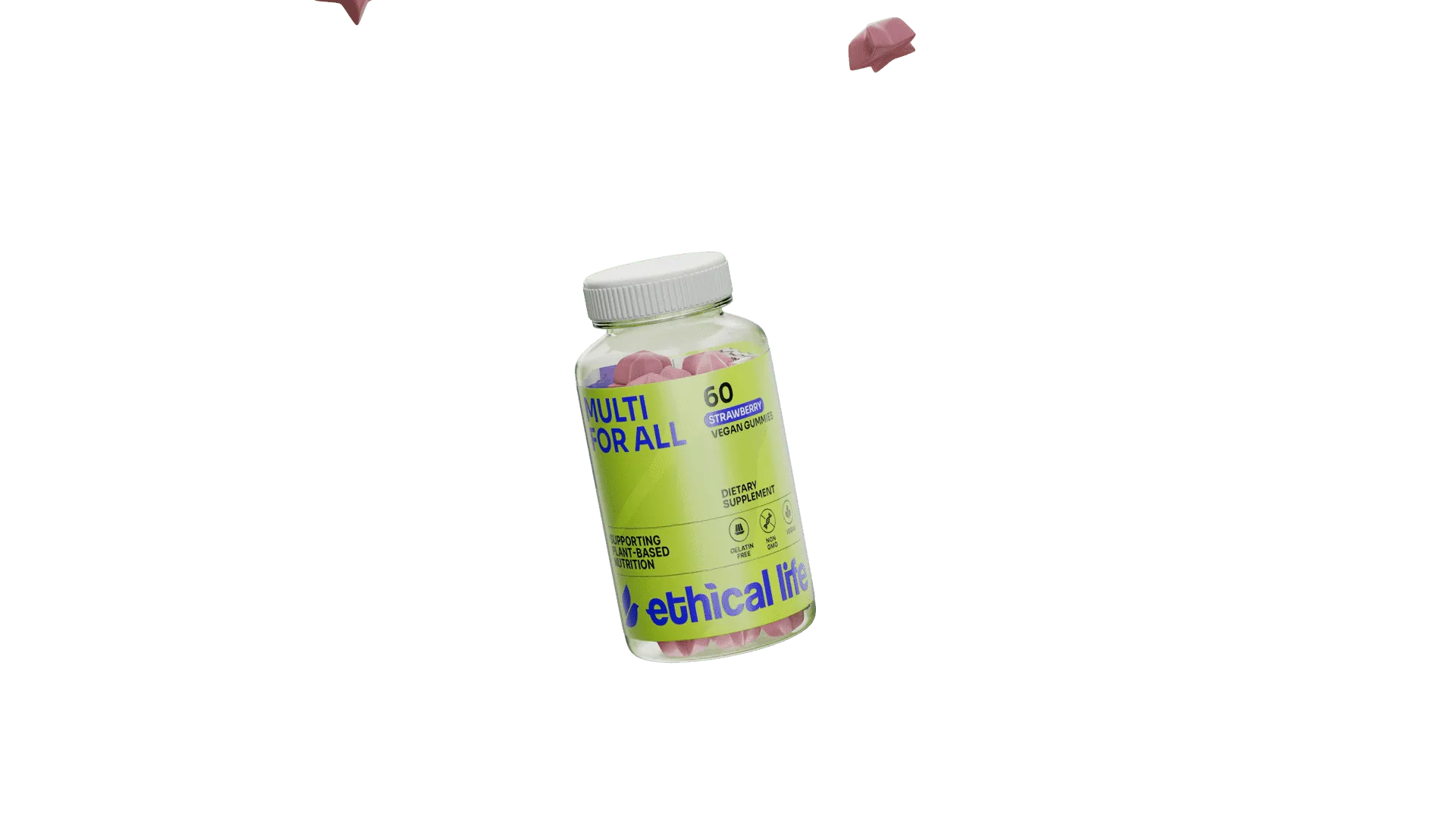
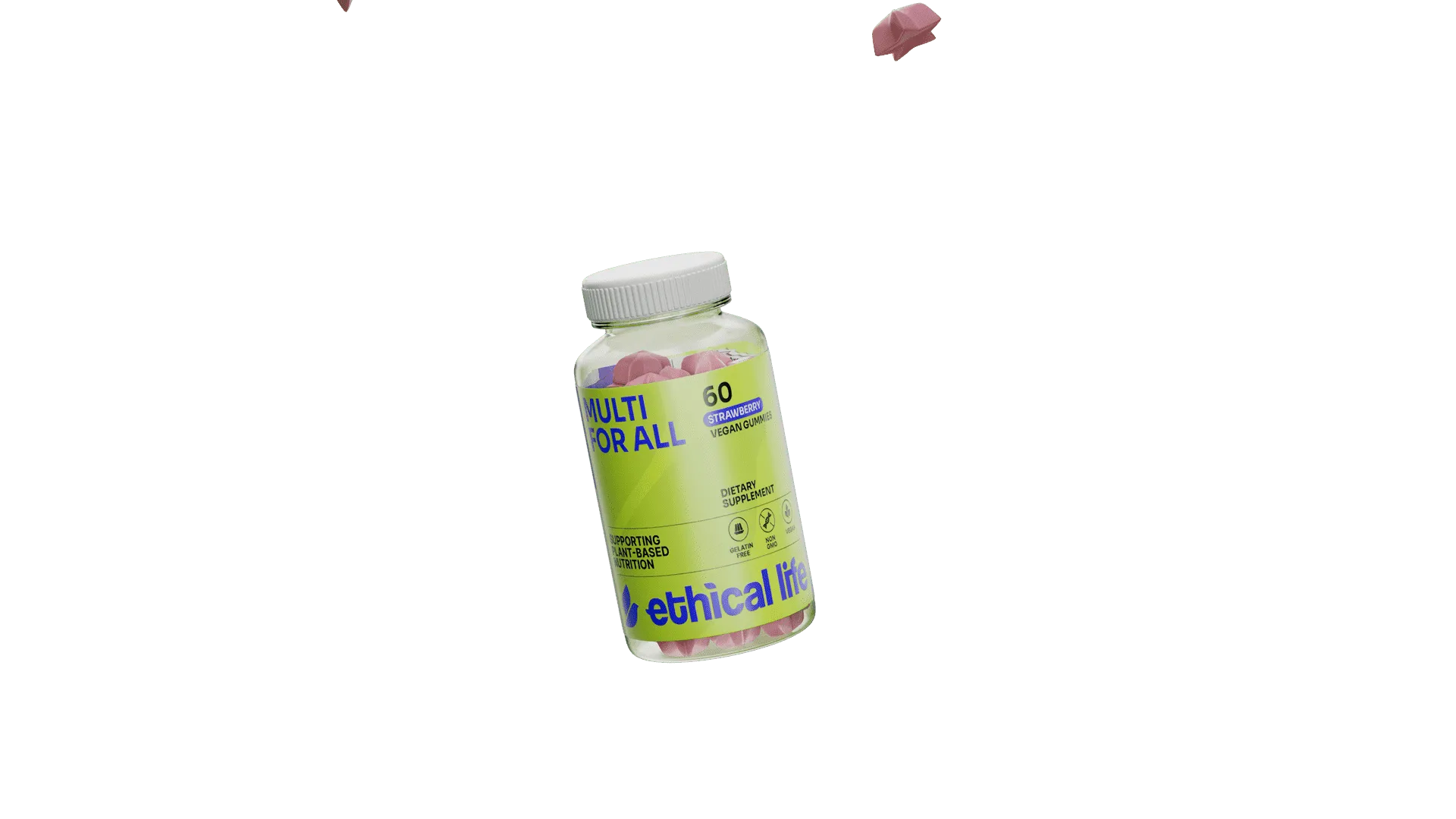
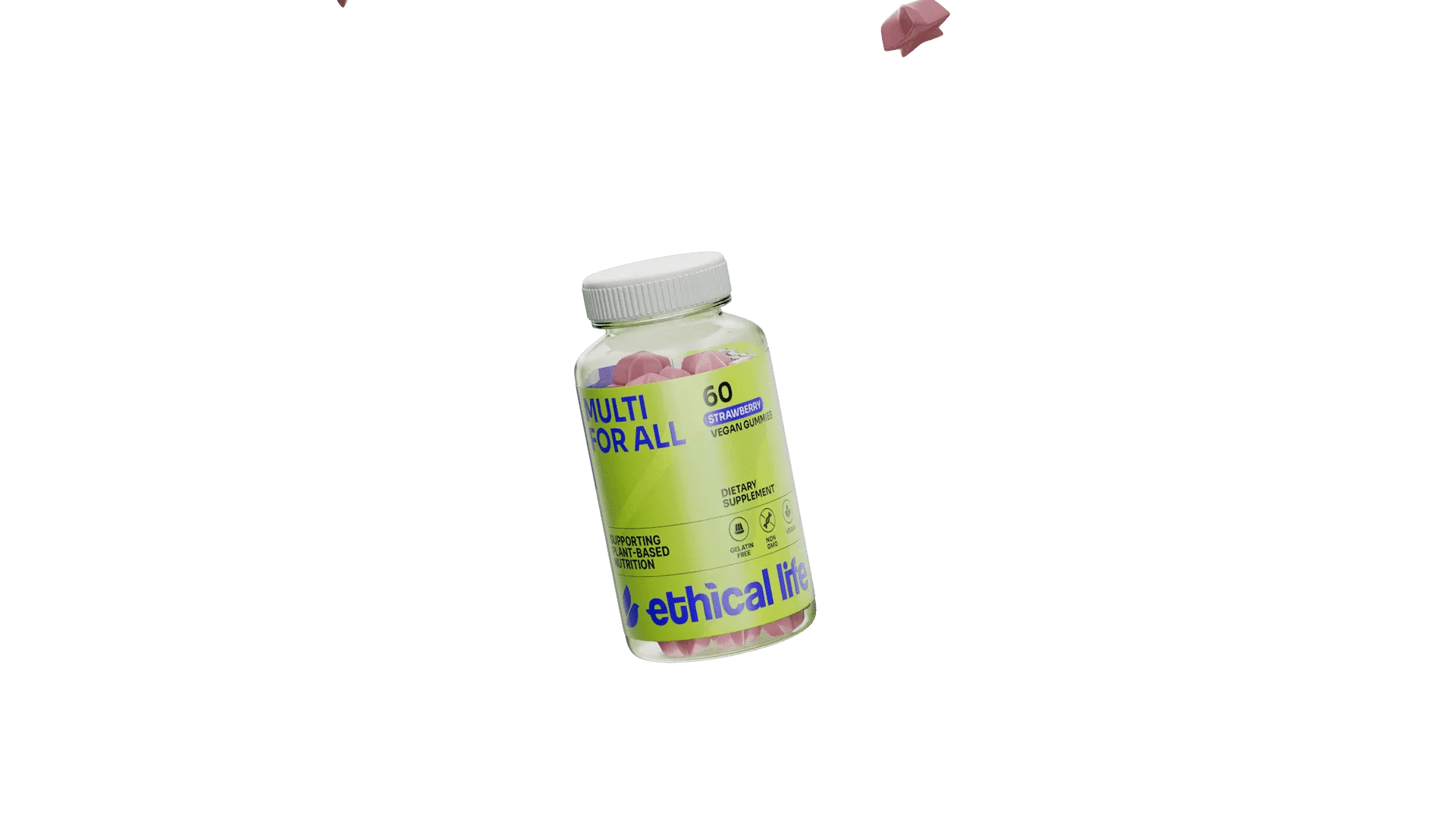
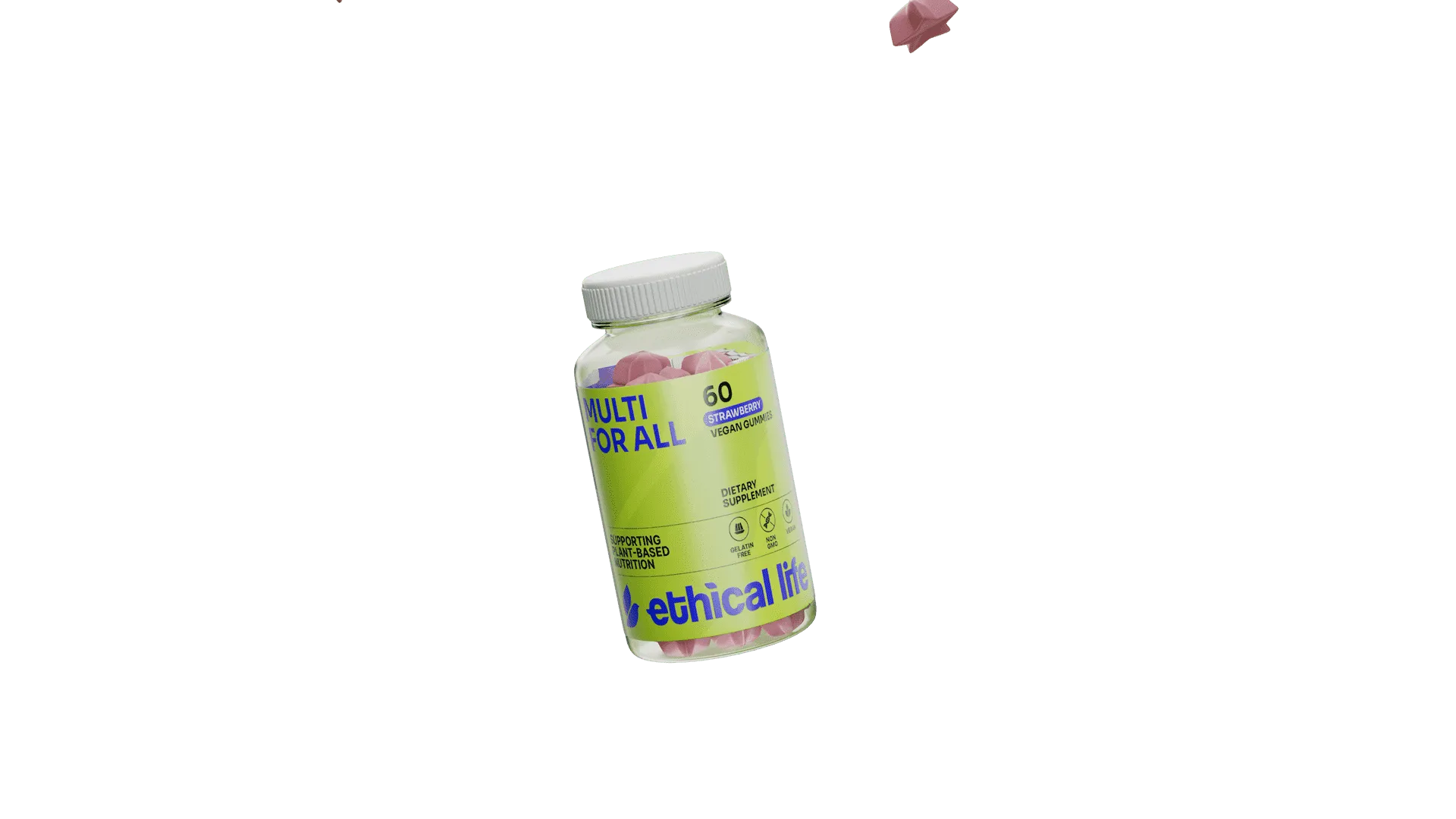
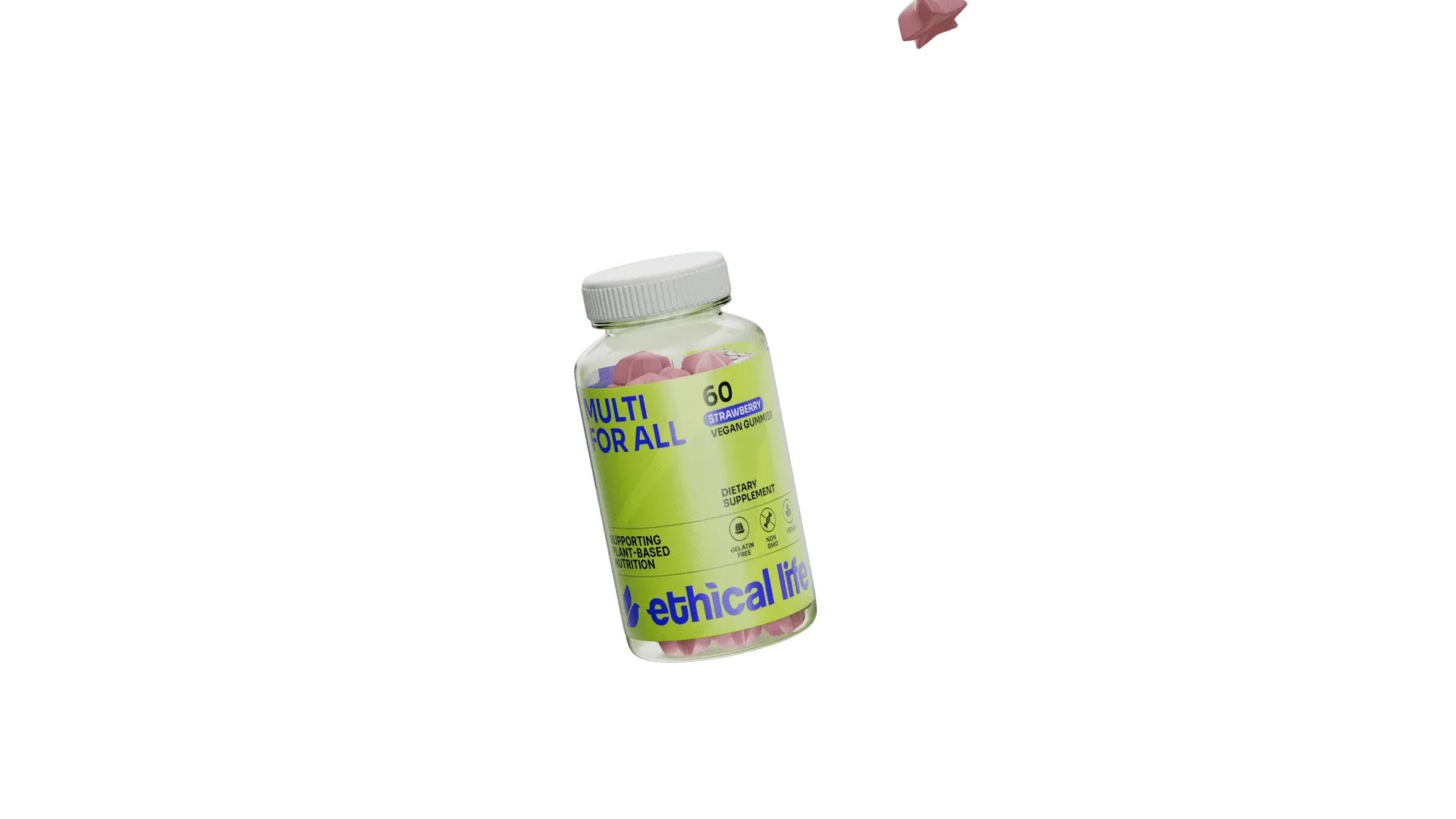
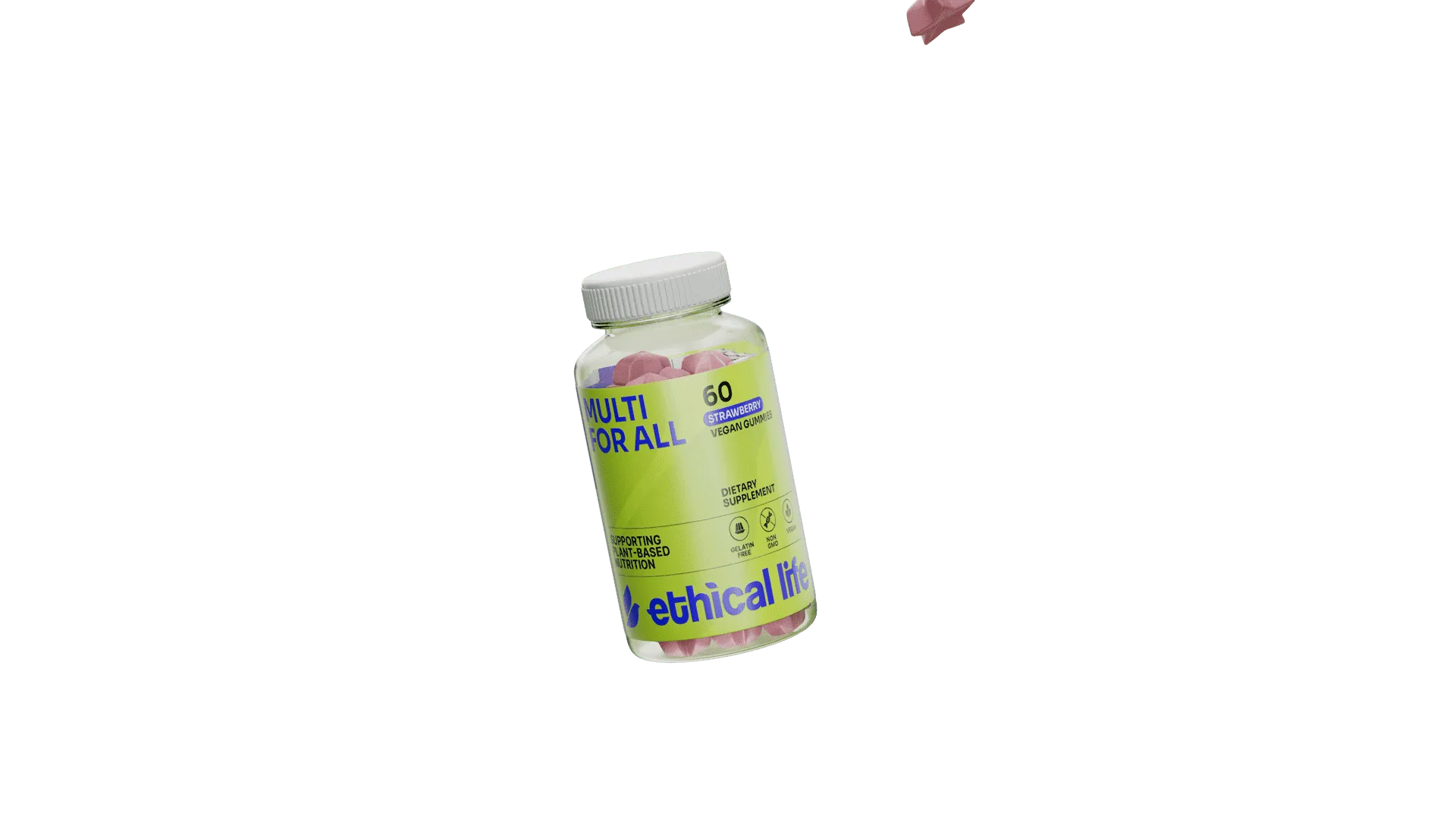
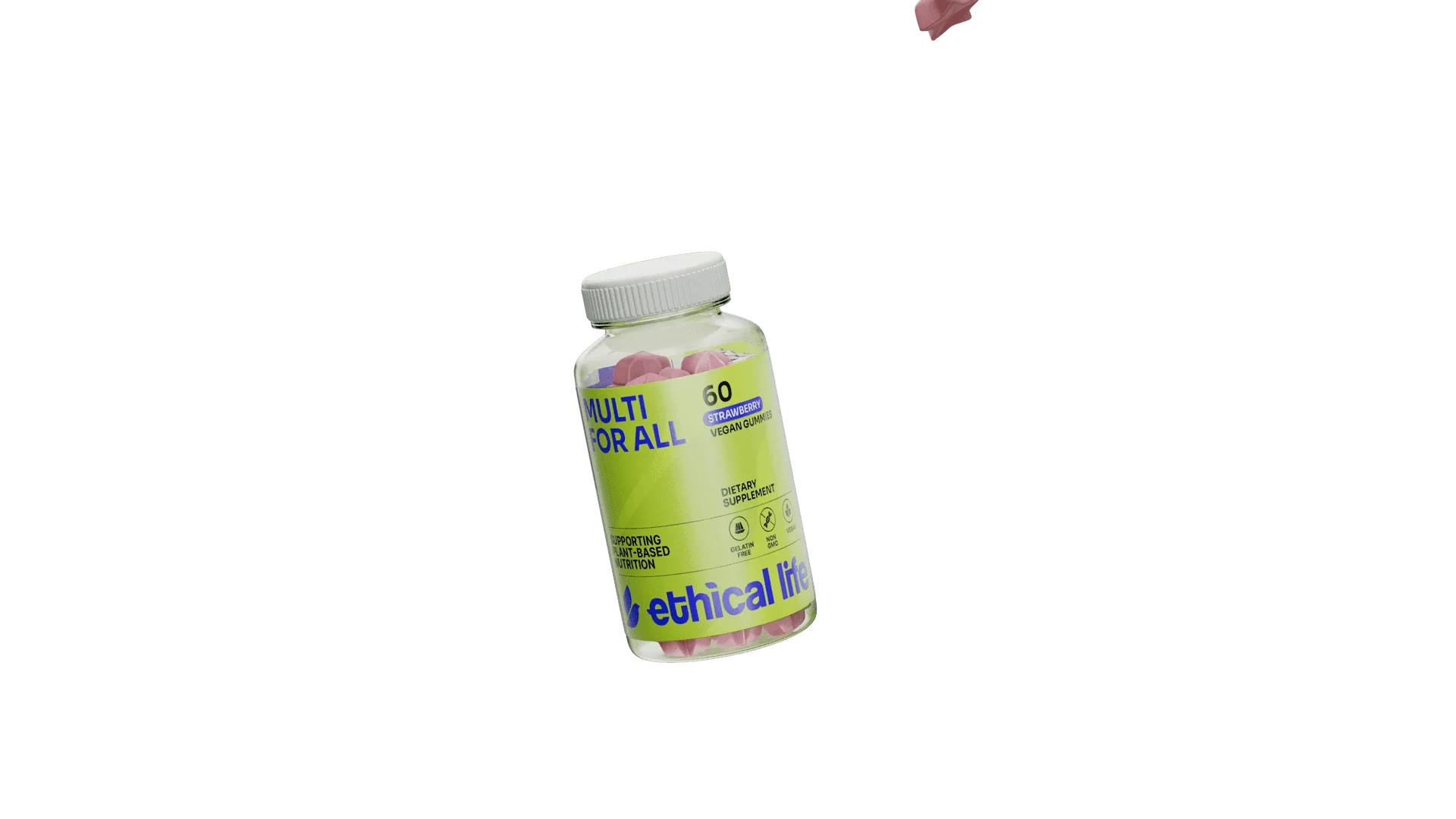
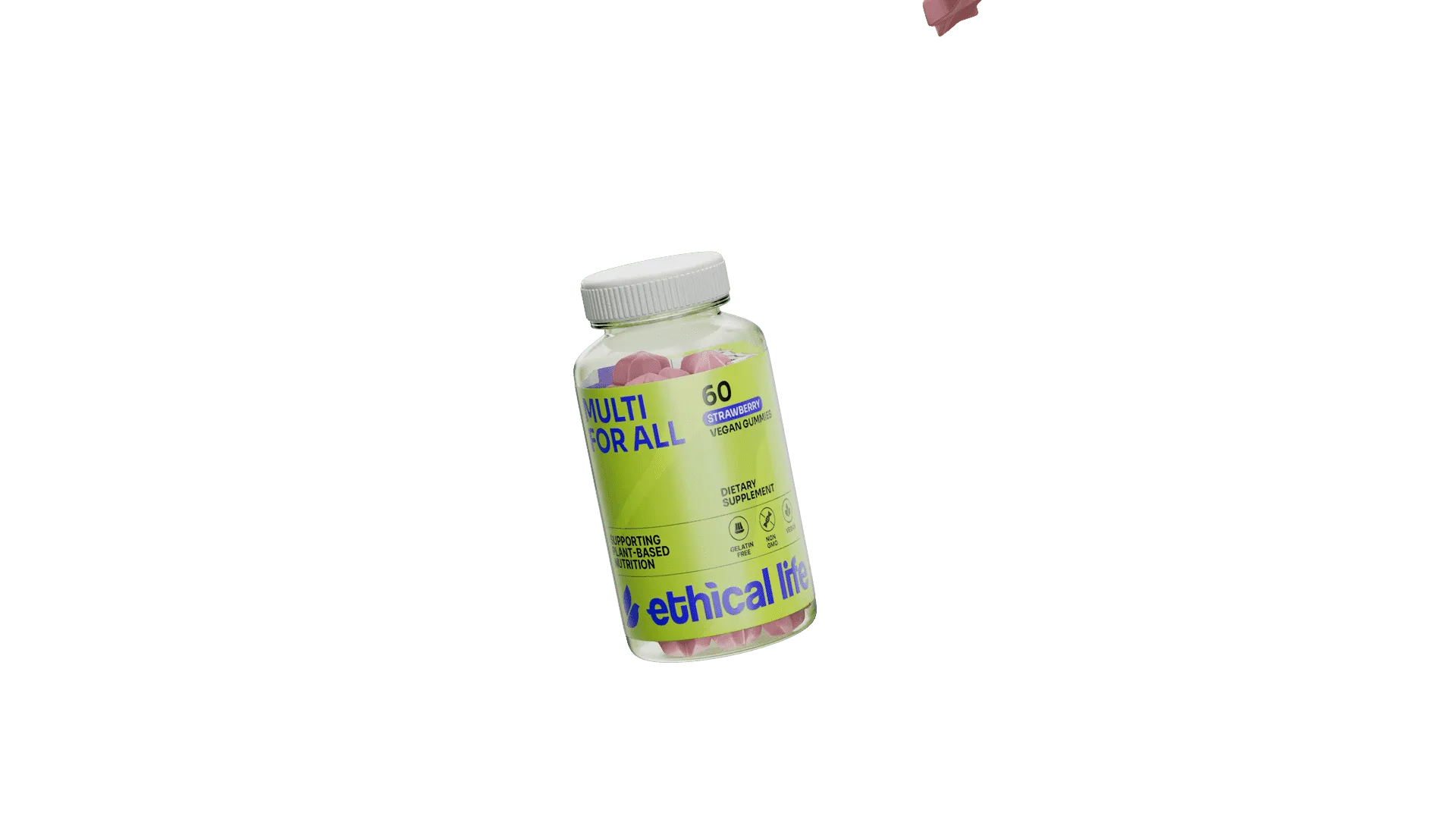
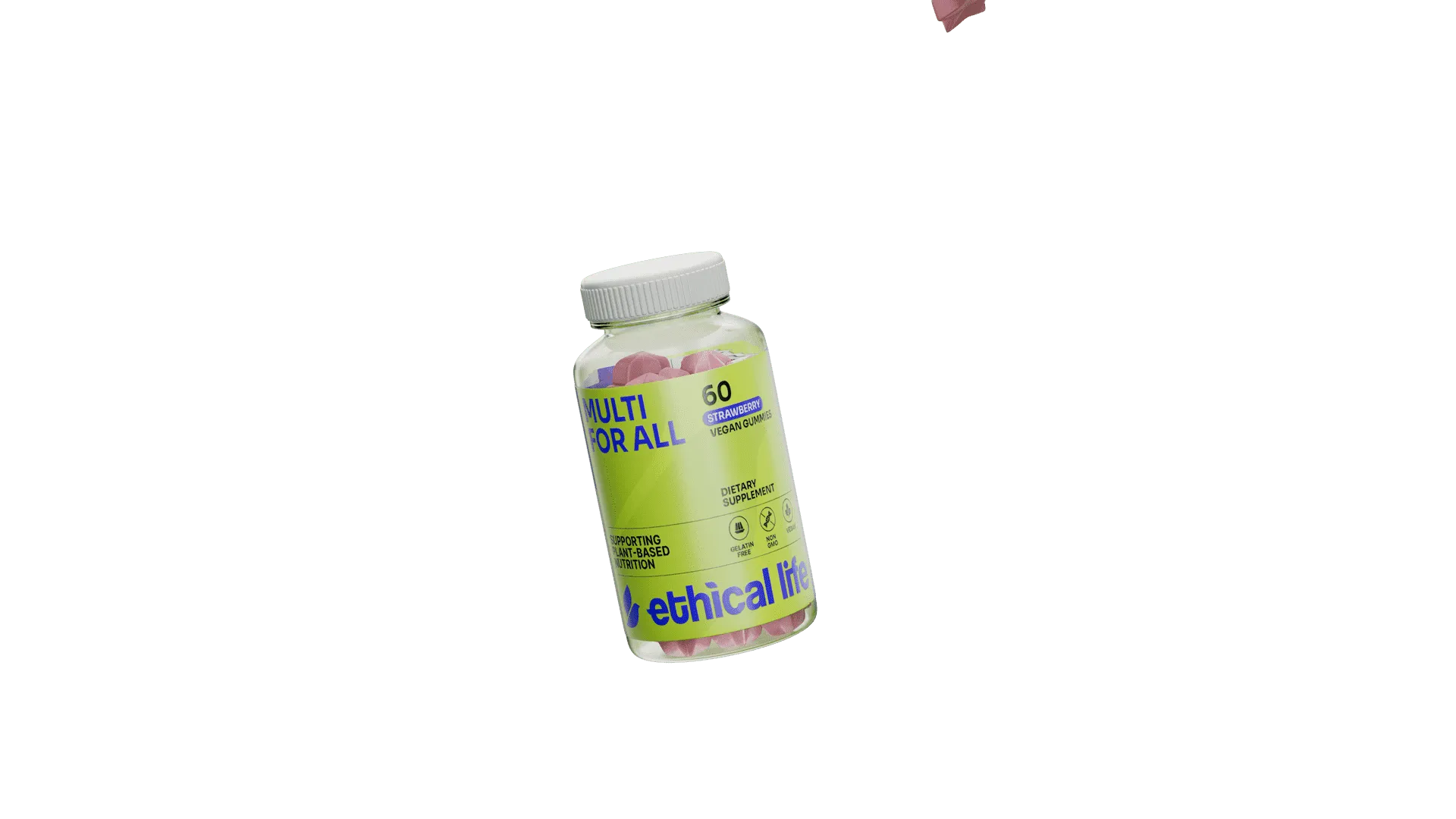
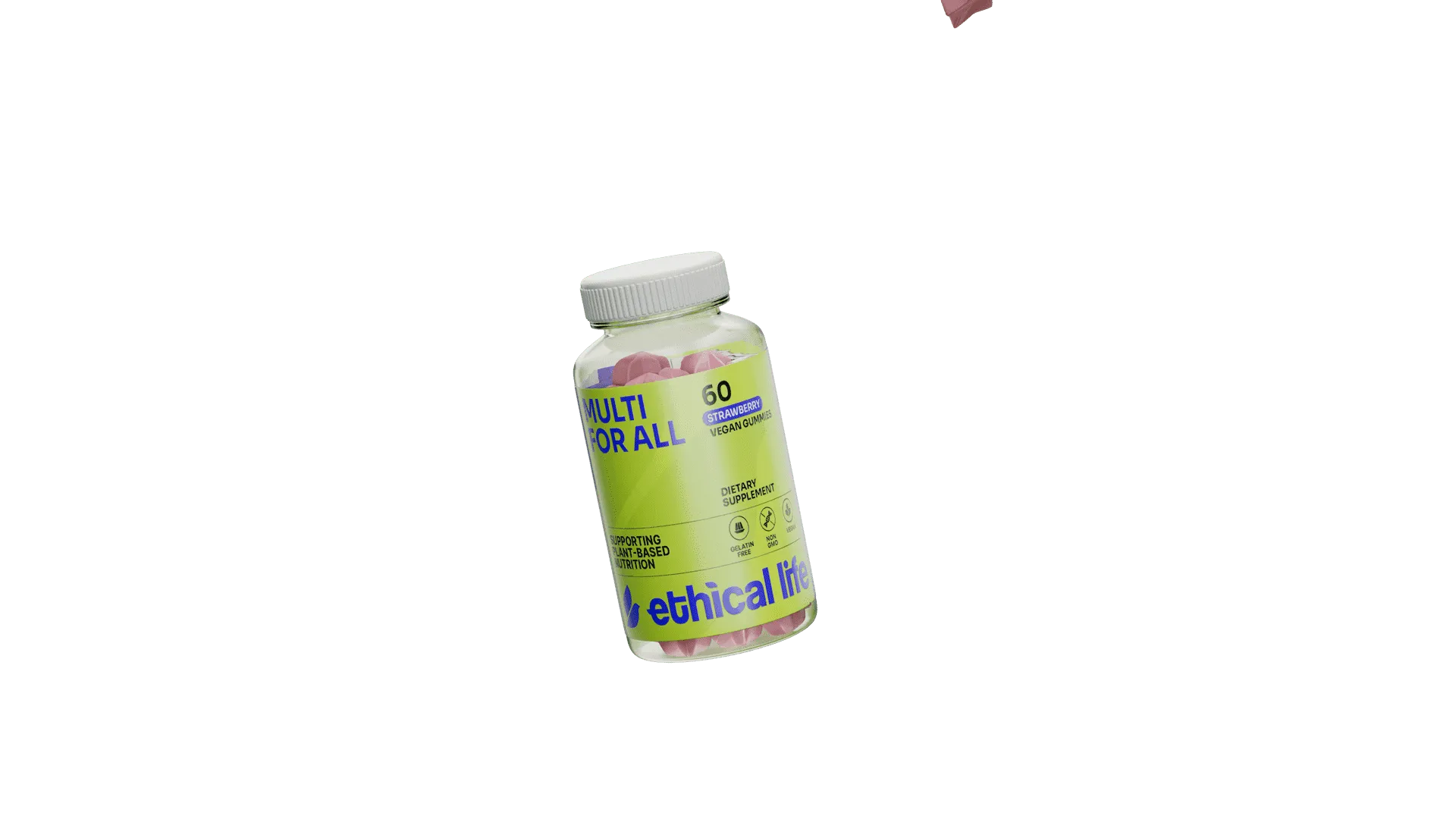
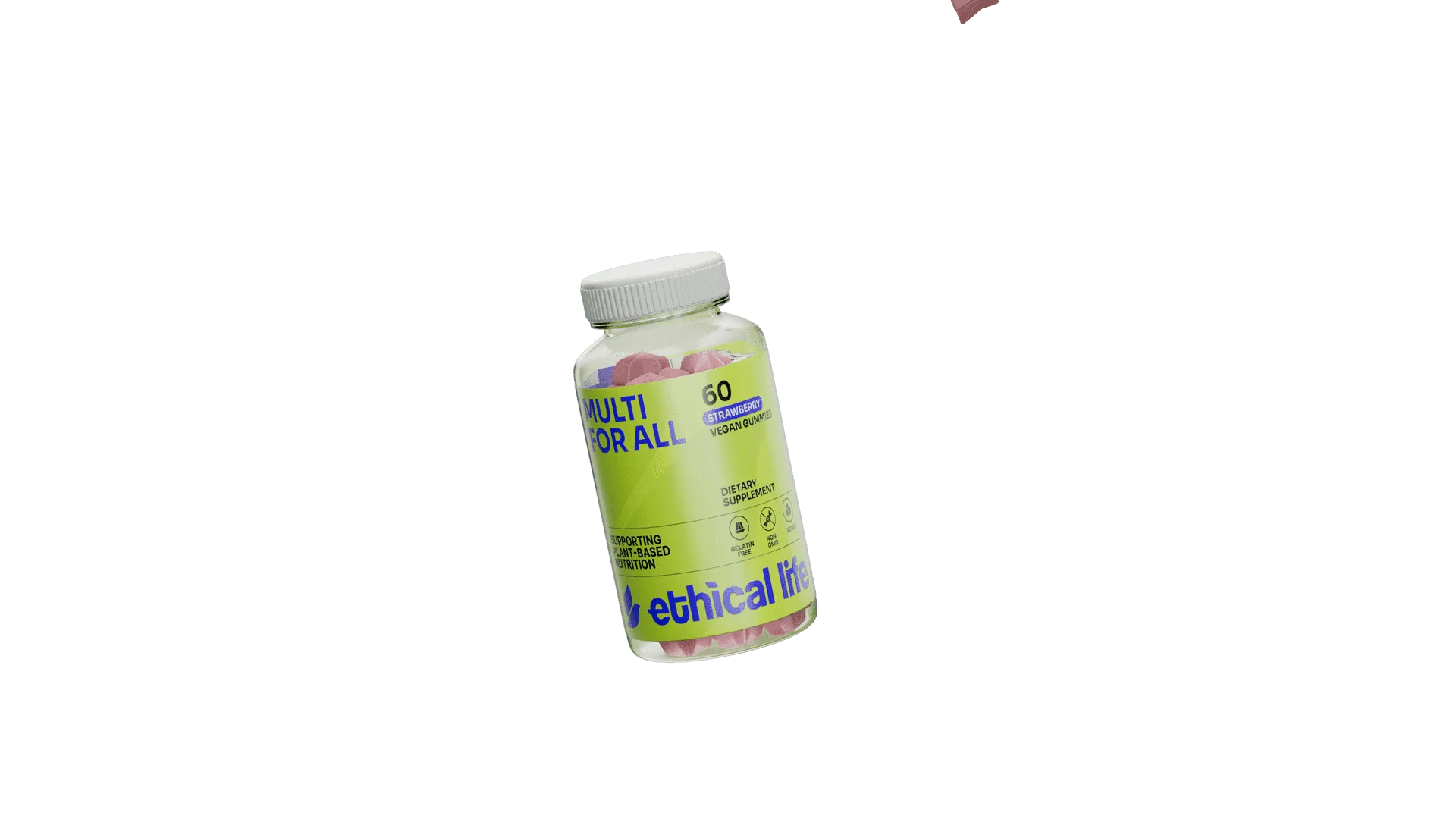
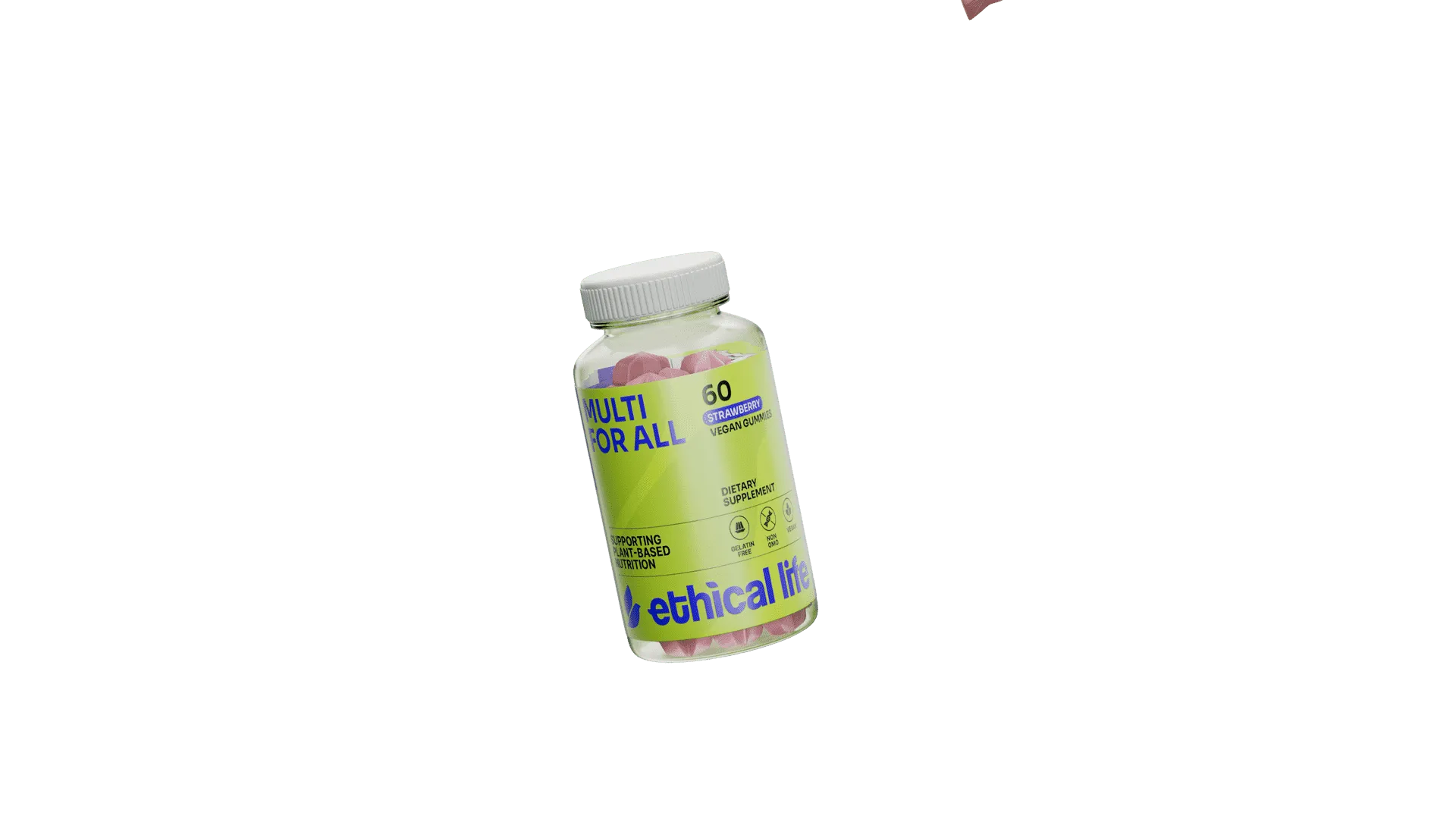
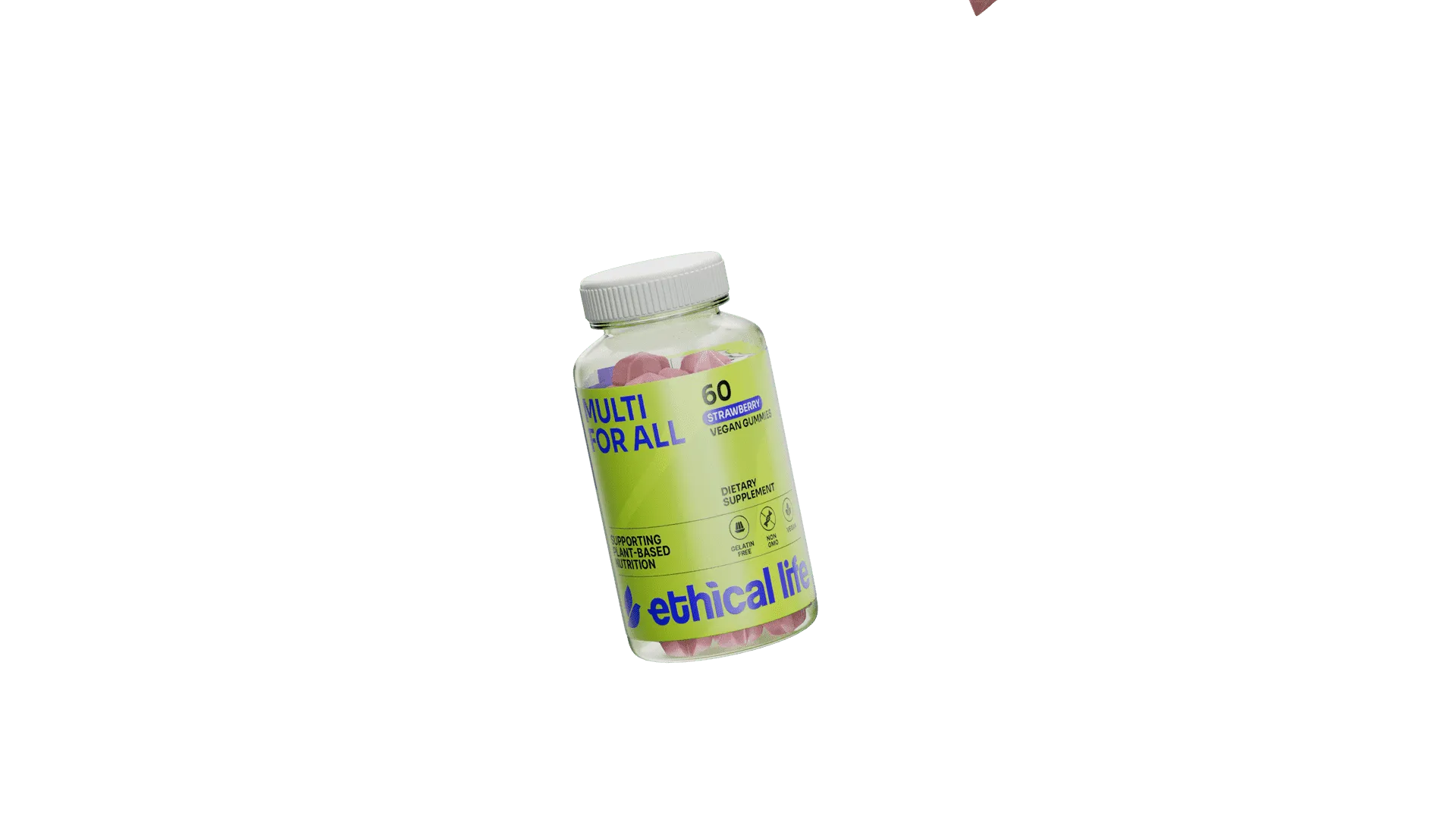
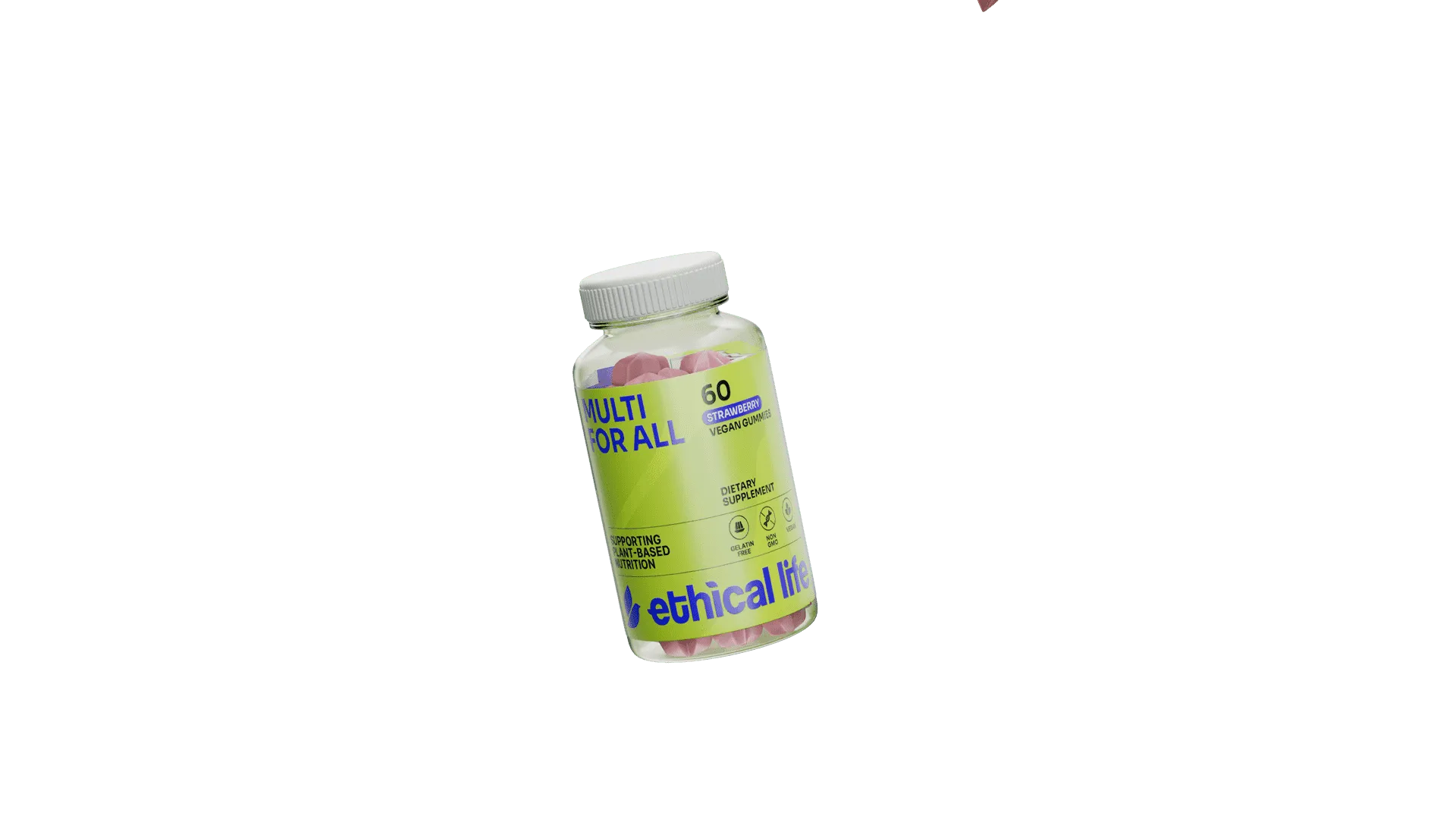
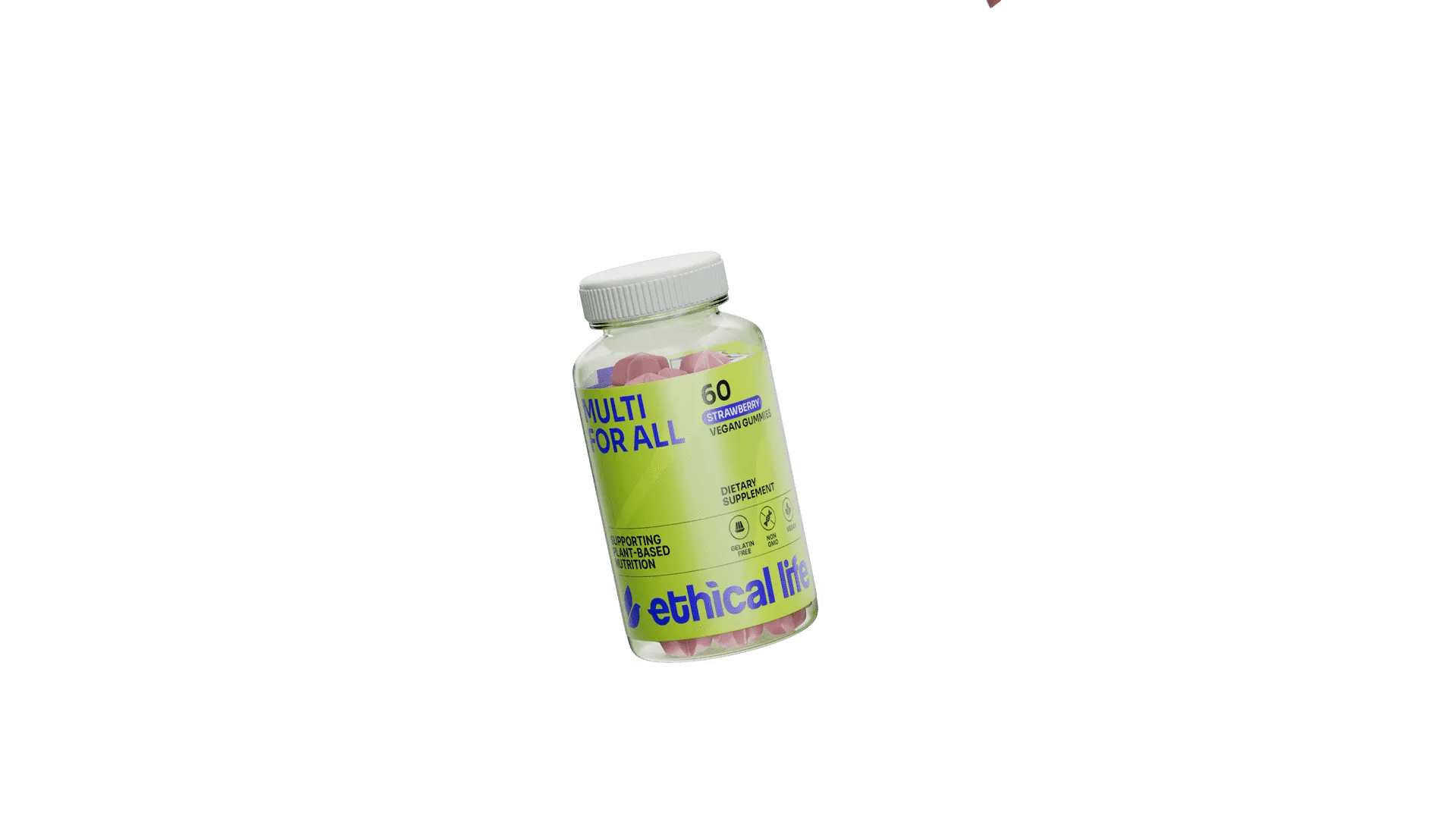
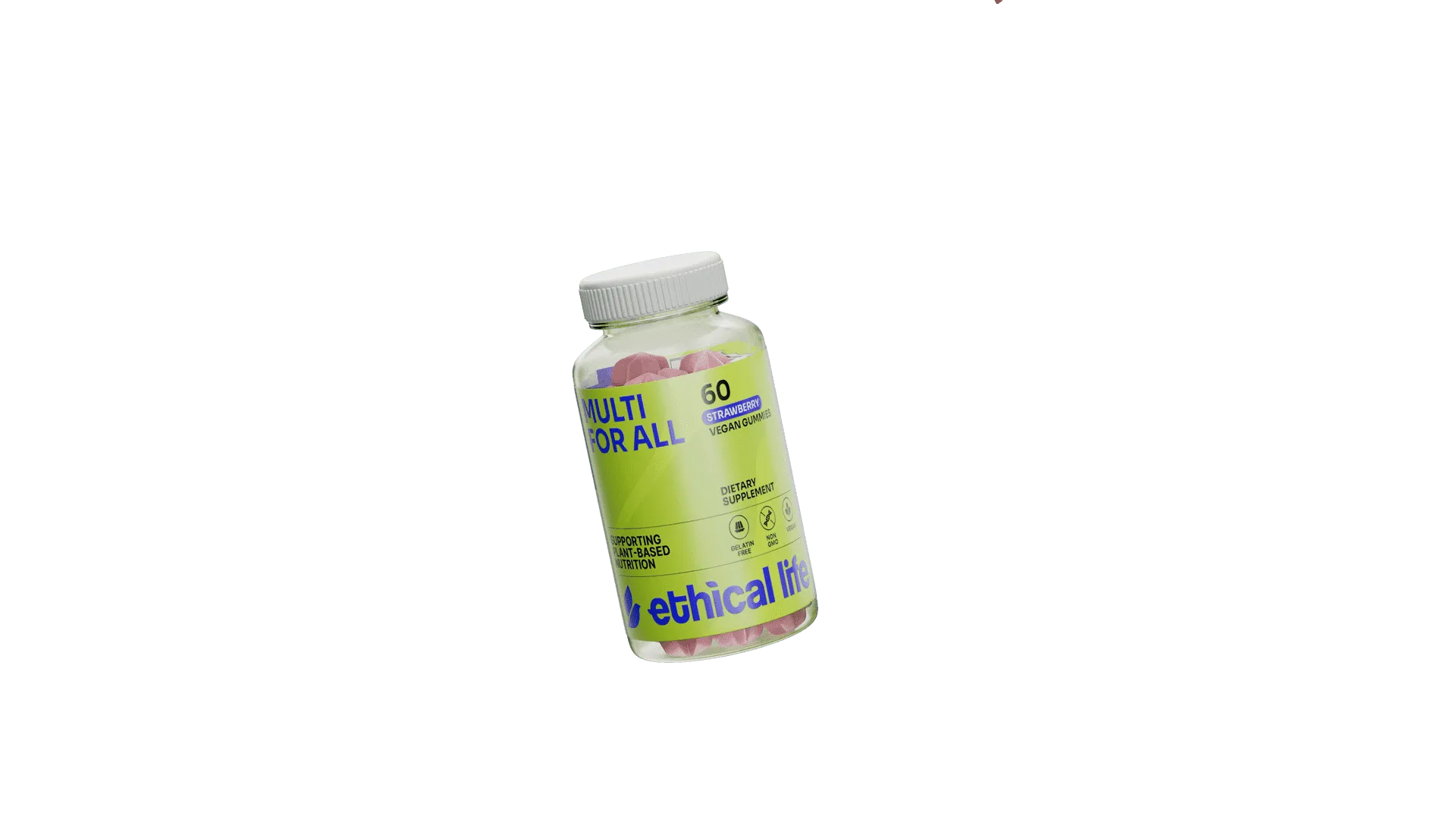
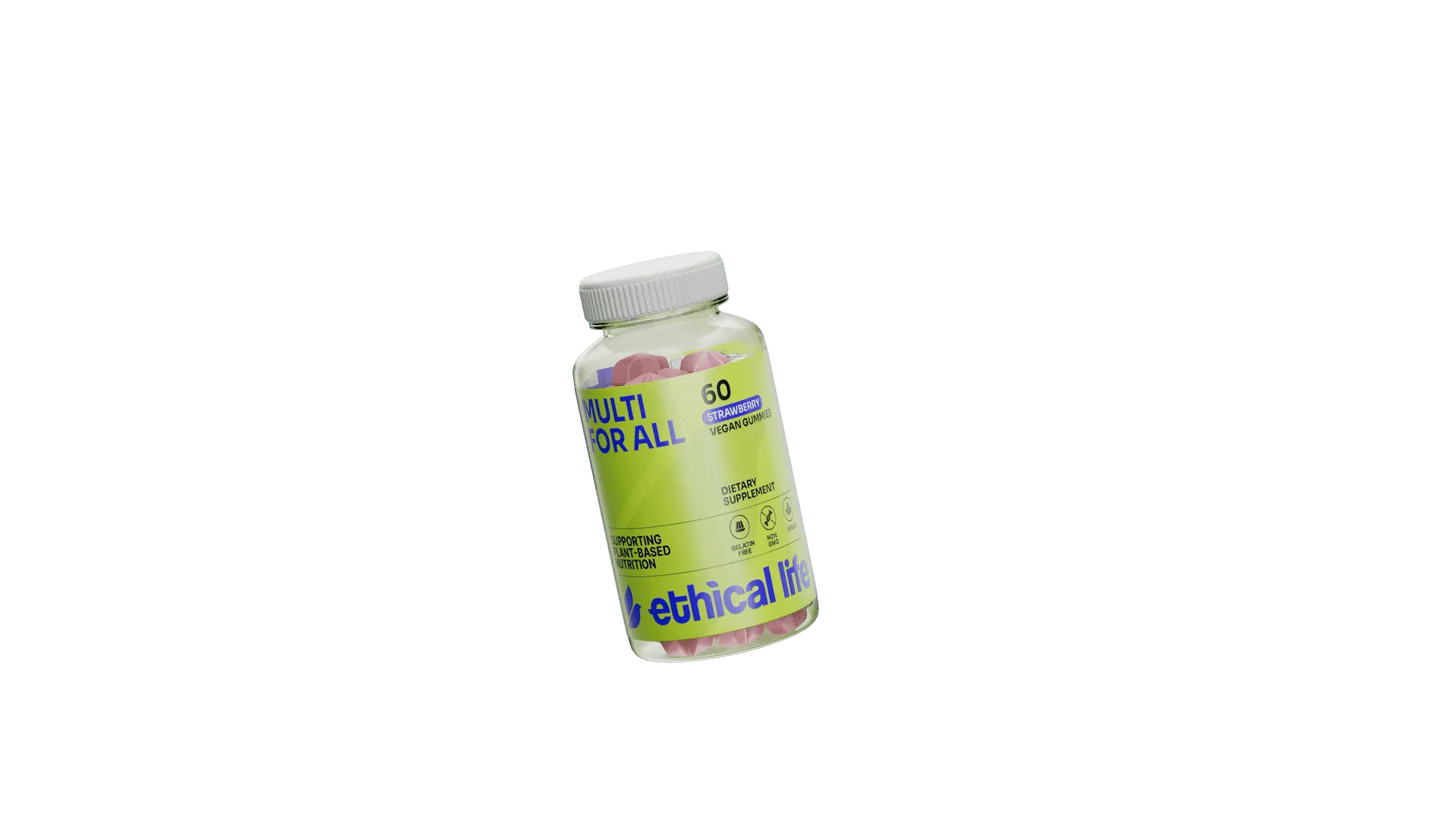
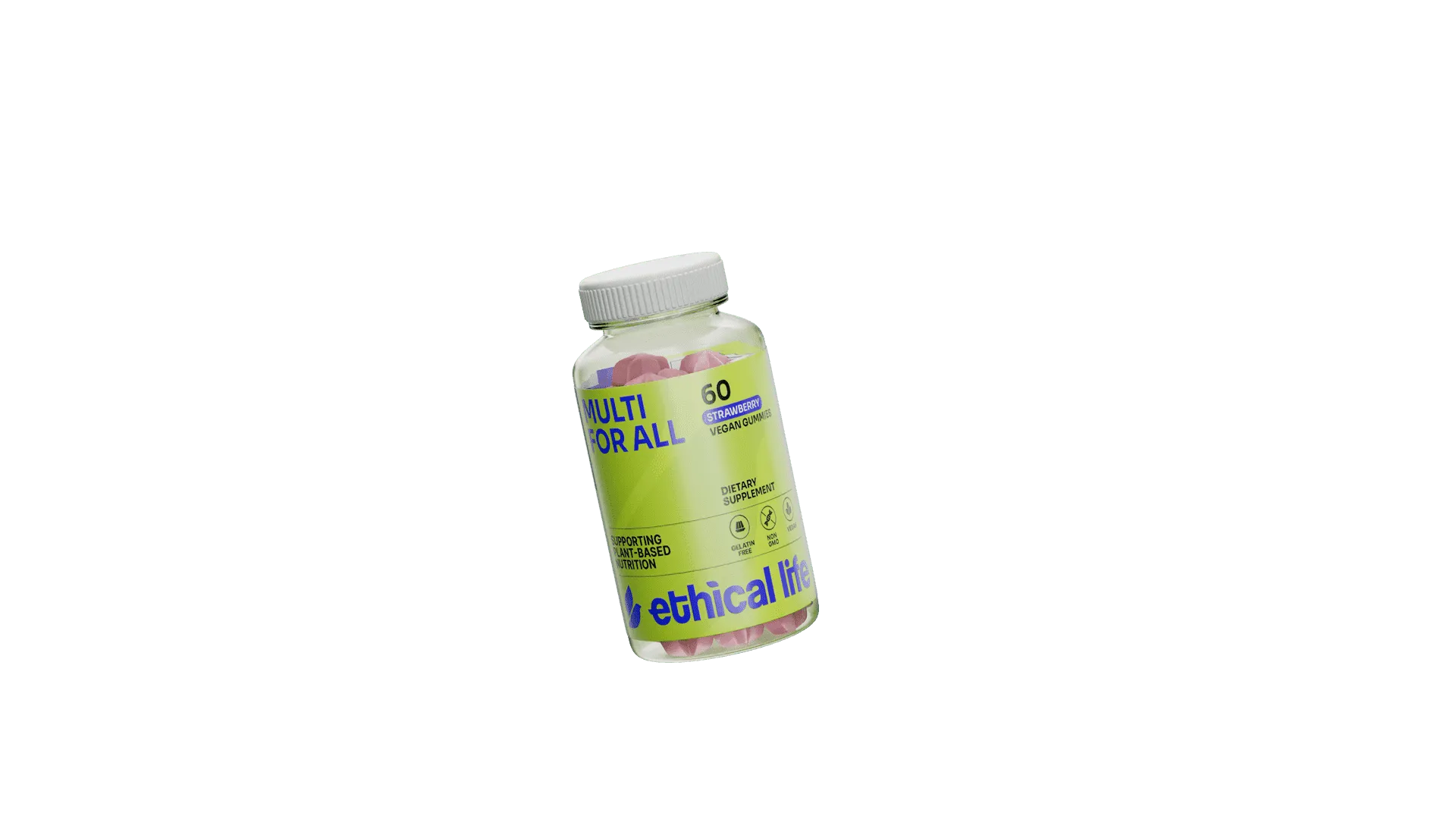
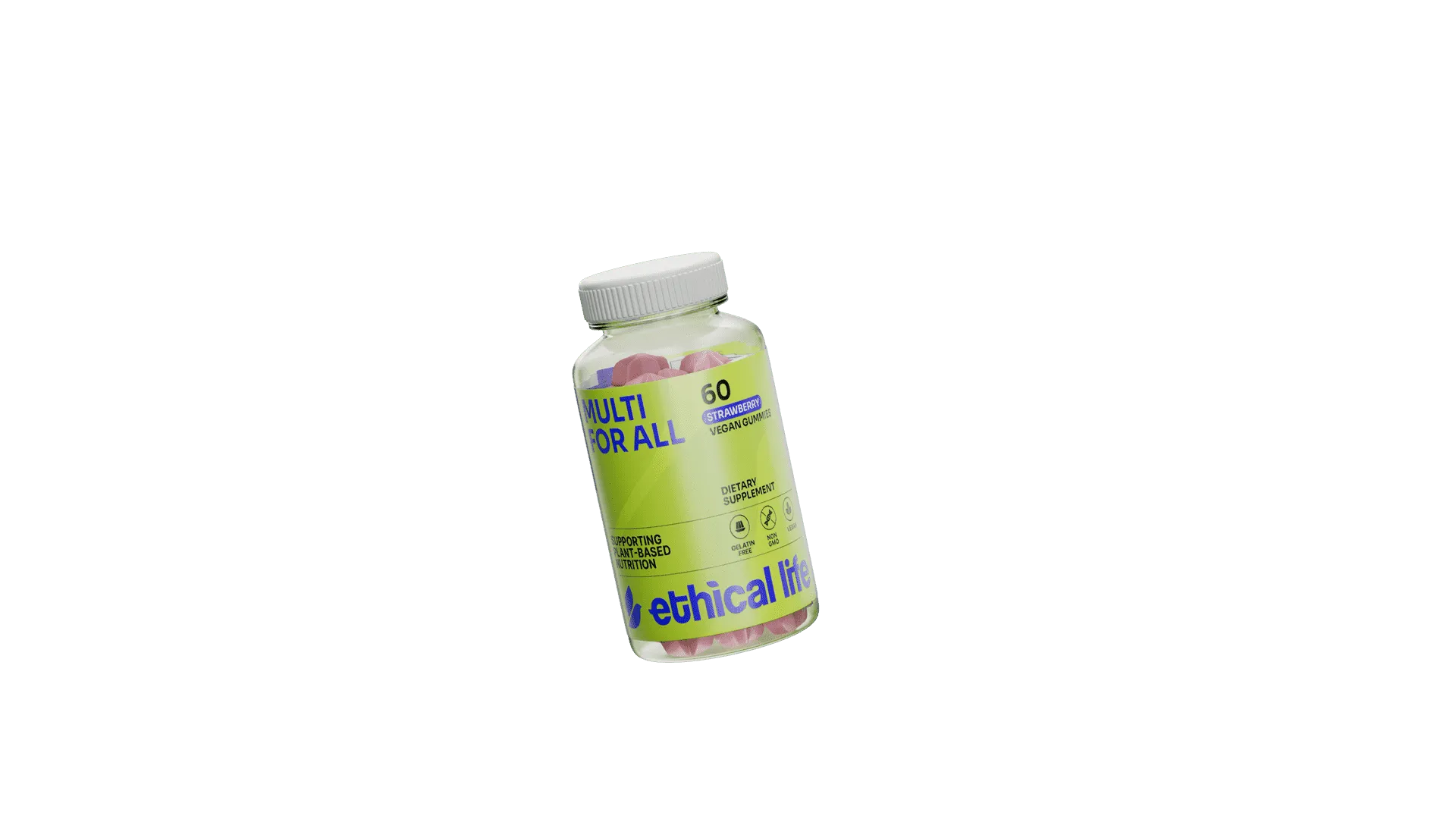
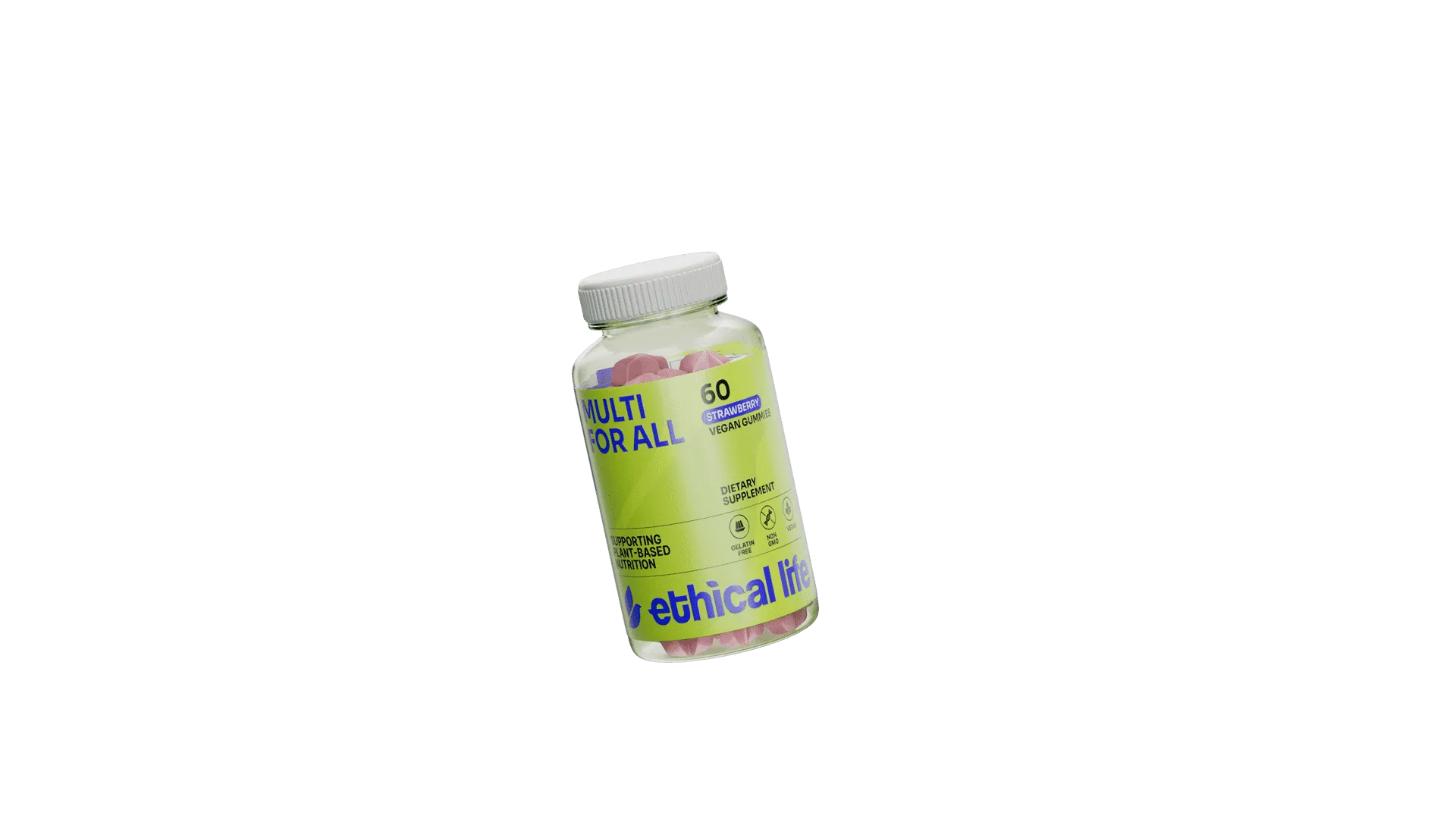
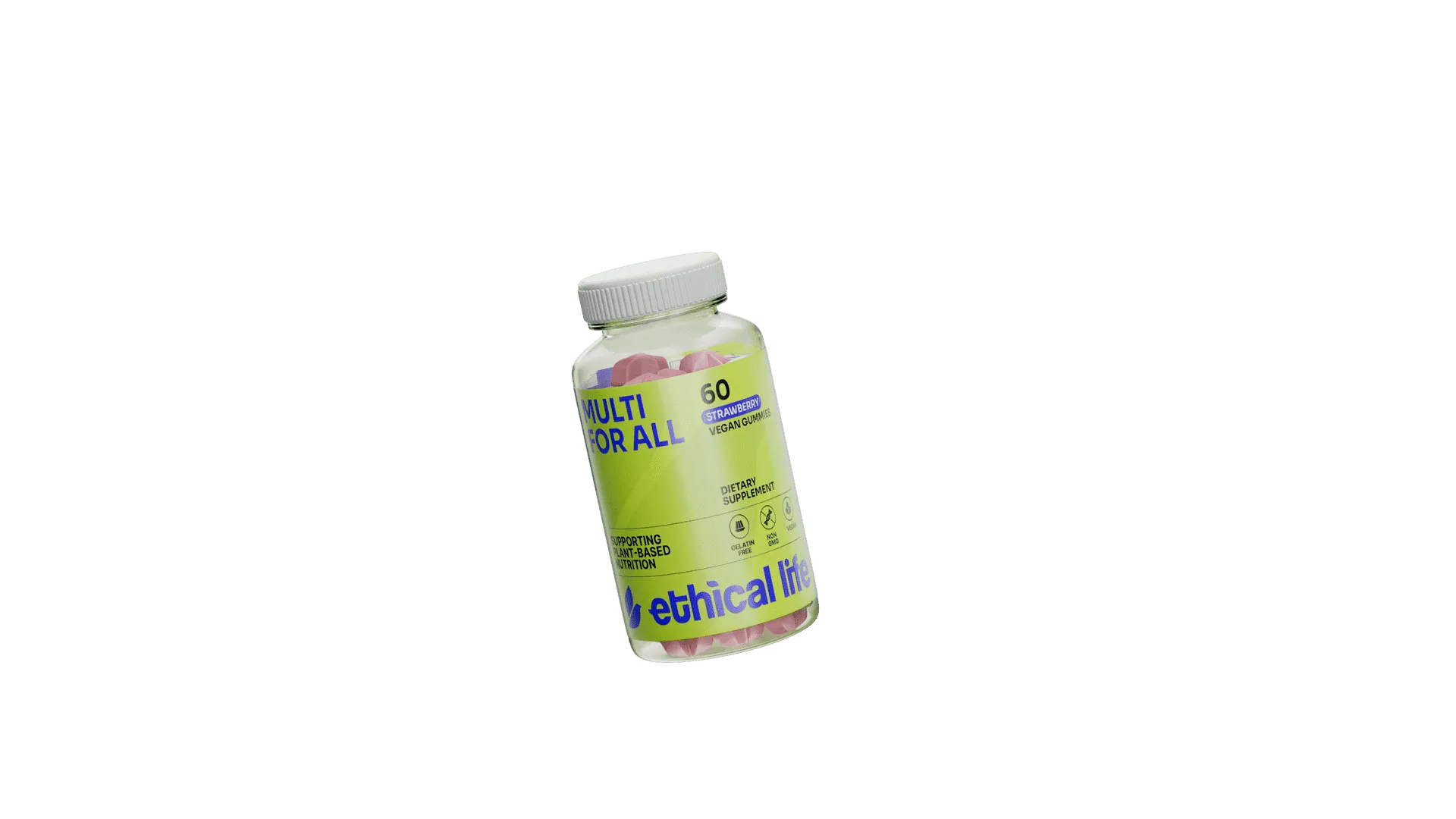
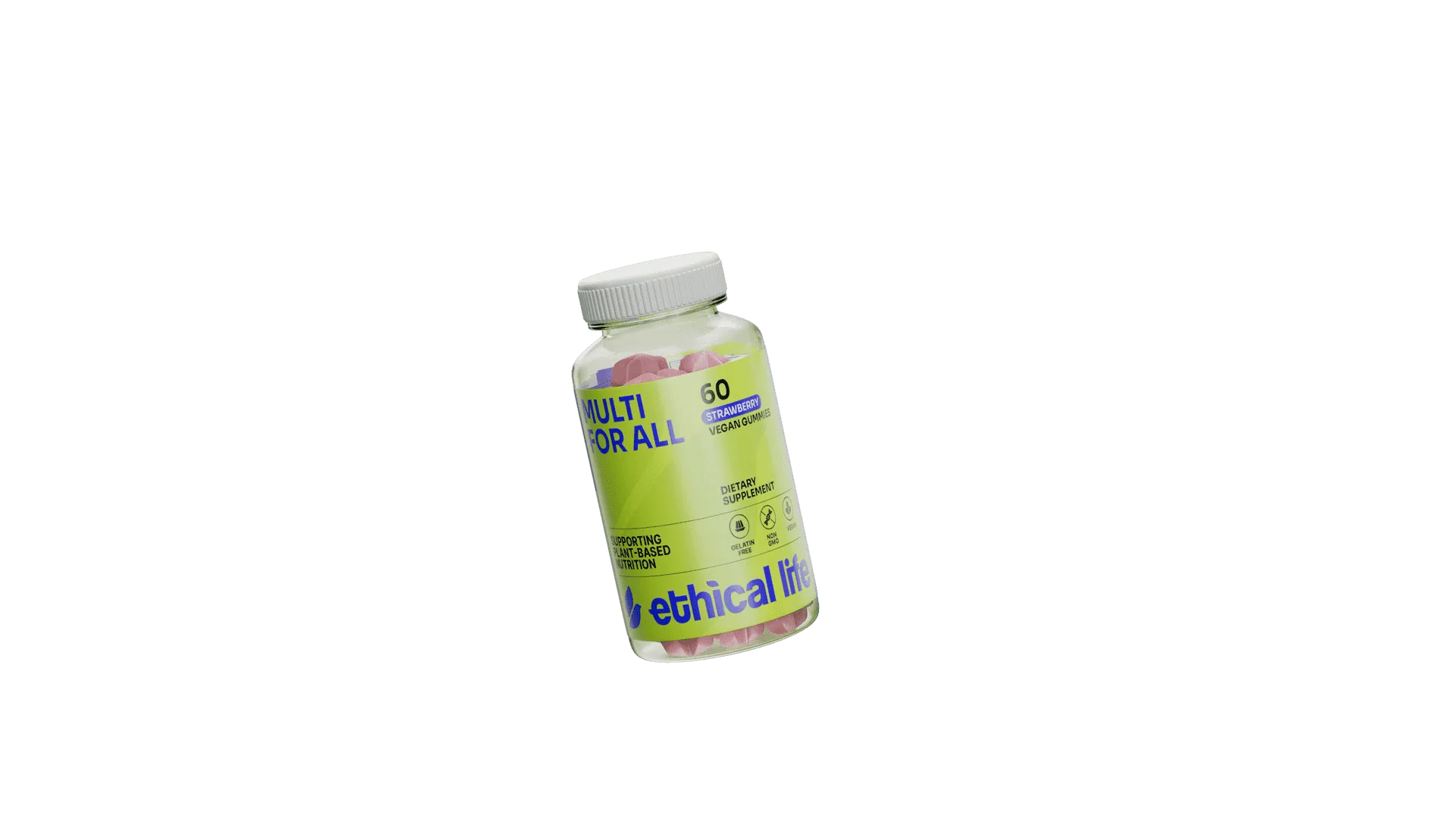
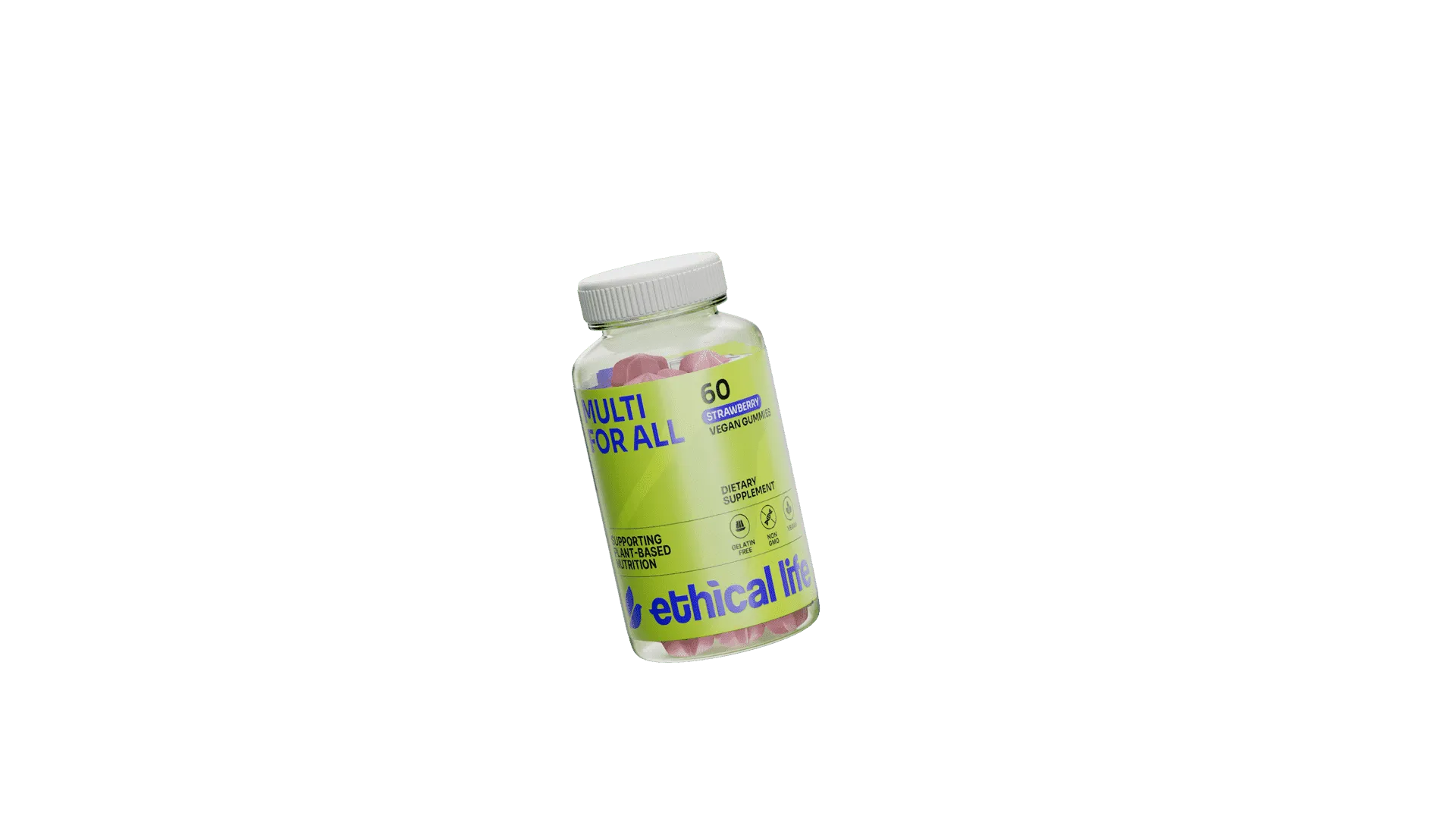
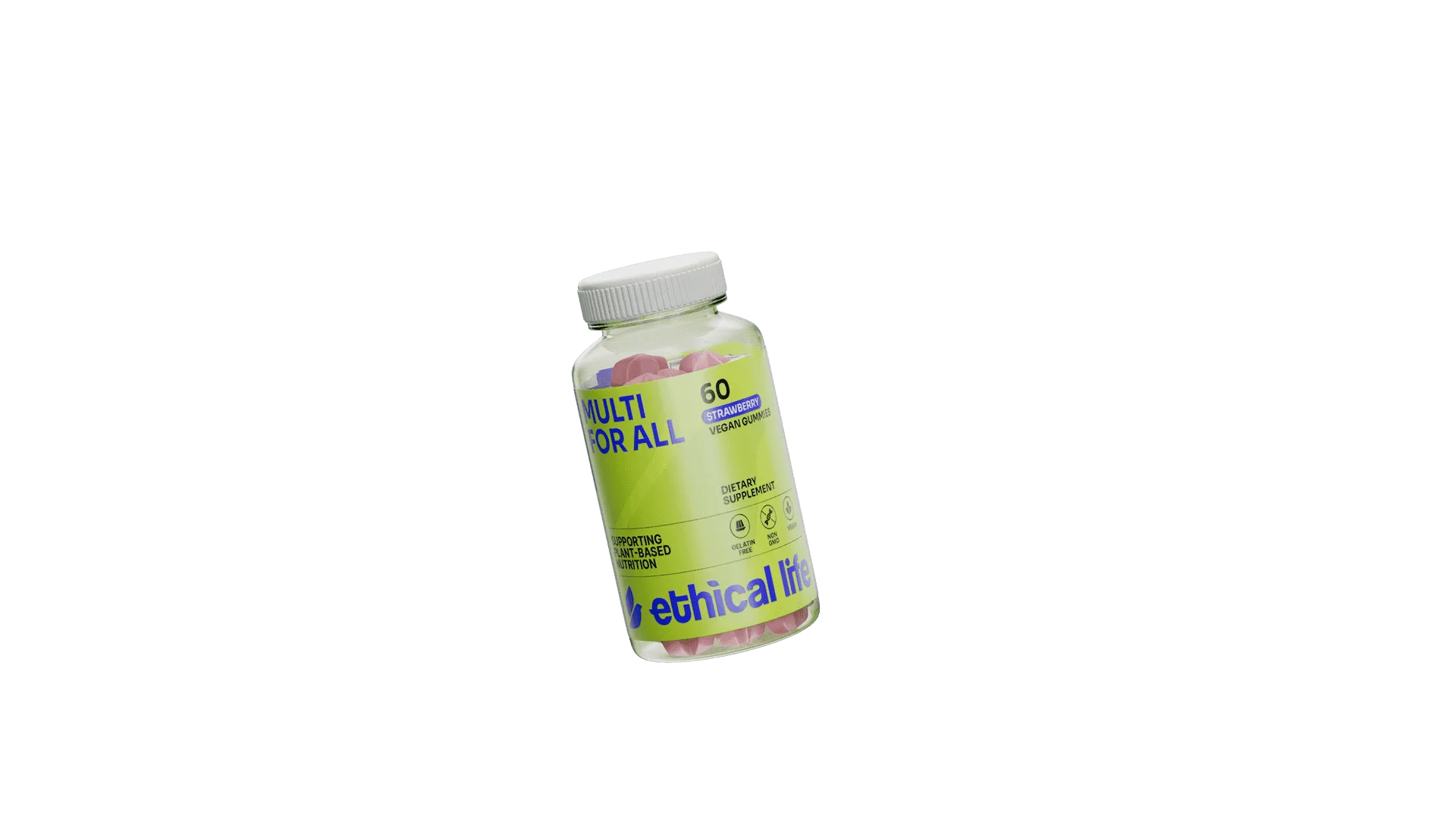
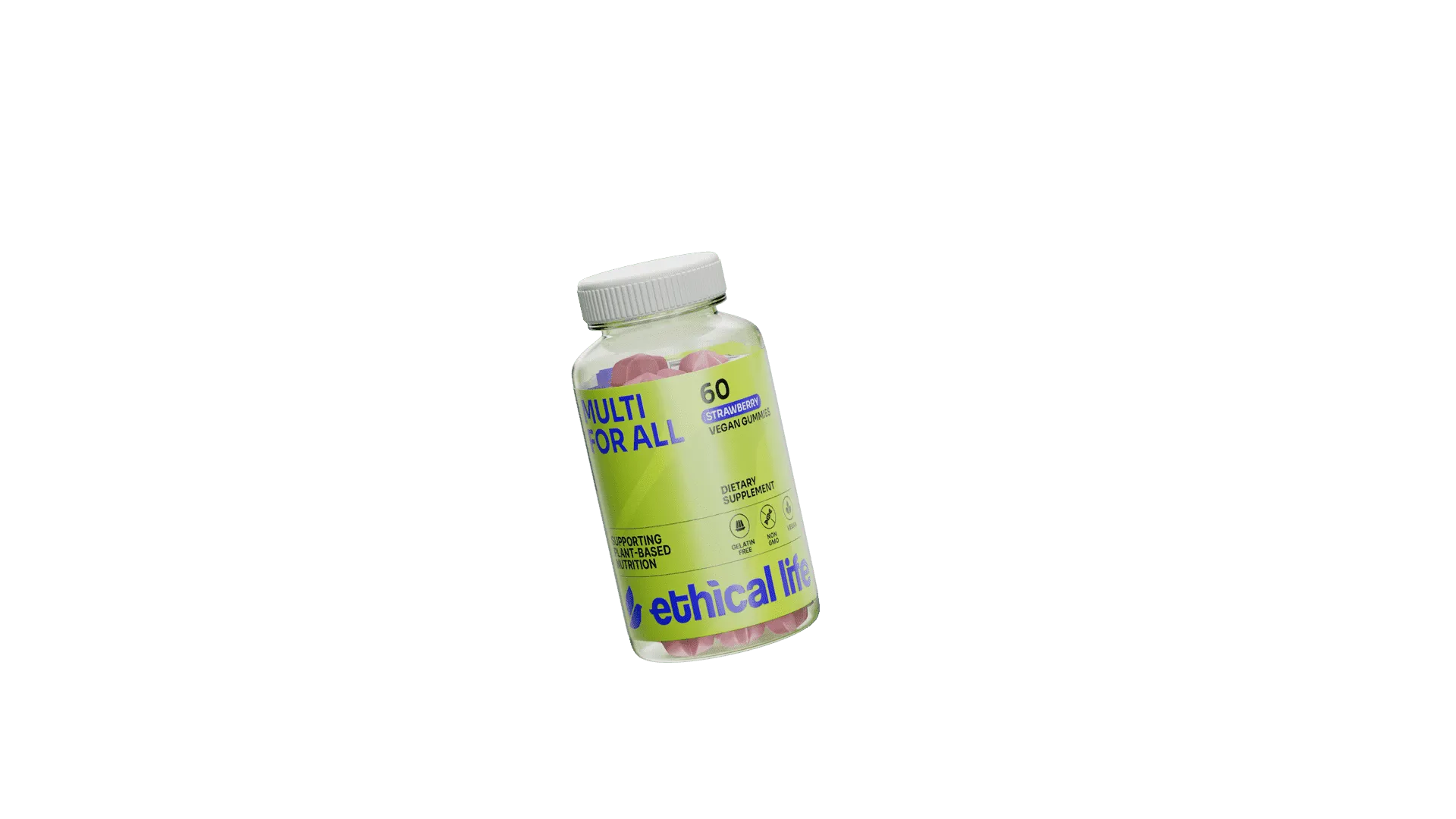
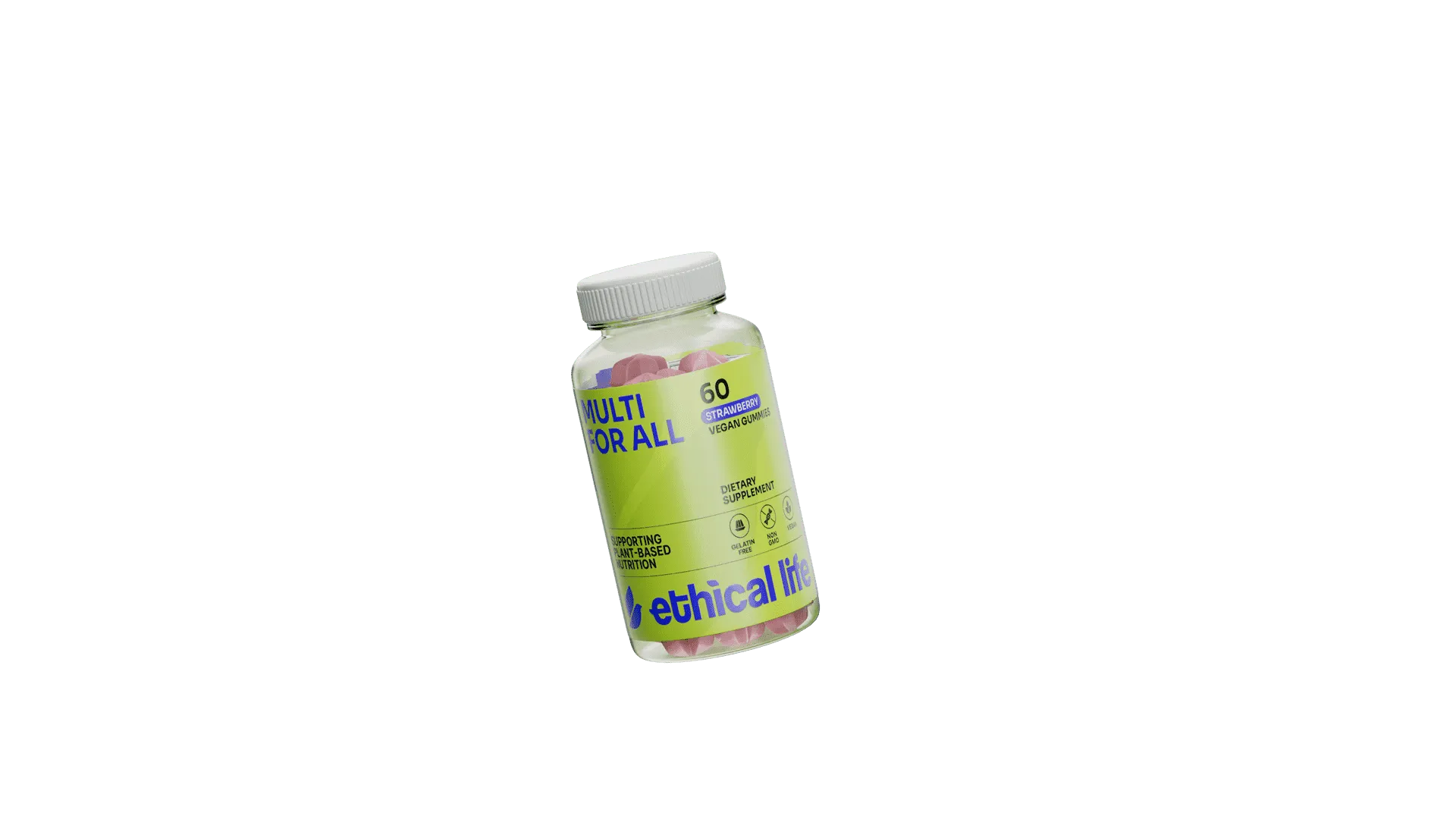
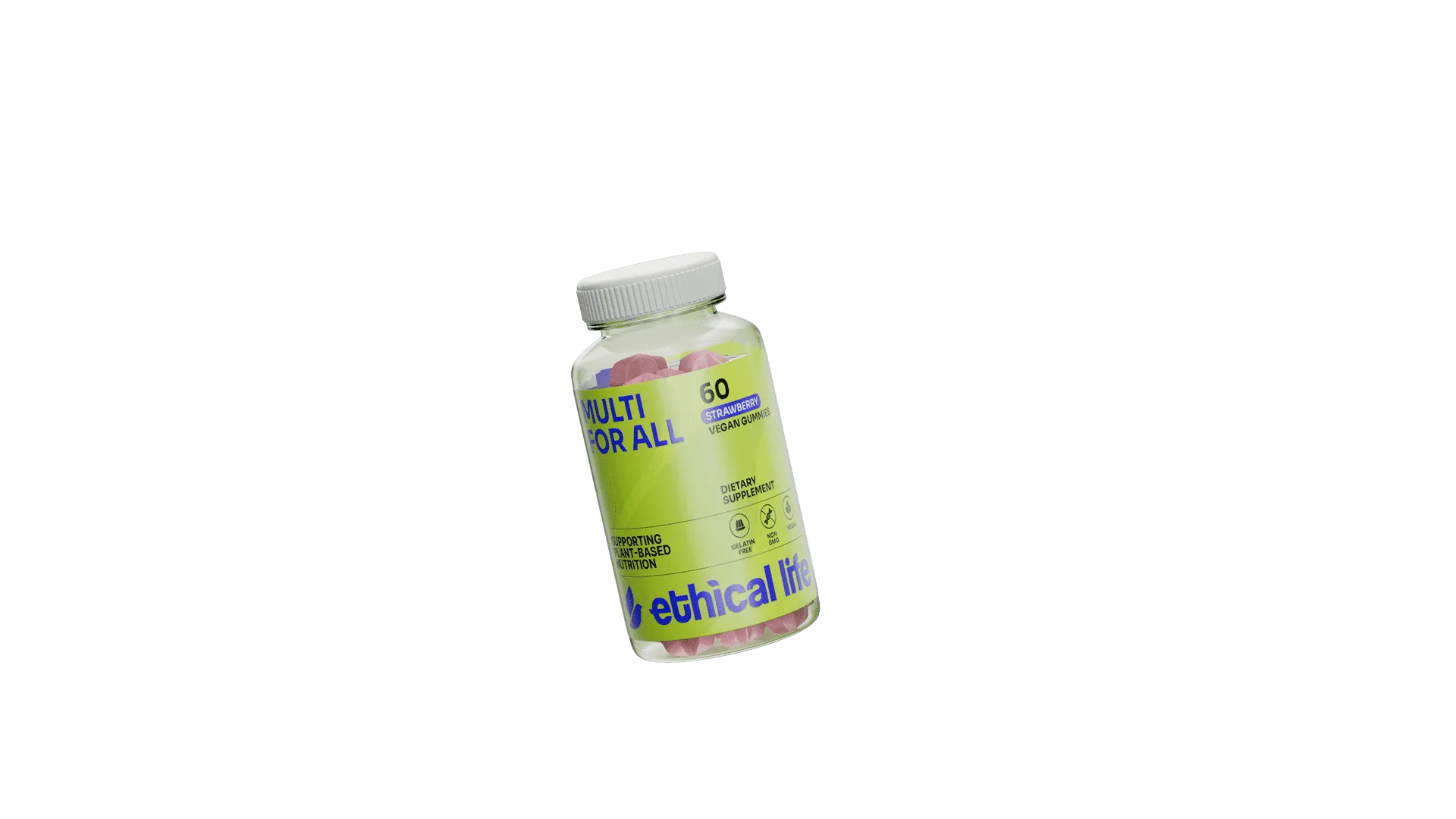
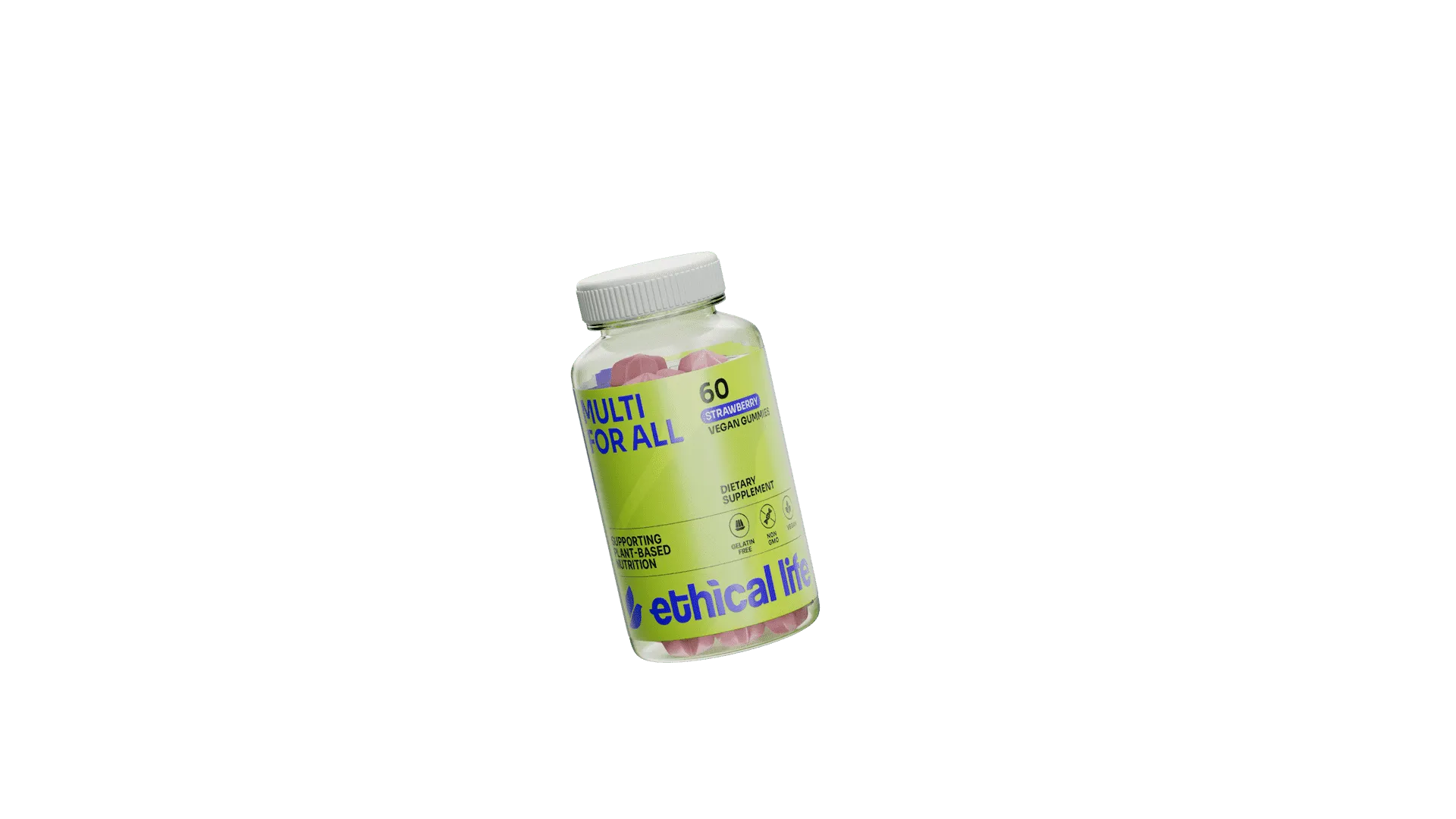
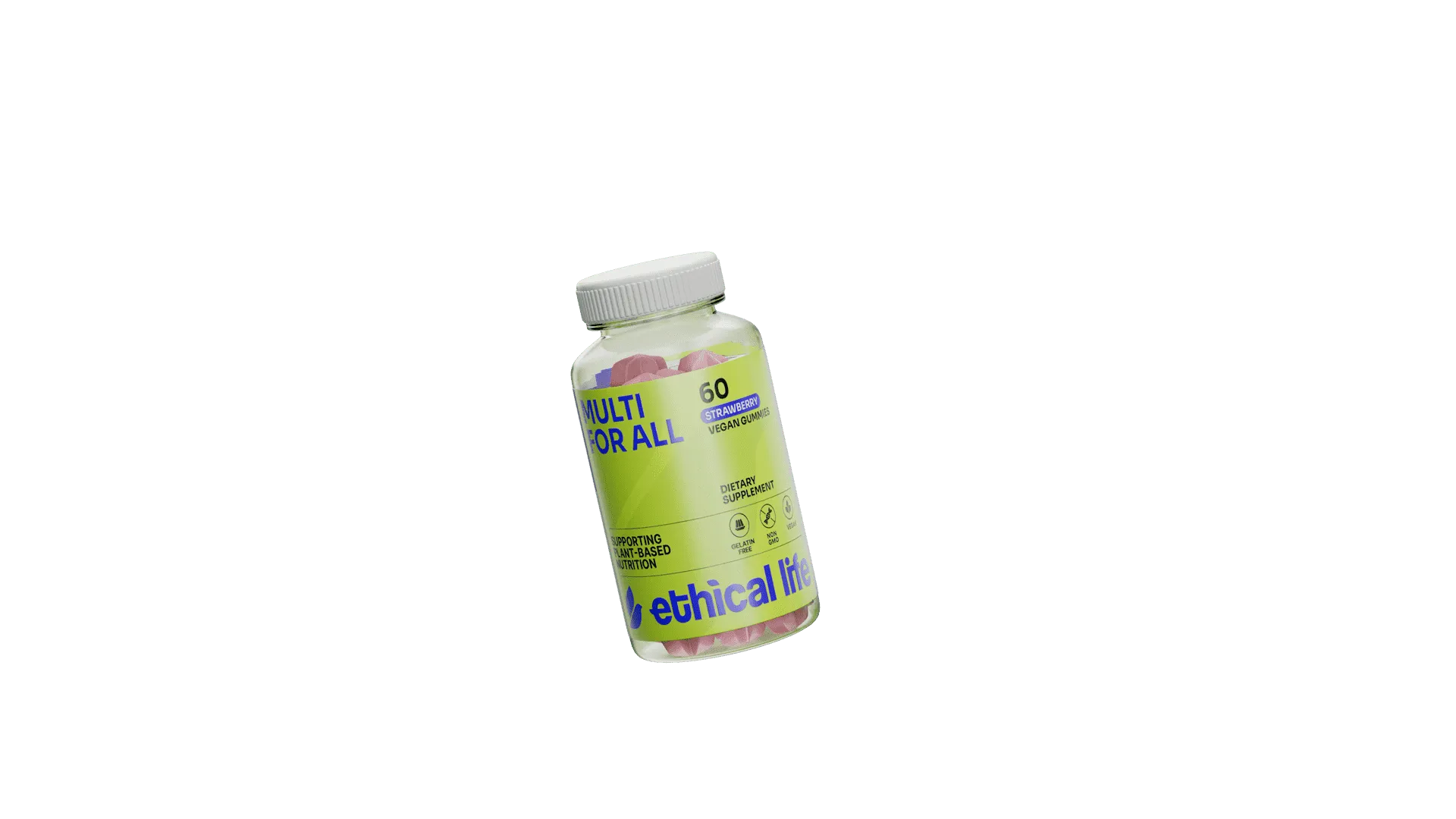
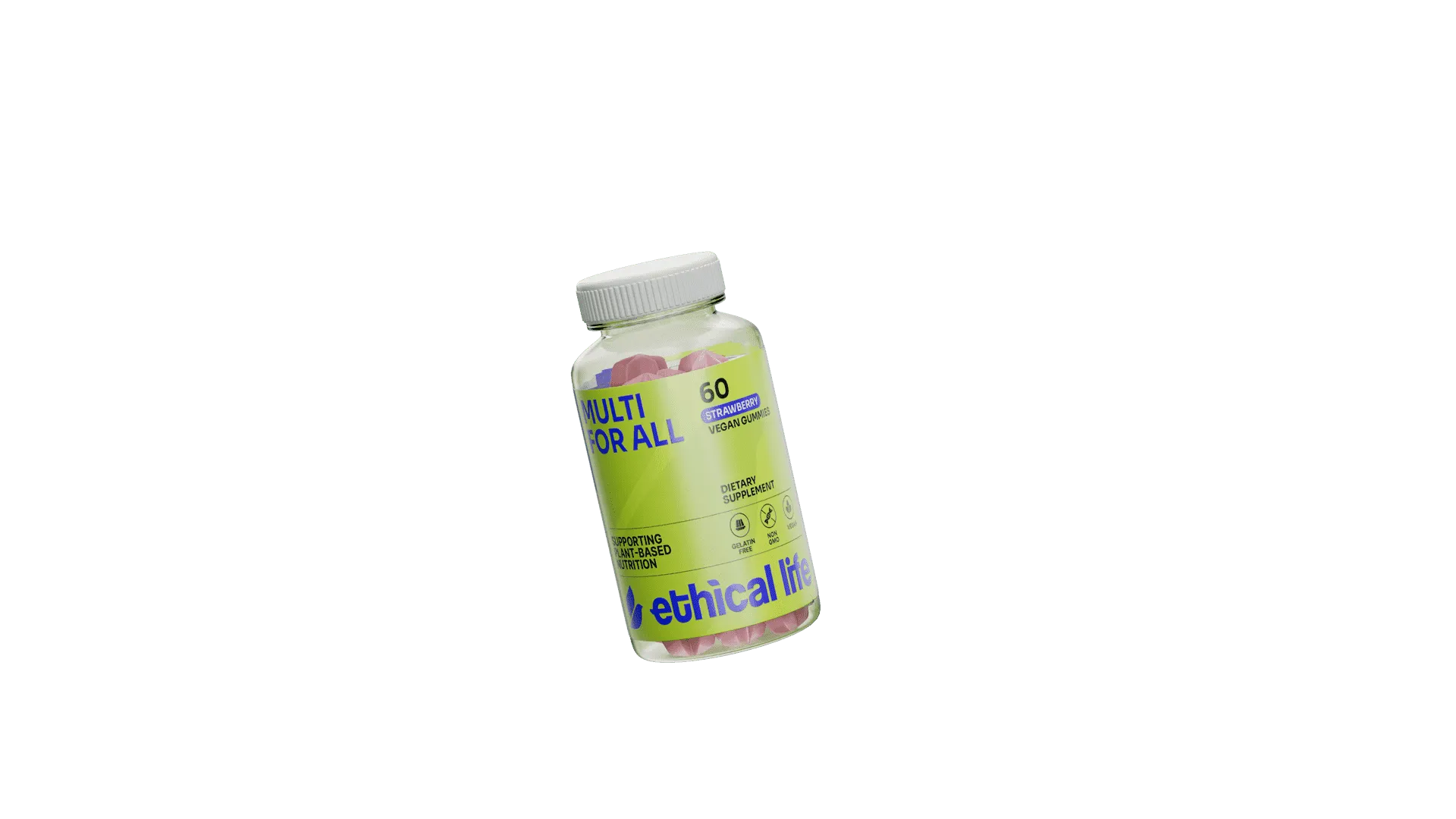
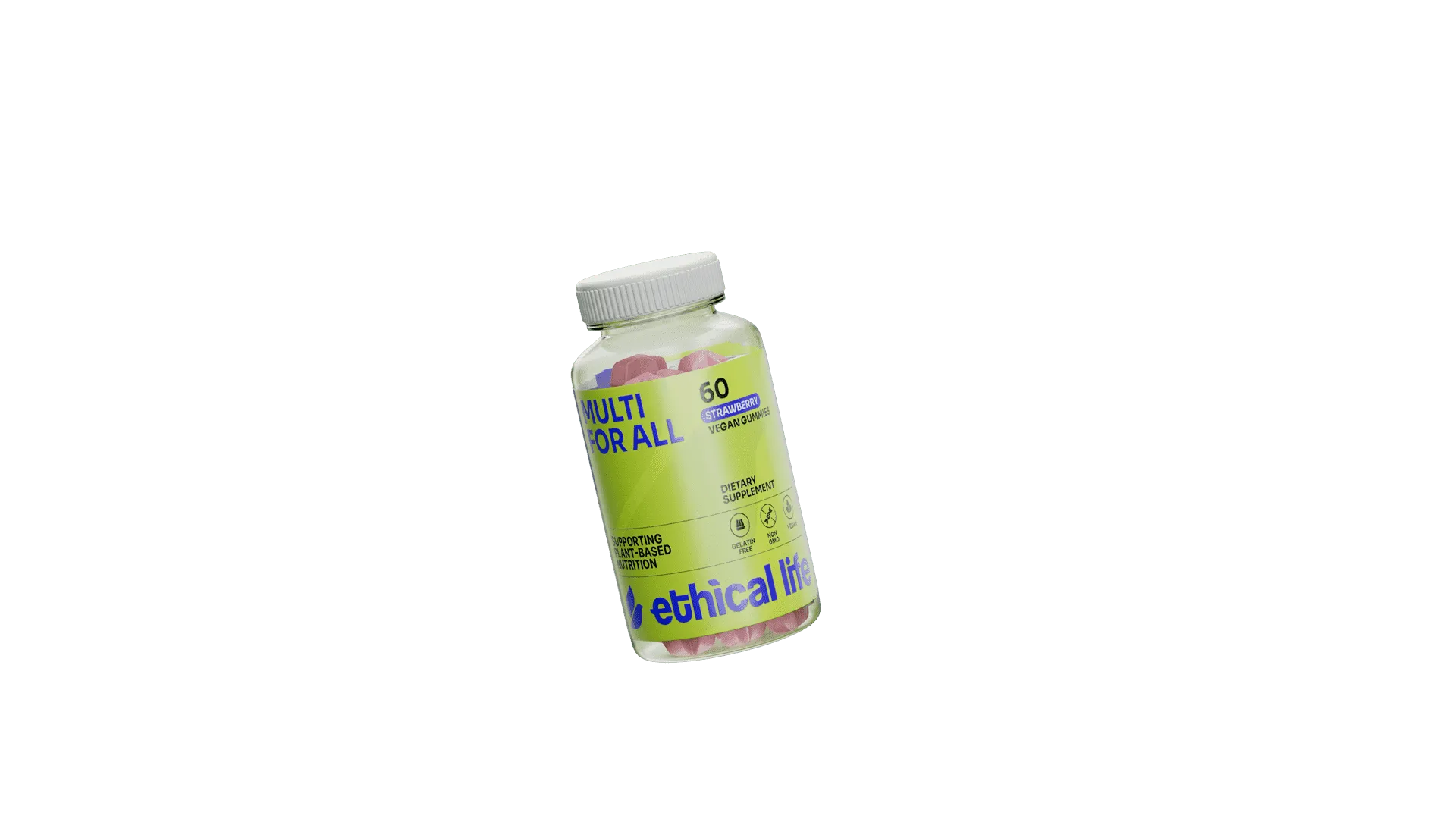
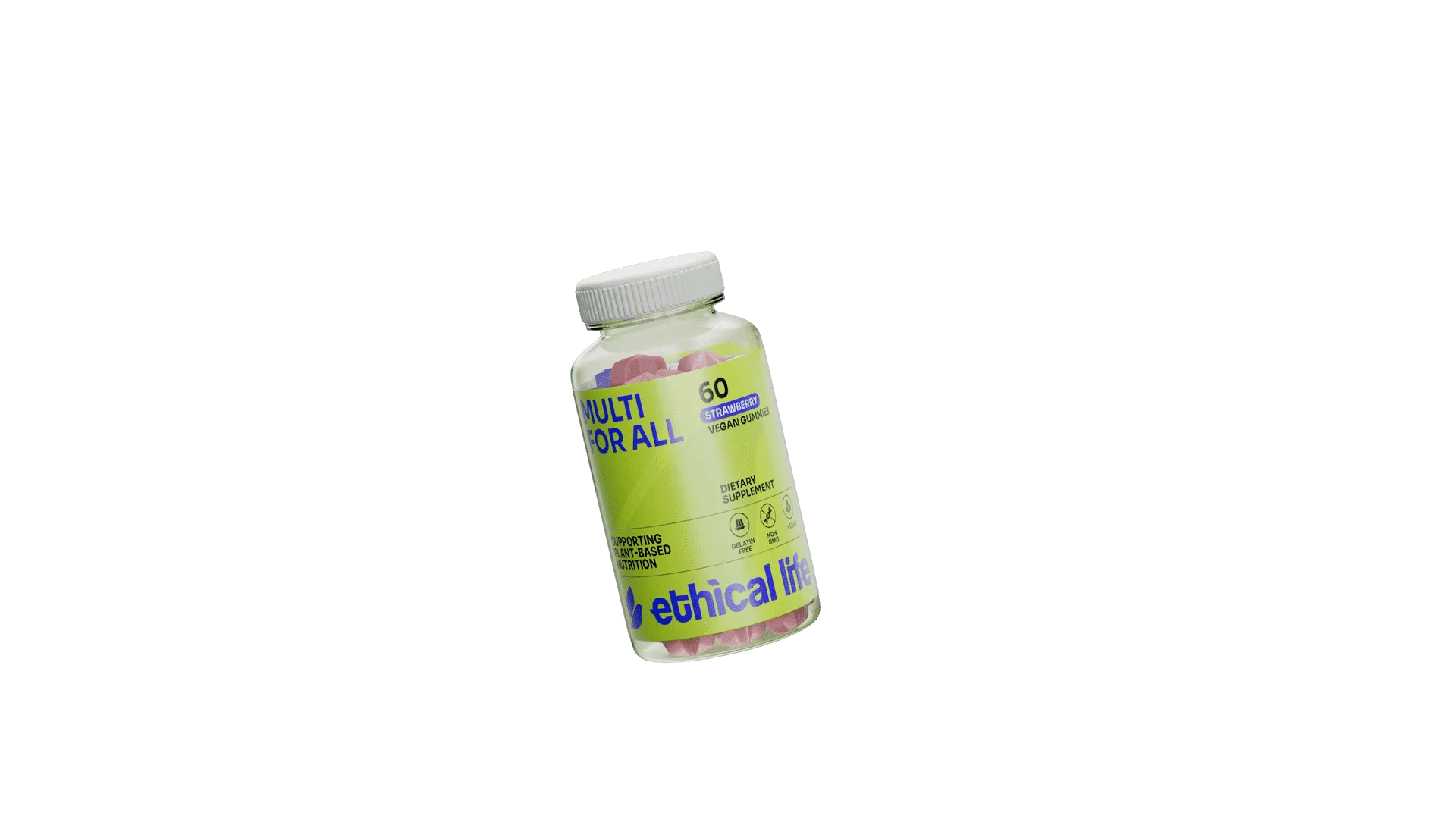
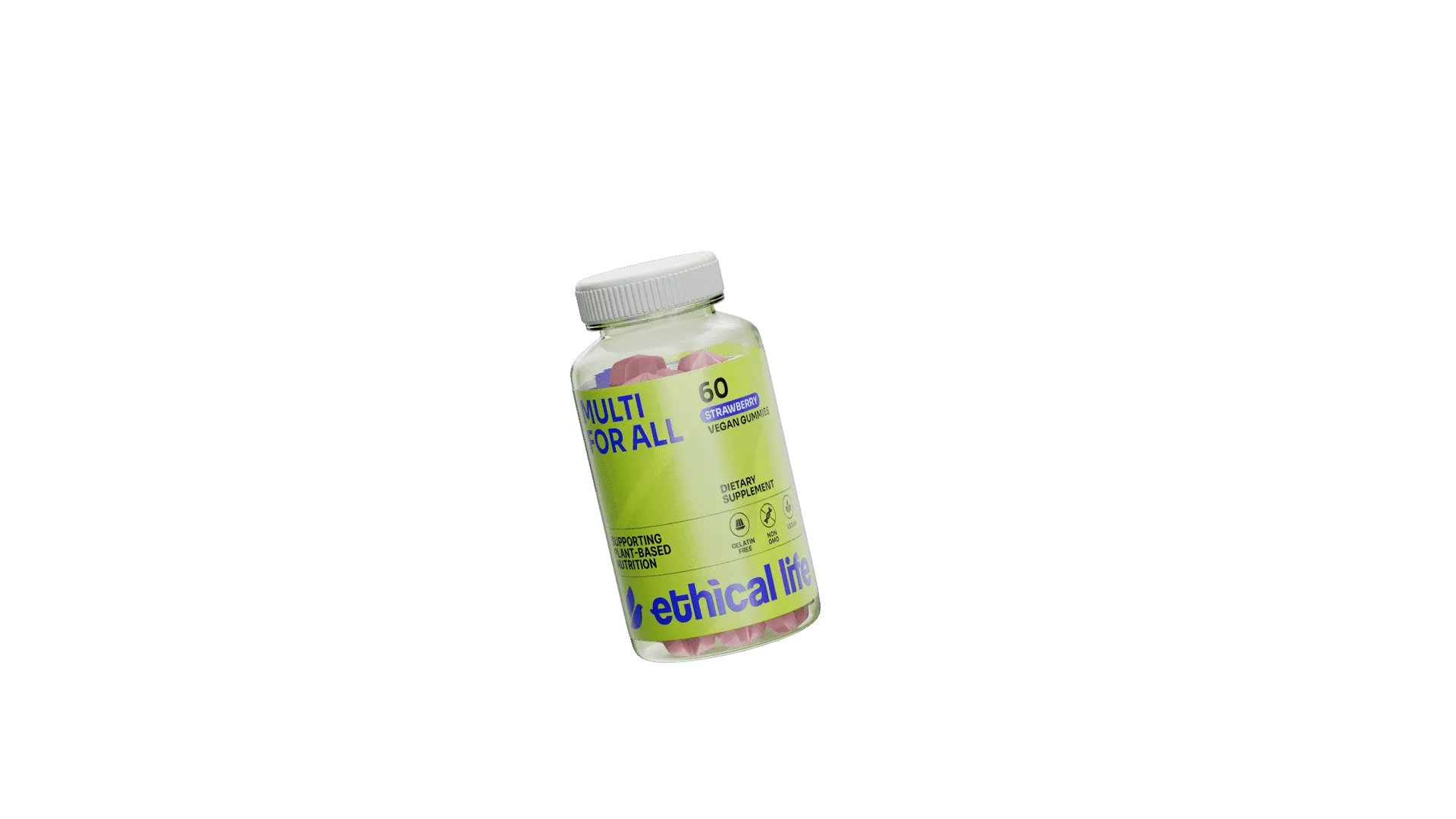
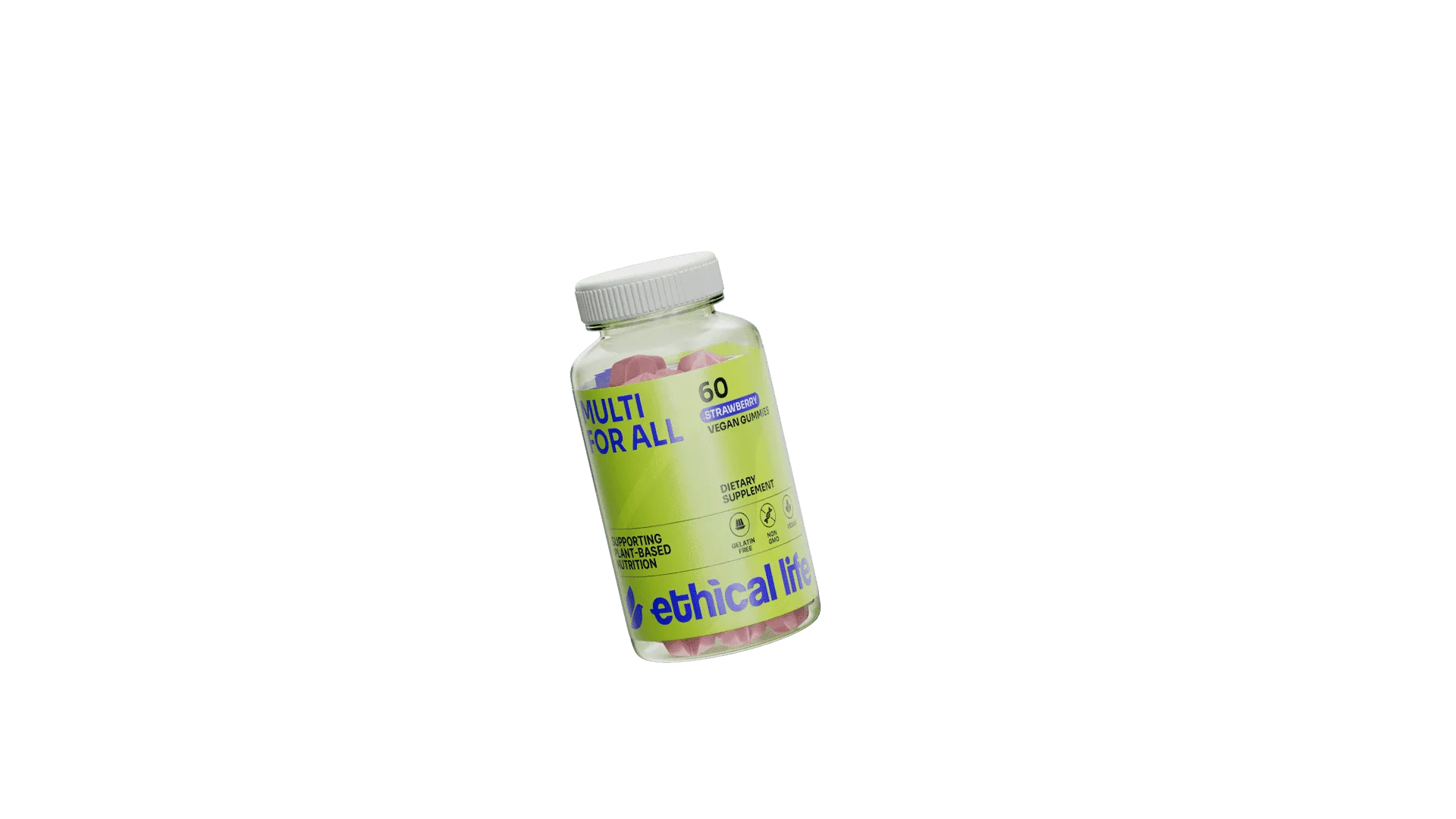
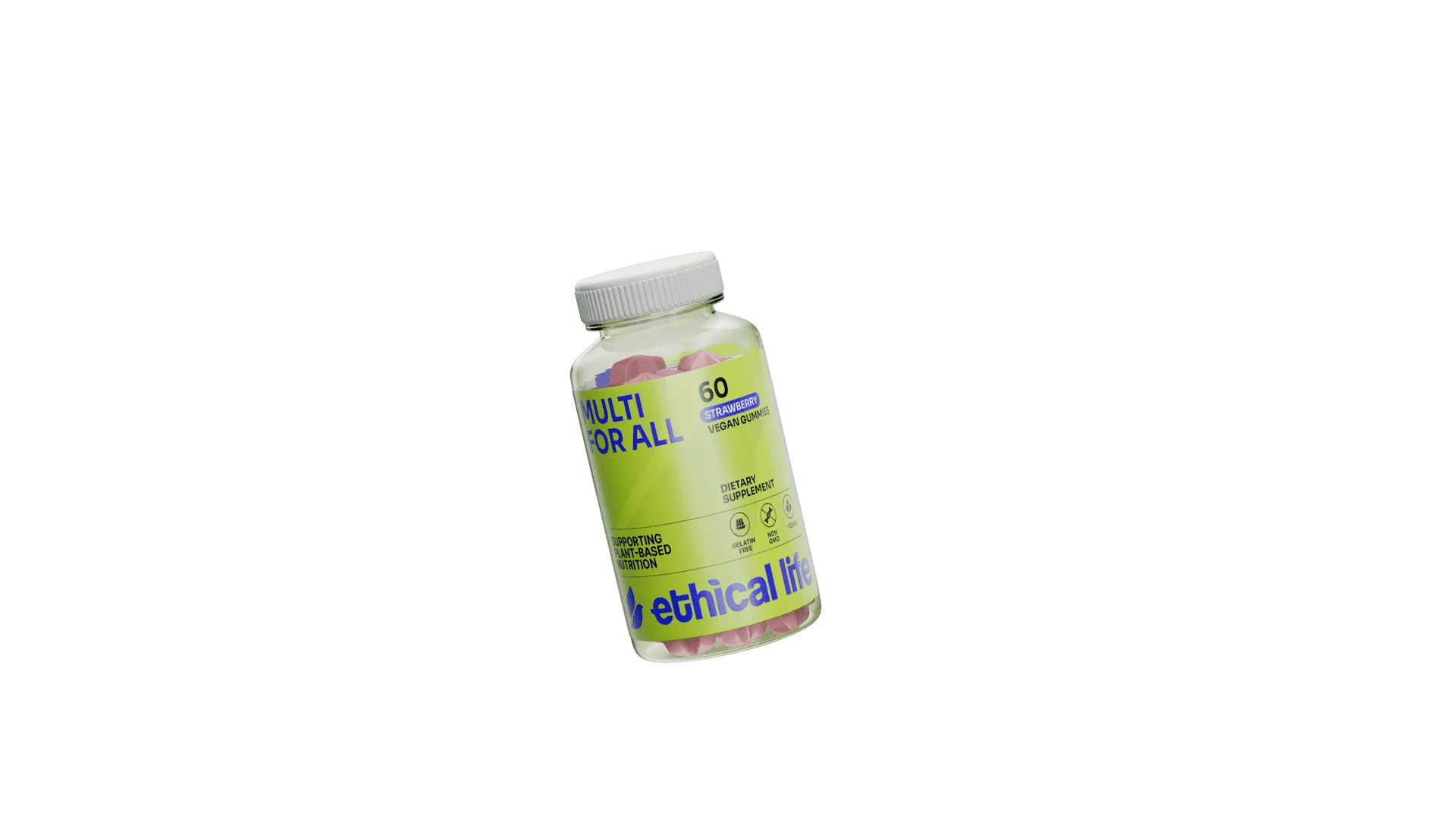
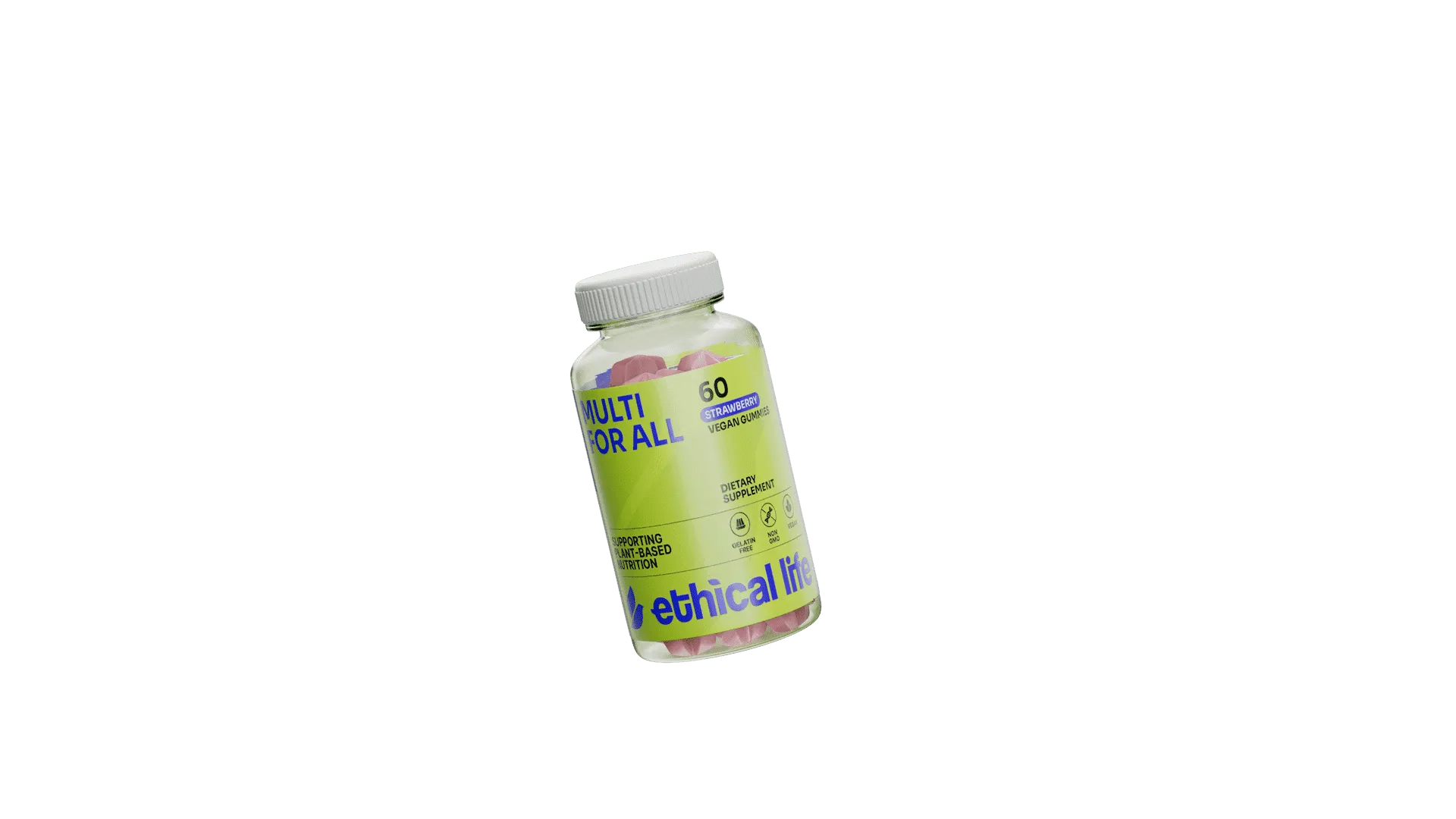
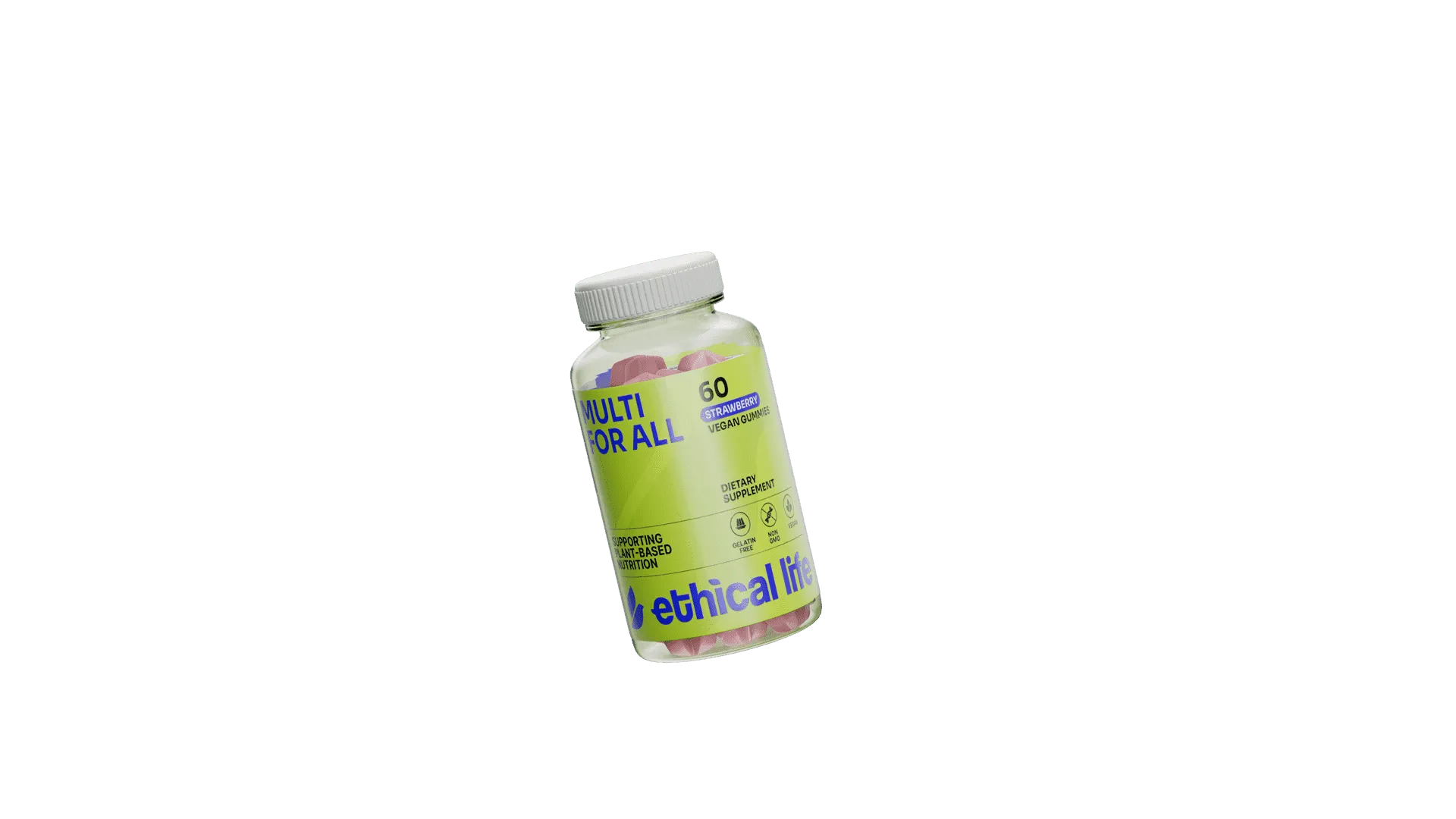
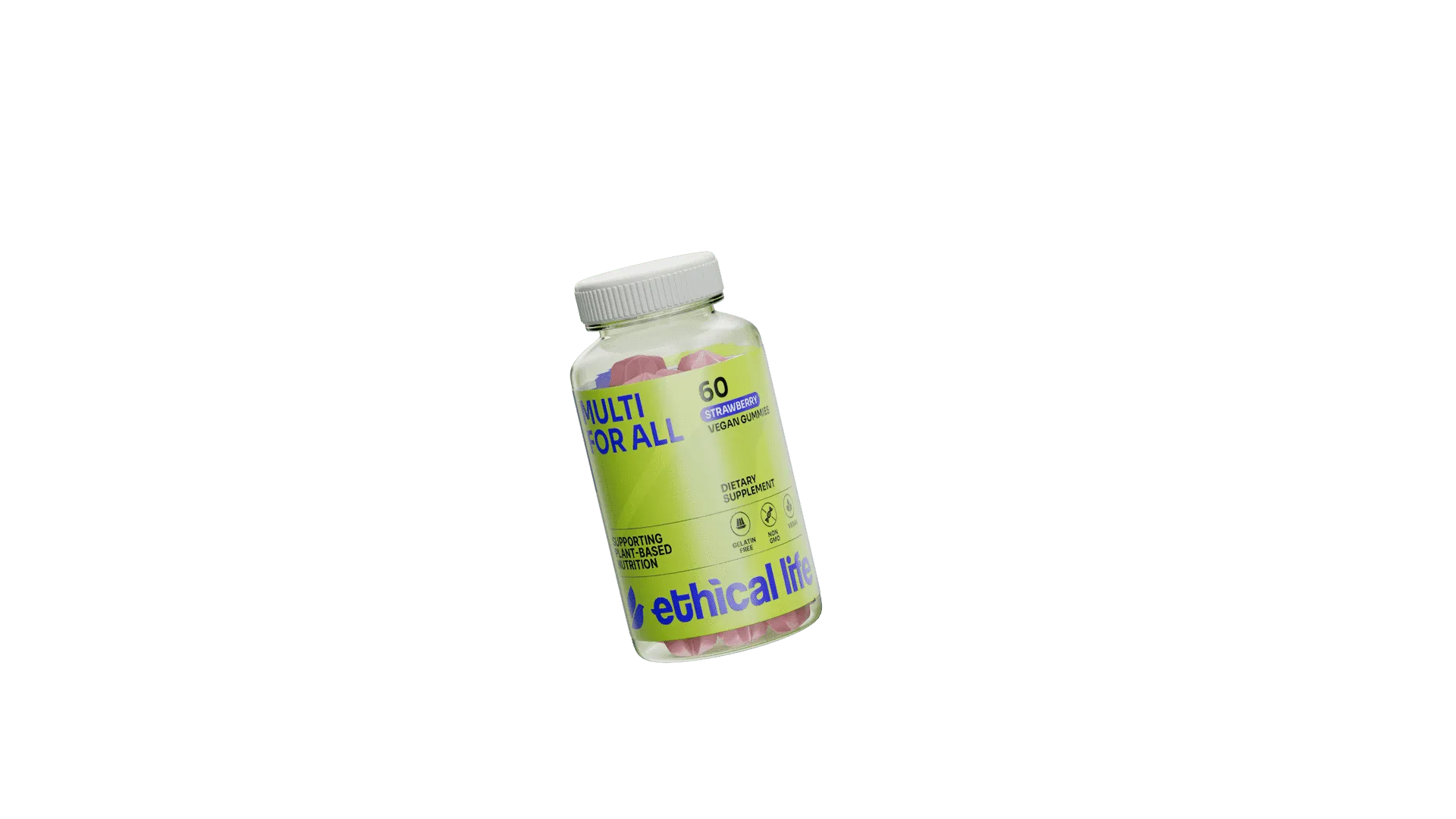
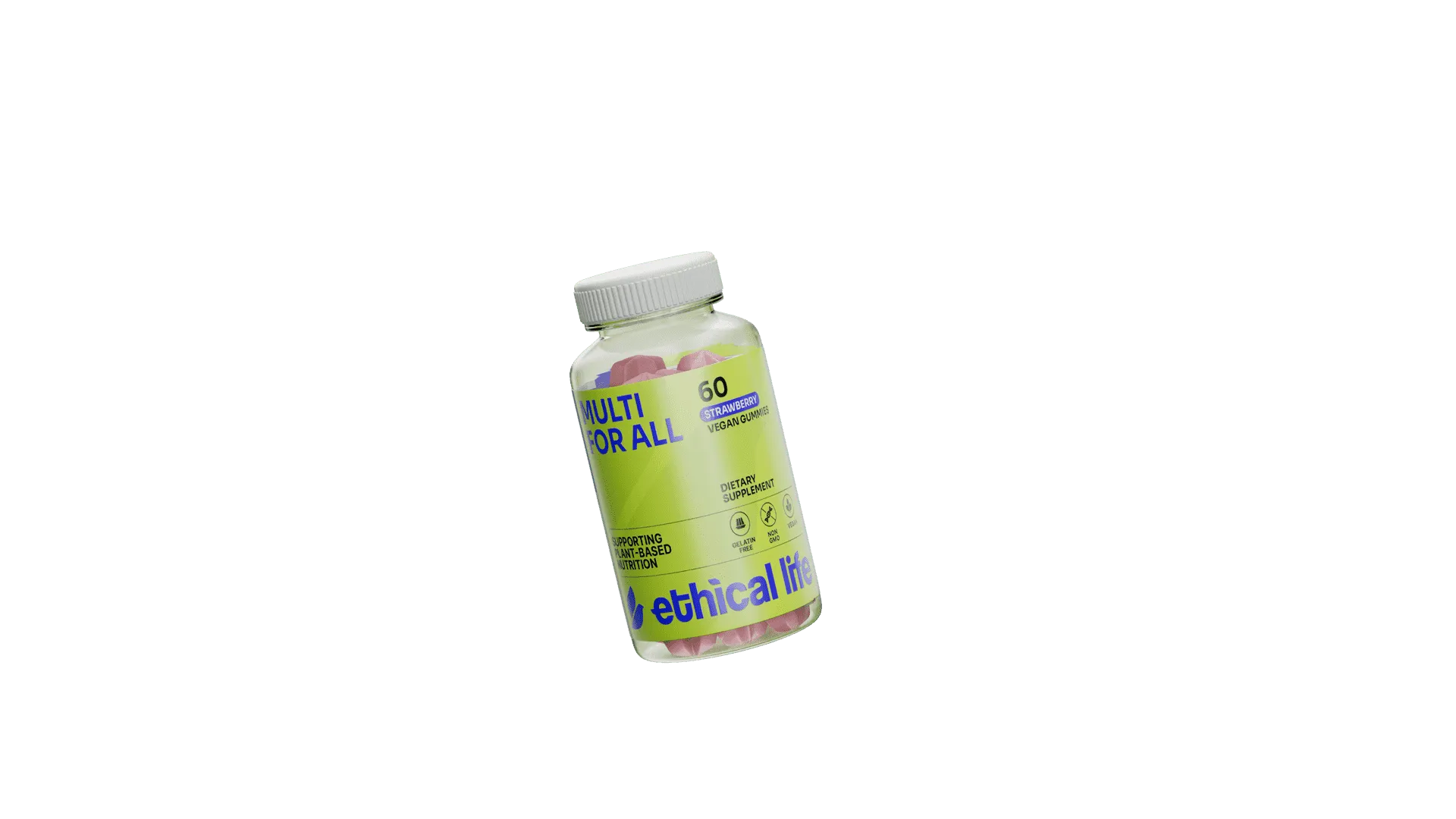
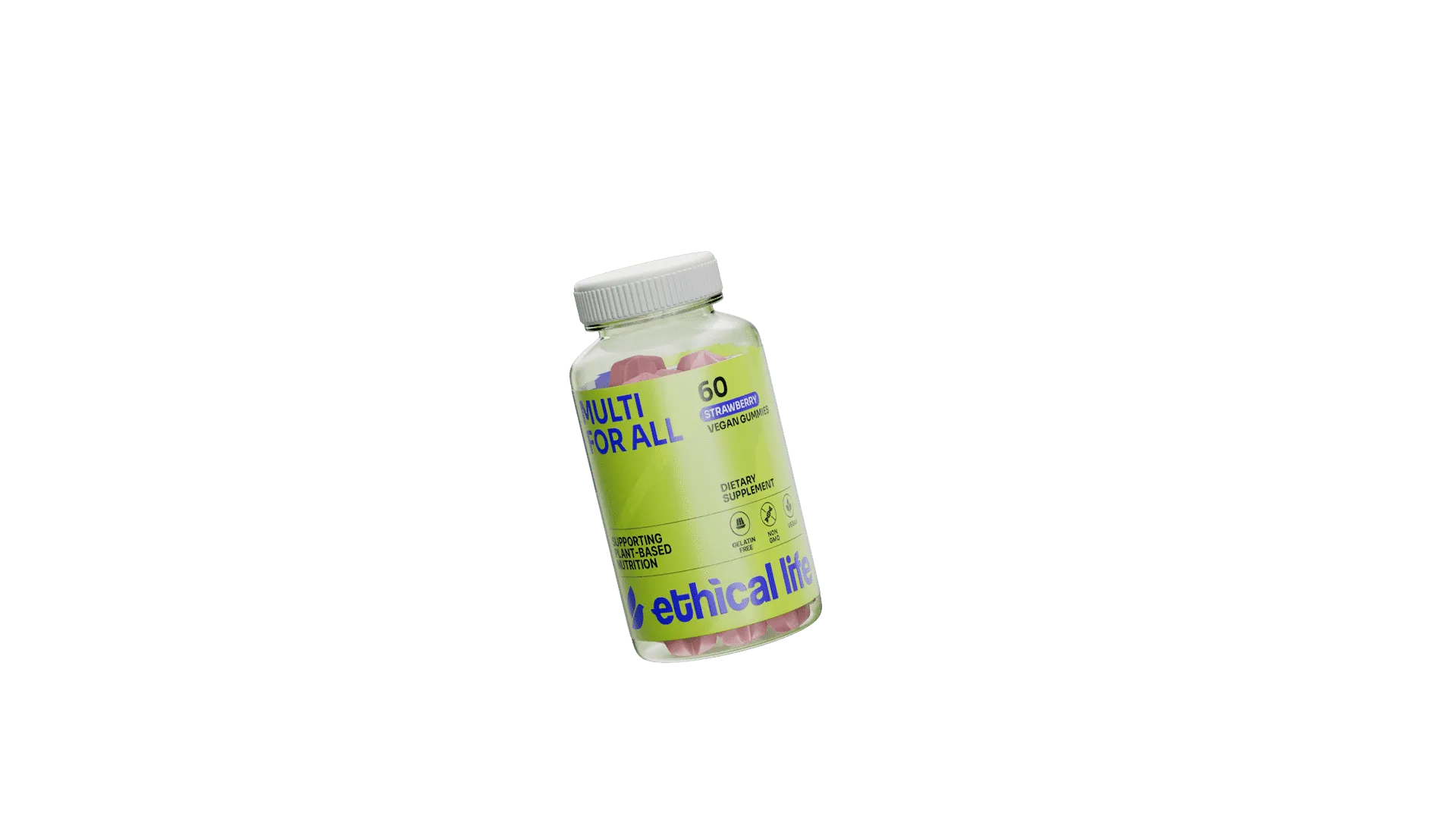
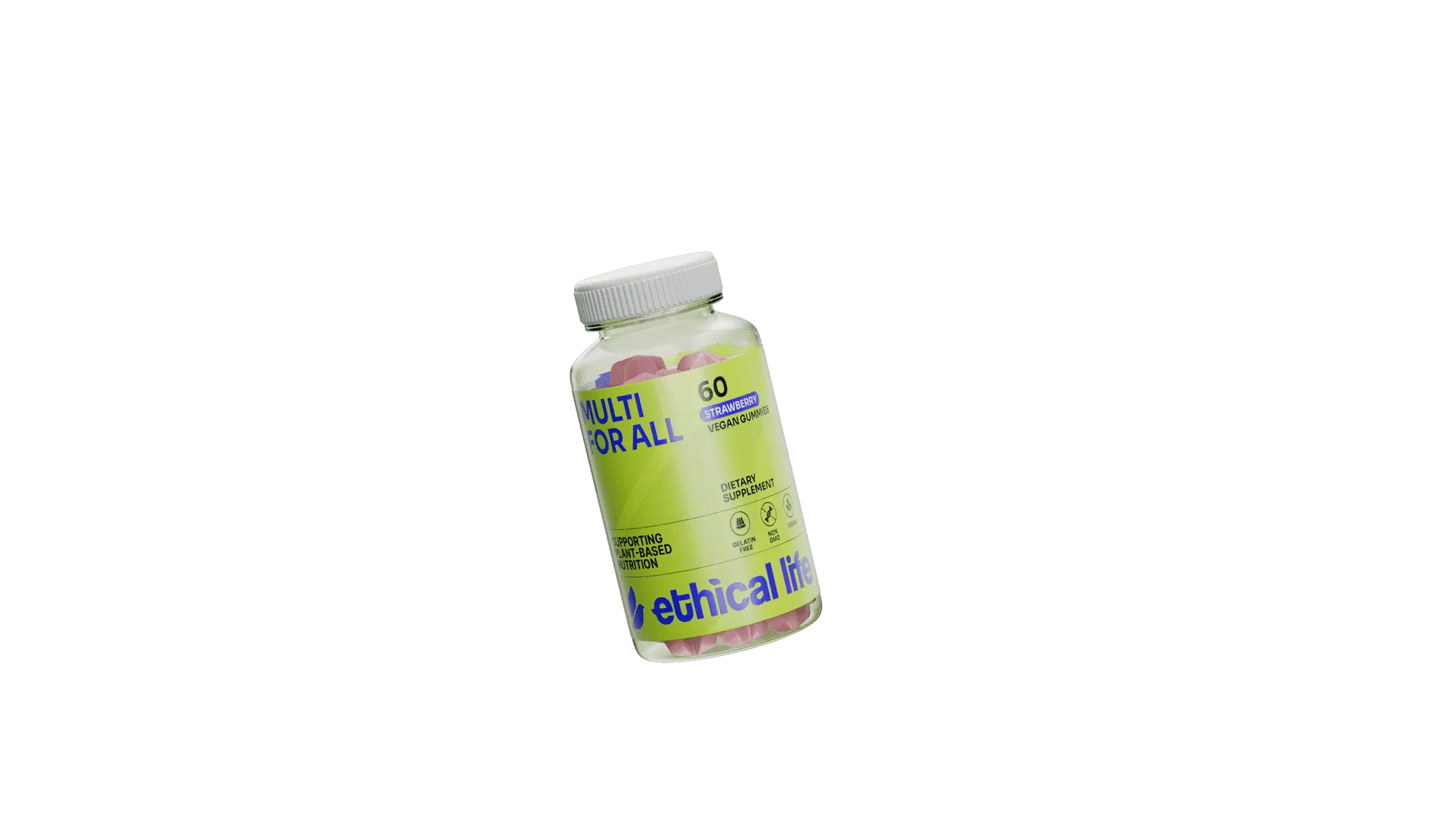
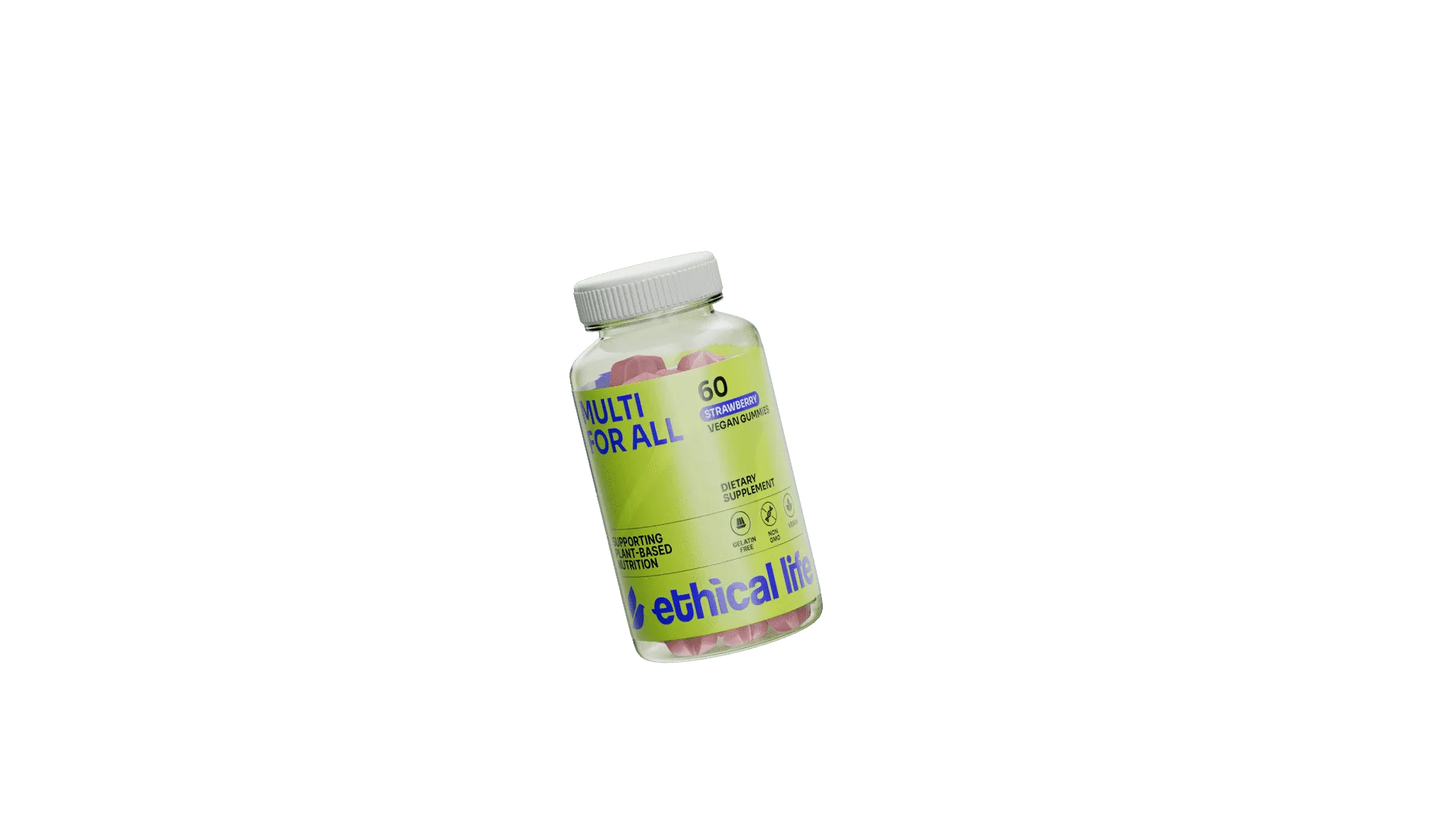
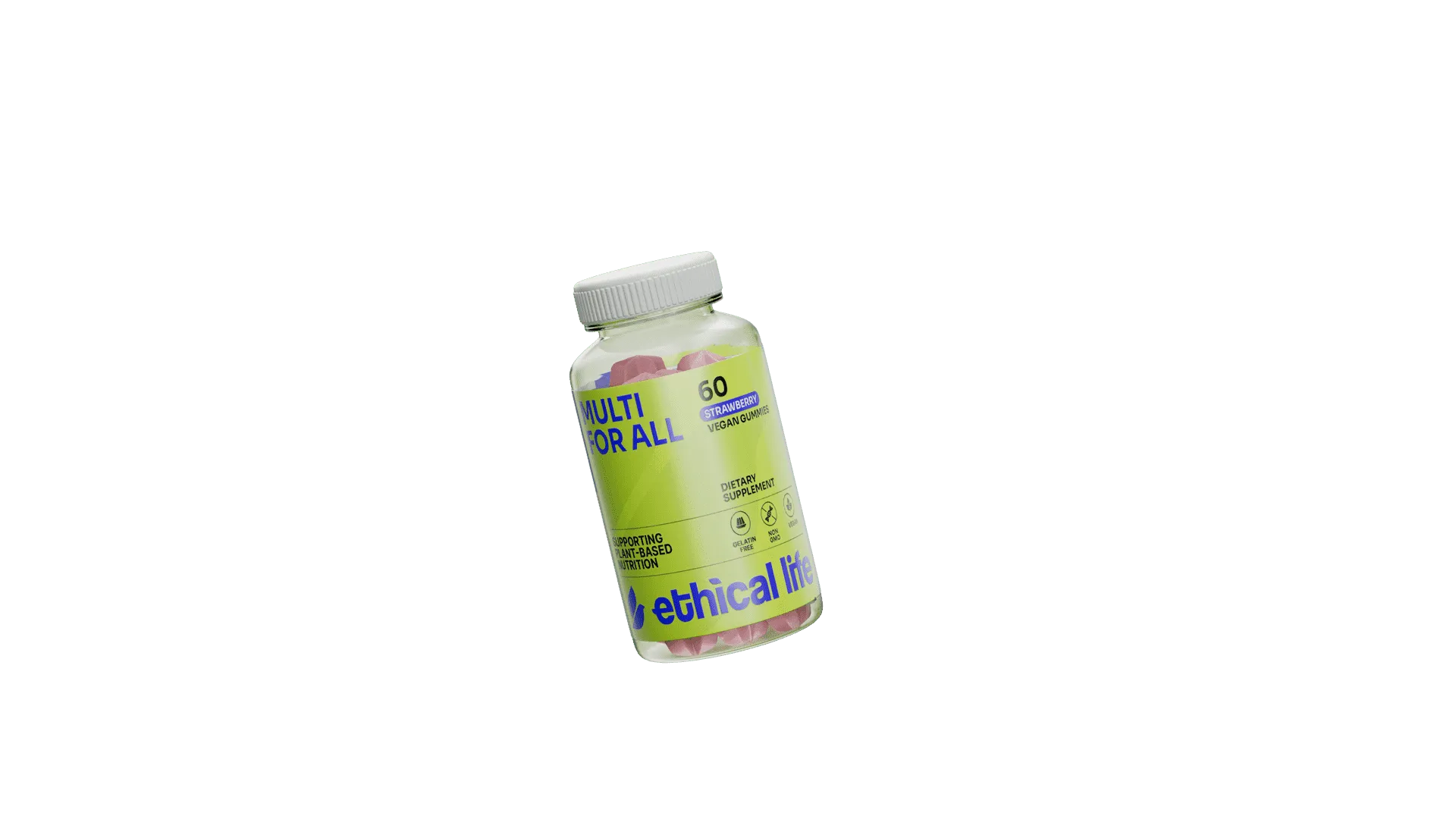
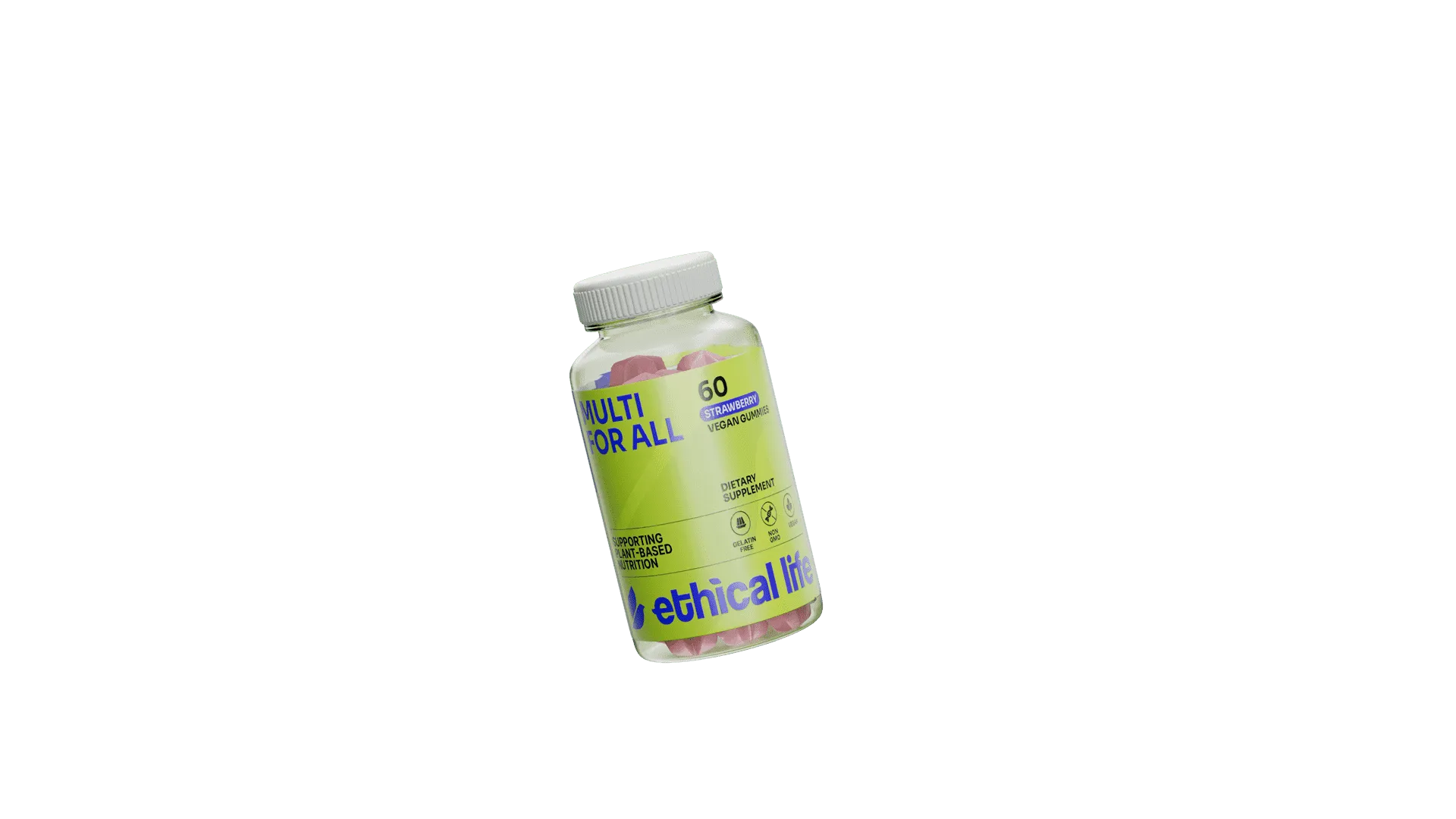
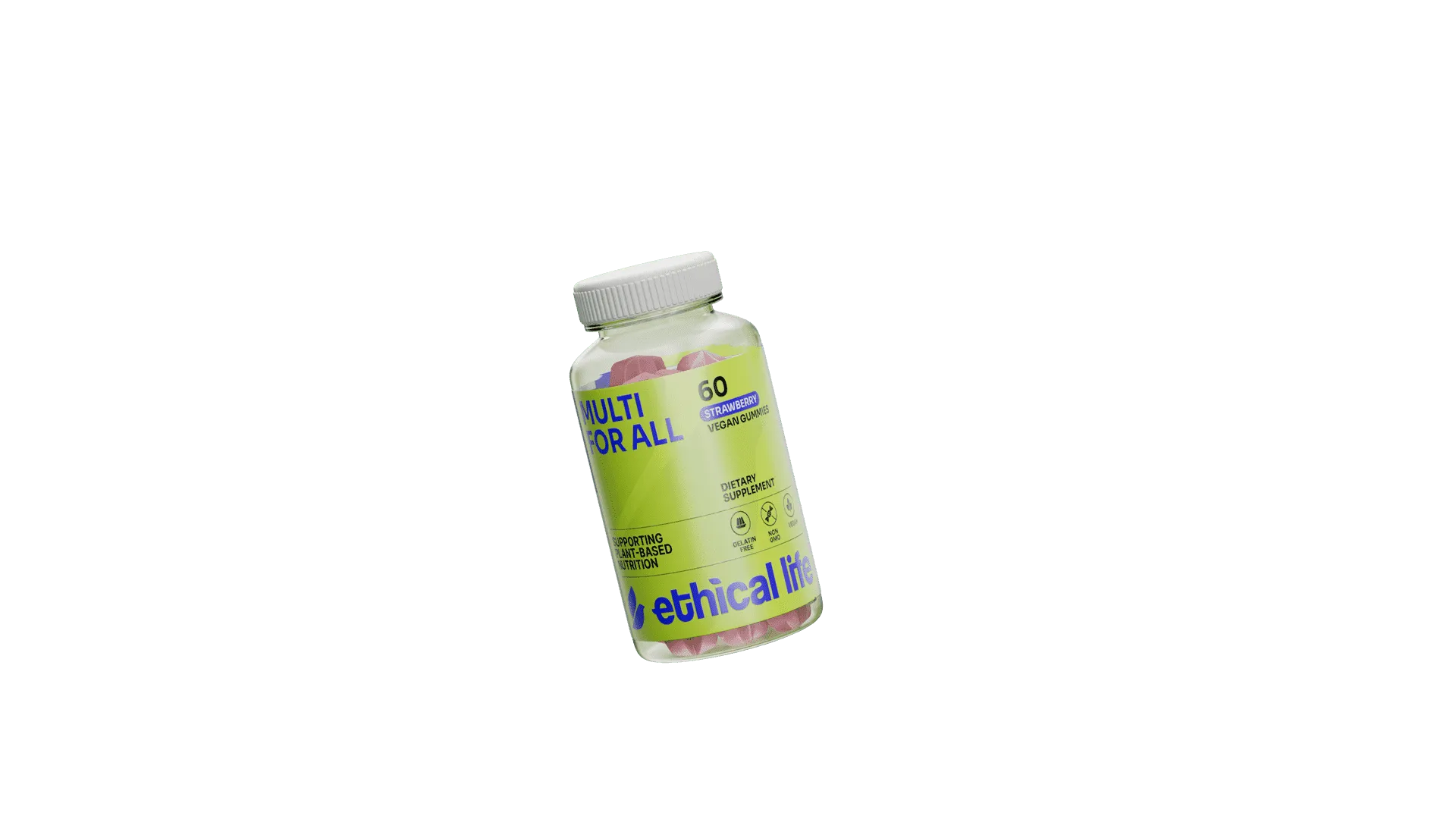
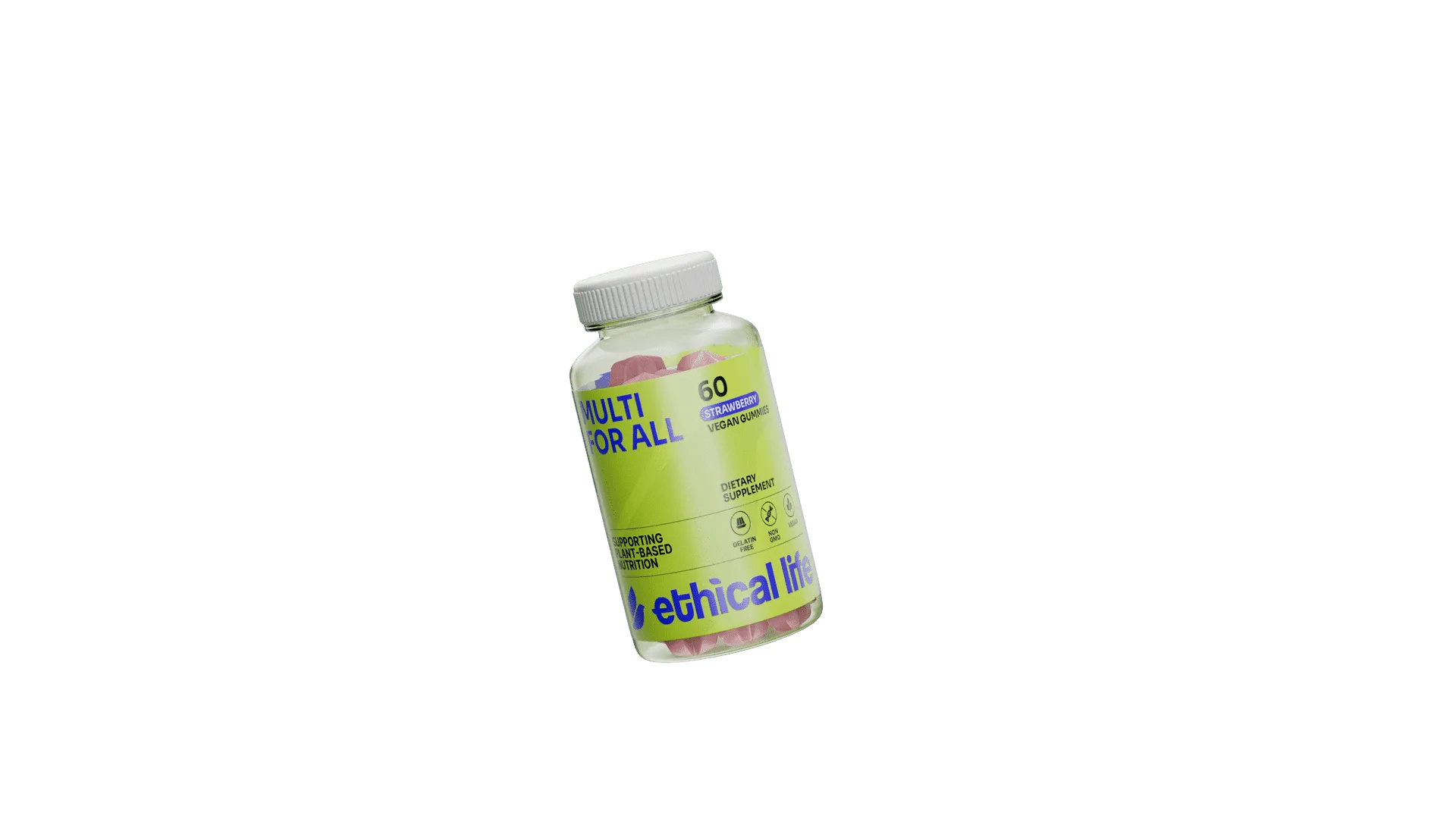
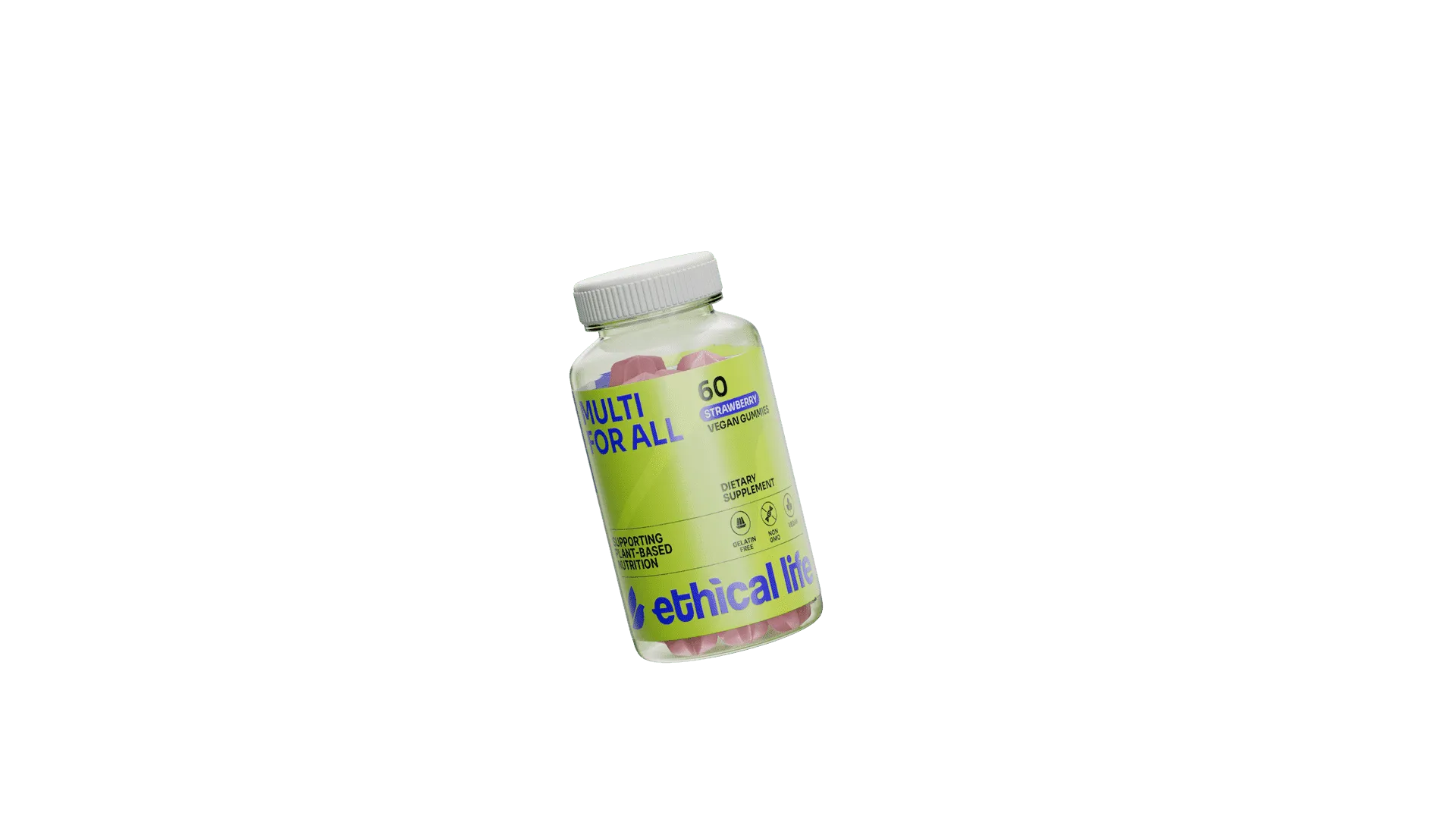
At Ethical Life, our Multi For All multivitamin gummies are vegan, gelatin-free, pectin-based, and made without artificial colors or flavors. Our pharmacist and nutritionist-formulated approach reflects our belief that supplements should be guided by purpose, balance, and practical daily use rather than passing wellness trends.
A multivitamin gummy can also provide vitamin D alongside other essential vitamins. This may simplify a routine for people who do not want to manage several separate bottles. However, always review the Supplement Facts label to understand the amount of vitamin D and other nutrients in each serving.
Convenience should never replace responsible use. Follow the serving instructions, store gummies safely away from children, and avoid combining products without checking the total amount of each nutrient. Those taking medications or managing health conditions should consult a healthcare professional before starting a new supplement.
Frequently Asked Questions
What is the easiest way to get vitamin D?
A combination of fortified vegan foods, appropriate sunlight exposure, and a responsibly formulated supplement may provide the most consistent approach. The right combination depends on your diet, lifestyle, and health needs.
Which vegan foods have vitamin D?
Fortified plant milks, fortified cereals, fortified orange juice, and ultraviolet-exposed mushrooms can provide vitamin D. Always check the nutrition label because amounts vary.
Can I get all my vitamin D from the sun?
Some people may produce enough during certain seasons, but sunlight is not reliable for everyone. Location, skin tone, age, weather, clothing, and time spent outside all affect production.
Is vitamin D3 vegan?
Traditional vitamin D3 is often derived from lanolin, which comes from sheep’s wool. Vegan vitamin D3 can be sourced from lichen, so check the product label or manufacturer information.
Should I take vitamin D with food?
Taking vitamin D with a meal that contains some dietary fat may support absorption because vitamin D is fat-soluble.
Can I take vitamin D every day?
Many vitamin D products are intended for daily use, but serving amounts differ. Follow the label and ask a healthcare professional about the right amount for your needs.
How do I know if I am low in vitamin D?
A blood test is the most reliable way to evaluate vitamin D status. Symptoms such as fatigue or muscle weakness are not specific enough to confirm a deficiency.
Can you take too much vitamin D?
Yes. Excessive vitamin D from supplements can raise calcium levels and lead to health problems. Avoid high-dose supplementation unless it is recommended and monitored by a healthcare professional.
Make Daily Nutrition Easier With Ethical Life
At Ethical Life, we believe your wellness routine should support both your health and your values. Our Multi For All vegan multivitamin gummies provide a convenient way to add vitamin D and other essential nutrients to your day in an easy-to-take format. Created through a pharmacist and nutritionist-formulated approach, our gummies are designed for practical daily wellness without animal-derived gelatin, artificial colors, or artificial flavors.
Choose a supplement made for people who want nutrition to feel simpler, cleaner, and more compassionate. Shop Ethical Life’s pharmacist-formulated vegan multivitamin gummies today and make consistent vitamin support a more enjoyable part of your everyday routine.