























How to Identify the Signs and Support Your Body Safely
Noticing your hair coming out in larger amounts than usual, or finding that your nails crack before they grow past your fingertips: these changes tend to arrive quietly and then become impossible to ignore. Before you spiral into a supplement shopping spree, it’s worth understanding what is happening at the cellular level, because the biology here is more nuanced than most wellness content lets on.
Understanding how the vegan gummies’ key ingredients in a pharmacist-formulated multivitamin address these gaps requires looking closely at the underlying biochemistry.
Biotin, classified as vitamin B7, is a water-soluble member of the B-complex family. Because the body doesn’t store water-soluble vitamins the way it does fat-soluble ones, you depend on a steady combination of dietary intake and endogenous synthesis by your gut microbiota to keep levels functional. When that supply falters, whether through diet, medication, genetic variation, or physiological demand, the body doesn’t distribute the shortage evenly. Metabolic priorities come first; the structural proteins that govern how your hair, skin, and nails look come last. Survival always outranks aesthetics. Understanding the broader pattern of signs of vitamin deficiency can help you distinguish a genuine nutritional gap from other causes.
Before examining what goes wrong in deficiency, it helps to understand what biotin is doing when levels are adequate:
- Cellular Metabolism: Biotin functions as an obligate coenzyme for five mammalian carboxylases: pyruvate carboxylase, propionyl-CoA carboxylase, beta-methylcrotonyl-CoA carboxylase, and both isoforms of acetyl-CoA carboxylase. These enzymes drive fatty acid synthesis, amino acid catabolism, and gluconeogenesis. In simple terms, biotin acts like a key that enables your cells to convert food into energy, sitting at the intersection of how your body builds, breaks down, and converts its primary fuel sources.
- Genomic Stability: Biotin is covalently attached to histones, the proteins around which DNA is wound. This attachment participates in chromatin remodeling and gene regulation, a role that goes well beyond the “hair and nails vitamin” framing you see on most supplement labels.
- Keratin Production: Keratin production, the structural protein that forms the physical scaffold of hair, skin, and nails, depends on the metabolic machinery that biotin helps power. When carboxylase activity drops, keratin synthesis is among the first visible casualties.

What Is a Biotin Deficiency?
Clinically, biotin deficiency describes a state in which the body lacks sufficient vitamin B7 to sustain normal carboxylase enzyme activity, disrupting fatty acid synthesis, amino acid metabolism, and glucose production. According to the NIH StatPearls review on biotin, true deficiency is uncommon in the general population; the vitamin appears across a wide range of foods and is synthesized endogenously by intestinal microbiota, which provides a significant secondary supply under normal conditions.
What clinicians encounter more often is what’s called subclinical or marginal deficiency. Standard serum biotin measurements can read within the normal range while cellular markers indicate the carboxylase enzymes are operating below capacity. When biotin is low, certain chemical processes in your body slow down, kind of like an engine running on the wrong fuel. A person in this state won’t necessarily show the textbook clinical picture, but they may notice gradual changes in hair density, nail integrity, or skin texture that don’t resolve with topical treatments. The gap between “technically not deficient” and “functionally adequate” is where most real-world cases live.
Biotin homeostasis depends on a coordinated system that most people never think about. It is a delicate balance. Intestinal absorption is mediated by the sodium-dependent multivitamin transporter (SMVT), which moves biotin across the gut lining and handles renal reabsorption to minimize urinary losses. Once inside cells, holocarboxylase synthetase (HCS) attaches biotin to the apocarboxylase proteins that need it. The recycling side of this system is managed by an enzyme called biotinidase (BTD), which cleaves free biotin from biocytin and biotinylated peptides, essentially recovering the vitamin from degraded enzymes and dietary proteins so it can be reused. When biotinidase activity is impaired, whether through genetic mutation or acquired disruption, the body loses its ability to recapture biotin from its own metabolic turnover, and levels begin to decline even when dietary intake is nominally adequate.
Signs and Symptoms of Low Biotin
Biotin deficiency symptoms develop gradually, which is part of why they’re so easy to attribute to stress, aging, or a dozen other causes before anyone considers a nutritional explanation. The clinical presentation spans dermatological, neurological, and immunological domains, and the severity tracks closely with how depleted levels have become. The effects are widespread.
Dermatological Signs
The most recognizable early presentation is an eczematous, scaly, or seborrheic rash distributed around the eyes, nose, mouth, and perineal area. Clinicians sometimes refer to this pattern as ‘biotin-deficient face.’ This rash can closely resemble the skin lesions seen in zinc deficiency or cutaneous candidiasis, which makes accurate diagnosis dependent on a full clinical picture rather than appearance alone (NIH StatPearls).
Hair and Nail Changes
Progressive hair thinning and alopecia are among the most frequently reported symptoms, alongside brittle nails that split longitudinally or break before reaching any useful length. These changes reflect the downstream effect of impaired keratin synthesis when carboxylase activity is insufficient (NIH StatPearls).
Neurological Symptoms
As deficiency deepens, paresthesias, the numbness and tingling that typically begin in the hands and feet, can develop alongside muscle pain (myalgias), generalized weakness, and mild depression or lethargy. In severe or long-standing cases, the neurological picture can extend to ataxia, hypotonia, and, in rare instances, seizures or cognitive impairment (NIH StatPearls).
Immunological Complications
Immunological complications, including cellular immune dysfunction and increased susceptibility to cutaneous candidal infections, have been documented in severe B7 depletion. Immunoglobulin A deficiency and reduced T lymphocyte percentages have also been observed, underscoring that biotin’s role in immune regulation extends beyond the skin (NIH StatPearls).
What Causes Biotin Deficiency?
Several separate mechanisms can drive biotin levels below the threshold where carboxylase enzymes function properly. Some are dietary, some pharmacological, some genetic, and some are embedded in lifestyle patterns that accumulate over years. The causes vary widely.
Restrictive or Highly Processed Diets
Diets very low in whole foods, heavy in refined and processed items, and short on nuts, seeds, legumes, and vegetables may not supply enough biotin over time, particularly when combined with other risk factors (NIH StatPearls).
Medication Interference
Prolonged anticonvulsant therapy, with phenytoin, carbamazepine, and phenobarbital being the most studied, accelerates biotin catabolism and elevates daily requirements beyond what a standard diet typically provides. Long-term antibiotic use presents a different problem: it disrupts the intestinal microbiota responsible for endogenous biotin synthesis, removing a meaningful secondary supply. For anyone managing chronic conditions with these medications, understanding how to fill common nutritional gaps becomes a practical health priority, not an optional consideration (NIH StatPearls).
Inborn Errors of Metabolism
Biotinidase deficiency, affecting approximately 1 in 61,067 live births globally, impairs the recycling enzyme that recovers free biotin from degraded proteins and enzymes. Without functional biotinidase, the body cannot recapture biotin from its own metabolic turnover, and deficiency develops despite normal dietary intake. Holocarboxylase synthetase deficiency presents a related but distinct problem, impairing the enzyme that attaches biotin to the carboxylases in the first place (NIH StatPearls).
Lifestyle and Systemic Factors
Chronic excessive alcohol consumption directly impairs intestinal biotin absorption. Smoking accelerates biotin catabolism, particularly in women, producing marginal deficiency that may not reach clinical thresholds but still affects how the body maintains hair, skin, and metabolic function. Total parenteral nutrition (TPN) formulated without biotin is another well-documented cause of acquired deficiency in hospitalized patients (NIH StatPearls).
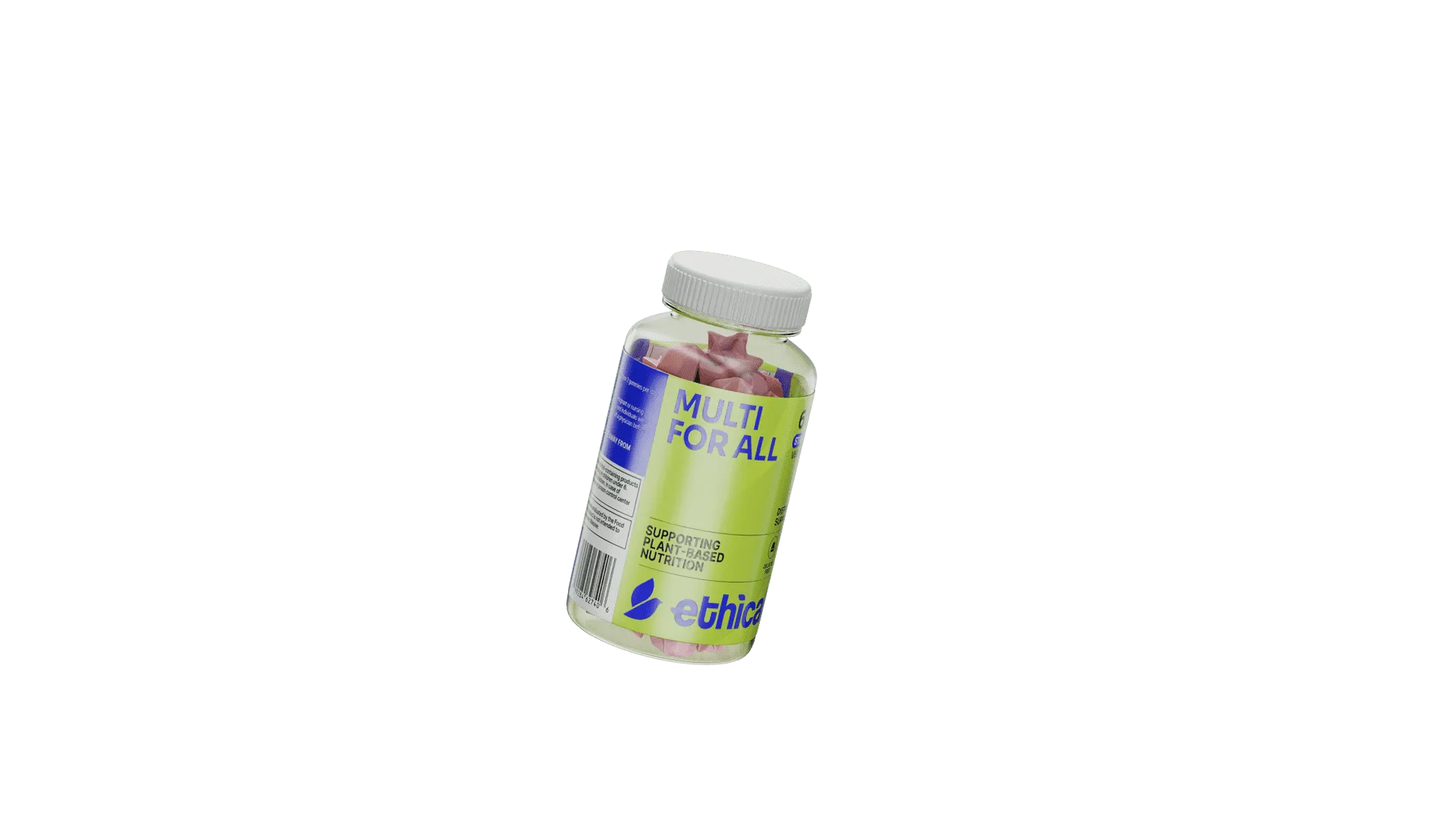
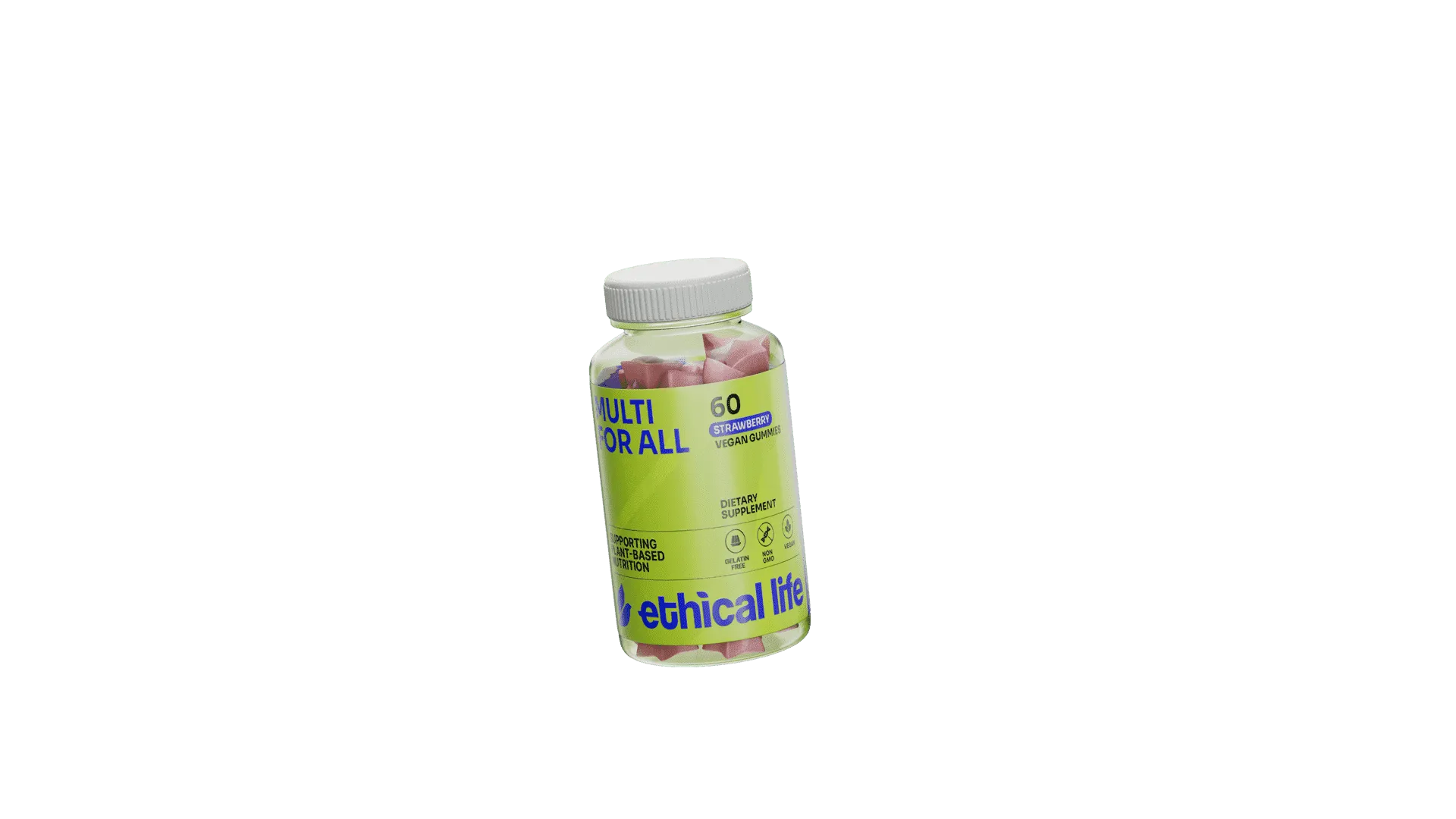
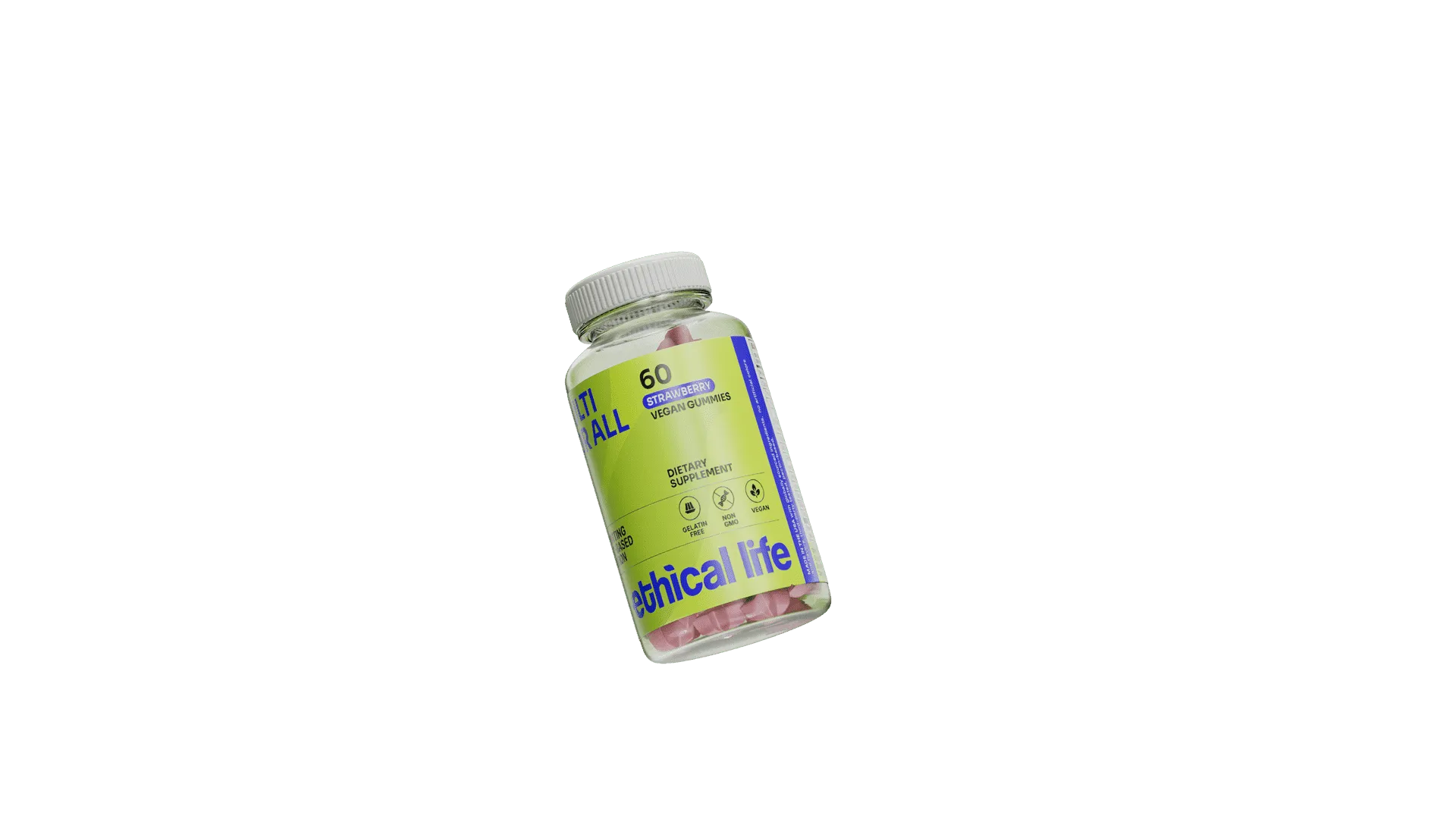
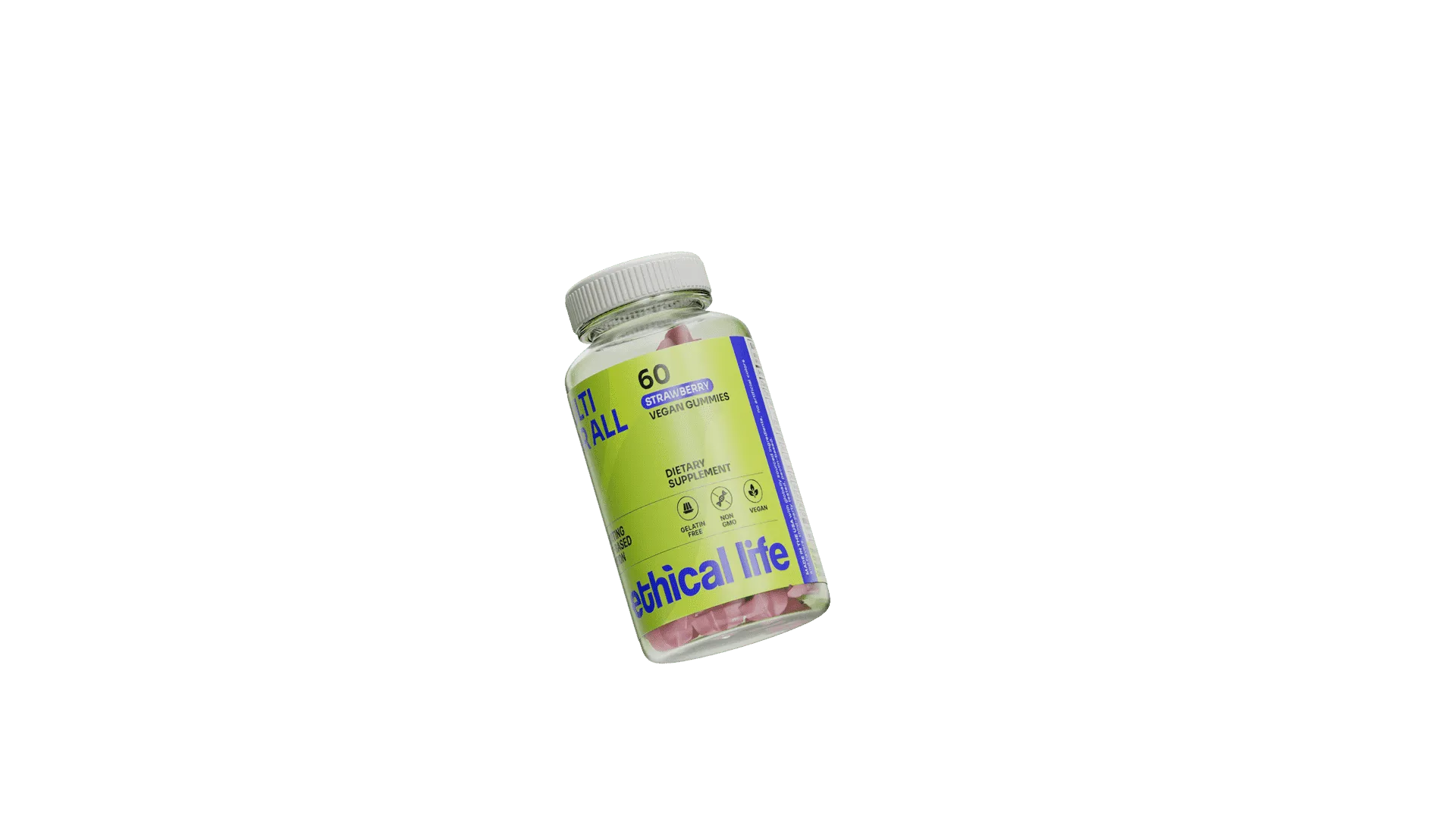
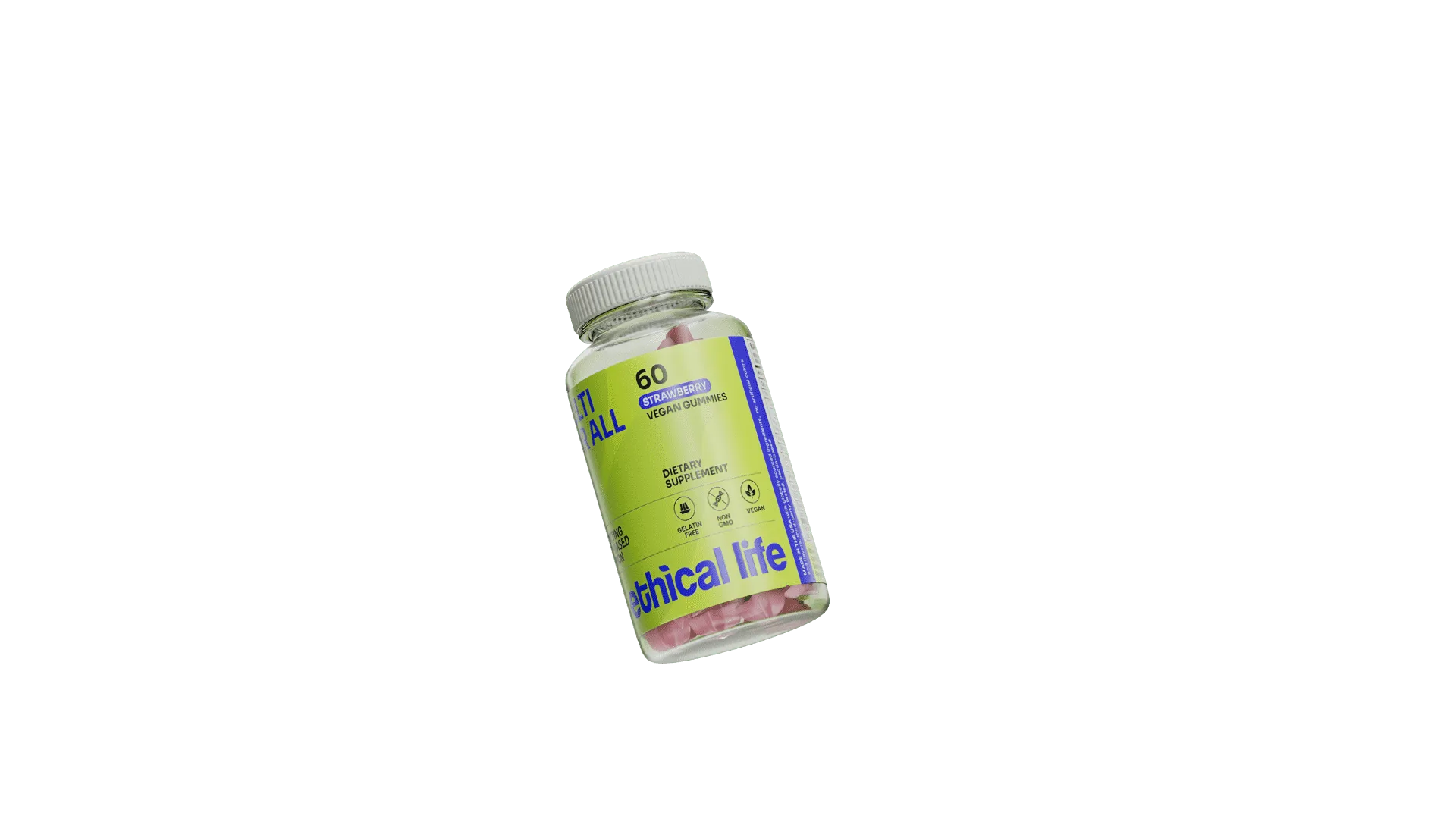
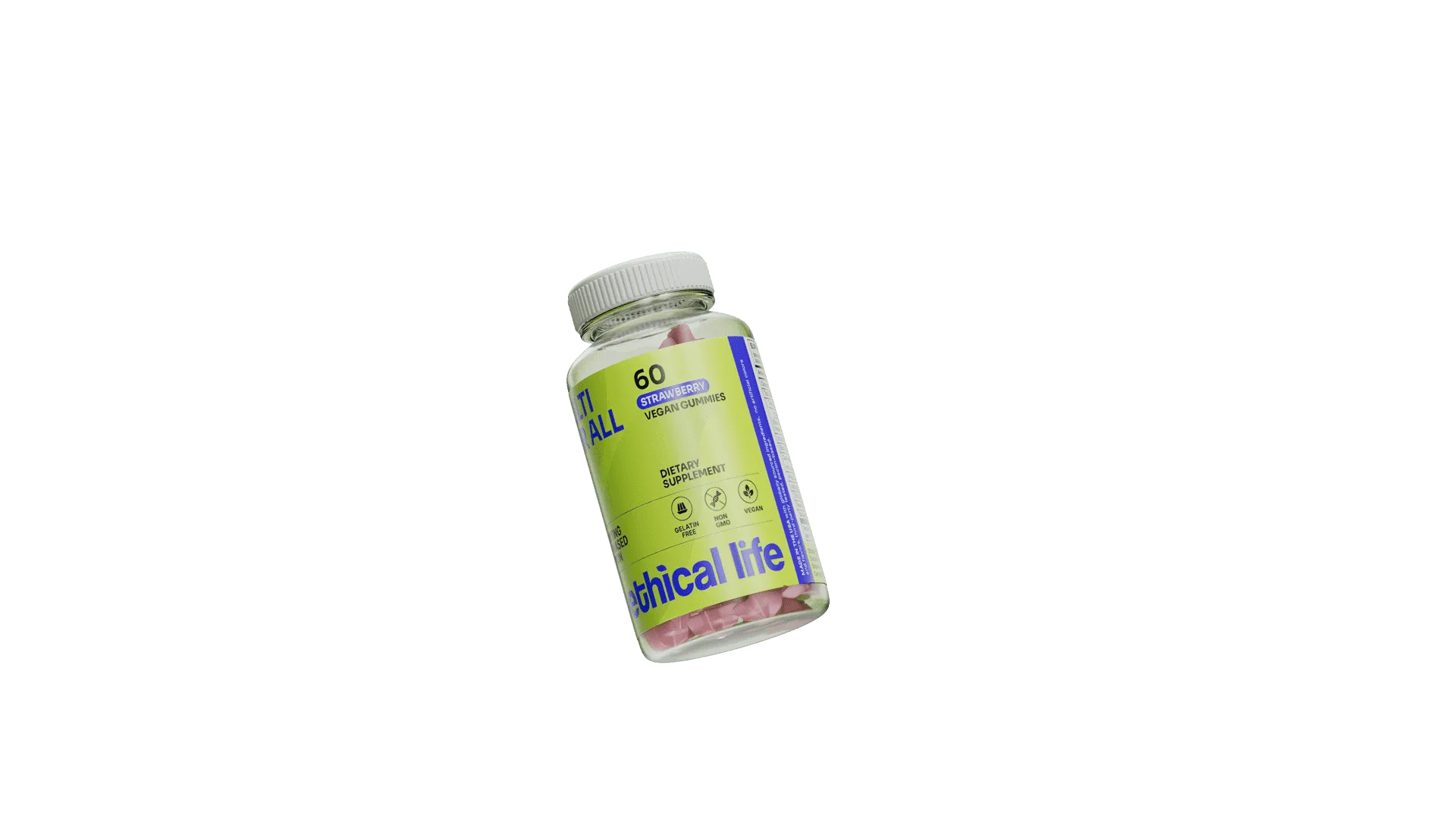
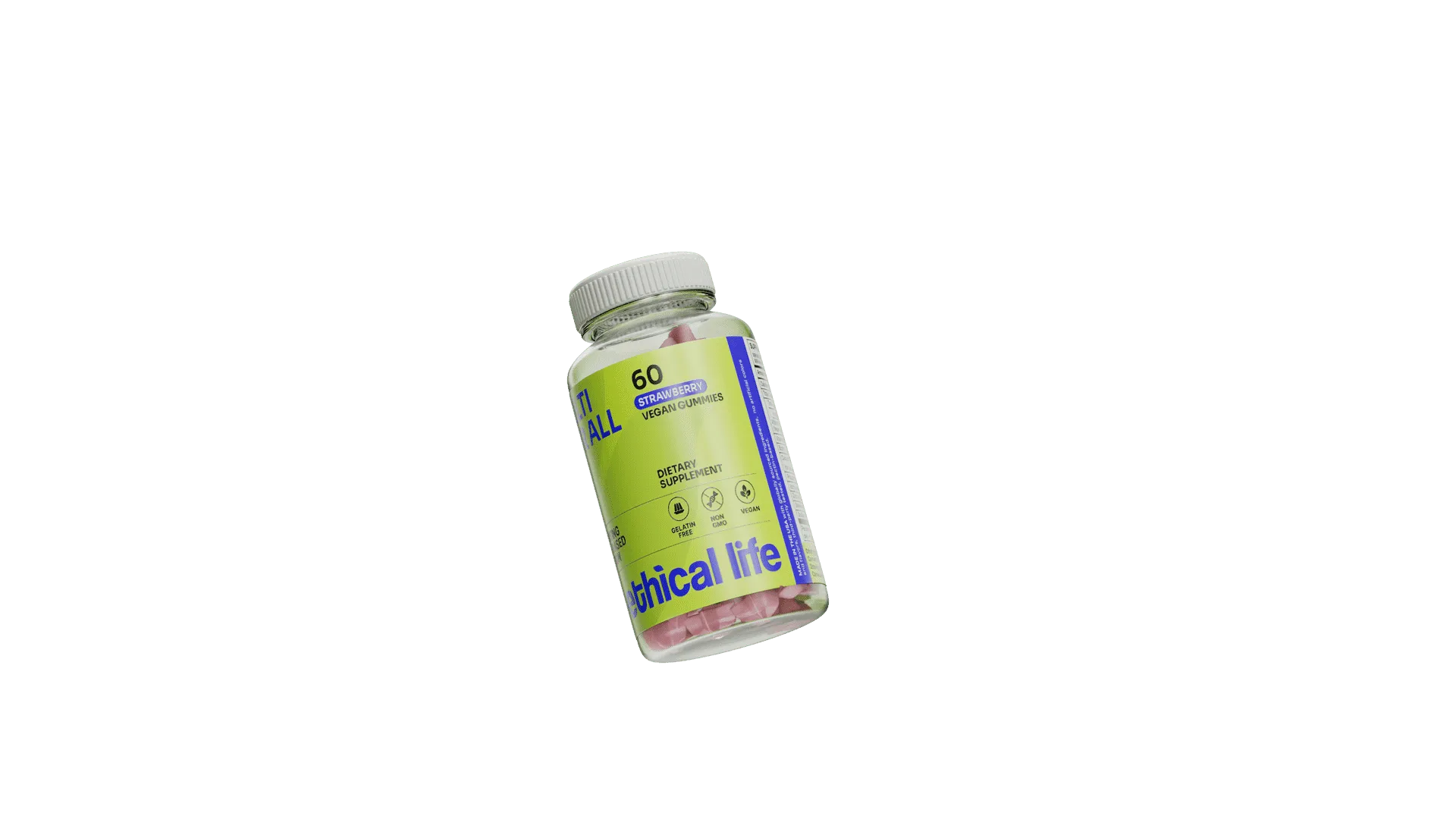
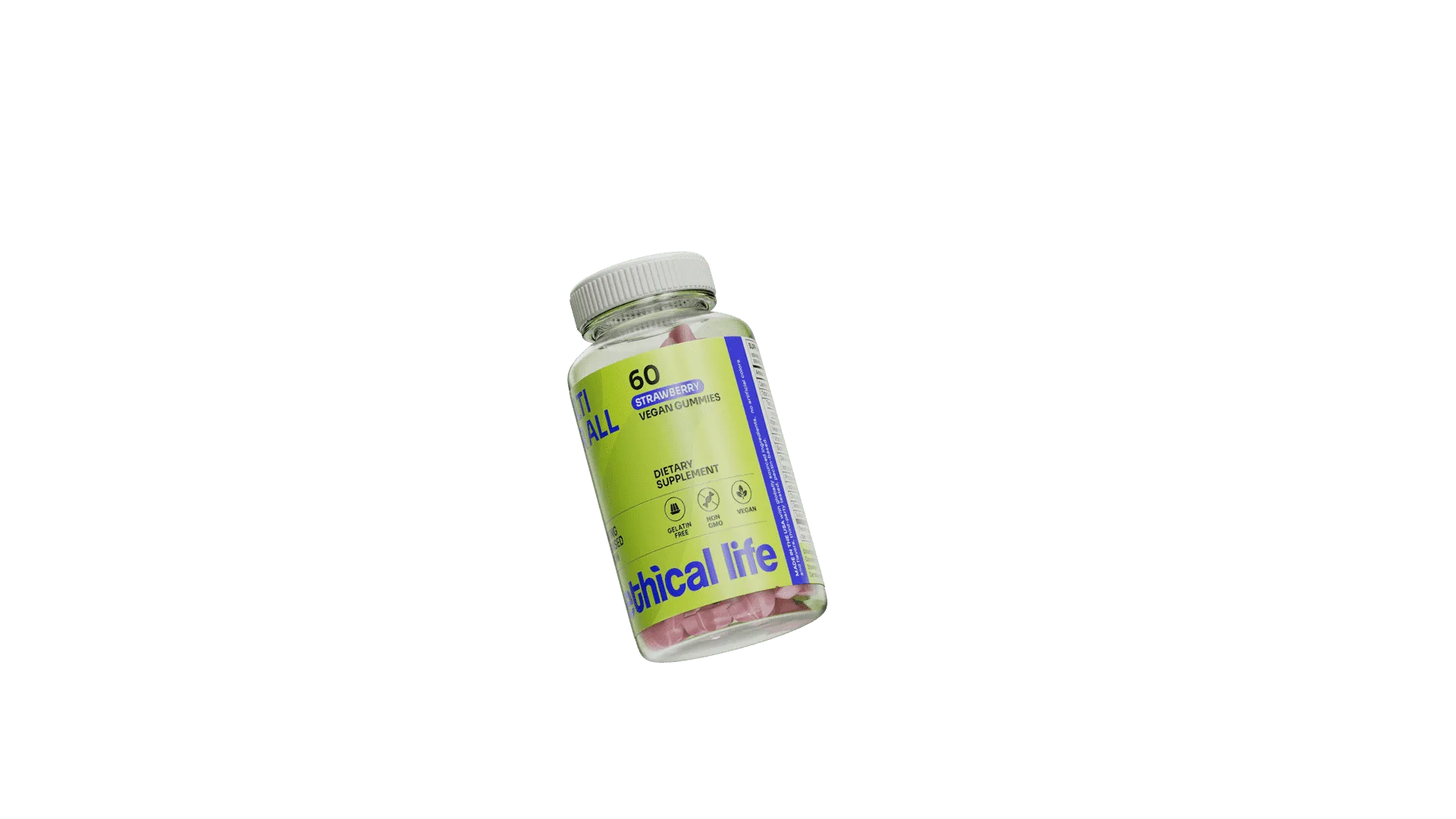
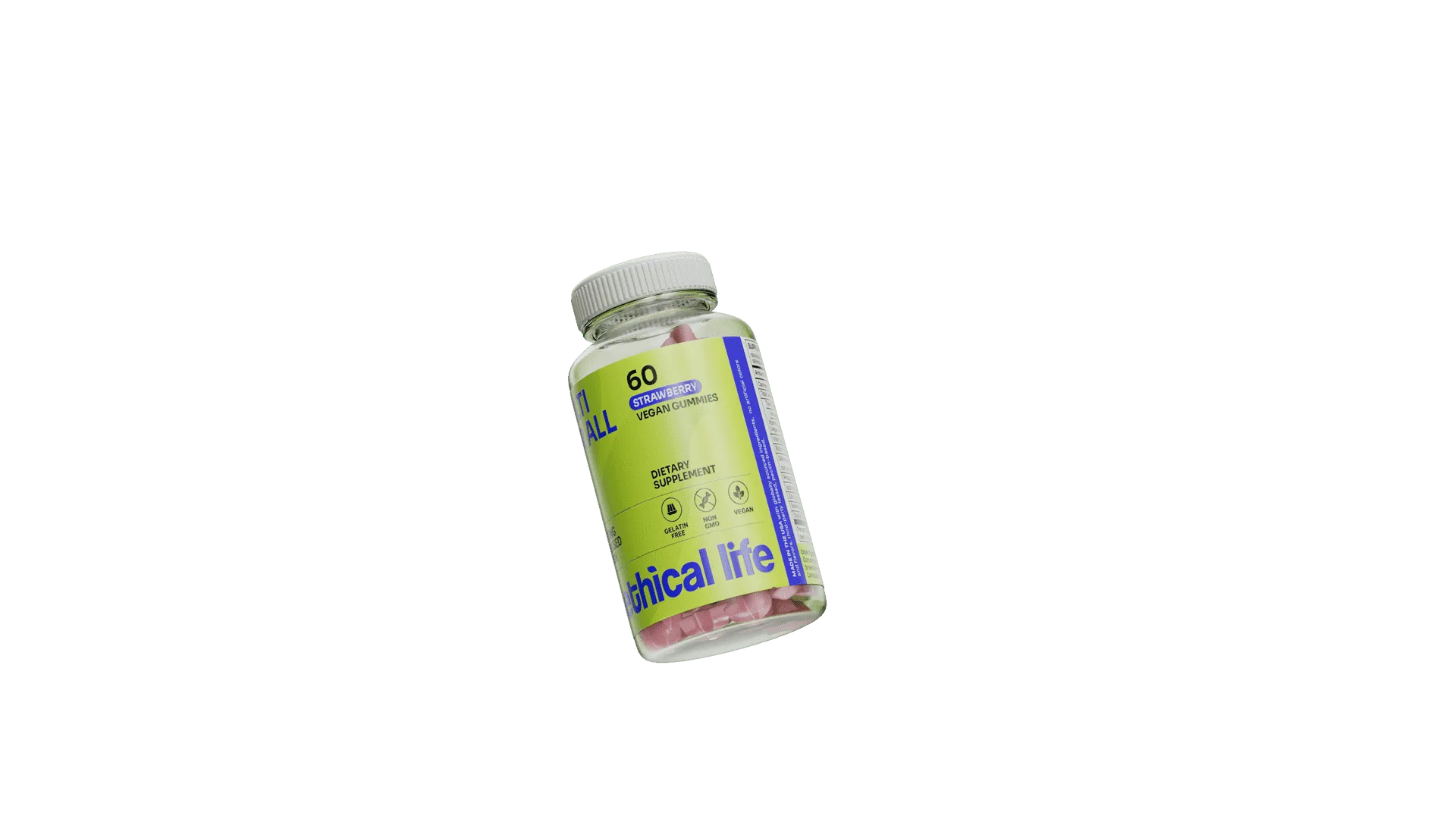
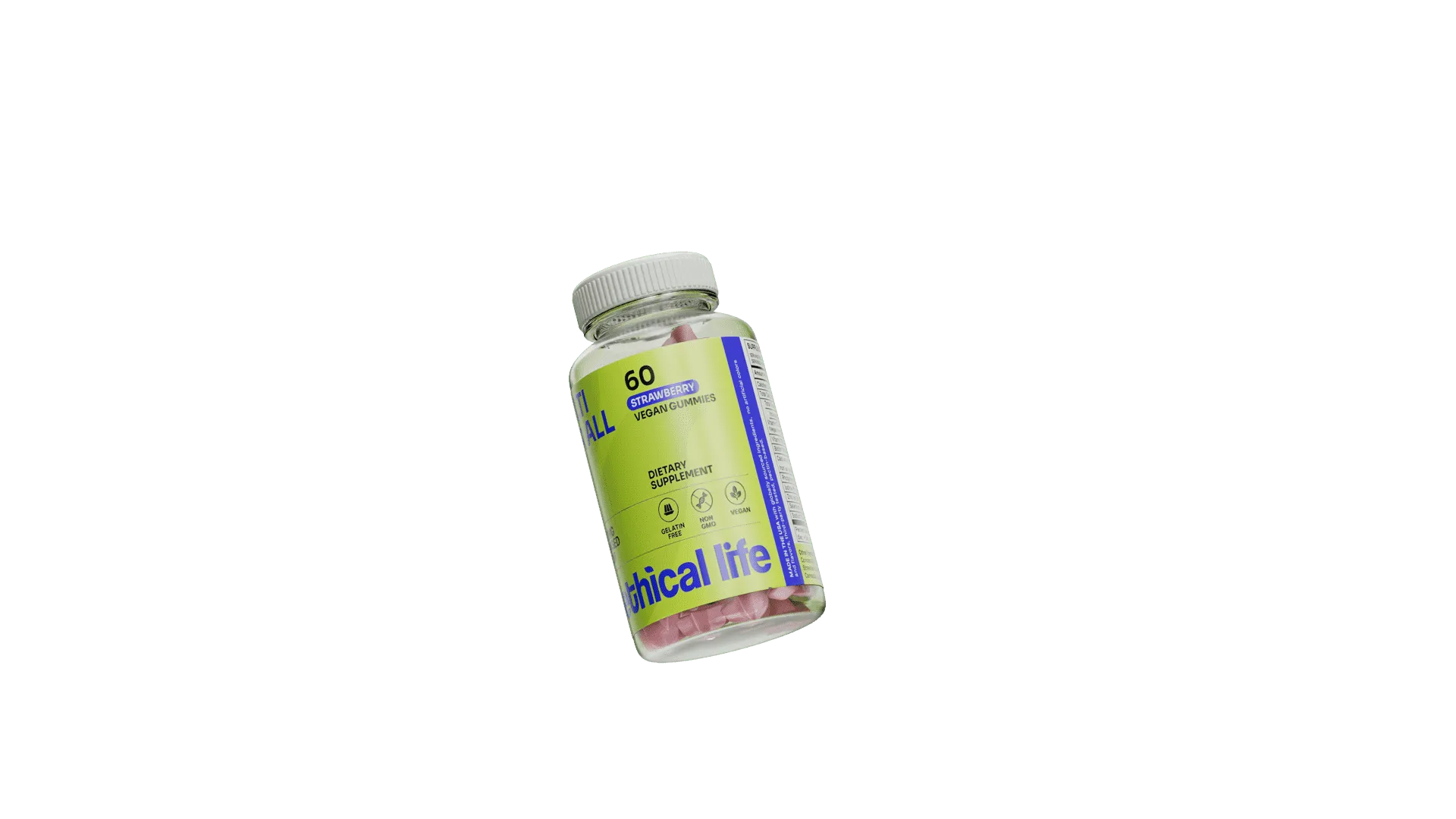
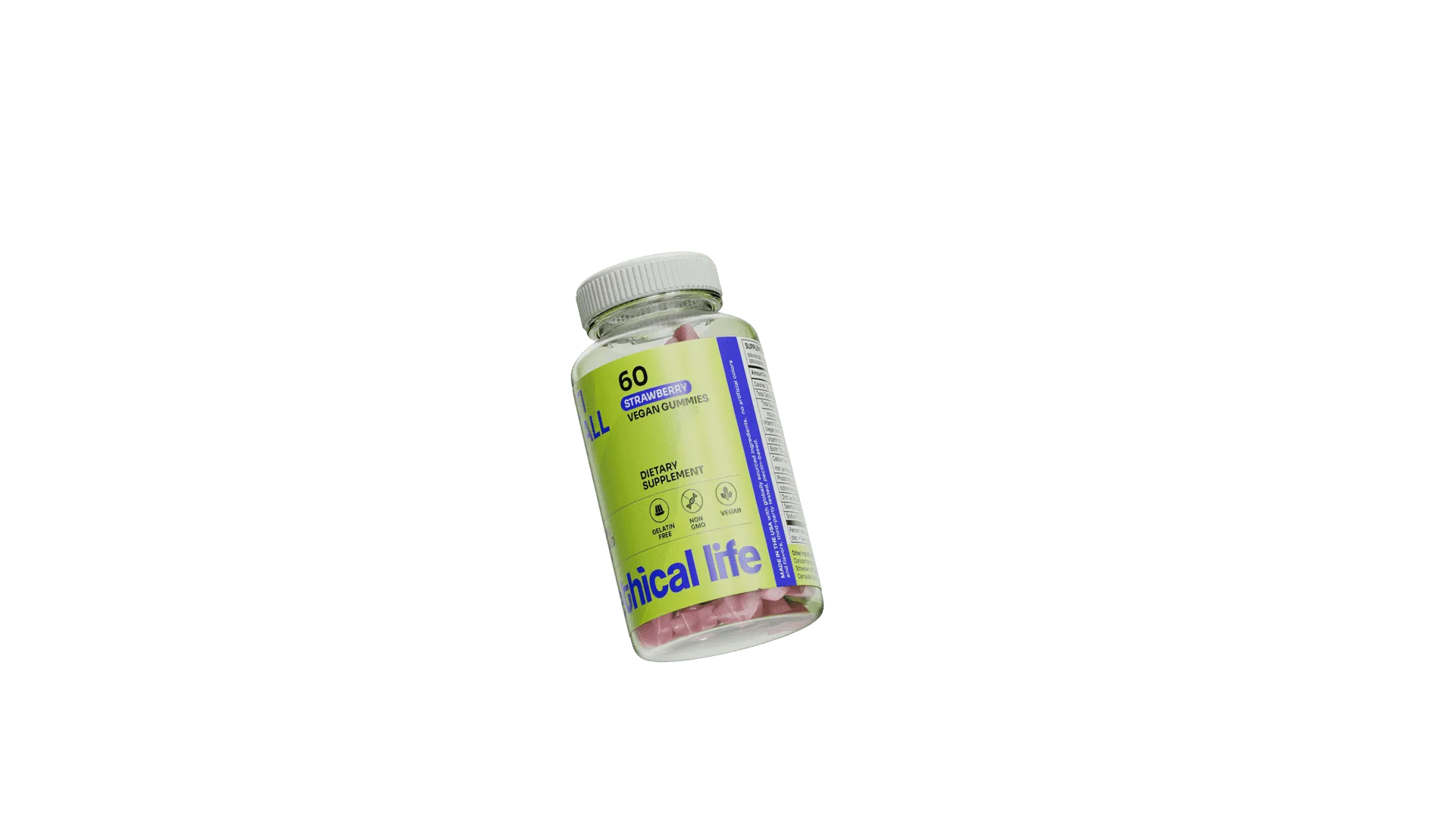
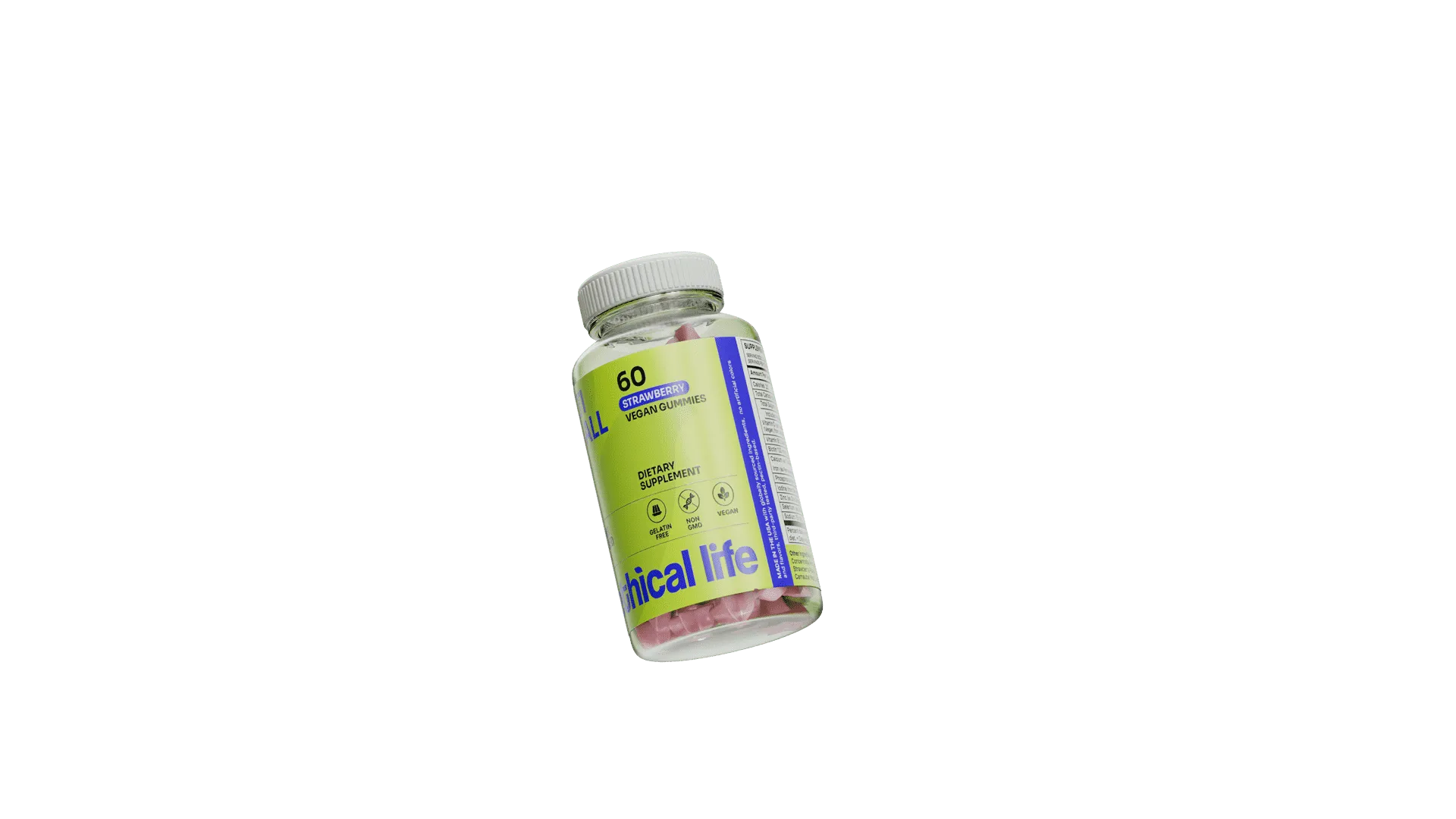
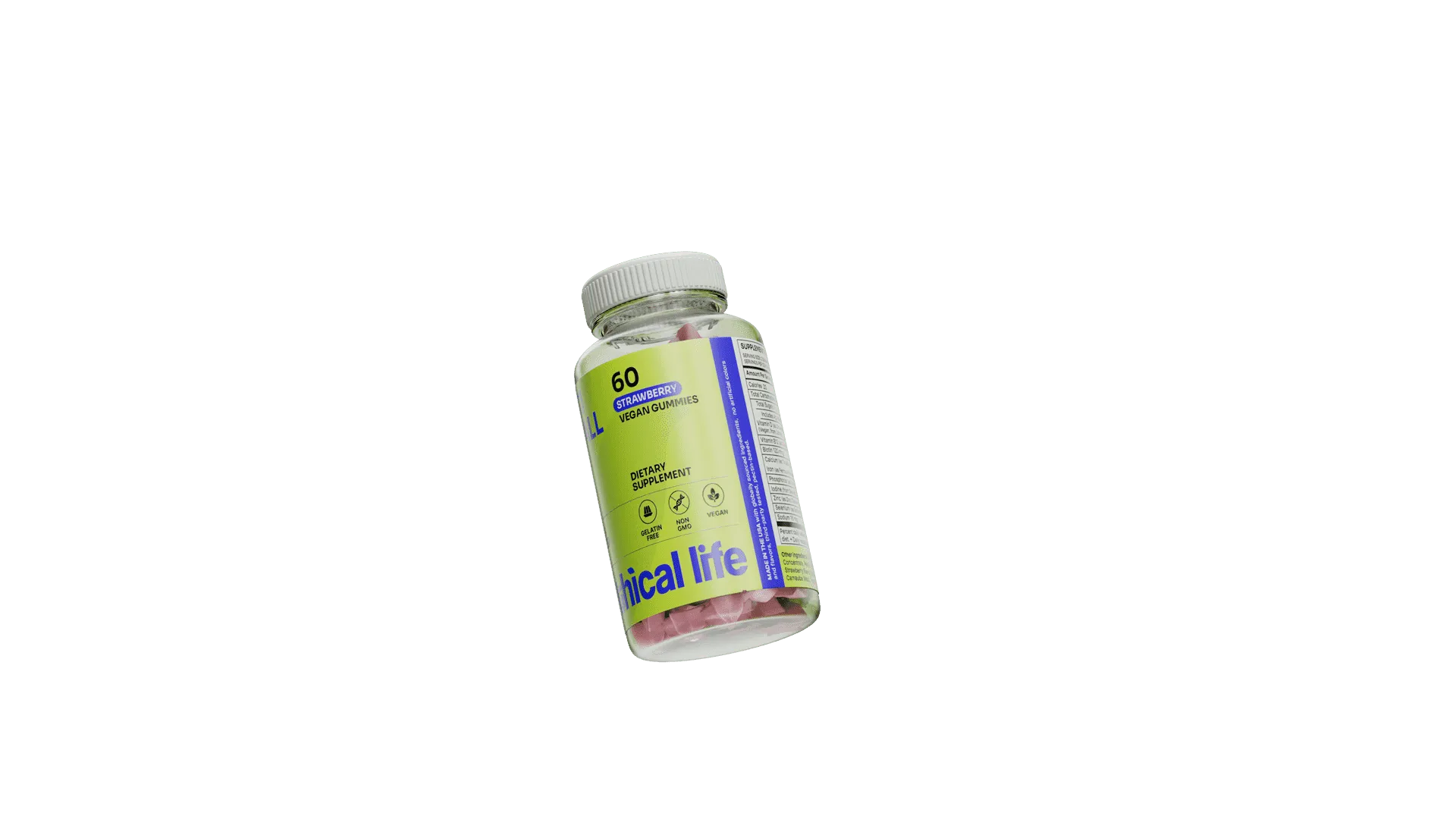
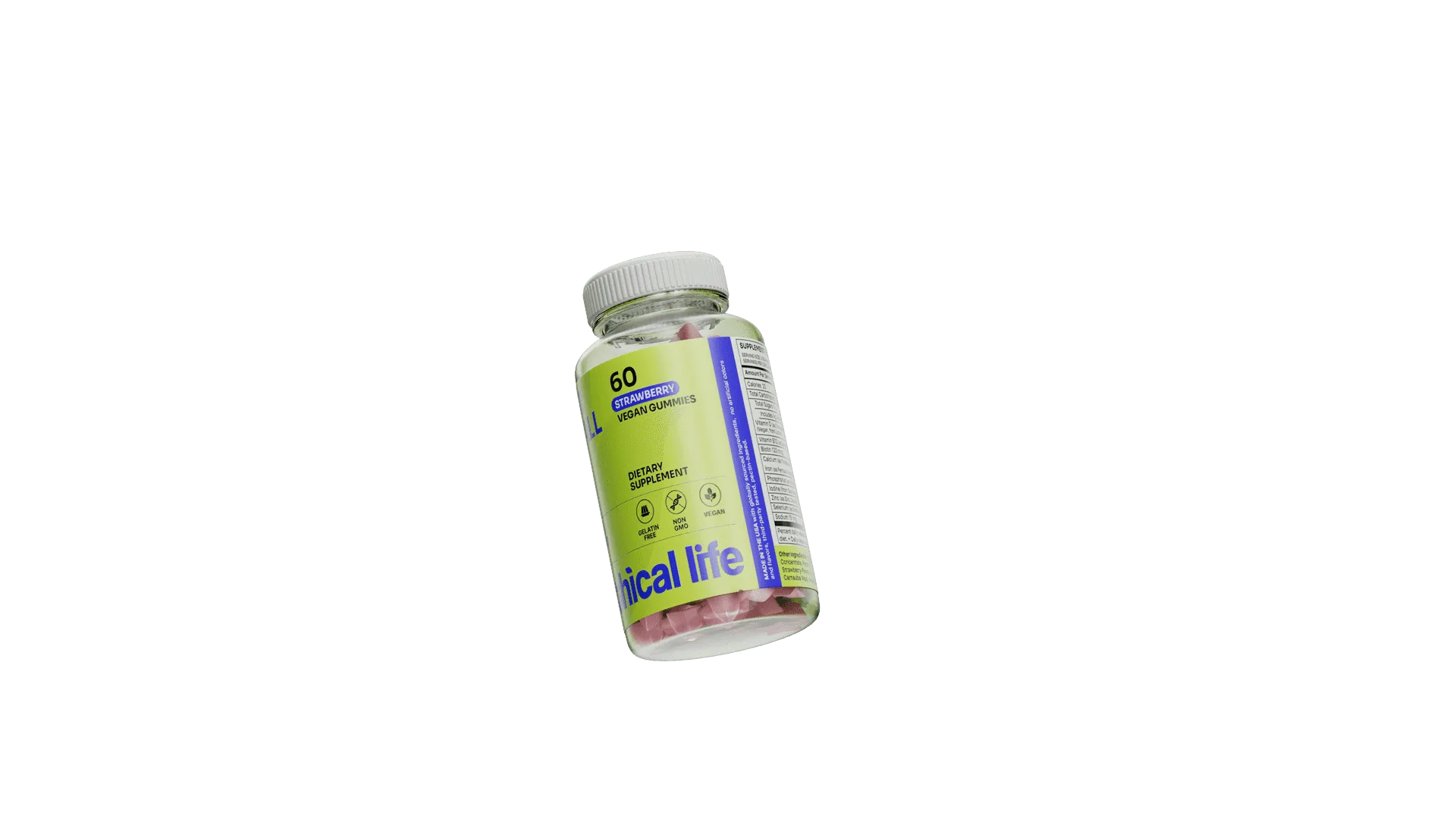
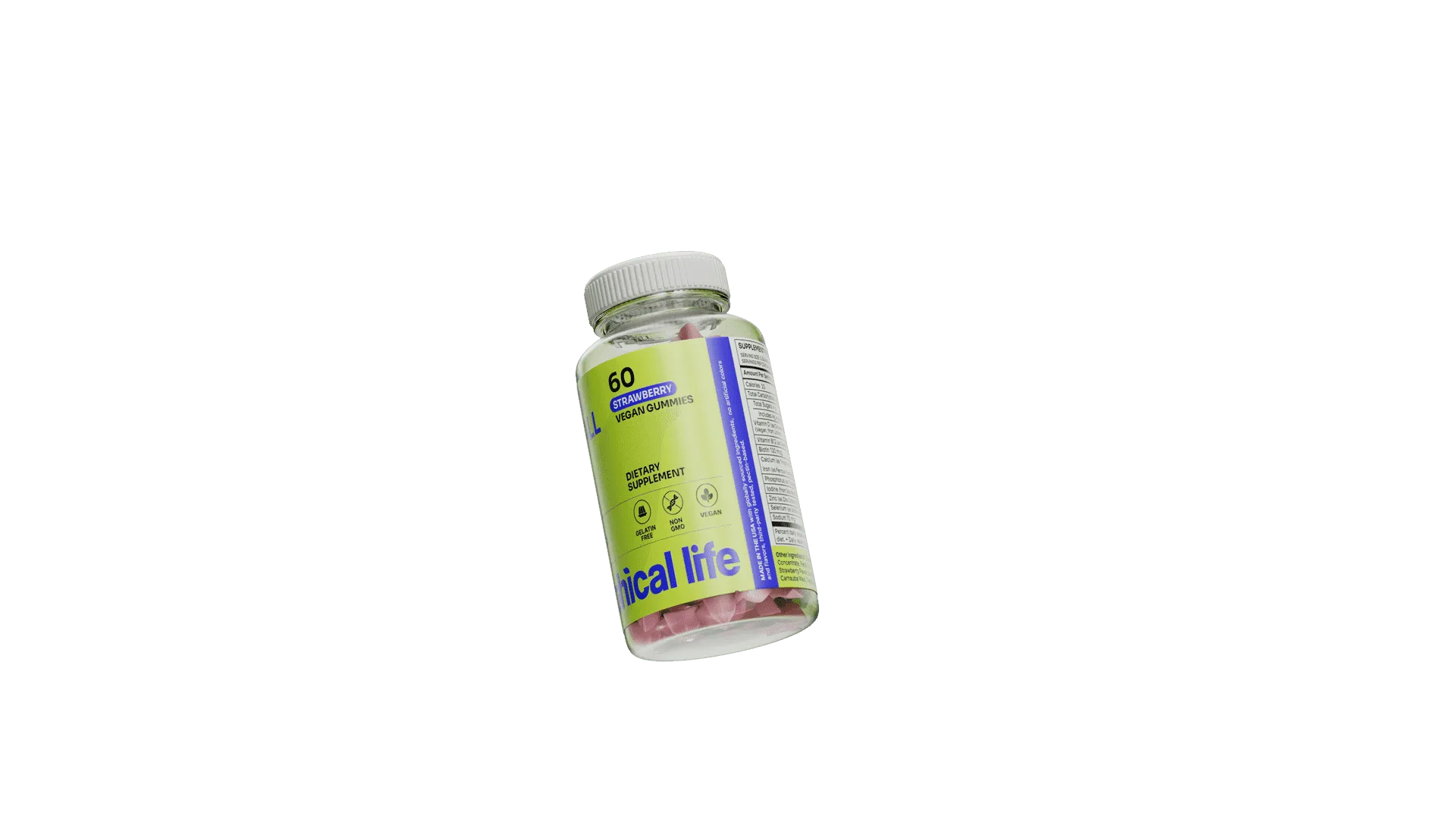
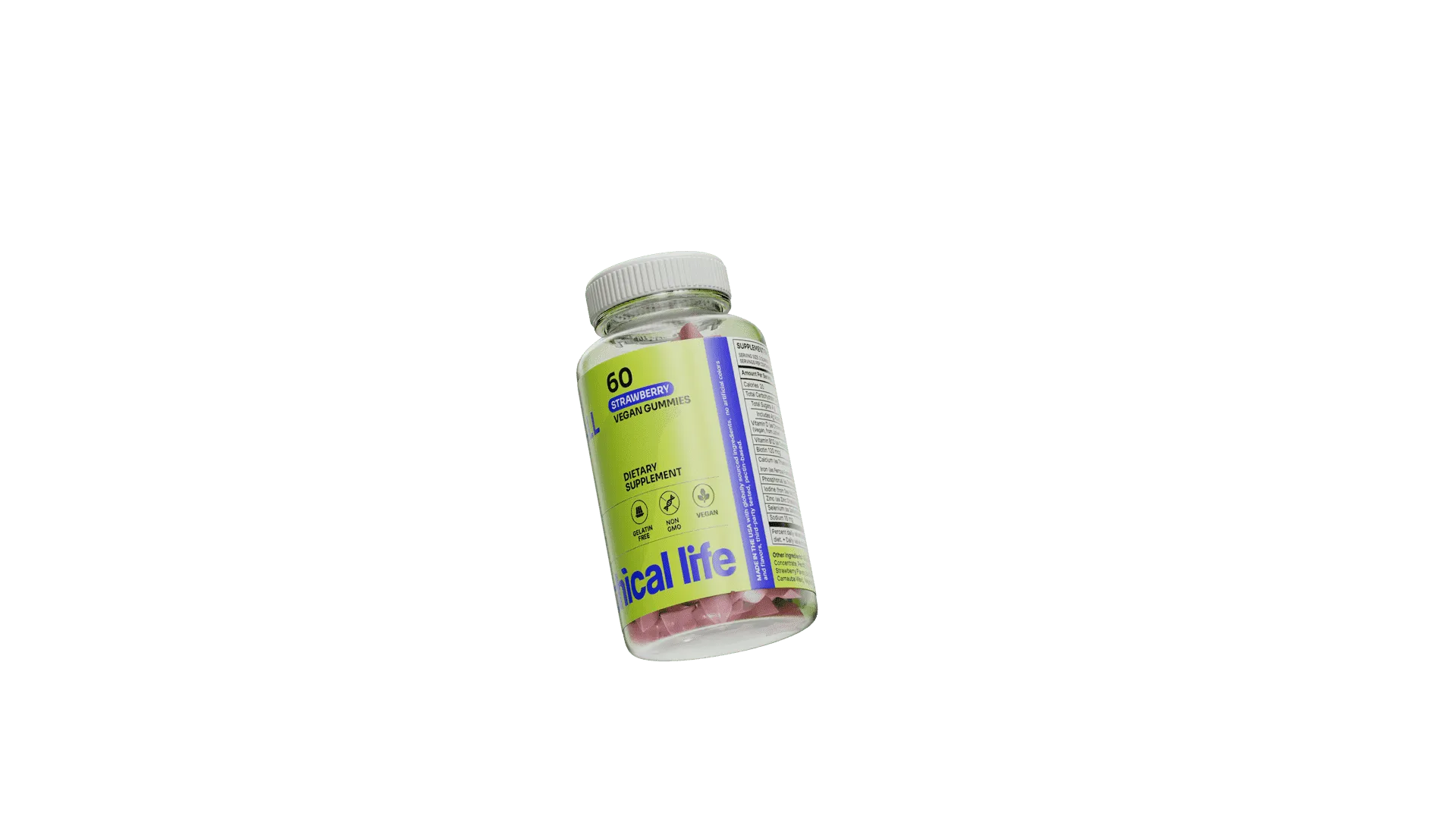
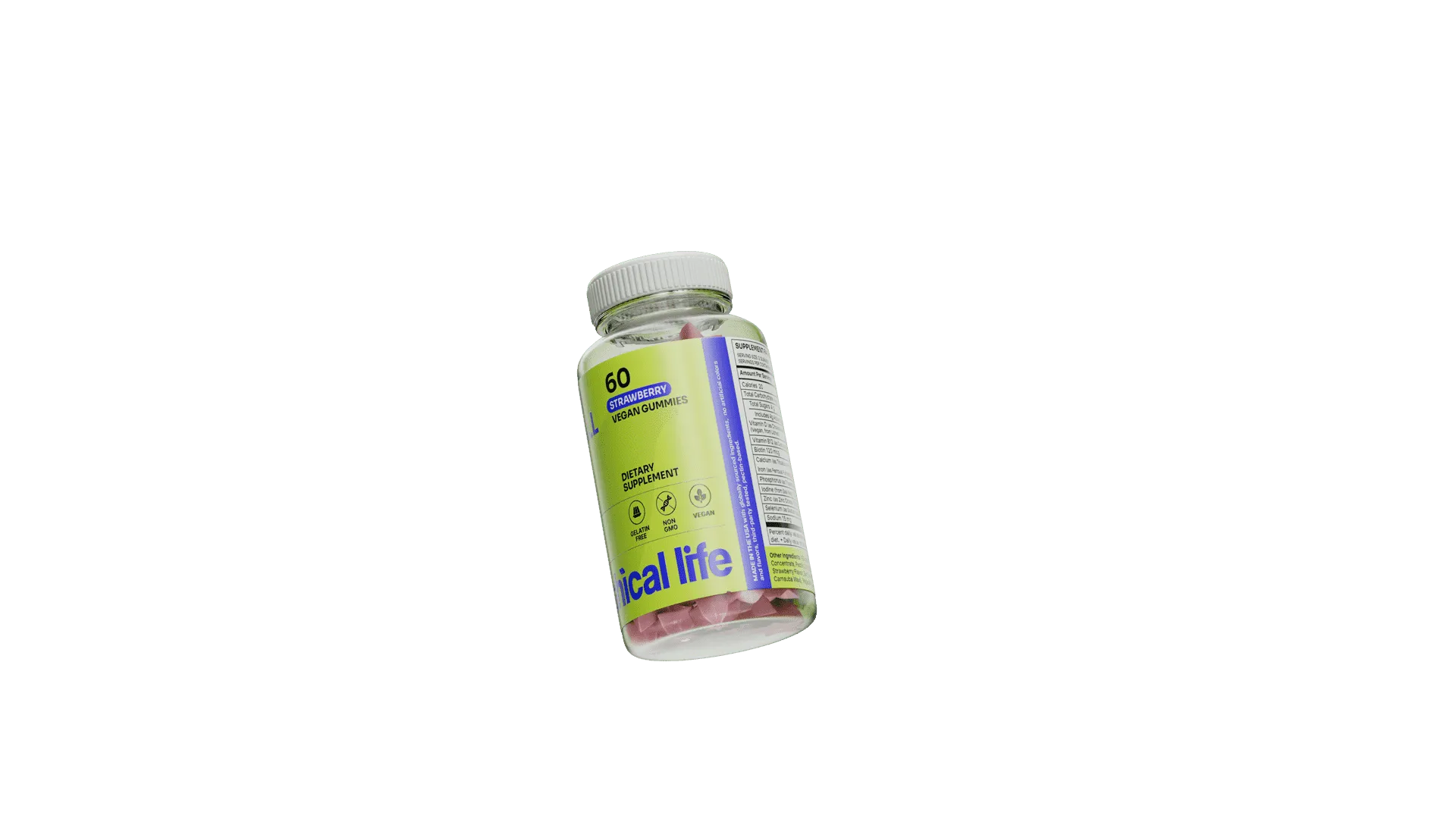
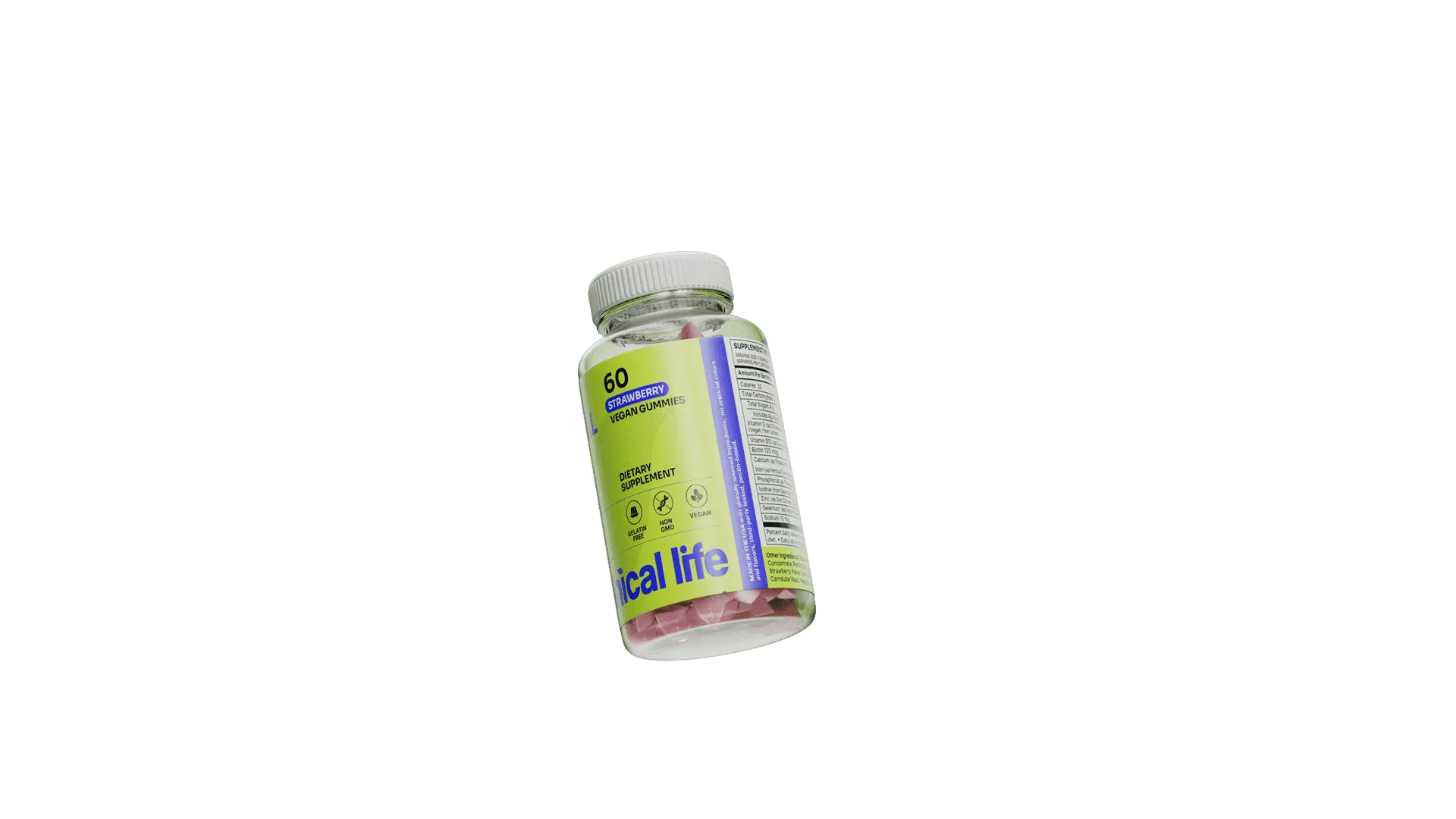
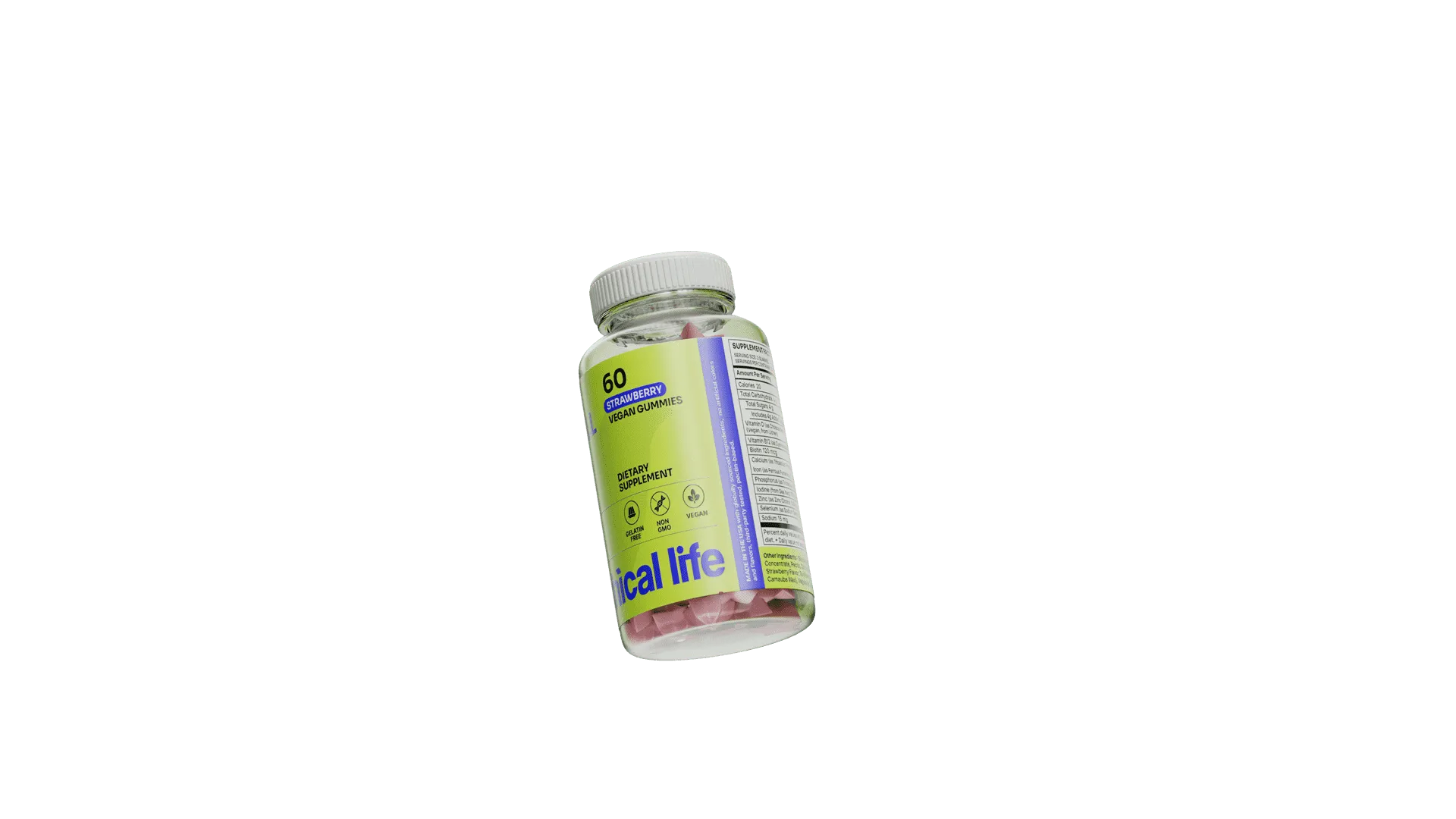
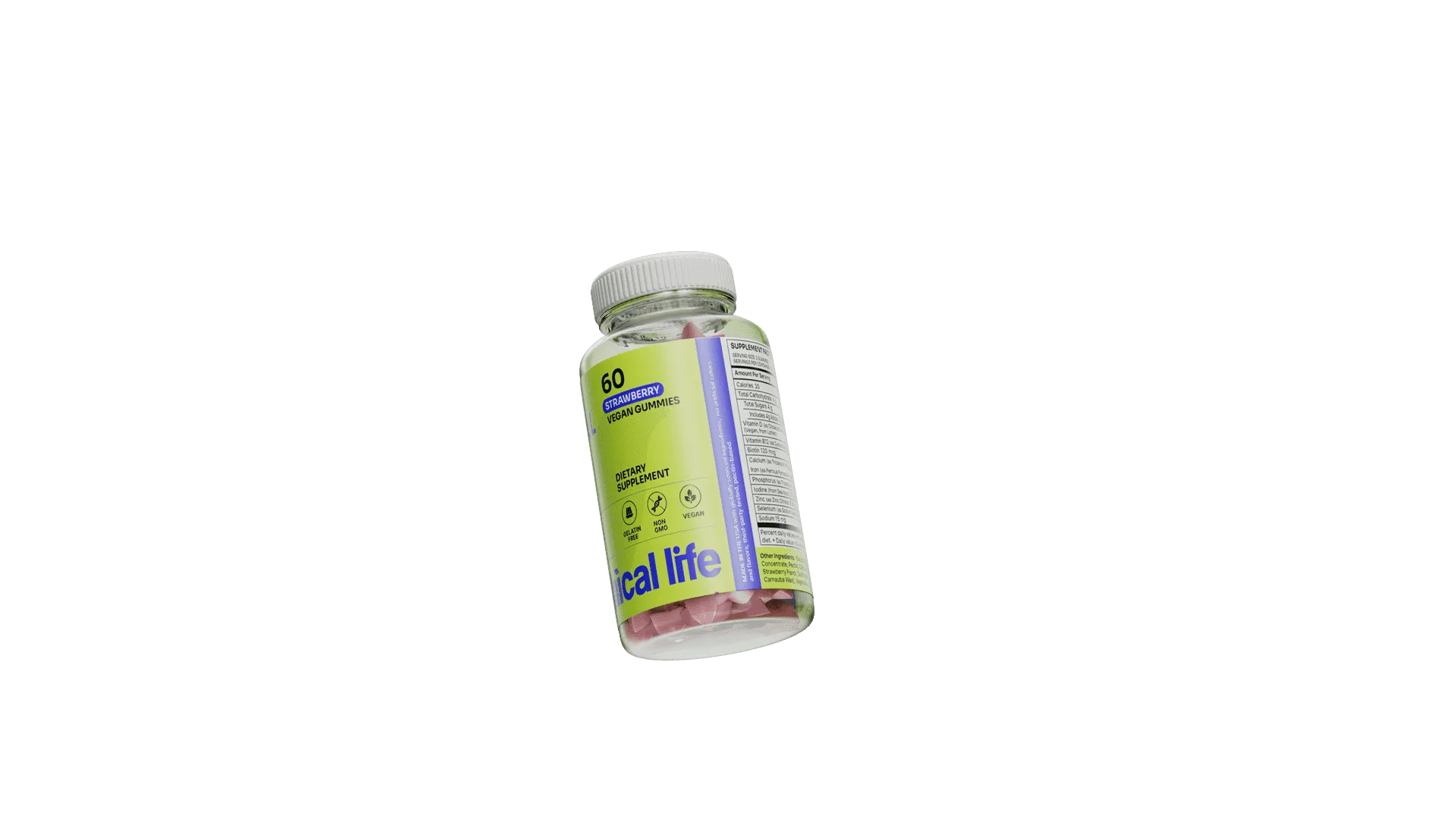
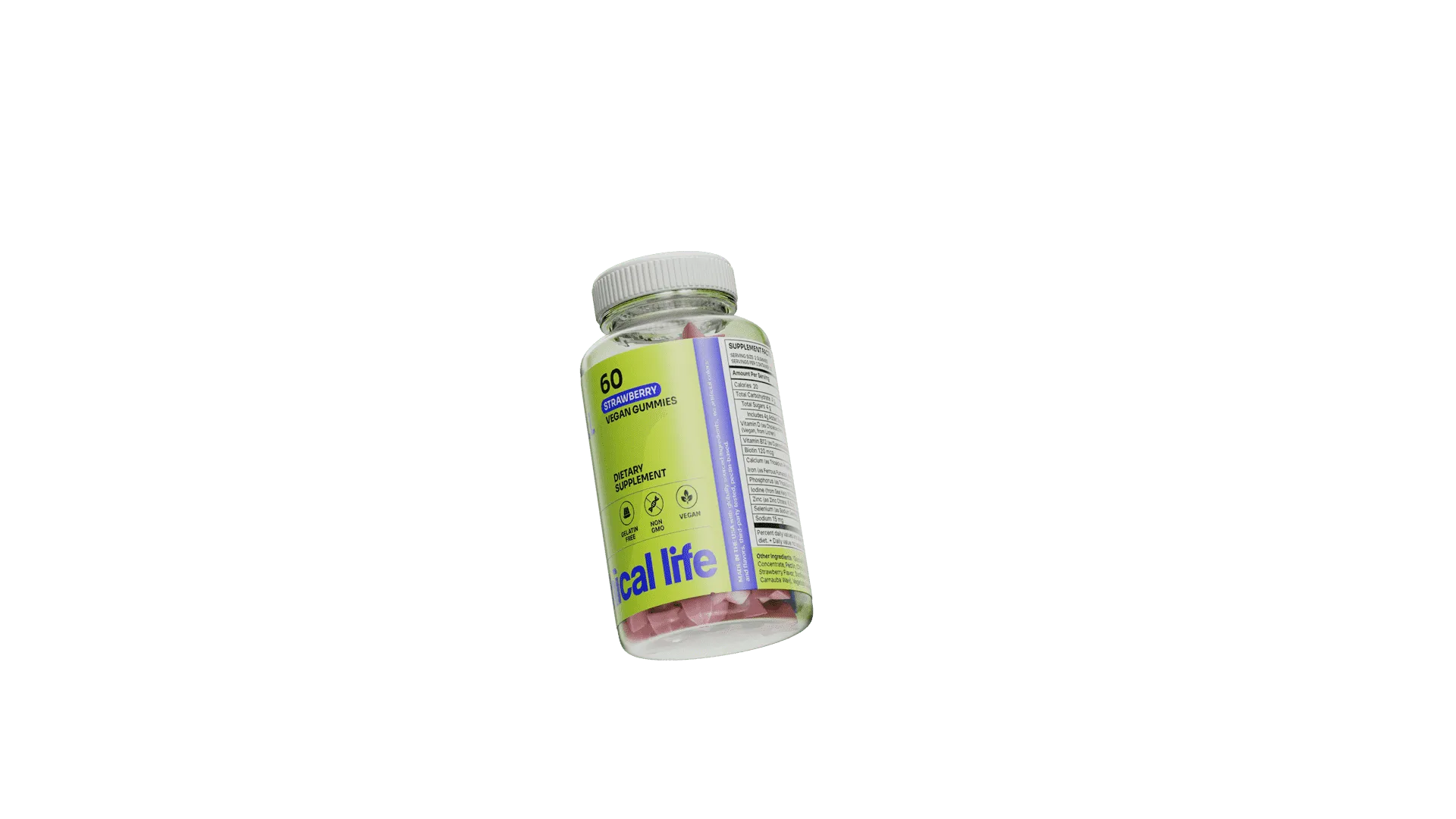
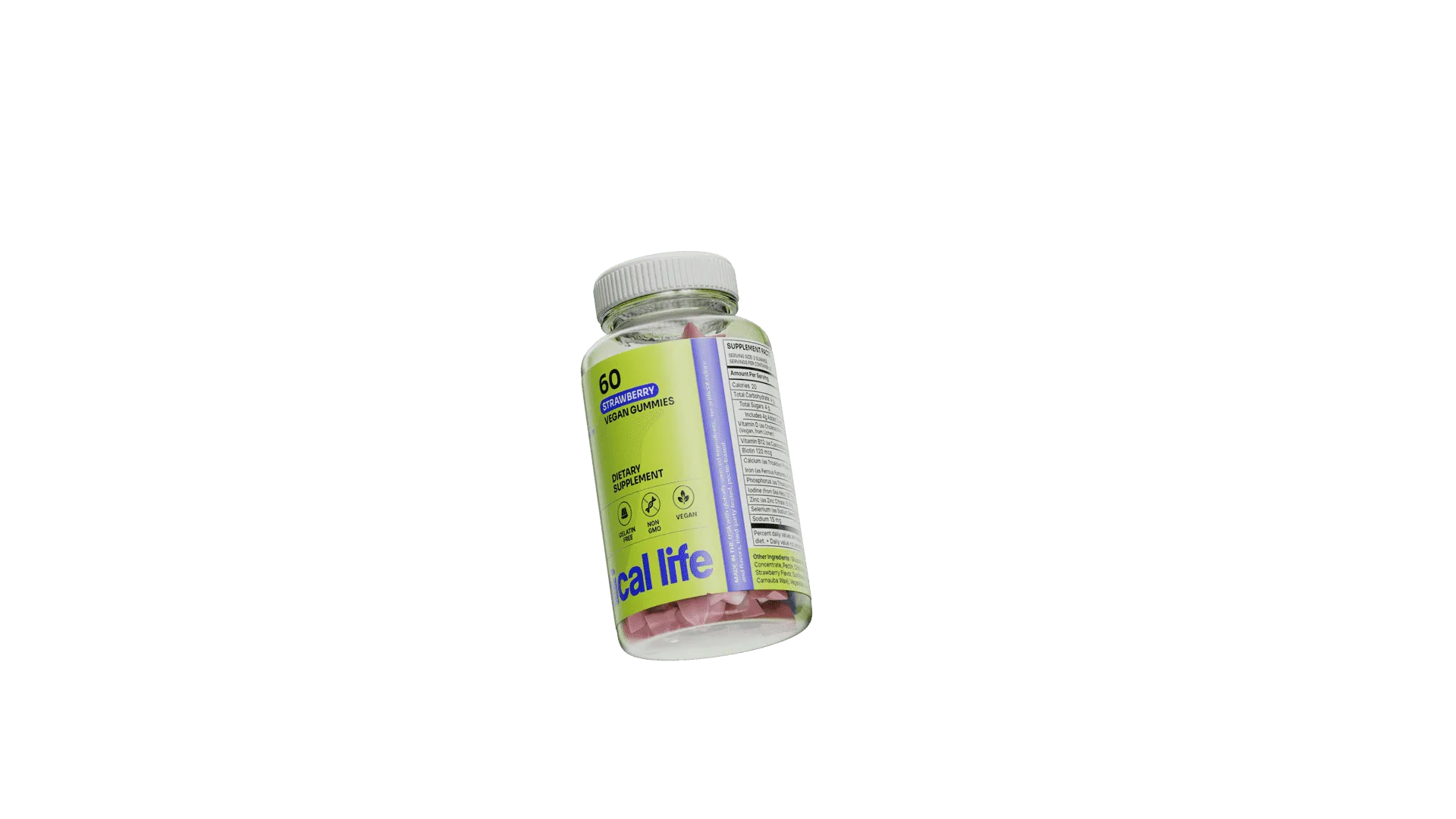
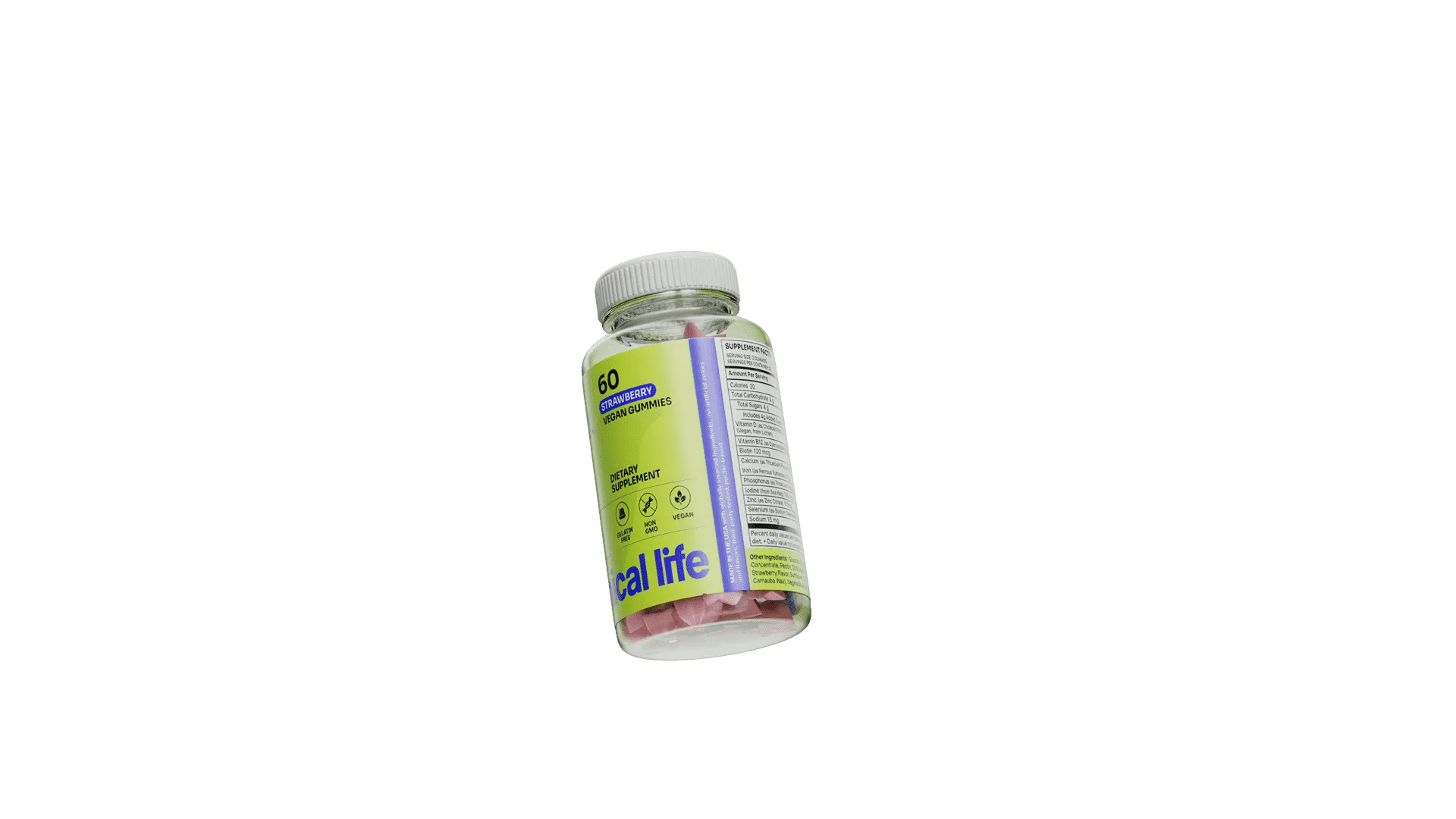
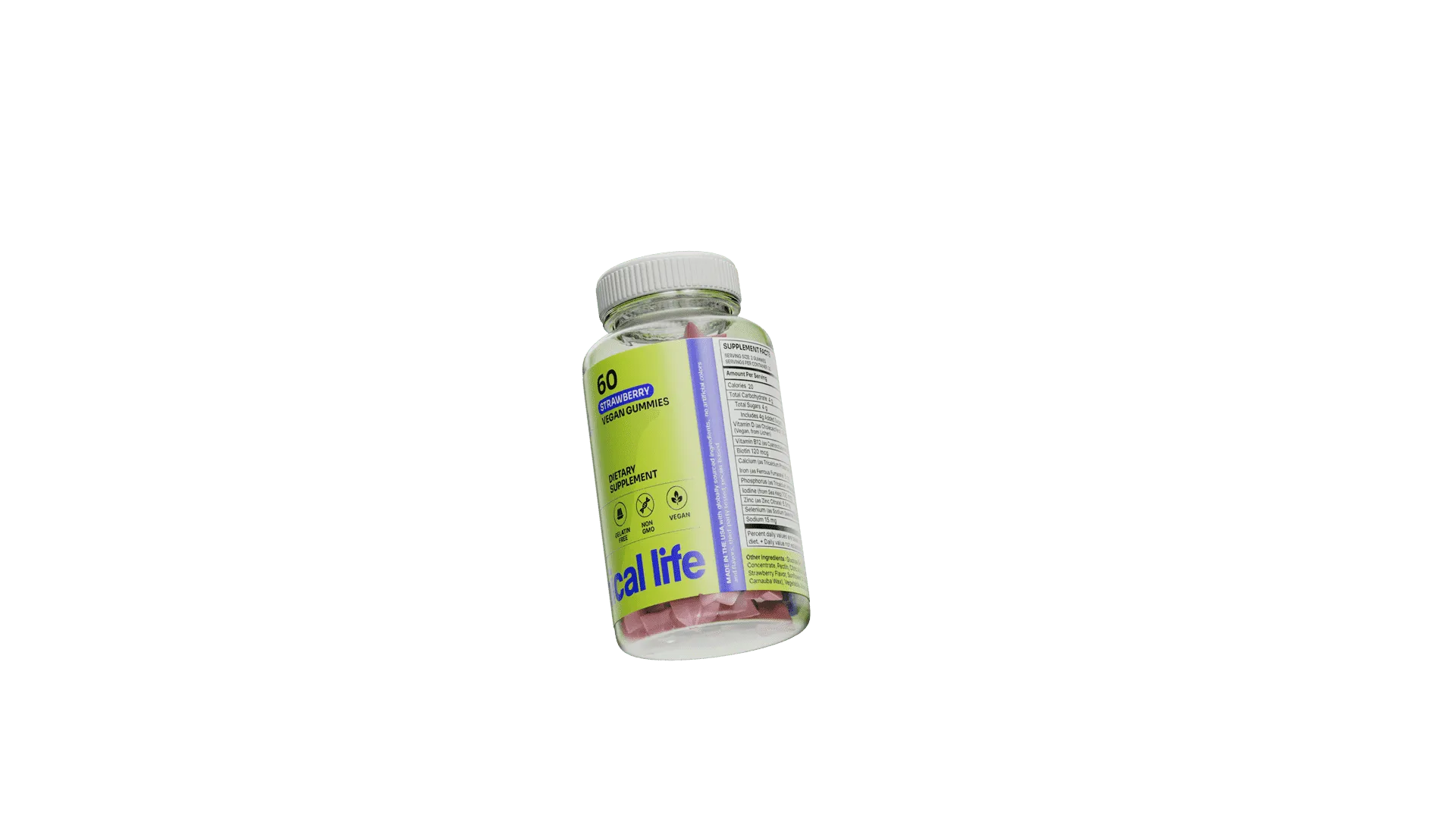
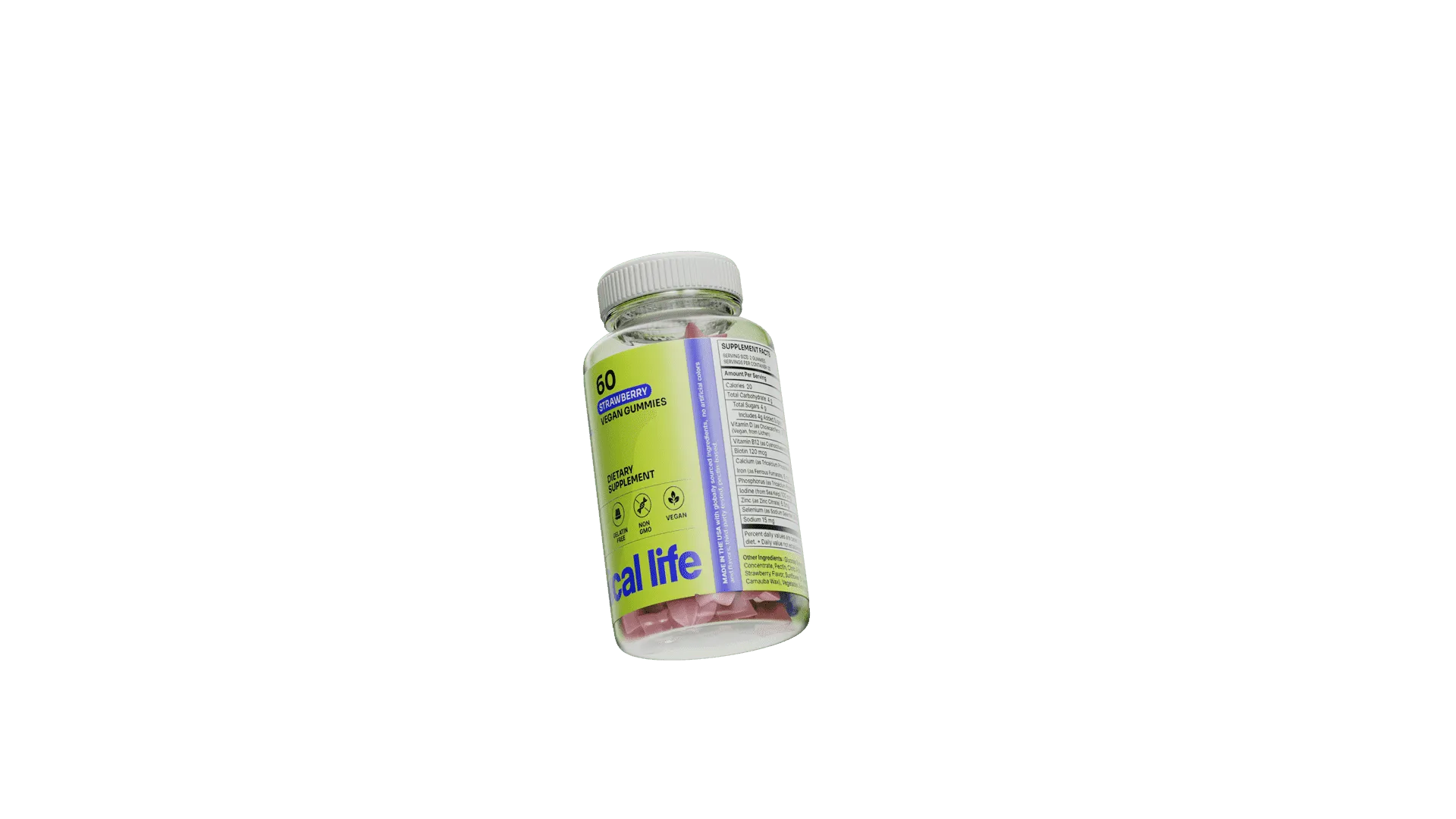
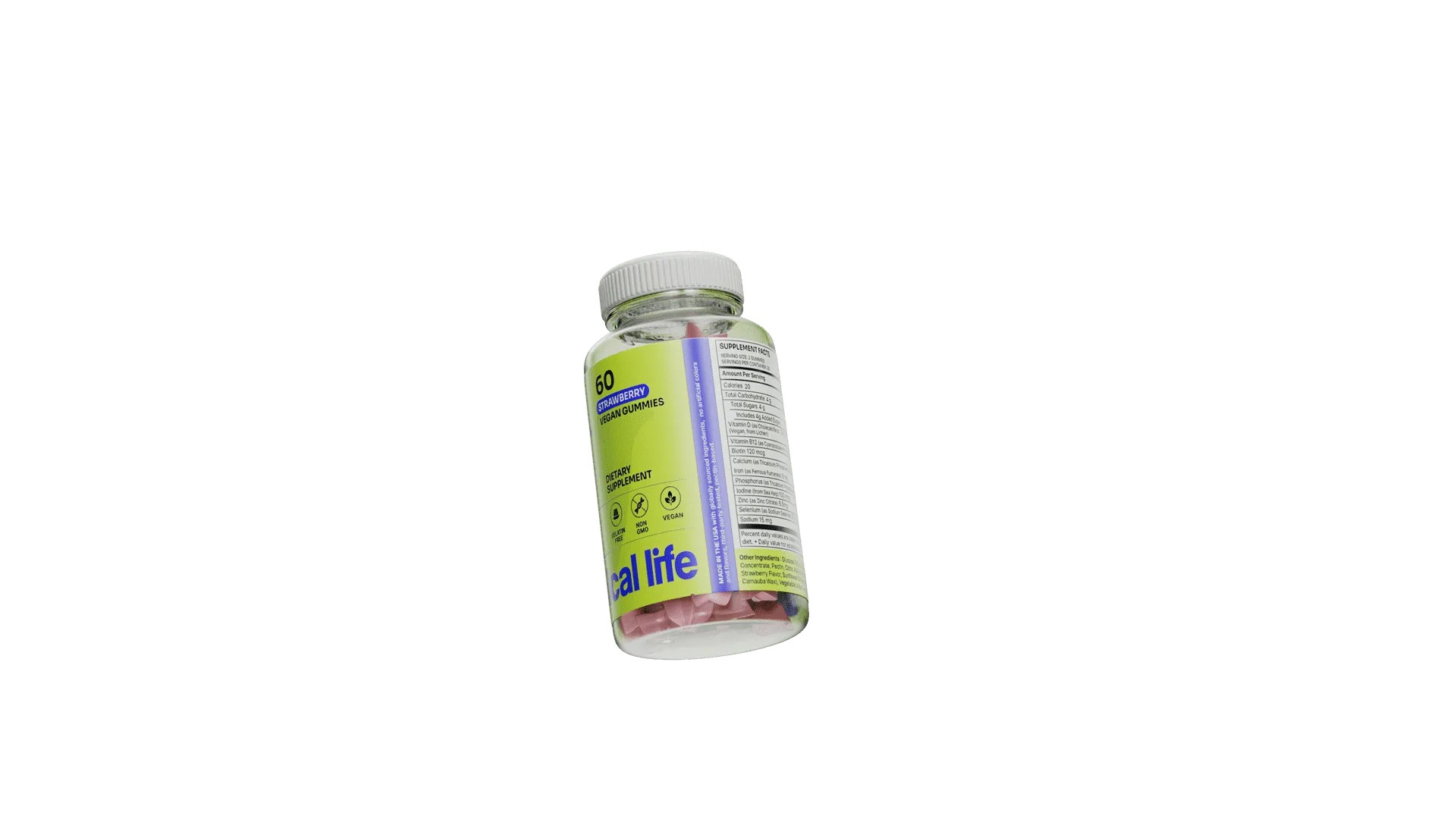
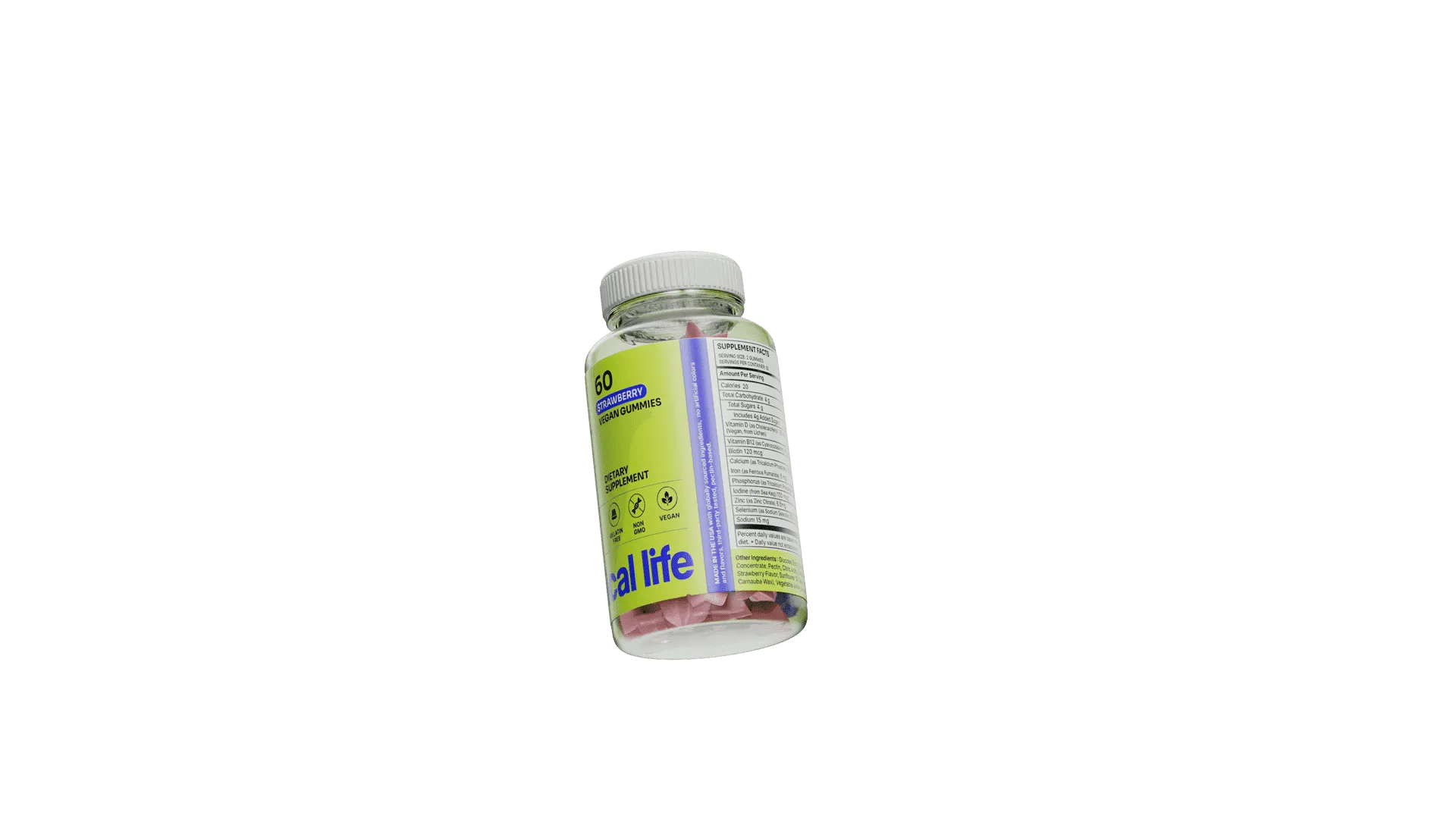
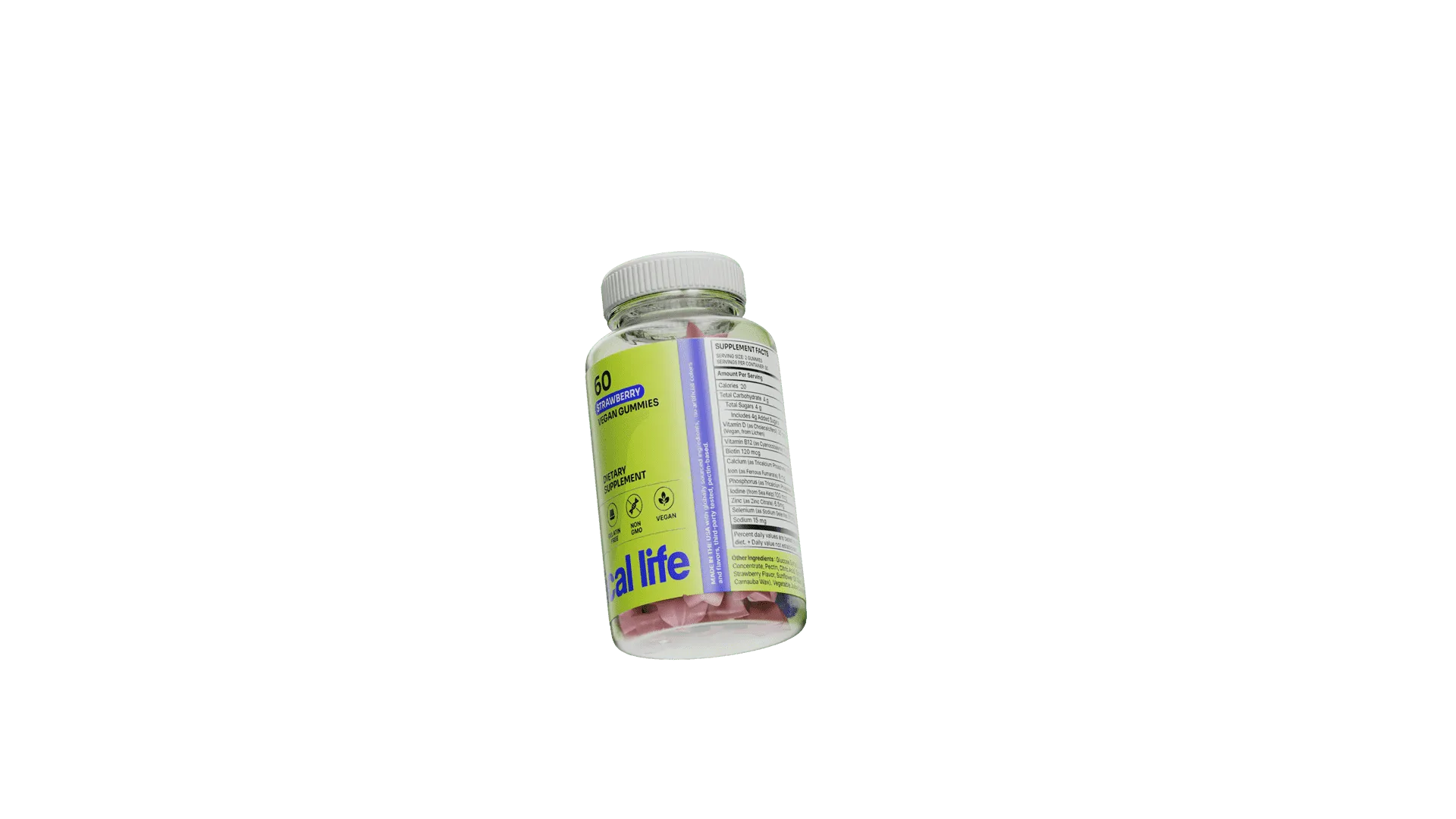
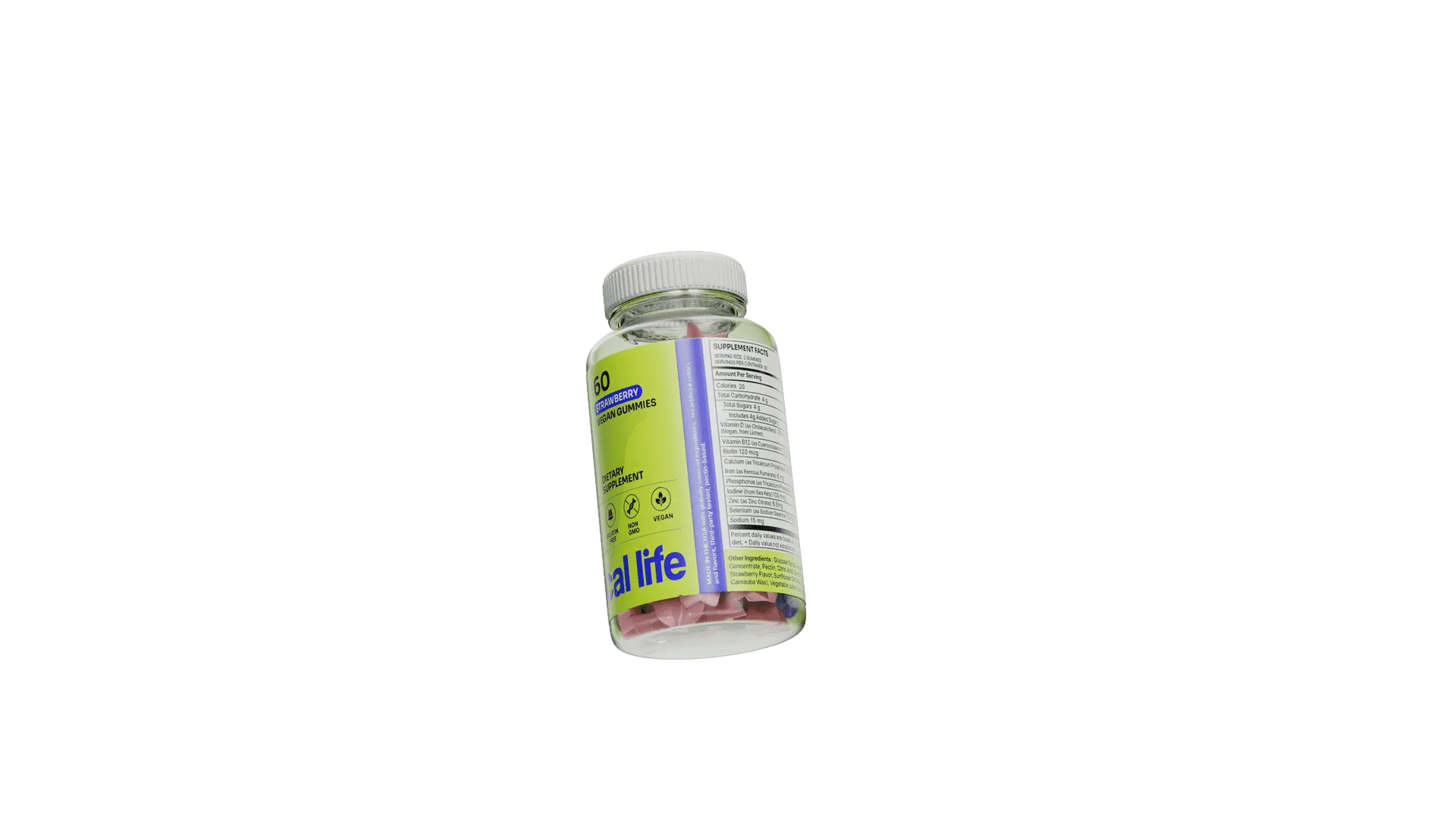
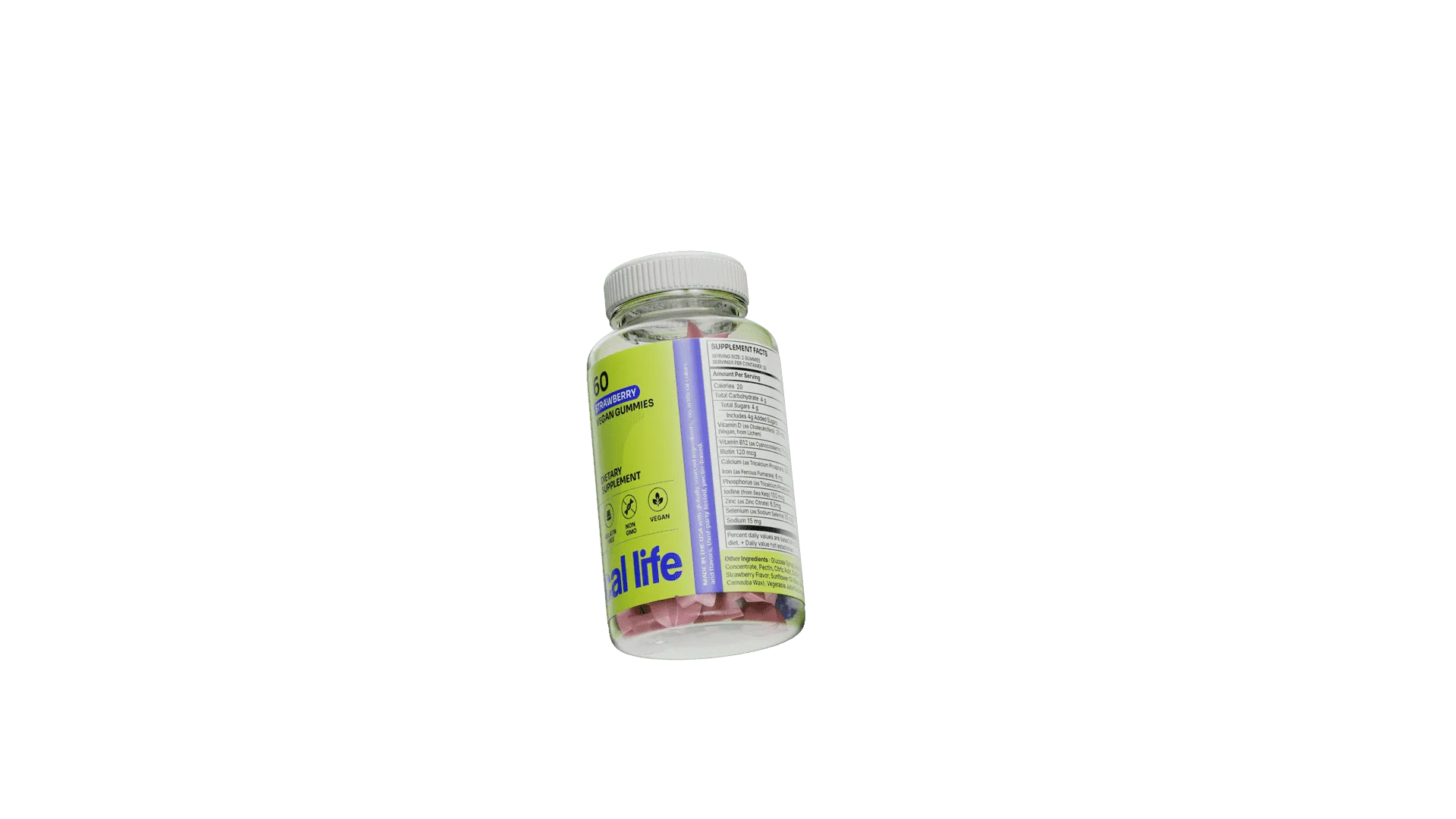
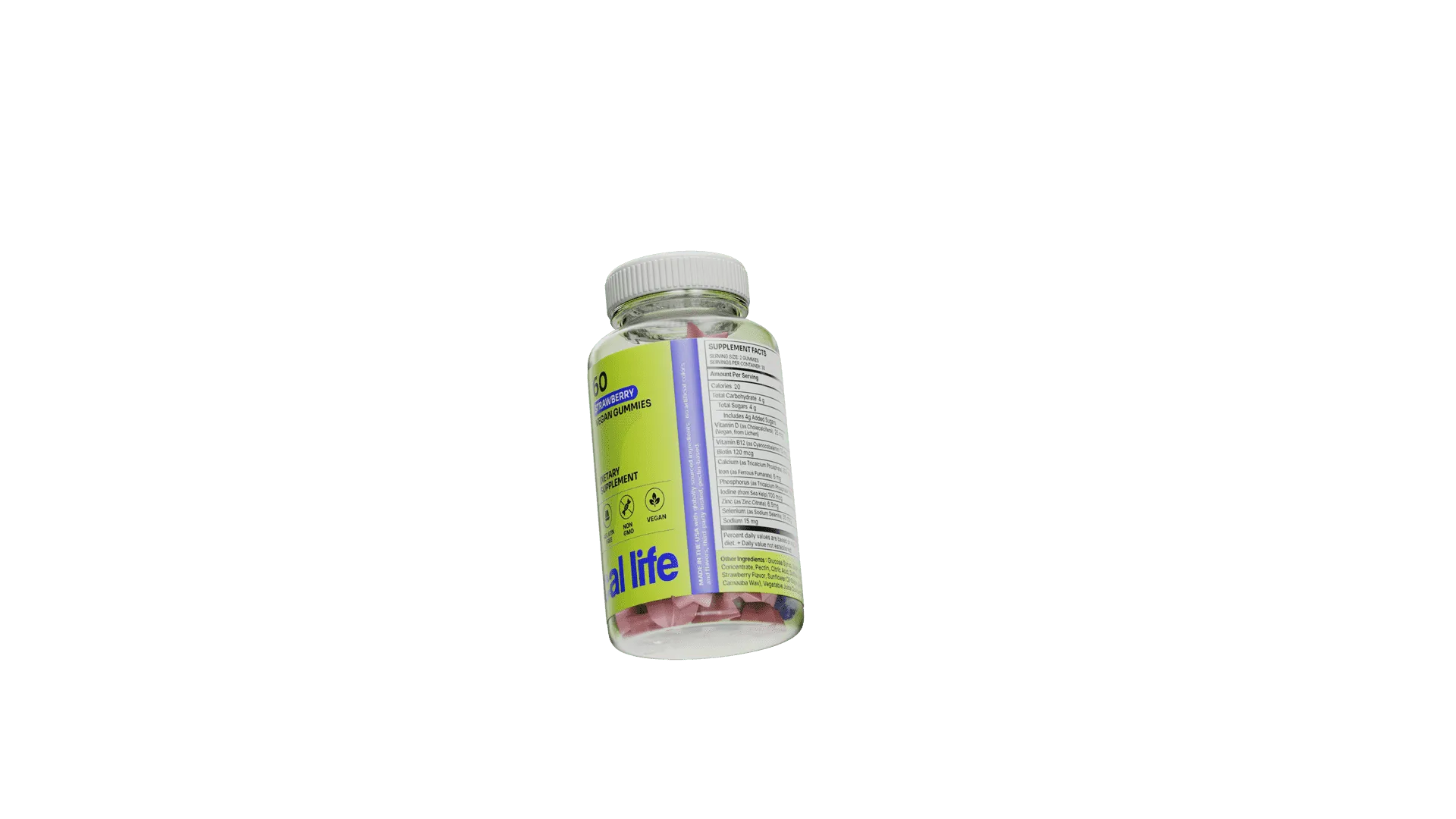
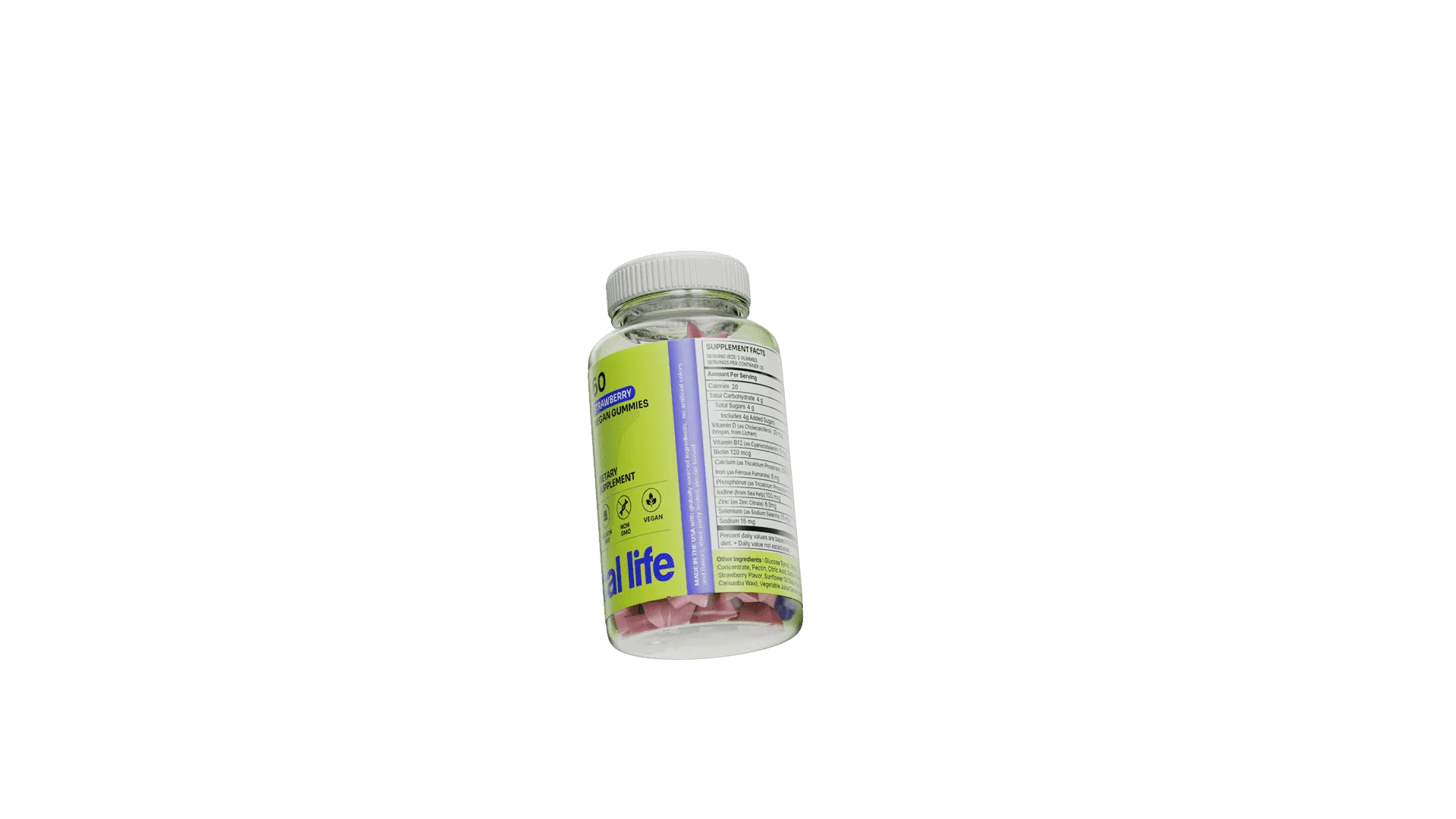
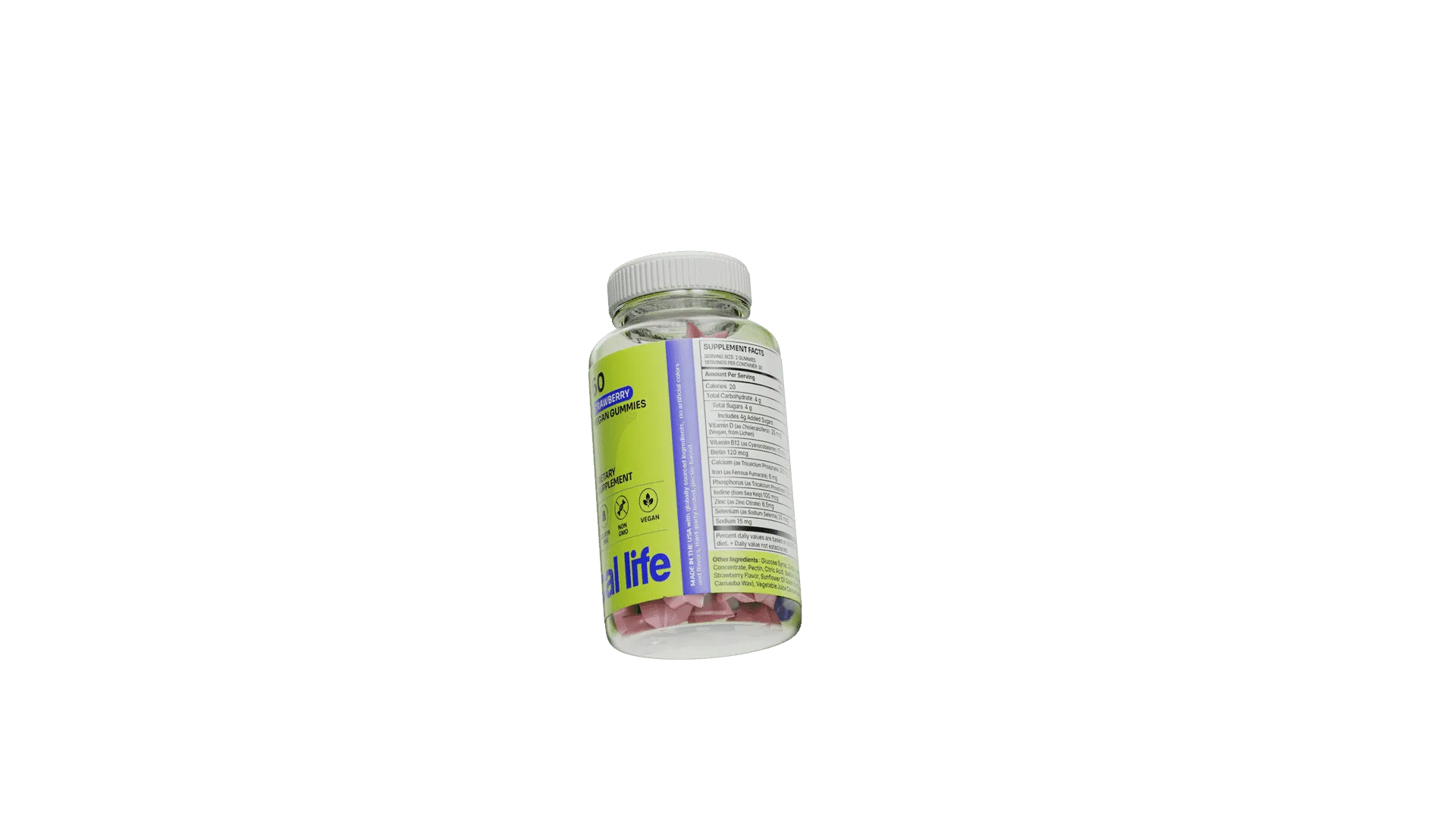
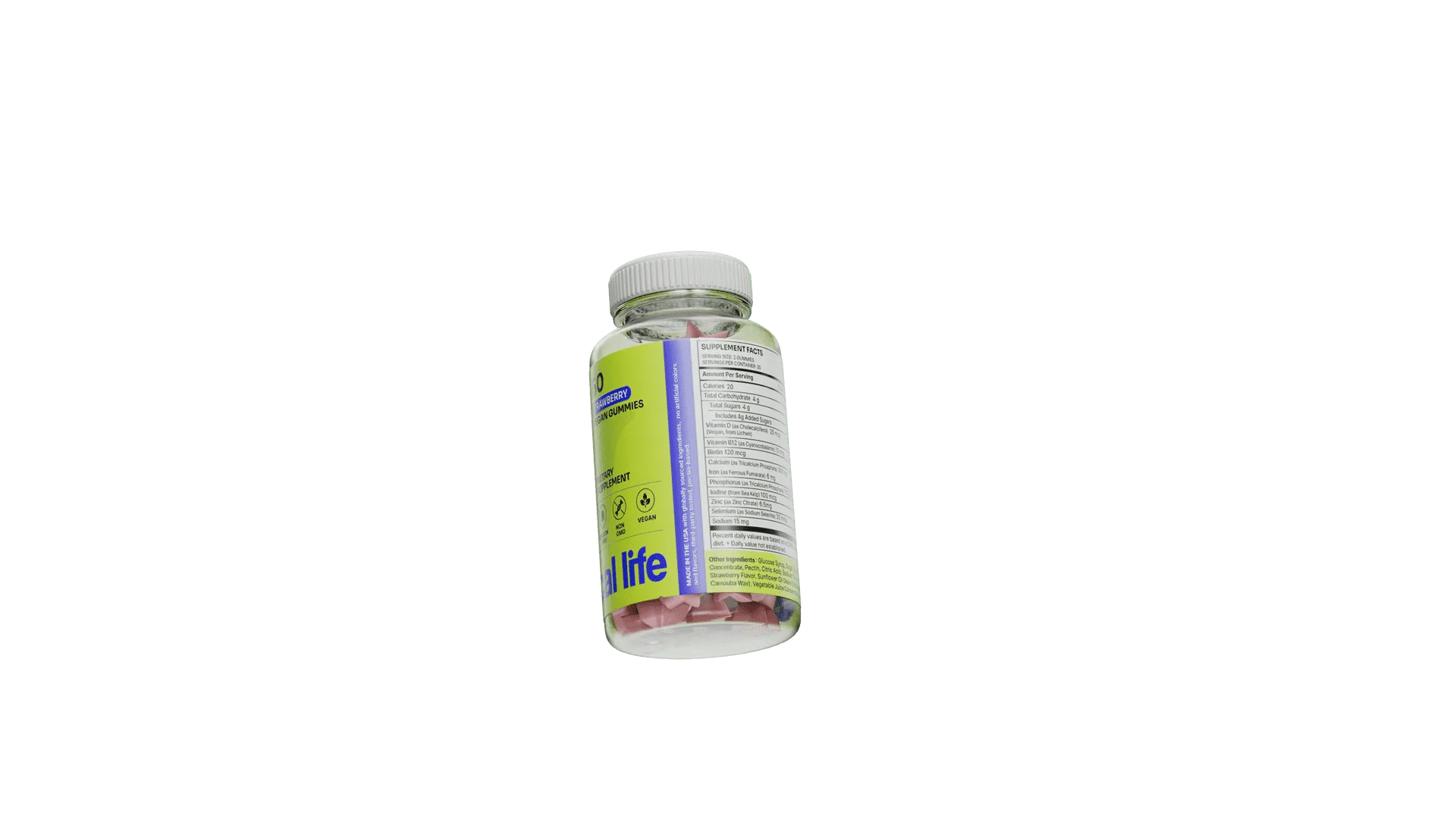
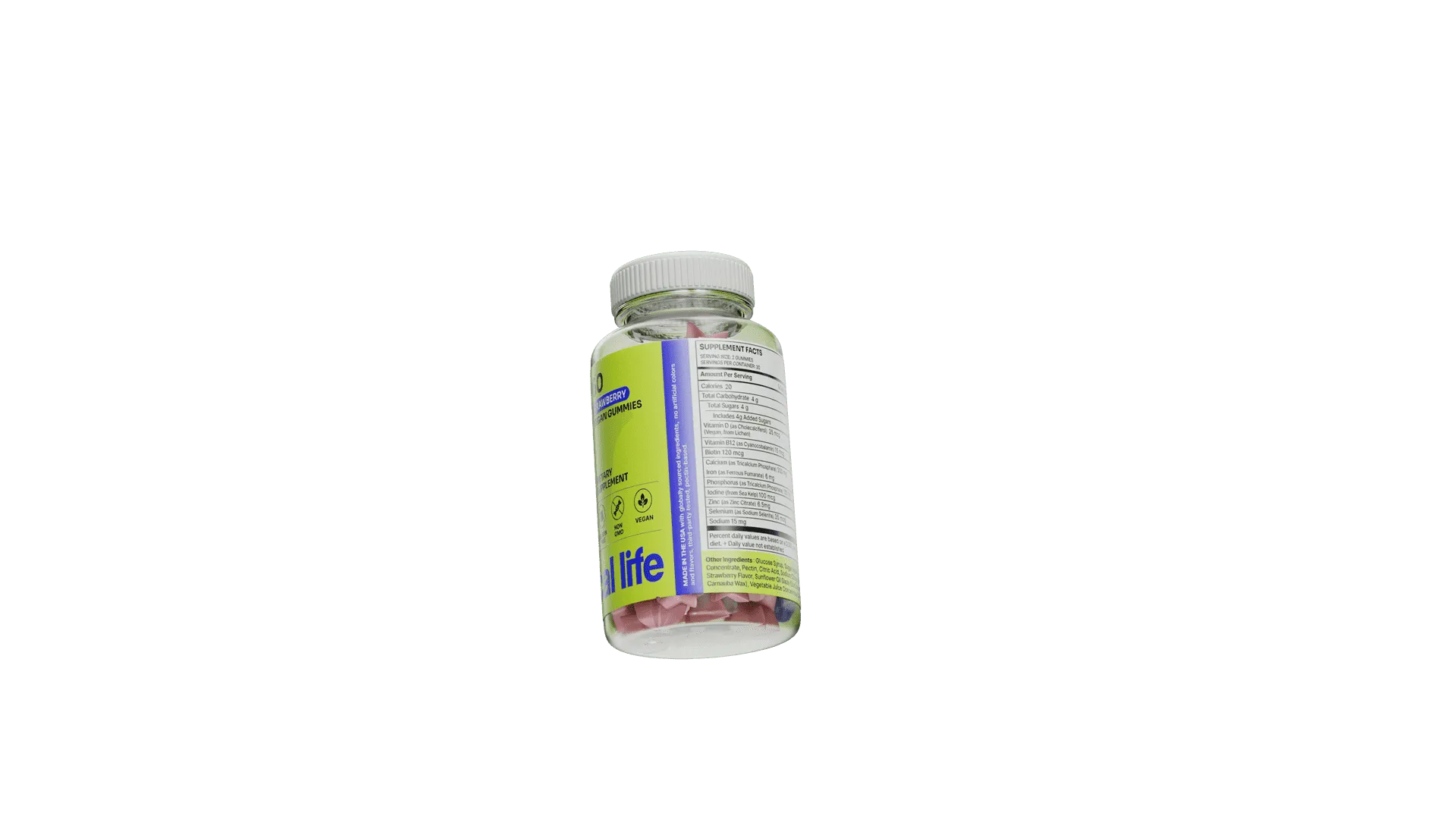
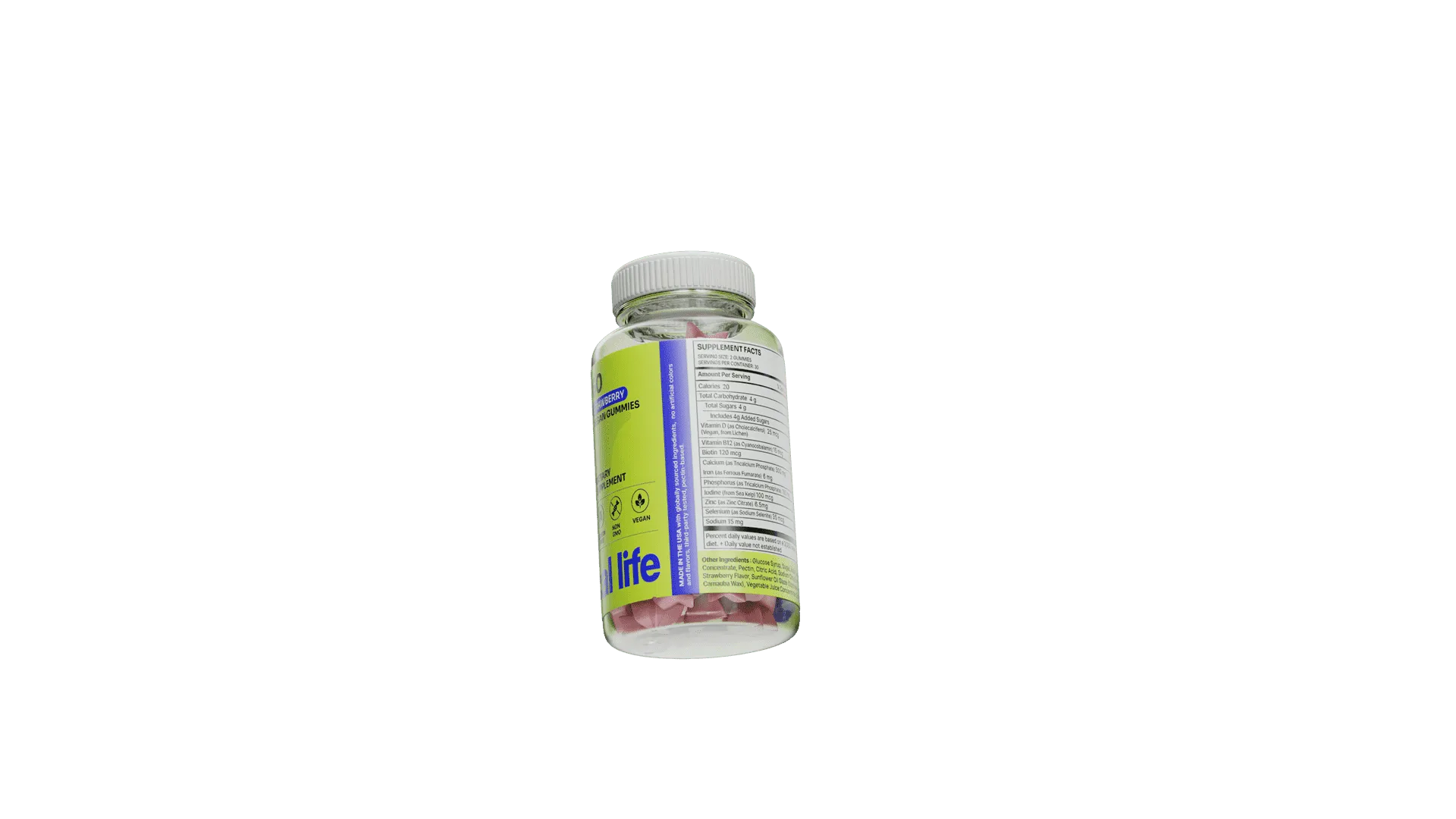
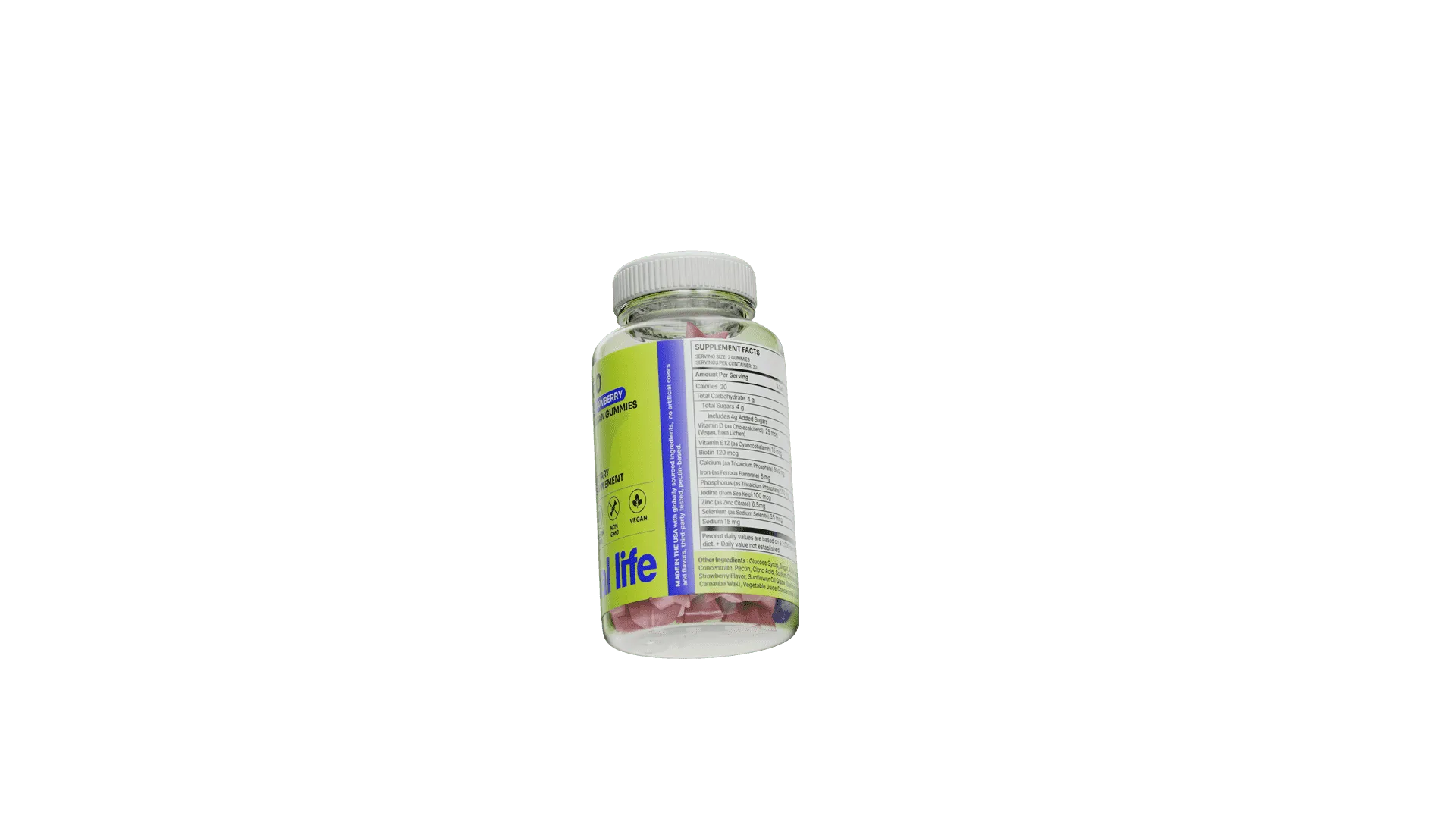
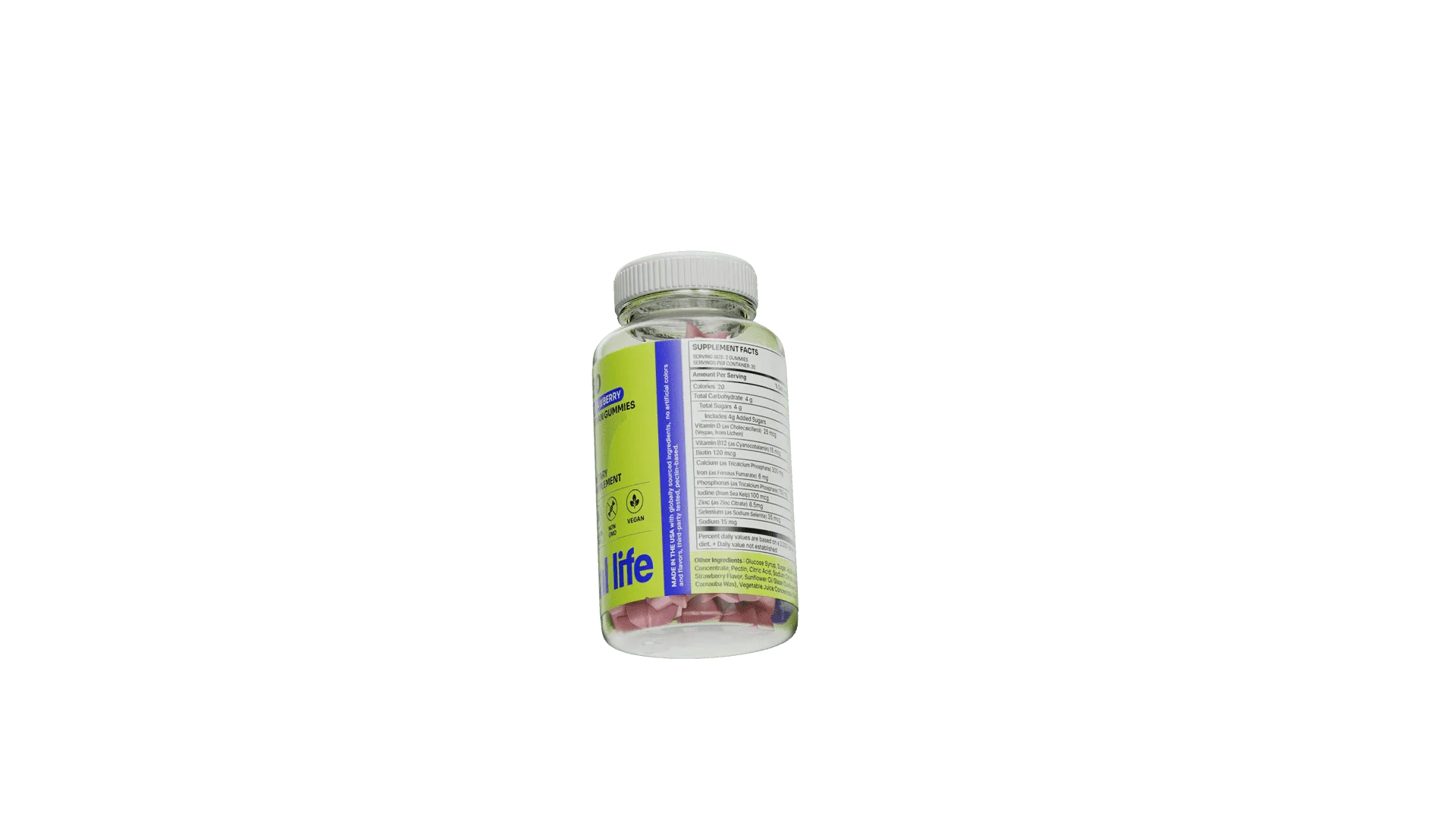
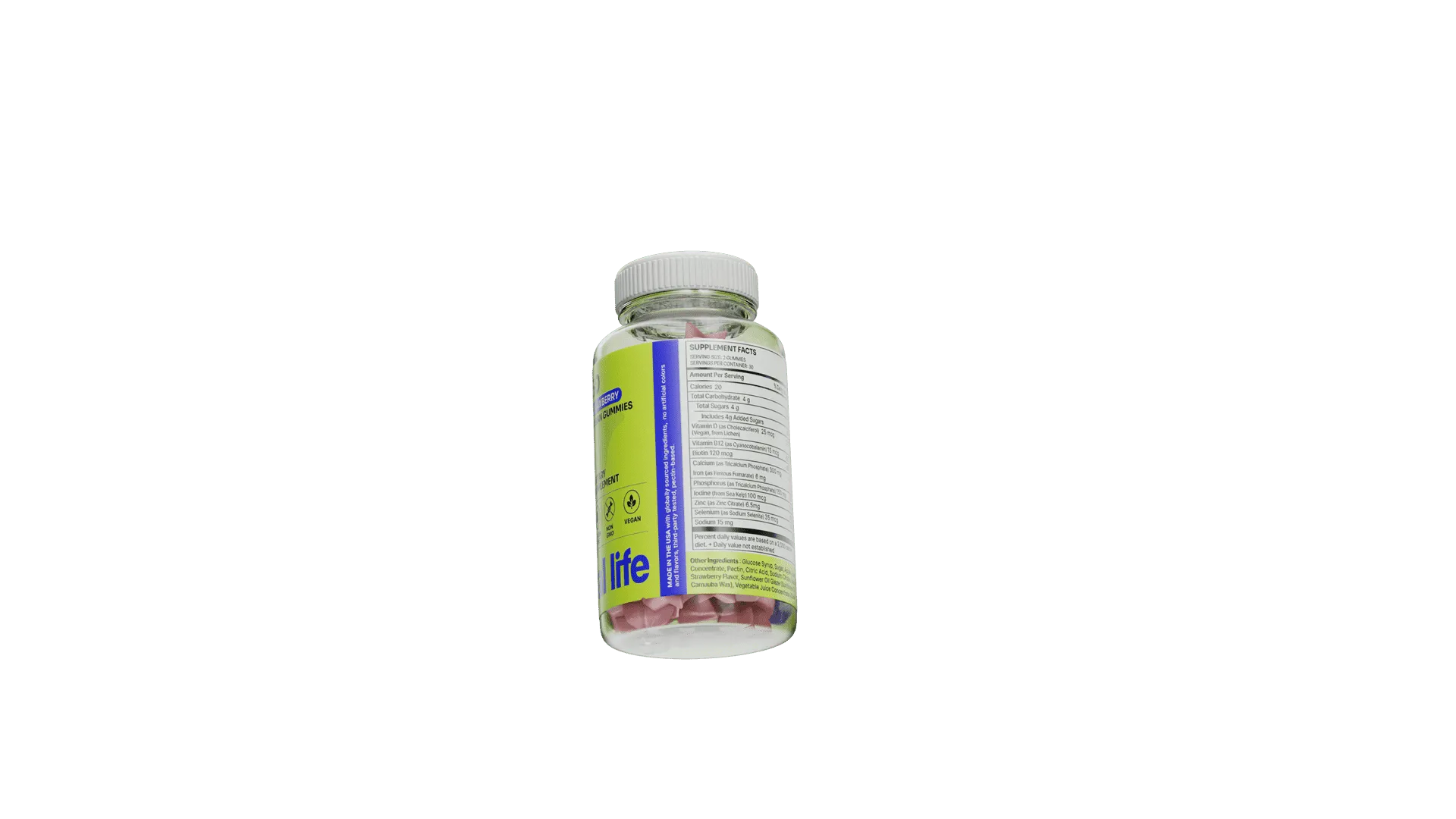
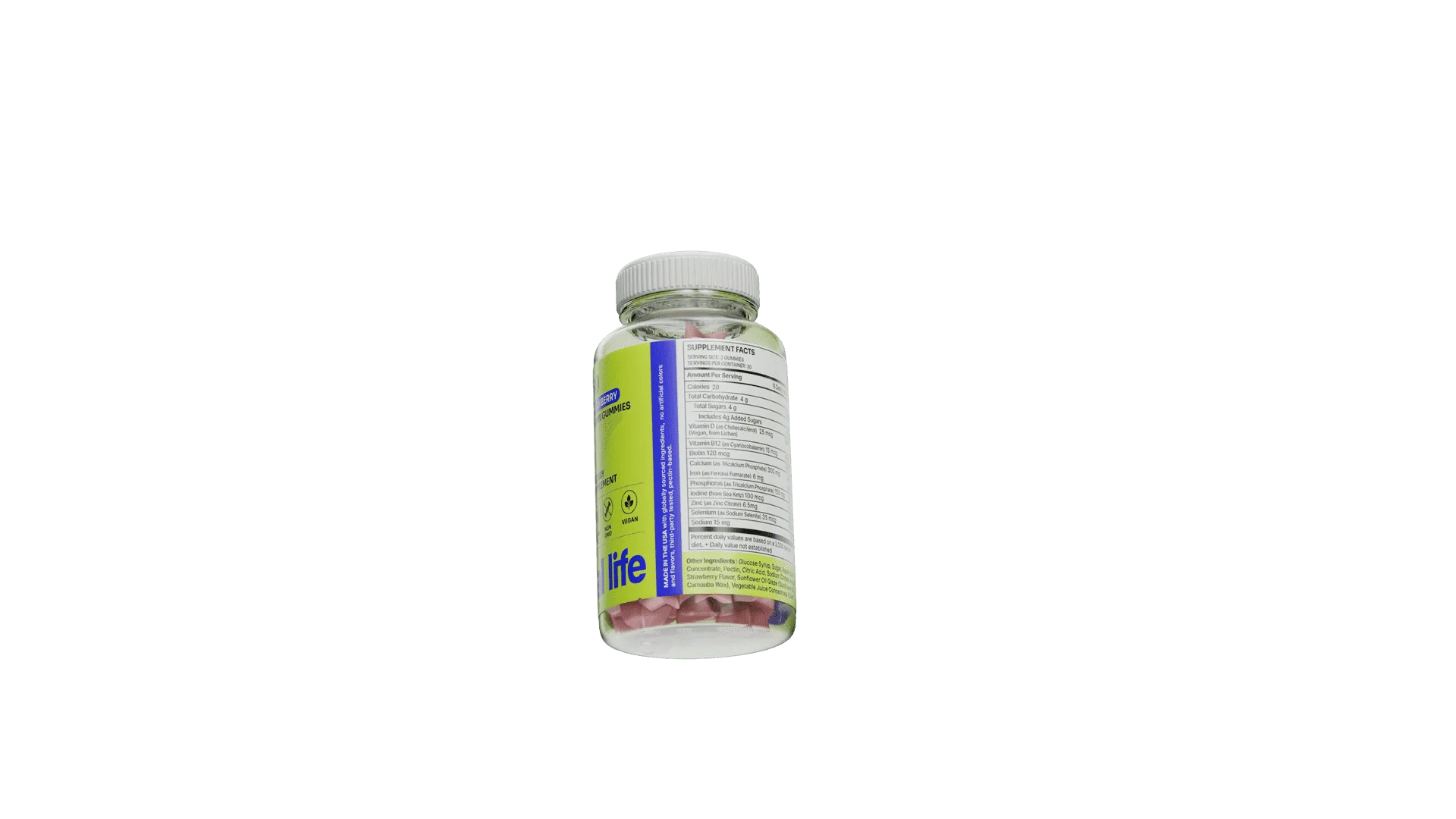
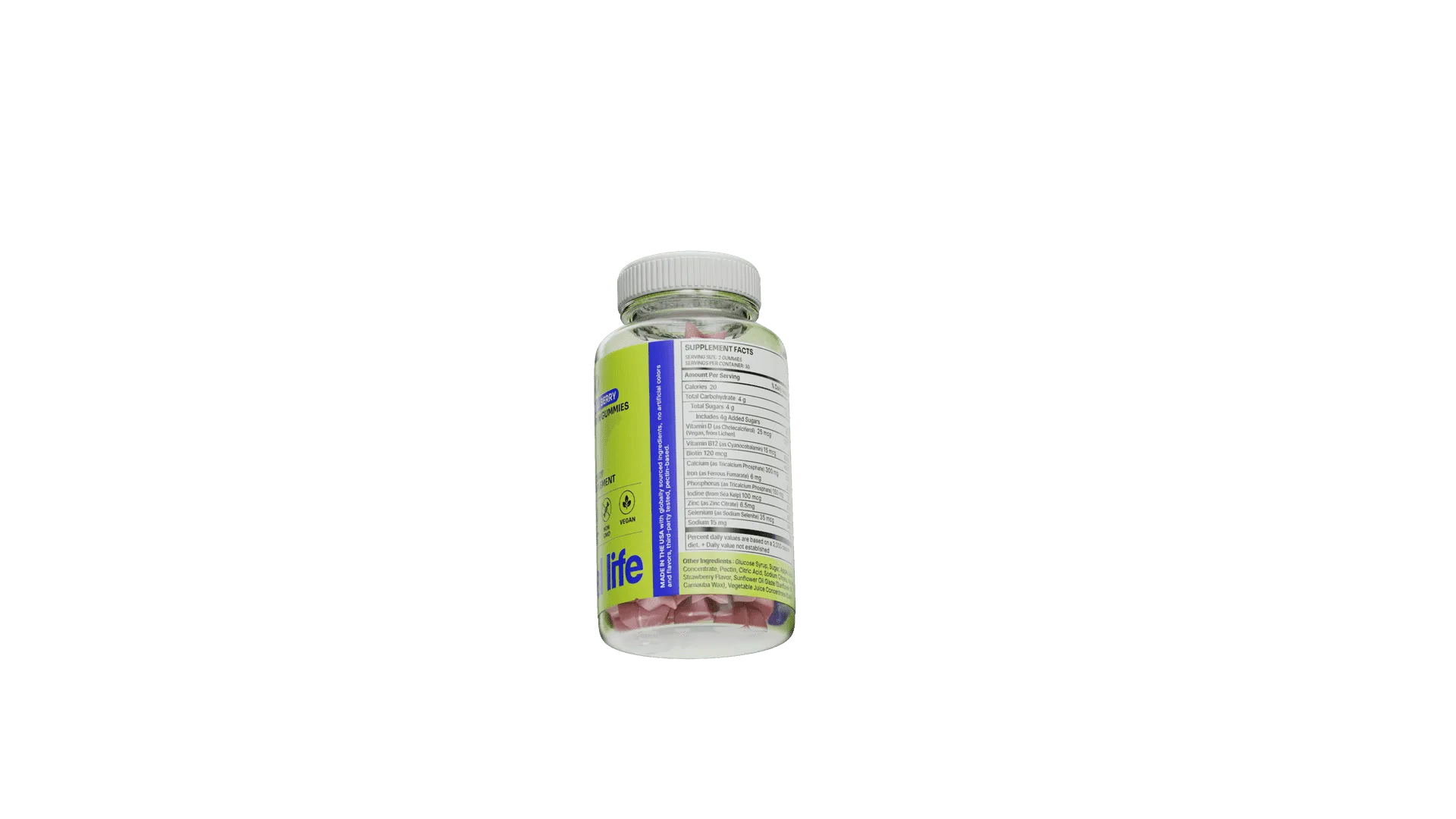
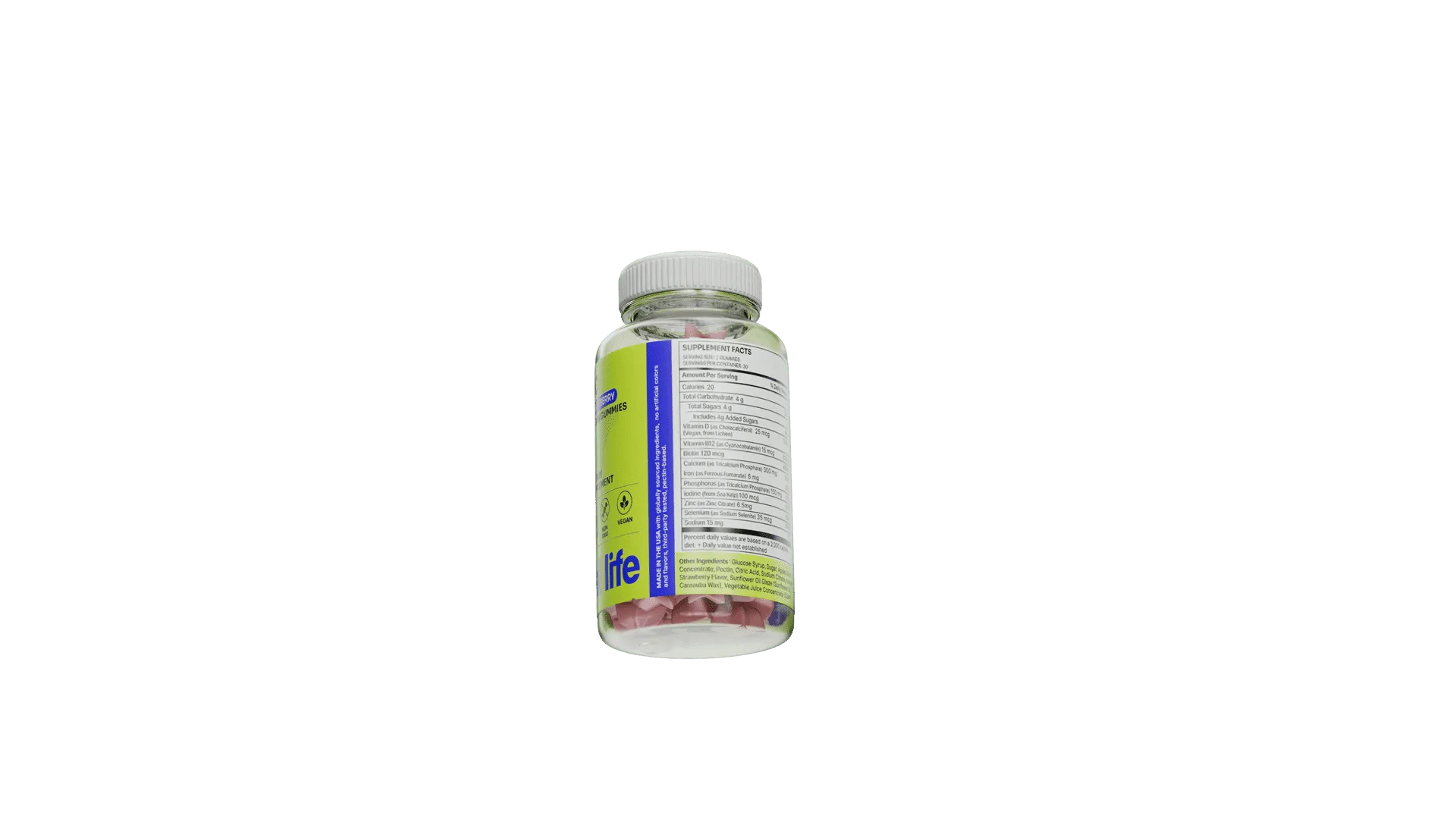
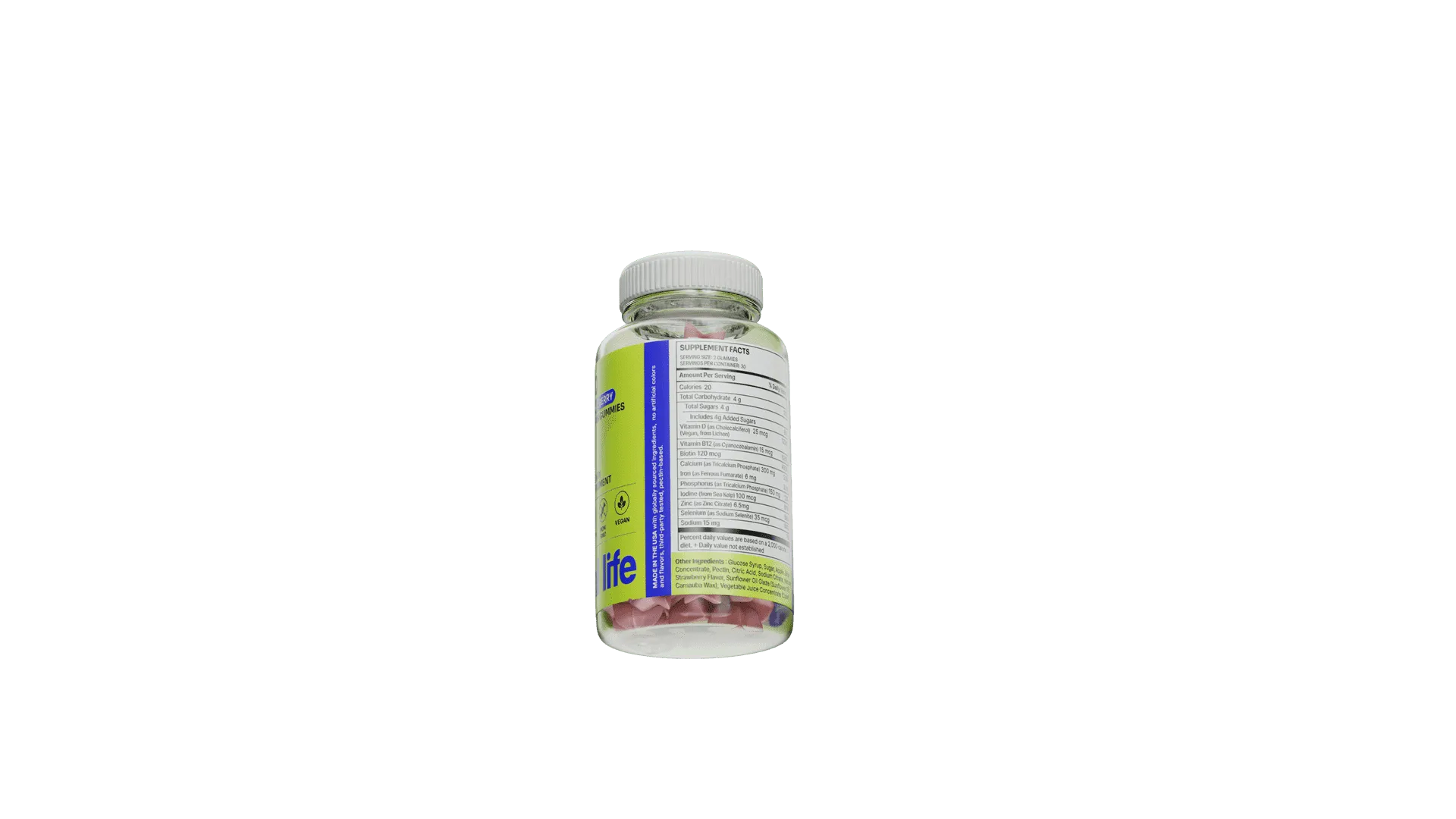
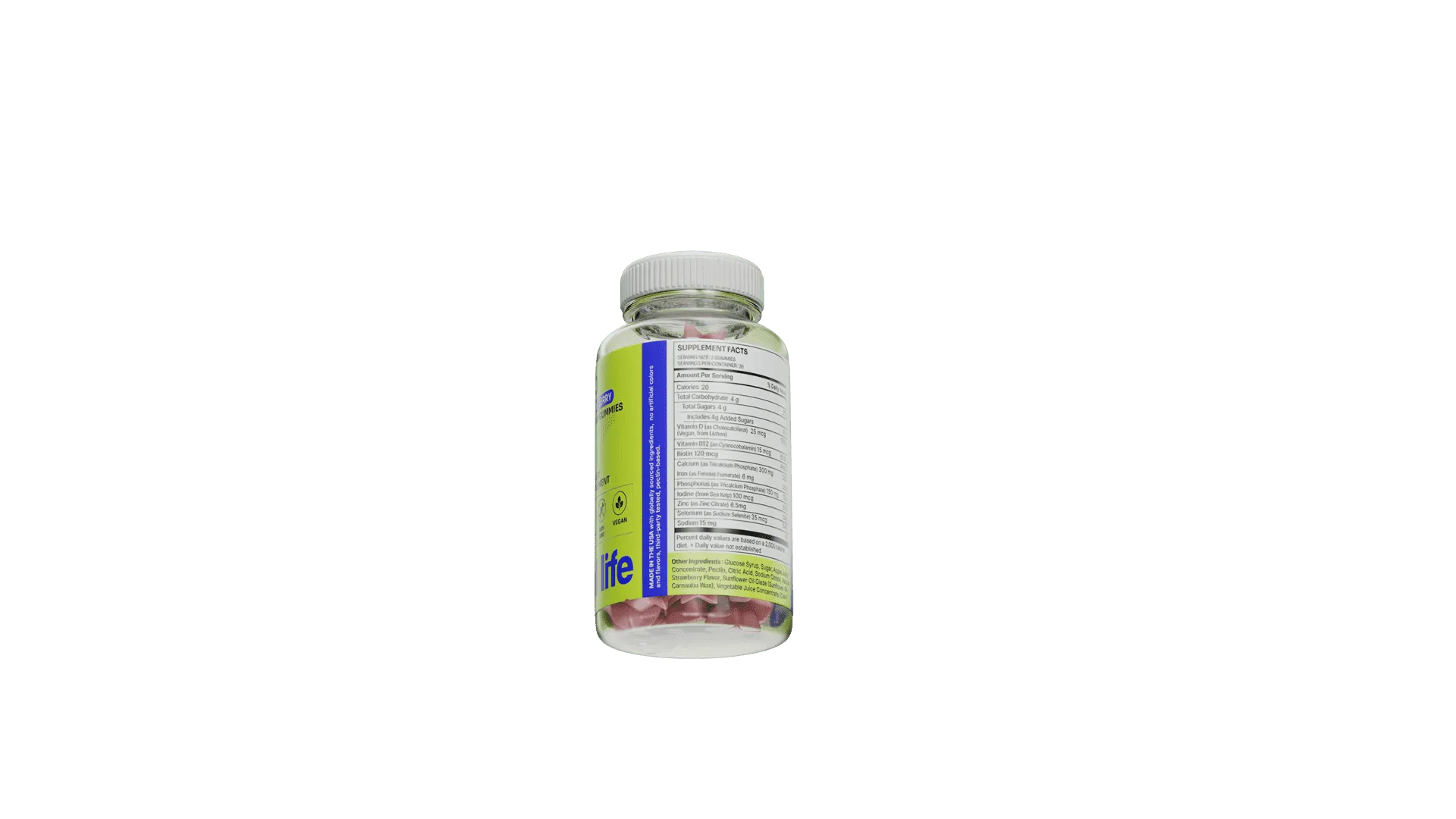
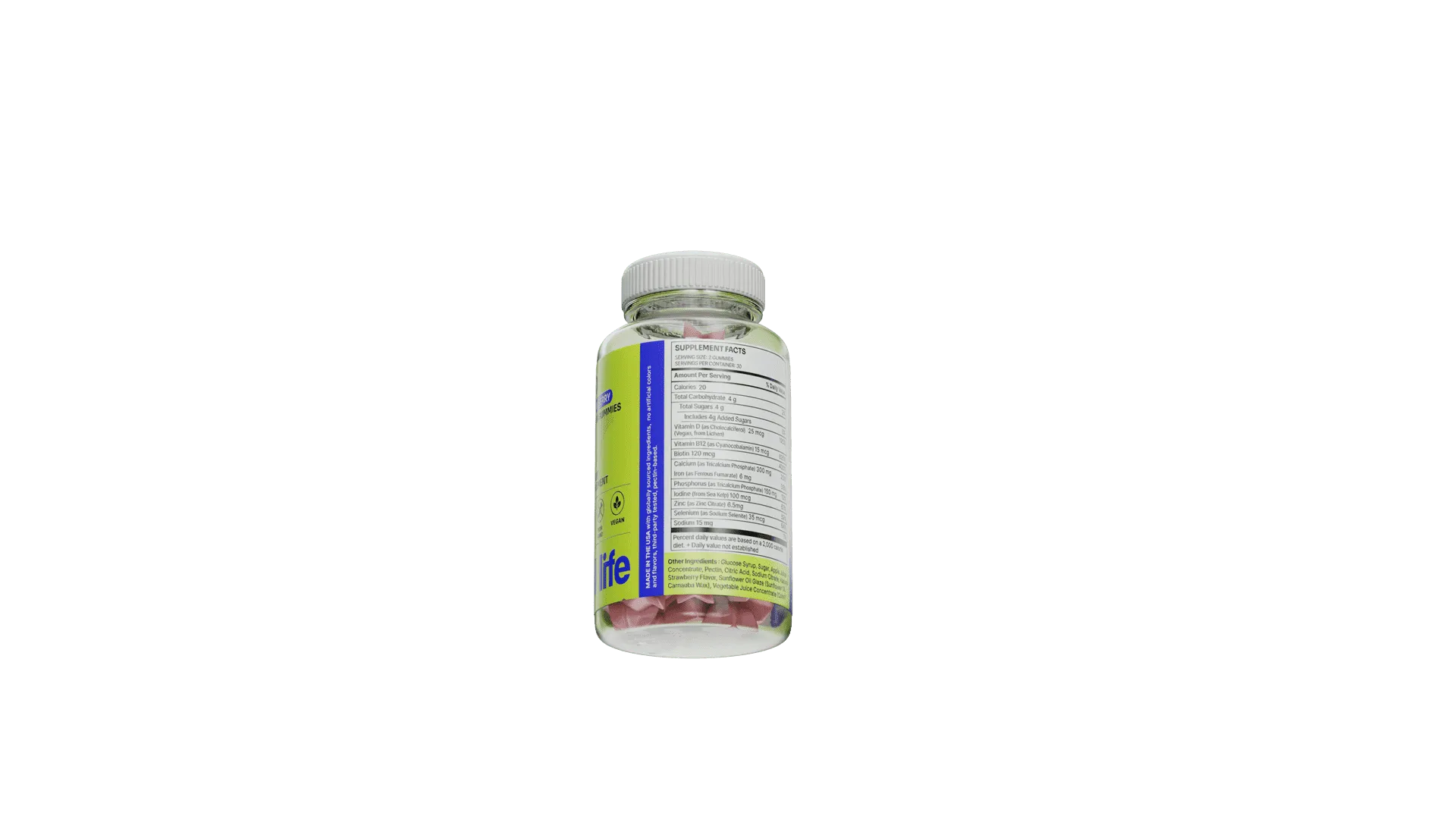
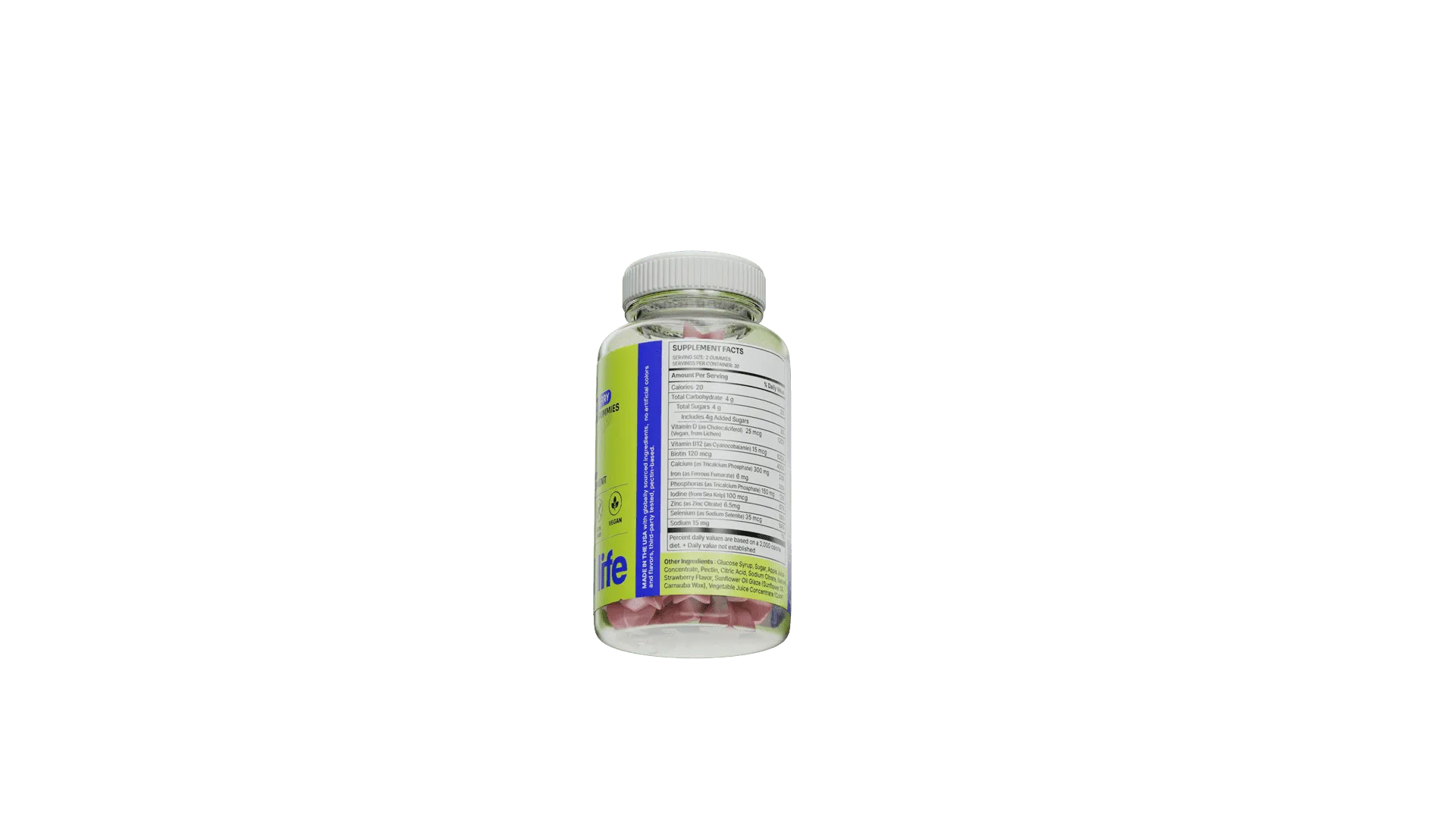
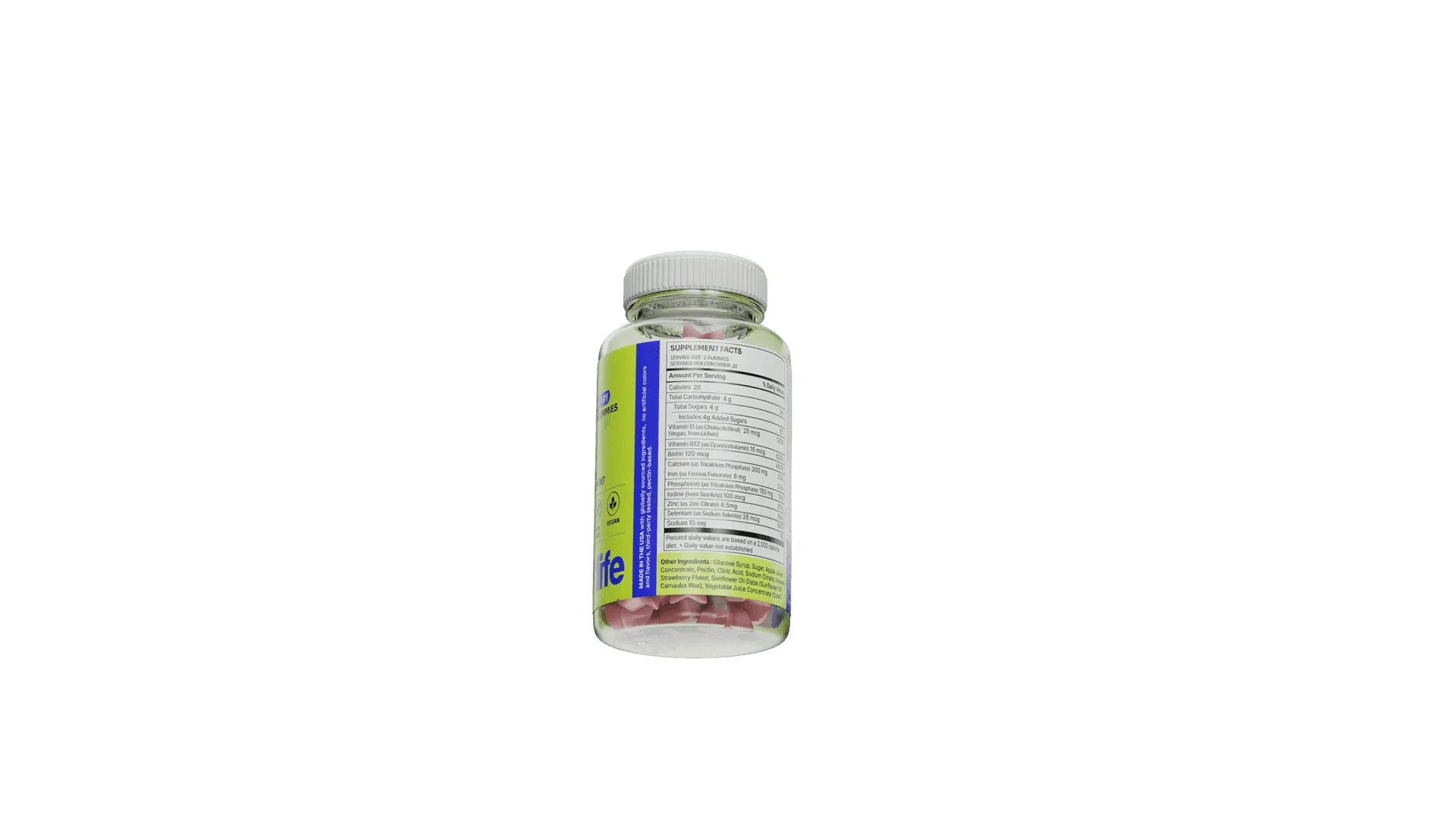
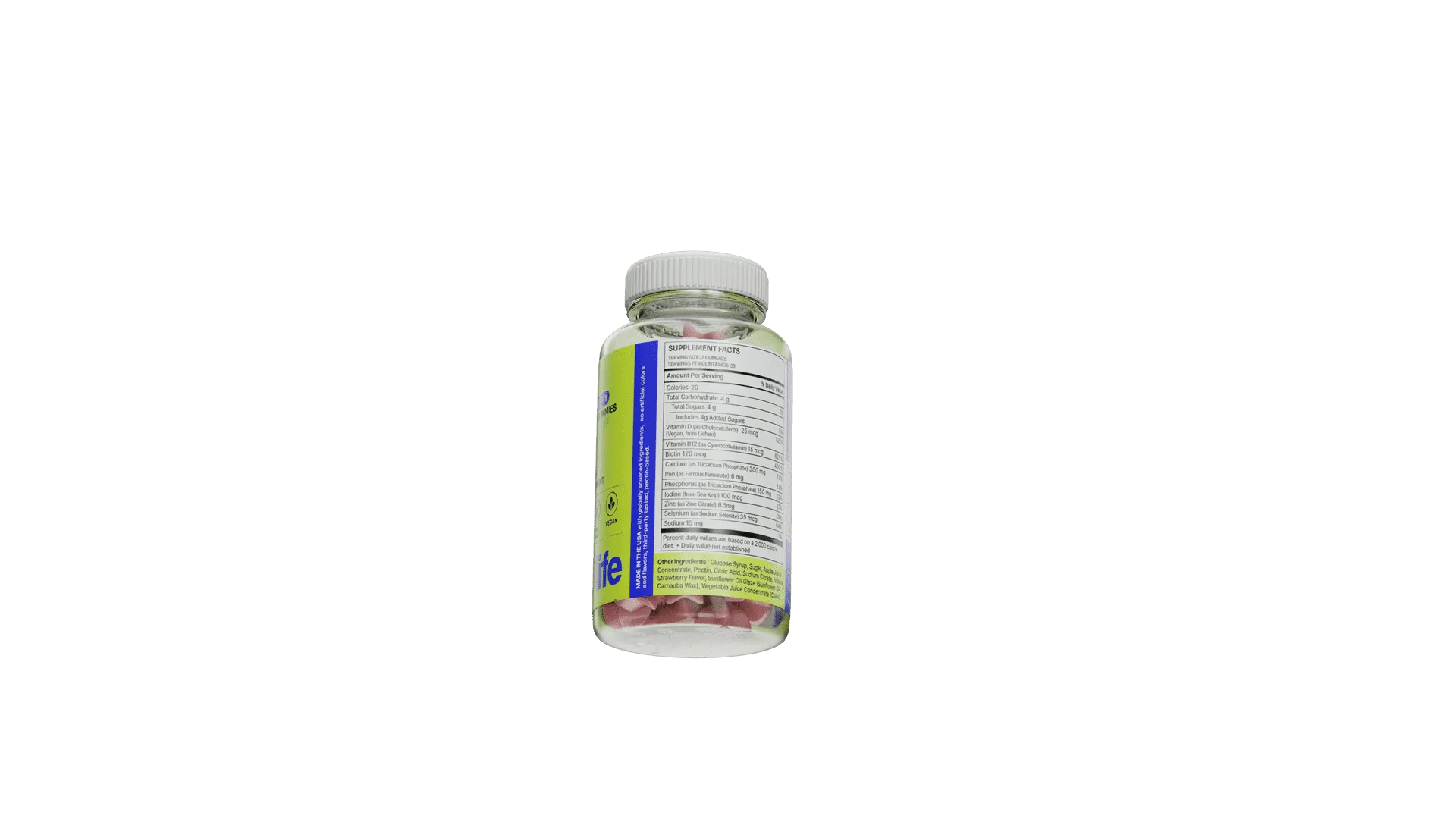
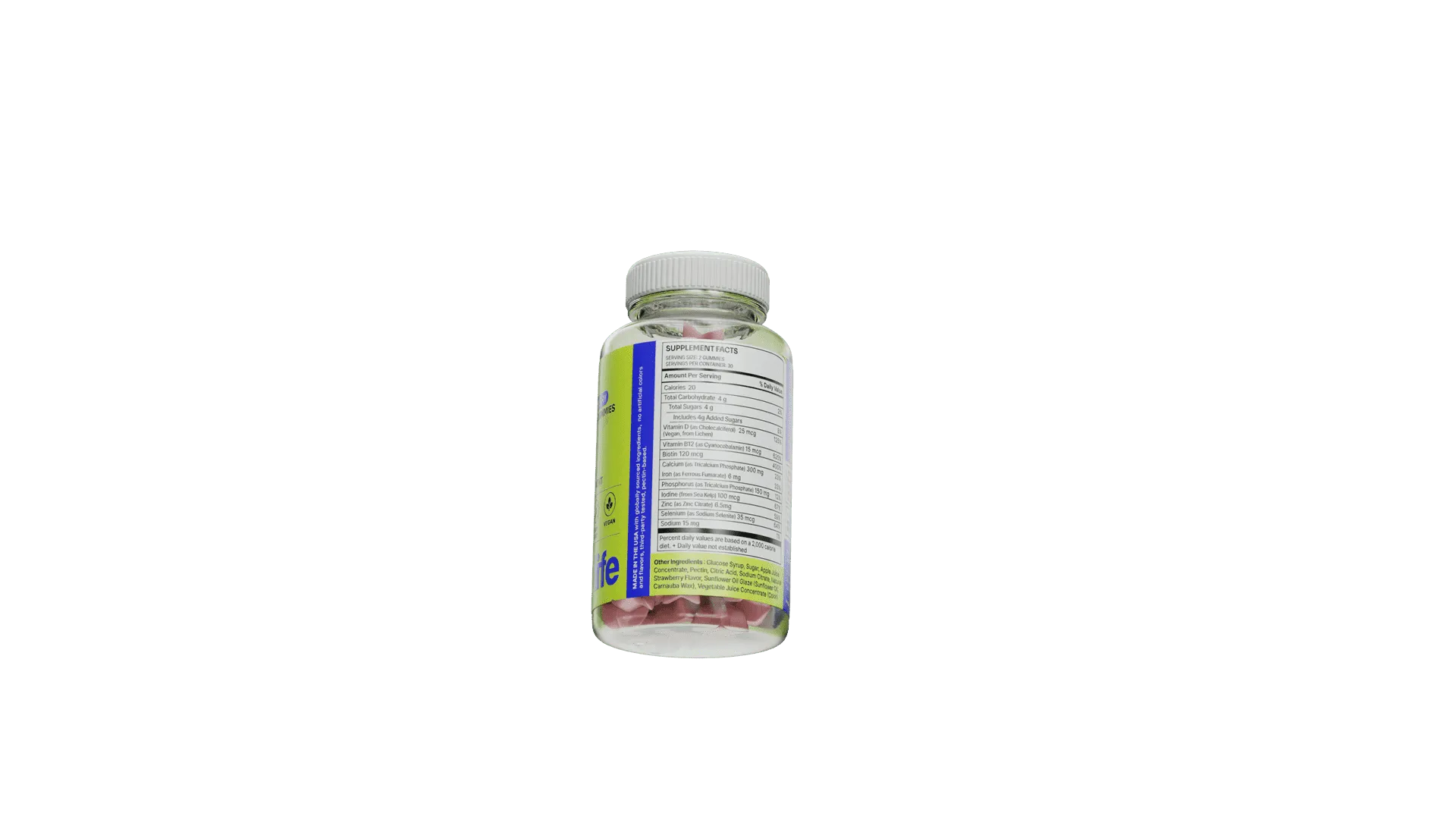
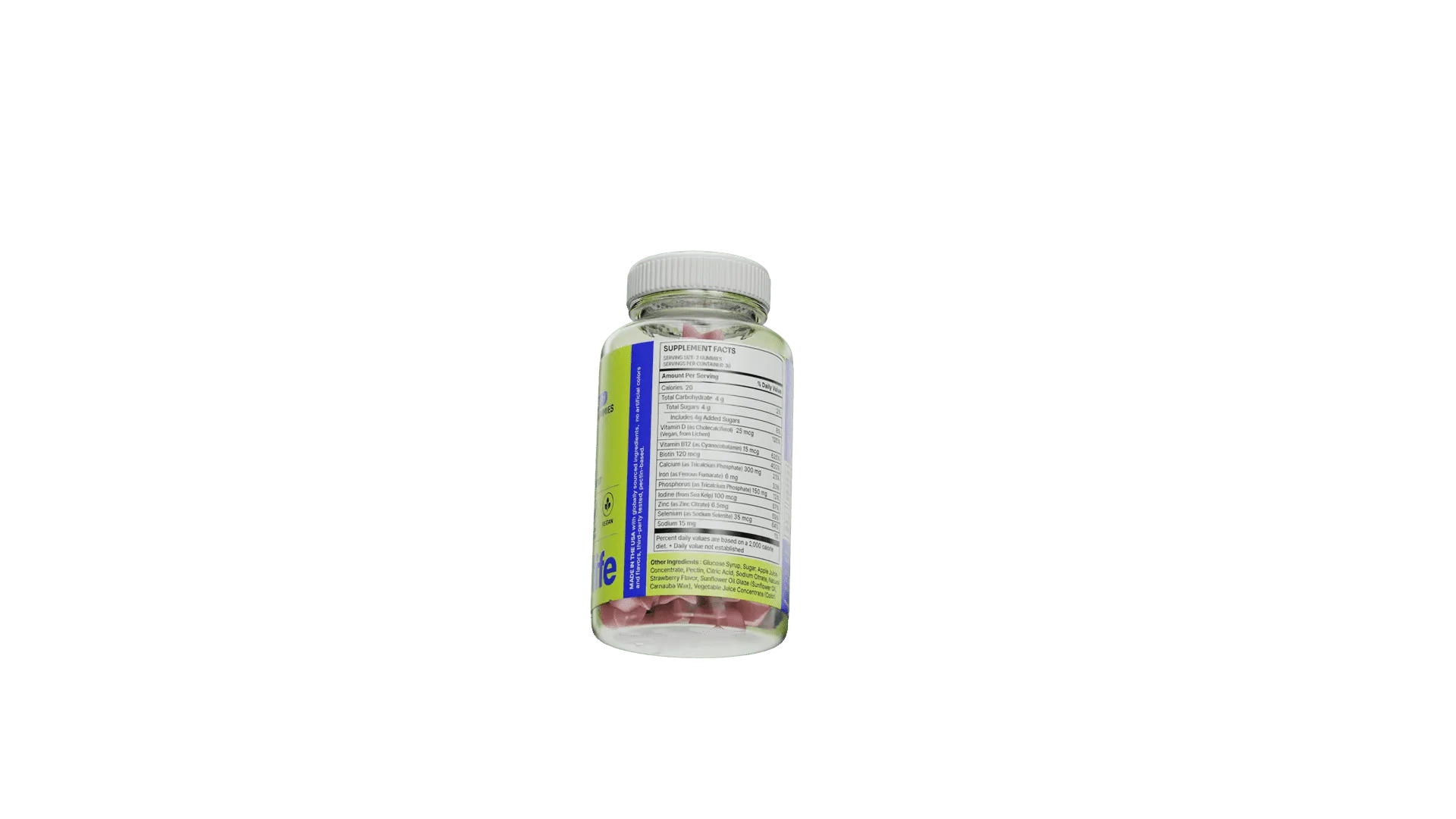
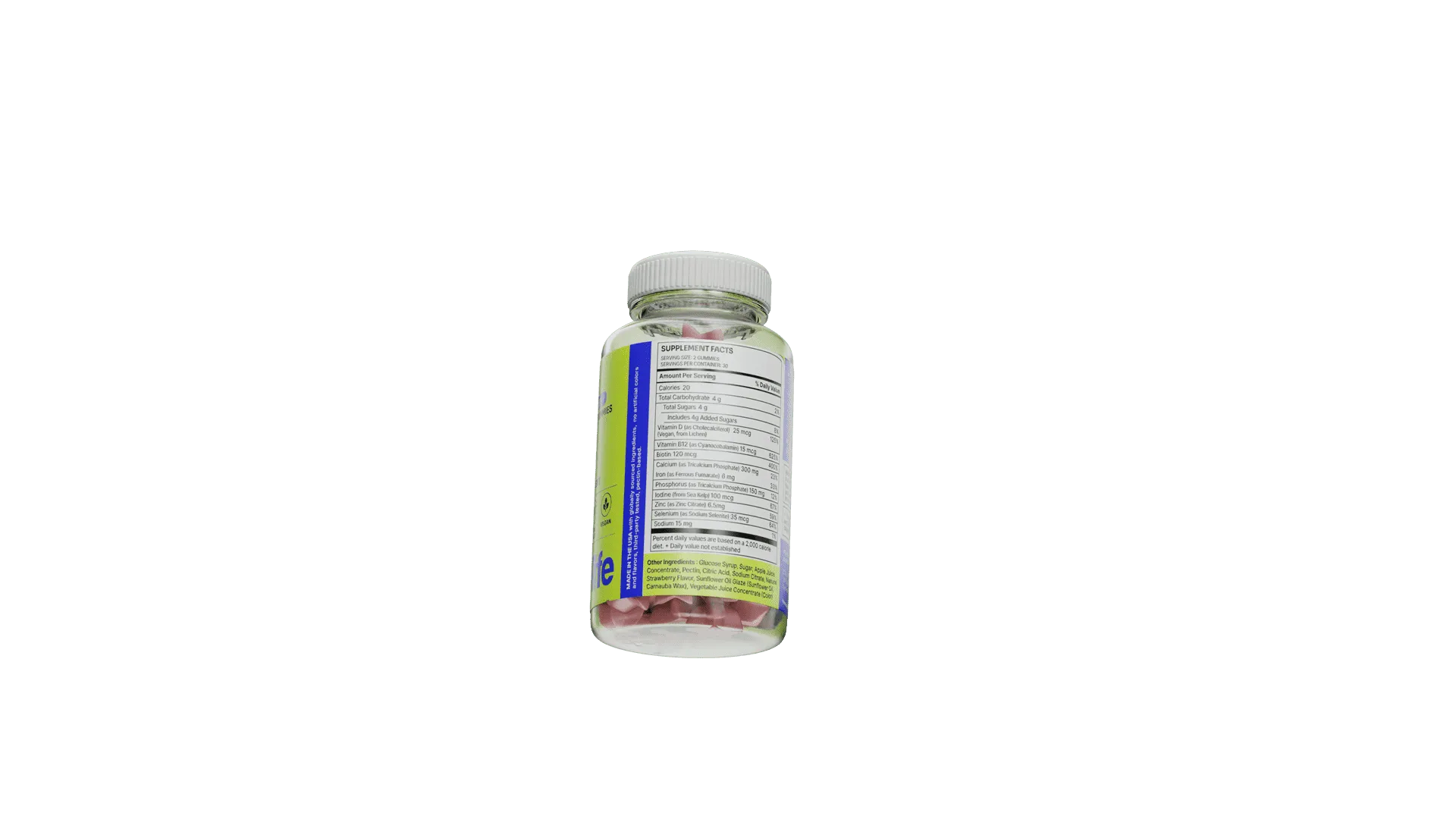
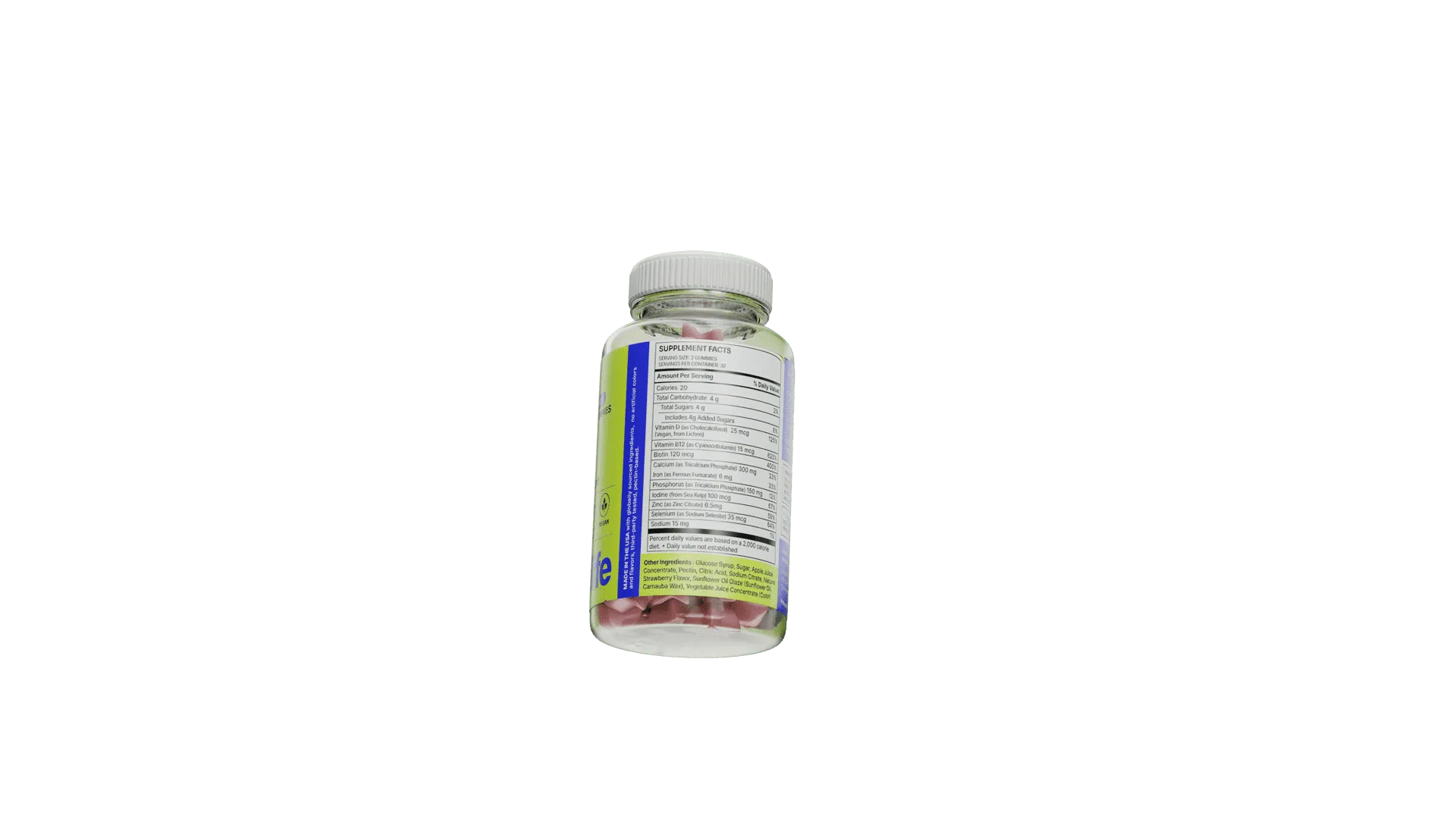
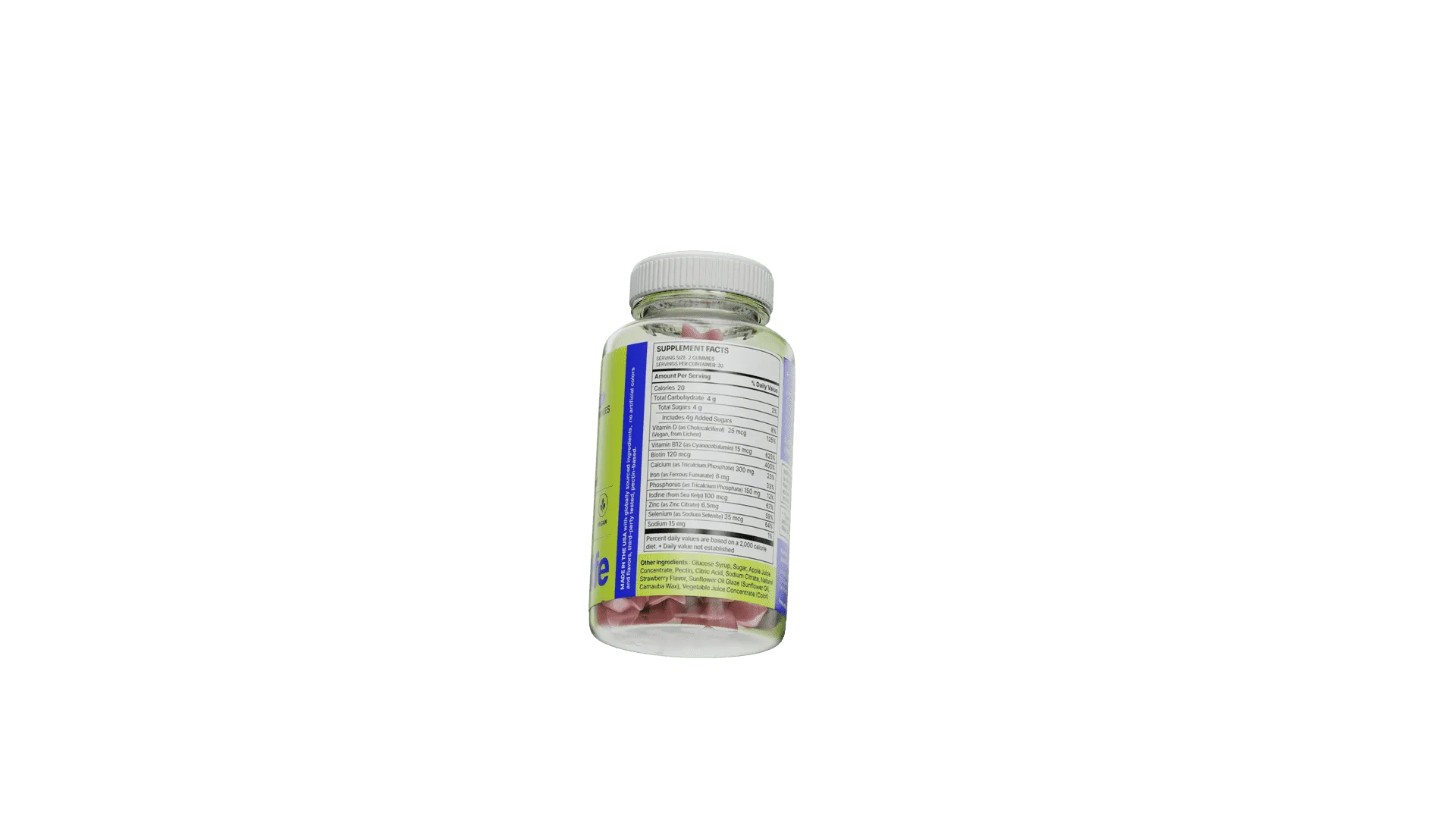
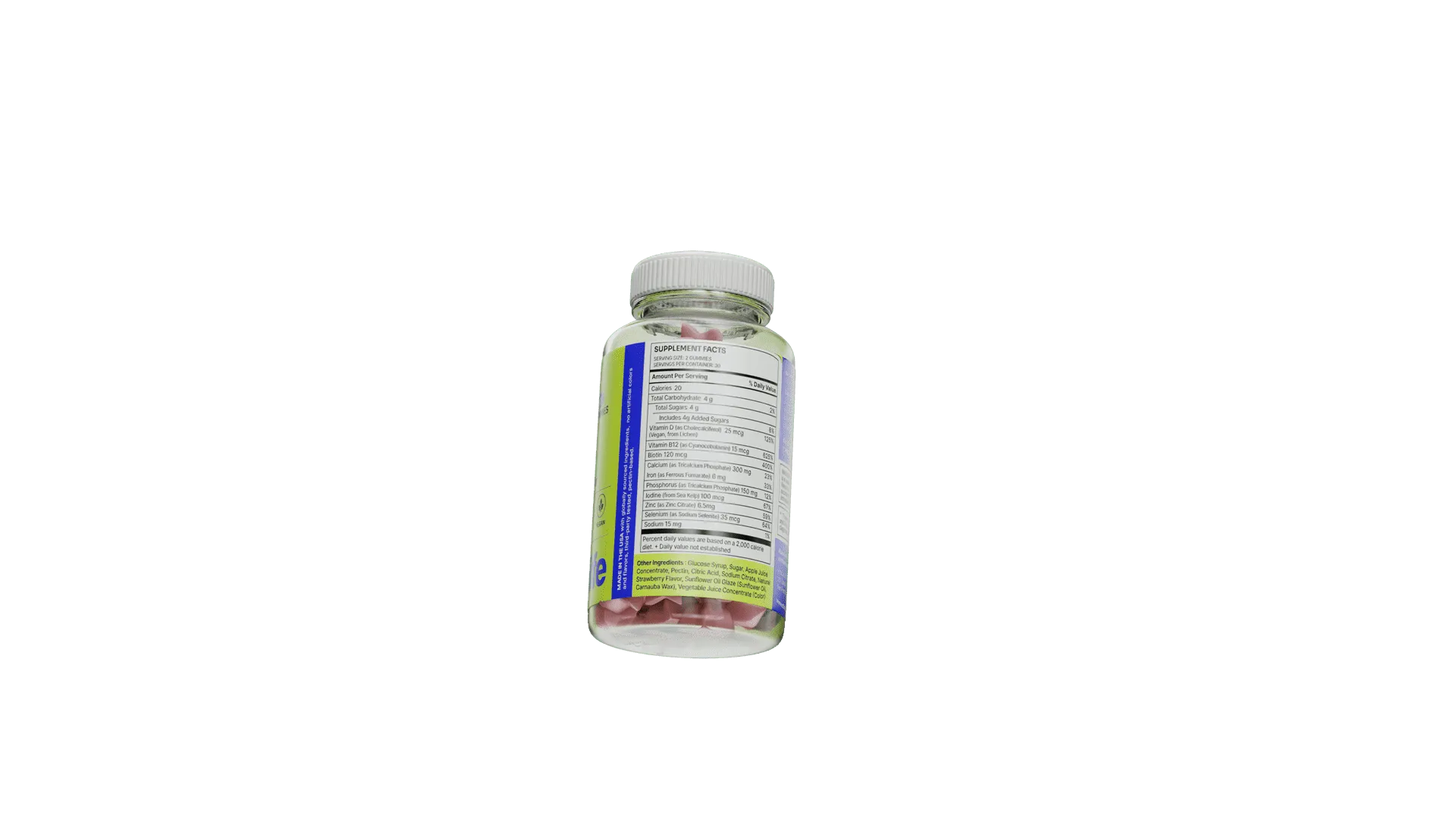
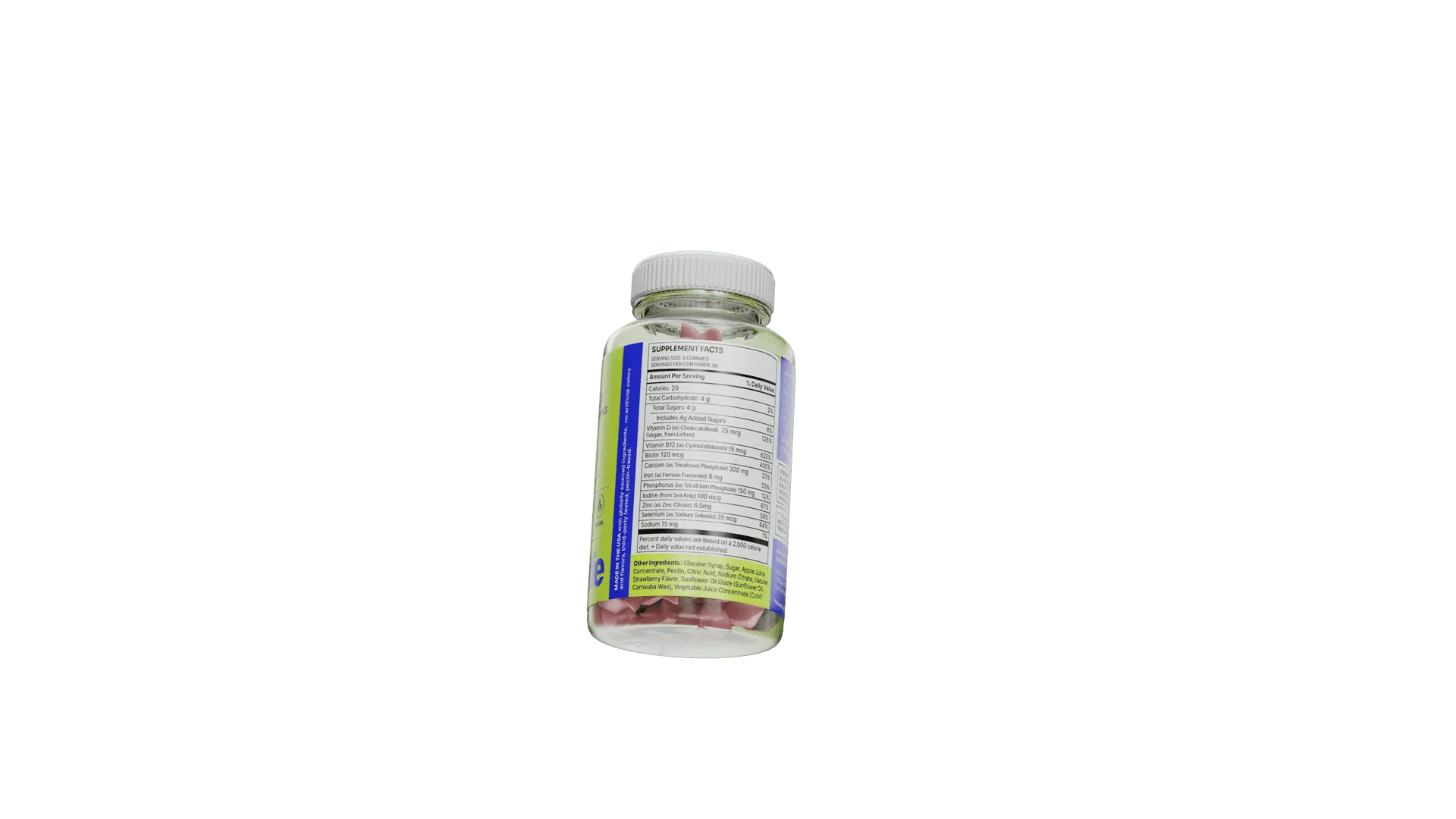
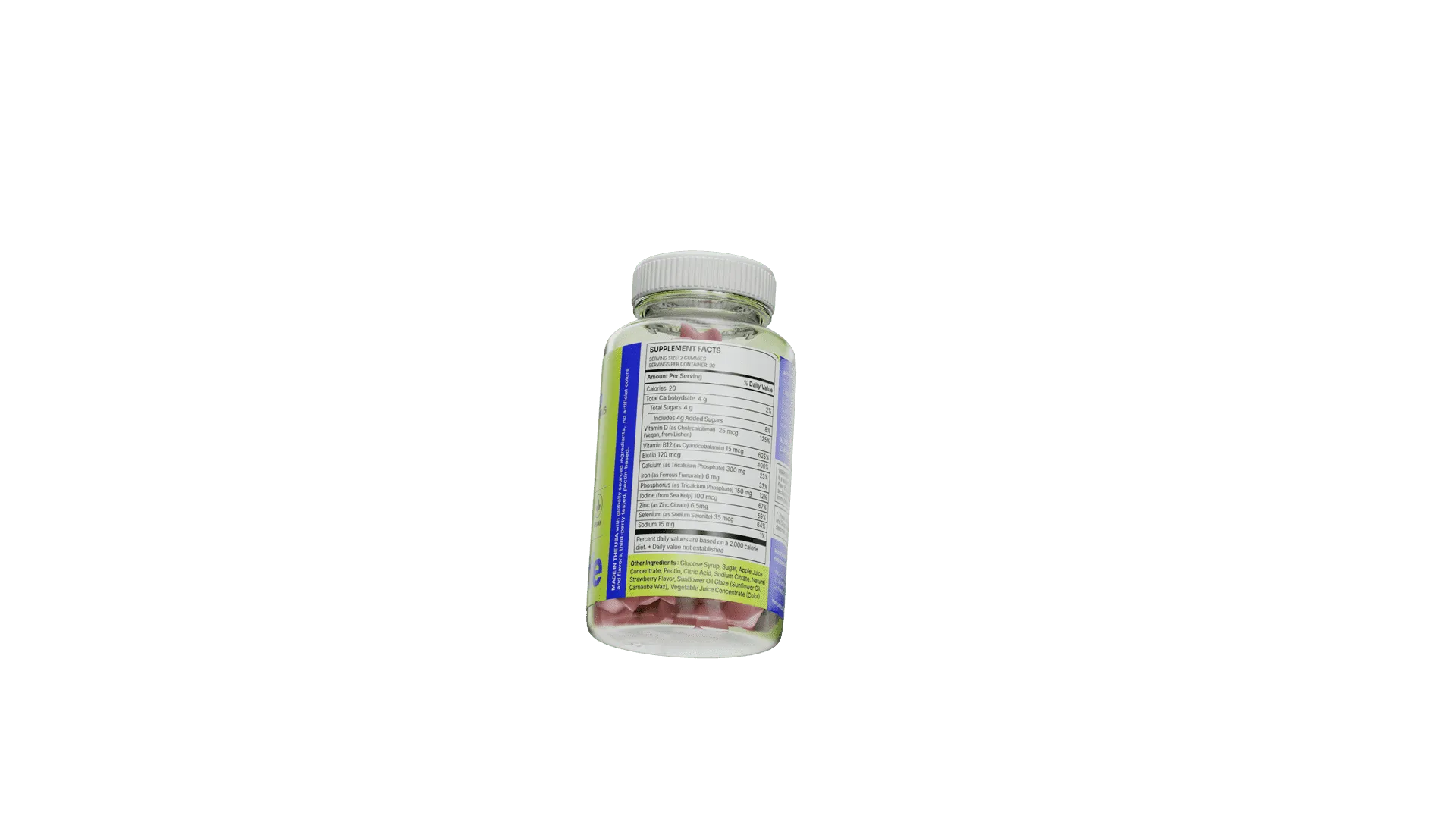
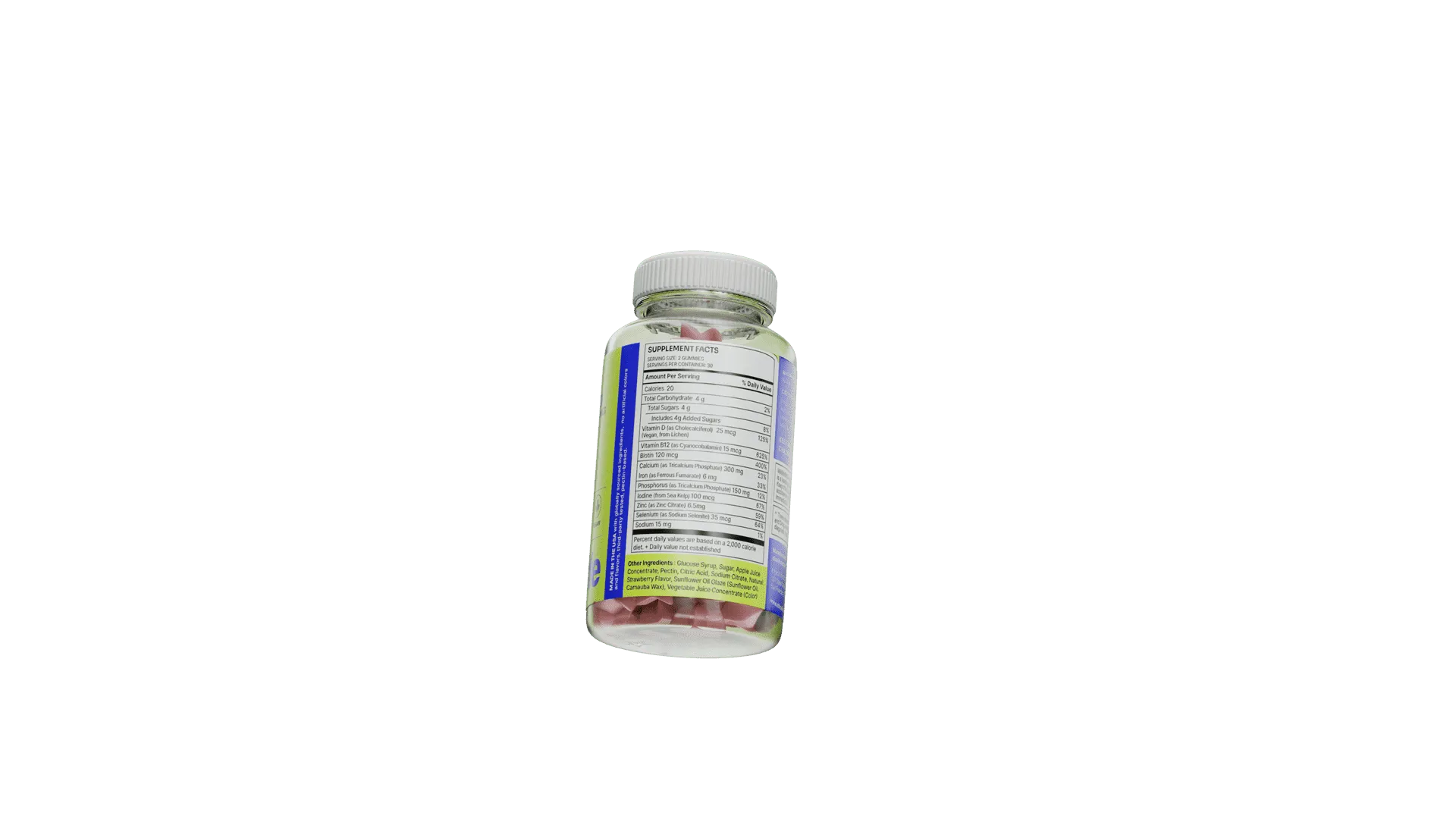
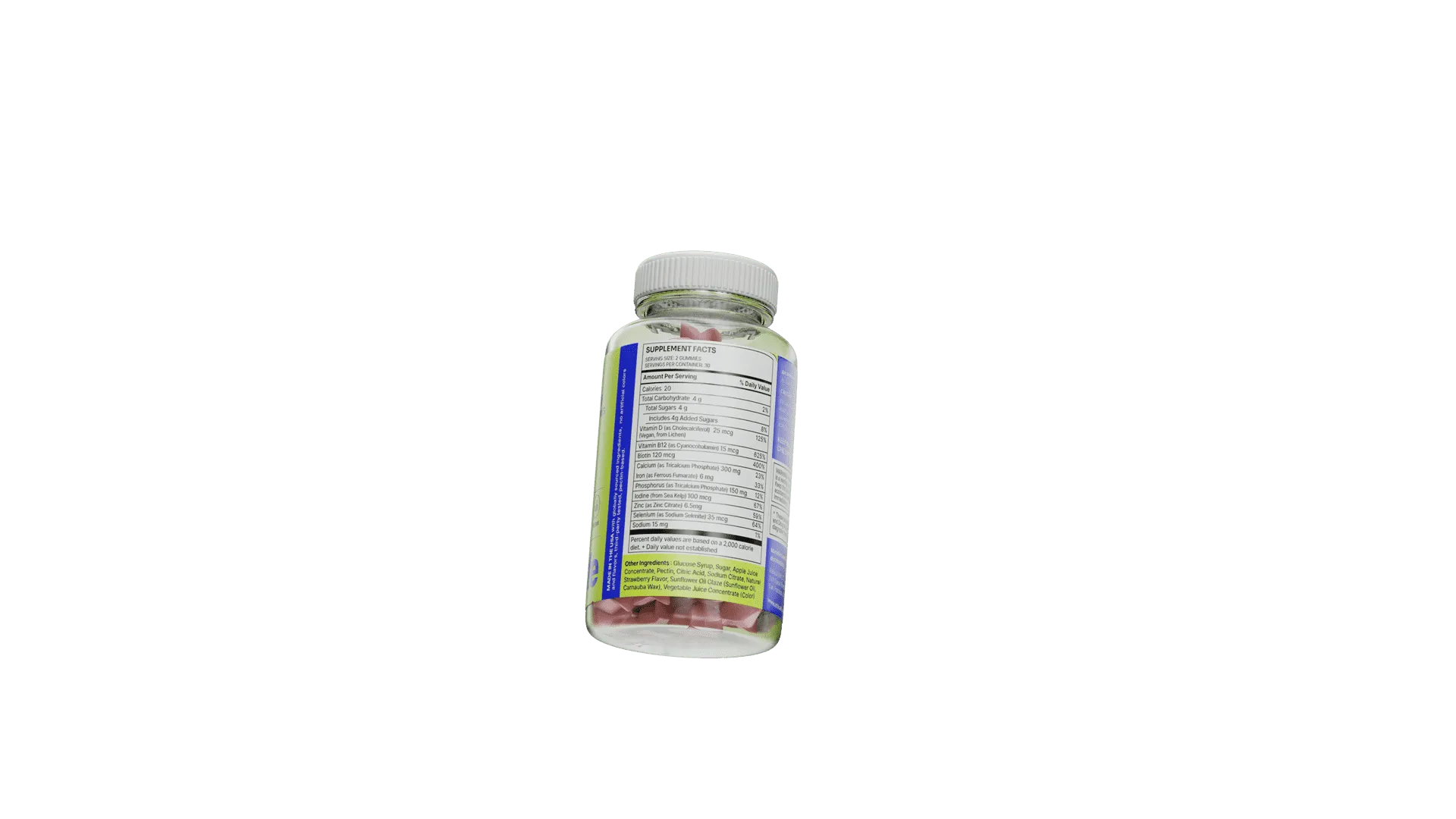
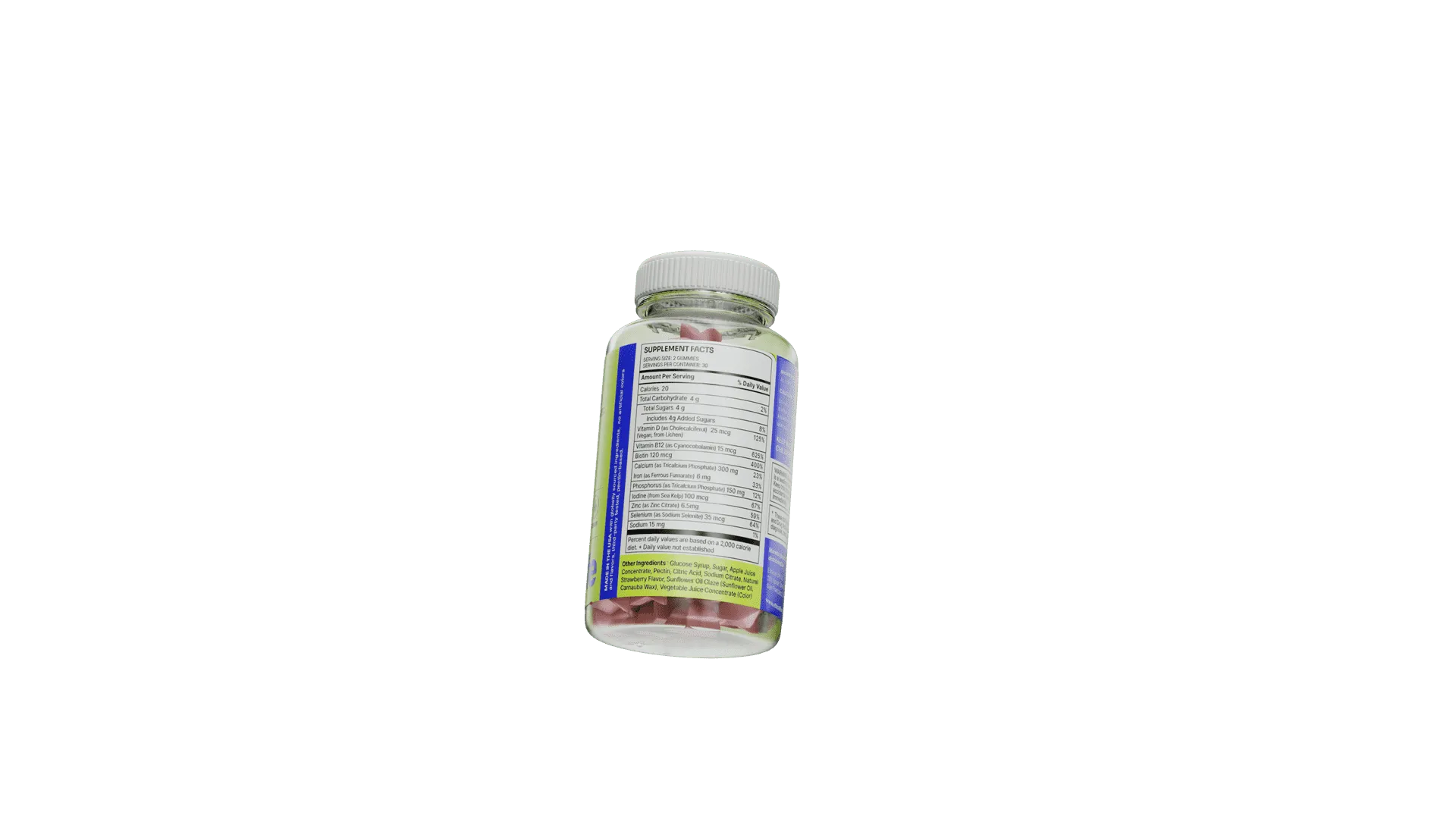
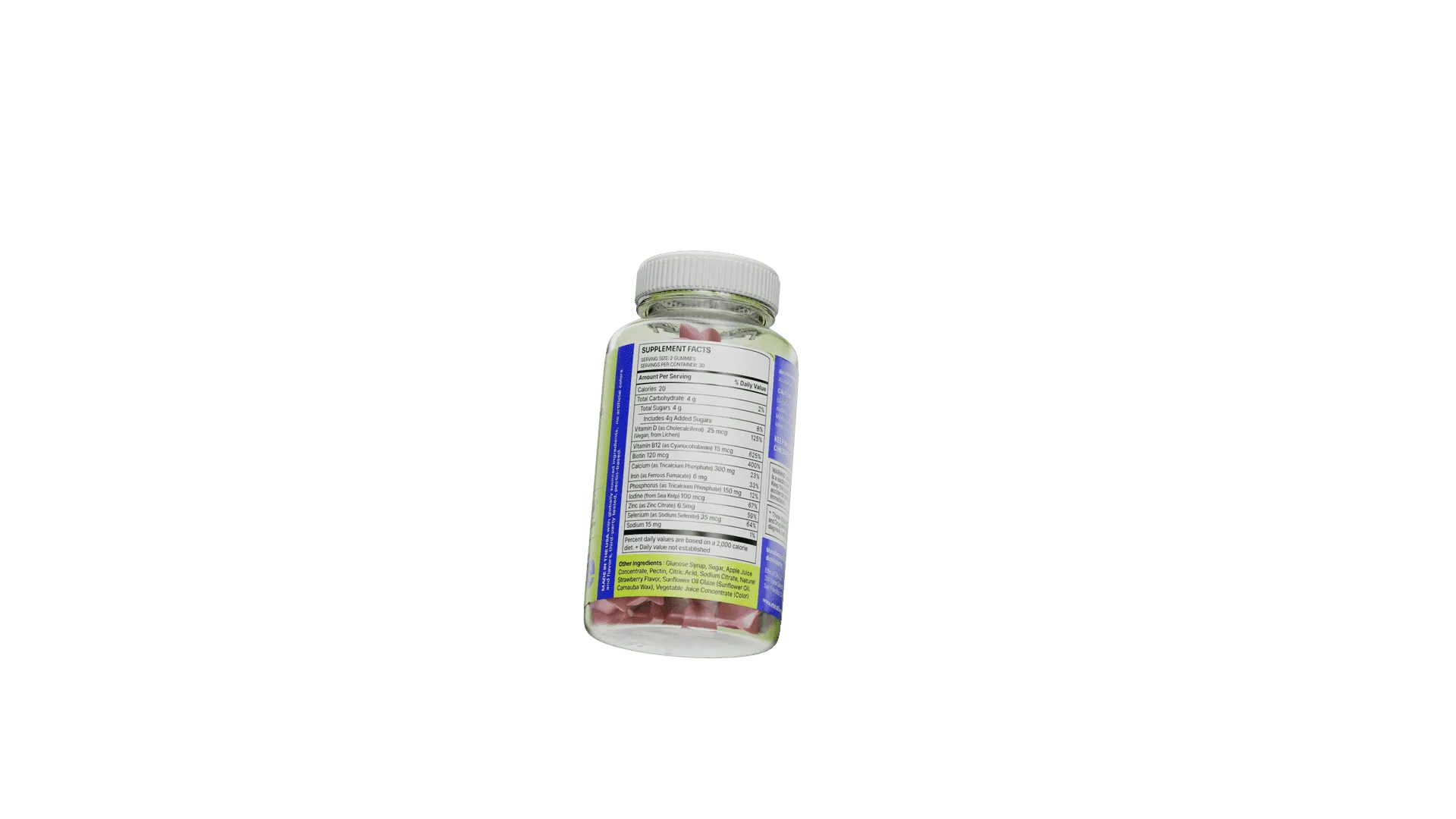
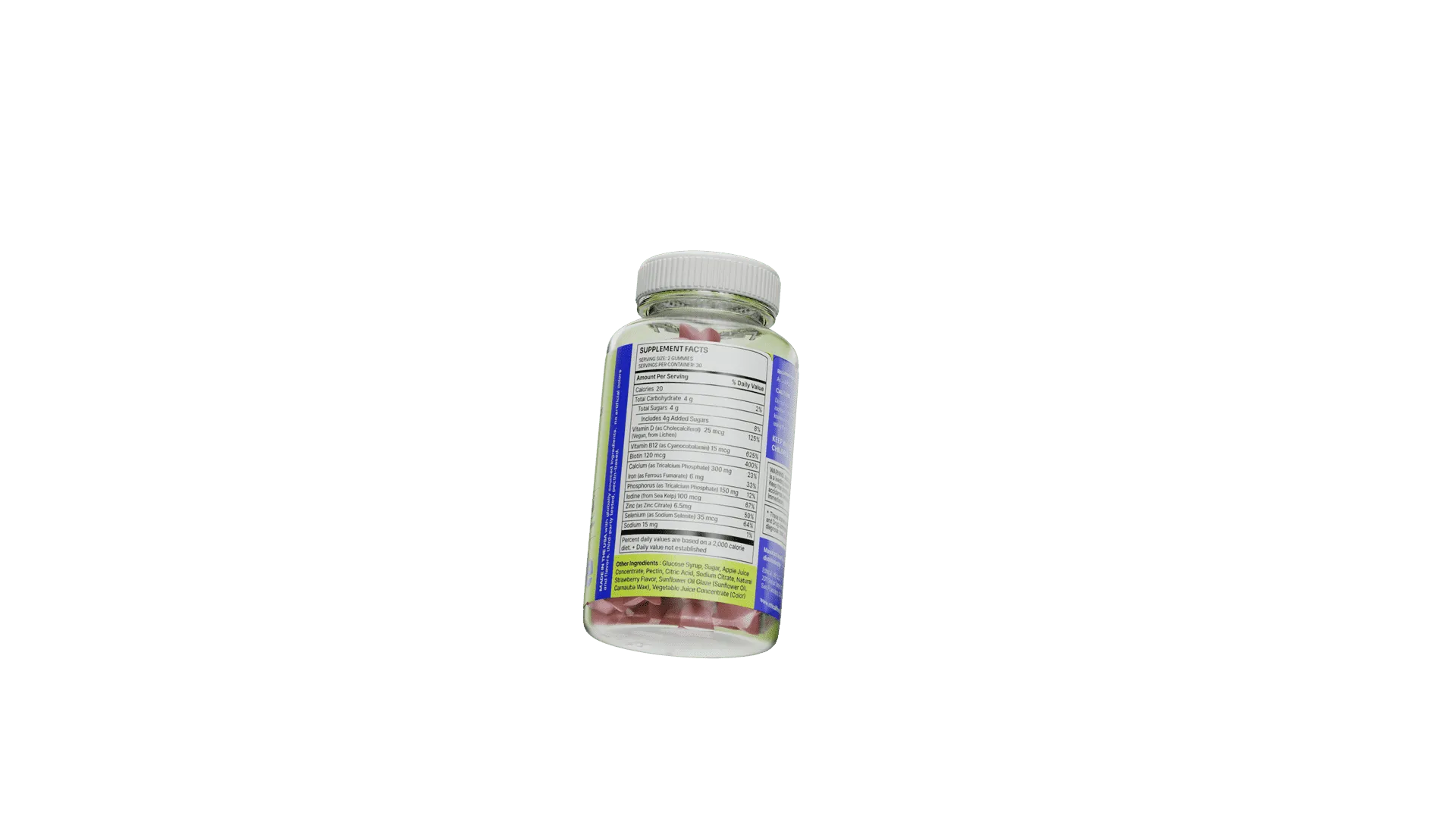
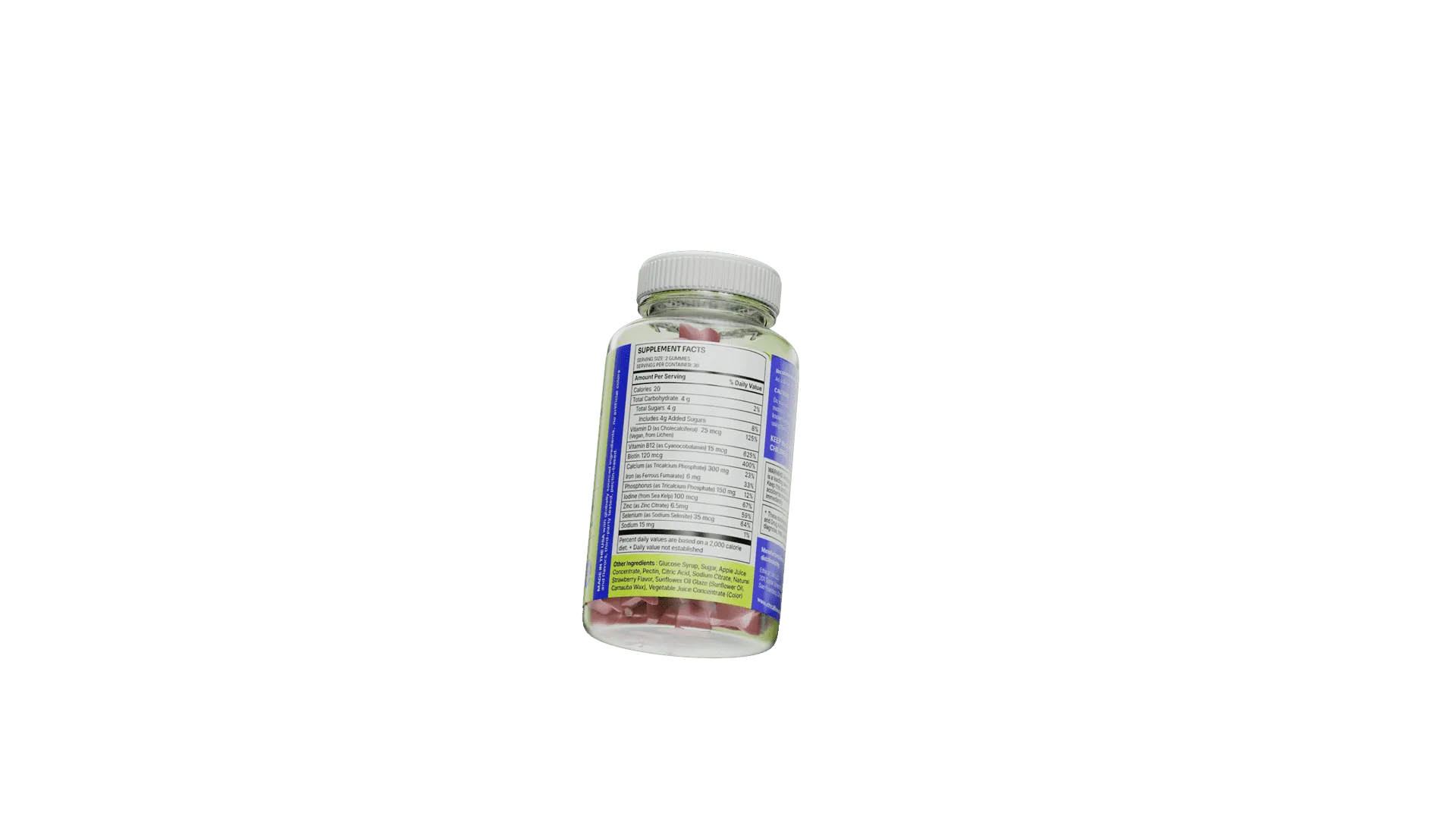
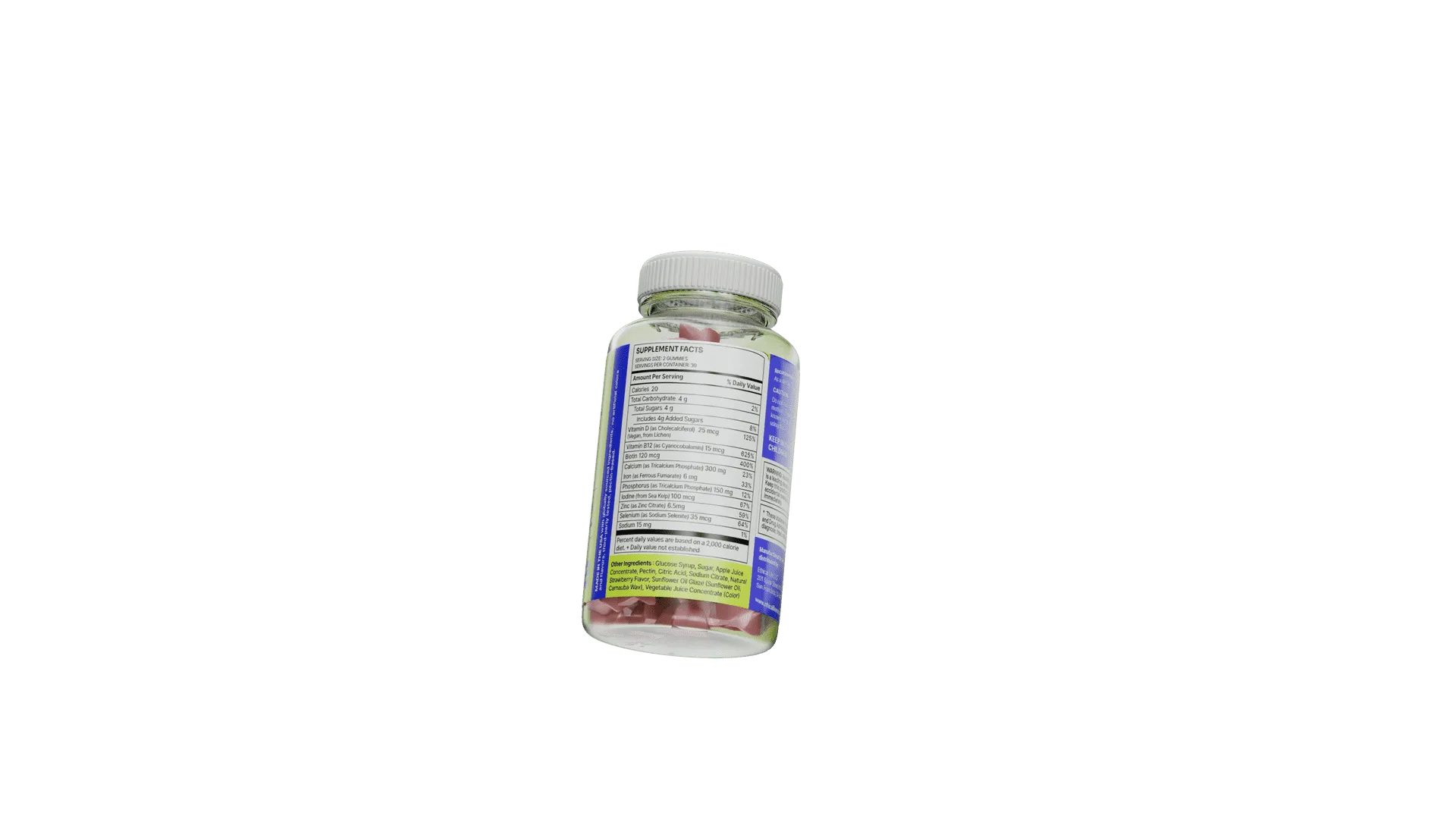
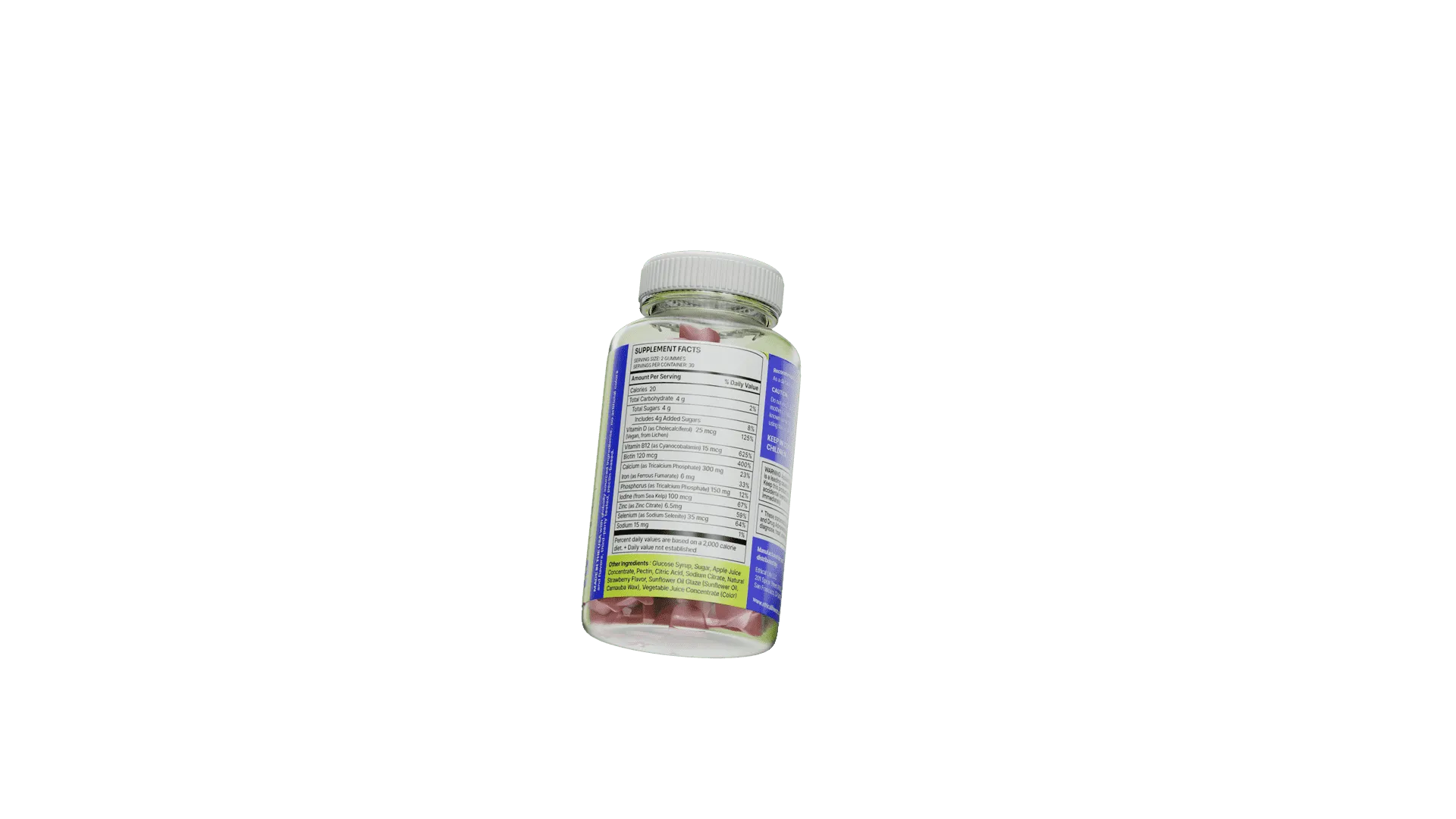
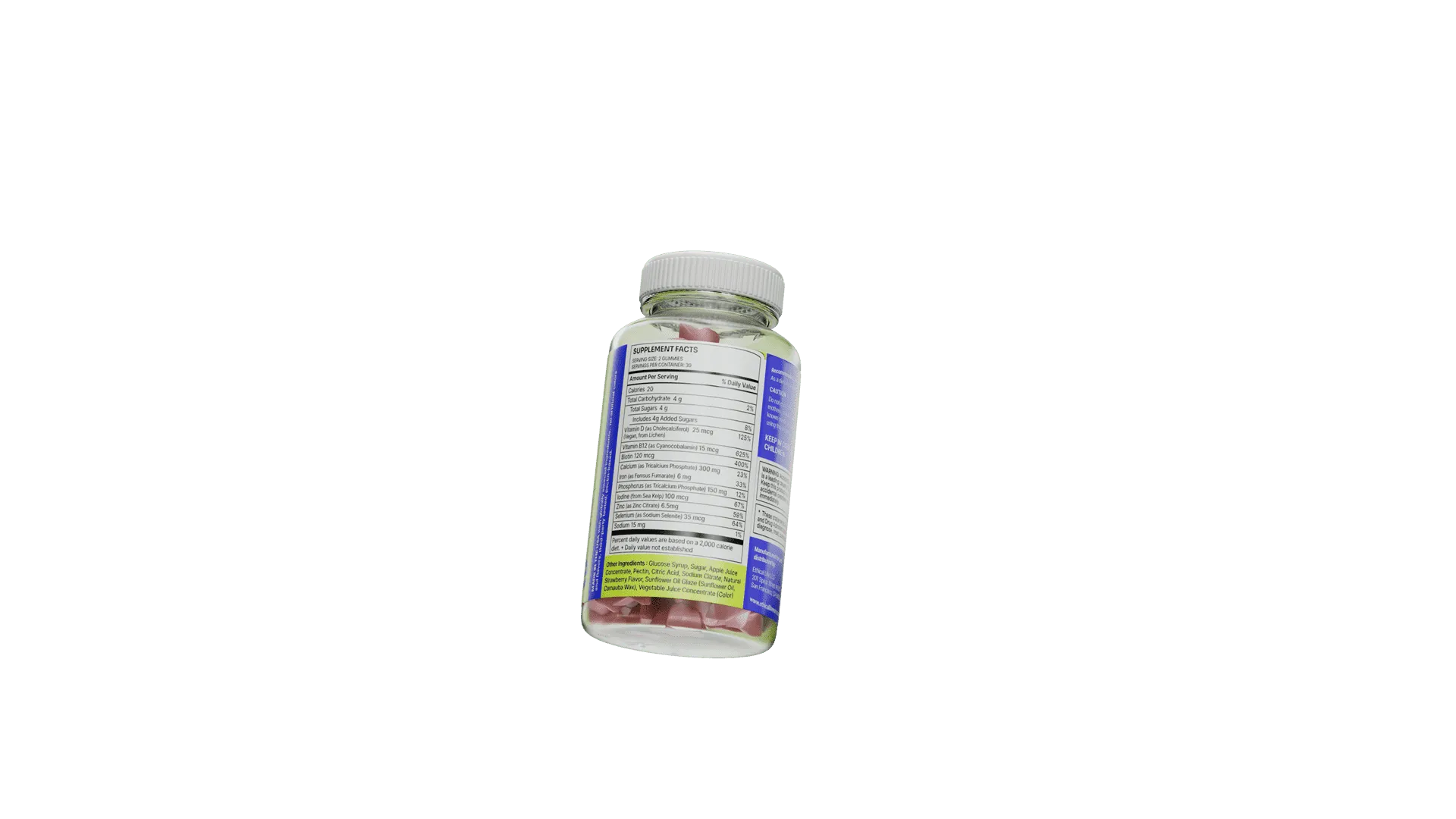
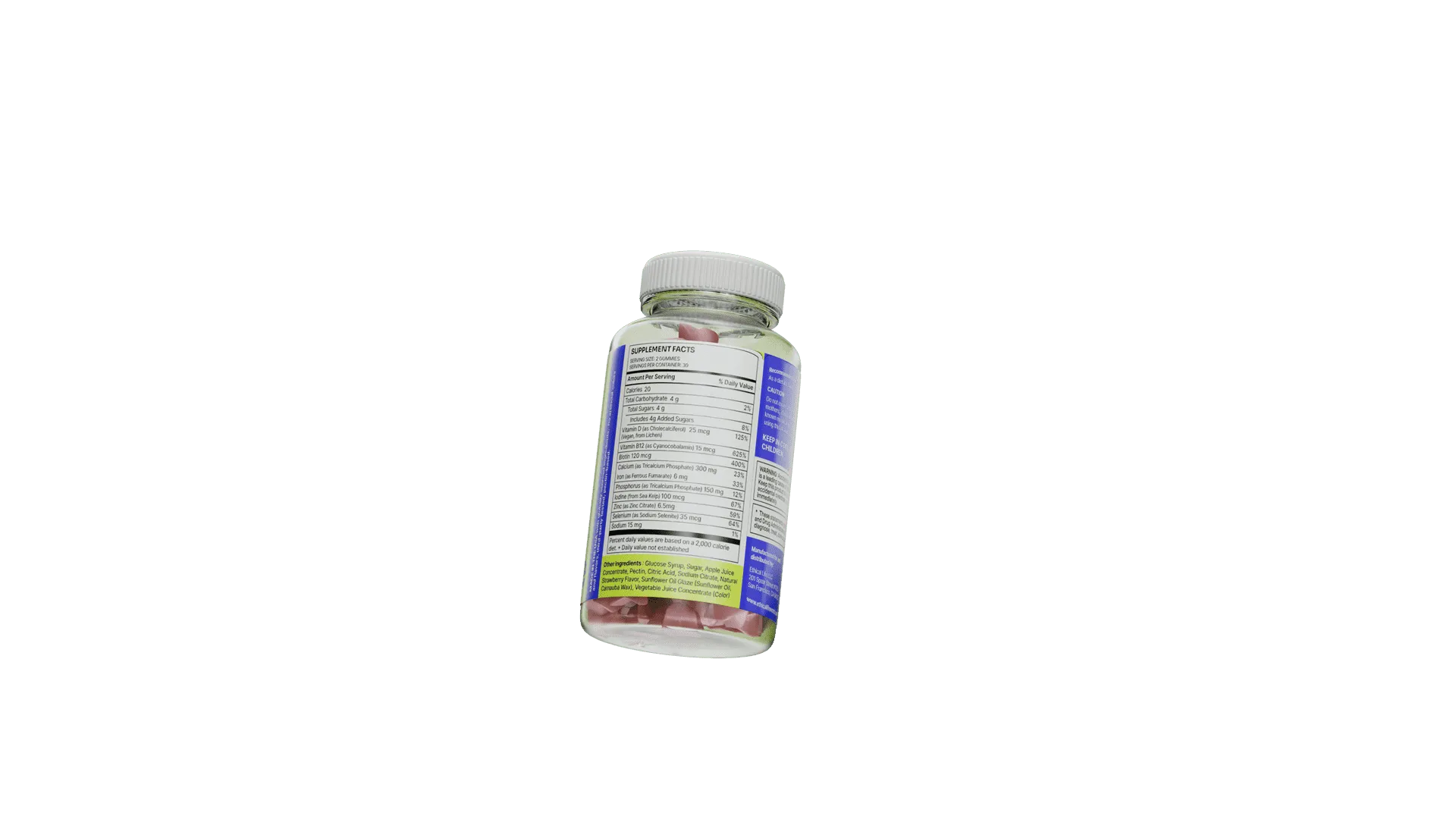
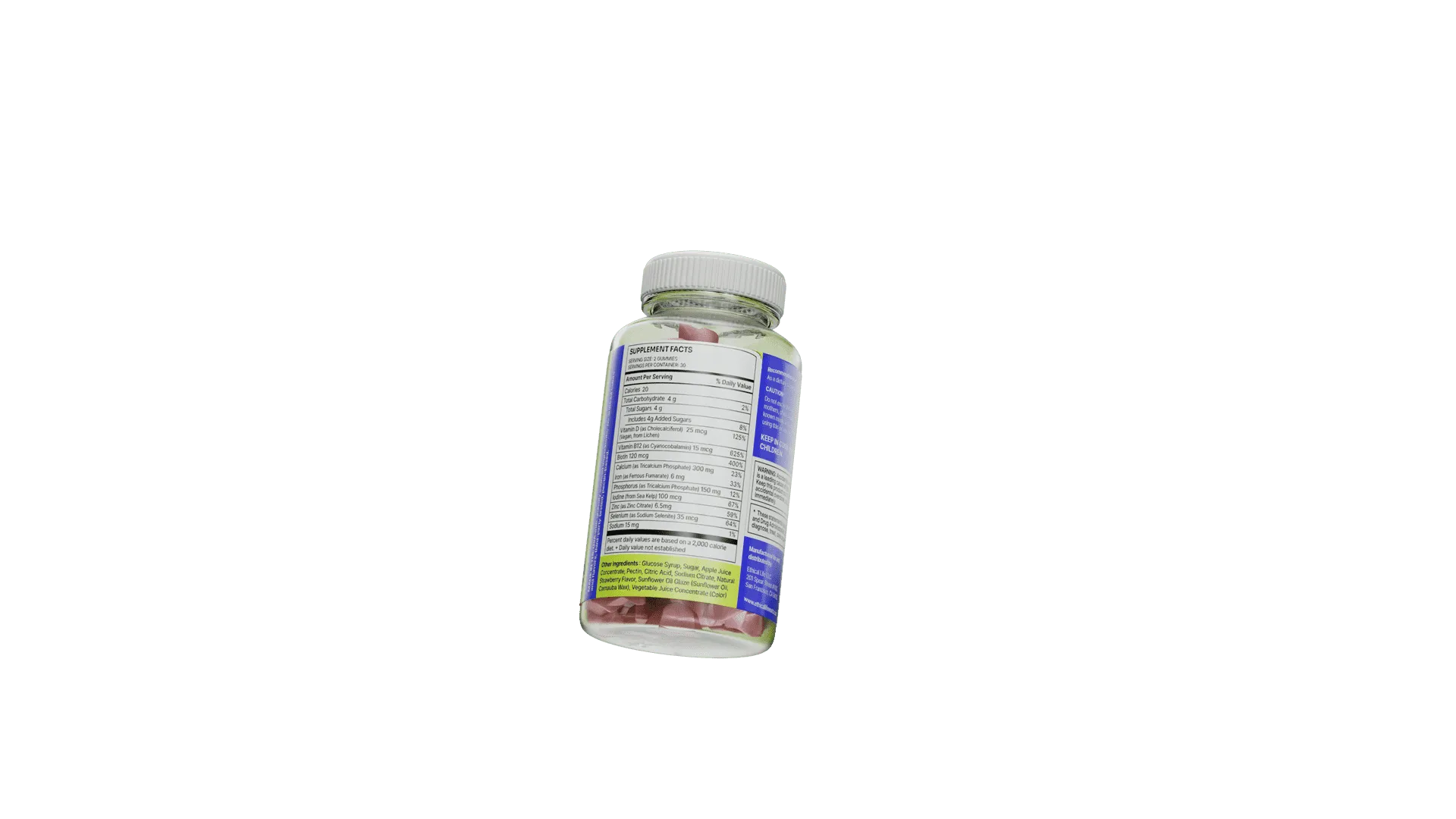
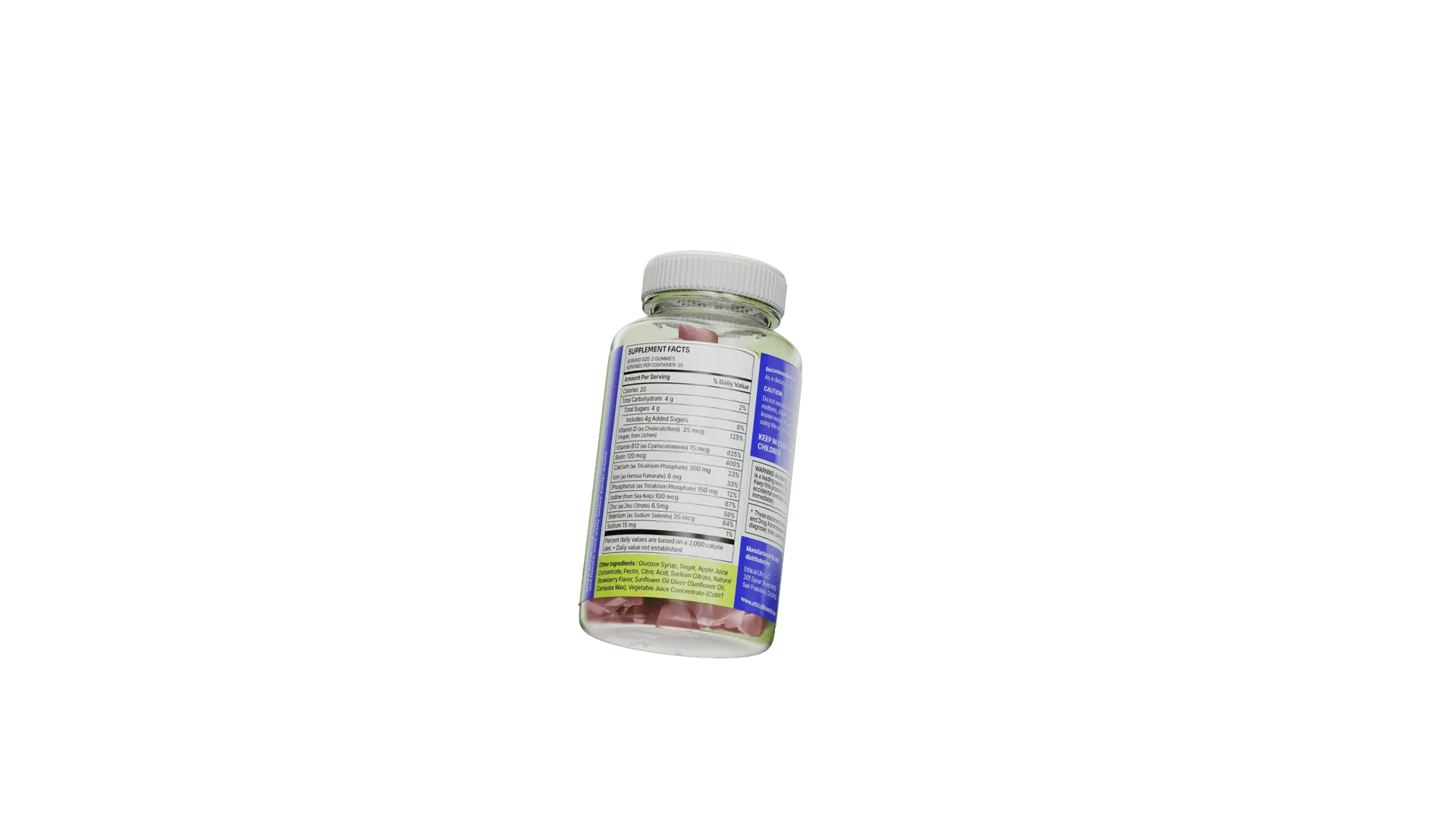
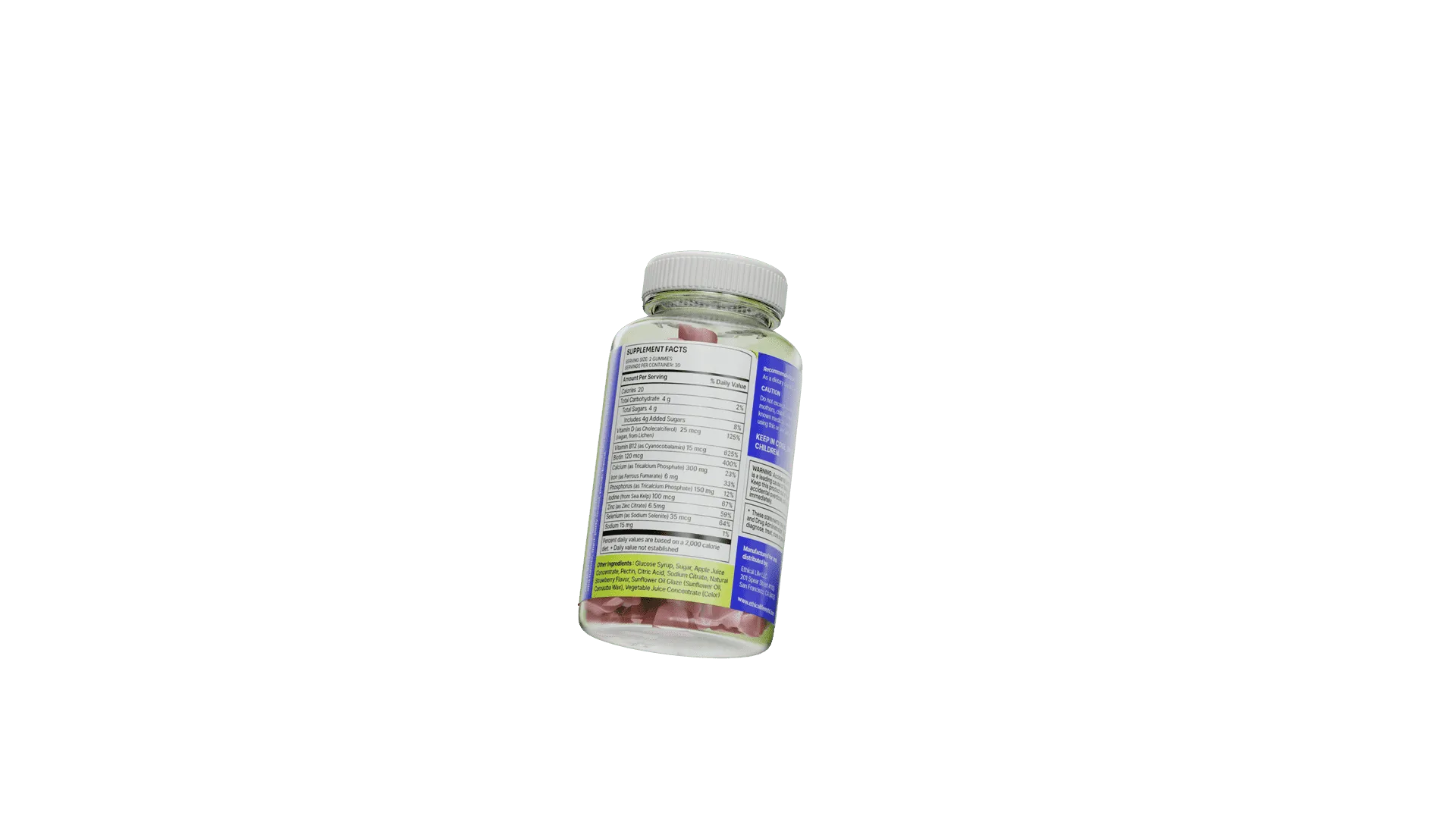
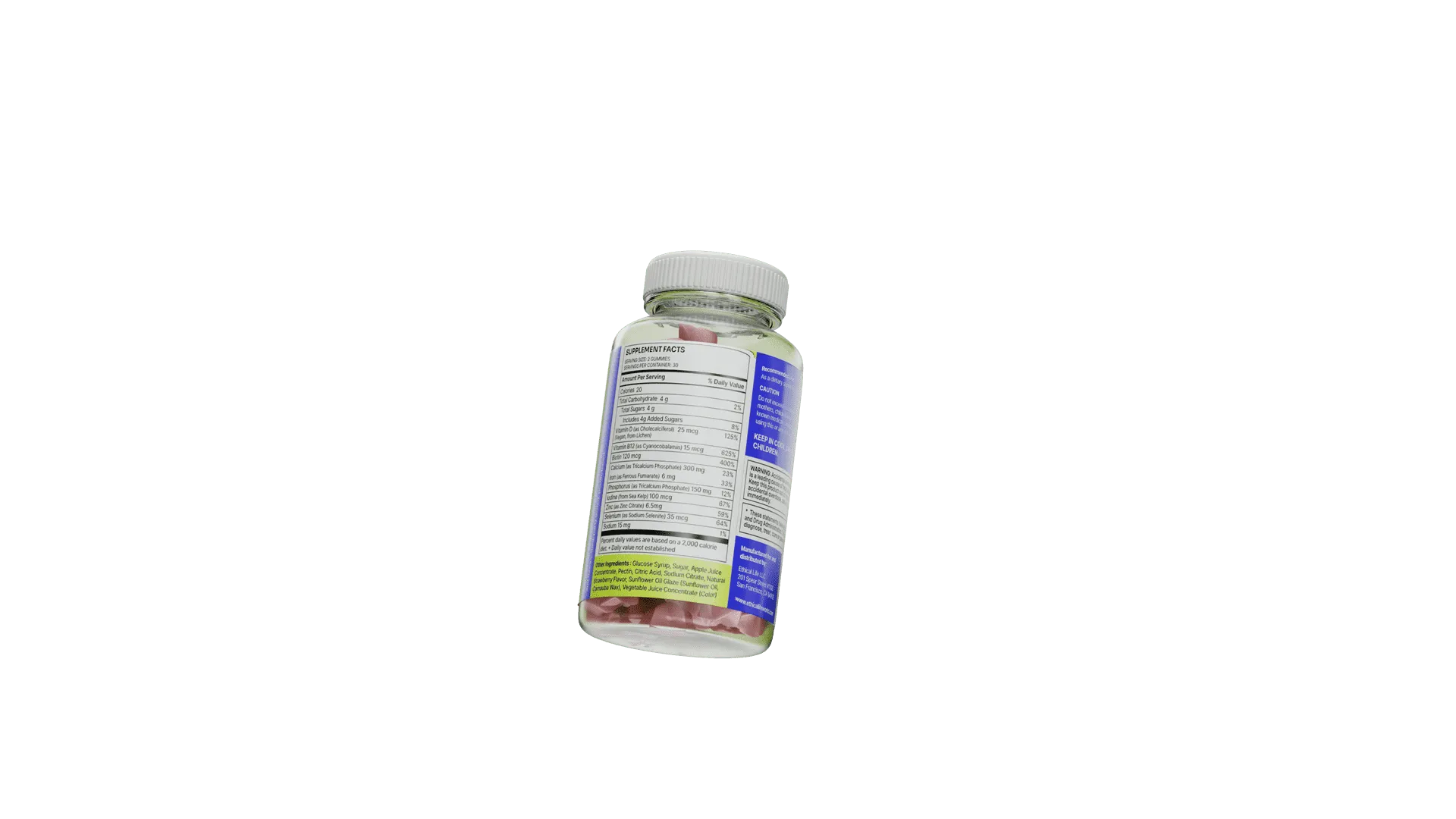
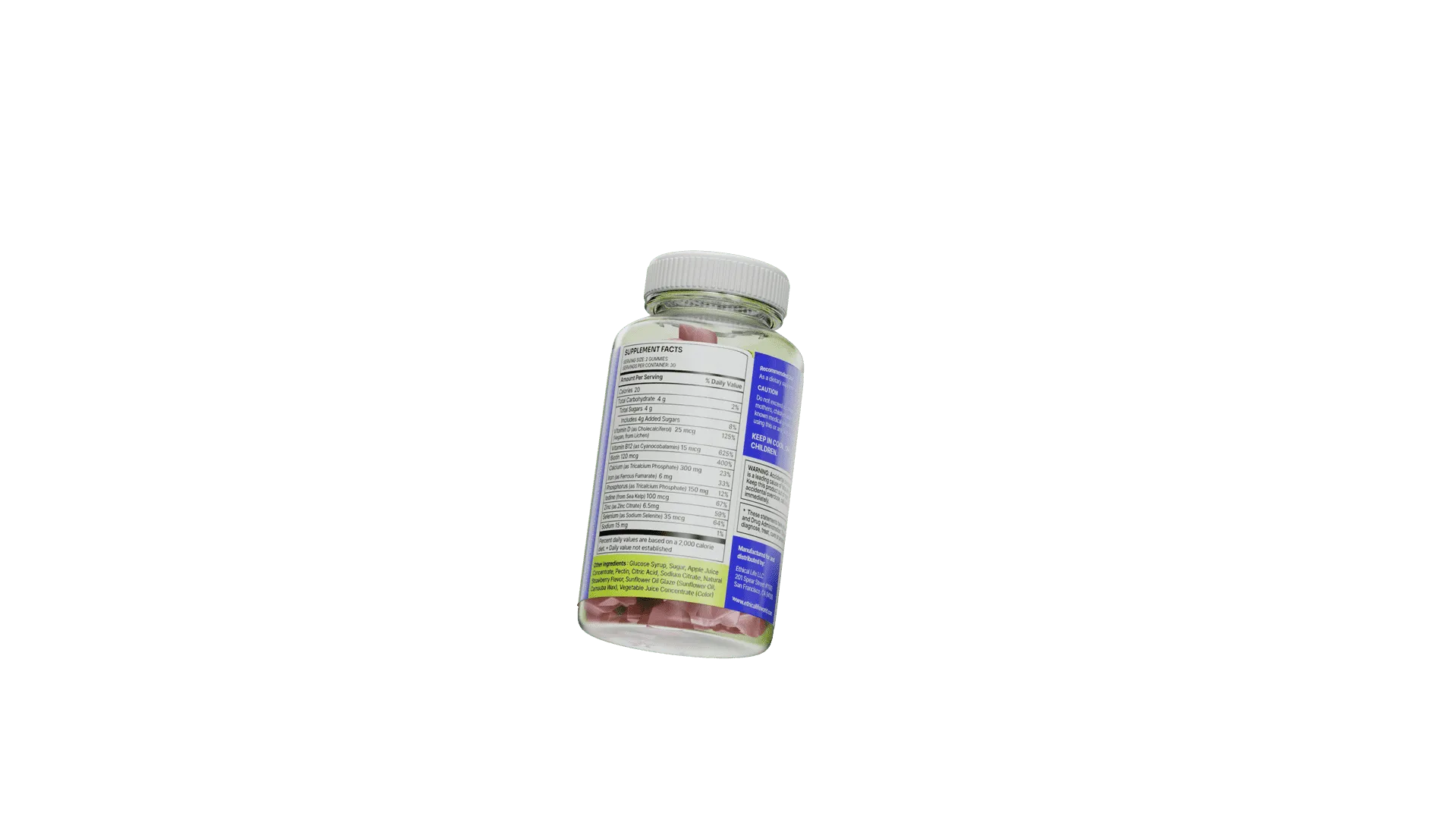
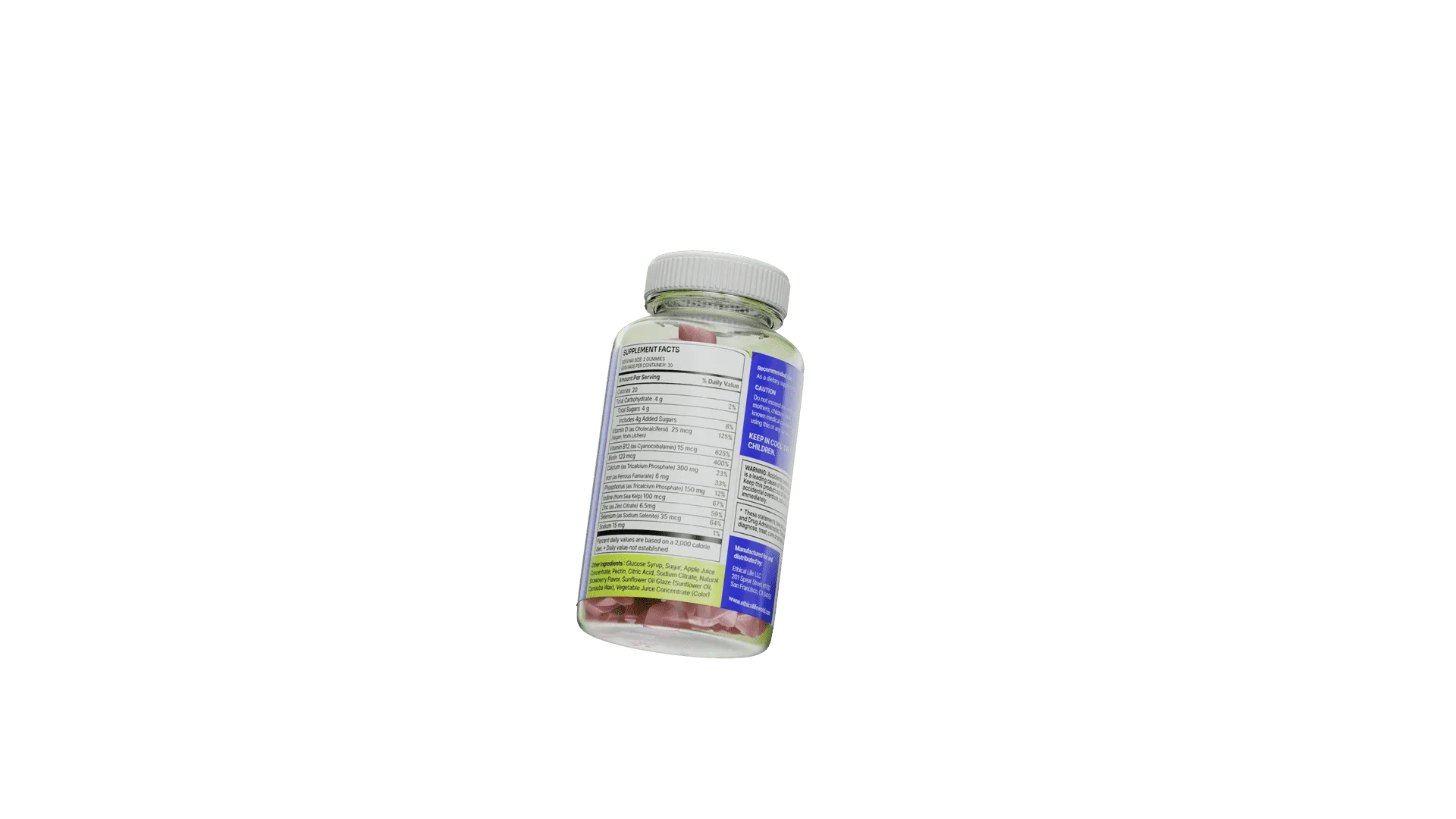
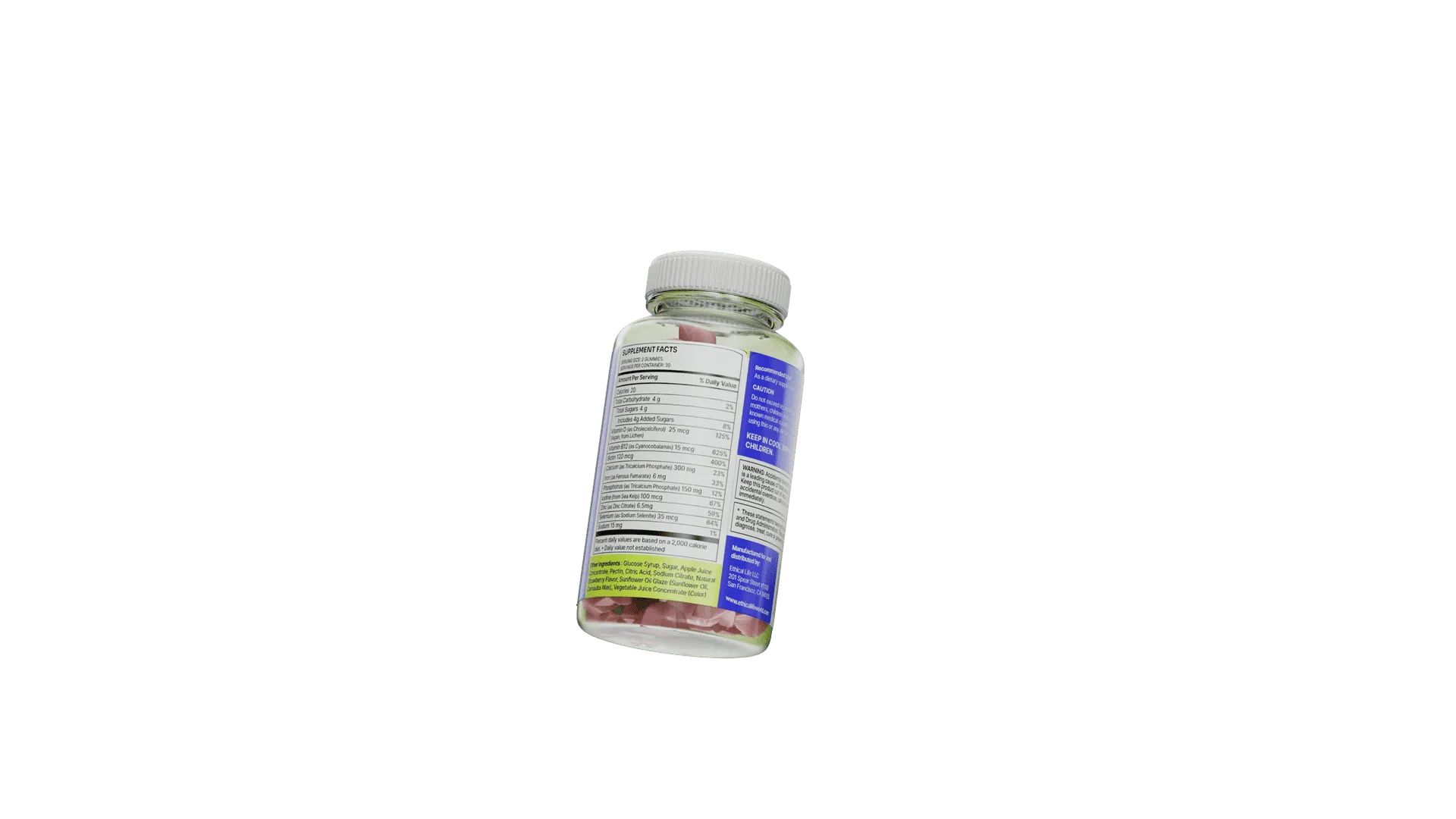
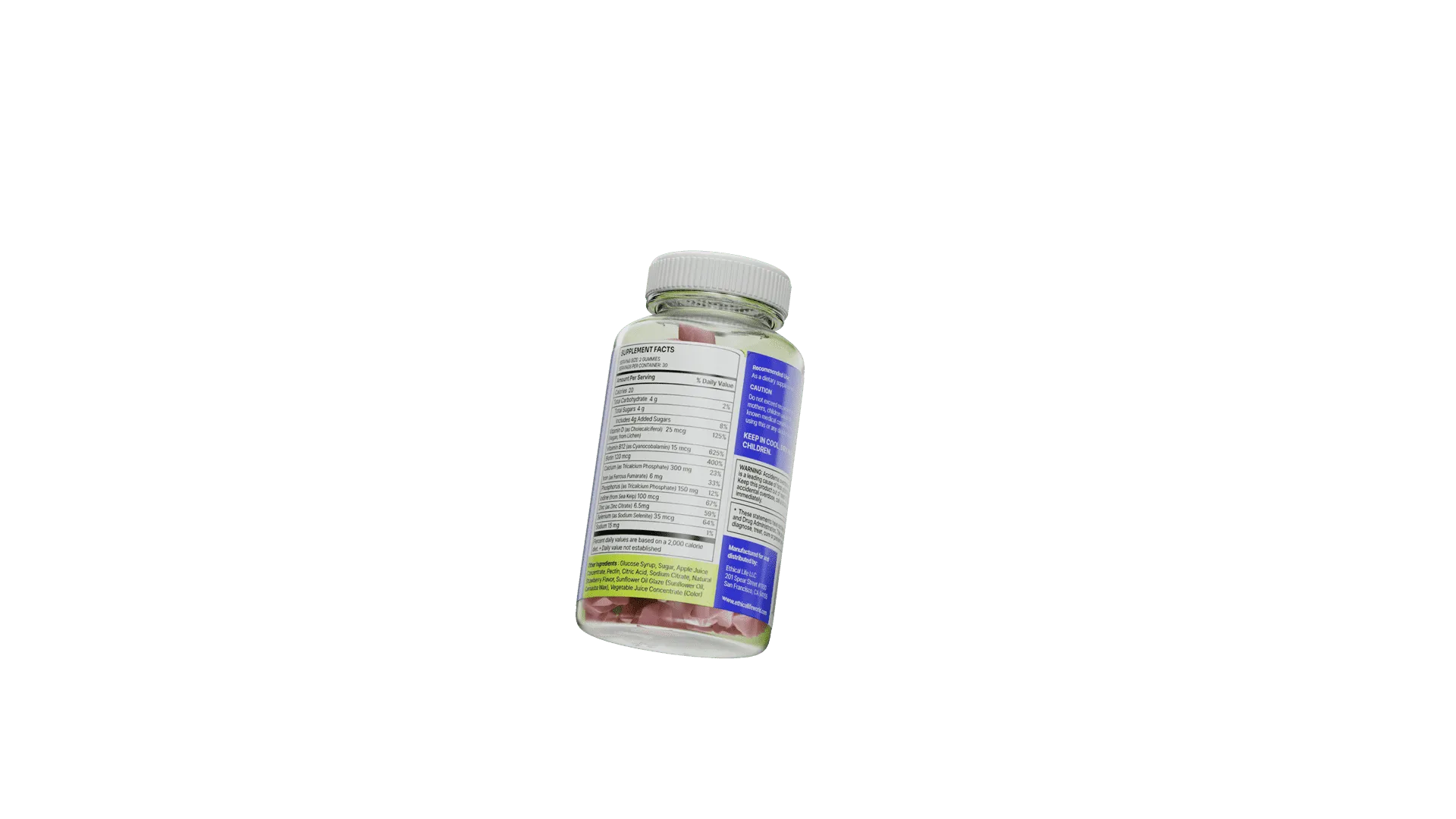
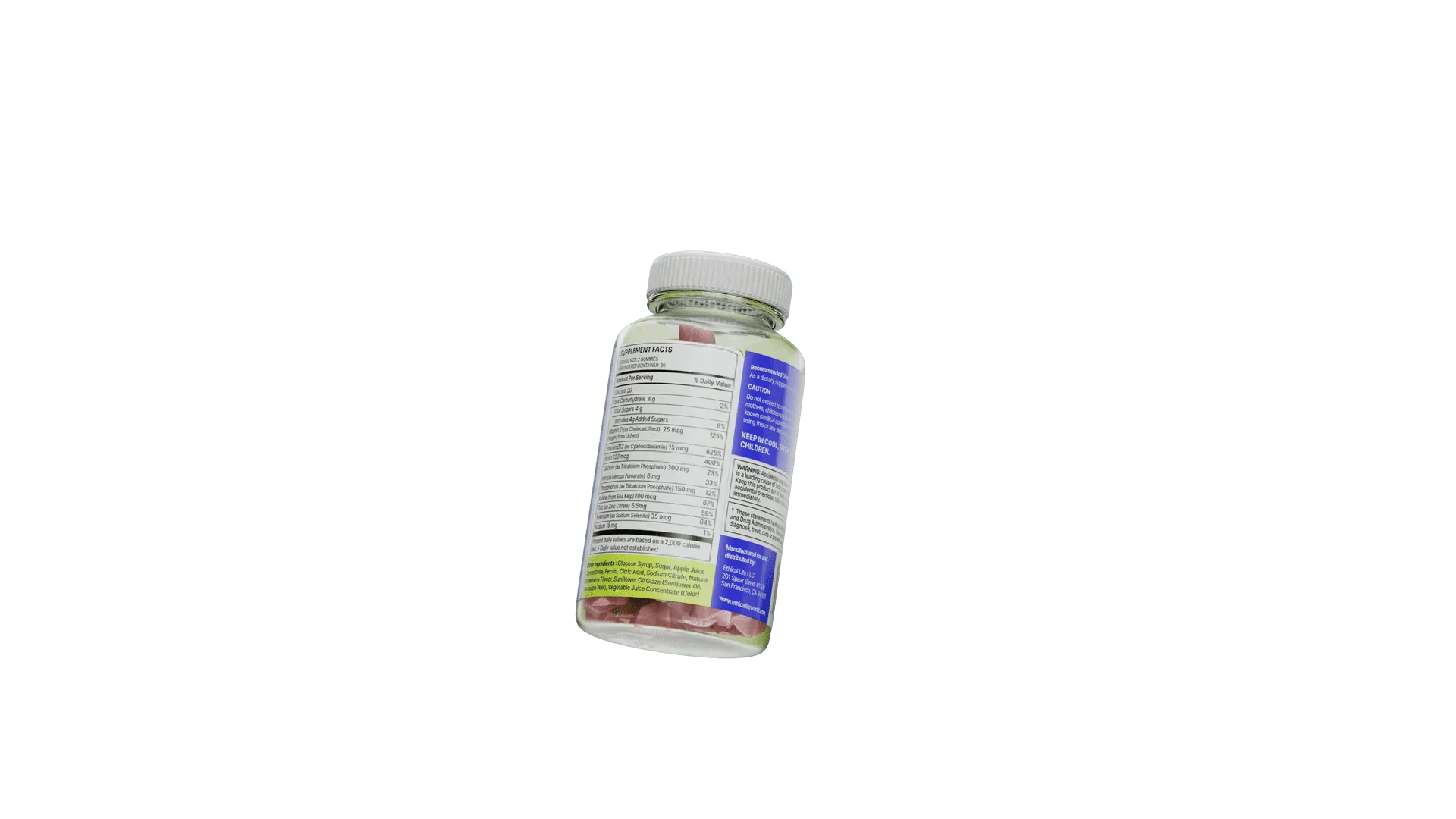
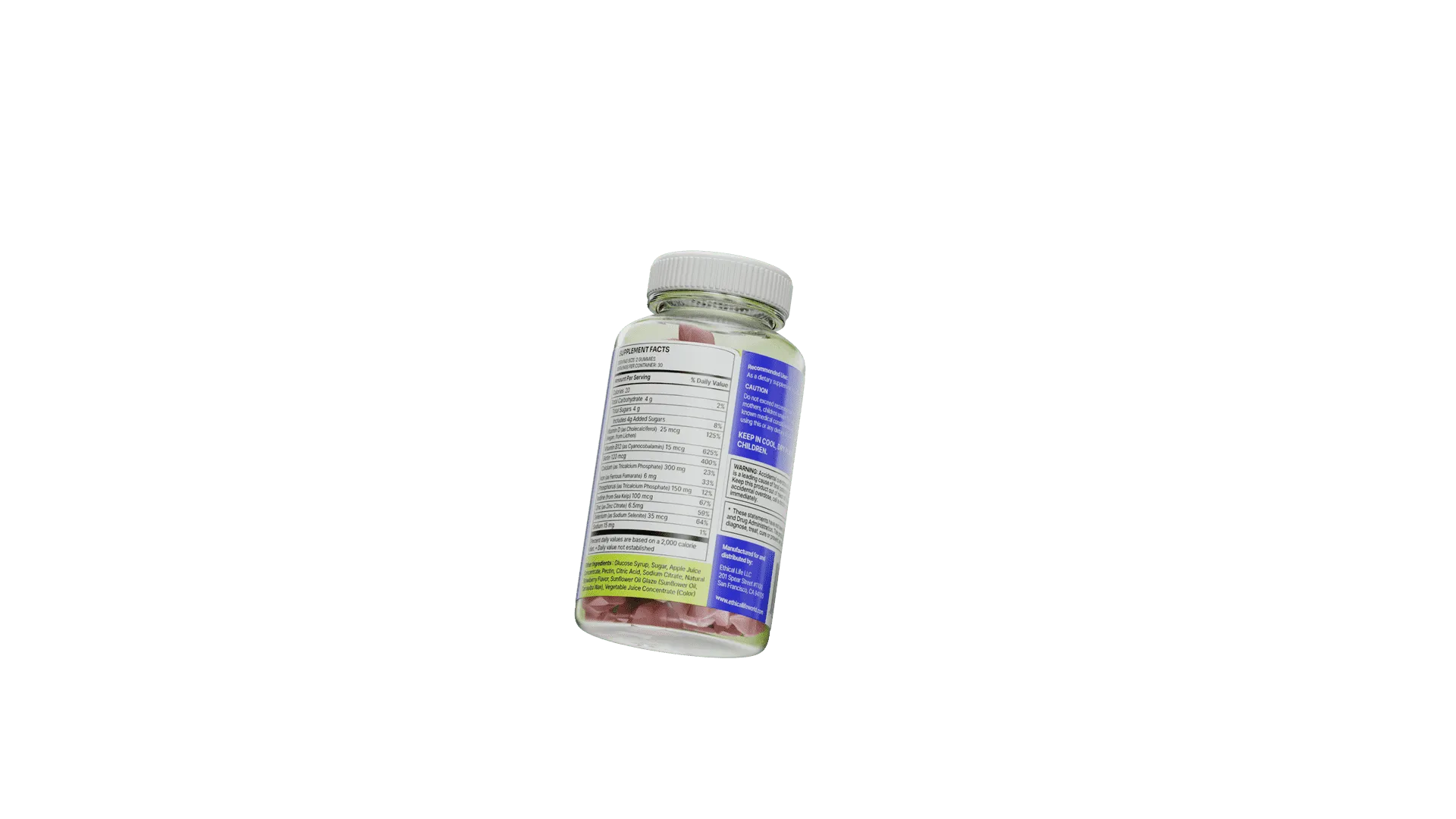
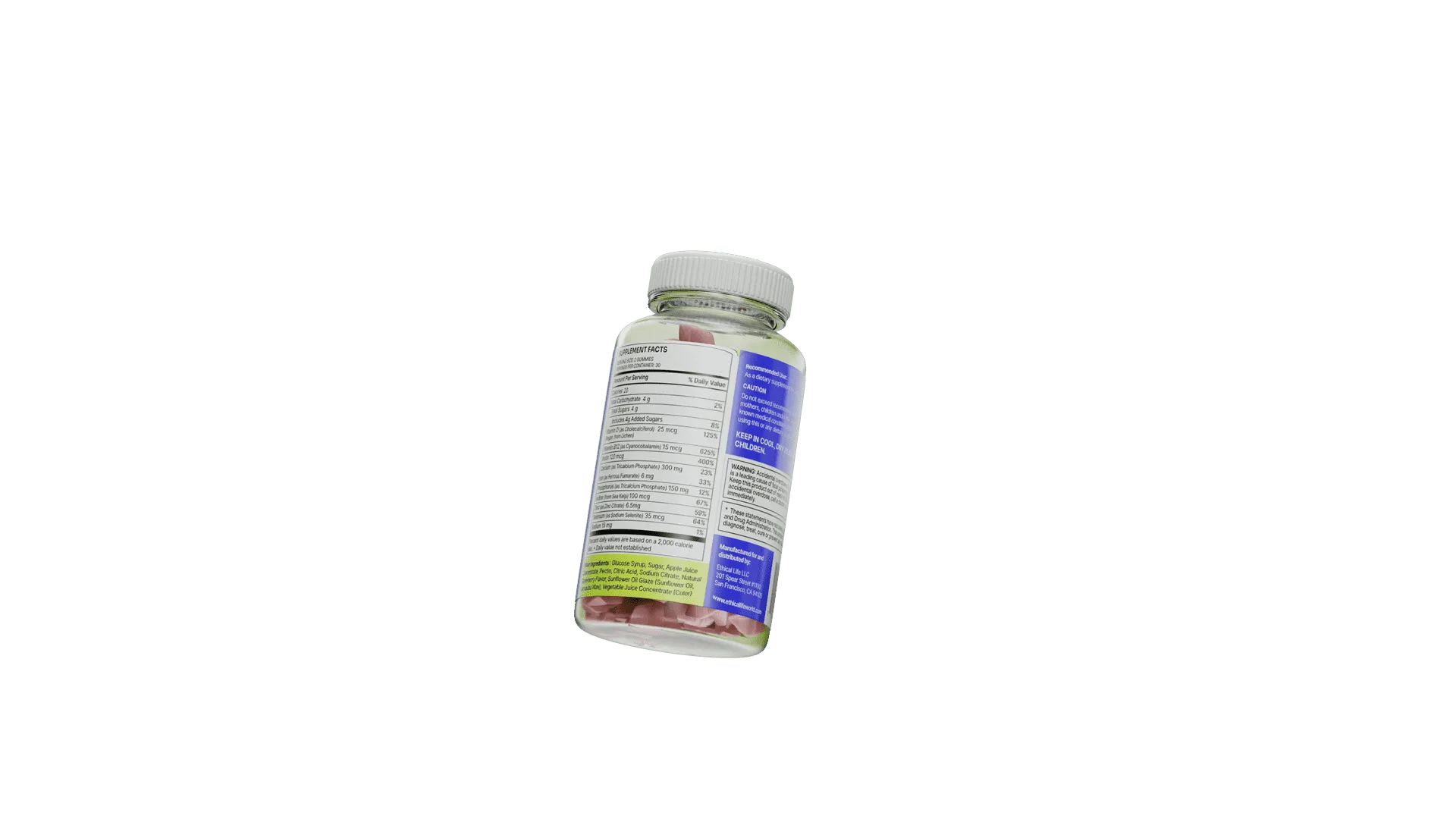
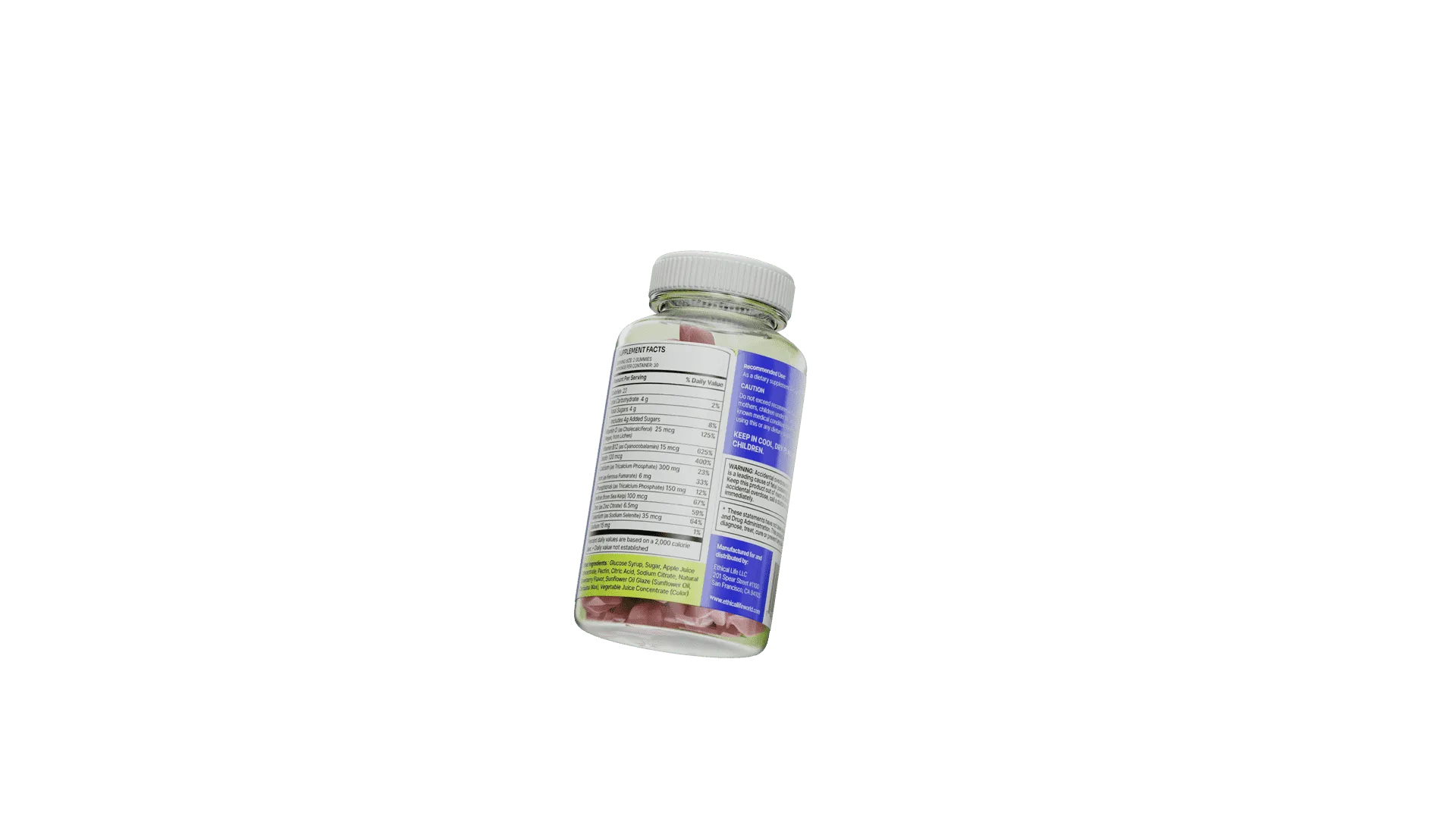
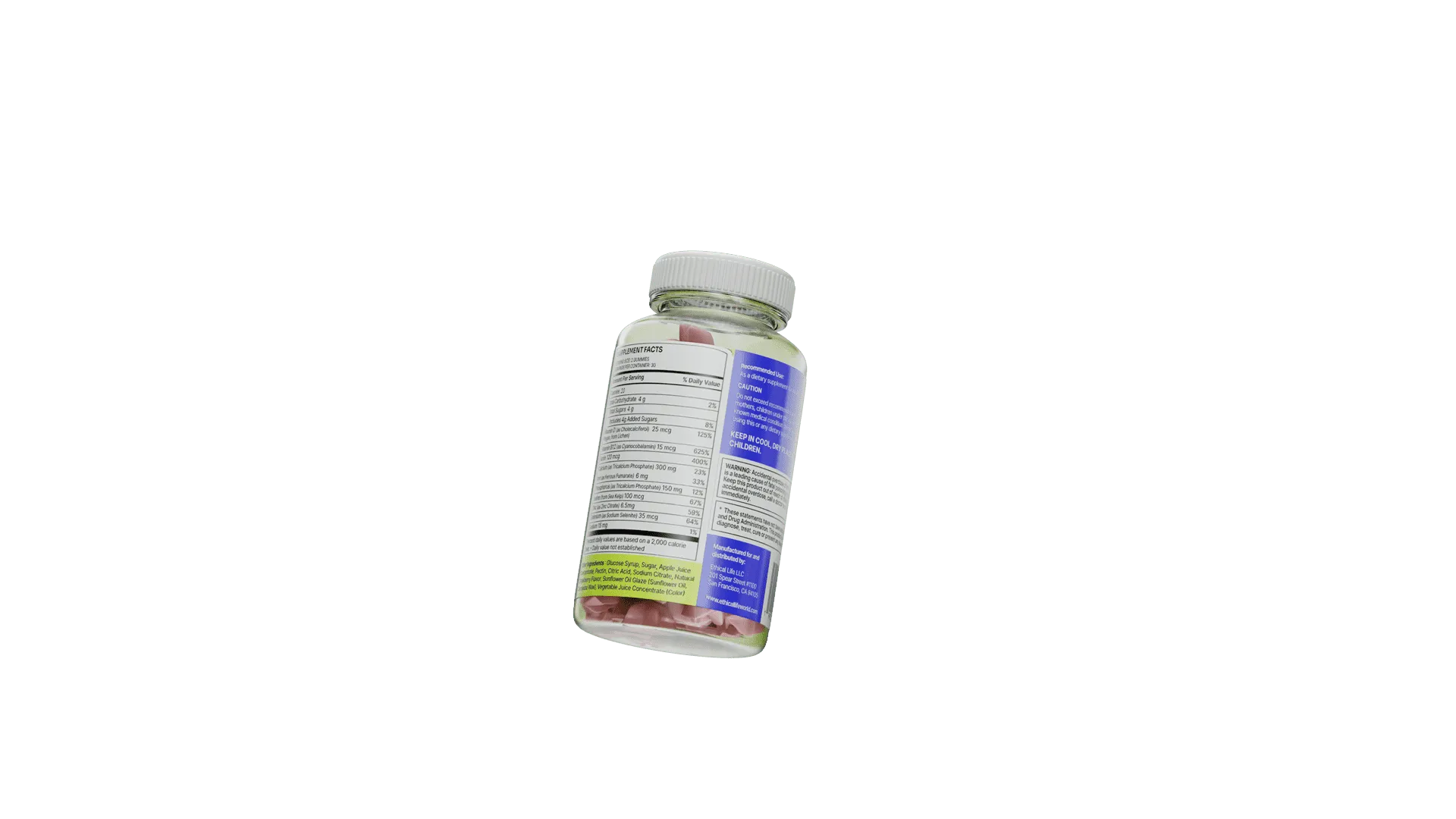
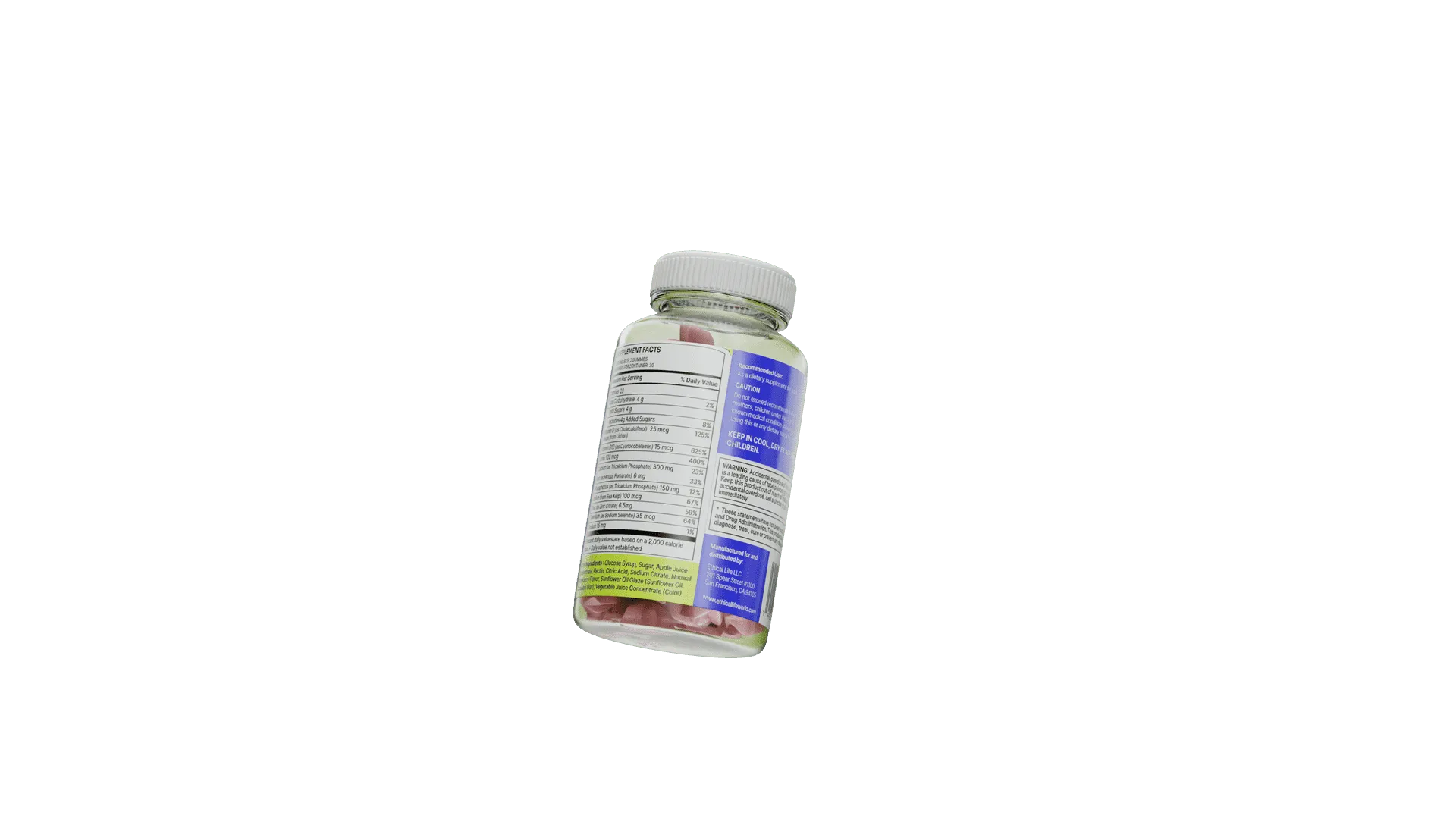
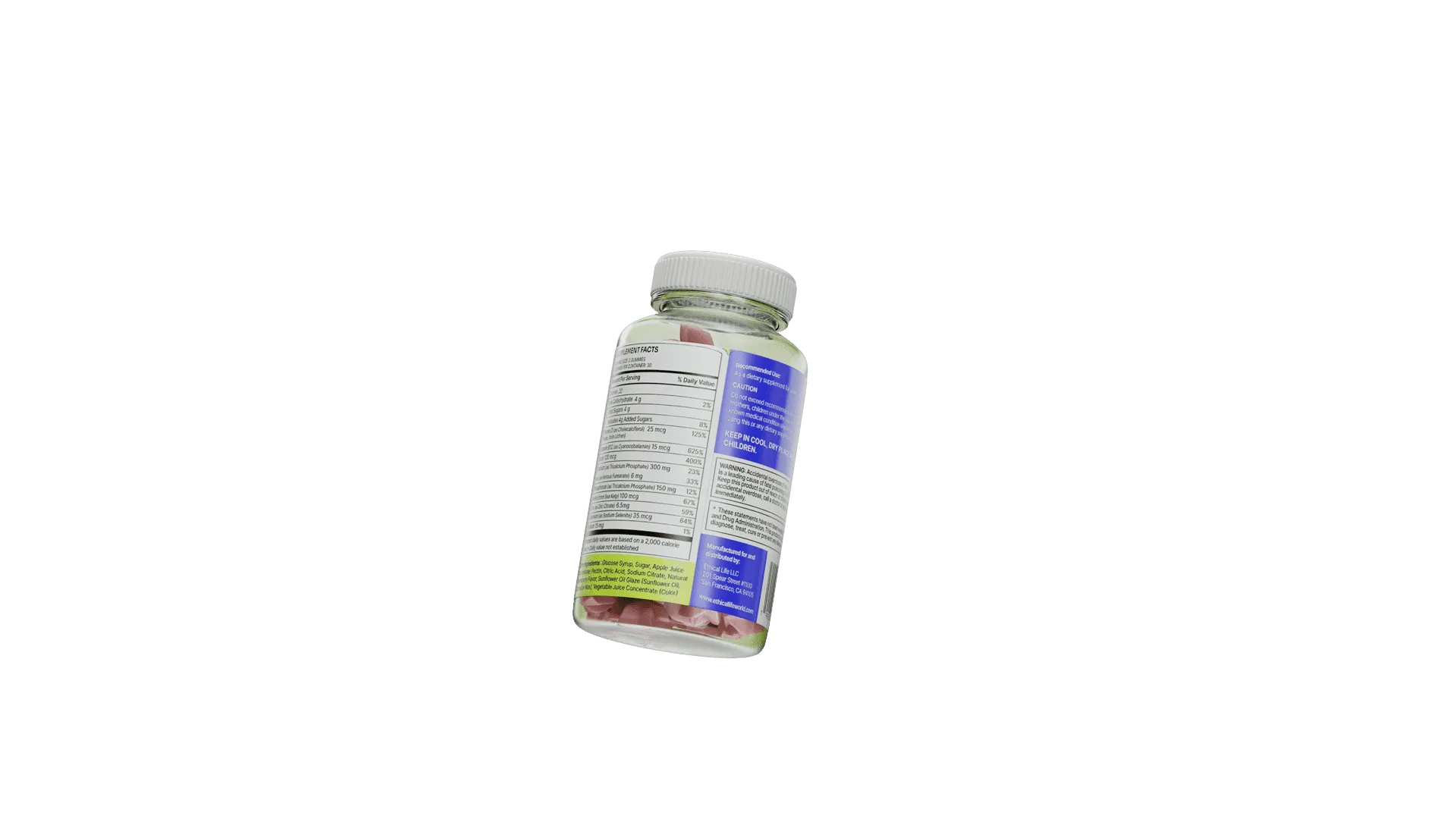
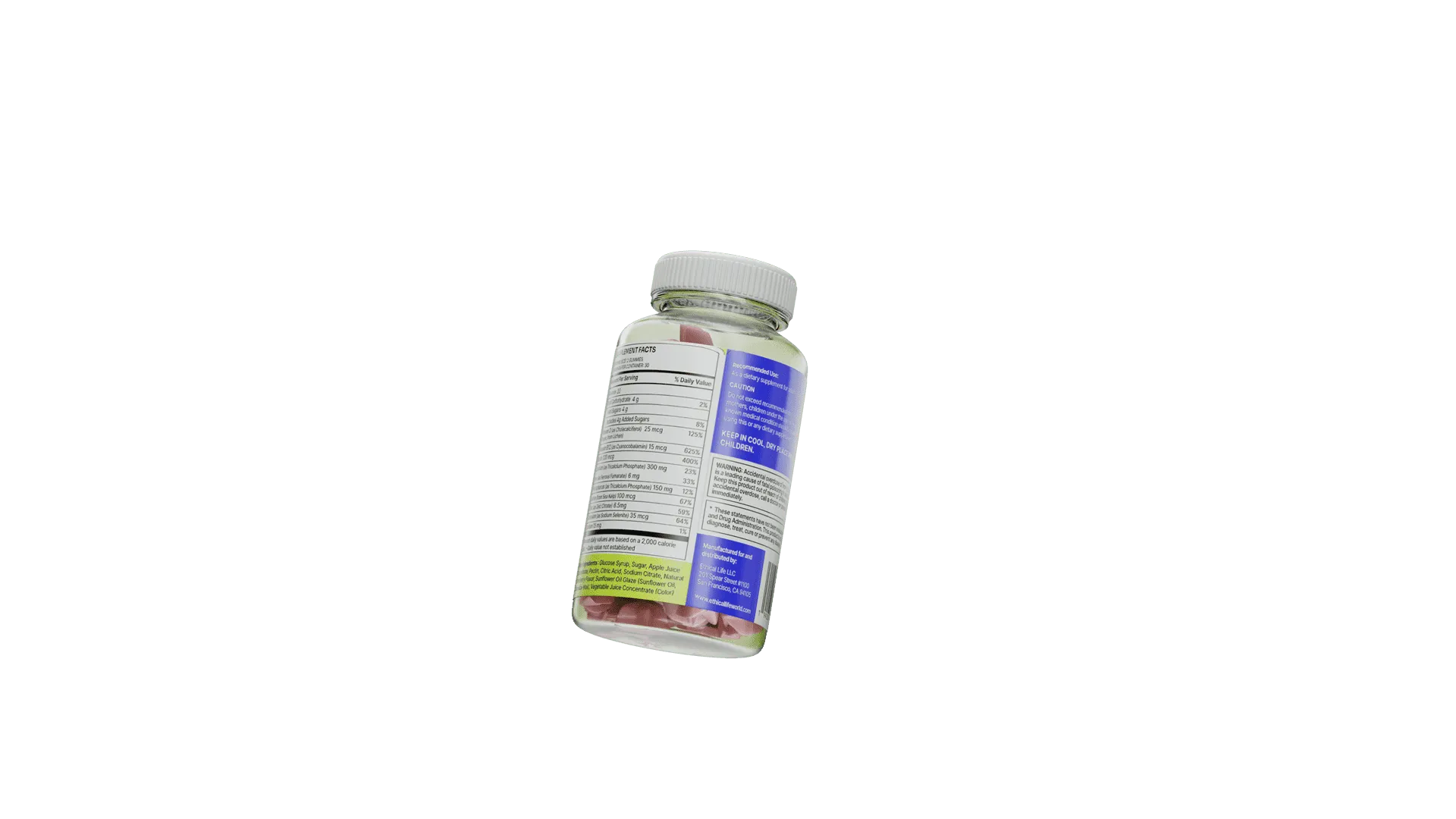
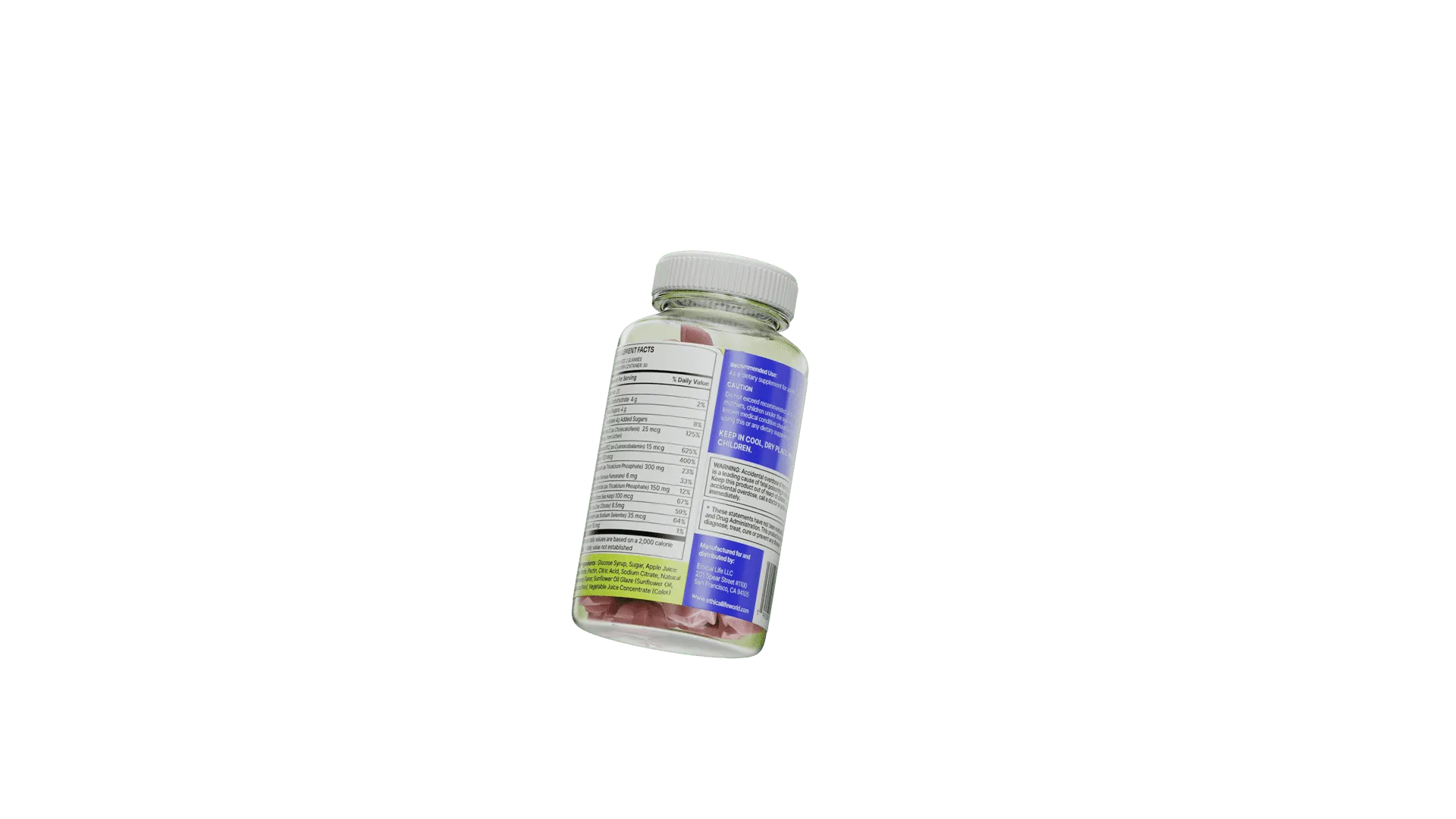
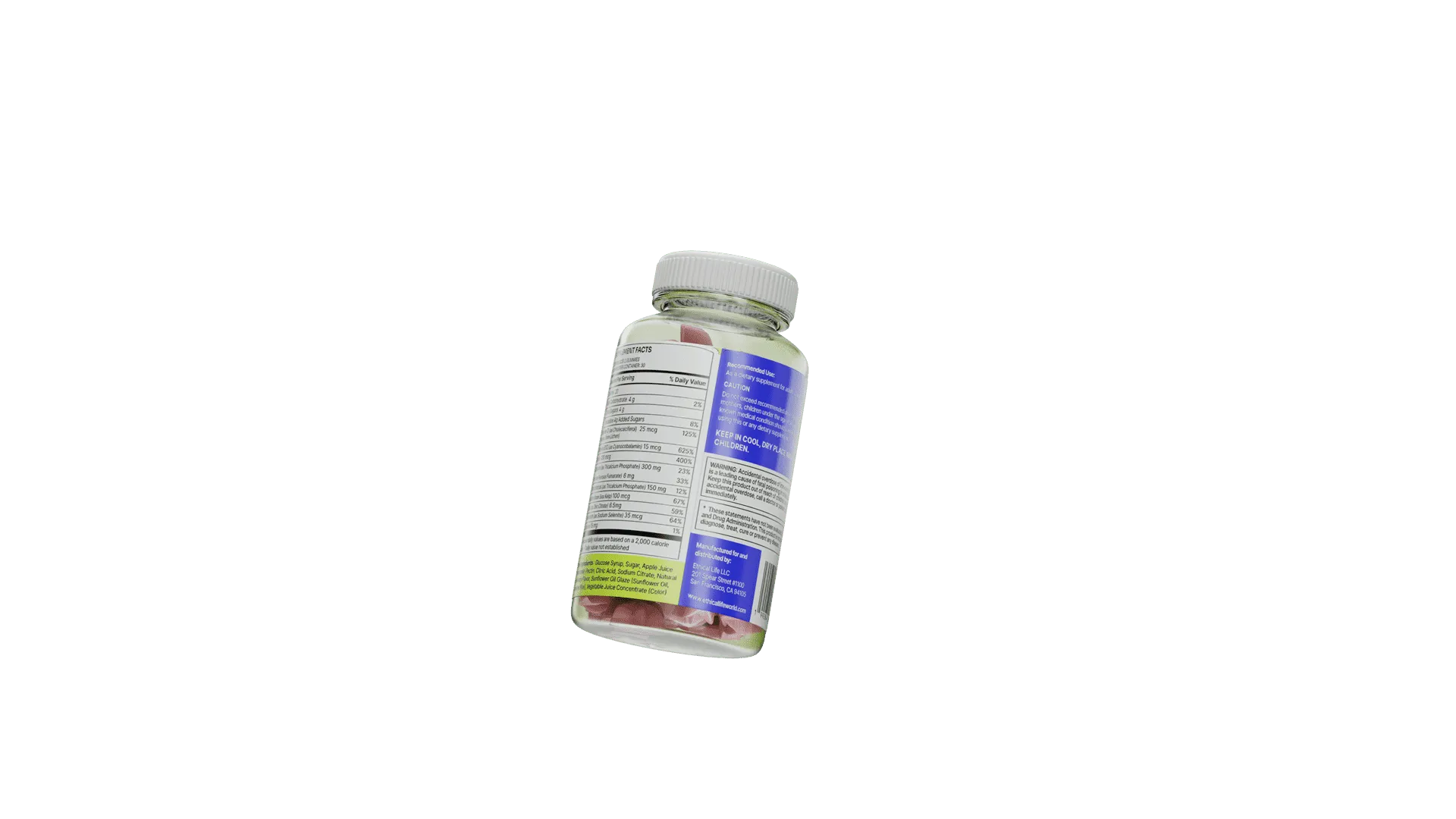
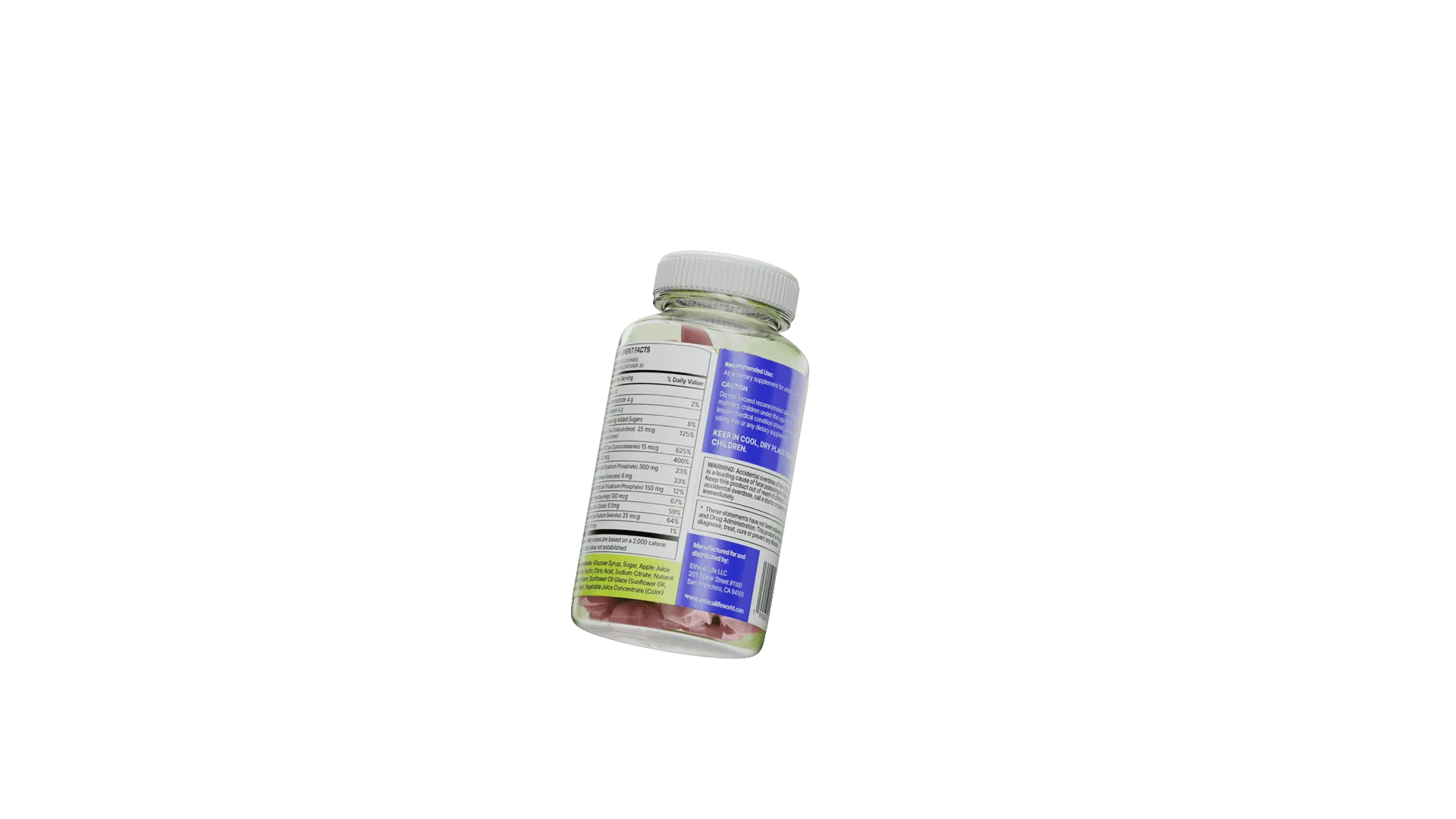
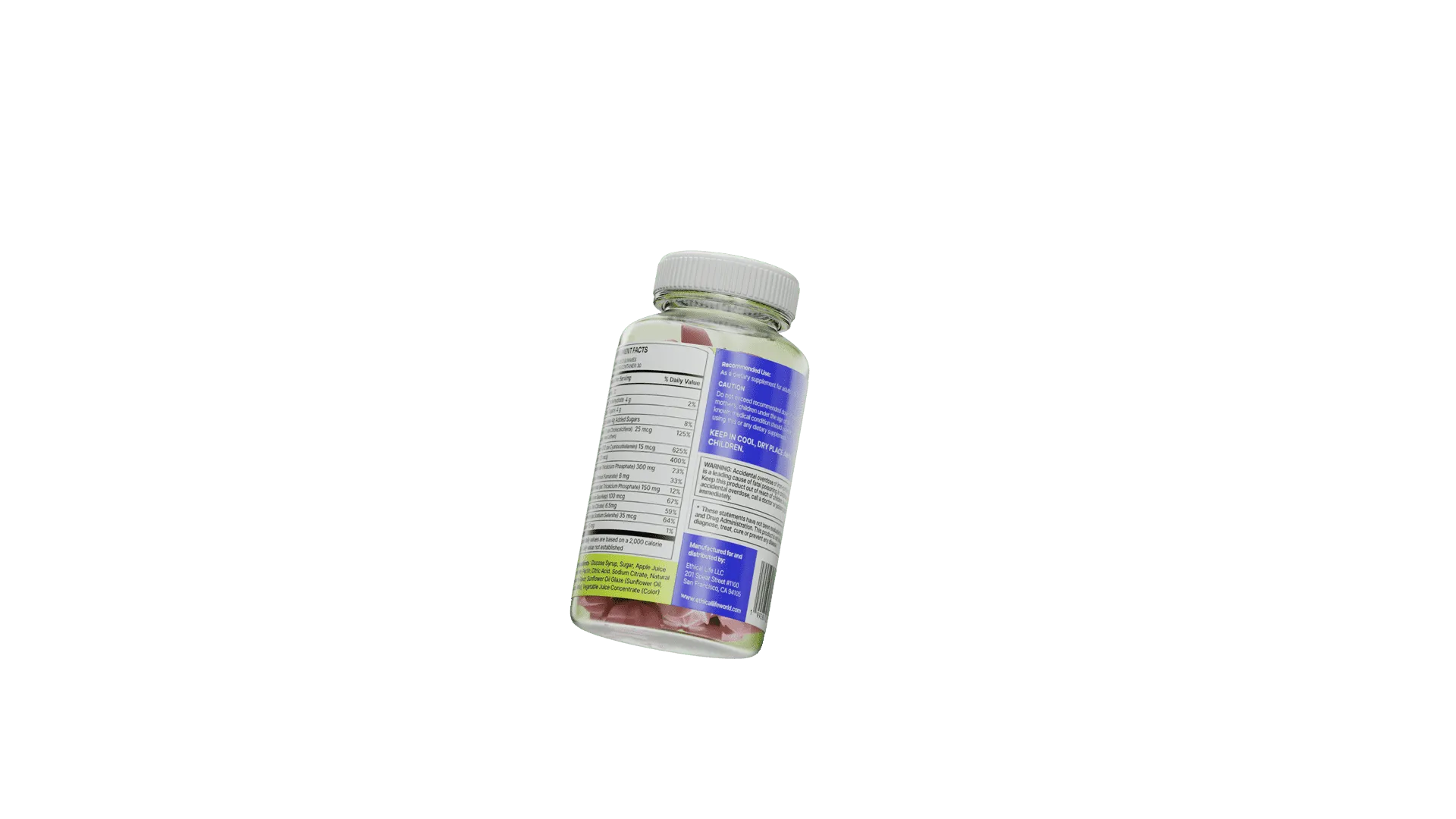
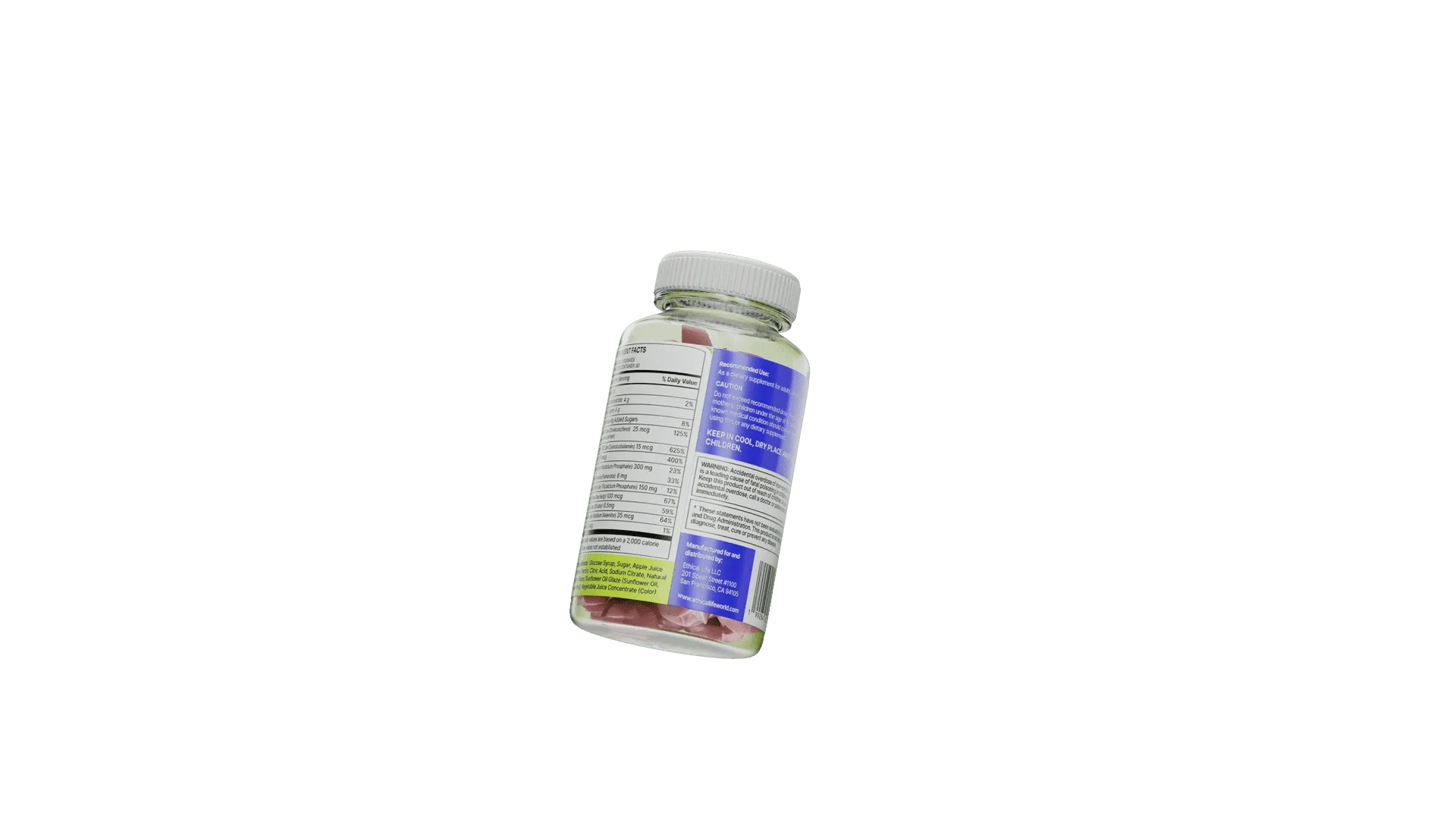
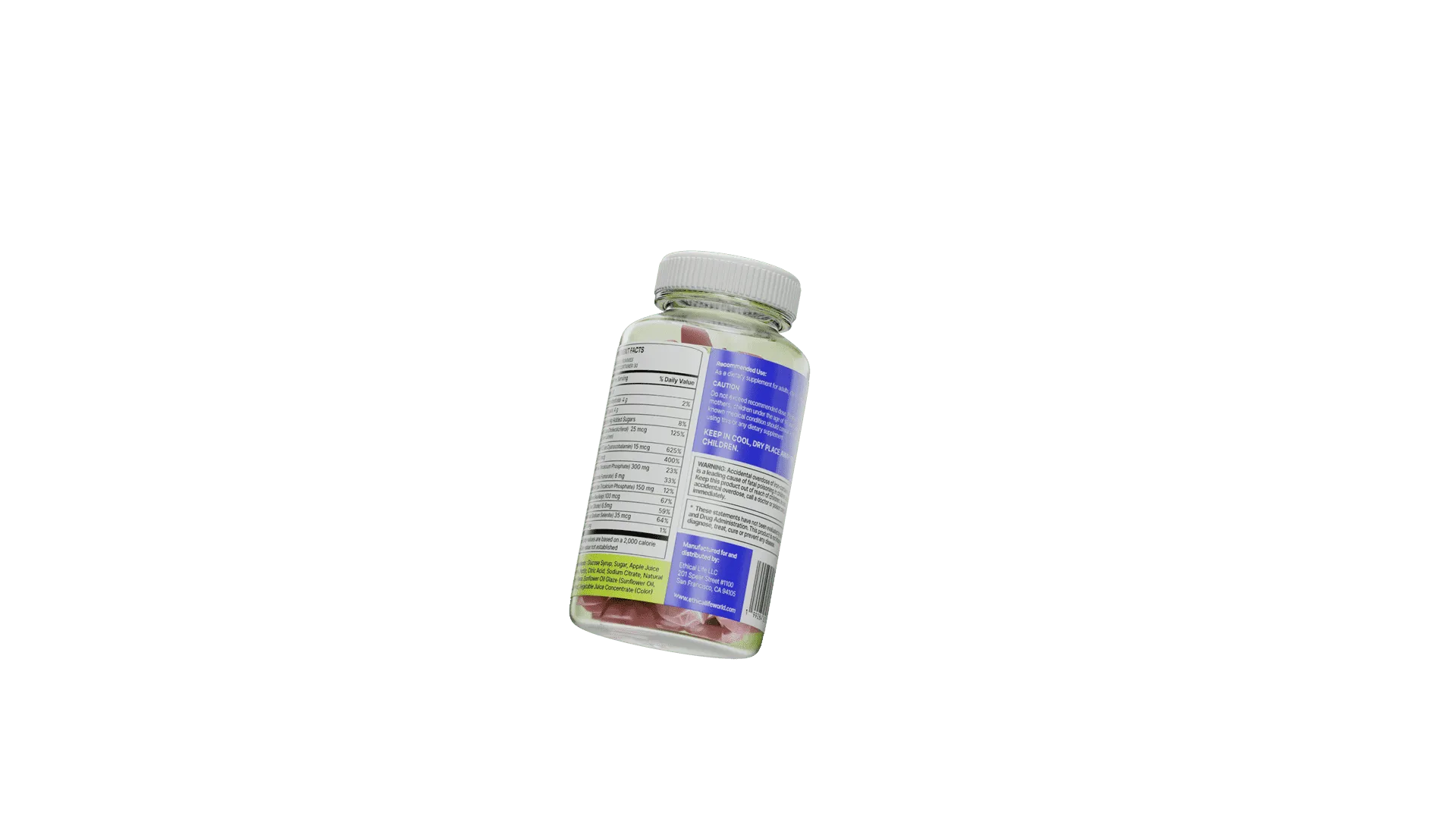
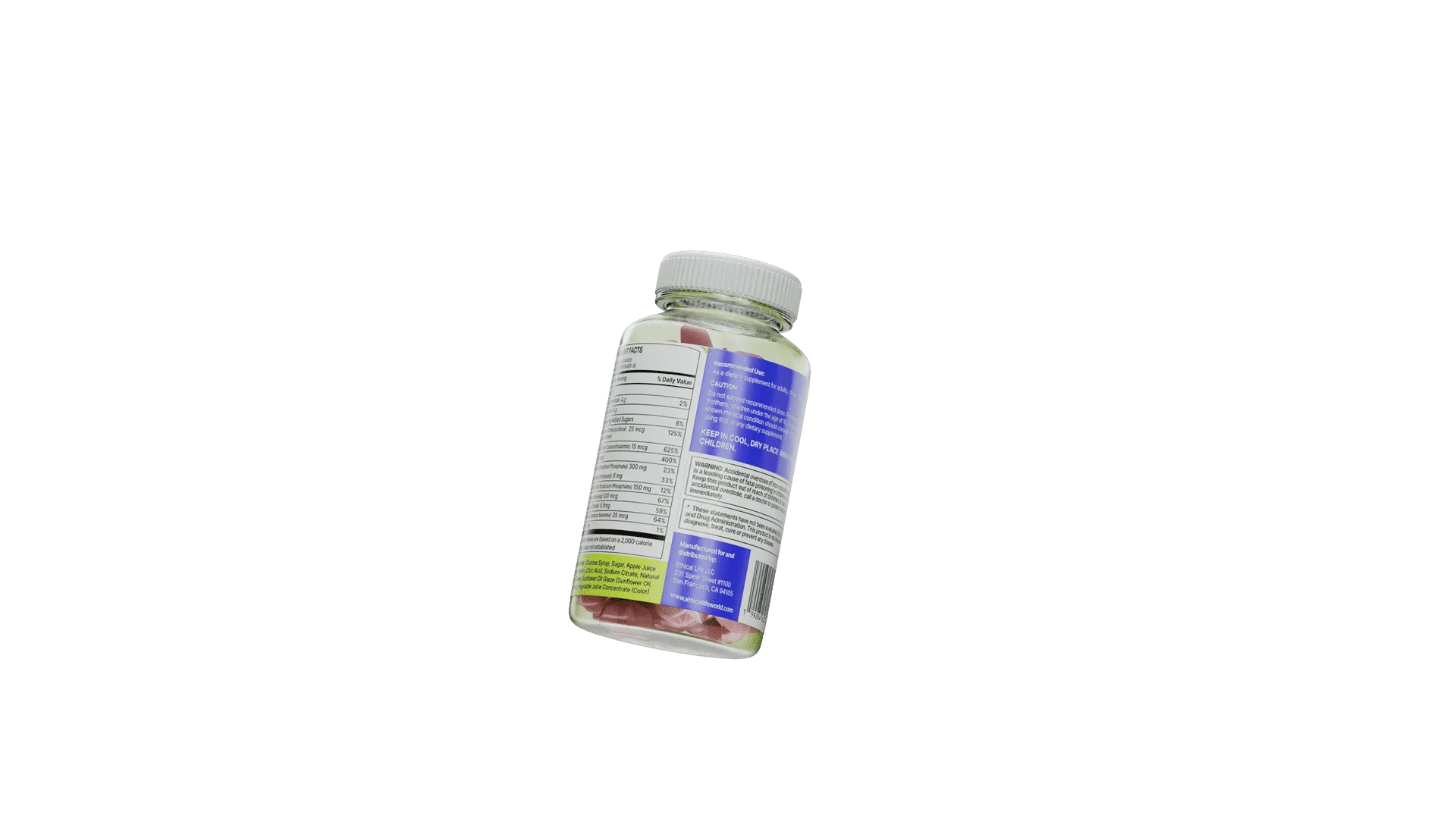
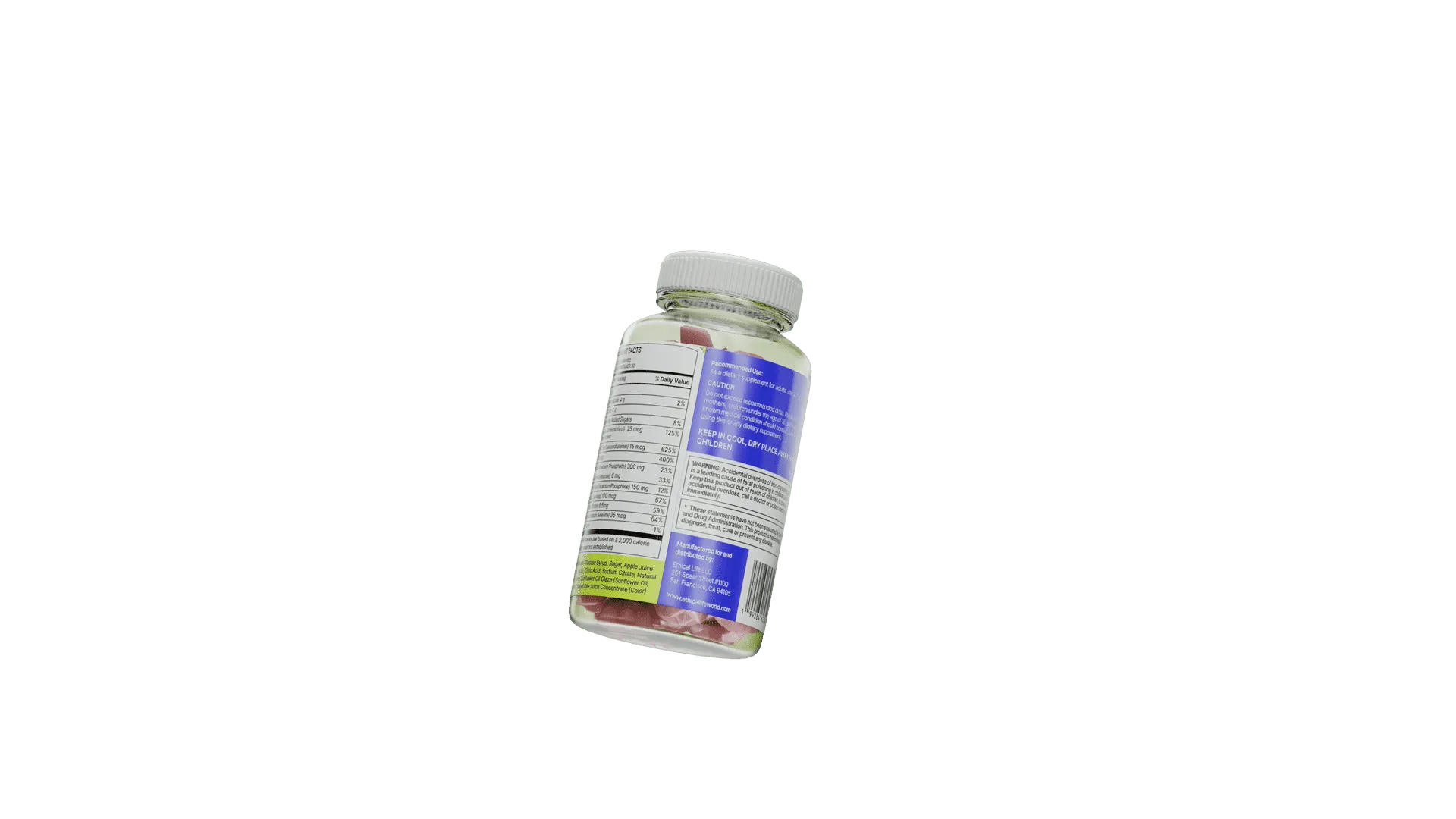
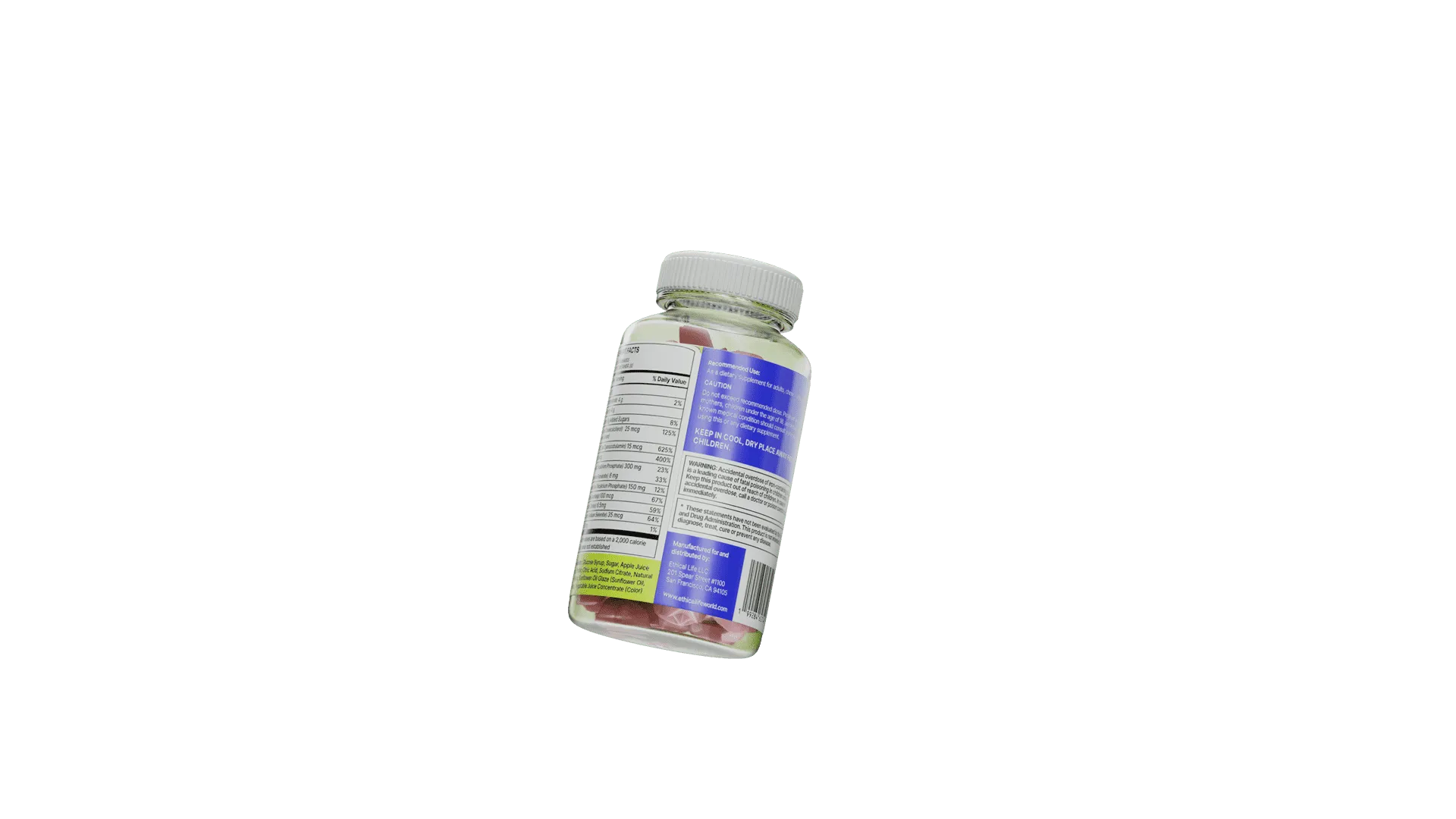
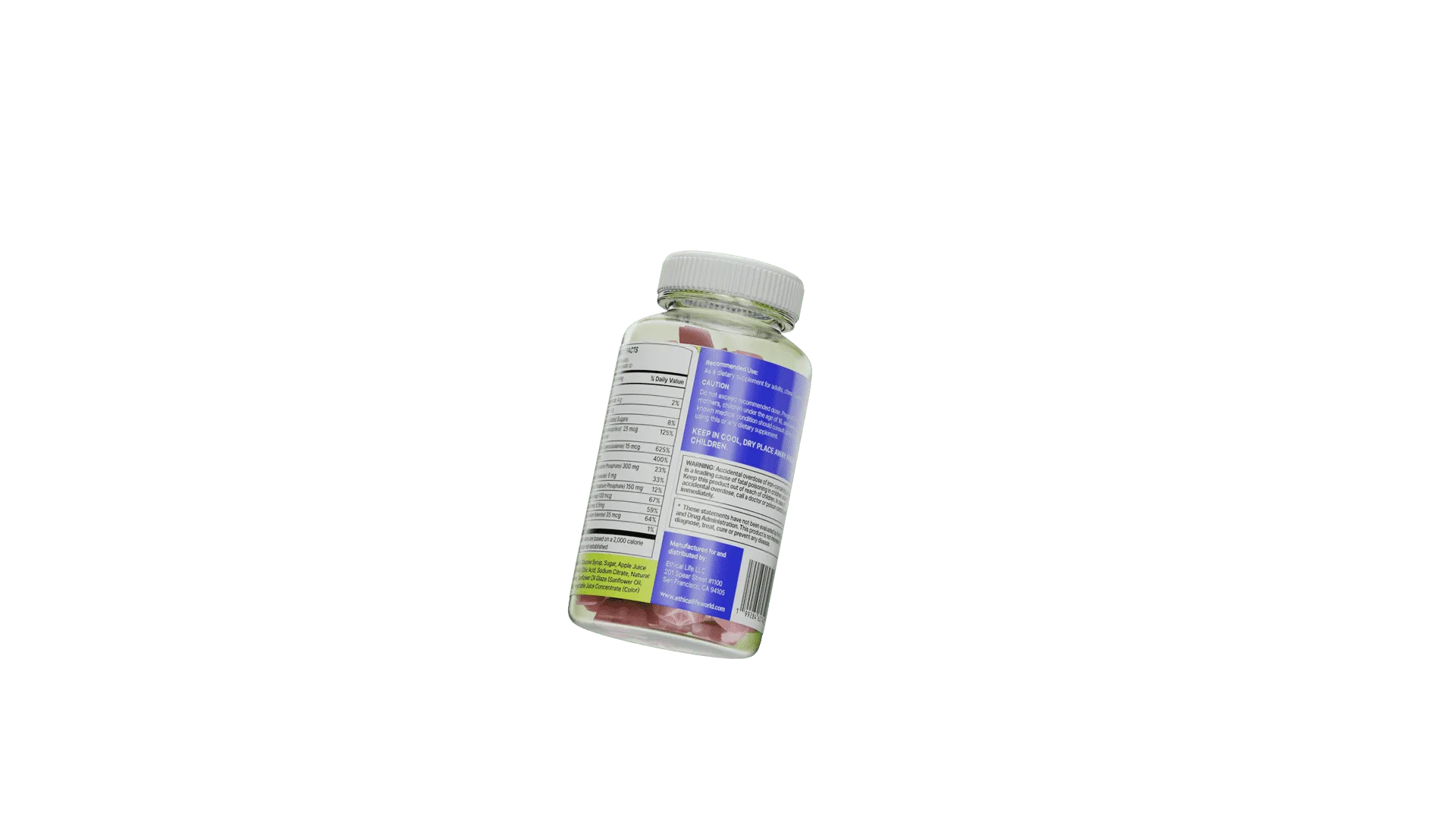
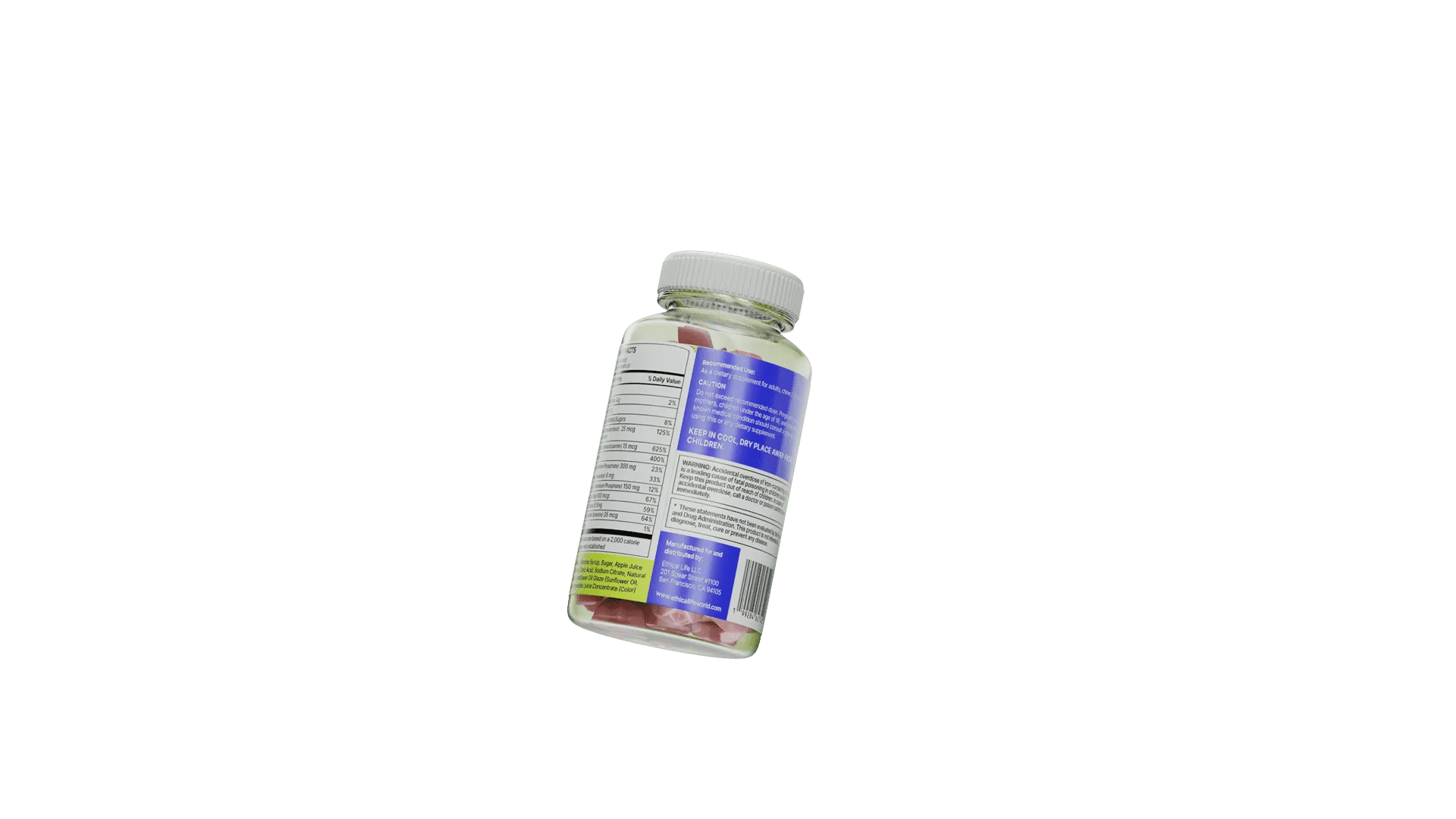
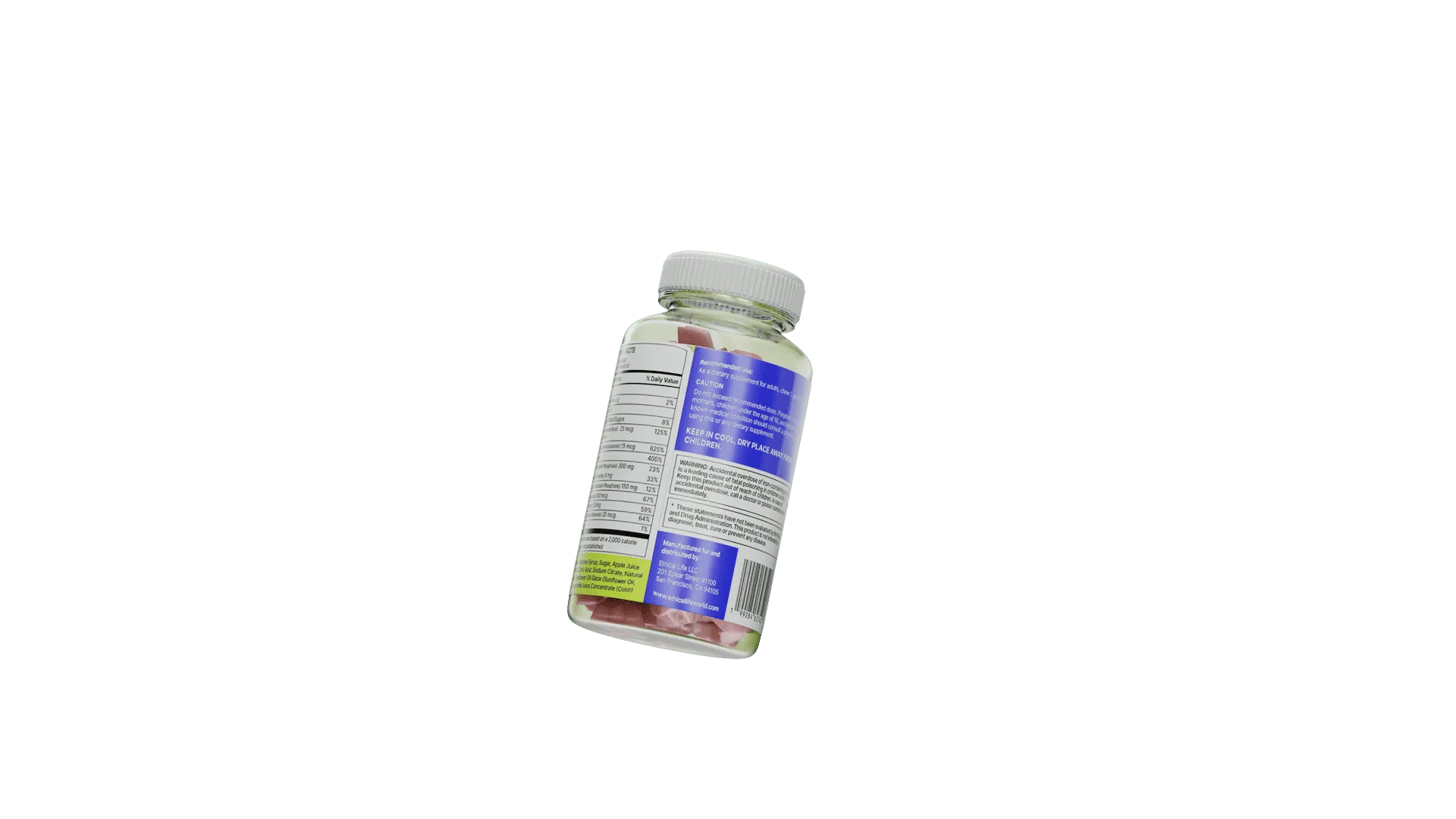
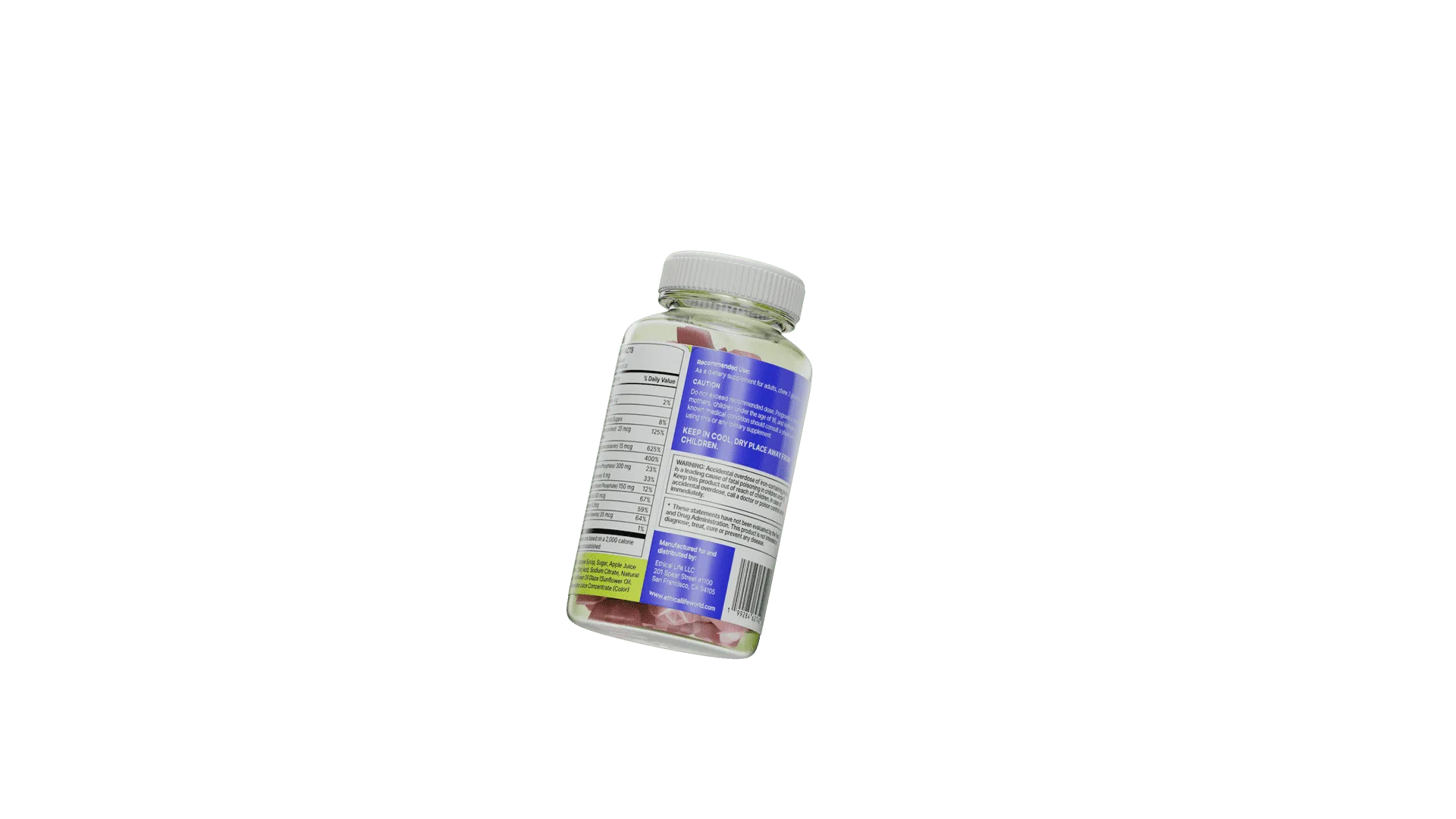
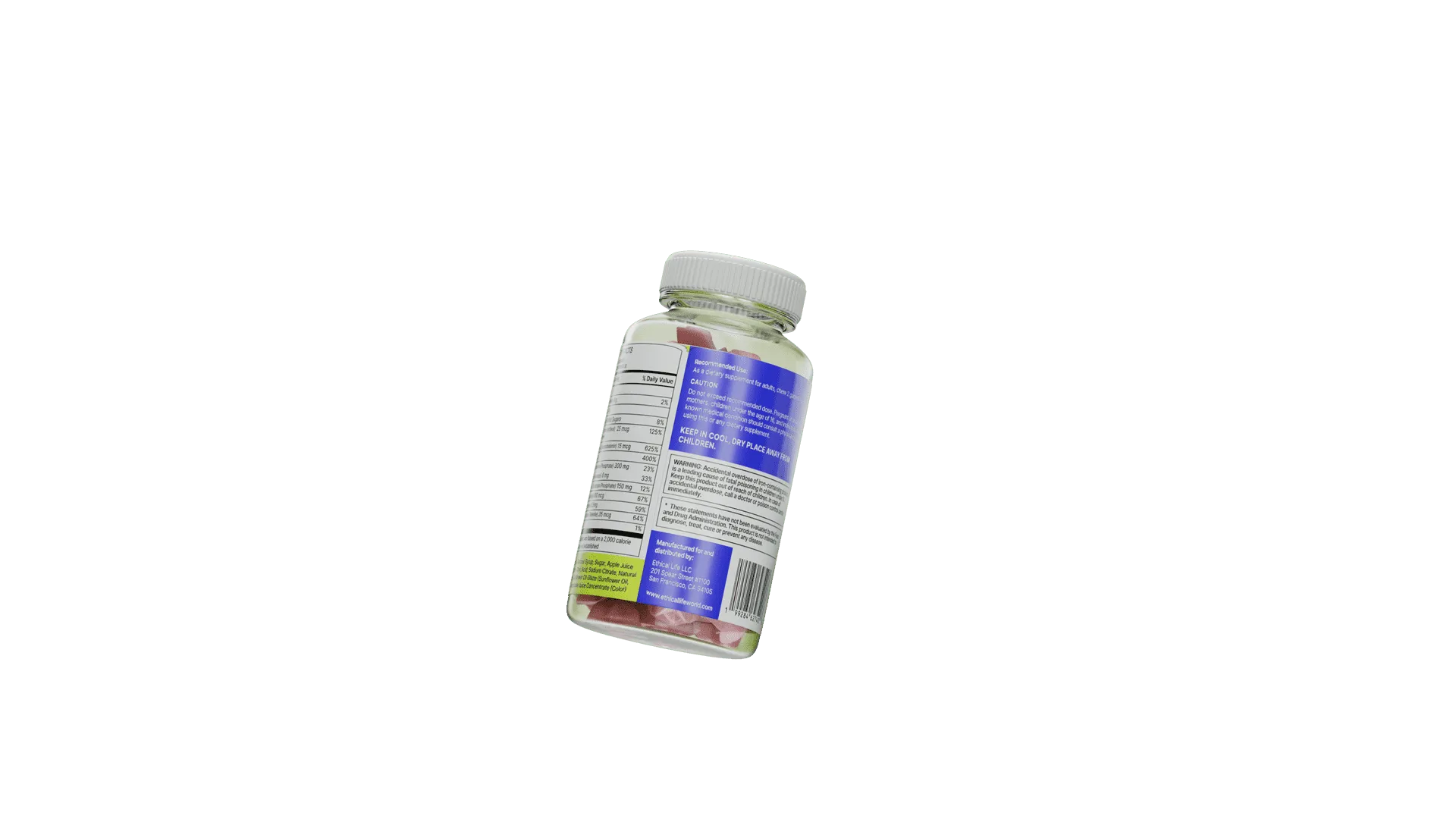
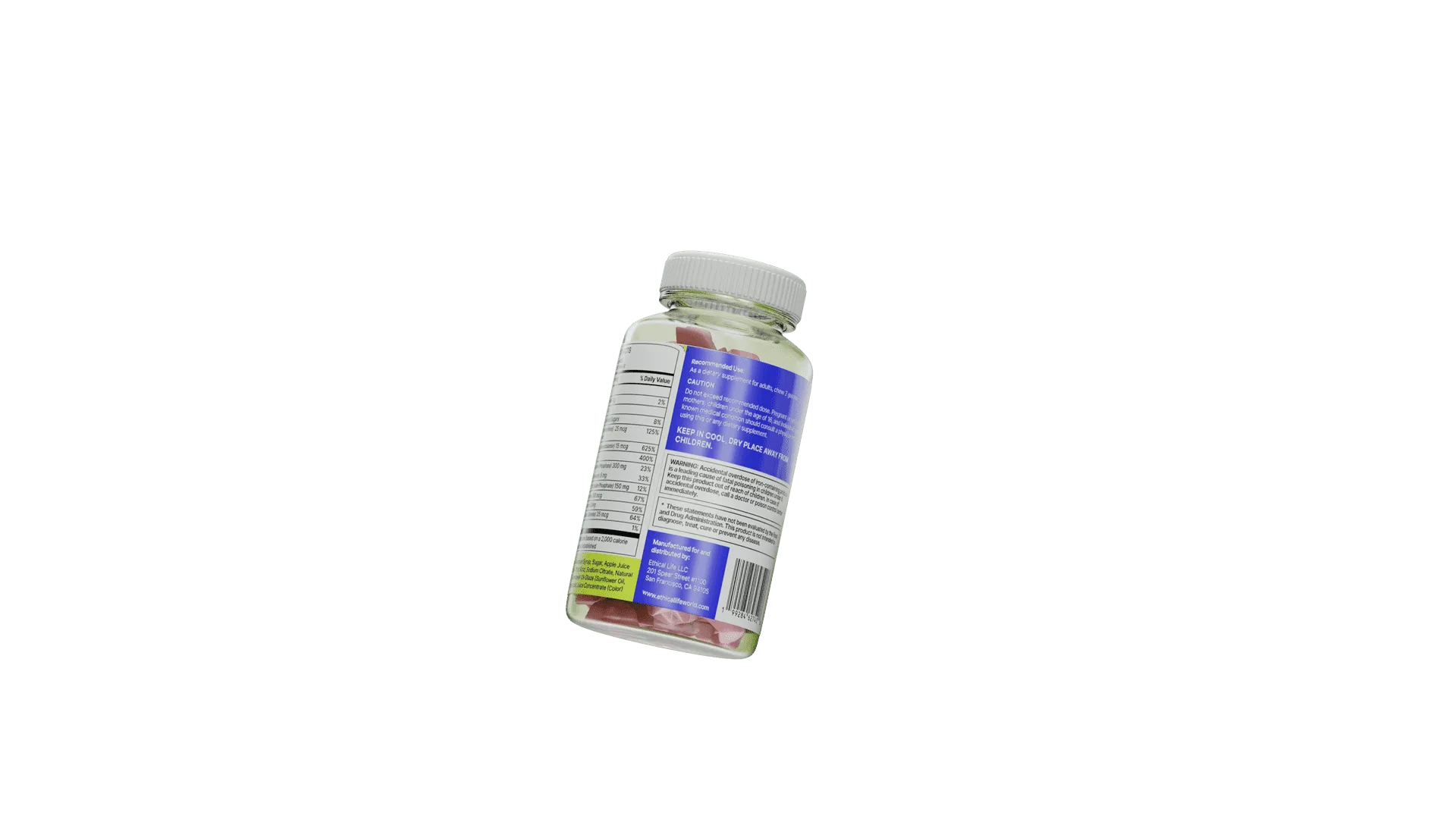
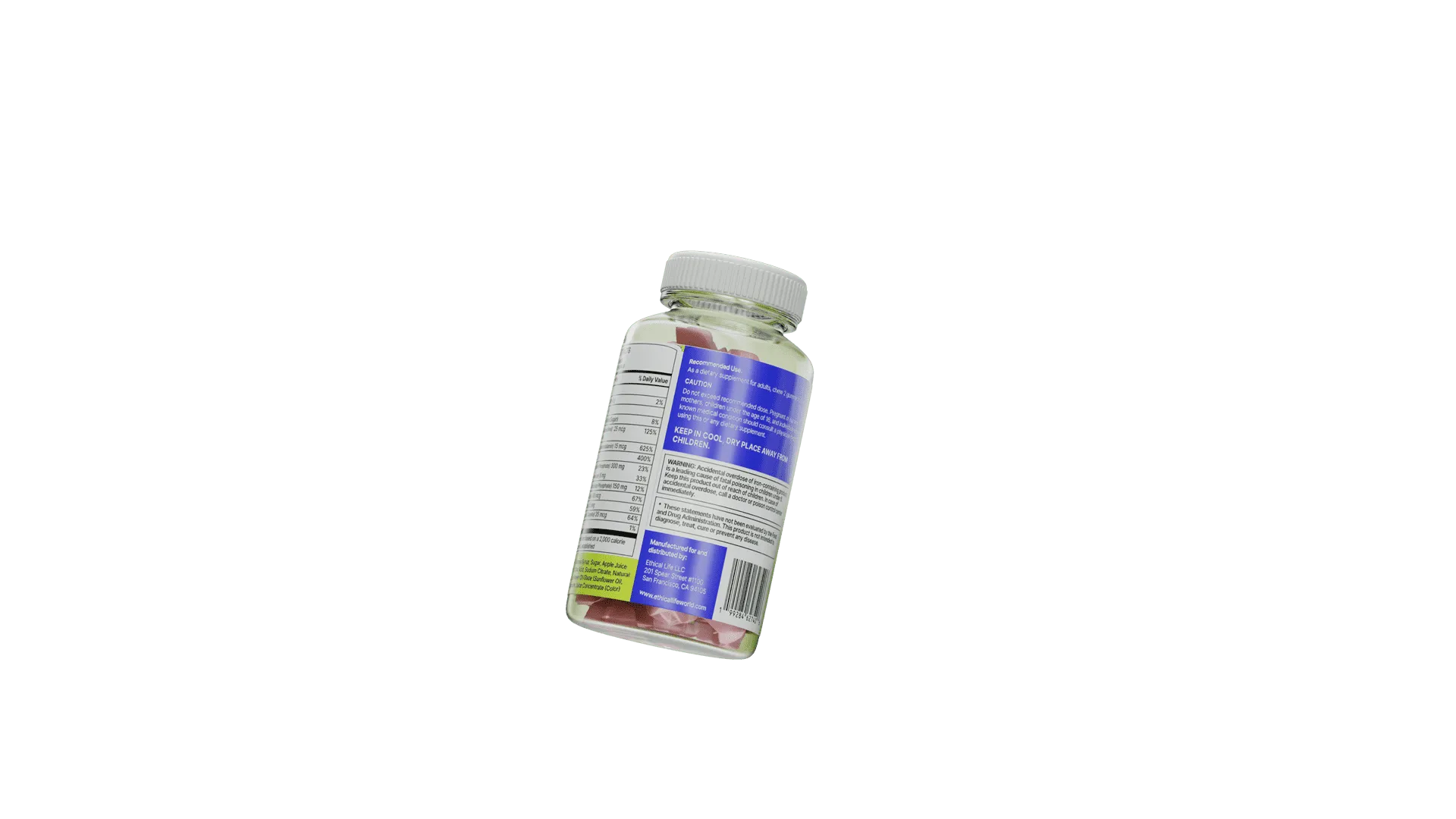
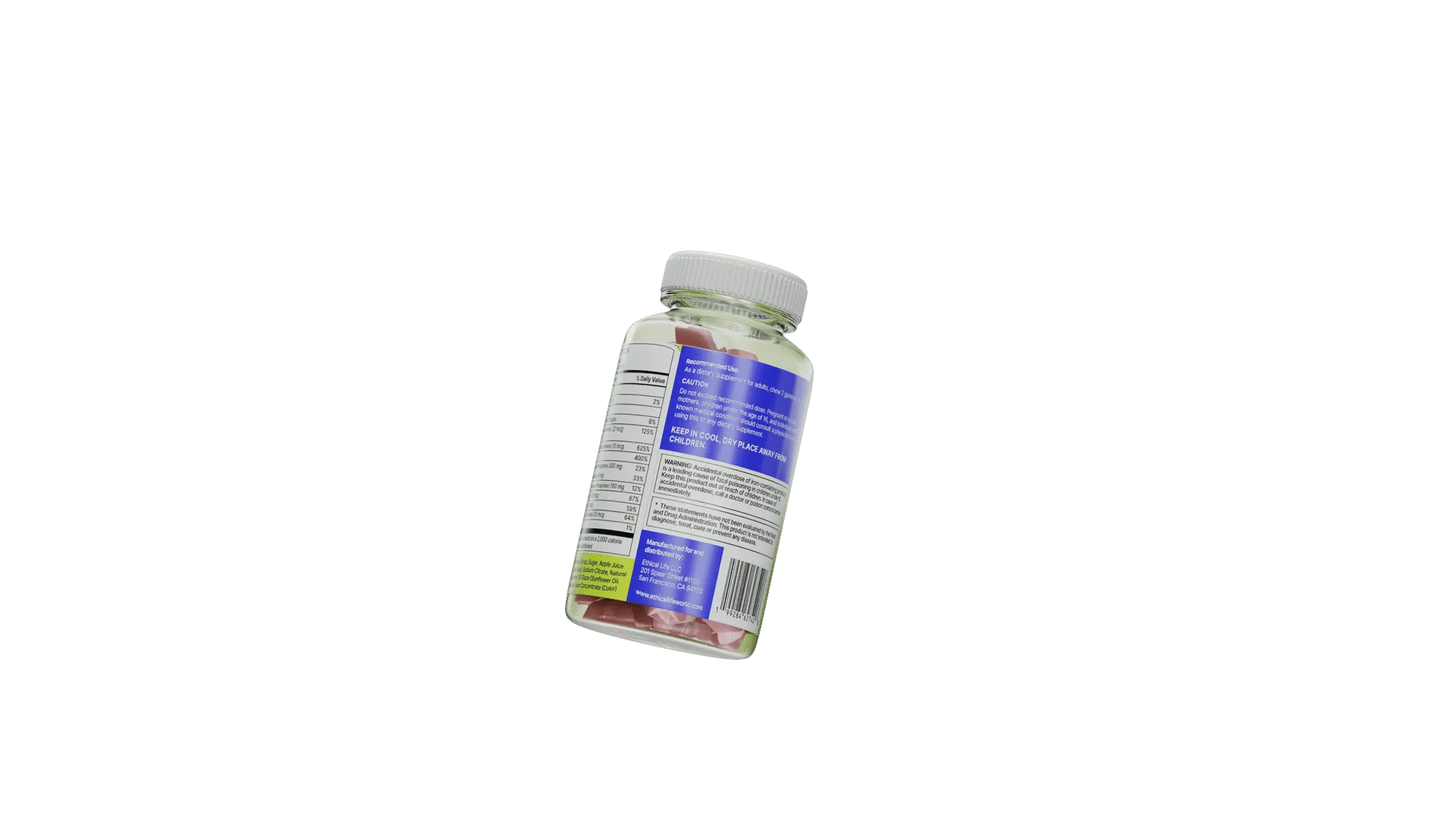
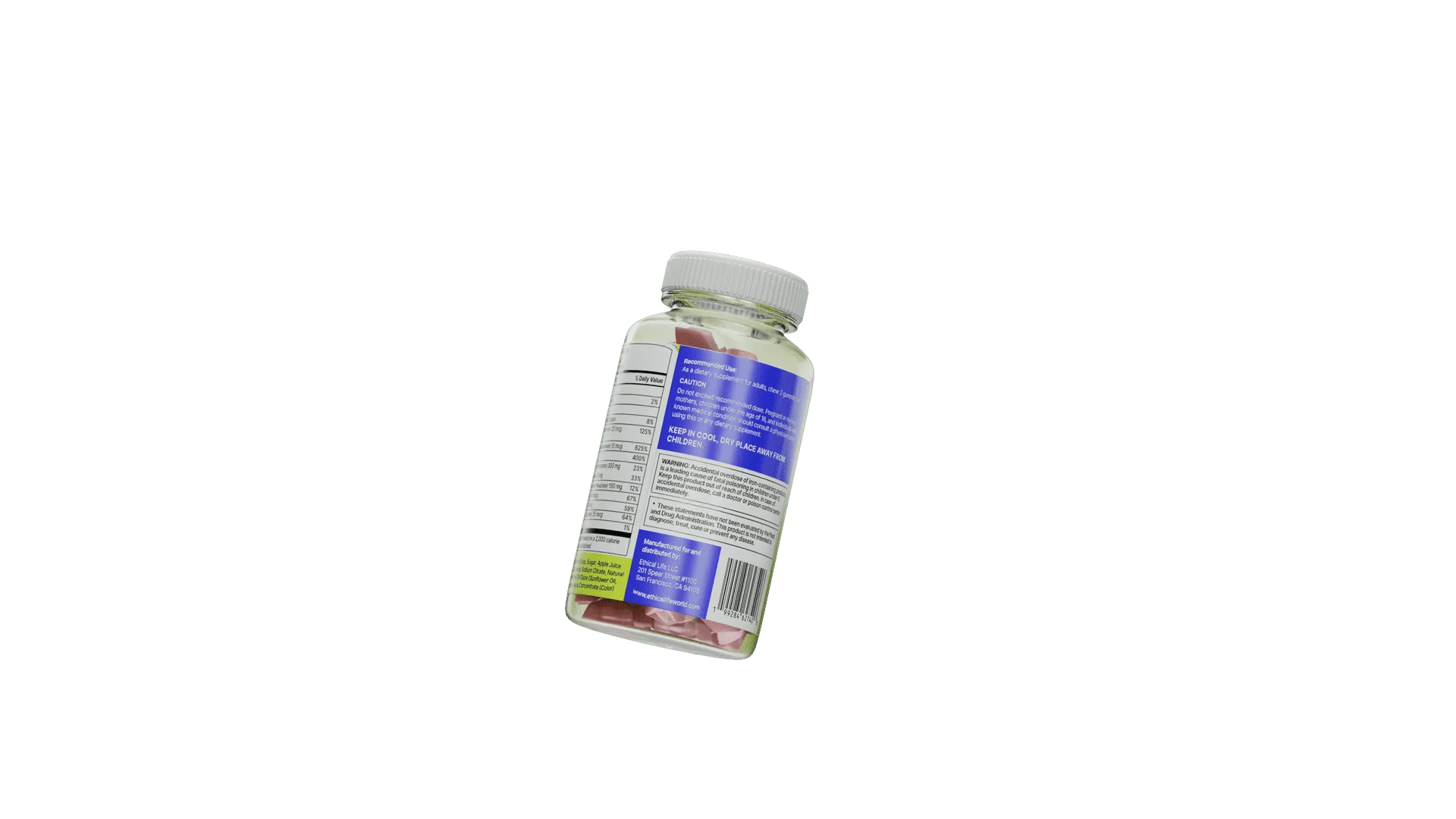
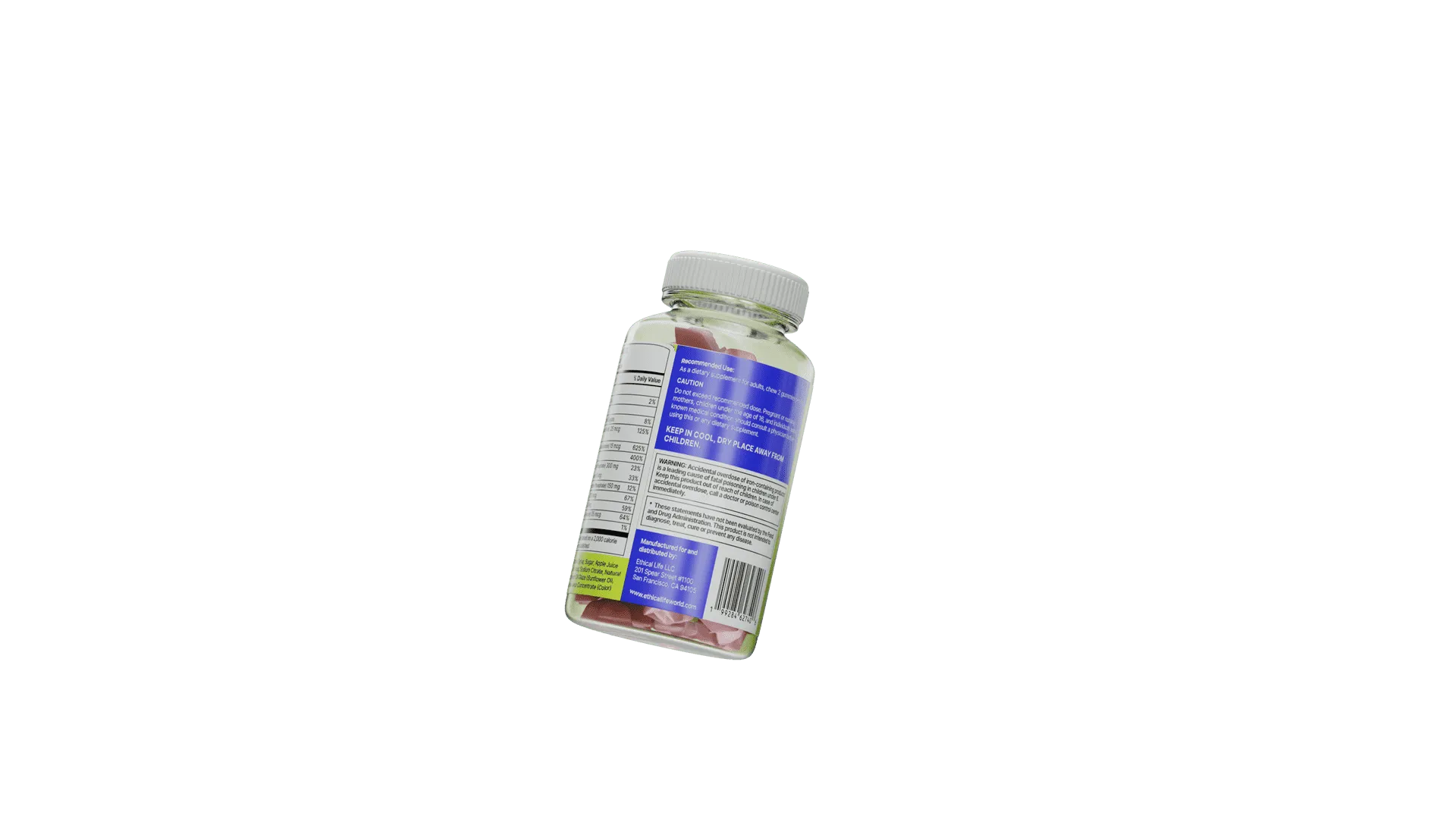
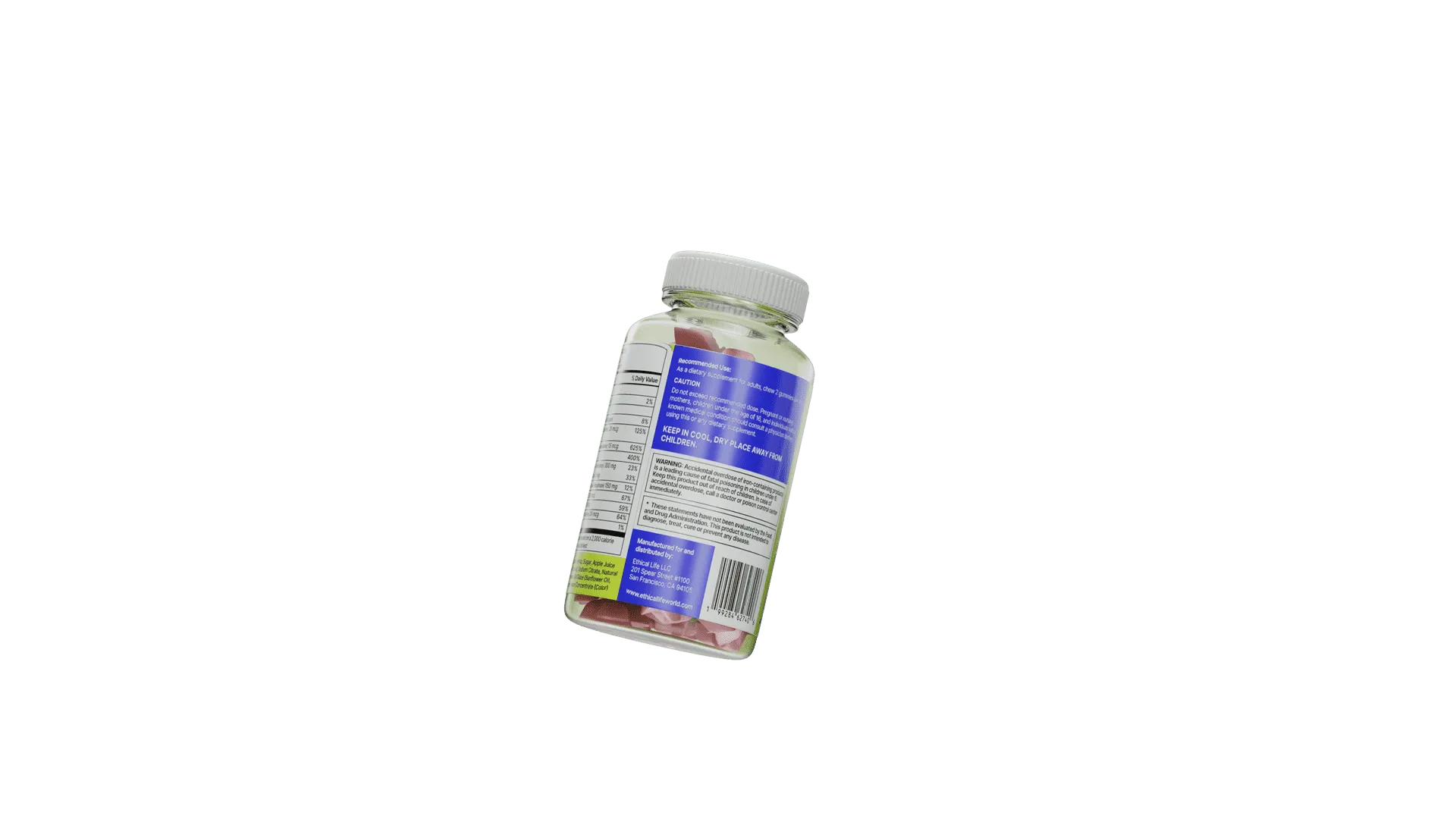
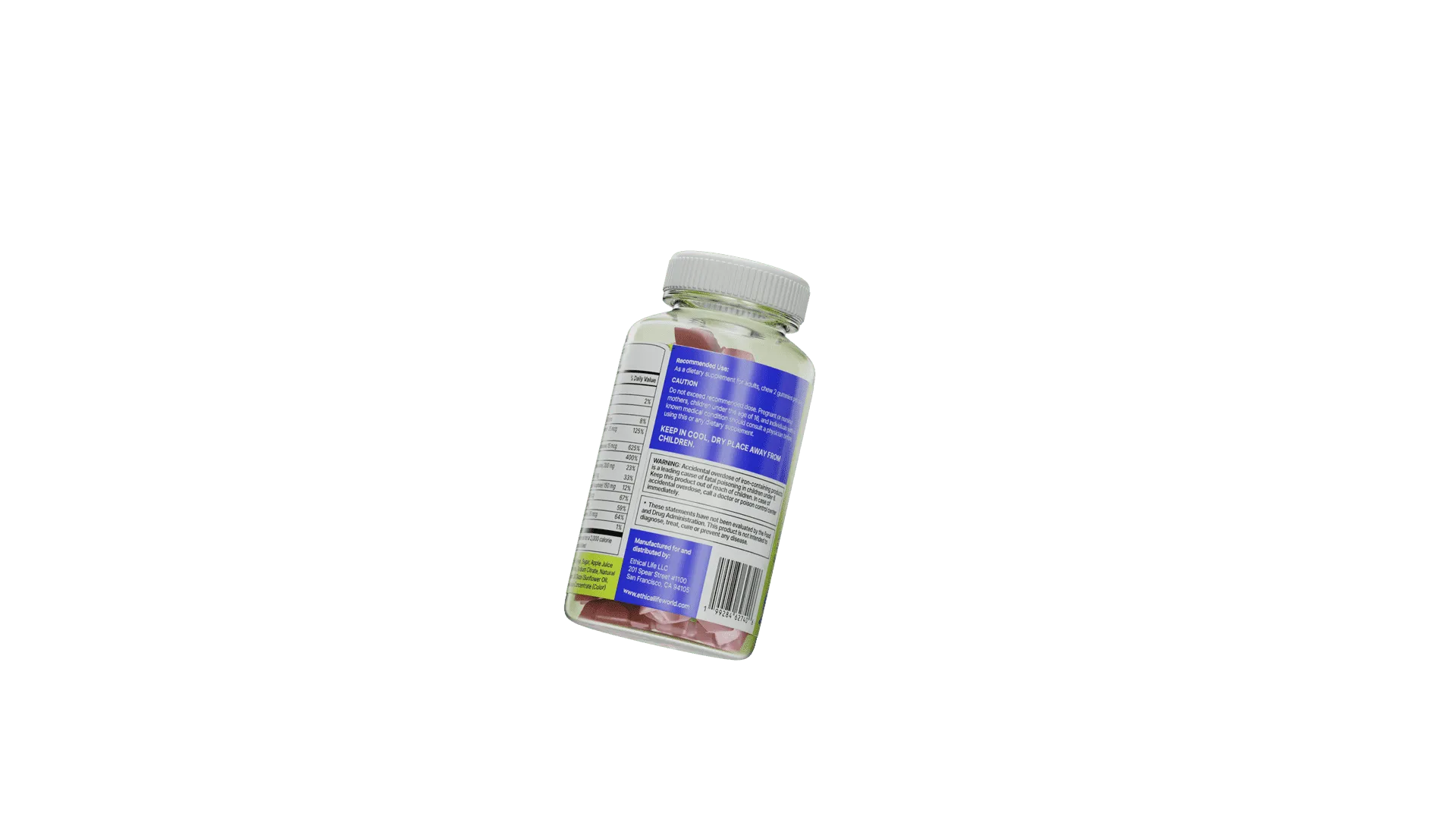
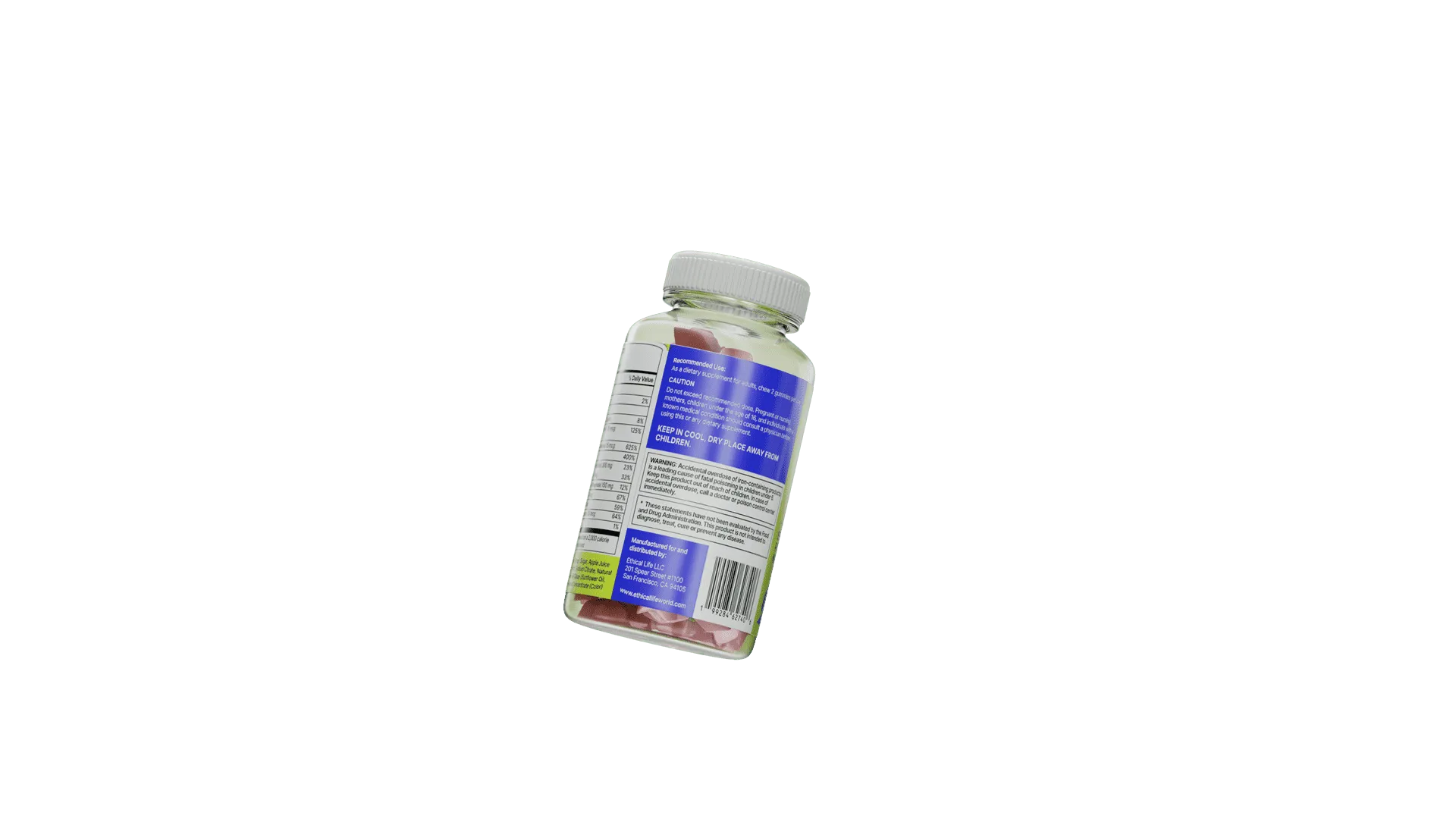
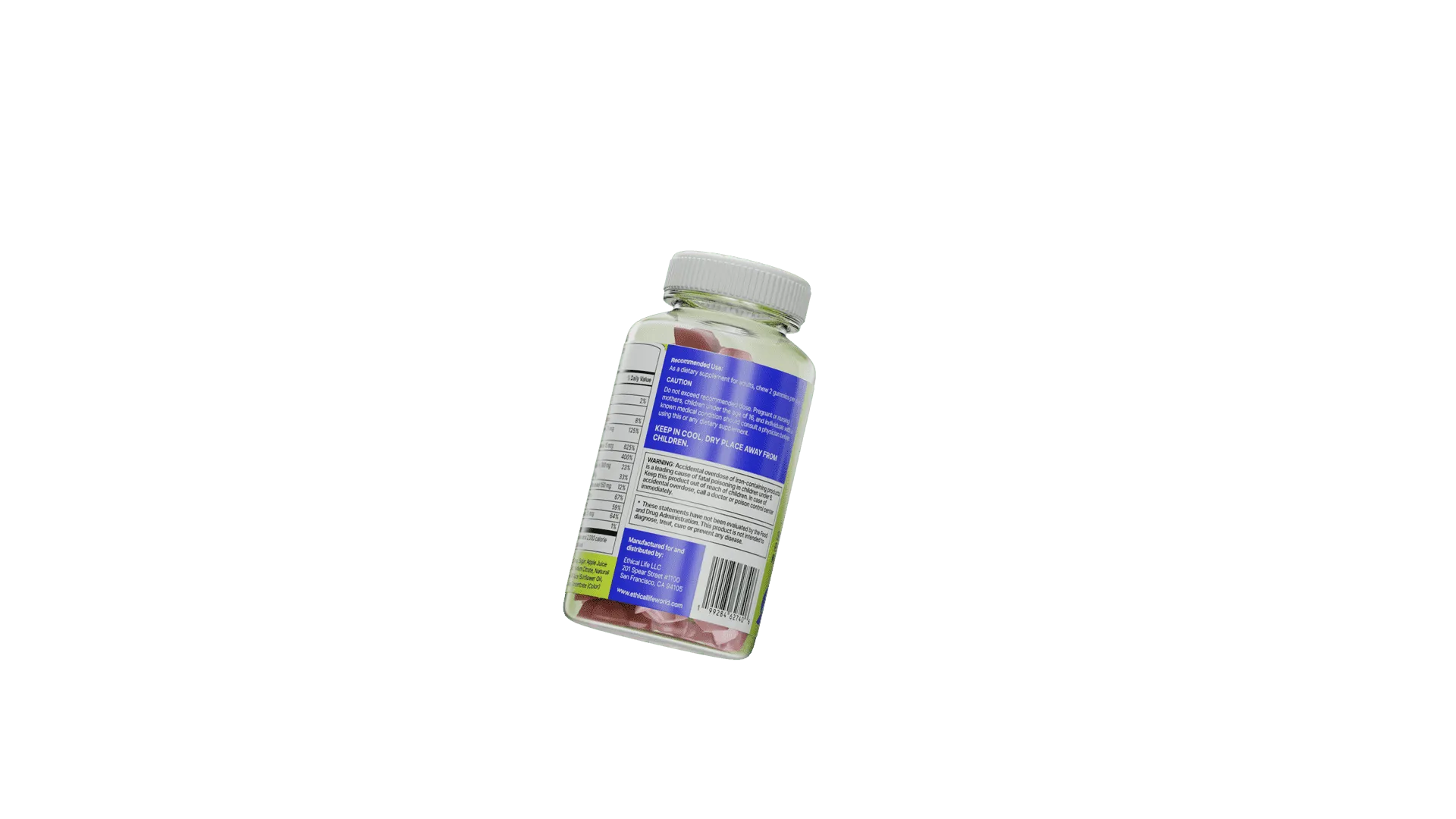
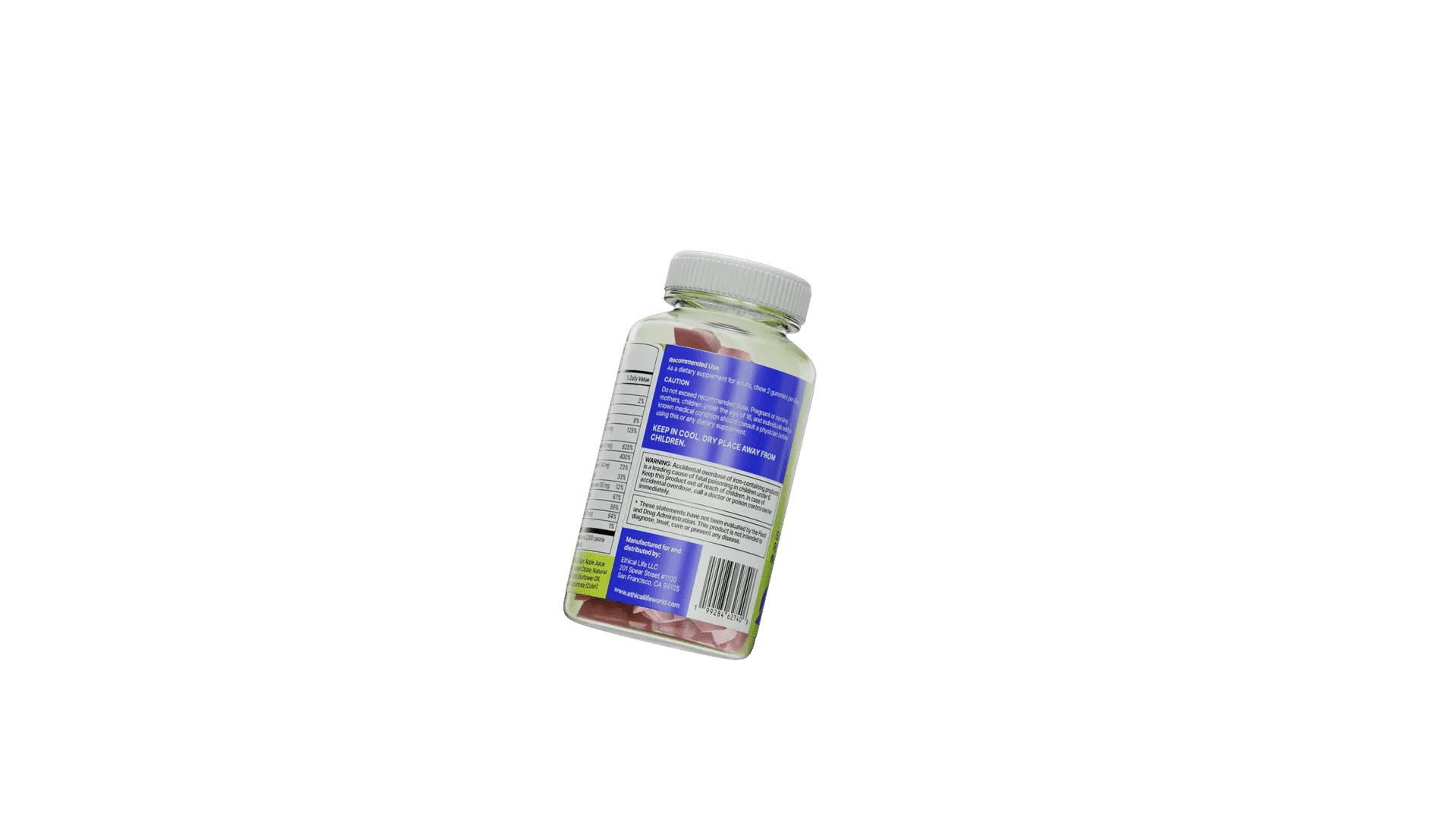
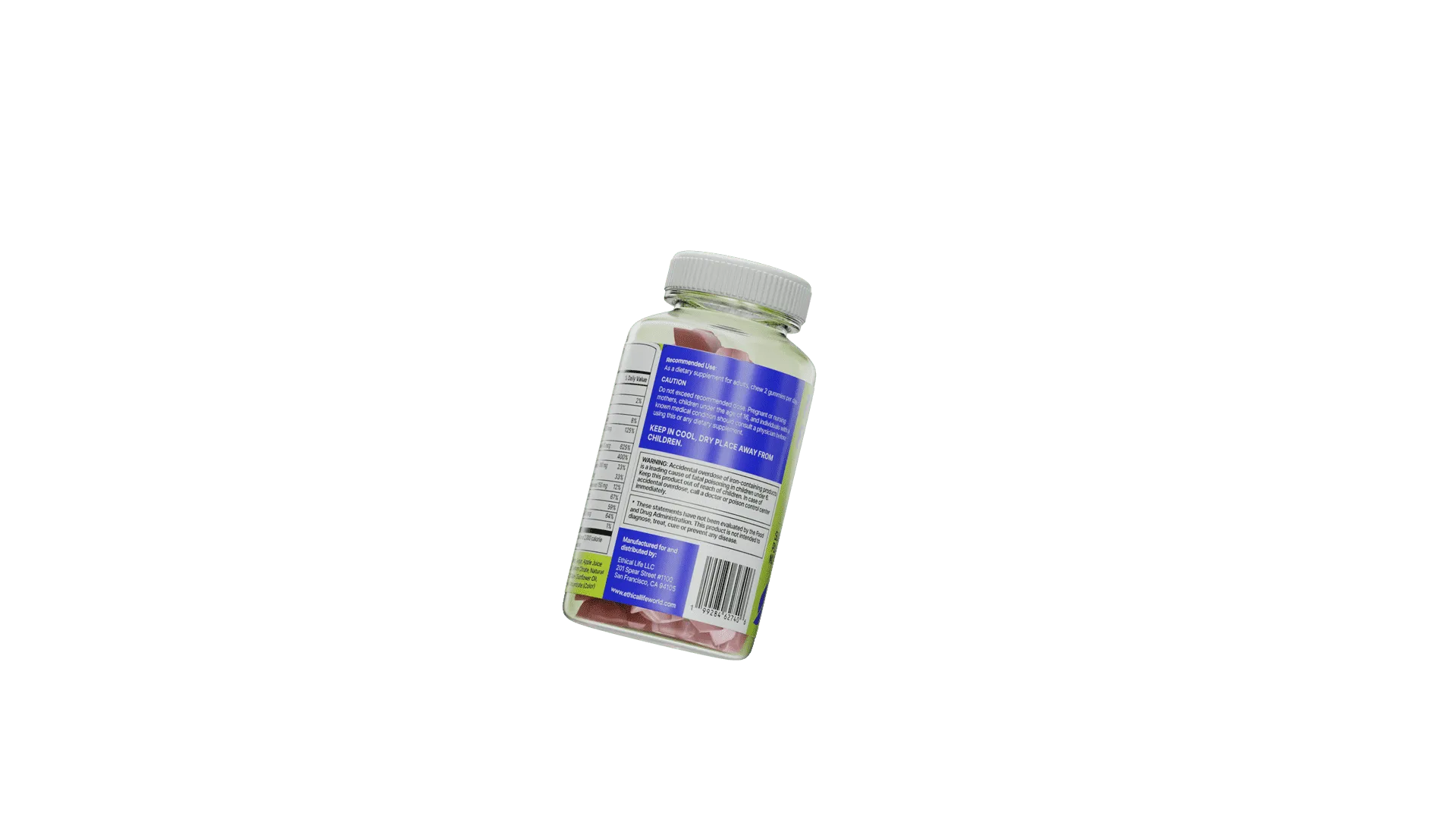
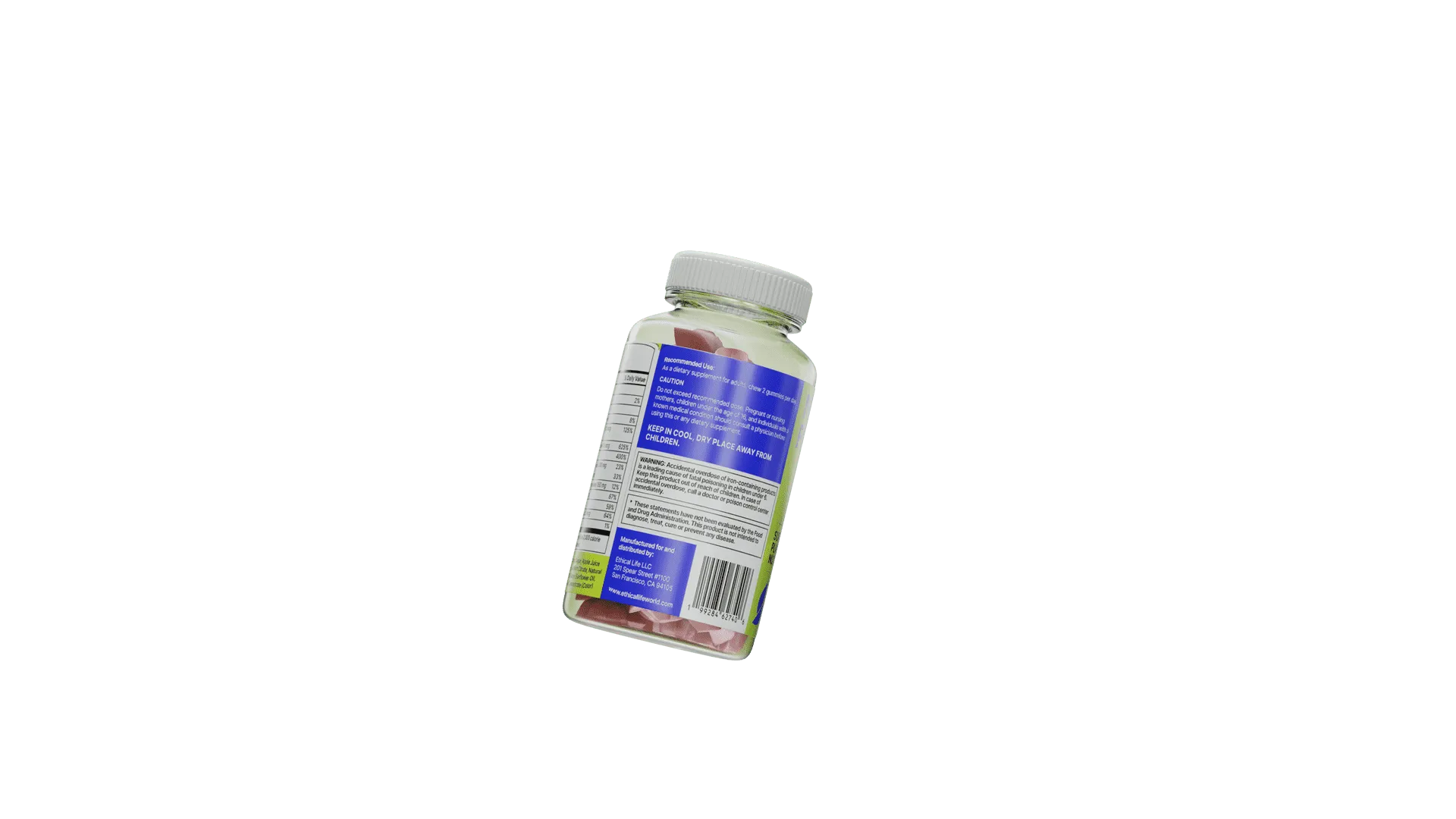
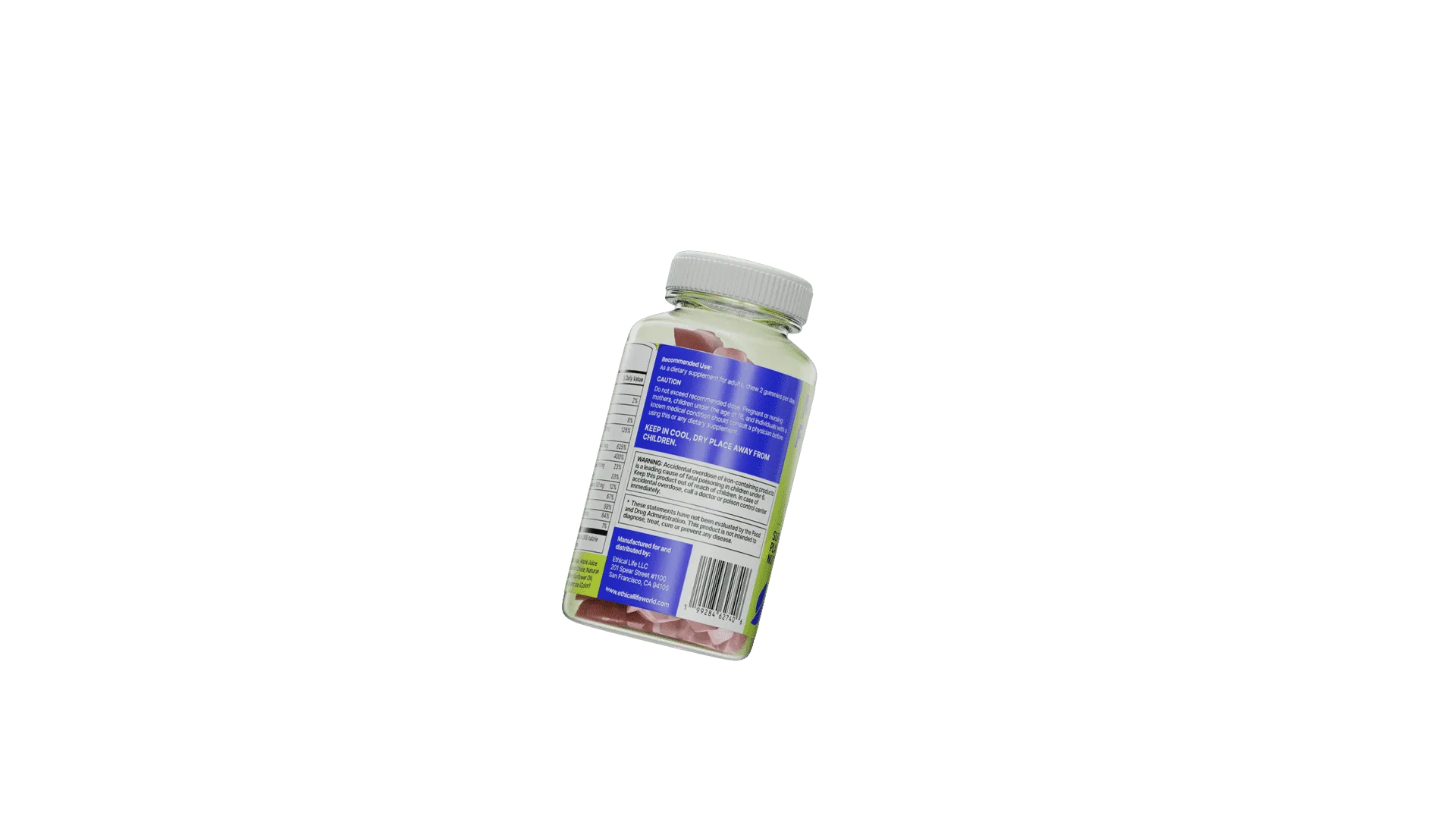
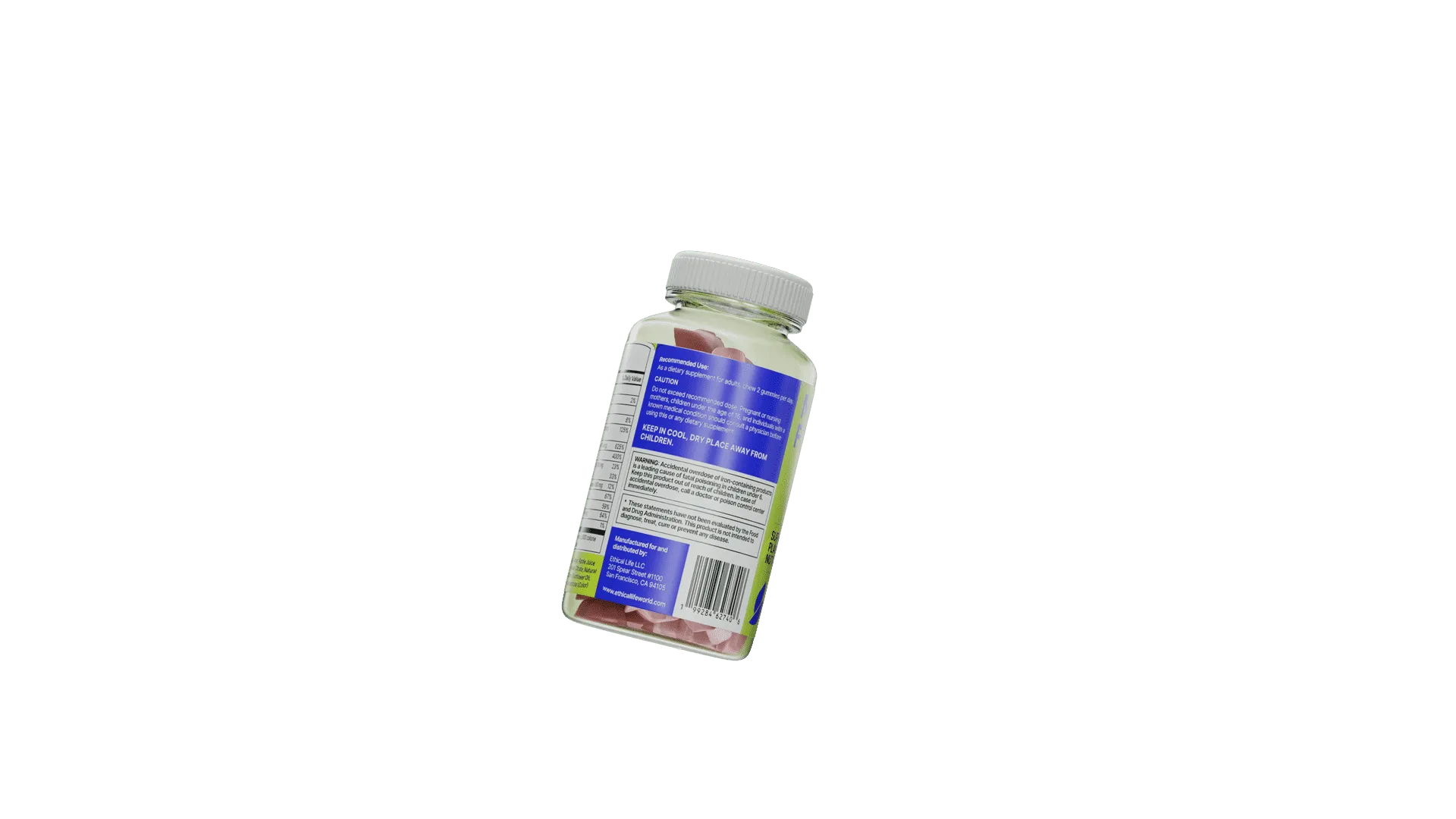
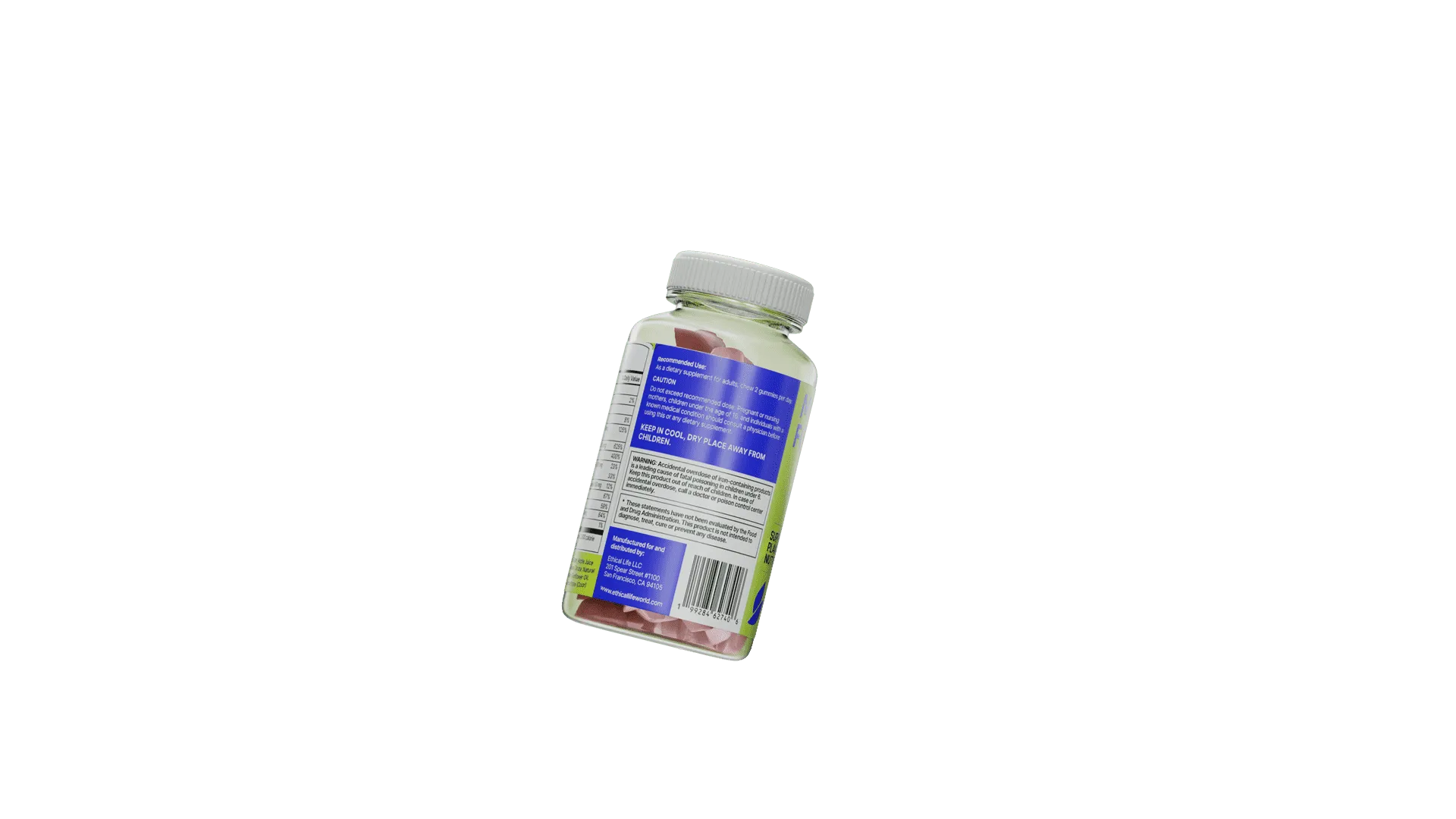
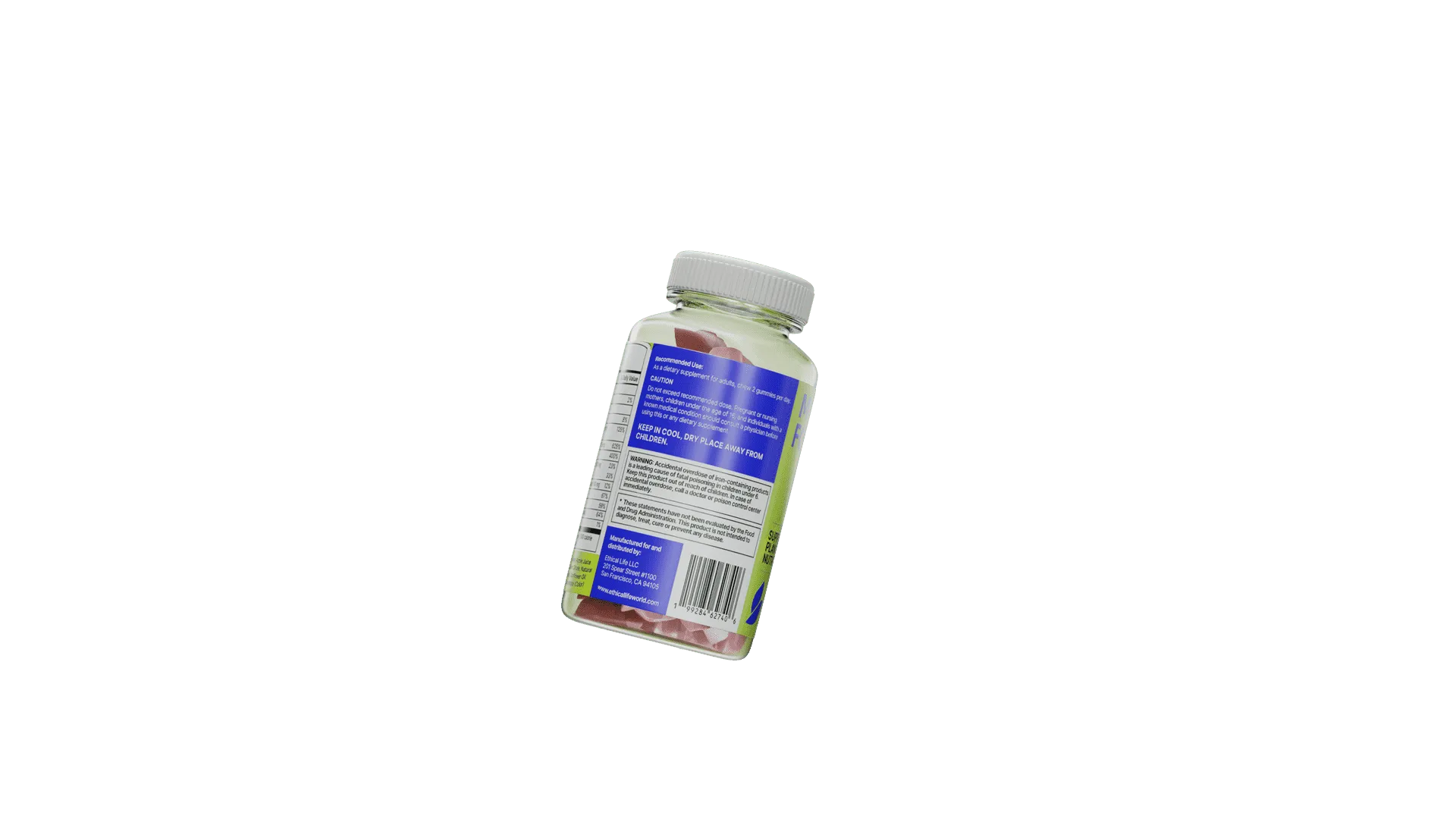
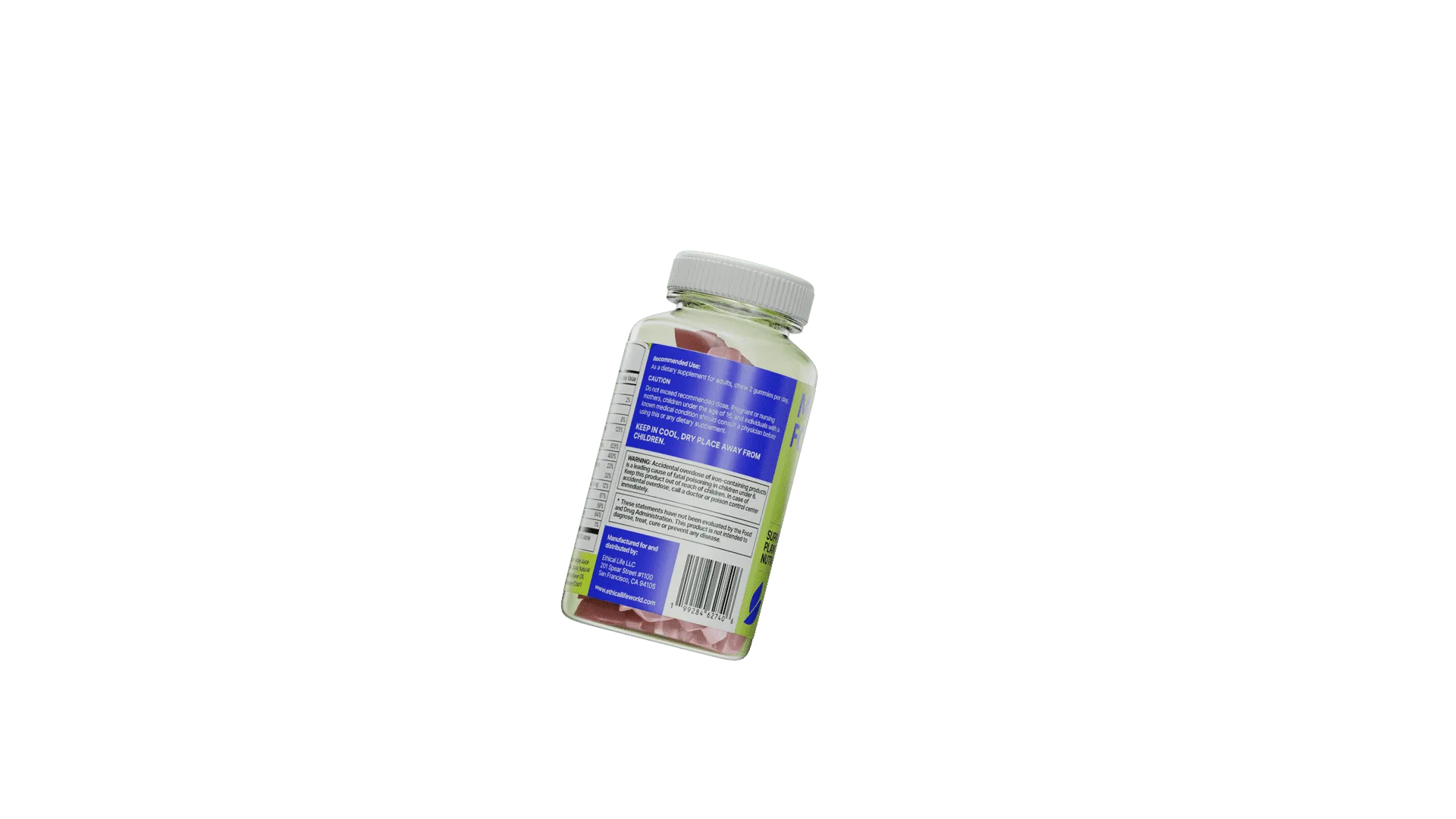
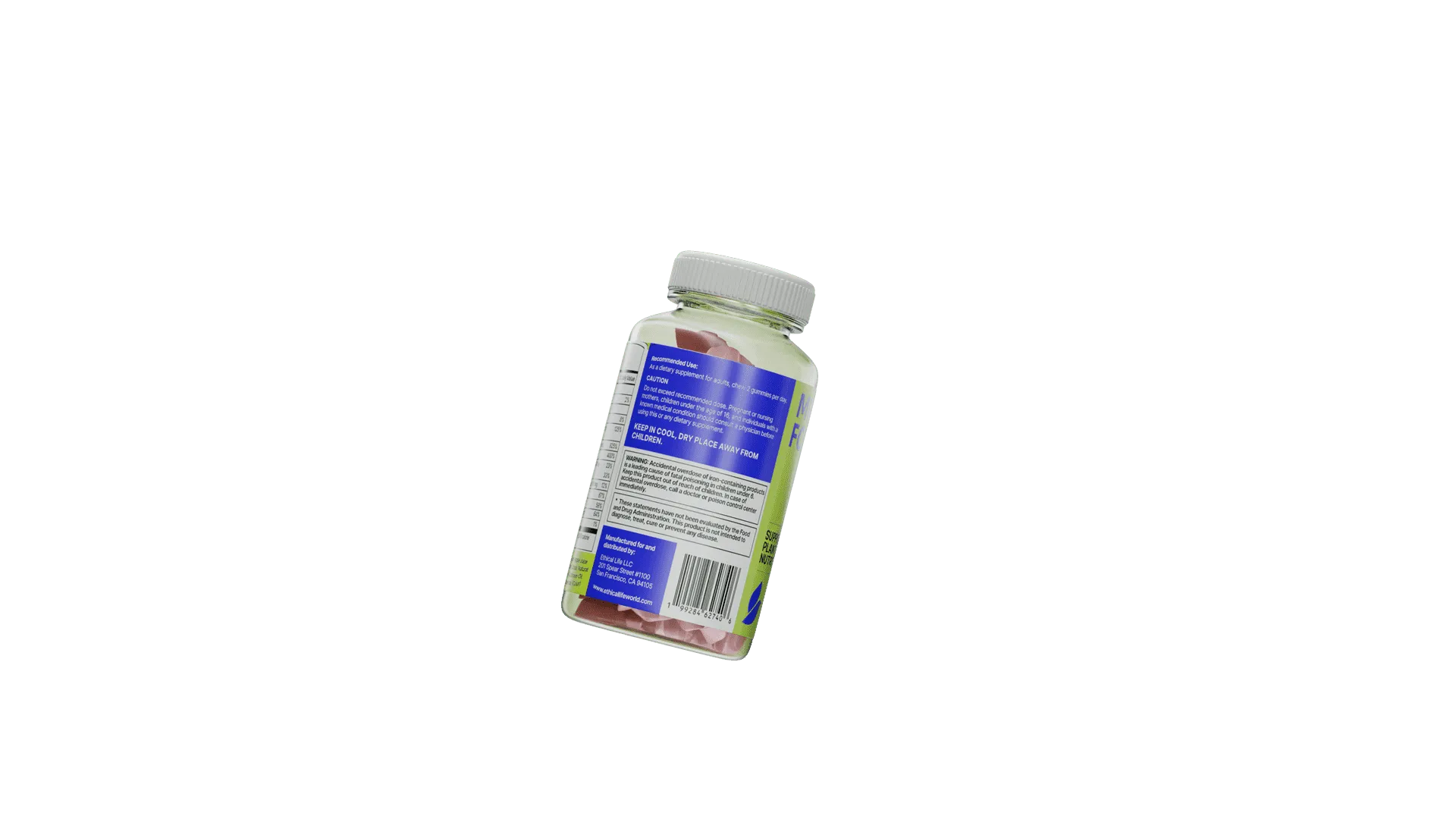
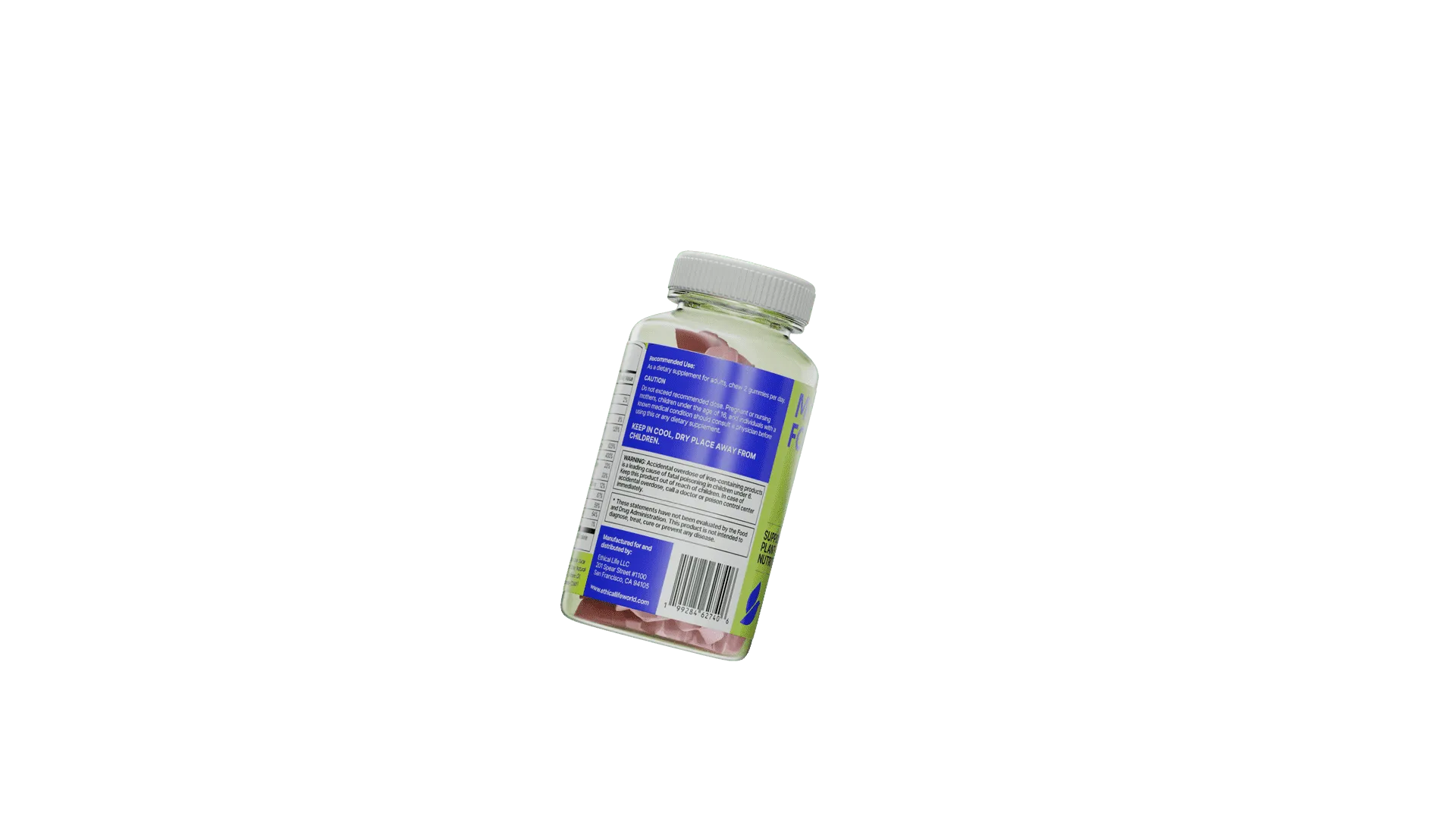
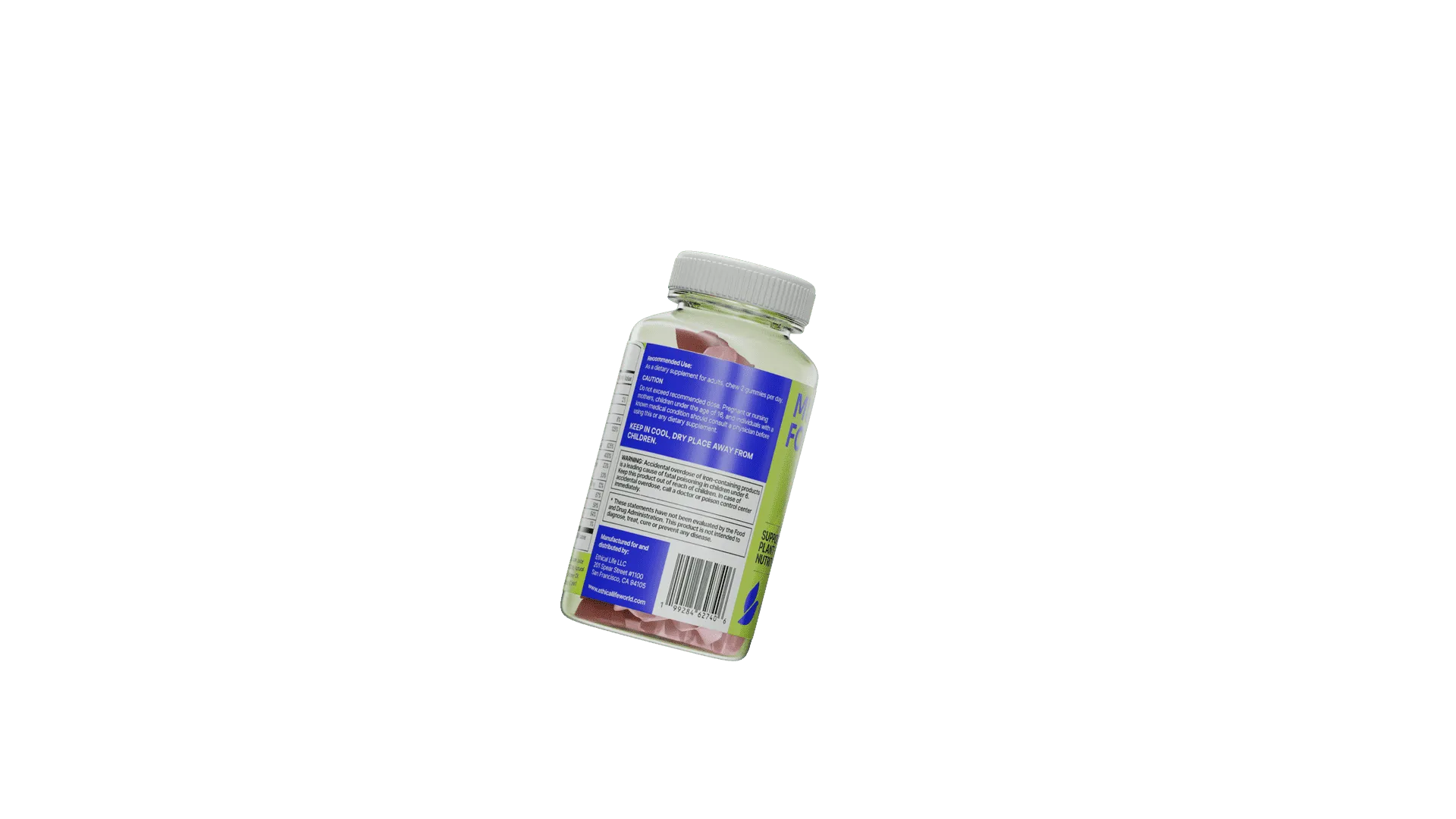
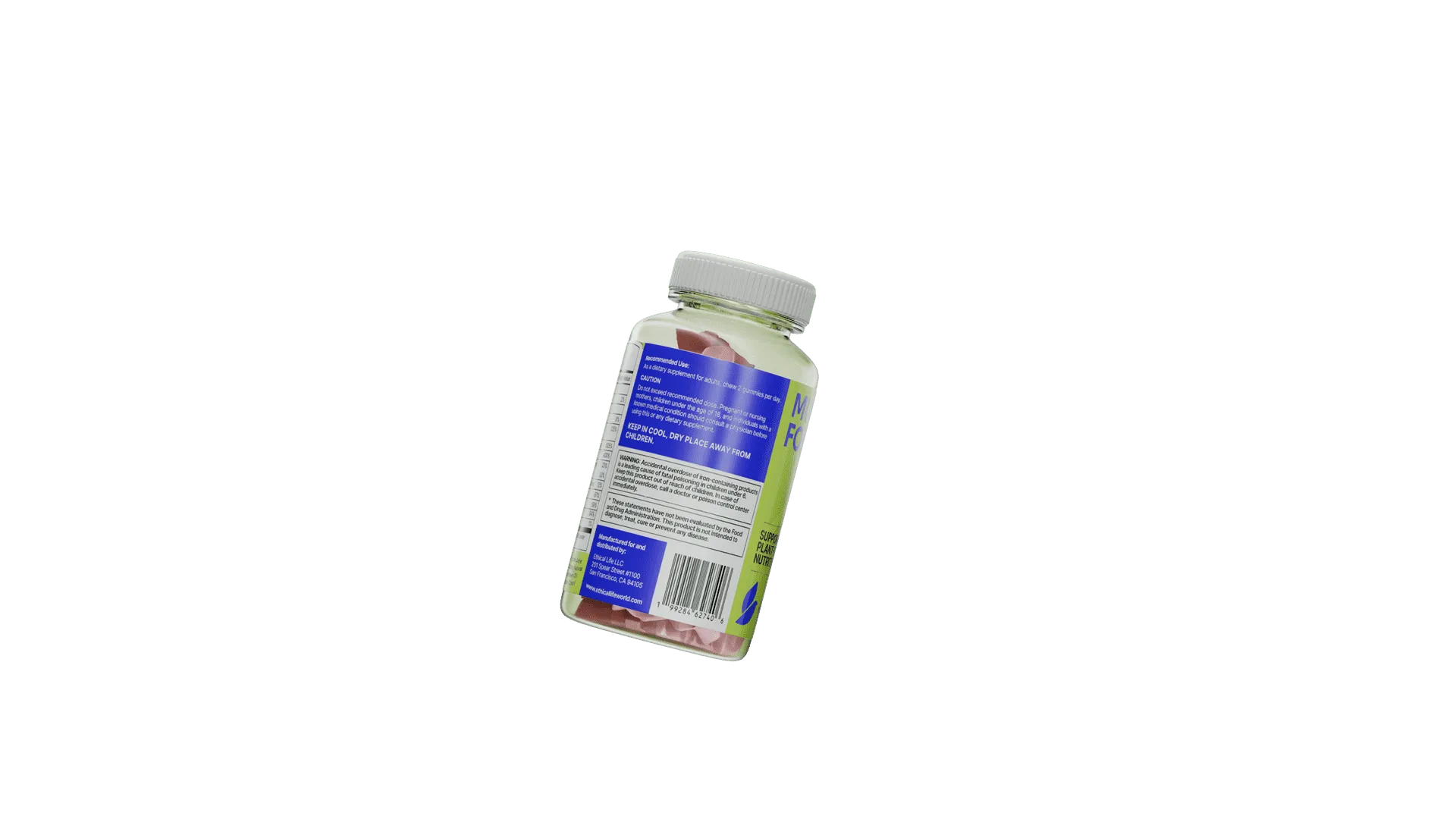
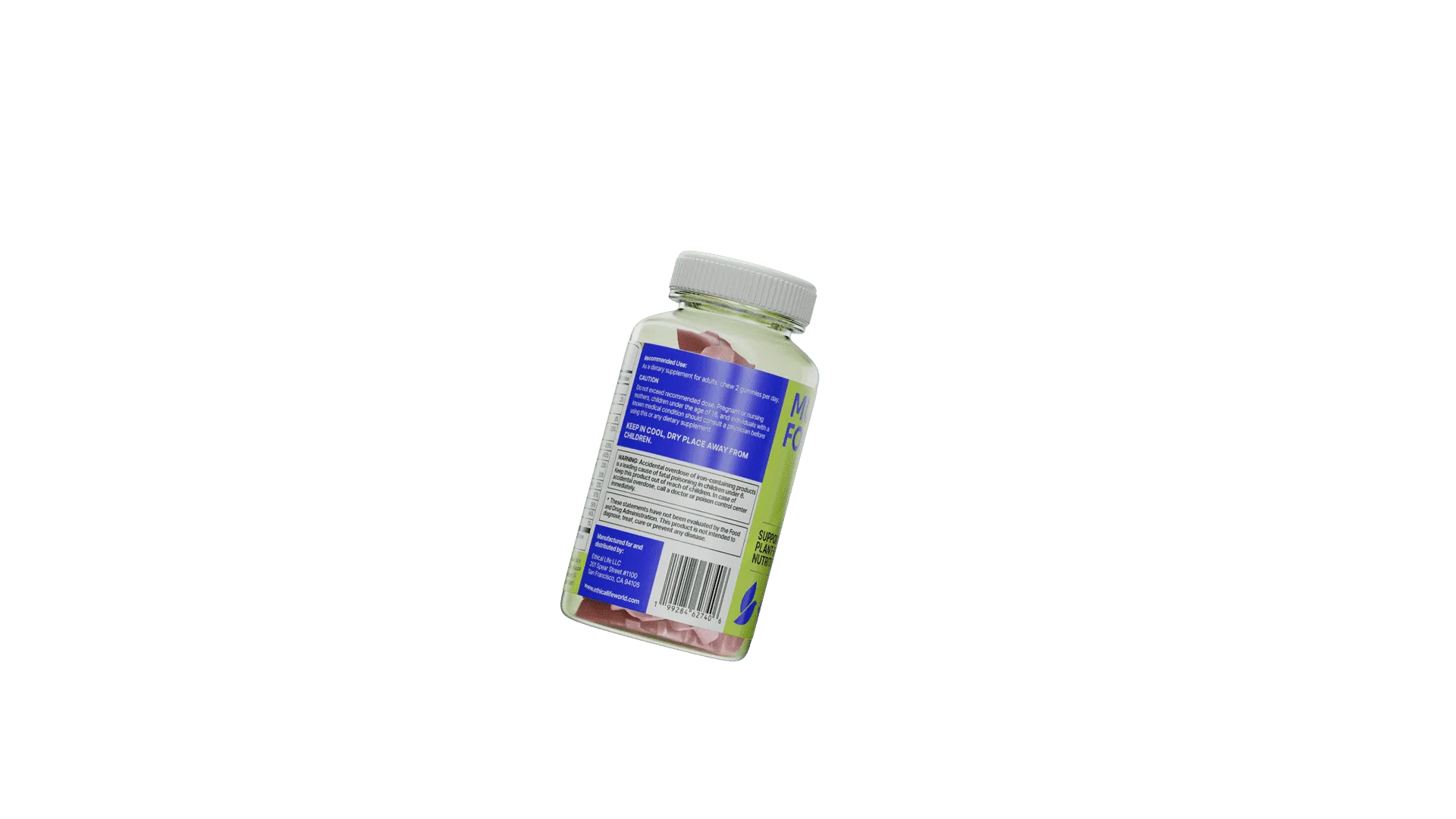
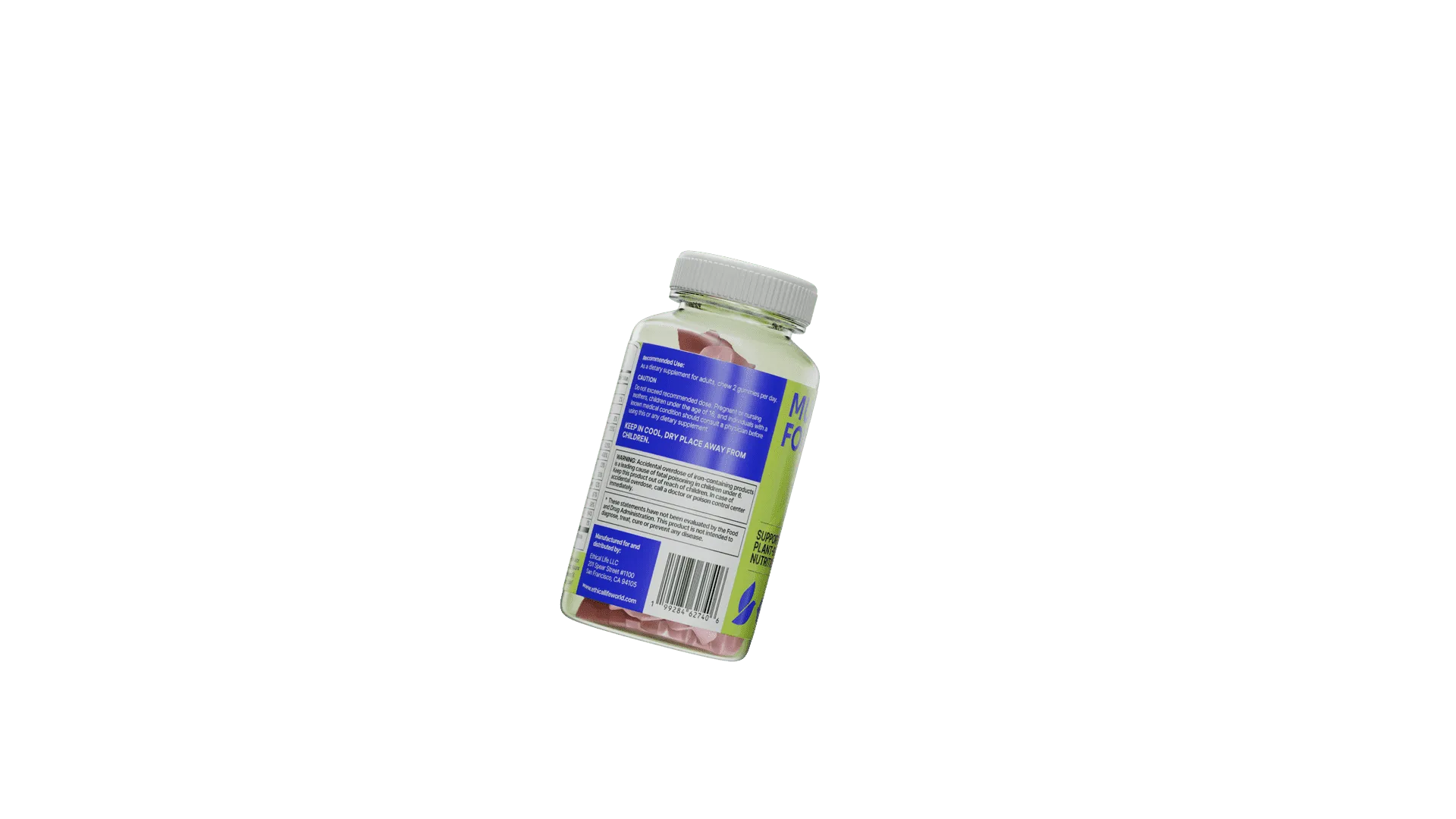
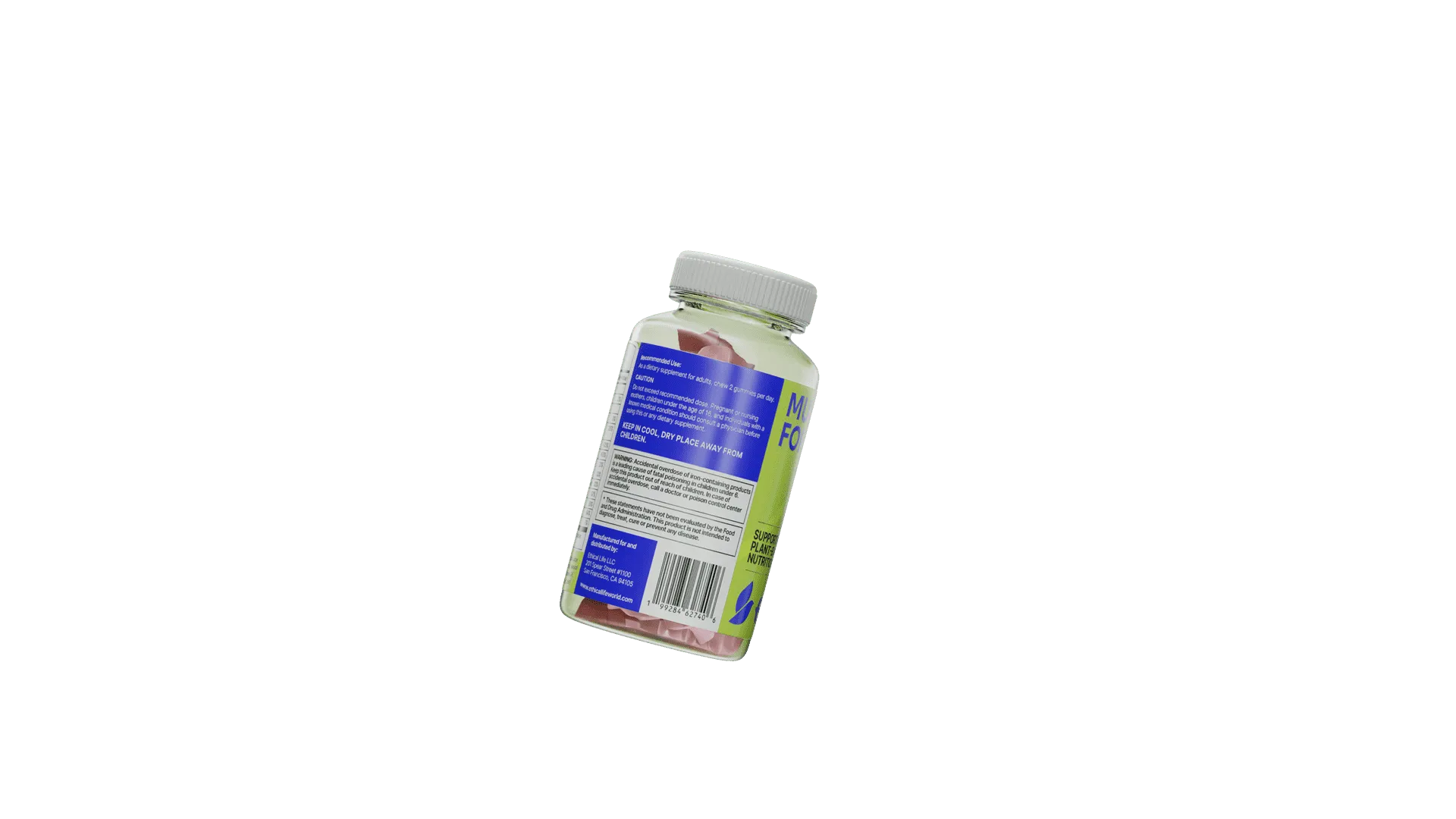
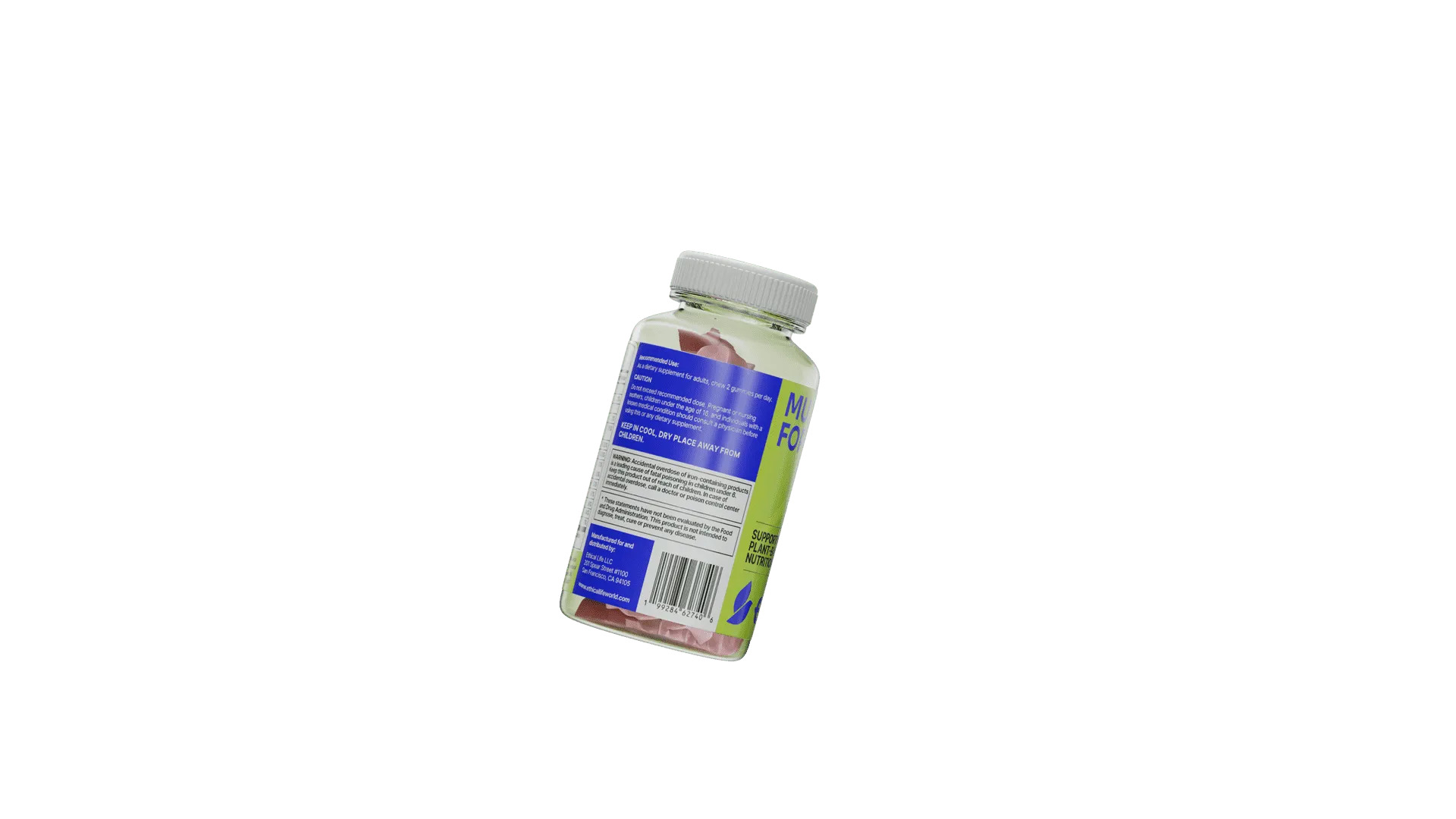
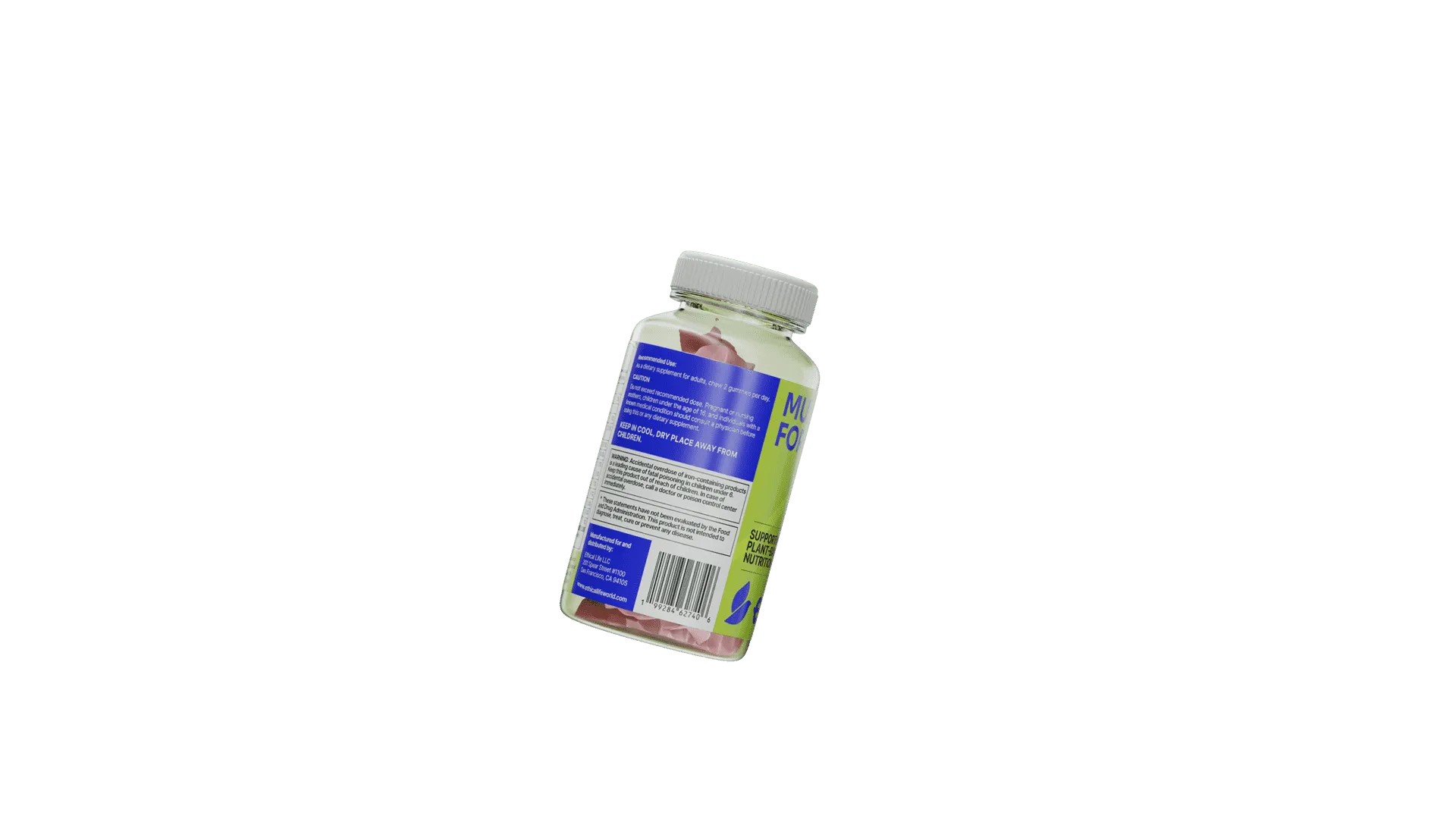
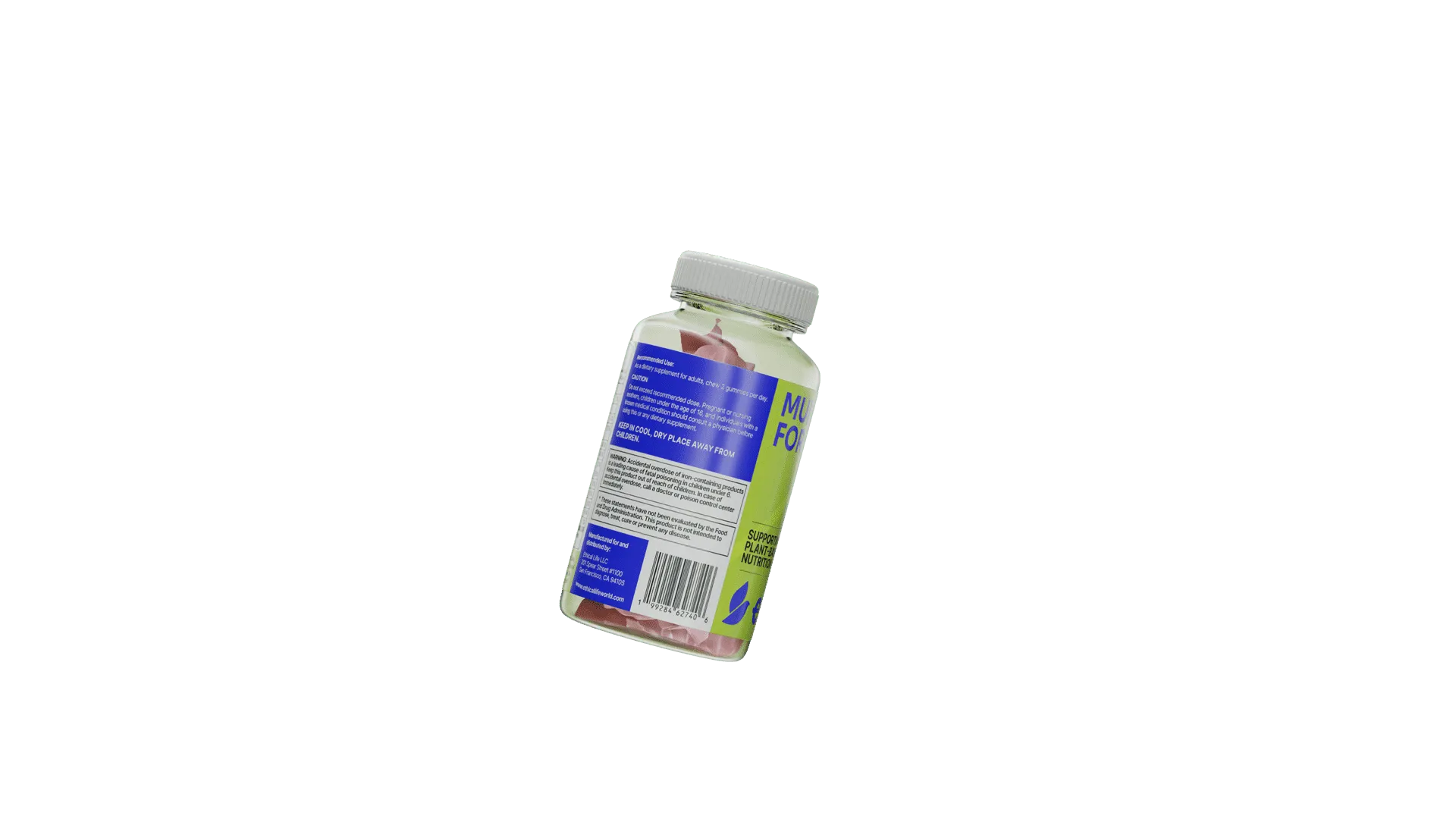
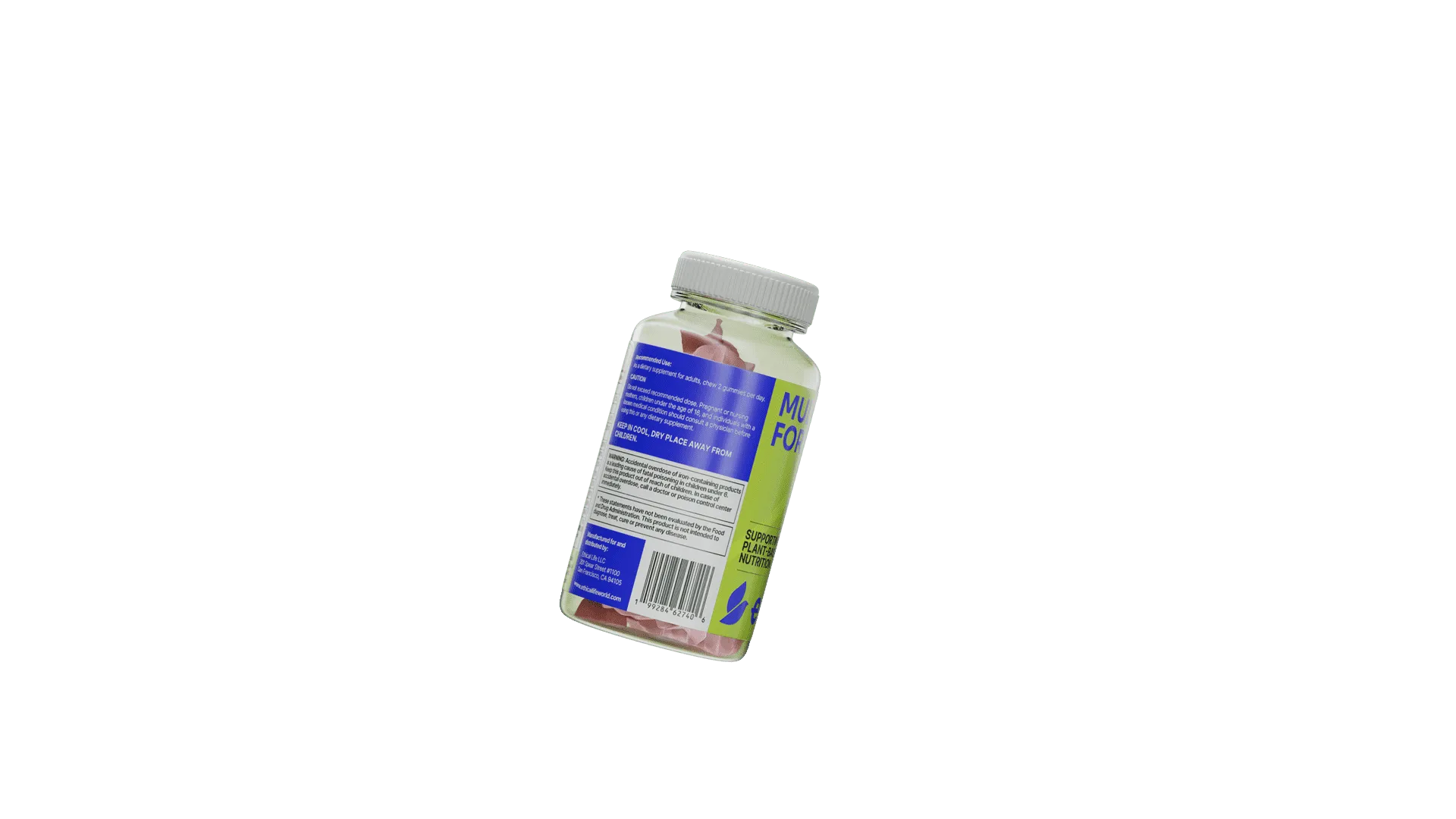
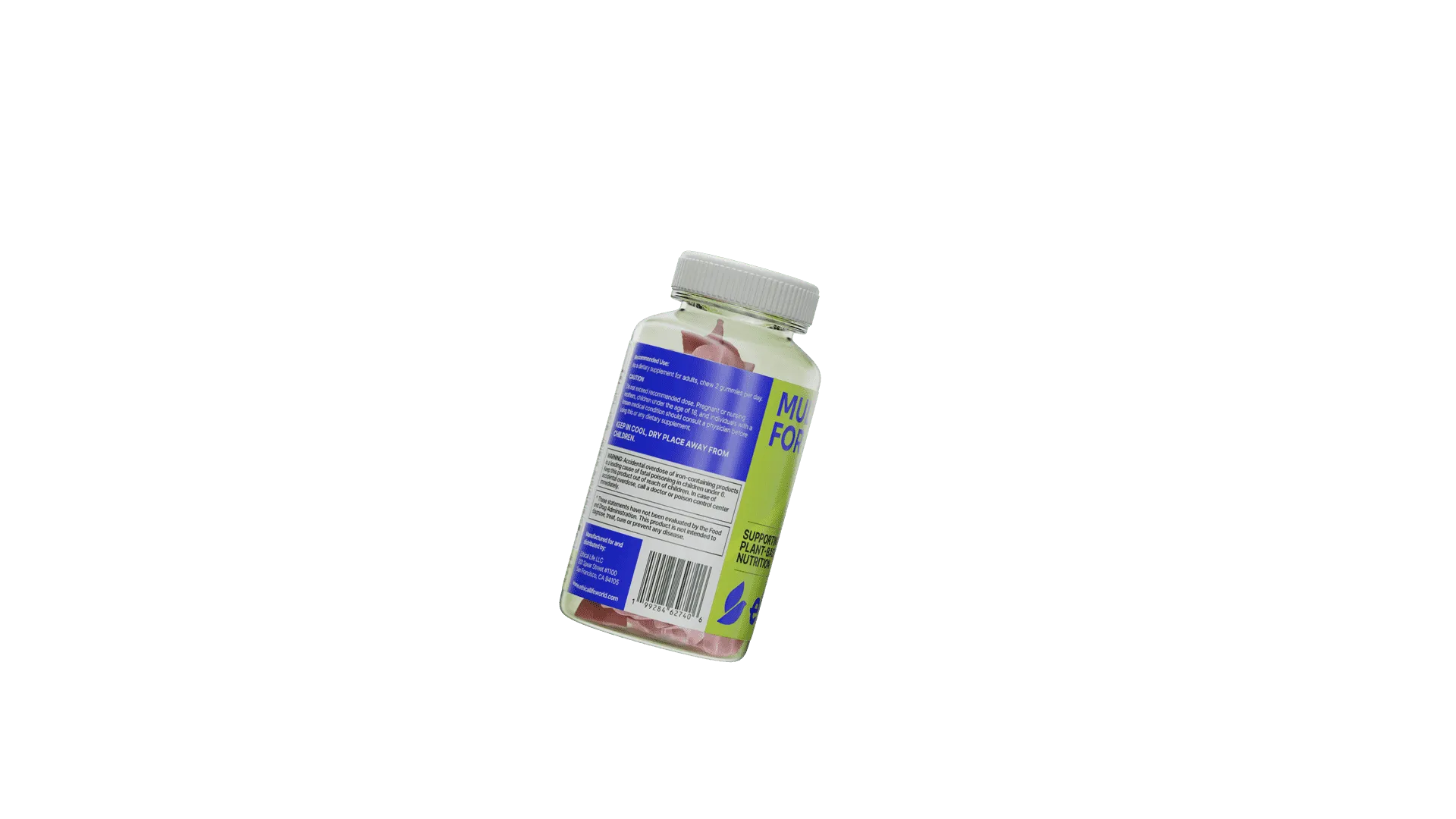
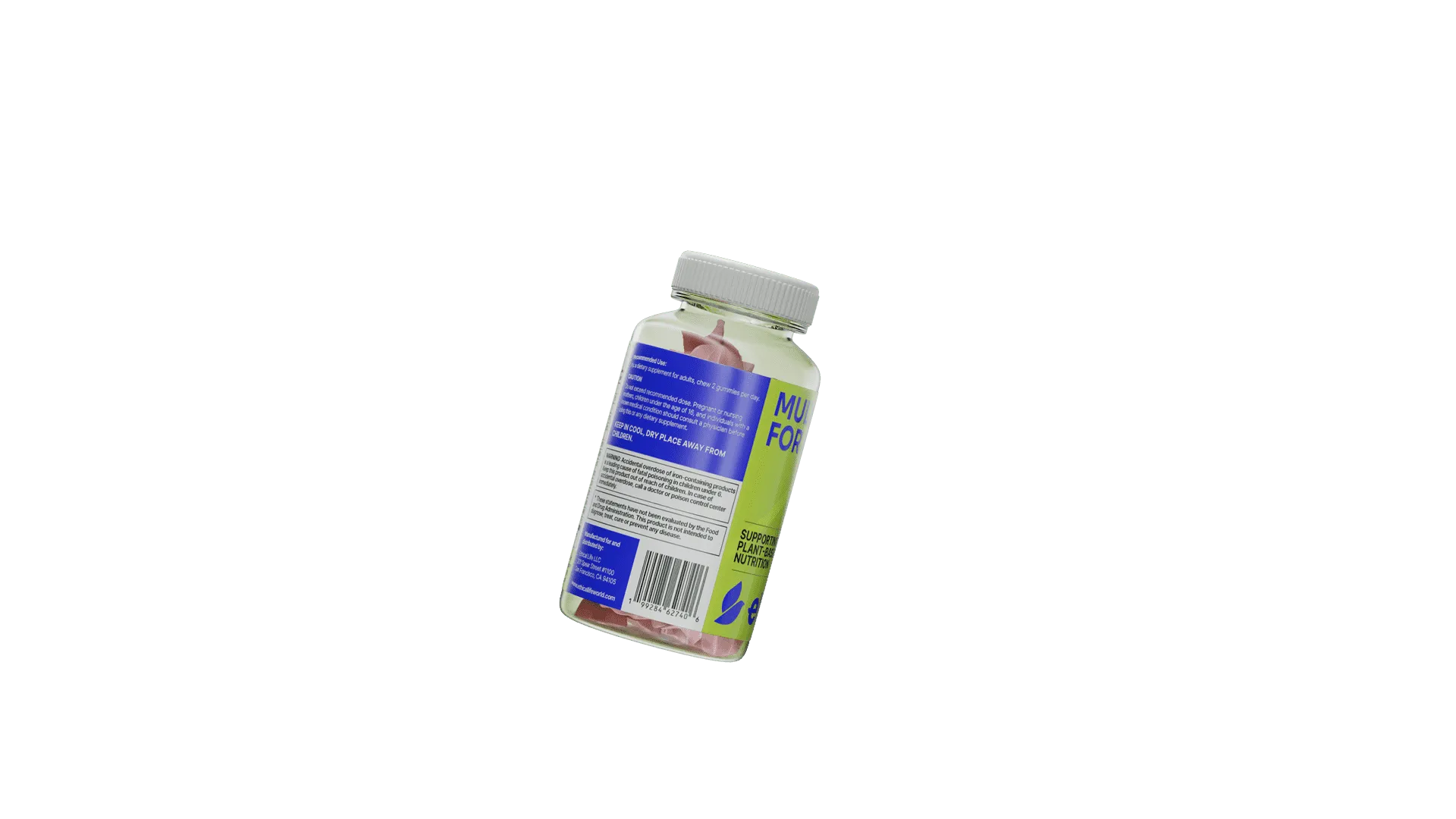
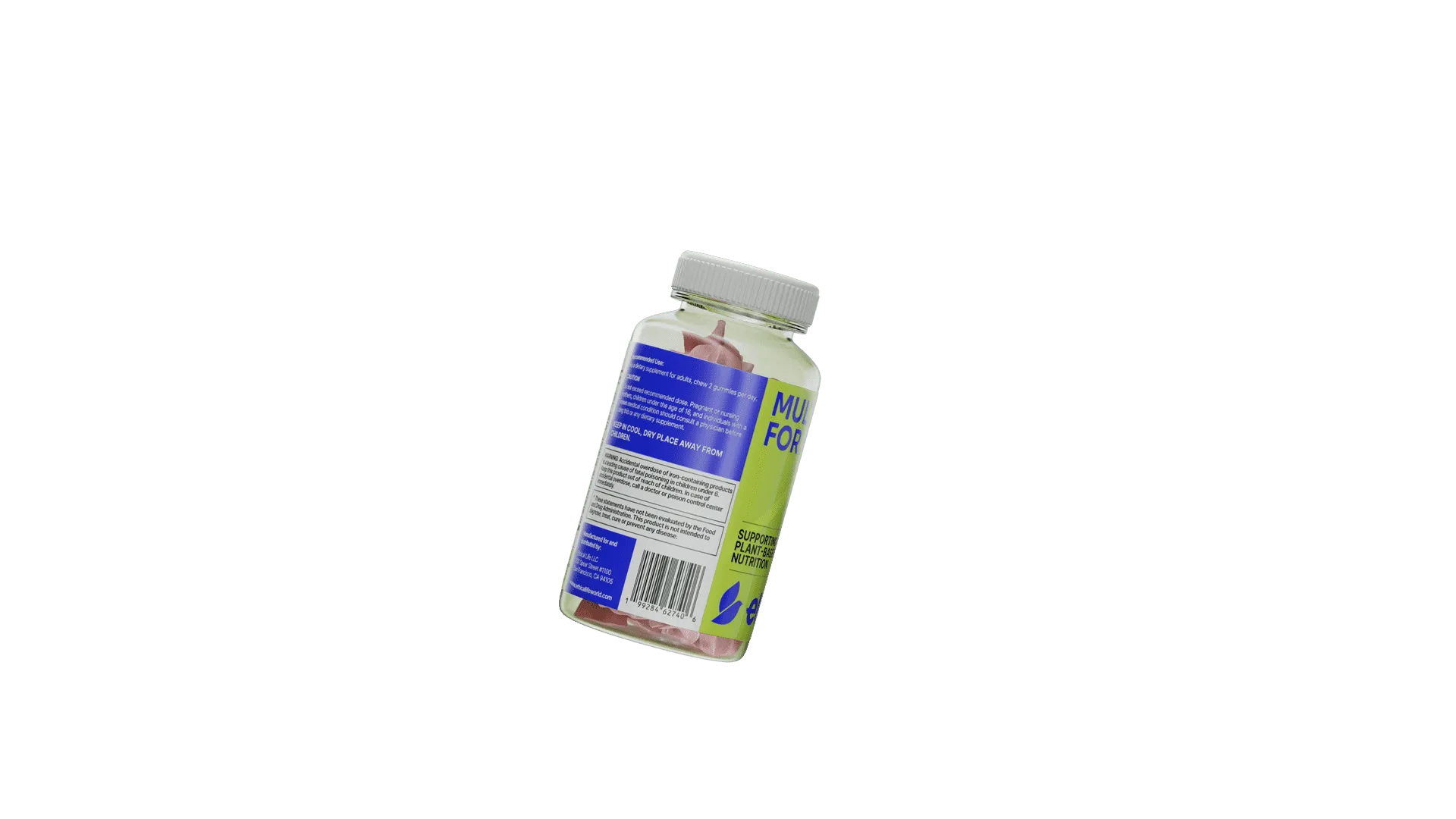
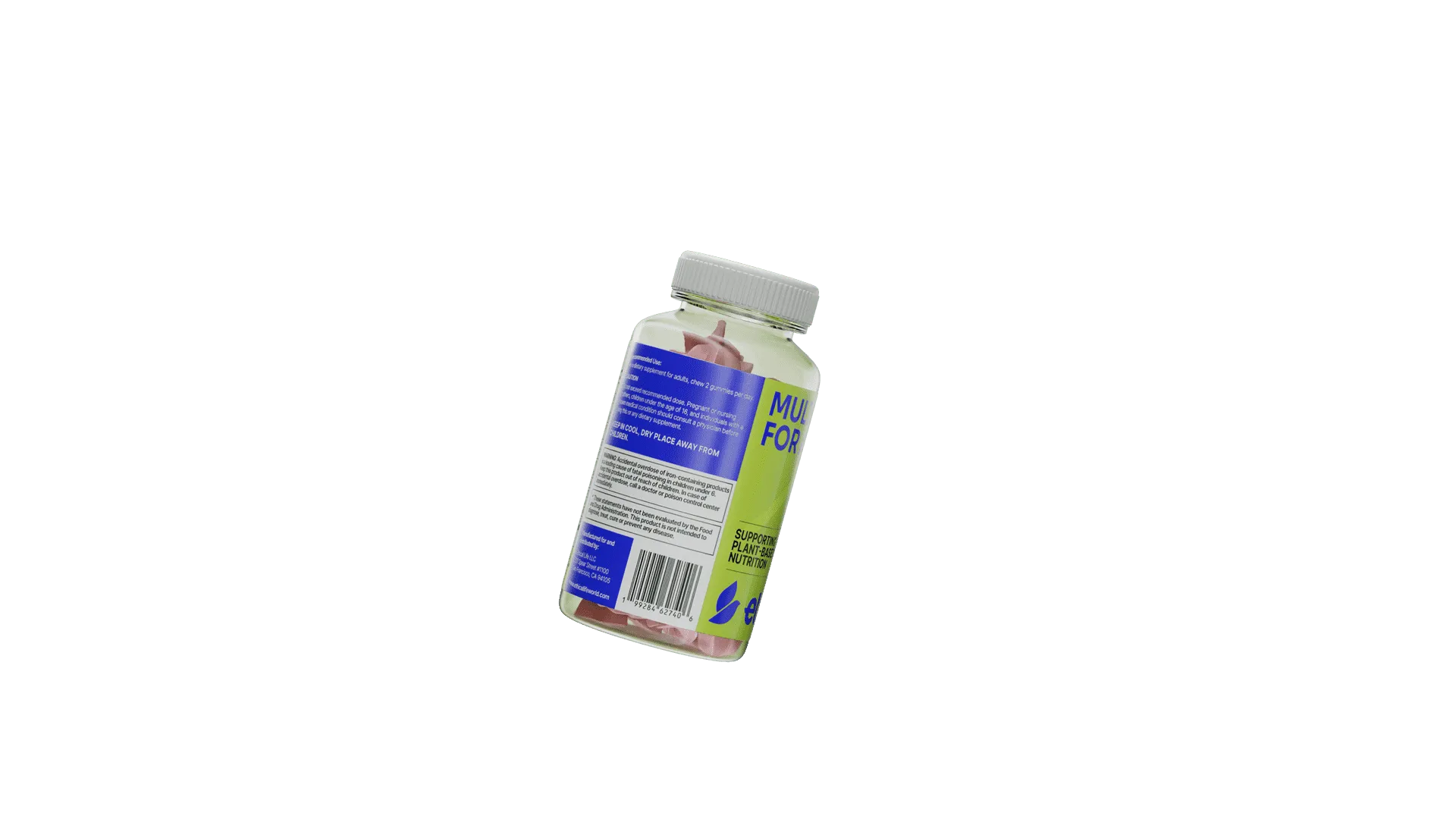
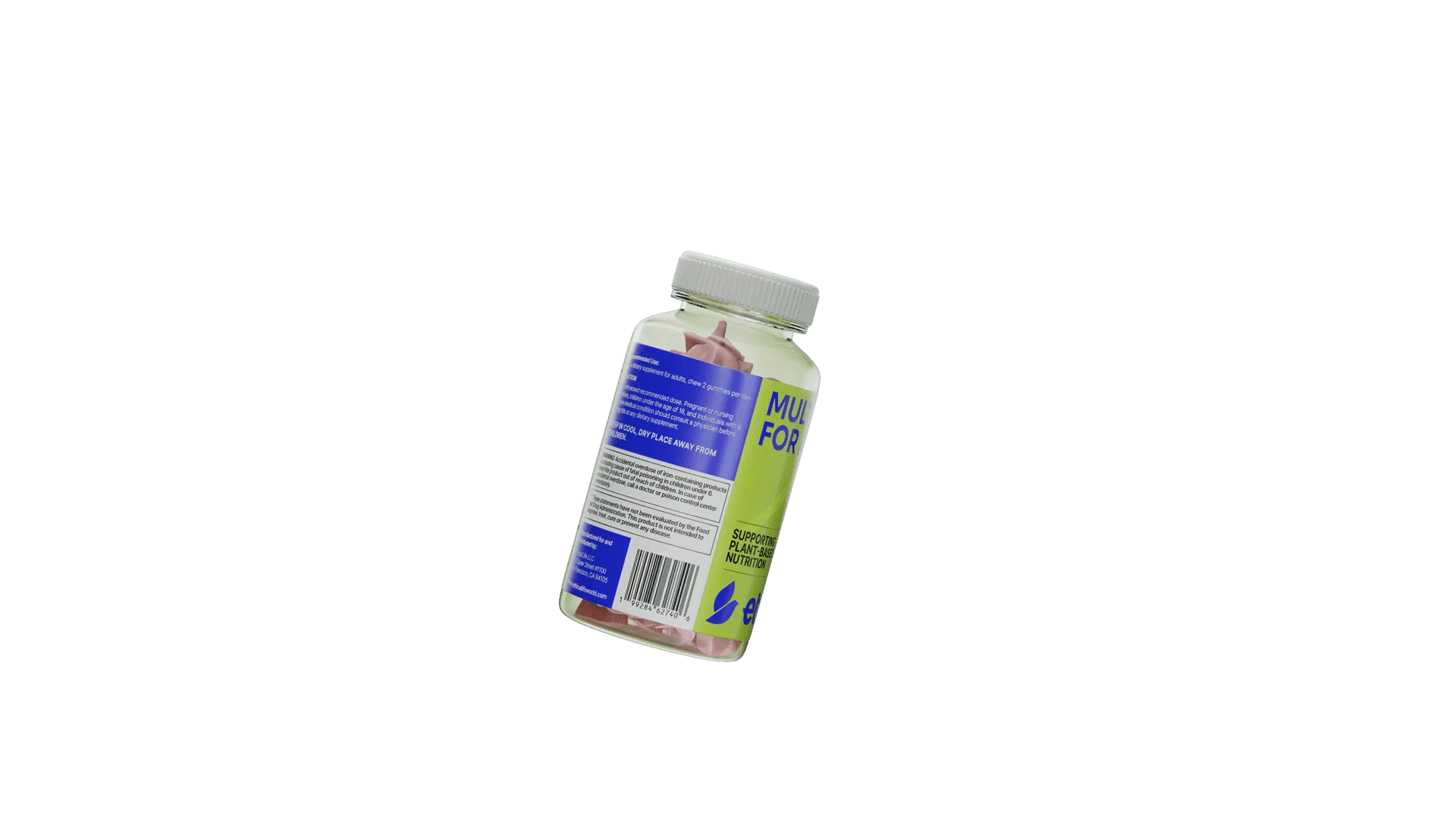
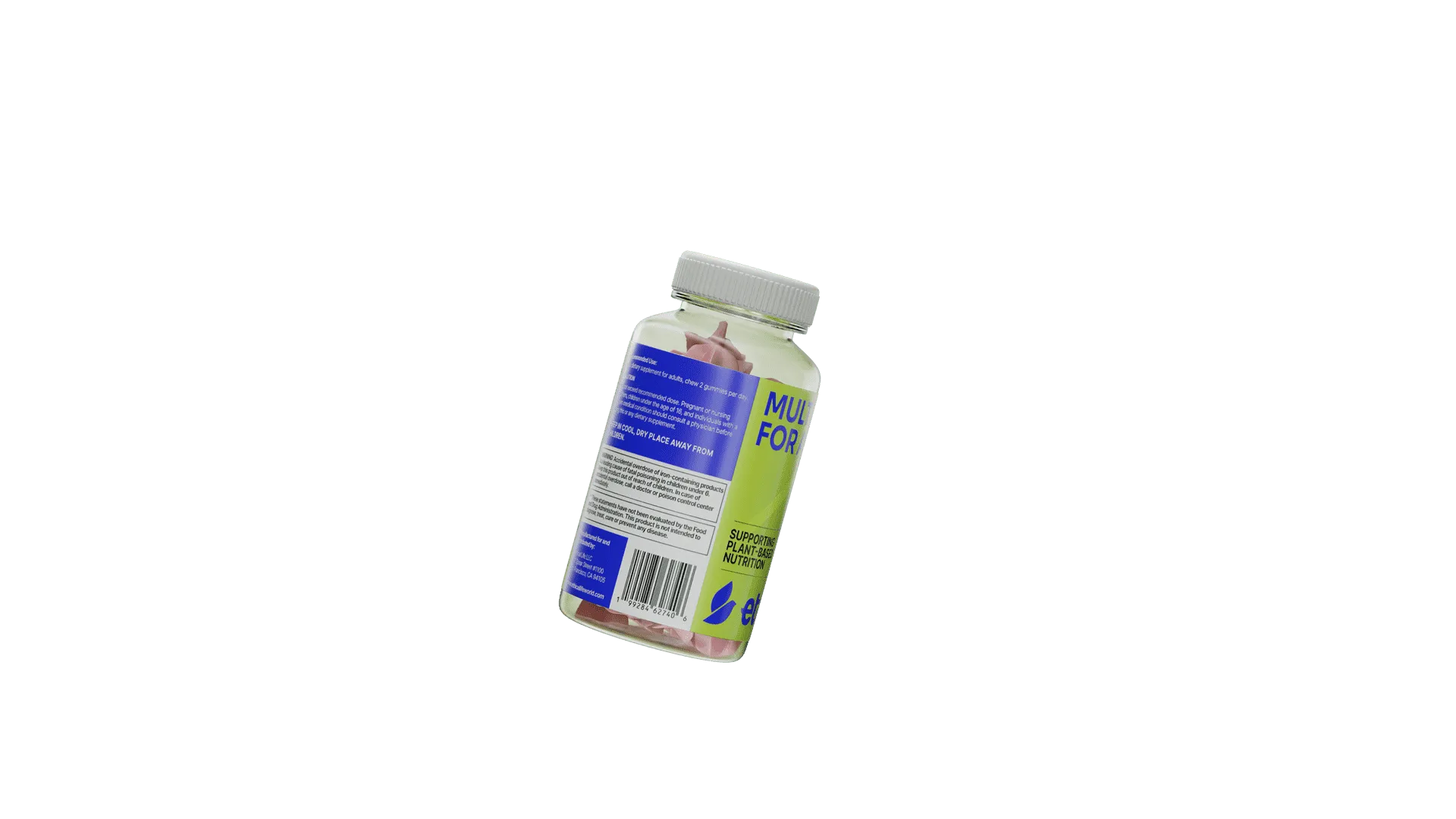
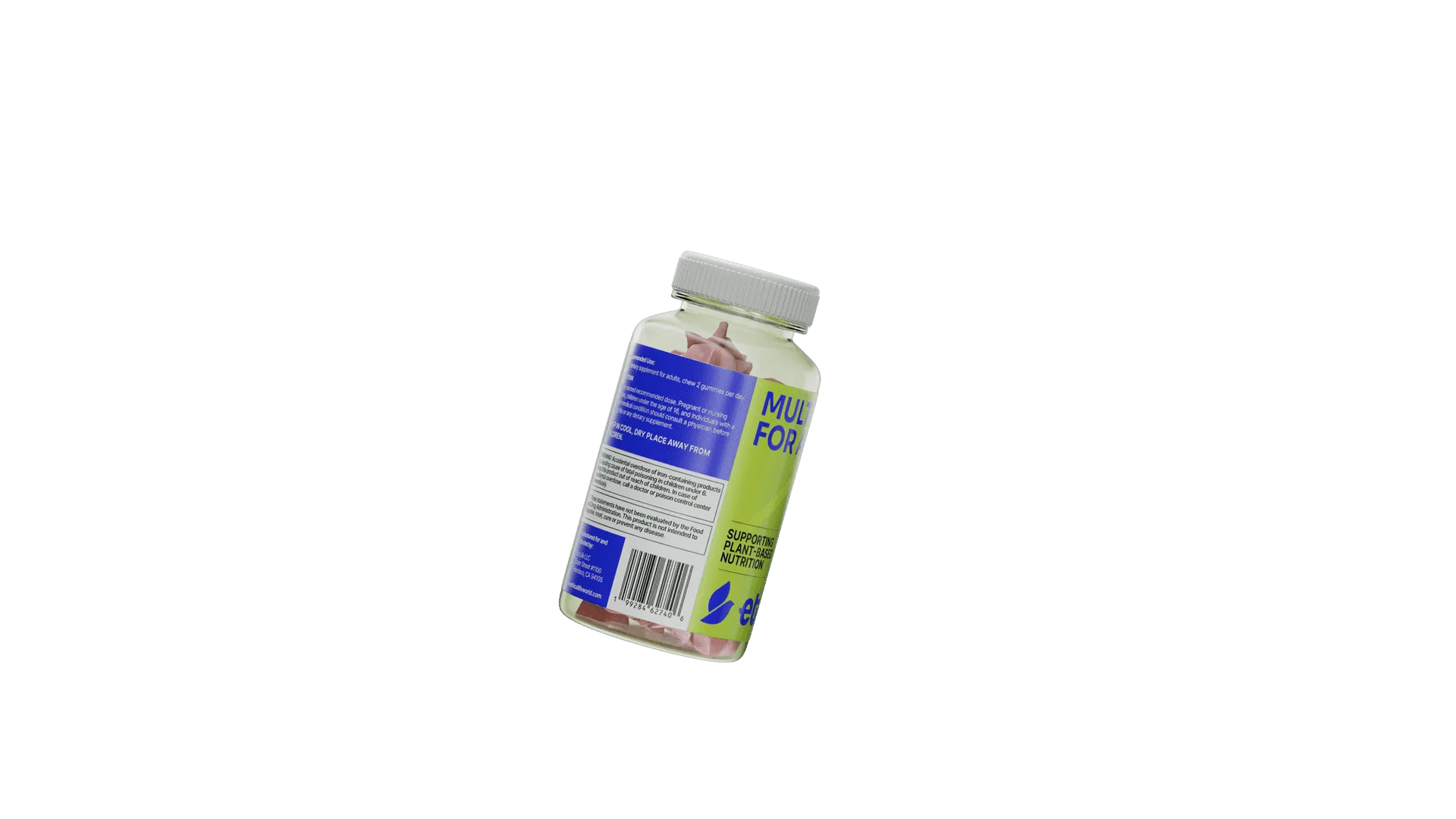
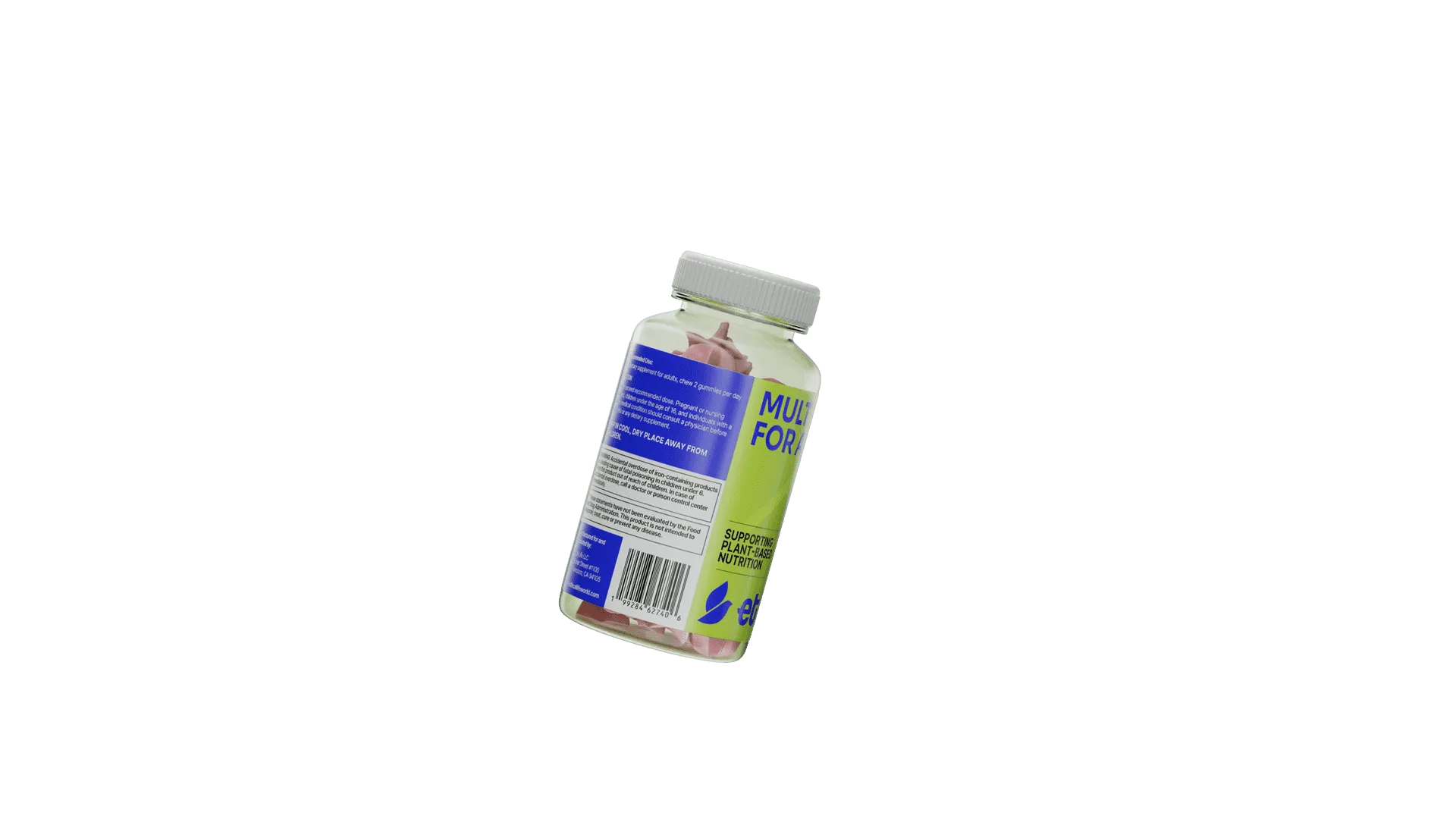
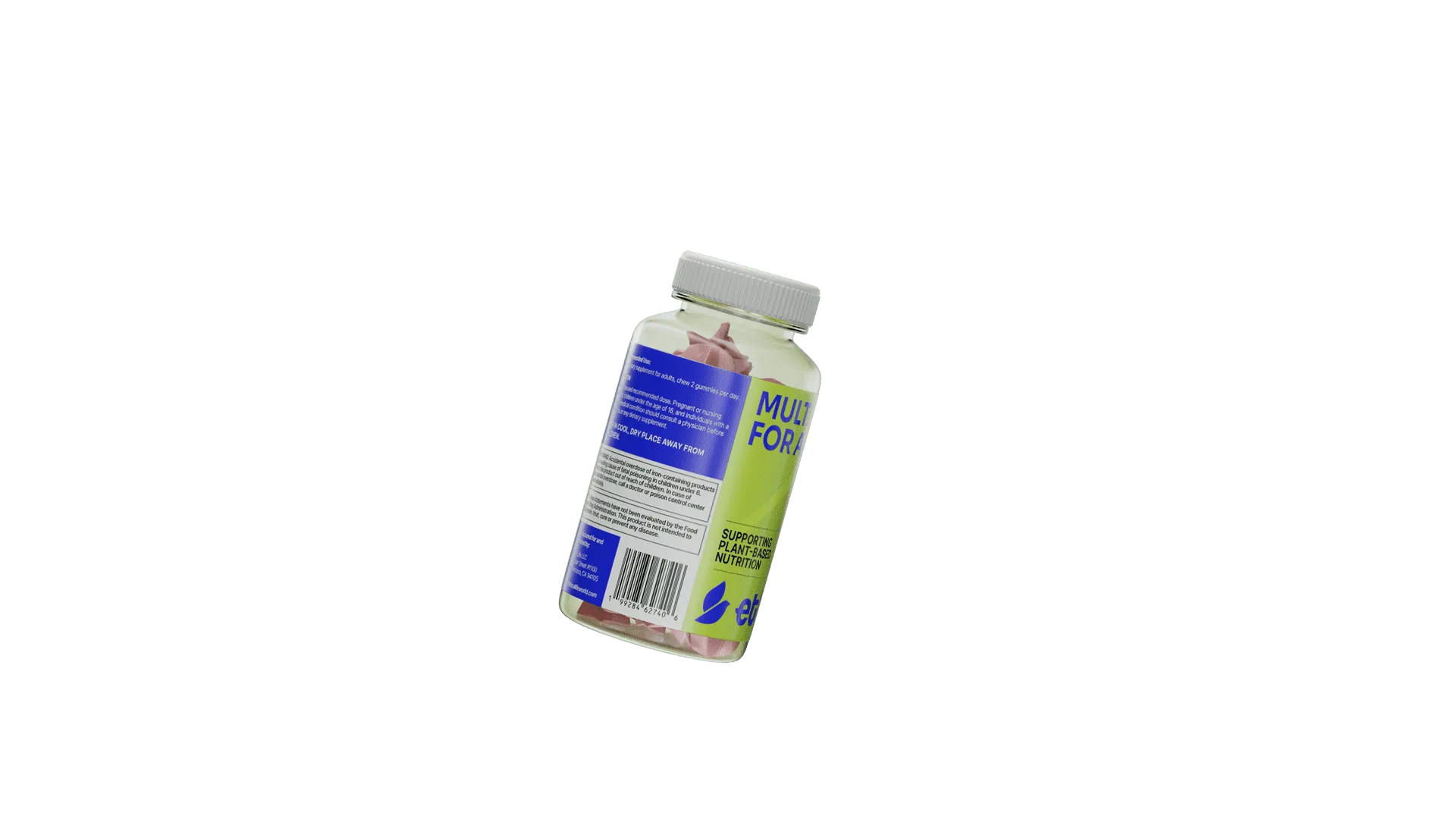
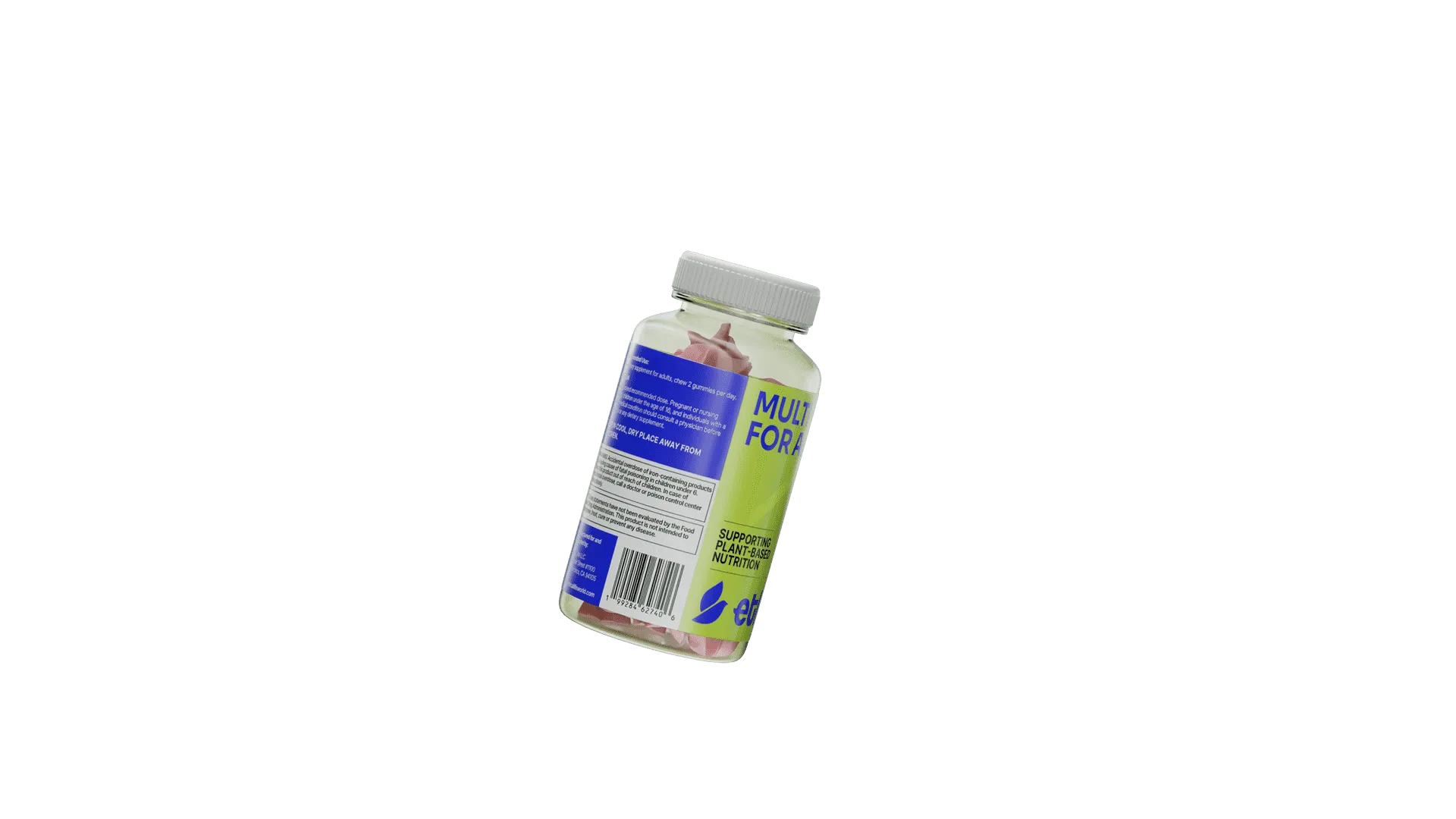
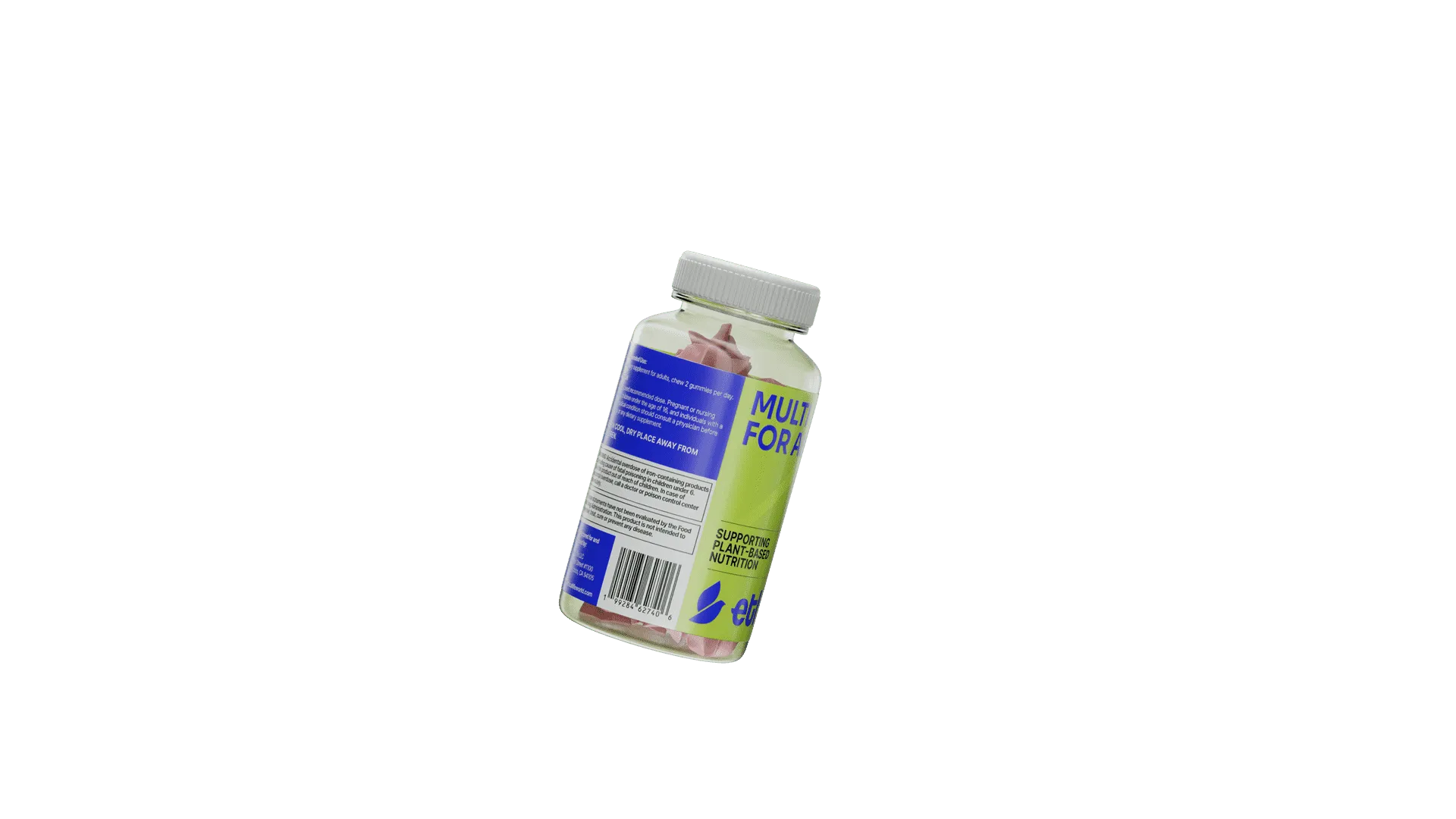
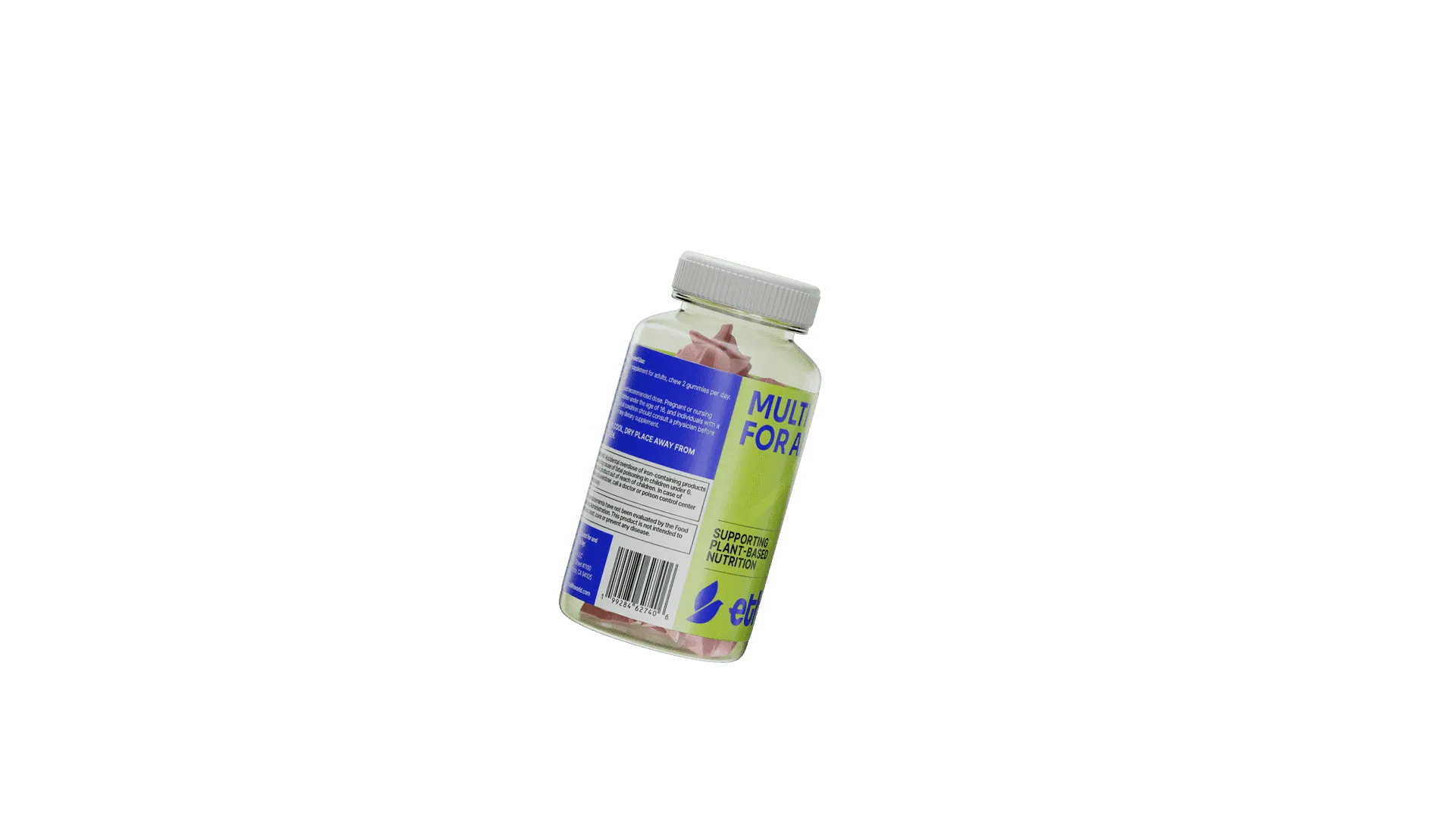
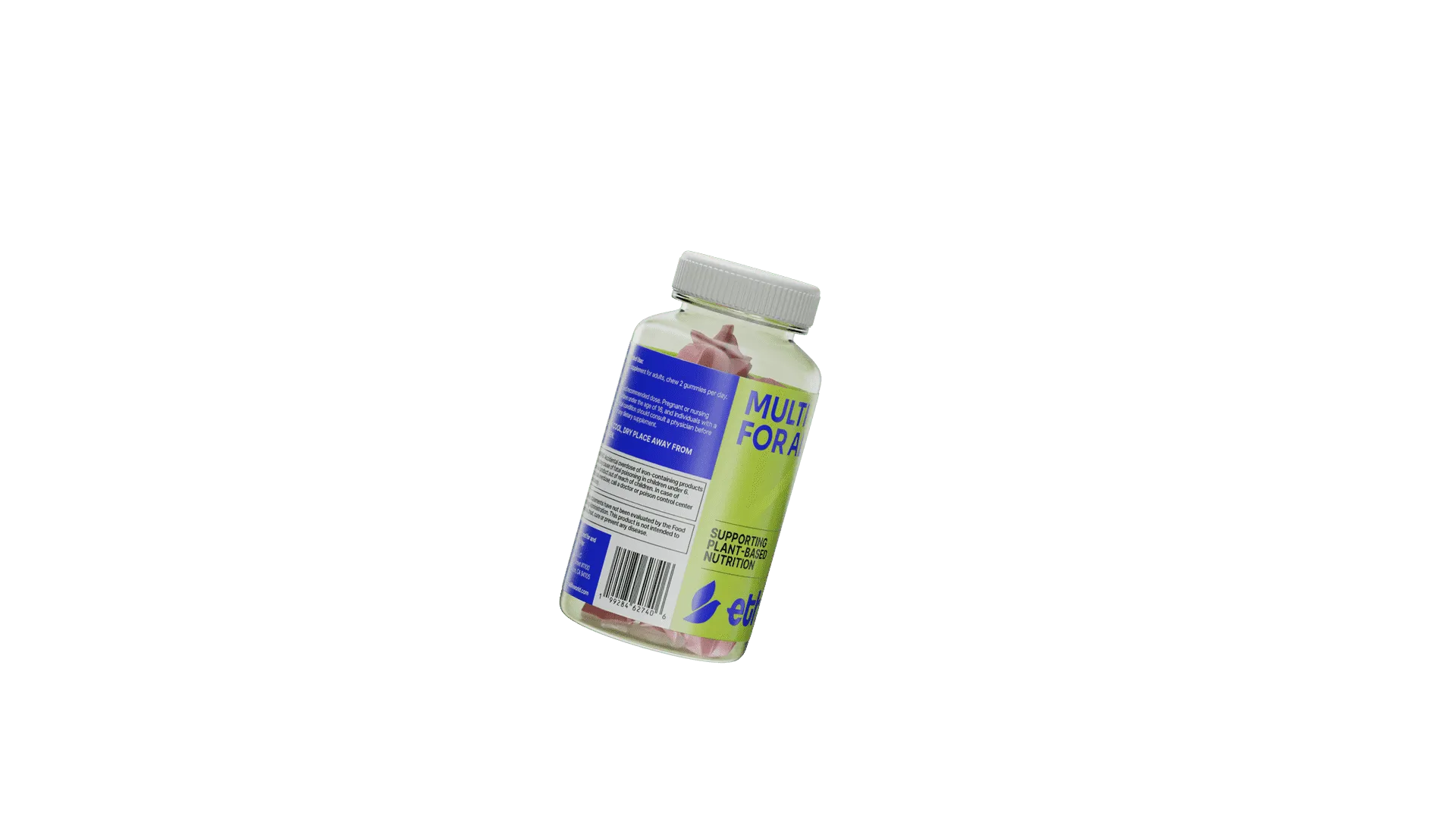
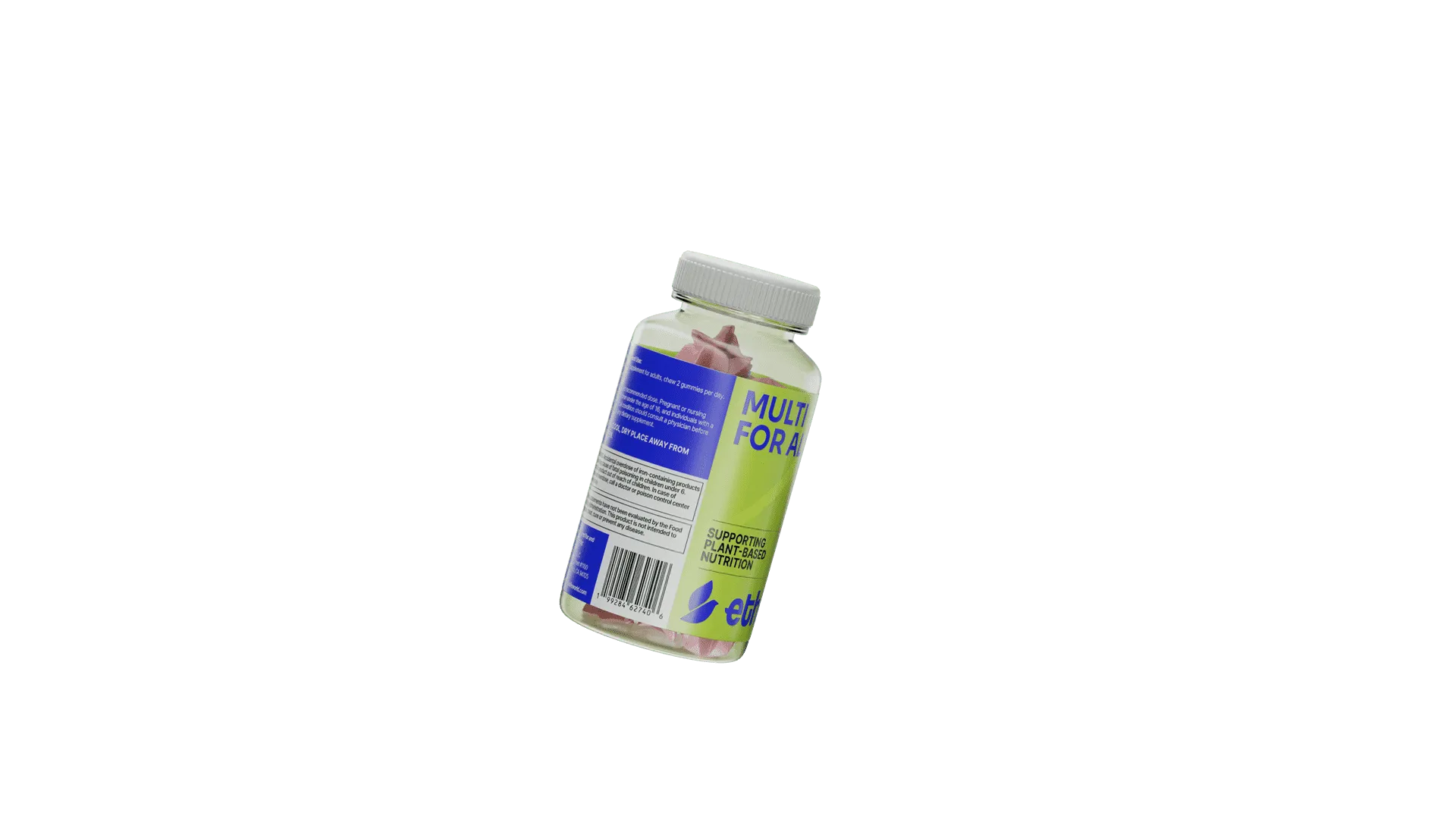
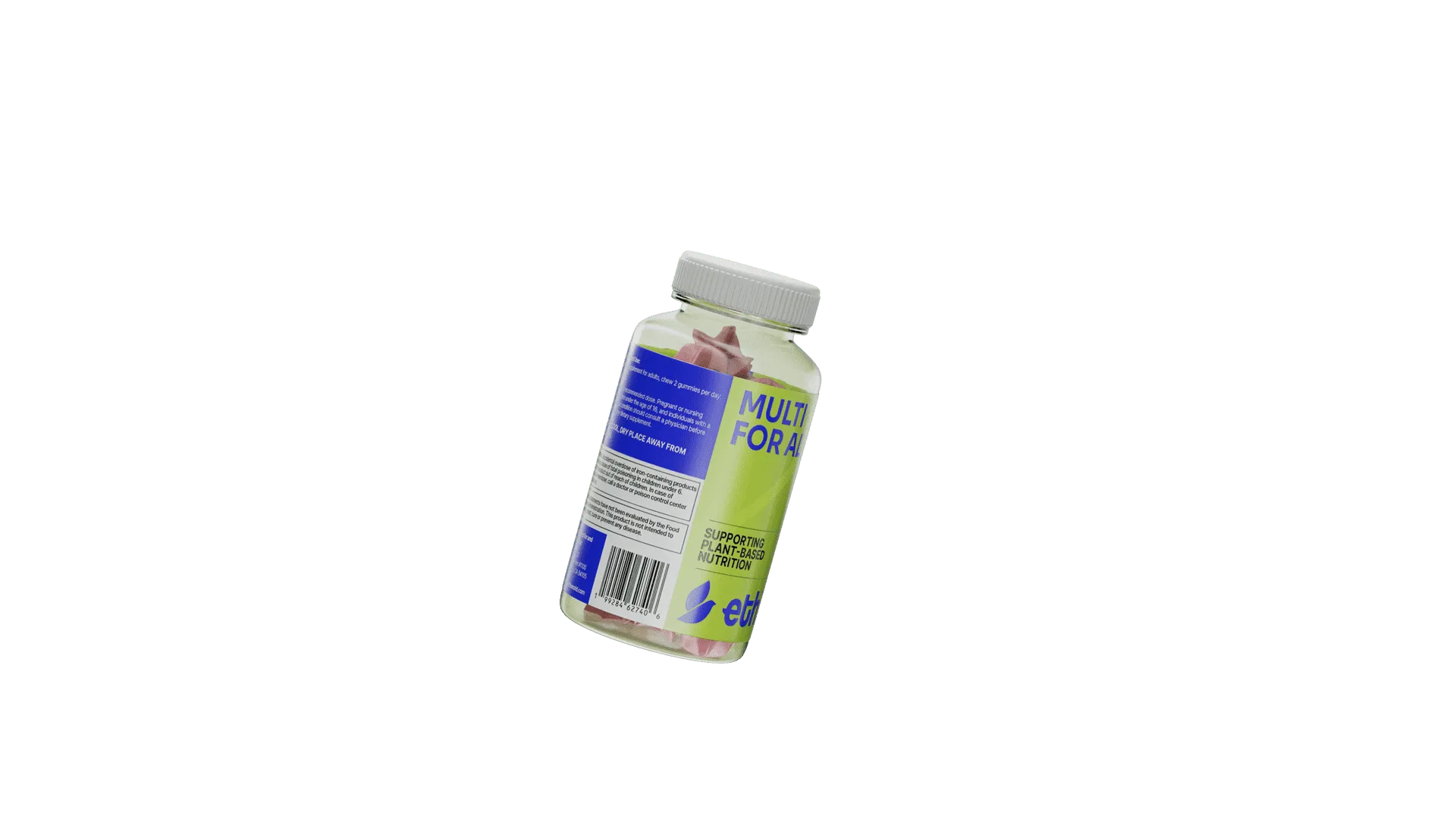
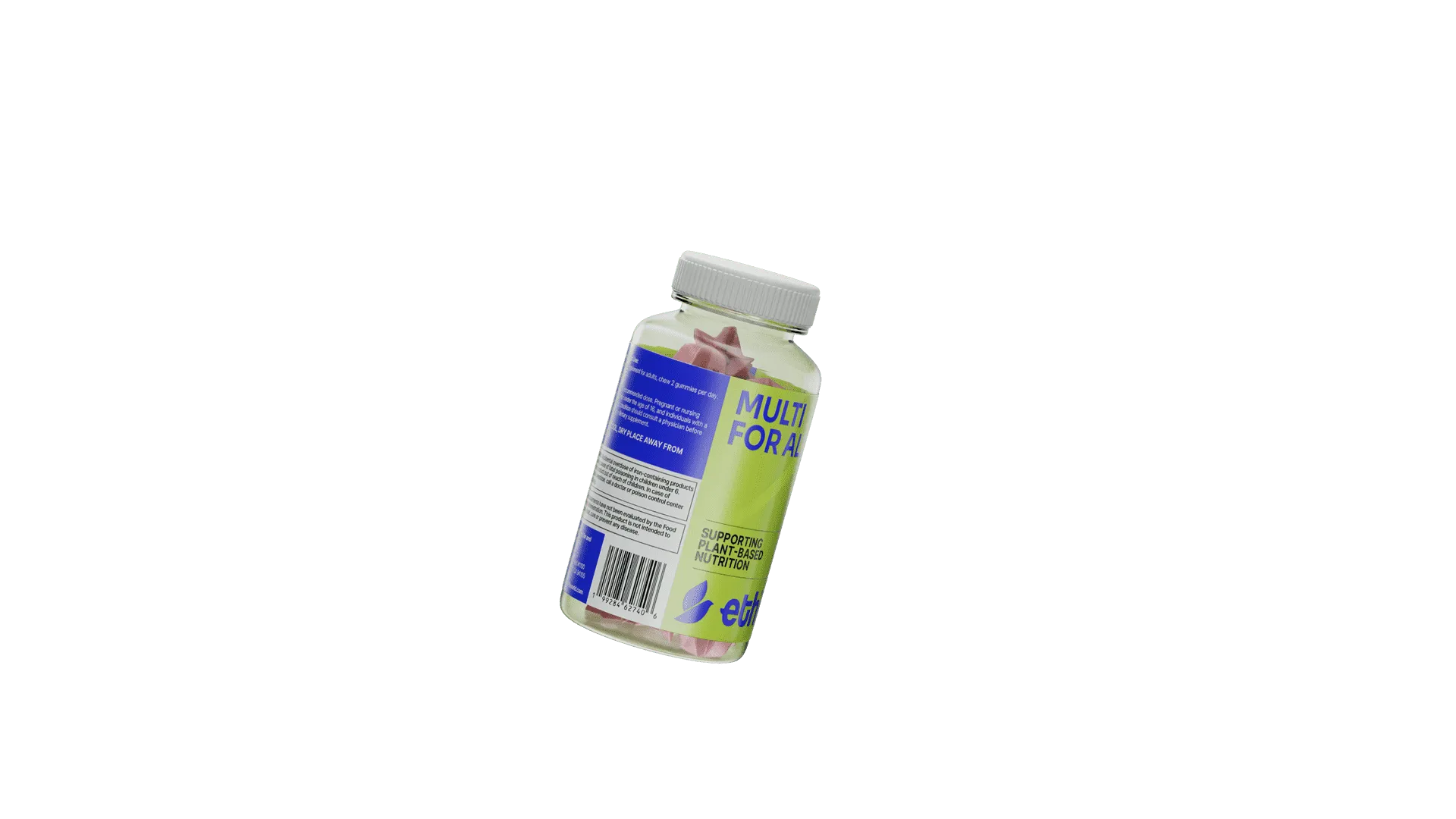
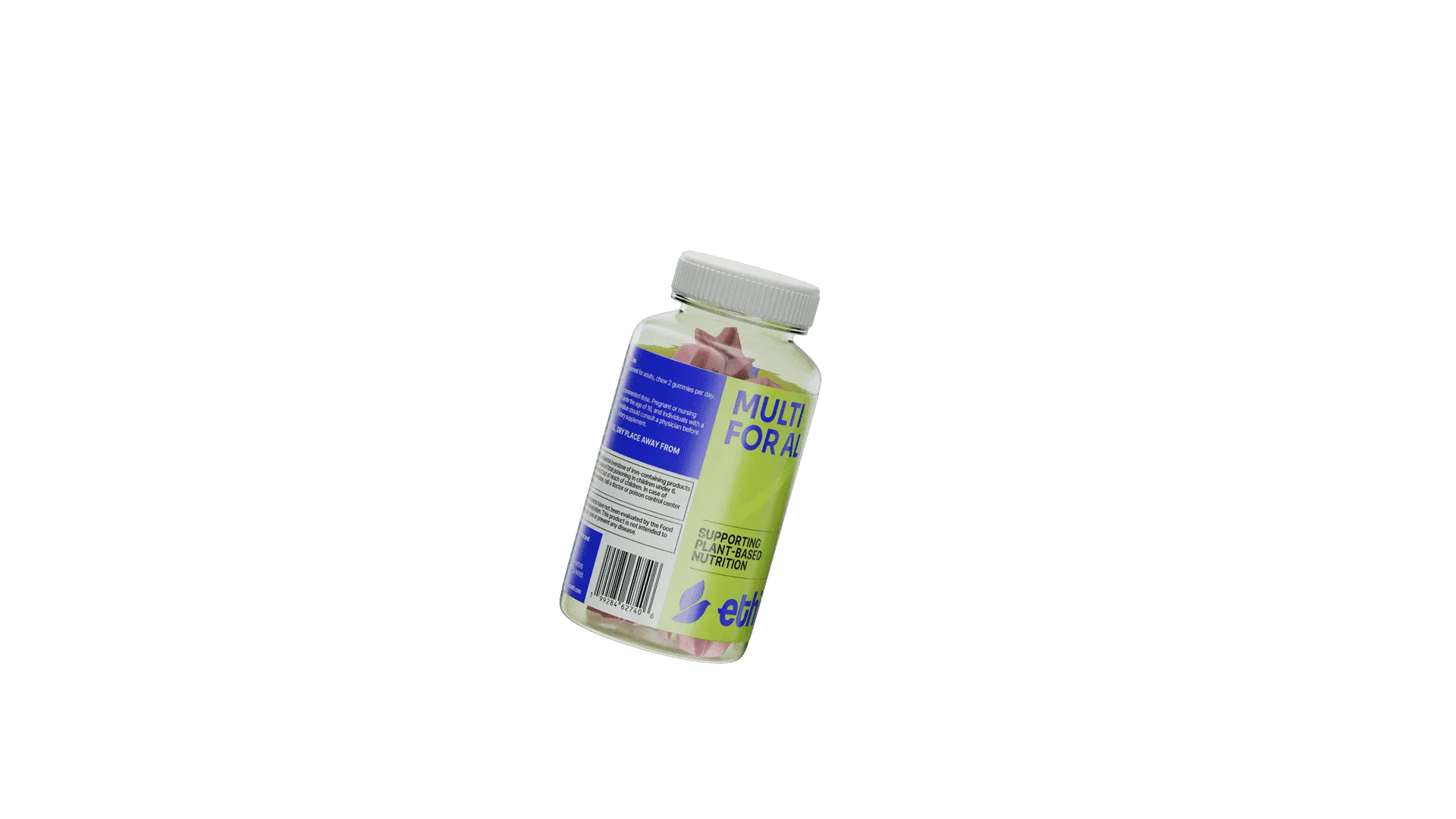
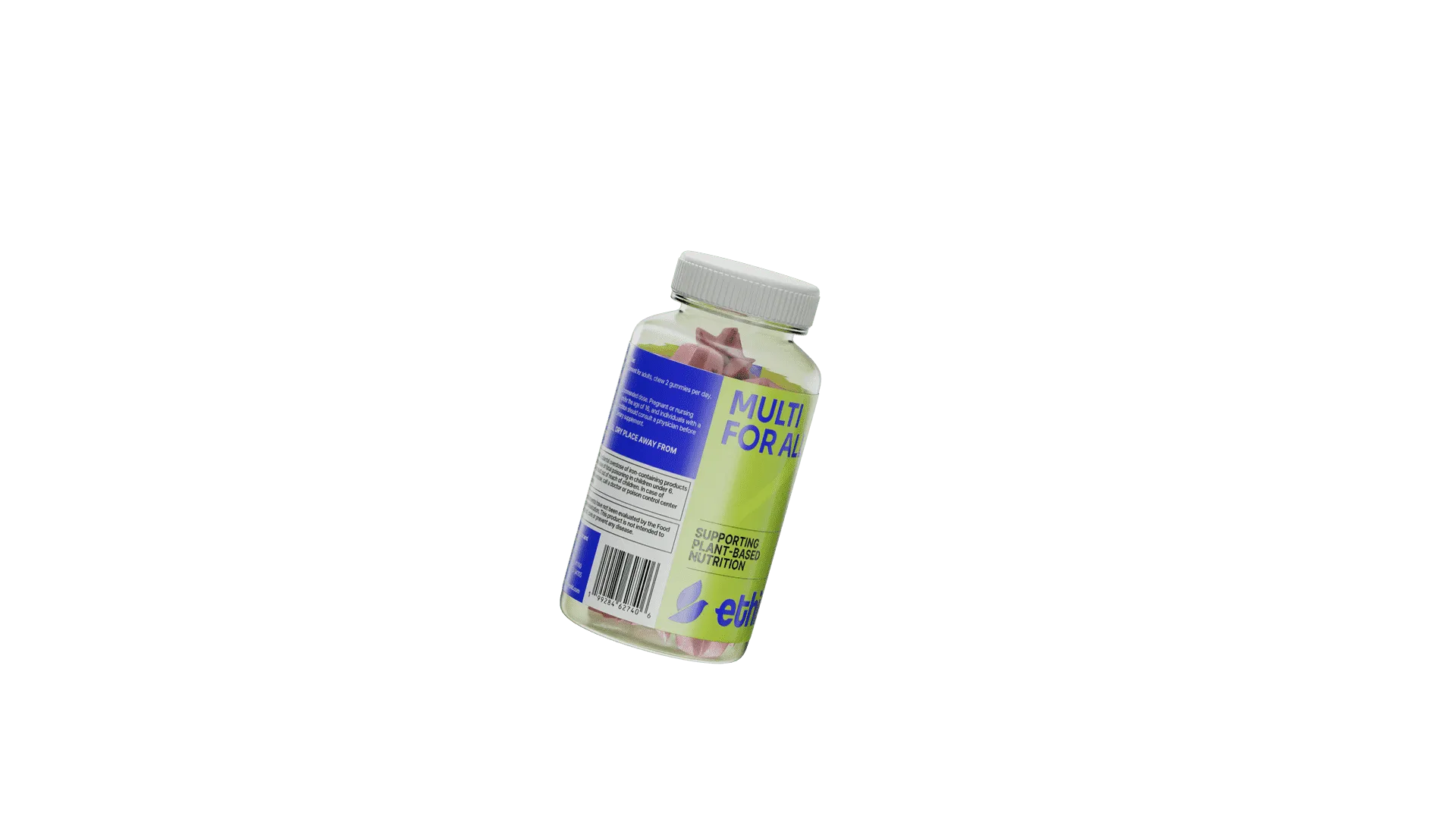
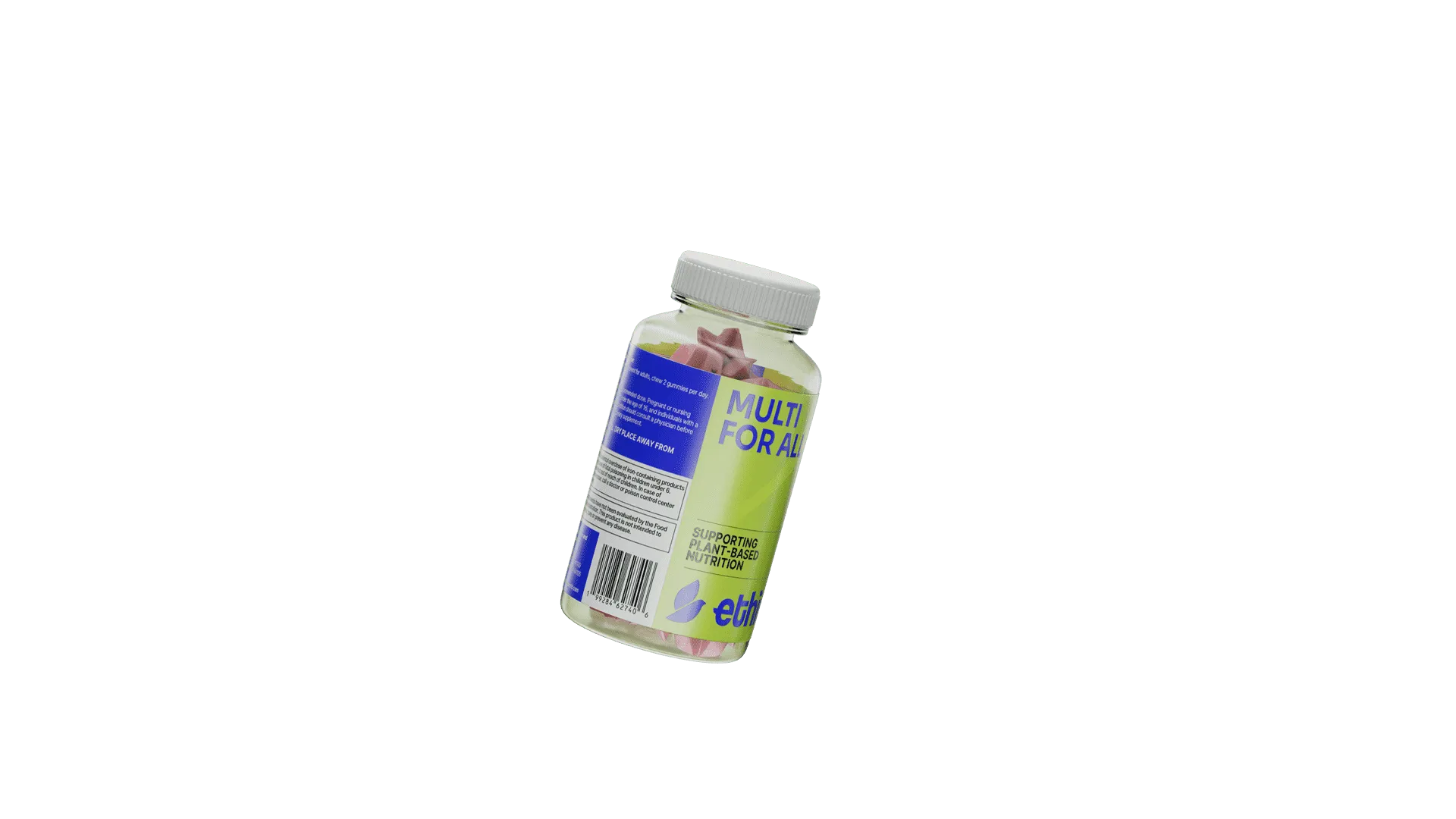
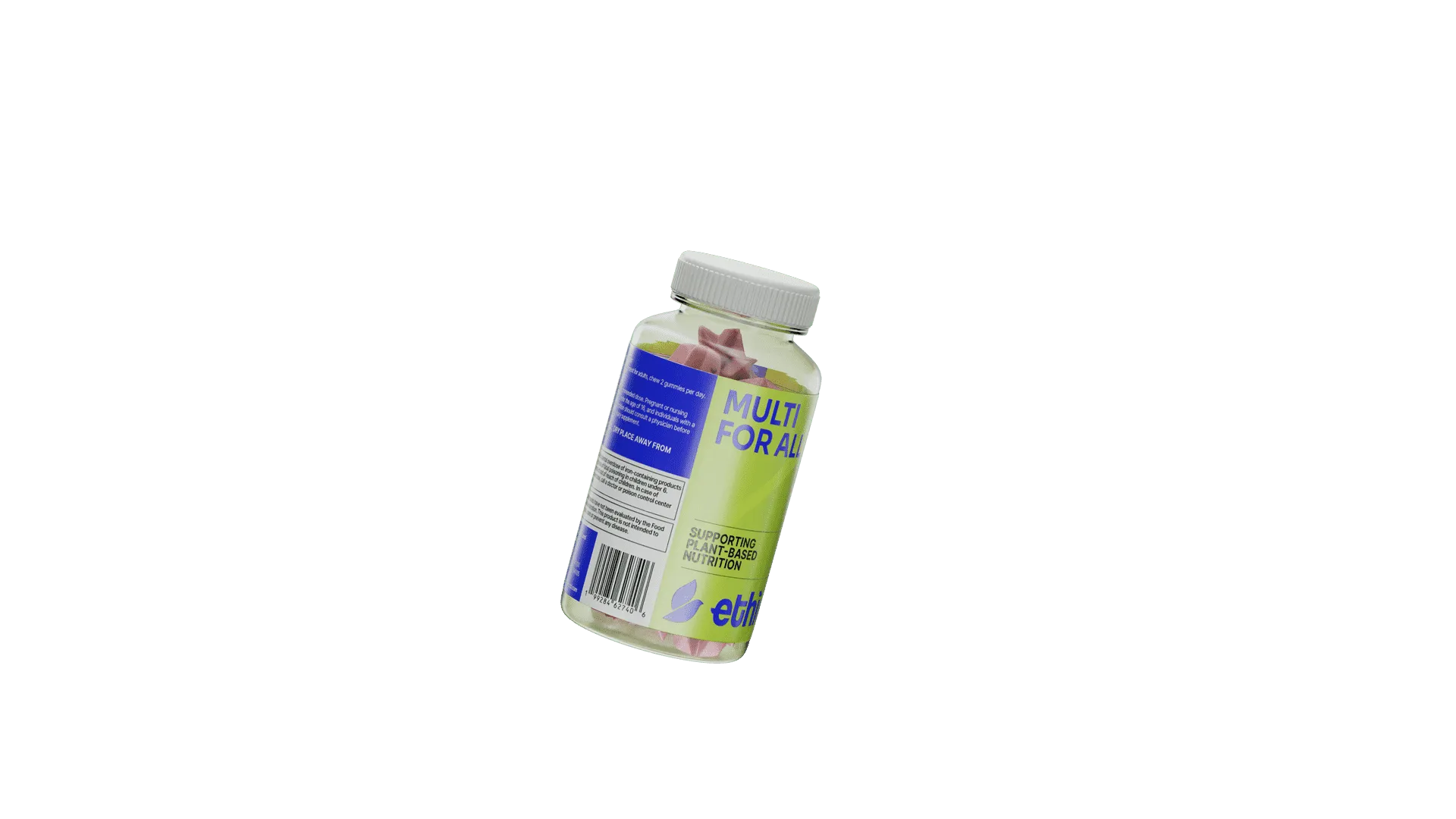
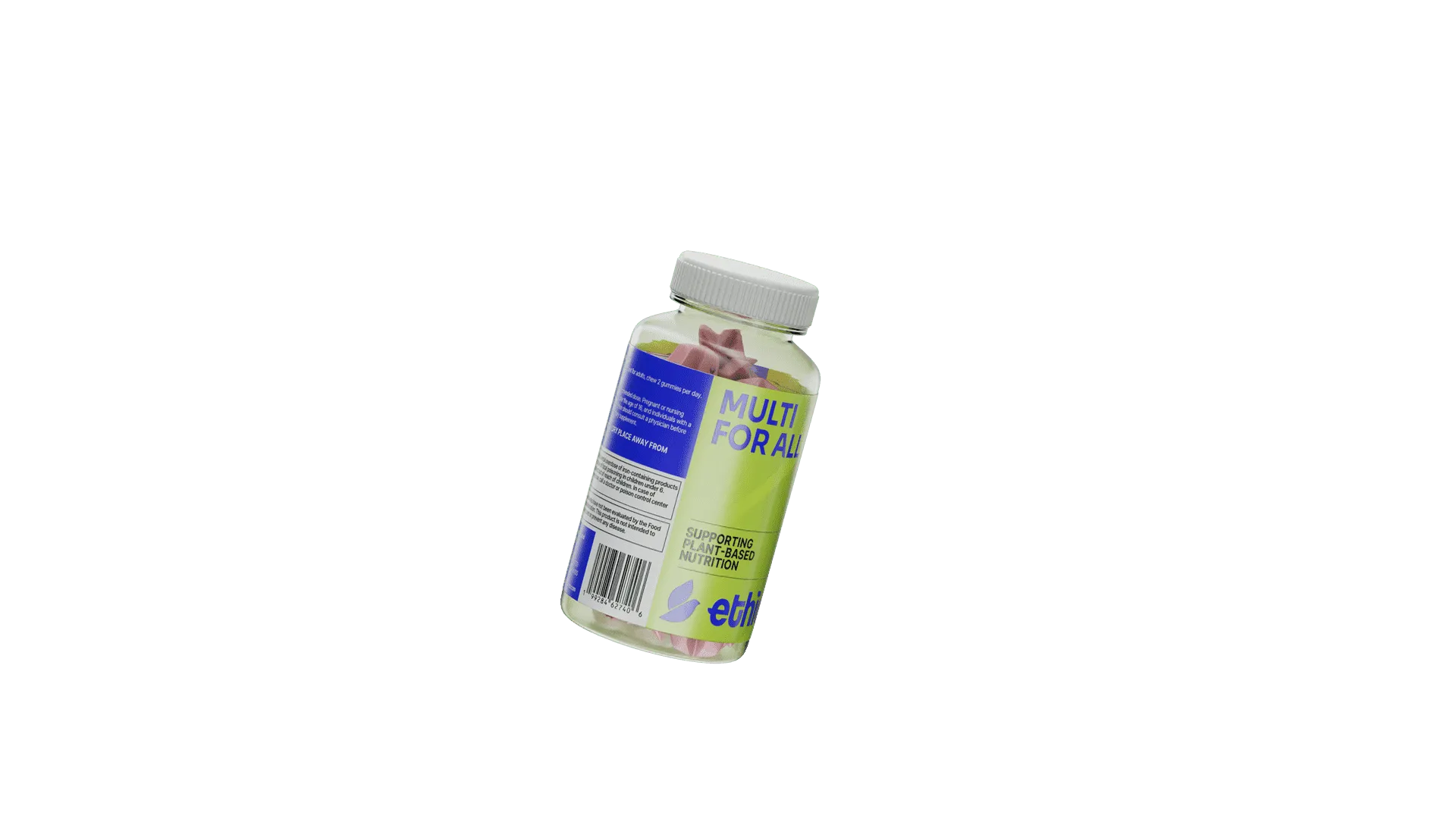
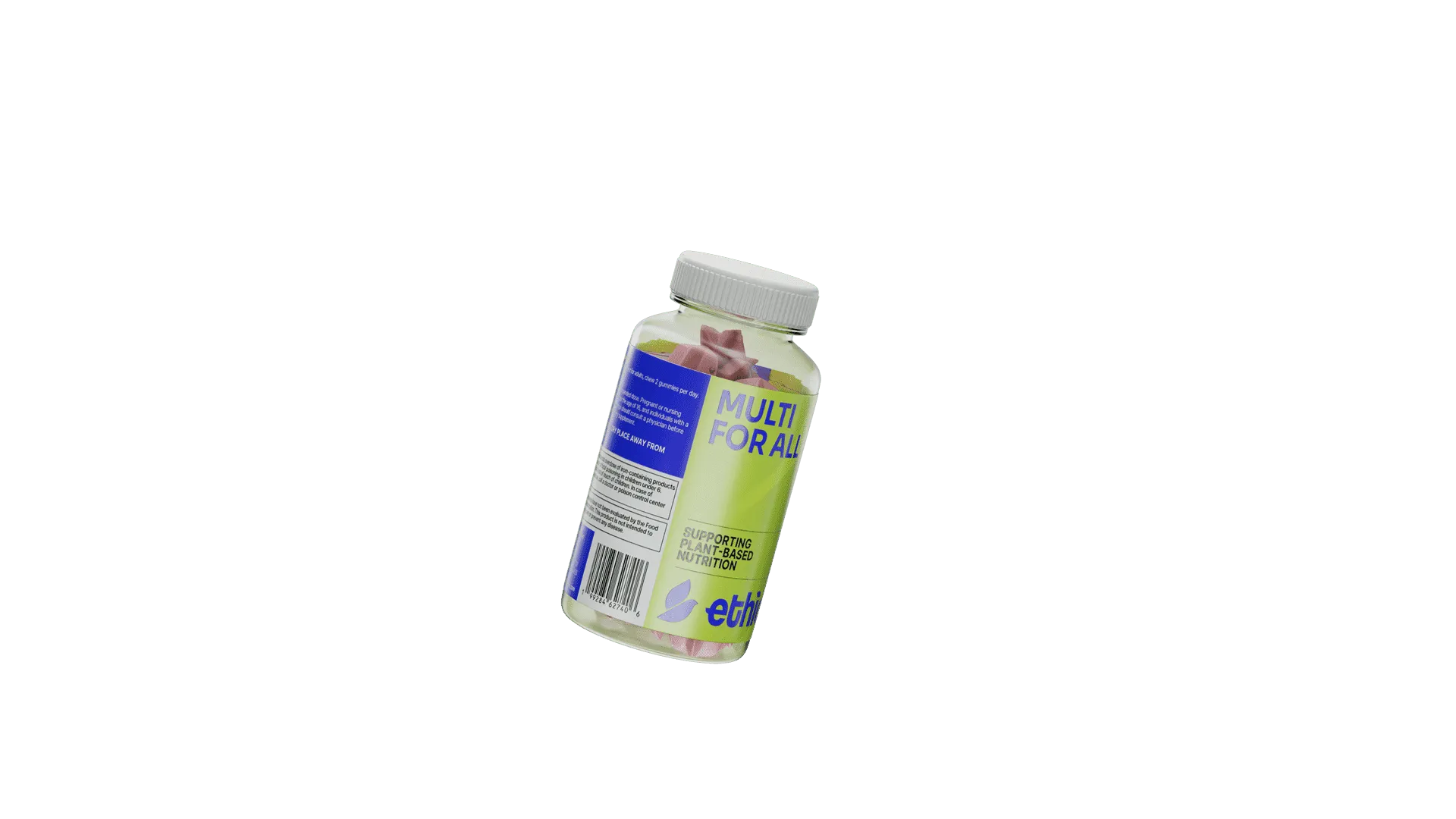
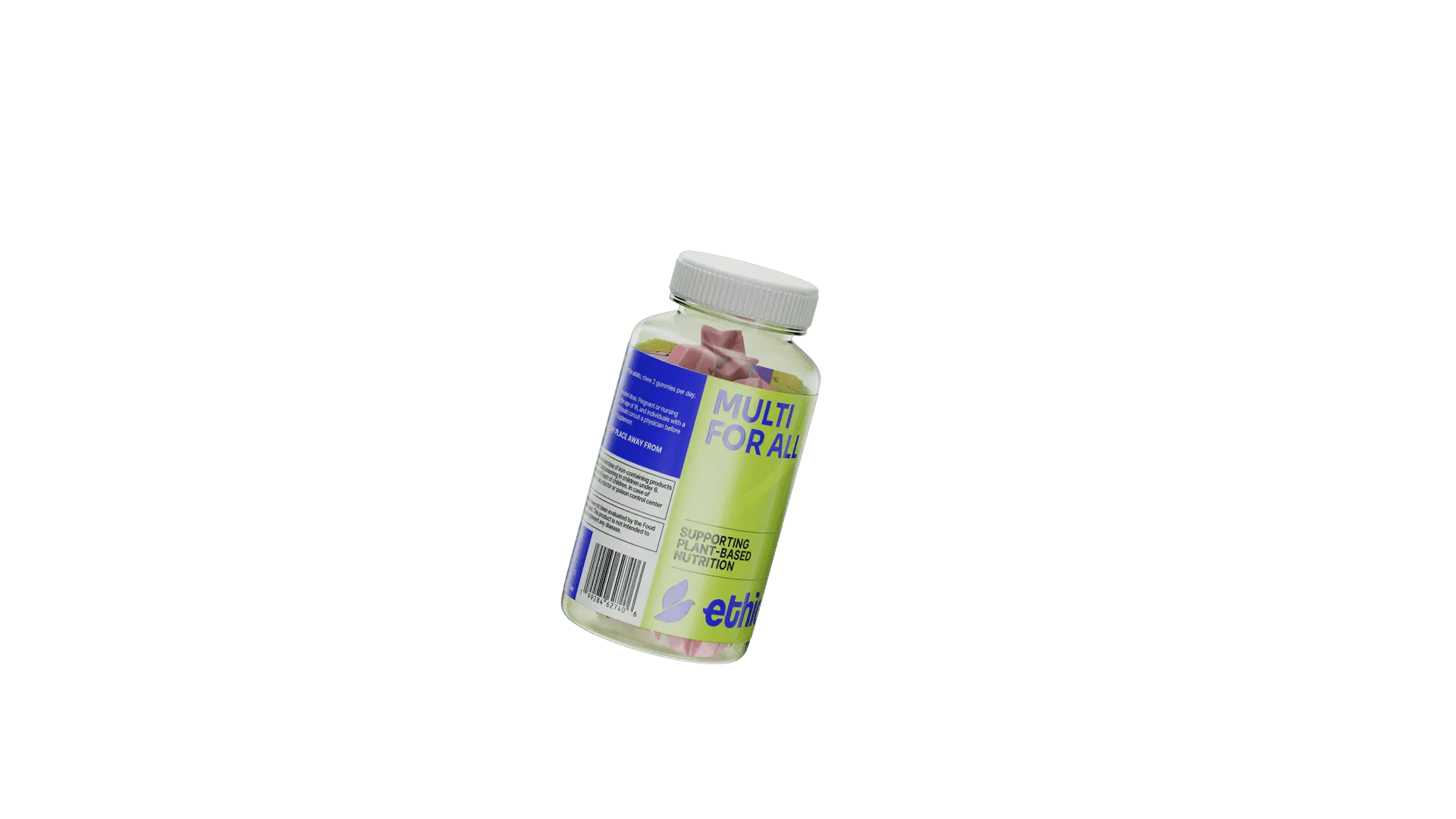
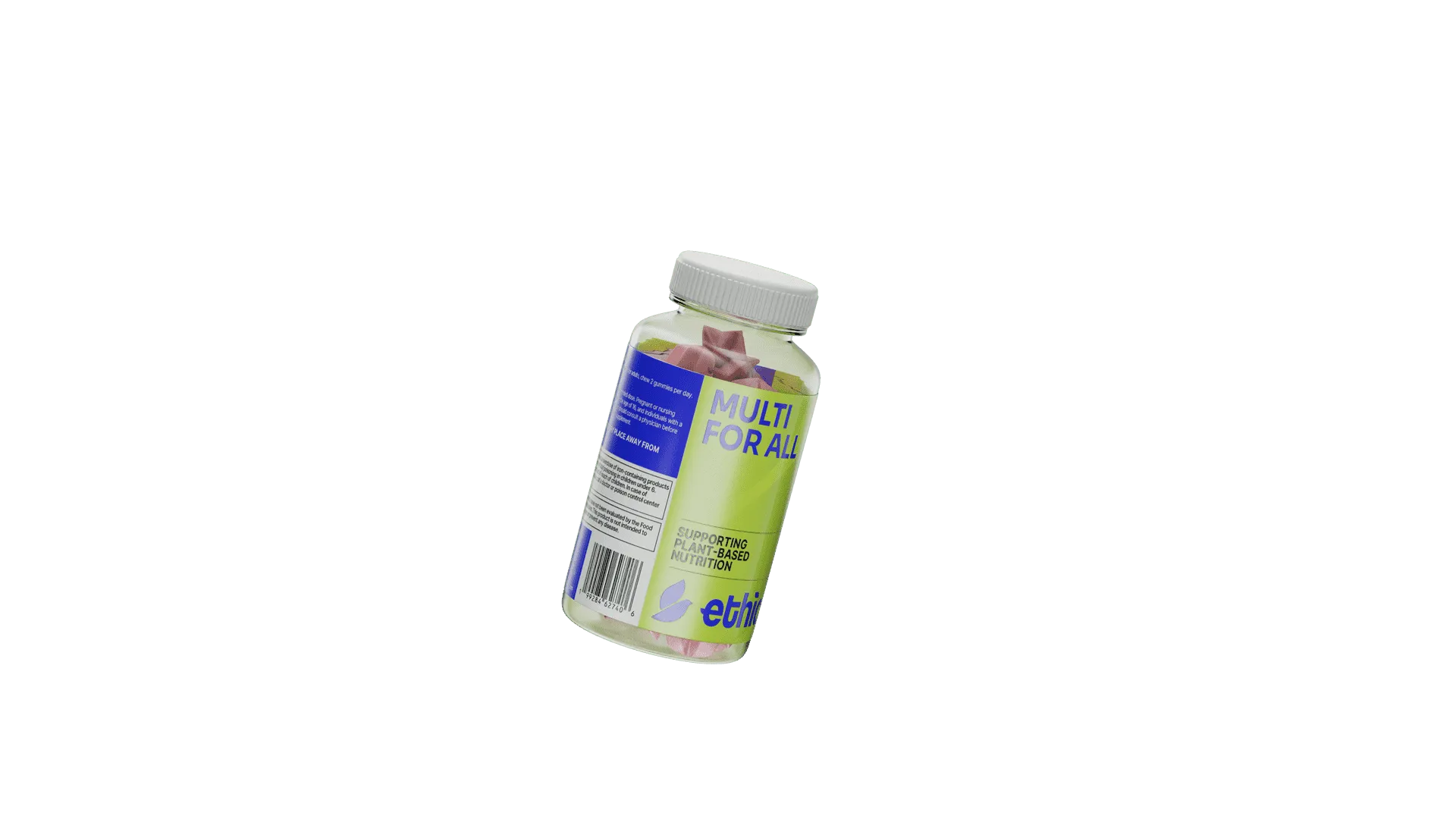
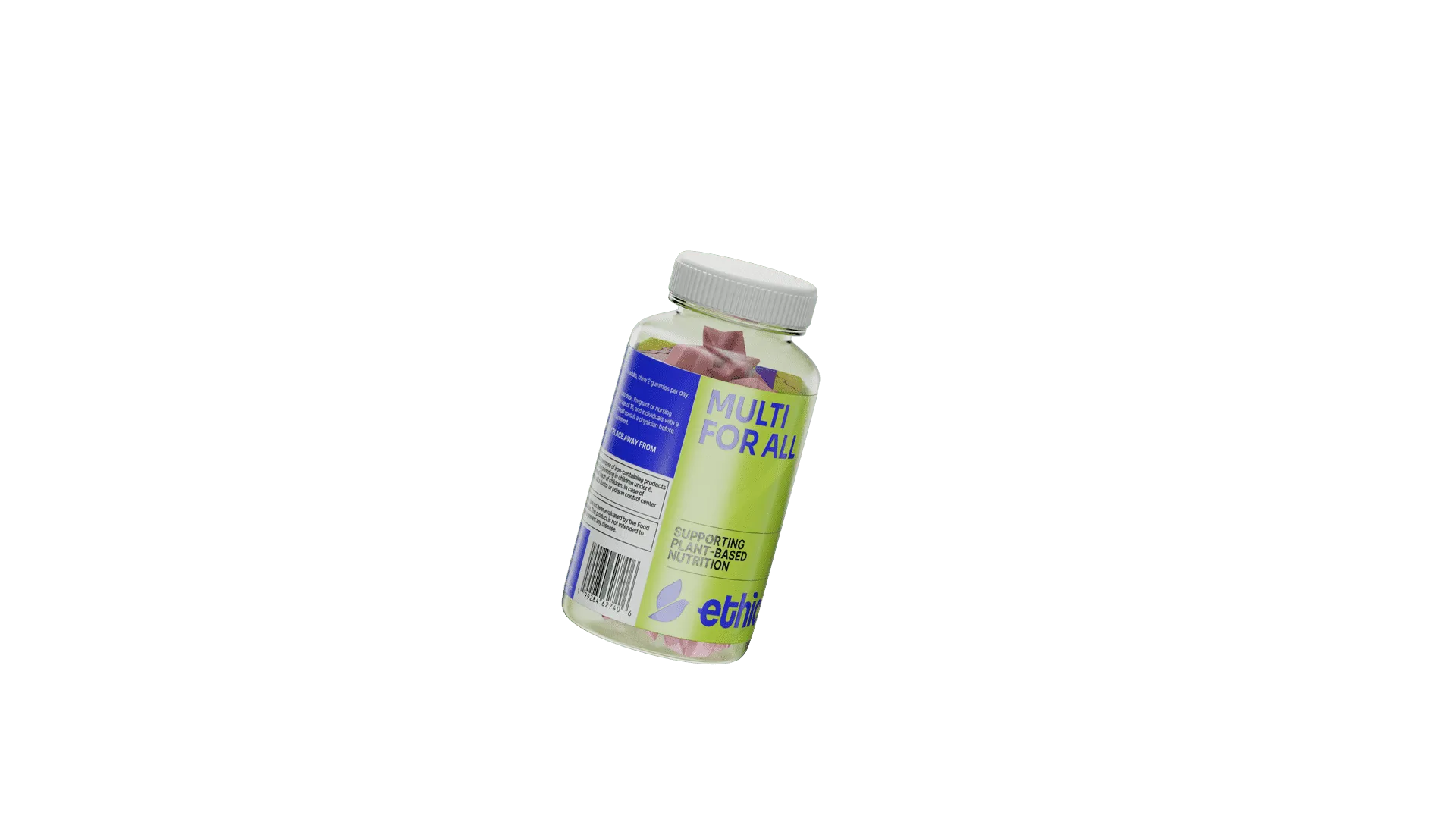
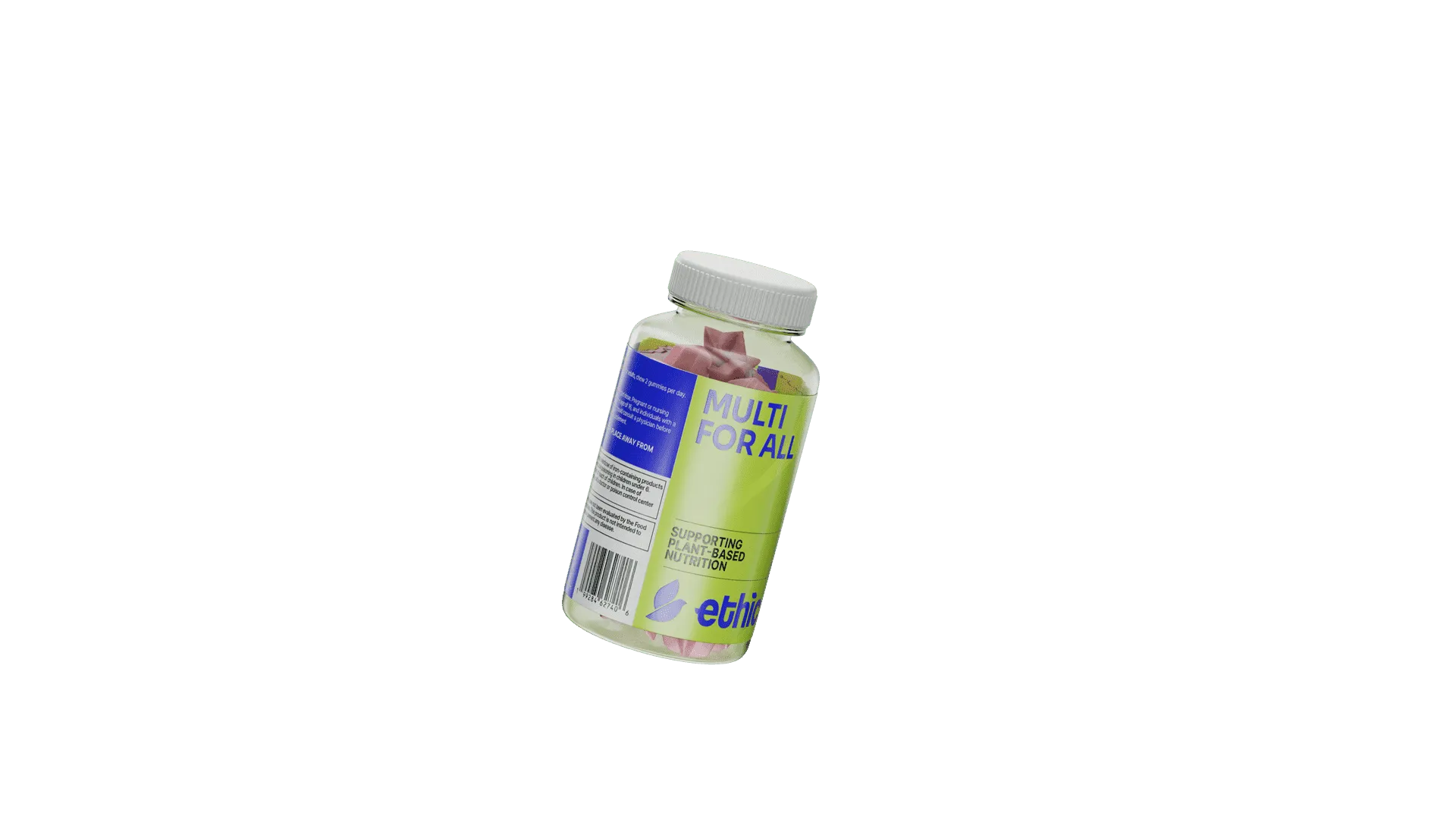
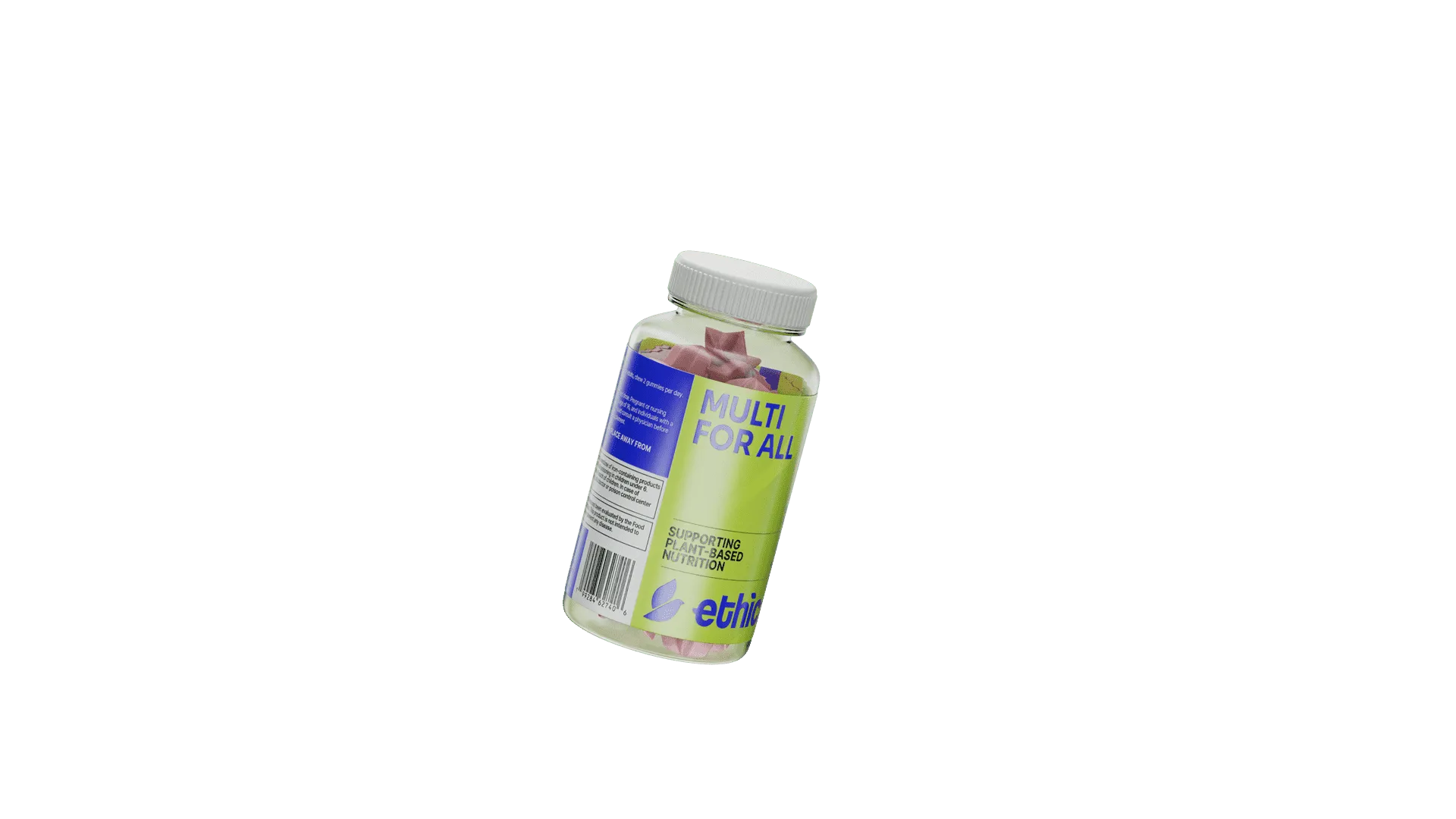
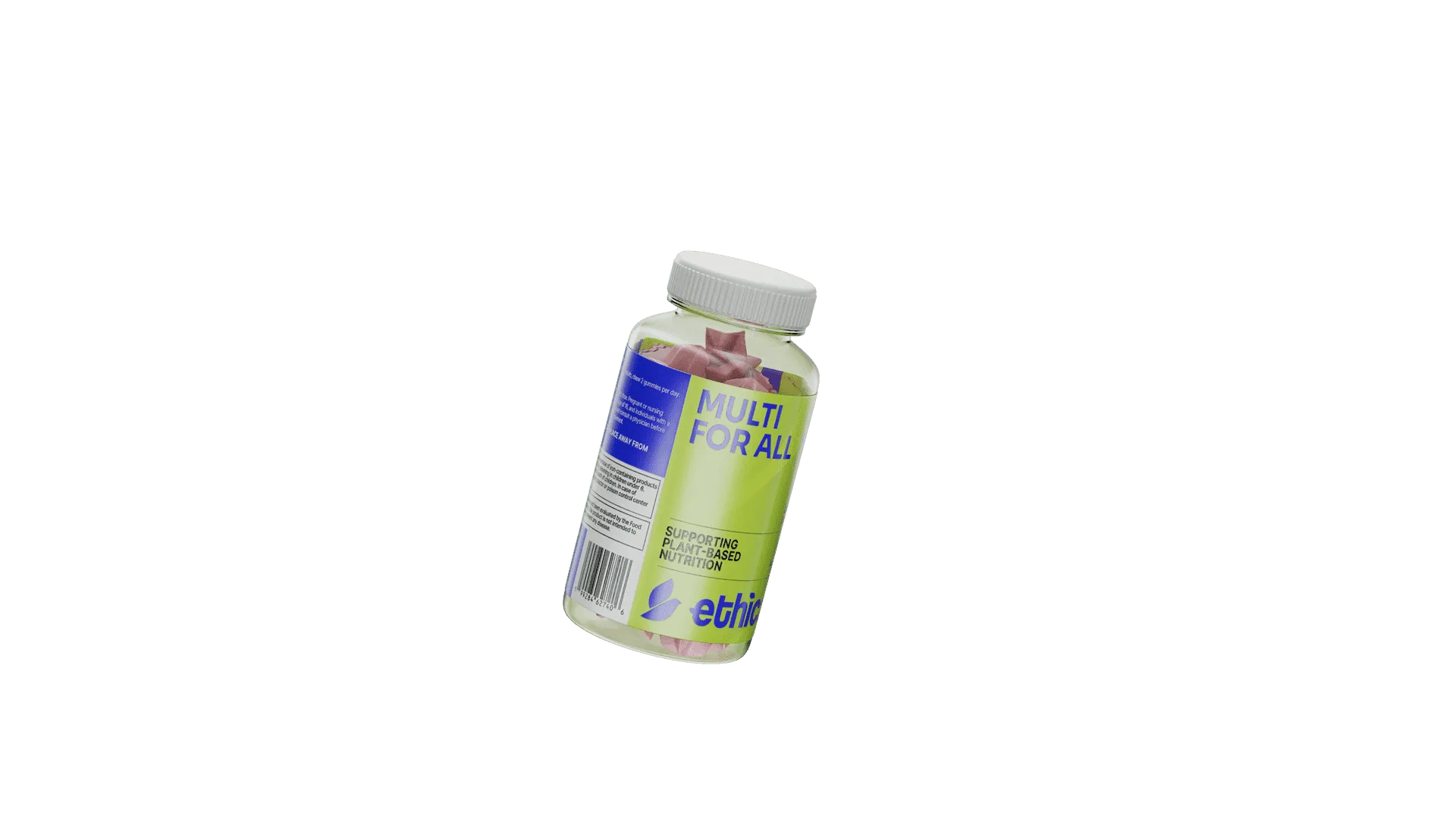
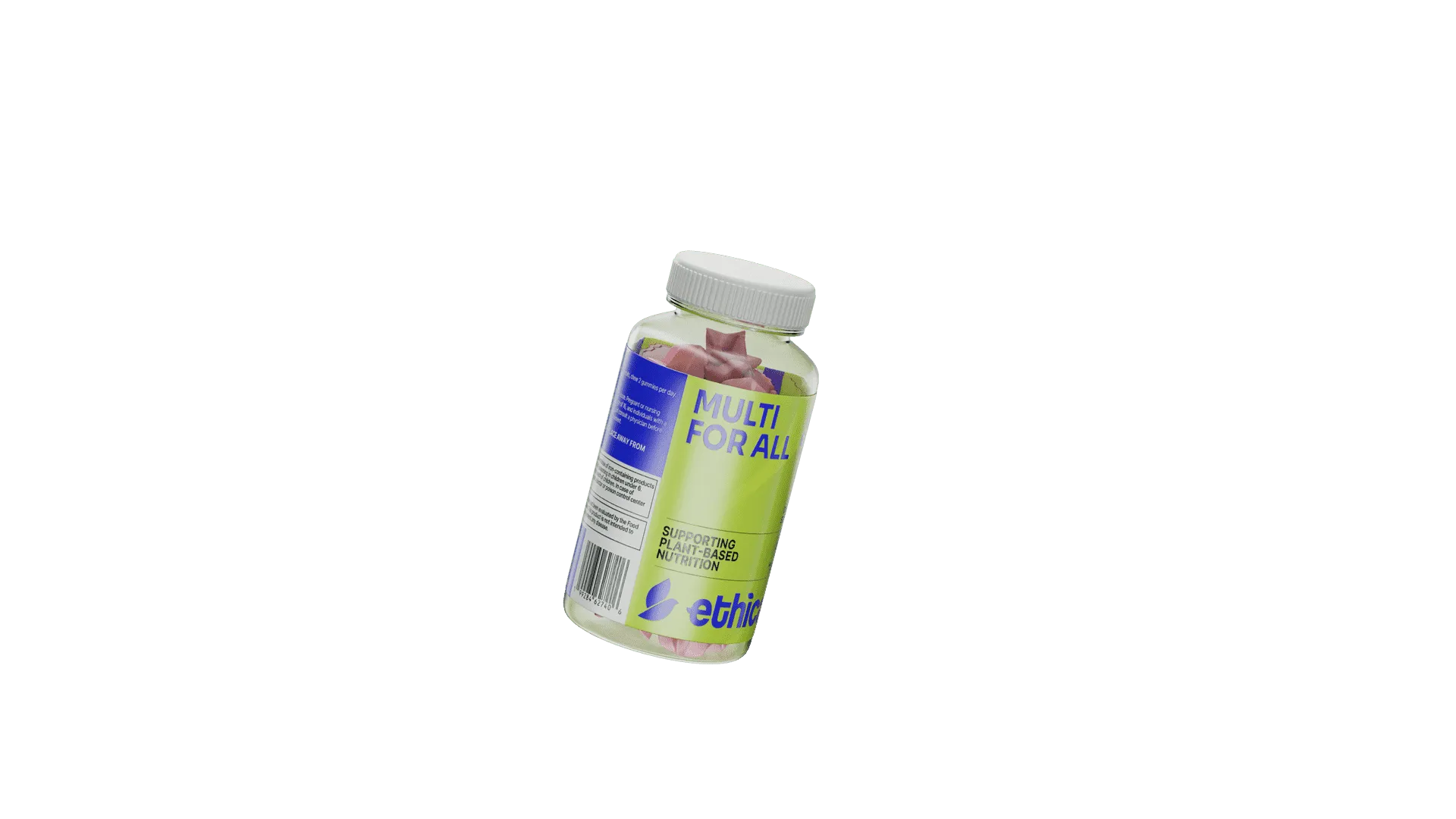
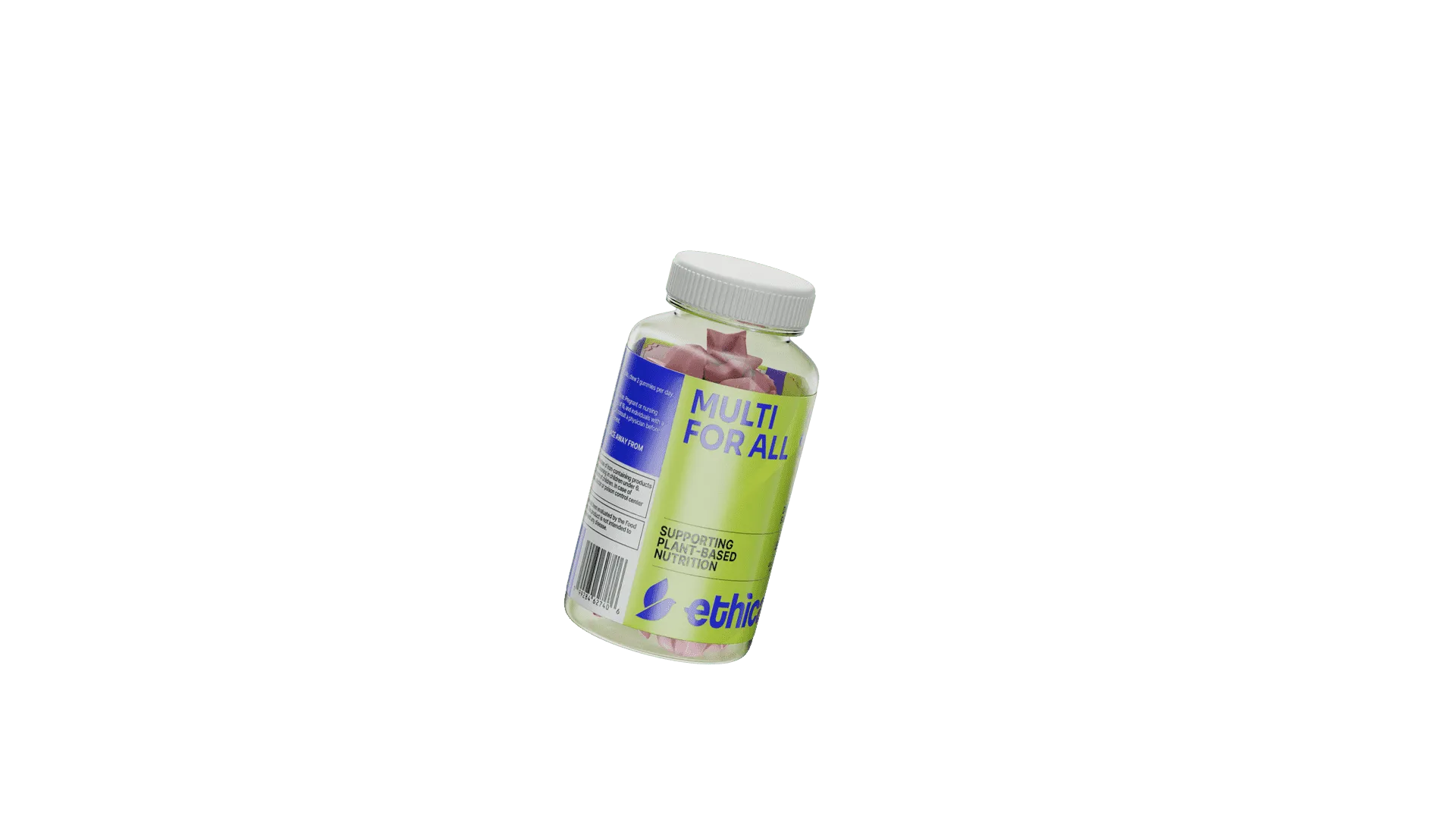
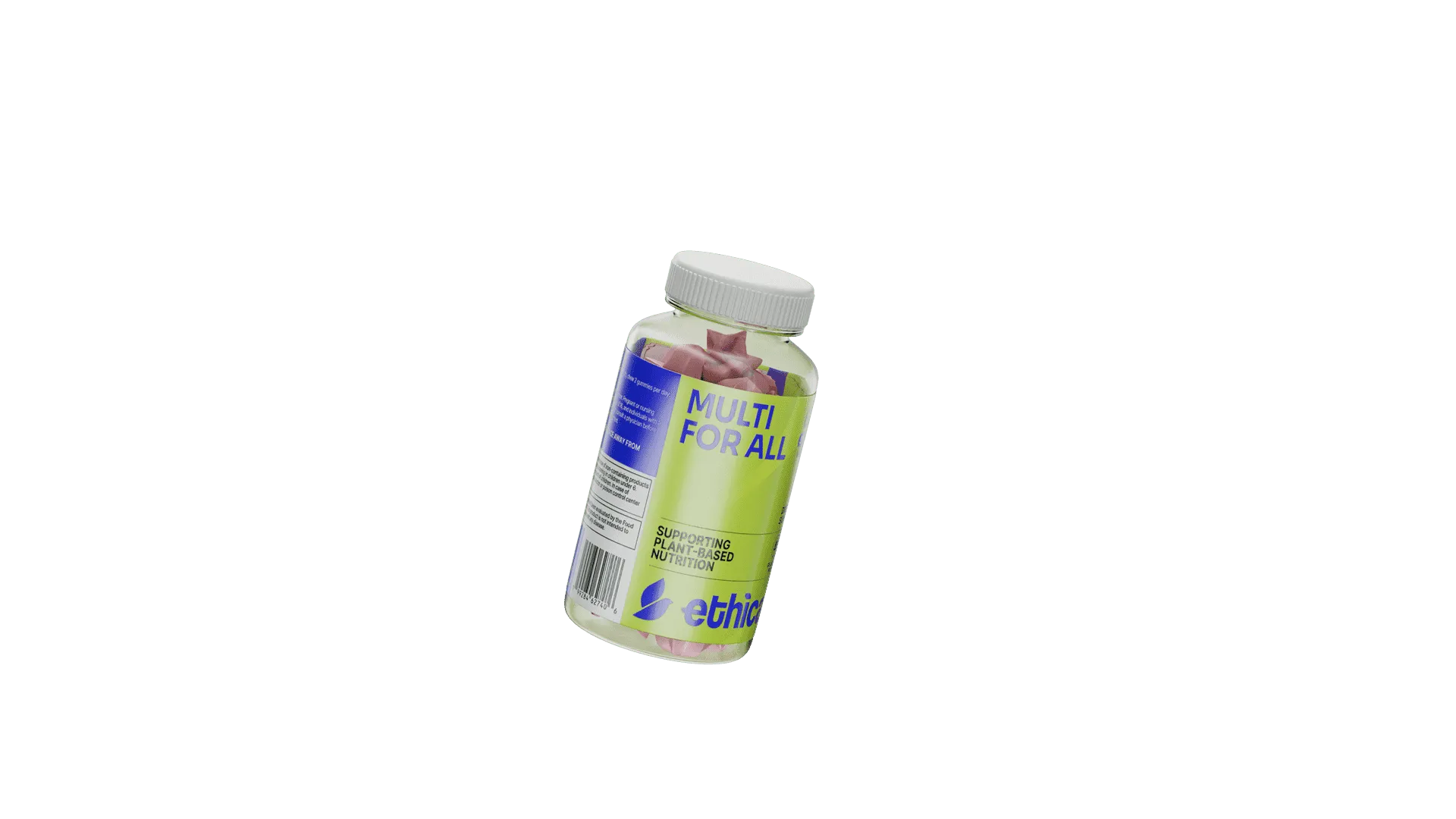
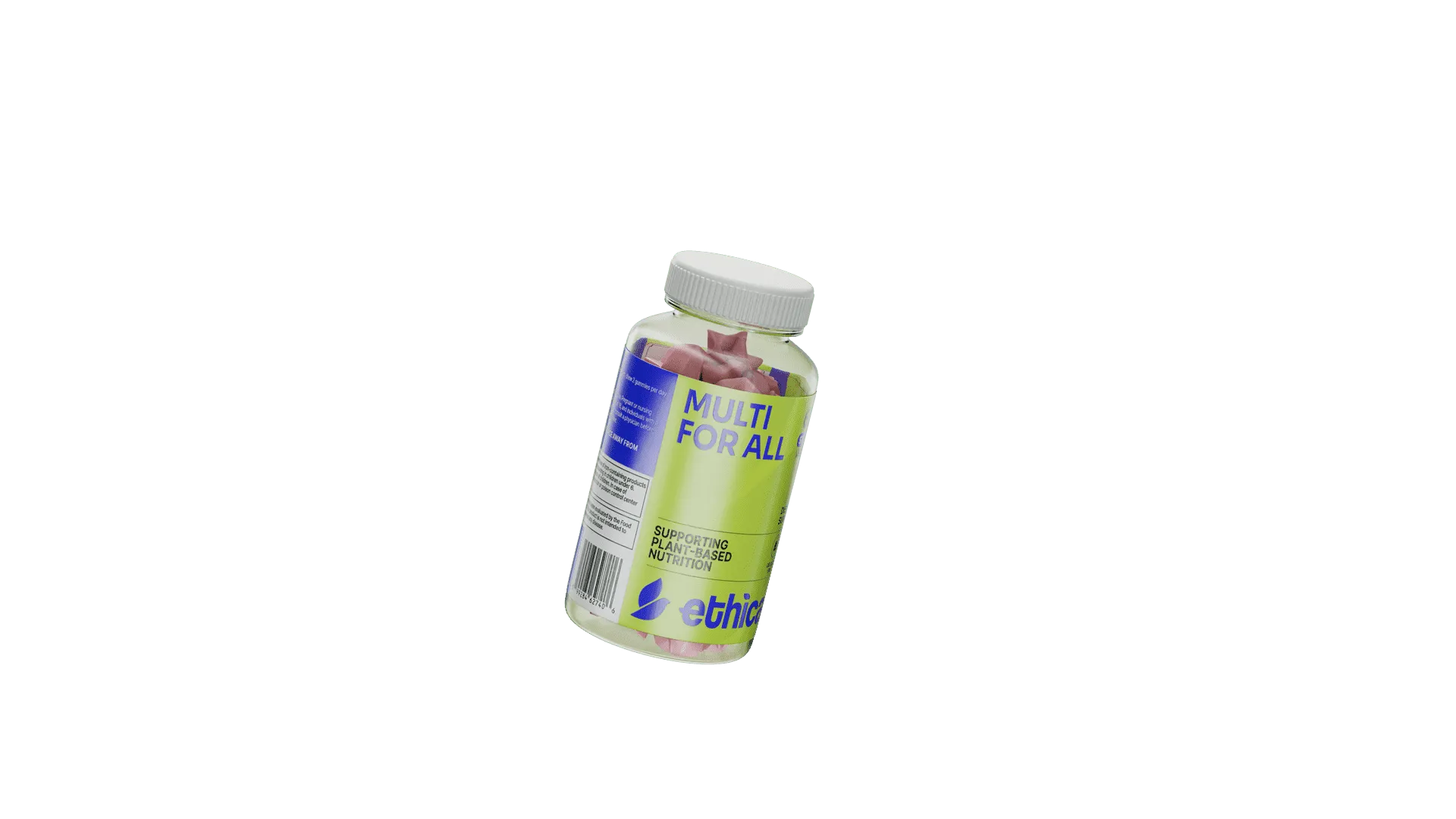
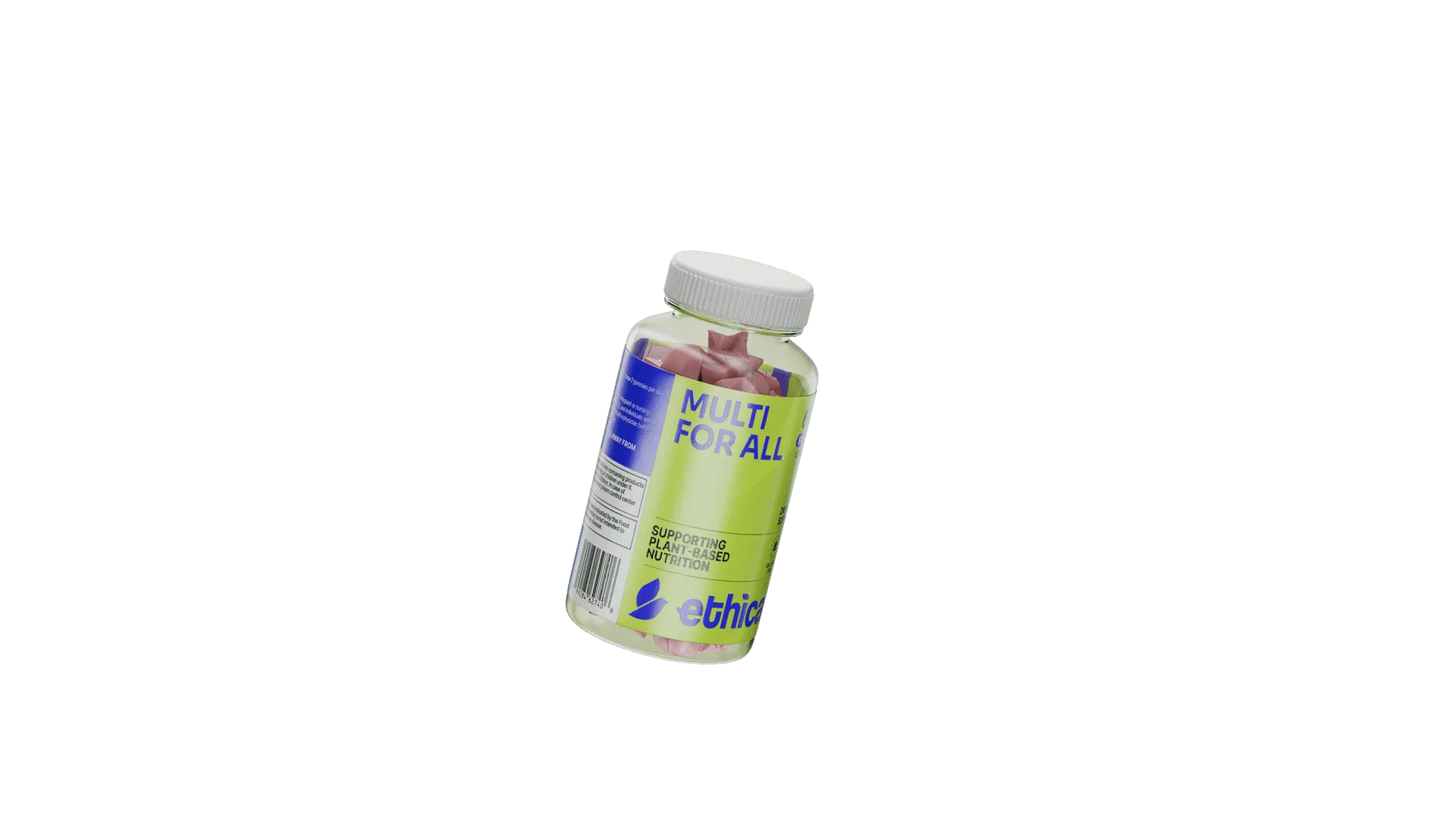
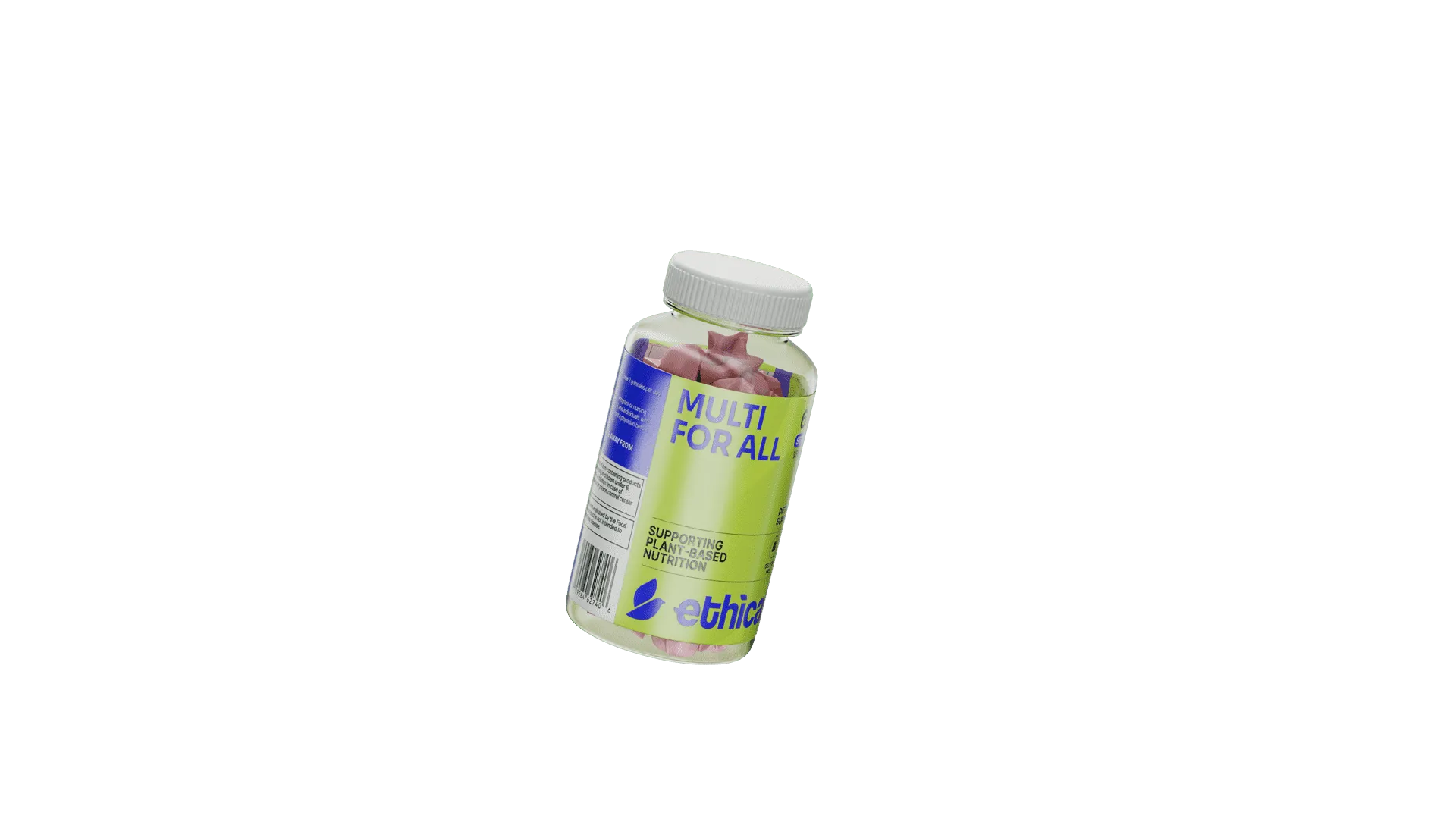
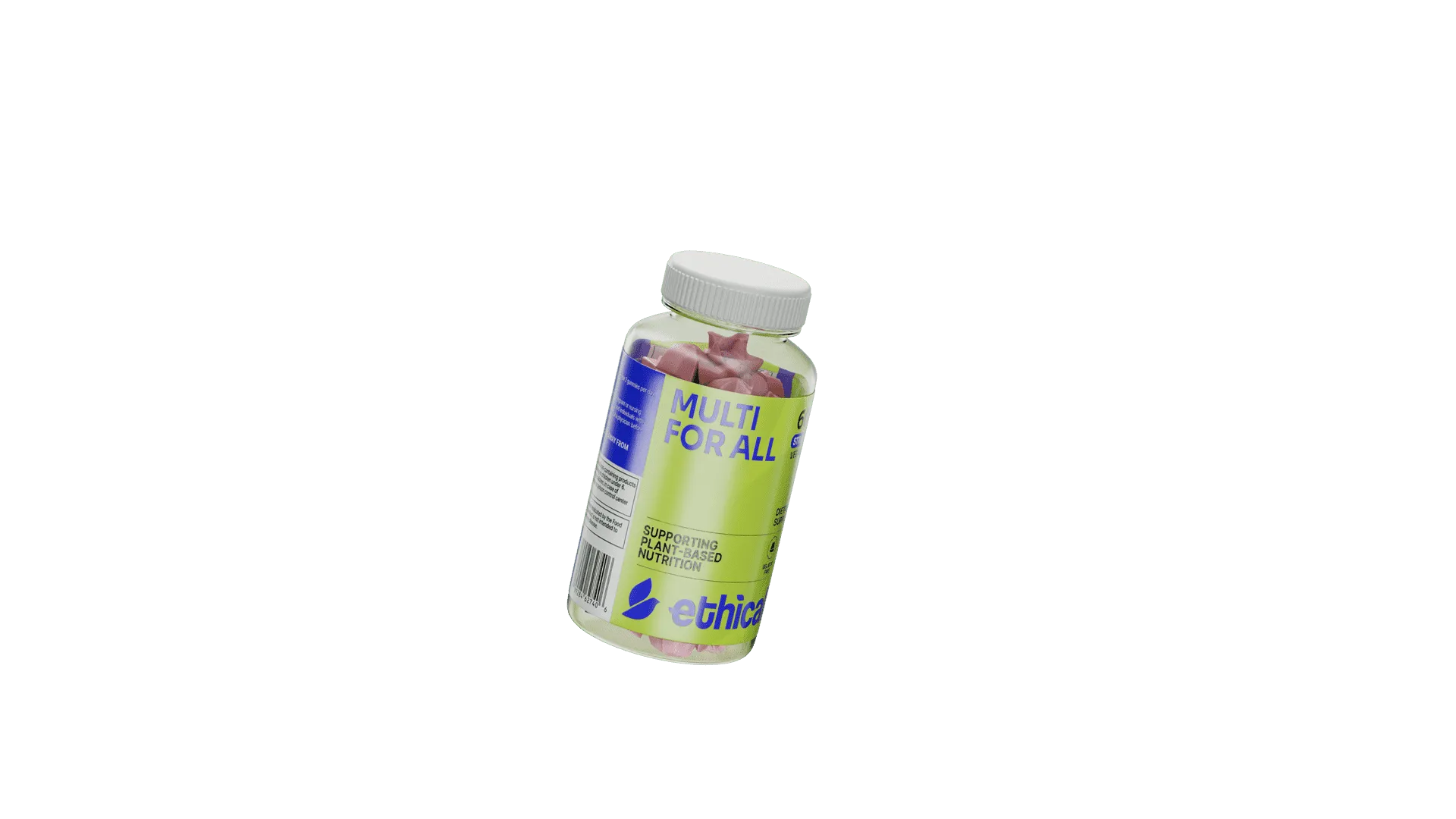
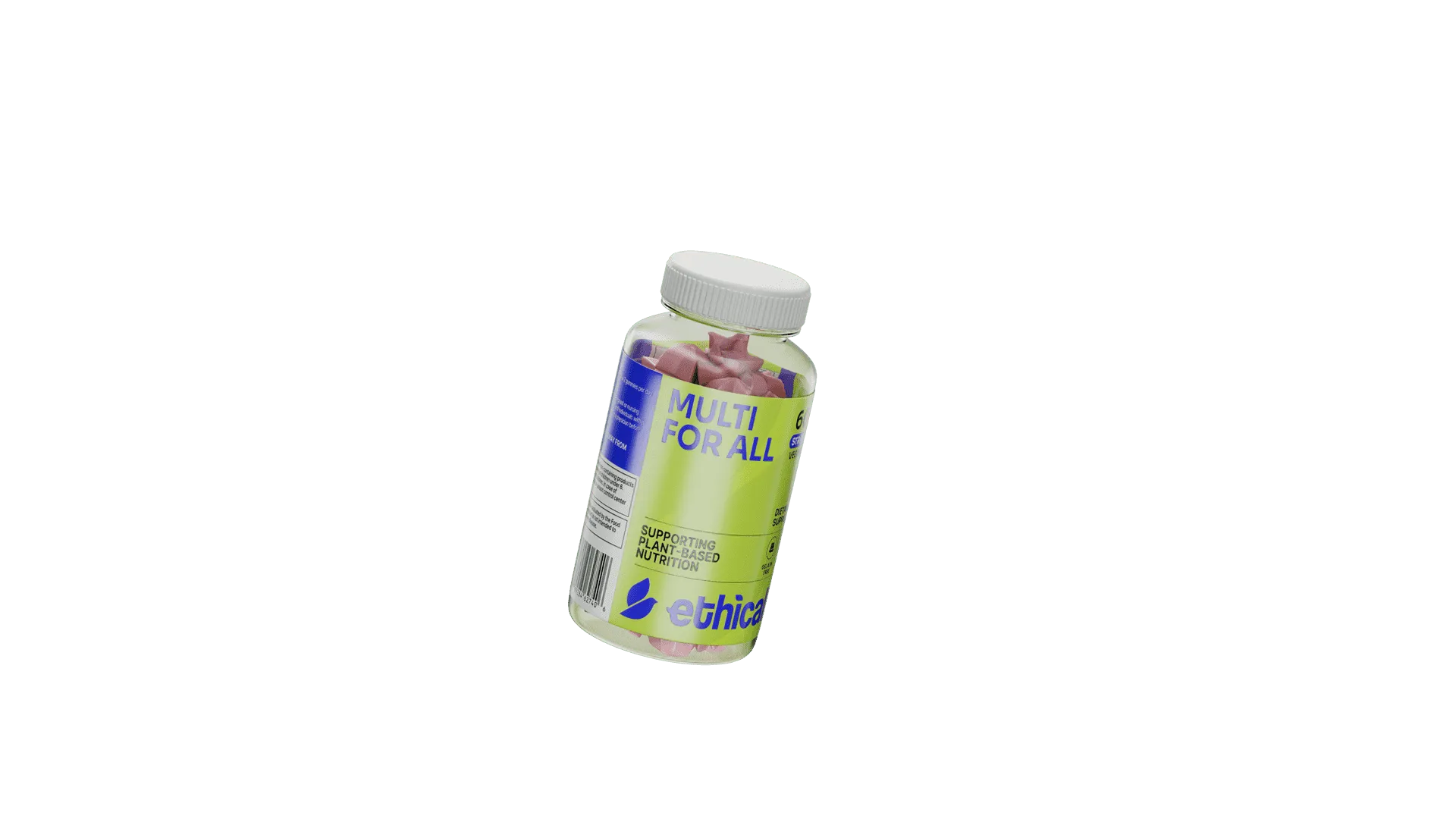
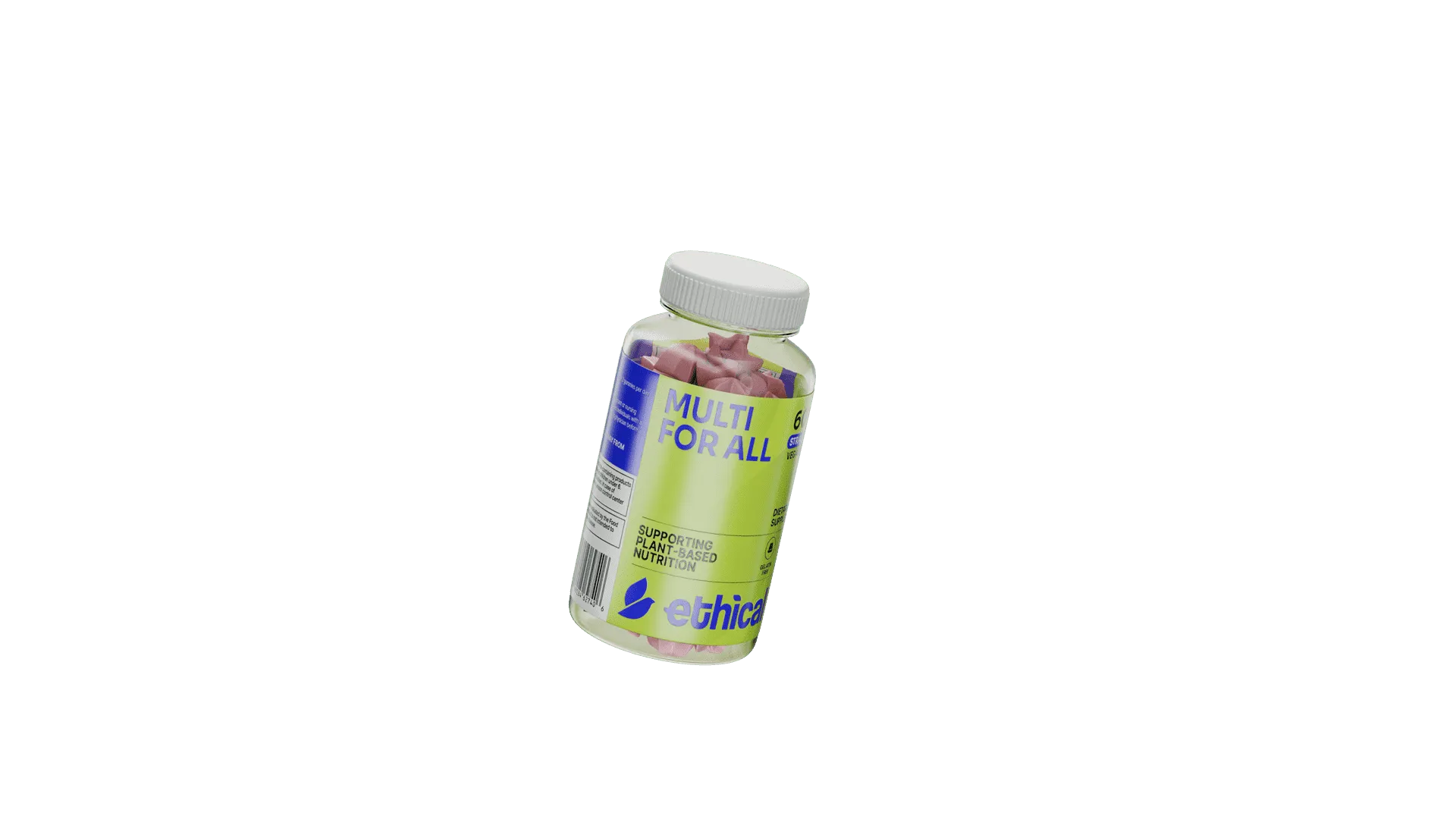
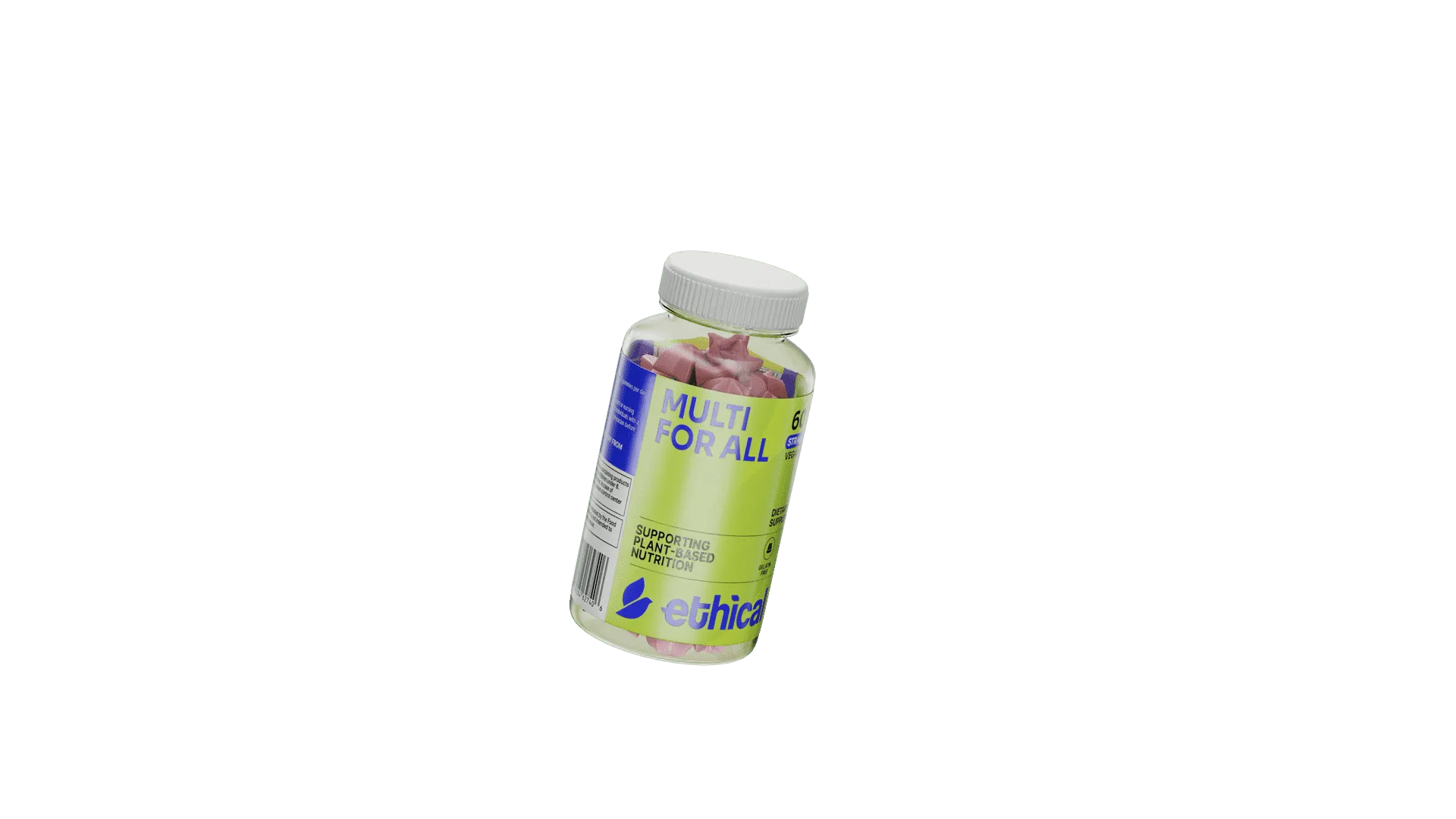
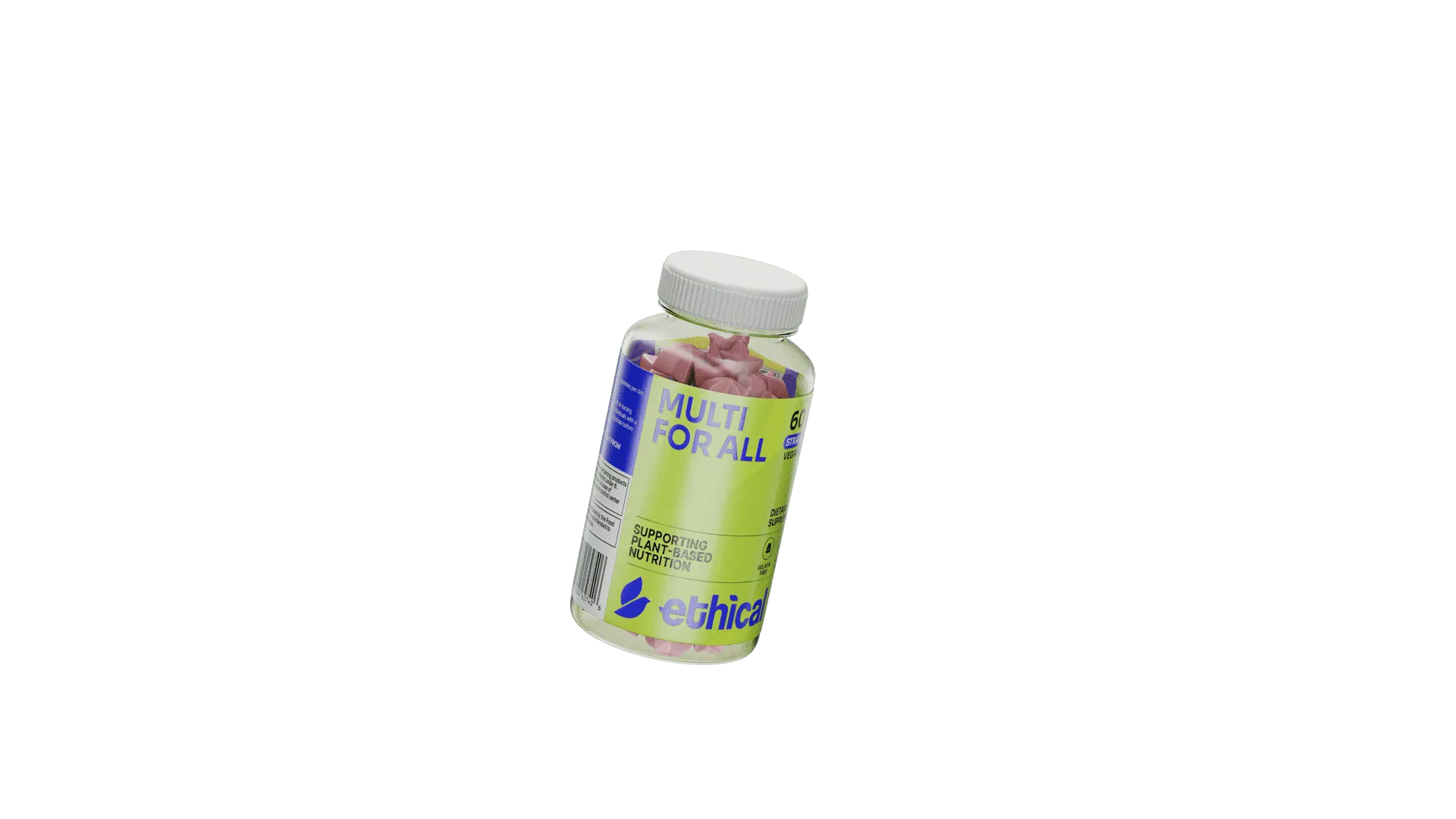
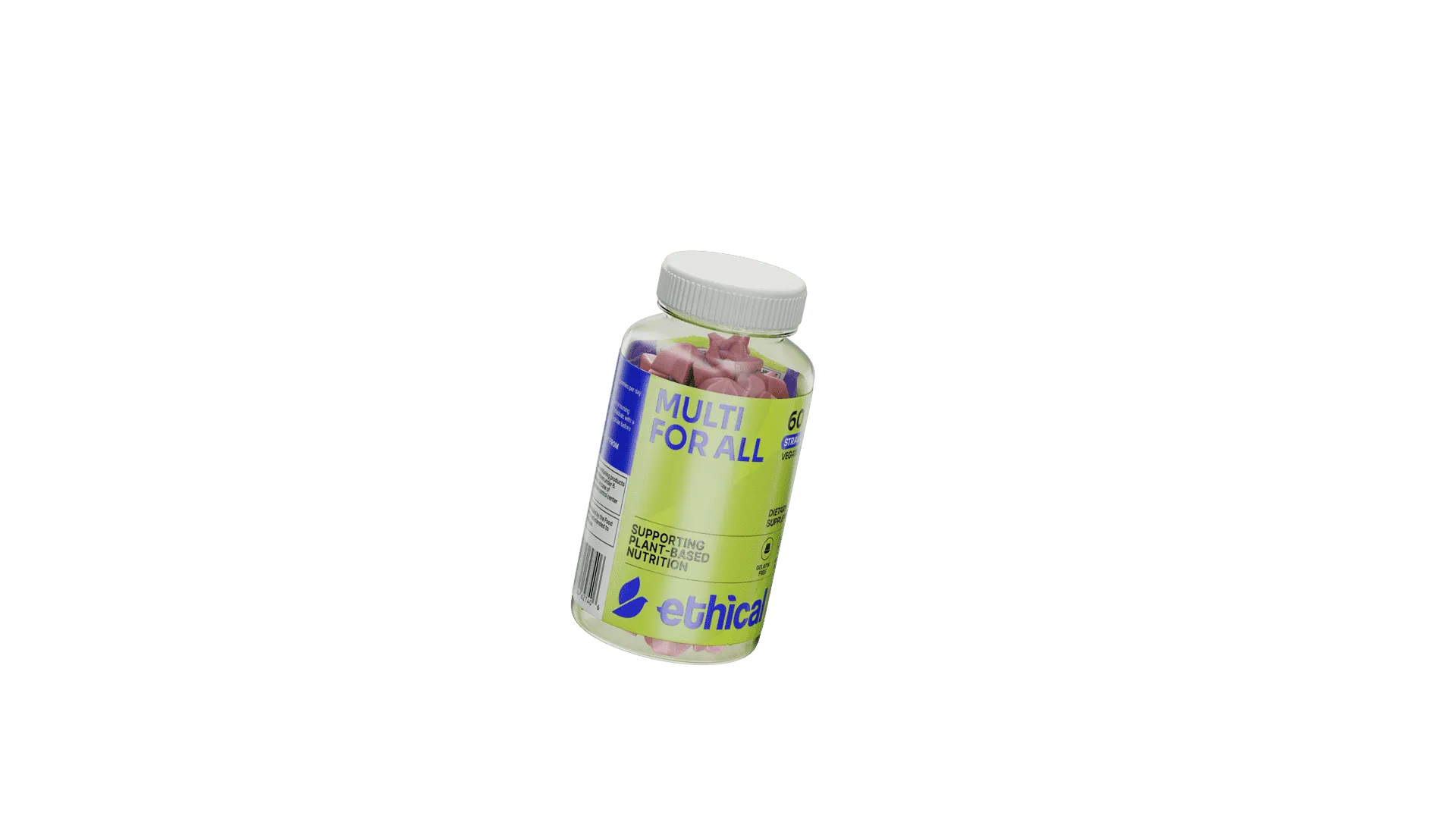
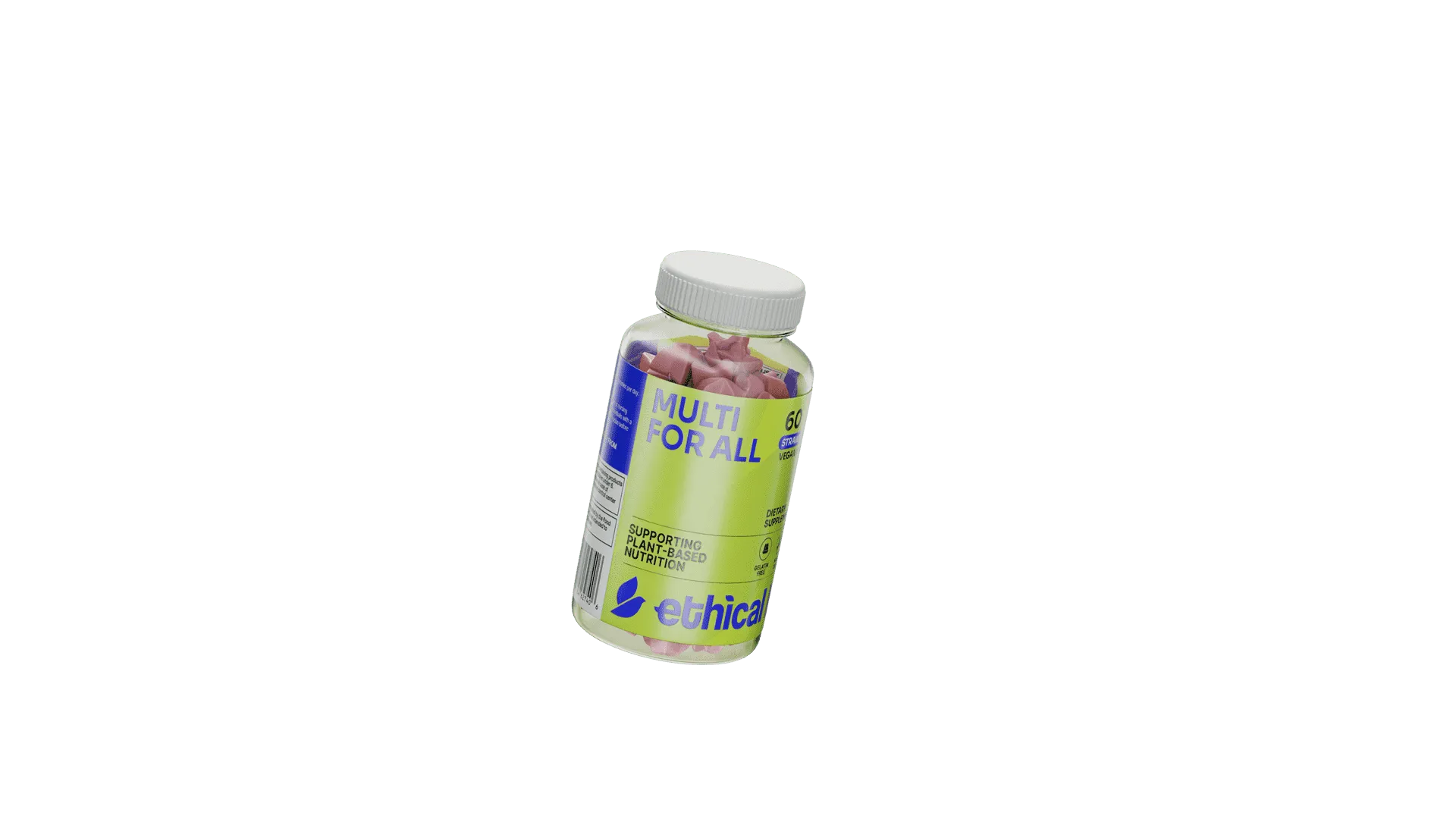
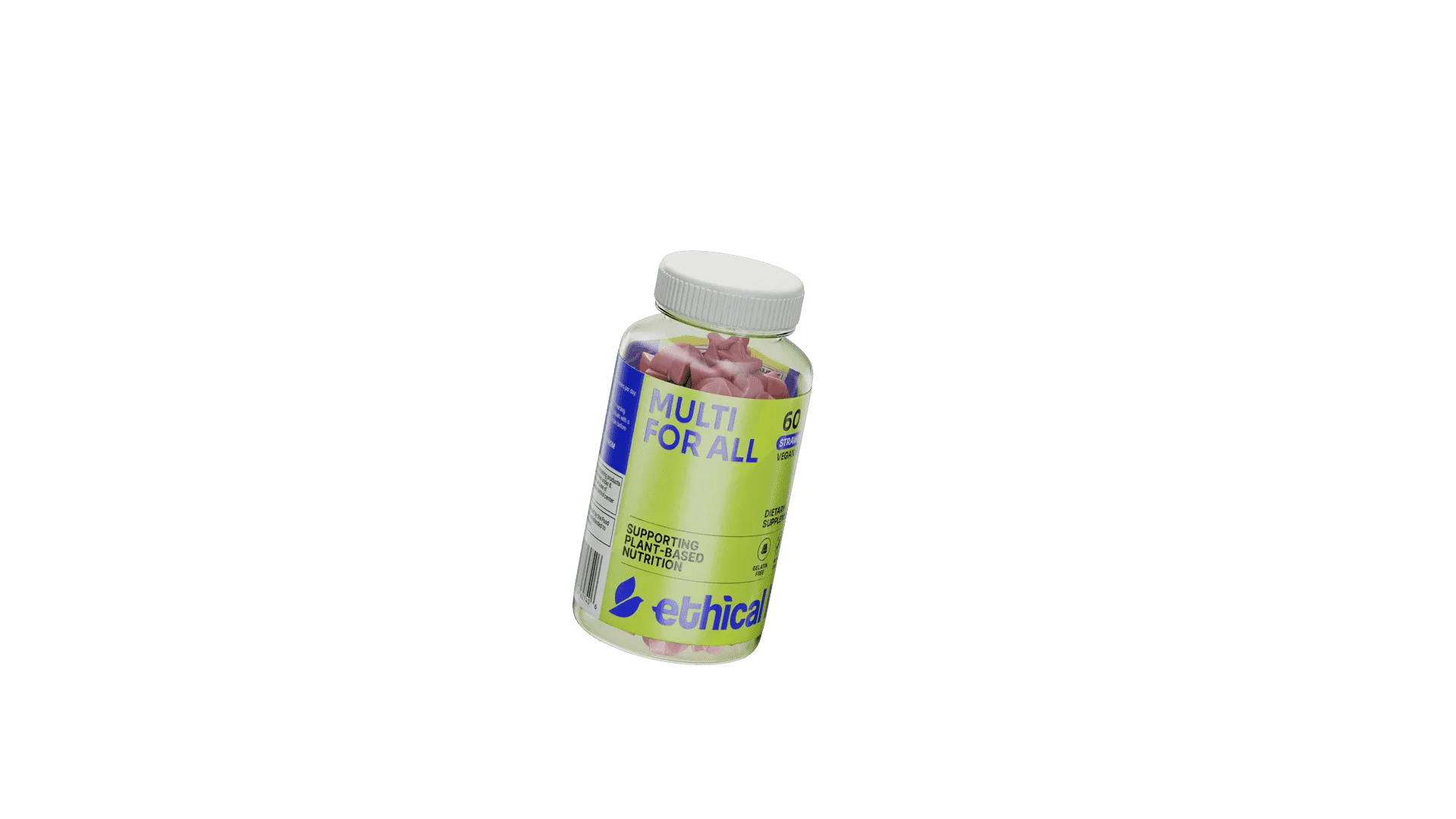
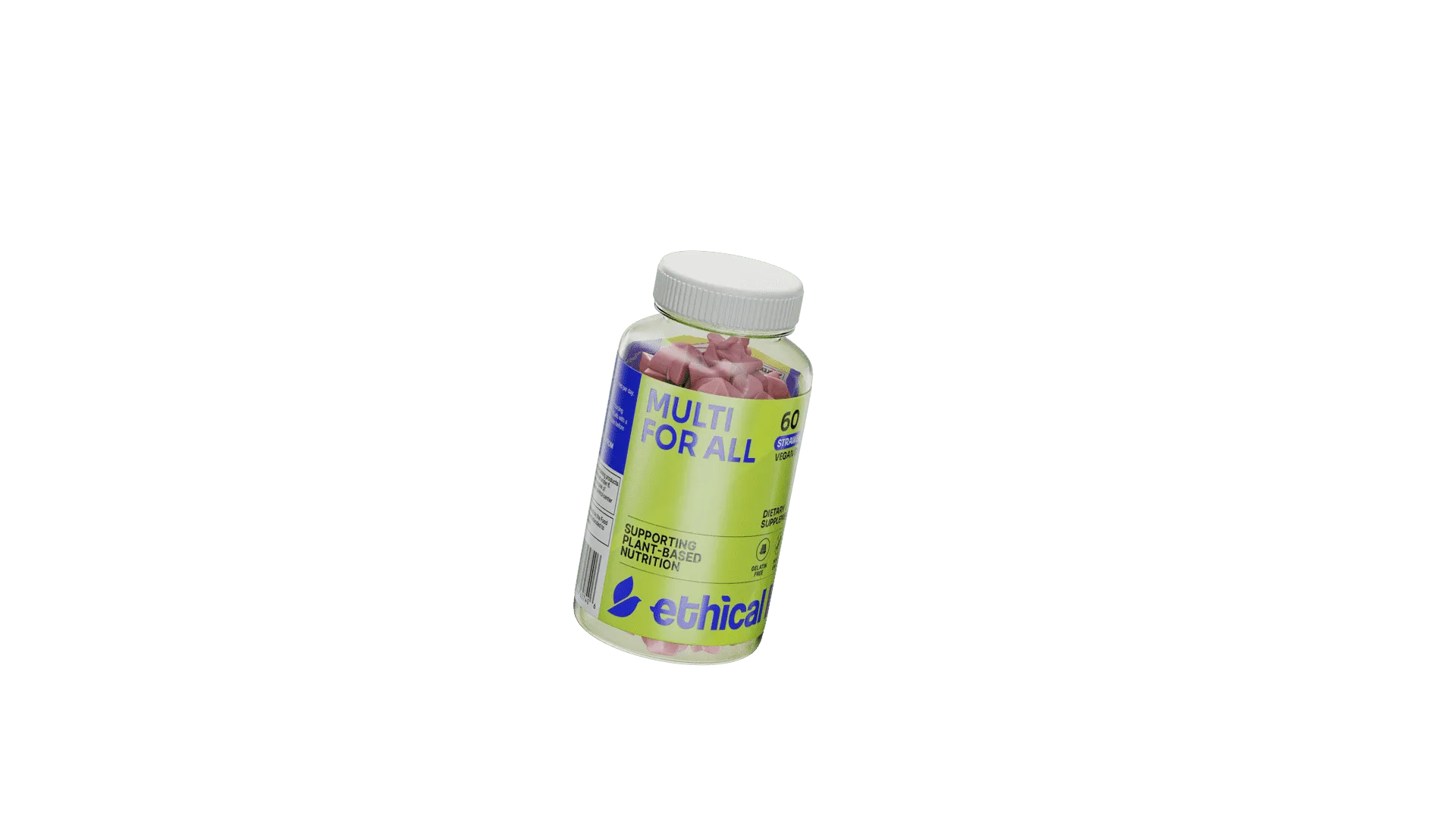
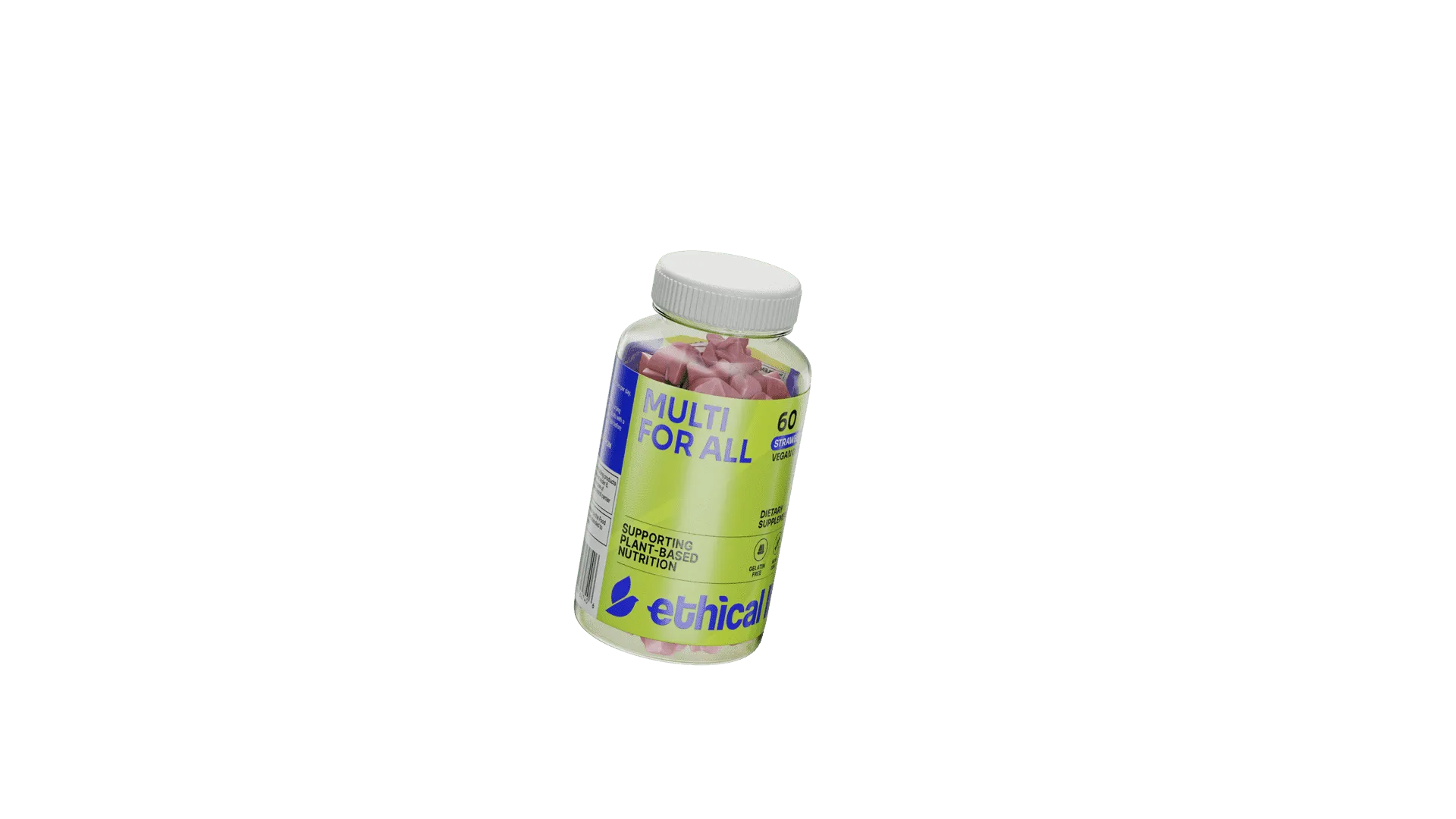
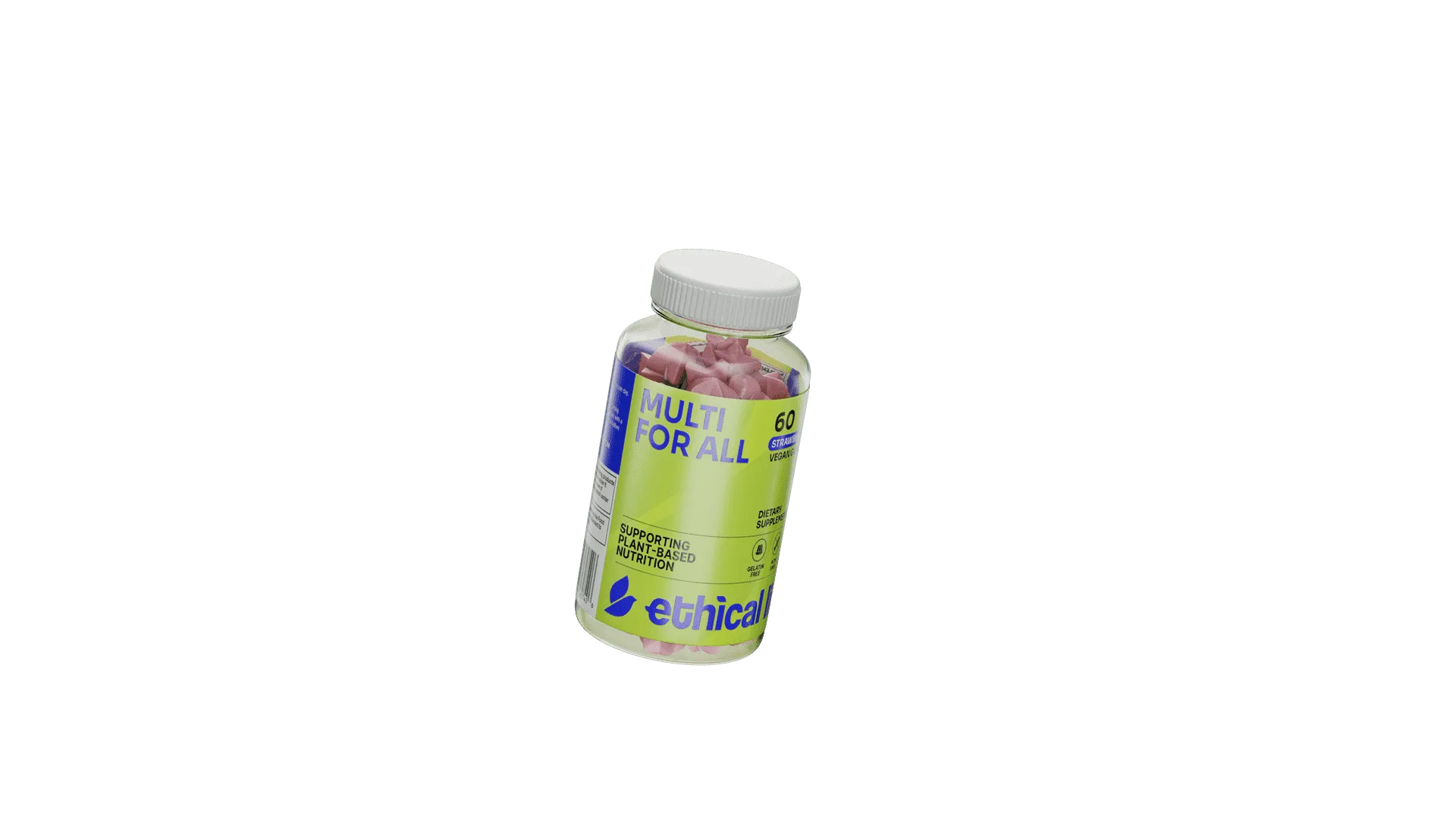
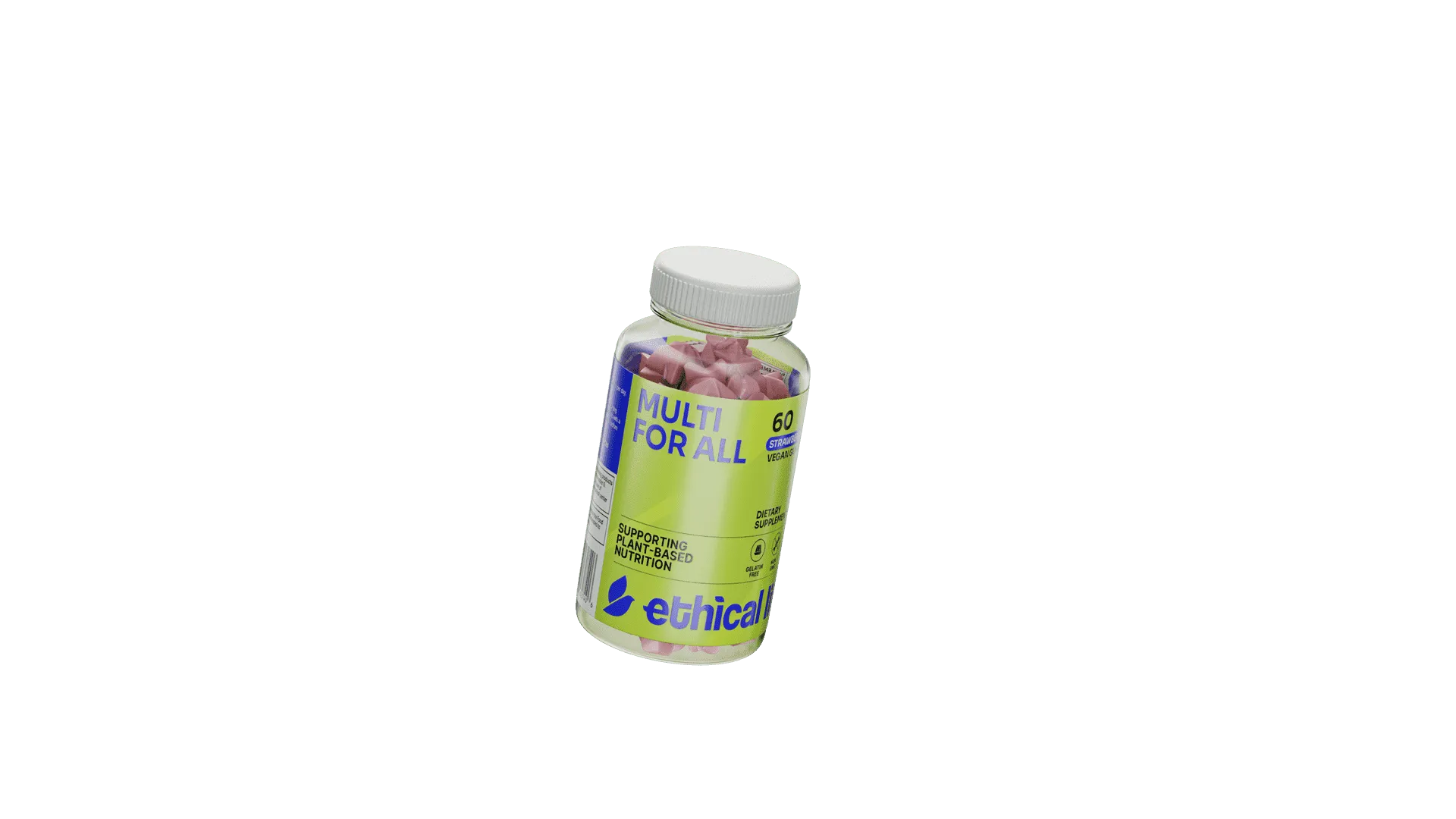
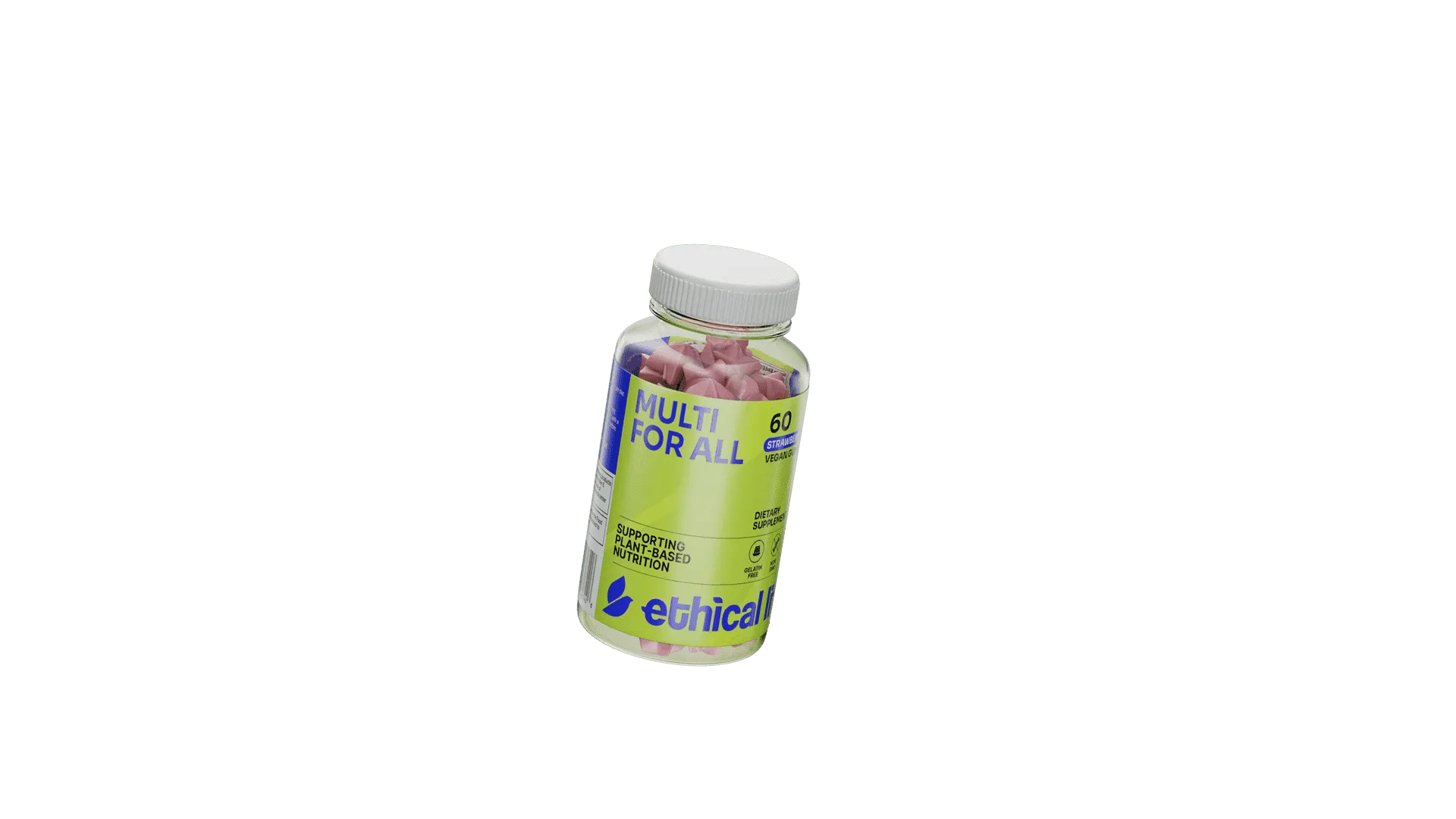
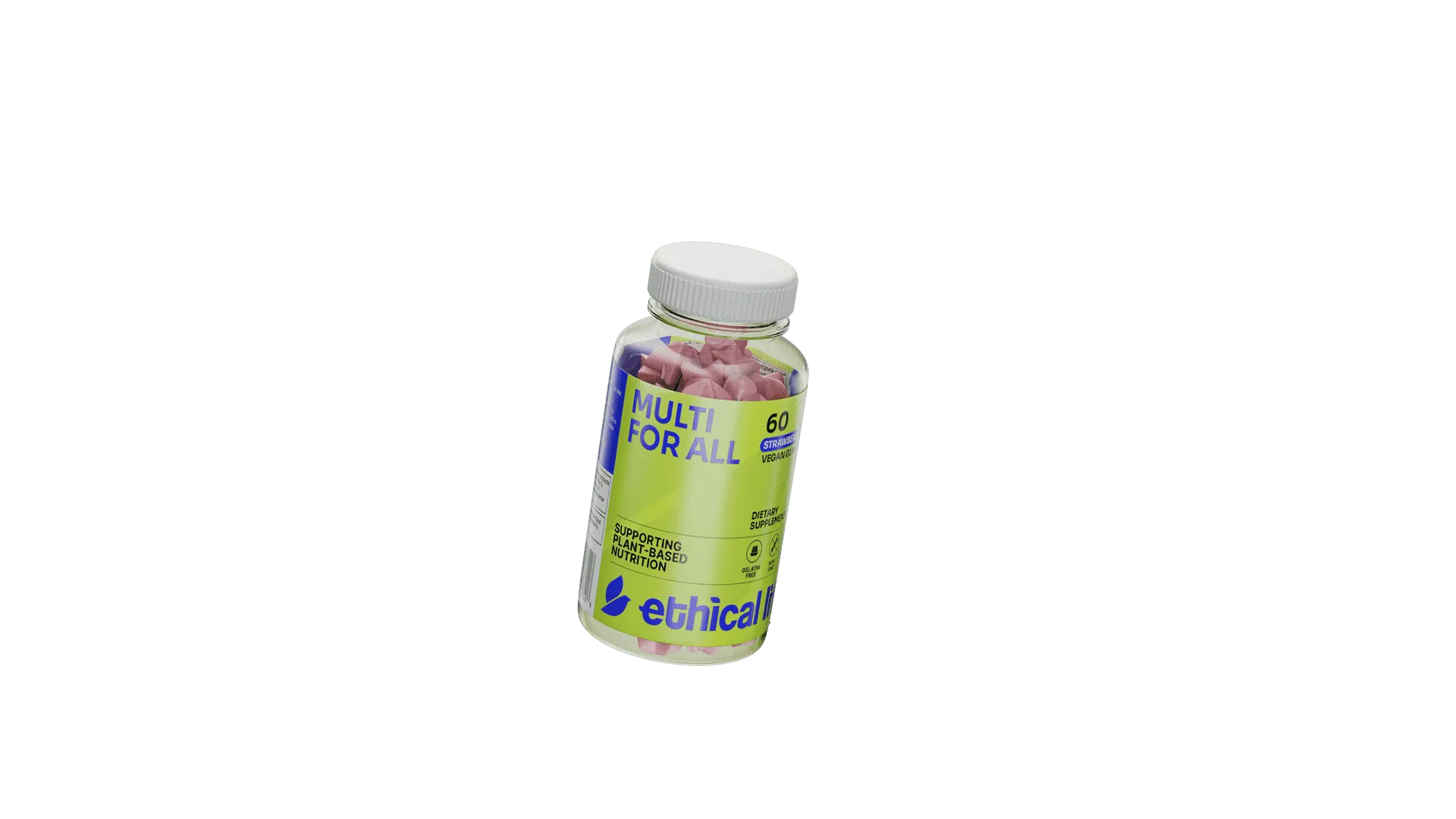
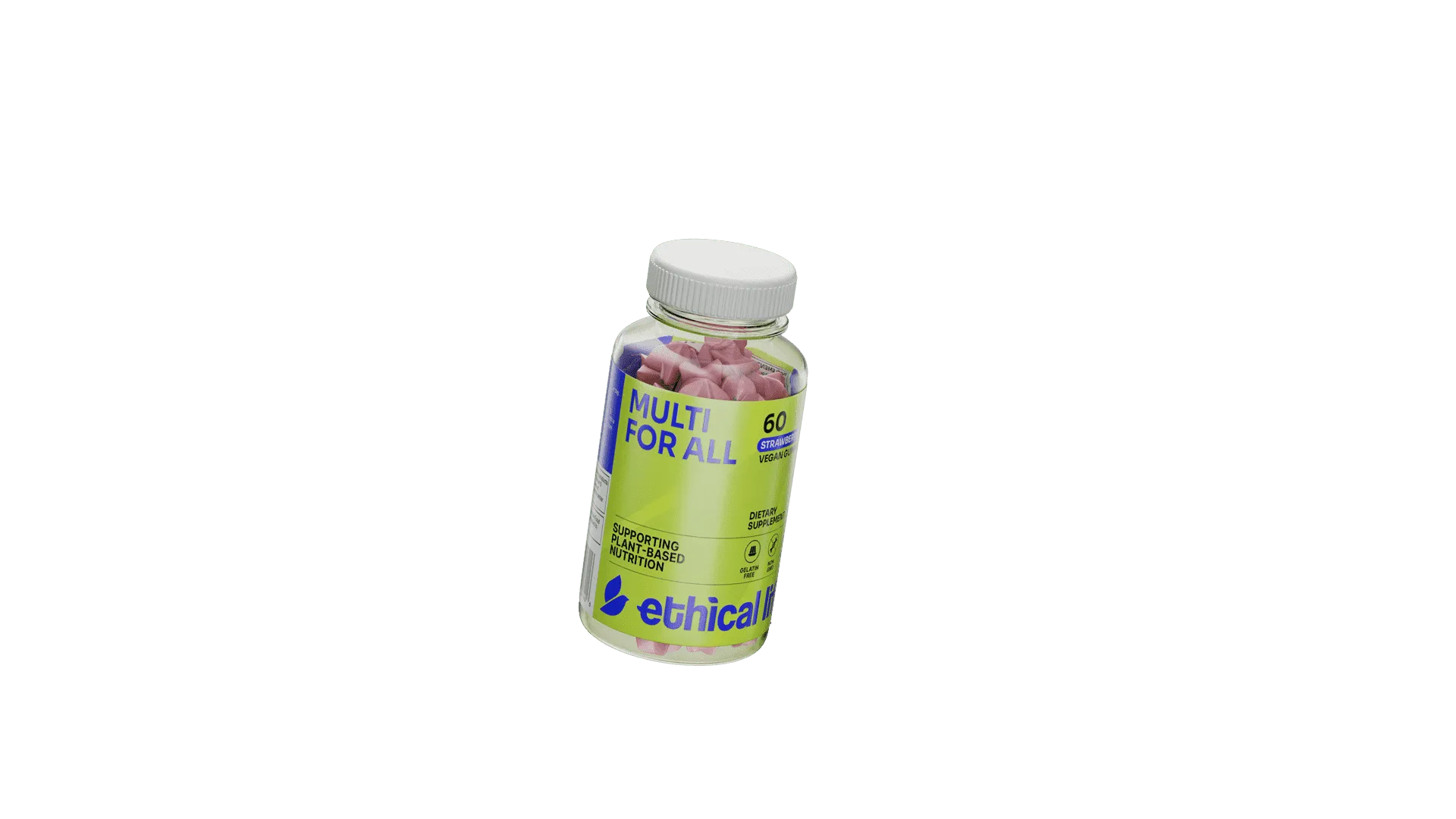
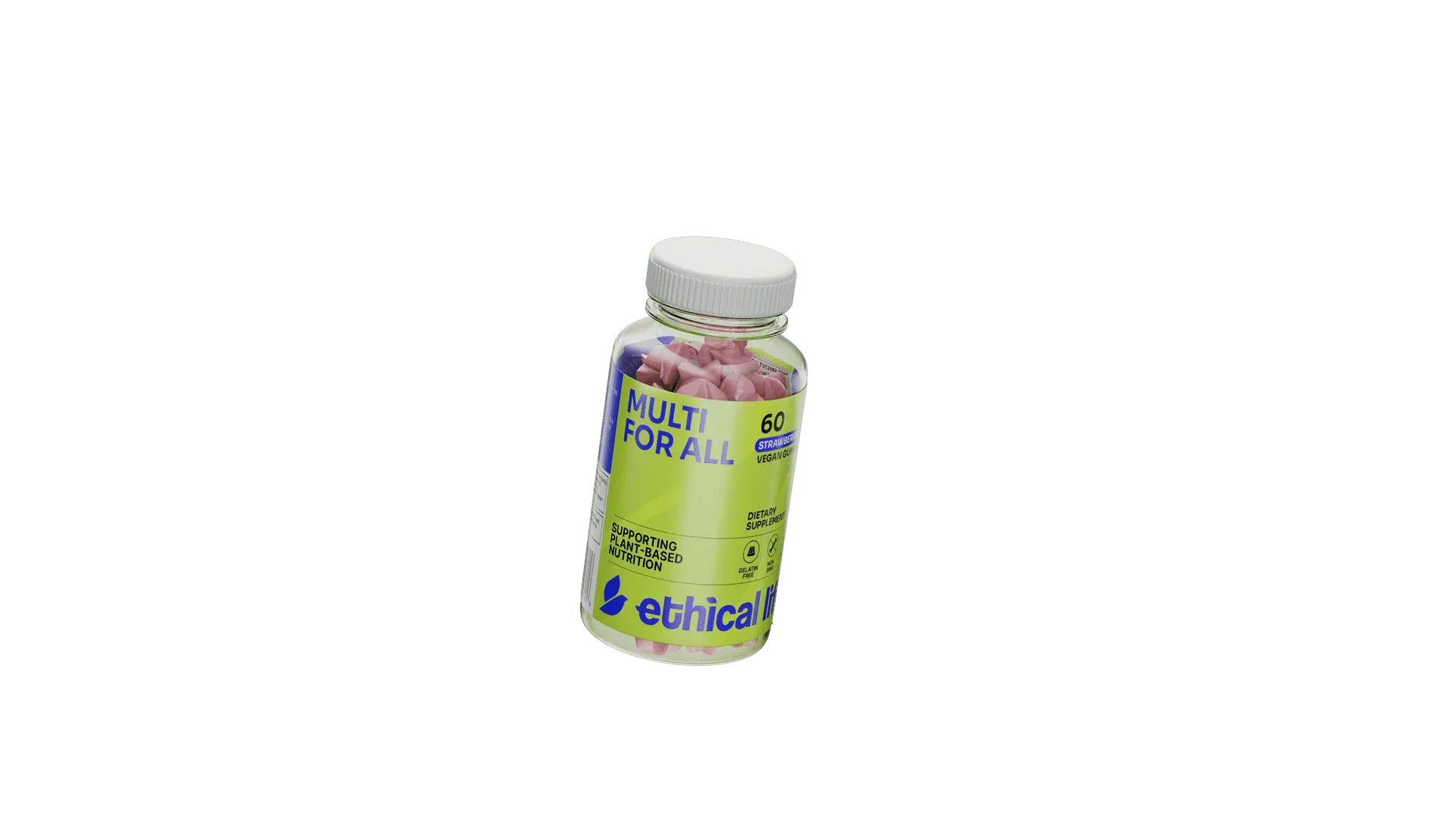
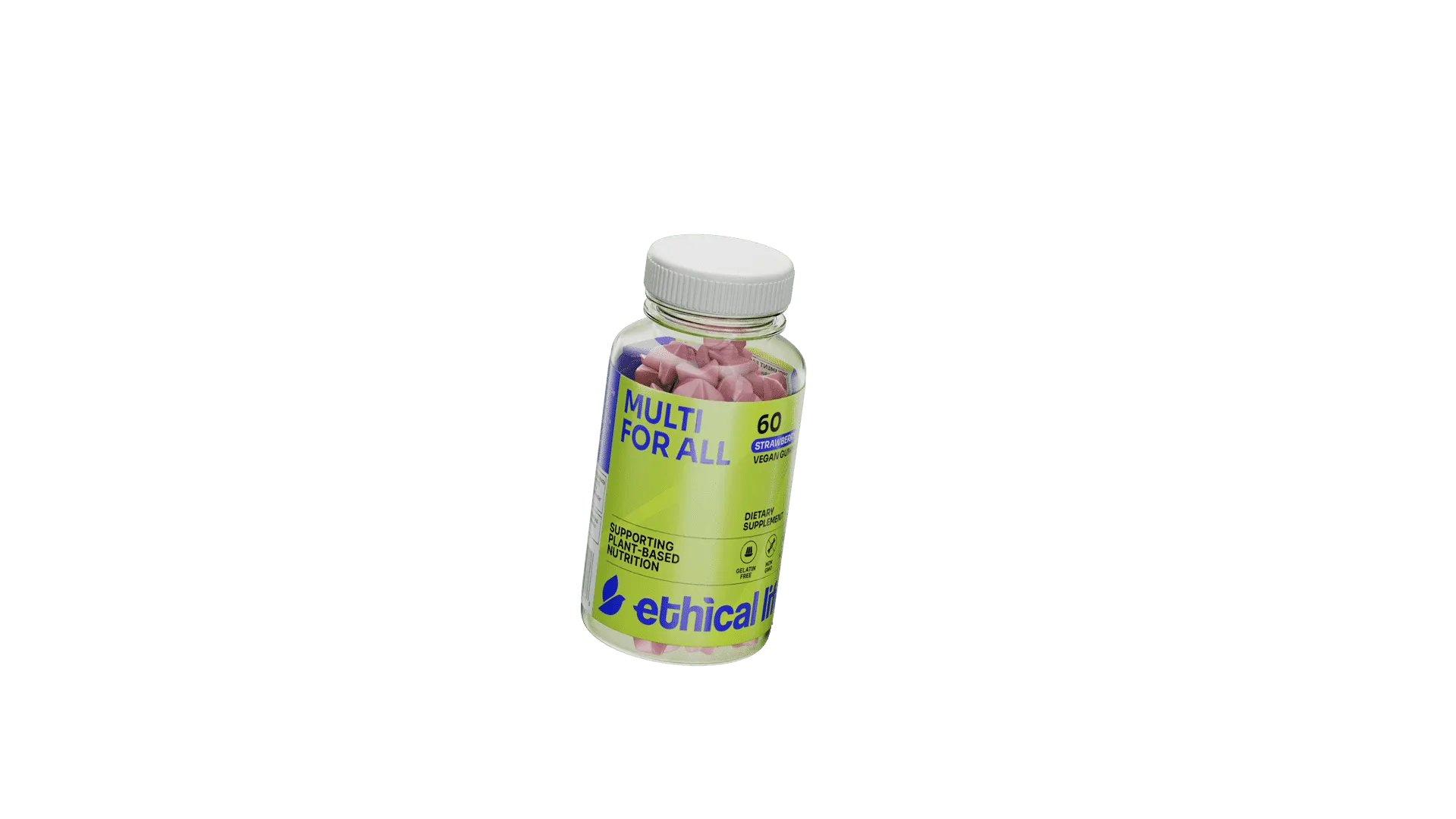
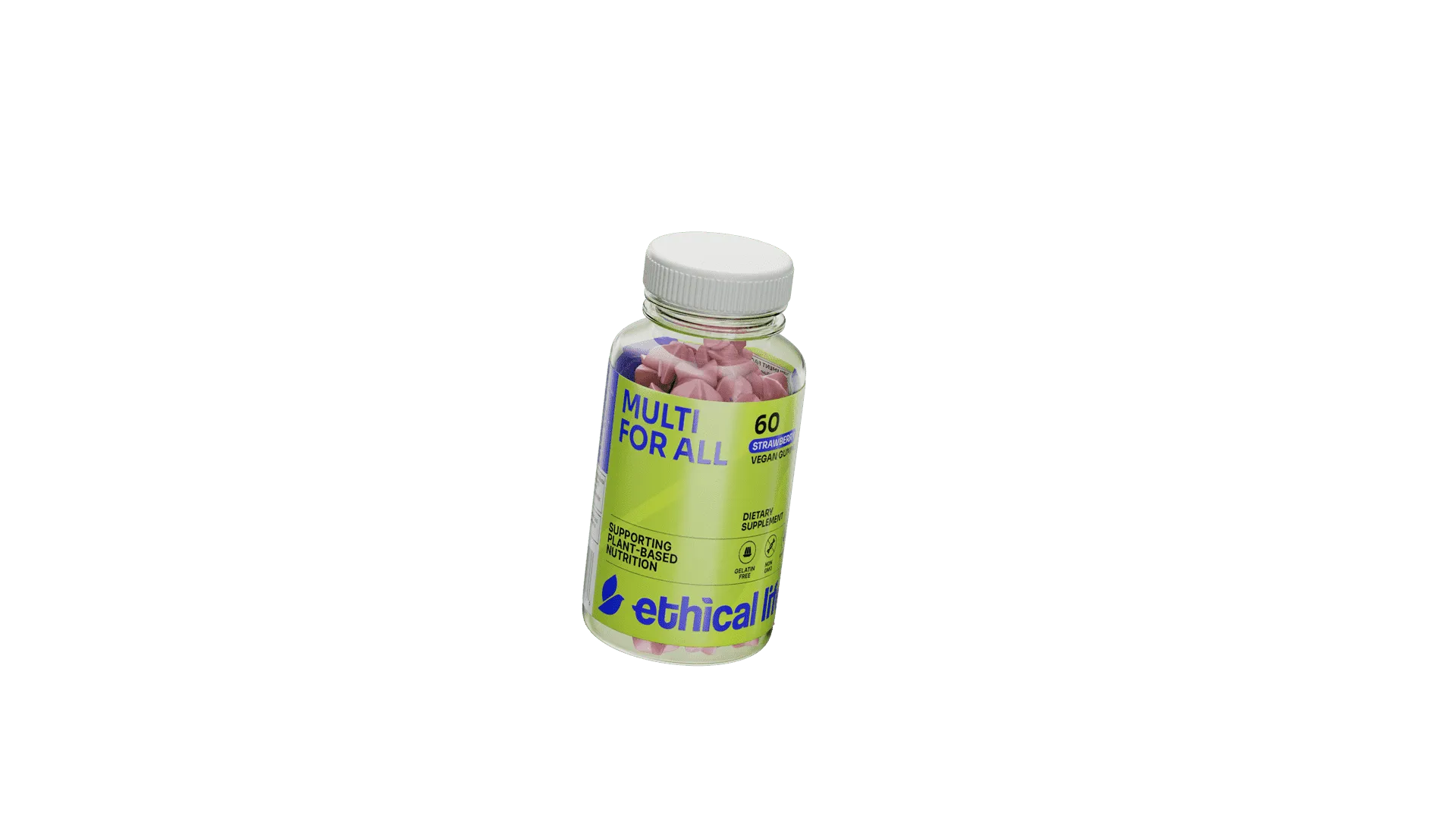
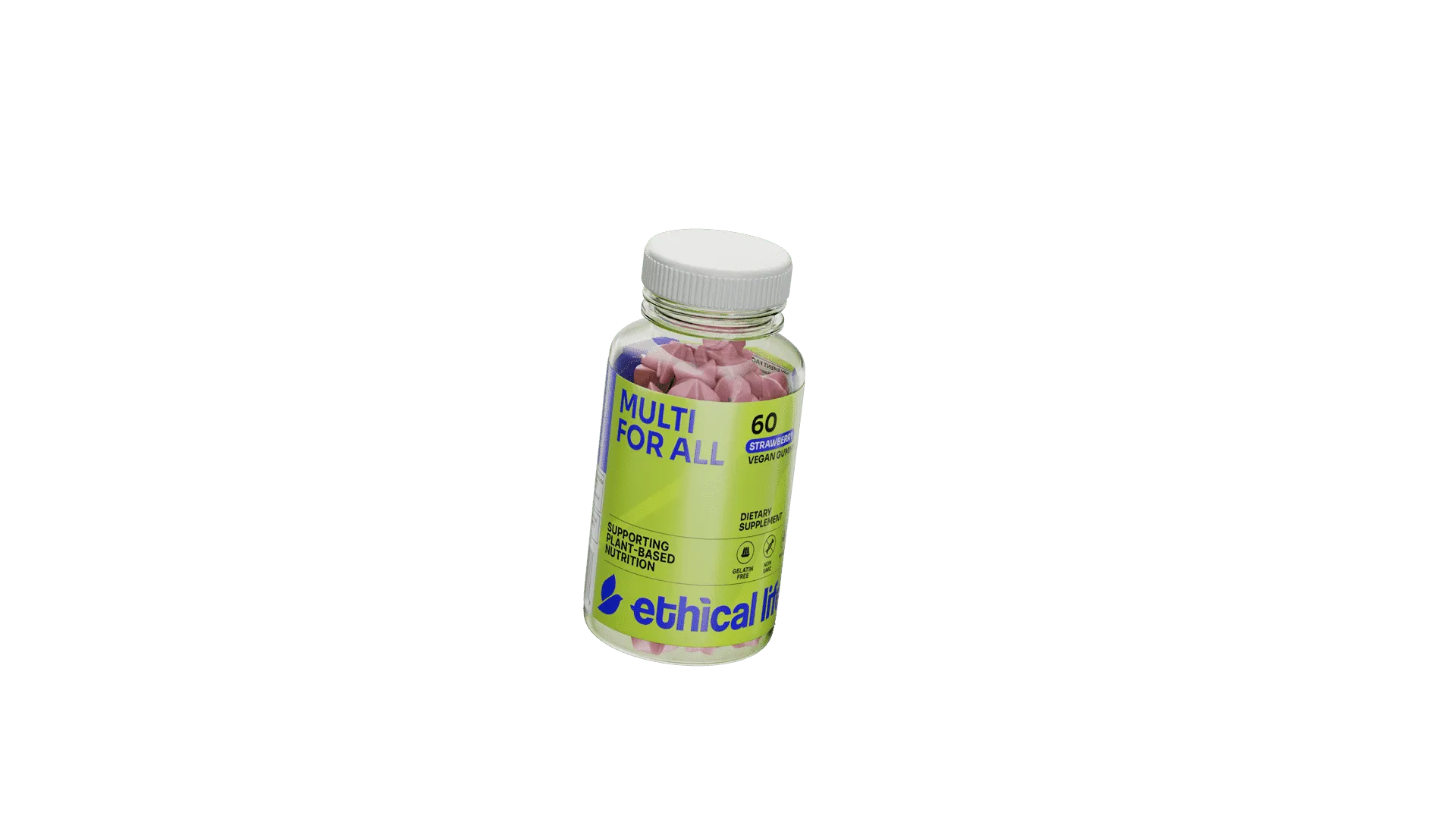
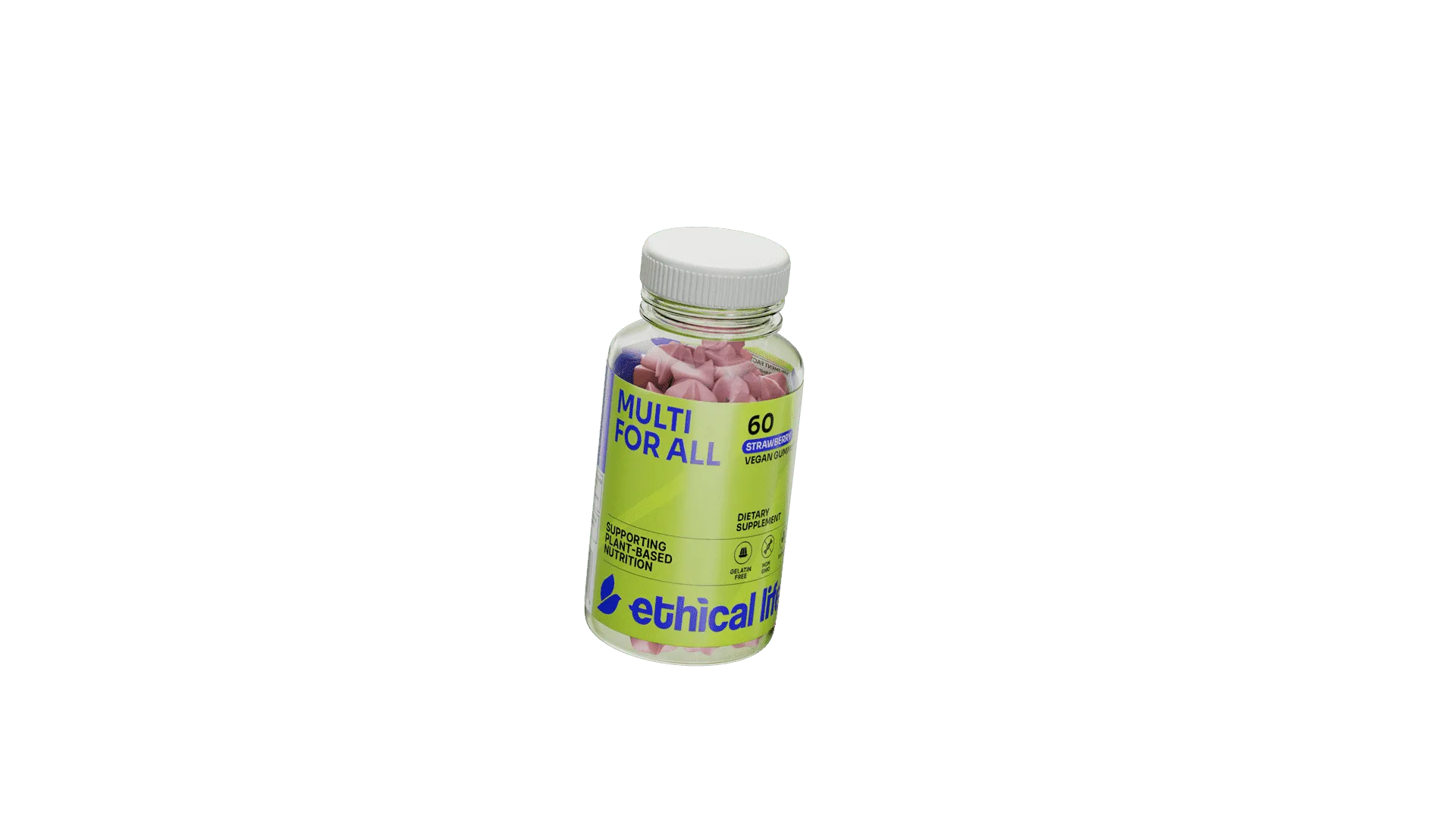
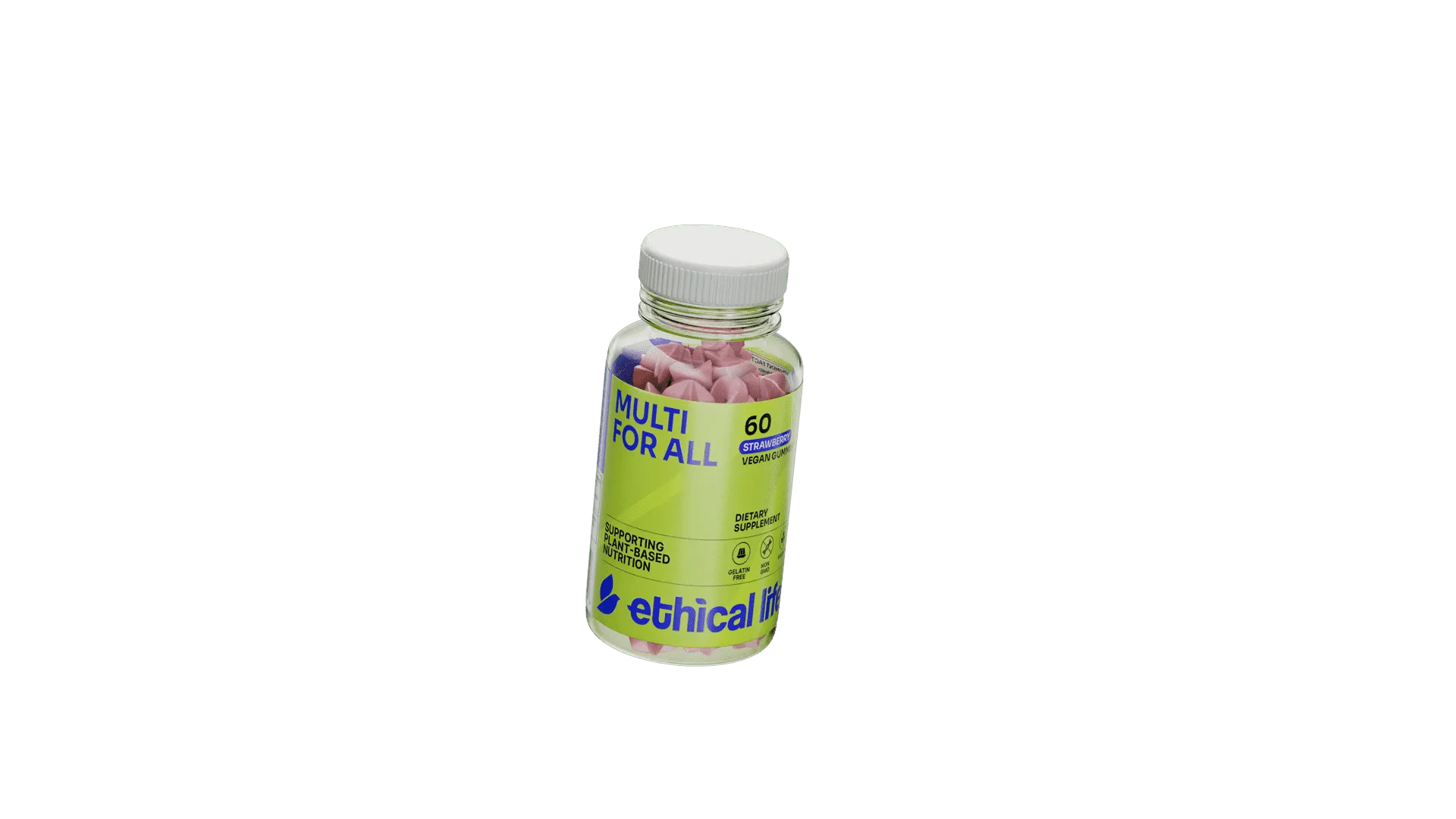
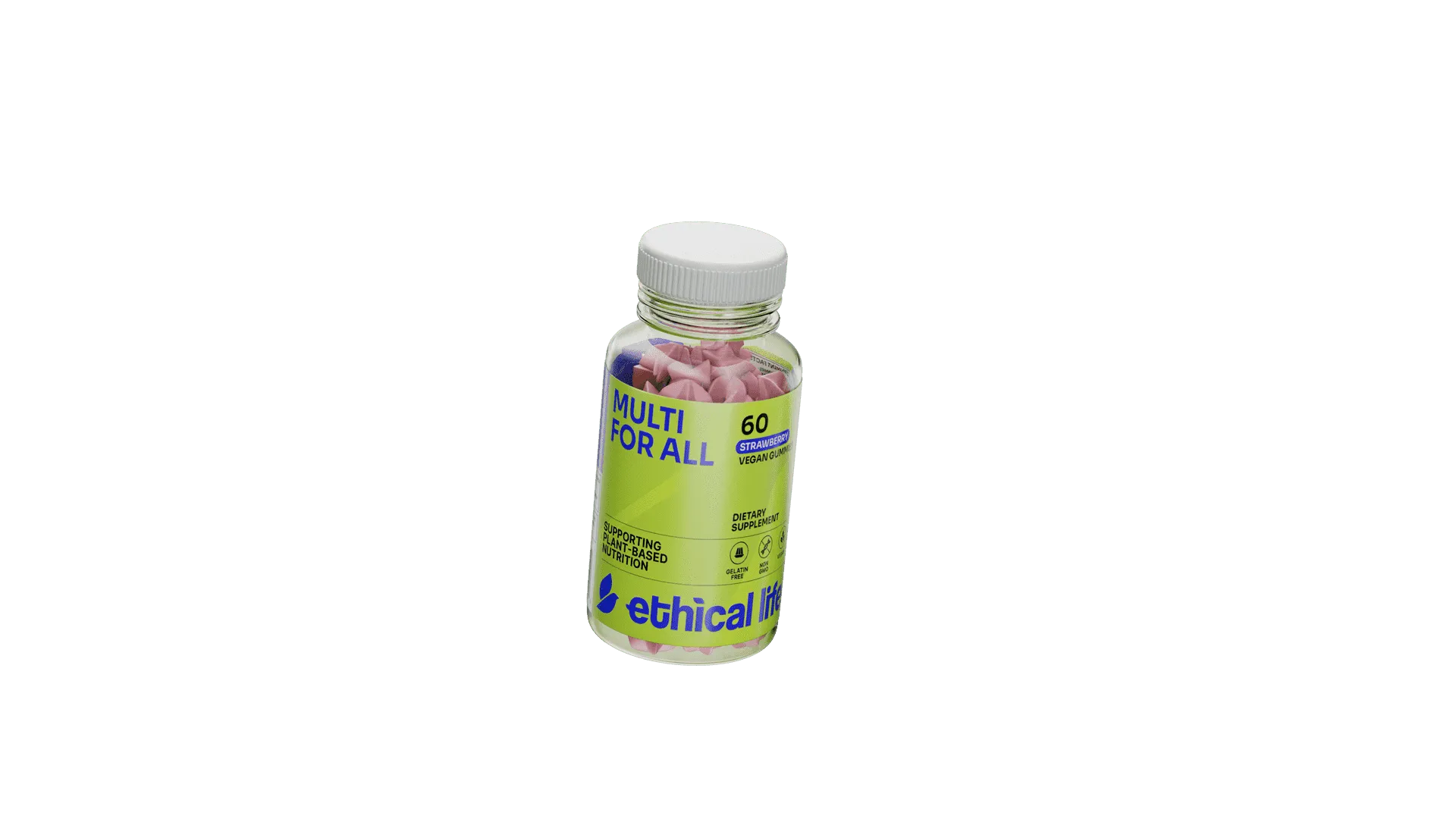
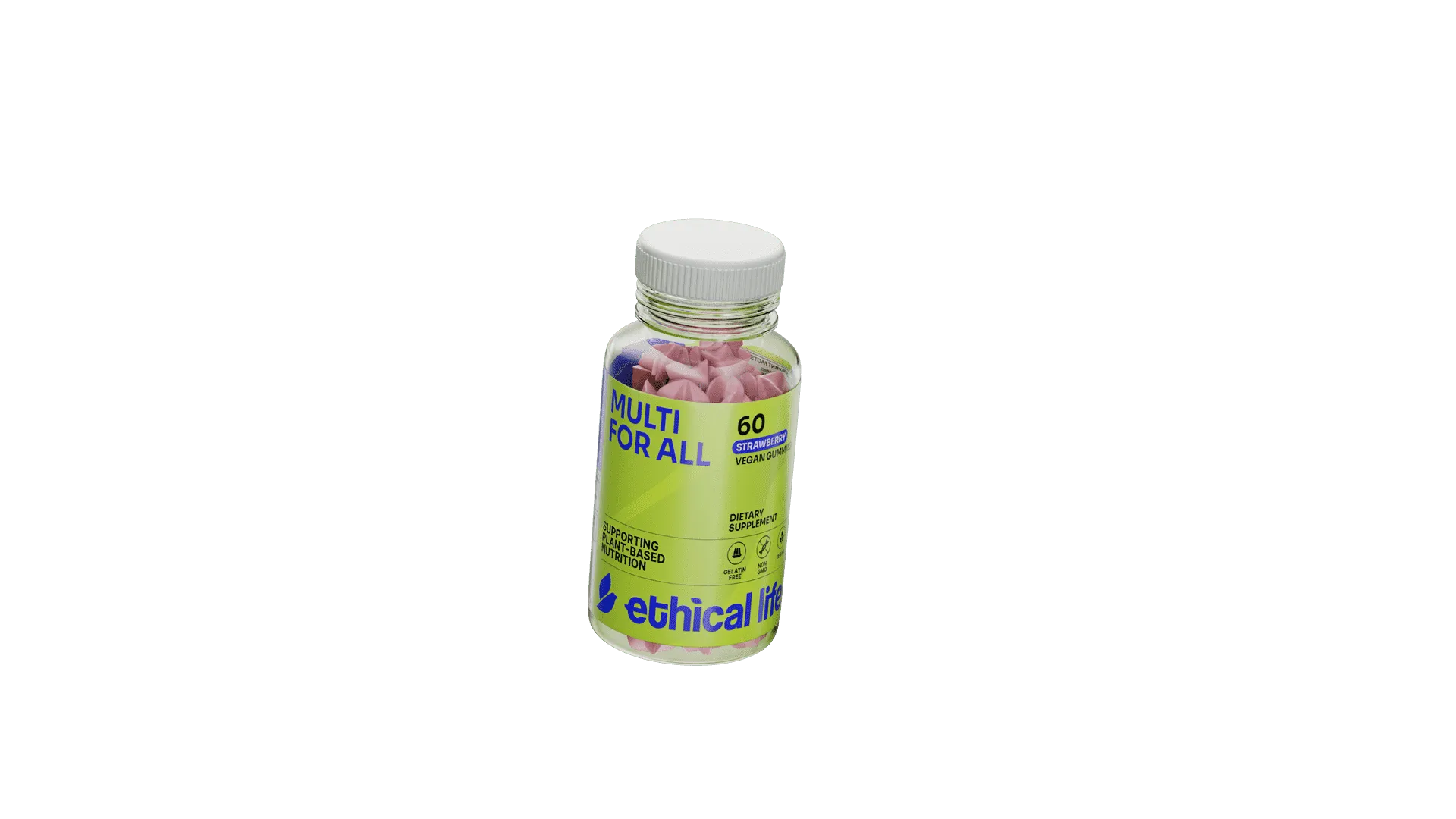
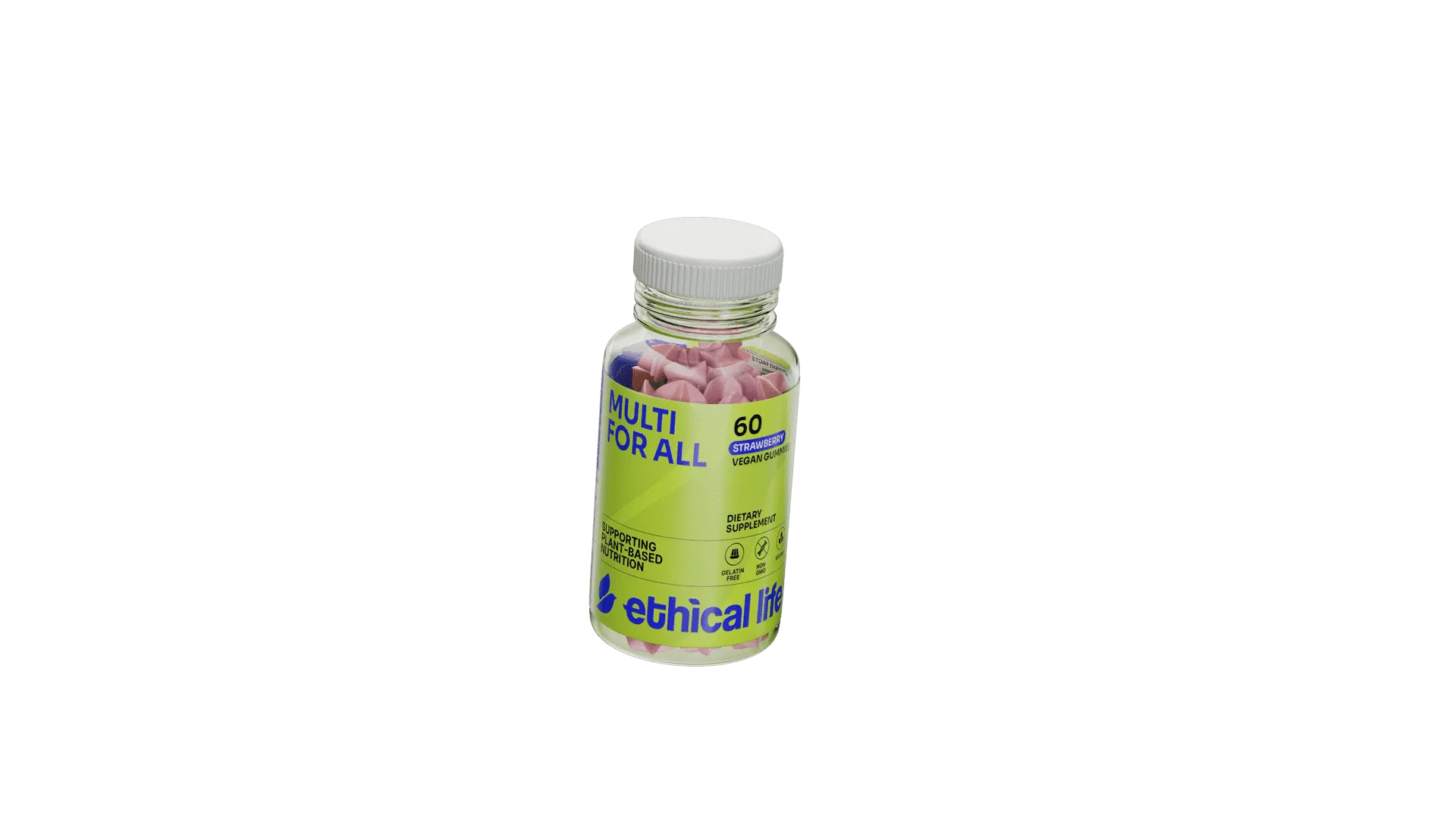
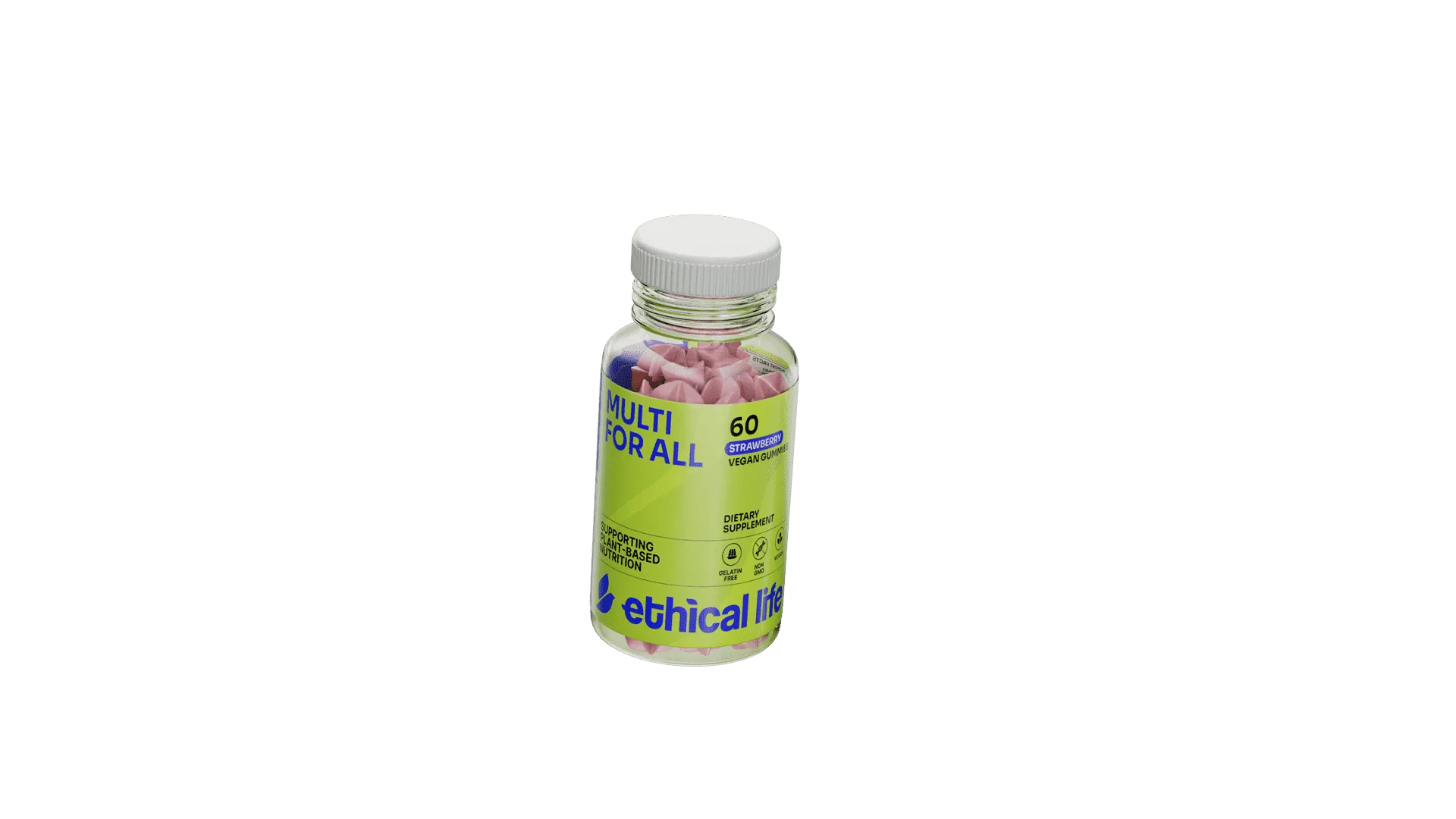
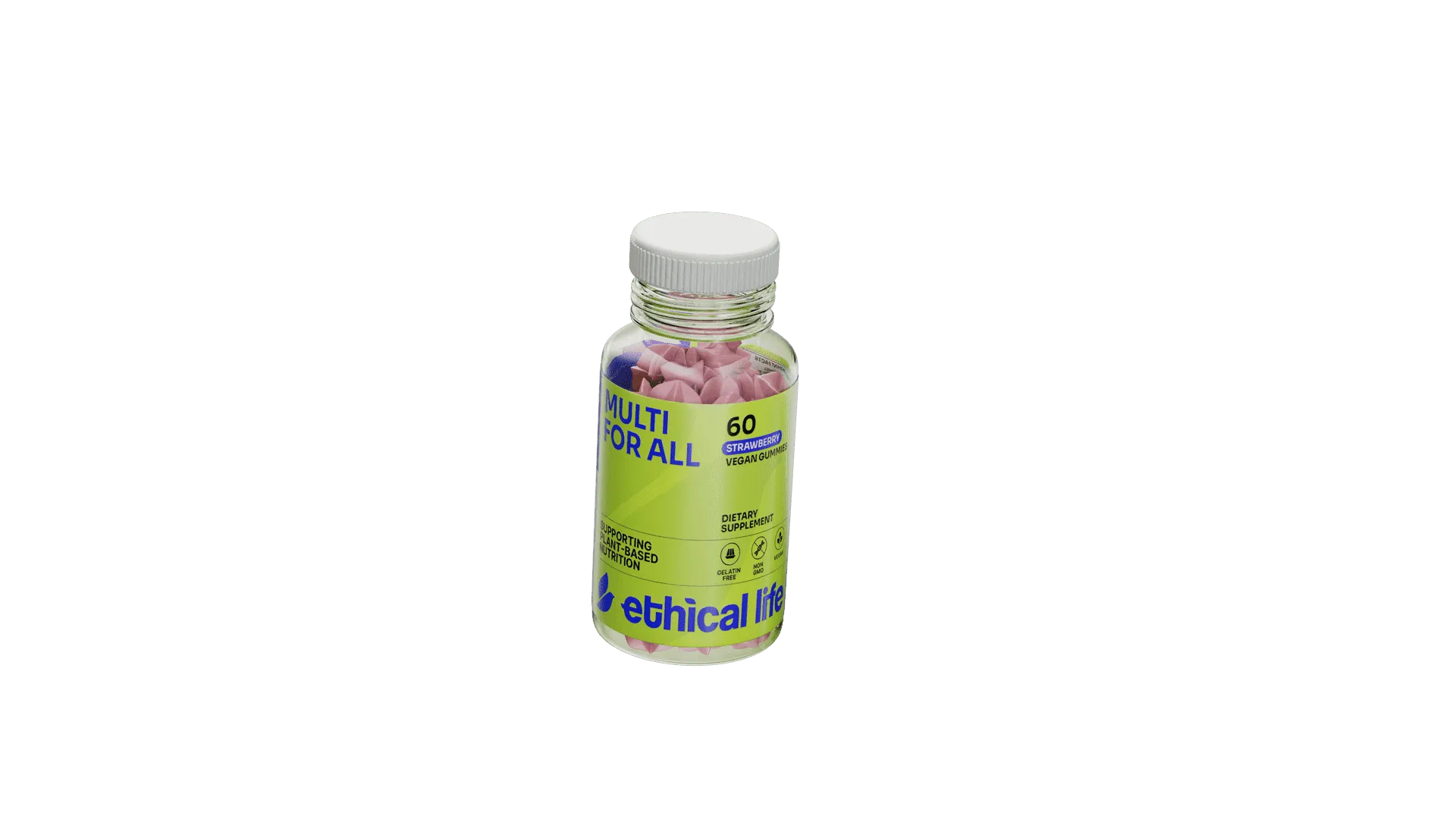
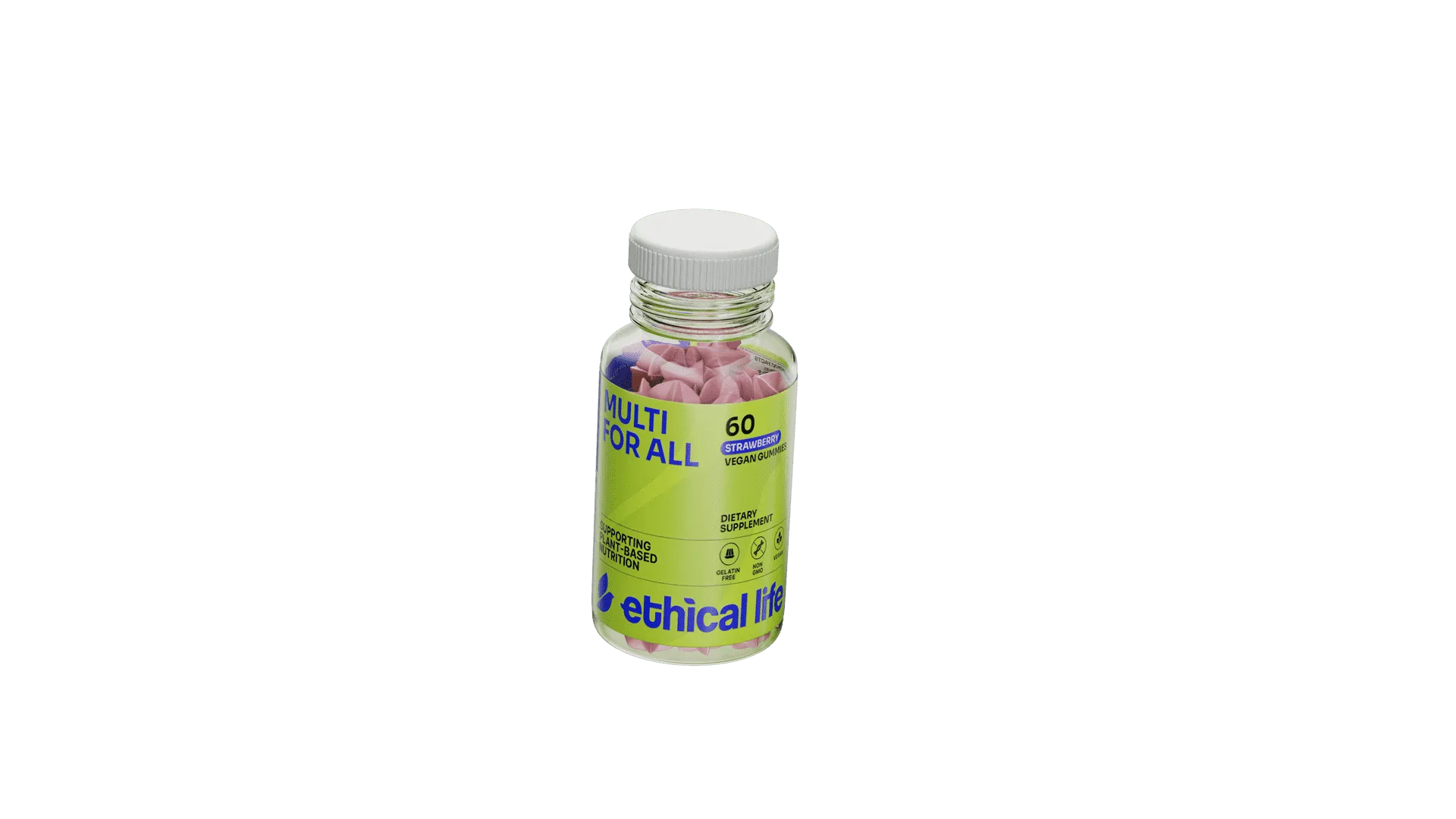
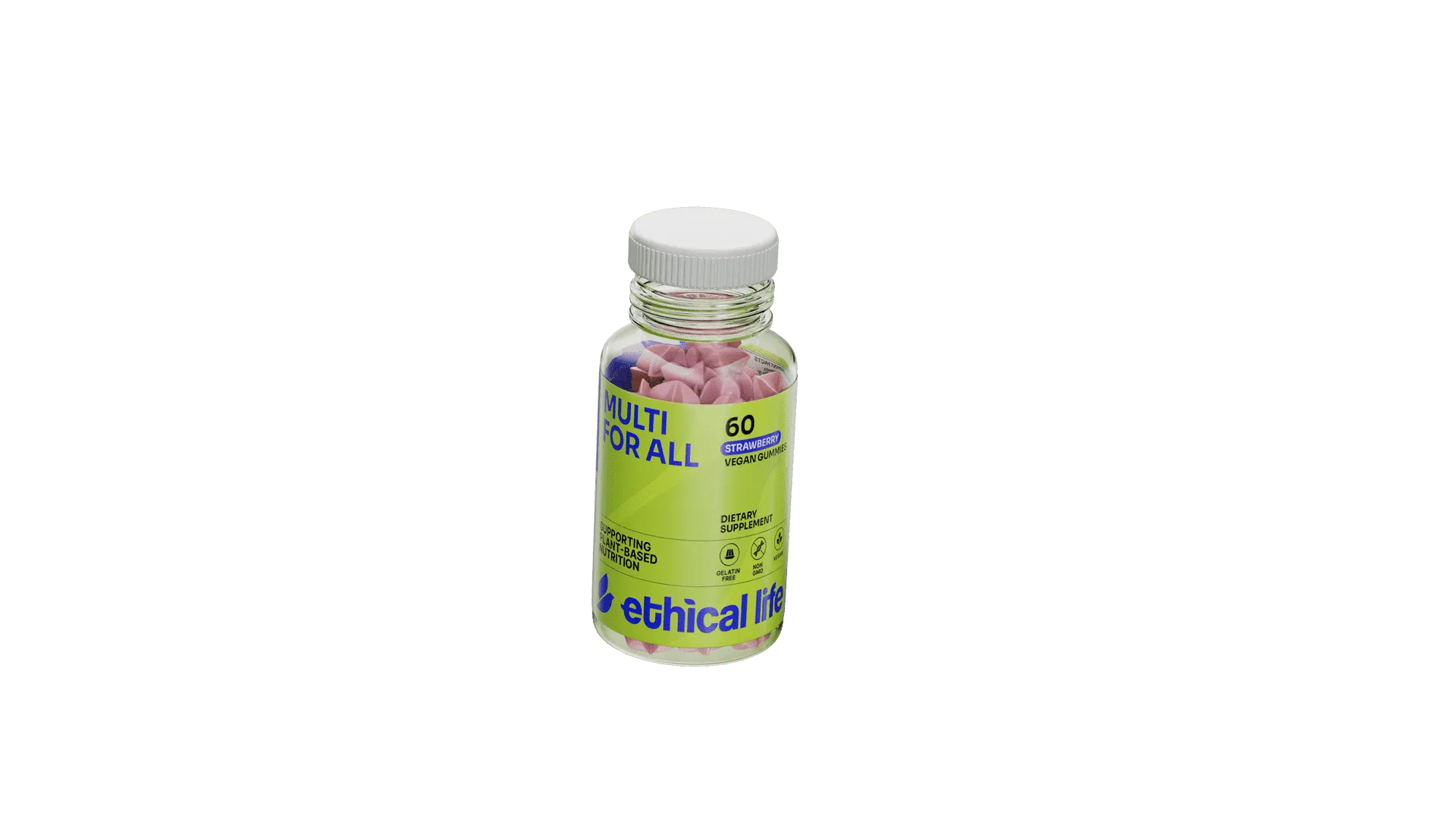
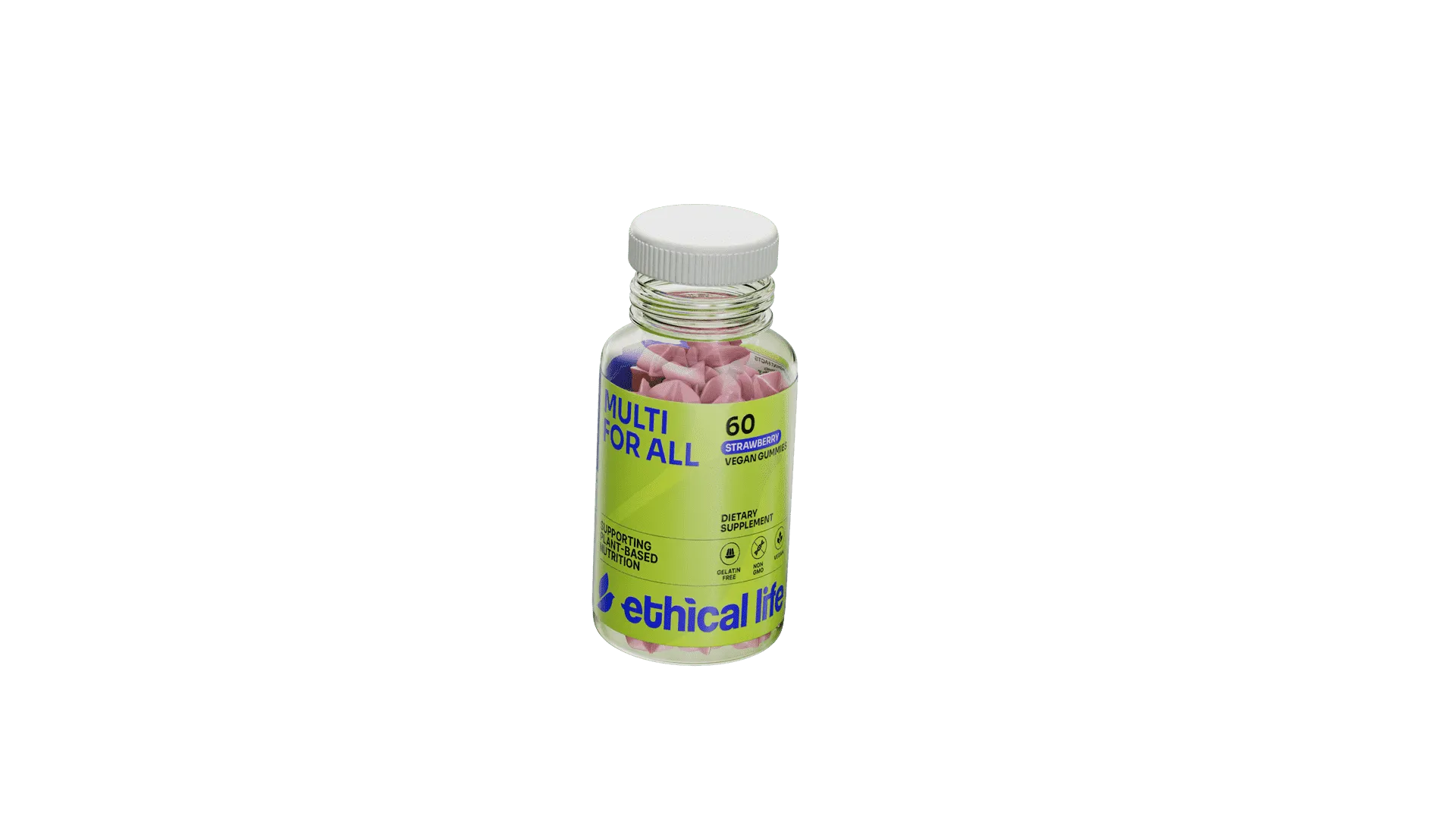
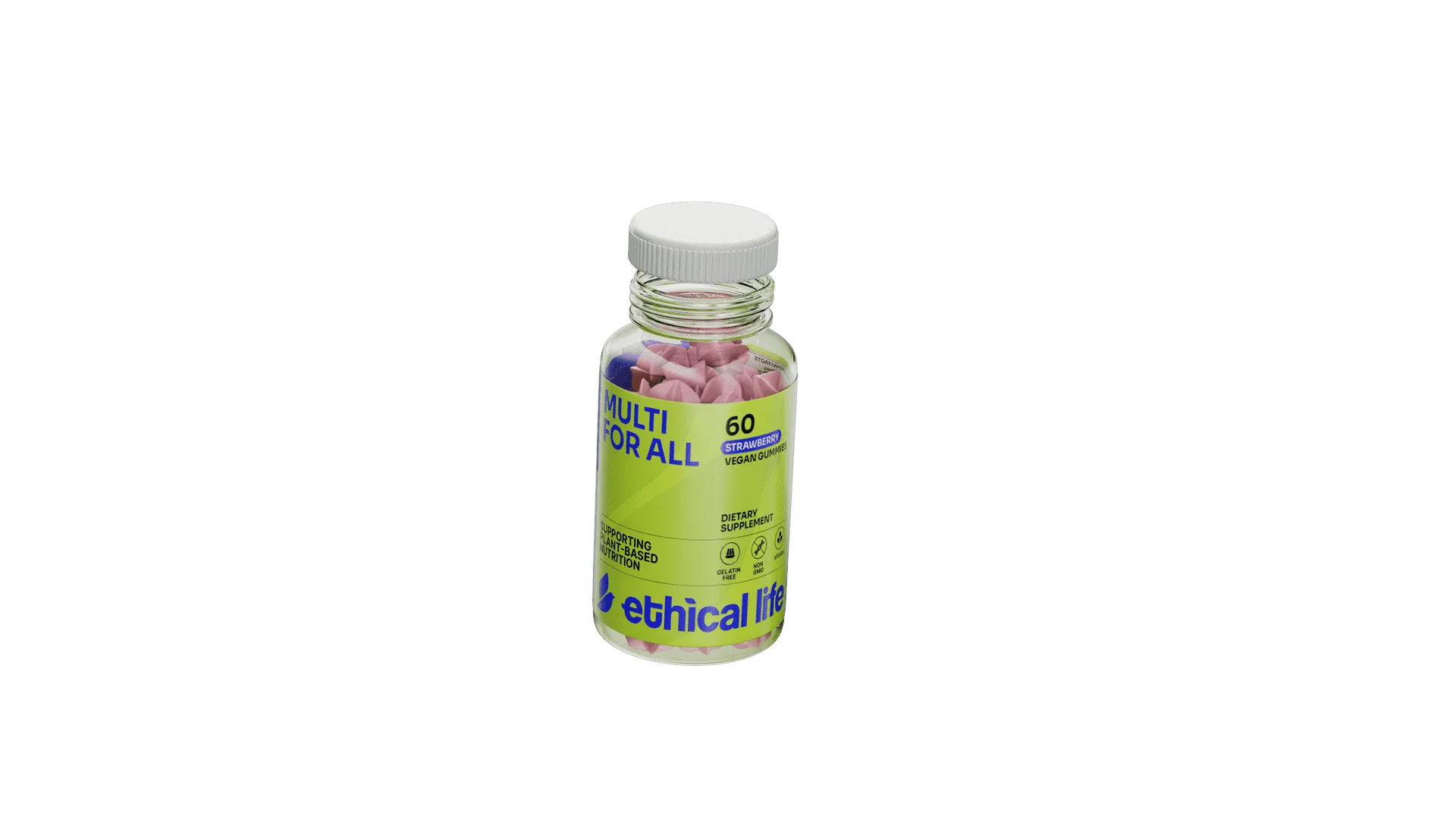
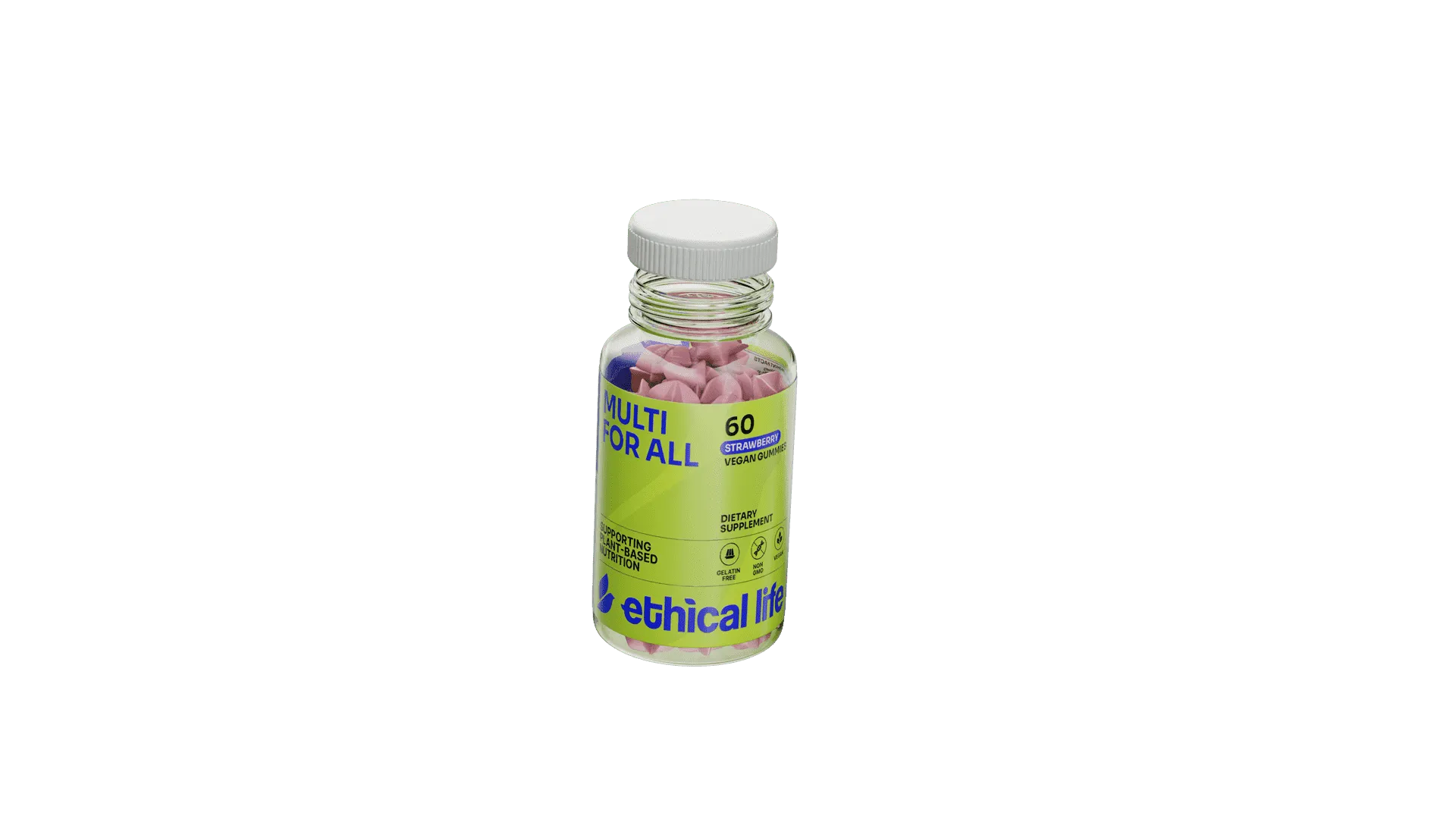
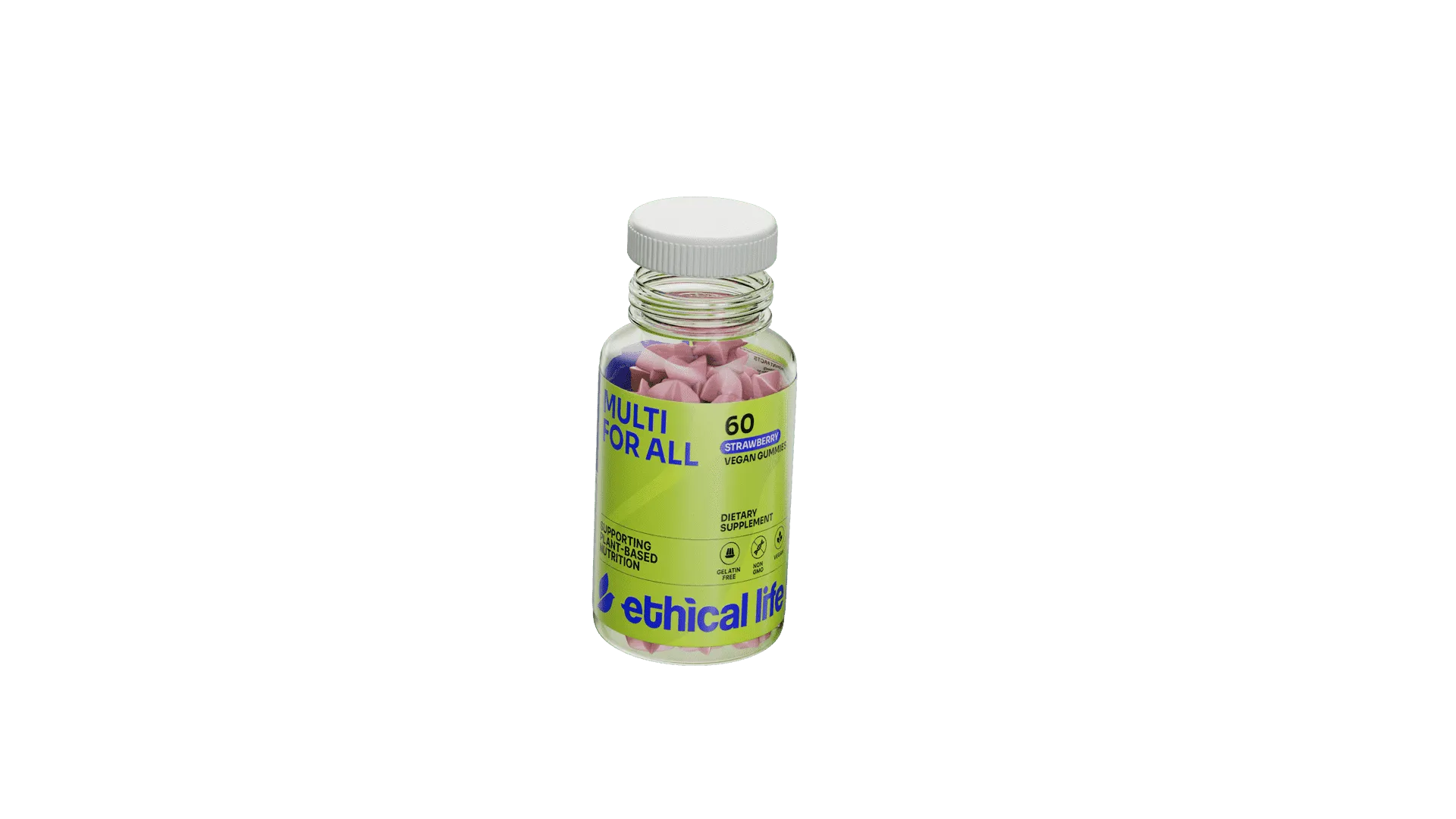
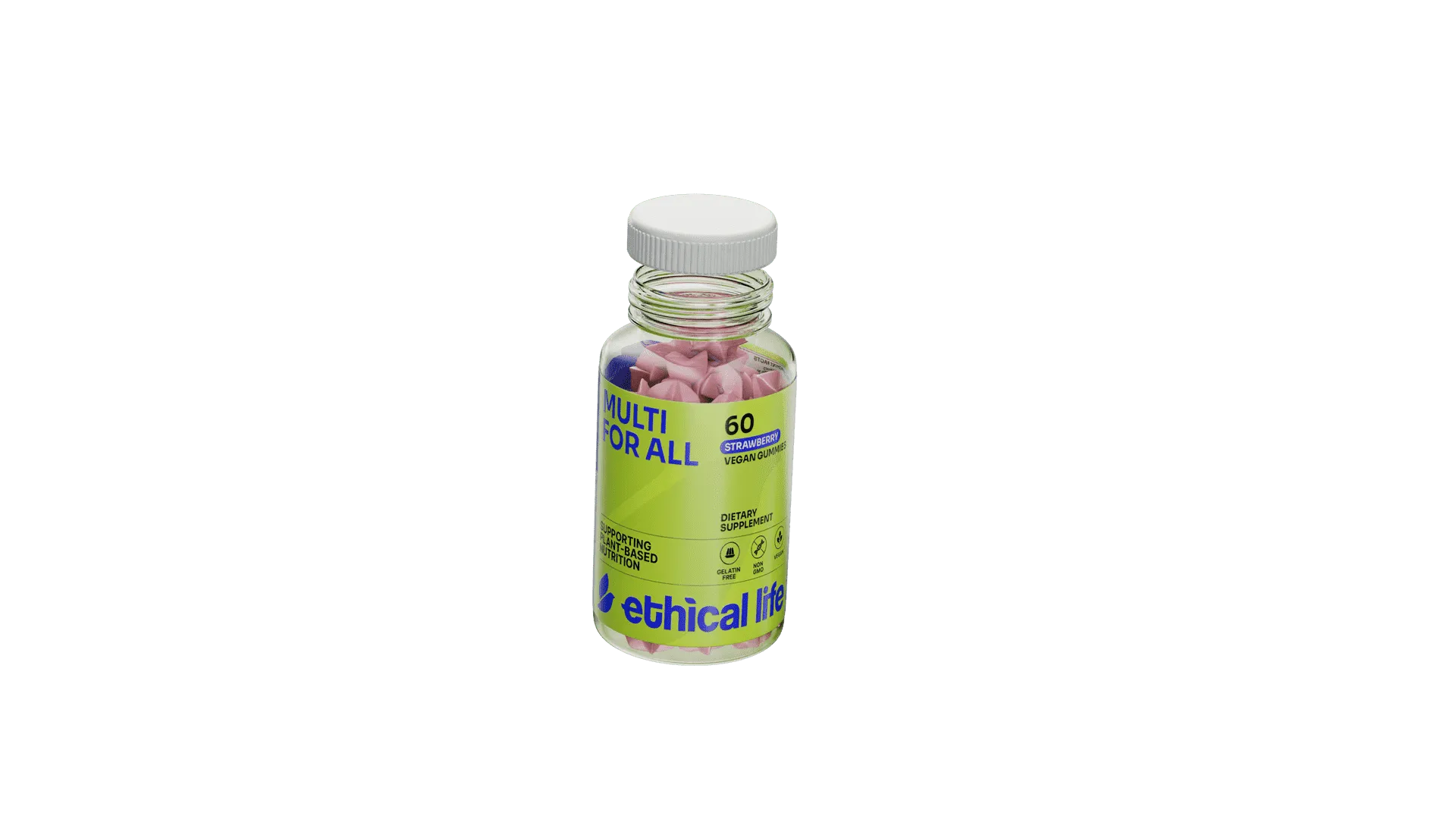
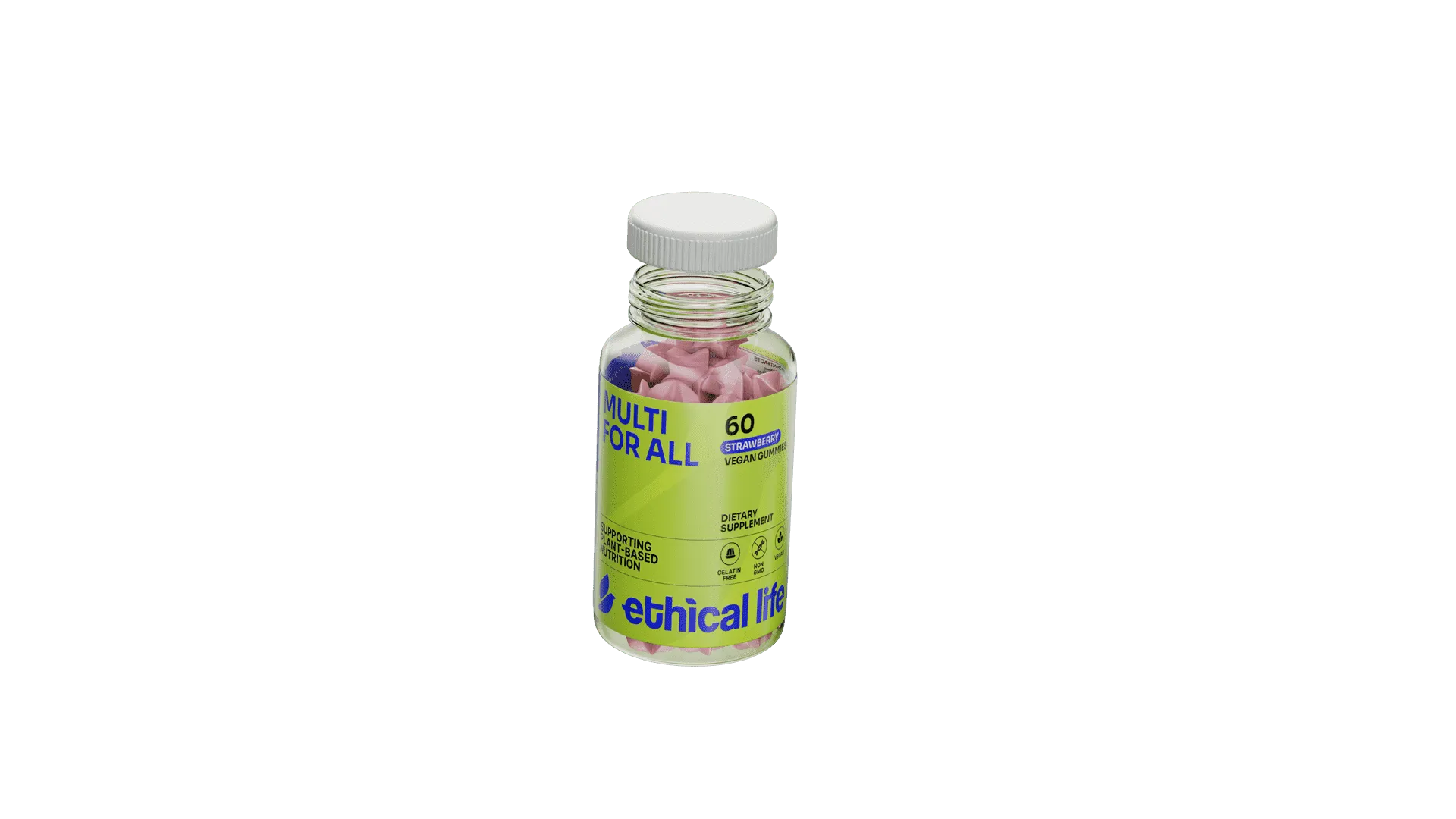
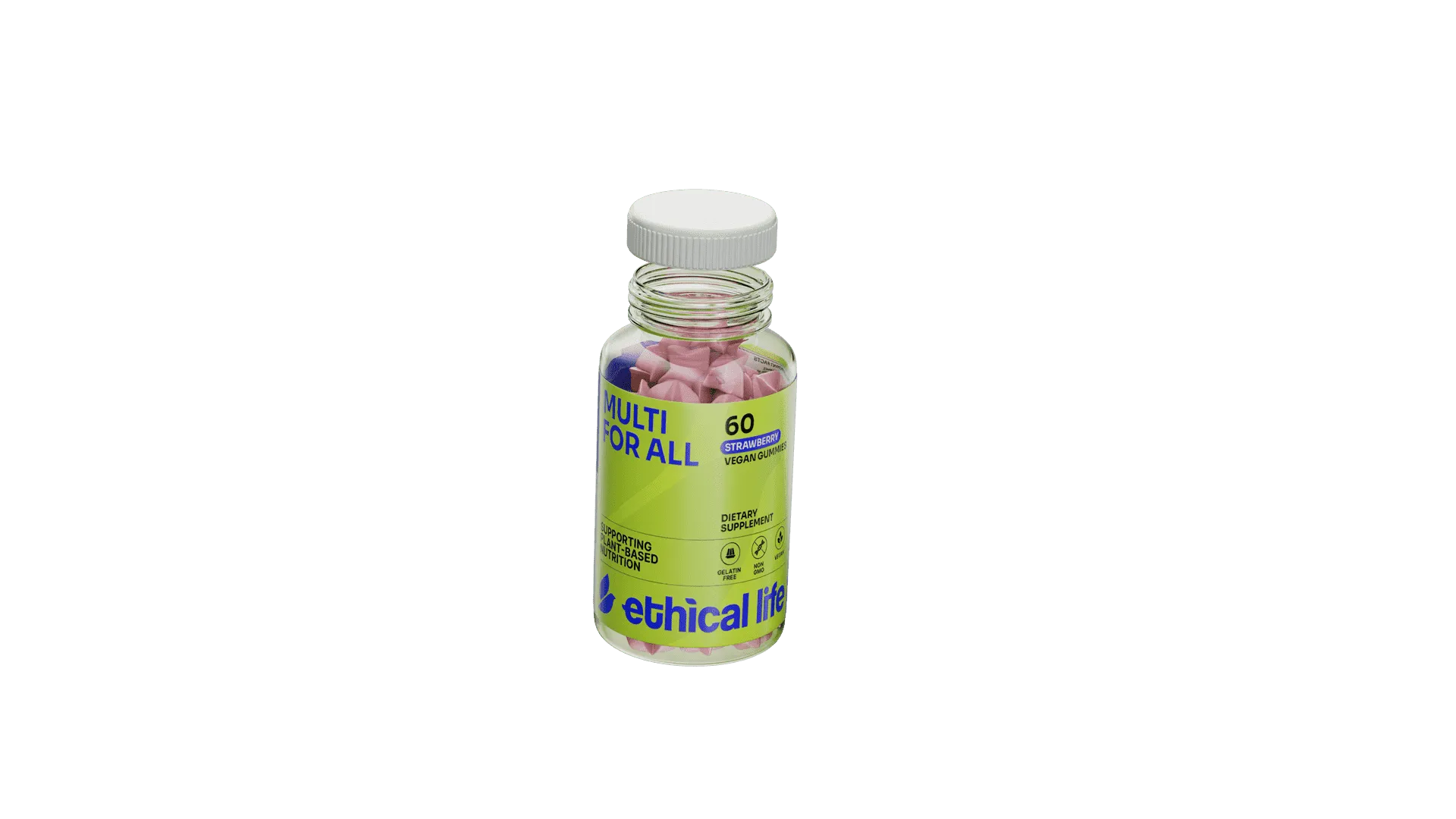
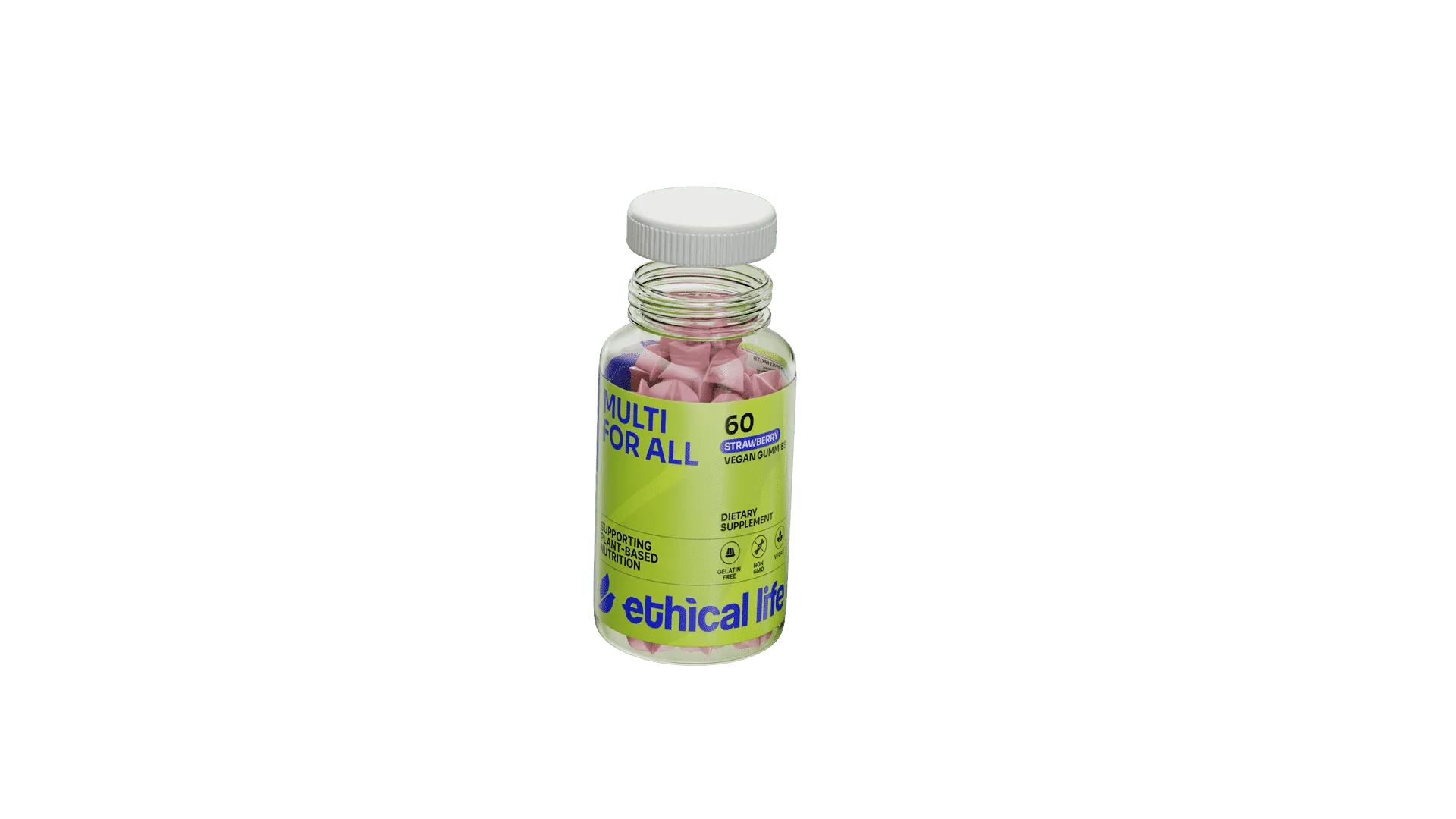
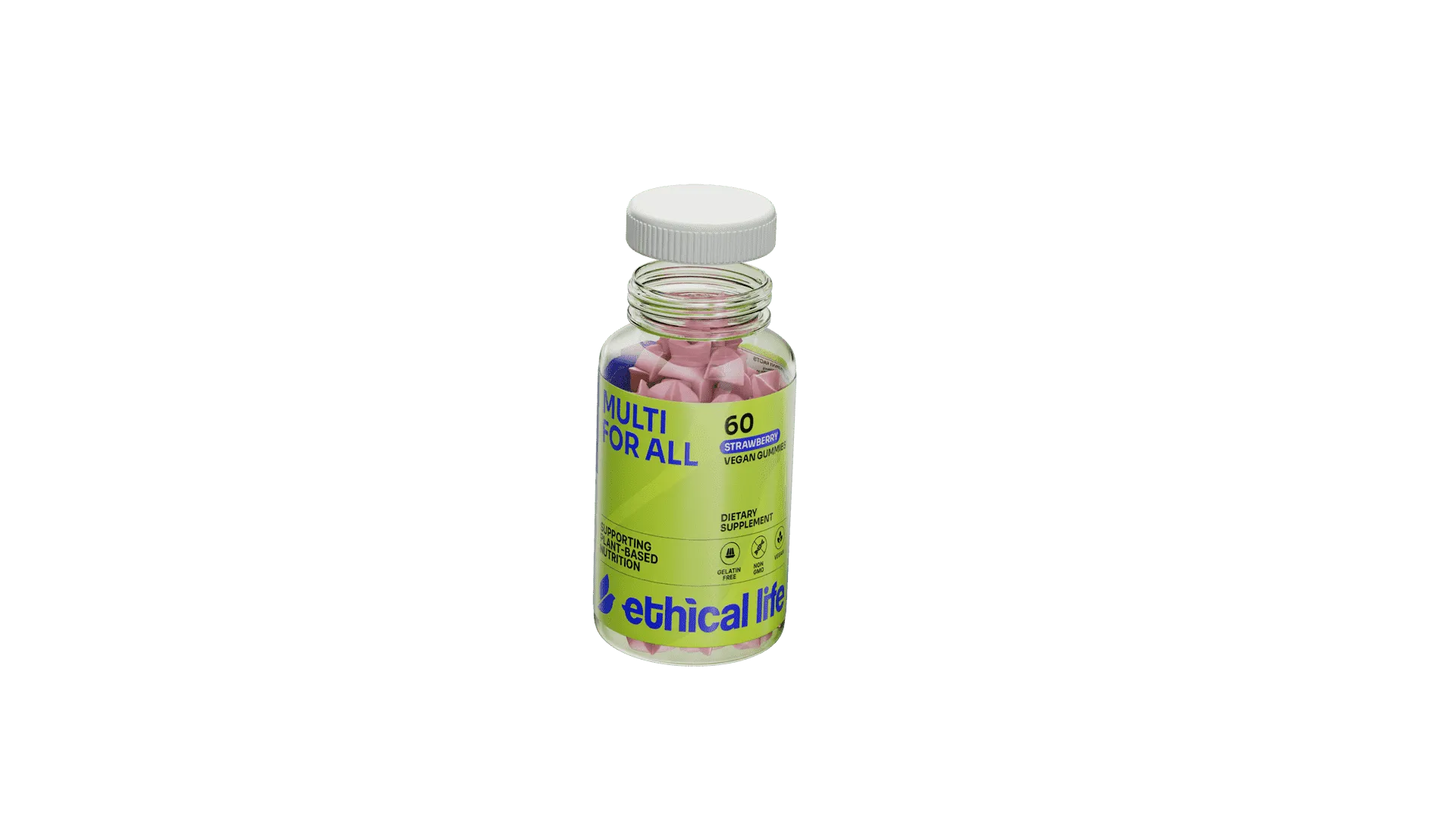
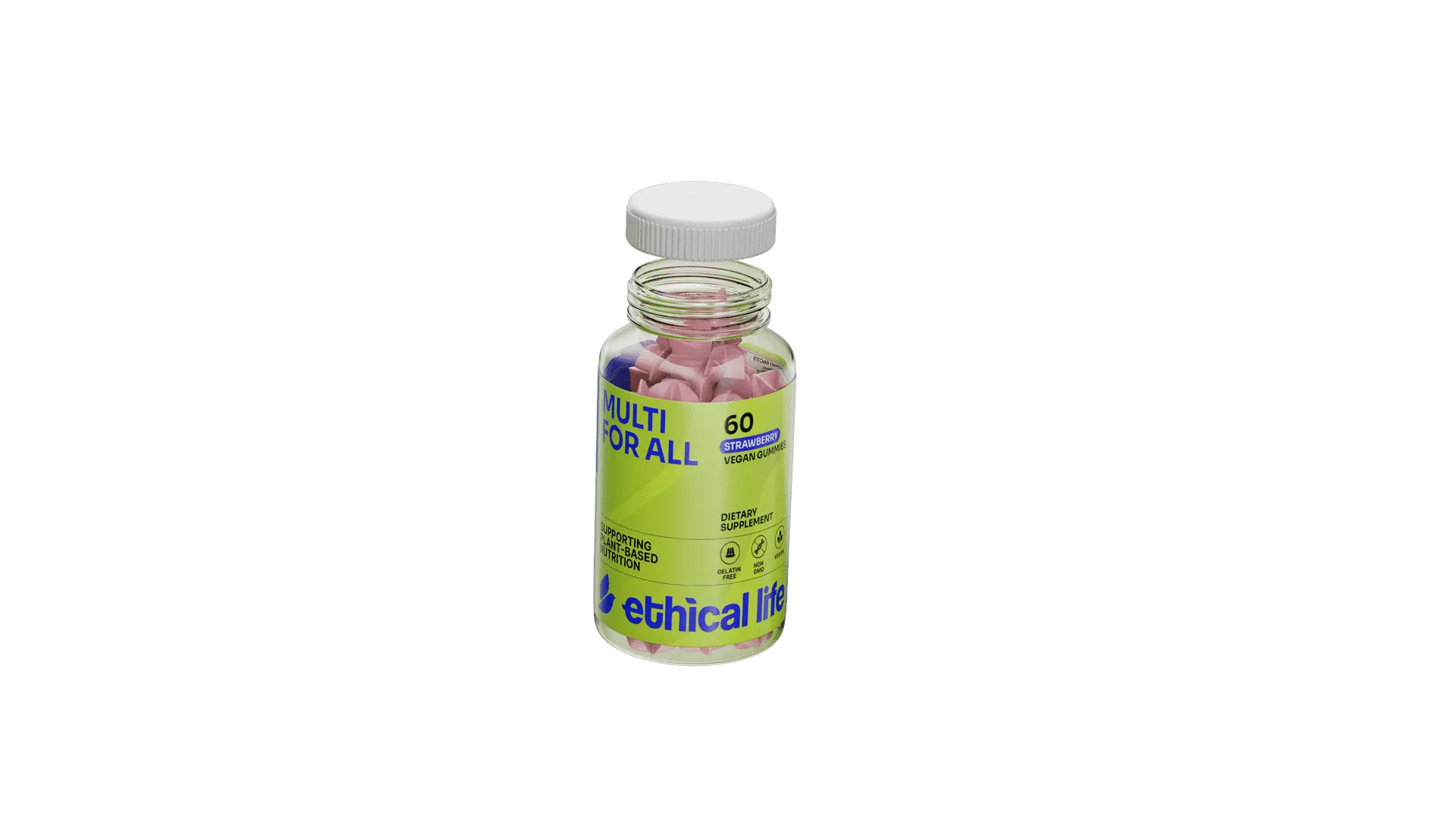
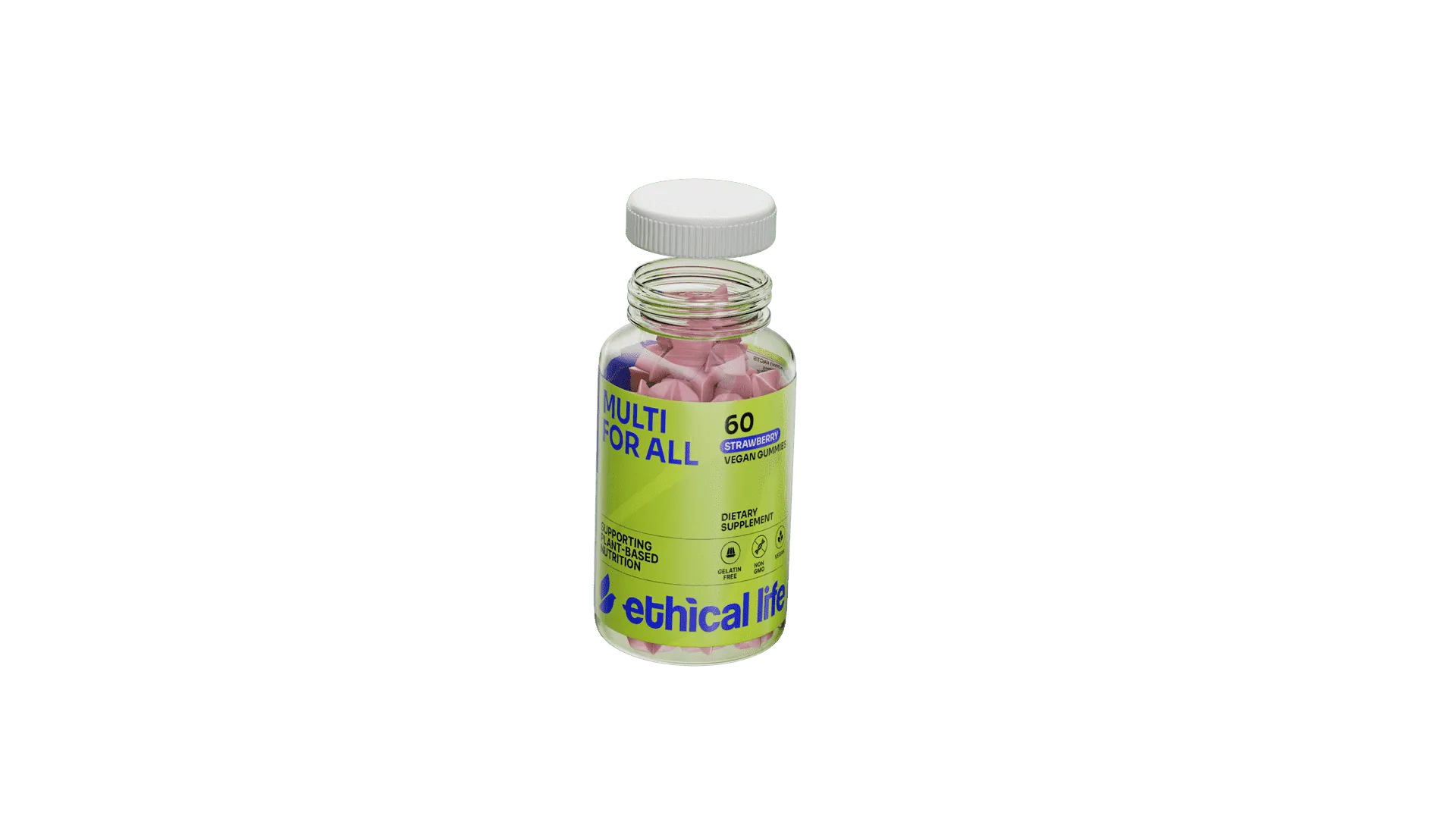
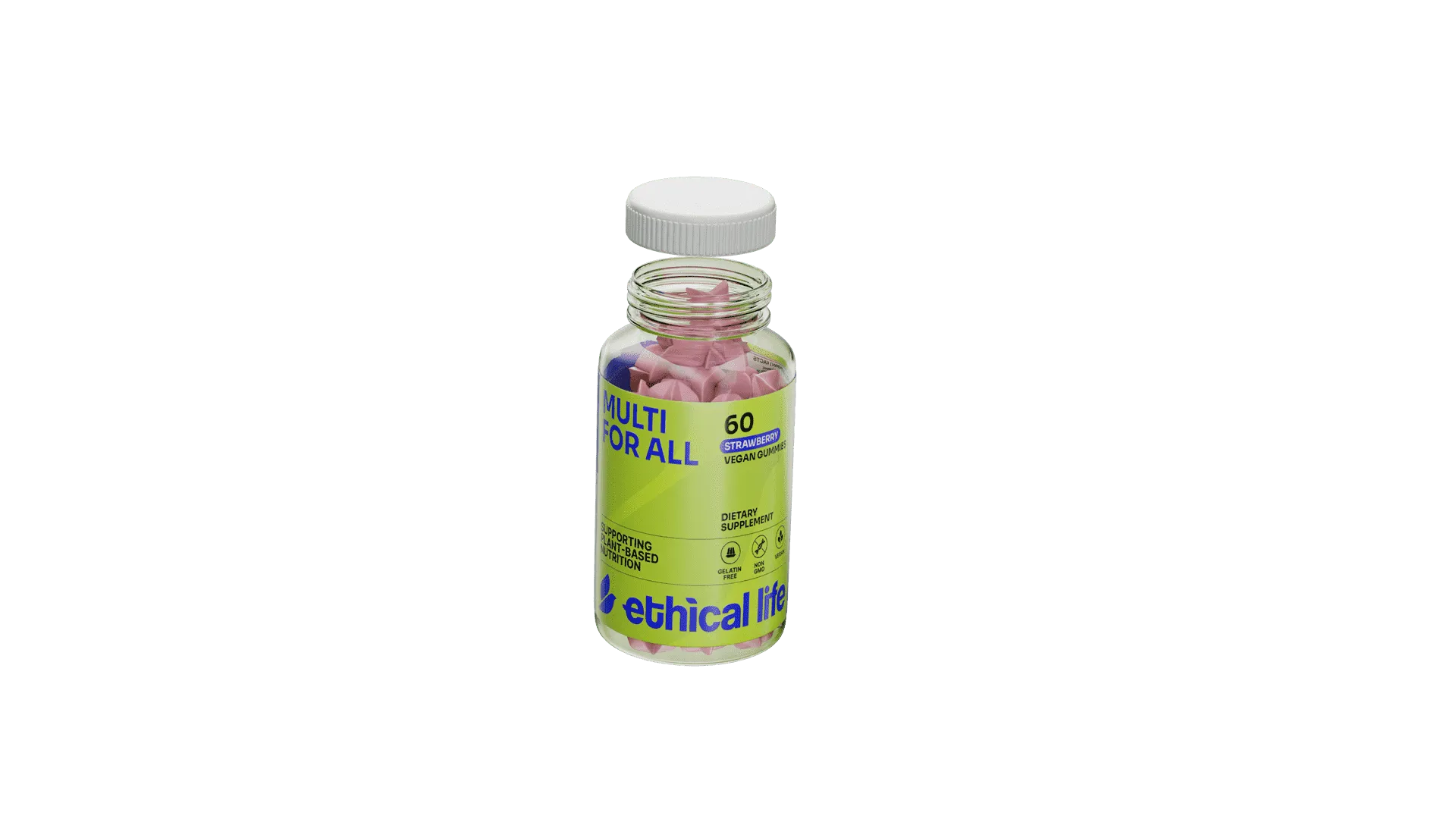
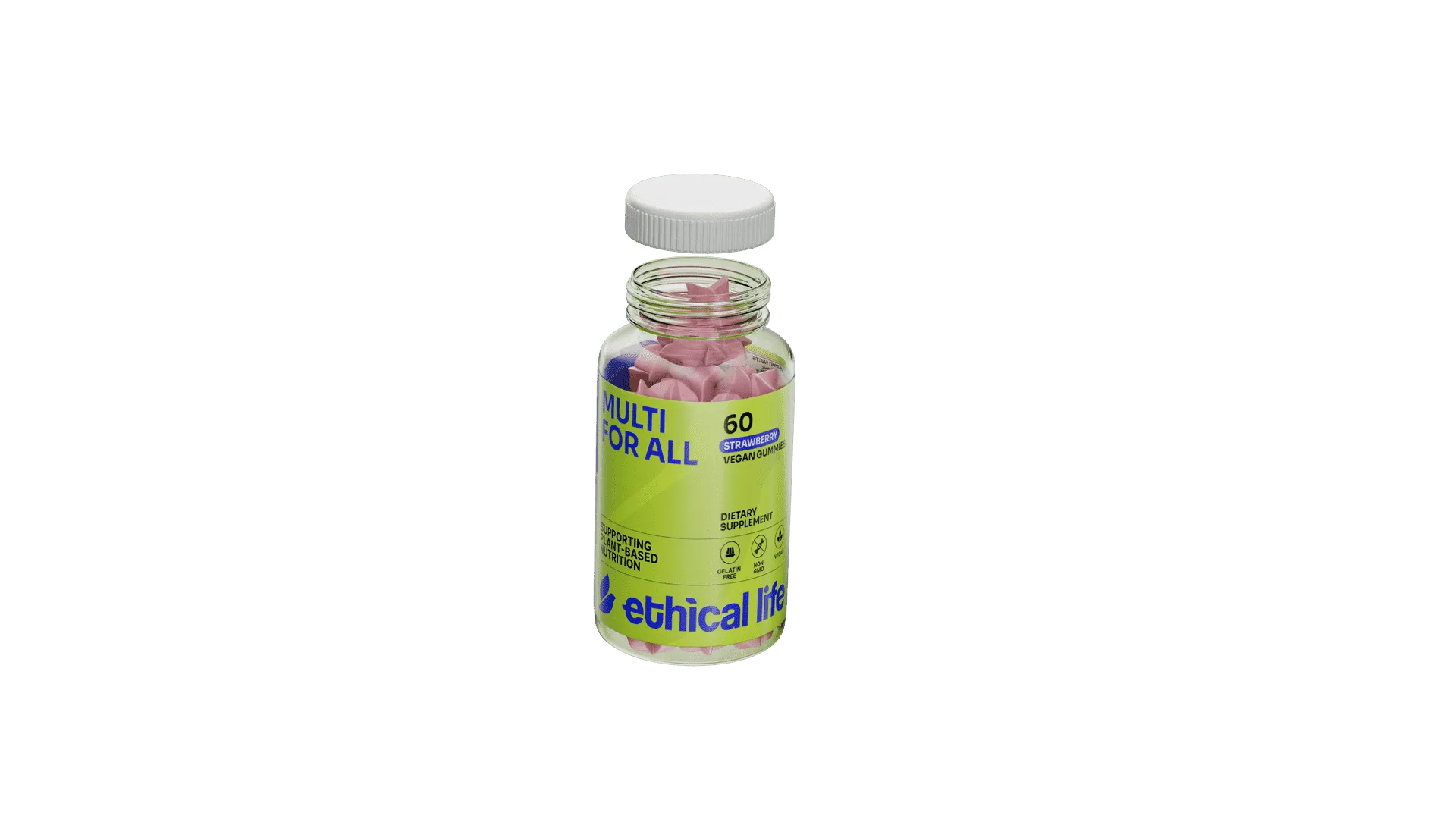
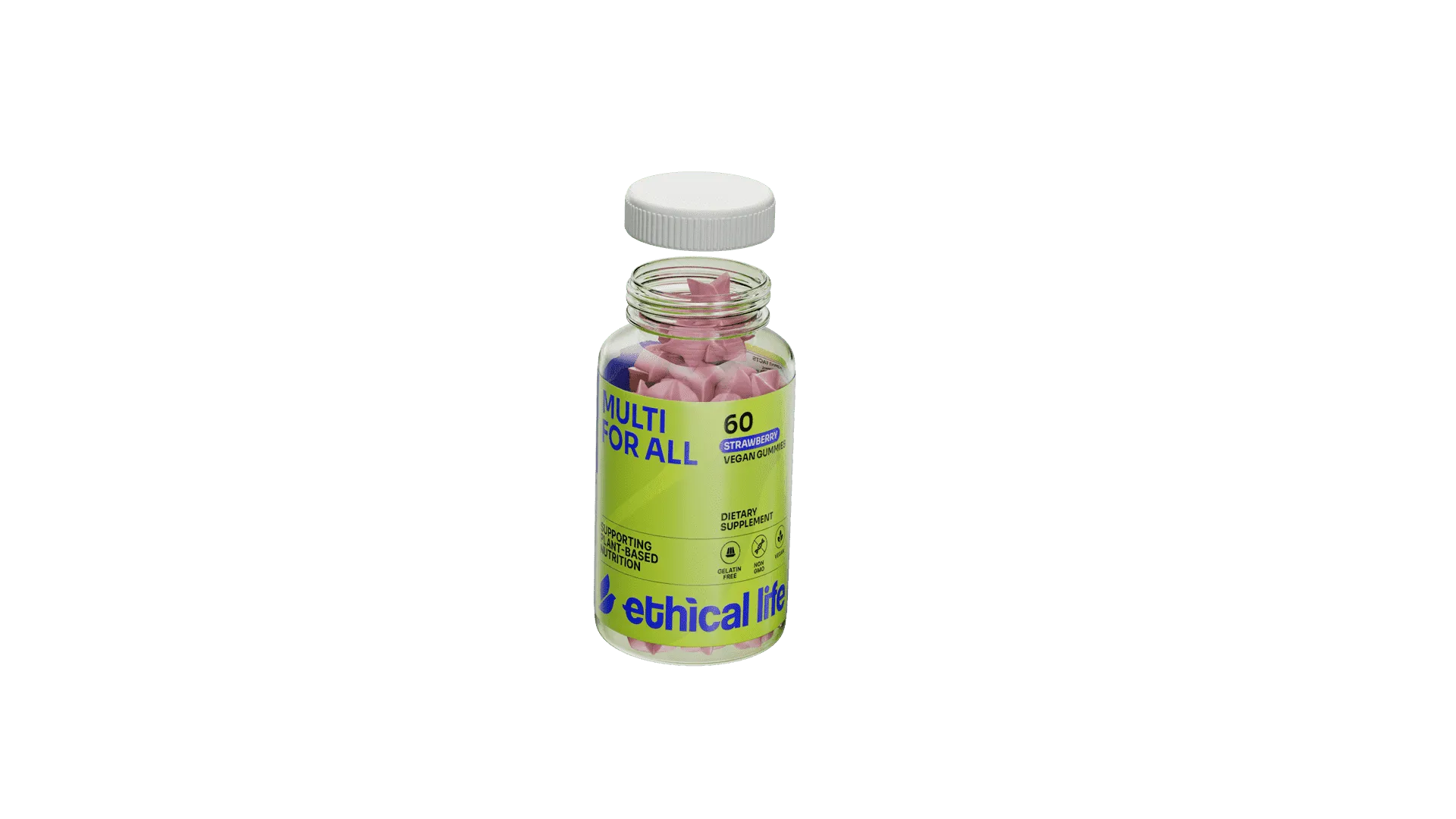
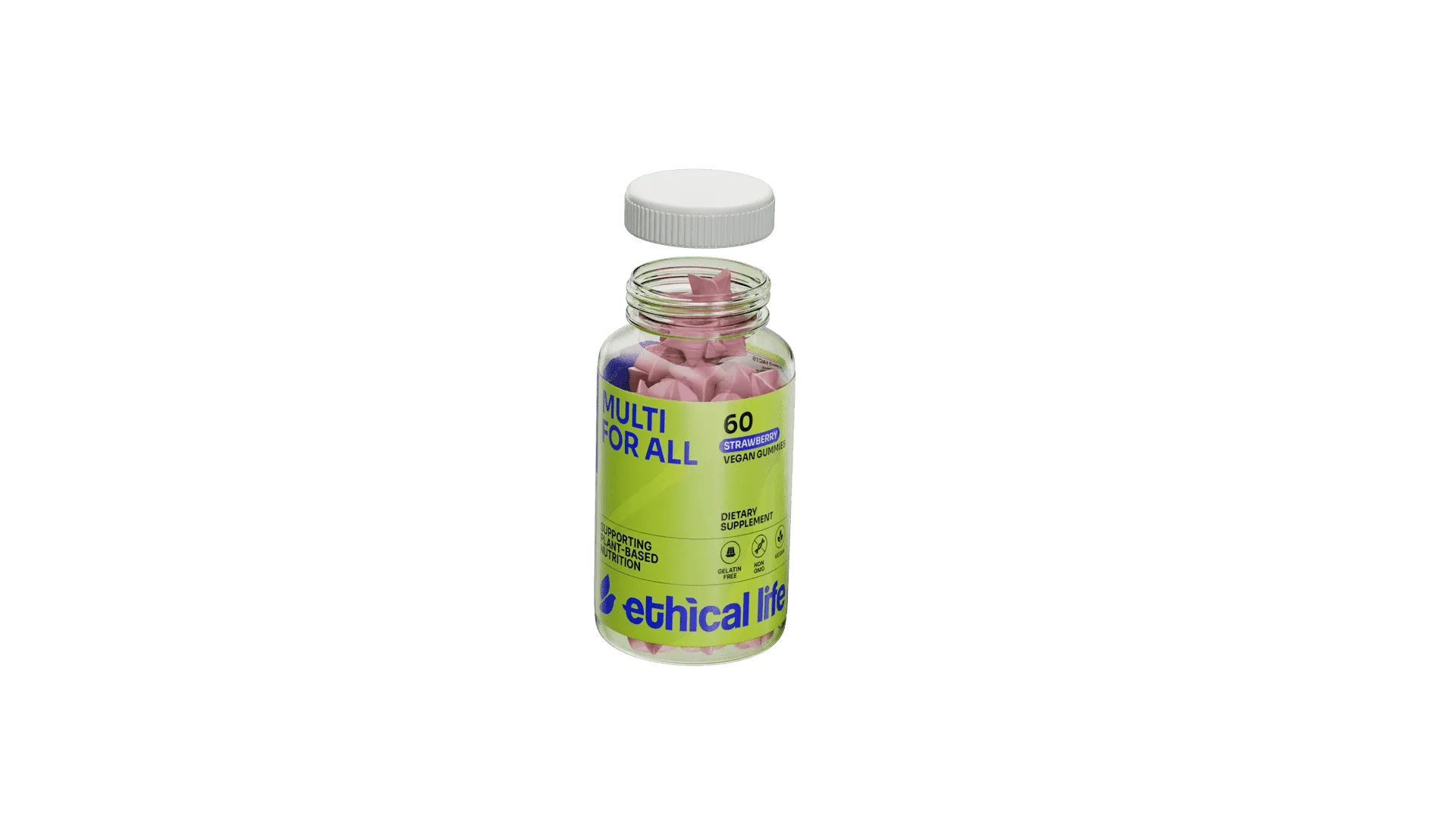
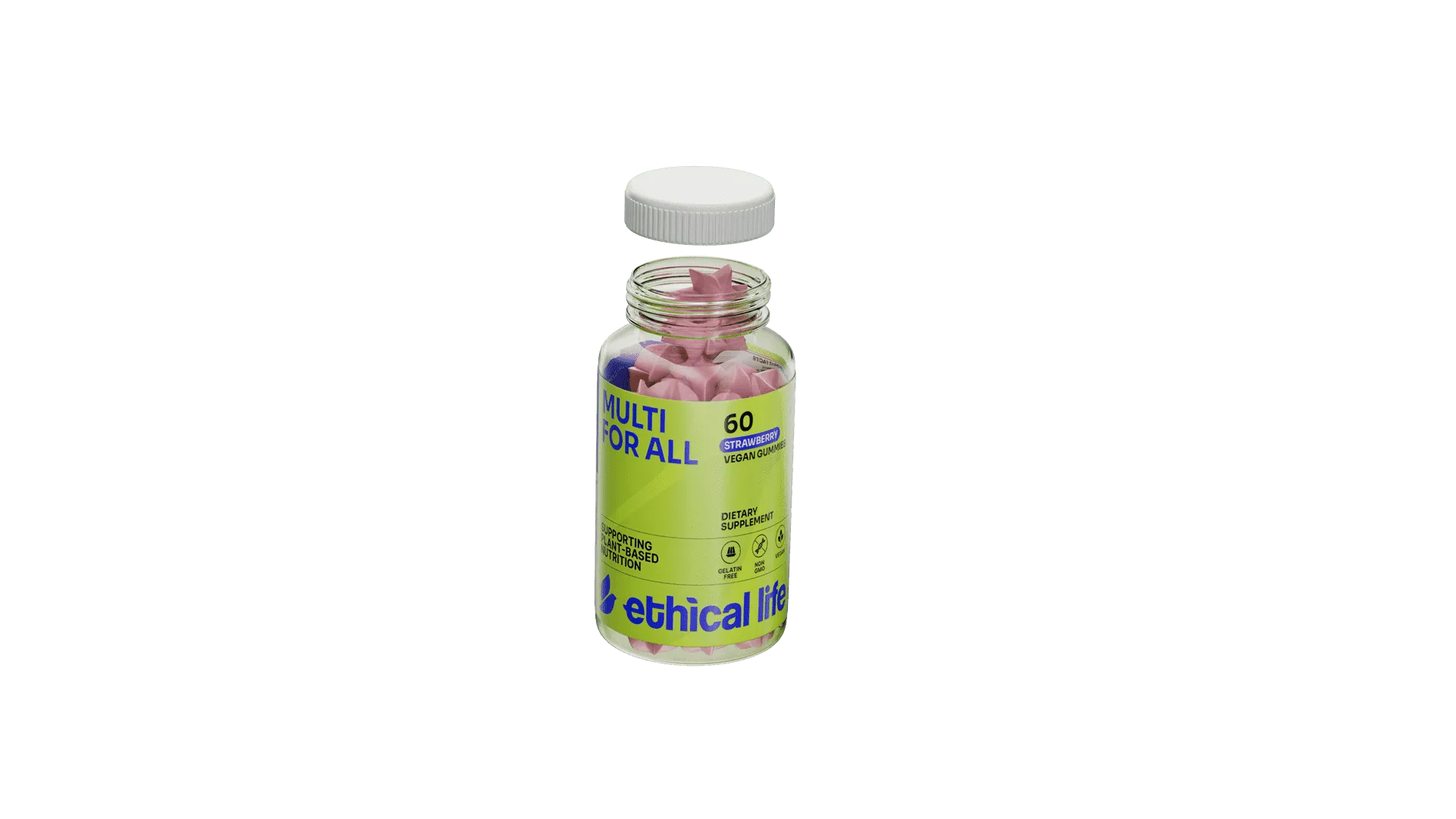
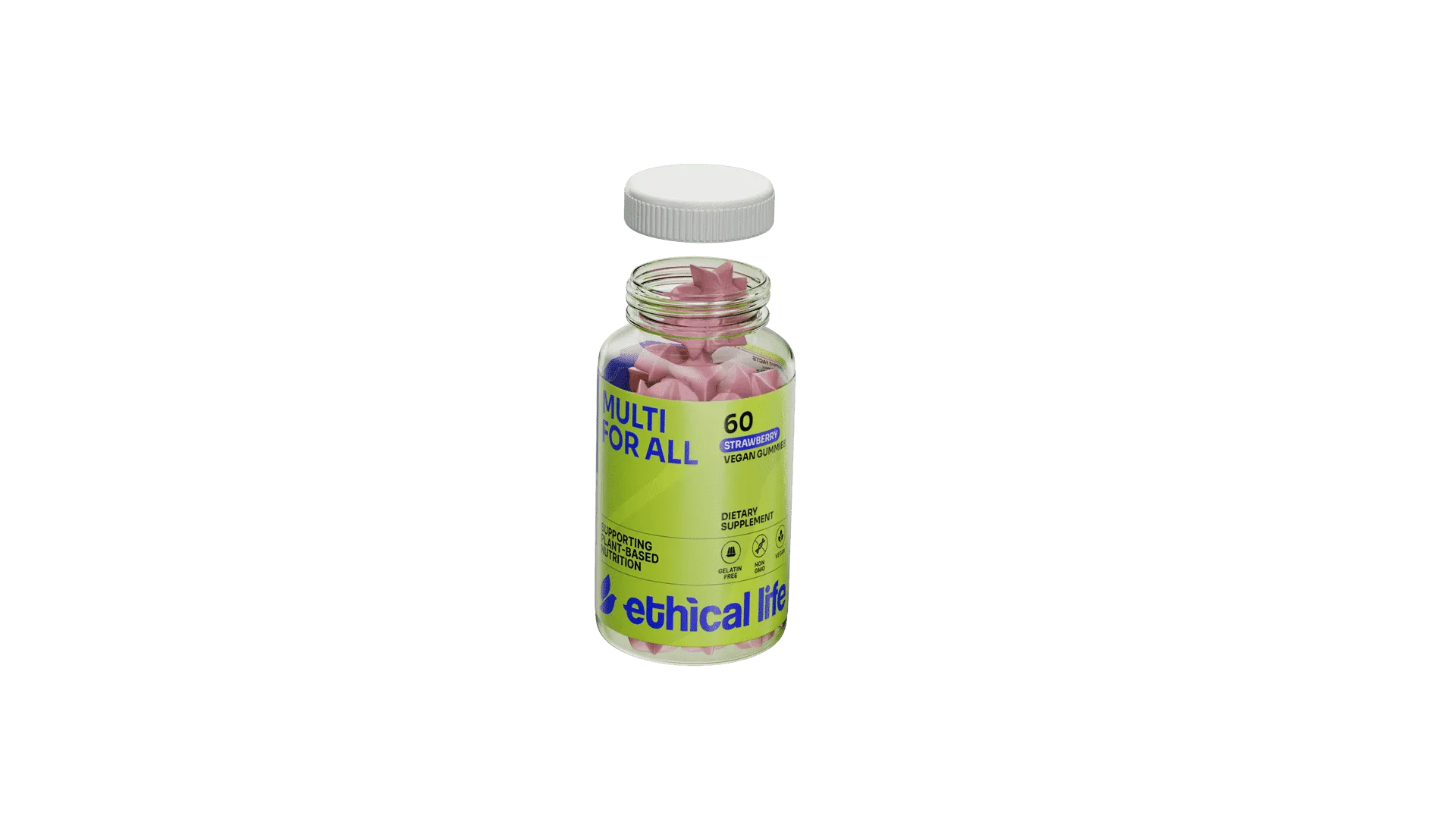
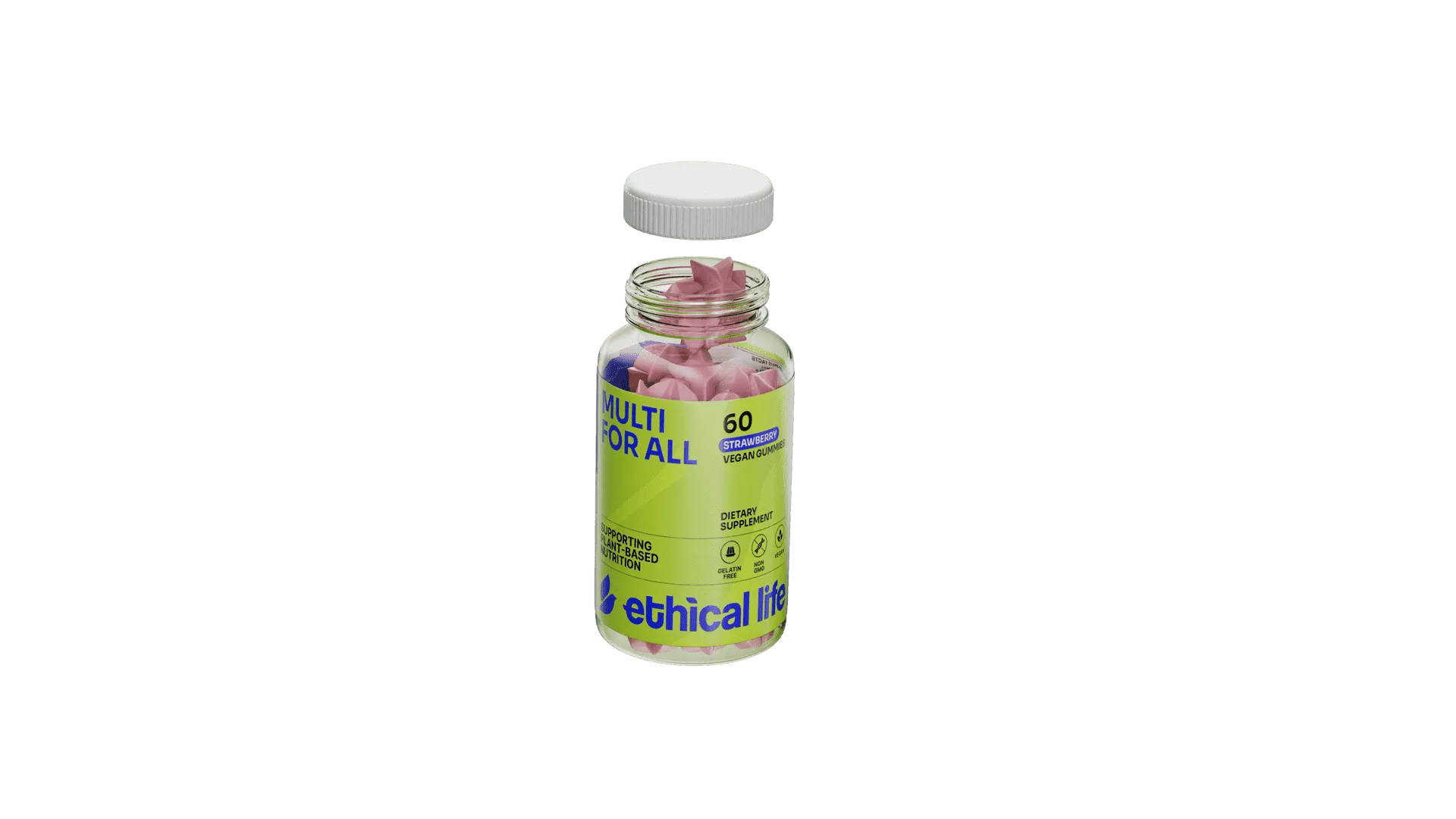
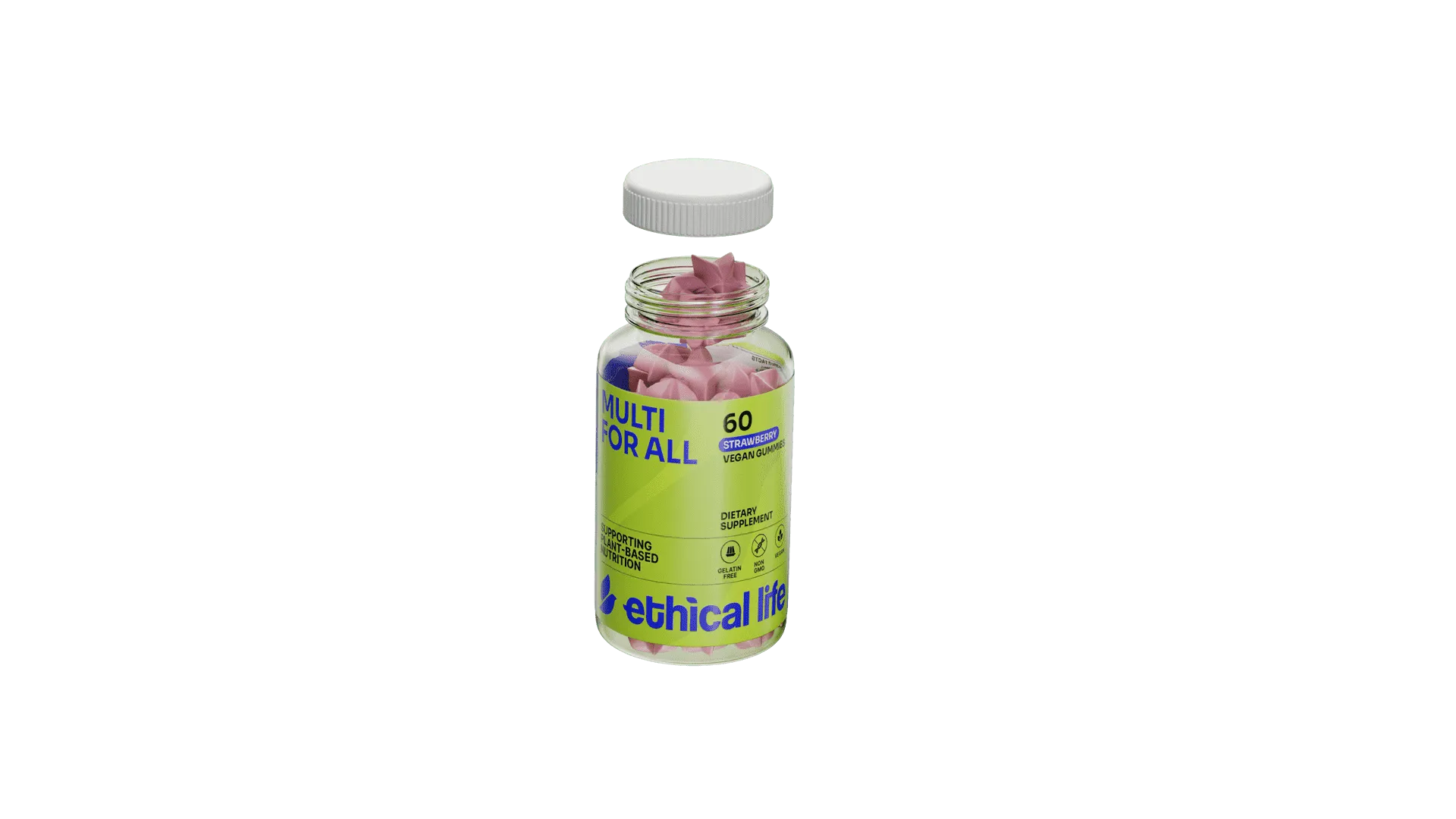
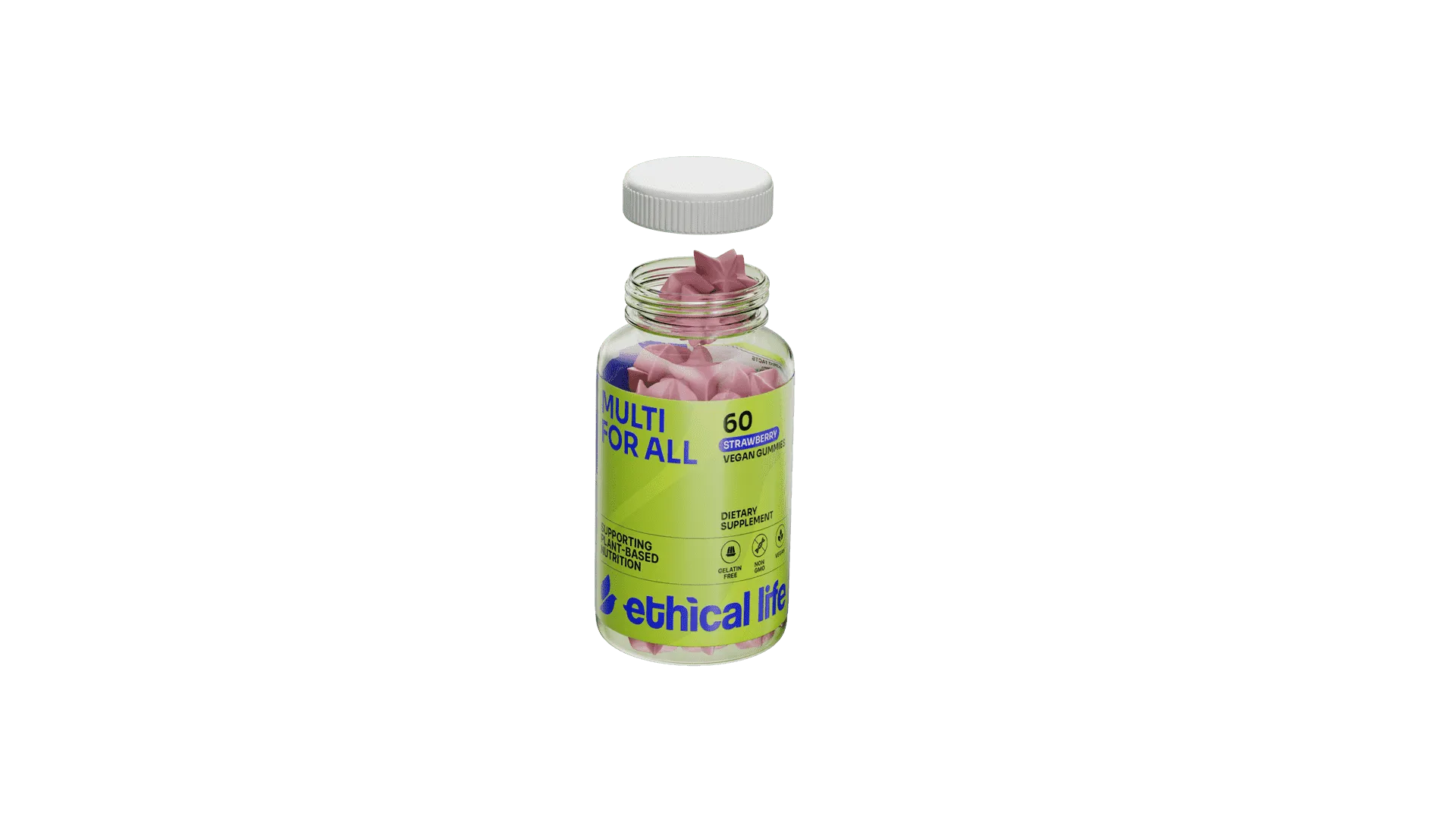
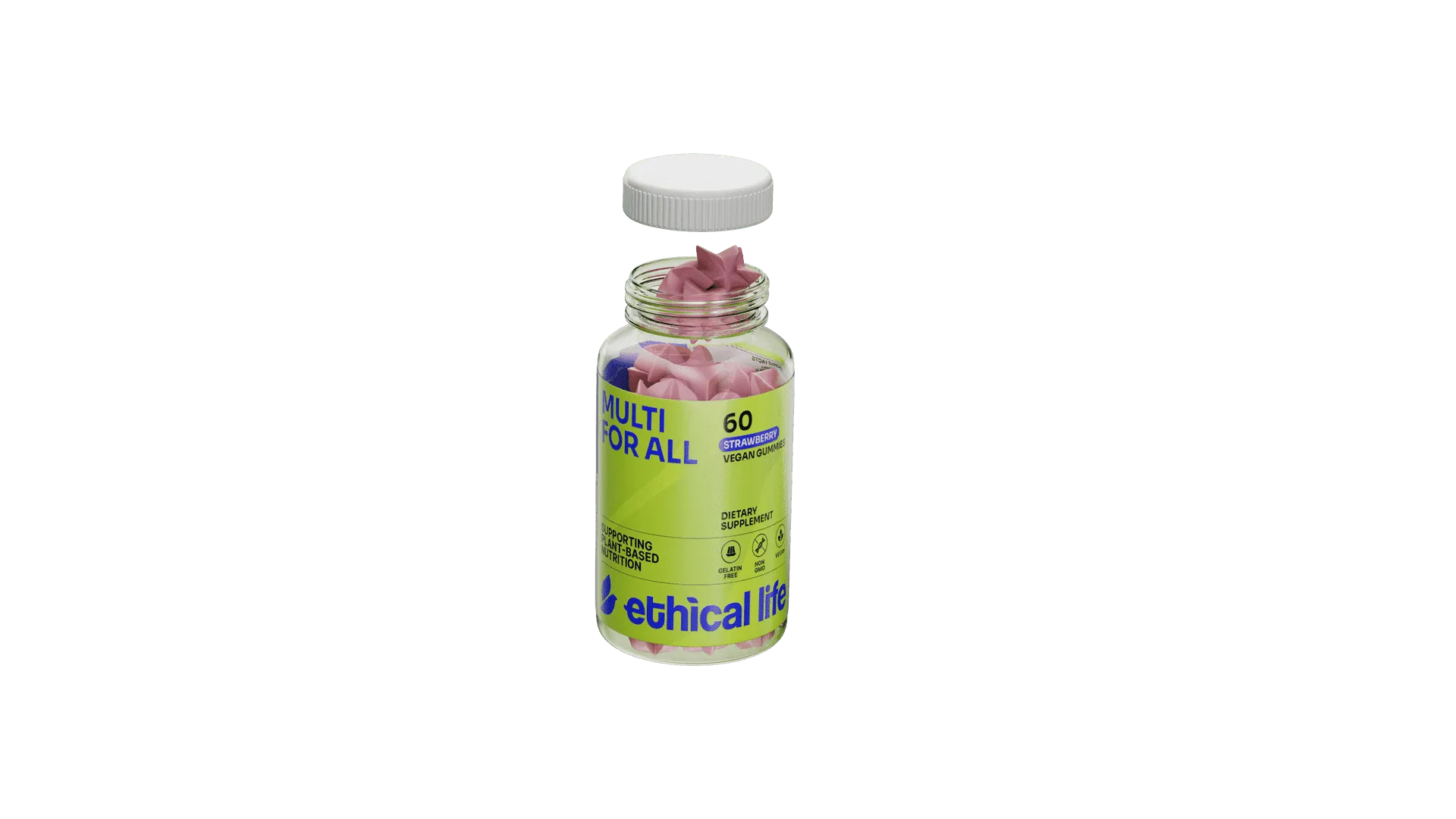
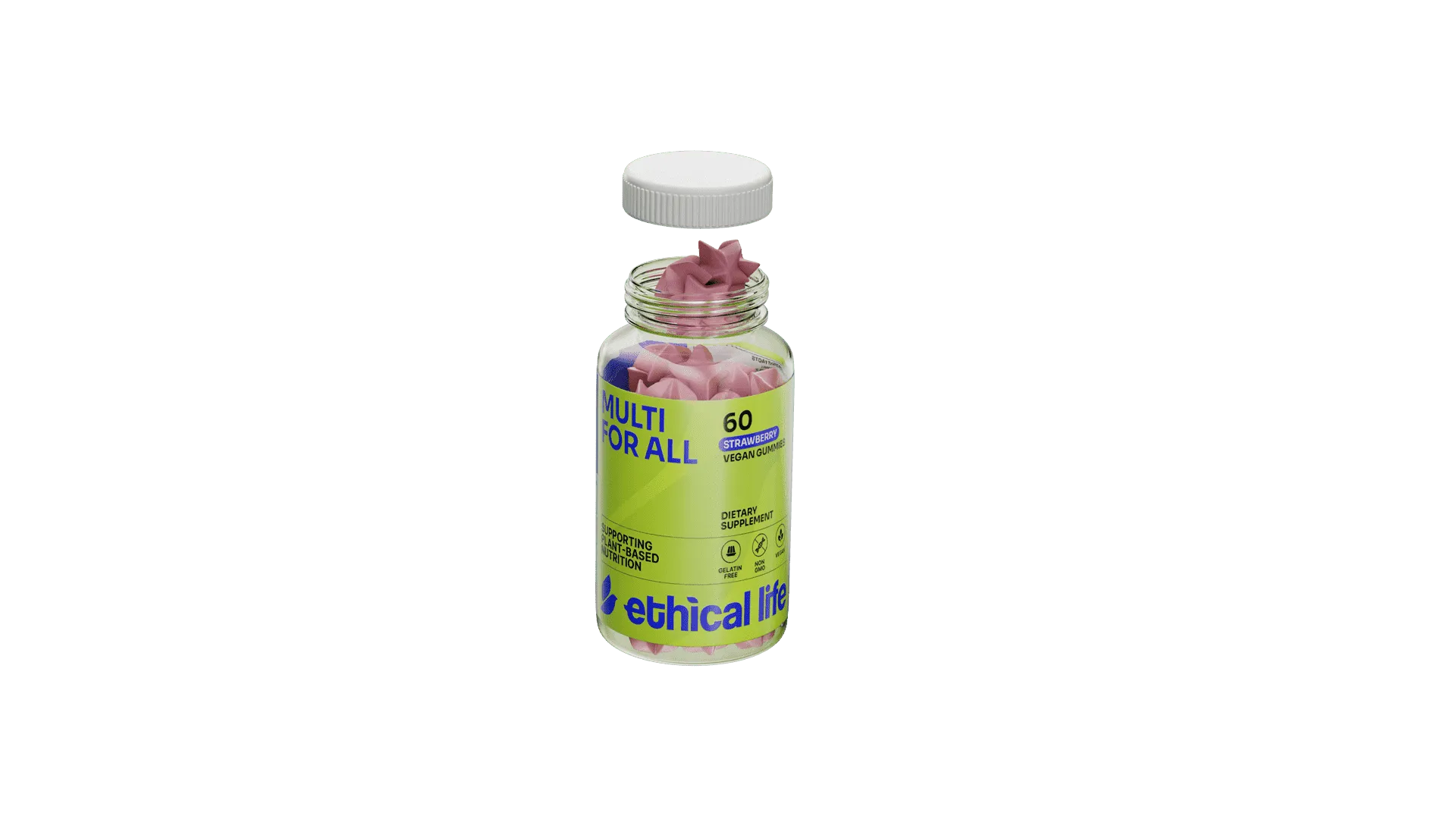
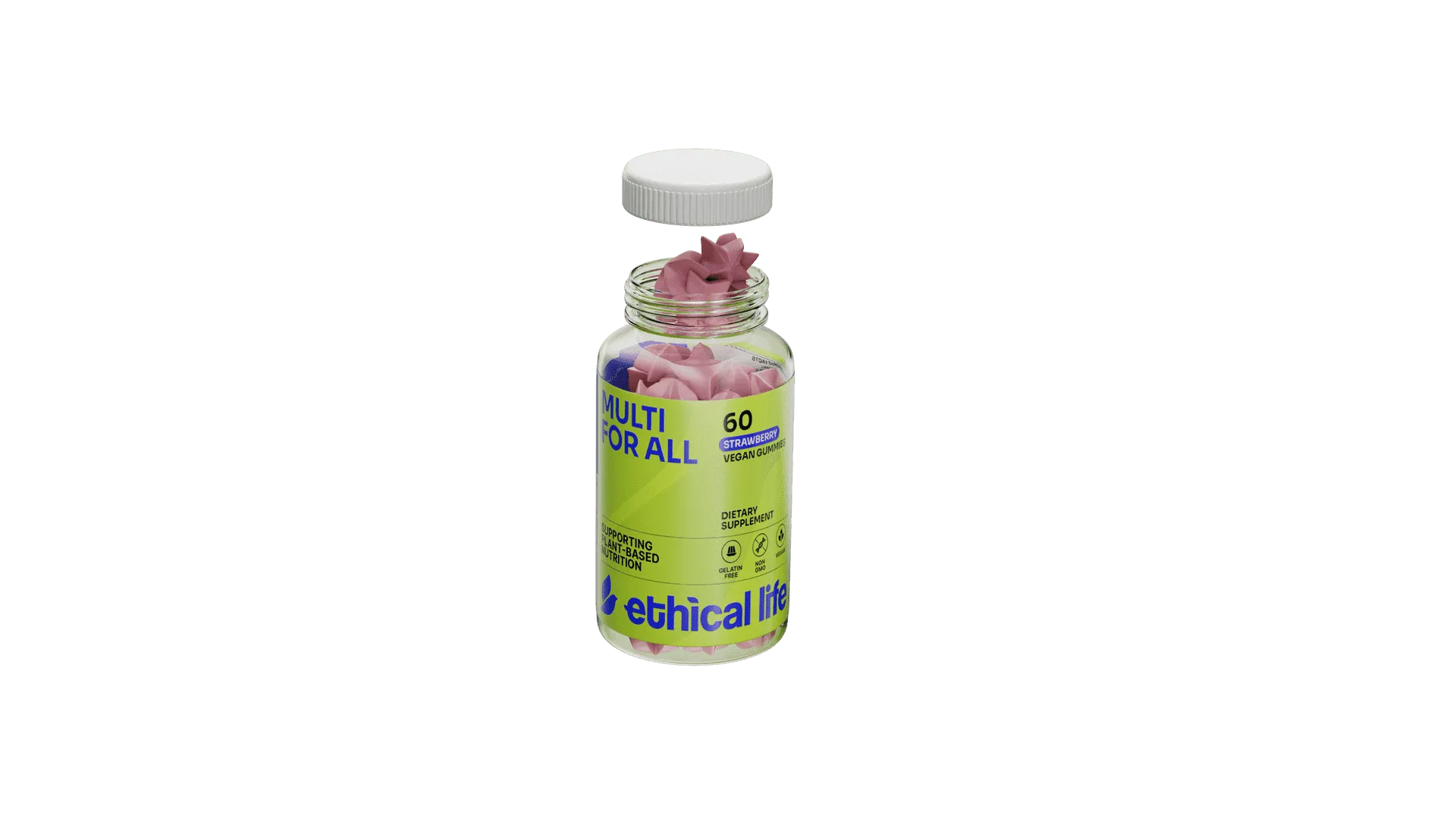
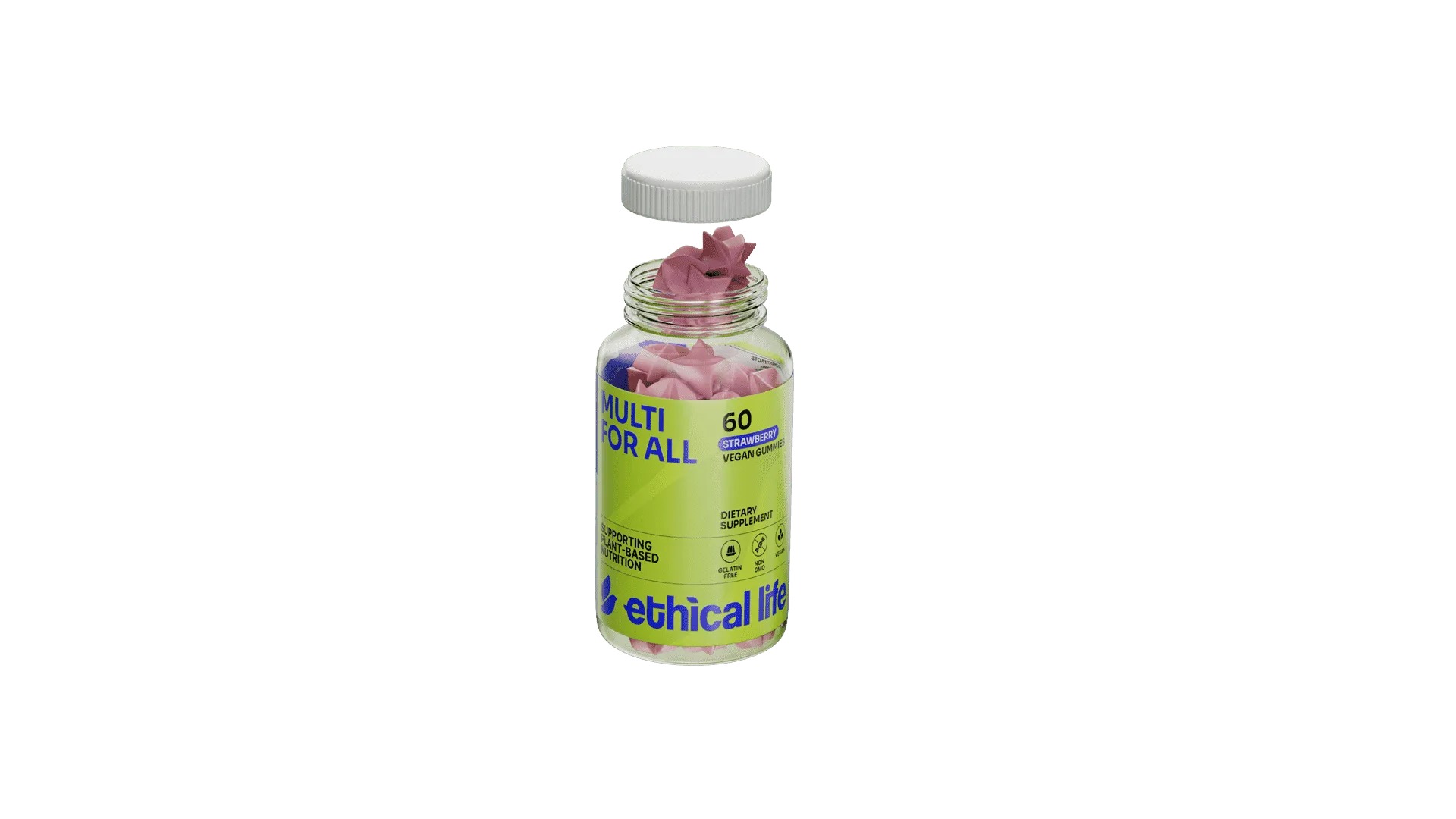
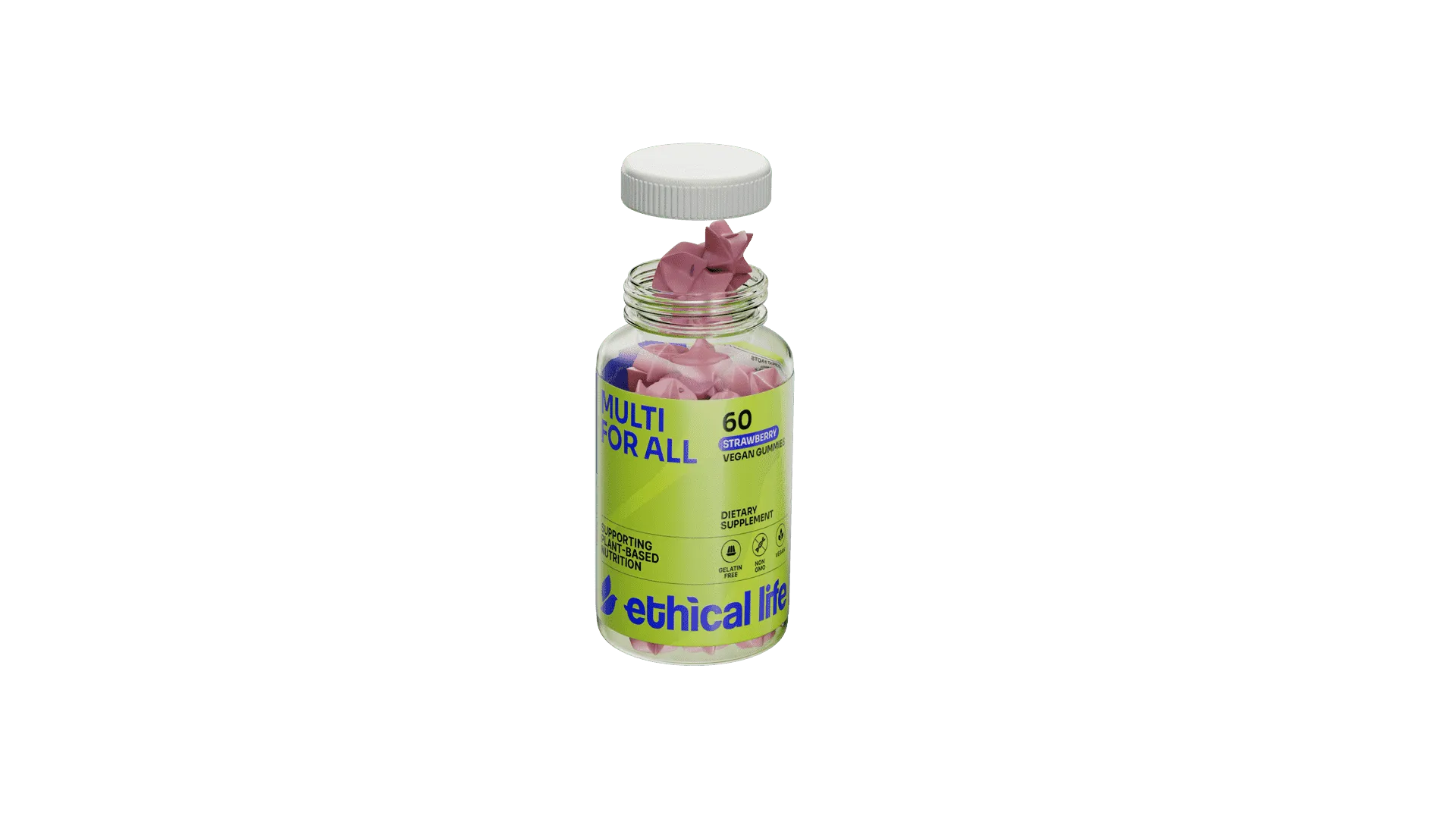
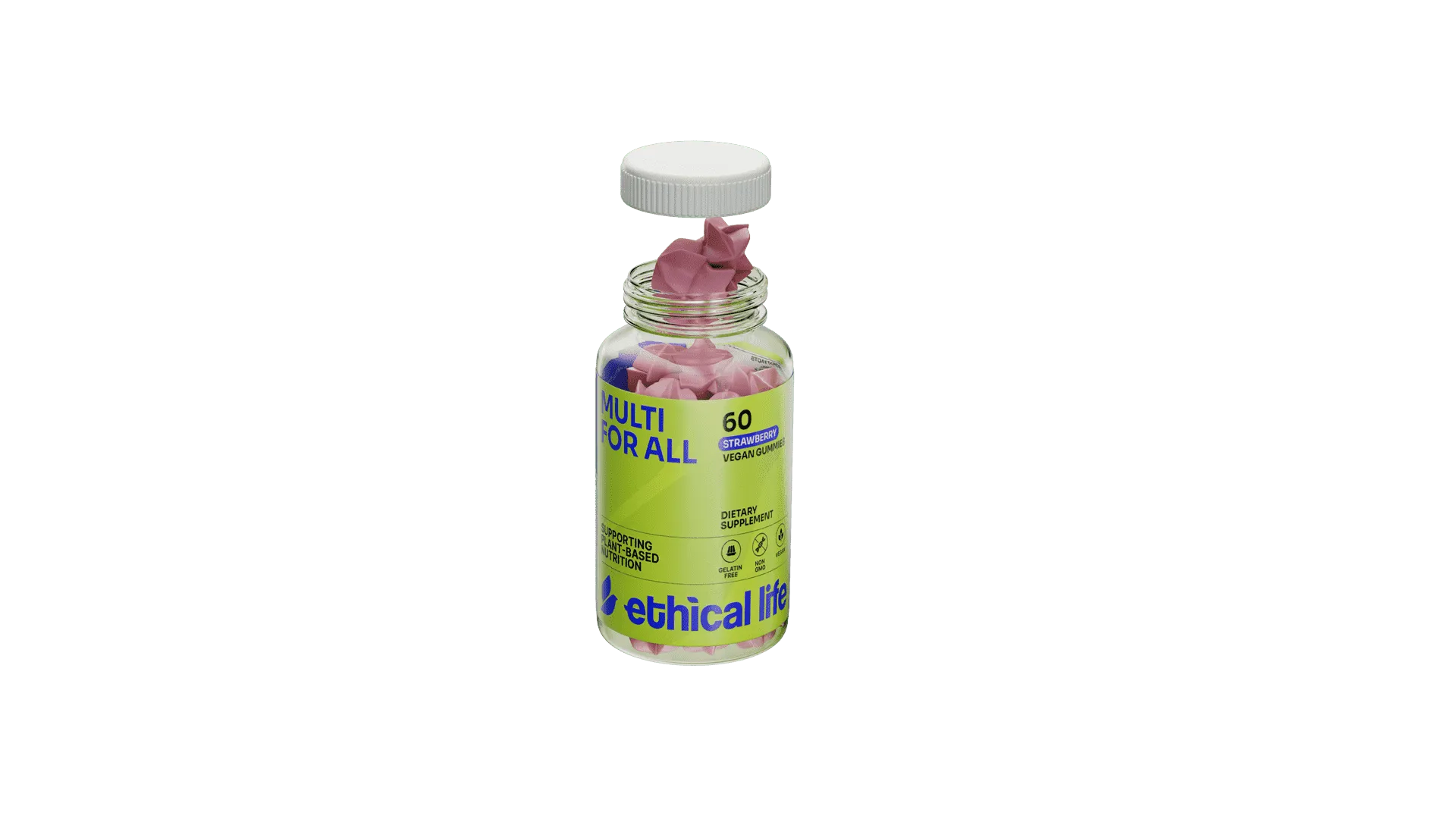
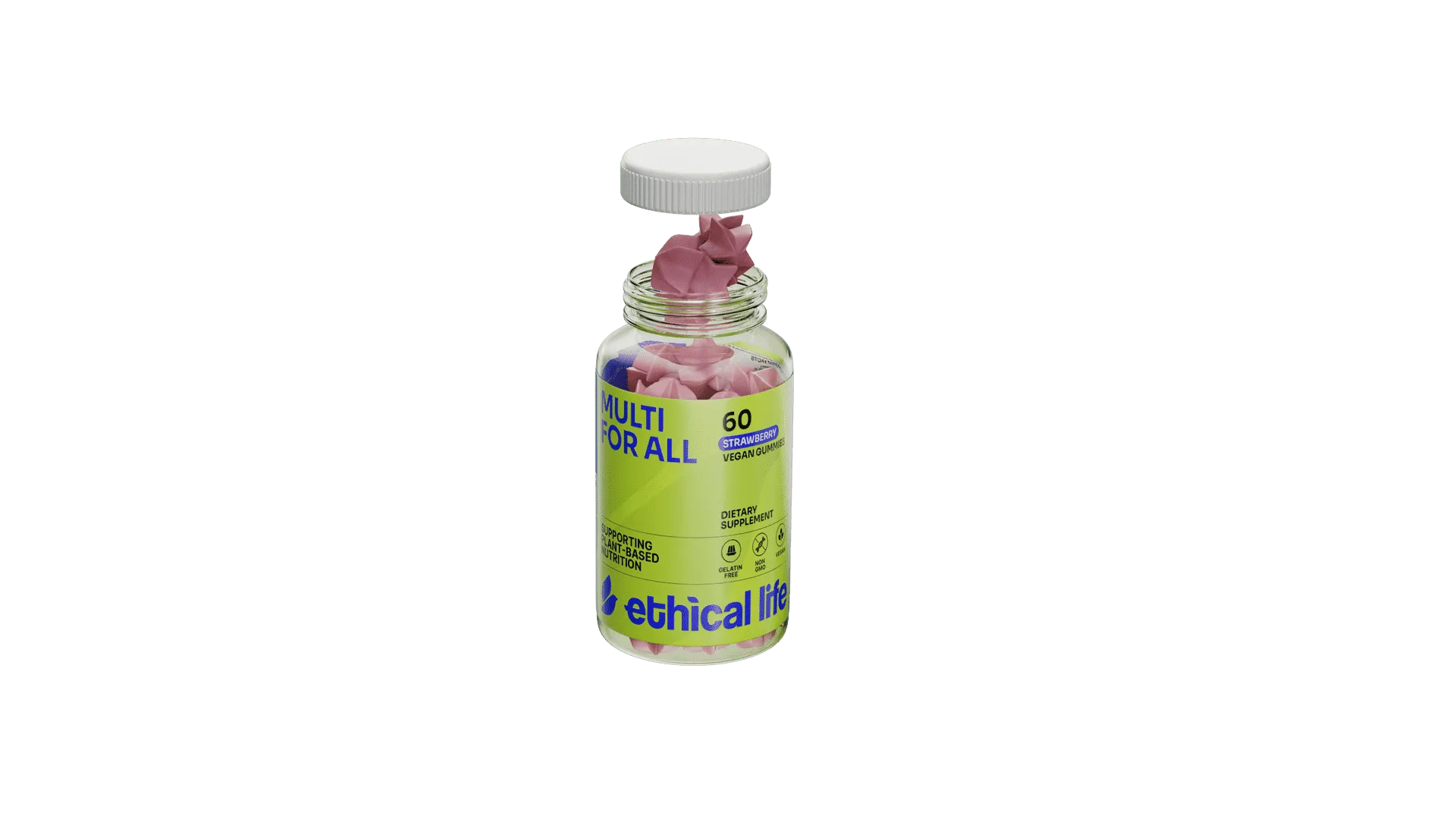
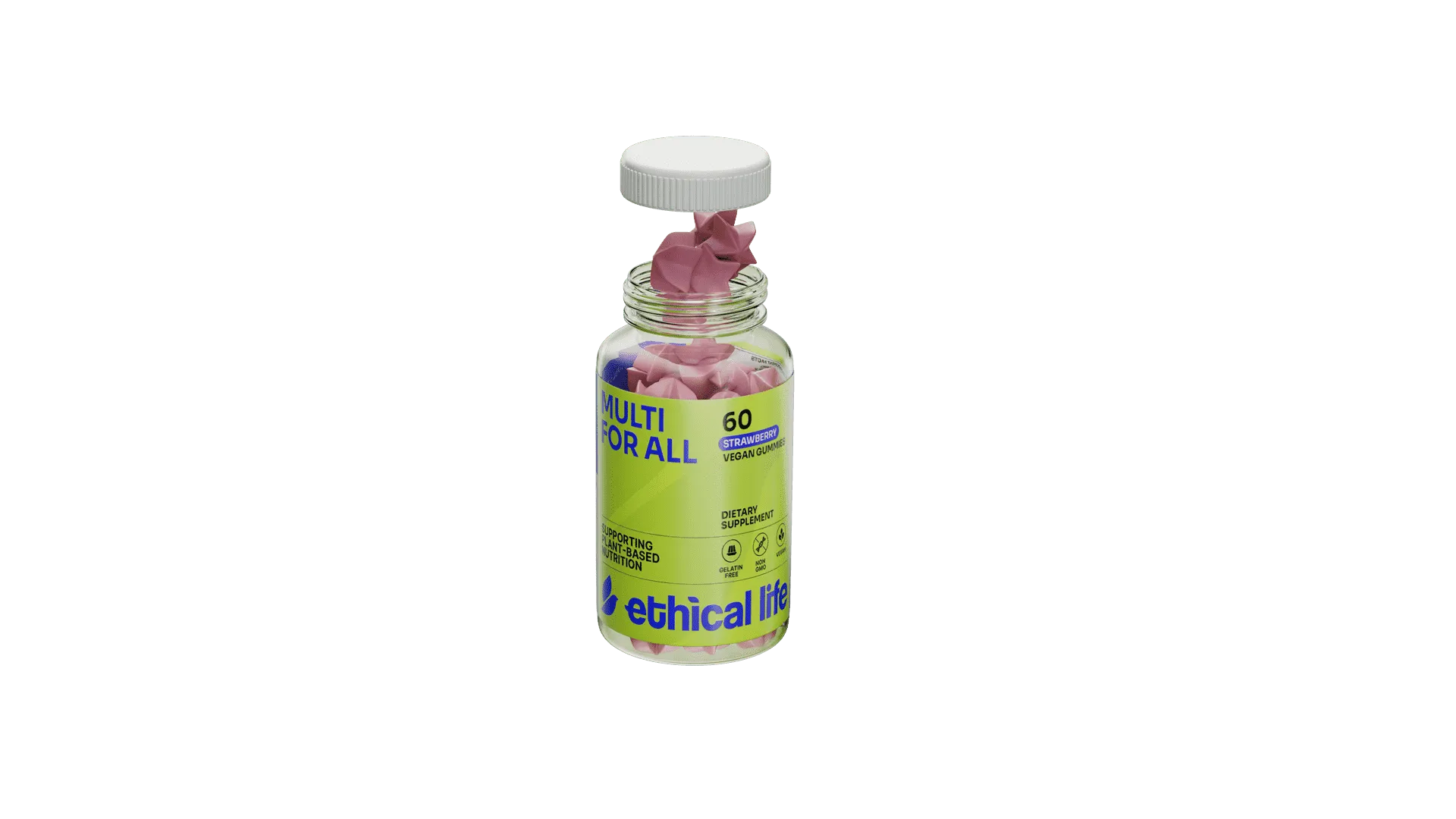
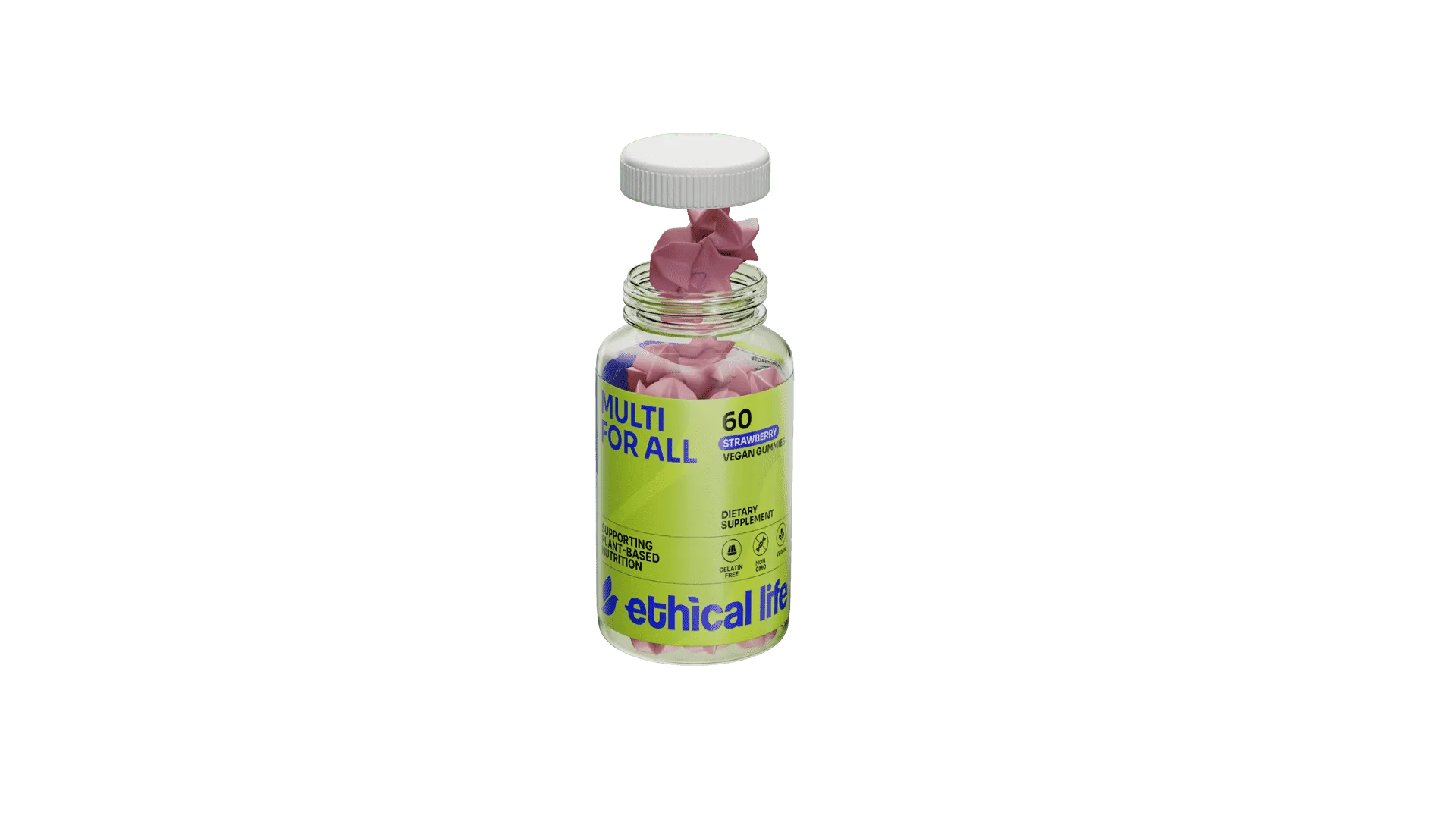
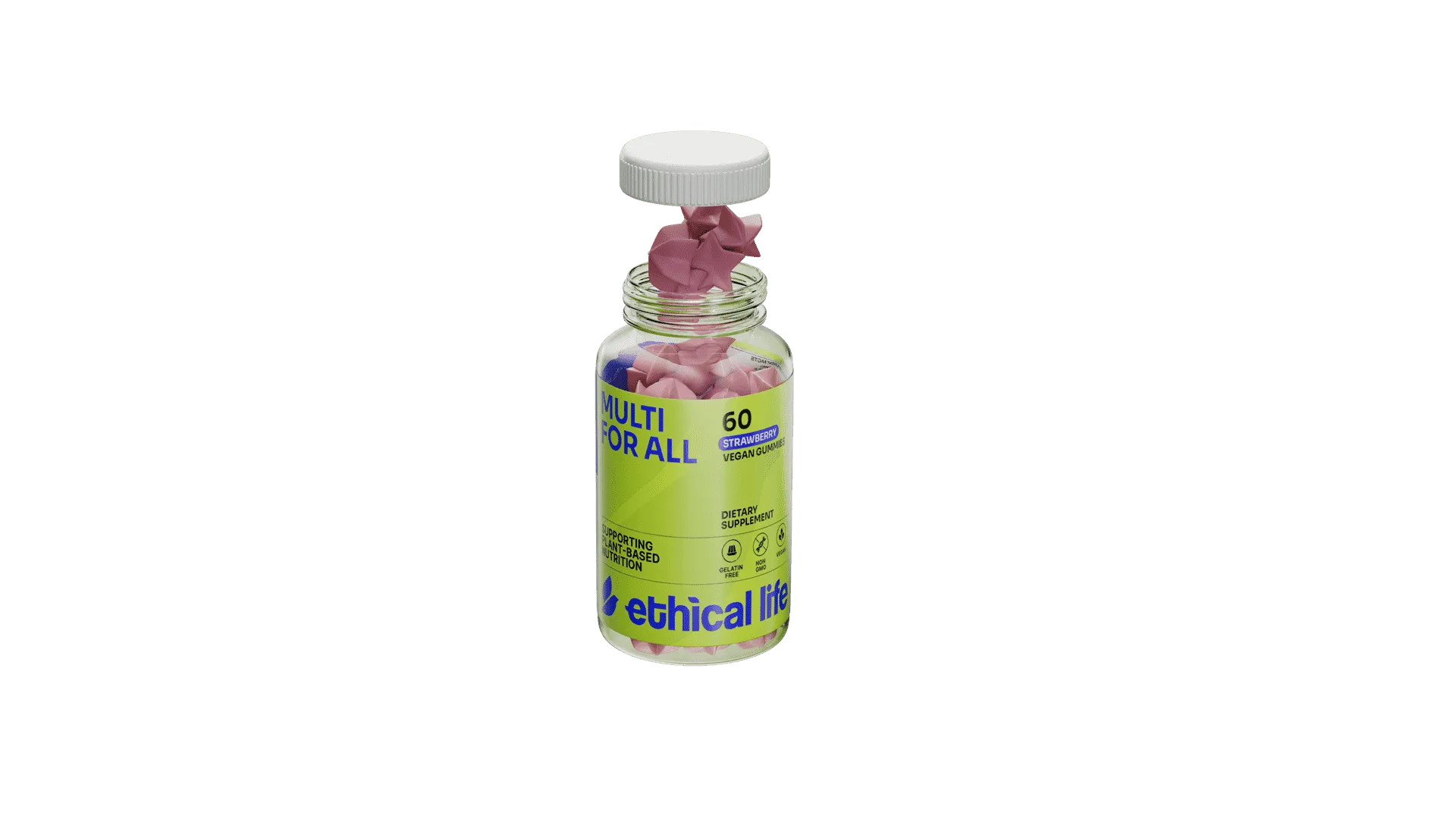
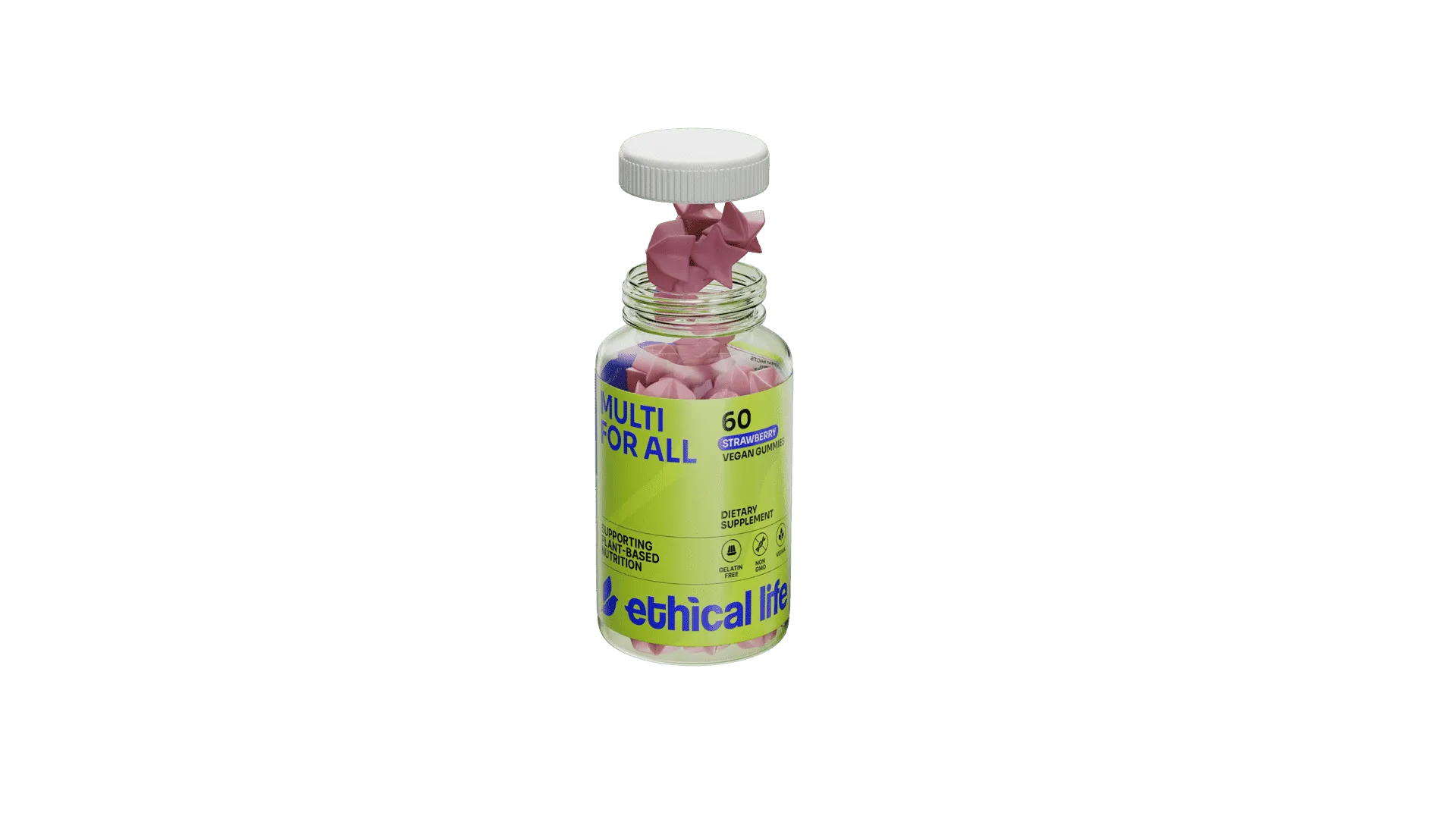
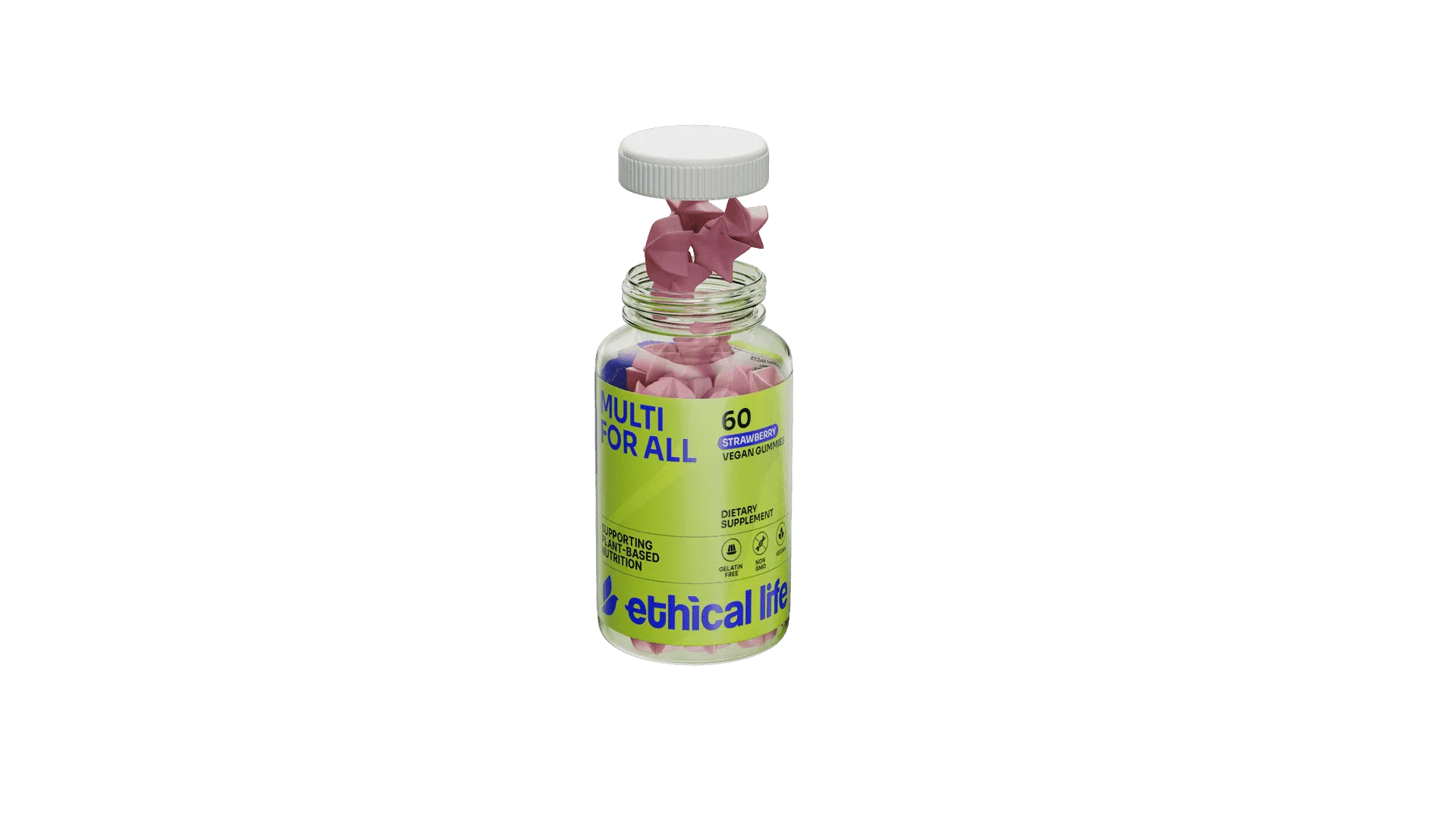
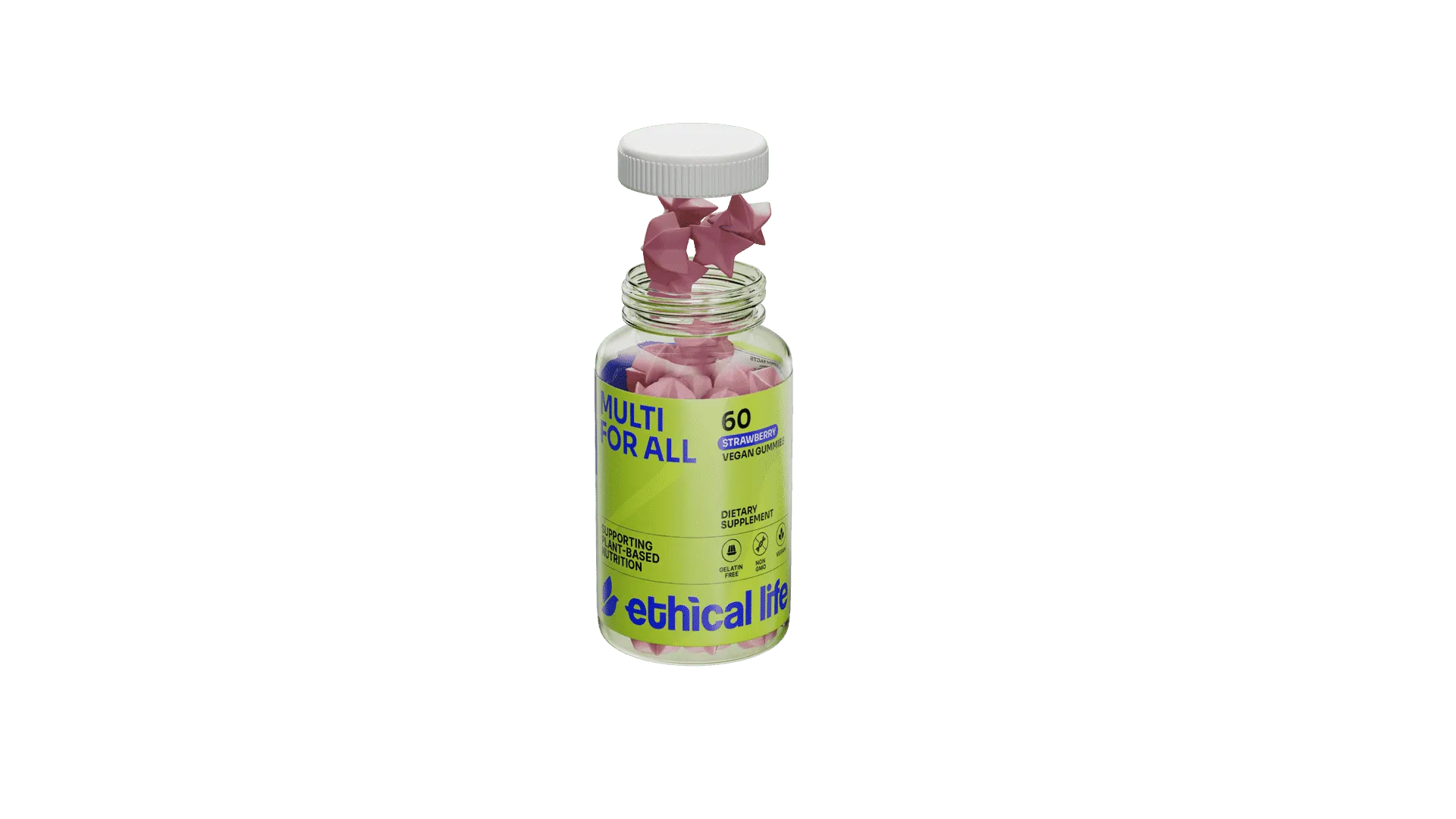
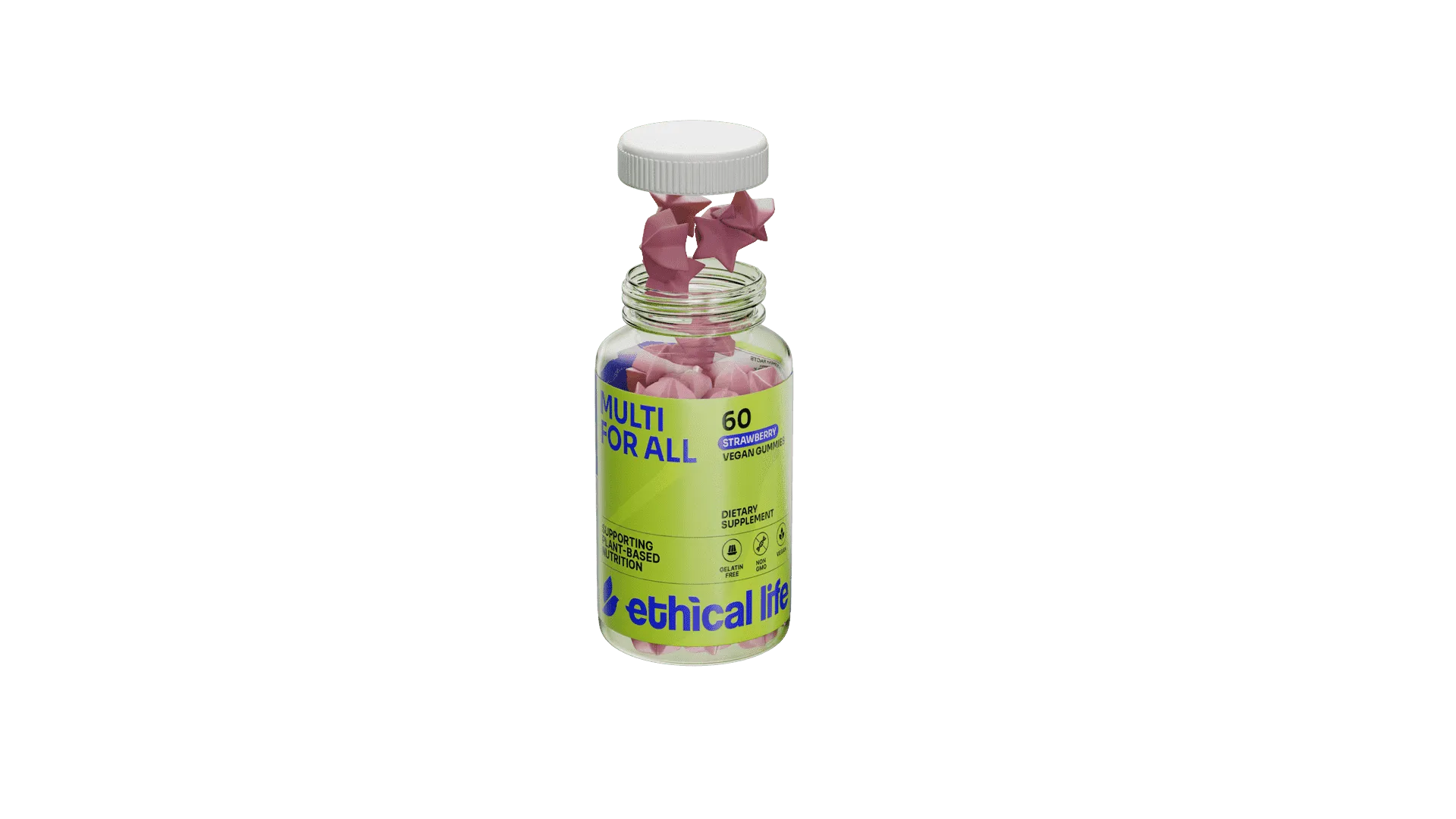
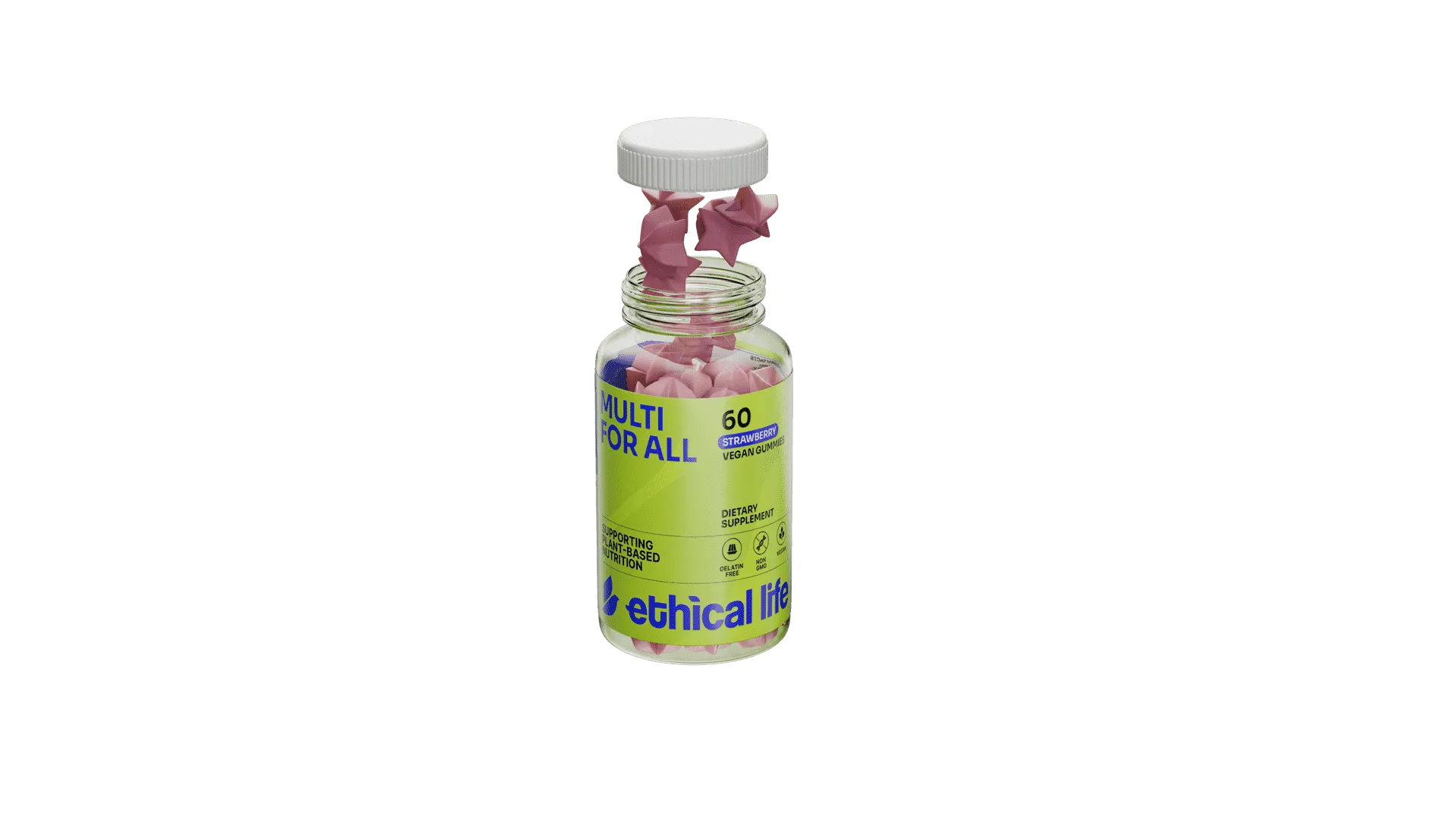
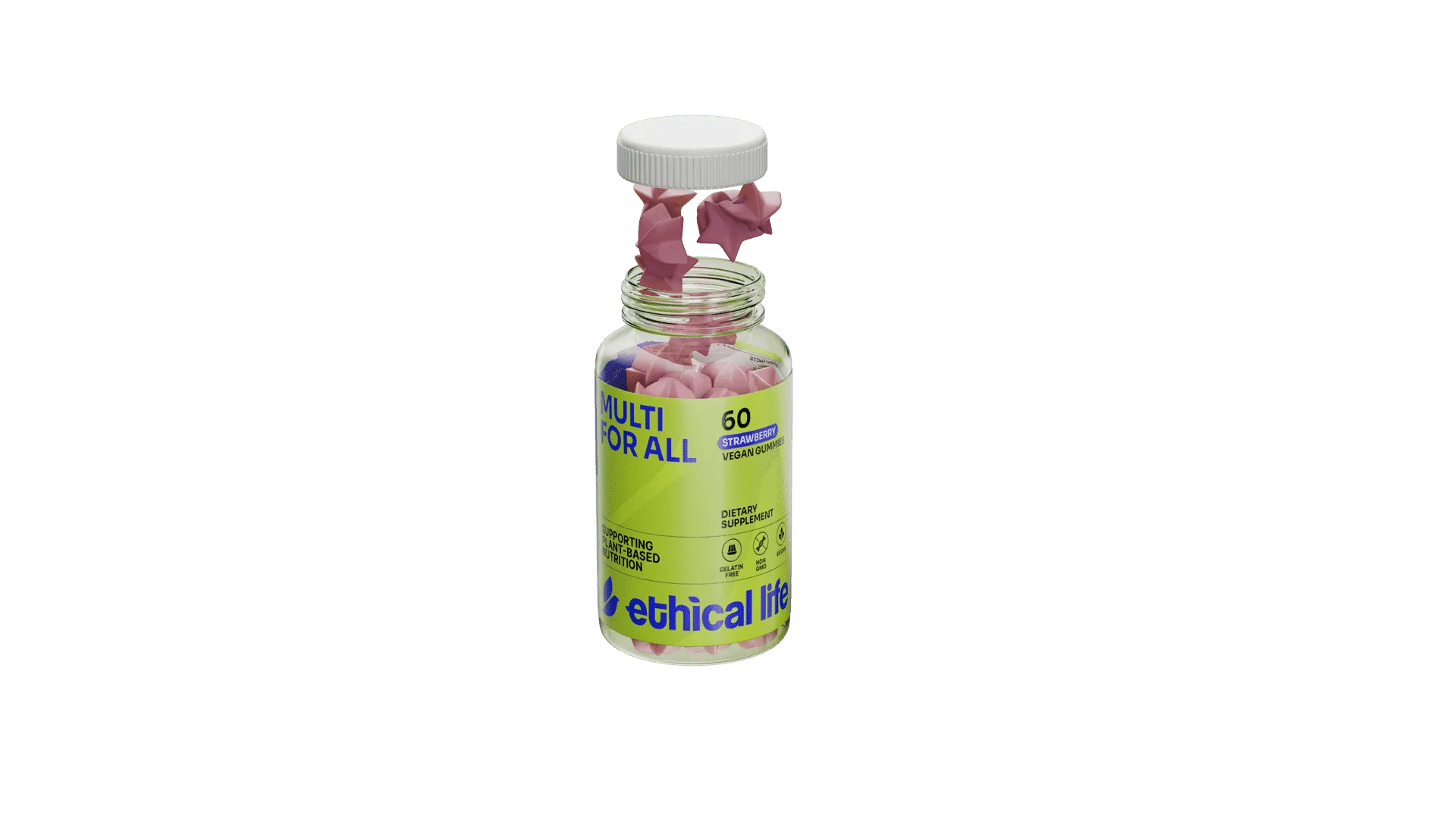
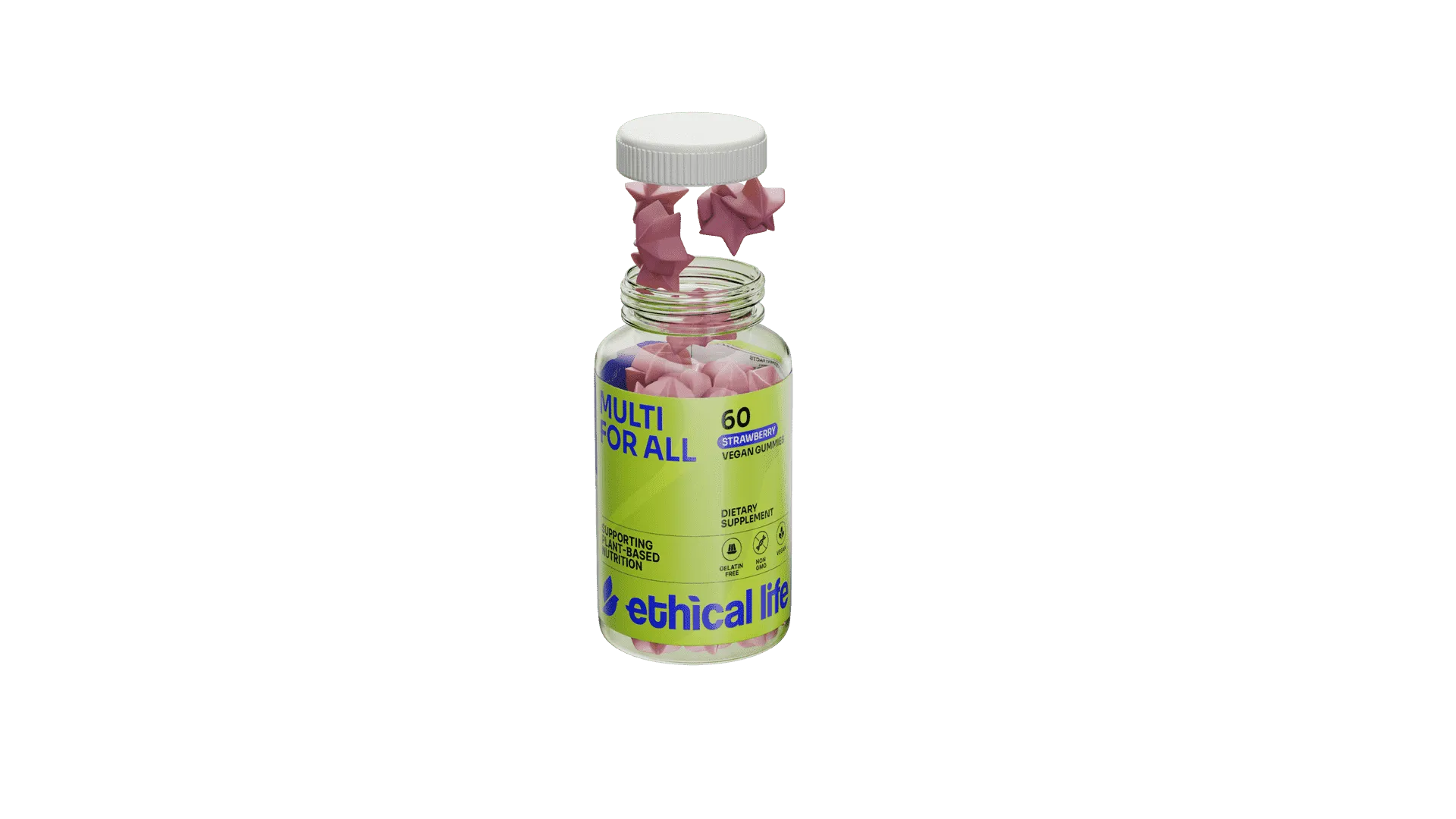
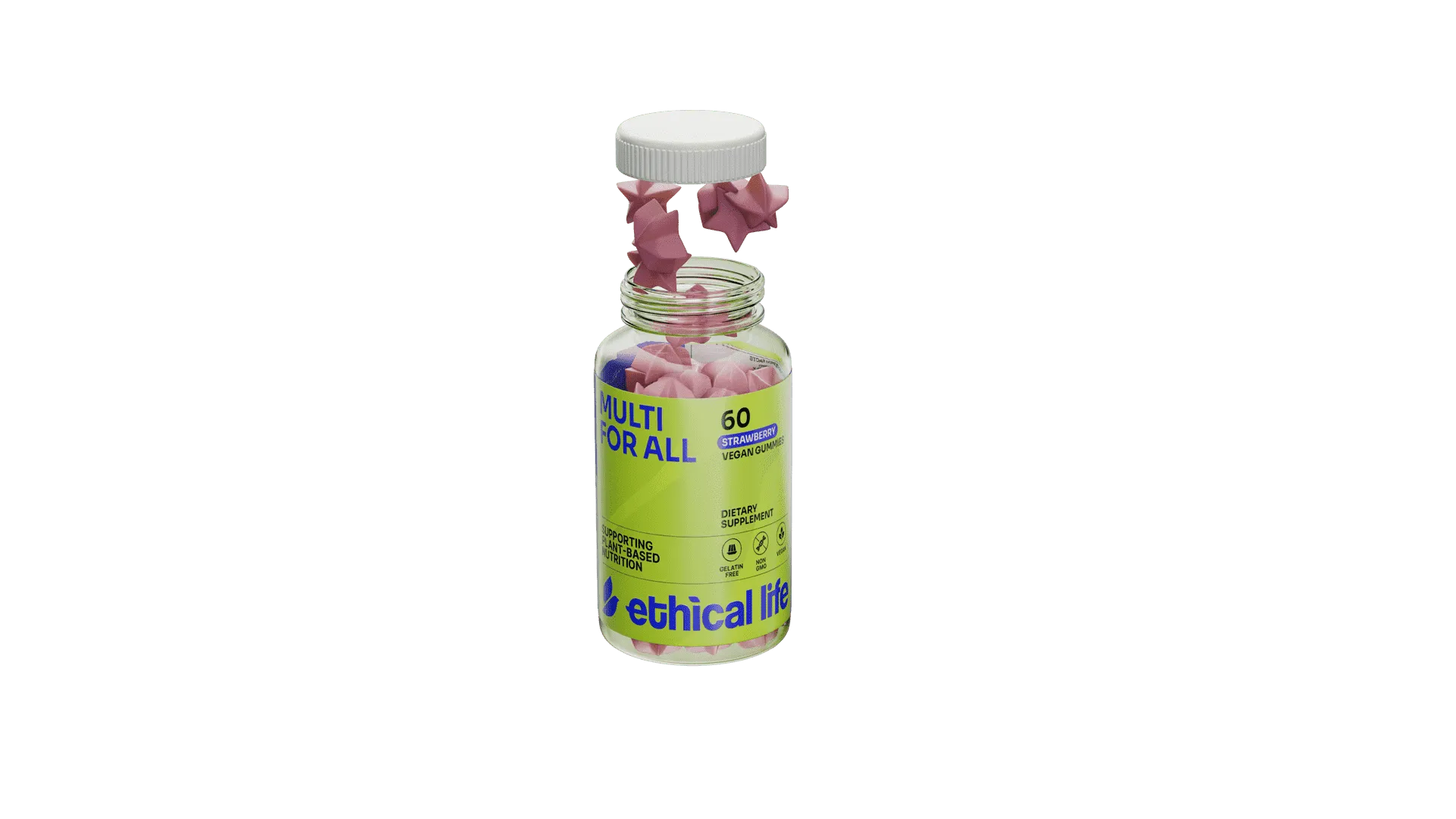
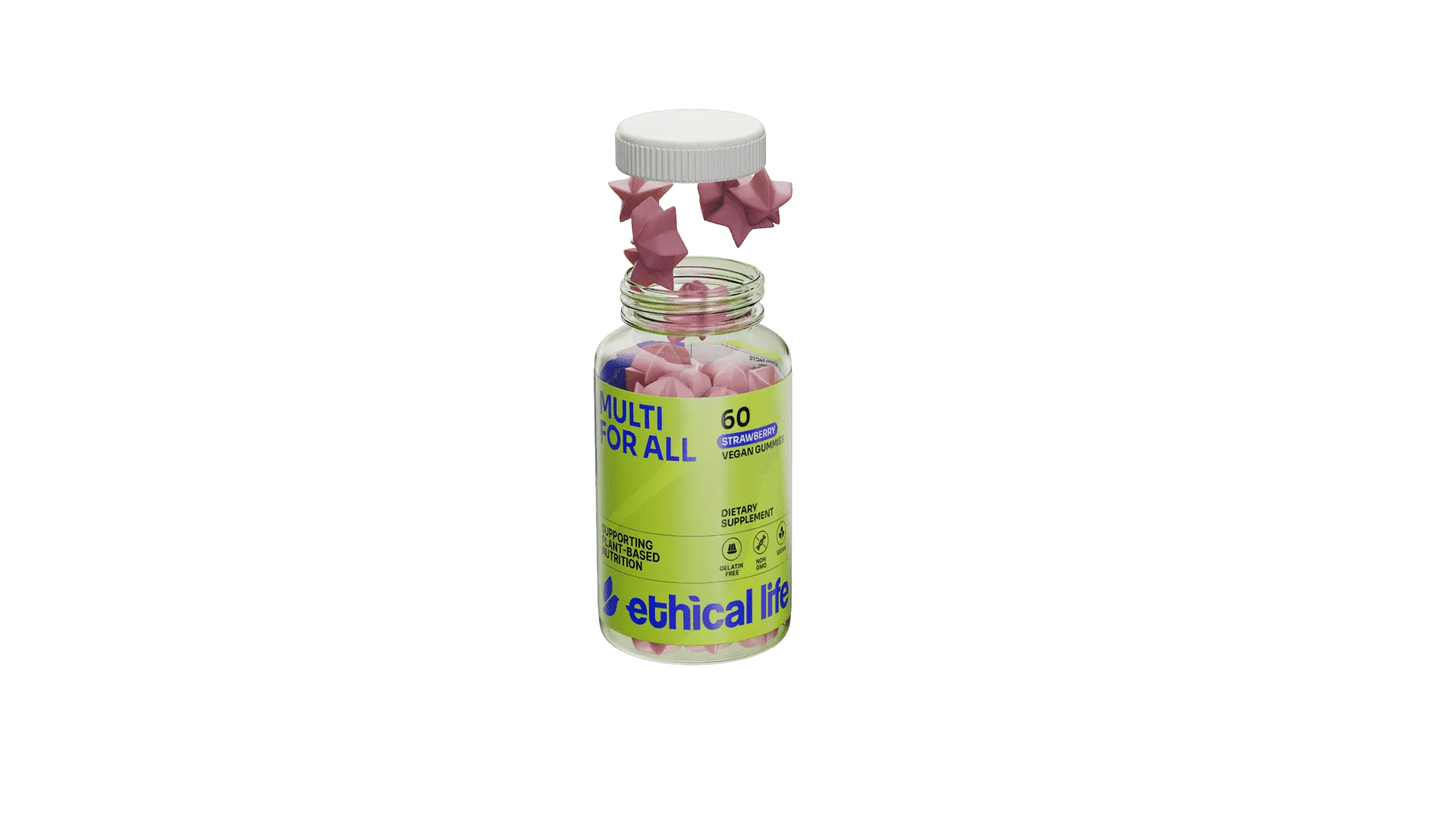
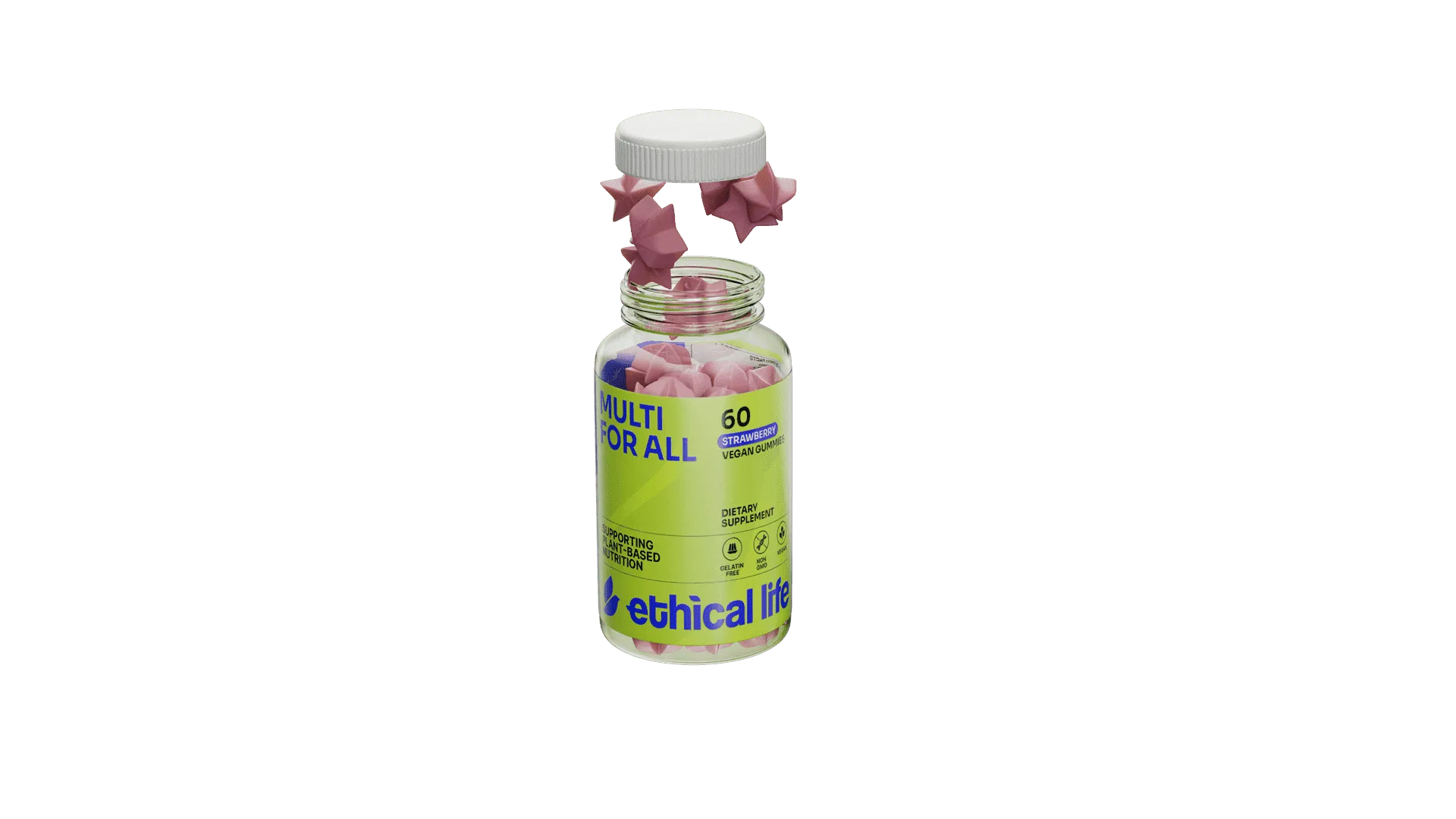
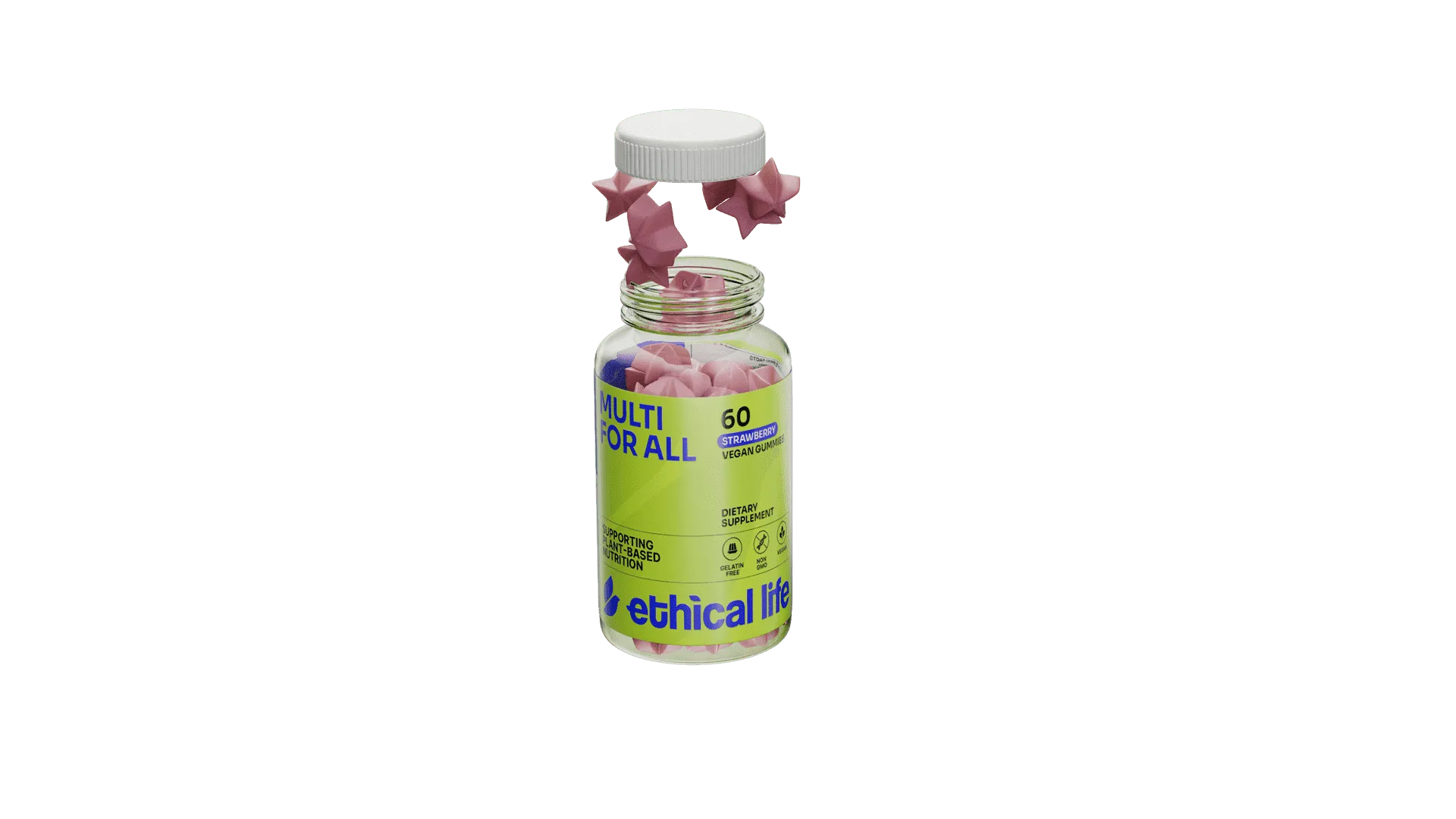
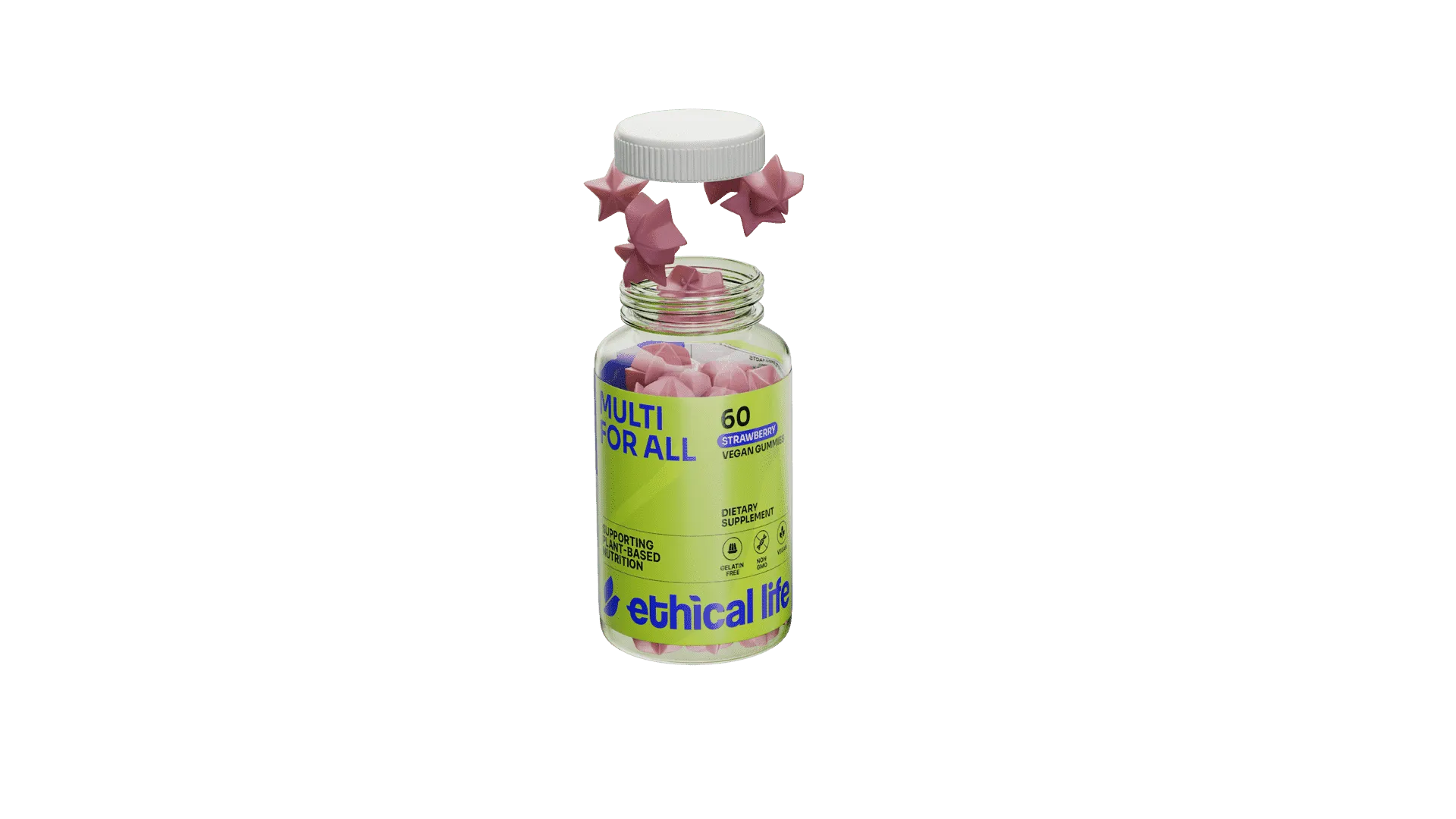
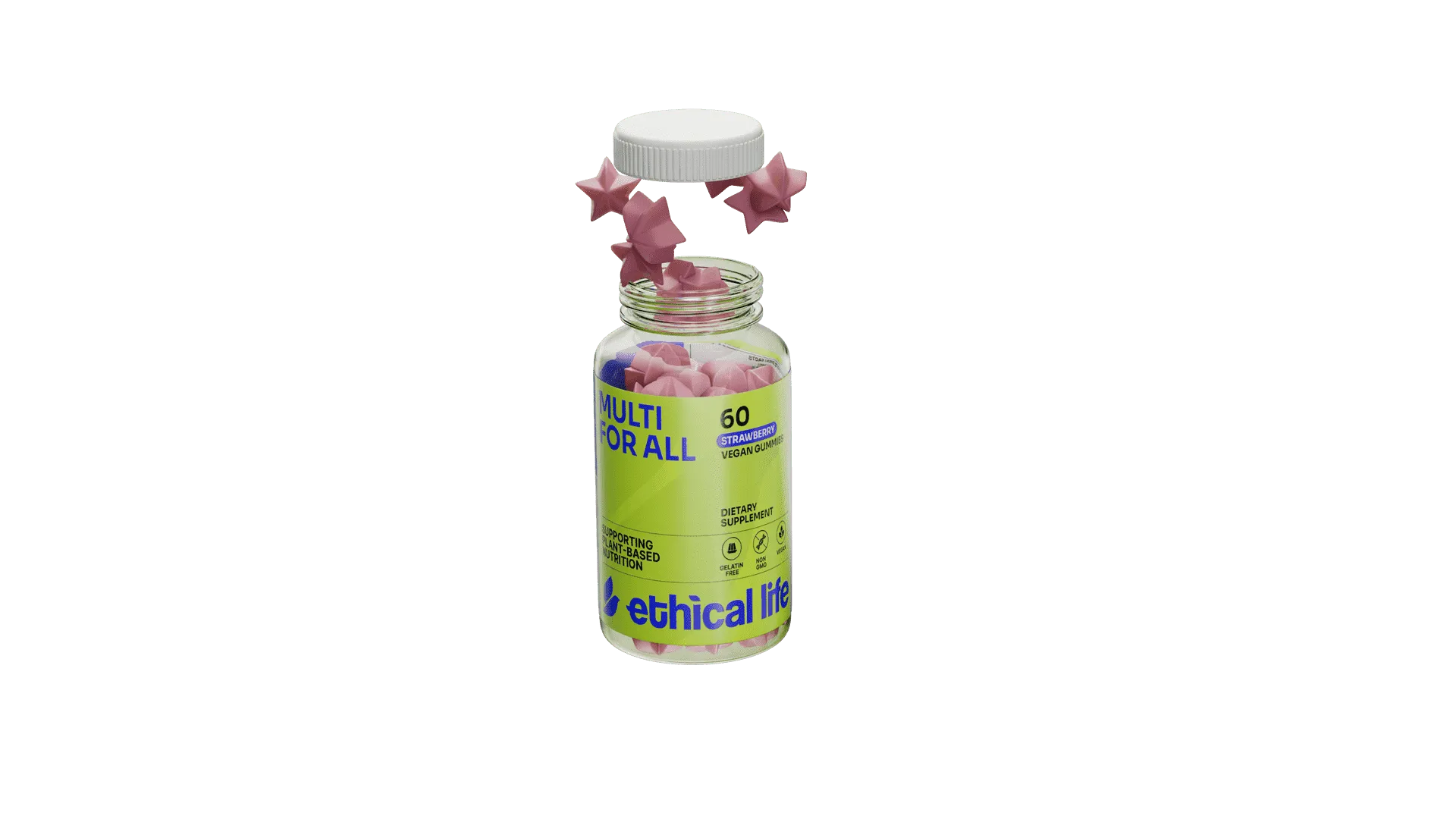
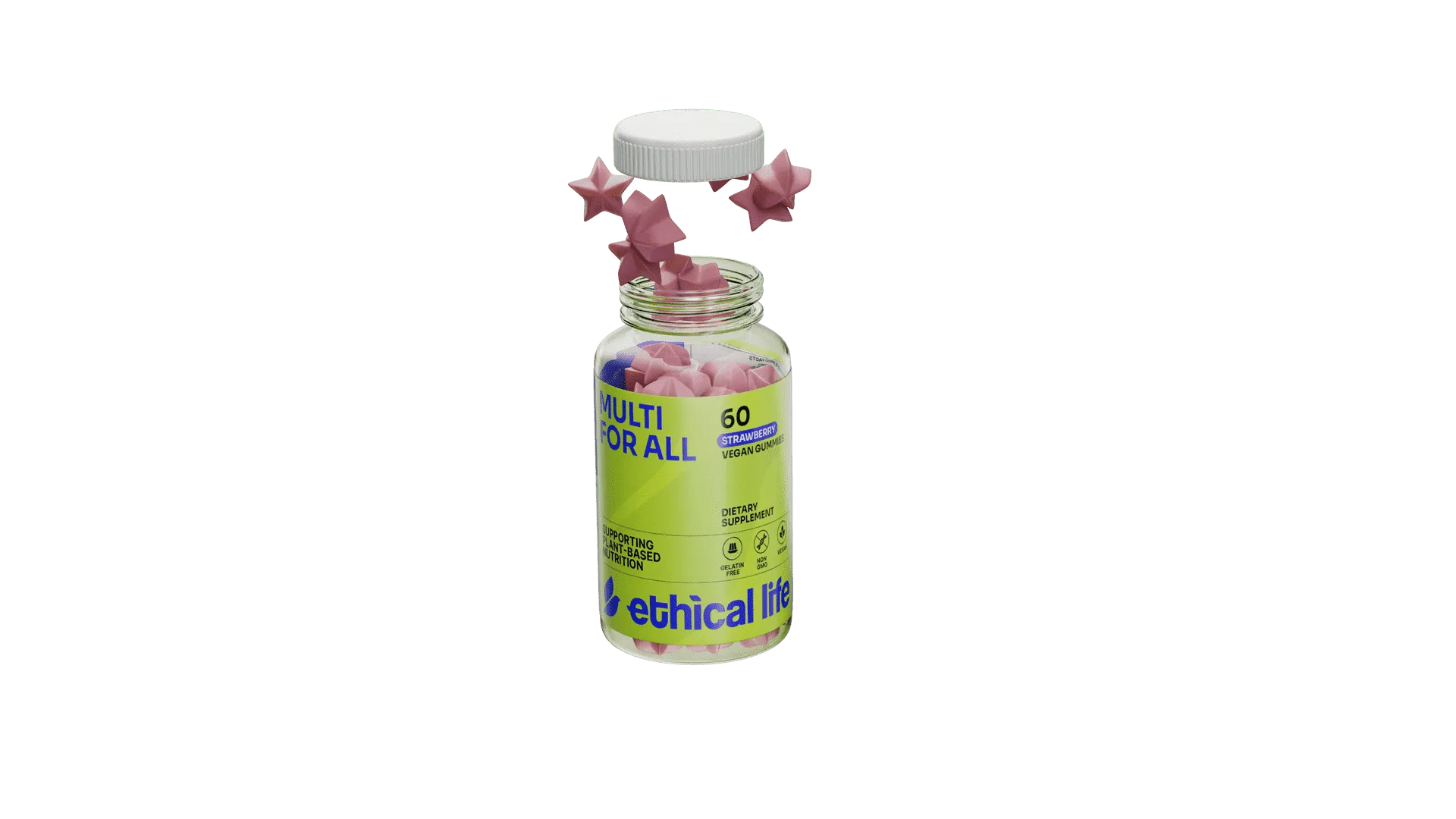
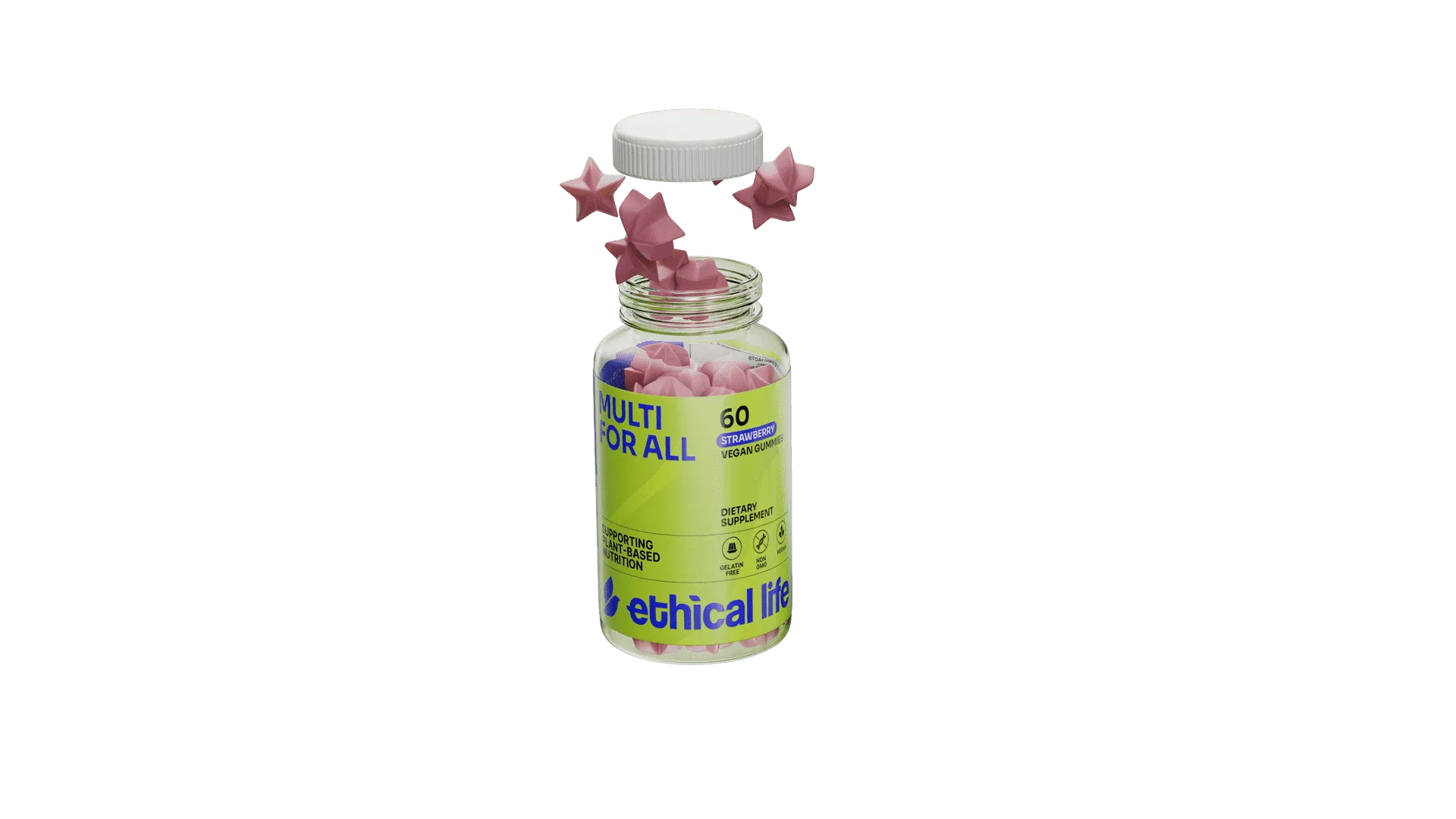
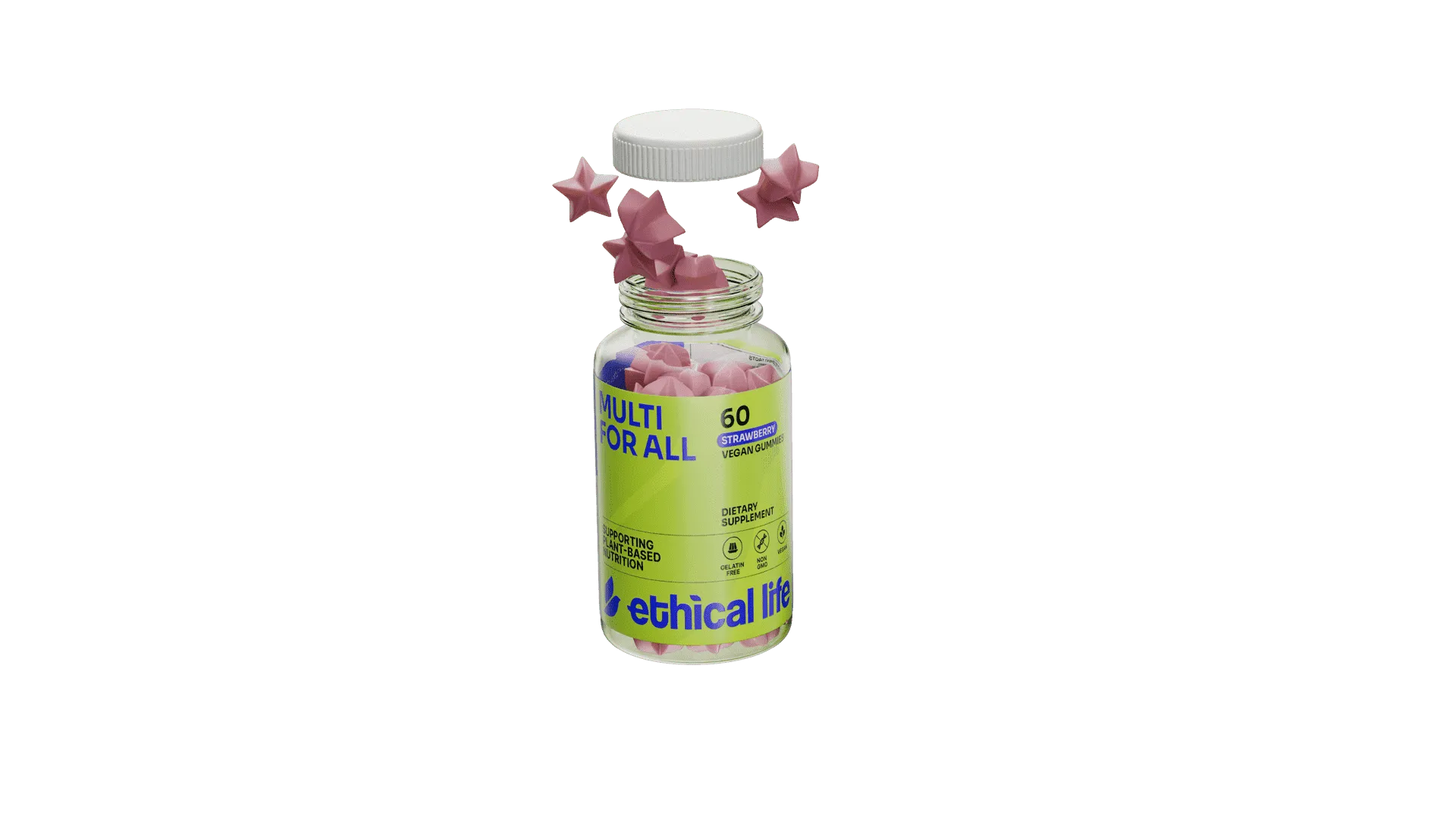
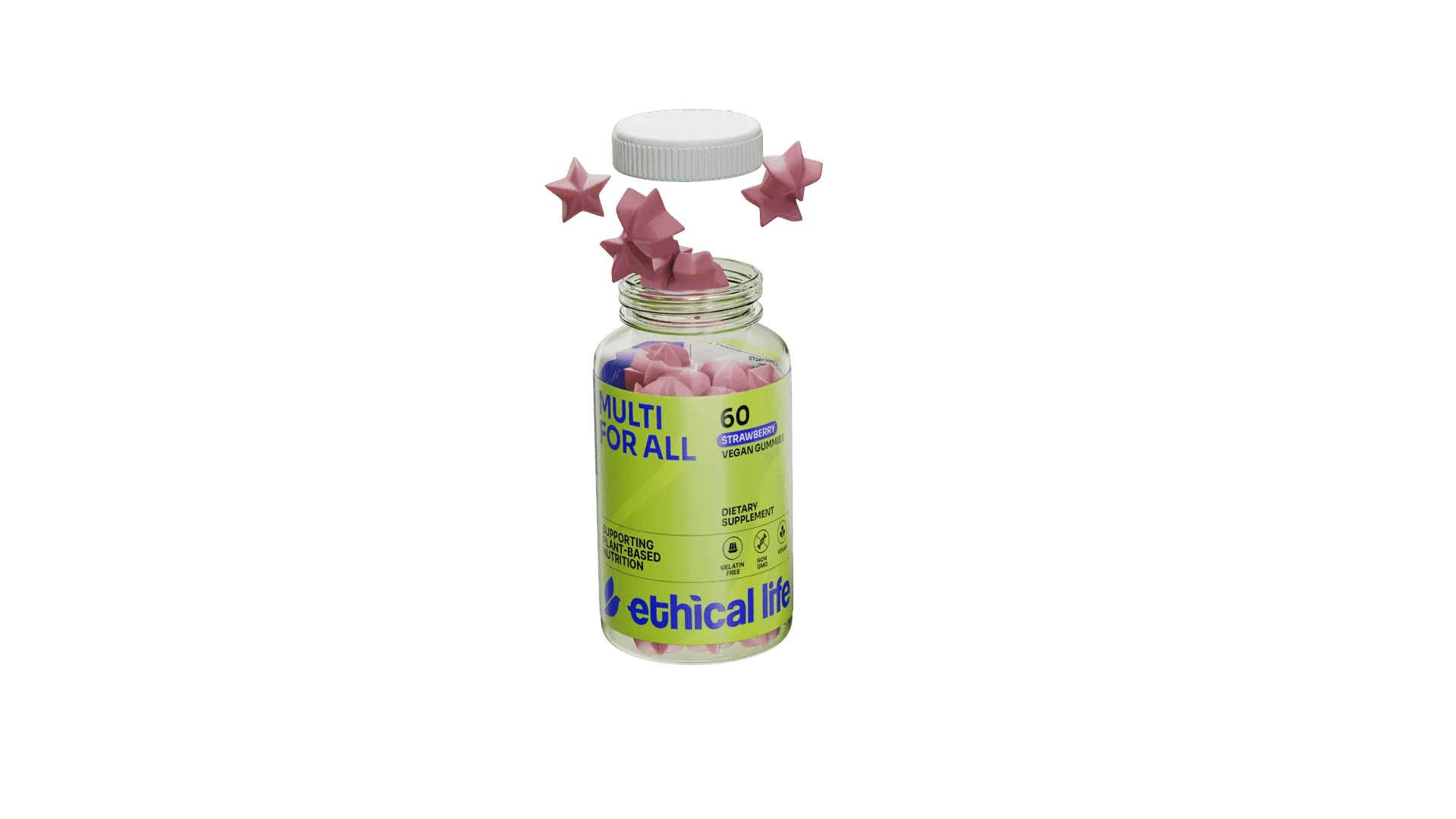
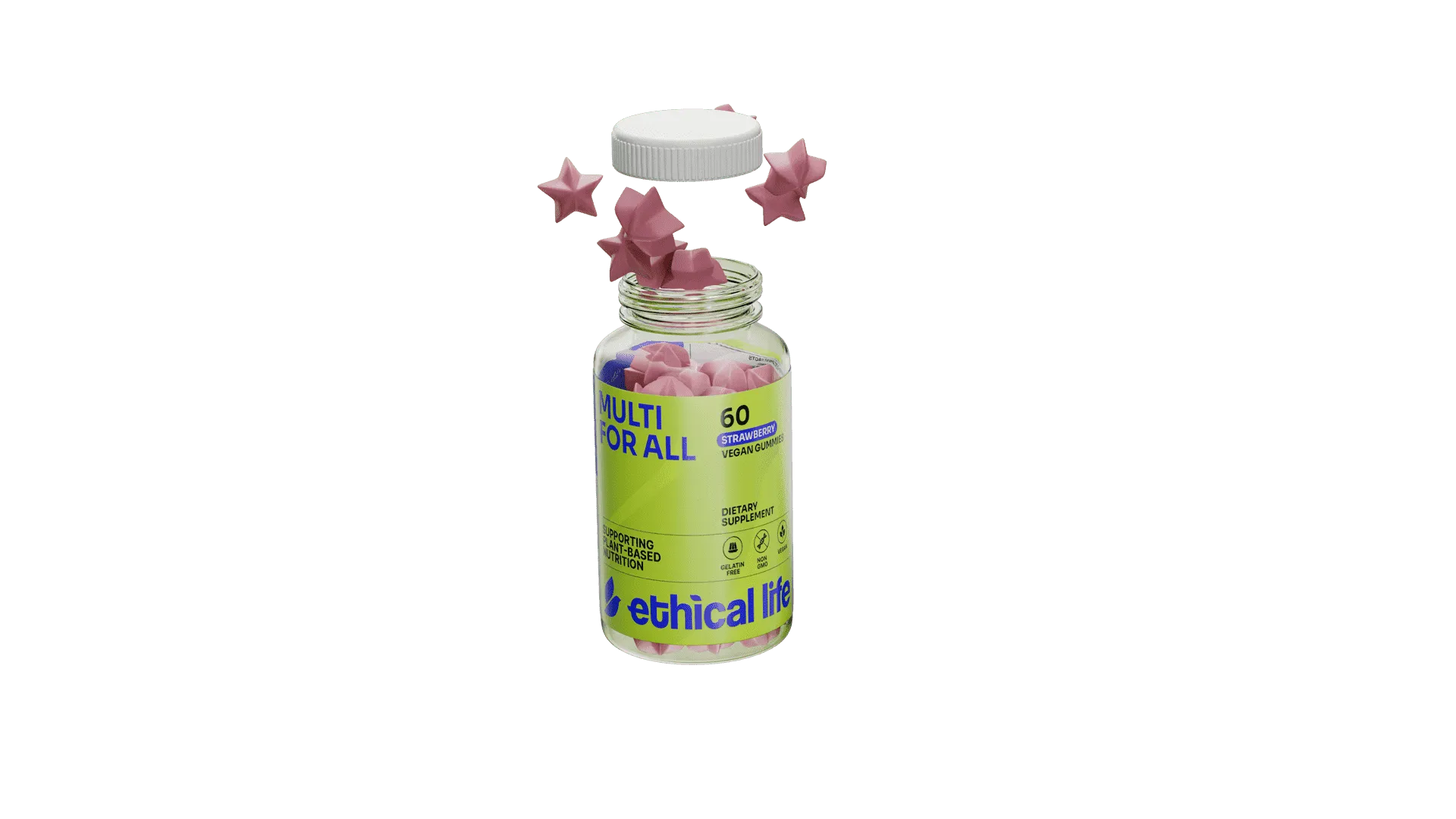
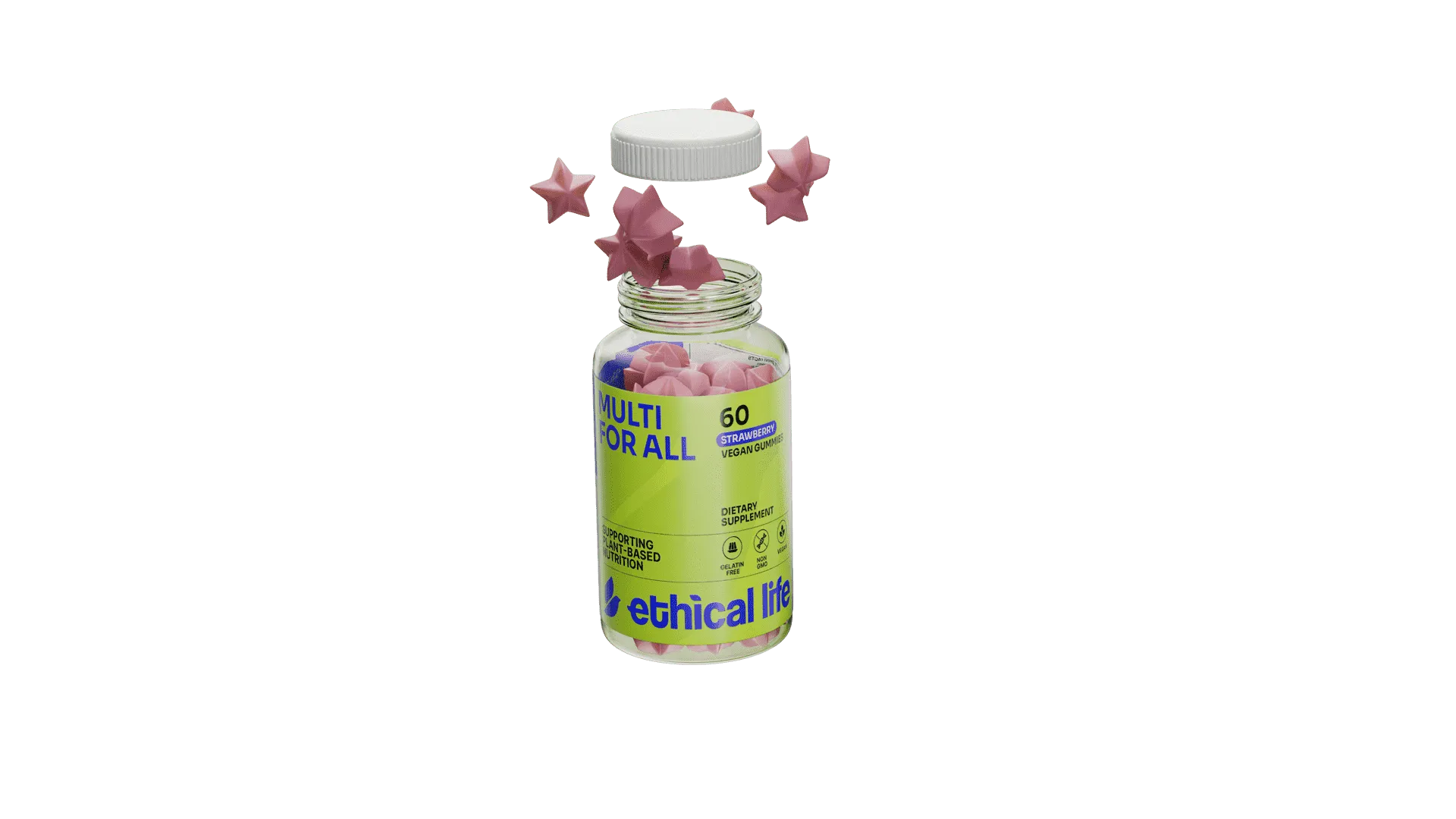
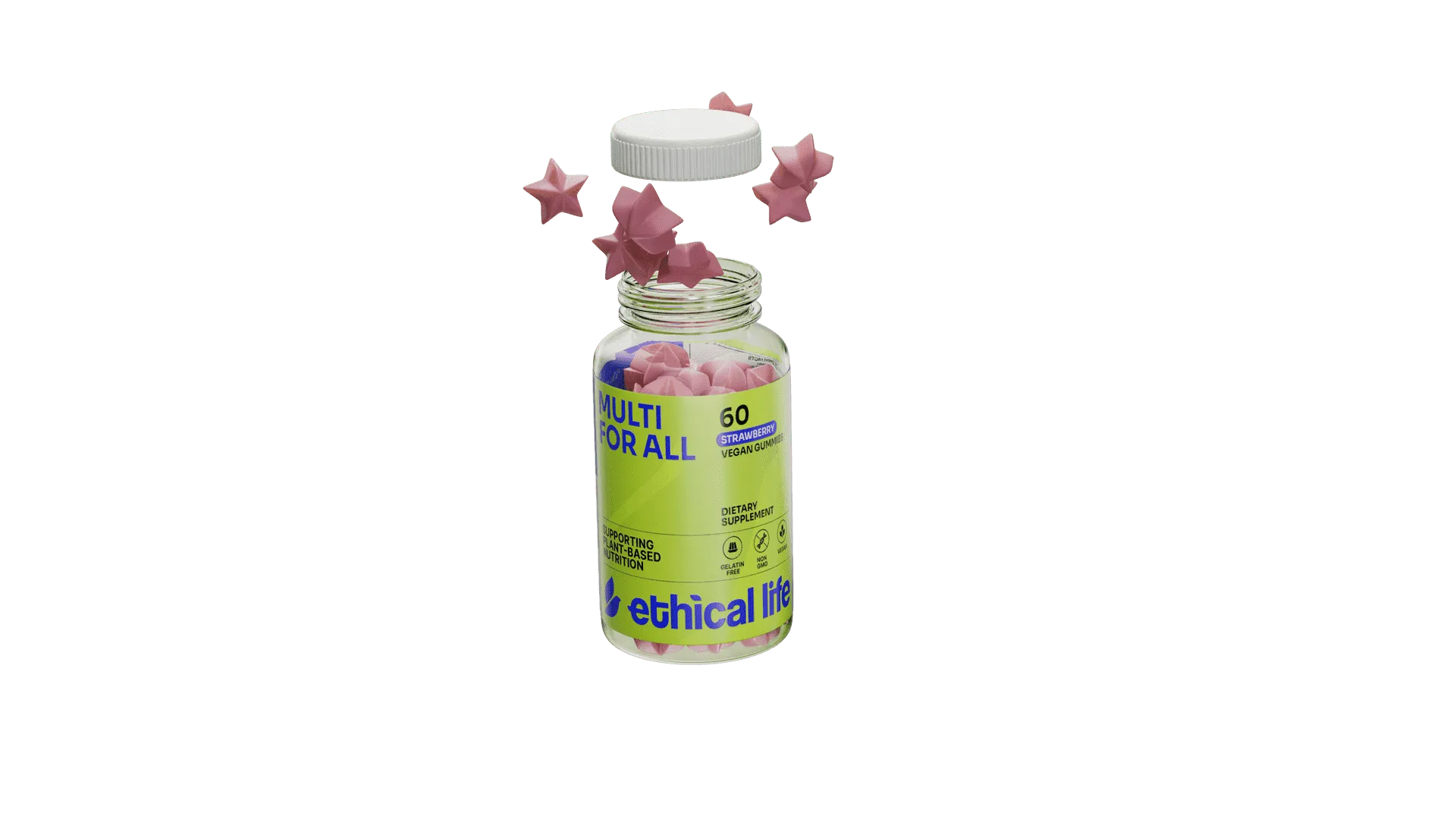
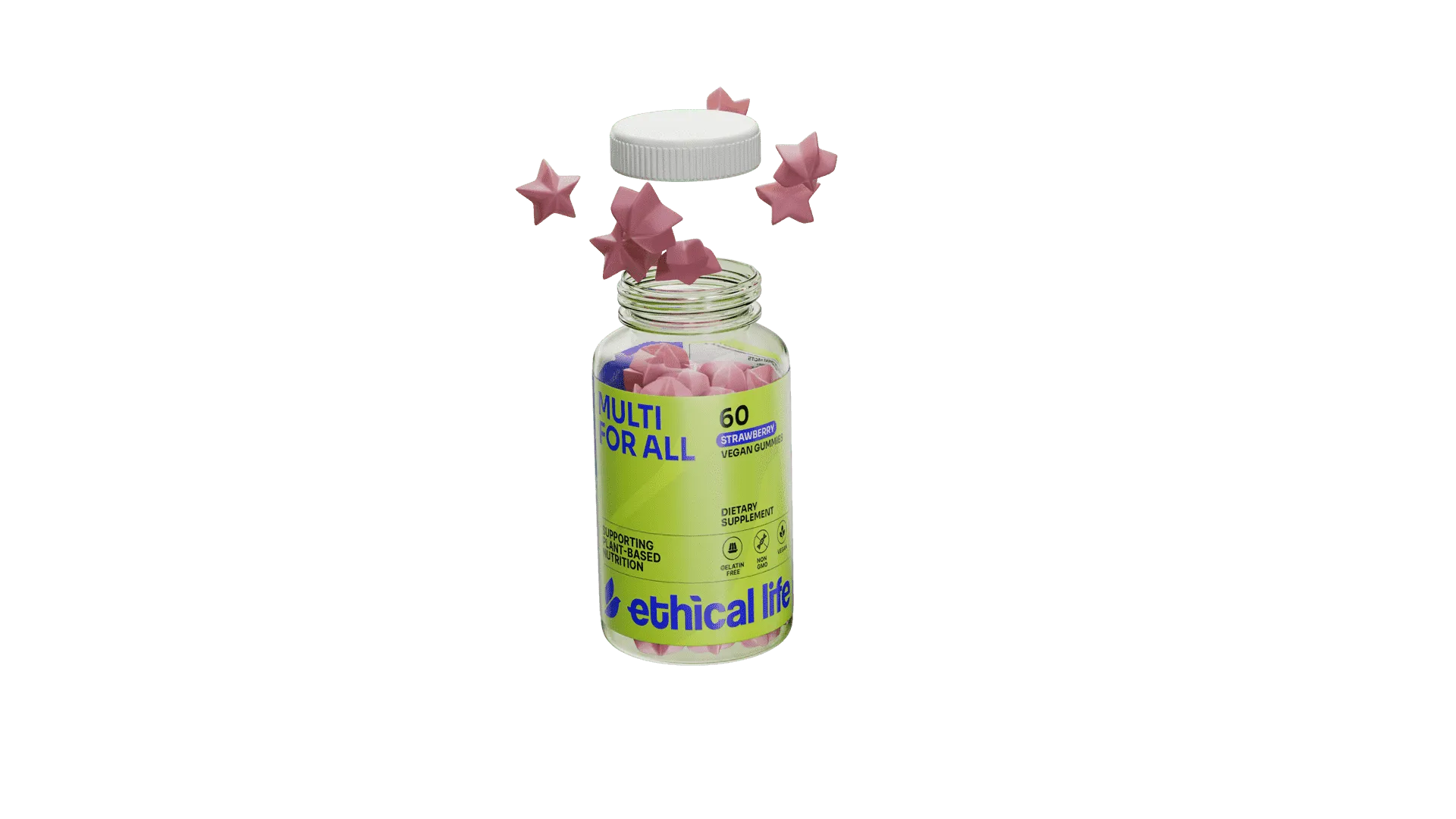
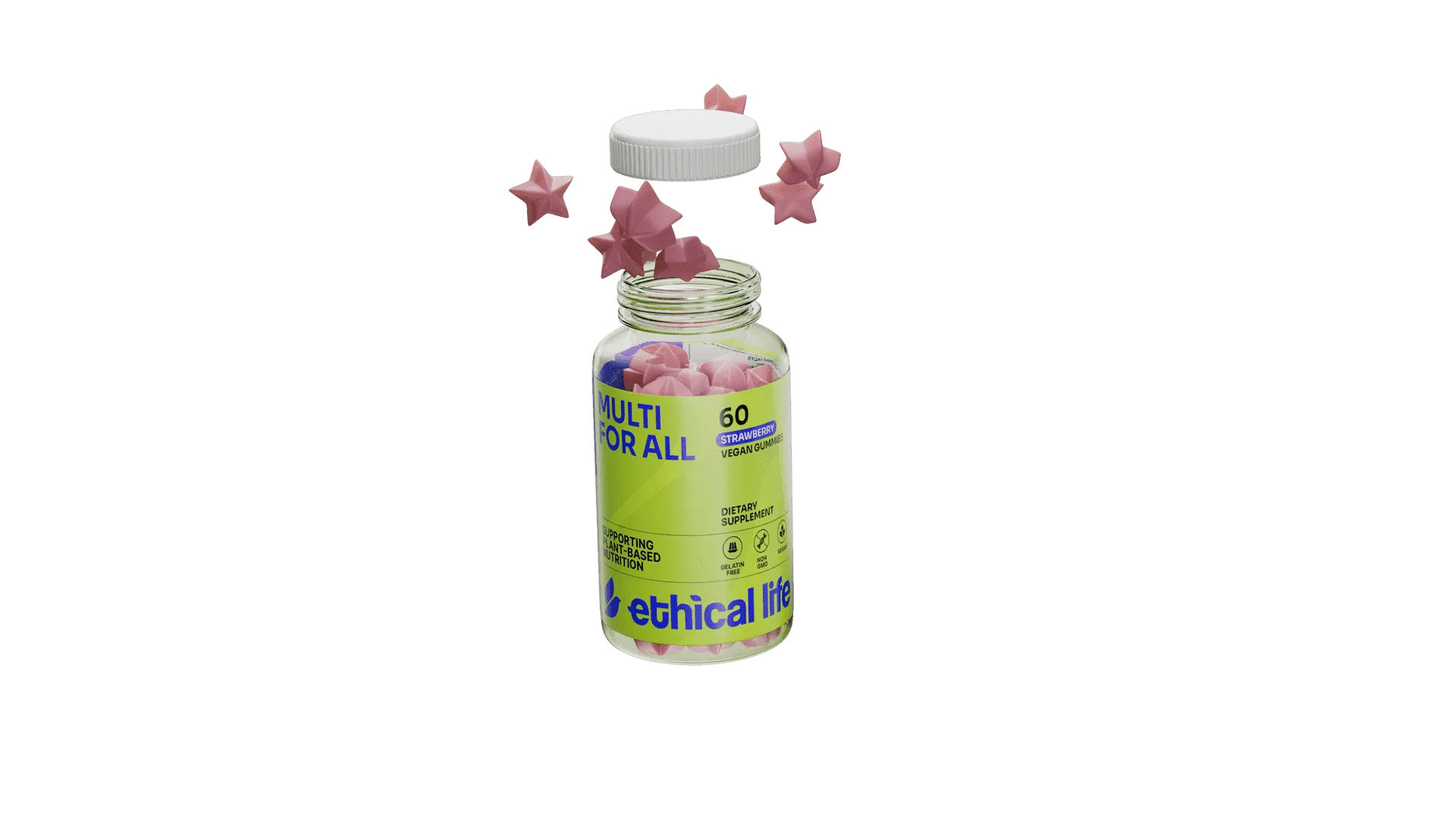
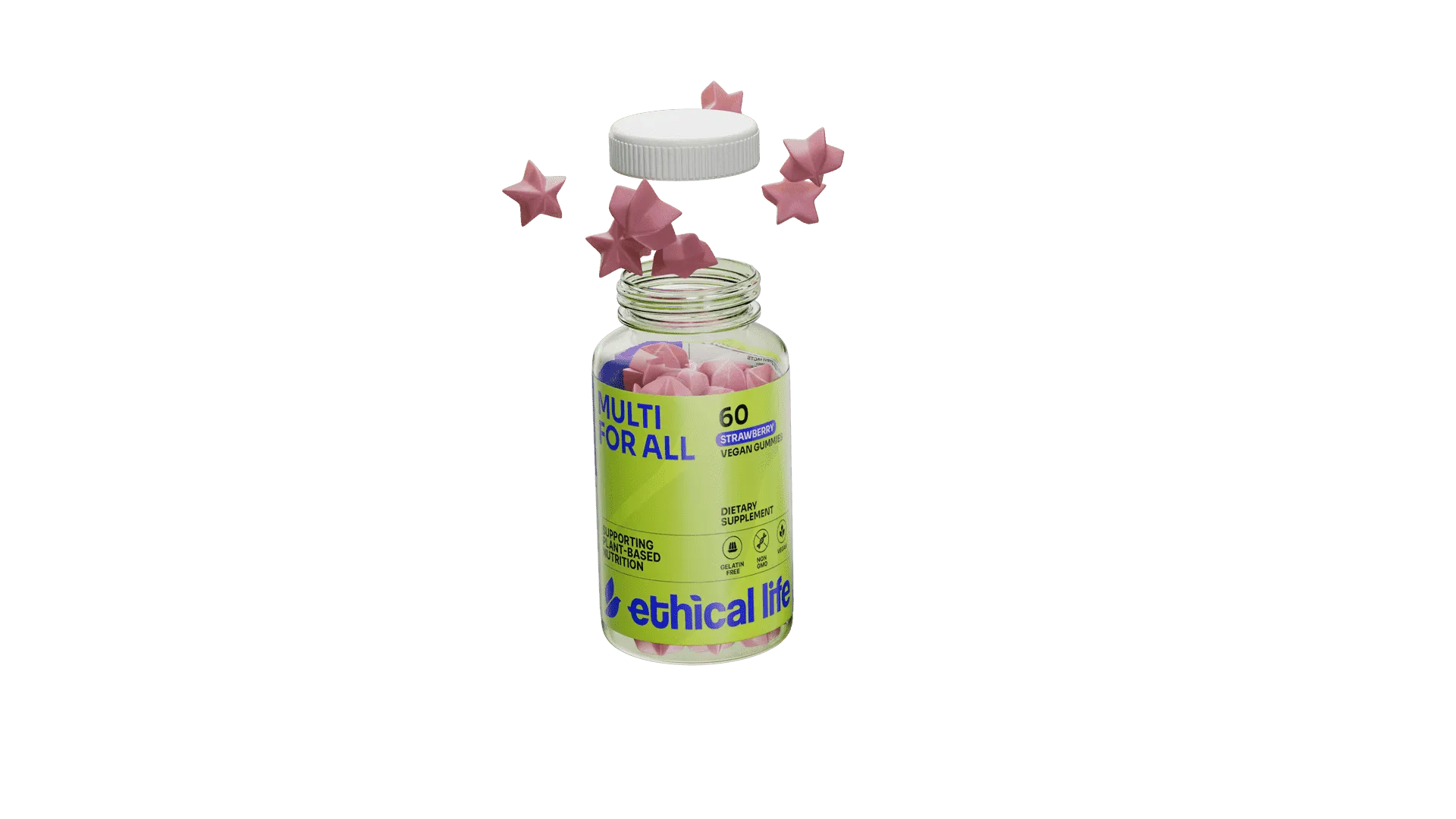
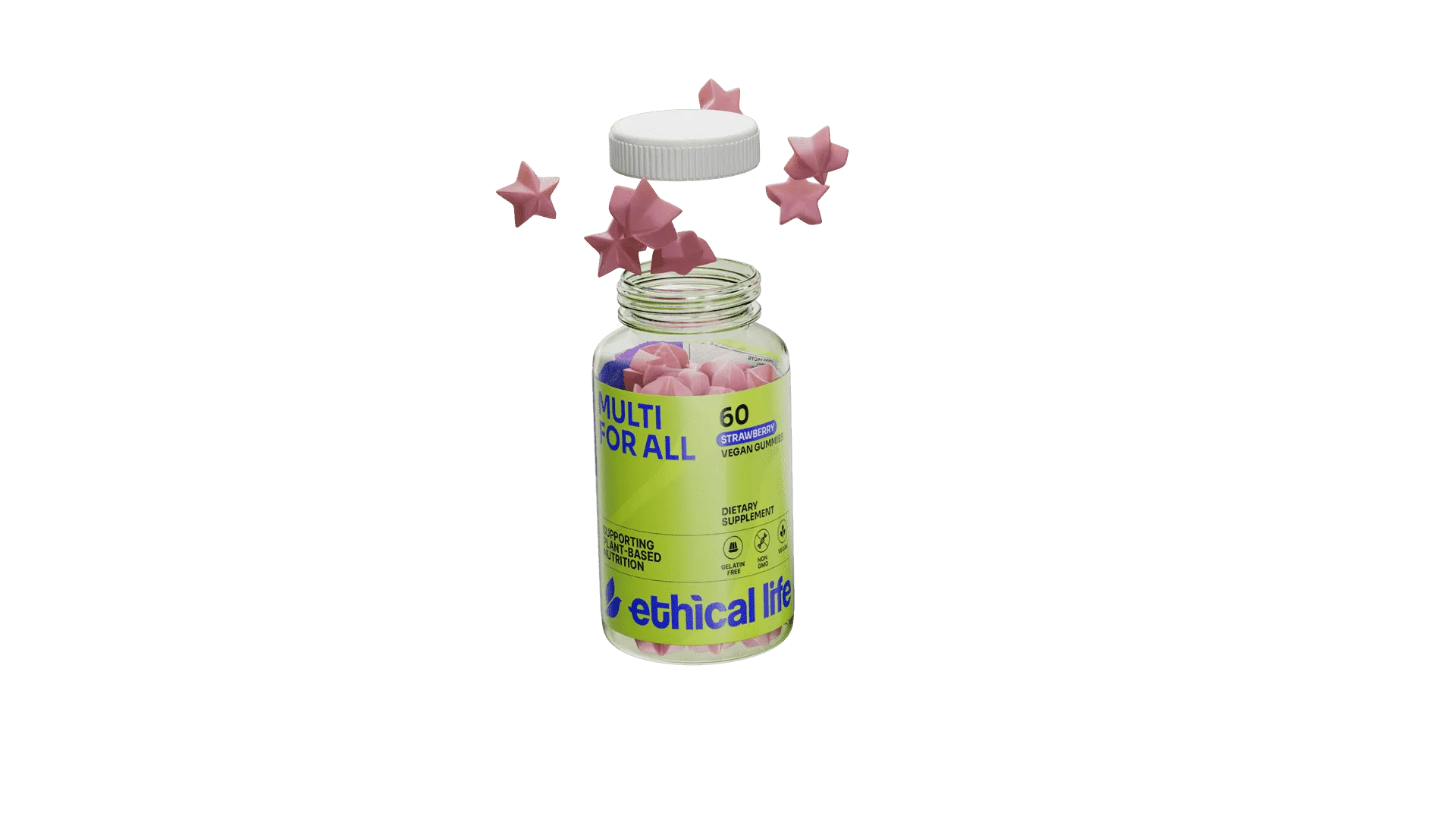
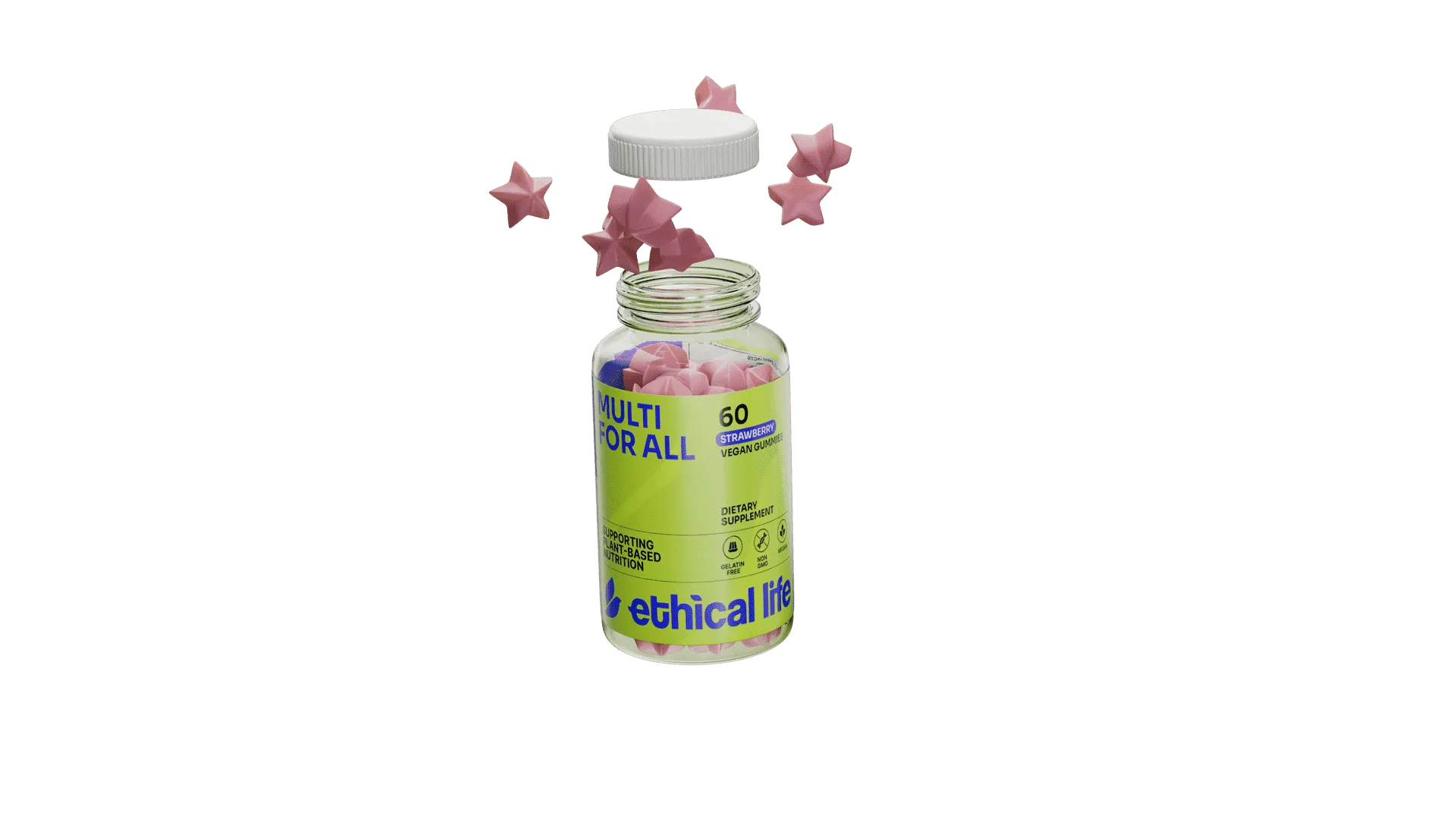
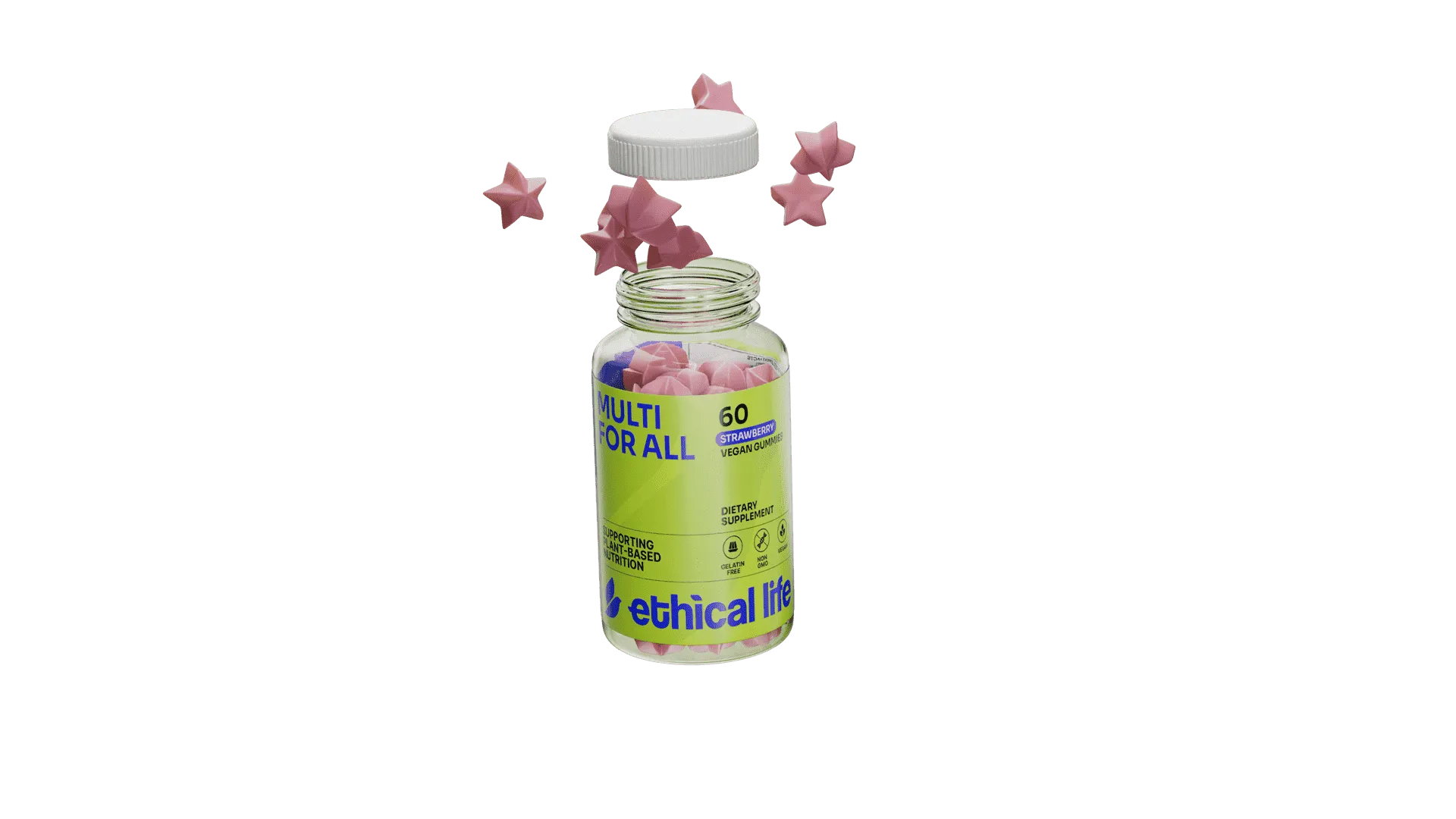
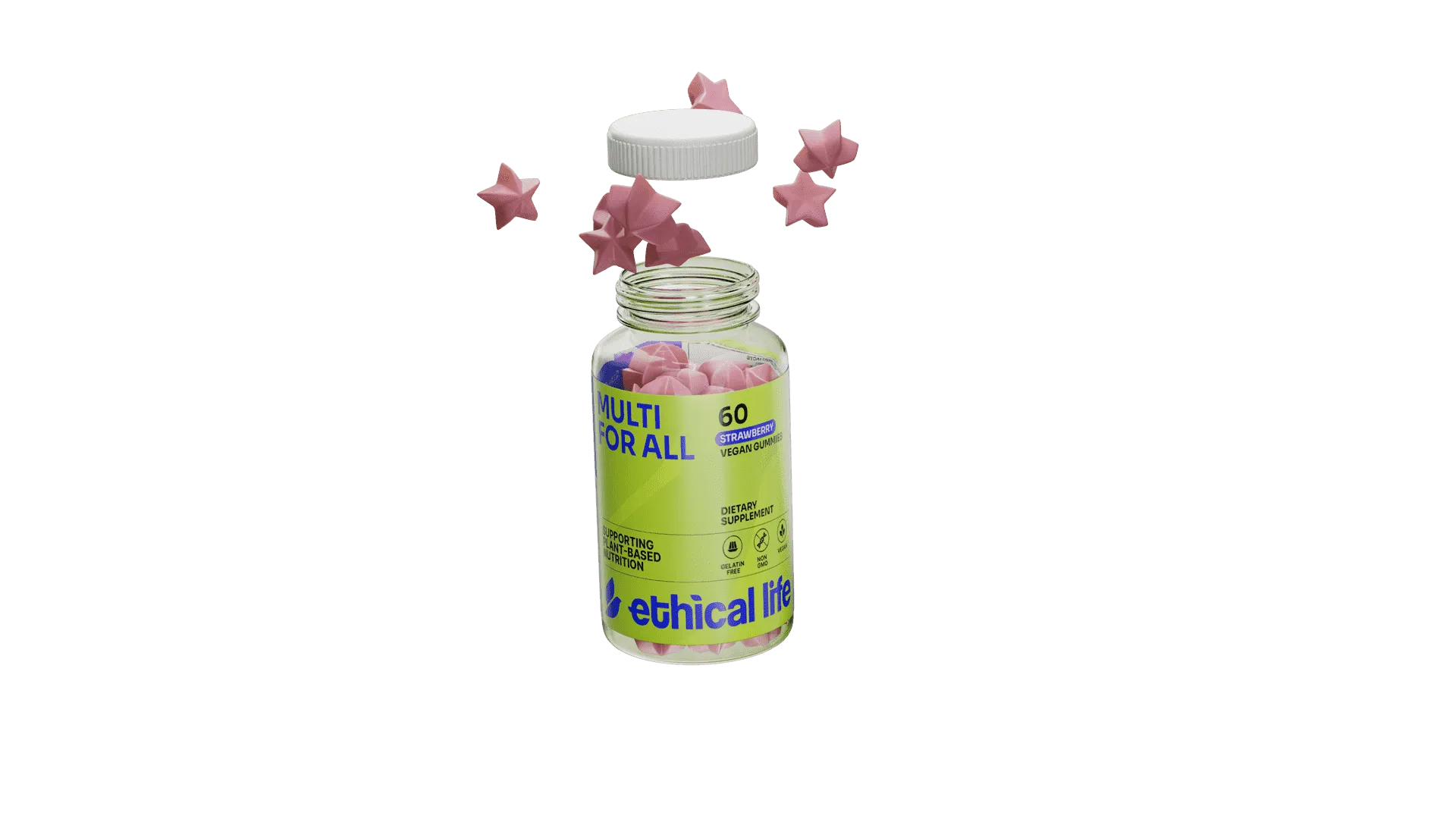
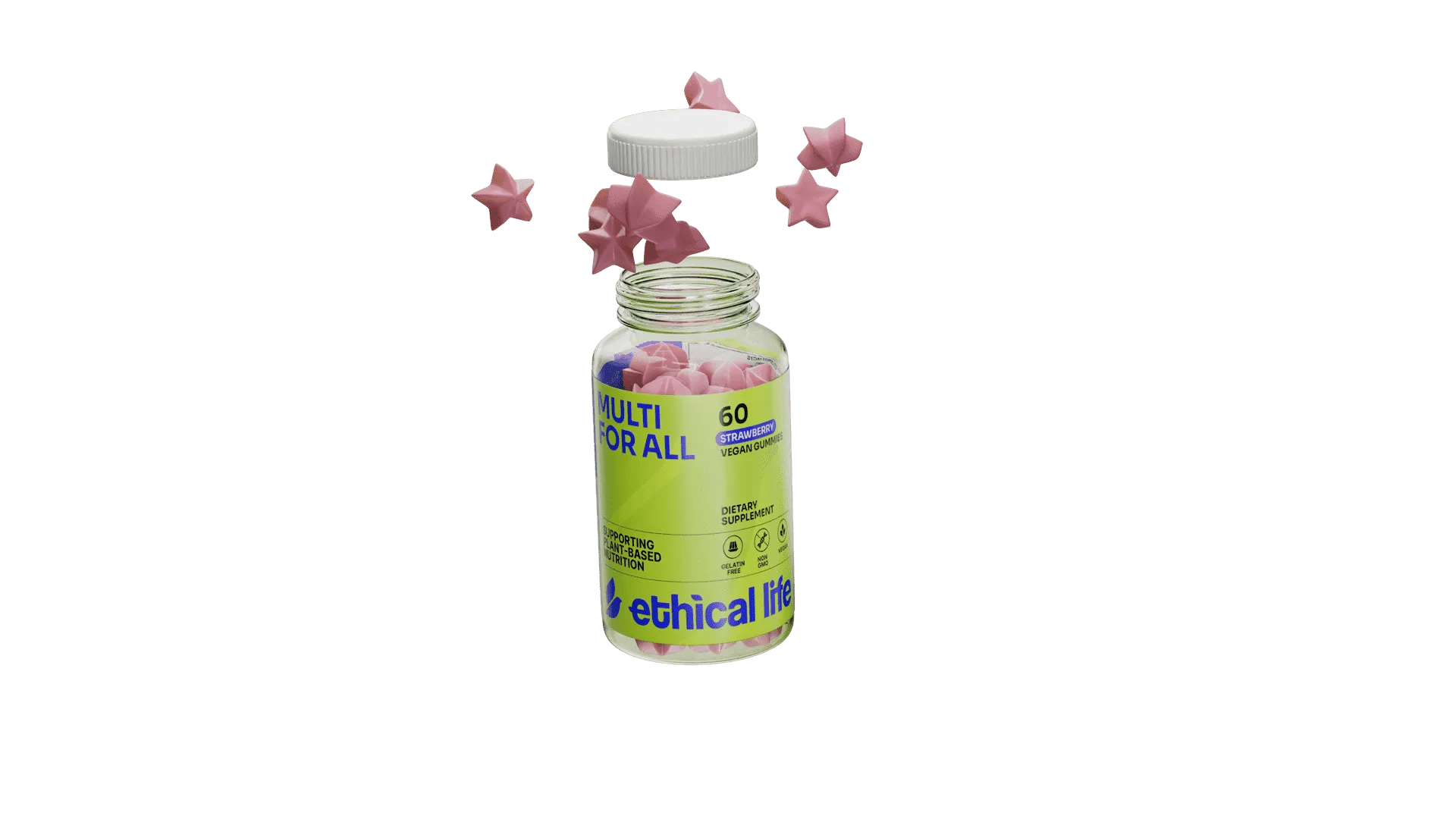
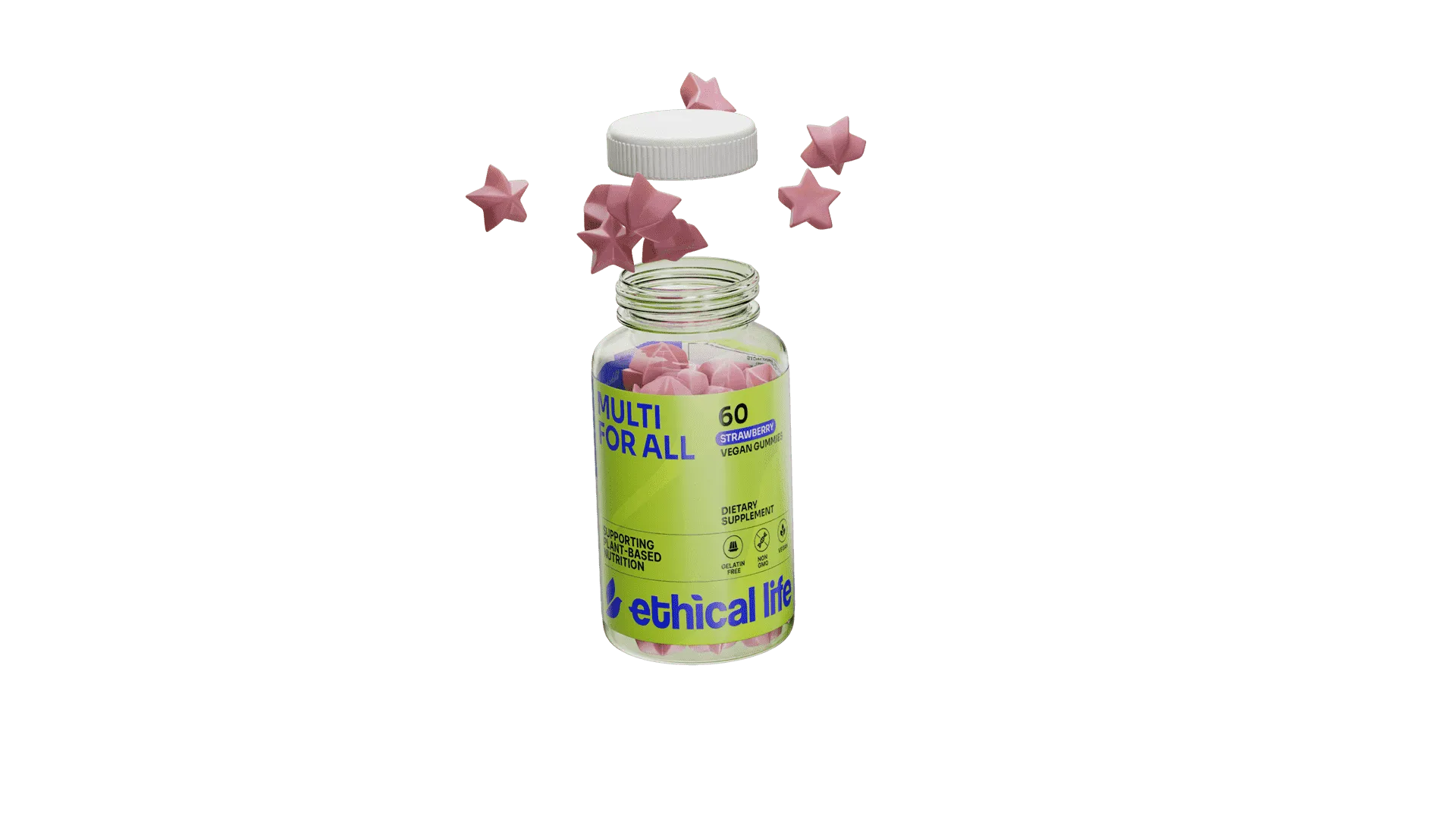
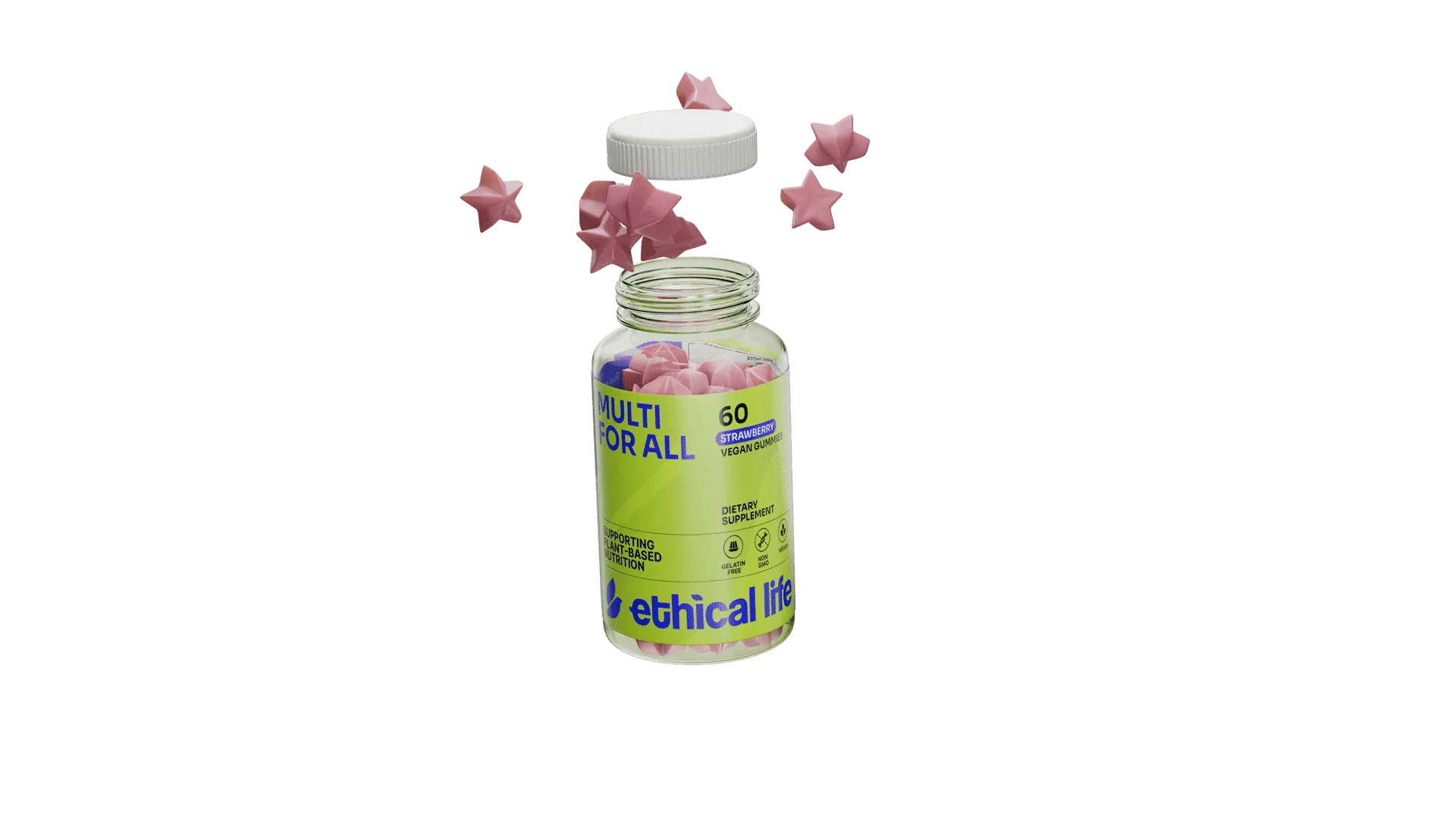
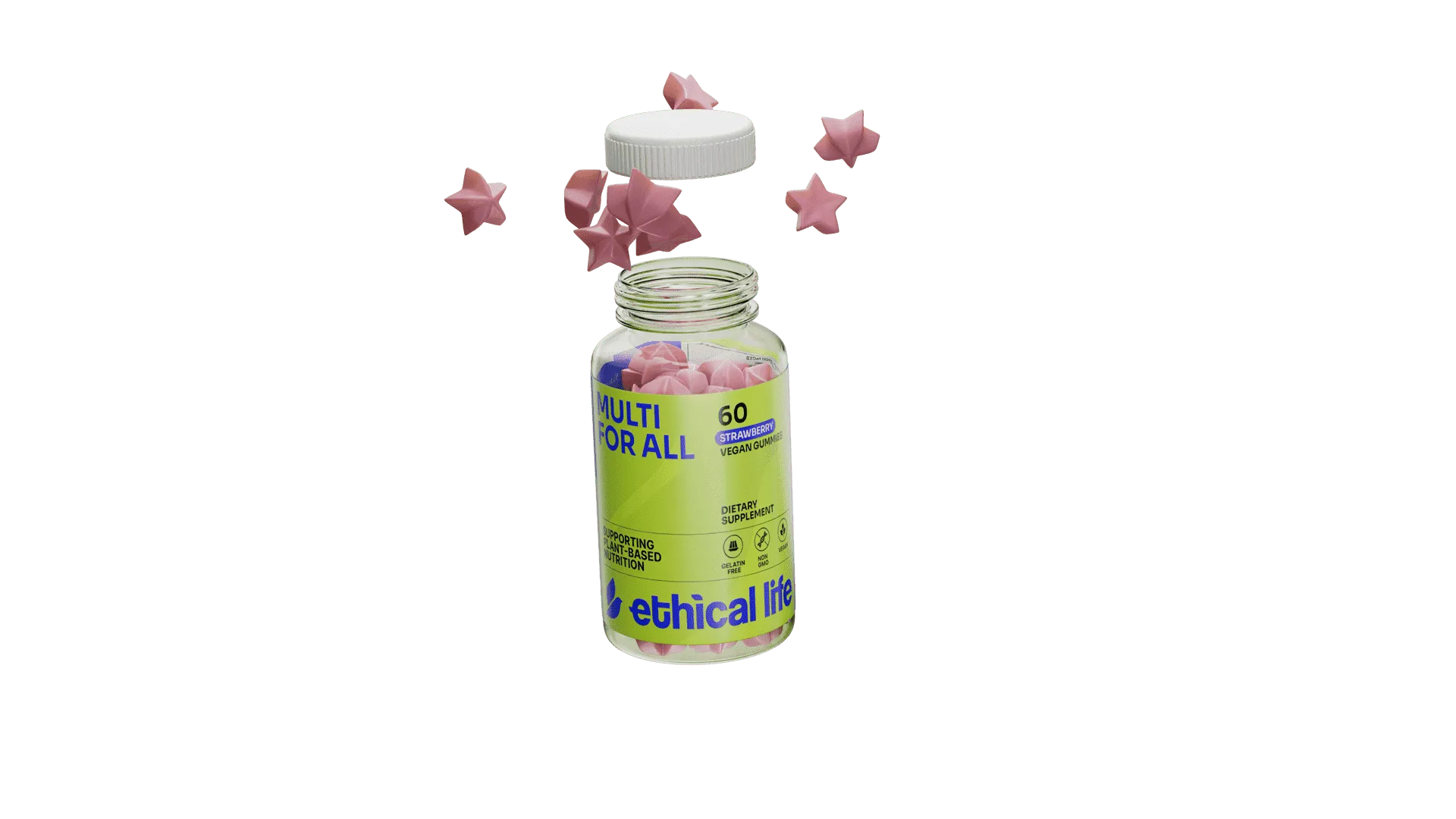
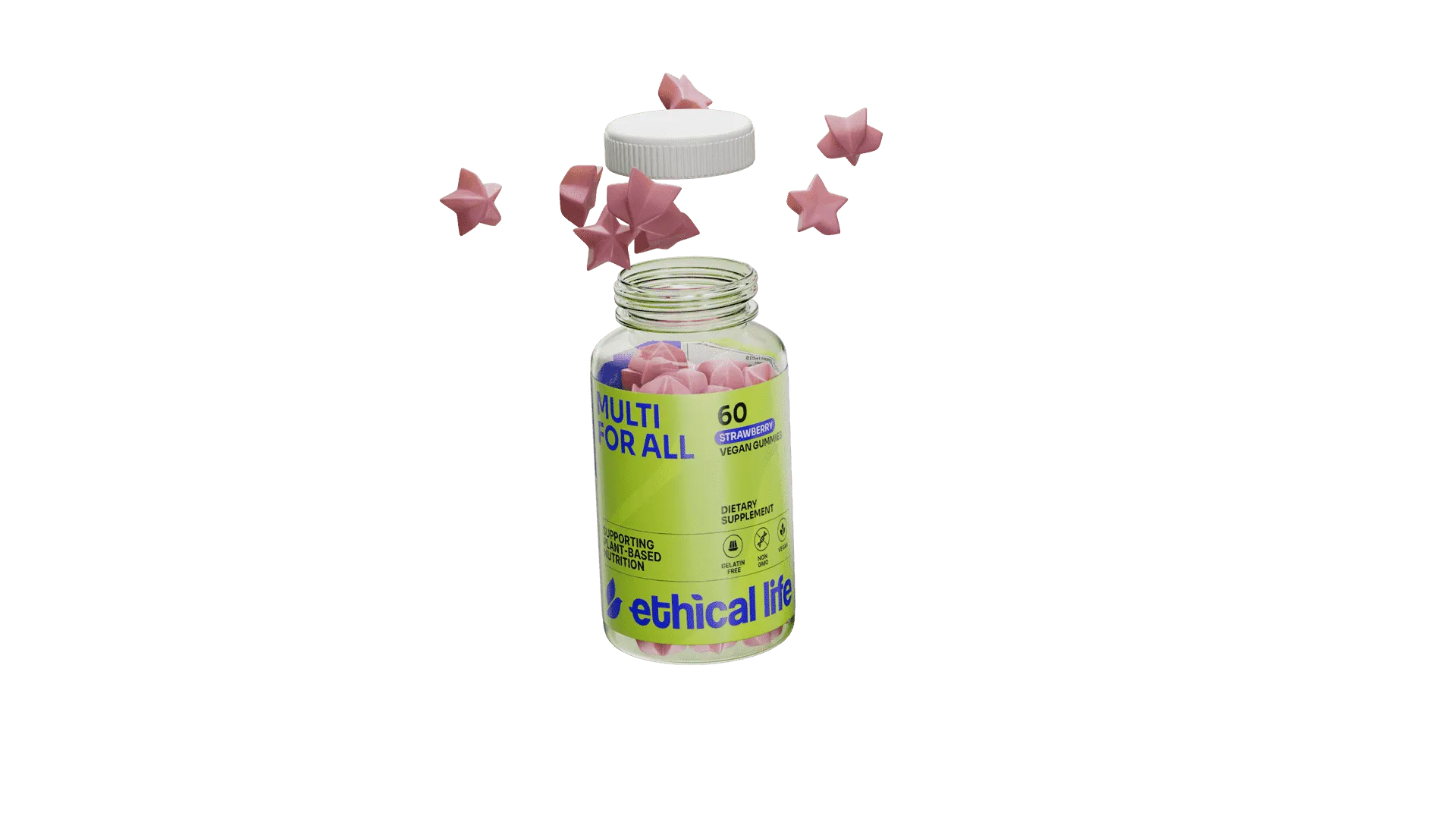
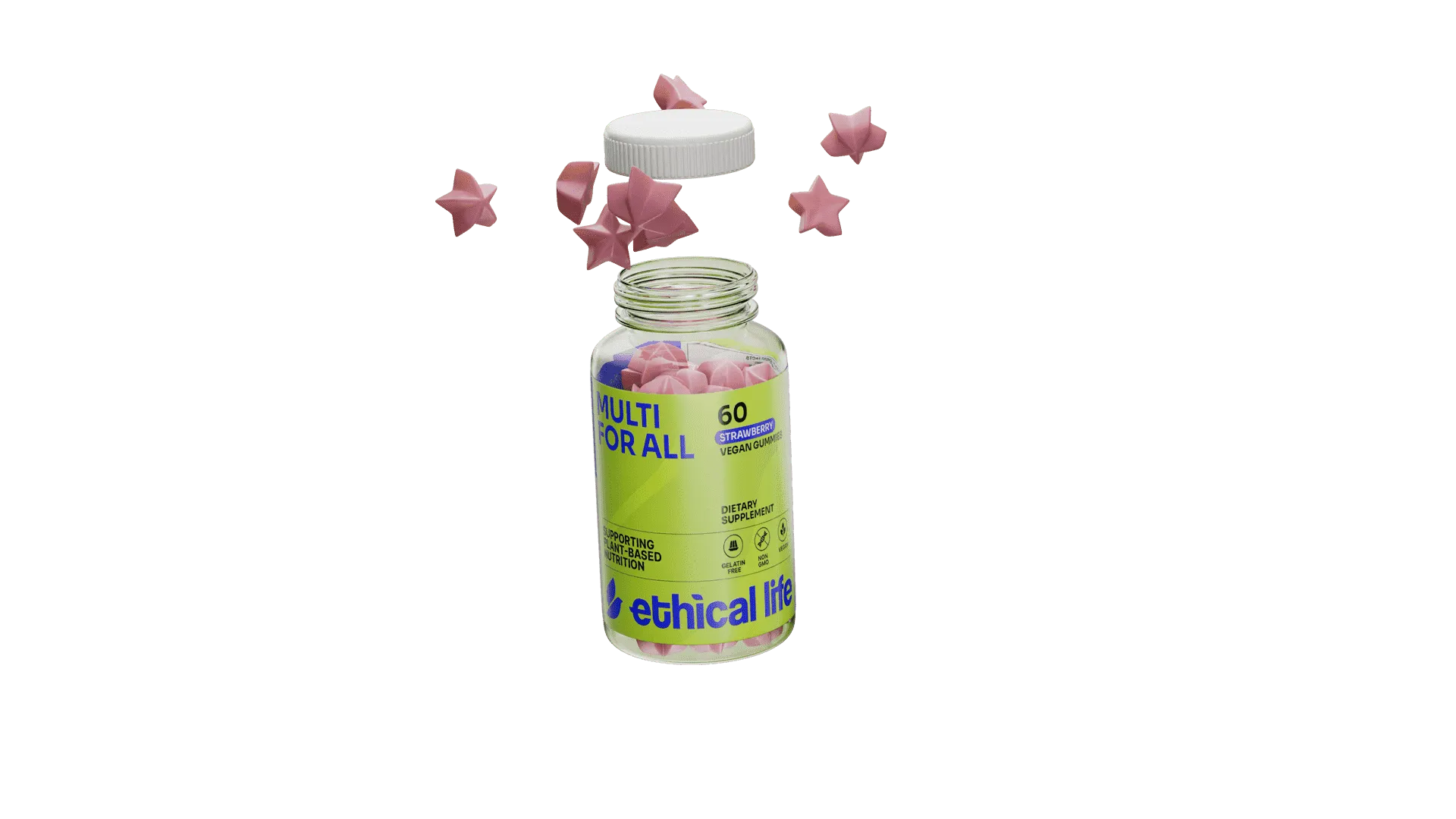
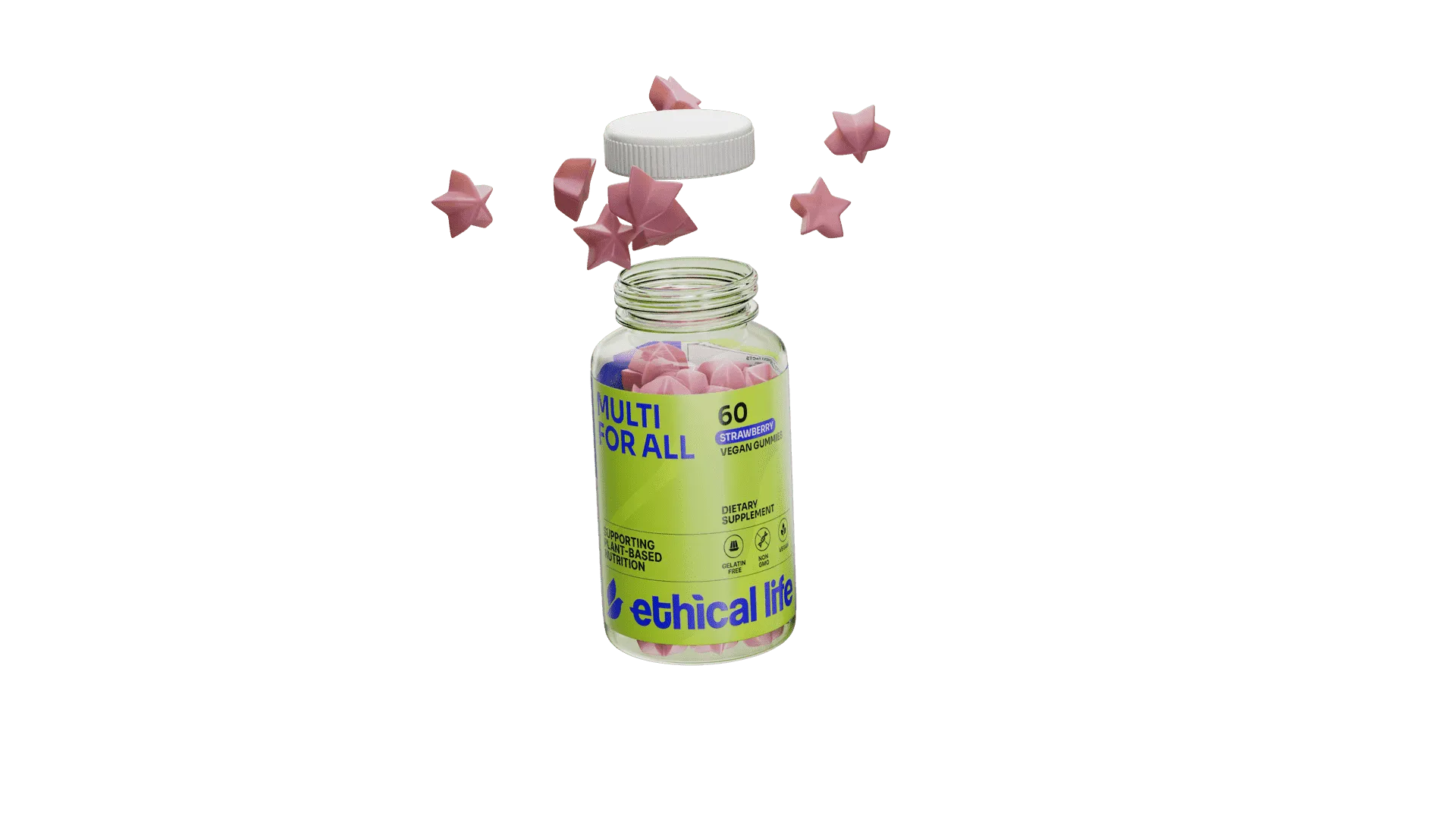
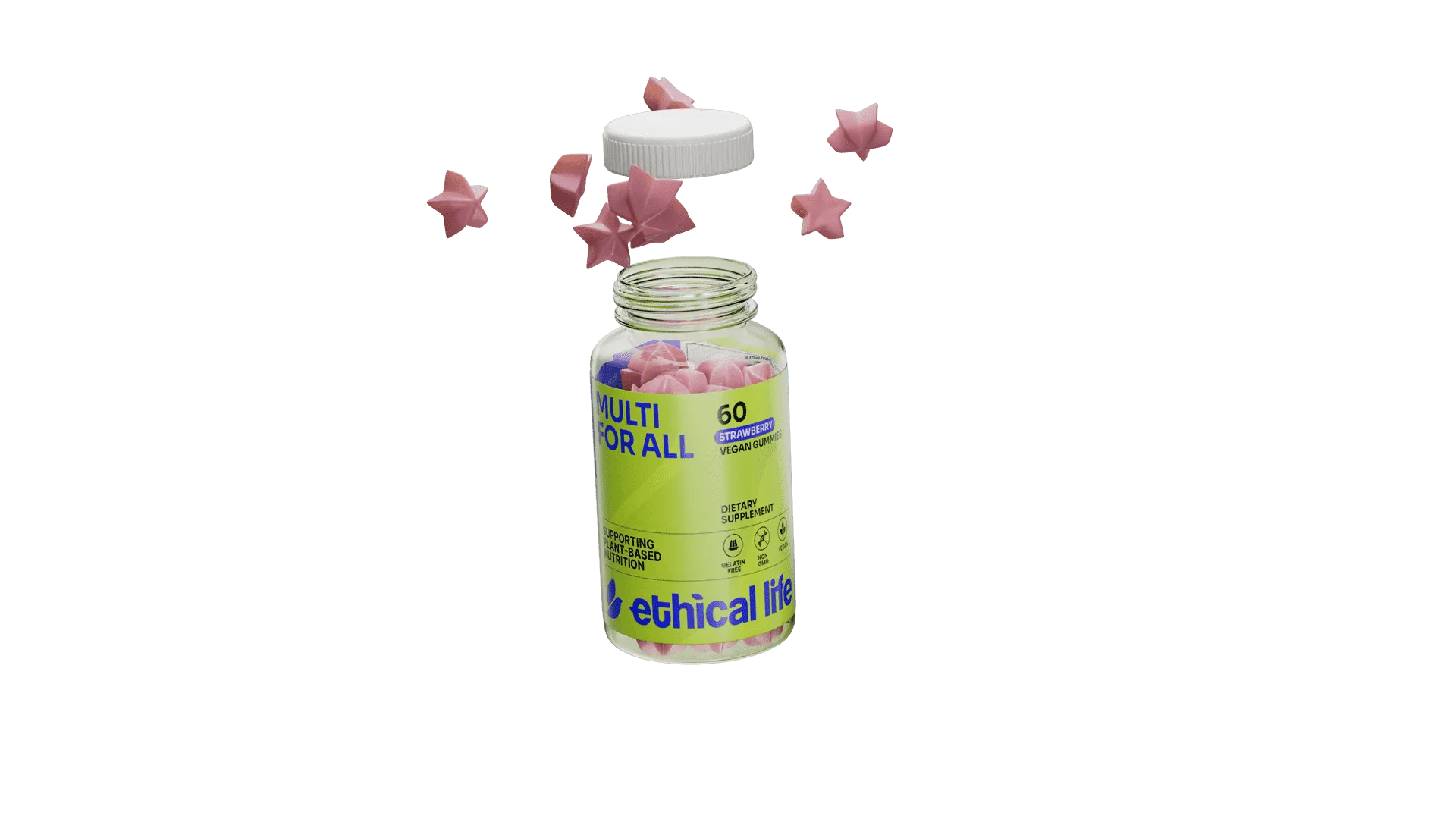
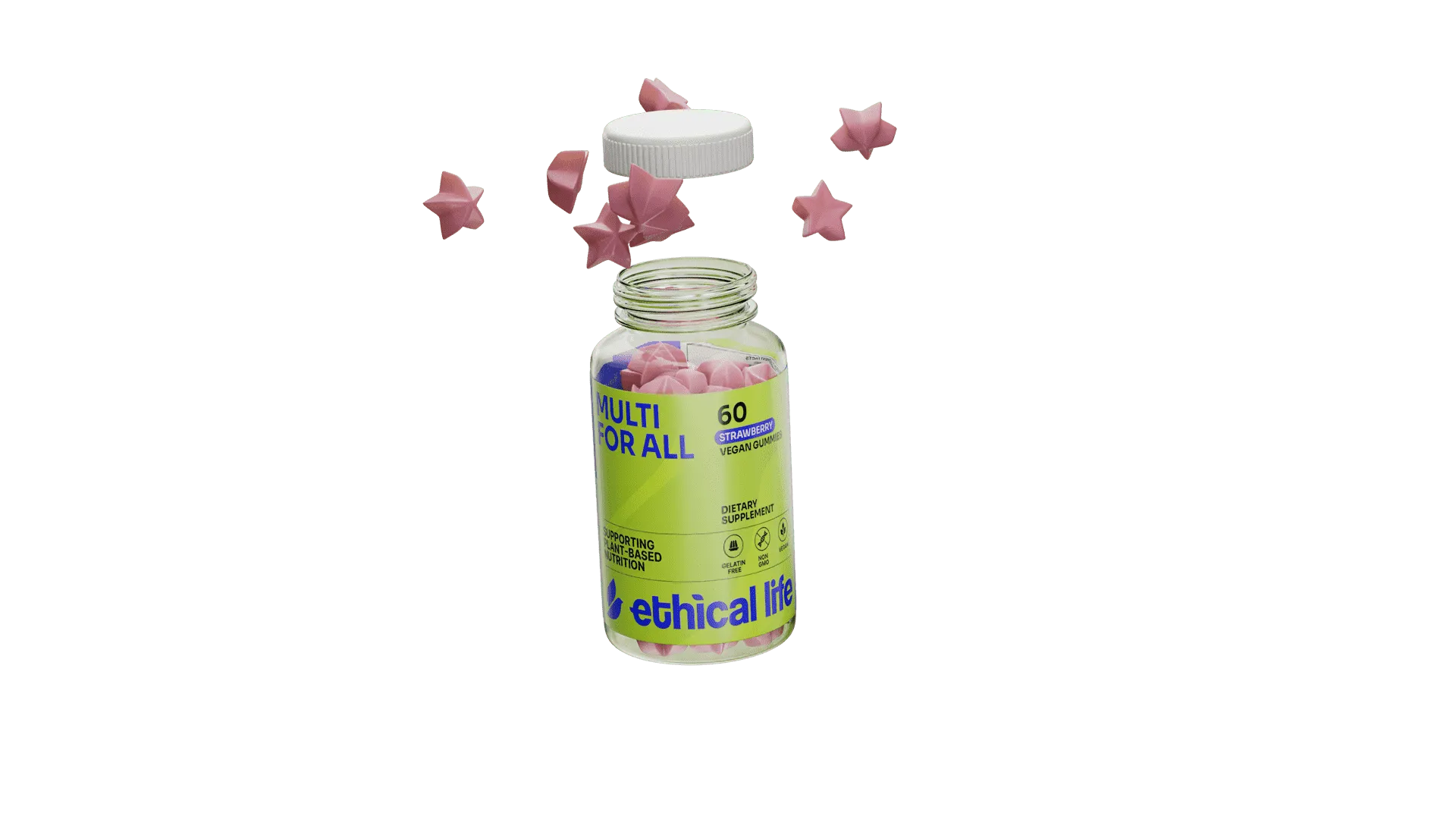
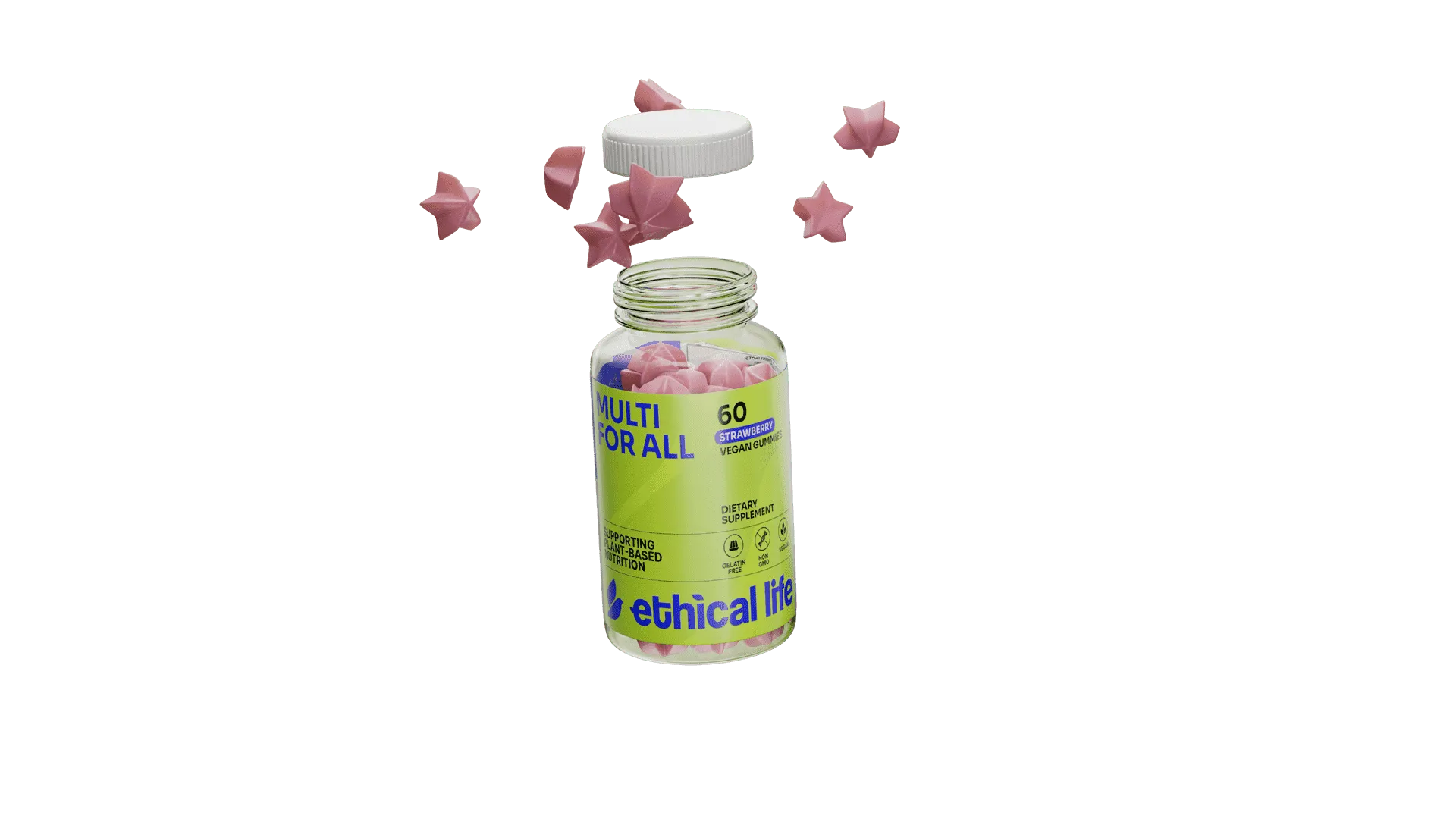
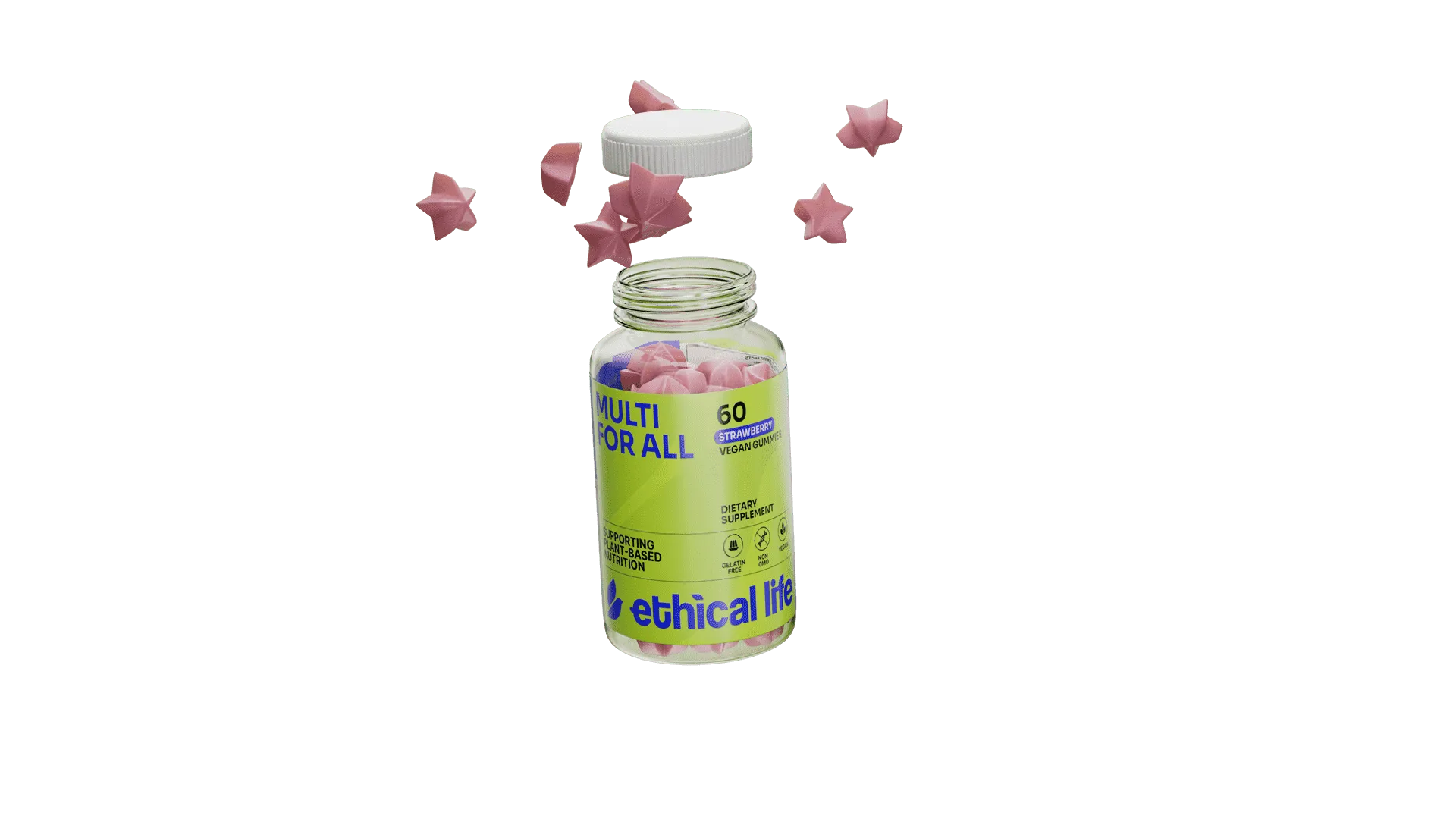
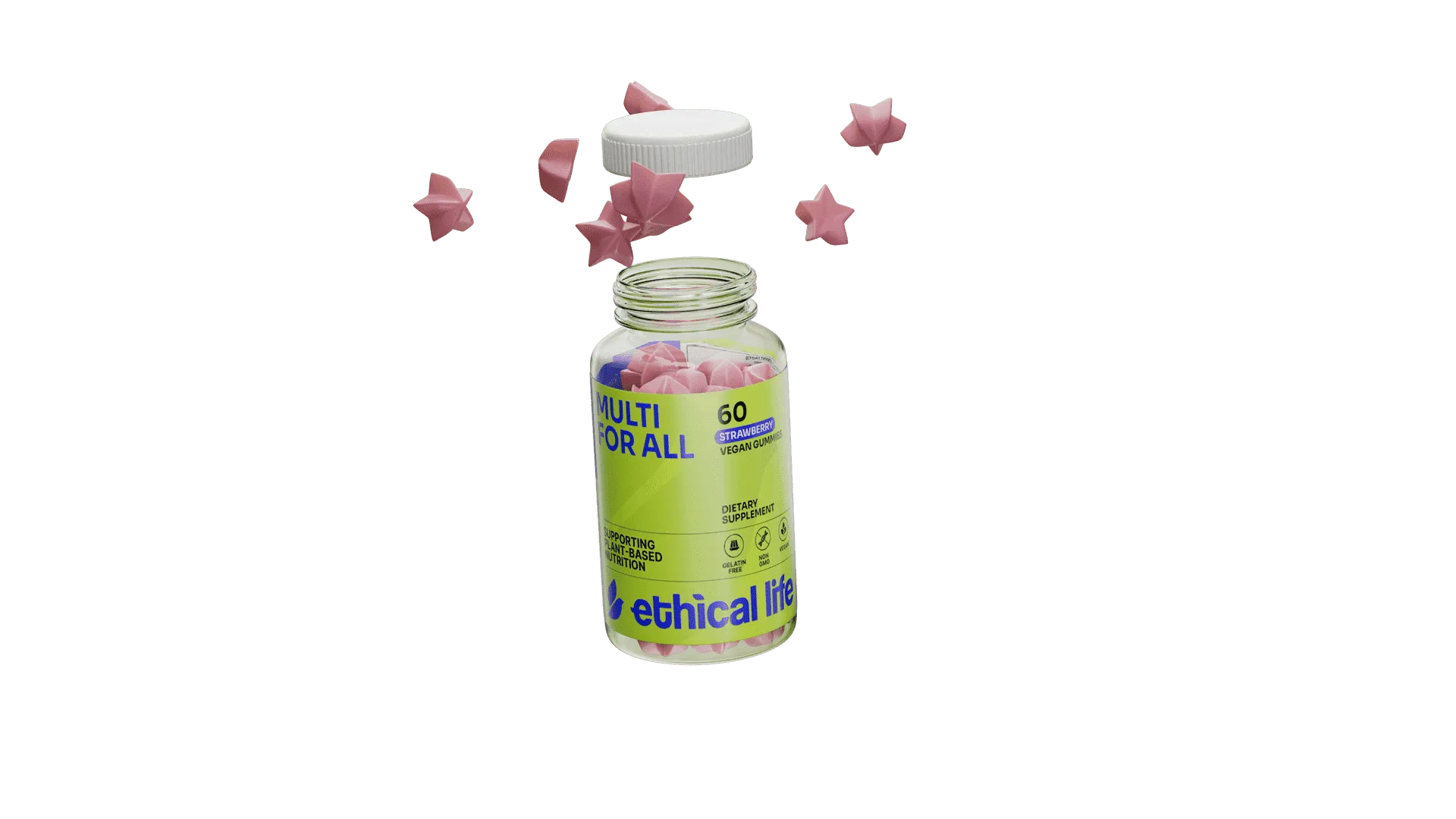
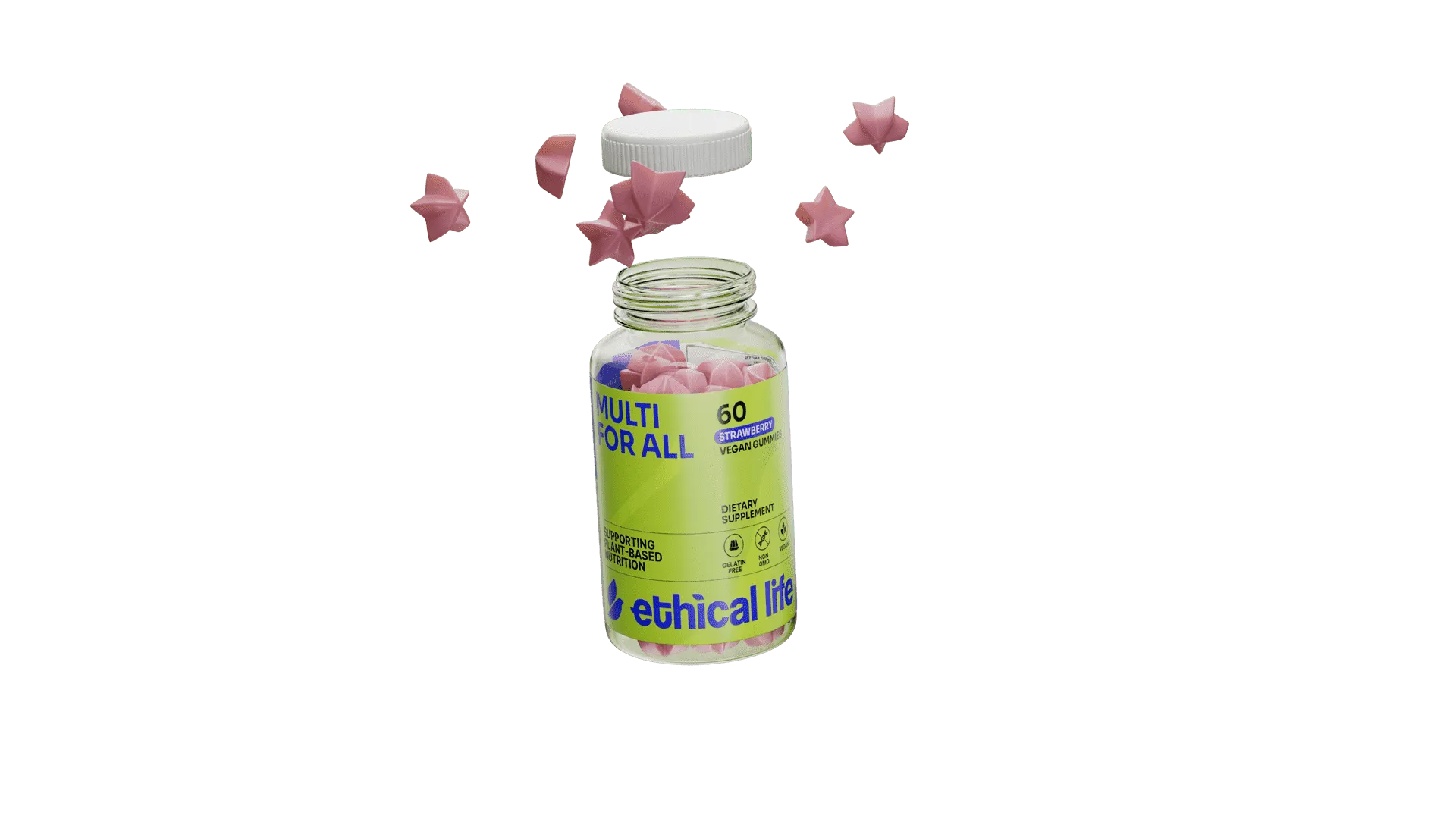
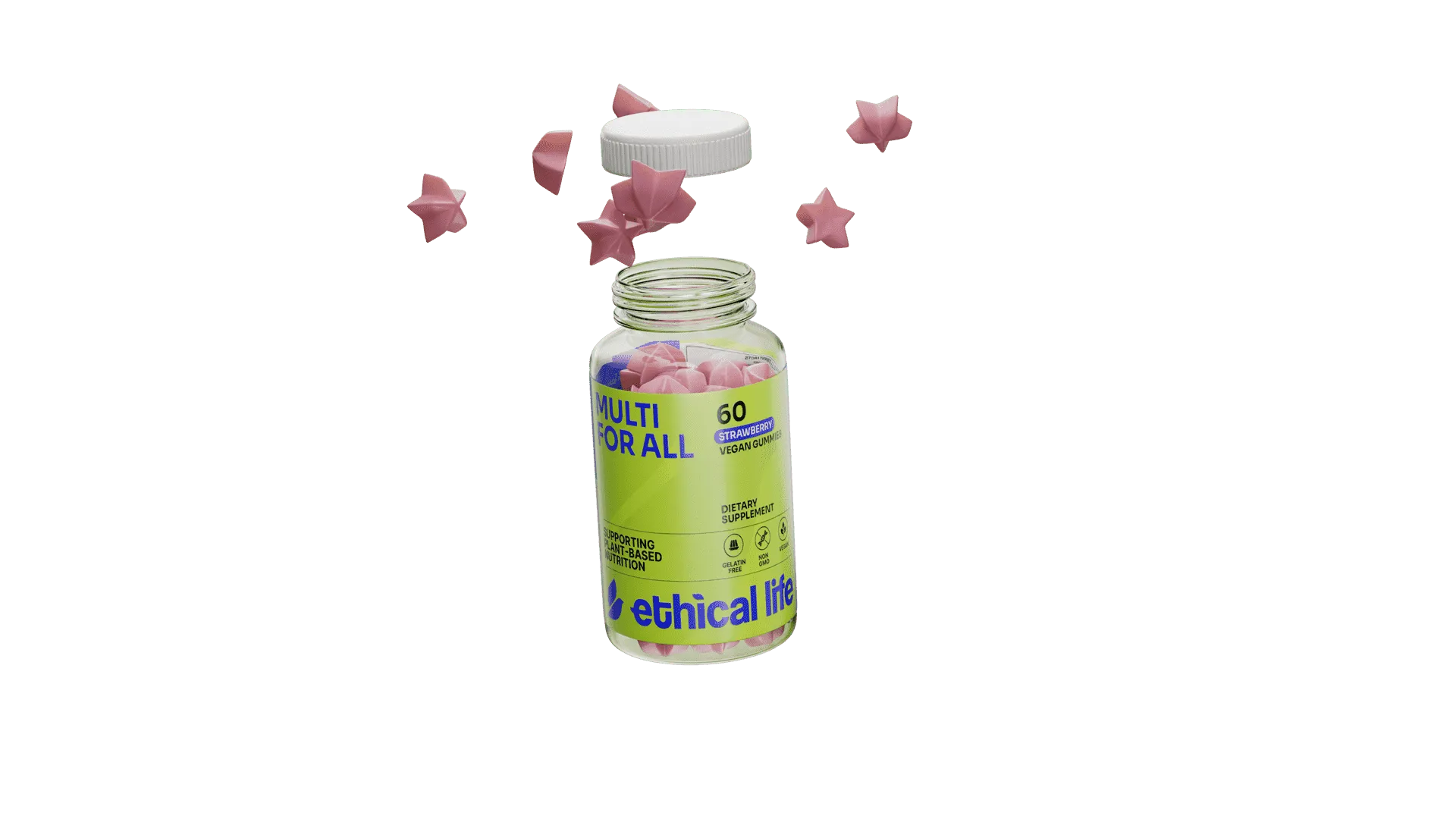
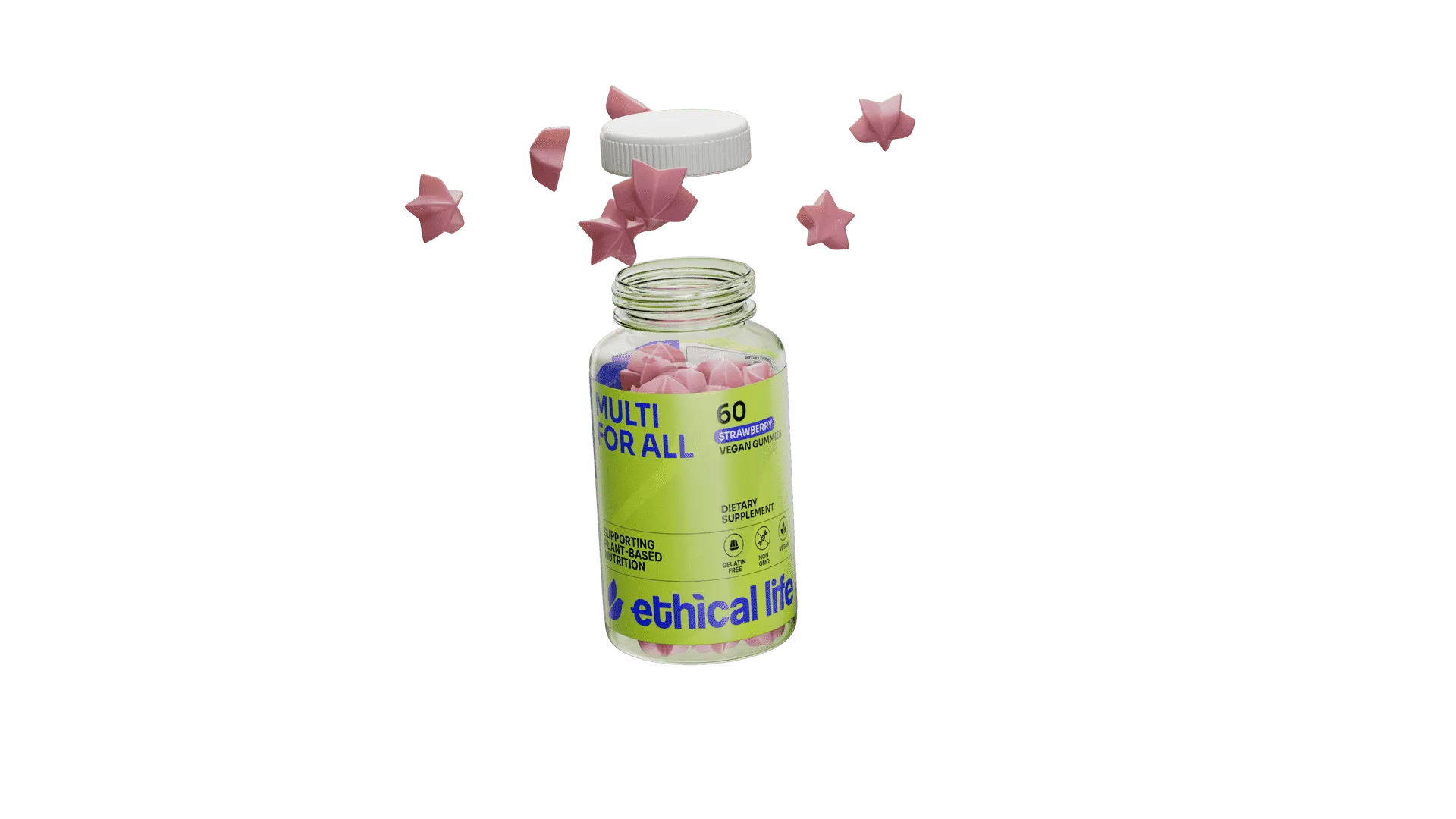
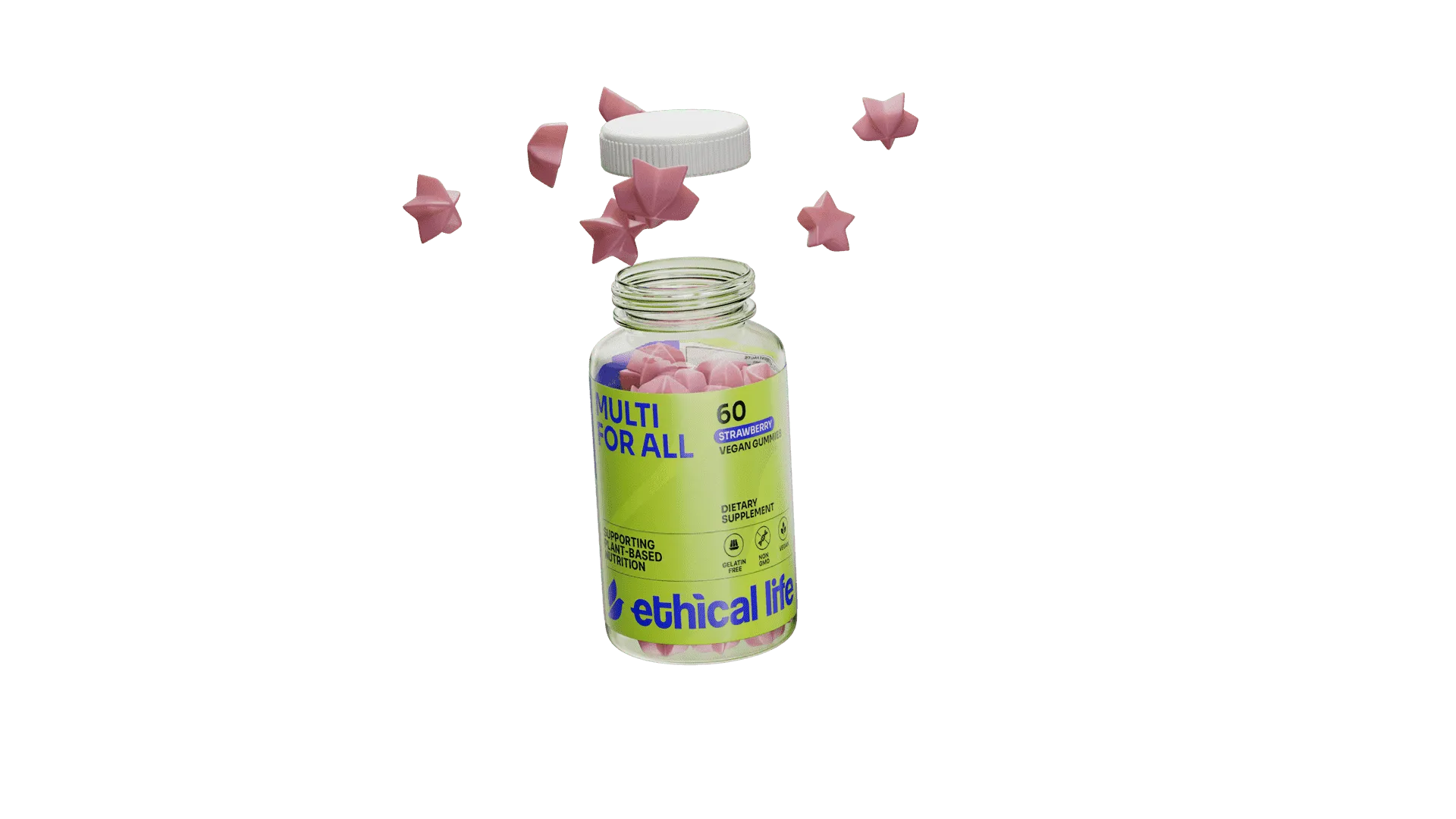
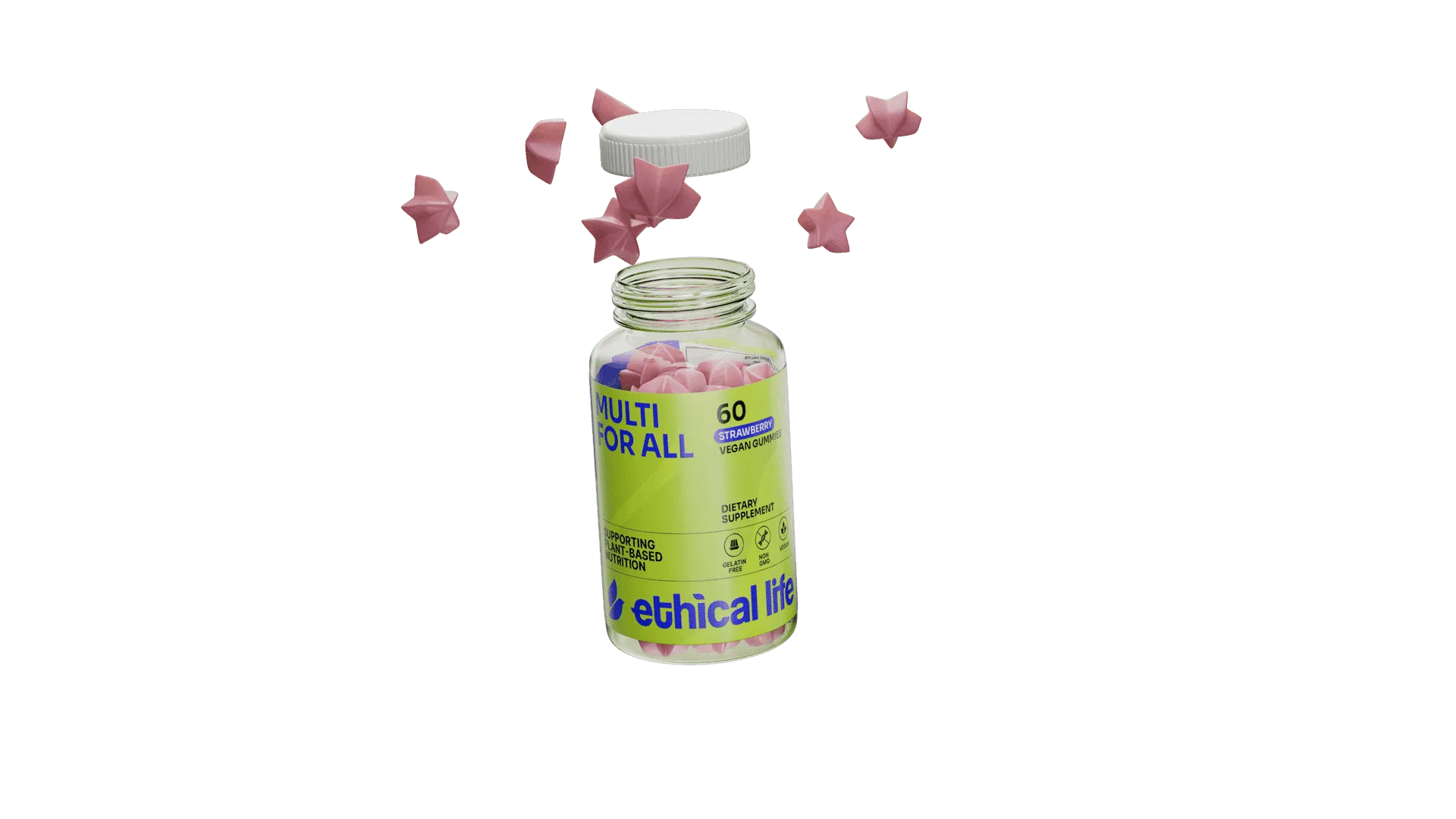
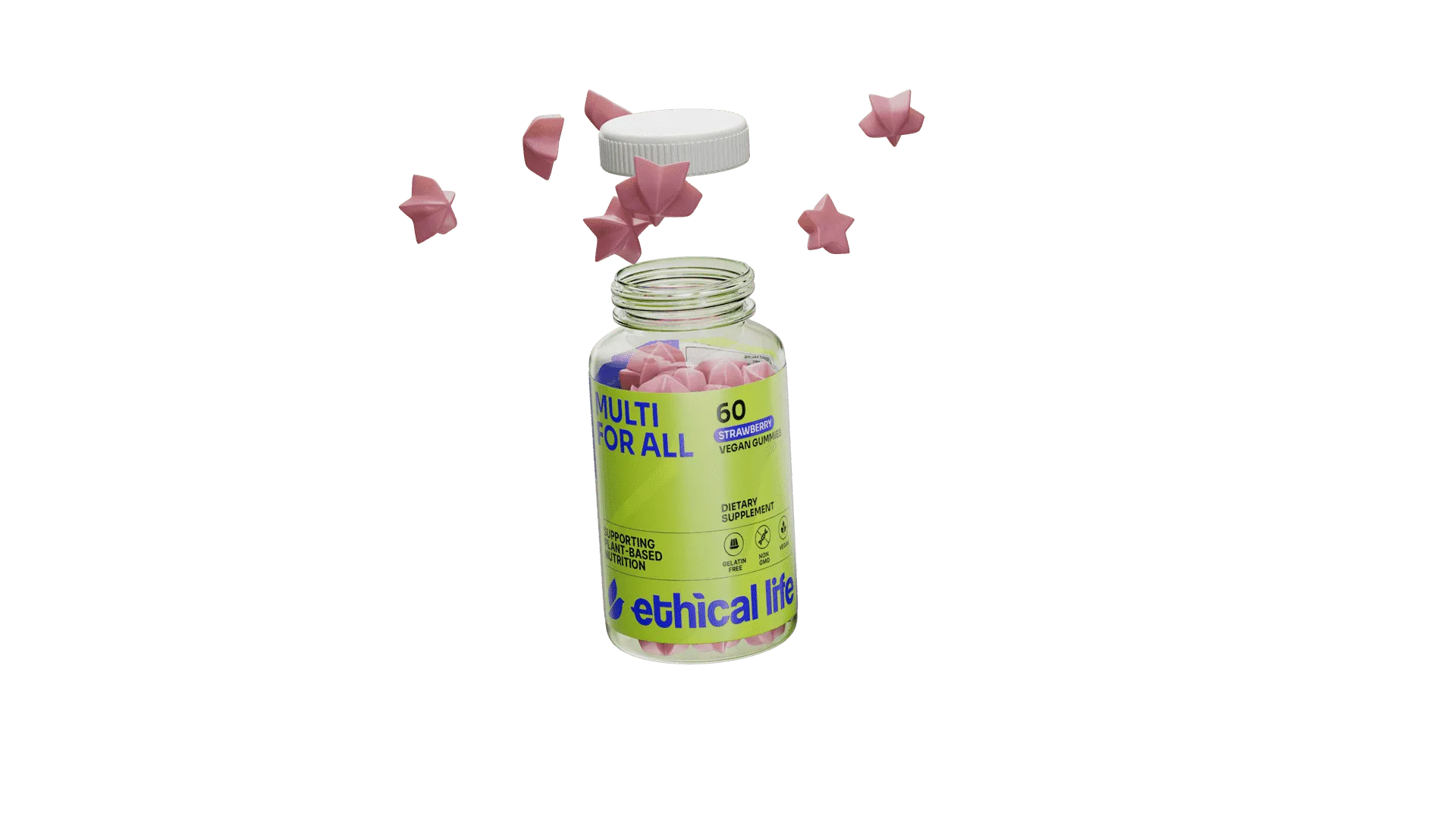
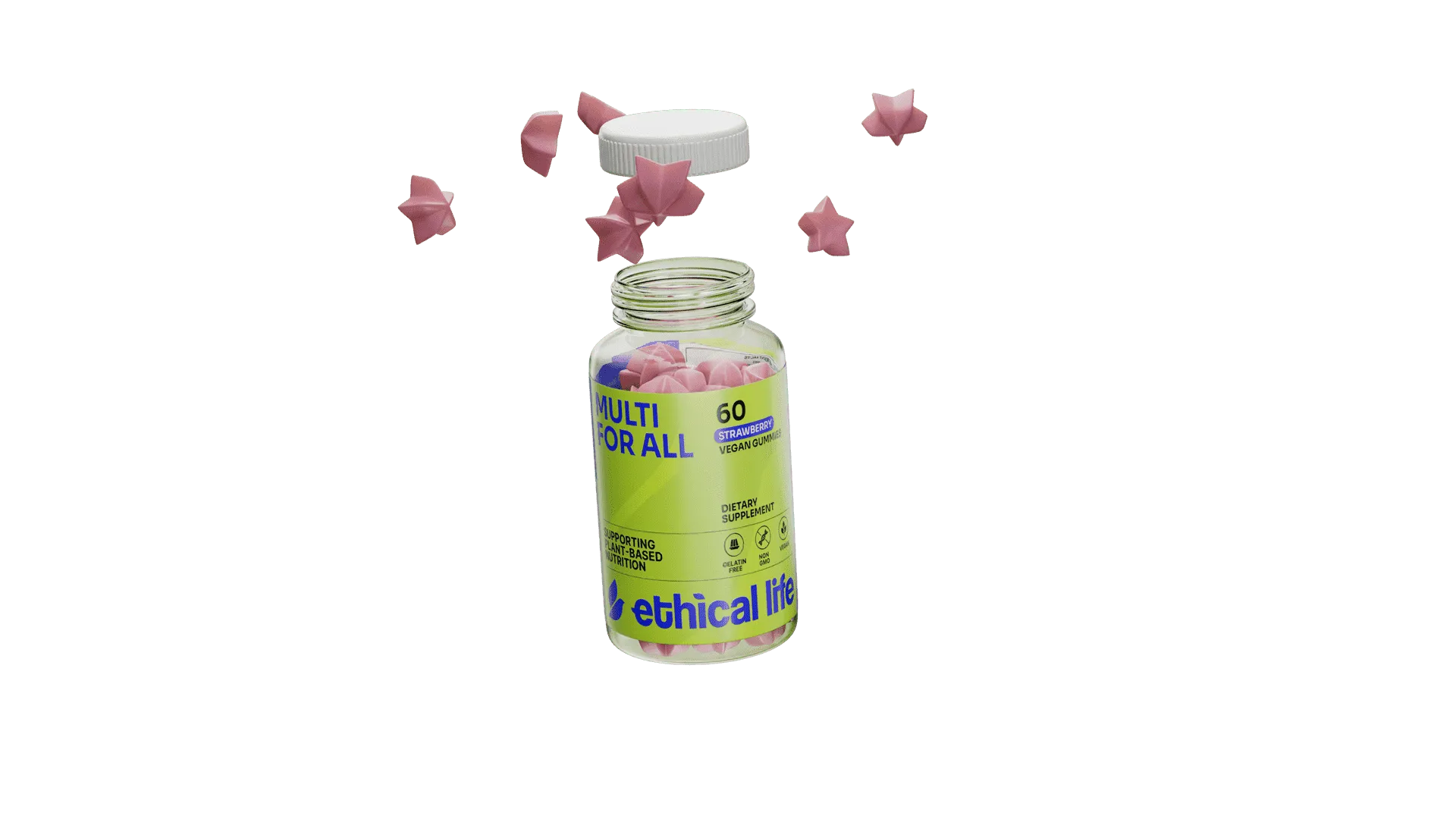
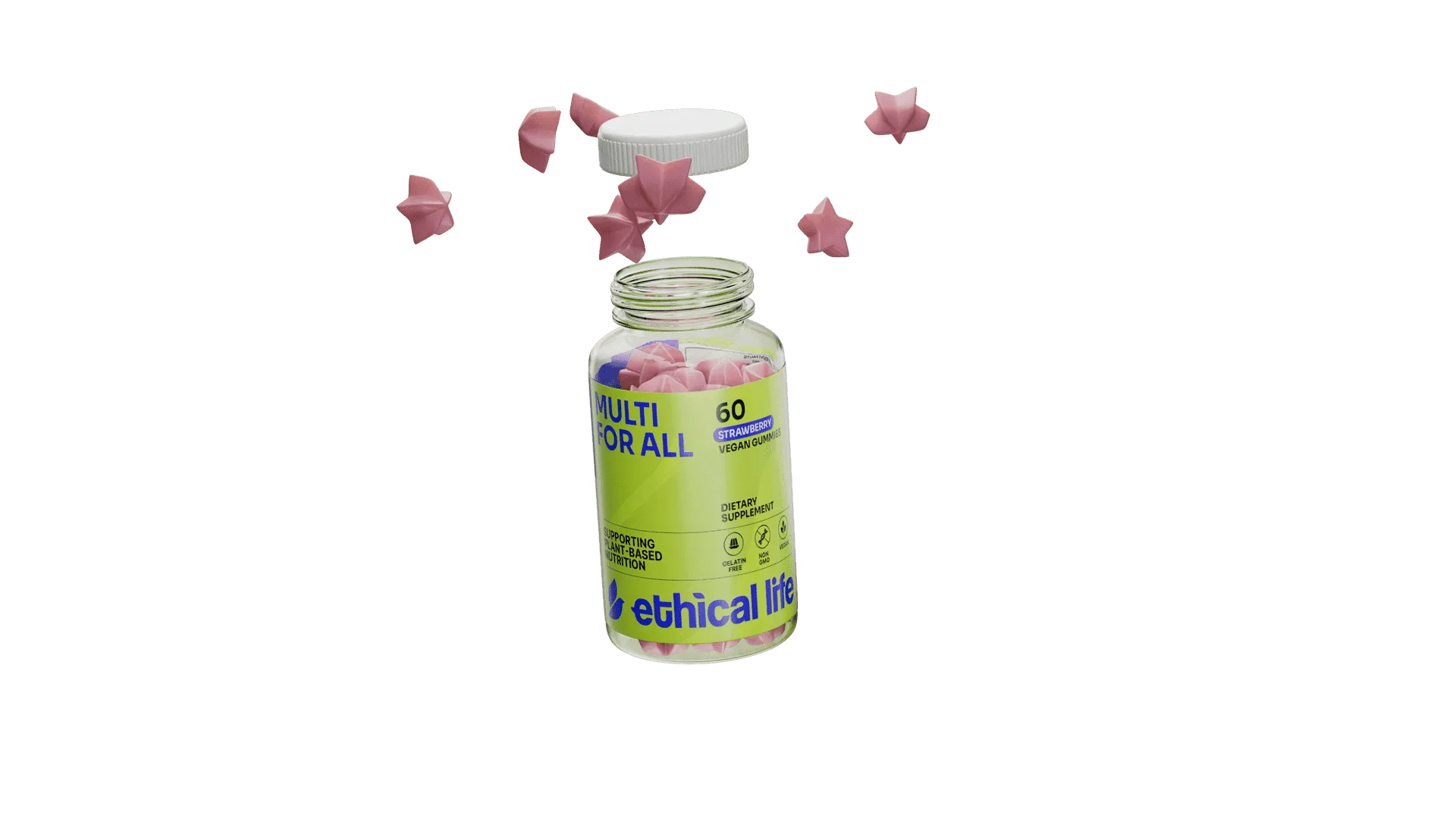
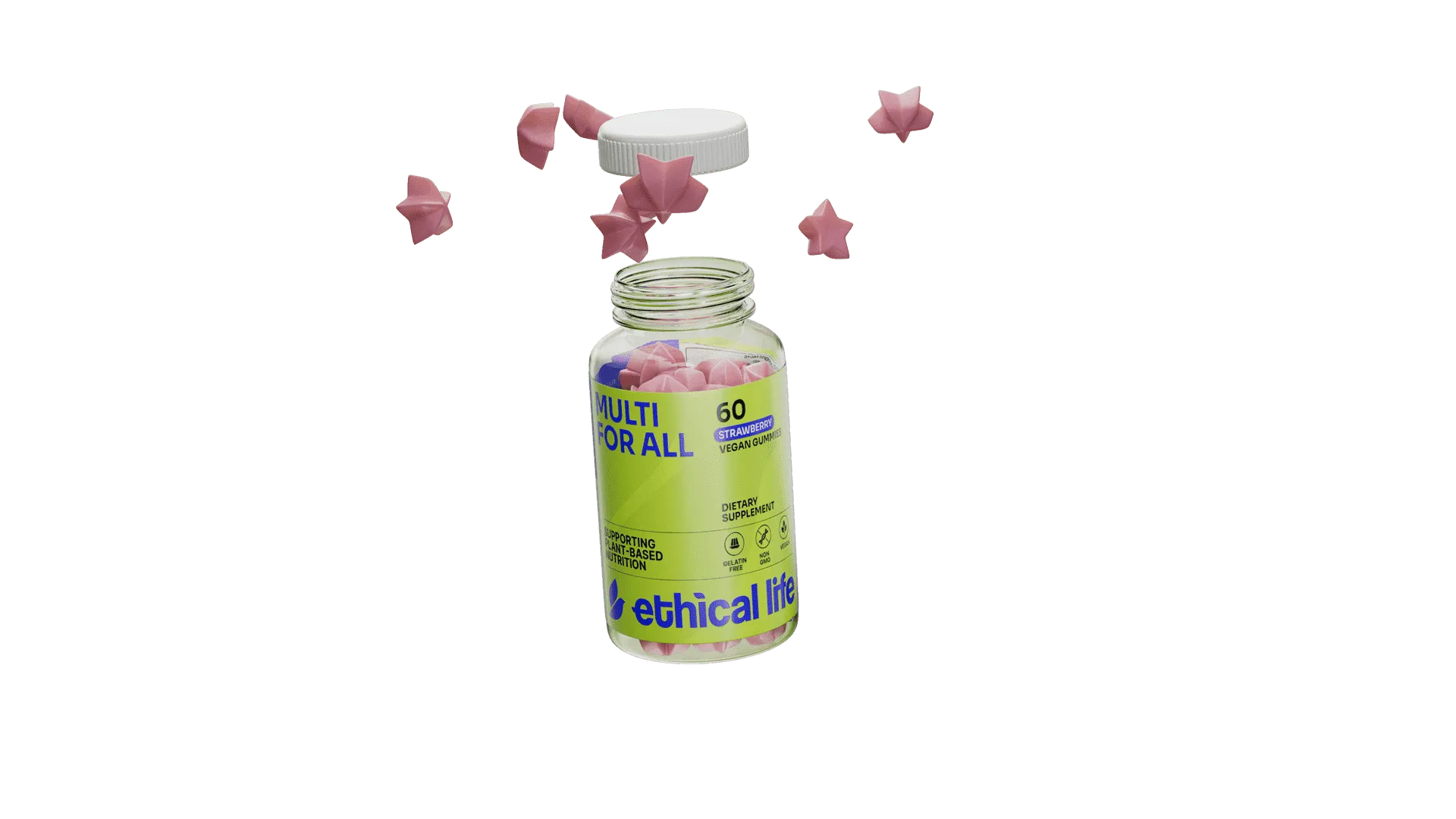
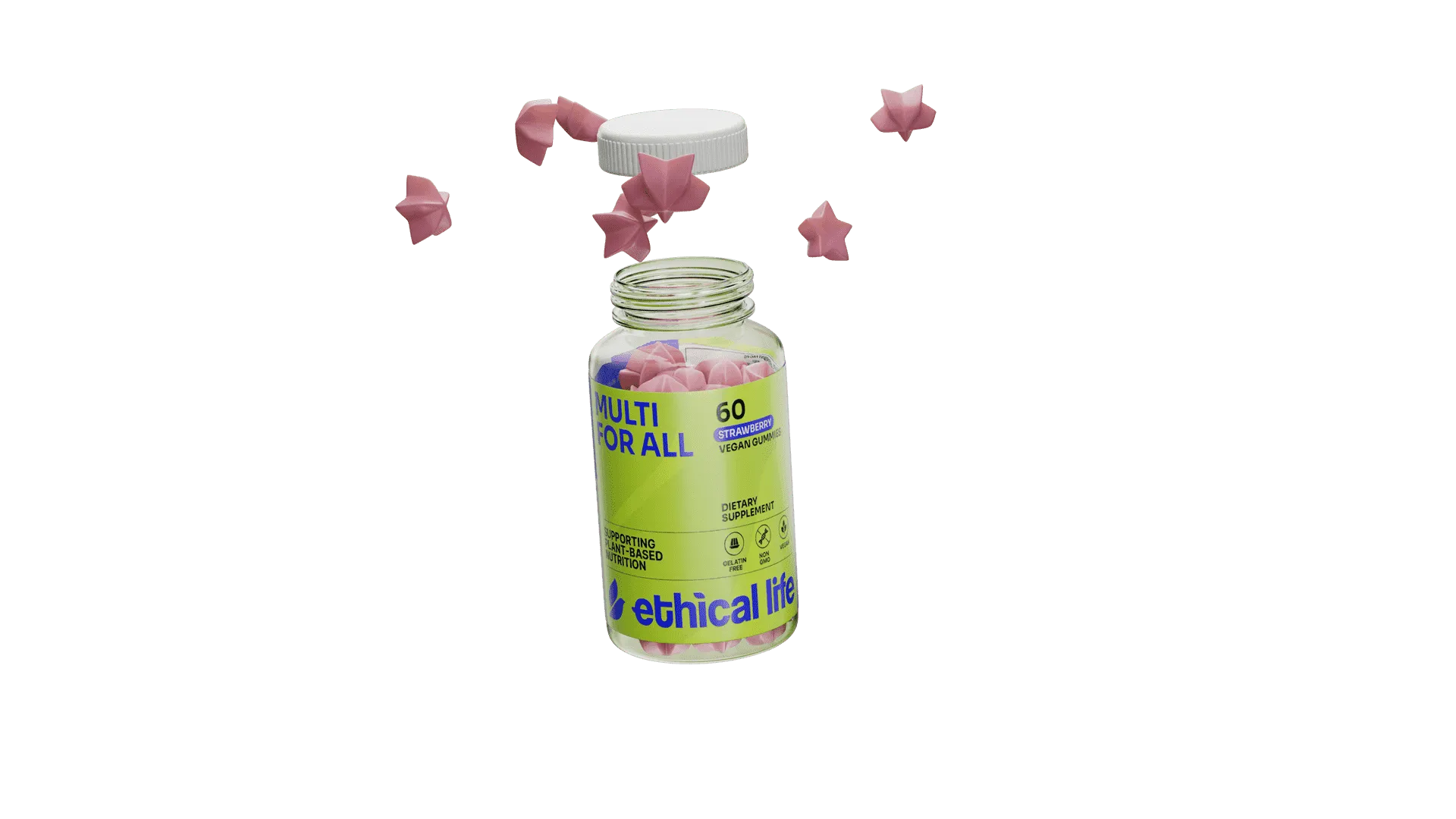
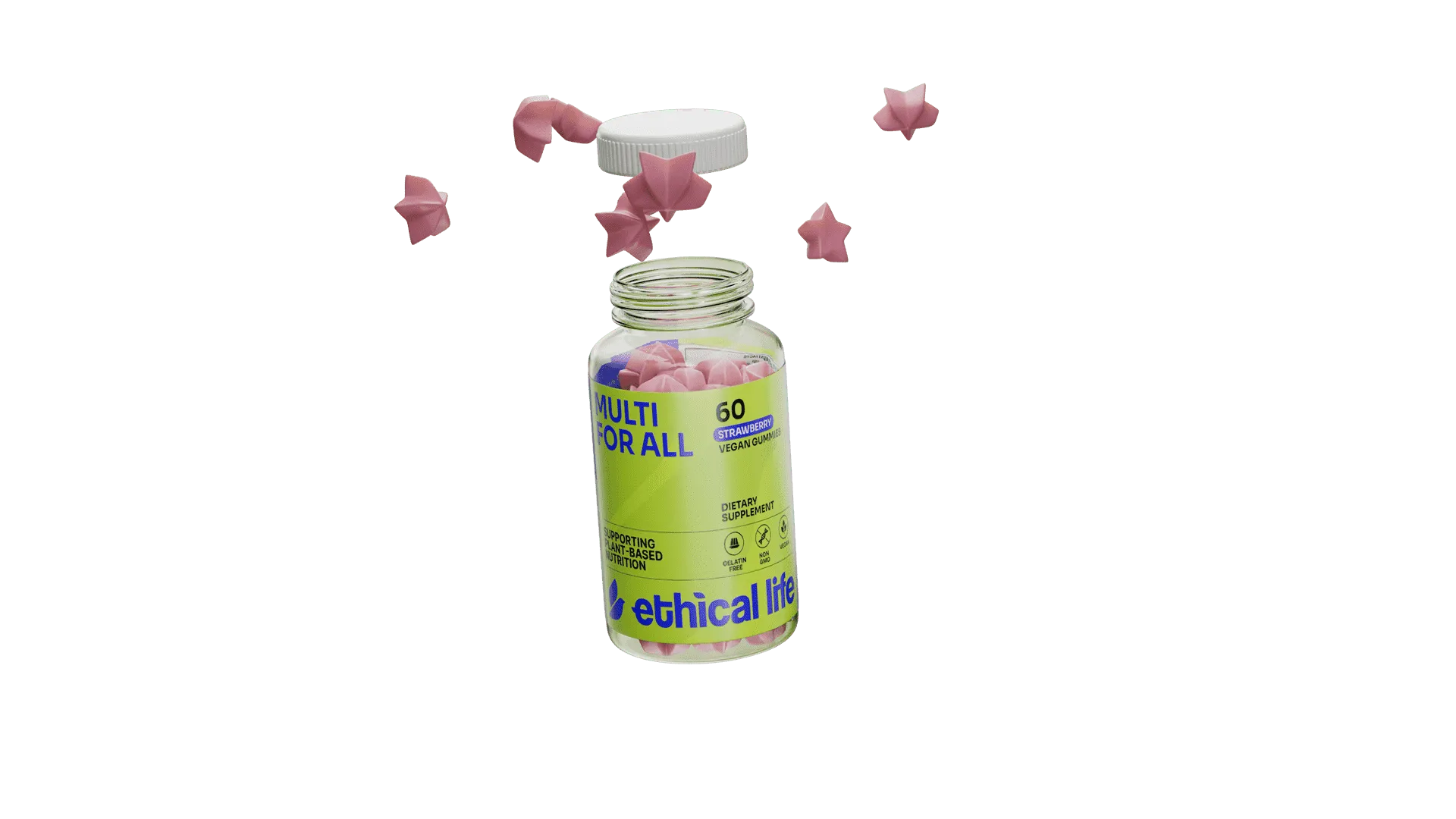
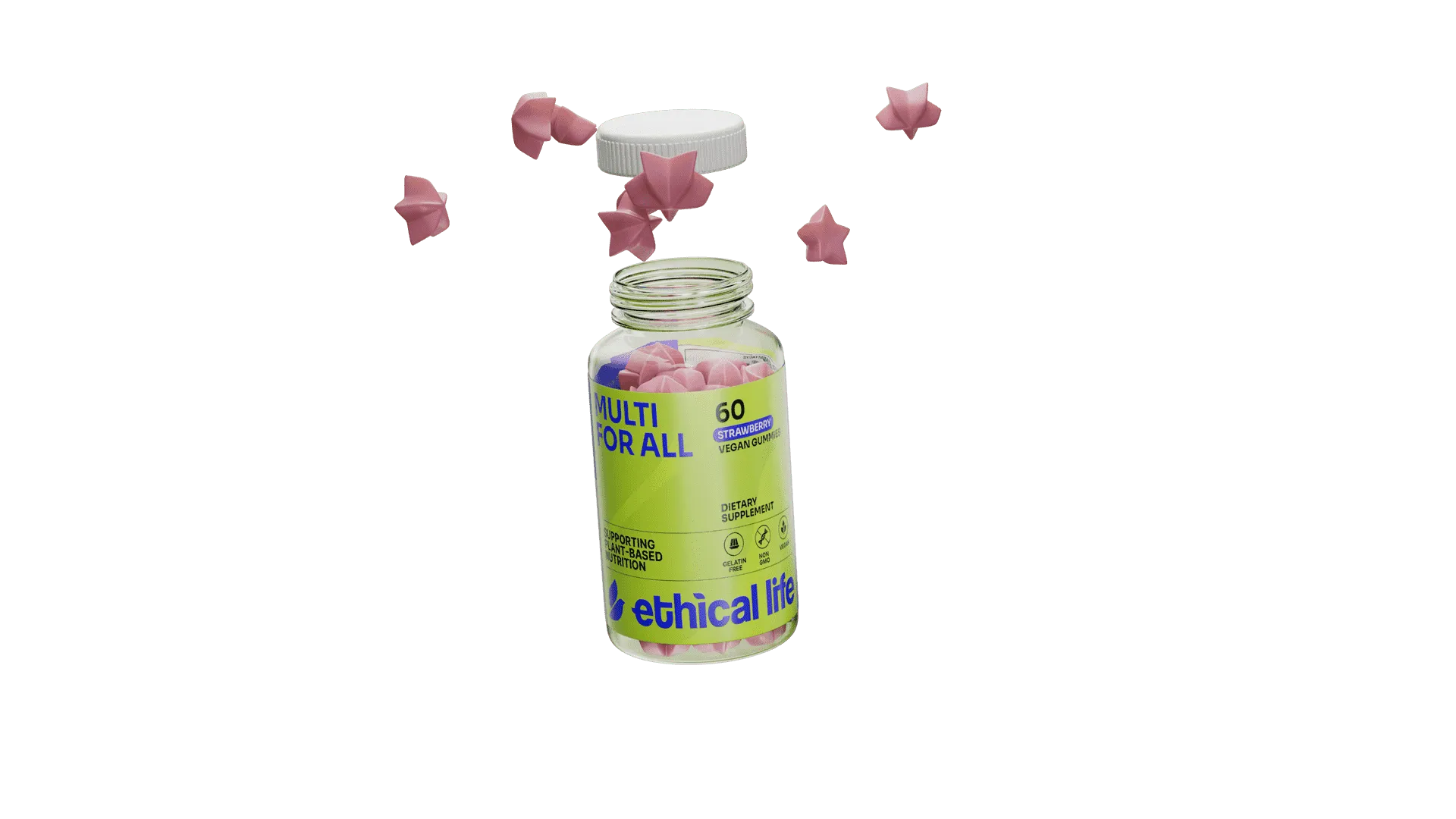
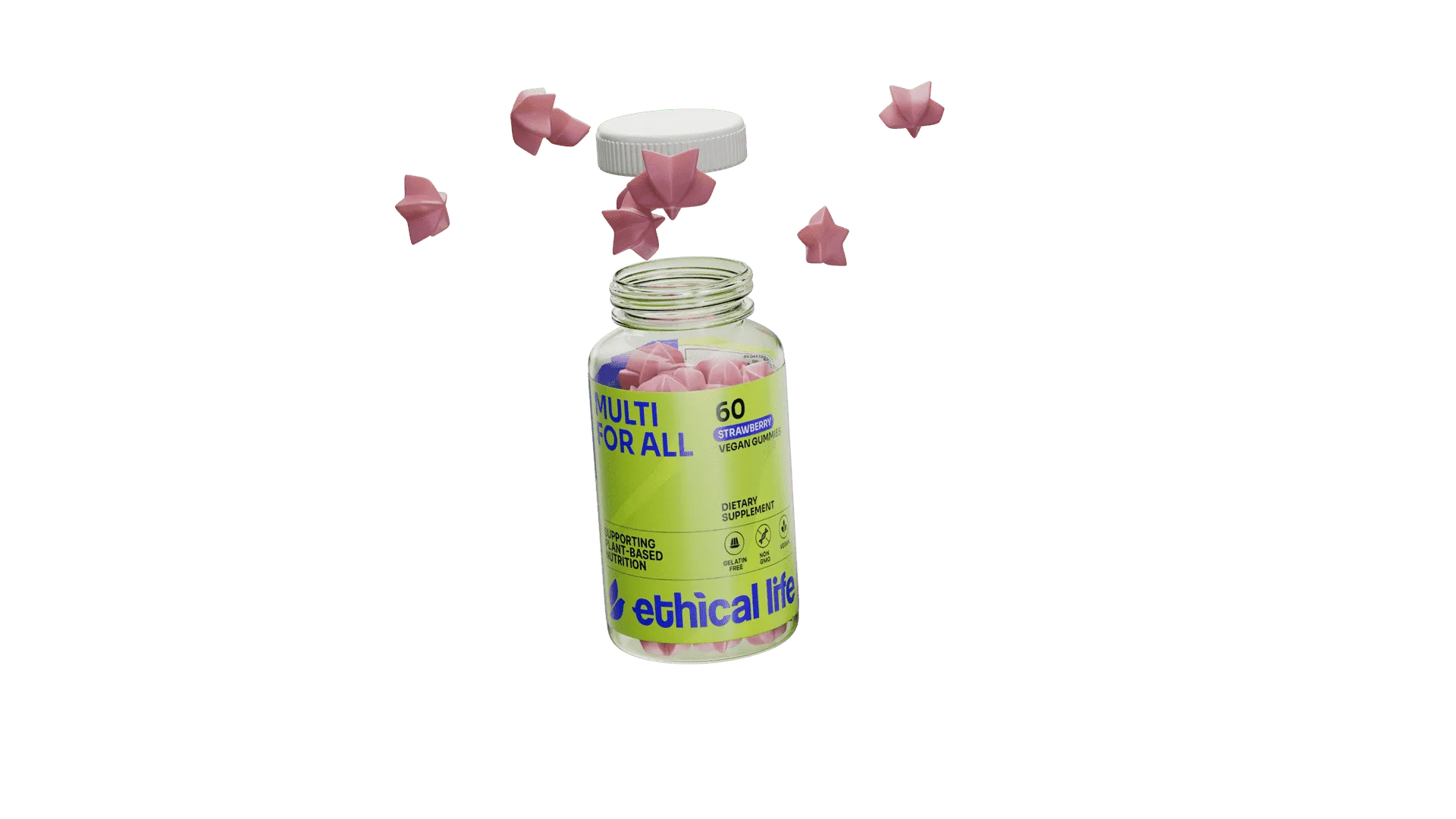
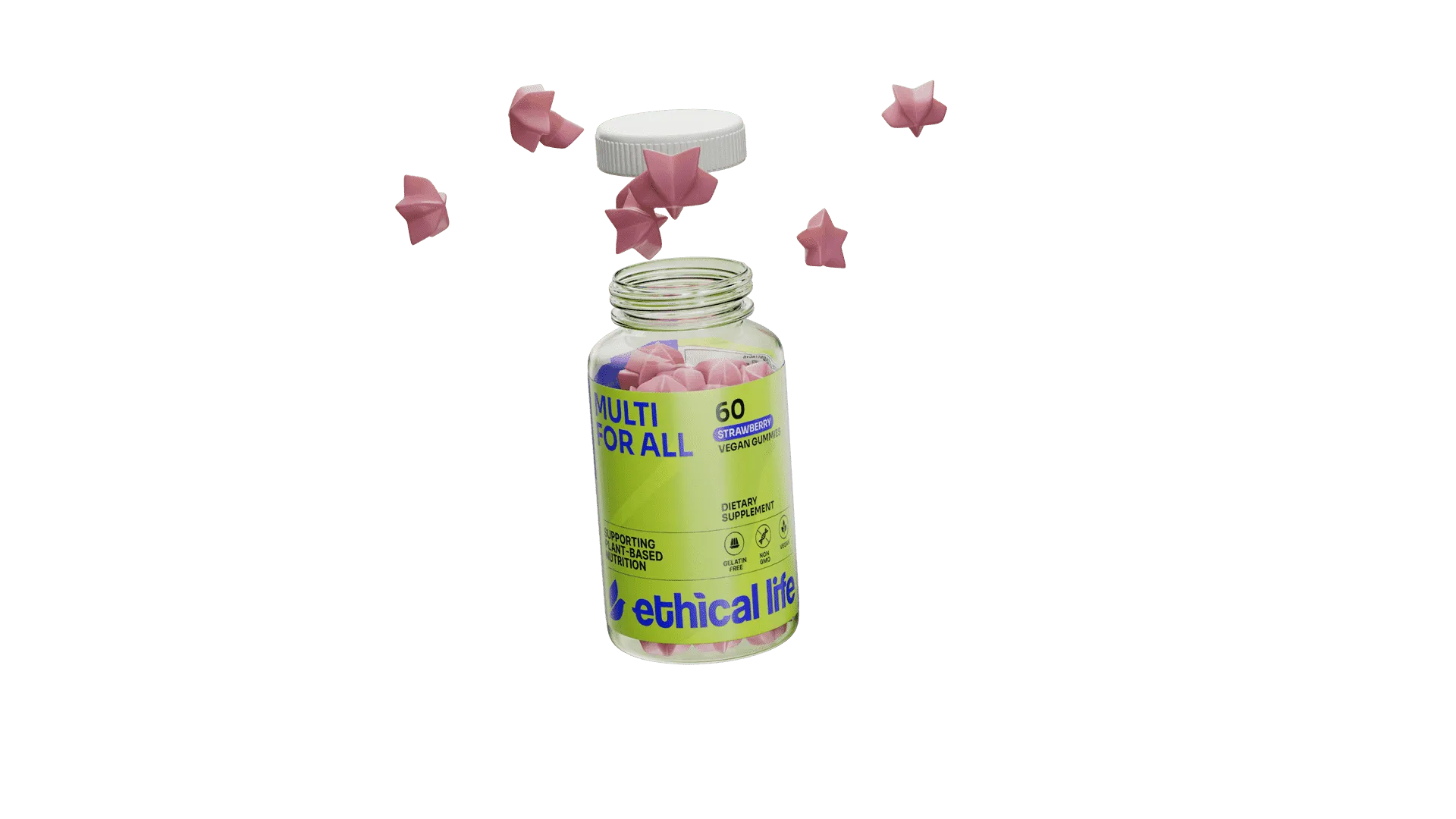
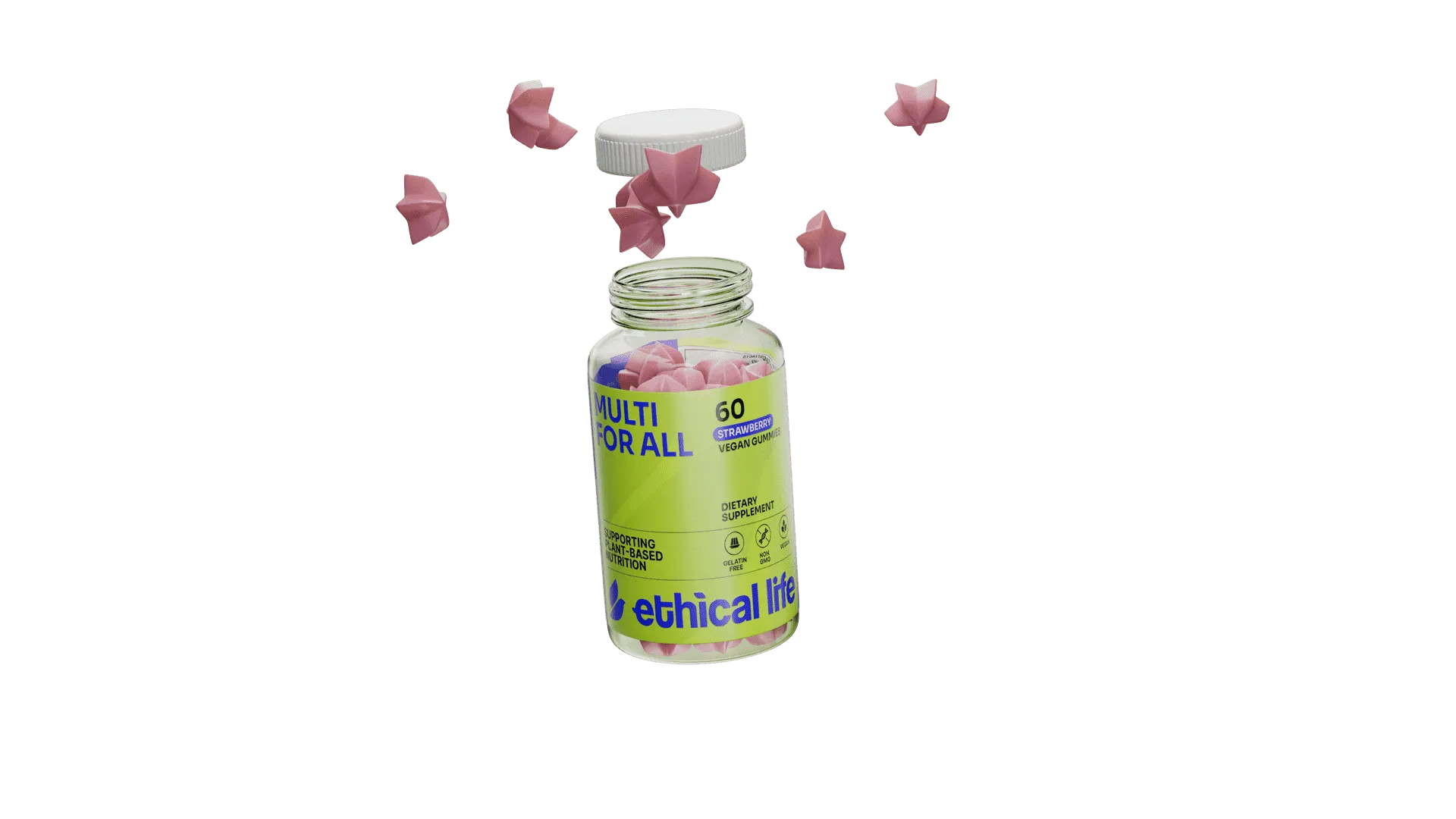
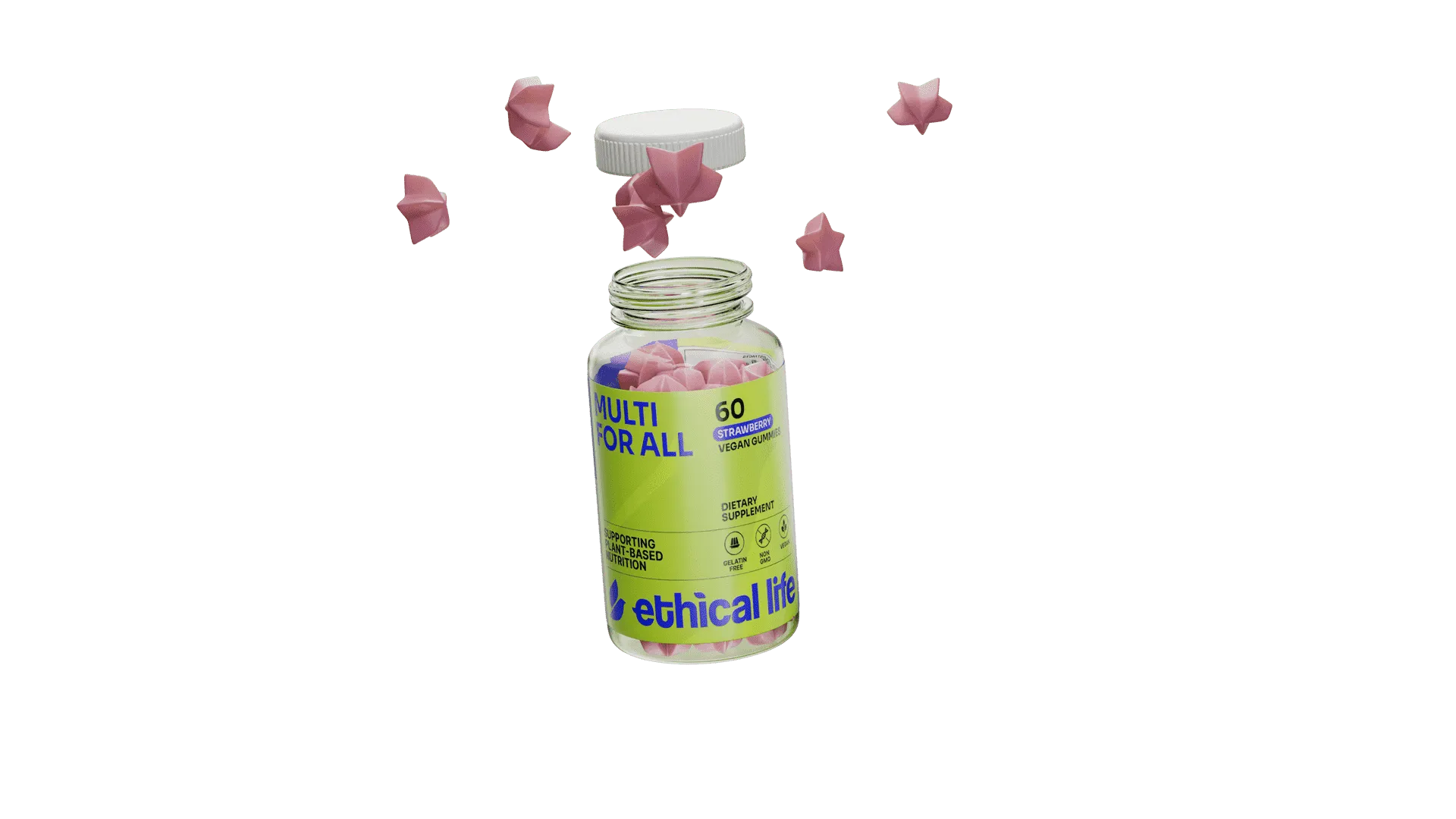
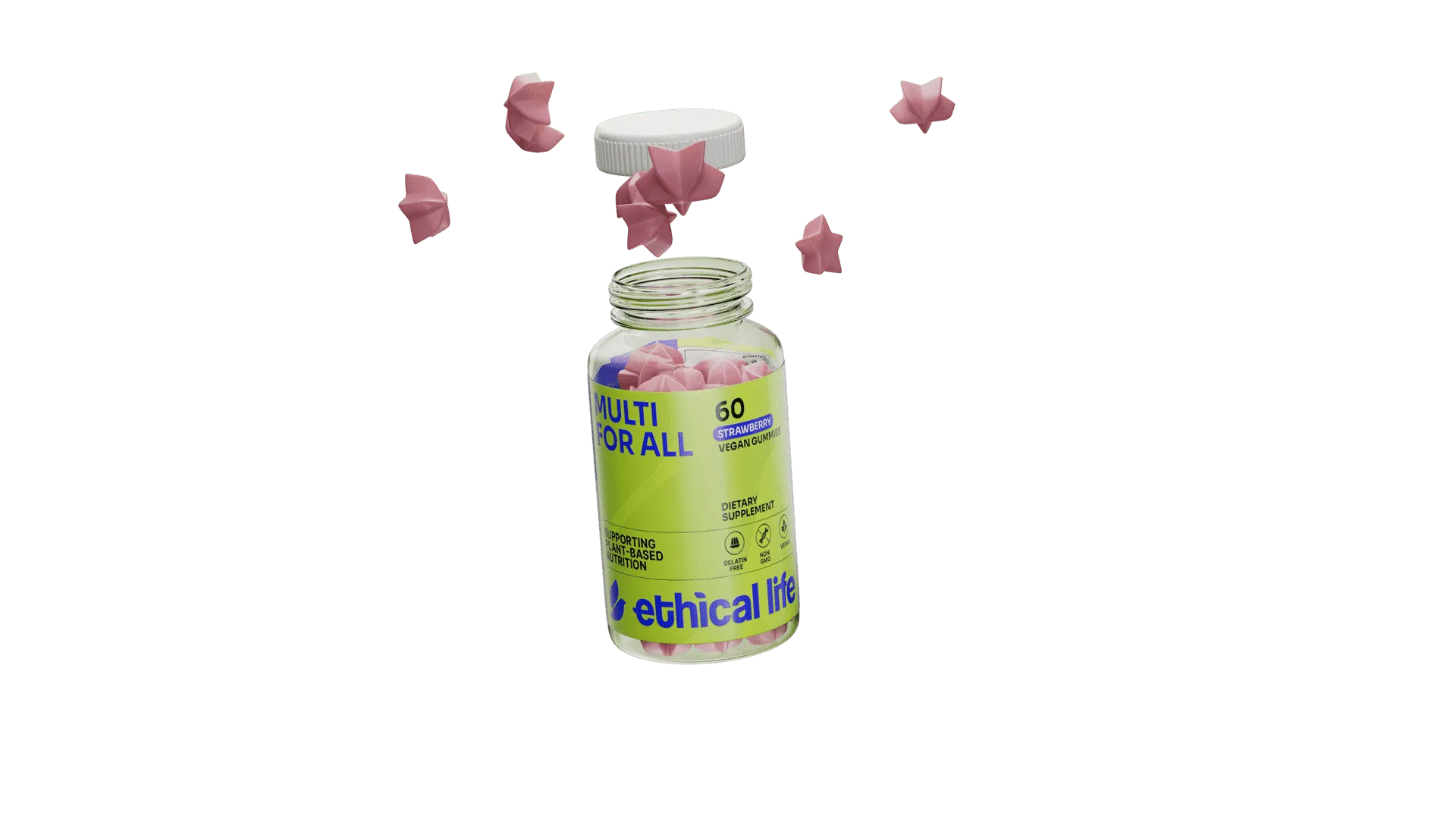
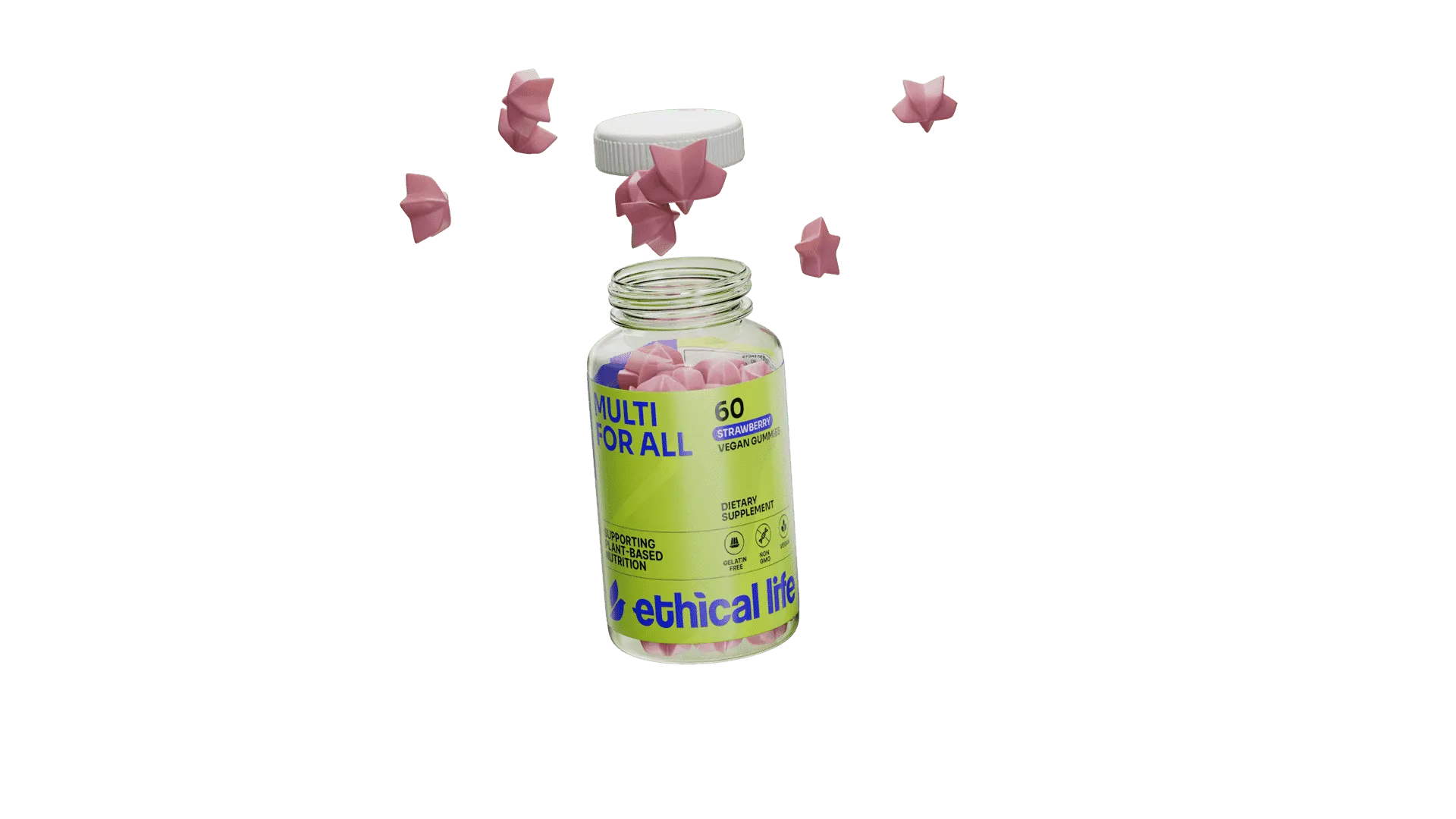
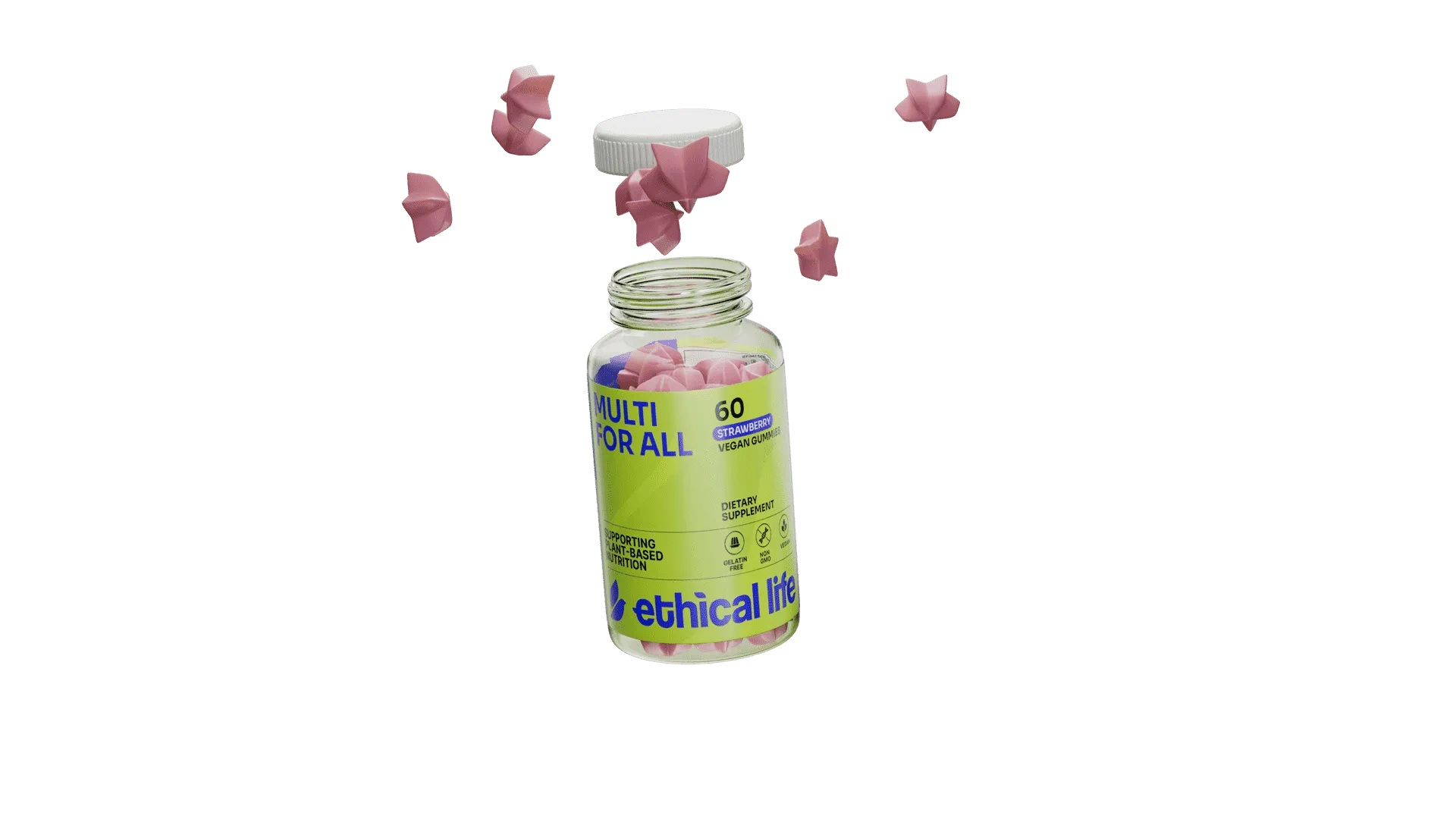
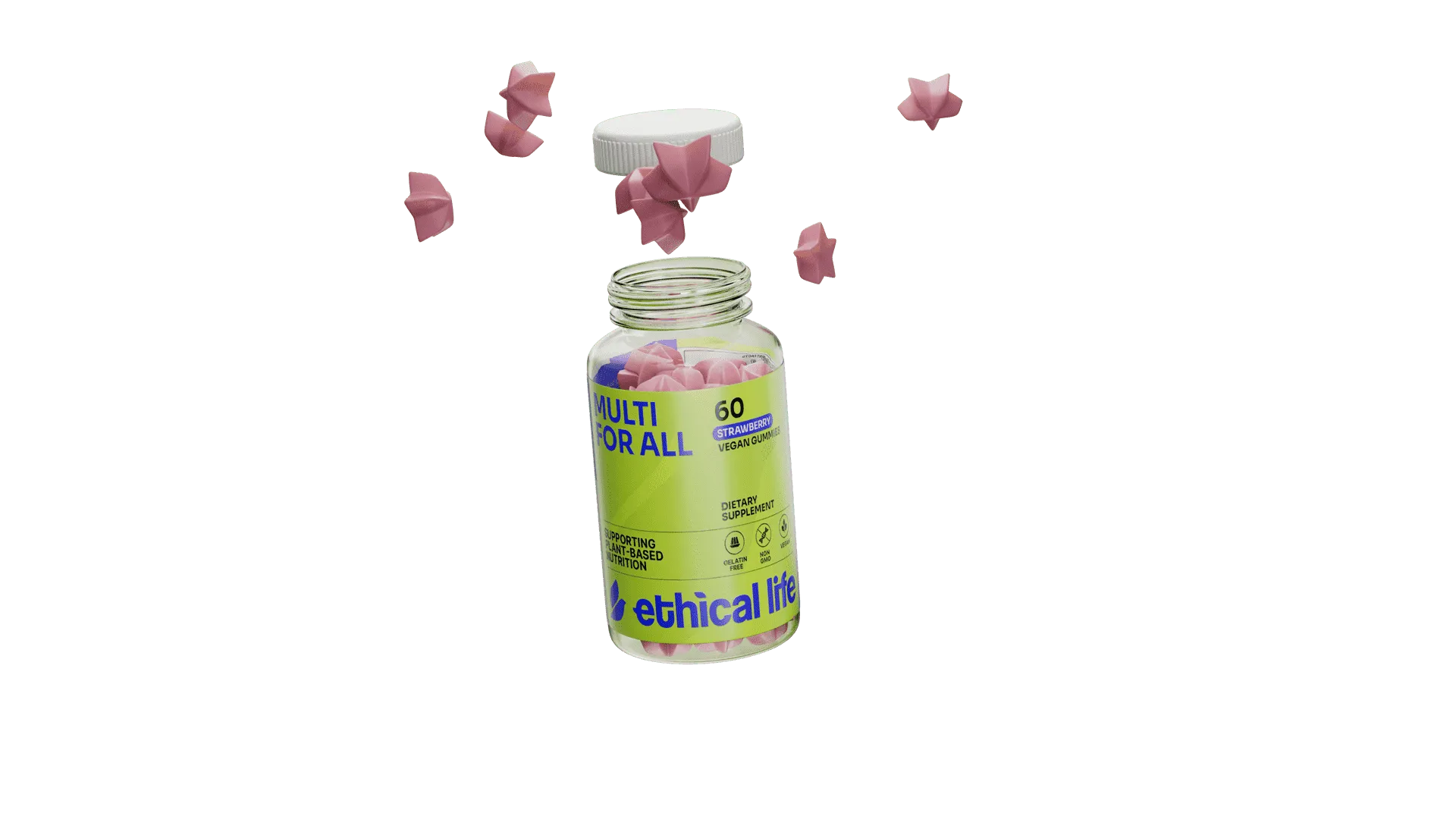
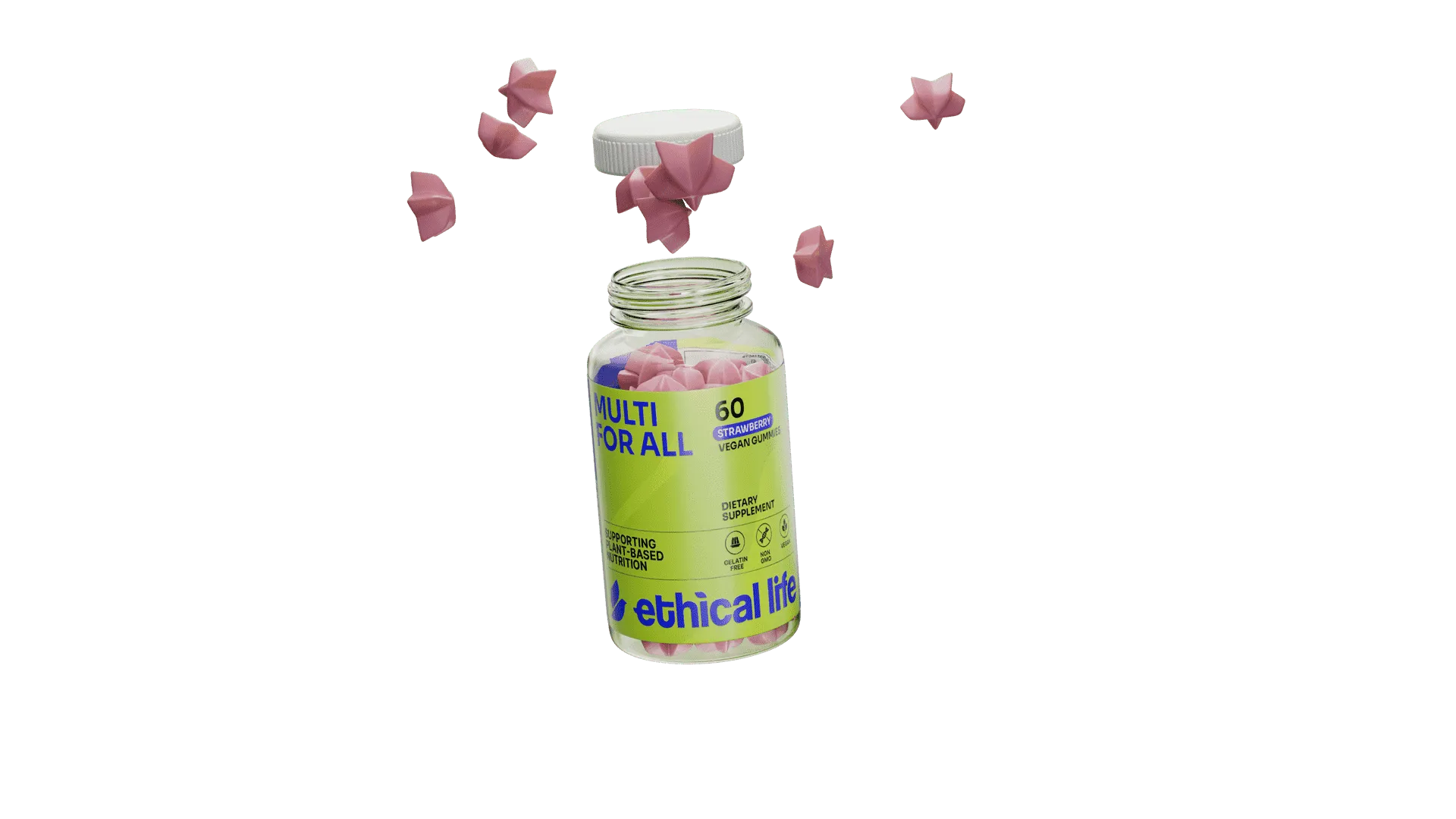
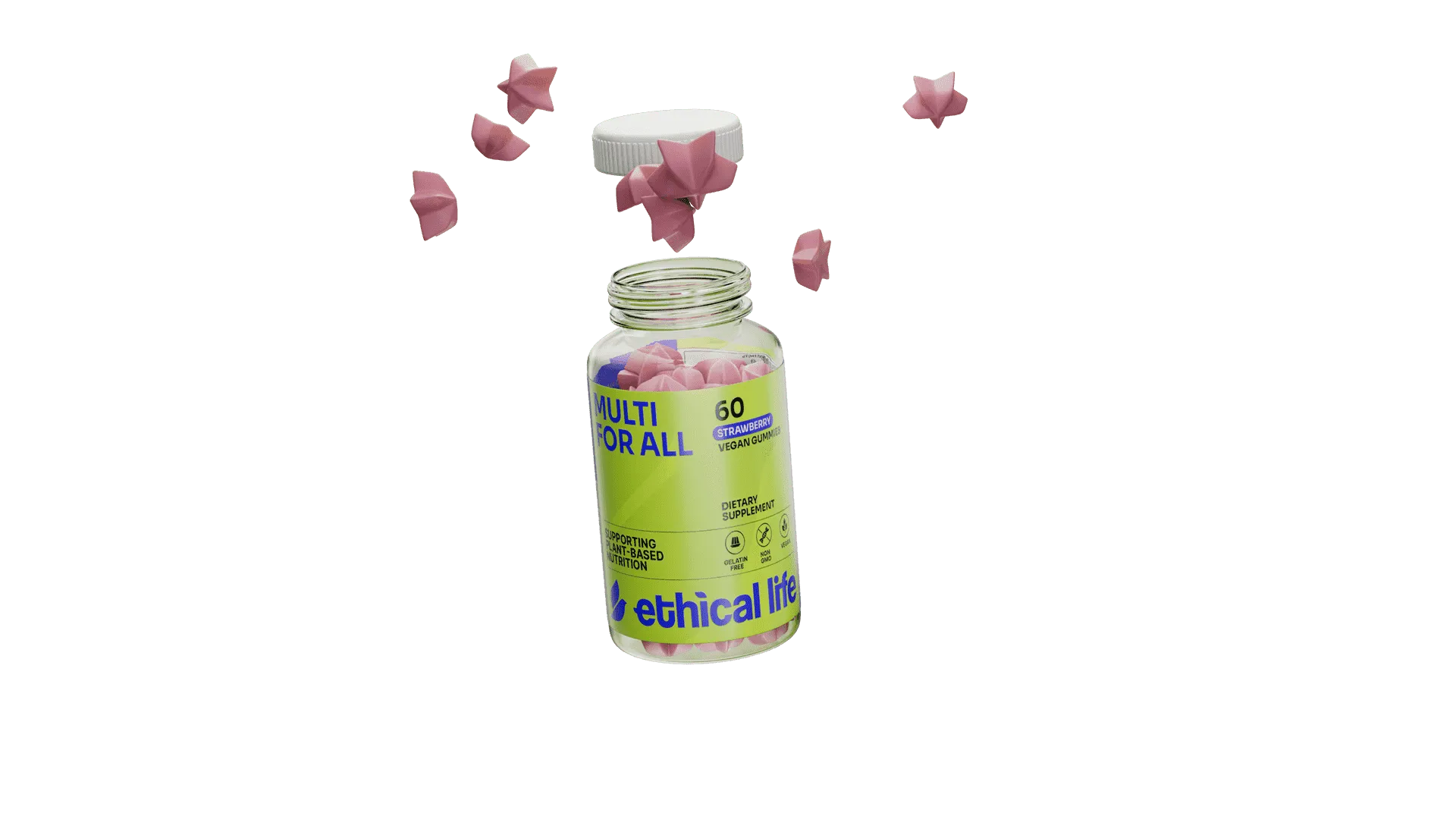
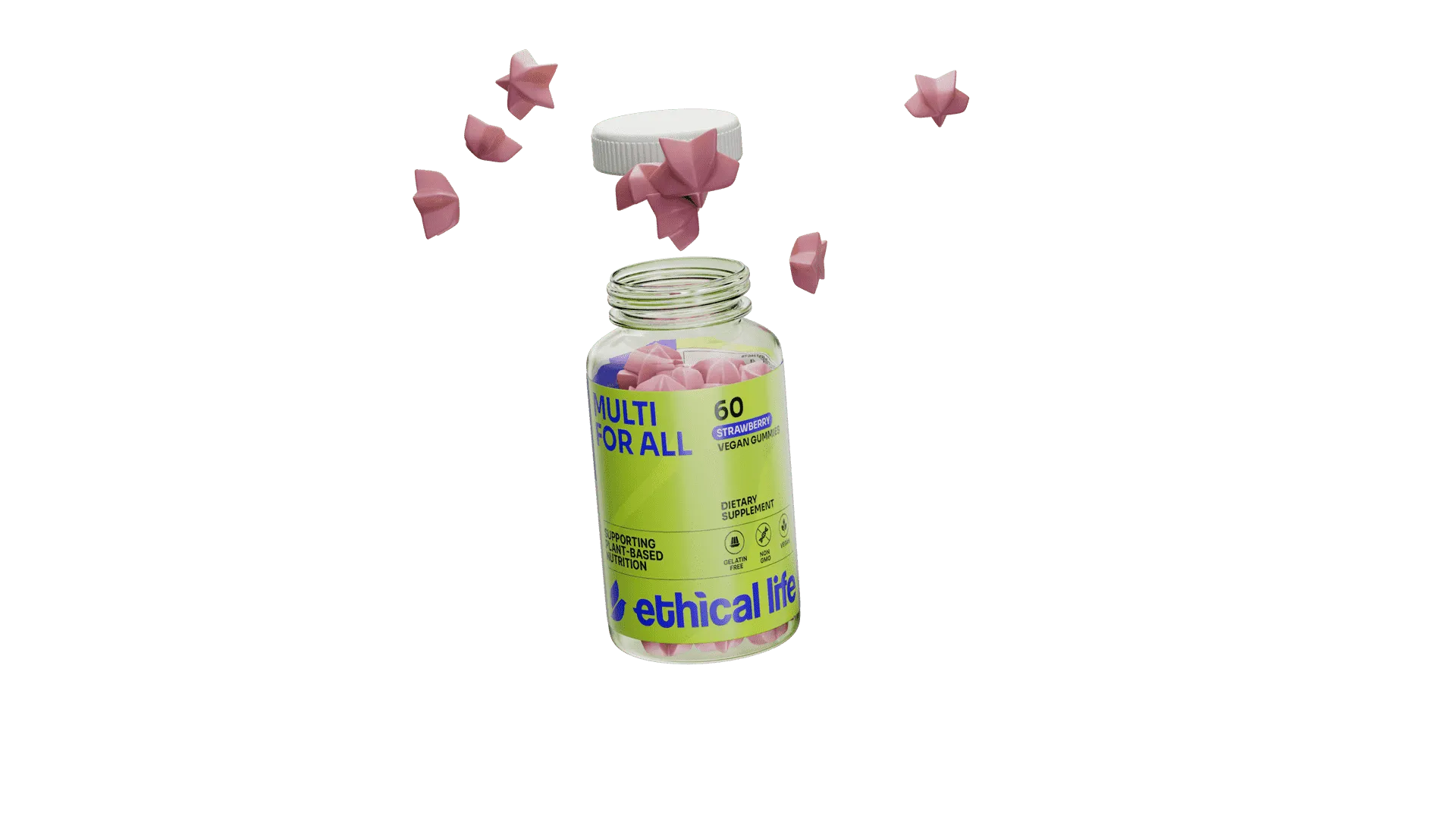
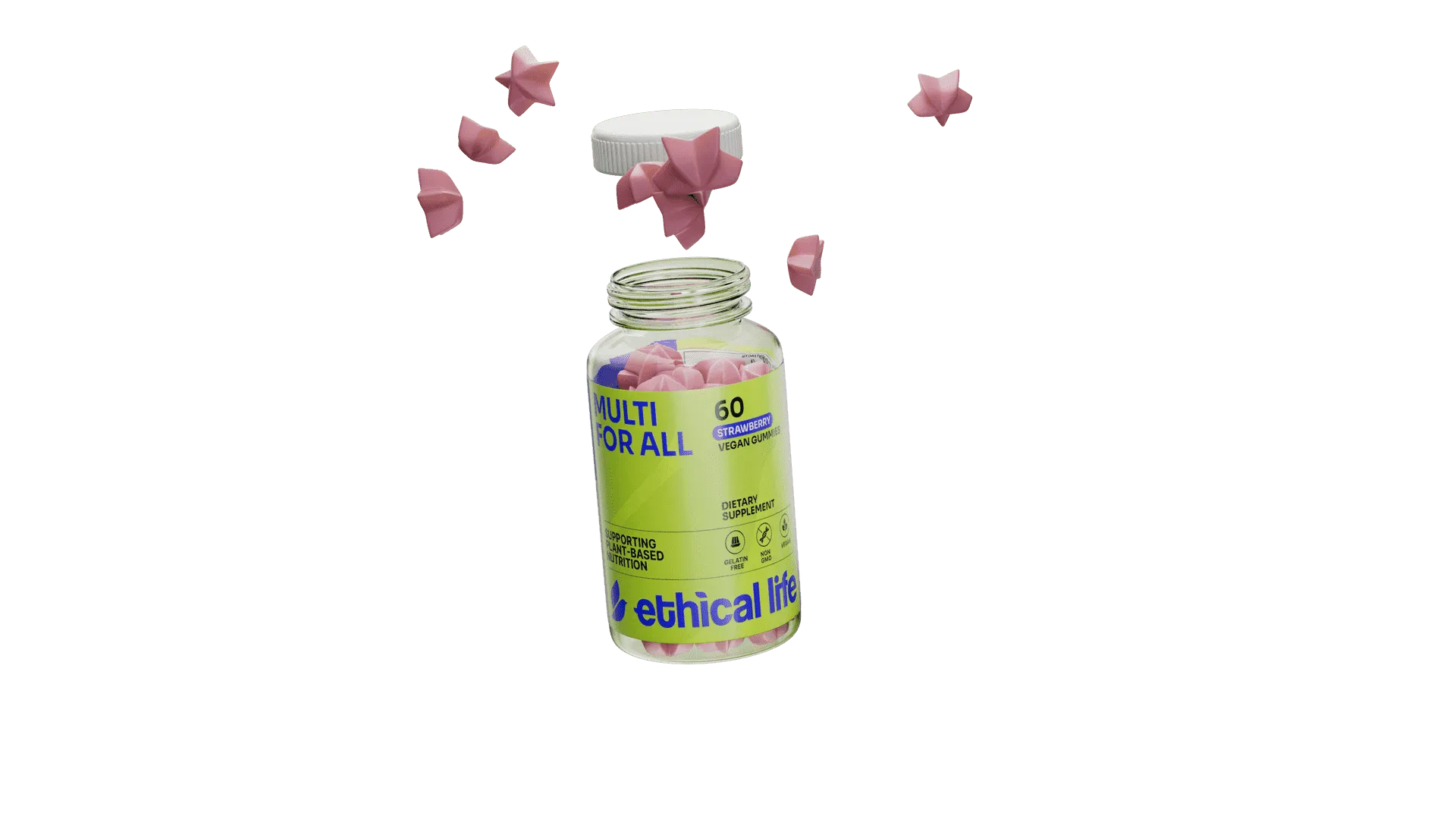
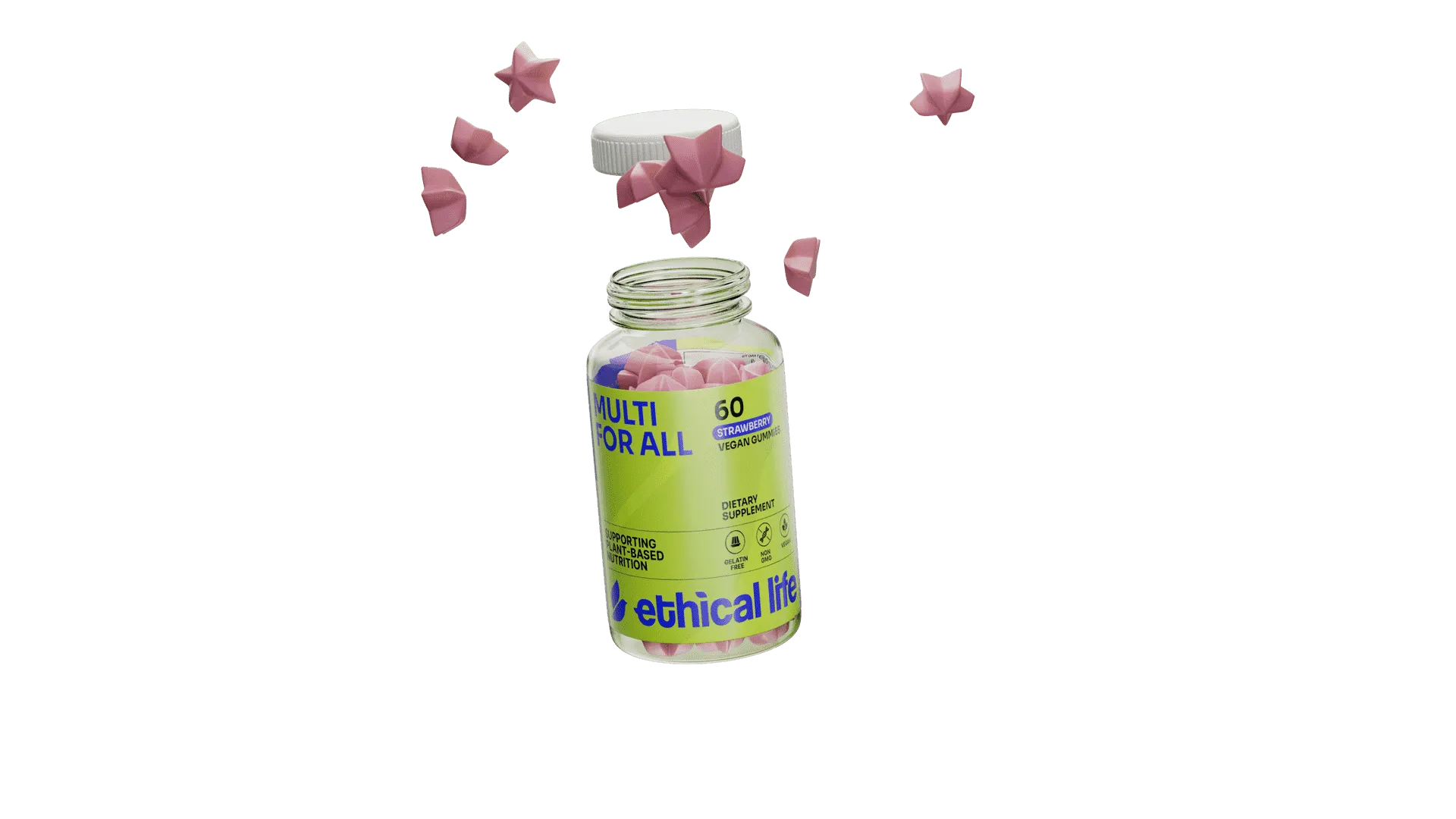
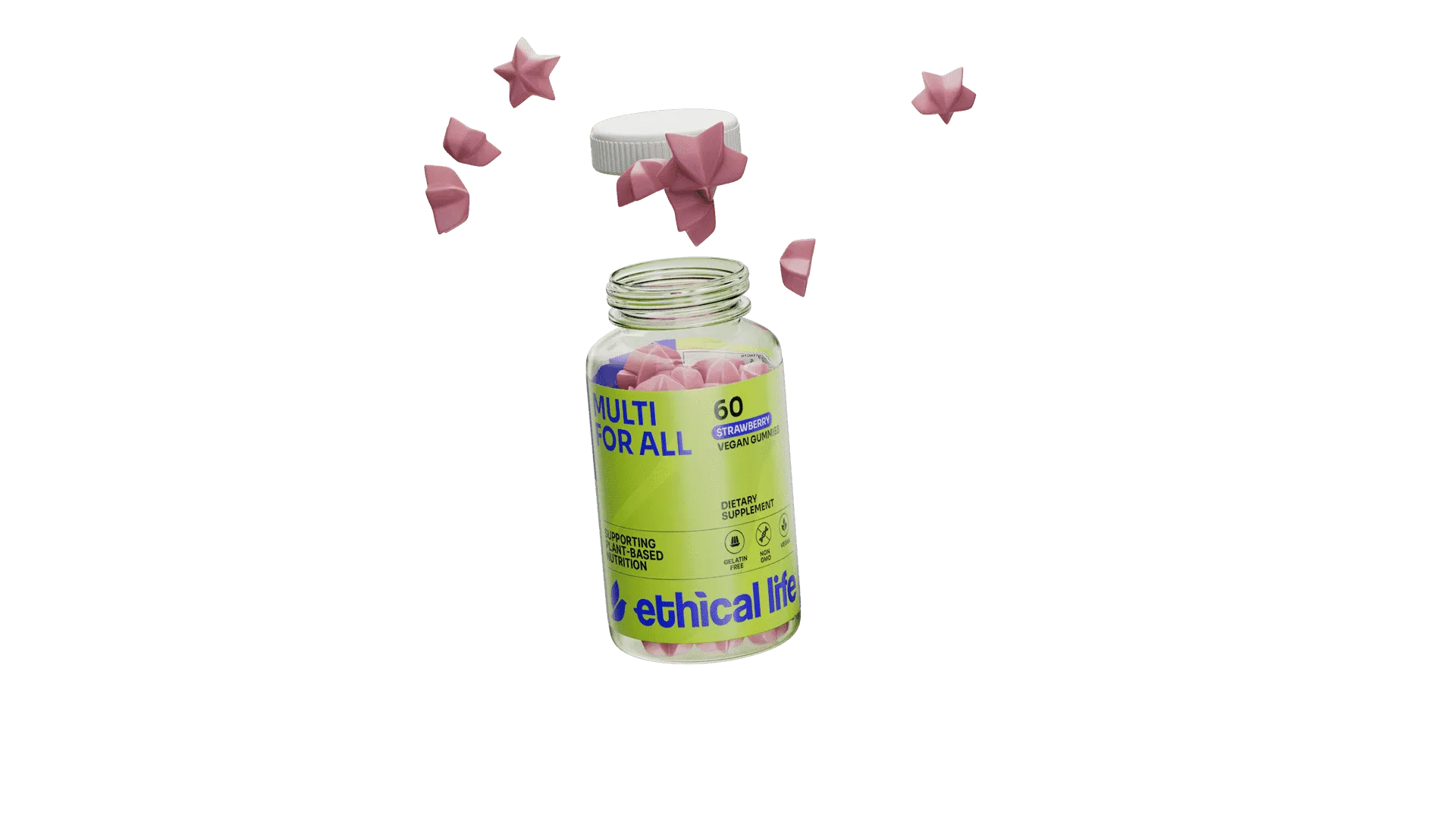
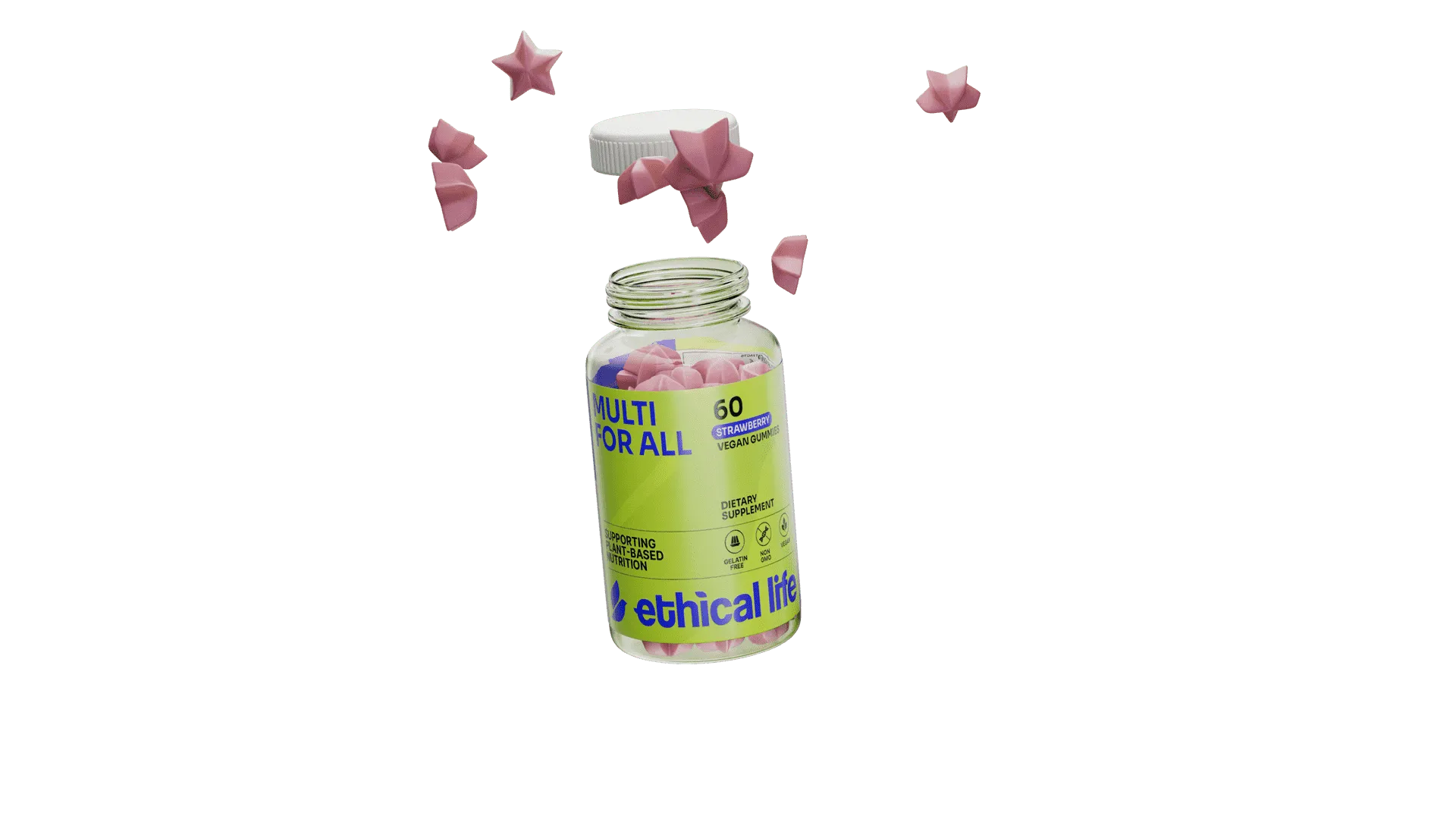
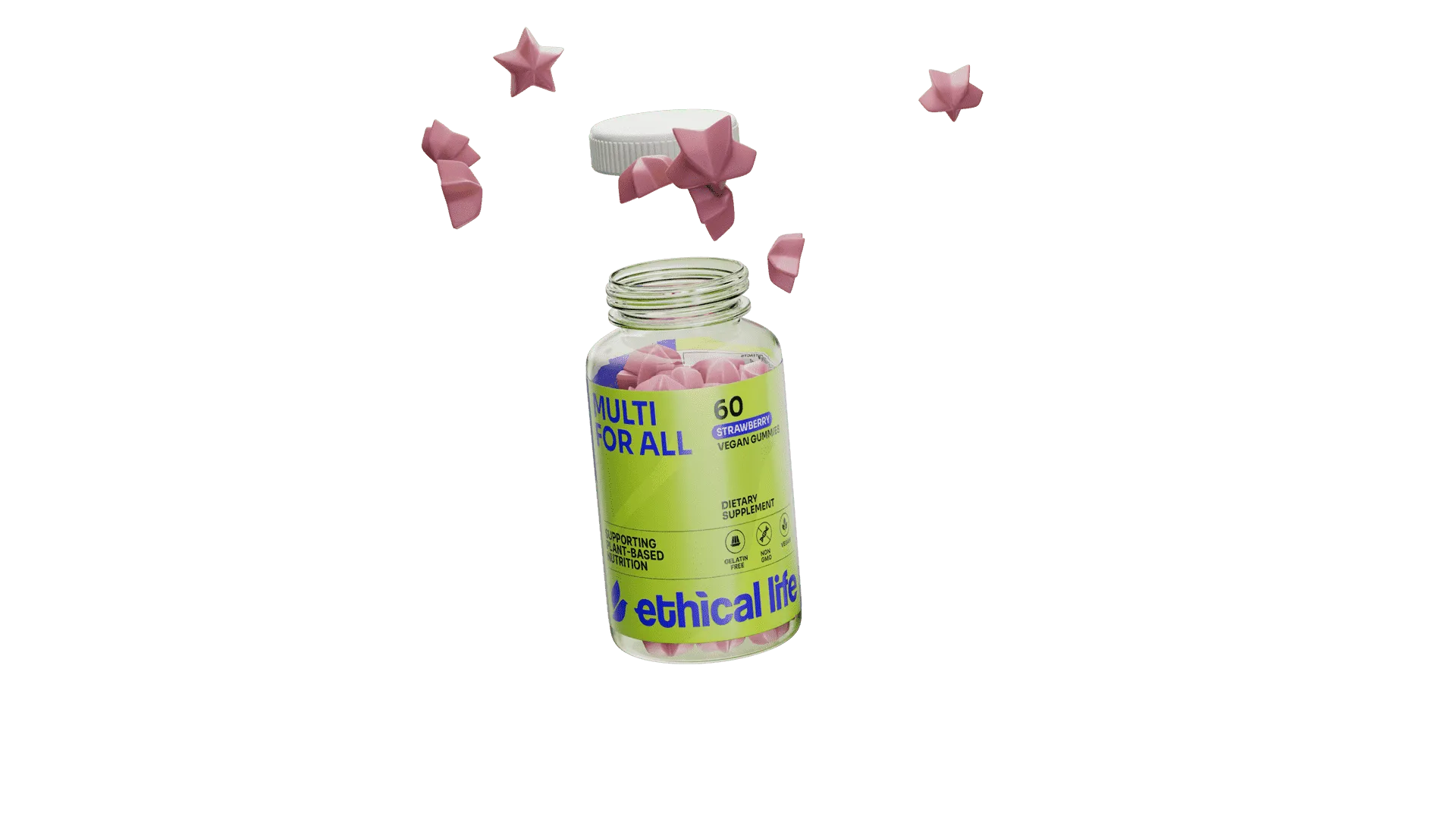
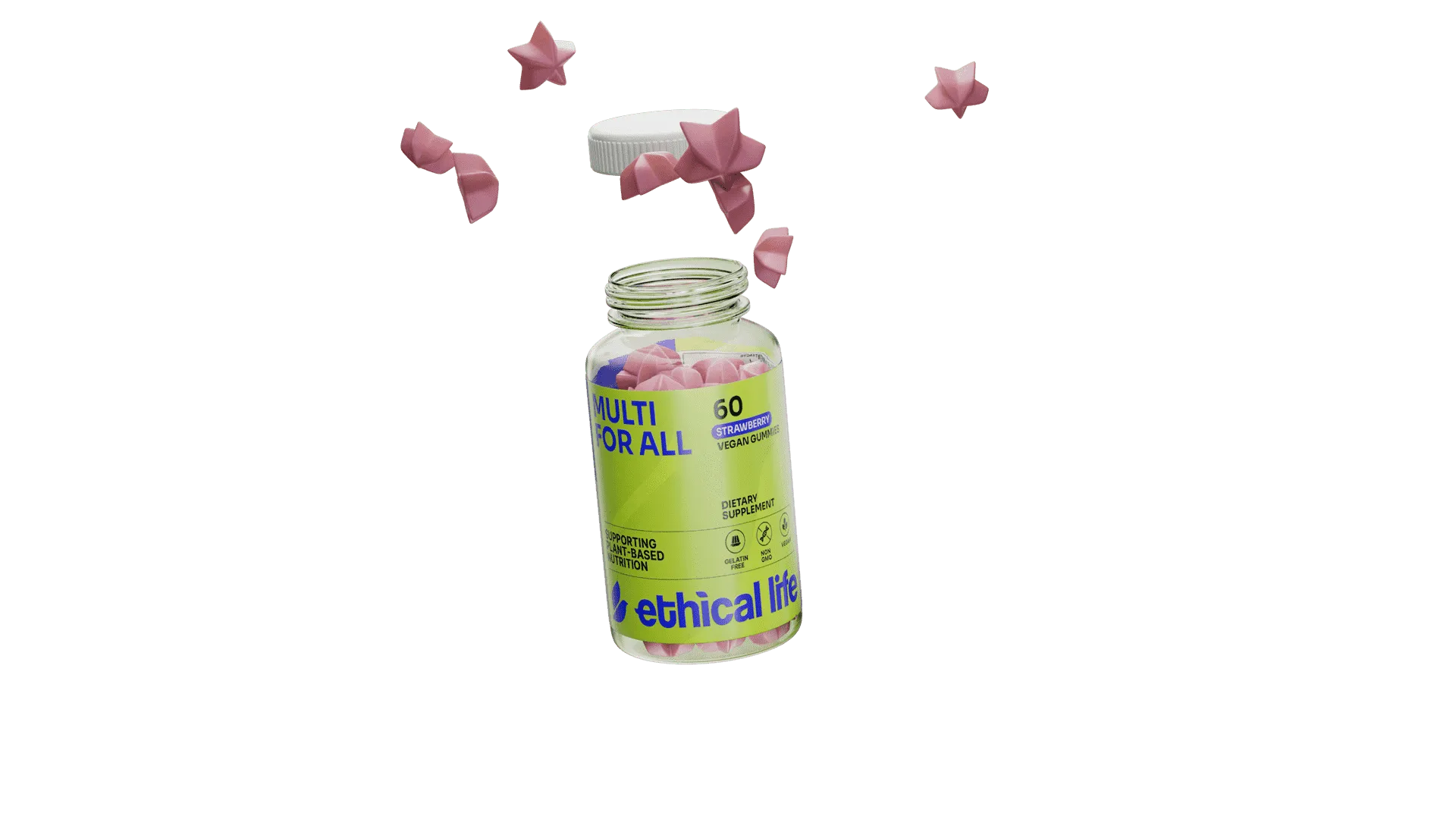
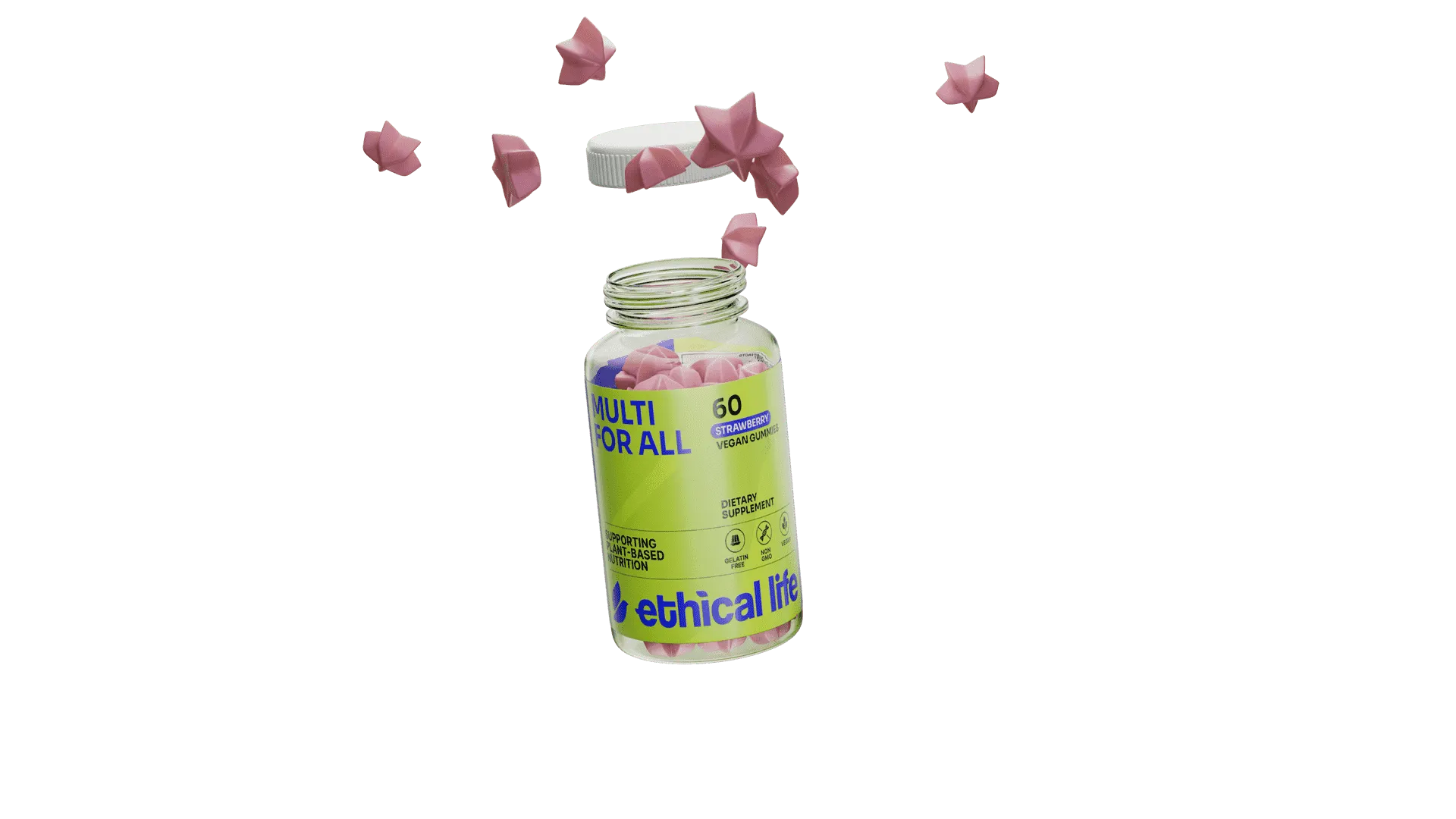
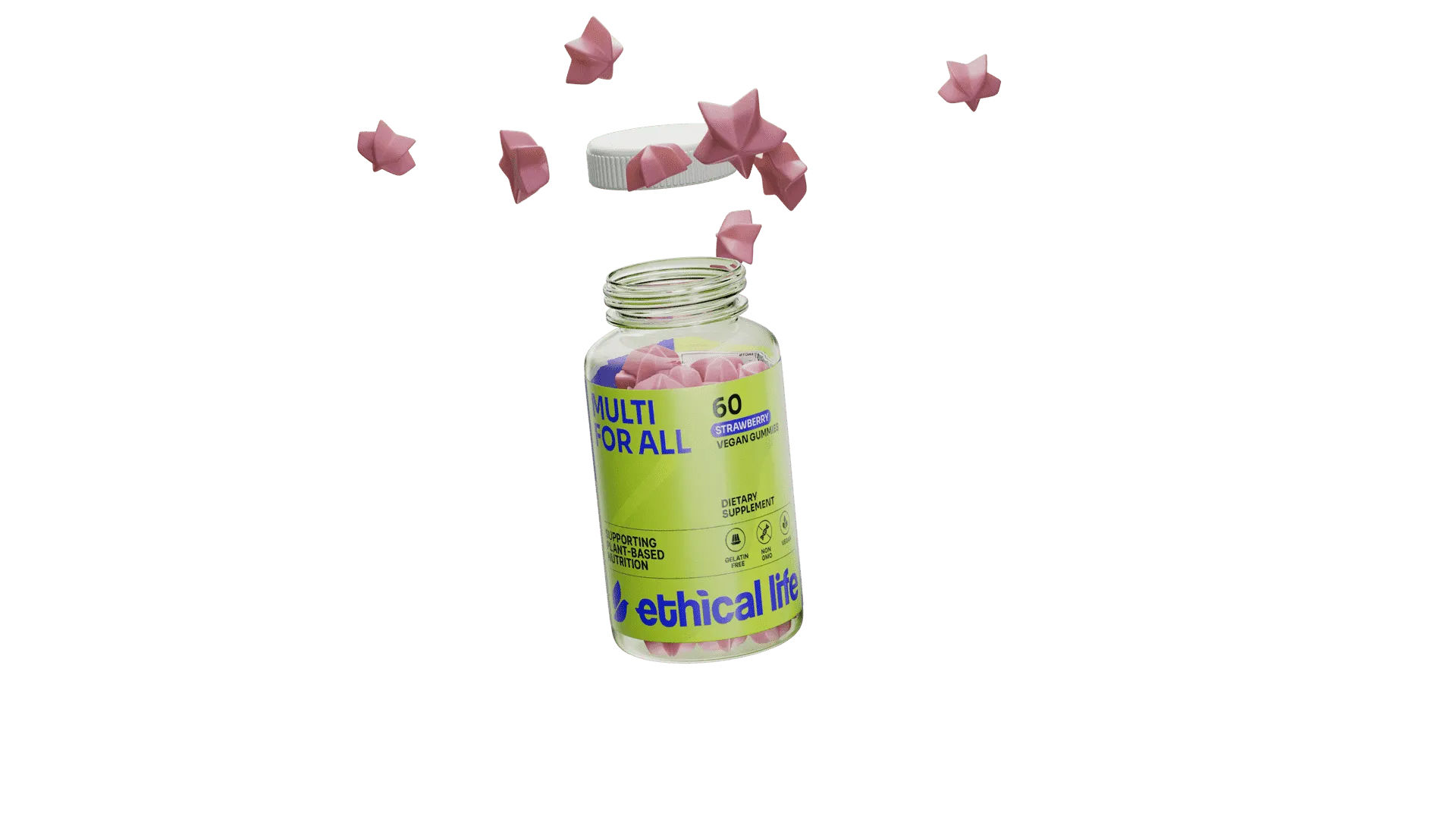
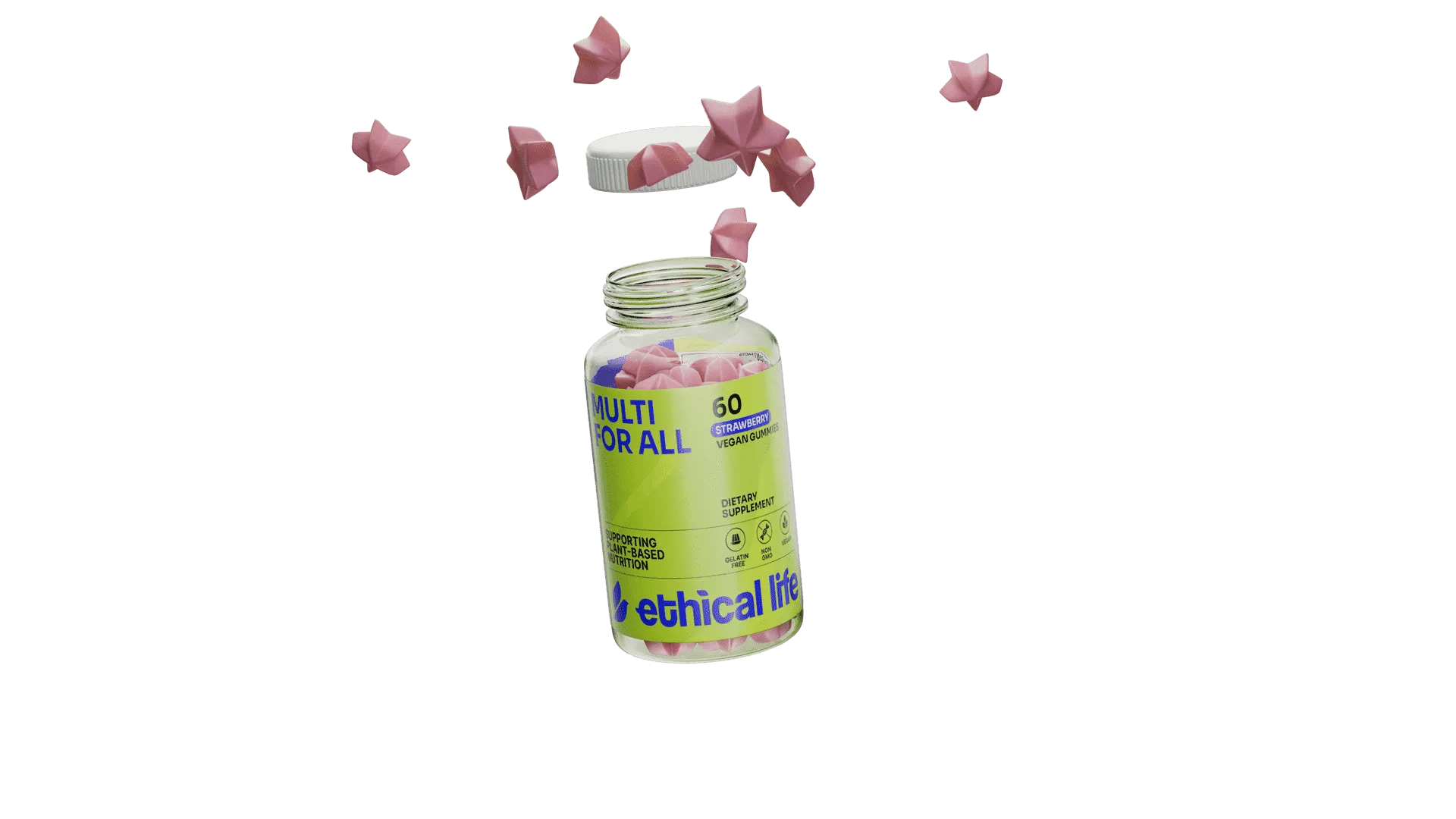
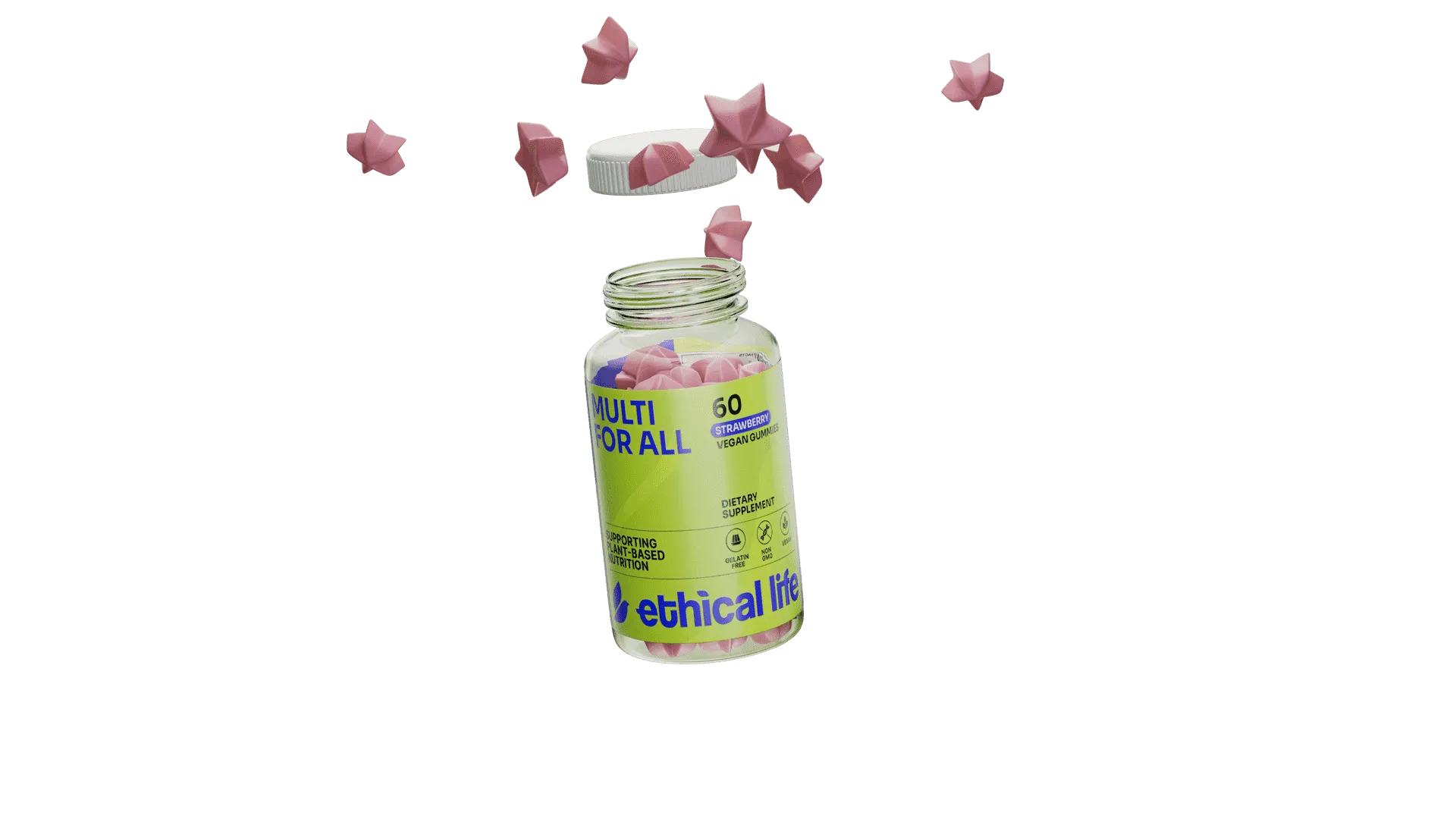
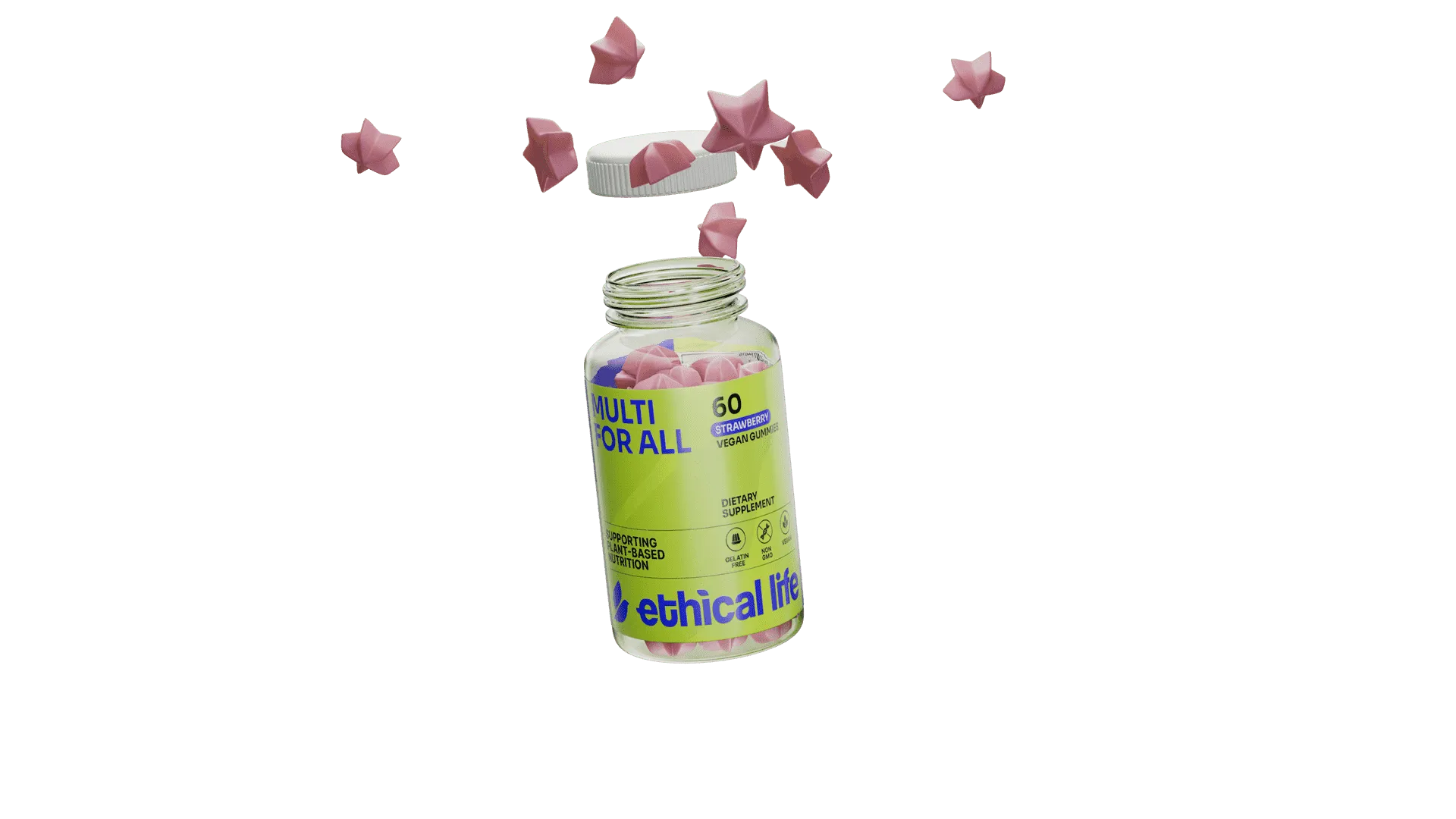
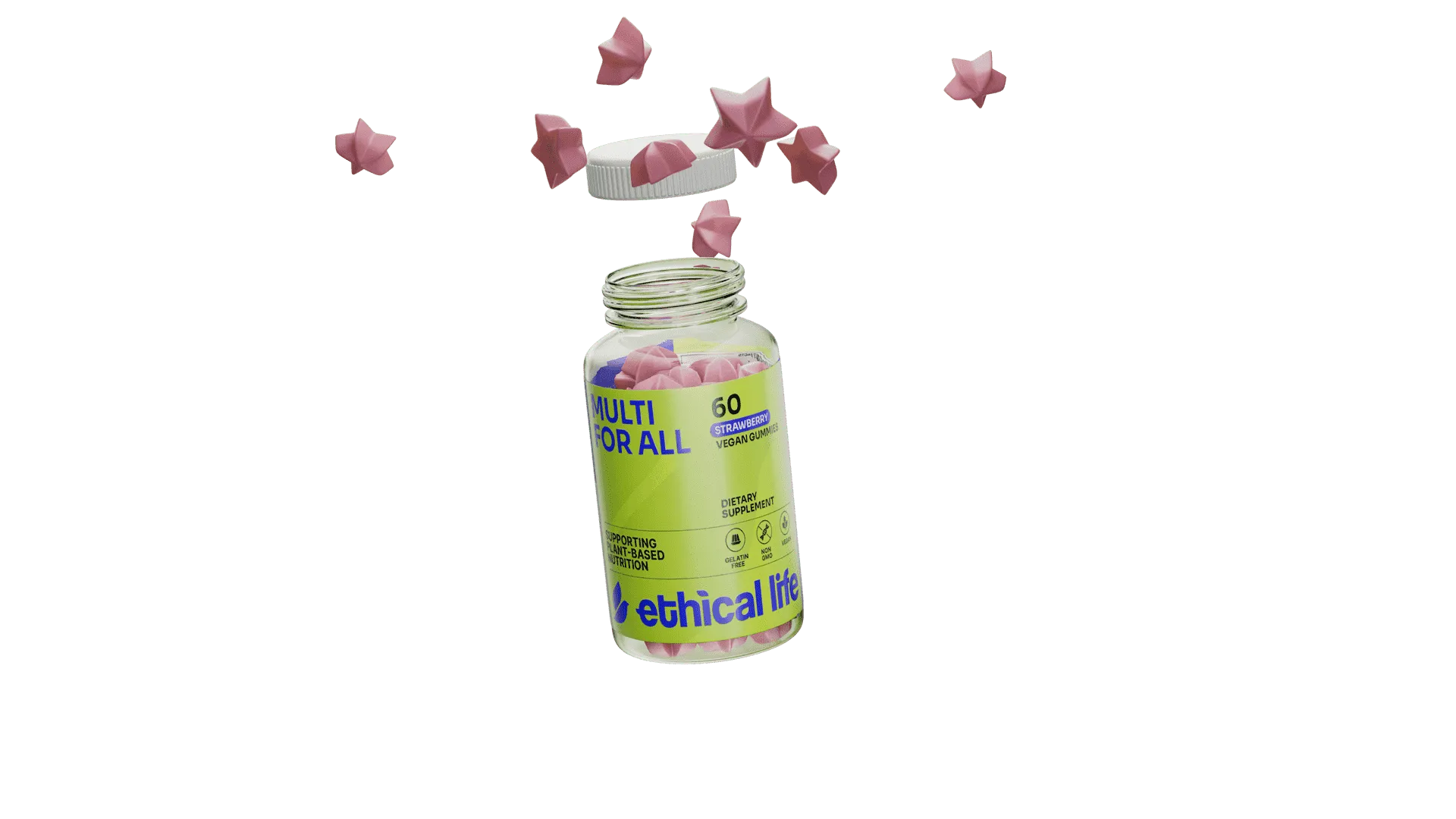
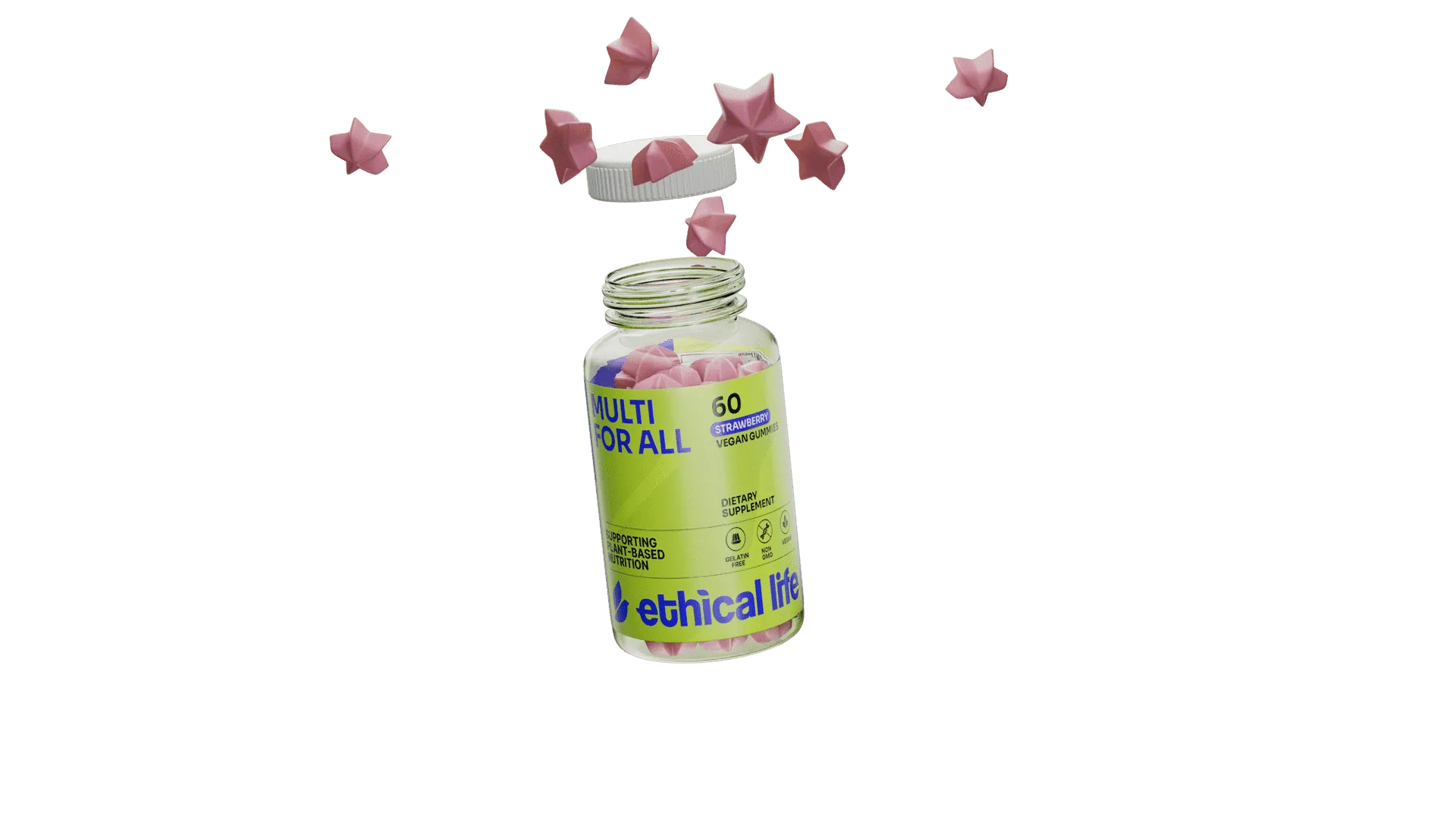
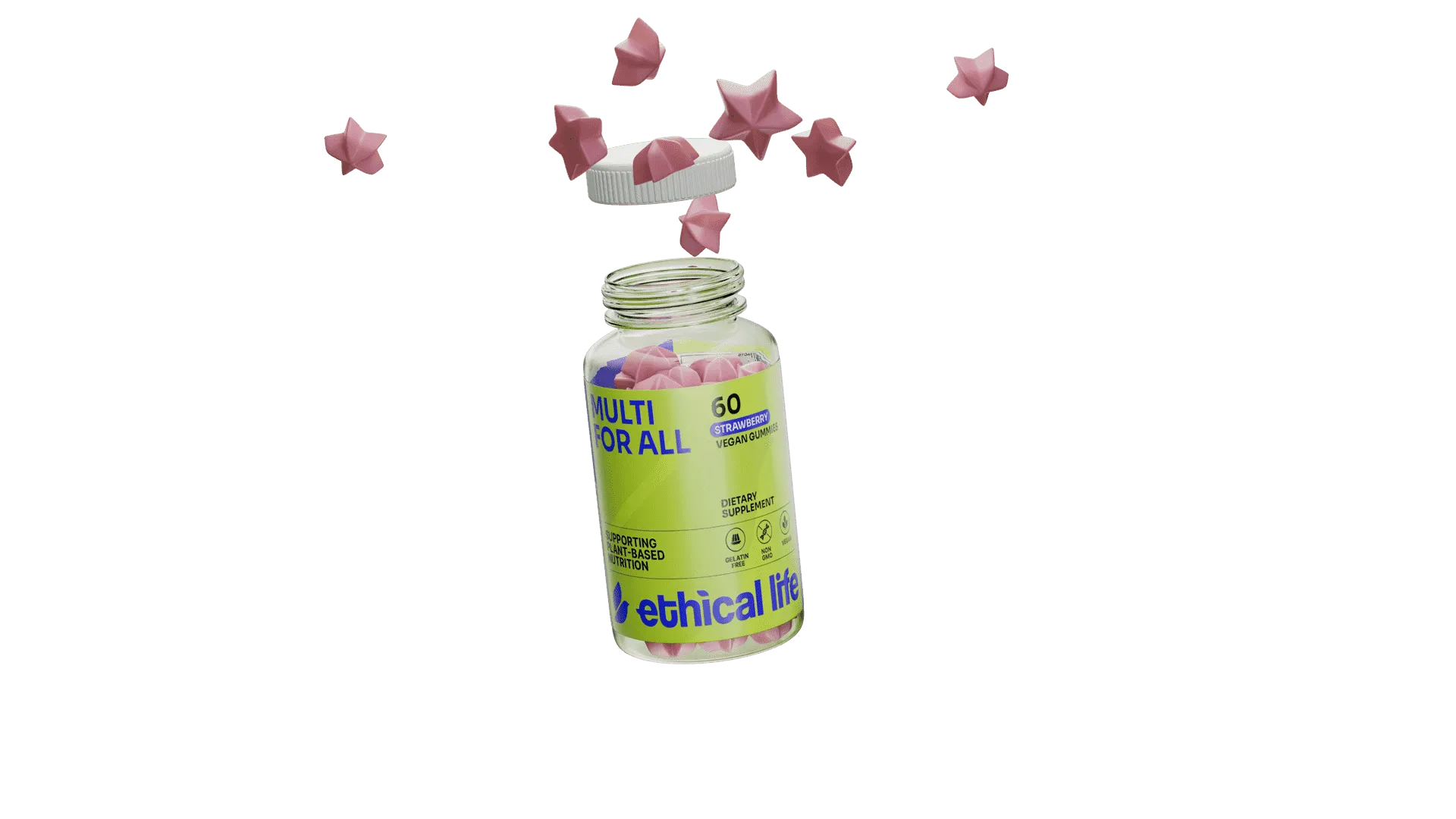
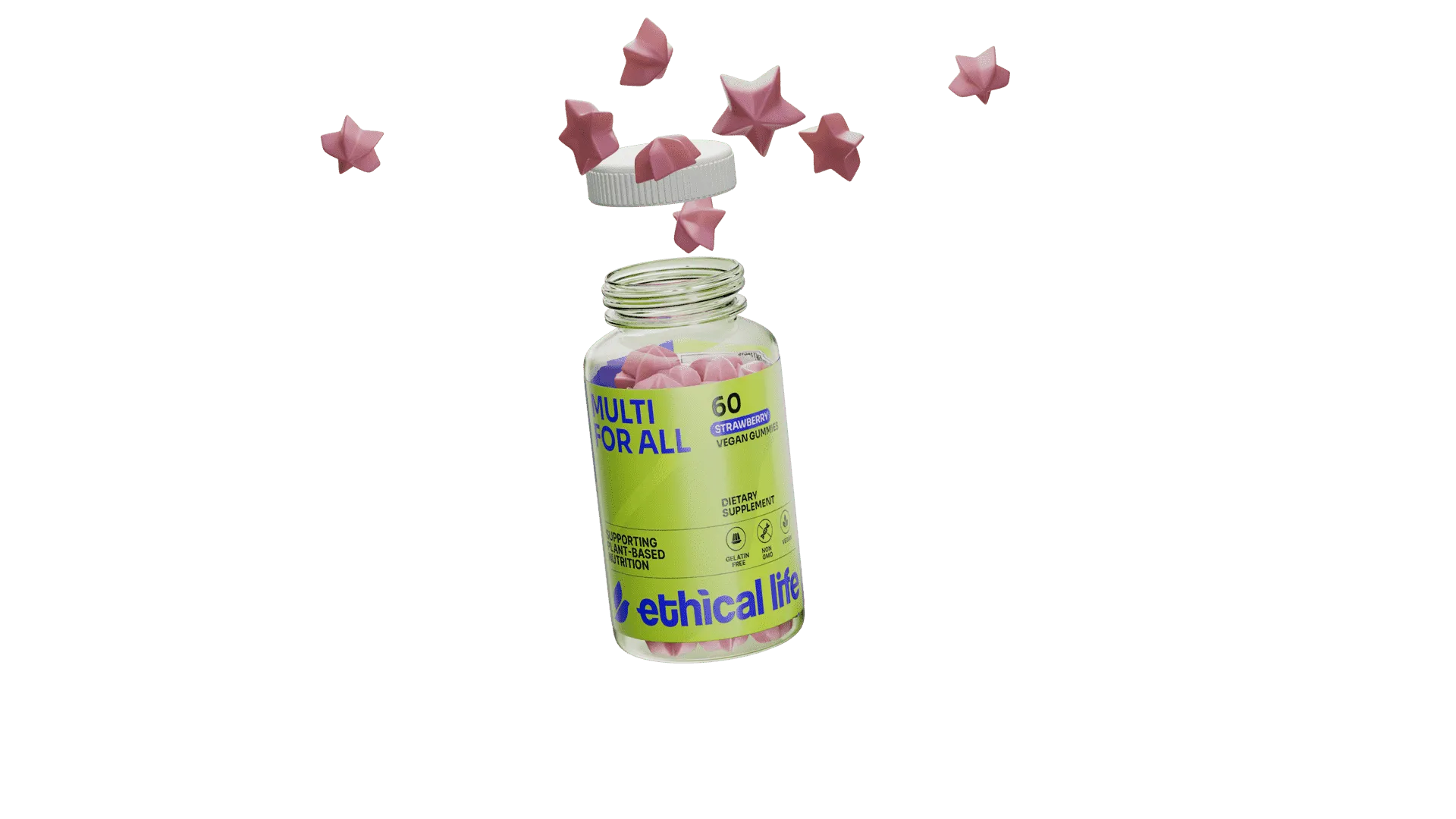
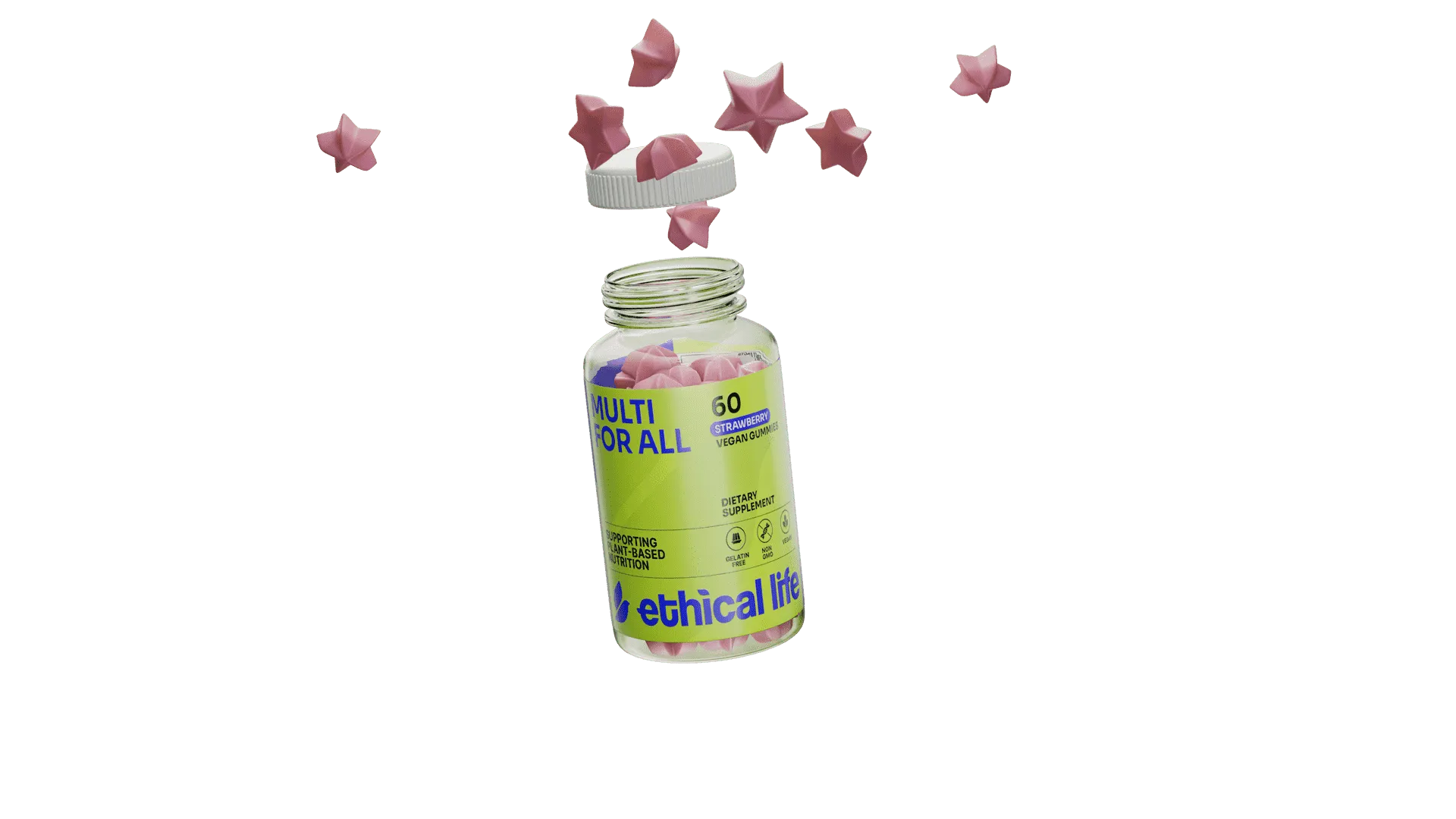
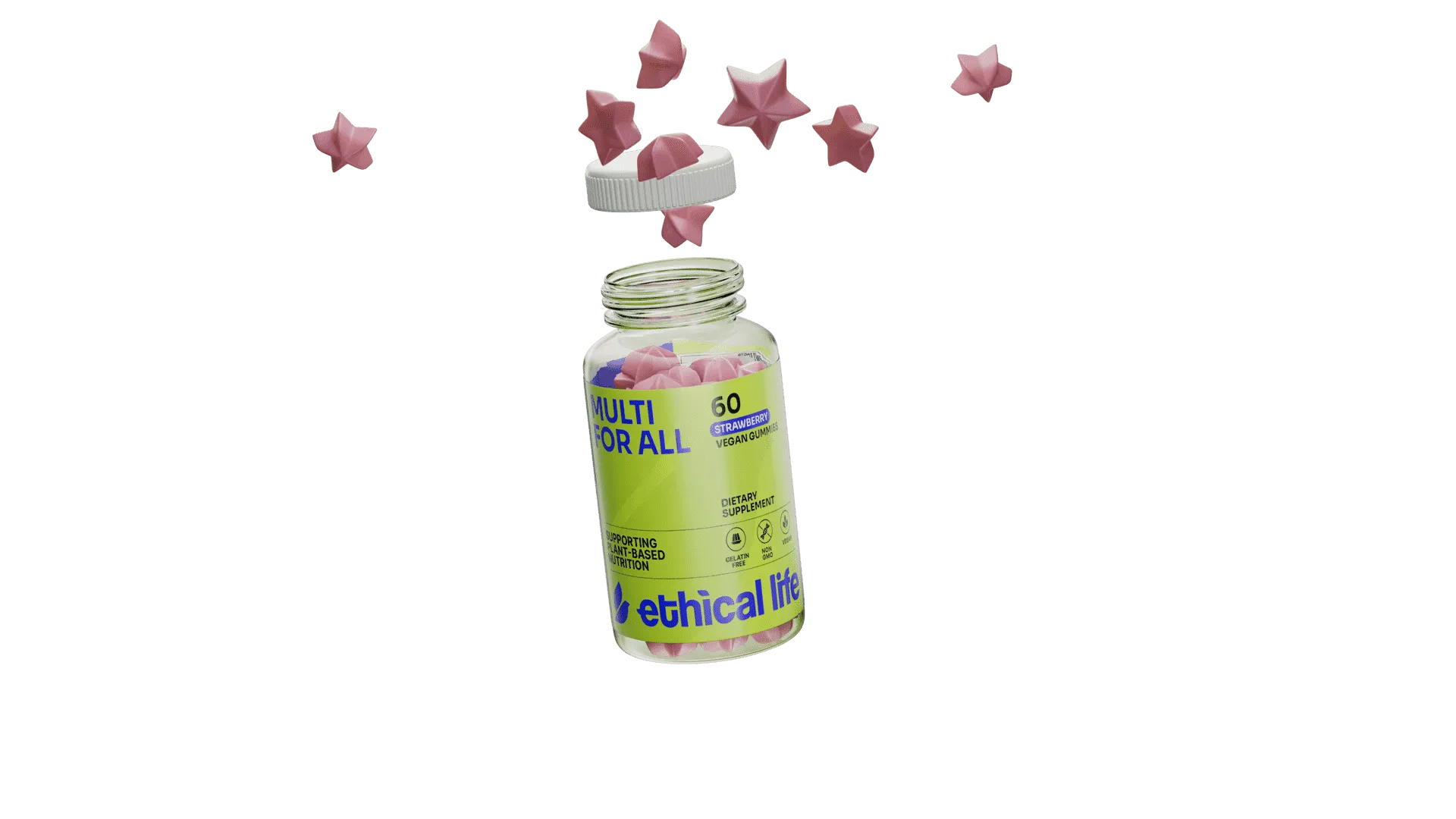
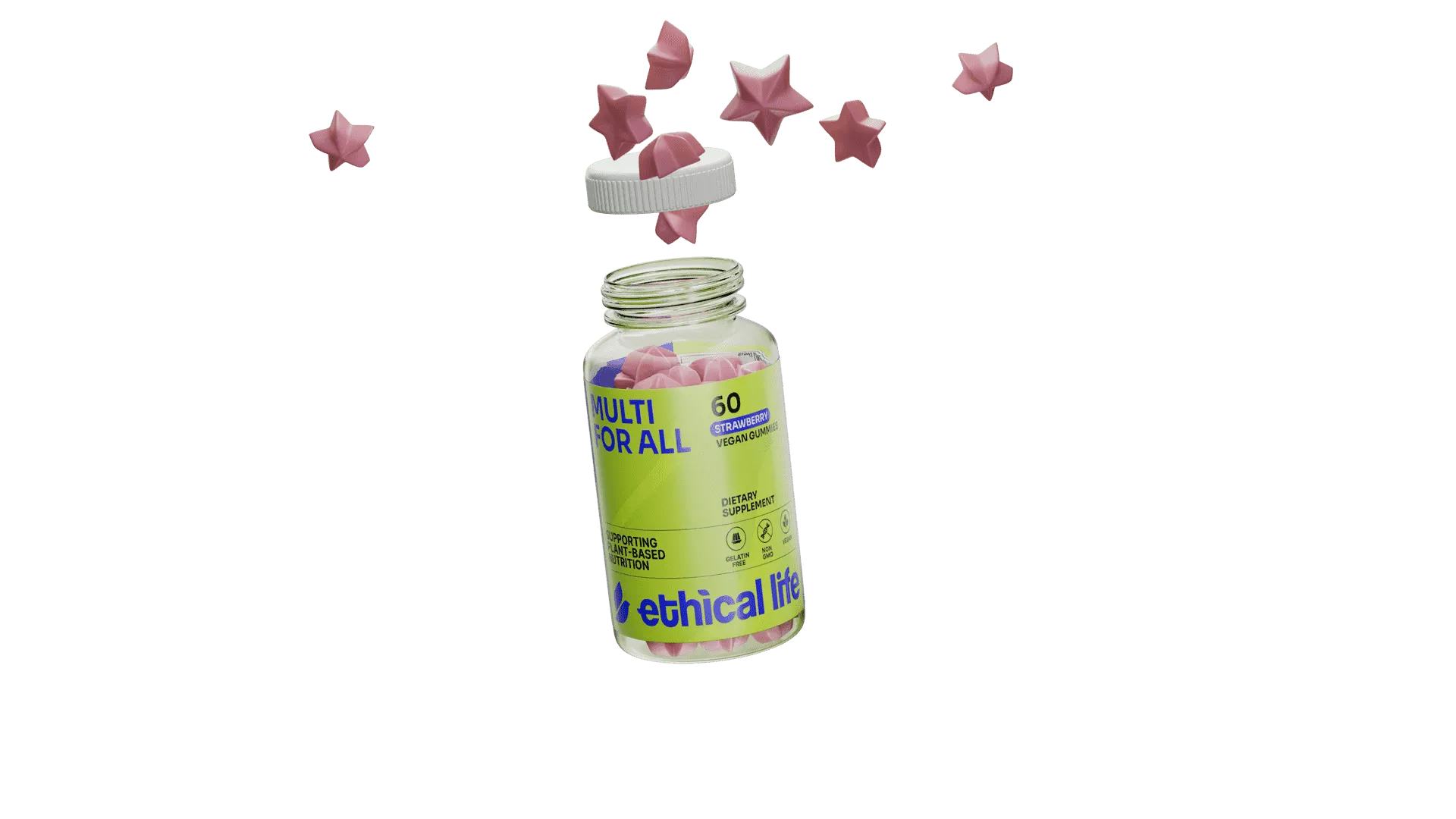
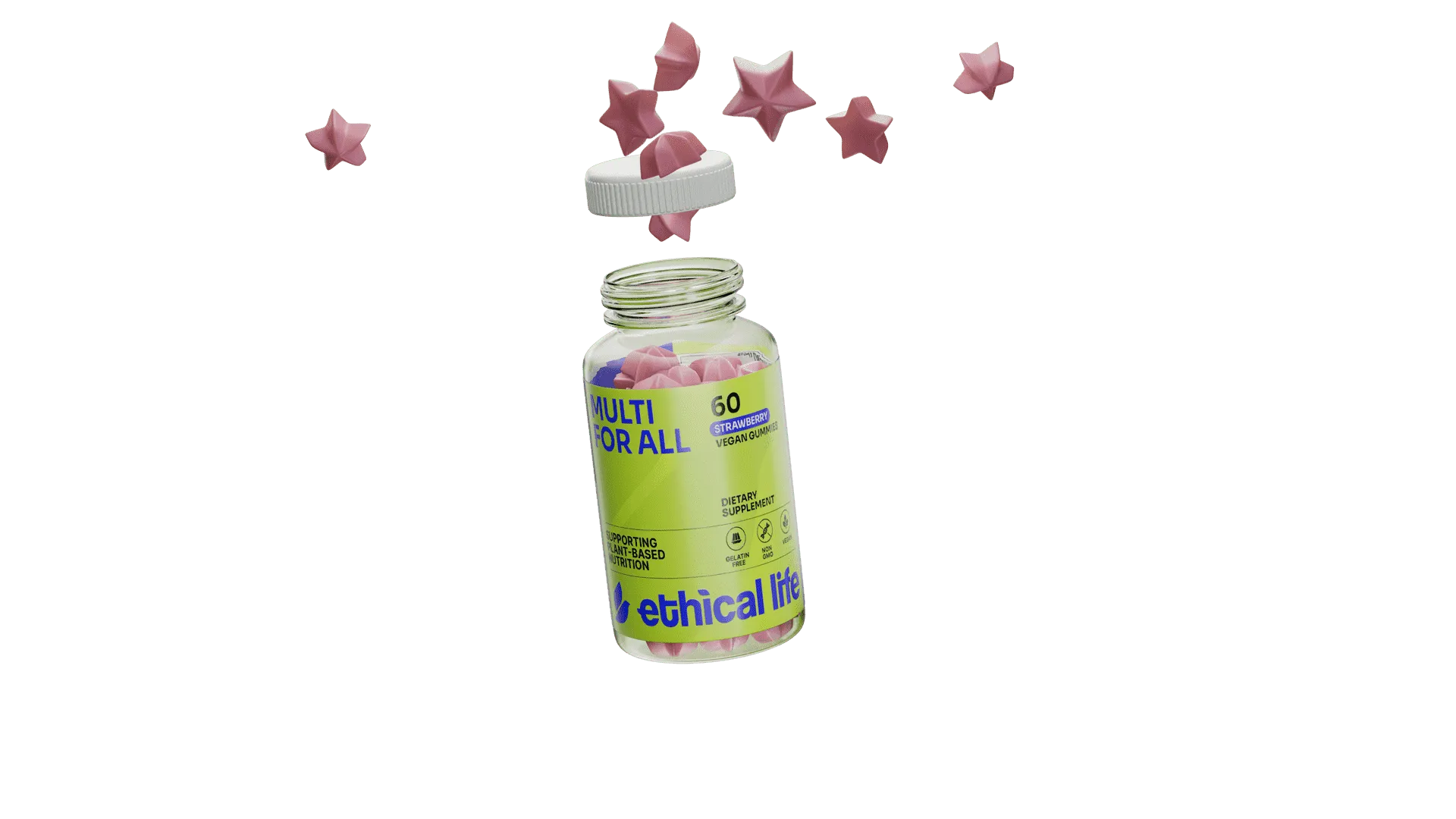
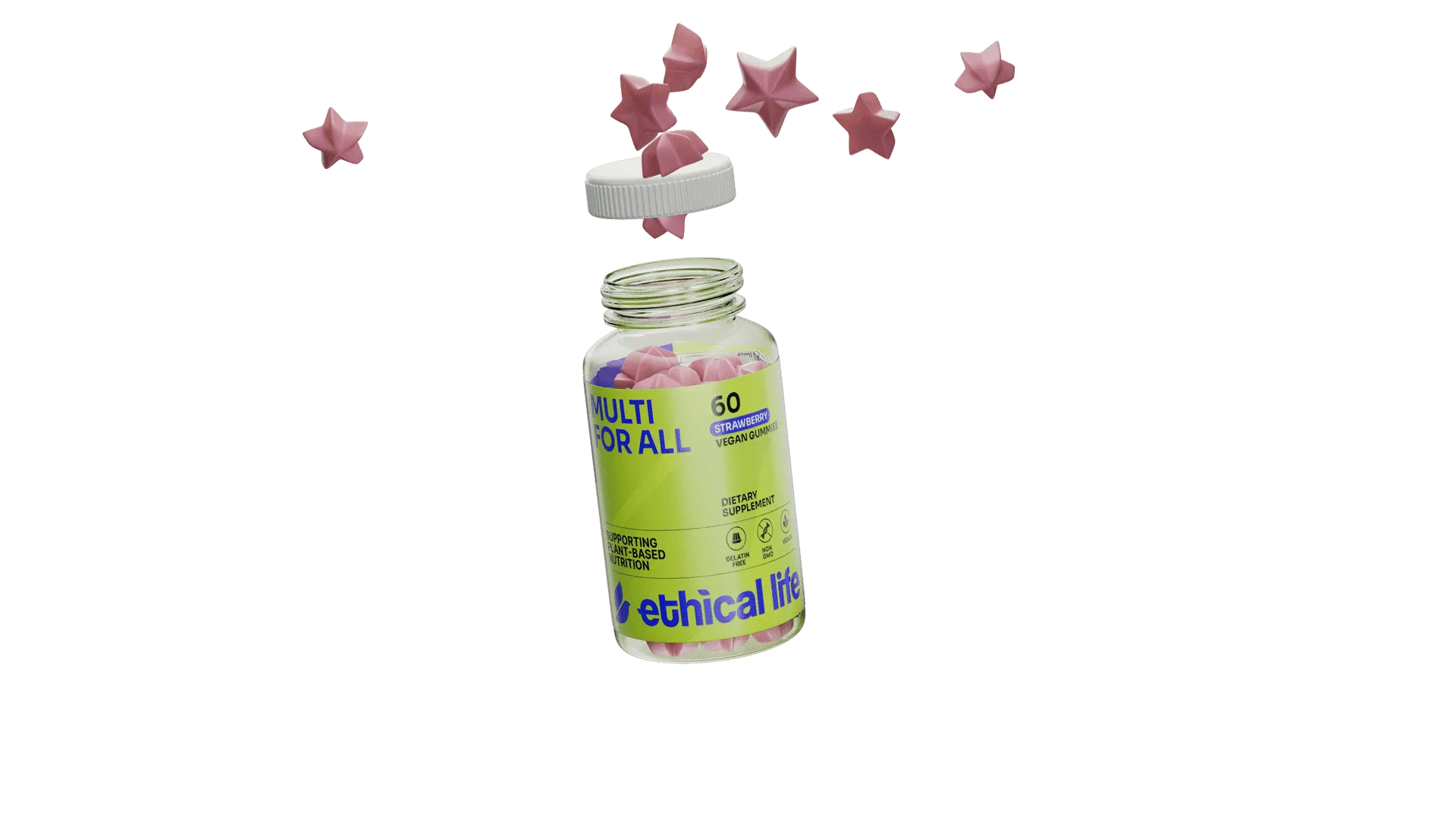
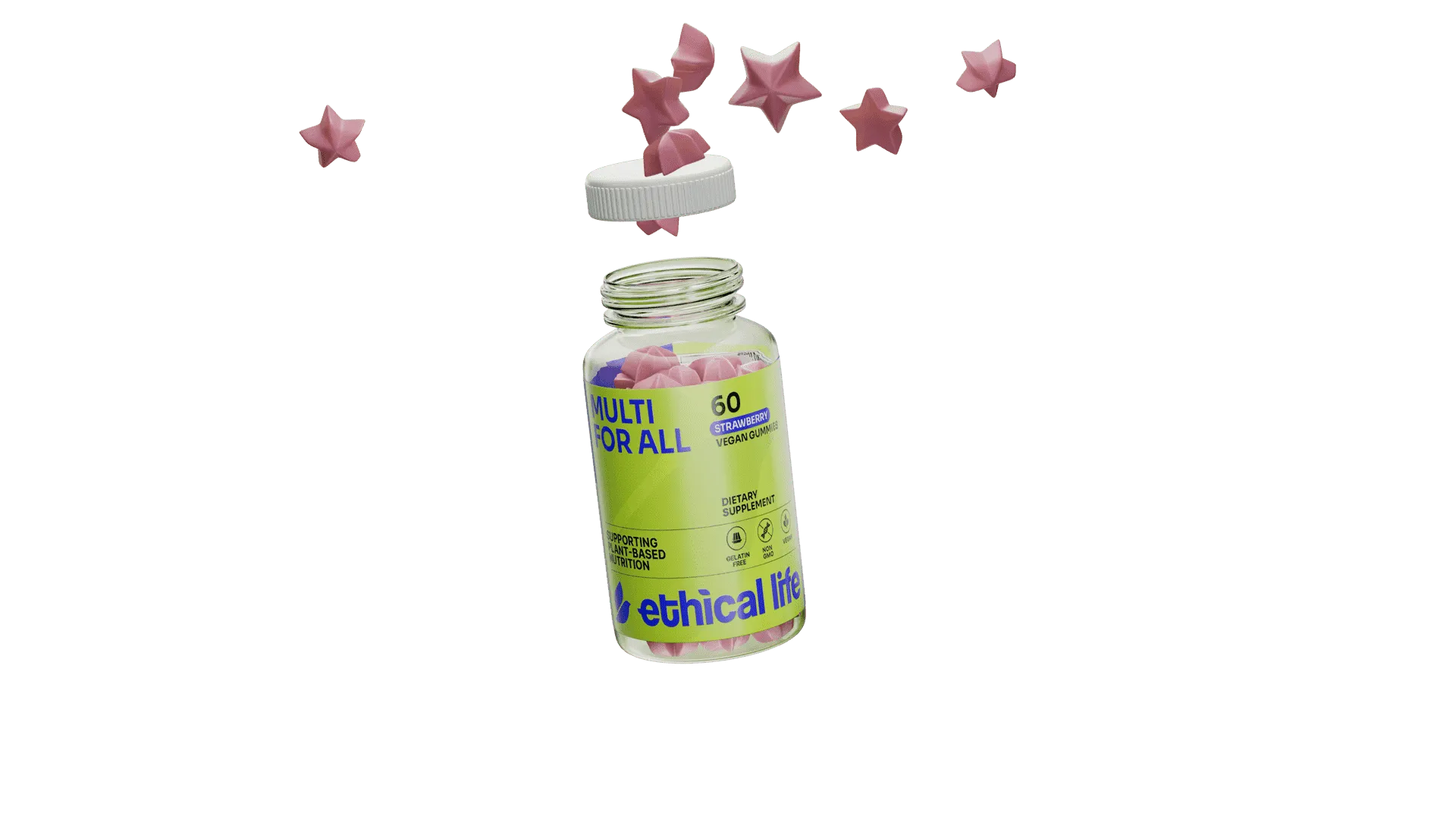
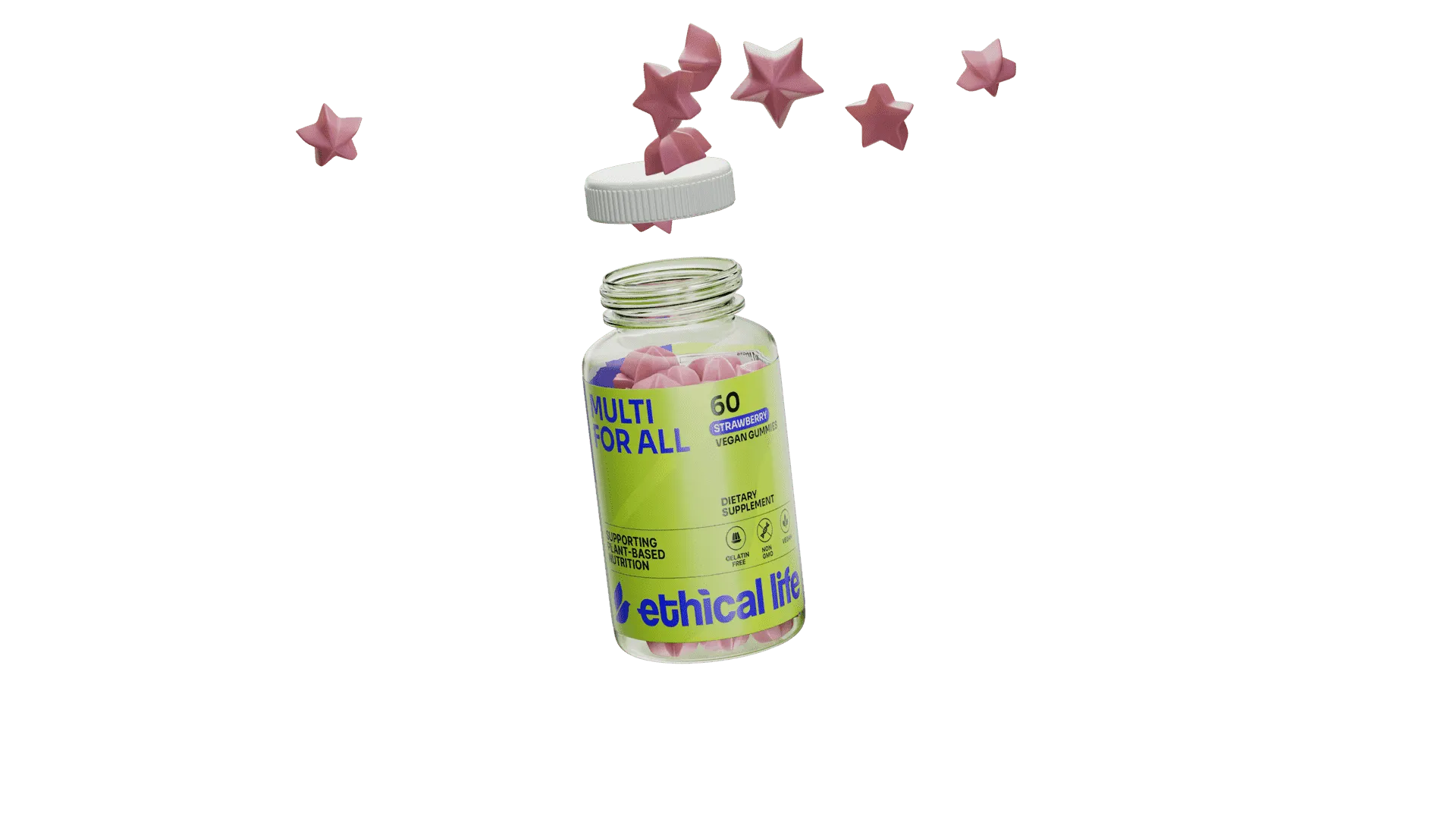
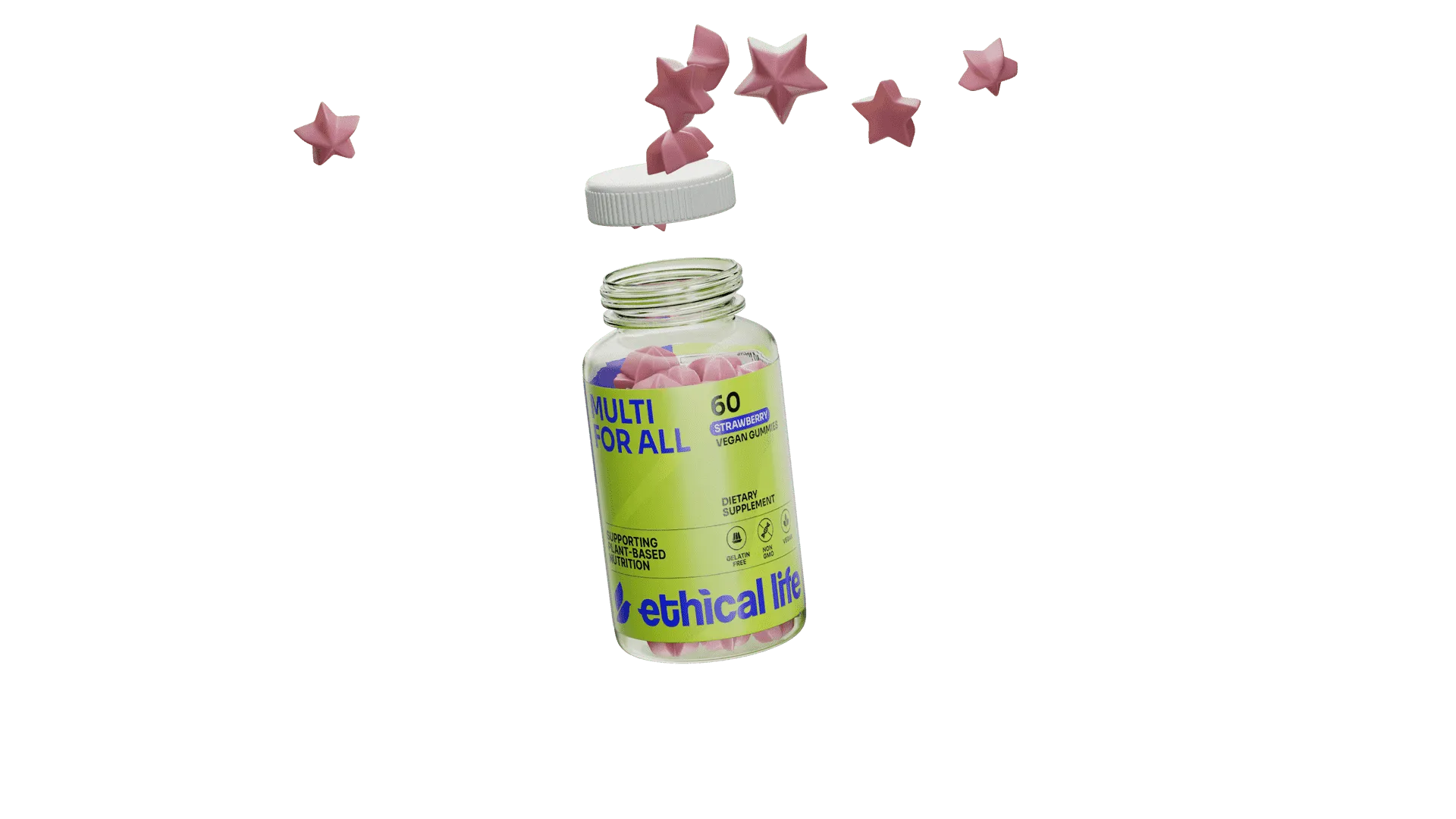
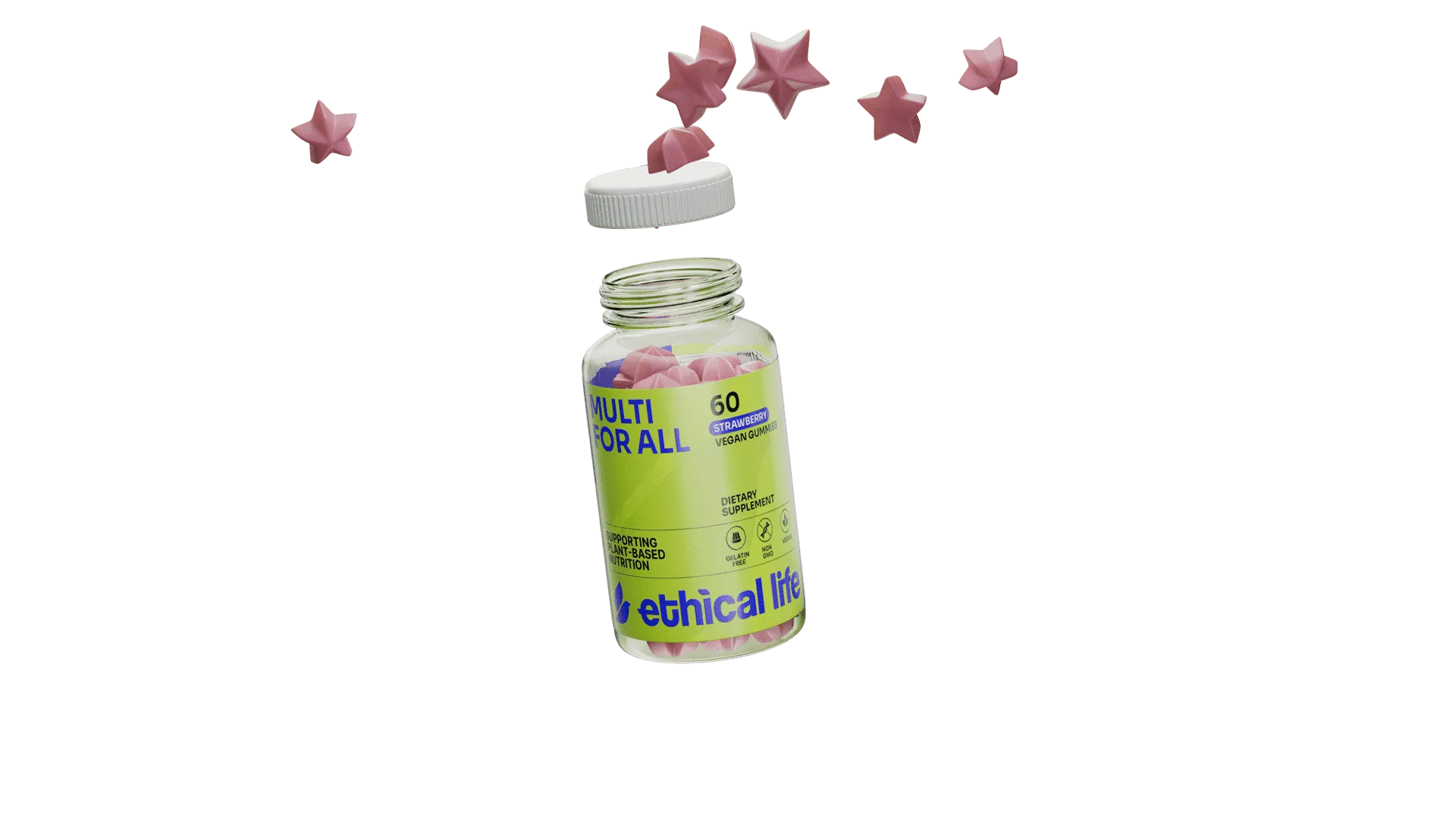
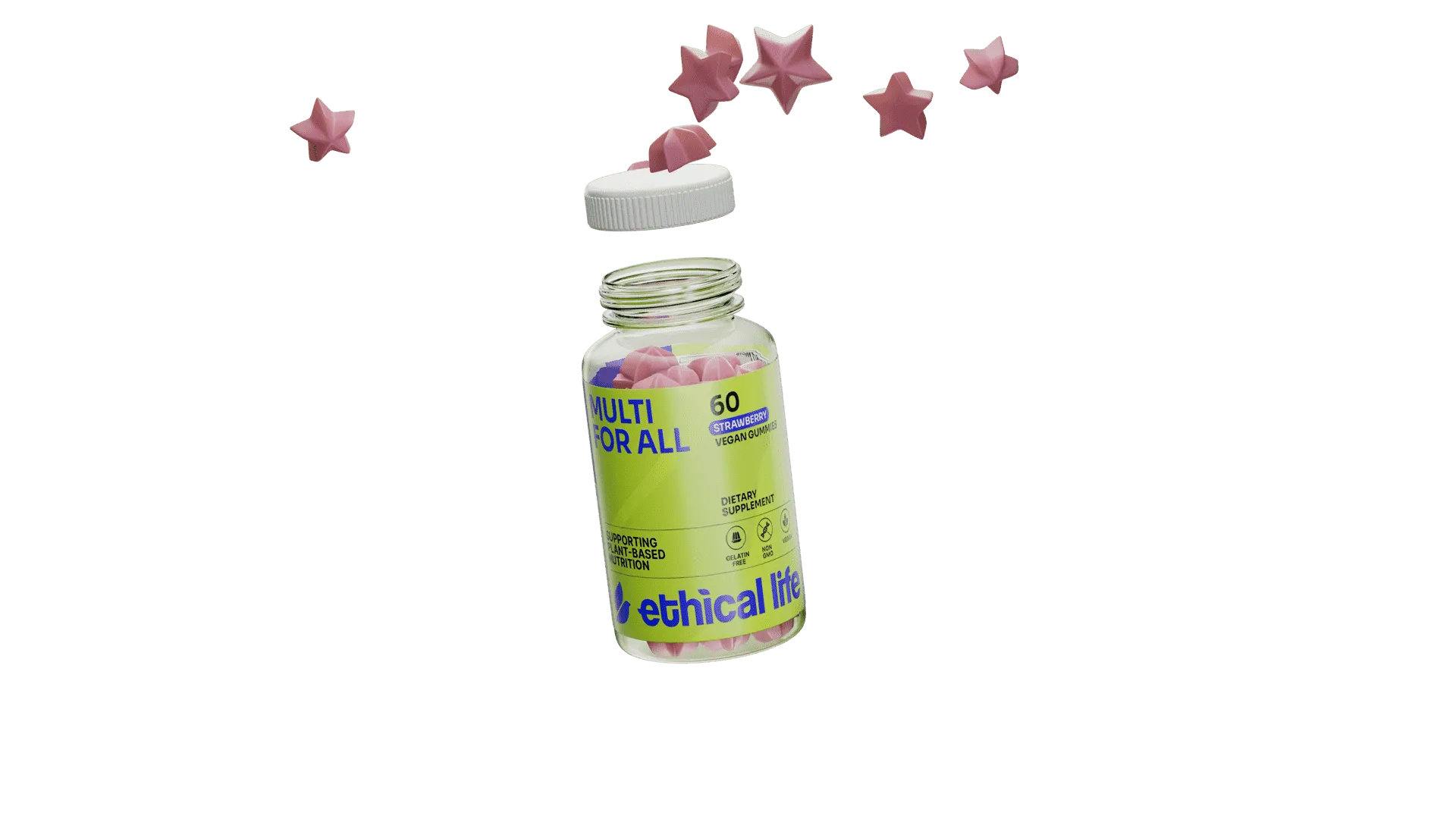
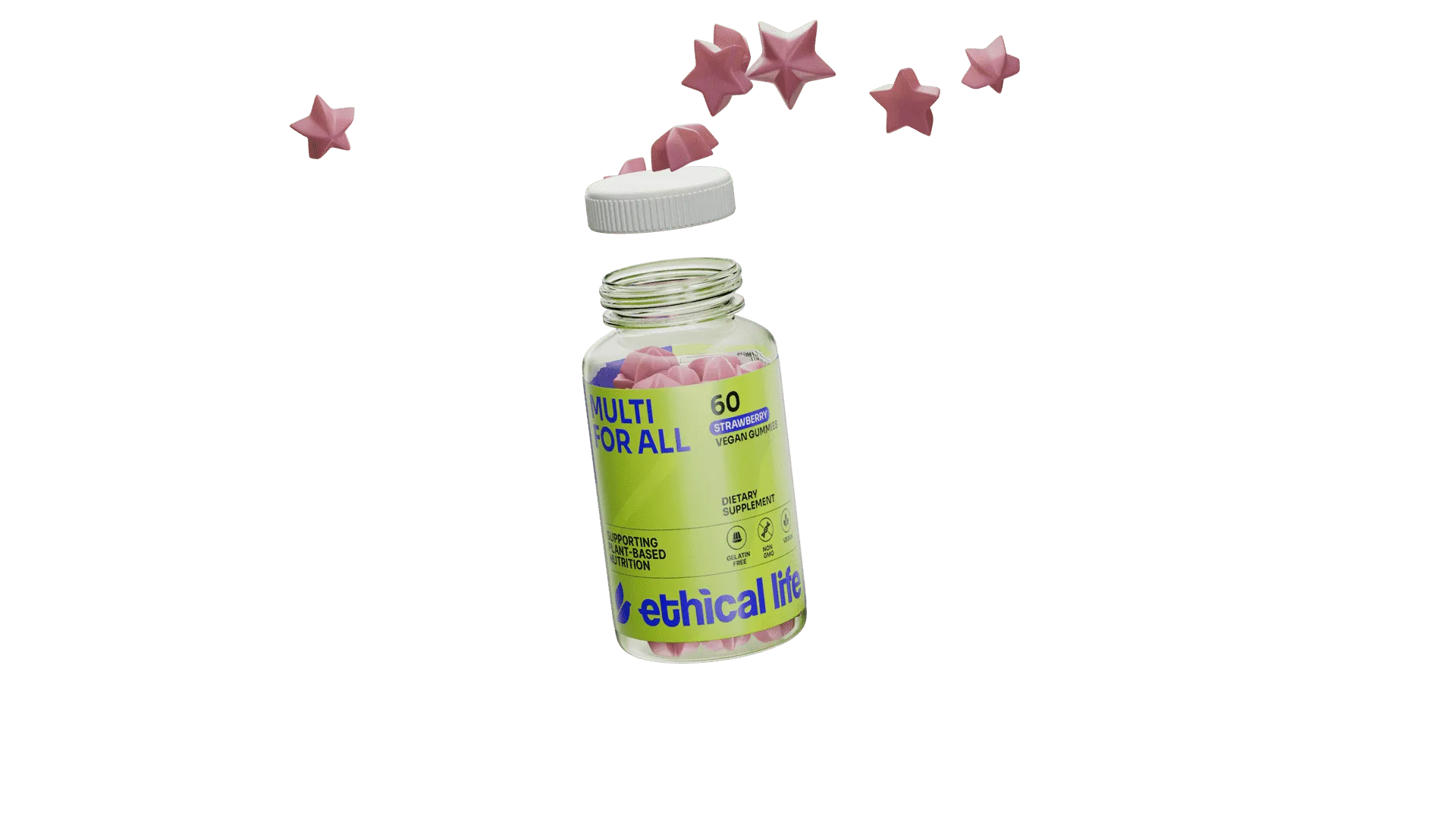
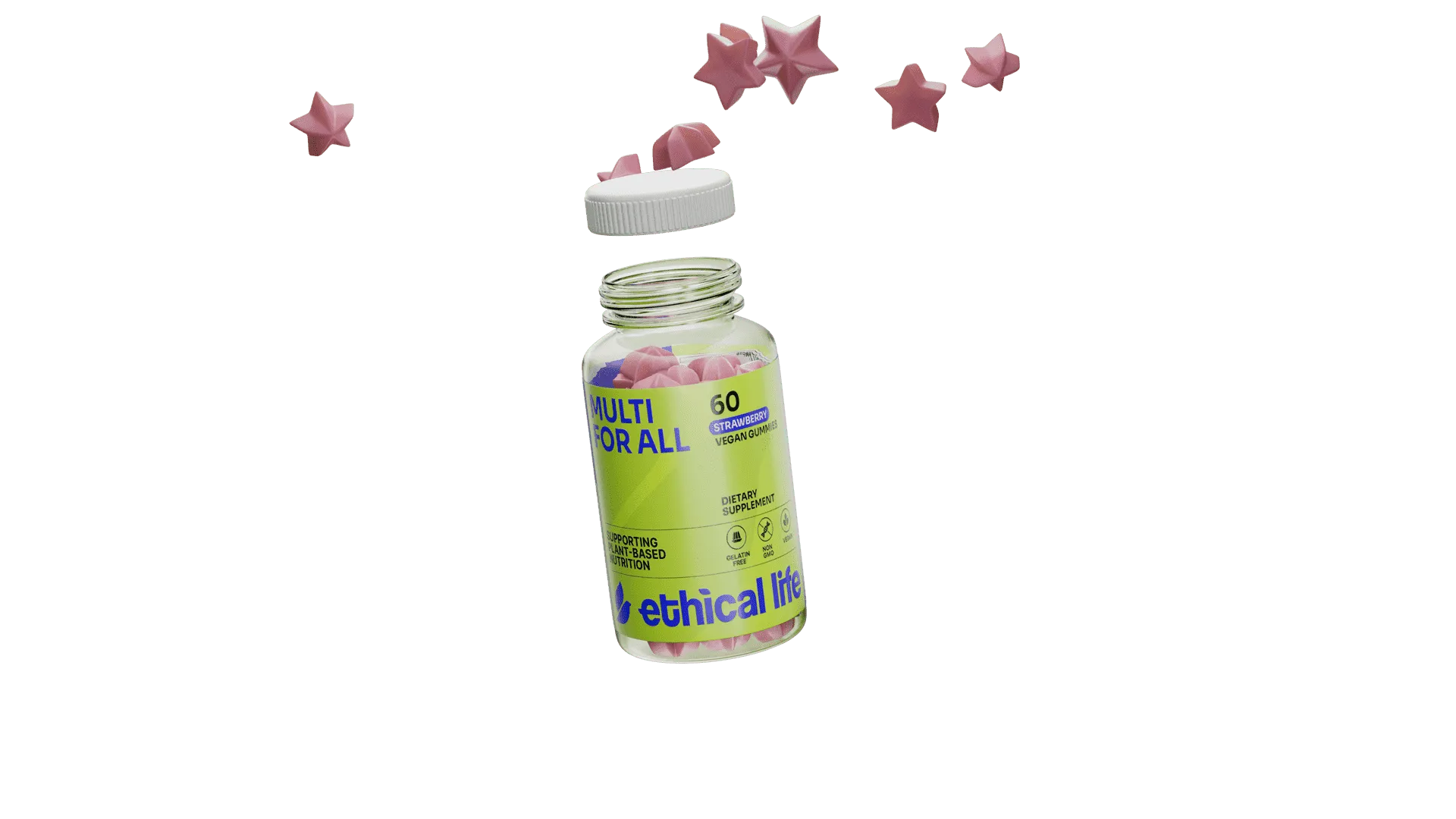
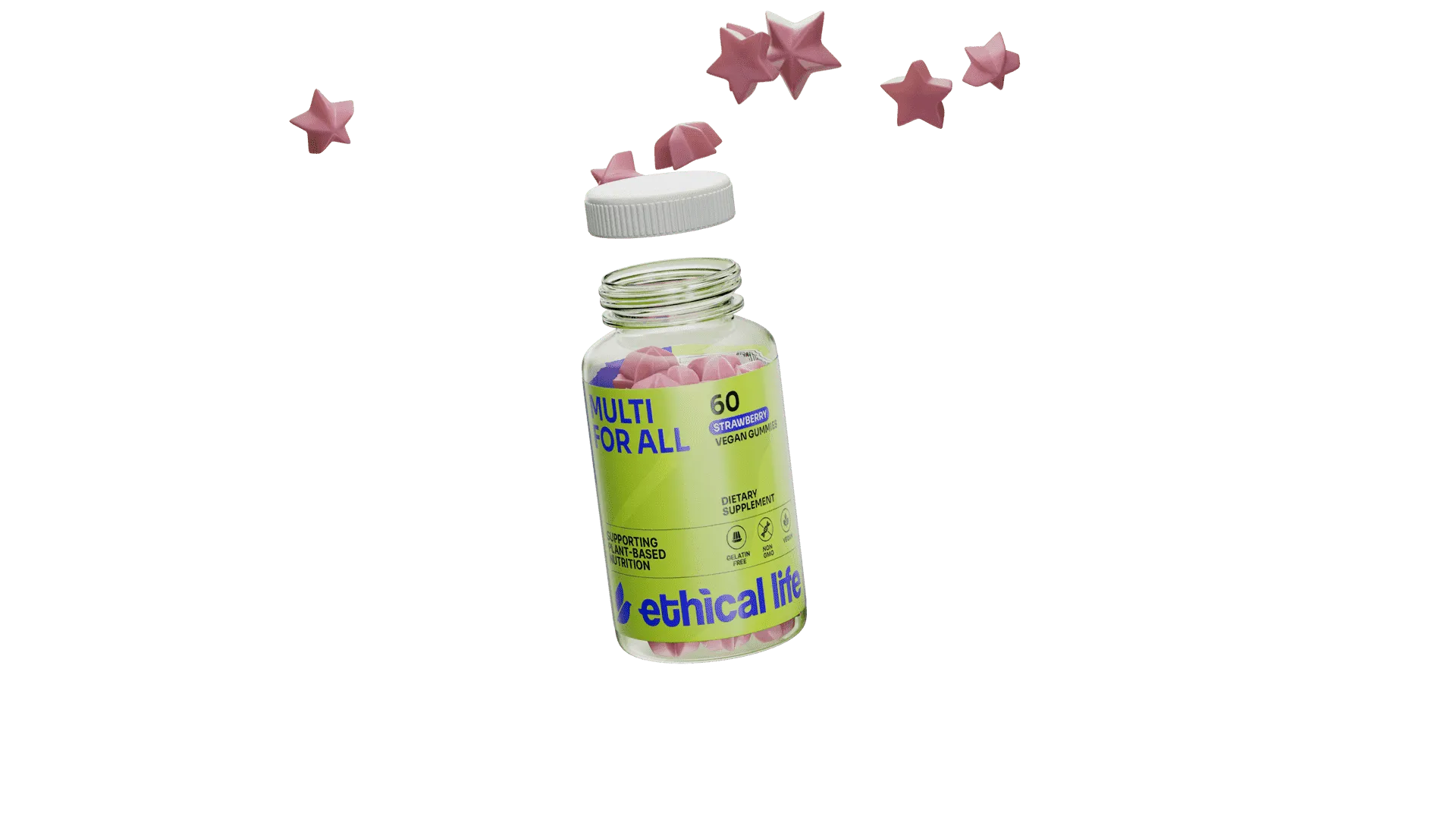
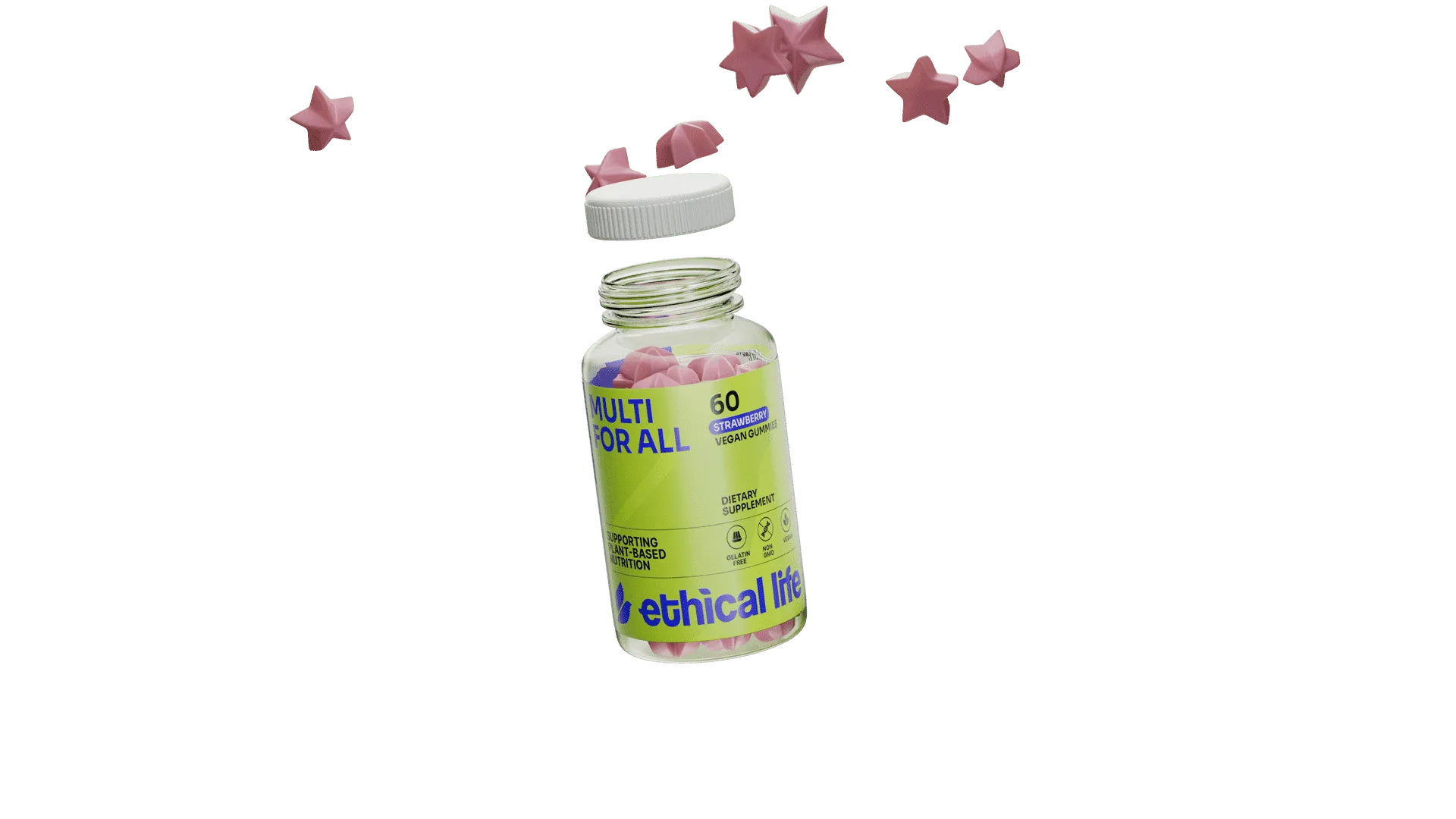
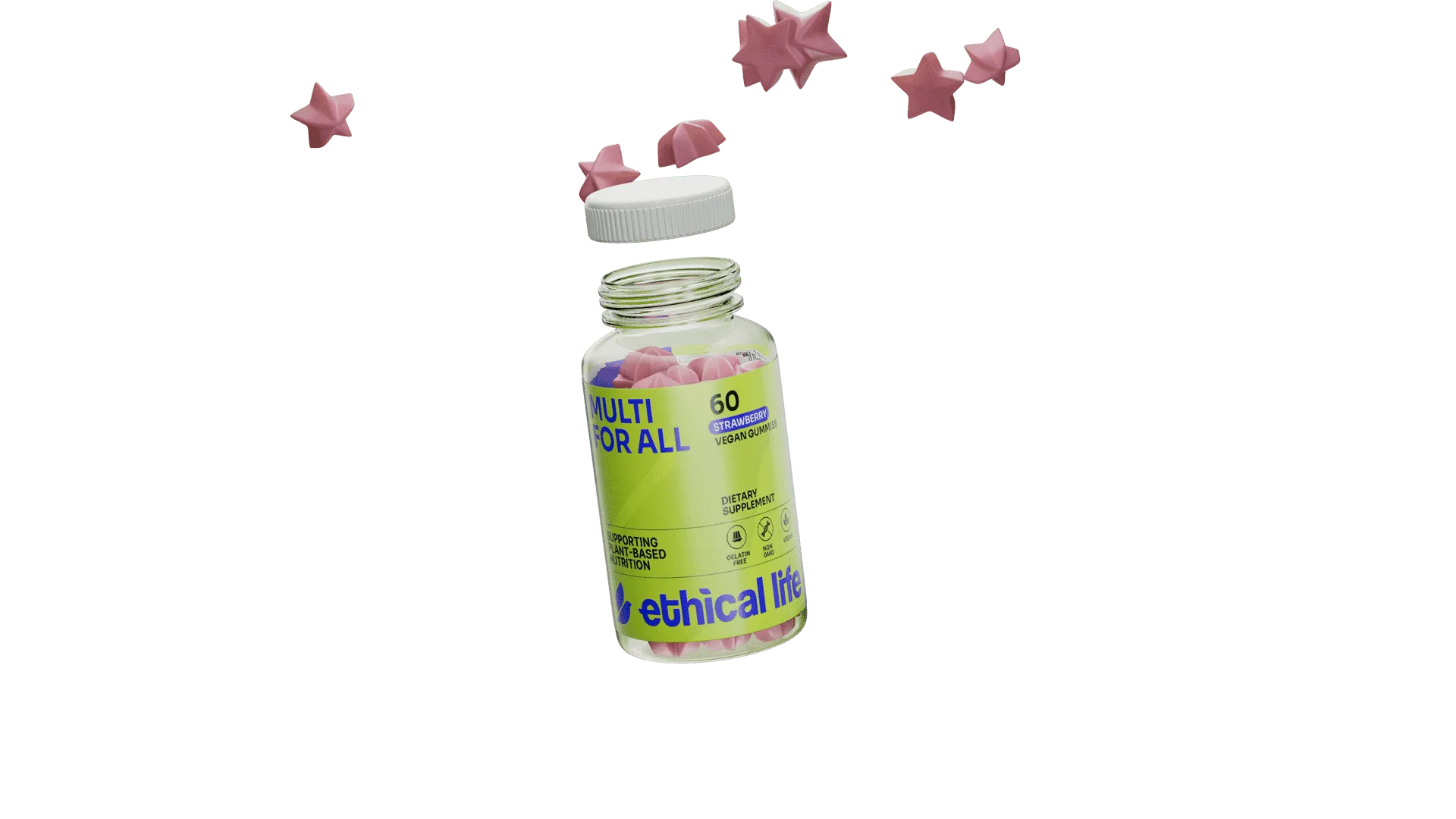
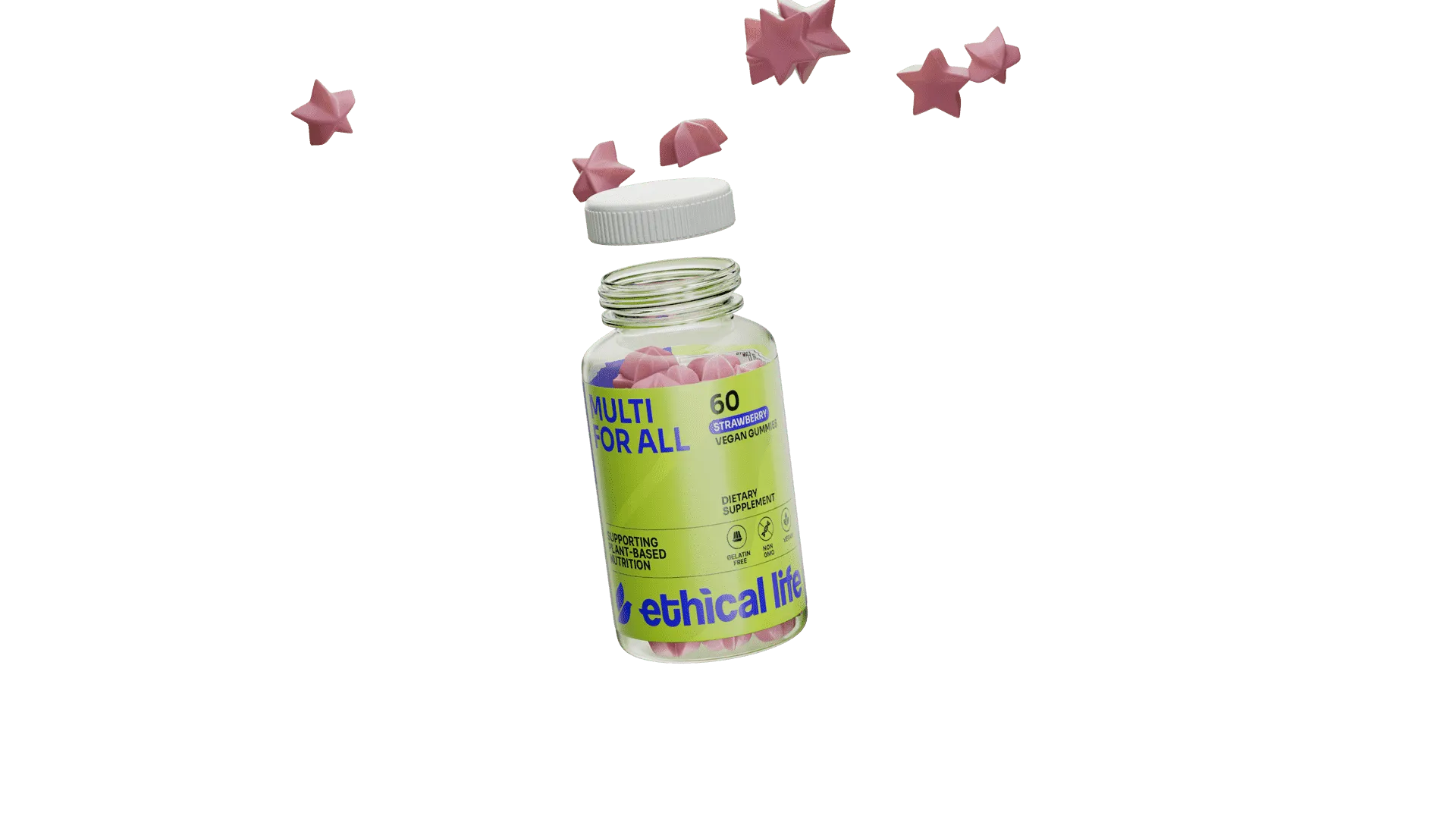
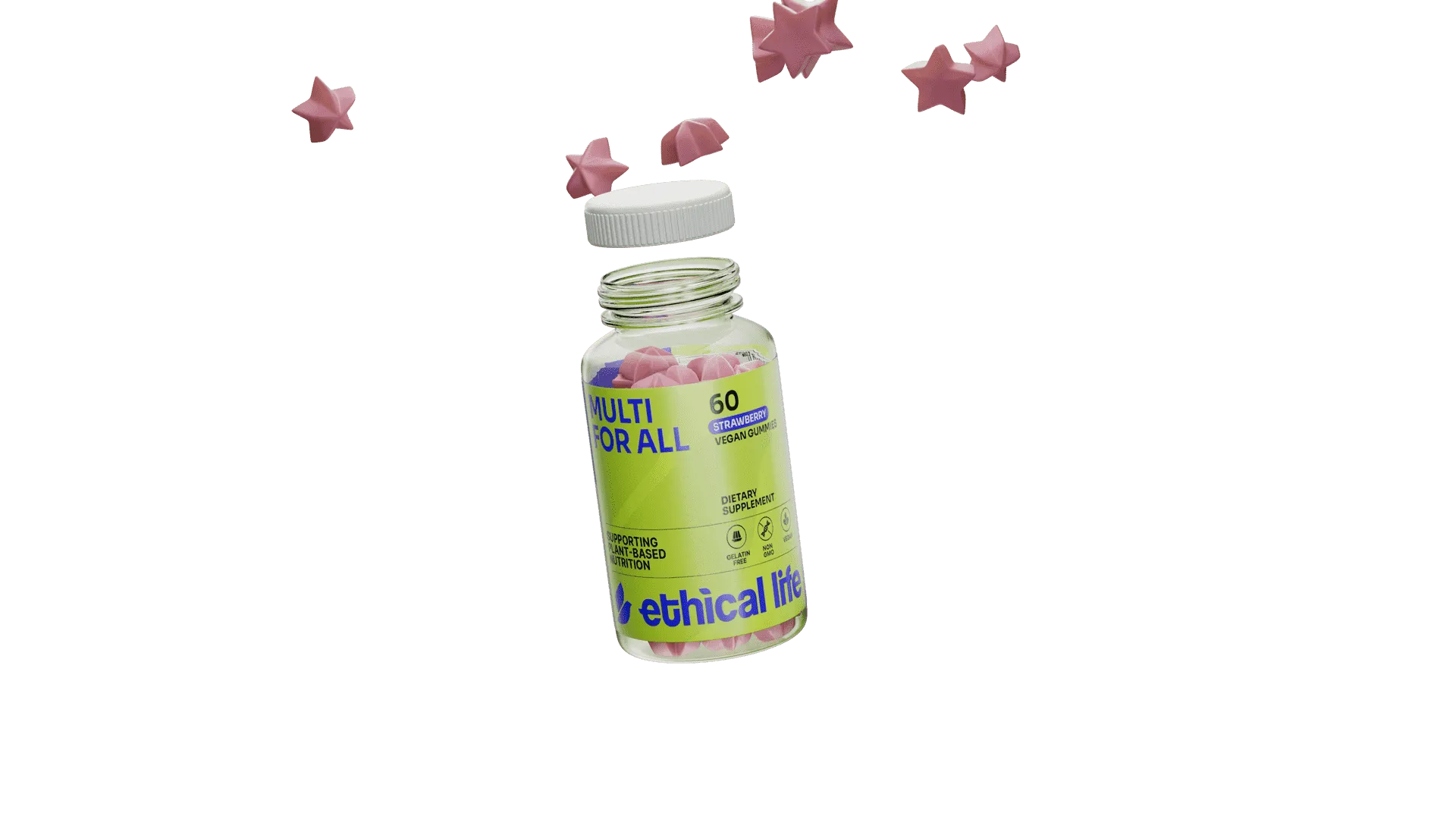
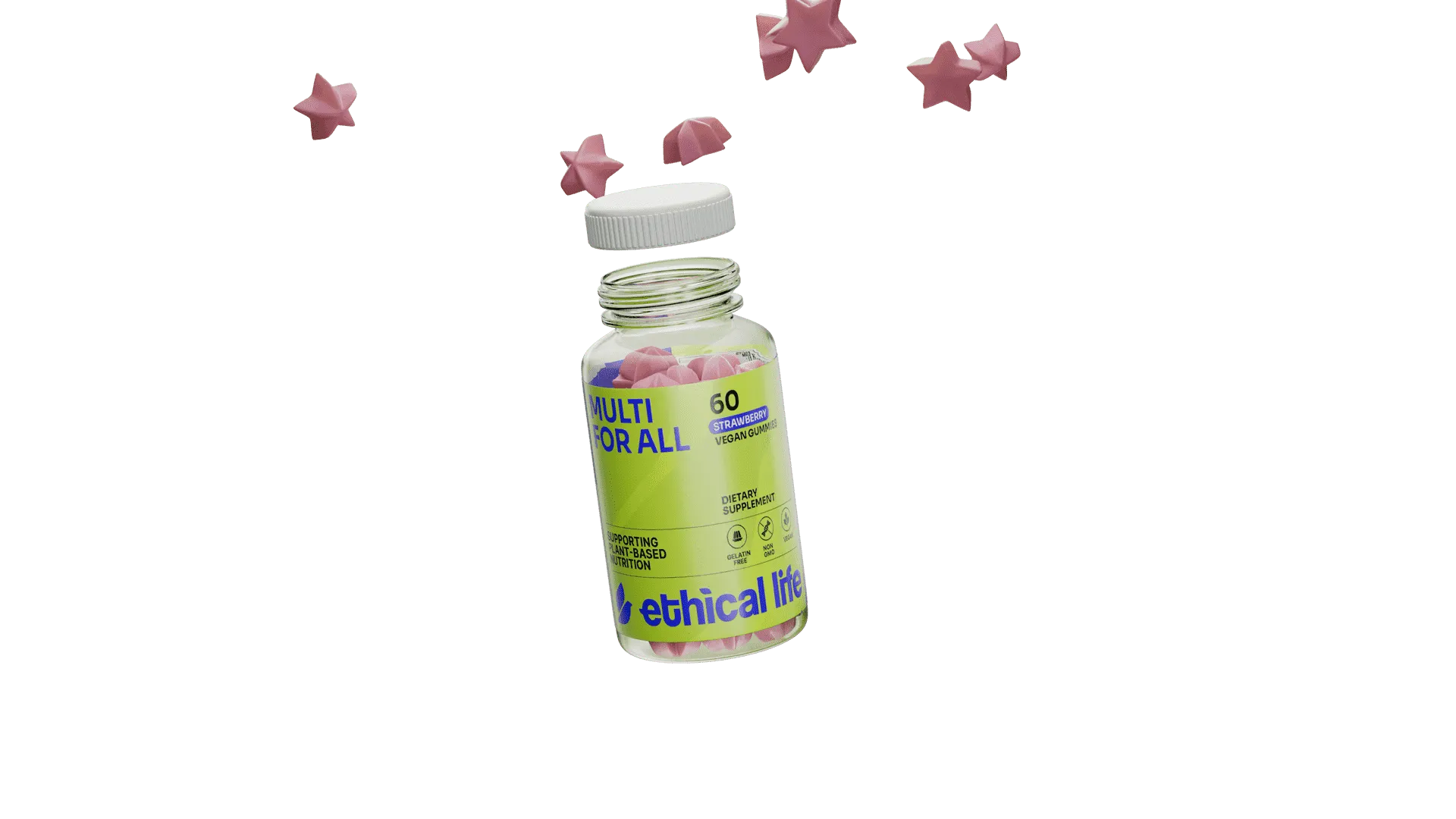
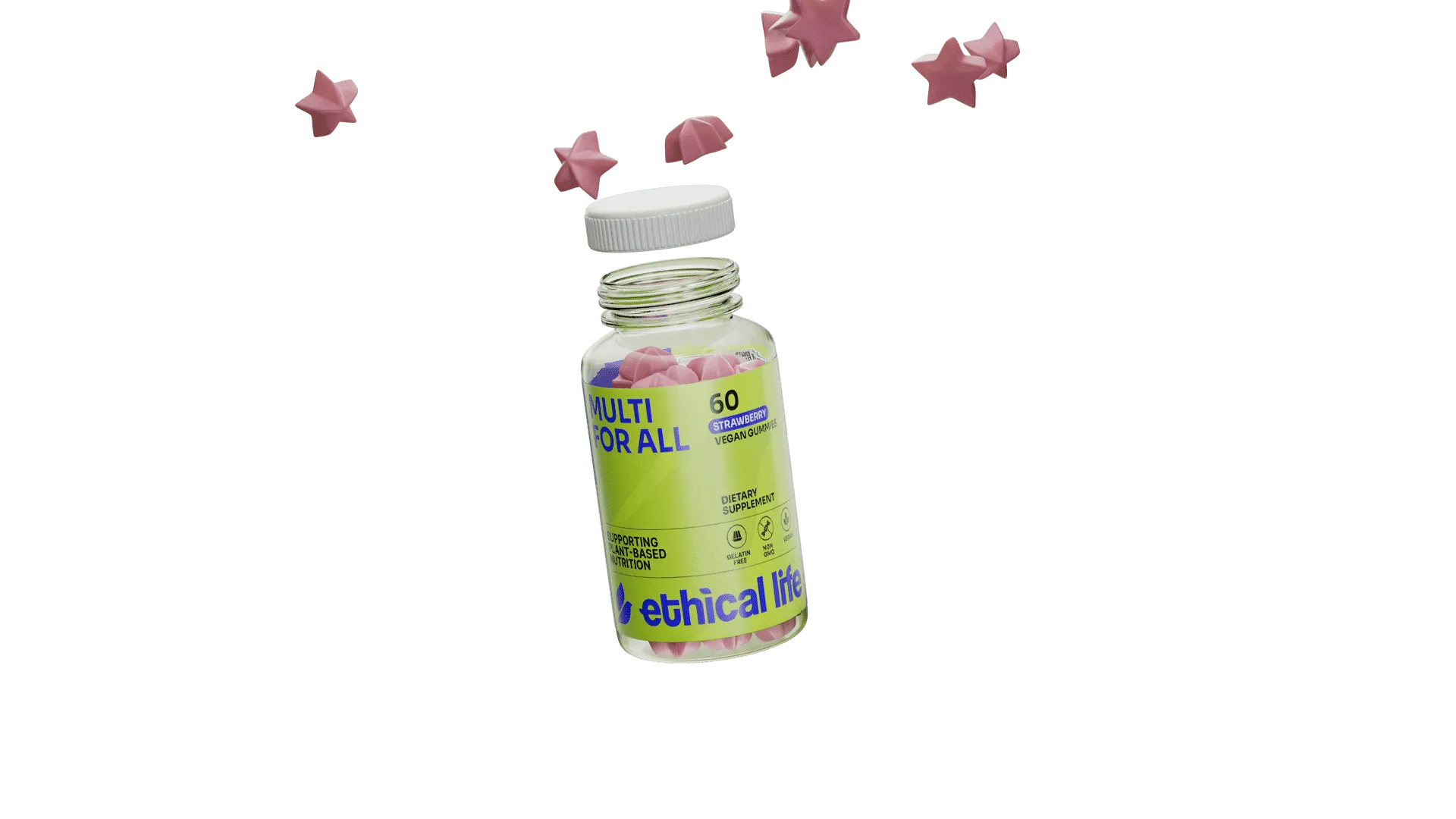
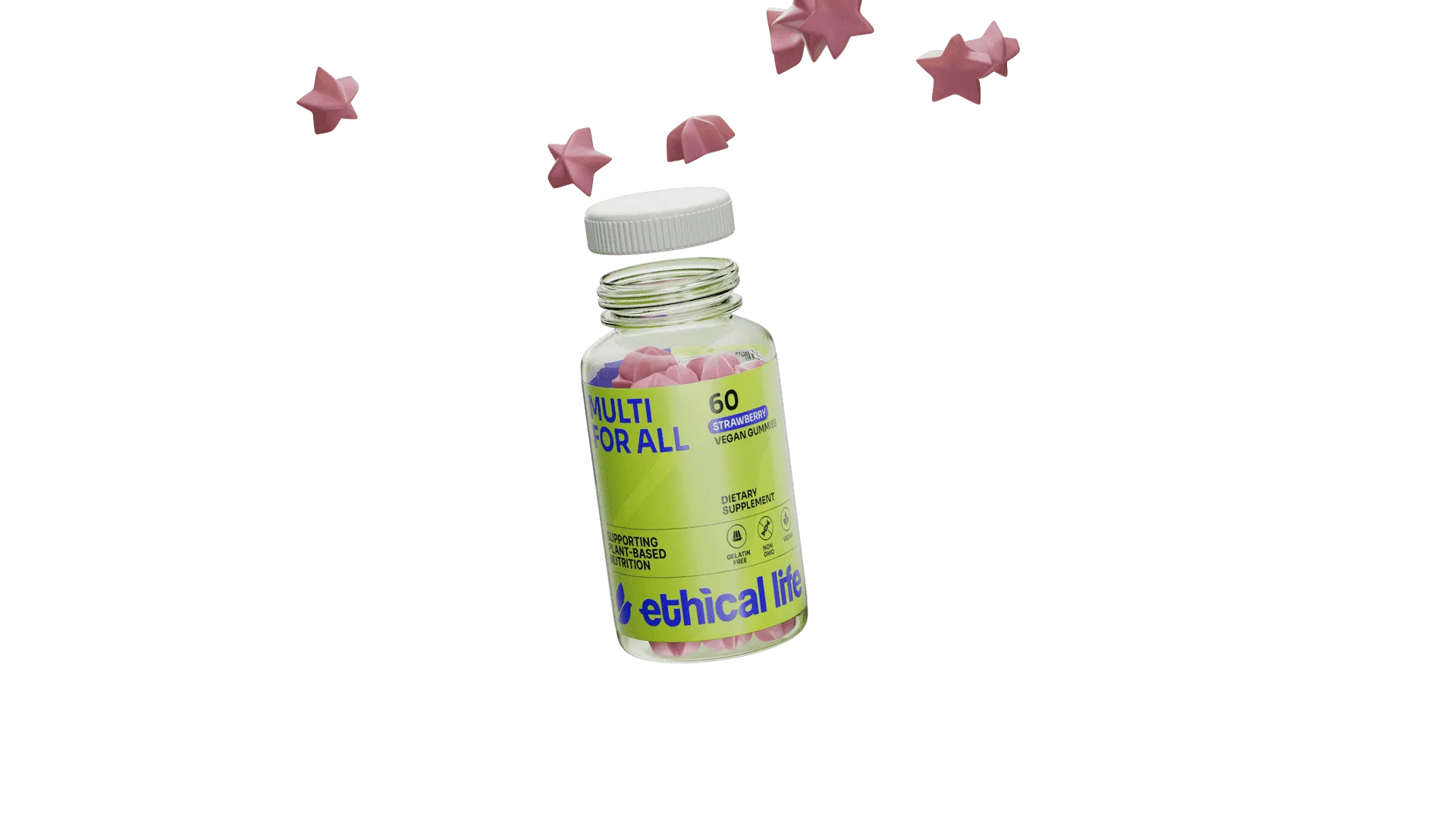
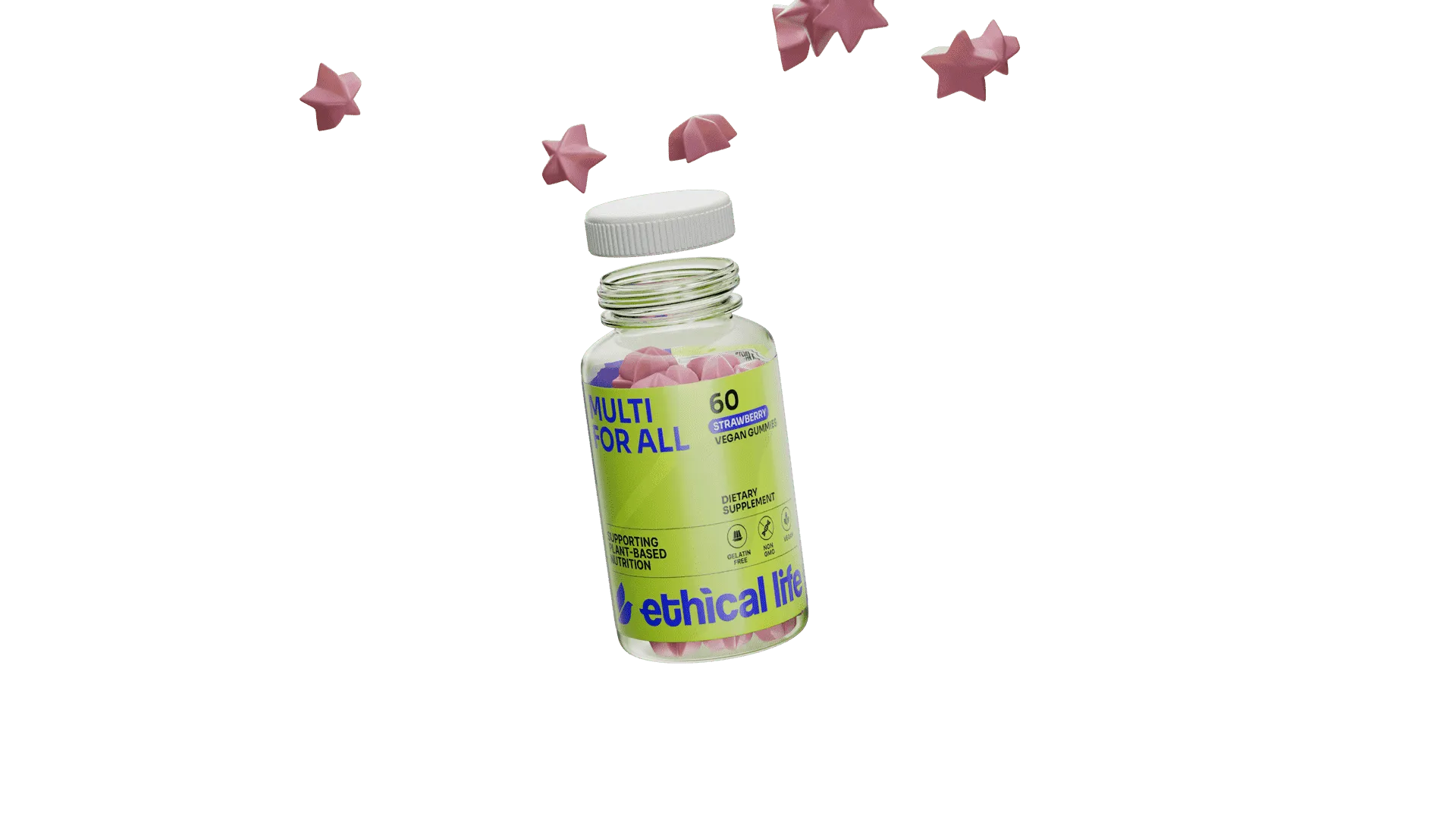
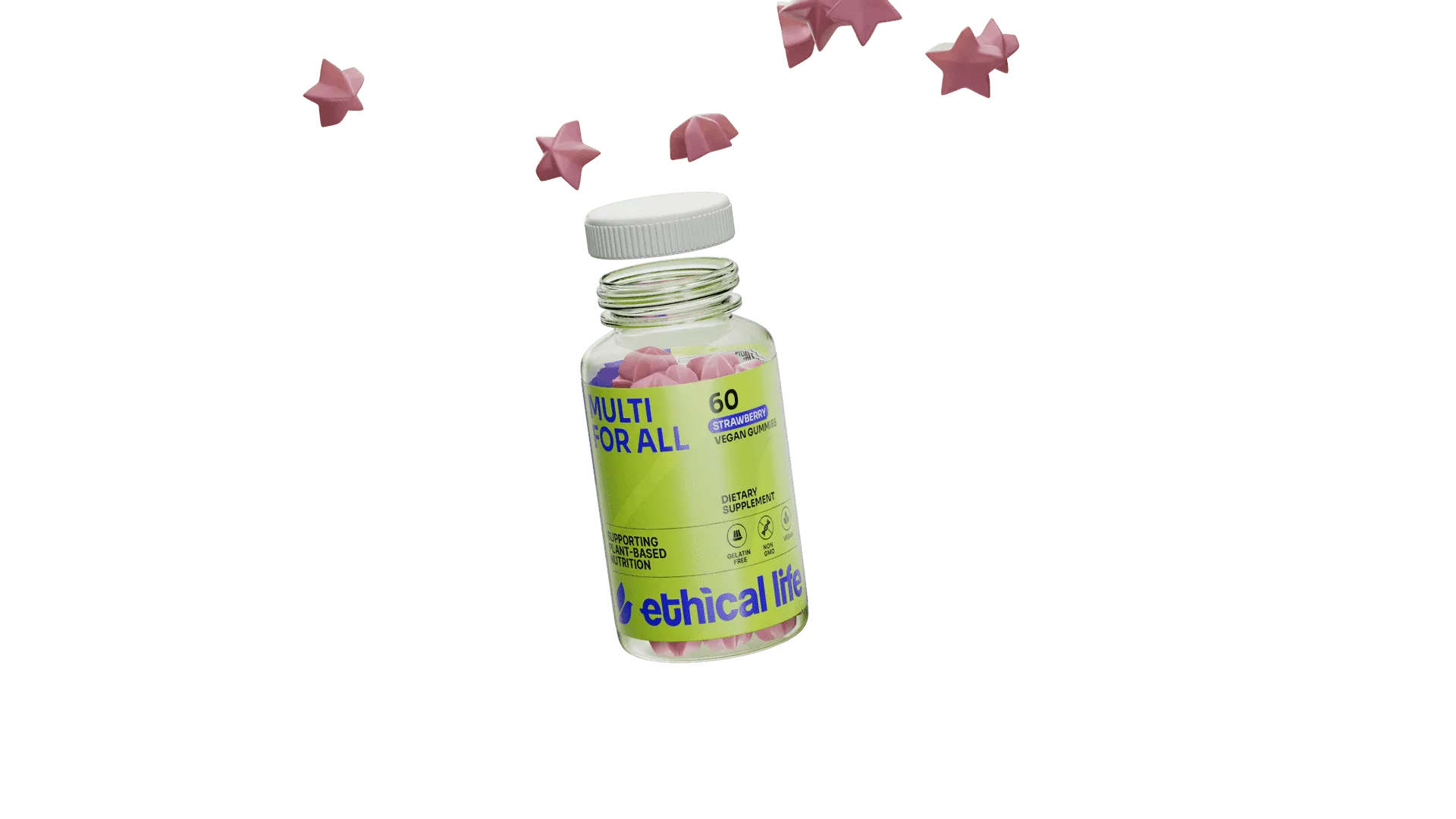
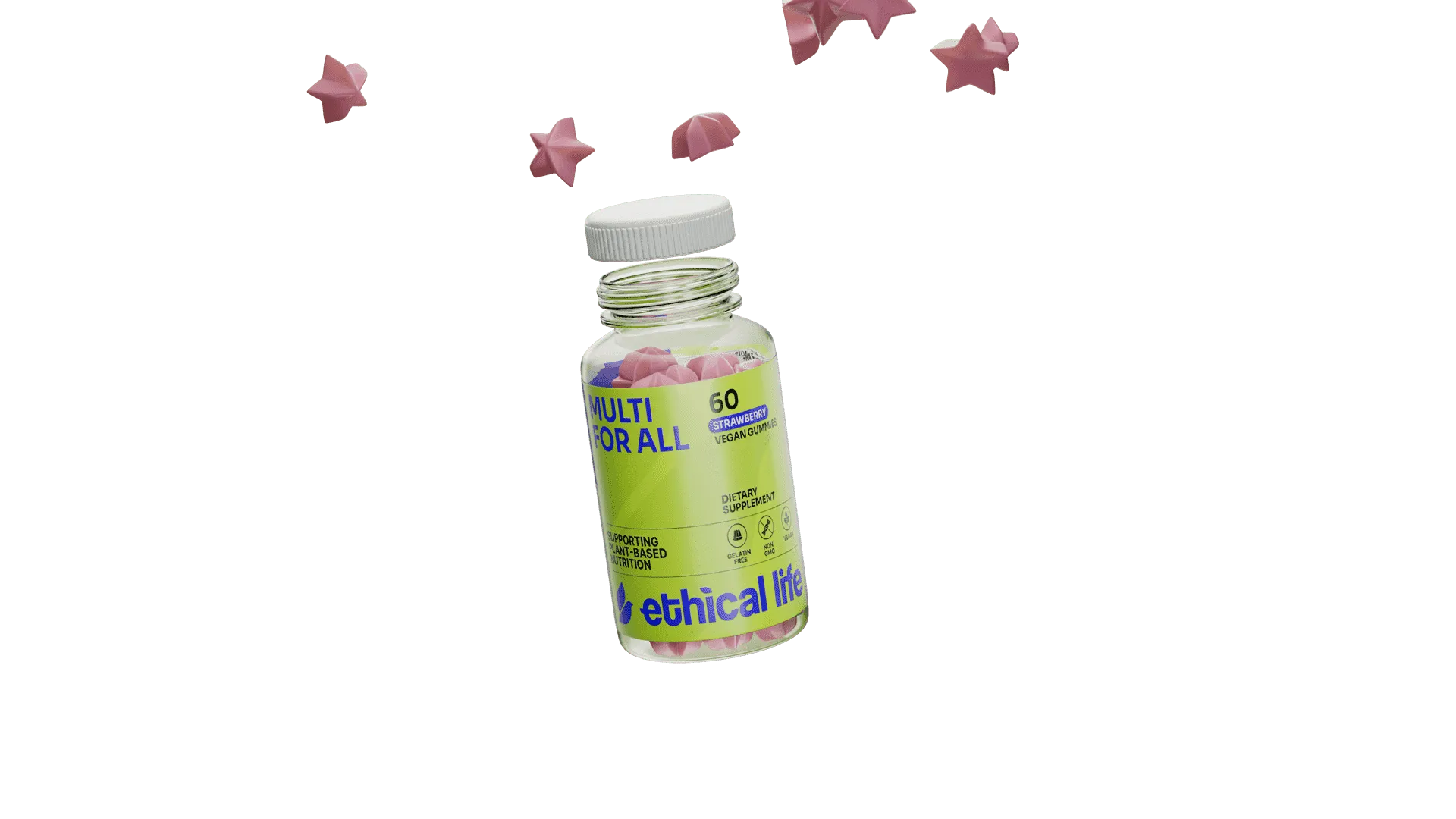
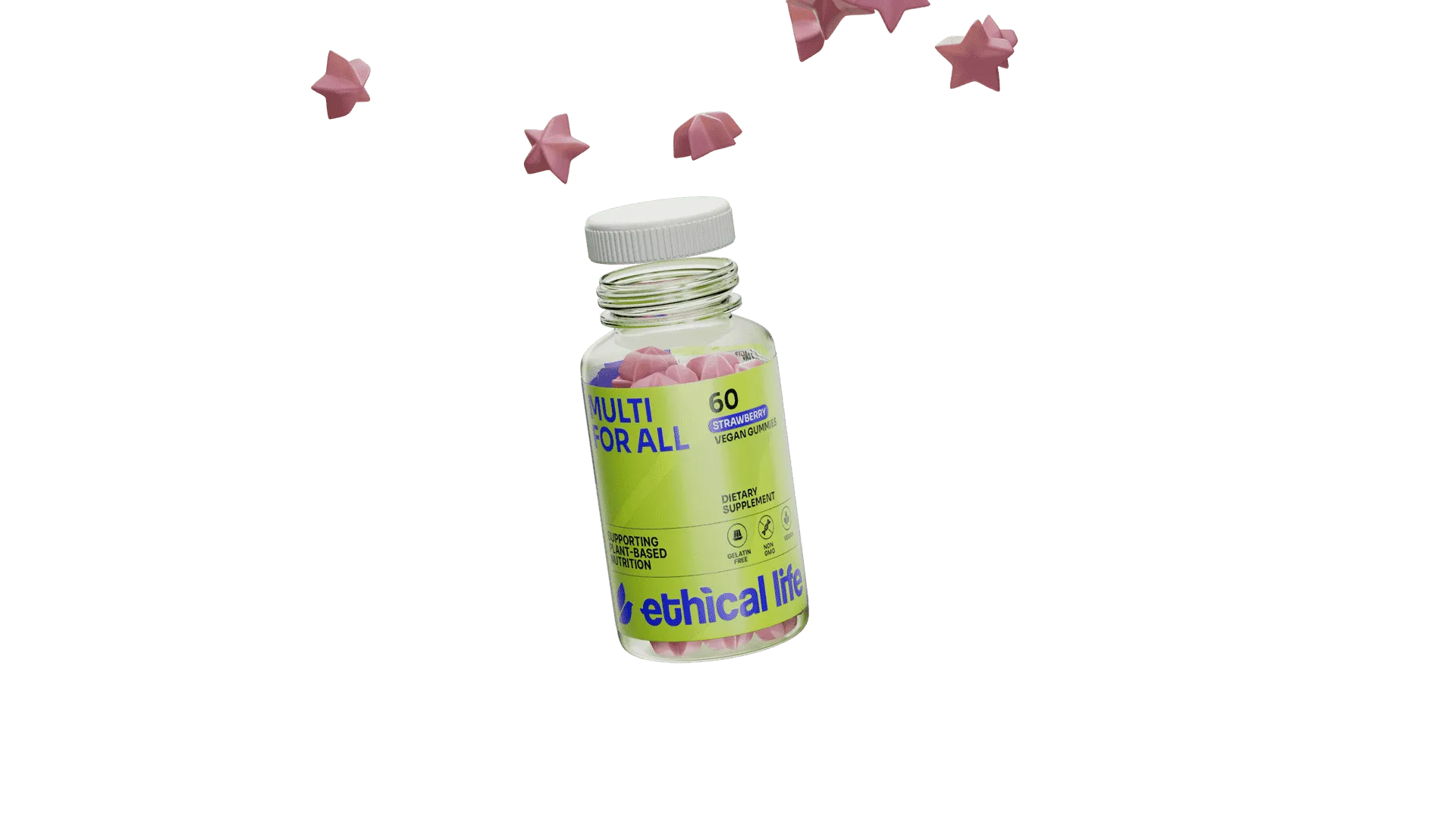
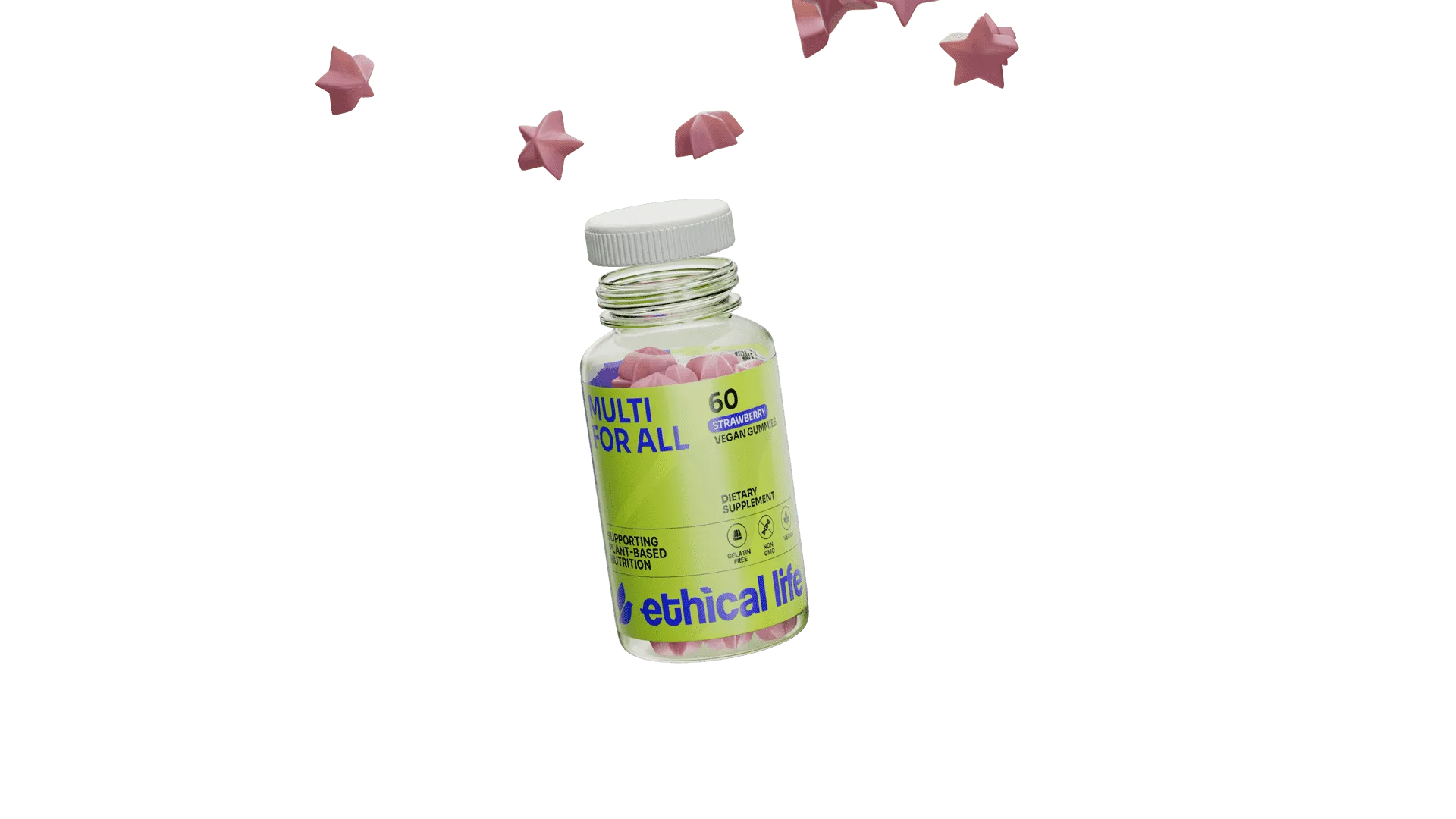
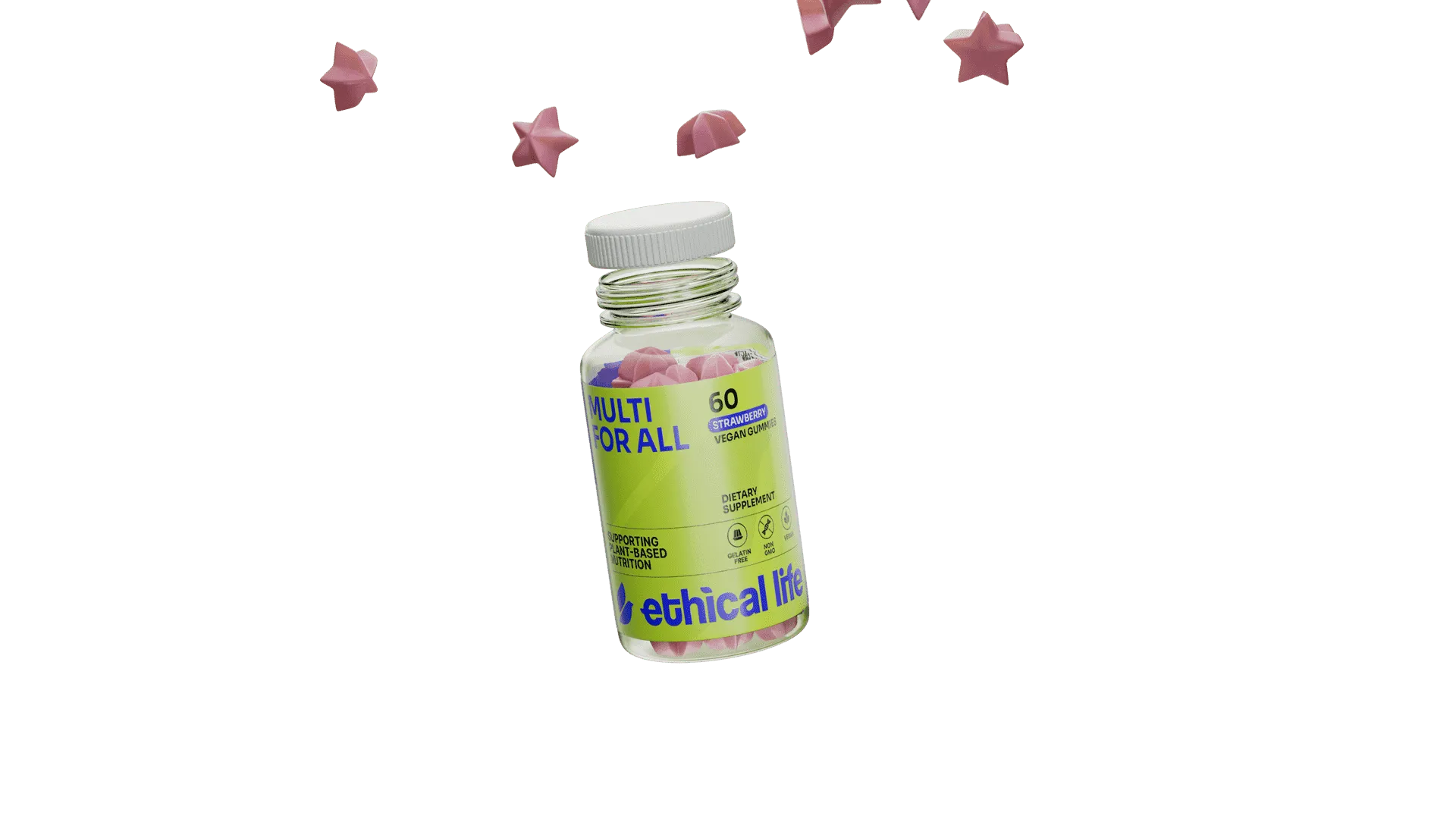
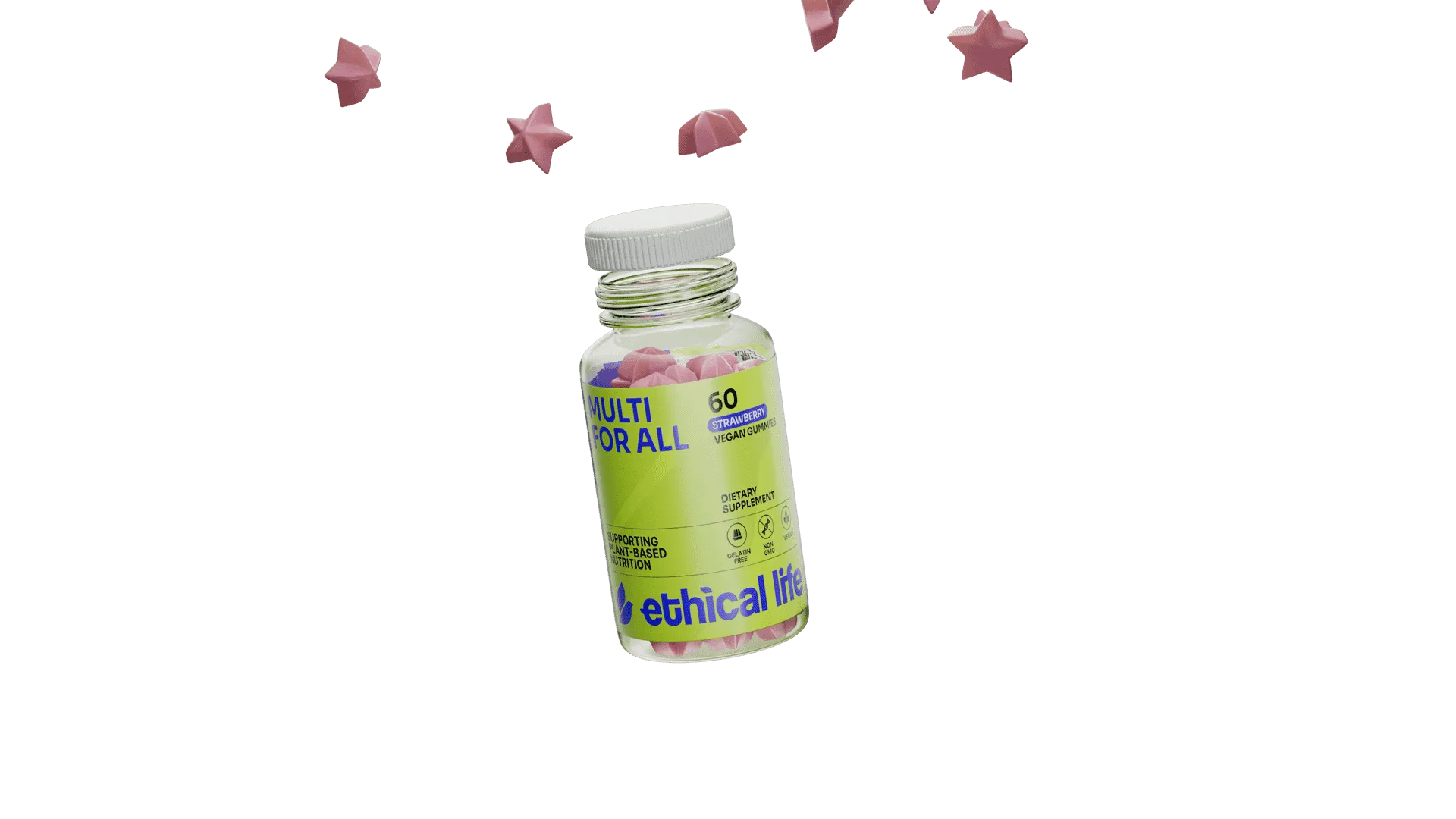
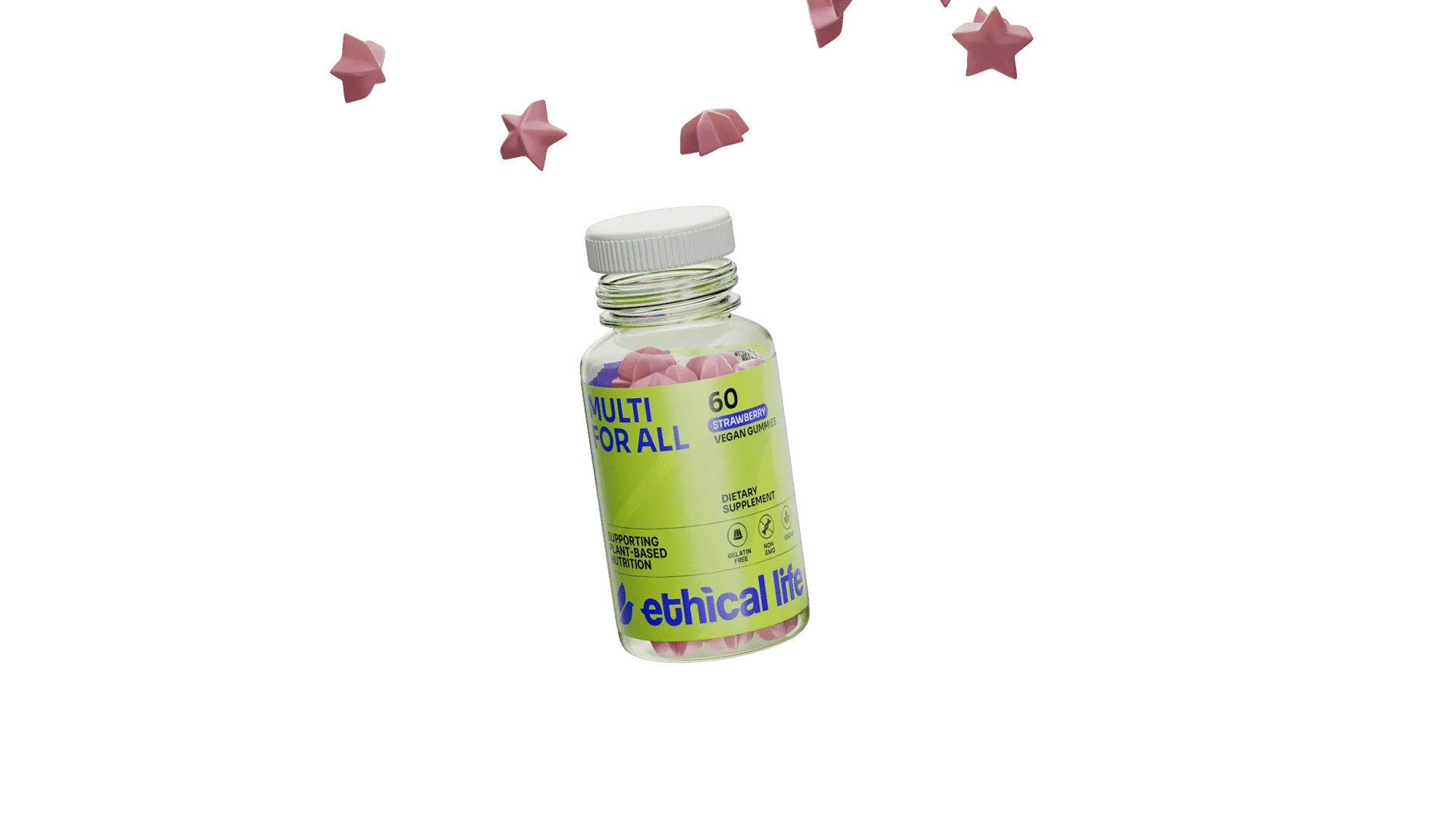
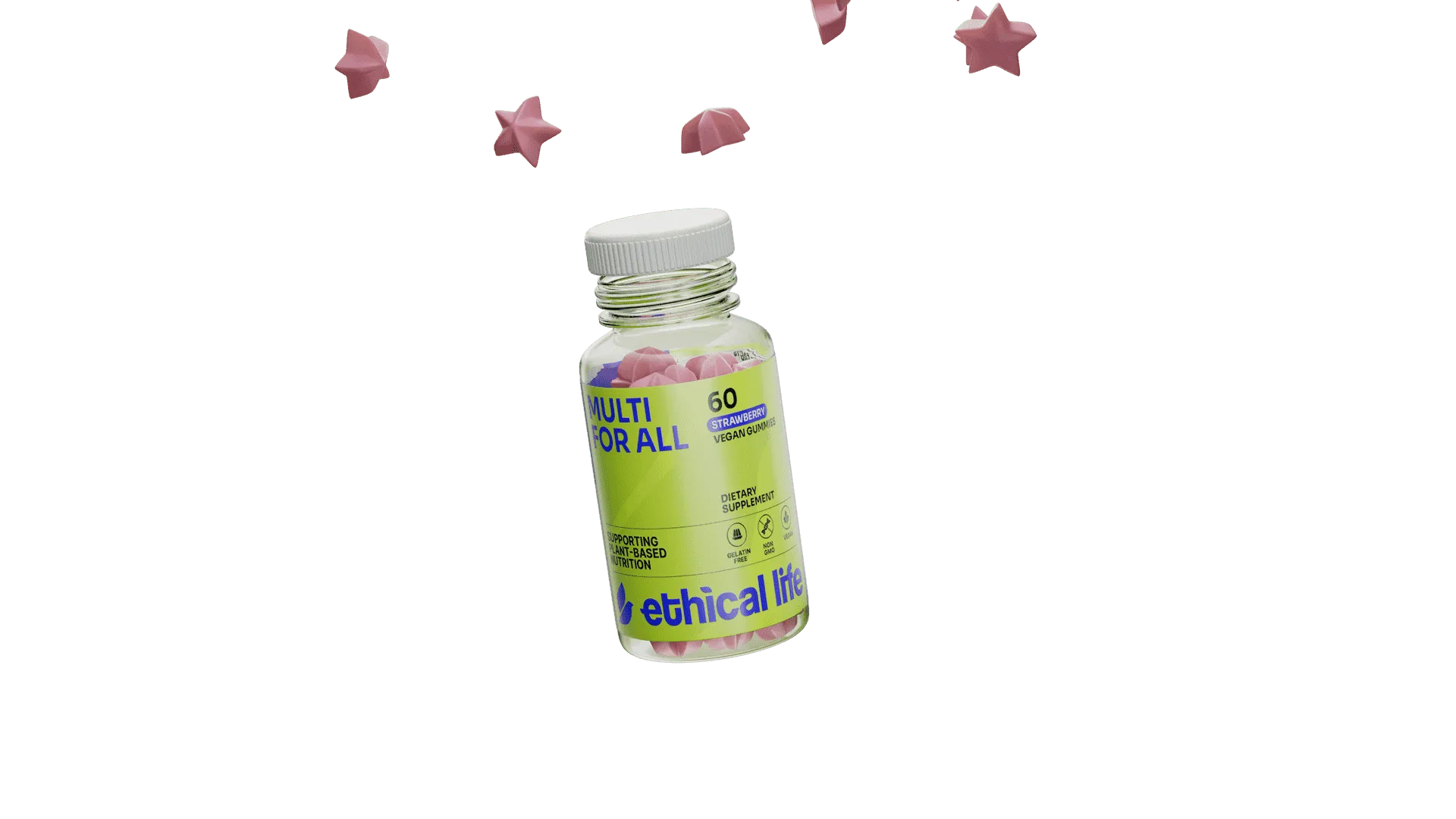
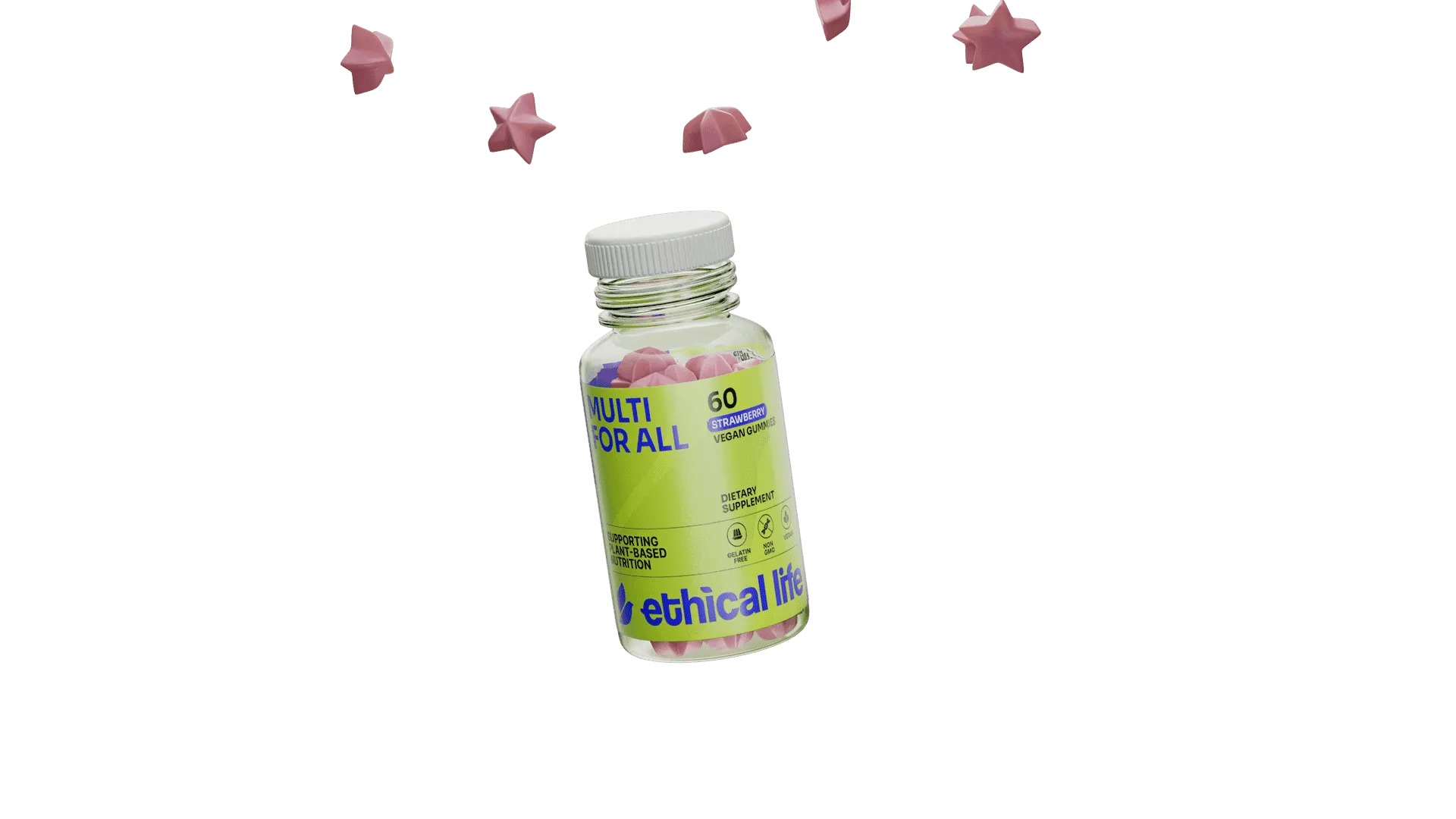
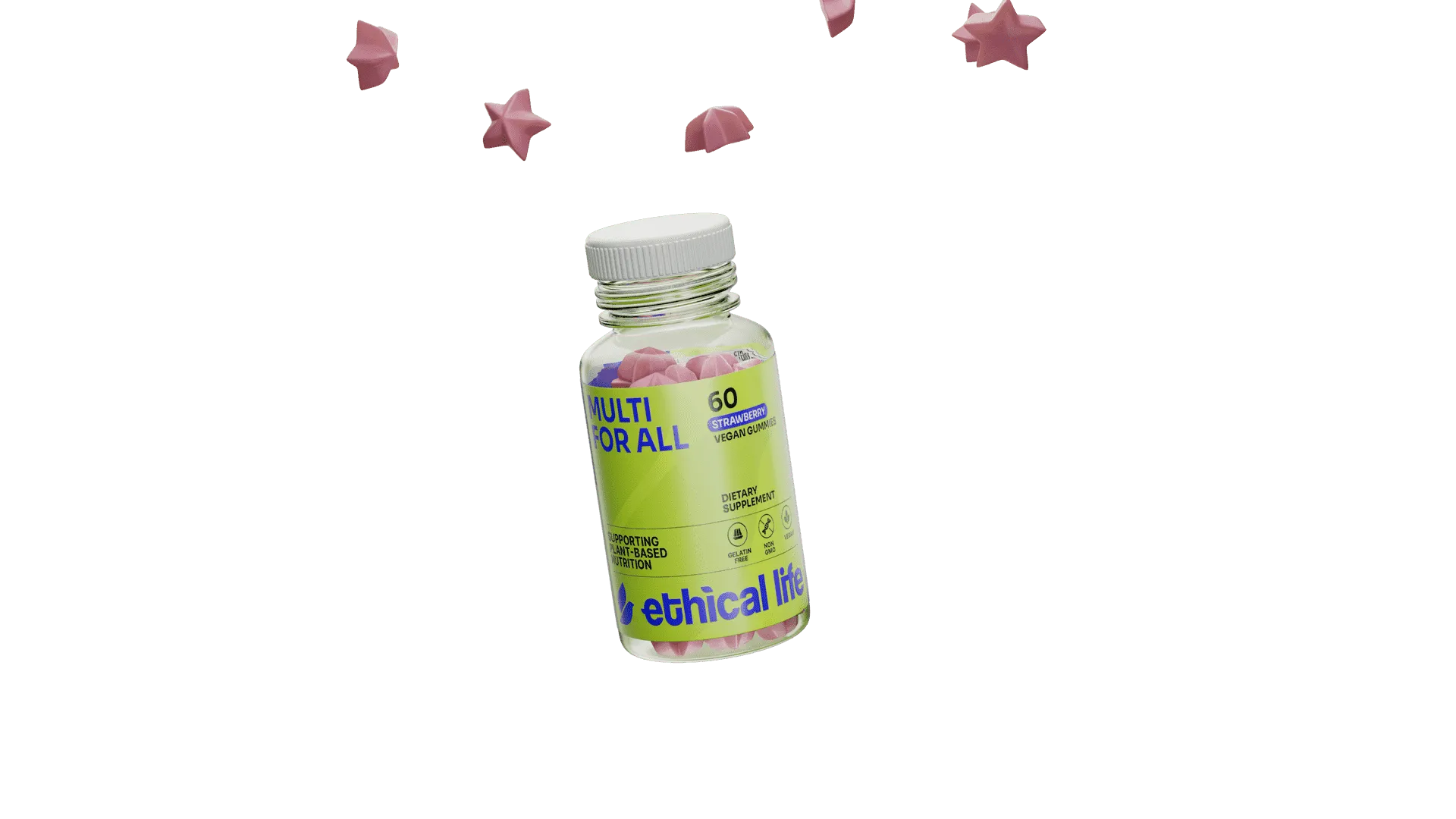
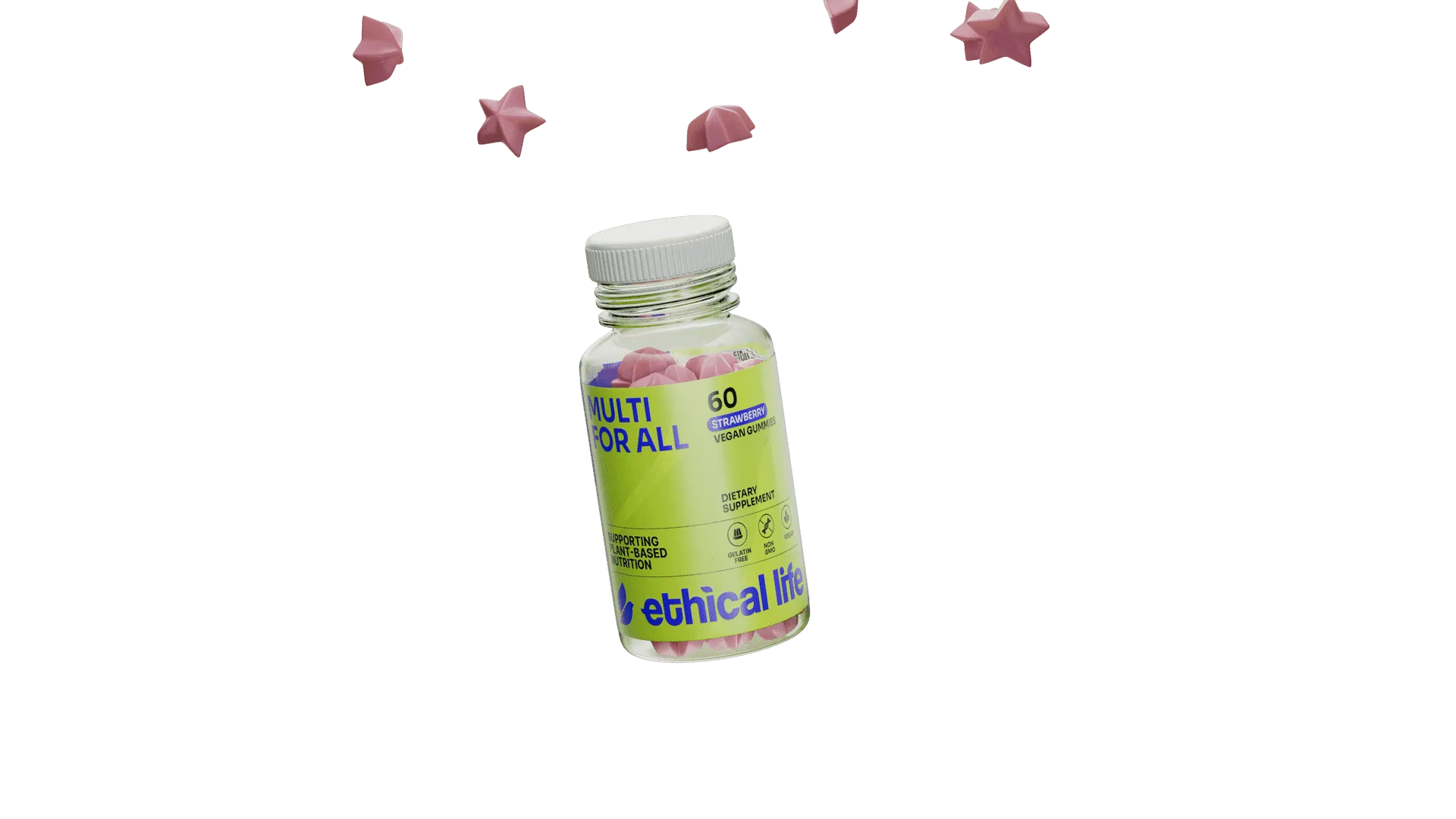
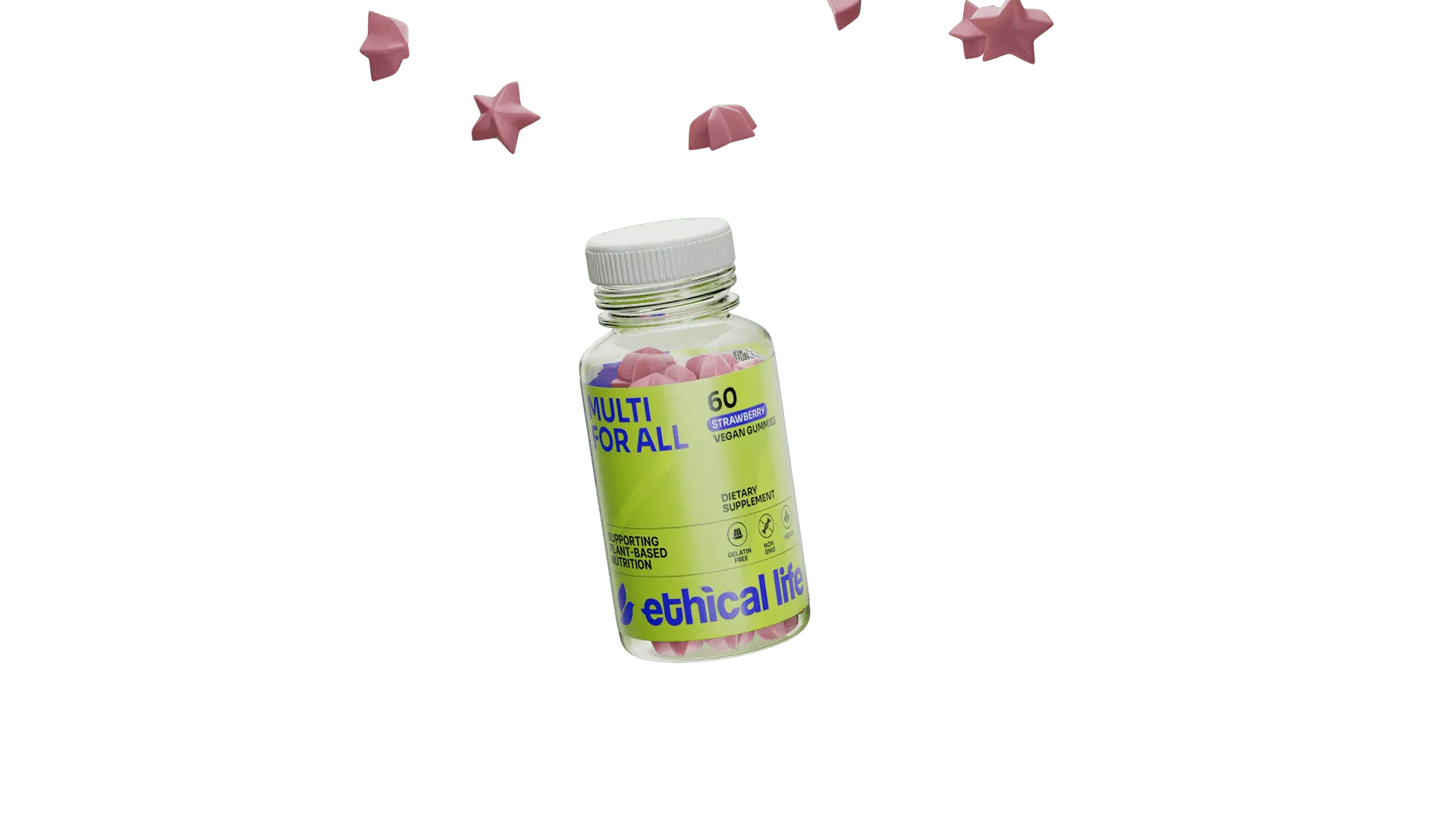
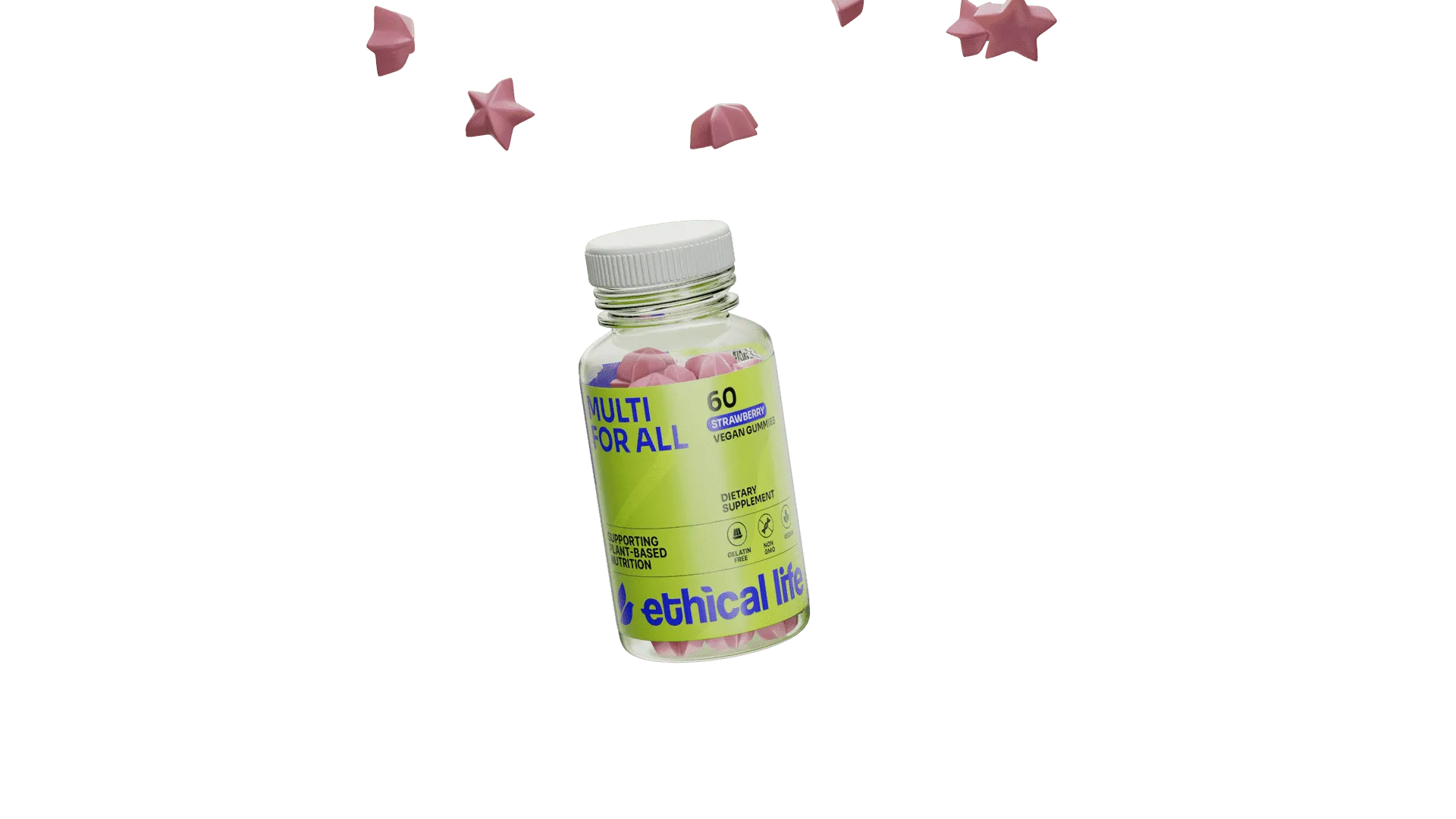
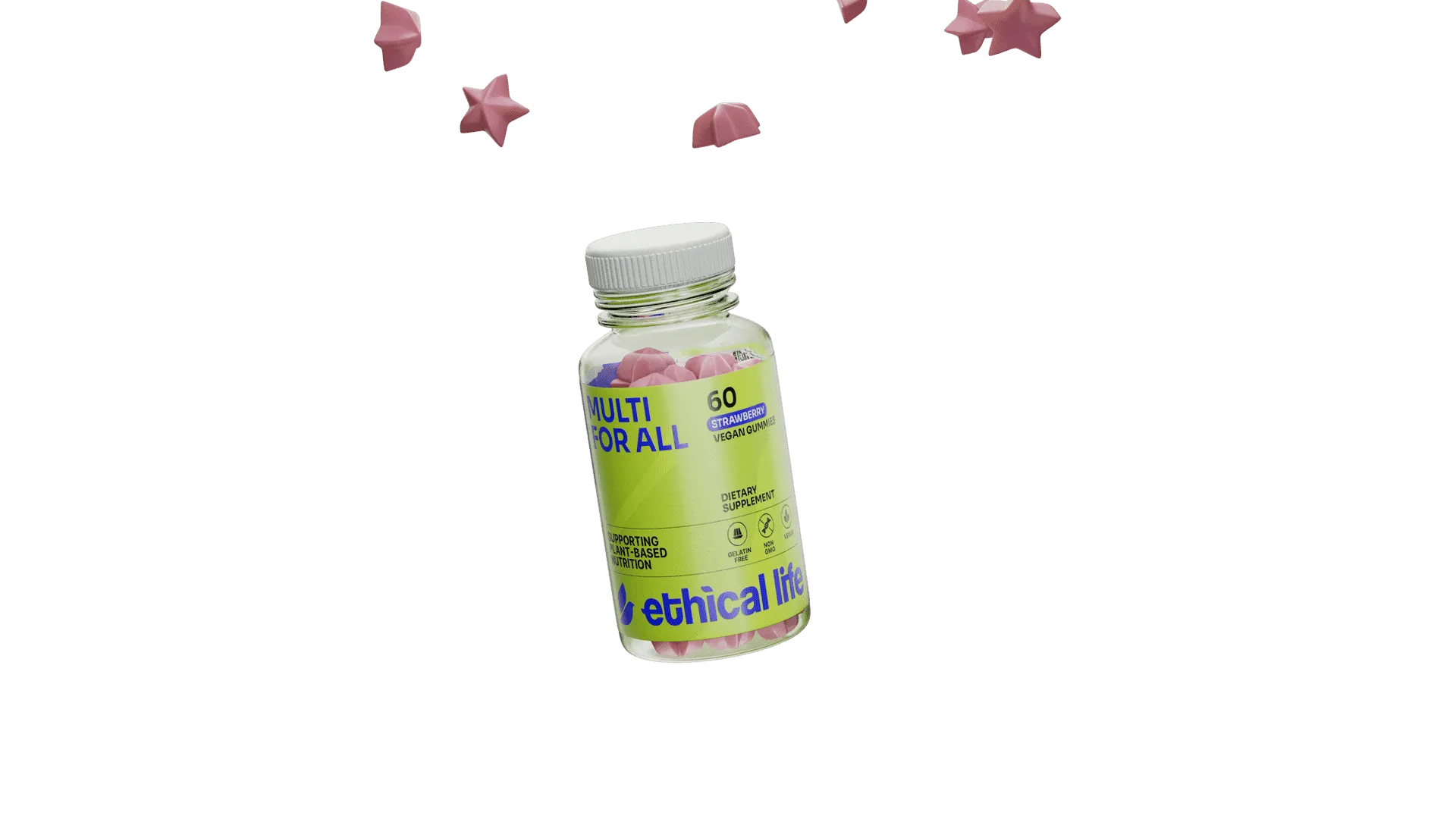
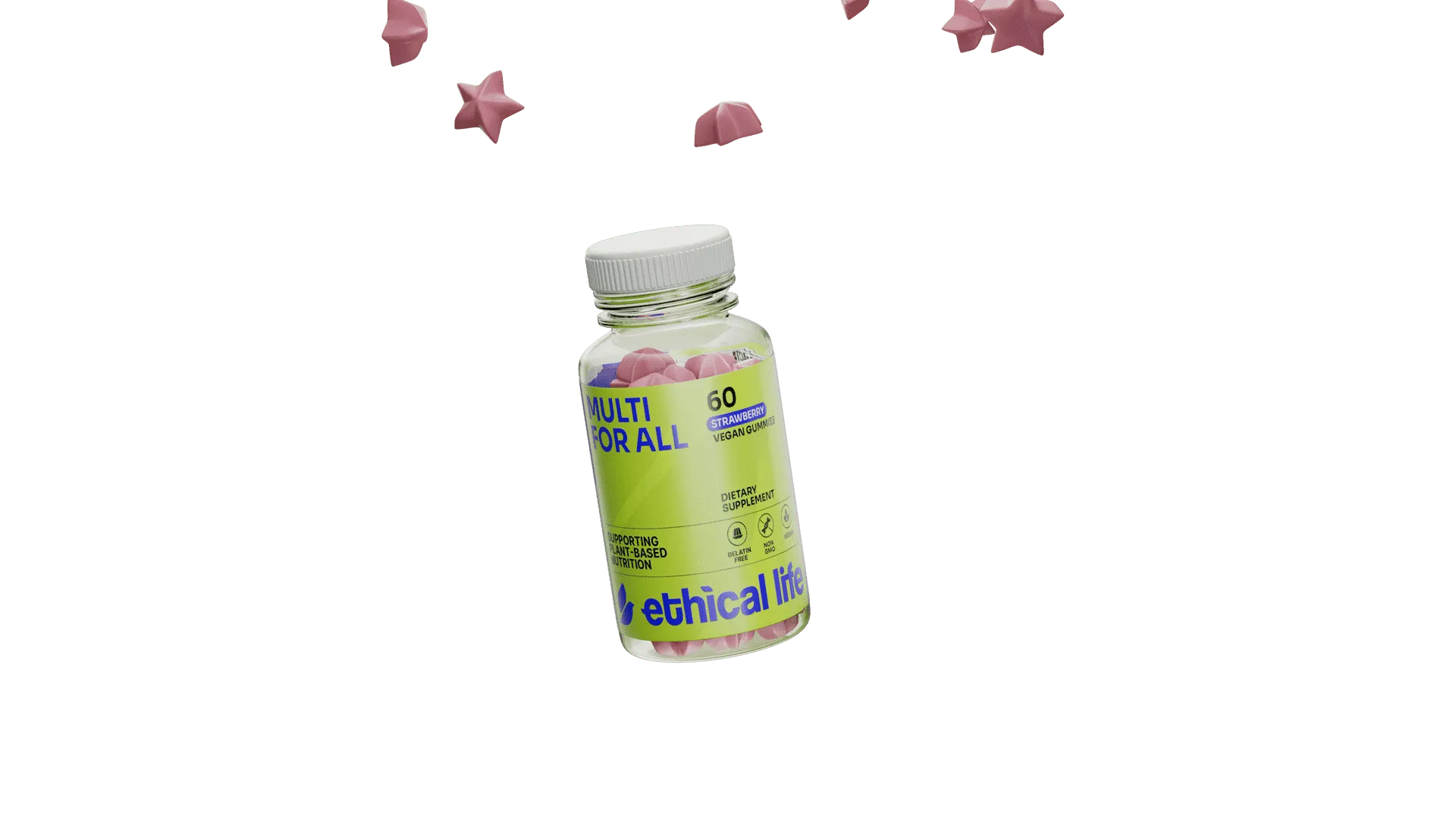
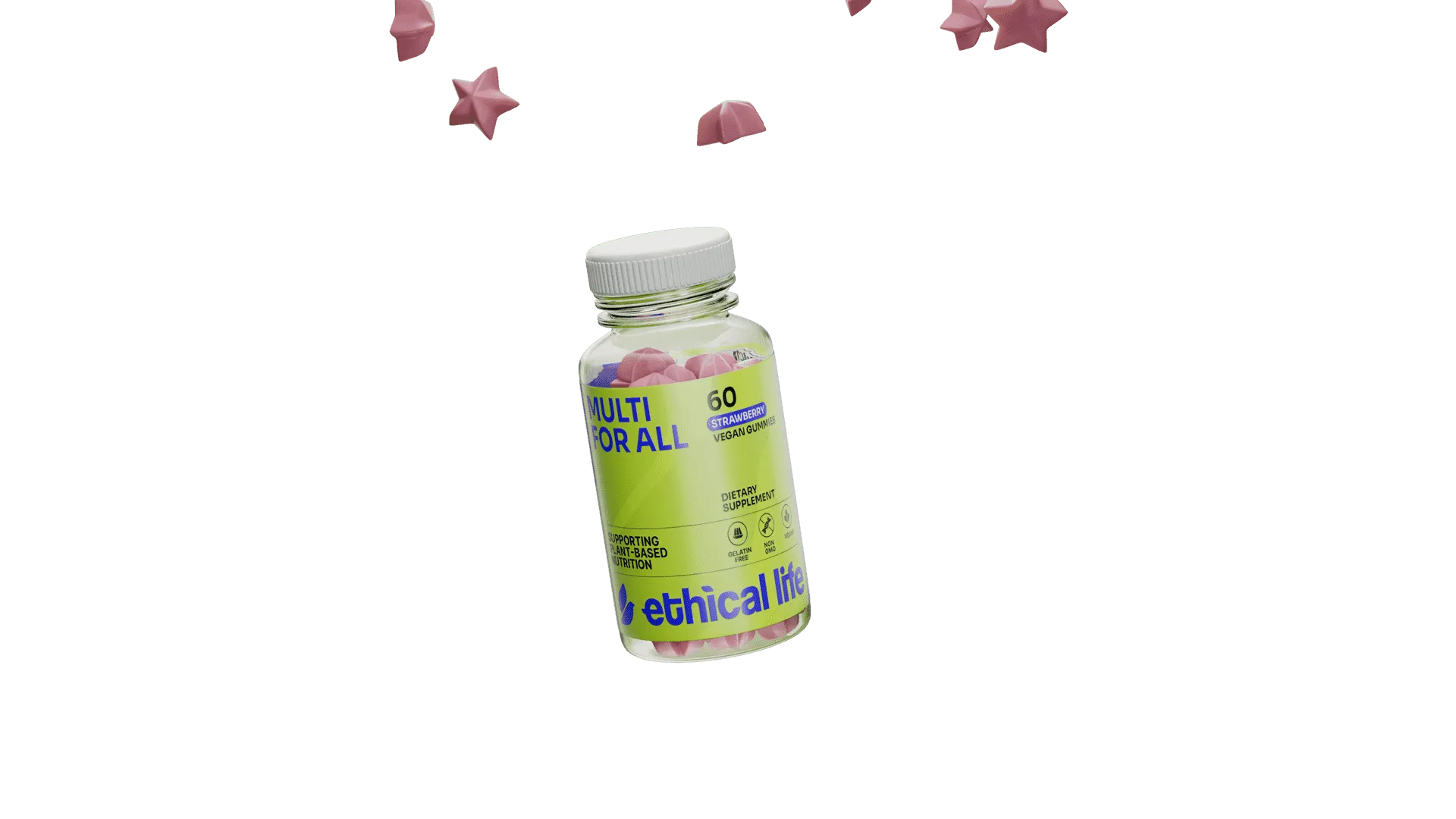
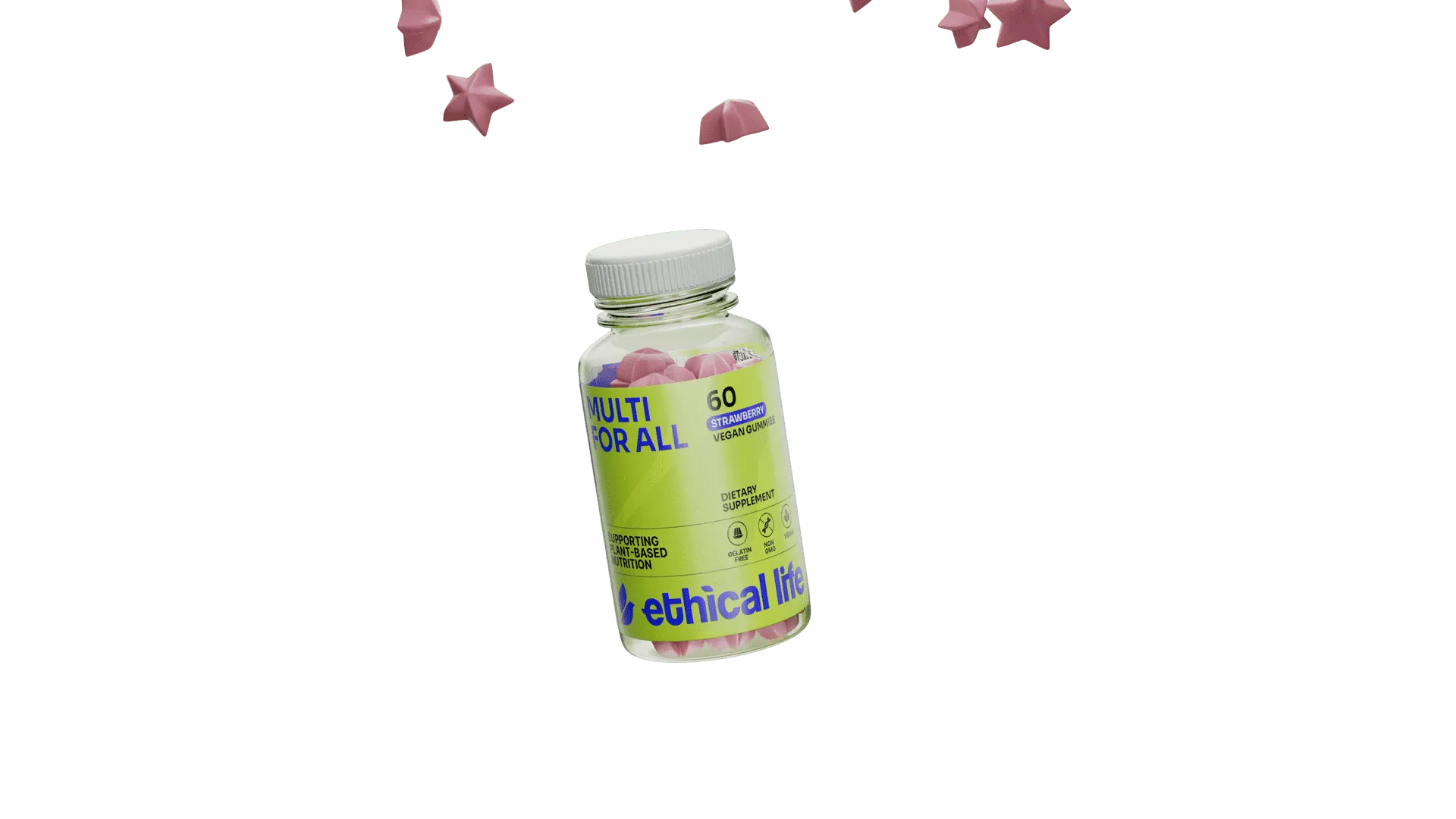
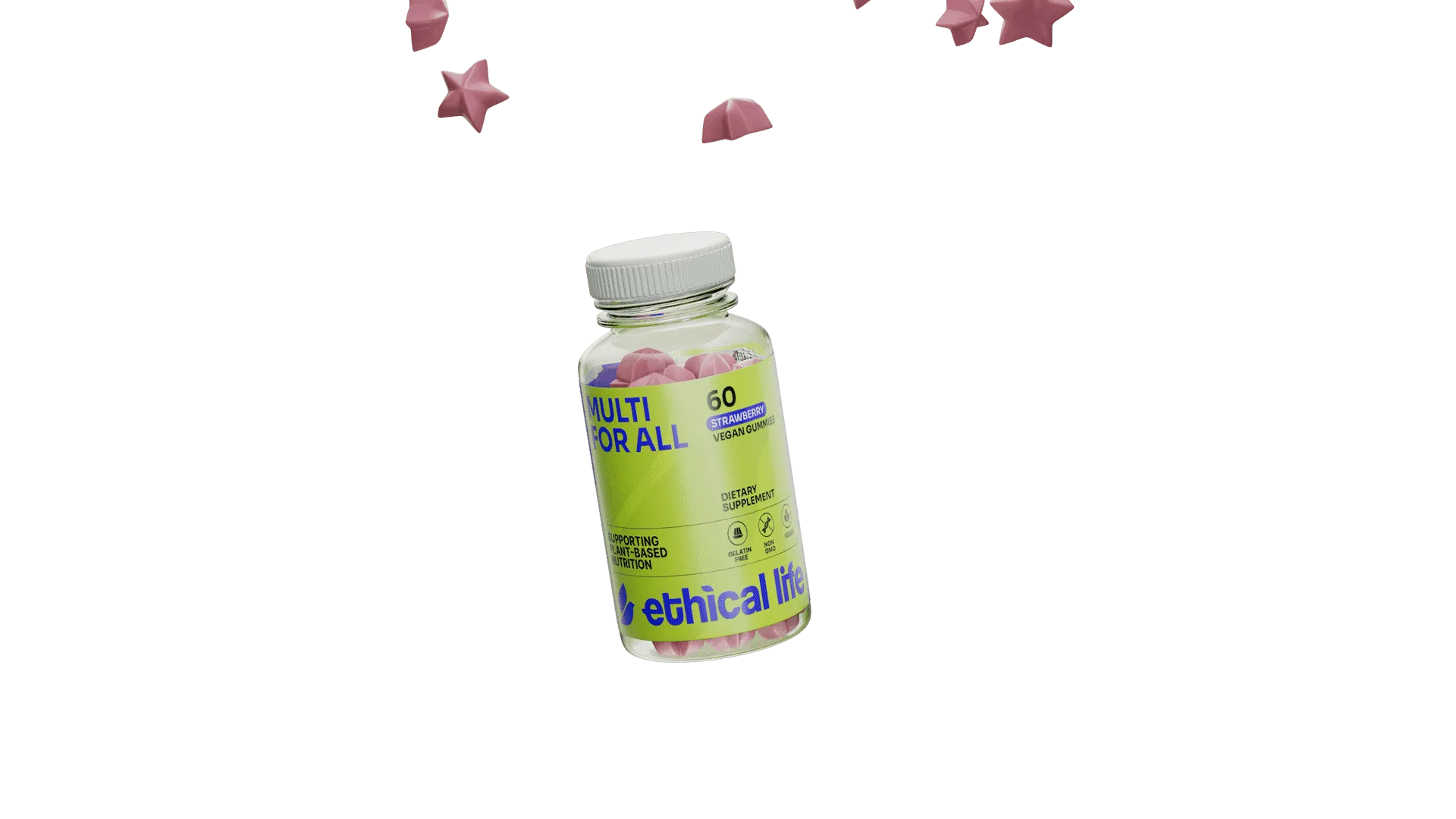
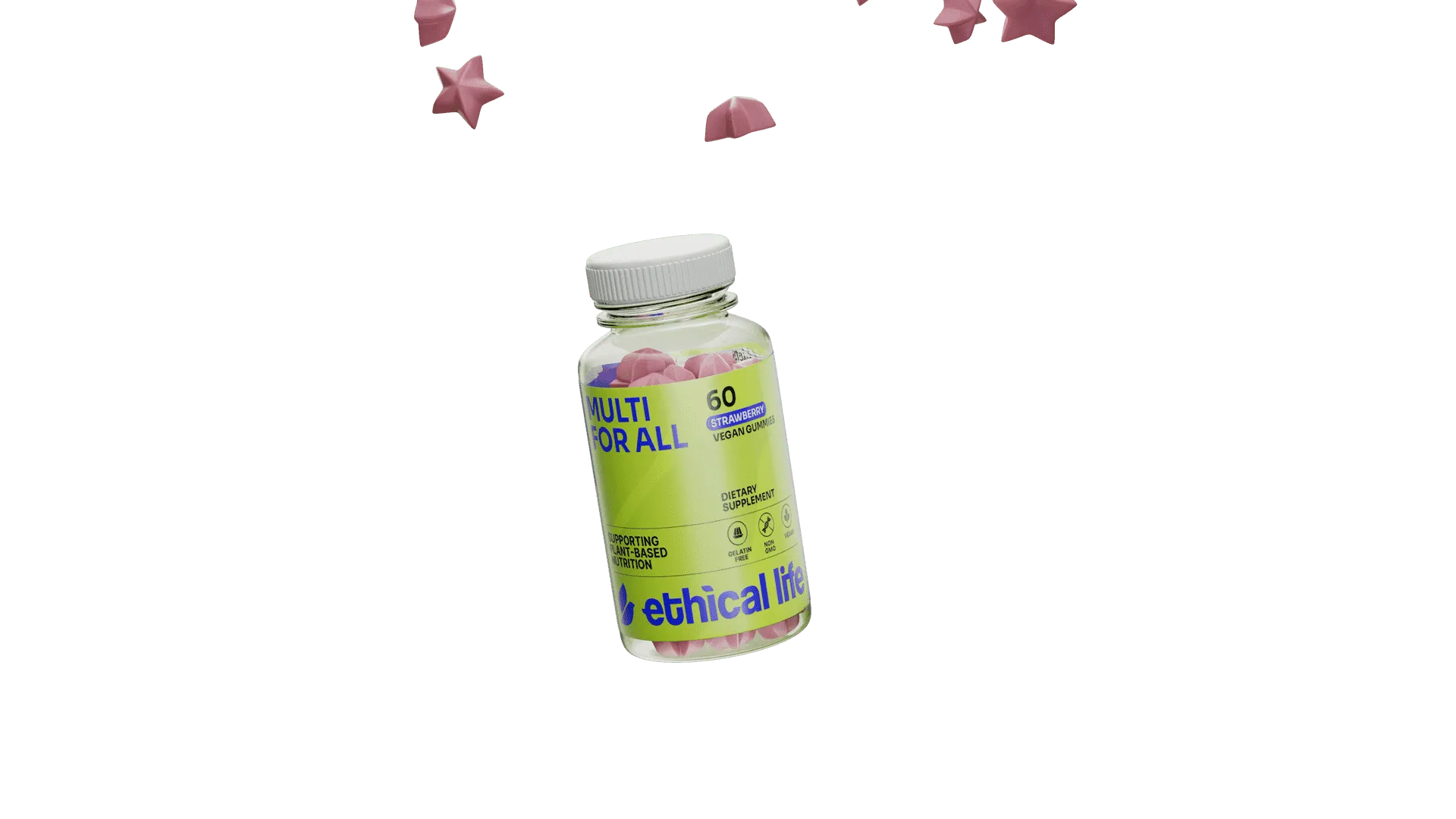
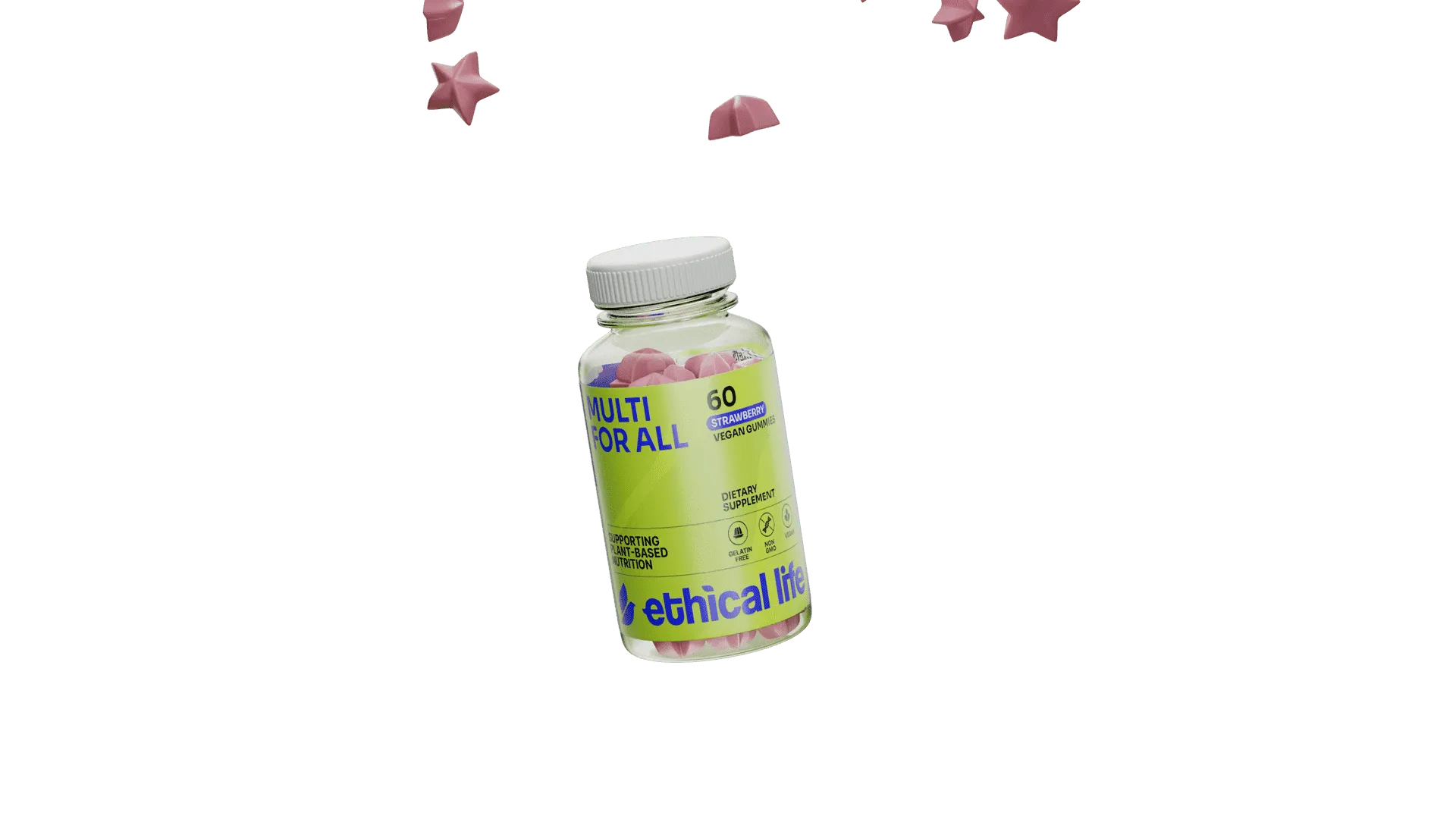
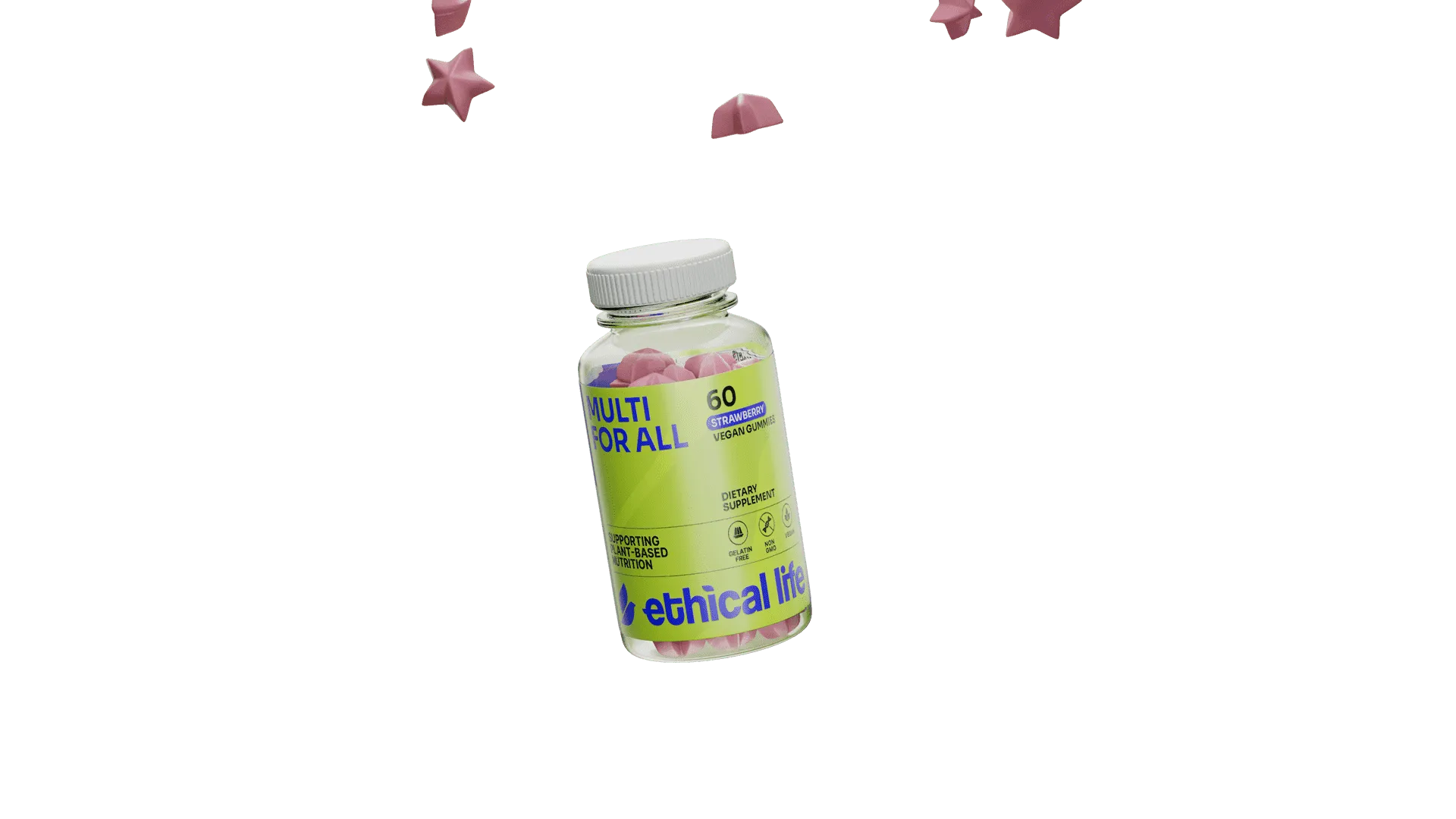
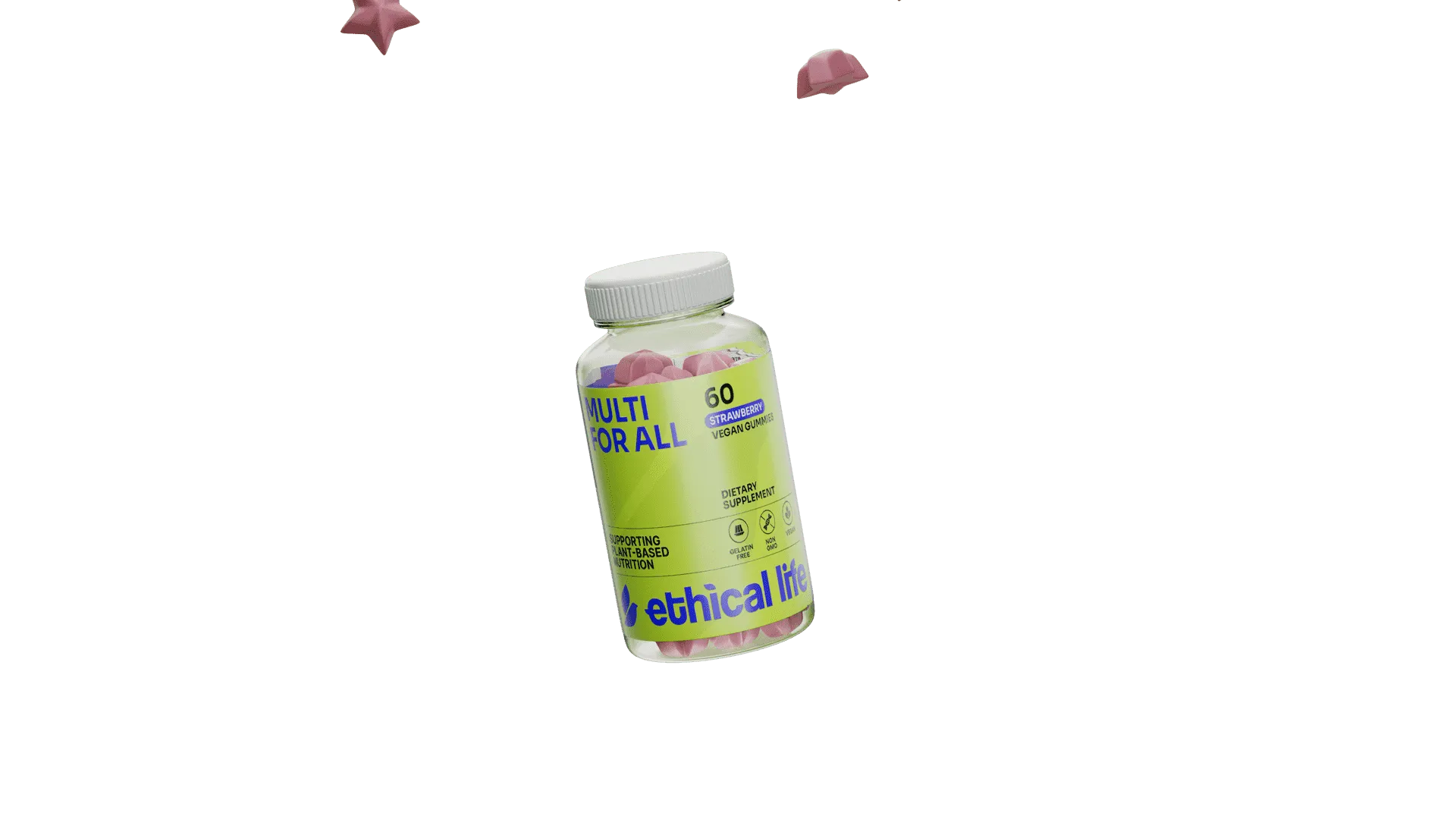
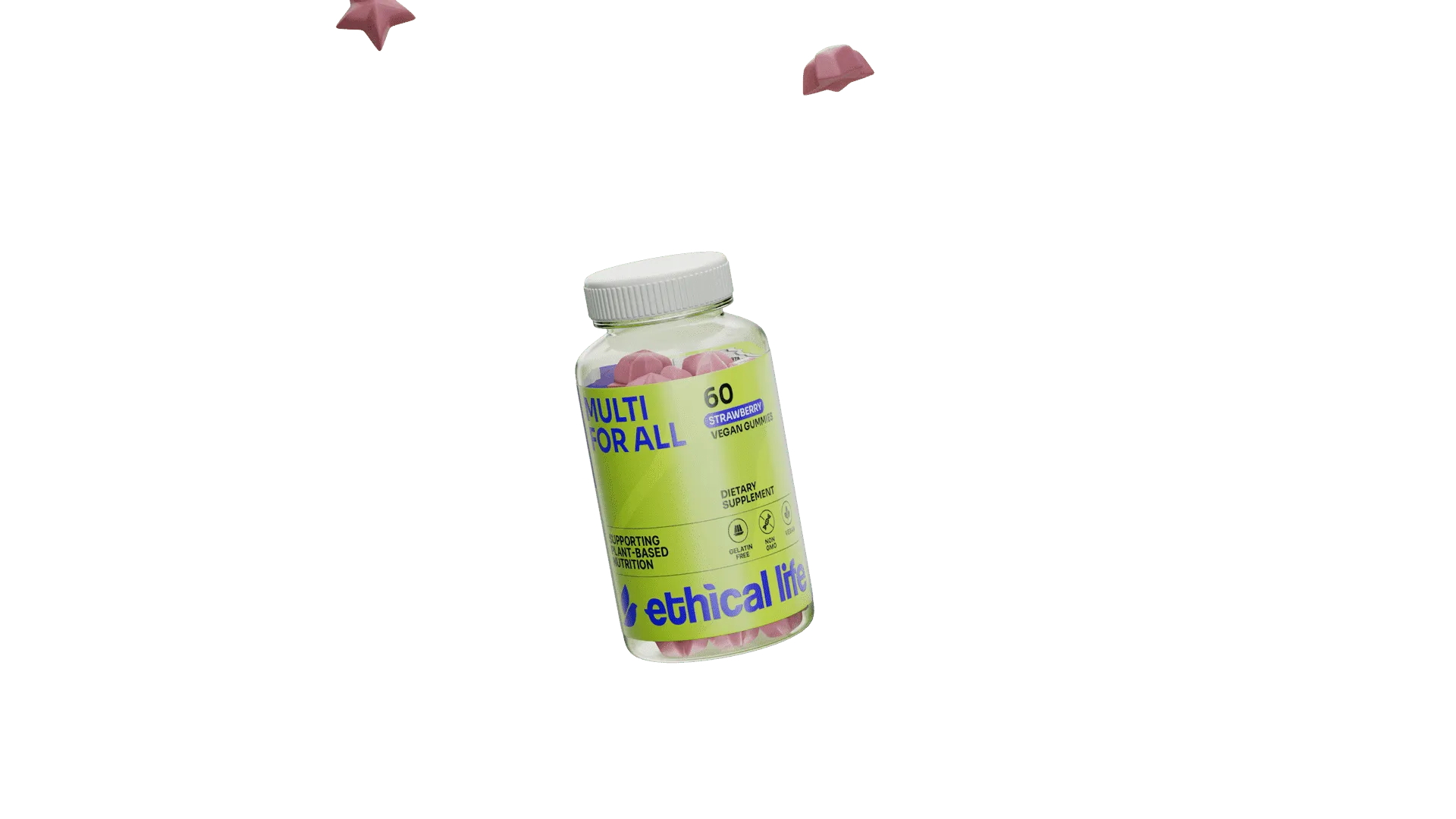
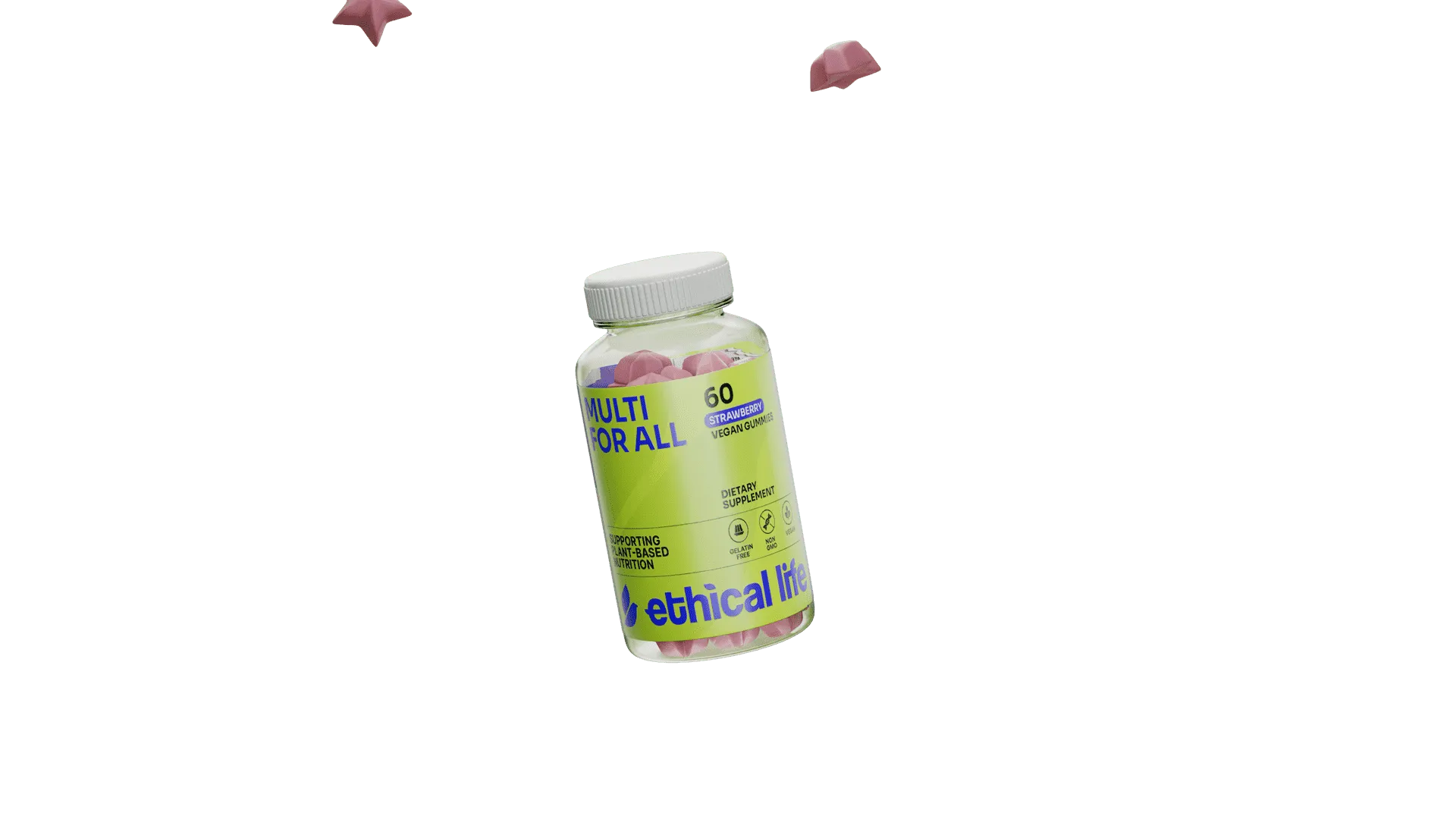
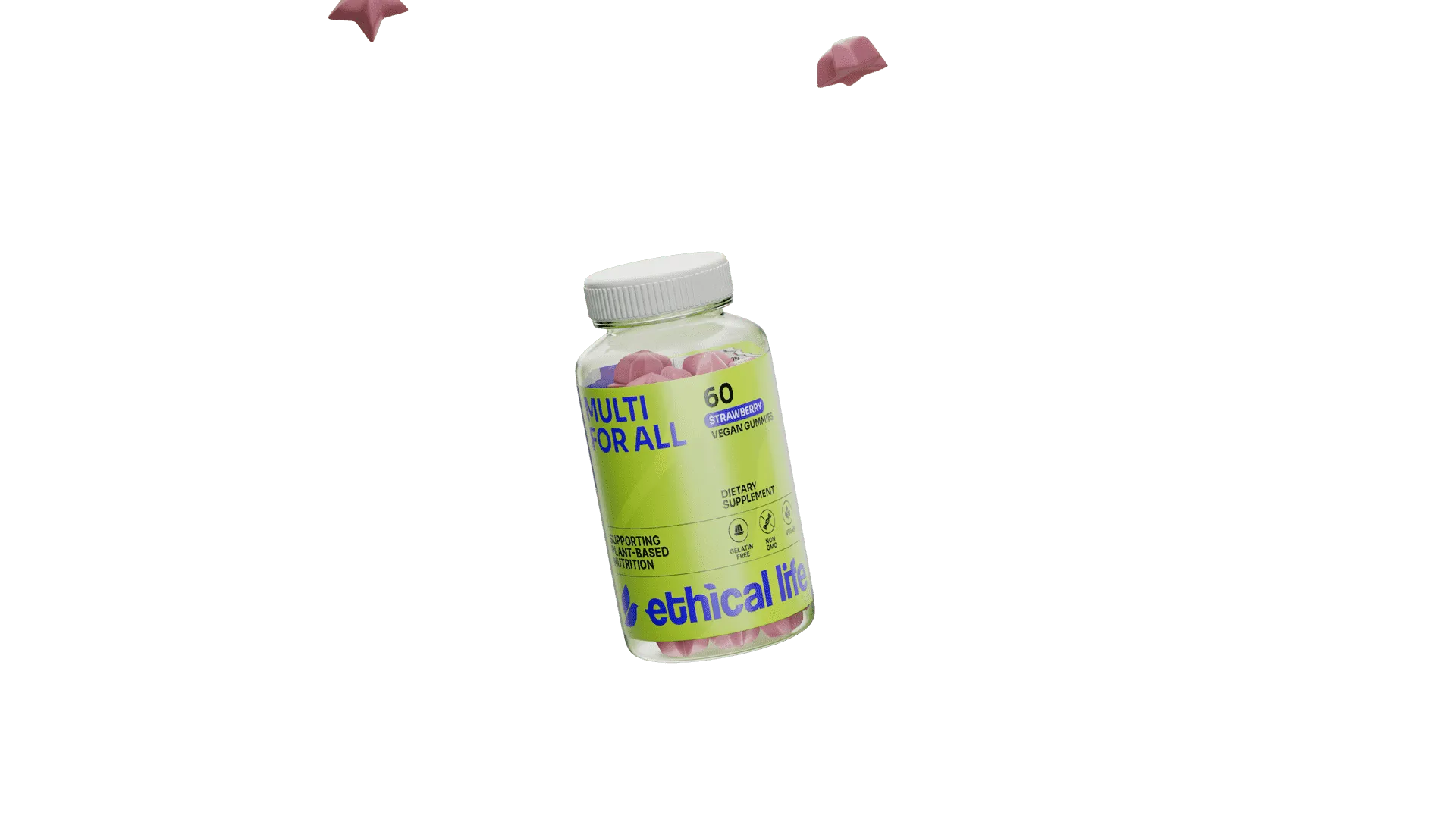
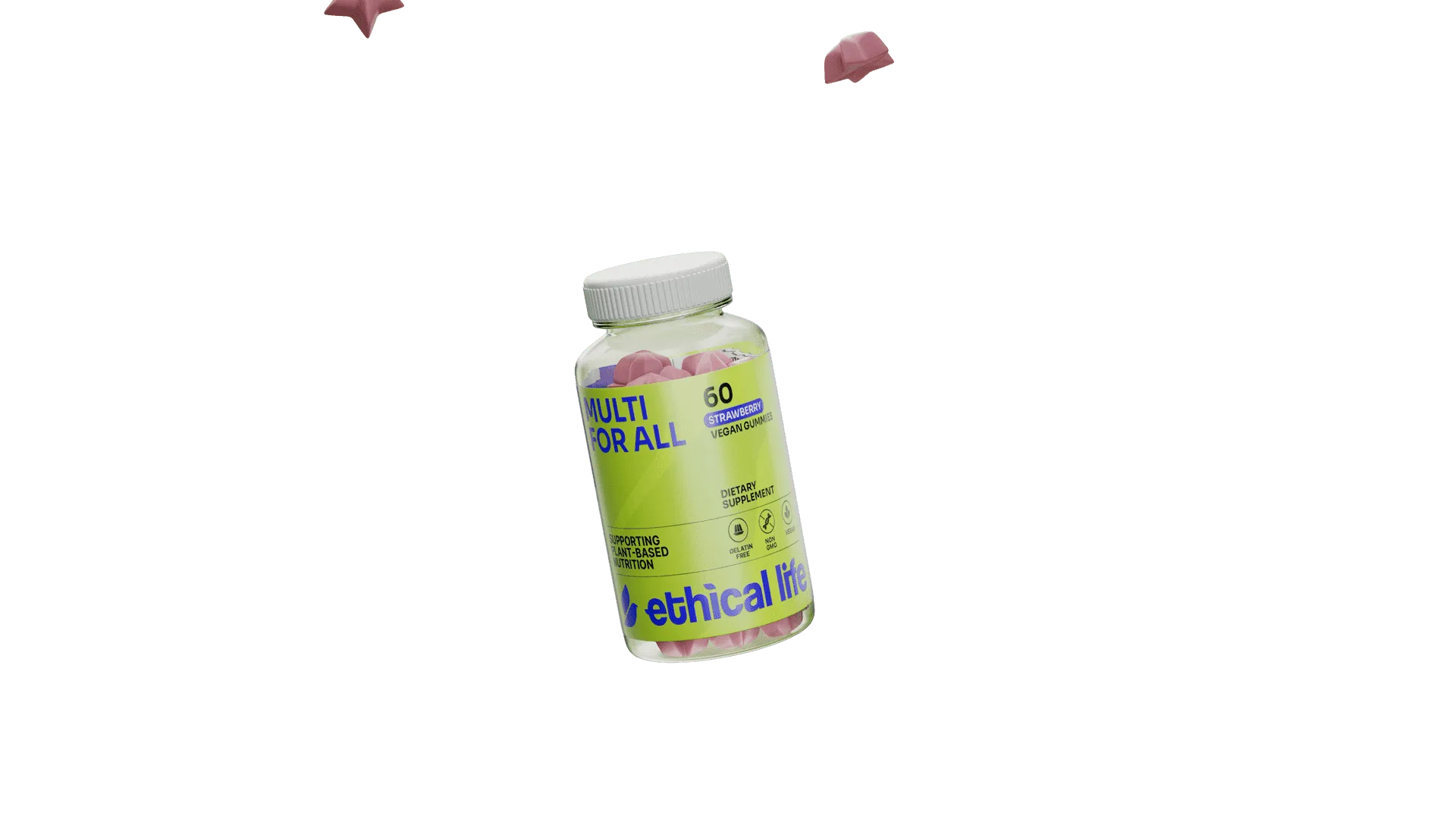
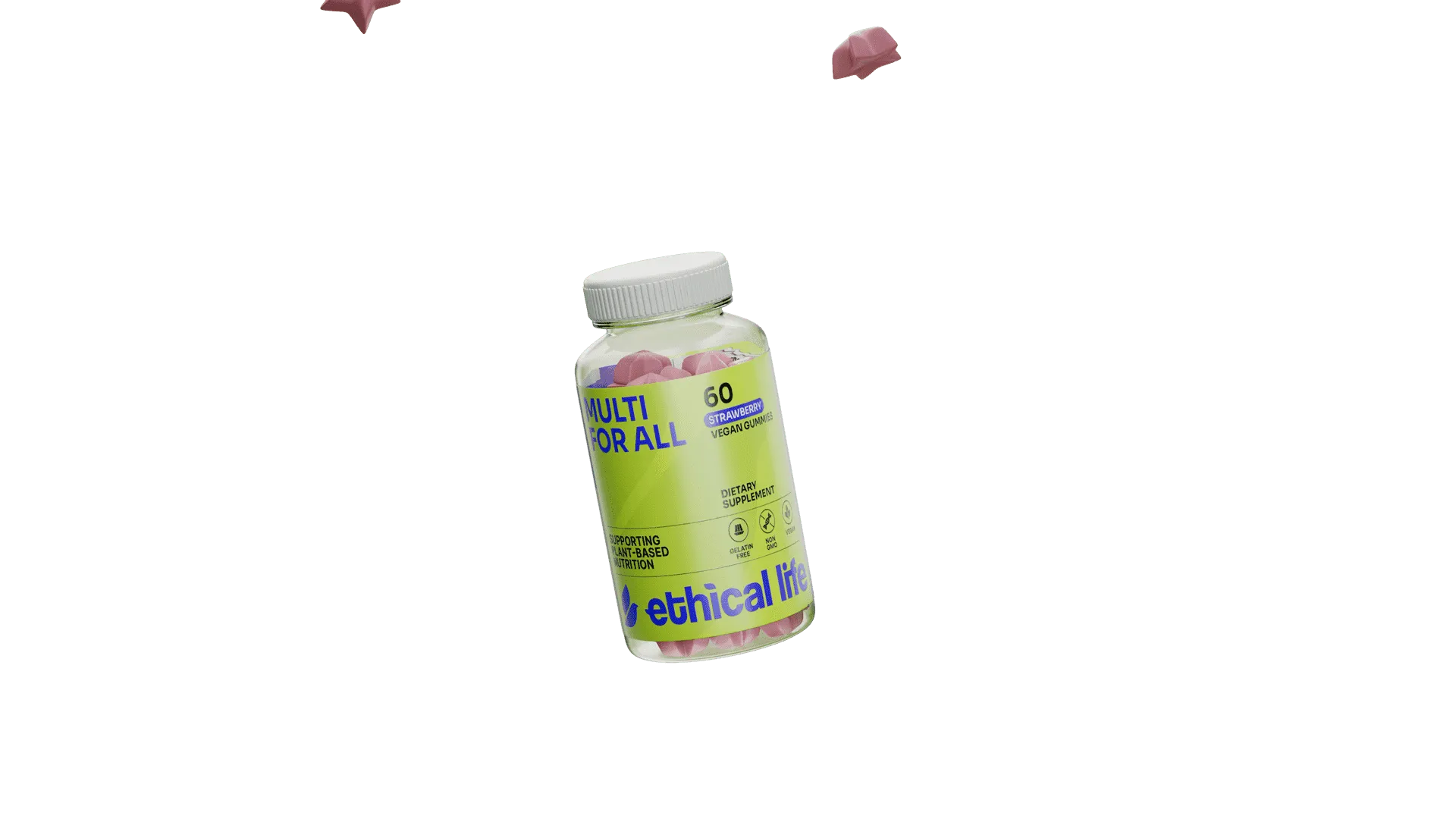
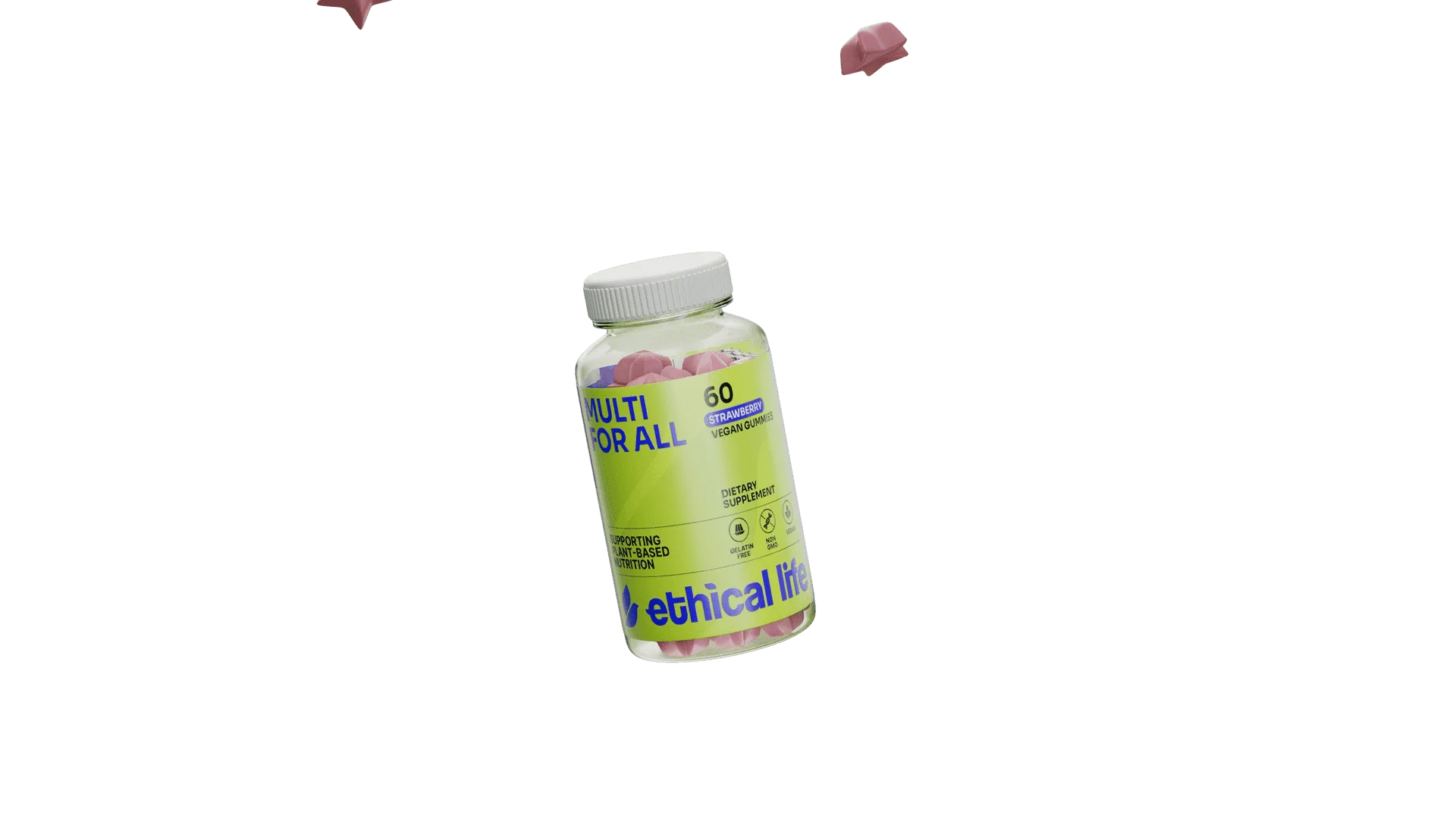
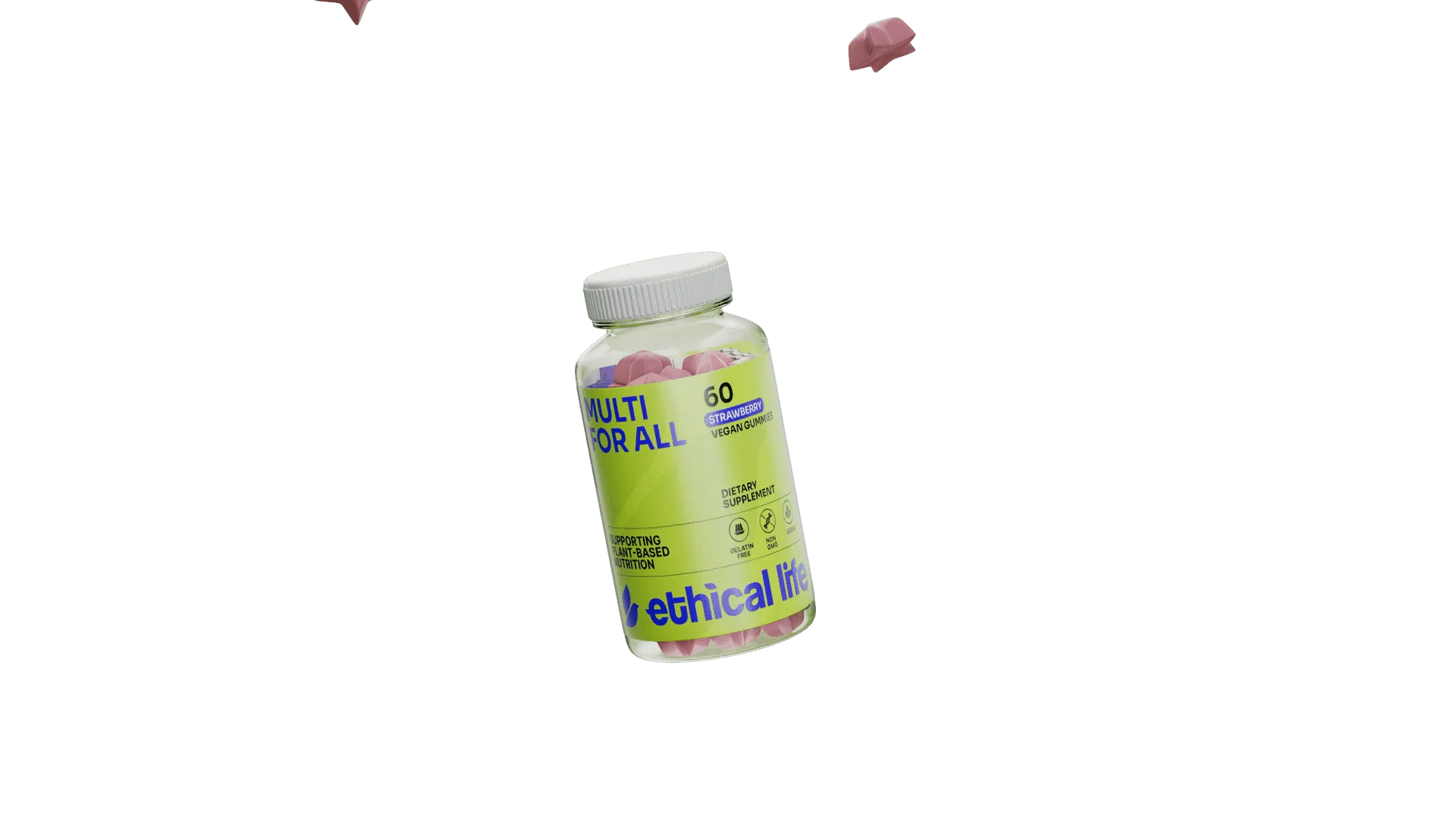
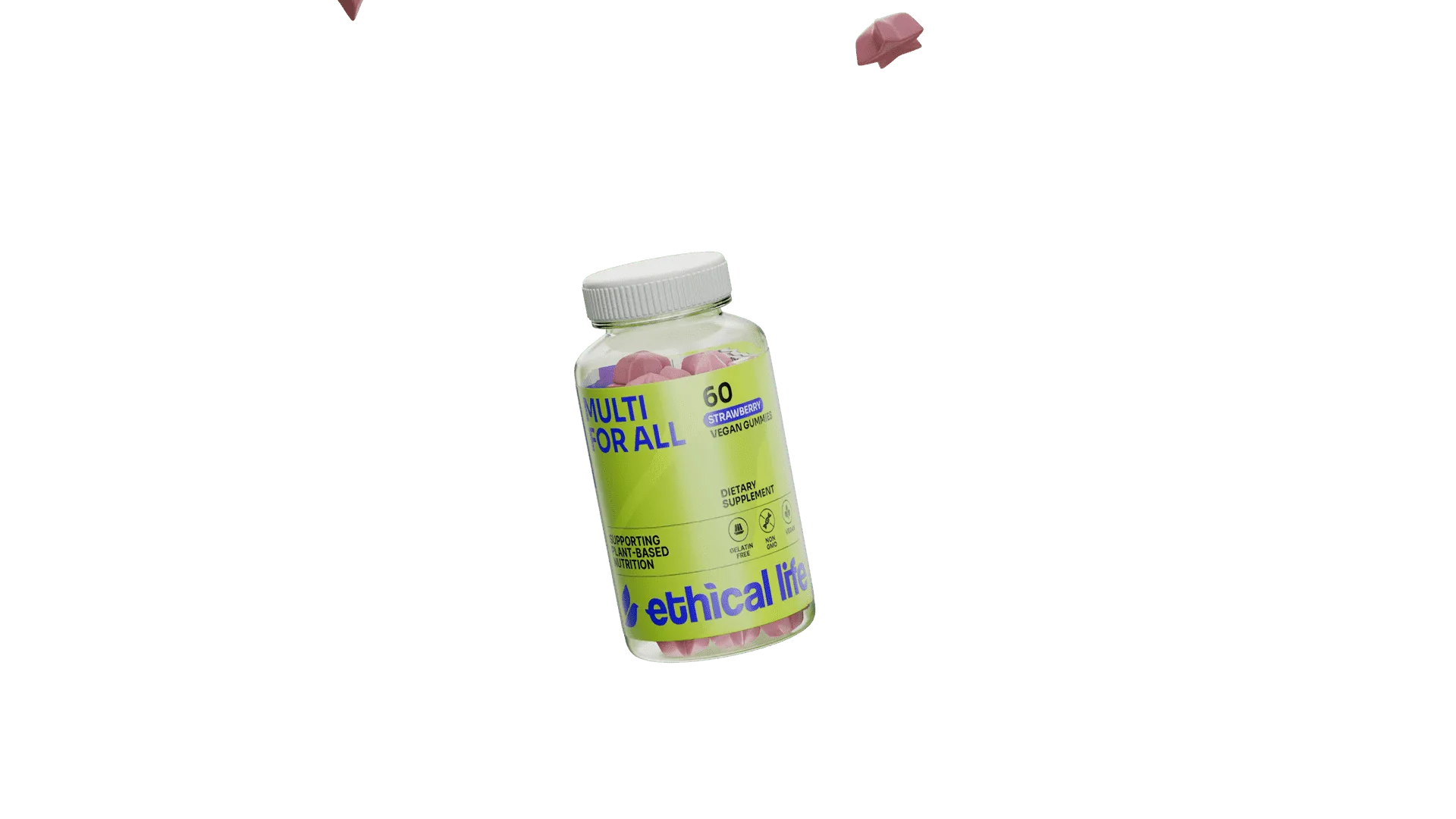
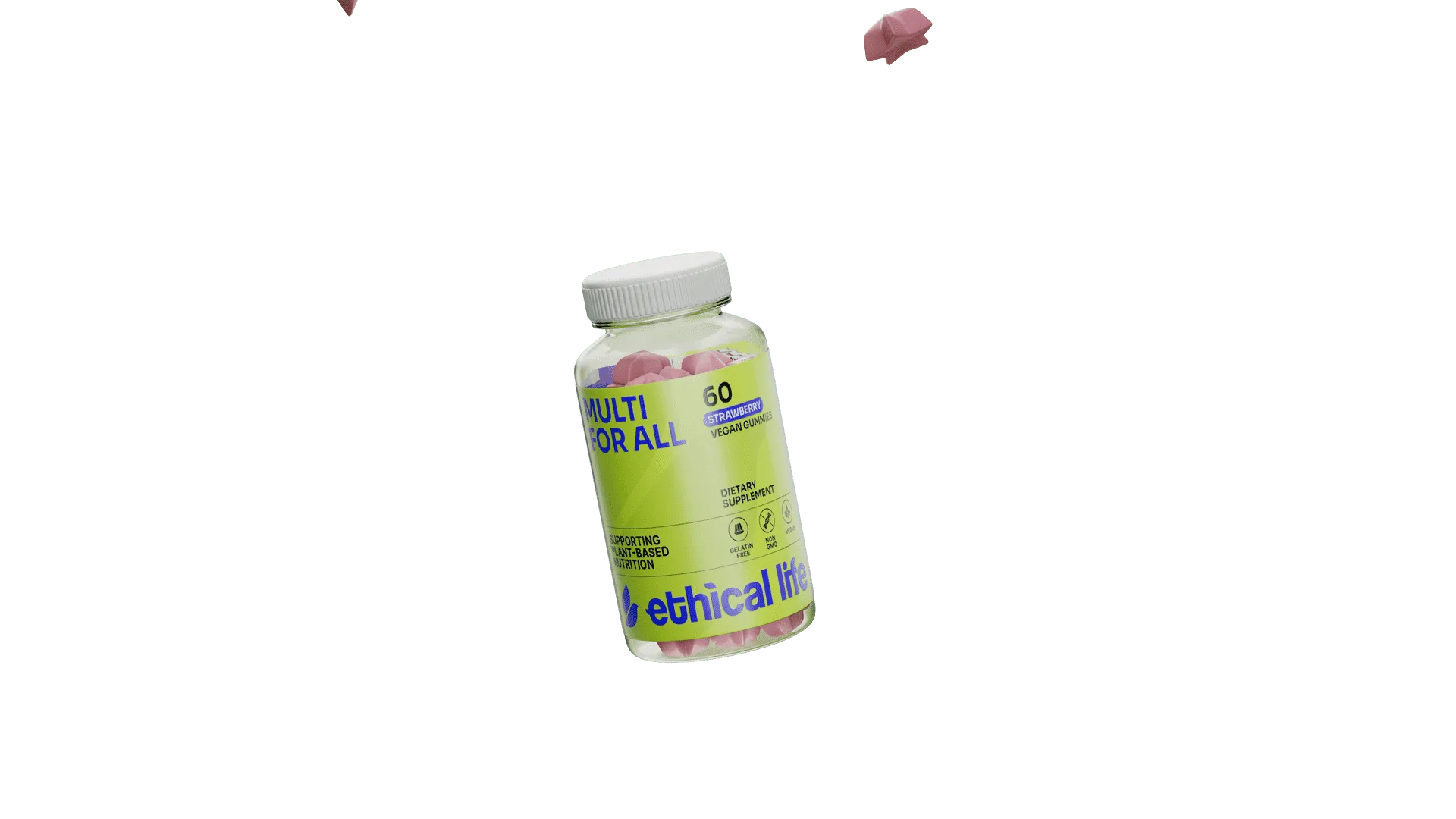
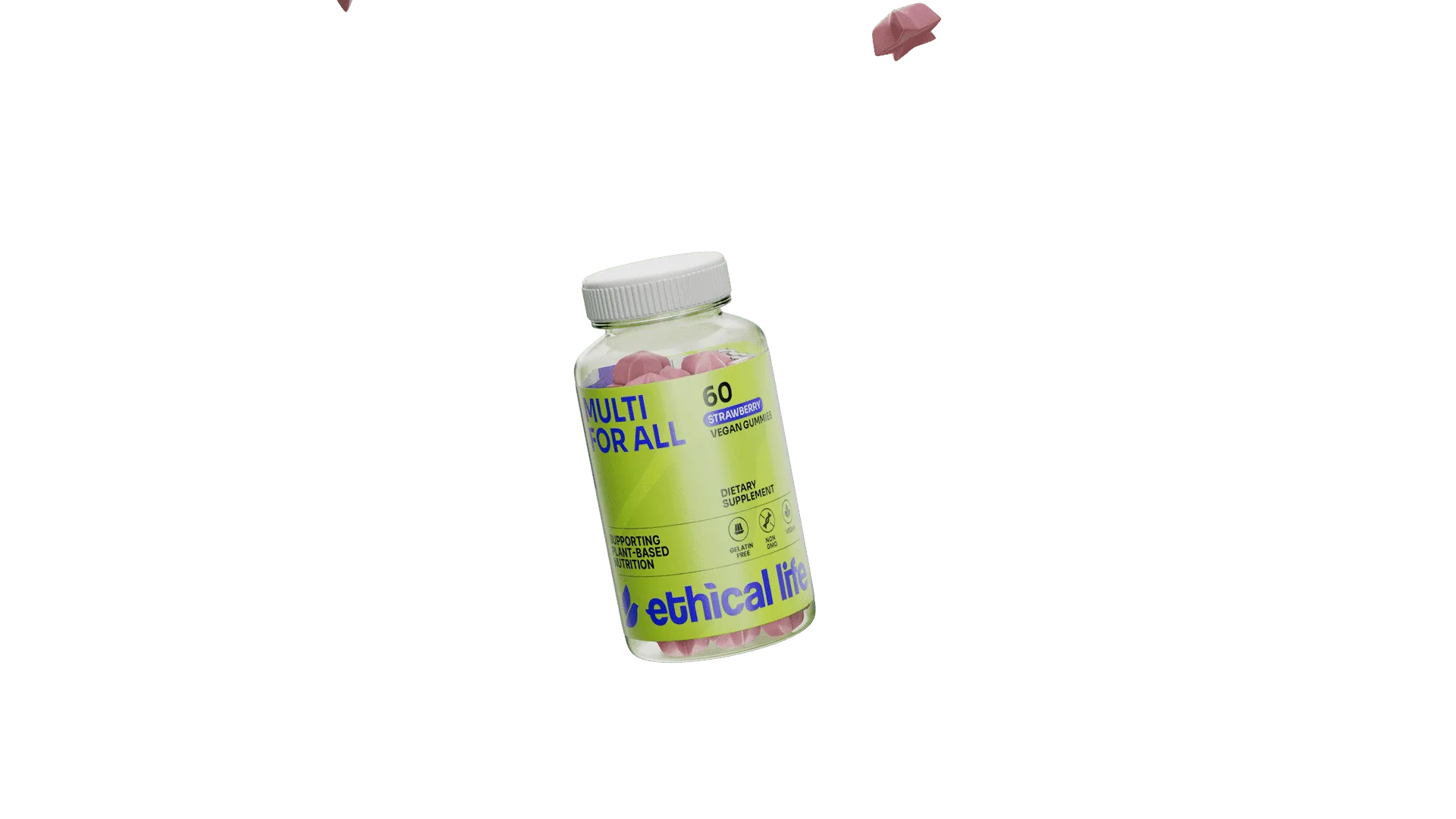
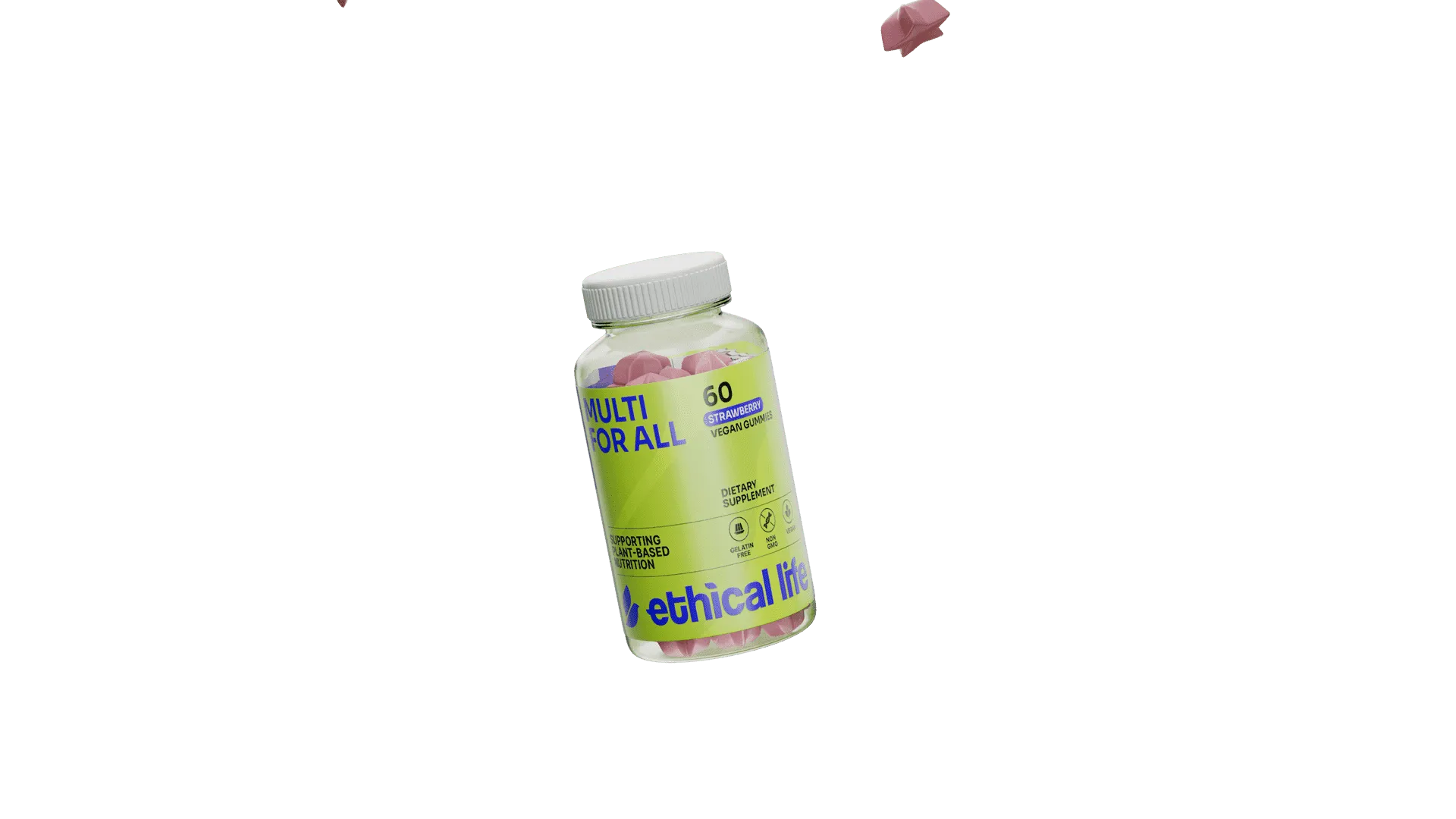
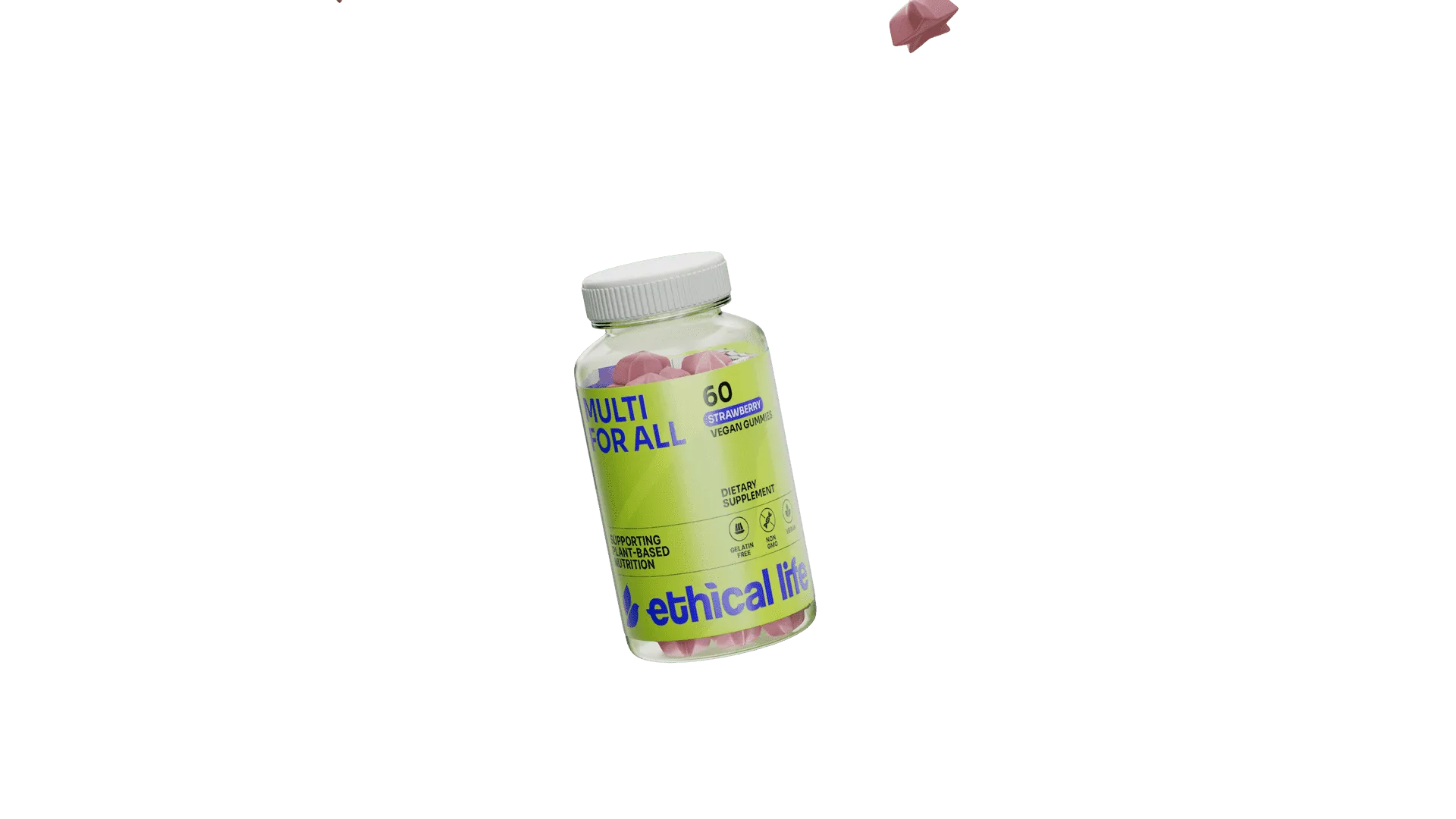
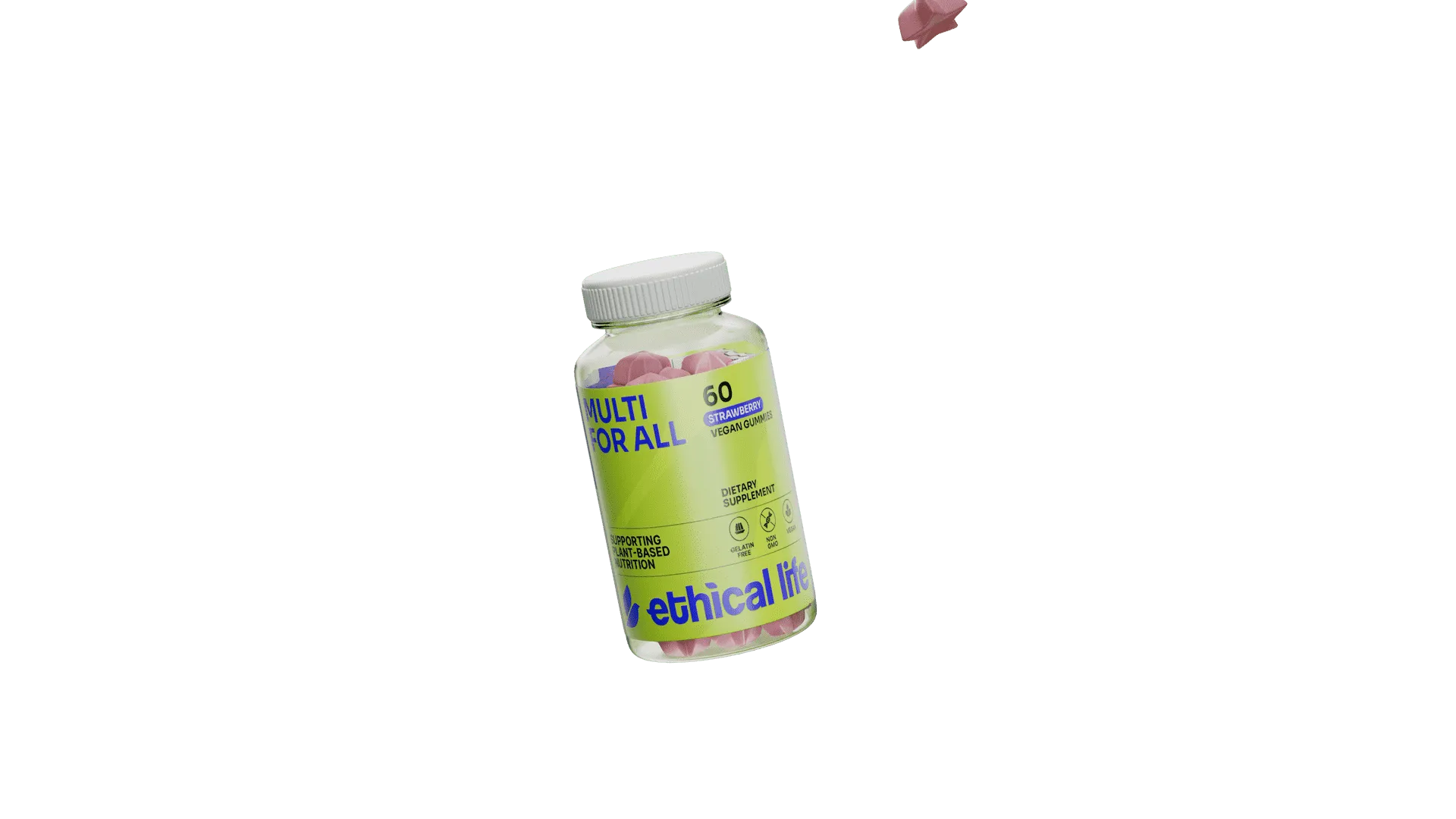
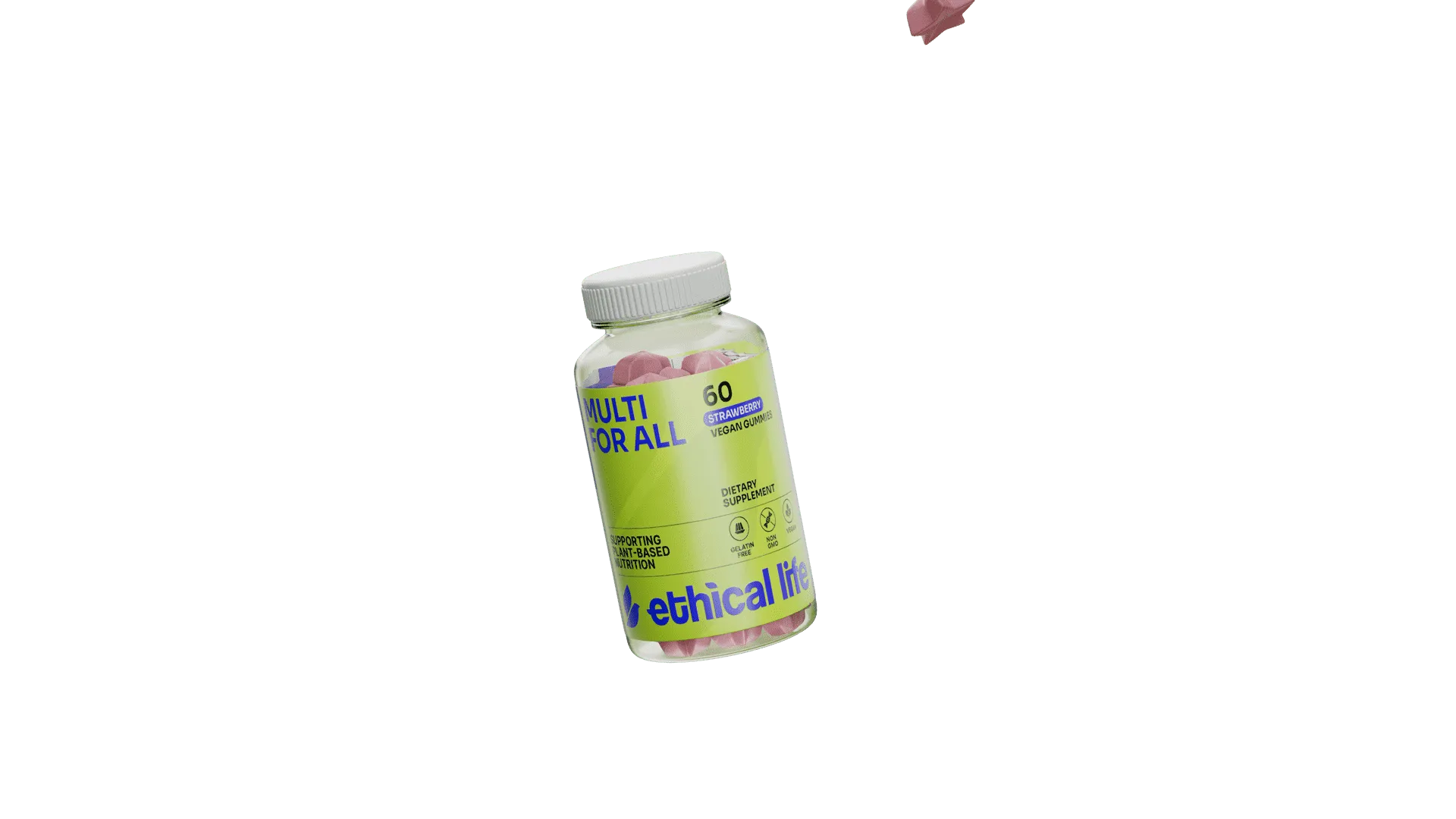
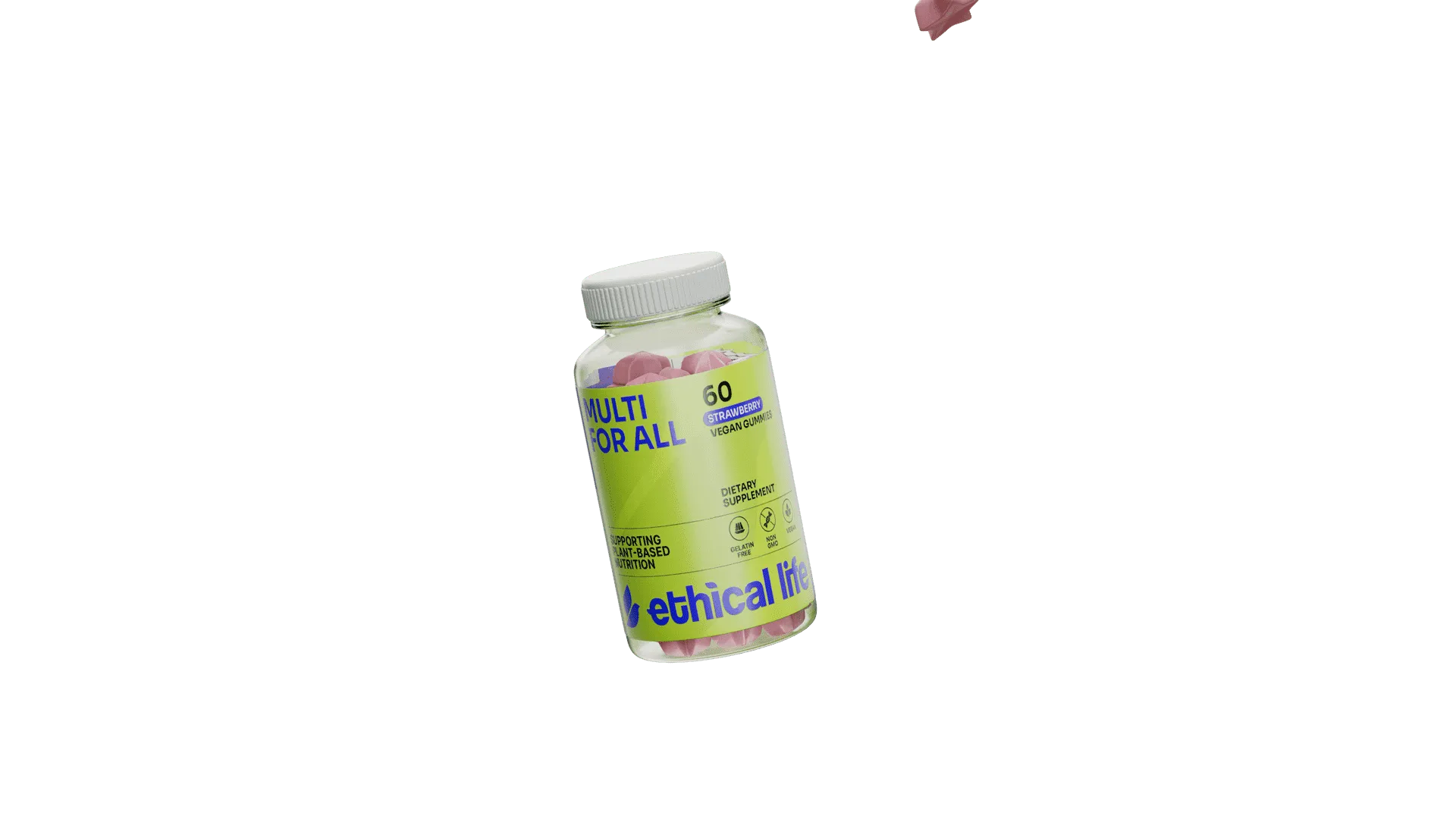
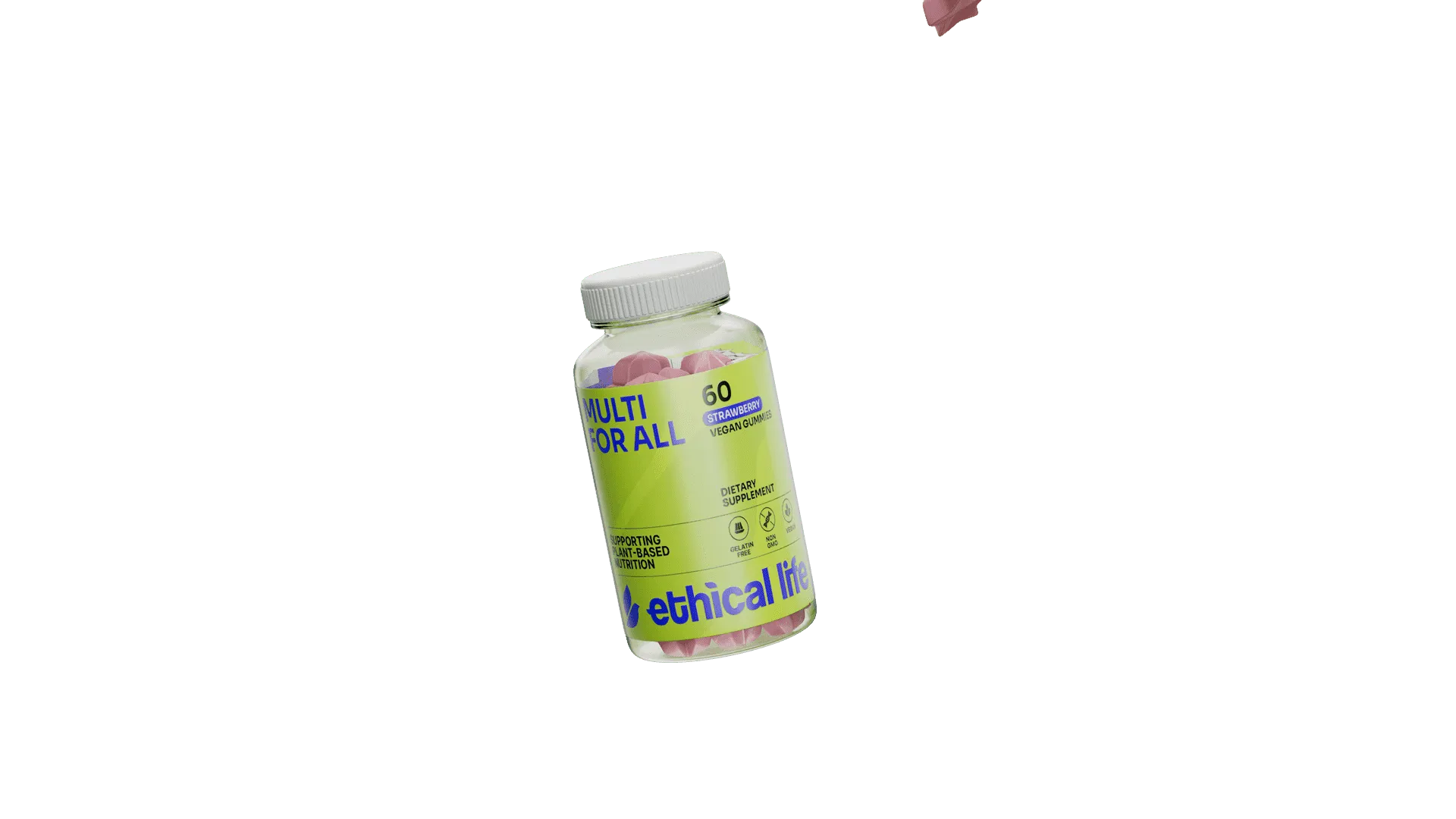
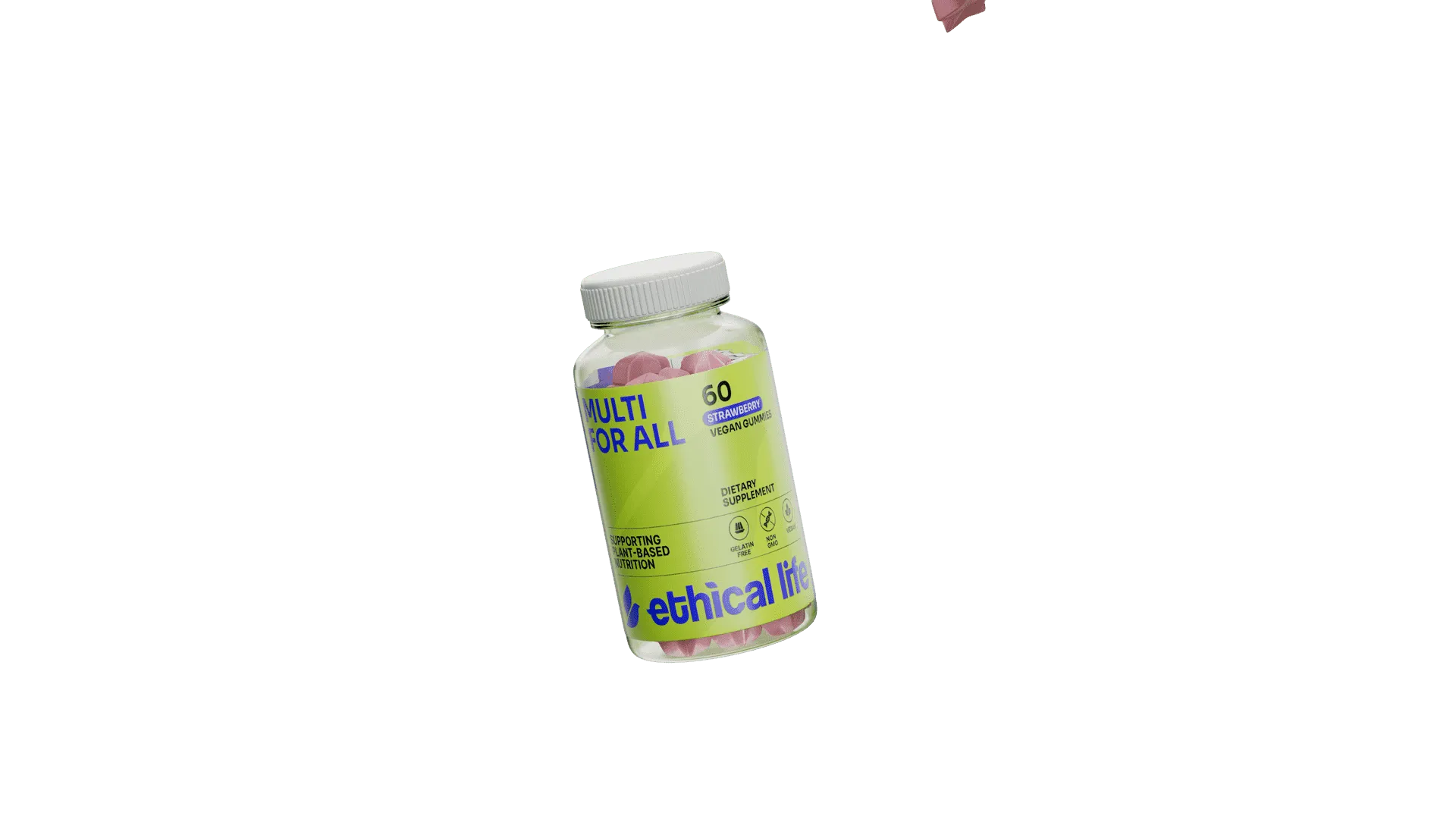
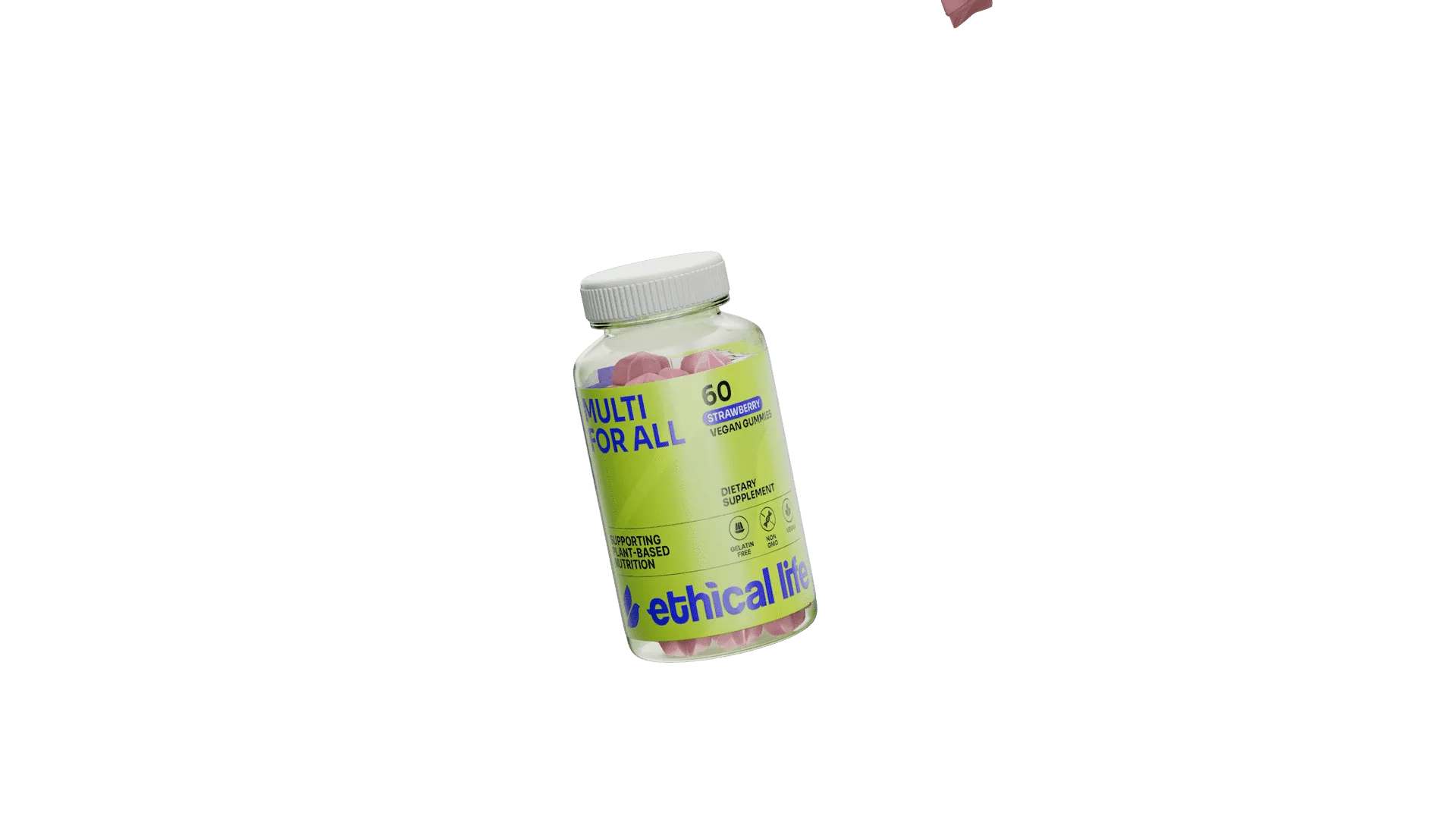
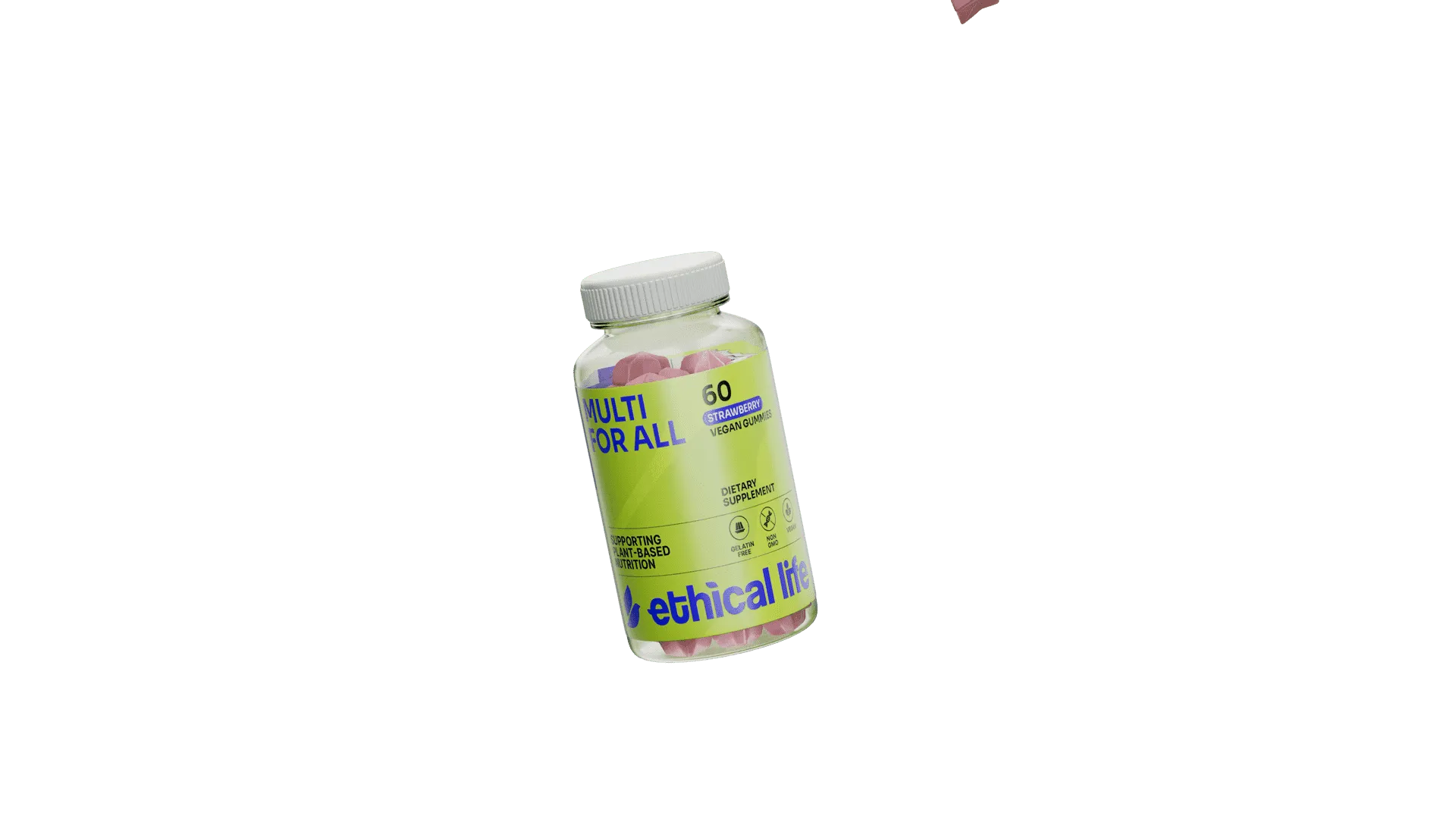
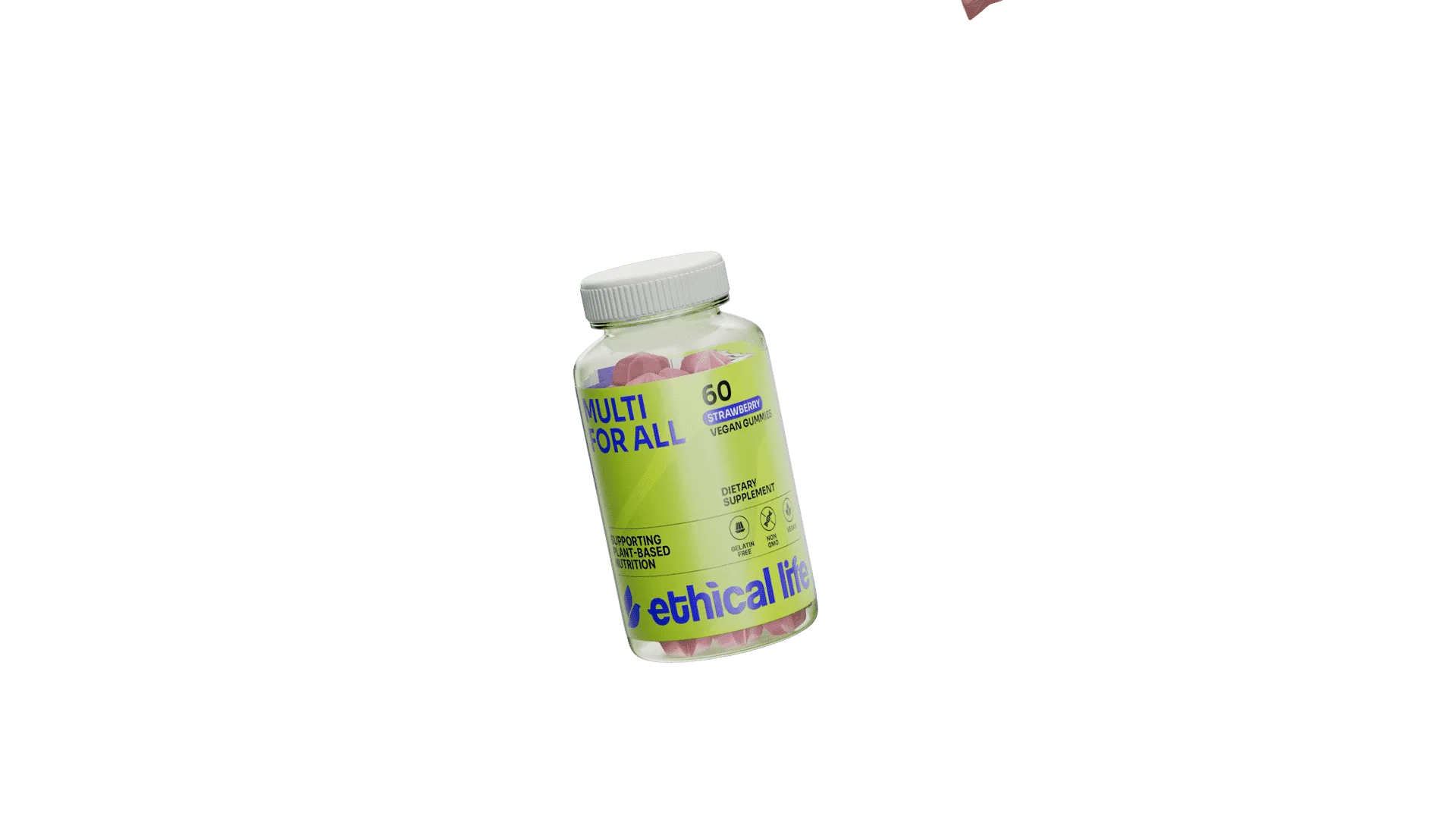
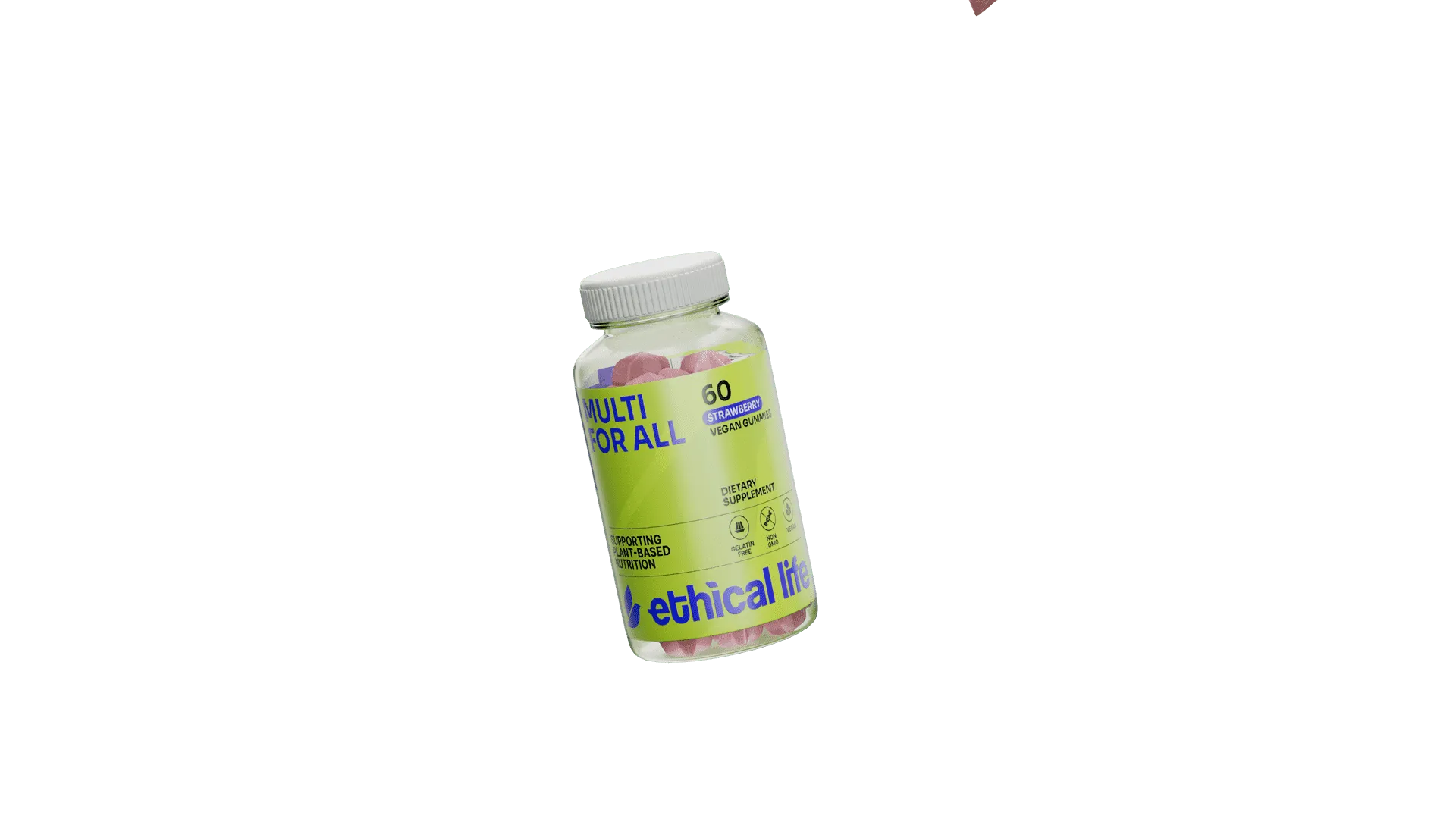
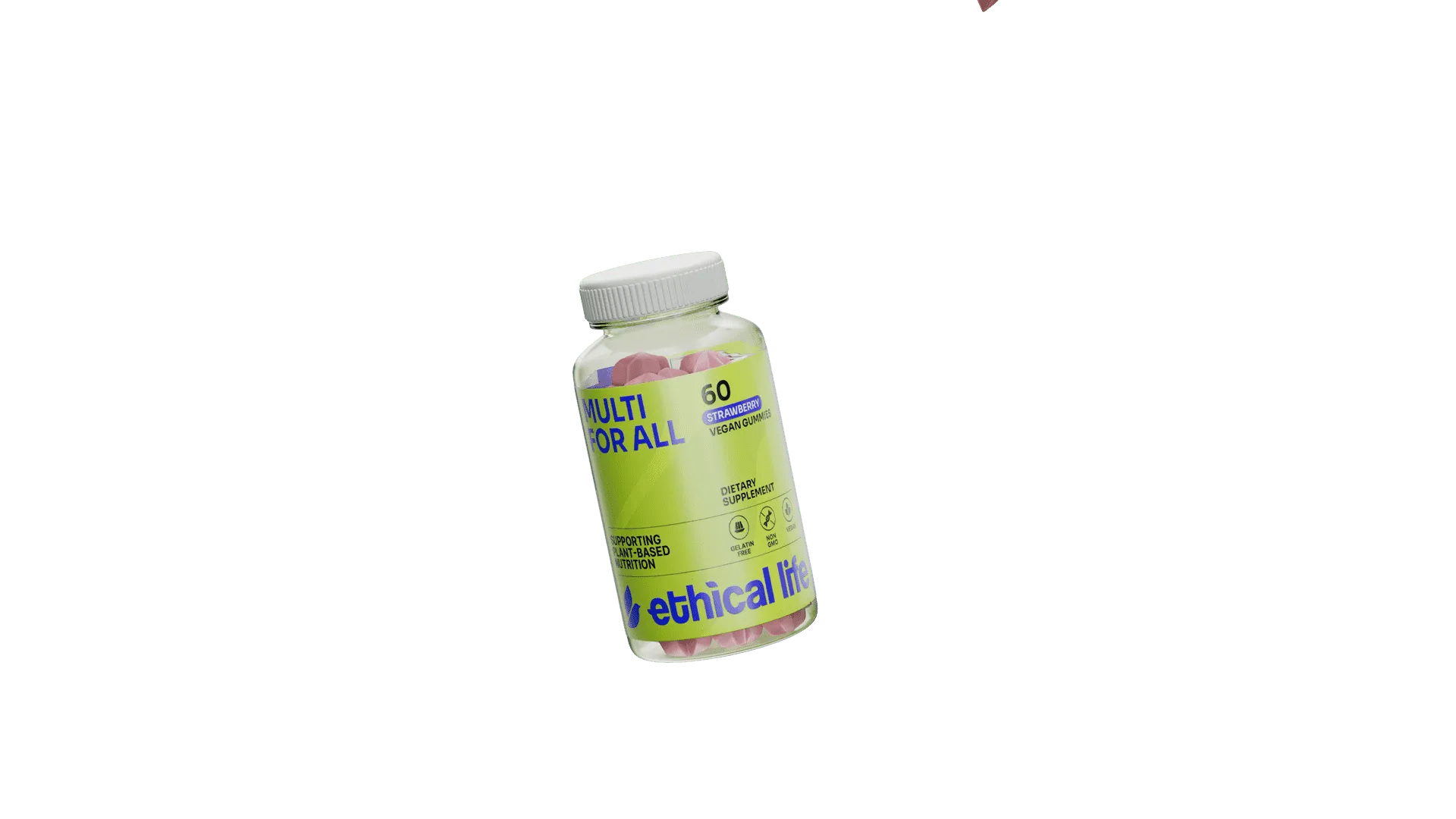
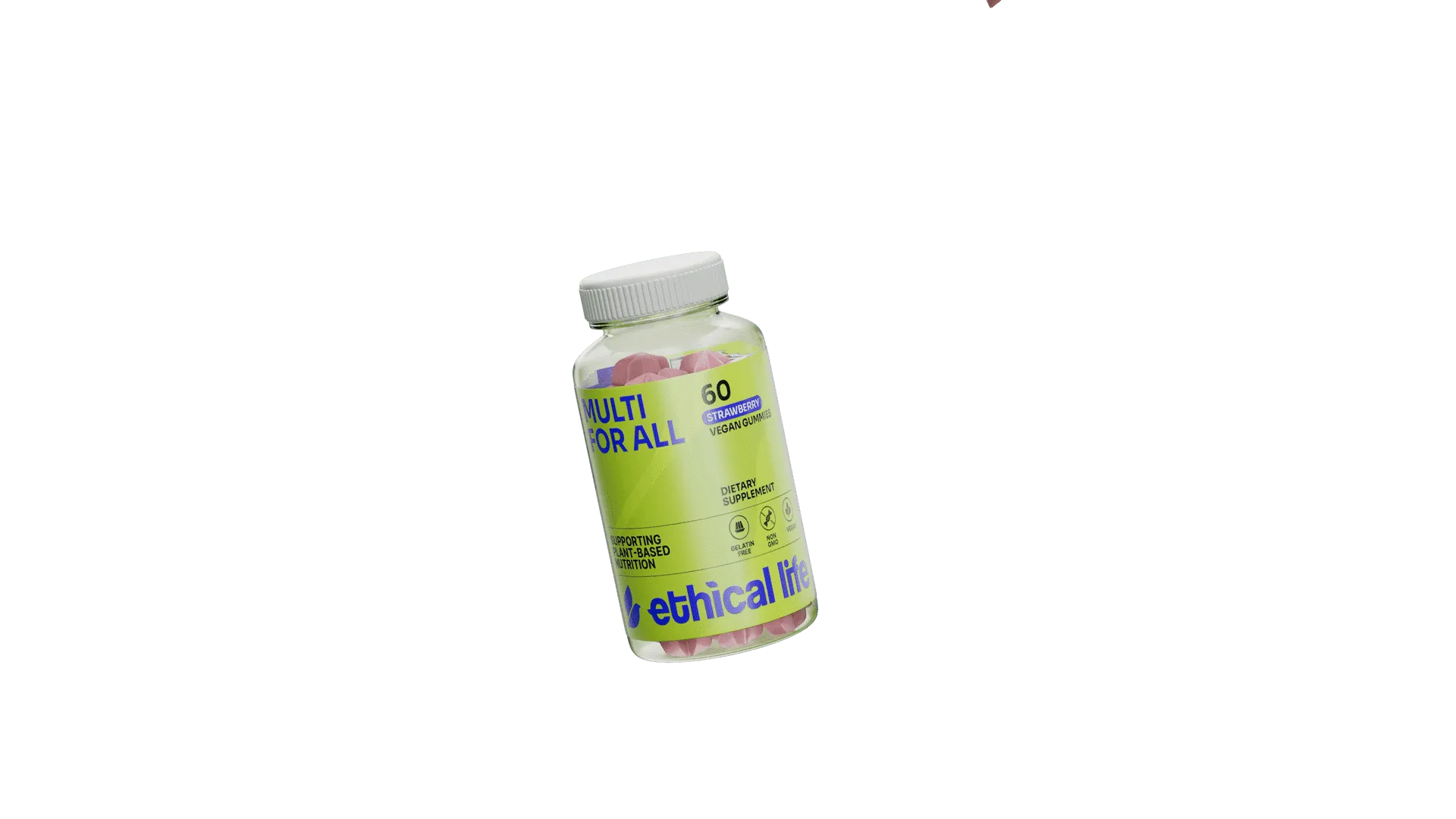
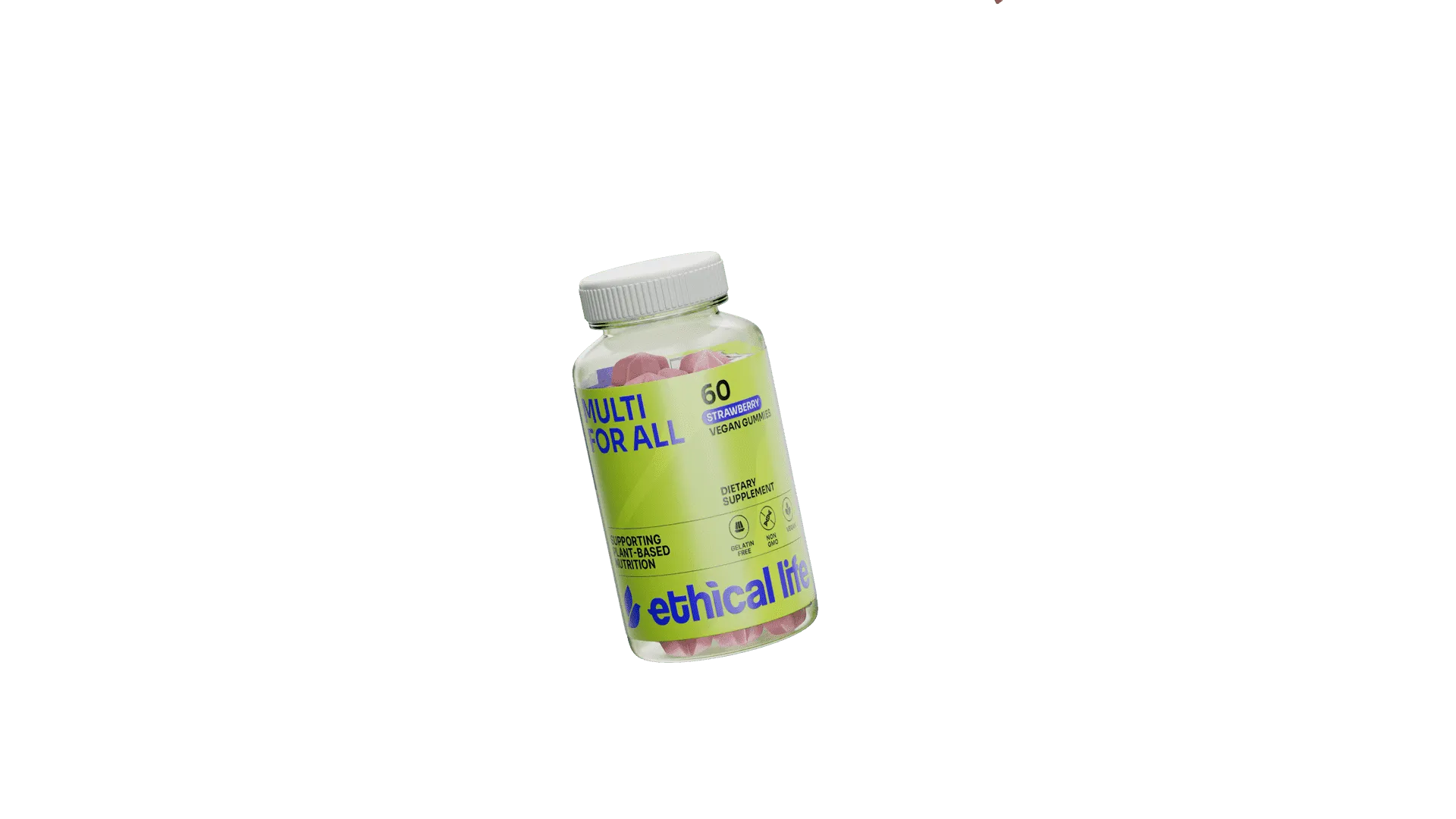
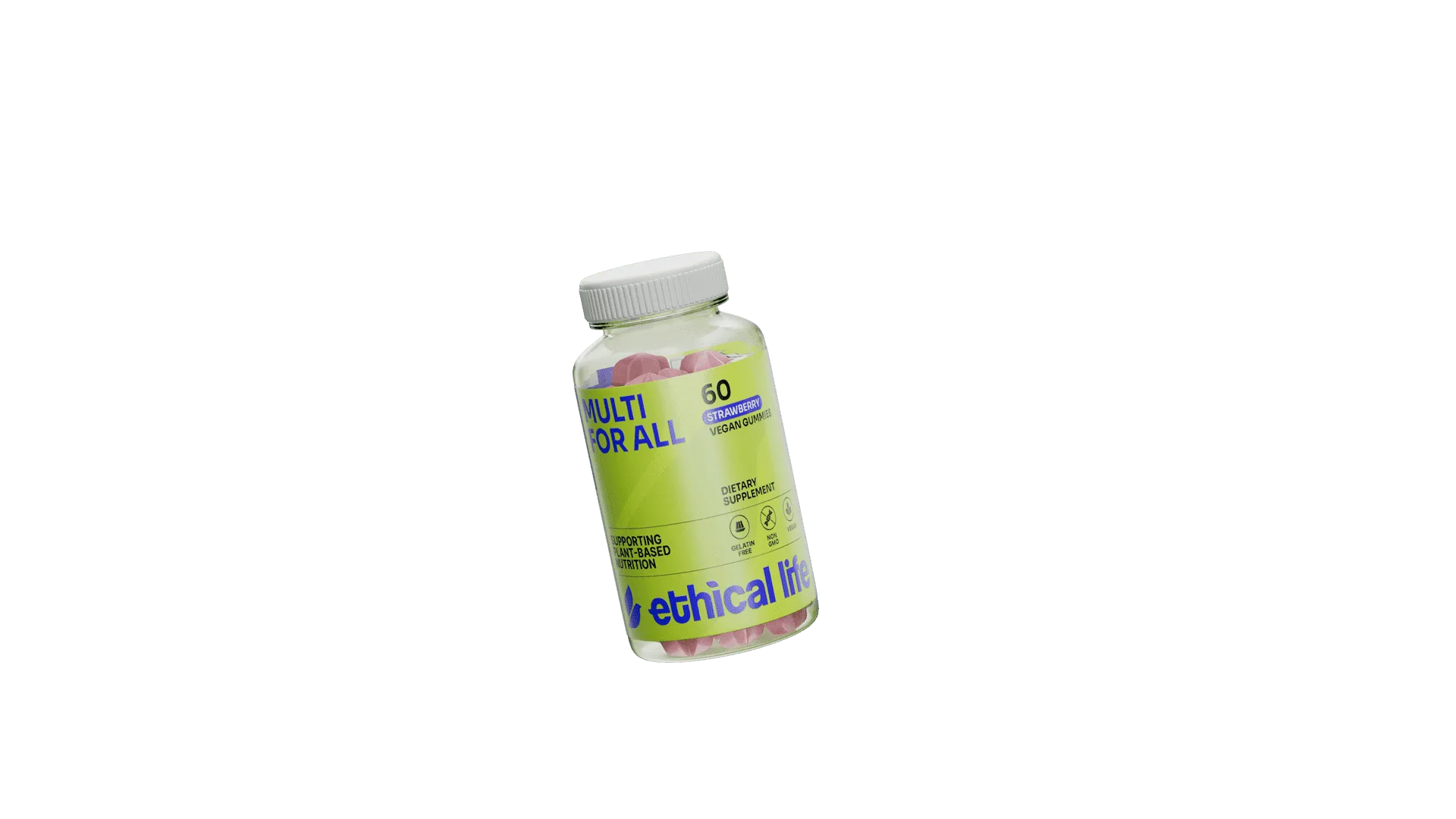
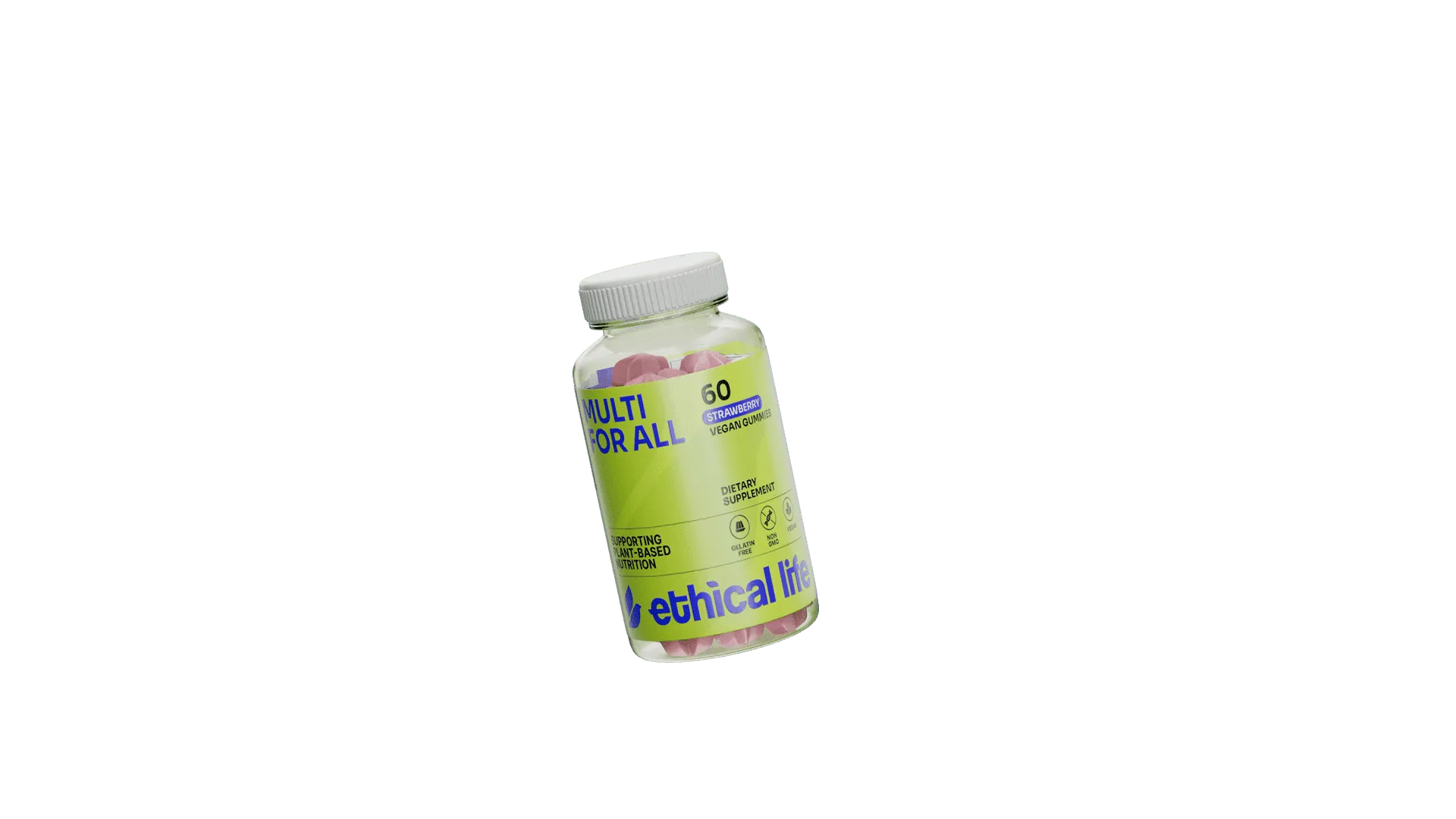
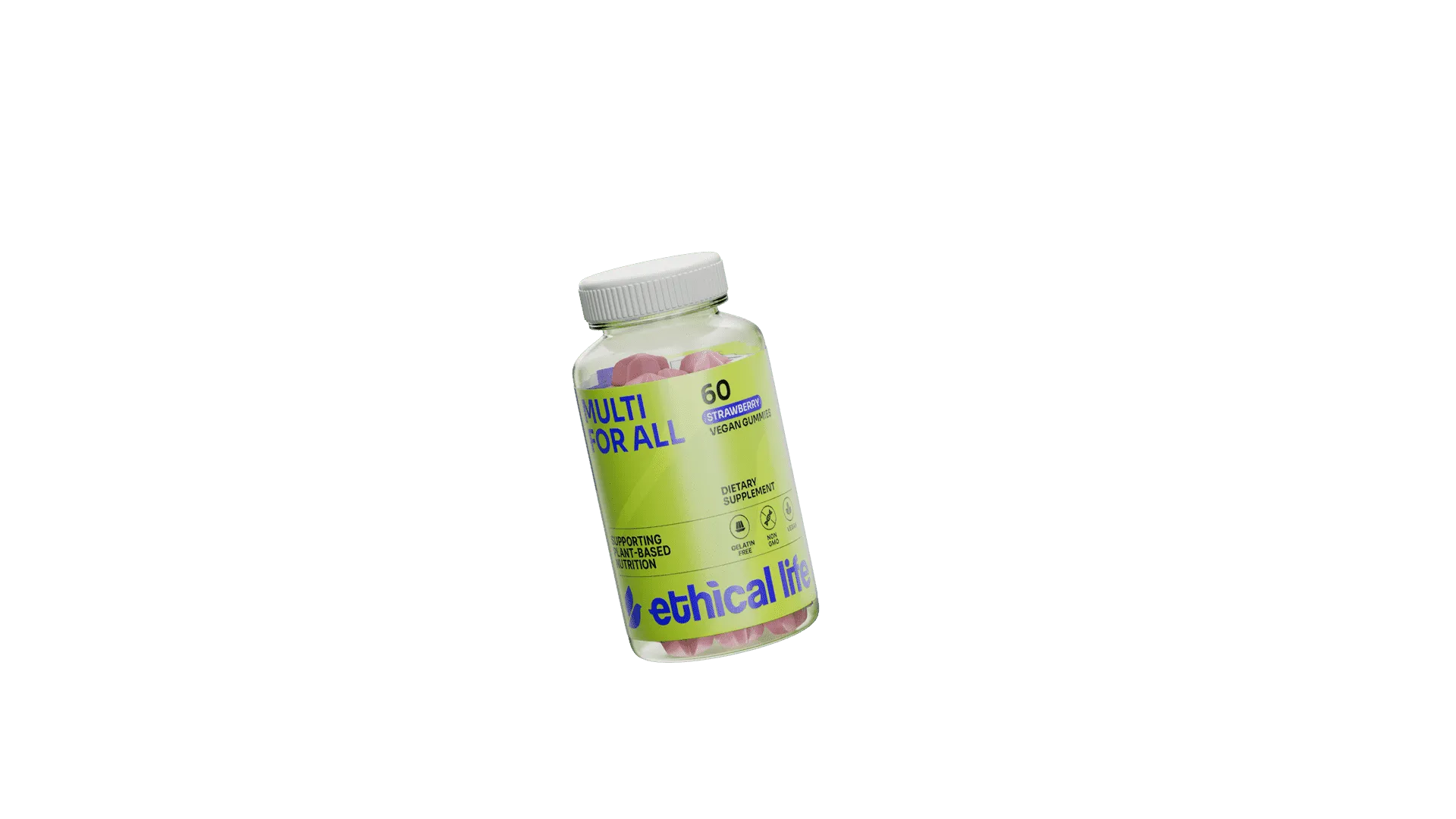
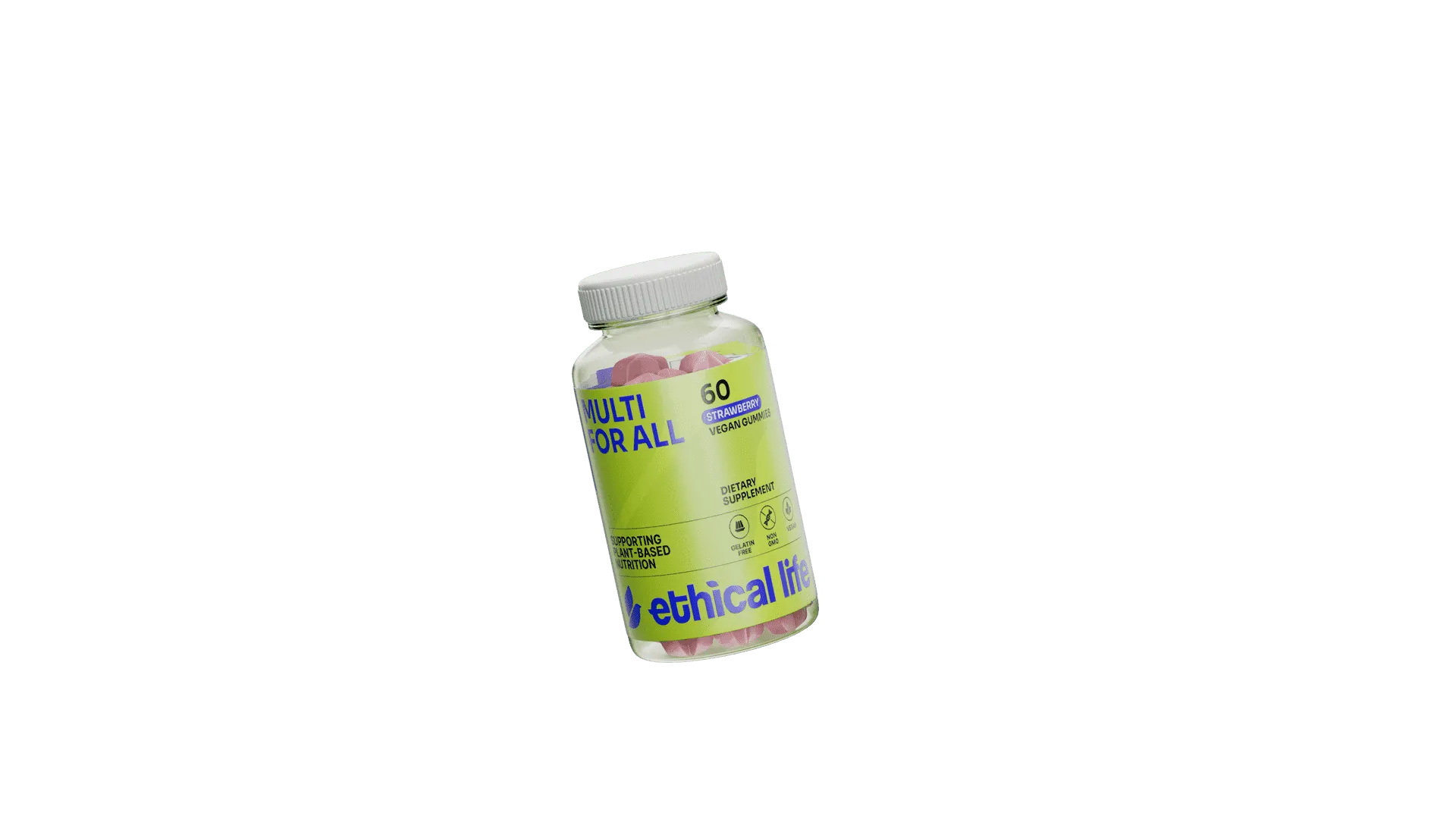
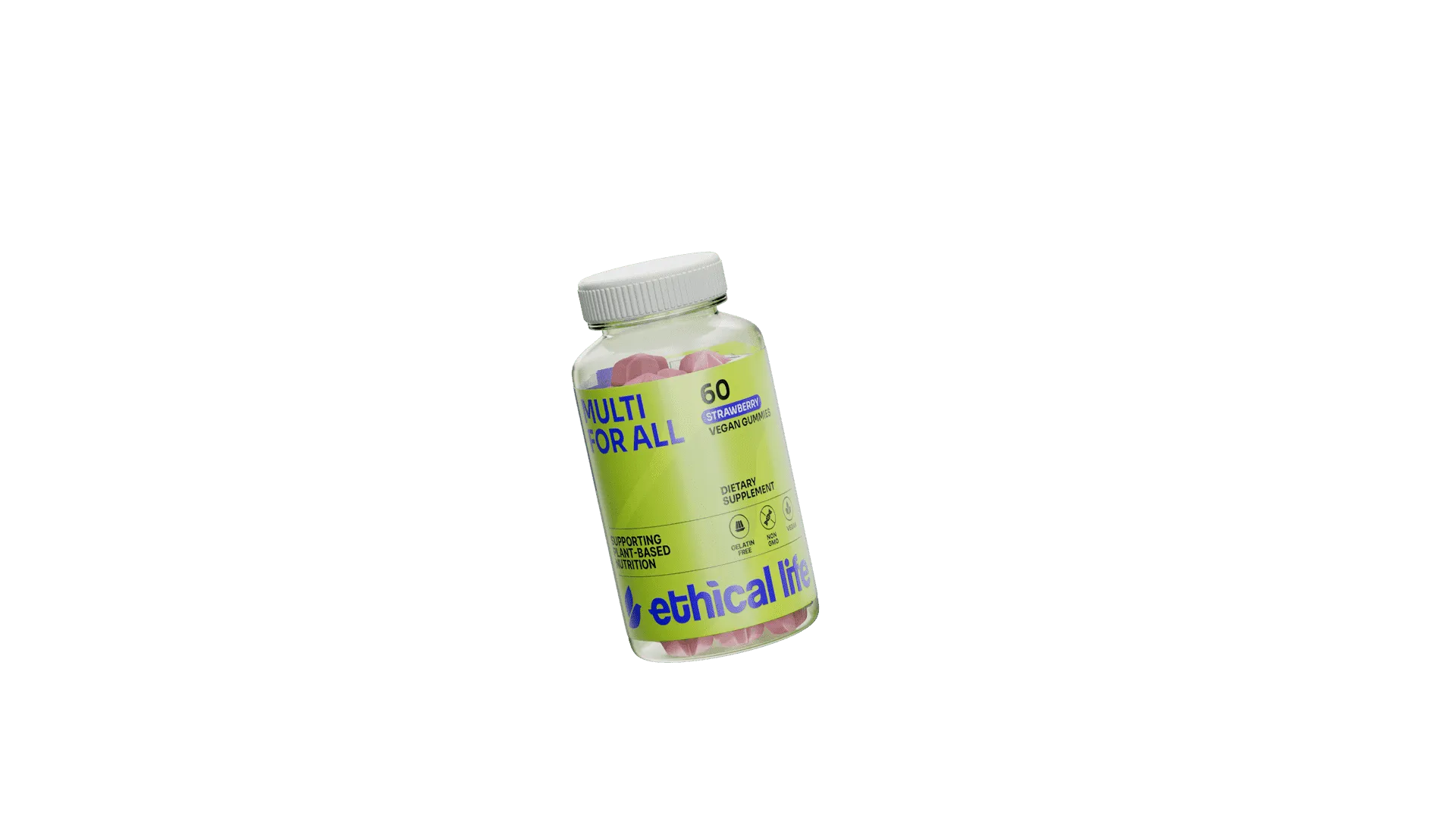
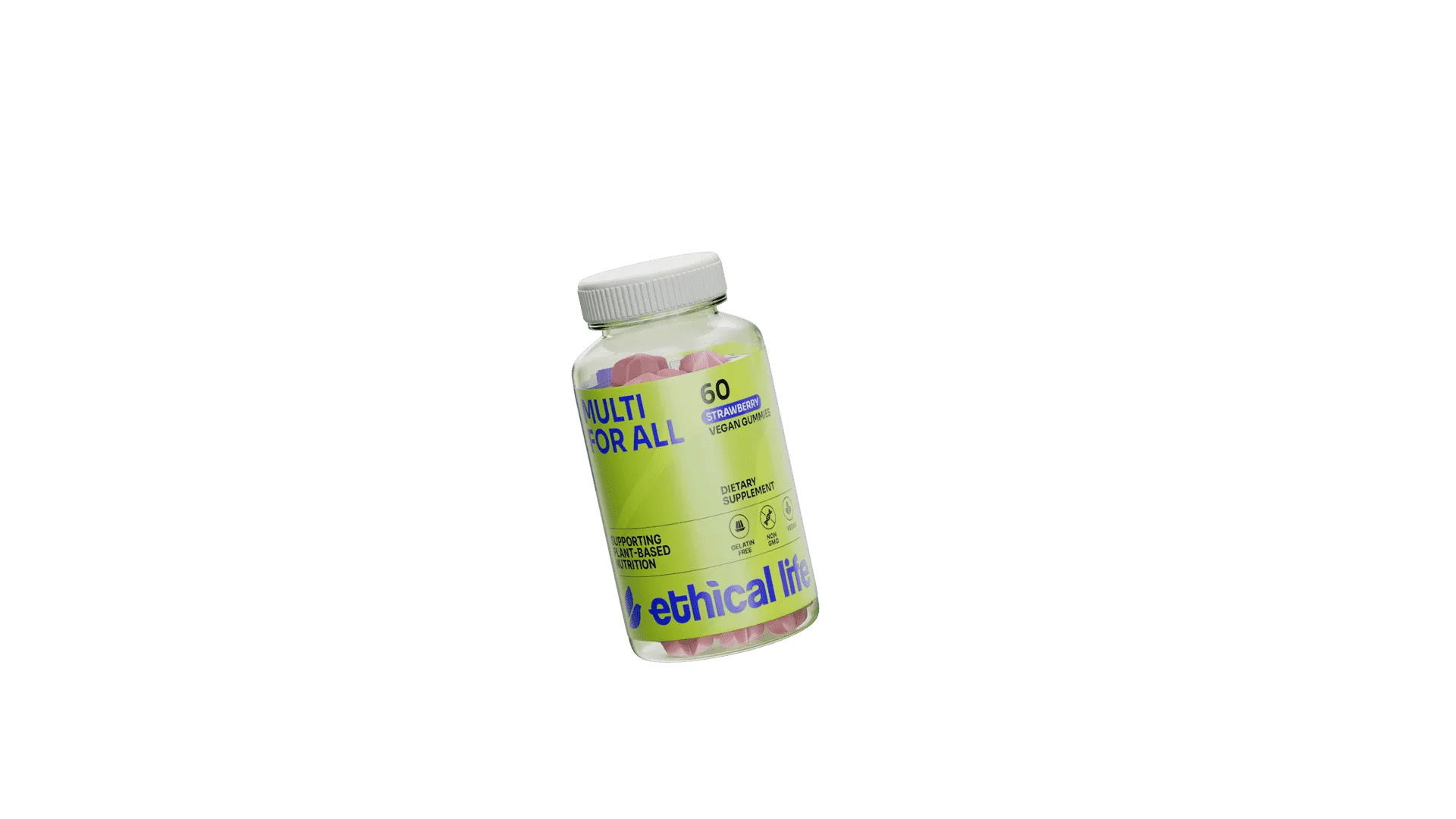
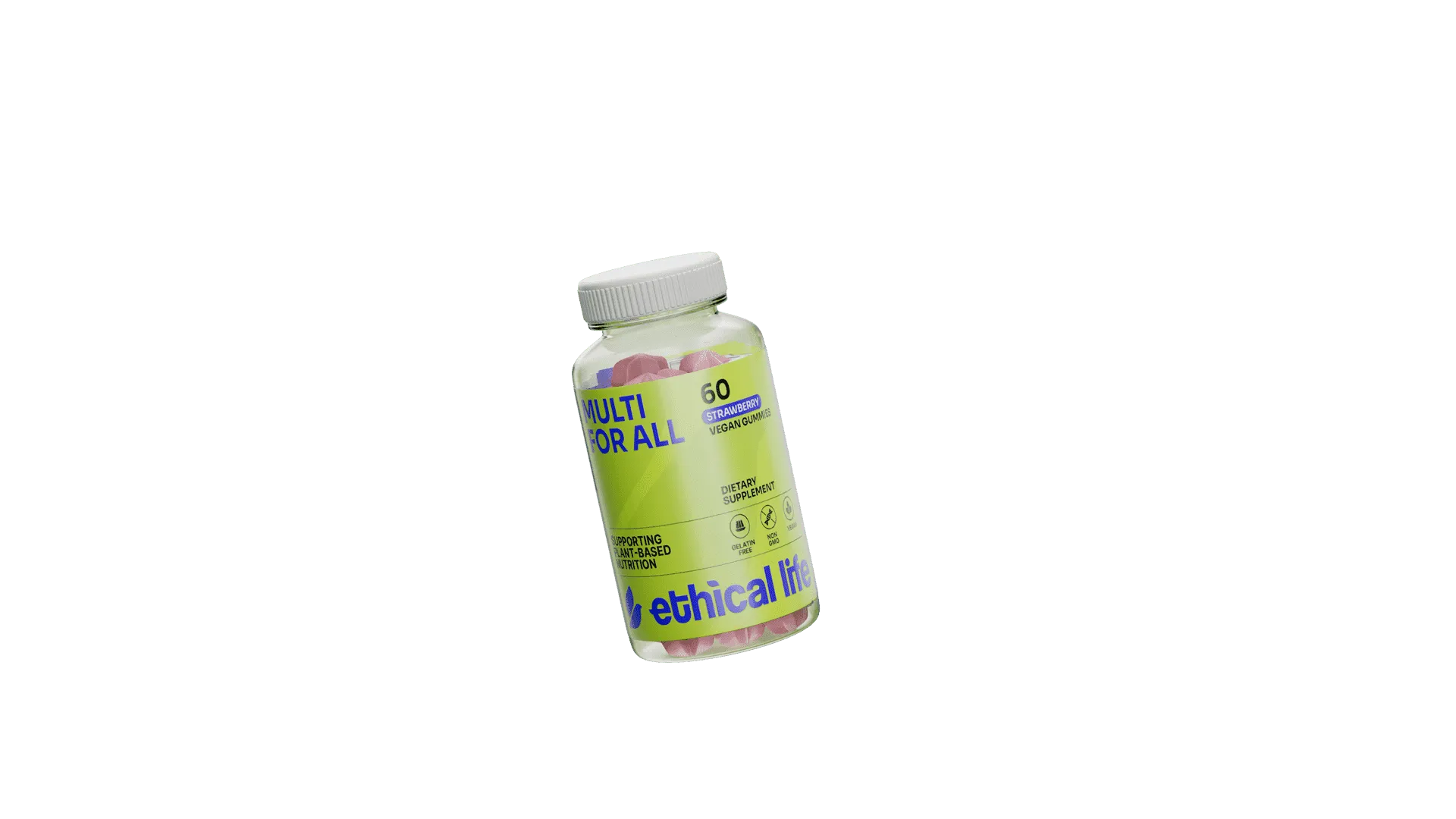
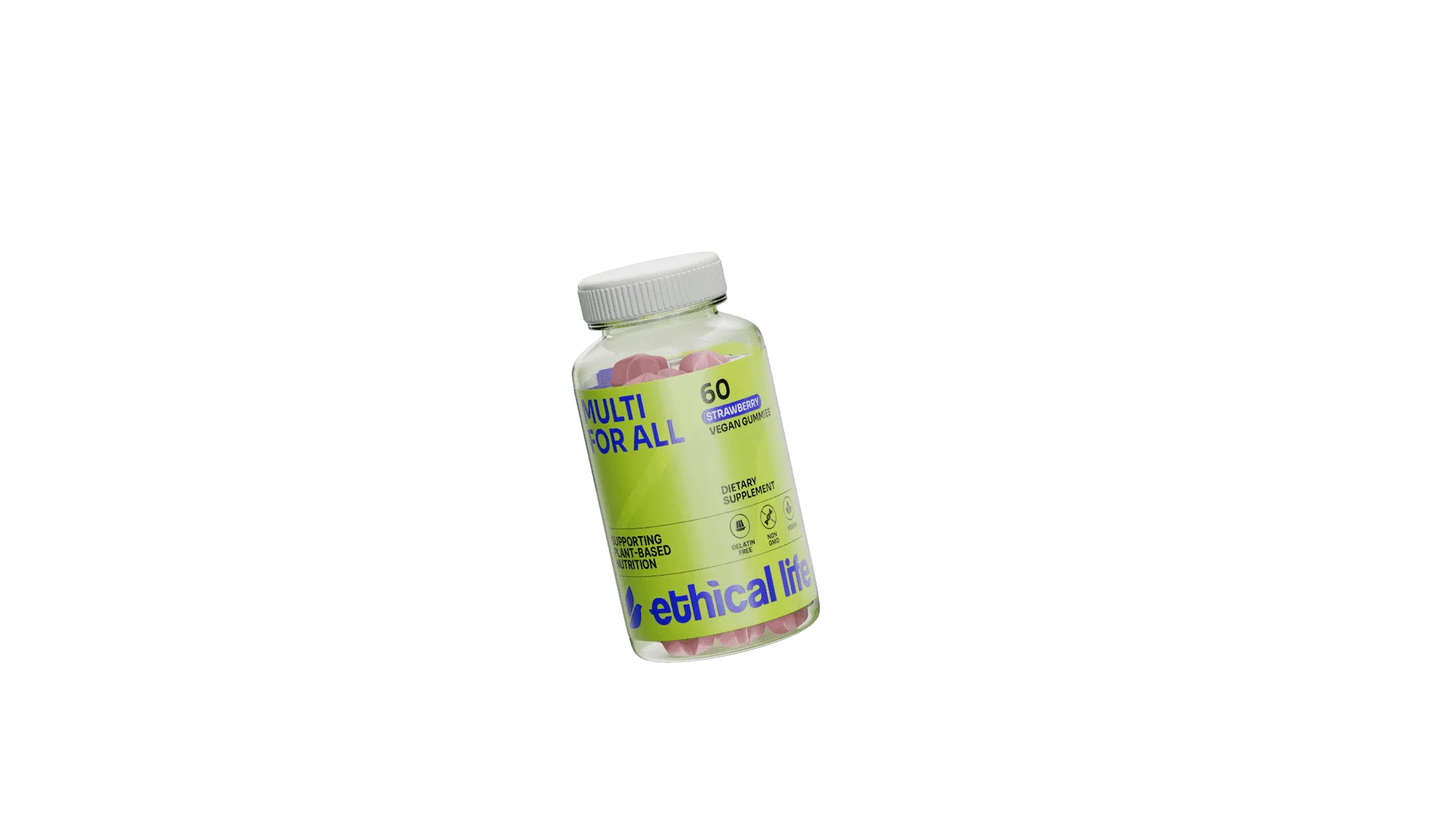
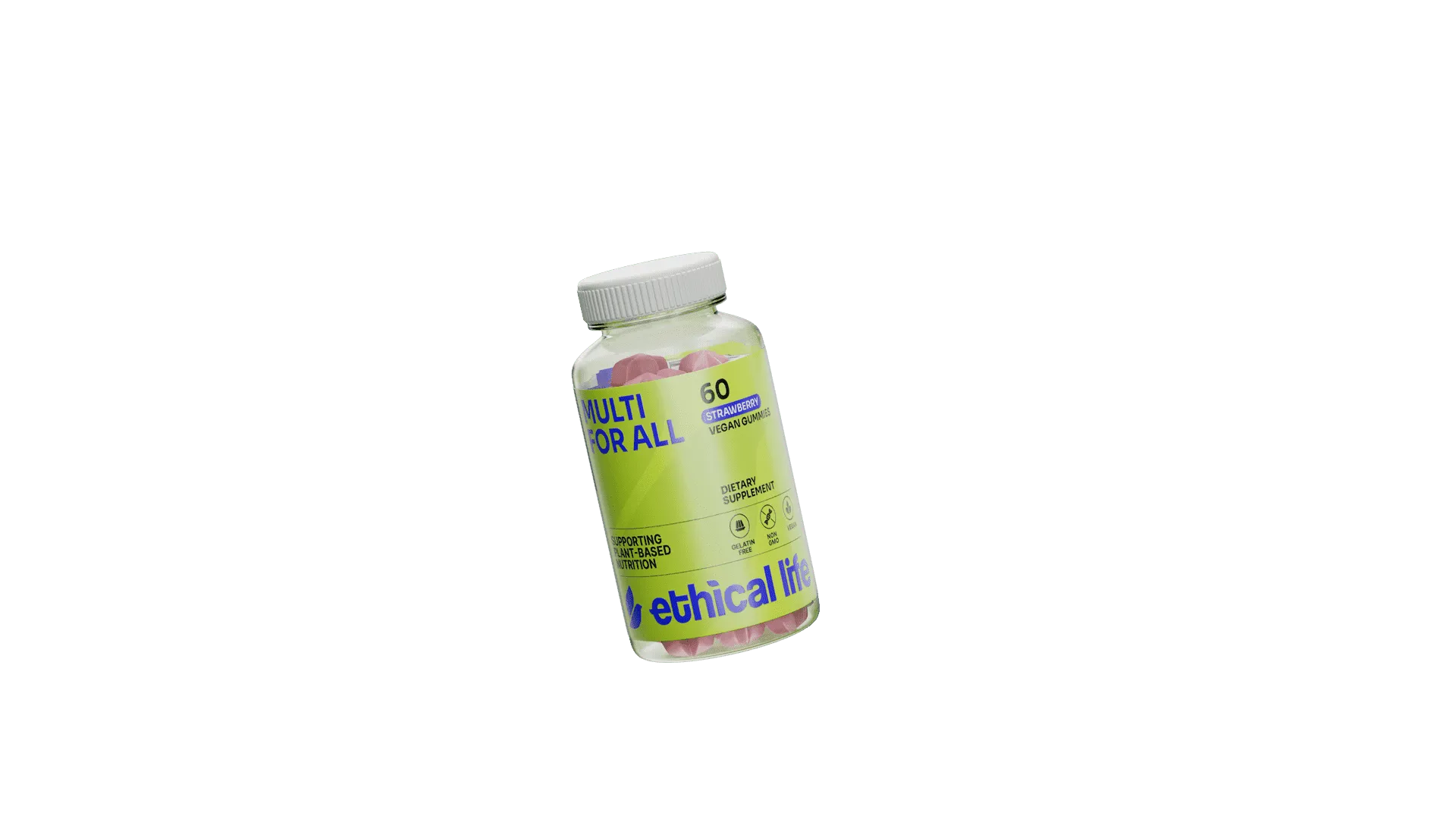
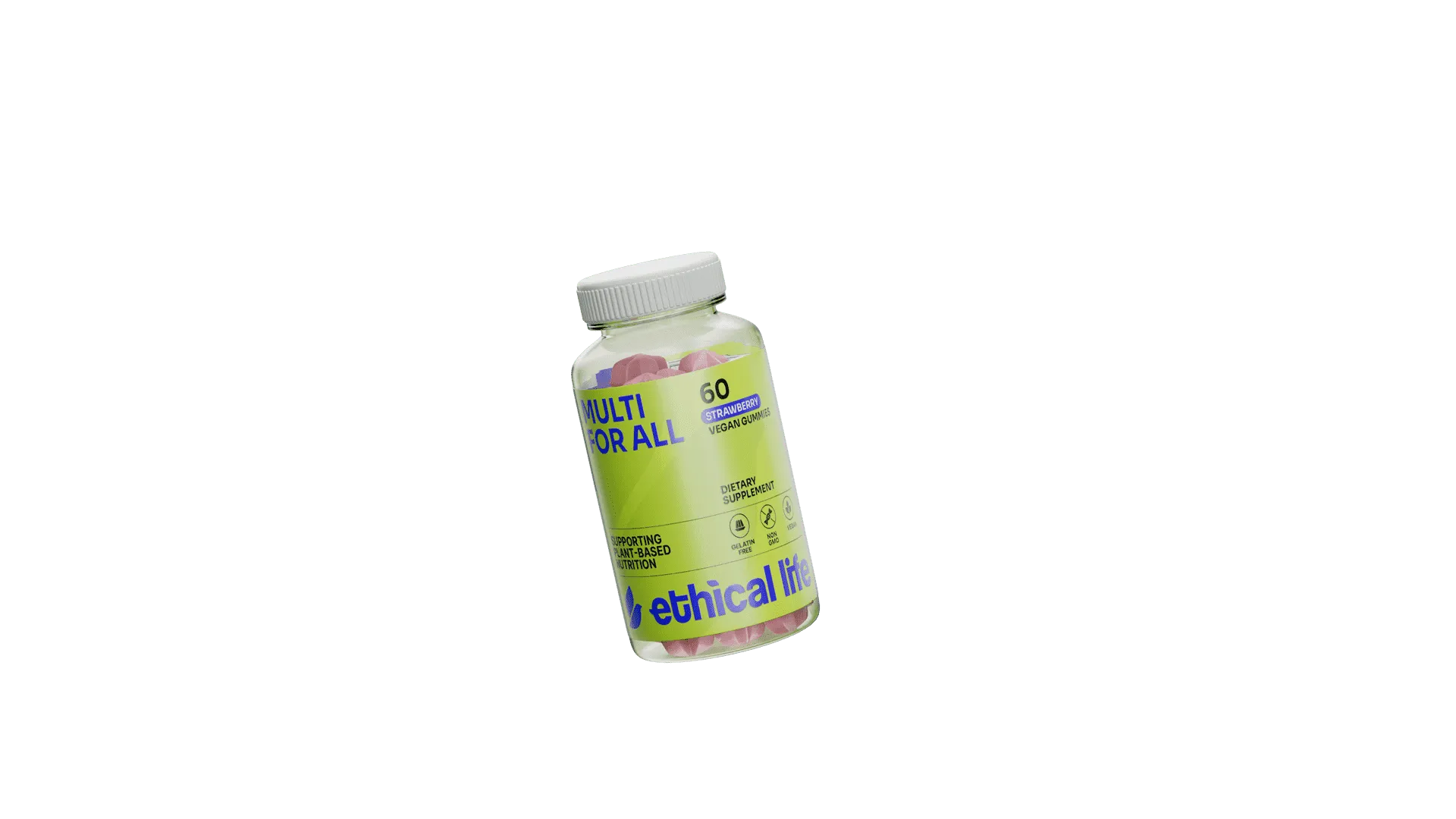
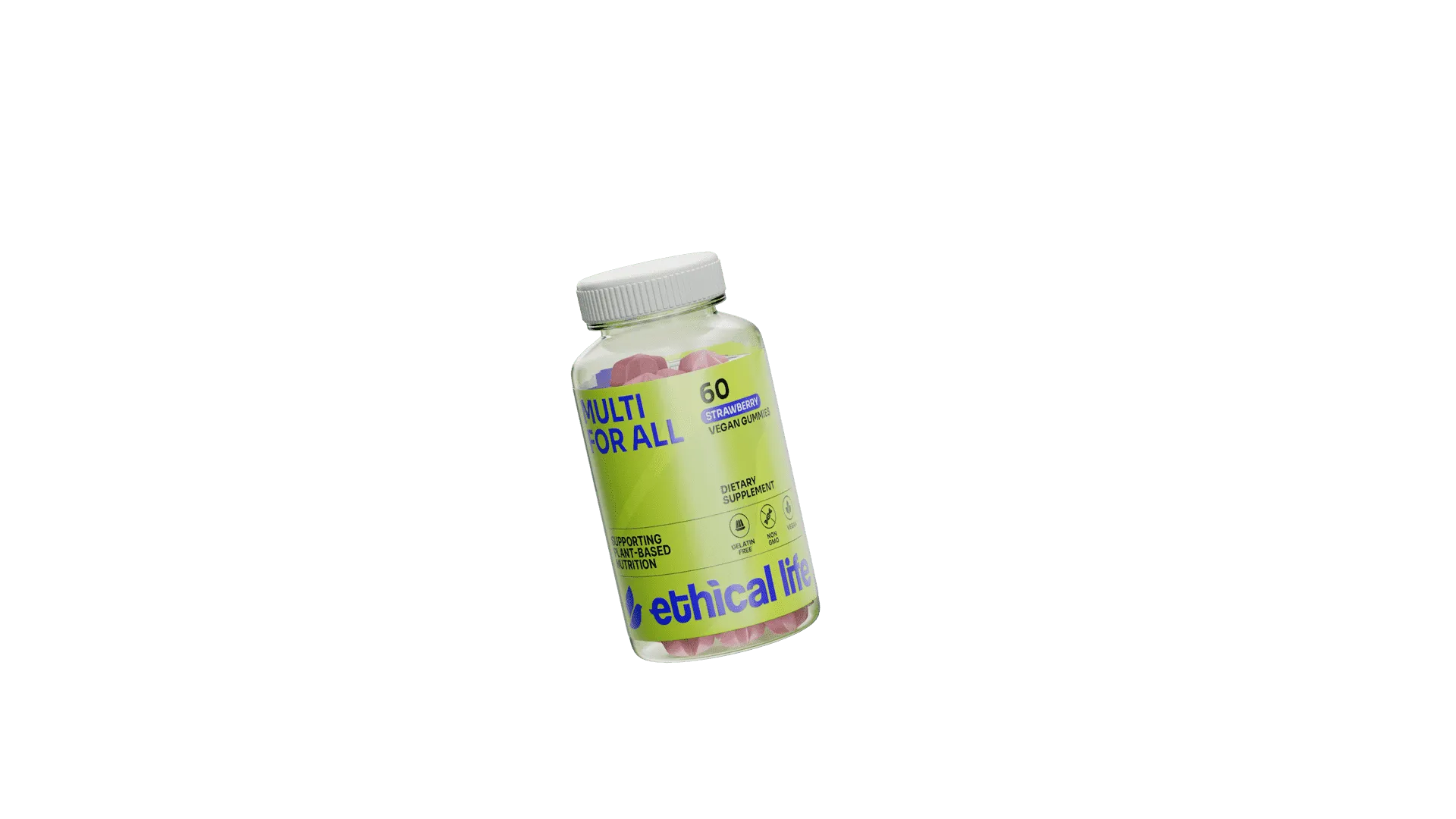
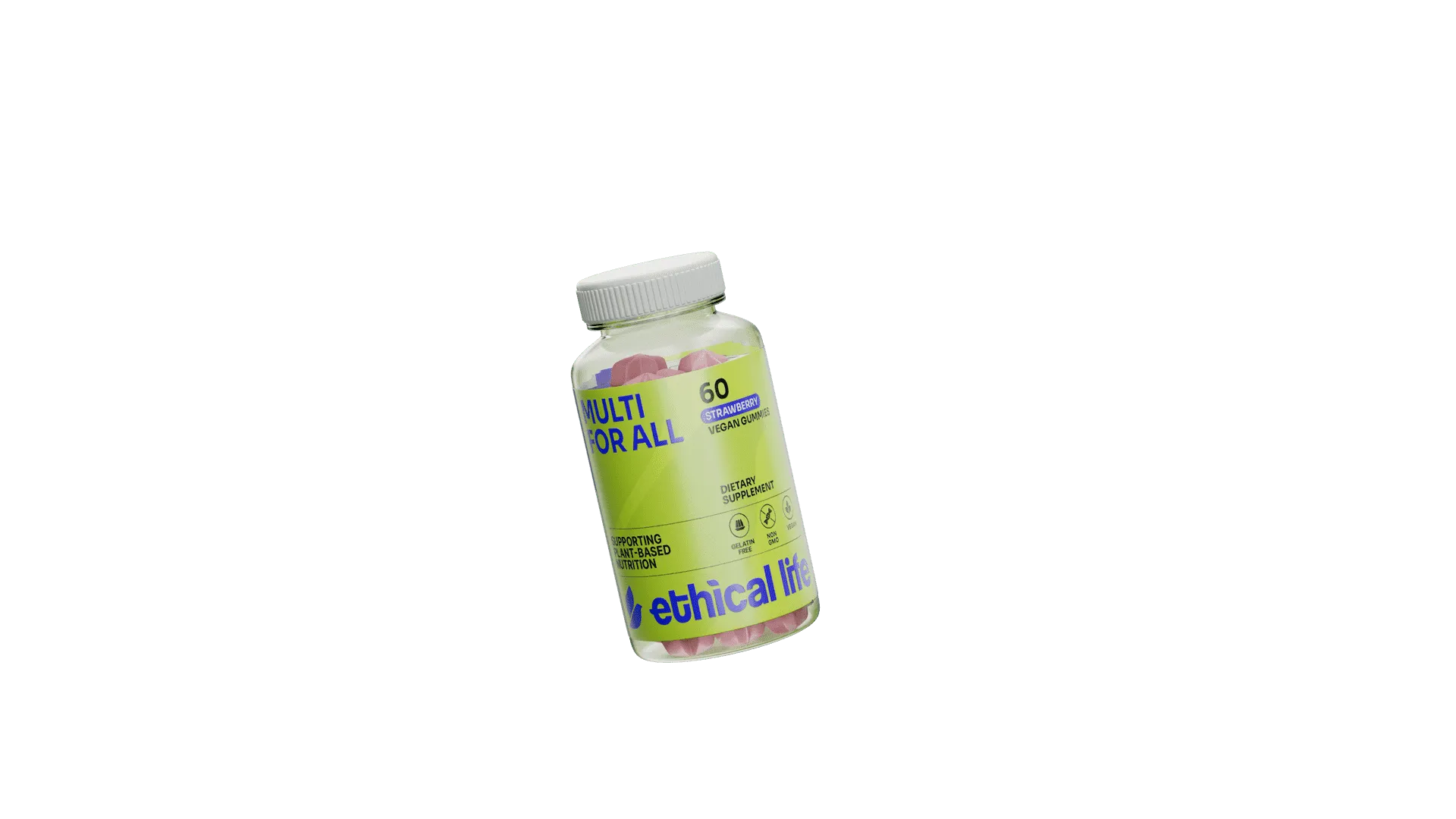
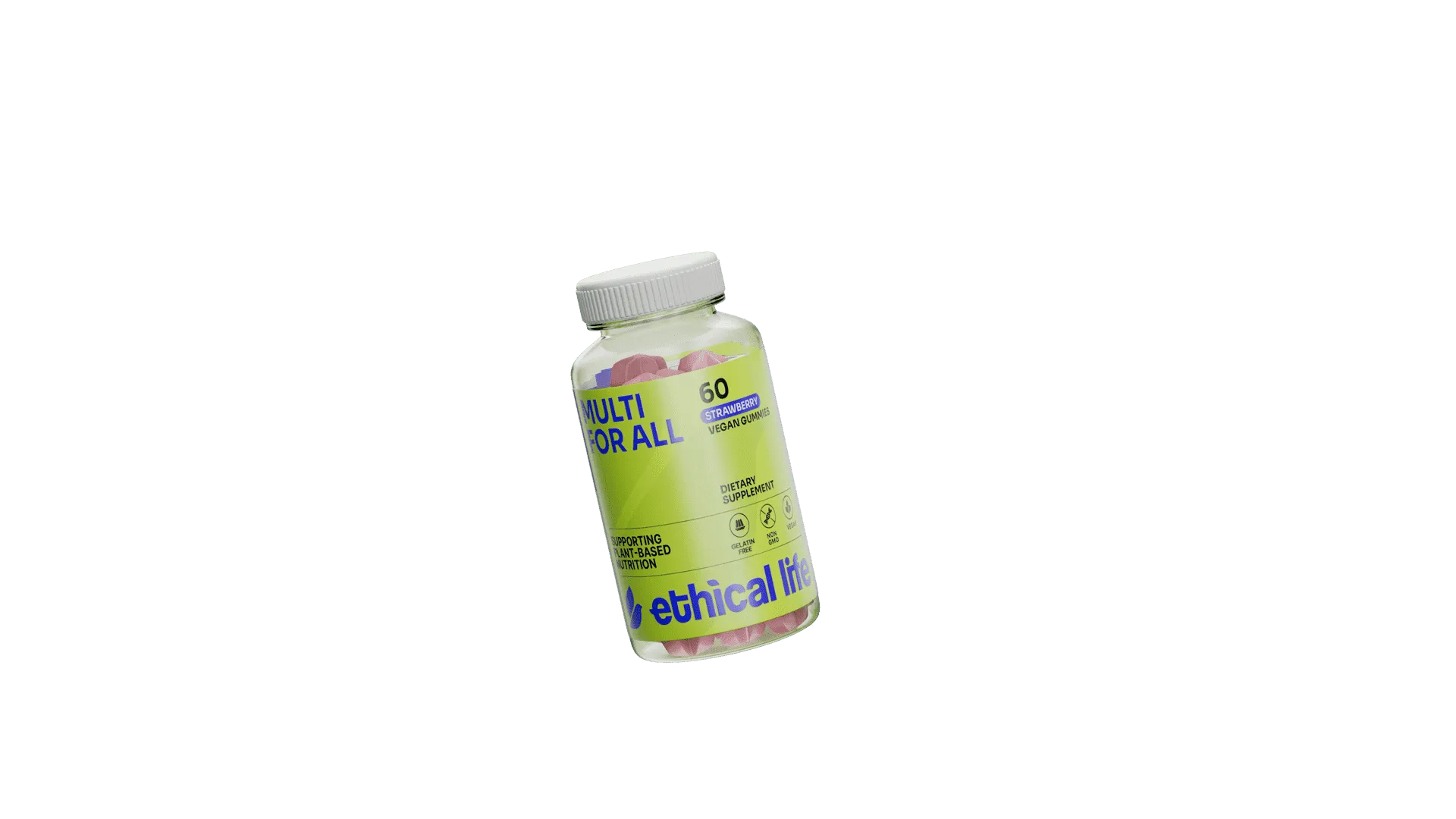
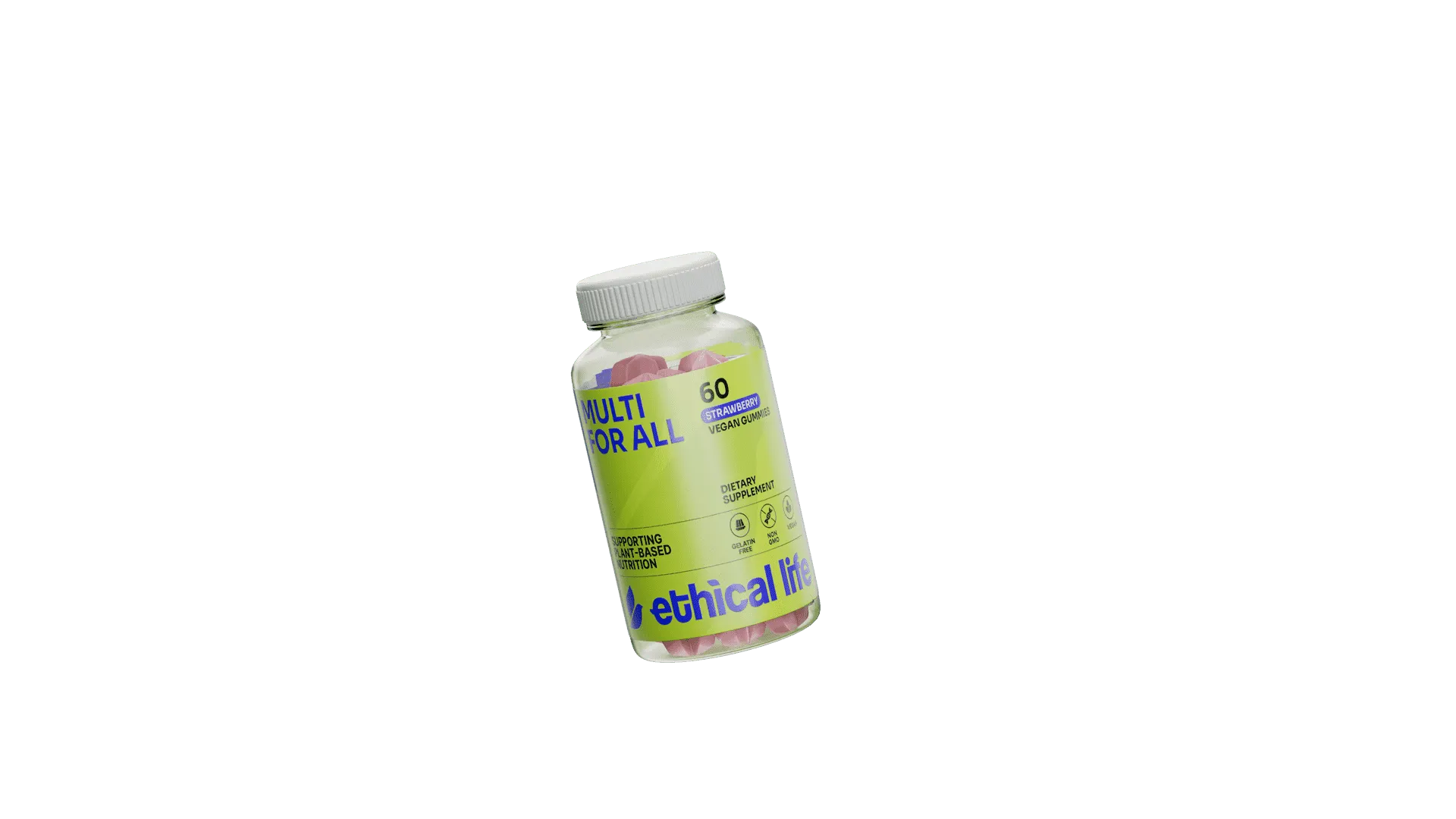
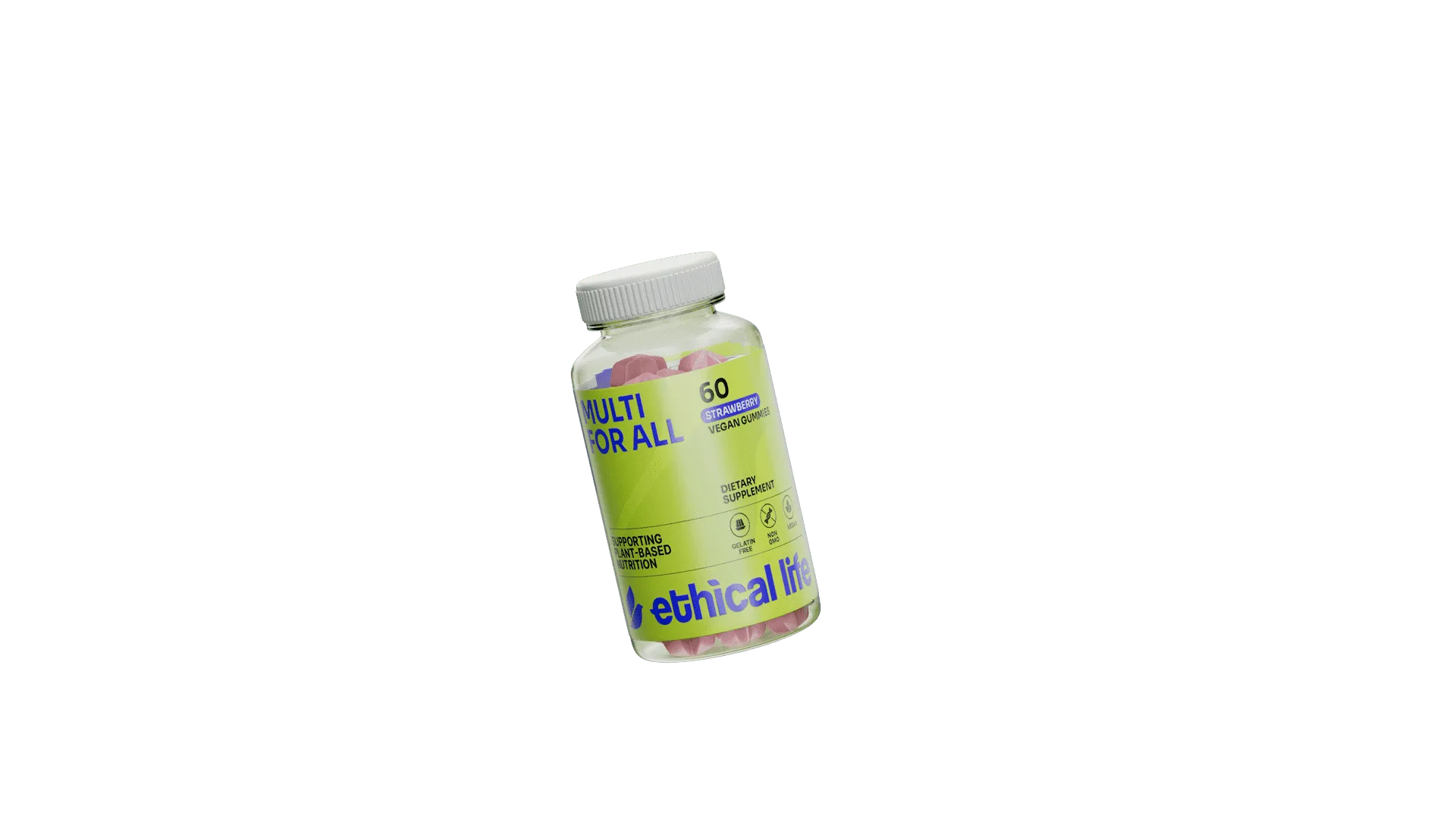
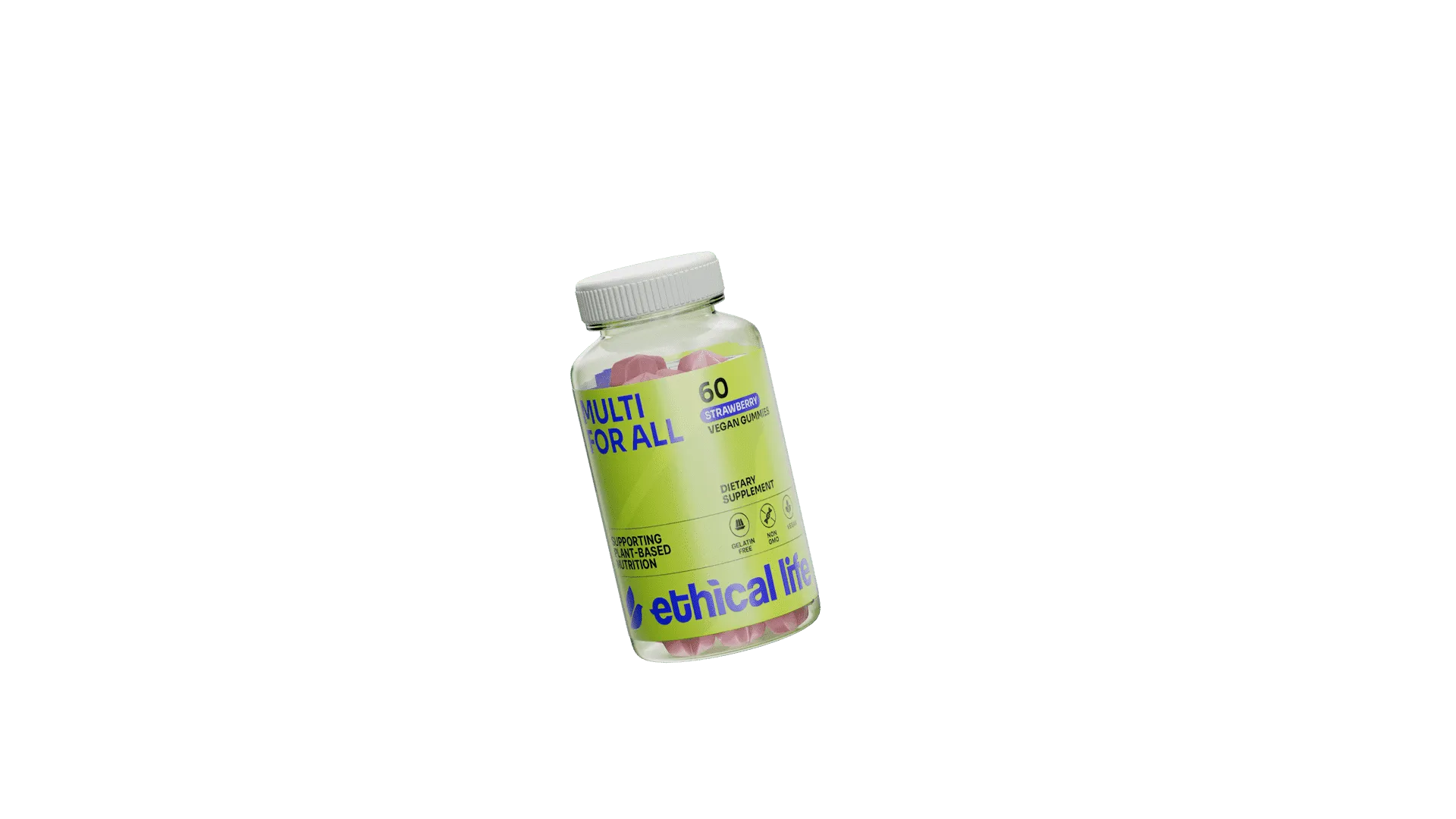
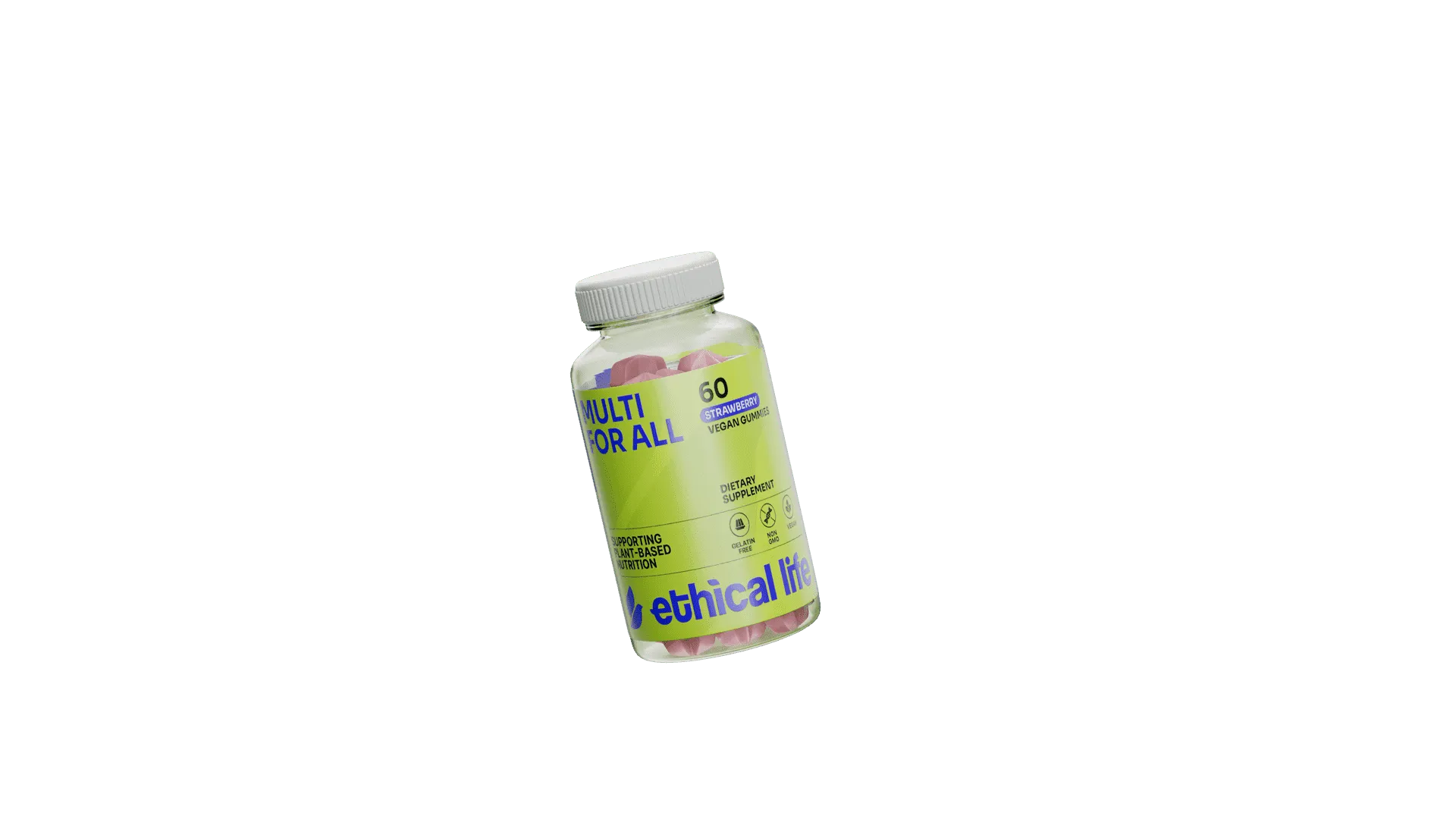
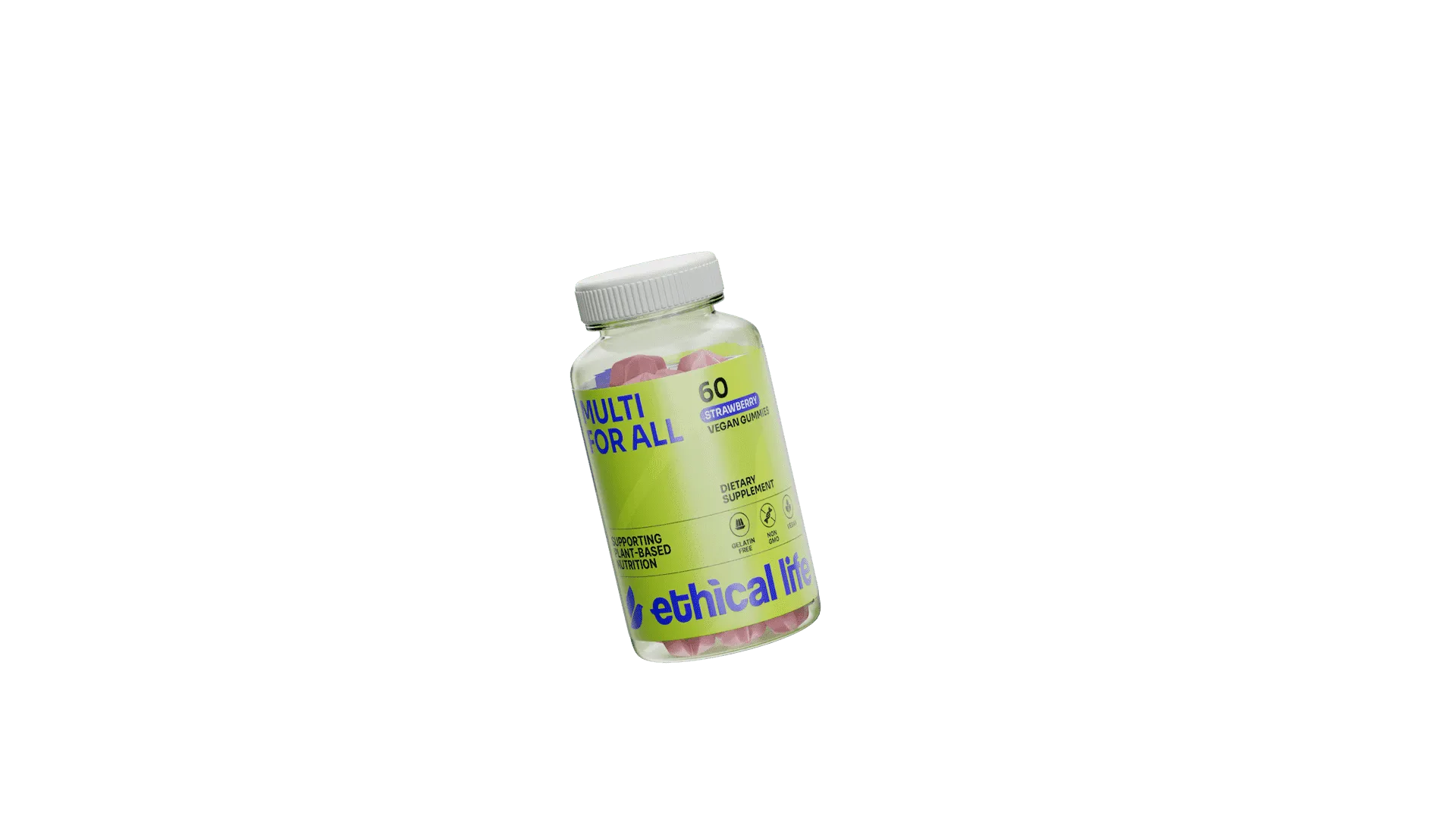
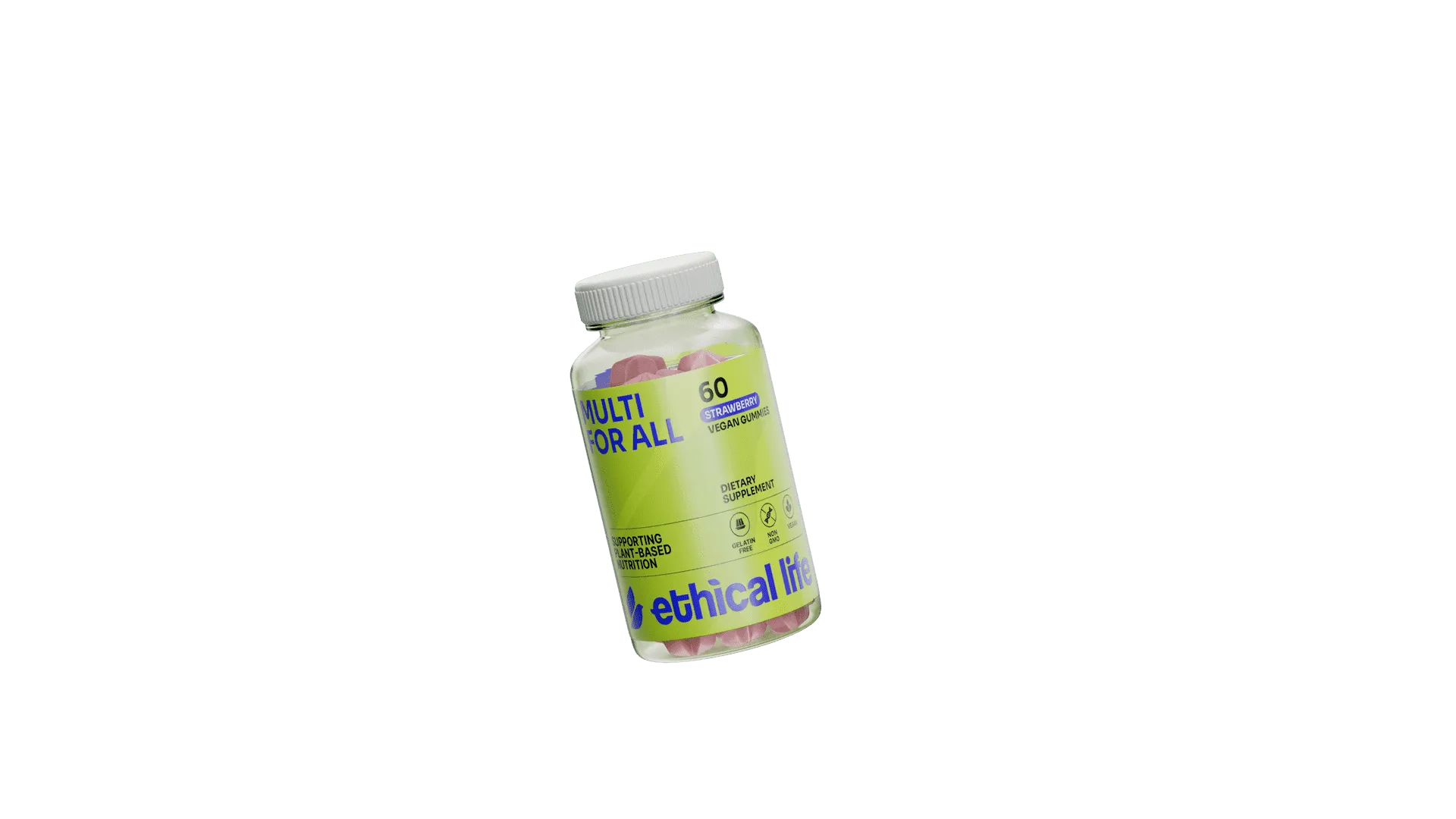
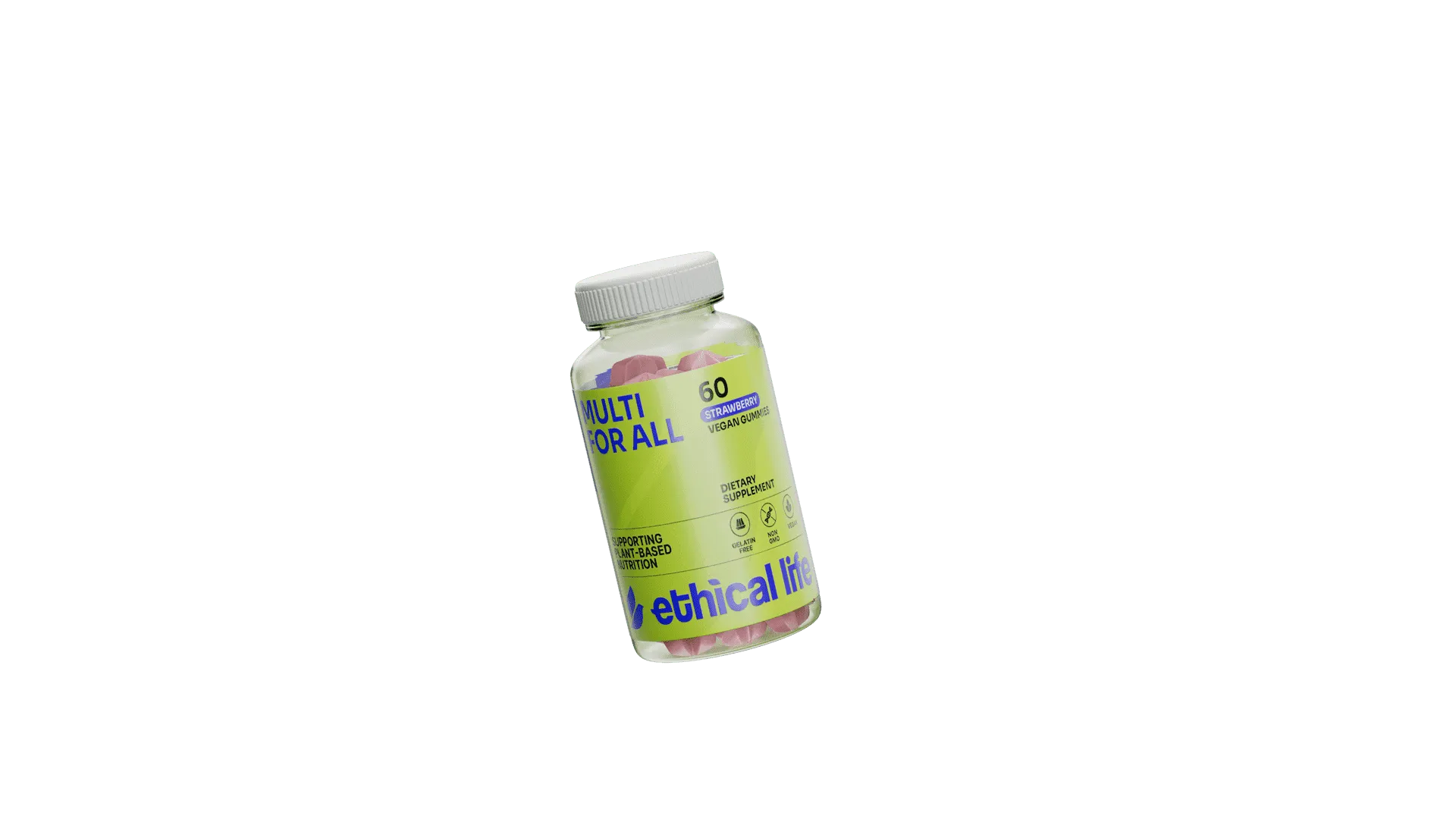
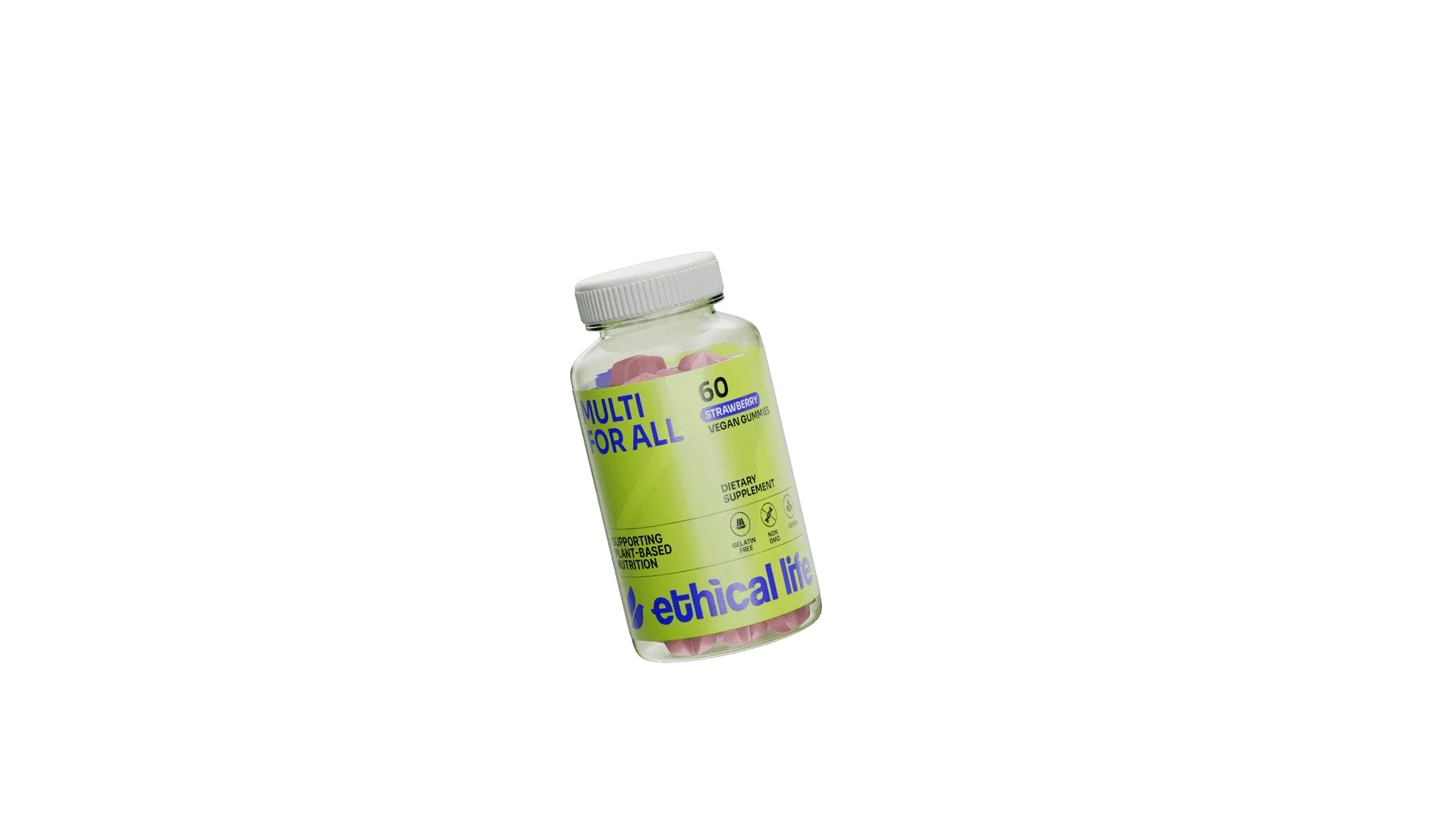
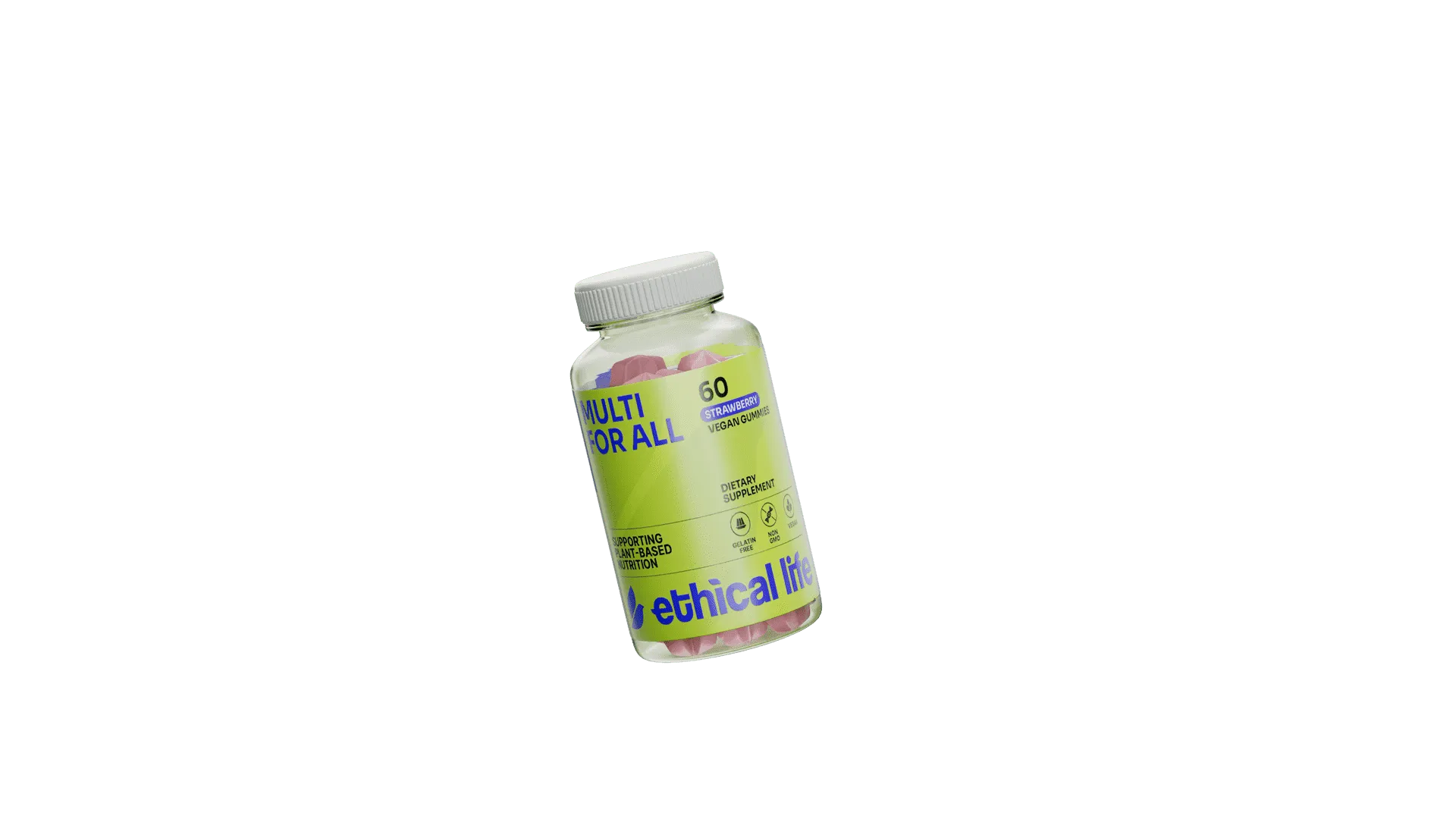
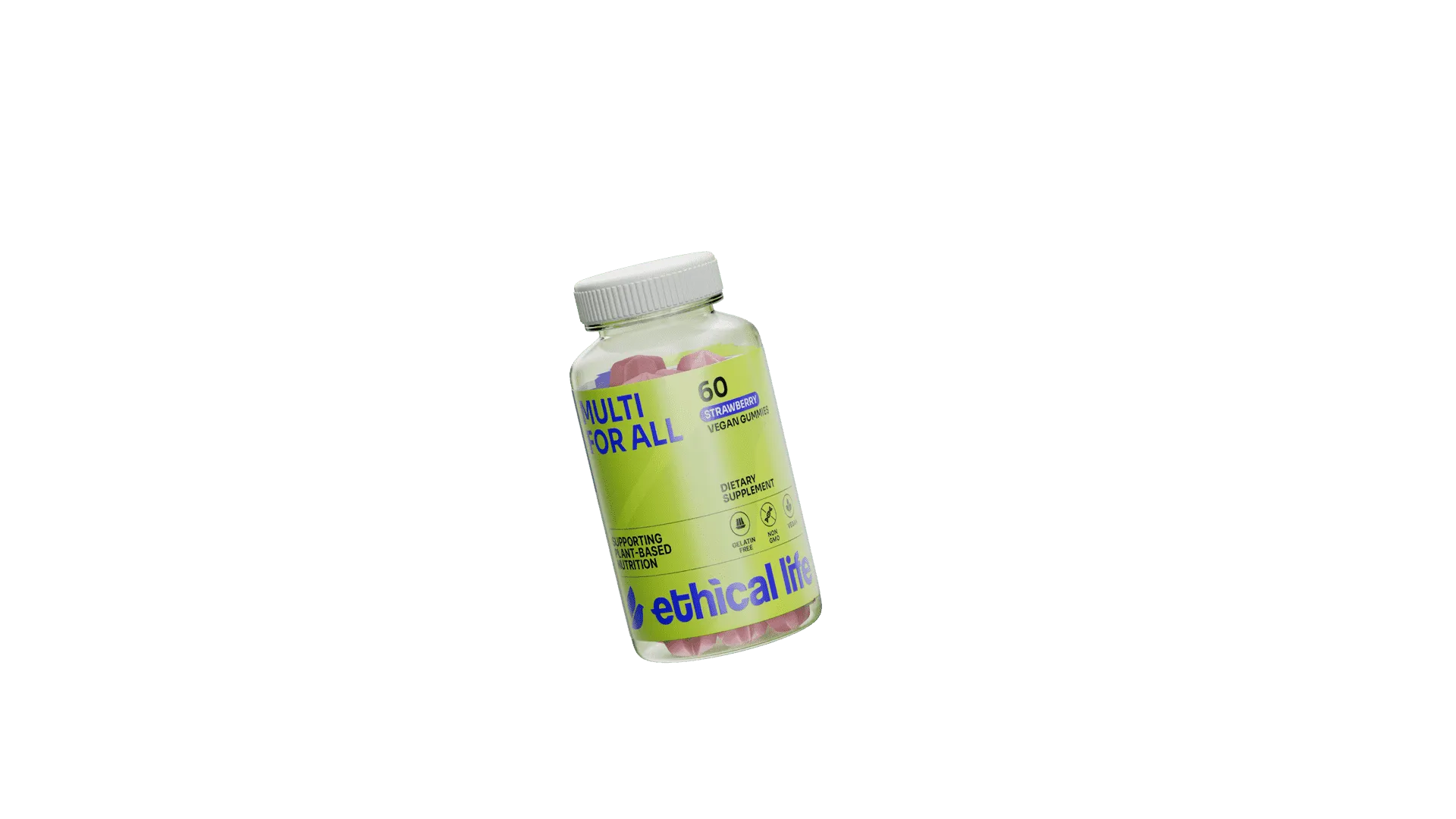
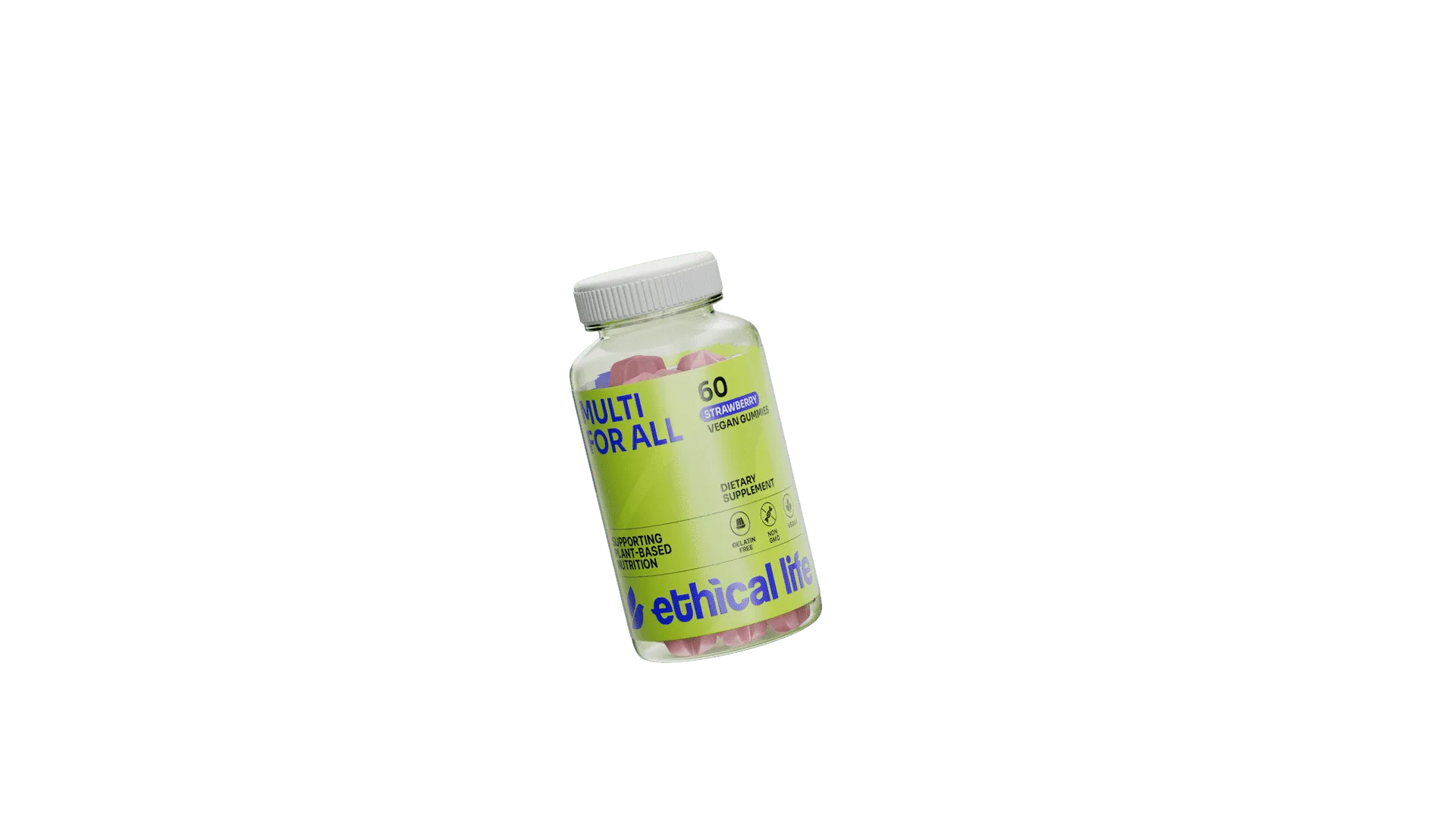
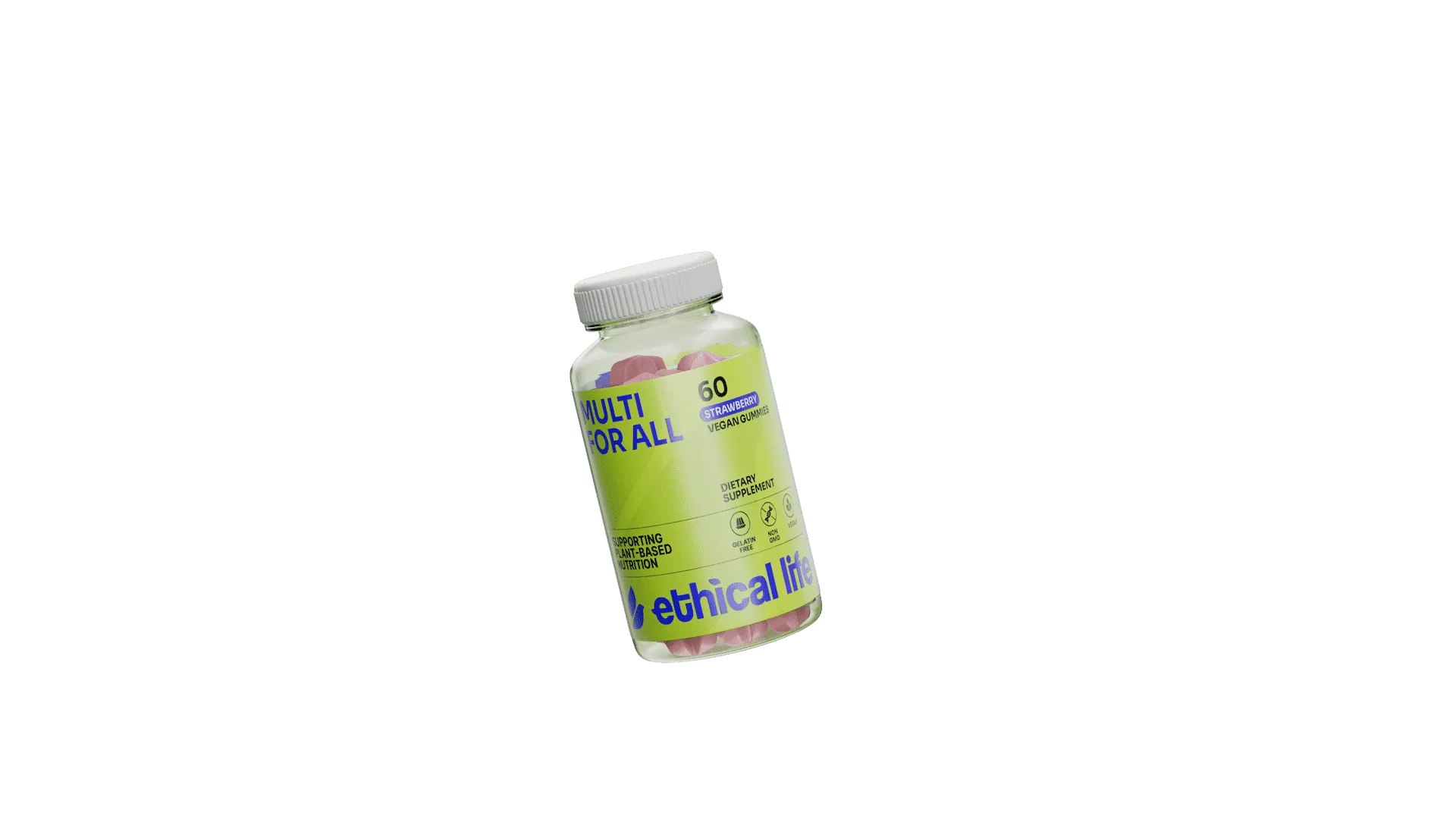
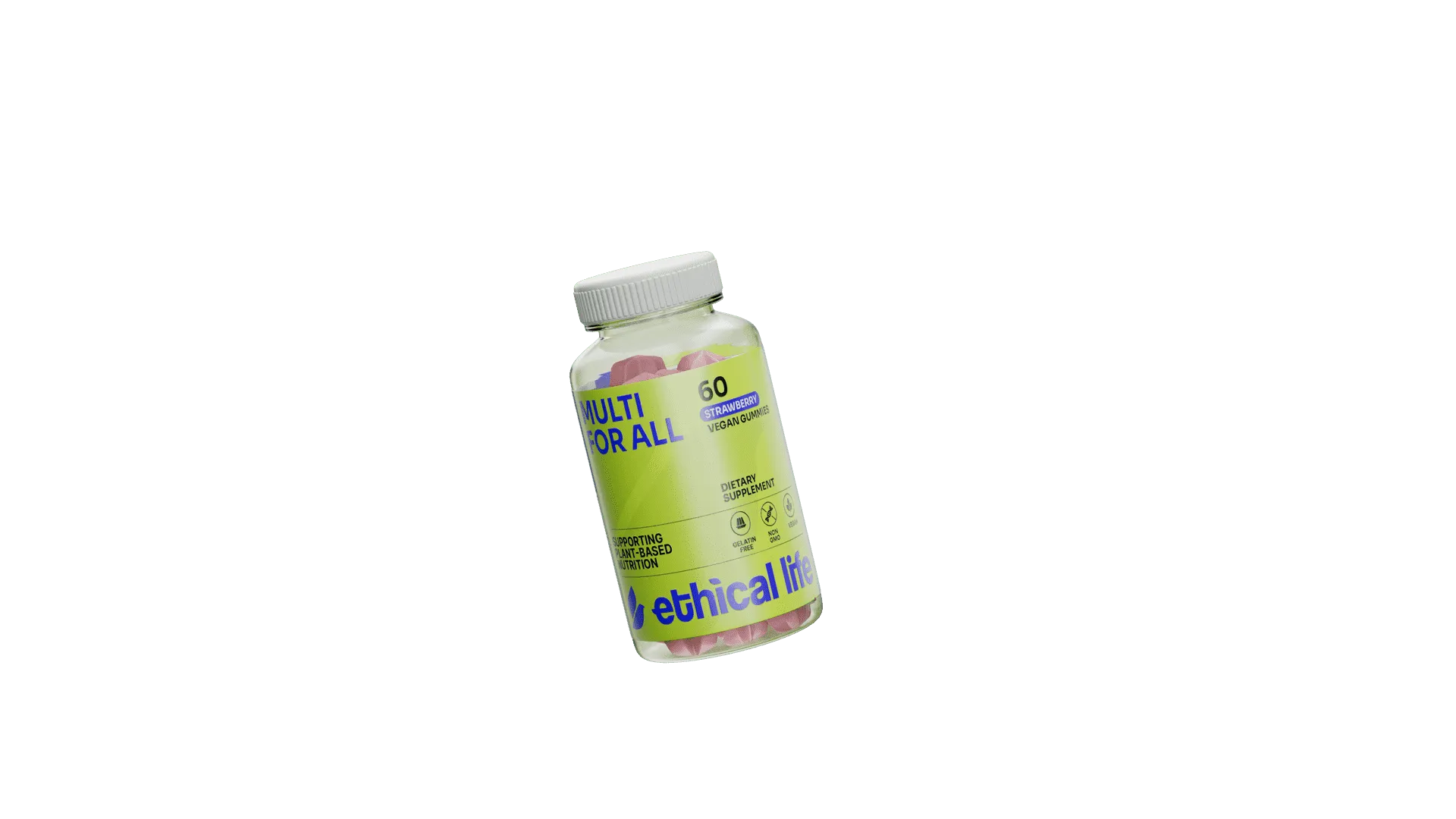
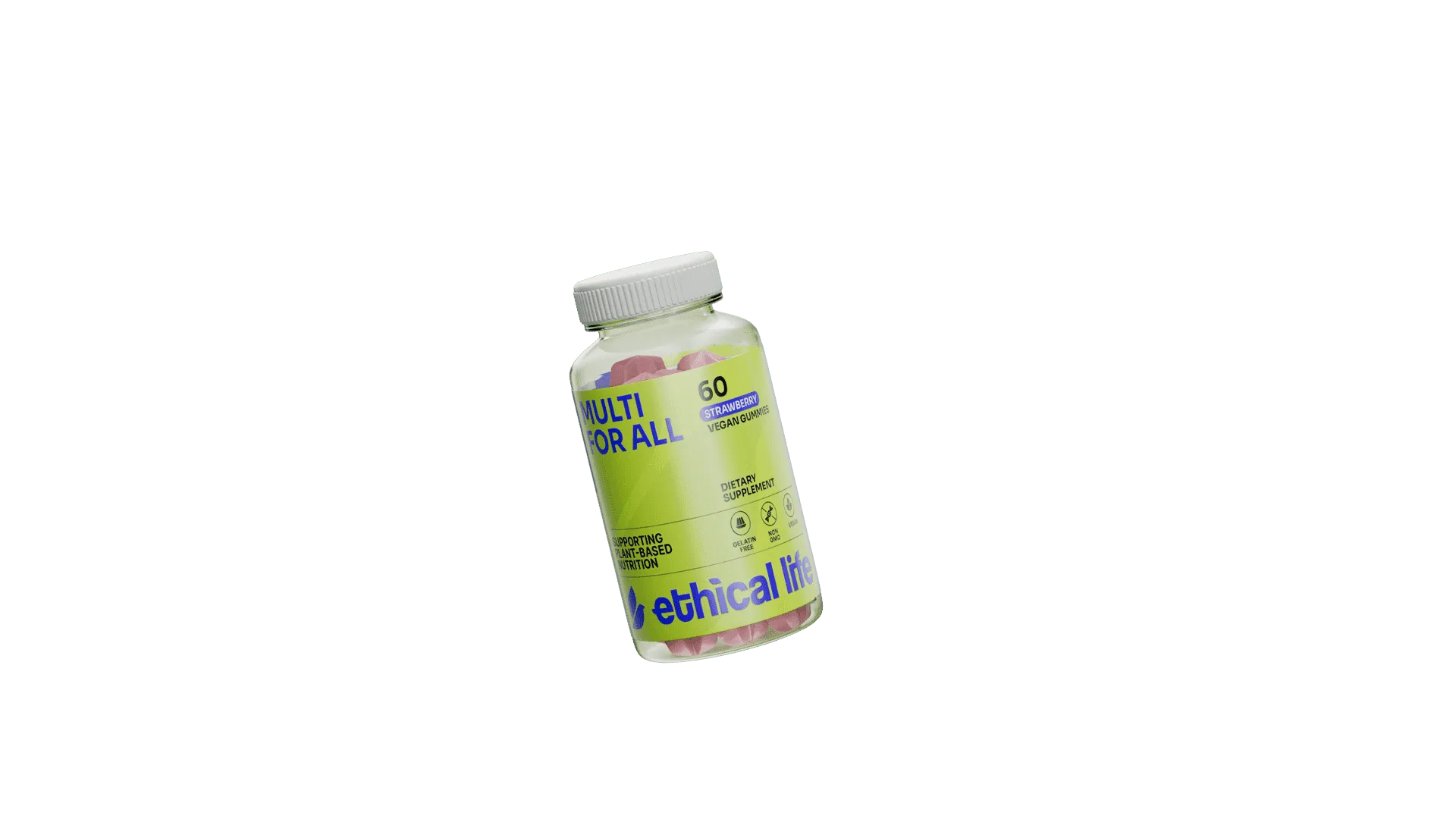
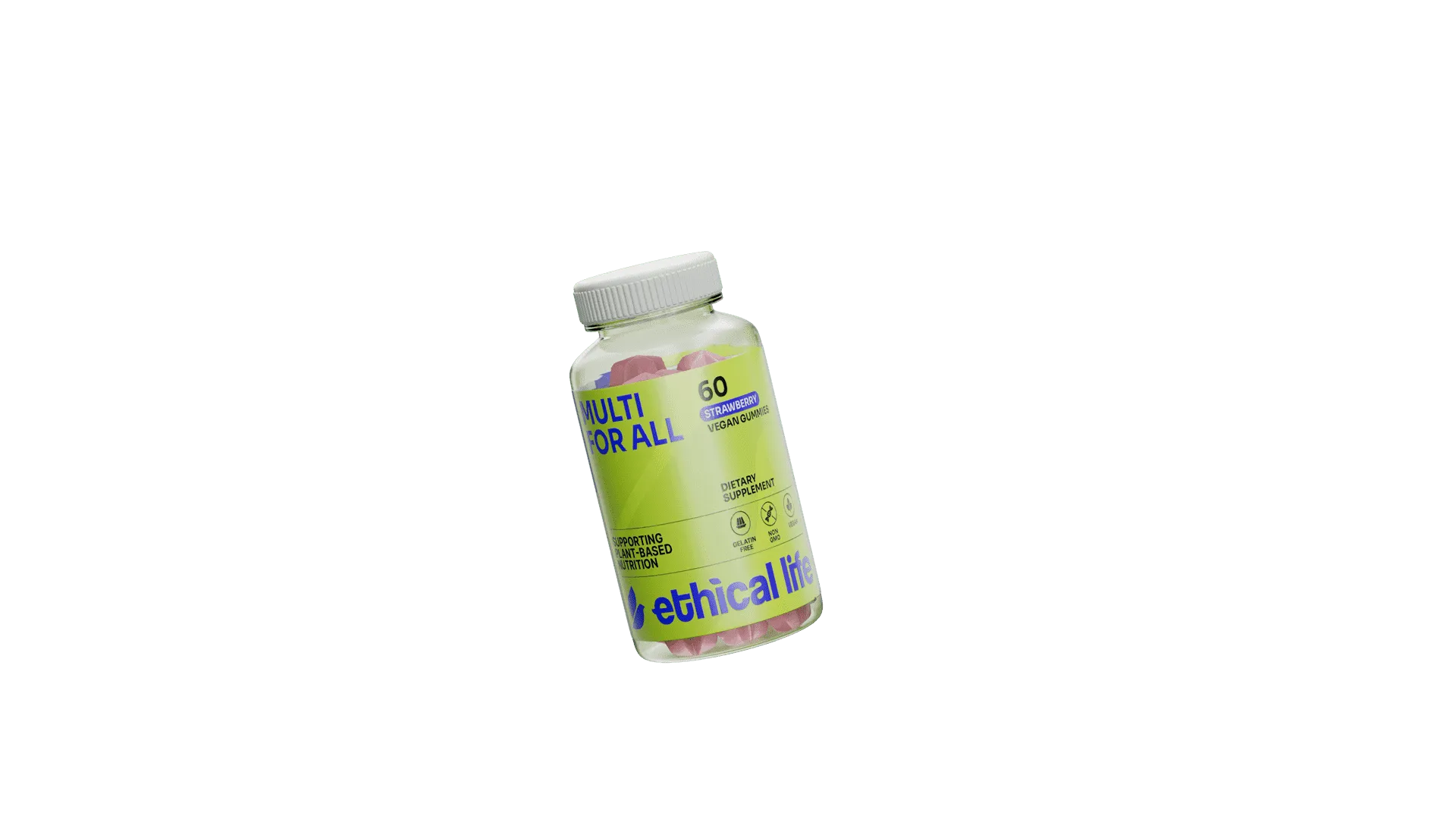
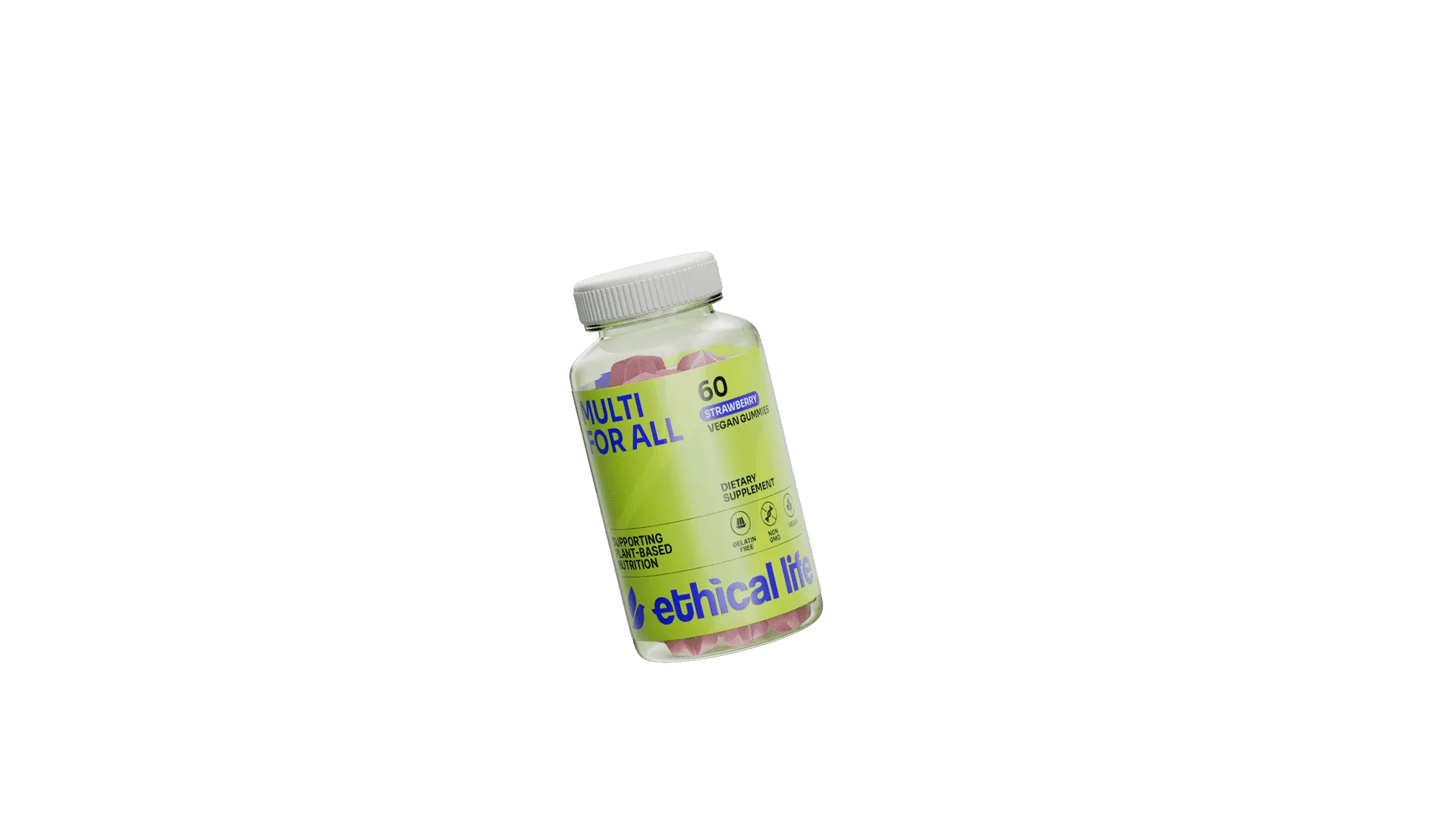
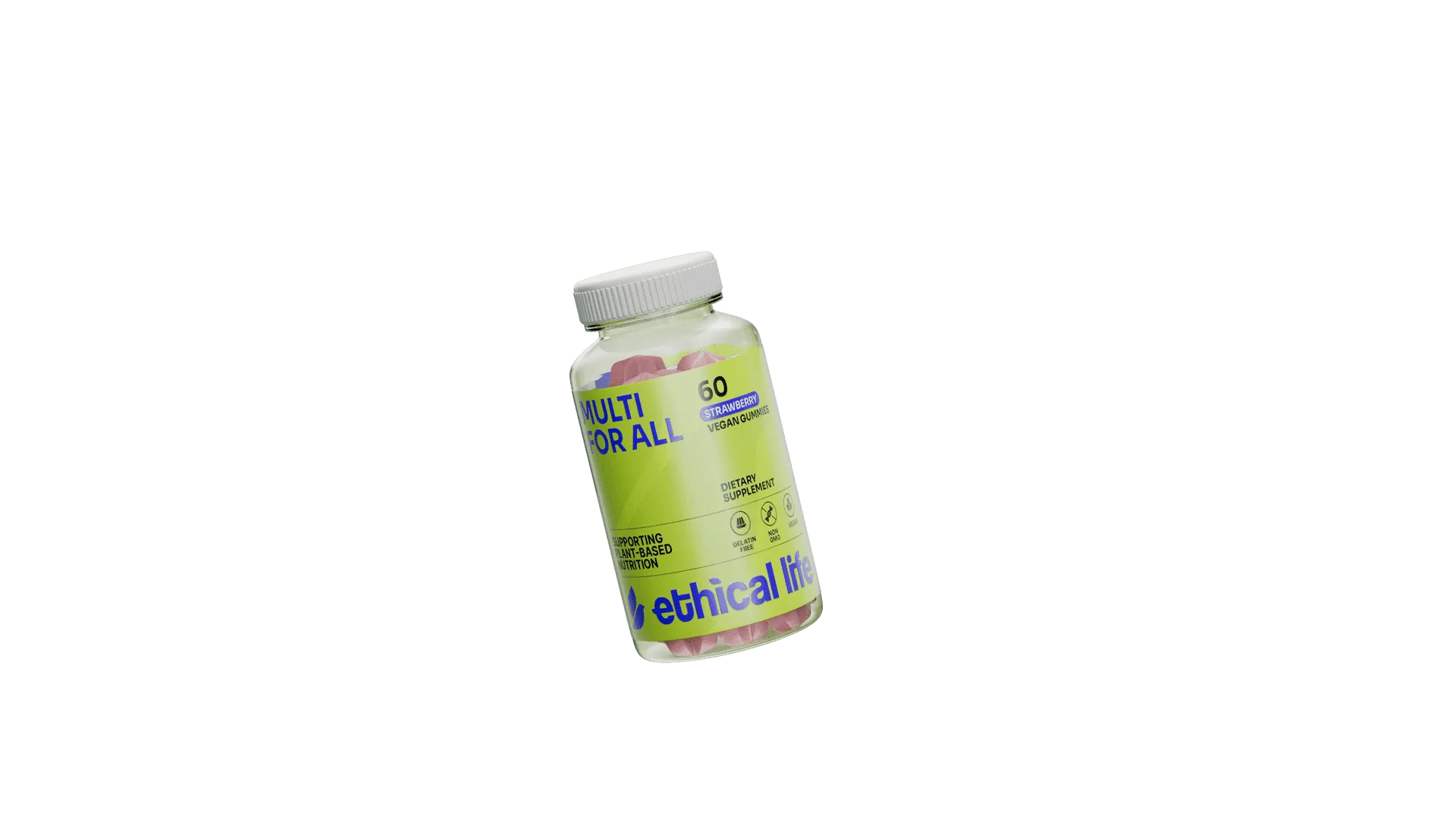
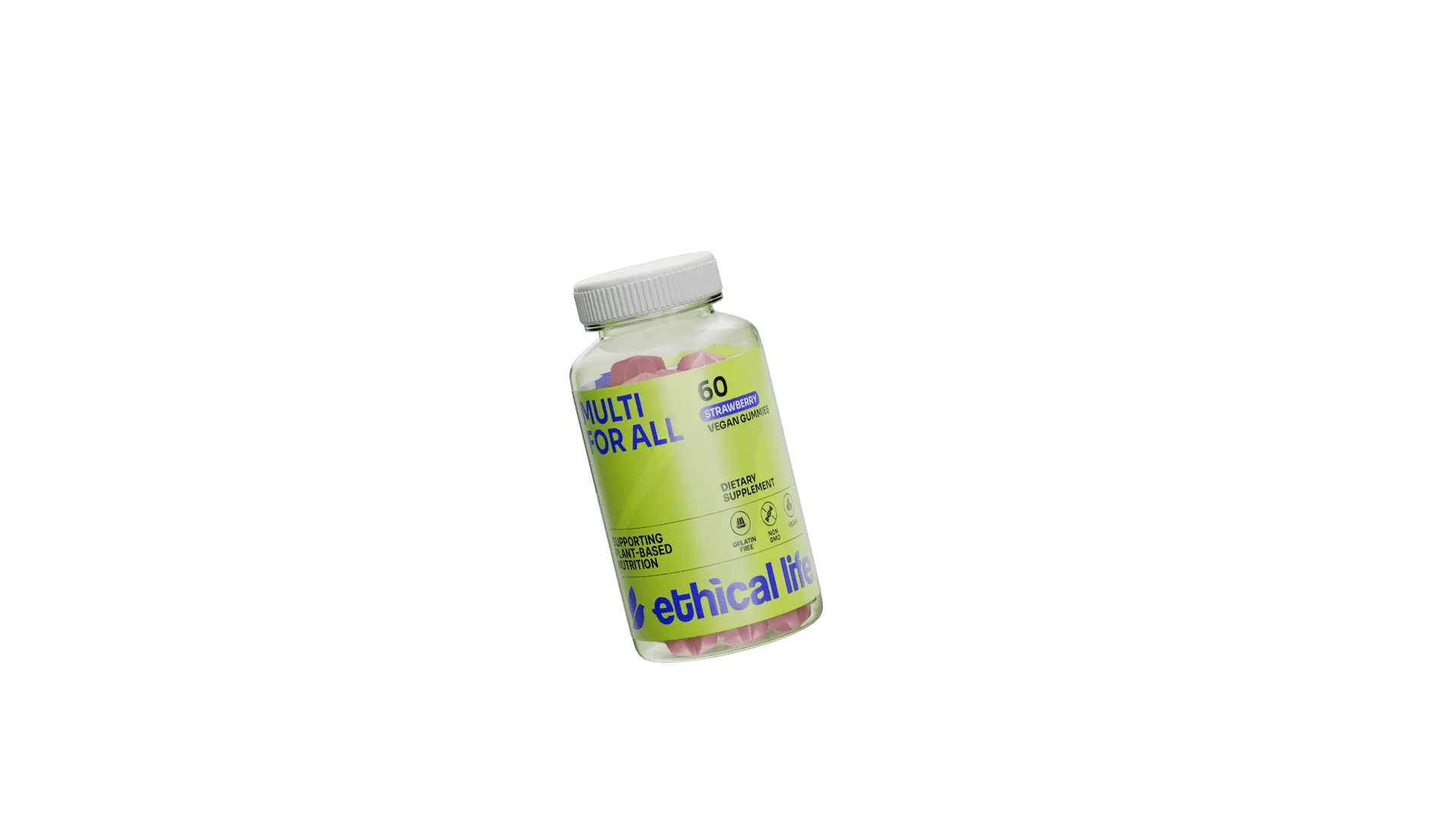
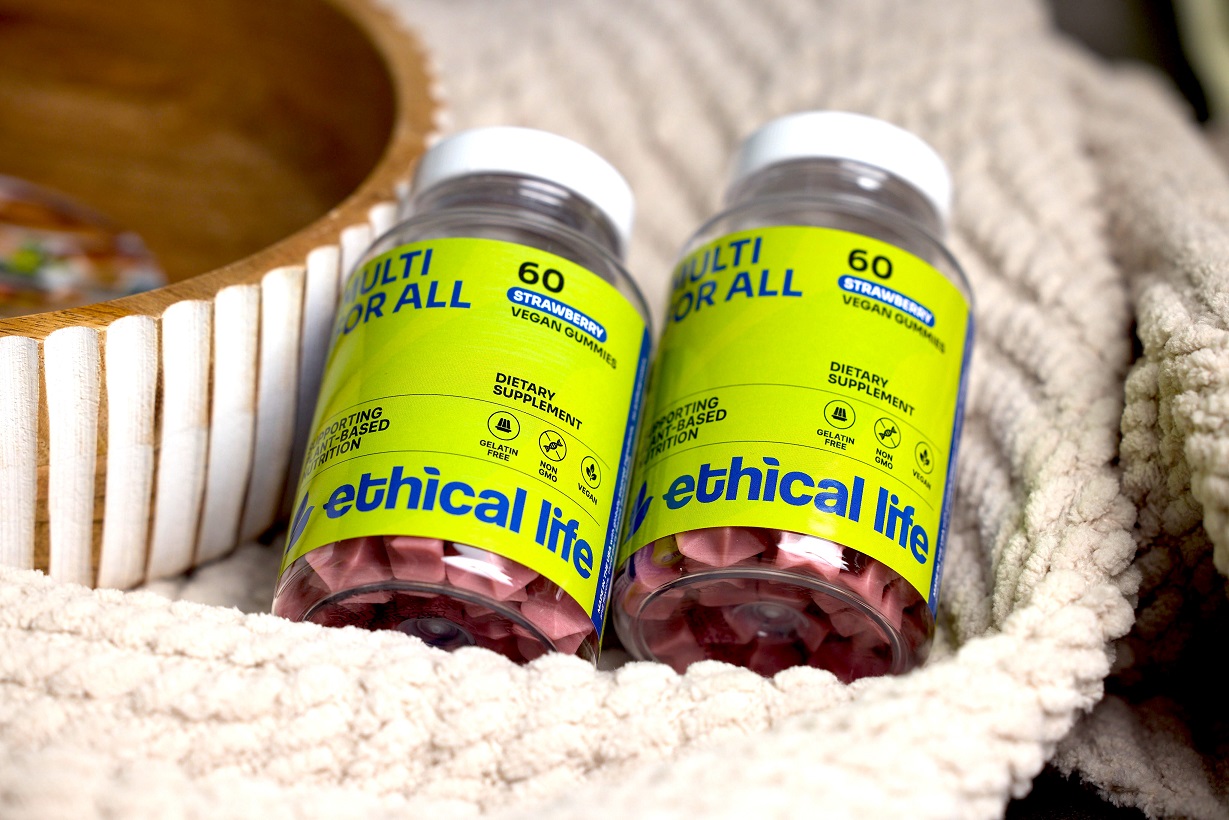
If you’re looking for a clean, reliable way to maintain your daily B7 intake without resorting to high-dose synthetic megadoses that carry their own clinical risks, Ethical Life’s Multi For All vegan multivitamin gummies offer a pharmacist-formulated, balanced daily-value approach. The formula is 100% vegan, pectin-based rather than gelatin-derived, non-GMO, and third-party tested. A monthly subscription runs $31.49 / month, or $89.97 / 3 months on a three-month plan.
Who Is Most at Risk?
Certain physiological states and medical histories create conditions where biotin depletion is not just possible but predictable. Identifying which category you fall into matters more than generic supplementation advice. Risk is not uniform.
Pregnant and lactating individuals face the most well-documented population-level risk. During gestation, the body accelerates biotin catabolism to meet the demands of rapid cell division and fetal accumulation of the vitamin. The result is that marginal biotin deficiency affects approximately 50% of pregnant women during normal, otherwise healthy pregnancies, a figure that holds even when dietary intake appears adequate. Lactation further increases requirements. Given how dramatically pregnancy reshapes the body’s demand for essential vitamins and minerals, biotin is rarely the only micronutrient under pressure, which is why prenatal nutrition strategies need to account for the full micronutrient picture rather than single-nutrient supplementation (NIH StatPearls).
Individuals receiving total parenteral nutrition without biotin formulation are at direct risk, as are those with chronic gastrointestinal conditions, with Crohn’s disease and celiac disease being the most common, that impair nutrient absorption at the intestinal level. Chronic liver disease, particularly cirrhosis, adds another layer of vulnerability by impairing serum biotinidase activity, which disrupts the recycling mechanism even when dietary intake is present. For these populations, maintaining a consistent, highly bioavailable source of daily nutrients moves from a wellness preference to a clinical necessity.
“I’m a doctor of pharmacy, certified plant-based nutritionist with over 30 years of experience, and vegan for 12 years. Caring for others has taught me one thing: living an ethical life is not only possible but is absolutely thriving! Small daily choices shape our lifelong health, the lives of animals, and our planet.” – Sepideh, Pharm.D.
Biotin Deficiency in Pregnancy and Specific Life Stages
The pregnancy risk deserves more than a line item in a risk-factor list. The stakes are high. During gestation, a woman’s body is not simply consuming more biotin; it is actively catabolizing it at an accelerated rate to support the rapid pace of cell division required for fetal development. The fetus accumulates biotin preferentially, which means maternal levels can decline even when intake hasn’t changed.
Whether marginal deficiency raises teratogenic risk in human pregnancies is still an open question, and that uncertainty is worth acknowledging rather than papering over. What the data does show, according to a PMC study on biotin deficiency in pregnancy, is that orofacial clefts and similar fetal malformations affect approximately 1 in every 1,000 births in the United States, or roughly 6,800 infants annually, and that the high prevalence of marginal biotin deficiency during gestation makes it a relevant variable in prenatal nutrition planning. Because approximately 50% of pregnant women show biochemical markers of marginal deficiency, many clinical experts advocate for ensuring adequate daily biotin intake through diet or supplementation rather than waiting for symptoms to emerge.
Ethical Life’s Multi For All gummies were formulated by a doctor of pharmacy with precisely these everyday demands in mind: the pregnant woman managing a dozen competing nutritional priorities, the busy person who needs a clean daily baseline without synthetic fillers or animal-derived gelatin. Ethical Life vegan gummies are made with pectin, apple juice, and natural flavors, and carry no artificial additives.
“I’ve been taking the Ethical Life Vegan Gummies for several weeks now, and they’ve been great. They taste good (not too sweet), and it’s nice knowing they’re actually vegan and made with clean ingredients like pectin, apple juice, and natural strawberry flavor. The mix of vitamins helps with energy, immunity, and overall wellness, which I’ve definitely noticed in my daily routine. I also like that they were created by a pharmacist, which gives me extra confidence in the quality and thought behind the formula. Just a solid, easy way to get my vitamins (and knowing it’s without any added junk)!” – Tom O
How to Identify and Diagnose Biotin Deficiency
One of the more frustrating aspects of biotin deficiency is that the most apparent diagnostic tool, a blood test, often fails to detect it. Clinicians who understand biotin metabolism know to look elsewhere. Standard tests fall short.
Serum Biotin Levels
Blood biotin concentrations are not reliable indicators of marginal deficiency. Levels can remain within the normal reference range while carboxylase activity is already compromised at the cellular level. Relying on serum levels alone will miss a meaningful proportion of genuine cases (NIH StatPearls).
3-Hydroxyisovaleric Acid (3HIA) Excretion
The most validated marker of biotin deficiency is elevated urinary excretion of 3-hydroxyisovaleric acid, a metabolite that accumulates when beta-methylcrotonyl-CoA carboxylase activity declines. Levels above 195 micromol per 24 hours are considered diagnostic of deficiency (NIH StatPearls).
Propionyl-CoA Carboxylase Activity
Decreased activity of propionyl-CoA carboxylase (PCC) in peripheral blood lymphocytes is a sensitive and well-validated functional marker of marginal biotin status, which is more informative than serum levels for detecting subclinical depletion.
Newborn Screening
In the United States, biotinidase deficiency is included in newborn screening programs across all 50 states, enabling diagnosis and treatment initiation before any symptoms develop. Early identification is critical because untreated biotinidase deficiency carries serious neurological consequences that are entirely preventable with lifelong oral biotin therapy (NIH StatPearls).
Treatment and Dietary Sources of Vitamin B7
For acquired biotin deficiency, the initial intervention is direct: restore dietary intake and, where necessary, supplement with oral biotin. The established Adequate Intake for biotin in healthy adults is 30 mcg per day, a figure derived from limited estimates rather than rigorous dose-response trials, which reflects how understudied biotin nutrition remains compared to other B vitamins (NIH StatPearls).
Whole-food sources with meaningful biotin content include almonds, peanuts, walnuts, sunflower seeds, soybeans, sweet potatoes, whole grains, bananas, and cauliflower. Dietary variety is key. Variety matters here because biotin bioavailability differs significantly across food matrices, and the mechanisms governing how much protein-bound biotin gets hydrolyzed and absorbed in different foods are not yet fully characterized. For individuals with documented deficiency or confirmed biotinidase deficiency, therapeutic oral doses are highly effective and well-tolerated under medical supervision; the water-soluble nature of the vitamin means excess is cleared renally rather than accumulating in tissue.

Biotin Overdose and Allergy Symptoms
Because biotin is water-soluble, the body clears excess amounts through urine, and true toxicity from dietary or supplemental intake is essentially unheard of. That physiological safety margin, however, has been used to justify the megadose products, specifically 5,000 to 10,000 mcg capsules, that now dominate the supplement aisle, and those doses carry a specific clinical hazard that has nothing to do with toxicity.
High-dose biotin interferes with laboratory immunoassays that use biotin-streptavidin binding technology, which is the detection mechanism underlying a wide range of routine clinical tests. The interference can produce falsely elevated or falsely suppressed results in thyroid function panels, including free T4, free T3, and TSH, and in cardiac troponin assays used to diagnose myocardial infarction. A patient taking 10,000 mcg of biotin daily who presents to an emergency department with chest pain could receive a falsely reassuring troponin result. That’s not a theoretical risk; it’s a documented clinical problem that has prompted FDA safety communications (NIH StatPearls). The consequences can be severe. Biotin allergy symptoms are rare but can manifest as mild skin rashes, hives, or gastrointestinal upset in sensitive individuals. Staying within a balanced daily-value formulation eliminates both the diagnostic interference risk and the allergy exposure.
Frequently Asked Questions About Biotin Levels
What foods are high in biotin?
Foods with significant biotin content include nuts and seeds, including almonds, peanuts, walnuts, and sunflower seeds, soybeans, sweet potatoes, whole grains, bananas, and cauliflower. Incorporating a variety of these whole foods into your daily diet supports healthy biotin levels without the risks associated with high-dose supplementation.
Is biotin just vitamin B12?
Biotin and vitamin B12 are two entirely separate B-complex vitamins with distinct biochemical roles. Biotin is vitamin B7, functioning primarily as a coenzyme for carboxylase enzymes involved in fatty acid synthesis and macronutrient metabolism. Vitamin B12 (cobalamin) drives red blood cell formation, neurological function, and DNA synthesis. They are found in different dietary sources and serve different physiological purposes; conflating them is a common misconception that can lead to supplementing the wrong nutrient.
Can vitamin B deficiency cause dry lips?
Yes. Deficiencies in B2 (riboflavin), B3 (niacin), B6 (pyridoxine), and B12 (cobalamin) can all produce dryness, cracking, and painful inflammation at the corners of the mouth, a condition clinically termed angular cheilitis. Biotin deficiency produces its own distinct perioral rash, but the cracked-lip presentation is more specifically associated with the riboflavin and pyridoxine deficiencies.
What do you crave when your B12 is low?
There is no direct scientific evidence establishing that B12 deficiency triggers specific food cravings. Some people with low B12 report cravings, but whether that reflects a genuine physiological signal or a learned association is not established in the literature. Because B12 originates from bacteria rather than from plants or animals directly, the most reliable sources are fortified foods and a daily supplement.
What are the facial signs of B12 deficiency?
Facial signs of vitamin B12 deficiency can include pale or slightly jaundiced (yellowish) skin tone, a smooth, swollen, or abnormally red tongue (glossitis), and inflammation or cracking at the corners of the mouth. These signs overlap with deficiencies in other B vitamins, which is why clinical evaluation rather than self-diagnosis is the appropriate response when multiple signs appear together.
Understanding the signs of biotin deficiency is the first step toward reclaiming your daily vitality and supporting your hair, skin, and metabolic health. Knowledge is power. Rather than overwhelming your system with unnecessary high-dose synthetic megadoses that can disrupt critical medical tests, the safest path to long-term wellness lies in making small, consistent daily choices. By nourishing your body with a clean, balanced, and pharmacist-formulated multivitamin, you can fill nutritional gaps while staying true to your ethical and plant-based values.
Take a proactive, balanced step toward your daily health with Ethical Life’s Multi For All Vegan Gummies: pharmacist-formulated, 100% vegan, pectin-based, and made in the USA. Visit the Ethical Life Vegan Gummies Checkout to secure your supply.
“I have probably written 4 reviews in my life, and Ethical Life vitamins are something that I think are worth writing about. The taste is amazing. I actually look forward to taking them every day. It’s also formulated by a pharmacist, so she knows what she’s talking about. I strongly recommend it; you won’t be disappointed.” – Hannah