











































































































































































































































































































































































Symptoms You Shouldn’t Ignore
If you’re feeling tired all the time, you’re not alone, and there’s a clinical reason. Persistent fatigue, a strange tingling in your hands, or a mental fog that won’t lift are not random disruptions. They are your body’s earliest signals that something specific is missing deep within your nervous system.
As a doctor of pharmacy and certified plant-based nutritionist with over 30 years of experience, Sepideh Ghasemian built Ethical Life around one core insight: most people experiencing these symptoms never connect them to a single, correctable nutritional gap. Vitamin B12 deficiency is common, underdiagnosed, and entirely addressable: but only if you know what to look for.
Vitamin B12 (cobalamin) is an essential water-soluble micronutrient that drives three processes your body cannot afford to shortcut: red blood cell production (erythropoiesis), DNA synthesis, and the maintenance of the myelin sheath that protects your central and peripheral nervous systems. Think of it as the fuel that keeps your body’s oxygen delivery system running smoothly, acting as the insulation that keeps your neurological signals from crossing wires.
This guide covers:
- The primary physiological roles of B12 and why they matter.
- How to recognize early warning signs before they escalate.
- Why plant-based diets require consistent supplementation.
- A detailed vitamins and nutrients guide to help you understand how B12 fits into your overall health routine.
What Causes Vitamin B12 Deficiency?
Deficiency rarely has a single cause. It develops along several distinct pathways: dietary, autoimmune, and pharmacological. Understanding which one applies to you is the first step toward addressing it effectively.
Medication and Lifestyle Factors
Long-term use of metformin, proton pump inhibitors (PPIs), and H2 receptor antagonists all reduce B12 absorption by lowering stomach acid or directly impairing the cellular uptake mechanism. Recreational use of nitrous oxide (laughing gas) is a less-discussed but clinically significant cause of acute, severe deficiency and motor neuropathy. In the United States, vitamin B12 deficiency affects approximately 2% to 3% of the adult population, according to a PubMed study on B12 prevalence in the US, a figure that climbs considerably among older adults and those on long-term medications.
What makes B12 deficiency particularly deceptive is how long it can remain invisible. The body stores considerable reserves in the liver, and symptoms can take 2 to 5 years to emerge after intake drops, according to National Institutes of Health (NIH) StatPearls. By the time fatigue becomes undeniable, the deficit has often been building for years. Persistent exhaustion is routinely attributed to stress or poor sleep, and sometimes it is, but when it lingers despite adequate rest, it warrants a closer look at nutritional status. A targeted multivitamin for fatigue can actively support your body in closing the underlying gap while you work with your healthcare provider to identify the root cause.
In your nervous system, B12 serves as an essential cofactor for two enzymatic reactions: methylmalonyl-CoA mutase and methionine synthase. When B12 is insufficient, these enzymes stall, and their substrates, methylmalonic acid (MMA) and homocysteine, accumulate in the bloodstream. Elevated MMA and homocysteine drive cellular stress, white matter damage, and progressive demyelination of nerve fibers. This biochemical cascade is the mechanism behind the neurological symptoms that make untreated deficiency so clinically serious.
Malabsorption and Autoimmune Issues
Autoimmune gastritis (AIG) and its most recognized outcome, pernicious anemia, destroy the gastric parietal cells responsible for producing intrinsic factor, the glycoprotein that binds B12 in the stomach and escorts it to the terminal ileum for absorption. Without intrinsic factor, dietary B12 passes through the gut unabsorbed. This halts absorption entirely.
Other conditions that disrupt this pathway include bariatric surgery (particularly Roux-en-Y gastric bypass), celiac disease, Crohn’s disease, and Helicobacter pylori infection. Diagnosing pernicious anemia carries an additional complication: anti-intrinsic factor antibodies can interfere with standard B12 assays, producing false-normal results in up to 25% of patients, according to NIH PMC research on pernicious anemia diagnostics.
Dietary Insufficiency
Plants do not synthesize vitamin B12 because they have no biological need for it. Unfortified plant-based foods carry no reliable amounts of the nutrient, and unsupplemented vegans consume an average of only 0.4 µg per day, far below the recommended dietary allowance of 2.4 µg for adults, according to a PMC study on plant-based B12 intake. Choosing a plant-based lifestyle is a meaningful decision, but it requires deliberate nutritional planning to close that gap before symptoms appear.
Early Warning Signs of Low B12
The clinical presentation of B12 deficiency is wide-ranging, which is part of why it goes unrecognized for so long. Symptoms span three overlapping domains (physical, neurological, and gastrointestinal), and they rarely announce themselves all at once.
Physical Fatigue and Weakness
When B12 levels fall, the bone marrow cannot produce structurally sound red blood cells efficiently. The result is a form of anemia that leaves tissues oxygen-starved, producing fatigue, generalized weakness, and dyspnea, which is shortness of breath during activities that previously felt effortless. Skin can take on a pale or distinctly “lemon-yellow” tone, caused by the combination of anemia and mild hemolysis of fragile, oversized red blood cells. Most people in this phase describe it simply as feeling “tired all the time,” with no obvious explanation they can point to. This exhaustion is profound.
Neurological and Cognitive Symptoms
Neurological symptoms affect 30% to 50% of individuals with B12 deficiency, according to the National Institutes of Health (NIH) PMC, and they can appear well before any blood abnormalities show up on a standard complete blood count. Think of the myelin sheath around nerve fibers like insulation on electrical wiring: without enough B12, the signals between your brain and body get crossed or lost entirely. Peripheral neuropathy typically presents first as numbness, tingling, paresthesia, and muscle cramps in the hands and feet. More advanced involvement produces ataxia, loss of position and vibration sensation, and cognitive changes including memory lapses, brain fog, depression, and emotional lability. The psychiatric aspect of B12 deficiency, which includes mood swings, irritability, and even psychosis in severe cases, is frequently overlooked because clinicians do not always connect it to a nutritional origin.
Oral and Gastrointestinal Symptoms
Glossitis, a tender, smooth, and unusually red tongue, is one of the more distinctive physical signs of B12 deficiency and often accompanies malabsorptive etiologies. Dyspepsia, diarrhea, and general gastrointestinal discomfort are also common, particularly in patients whose deficiency stems from pernicious anemia or Crohn’s disease rather than dietary restriction alone. These symptoms are easy to attribute to unrelated digestive issues, which delays the correct diagnosis further.
Use this quick-reference checklist to assess whether your symptoms warrant a conversation with your doctor:
- Persistent, unexplained exhaustion (feeling “tired all the time” despite adequate sleep).
- Neurological sensations like tingling in hands and feet (paresthesia) or muscle cramps.
- Cognitive changes including brain fog, memory lapses, and mood swings.
- Physical indicators such as a smooth, red, tender tongue (glossitis) or pale, lemon-yellow skin.
Why Vegans and Vegetarians Are at Higher Risk
Plant-based eaters face a structural nutritional challenge with B12 that no amount of dietary variety can solve without deliberate supplementation. Understanding why requires a brief look at where B12 actually comes from.
The Biological Source of B12
Vitamin B12 is synthesized exclusively by bacteria and archaea, not by plants and not by animals in any direct sense. Animals accumulate B12 in their tissues by consuming bacteria-contaminated feed, water, or soil, or through bacterial fermentation in their digestive tracts. When humans eat animal products, they absorb that bacterially produced, animal-stored B12. Remove animal products from the diet, and the dietary supply disappears almost entirely. That leaves a critical gap.
The Myth of Reliable Plant-Based Sources
Seaweed, fermented foods, and organic produce are frequently cited in health communities as viable plant-based B12 sources. The clinical evidence does not support relying on them. Most contain B12 analogues, which are molecules that structurally resemble B12 but do not perform its biological functions and may actually compete with true B12 for absorption receptors. Fortified plant milks and meat alternatives are a more legitimate option, but according to a PMC study on plant-based B12 intake, these products are often not reliably or adequately fortified in practice, and their B12 content varies significantly by brand and production batch.
Preventative Supplementation Needs
Unsupplemented vegans carry the highest deficiency risk in the general population, and the clinical consensus is clear: preventative B12 supplementation is necessary, not optional, for anyone following a strict plant-based diet. This is a physiological reality that a simple daily supplement resolves completely. Choosing to eat ethically and choosing to protect your nerve health are not competing priorities; they require the same commitment to intentional daily habits.
Key steps for maintaining adequate B12 on a plant-based diet:
- Consume certified fortified foods (such as nutritional yeast or fortified plant milks) daily, but treat them as a complement to, not a replacement for, a dedicated B12 supplement.
- Understand dietary limits: A clean, whole-food diet is excellent, but plant-based nutrition inherently requires an external source of B12 that food alone cannot reliably provide.
- Incorporate a high-quality daily supplement to prevent deficiency before symptoms arise, rather than waiting for a blood test to confirm what could have been avoided.
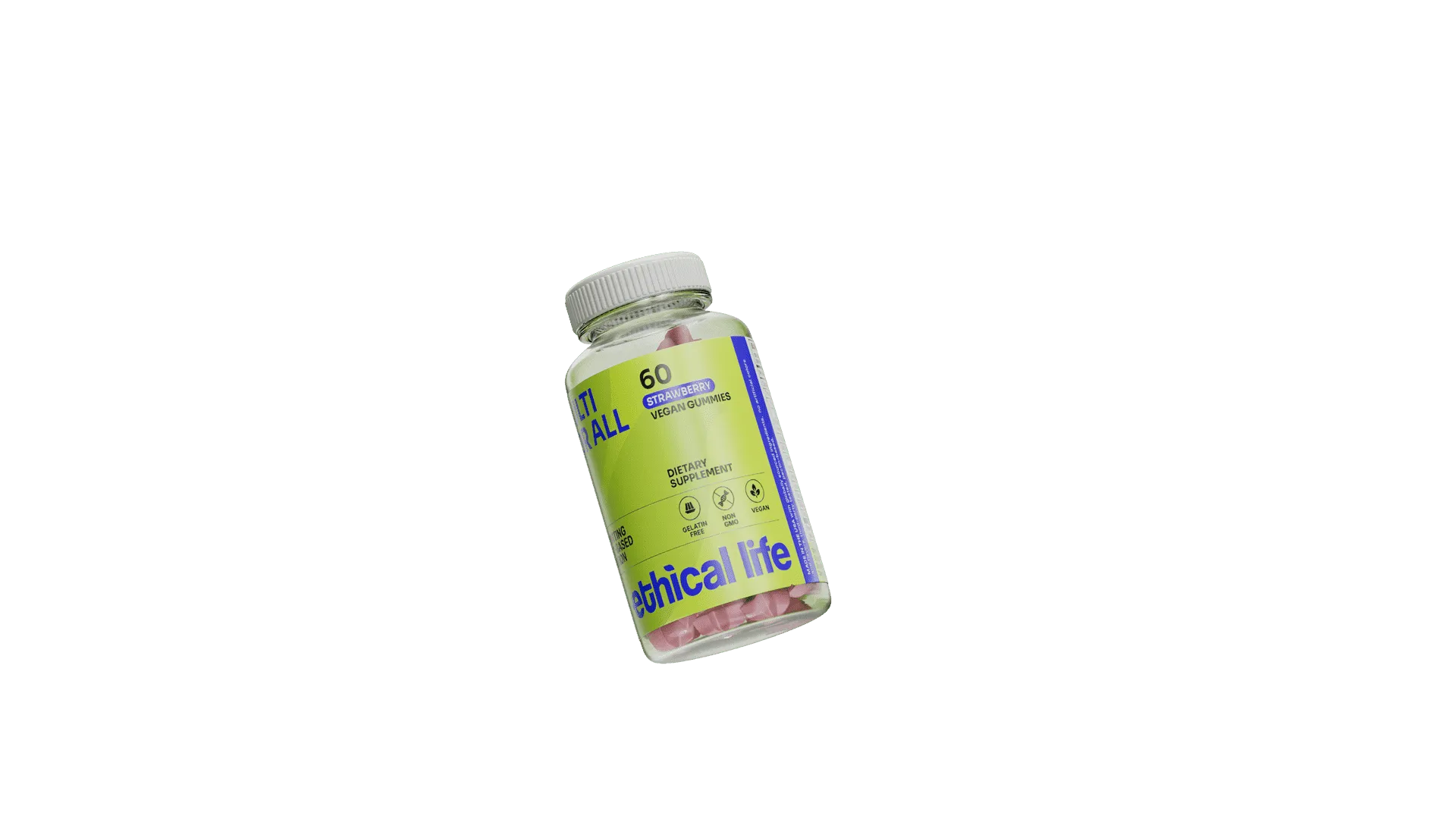
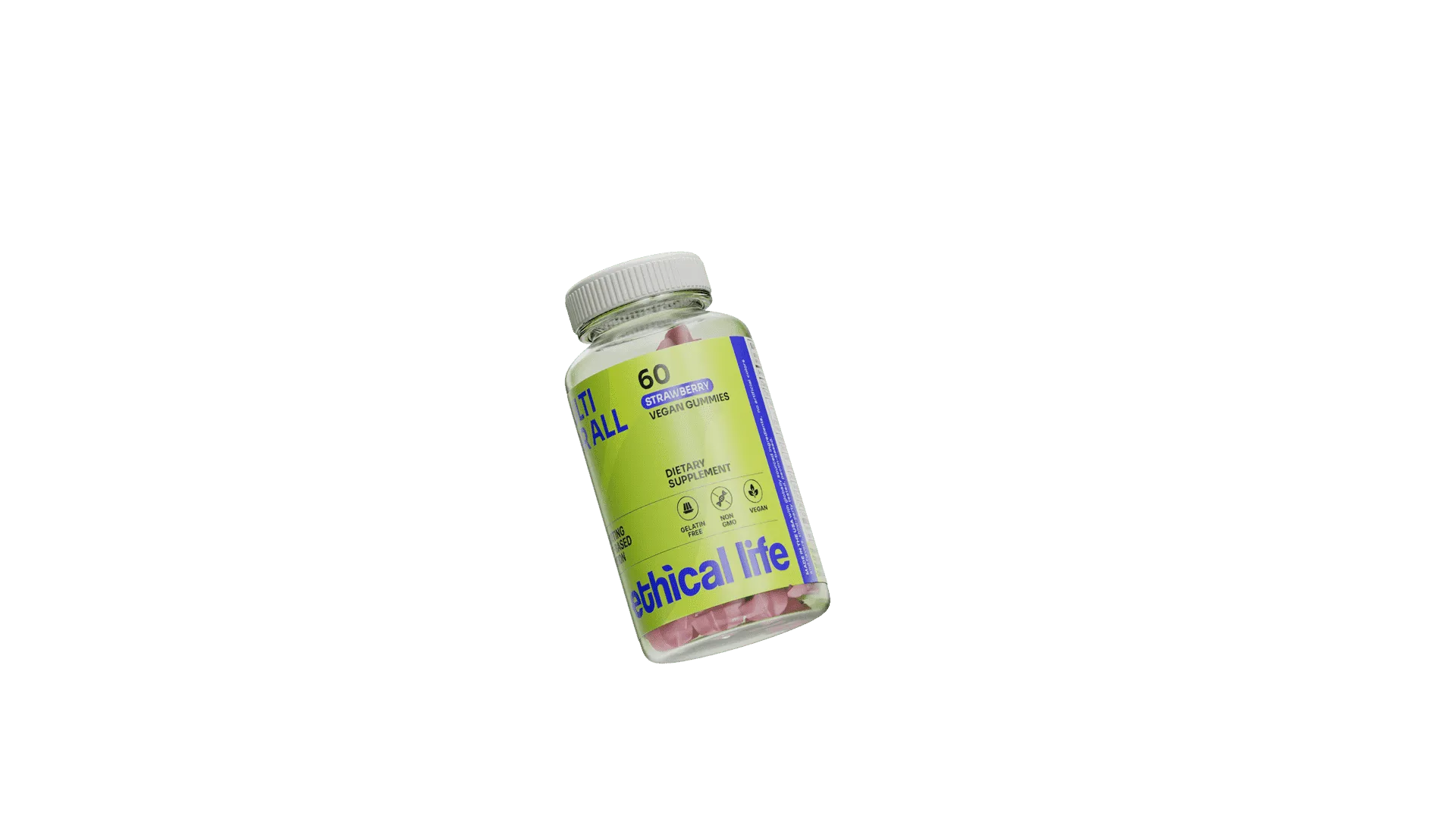
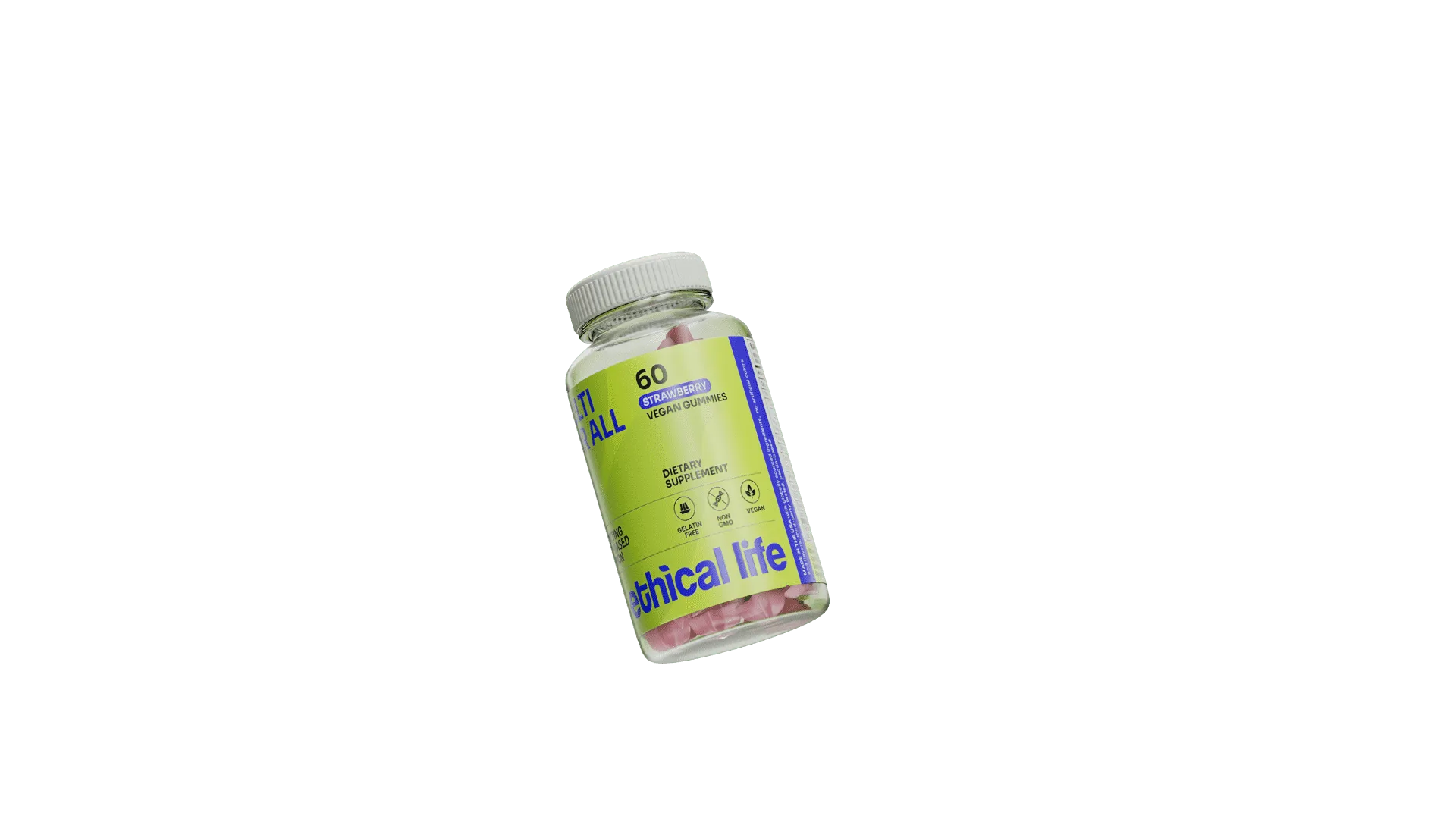
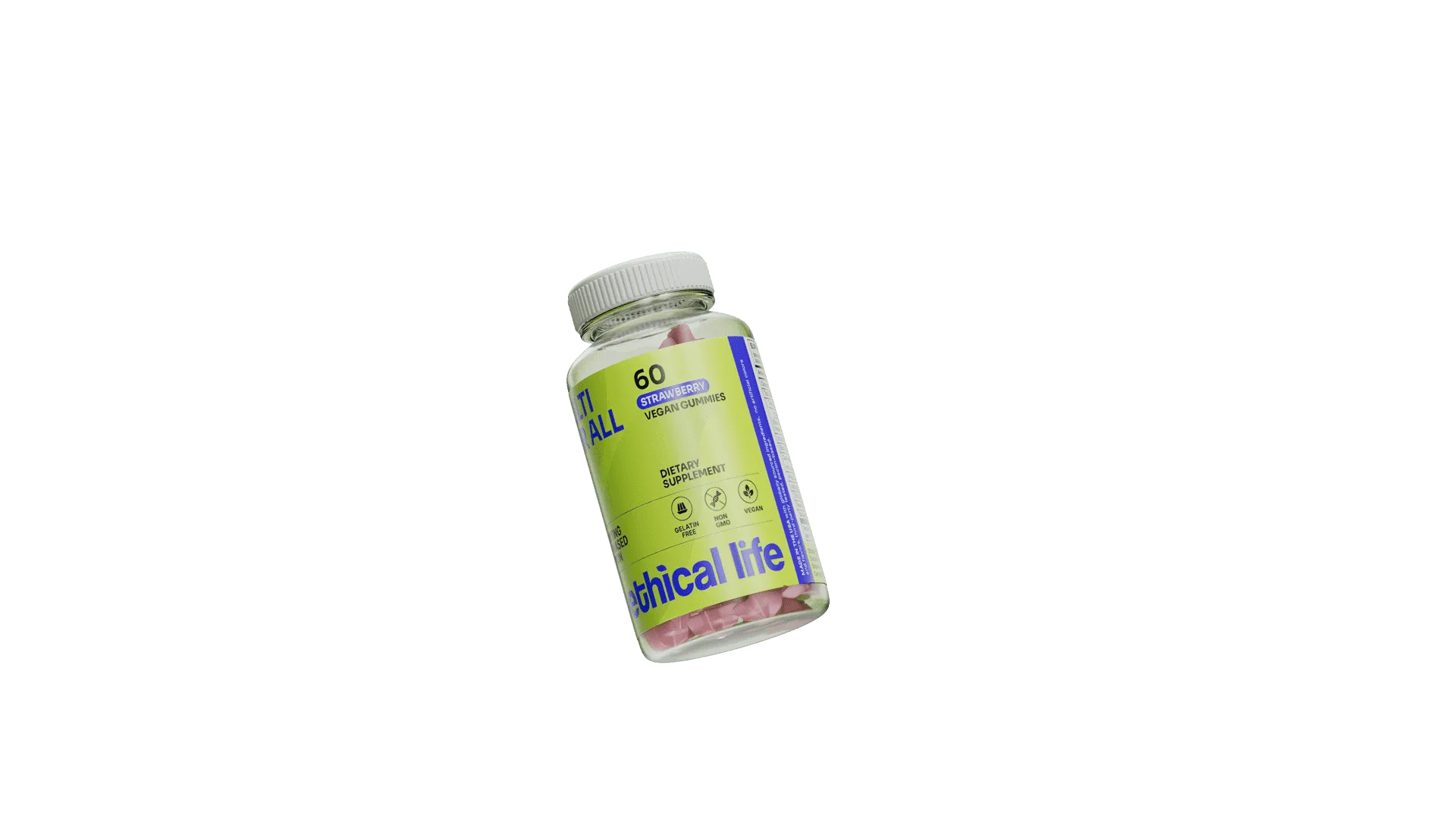
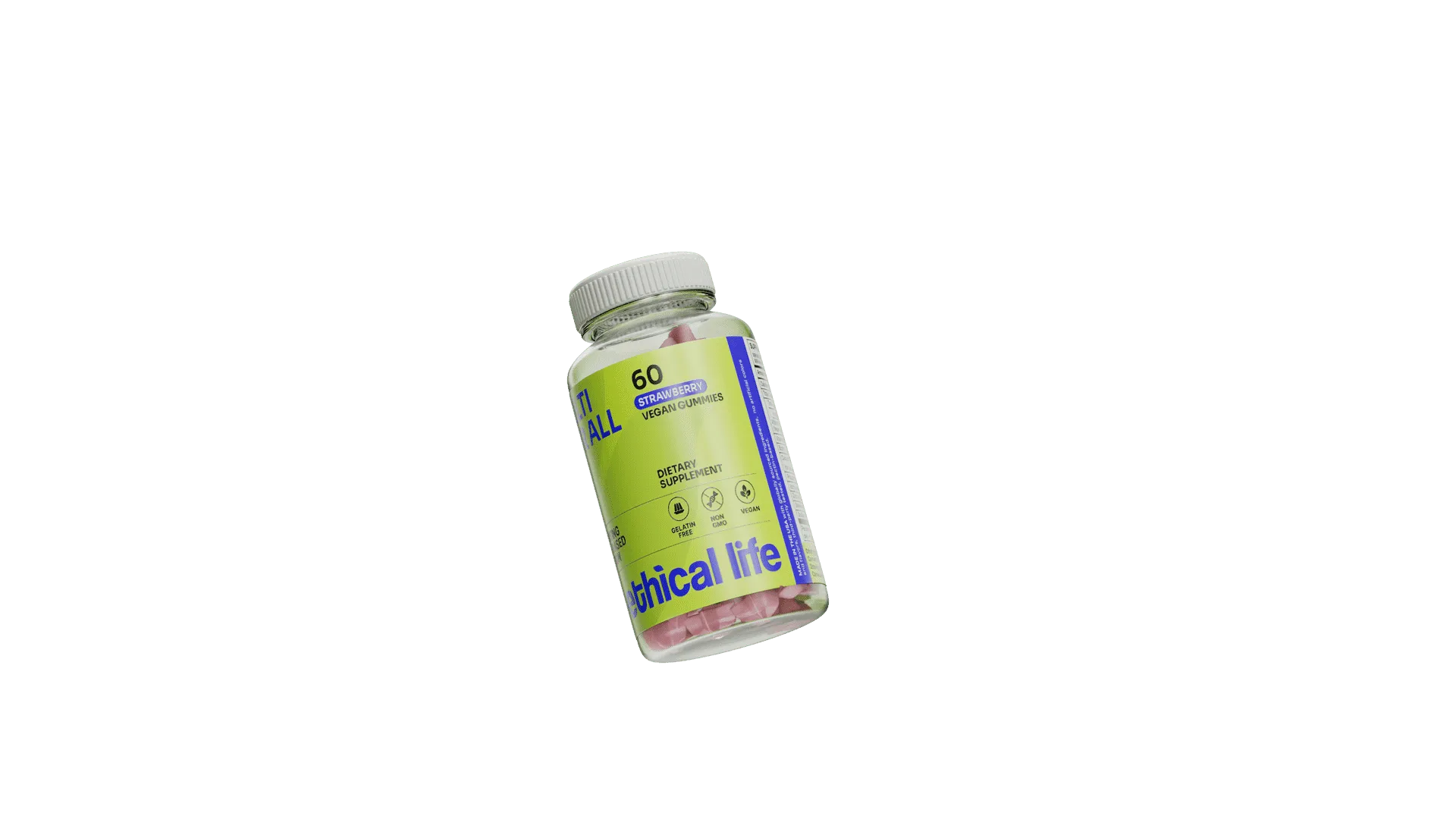
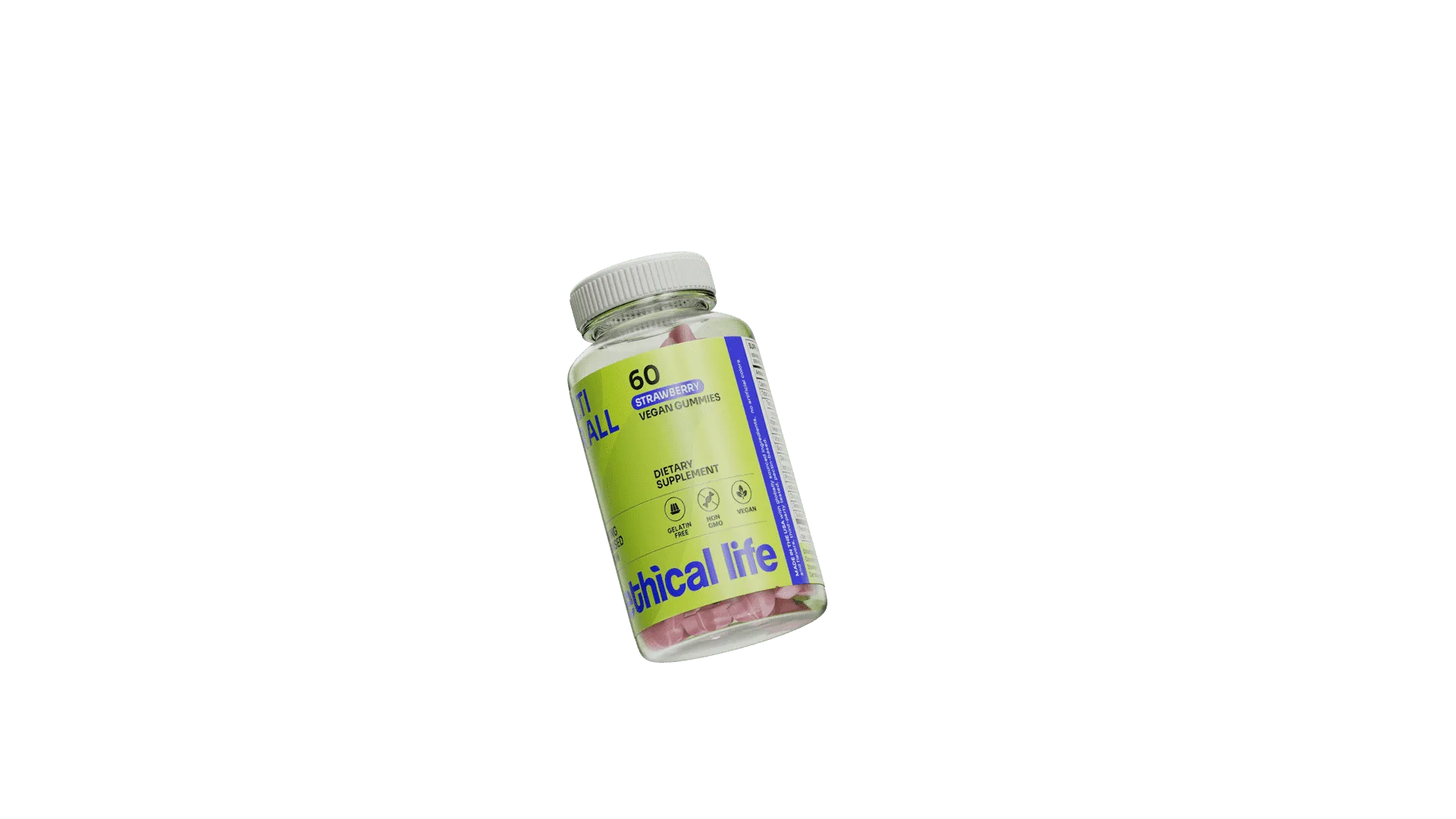
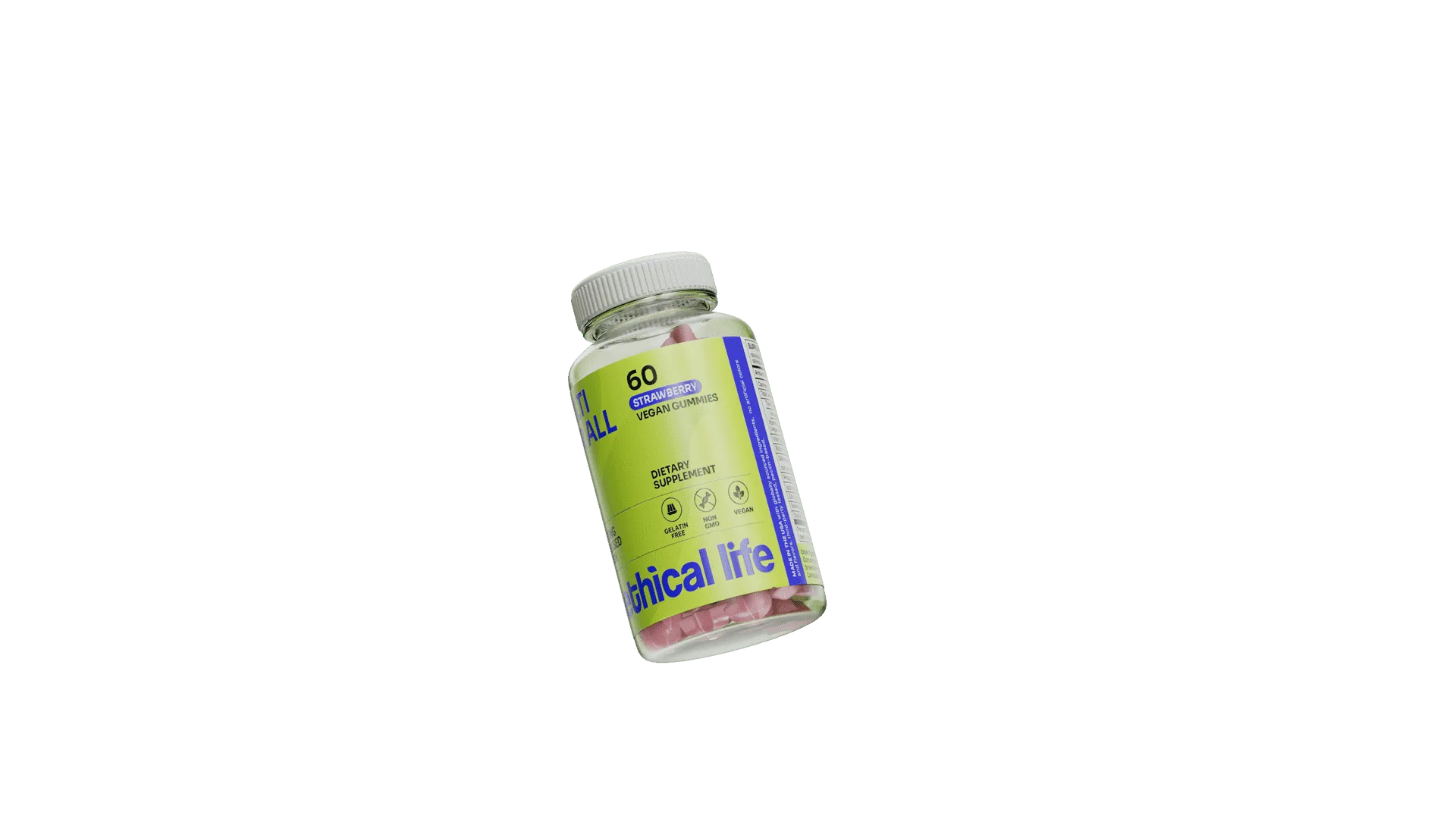
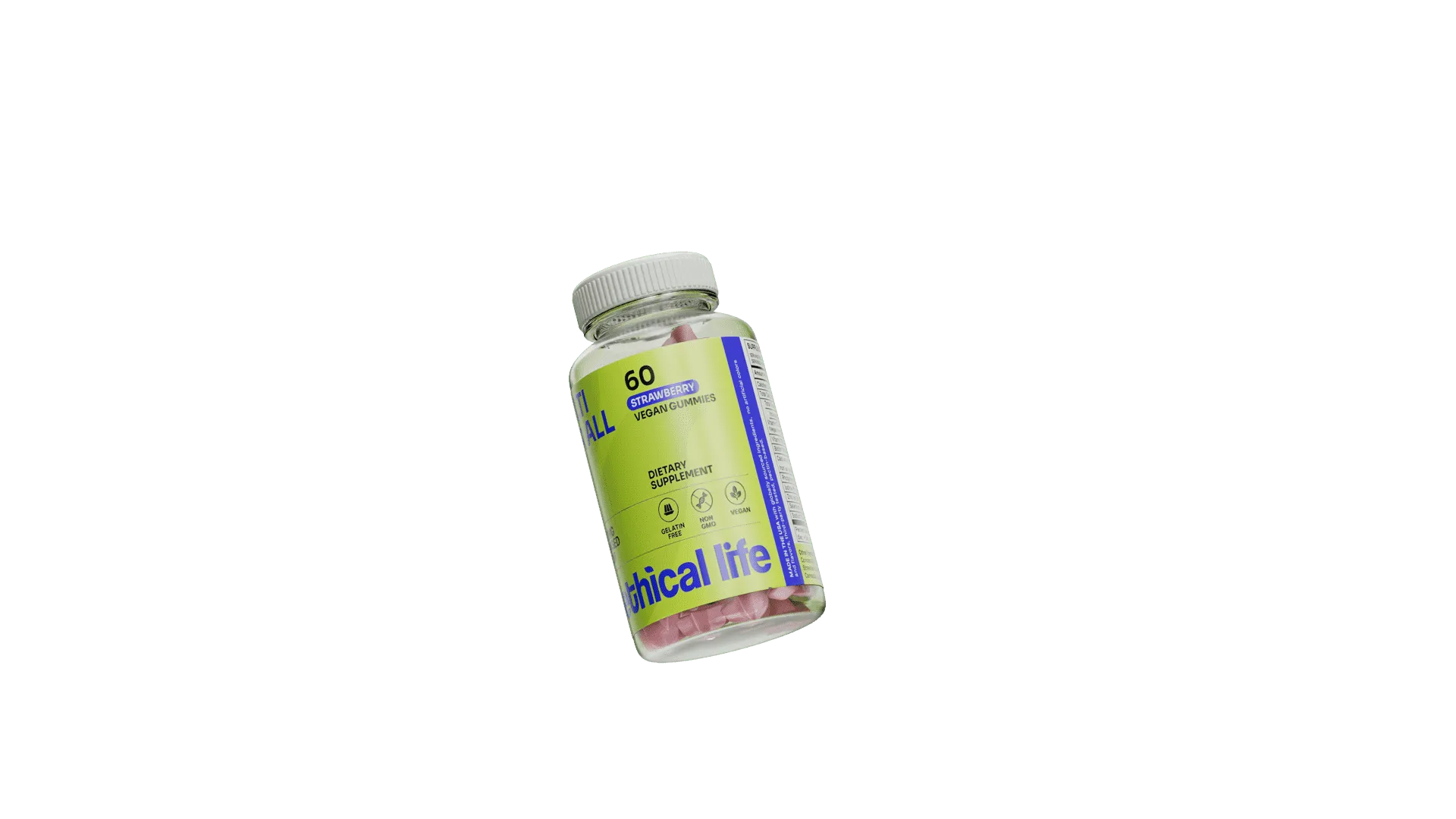
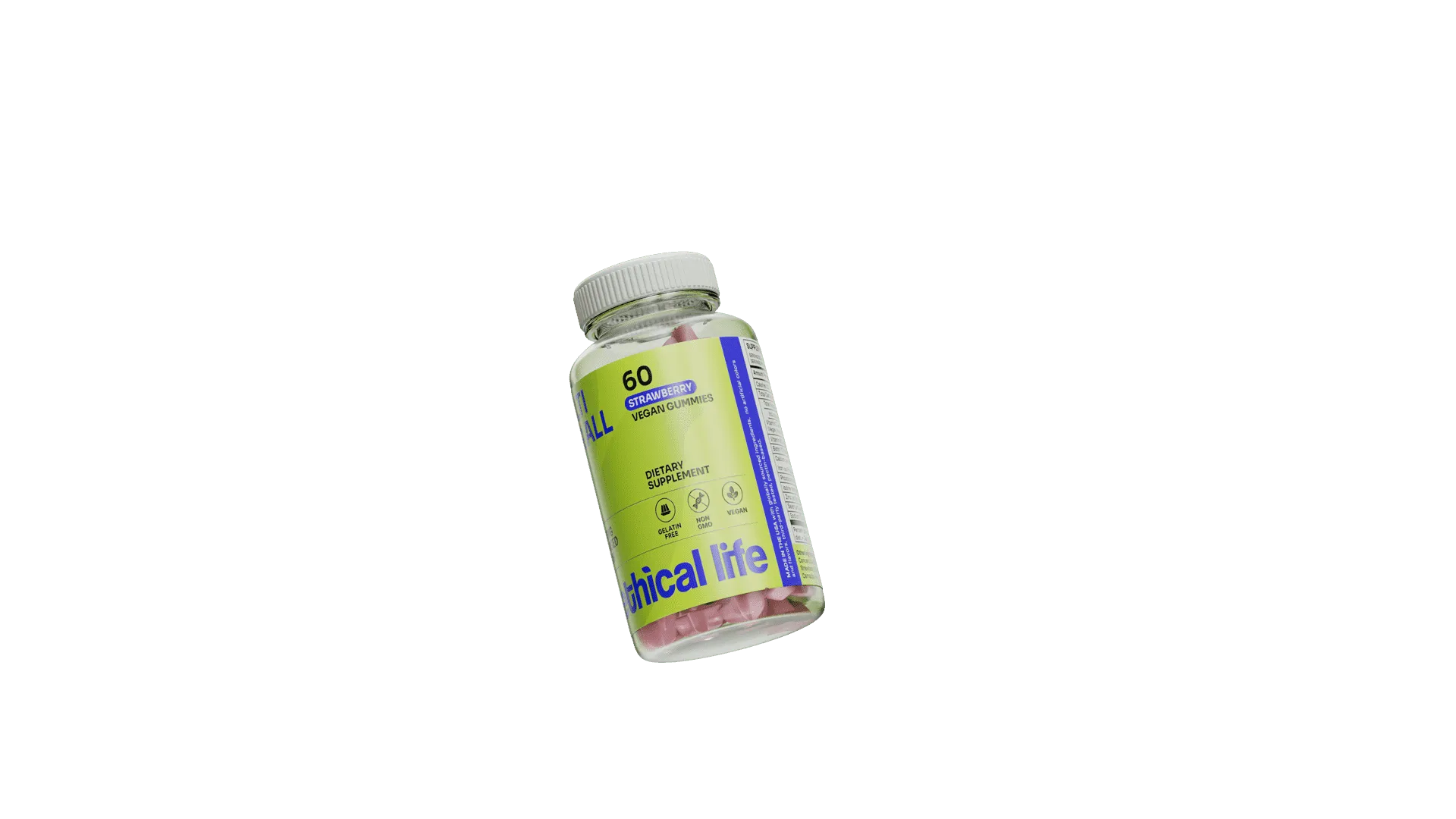
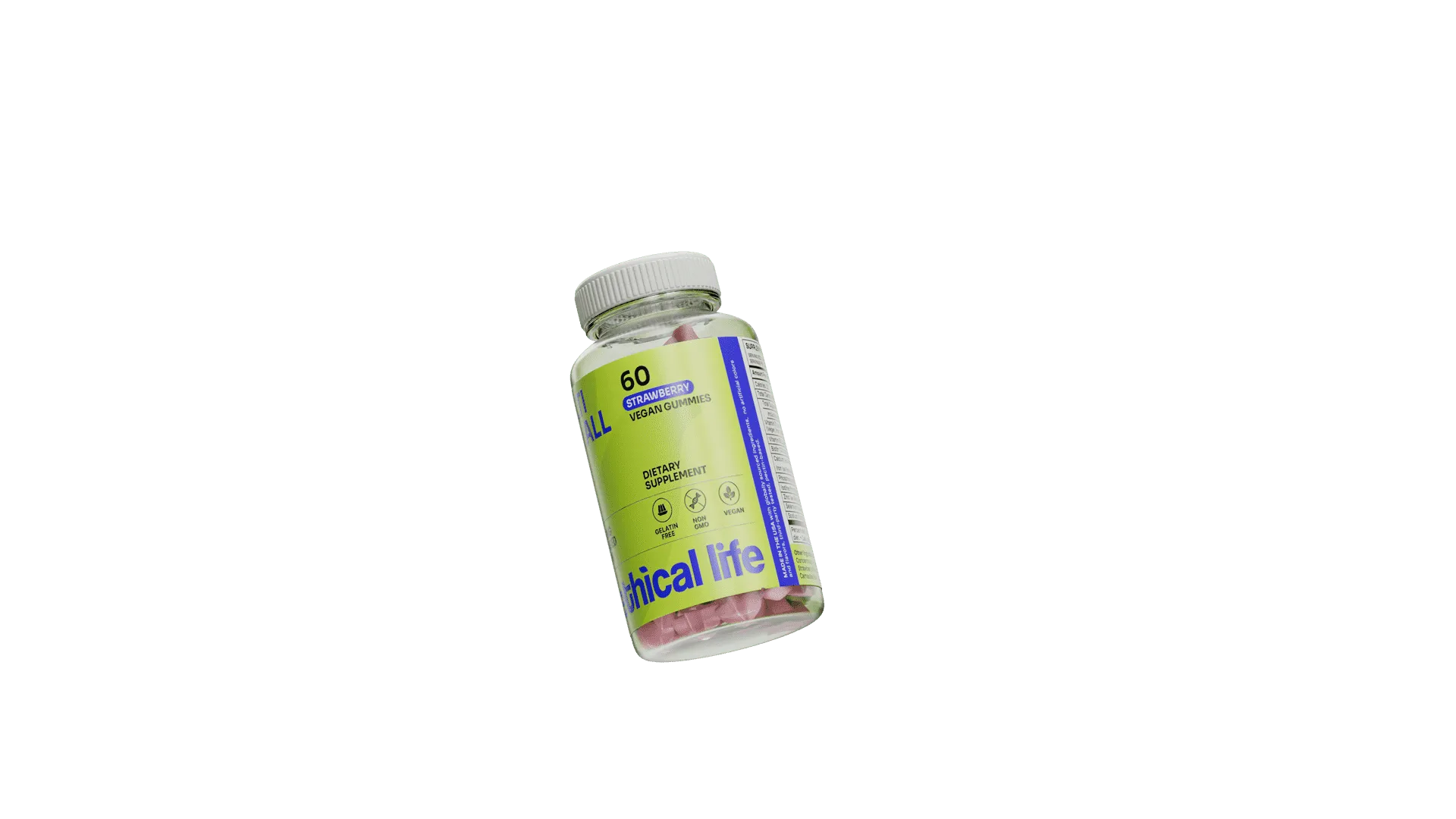
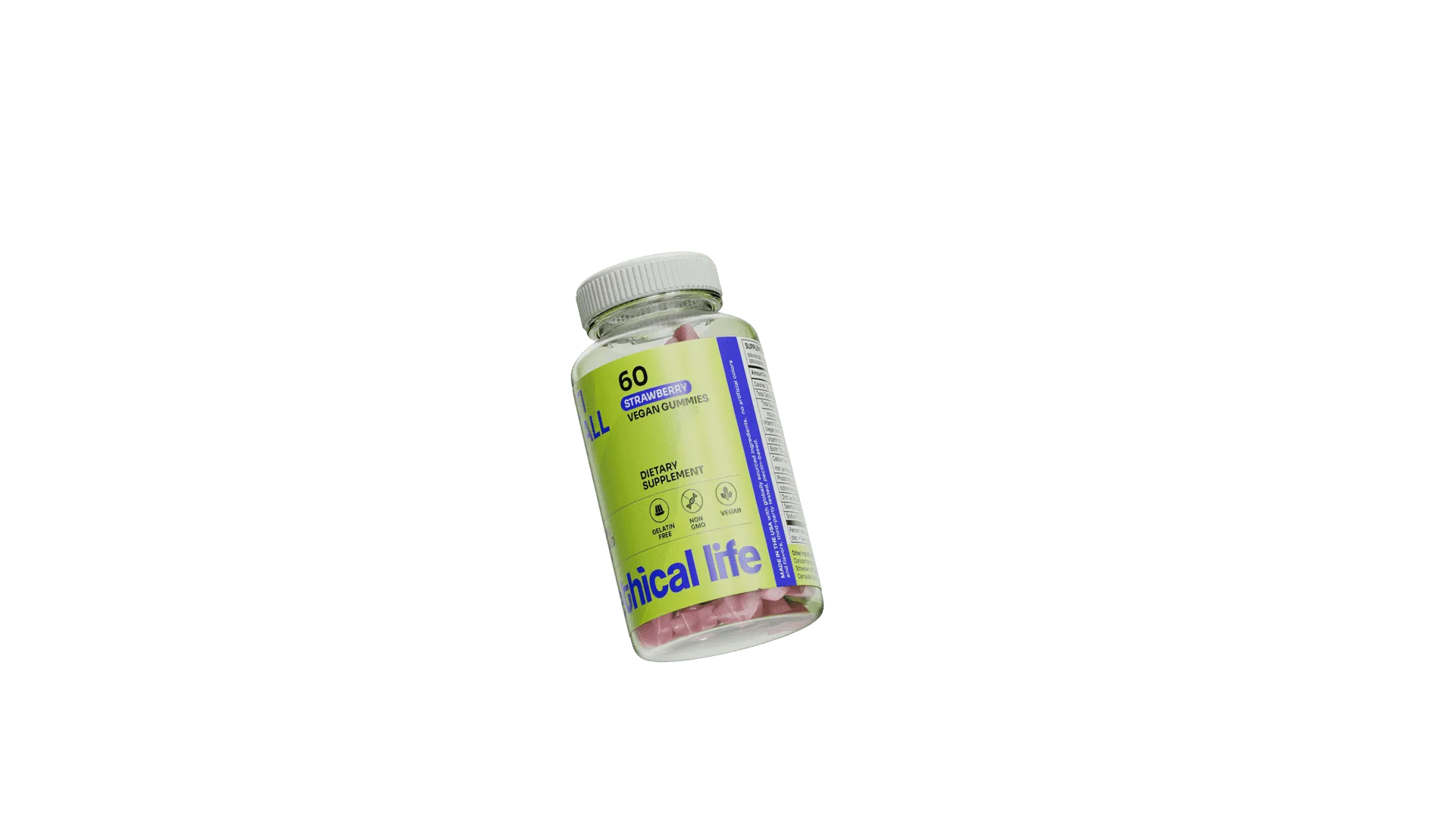
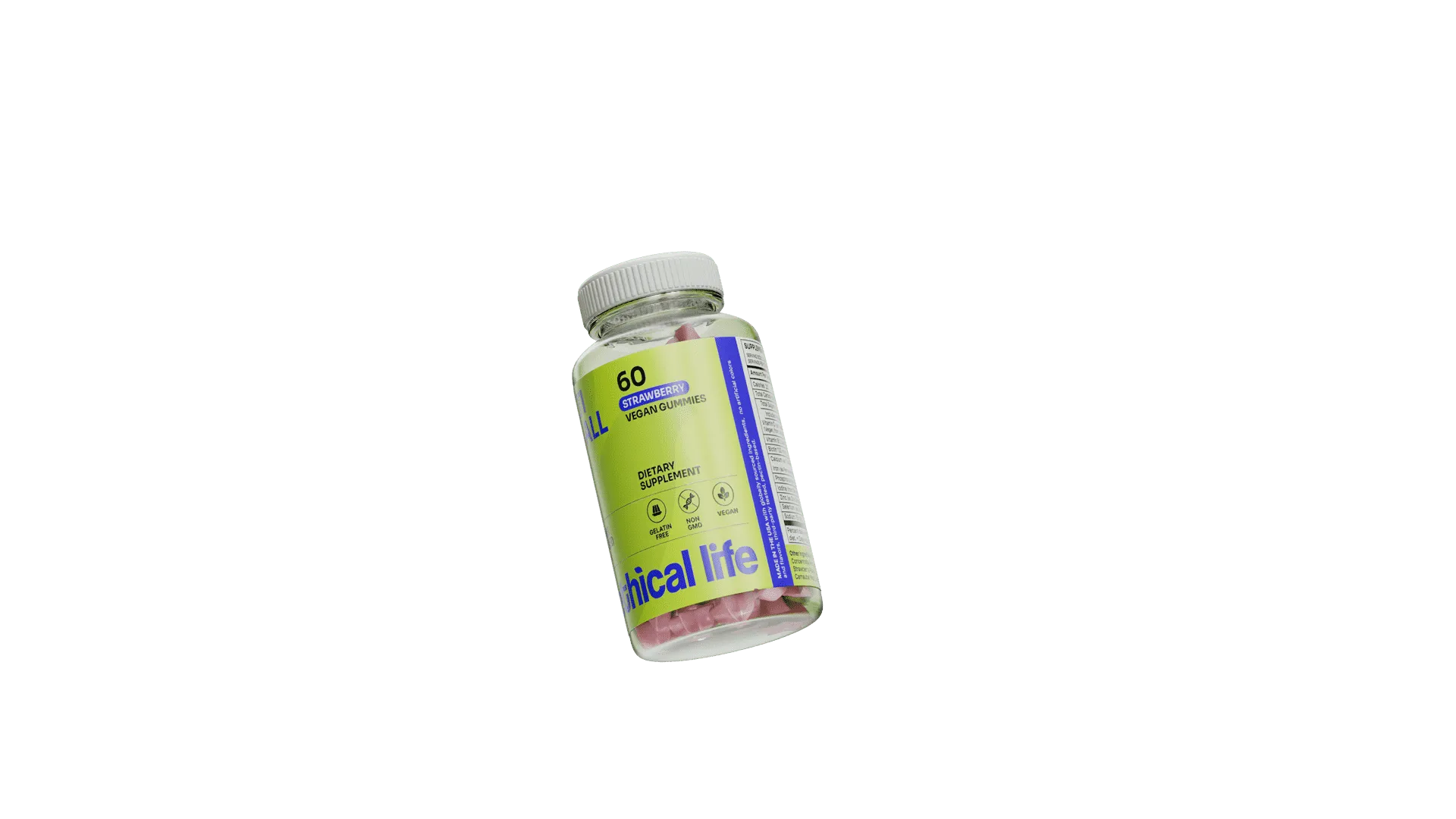
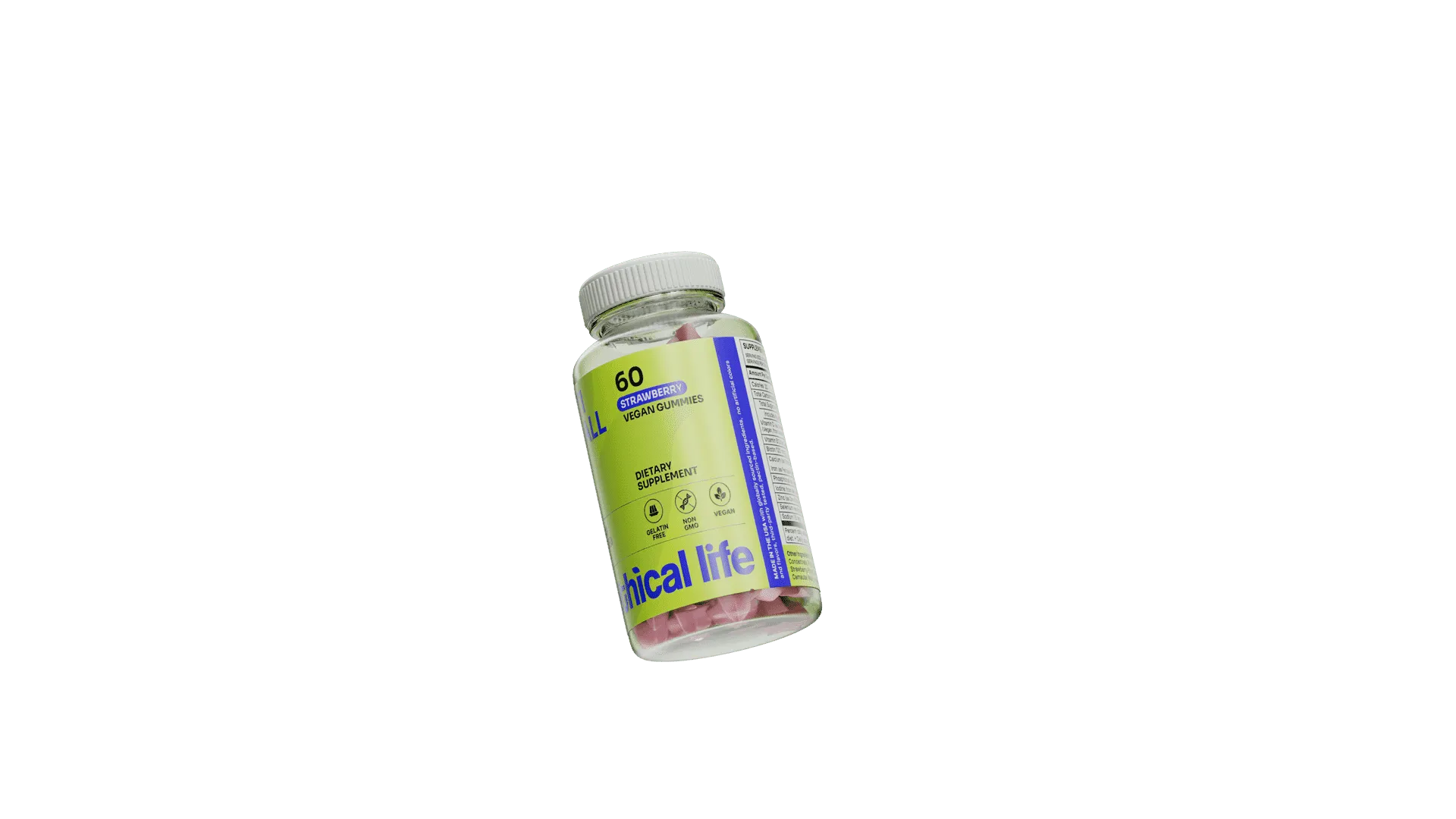
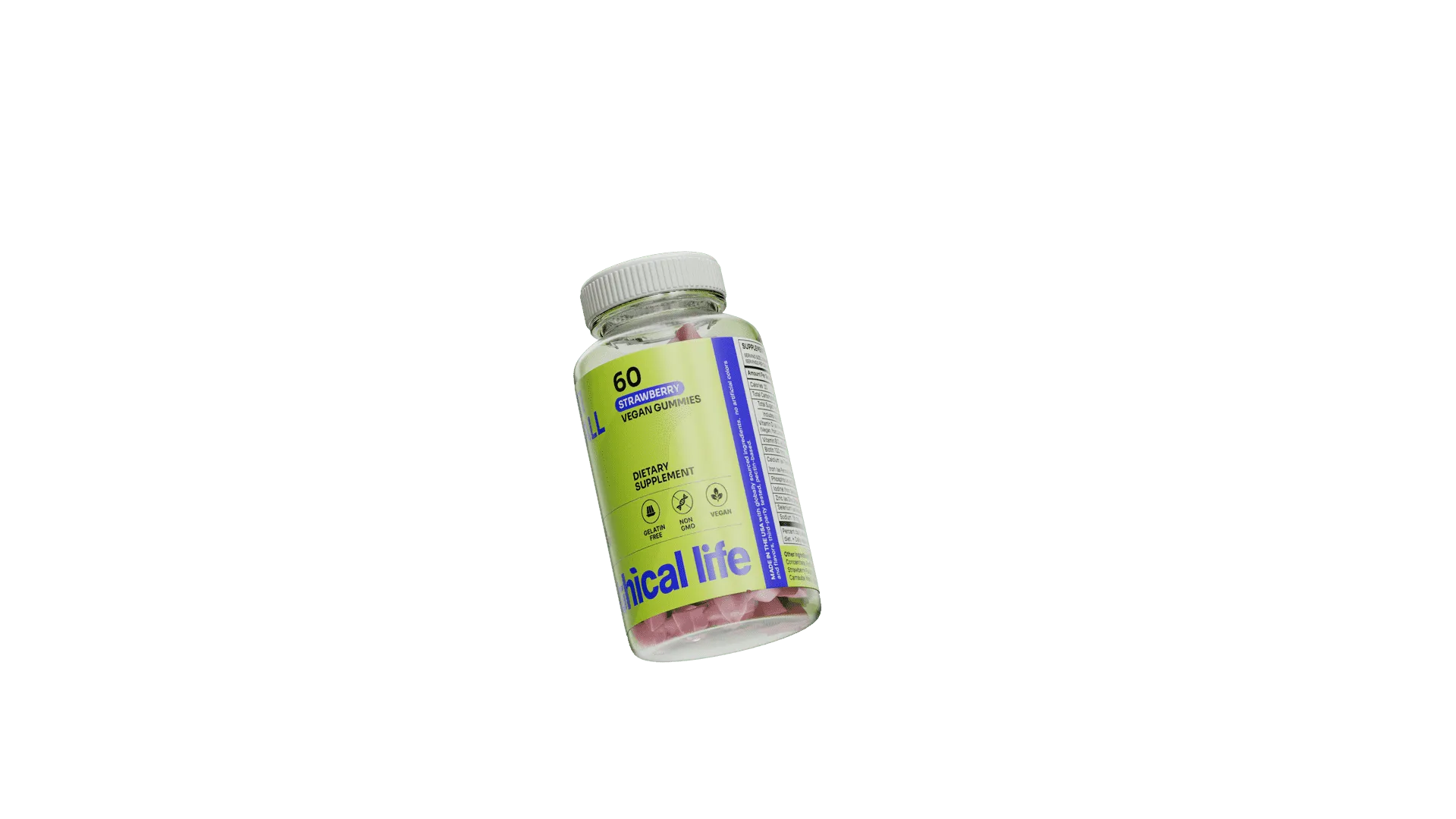
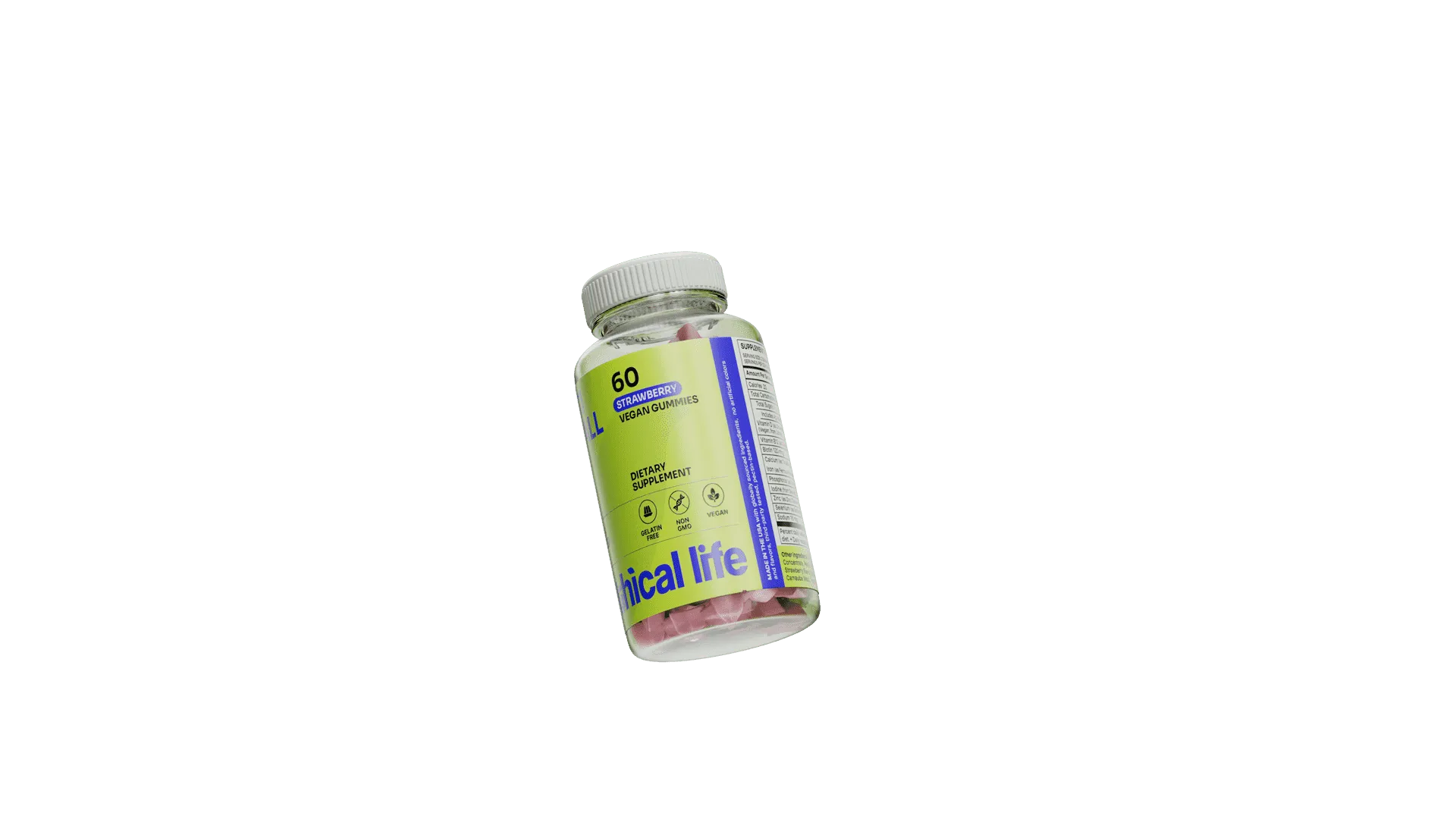
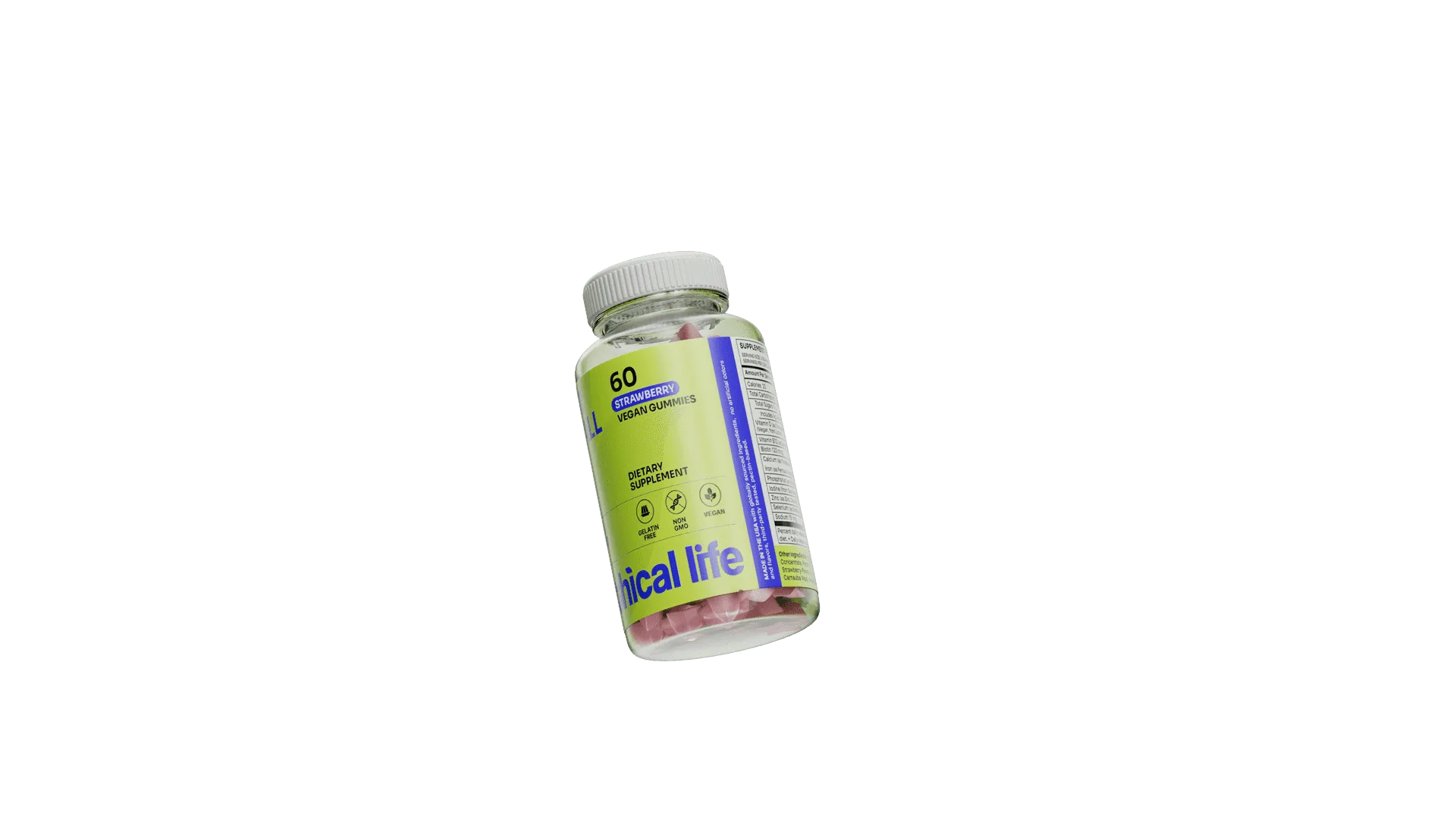
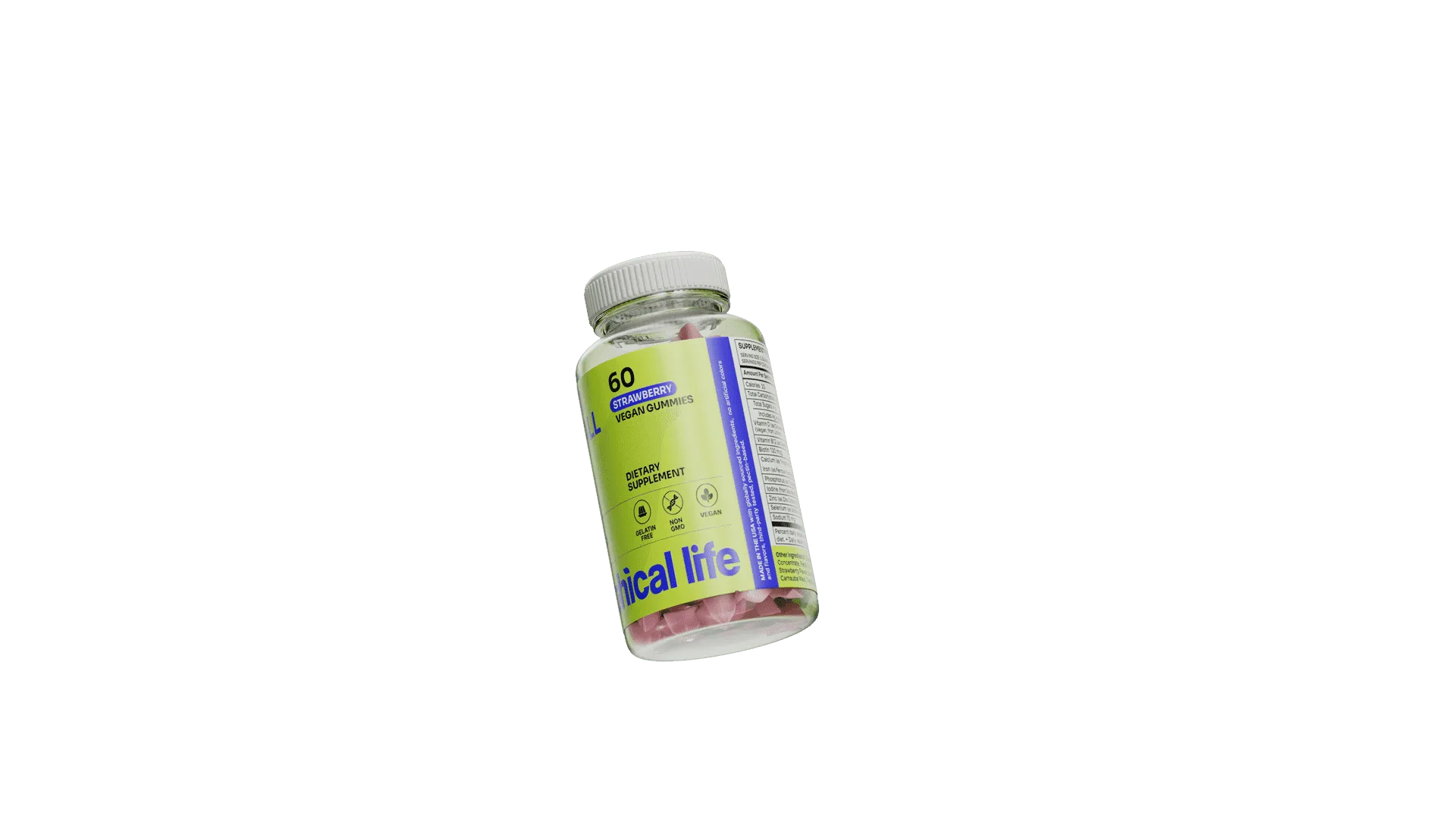
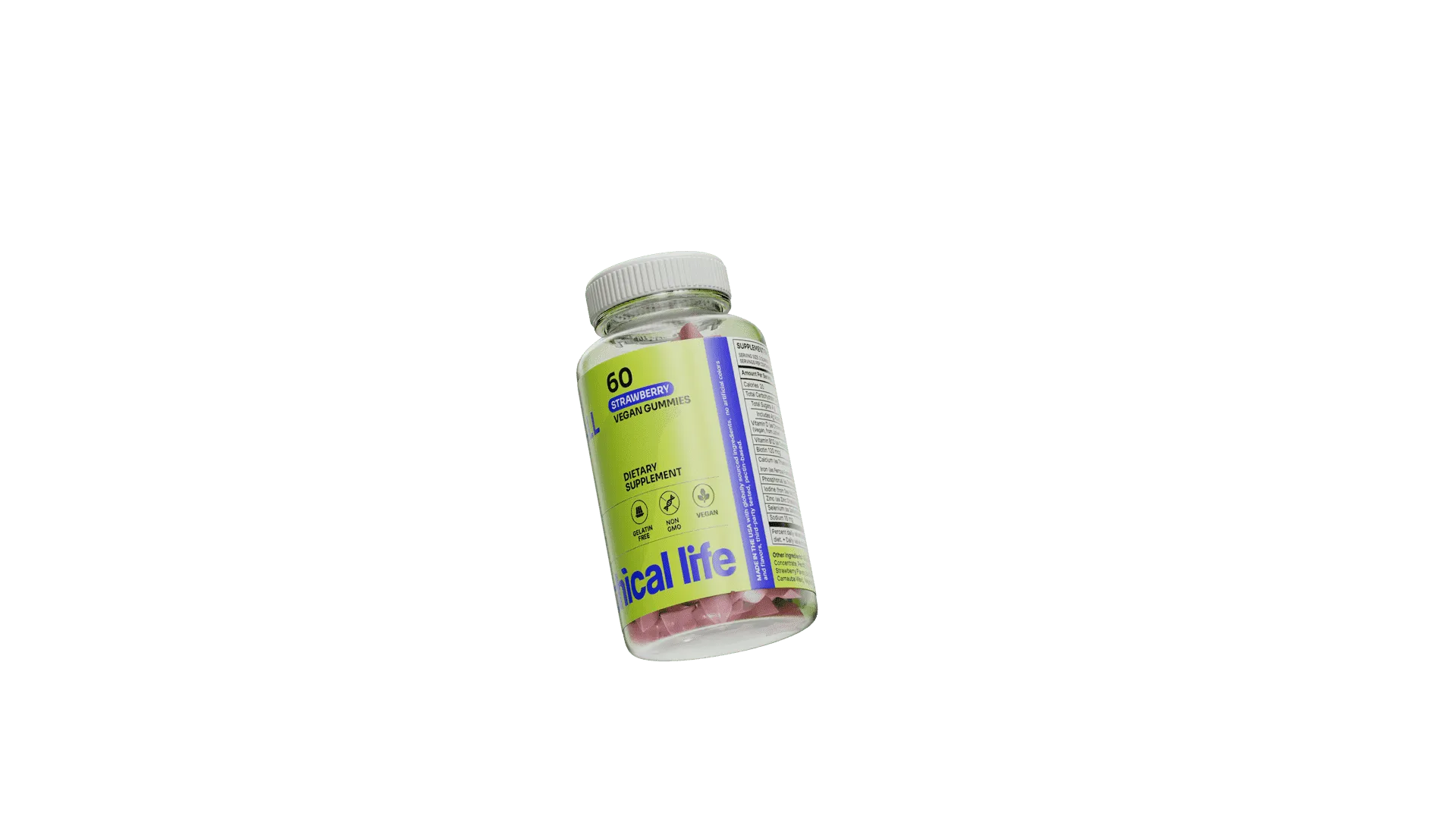
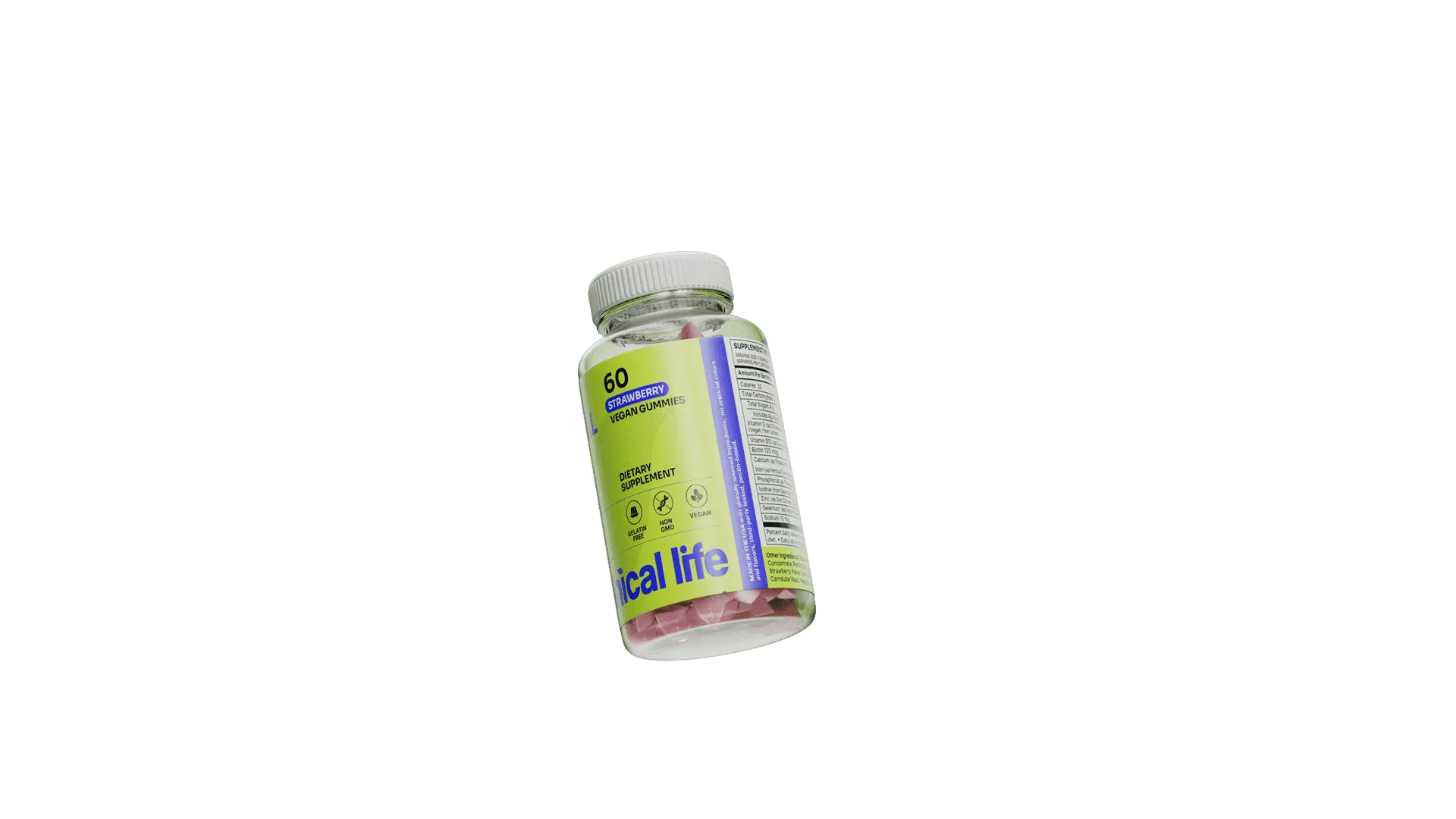
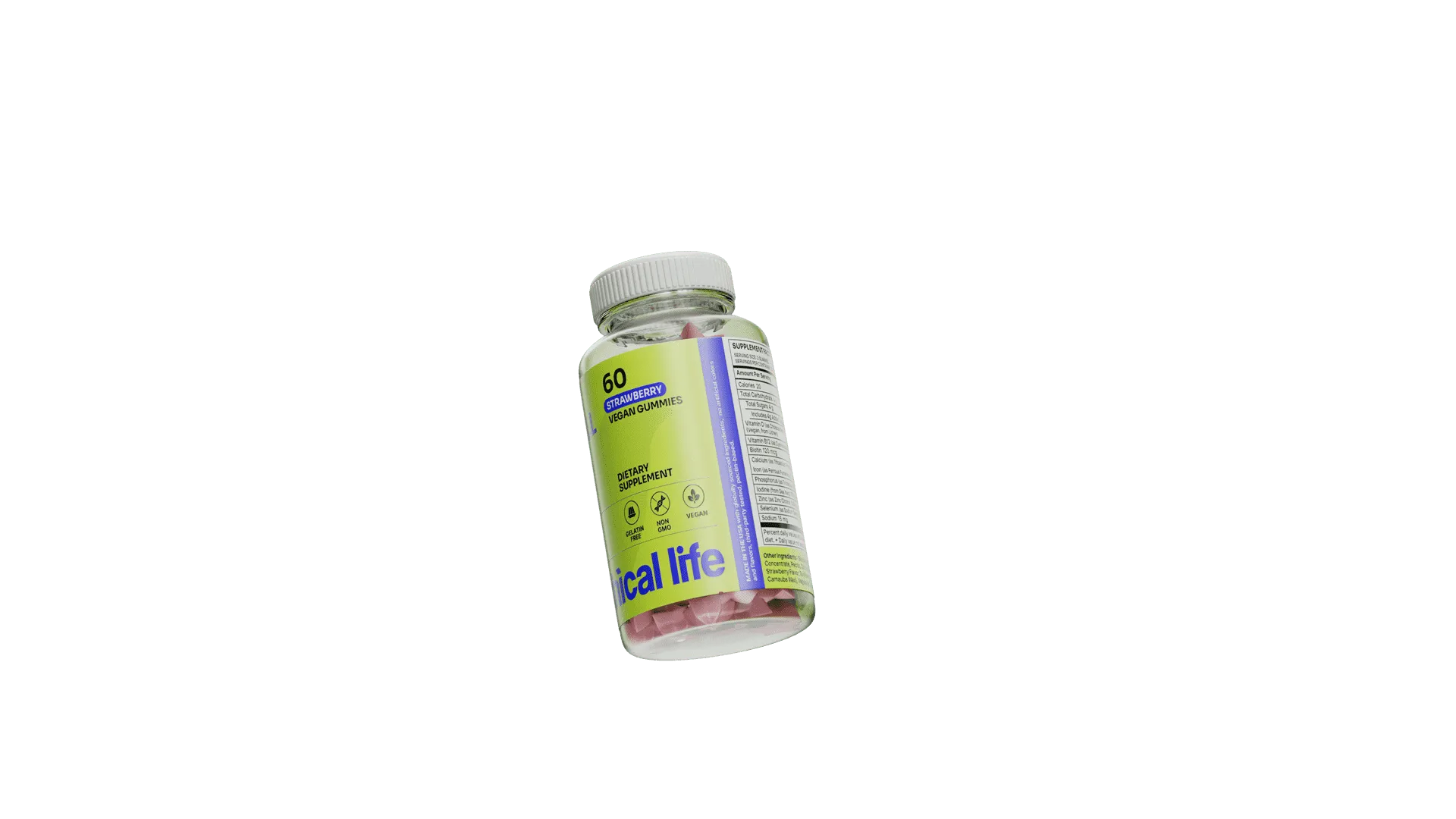
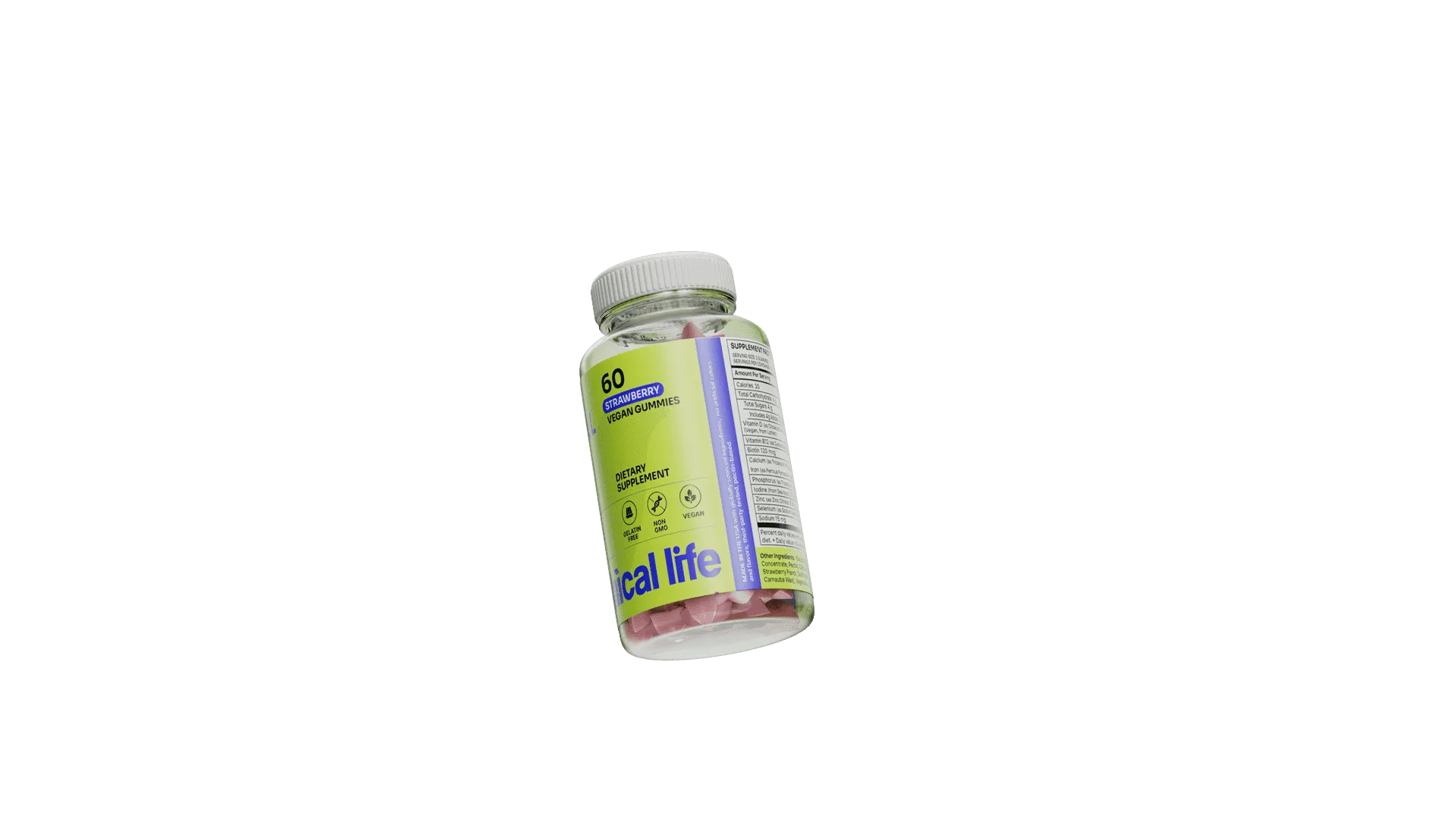
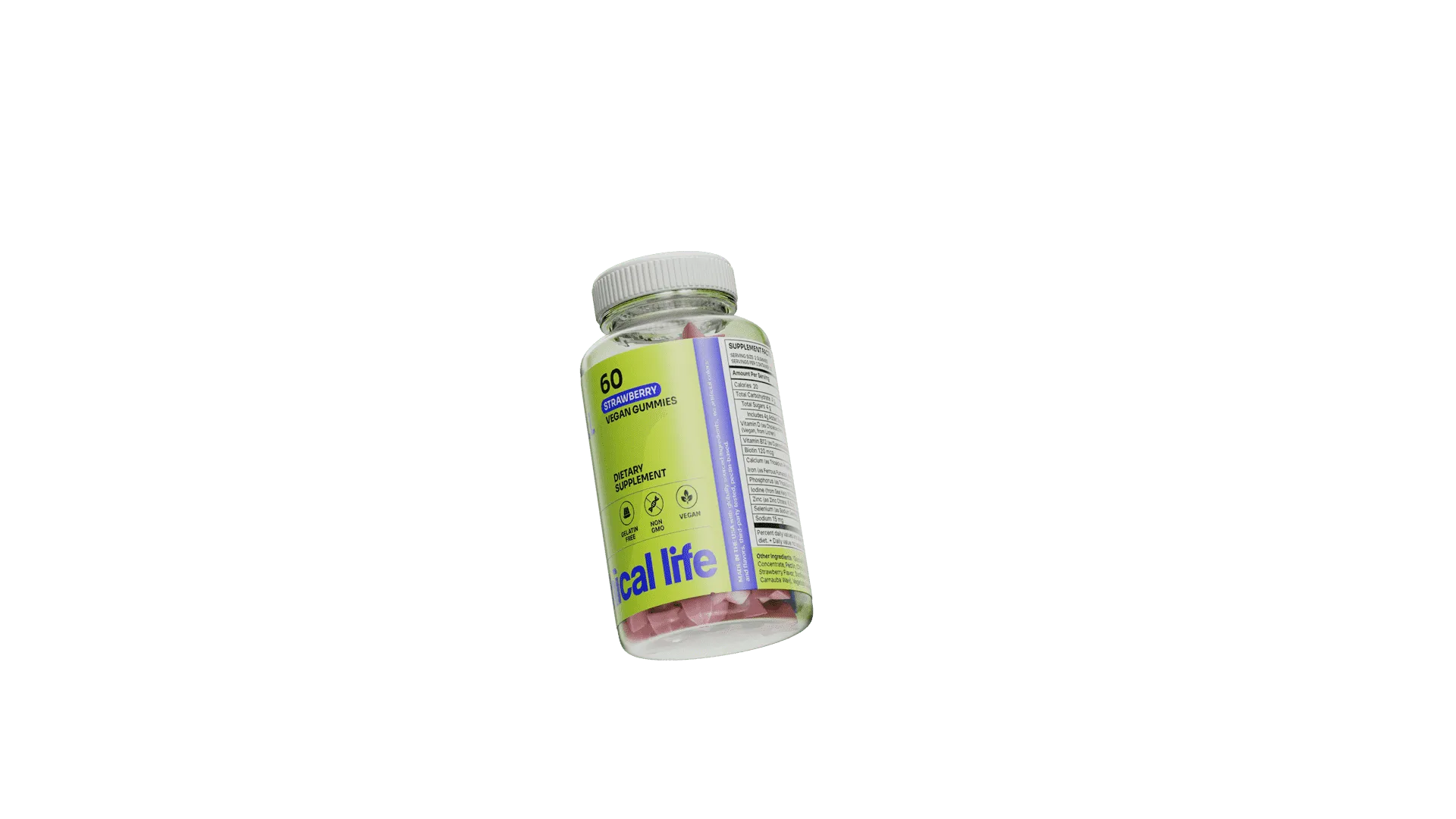
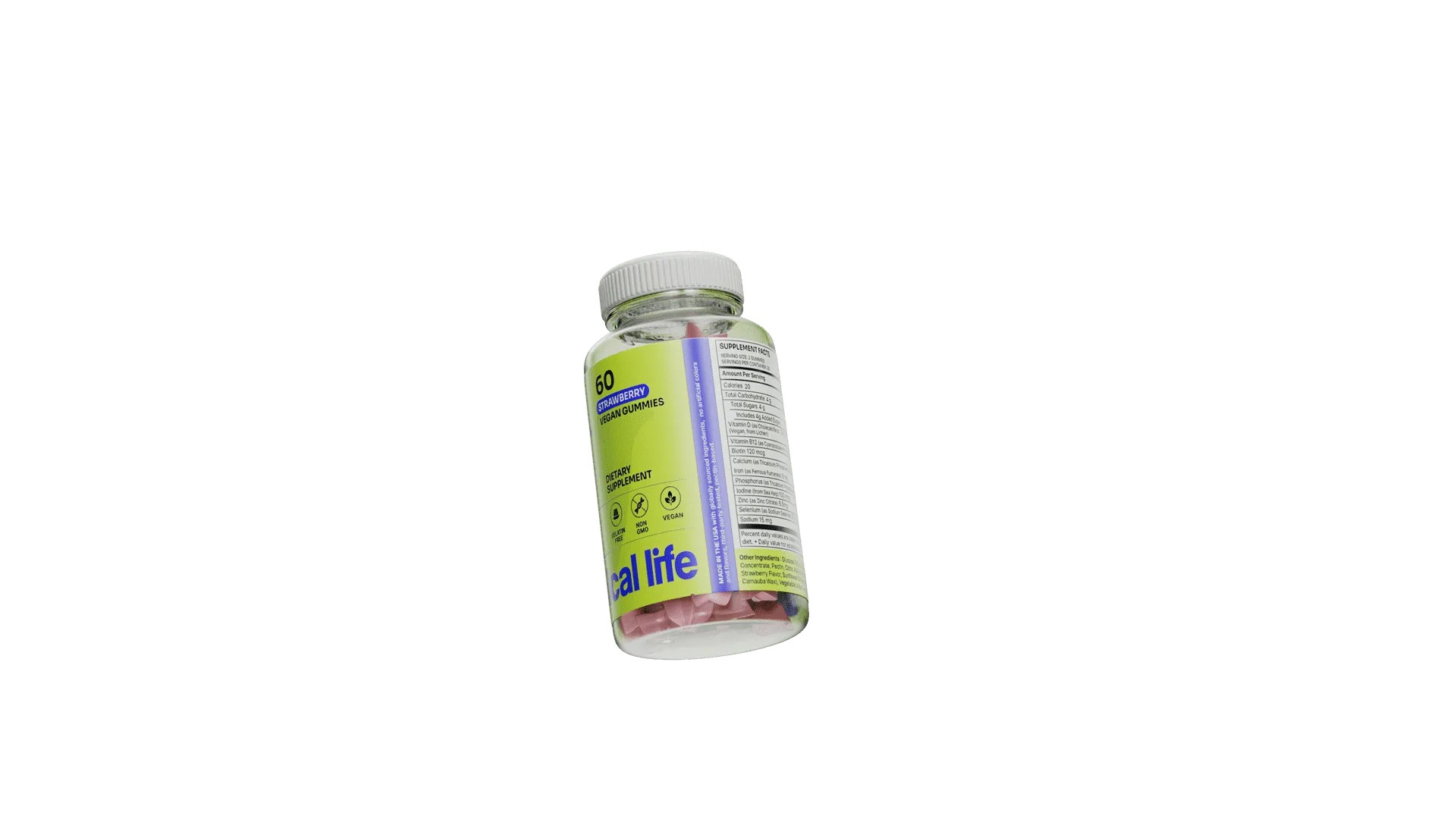
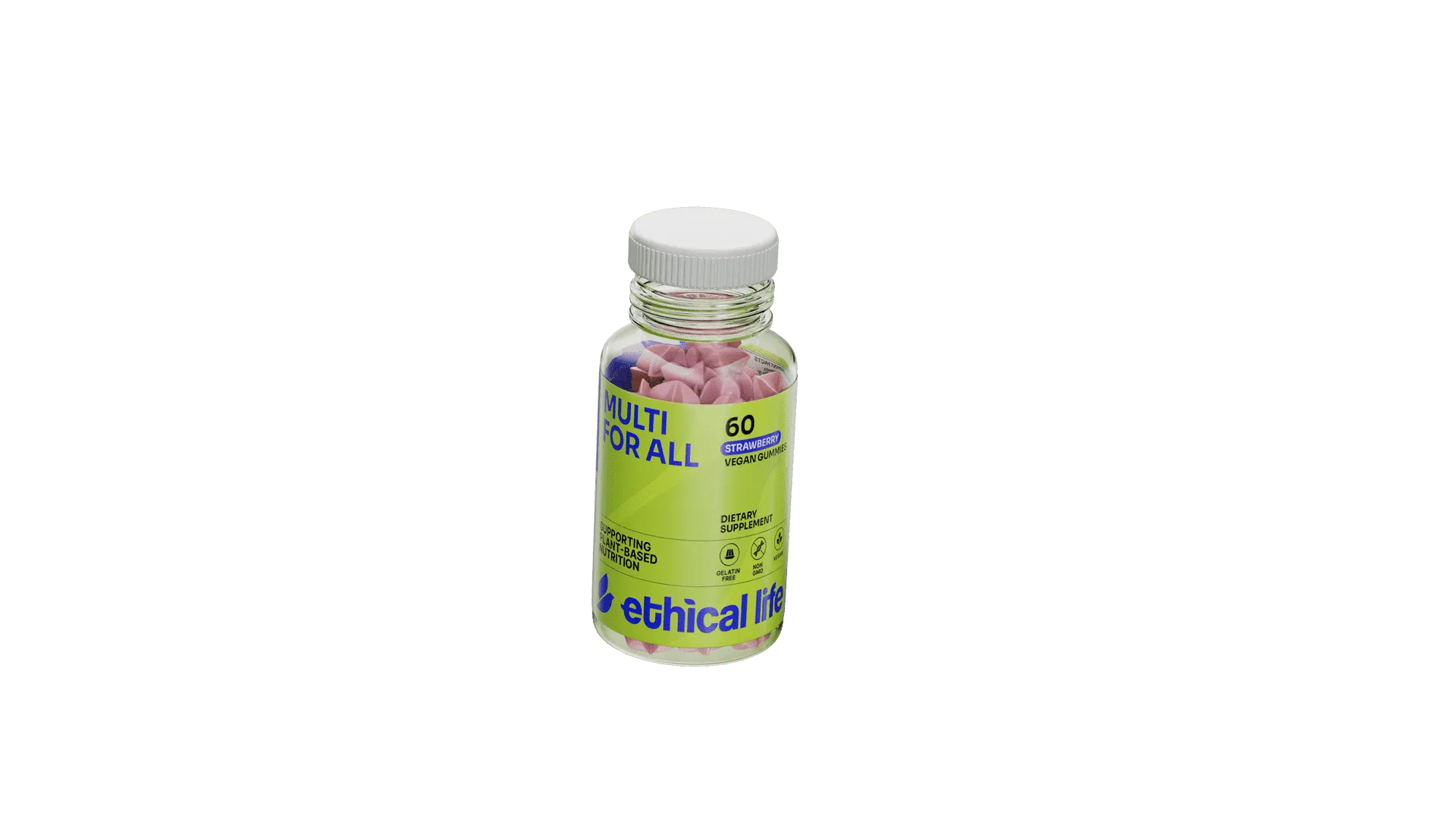
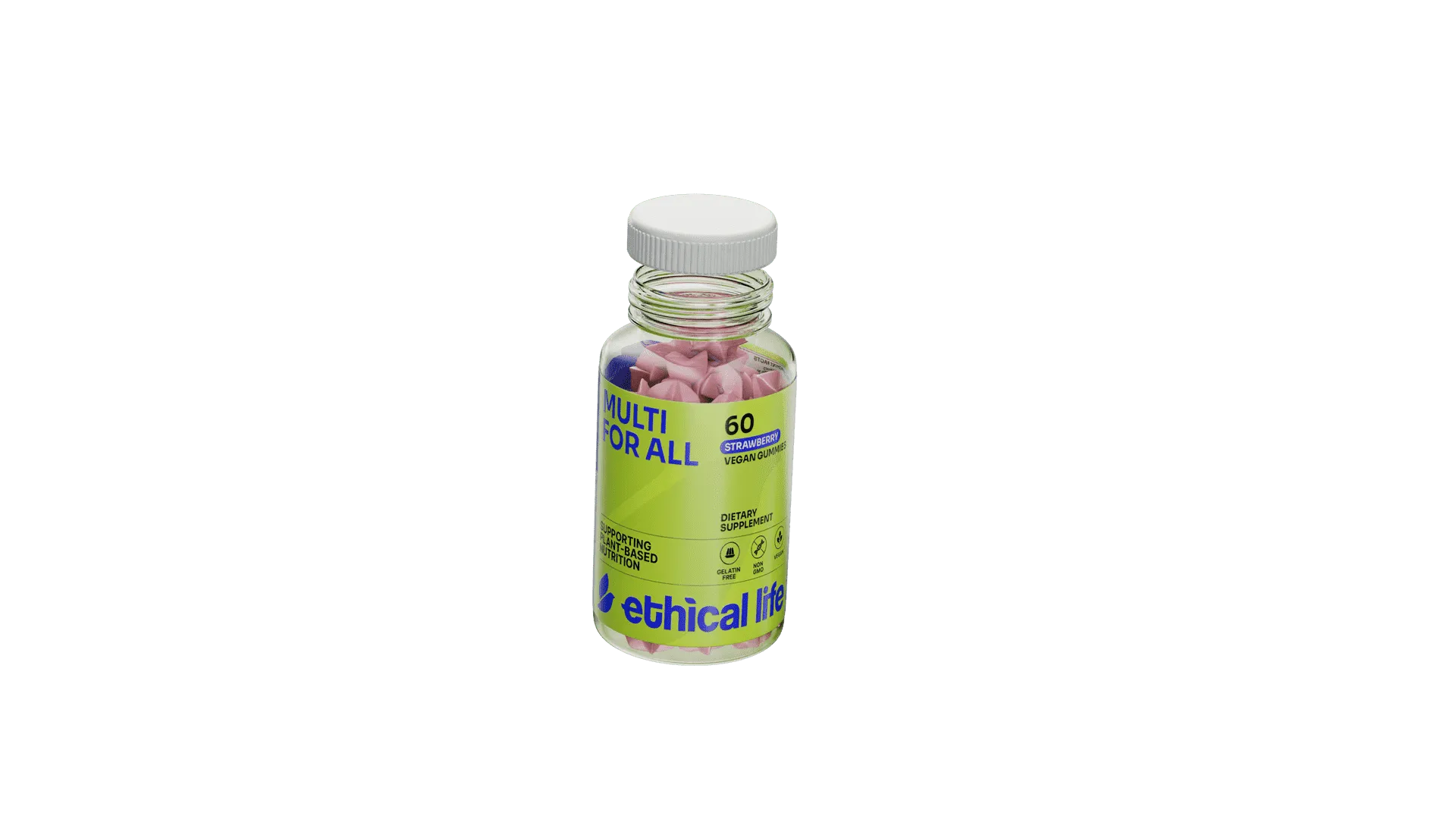
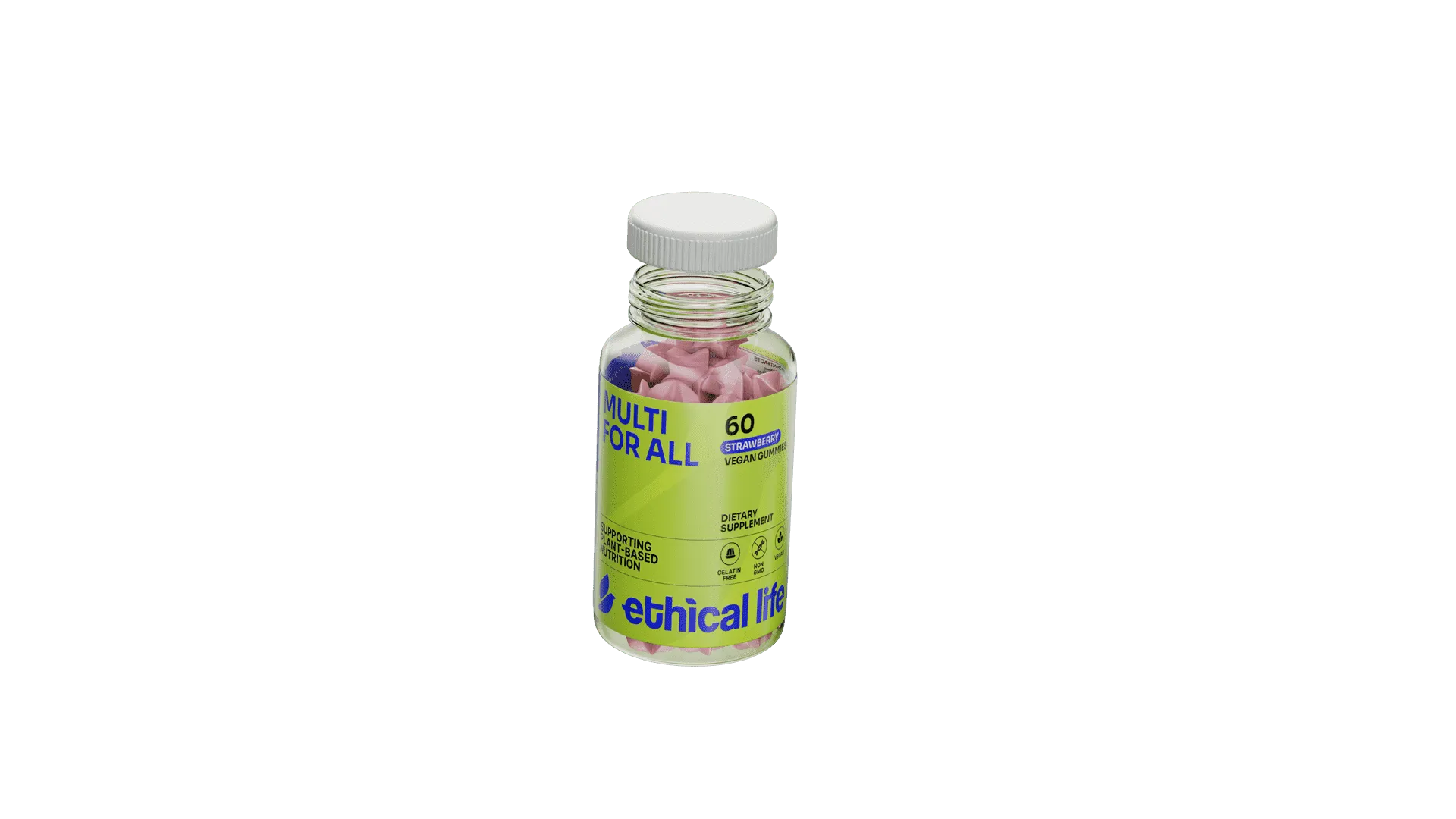
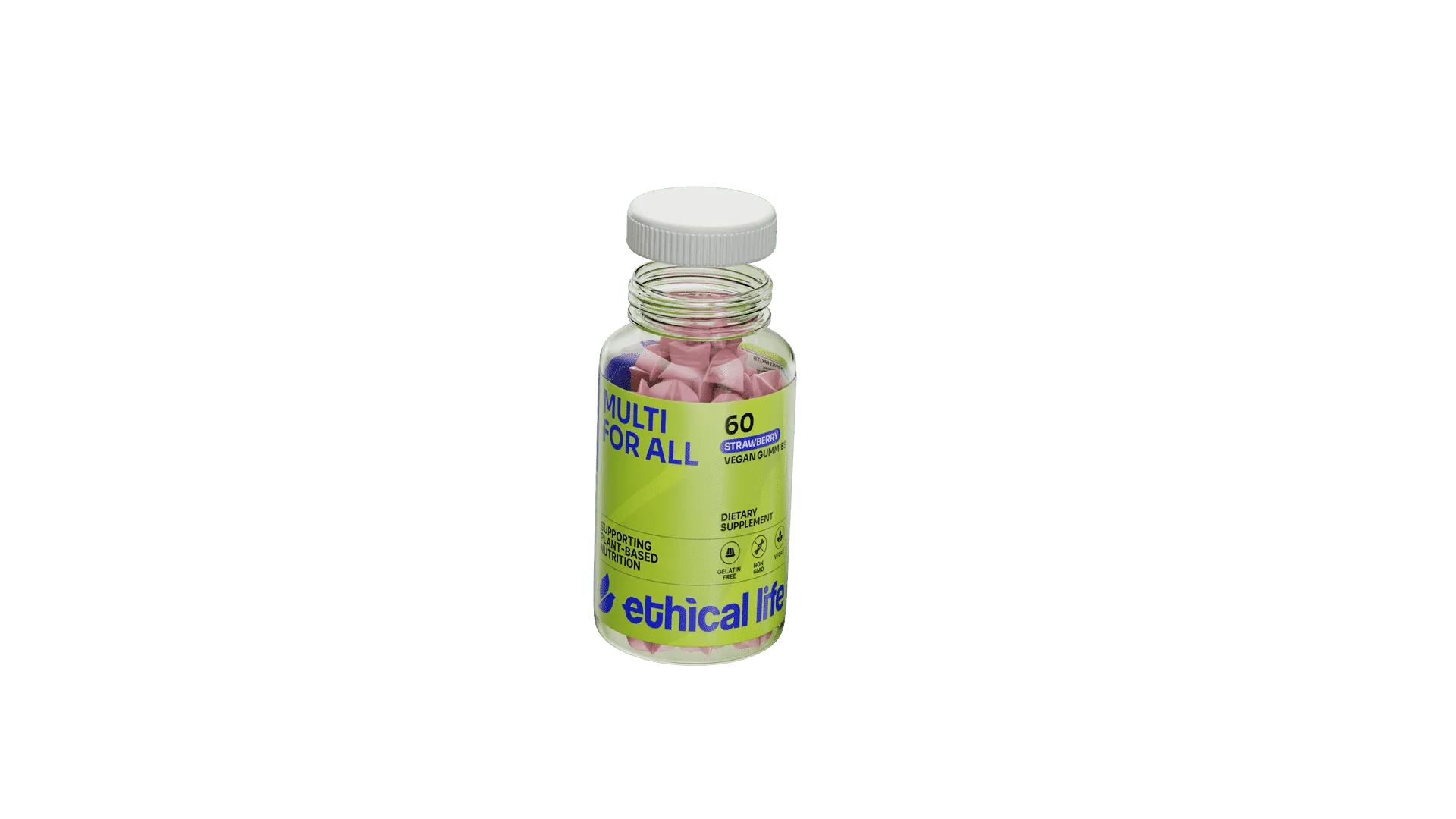
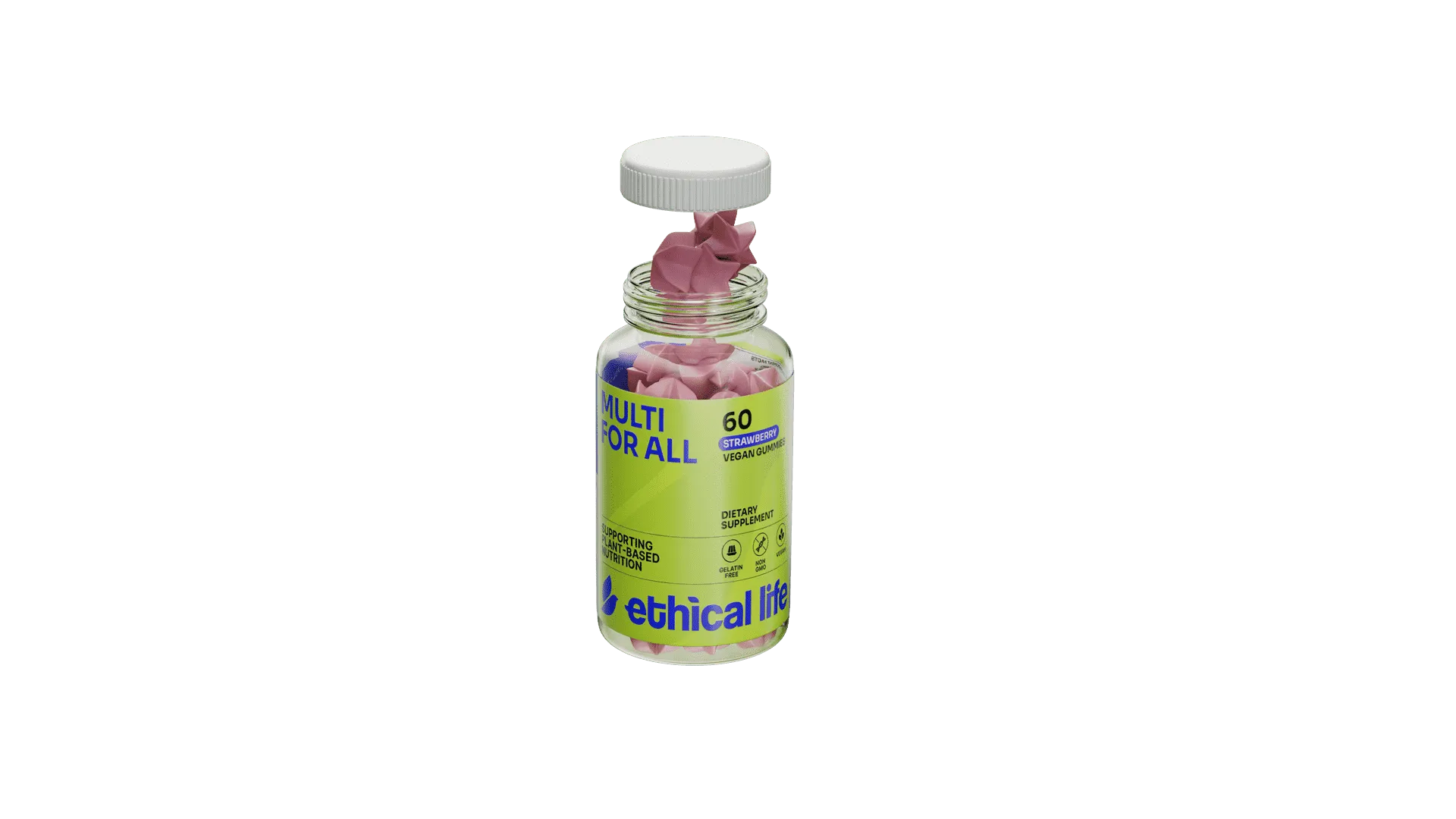
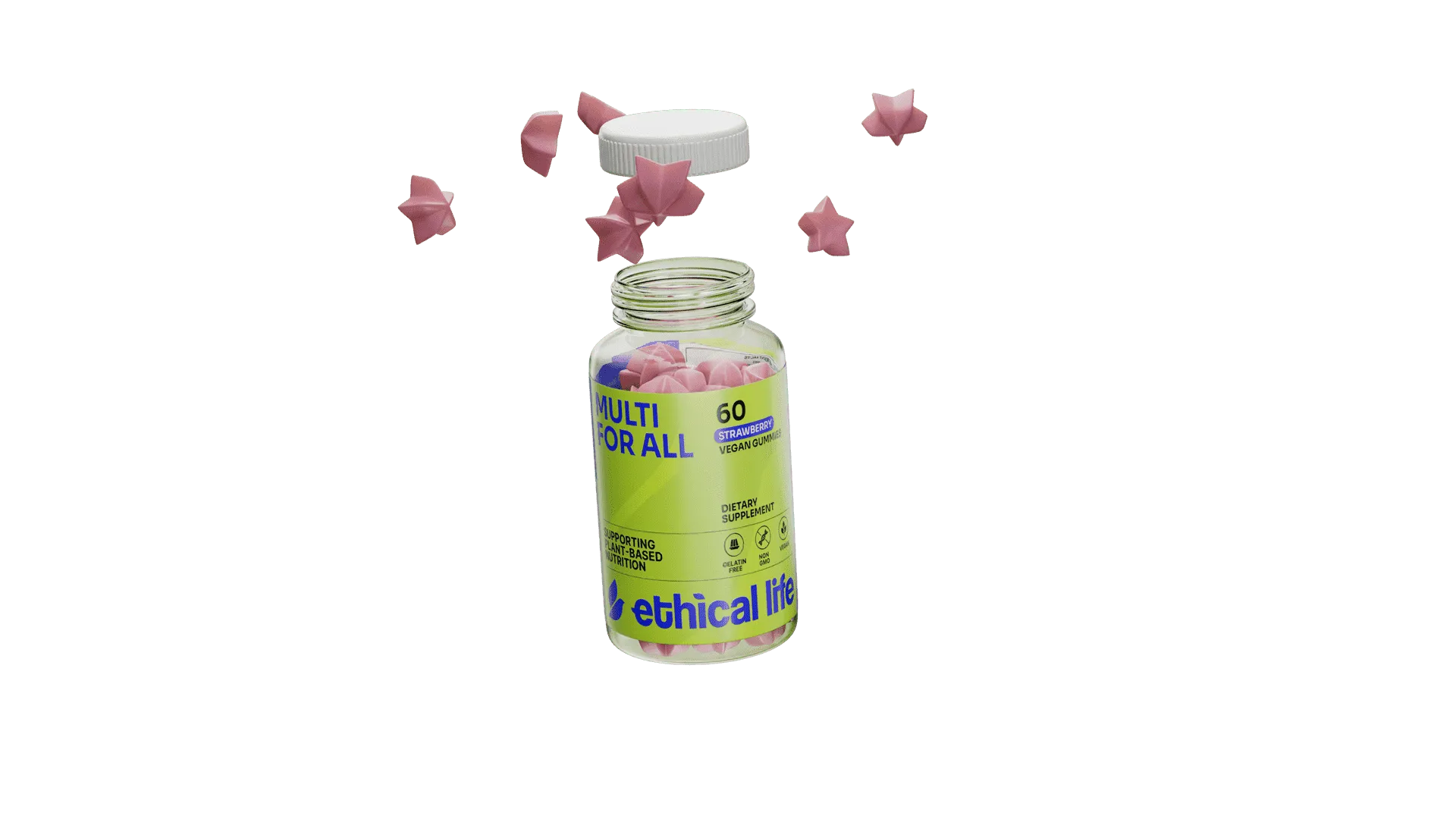
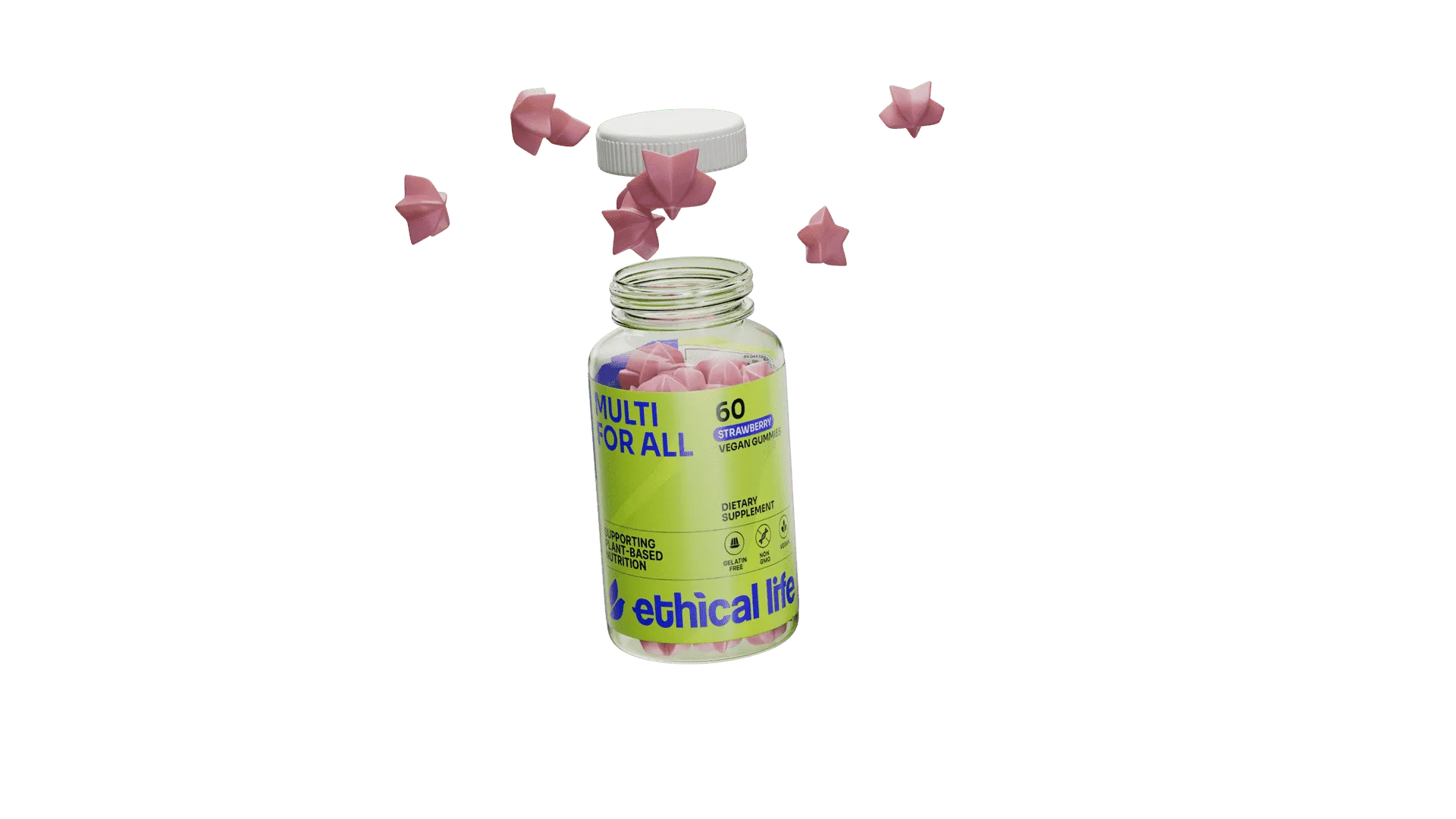
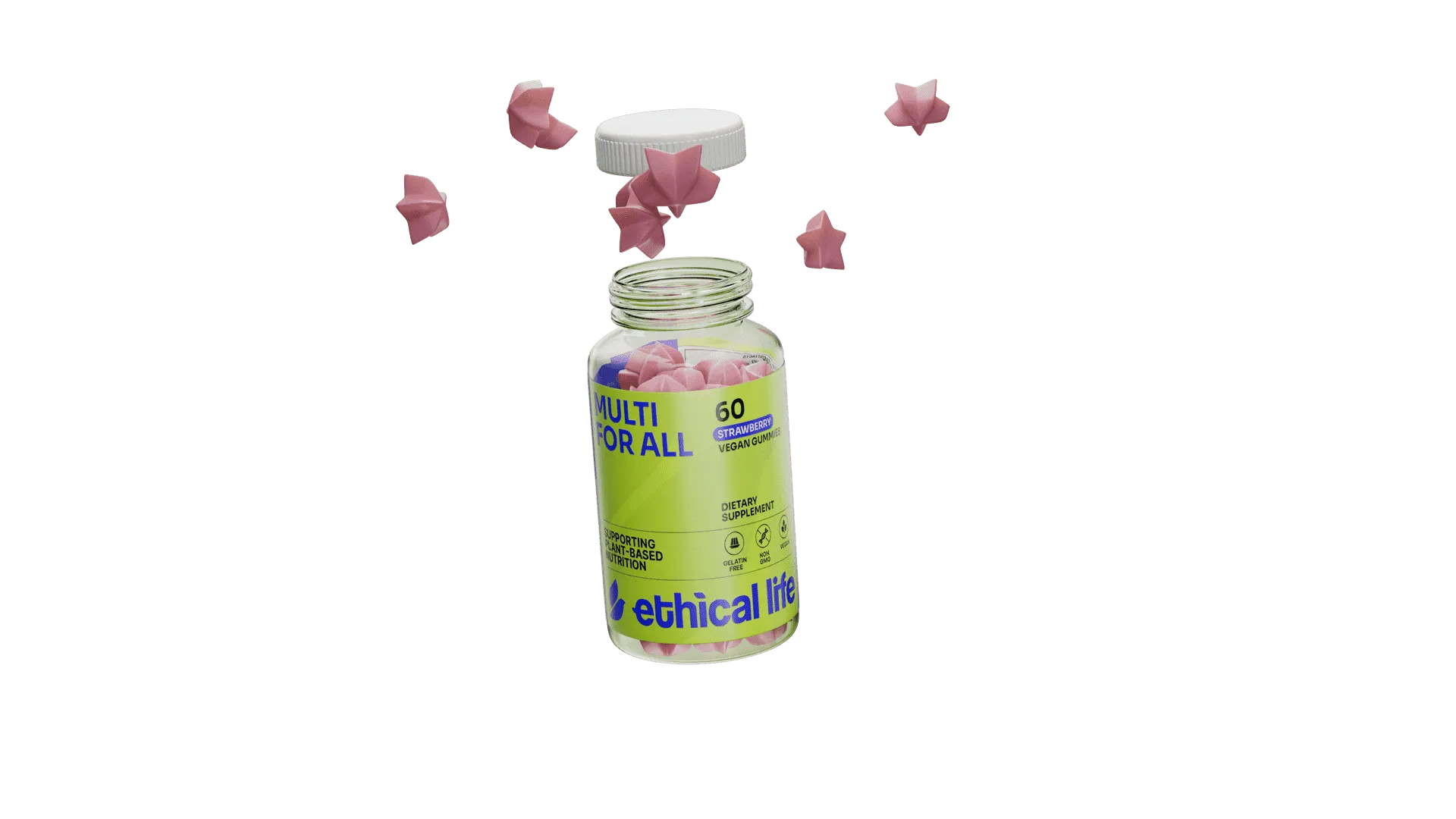
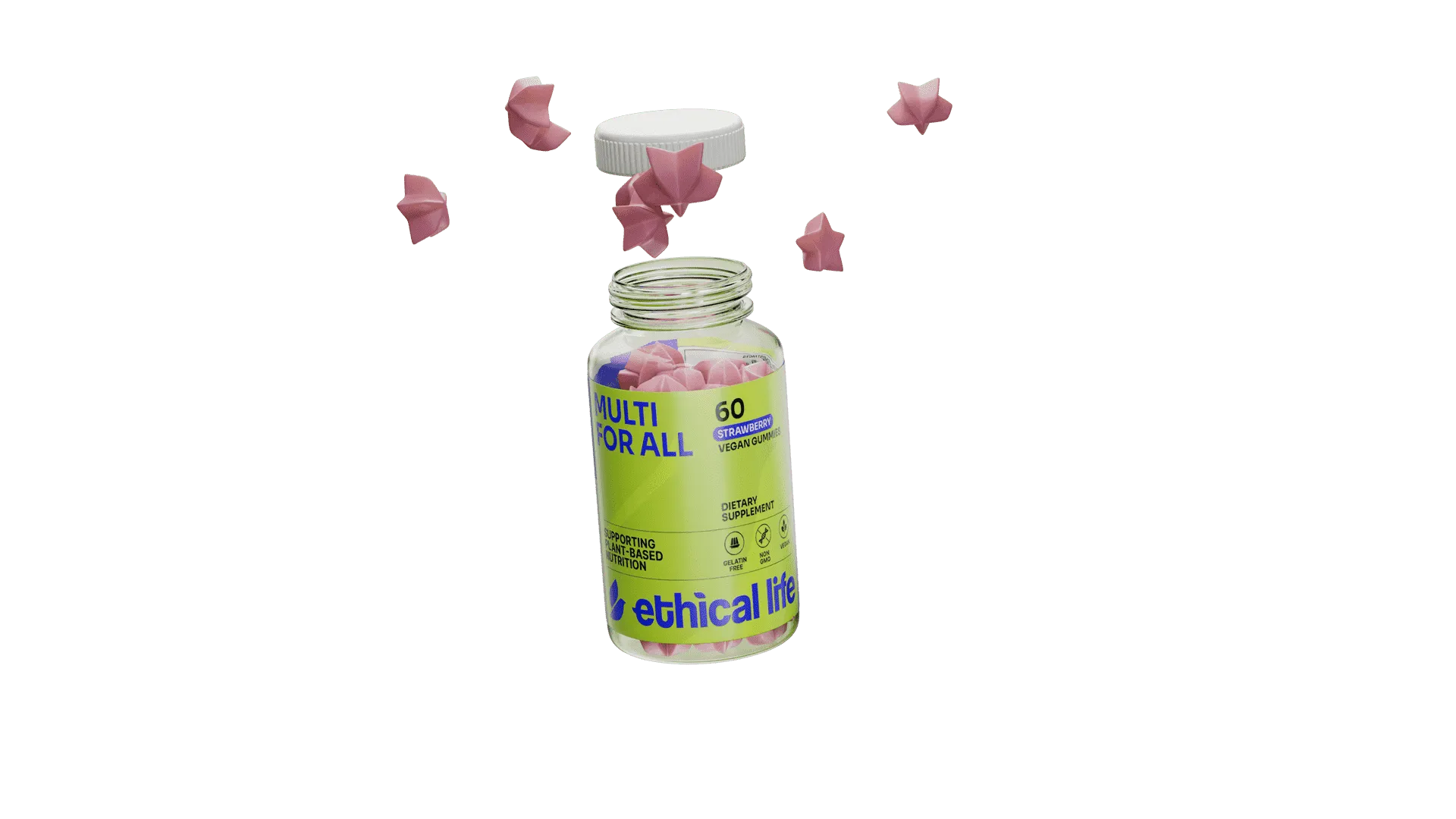
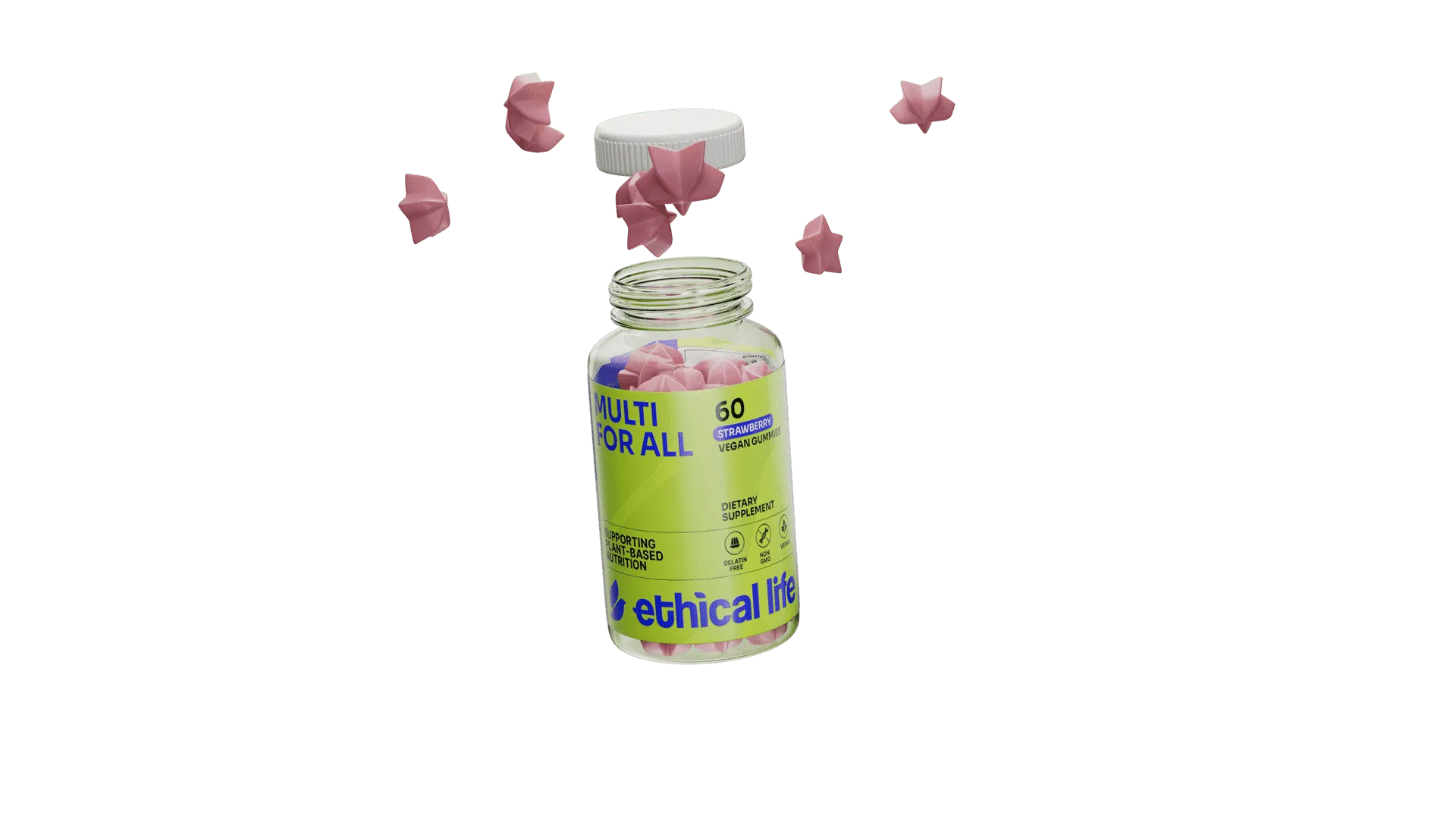
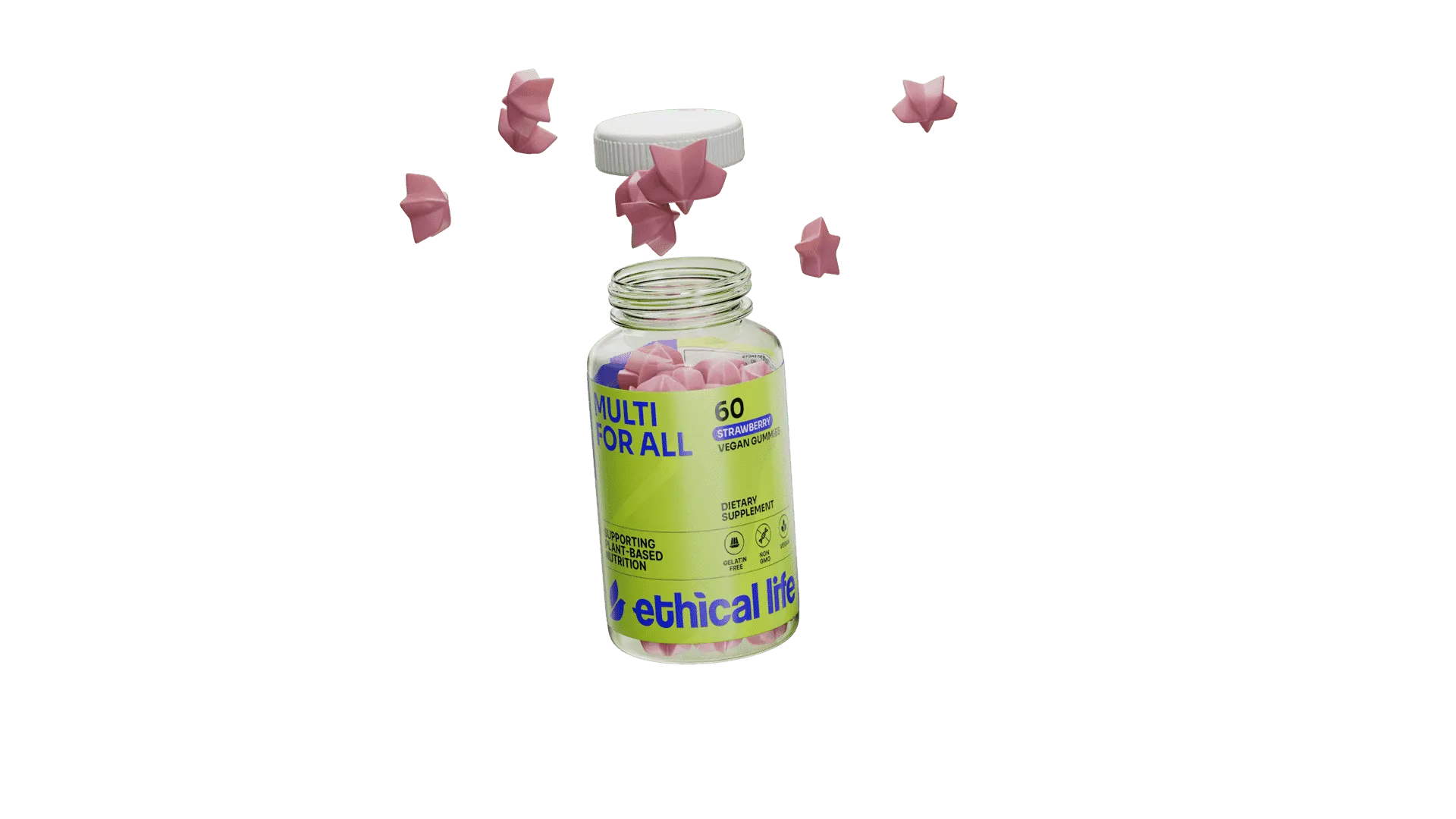
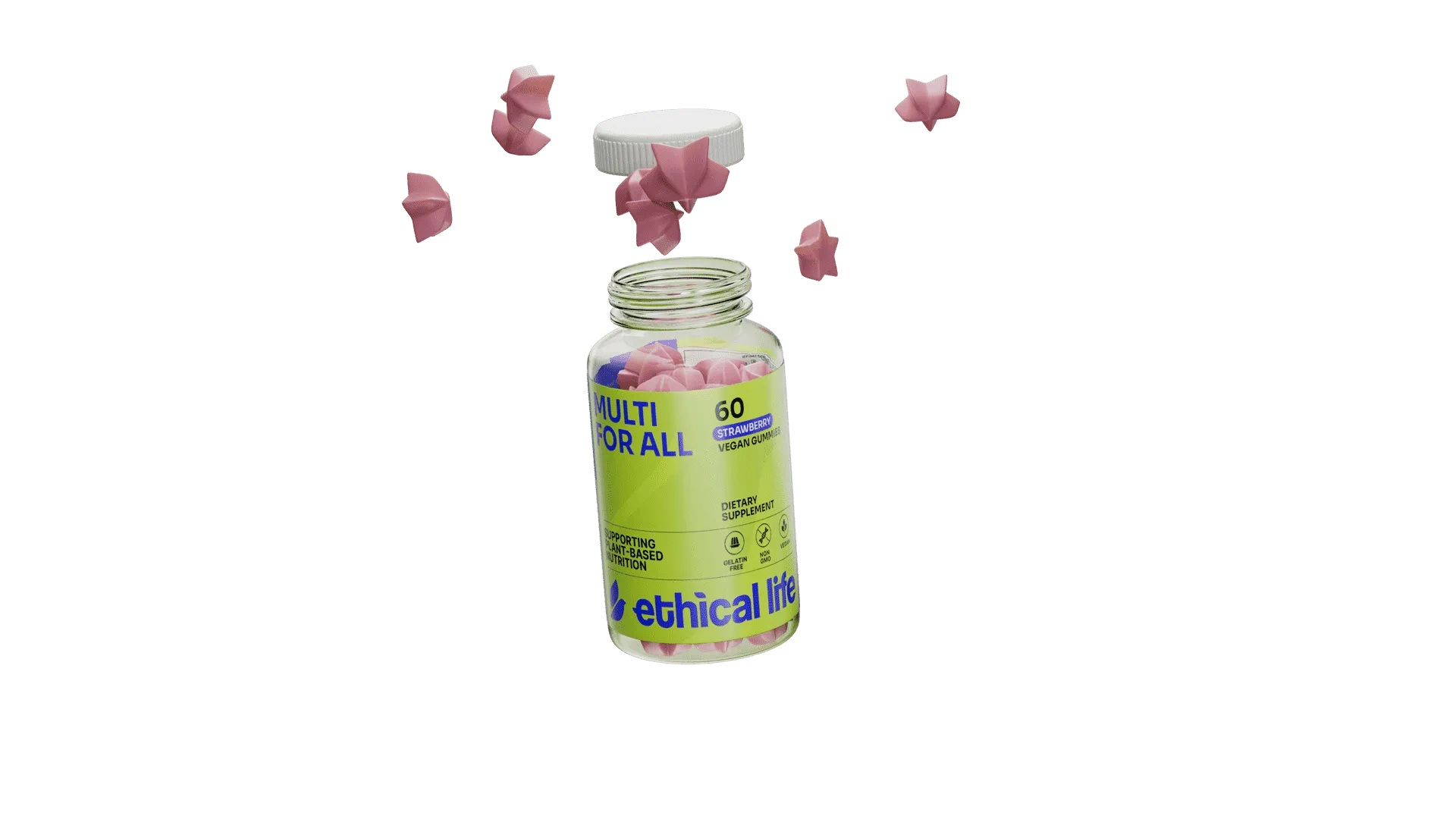
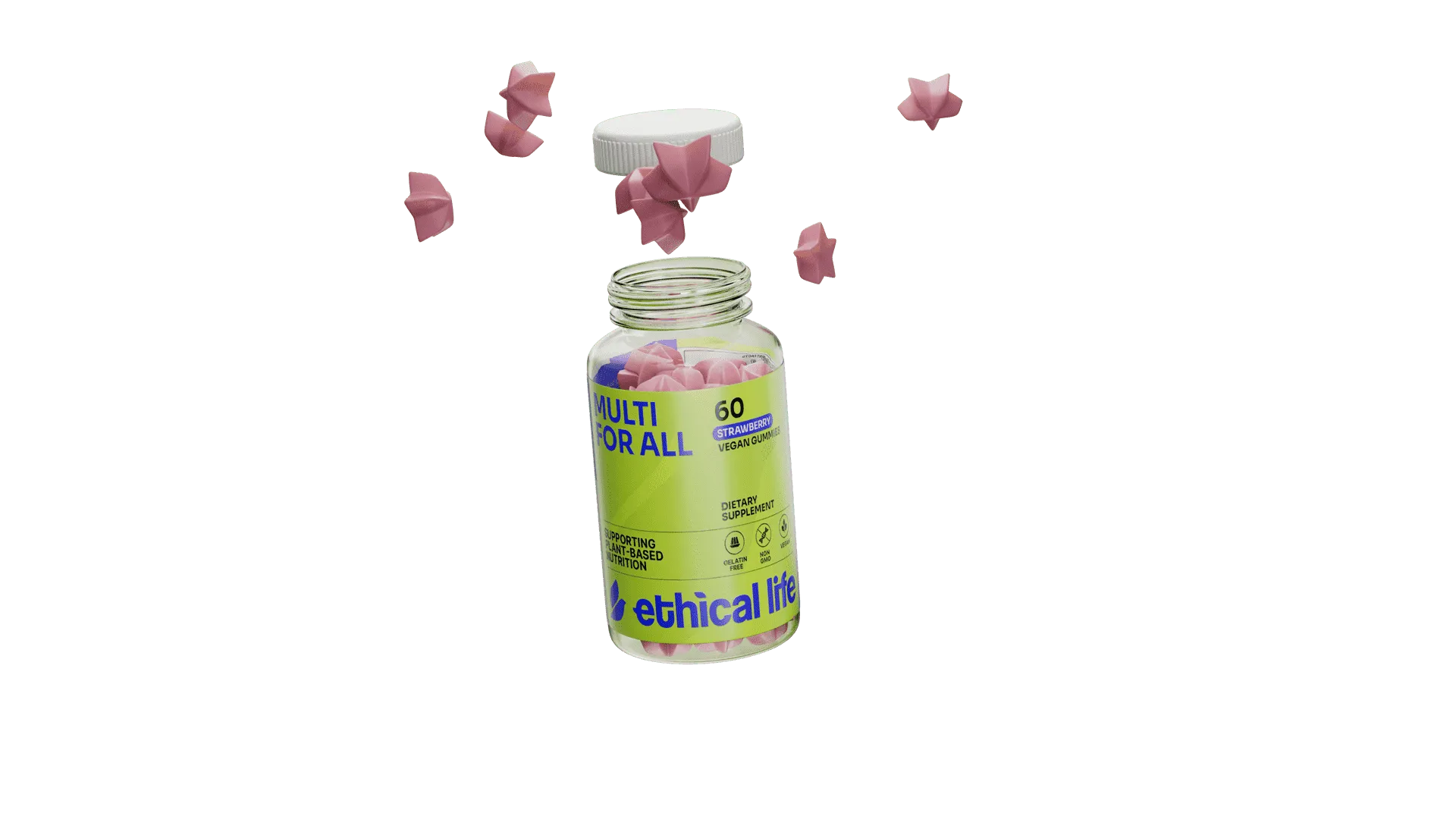
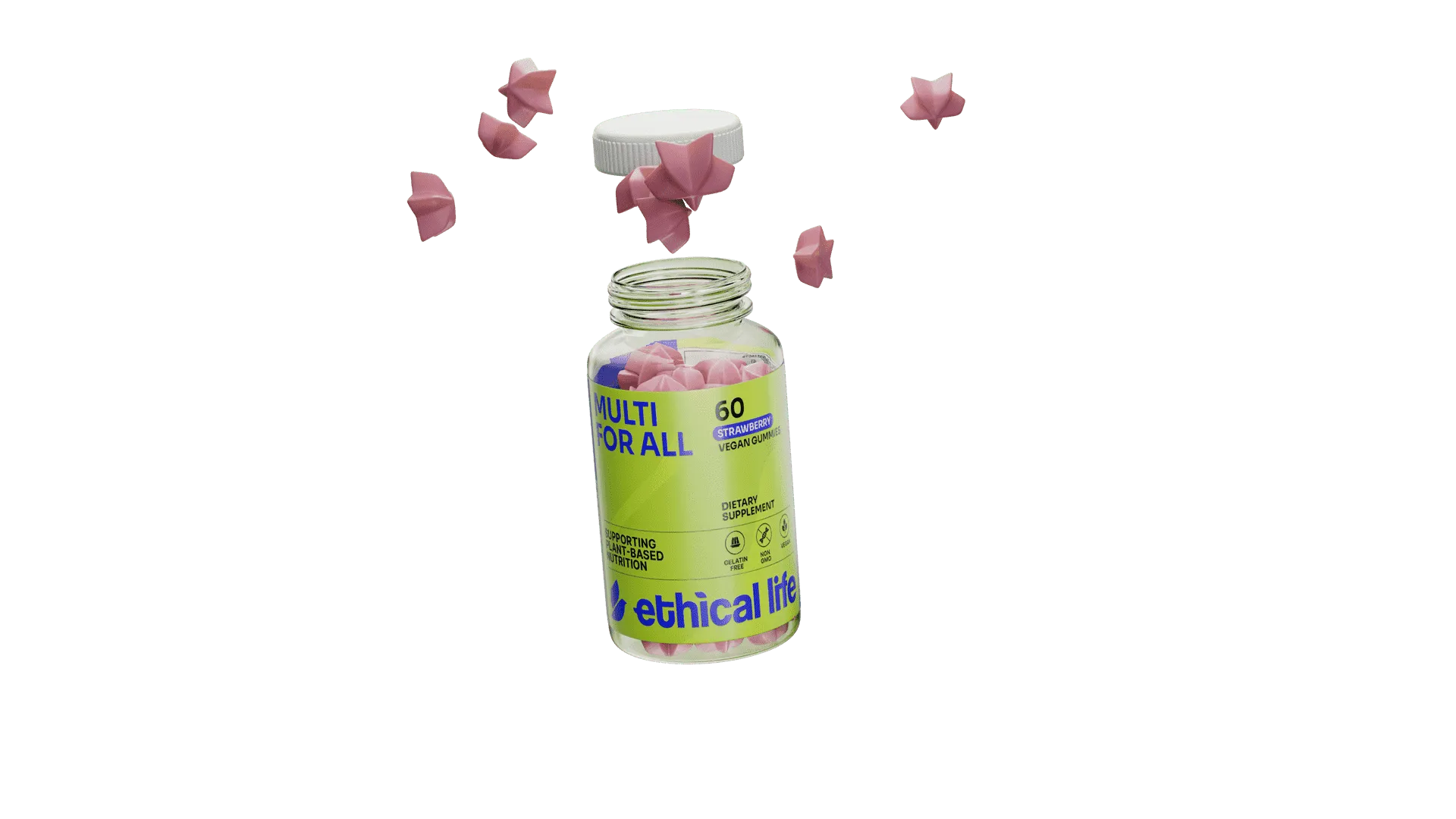
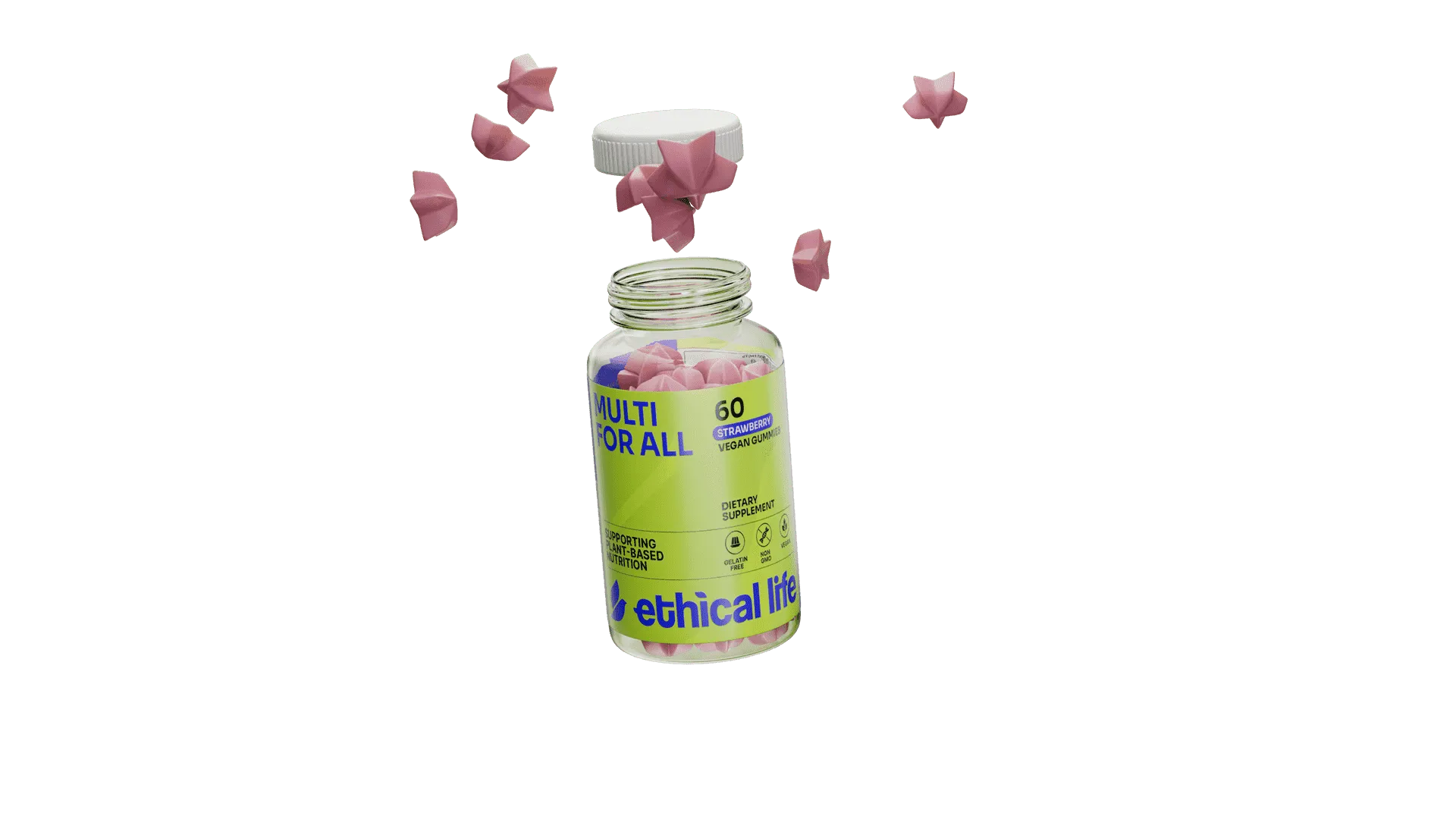
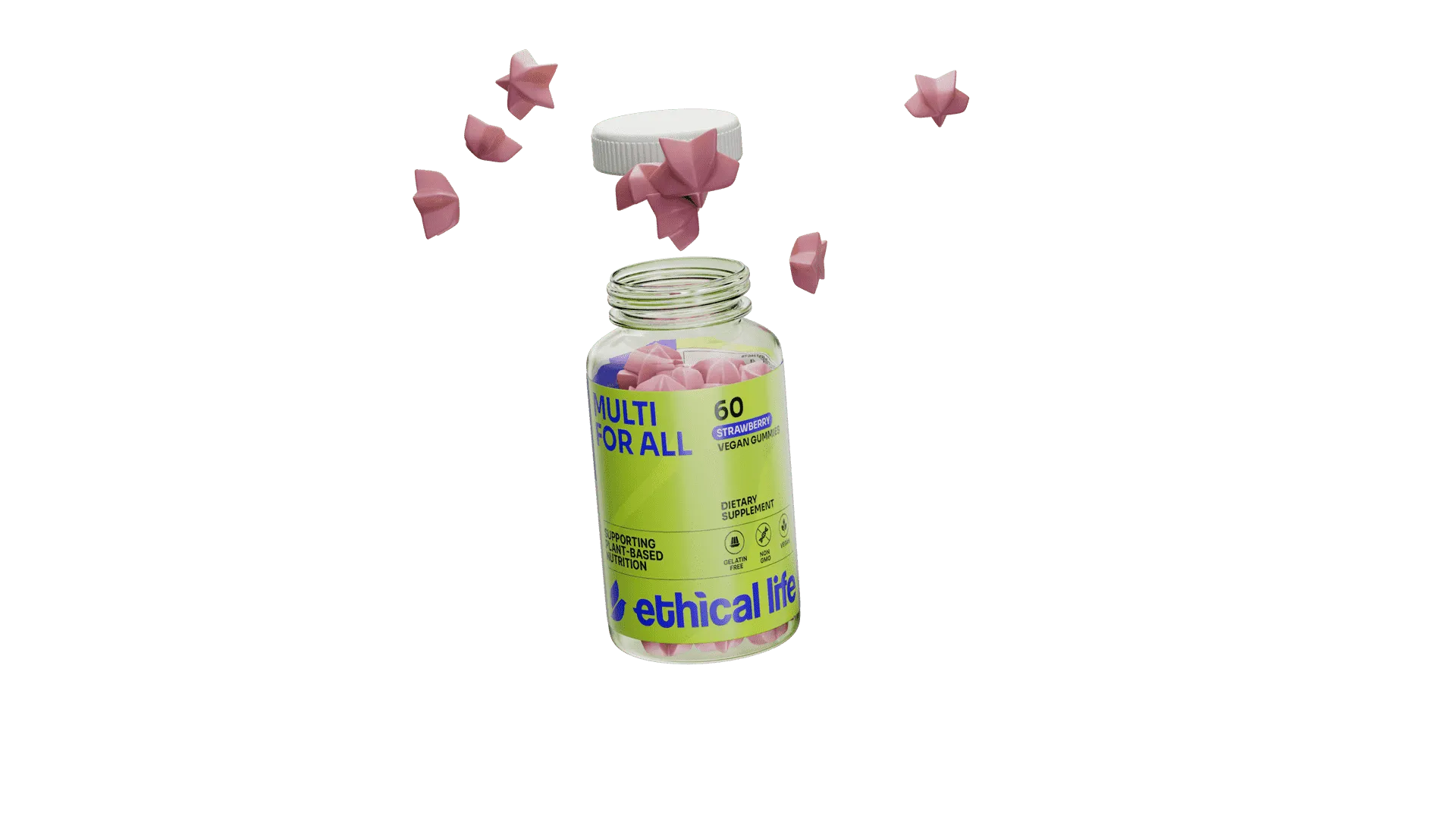
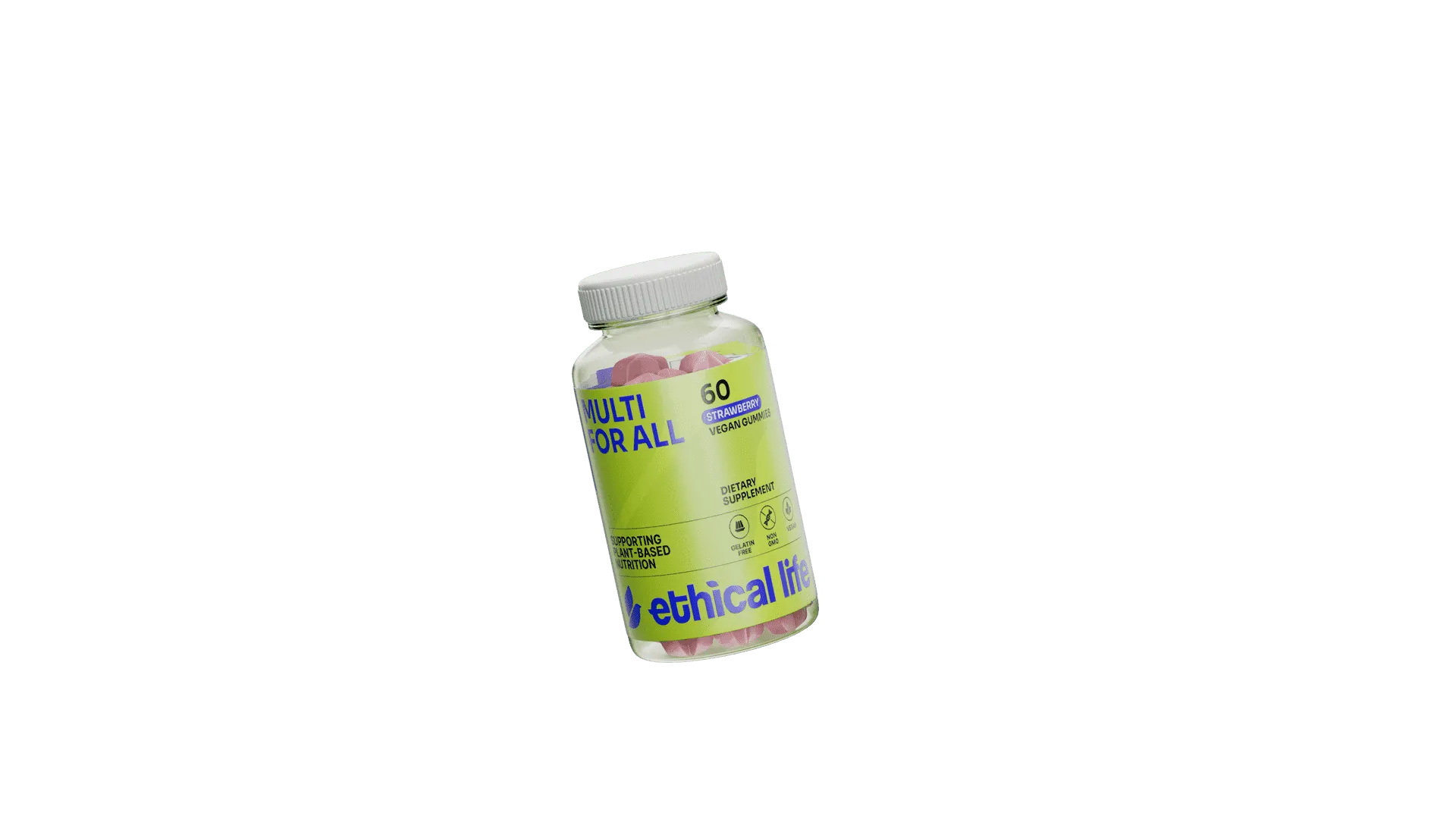
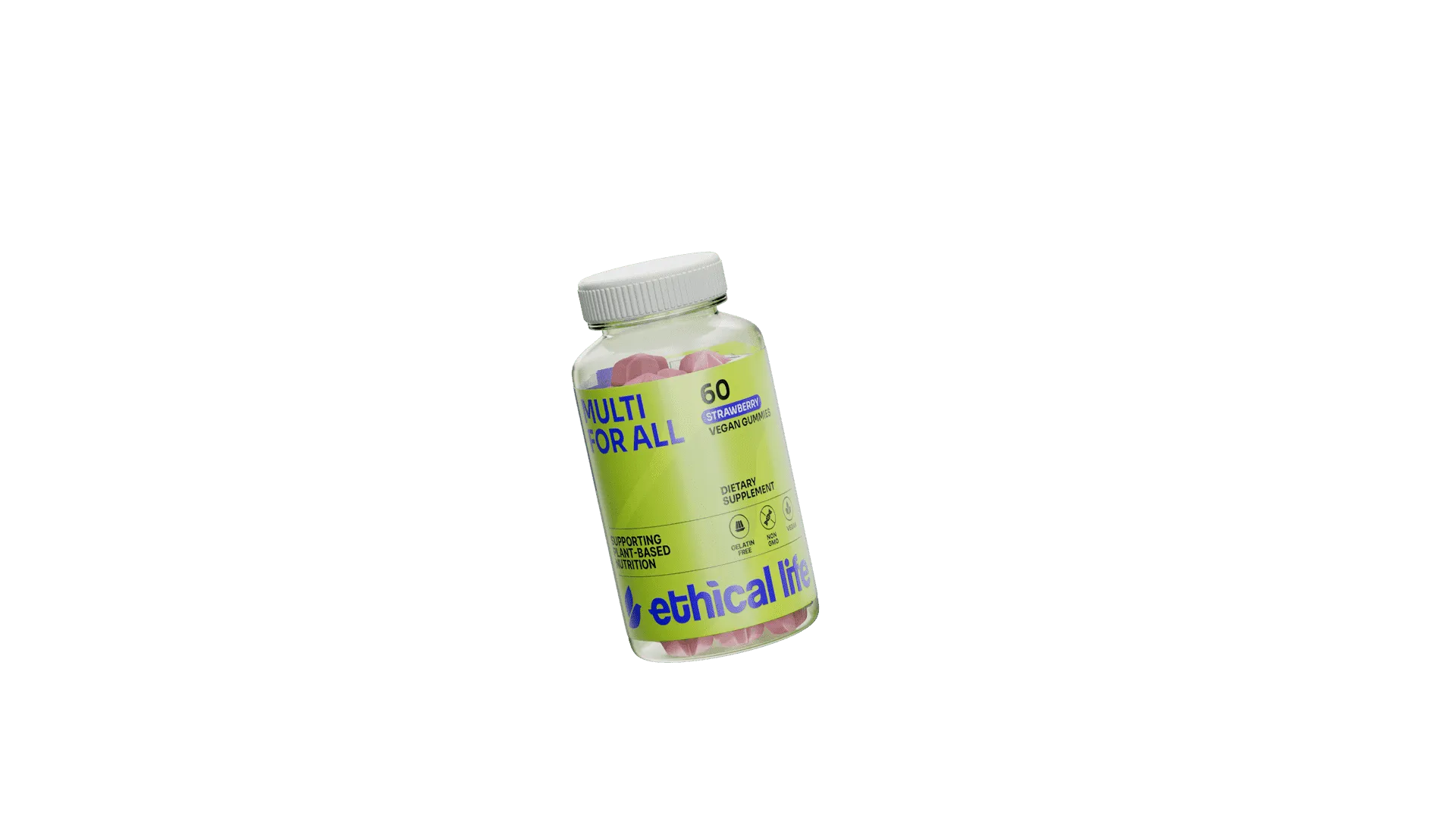
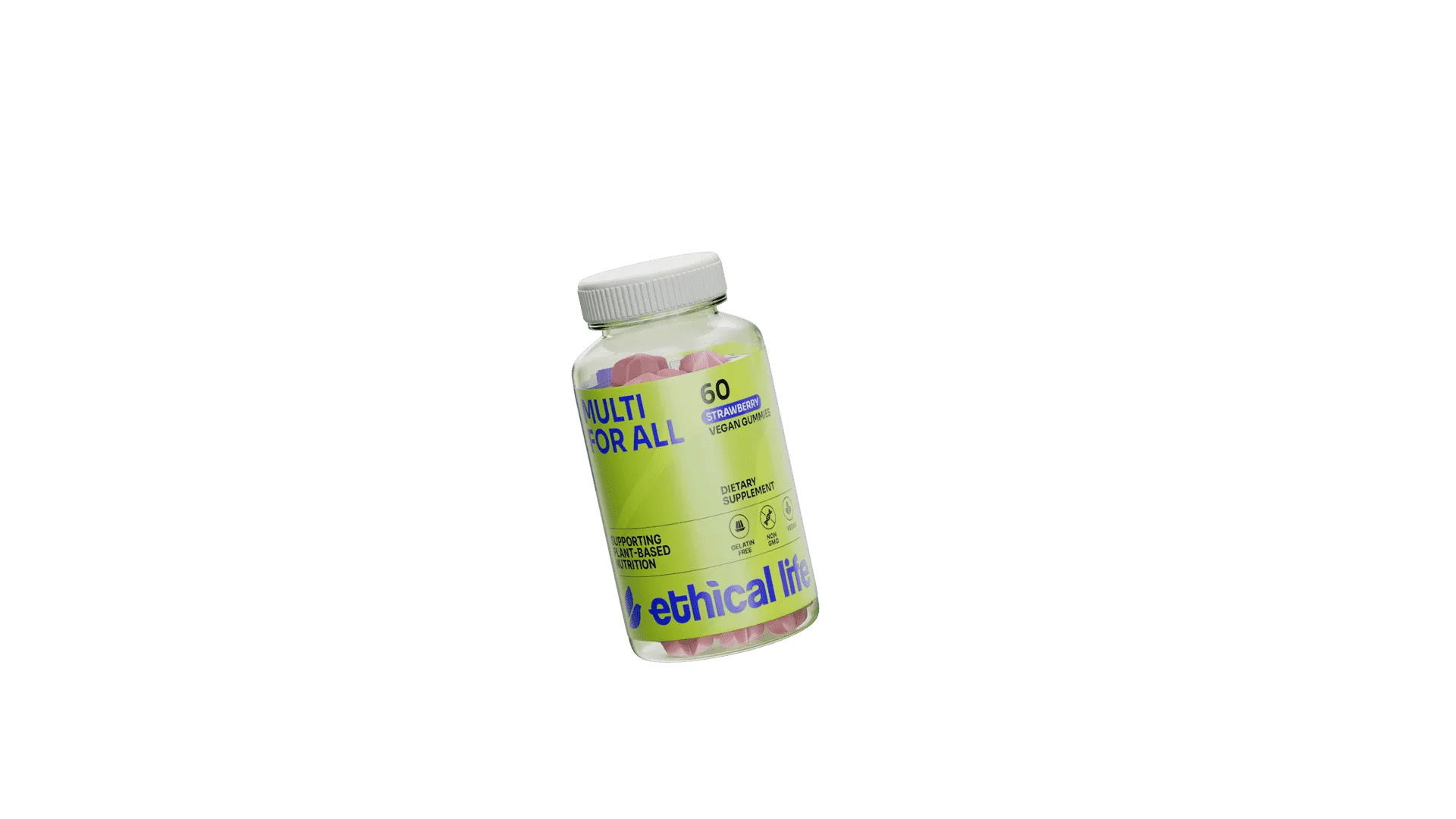
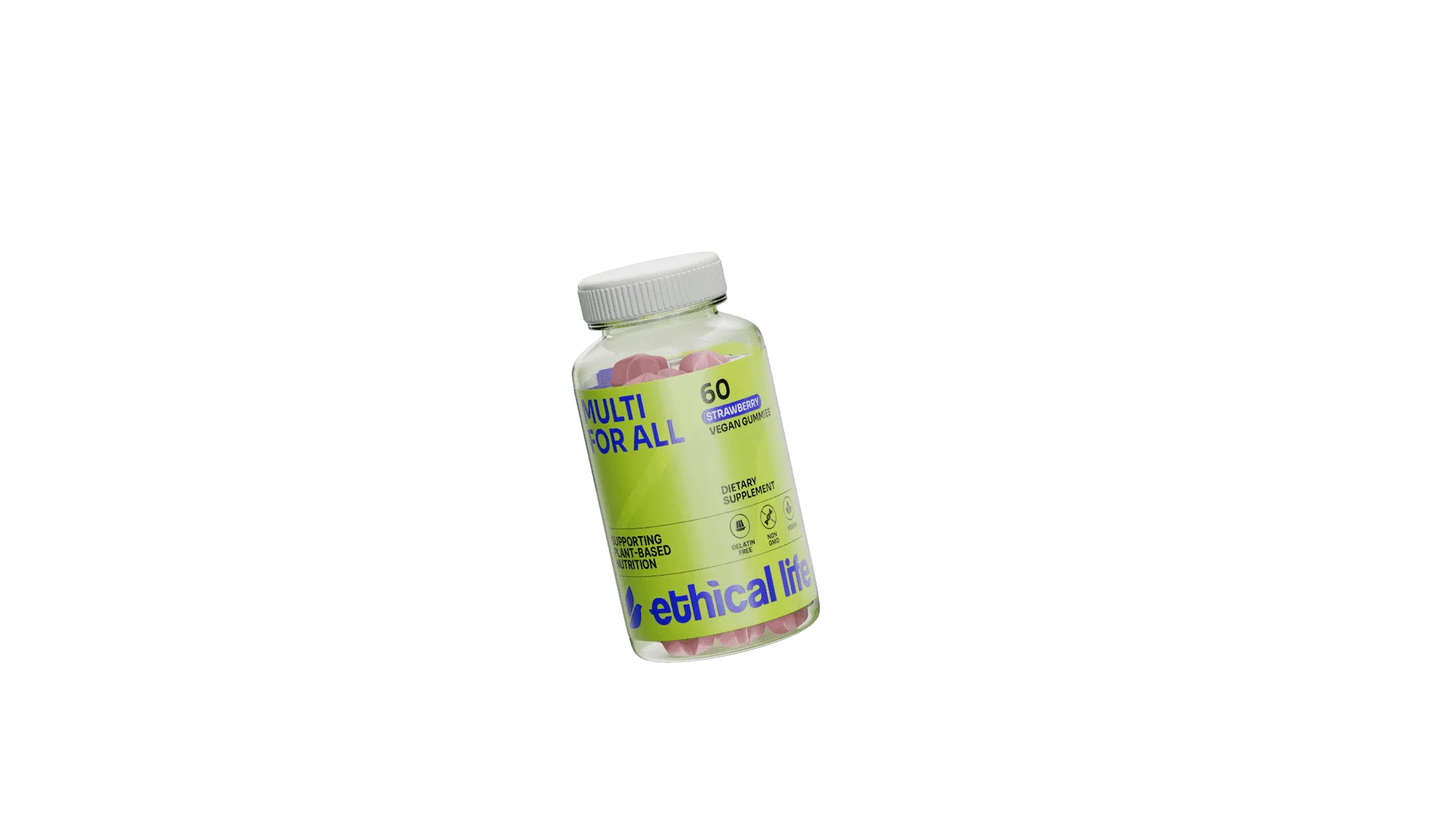
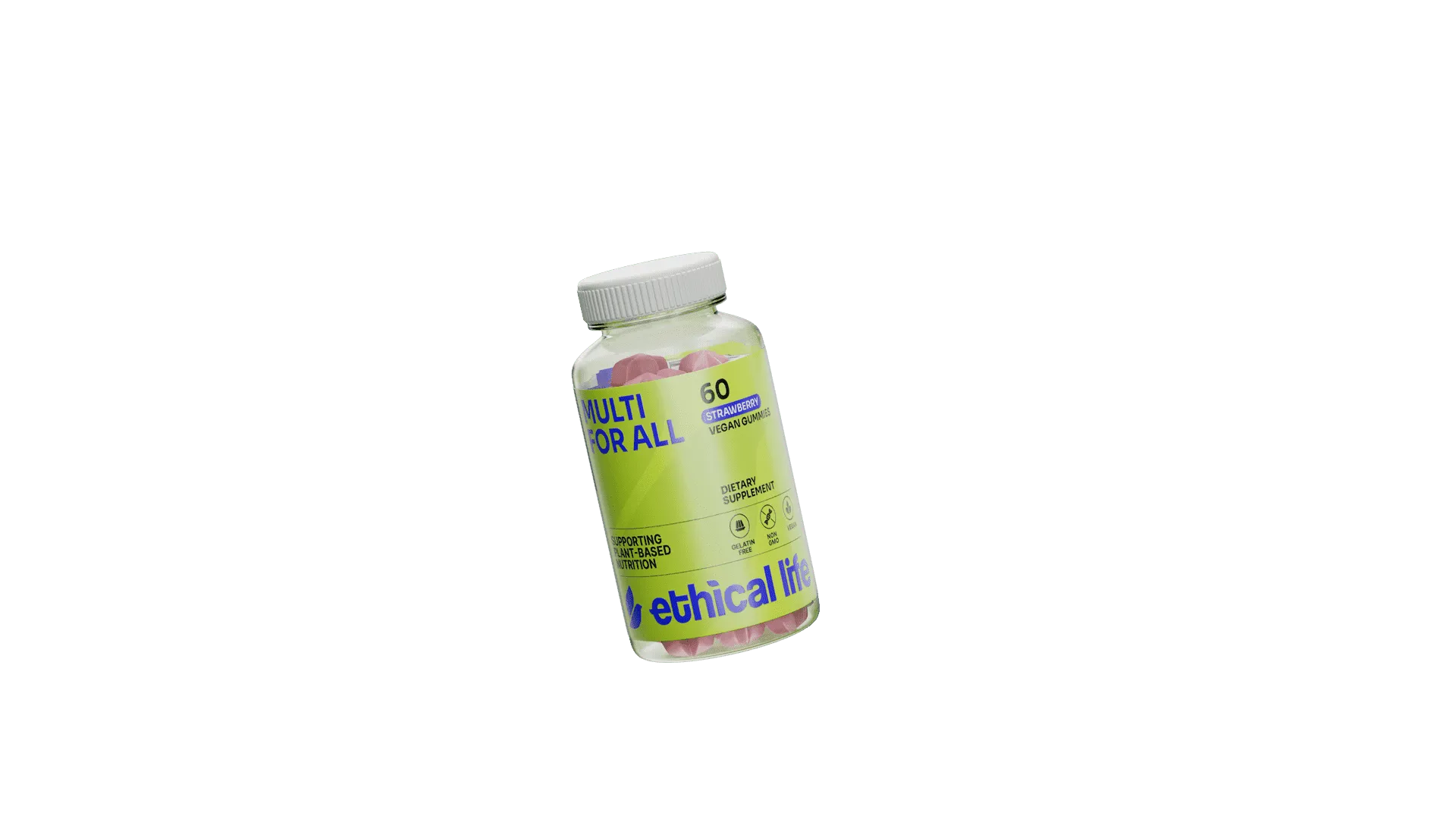
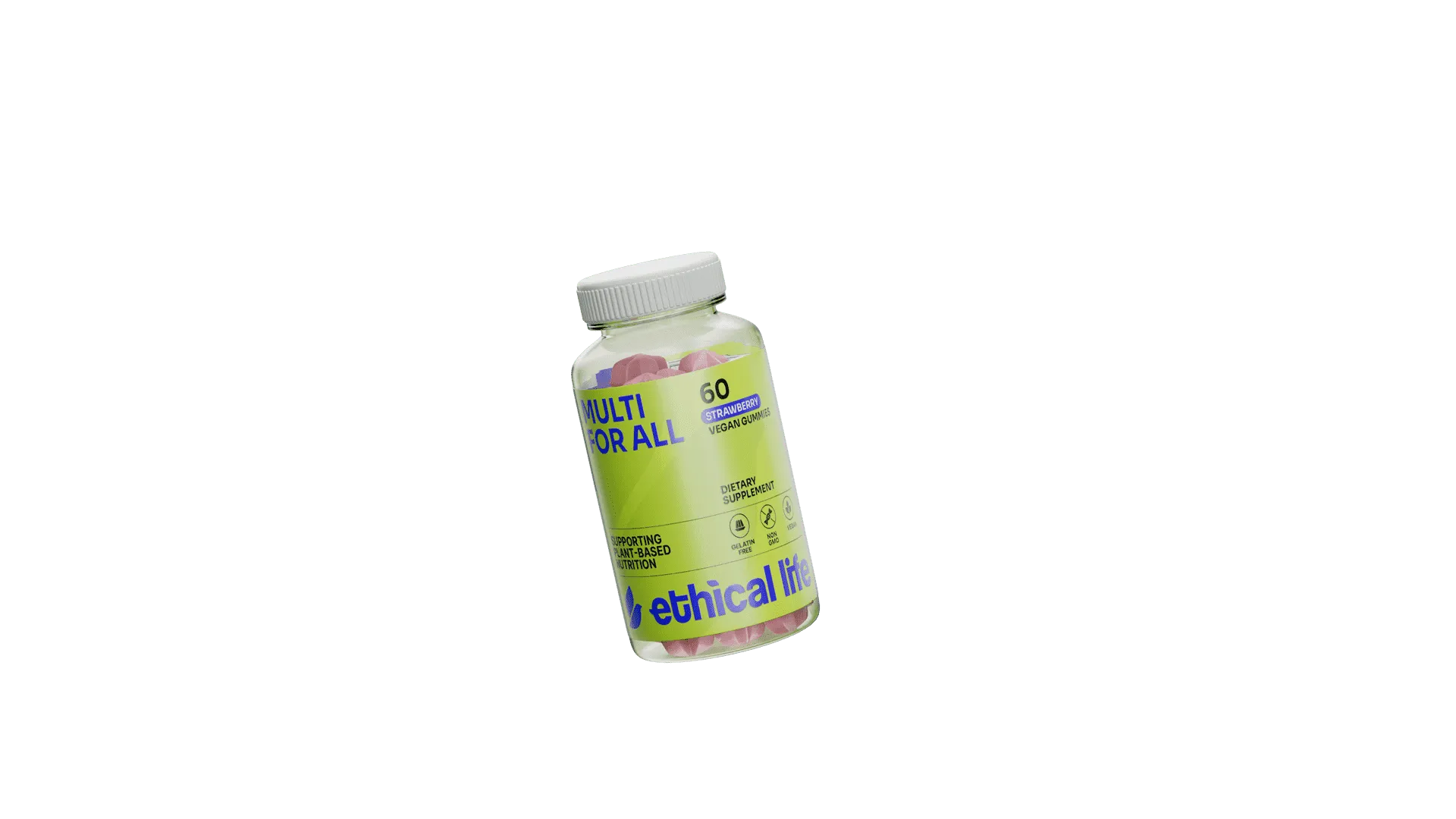
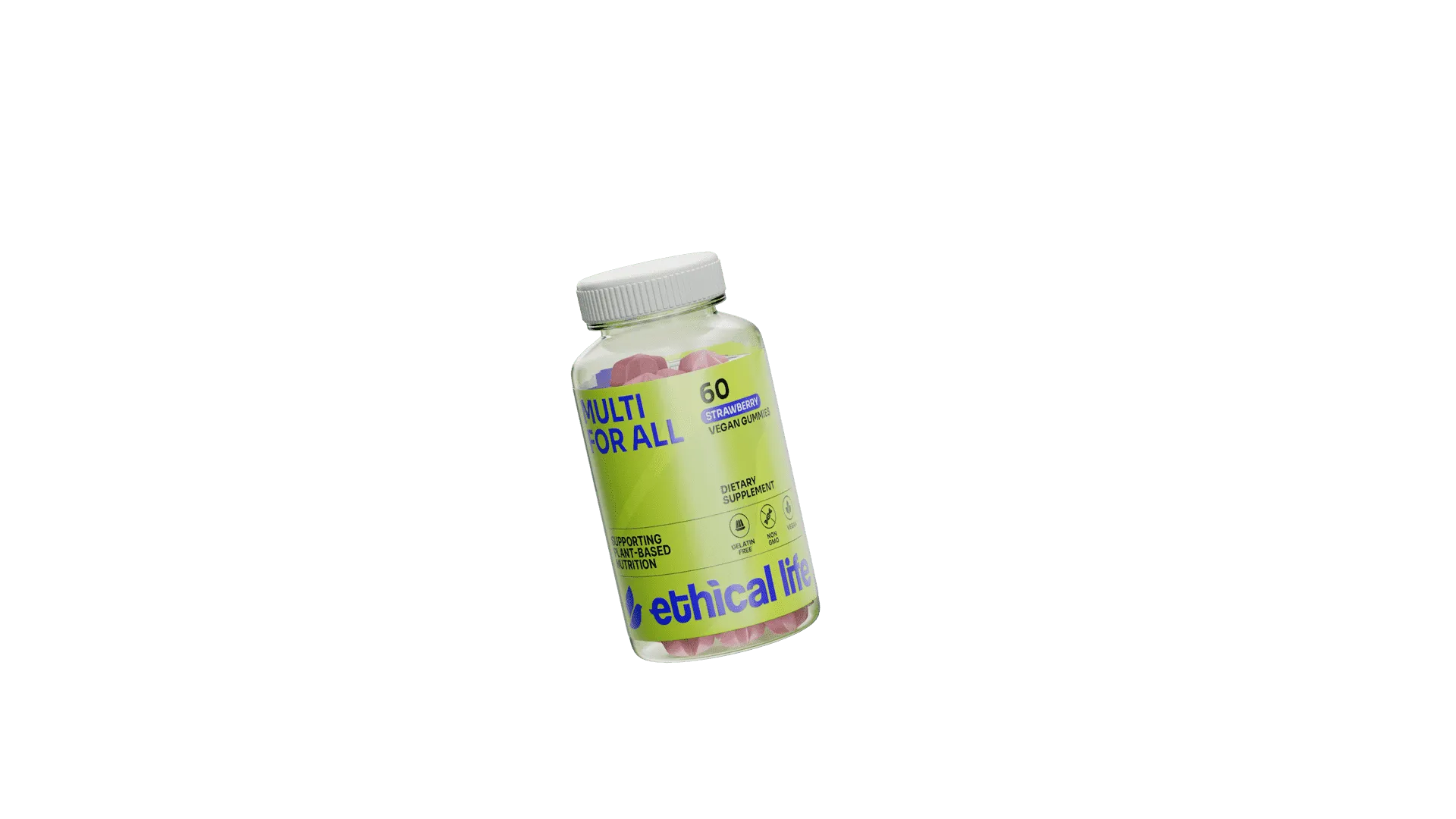
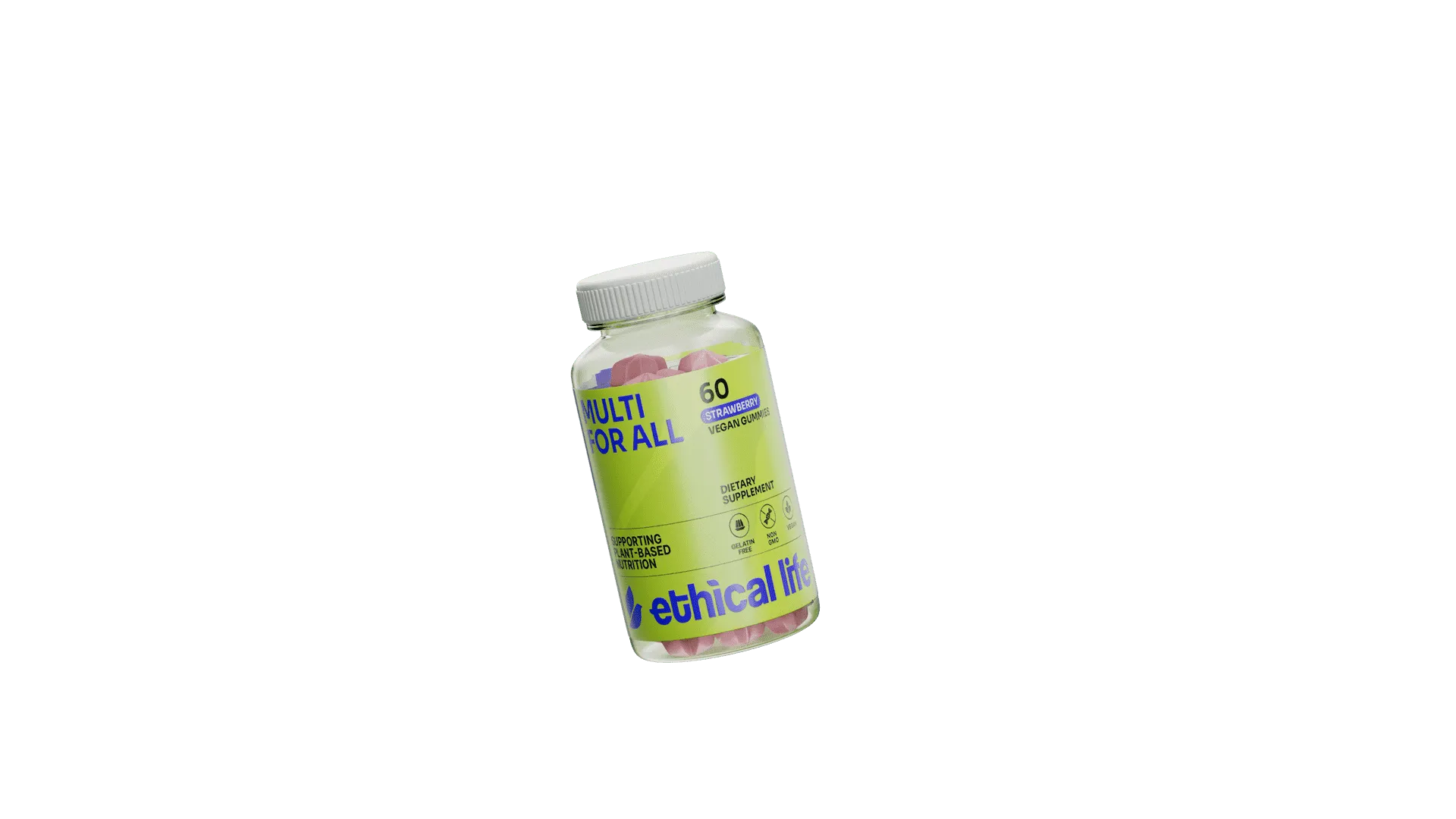
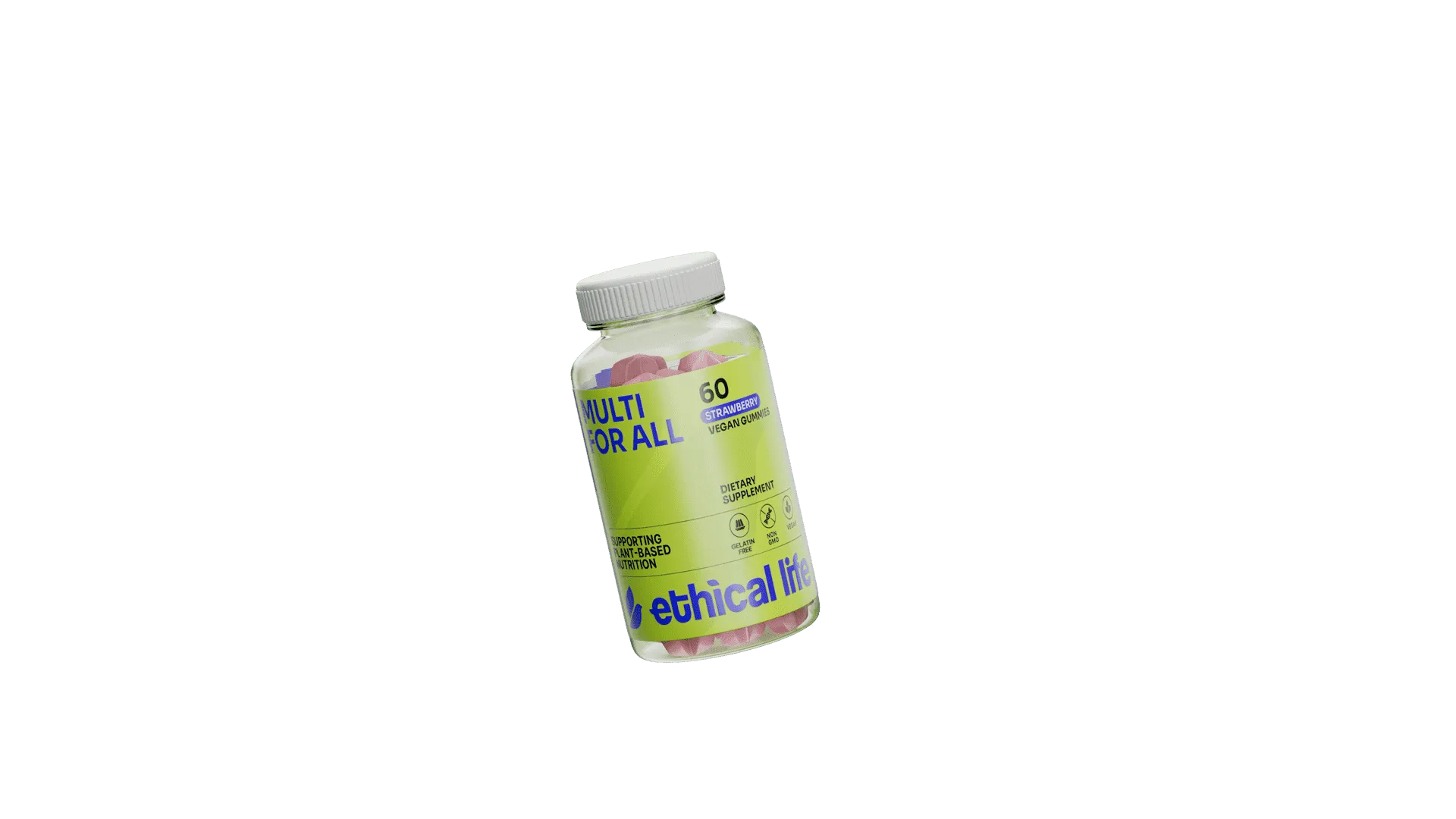
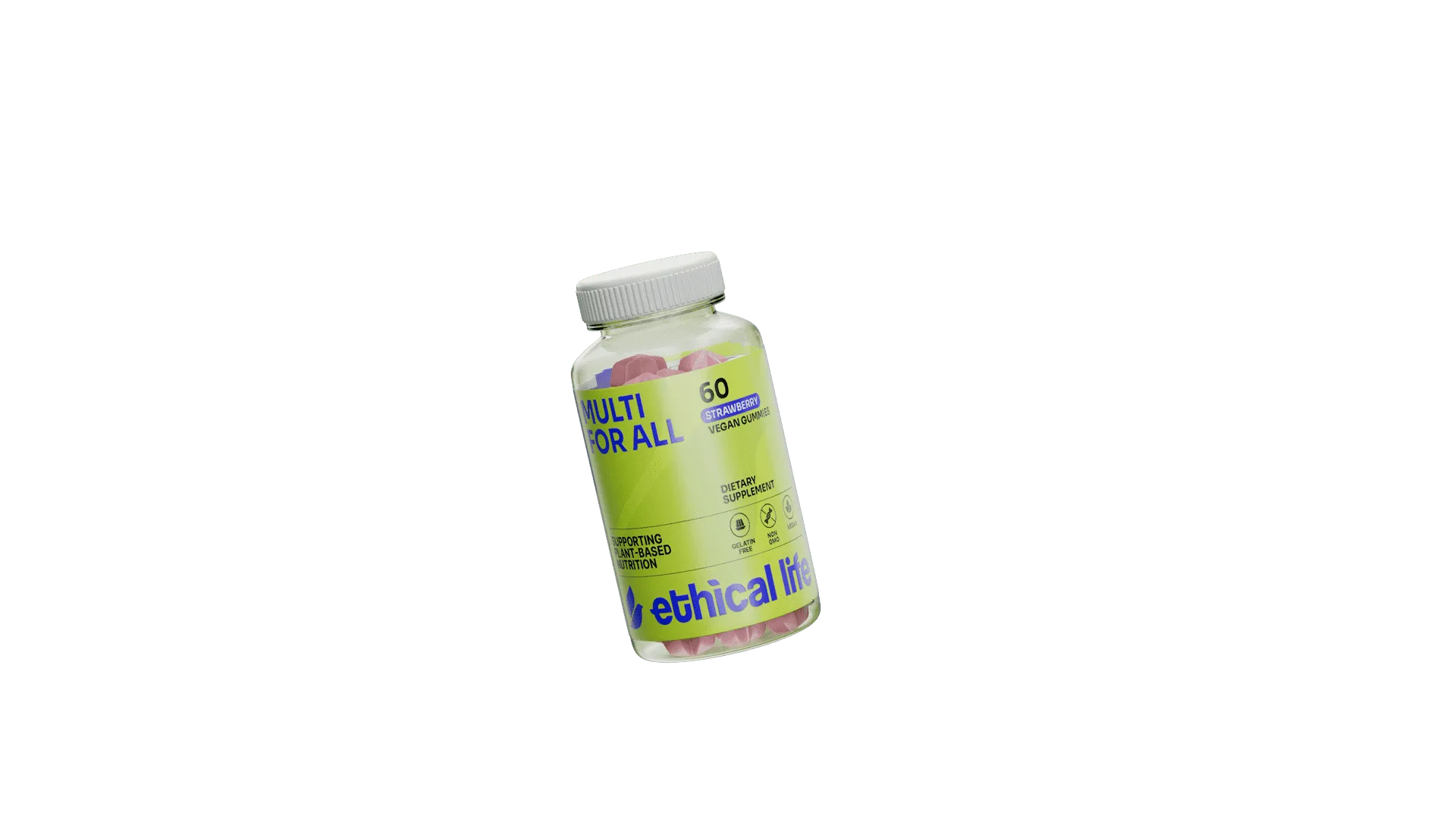
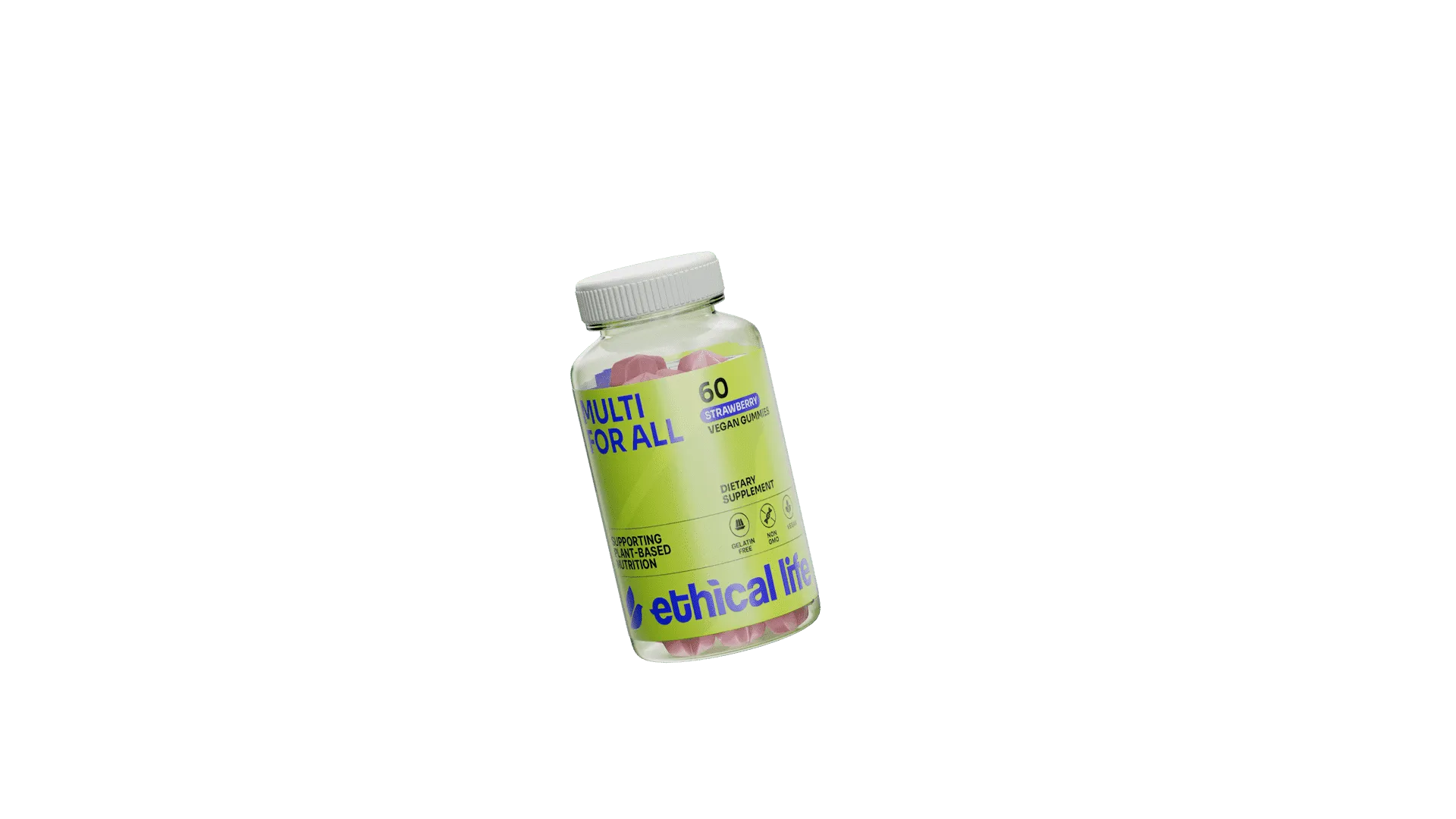
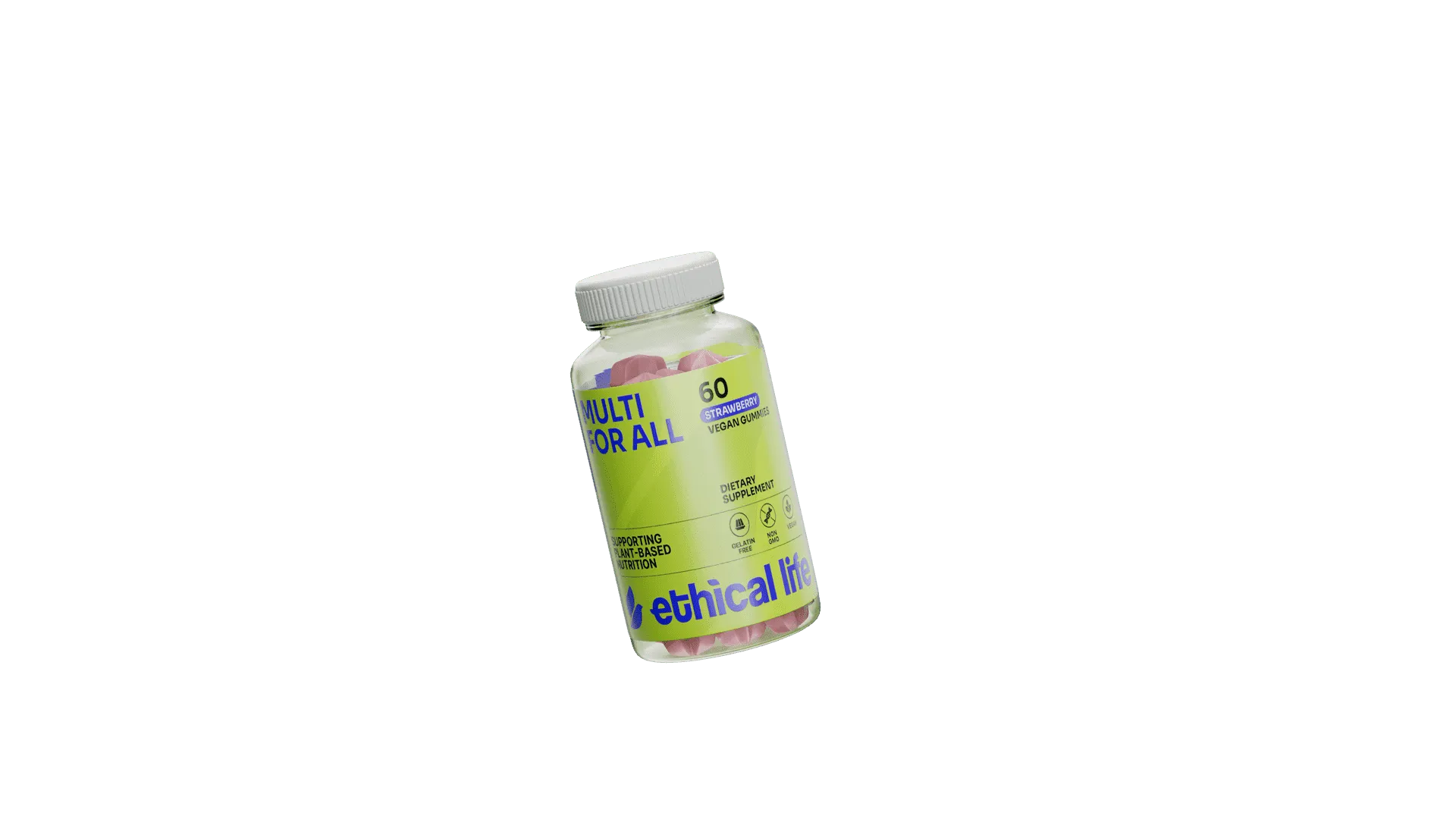
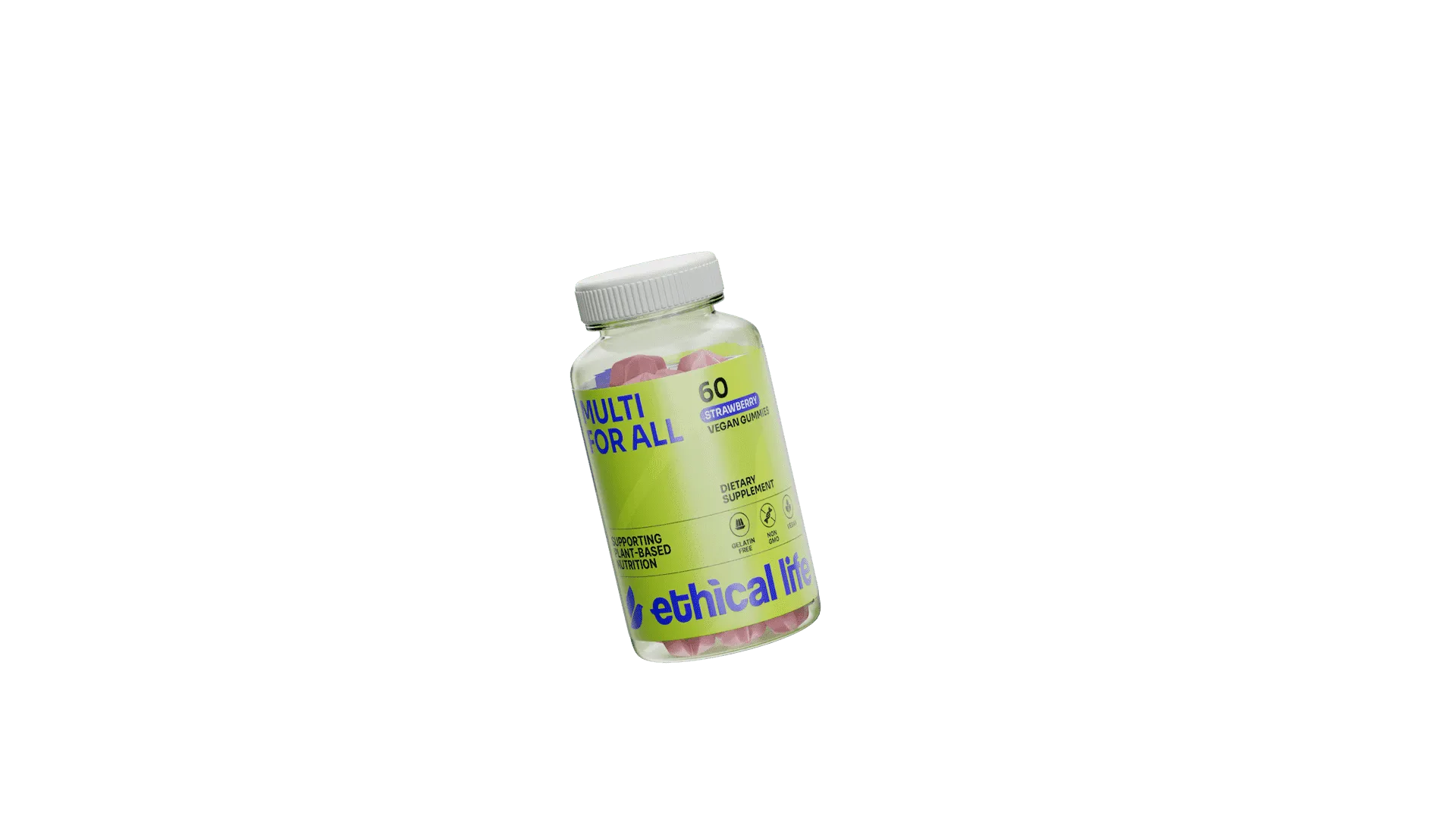
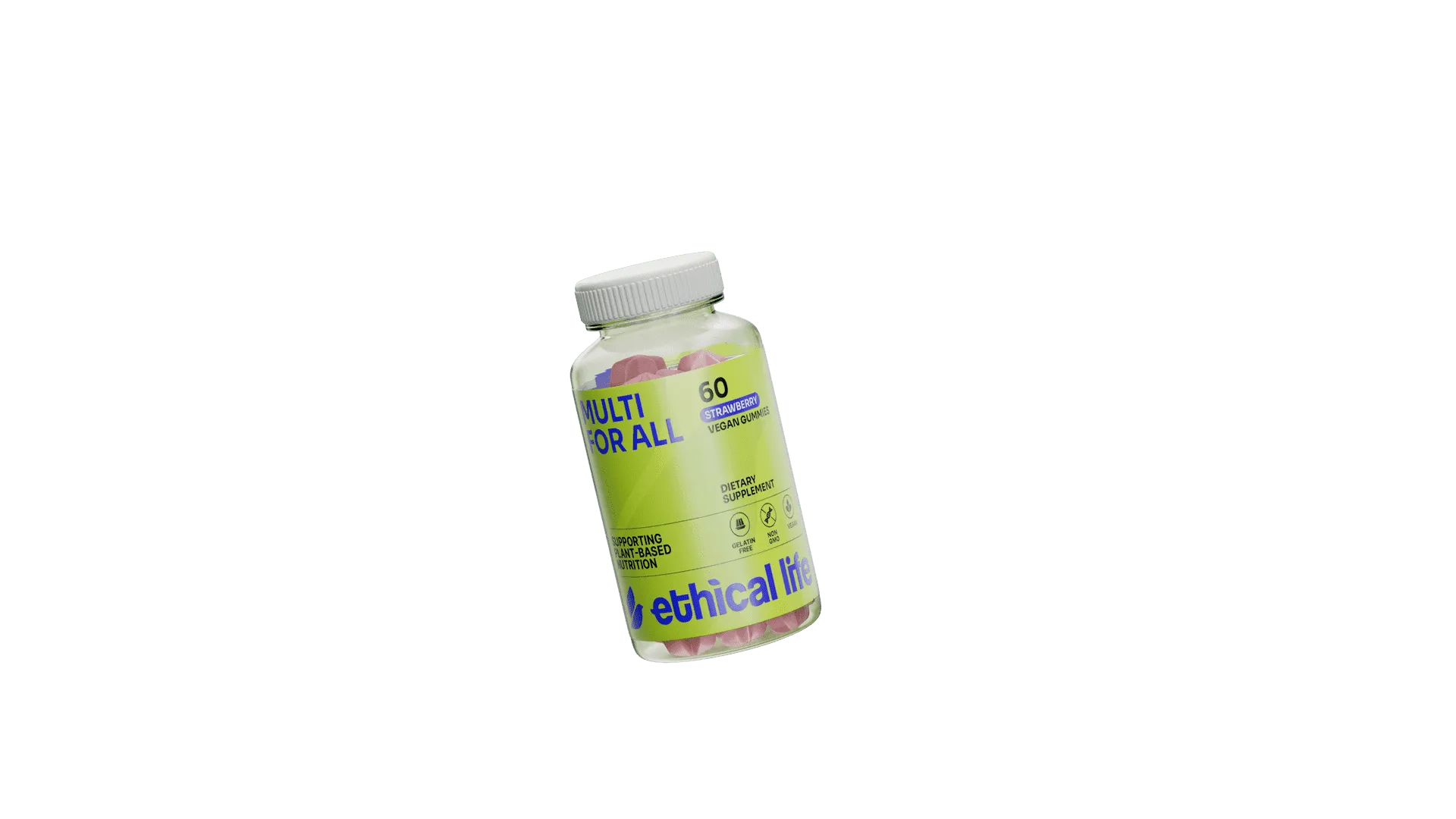
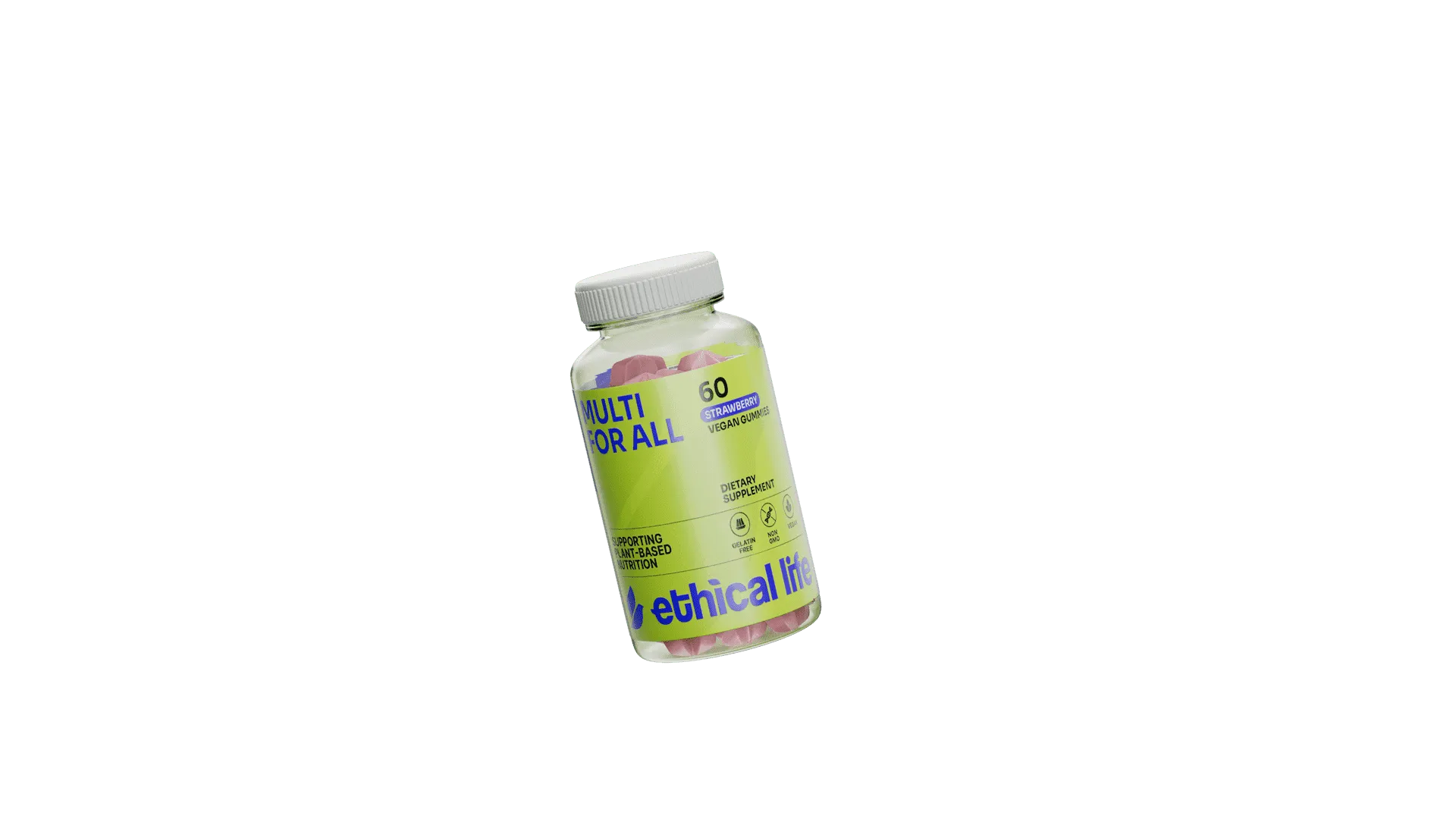
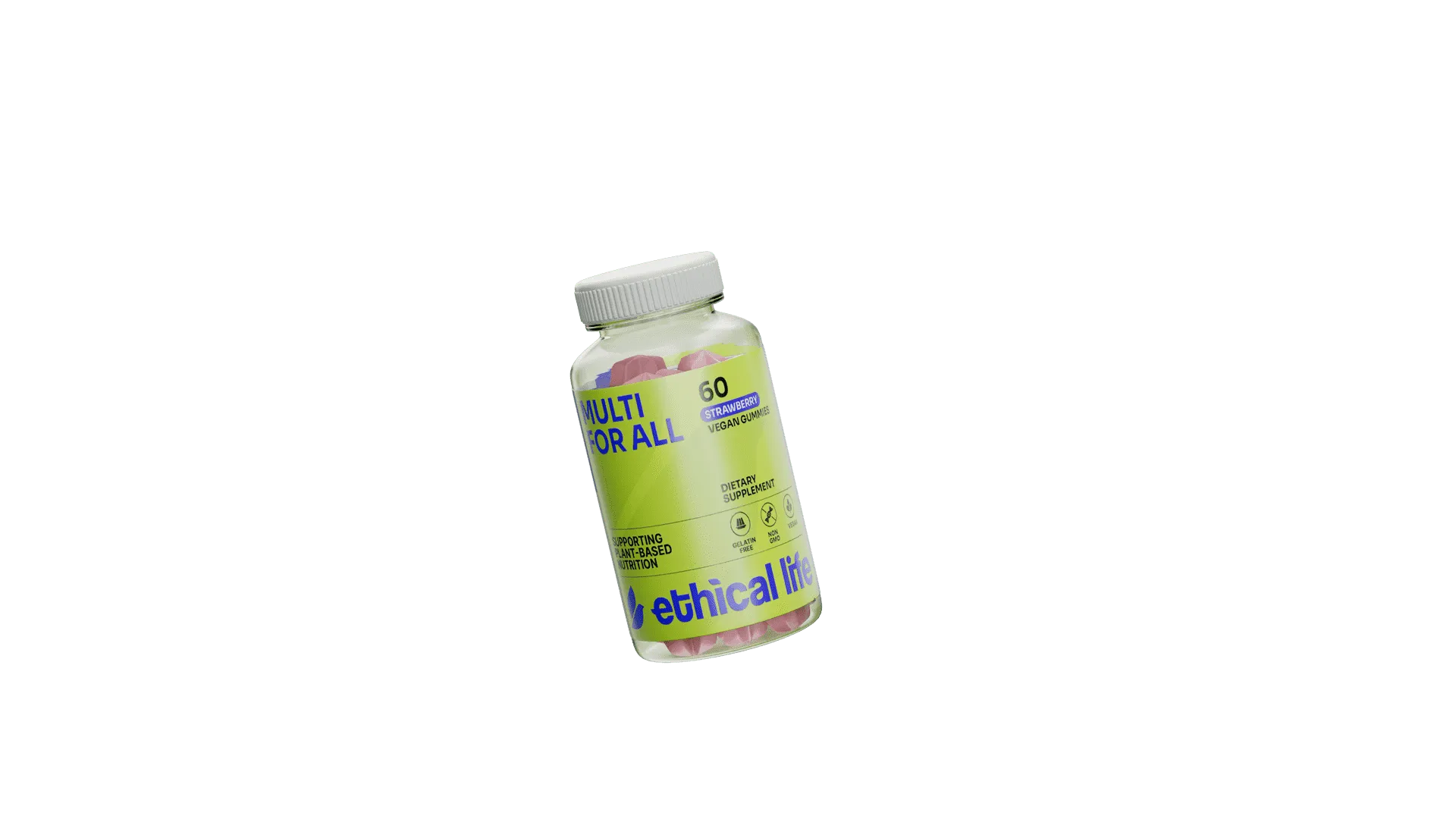
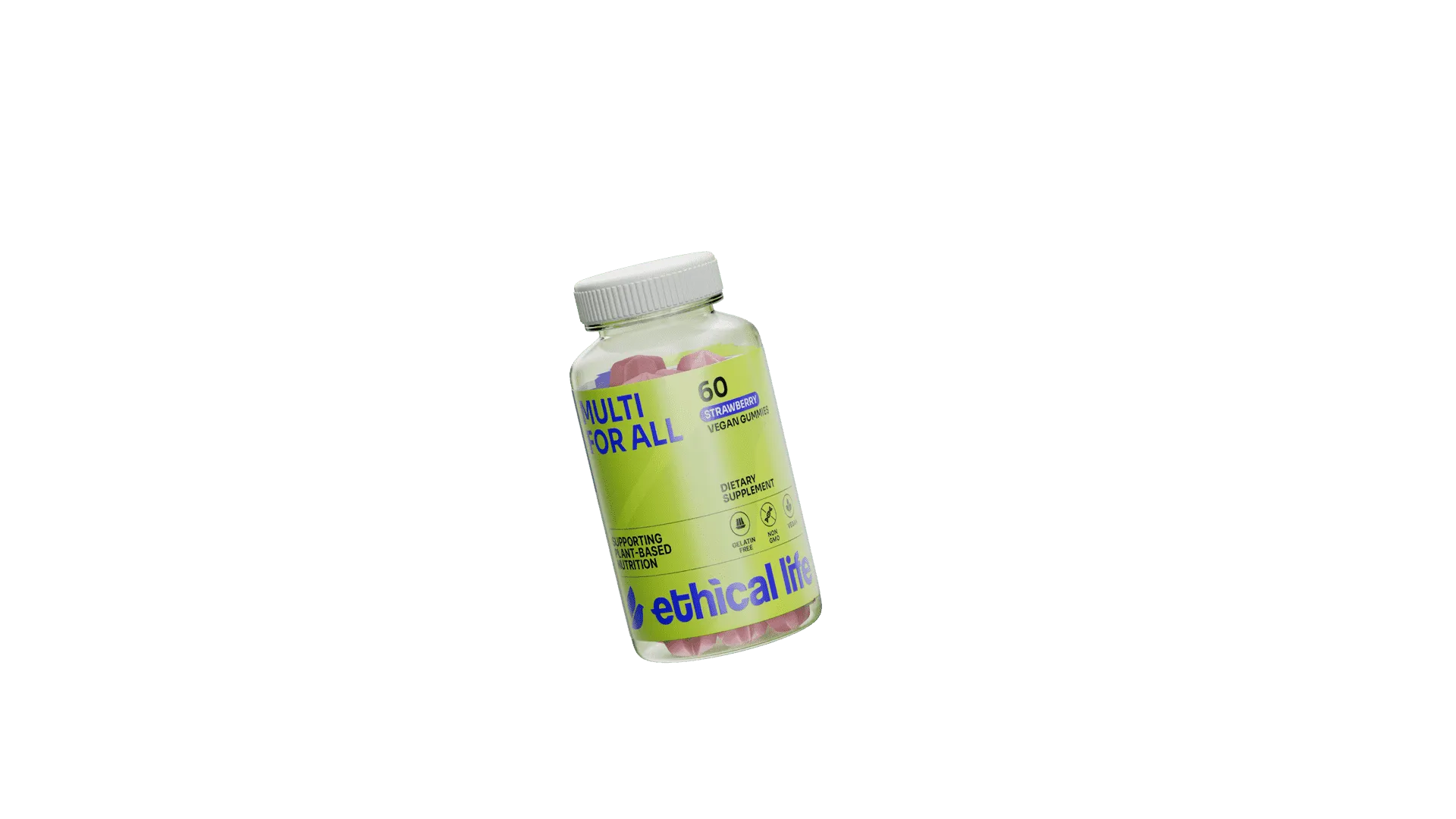
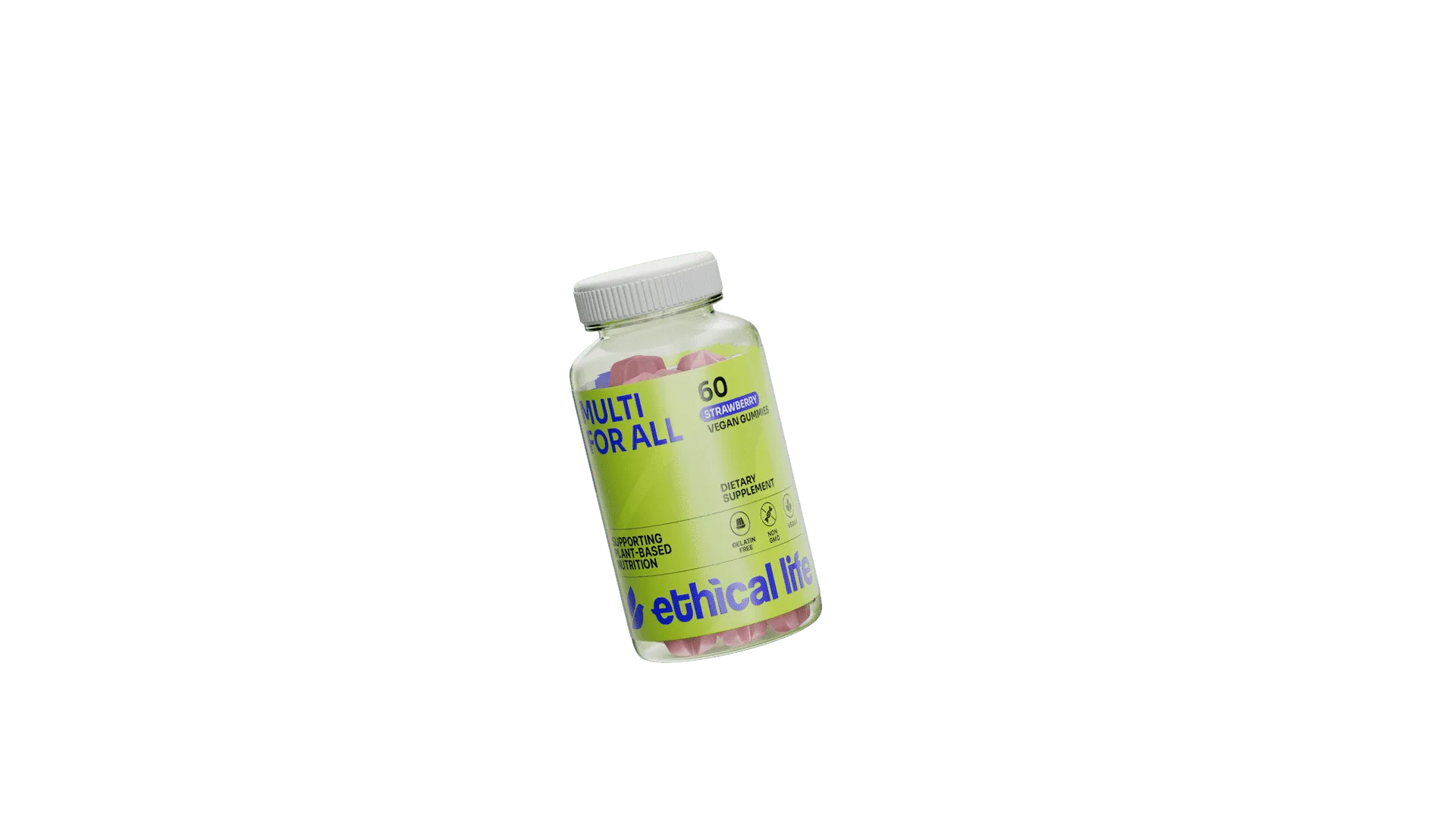
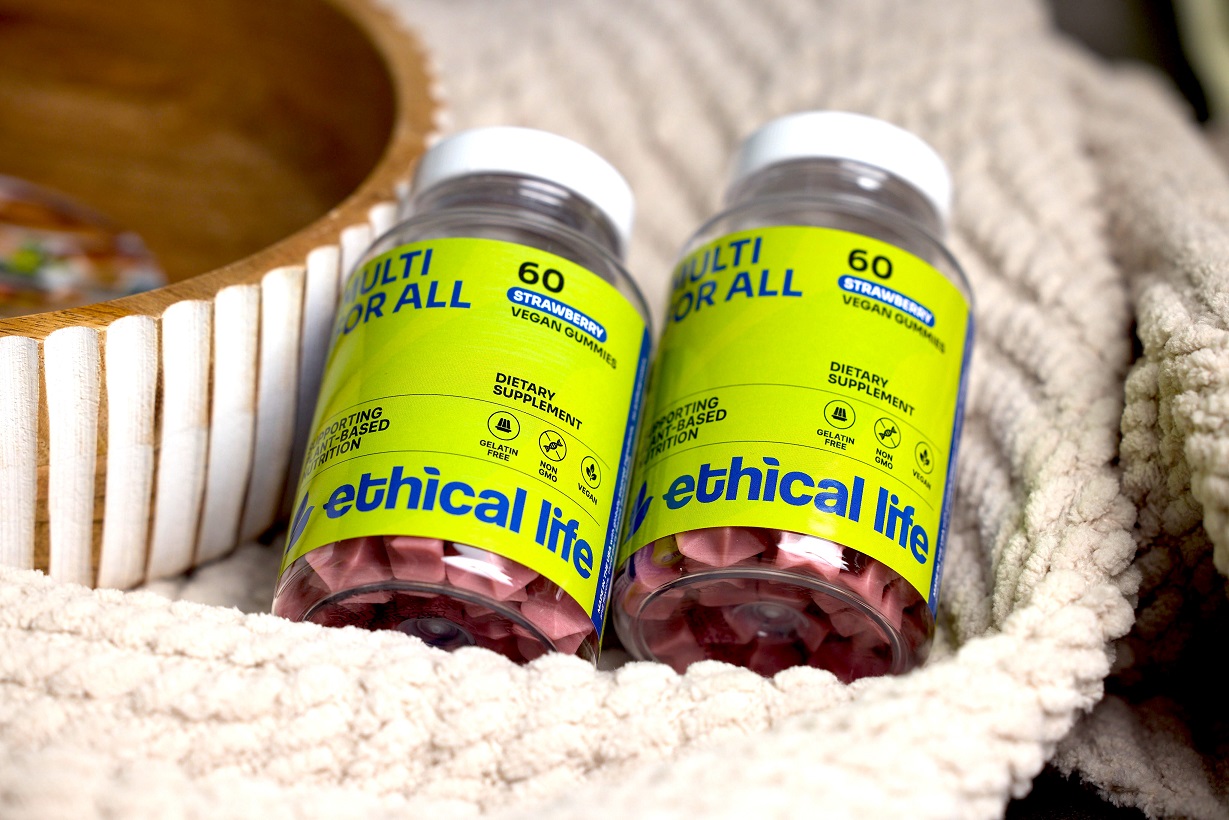
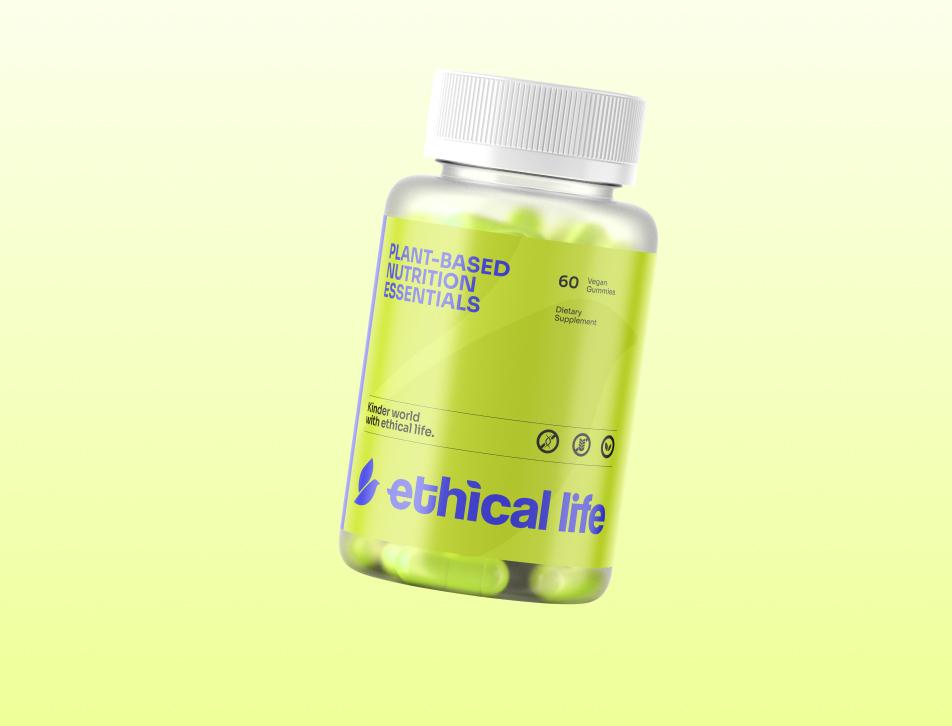
Looking for a clean, delicious way to secure your daily B12? Ethical Life’s Multi For All vegan multivitamin gummies are pharmacist-formulated, pectin-based, non-GMO, and made in the USA. They are designed to support your daily energy levels and protect nerve health without any artificial junk or added sugar. Try them today for just $31.49 / month or save with our $89.97 / 3 months plan!
How B12 Deficiency Is Diagnosed and Treated
Diagnosis is more complicated than ordering a single blood test and reading the number. Several layers of testing and clinical judgment are often required to arrive at an accurate picture. One test is rarely enough.
Diagnostic Challenges and Serum Tests
Total serum B12 is the standard first-line screening tool, but it carries a meaningful blind spot: up to 30% to 40% of symptomatic patients present with normal or borderline serum levels, according to NIH PMC research on B12 diagnostic accuracy. In the United States, a serum B12 below 180 to 200 pg/mL is generally diagnostic of deficiency, while levels between 180 and 350 pg/mL fall into a borderline zone that requires further investigation. Relying on serum B12 alone risks missing a substantial portion of people who are functionally deficient deep within their nervous system, particularly those with pernicious anemia whose anti-intrinsic factor antibodies skew the assay result.
Functional Biomarkers (MMA and Homocysteine)
When serum B12 falls in the borderline range, measuring methylmalonic acid (MMA) and homocysteine provides a more accurate picture of intracellular B12 status. Elevated MMA is highly specific for B12 deficiency; it accumulates when the methylmalonyl-CoA mutase enzyme stalls for lack of its B12 cofactor. Homocysteine elevation is less specific (it also rises in folate deficiency), but in combination with MMA, it substantially strengthens the diagnostic case. These functional markers frequently reveal deficiency in patients whose serum B12 appears acceptable on paper.
Treatment Routes (Oral vs. Injections)
High-dose oral supplementation at 1,000 to 2,000 µg daily is equally effective to intramuscular (IM) injections for correcting serum B12 levels in most patients, according to NIH StatPearls and multiple clinical reviews. The mechanism is passive diffusion: at very high oral doses, a small percentage of B12 absorbs directly through the intestinal mucosa without requiring intrinsic factor, which is sufficient to restore levels over time. For patients with severe deficiency, acute neurological symptoms, or confirmed malabsorption where oral therapy cannot be relied upon, IM injections of 1,000 µg of cyanocobalamin or hydroxocobalamin remain the priority treatment to prevent irreversible damage.
Because lab tests can mislead, particularly in pernicious anemia patients where anti-intrinsic factor antibodies produce false-normal B12 readings in up to 25% of cases, the clinical consensus holds that physical and neurological symptoms must take priority over lab values when establishing a diagnosis. A patient presenting with classic neurological signs and a borderline serum B12 should be treated, not observed and retested.
For mild to moderate deficiency without neurological involvement, high-dose oral supplements are highly effective and far more accessible than injection therapy. For severe cases, especially those presenting with subacute combined degeneration, significant peripheral neuropathy, or cognitive decline, immediate intramuscular therapy is critical. Delaying treatment in these cases risks damage that may not fully reverse even after B12 levels normalize.
“If this is untreated, potentially irreversible neurological damage and life-threatening anemia develop.” (National Academies Press study NBK114302)
The Silent Risks of Untreated B12 Deficiency
The consequences of prolonged deficiency extend well beyond fatigue. The damage can be permanent. Left unaddressed, low B12 can permanently alter neurological function, compromise blood health, and, in pregnant women, affect fetal development in ways that cannot be undone.
Irreversible Neurological Damage
Subacute combined degeneration (SCD) of the spinal cord is the most serious consequence of prolonged B12 deficiency. It involves progressive demyelination of the dorsal and lateral columns of the spinal cord, producing ascending weakness, loss of proprioception, ataxia, and, in advanced cases, permanent paralysis. What makes SCD particularly alarming is that it can develop in patients who show no signs of anemia; the neurological damage can run ahead of the hematological picture entirely. Early treatment can halt progression, but damage that has already accumulated may be only partially reversible, even with aggressive B12 restoration.
Hematological Complications and Megaloblastic Anemia
Without adequate B12, the bone marrow produces abnormally large, structurally immature red blood cells, a condition called megaloblastic anemia. These cells cannot carry oxygen effectively and have a shortened lifespan, compounding the anemia over time. Normal hemoglobin levels for adult males range from 14 to 18 g/dL, and for adult females from 12 to 16 g/dL, according to the National Academies Press study NBK259. Significant deviation from these ranges, particularly when accompanied by enlarged cells on a blood smear, warrants immediate investigation for B12 or folate deficiency.
Maternal and Developmental Risks
Maternal B12 deficiency during pregnancy carries consequences that extend beyond the mother. According to a PMC study on plant-based B12 intake and pregnancy outcomes, deficiency is associated with low birth weight, preterm birth, and severe developmental and neurological damage in infants. The fetal nervous system depends on adequate B12 for proper myelination during critical developmental windows, and those windows cannot be reopened after they close. For pregnant women following a plant-based diet, proactive supplementation is not a precaution: it is a clinical necessity.
Waiting for symptoms to become severe before taking action is a genuinely risky strategy. The progressive stages of deficiency, from depleted hepatic stores to elevated MMA and homocysteine, to macrocytic anemia, and finally to neurological damage, can unfold over years without obvious warning. Maintaining optimal B12 levels through consistent daily nutrition and supplementation is far simpler than managing the consequences of prolonged deficiency.
How to Identify B12 Deficiency: When to See a Doctor
Knowing when to move from self-assessment to clinical evaluation is one of the most practical decisions you can make for your long-term health.
Identifying the Clinical Triggers
Certain symptoms require prompt medical evaluation rather than a wait-and-see approach. Persistent tingling or numbness in the hands and feet, unexplained fatigue that doesn’t improve with rest, cognitive changes like memory lapses or difficulty concentrating, a noticeably smooth or painful tongue, and mood changes without a clear psychological cause all represent signals your body is sending that deserve a clinical response. These symptoms are real, and they are your body’s way of asking for help, not evidence that something is fundamentally broken.
Preparing for Your Doctor’s Visit
A standard complete blood count (CBC) will not catch B12 deficiency in its early stages. Standard blood work falls short. Request a total serum B12 test specifically, and ask whether functional biomarkers, MMA and homocysteine, are appropriate given your symptoms and risk factors. If you follow a plant-based diet, take metformin, or use PPIs long-term, make that context clear; your physician needs it to interpret borderline results correctly.
Use this checklist to prepare for your appointment:
- Request a total serum B12 test and discuss whether functional biomarkers like MMA are necessary given your symptom profile.
- Discuss your dietary habits, especially if you follow a plant-based diet, and ask about the most effective way to maintain optimal levels long-term.
- Compare different supplement formats and absorption rates, such as gummy vitamins vs pills, to find the format you’ll actually maintain as a daily habit.
- Ask whether any medications you currently take, such as metformin or PPIs, could be affecting your B12 absorption and whether monitoring is warranted.
Understanding B12 Absorption and the Role of Intrinsic Factor
Grasping why B12 deficiency is so common, even among people who eat B12-rich foods, requires understanding how unusually complex its absorption pathway is.
The Complex Journey of B12 Absorption
Dietary B12 does not absorb passively. It arrives in food bound to proteins, which gastric acid and pepsin must first separate. The freed B12 then binds to haptocorrin (R-protein) in the stomach before transferring to intrinsic factor, a glycoprotein secreted by parietal cells in the gastric mucosa. This B12-intrinsic factor complex travels to the terminal ileum, where cubam receptors recognize and absorb it into the bloodstream. Disrupt any single step in that sequence (gastric acid production, parietal cell function, or ileal receptor availability) and absorption fails regardless of how much B12 the diet contains.
Autoimmune Gastritis and Pernicious Anemia
Pernicious anemia is an autoimmune condition in which the immune system attacks either the gastric parietal cells or intrinsic factor itself. The result is that oral dietary B12 becomes essentially unabsorbable through the normal pathway. Patients with pernicious anemia require either extremely high-dose oral supplementation (relying on passive diffusion across the intestinal mucosa) or lifelong intramuscular injections to maintain adequate levels. The condition is more prevalent than many clinicians expect, and because its lab presentation can be obscured by anti-intrinsic factor antibodies, it is frequently diagnosed late, sometimes only after neurological damage has already begun.
This multi-step absorption pathway explains why B12 deficiency is so prevalent even among people who consume B12-rich foods. A single disruption, such as reduced stomach acid from aging or PPI use, surgical alteration of the stomach, or autoimmune destruction of parietal cells, can completely break the absorption chain. The nutrient is present in the diet; the biological machinery to capture it is not functioning. The system simply fails.
Choosing the Right B12 Supplement for Your Lifestyle
Not all B12 supplements are identical, and the differences matter, both in terms of chemistry and in terms of whether you’ll actually take the supplement consistently.
Comparing B12 Chemical Forms
Three forms of B12 dominate the supplement market: cyanocobalamin, hydroxocobalamin, and methylcobalamin. Cyanocobalamin is the most stable and most widely used form in the United States, converting efficiently to active coenzyme forms in the body. Methylcobalamin is the active coenzyme form and requires no conversion step, which some practitioners prefer for neurological applications. Hydroxocobalamin has a longer half-life and is the preferred form for intramuscular injections in European clinical practice. Direct head-to-head randomized controlled trials comparing these forms are lacking, so the research does not yet definitively favor one over another for most people. What matters more than the specific form on the label is consistent daily intake. Consistency is key.
Pectin-Based Gummies vs. Synthetic Pills
Ethical Life’s Multi For All gummies use a pectin base rather than gelatin, making them genuinely vegan and free from animal-derived ingredients. They contain no artificial flavors, no added sugar, and no synthetic fillers, a formulation that reflects the clinical standards Sepideh Ghasemian applied from her 30+ years of pharmacy practice. Two customers who made the switch describe the difference in their own words:
“I’ve tried many supplements, but Ethical Life truly stands out. From the first week, I noticed a difference in my energy, mood, and focus. The gummies taste amazing, and I love that they’re made with clean, plant-based ingredients and no artificial junk or sugar. It feels good to take something that aligns with my values: cruelty-free, eco-friendly, and transparent about what’s inside. I appreciate that they’re made in USA! Ethical Life isn’t just another supplement brand; it’s a brand that genuinely cares about health, ethics, and sustainability. I can’t recommend it enough!” – Neda N
“I’ve been taking the Ethical Life Vegan Gummies for several weeks now, and they’ve been great. They taste good (not too sweet), and it’s nice knowing they’re actually vegan and made with clean ingredients like pectin, apple juice, and natural strawberry flavor. The mix of vitamins helps with energy, immunity, and overall wellness, which I’ve definitely noticed in my daily routine. I also like that they were created by a pharmacist, which gives me extra confidence in the quality and thought behind the formula. Just a solid, easy way to get my vitamins (and knowing it’s without any added junk)!” – Tom O
The best supplement is the one you actually take every day. A gummy that tastes like something you genuinely look forward to removes the friction of swallowing large pills, and that daily consistency, rather than the specific cobalamin form on the label, is what protects your long-term health. When the habit is enjoyable, it maintains itself.
Frequently Asked Questions About B12 Deficiency
What food has the highest B12?
Animal liver and kidneys, particularly beef liver and lamb liver, contain the highest concentrations of vitamin B12, followed by clams, sardines, and fortified nutritional yeast. For those on a plant-based diet, fortified nutritional yeast and fortified plant milks are the primary food sources, though supplements remain the most reliable way to ensure optimal daily levels.
What do you crave when your B12 is low?
There is no scientific consensus on specific B12-related cravings, but some people with deficiency report unusual cravings for non-food items (pica), such as ice, dirt, or starch, or an increased desire for red meat, which the body may be seeking as a combined source of iron and B12. These cravings are often the body’s subconscious signal that key nutrients are missing. Pay attention to them.
Can low B12 cause hair loss or skin issues?
Yes. B12 is essential for cell division, and rapidly dividing cells, like those in hair follicles and skin, are among the first affected when levels drop. Deficiency can lead to hair thinning, hyperpigmentation, vitiligo, and angular cheilitis (cracks at the corners of the mouth).
How does alcohol consumption affect B12 absorption?
Chronic or heavy alcohol consumption irritates the gastric mucosa, reducing the production of stomach acid and intrinsic factor. It also damages the intestinal lining directly, impairing the body’s ability to absorb B12 from food or oral supplements. The effect compounds in people who already have marginal dietary intake, accelerating the path to clinical deficiency.
Is it possible to take too much B12?
Because vitamin B12 is water-soluble, any excess the body does not absorb is excreted through urine. It carries a very low toxicity profile, and no Tolerable Upper Intake Level (UL) has been established for B12. That said, sticking to recommended daily doses or consulting a healthcare provider is always the wise approach.
Recognizing the symptoms of B12 deficiency is the first step toward reclaiming your energy levels, protecting your nerve health, and supporting the daily choices that matter to you. The science is clear: this deficiency builds silently, its outcomes can be severe, and its prevention is simple. A single daily habit, a reliable, high-quality supplement taken consistently, can close the gap before symptoms ever demand your attention.
“I’m a doctor of pharmacy, certified plant-based nutritionist with over 30 years of experience, and vegan for 12 years. Caring for others has taught me one thing: living an ethical life is not only possible but is absolutely thriving! Small daily choices shape our lifelong health, the lives of animals, and our planet.” – Sepideh, Pharm.D., founder of Ethical Life
Ready to support your daily energy and protect your nerve health? Discover Ethical Life’s pharmacist-formulated multivitamin gummies for adults. Made with clean, plant-based ingredients and natural strawberry flavor, they are the perfect addition to your daily health routine. Explore our subscription options and start nourishing your body today!