What Does Vitamin B12 Do? Functions, Benefits, and Why It Matters

What Does Vitamin B12 Do? Functions, Benefits, and Why It Matters

Vitamin B12, or cobalamin, is an essential water-soluble nutrient that supports nerve function, red blood cell formation, and daily energy levels. Yet, it underpins some of the most fundamental processes keeping you functional: nerve signaling, DNA replication, red blood cell production, and cellular energy metabolism. Sepideh Ghasemian, Pharm.D., a pharmacist and certified plant-based nutritionist with over 30 years of clinical experience, describes it plainly: small, daily choices shape our lifelong health, and getting your B12 right is one of the most consequential of those decisions.

Modern diets, especially those trending toward plant-predominant eating, have created a quiet but widespread gap in B12 status across the US population. Understanding what this vitamin does at the cellular level, and where the real risks of falling short lie, is the first step toward supporting your daily energy levels. Your body needs it.

Here is what this article covers:

  • Nervous System Protection: How B12 maintains the myelin sheath that insulates and shields your nerves from damage.
  • Cellular Energy Production: The enzymatic mechanism that converts the food you eat into usable ATP, your body’s cellular fuel currency.
  • Red Blood Cells and Plant-Based Nutrition: Red Blood Cell Formation: How B12 prevents megaloblastic anemia and keeps oxygen moving efficiently through your bloodstream.

    The Plant-Based Nutrition Gap: Why strict plant-predominant diets require reliable, high-quality supplementation, and why fortified foods alone often fall short.

What Is Vitamin B12?

Vitamin B12 is the most structurally complex of all the vitamins, built around a cobalt ion at its center, which is where the name cobalamin comes from. Unlike most nutrients, it is synthesized by microorganisms like bacteria and archaea in soil and the digestive tracts of animals, which means unfortified plant foods do not reliably contain it, so fortified foods and supplements are the dependable sources. It is a water-soluble vitamin, so your body does not stockpile it in fat tissue the way it does with vitamins A, D, E, or K. Instead, it circulates in blood and gets excreted through urine when levels exceed what tissues need. It is water-soluble. That said, the liver does accumulate a significant reserve of up to approximately 3 mg, which can sustain the body for several years before depletion becomes clinically apparent.

Because B12 originates from microbial synthesis rather than from plants or animals themselves, it is essentially absent from plant-derived foods unless those foods are fortified or incidentally contaminated with soil bacteria. This single biological fact has enormous implications for anyone eating a plant-forward diet, and it is why understanding the essential vitamins in a well-designed supplement matters so much. Supplements bridge this gap. If you are curious about how B12 fits alongside other nutrients in a plant-based formula, the breakdown of essential vitamins in vegan gummies offers a useful reference point for what a supplement contains.

Absorbing B12 from food is a surprisingly intricate process, and it is one of the reasons deficiency can develop even in people who technically consume enough of it. When B12 arrives in your stomach bound to food proteins, gastric acid must first cleave it free. Once released, it binds to a carrier protein called intrinsic factor (IF), which is secreted by parietal cells in the stomach lining. Think of it as a lock-and-key system: intrinsic factor is the key, and without it, the body simply cannot open the door to absorb B12 in the terminal ileum, where absorption occurs, as detailed in the NIH clinical review of B12 deficiency. Any condition that compromises parietal cell function, such as autoimmune disease, chronic gastritis, certain medications, or the age-related decline in gastric acid production that comes with aging, can quietly undermine absorption even when dietary intake looks adequate.

Key Functions of Vitamin B12 in the Body

B12 does not work as a general-purpose nutrient. It is highly specialized. It functions as a precision cofactor for two specific enzymatic reactions, and both of them sit at the intersection of processes your body runs continuously. A published study in PMC (PMC3257642) identifies these as the methionine synthase pathway and the L-methylmalonyl-CoA mutase pathway; the downstream consequences of disrupting either one are profound.

DNA Synthesis and Cell Division

Cofactor for Methionine Synthase: B12 enables the conversion of homocysteine to methionine, a reaction that simultaneously regenerates tetrahydrofolate, the form of folate required for pyrimidine base synthesis in DNA. When B12 is insufficient, this cycle stalls, homocysteine accumulates in the blood, and the DNA replication machinery loses a critical substrate, as documented in the NIH clinical review of B12 deficiency.

Preventing Megaloblastic Anemia: When DNA synthesis is impaired, rapidly dividing cells, particularly red blood cell precursors in bone marrow, cannot complete normal cell division. Think of B12 as the construction foreman for your red blood cells: without it, the building crew cannot do its job. The result is large, structurally immature red blood cells that circulate without being able to carry oxygen efficiently, a condition called megaloblastic anemia.

Fetal Development

Pregnancy raises the stakes. Research published in PMC (PMC3257642) found that low maternal B12 status is associated with a 2- to 4-fold increased risk of neural tube defects in offspring, making adequate B12 one of the most consequential nutritional variables in early fetal development.

Neurological Protection and Myelin Maintenance

Myelin Sheath Integrity: B12 also serves as a cofactor for methylmalonyl-CoA mutase, which converts methylmalonyl-CoA to succinyl-CoA in the mitochondria. When B12 is deficient, methylmalonyl-CoA accumulates and is converted to methylmalonic acid (MMA). Elevated MMA is hypothesized to disrupt the synthesis of myelin, the fatty insulating sheath that wraps around nerve fibers, contributing to the progressive nerve damage seen in subacute combined degeneration of the spinal cord. When B12 is missing, a metabolic backup occurs that can affect your nerves, like a traffic jam in your nervous system.

Nerve Signaling

Intact myelin is not just structural; it determines the speed and precision of electrical impulses traveling through your nervous system. When that insulation degrades, signals misfire or slow down, which is why neurological B12 deficiency can present as tingling, numbness, balance problems, and eventually cognitive decline: symptoms that can precede any changes in blood counts by months or years.

Vitamin B12 and Energy: What’s the Link?

This is probably the most misinterpreted facet of B12 in popular nutrition culture. Misconceptions are common. People reach for B12 supplements expecting a caffeine-like lift, and when that does not happen, they assume the vitamin is not working. The relationship between B12 and daily energy levels is real, but it is mechanistic rather than stimulant-based. For a broader look at how B12 fits into the landscape of best vitamins for energy, the distinction between genuine metabolic support and marketing hype is worth understanding.

Cellular Energy Production (ATP)

Metabolizing Macronutrients: B12 participates in the metabolic pathways that convert dietary fats, proteins, and carbohydrates into ATP, which is adenosine triphosphate, the molecule your cells burn for fuel. Without adequate B12, the succinyl-CoA step in the citric acid cycle is impaired, creating a bottleneck in mitochondrial energy production. This halts energy production.

Oxygen Delivery

By supporting healthy red blood cell formation, B12 ensures that oxygen reaches working muscles and the brain. Anemia caused by B12 deficiency reduces the oxygen-carrying capacity of the blood, which is why one of its most recognizable symptoms is a persistent, bone-deep fatigue that no amount of sleep seems to resolve.

The Fatigue Myth

The Fatigue Myth: If your B12 levels are already optimal, taking a supplement will not produce a noticeable increase in daily energy levels. The vitamin restores function when it is missing; it does not amplify function when levels are already adequate.

Who Benefits from Supplementation

This distinction matters because it means the people who genuinely benefit from B12 supplementation are those with sub-clinical or clinical deficiency, not people who are simply tired from poor sleep or overwork.

Bridge the Plant-Based Gap with Confidence

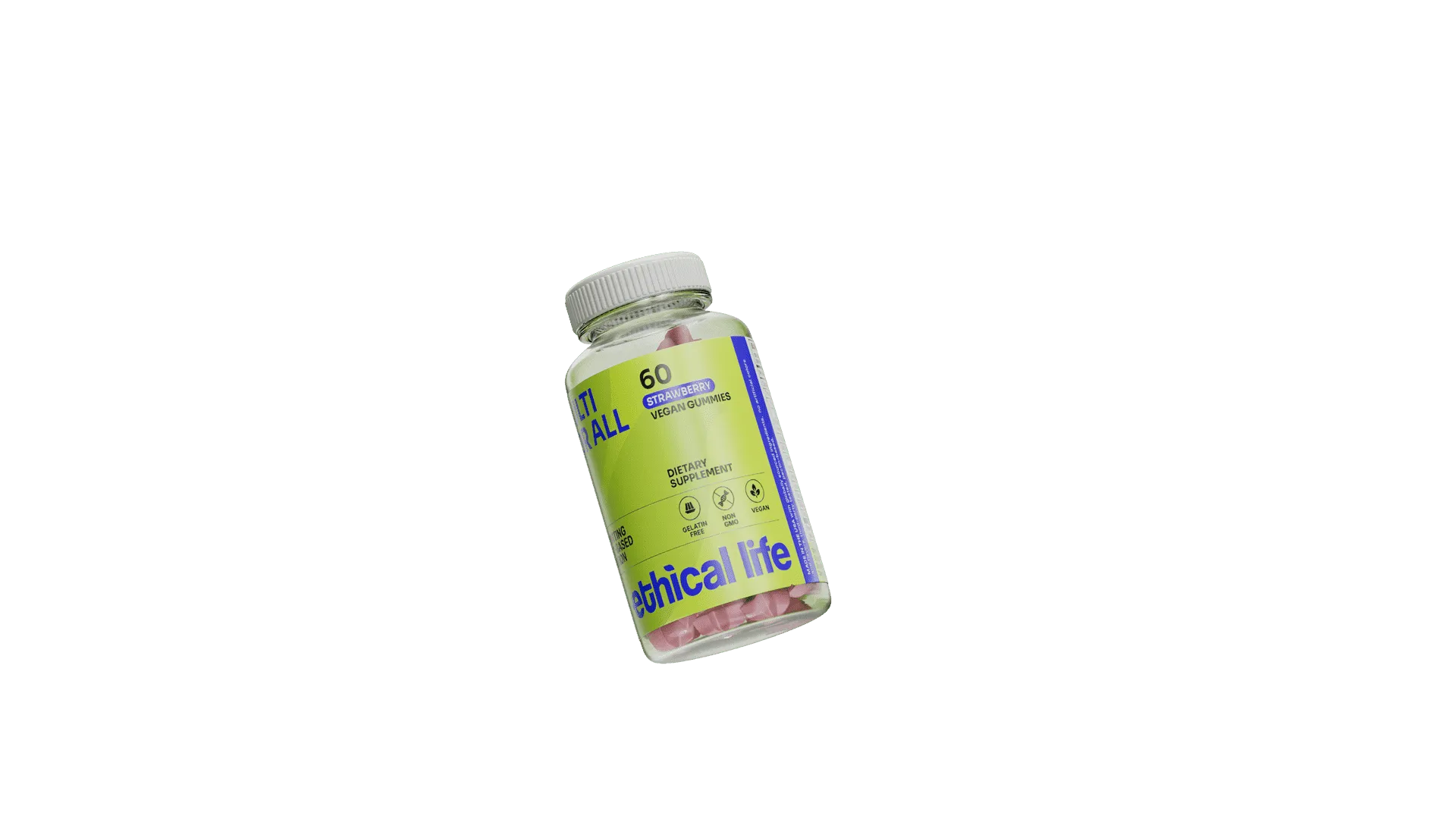
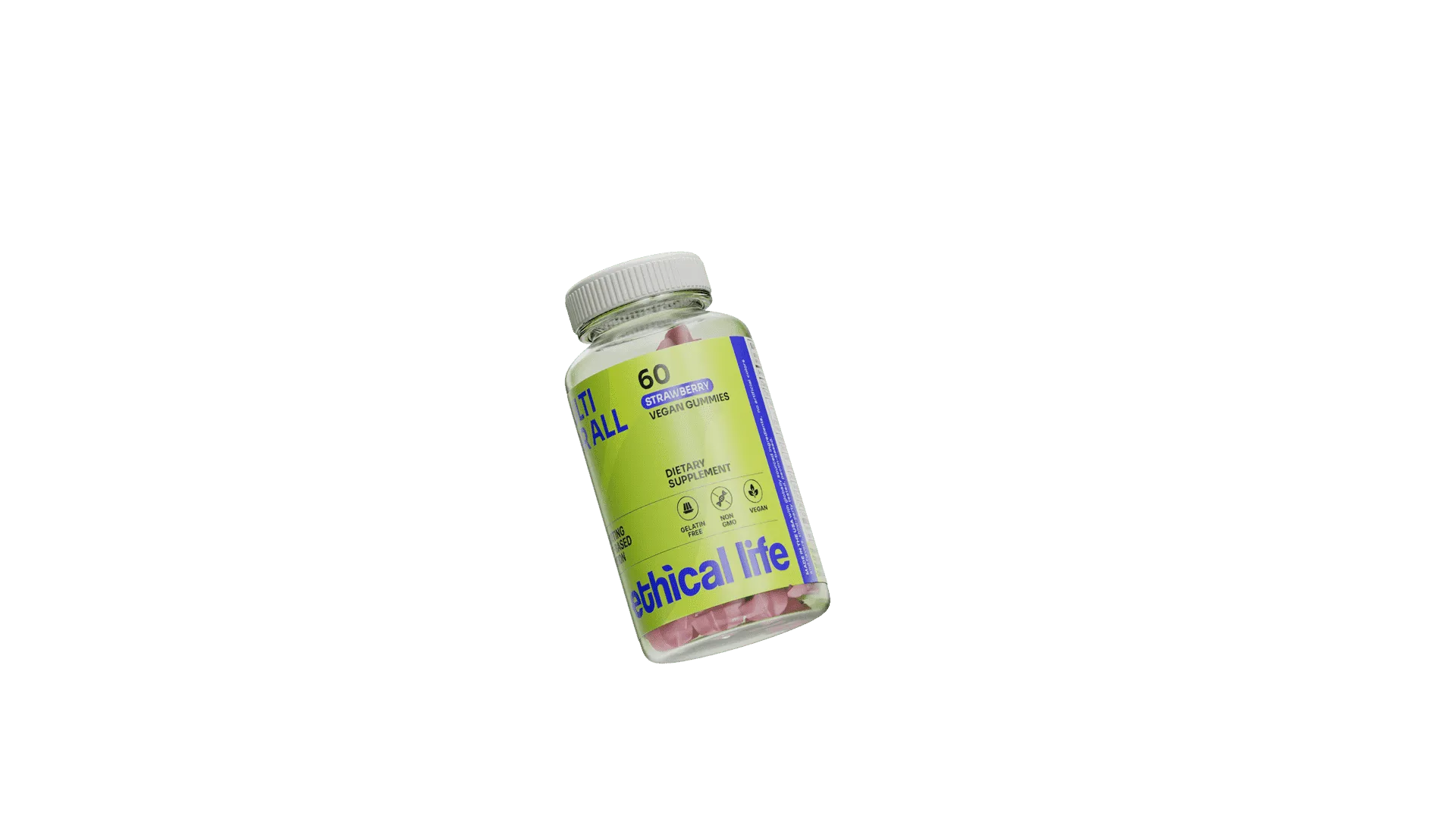
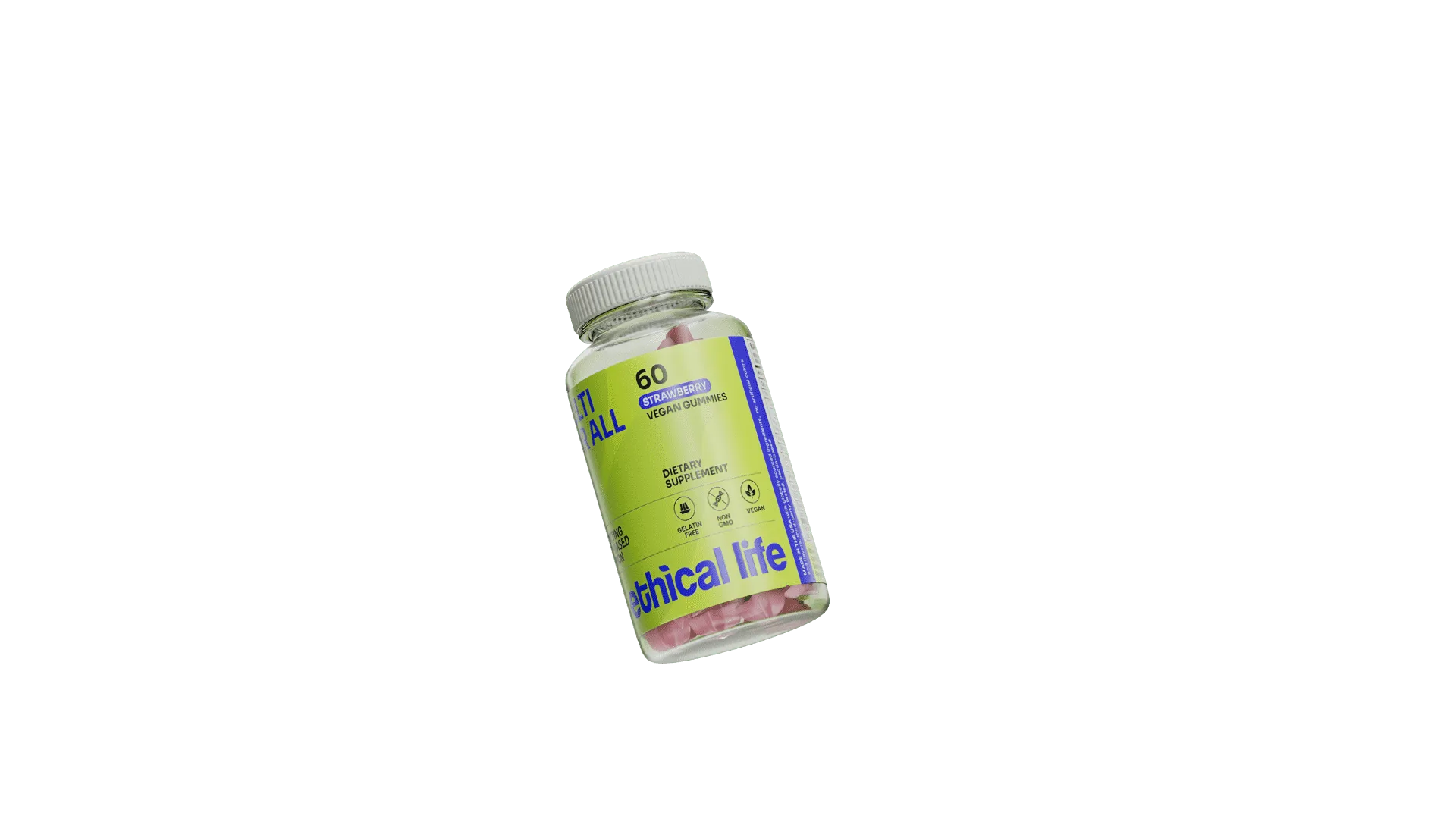
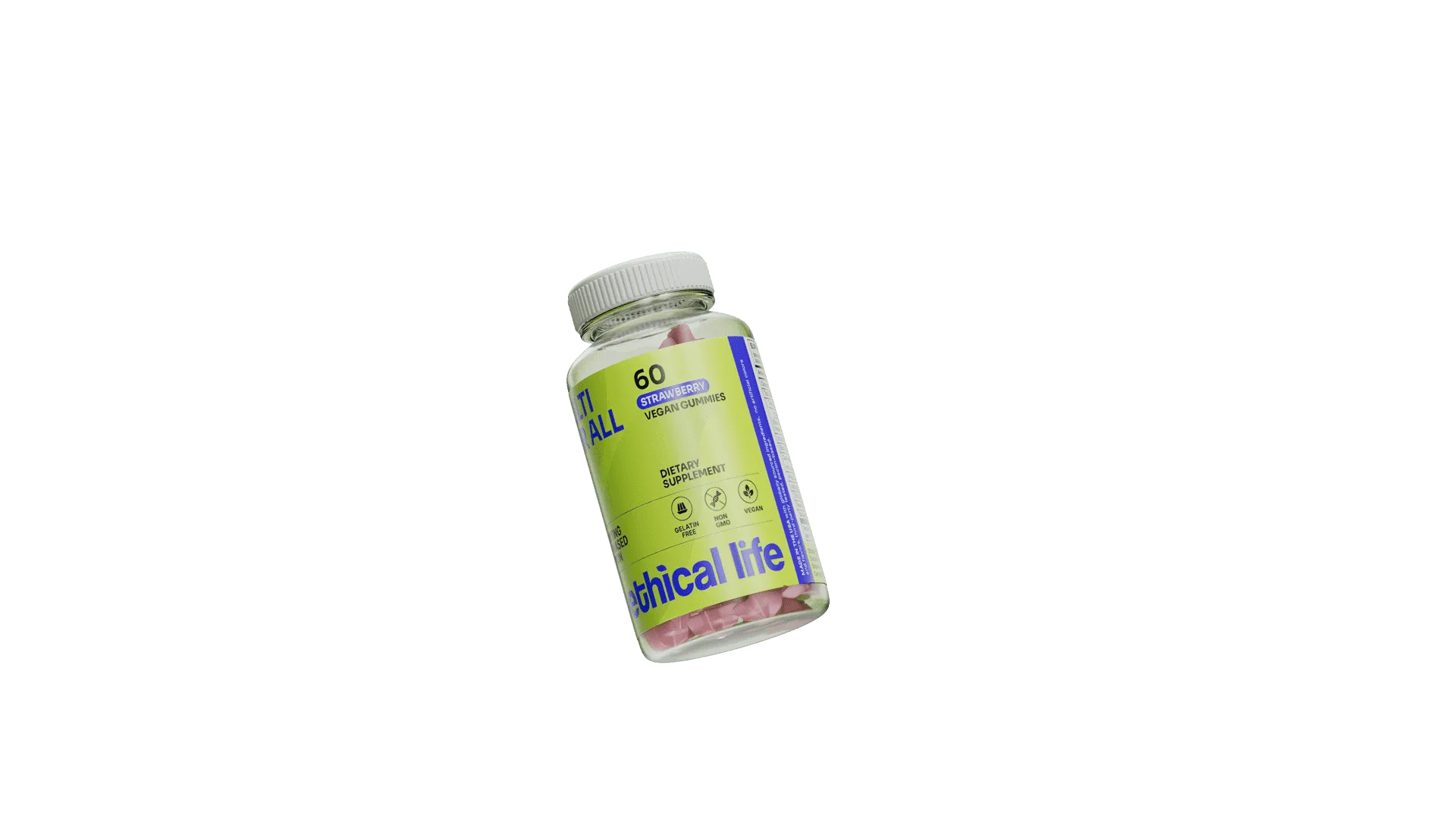
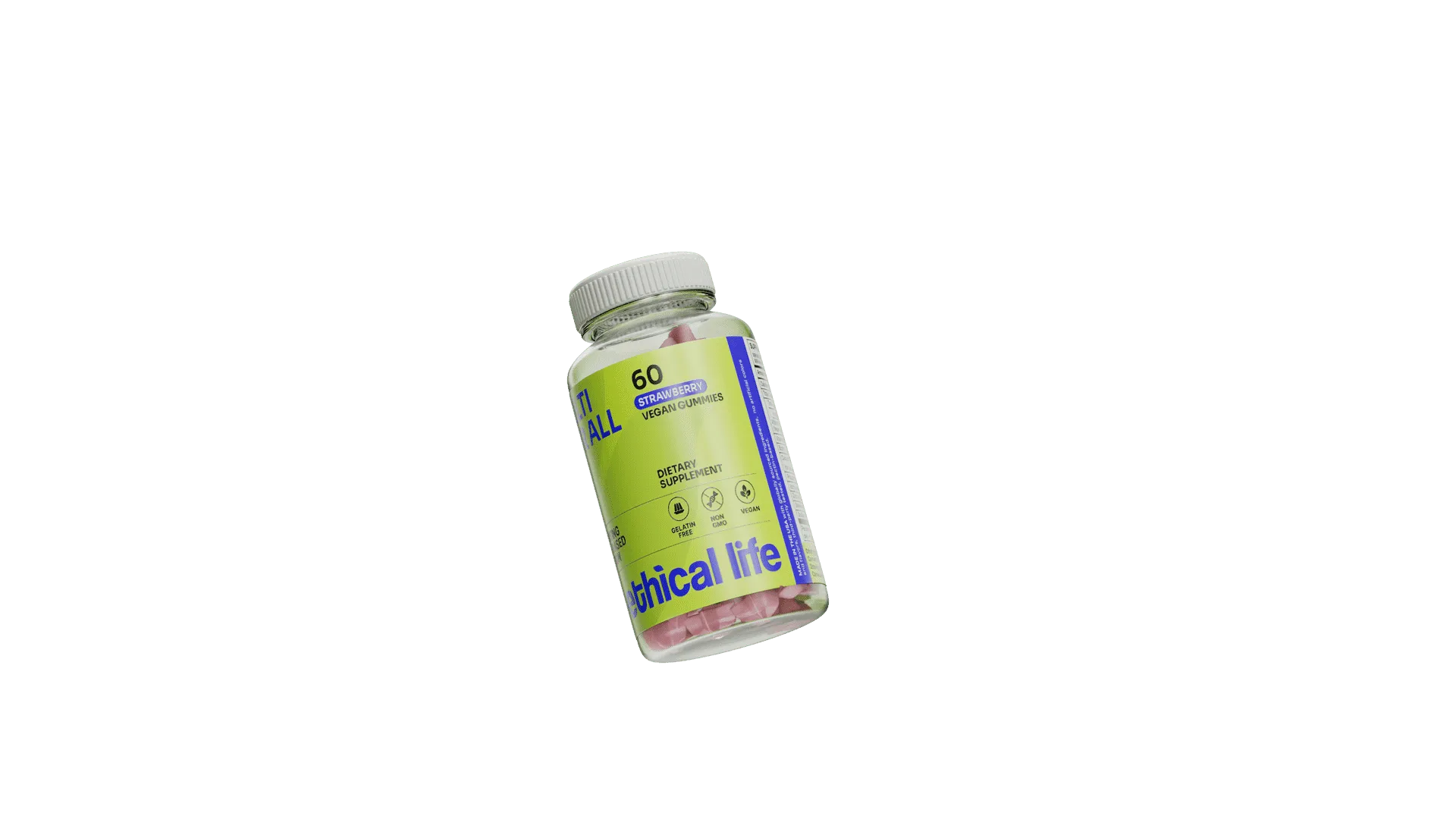
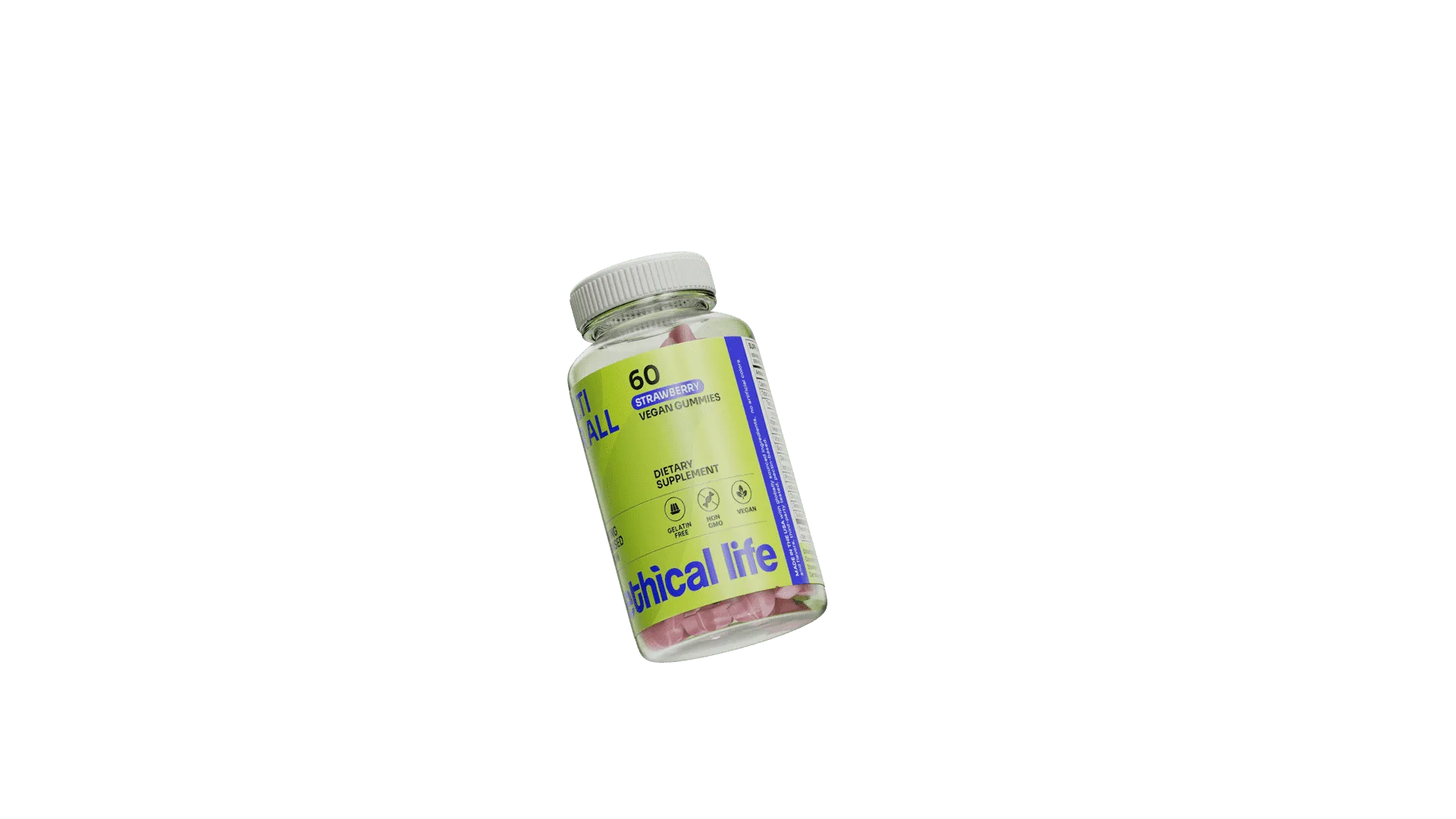
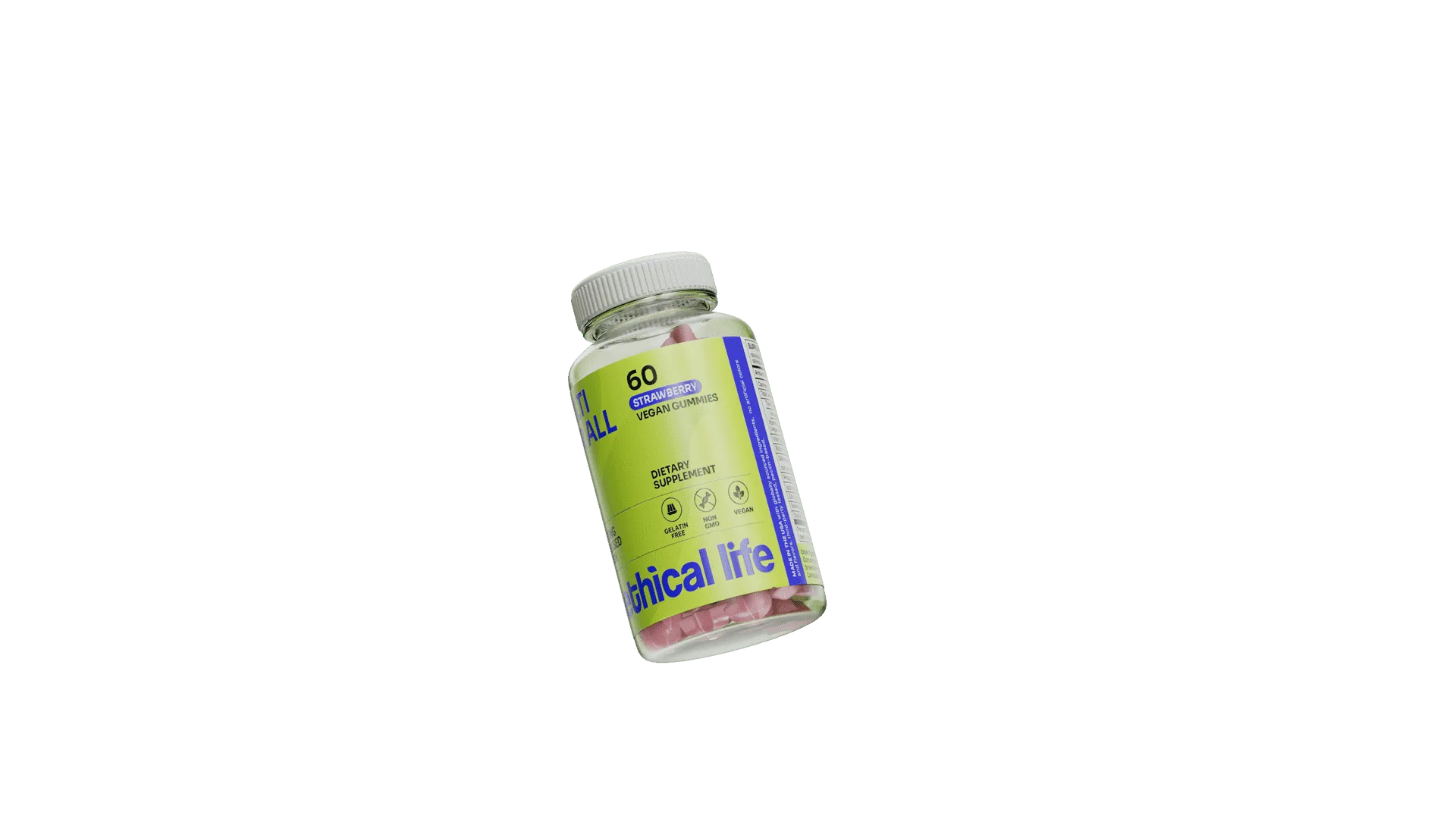
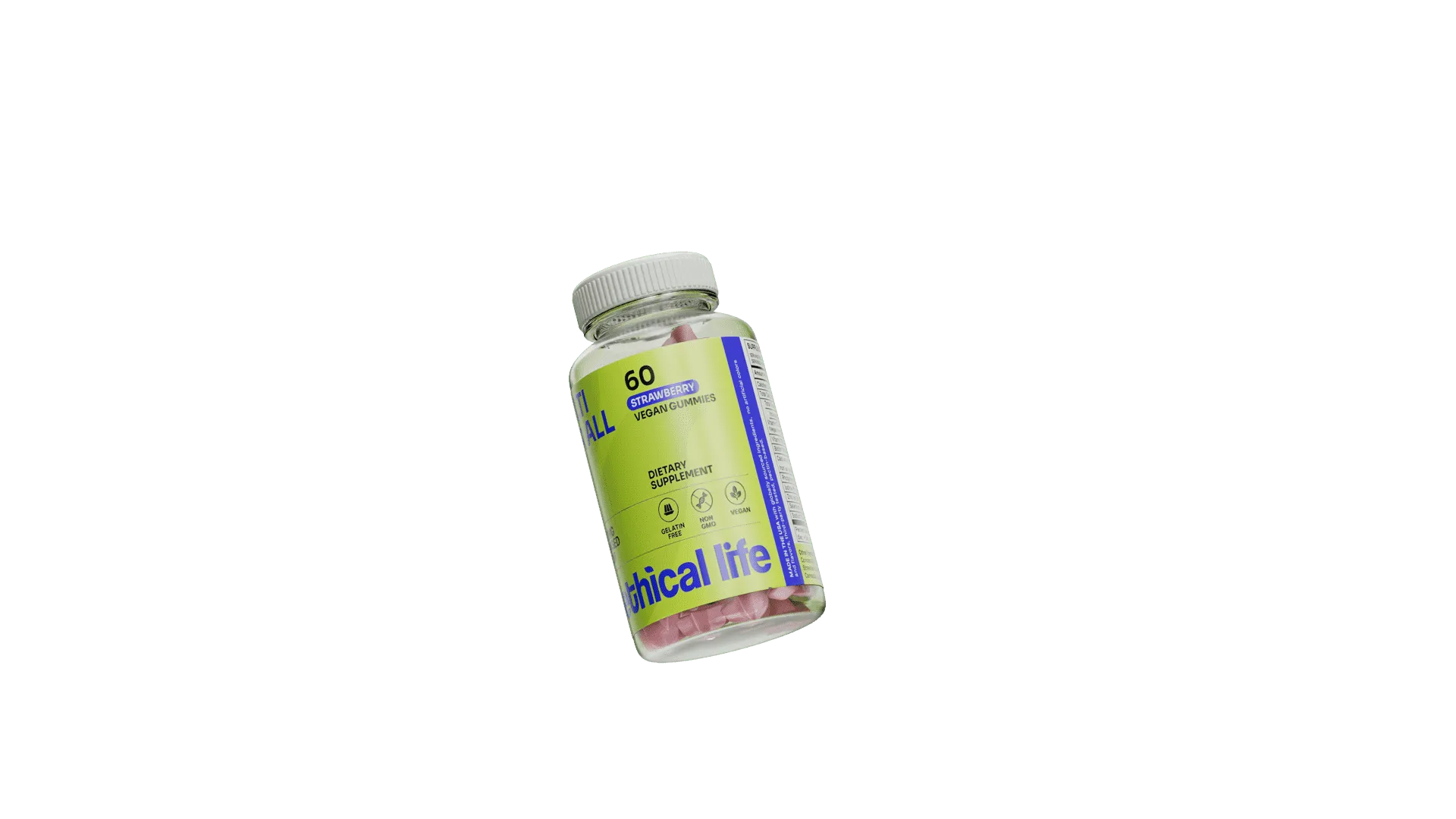
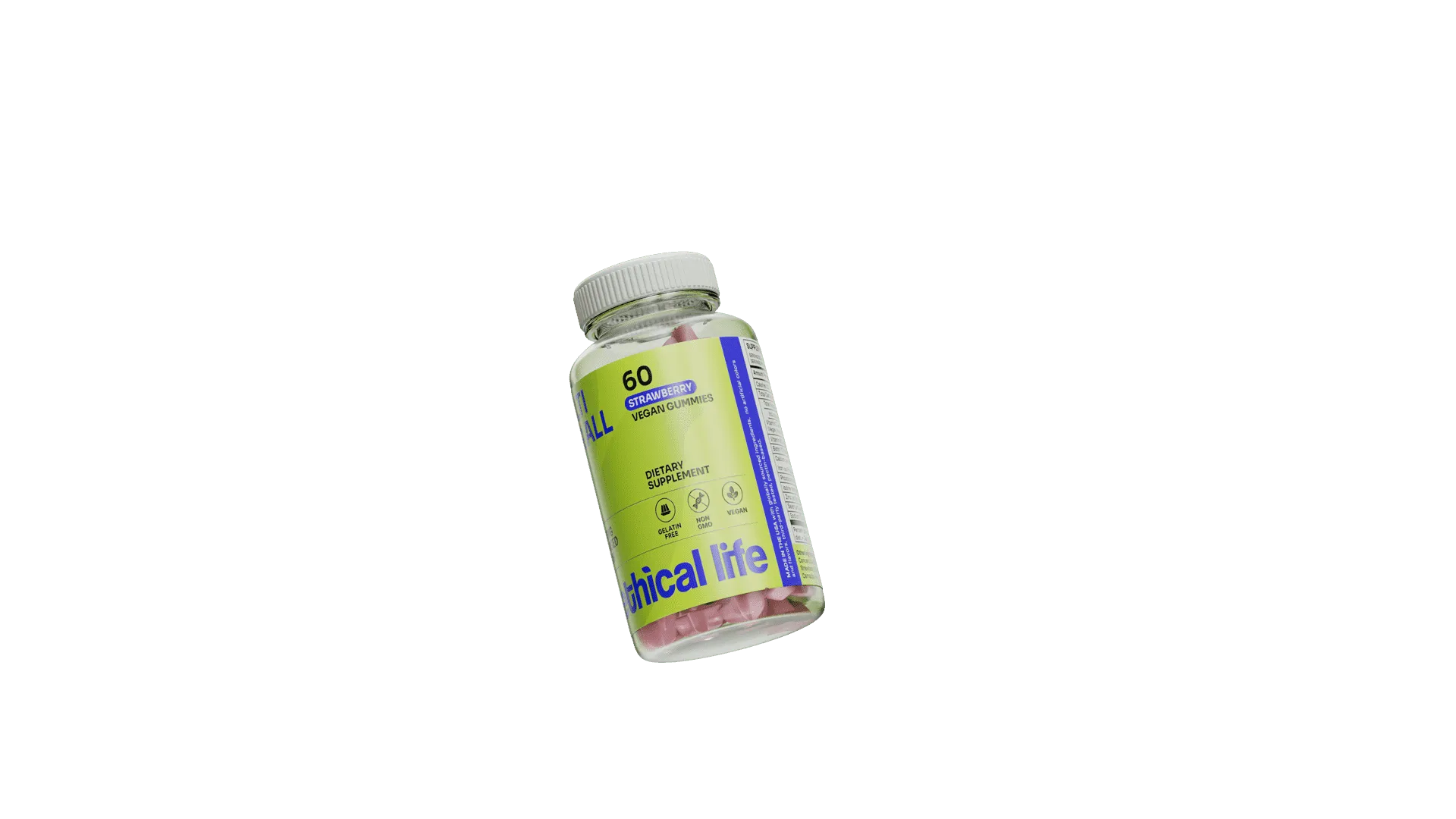
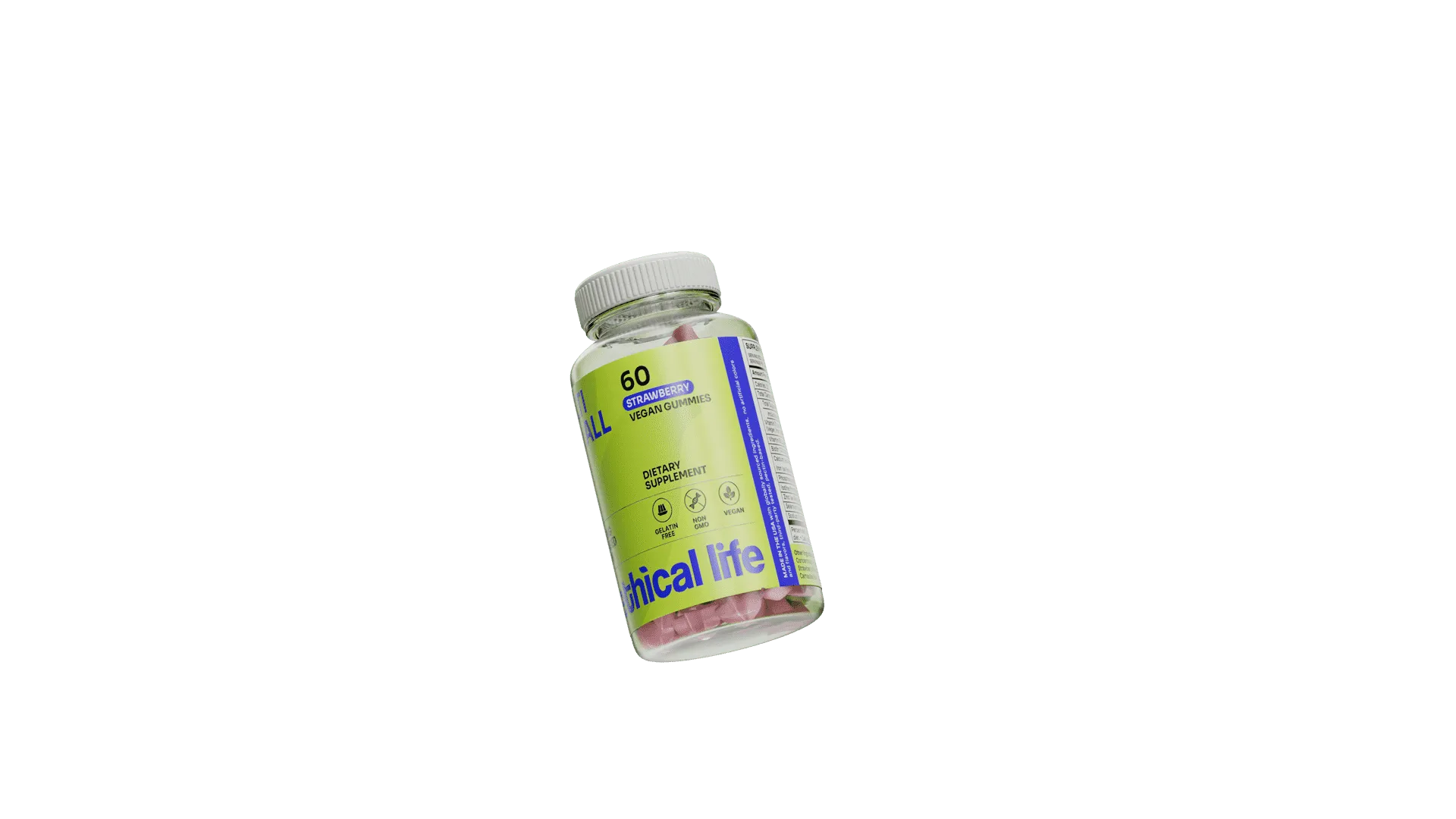
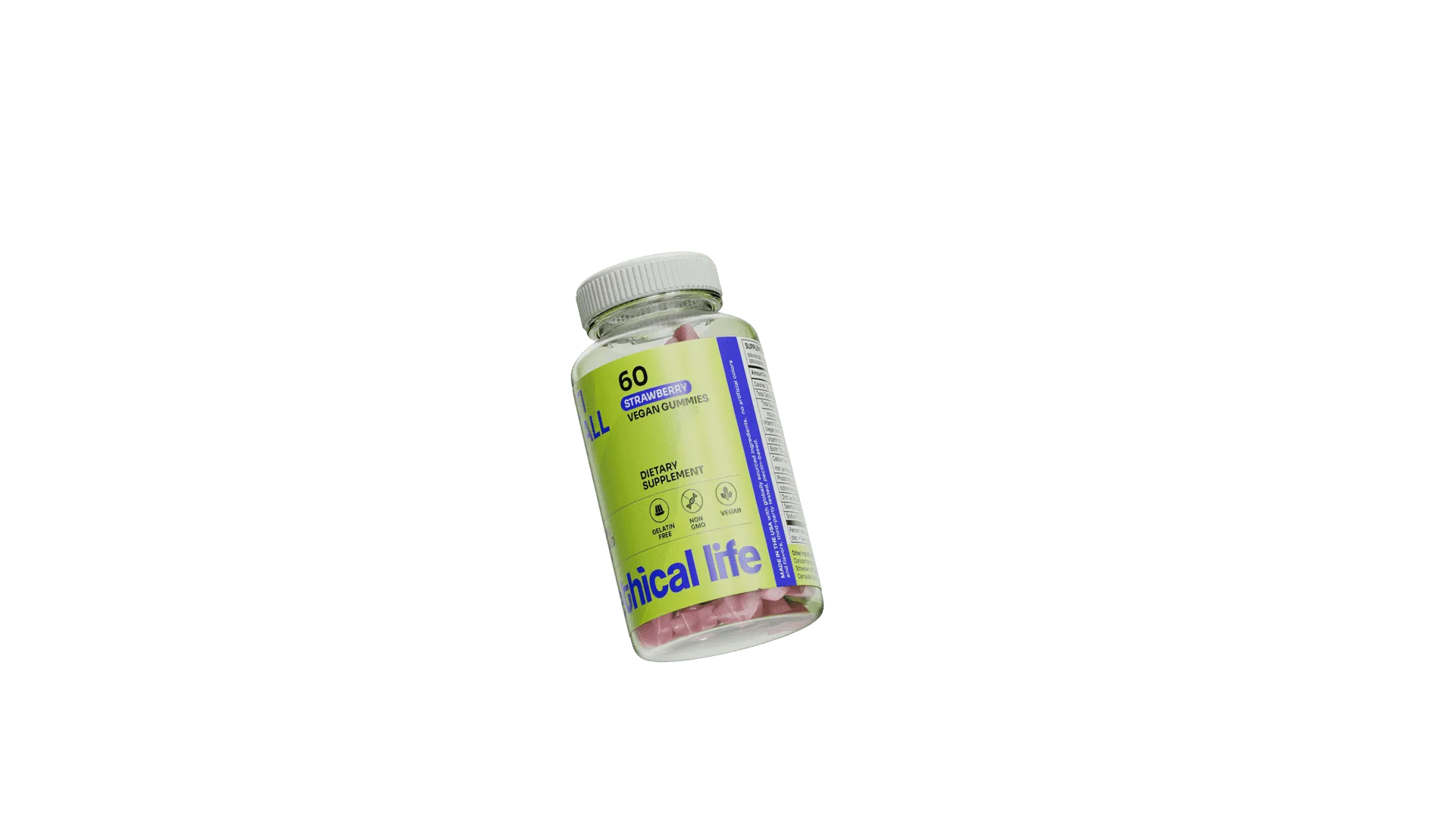
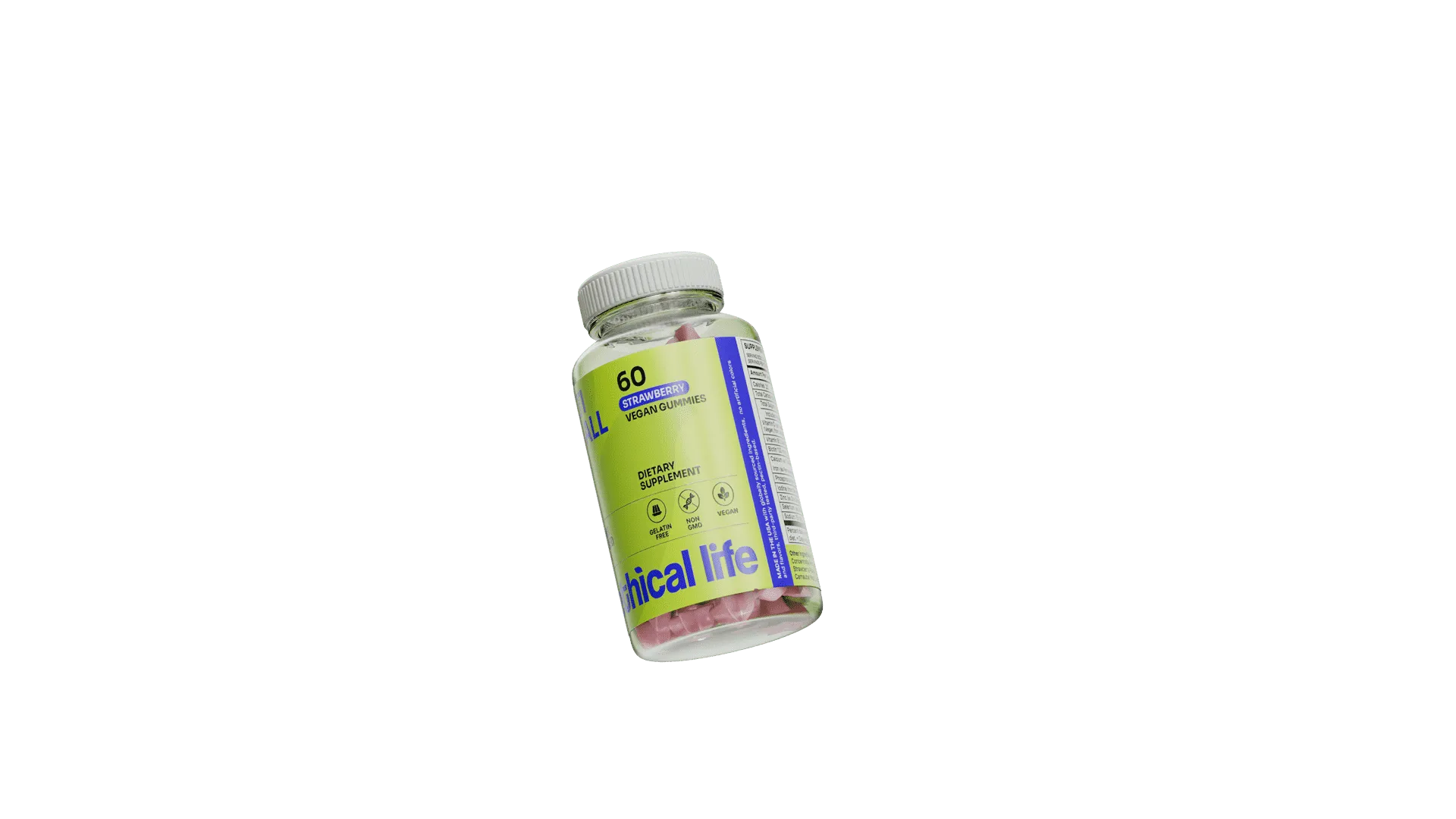
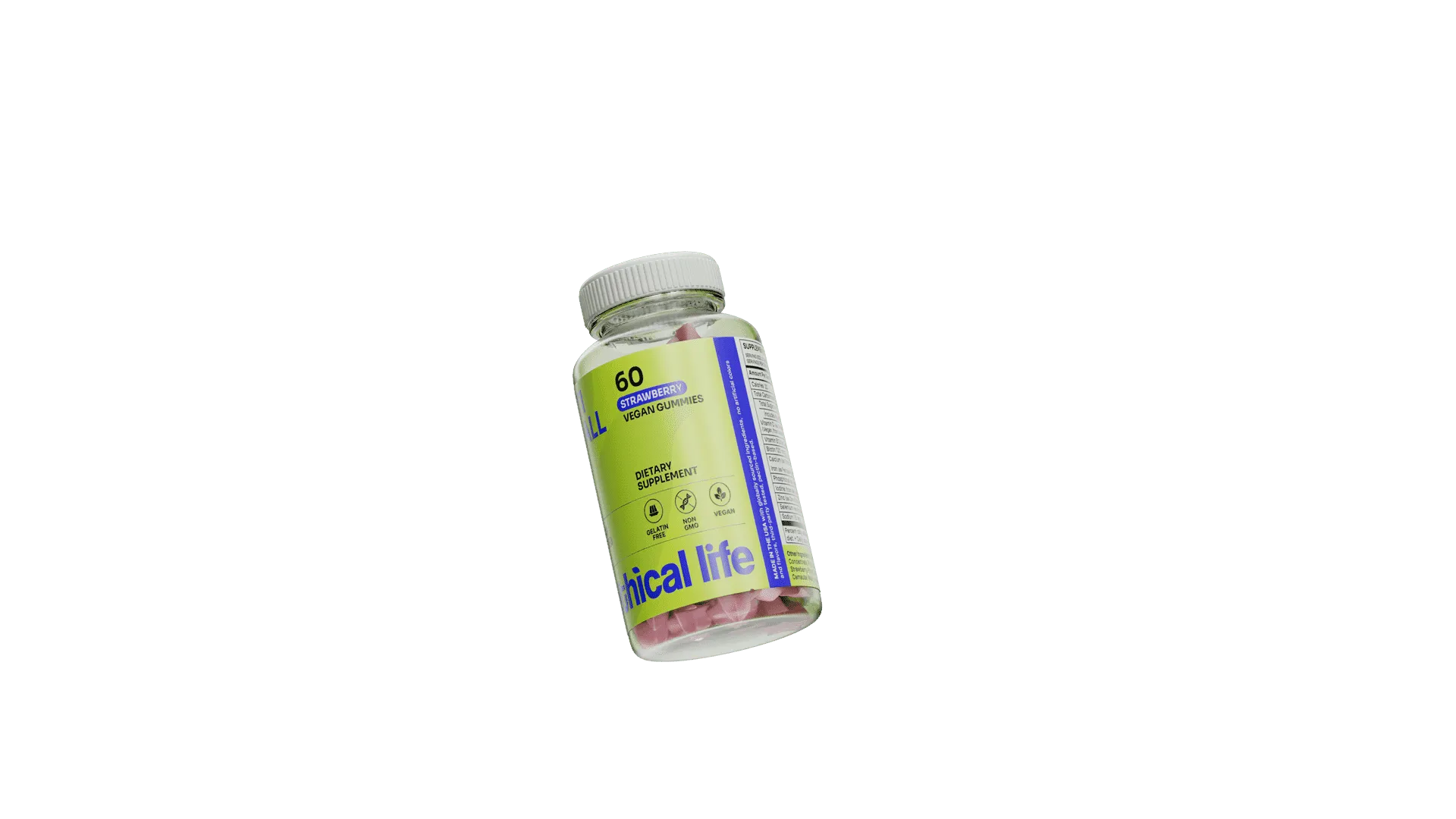
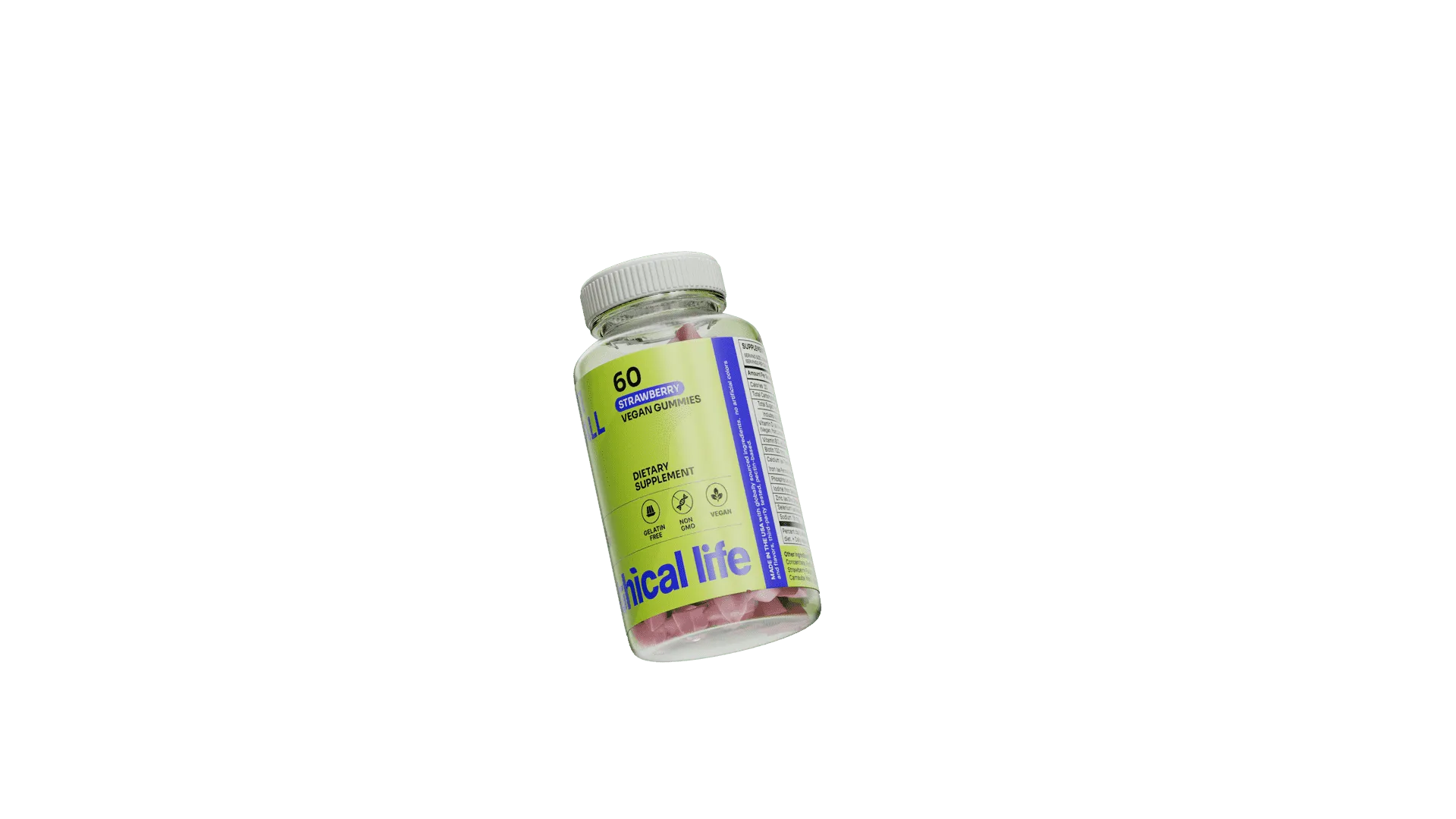
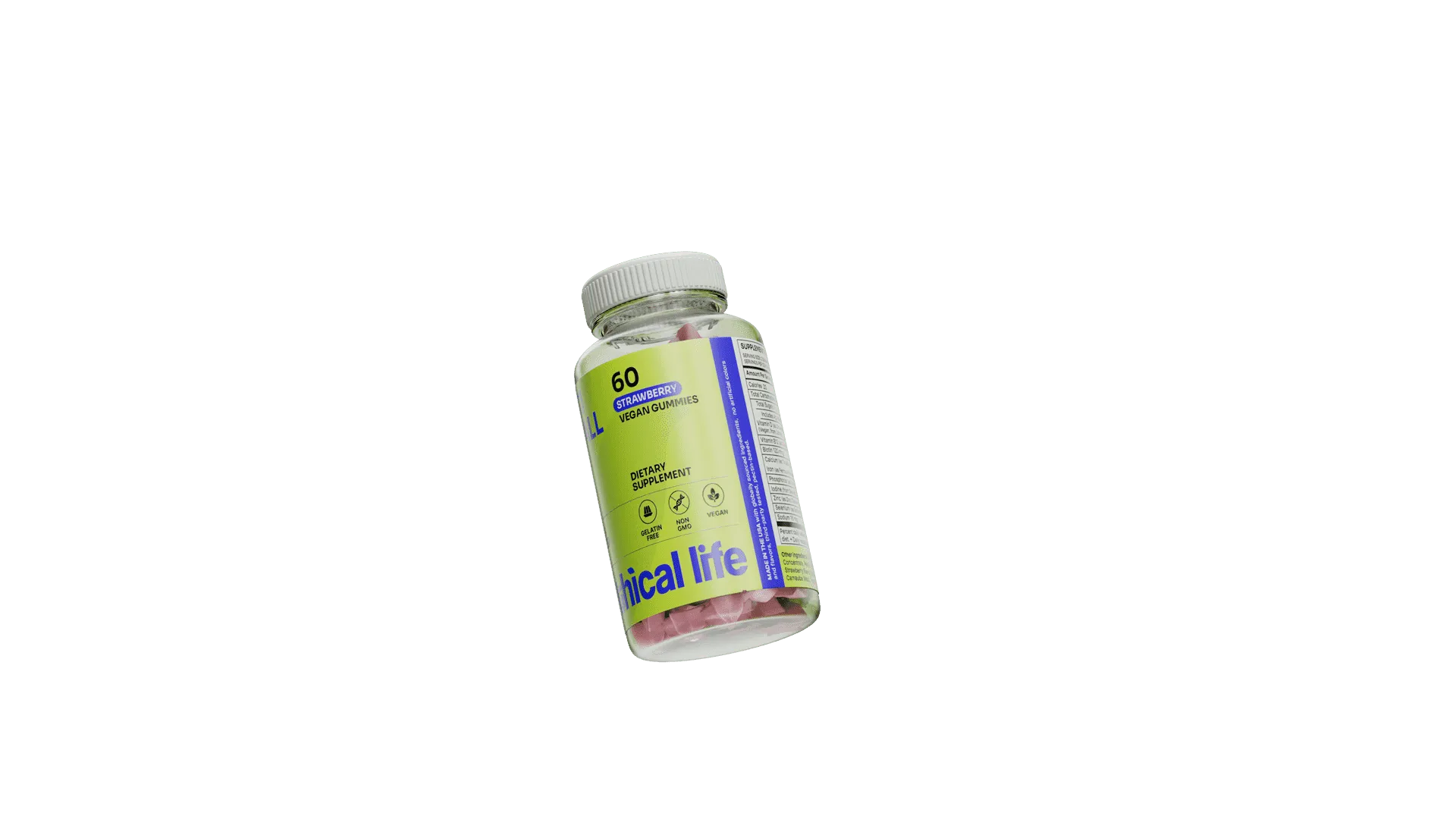
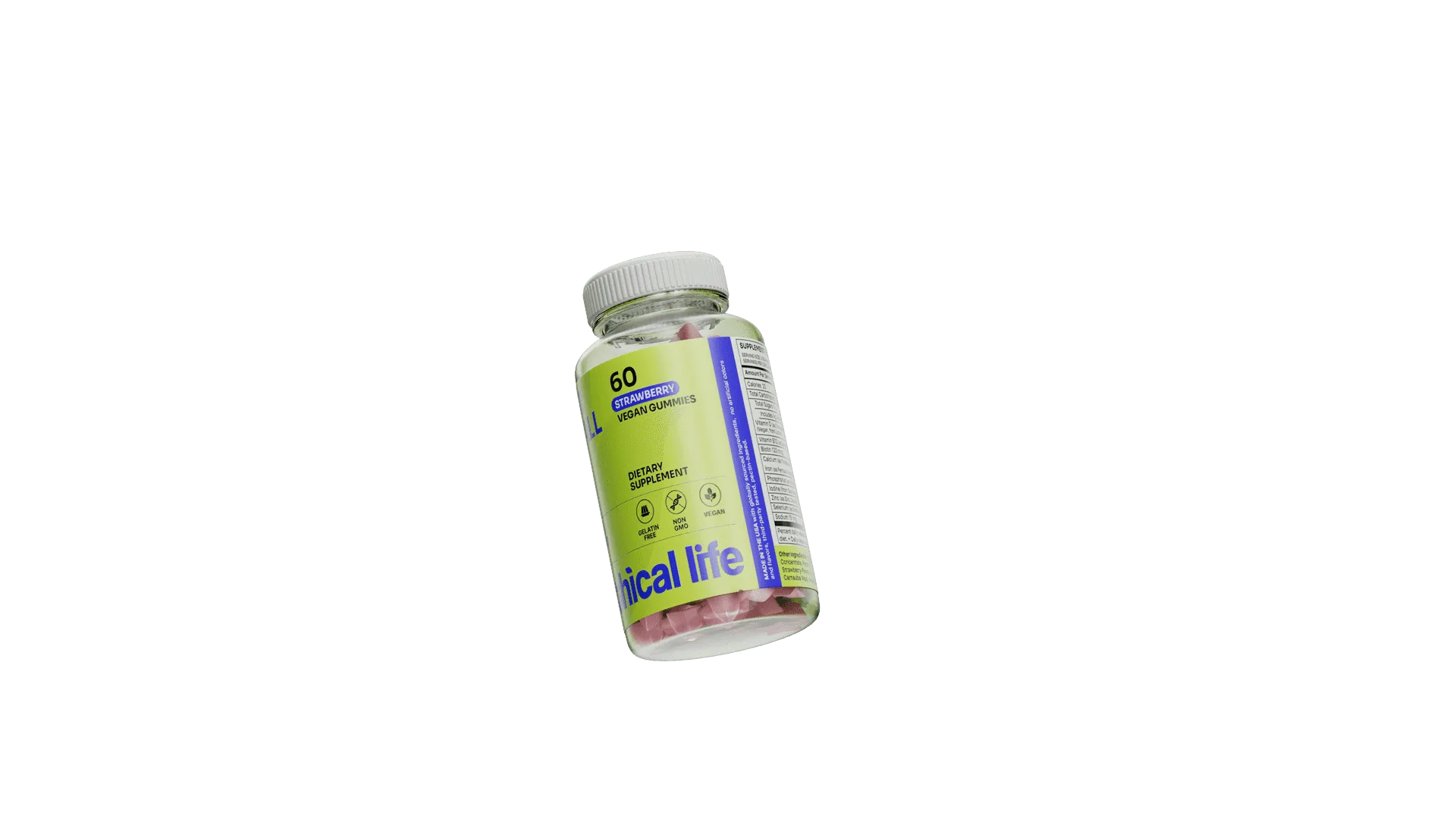
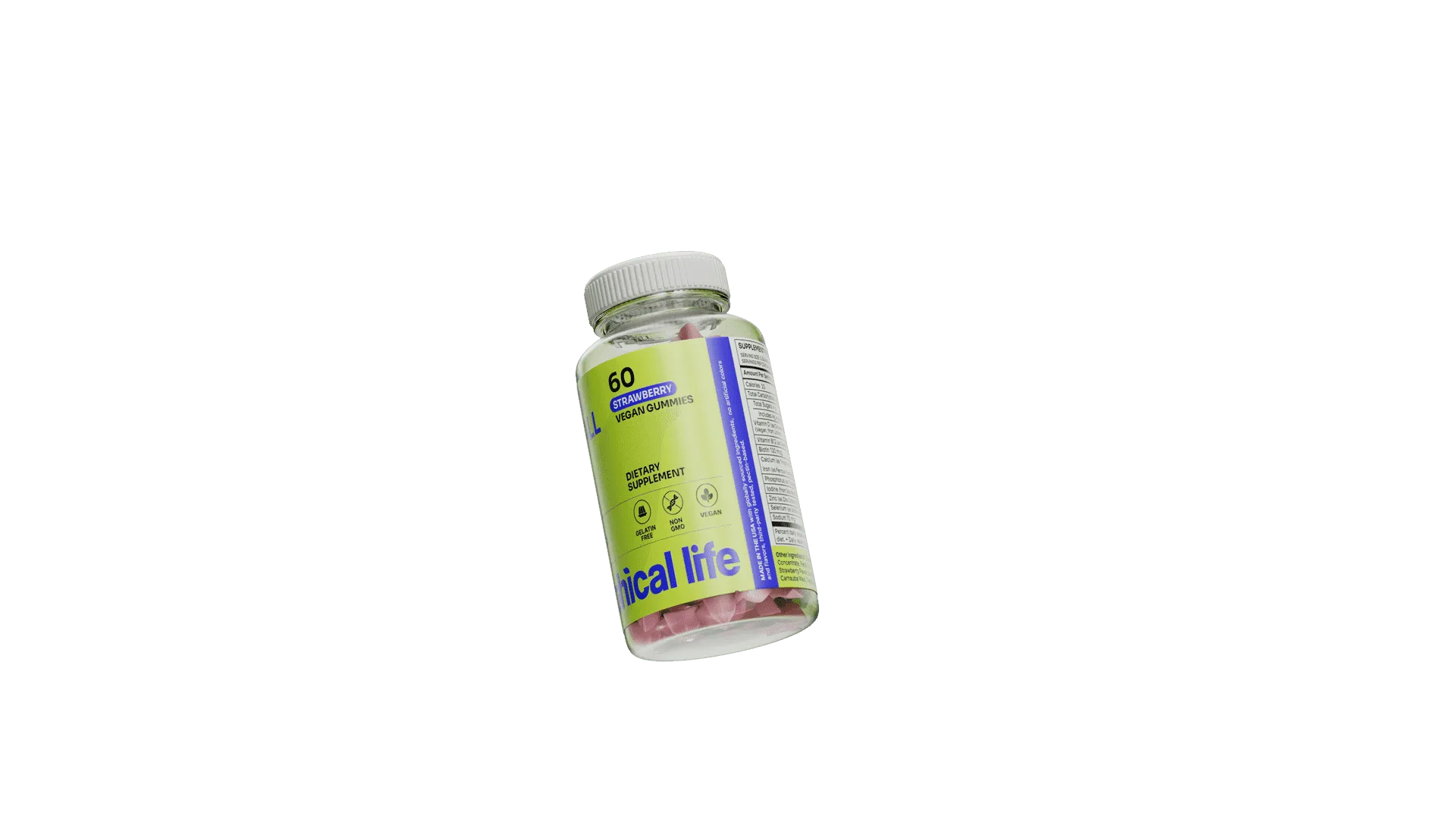
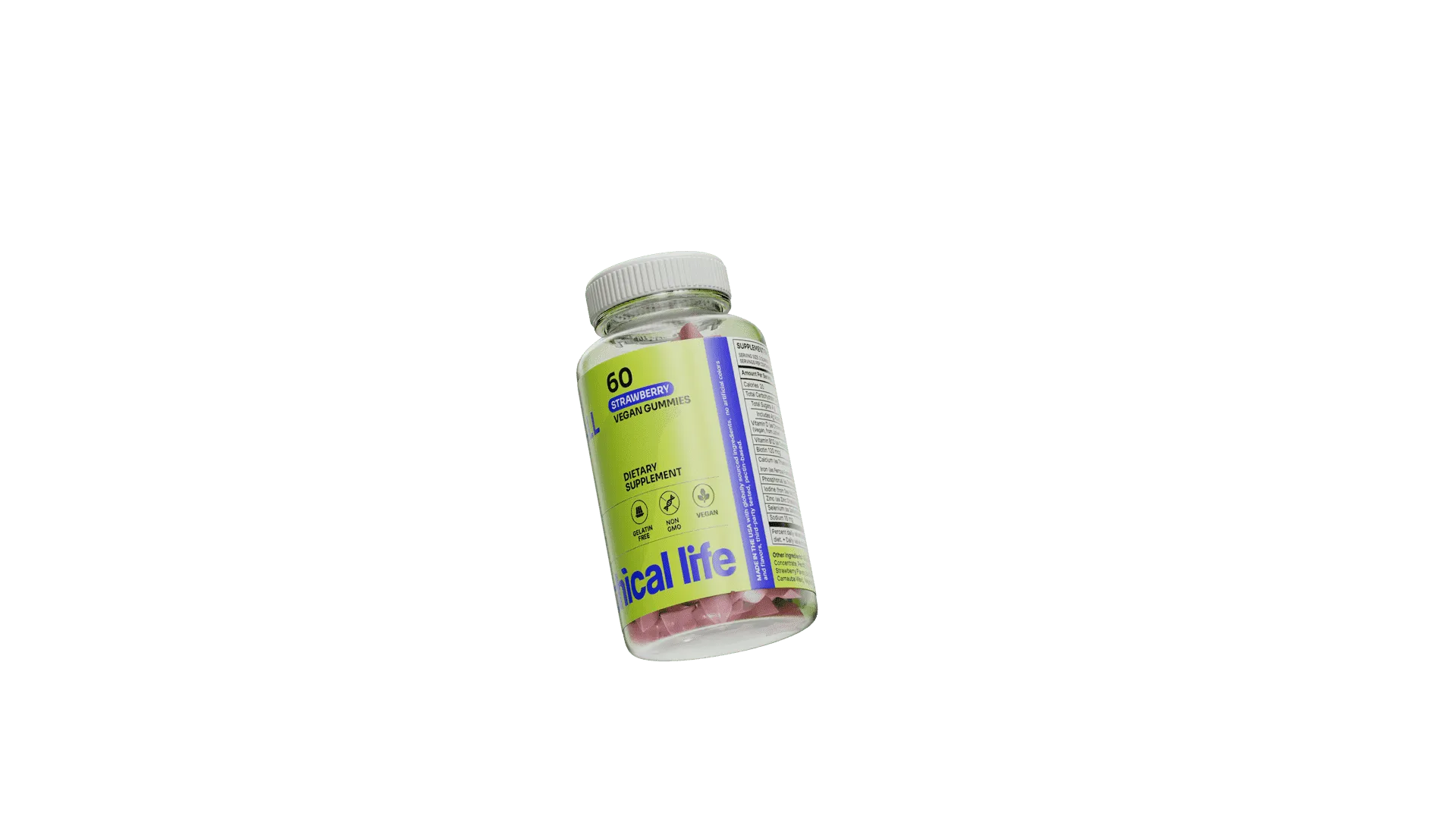
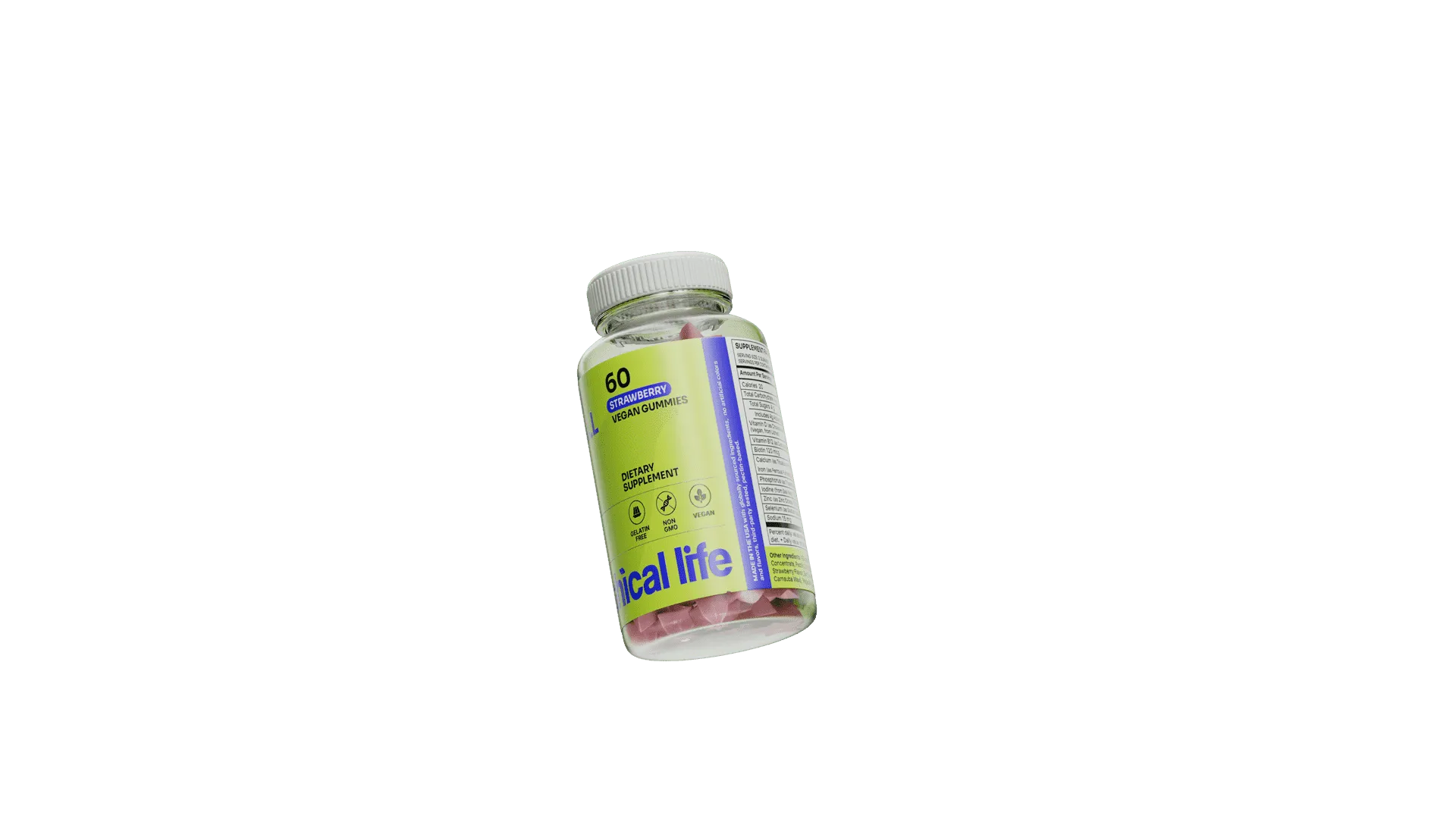
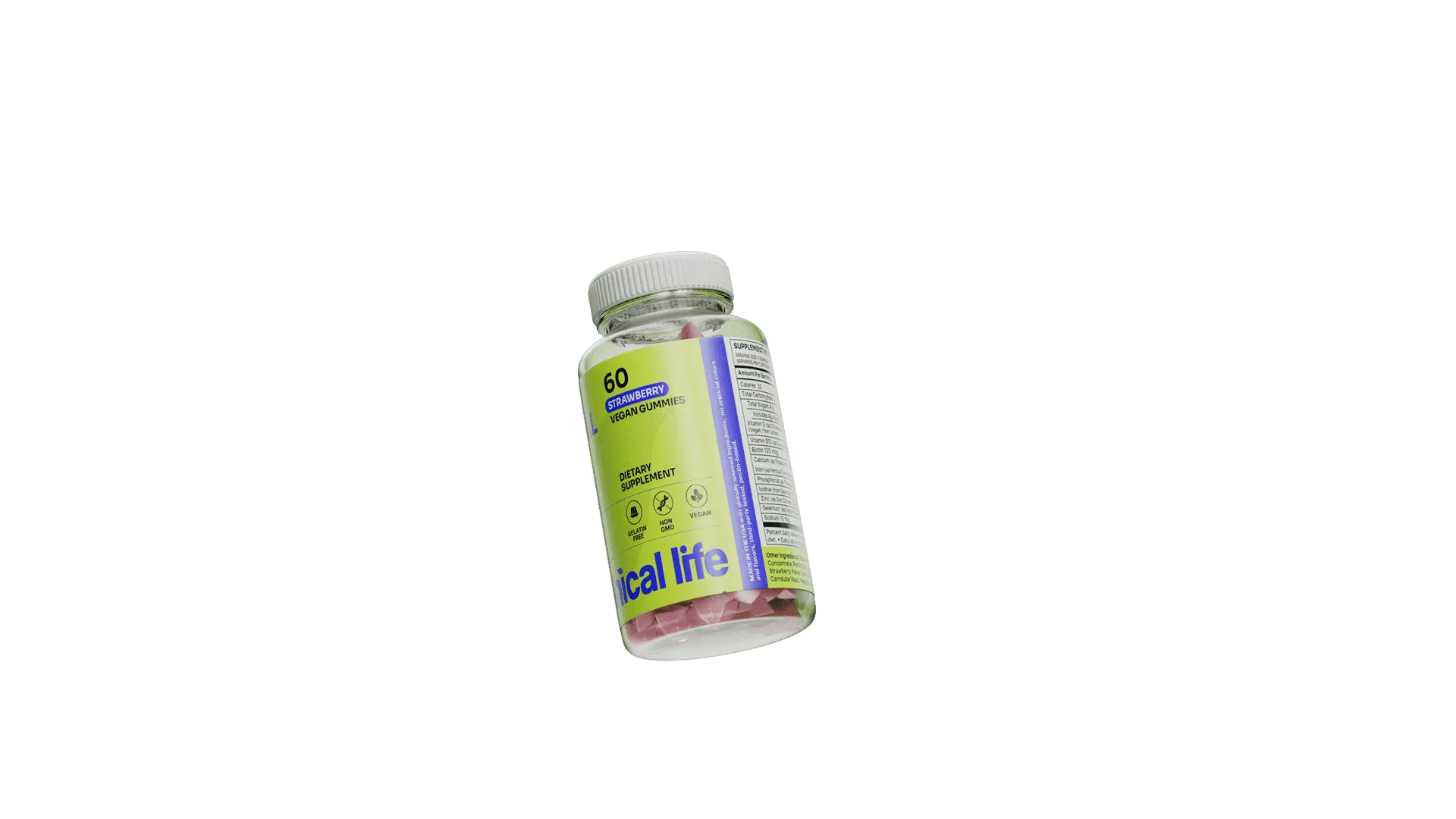
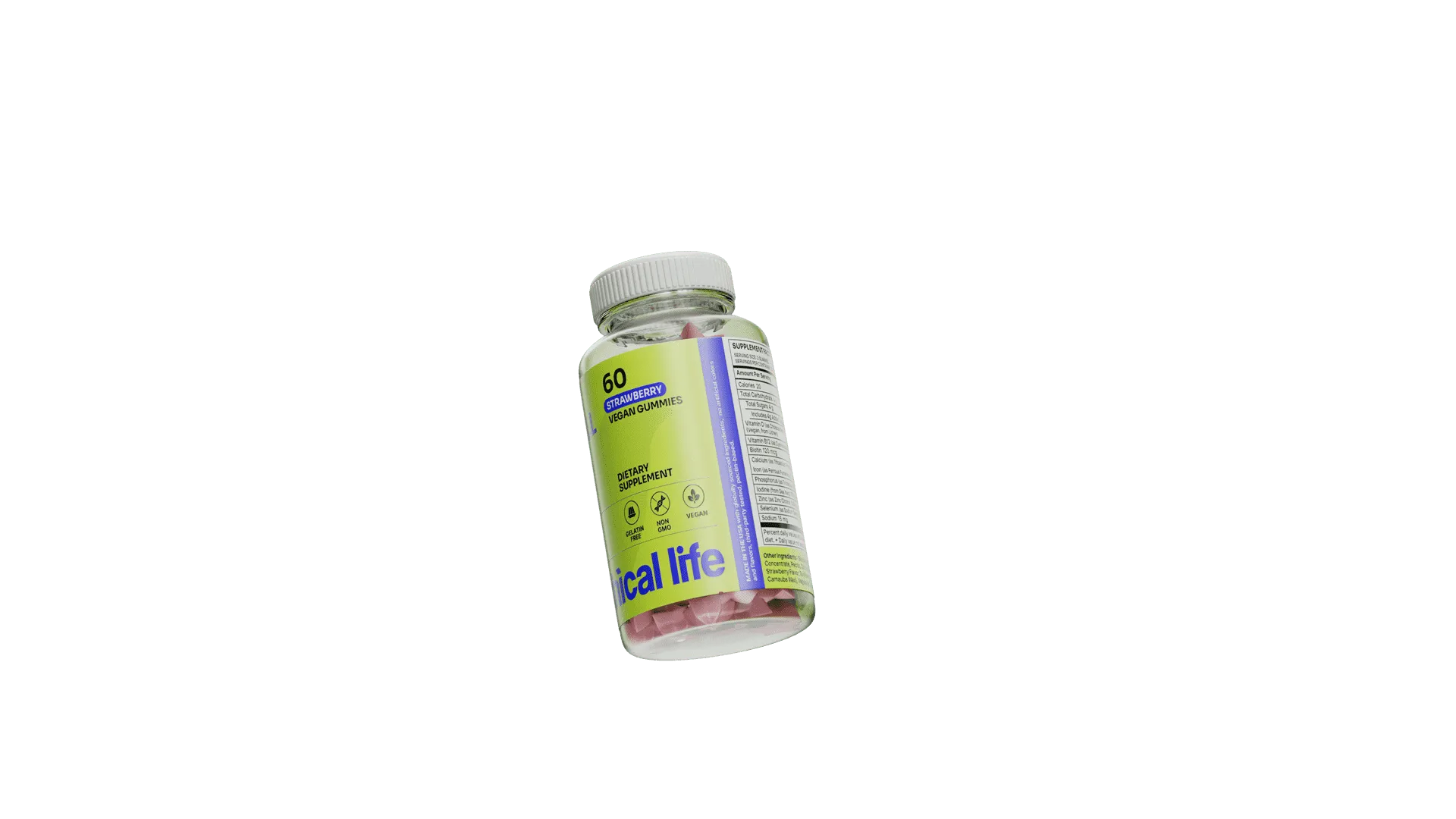
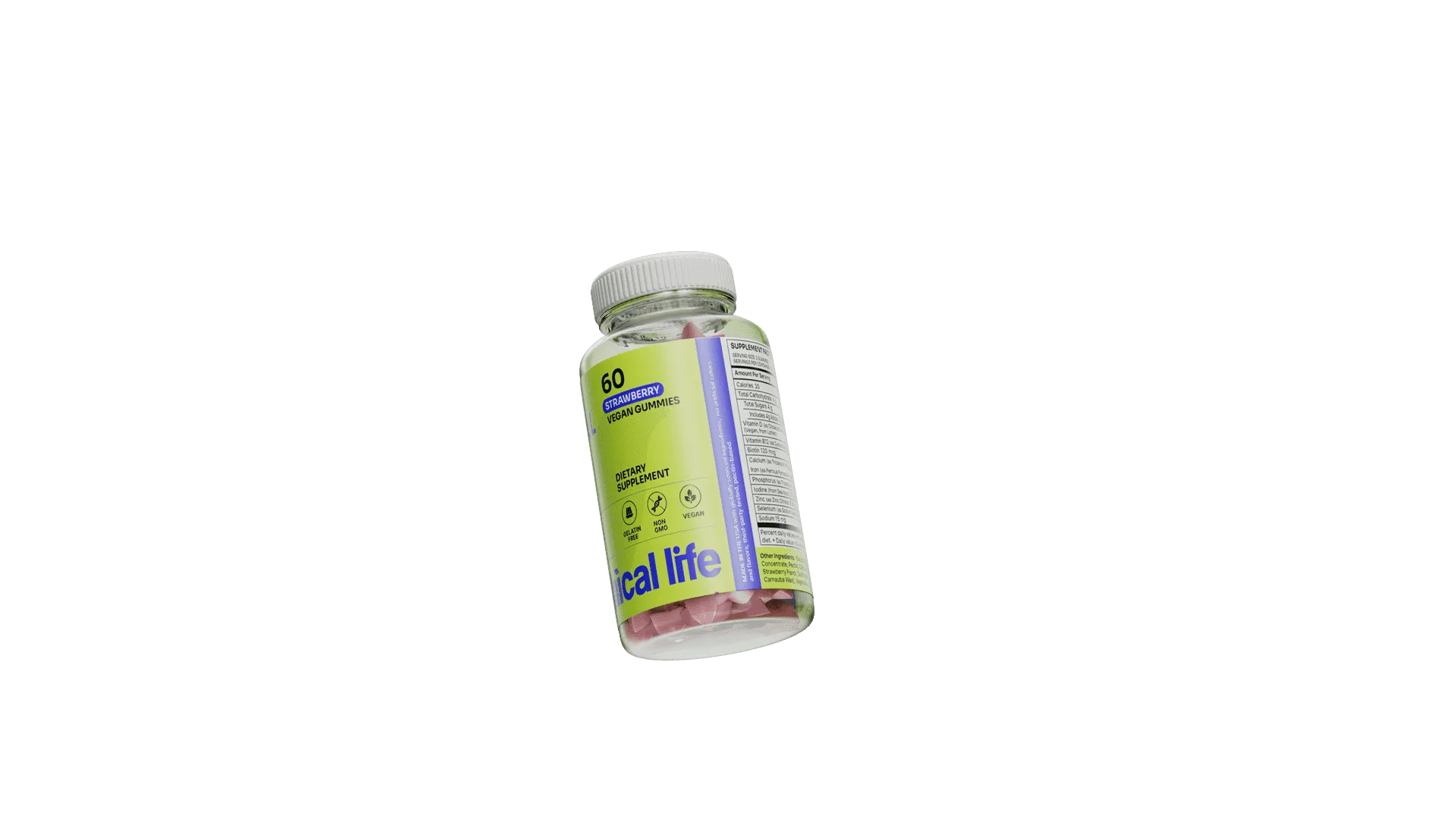
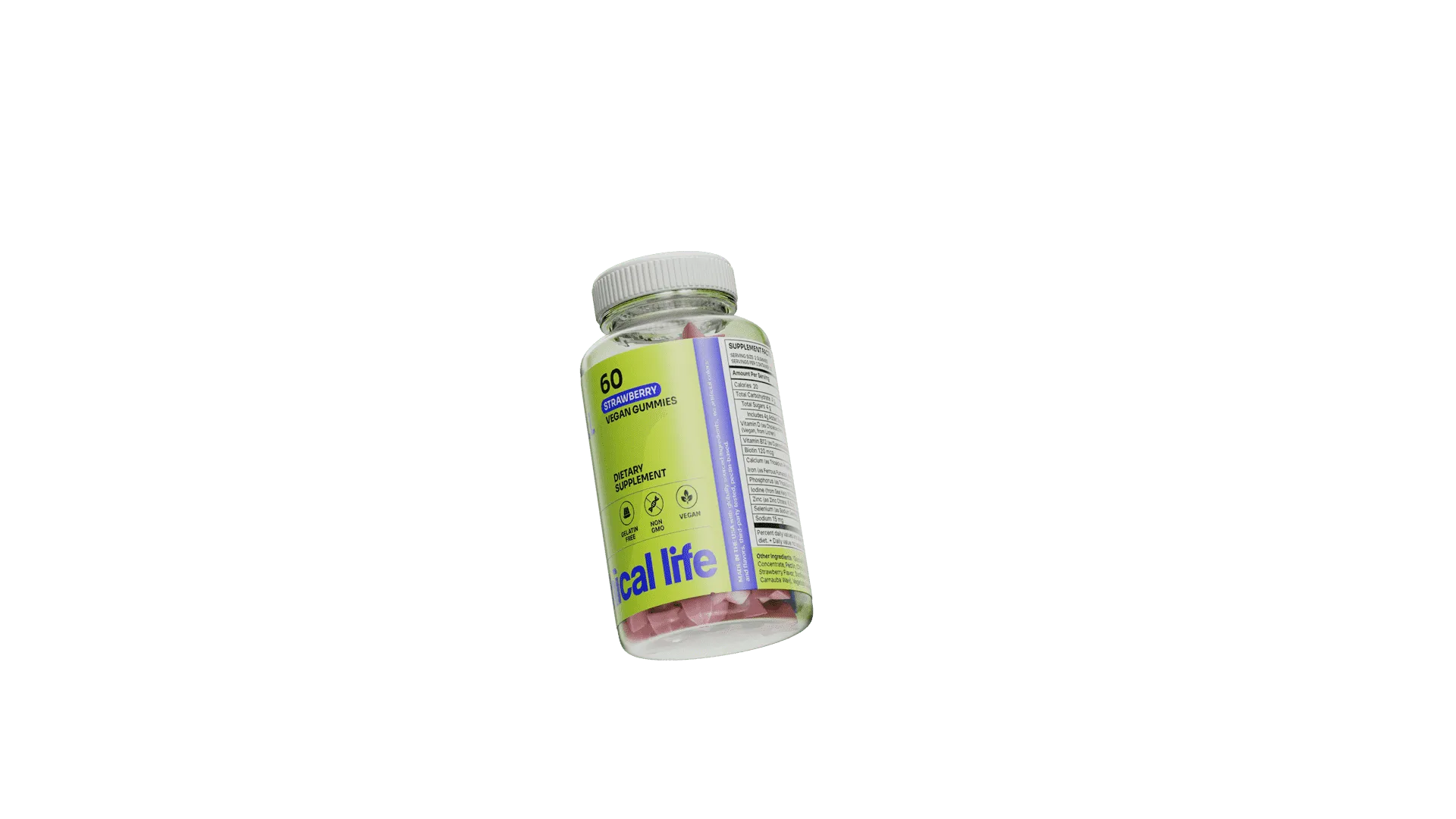
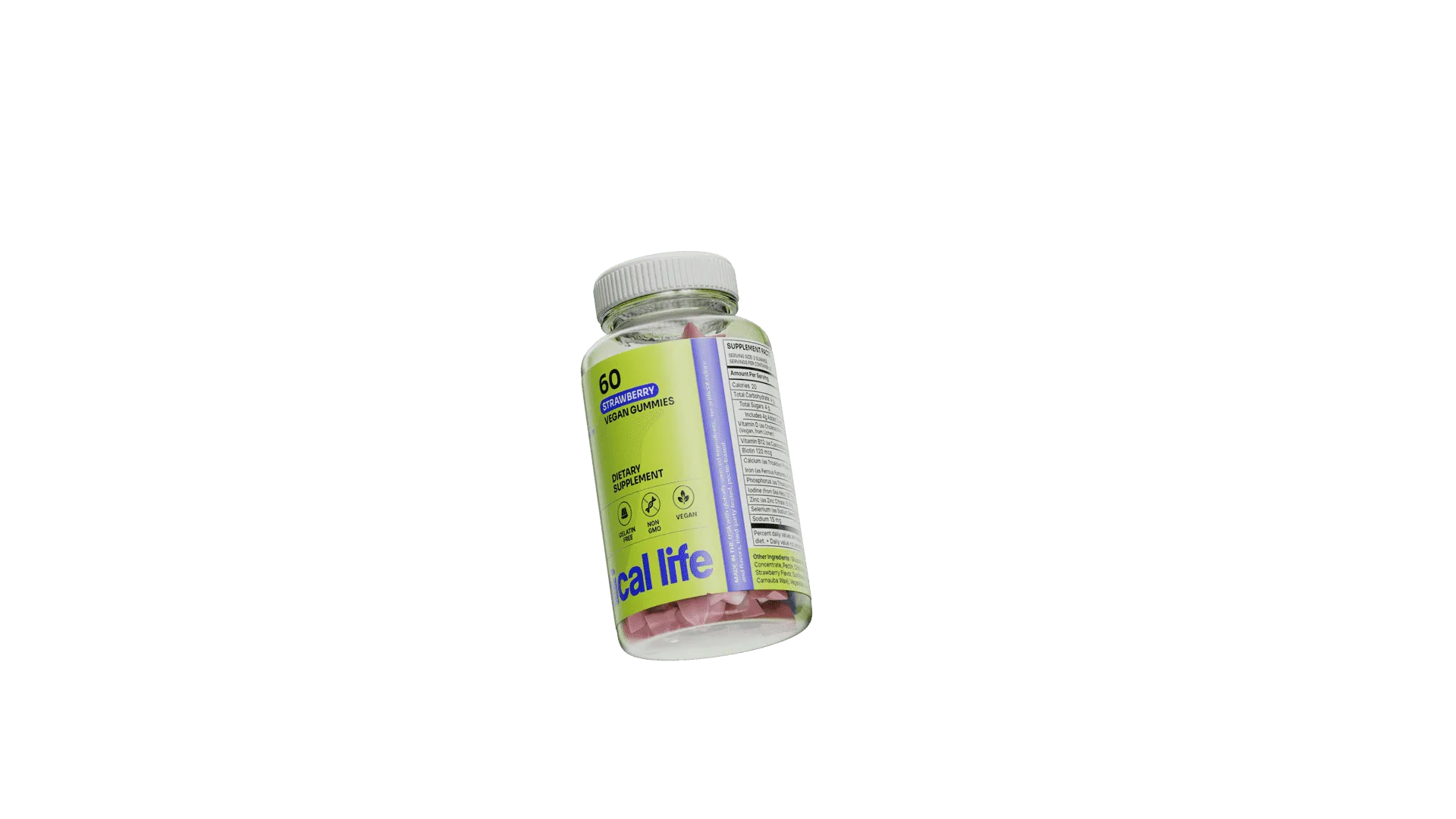
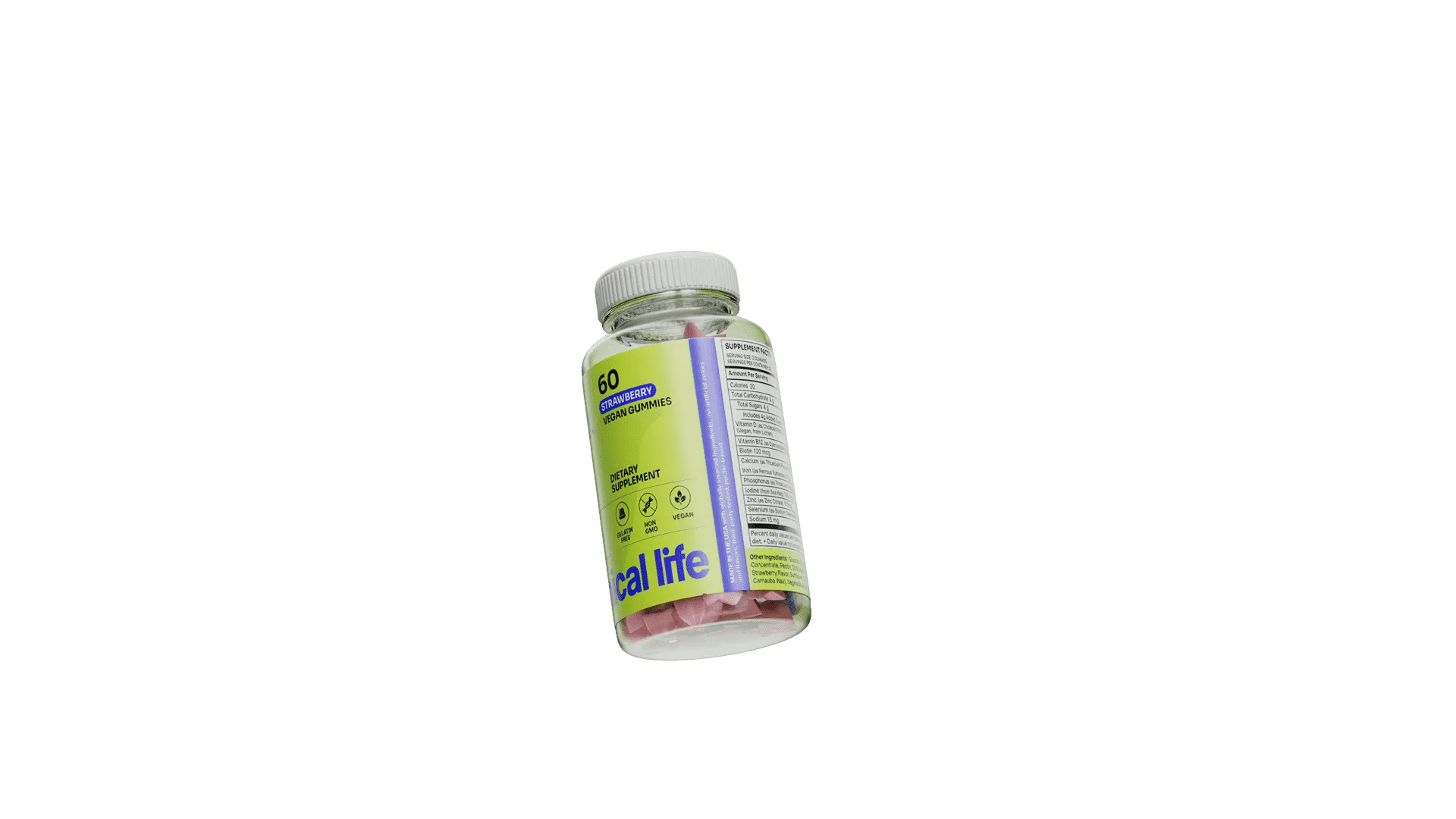
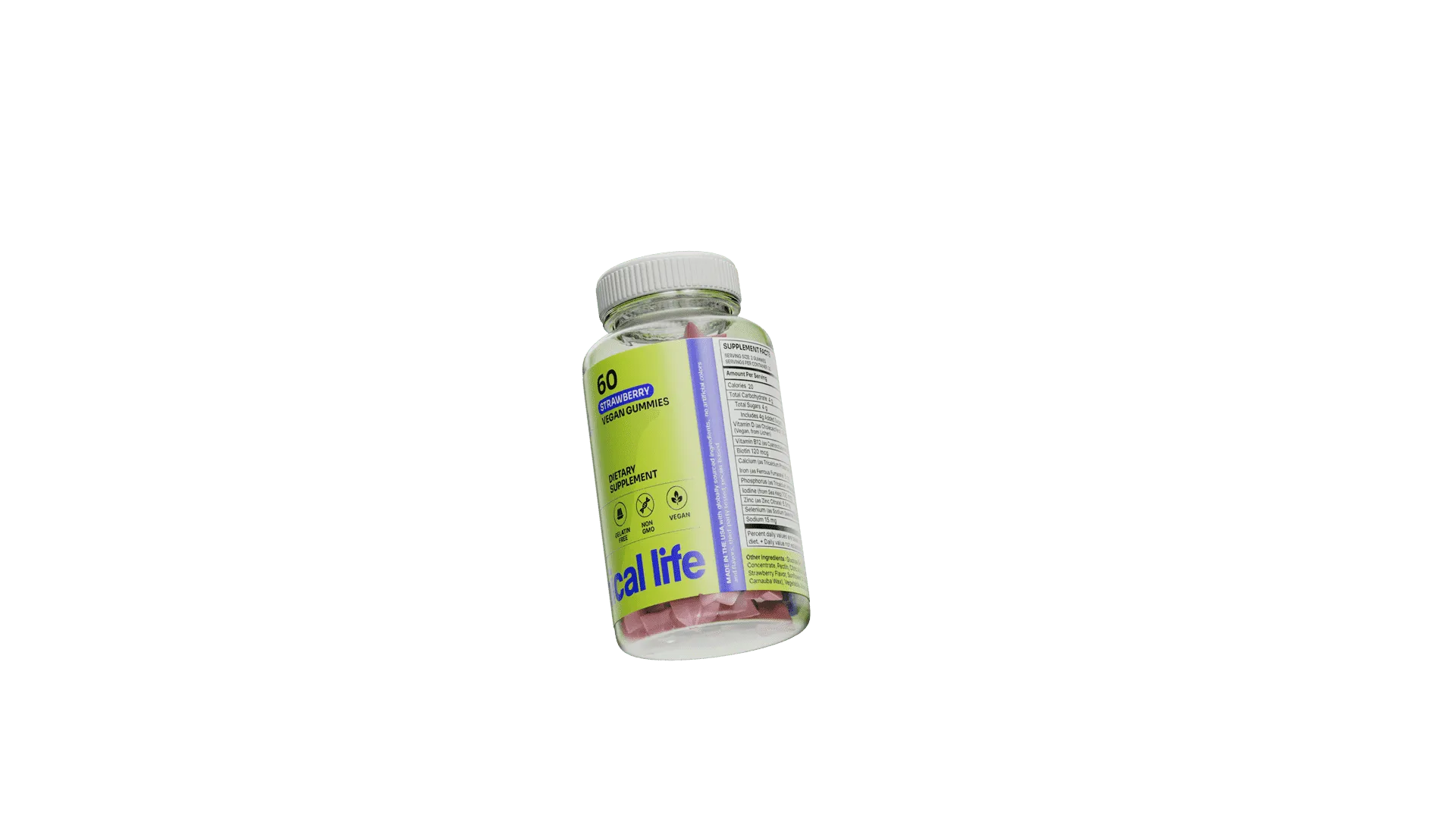
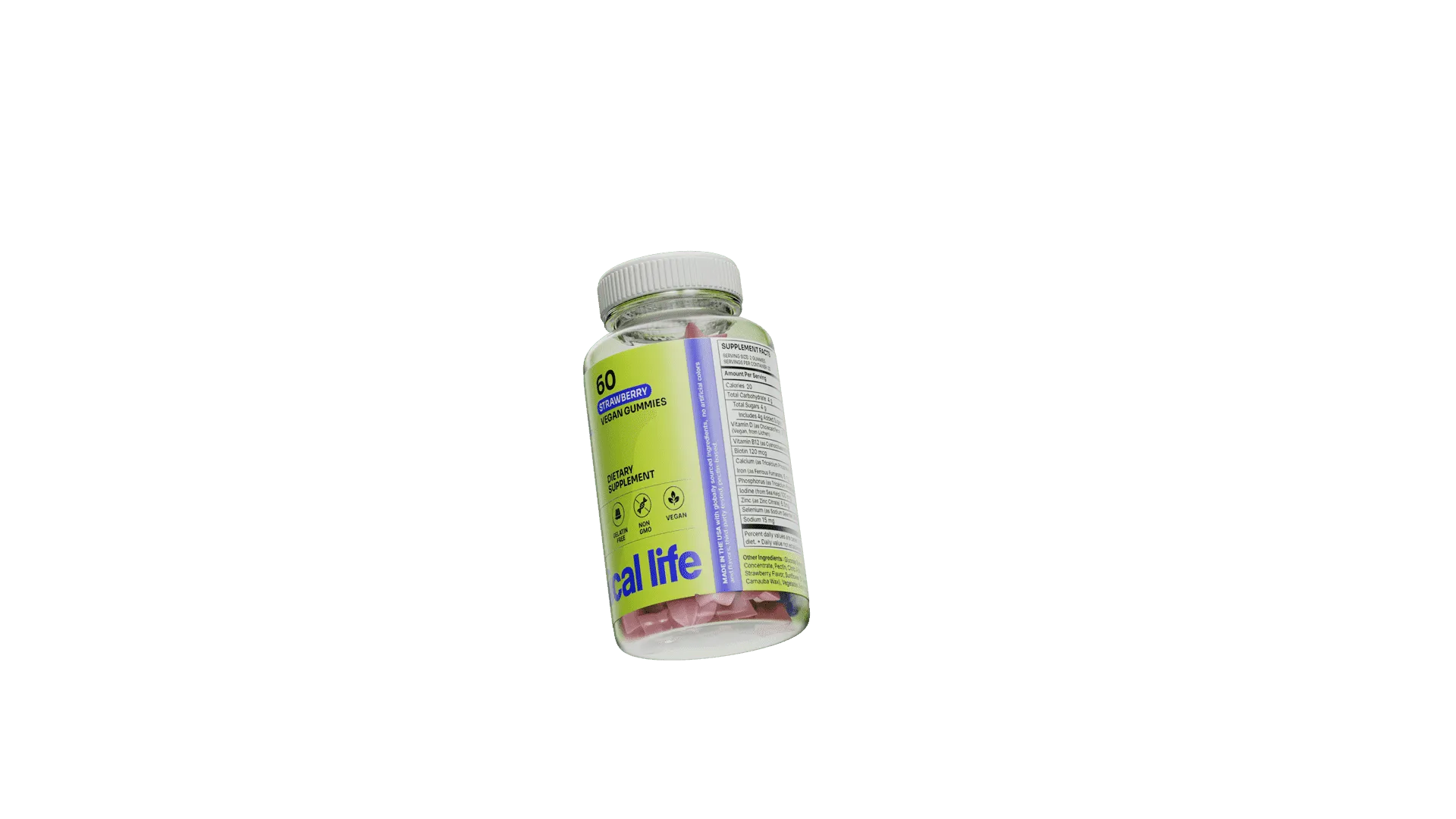
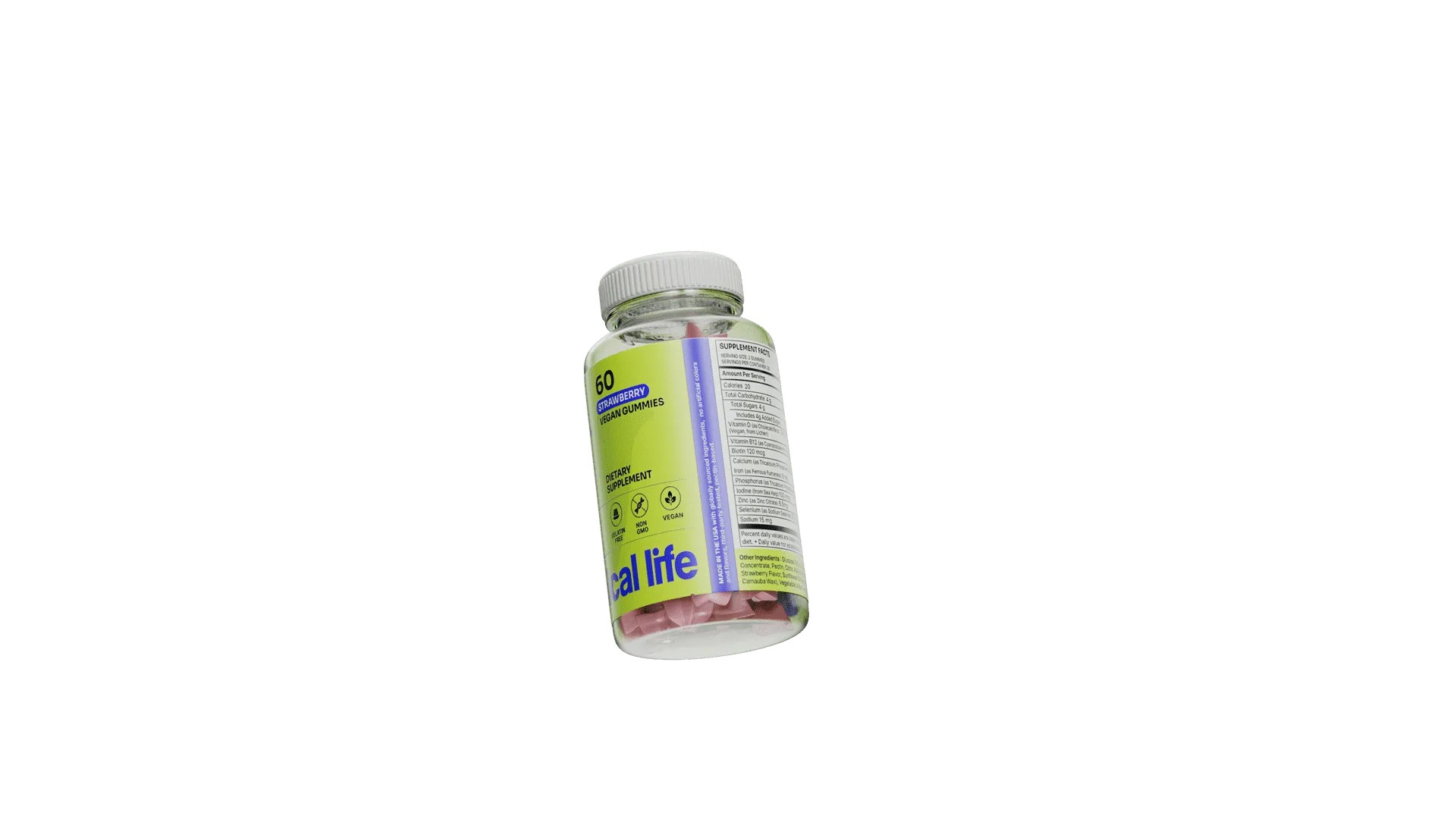
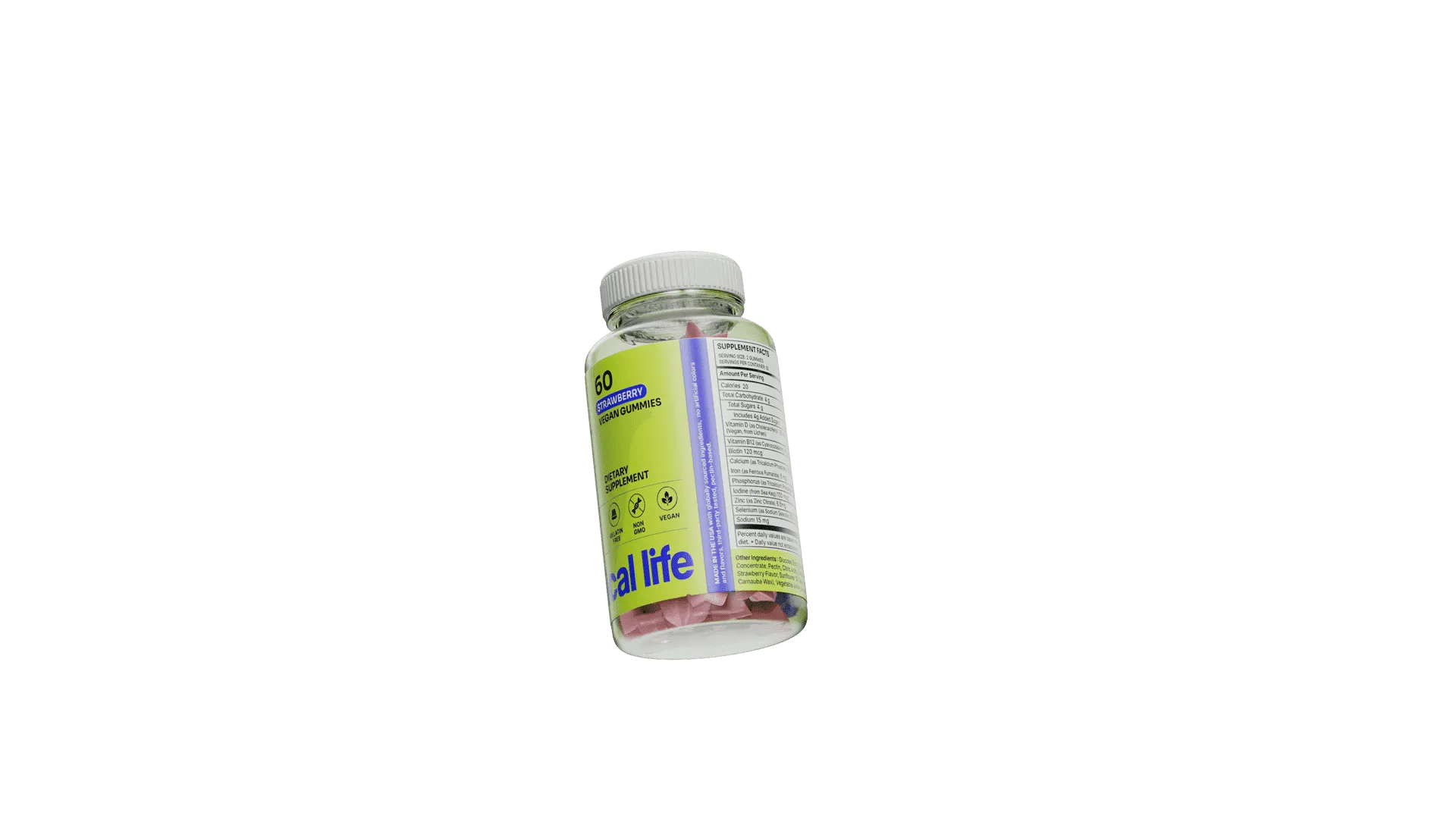
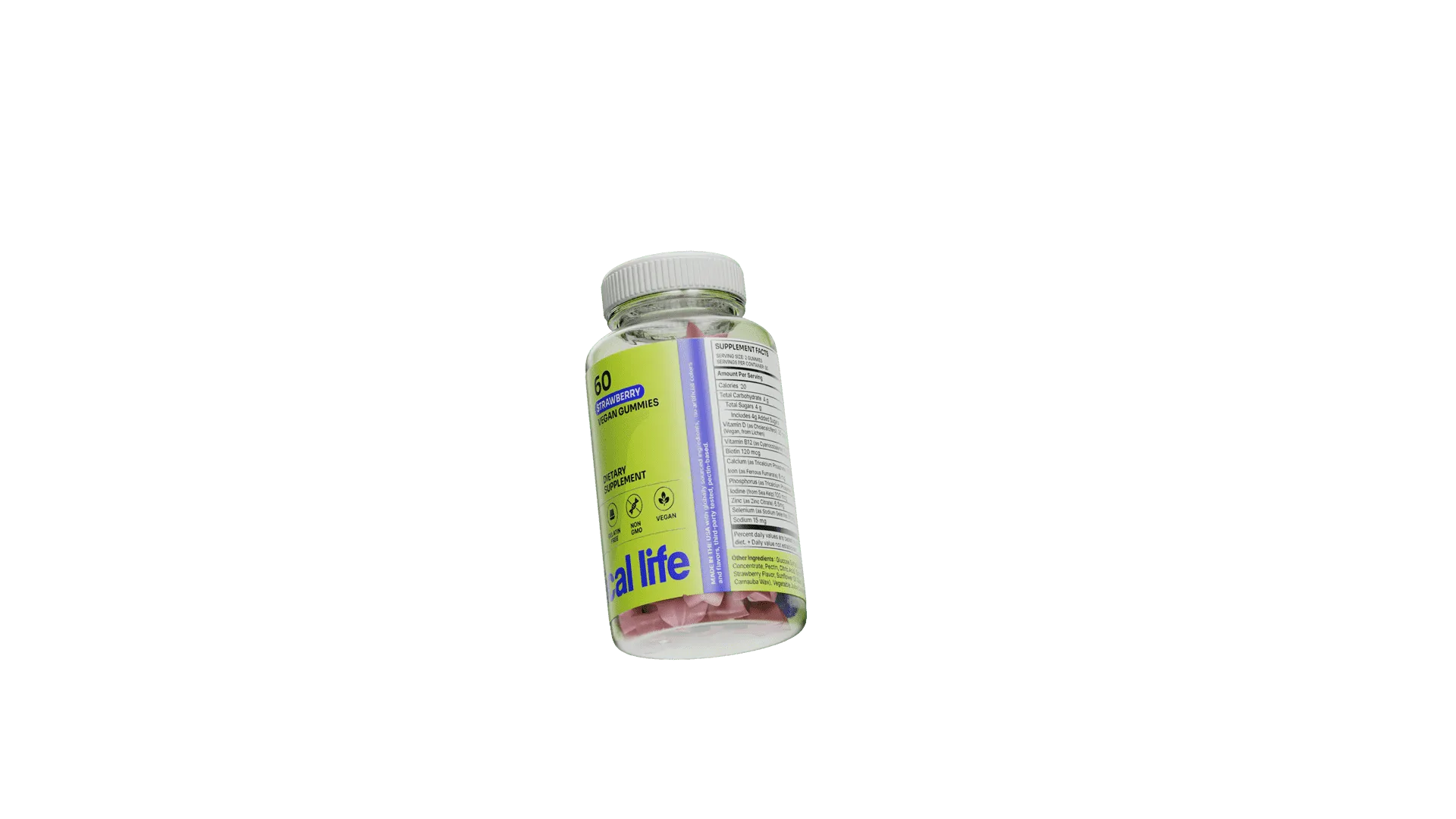
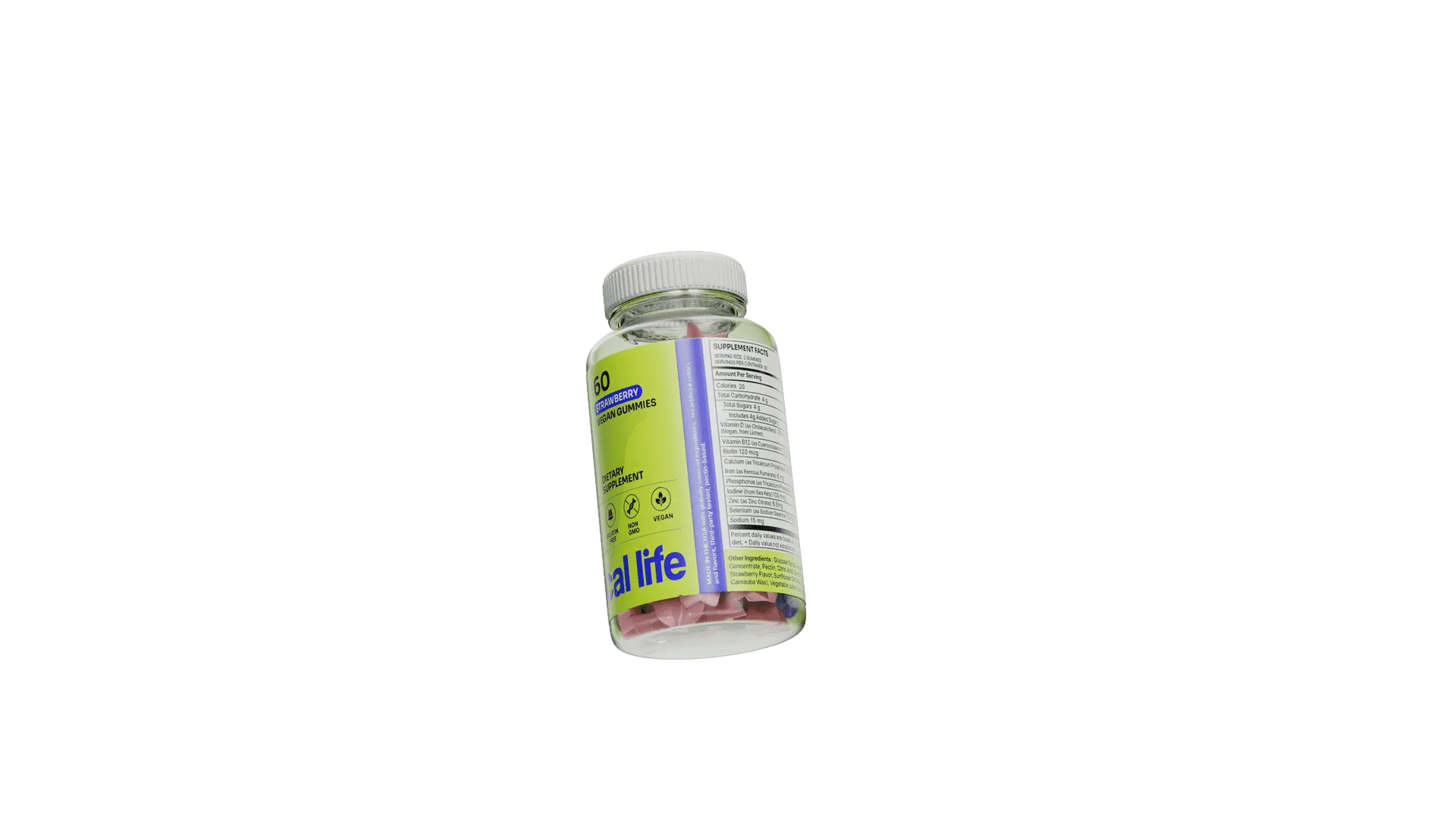
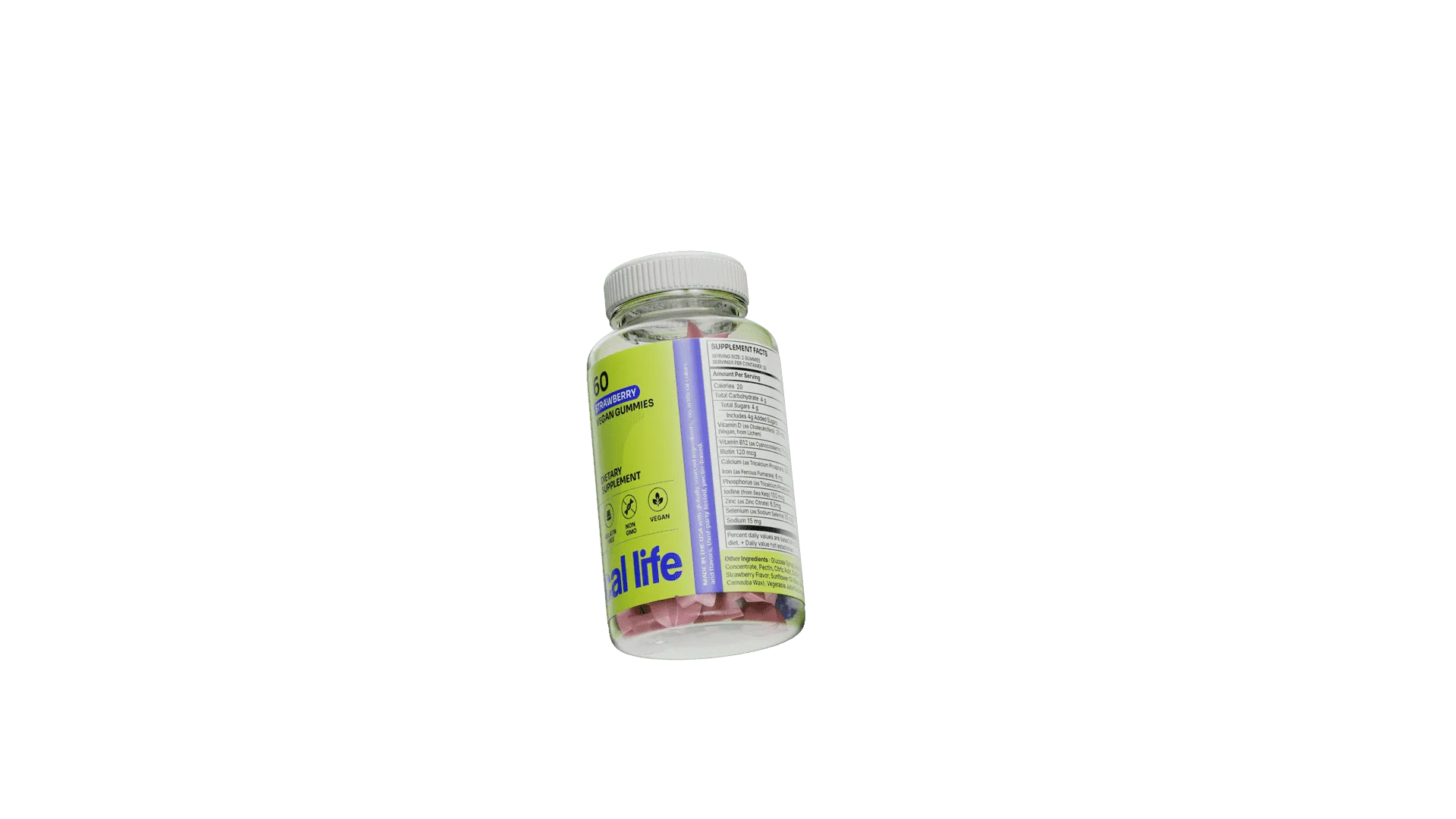
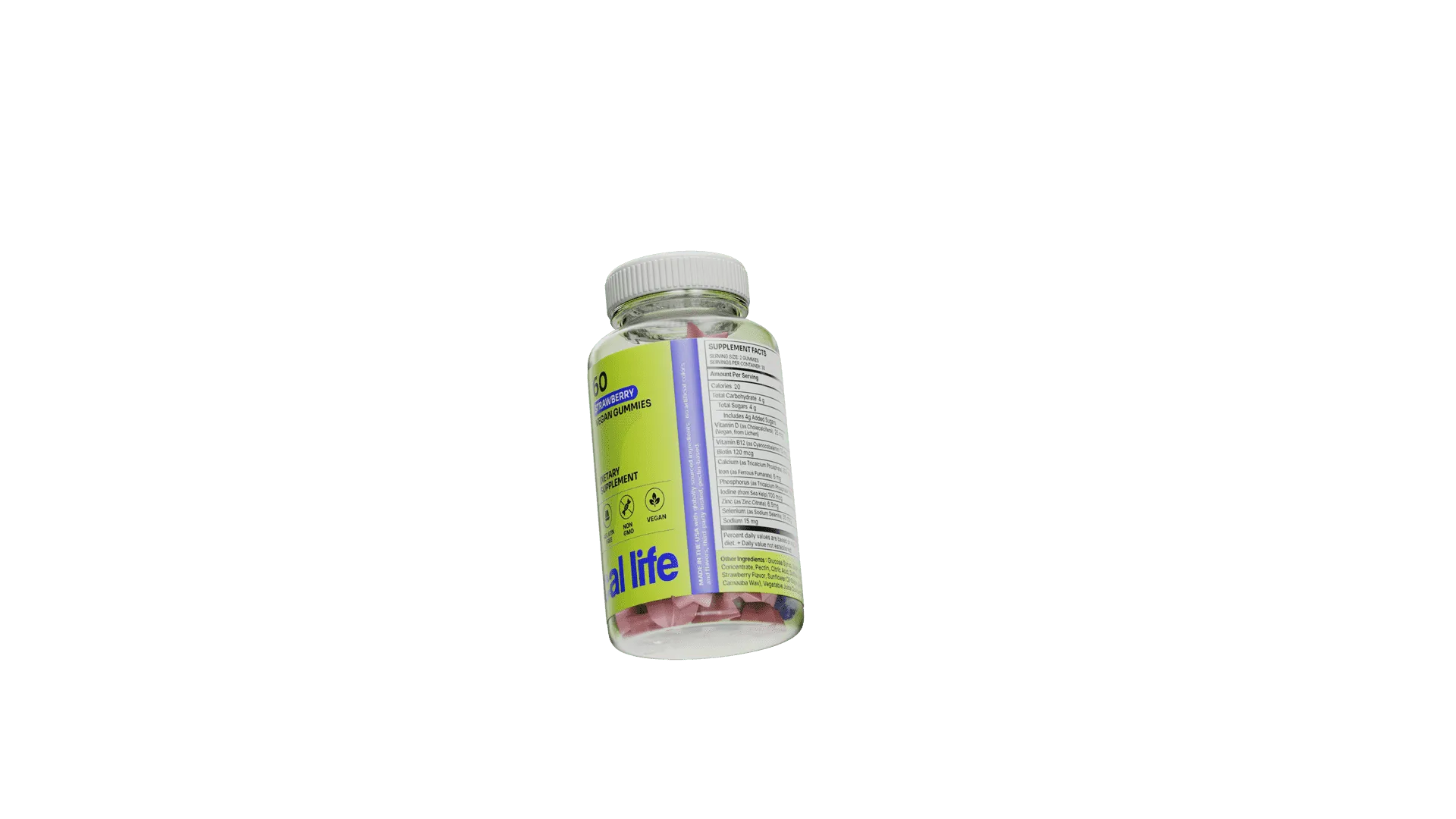
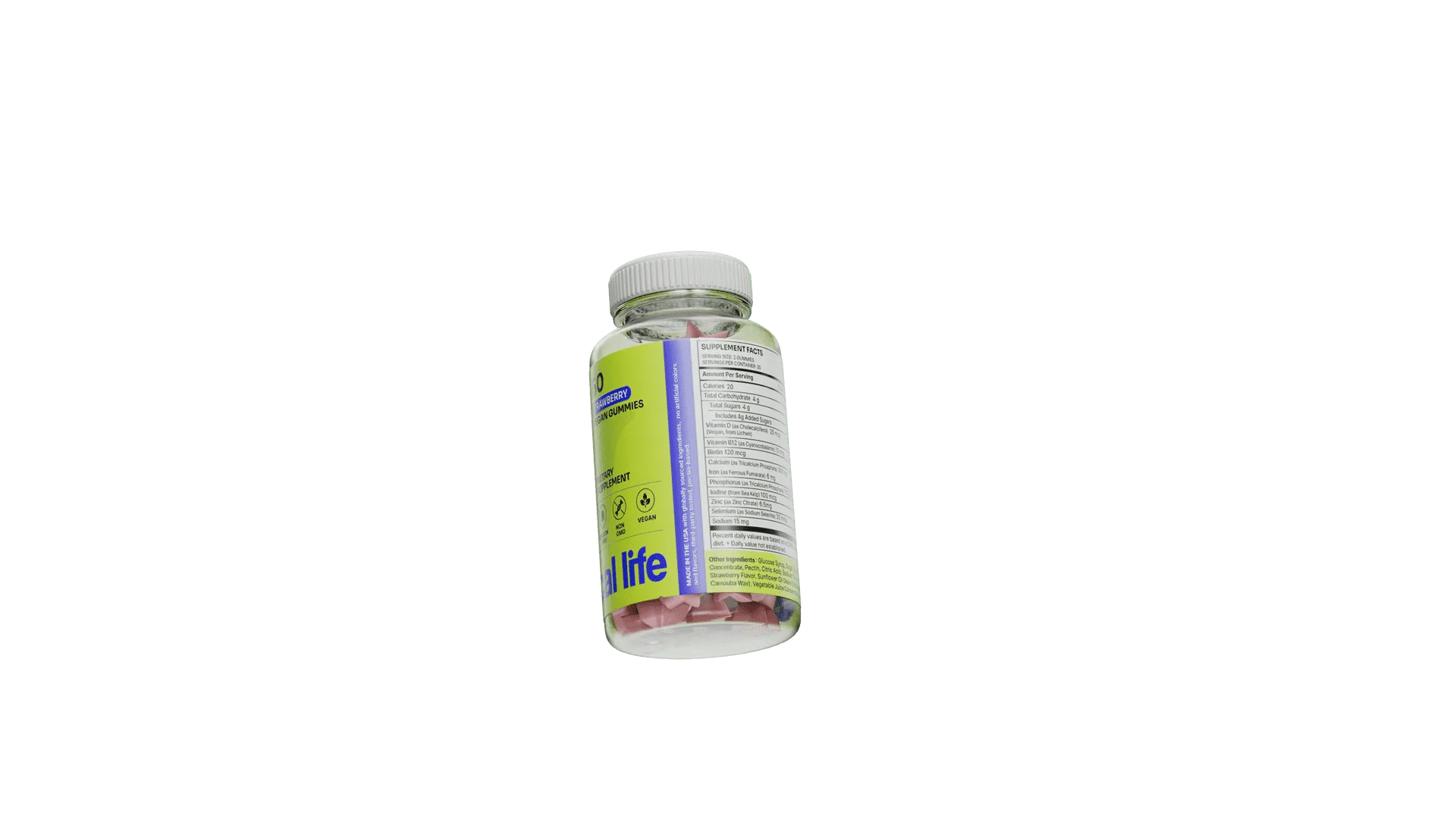
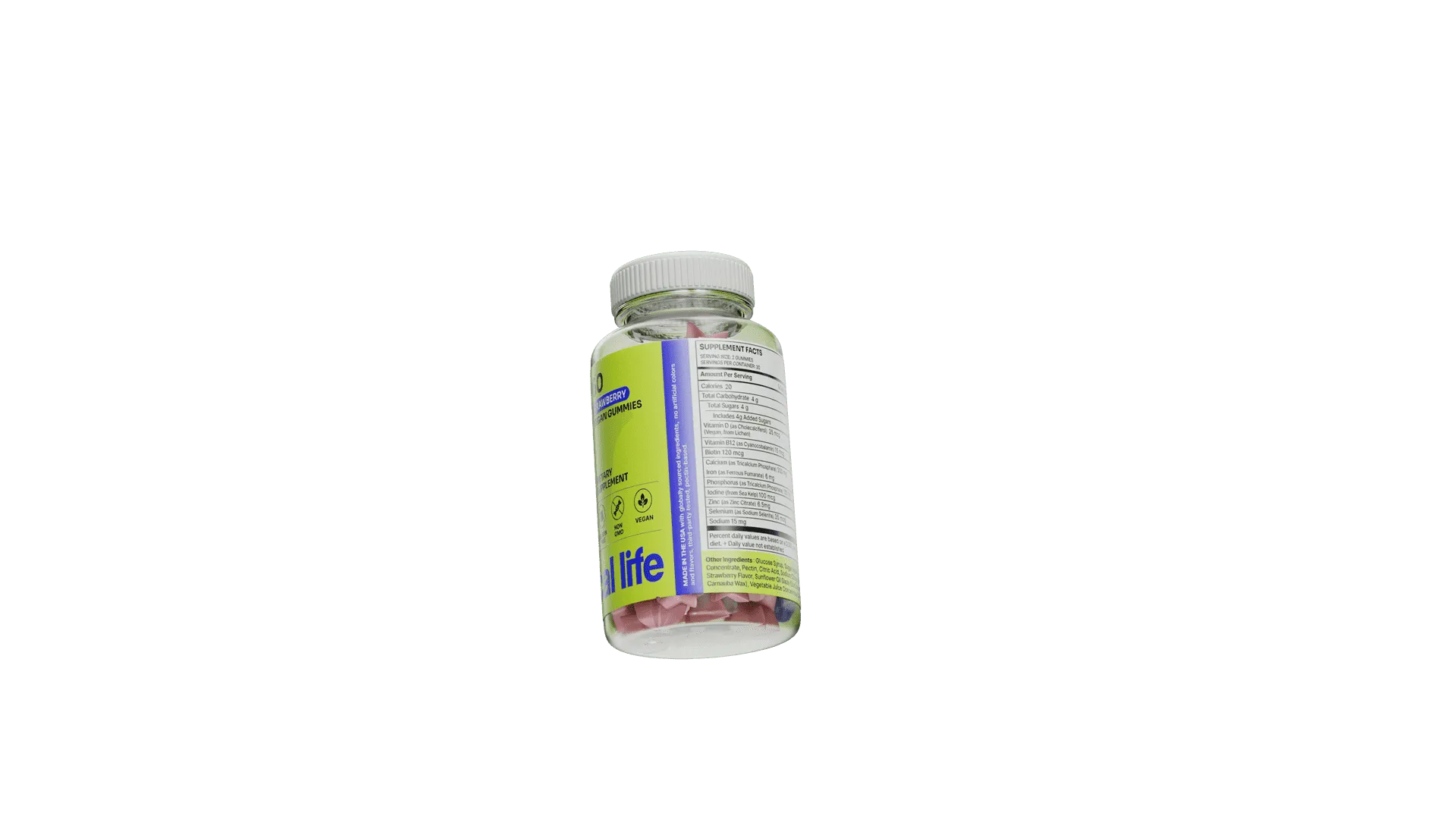
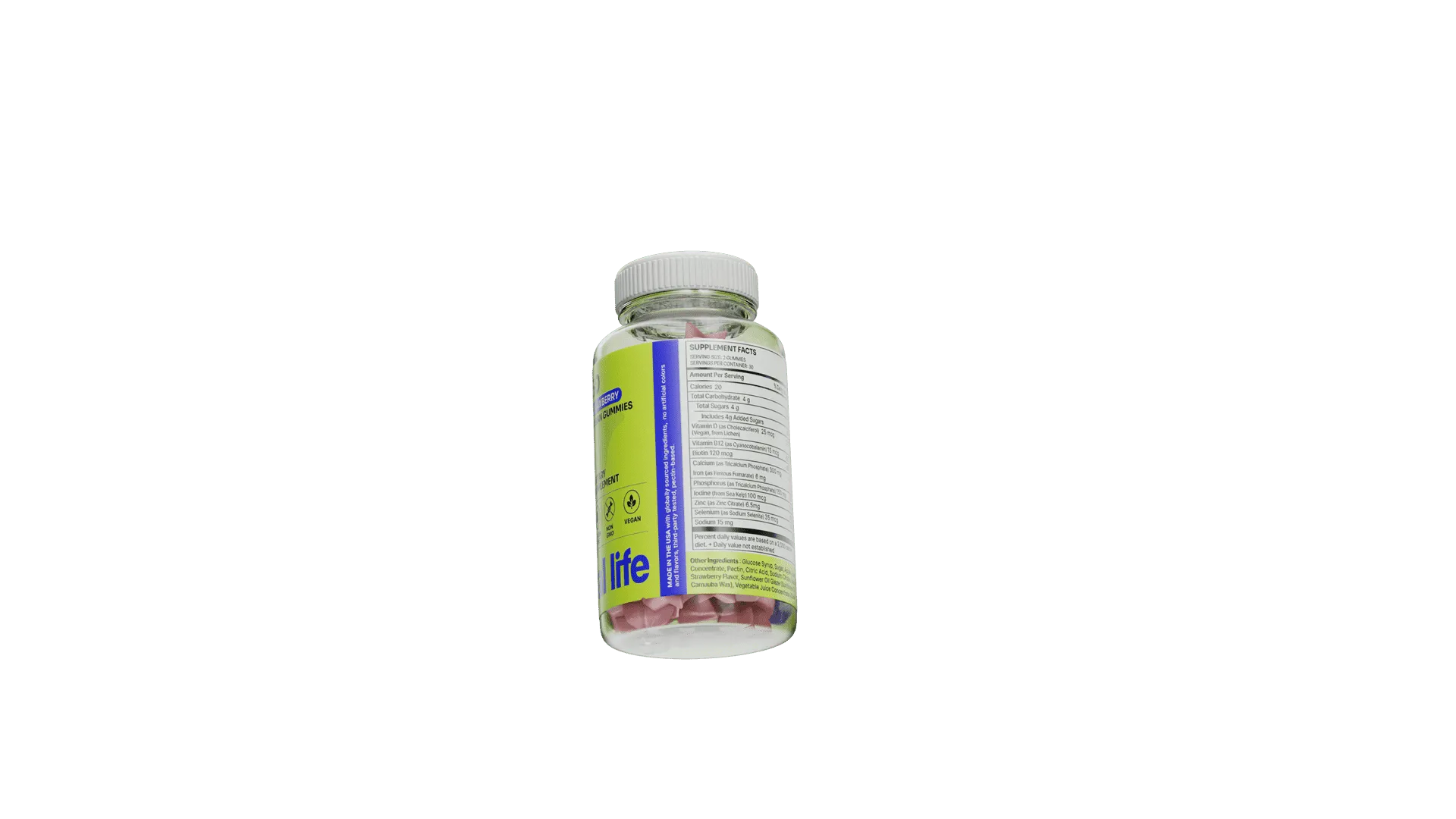
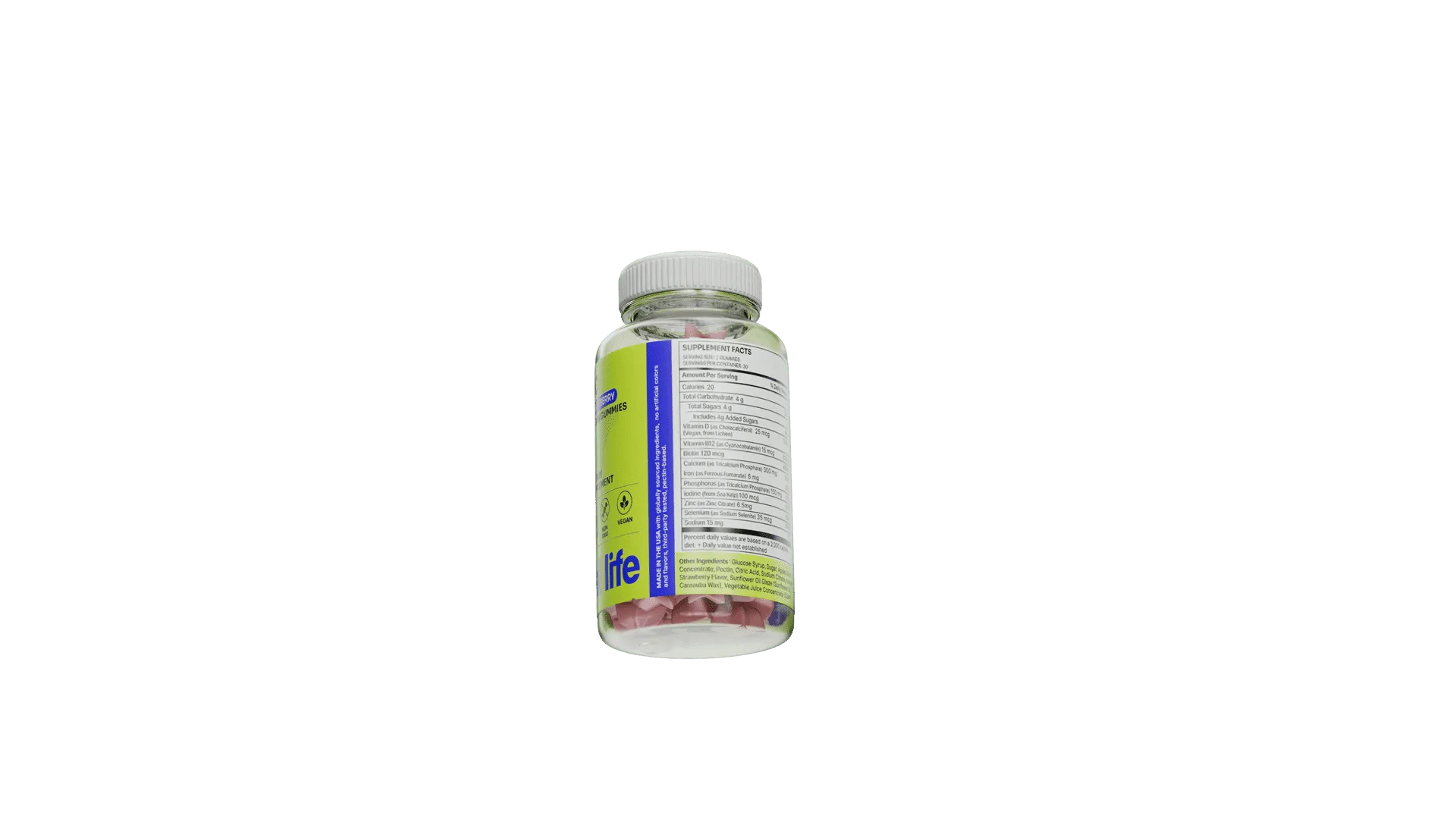
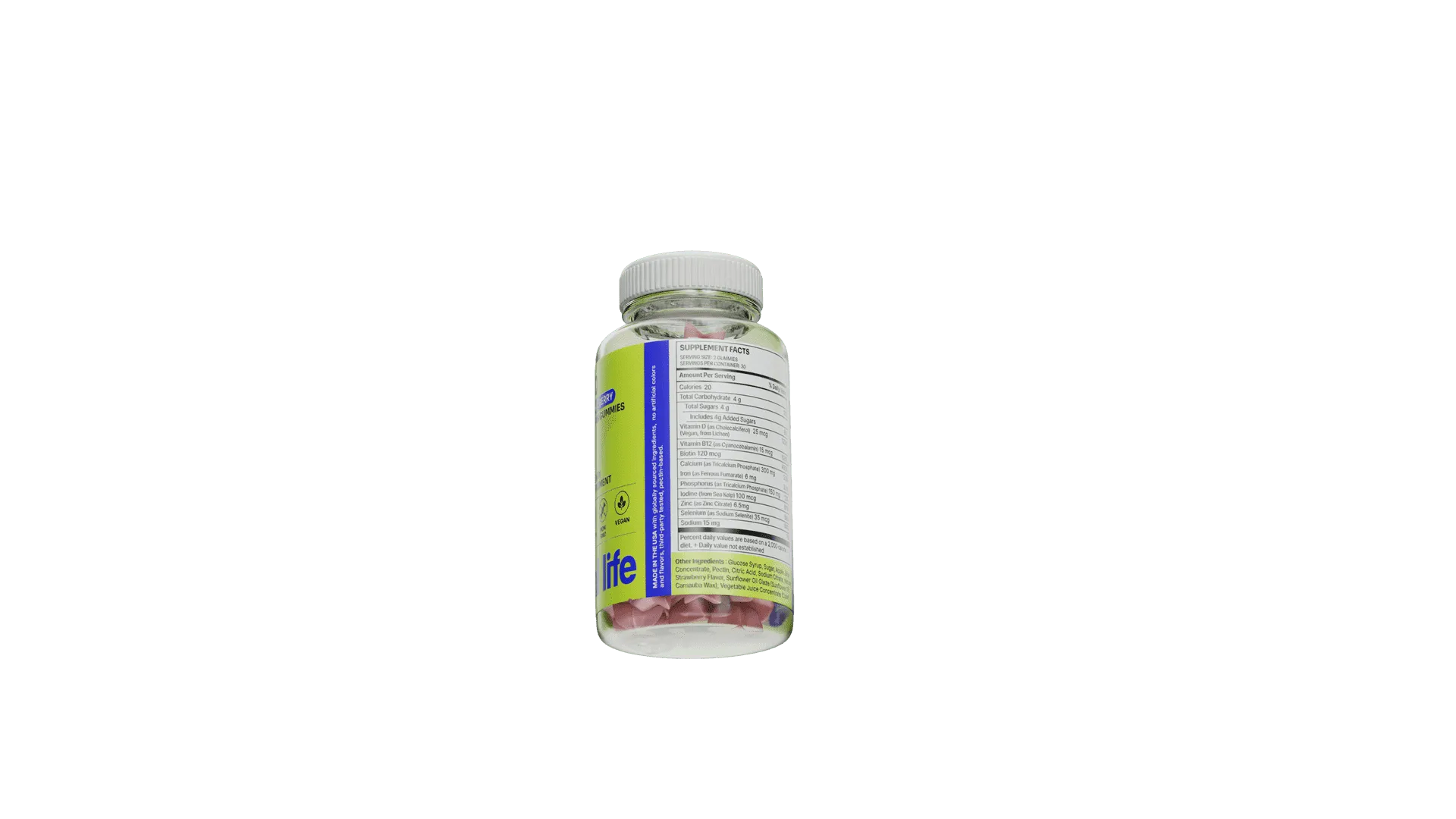
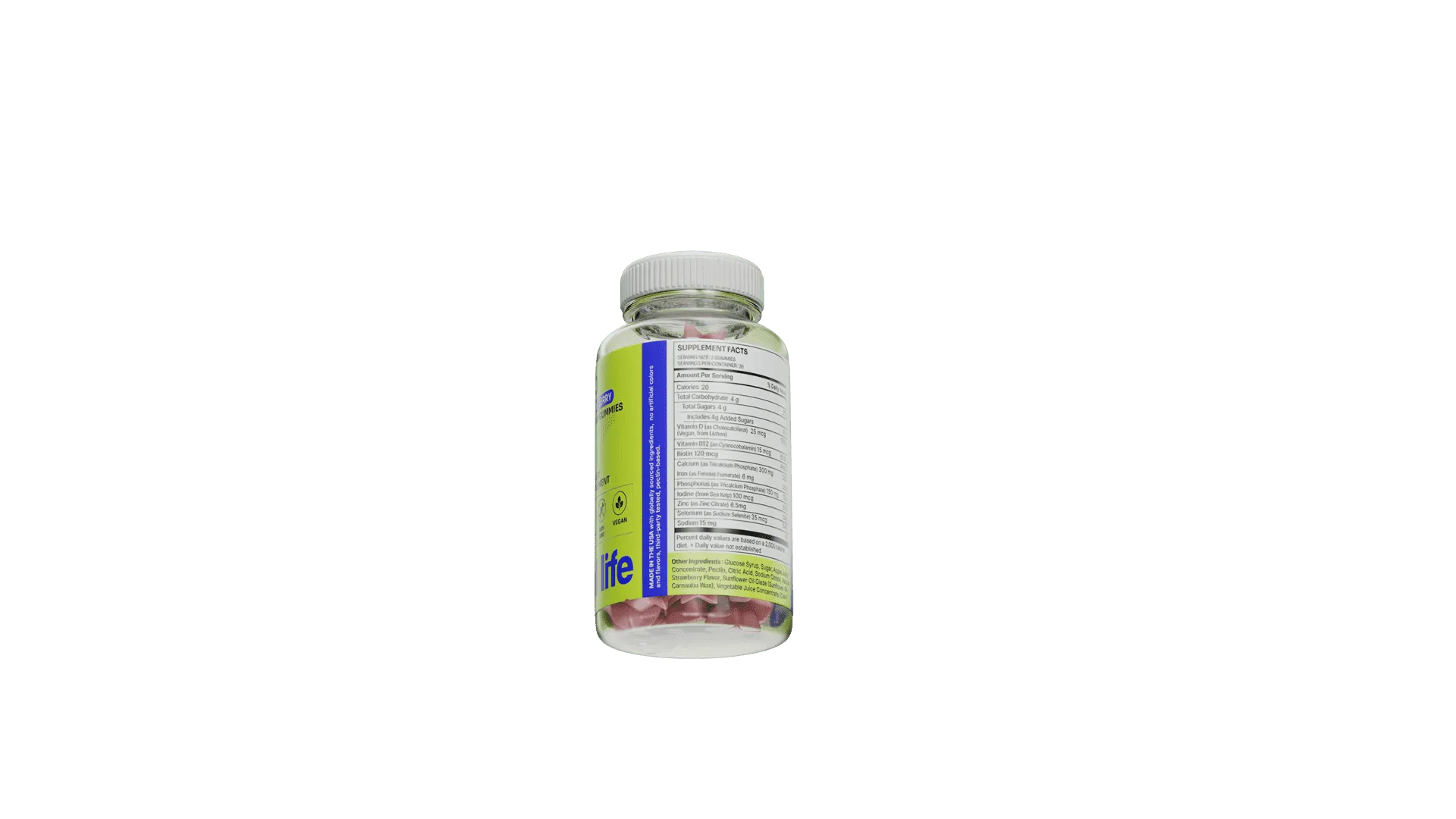
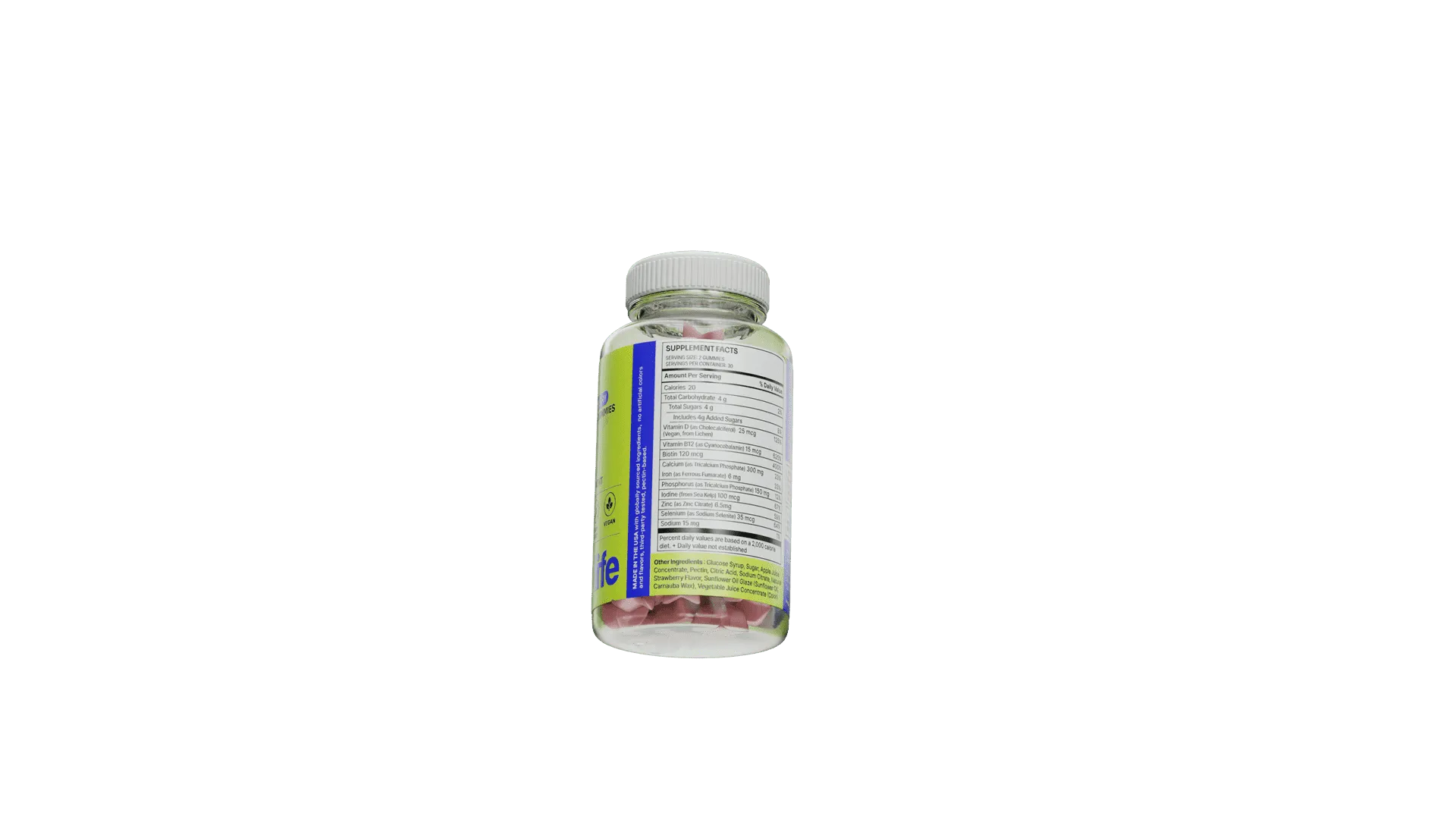
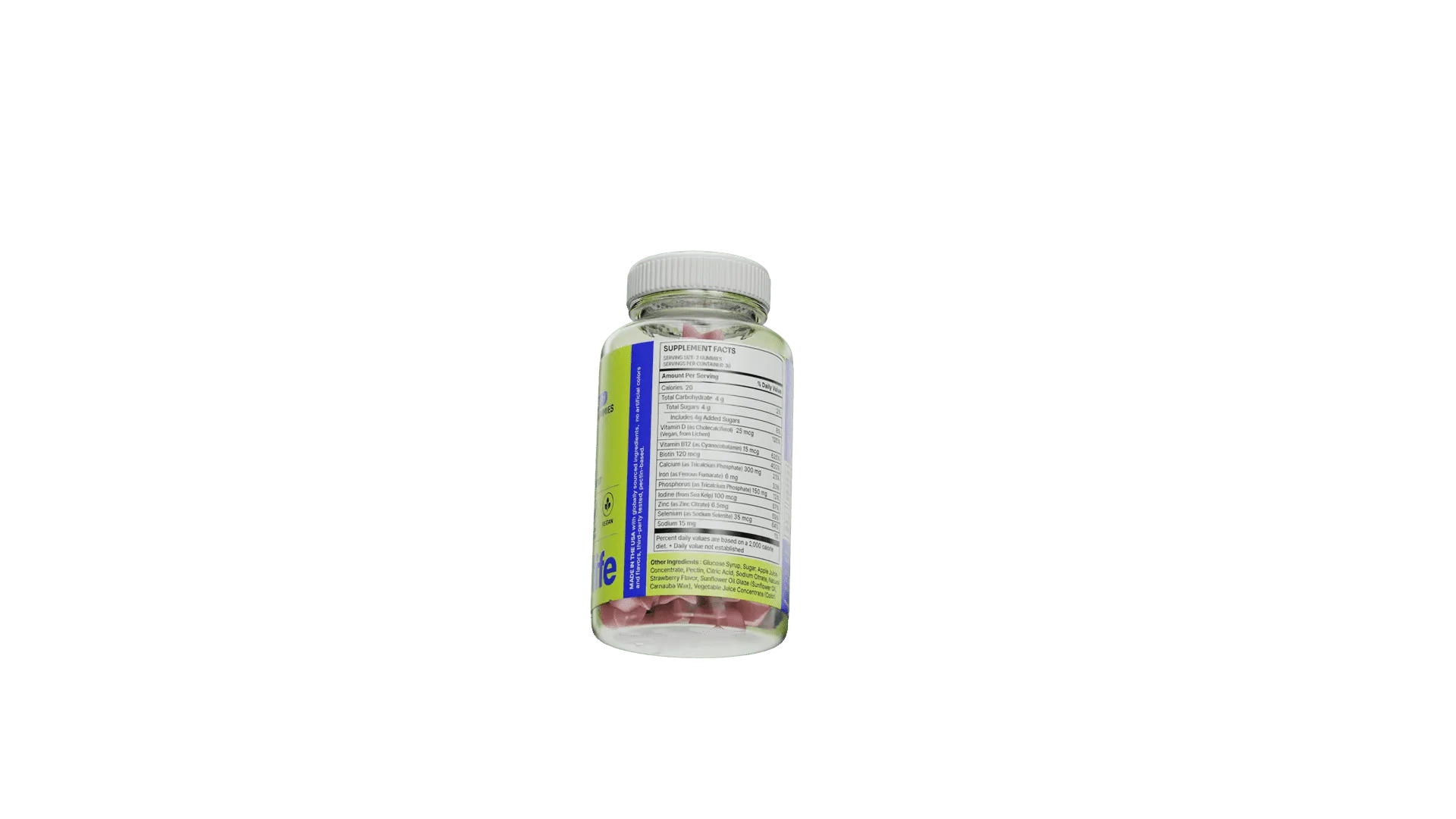
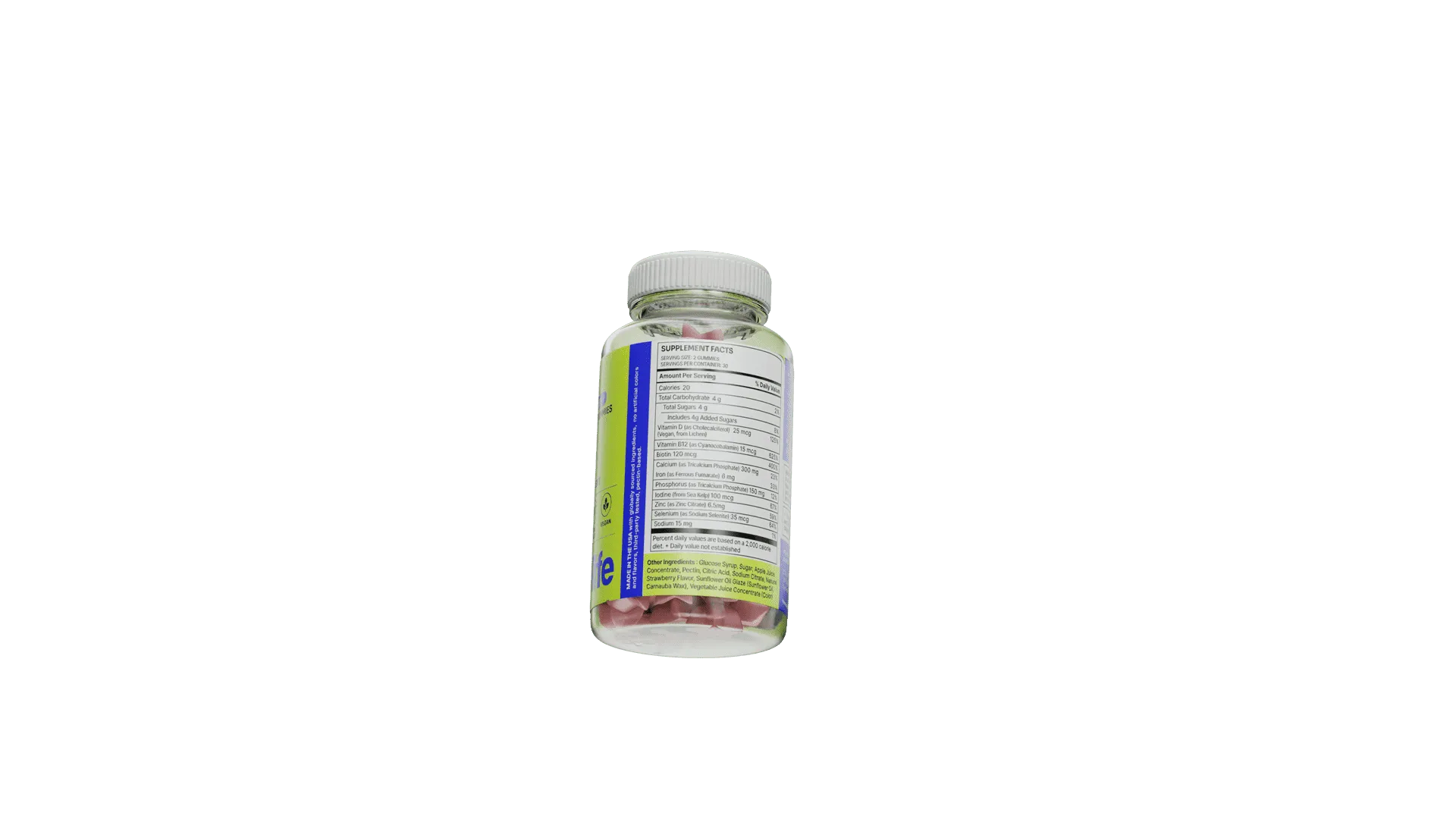
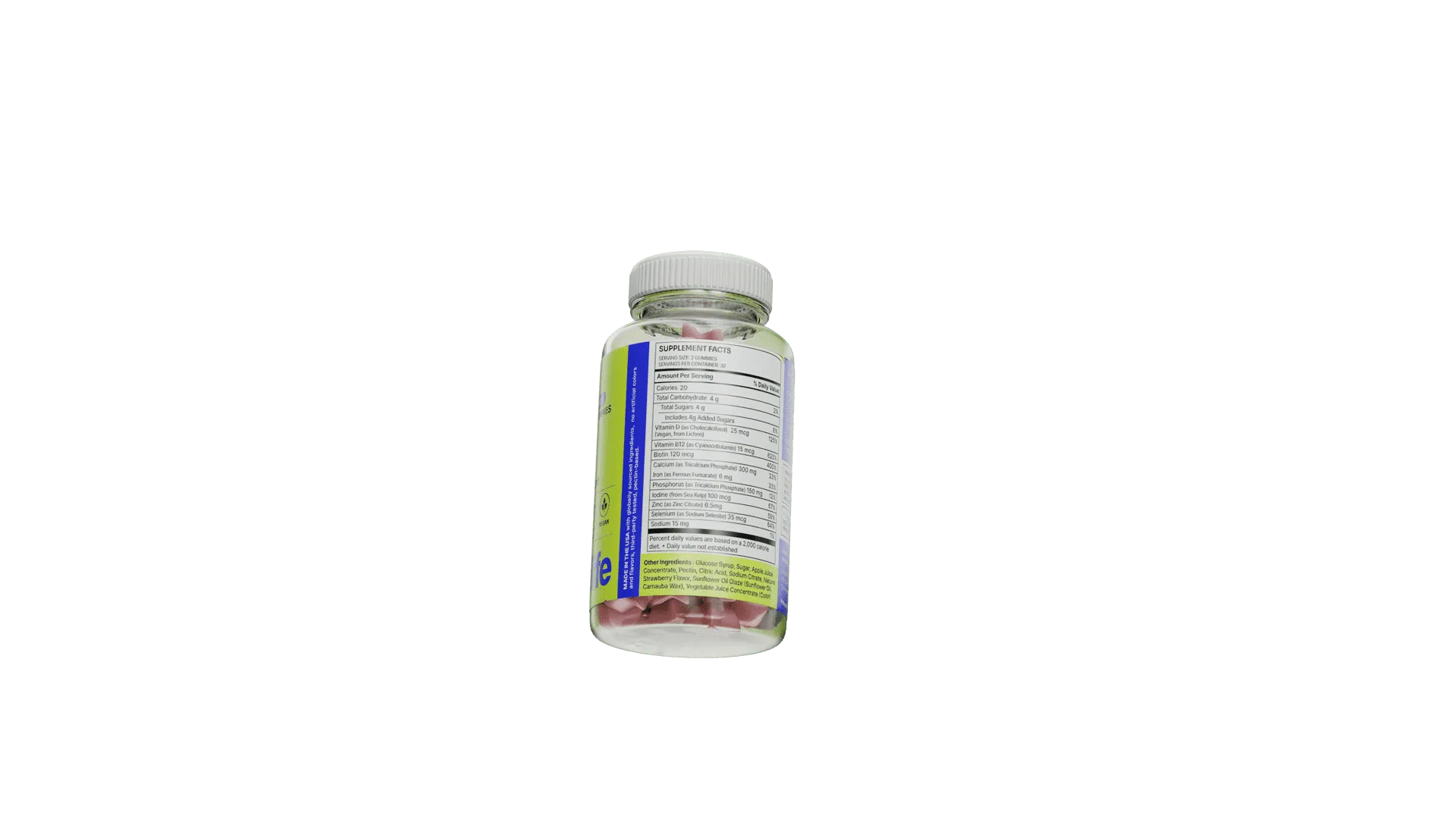
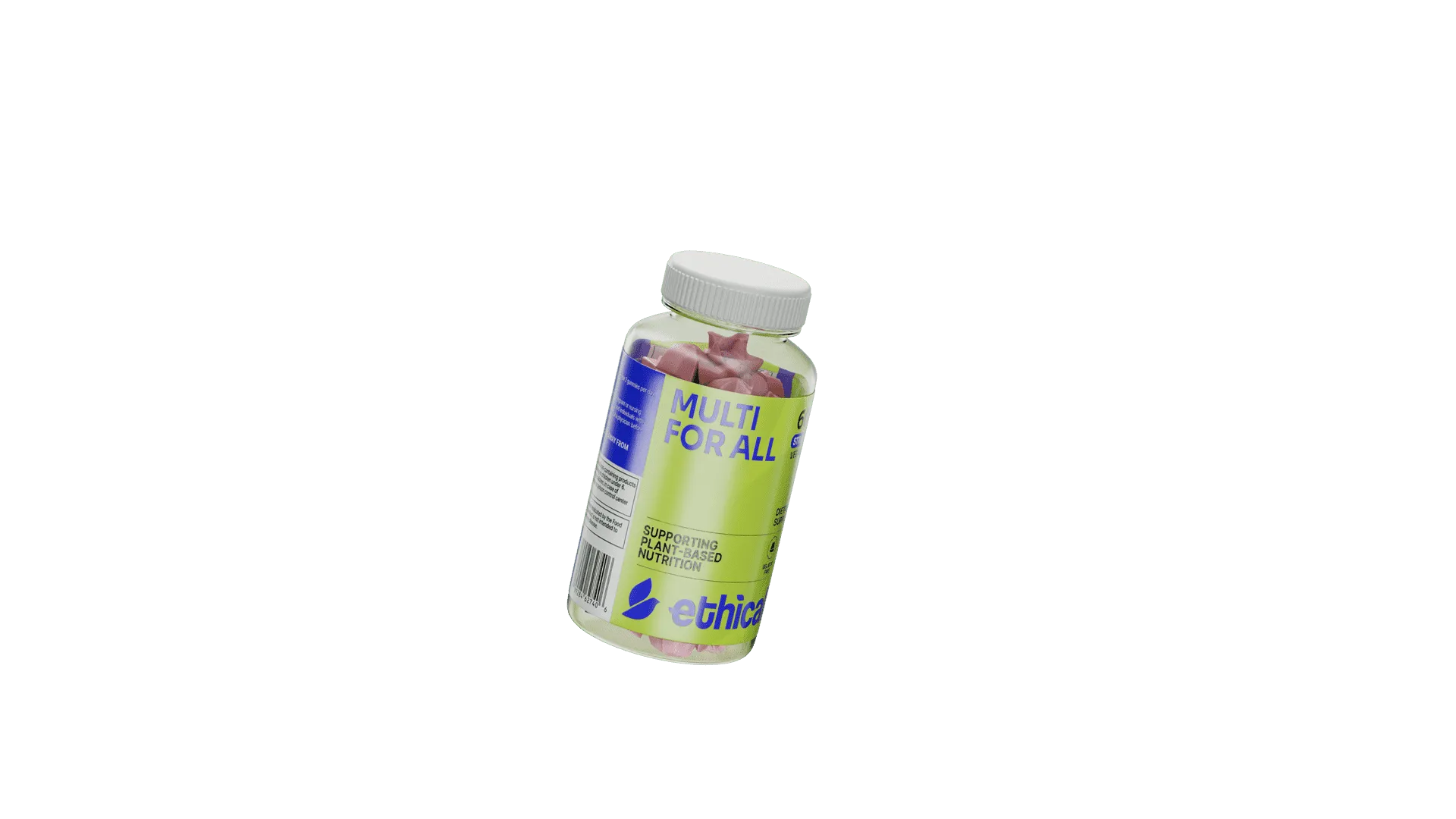
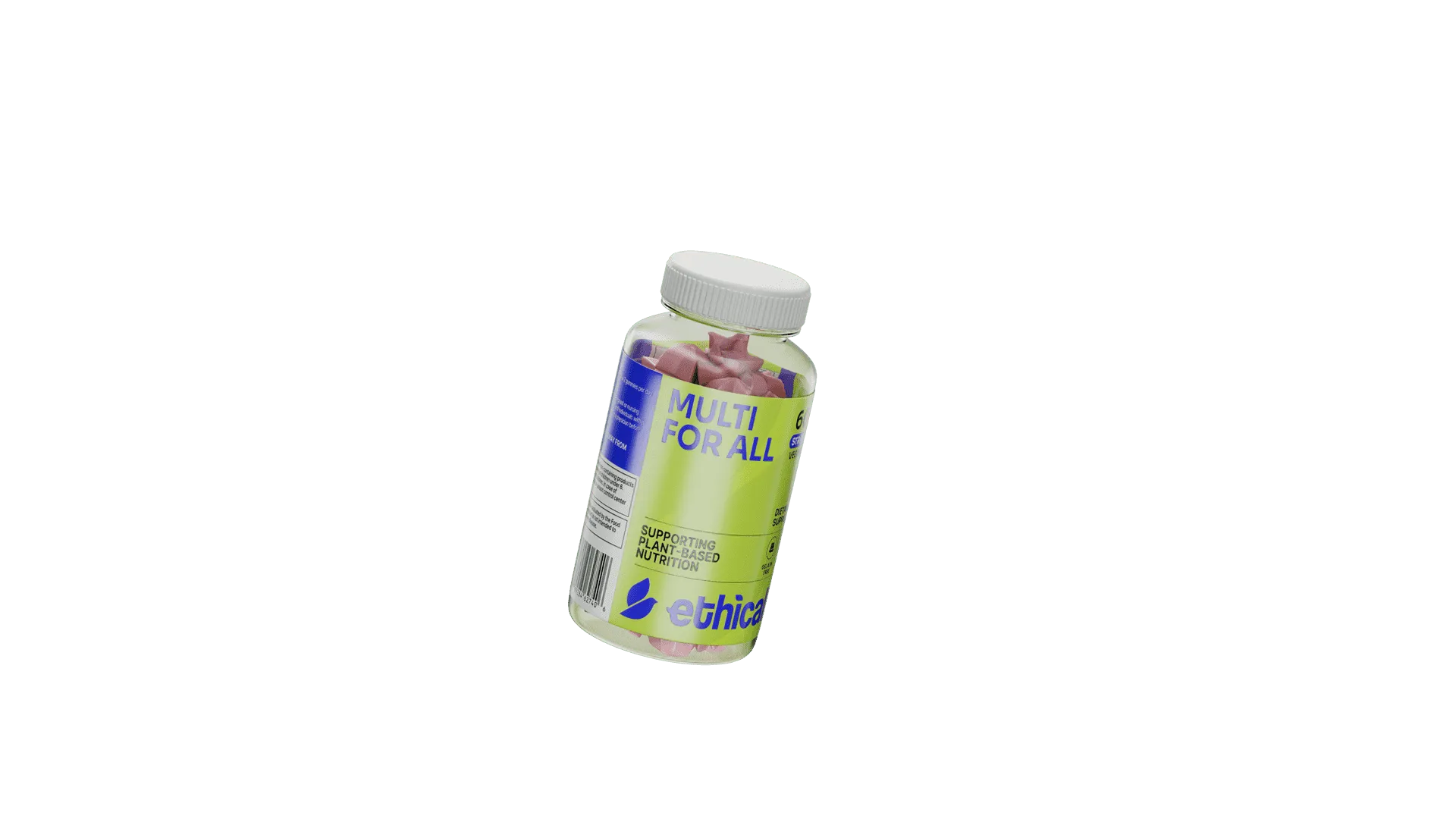
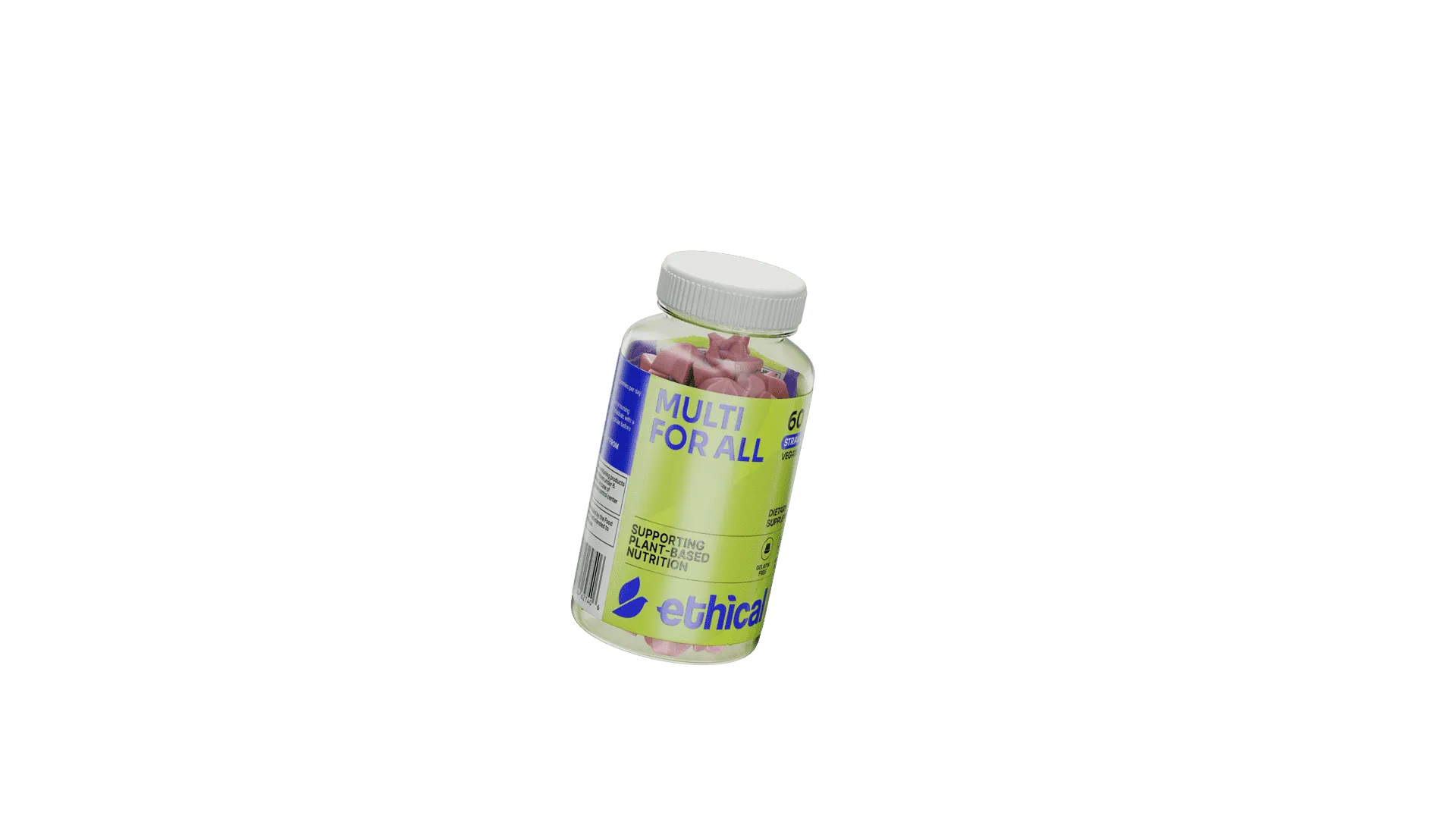
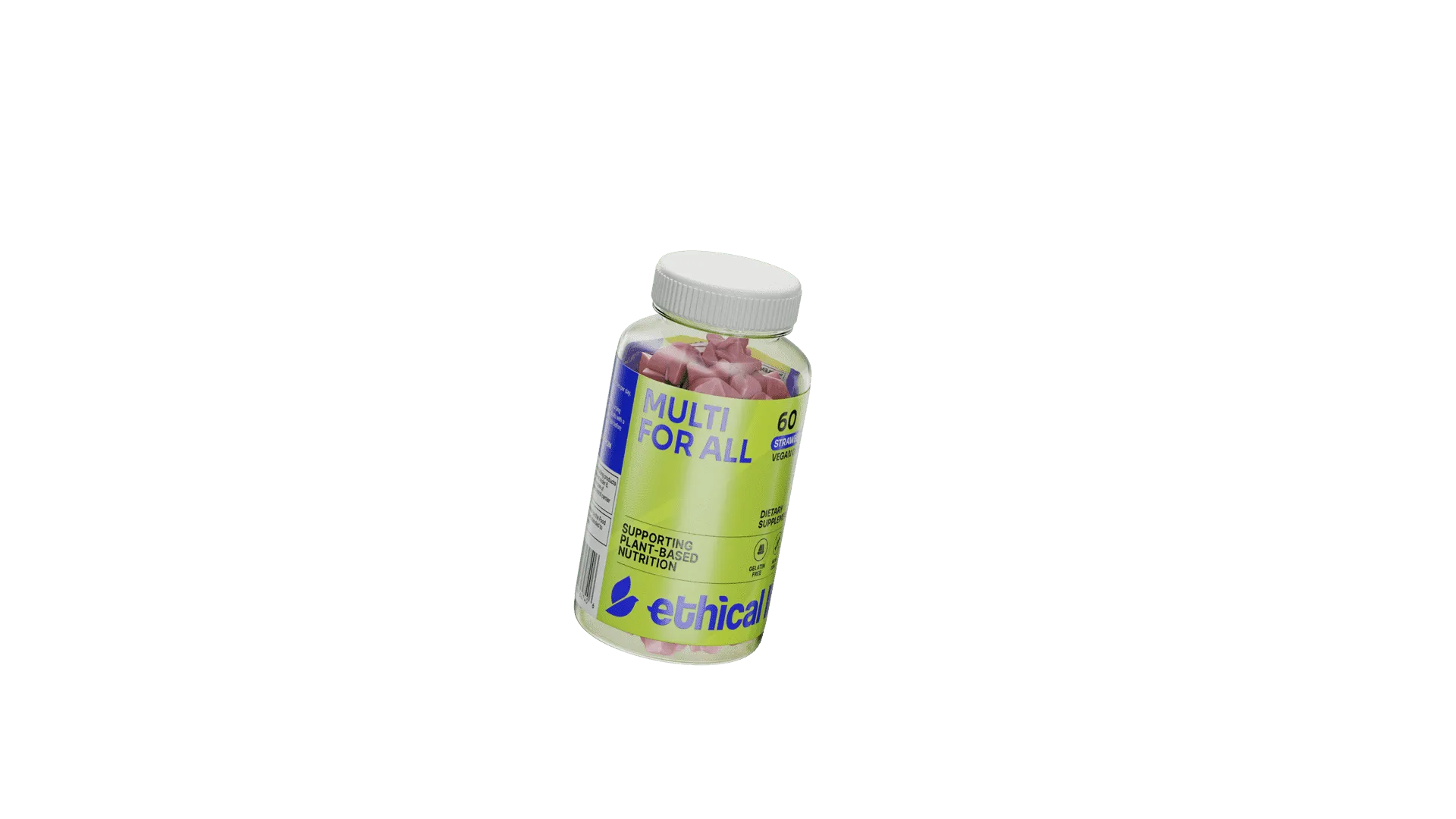
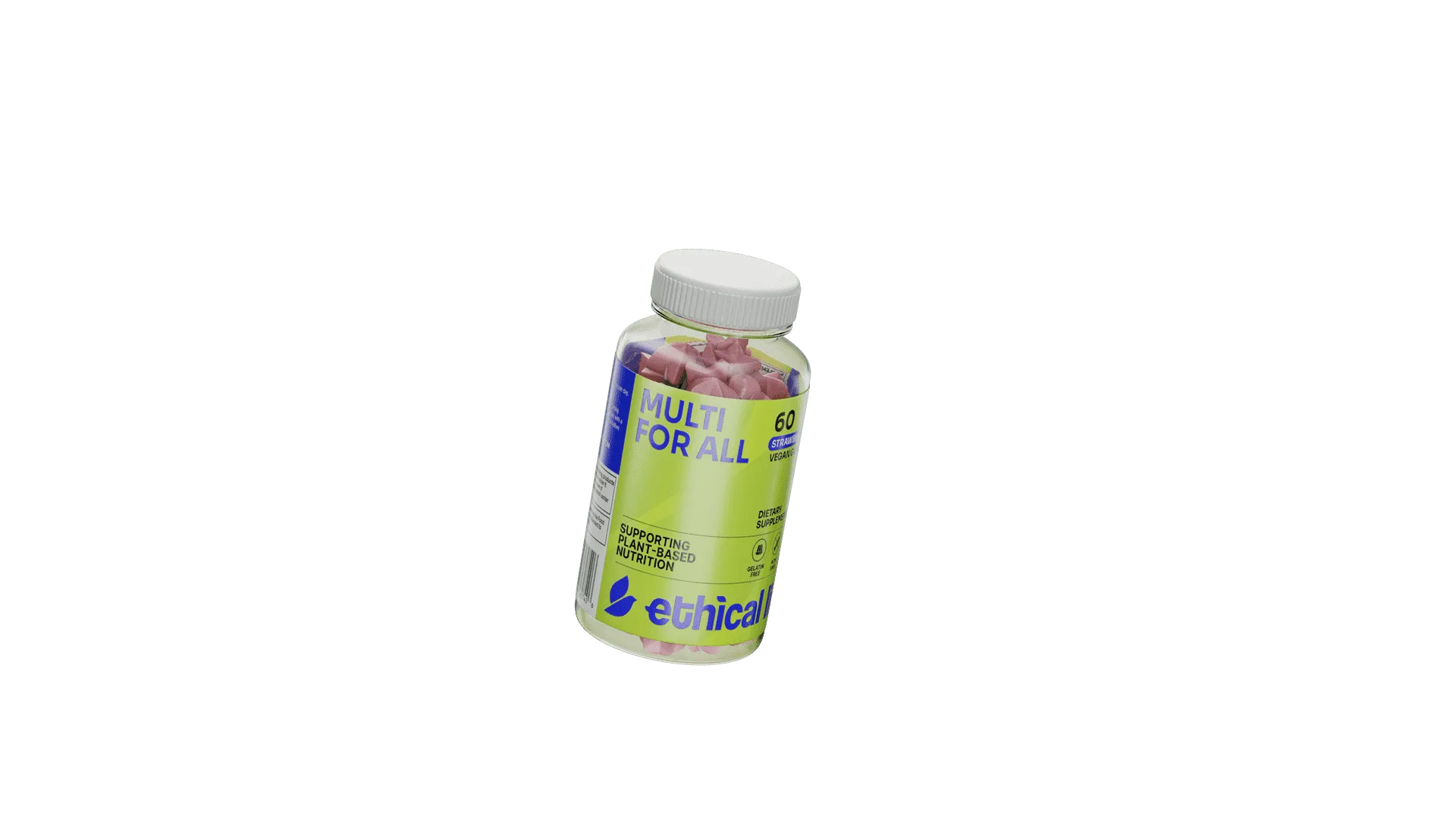
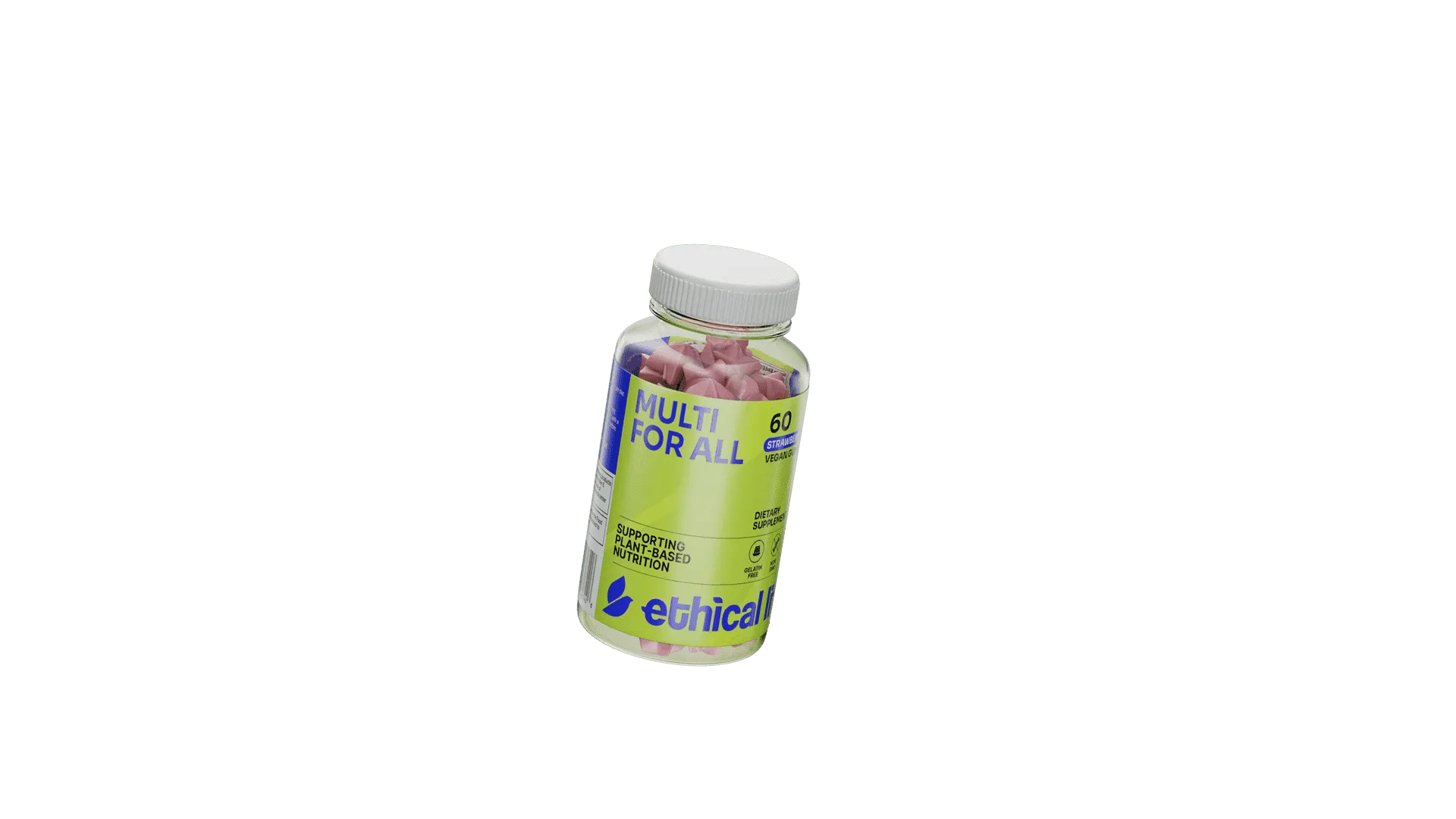
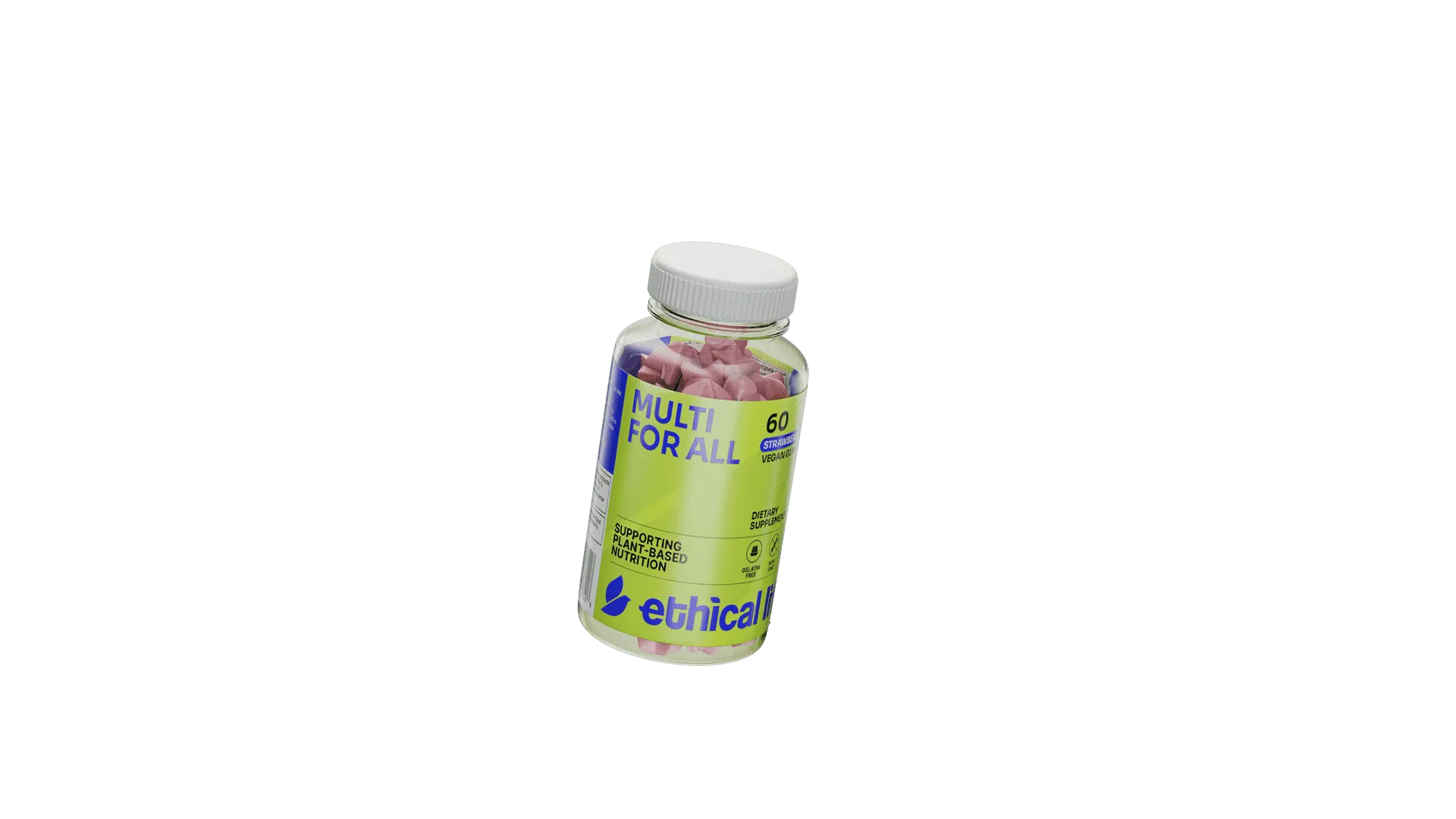
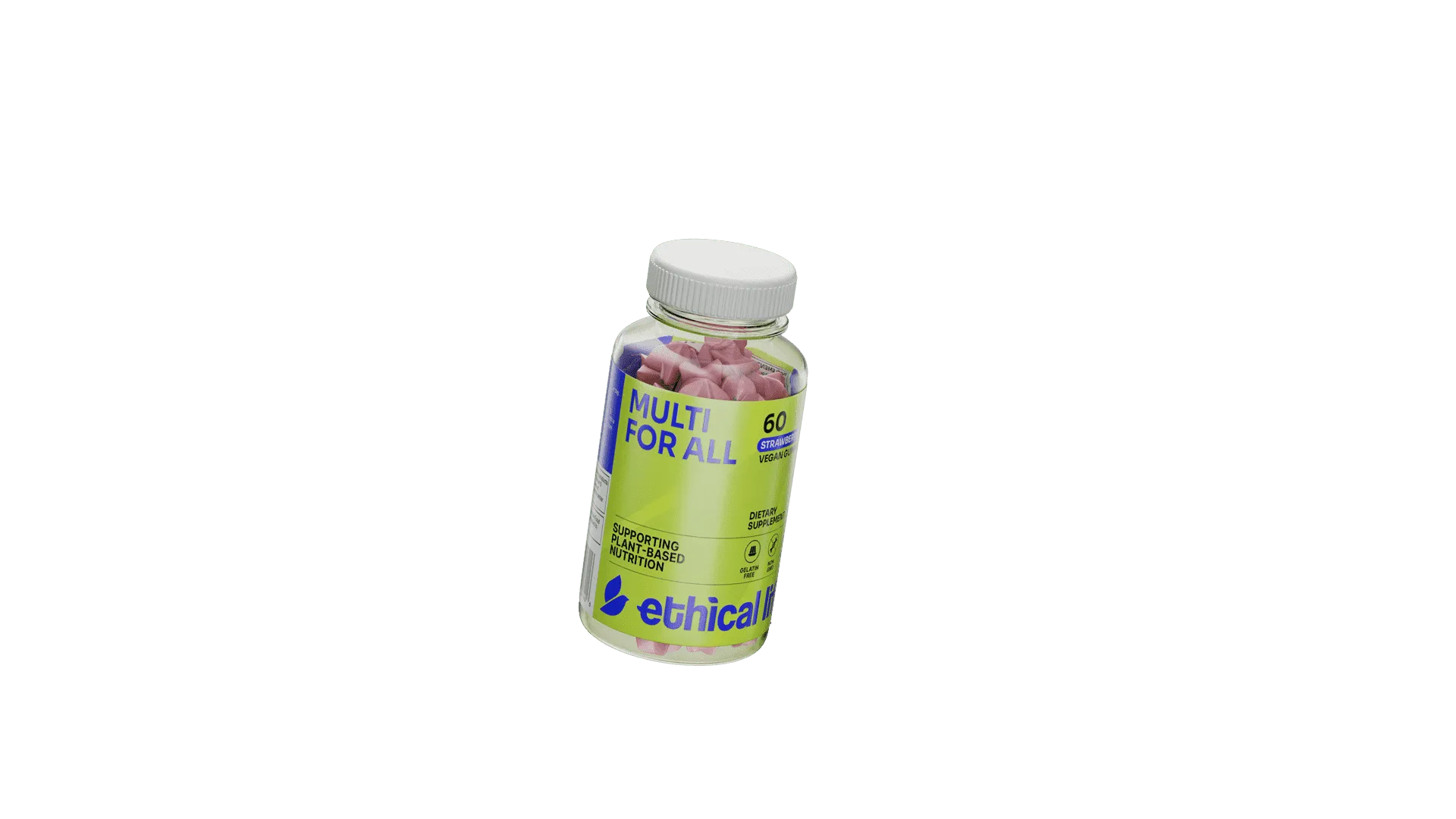
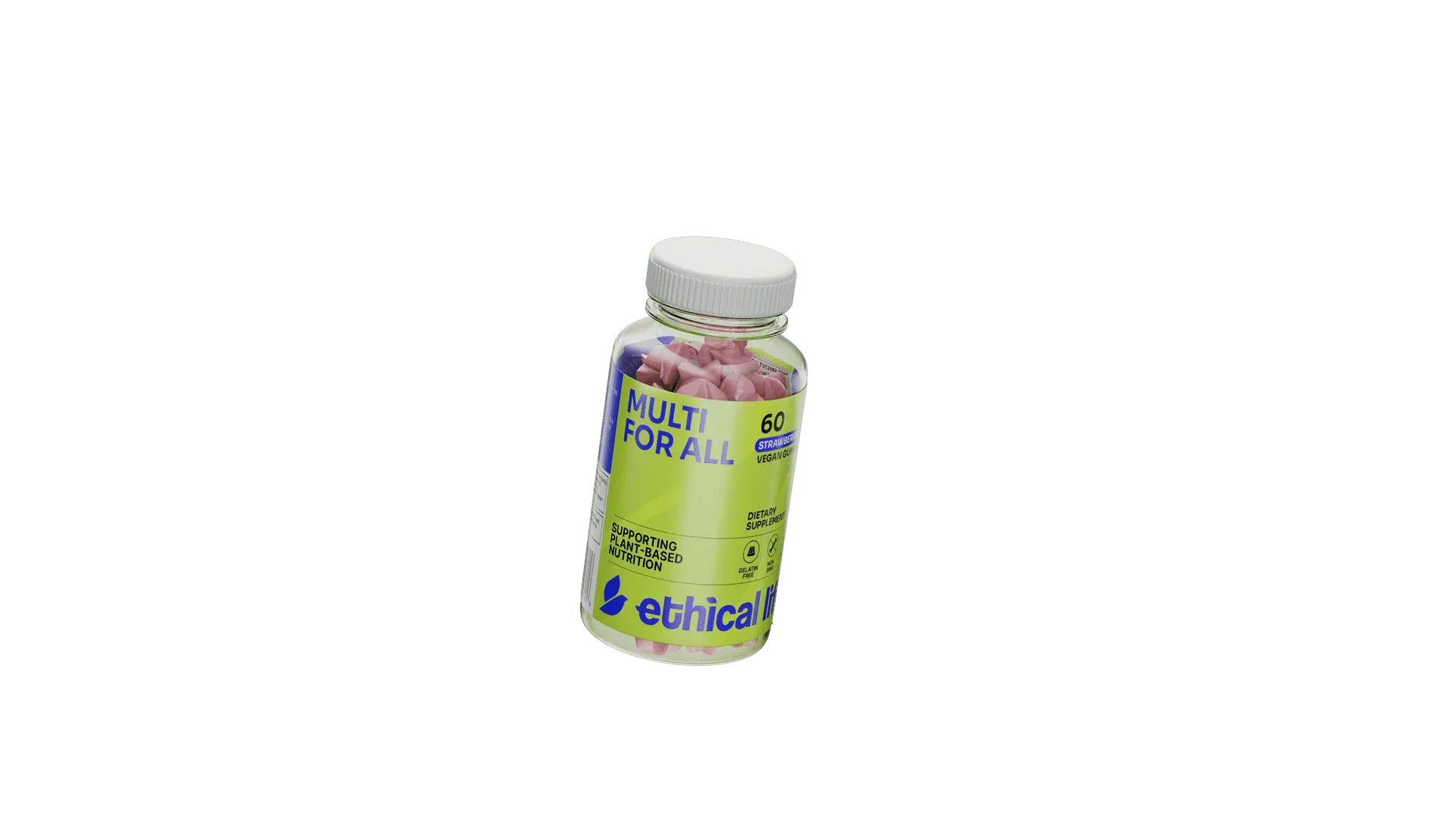
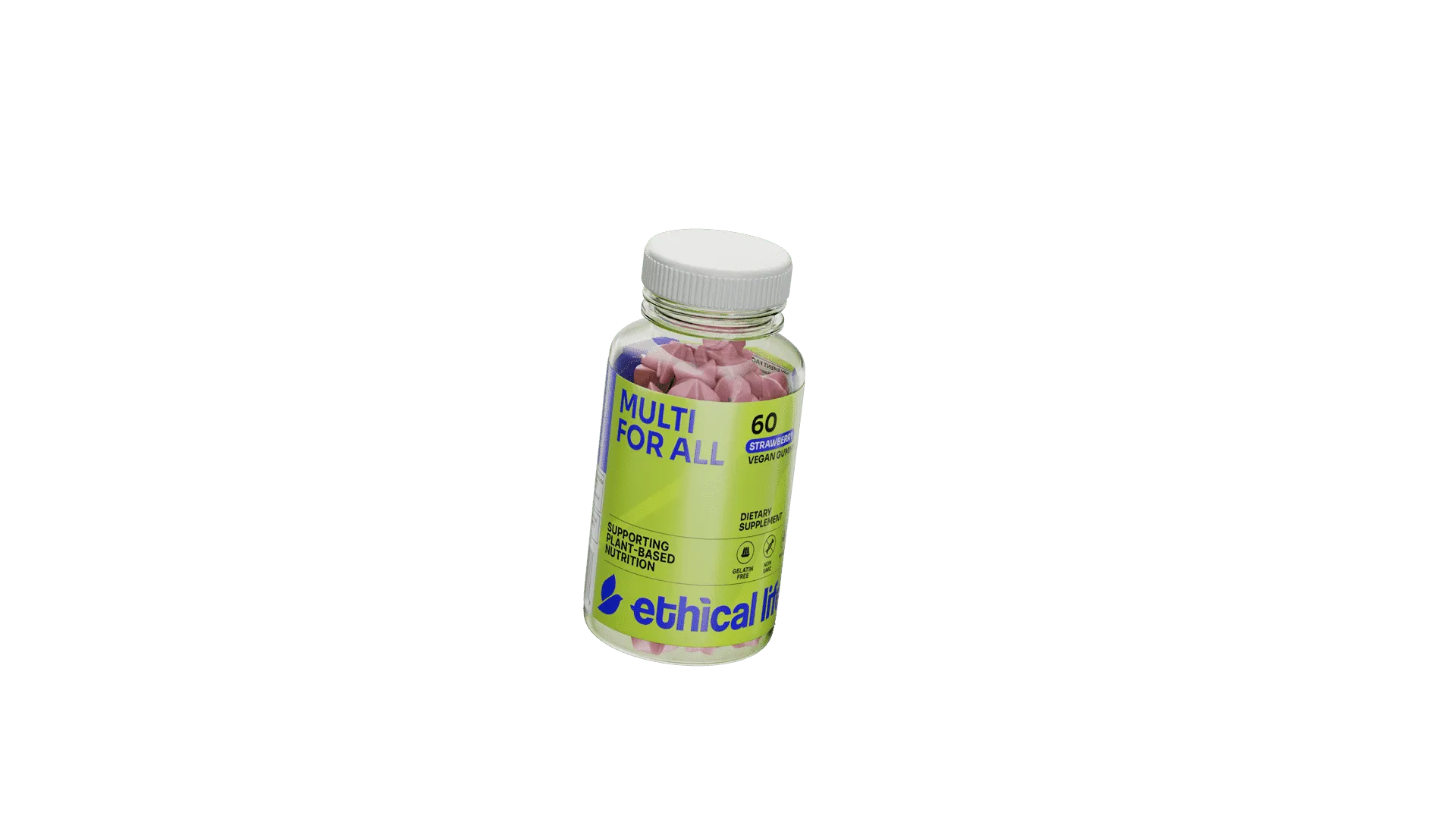
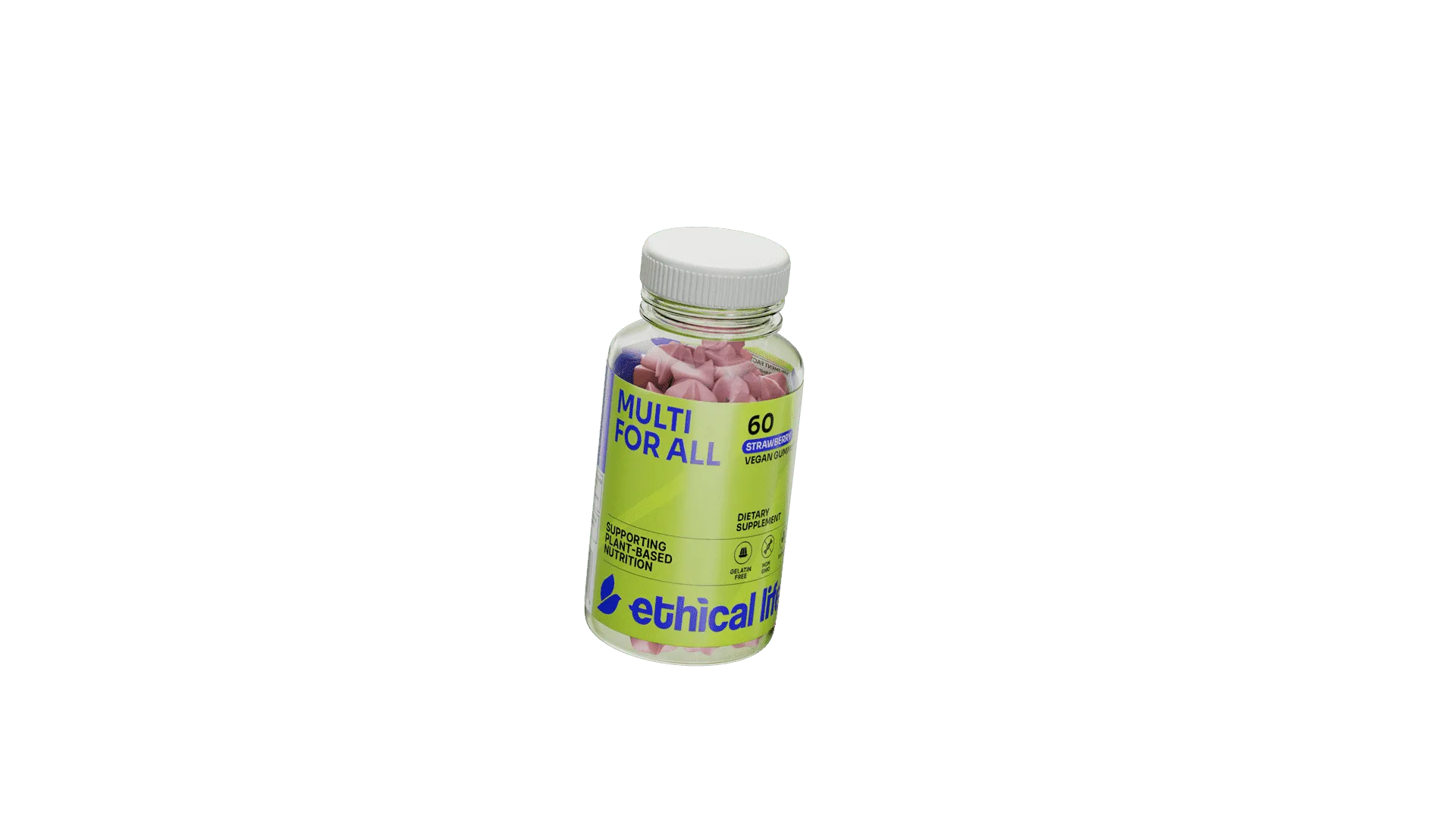
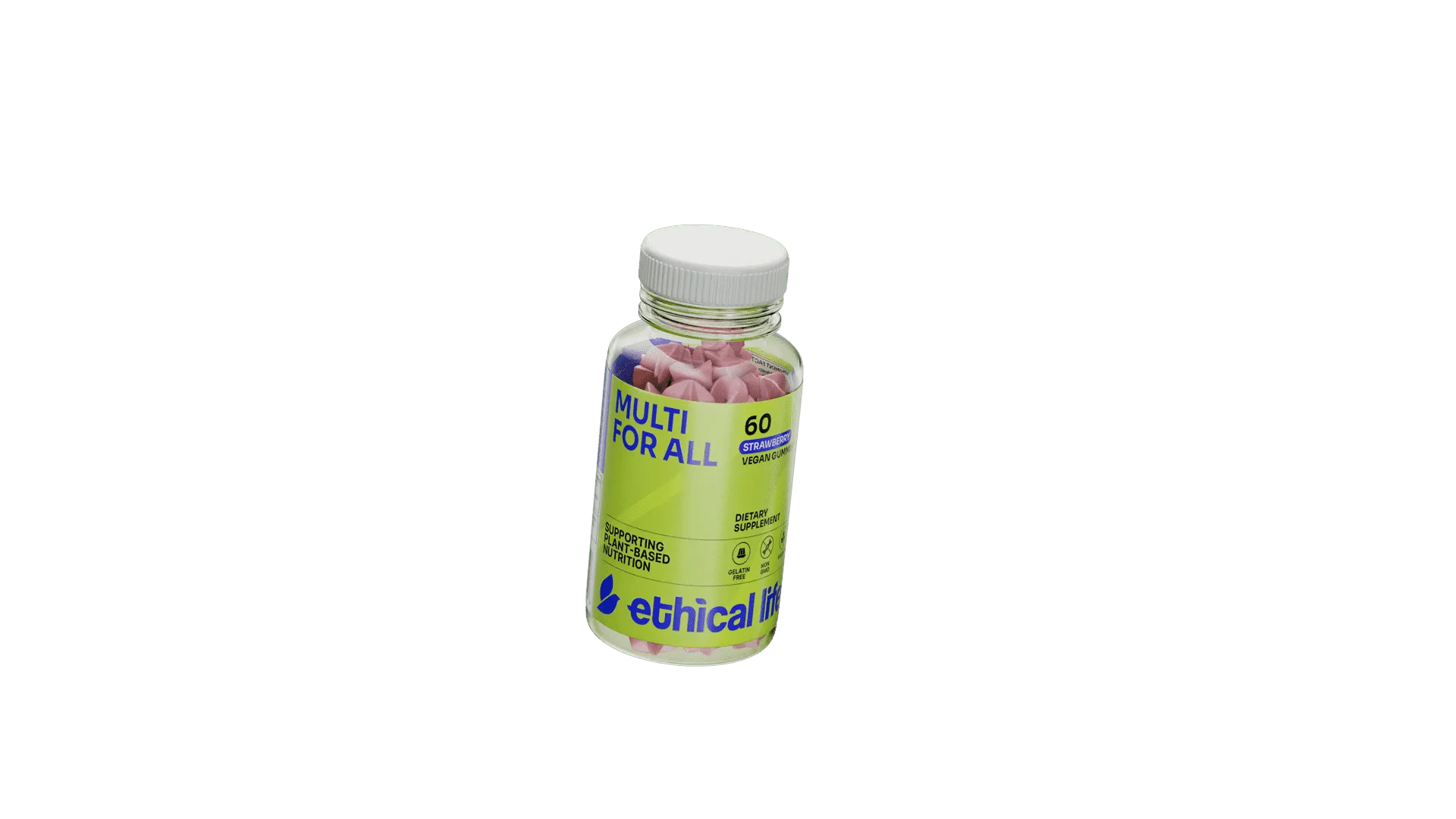
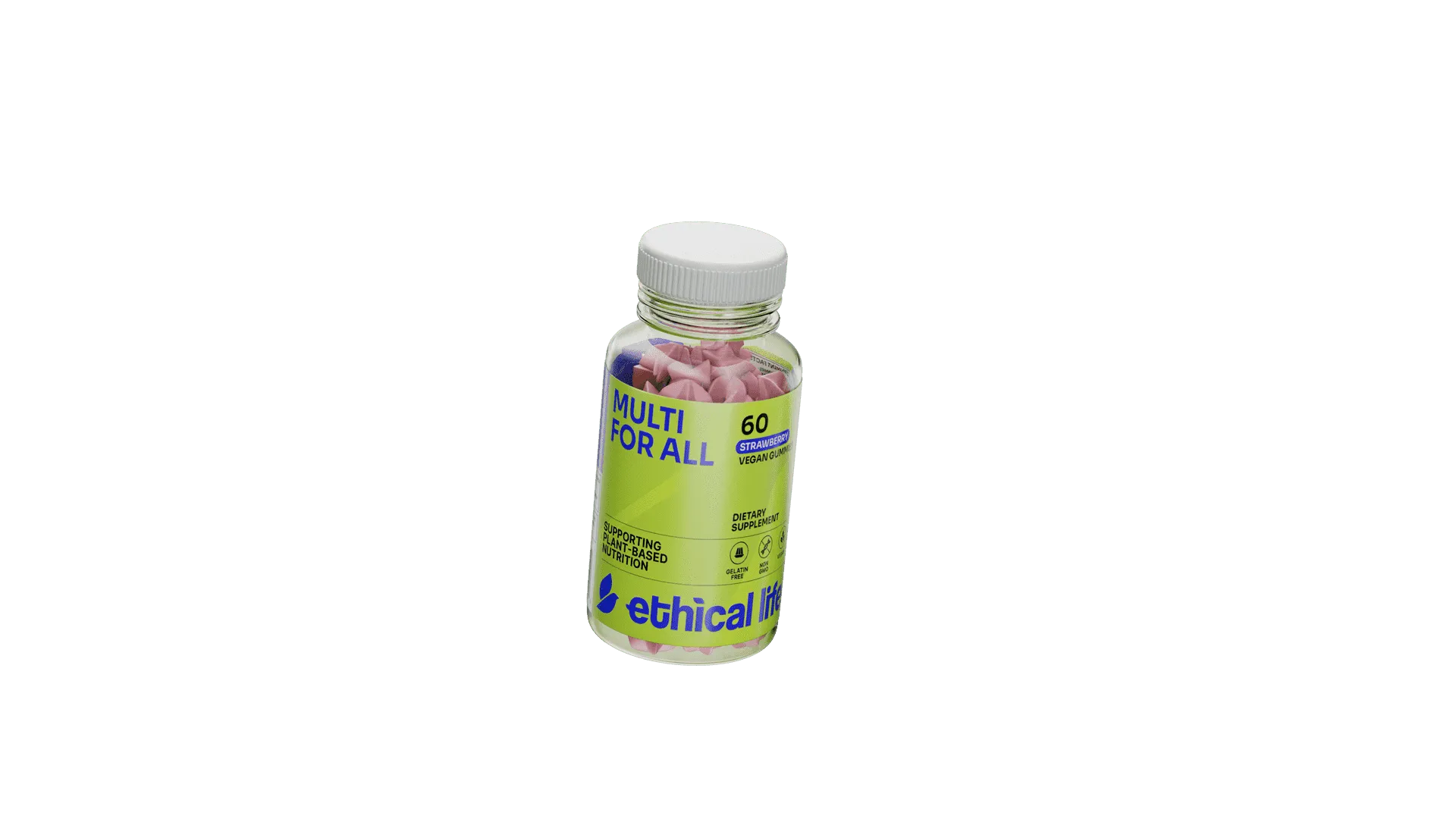
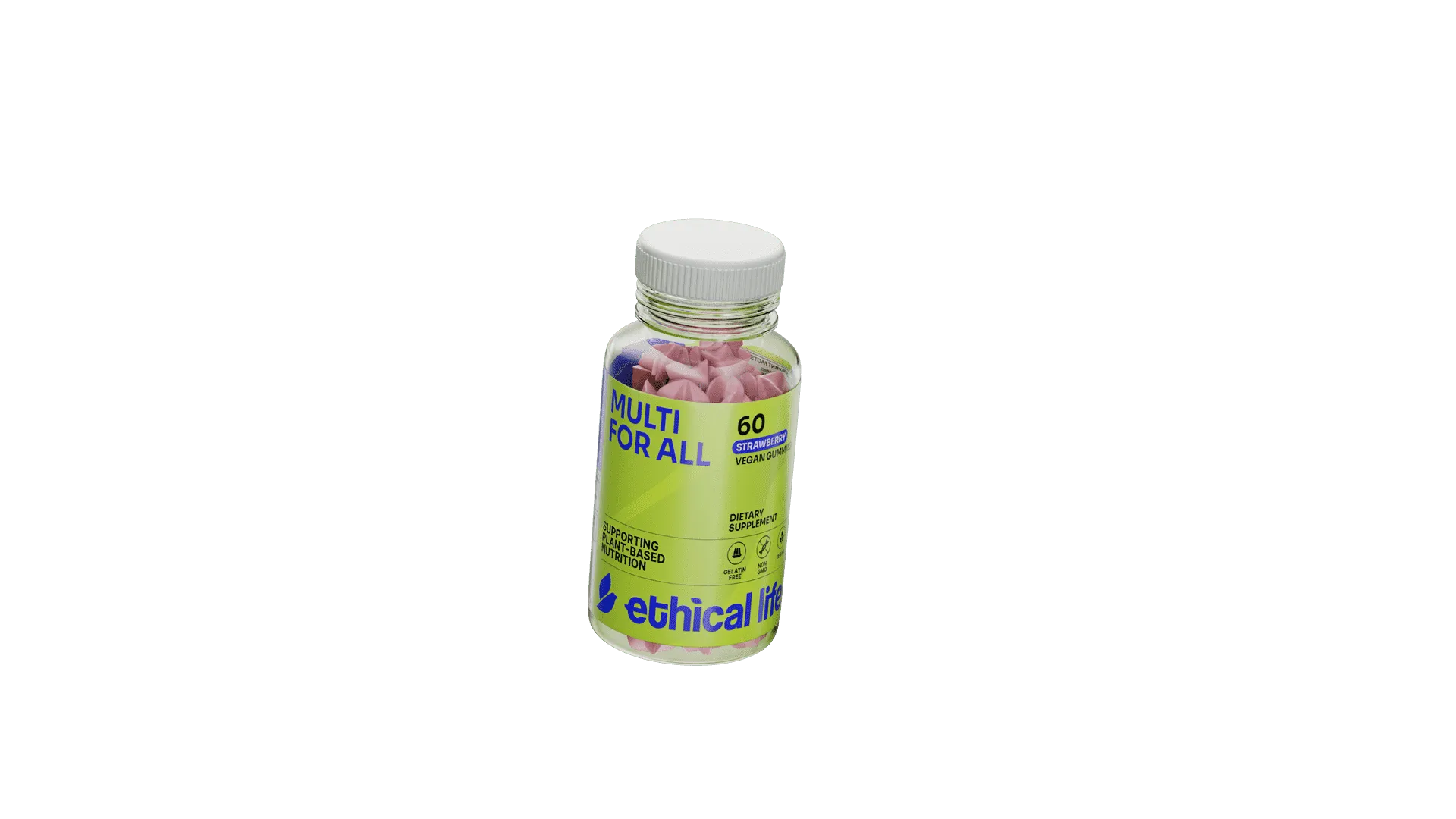
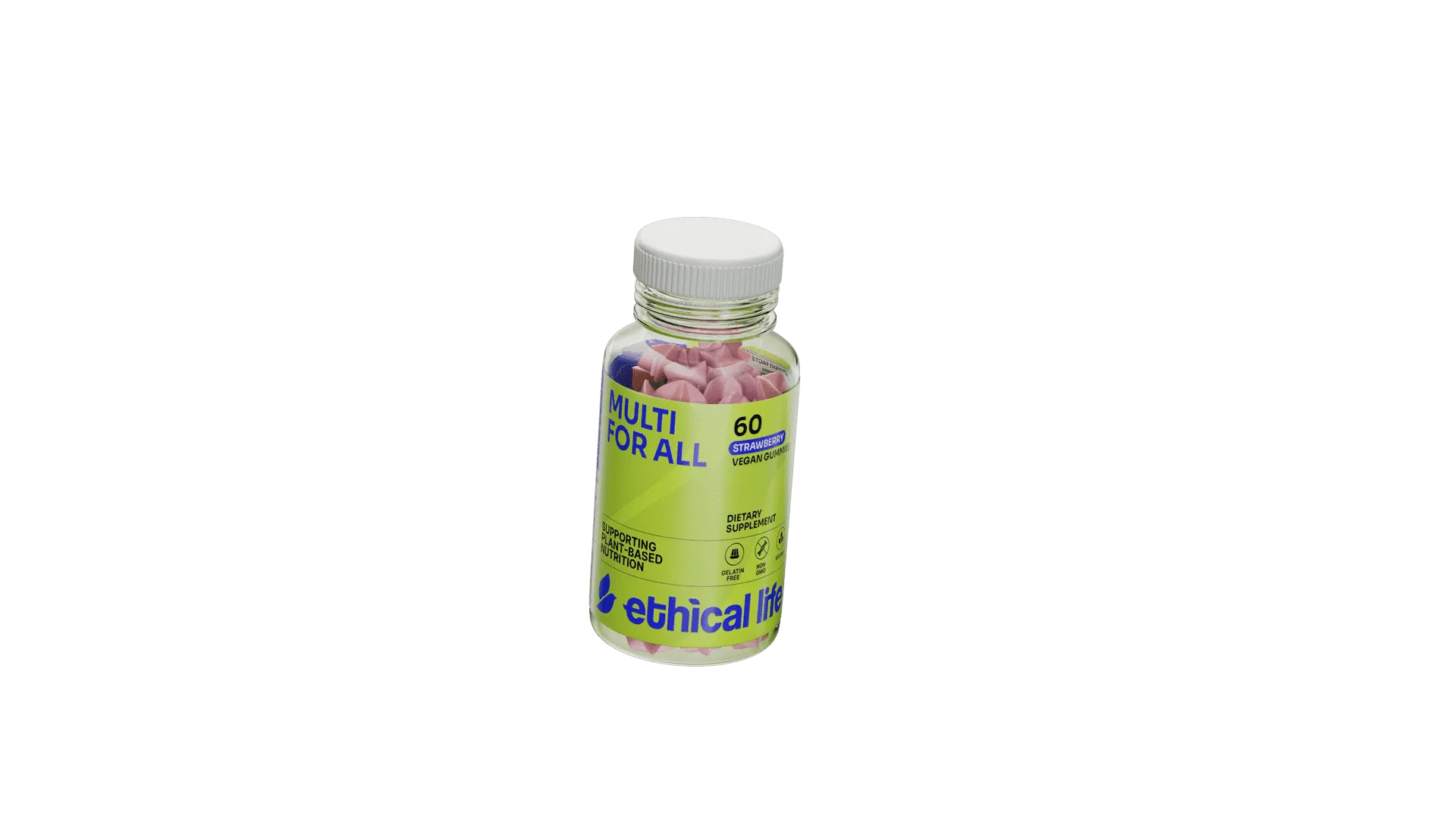
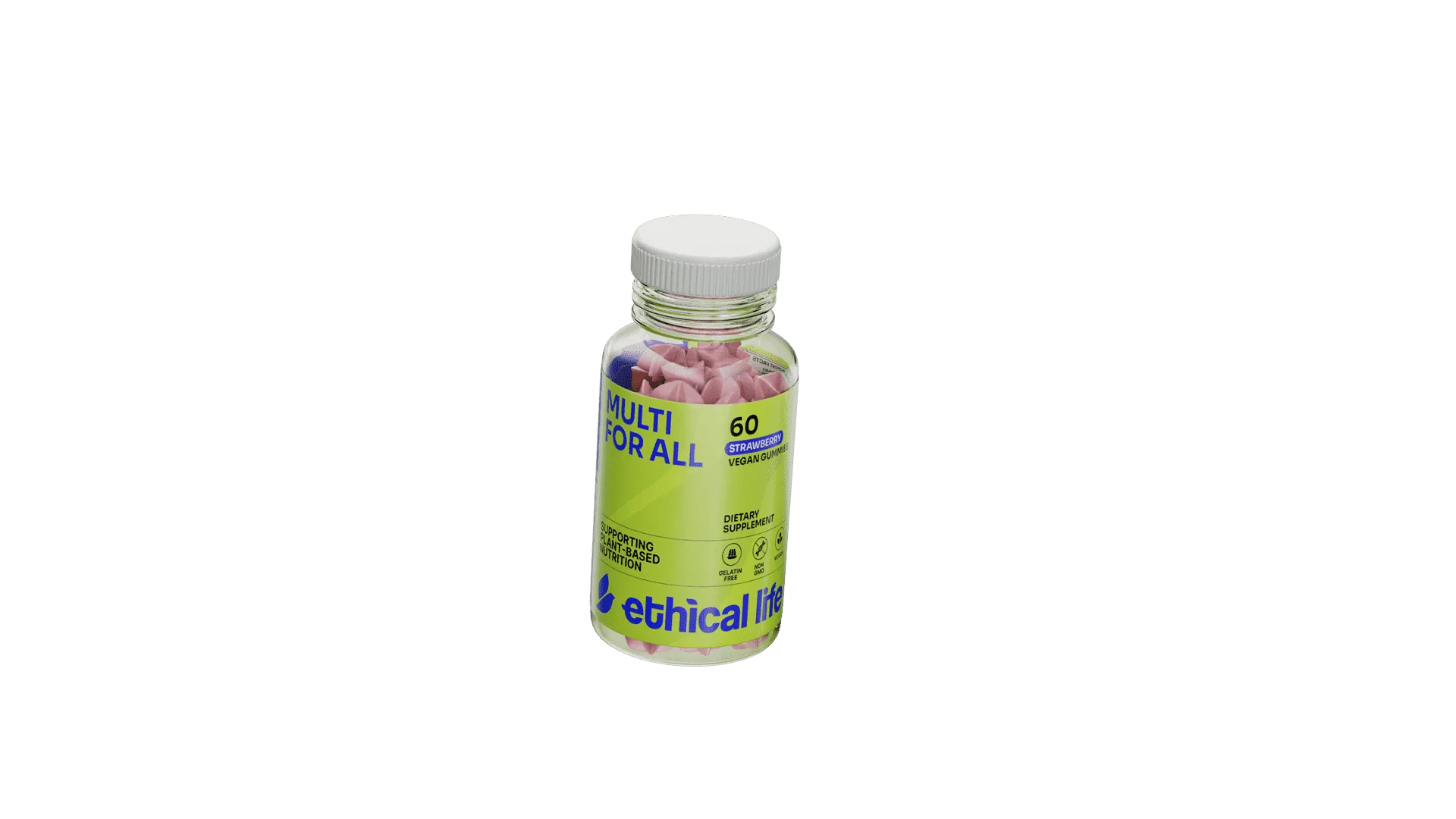
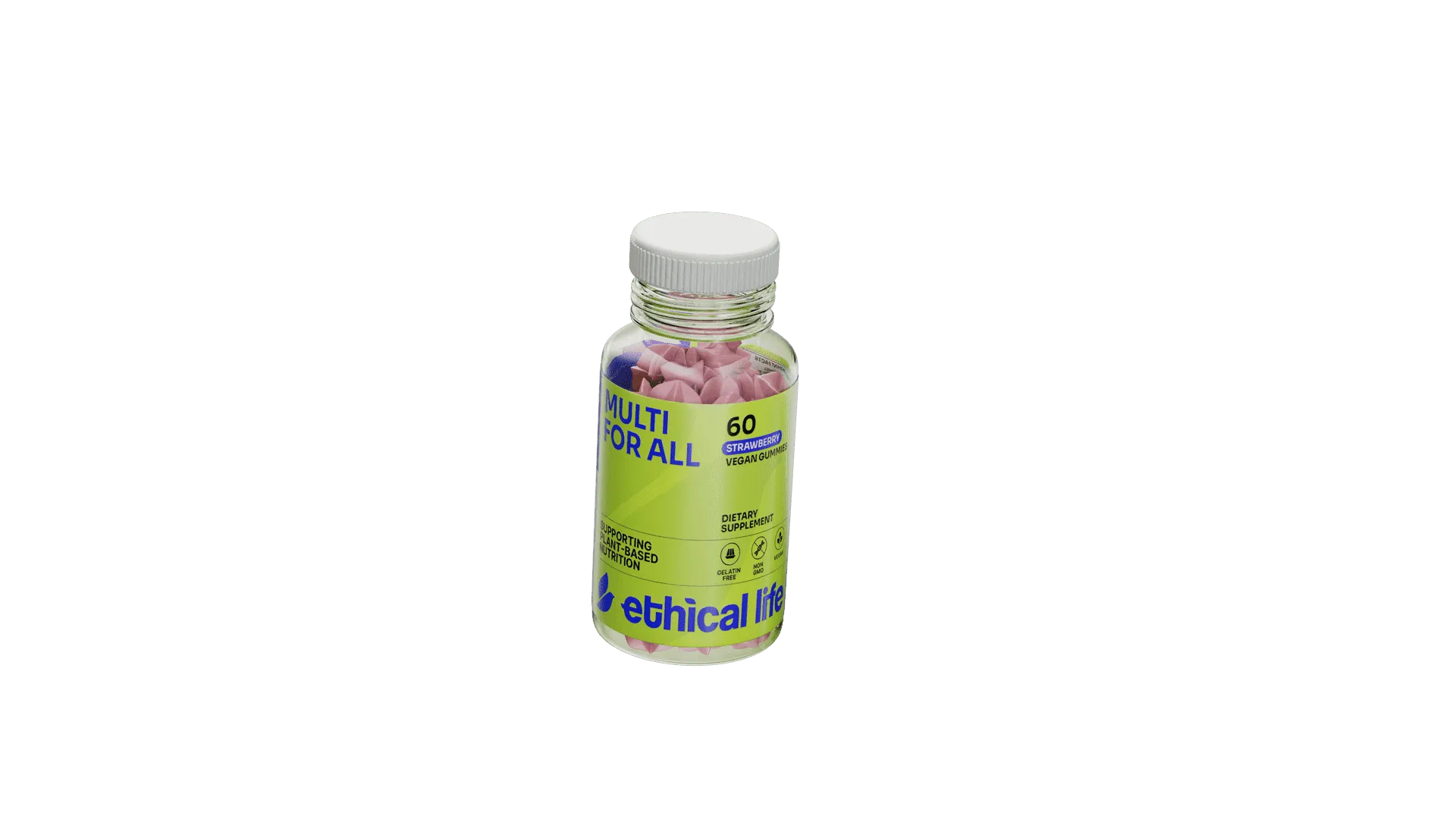
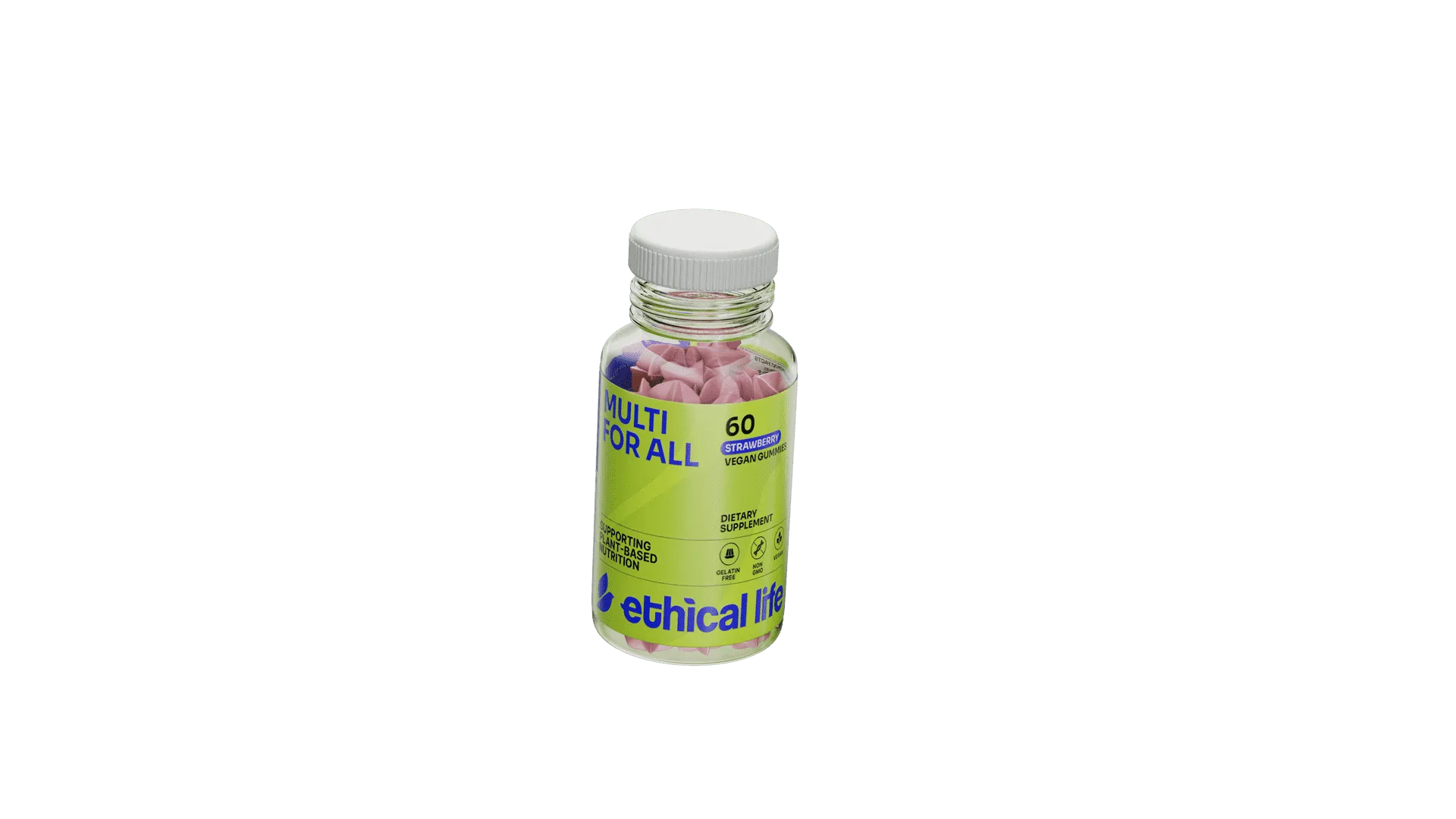
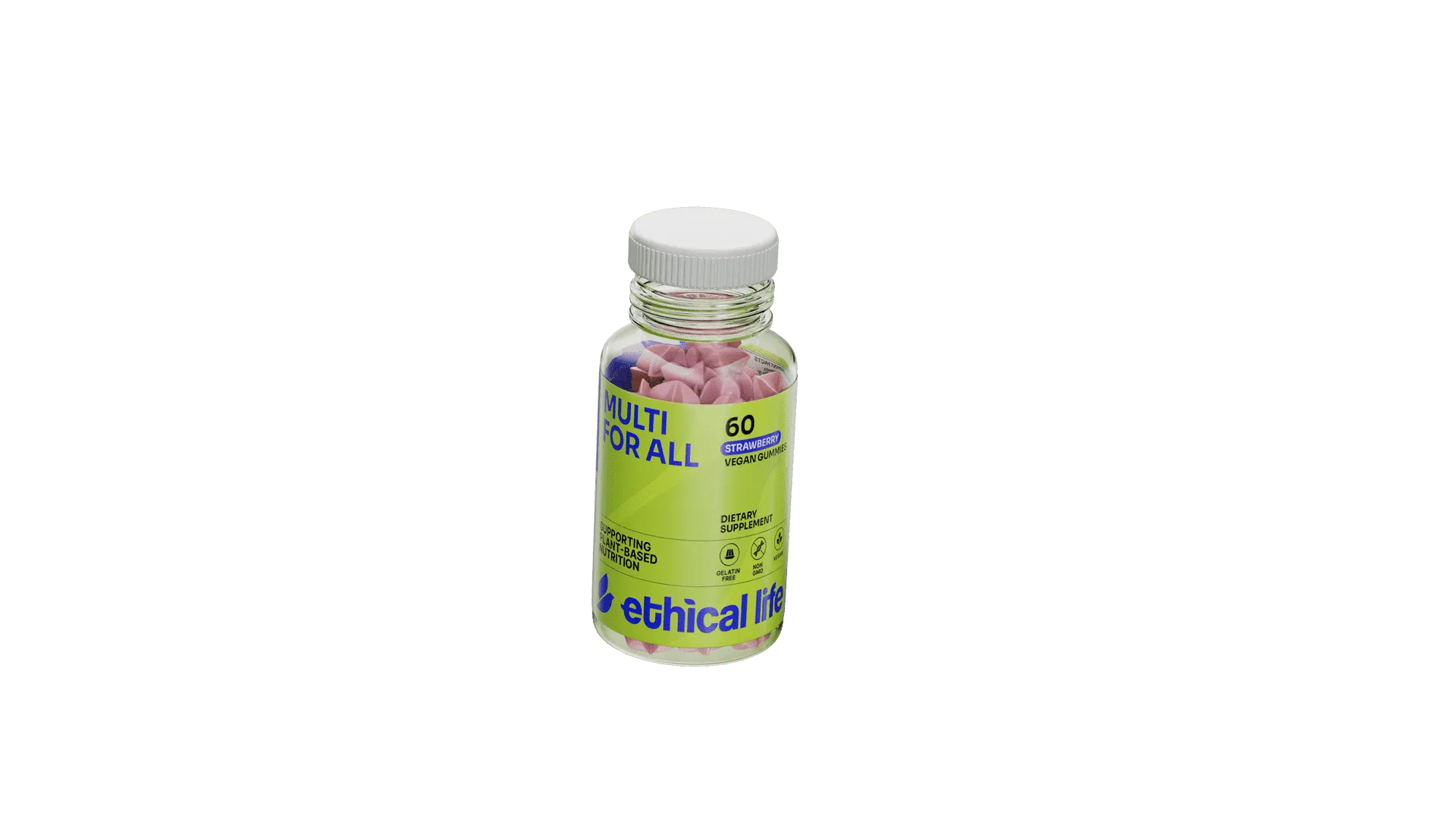
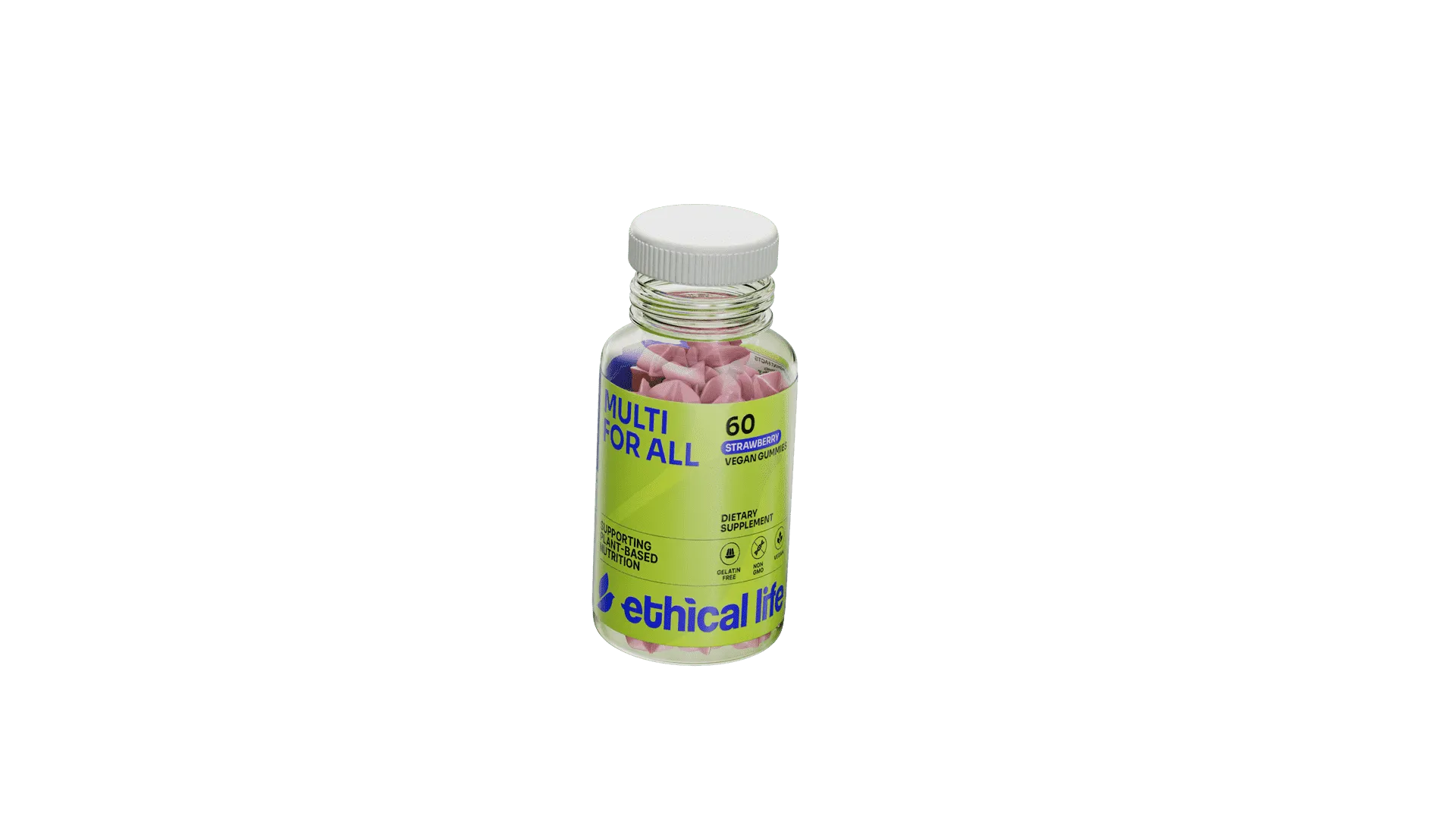
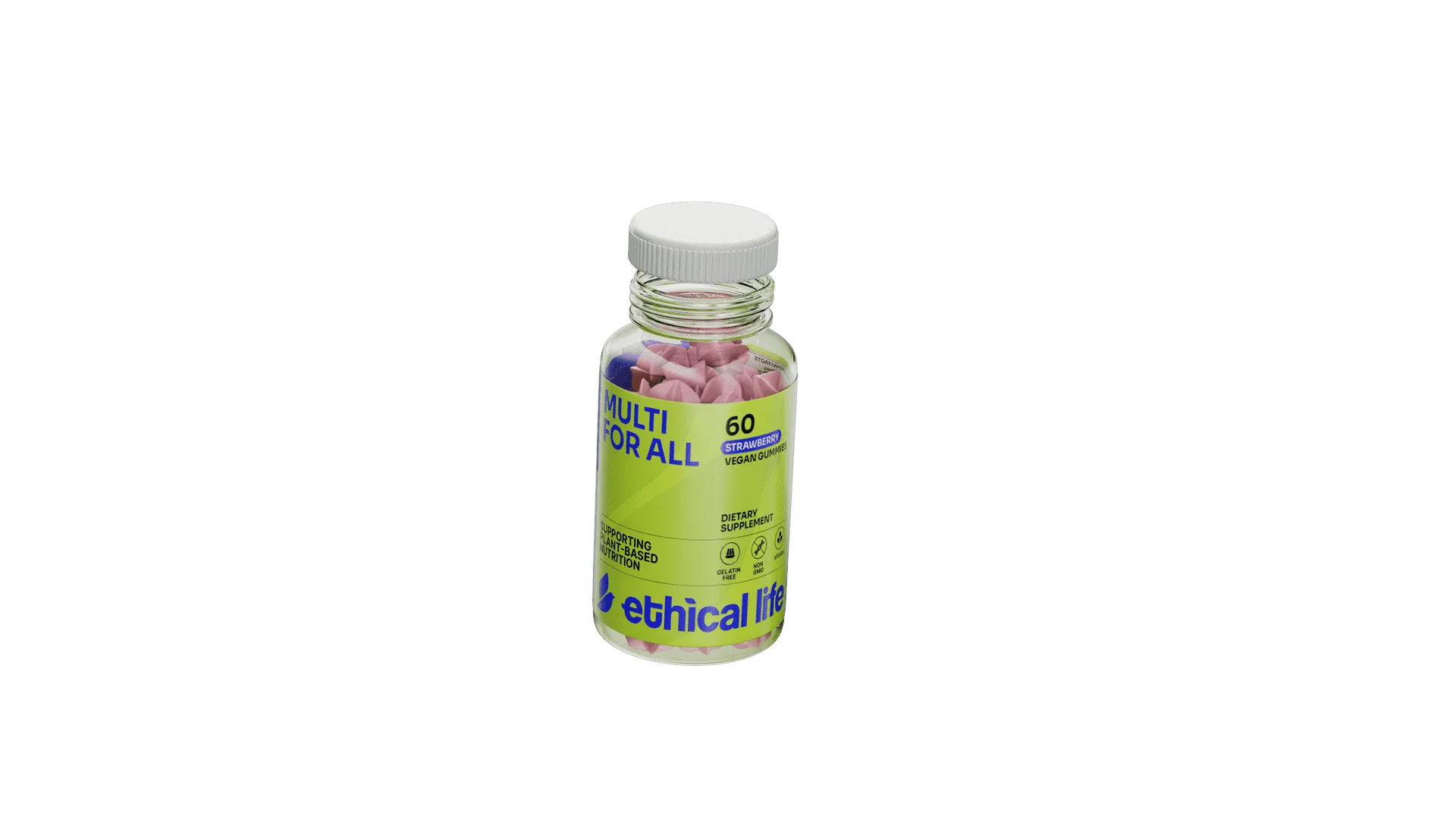
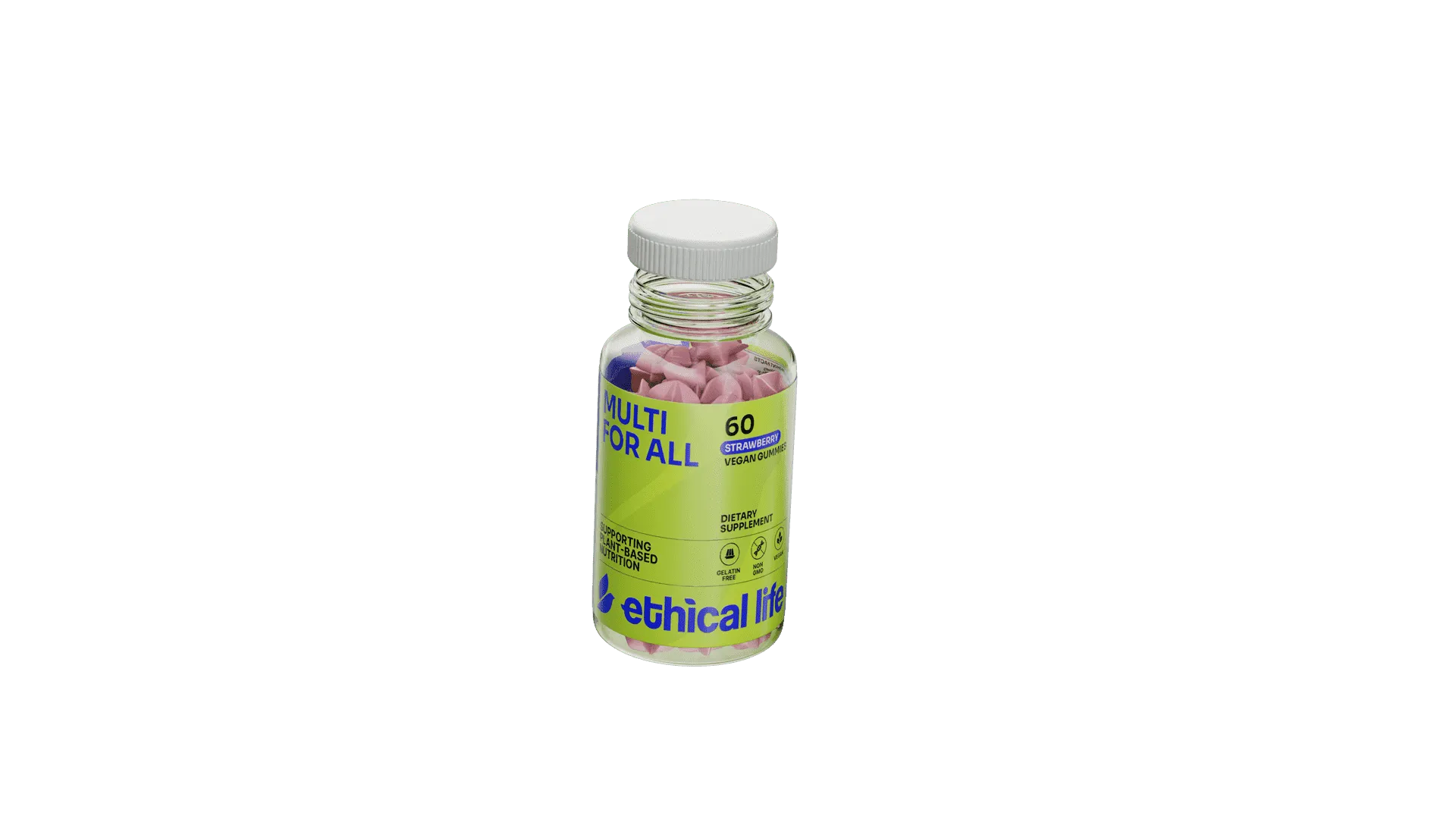
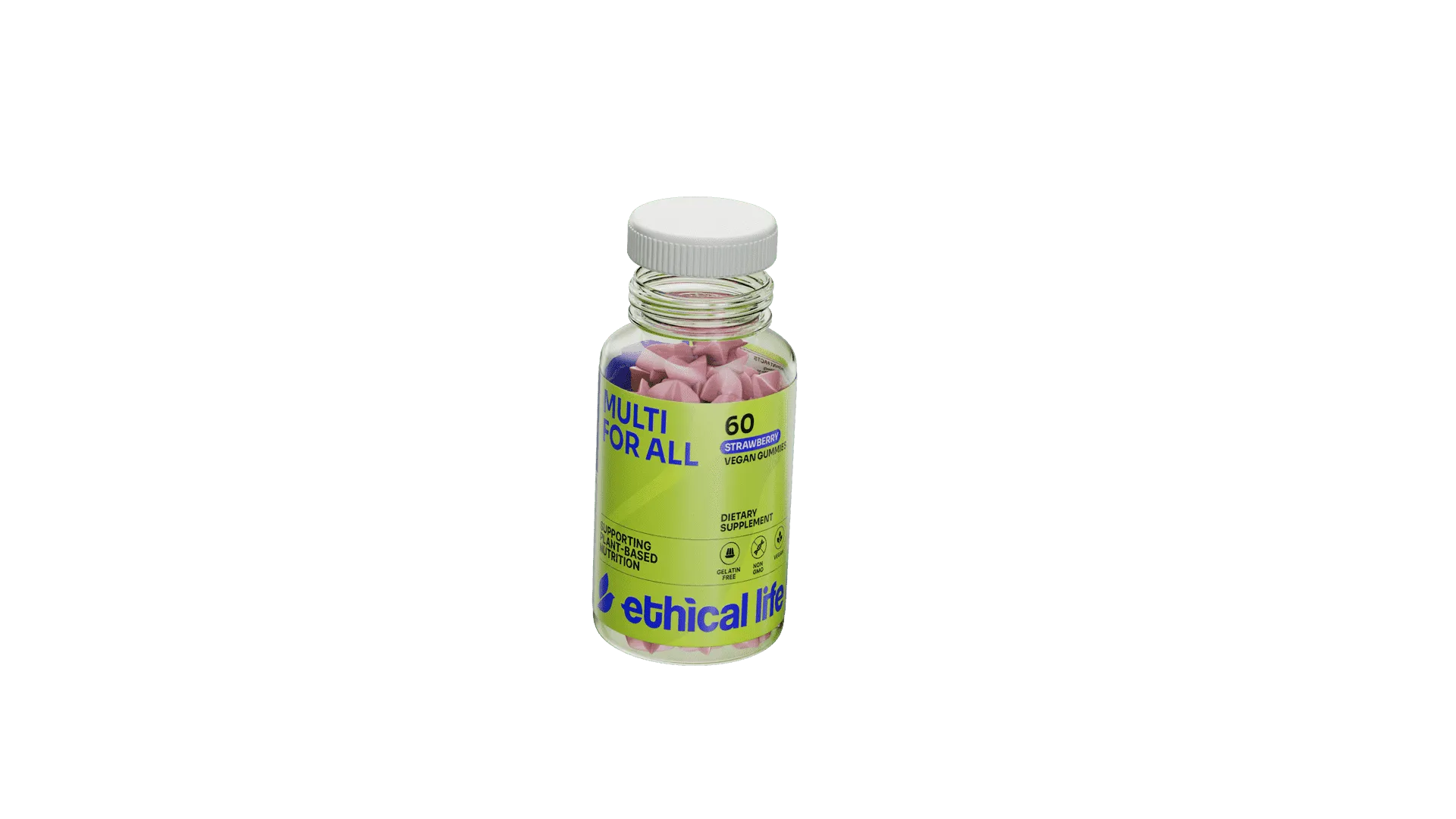
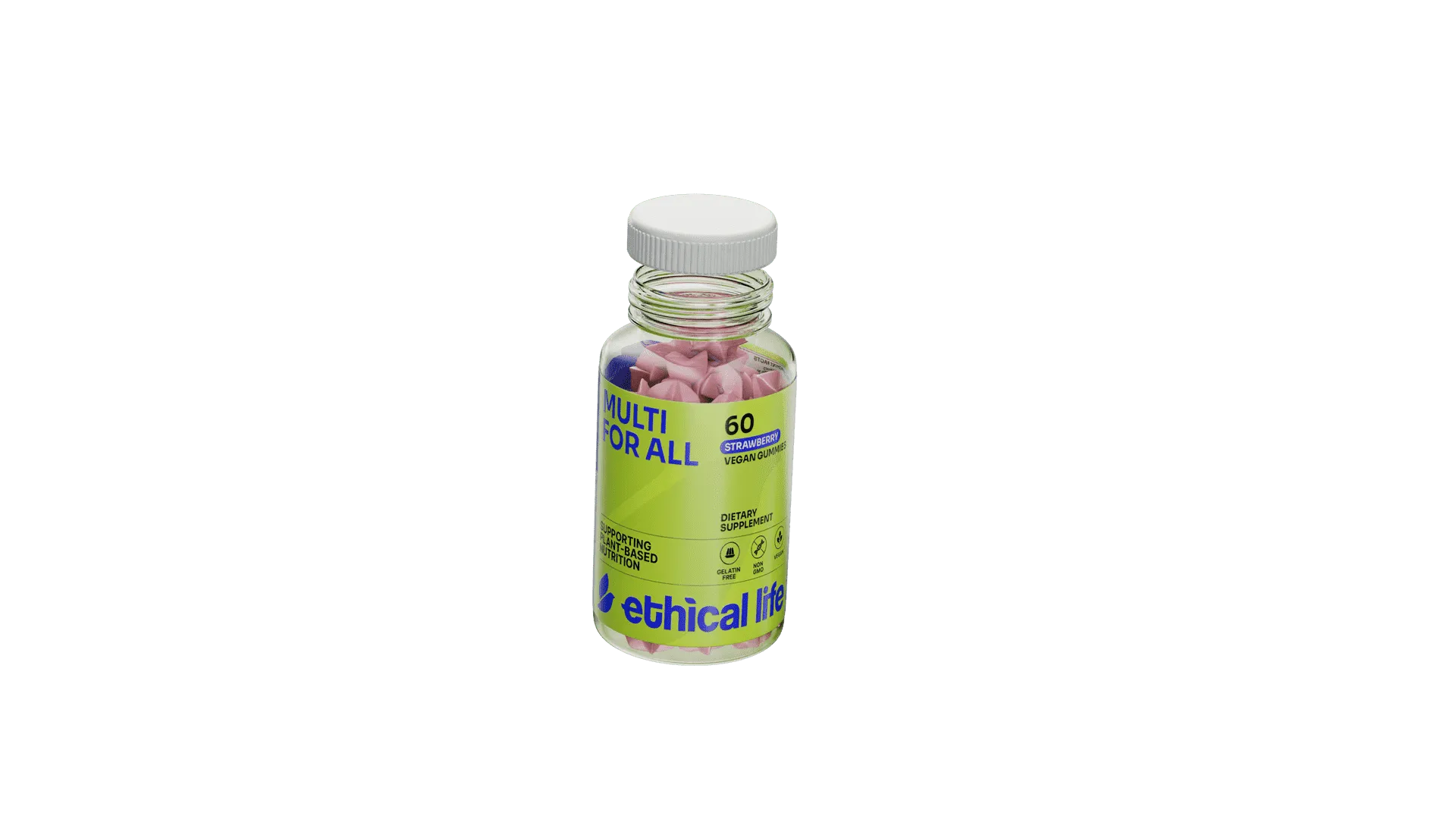
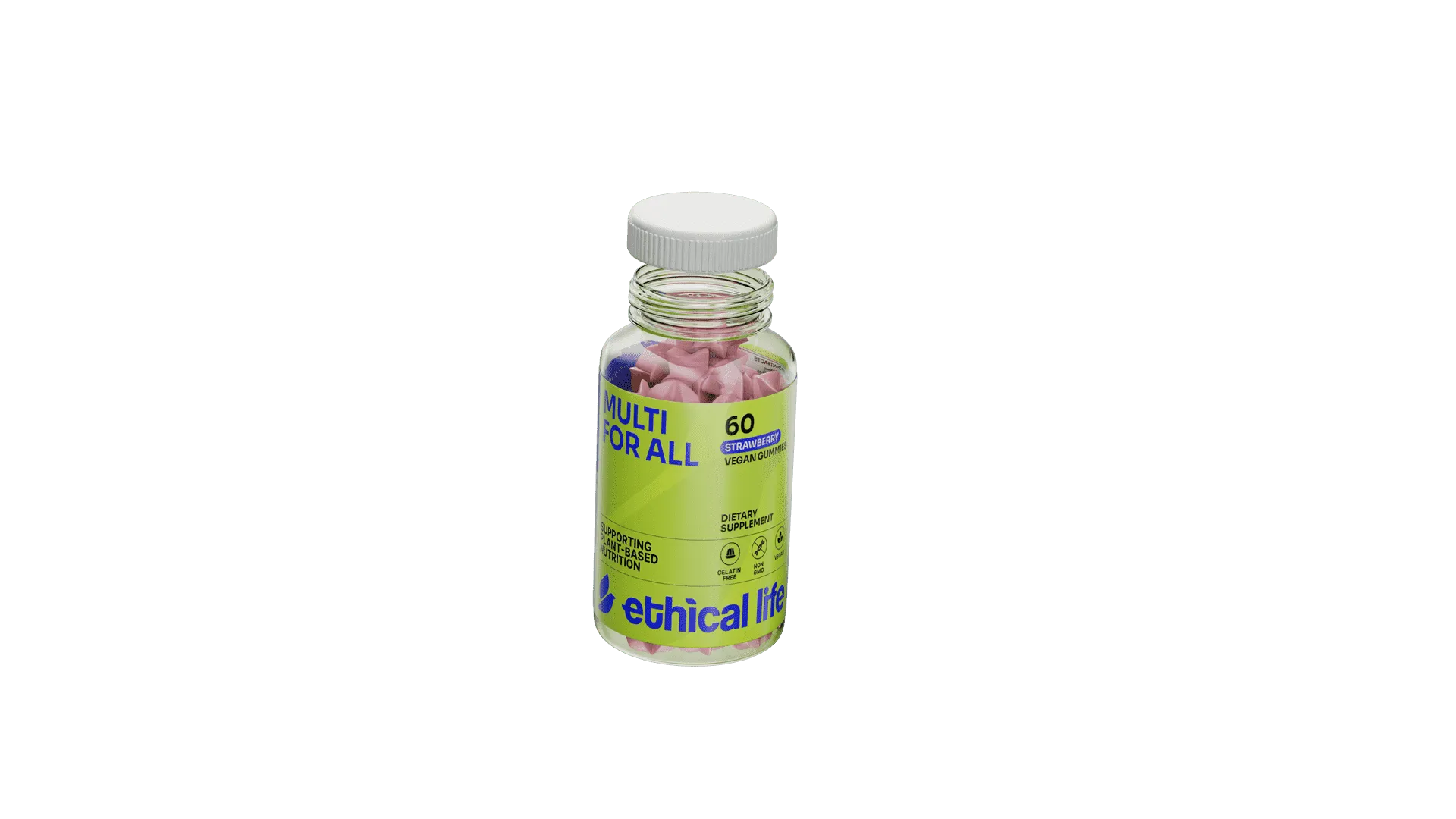
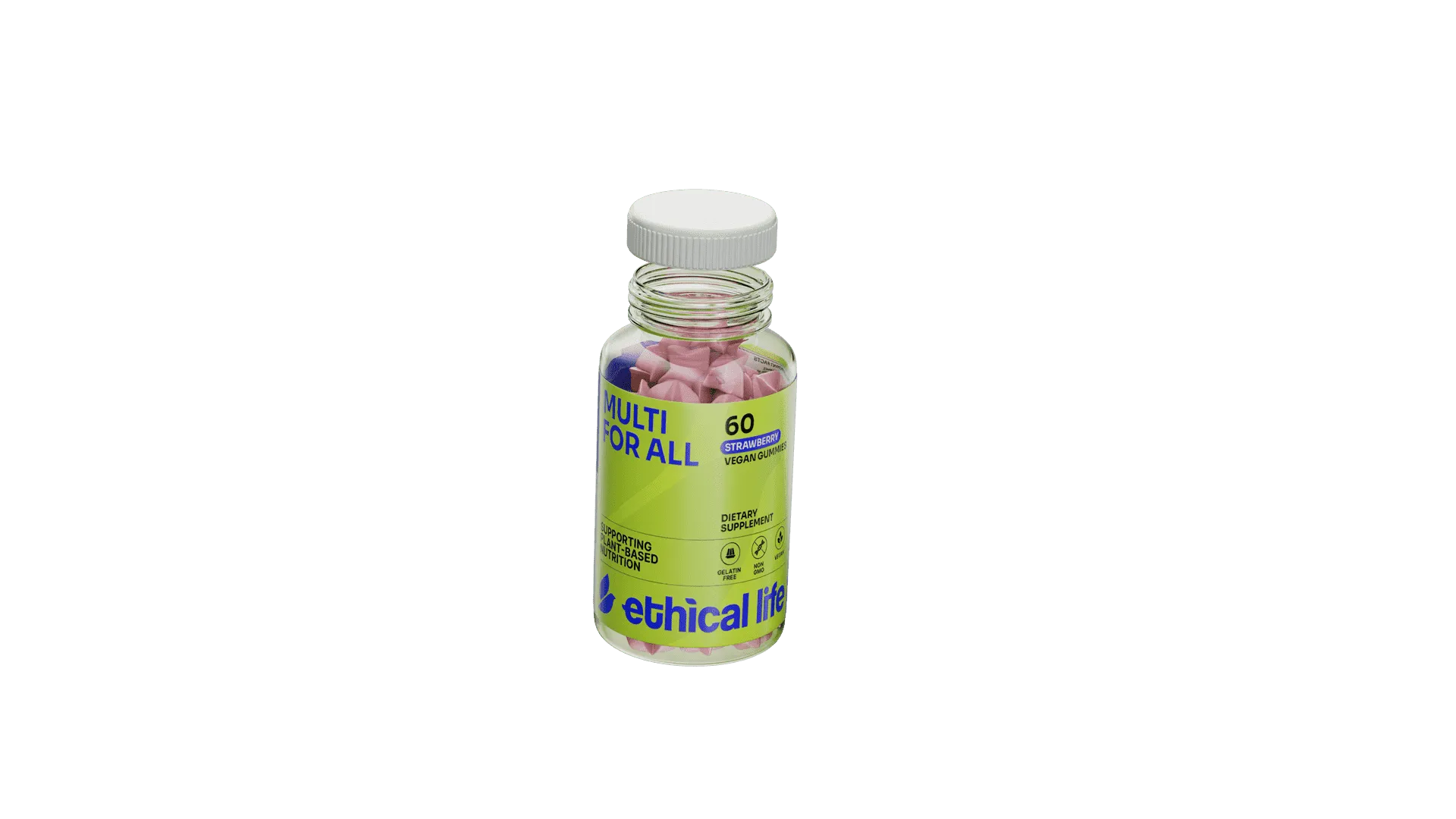
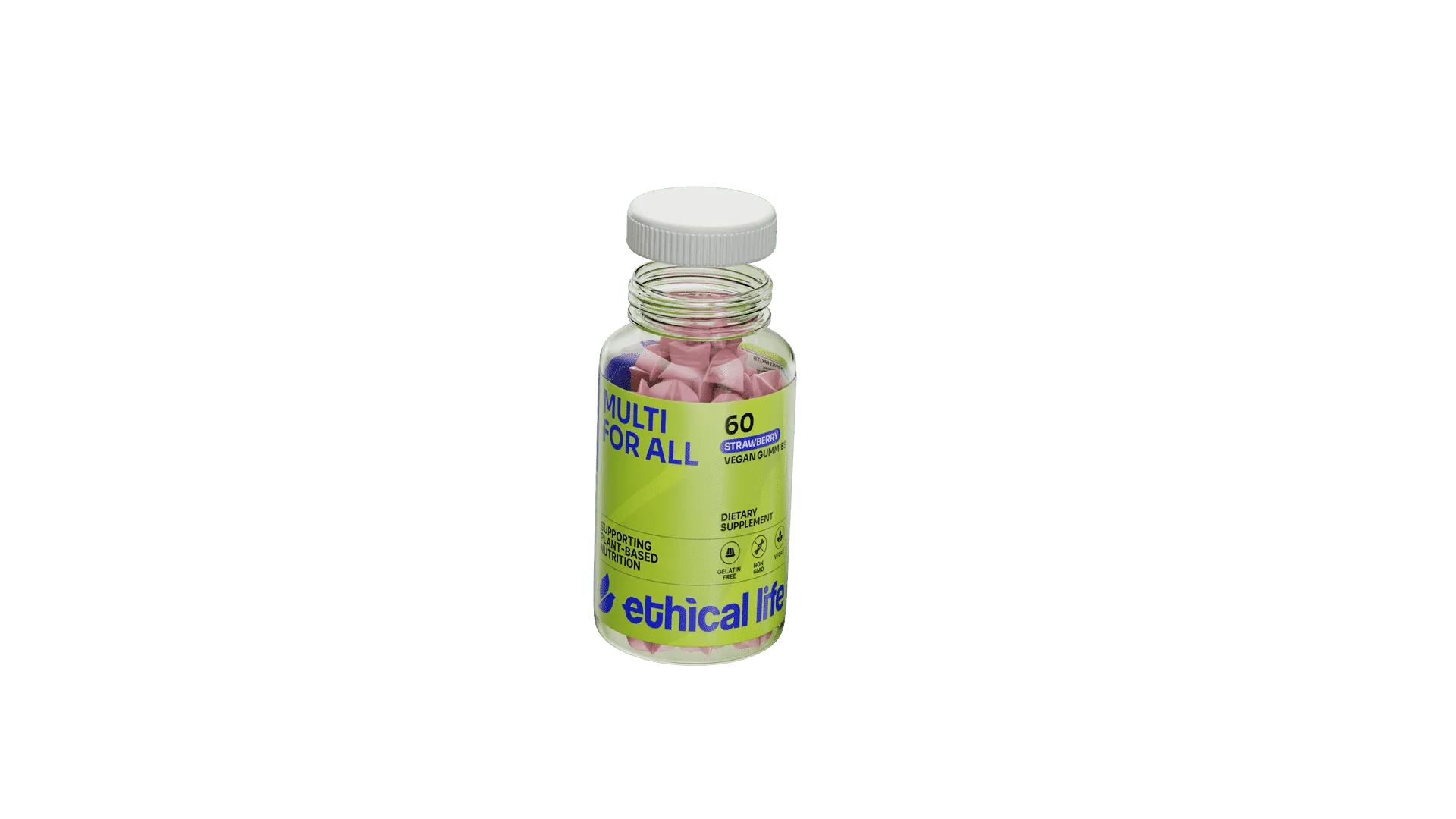
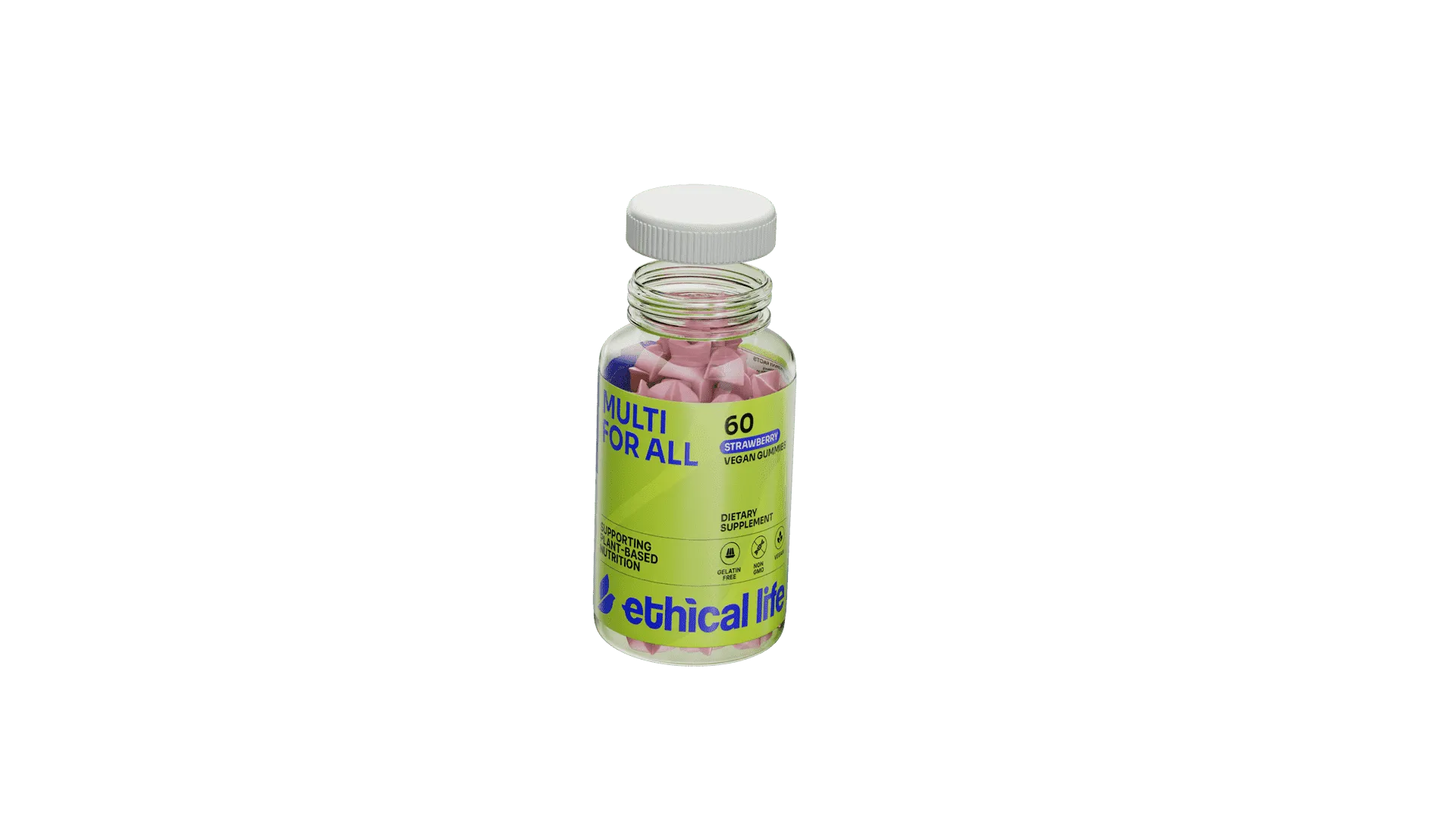
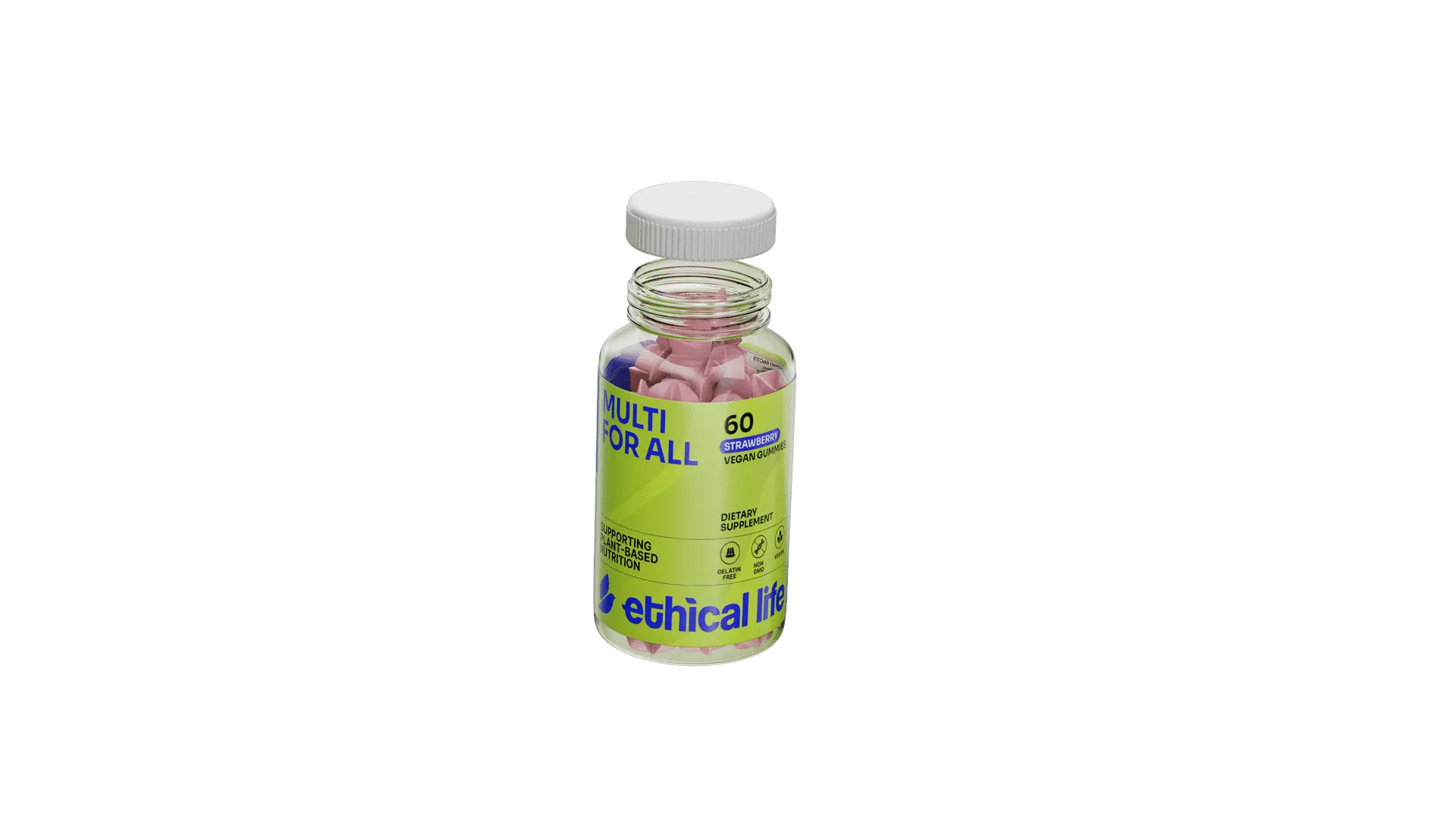
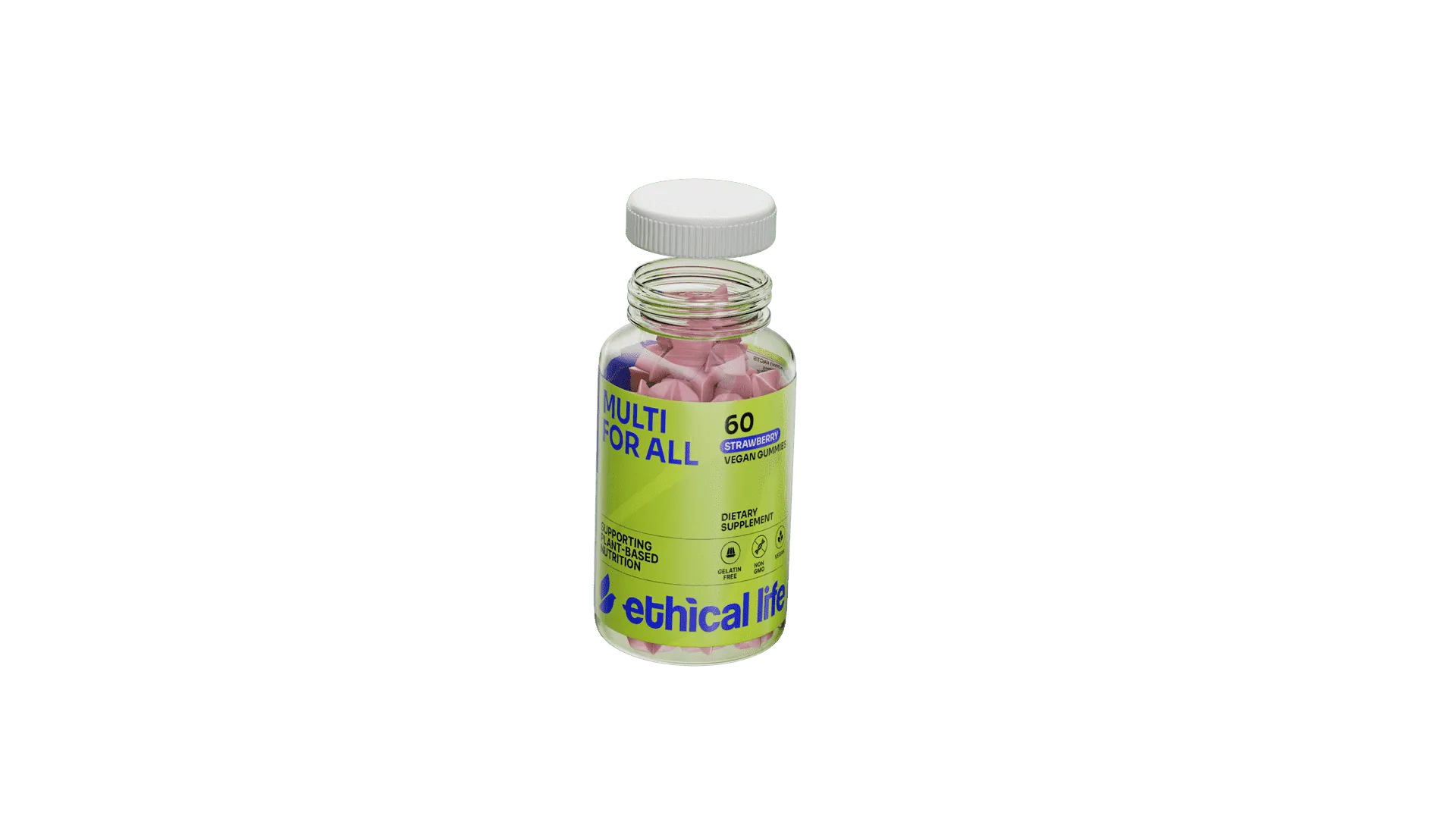
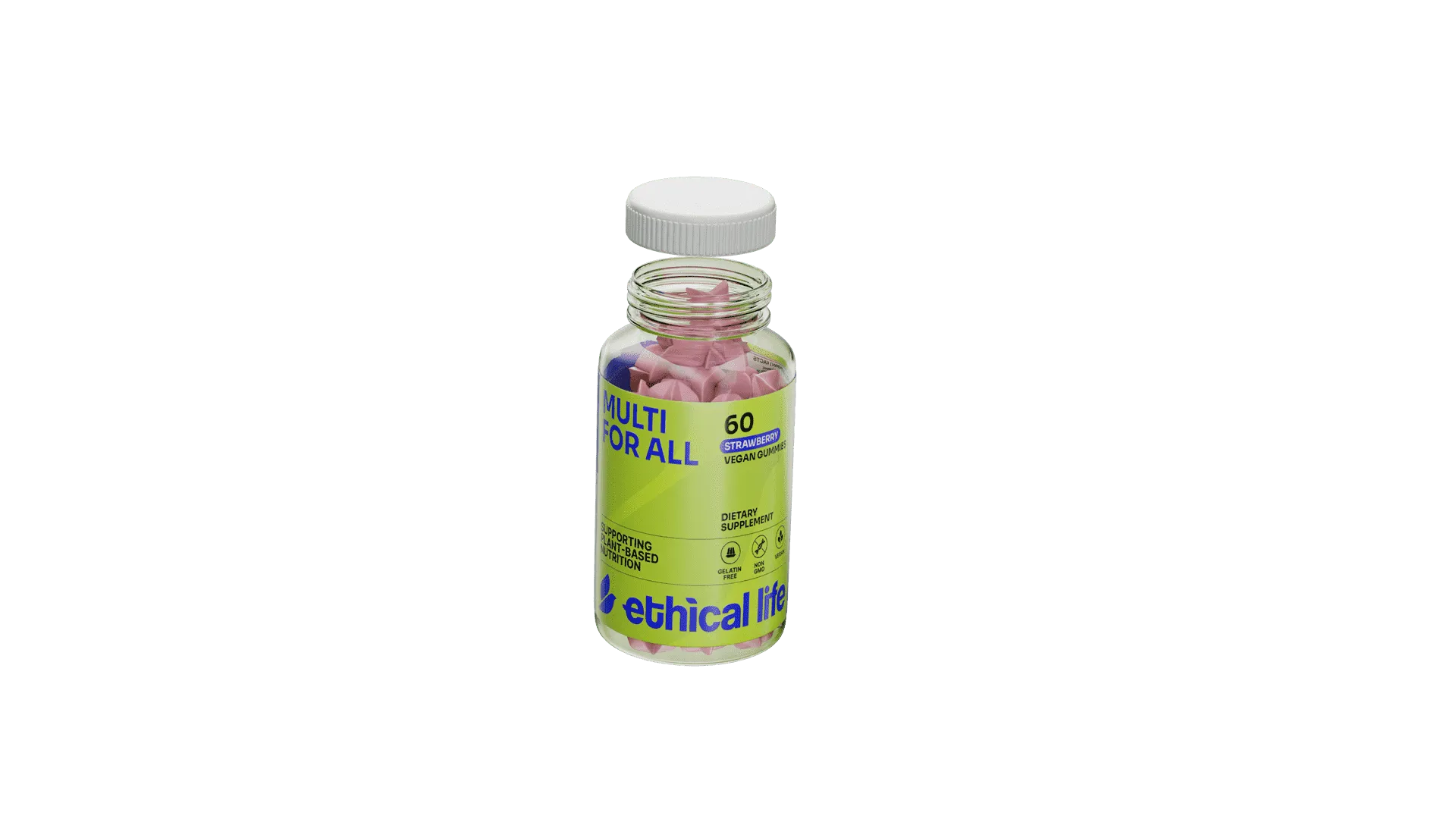
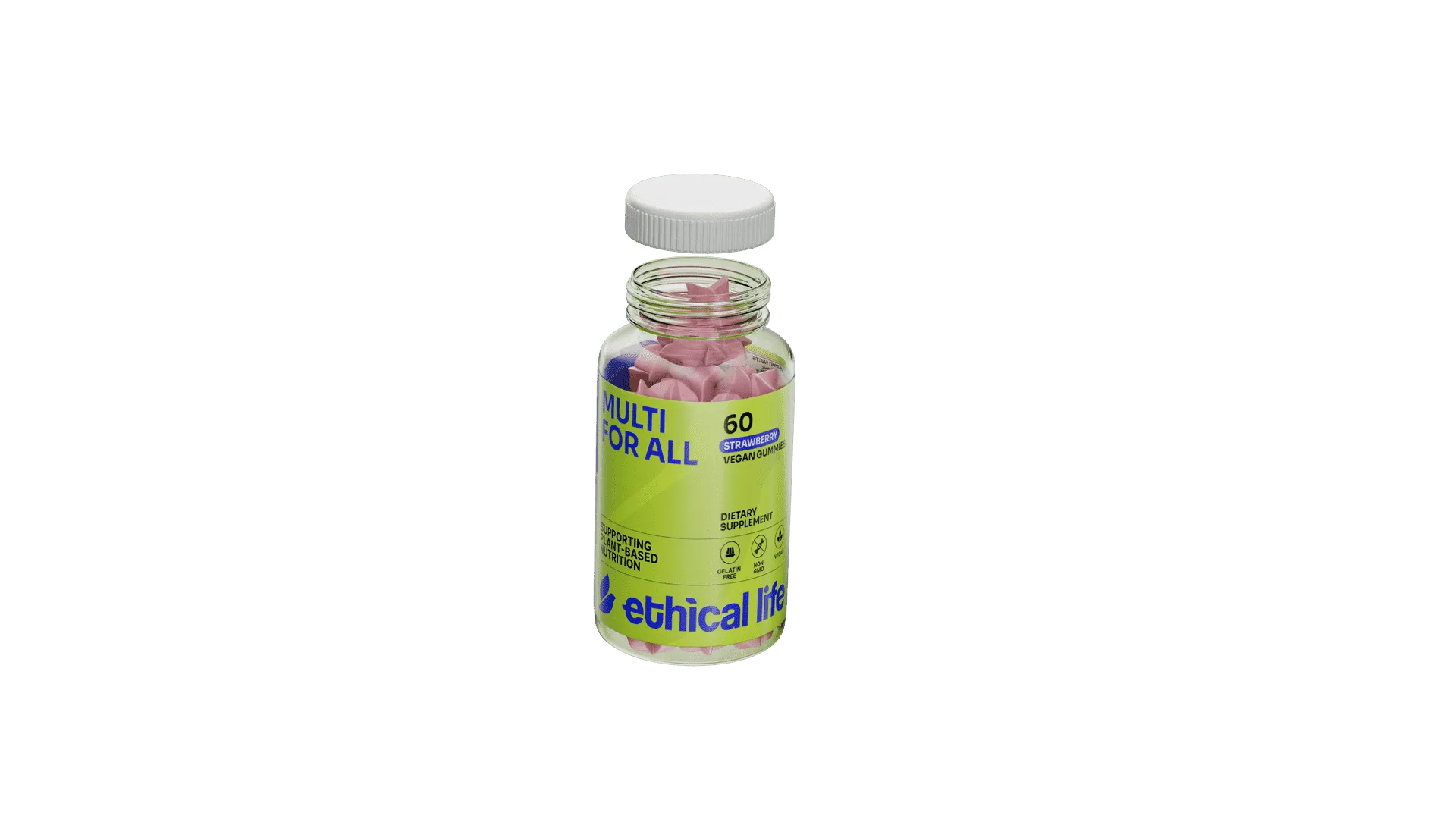
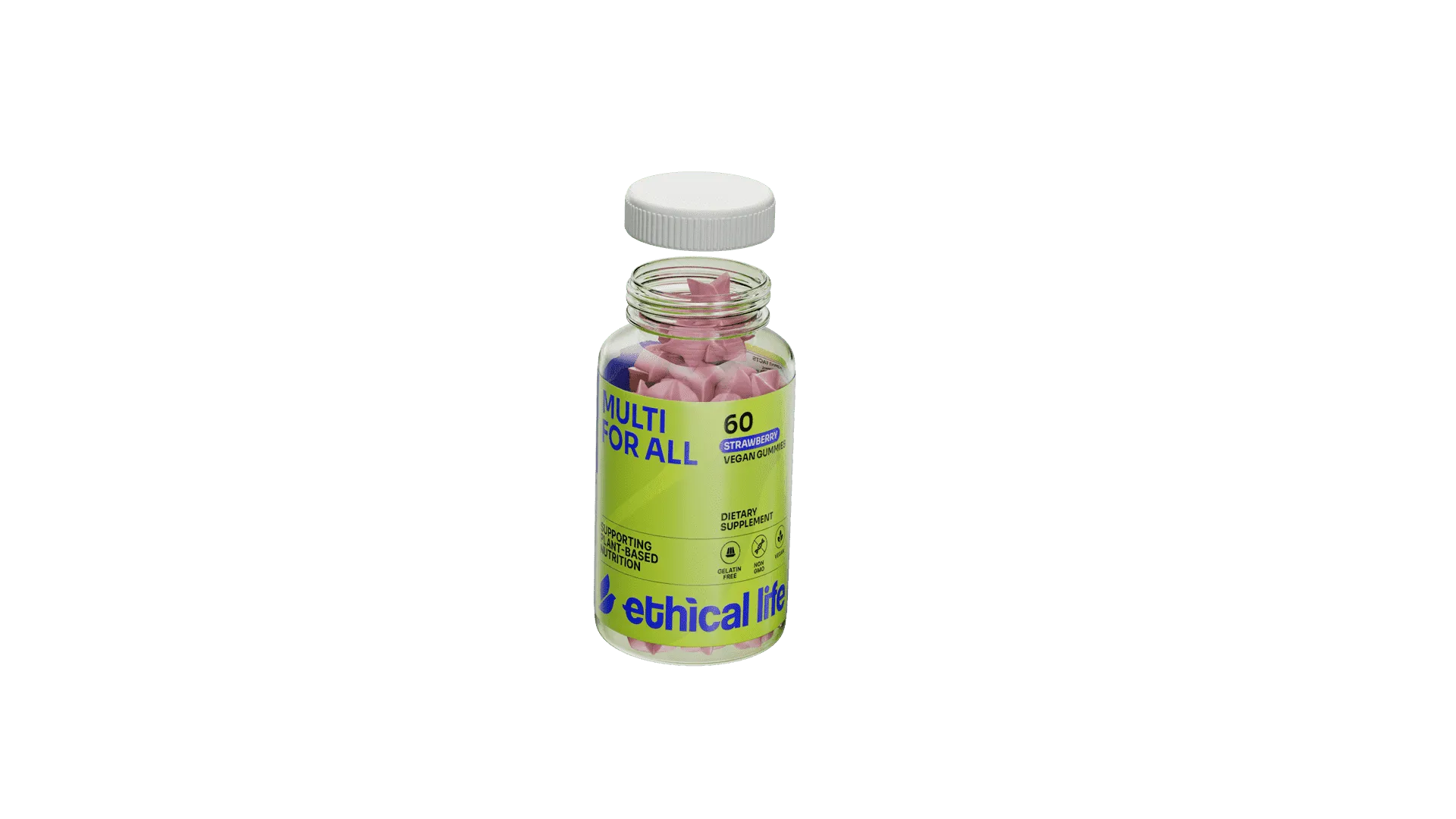
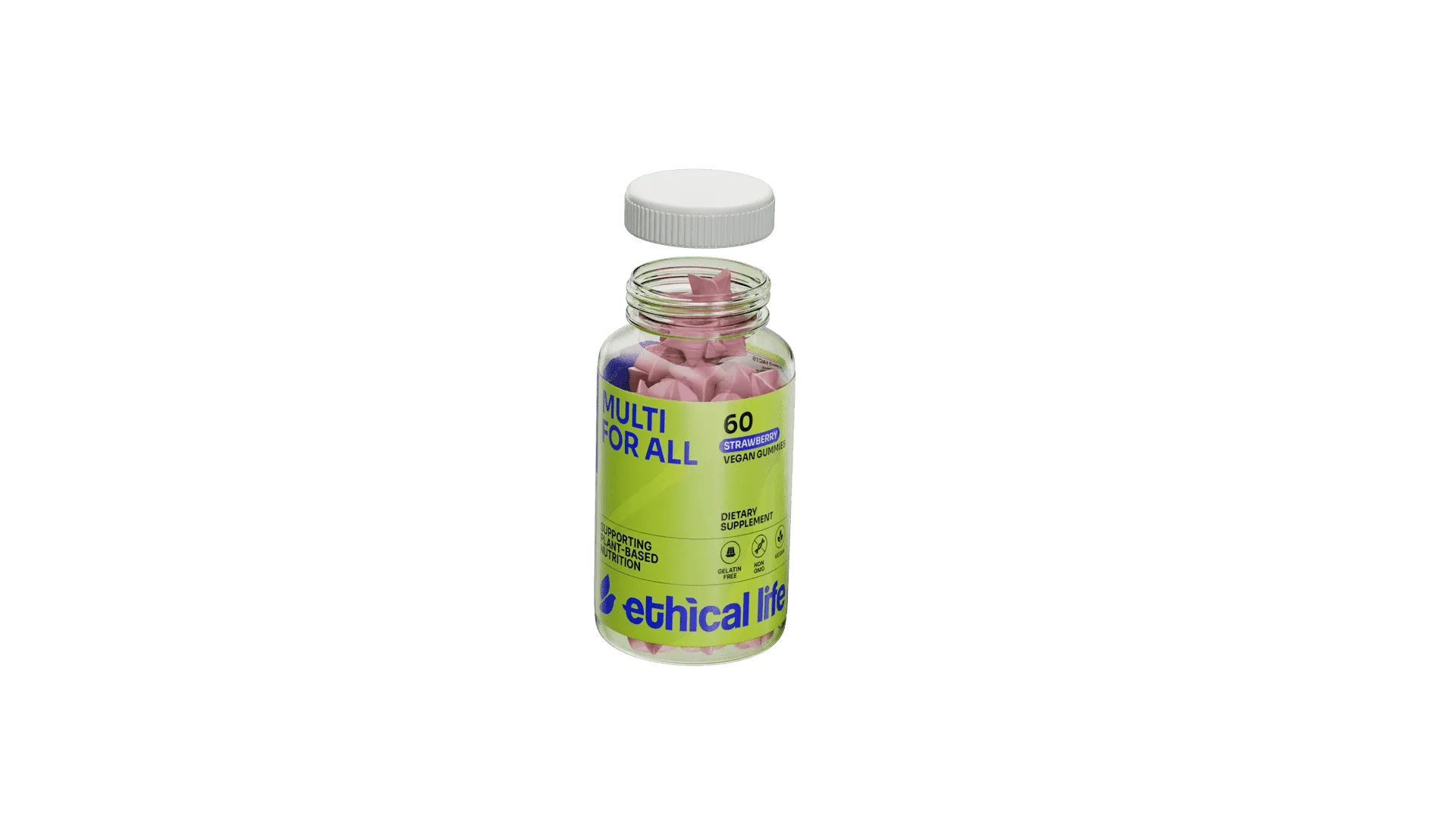
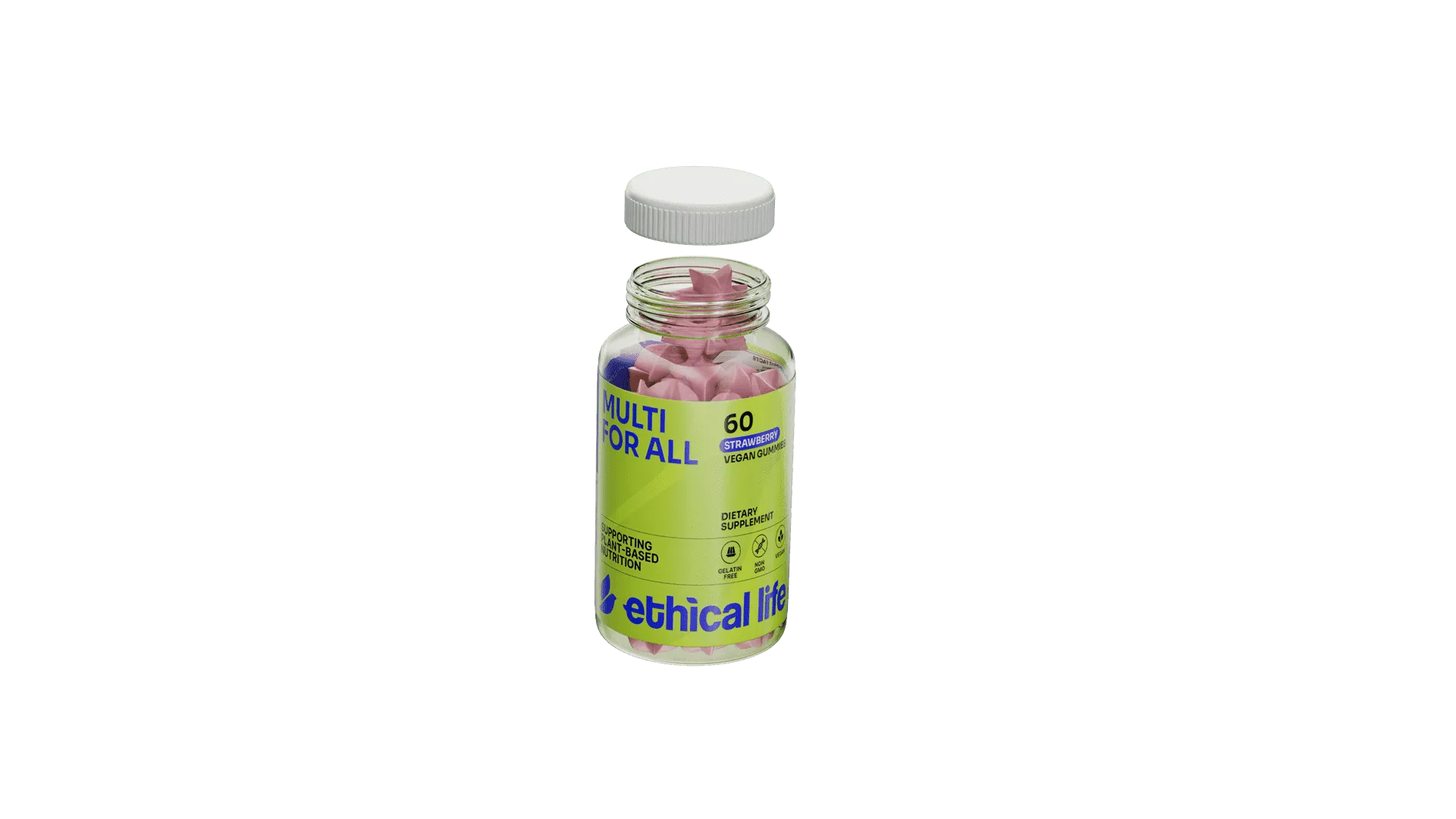
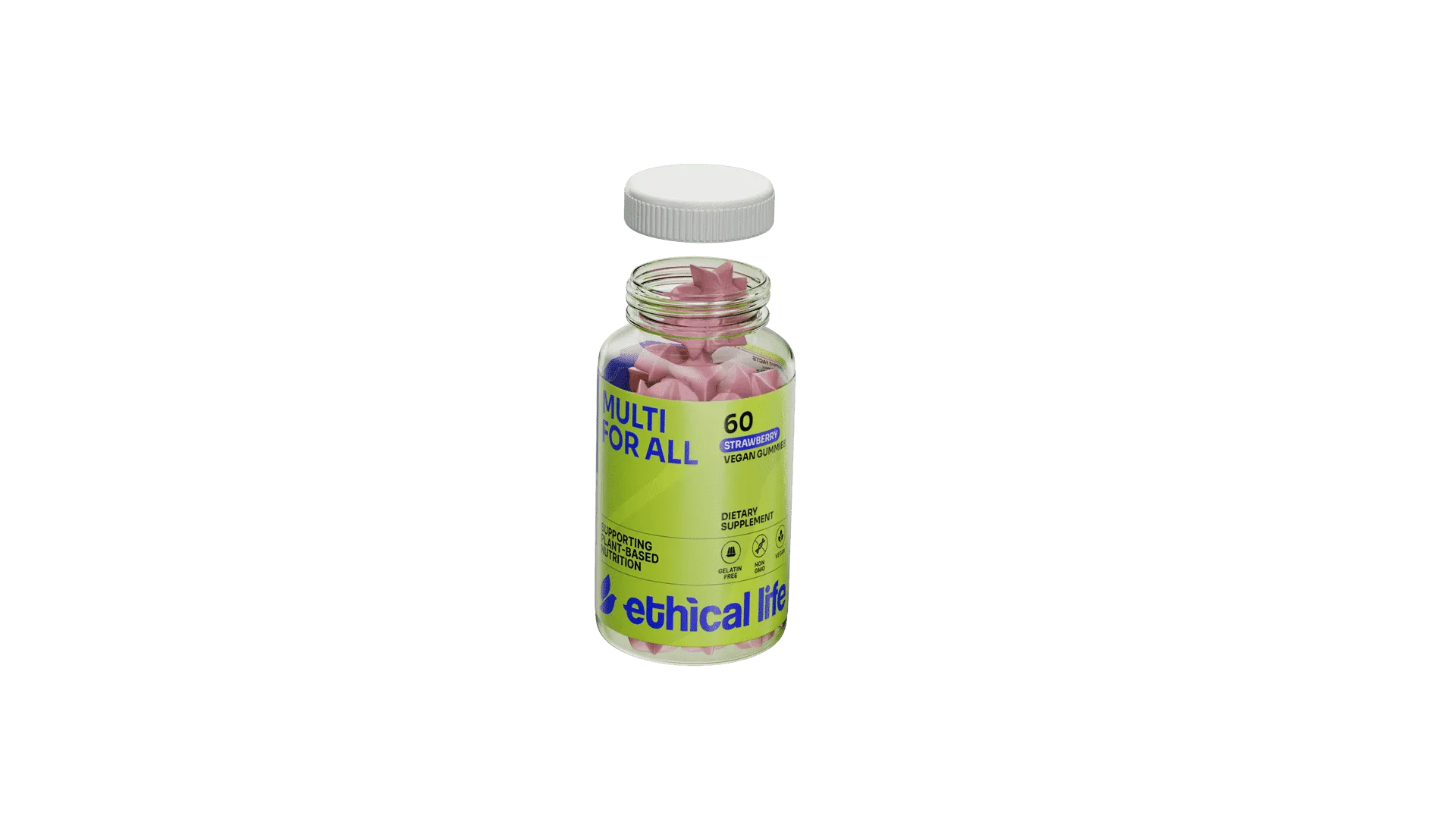
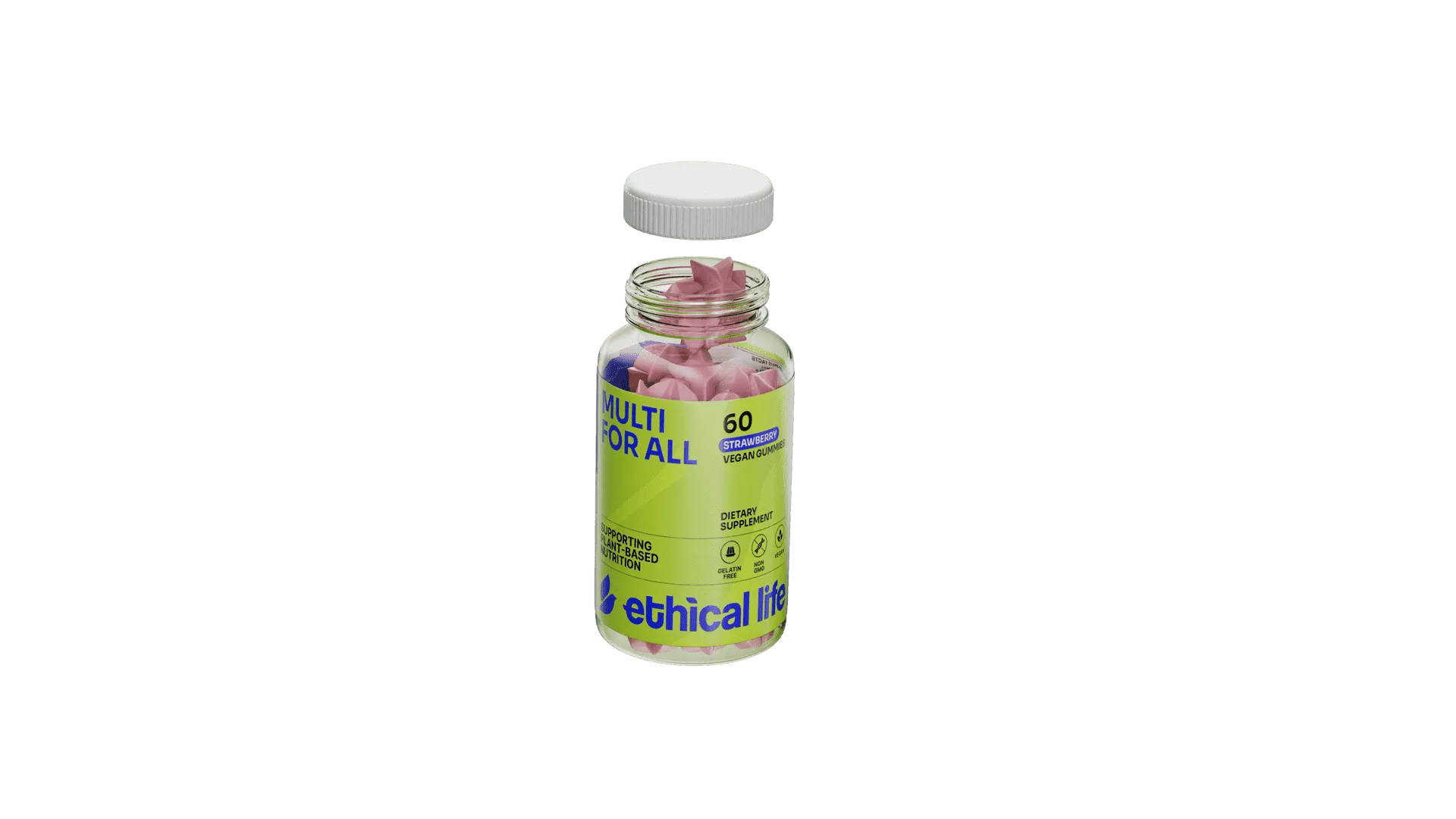
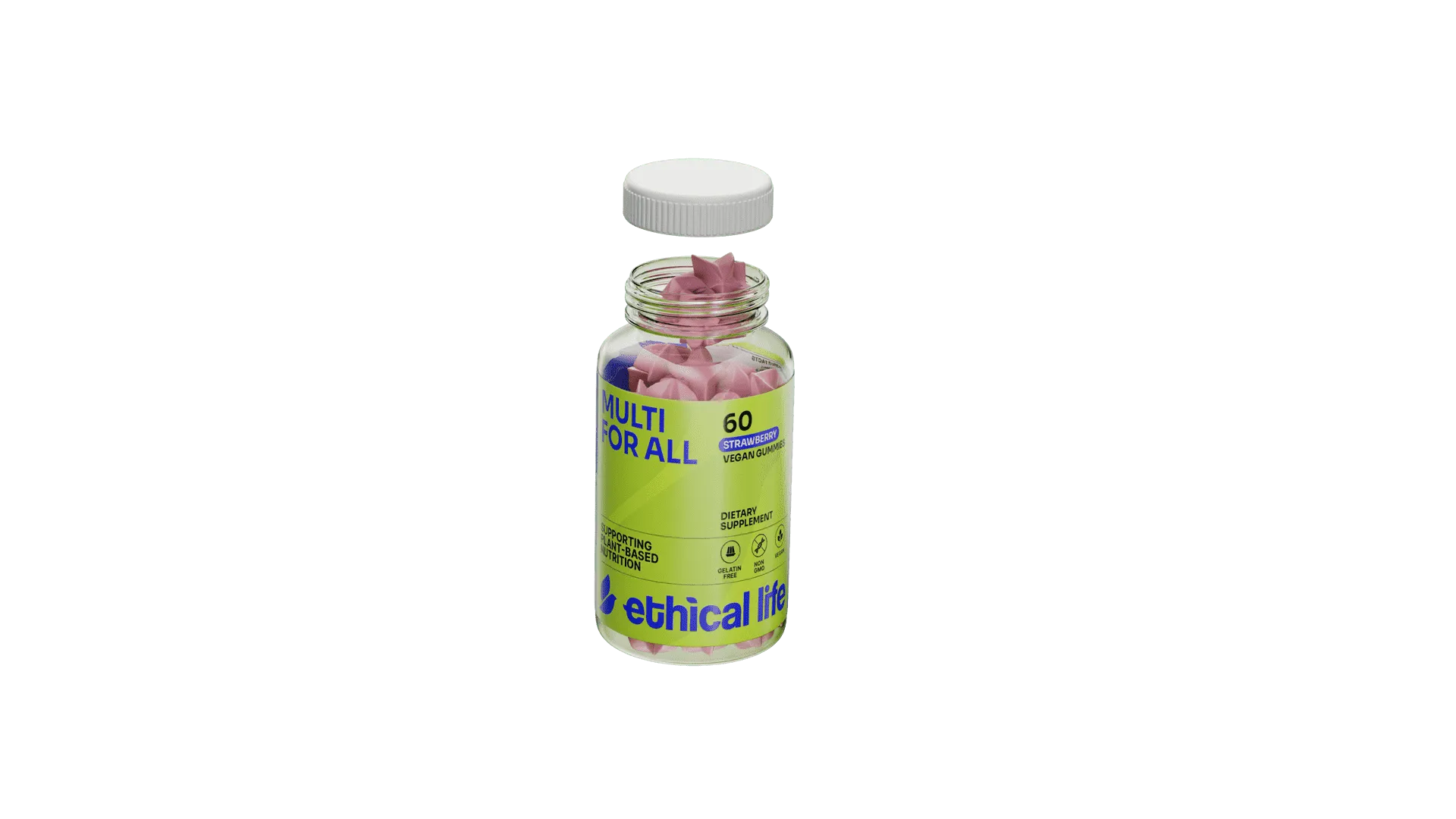
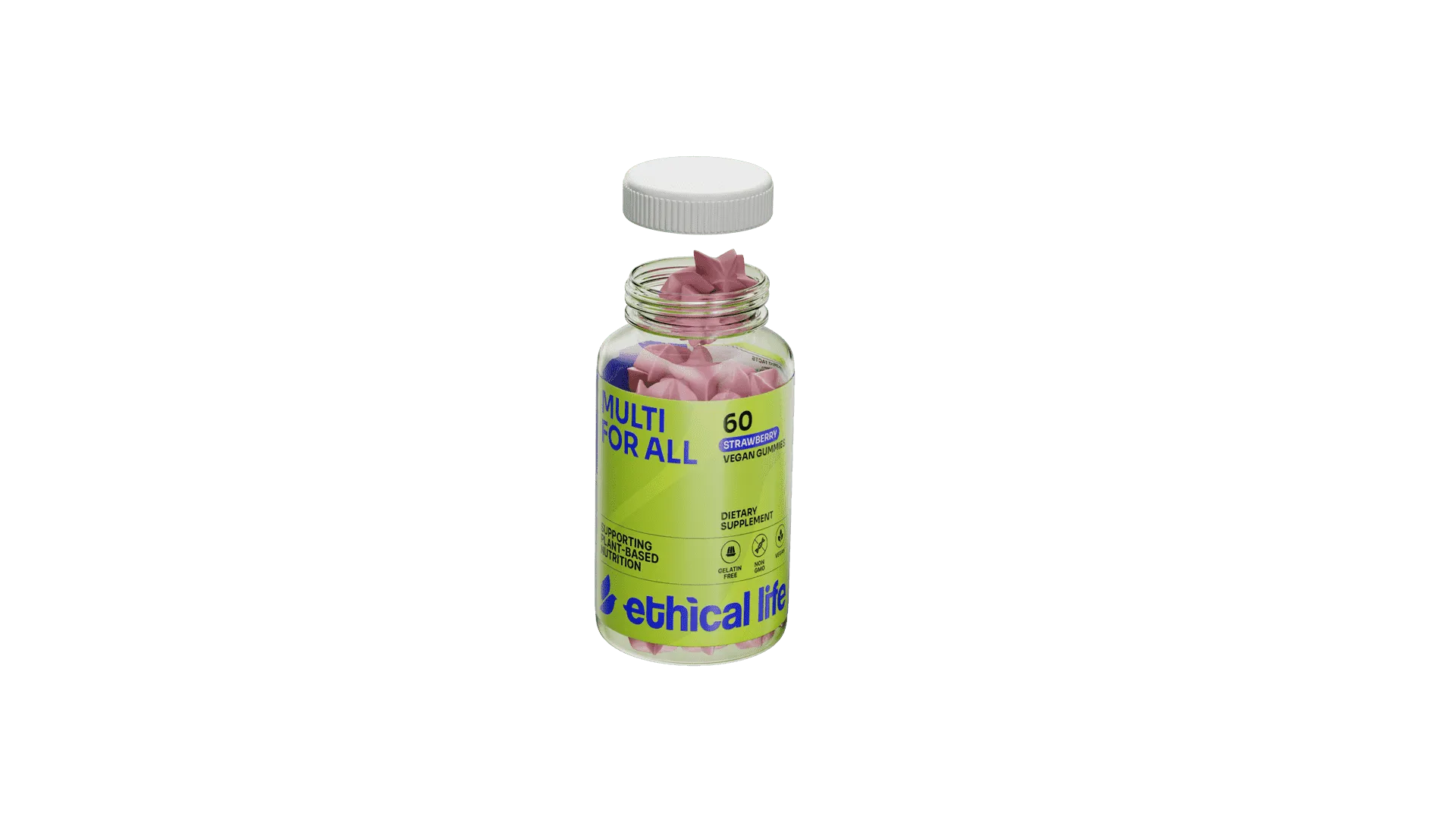
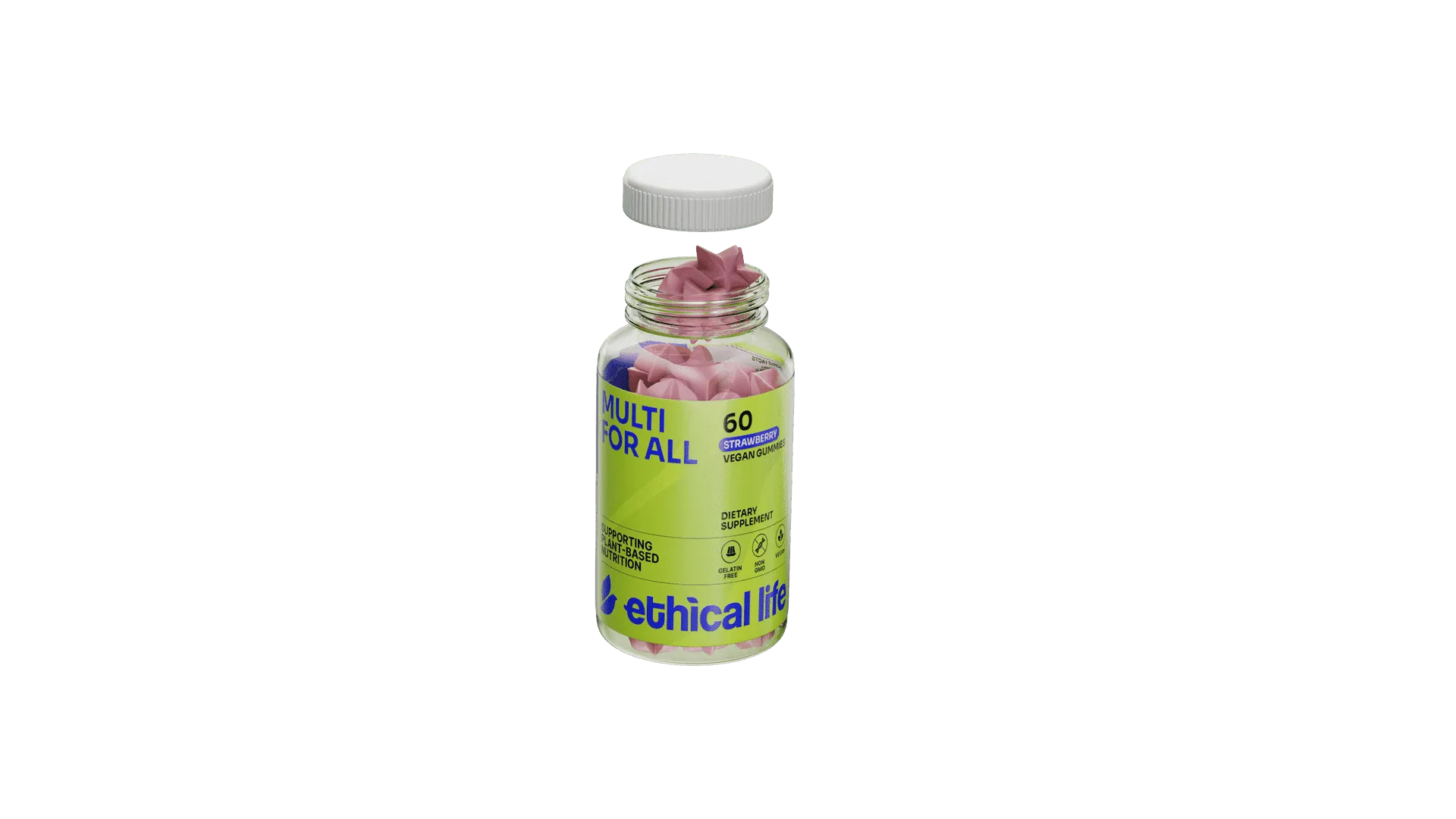
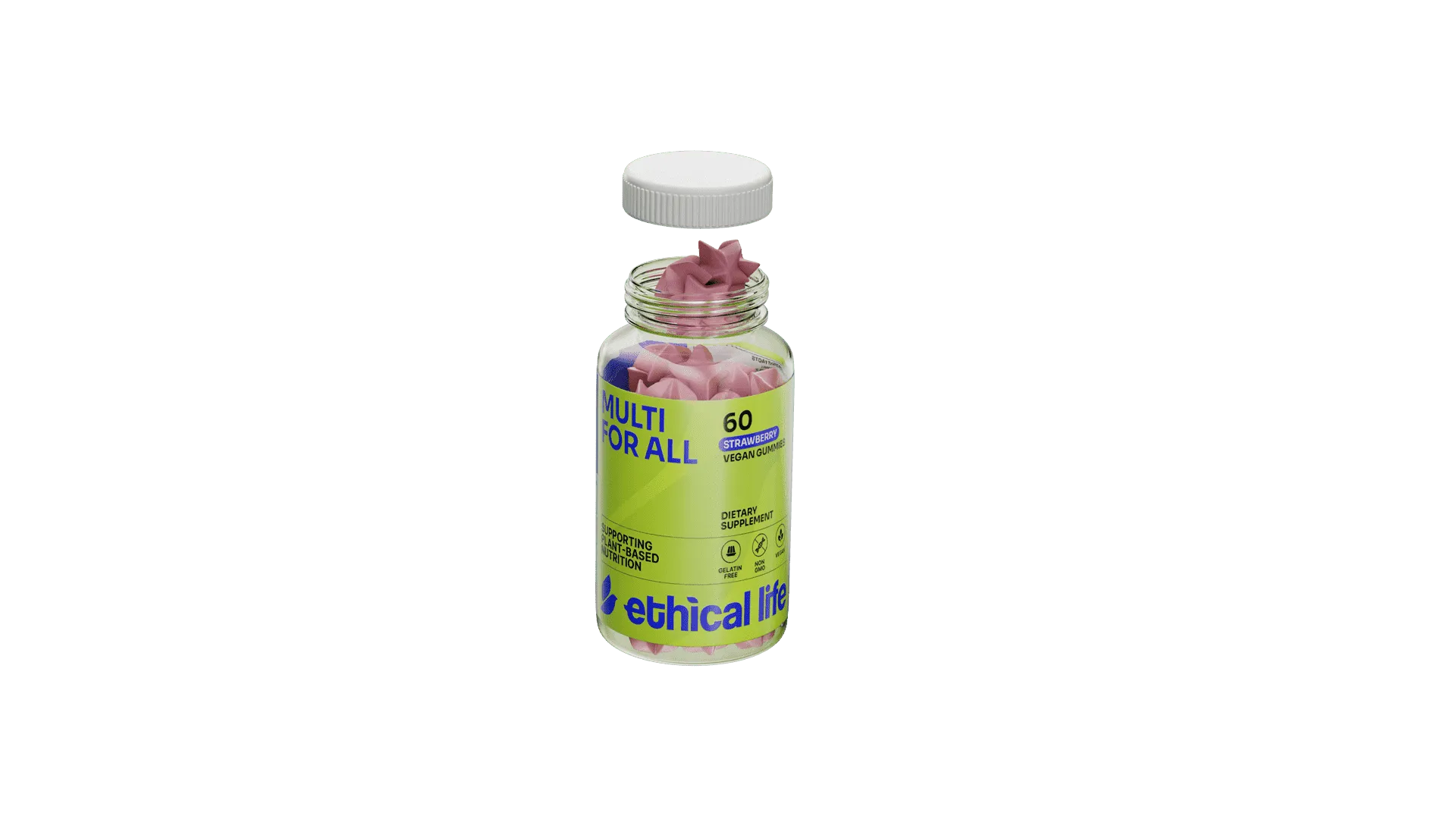
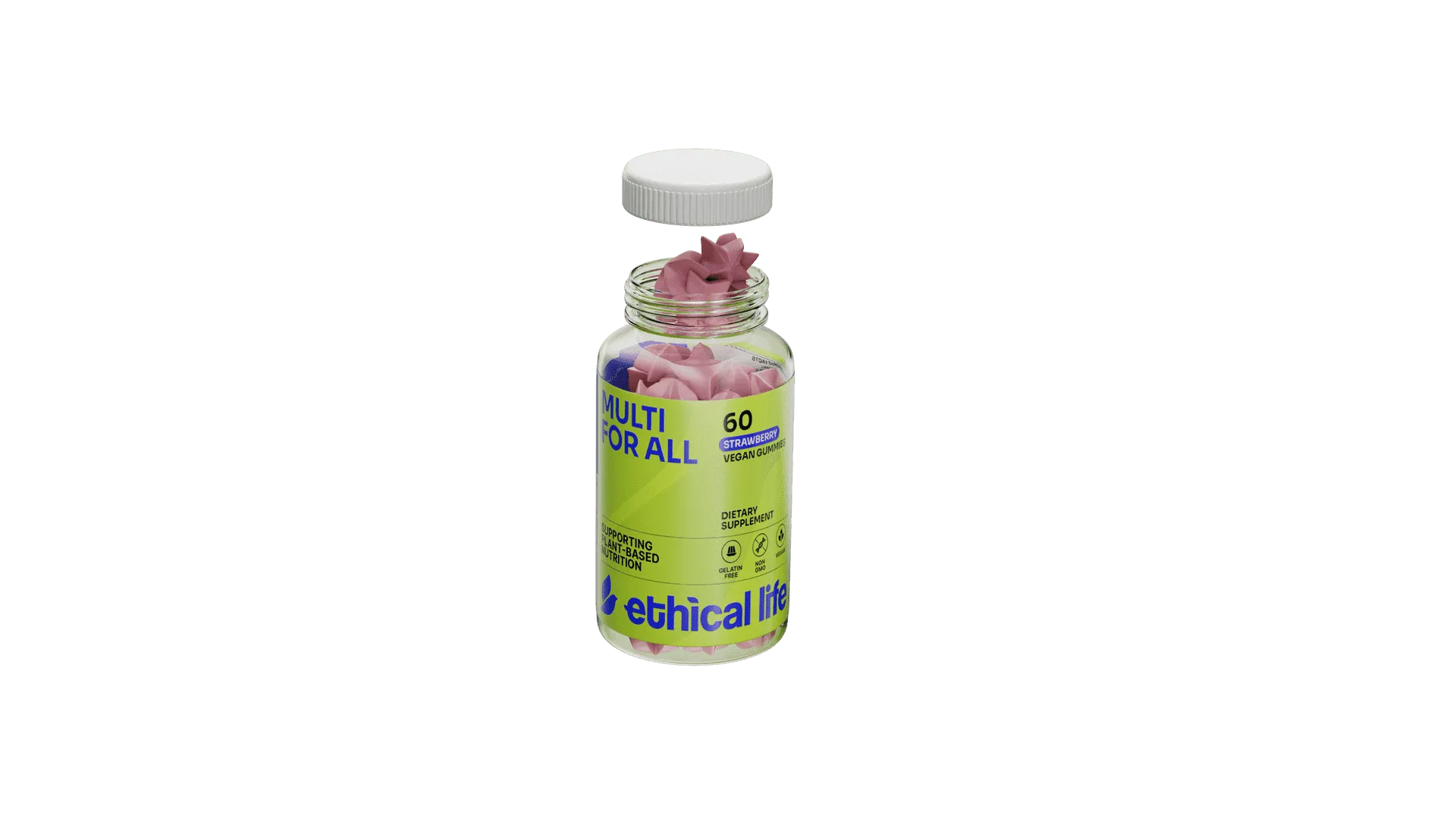
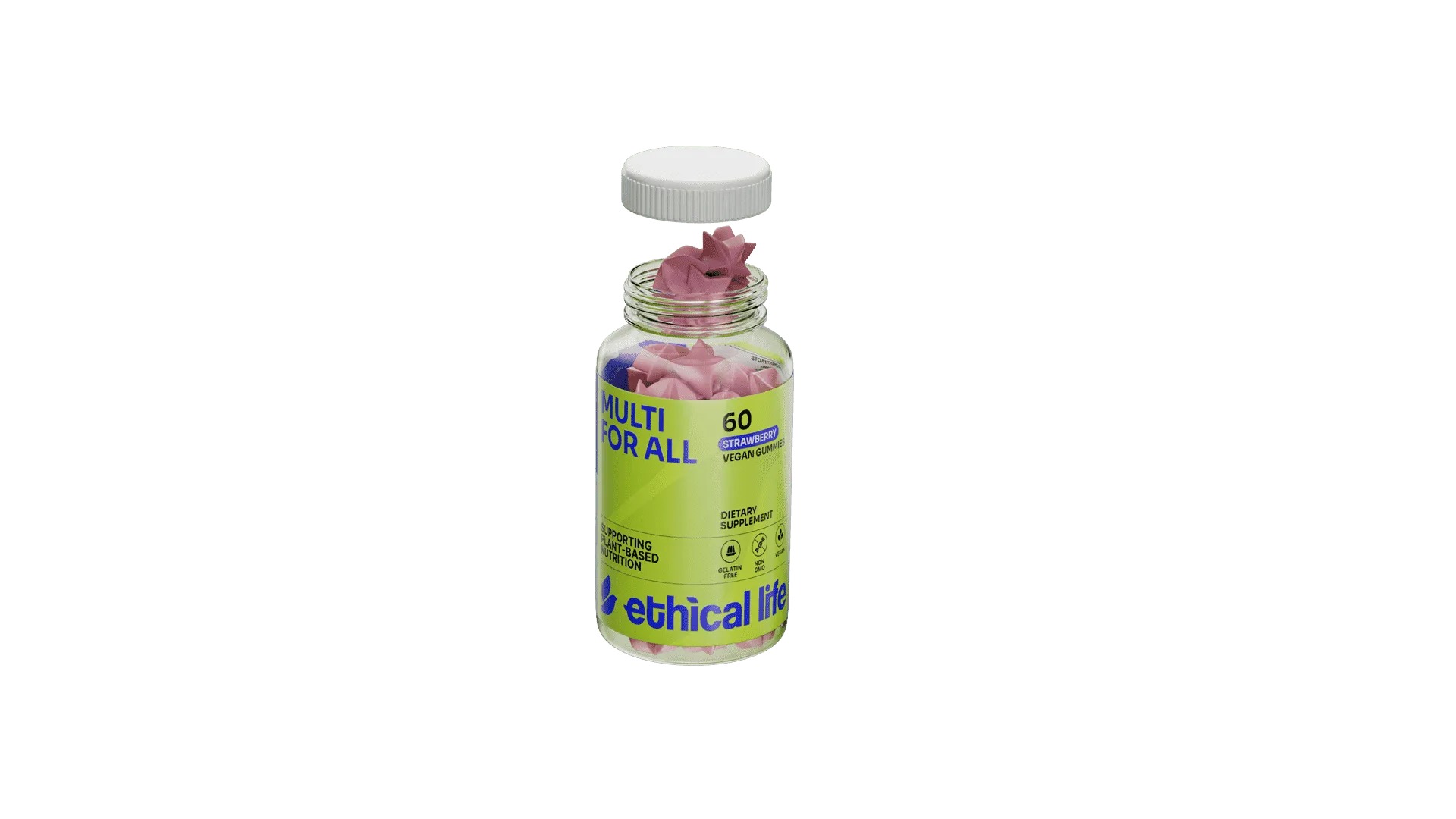
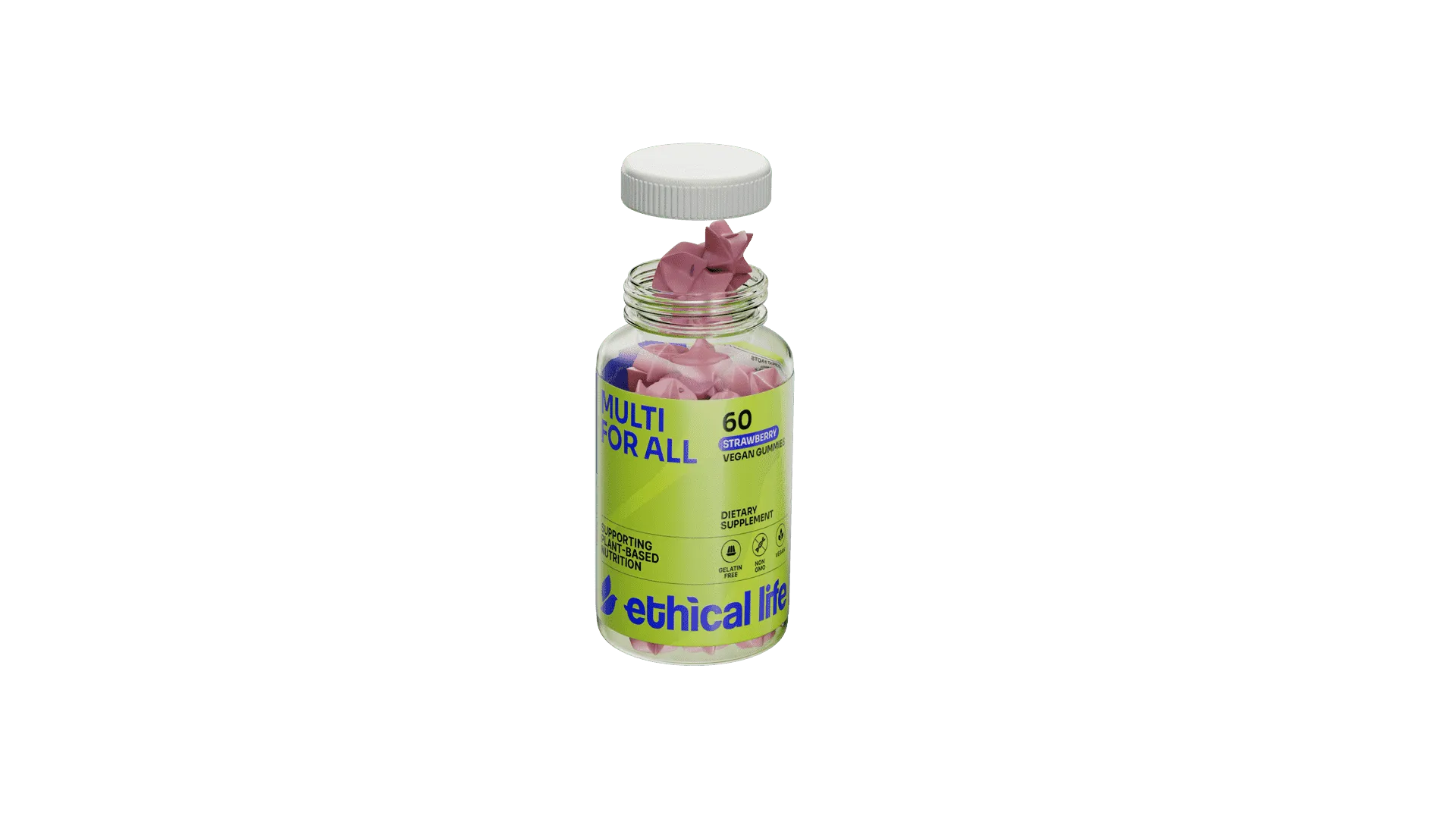
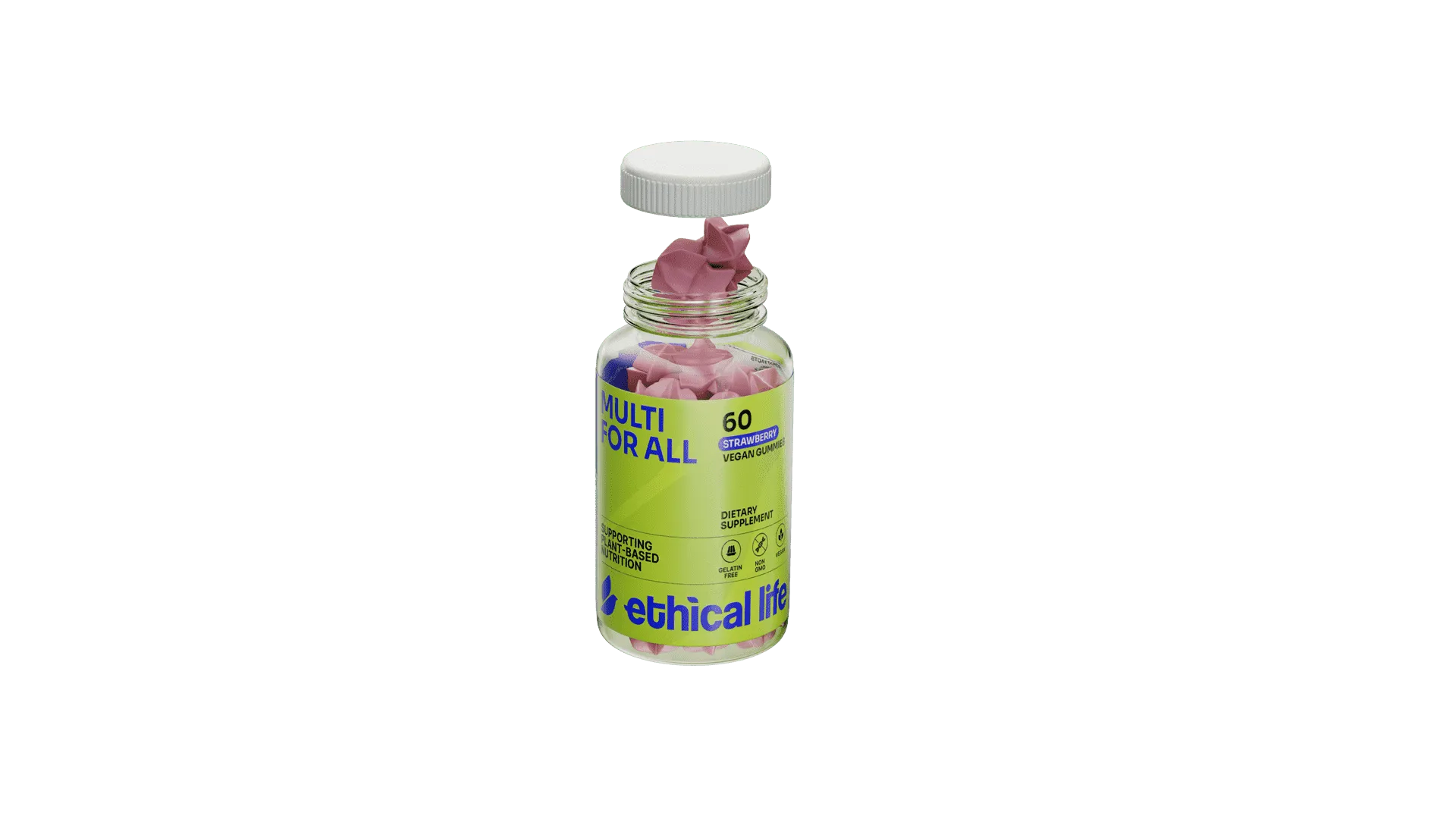
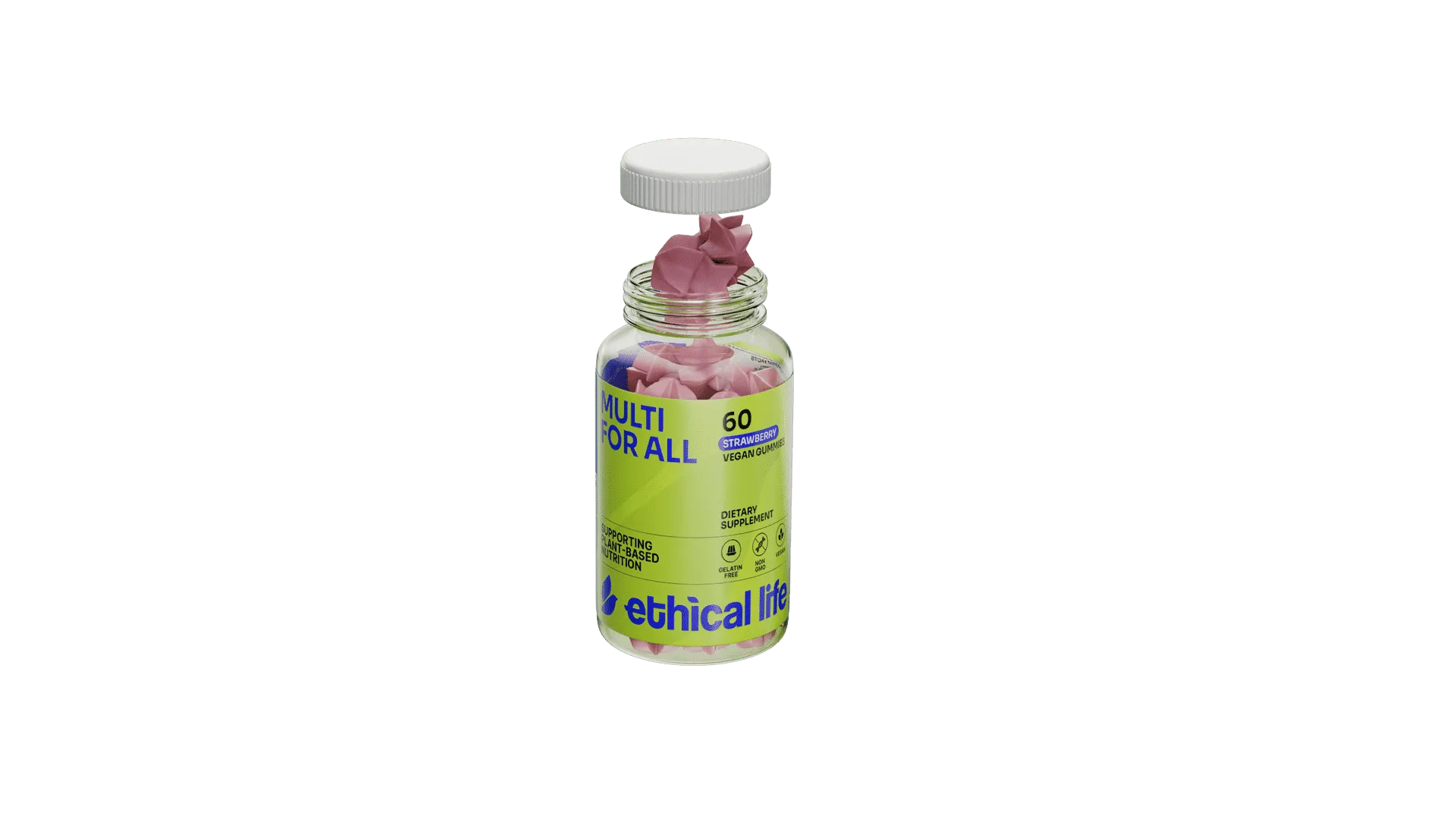
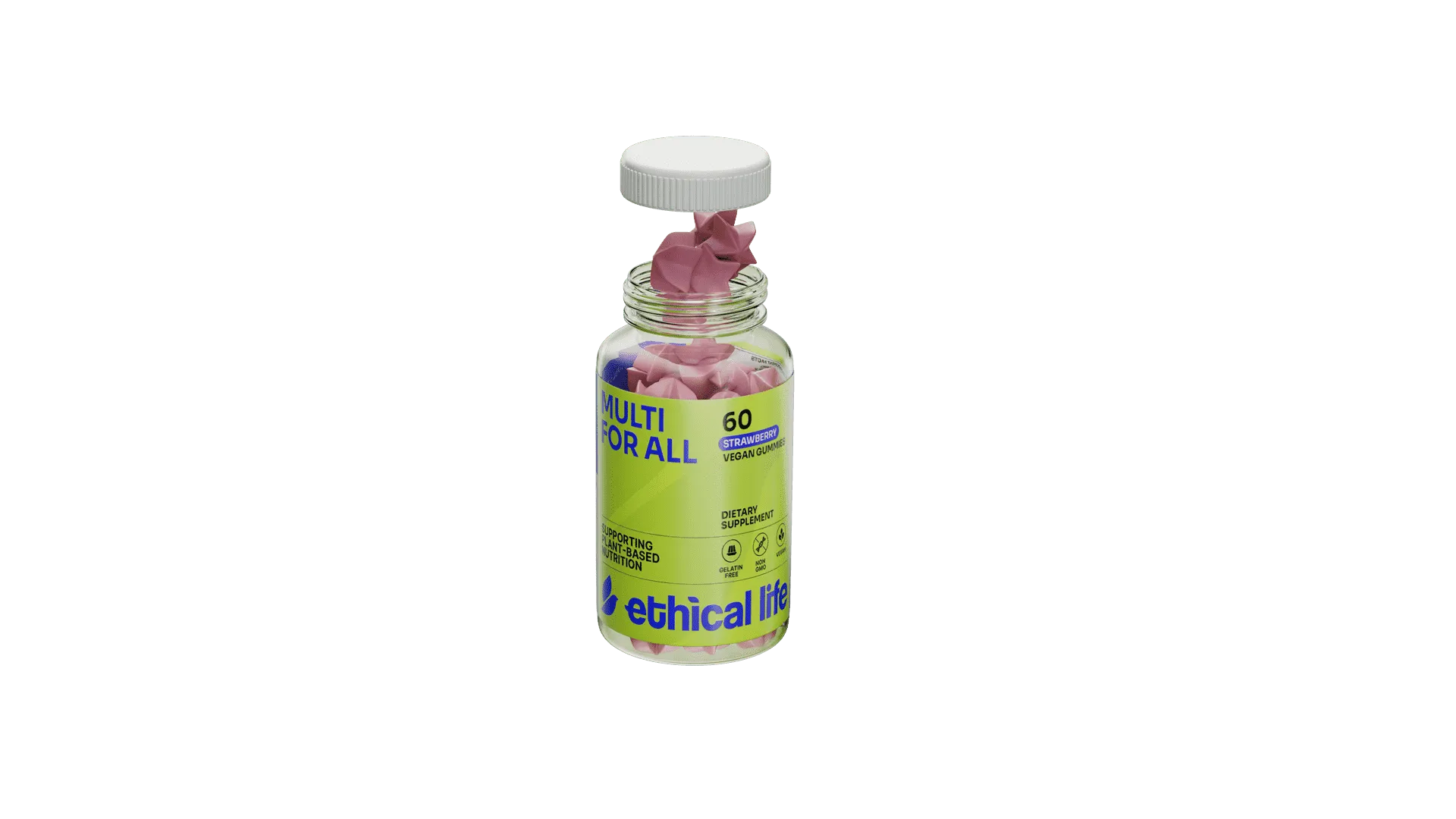
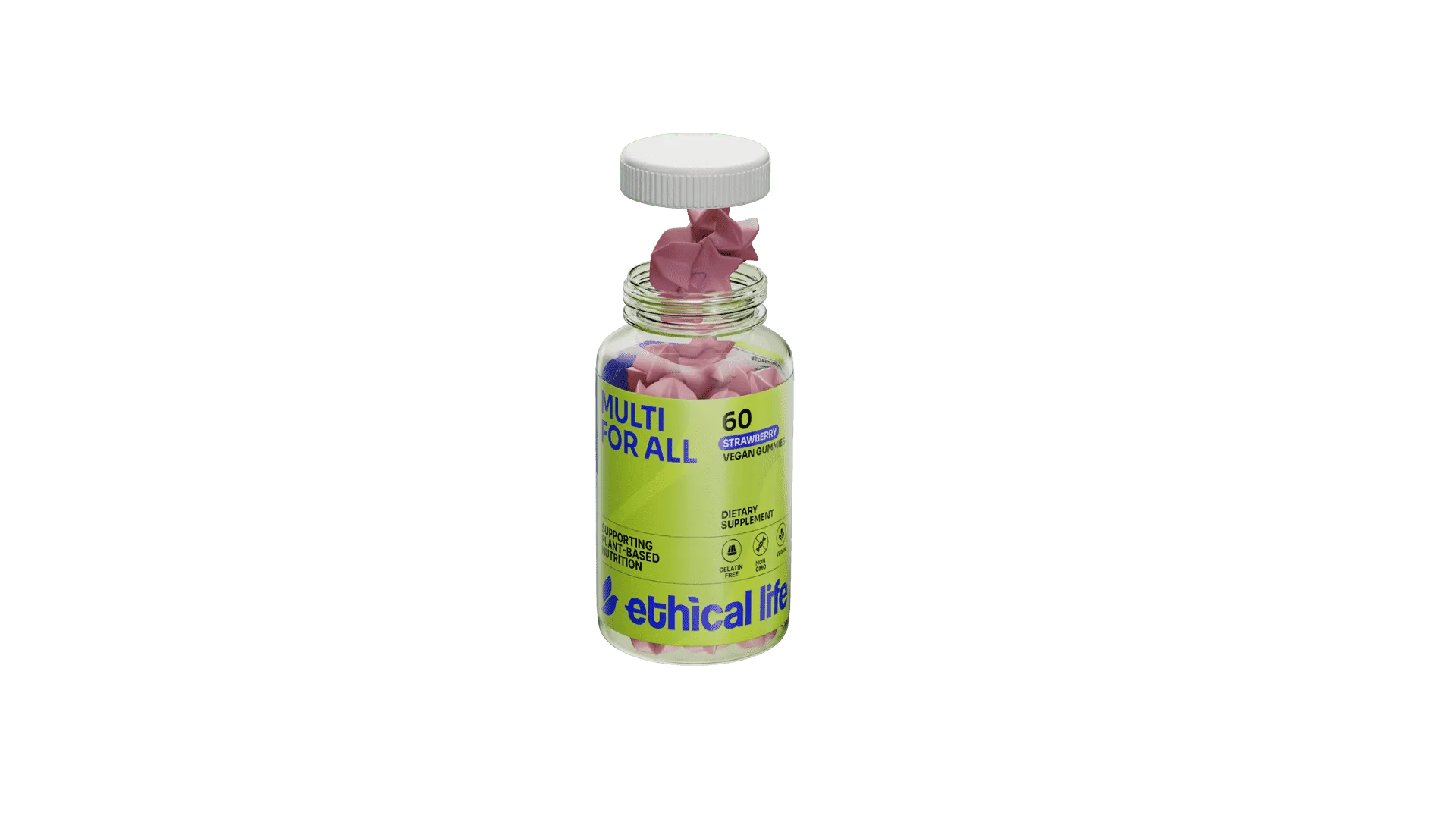
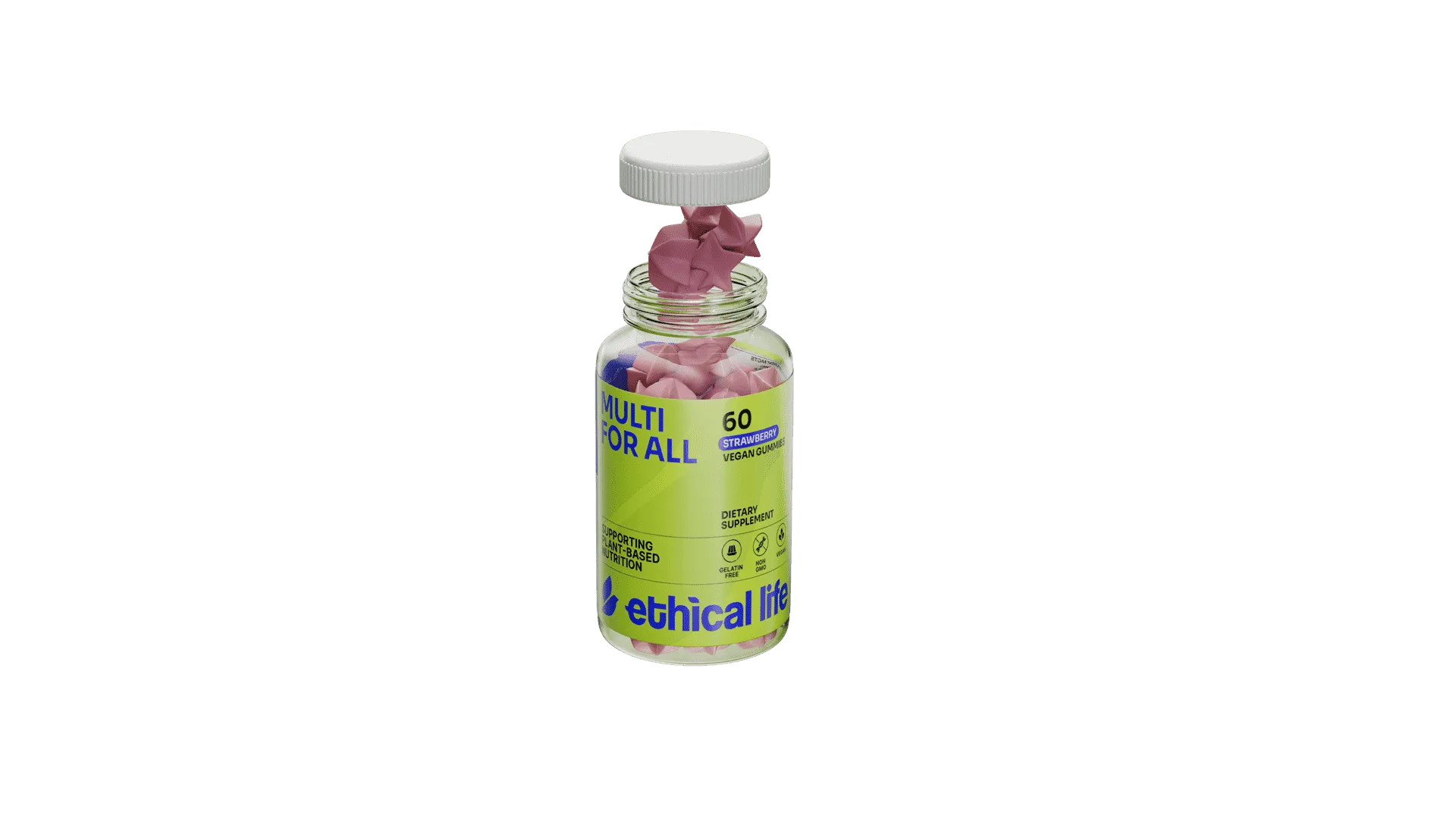
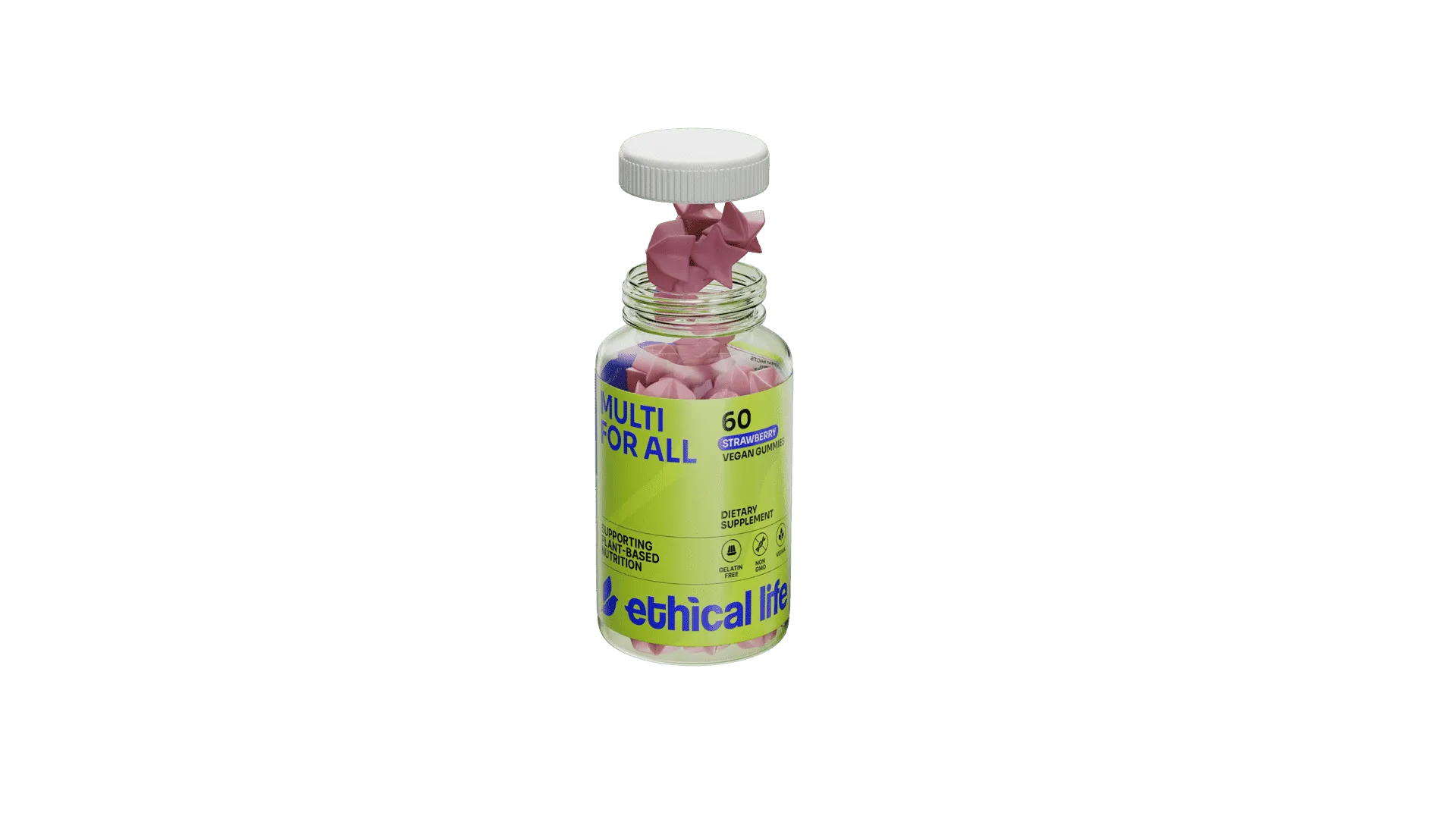
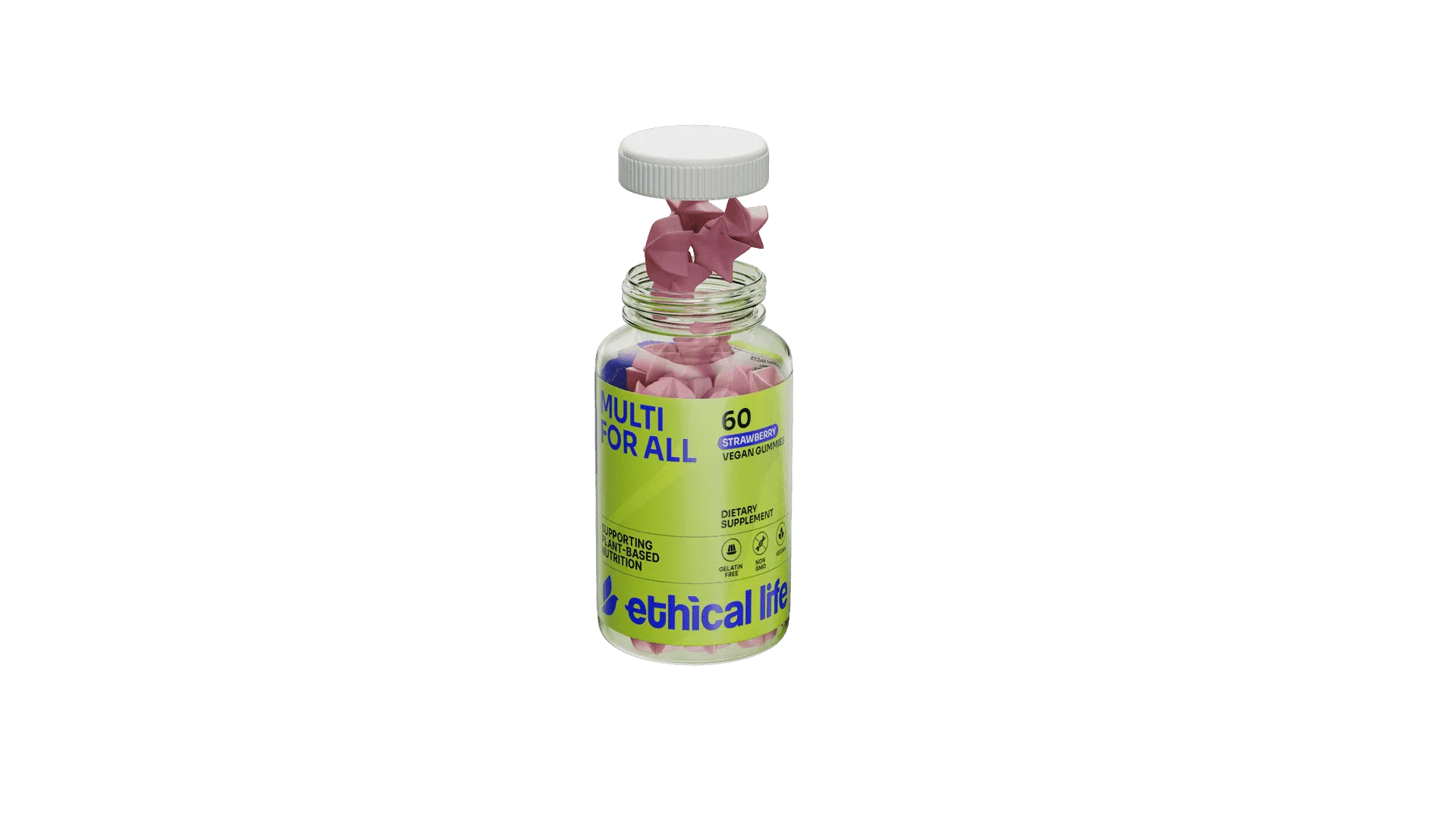
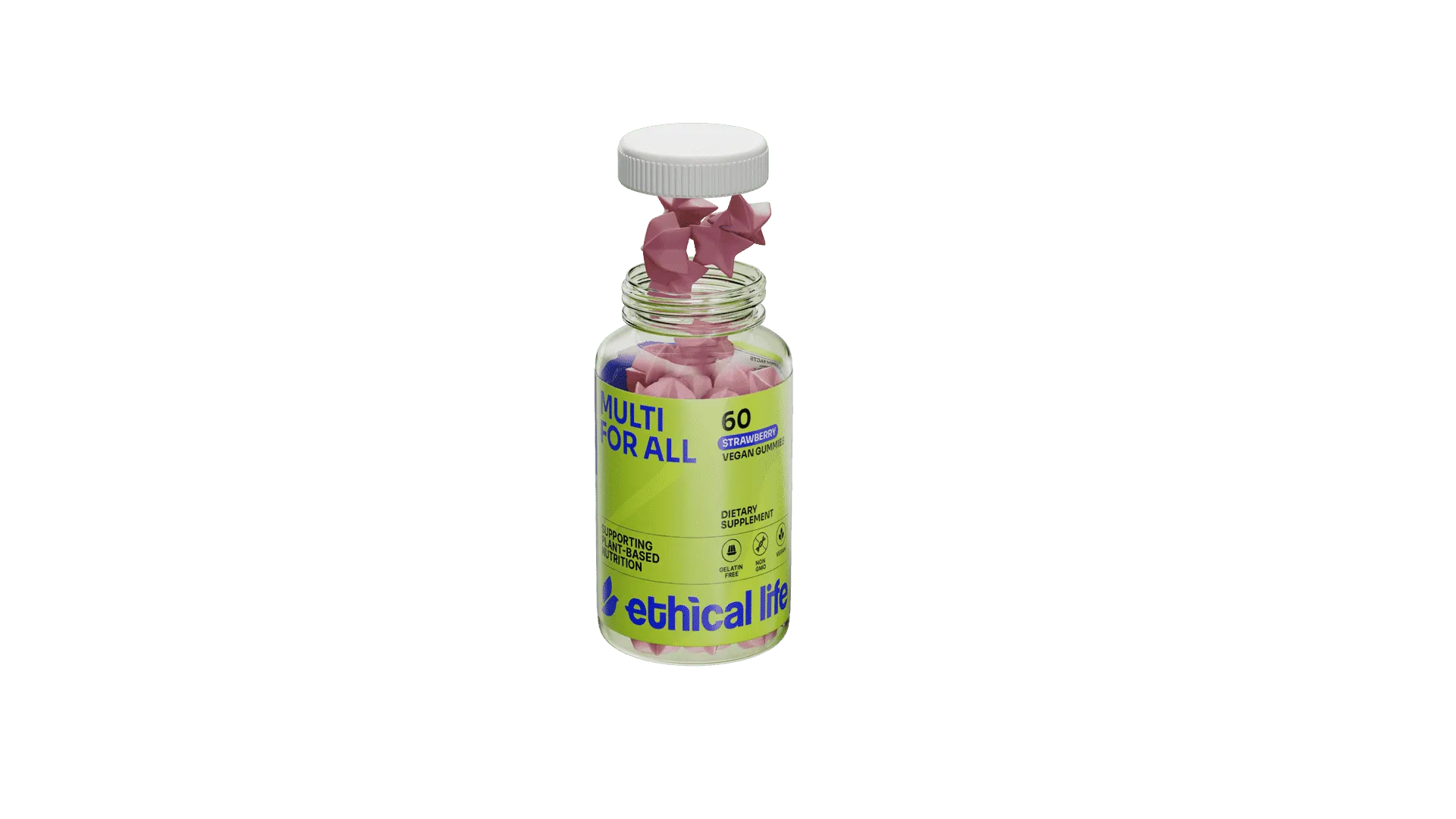
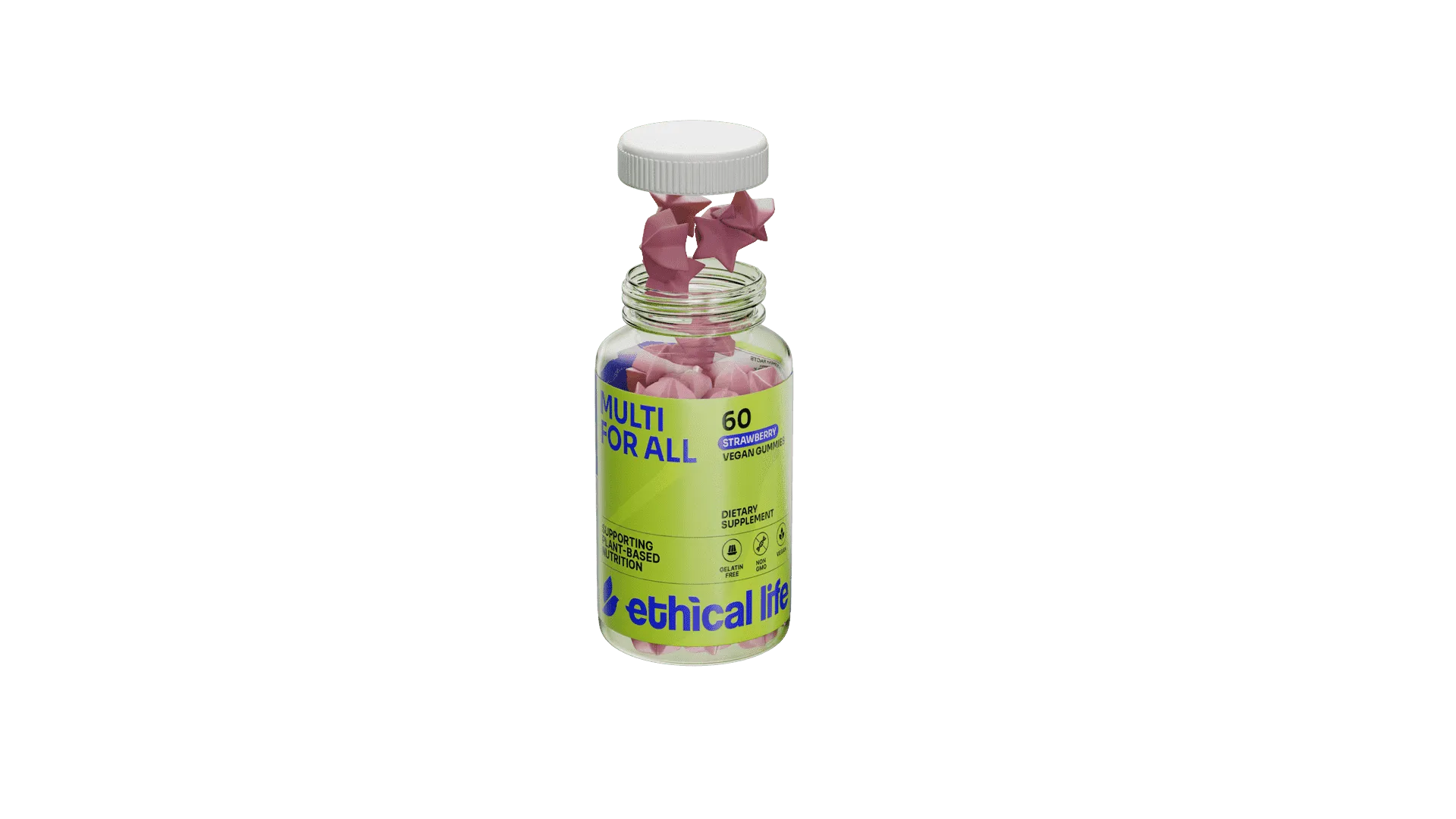
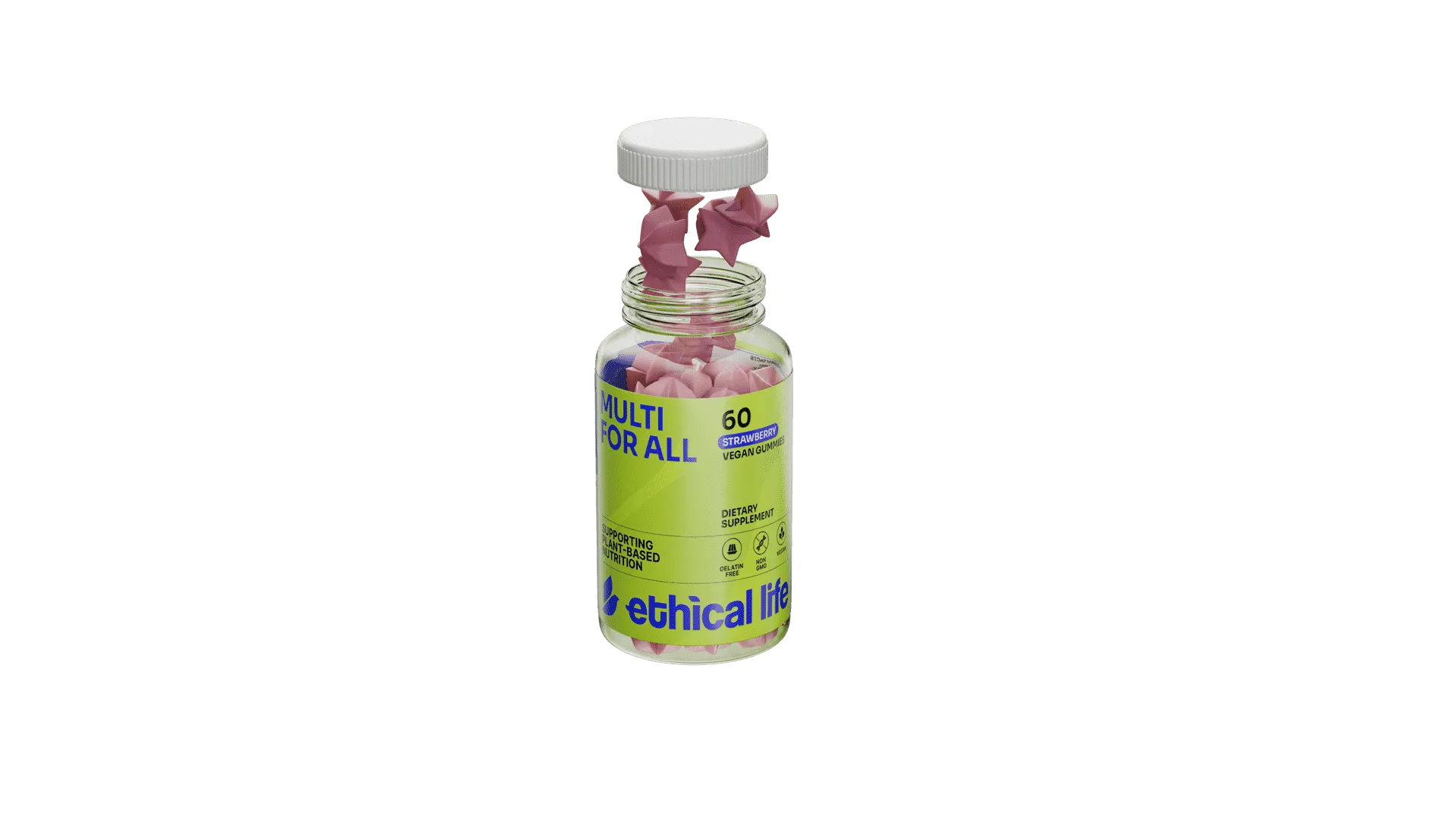
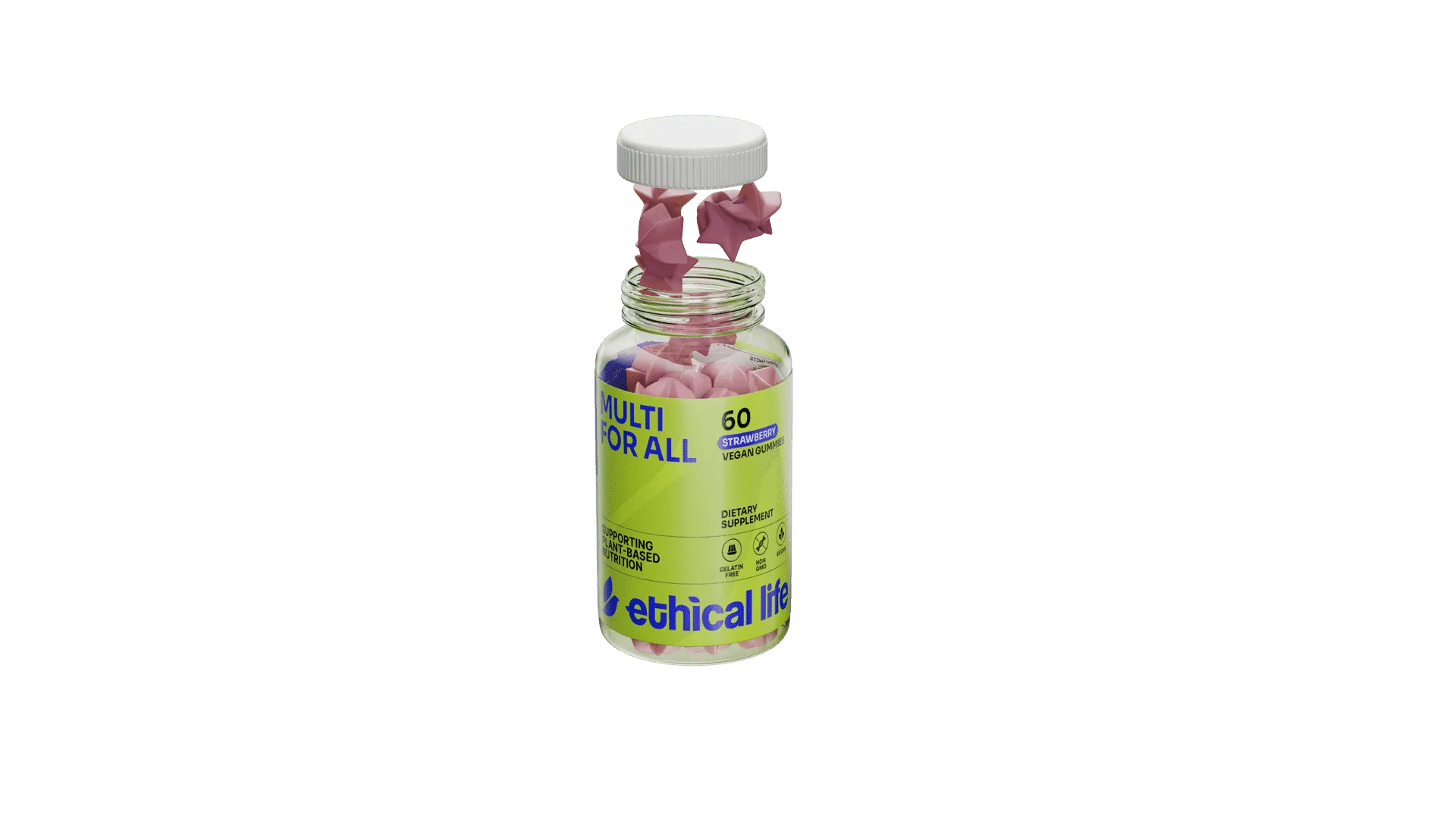
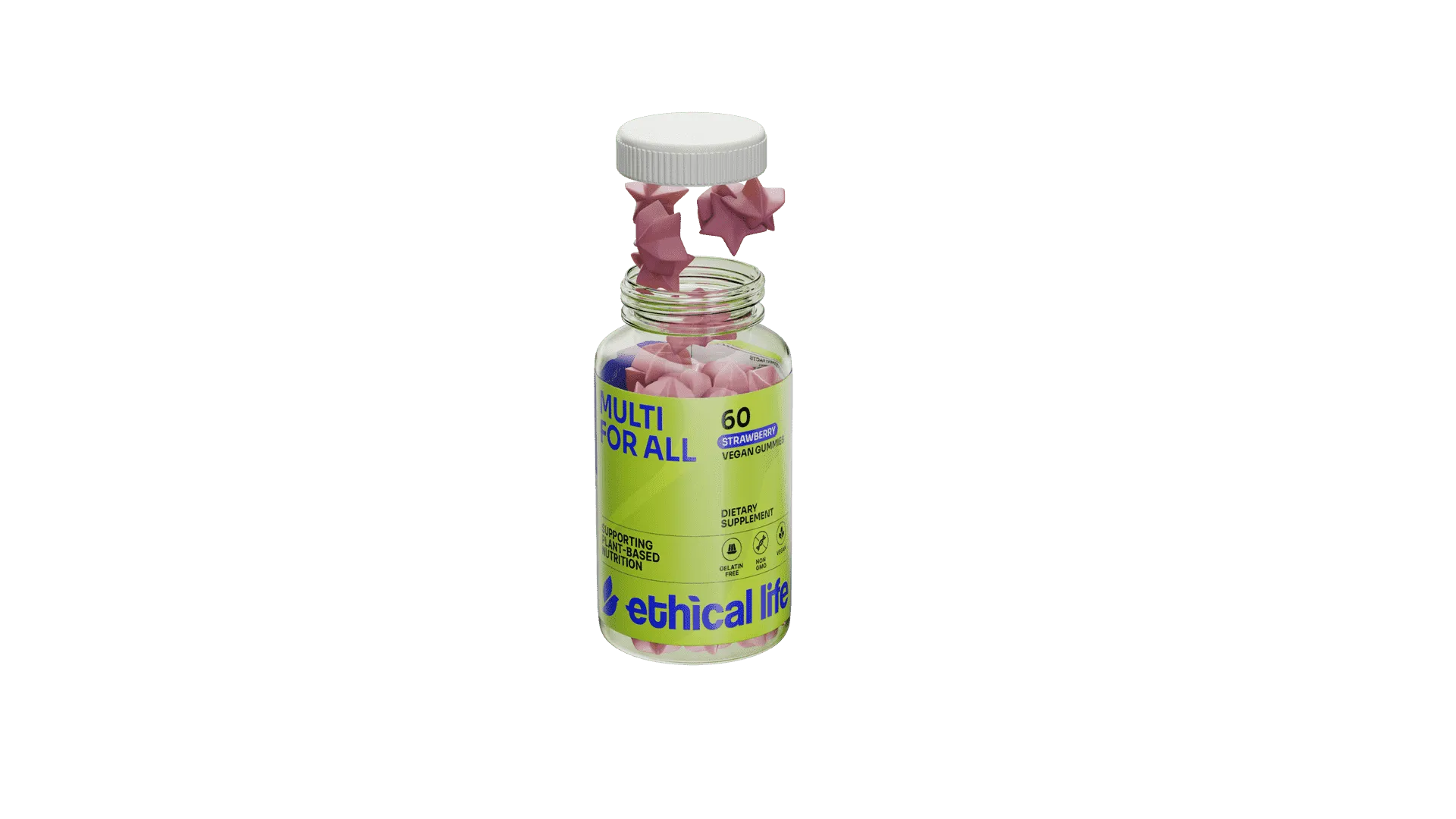
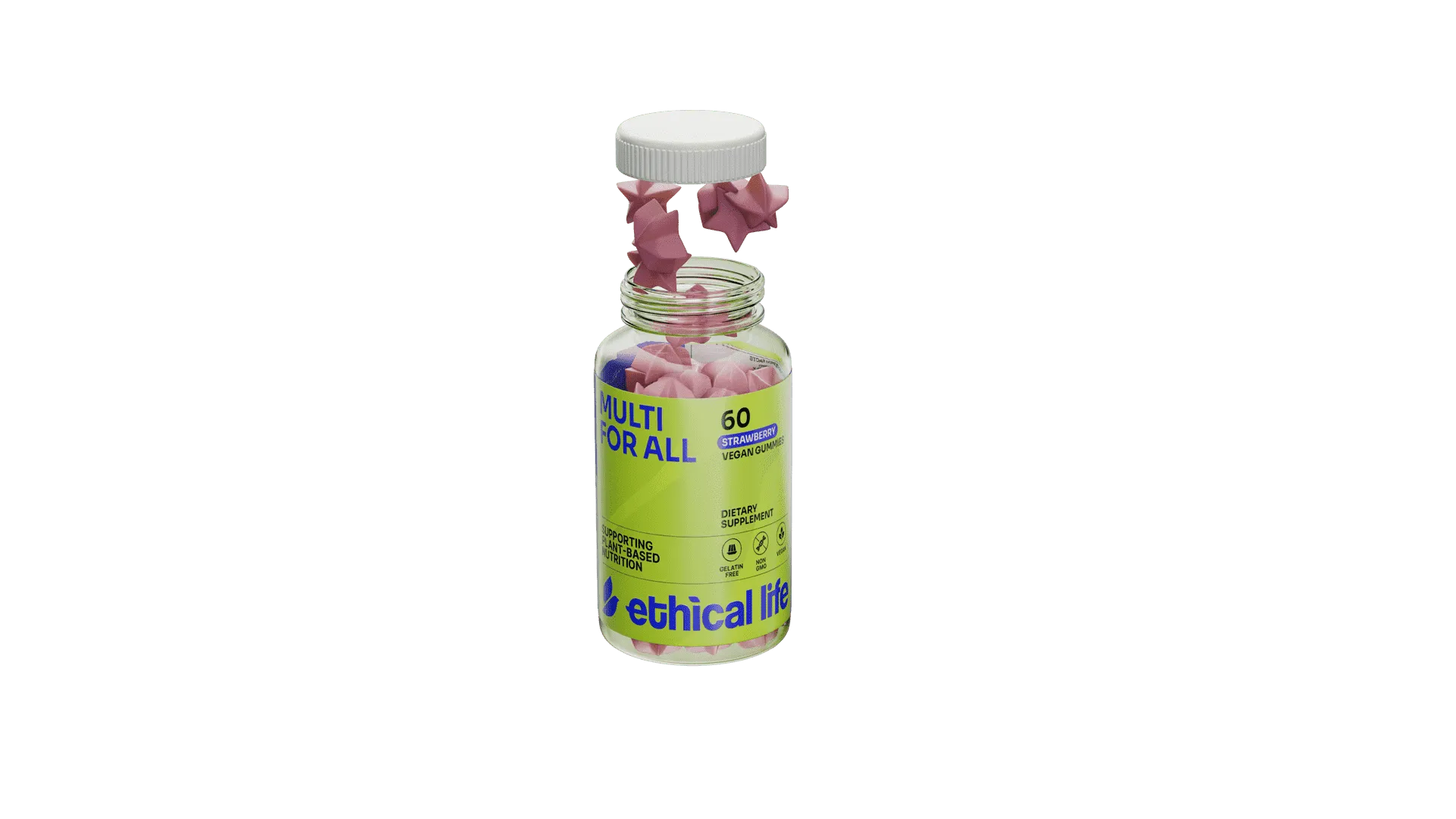
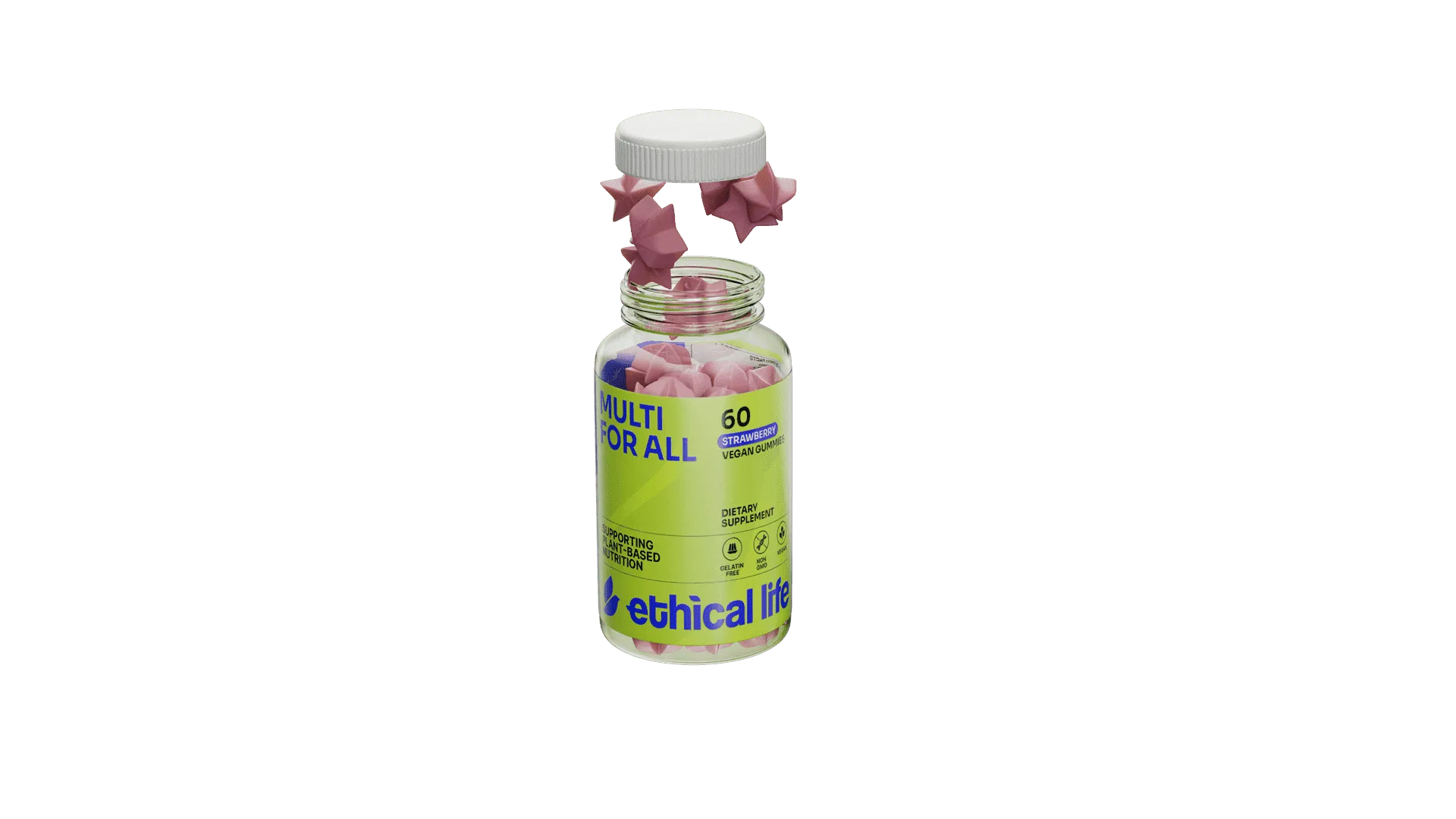
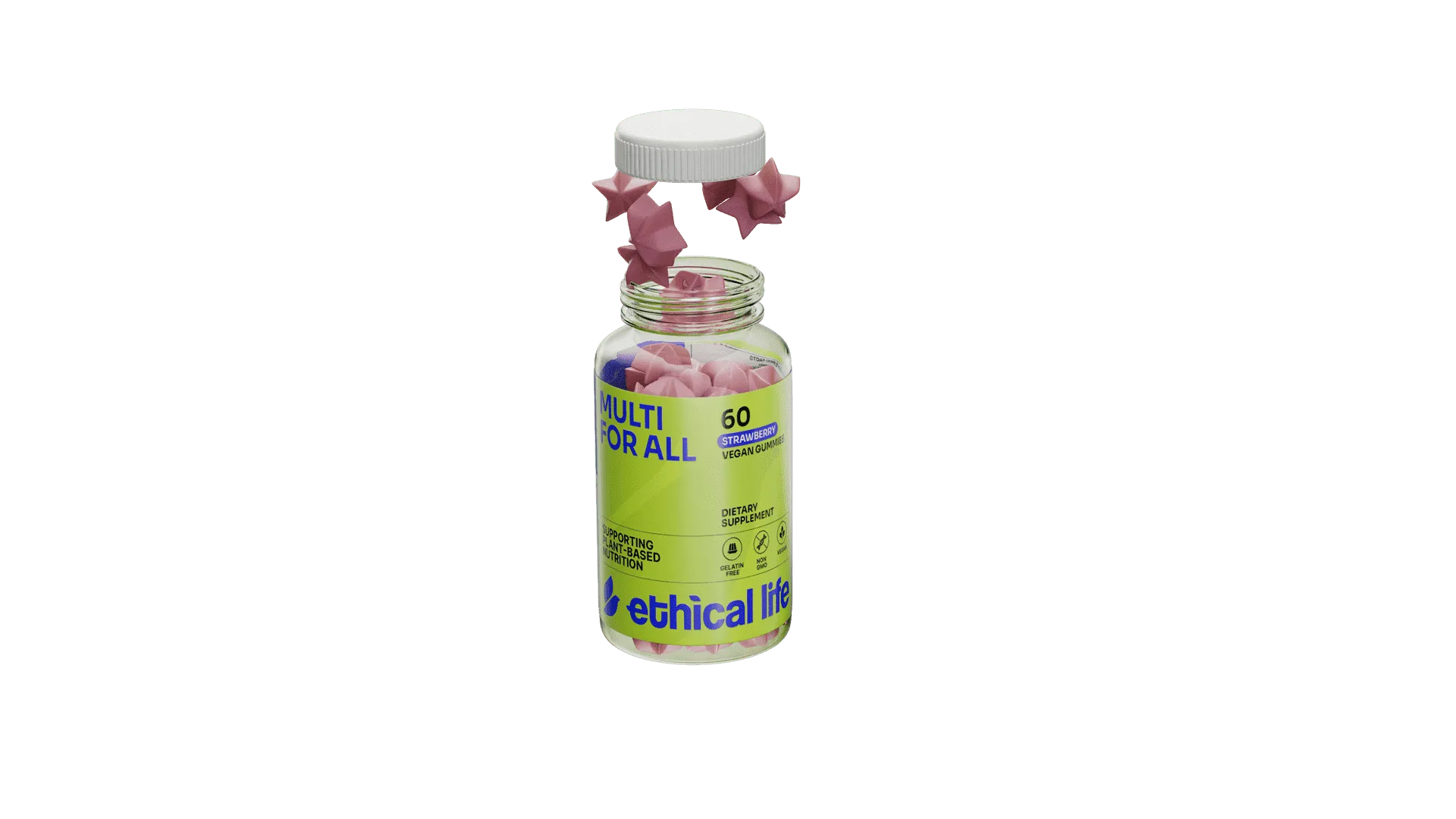
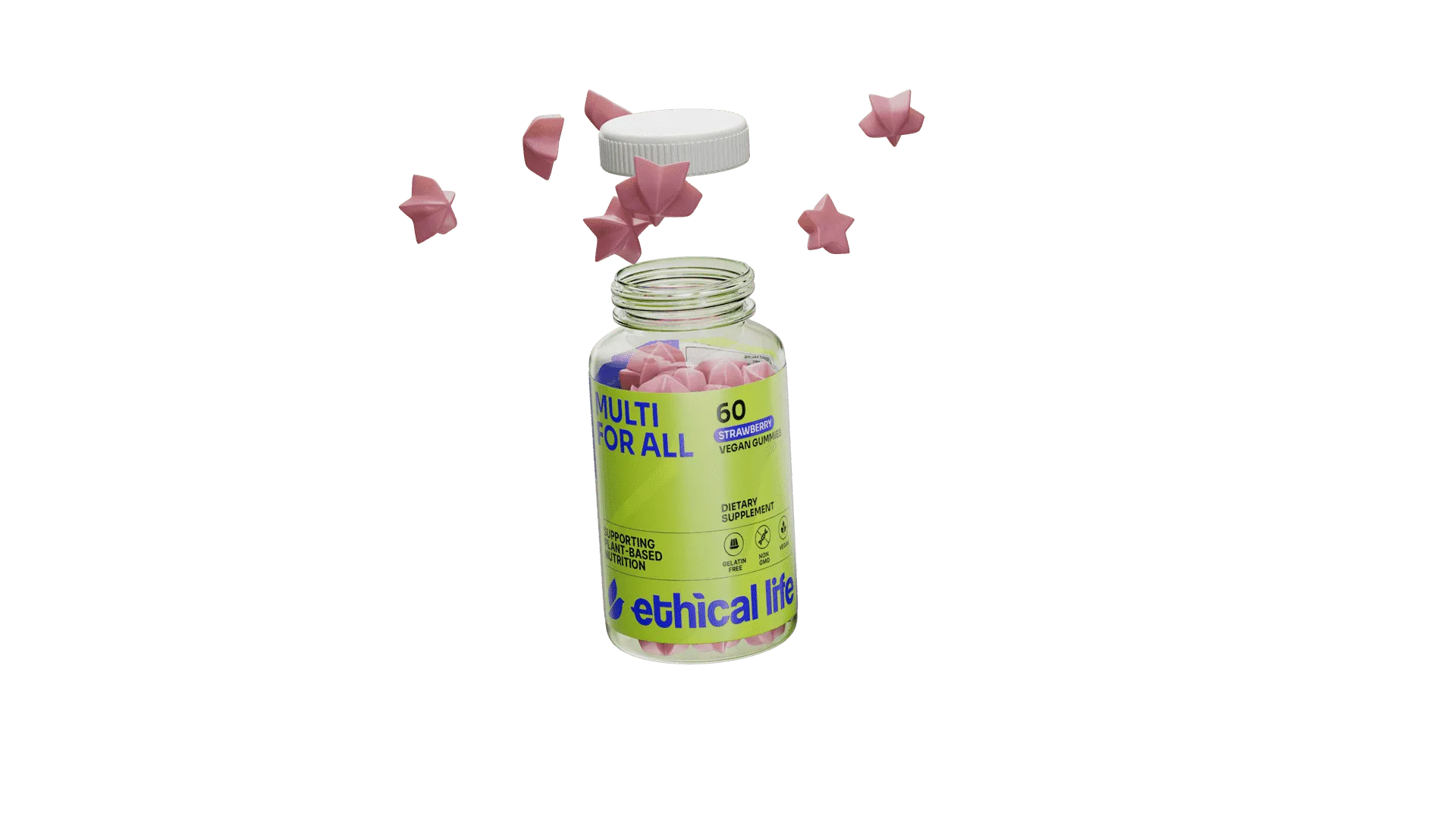
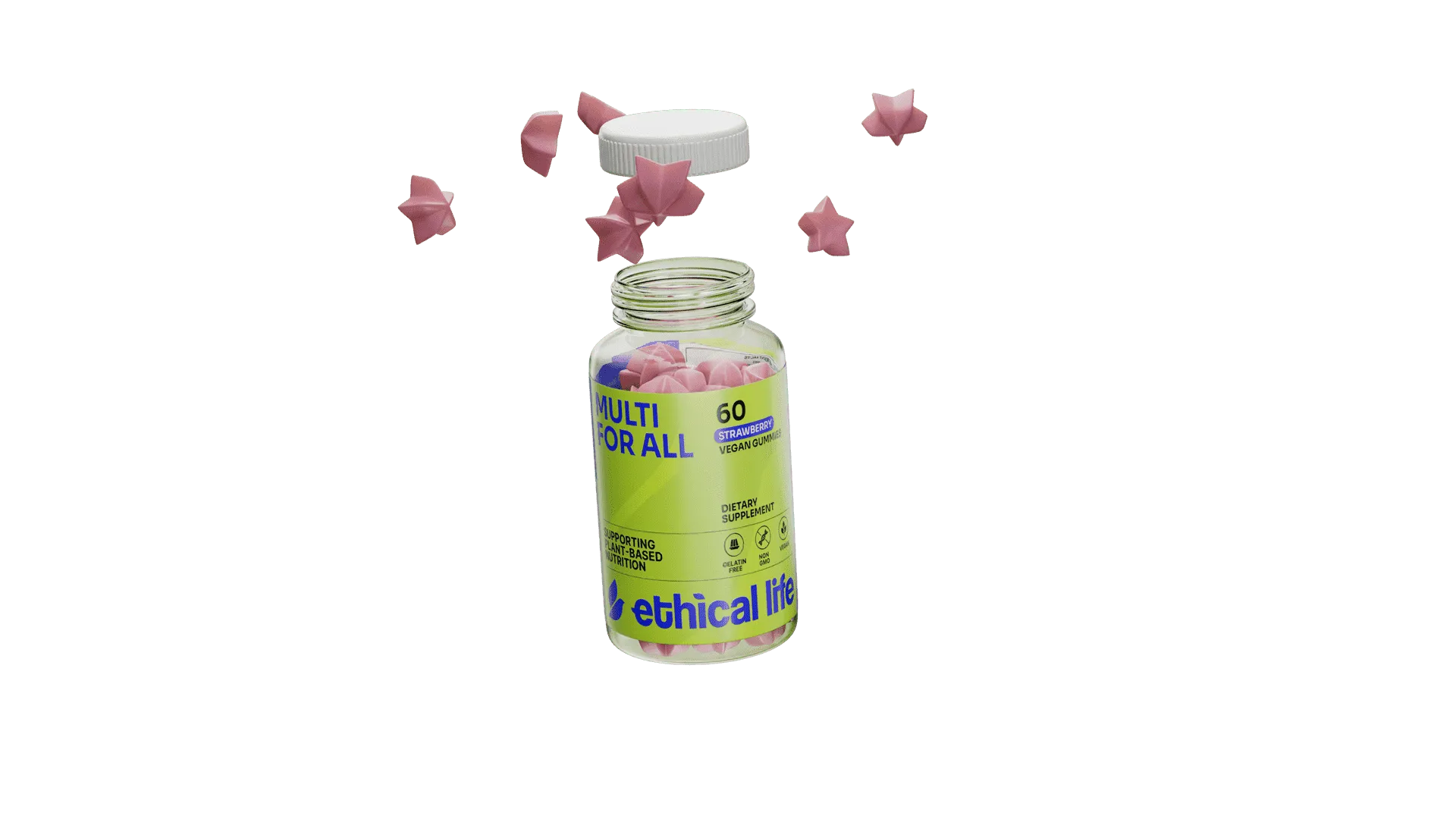
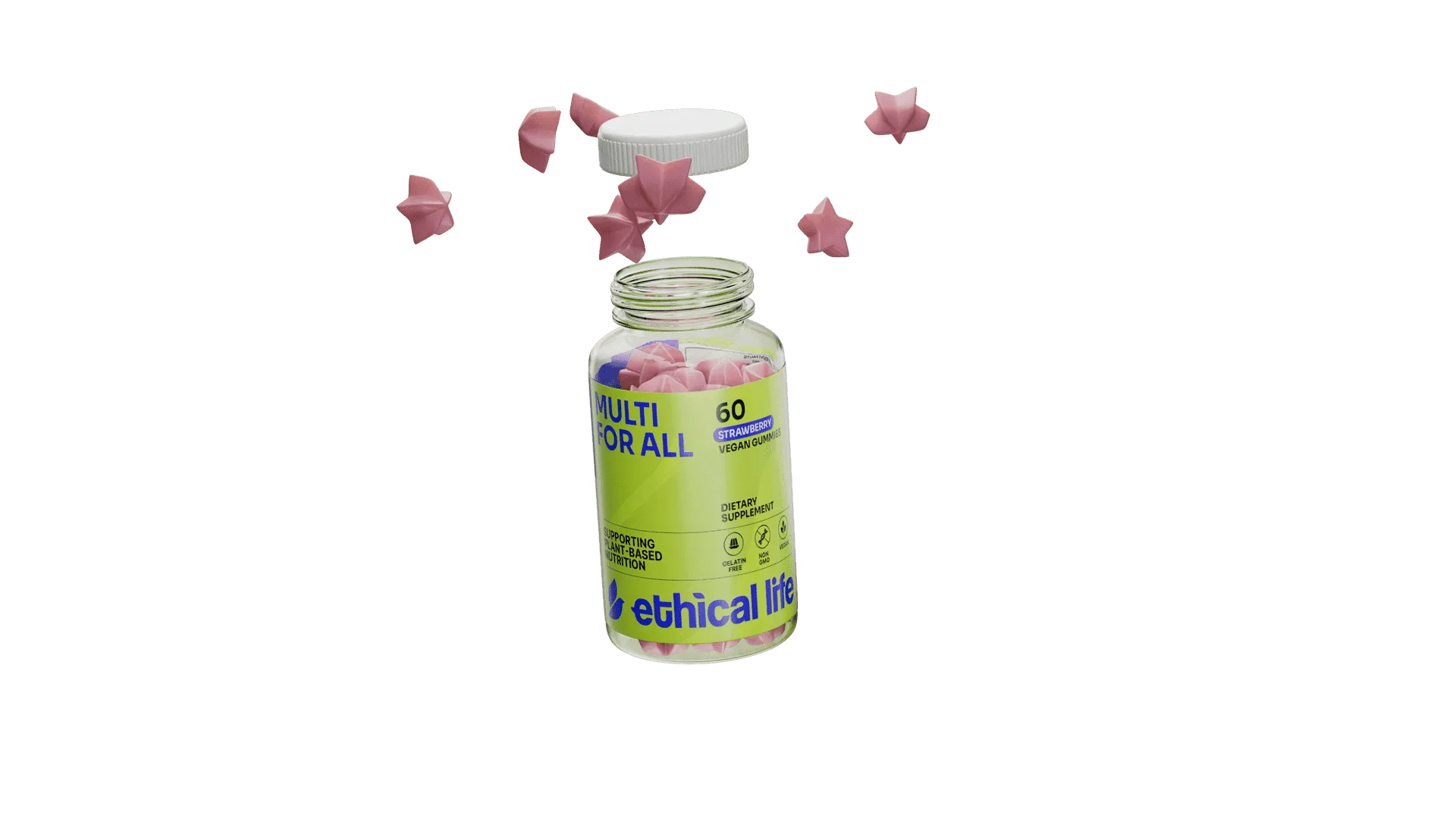
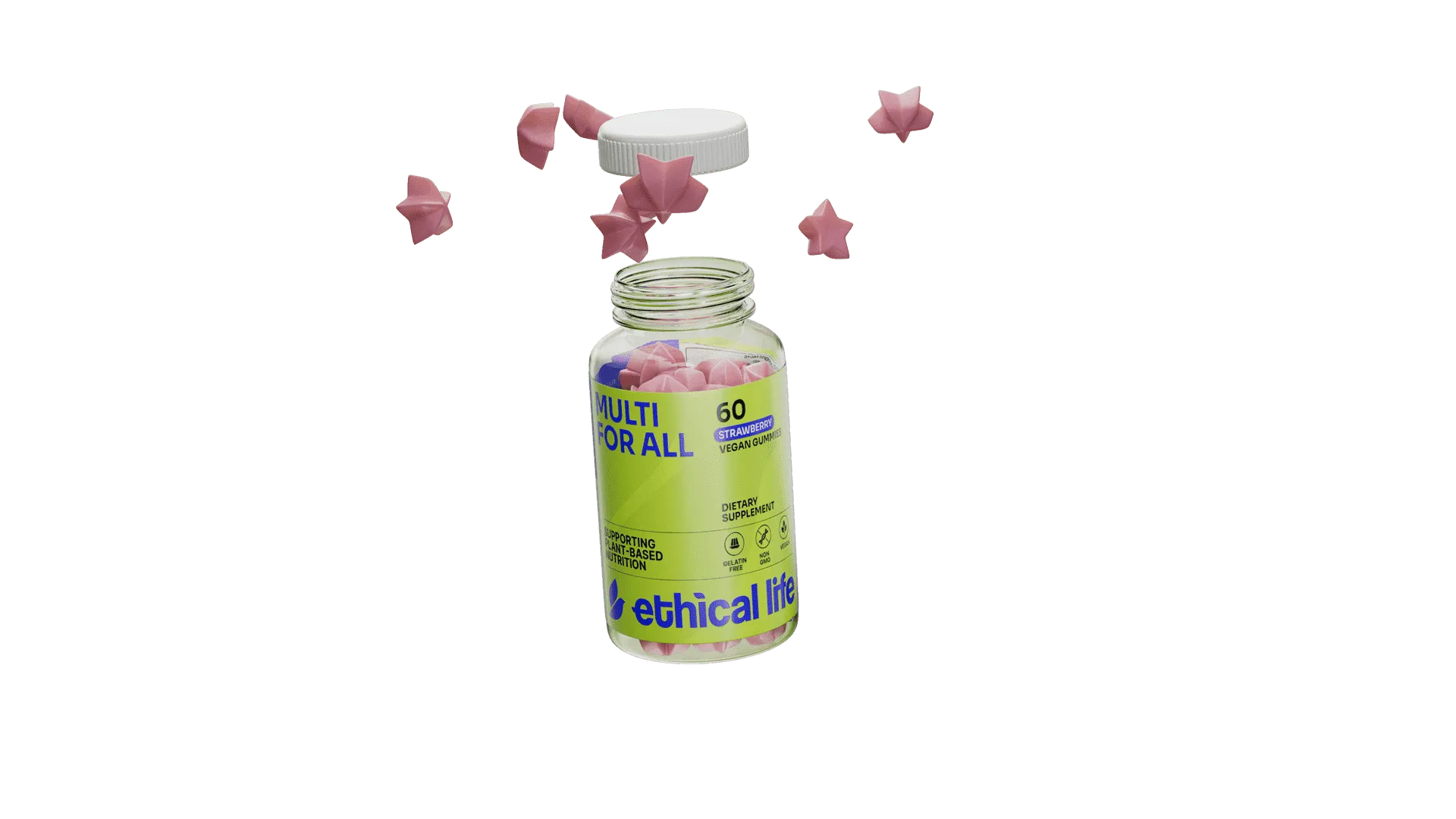
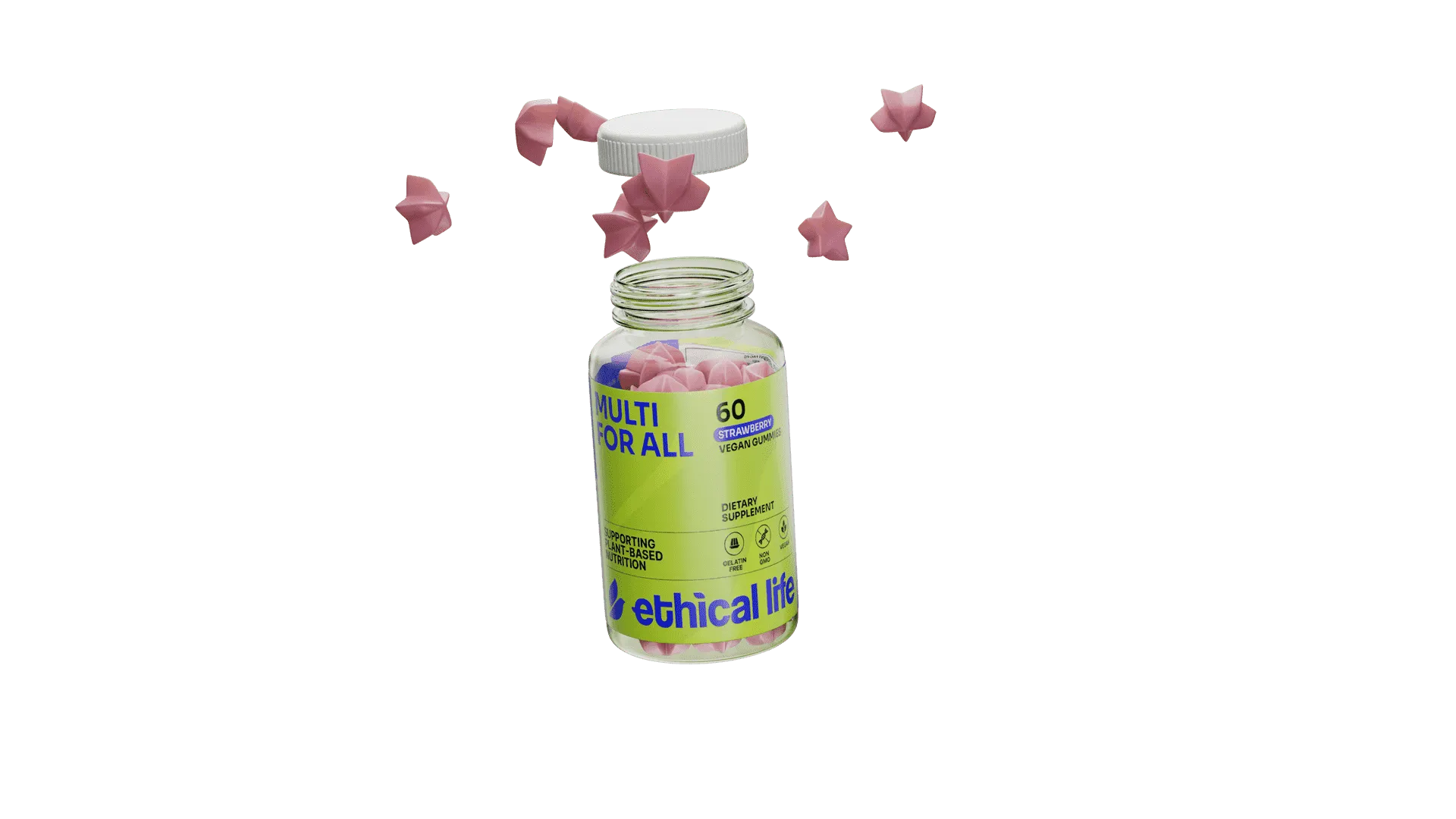
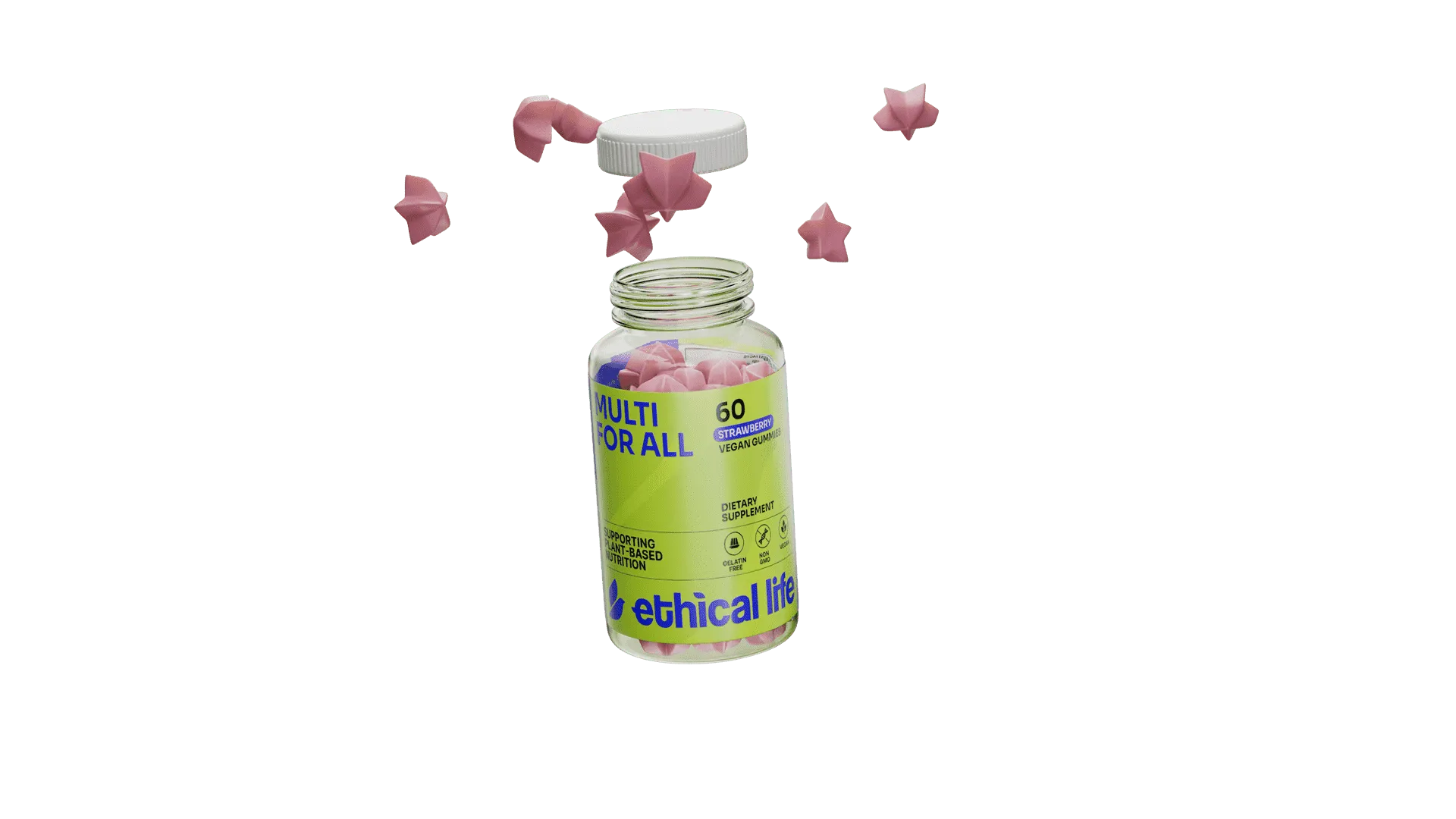
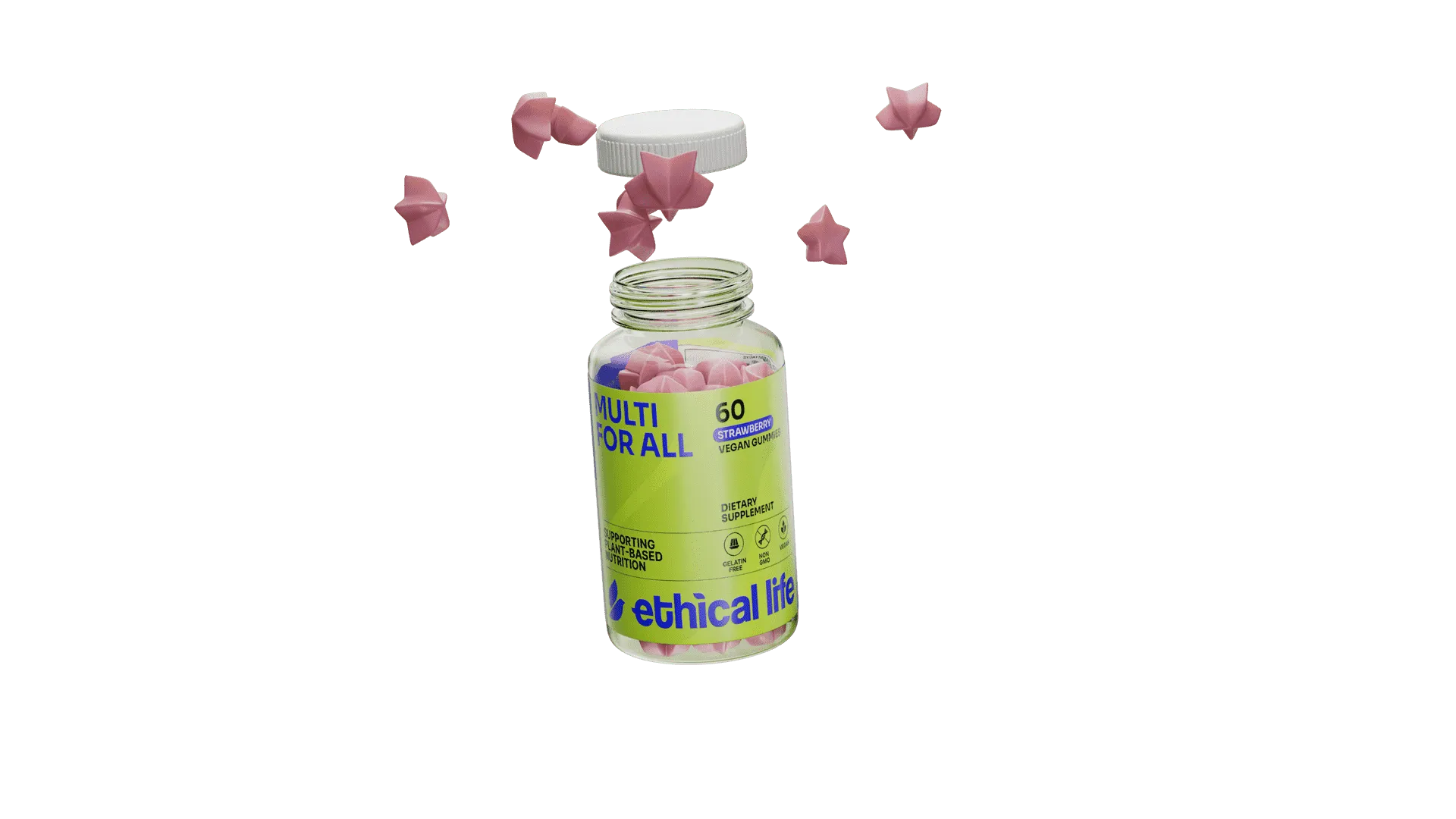
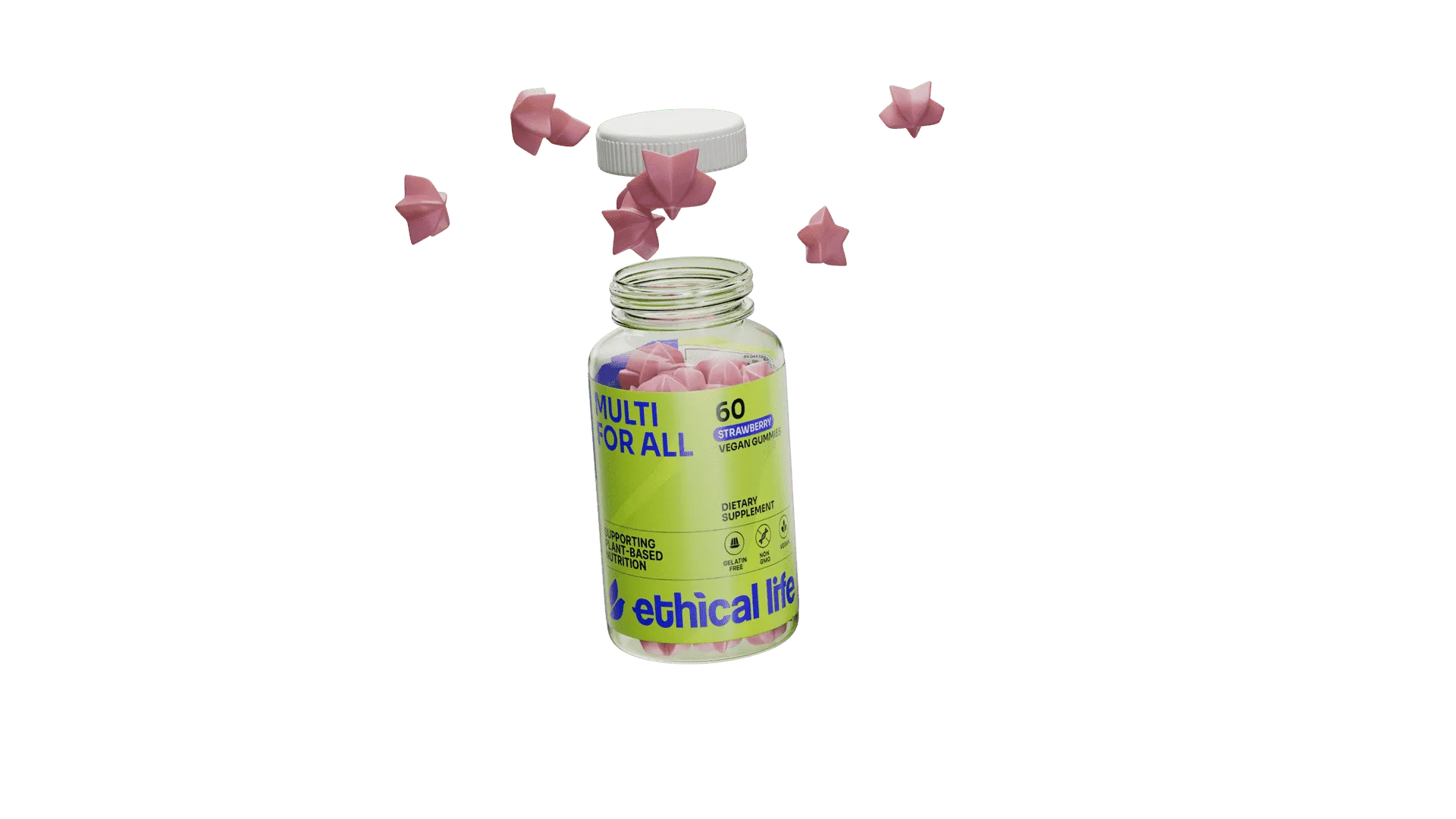
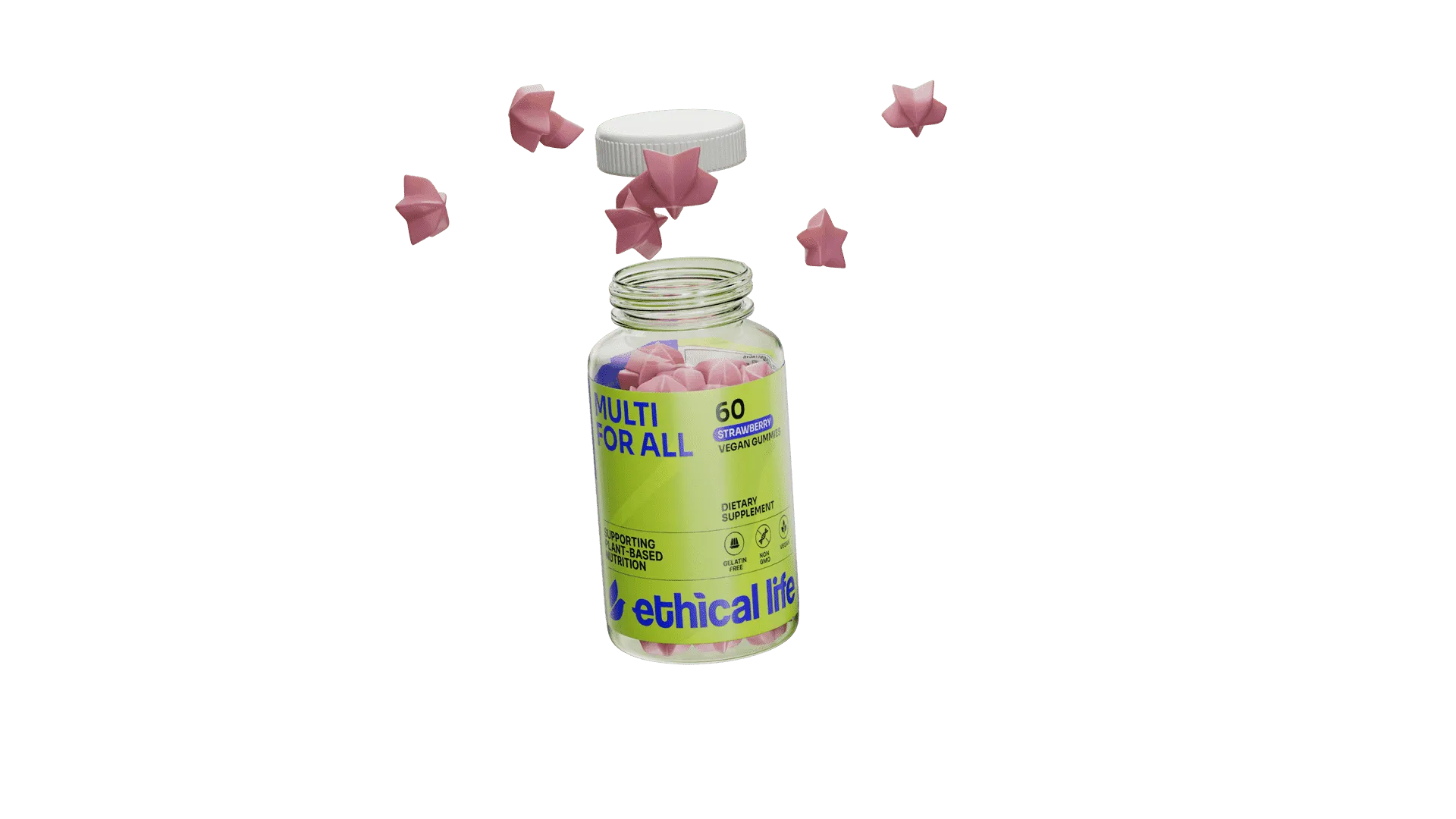
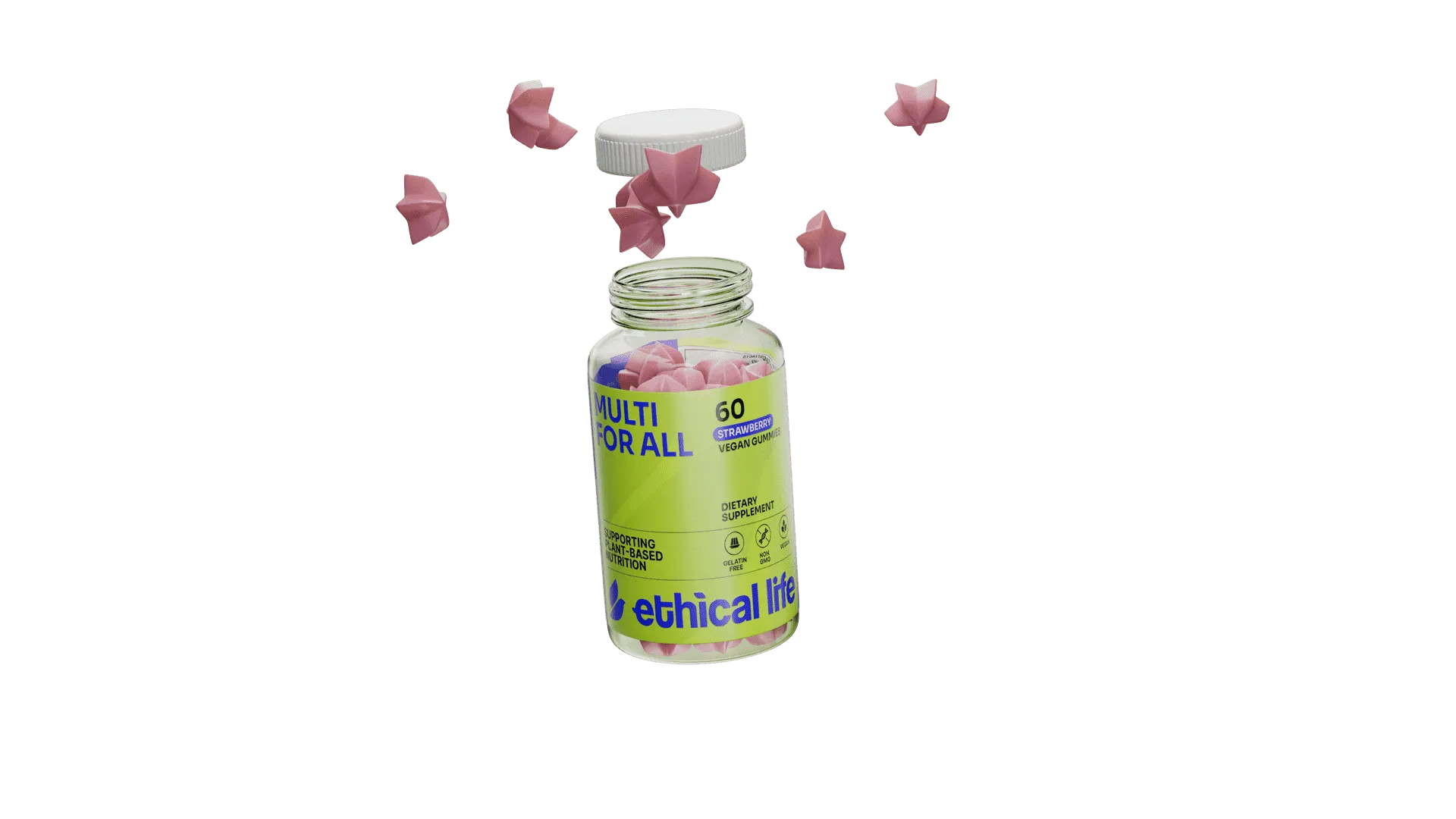
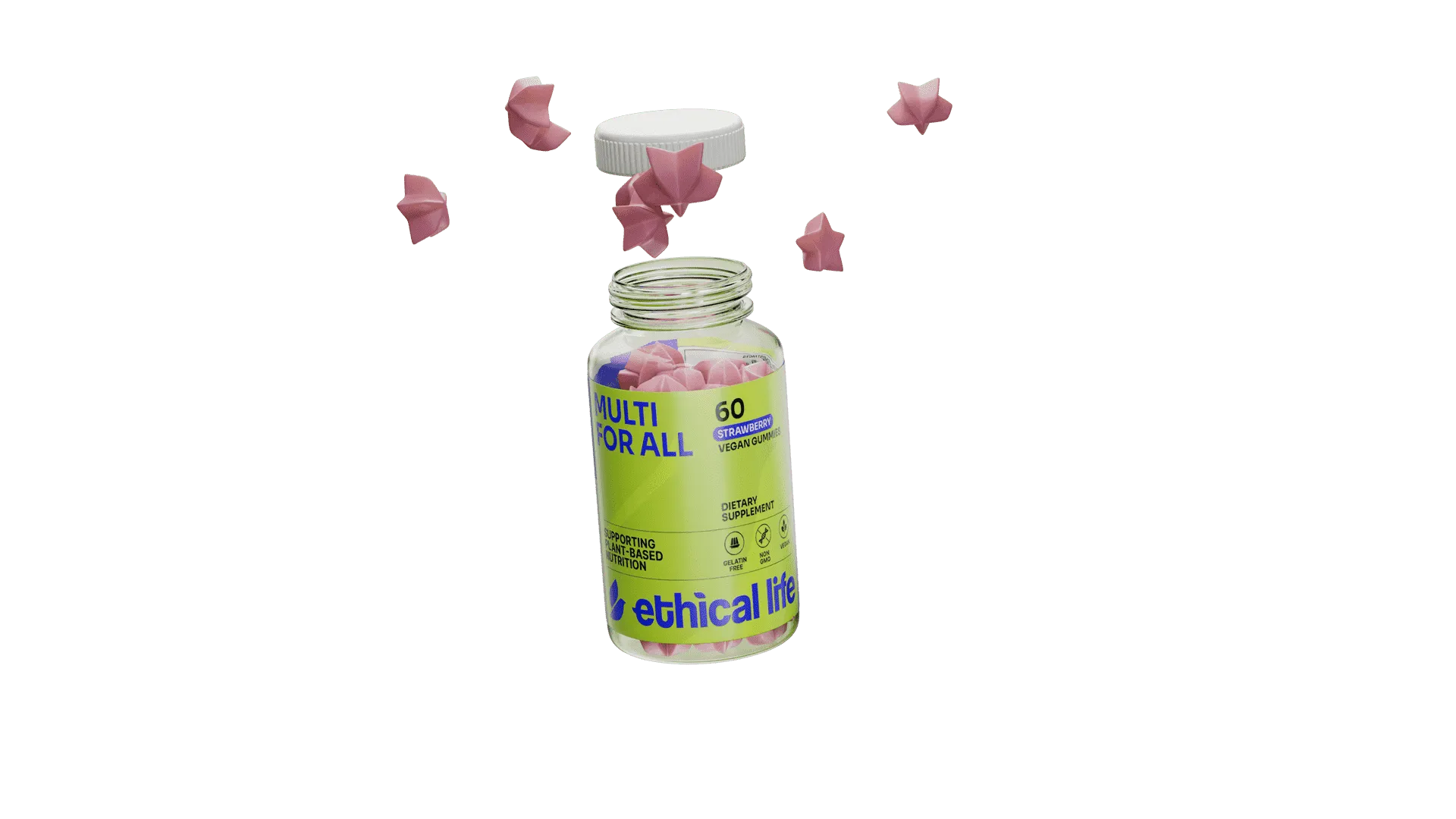
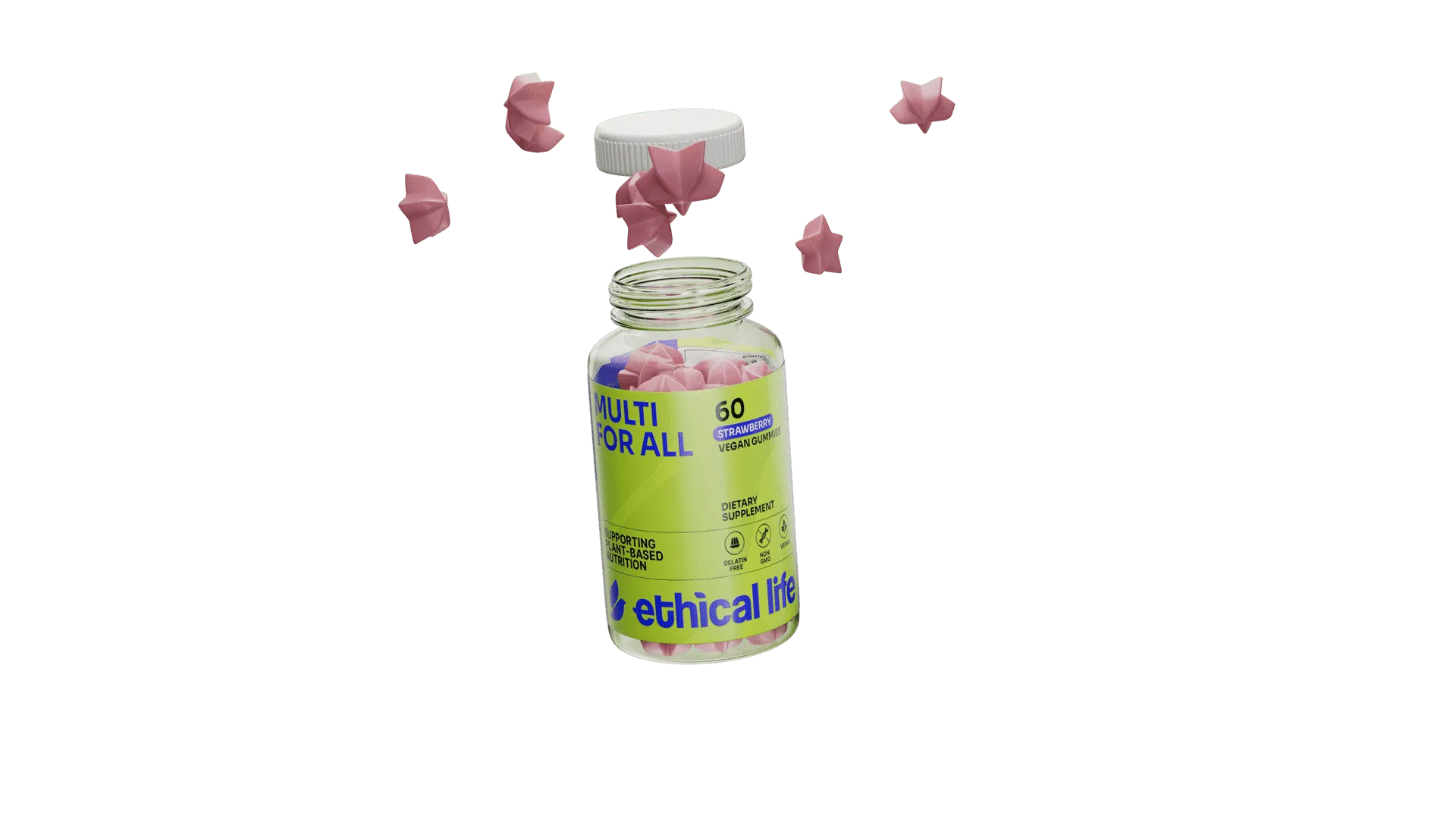
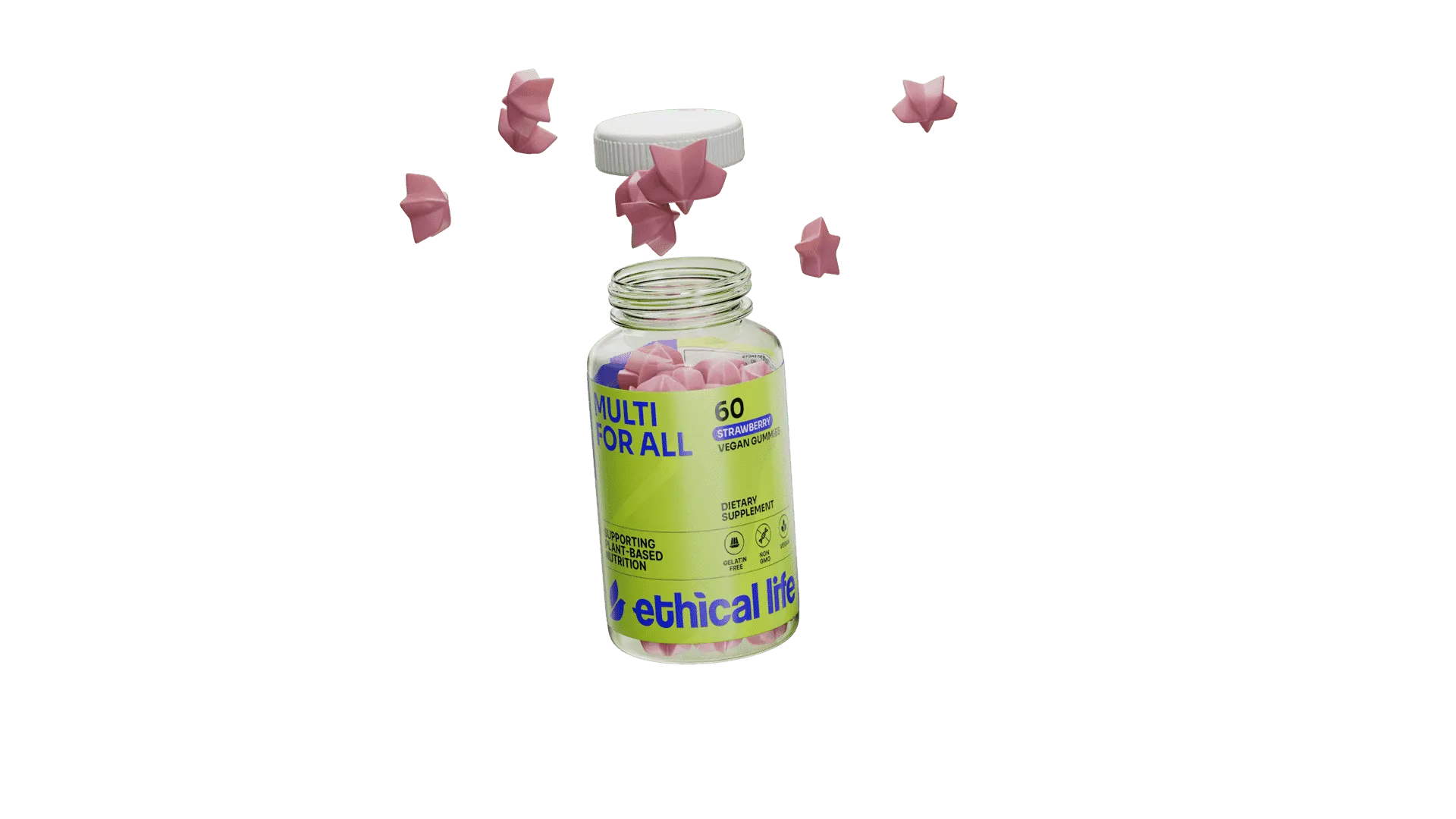
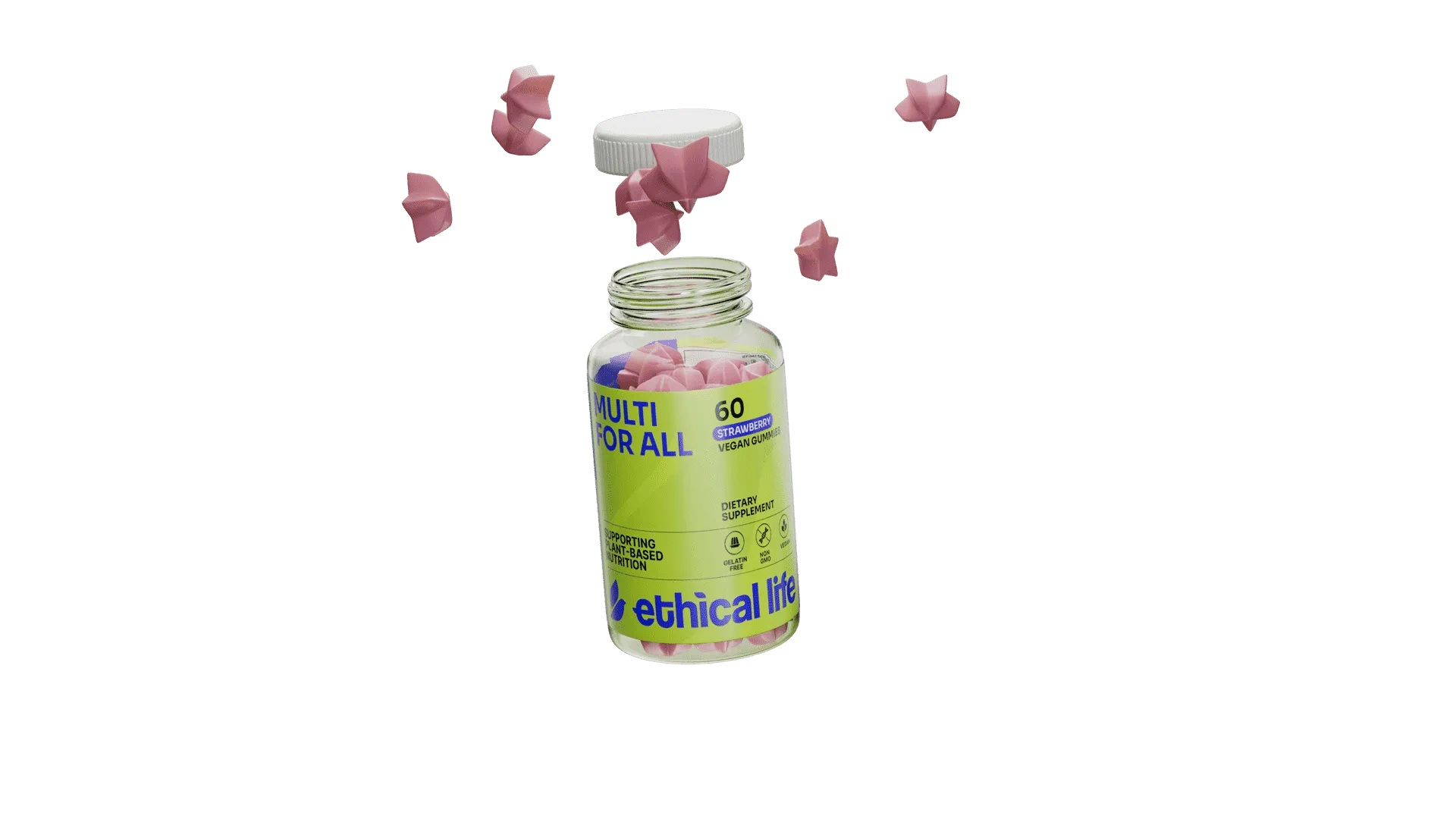
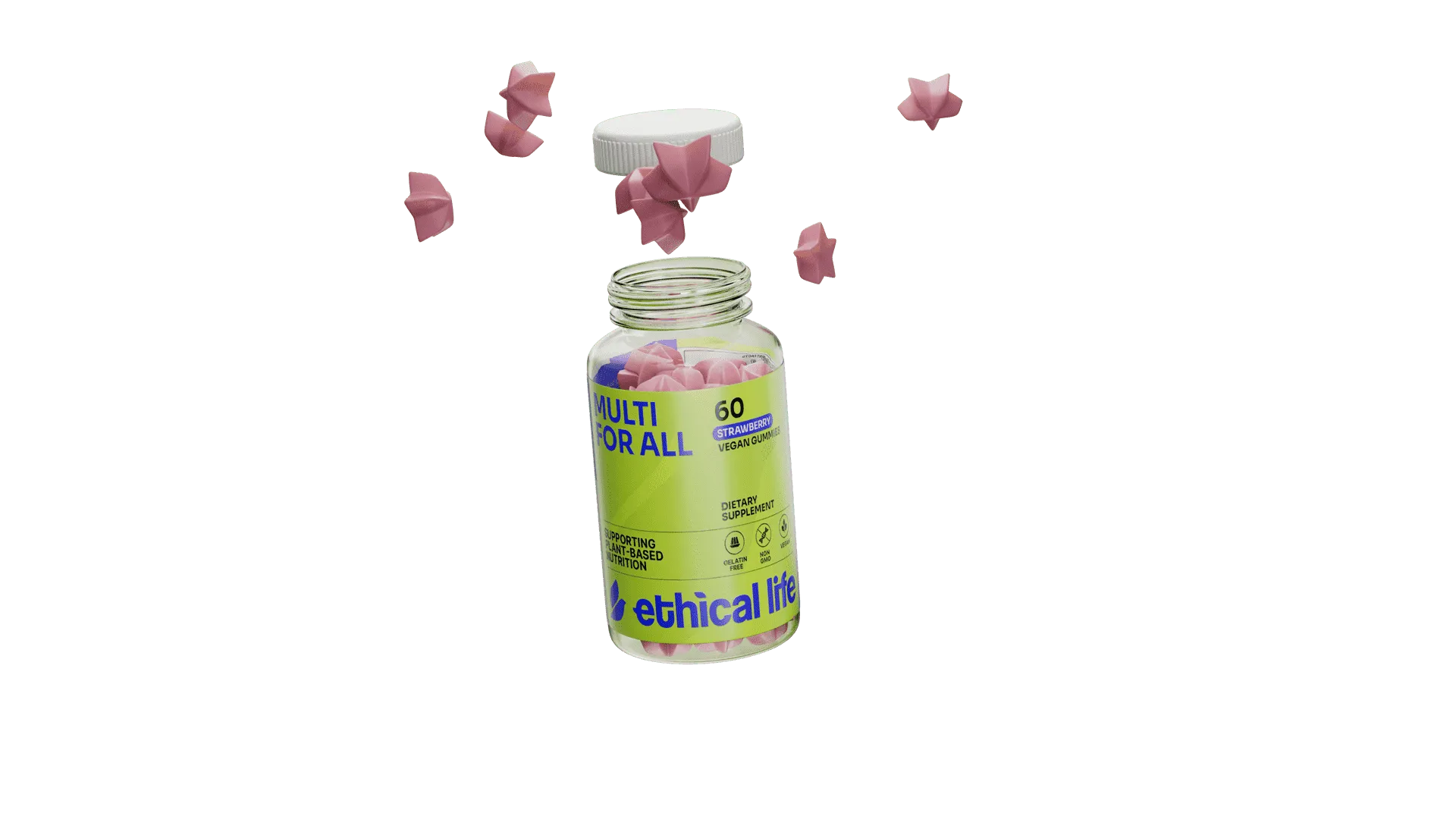
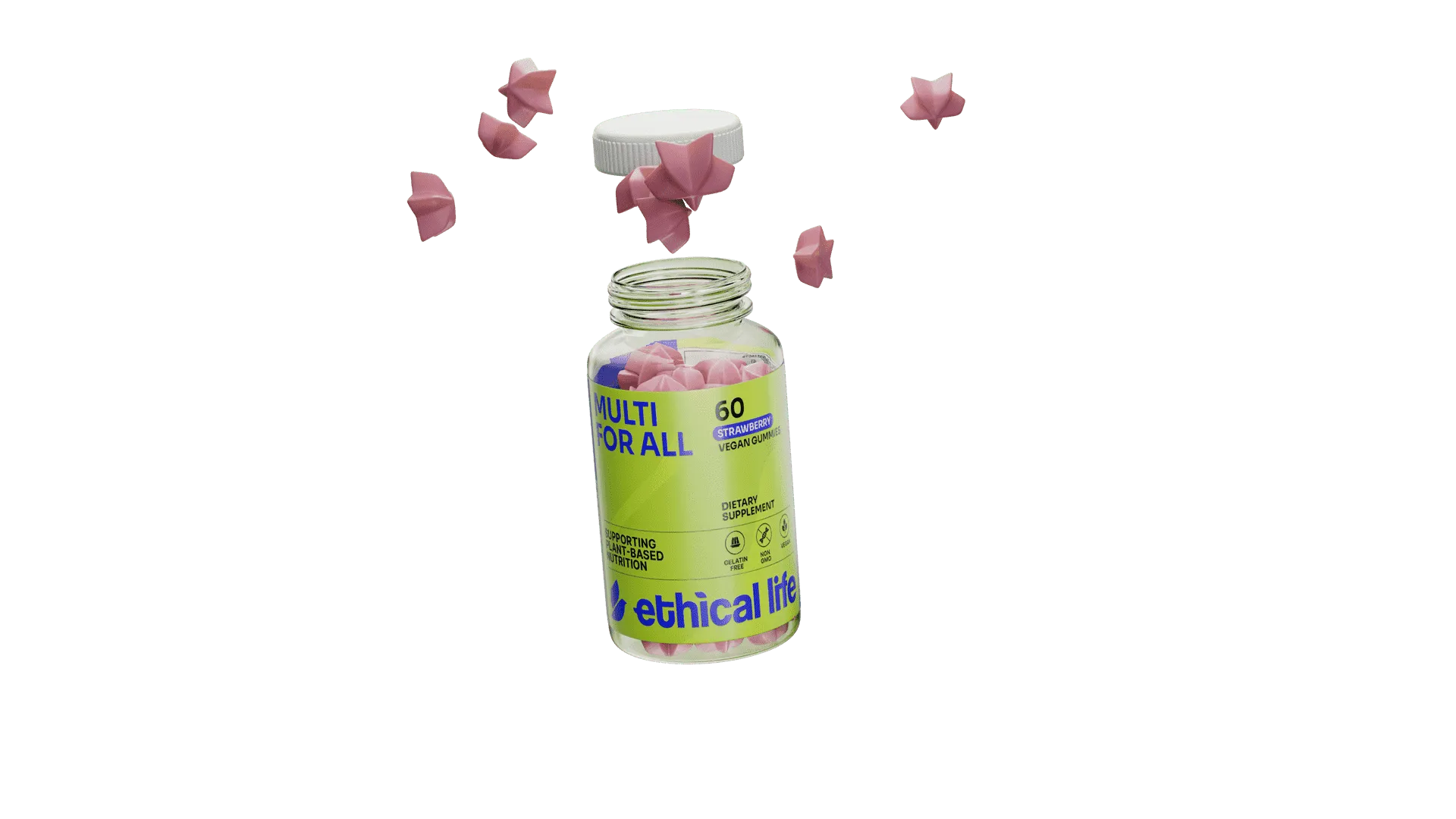
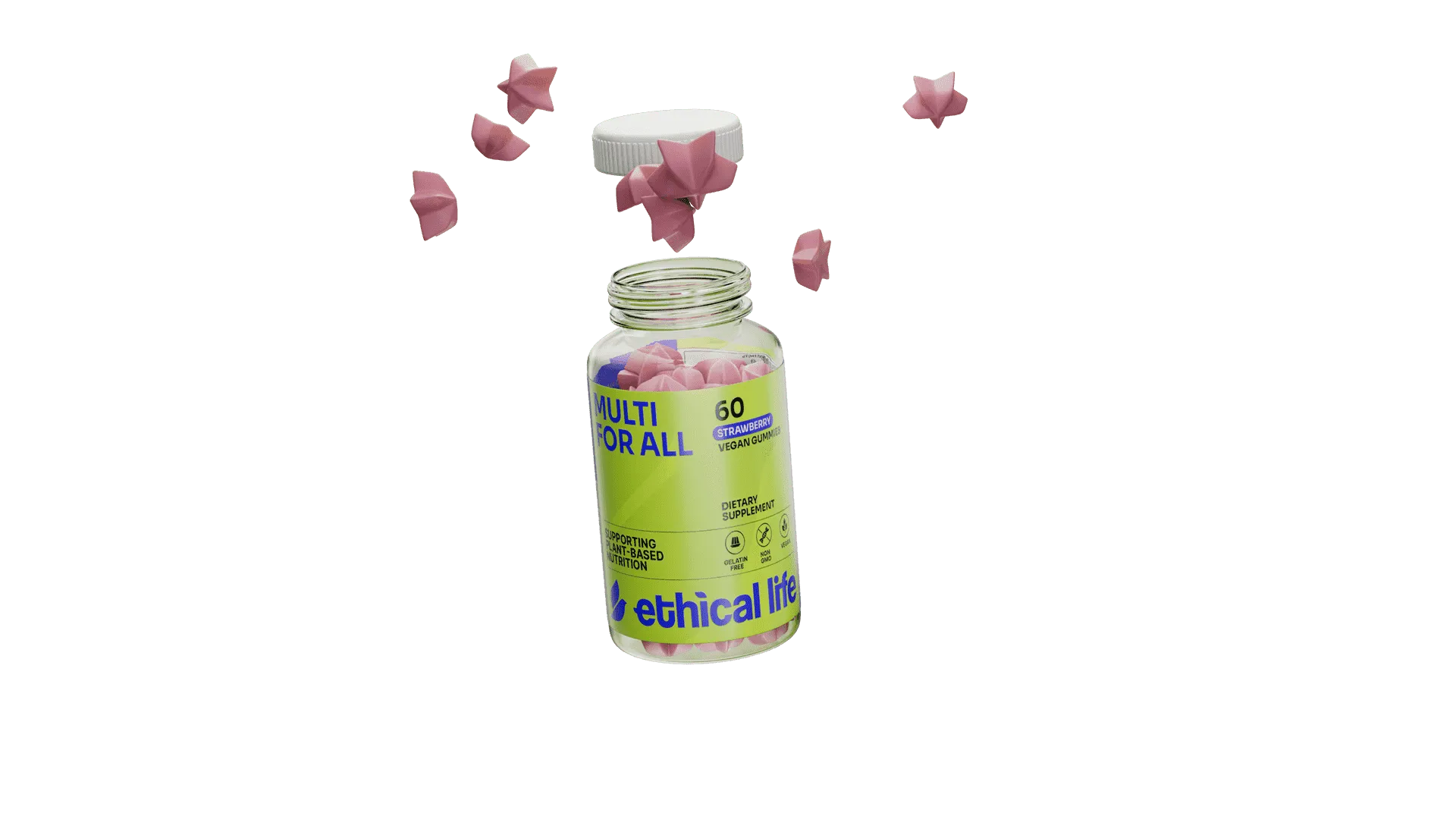
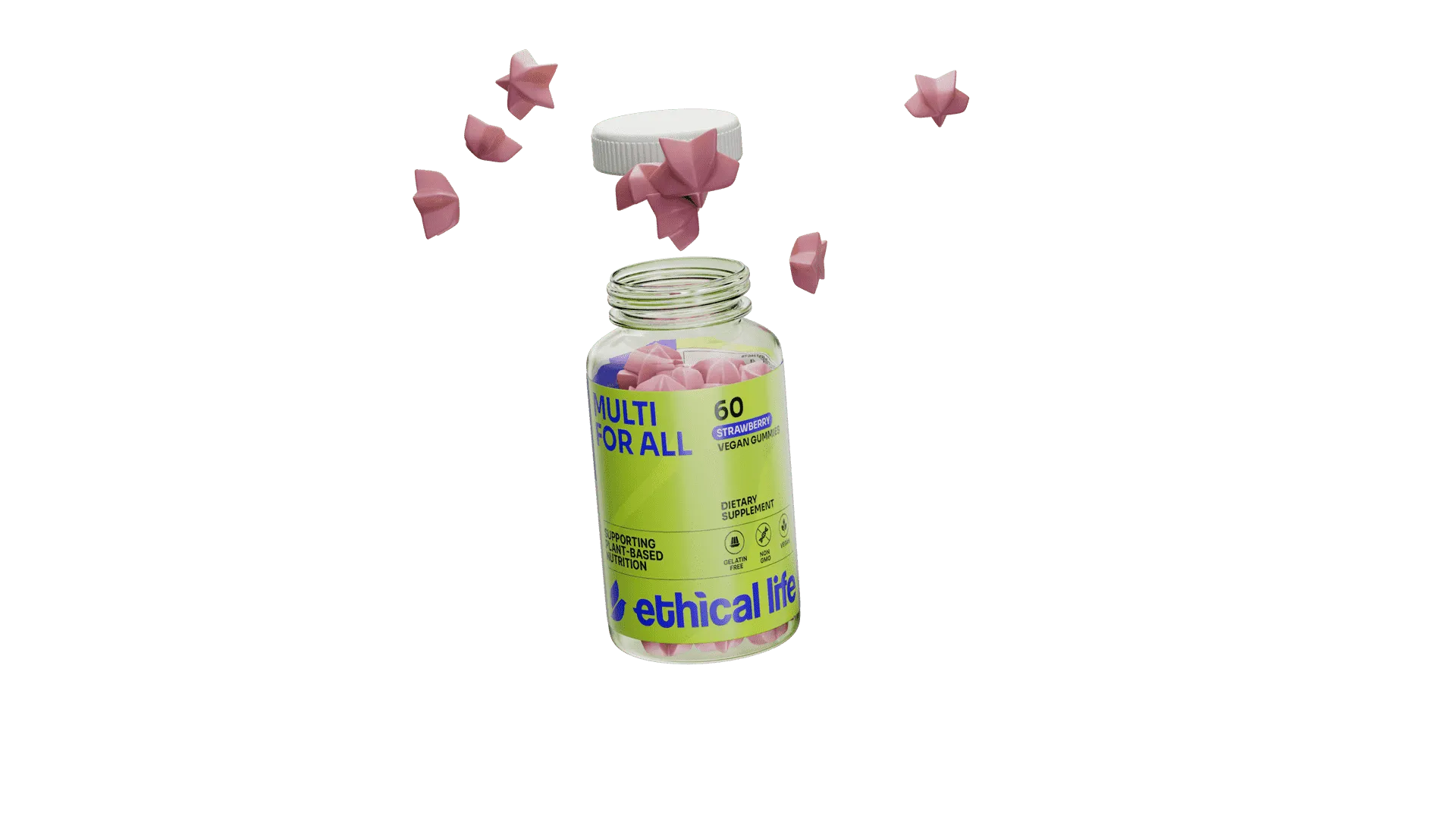
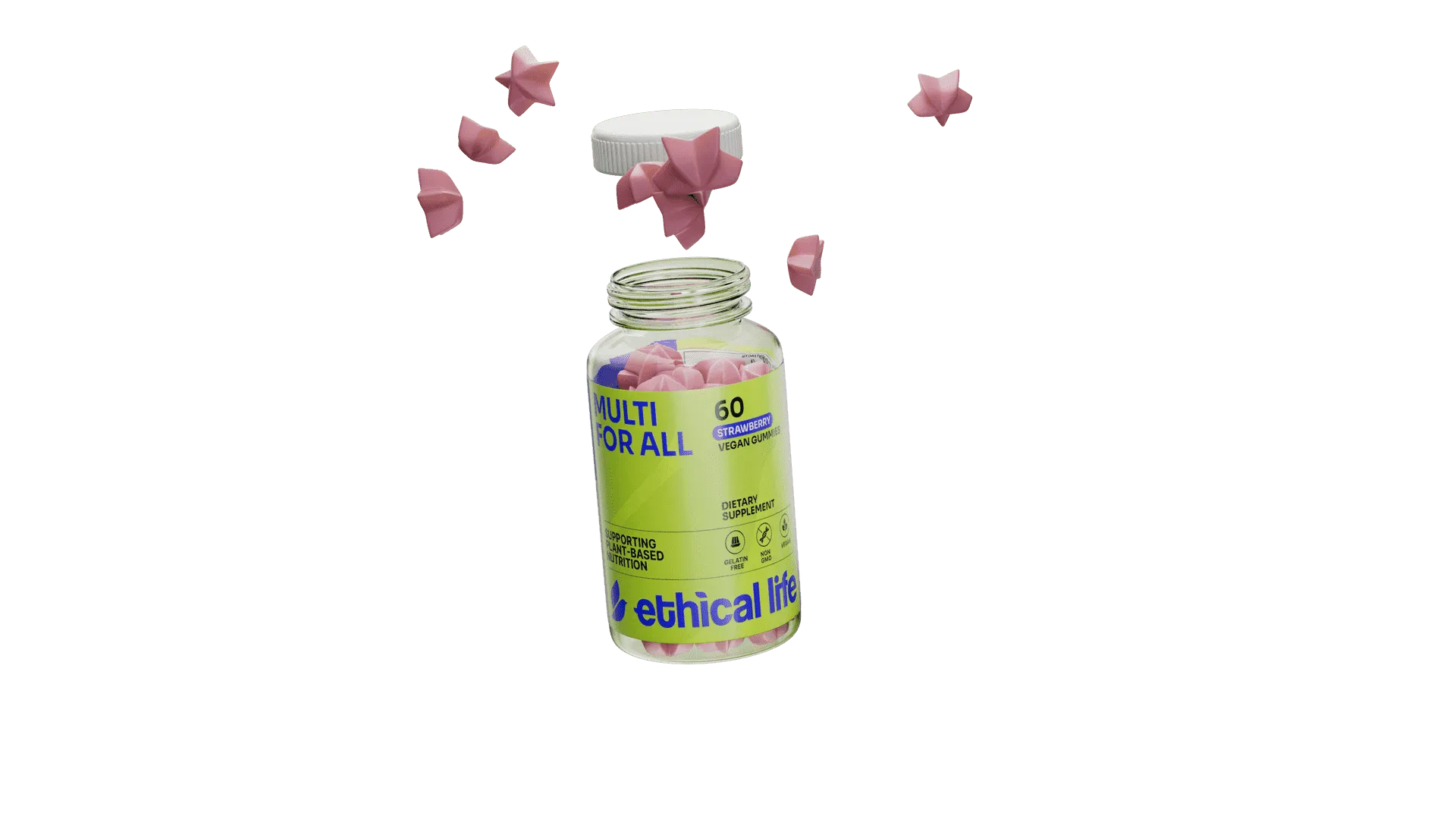
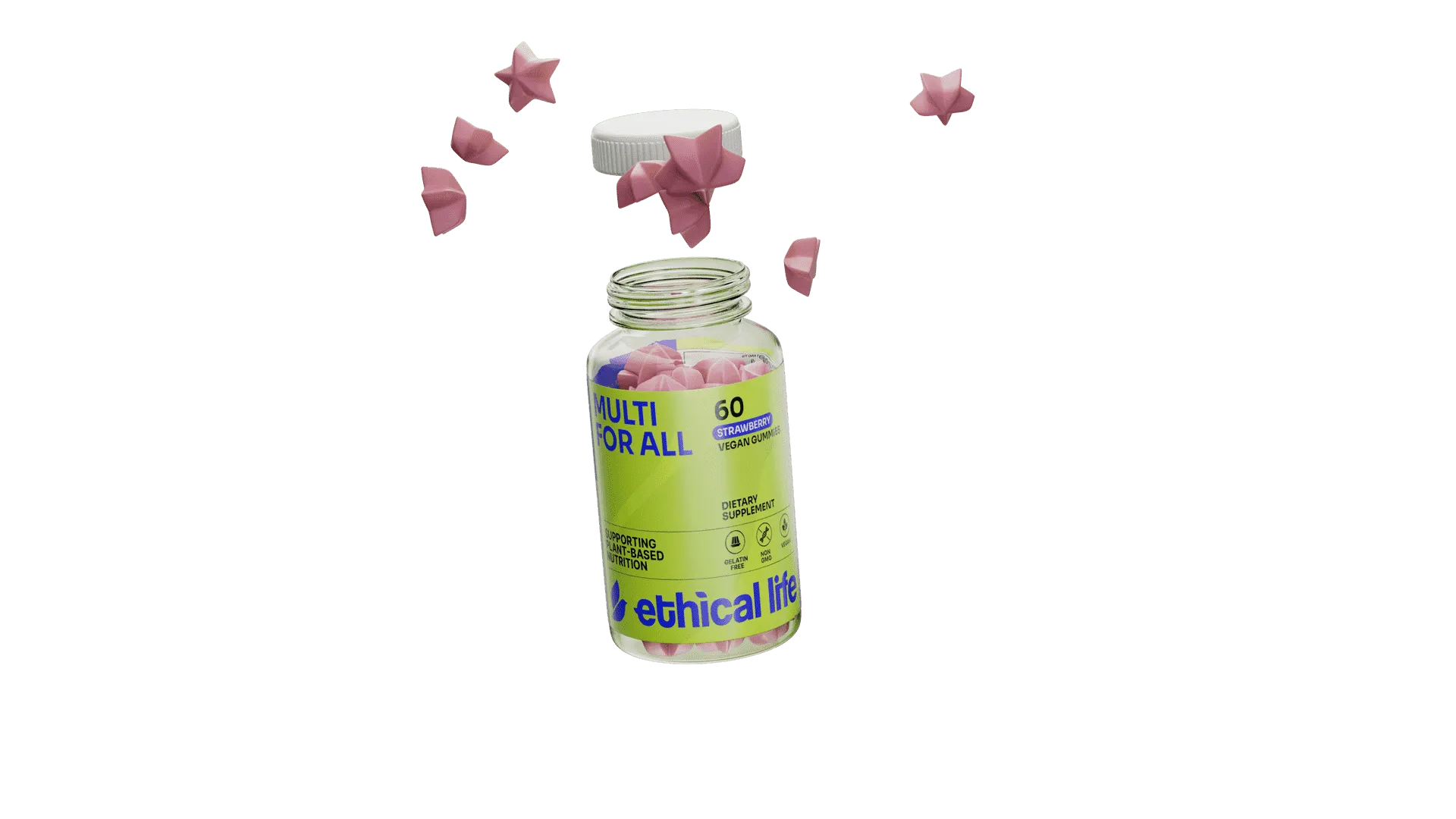
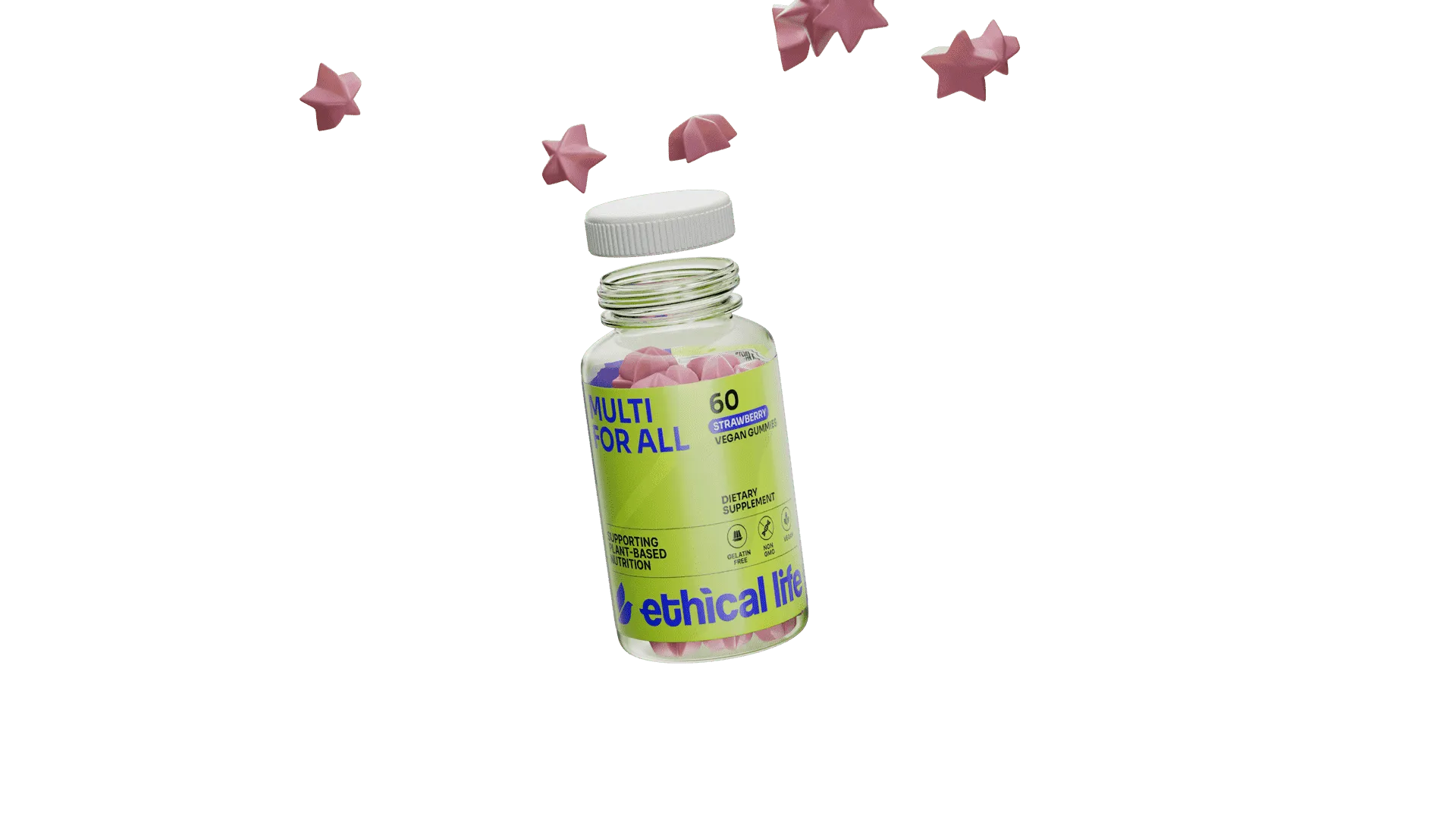
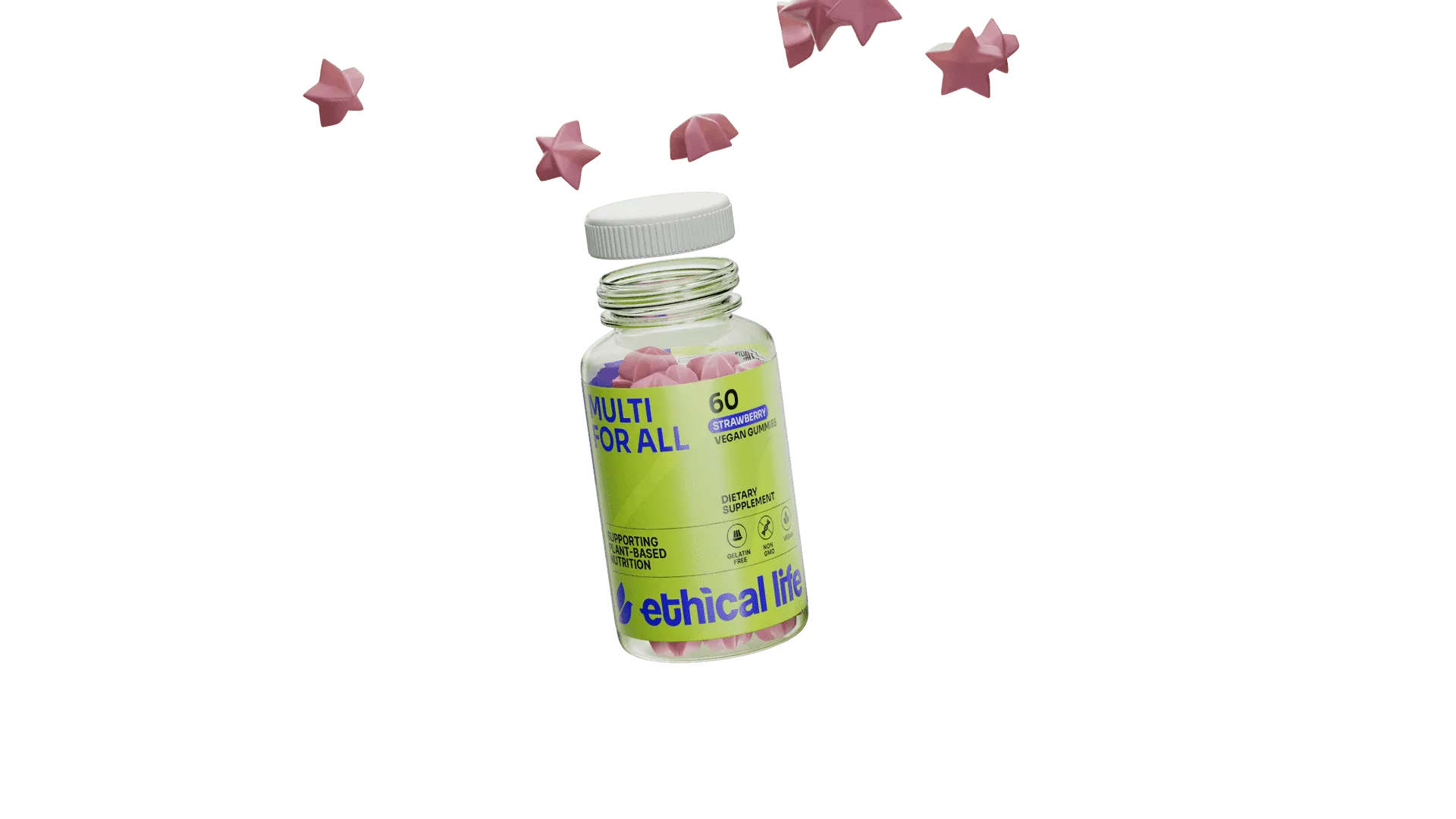
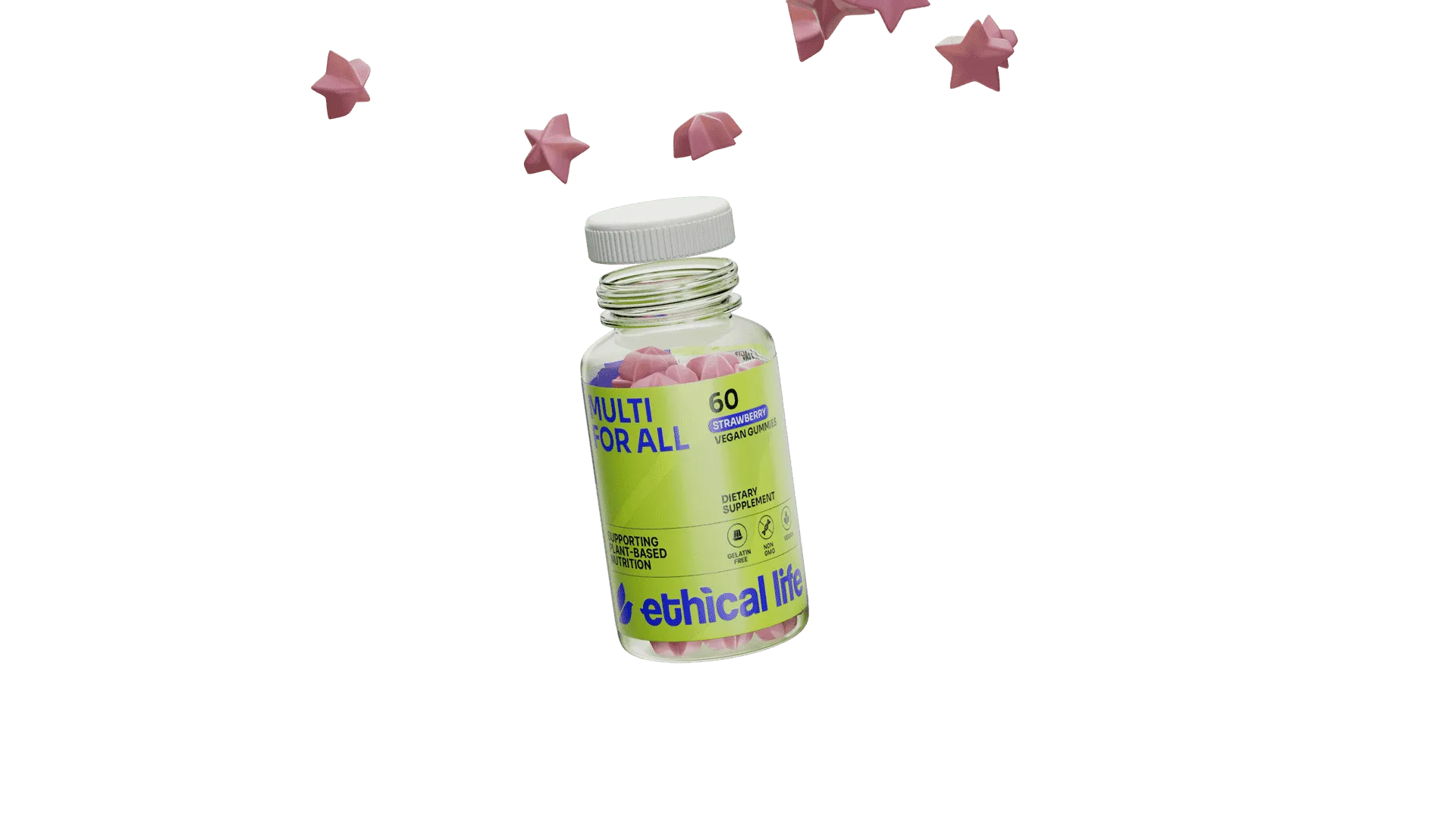
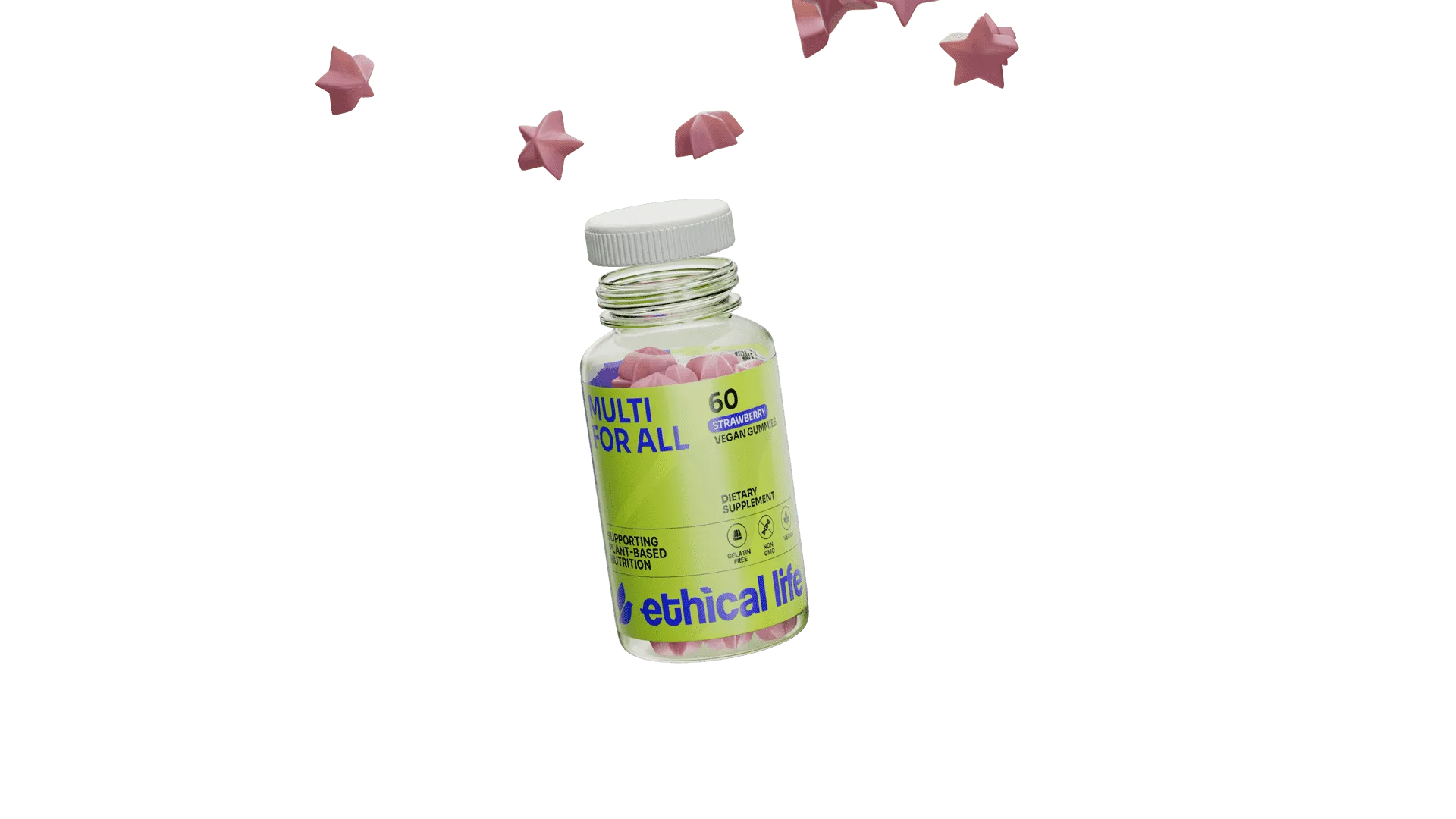
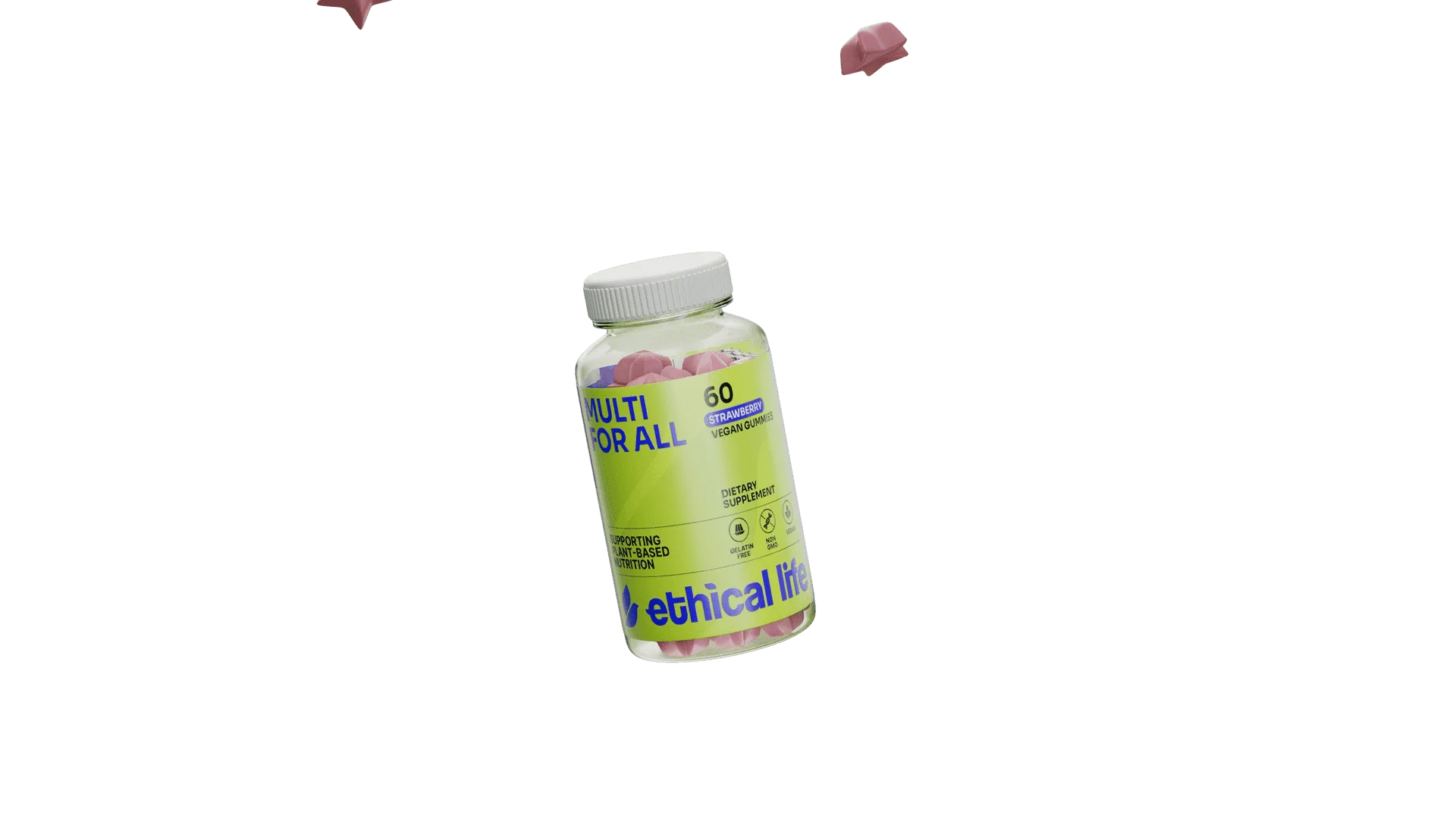
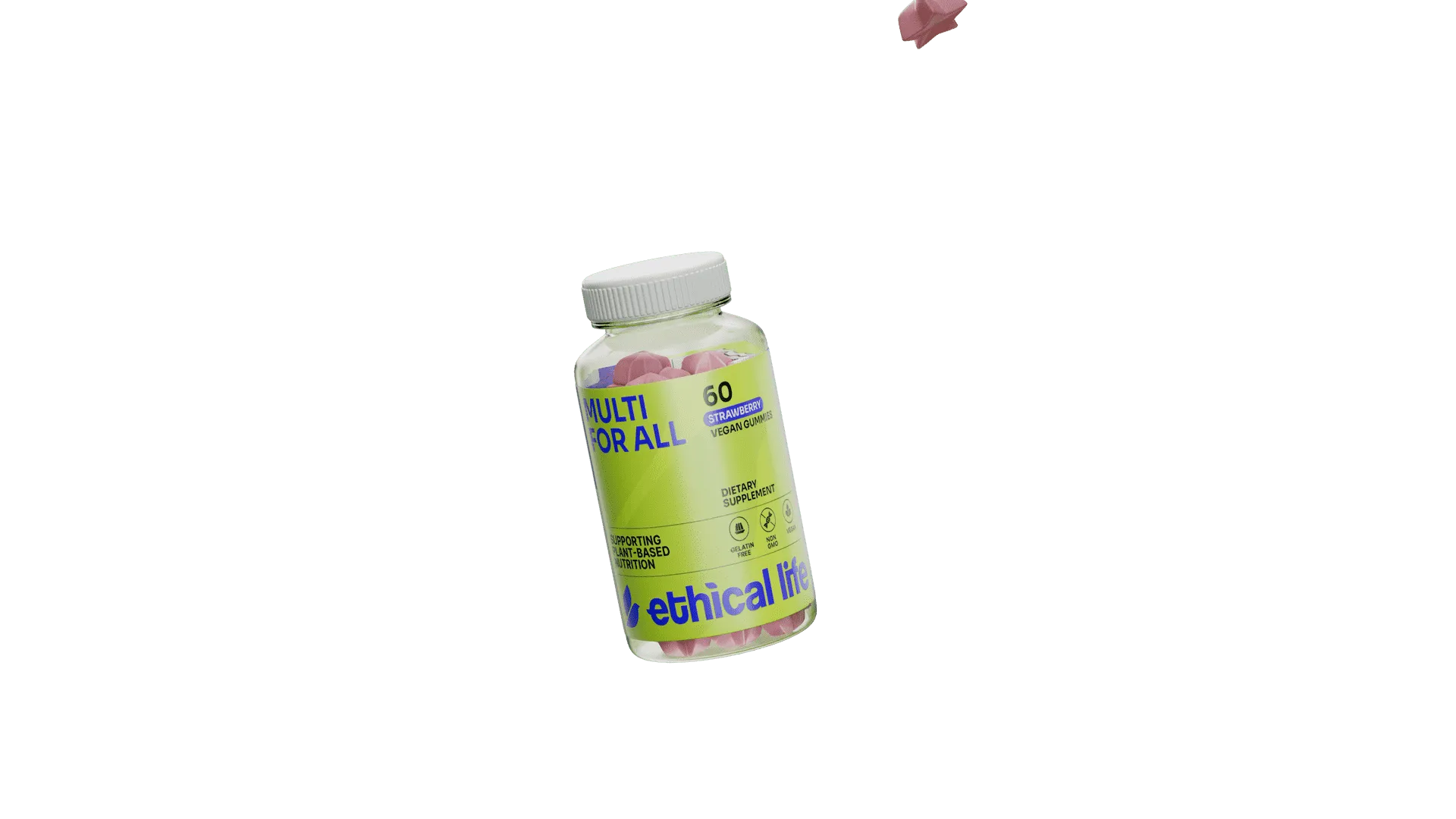
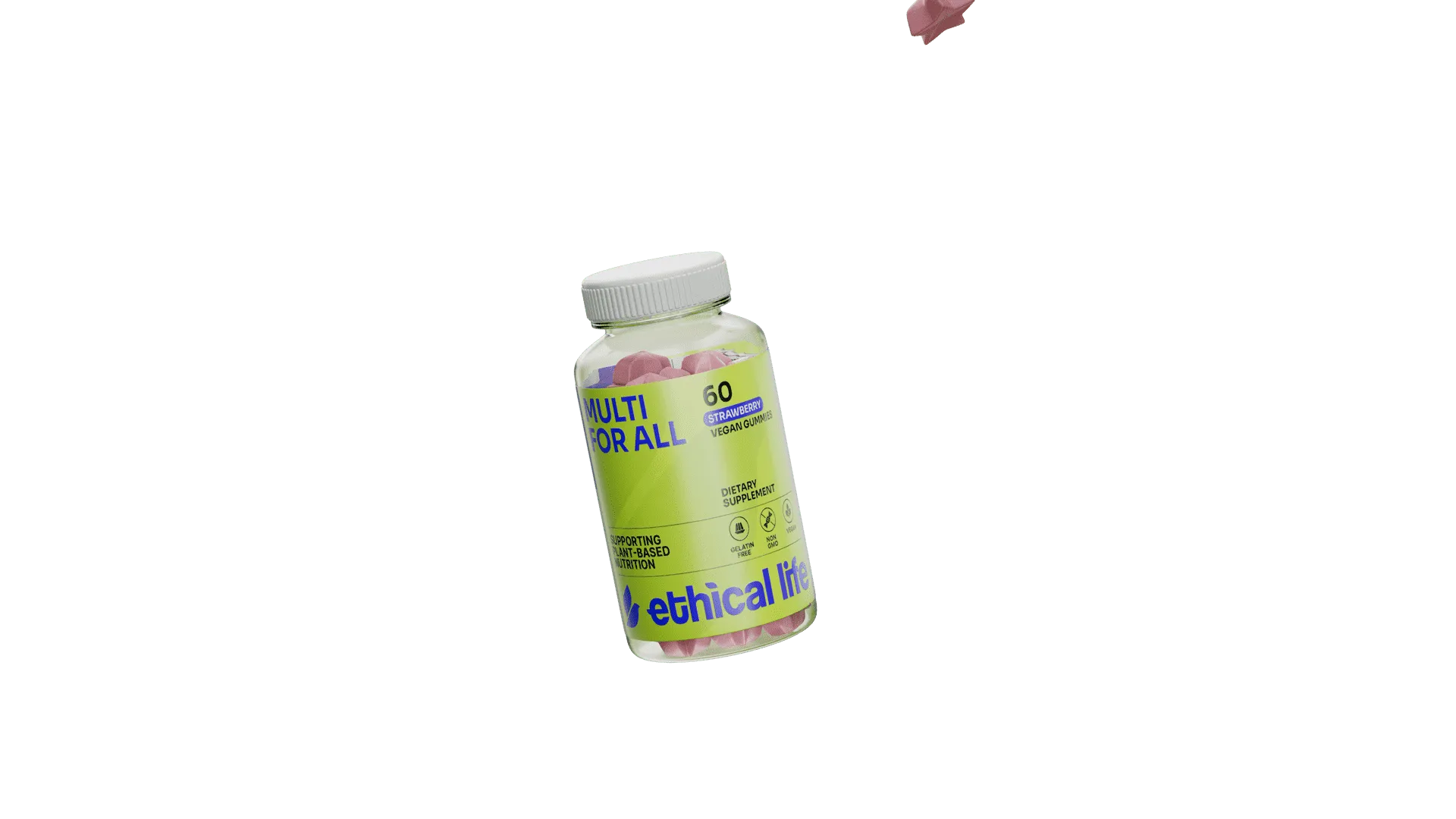
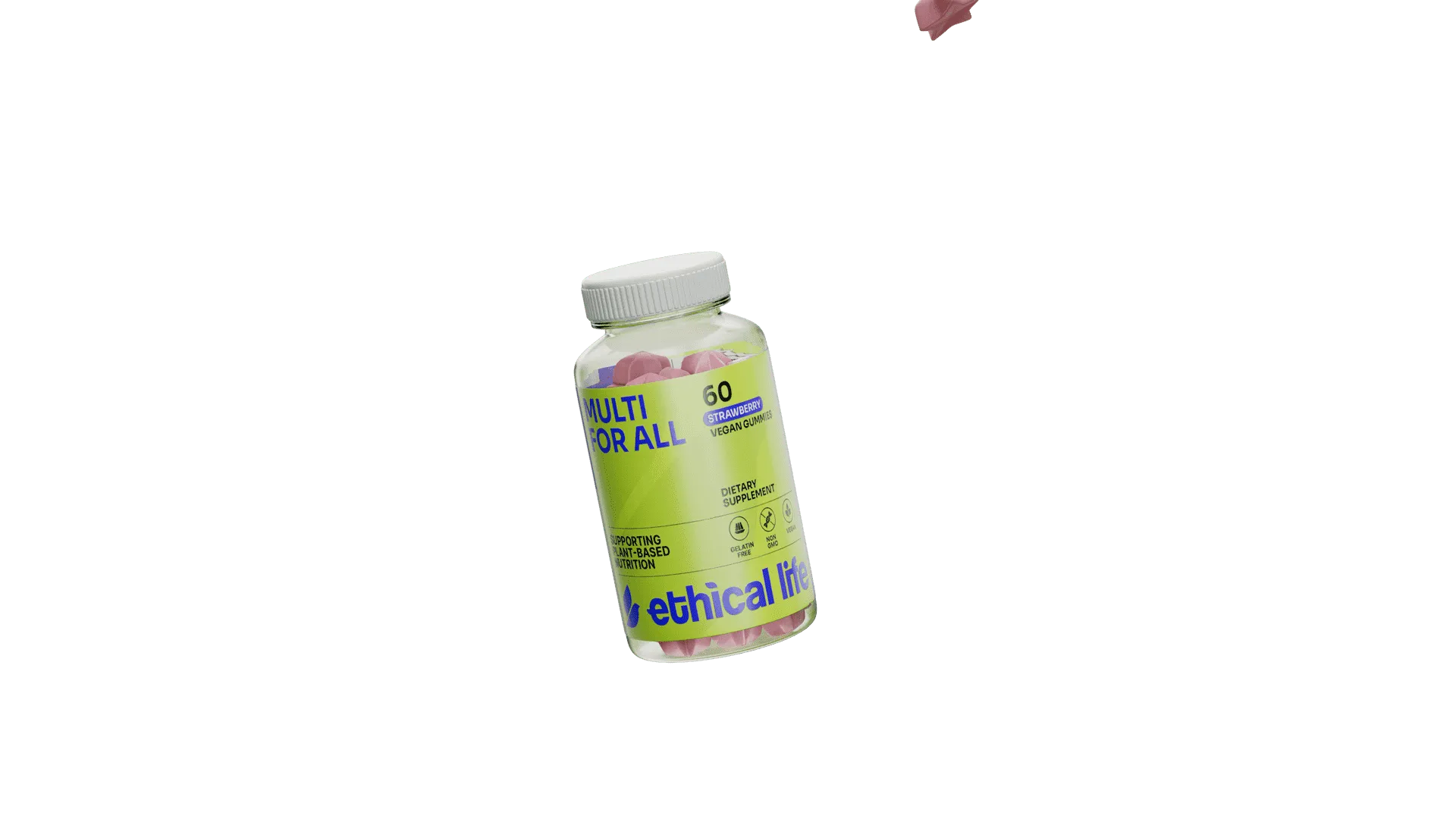
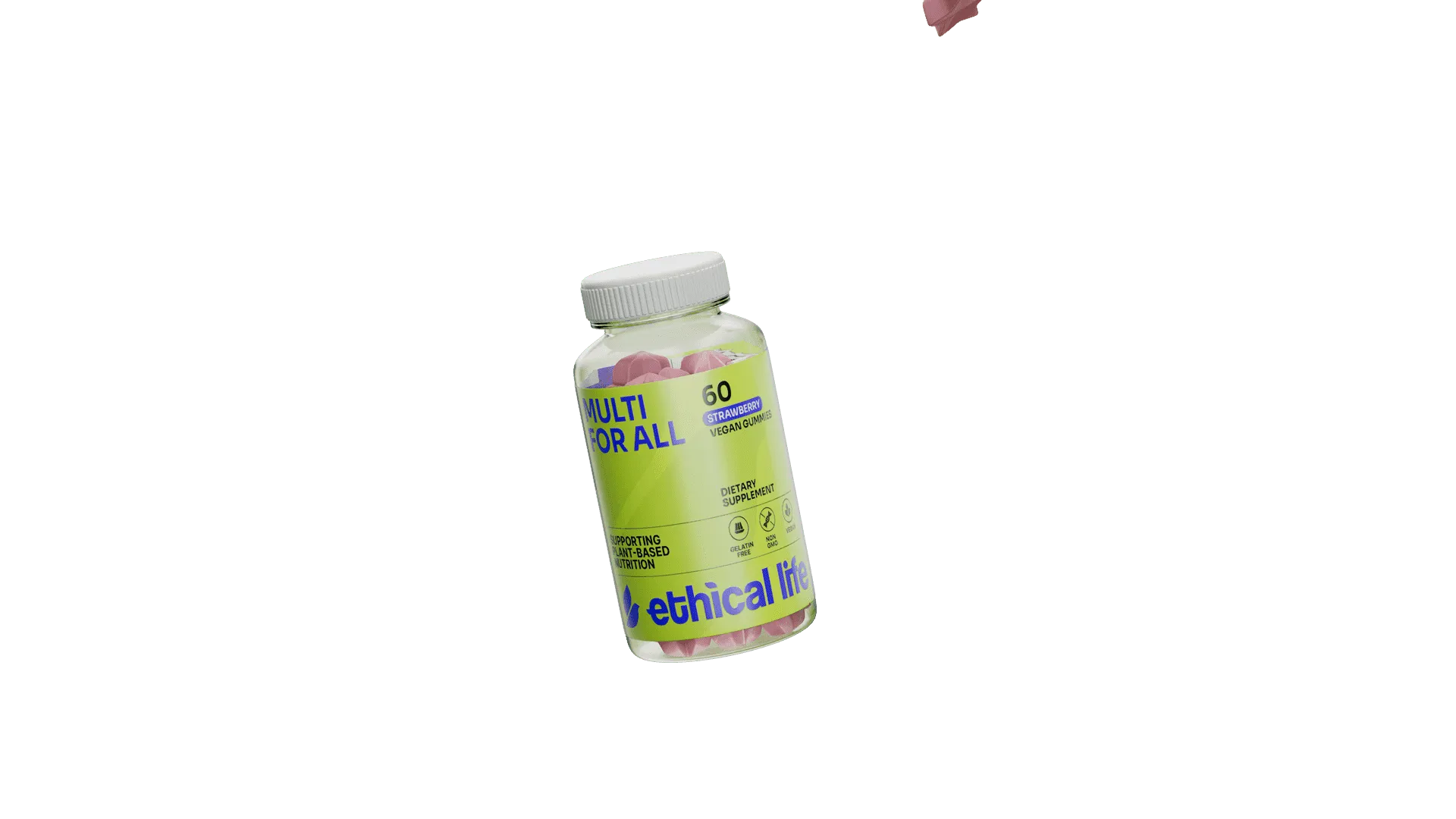
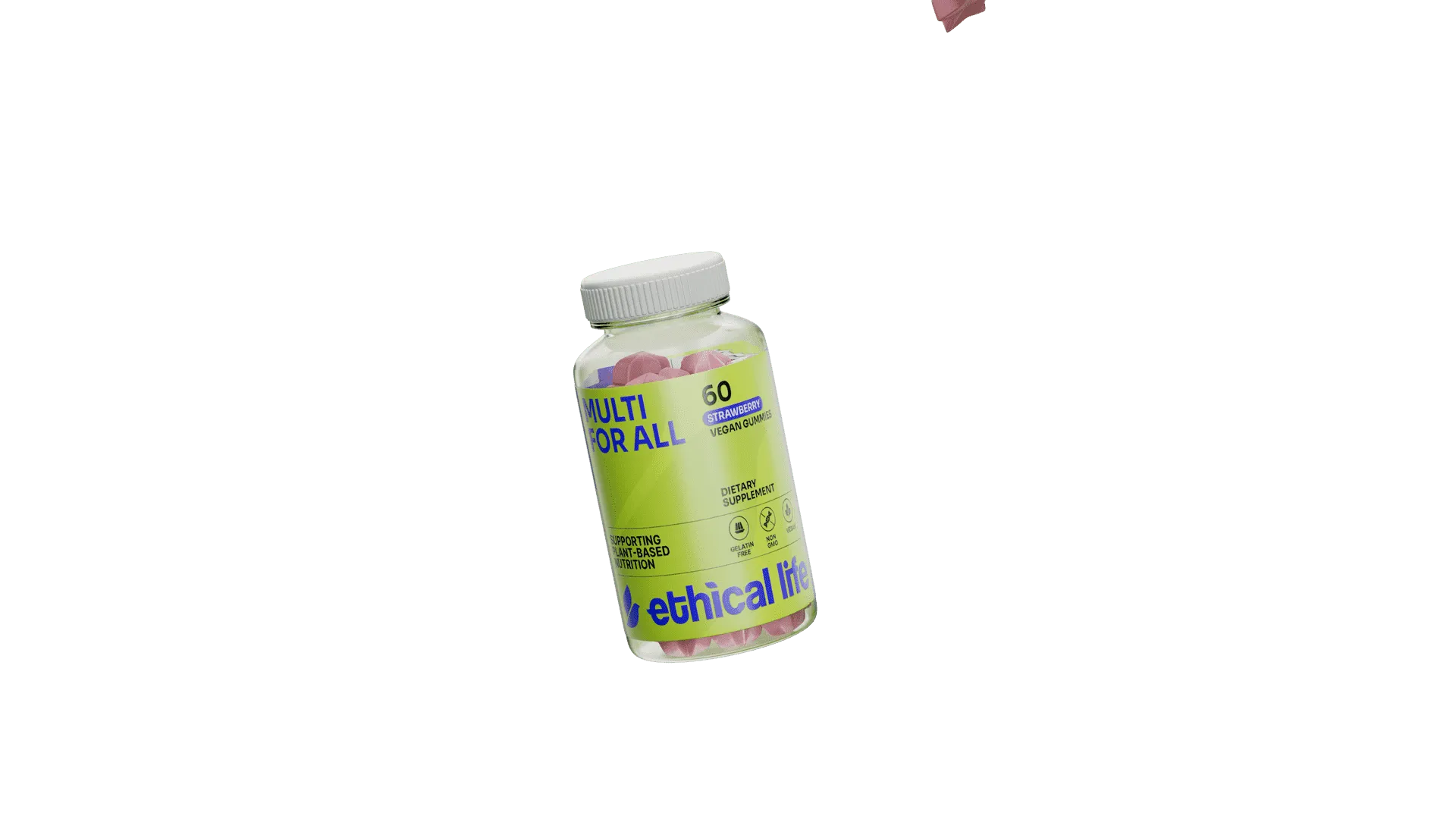
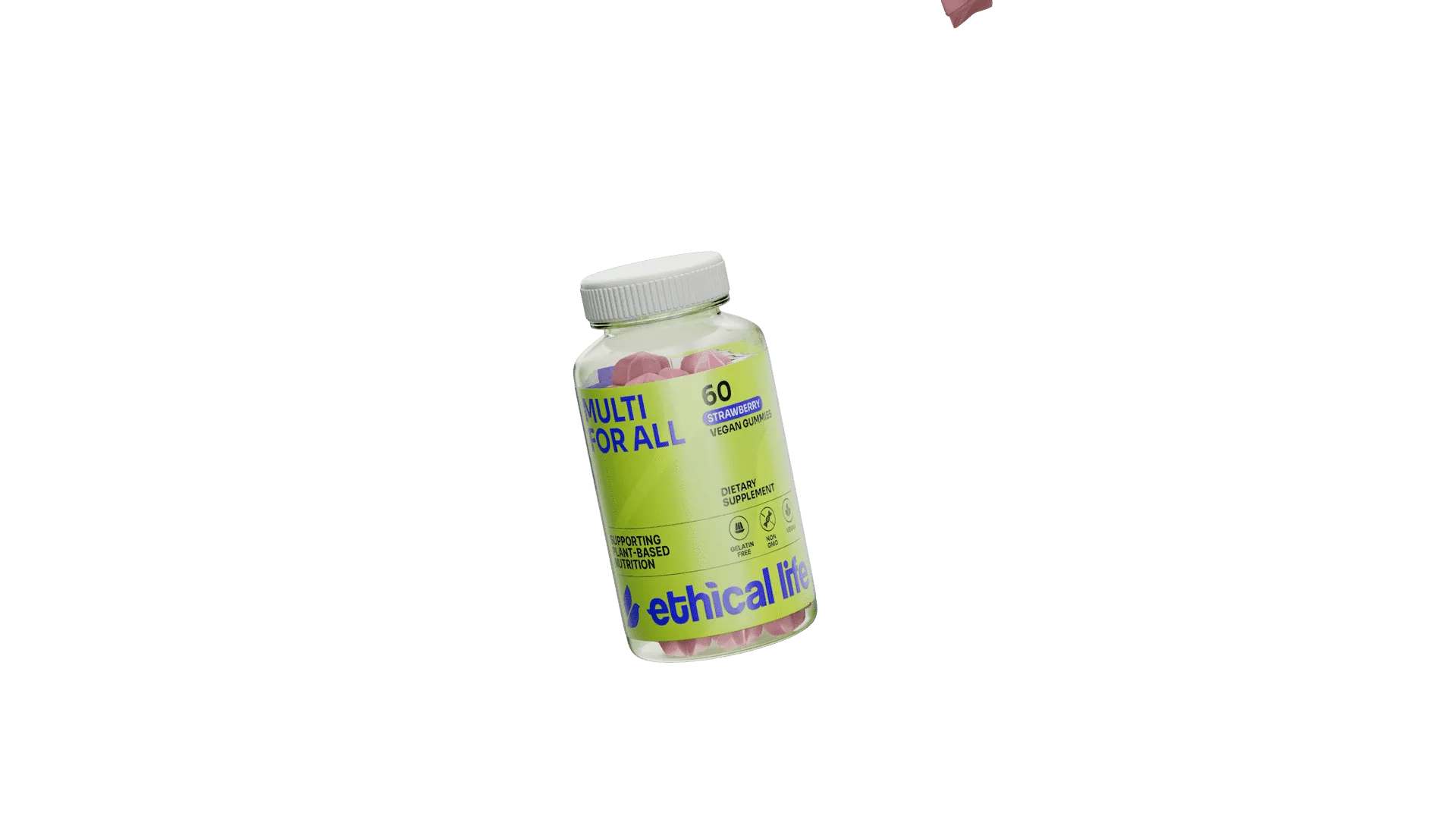
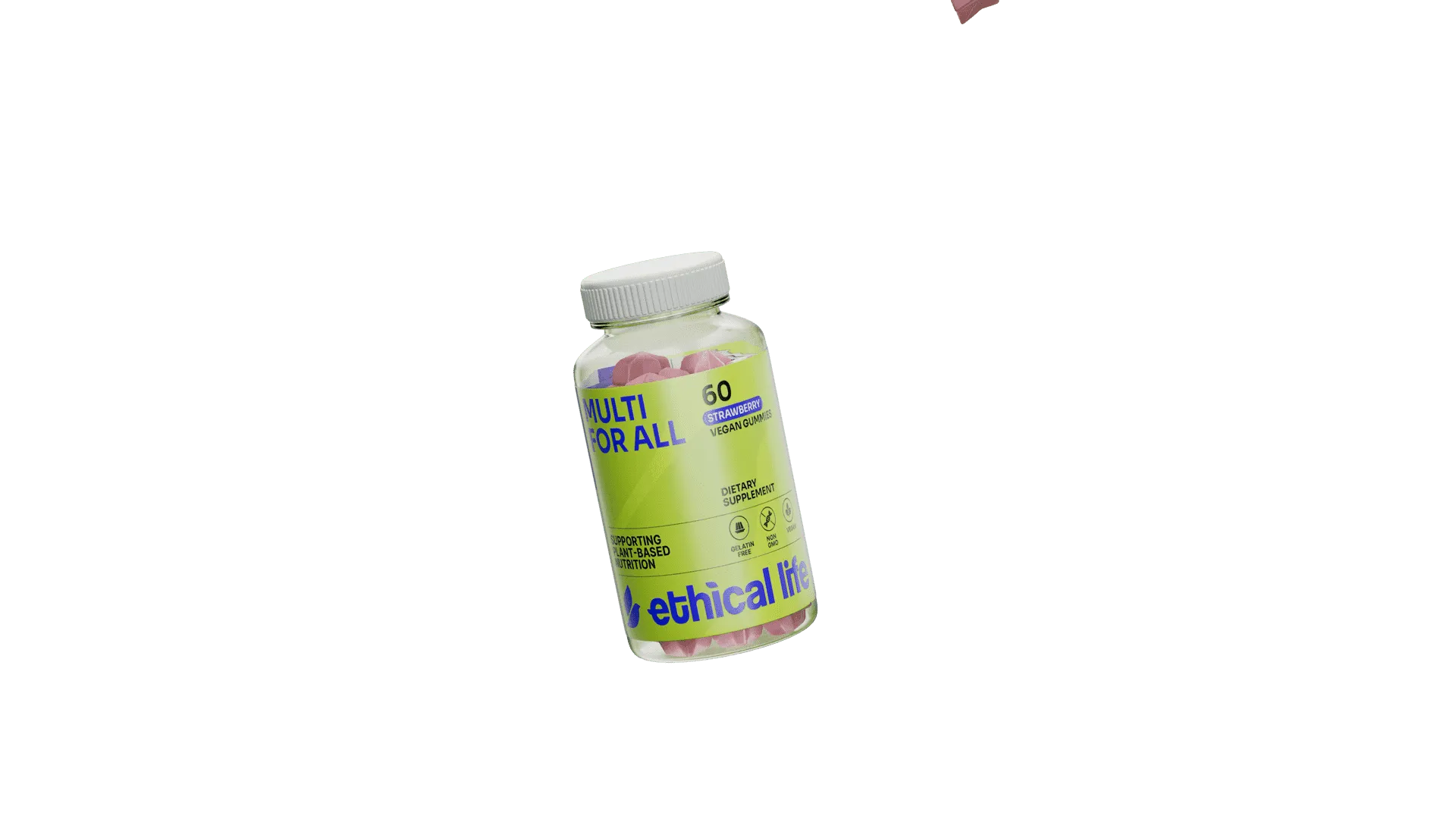
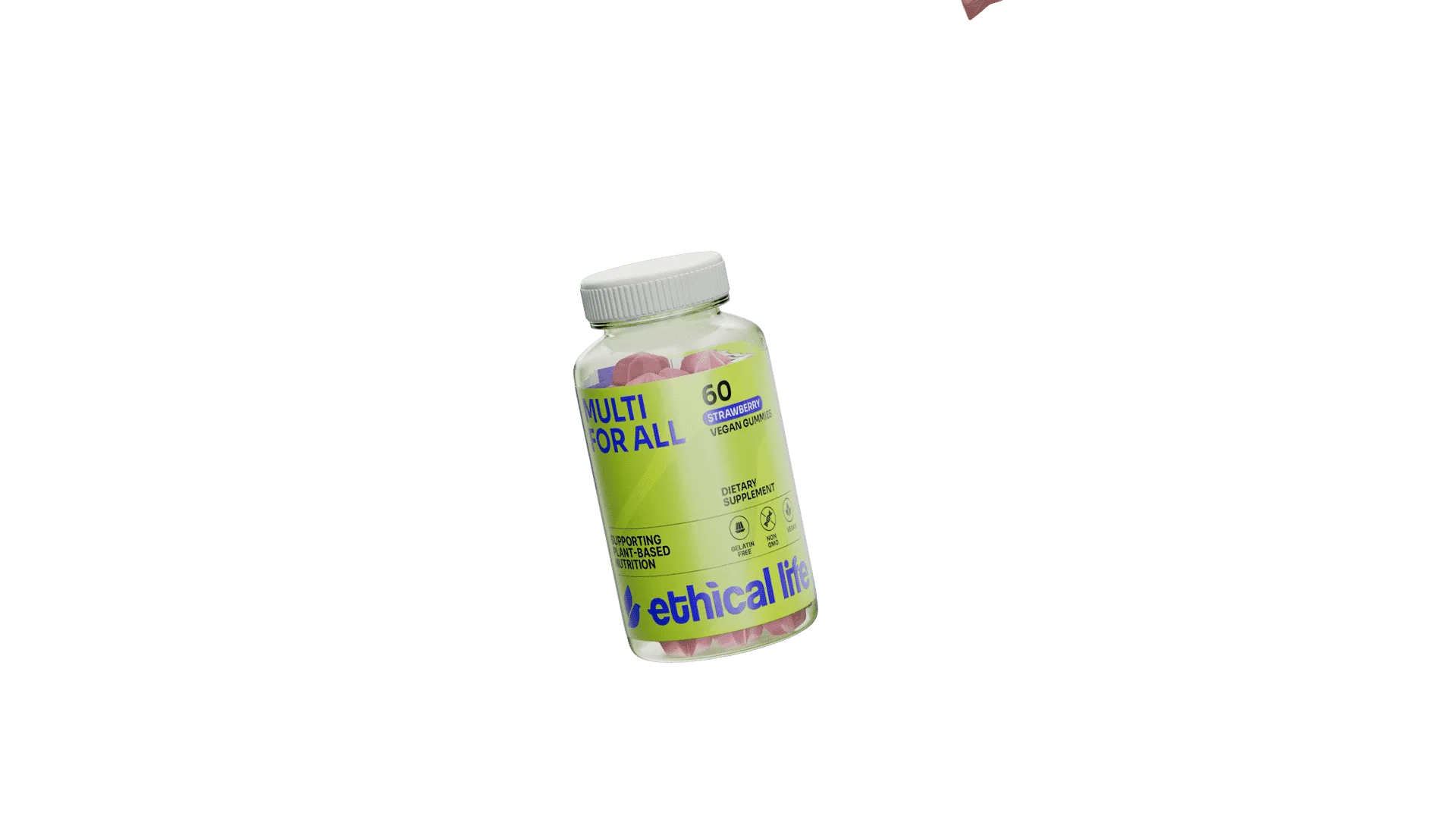
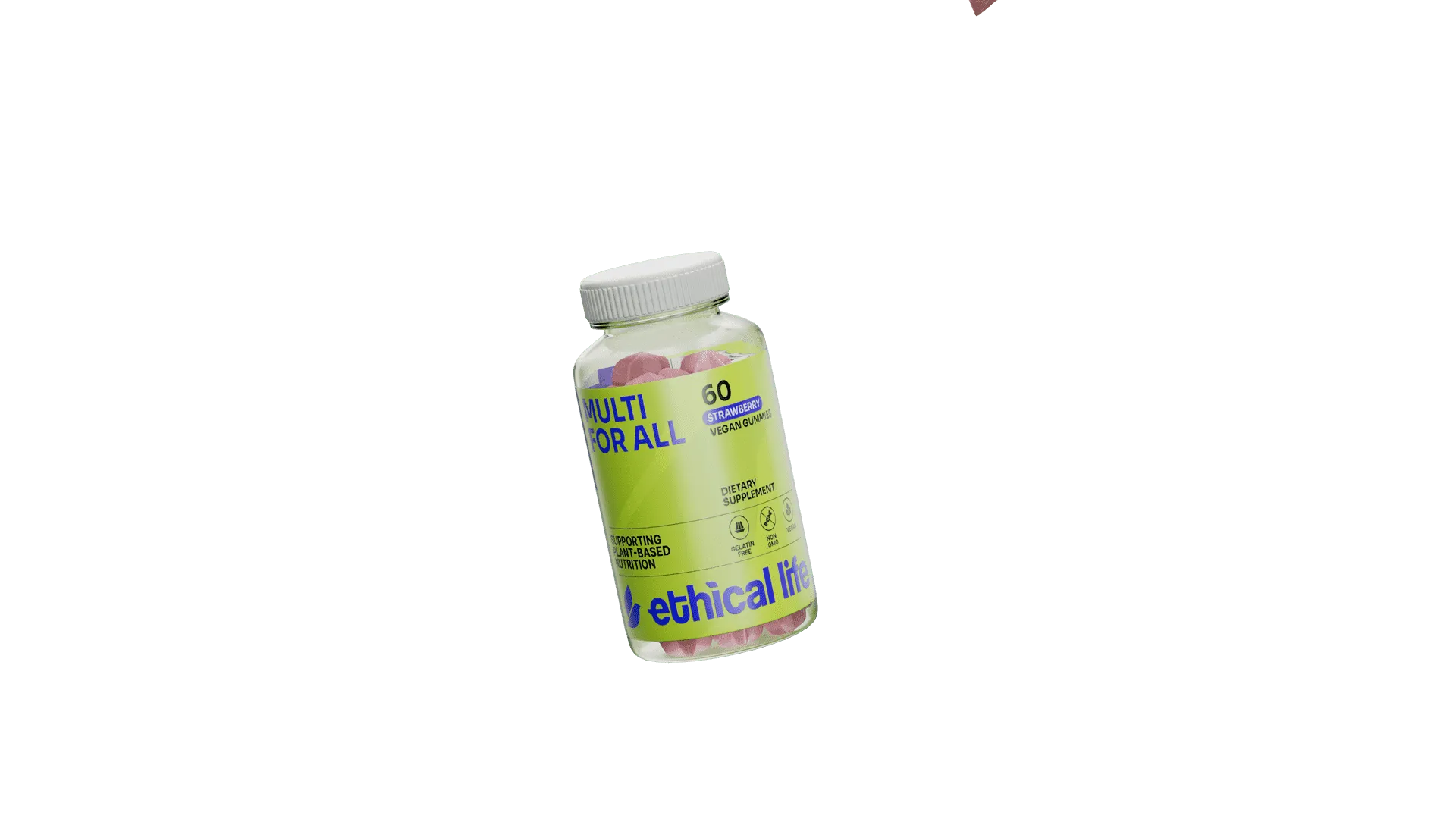
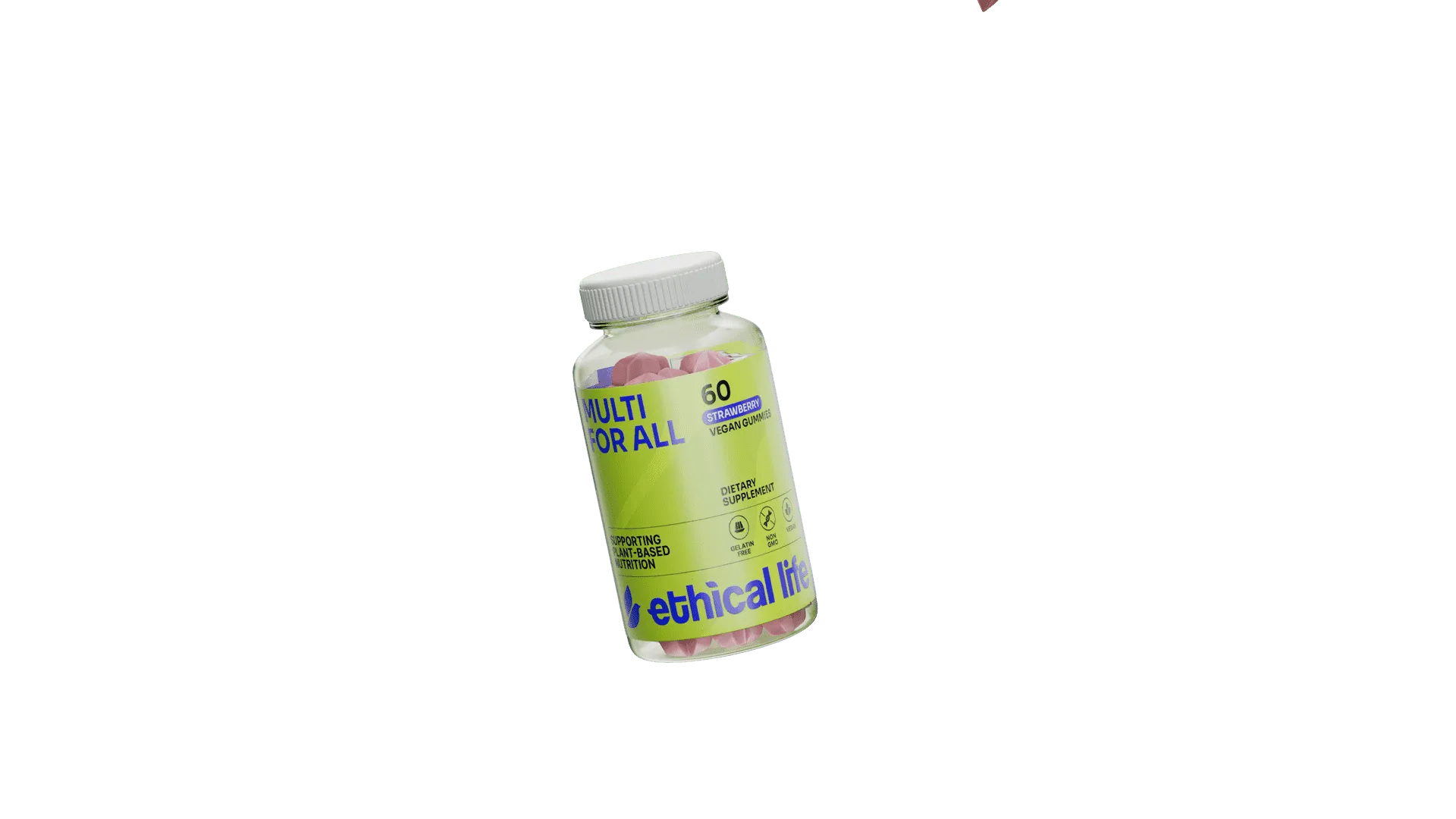
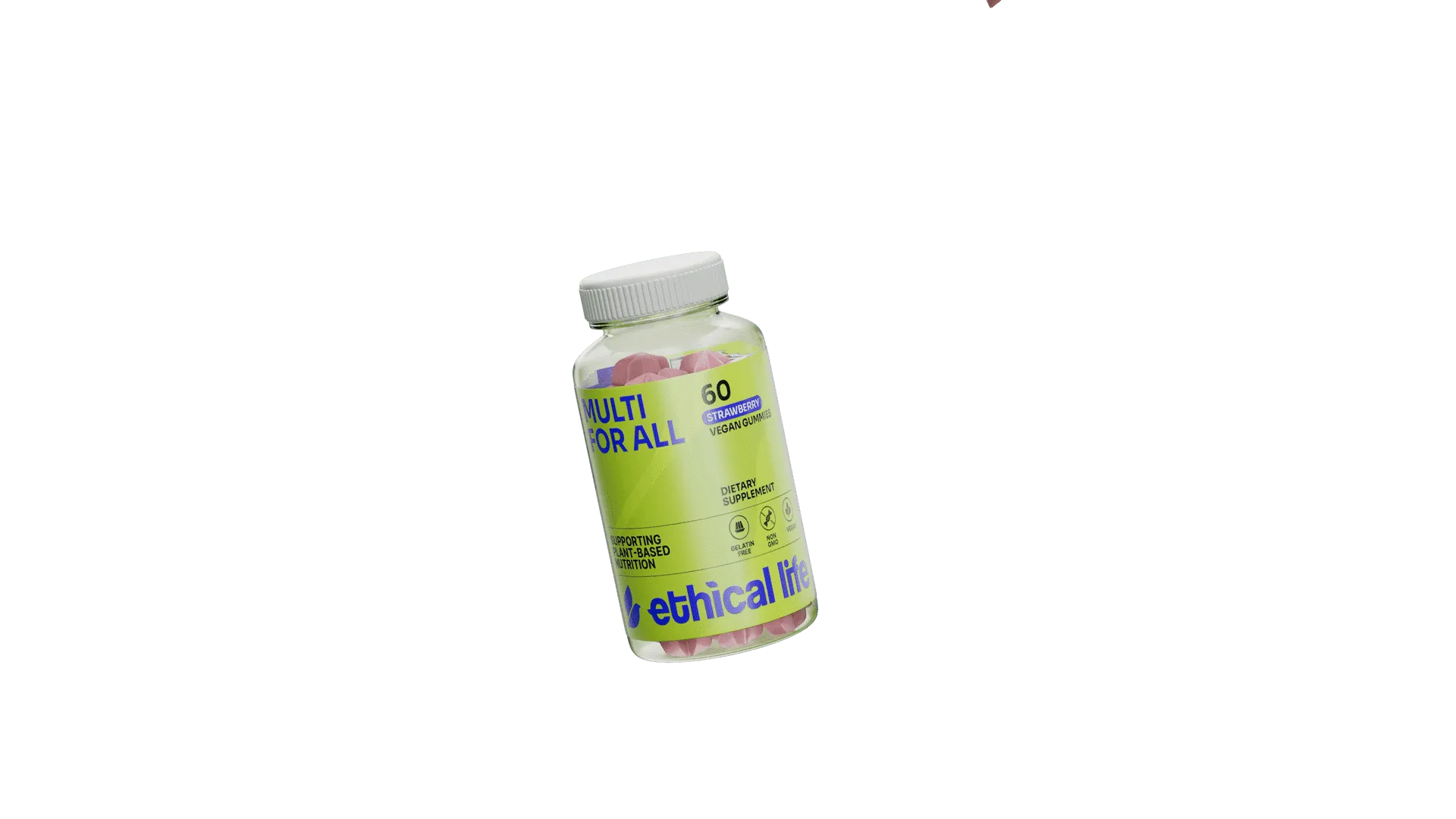
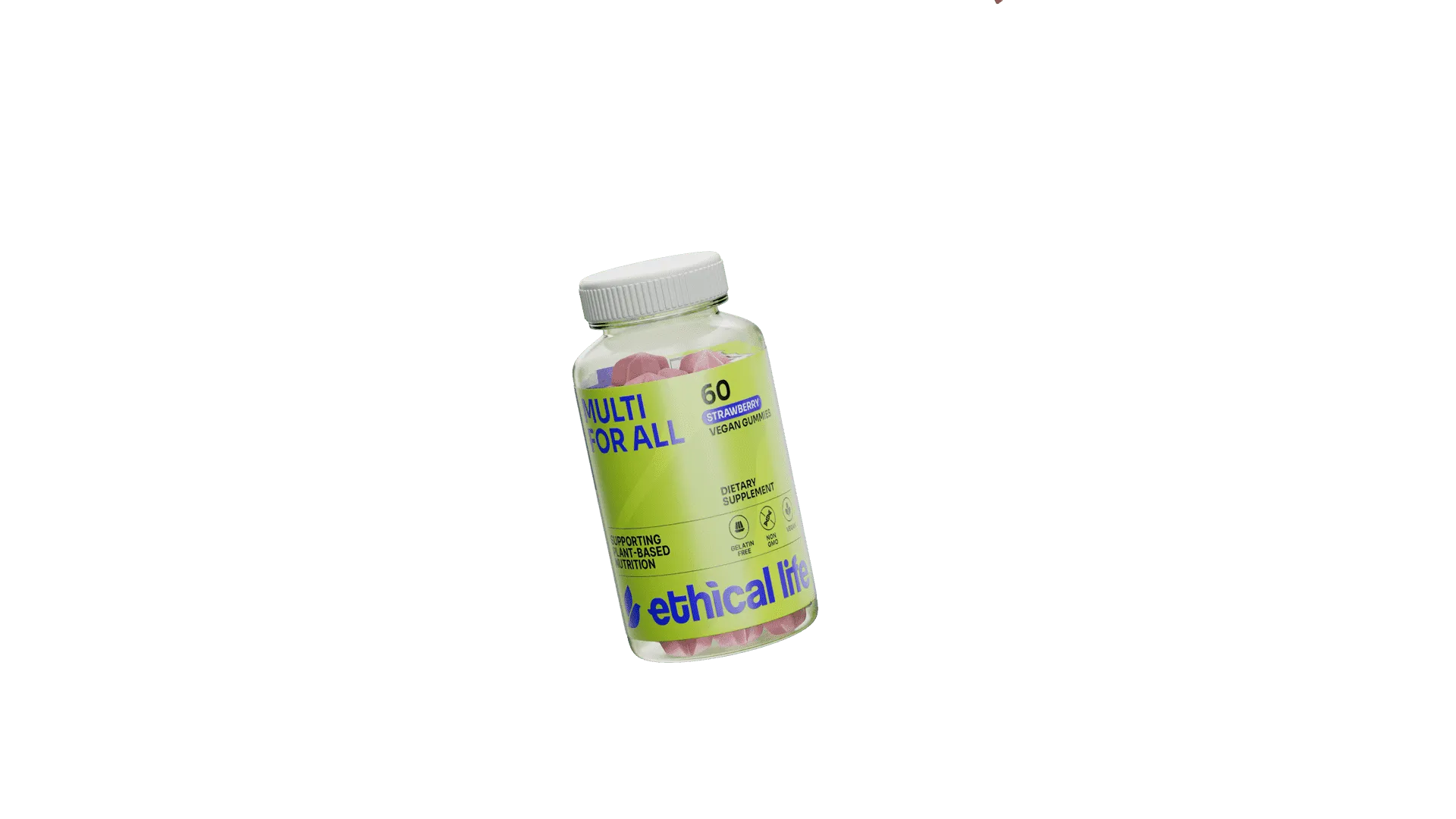
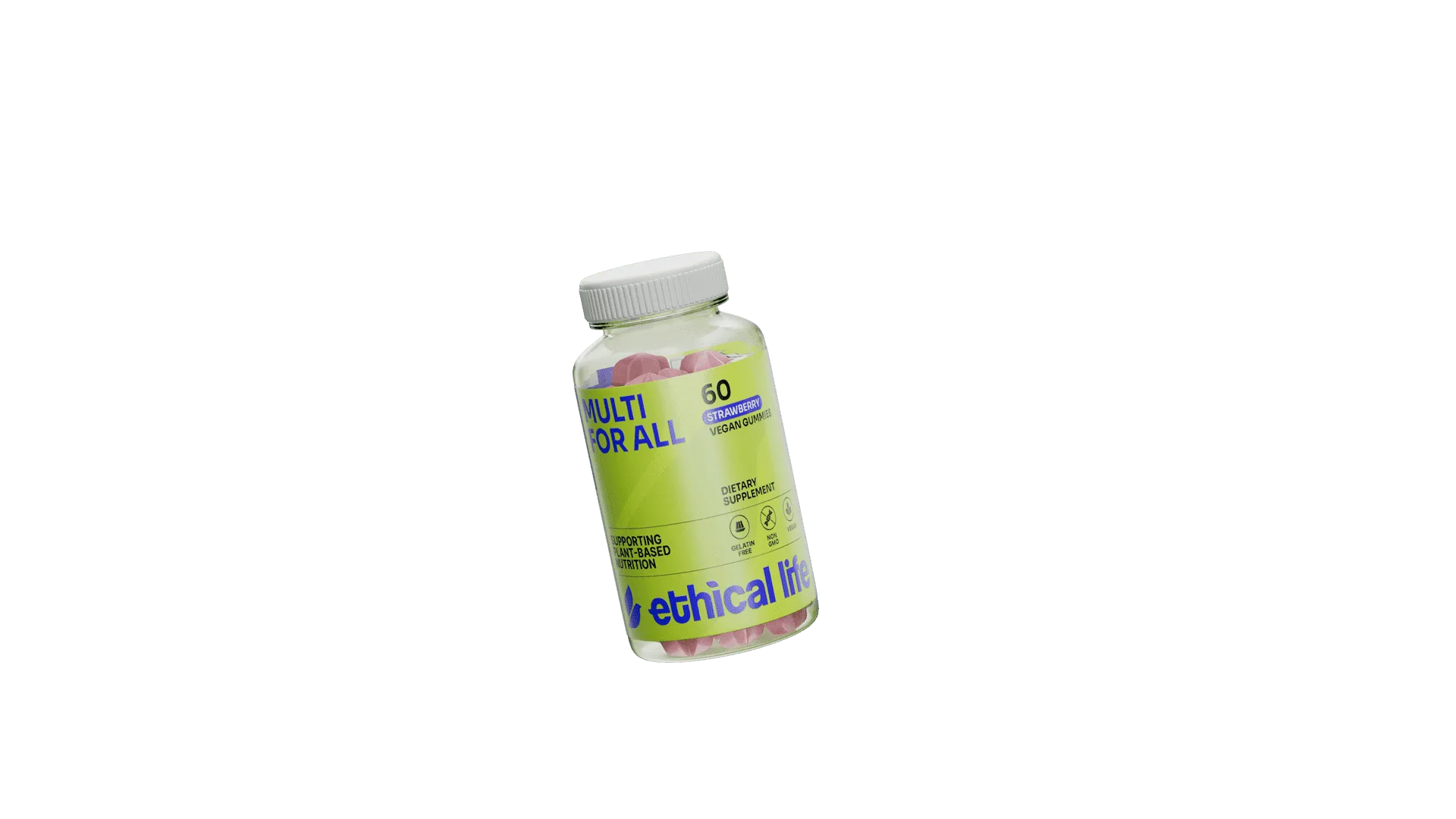
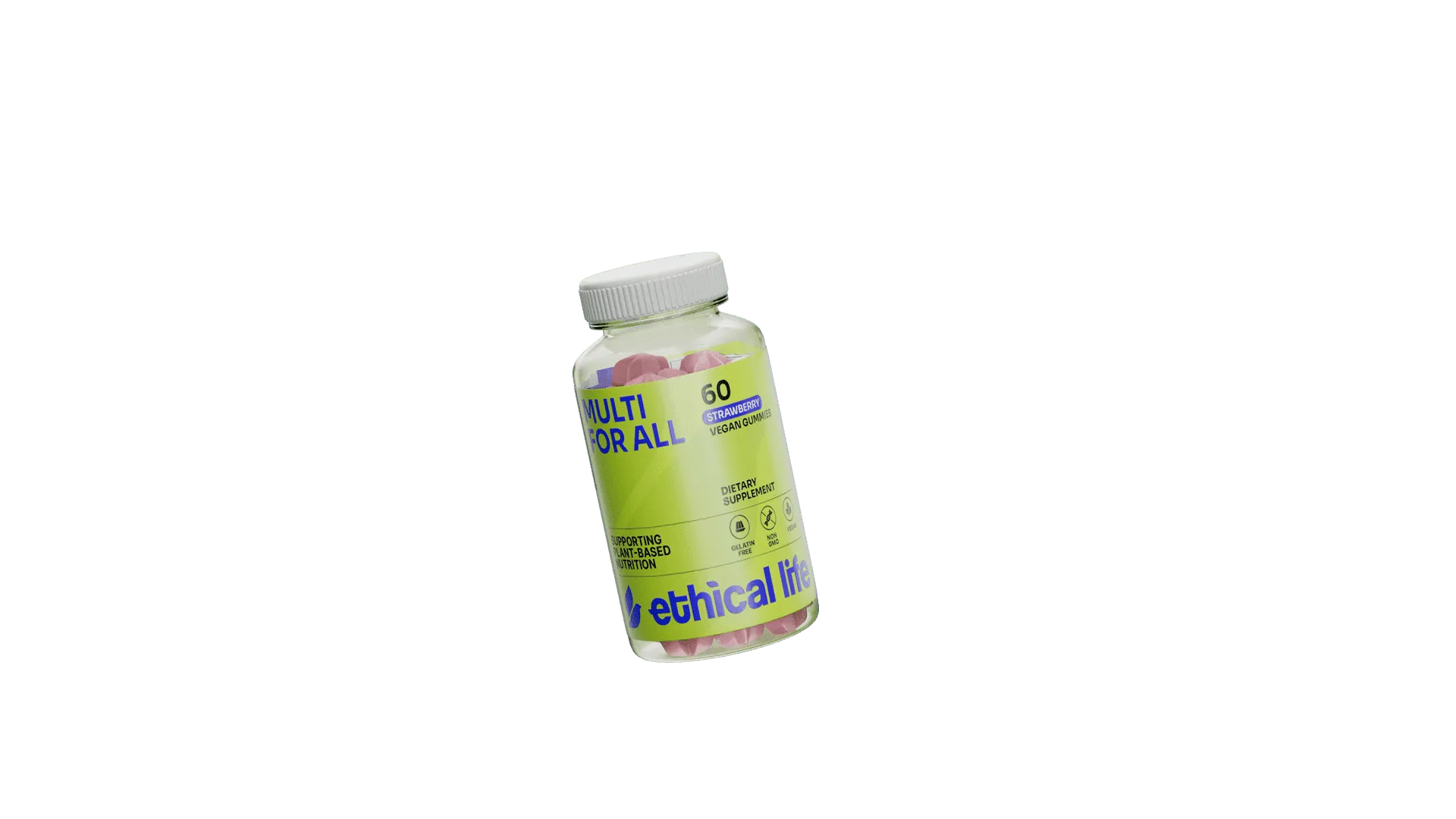
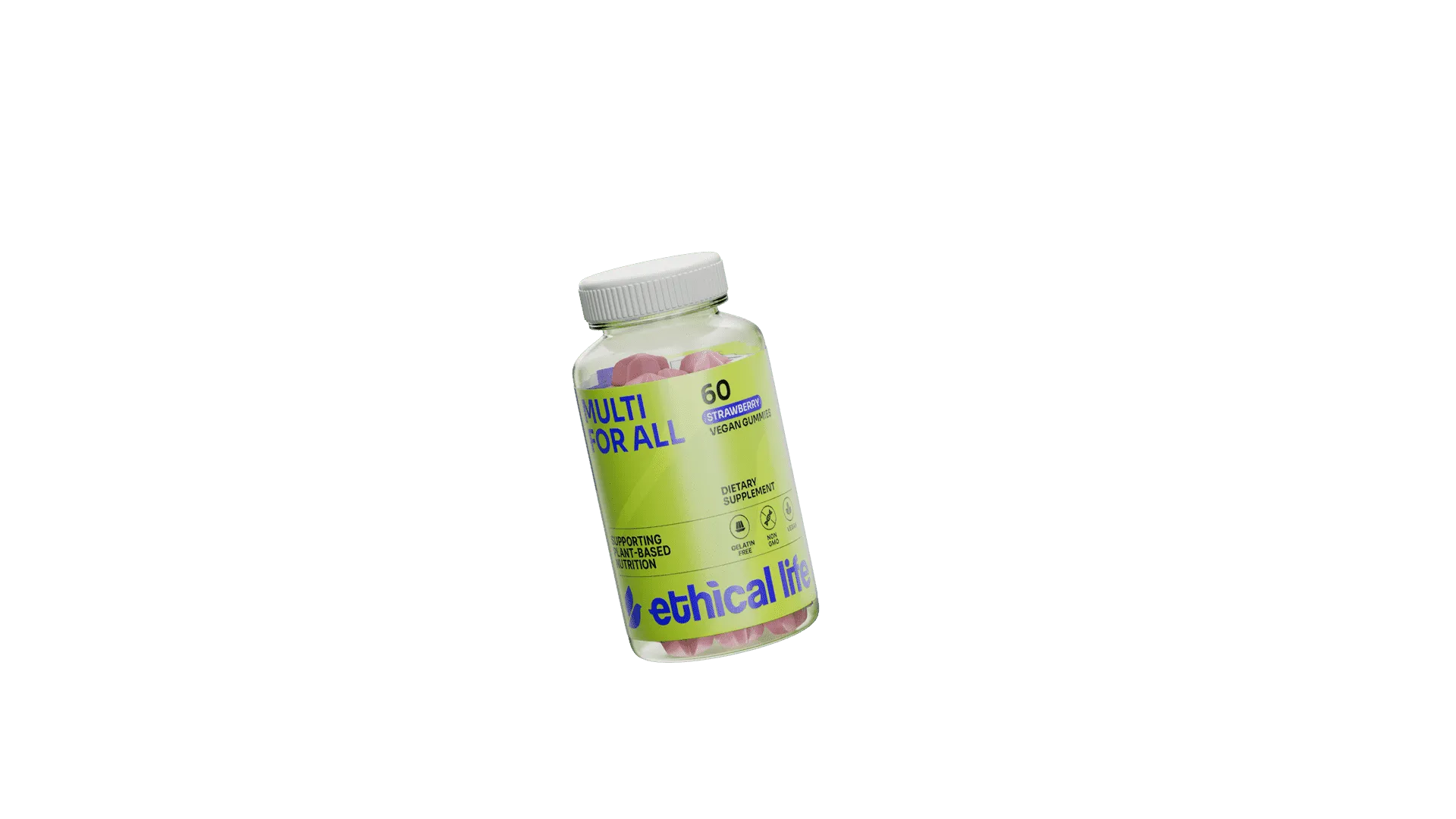
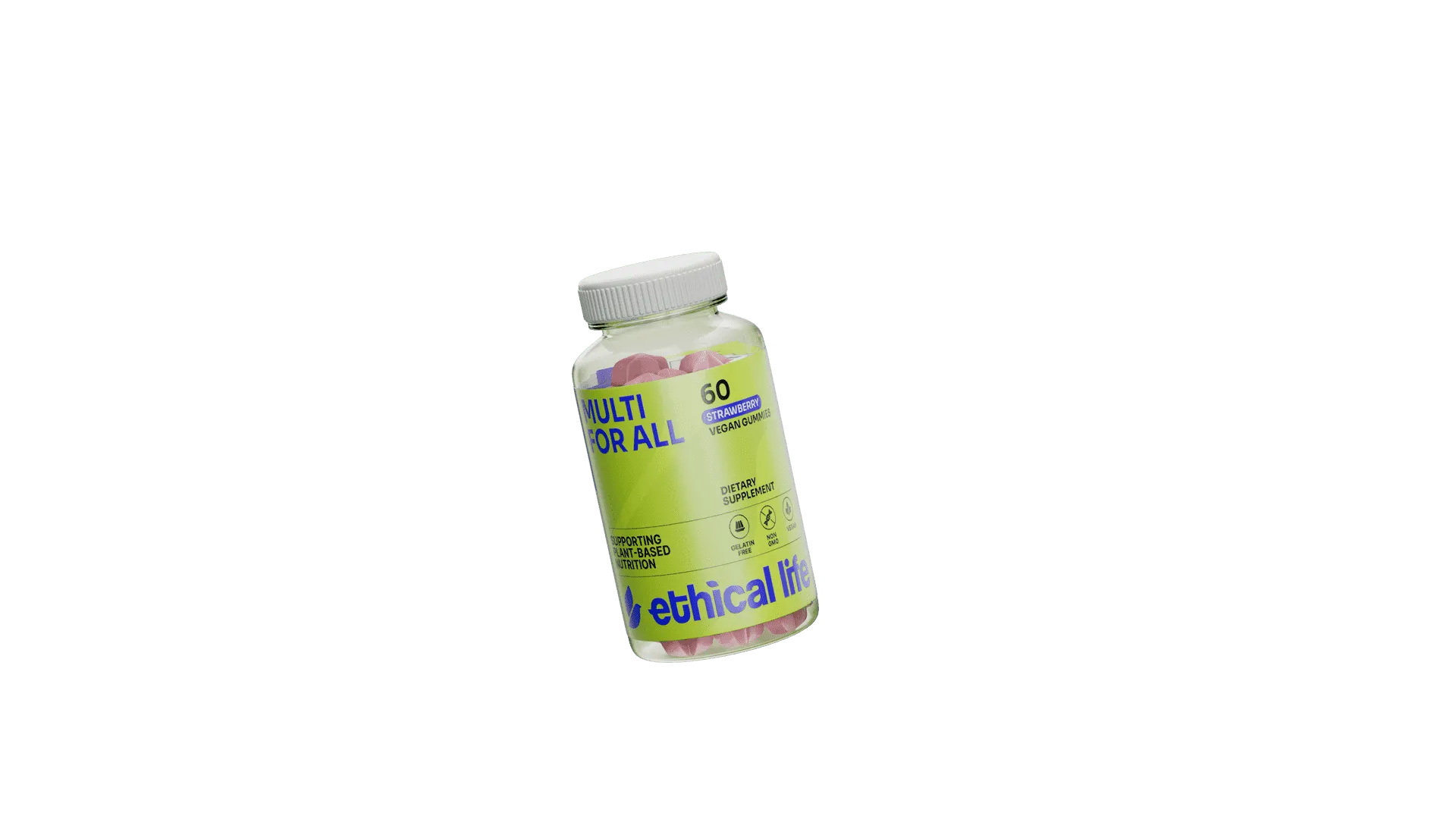
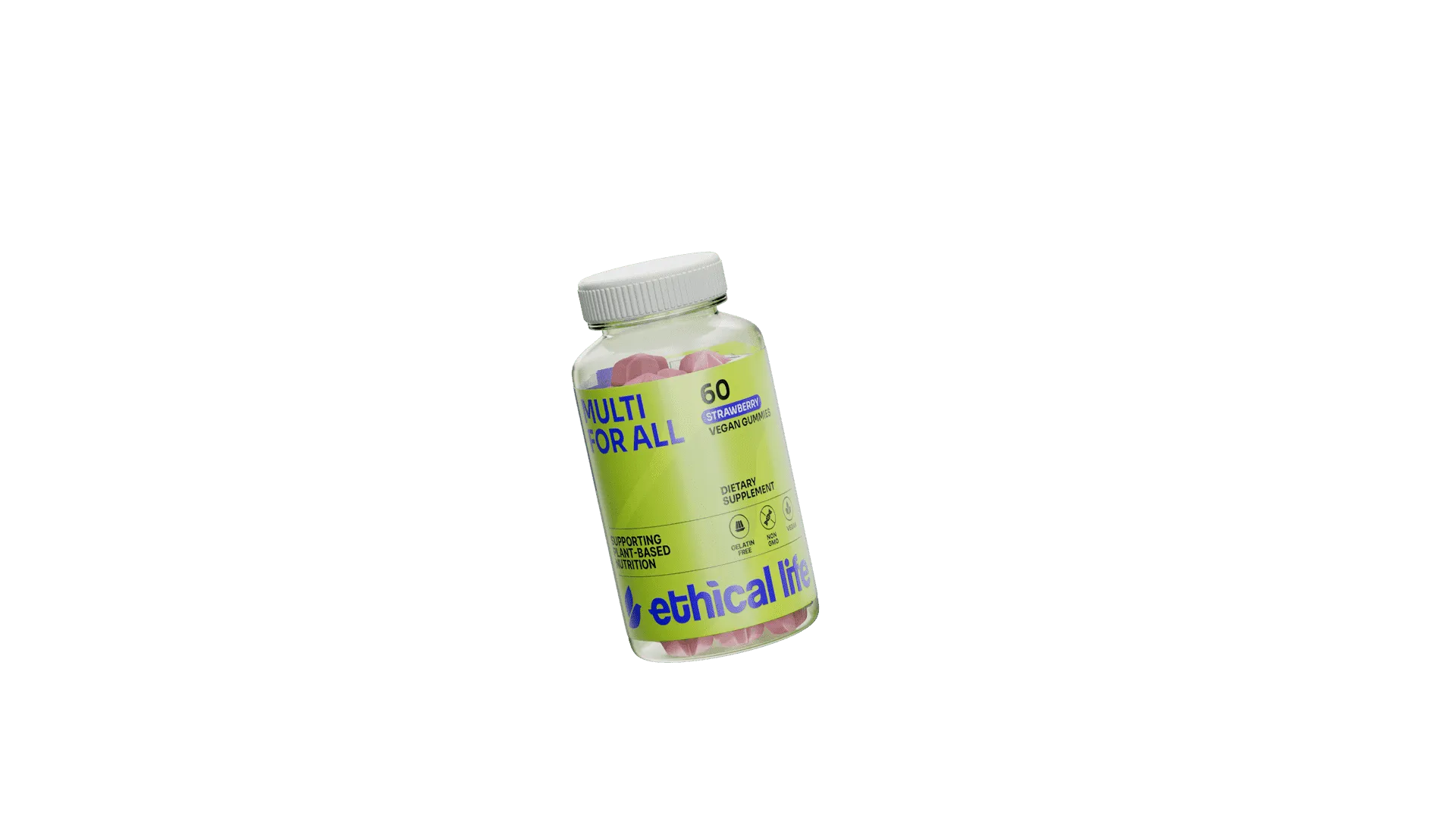
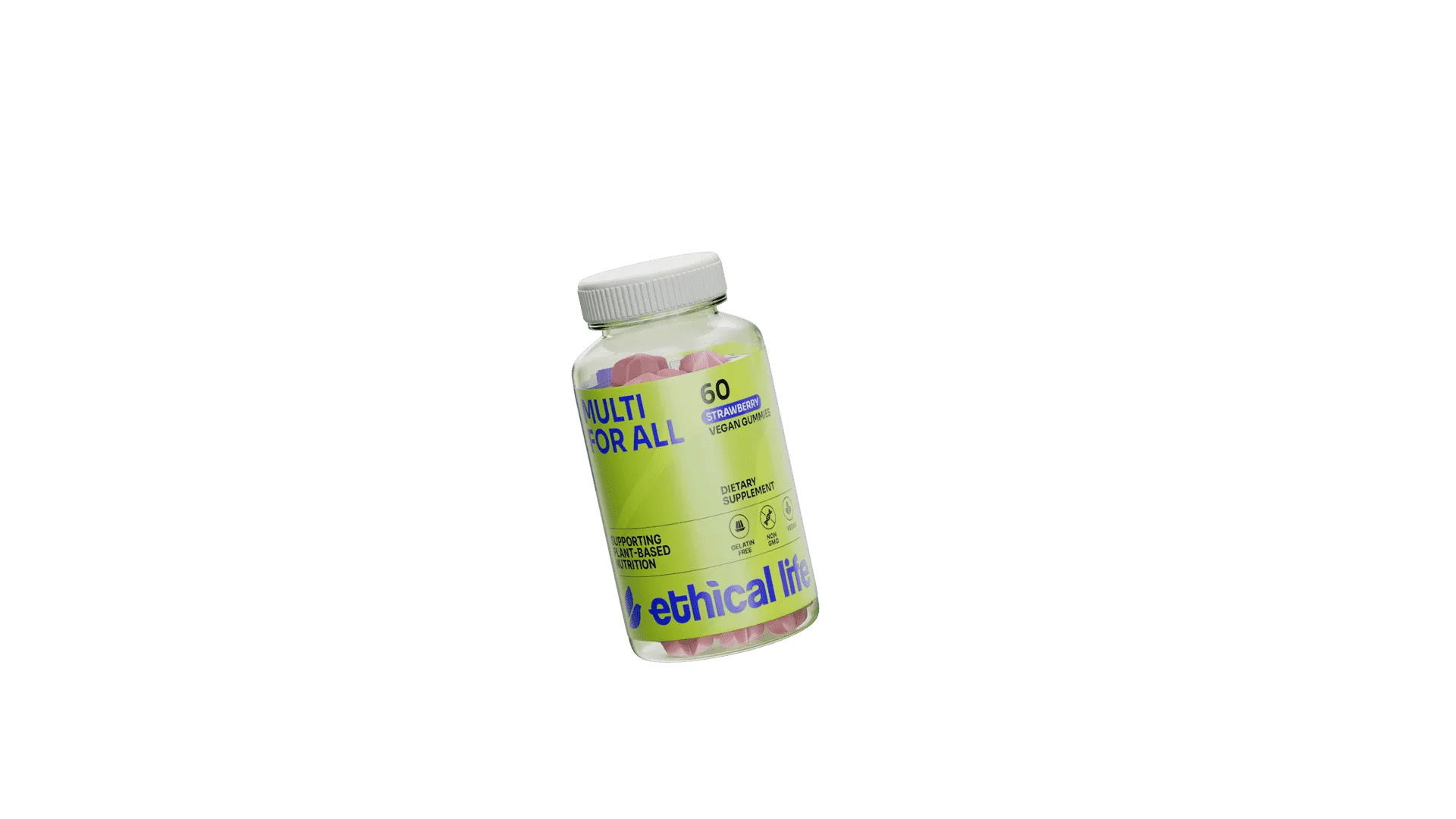
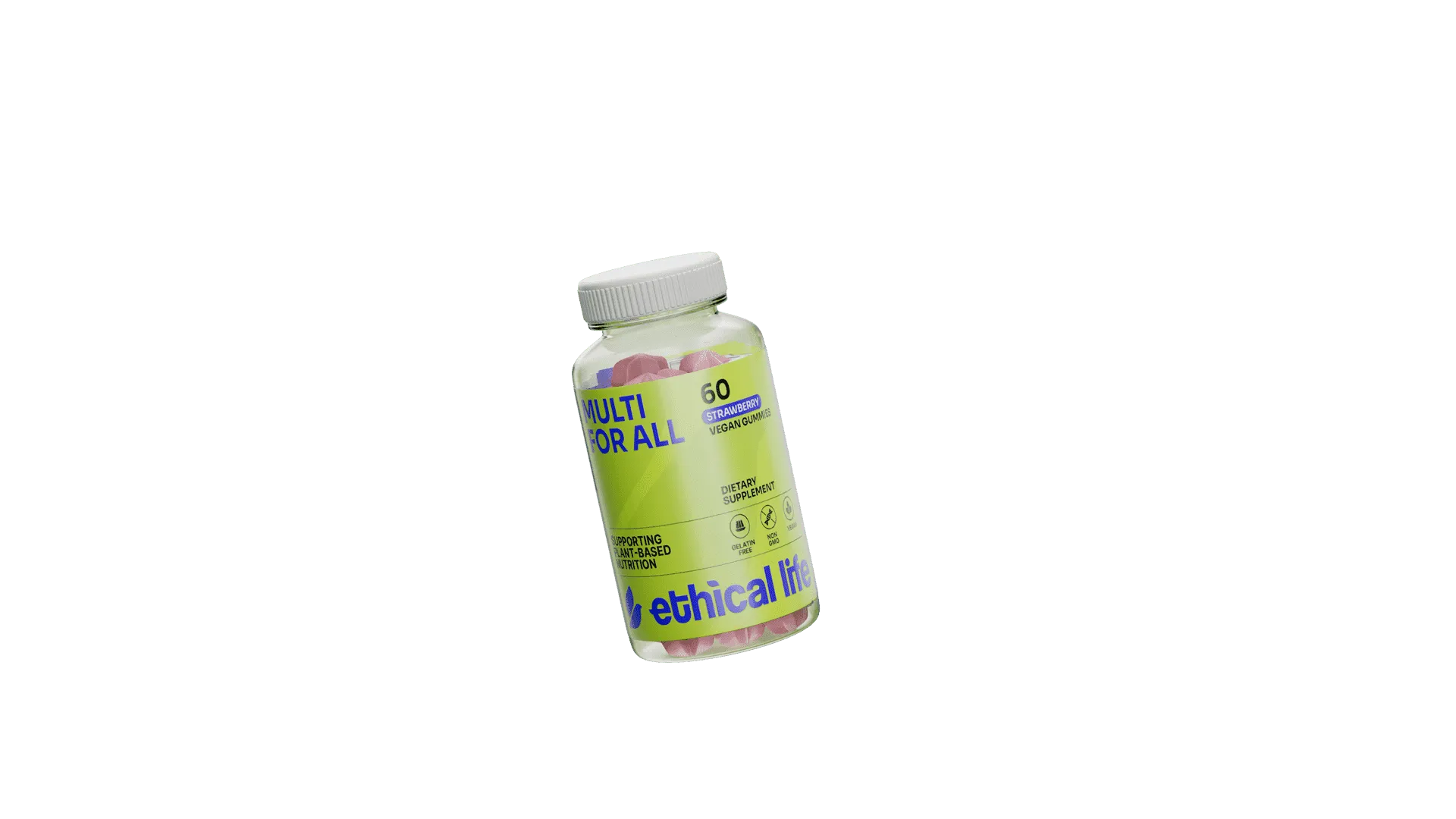
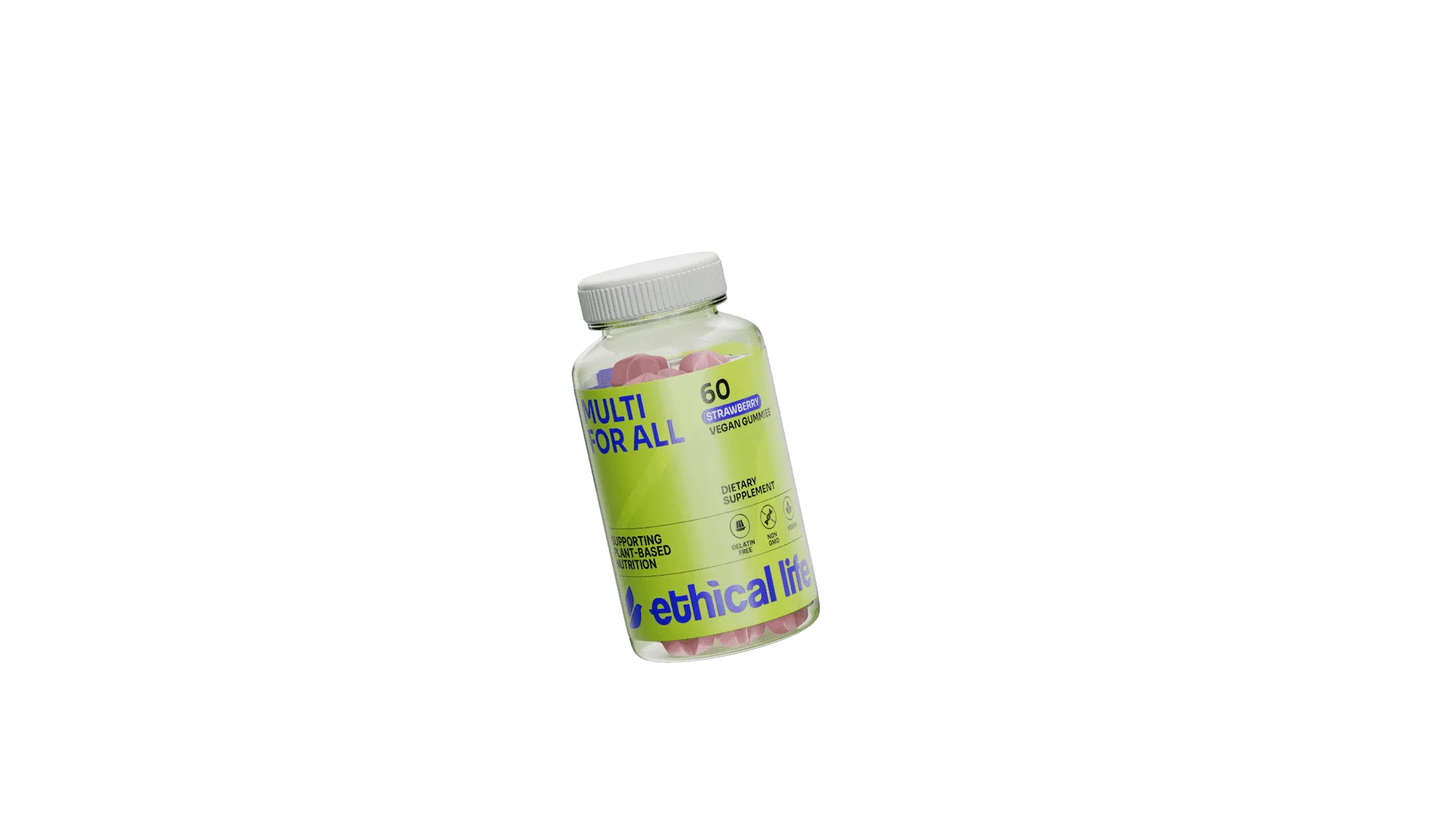
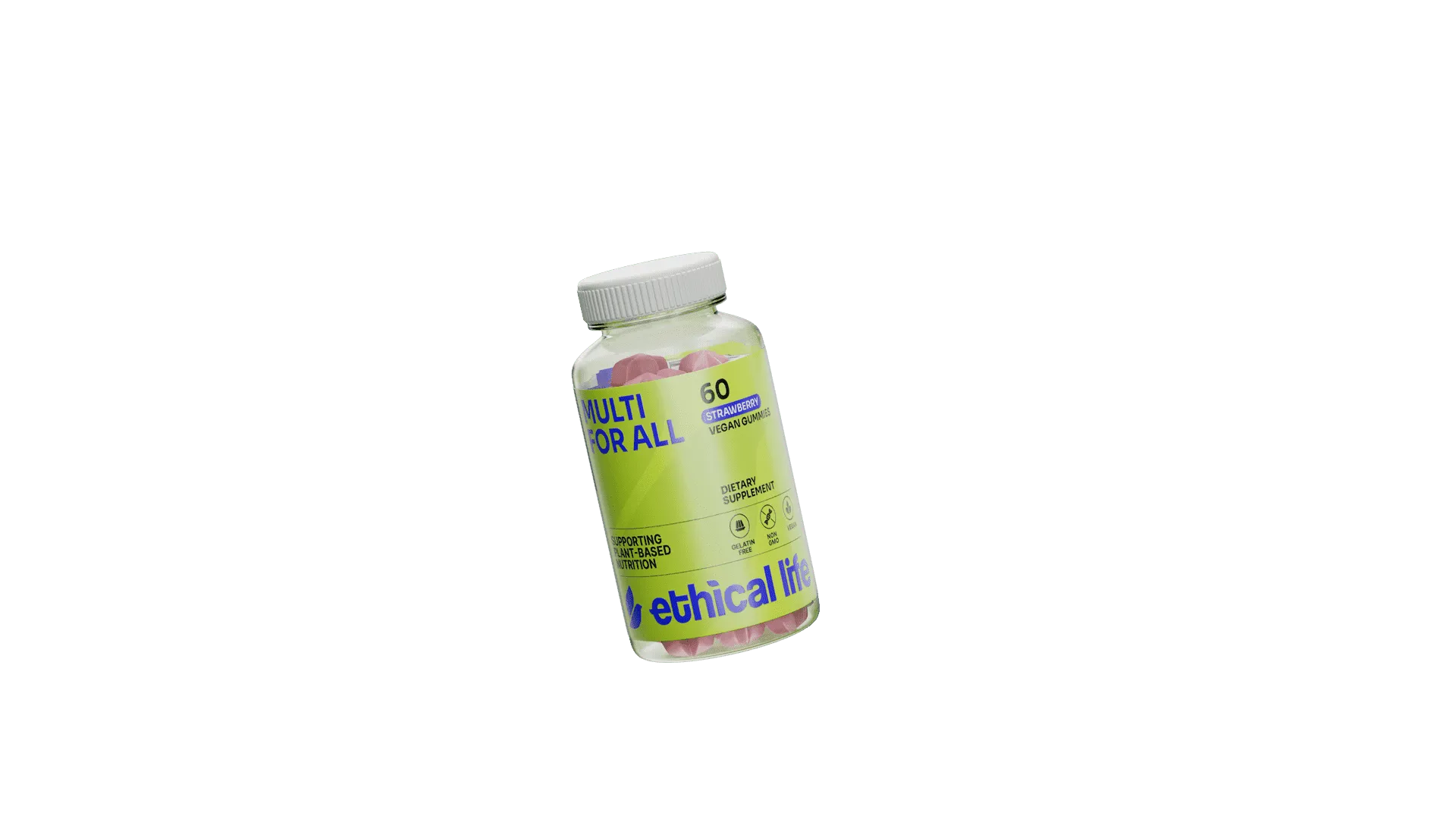
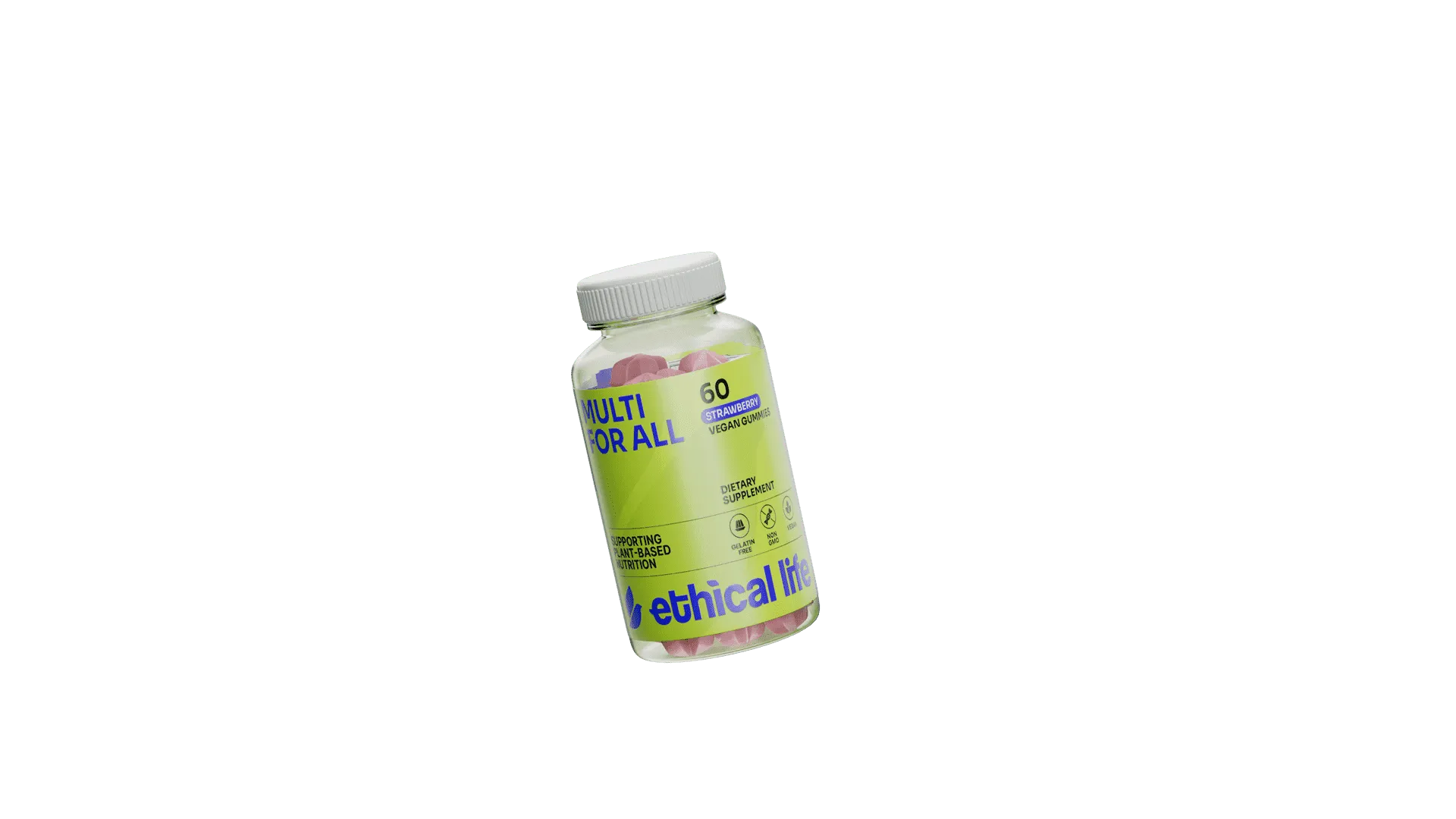
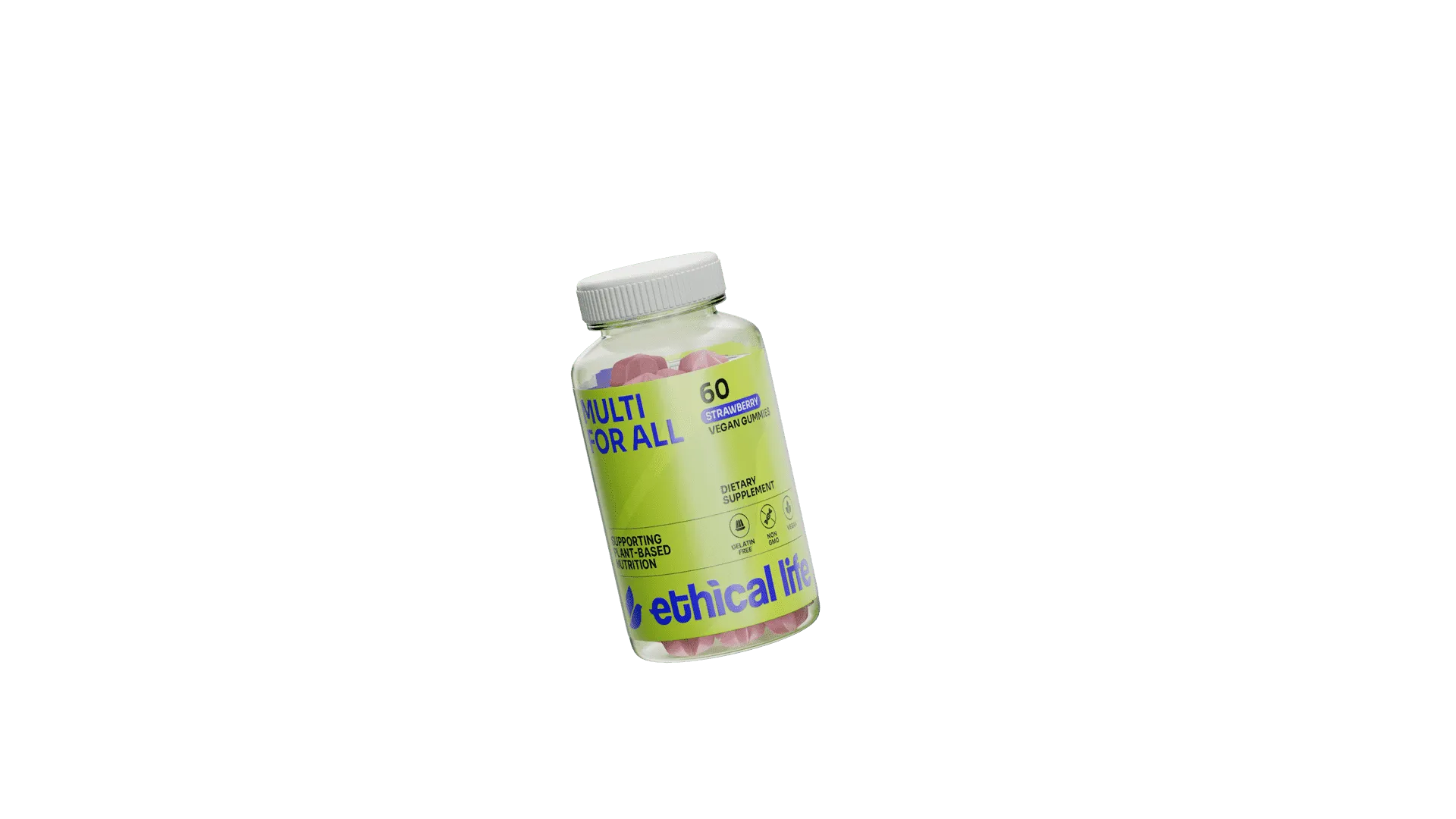
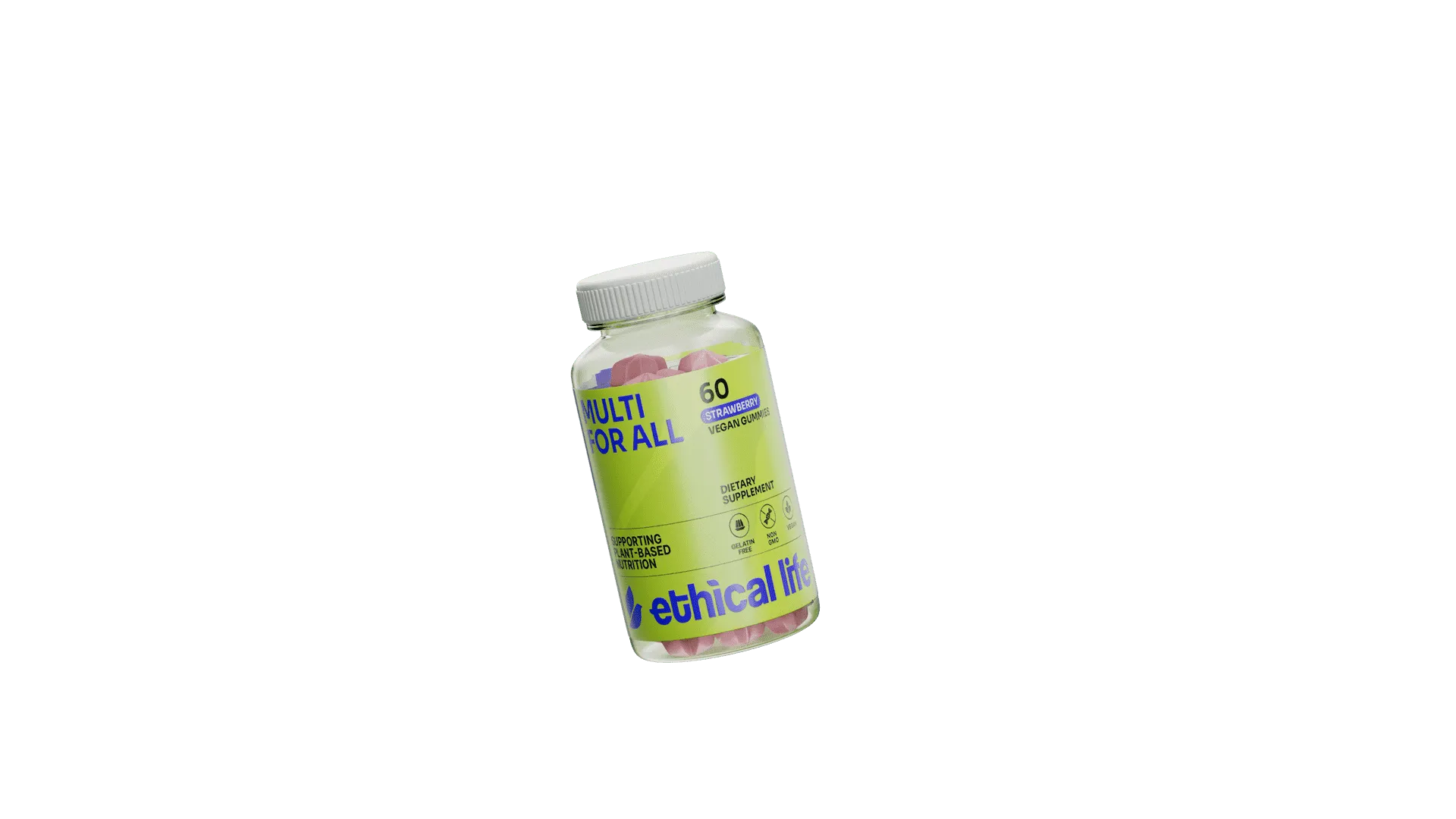
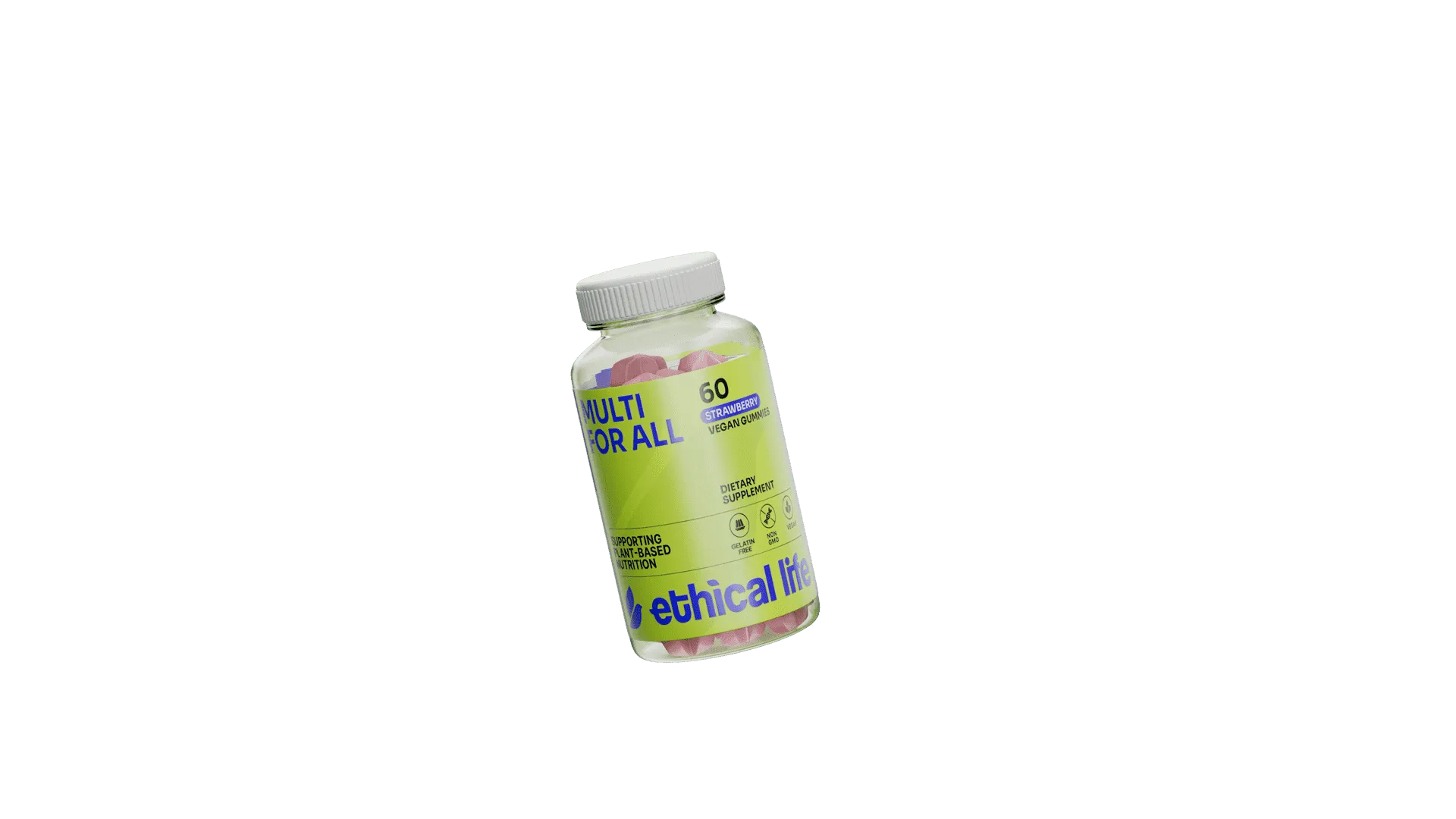
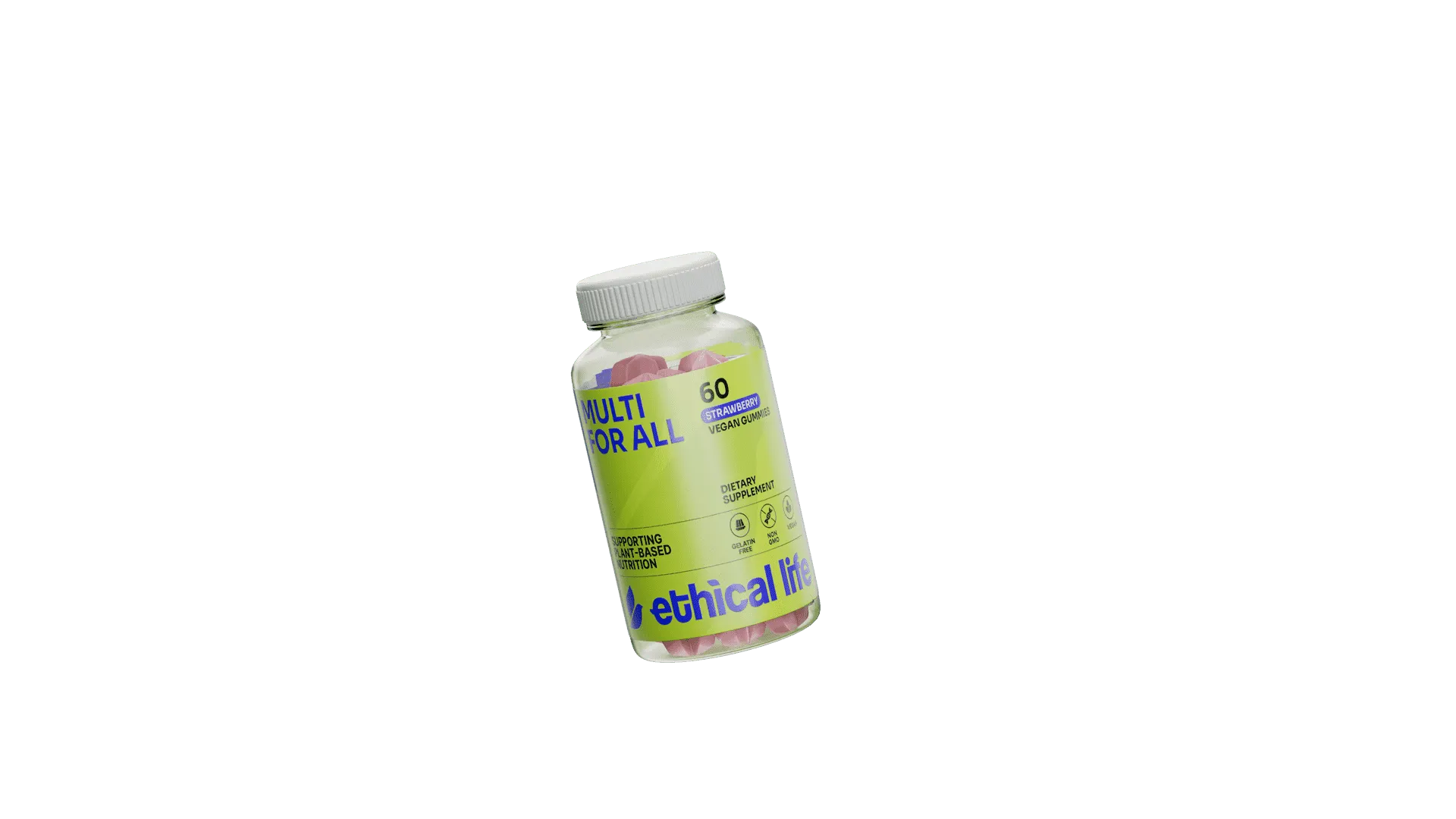
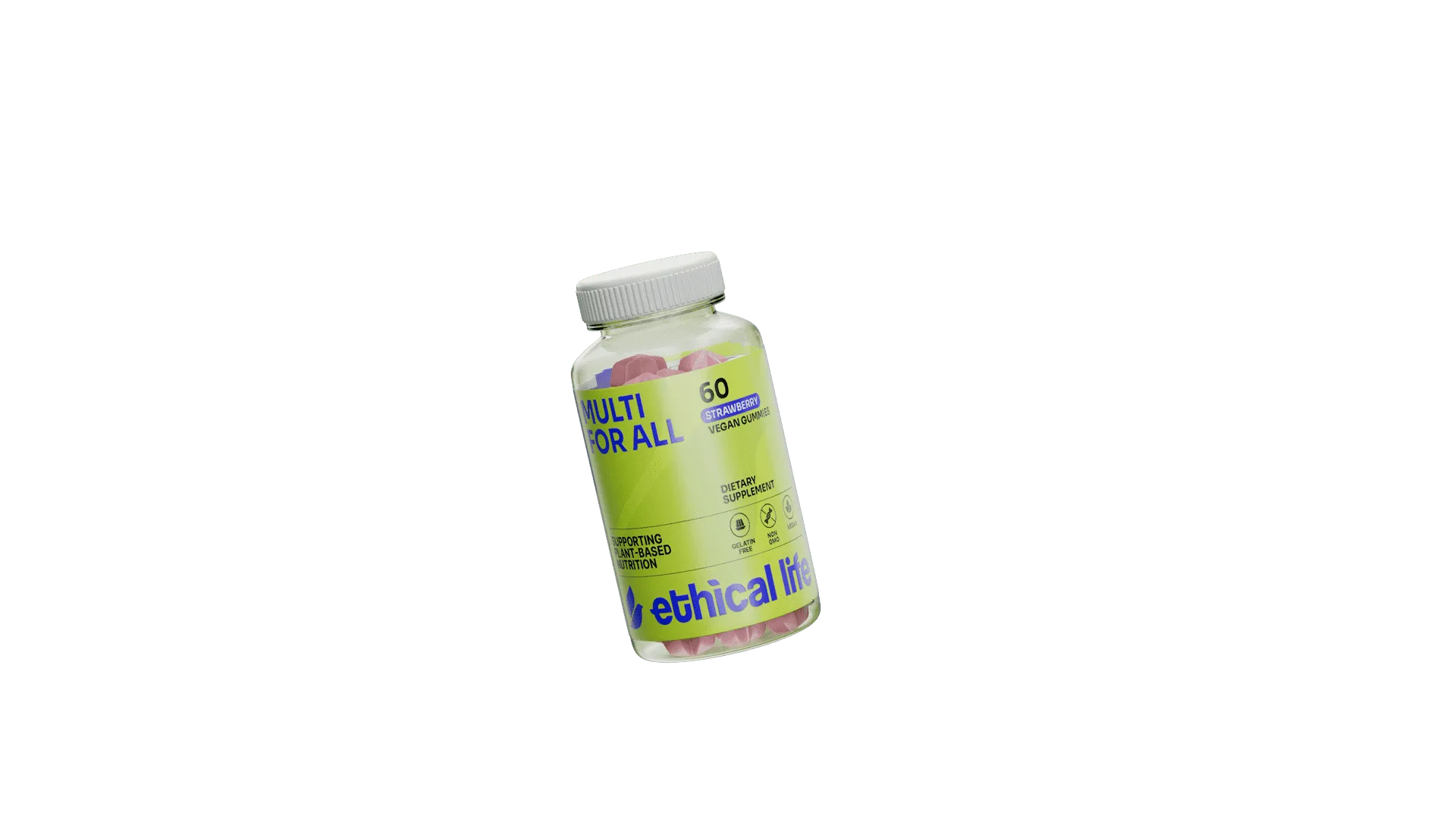
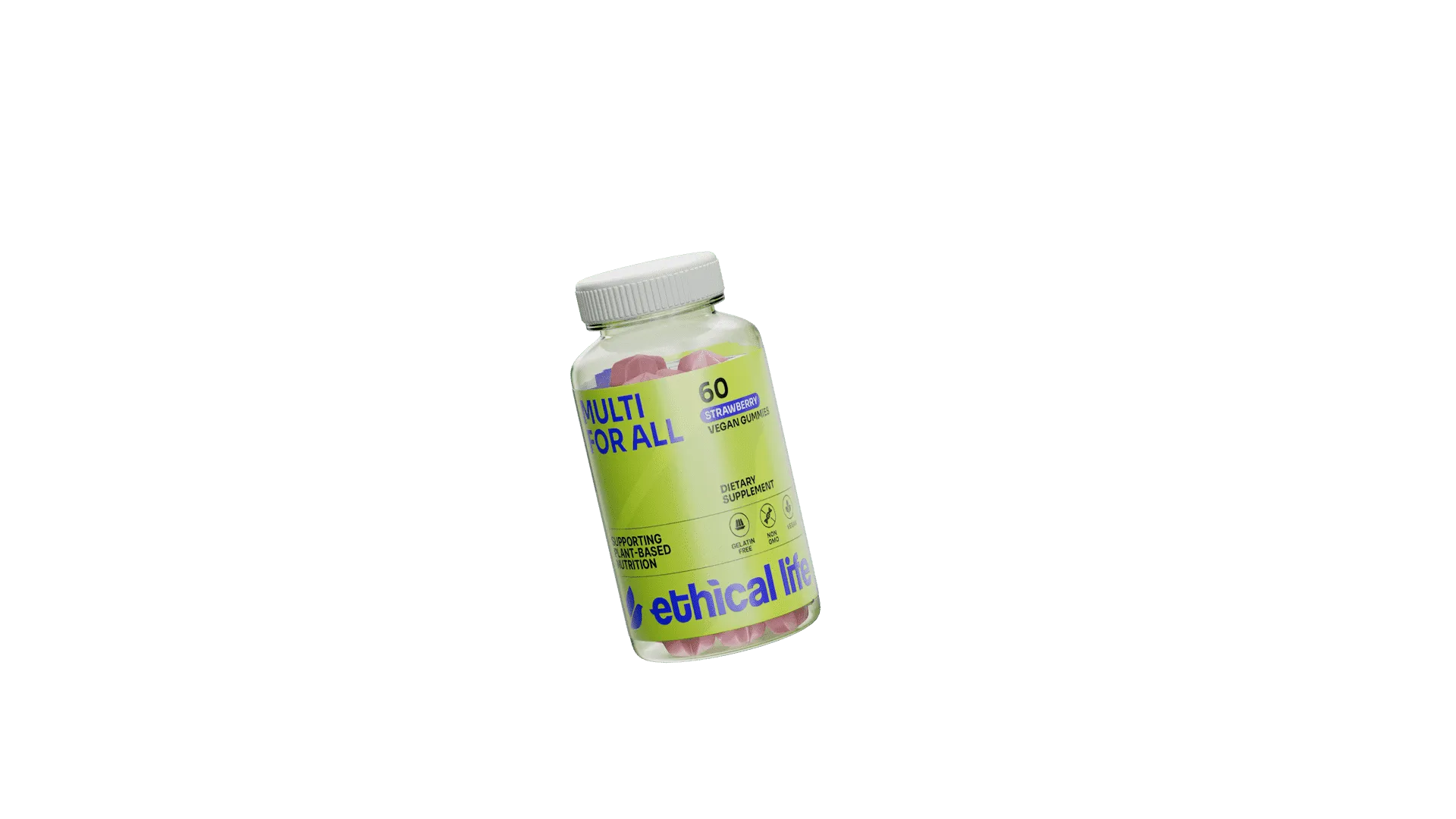
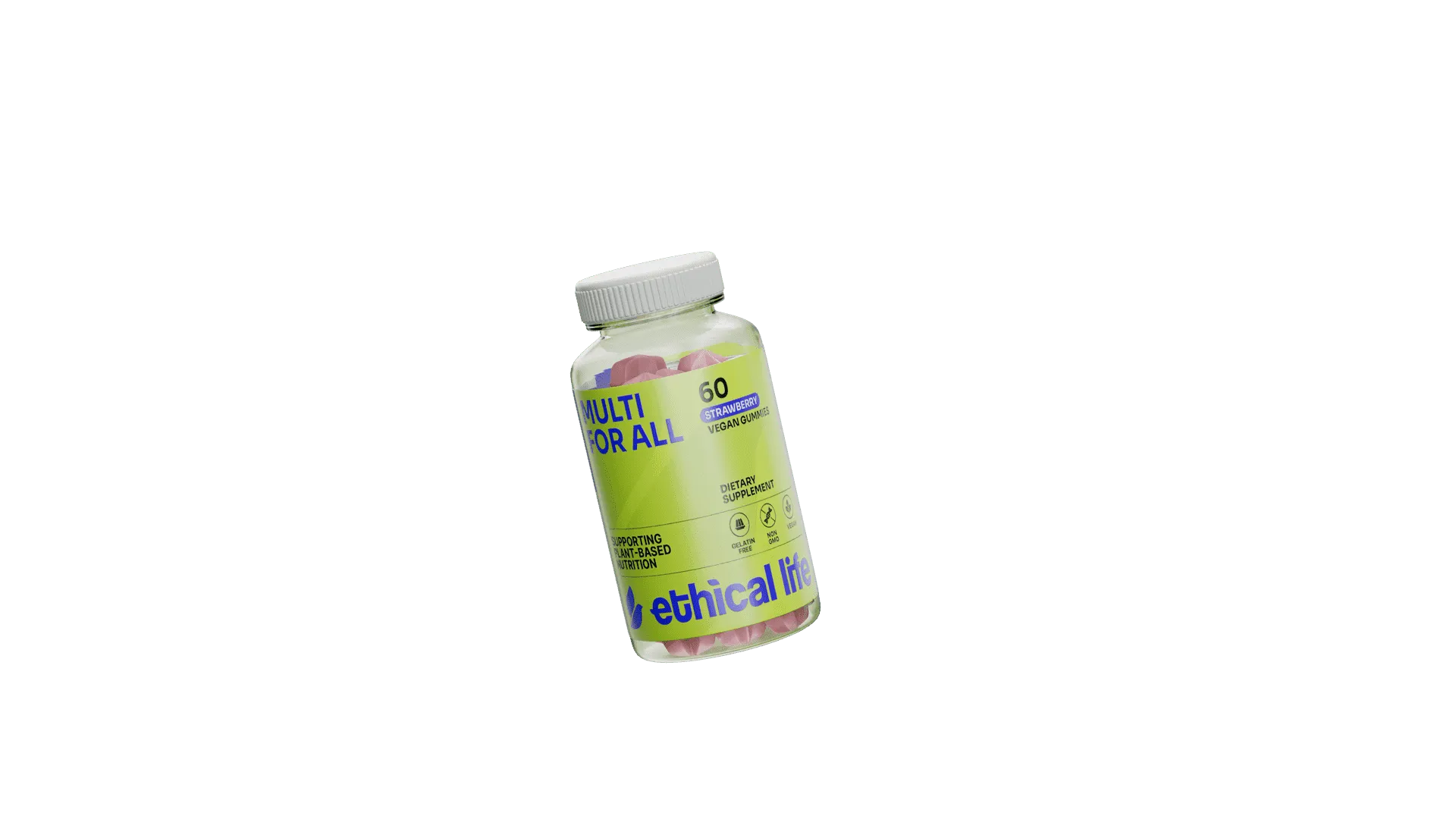
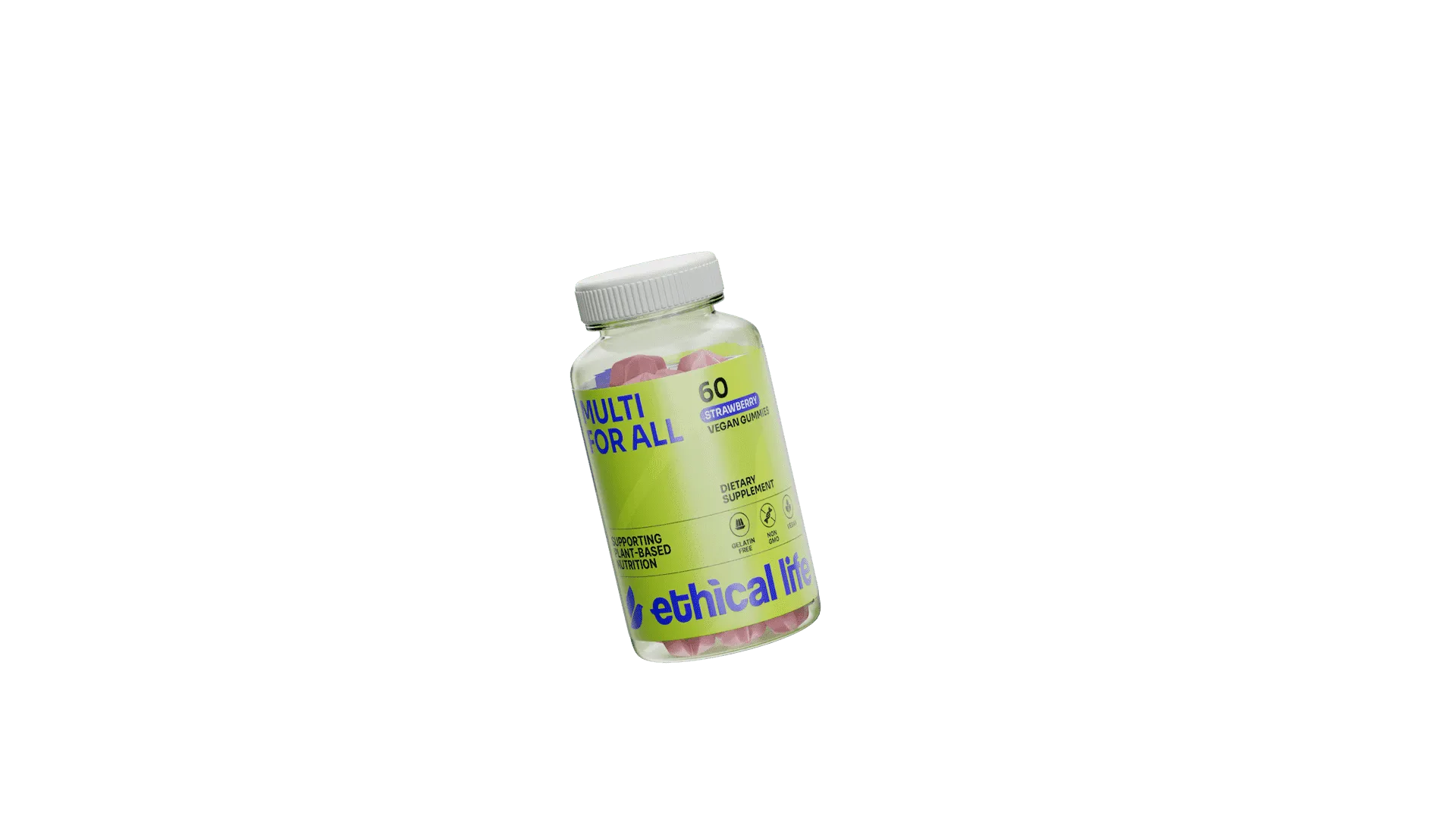
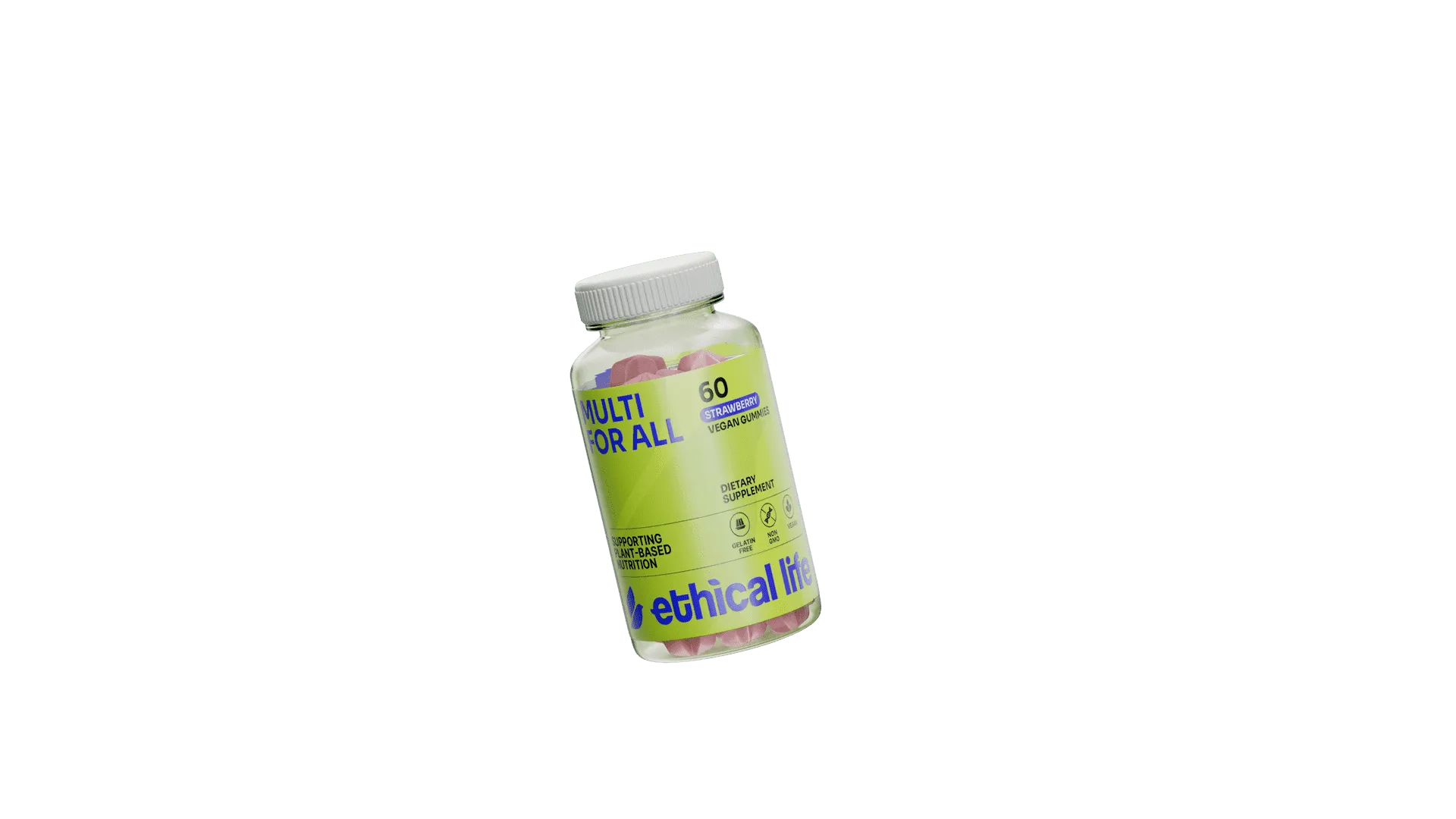
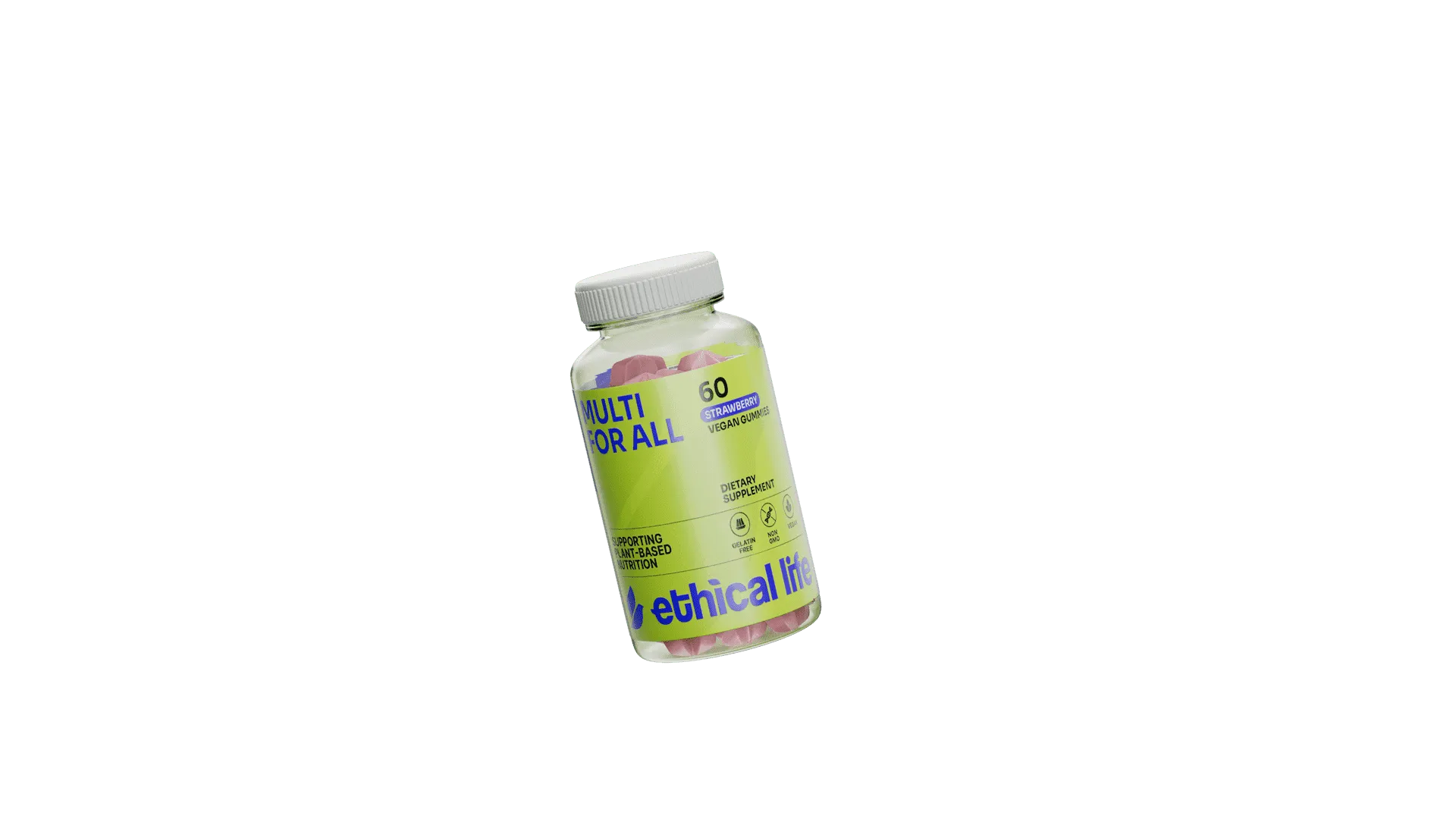
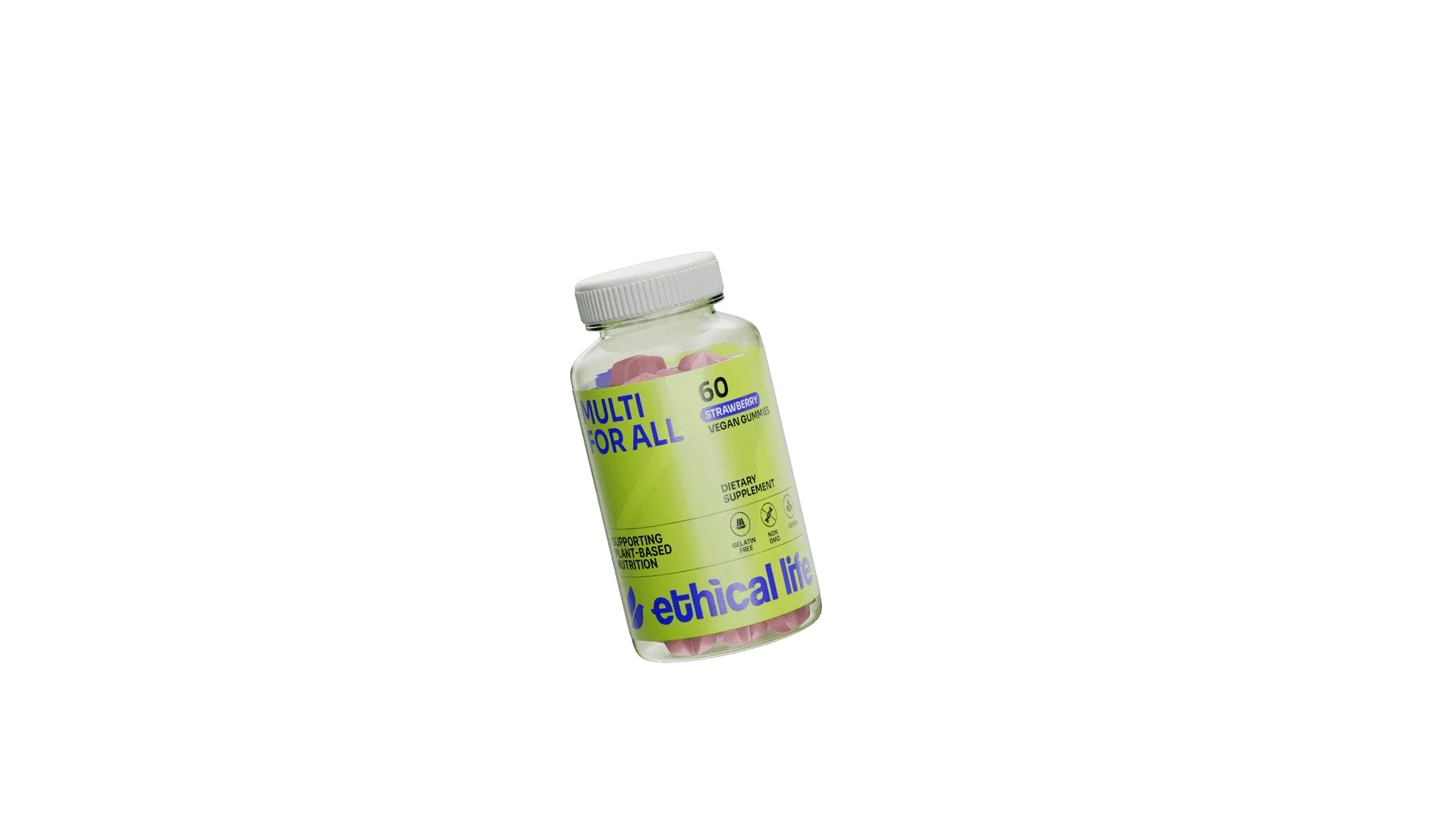
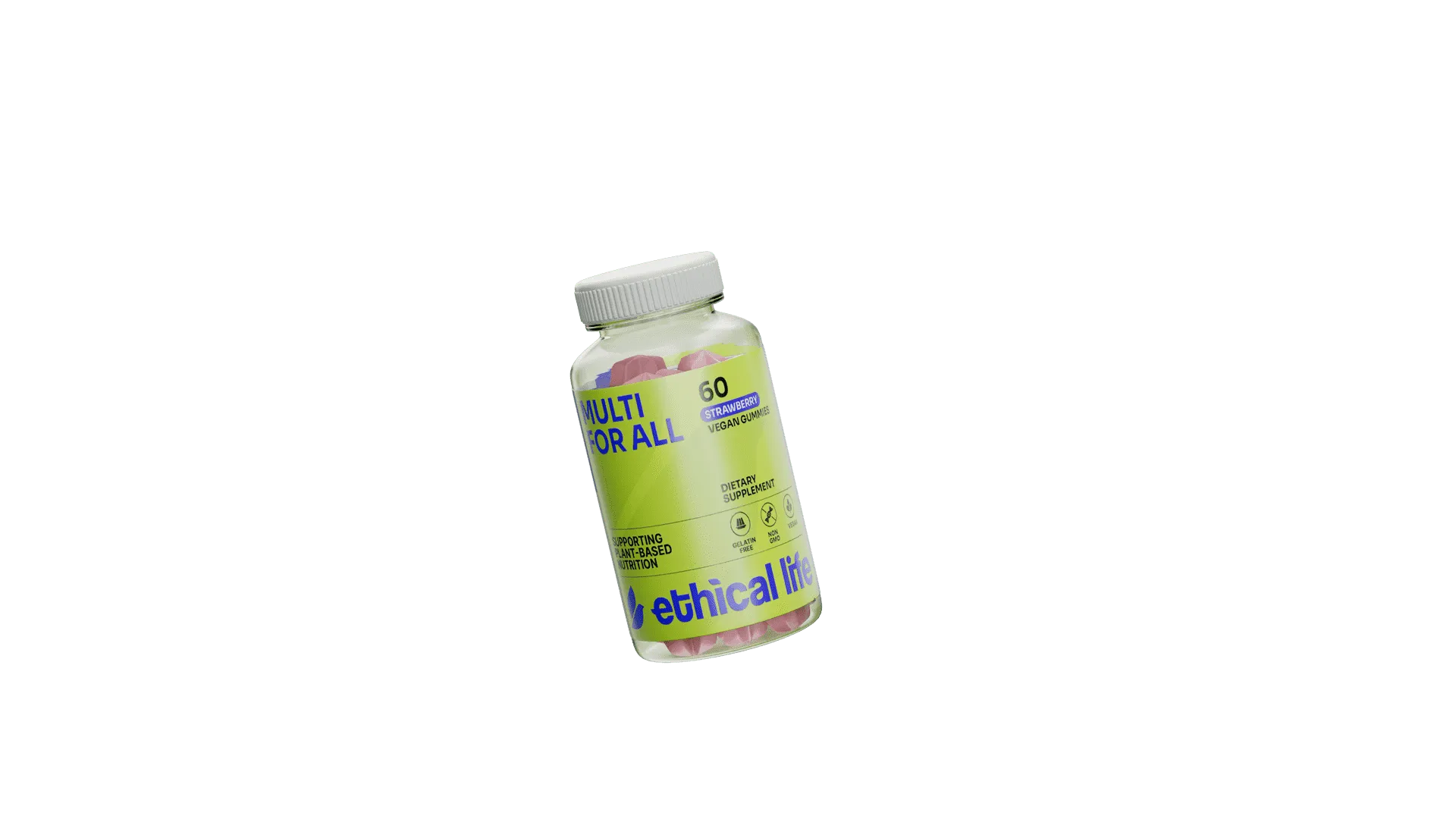
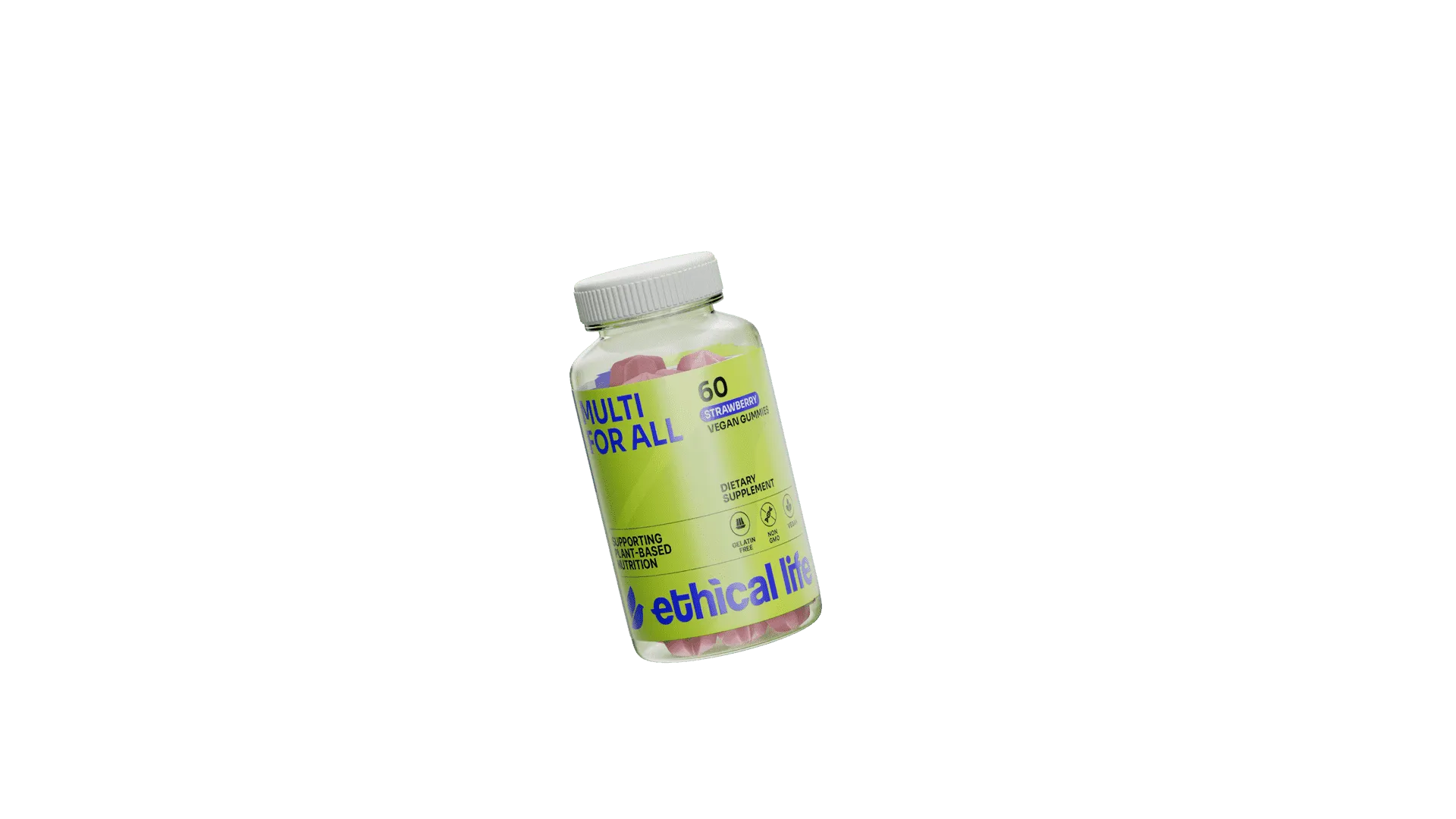
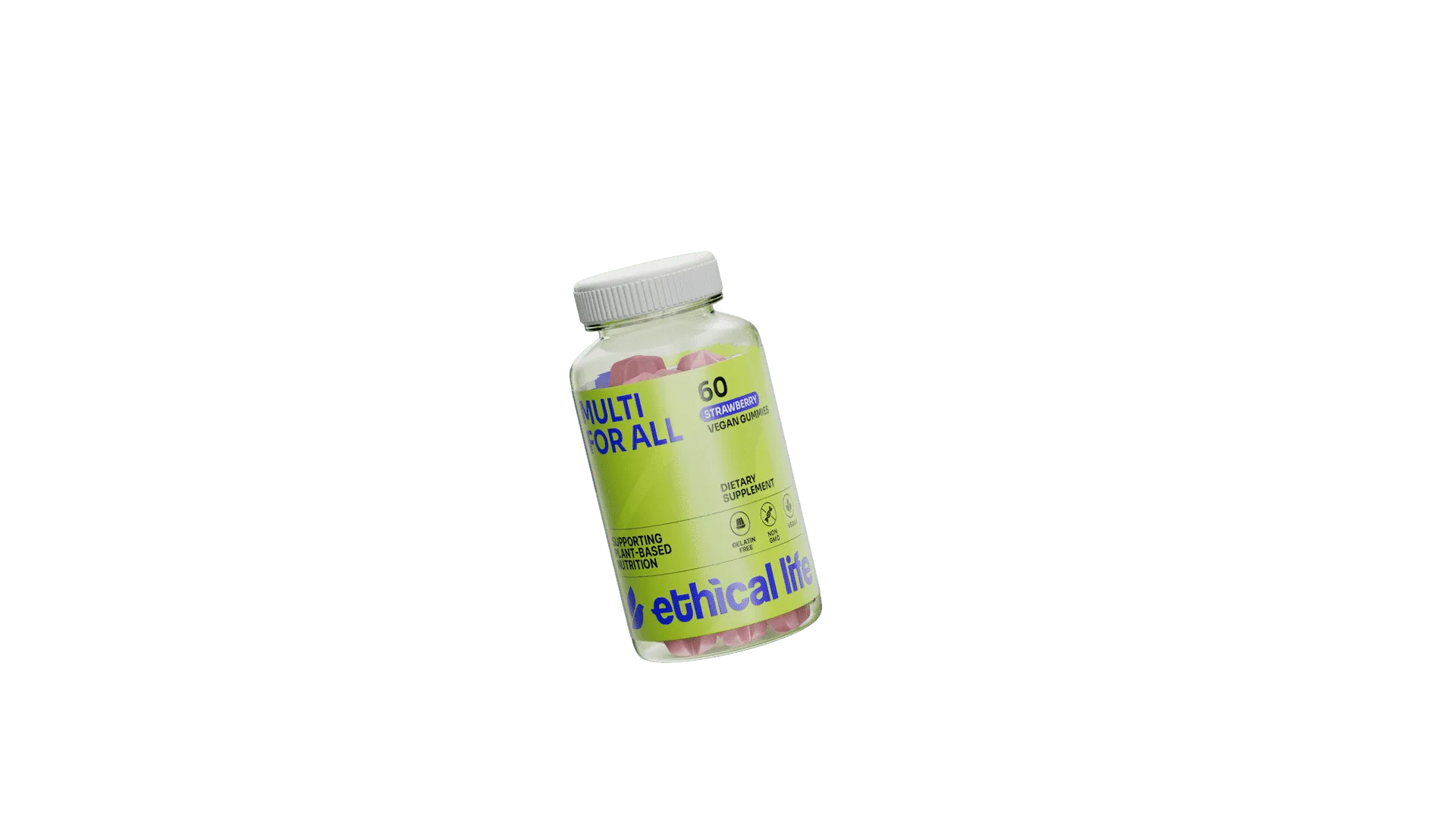
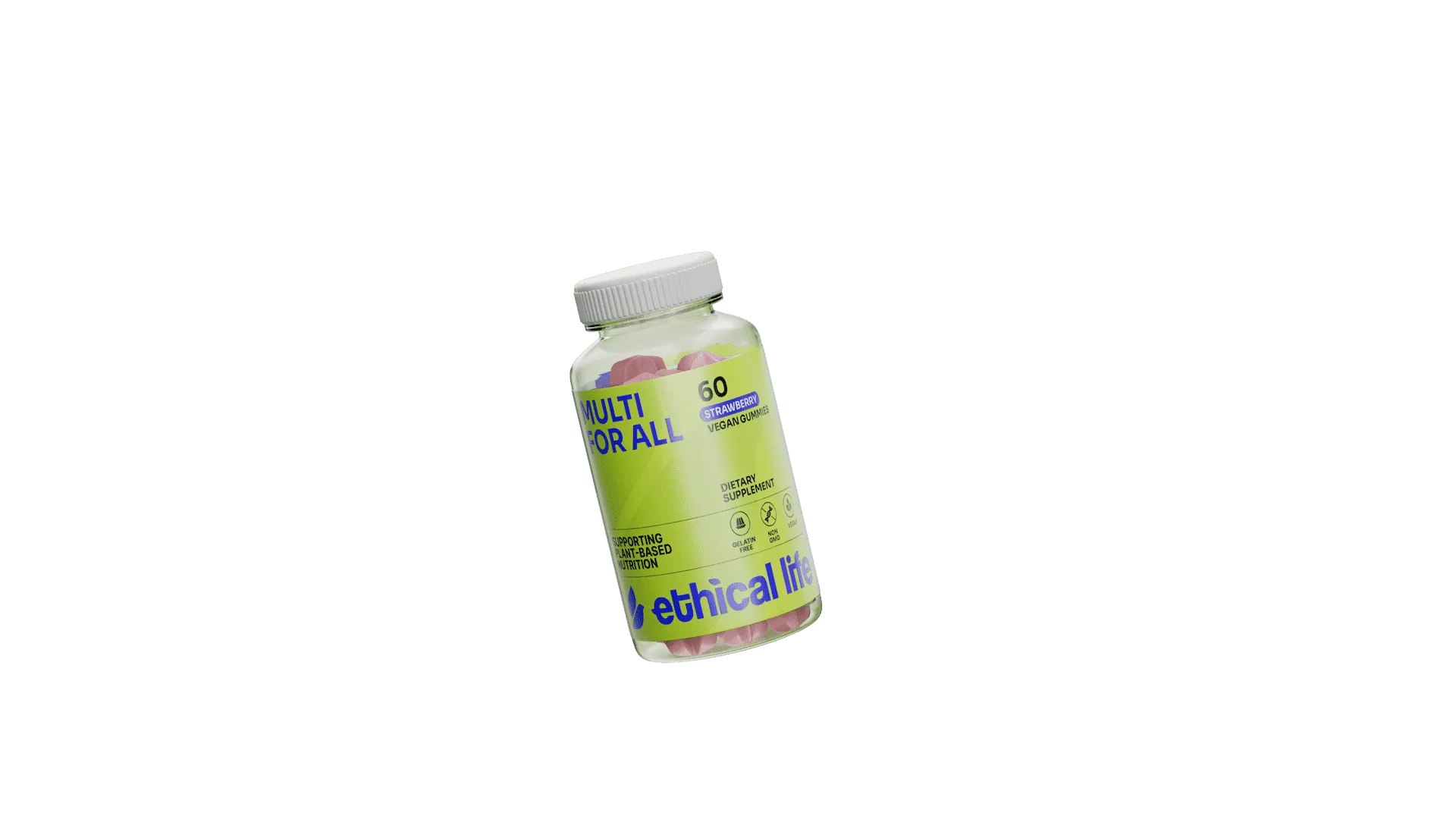
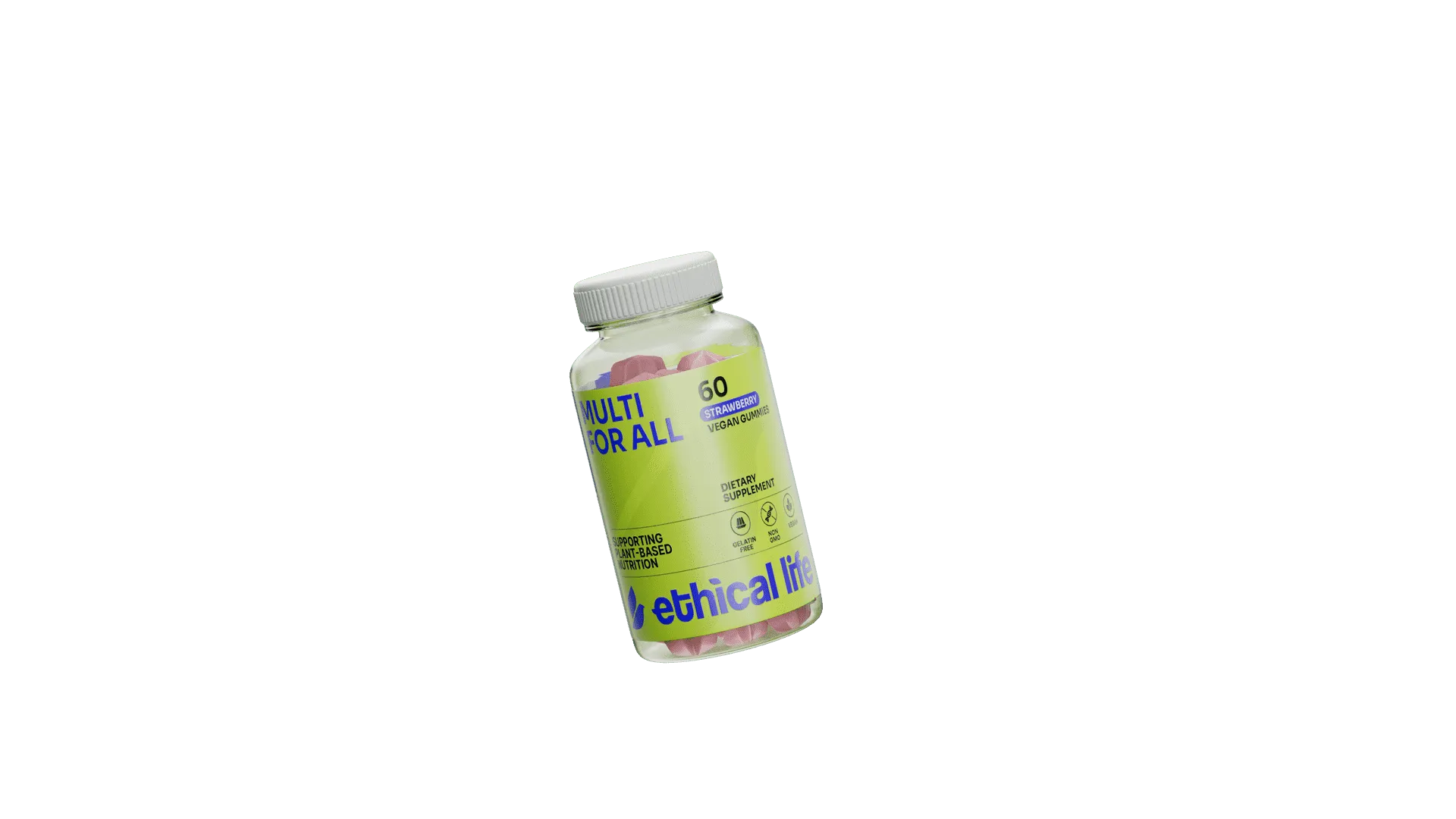
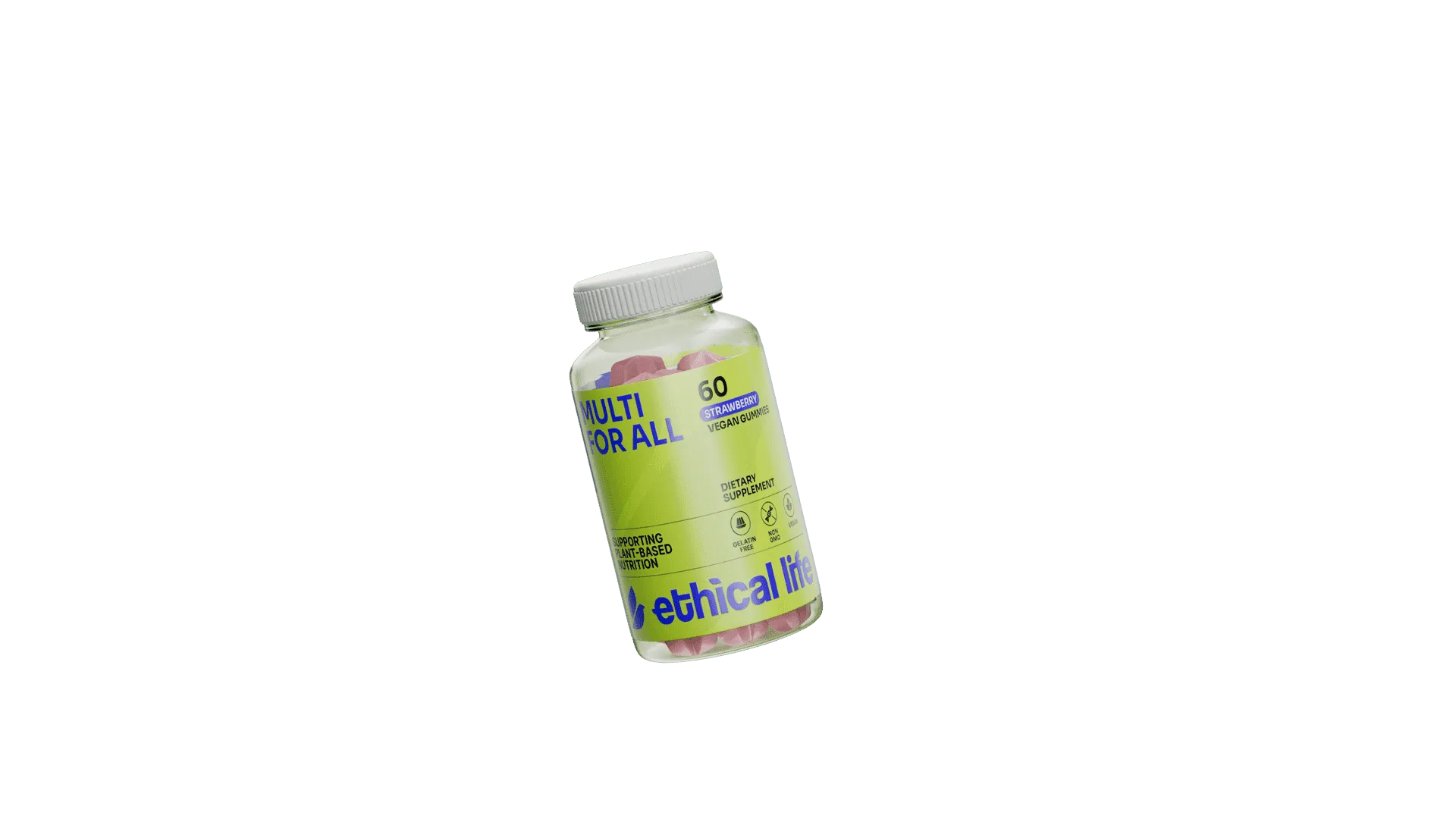
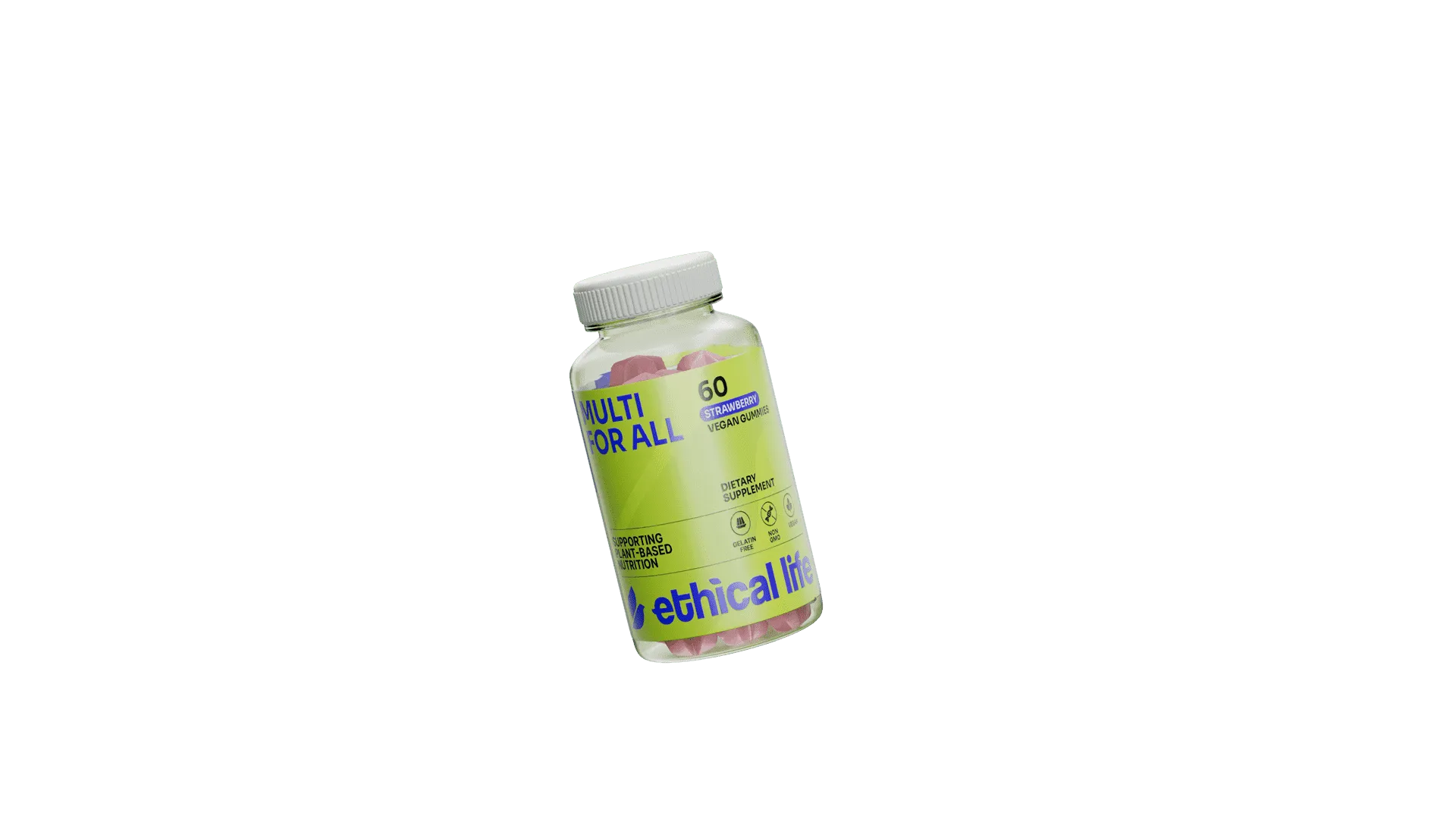
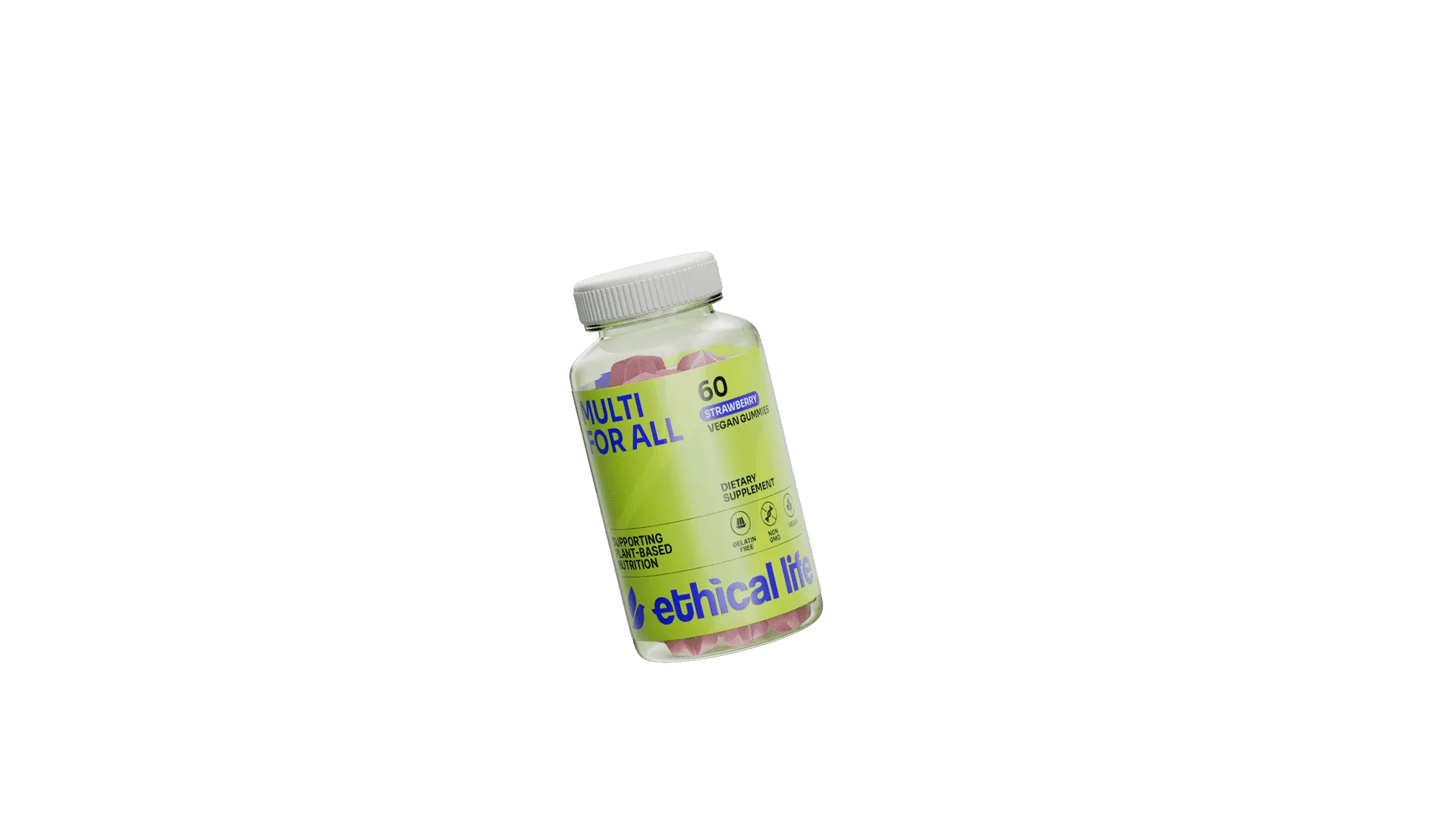
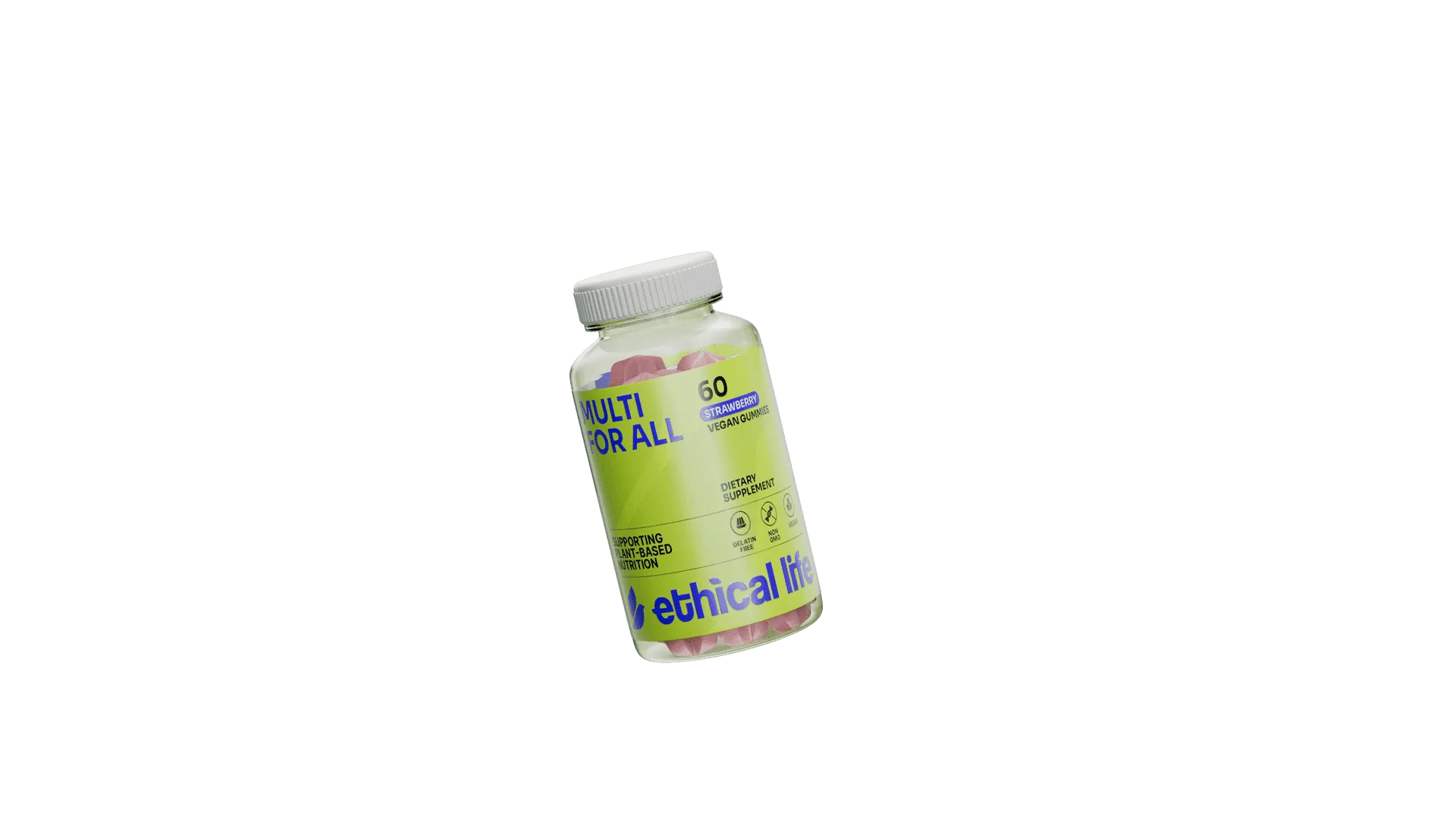
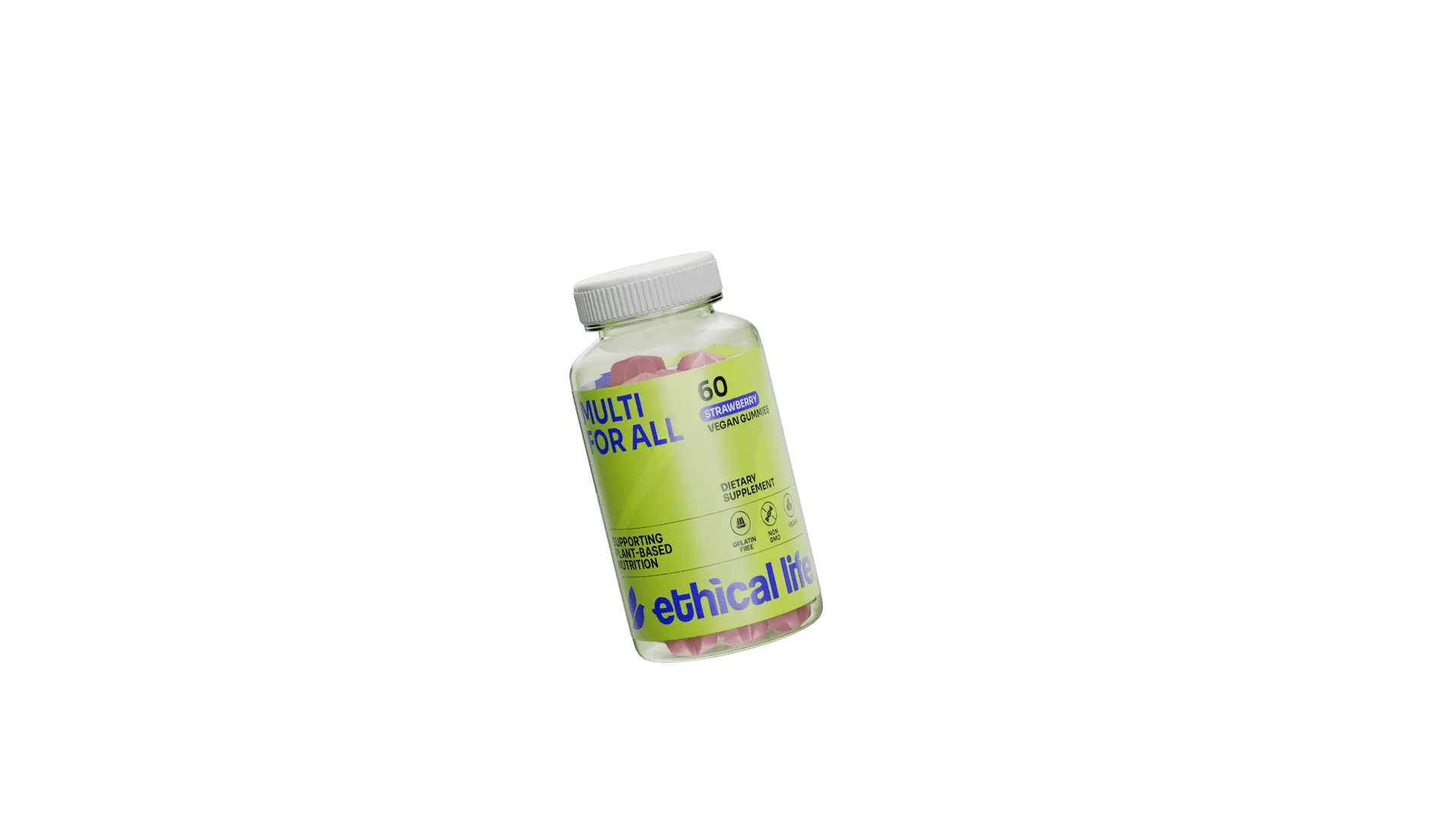
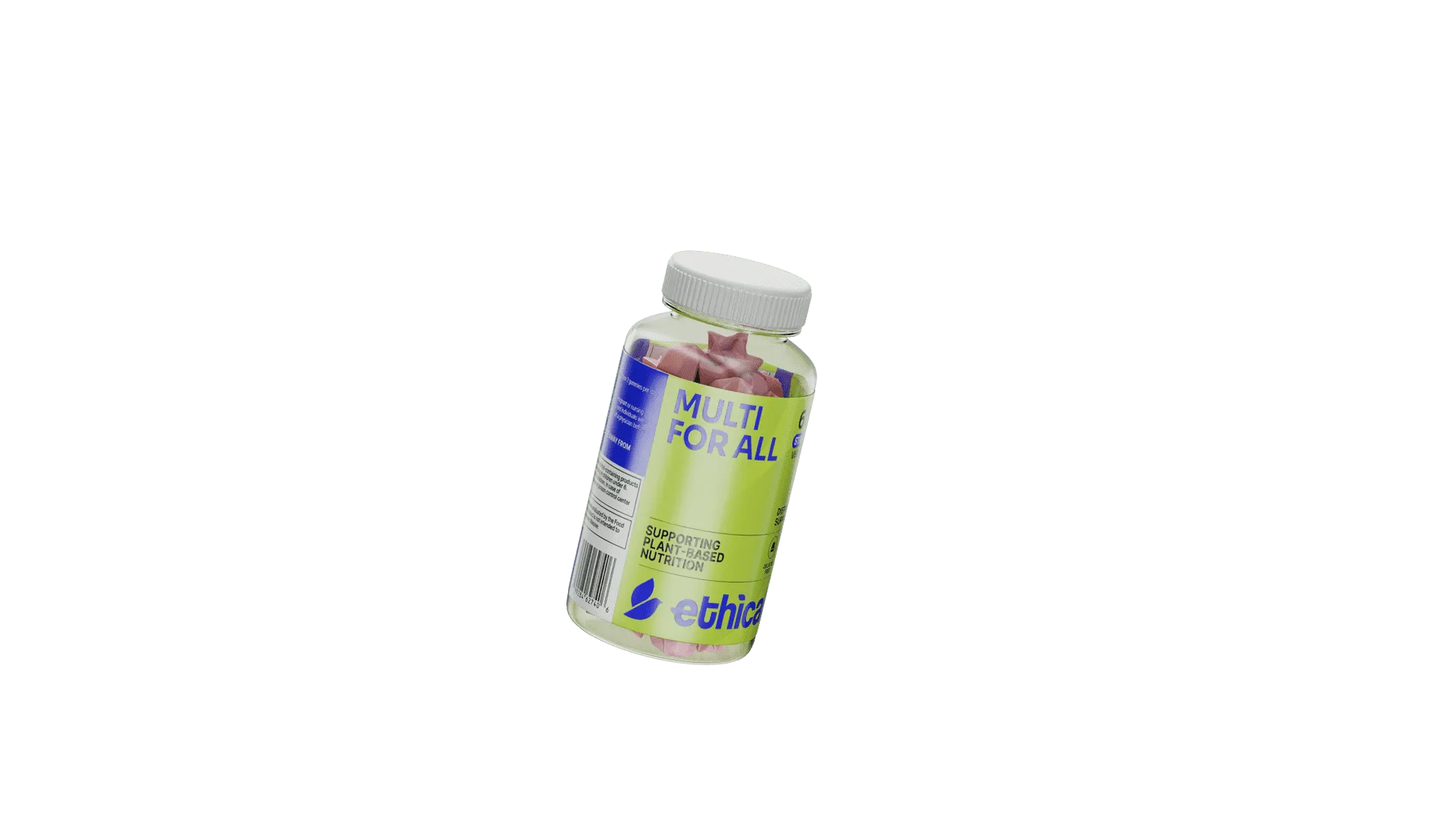
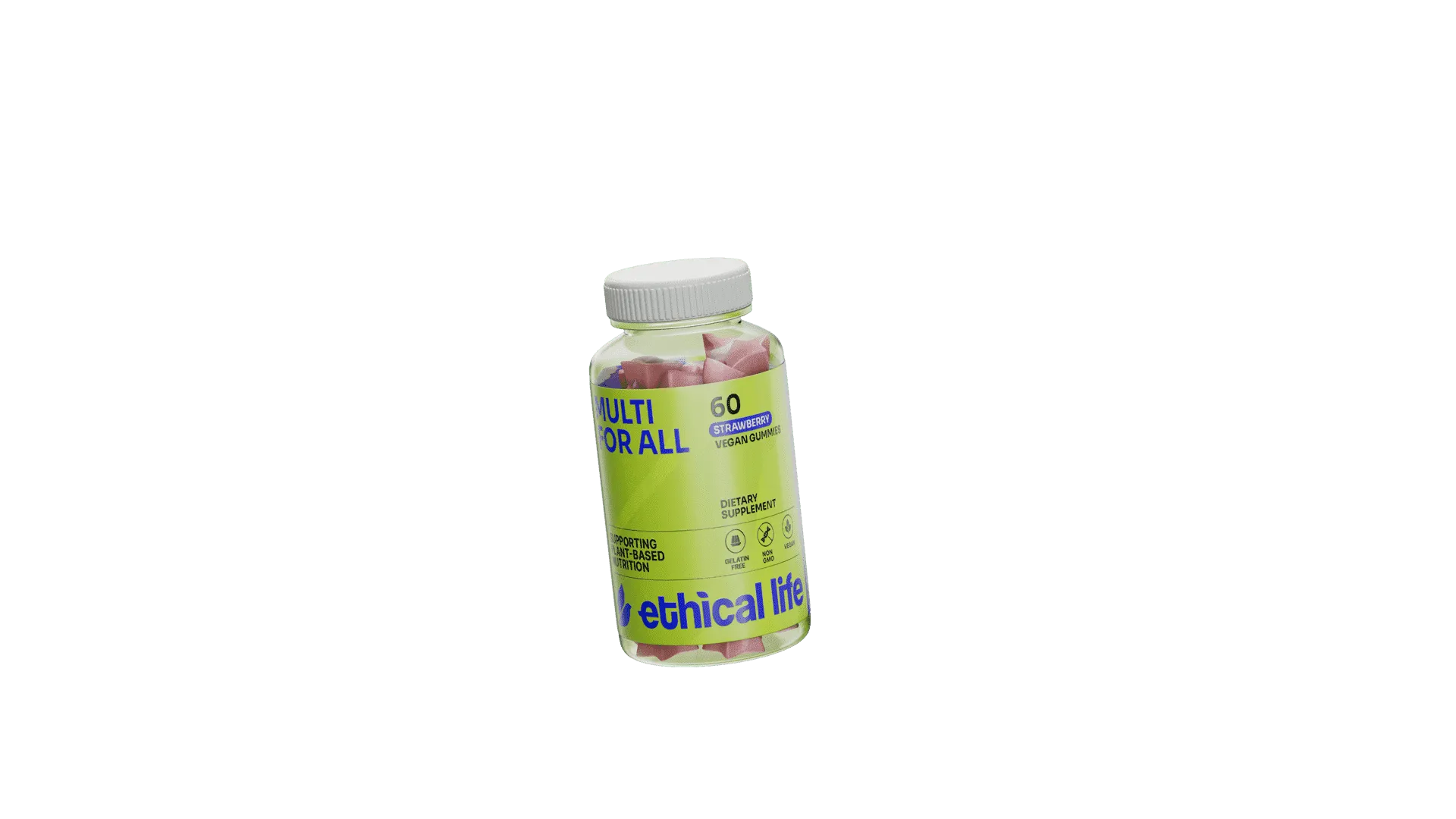
Looking for a reliable way to support your daily energy levels and nerve function? Our pharmacist-formulated vegan multivitamin gummies deliver essential Vitamin B12 alongside key plant-gap nutrients like Vitamin D, Iron, and Zinc. Made in the USA, third-party tested, and crafted with fruit-derived pectin instead of animal gelatin, they are designed to align perfectly with your ethical values.

Shop Multi For All: $31.49 / month

“I’ve tried many supplements, but Ethical Life truly stands out. From the first week, I noticed a difference in my energy, mood, and focus. The gummies taste amazing, and I love that they’re made with plant-based ingredients and no artificial junk or sugar. It feels good to take something that aligns with my values: cruelty-free, eco-friendly, and transparent about what’s inside. I appreciate that they’re made in the USA! Ethical Life isn’t just another supplement brand; it’s a brand that genuinely cares about health, ethics, and sustainability. I can’t recommend it enough!” – Neda N

How Much Vitamin B12 Do You Need?

The Recommended Dietary Allowance (RDA) established by the National Institutes of Health sets the daily B12 target at 2.4 mcg for adult males and females, rising to 2.6 mcg for pregnant females and 2.8 mcg for those who are lactating, per a PMC review (PMC12681447). These numbers look misleadingly minuscule: B12 is measured in micrograms, not milligrams. But they are vital. However, the body’s ability to absorb it is the variable that determines whether you are meeting your needs. Knowing the RDA is a starting point; understanding how to get daily nutrients reliably, given the absorption constraints discussed above, is the more practical question.

Physicians traditionally diagnose B12 deficiency when serum levels fall below 200 pg/mL, as noted in the NIH clinical review of B12 deficiency. There is a growing argument in clinical nutrition, however, that this threshold is set too low. Research published in PubMed Central and supported by other clinical analyses suggests raising the diagnostic cutoff to 300 pg/mL or even 350 pg/mL. This is because neurological symptoms, such as tingling, cognitive slowing, and balance disruption, can appear in patients whose serum B12 sits in the so-called “borderline normal” range.

These evidence-based guidelines highlight that serum B12 alone is an imperfect marker; secondary biomarkers like methylmalonic acid (MMA) and holotranscobalamin II (holo-TC) provide a more accurate picture of functional B12 status at the cellular level. There is no simple consensus here, and that ambiguity is worth acknowledging rather than papering over. Science evolves.

“I’m a doctor of pharmacy, certified plant-based nutritionist with over 30 years of experience, and vegan for 12 years. Caring for others has taught me one thing: living an ethical life is not only possible but is absolutely thriving! Small daily choices shape our lifelong health, the lives of animals, and our planet.” – Sepideh, founder of Ethical Life

Signs and Symptoms of Vitamin B12 Deficiency

One of the more perplexing facets of B12 deficiency is how long it can remain invisible. It hides well. Because the liver stores roughly 3 mg of B12, enough to sustain normal function for several years, the body quietly draws down its reserves before any symptoms surface. By the time the classic signs appear, the deficit has often been building for a long time. Recognizing the early warning signals matters, and if you are already noticing some of them, reviewing the broader landscape of signs of vitamin deficiency can help you connect the dots.

The neurological symptoms tend to be the most clinically significant. They develop slowly. Peripheral neuropathy, which presents as tingling or numbness in the hands and feet, is frequently the first thing patients report. This progresses to loss of proprioception, the sense of where your body is in space, ataxia, which causes coordination problems, and, in advanced cases, cognitive decline that can be mistaken for early dementia. On the hematological side, megaloblastic anemia produces fatigue, pallor, heart palpitations, and shortness of breath. A sore, inflamed tongue, known as glossitis, and mouth sores are also common but often overlooked. What makes this deficiency particularly dangerous is the folate masking problem: high dietary folate, which is common in plant-rich diets and in populations eating fortified foods, can correct the blood abnormalities while neurological damage continues to progress silently underneath. A PMC clinical study (PMC7077099) found that among B12-deficient patients with minimal cognitive impairment, 84% reported marked symptomatic improvement and 78% showed measurably improved Mini-Mental State Examination scores after just three months of B12 replacement therapy. That recovery rate speaks to how responsive the nervous system can be when the underlying deficit is finally addressed.

Prioritize Your Vitality

Don’t wait for silent nutrient gaps to impact your daily life. Ensure your body has the foundational support it needs. Try our clinically studied, pectin-based vegan multivitamin gummies risk-free. Formulated by a pharmacist and nutritionist to deliver highly bioavailable B12 without any artificial junk or added sugar.

Explore Our Formula: Starting at $31.49

“I’ve been taking the Ethical Life Vegan Gummies for several weeks now, and they’ve been great. They taste good (not too sweet), and it’s nice knowing they’re vegan and made with plant-based ingredients like pectin, apple juice, and natural strawberry flavor. The mix of vitamins helps with energy, immunity, and overall wellness, which I’ve definitely noticed in my daily routine. I also like that they were created by a pharmacist, which gives me extra confidence in the quality and thought behind the formula. Just a solid, easy way to get my vitamins (and knowing it’s without any added junk)!” – Tom O
Who Is Most at Risk for B12 Deficiency?

Deficiency does not distribute uniformly across the population. Risks vary widely. Certain biological, dietary, and pharmacological factors concentrate the risk in specific groups, and knowing which category you fall into is more useful than a generic warning to eat more B12.

Strict Vegans and Vegetarians

The Diet Gap: Since unfortified plant foods contain no bioactive B12, anyone eating a plant-predominant diet is relying entirely on fortified foods or supplements to meet their needs. This is critical. What is often underestimated is the timeline: research published in PubMed Central shows that deficiency can manifest within two years of starting a plant-predominant diet, which is far faster than the assumption that it takes decades.

Older Adults (Seniors Over 60)

Atrophic Gastritis: In the US, B12 deficiency affects approximately 6% of people under 60, but that figure climbs to 20% for those over 60, according to data reviewed in PubMed Central. The primary driver is age-related atrophic gastritis, a condition that reduces gastric acid secretion and impairs the release of food-bound B12. Older adults can still absorb crystalline B12 from fortified foods and supplements, which is why the US Institute of Medicine specifically recommends that adults over 51 meet their RDA primarily through those sources.

Individuals on Specific Medications

Absorption Inhibitors: Long-term use of metformin, which is prescribed for type 2 diabetes, proton pump inhibitors, histamine H2 blockers like Pepcid (famotidine), and oral contraceptives is clinically documented to impair B12 absorption. This happens through various mechanisms, such as reducing gastric acid, disrupting intrinsic factor availability, or altering intestinal uptake, per a PMC review (PMC12681447). Many patients on these medications are never told to monitor their B12 levels, which means the deficiency develops undetected.

Gastrointestinal Conditions

Parietal Cell Damage: Pernicious anemia, an autoimmune condition in which the immune system destroys the parietal cells that produce intrinsic factor, is one of the most severe causes of B12 malabsorption. Crohn’s disease, celiac disease, ileal resection, and gastric bypass surgery can similarly compromise the absorption pathway in the terminal ileum, as detailed in the NIH clinical review of B12 deficiency. For these individuals, oral supplementation at high doses, which is absorbed via passive diffusion at roughly 1% without intrinsic factor, per a PMC study (PMC11643782), or intramuscular injection may be necessary to maintain adequate levels.

Top Dietary Sources of Vitamin B12

What is worth understanding about B12 is that it is not made by animals or plants at all: it is produced by bacteria. Because plant foods do not reliably contain it, a daily supplement and fortified foods are not a nutritional workaround but the most direct way to get it, delivering the nutrient straight from its microbial origin.

If you follow a plant-based lifestyle, getting enough B12 requires a slightly different, more intentional approach. Planning is key. Fortified foods can contribute measurable amounts to your intake, but their reliability depends on consistency of consumption and the bioavailability of the specific form used, which are variables that are harder to control than a daily supplement.

Plant-Based and Vegan Vitamin B12 Sources

For people eating plant-based, the realistic B12 options dwindle significantly. Options are limited. Fortified breakfast cereals, fortified plant milks like oat, soy, or almond, and fortified nutritional yeast are the most commonly cited sources, as confirmed in research reviewed by PubMed Central. Tempeh, nori, and certain mushrooms are sometimes mentioned in plant-based nutrition circles, but the B12 analogues found in those foods are not reliably bioactive in humans and should not be counted toward daily intake.

The practical limitation of relying on fortified foods is consistency. B12 content varies between brands, fortification levels change, and consumption patterns fluctuate, meaning that someone who thinks they are covered may be falling short on any given week. A daily, high-quality supplement resolves that variability. High-dose oral B12 supplements are absorbed through passive diffusion at approximately 1% even in individuals who lack intrinsic factor, per a PMC study (PMC11643782), which means consistent daily dosing is highly effective at maintaining adequate stores without requiring injections. For anyone navigating plant-based nutrition, this is arguably the most reliable tool available.

Frequently Asked Questions About Vitamin B12

Can you take B12 with Pepcid?
Yes, but with a significant caveat. Long-term use of acid reducers like Pepcid (famotidine) can interfere with B12 absorption because stomach acid is required to release B12 from food proteins. If you take acid reducers regularly, it is worth discussing B12 monitoring with your healthcare provider, or switching to a crystalline B12 supplement, which bypasses the acid-dependent cleavage step and is absorbed more readily. For anyone already navigating vitamin B12 on a vegan diet, the combination of a plant-based diet and regular acid reducer use makes consistent supplementation especially critical.

What do you crave when you have a B12 deficiency?
There is no scientific evidence linking B12 deficiency to specific food cravings. What does happen is that profound fatigue and low cellular energy levels push the body toward compensatory behaviors, such as reaching for high-calorie, sugary, or caffeinated foods to generate a quick energy response. Those cravings are a symptom of the energy deficit, not a direct signal for B12 specifically.

What happens if I take B12 every day?
Daily B12 supplementation is safe for virtually everyone. As a water-soluble vitamin, B12 does not accumulate to toxic levels; your body absorbs what it needs and excretes the remainder through urine. Daily supplementation is the standard, evidence-backed approach for supporting optimal neurological and hematological health, particularly for those on plant-based diets or with absorption challenges.

What happens when you start taking B12?
If you were deficient, the changes can be noticeable within weeks. As your body restores its cellular B12 stores, red blood cell formation normalizes, nerve myelination begins to recover, and many people report meaningful improvements in daily energy levels, mental clarity, and a reduction in neurological symptoms like tingling or numbness. The speed and degree of recovery depend on how depleted you were and how long the deficiency had been developing.

Can high folate intake mask a B12 deficiency?
Yes, and this is one of the more clinically underappreciated risks in plant-rich diets. High folate intake, whether from leafy greens, legumes, or fortified foods, can correct the hematological signs of B12 deficiency, specifically megaloblastic anemia, while allowing neurological damage to progress silently. A blood test showing normal red blood cell morphology does not rule out B12 deficiency if folate intake is high. This is precisely why direct B12 testing, ideally with secondary markers like MMA, matters regardless of how nutritionally complete your diet appears on paper.

Taking care of your B12 levels is not a complicated act of nutritional optimization; it is one of the most foundational things you can do for your long-term wellness. The nervous system, the blood, and the DNA replication happening in every dividing cell right now all depend on this single nutrient being present and absorbable. For people eating plant-based, that means being deliberate about supplementation rather than hoping fortified foods fill the gap. For older adults, people on certain medications, or anyone with a GI condition that compromises absorption, it means not assuming that a normal-looking blood test tells the whole story.

Small, consistent choices compound over time. Getting your B12 right is one of them.

Take the Guesswork Out of Your Plant-Based Diet Nutrition

Ensuring you get enough B12 should not feel like a chore. With Ethical Life’s Multi For All vegan multivitamin gummies, you get a pharmacist-formulated daily dose of B12 alongside other essential nutrients. Our pectin-based, strawberry-flavored gummies make supporting your plant-based diet nutrition simple, delicious, and entirely cruelty-free.

Choose Clean Nutrition, $31.49 / month

“I probably have written 4 reviews in my life, and Ethical Life vitamins are something that I think are worth writing about. The taste is amazing. I look forward to taking them every day. It’s also formulated by a pharmacist, so she knows what she’s talking about. I strongly recommend it; you won’t be disappointed.” – Hannah