What Does Calcium Do? The Vital Roles of This Essential Mineral Beyond Bone Health

What Does Calcium Do? The Vital Roles of This Essential Mineral Beyond Bone Health

Most people link calcium with bones and teeth, but that connection only tells part of the story. Framing calcium as a passive structural mineral, however, misses the majority of what it does. Calcium functions as a cellular spark: an electrolyte your body demands every second to keep your heart beating in rhythm, your muscles generating force, and your neurons firing across synaptic gaps.

Sepideh Ghasemian, Pharm.D., a doctor of pharmacy, certified plant-based nutritionist with over 30 years of clinical experience, and founder of Ethical Life, approaches calcium not as a supplement ingredient to check off a list but as a dynamic physiological actor with consequences that extend far beyond the skeleton. The clinical picture she draws from is more nuanced than typical calcium messaging suggests. The details matter.

When dietary calcium falls short, the body actively demineralizes bone tissue to keep blood calcium levels stable for vital organs.

The distribution is highly uneven. More than 99% of total body calcium resides in the skeleton and teeth as hydroxyapatite, the crystalline mineral matrix that gives bone its compressive strength. The remaining 1%, distributed across blood, extracellular fluid, and soft tissues, drives nearly every acute physiological function calcium performs (NIH calcium physiology research). That 1% drives everything.

  • Hormone Secretion: Calcium triggers the release of insulin and other endocrine hormones from glandular tissue.
  • Cellular Differentiation: It guides the maturation and specialization of cells throughout development and tissue repair.
  • Enzyme Activation and Salivary Protection: Calcium initiates protein kinases and enzyme phosphorylation essential for cellular metabolism.

    Salivary Protection: Maintaining mineral balance in saliva helps protect tooth enamel from acid erosion, a role with real clinical relevance that rarely surfaces in calcium discussions.

What Is Calcium and Why Is It Essential?

Calcium is an alkaline earth metal that the body cannot synthesize: it must arrive through diet, and the body manages its supply with considerable biochemical precision. In the circulatory system, calcium circulates in three distinct forms: protein-bound (approximately 40%), complexed or chelated (9%), and ionized or free (51%), according to NIH calcium physiology research. Of these, only ionized calcium is physiologically active. The protein-bound and chelated fractions do not participate in the metabolic, neuromuscular, and cardiovascular functions that make calcium indispensable minute-to-minute.

Systemic calcium homeostasis operates through tight endocrine feedback. The parathyroid glands act as a continuous thermostat: when circulating ionized calcium dips below the physiological range, they release parathyroid hormone (PTH), which signals the kidneys to reabsorb calcium and the bones to release it. Calcitriol, the active hormonal form of vitamin D, simultaneously increases active transcellular transport of calcium across the intestinal lining. Calcitonin works in the opposing direction, suppressing bone resorption when calcium levels rise. Even minor deviations from the narrow target range can trigger severe clinical consequences, which is why the body defends that 1% so aggressively.

The interplay between PTH, calcitriol, and calcitonin means blood calcium levels rarely reflect dietary intake in real time. A person eating too little calcium can maintain a normal serum calcium reading for years, while quietly drawing down bone density to do it. Bone density is like a savings account: you deposit during your younger years and withdraw later in life. This is the mechanism behind the long lag between chronic dietary insufficiency and clinical osteoporosis: the skeleton absorbs the deficit so the rest of the body does not have to.

Calcium and Bone Health: The Full Picture

Bone is living tissue under continuous renewal, with osteoclasts breaking down old matrix and osteoblasts depositing new mineral.

The Living Skeleton and Remodeling

It never stops changing. Calcium is the primary raw material for that rebuilding process, and the body’s demand for it never fully stops. When dietary calcium is chronically low, the resorption side of bone remodeling consistently outpaces deposition, and the structural deficit accumulates silently.

Peak Bone Mass and Aging

Osteoclasts and osteoblasts work in a coupled cycle, but that coupling becomes less efficient with age. Peak bone mass is typically achieved by age 30, after which resorption begins to gradually exceed formation: a shift that accelerates significantly in postmenopausal women due to declining estrogen. Early choices compound over decades.

Dietary Calcium and Vitamin D

Consistent Dietary Calcium: Provides the raw mineral supply so the body does not have to draw from bone to stabilize blood levels.

Vitamin D Synergy: Ensures adequate calcitriol to drive active calcium absorption in the gut; without it, even a high-calcium diet delivers diminishing returns.

Exercise and Mineral Co-Factors

Weight-Bearing Exercise: Stimulates osteoblast activity, prompting calcium deposition into the bone matrix in response to mechanical stress.

Trace Mineral Co-factors: Magnesium, zinc, and vitamin K2 help direct calcium to the skeleton rather than soft tissues, a factor that most calcium discussions underweight.

Lesser-Known Benefits of Calcium

Calcium’s cardiovascular role operates through vascular tone: its ability to mediate both contraction and dilation of blood vessel walls, directly affecting blood pressure regulation. This is the ionized fraction in extracellular fluid responding to hormonal signals and adjusting vascular resistance in real time, not the structural calcium locked in bone. It acts dynamically.

Blood Clotting

Blood clotting requires calcium. Calcium ions bind proteins and phospholipids together at multiple steps in the coagulation sequence, and without adequate ionized calcium, that cascade stalls.

Cardiac Membrane Stabilization

Clinically, calcium salts are administered intravenously to stabilize cardiac cell membranes against depolarization during life-threatening hyperkalemia: a use case that illustrates how acutely the cardiovascular system depends on calcium’s presence in the extracellular space (NIH calcium physiology research).

Intracellular Signaling

Calcium also functions as an intracellular messenger, allowing cells to translate external hormonal signals, such as epinephrine, glucagon, or vasopressin, into specific biochemical responses. This signal transduction role places calcium in processes as varied as insulin secretion from pancreatic beta cells, cellular differentiation during tissue development, and the activation of protein kinases that regulate metabolism.

Supporting Systemic Health

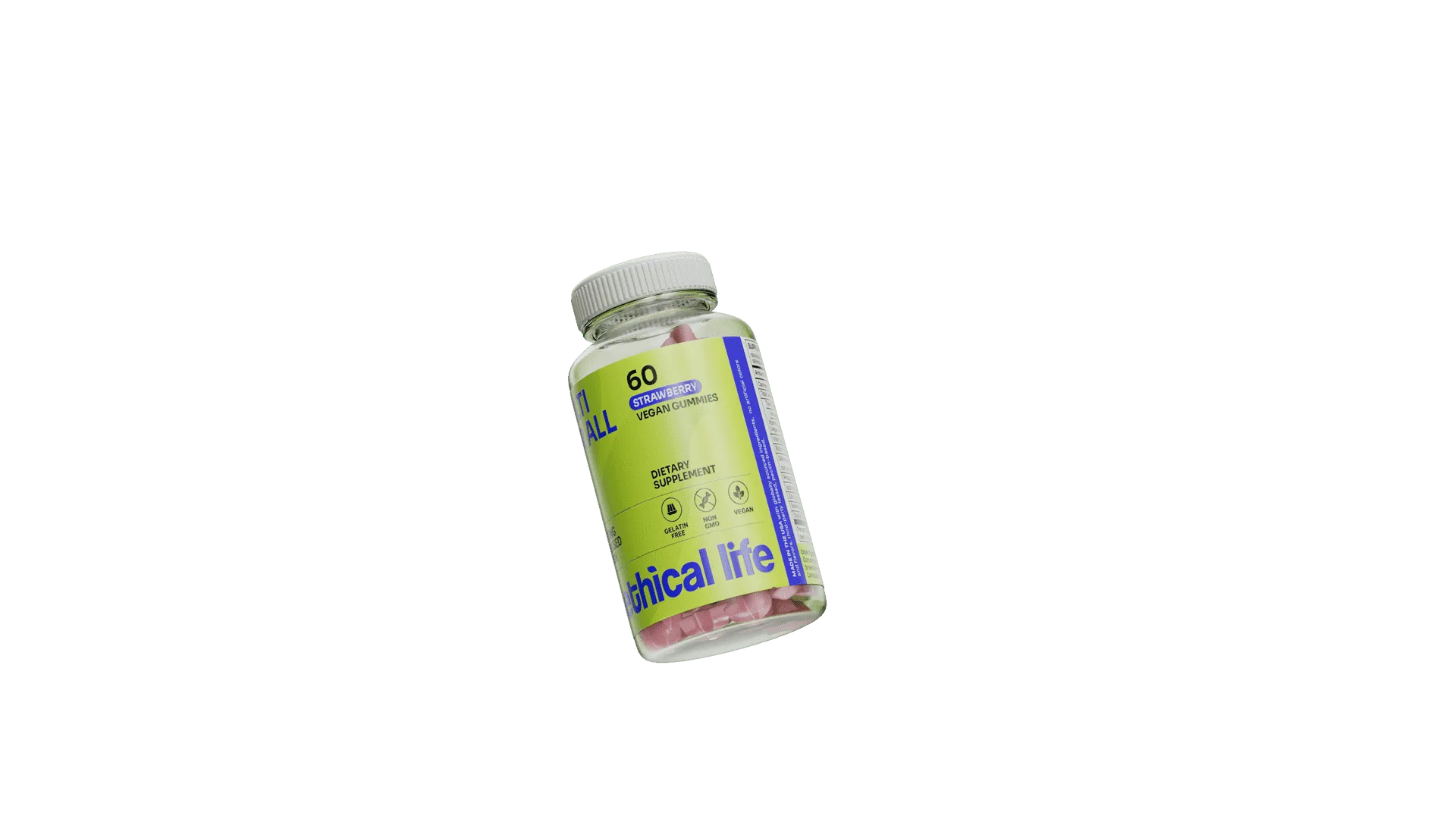
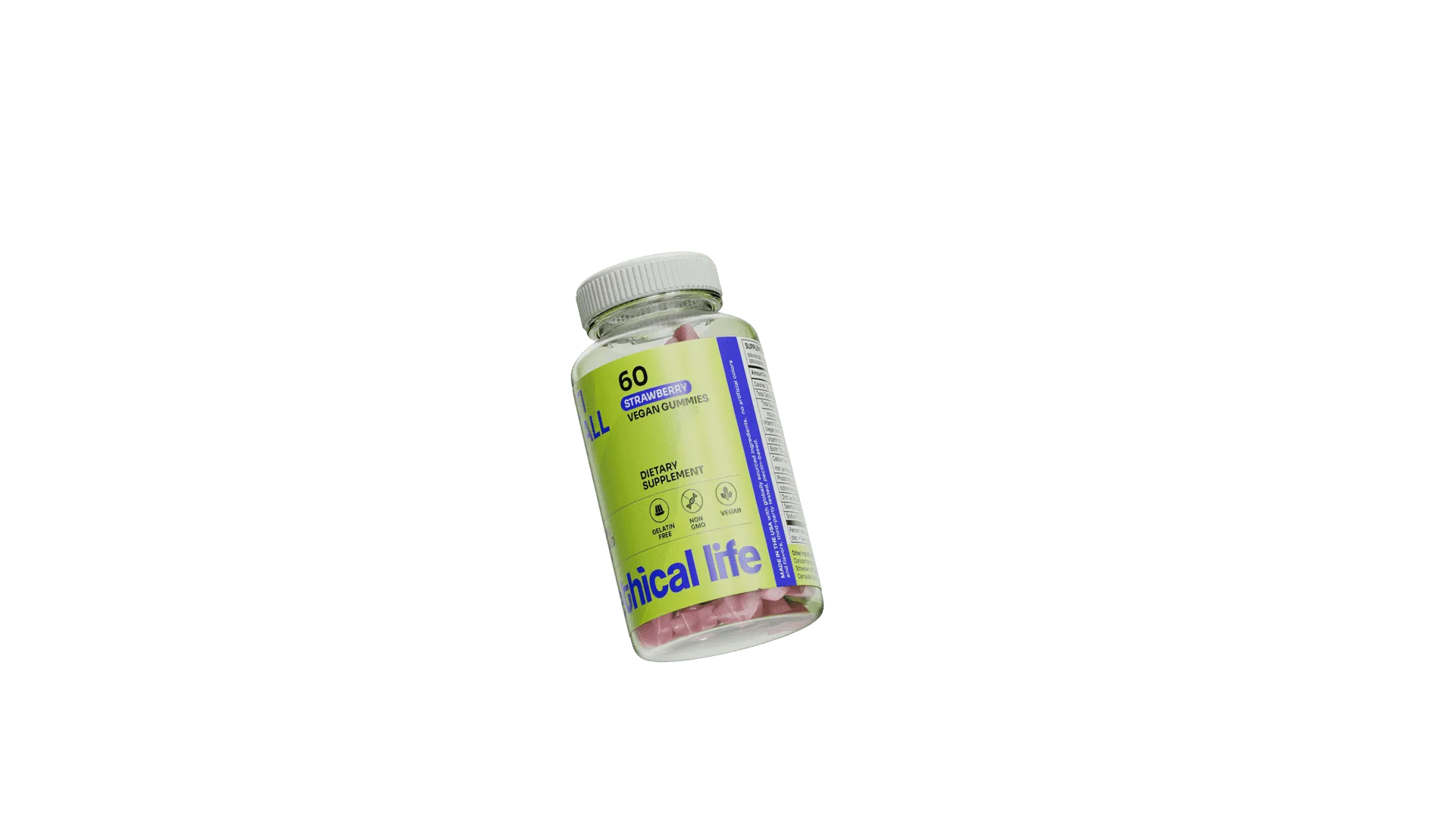
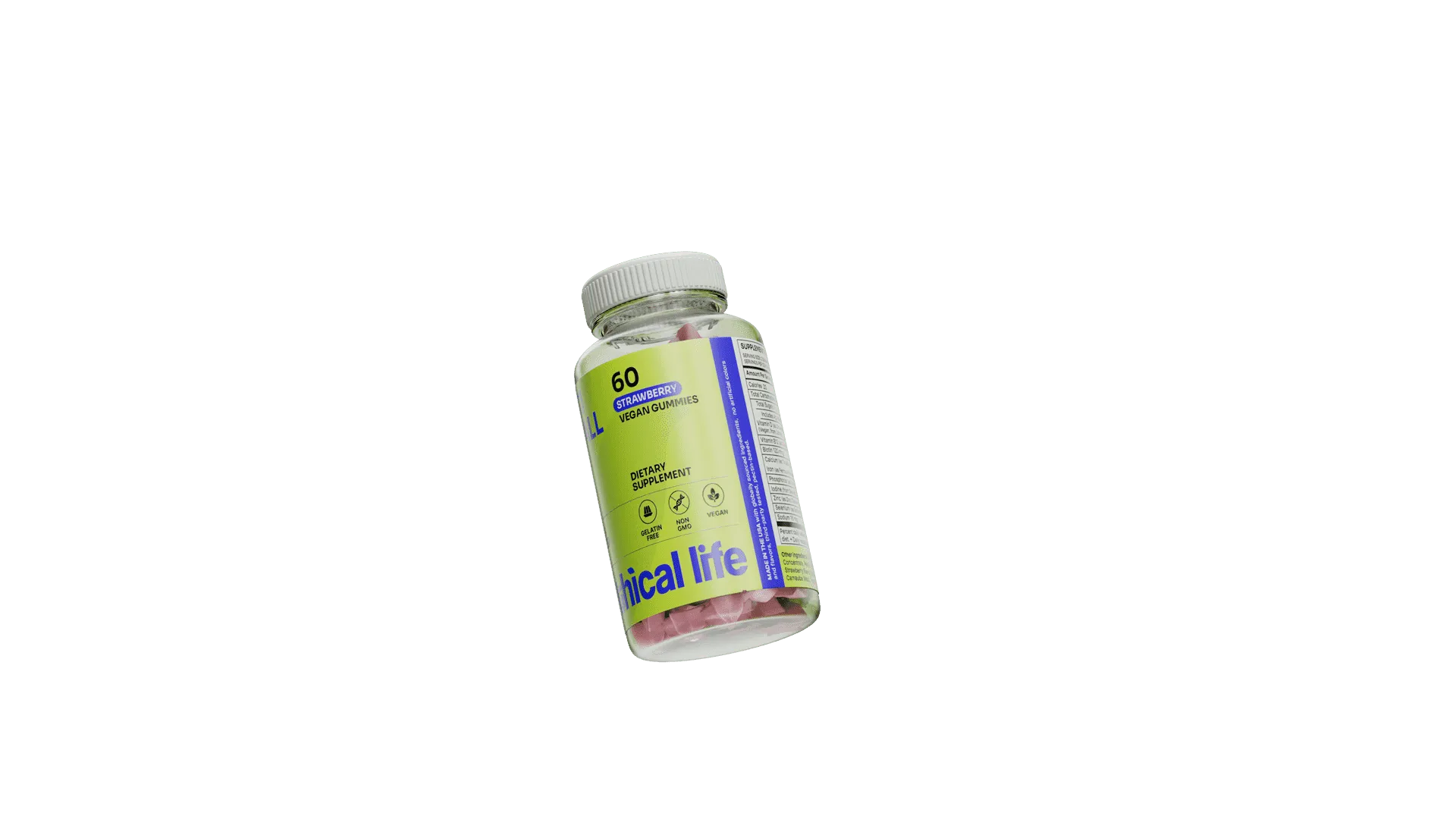
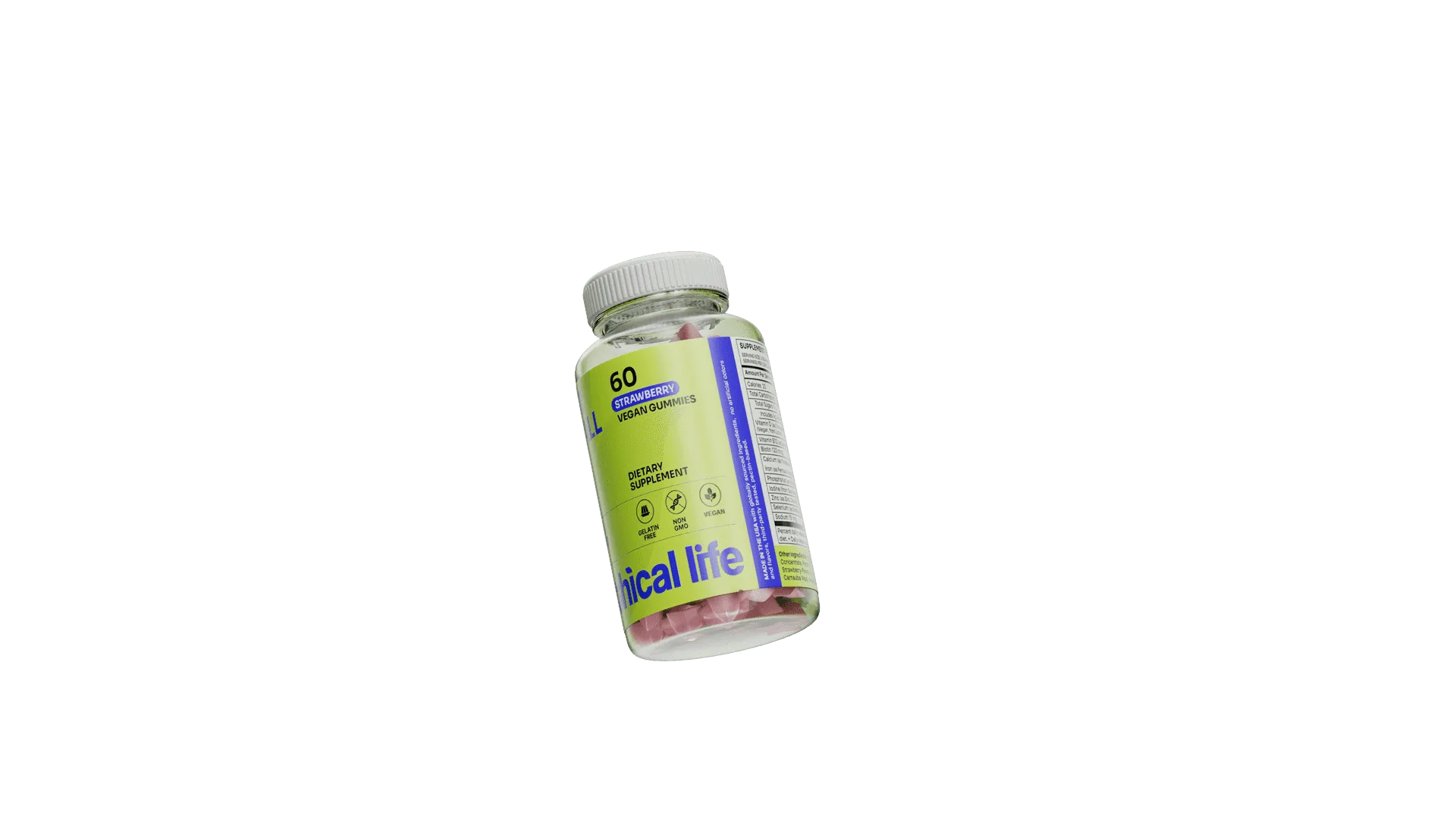
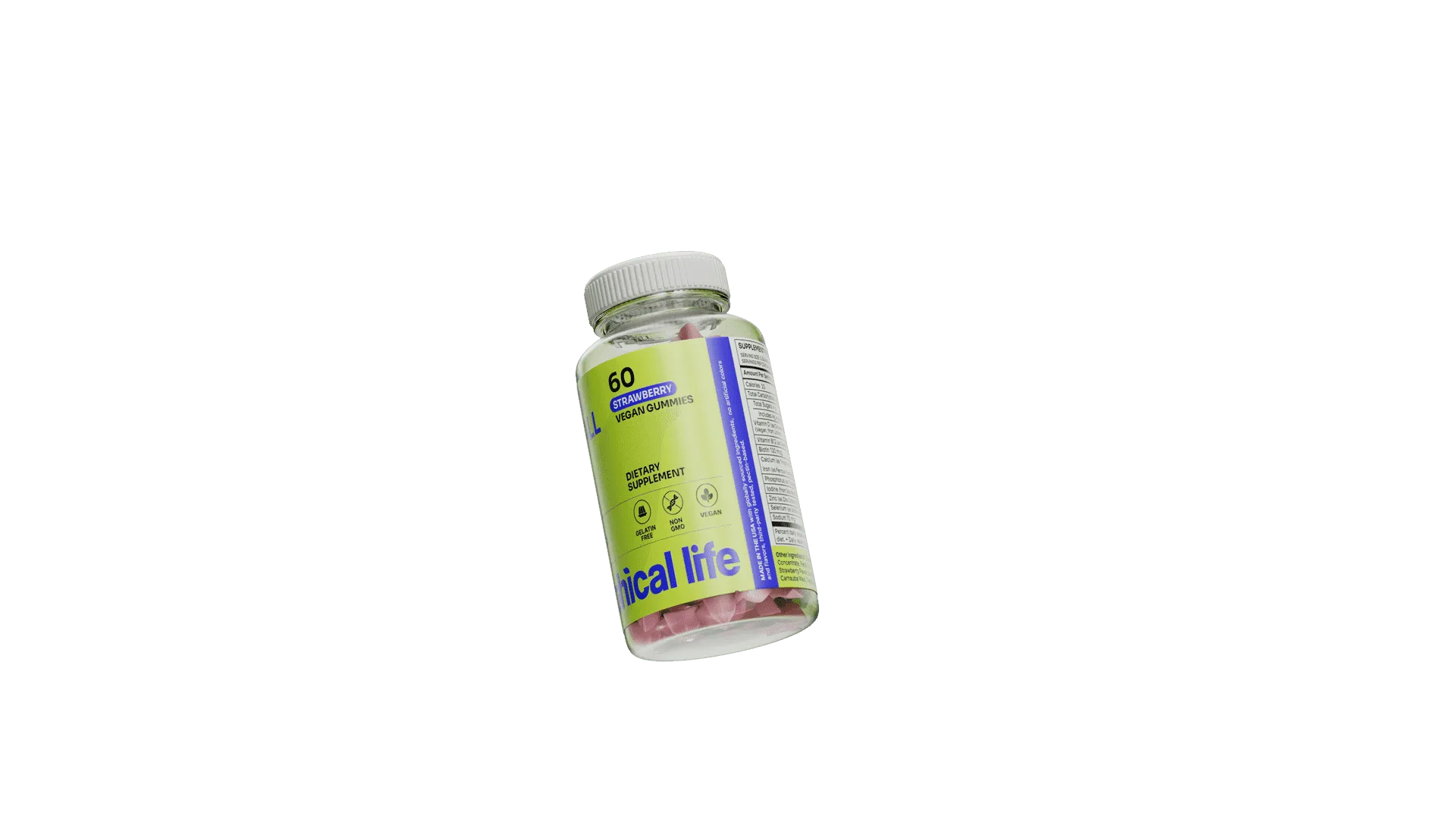
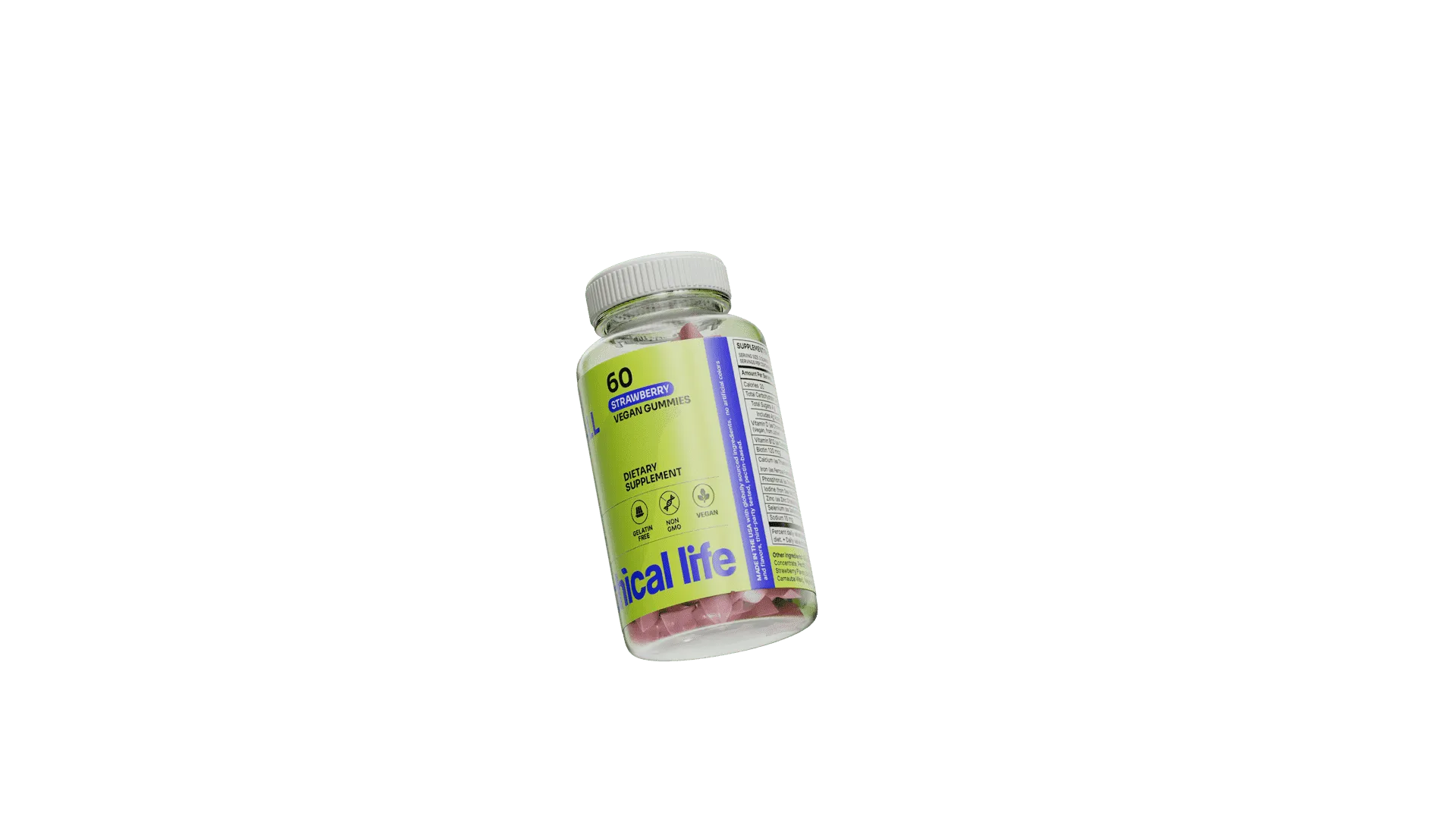
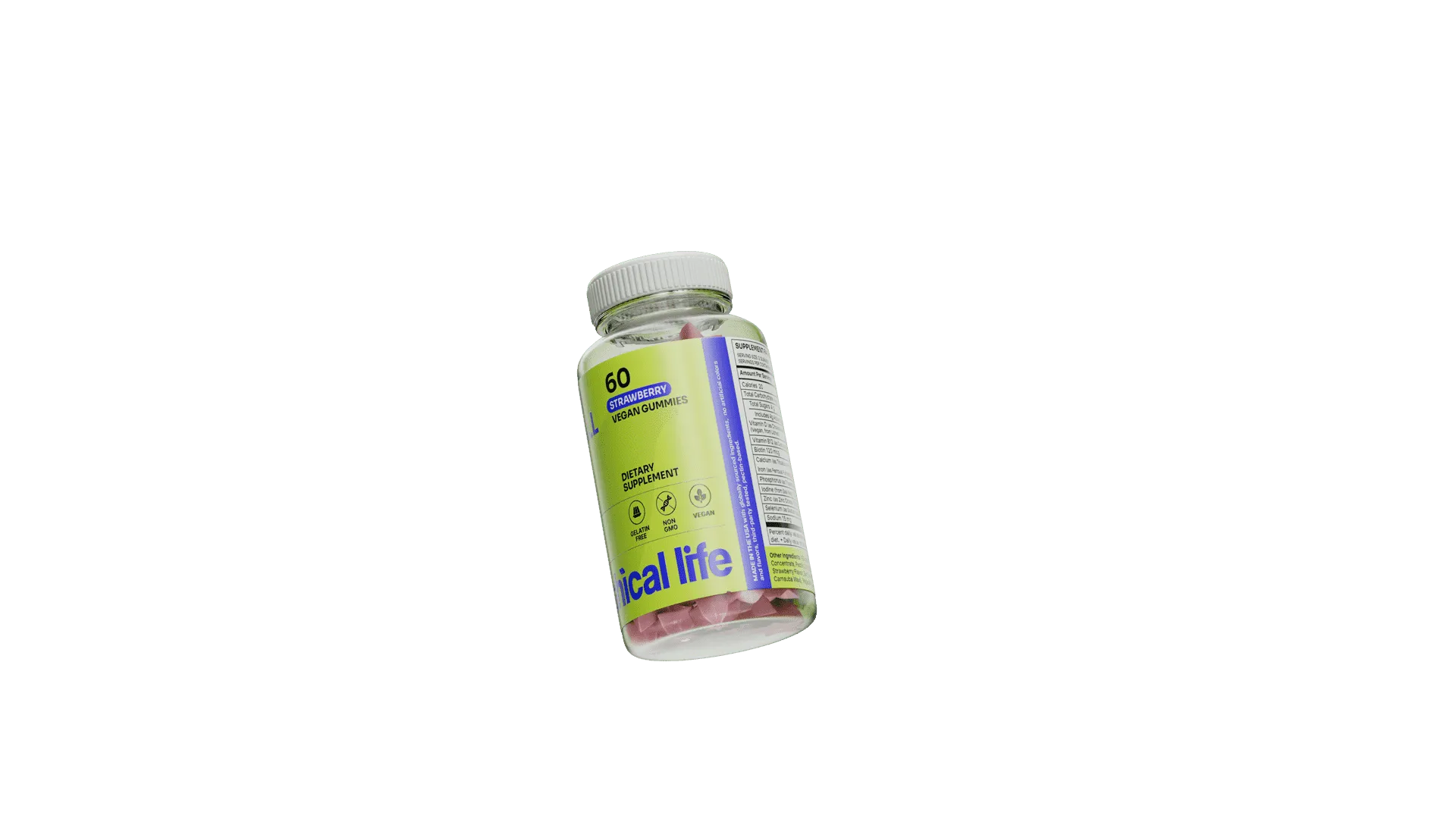
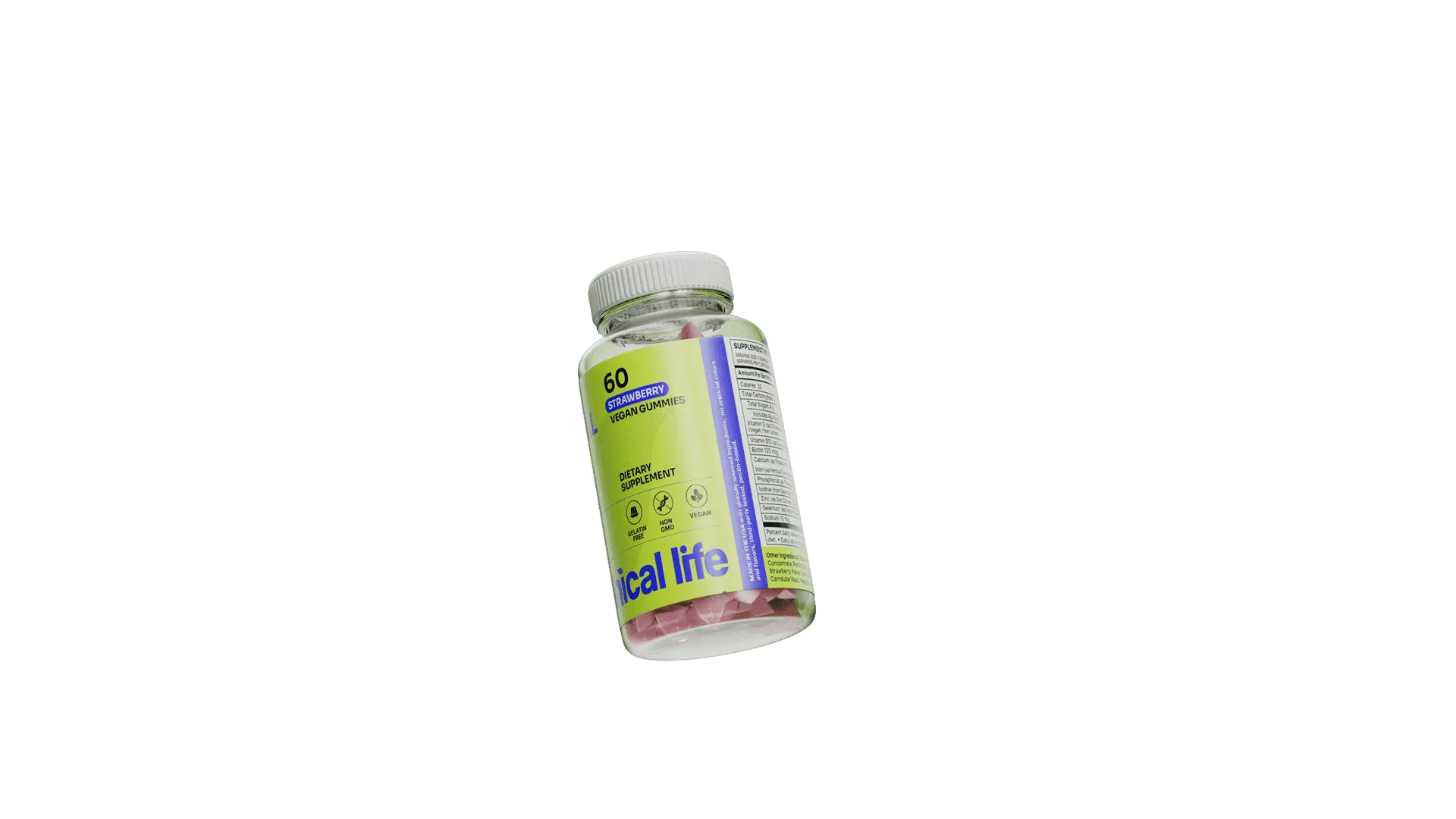
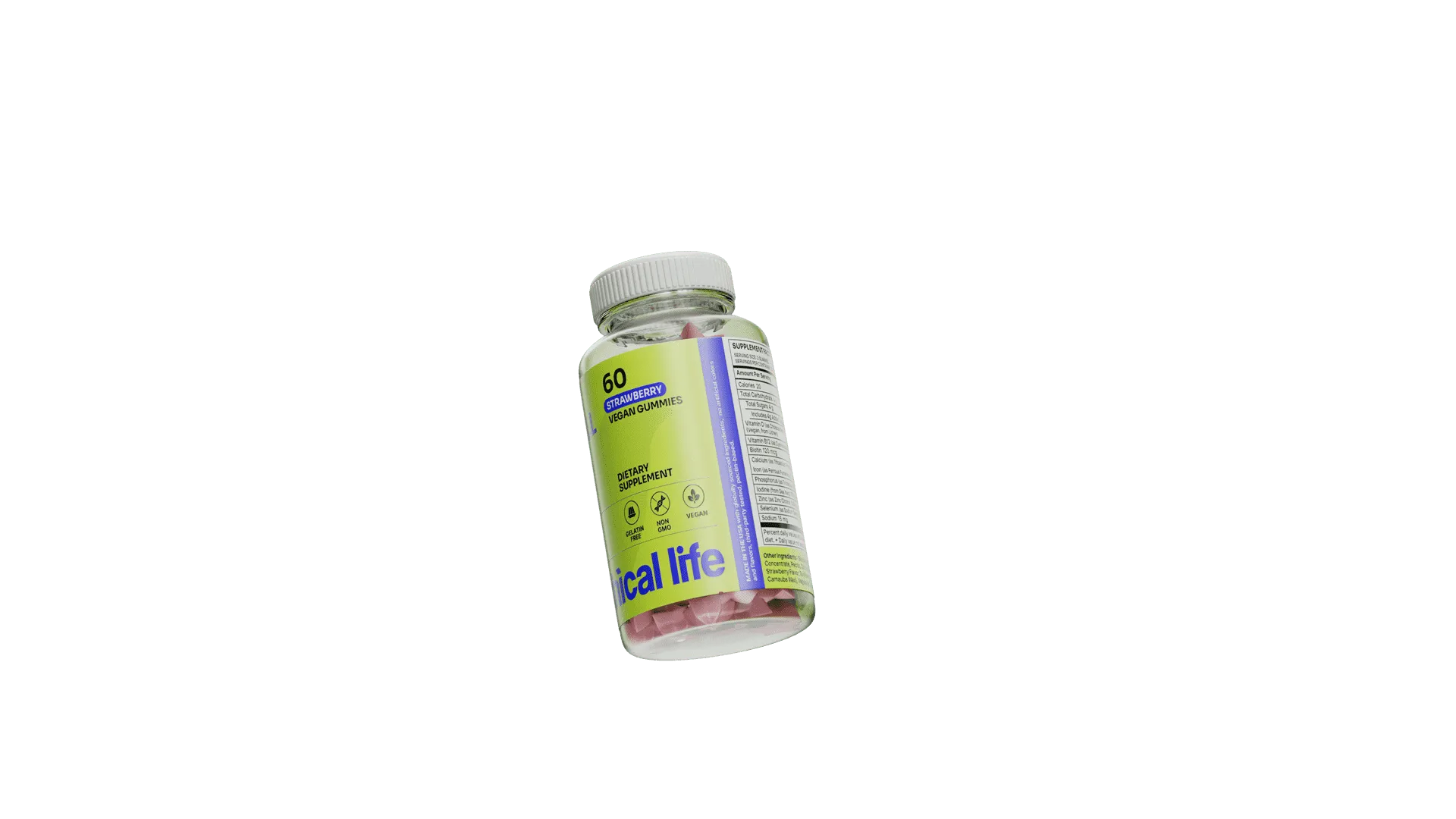
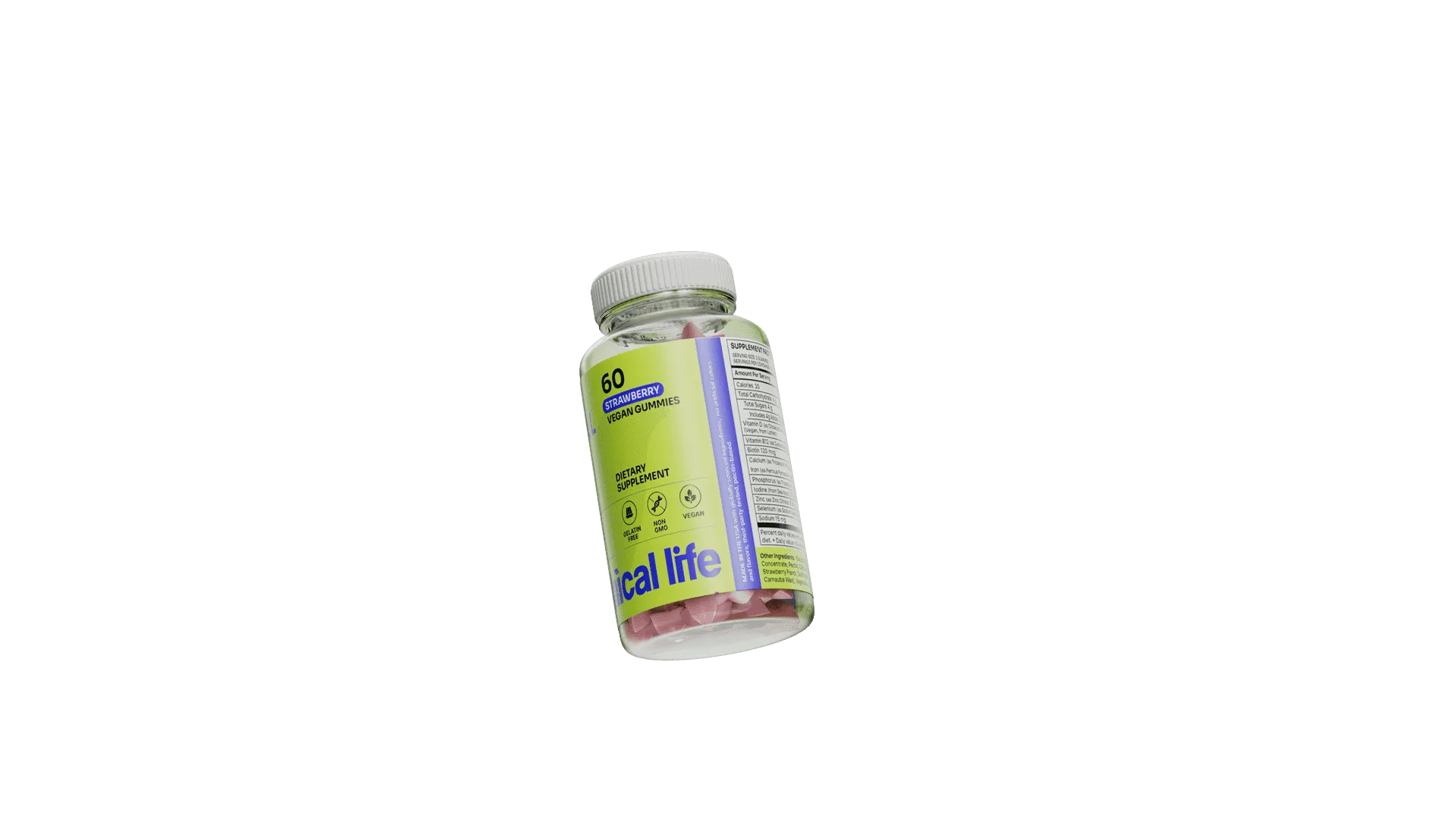
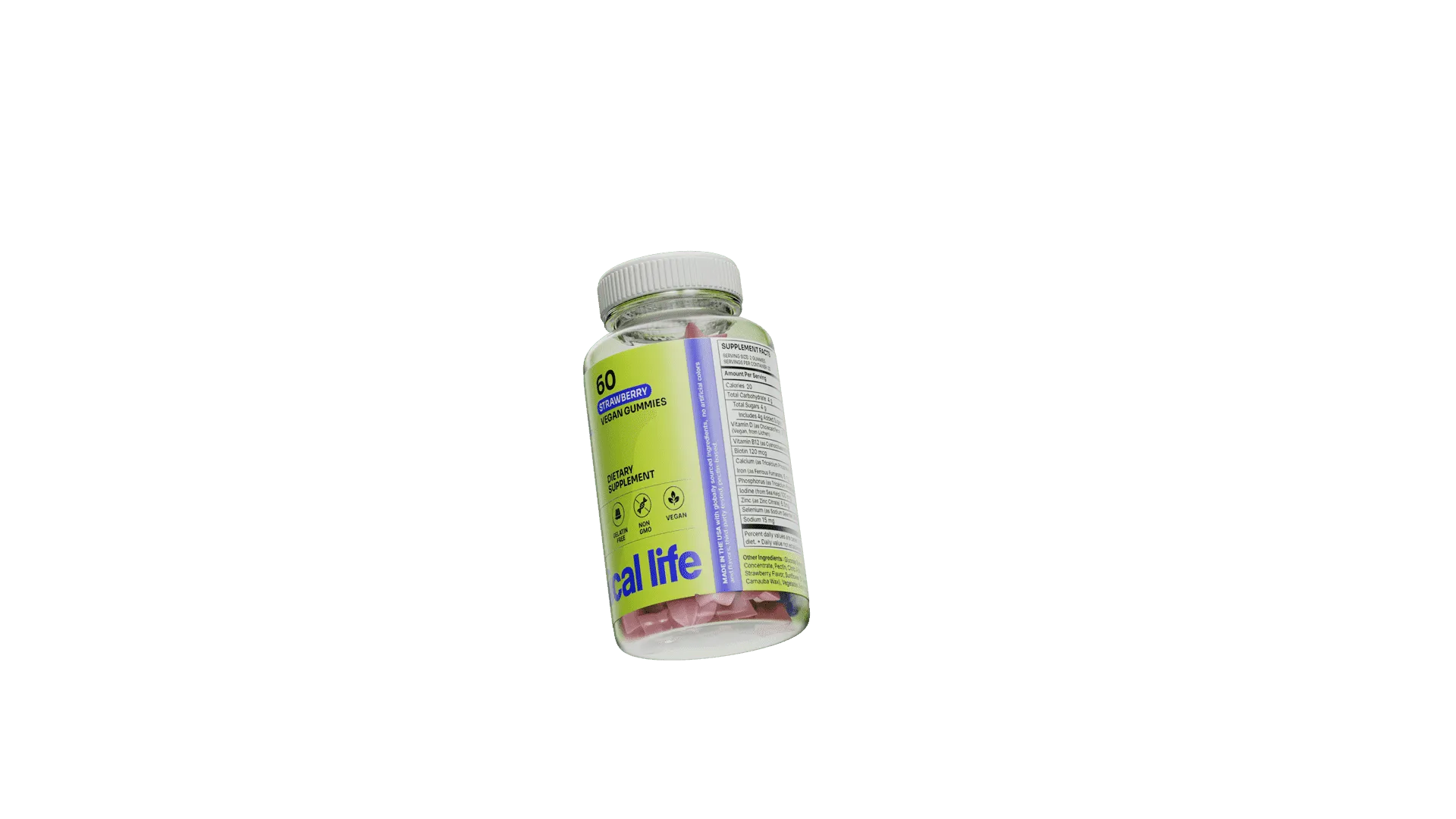
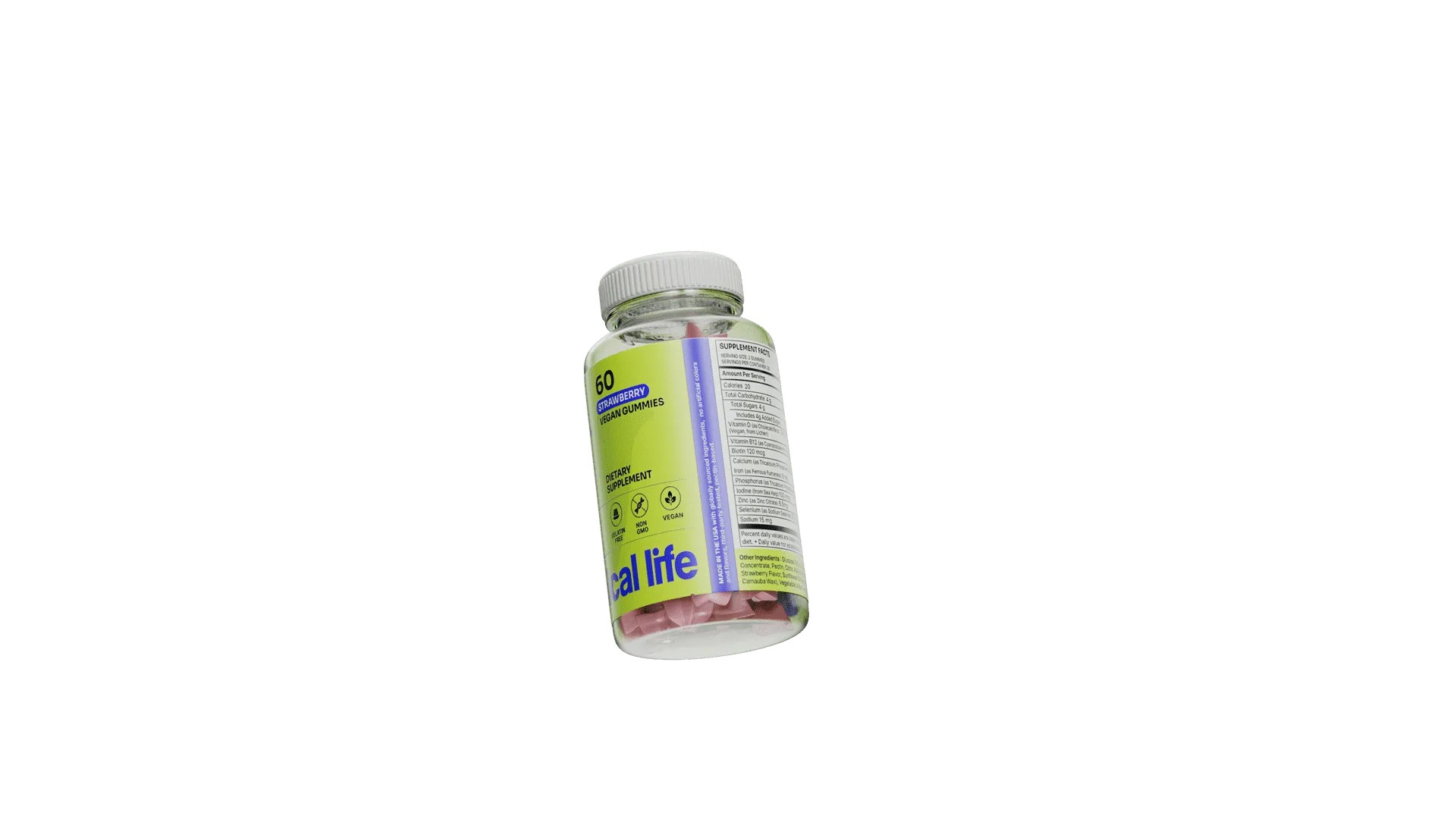
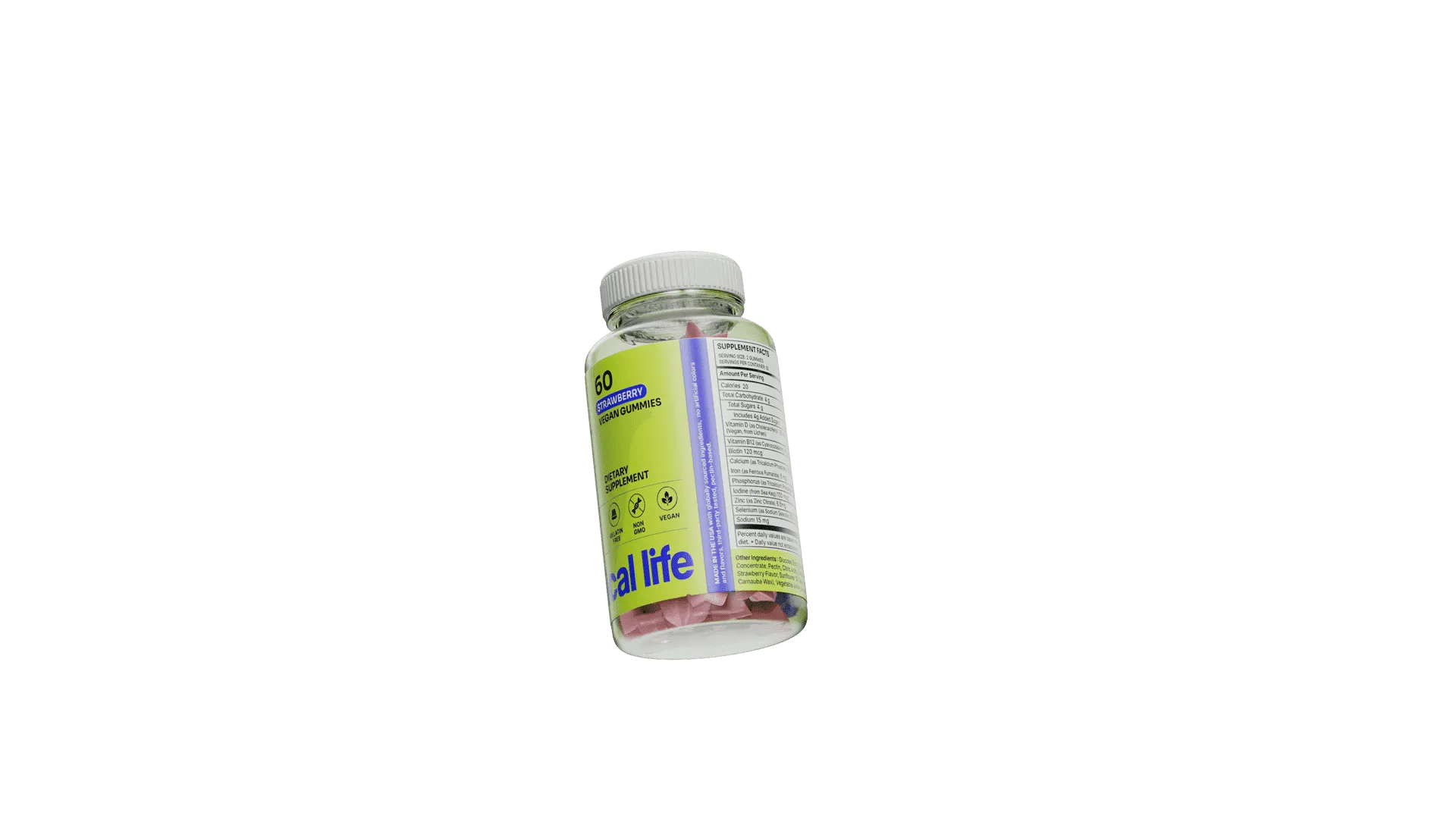
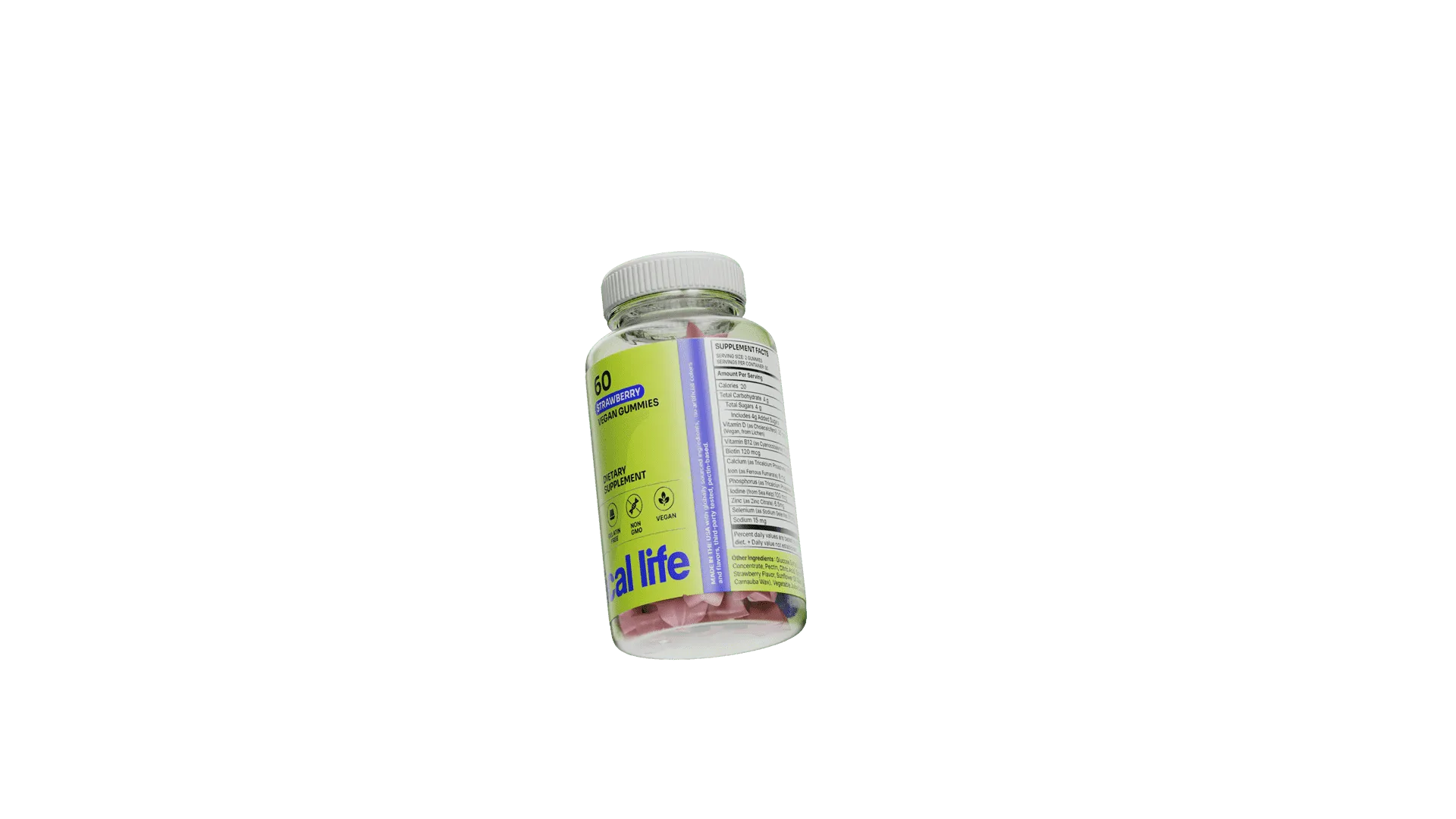
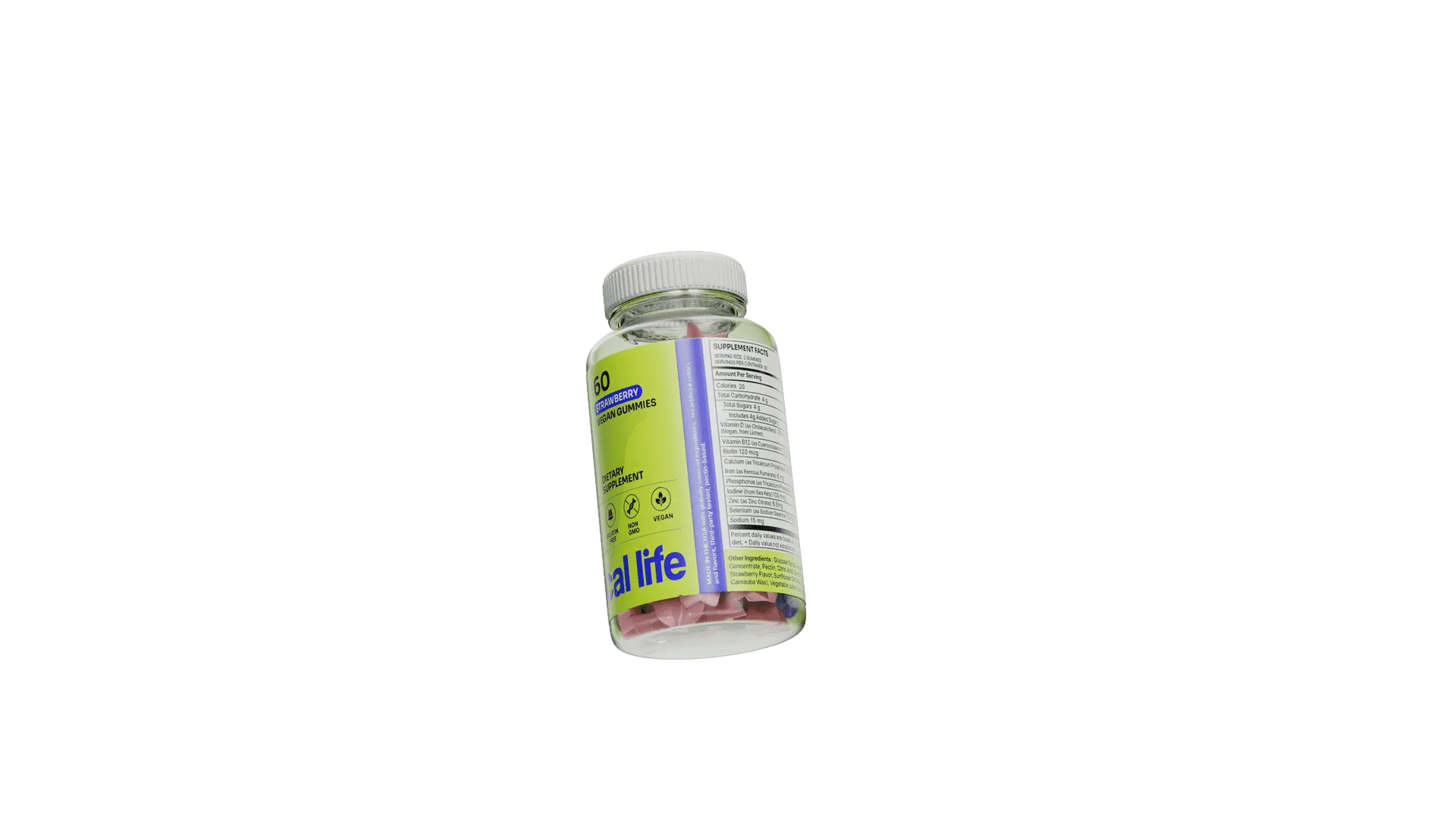
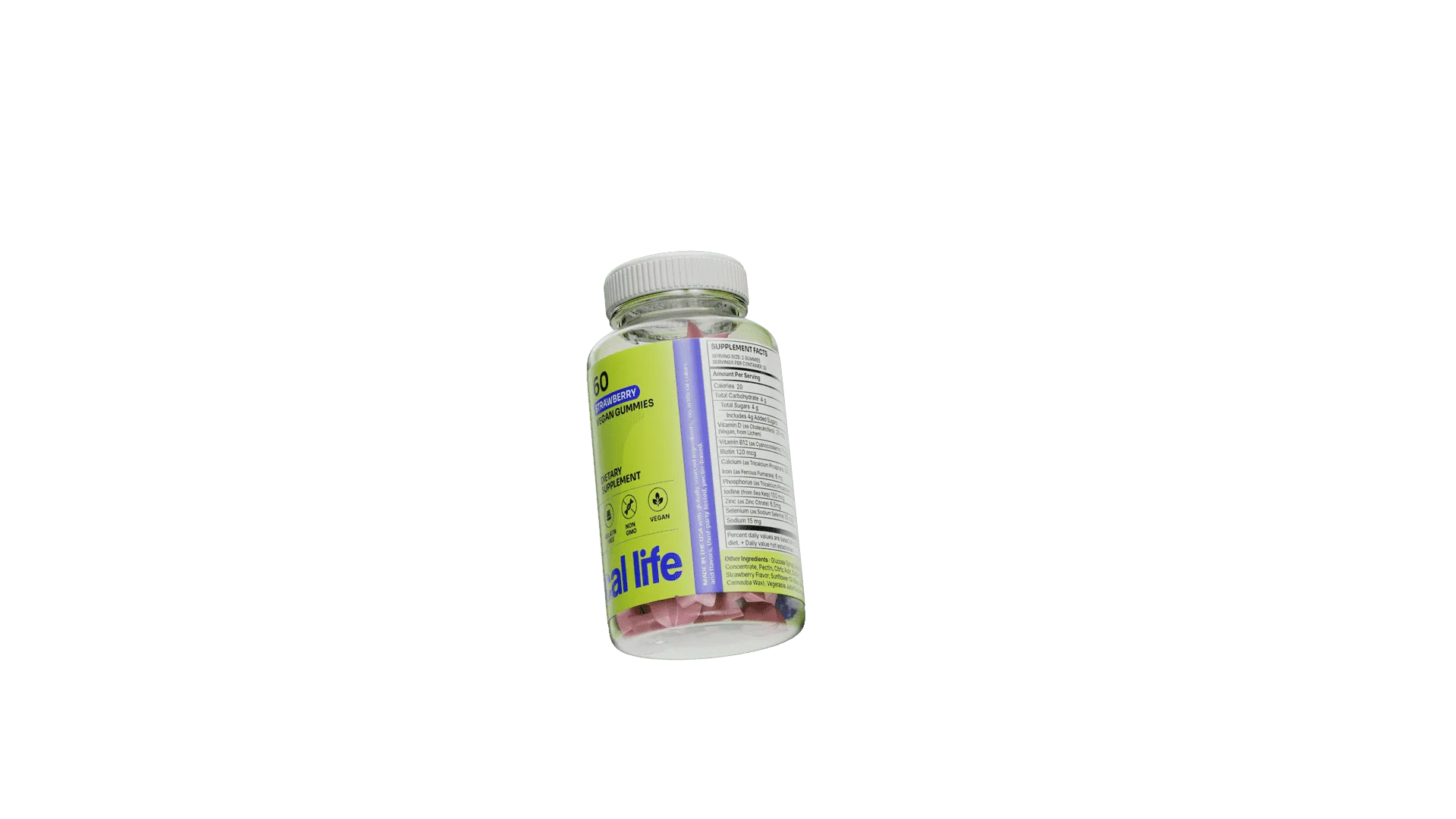
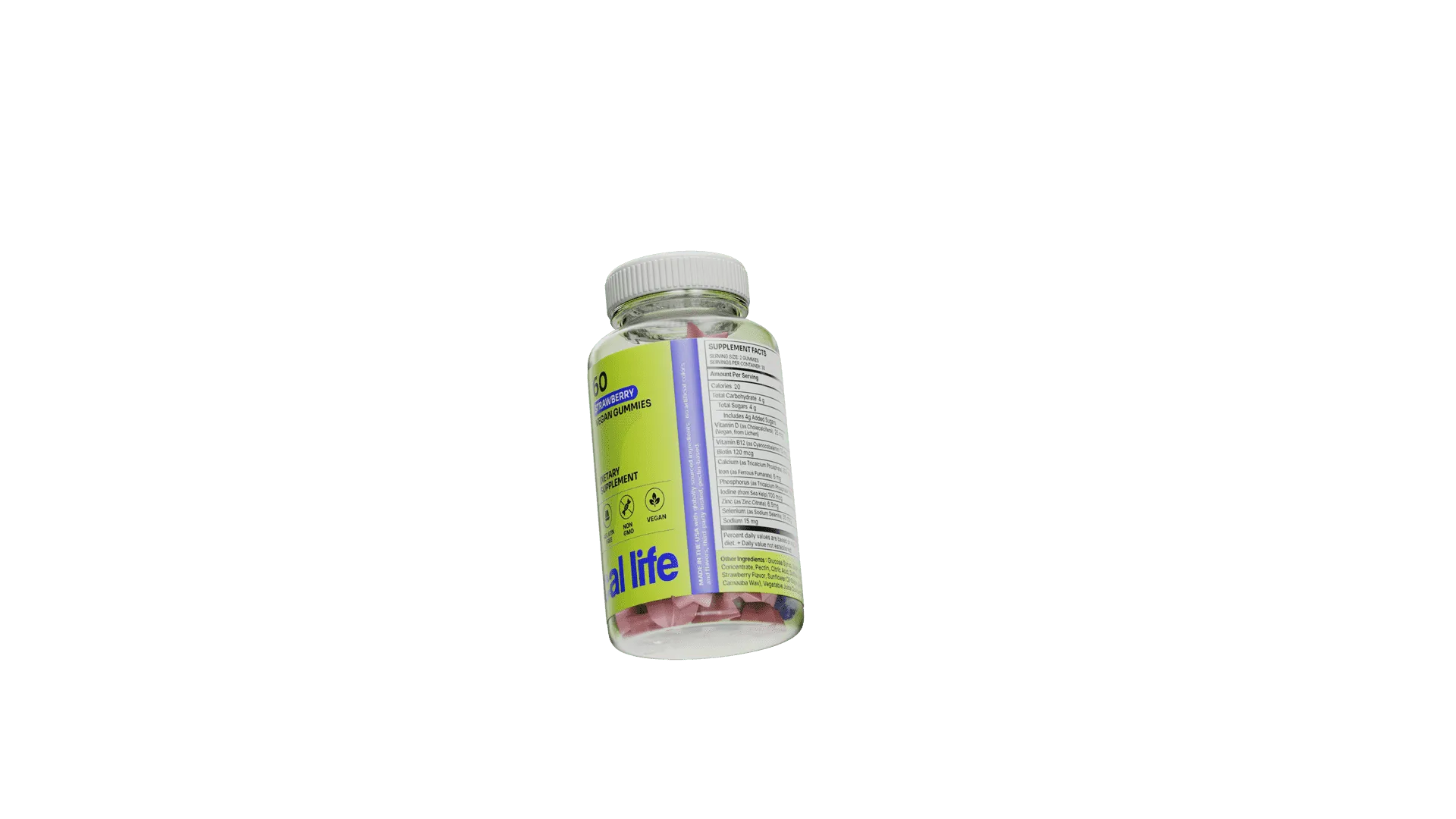
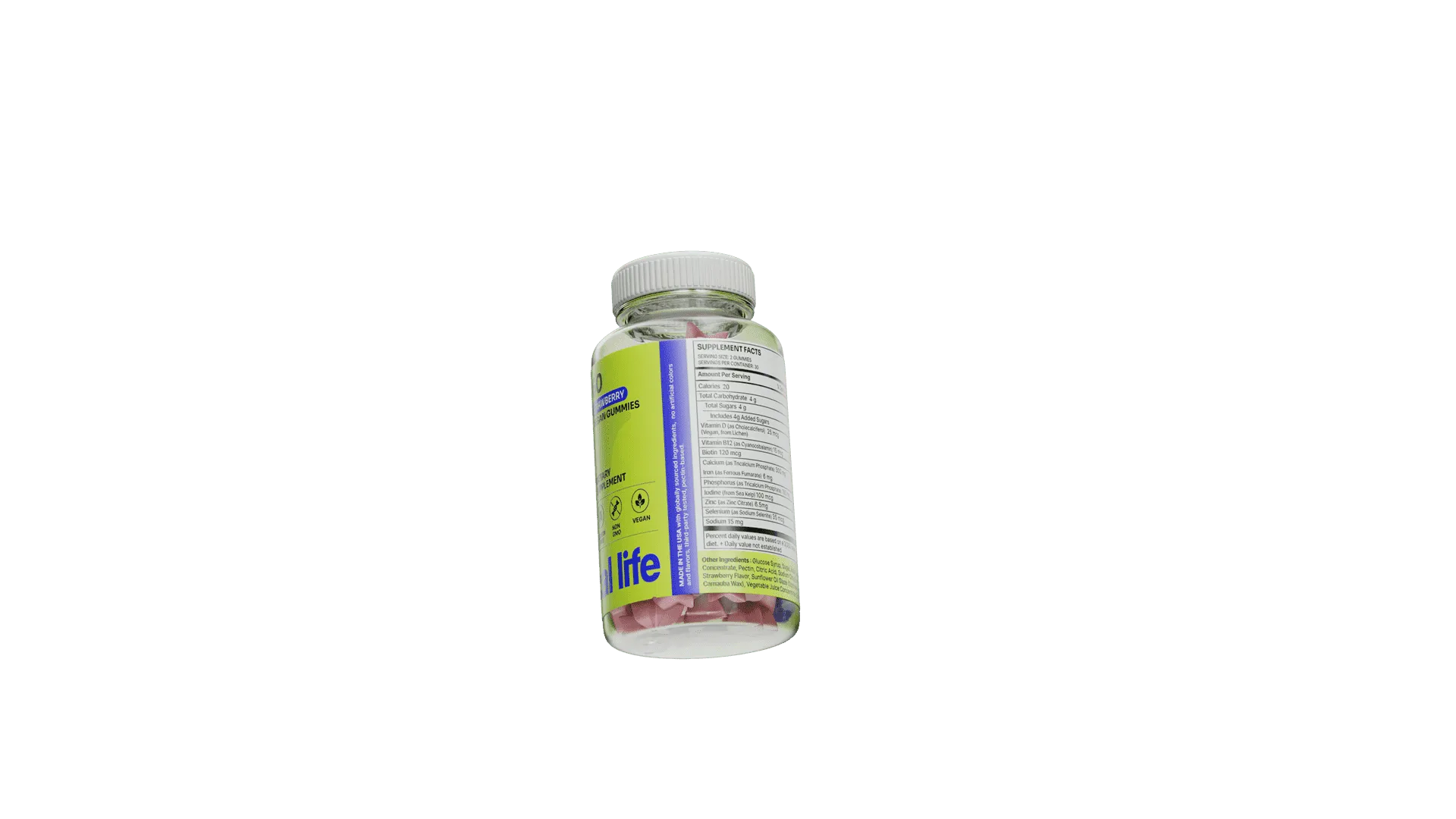
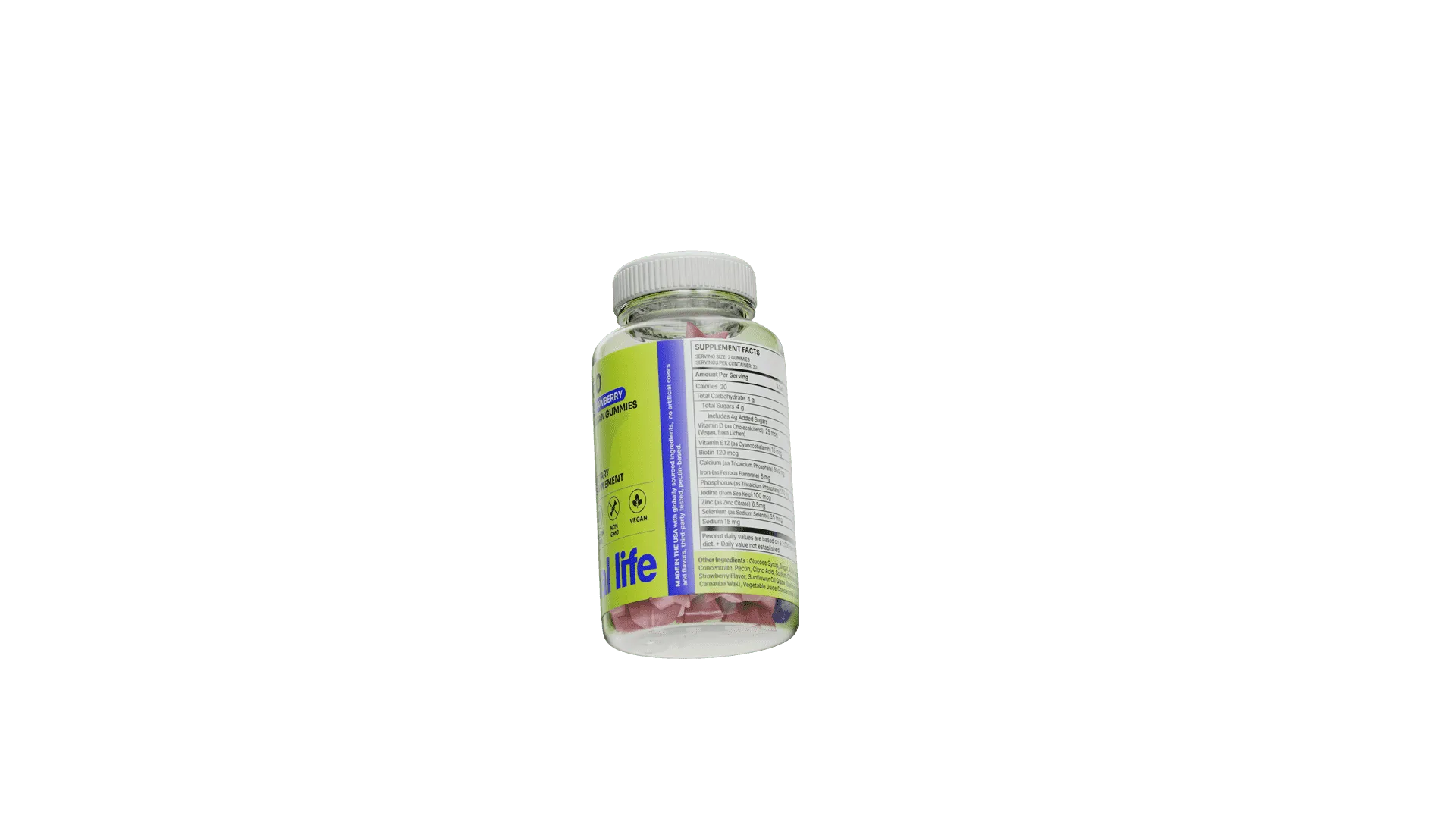
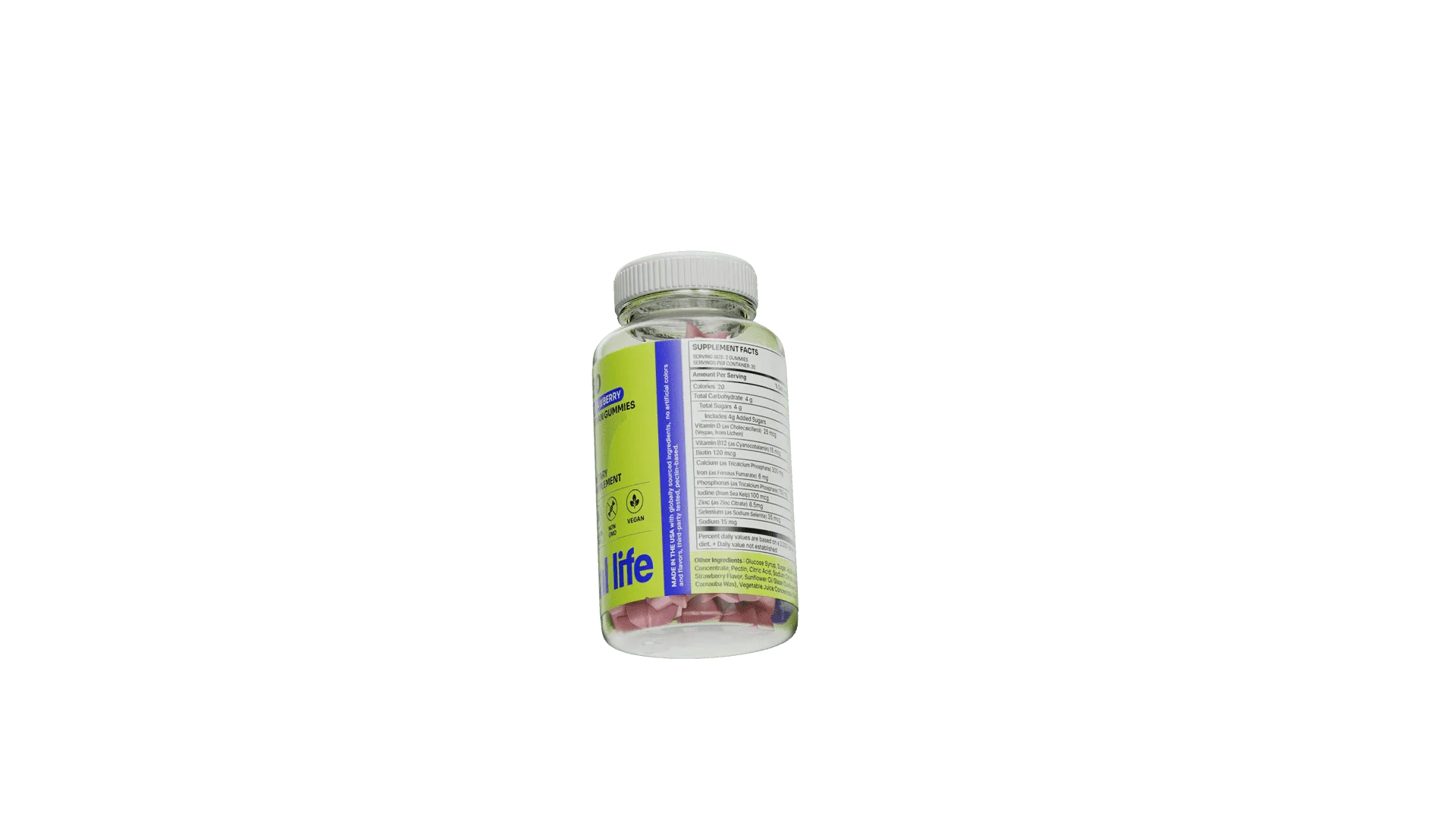
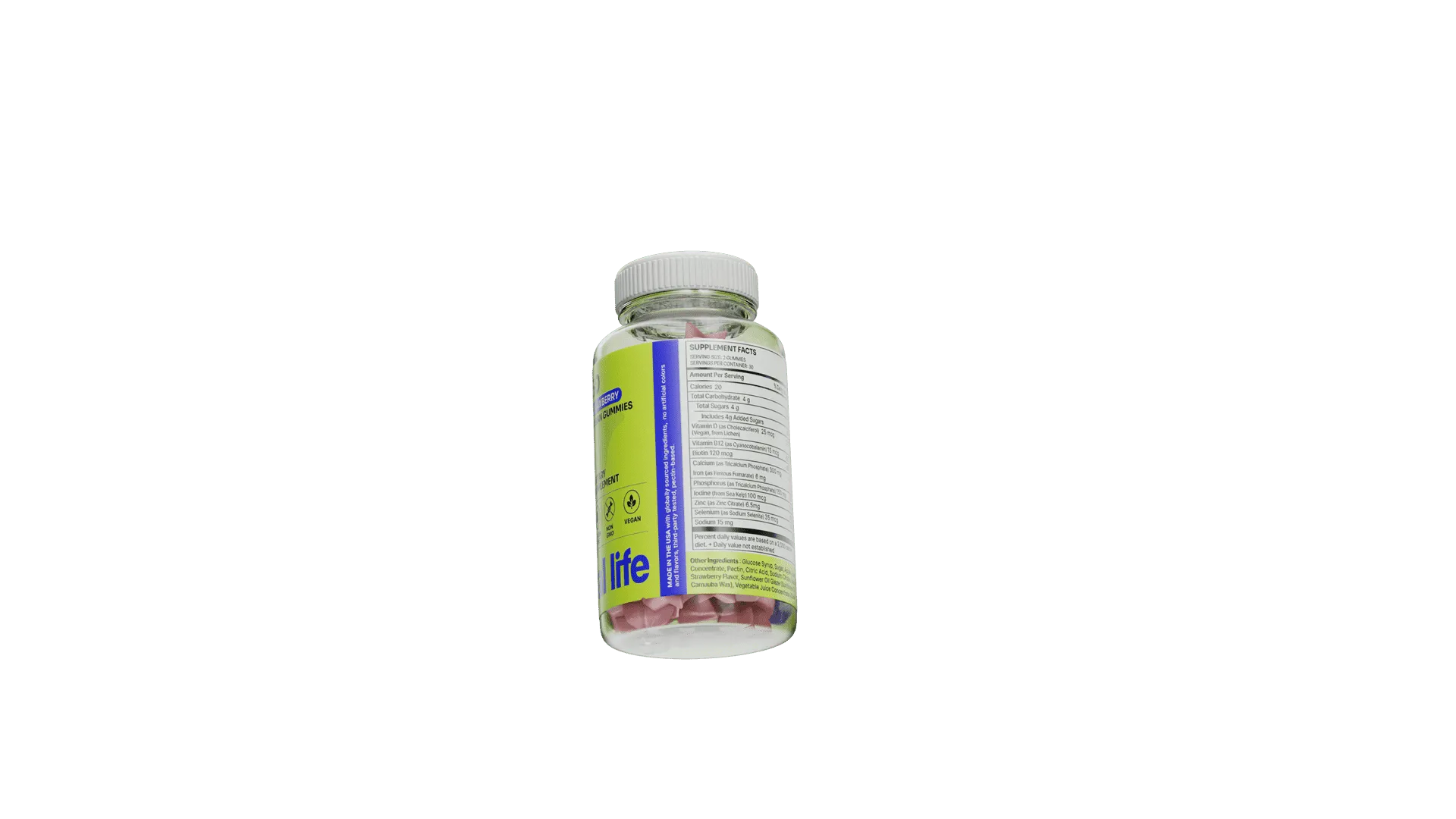
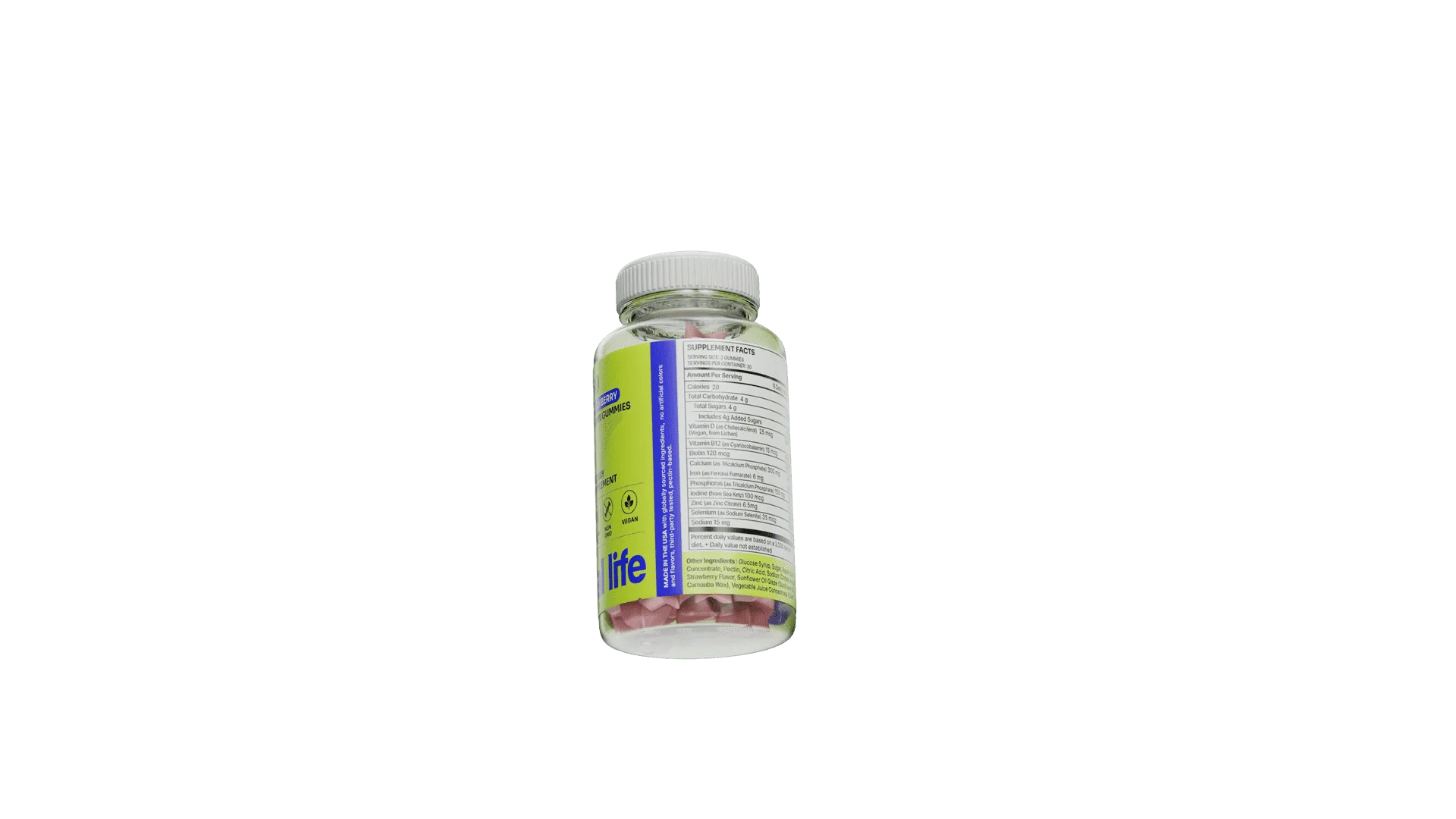
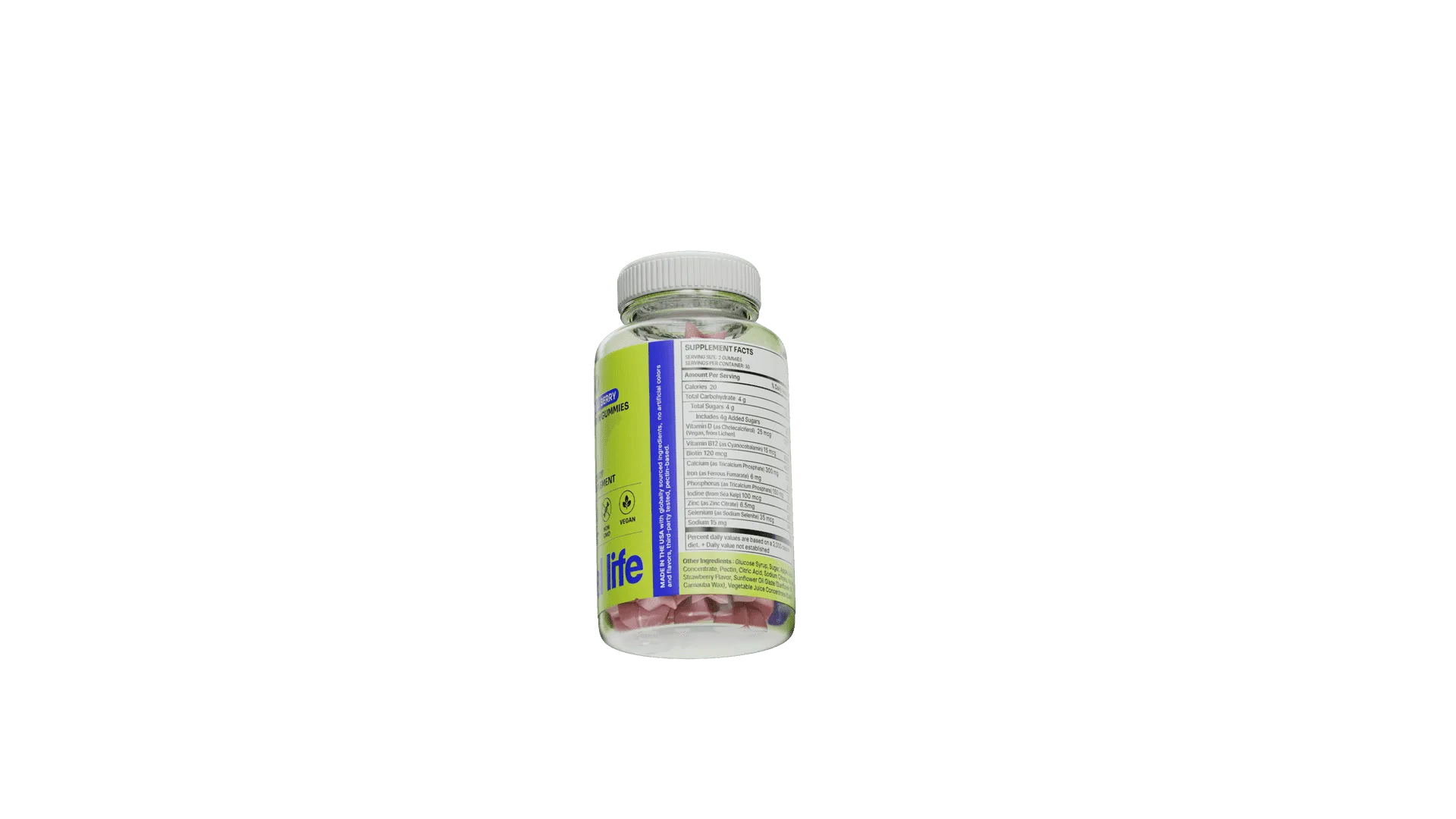
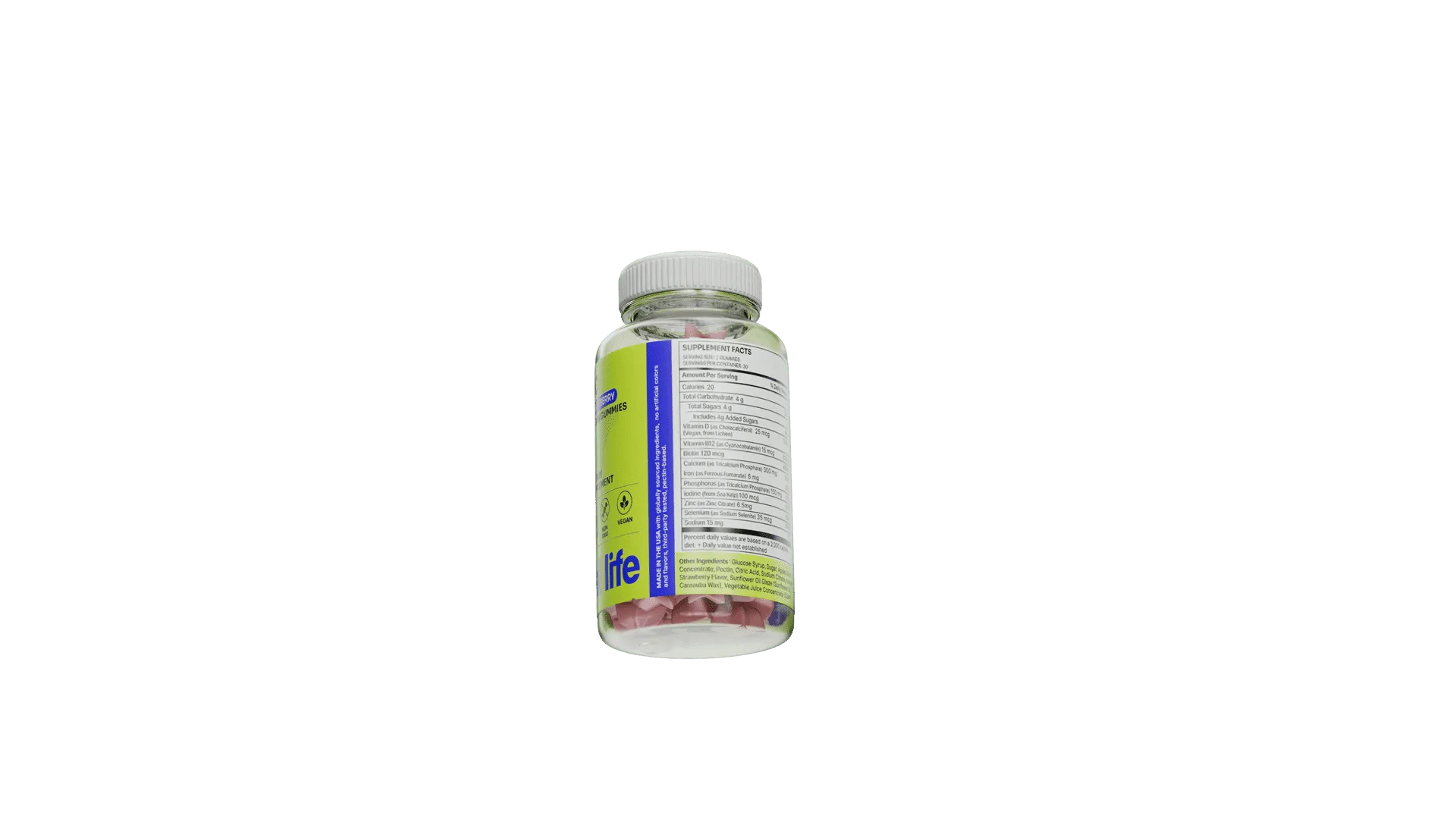
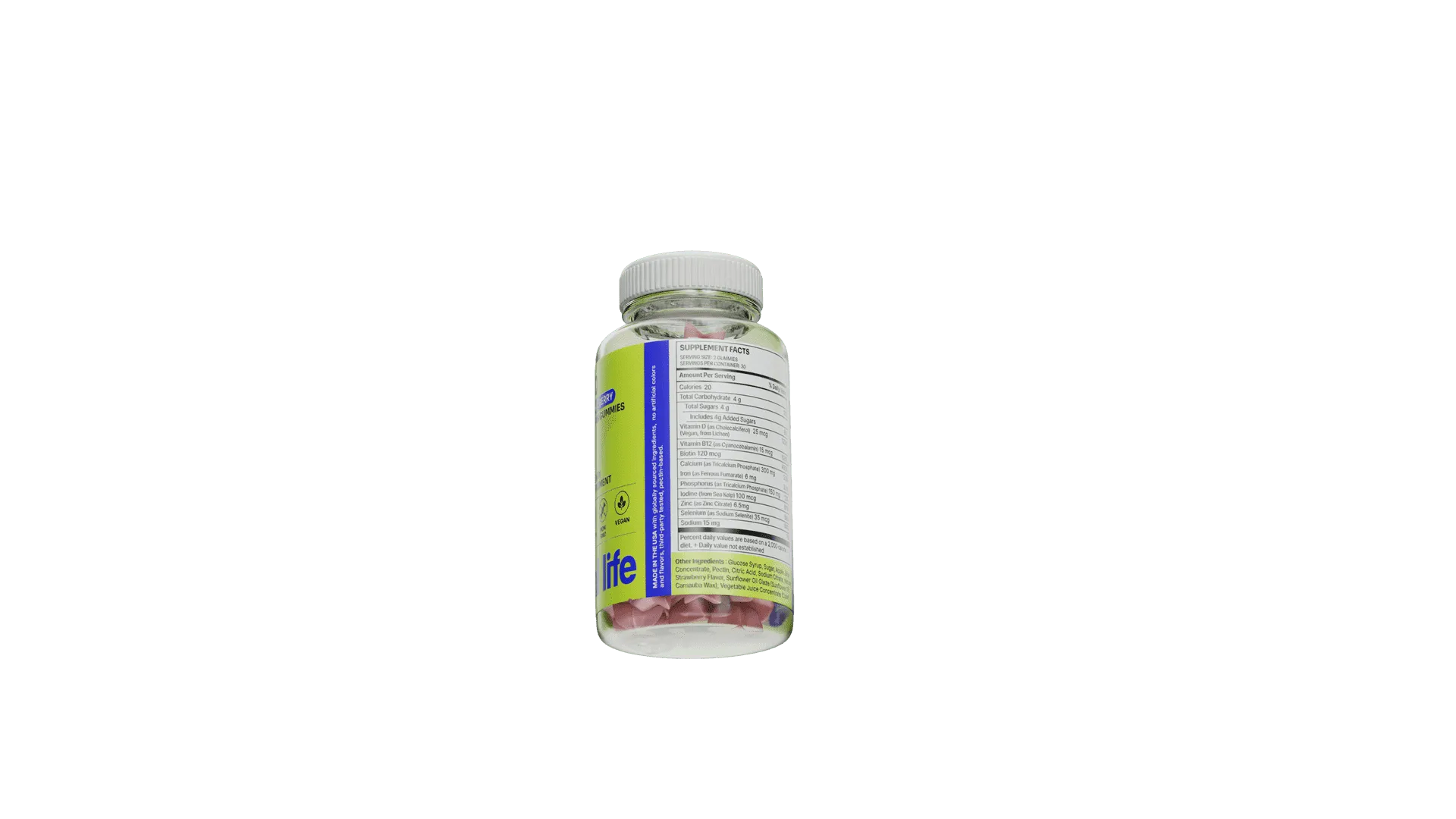
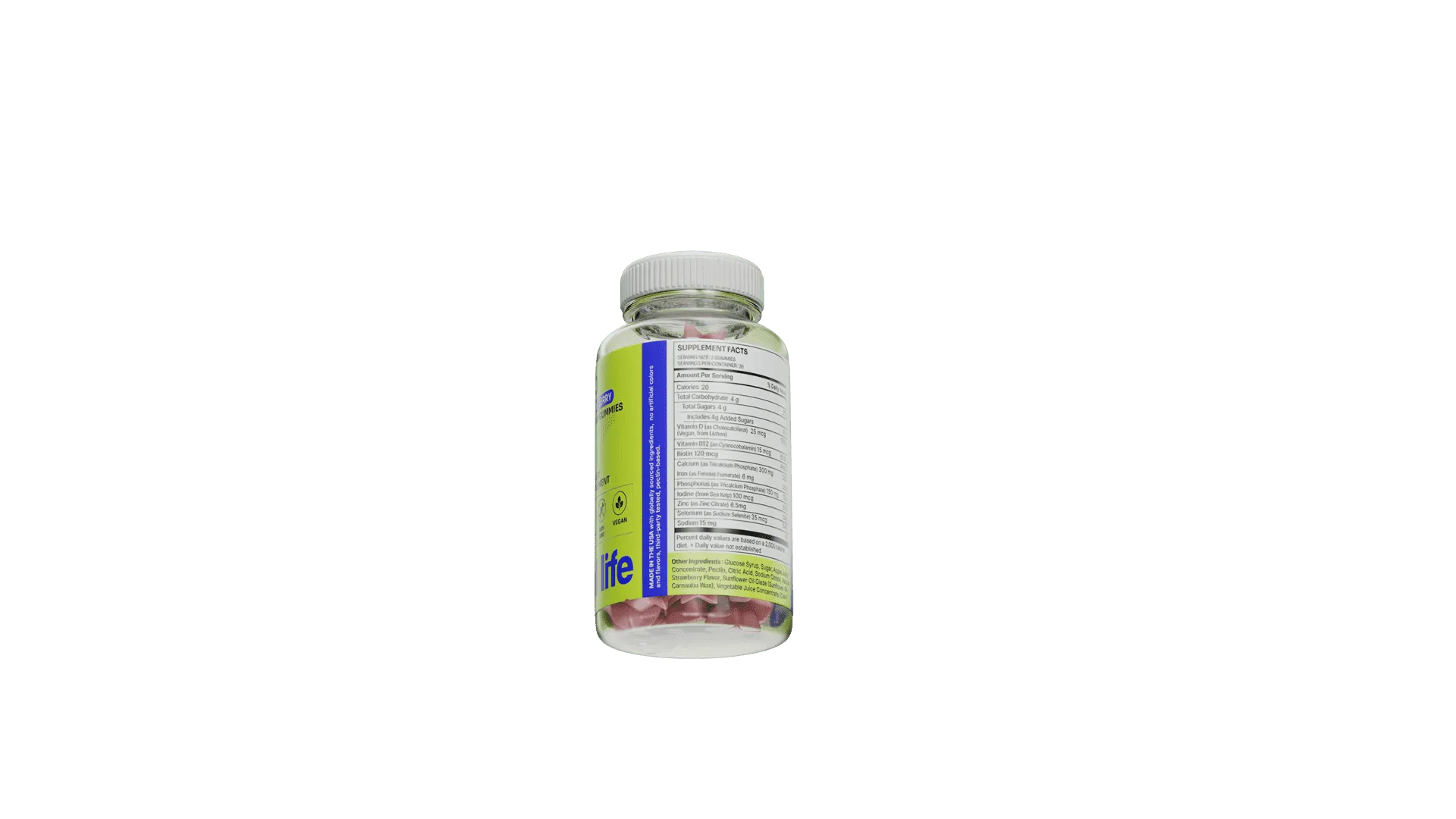
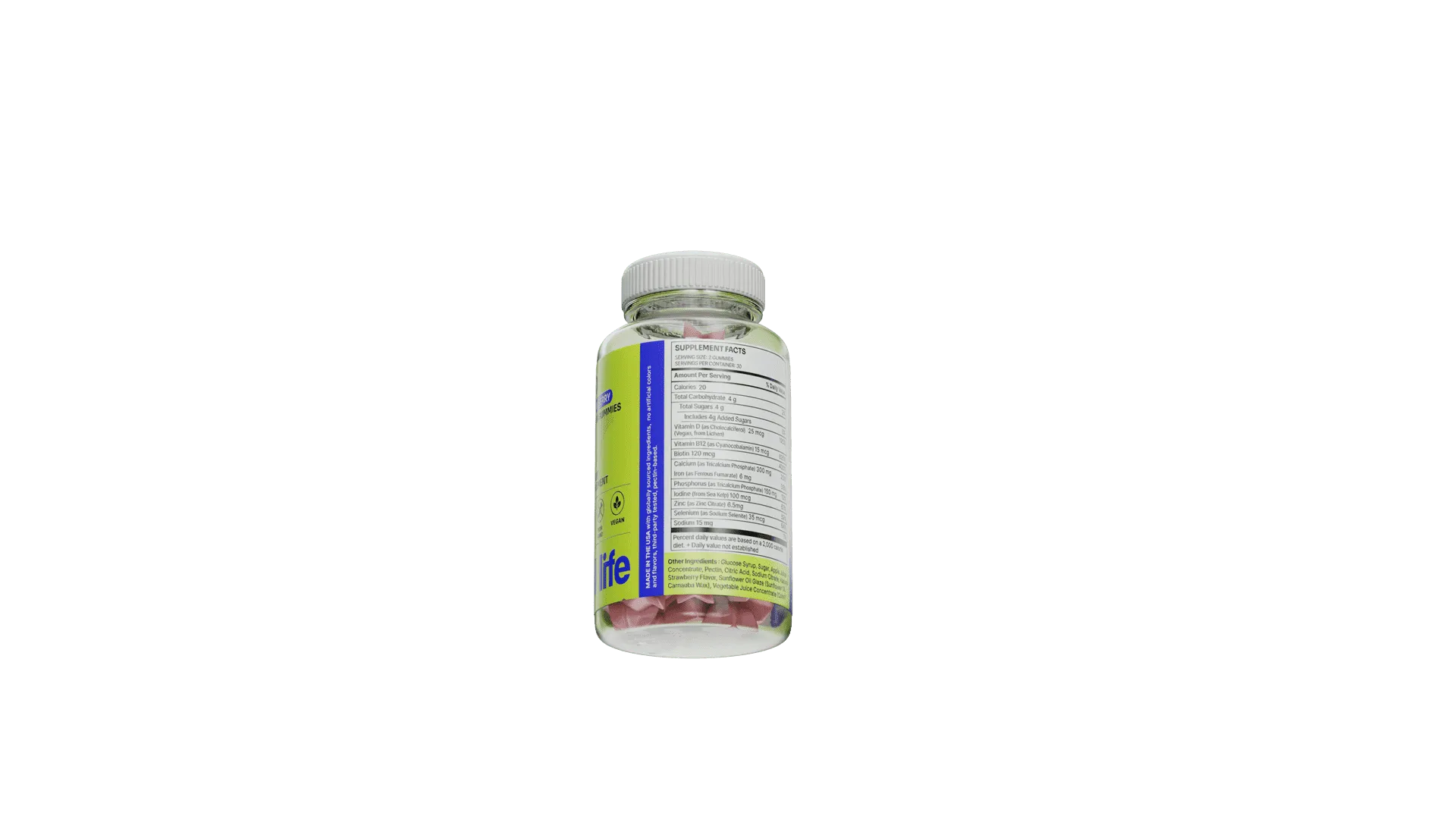
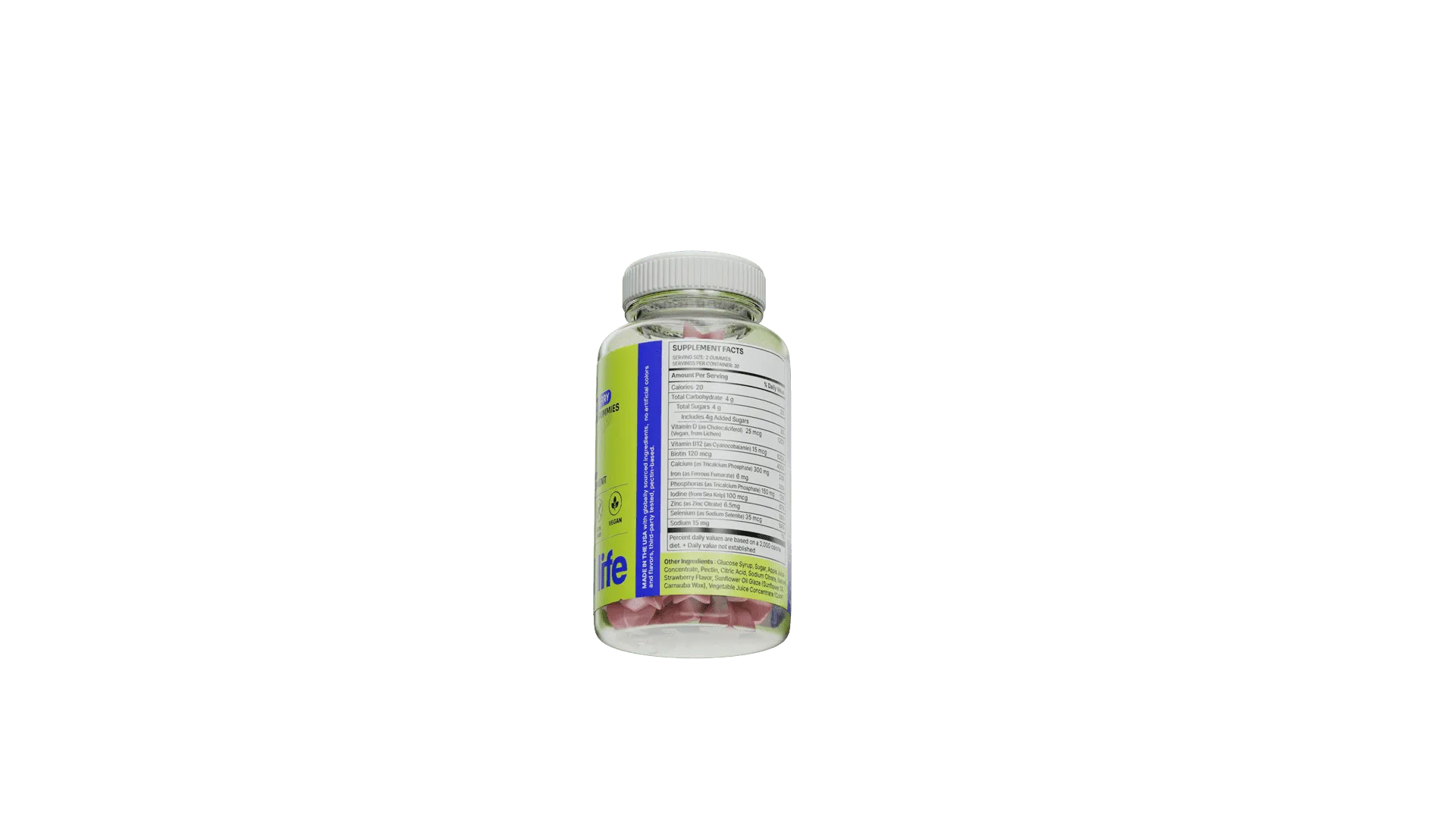
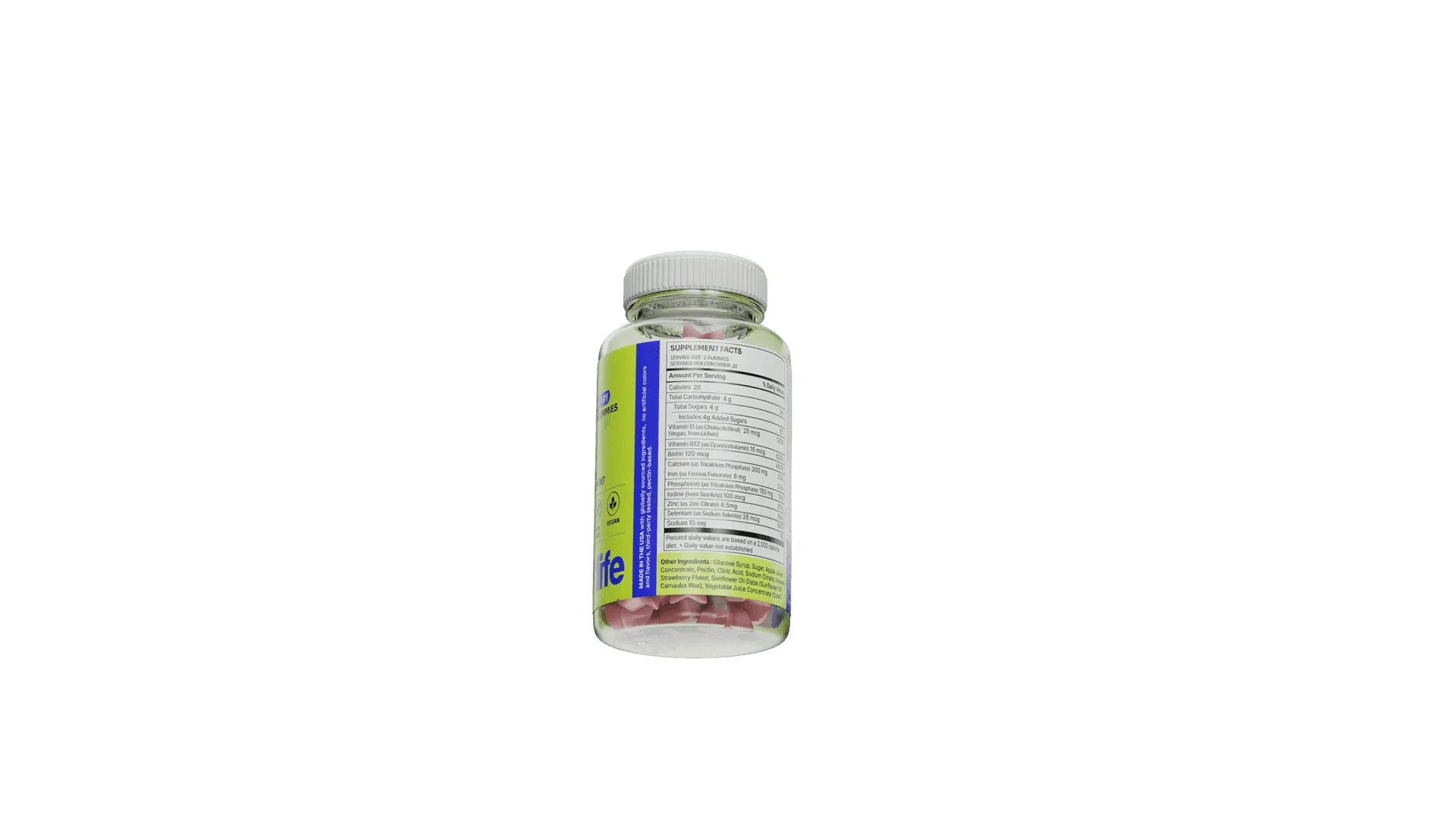
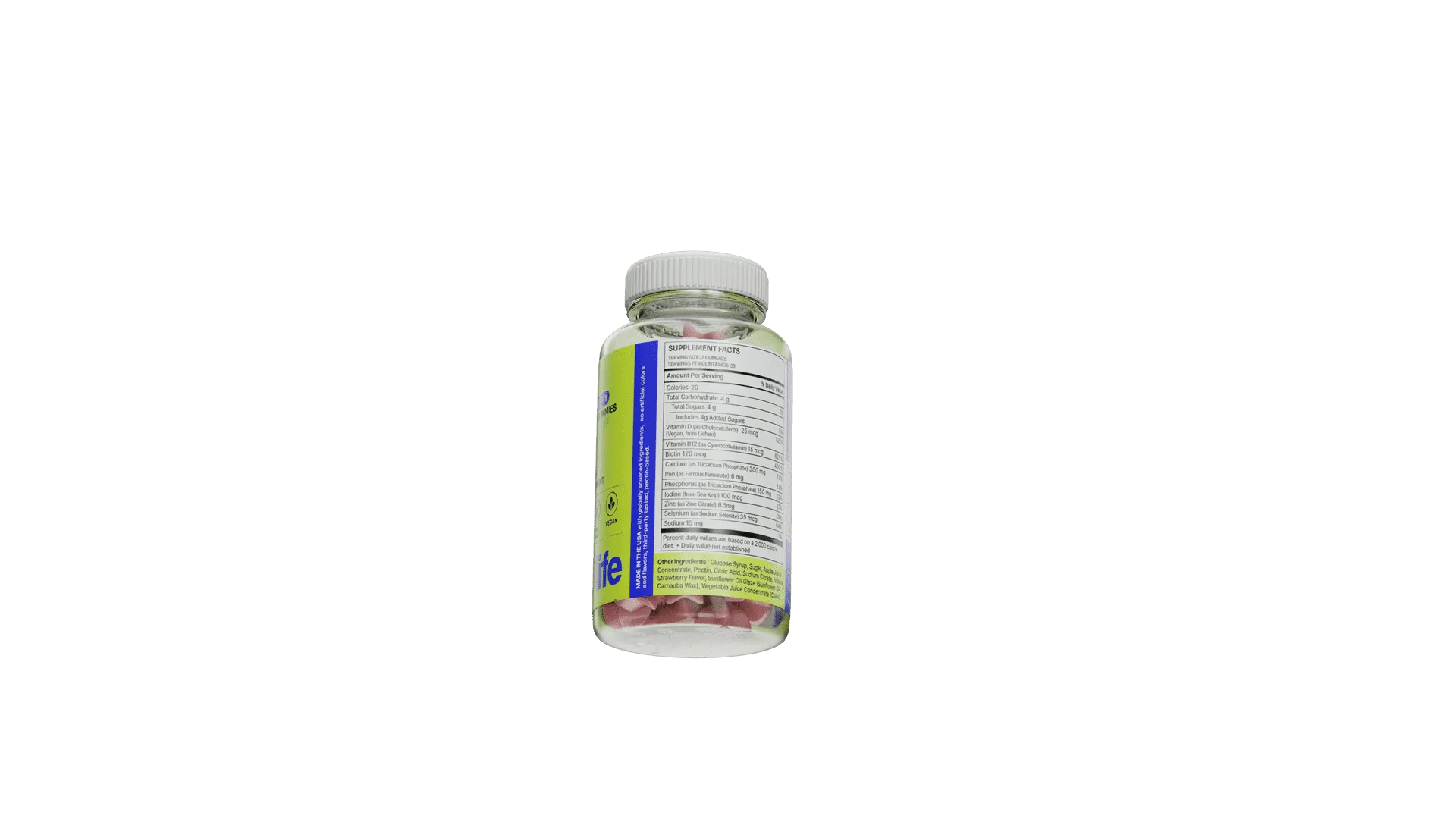
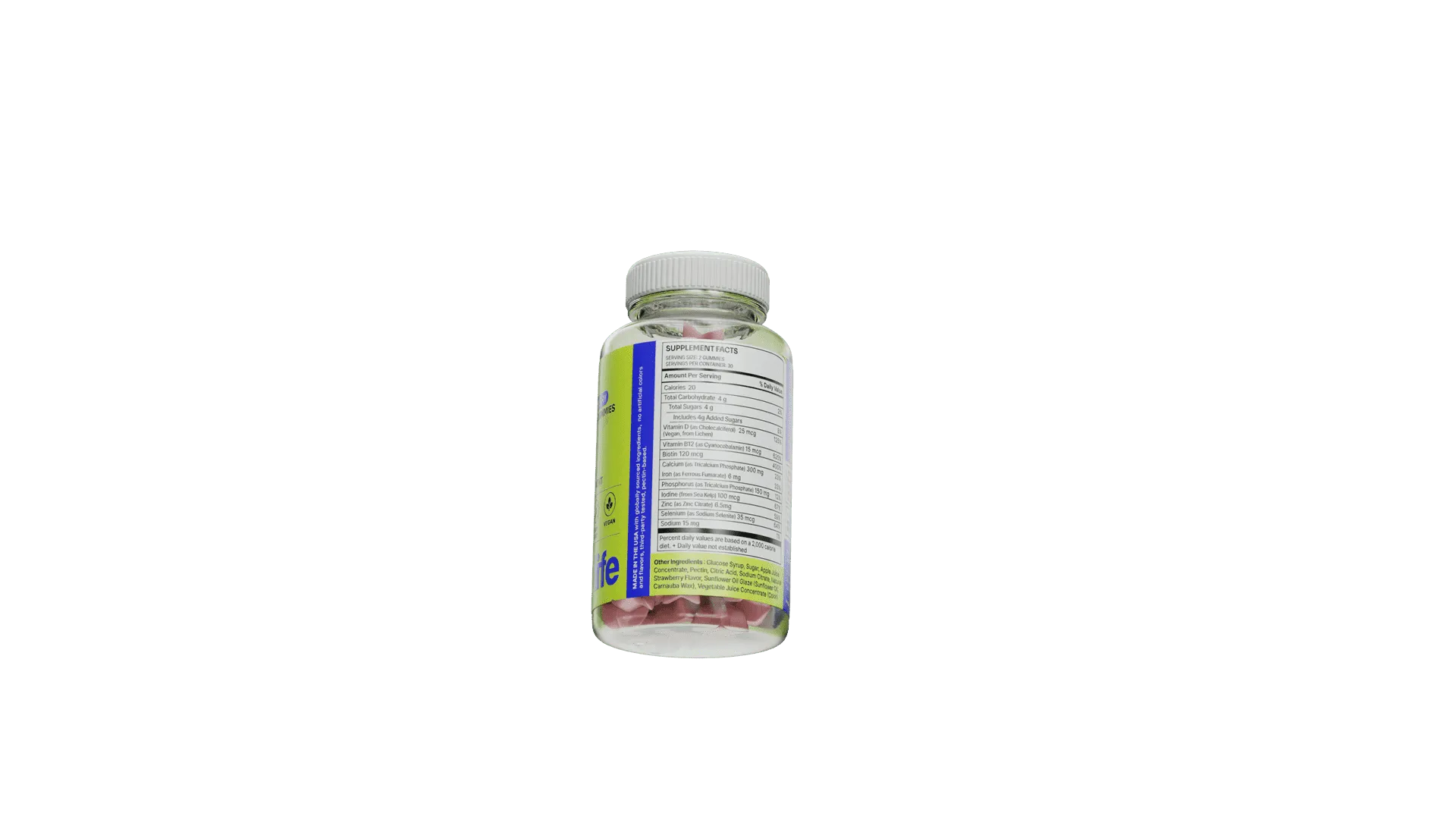
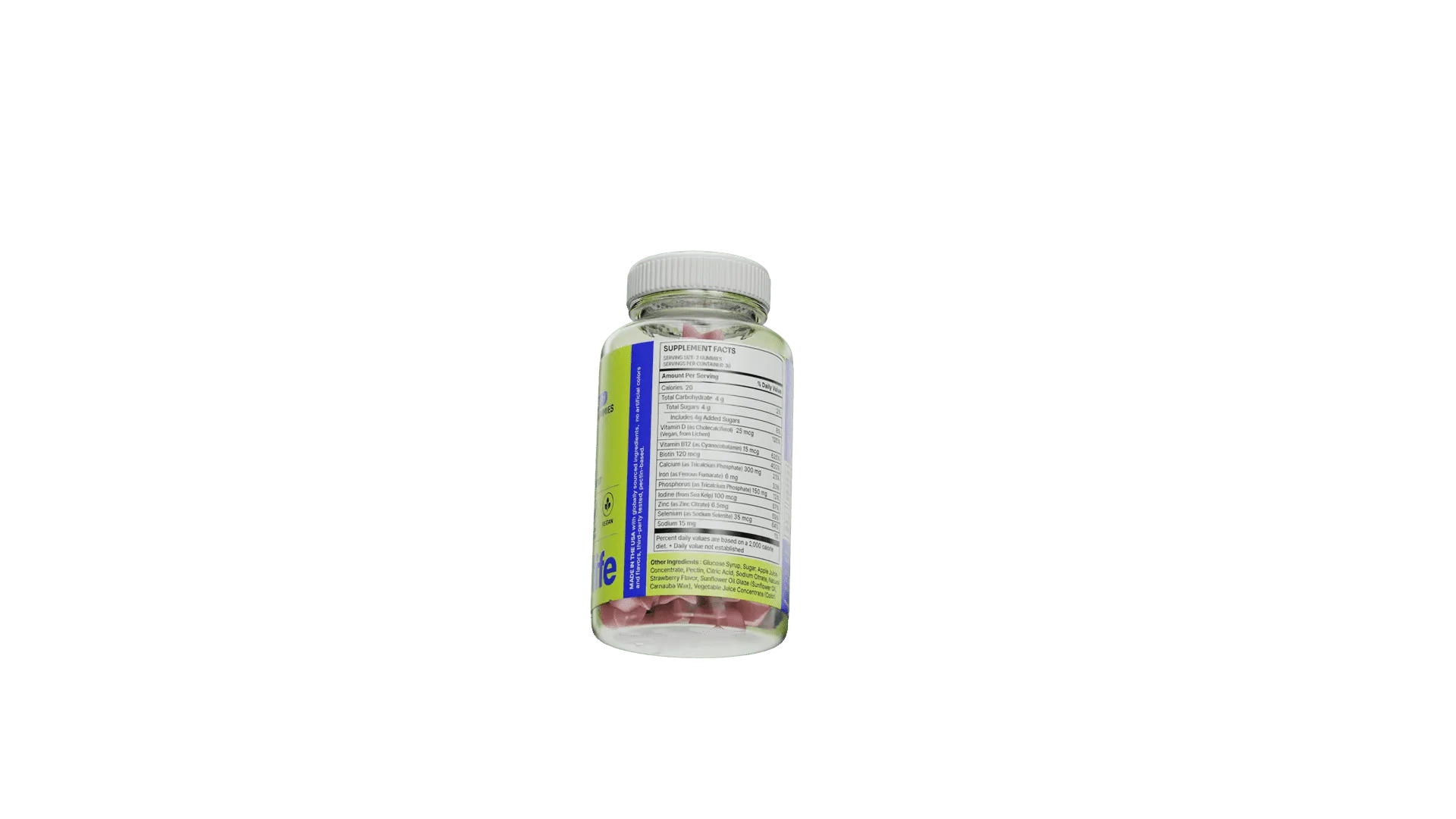
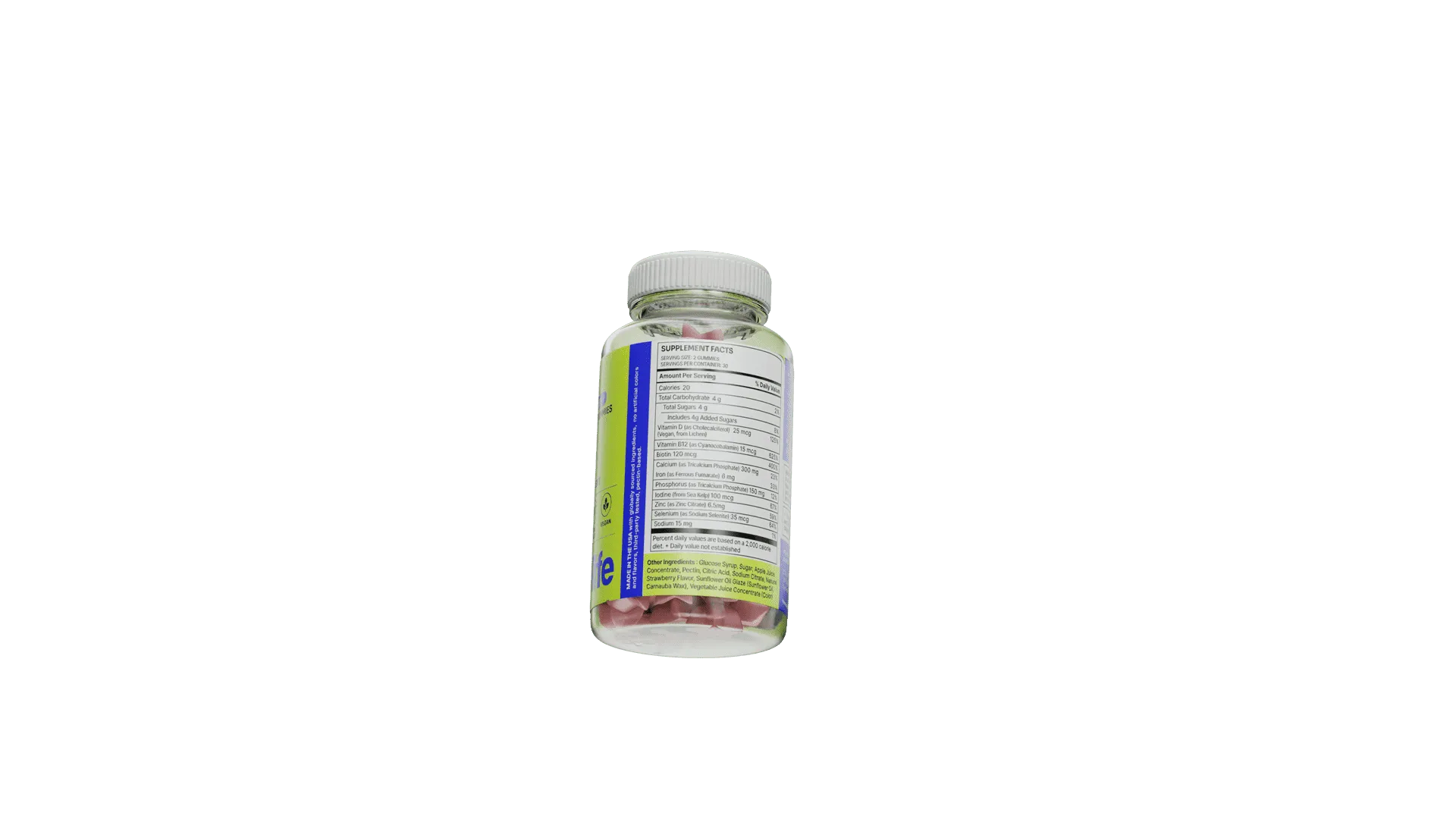
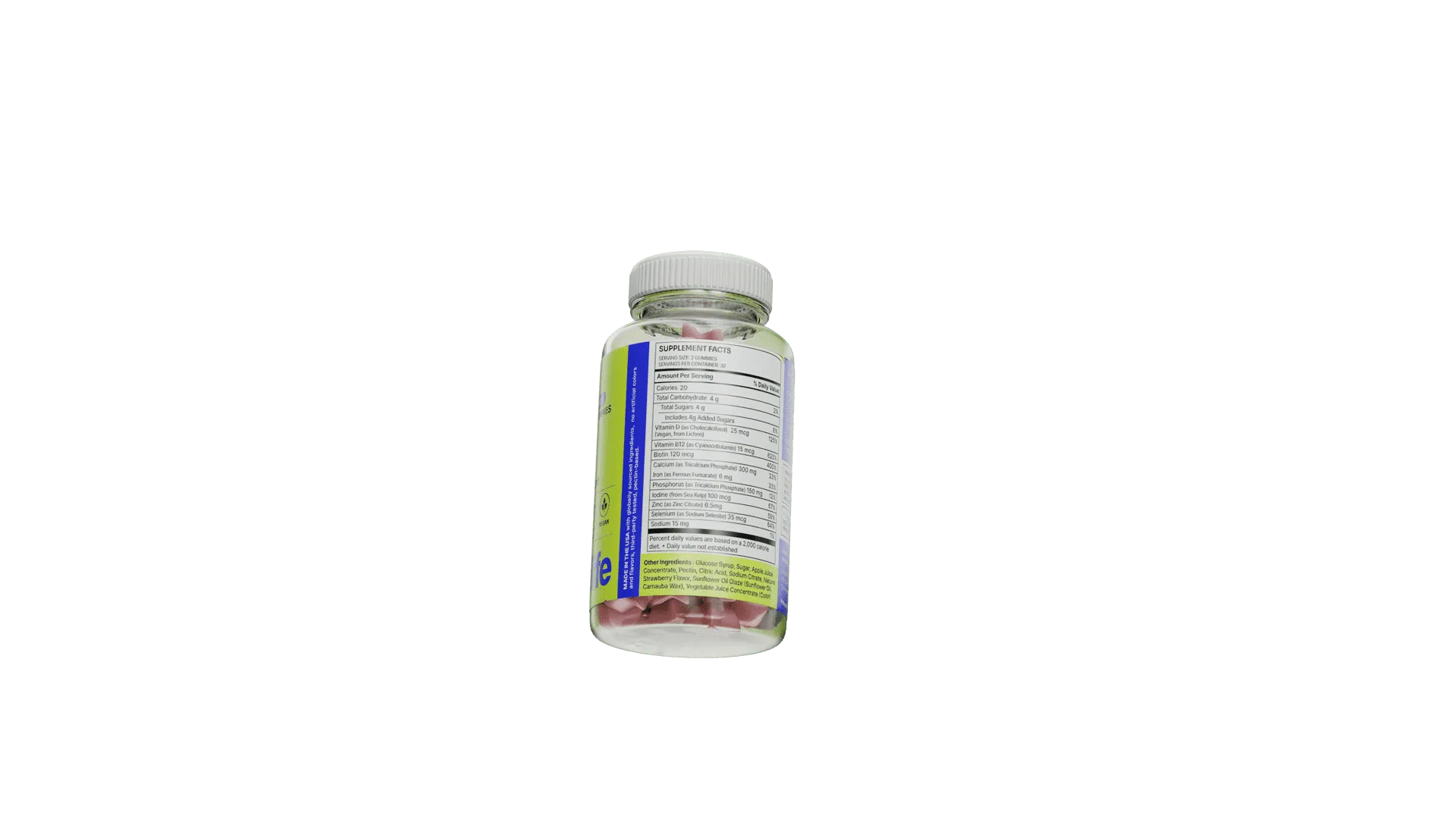
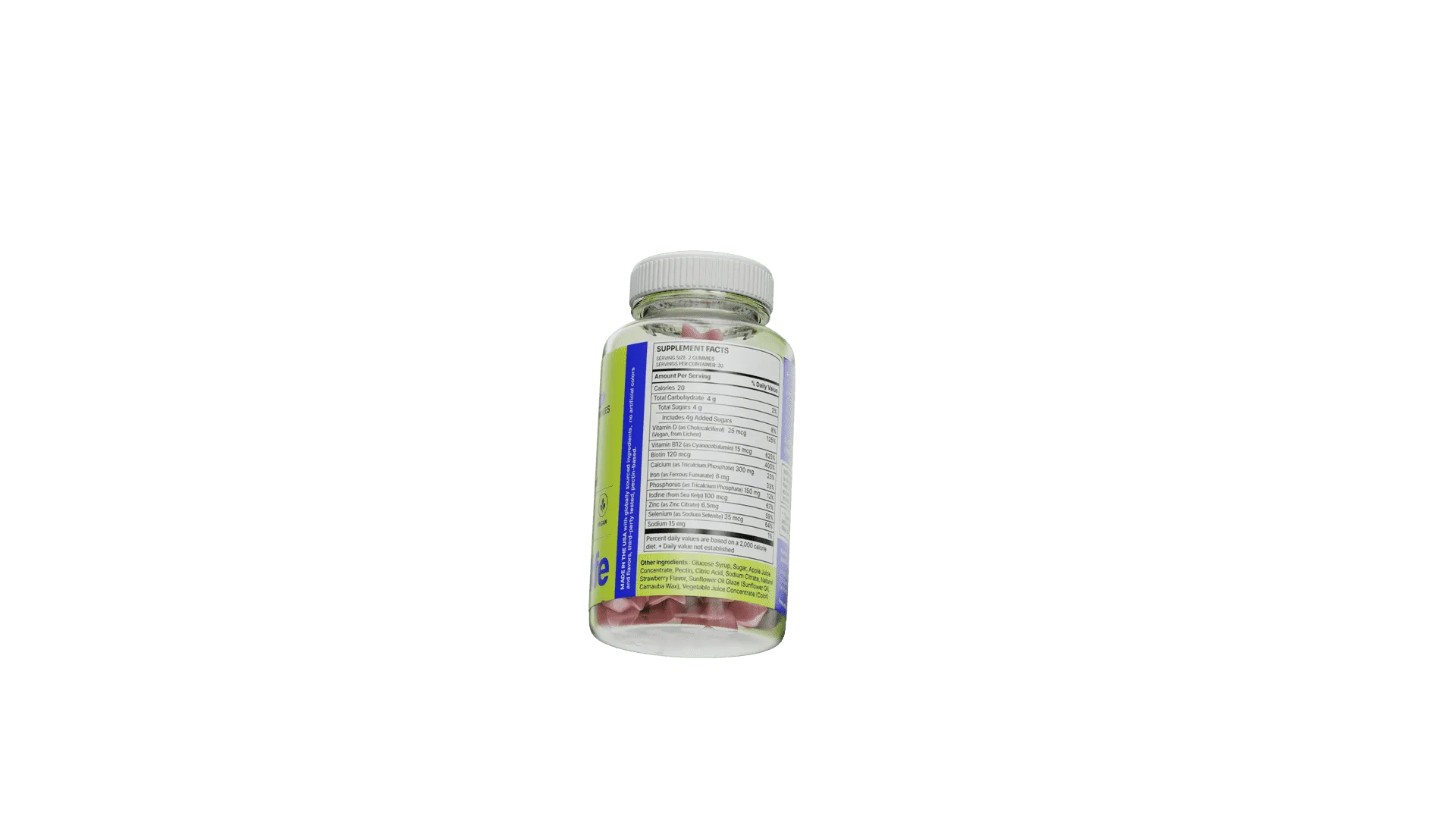
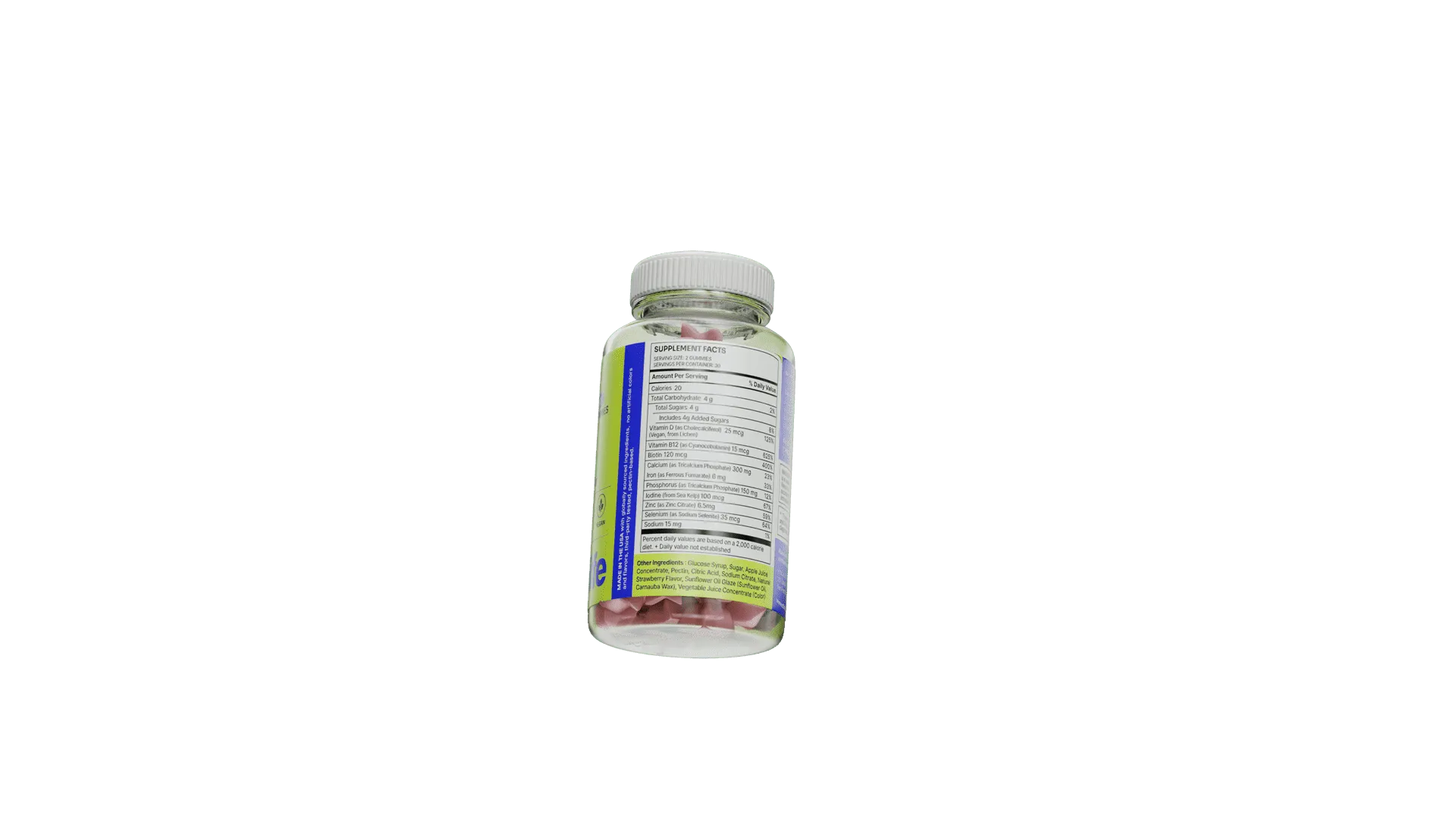
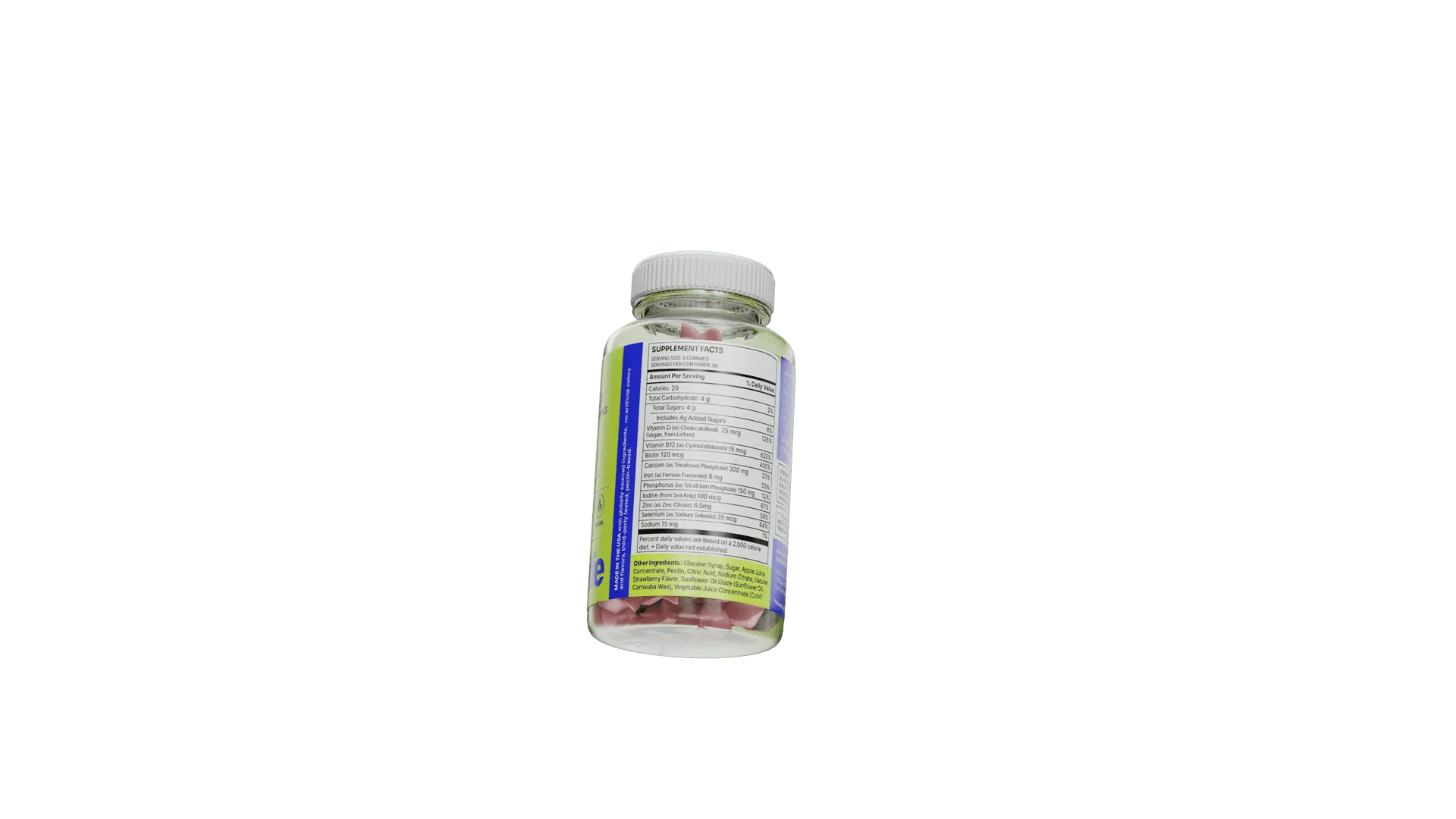
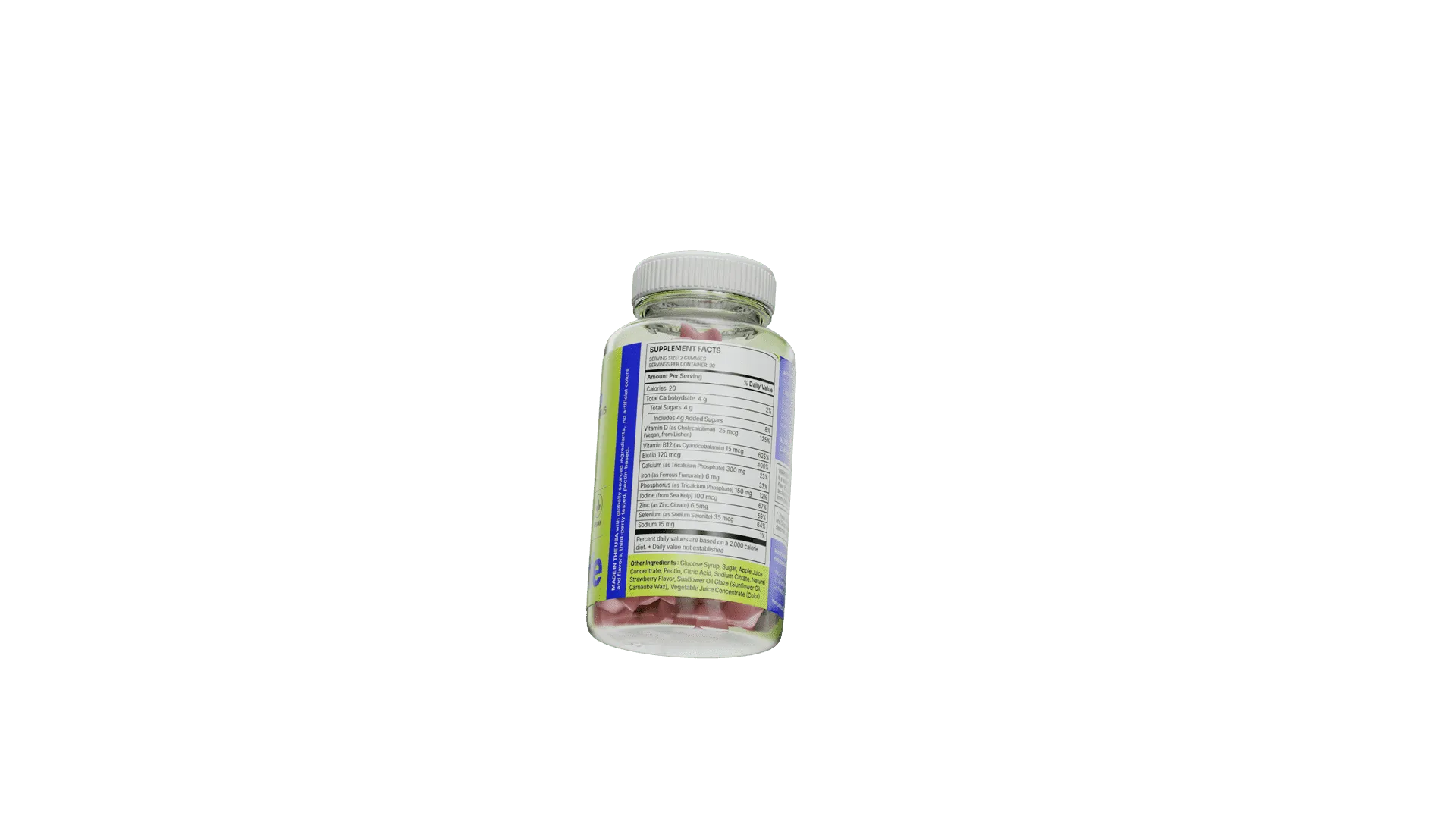
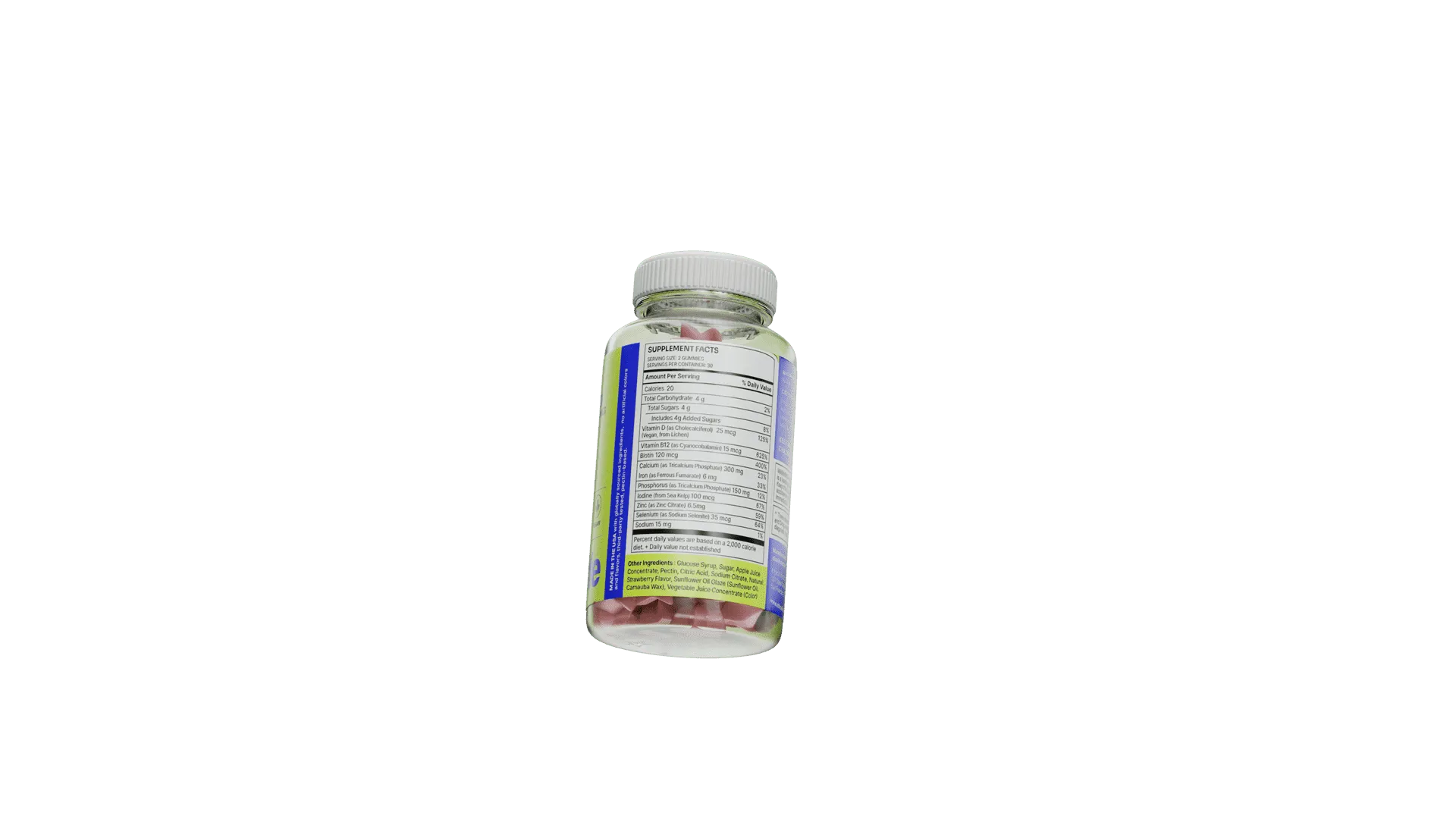
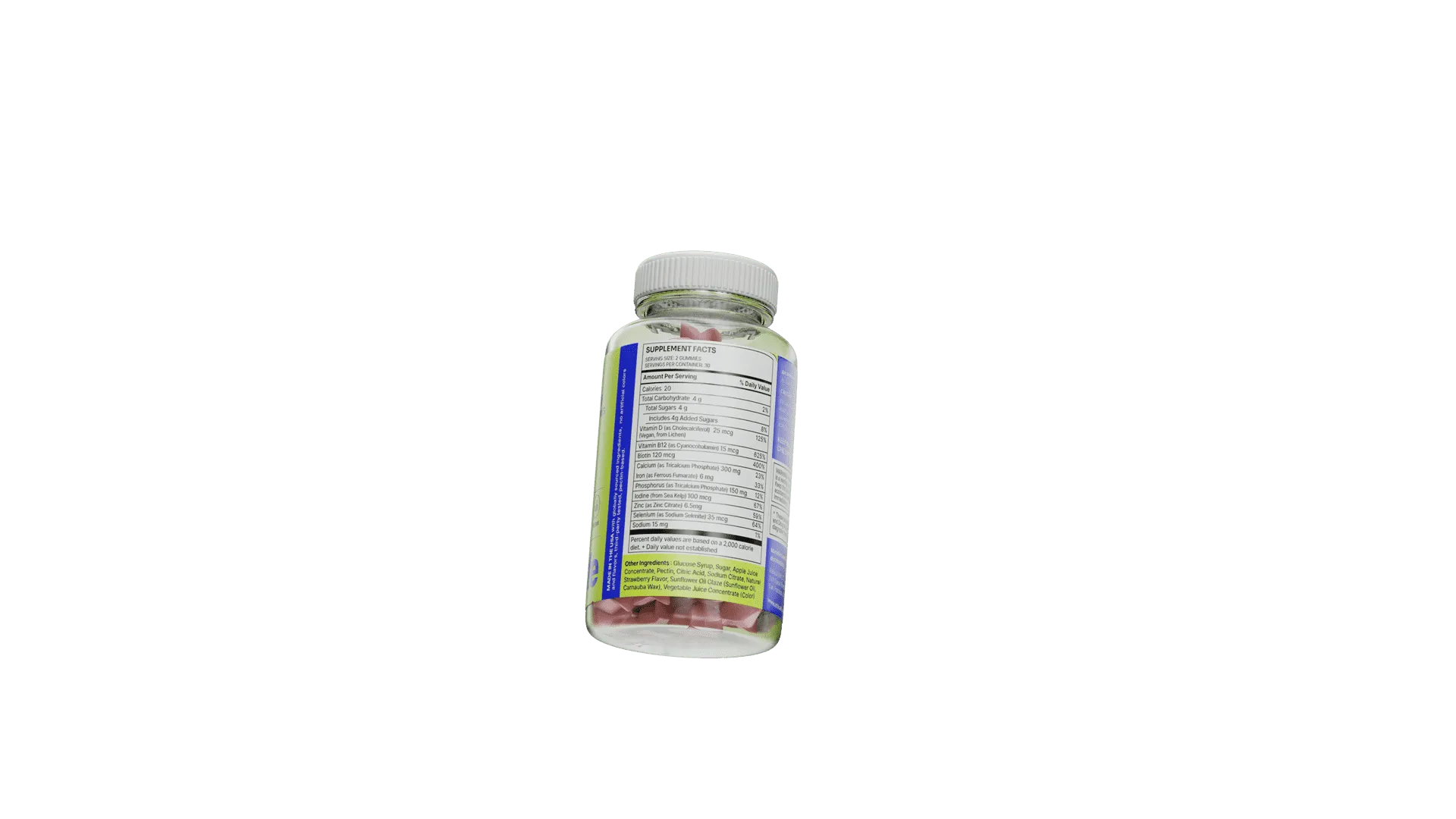
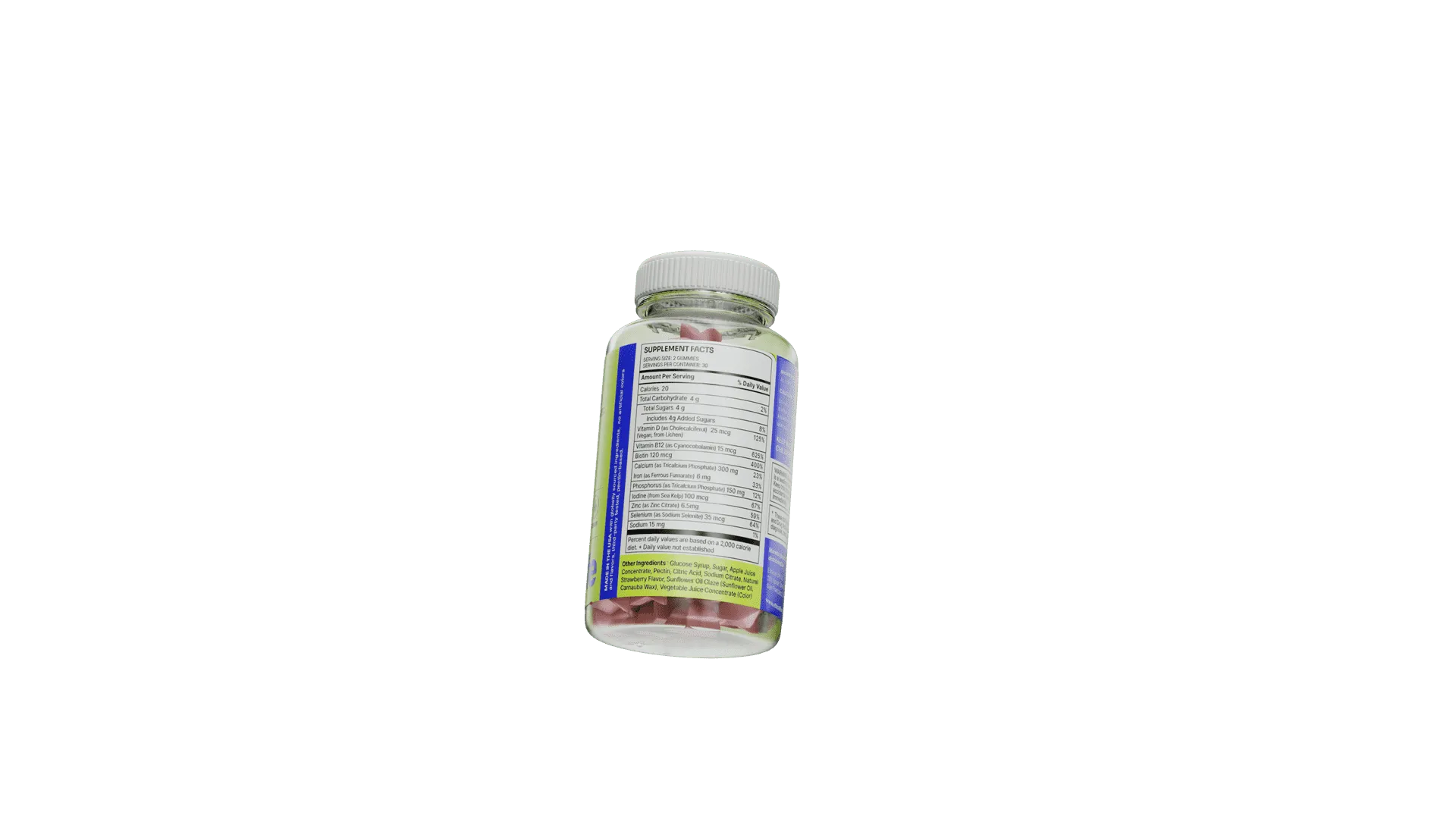
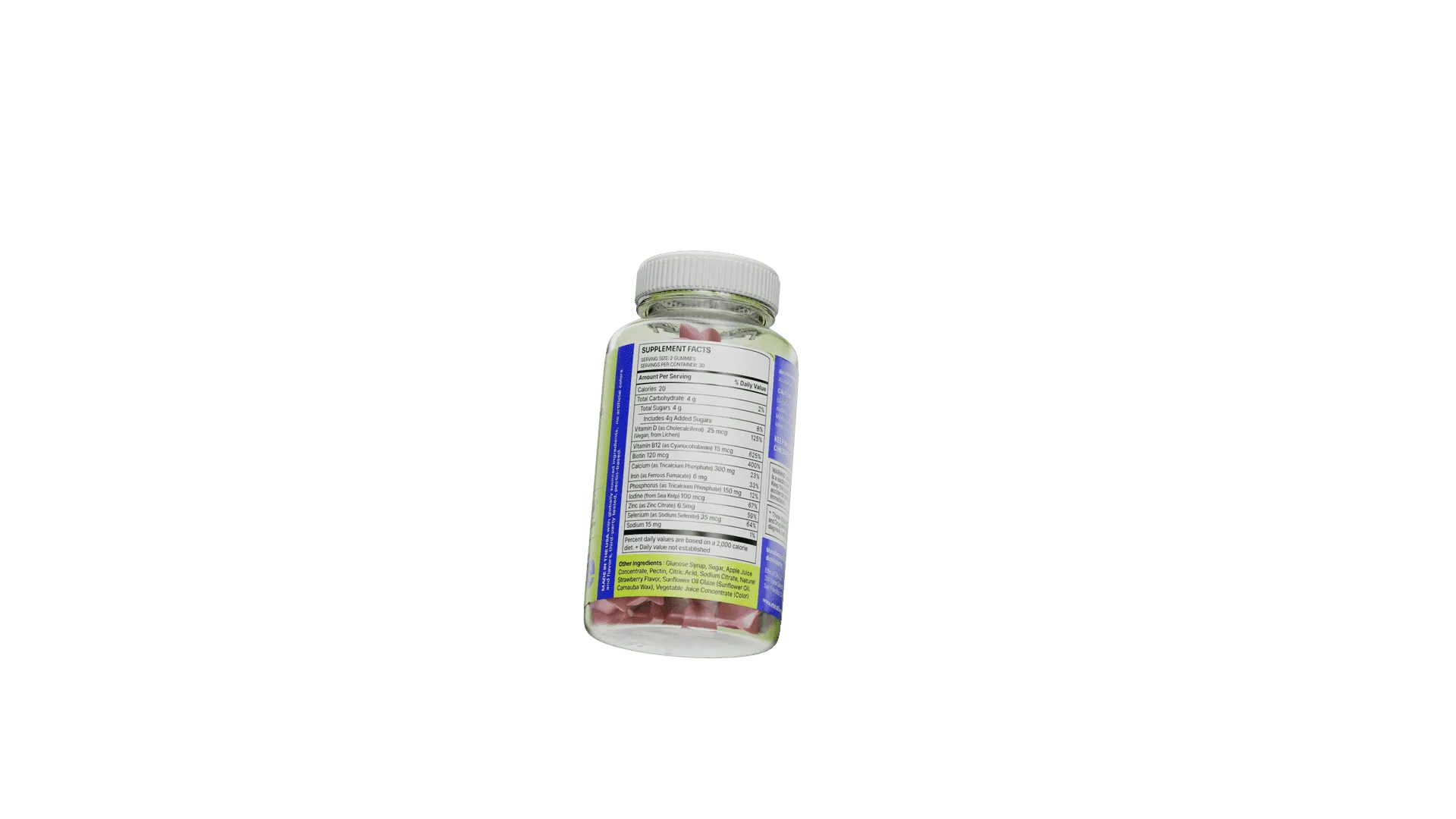
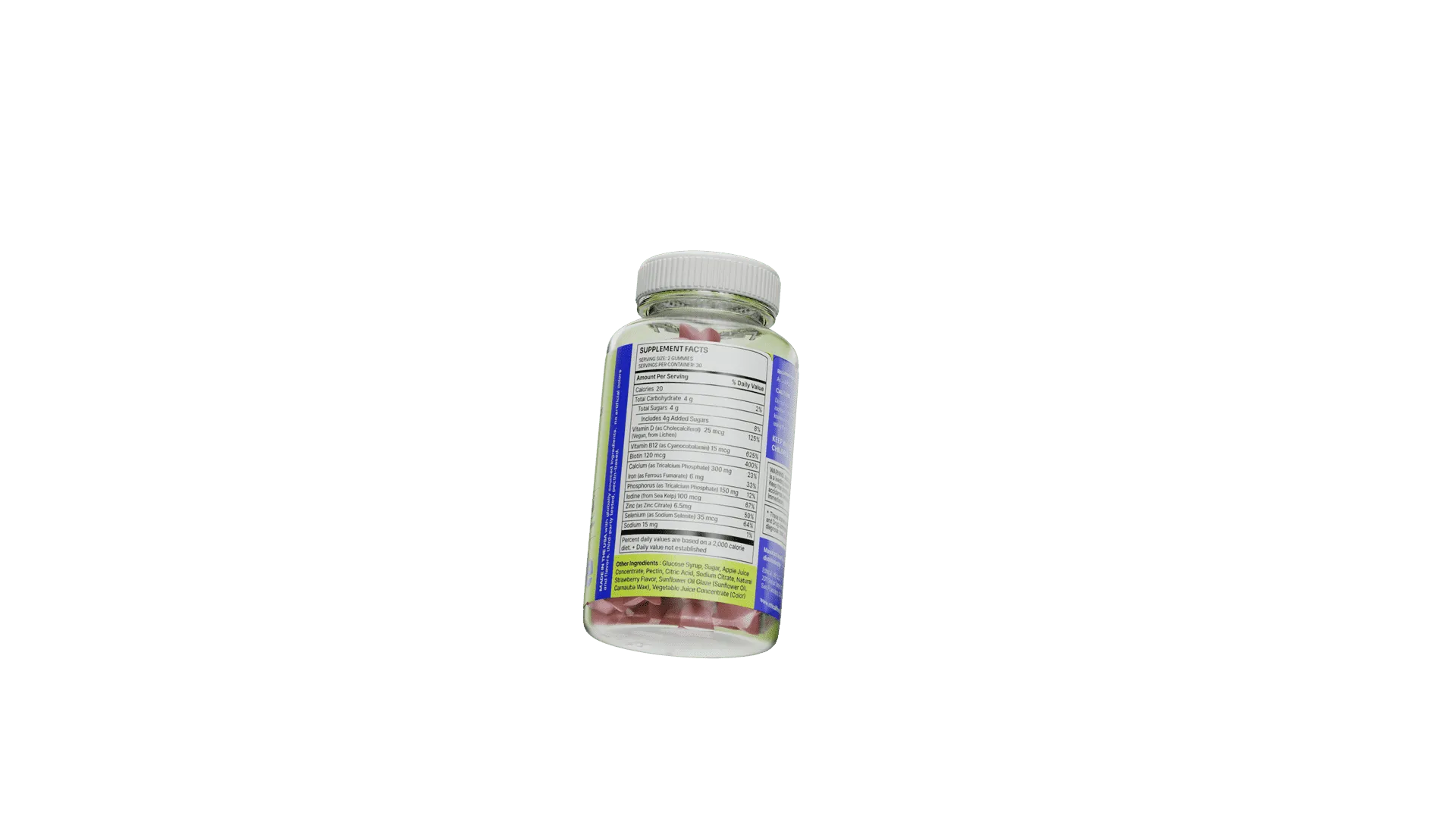
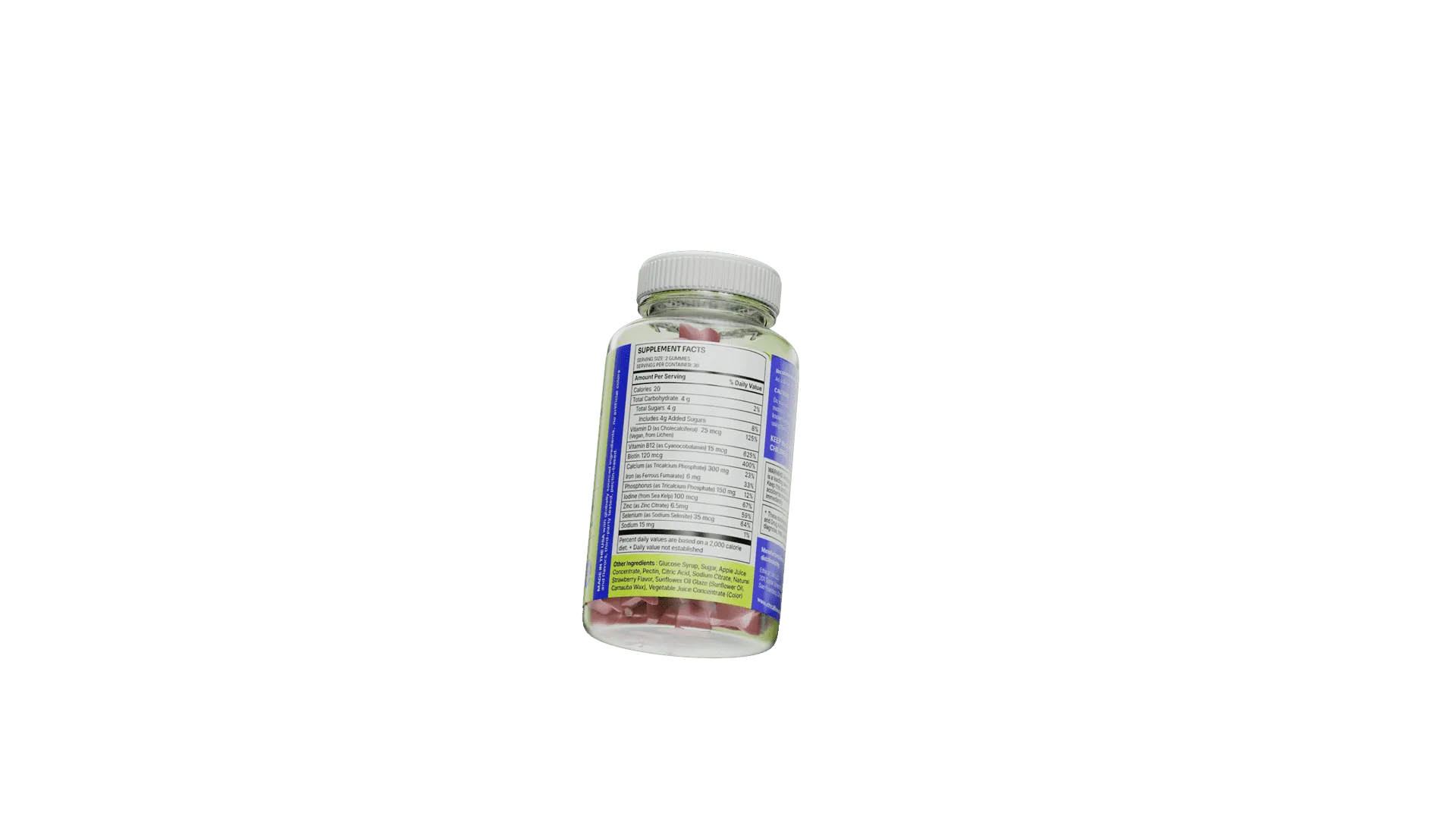
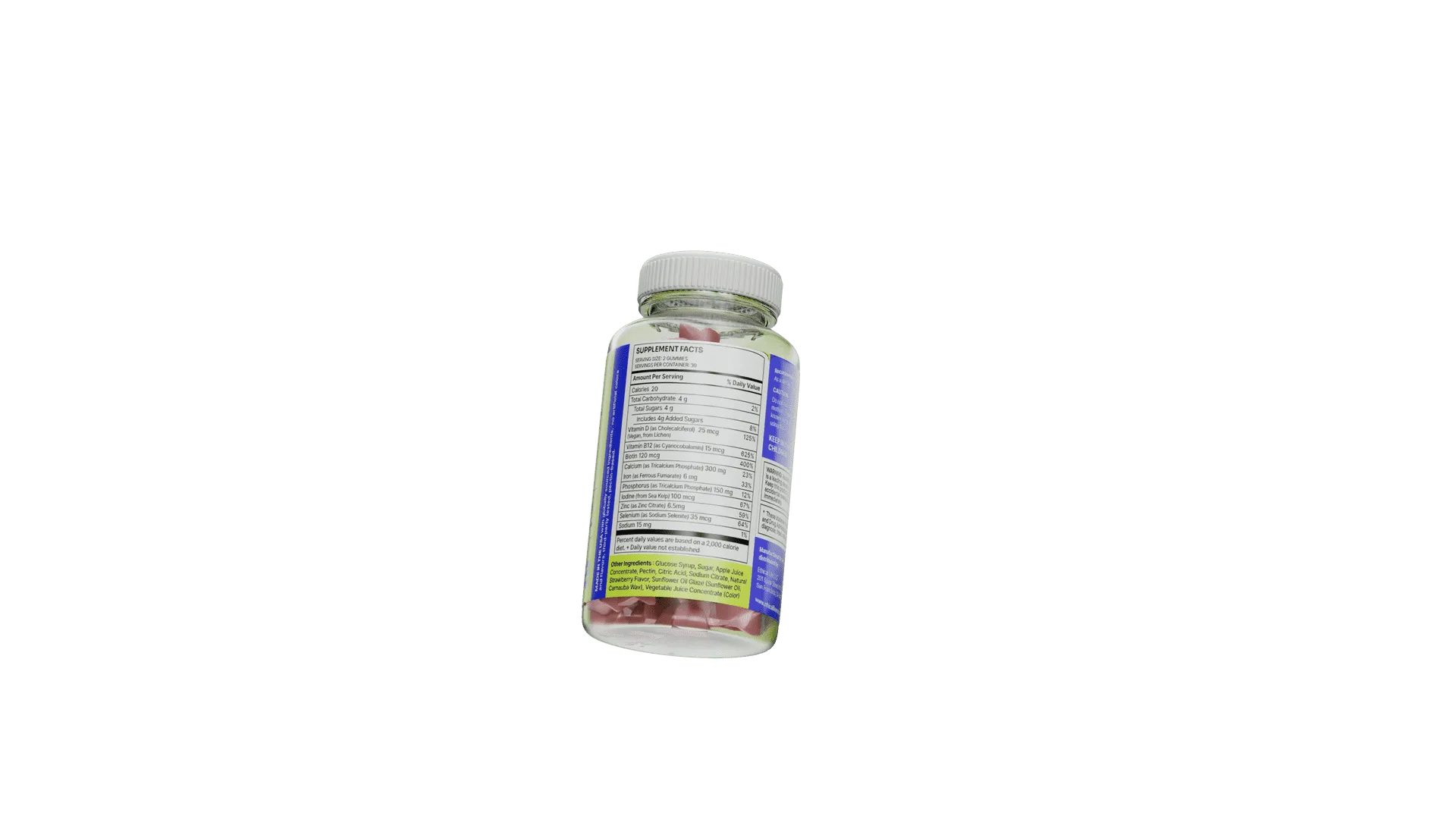
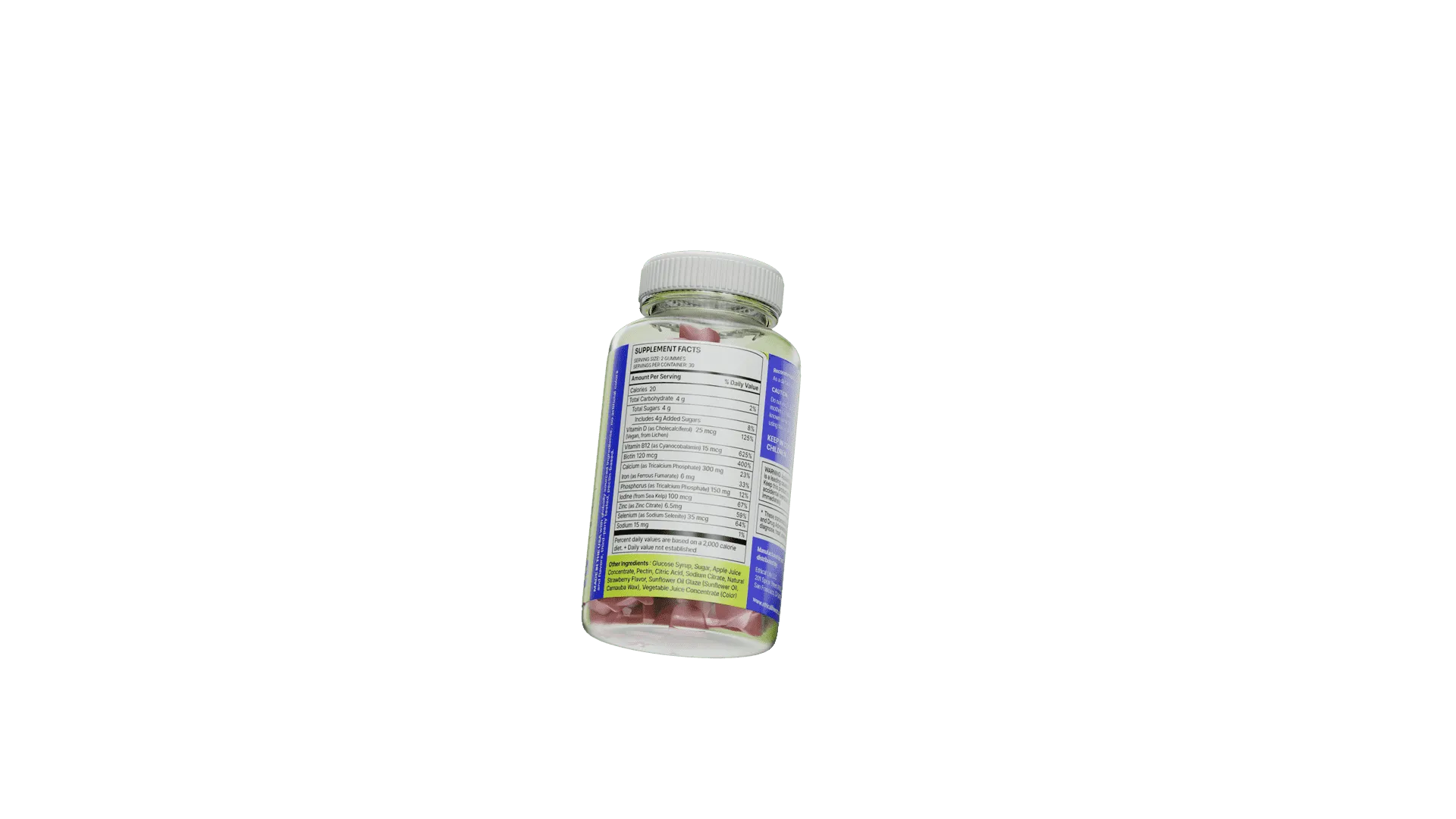
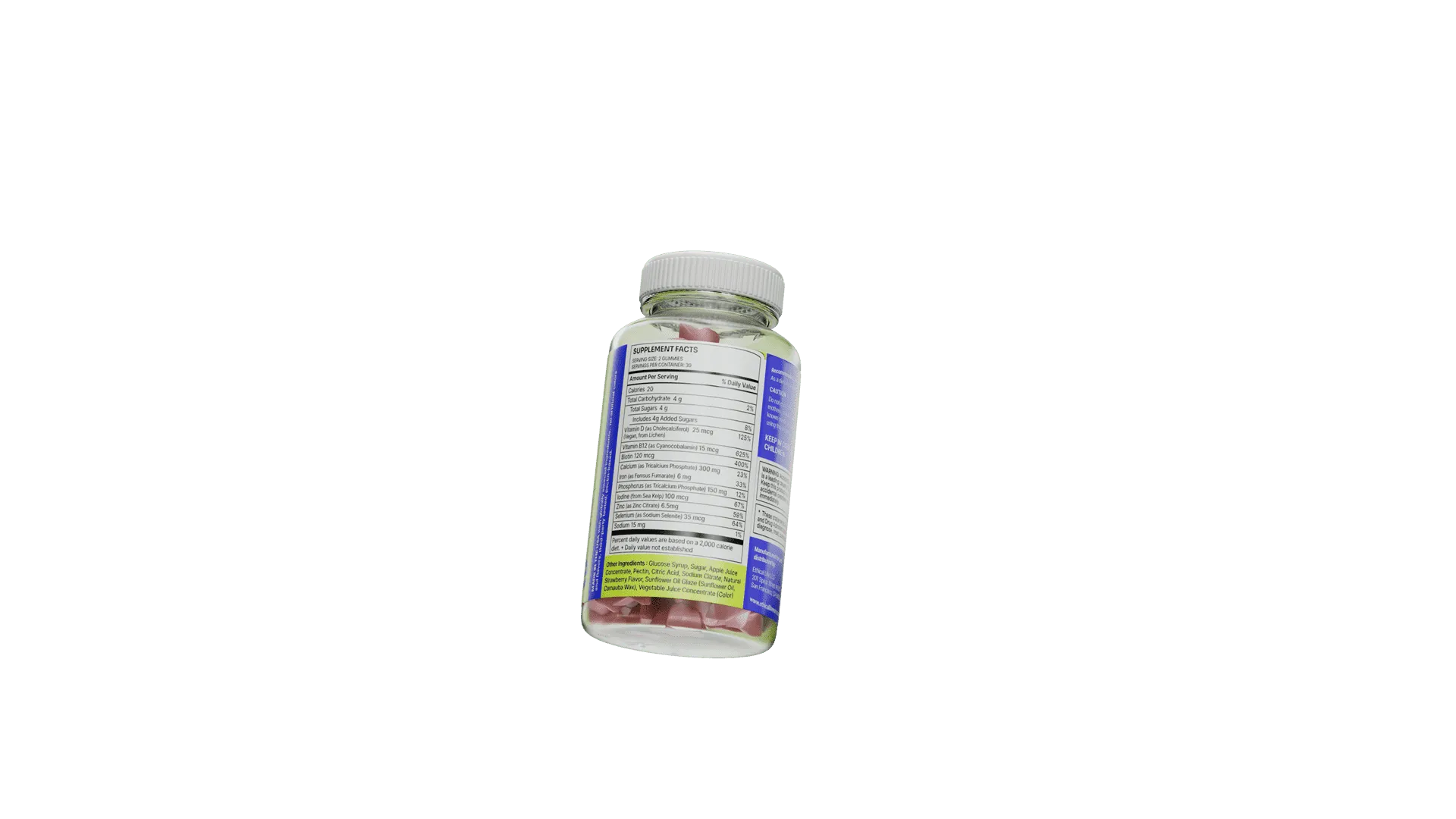
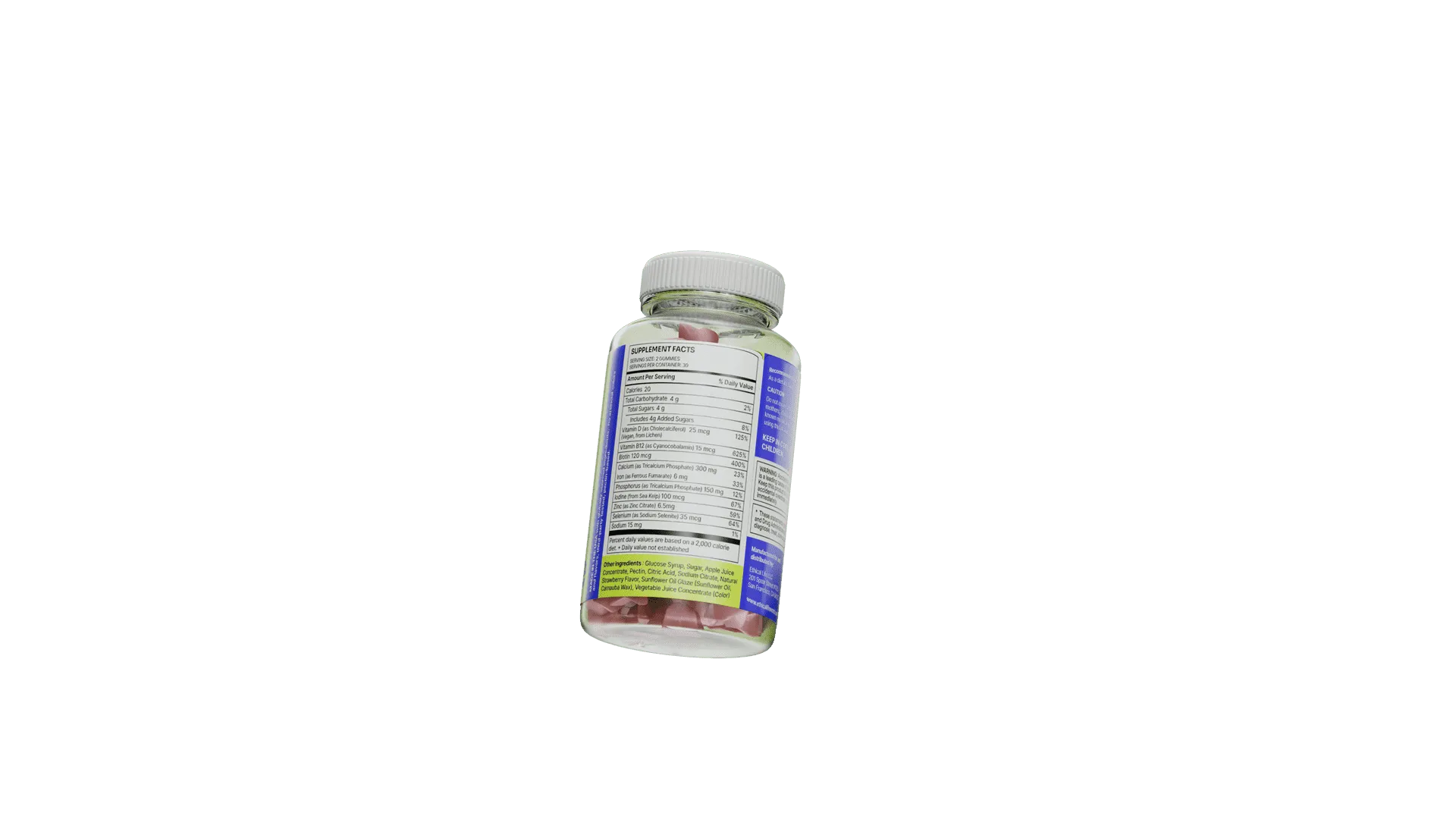
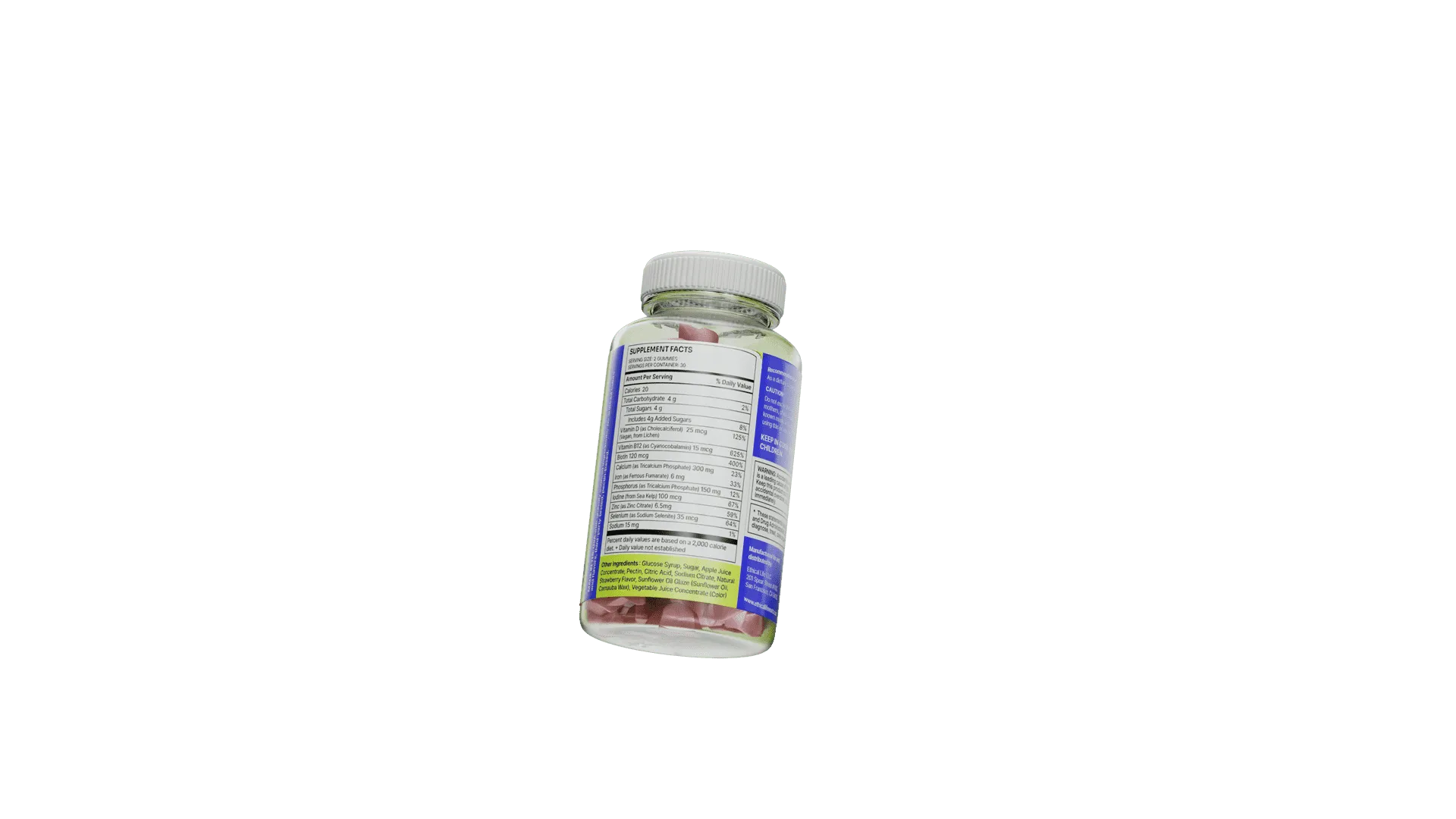
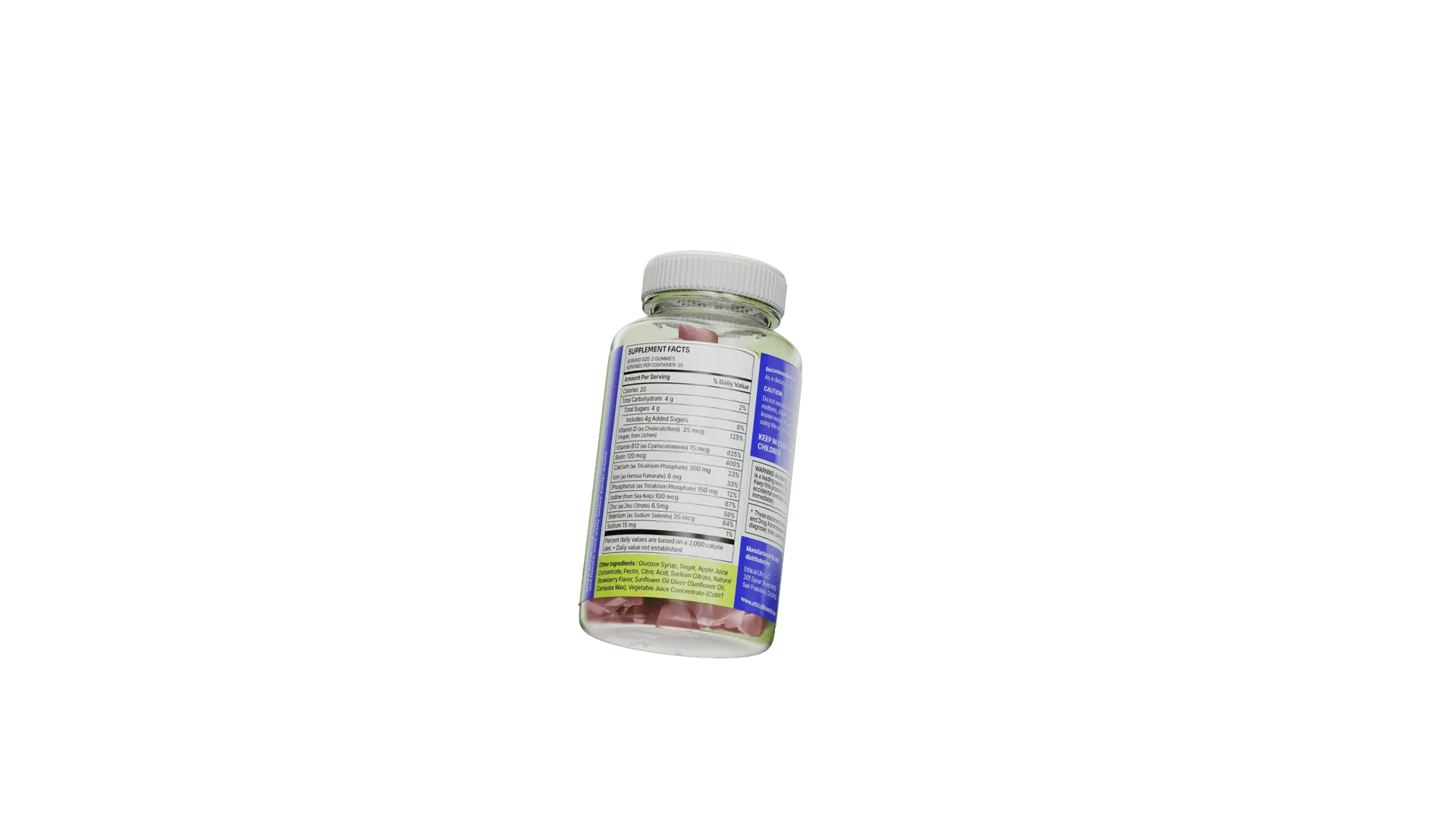
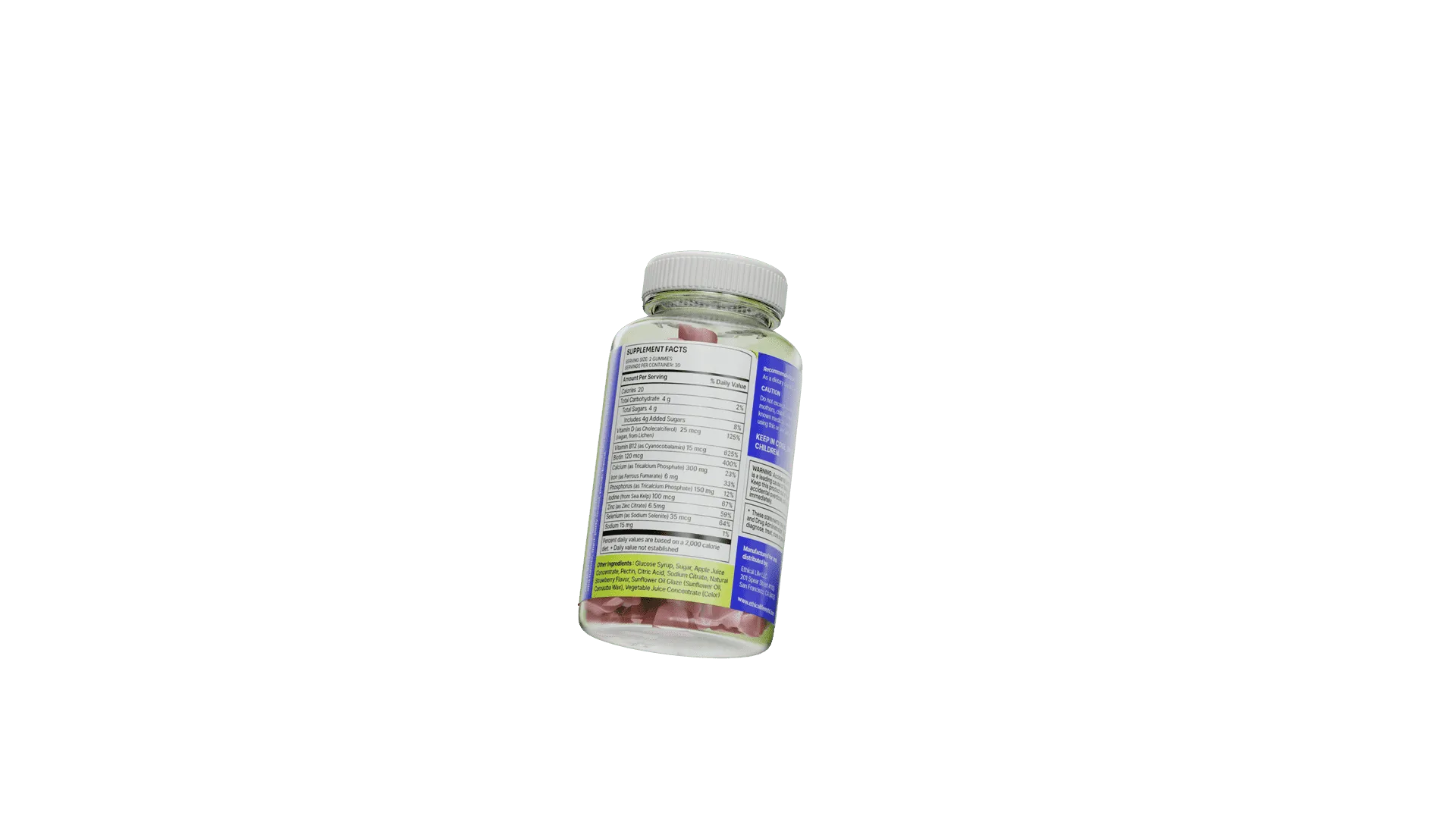
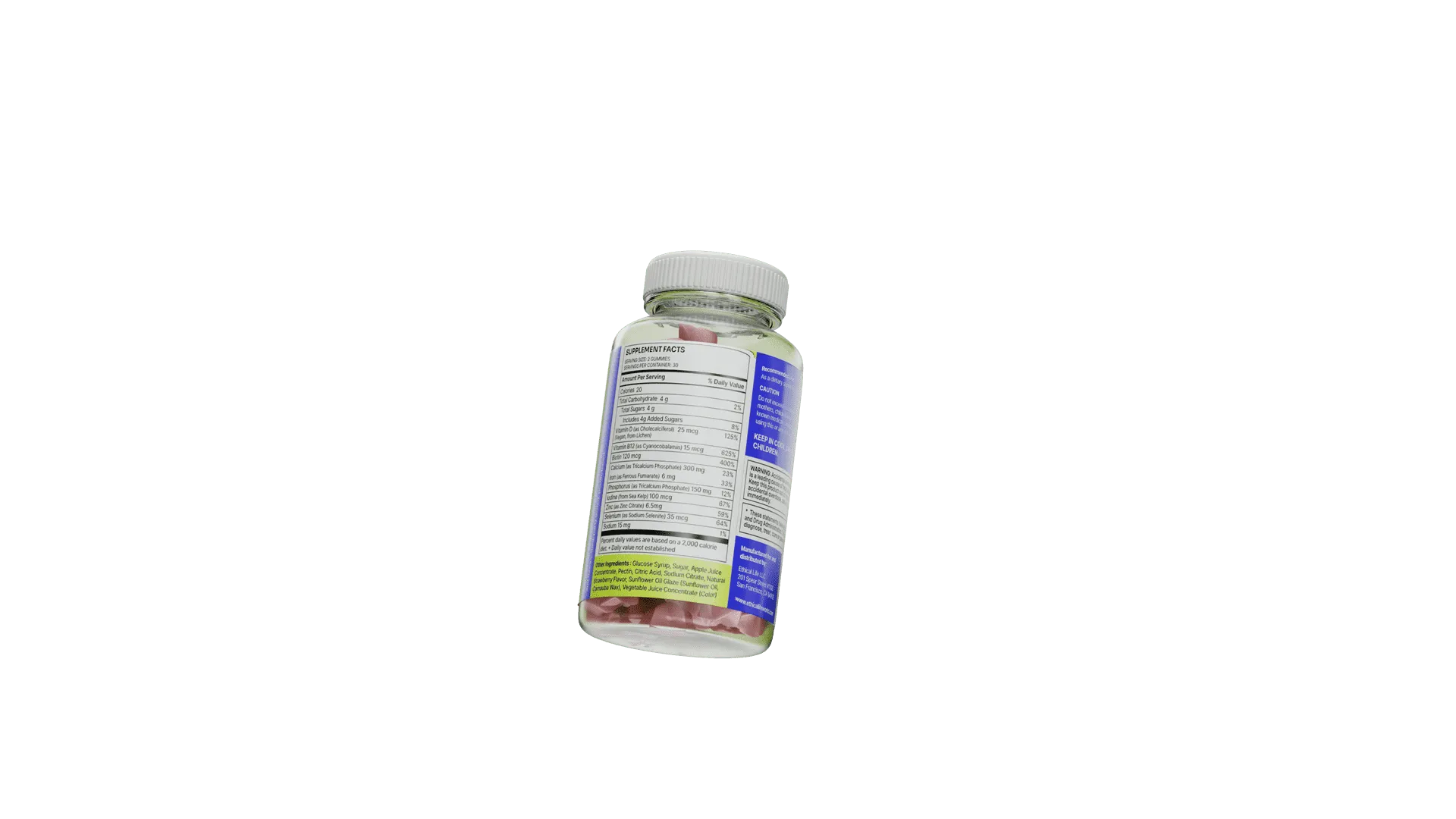
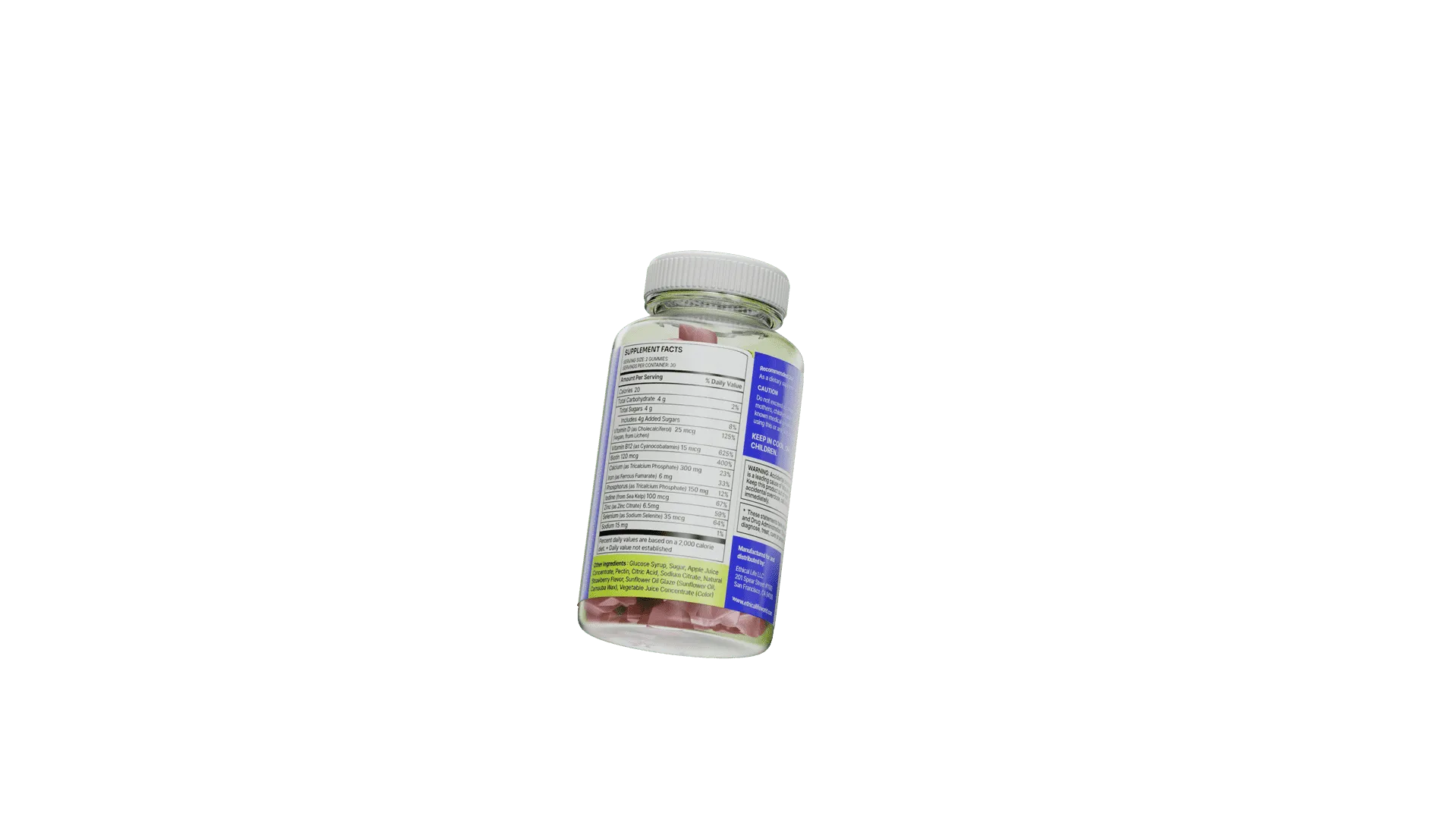
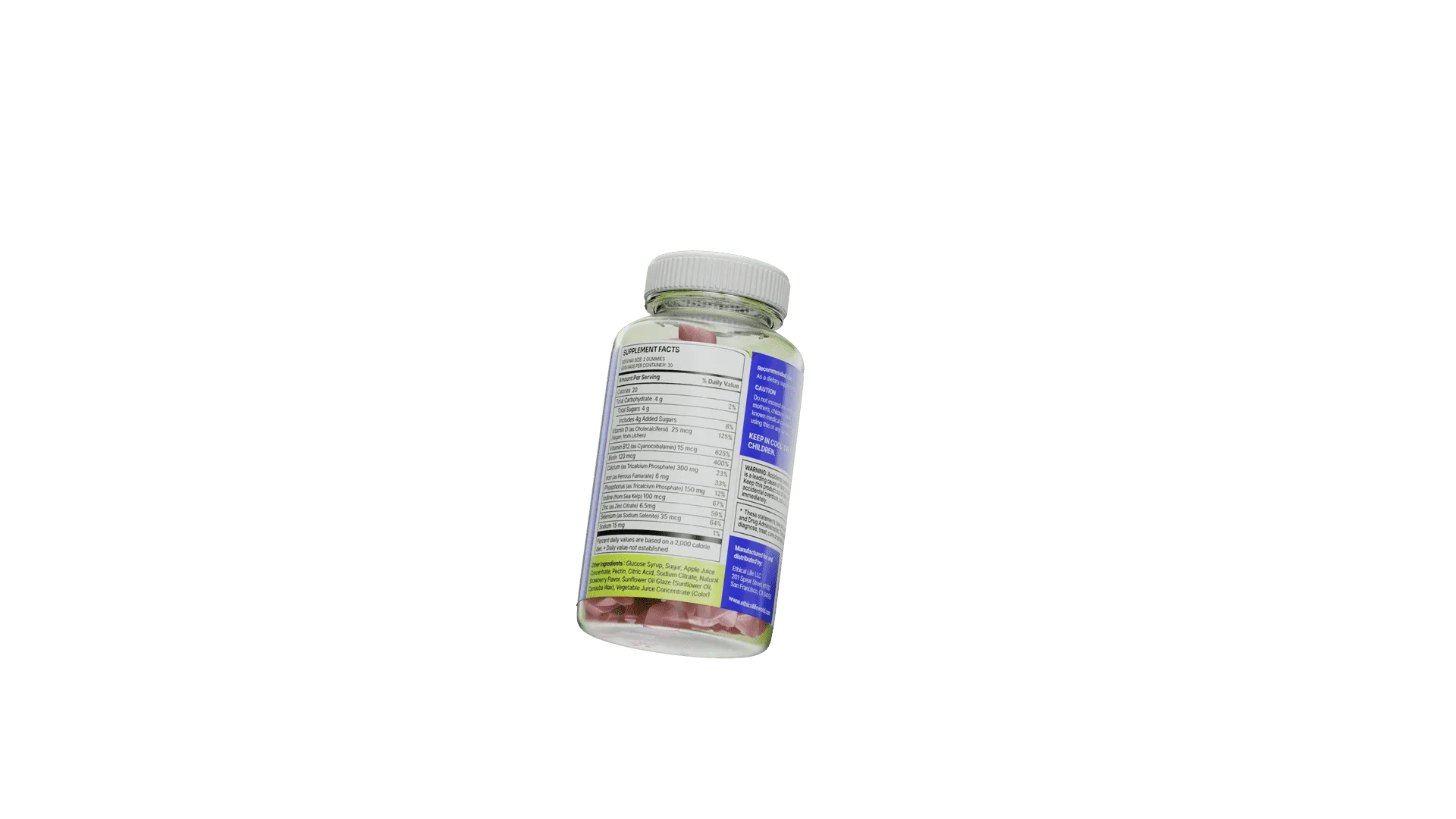
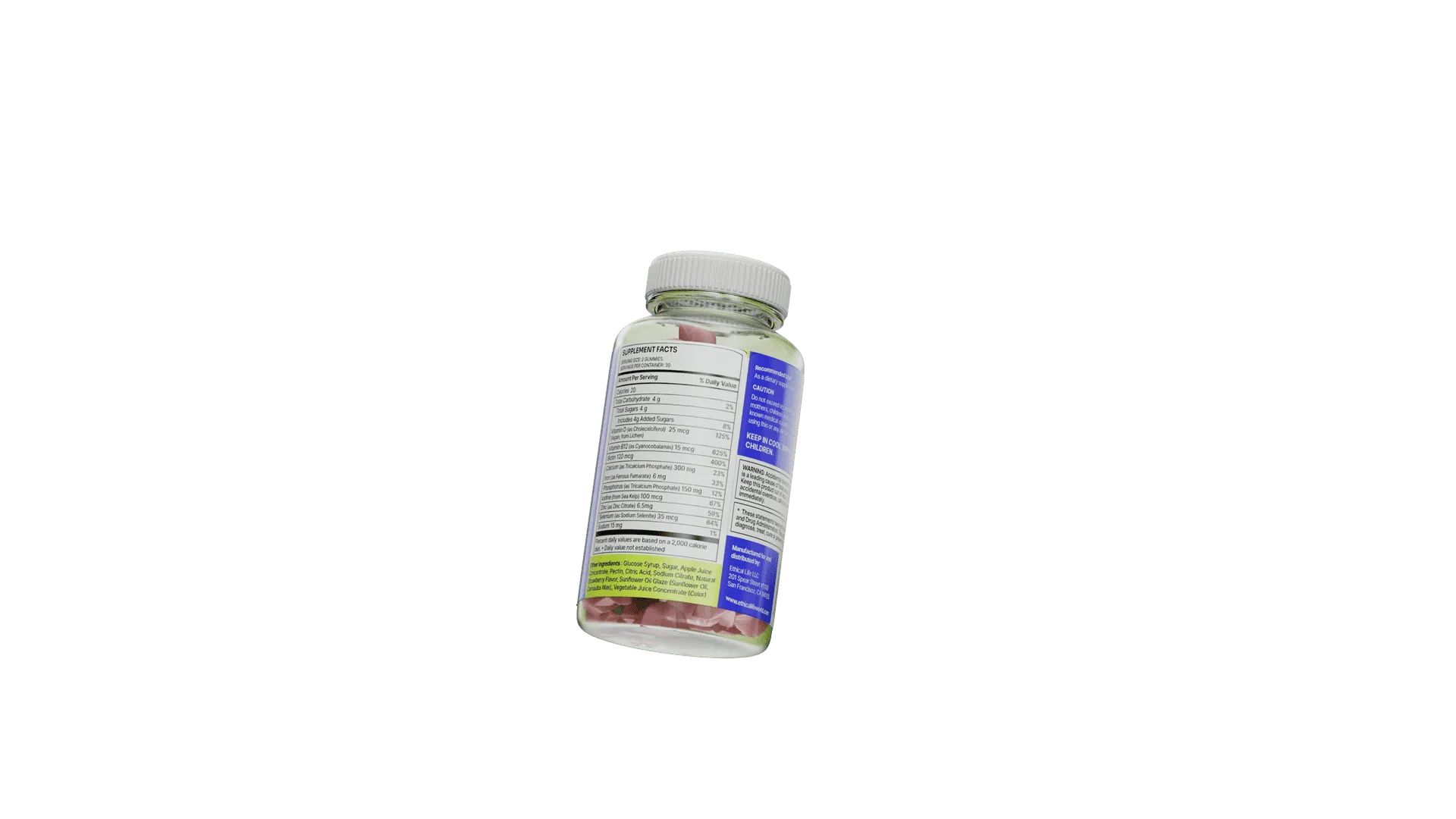
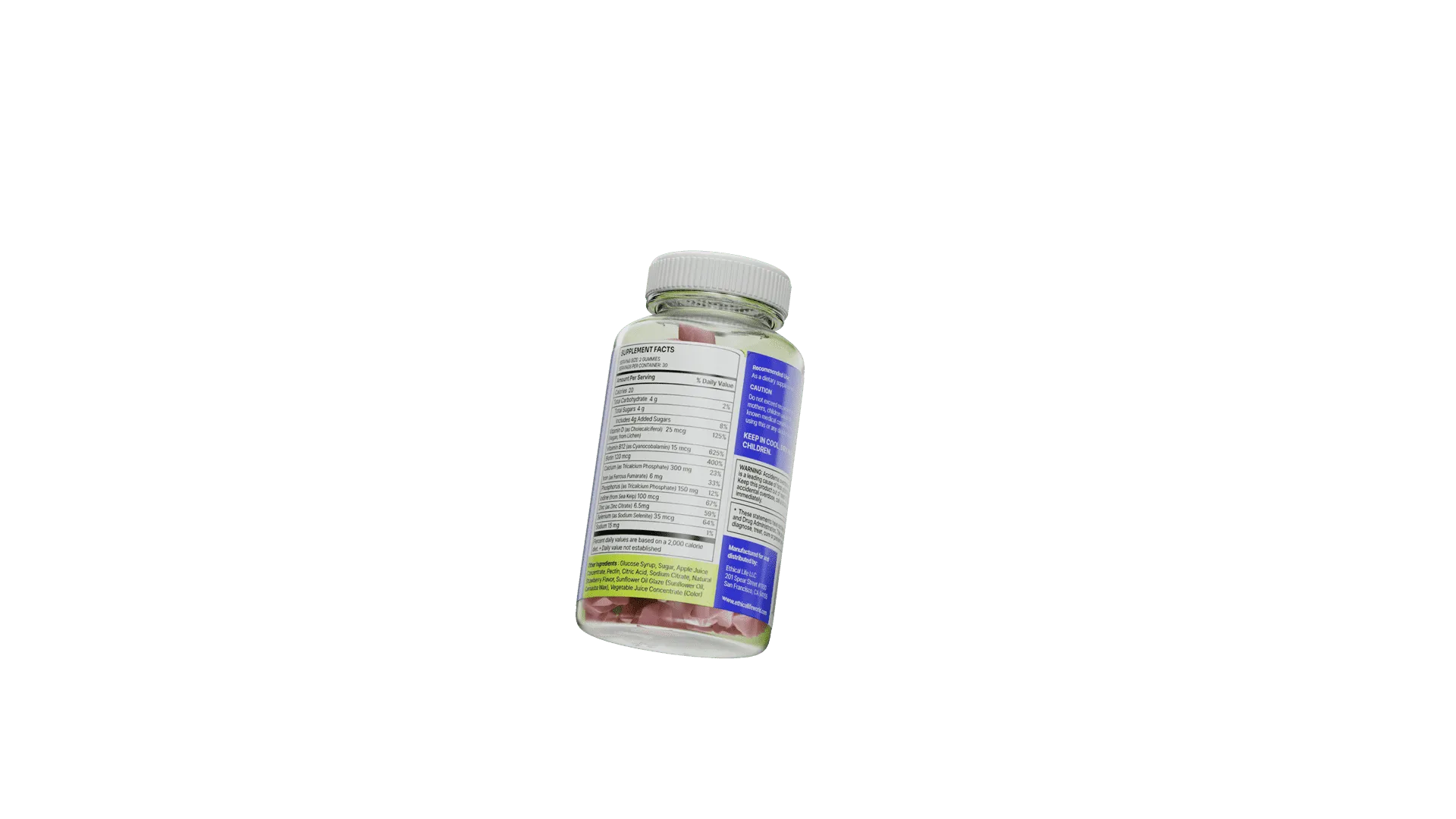
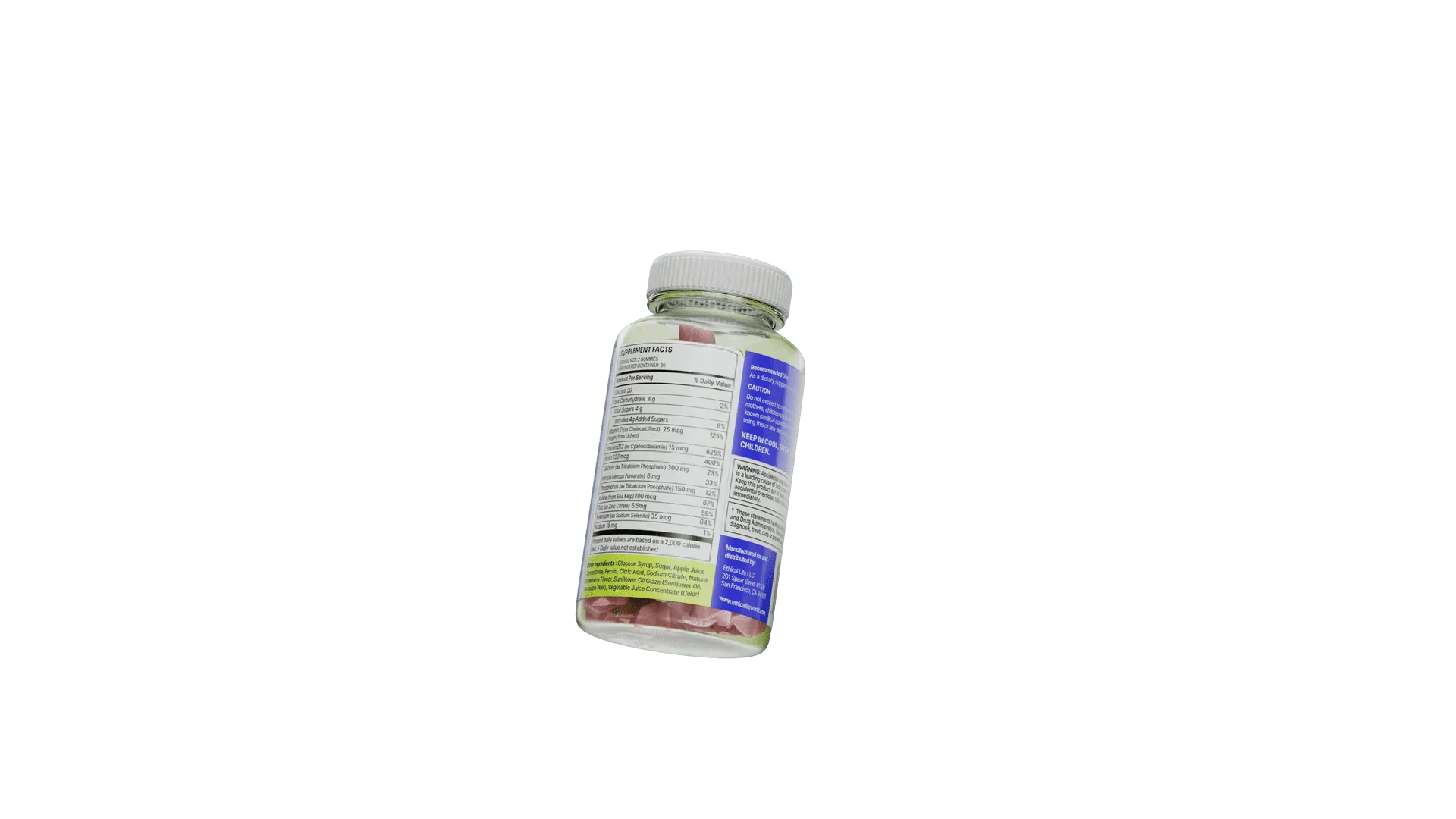
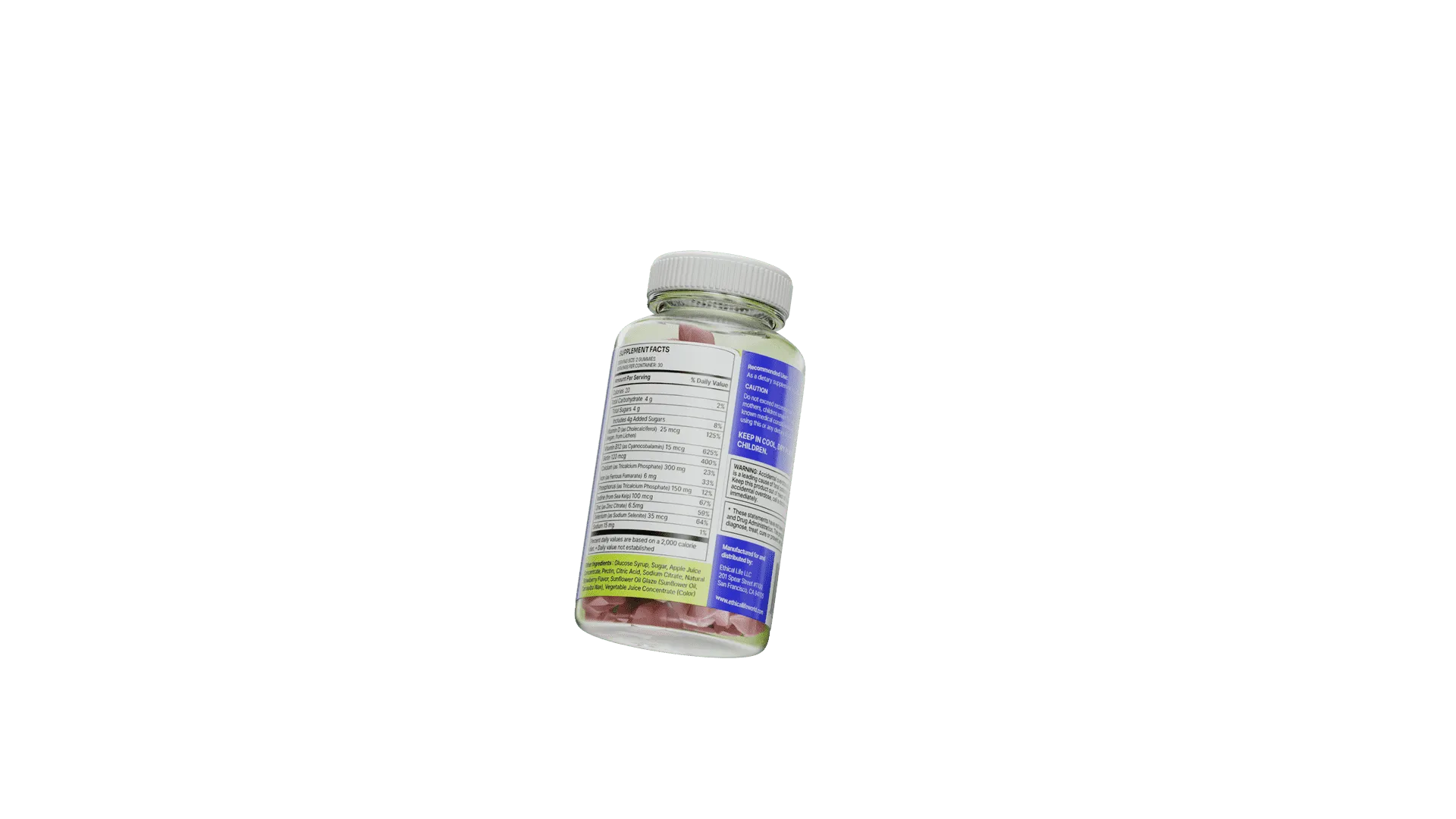
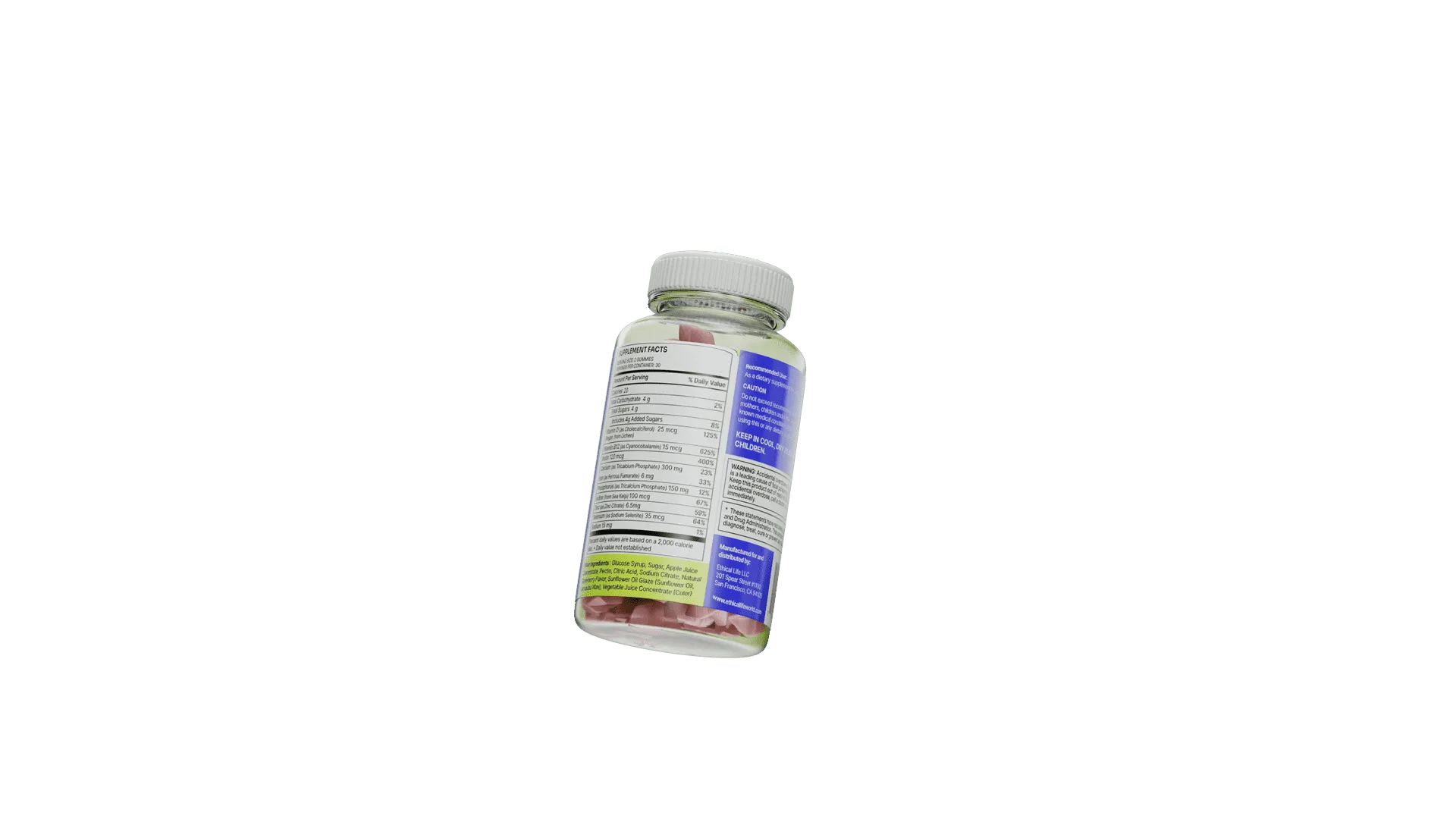
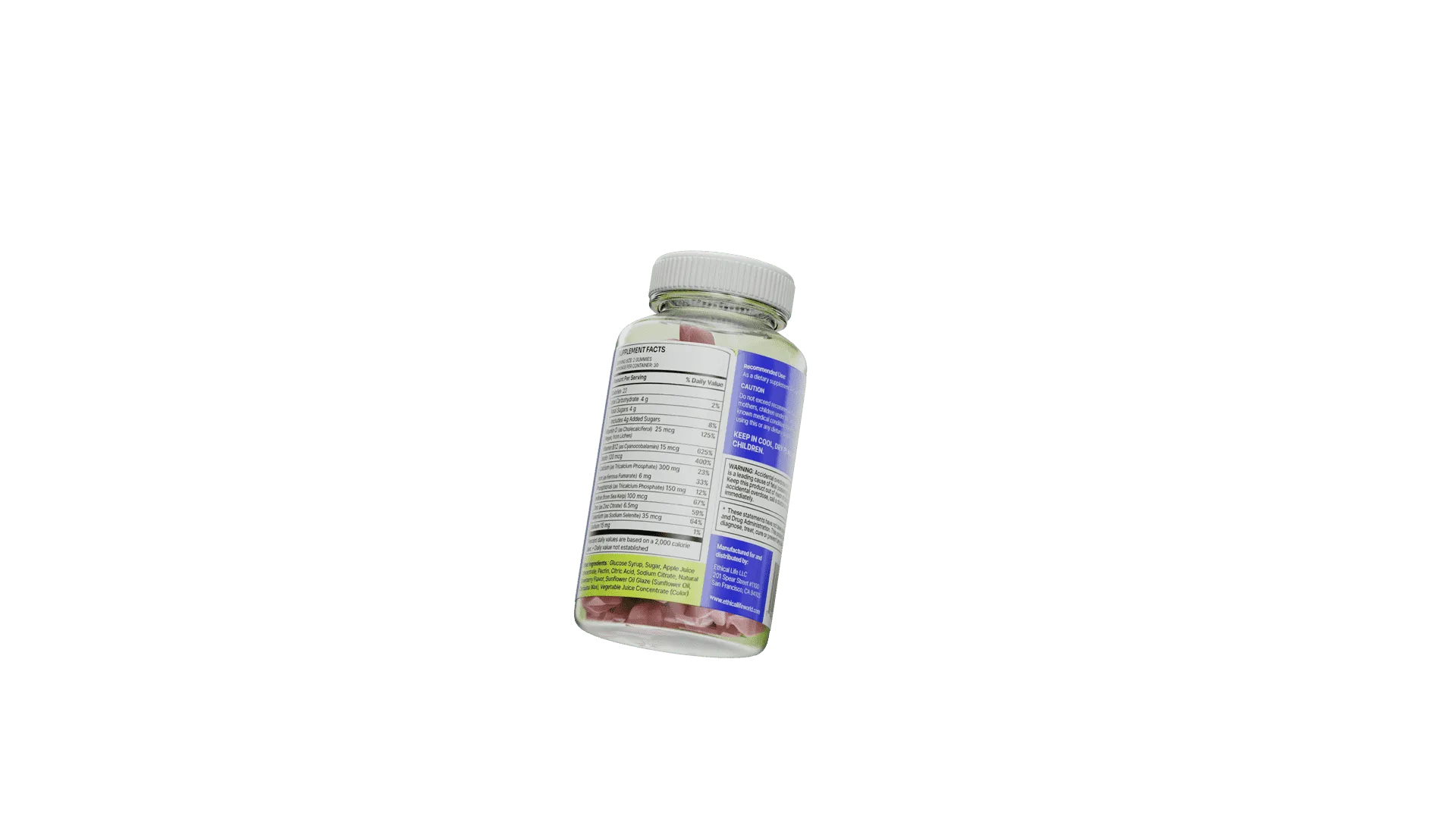
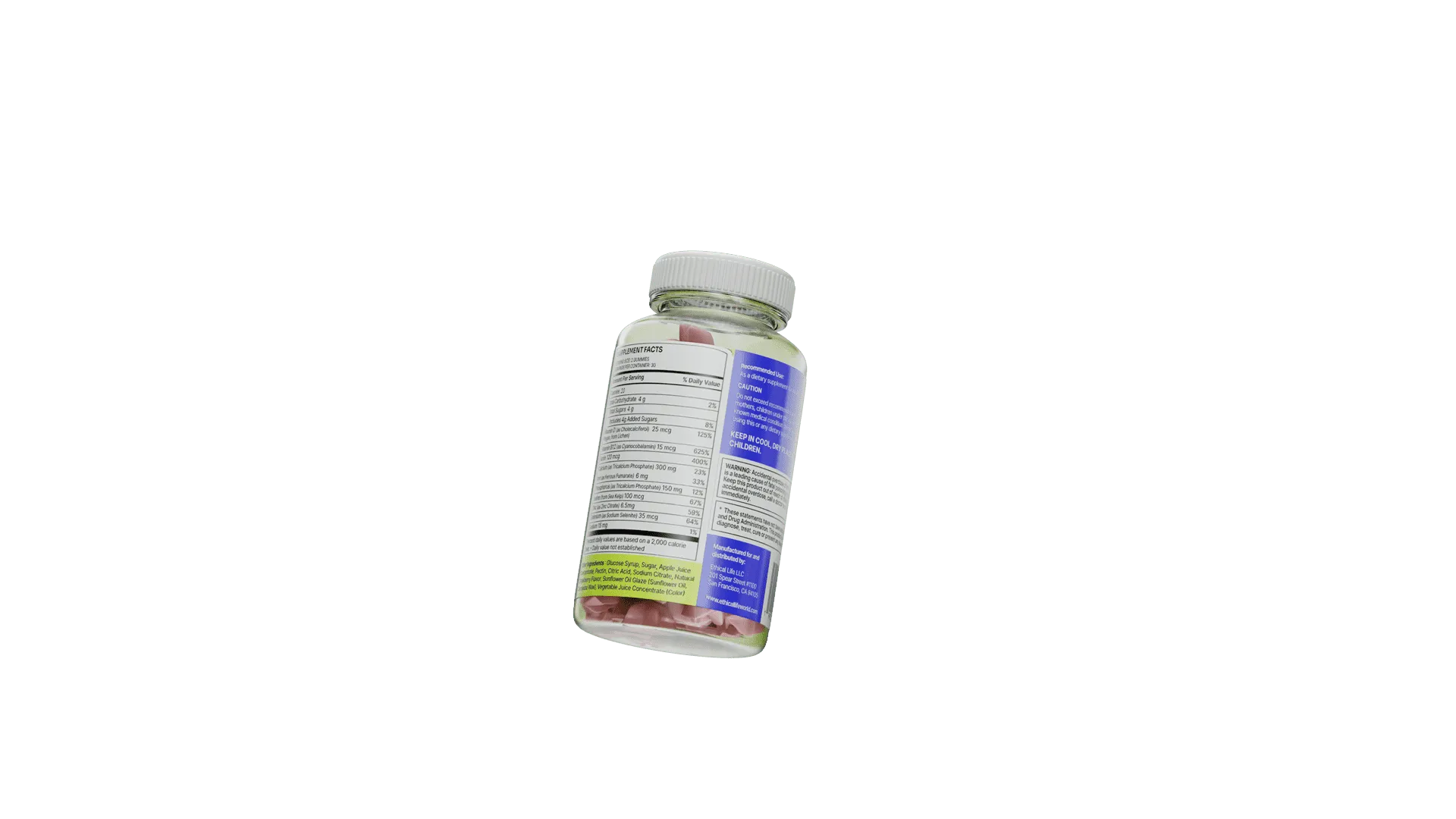
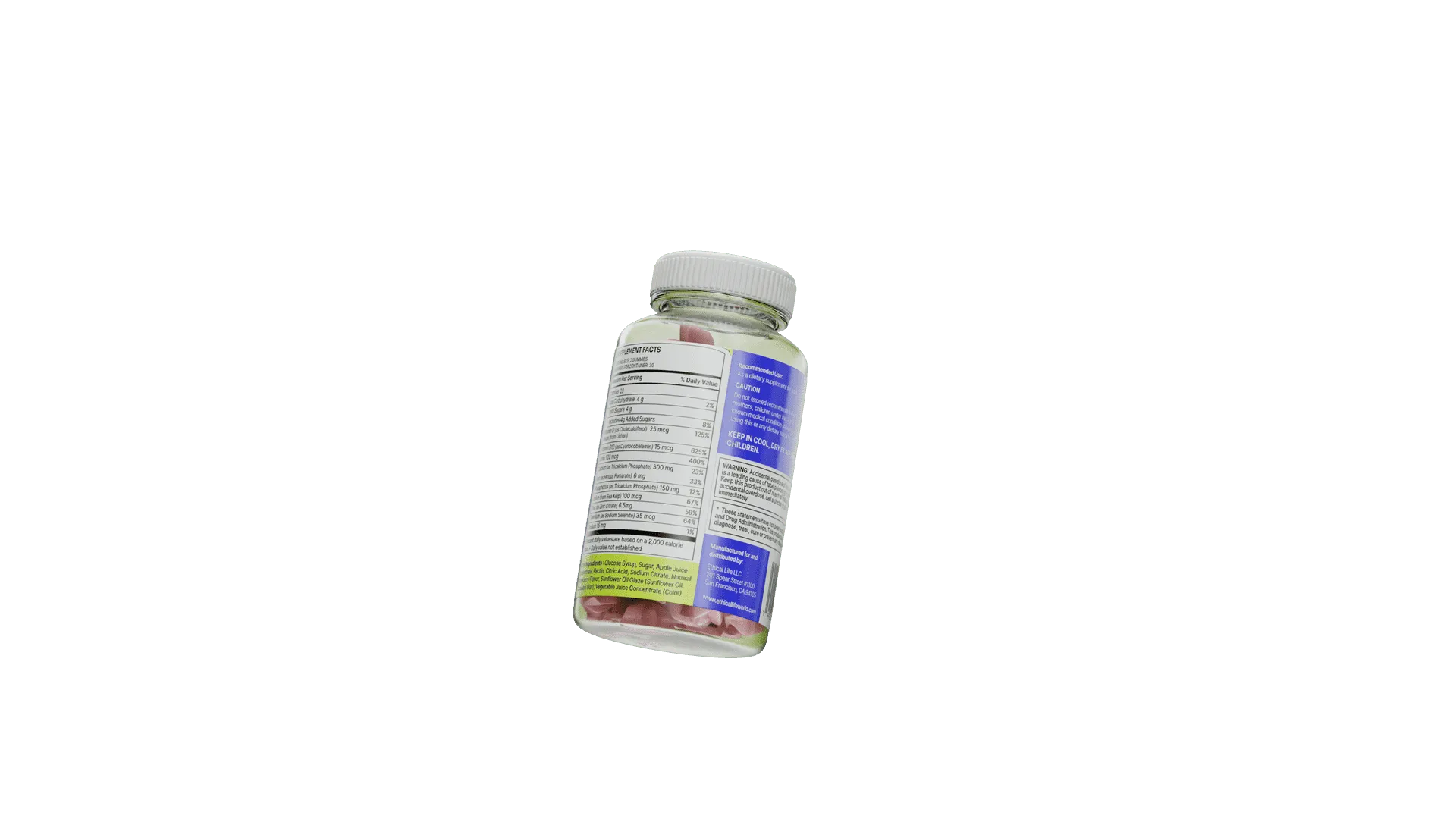
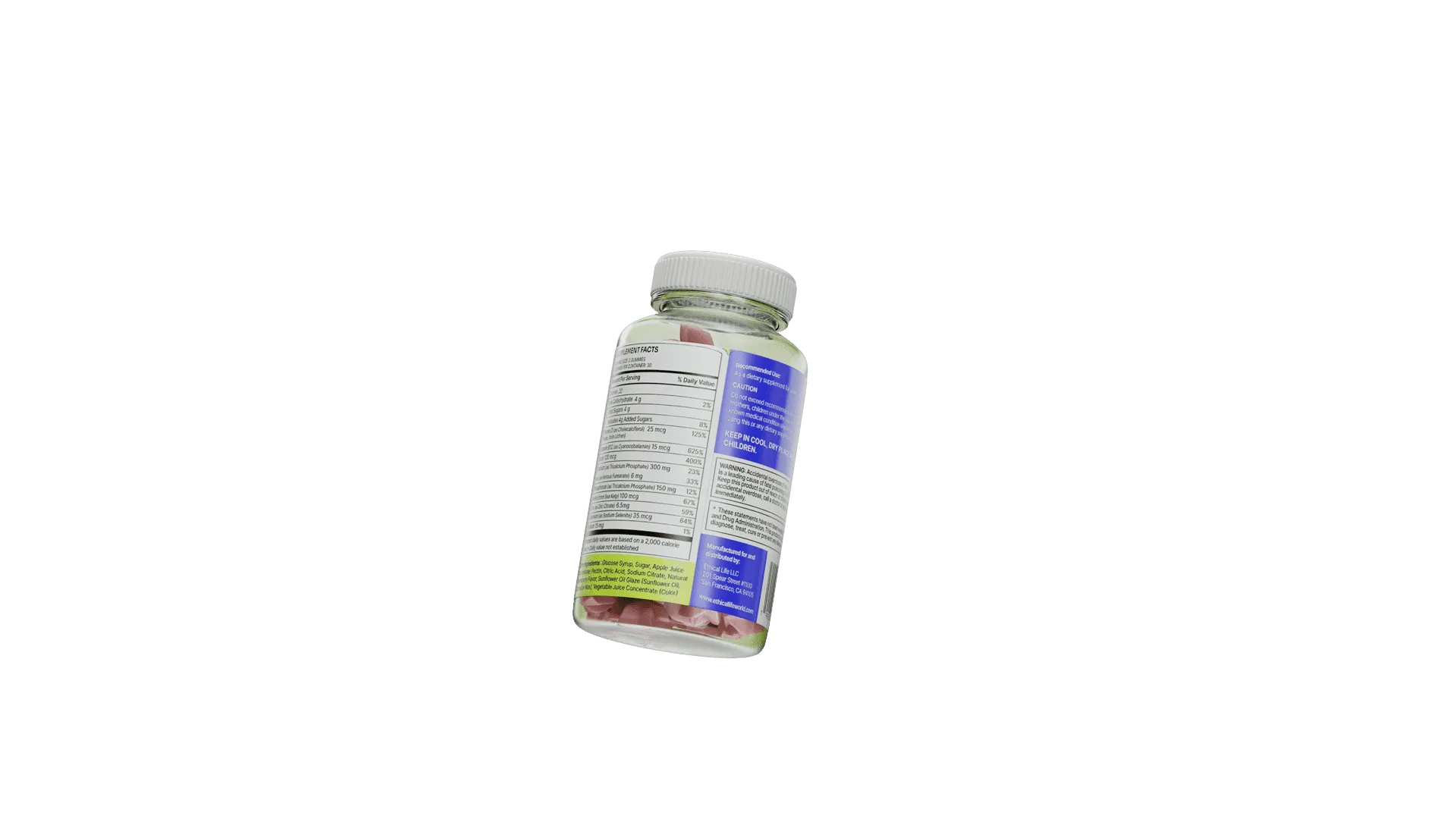
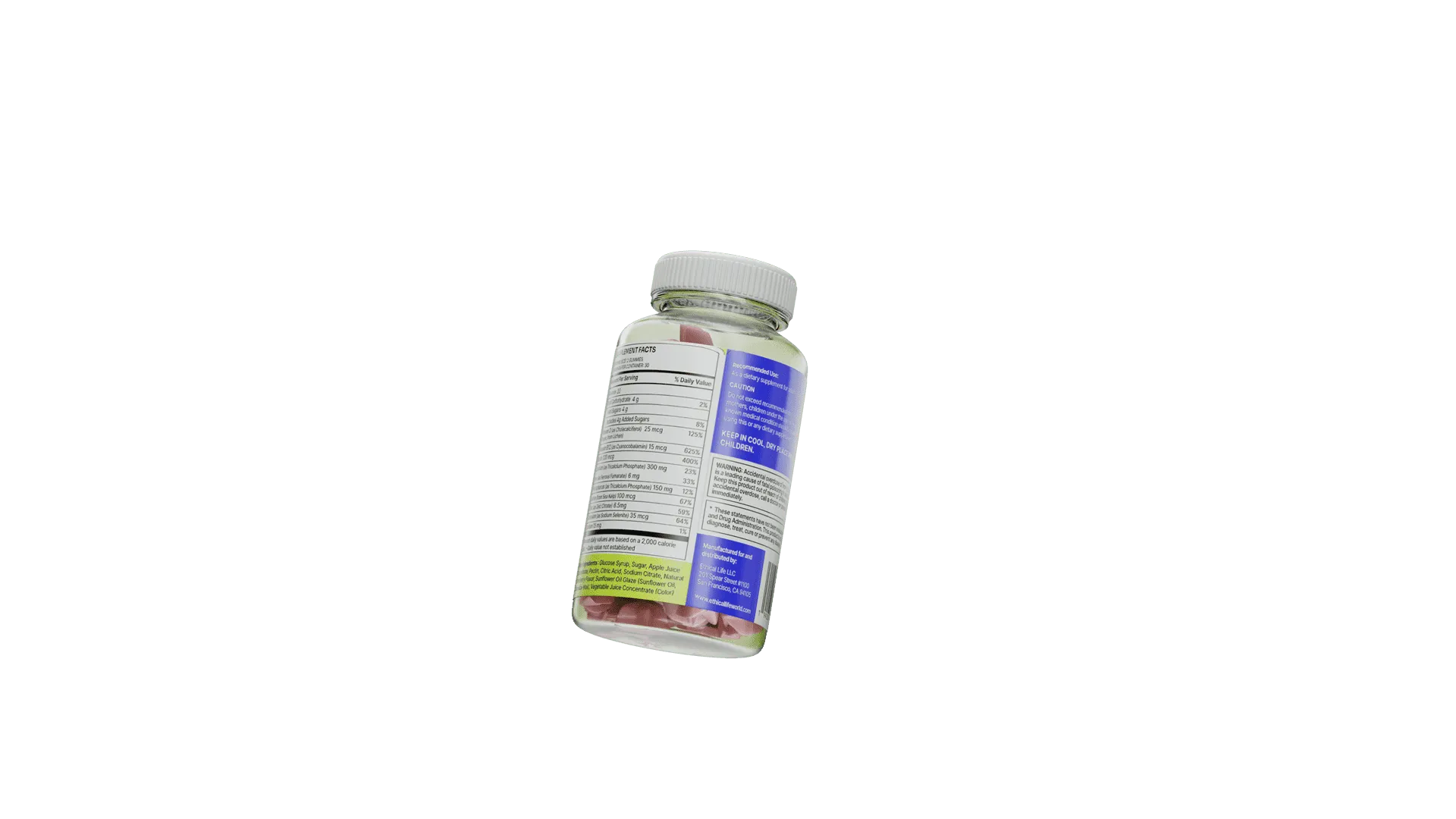
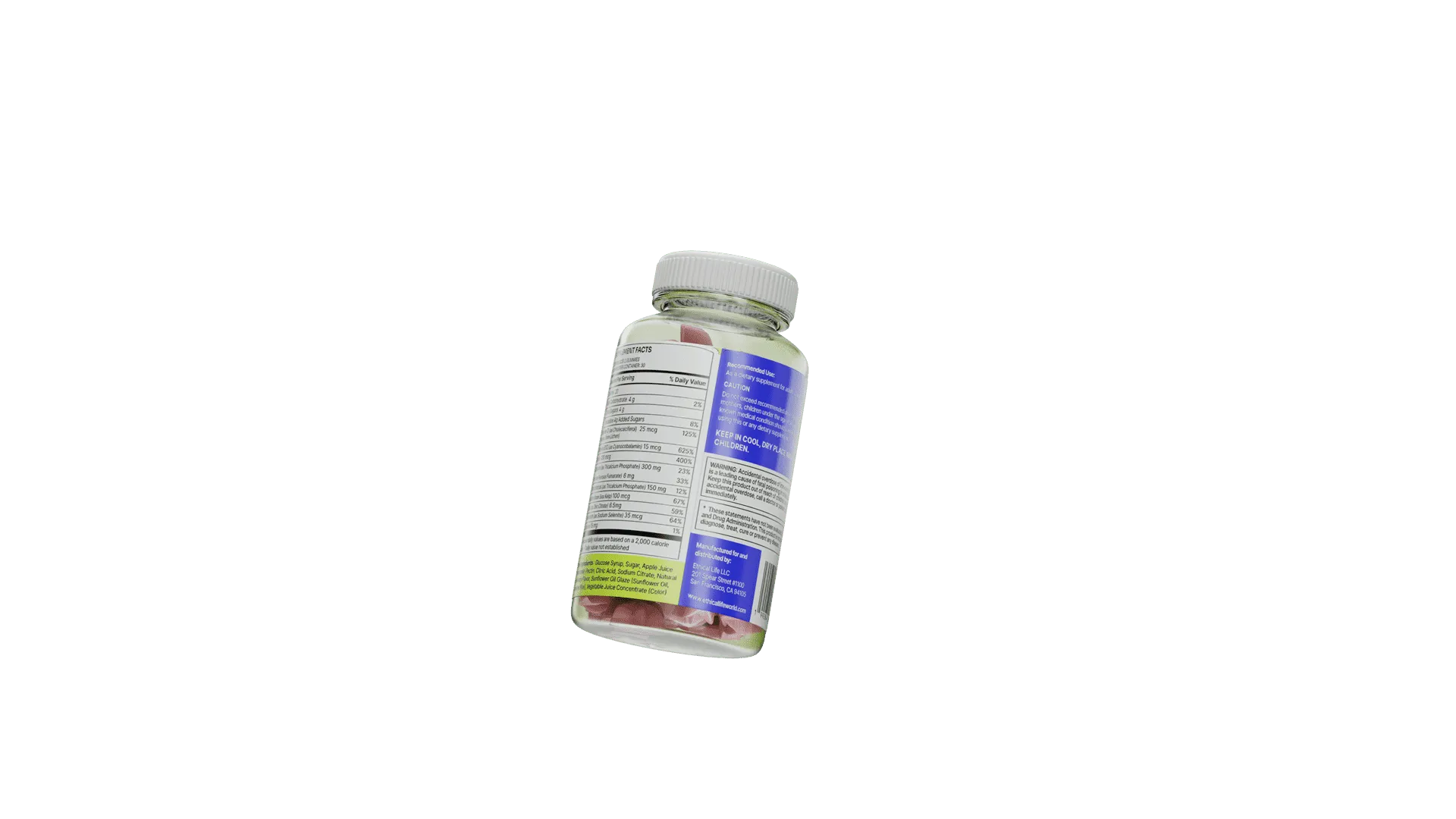
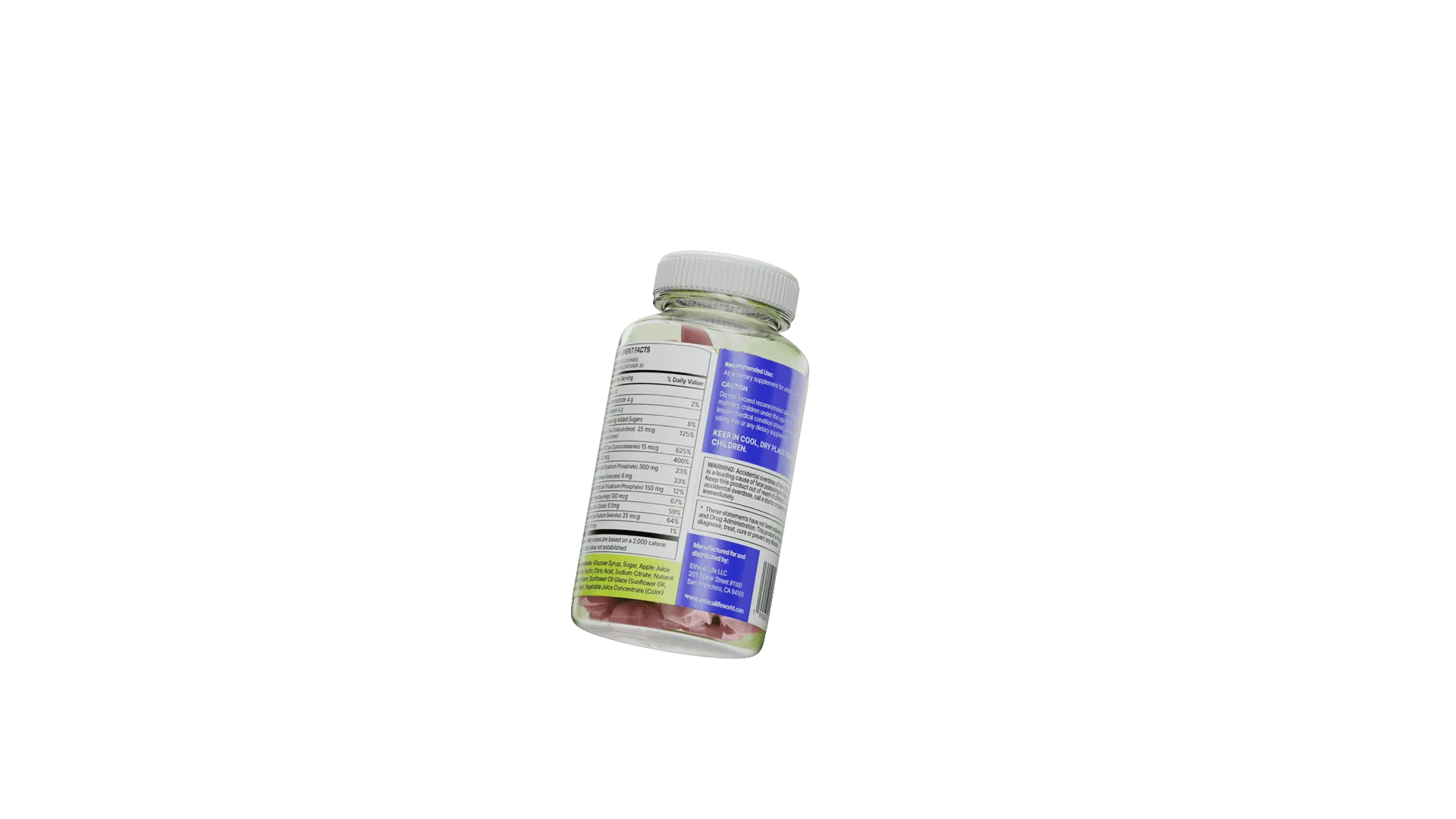
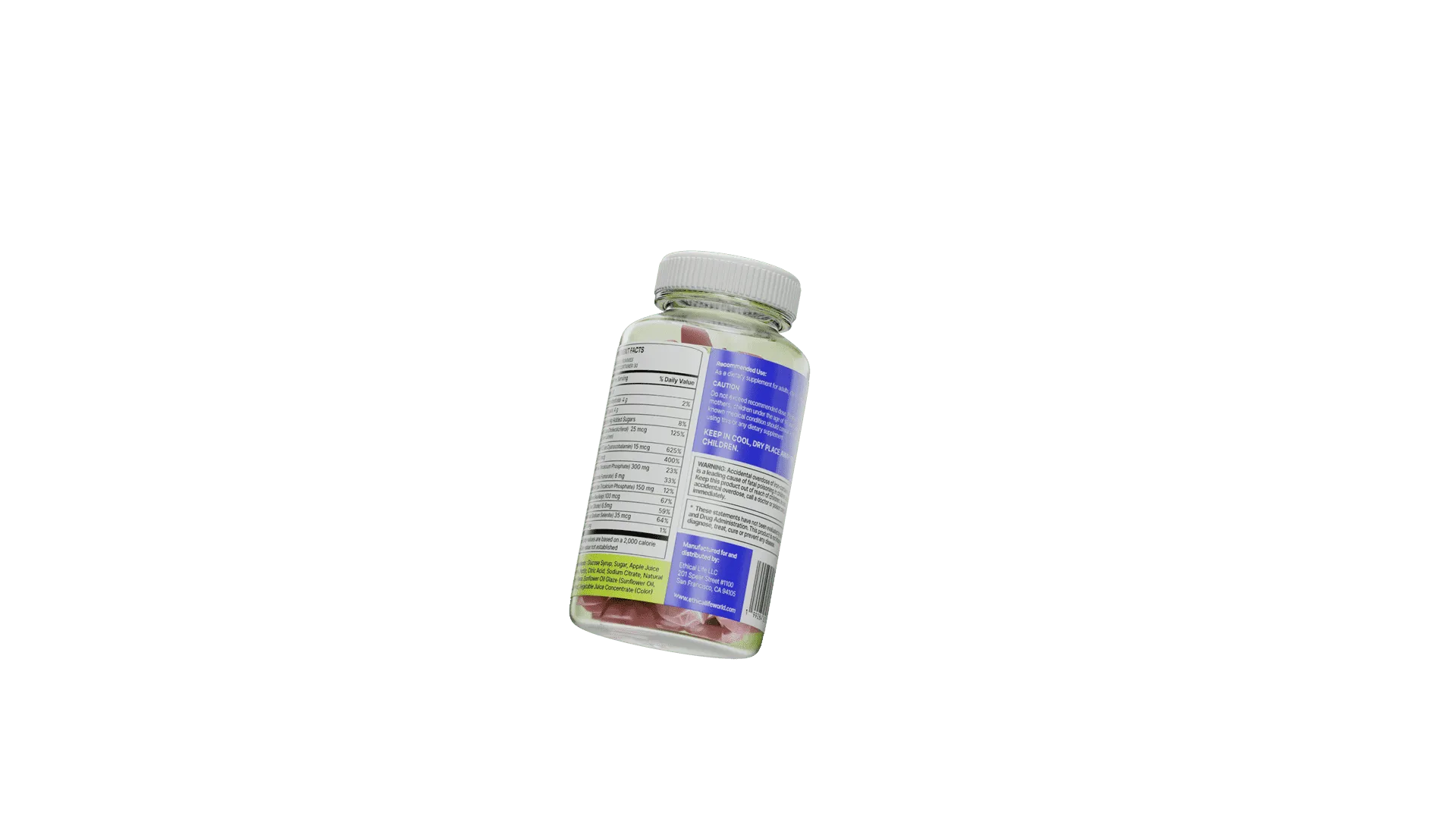
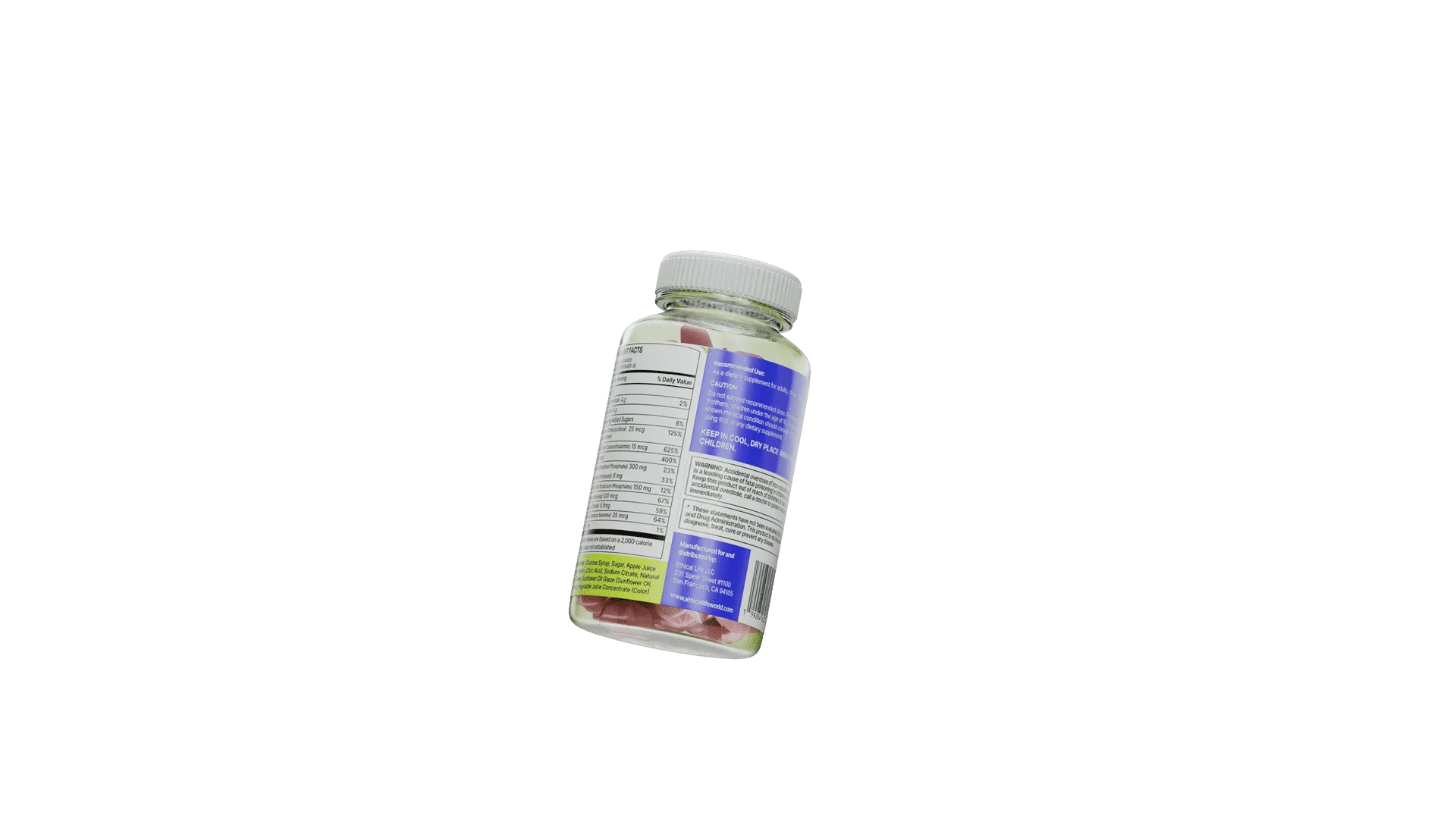
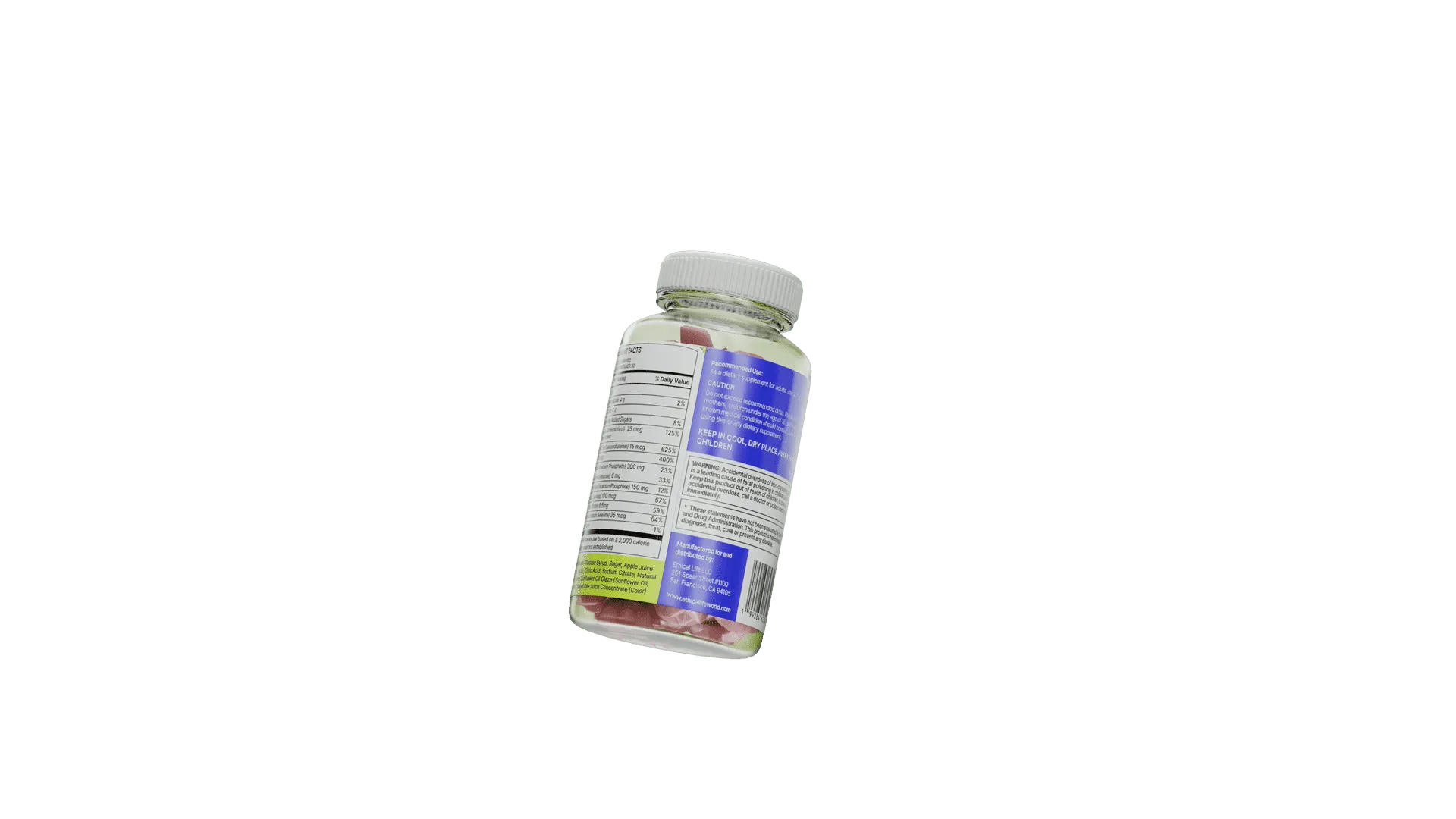
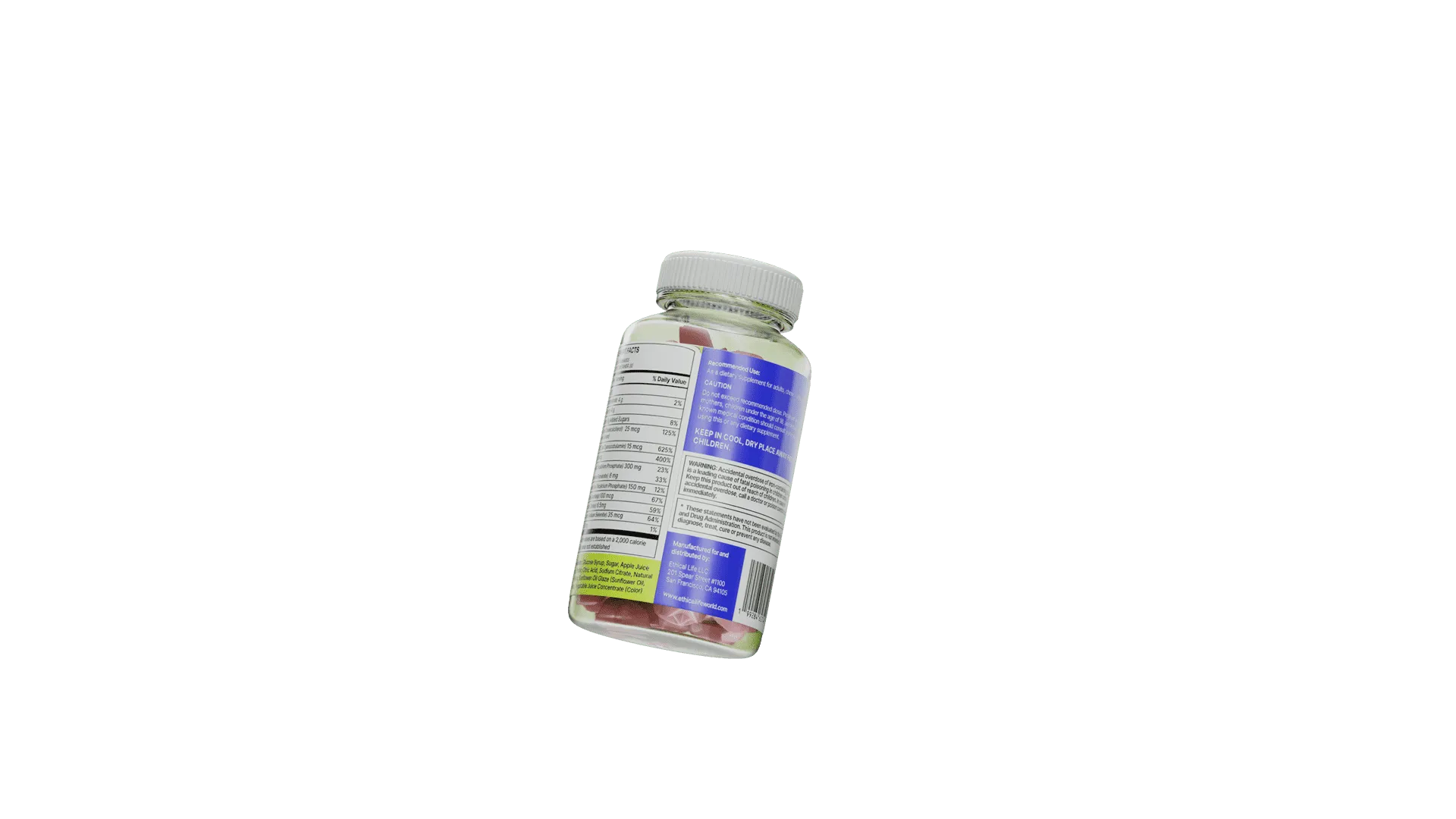
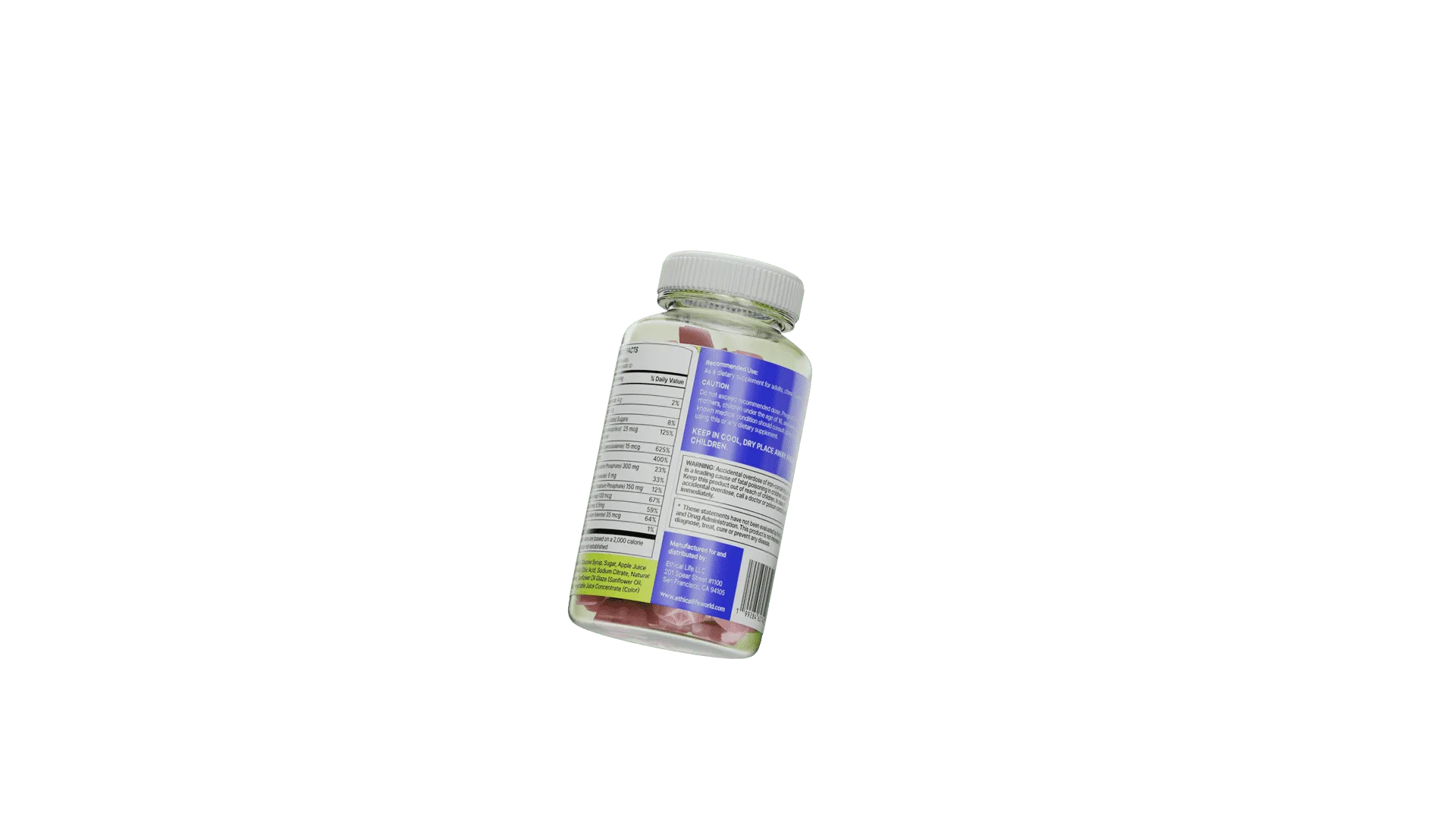
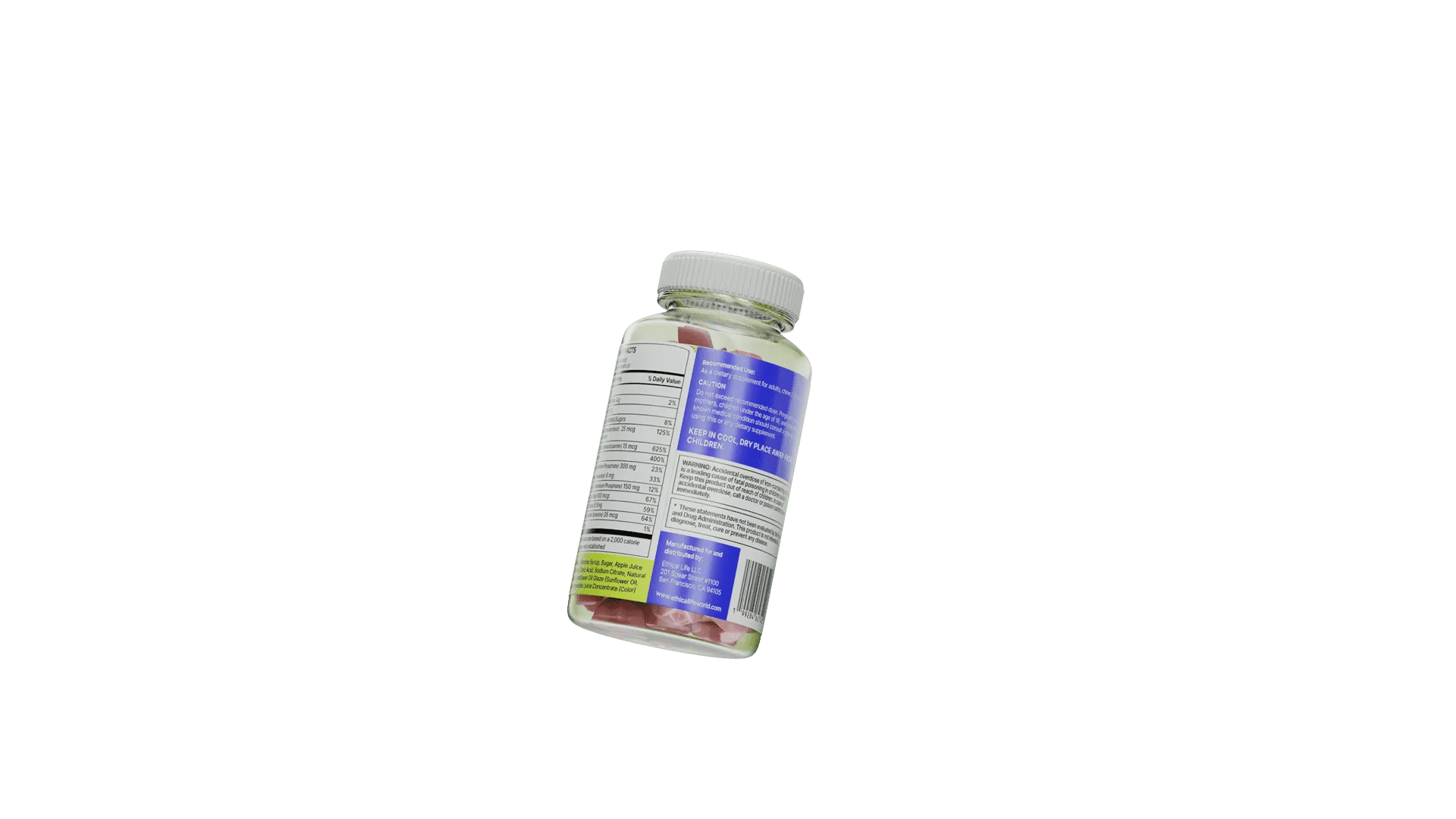
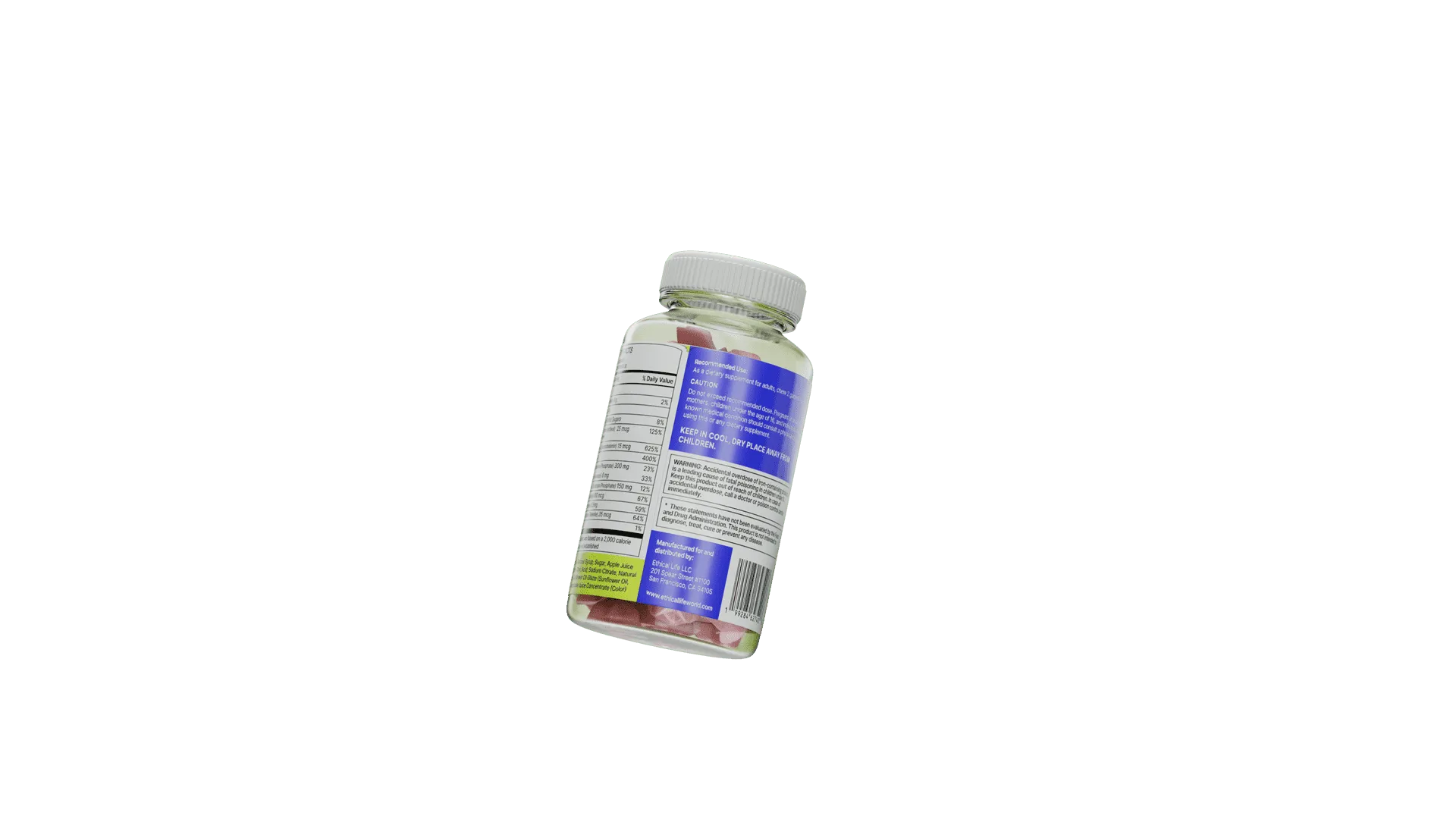
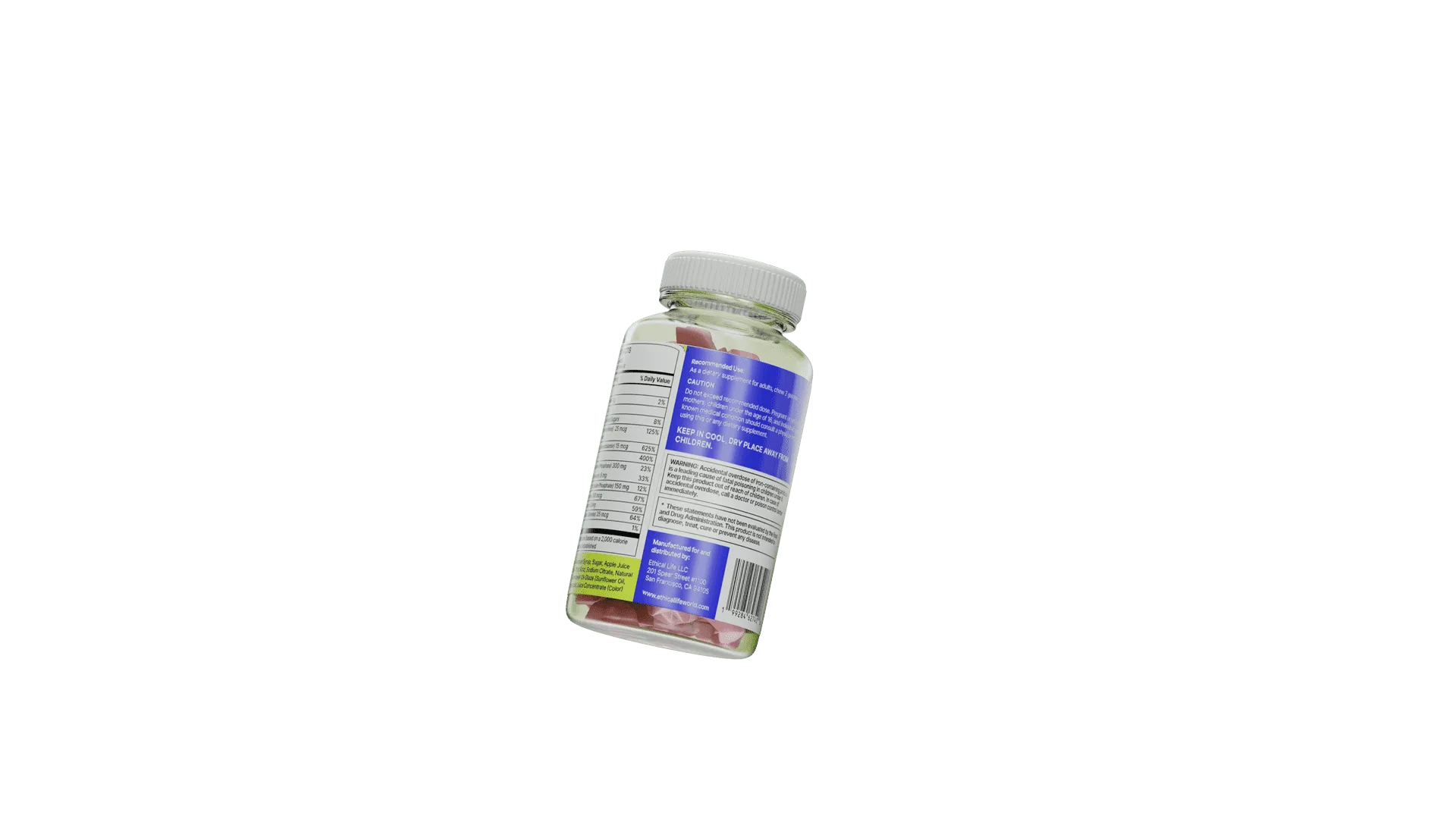
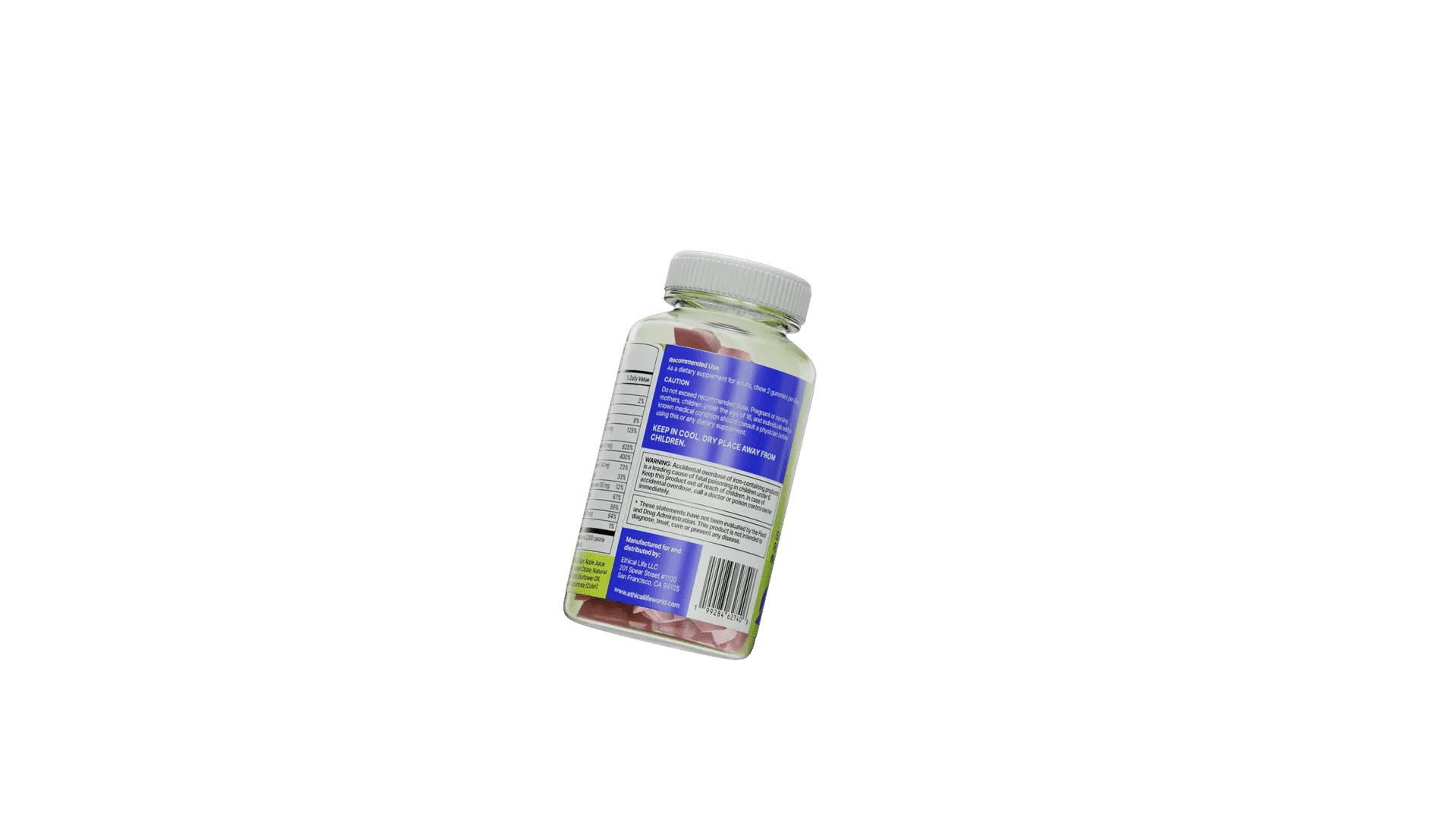
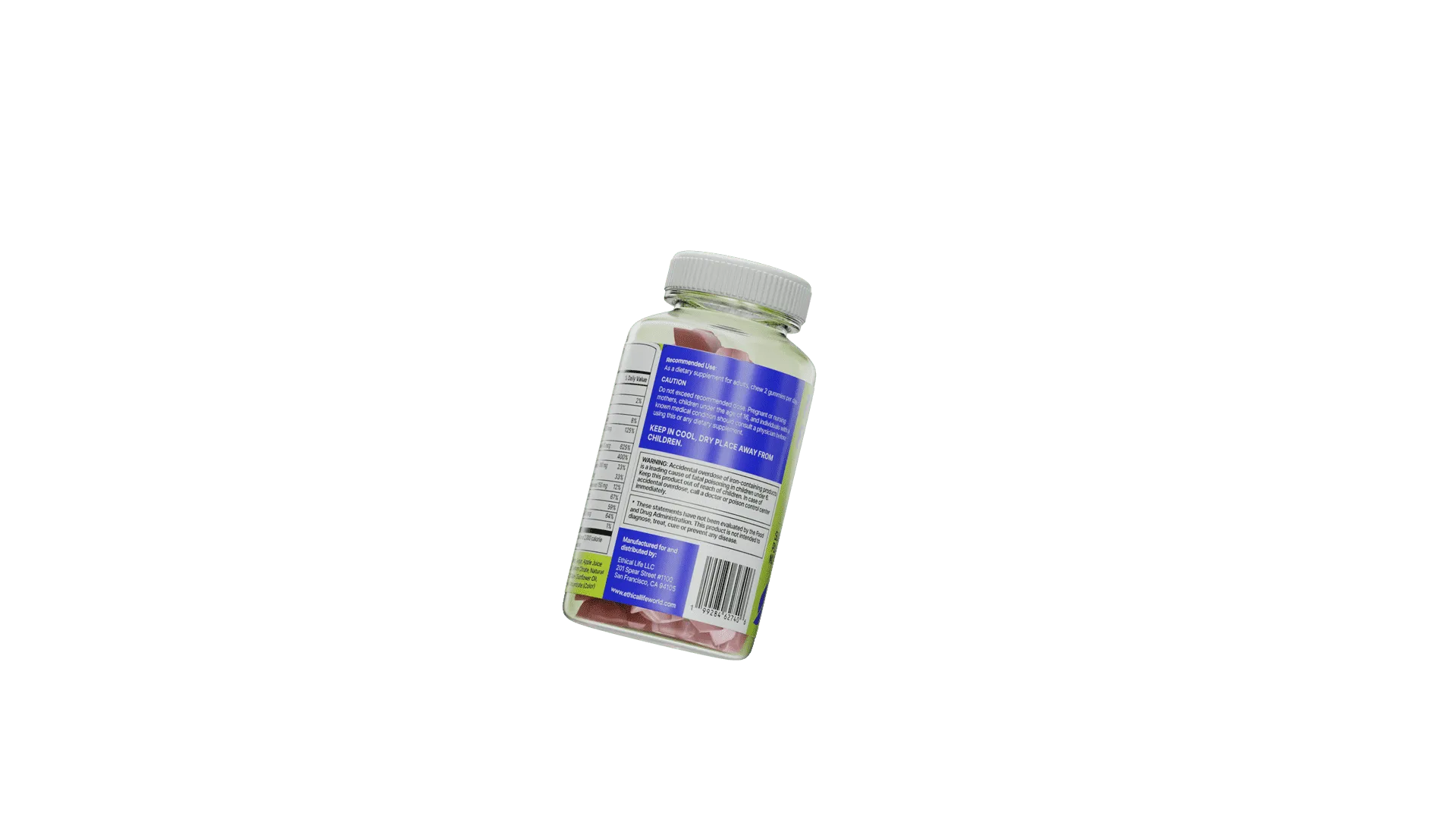
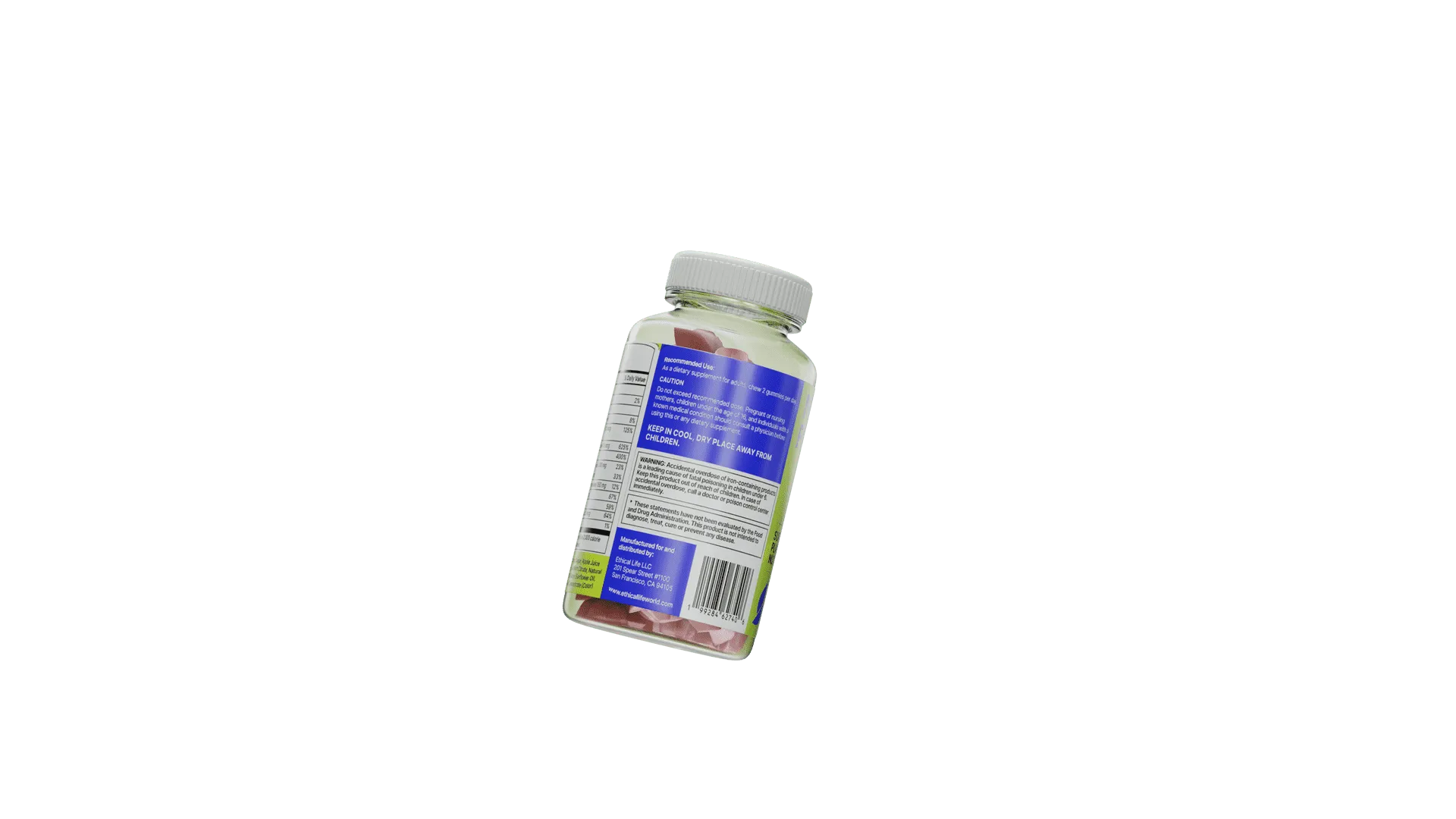
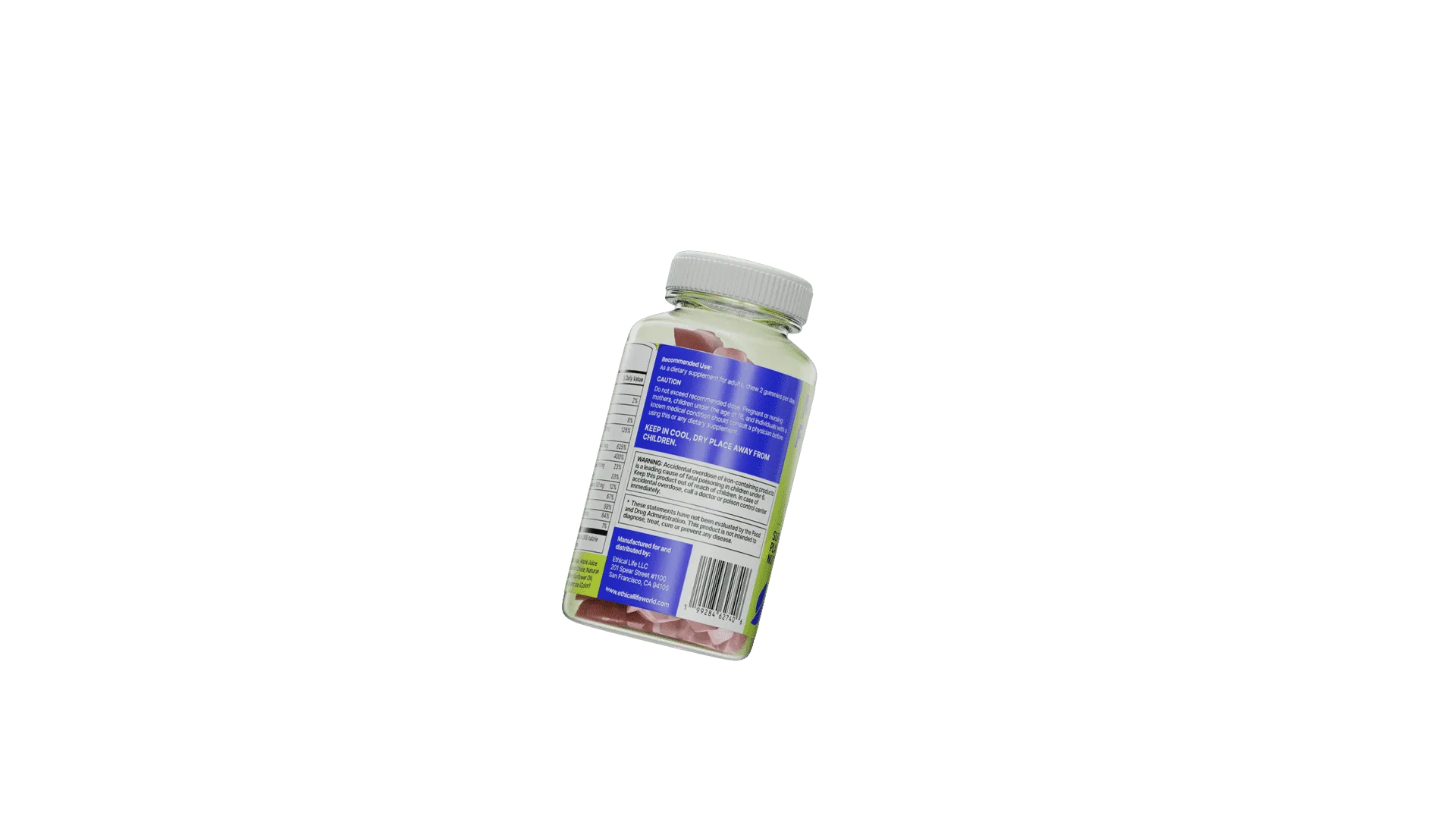
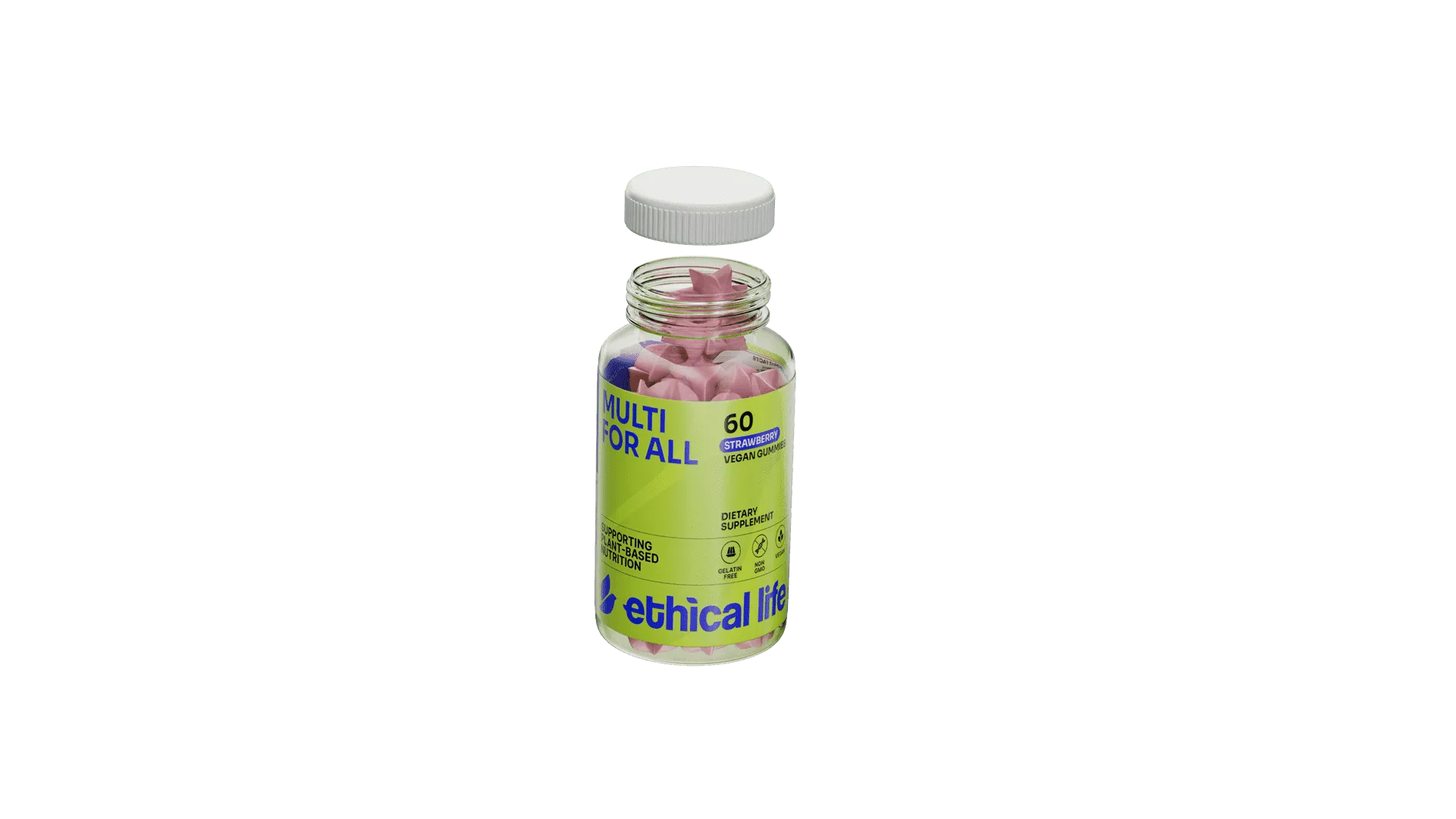
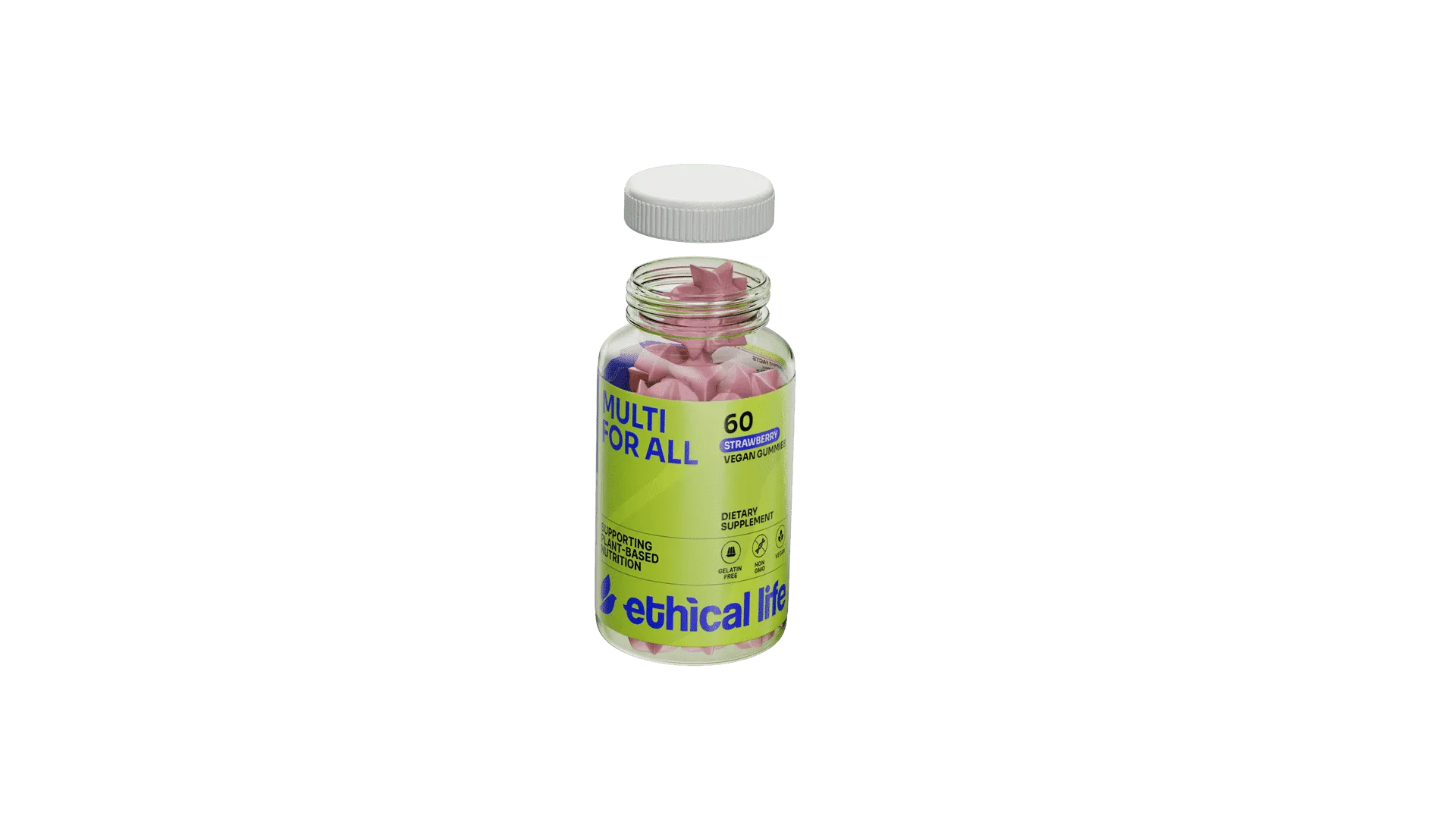
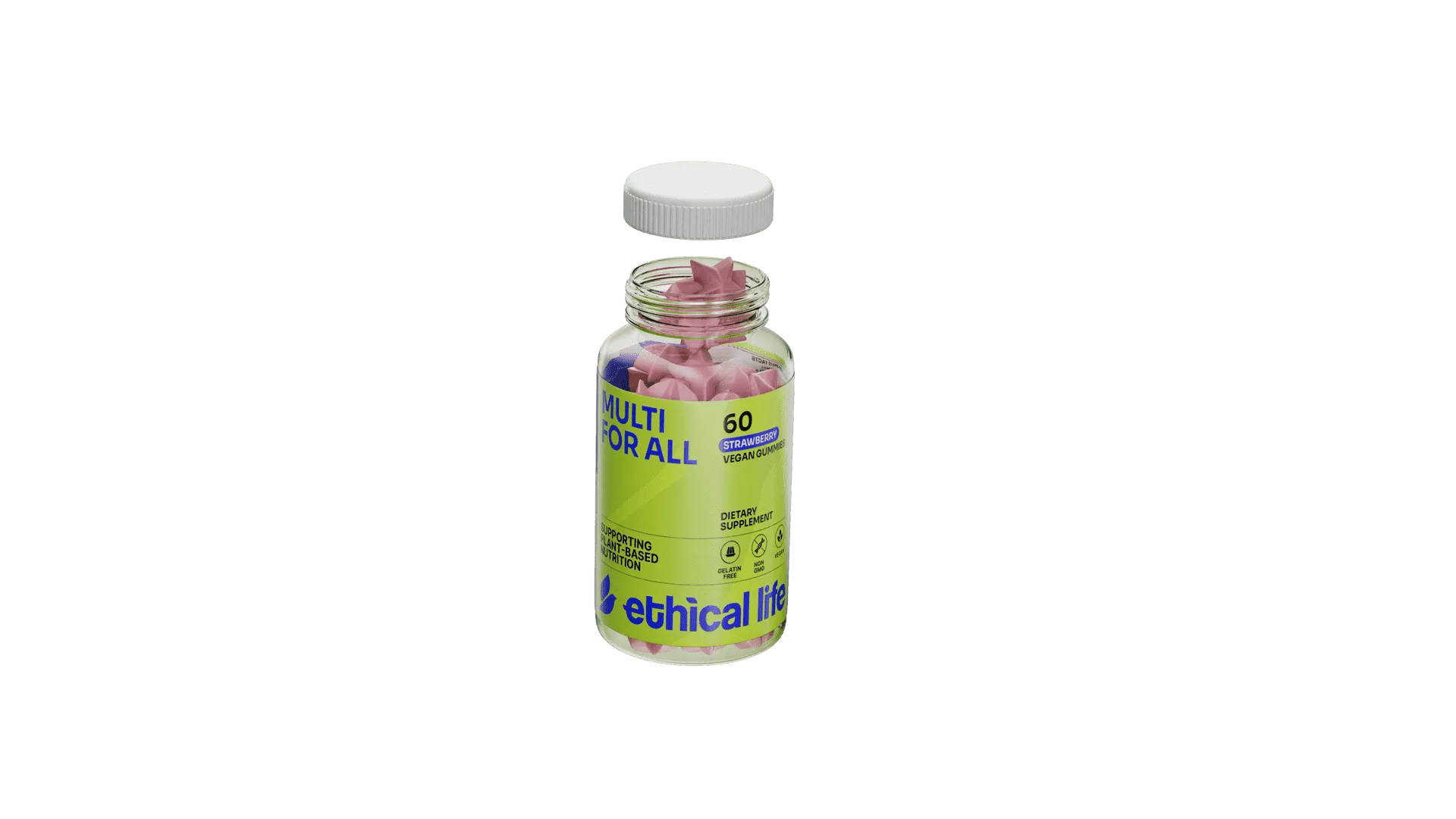
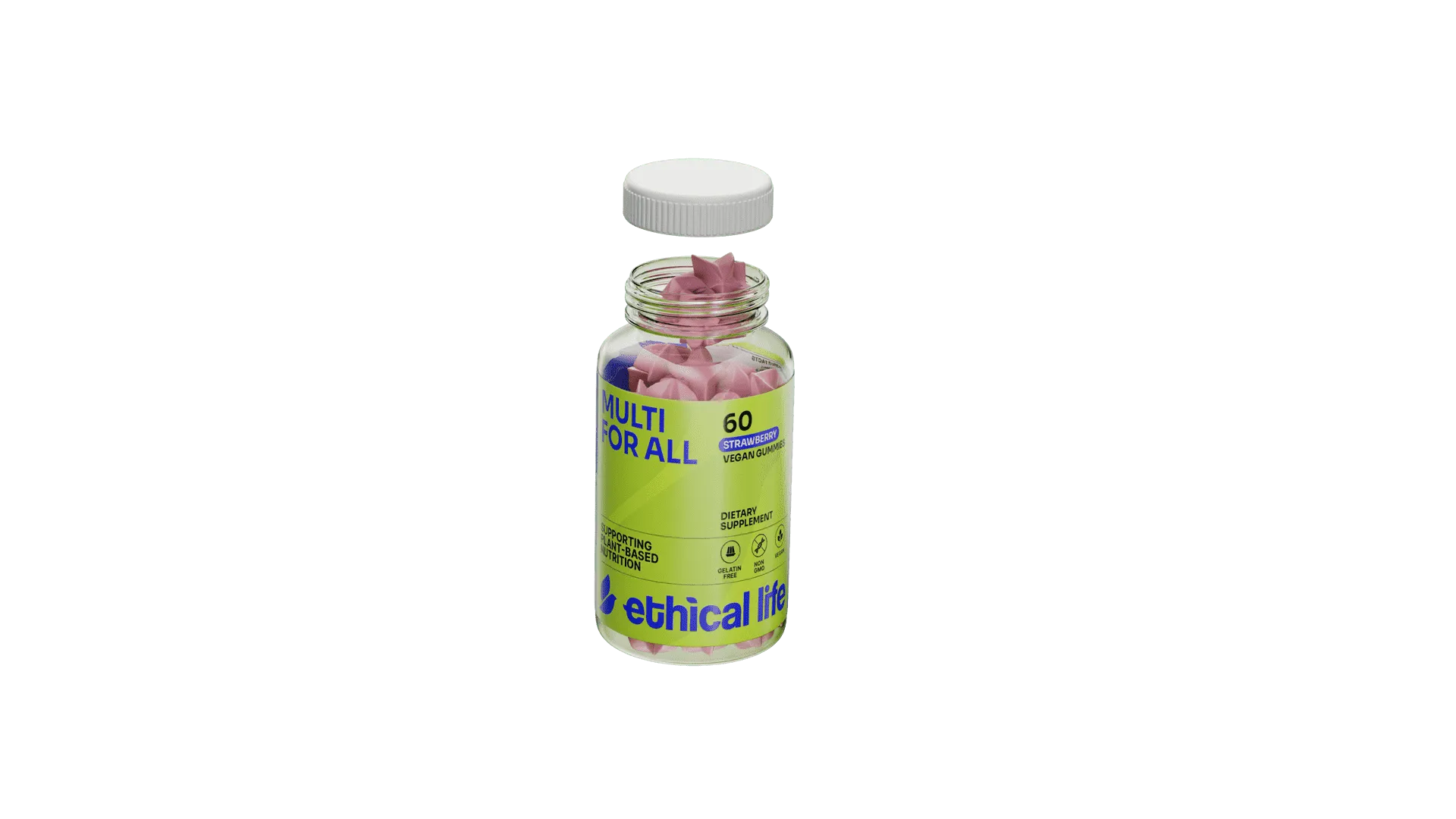
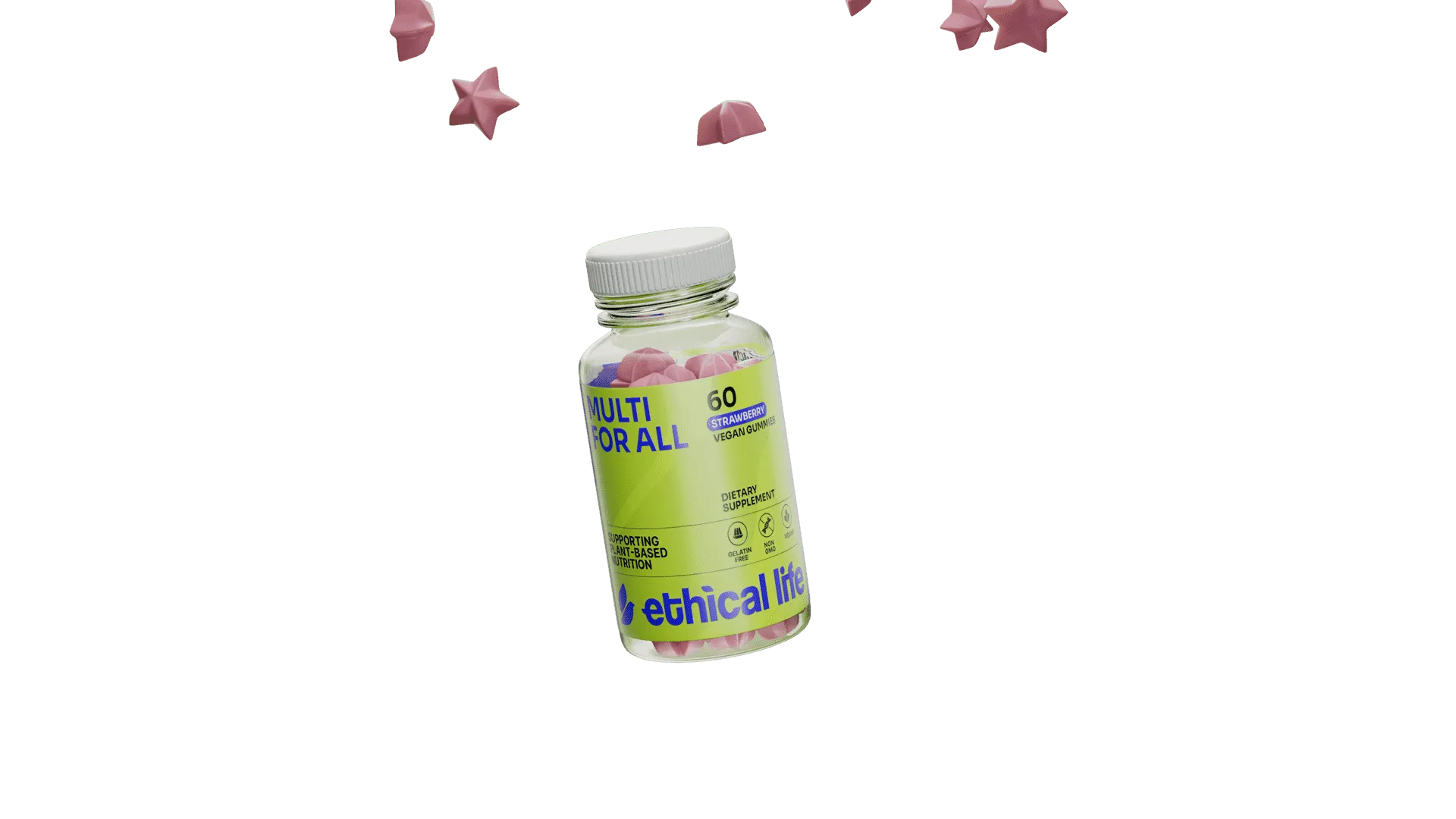
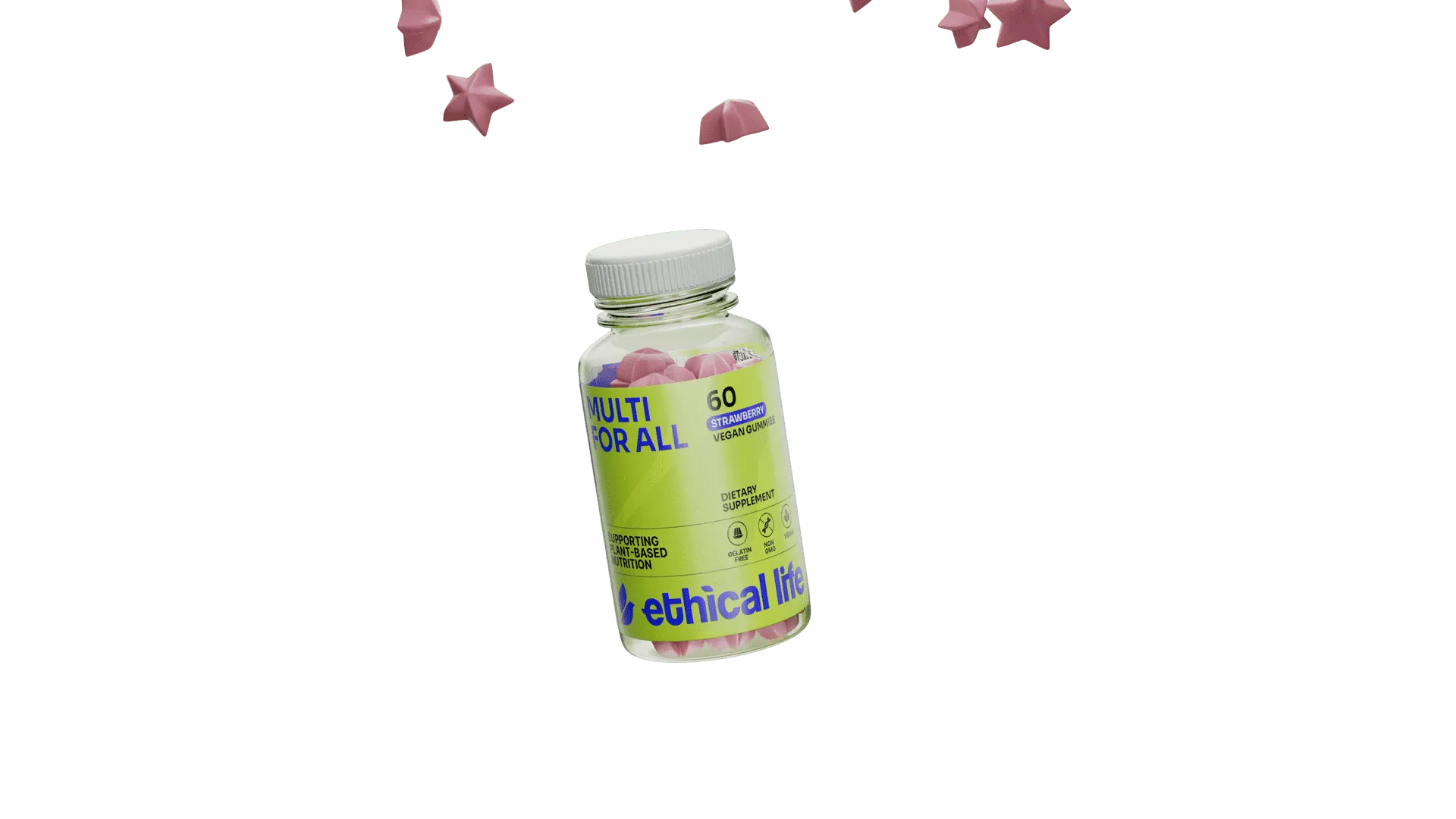
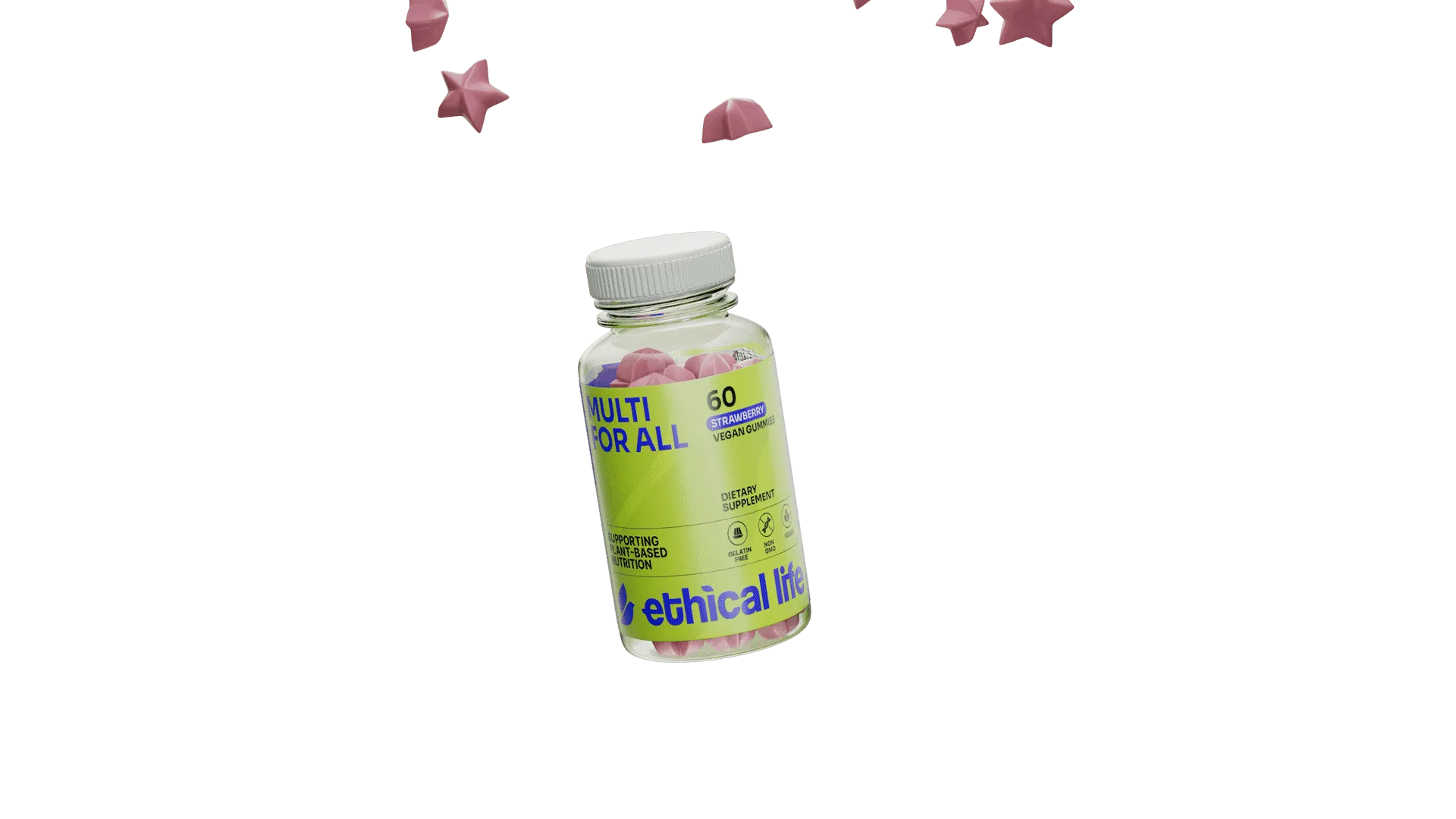
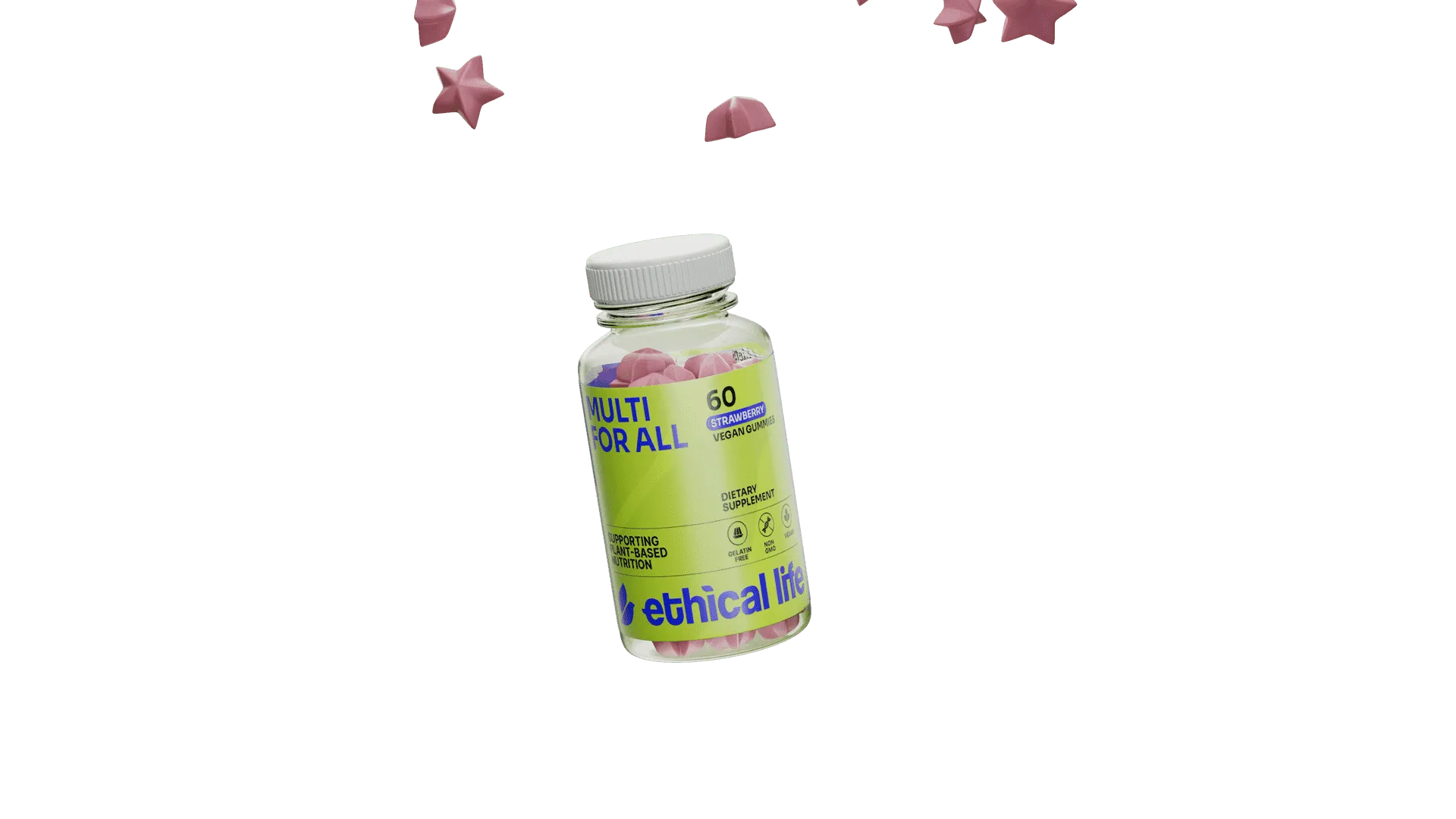
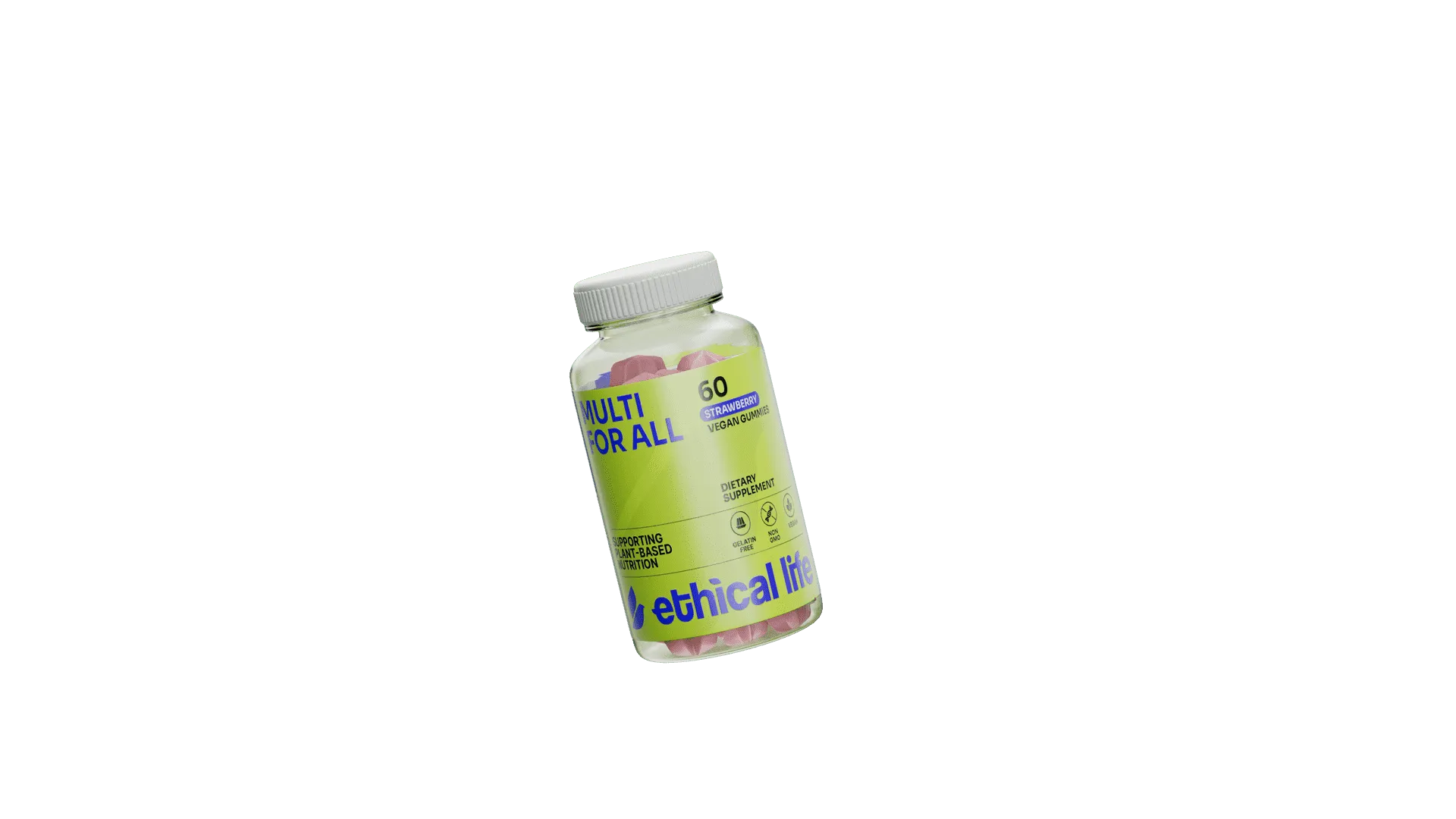
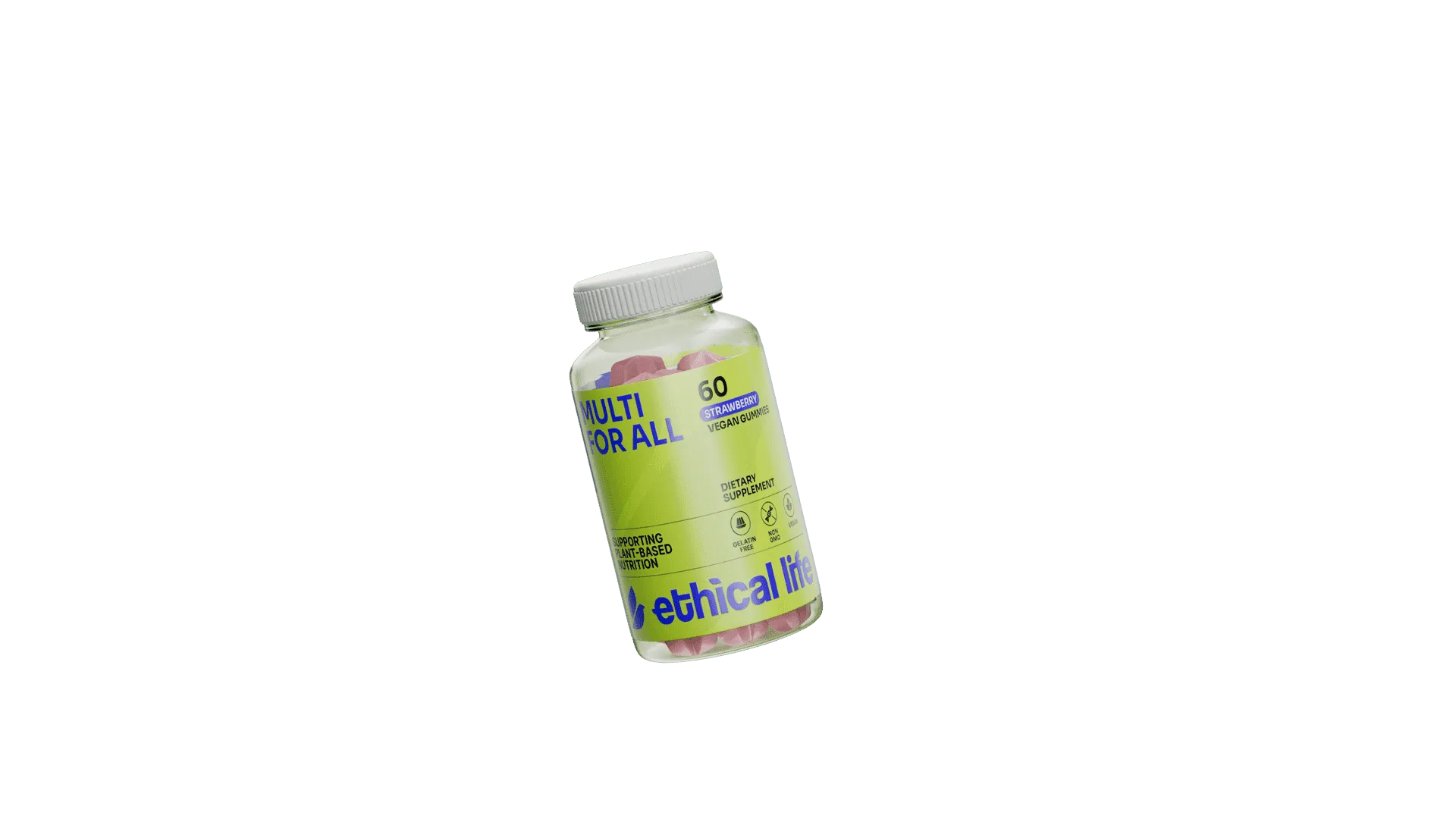
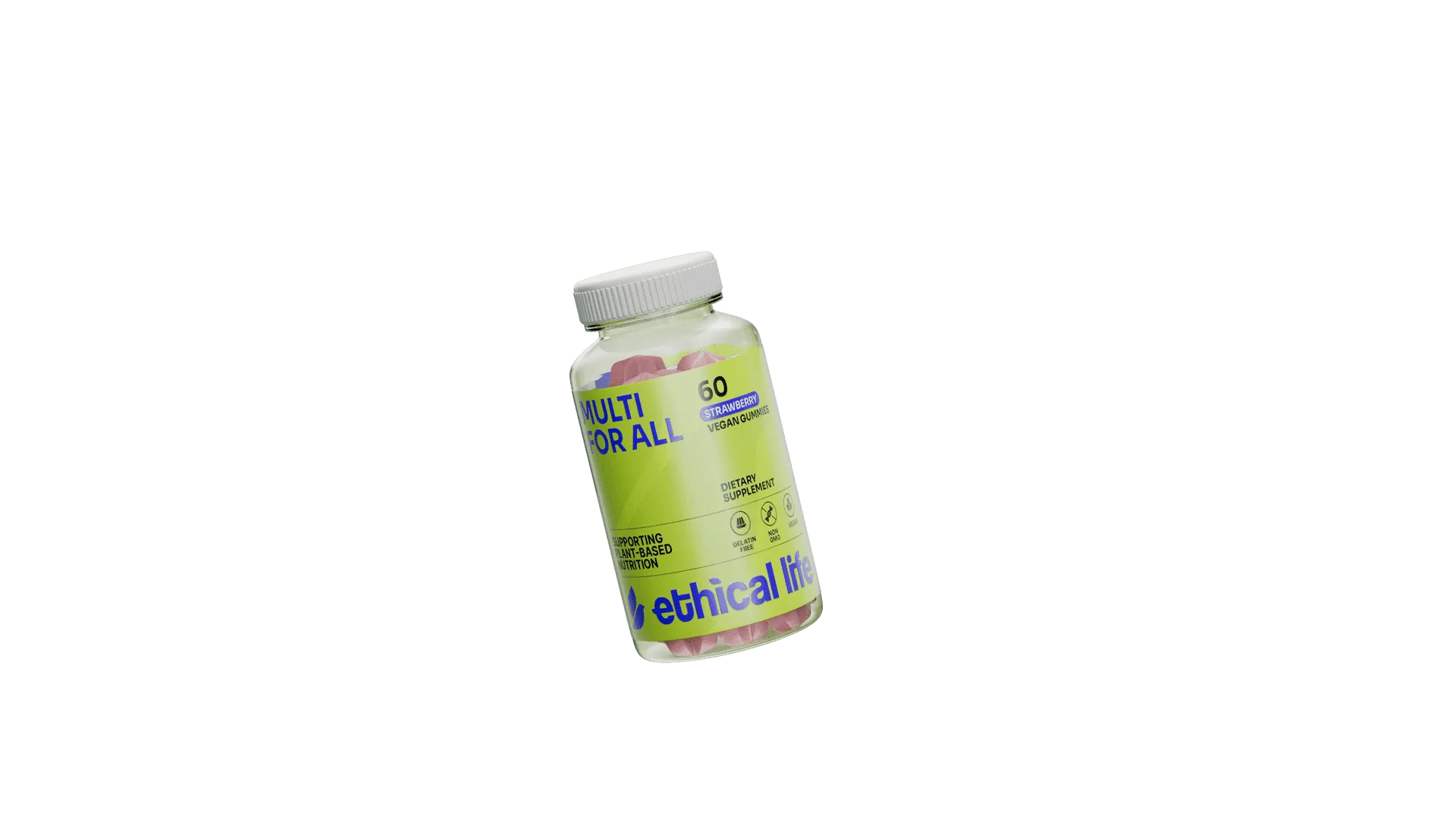
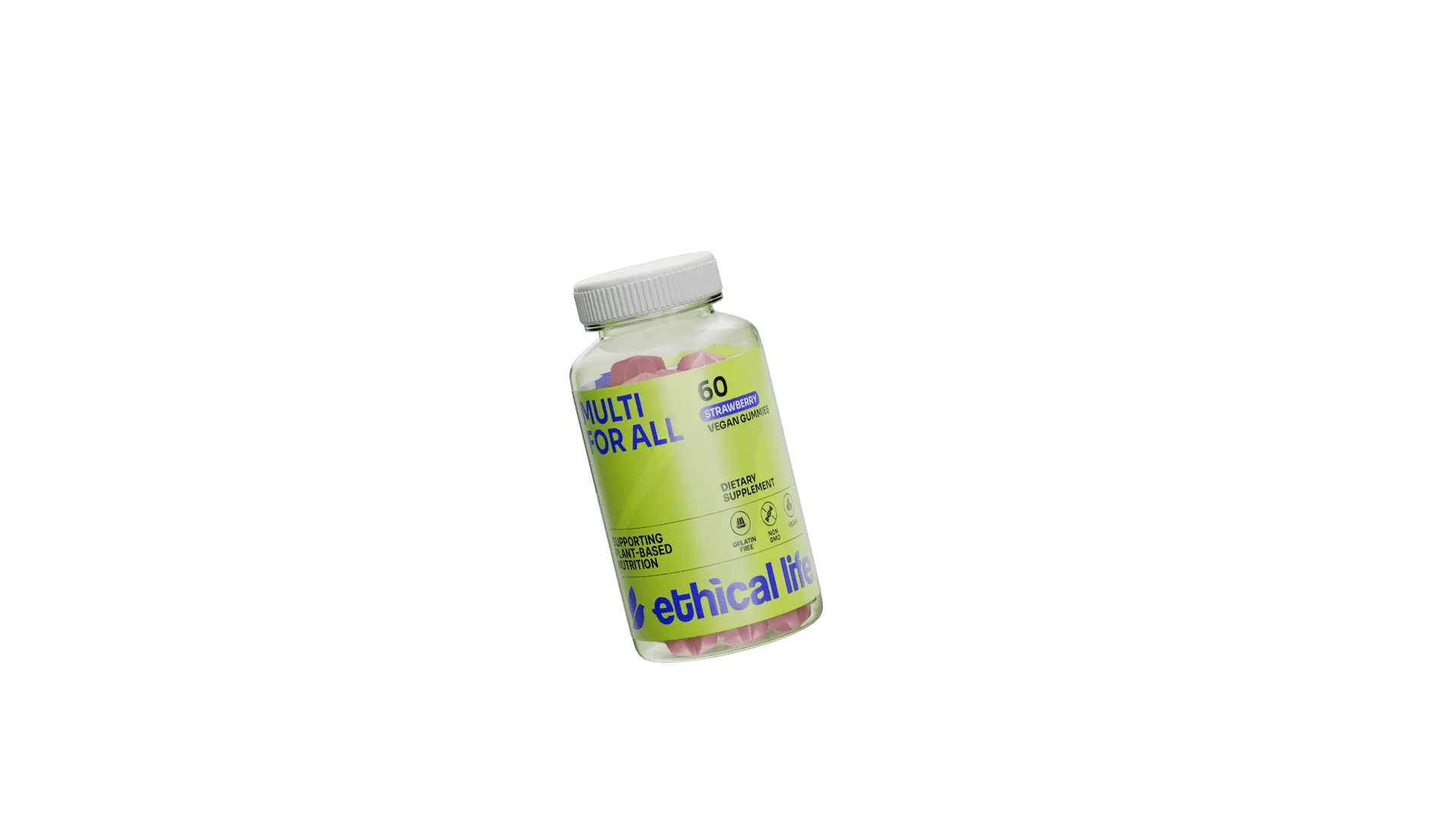
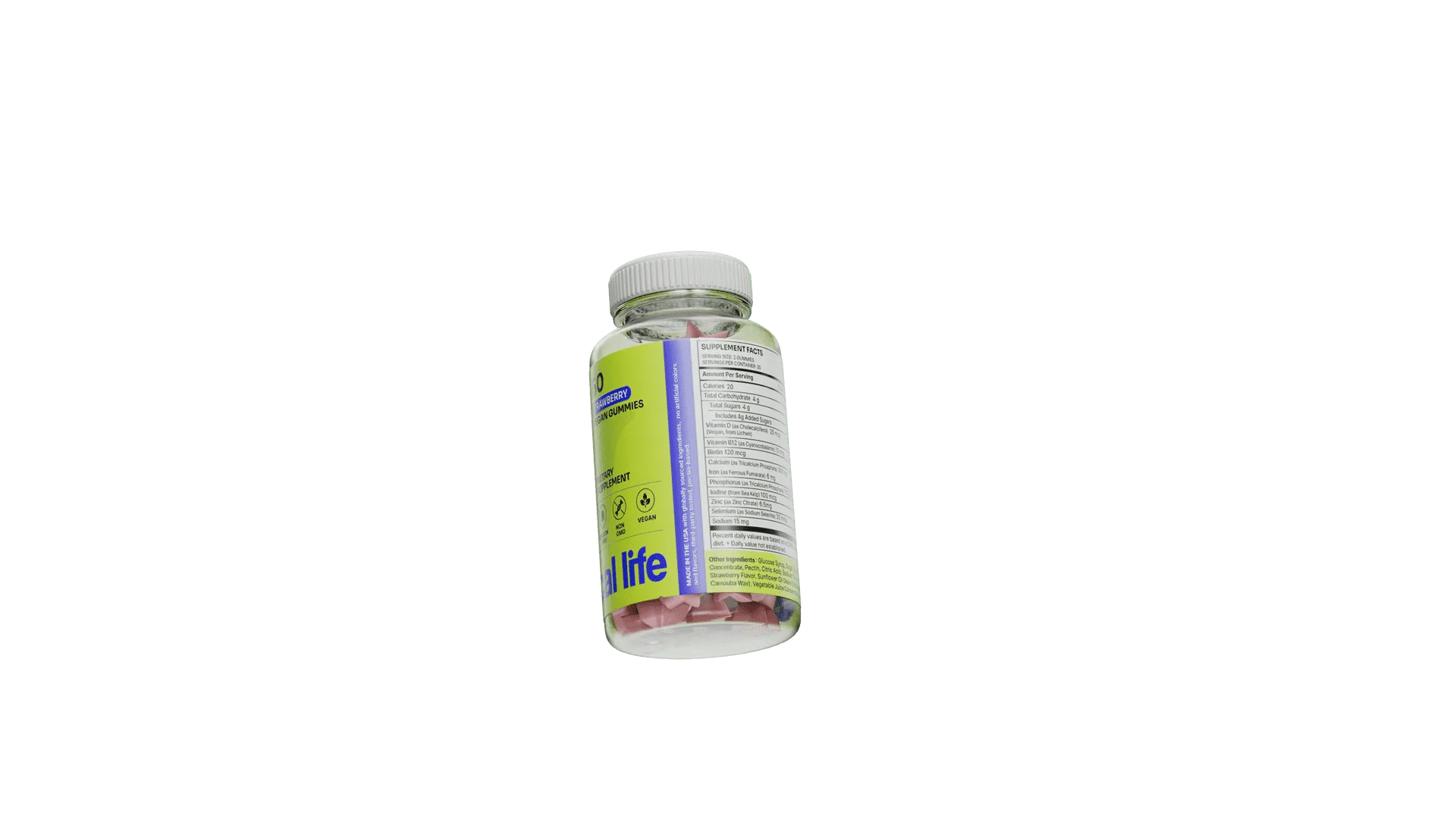
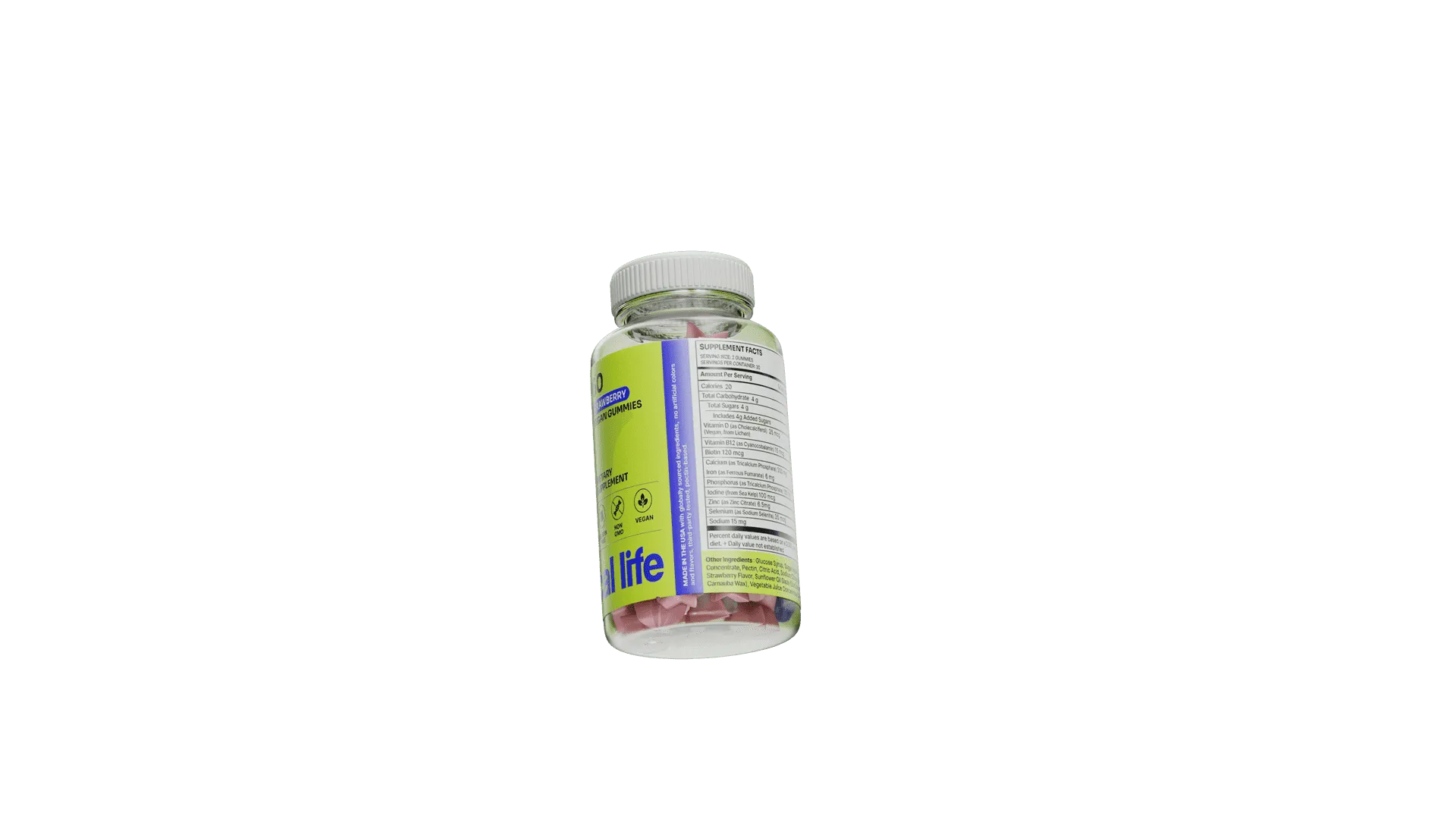
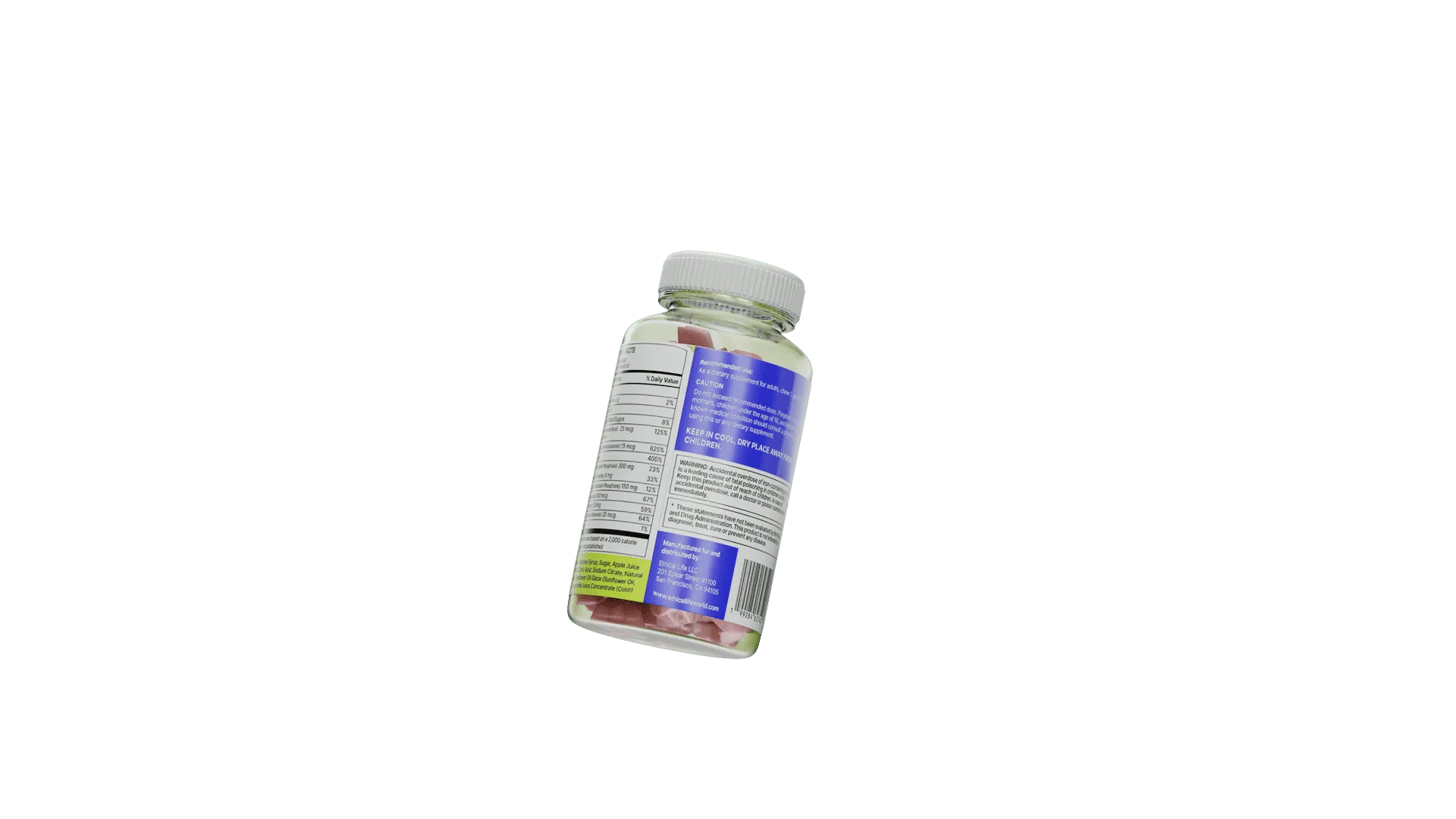
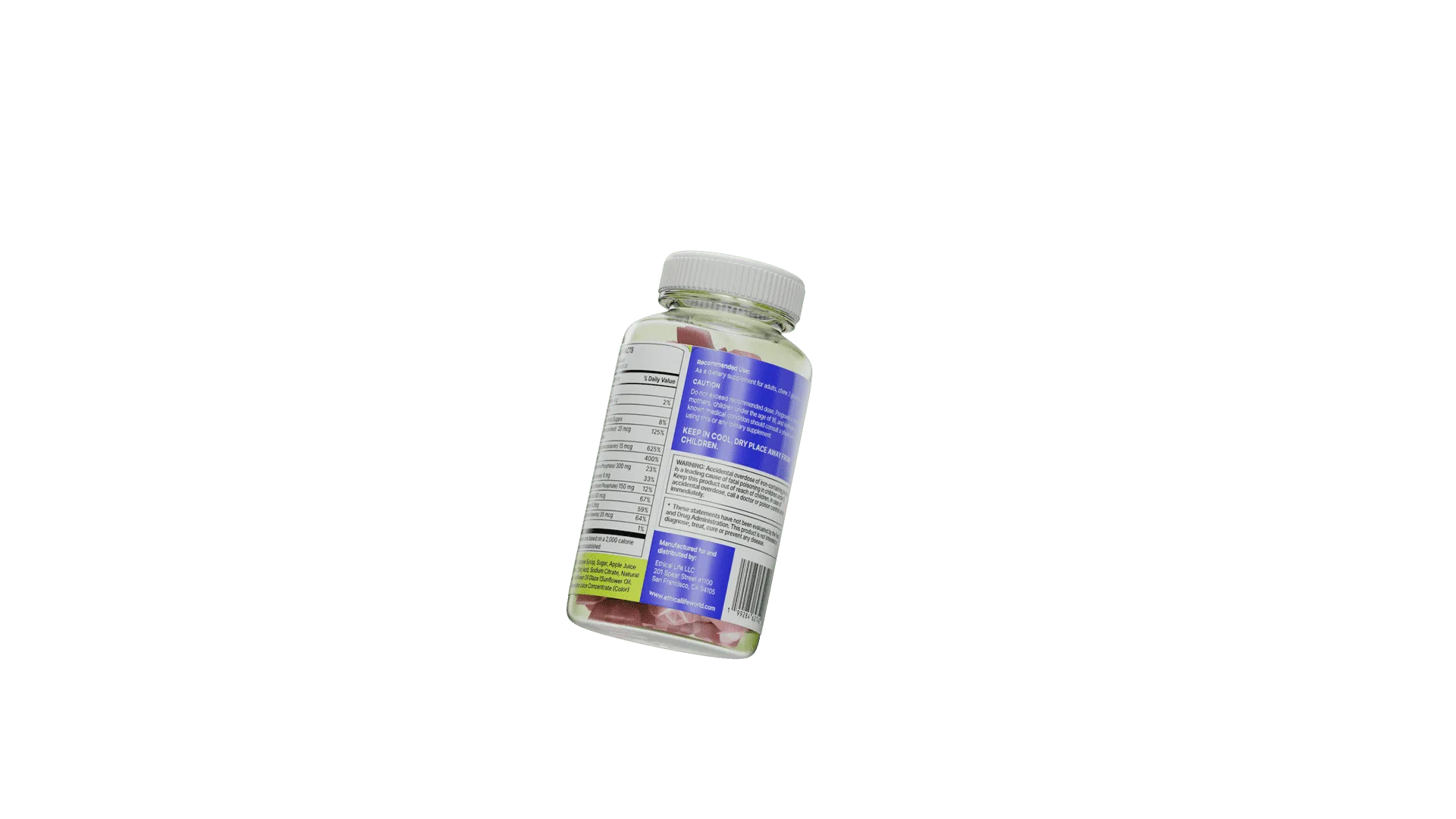
Understanding these diverse physiological roles is part of why pharmacist-formulated supplements, like those detailed in the ethical life vegan gummies ingredients breakdown, select specific, high-quality mineral forms to support systemic health rather than just skeletal endpoints.

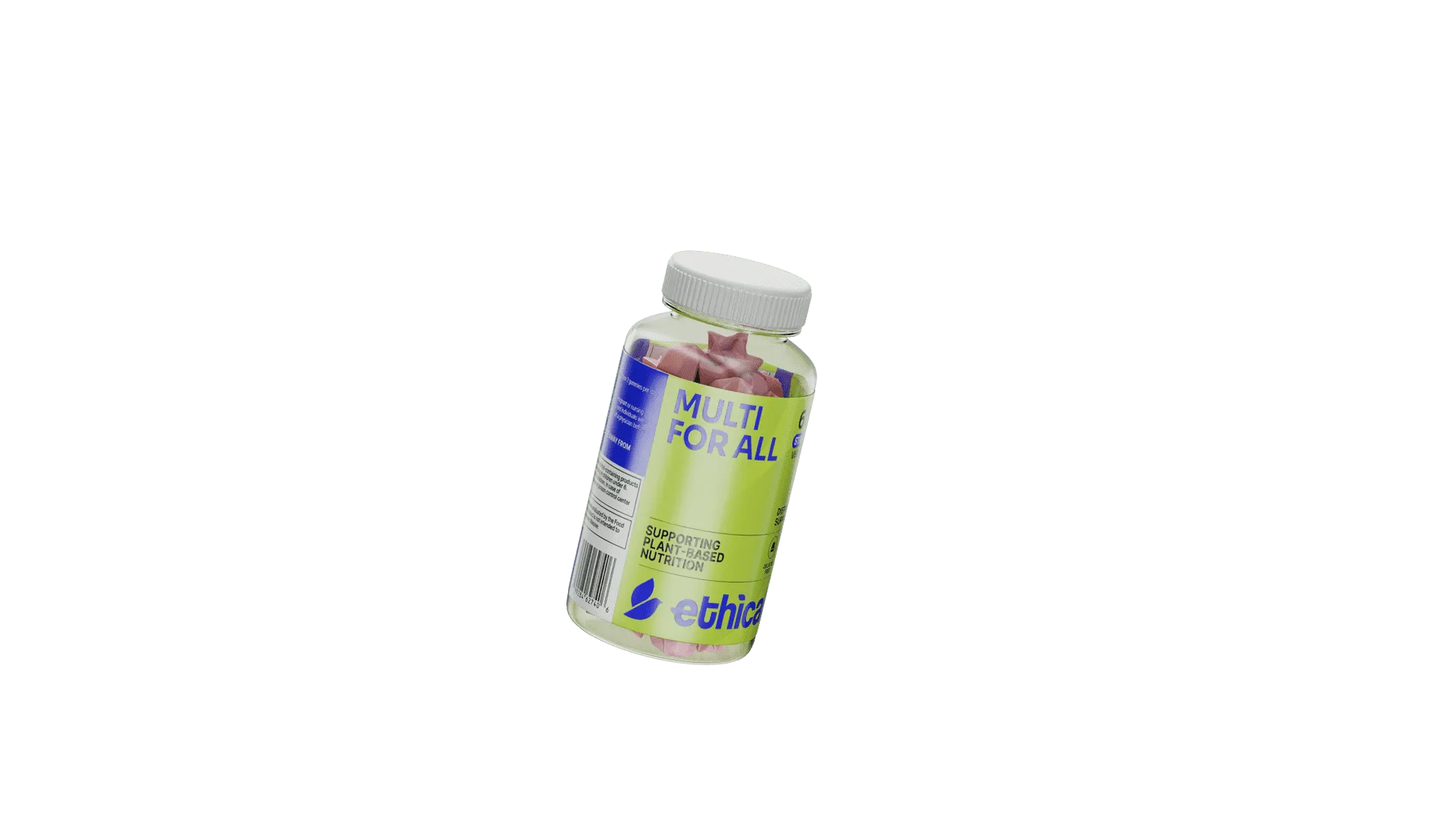
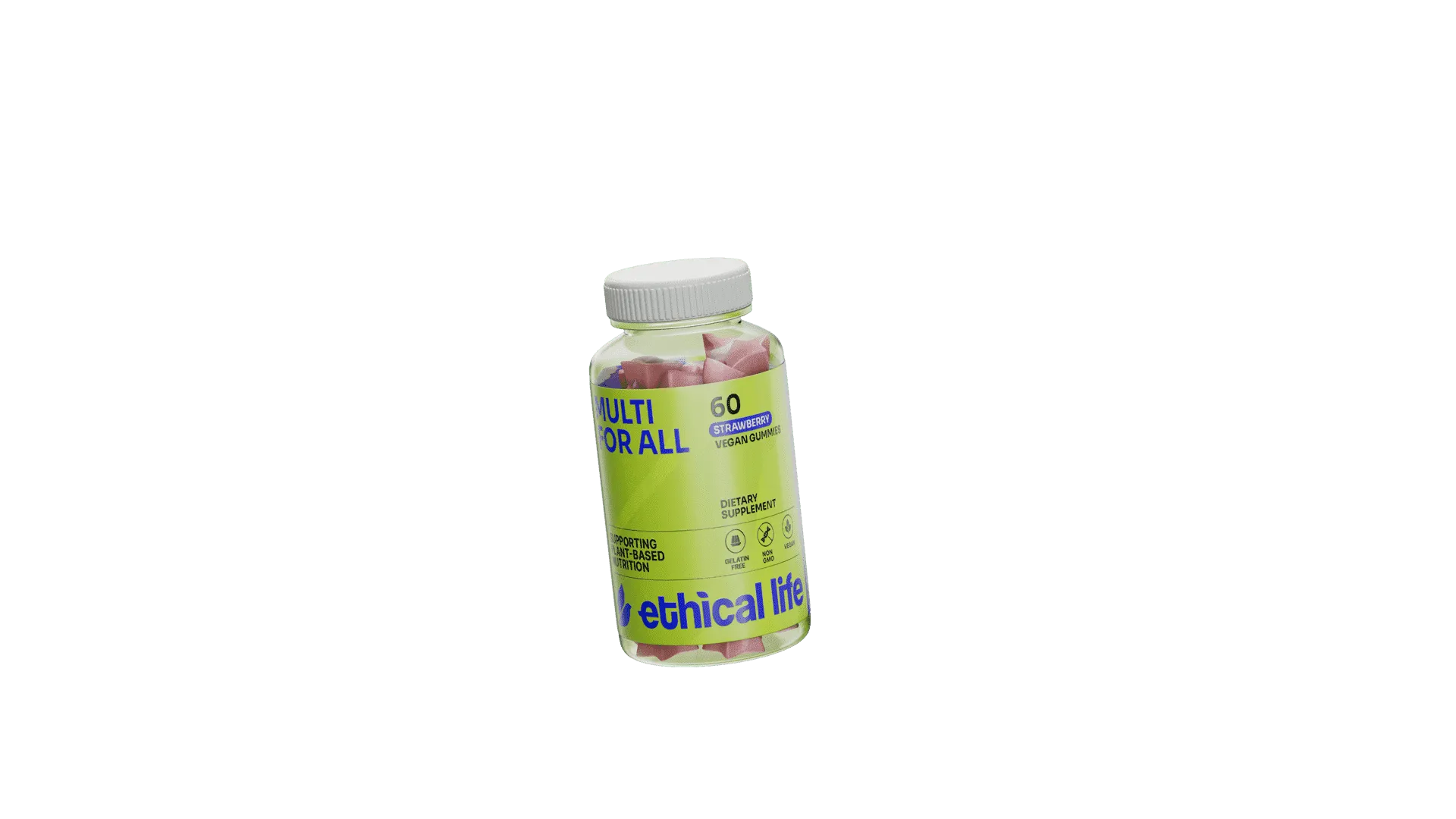
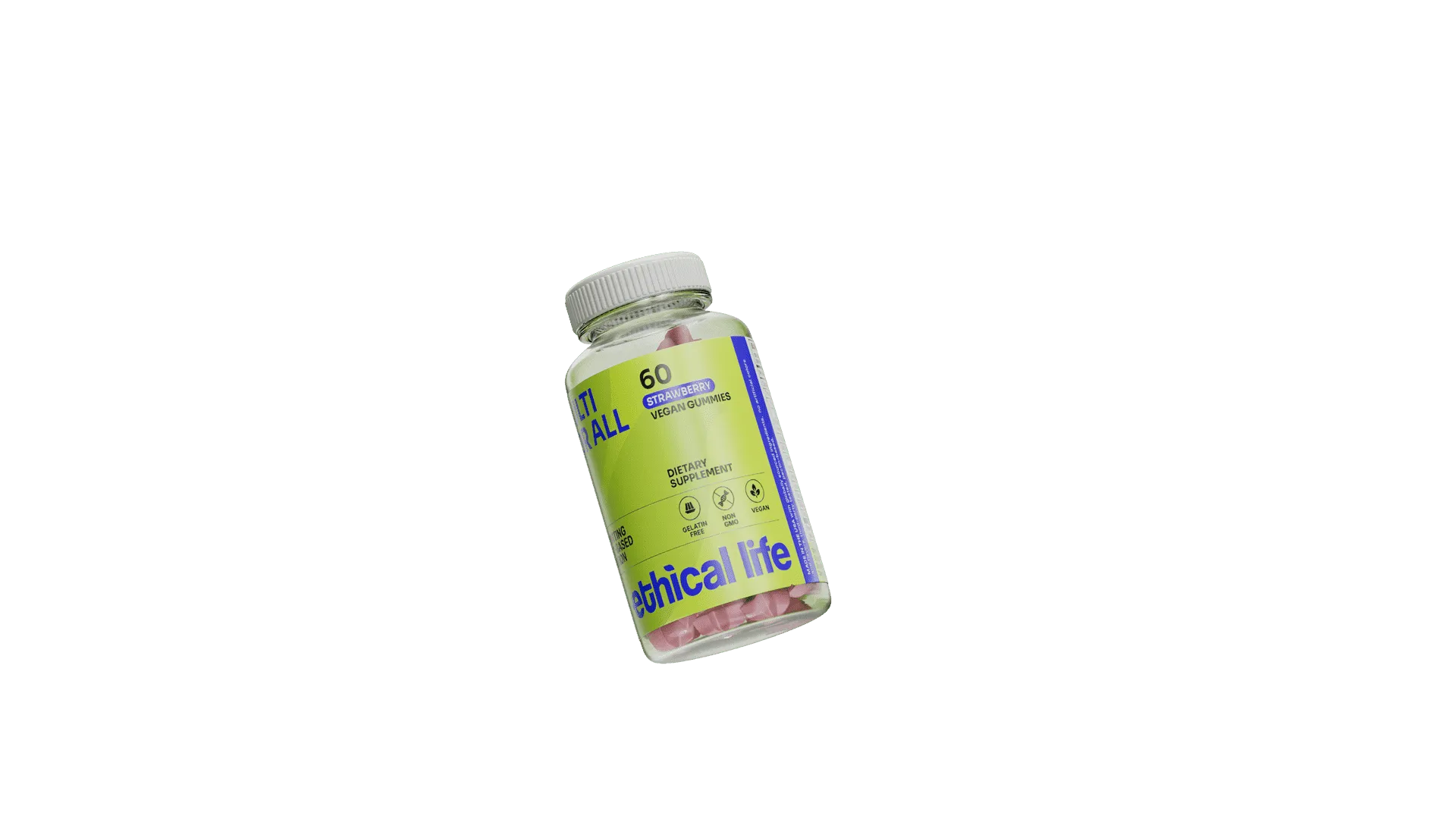
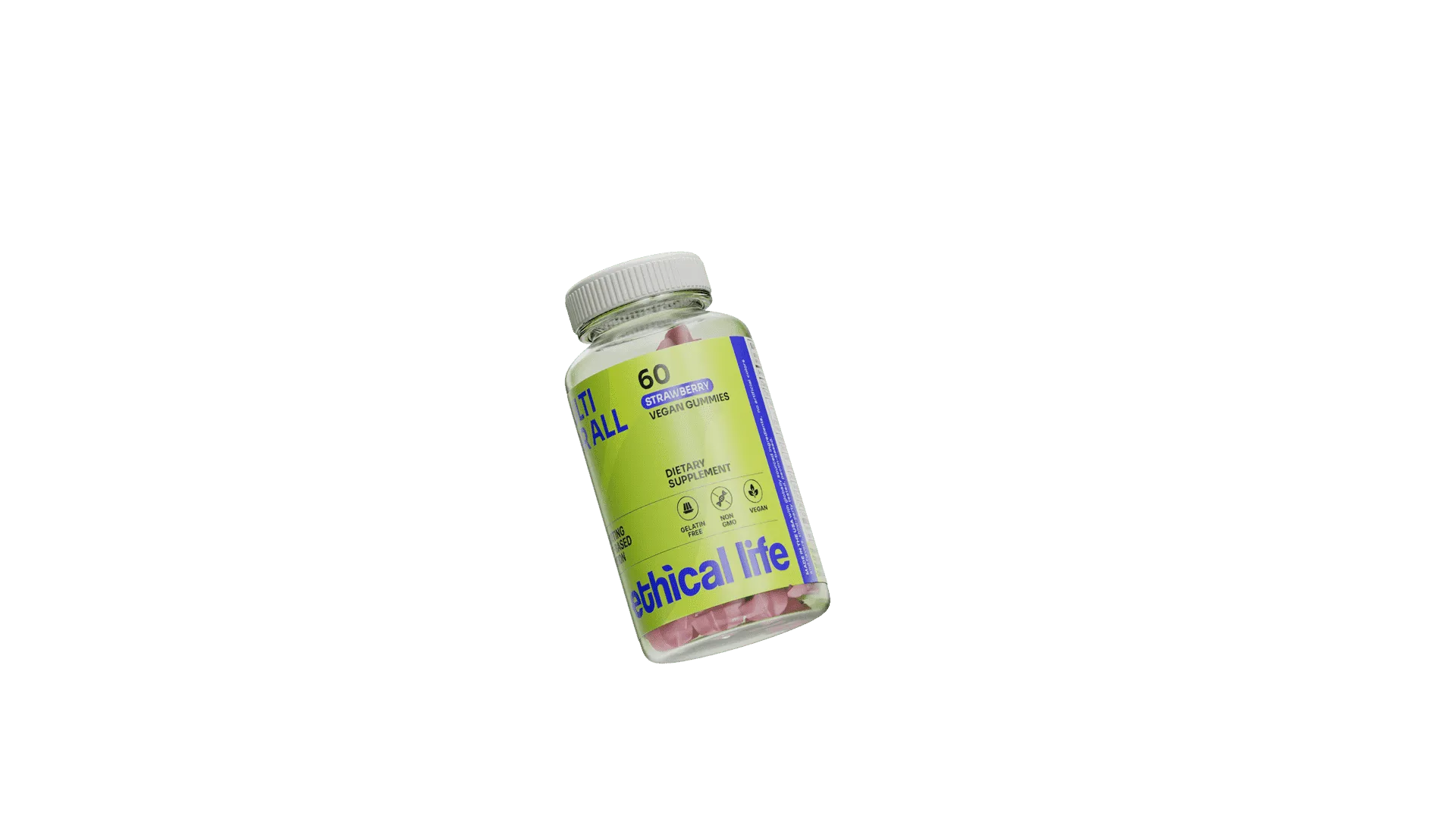
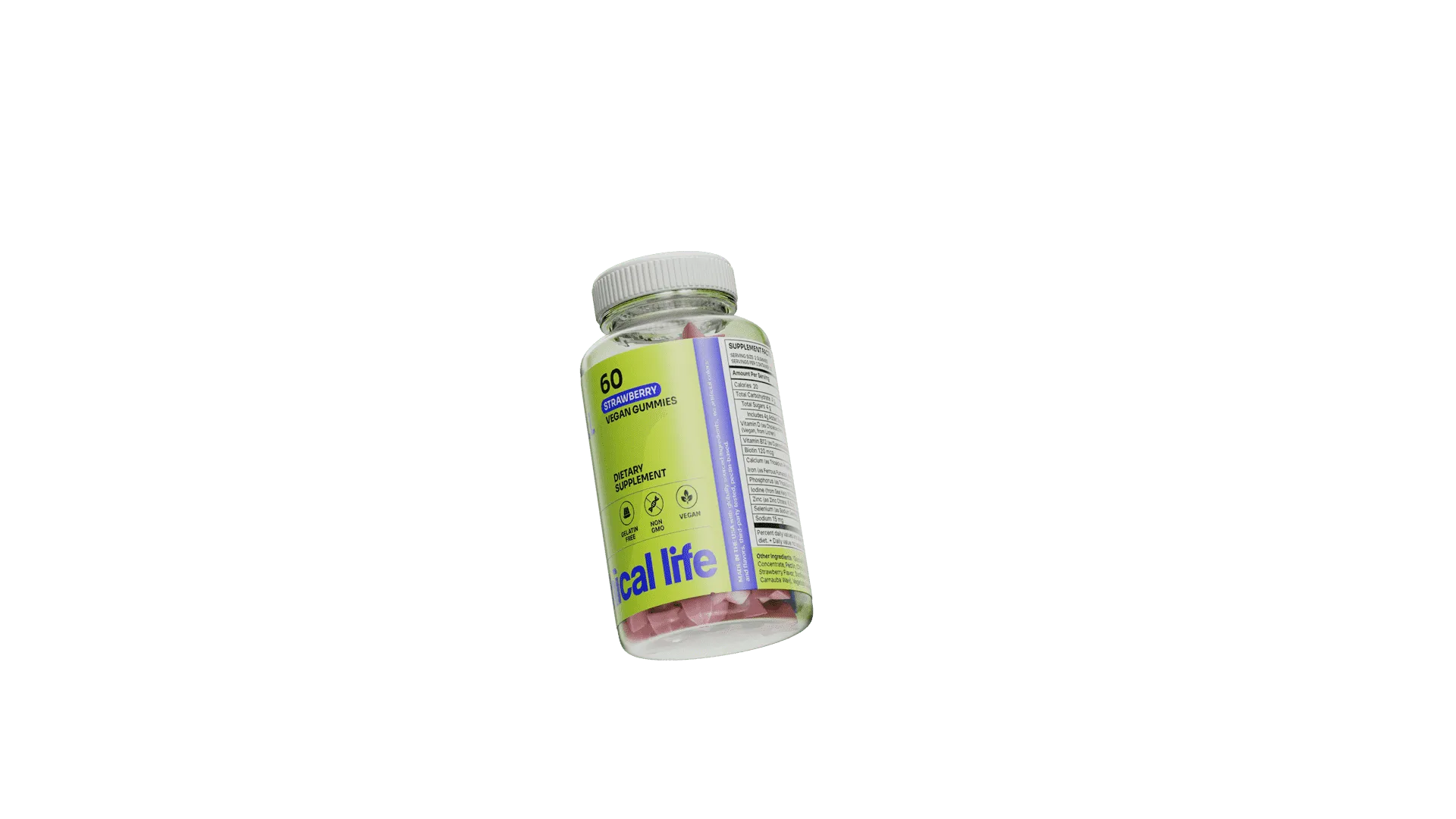
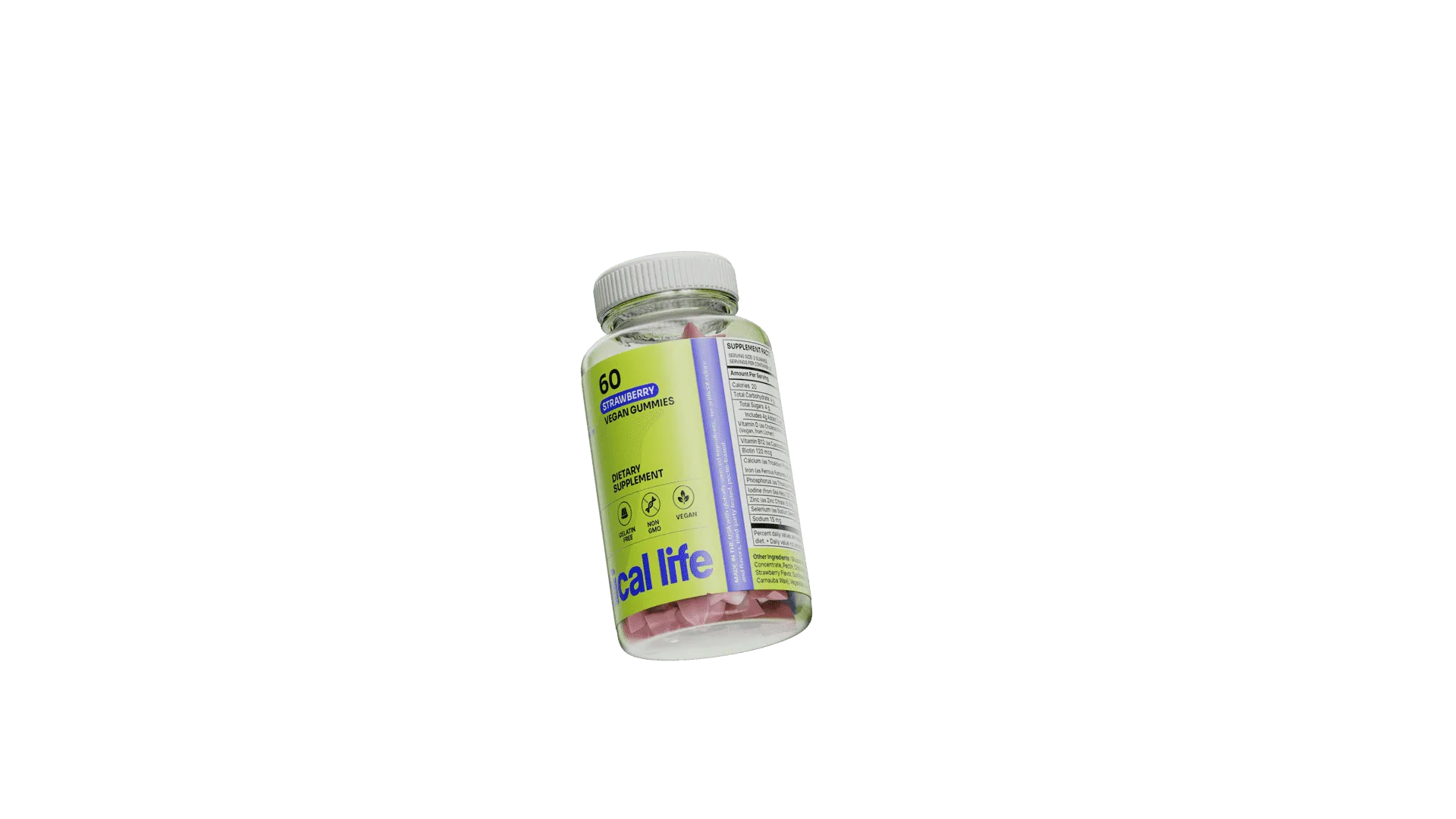
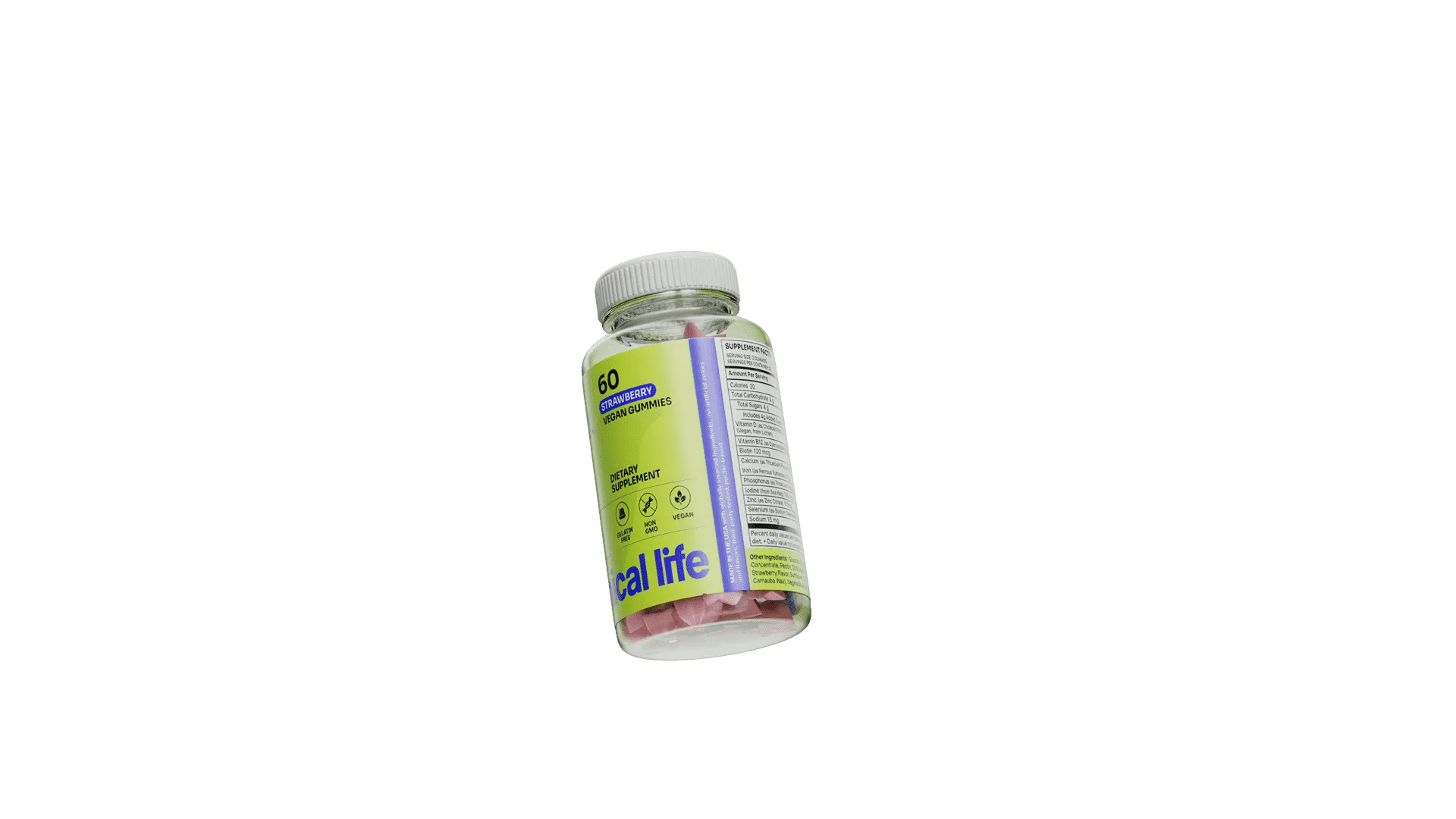
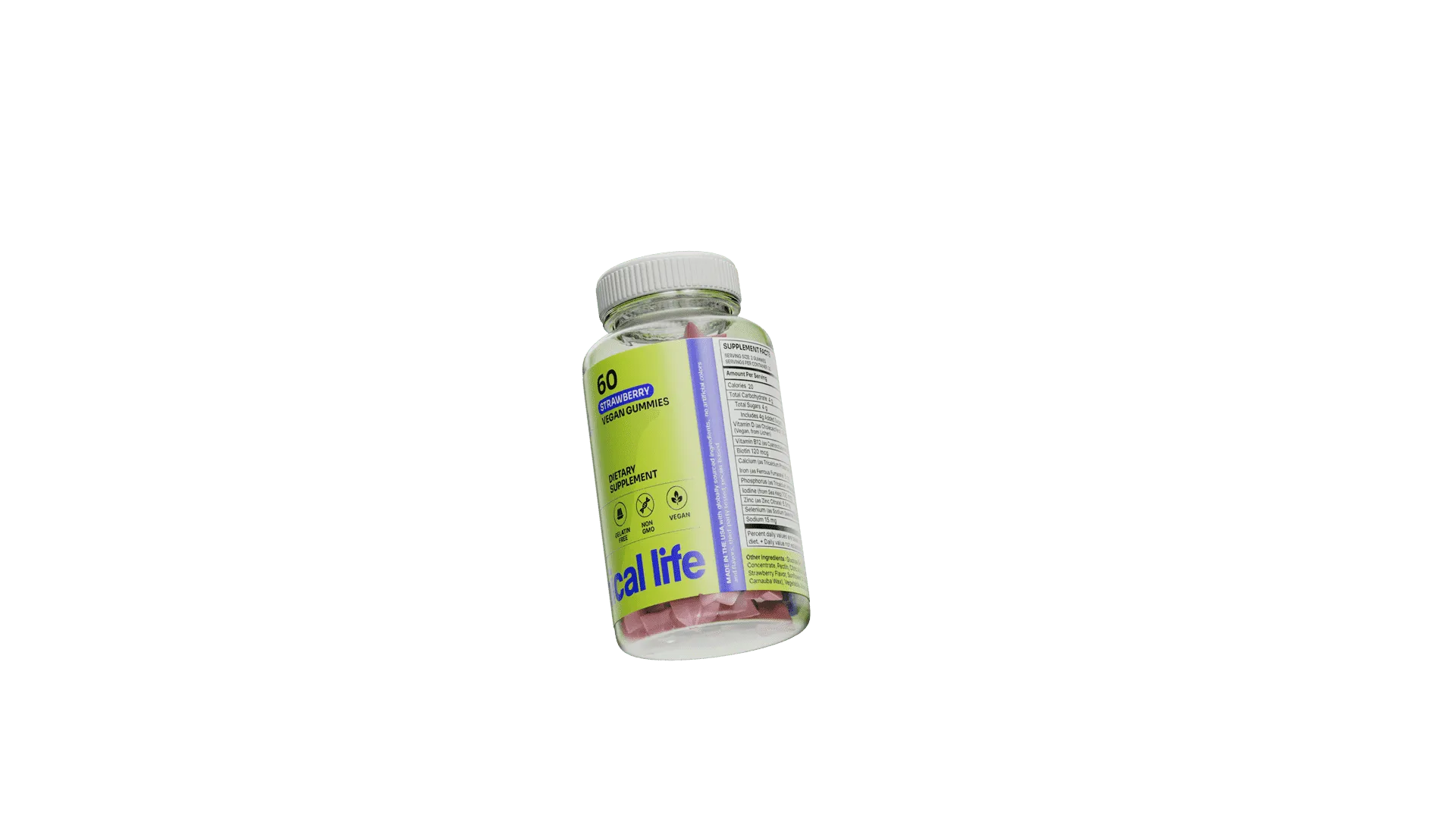
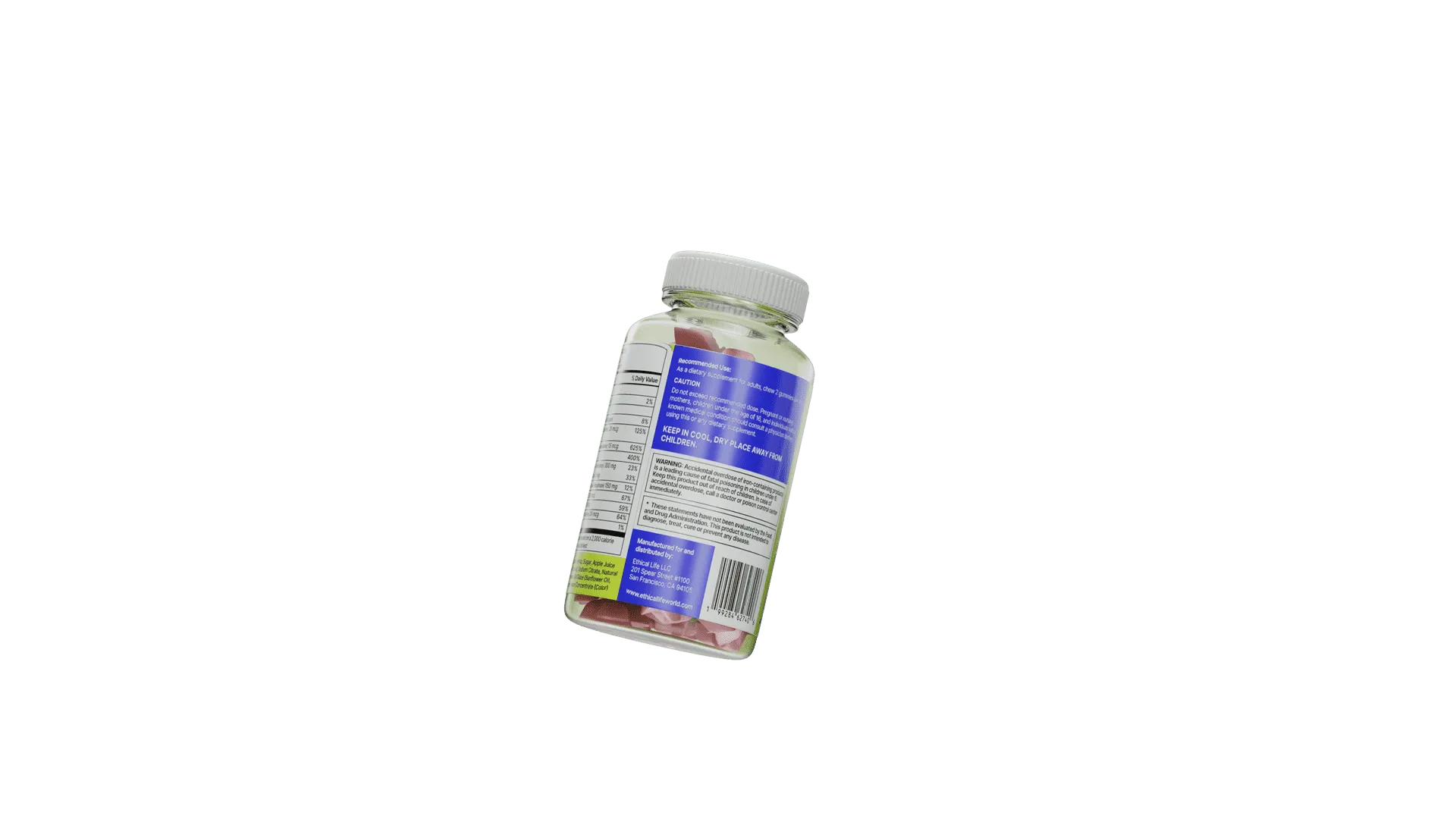
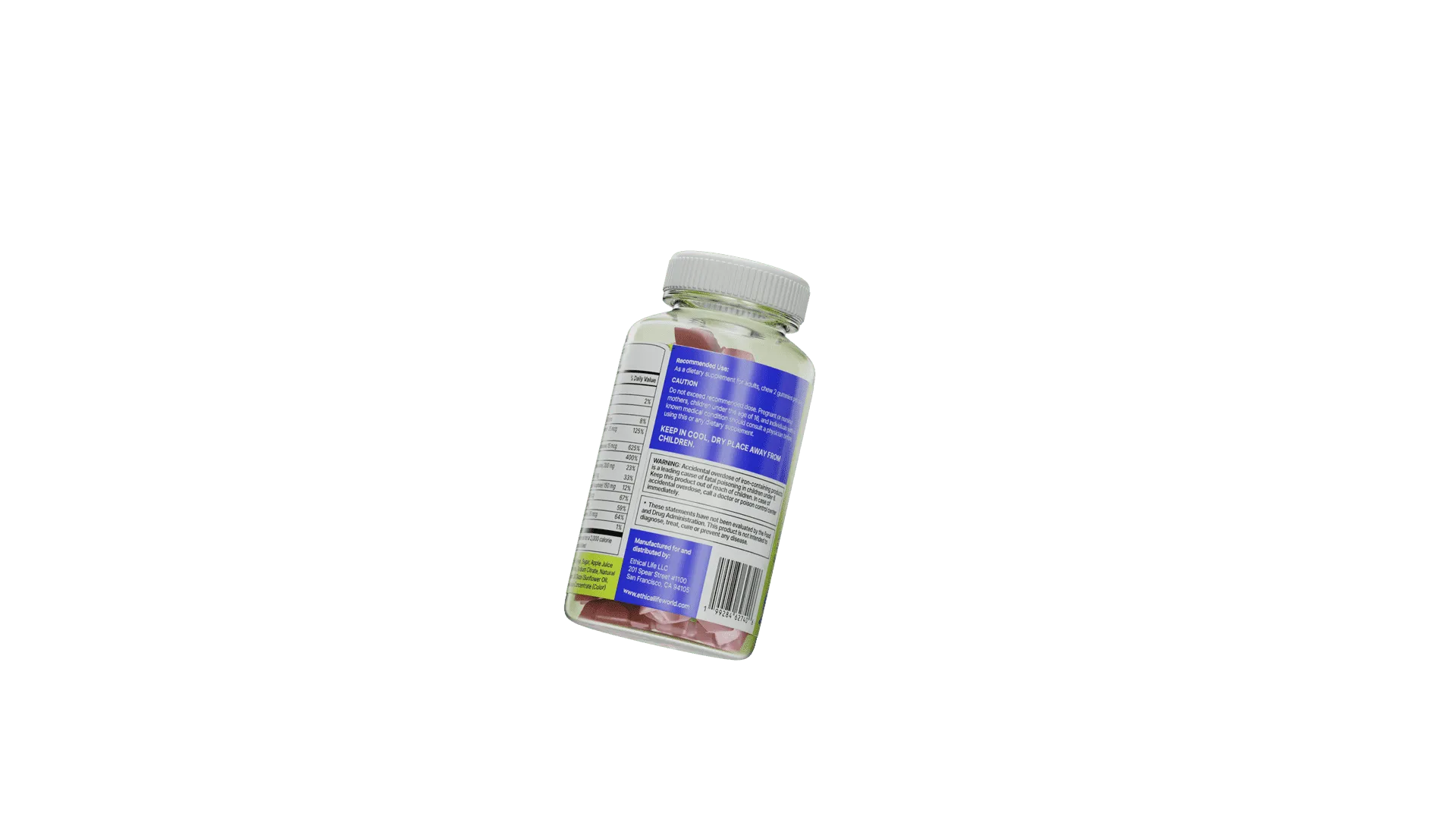
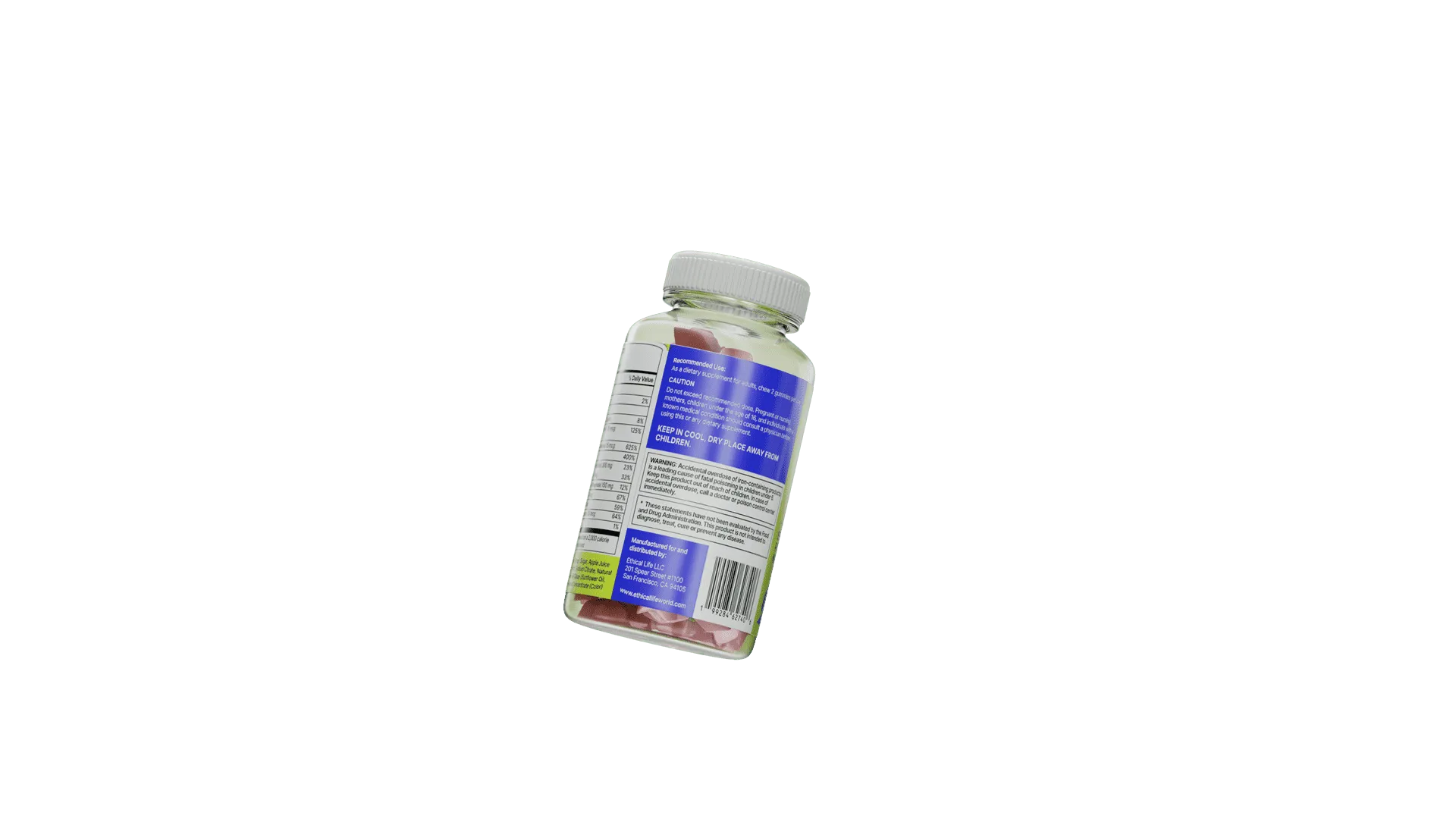
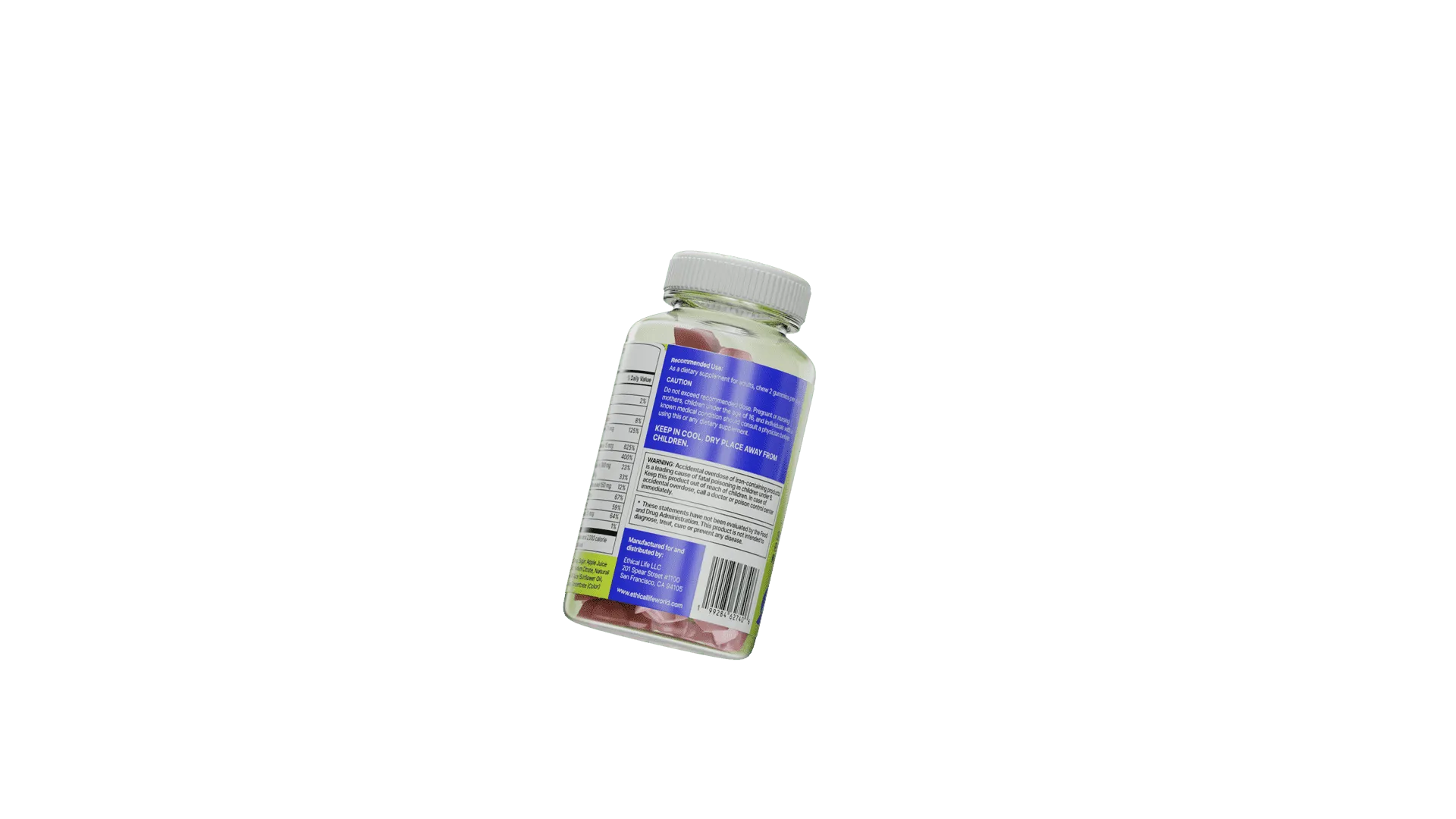
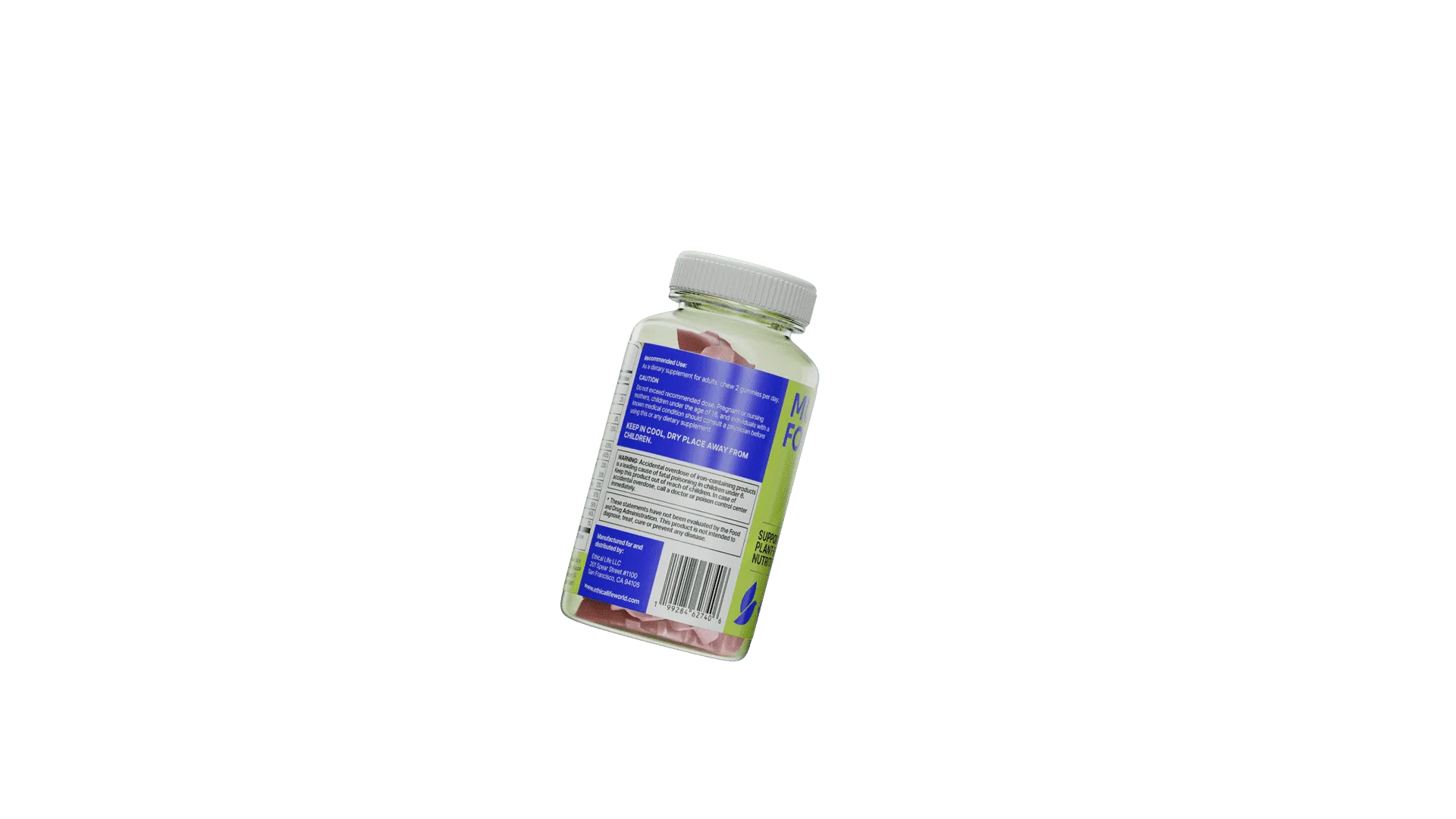
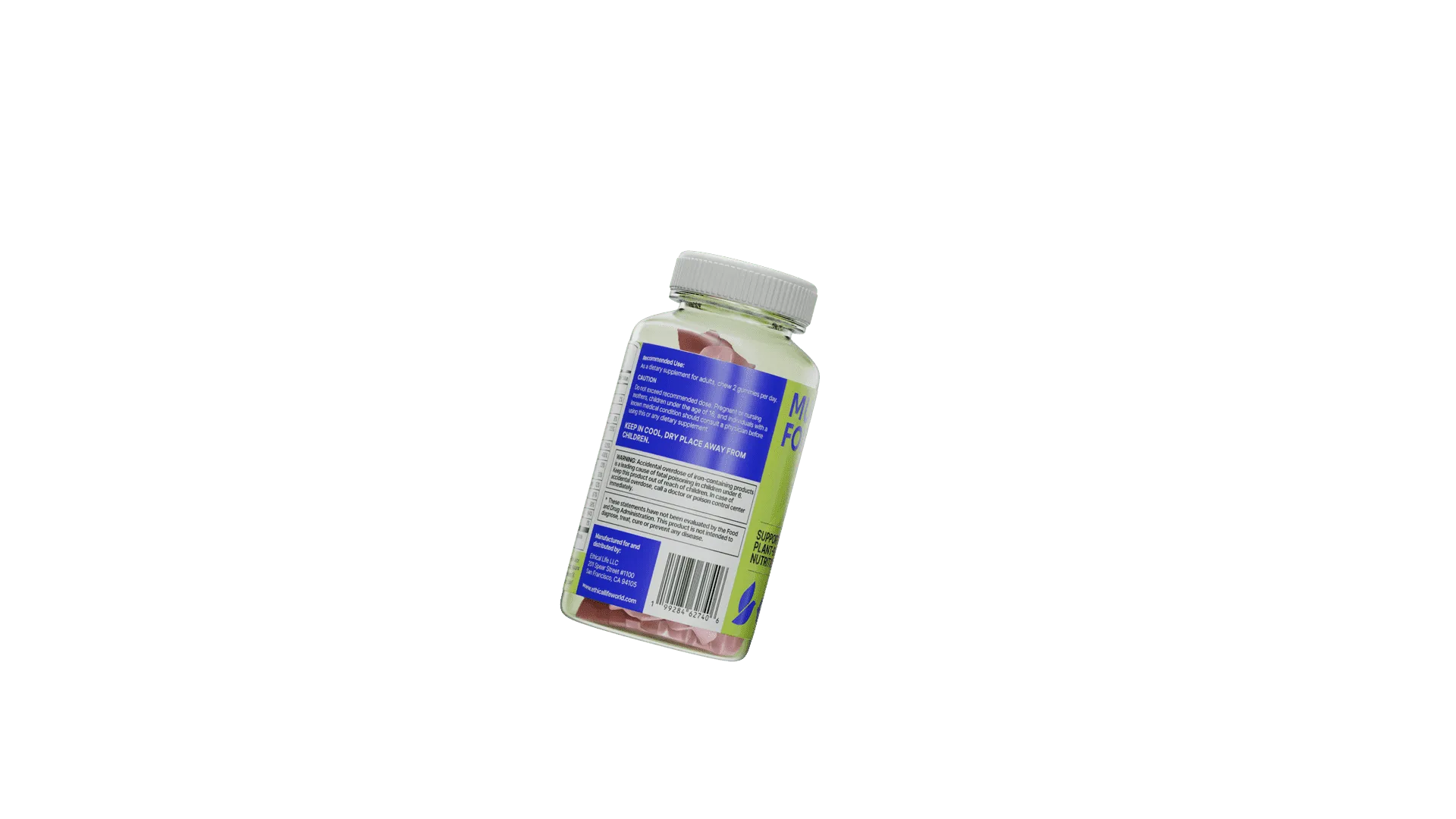
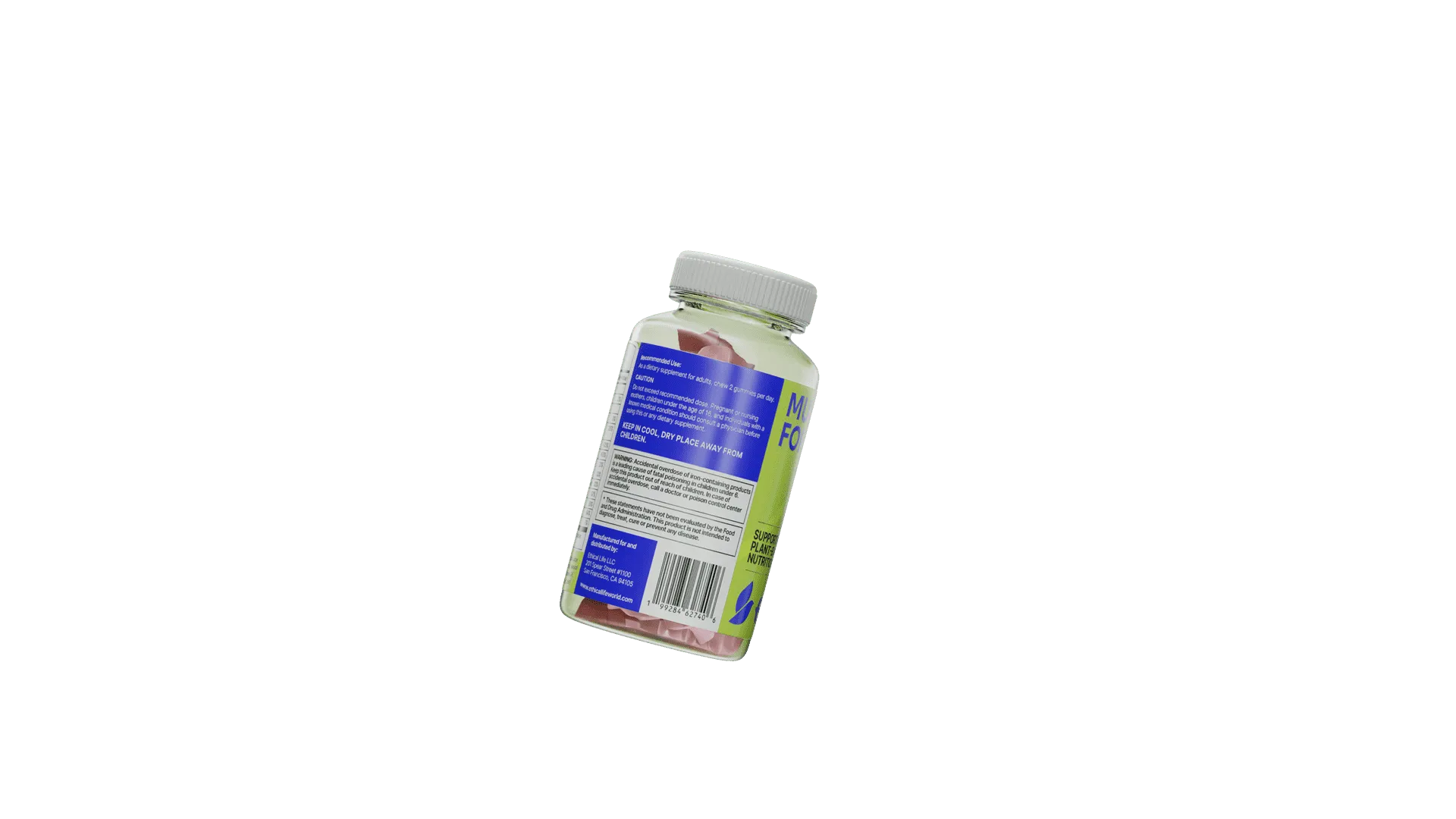
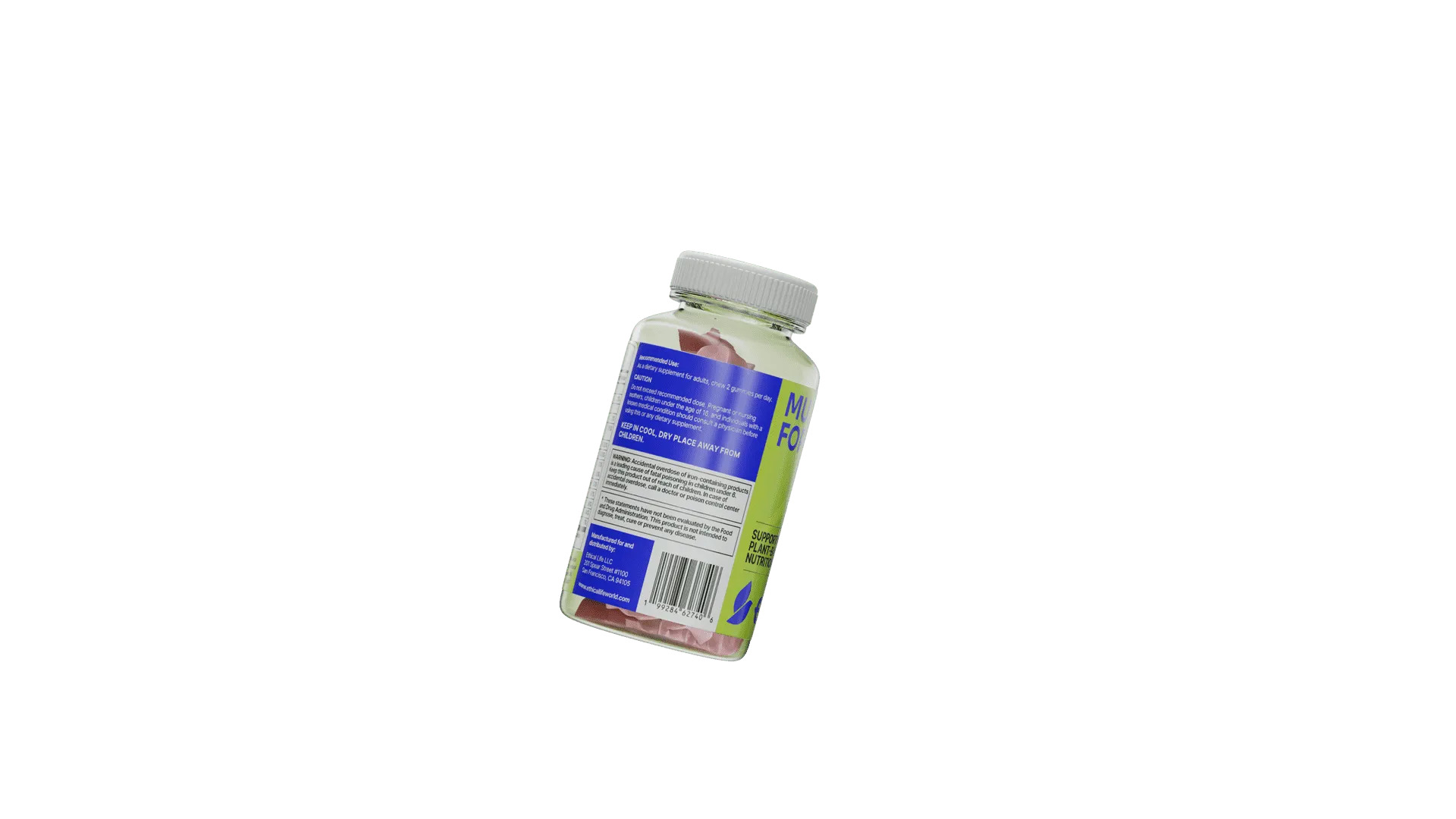
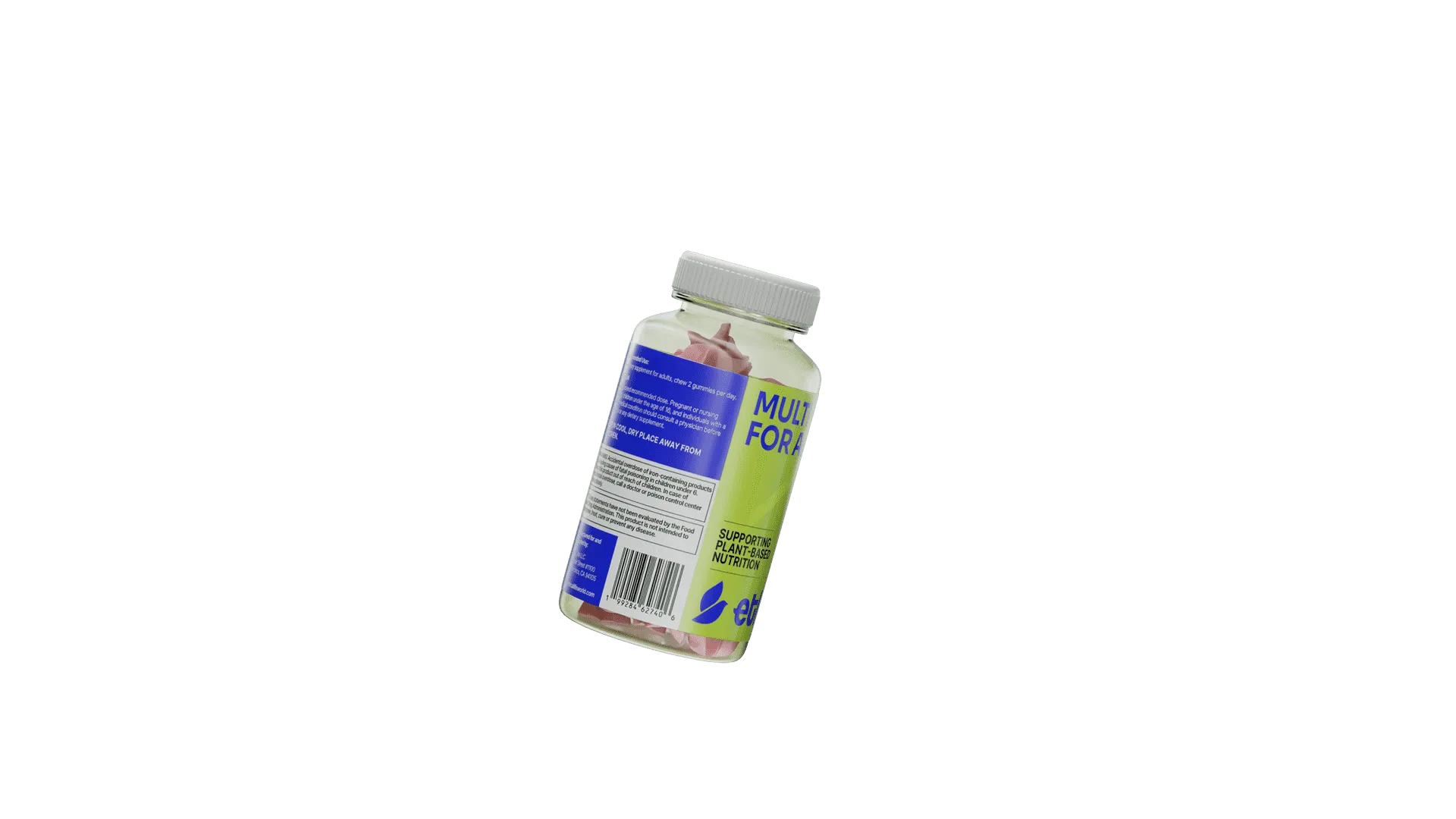
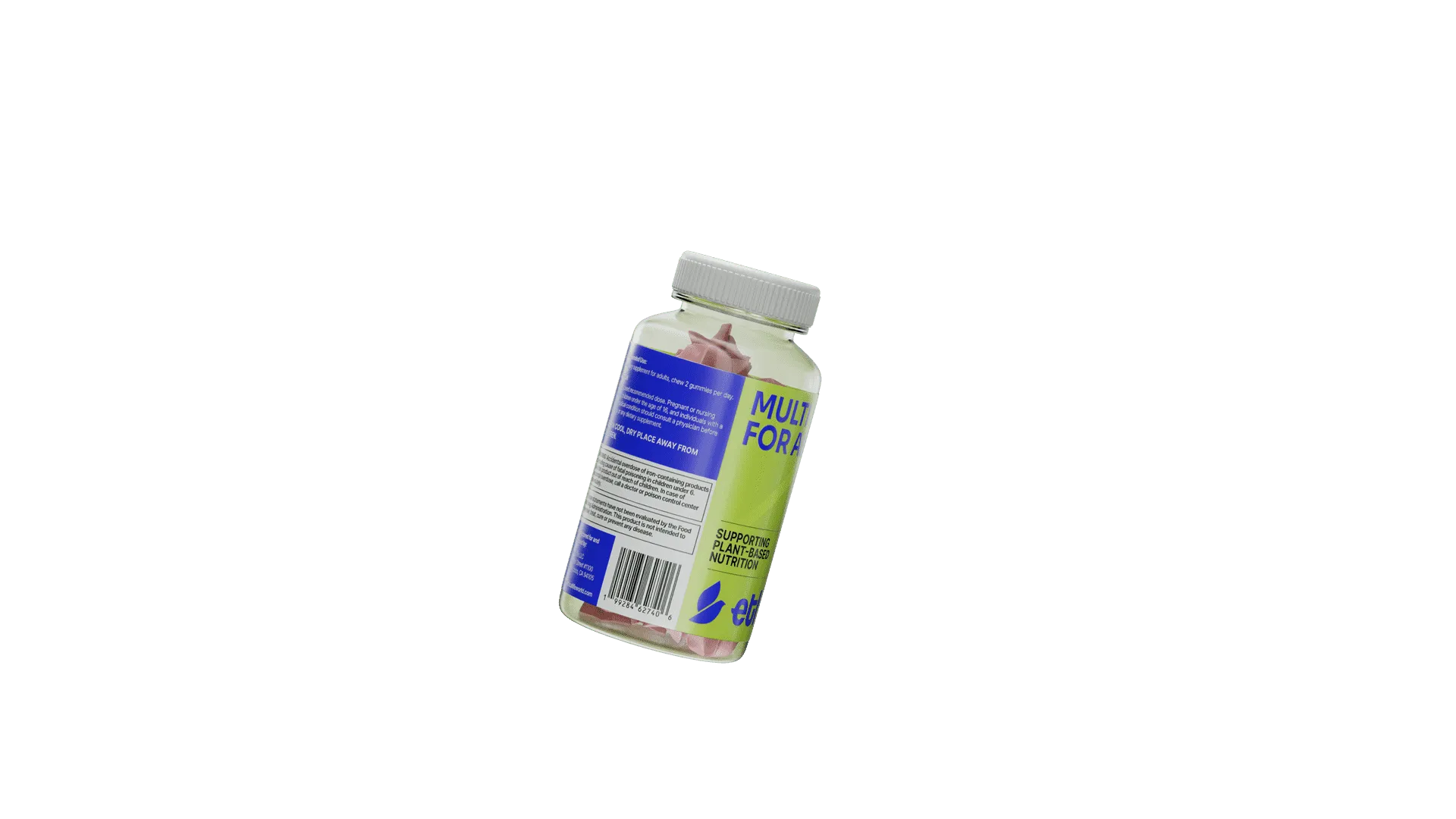
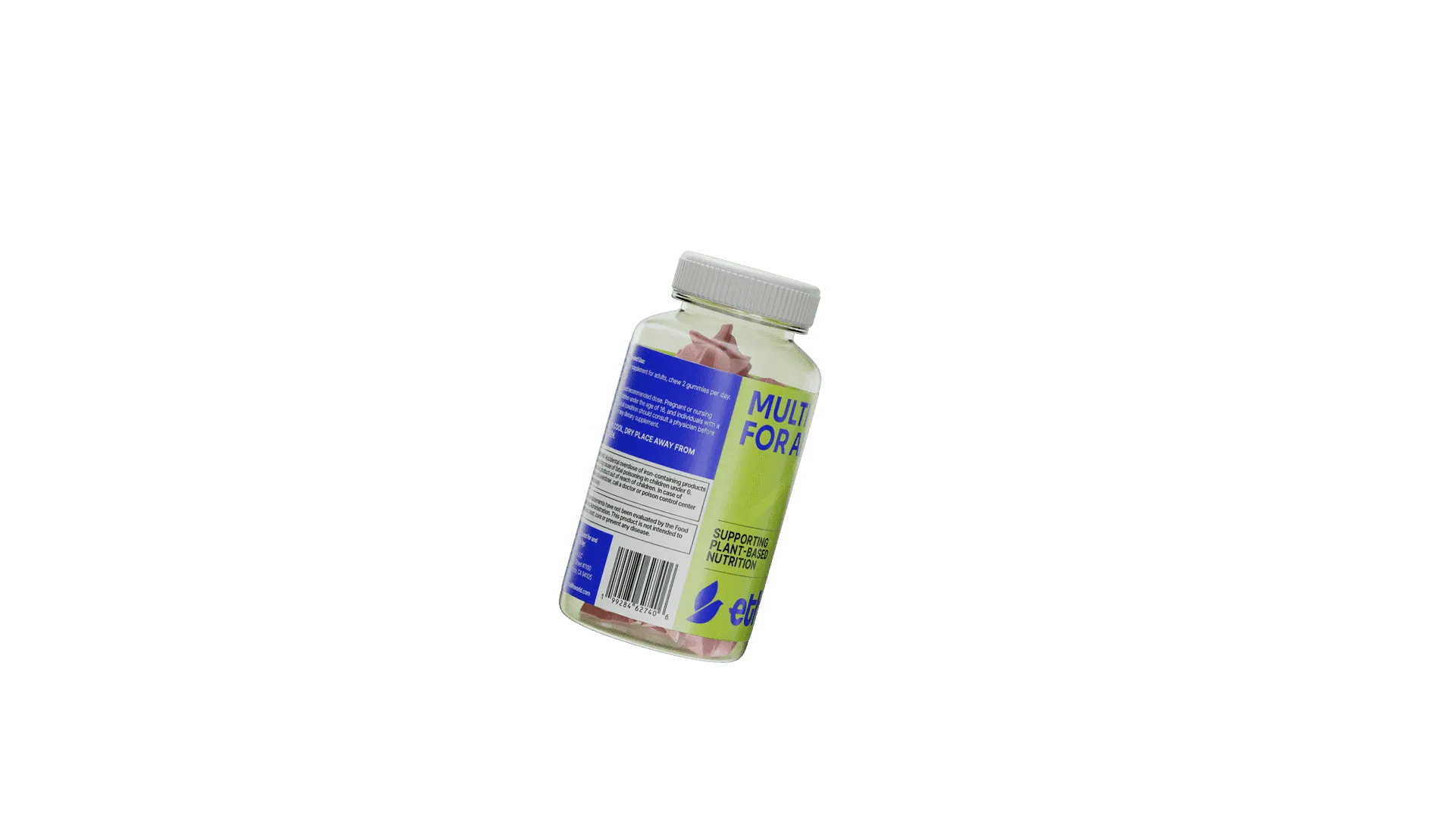
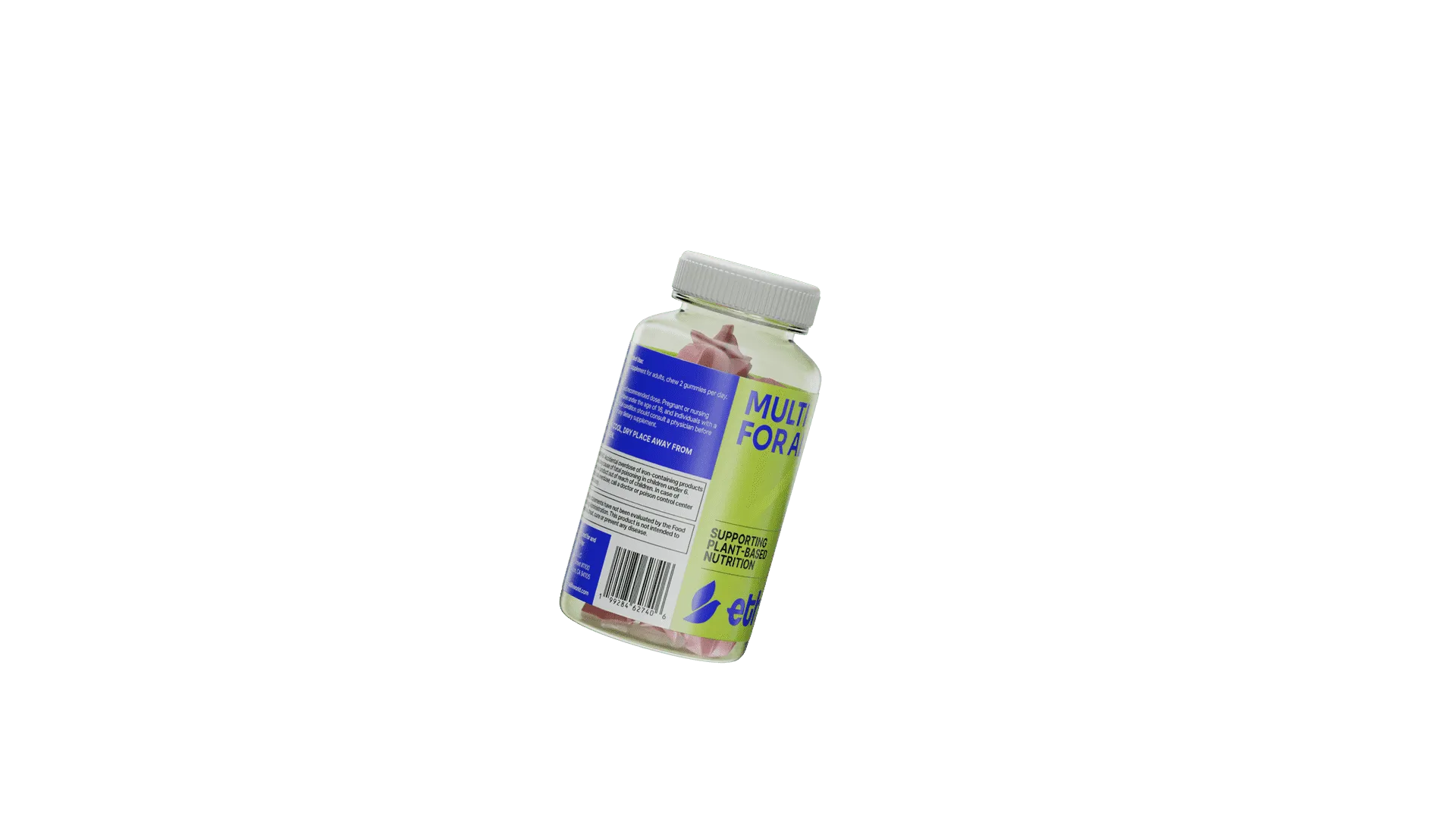
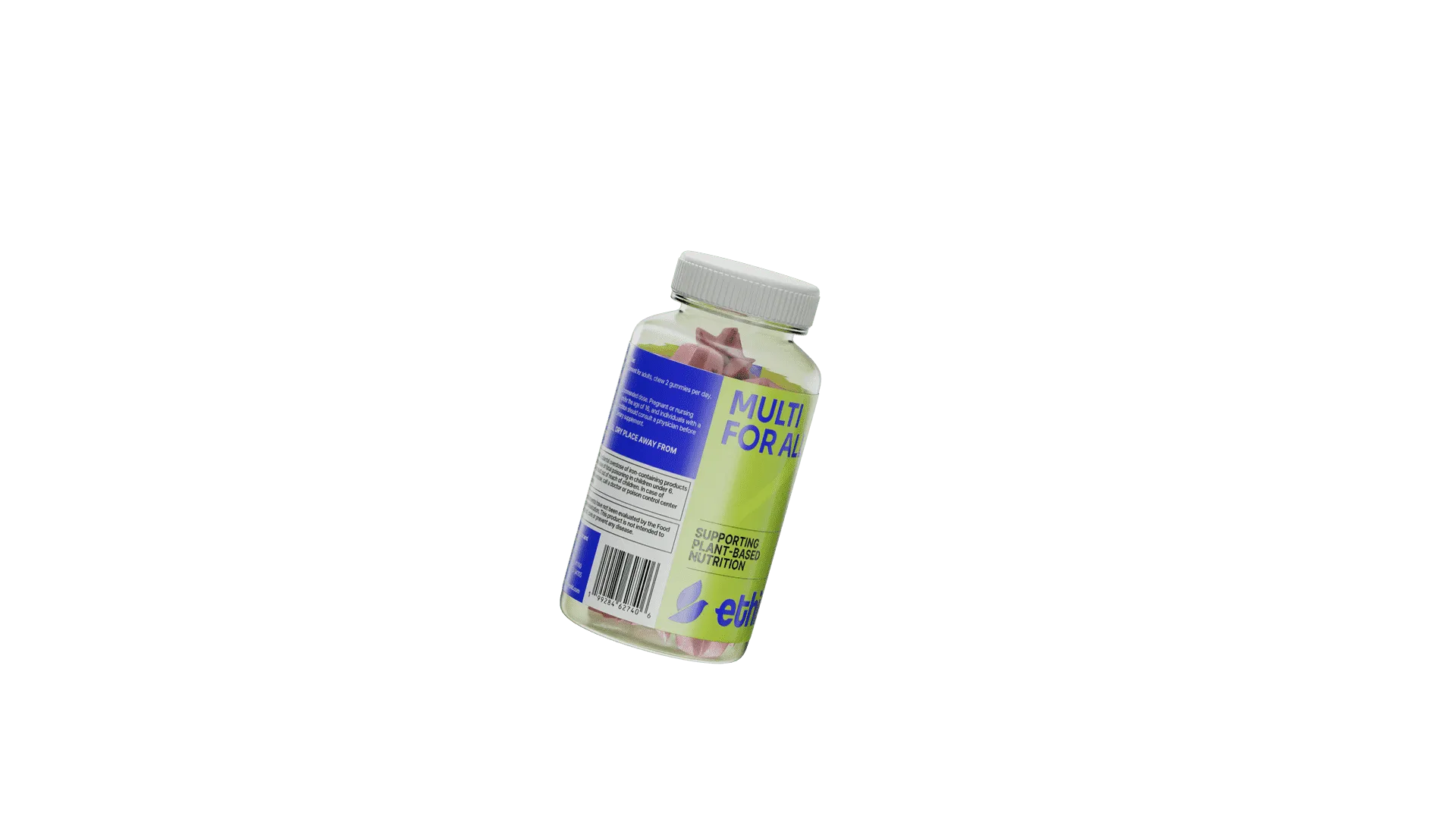
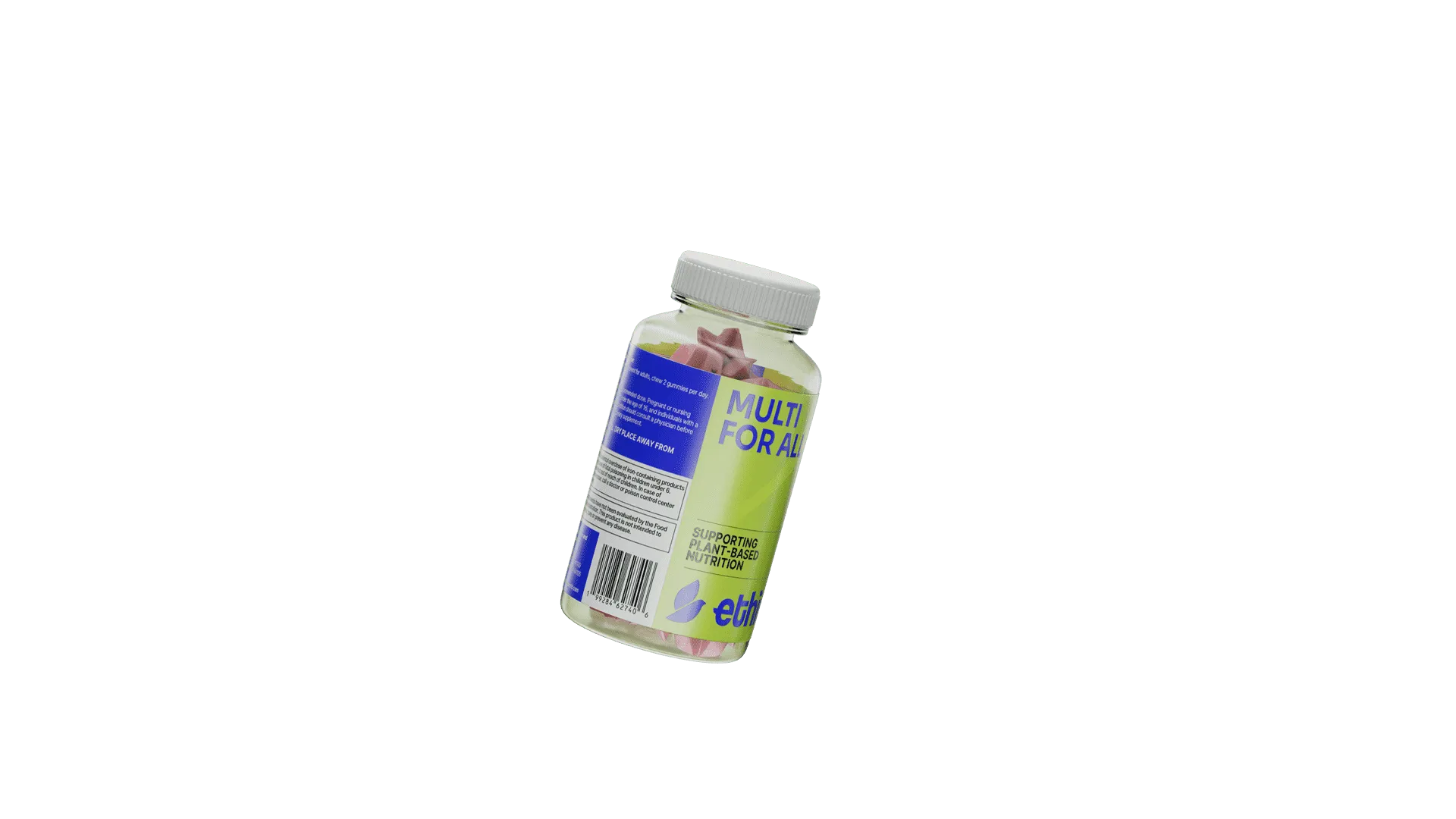
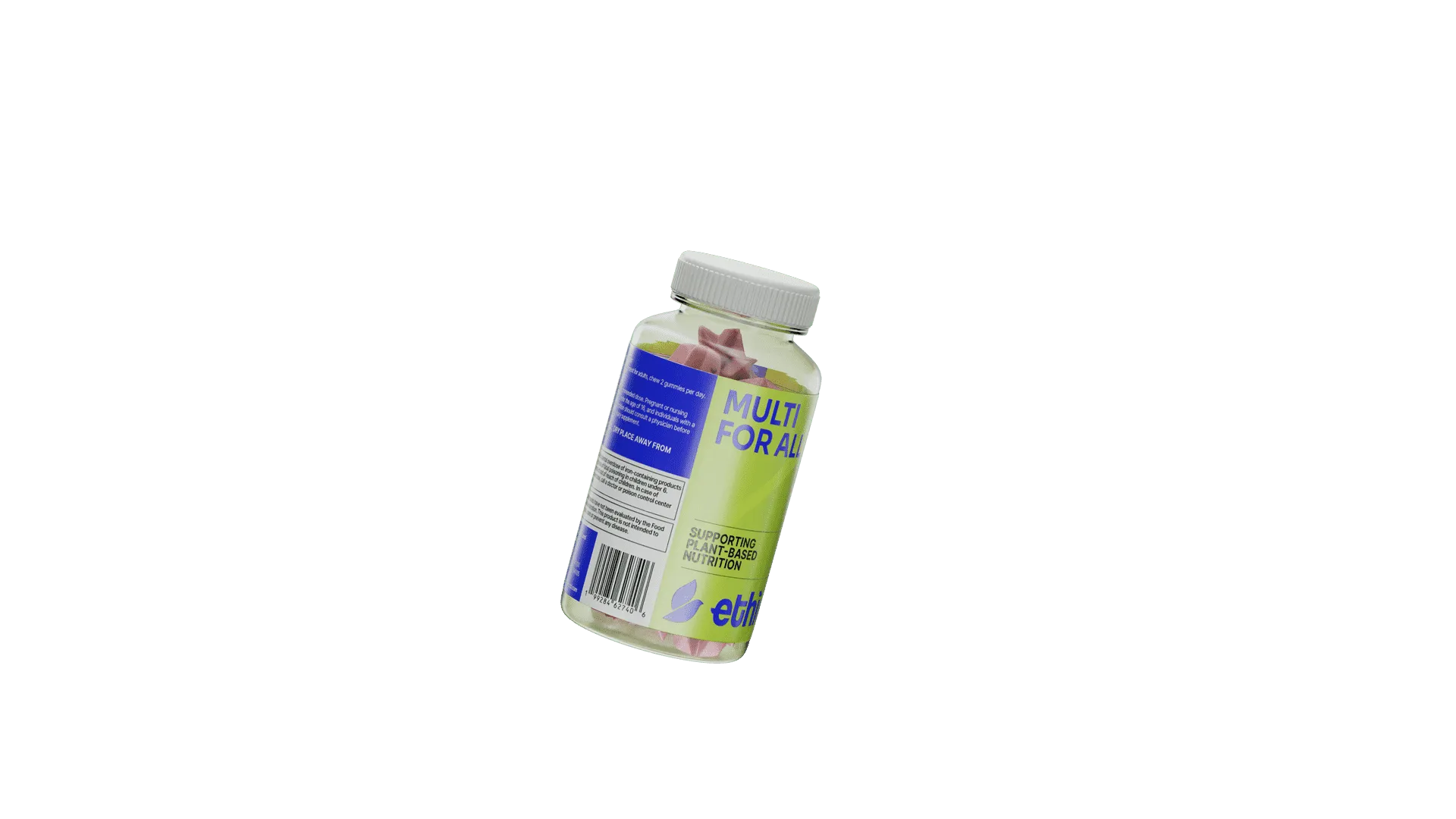
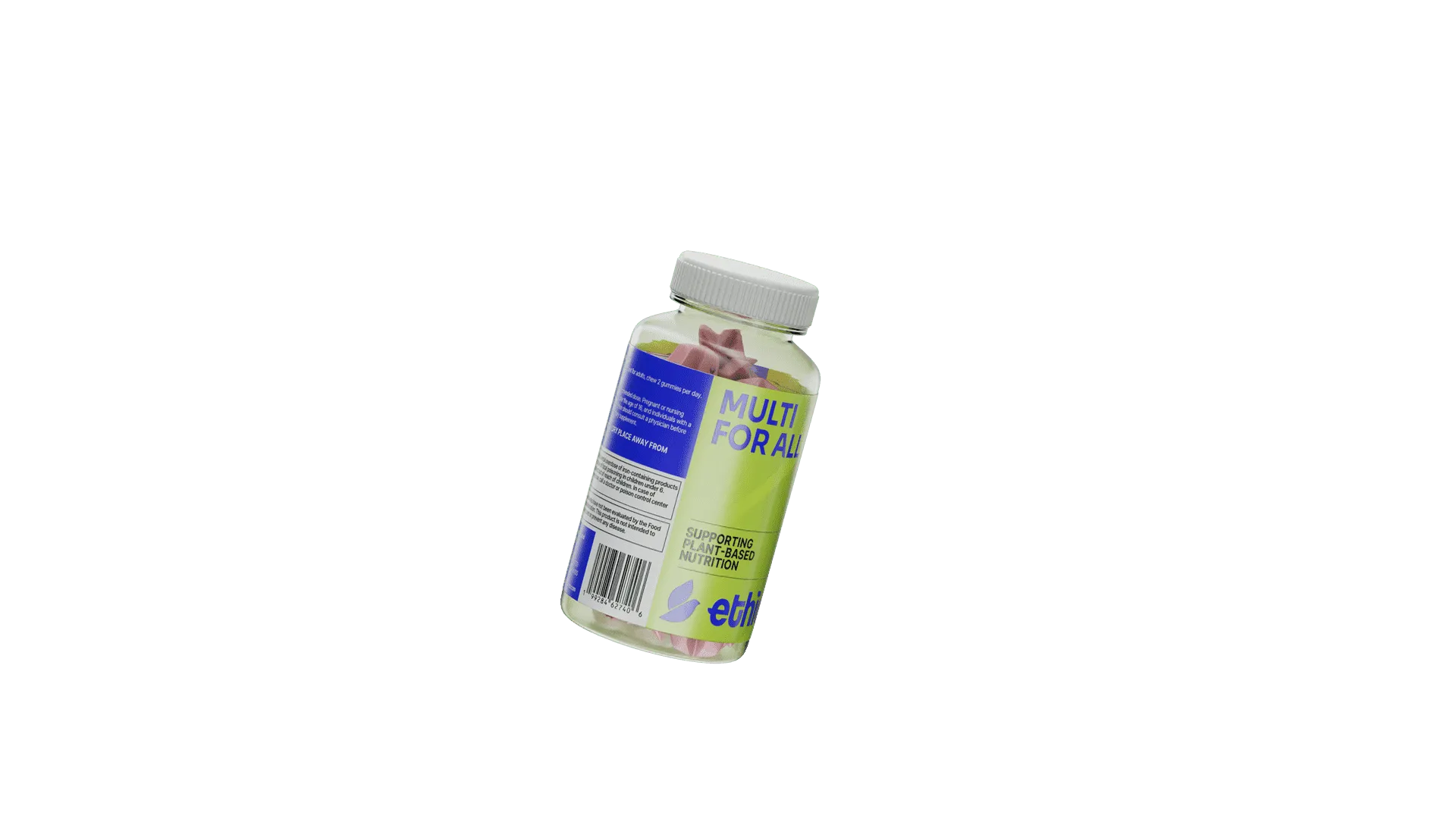
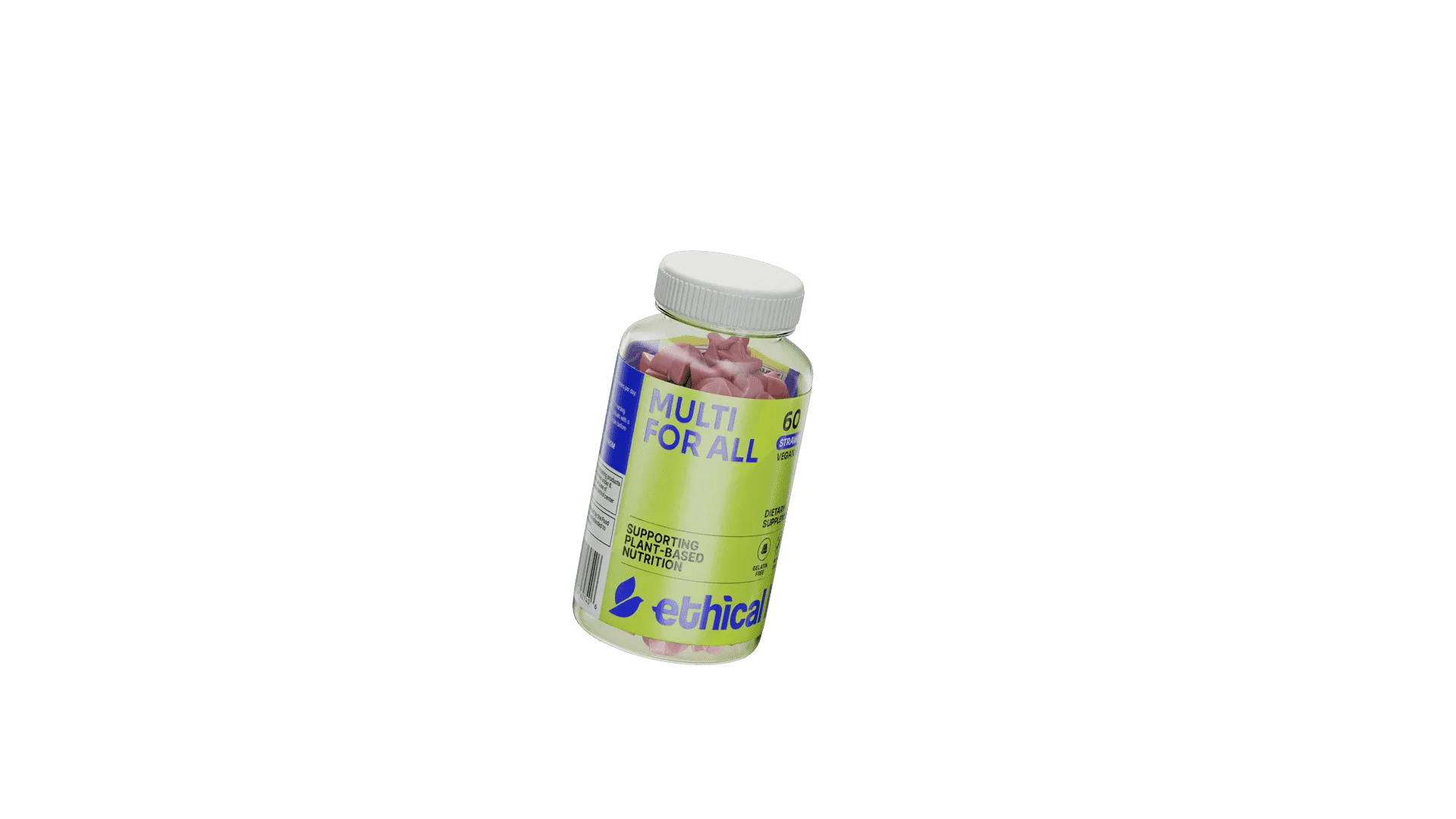
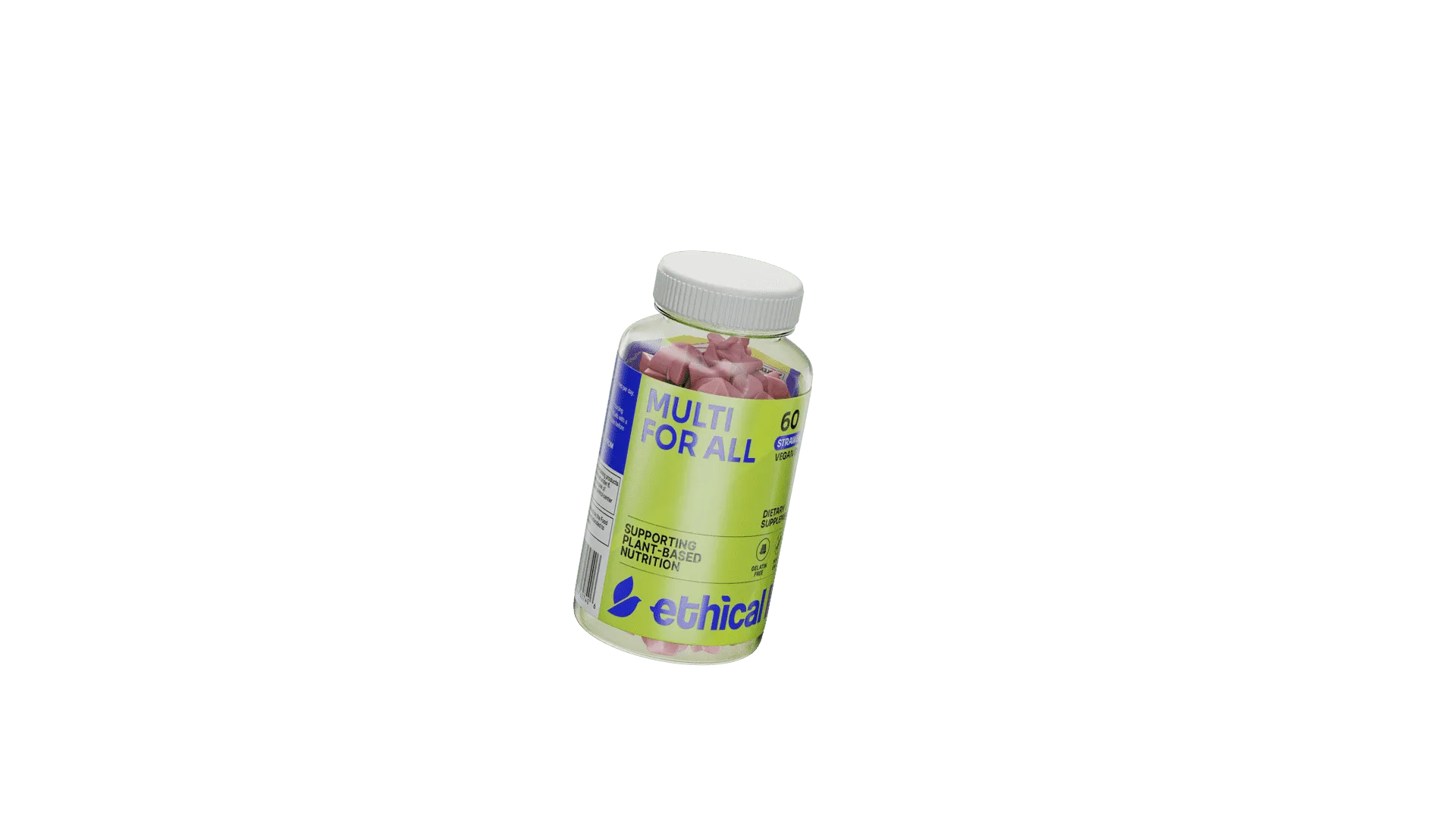
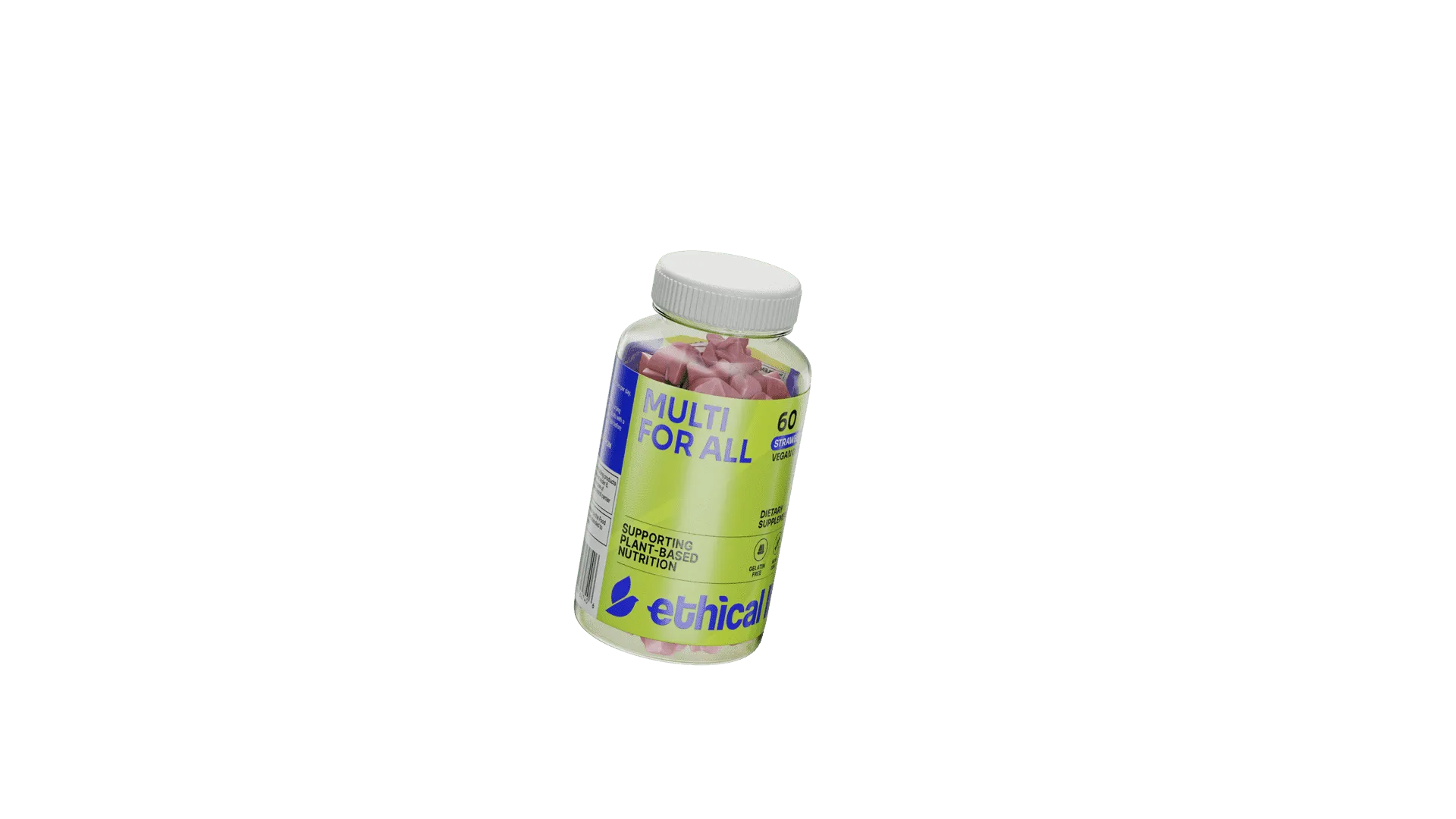
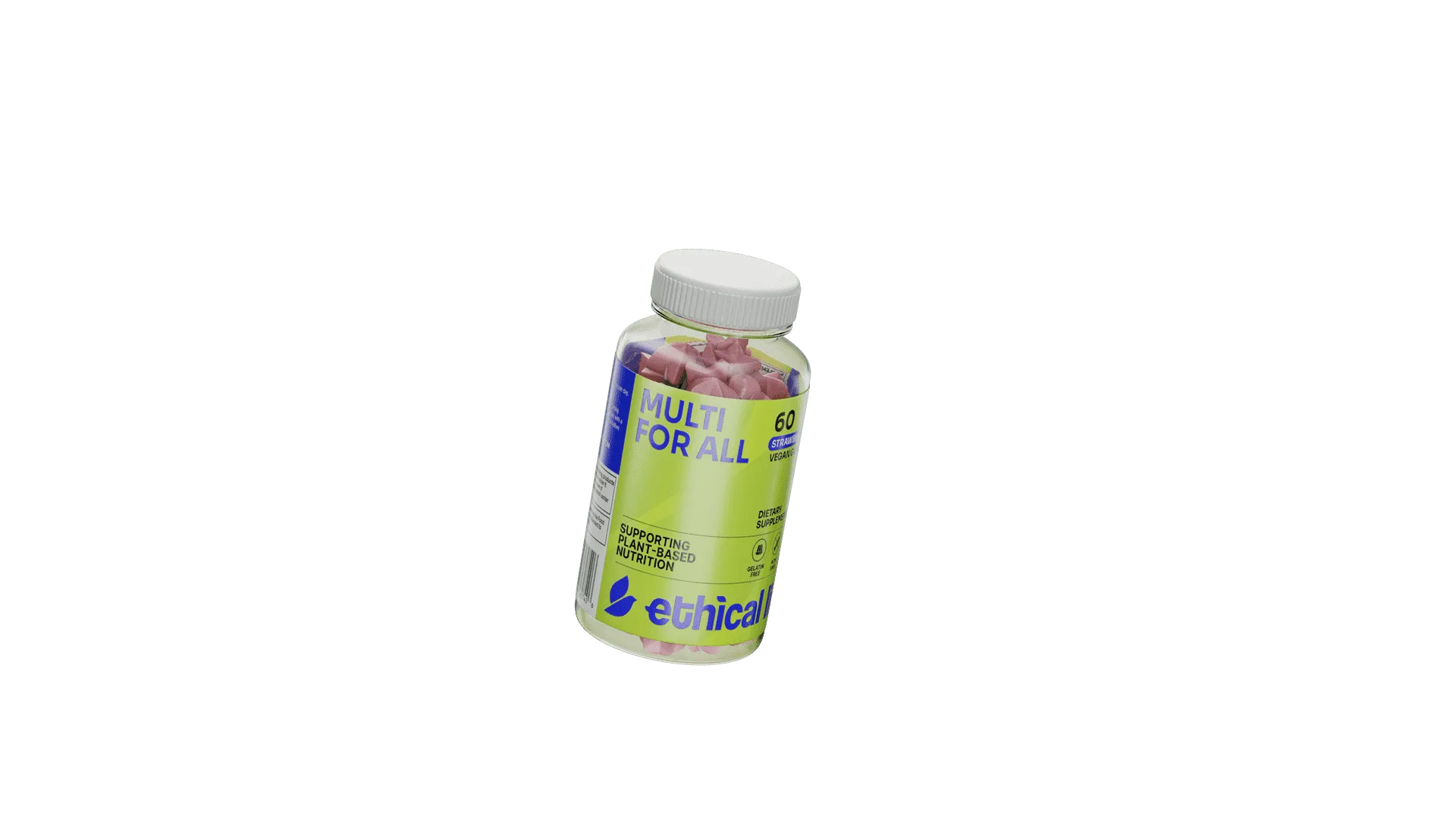
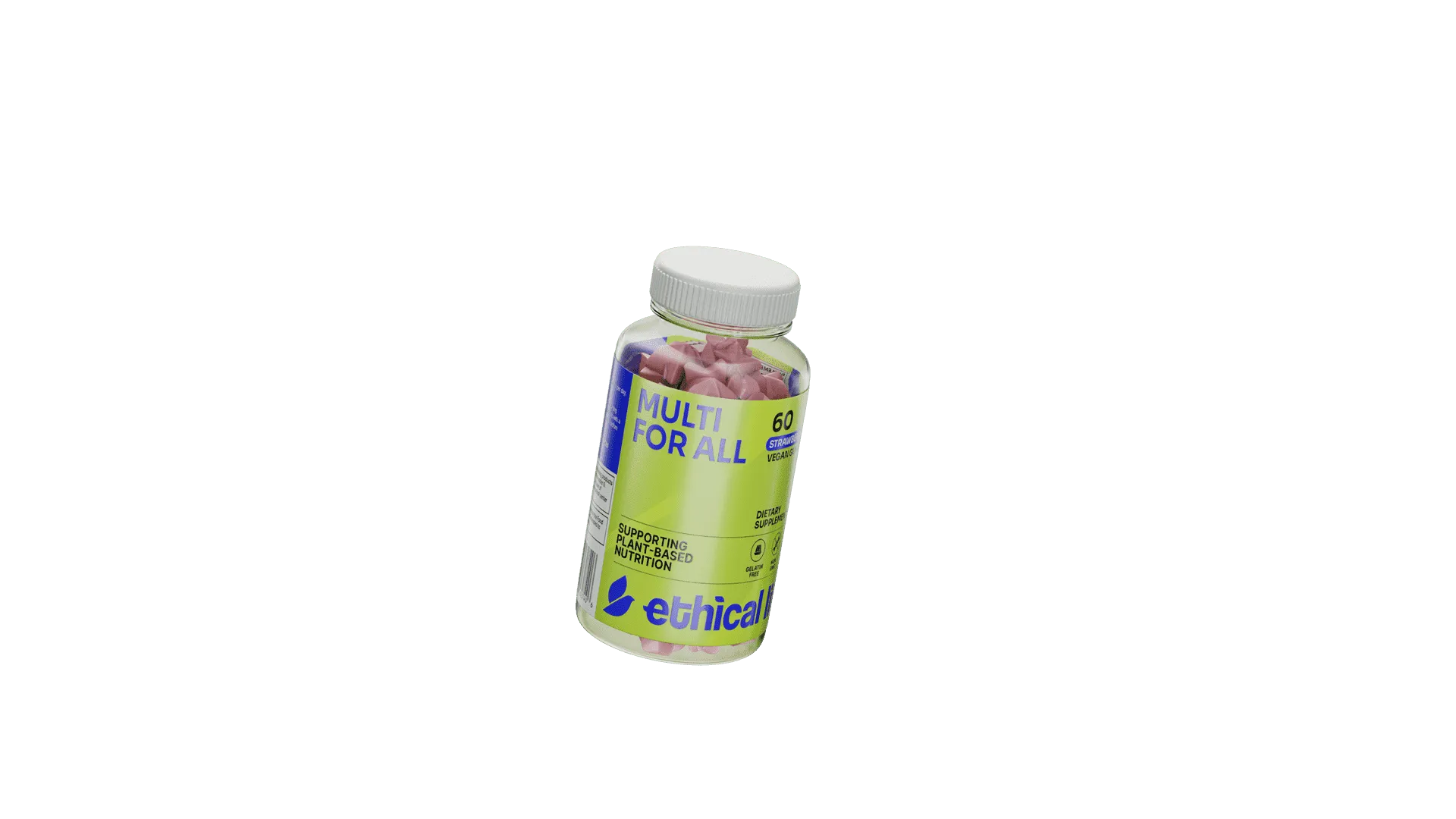
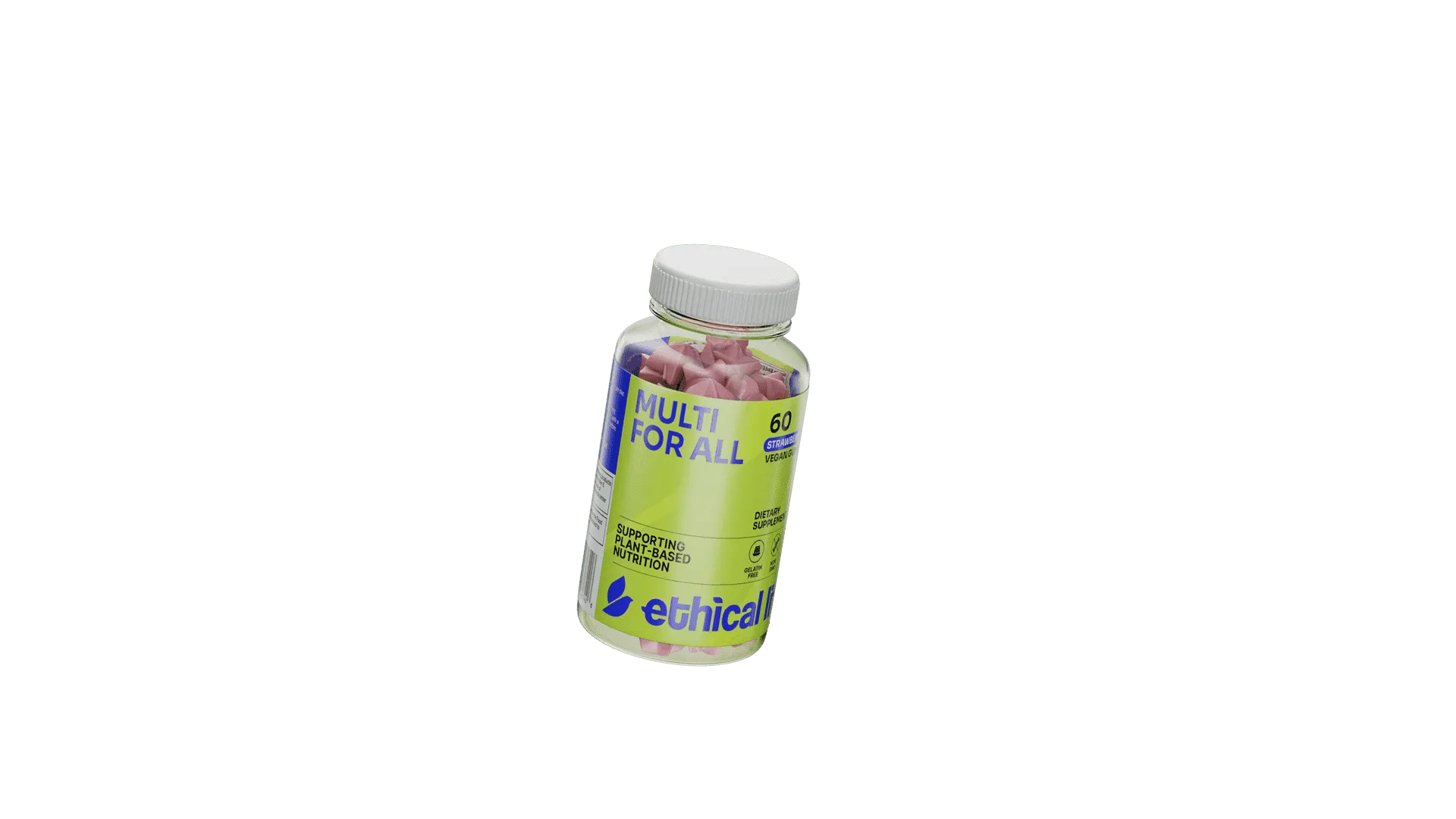
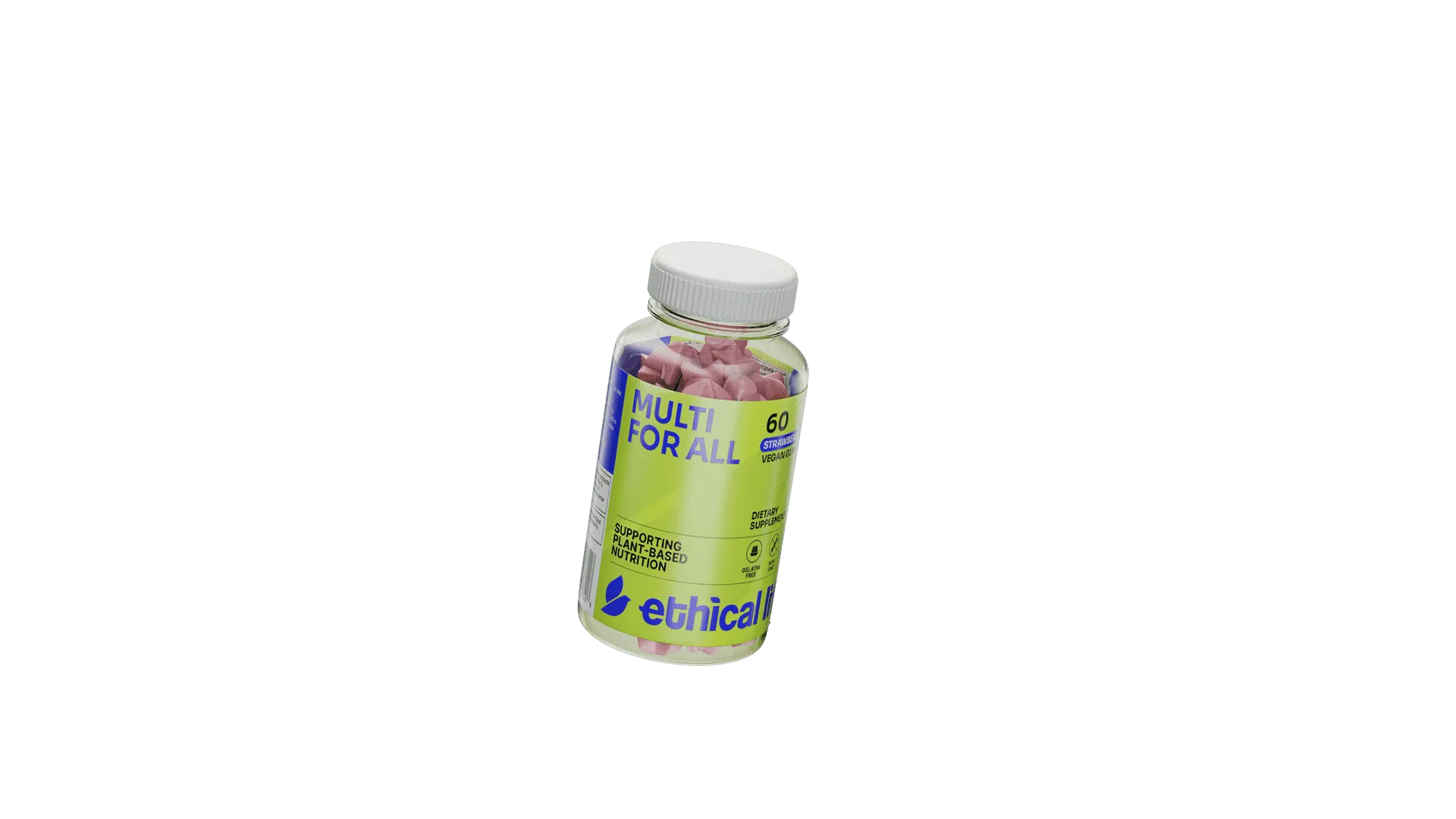
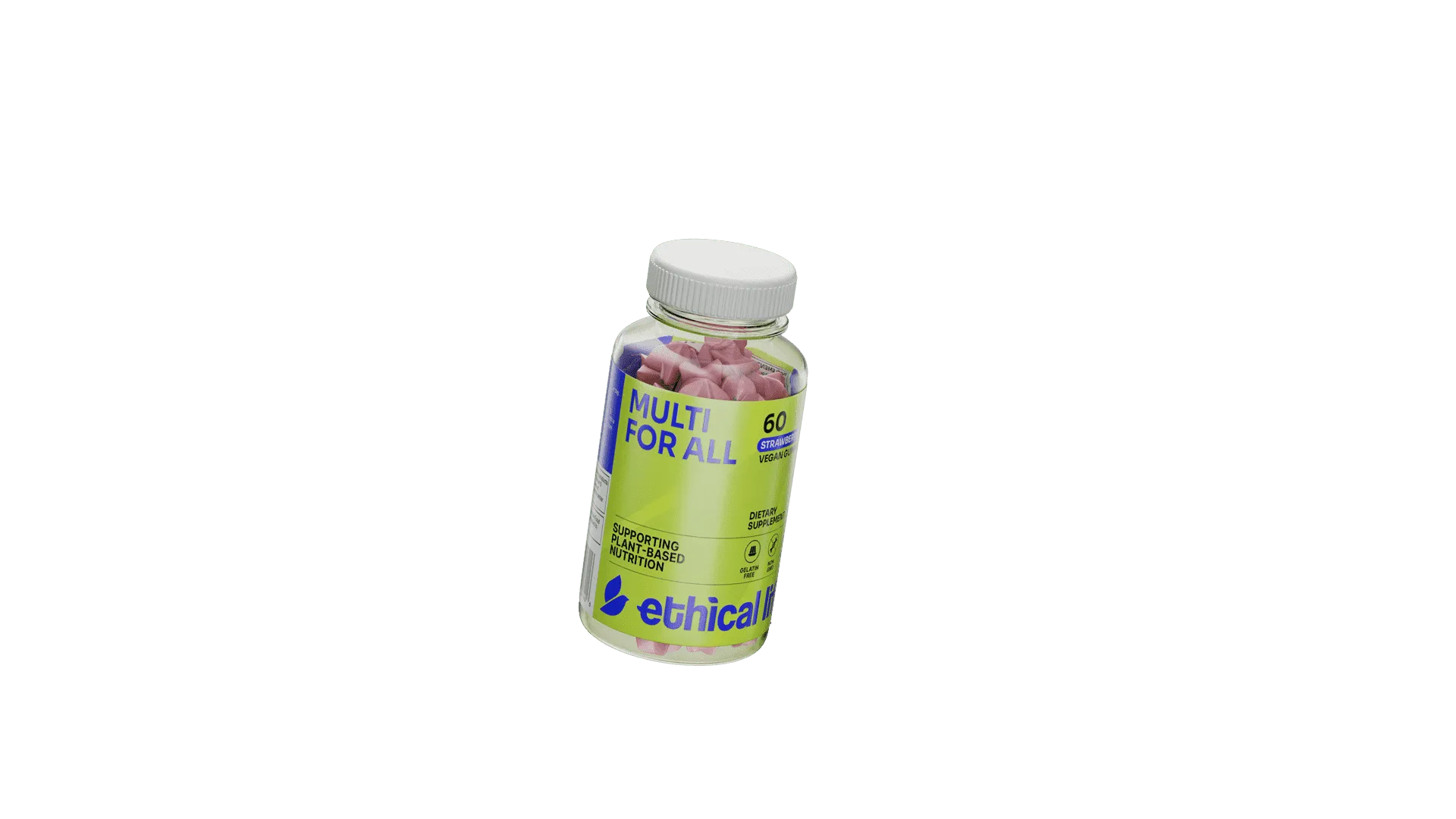
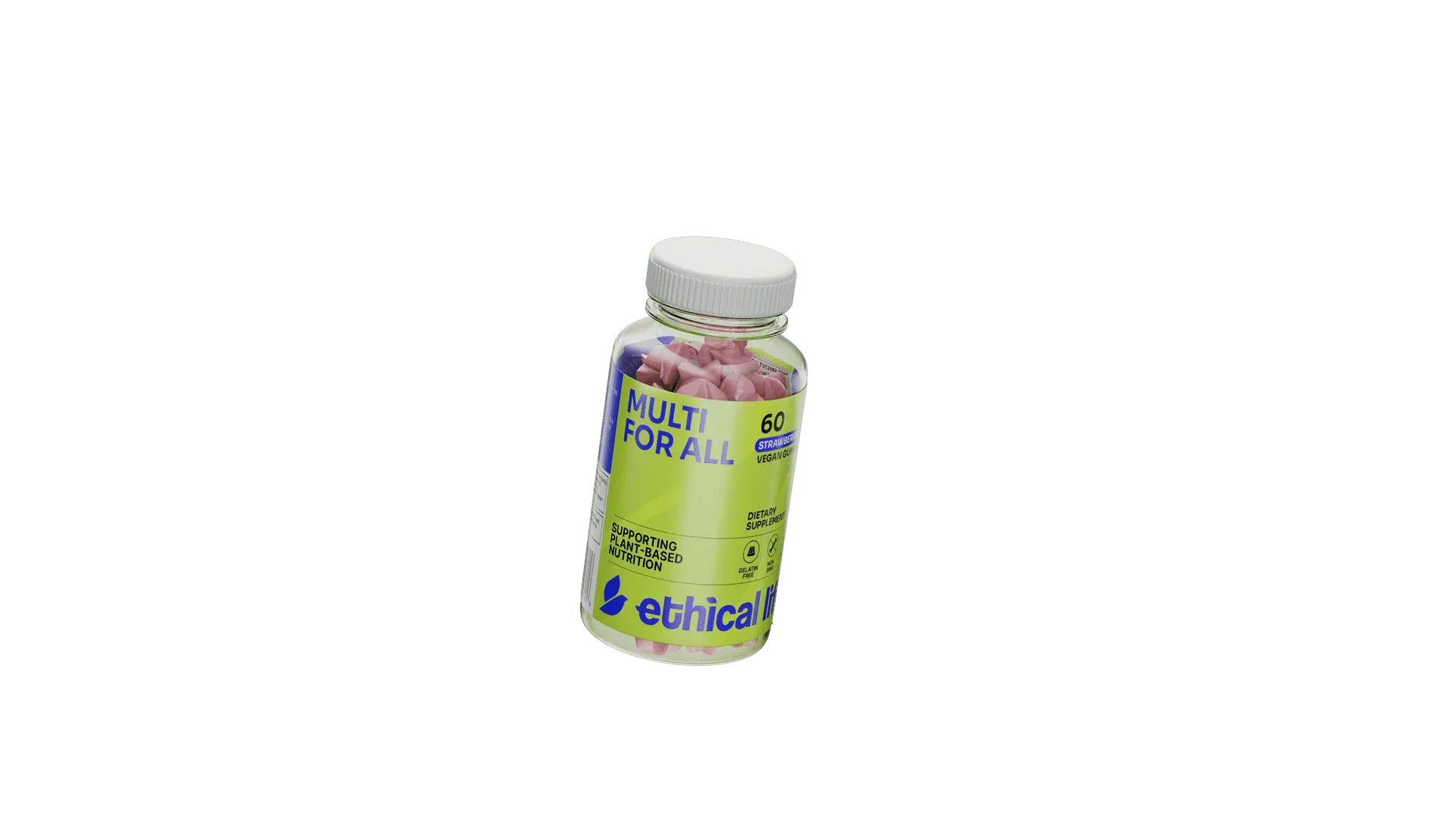
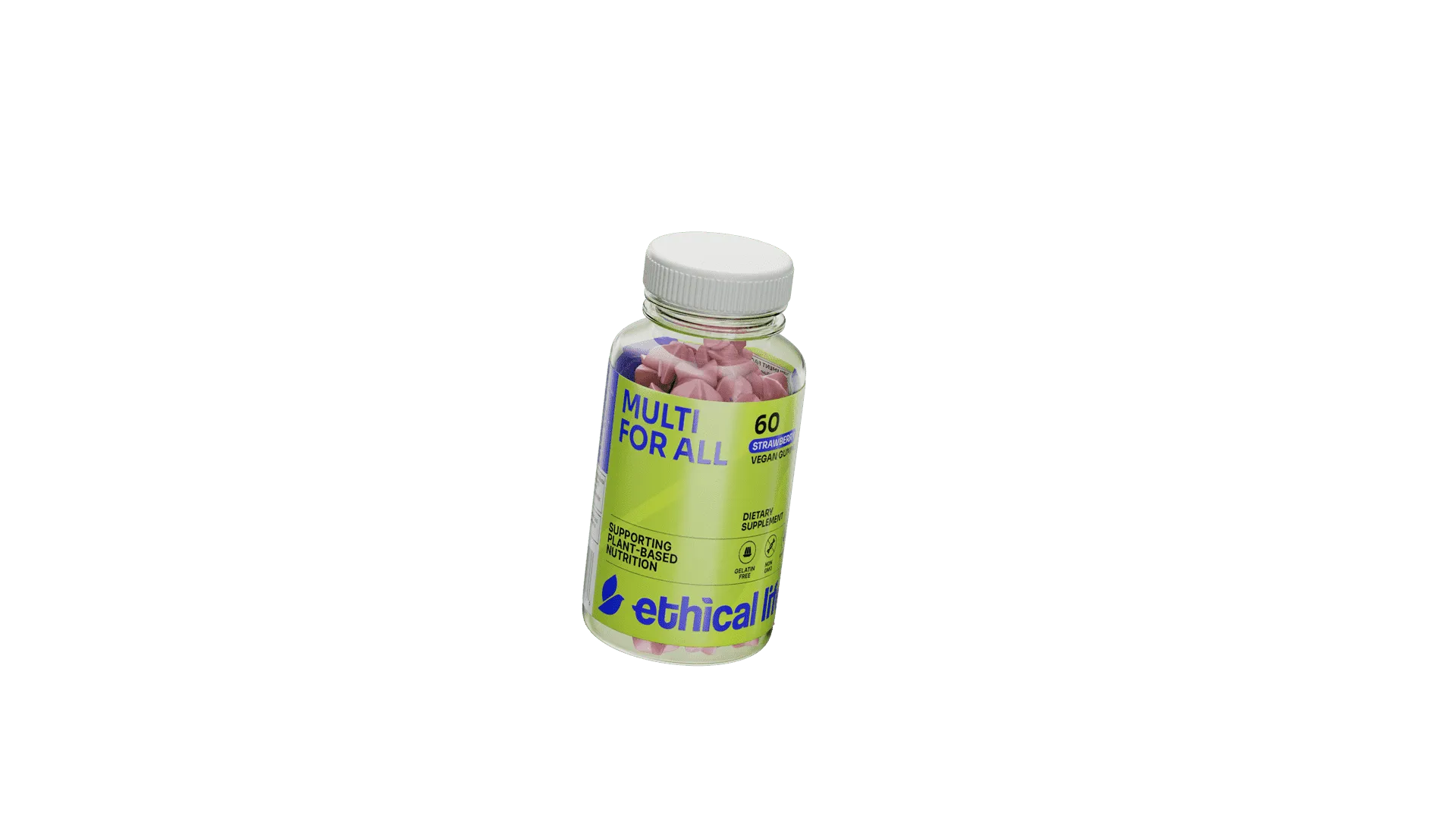
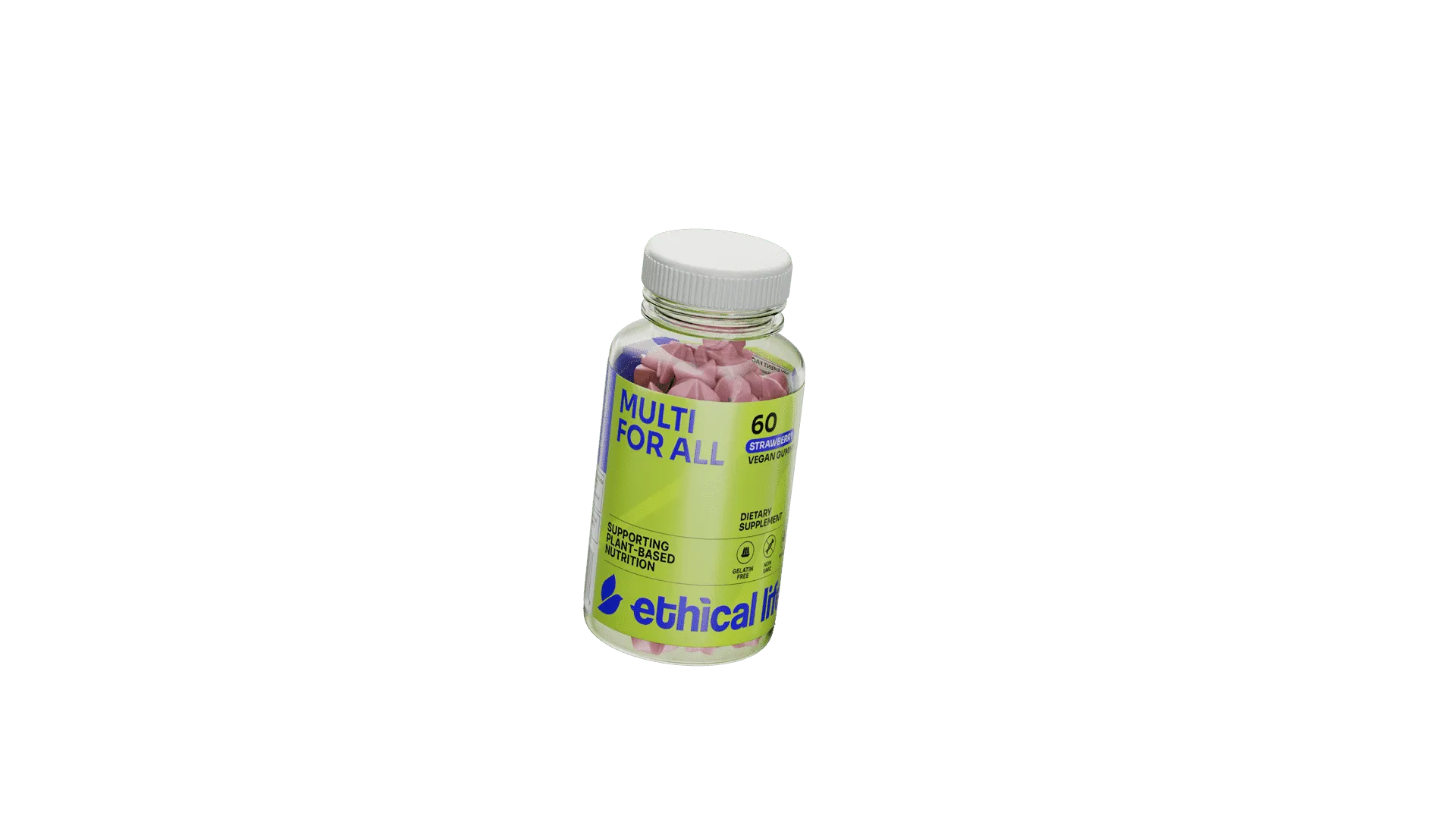
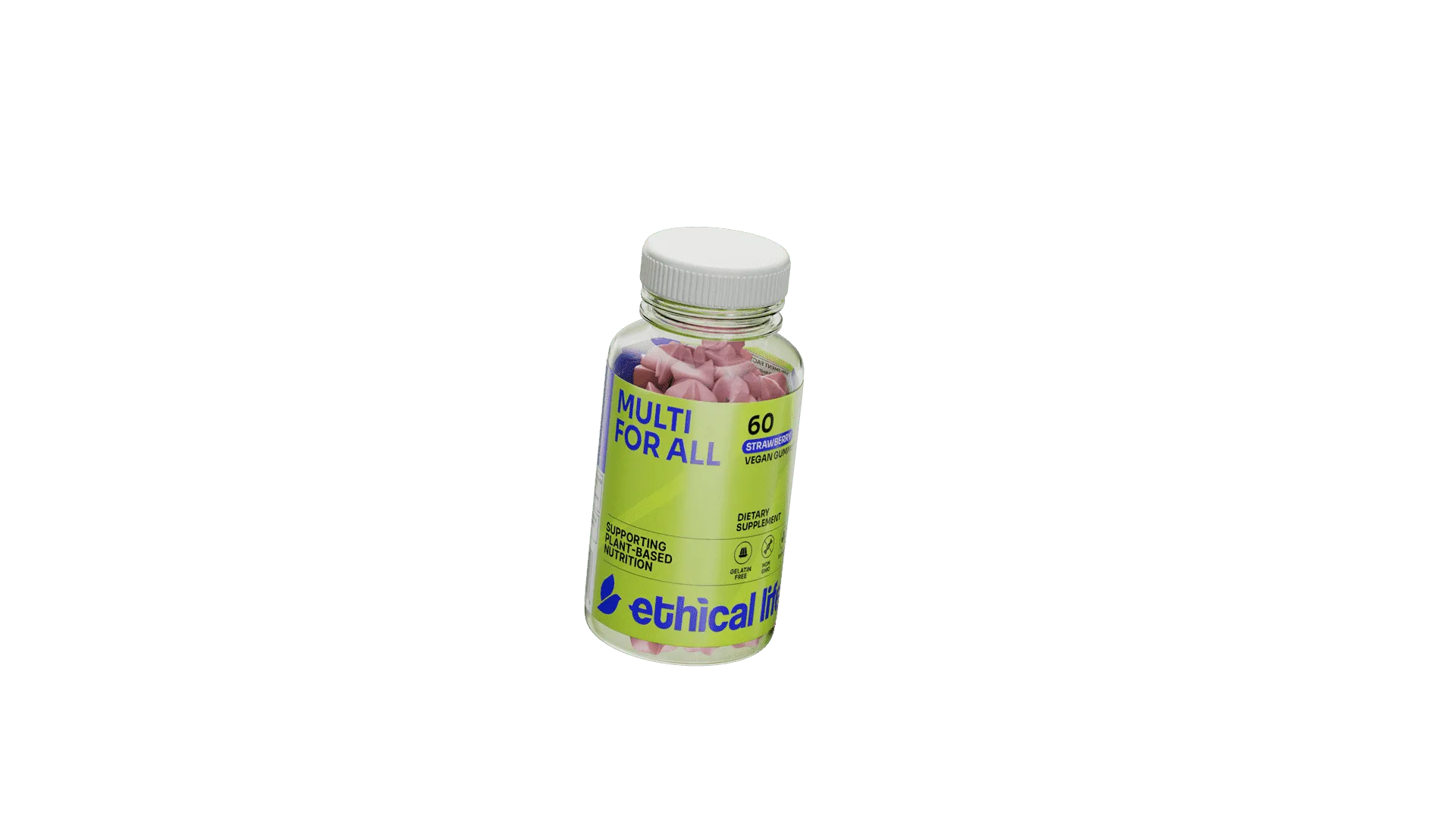
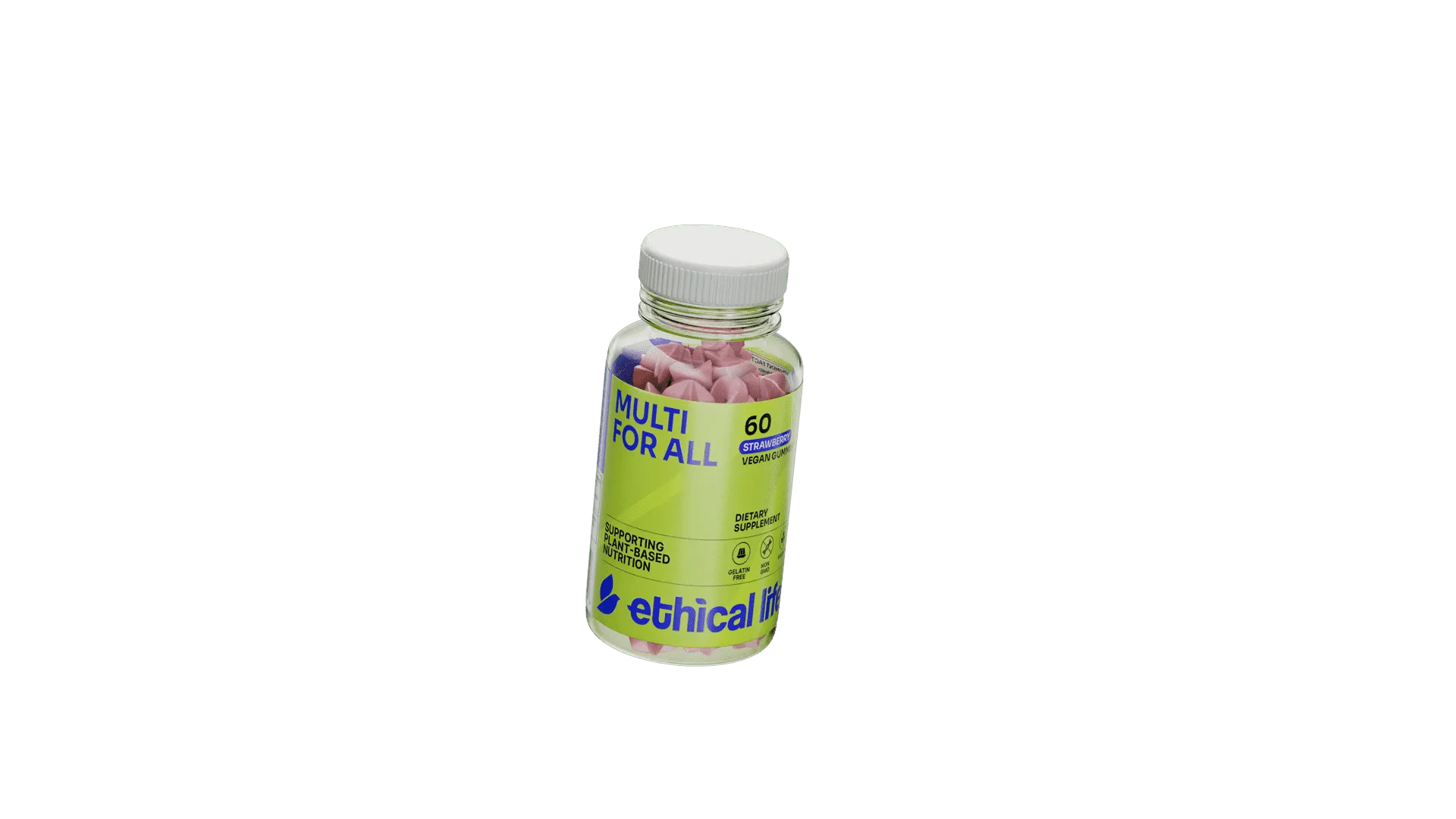
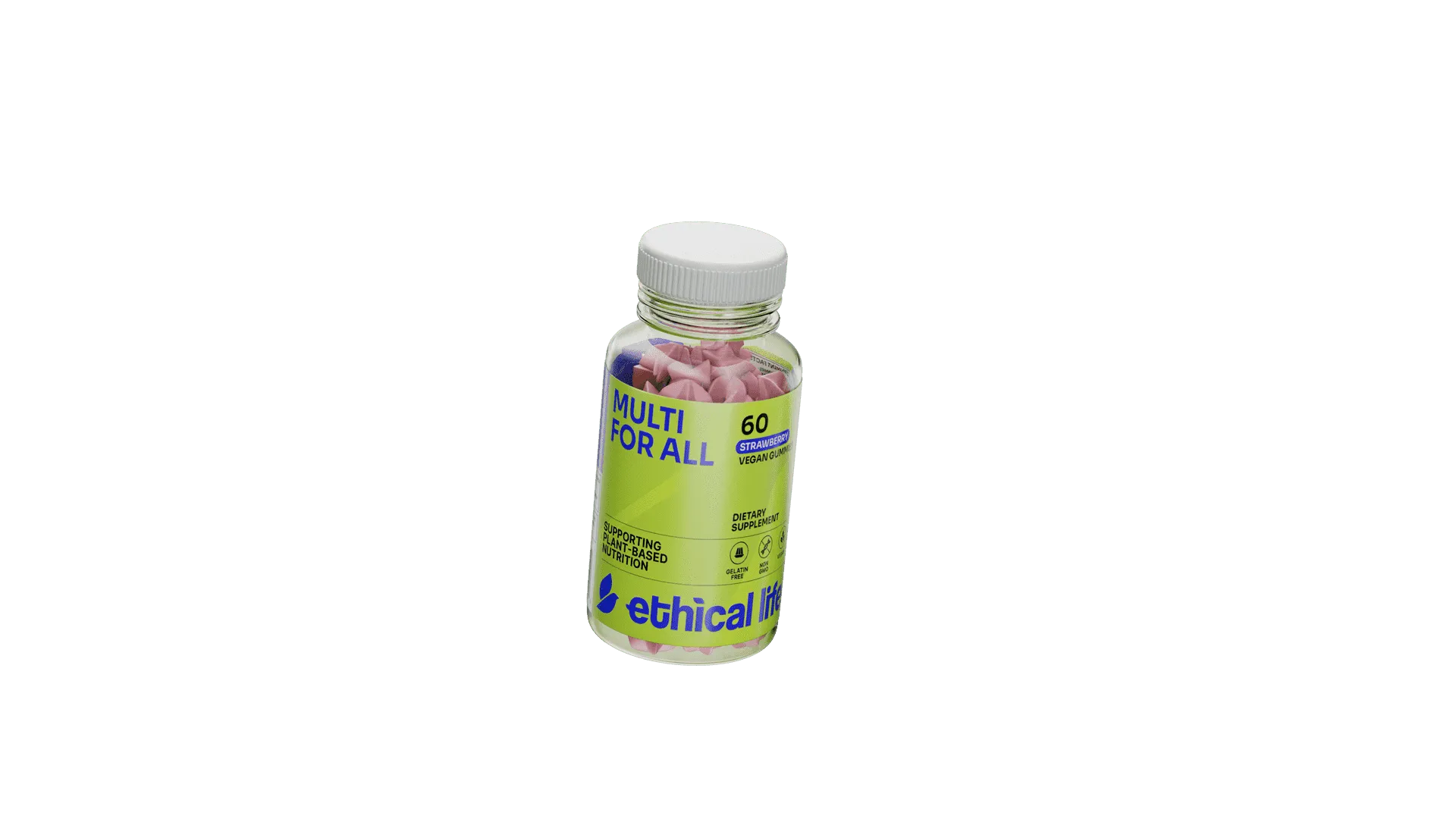
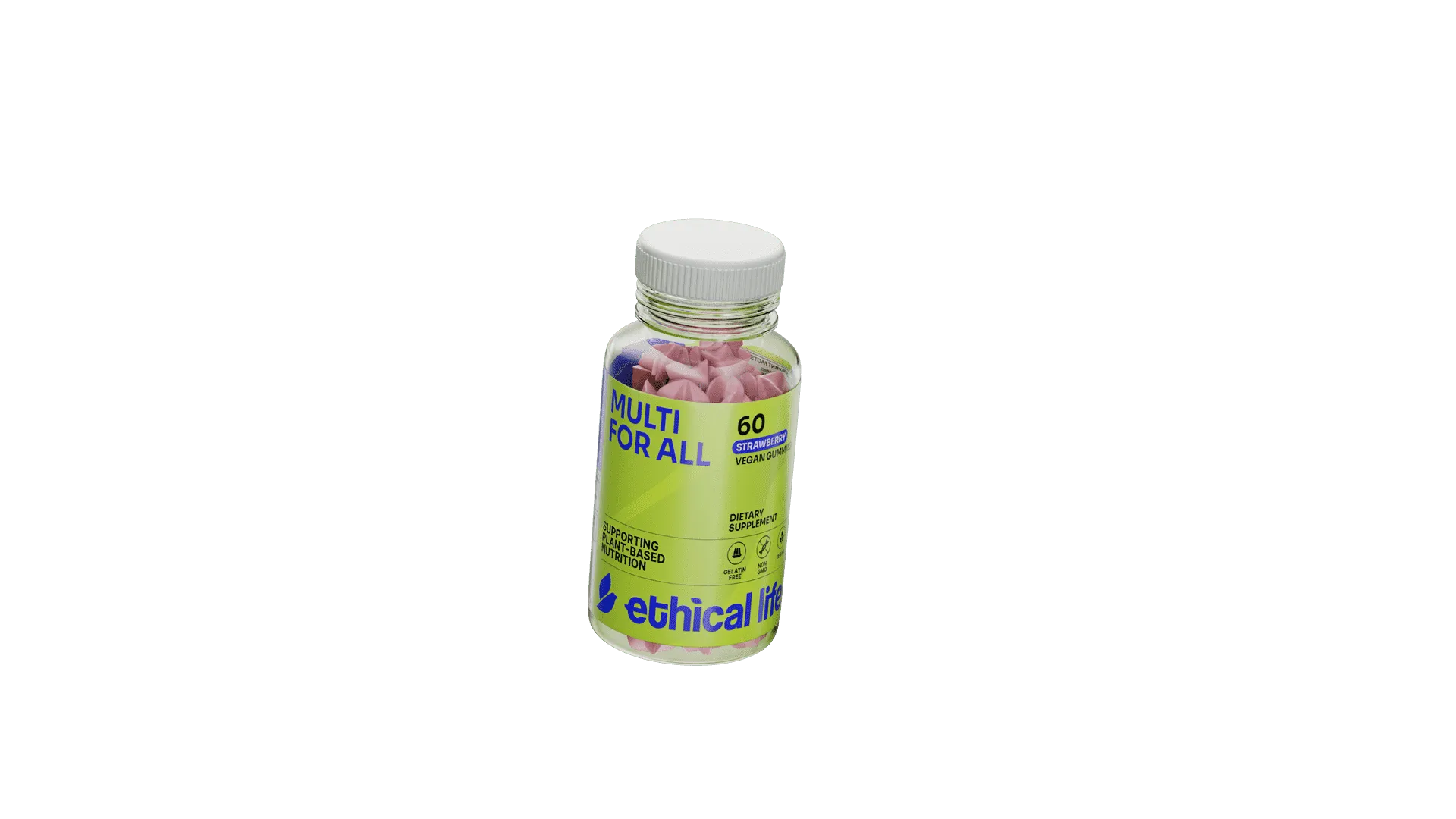
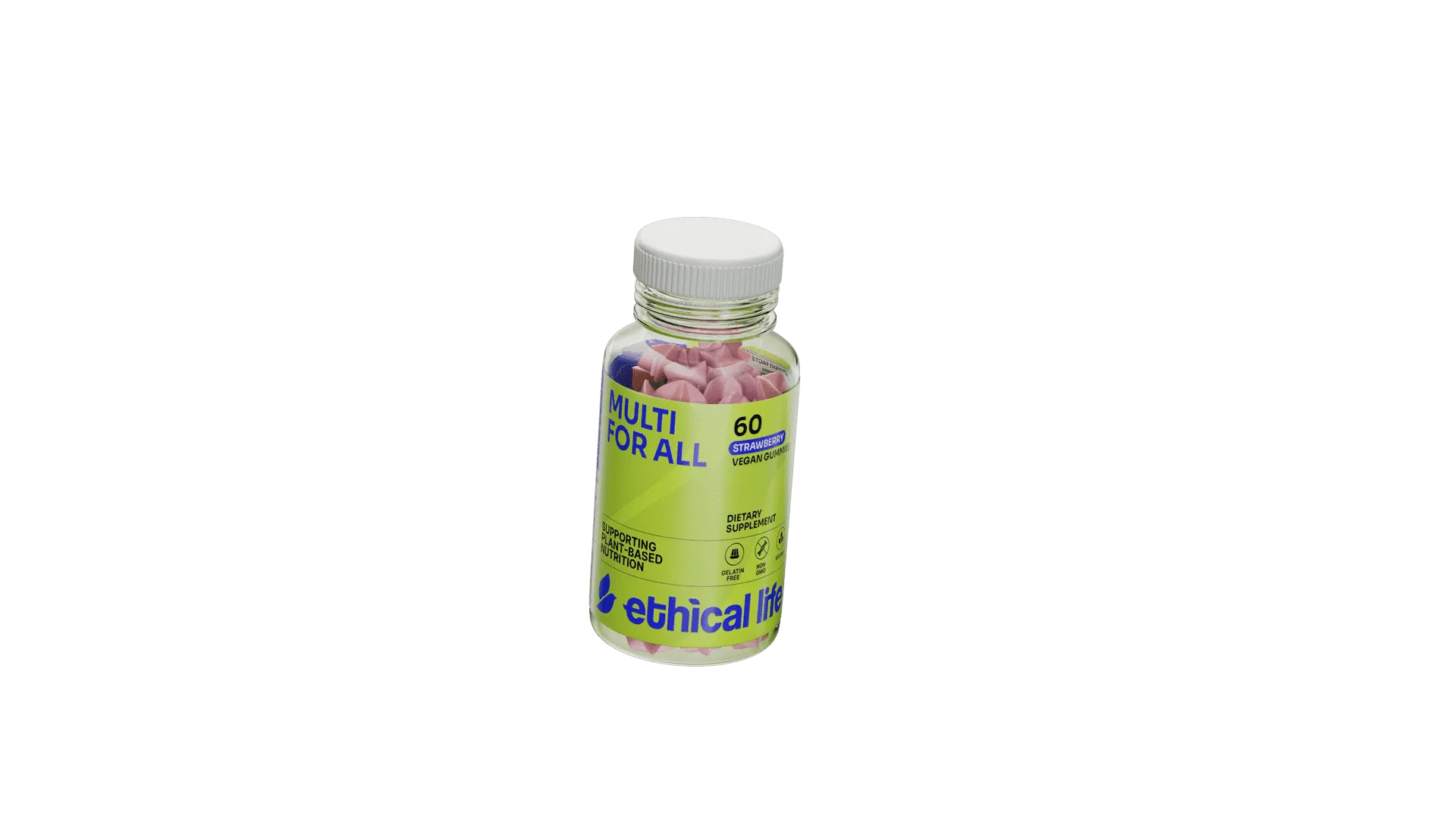
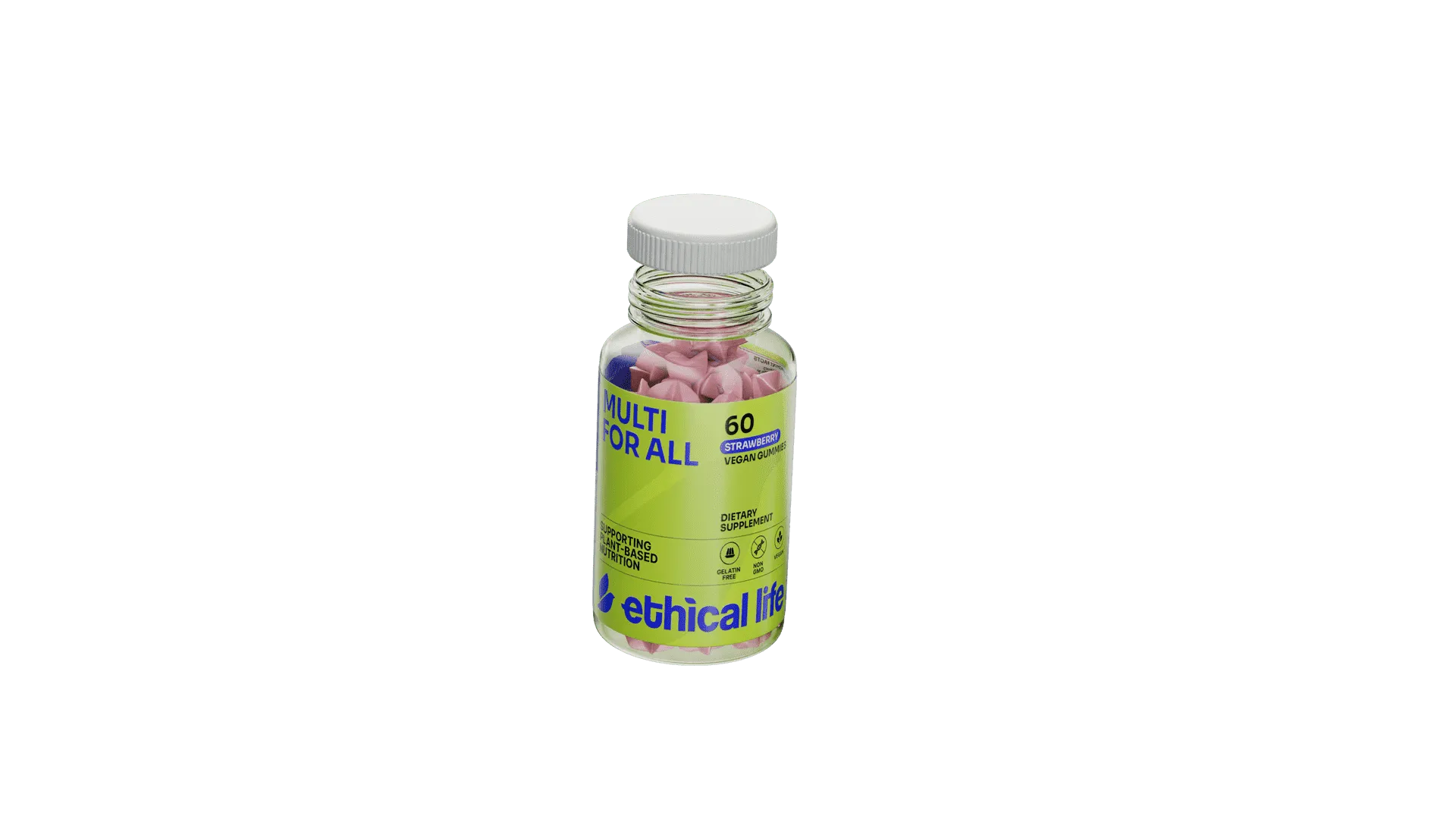
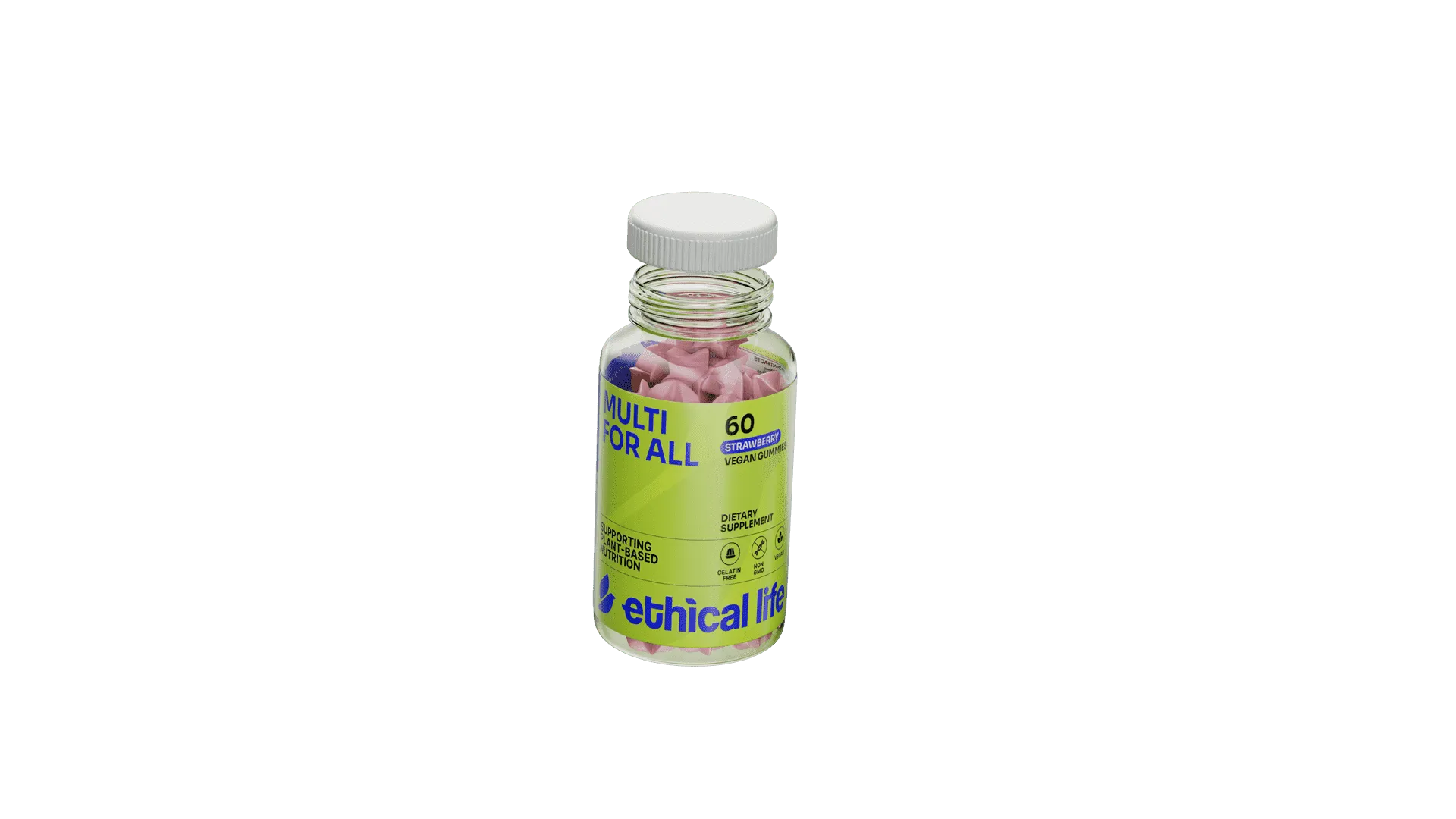
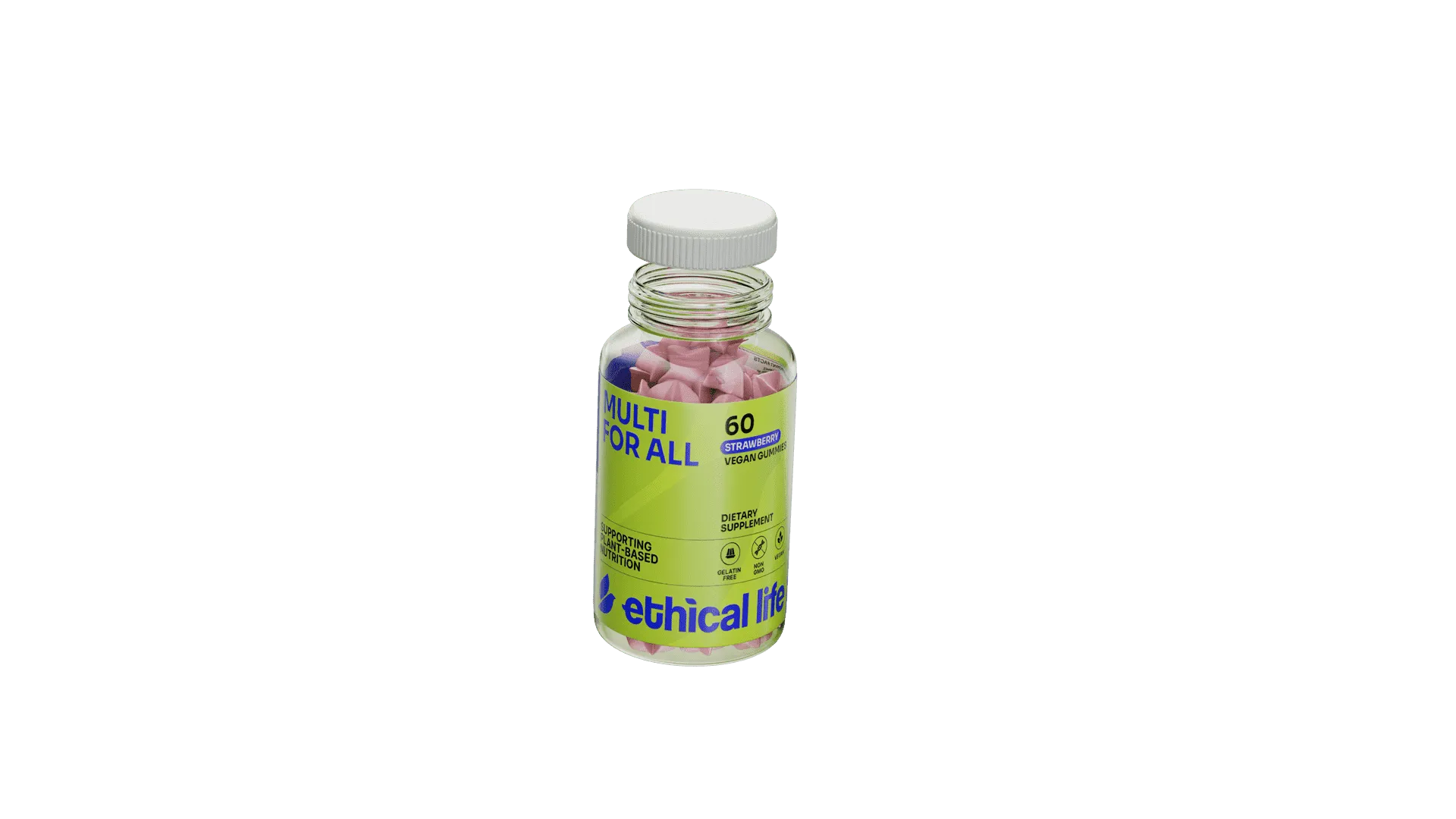
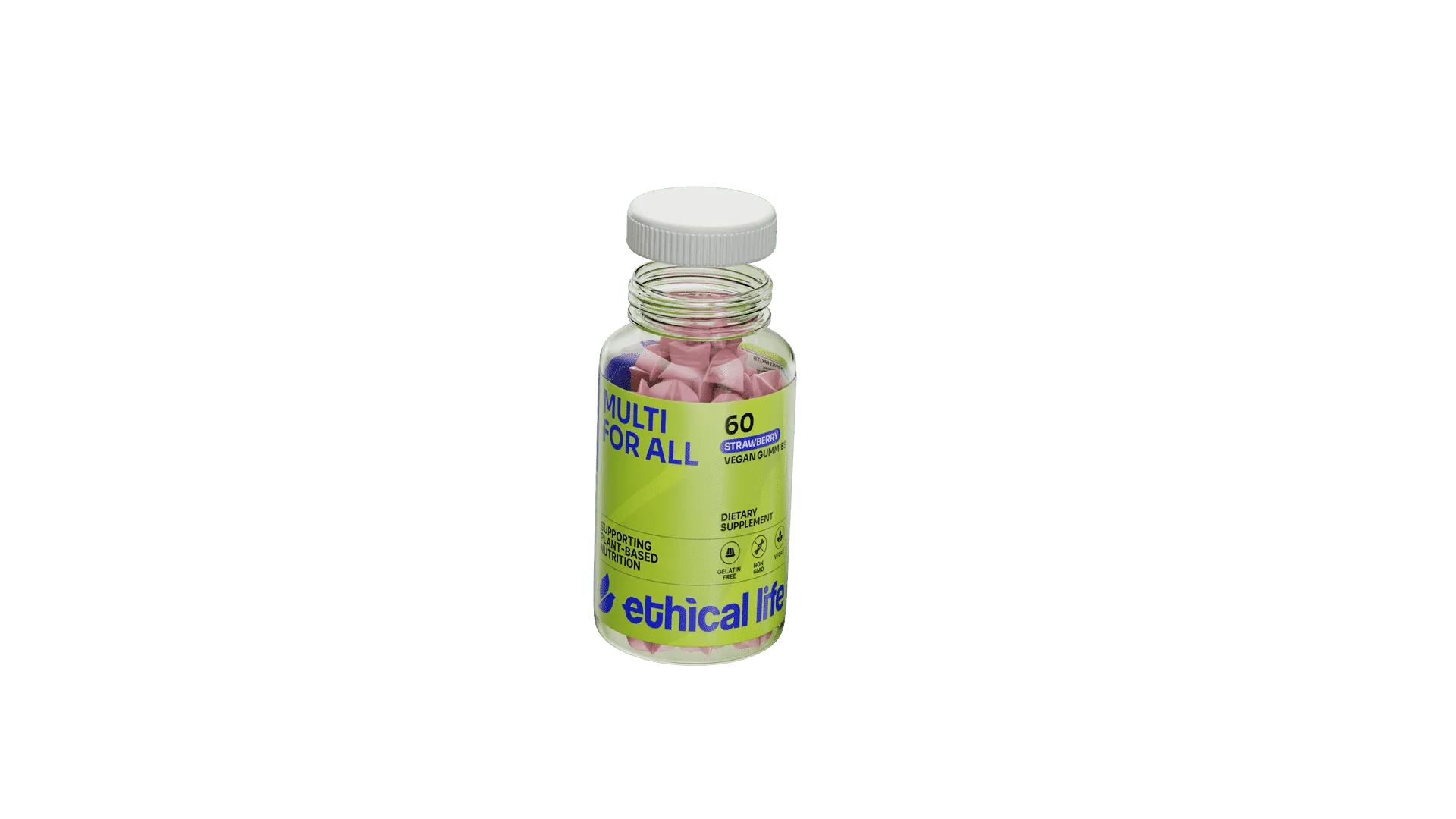
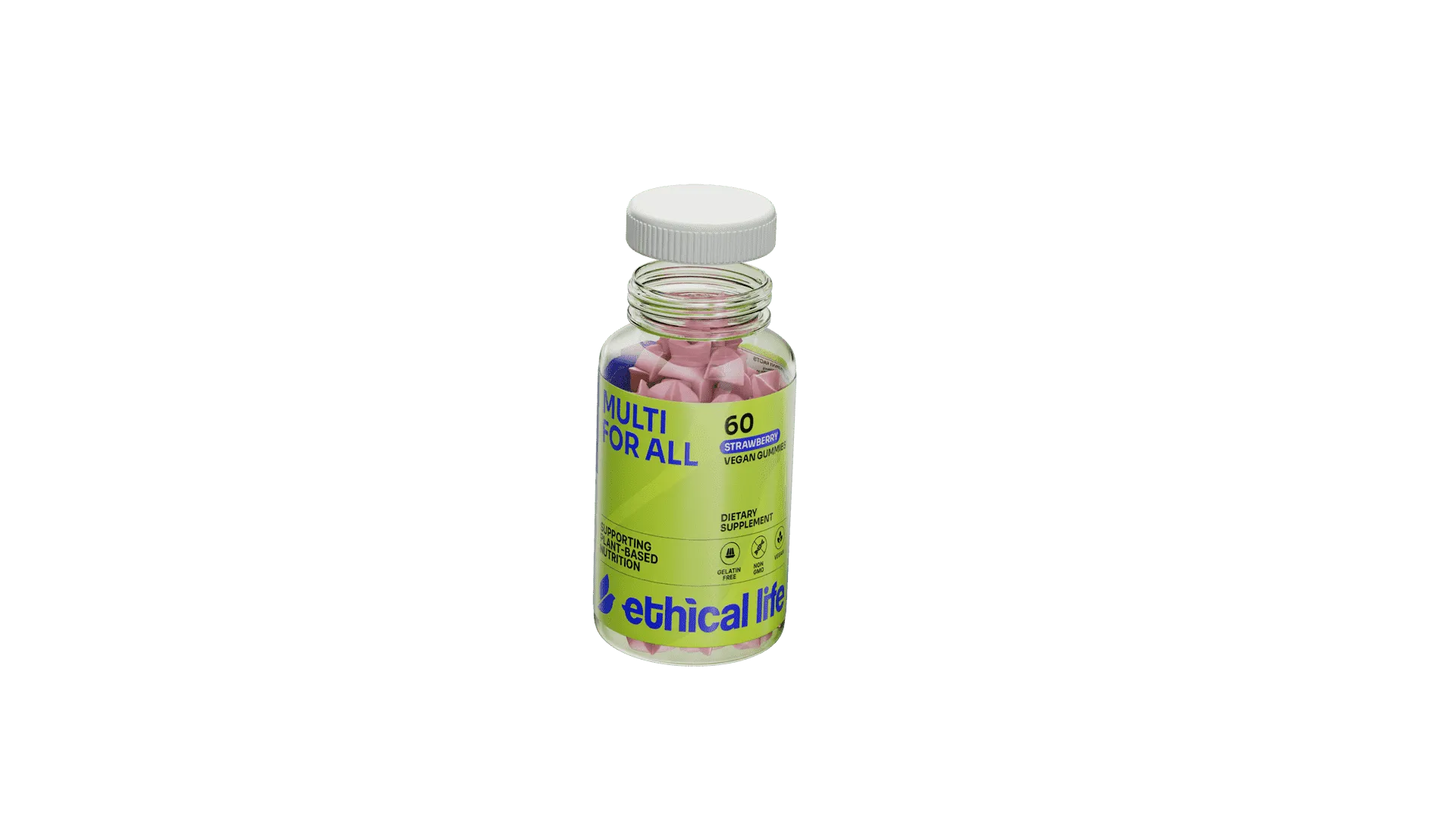
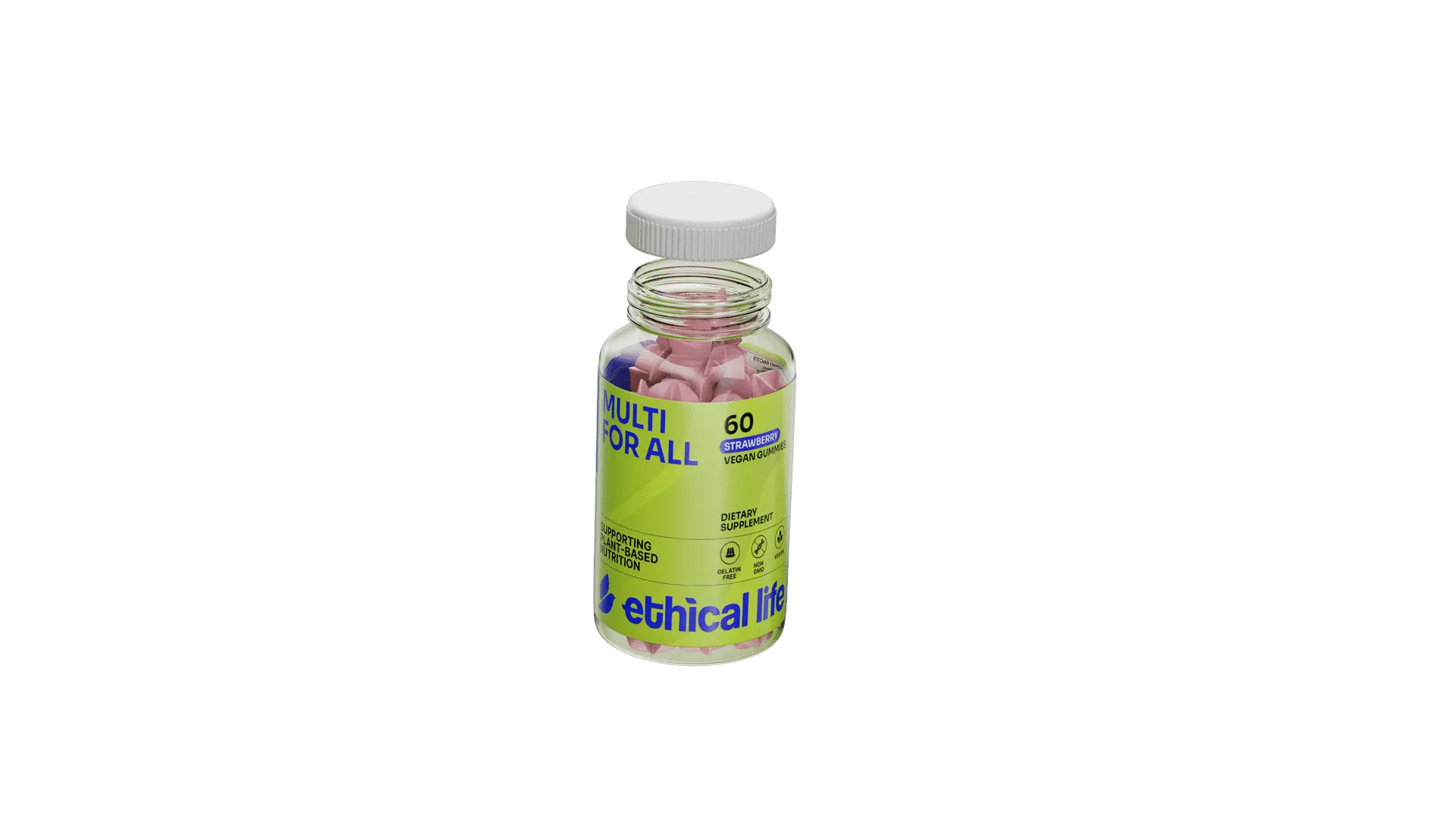
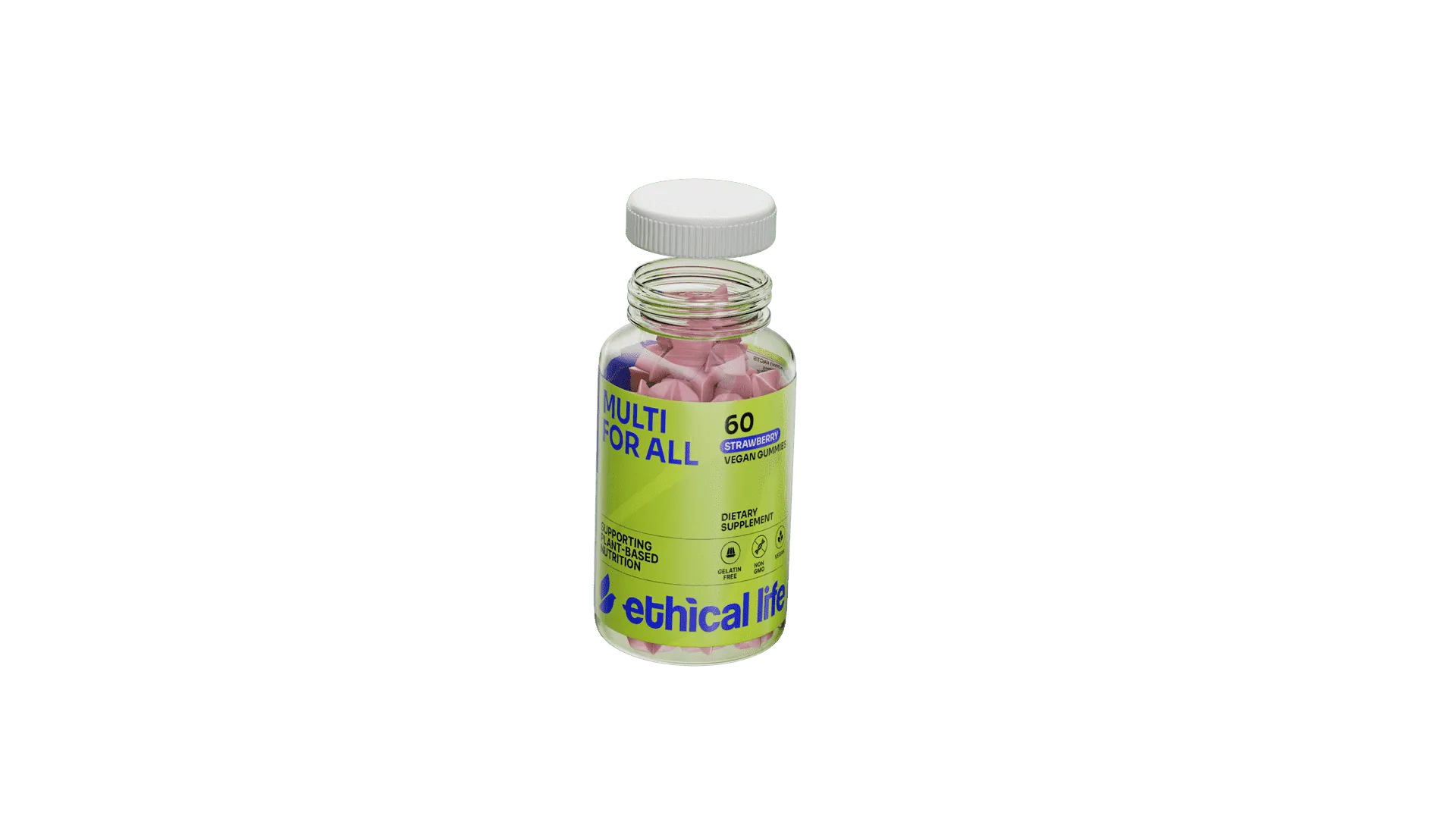
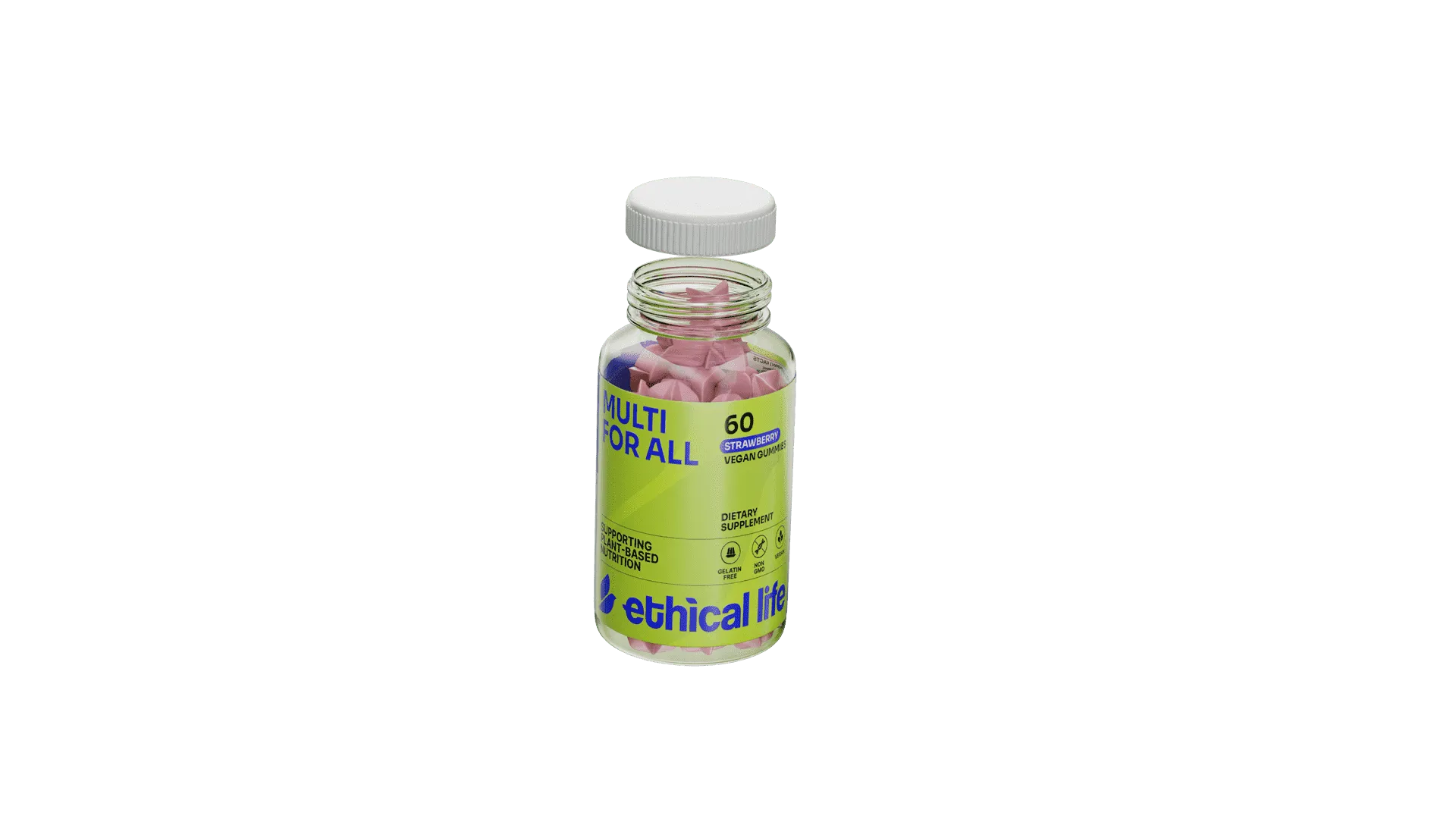
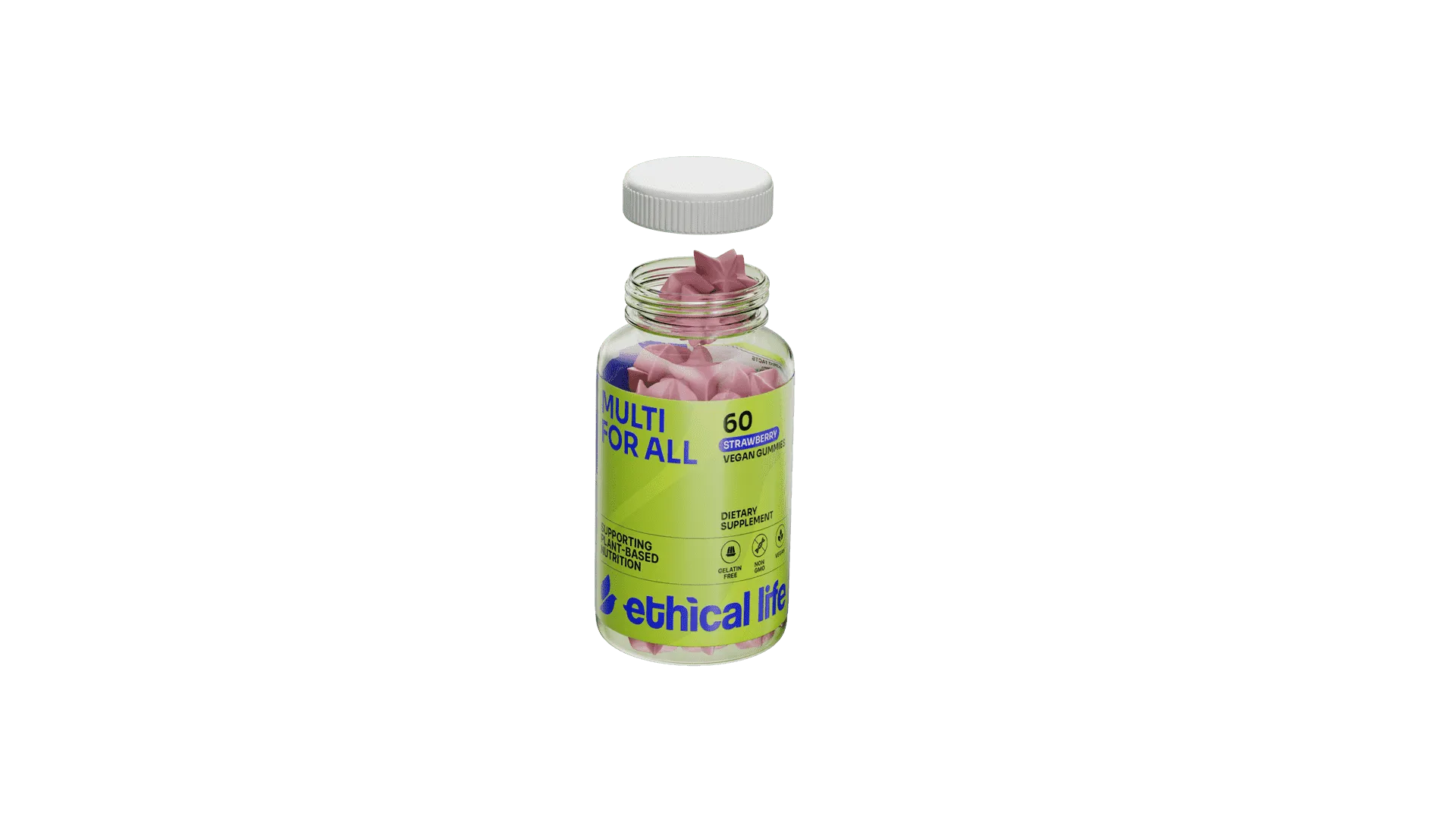
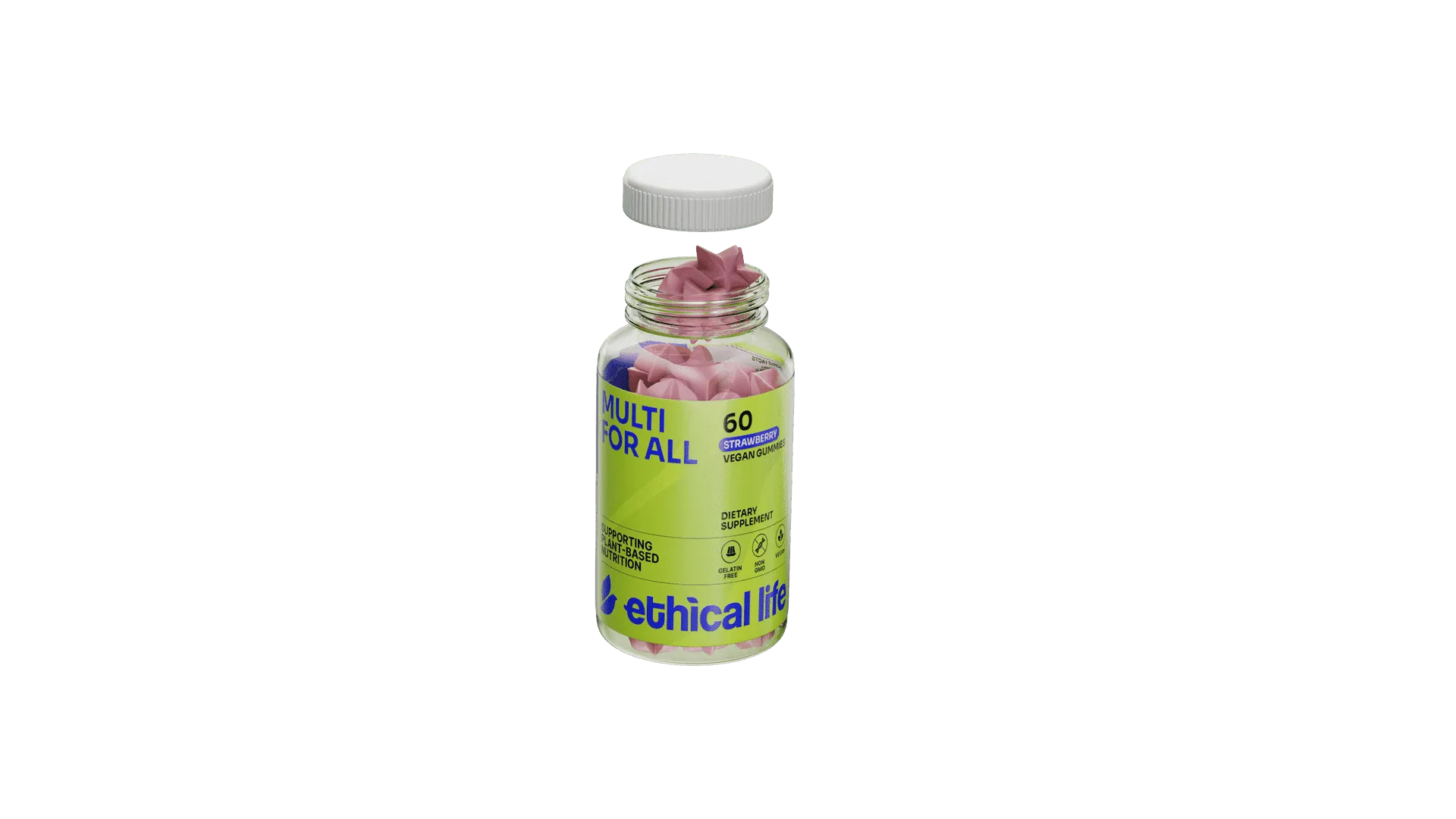
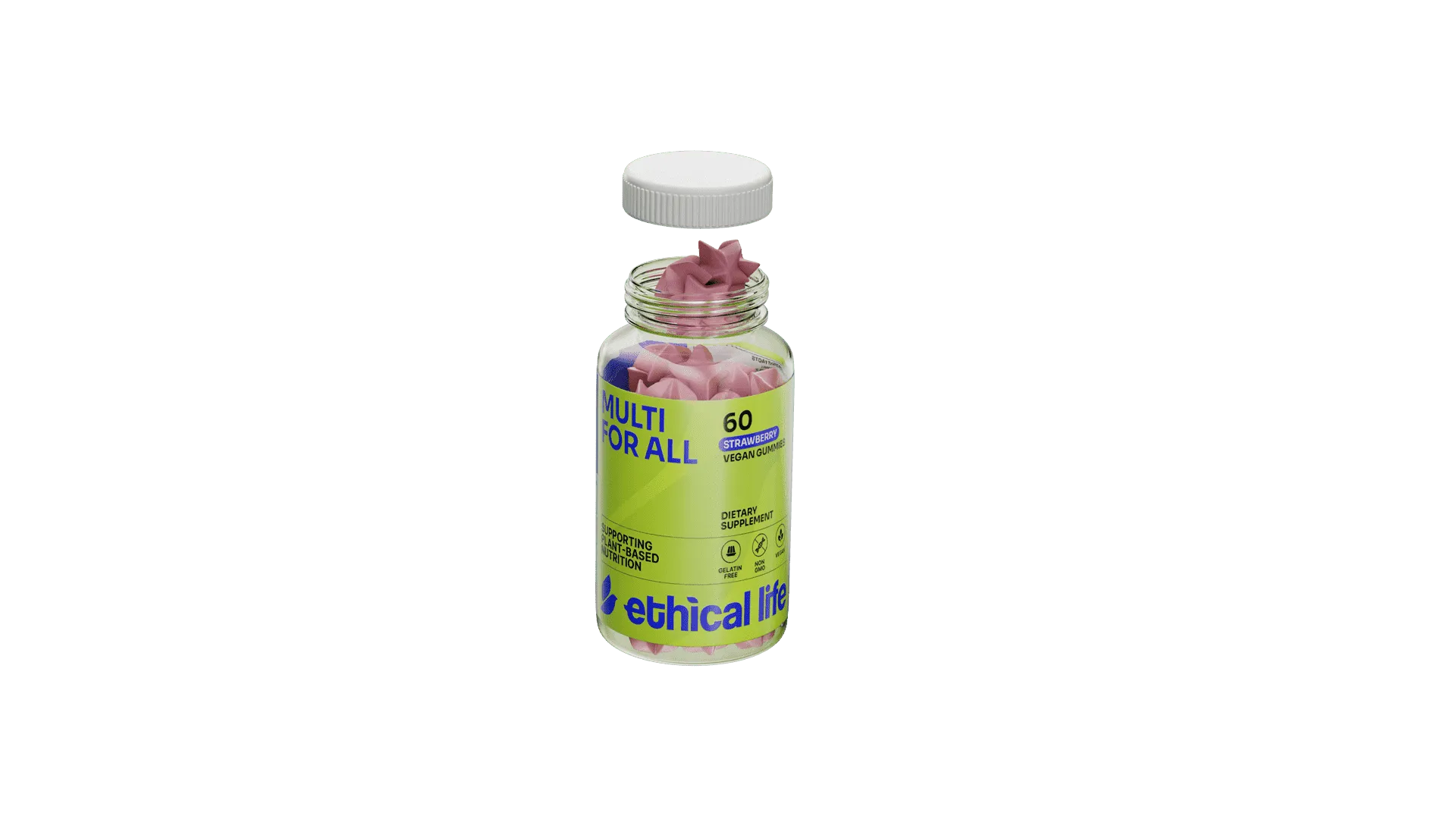
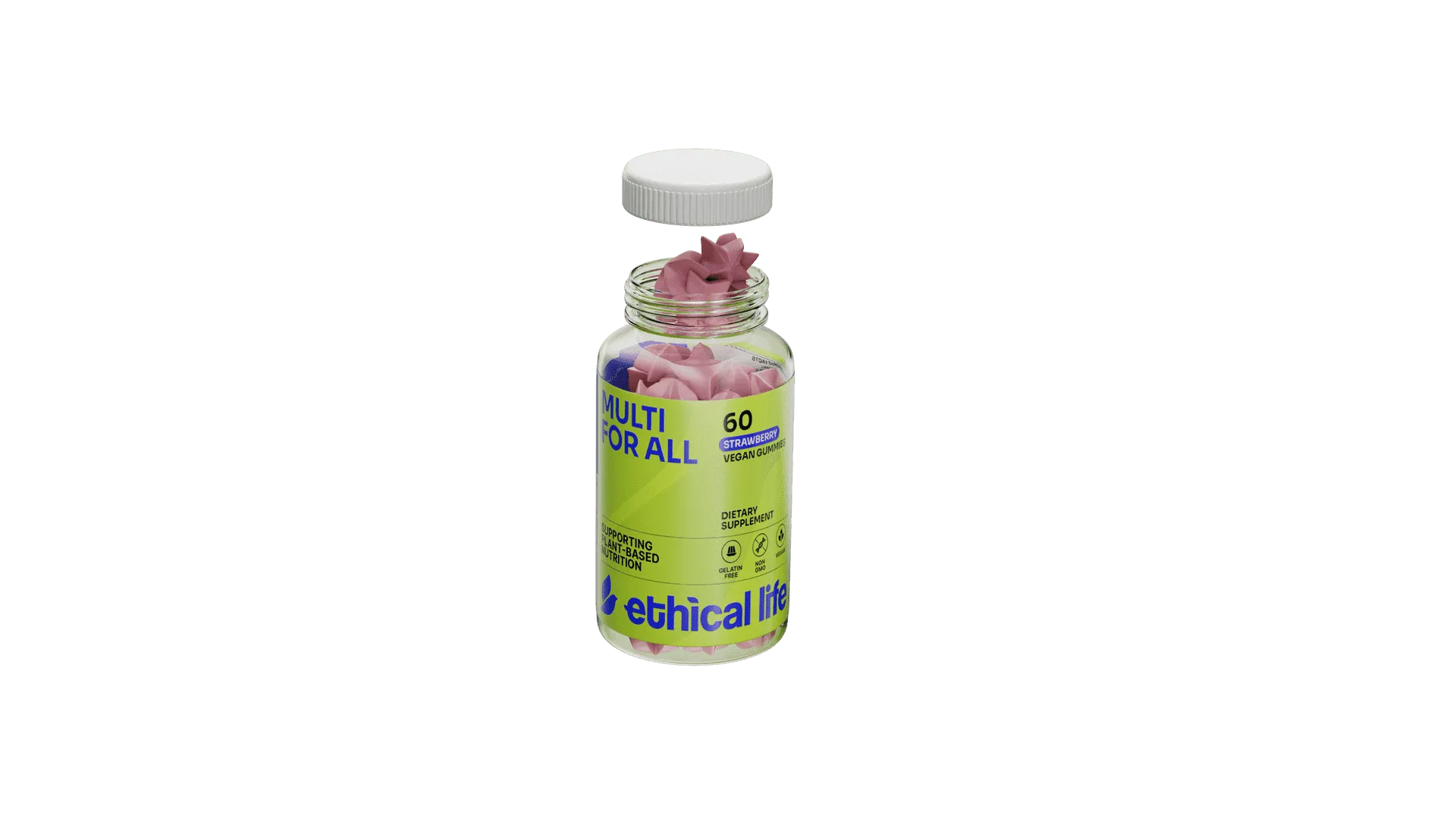
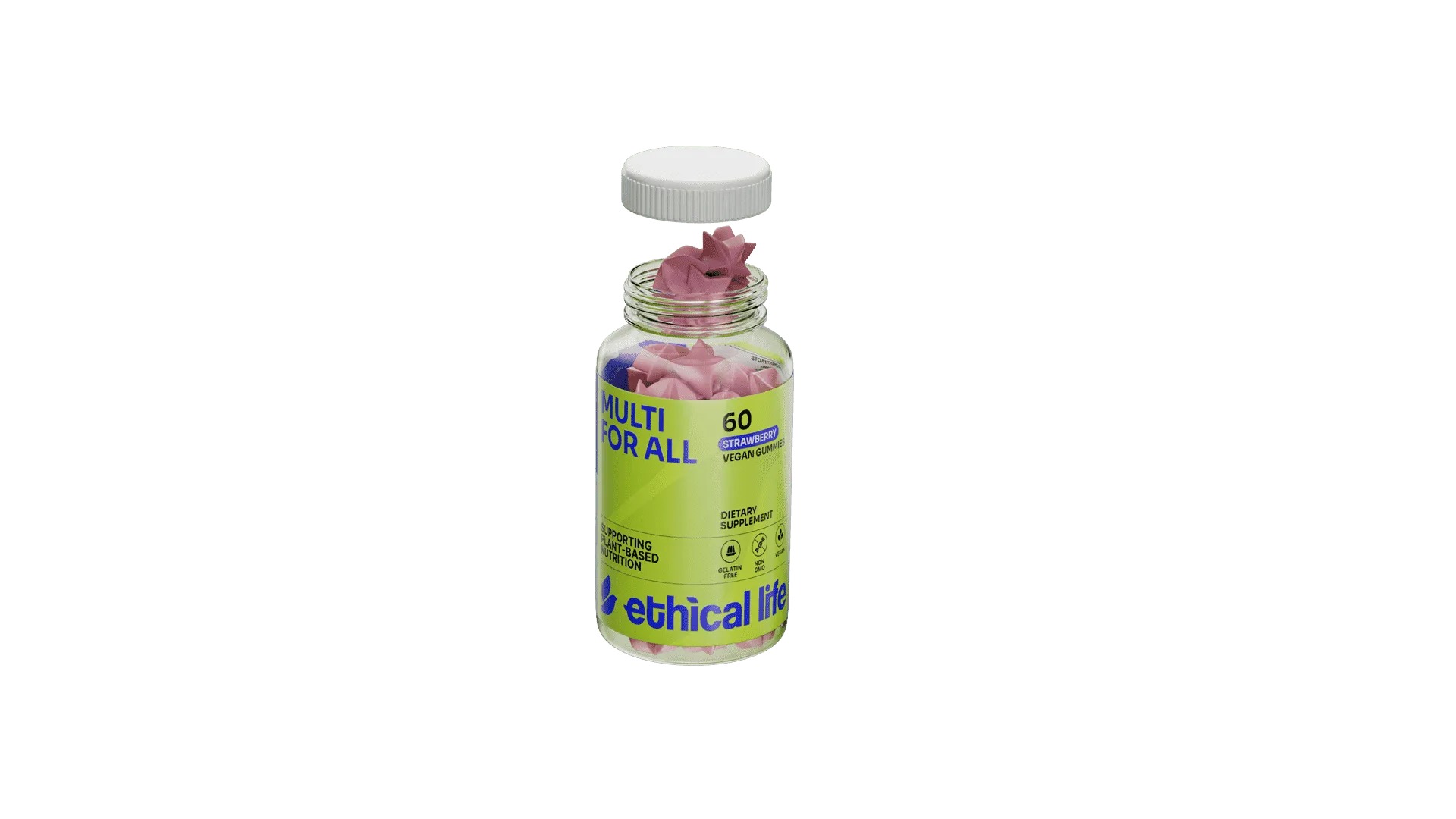
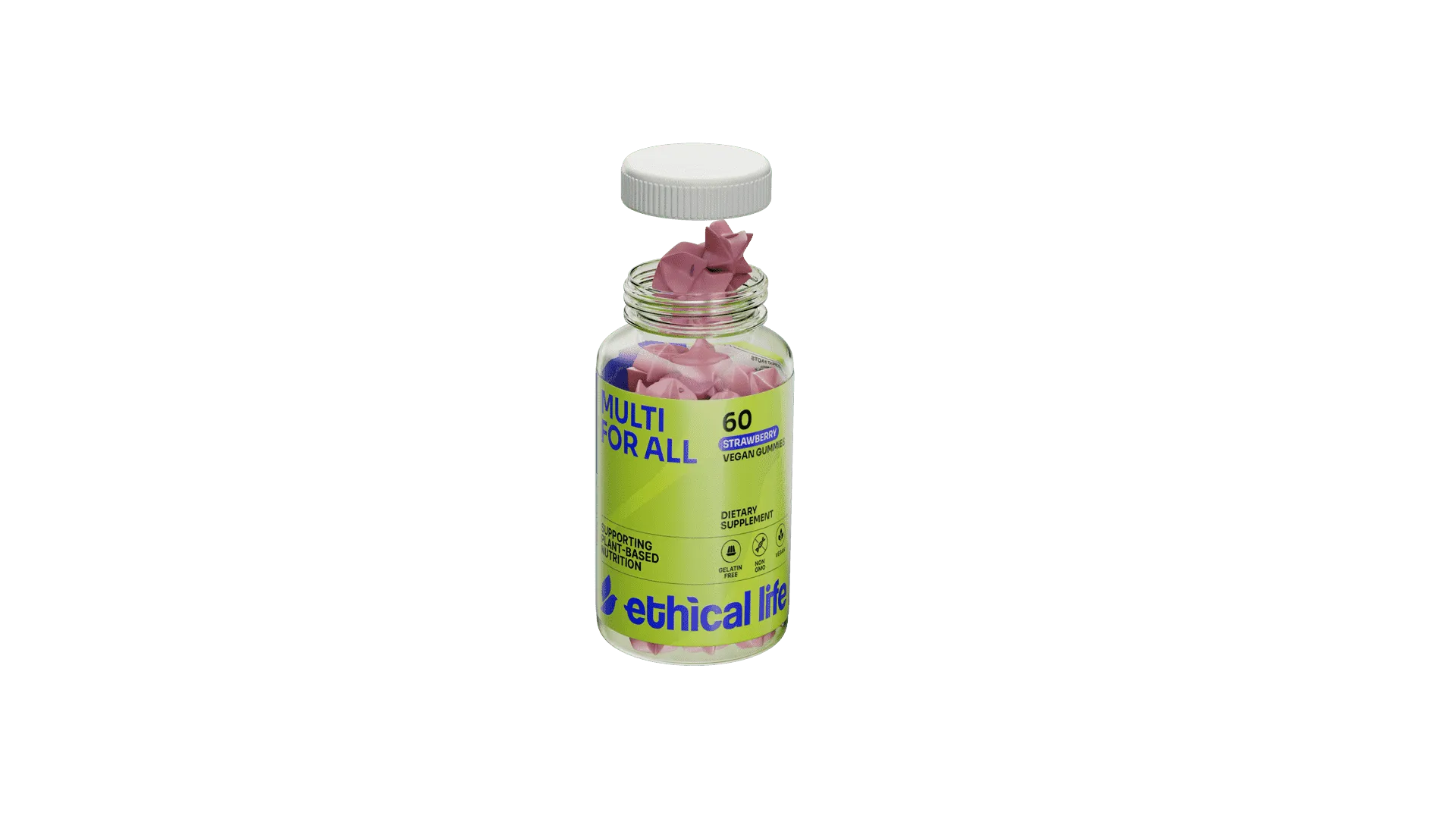
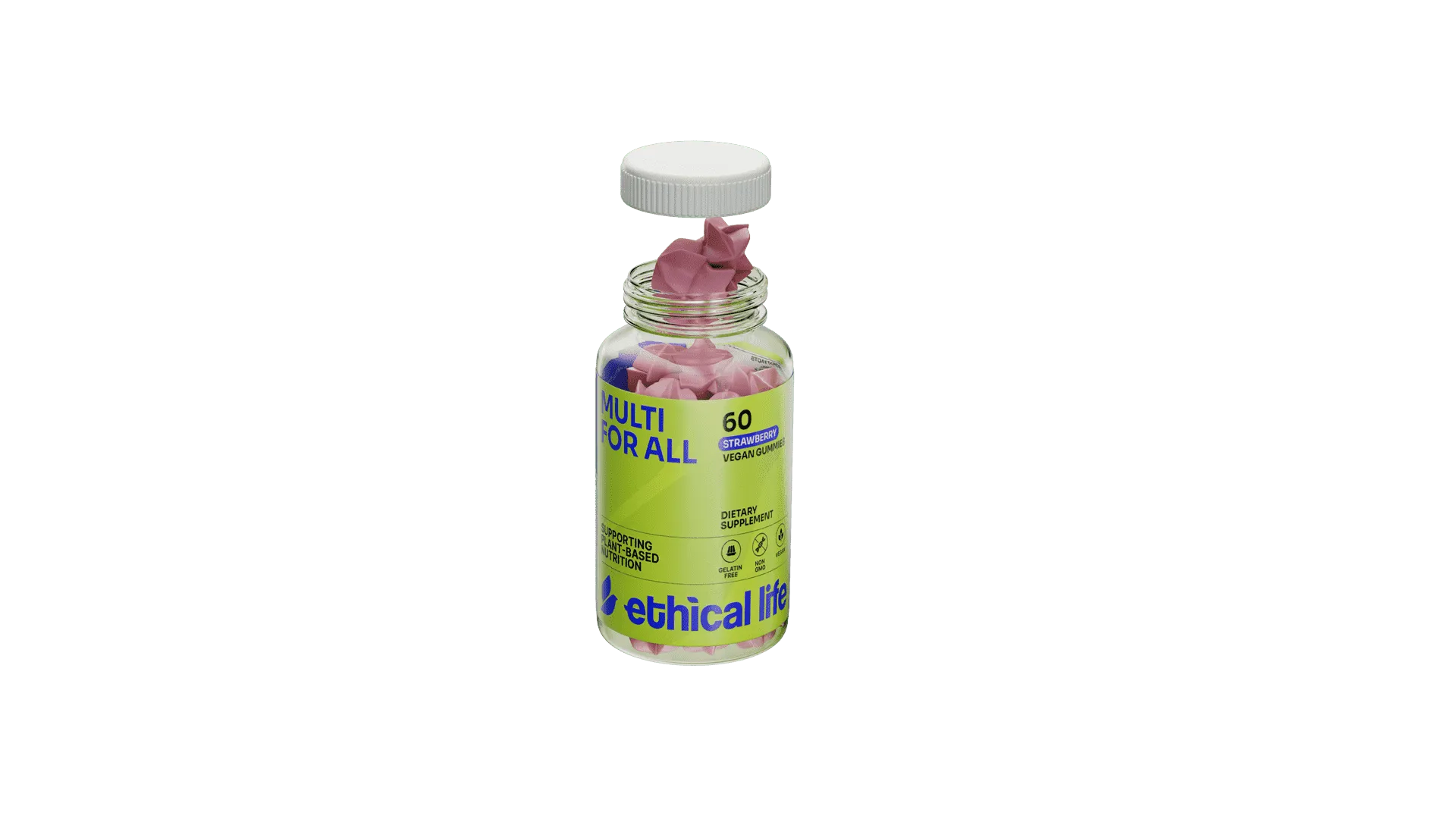
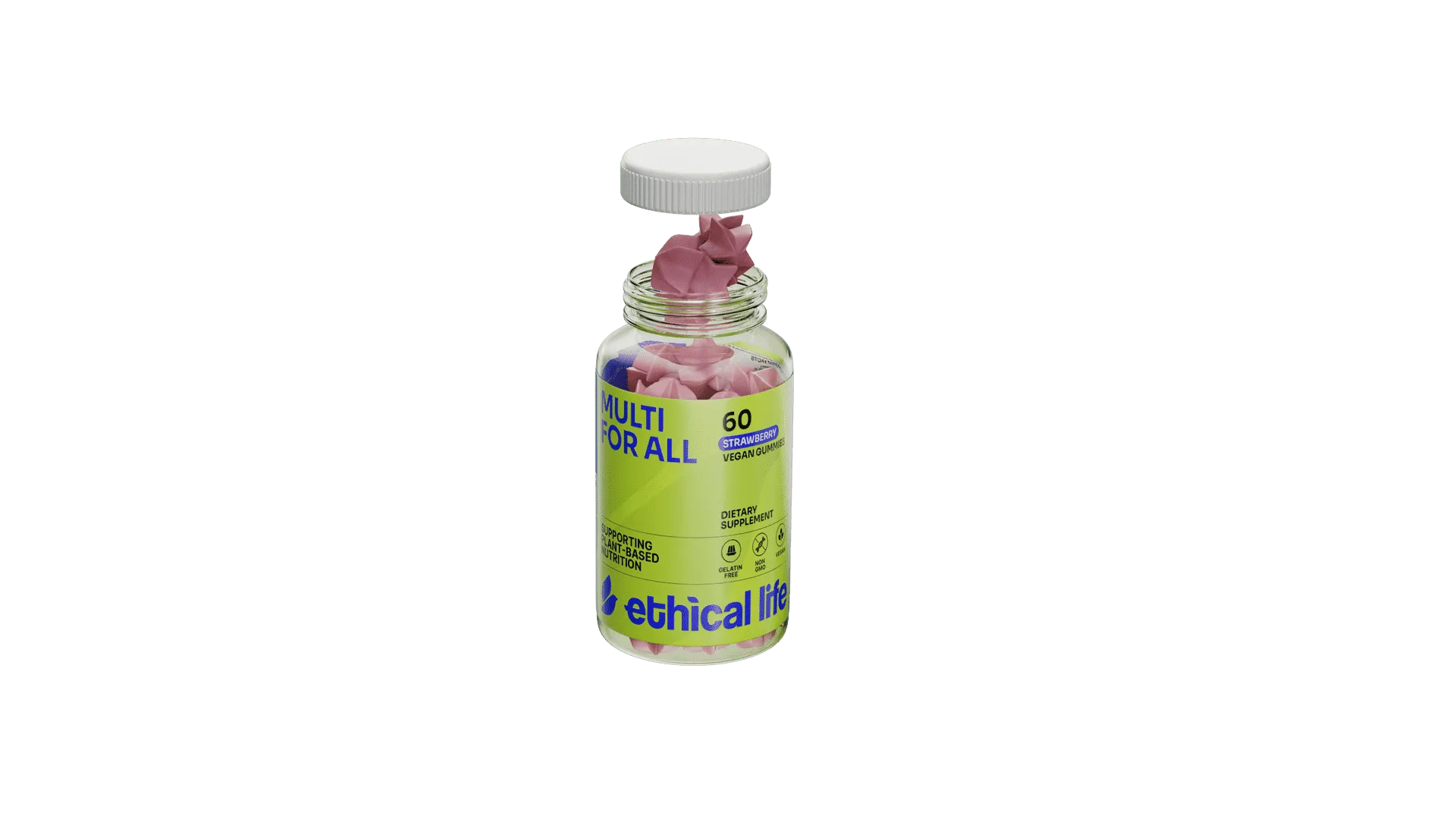
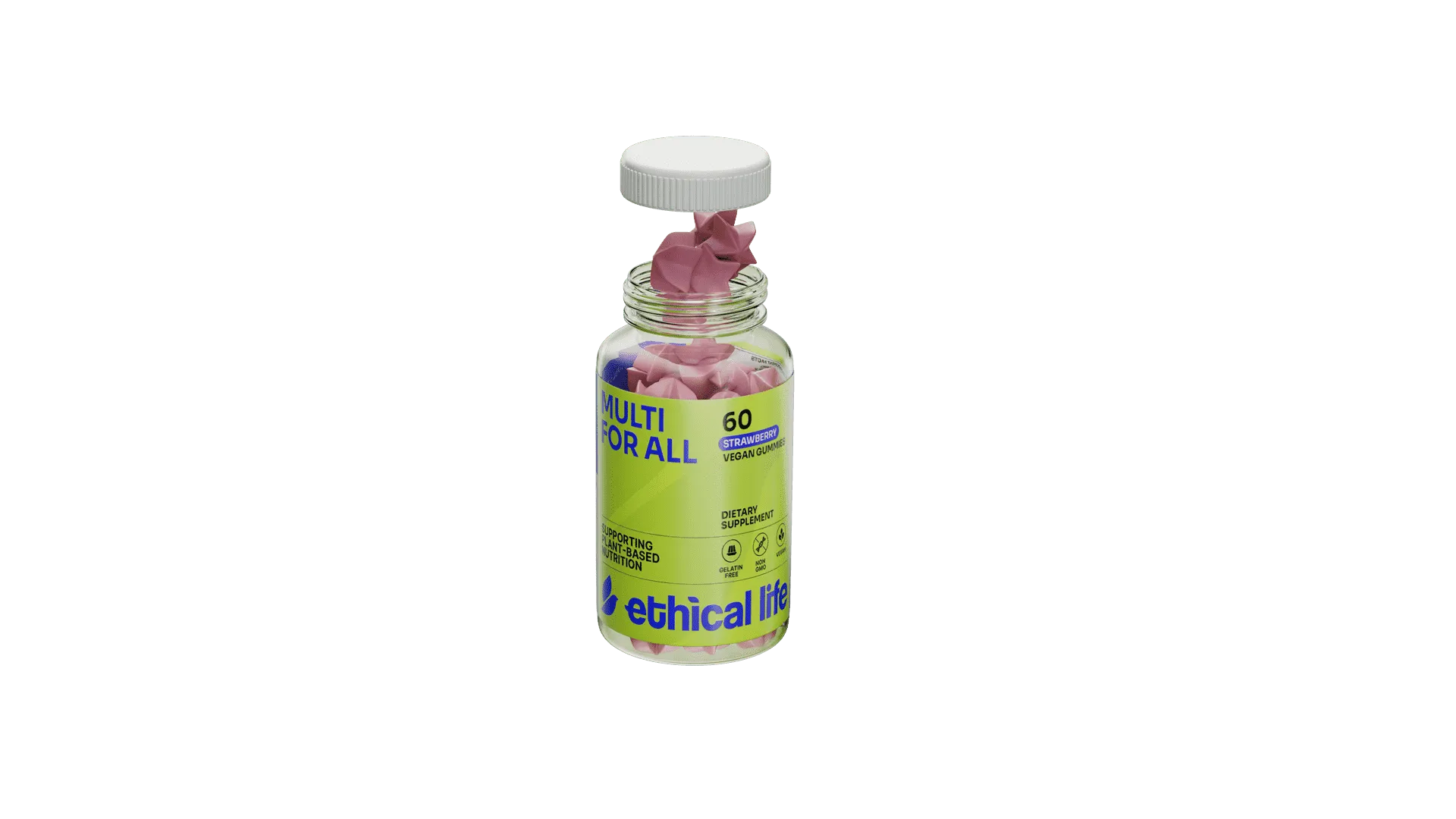
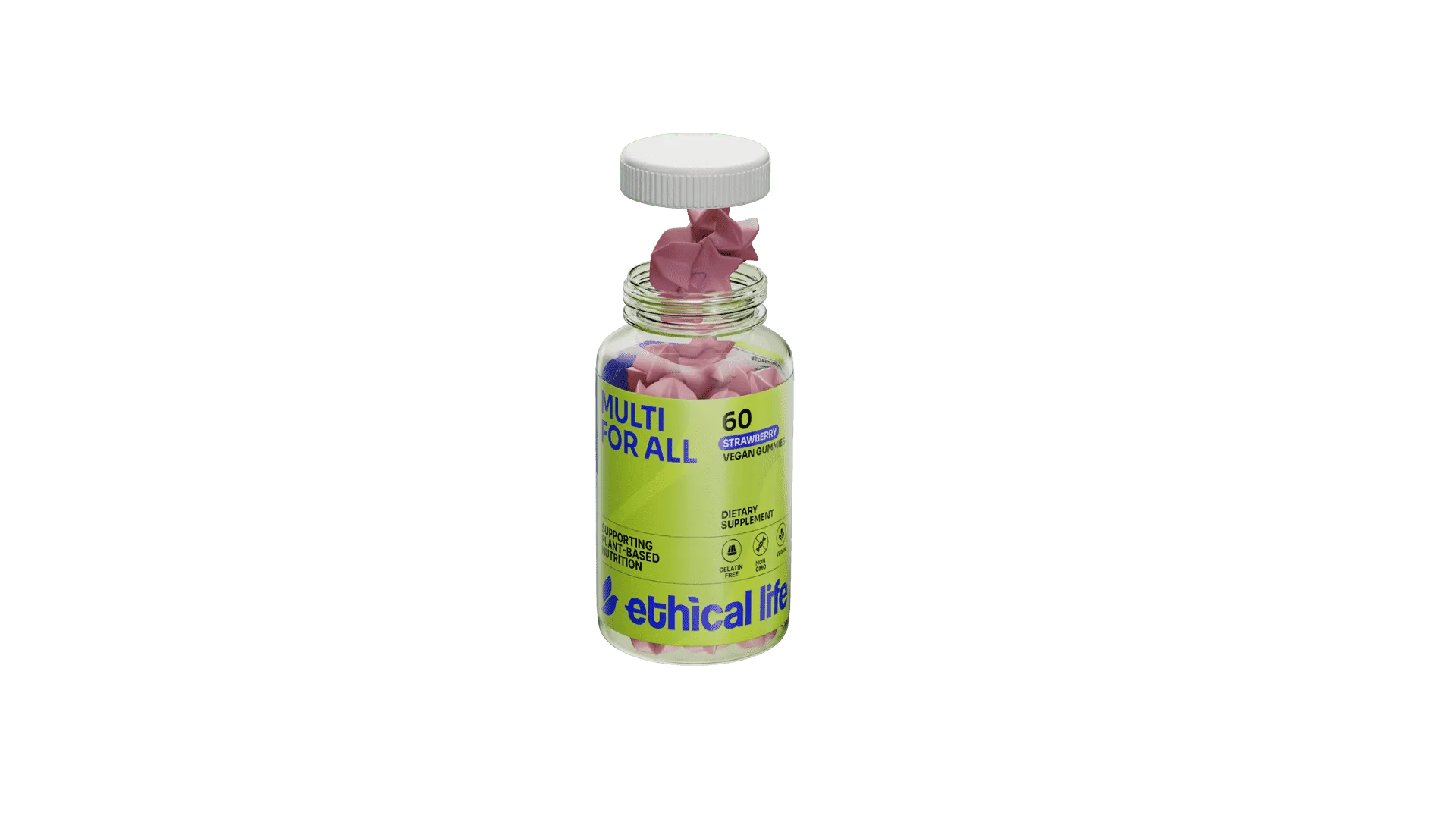
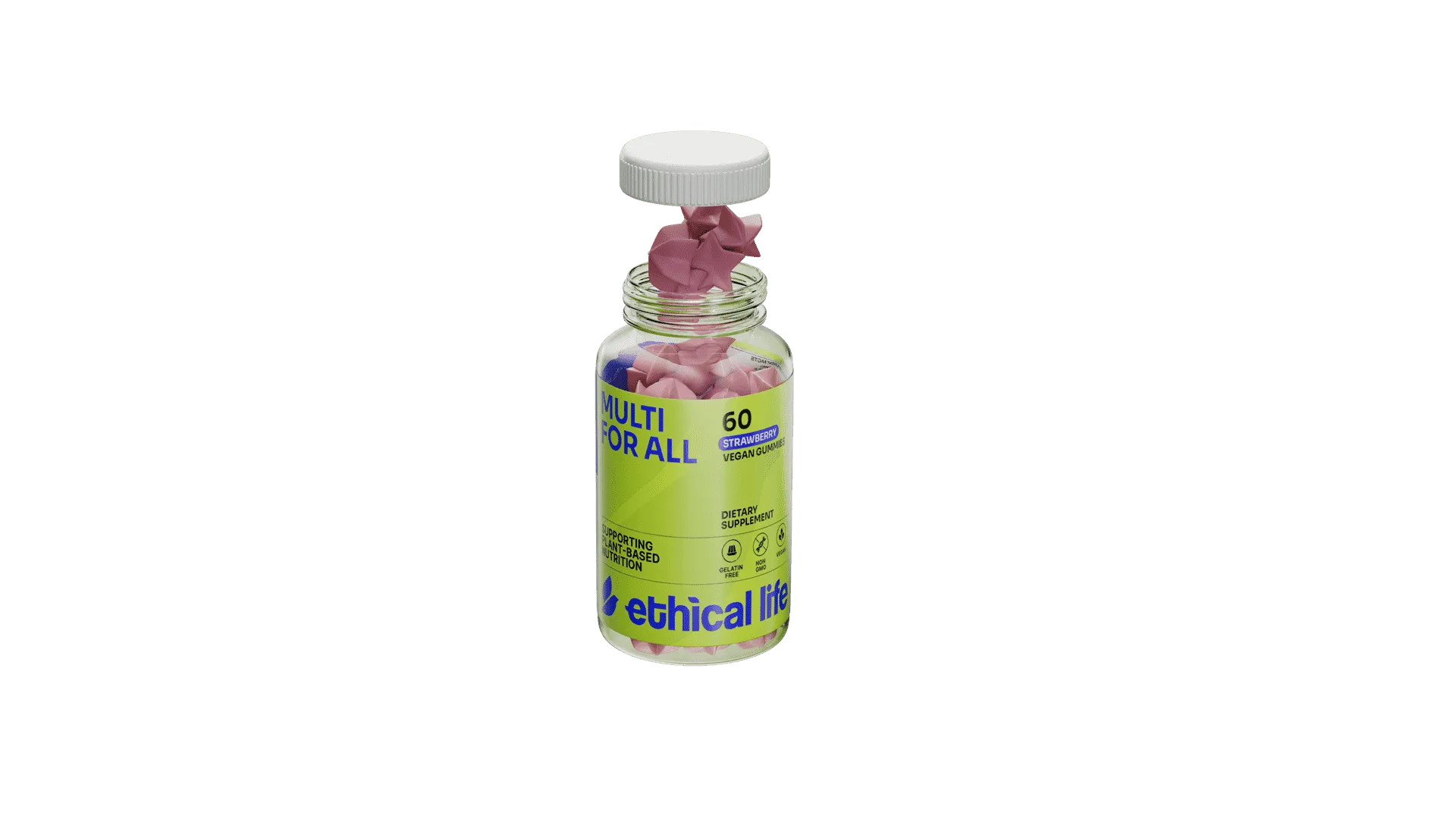
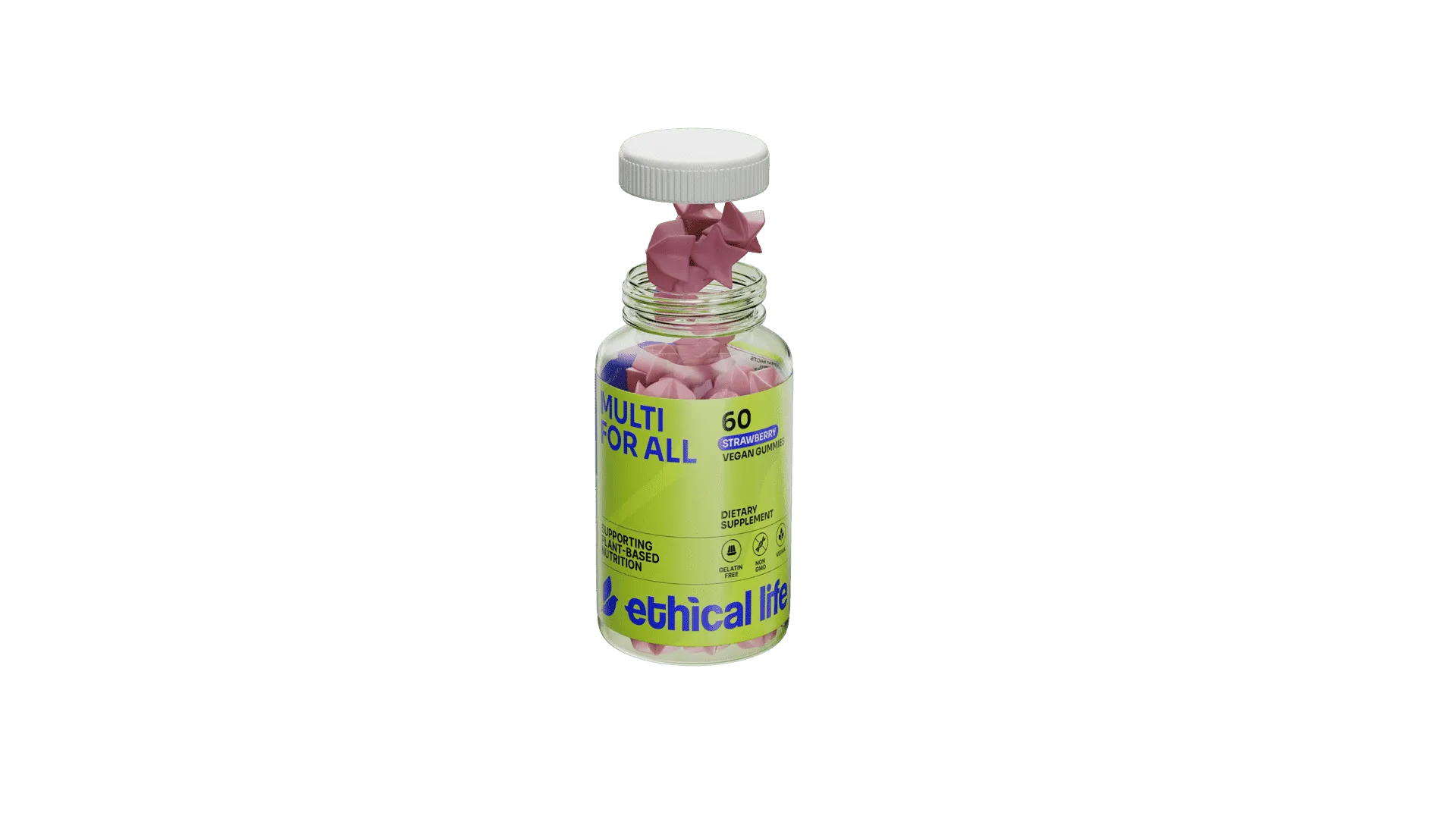
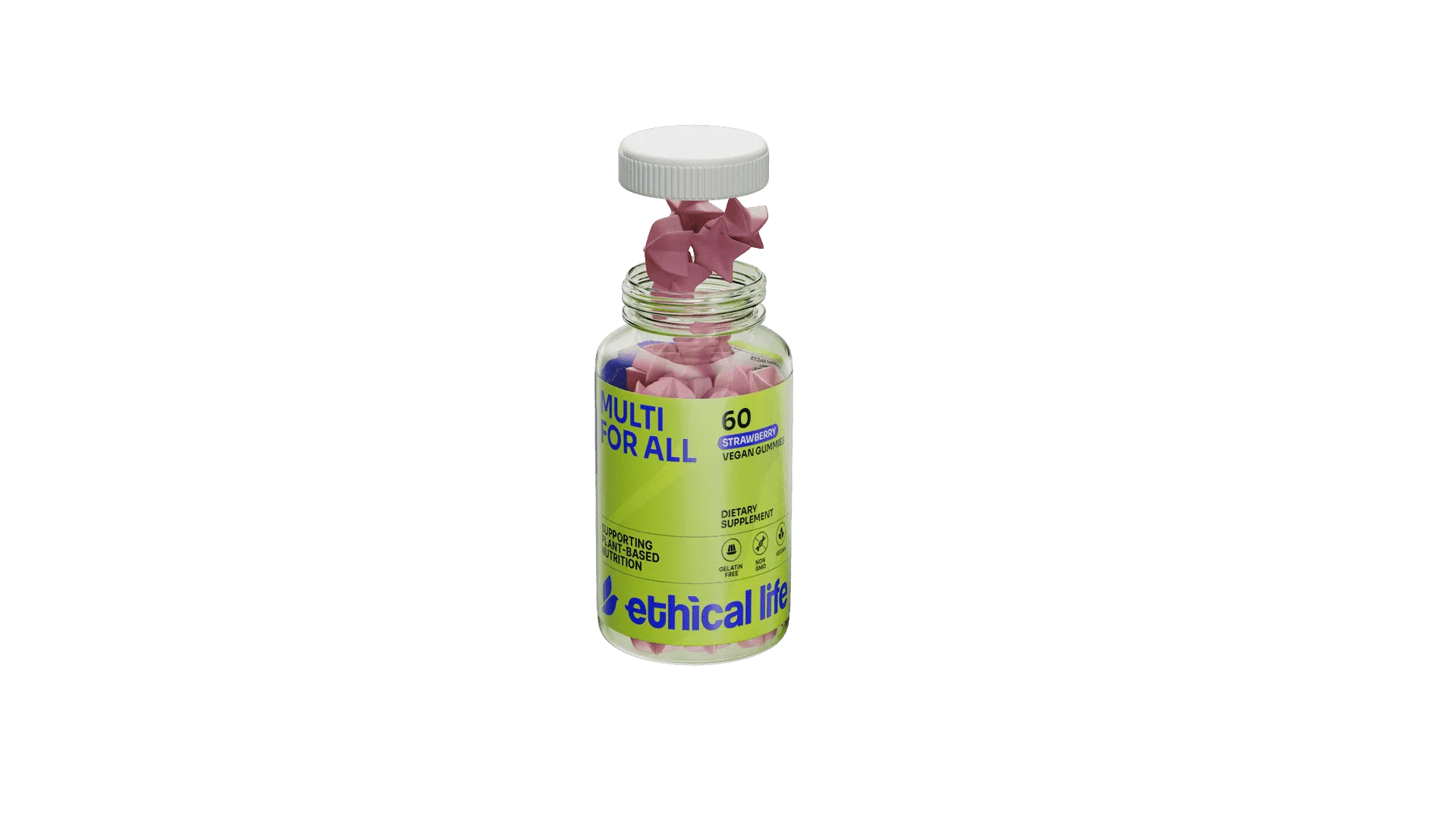
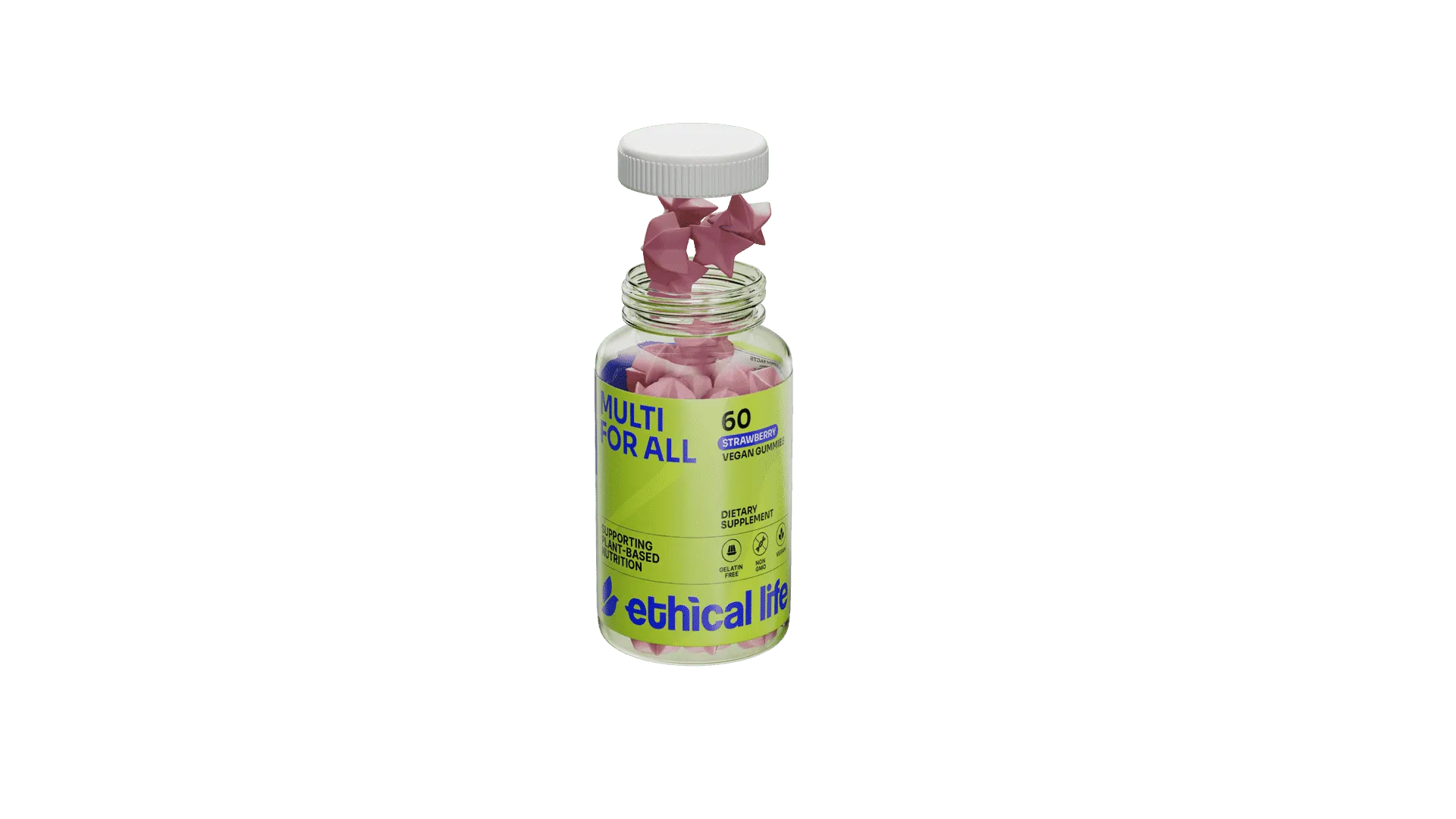
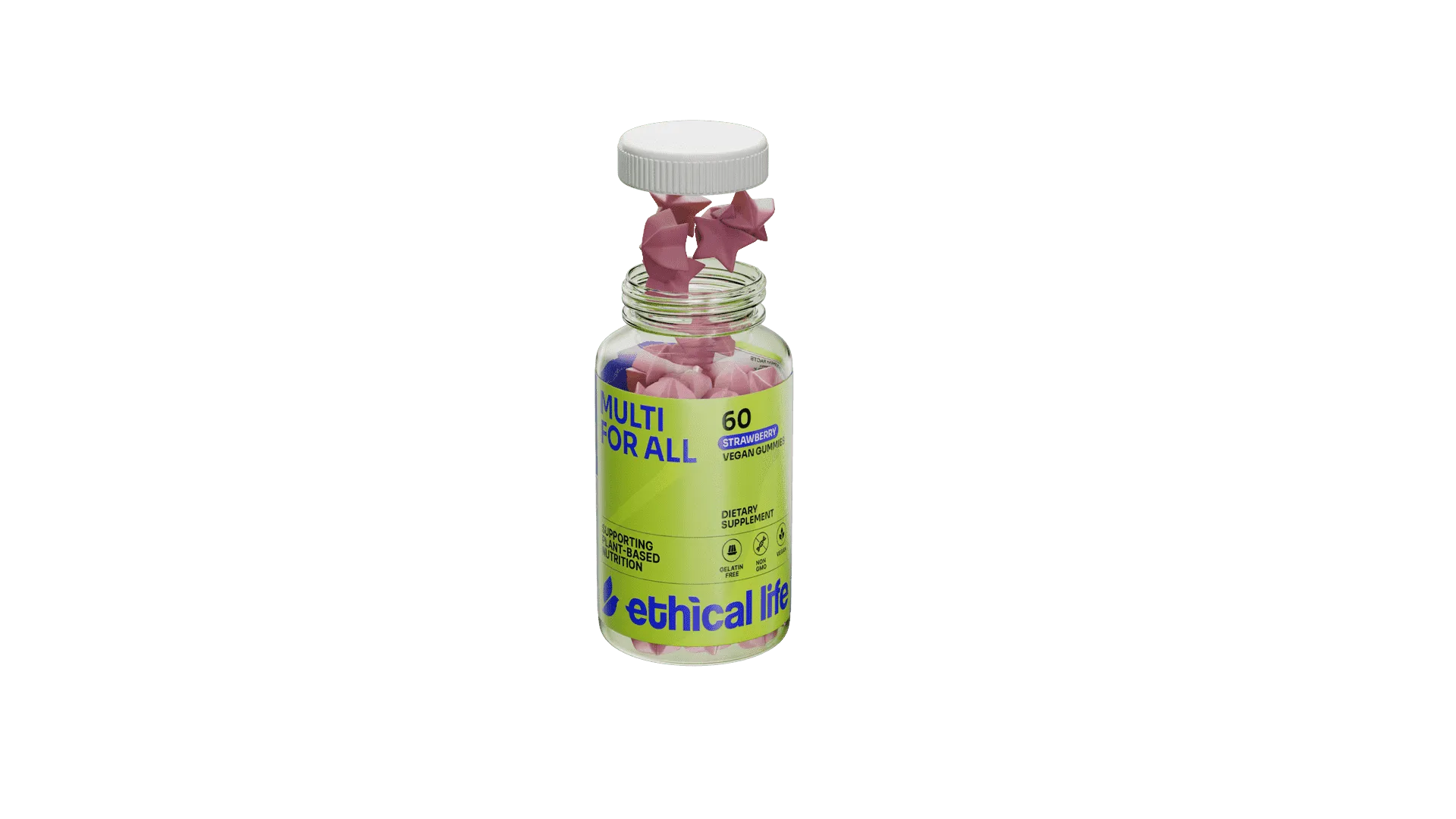
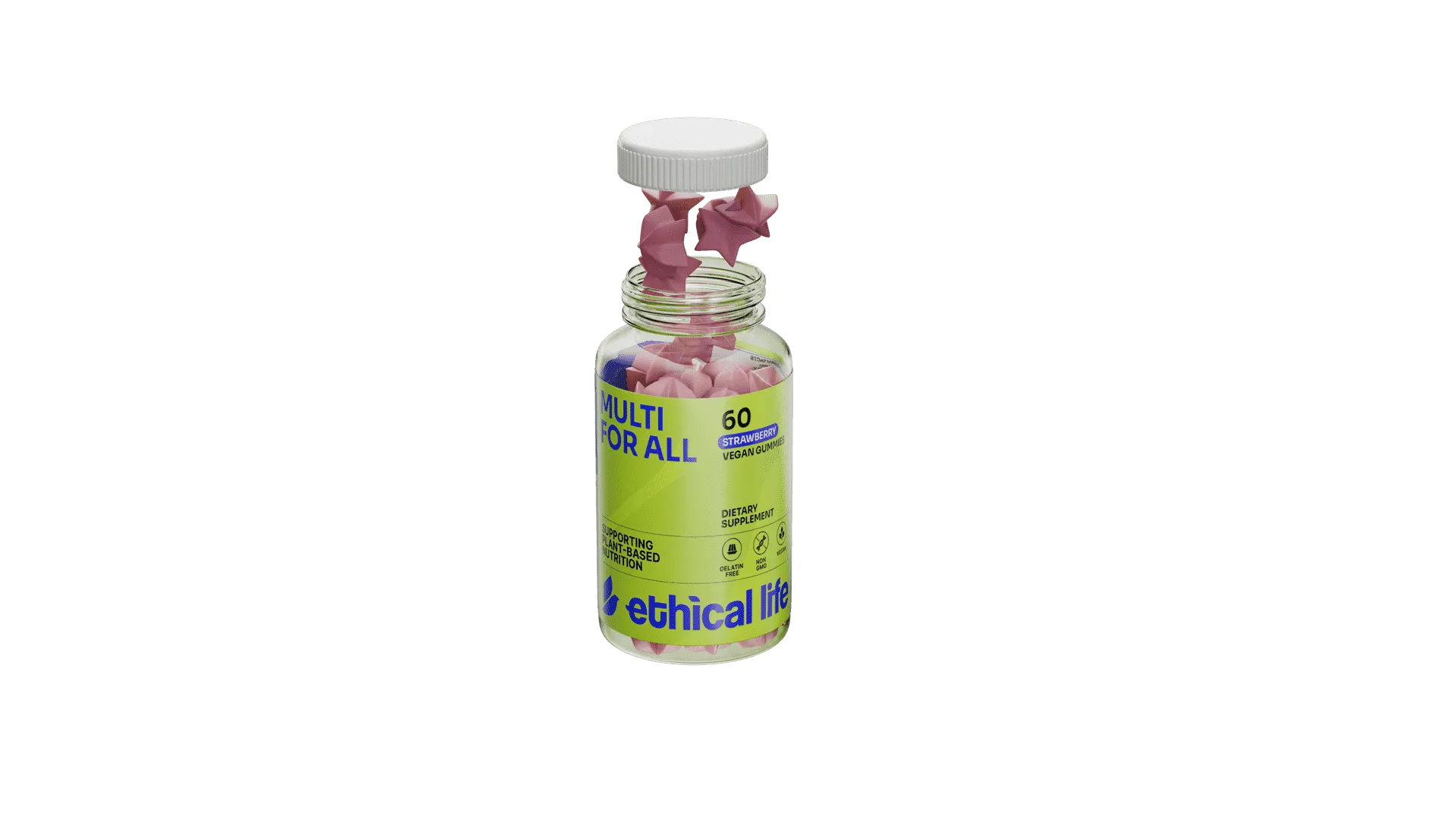
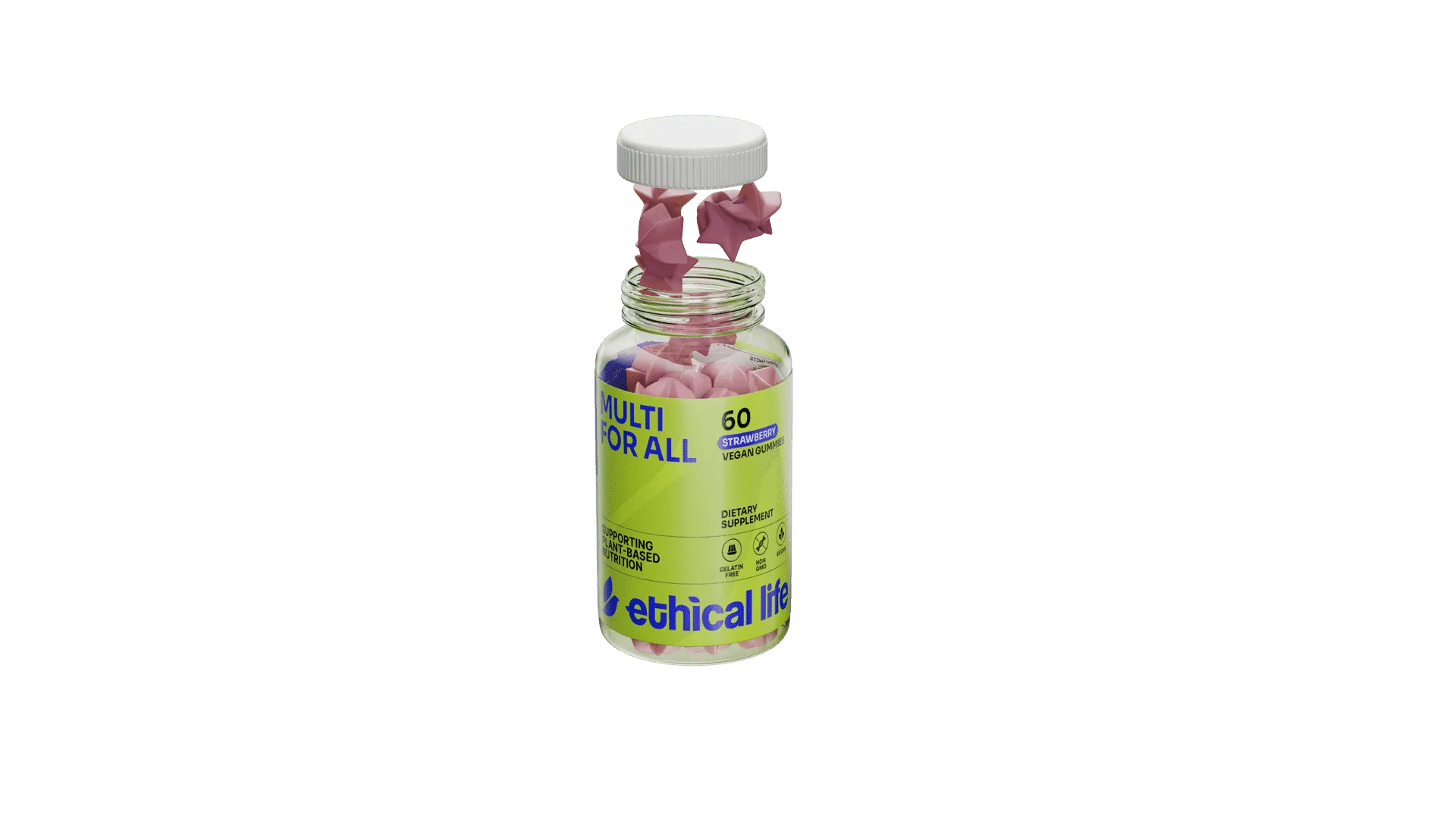
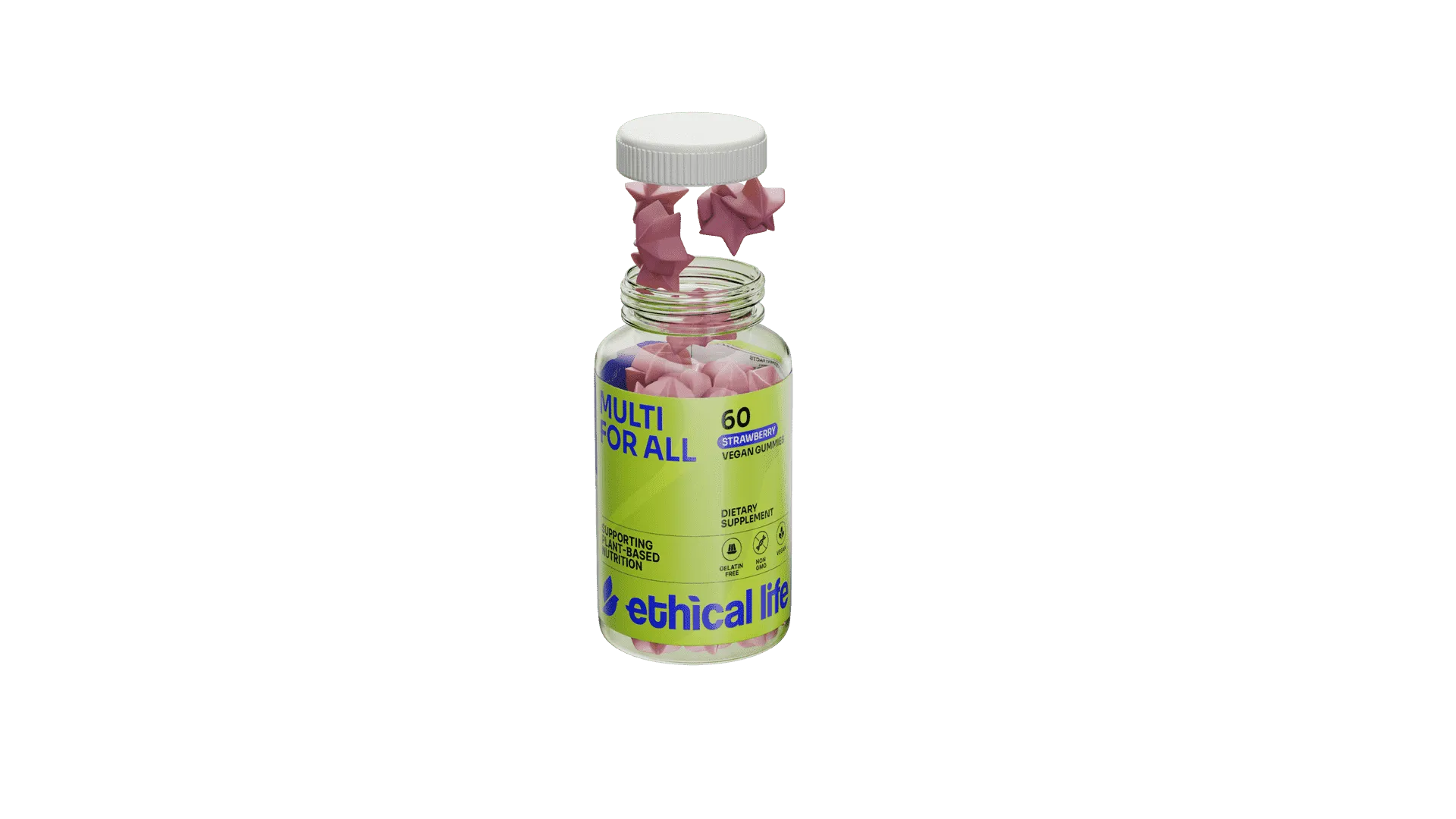
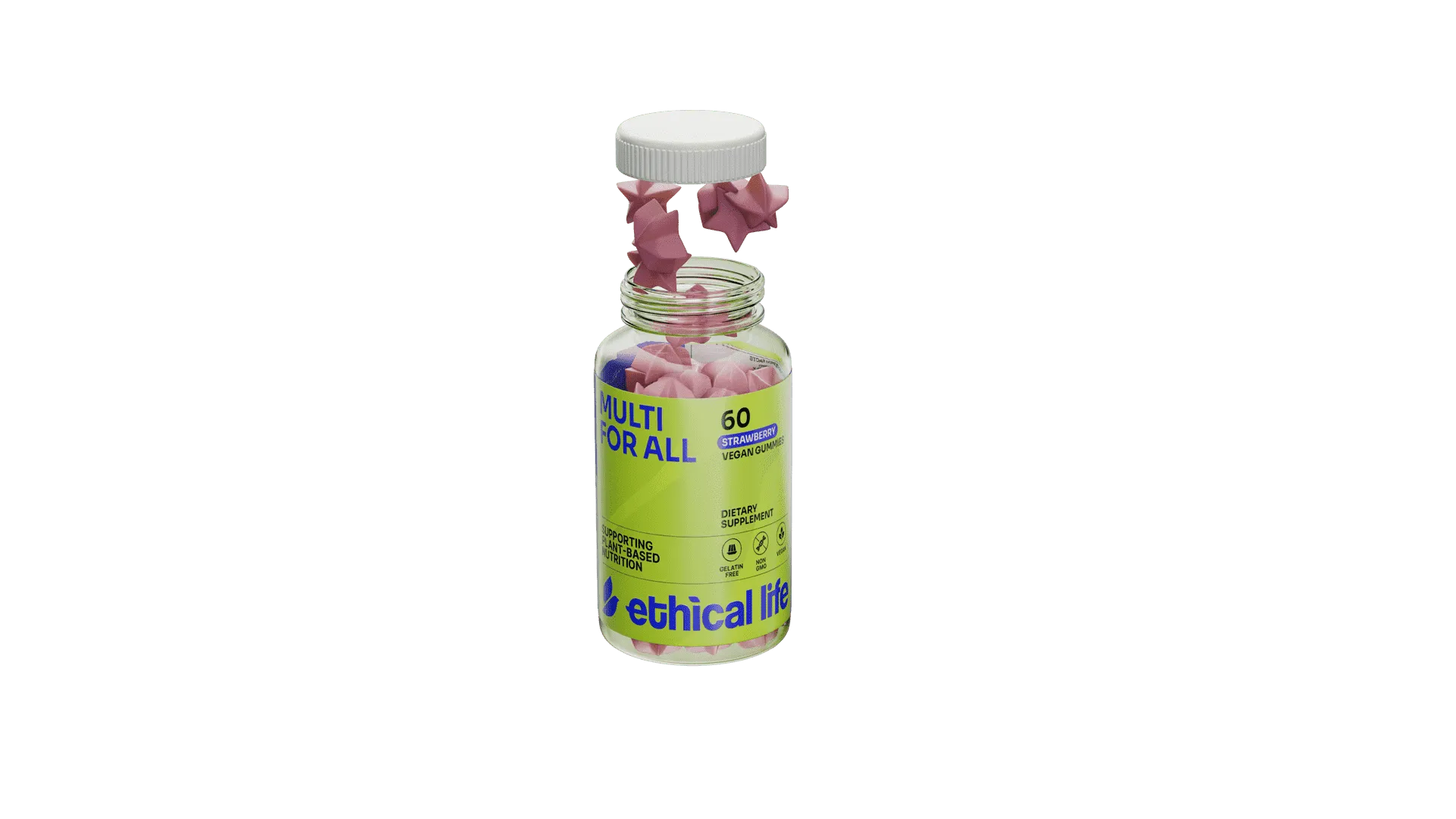
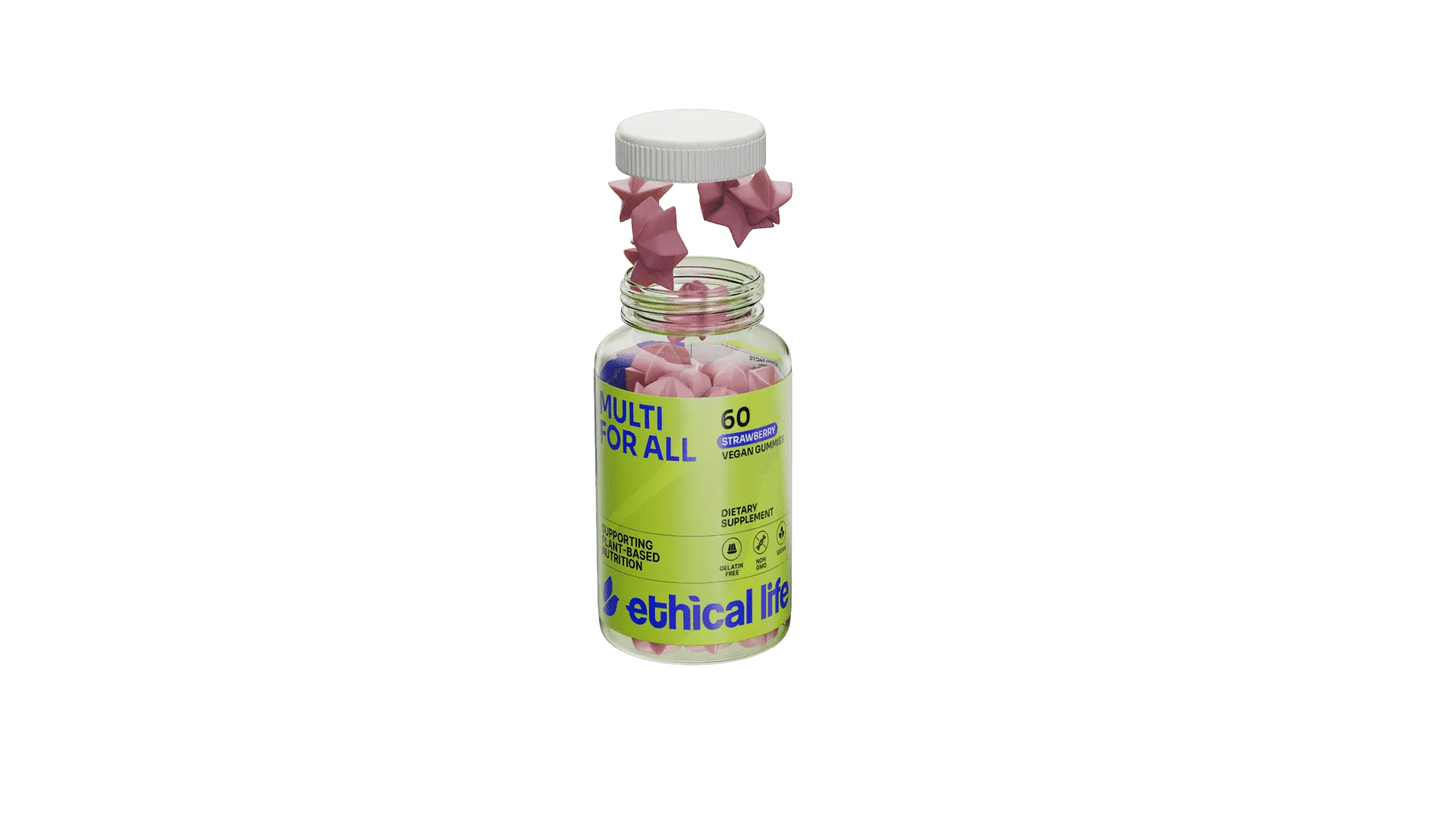
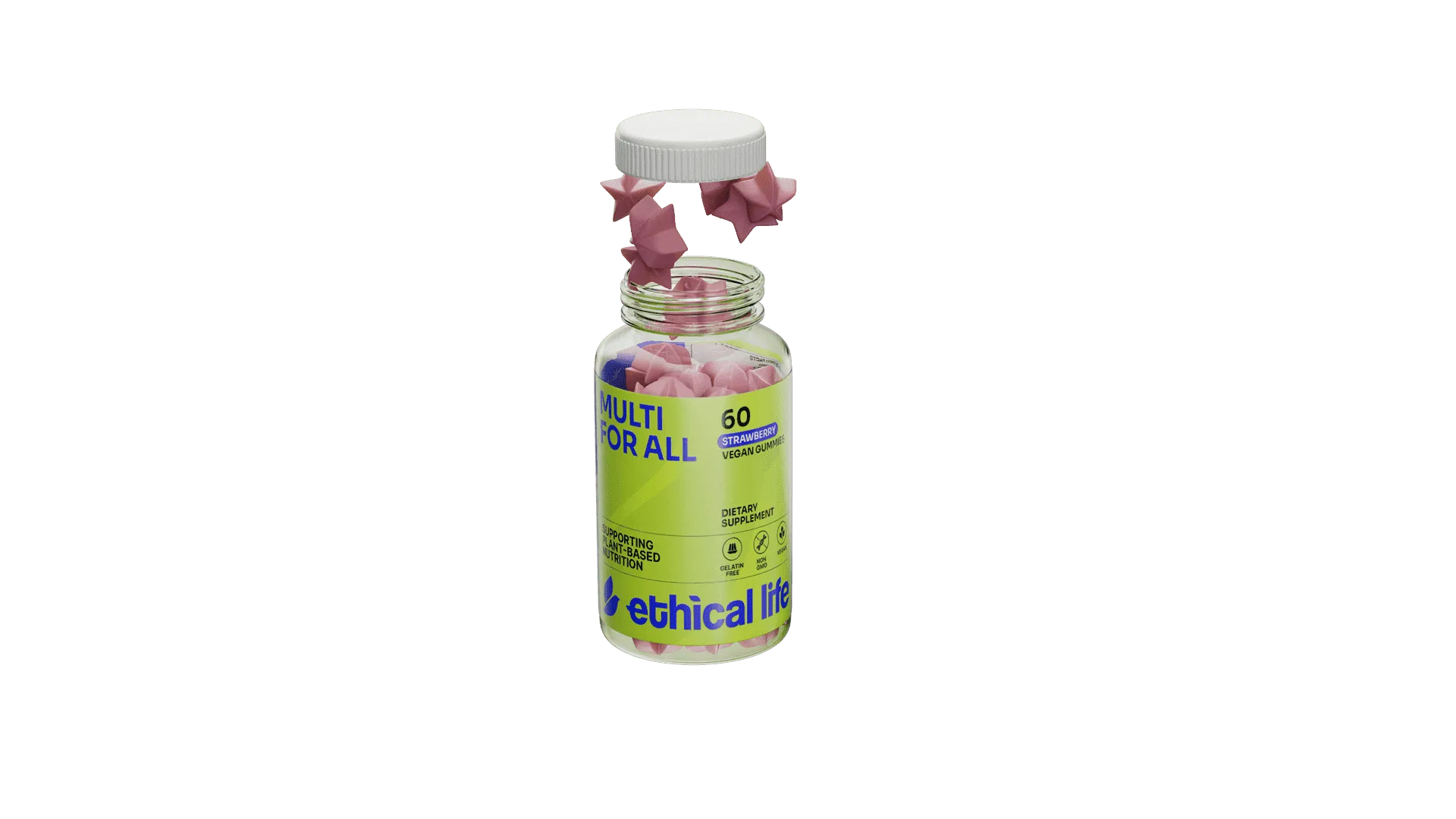
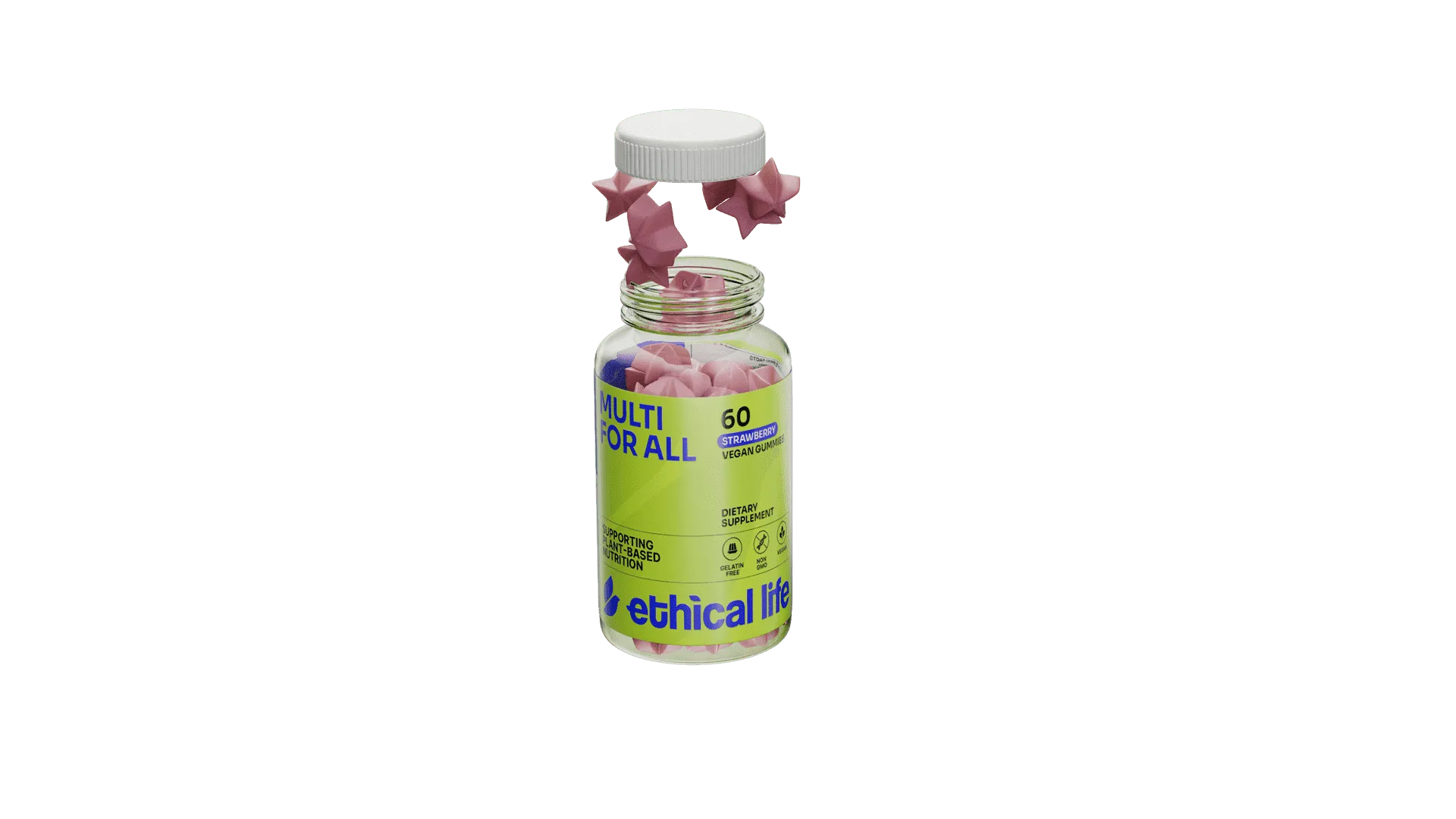
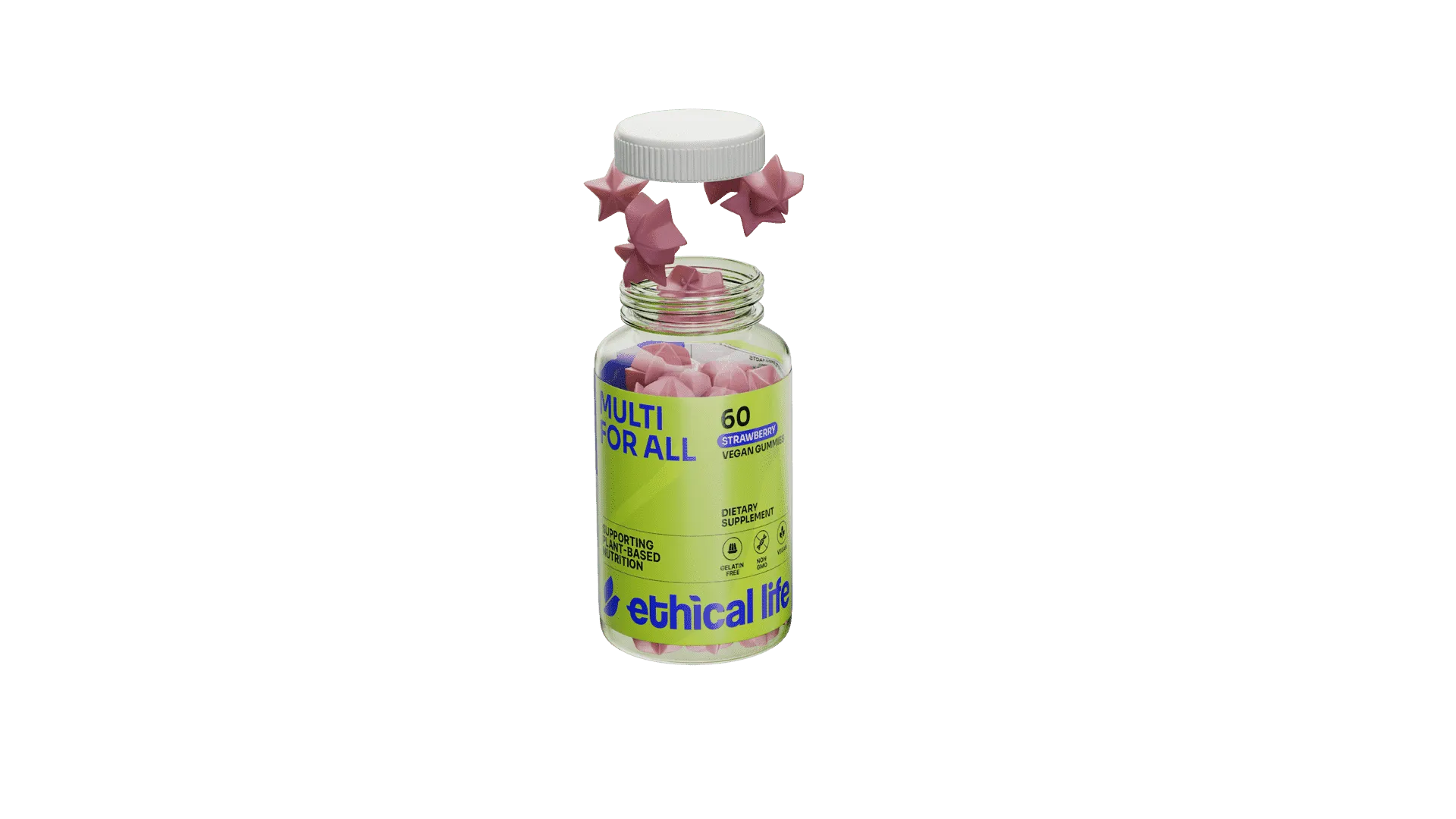
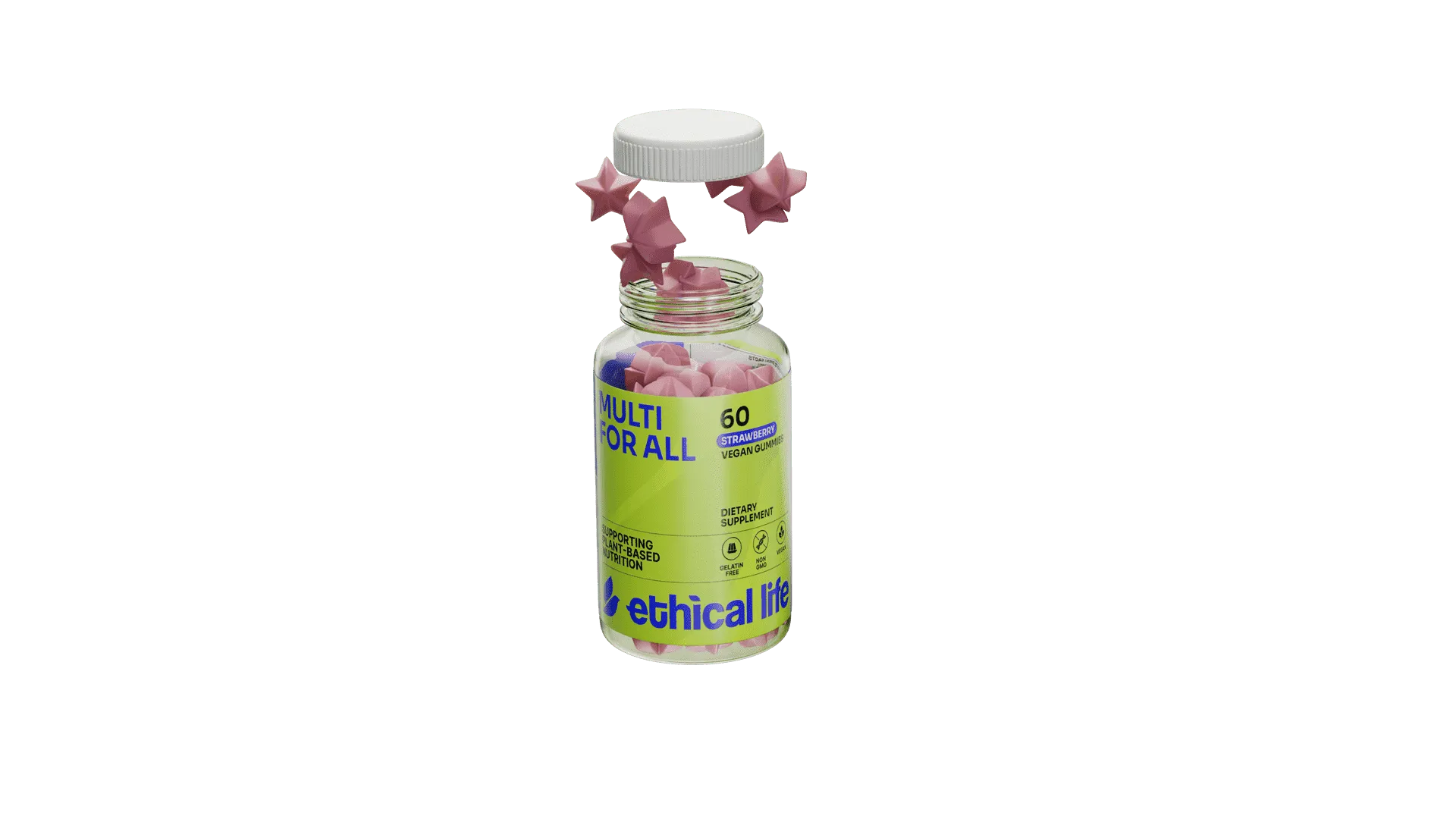
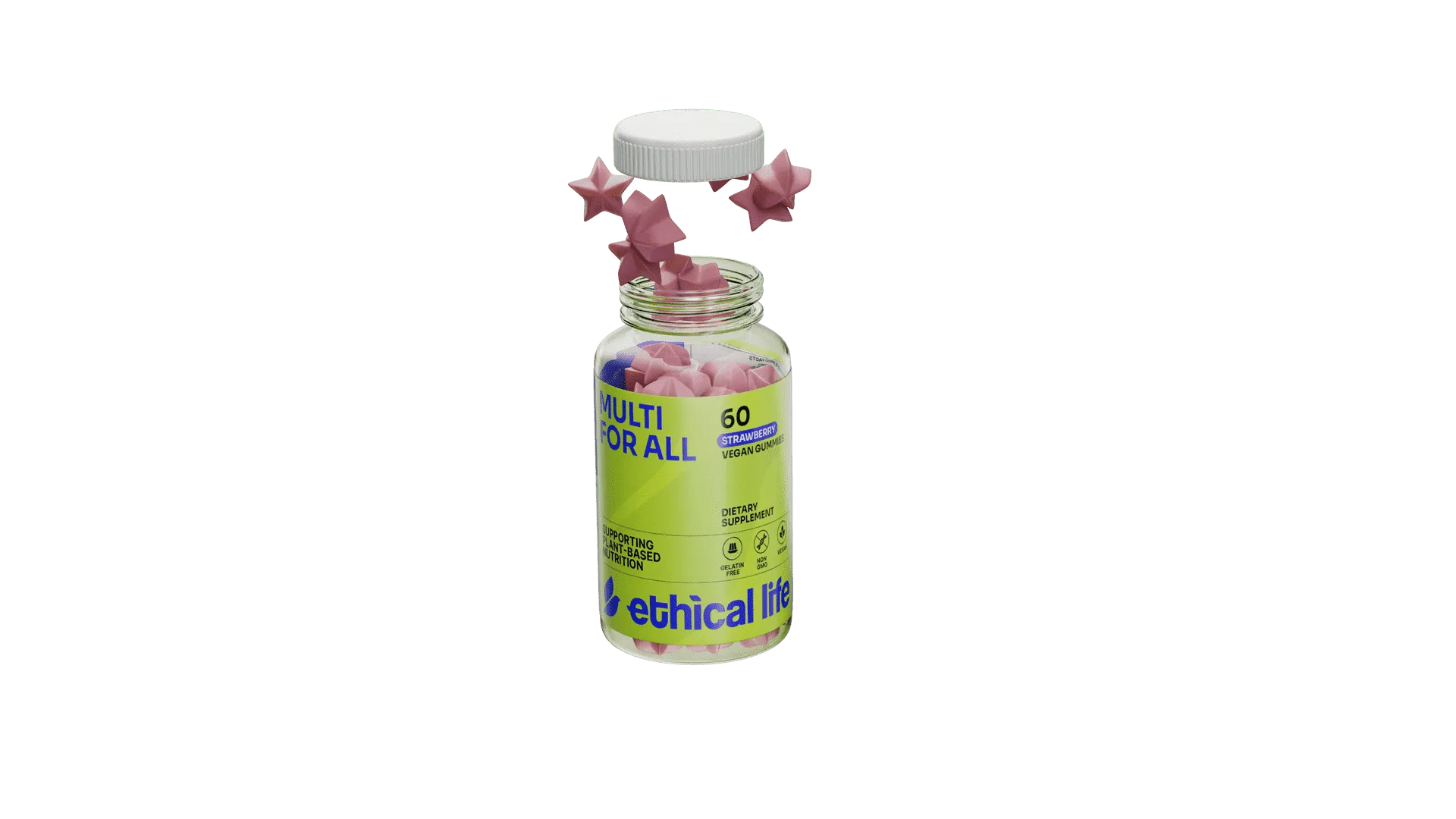
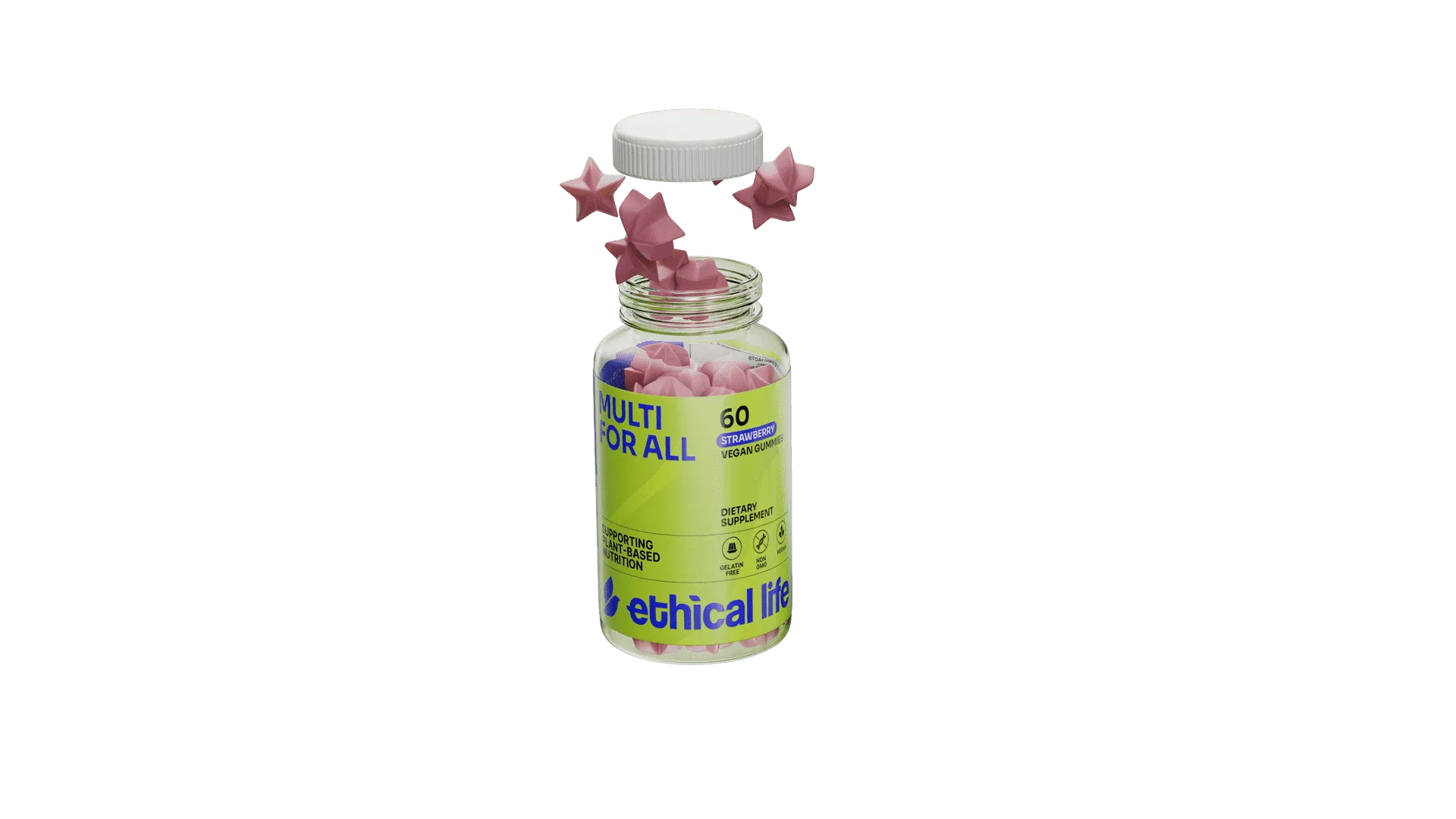
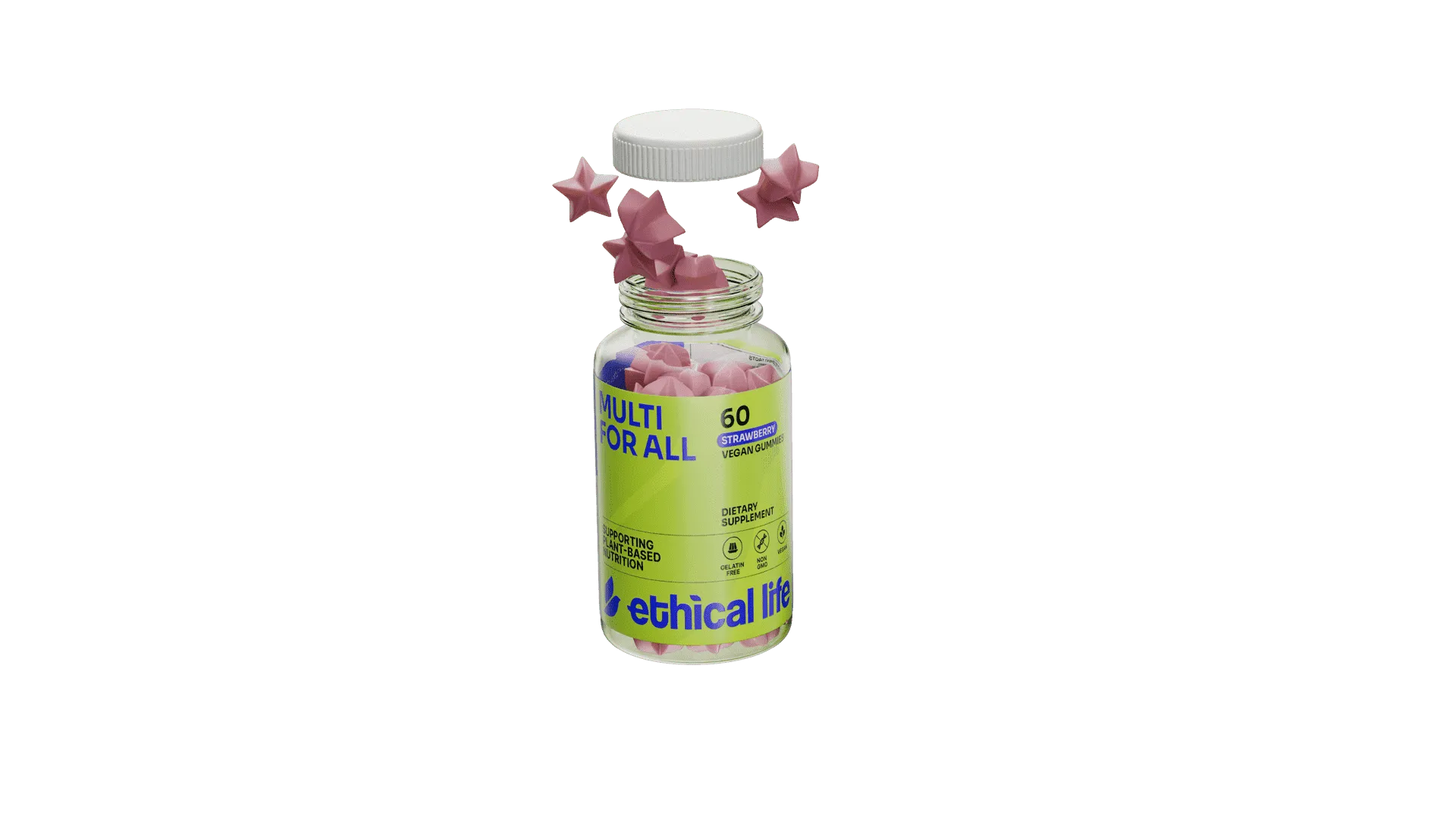
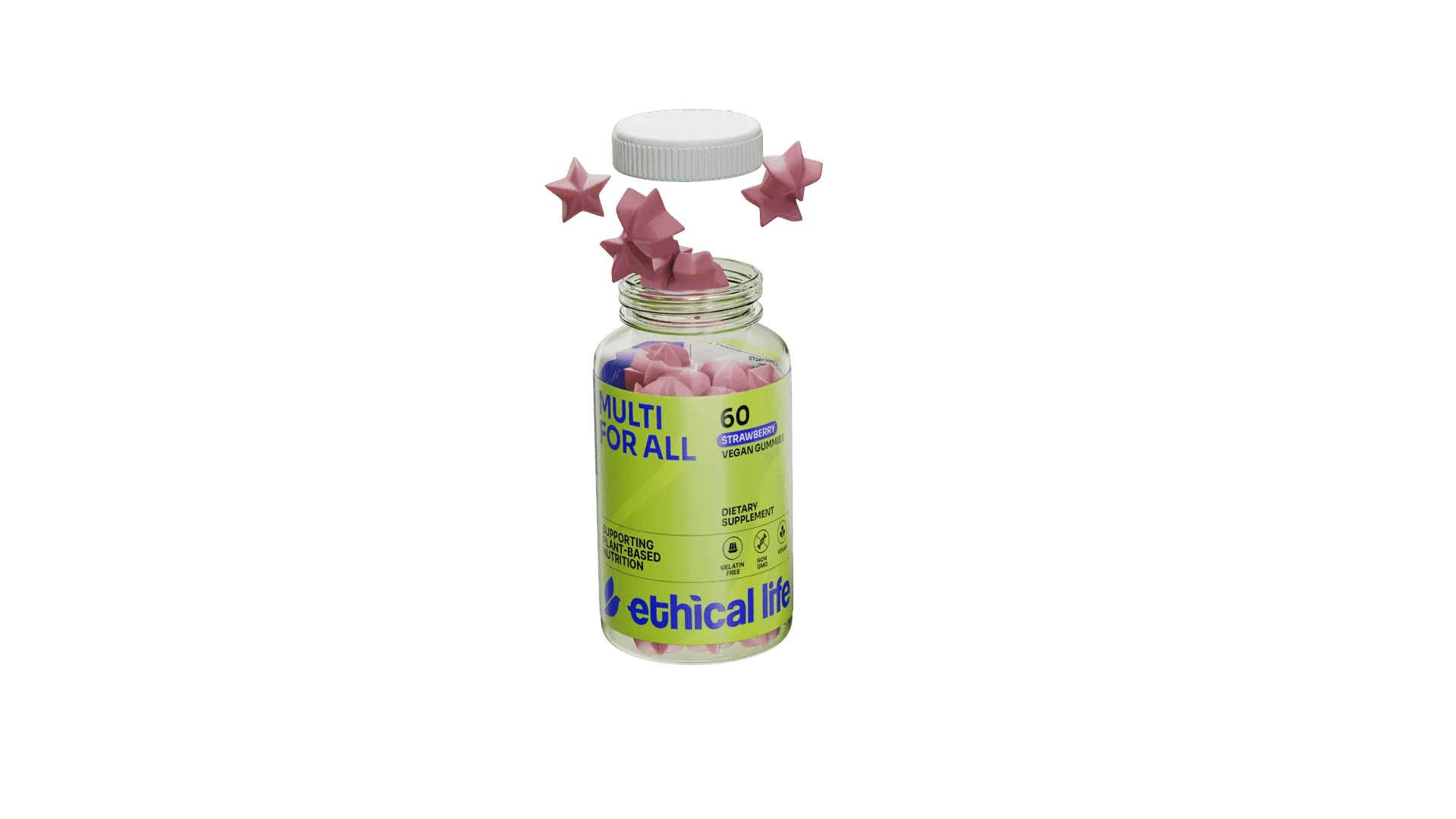
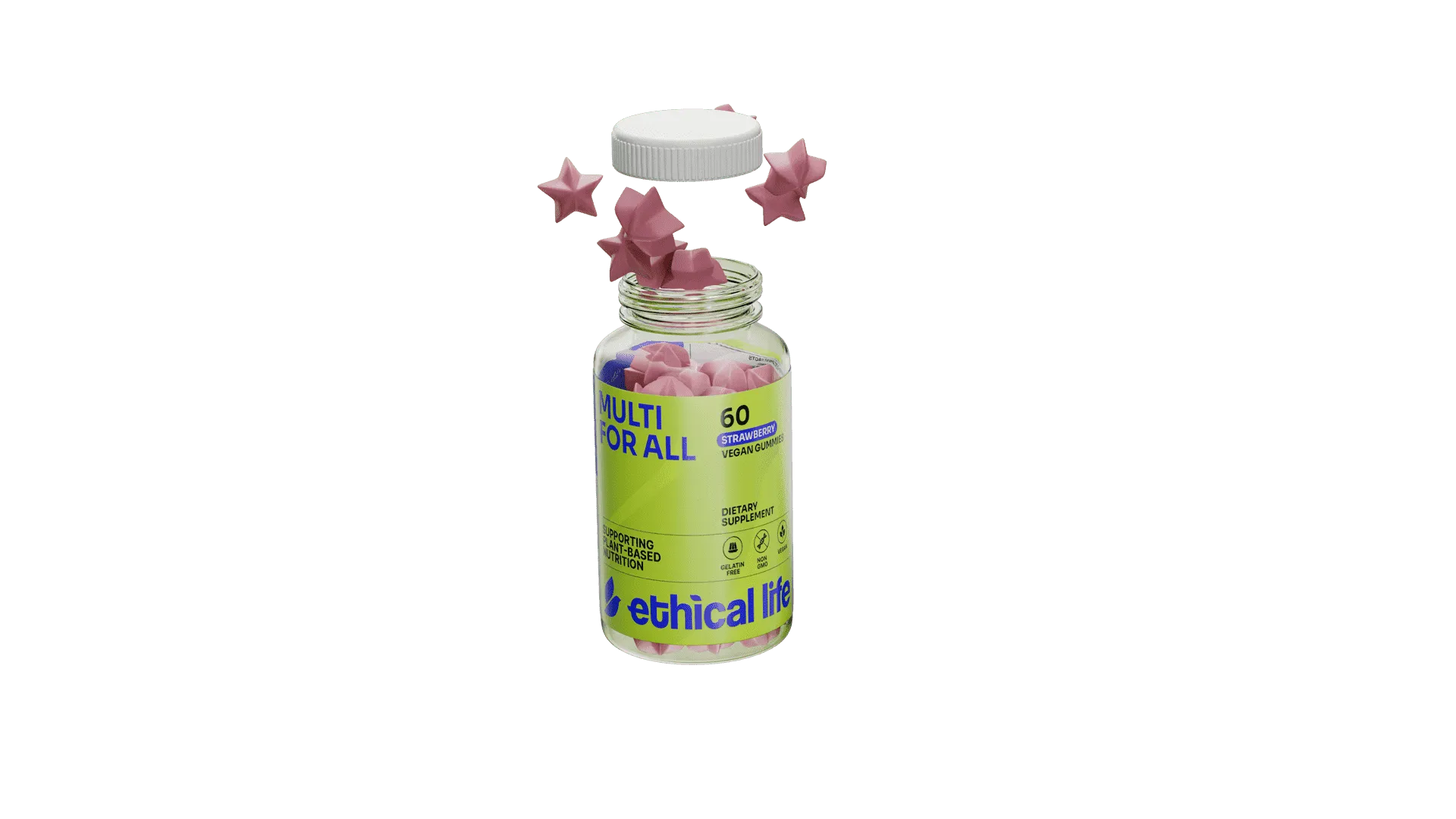
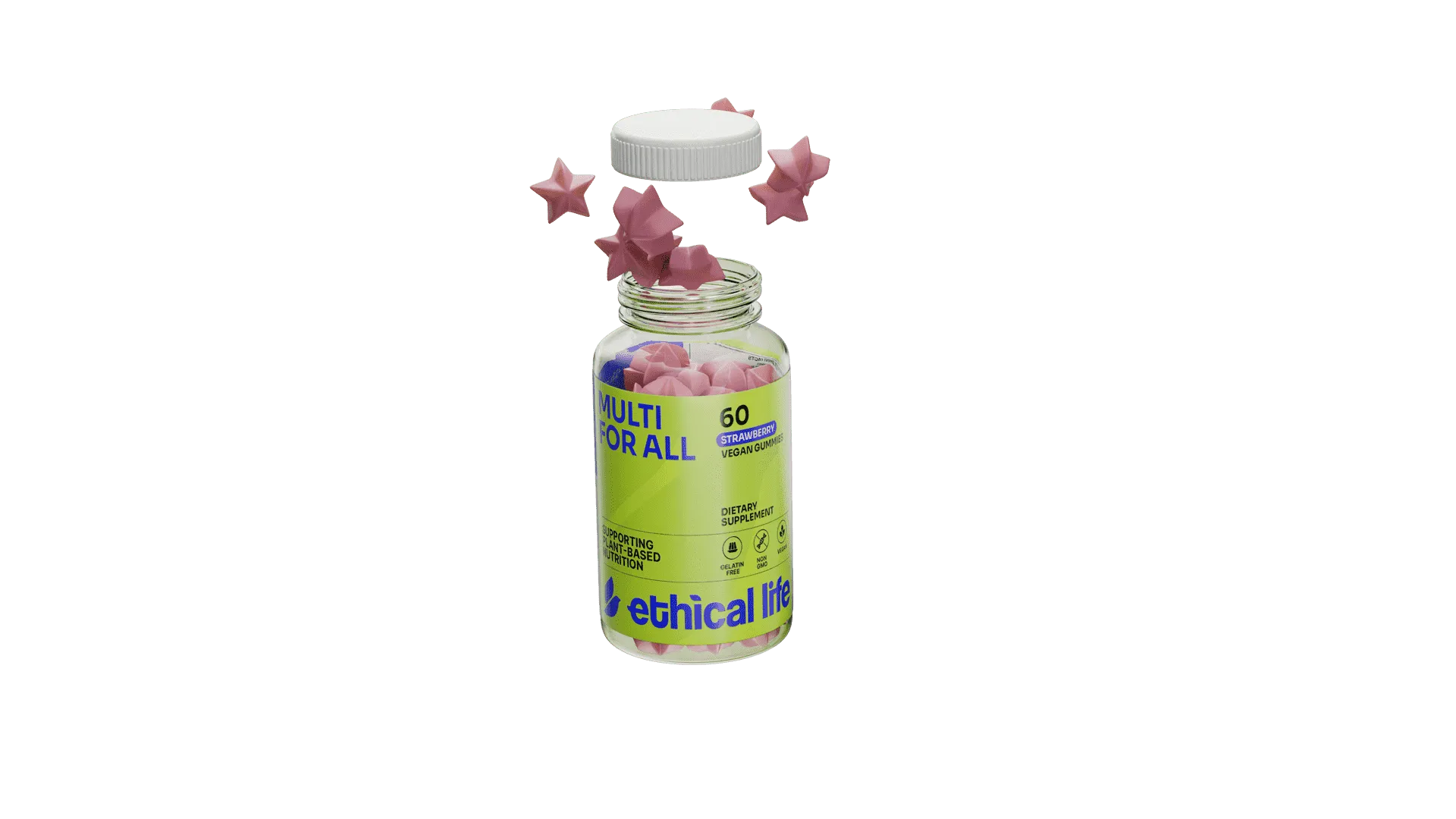
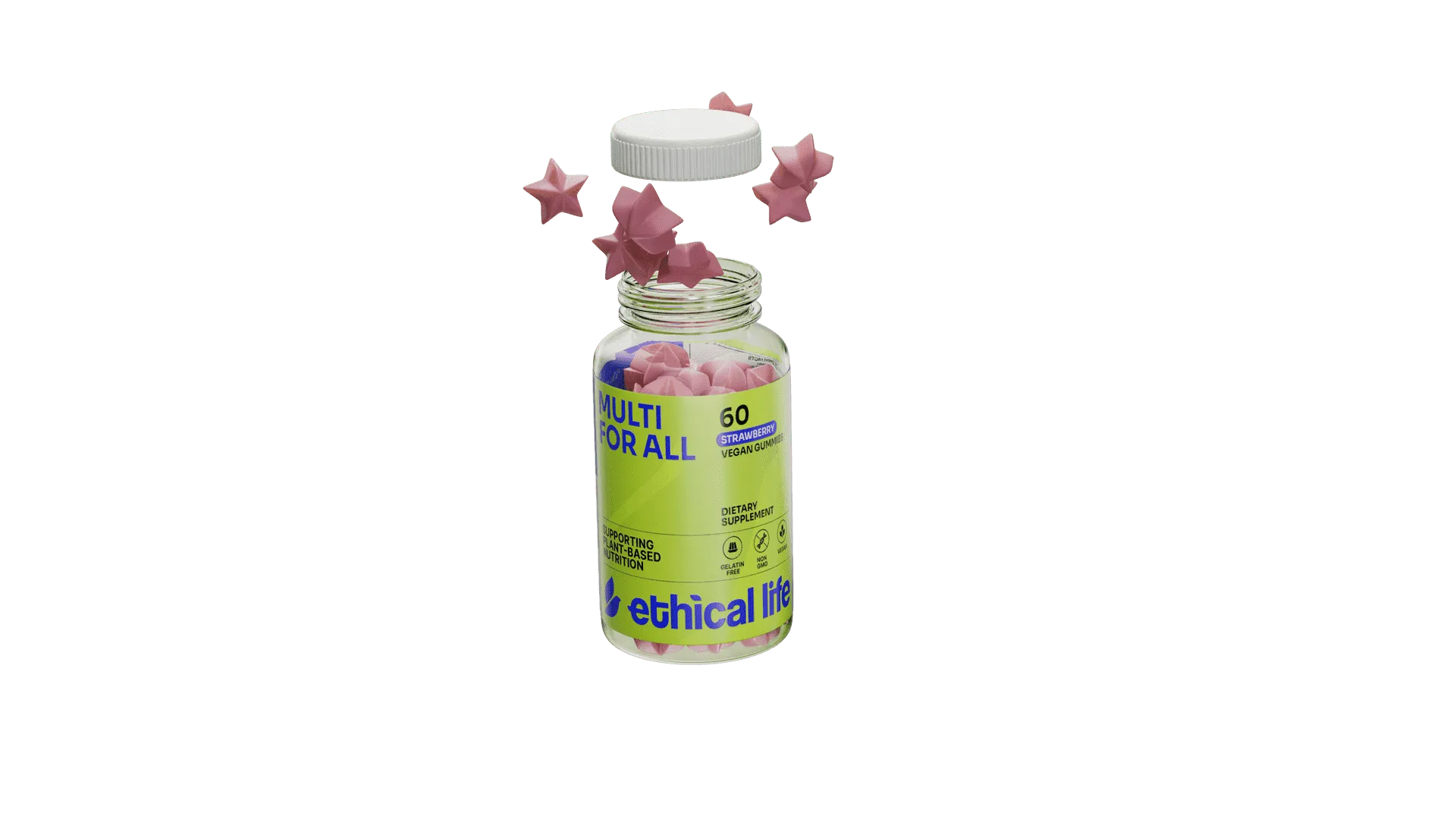
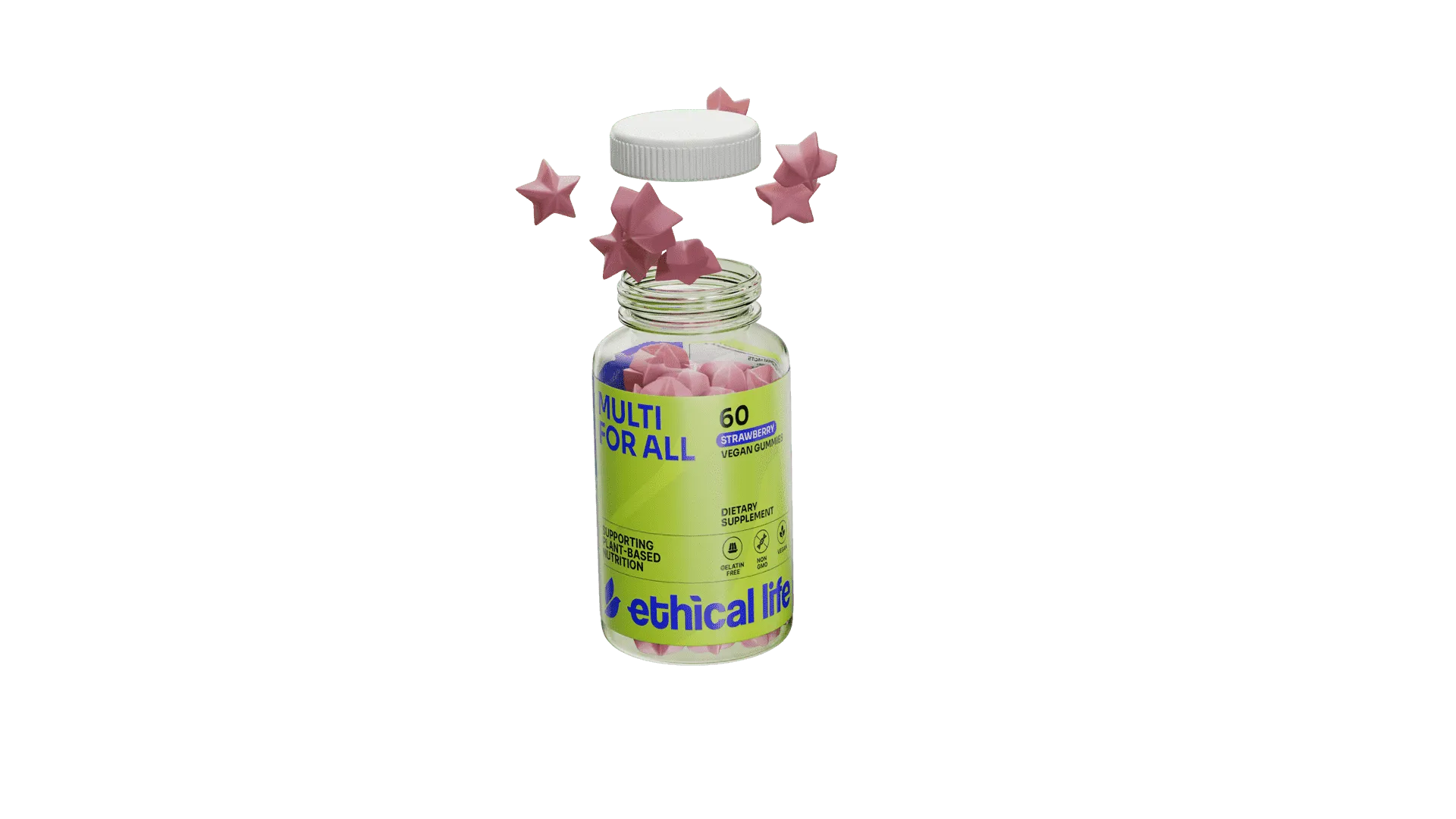
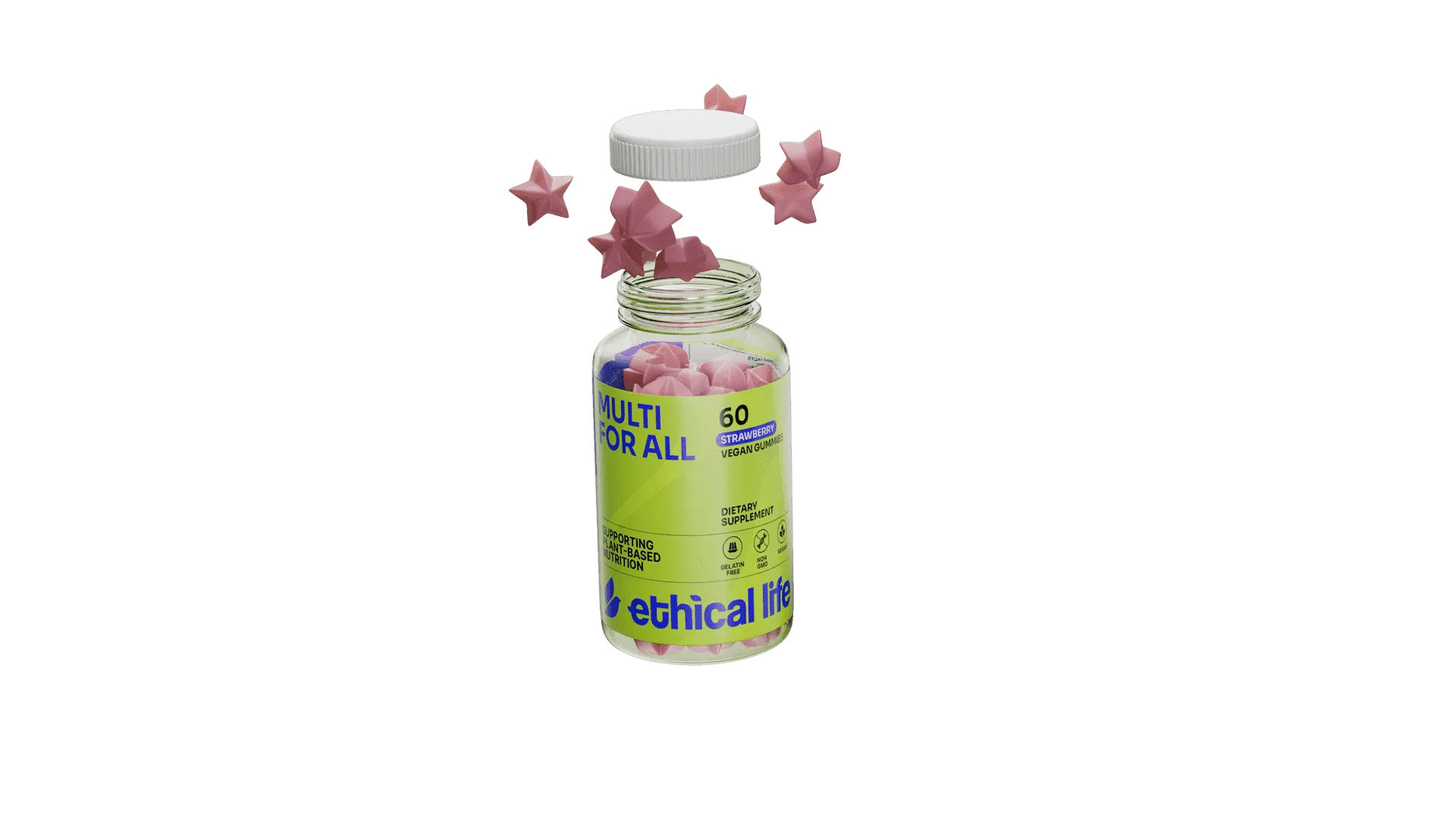
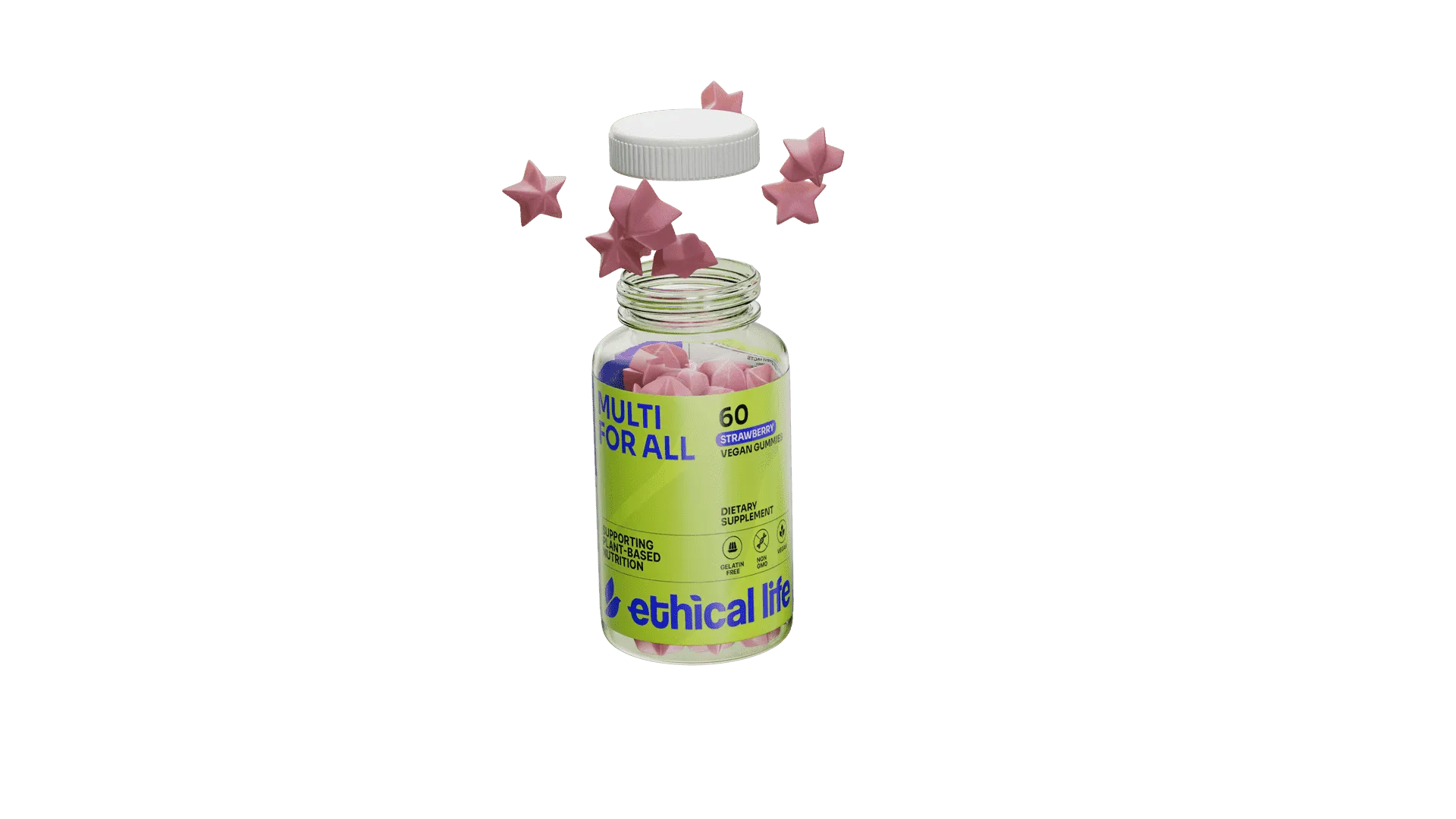
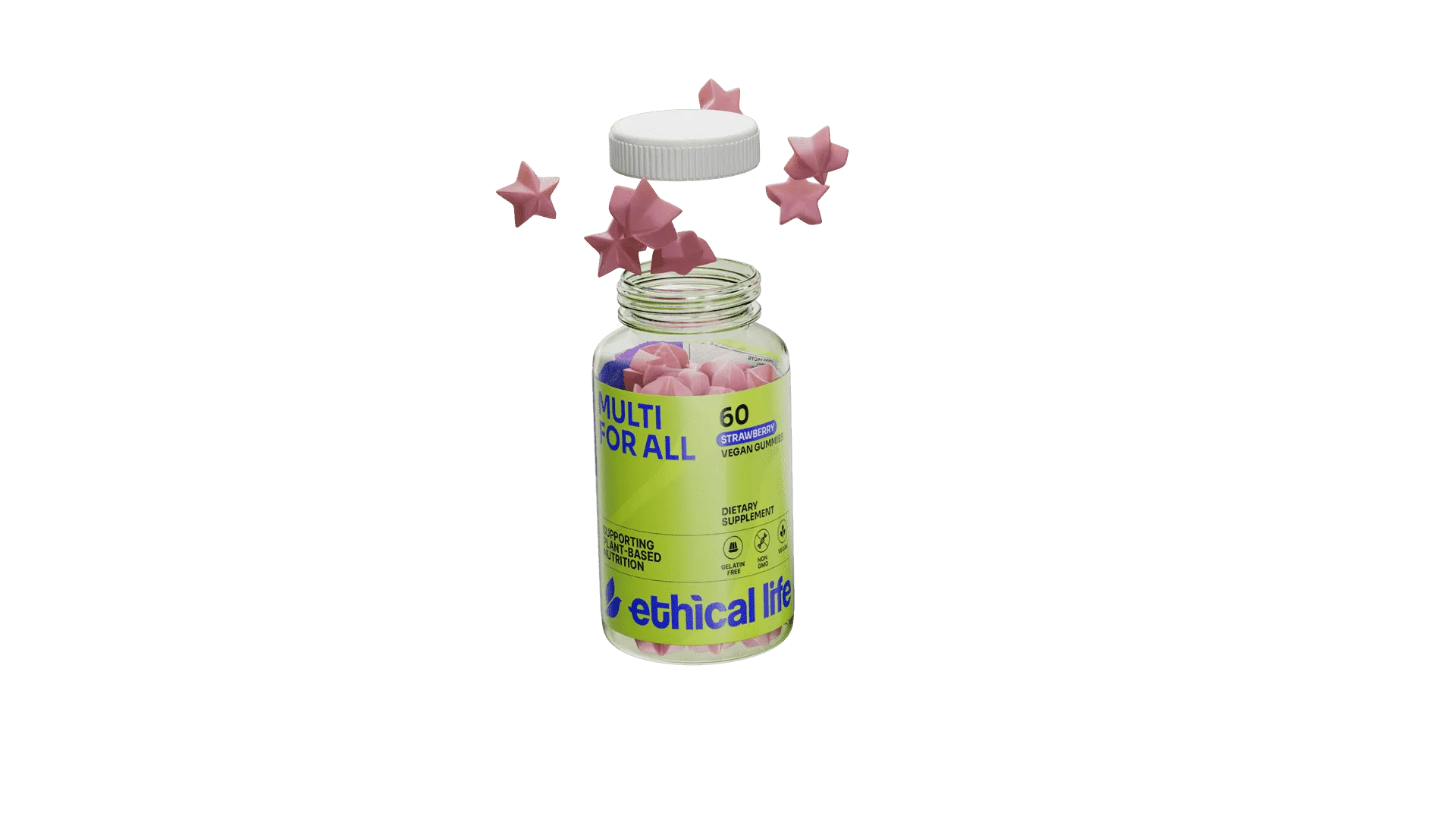
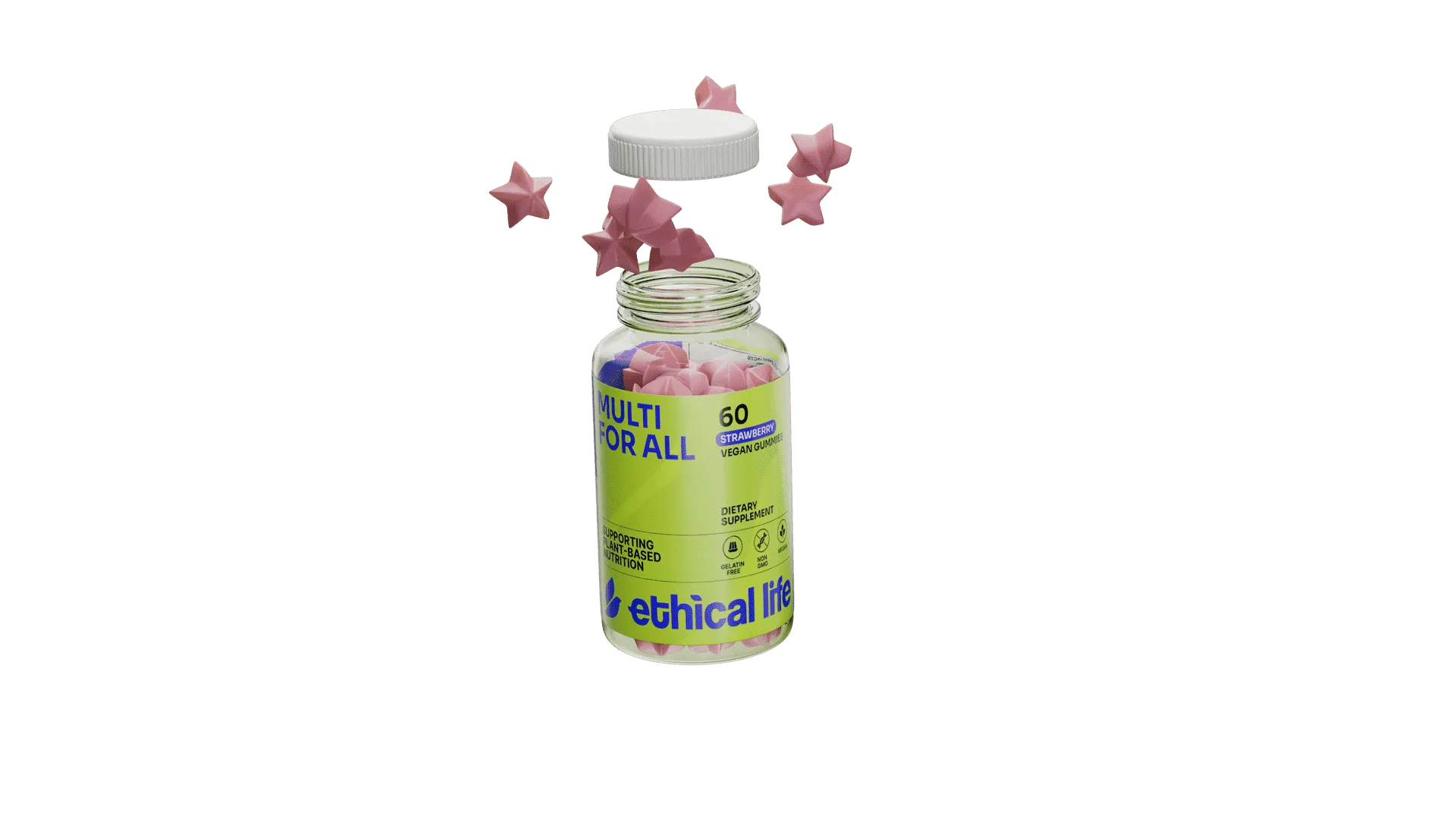
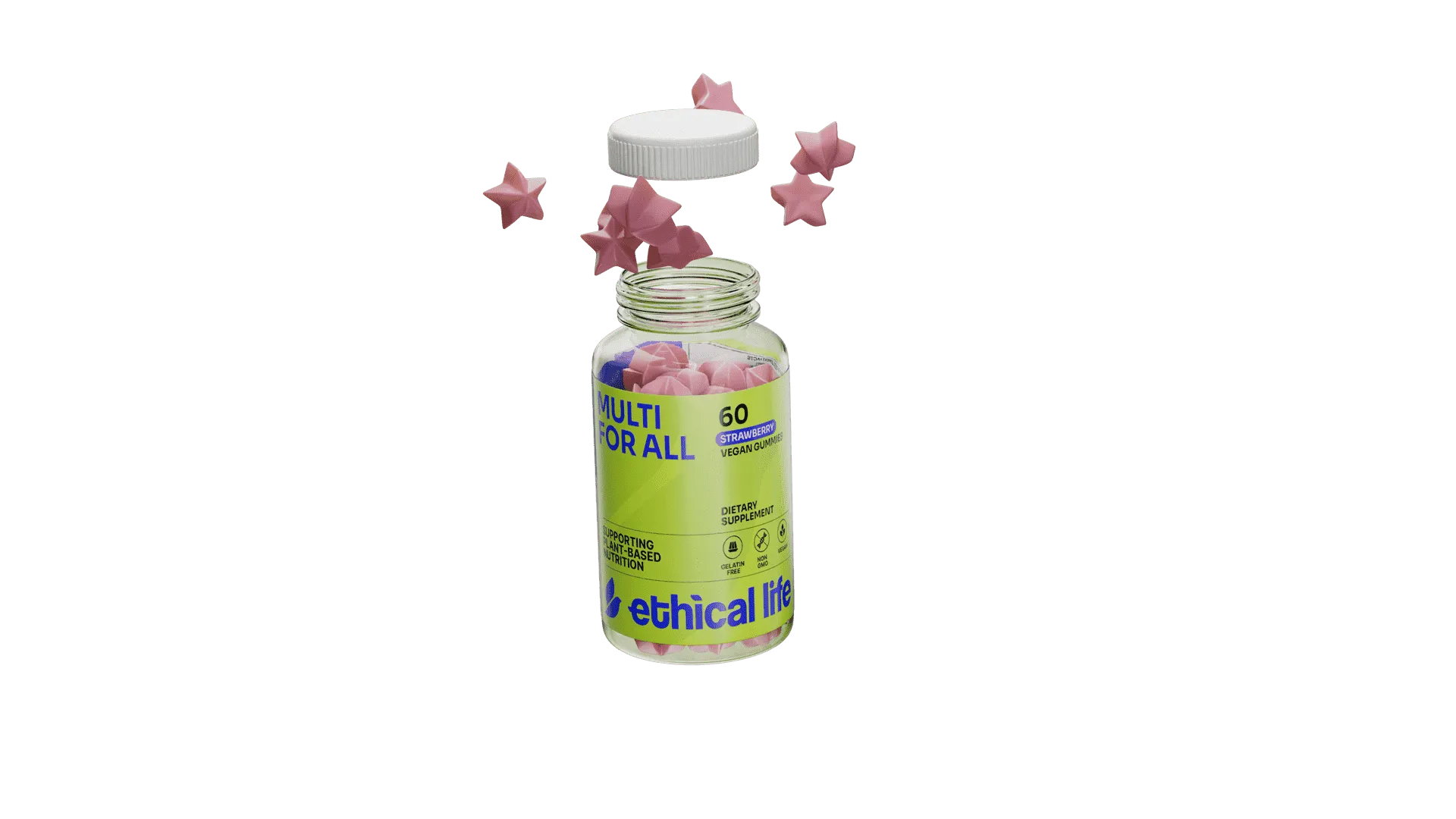
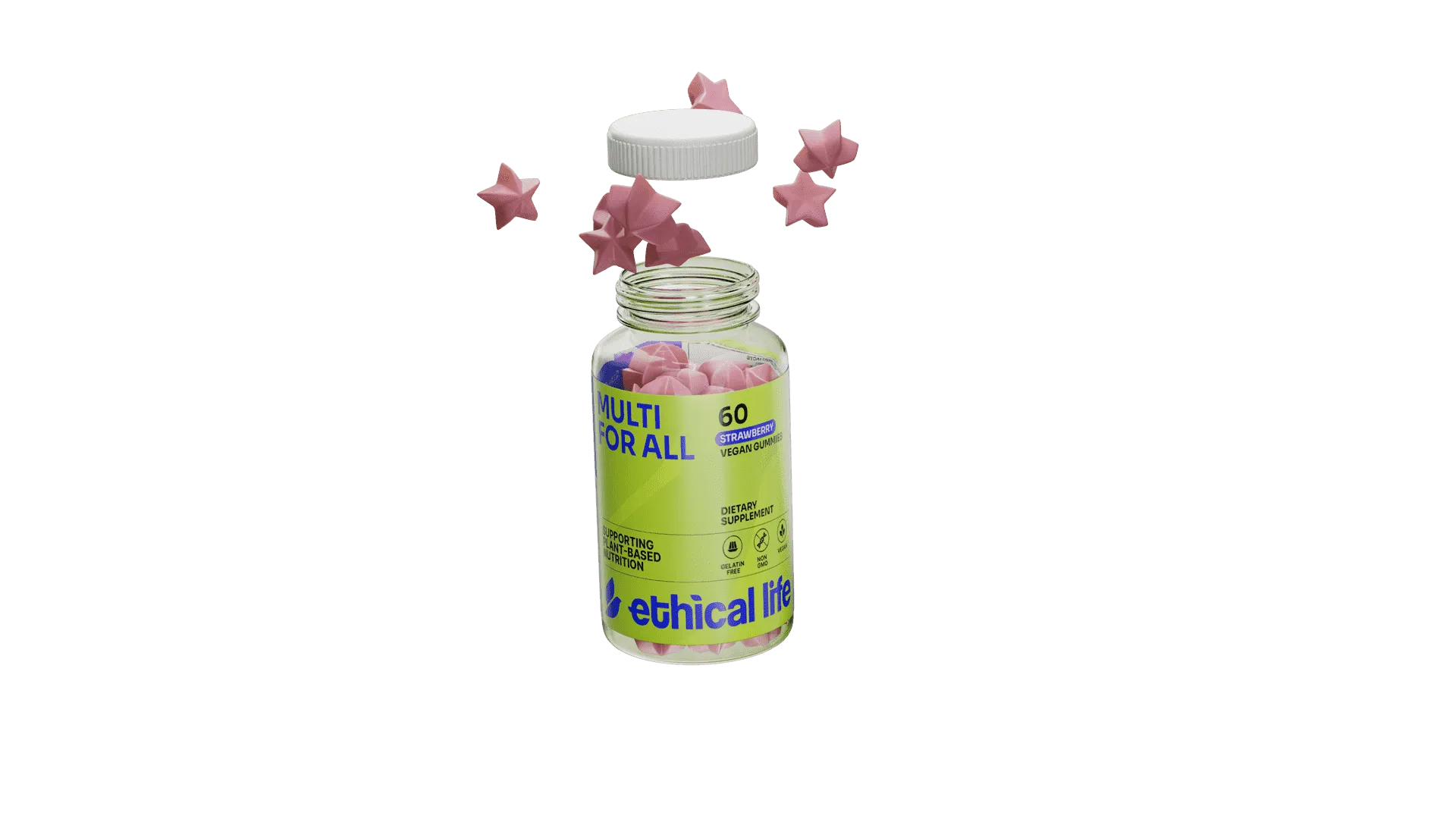
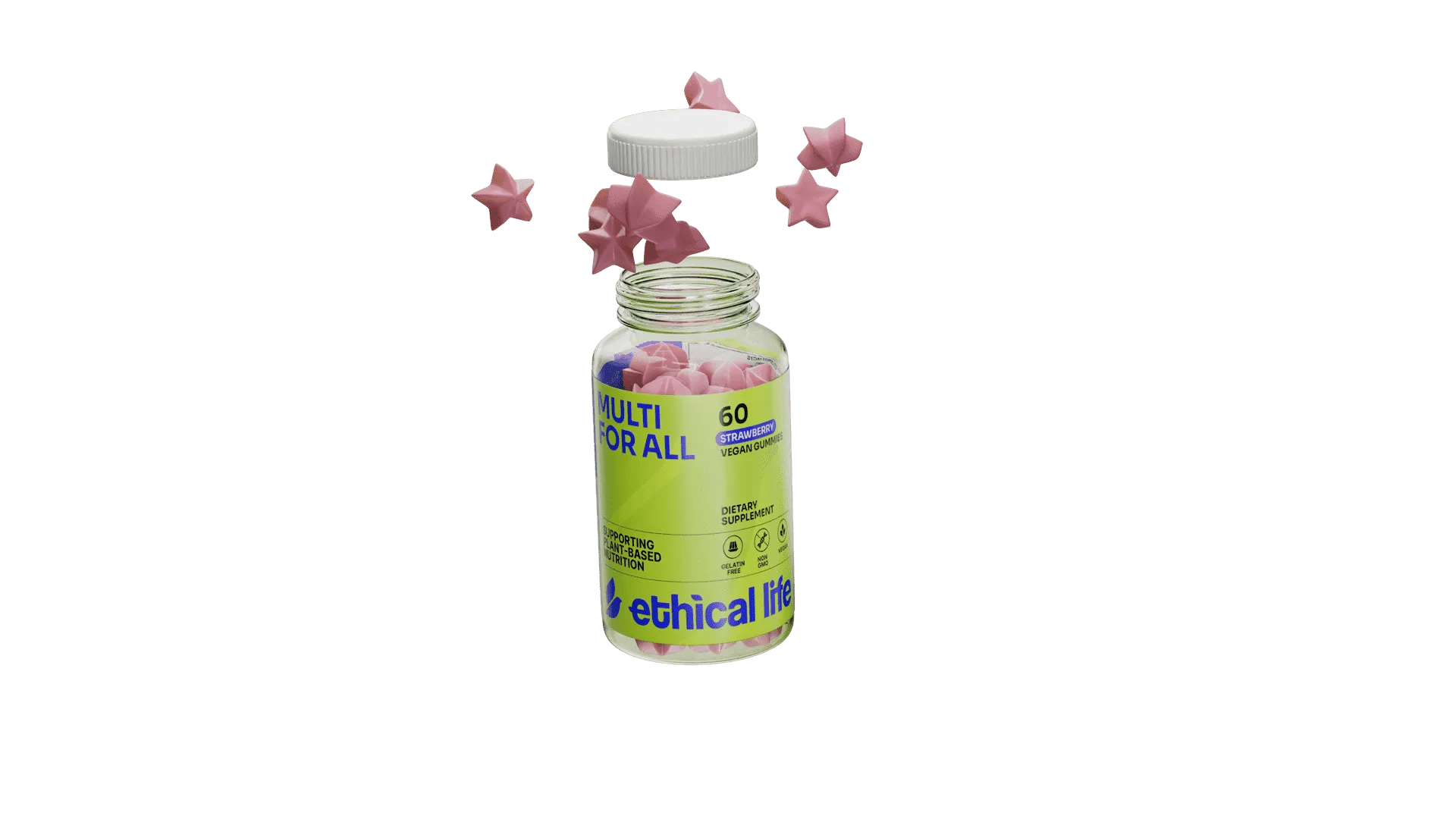
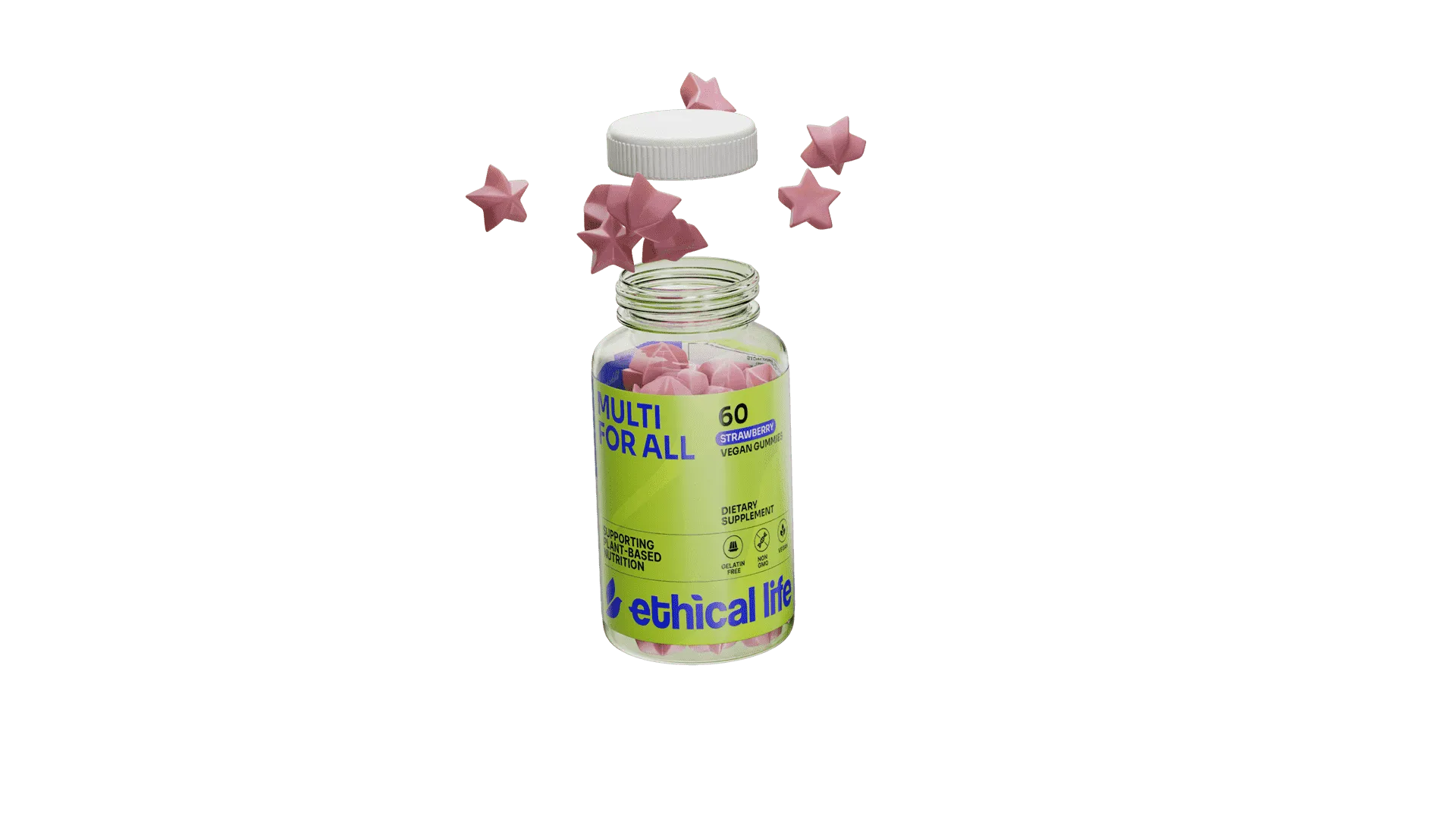
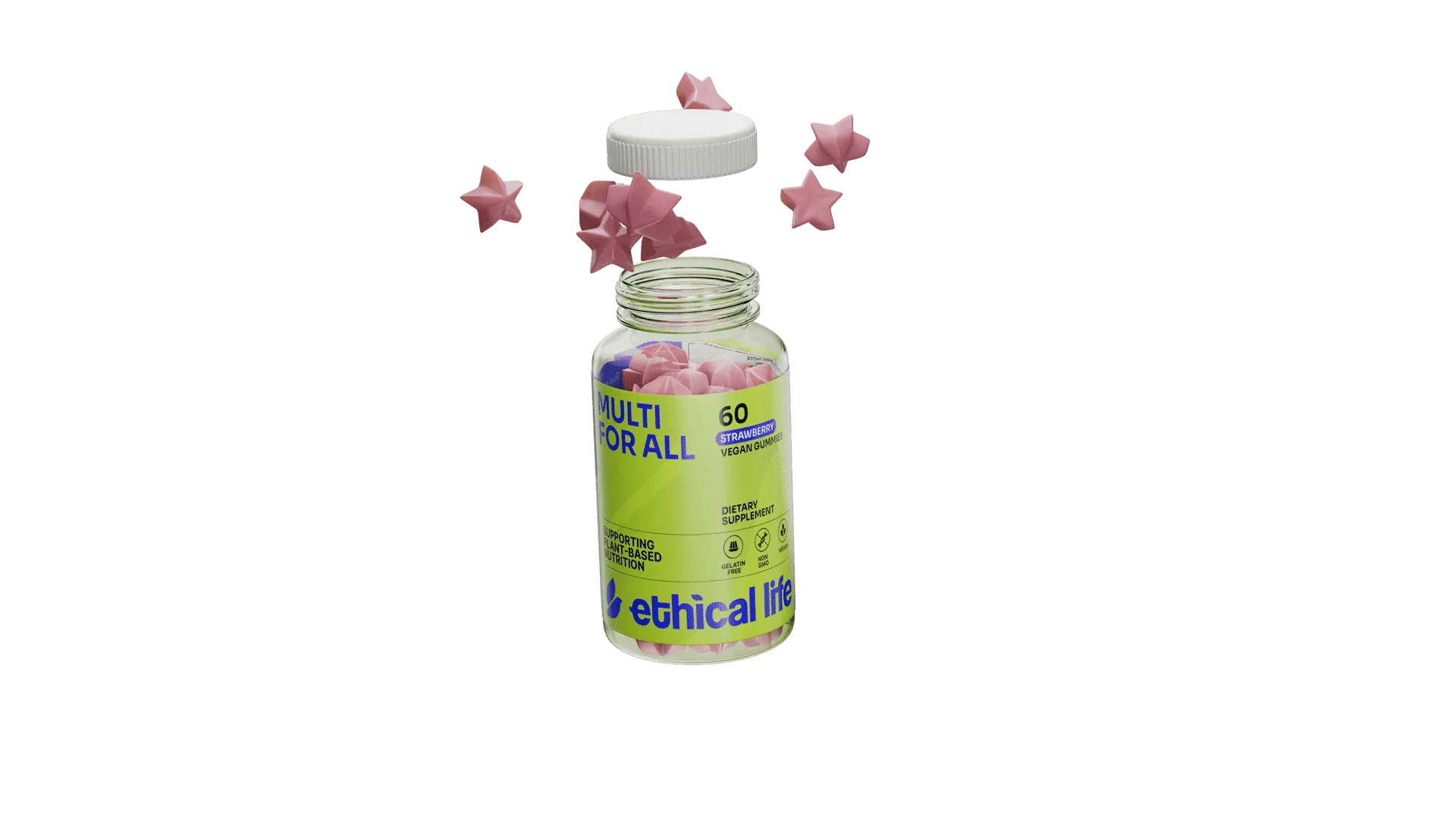
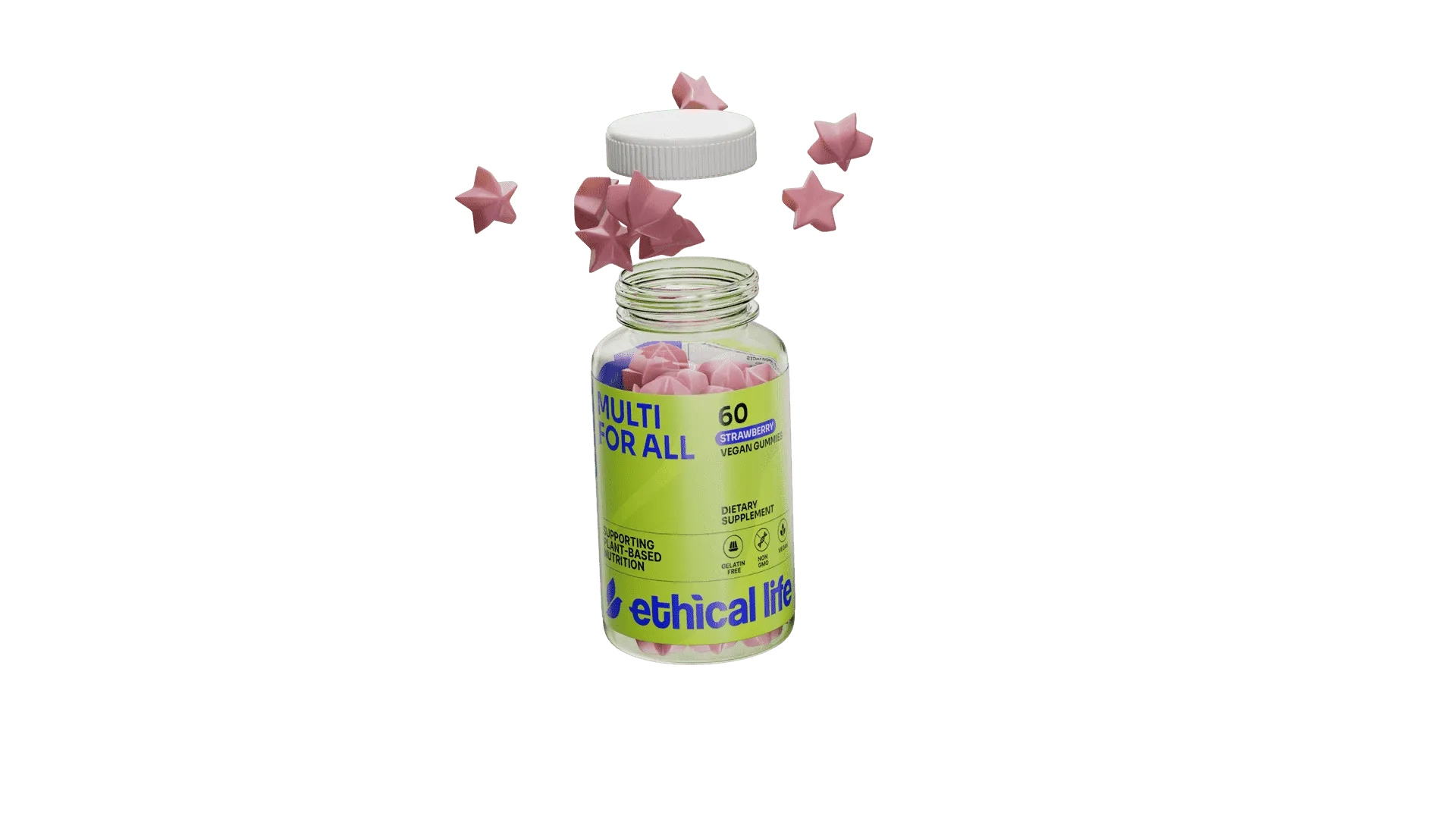
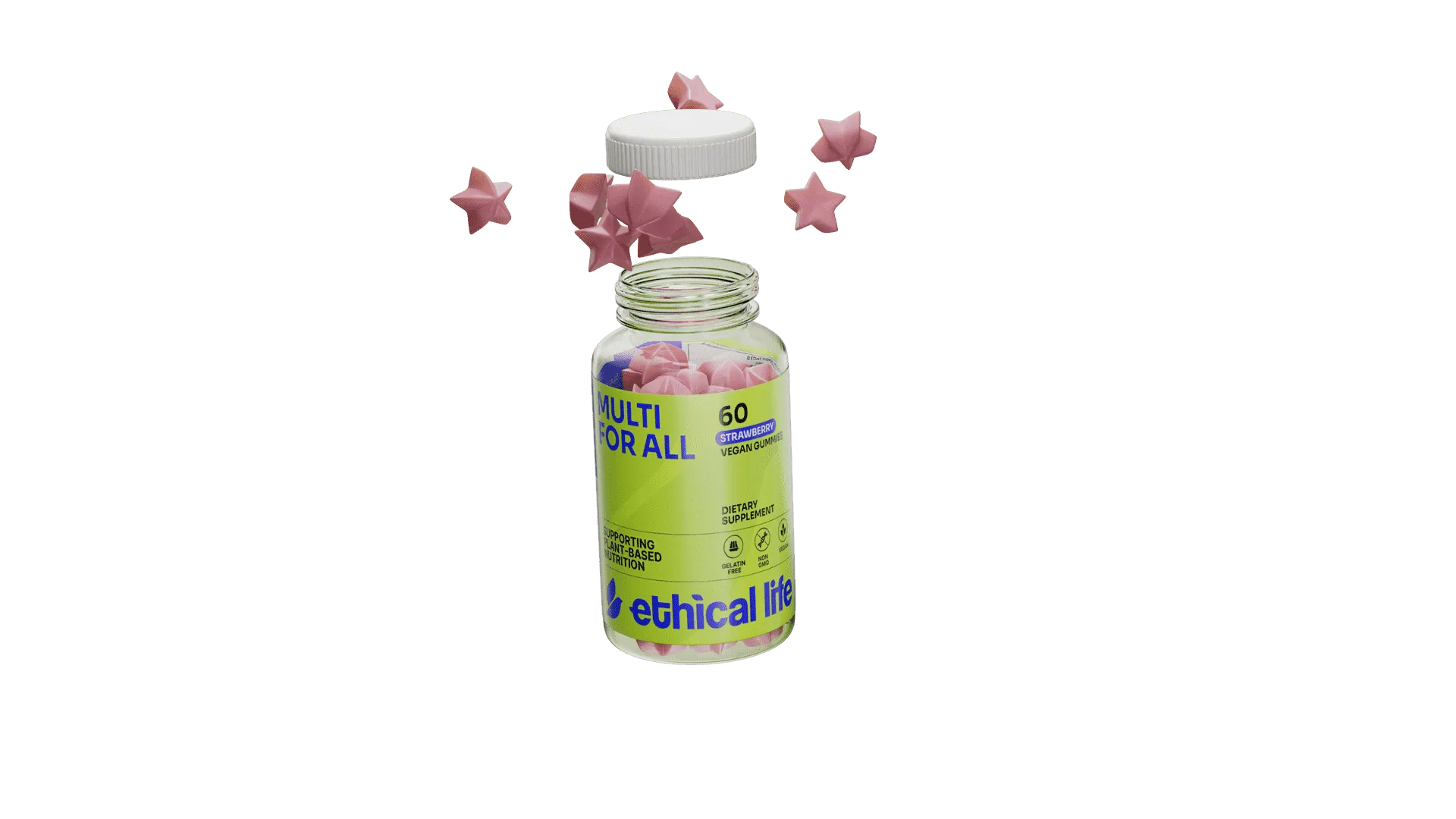
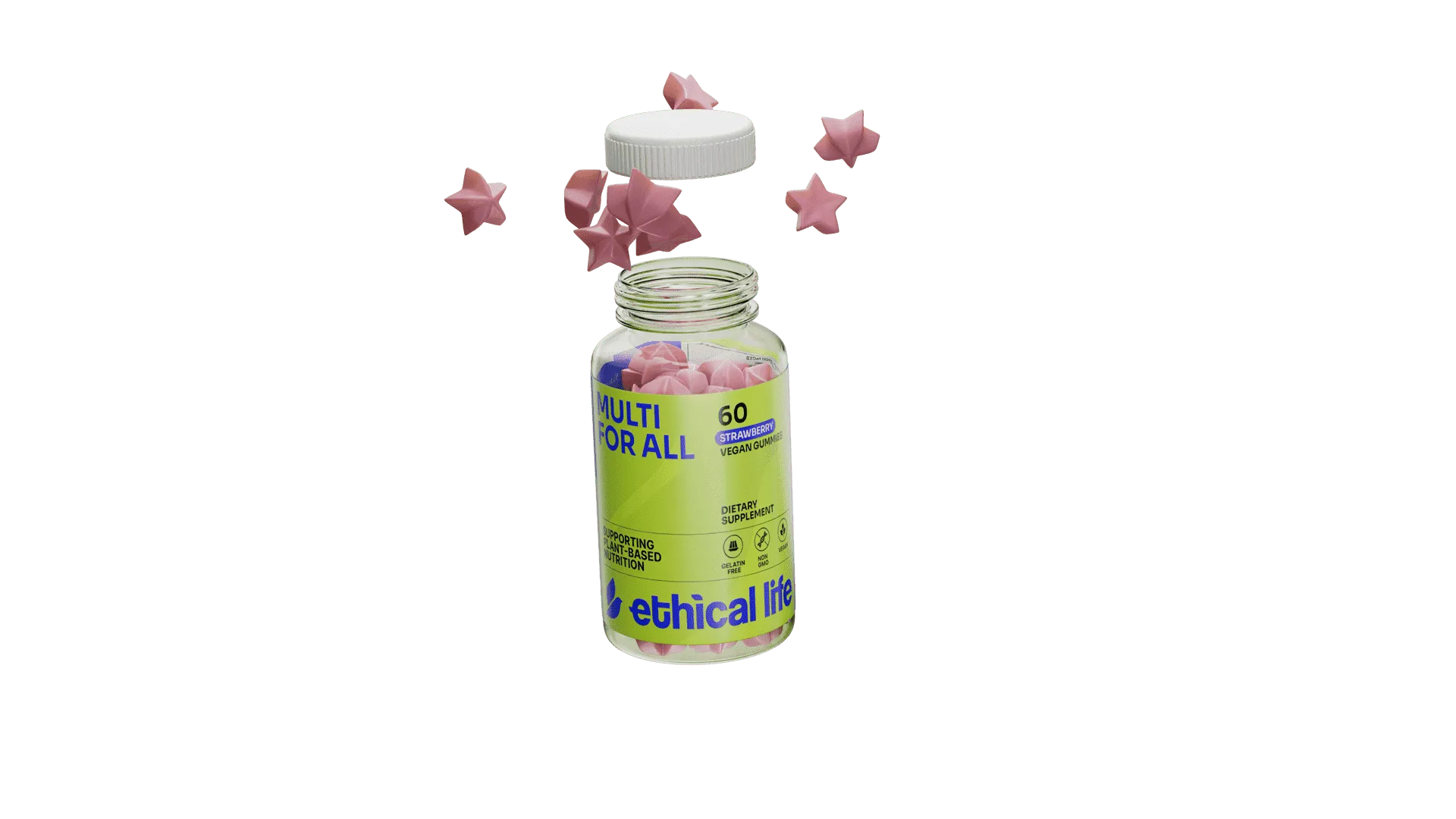
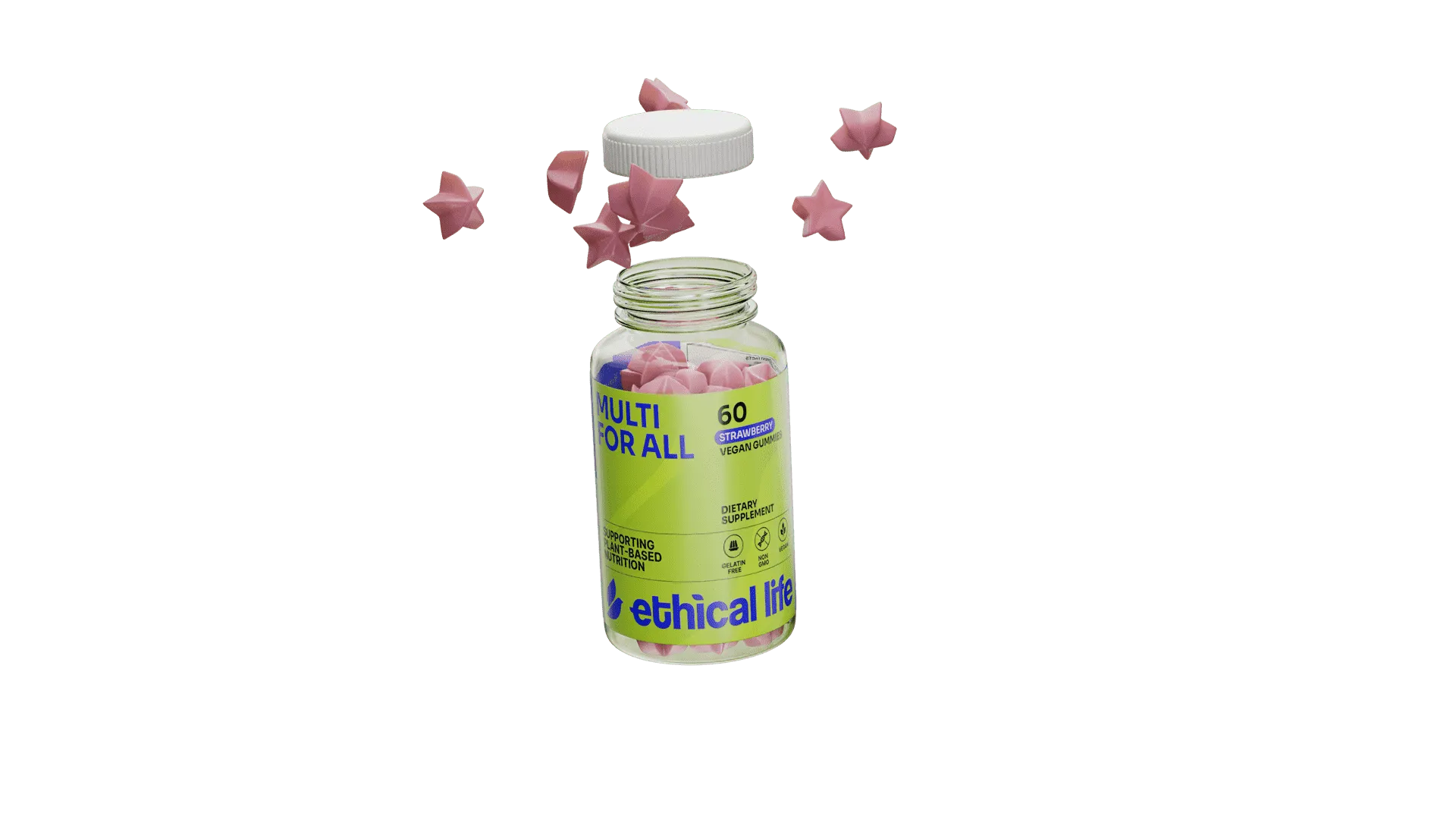
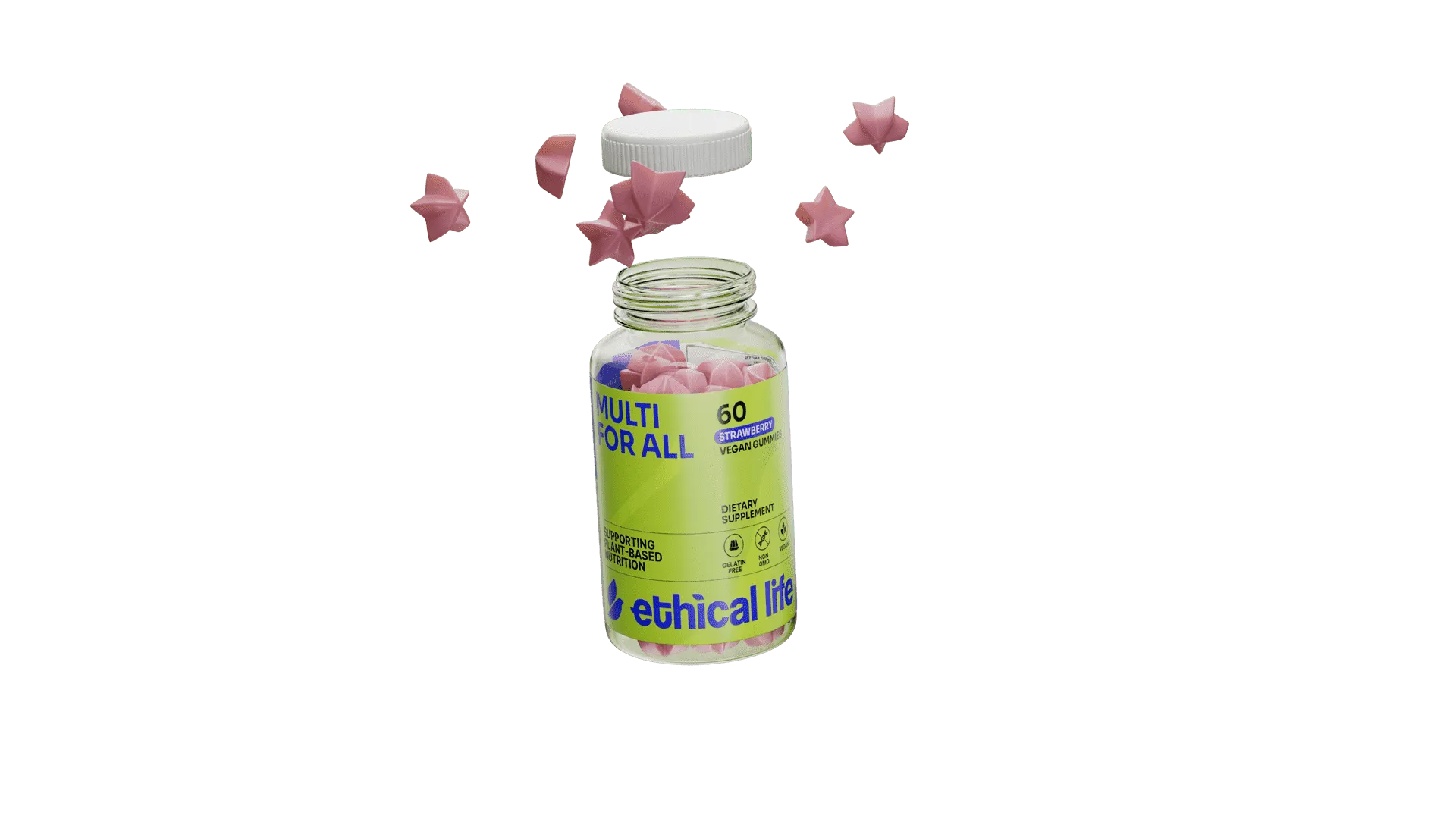
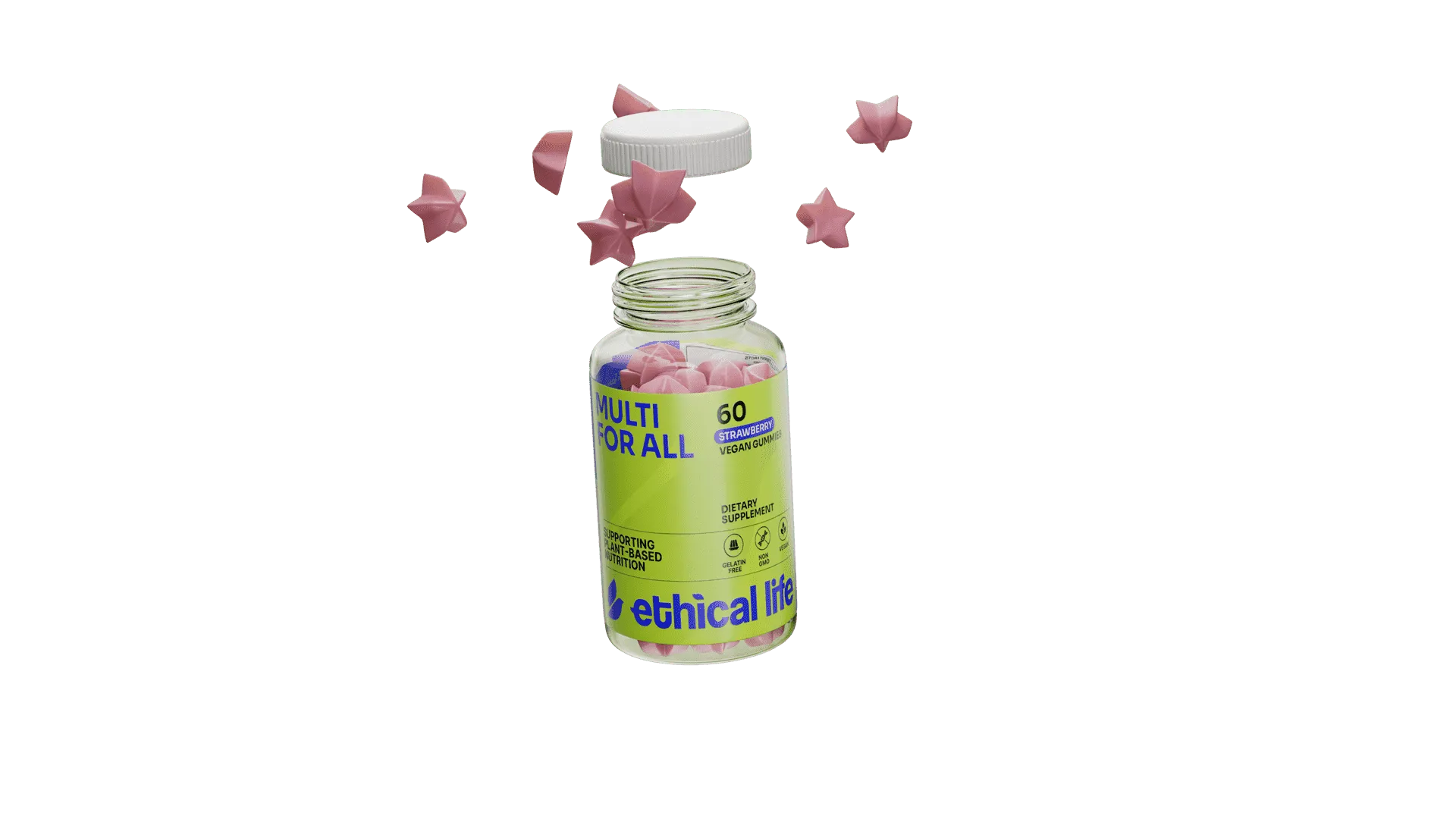
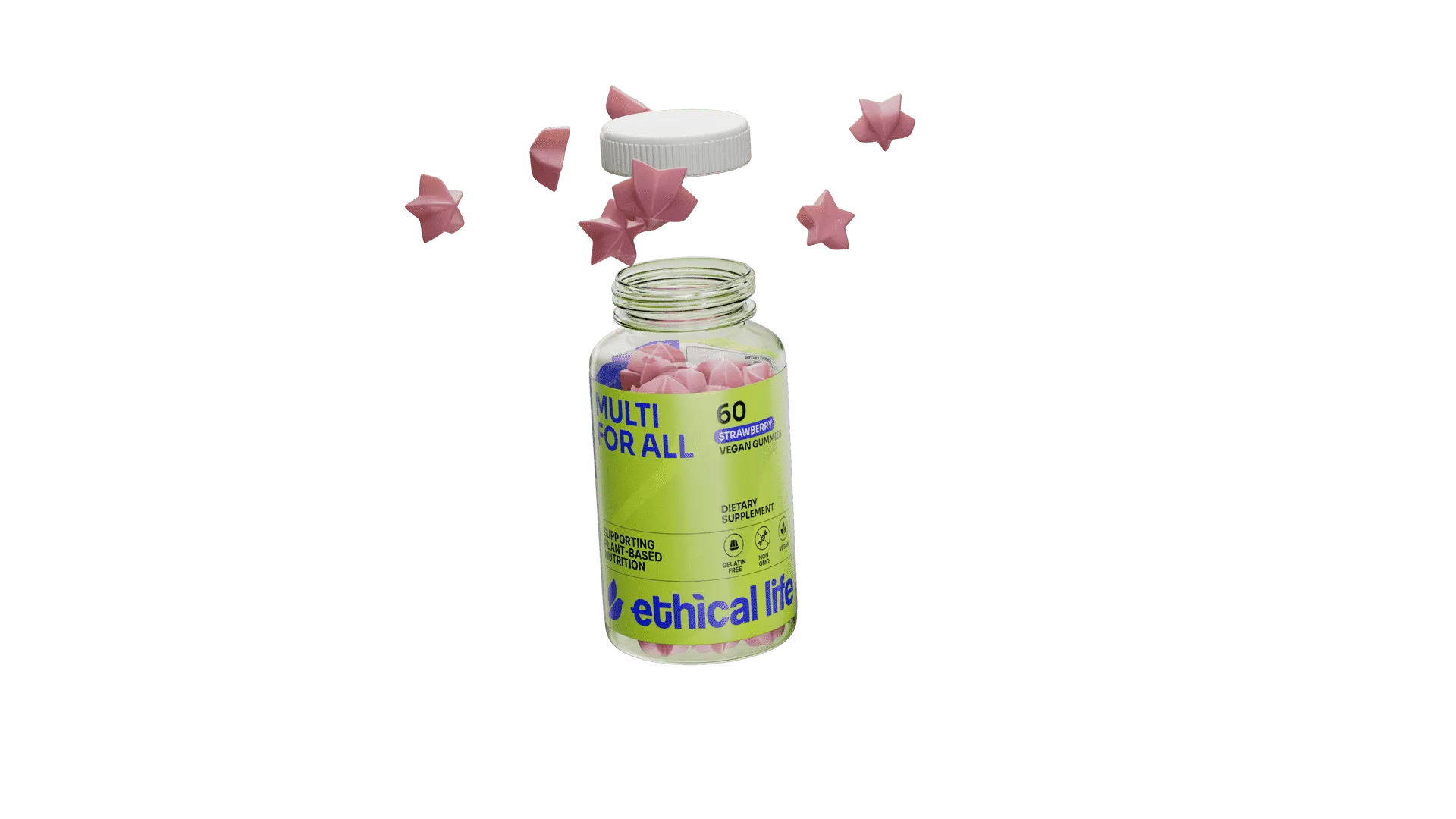
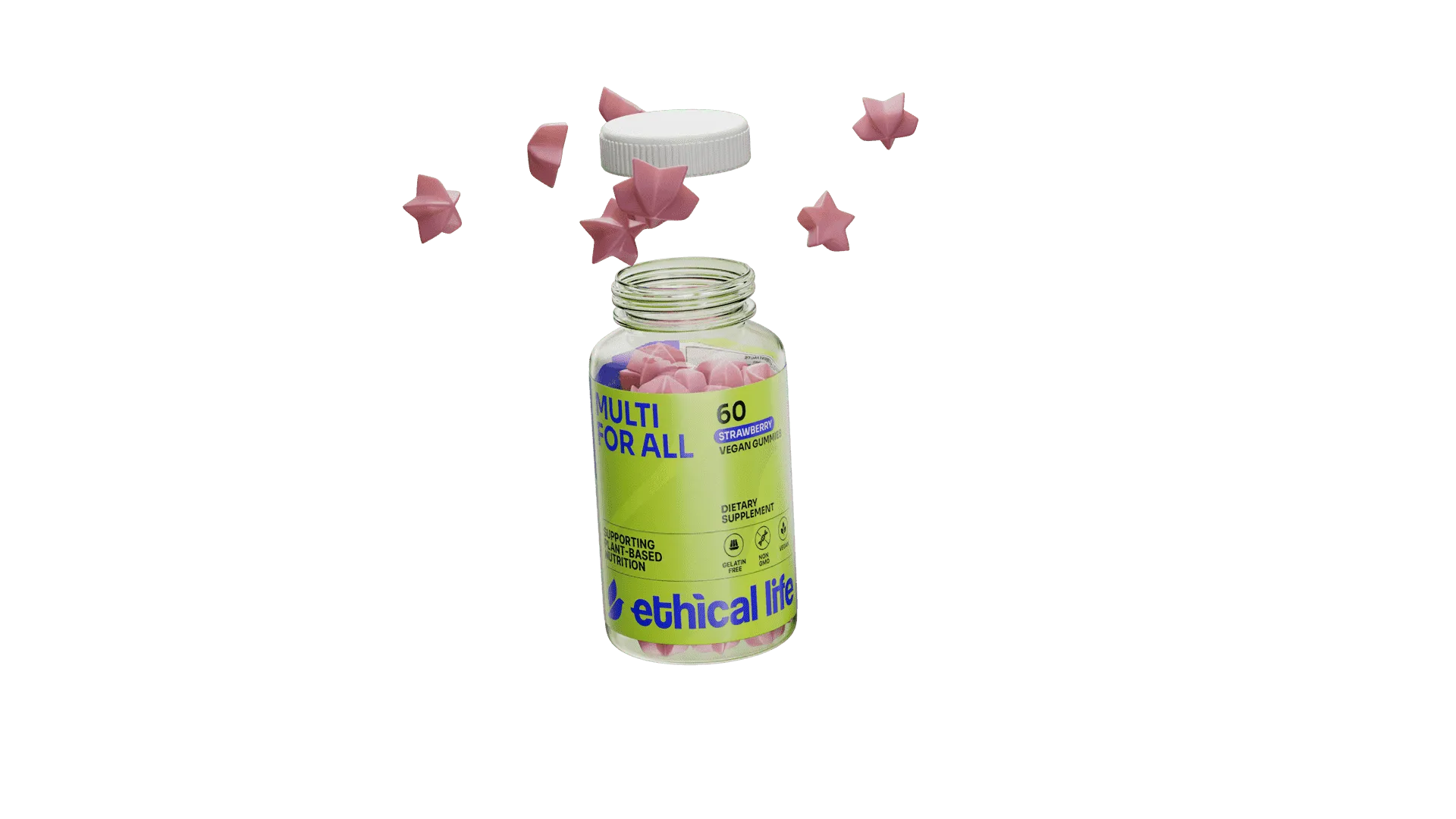
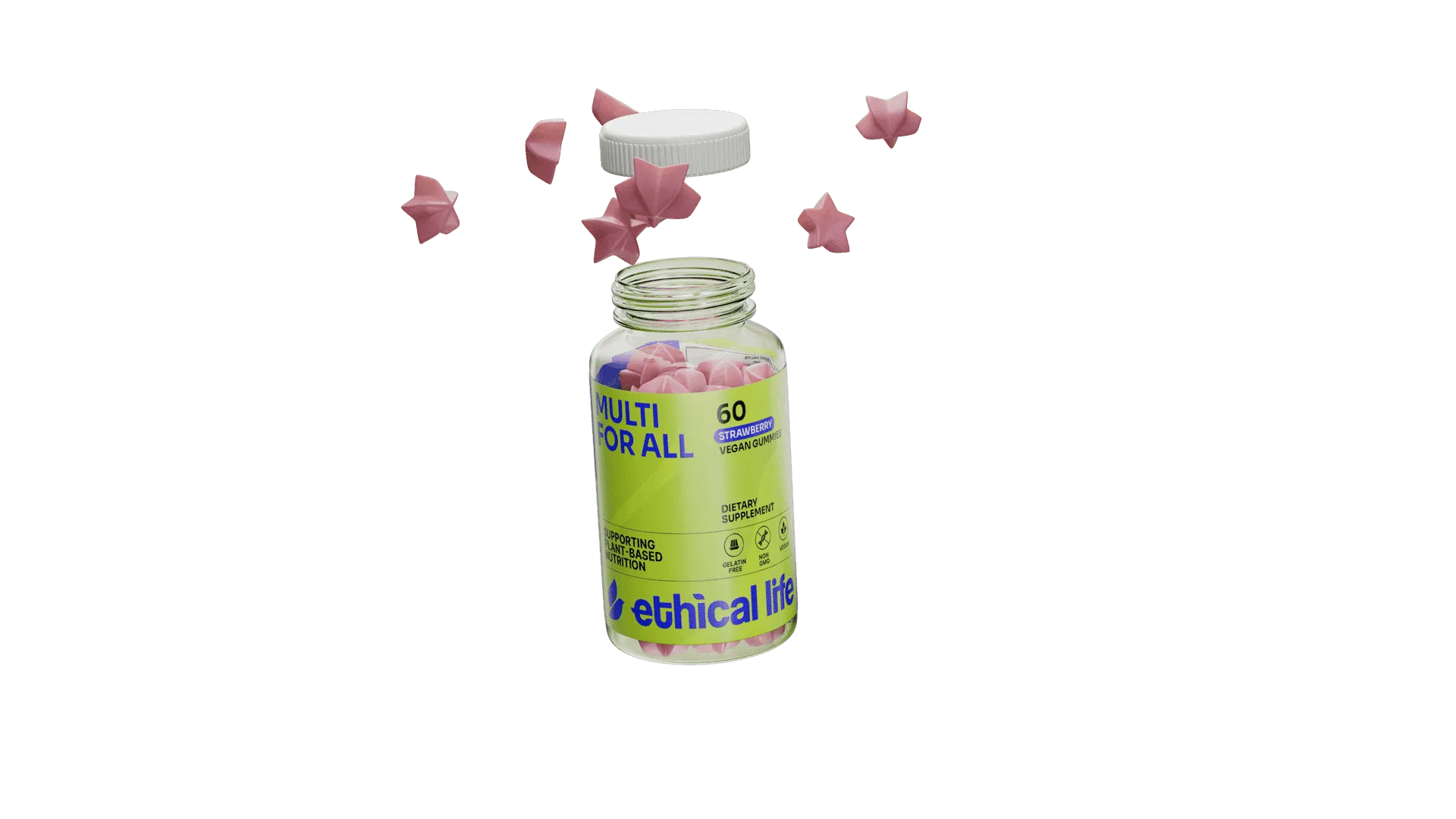
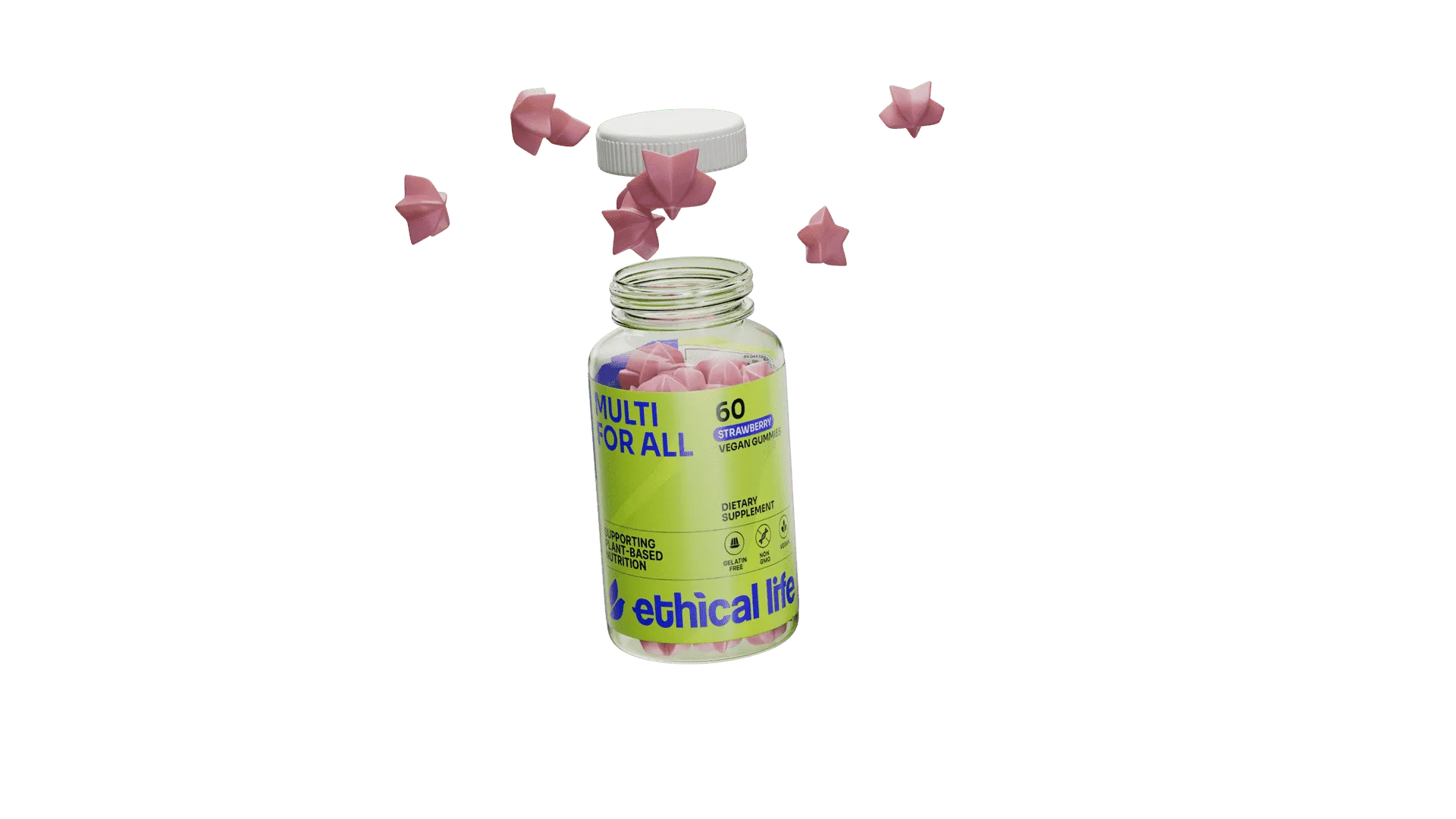
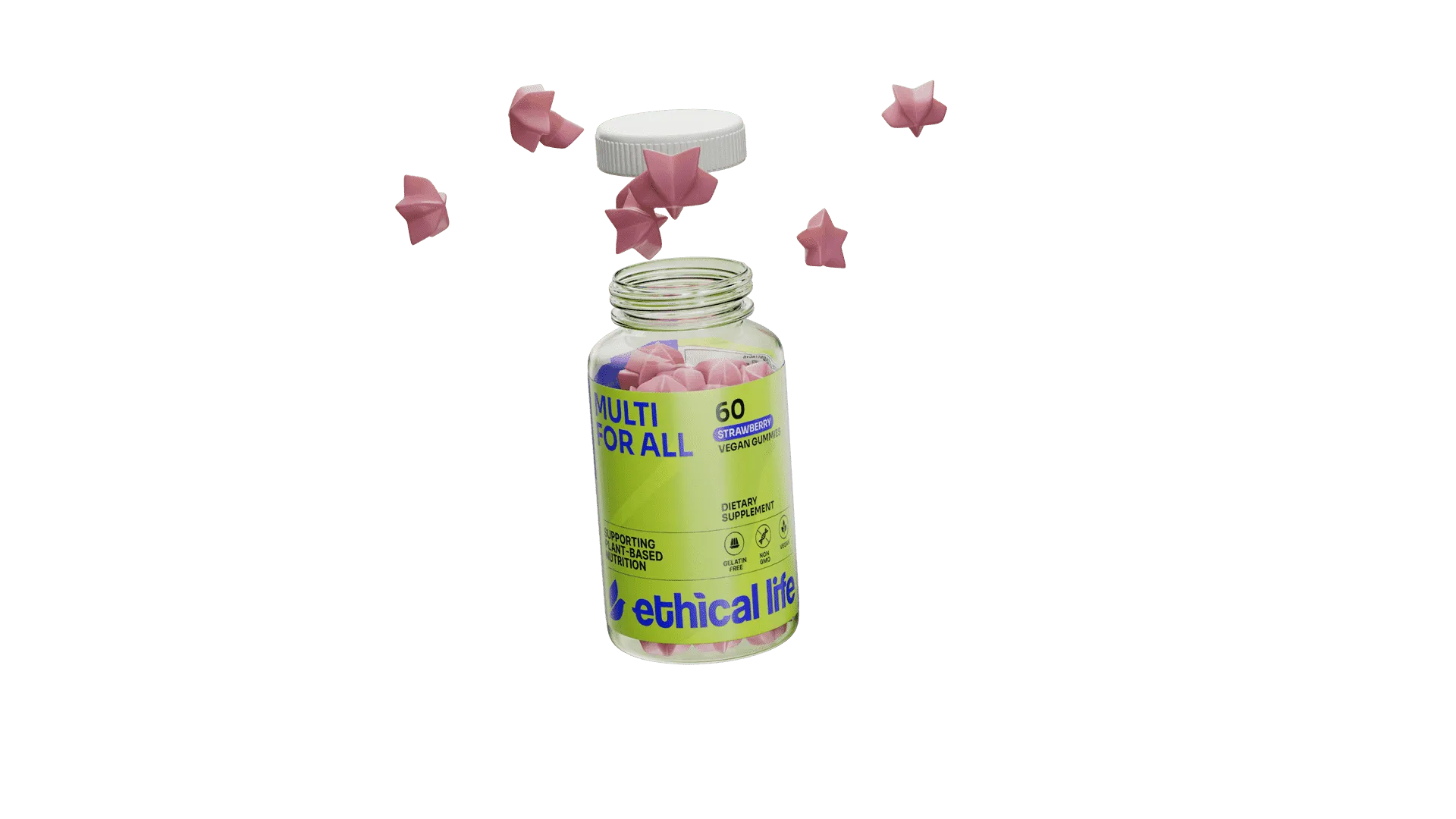
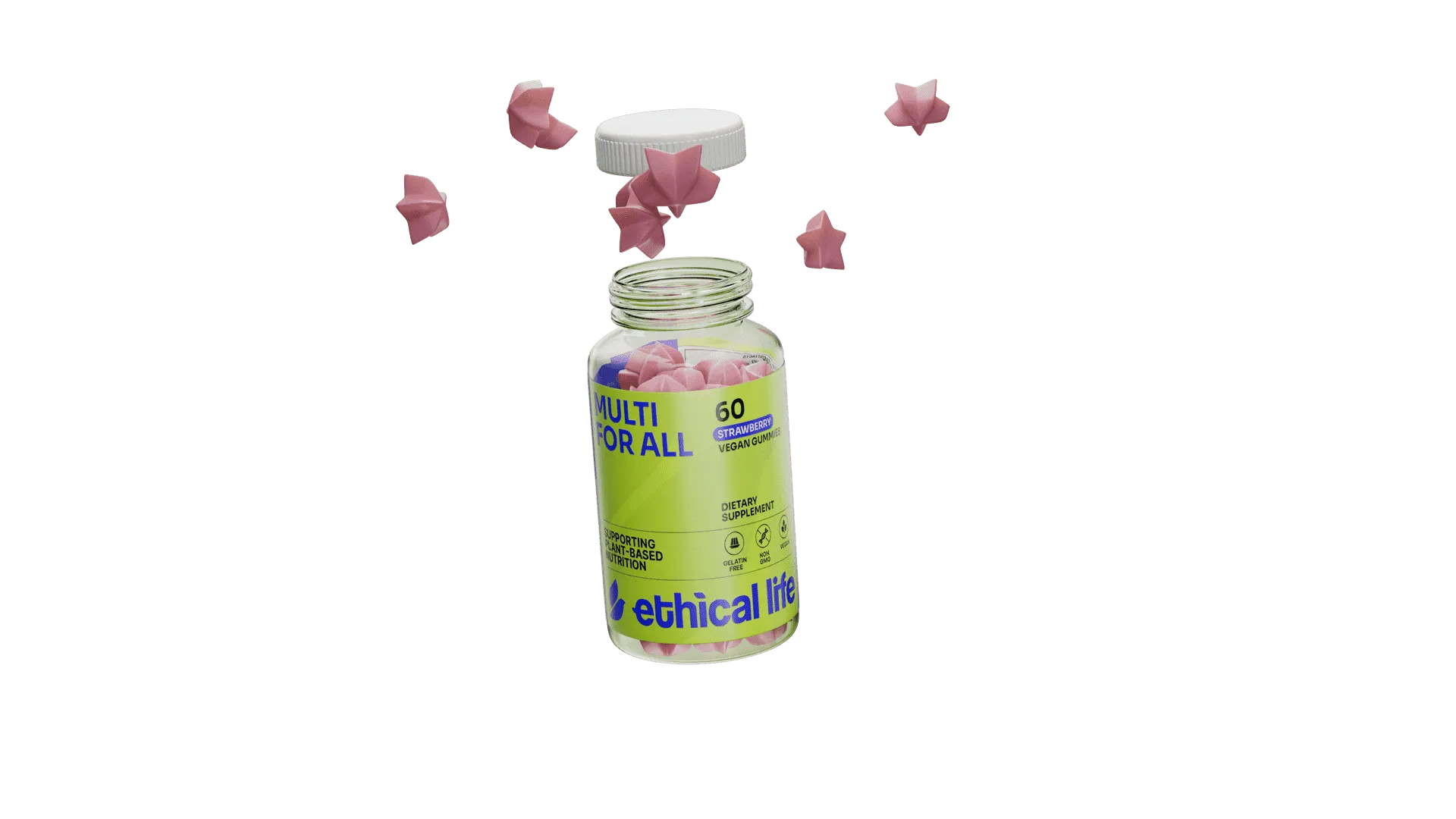
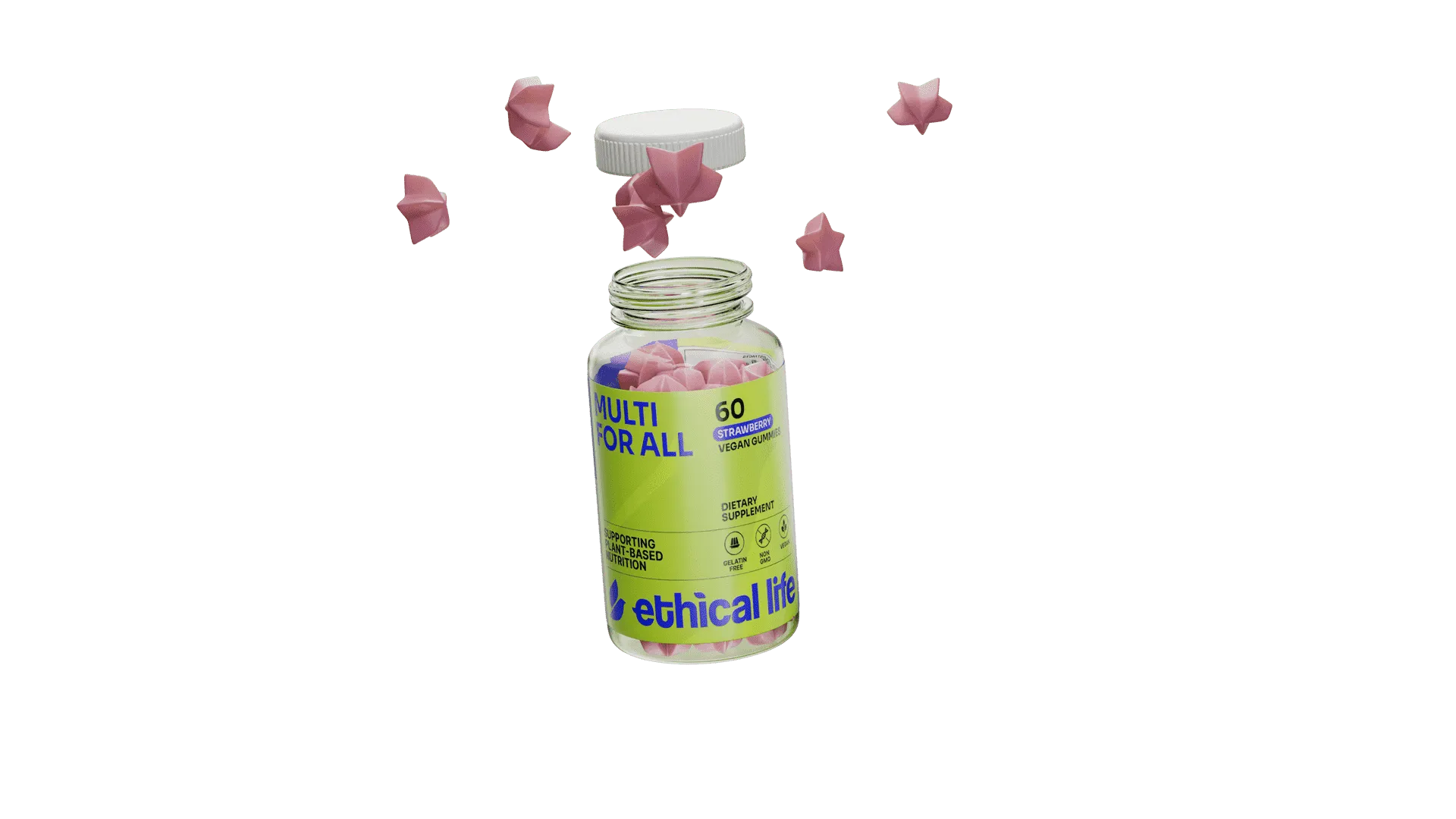
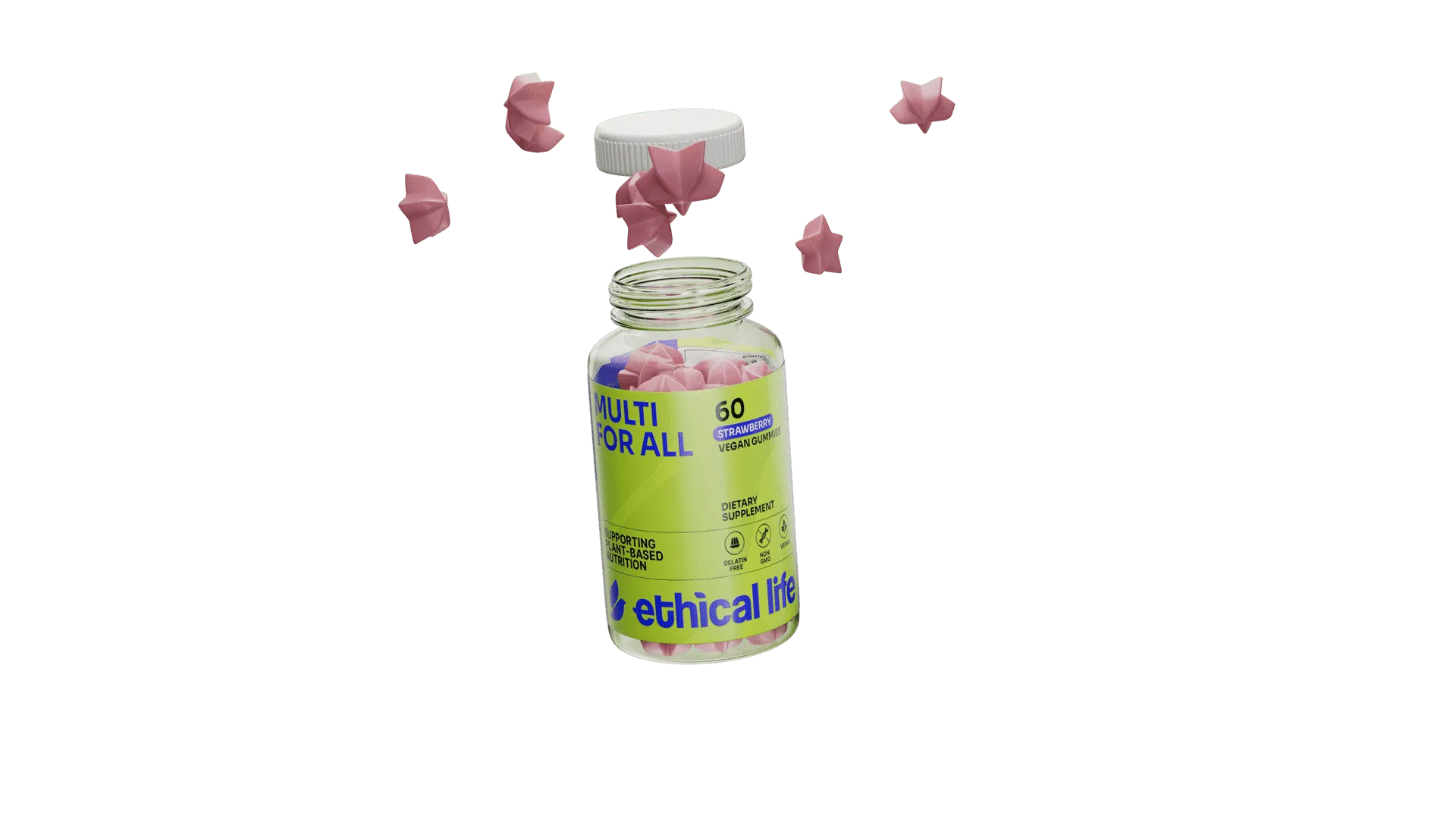
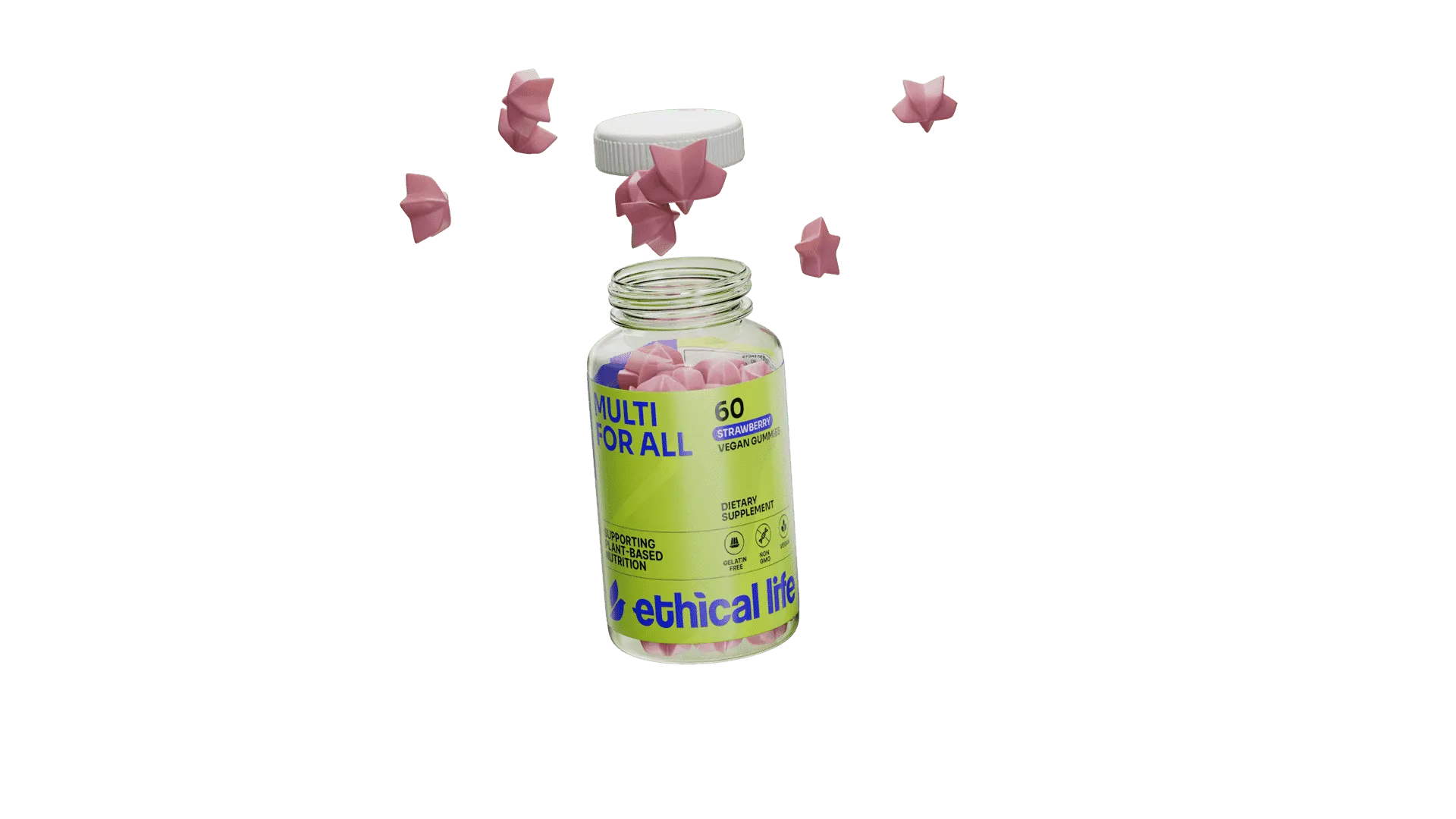
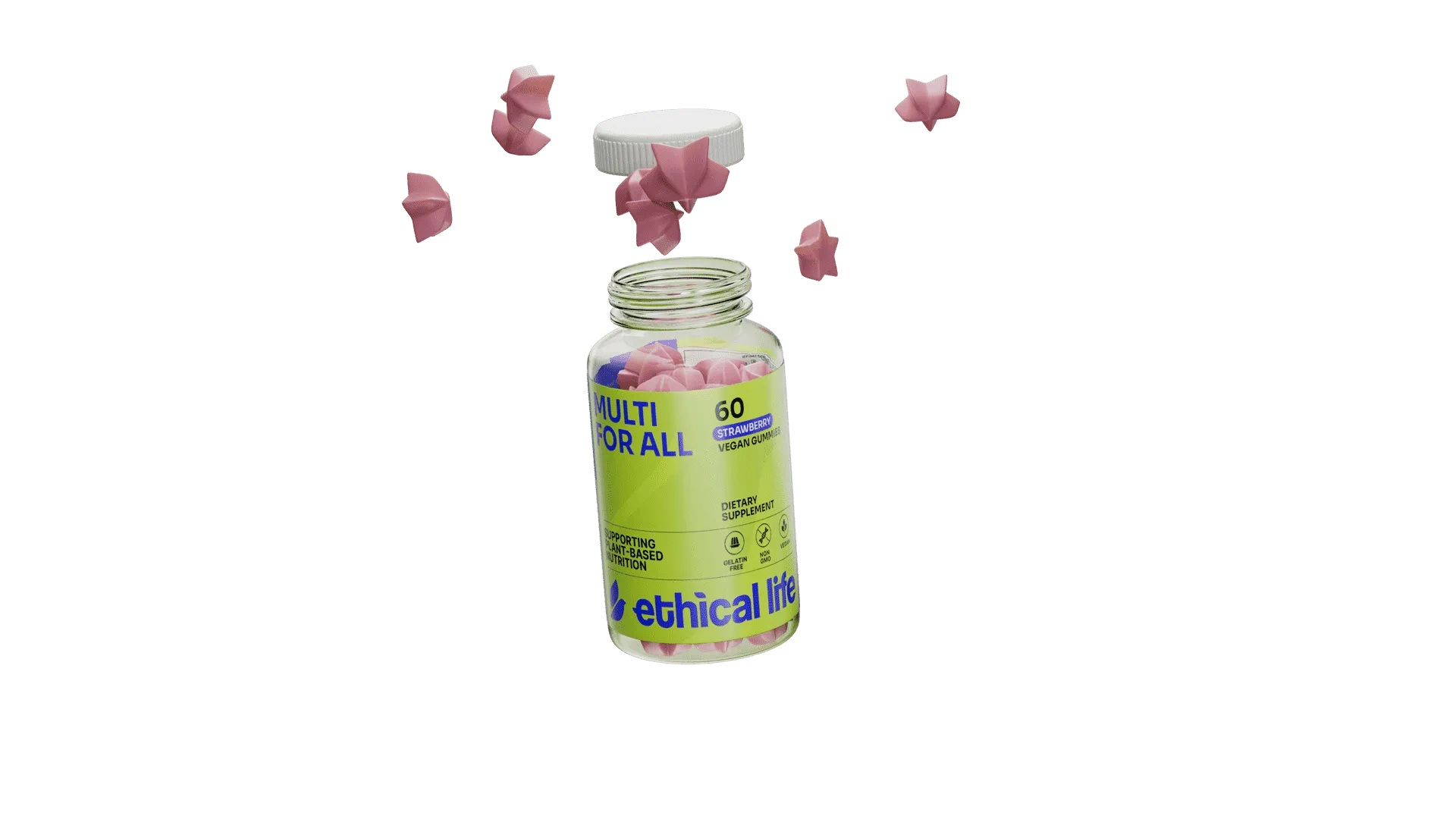
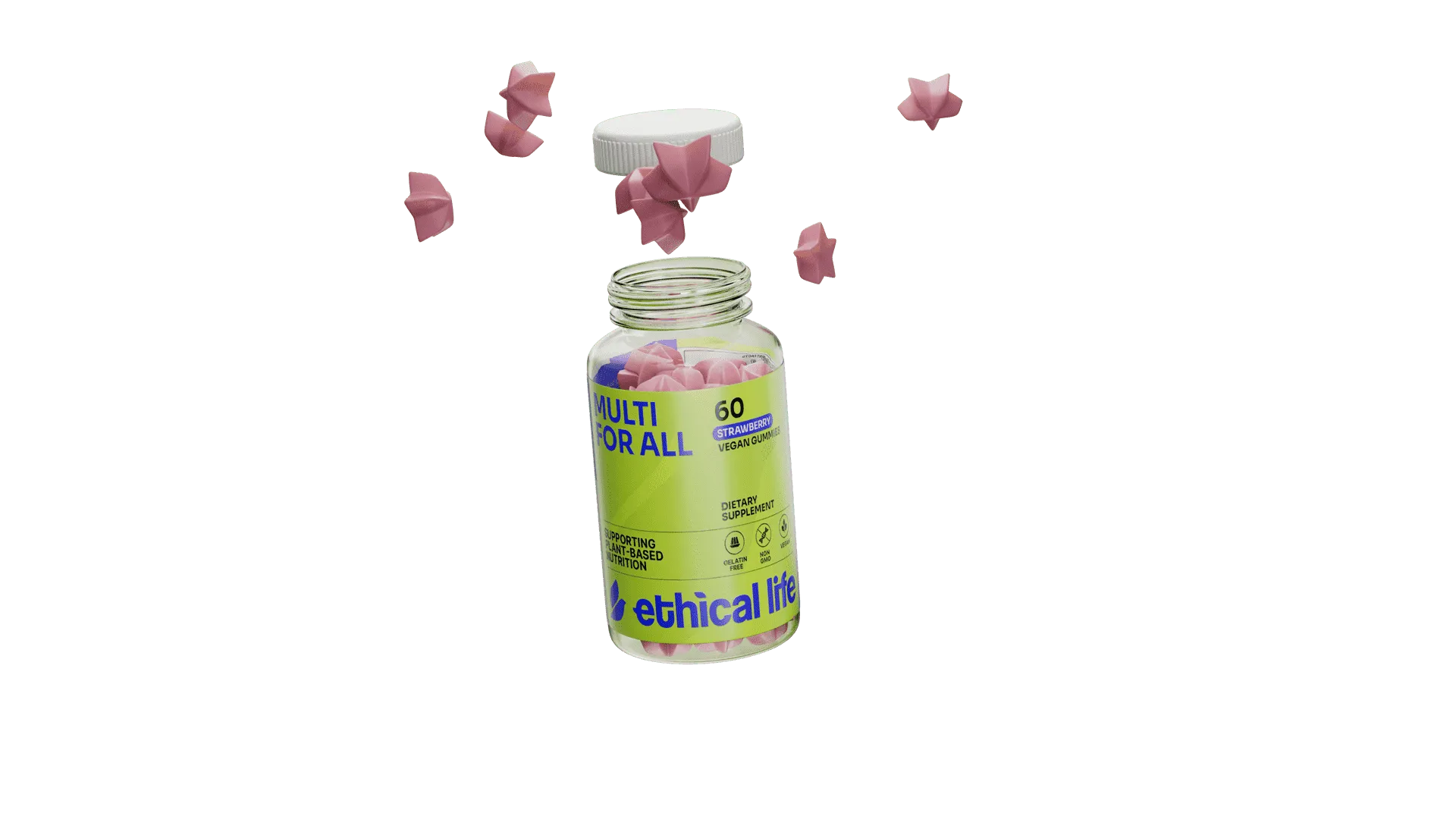
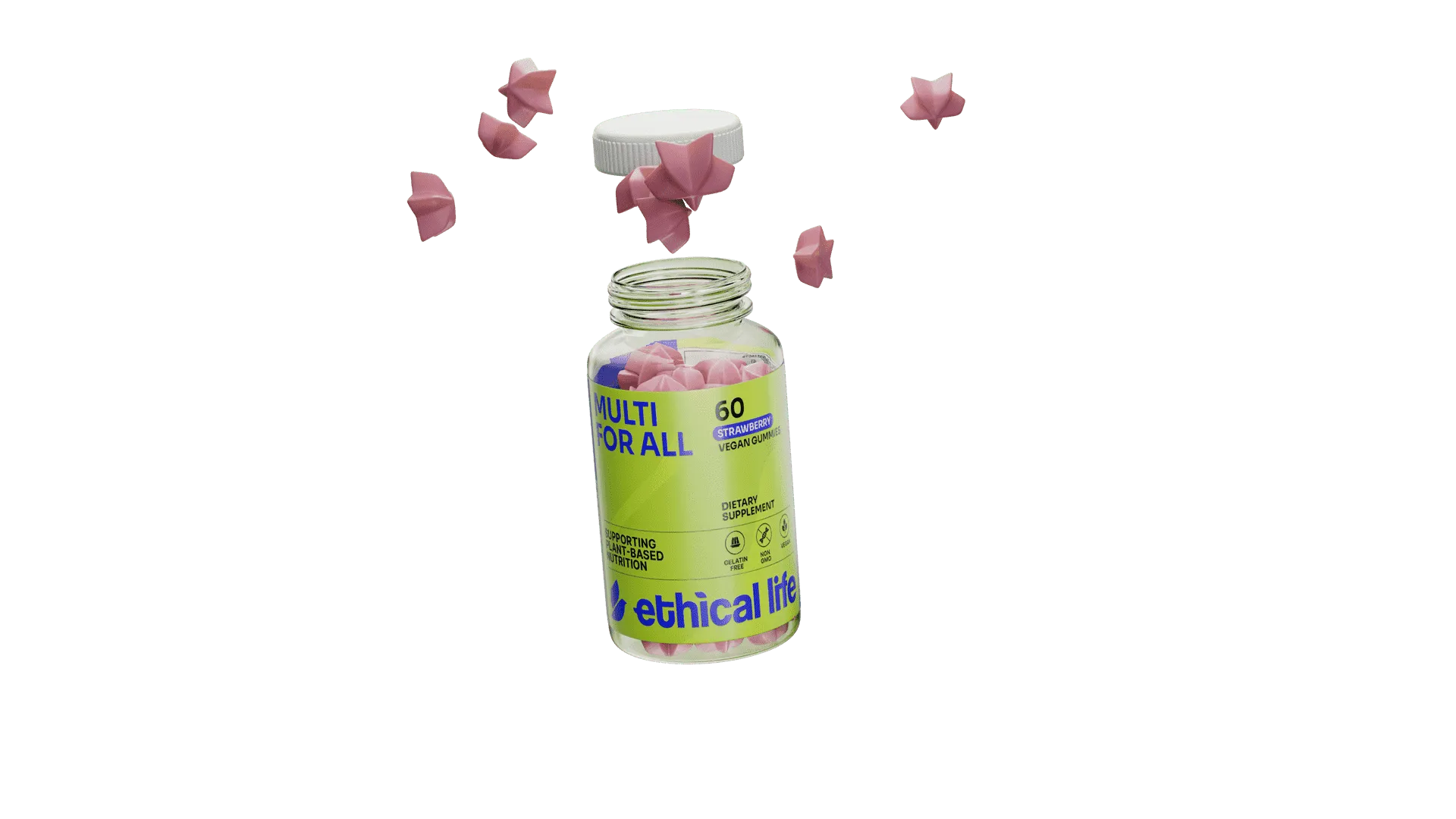
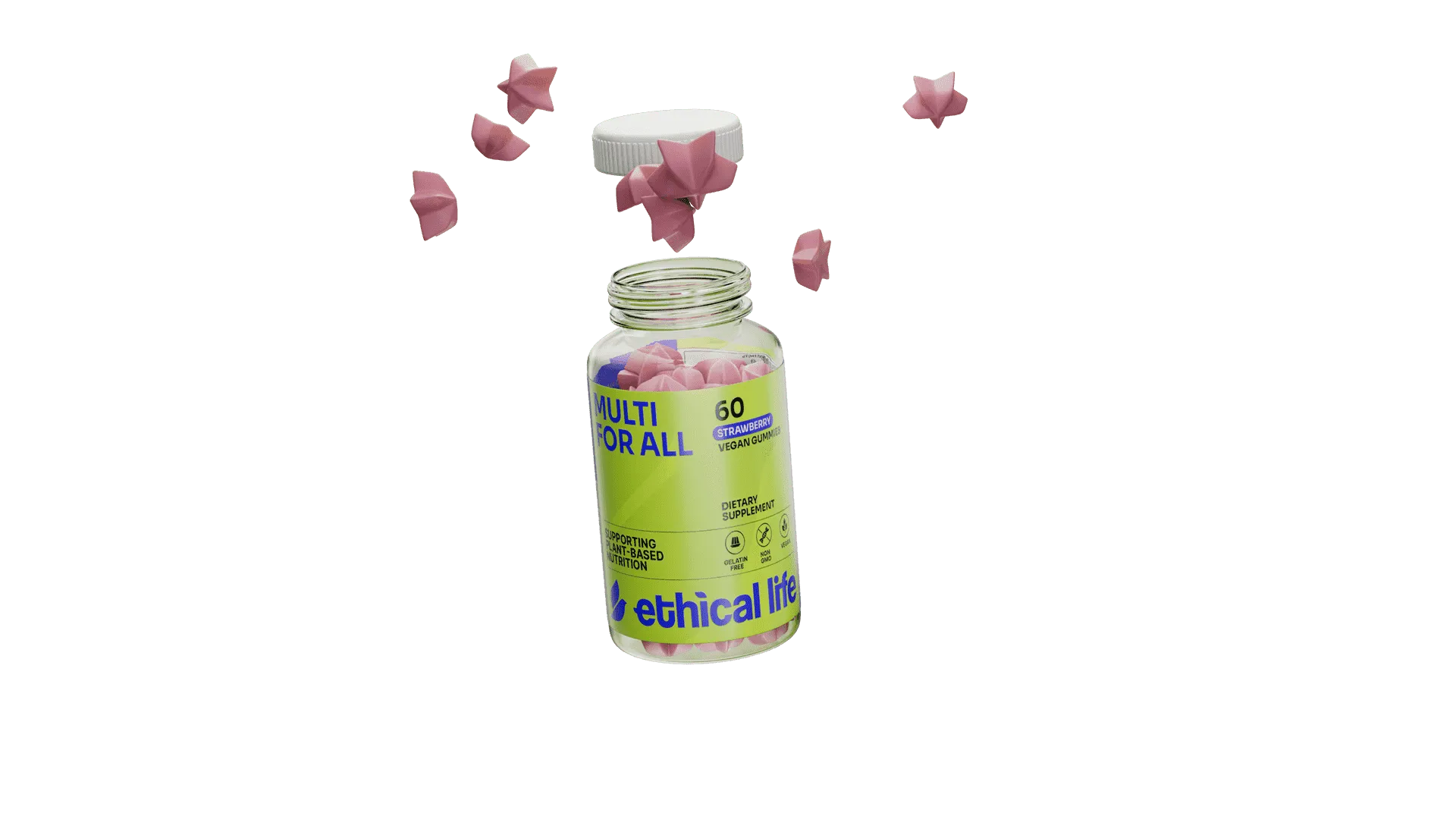
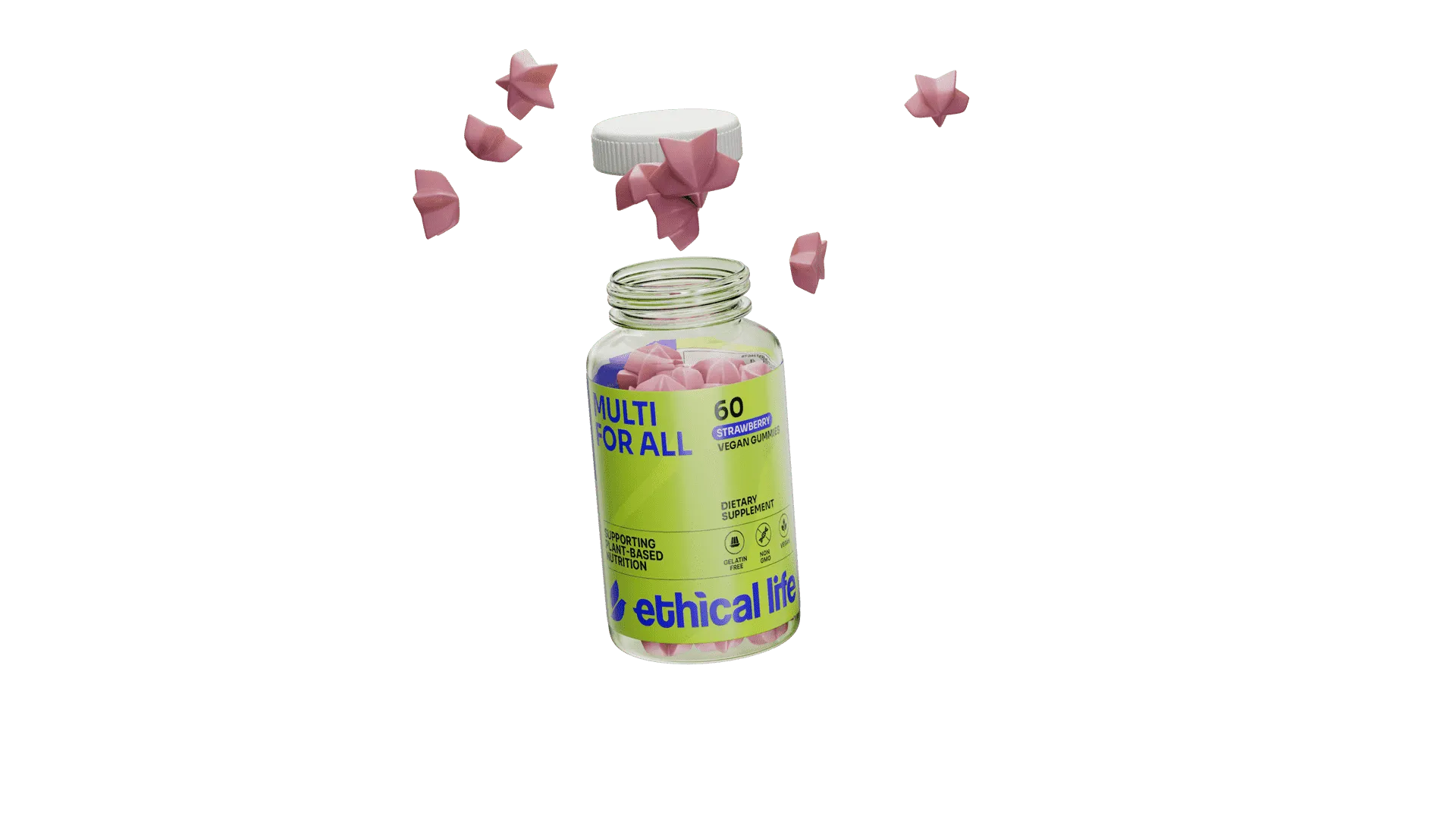
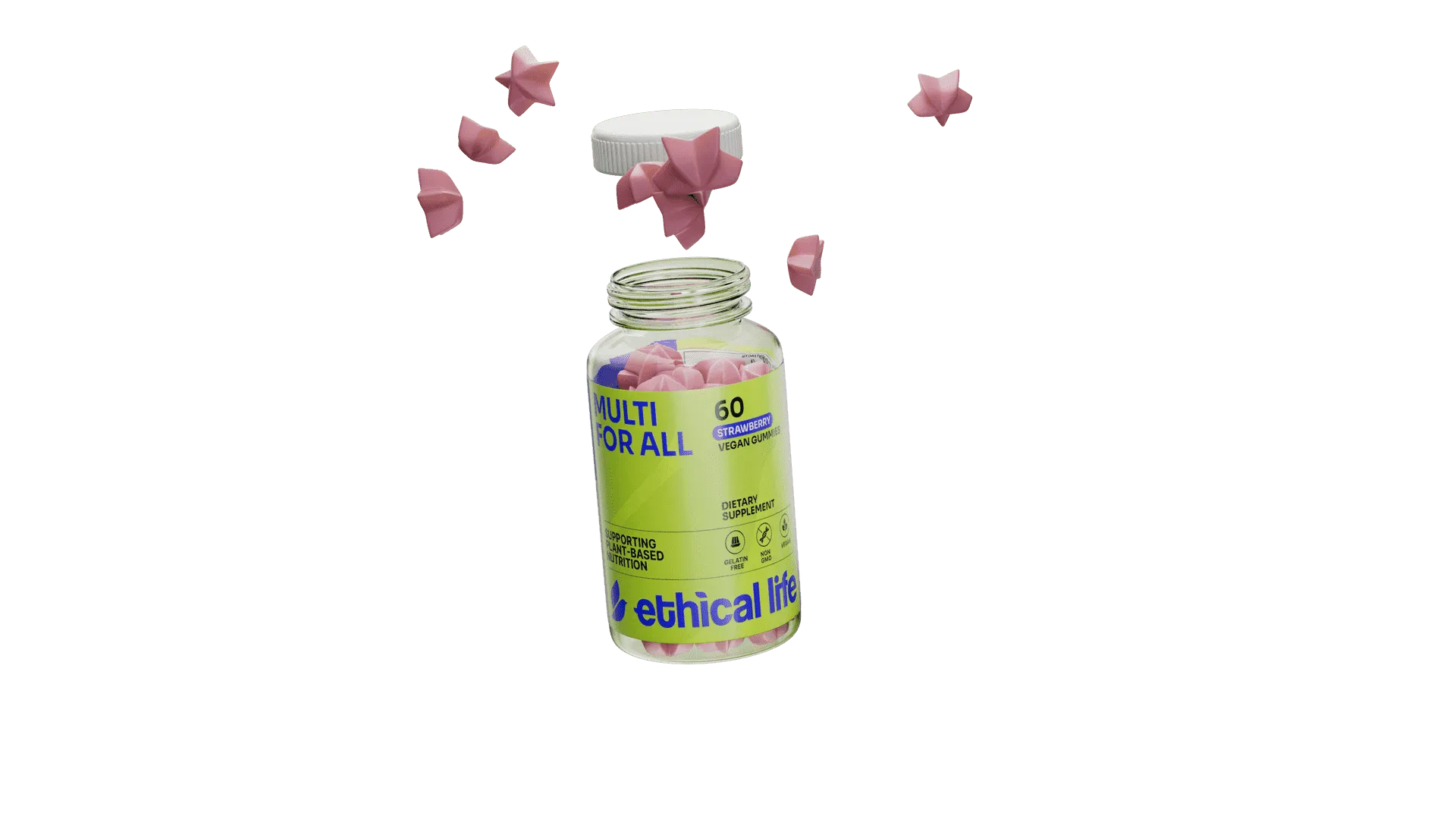
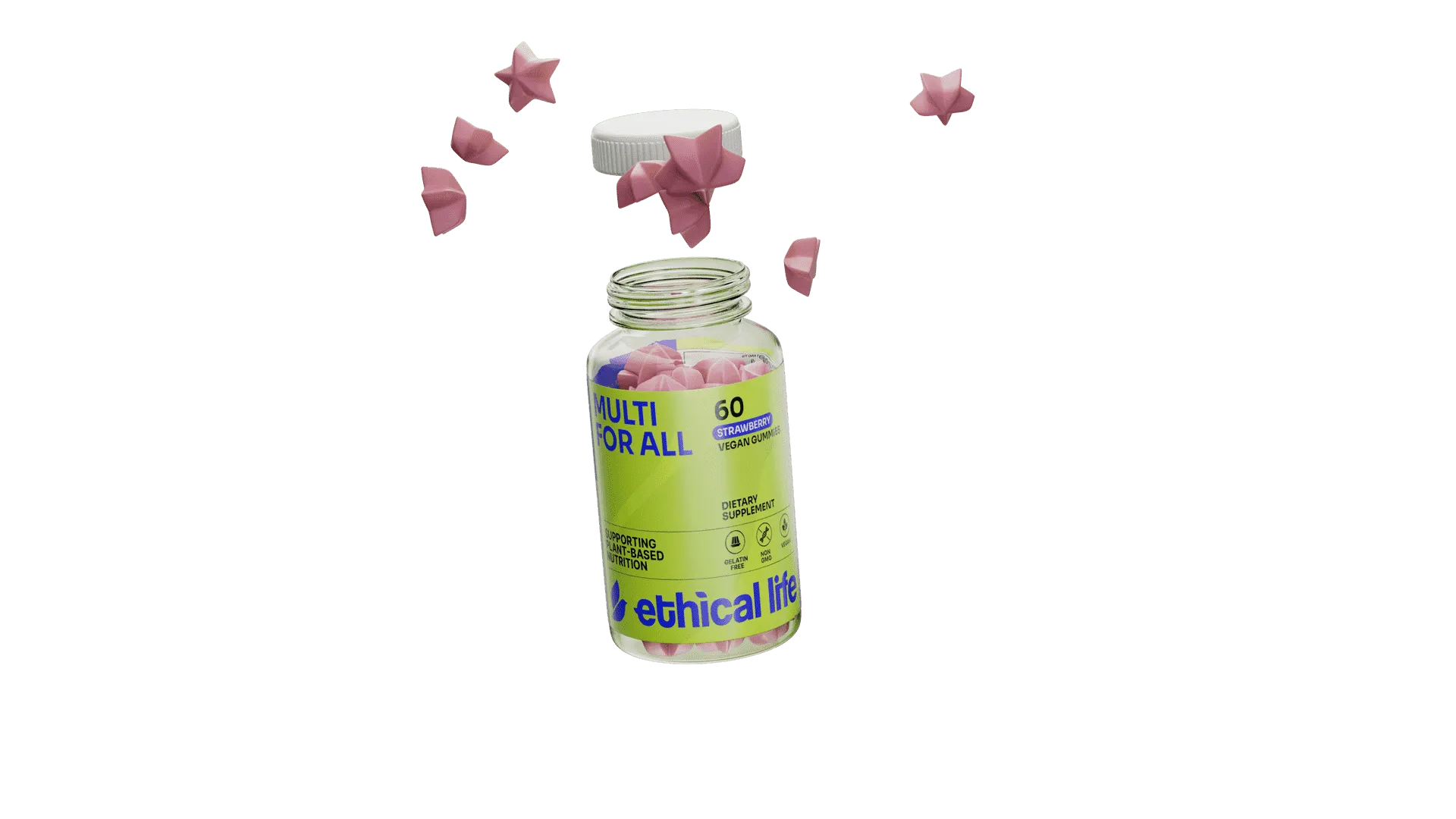
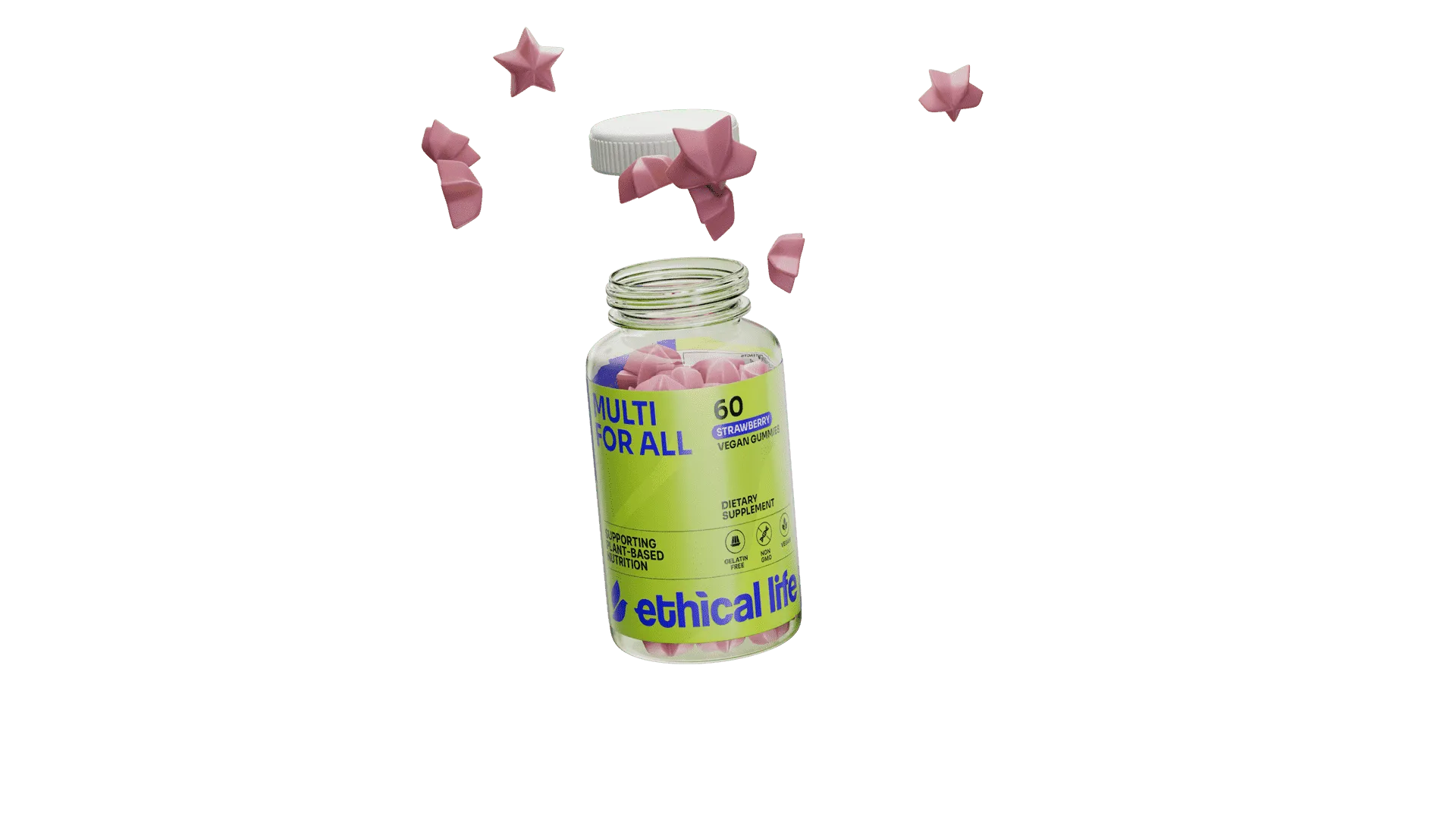
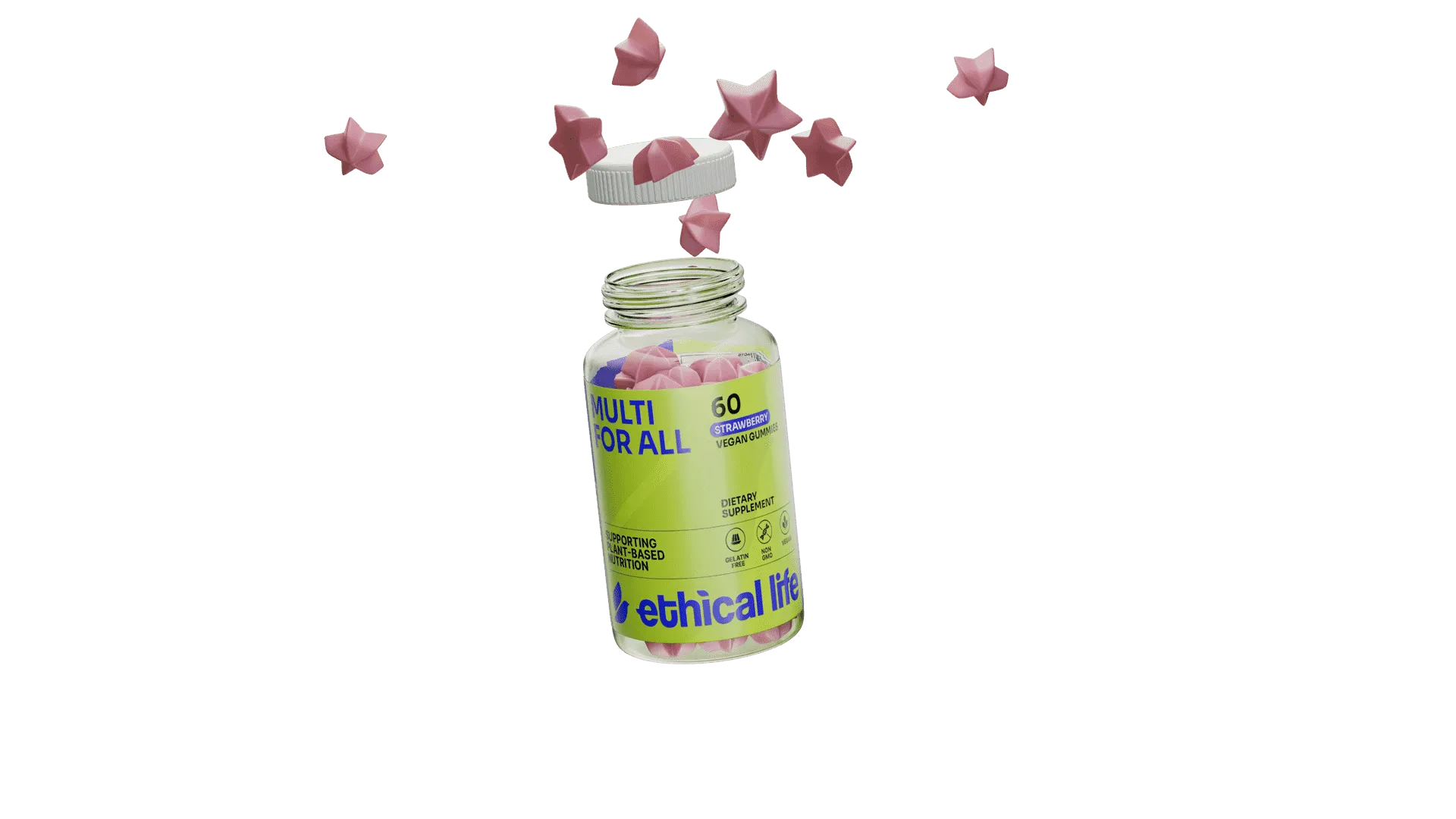
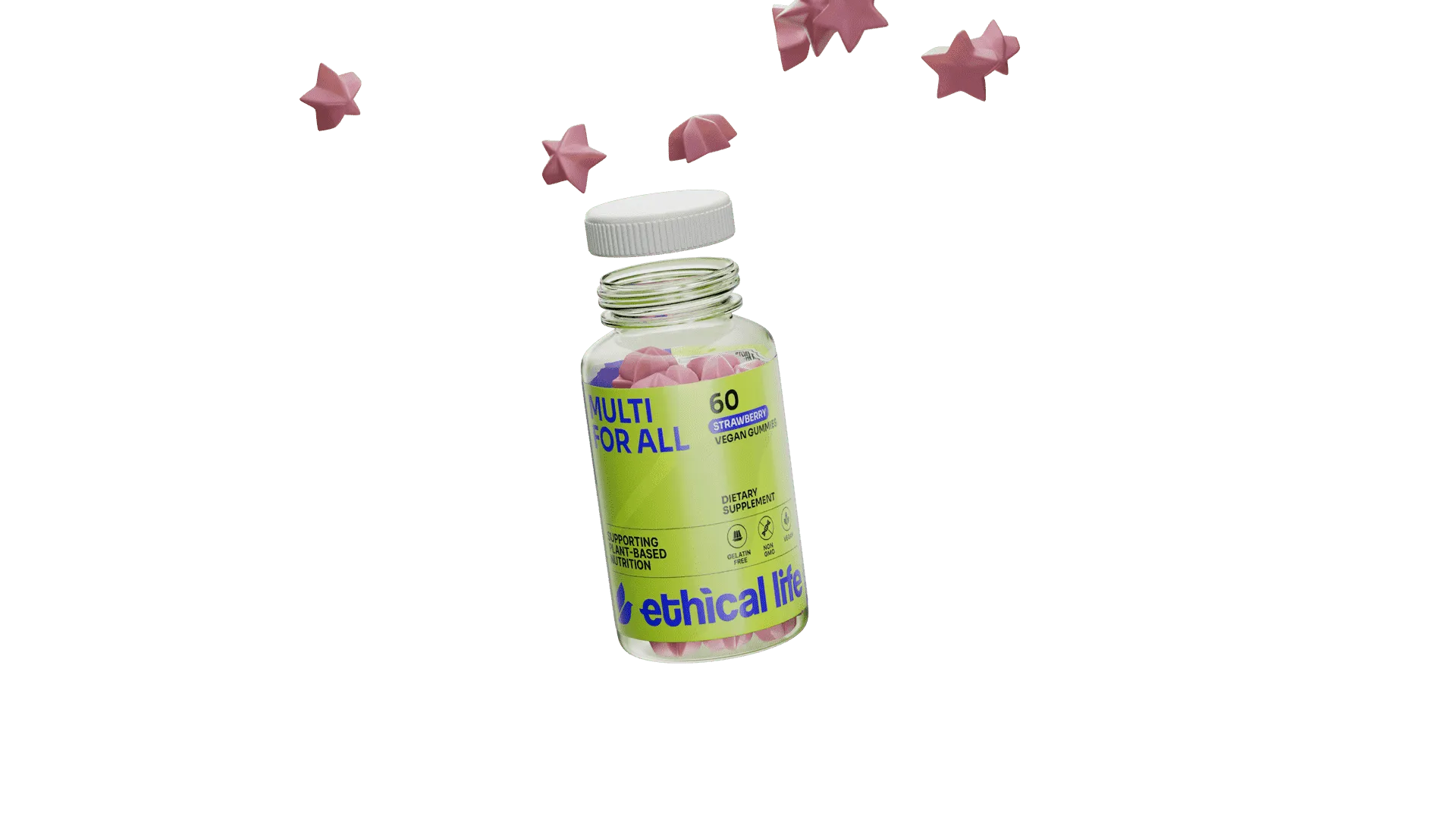
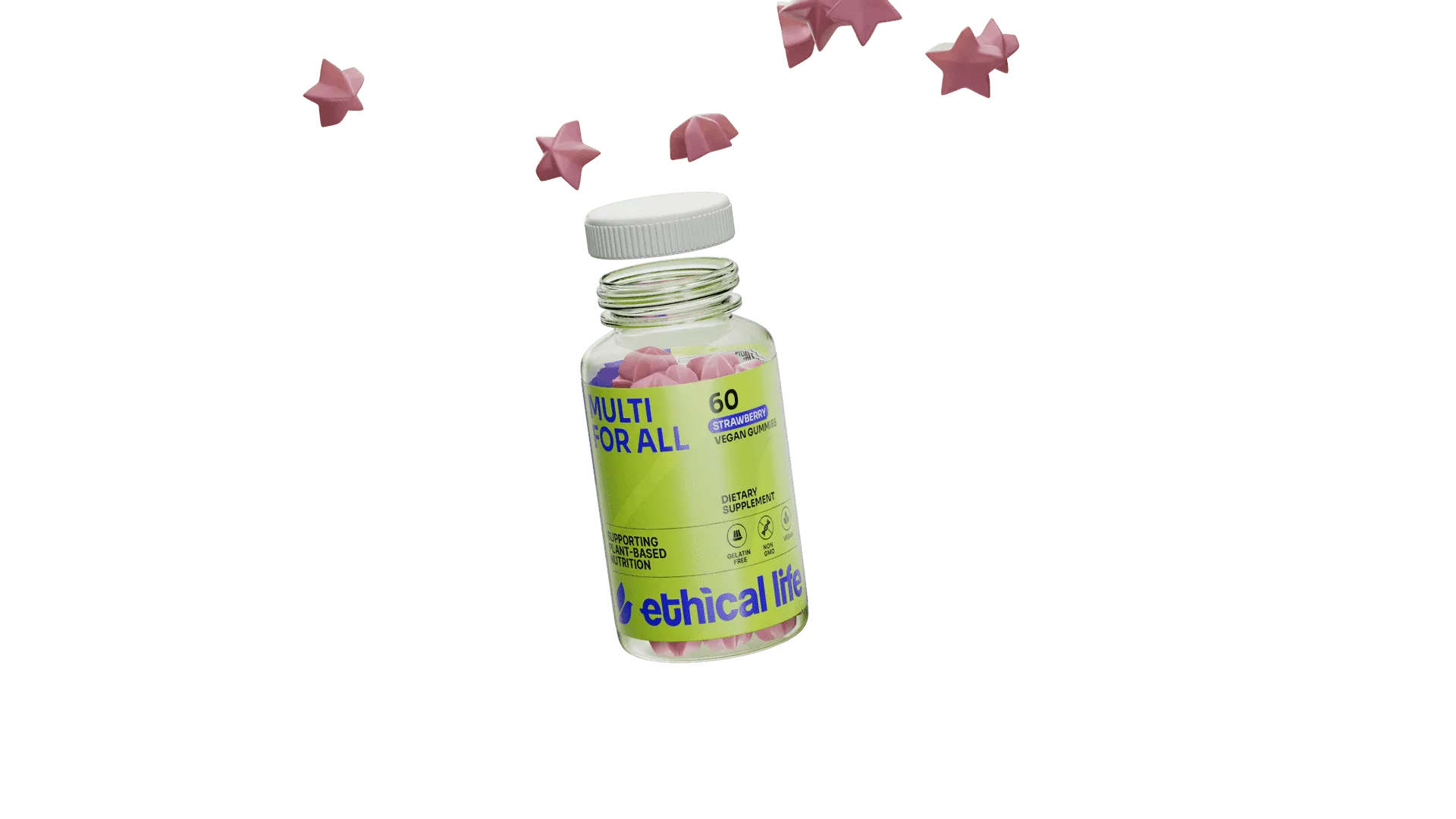
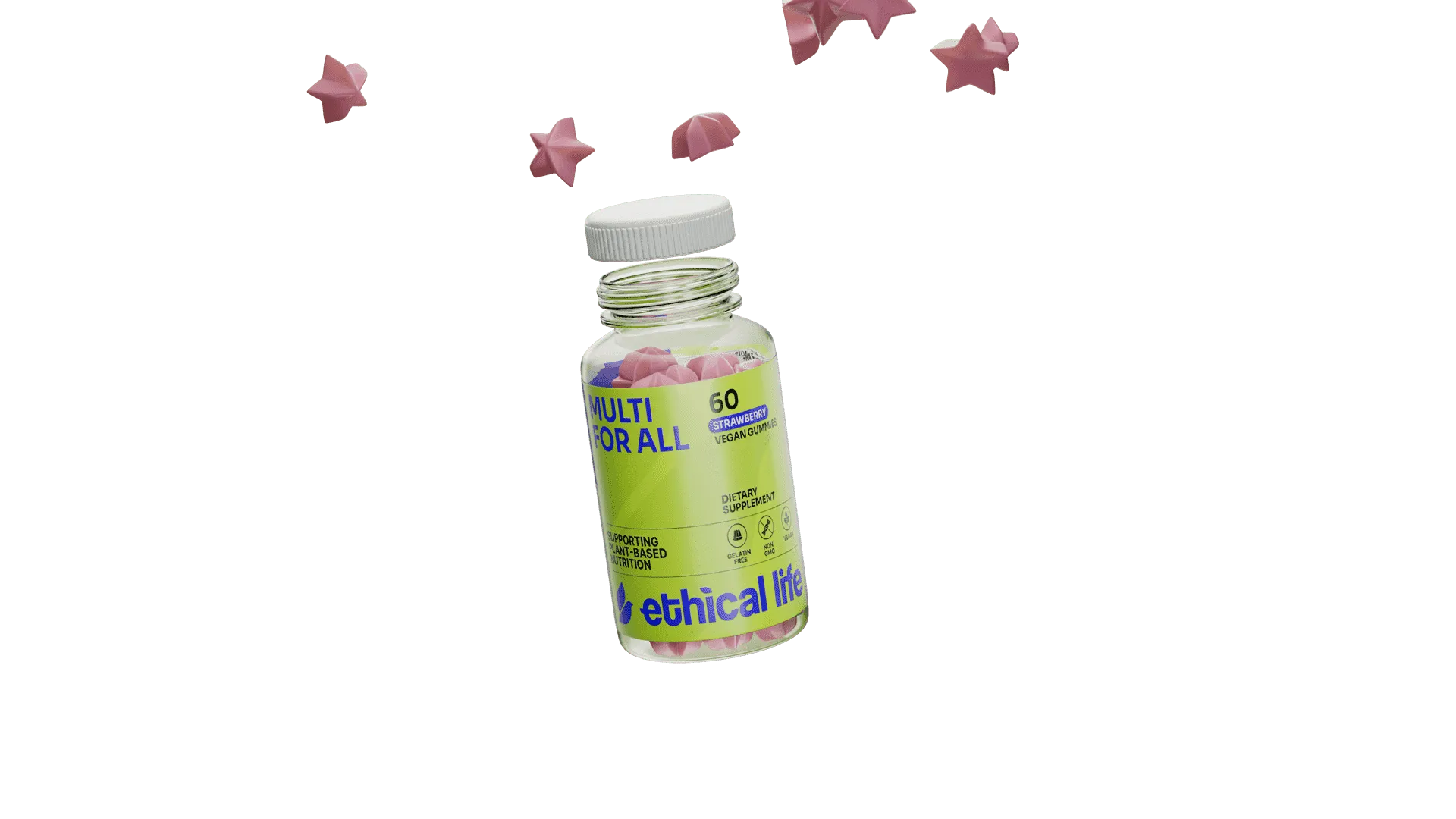
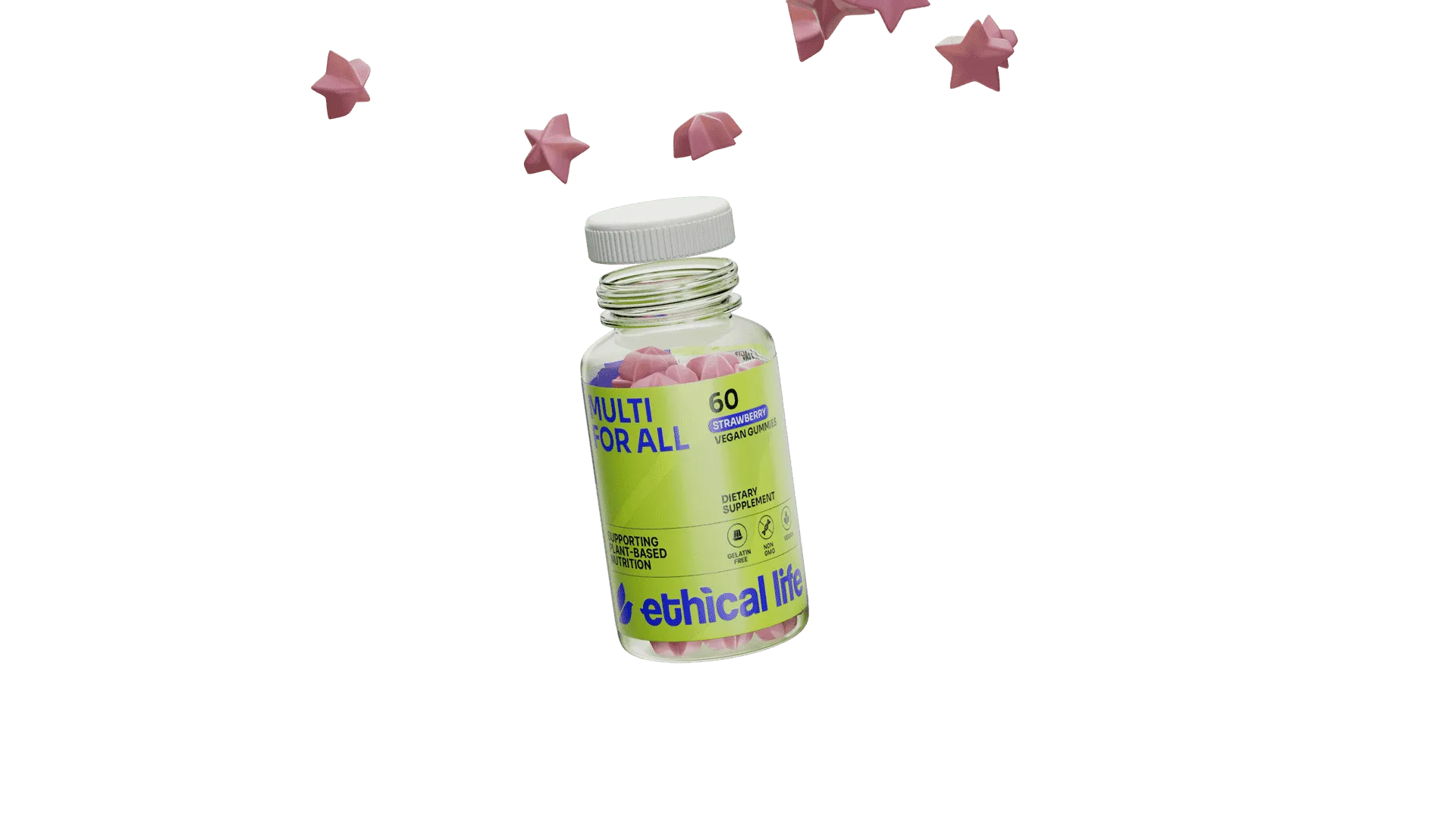
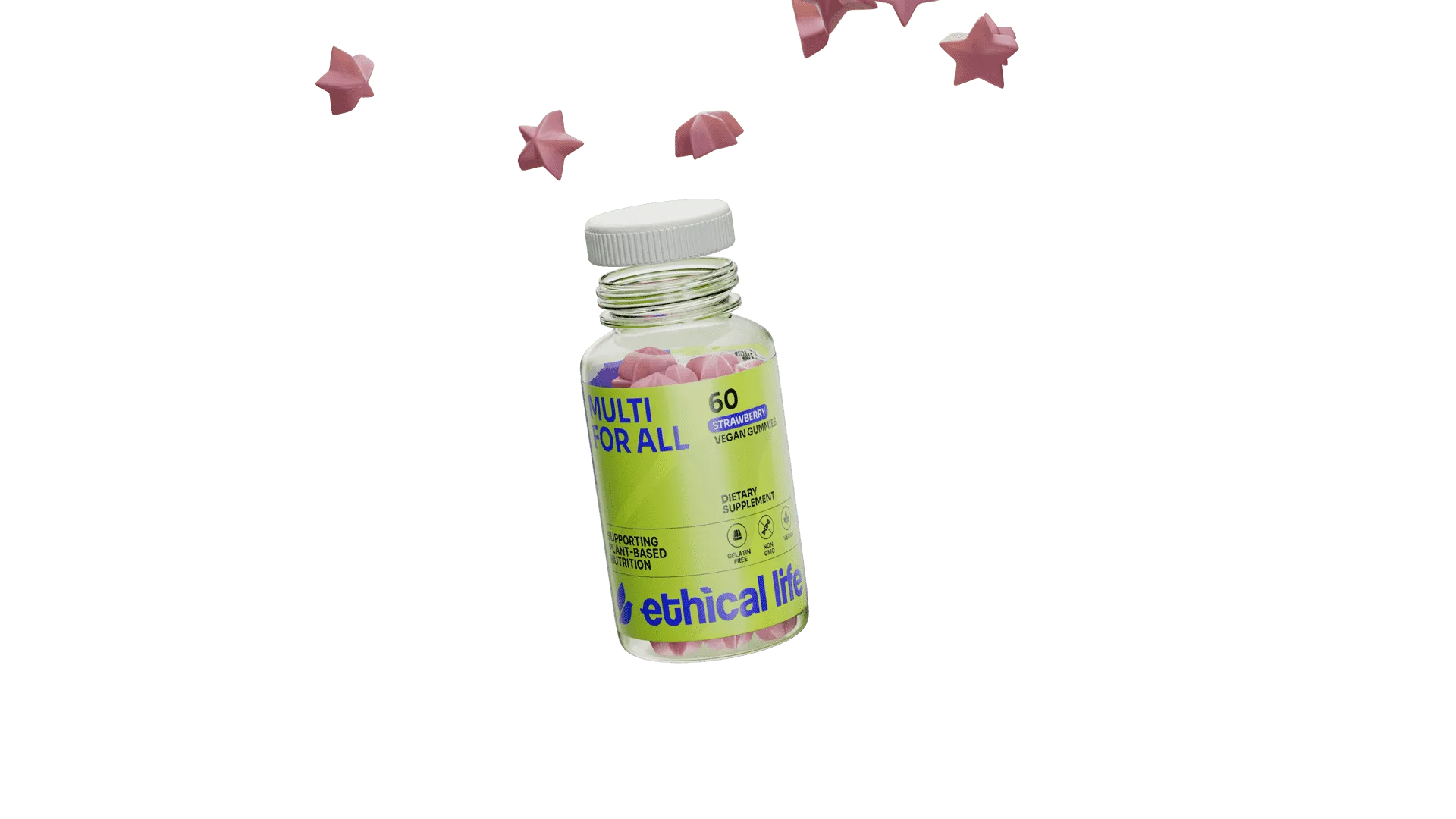
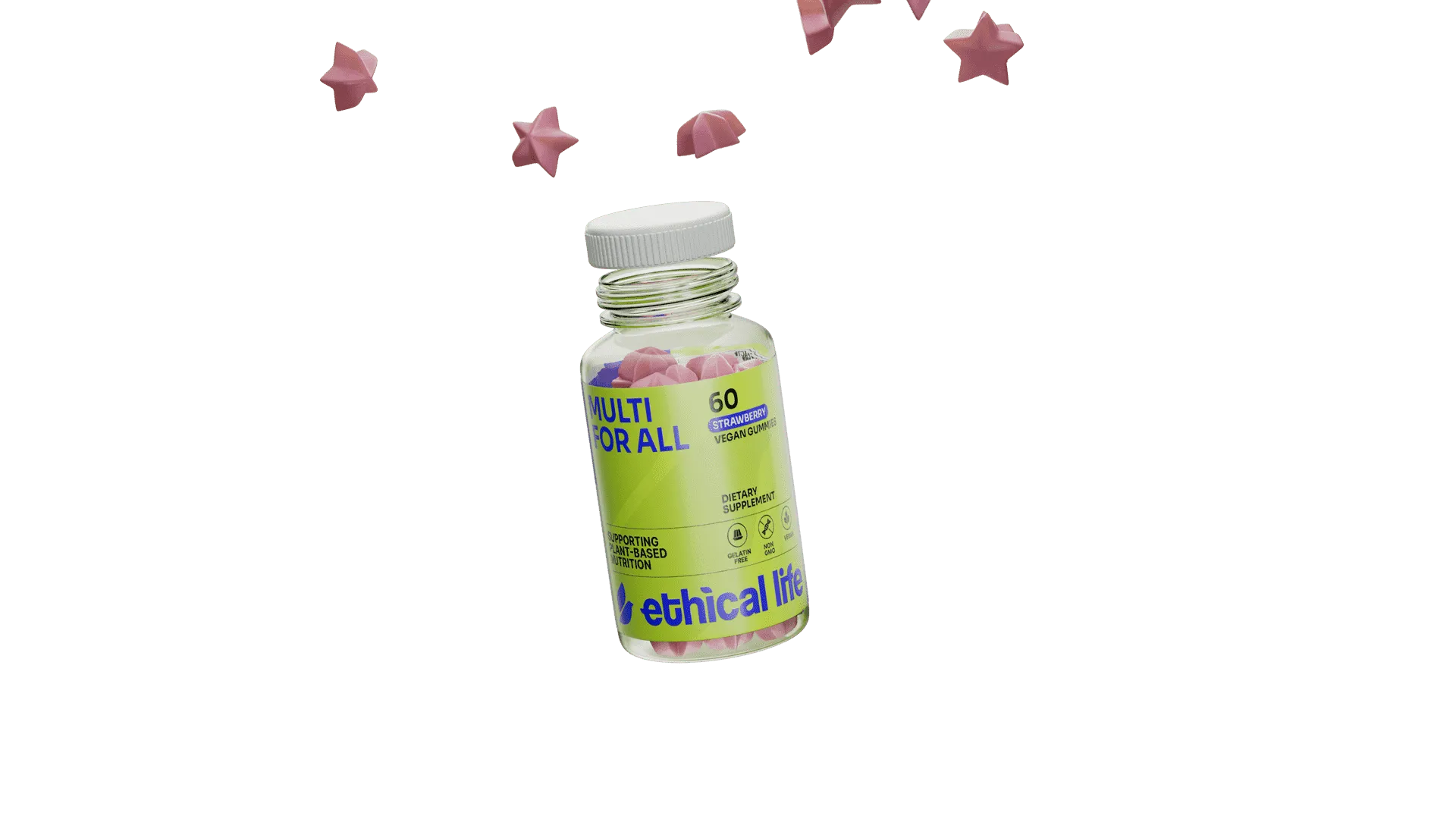
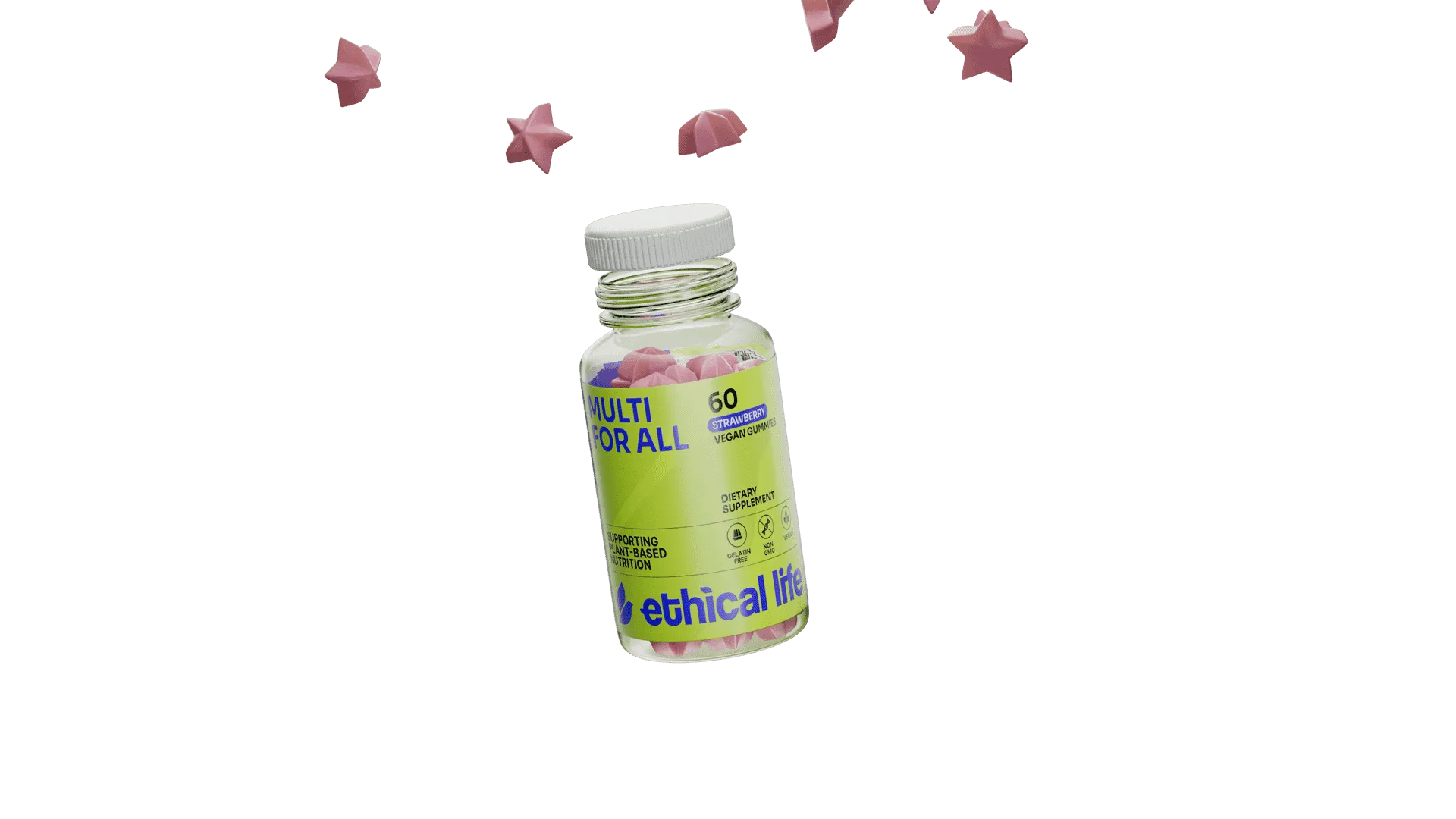
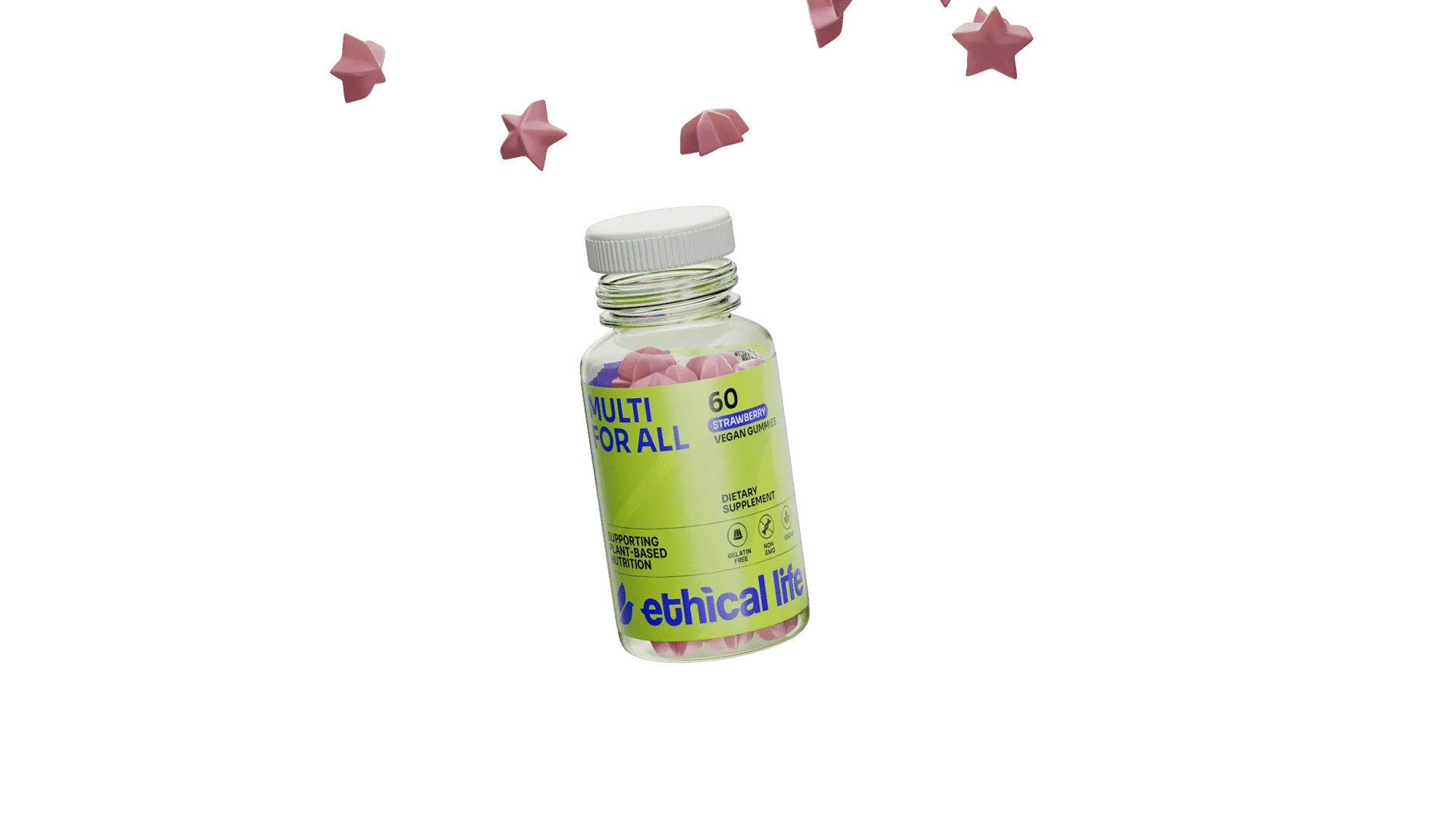
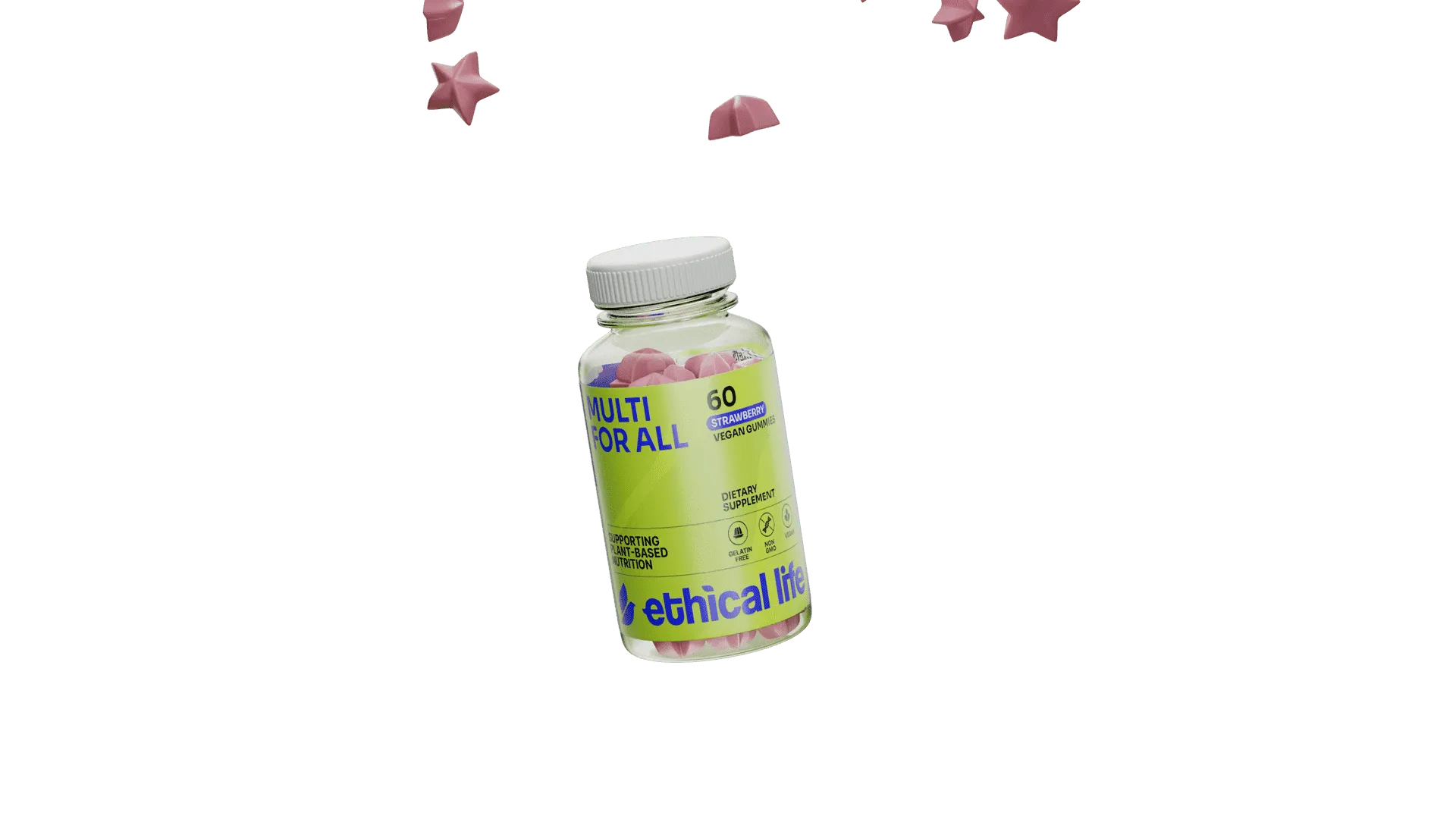
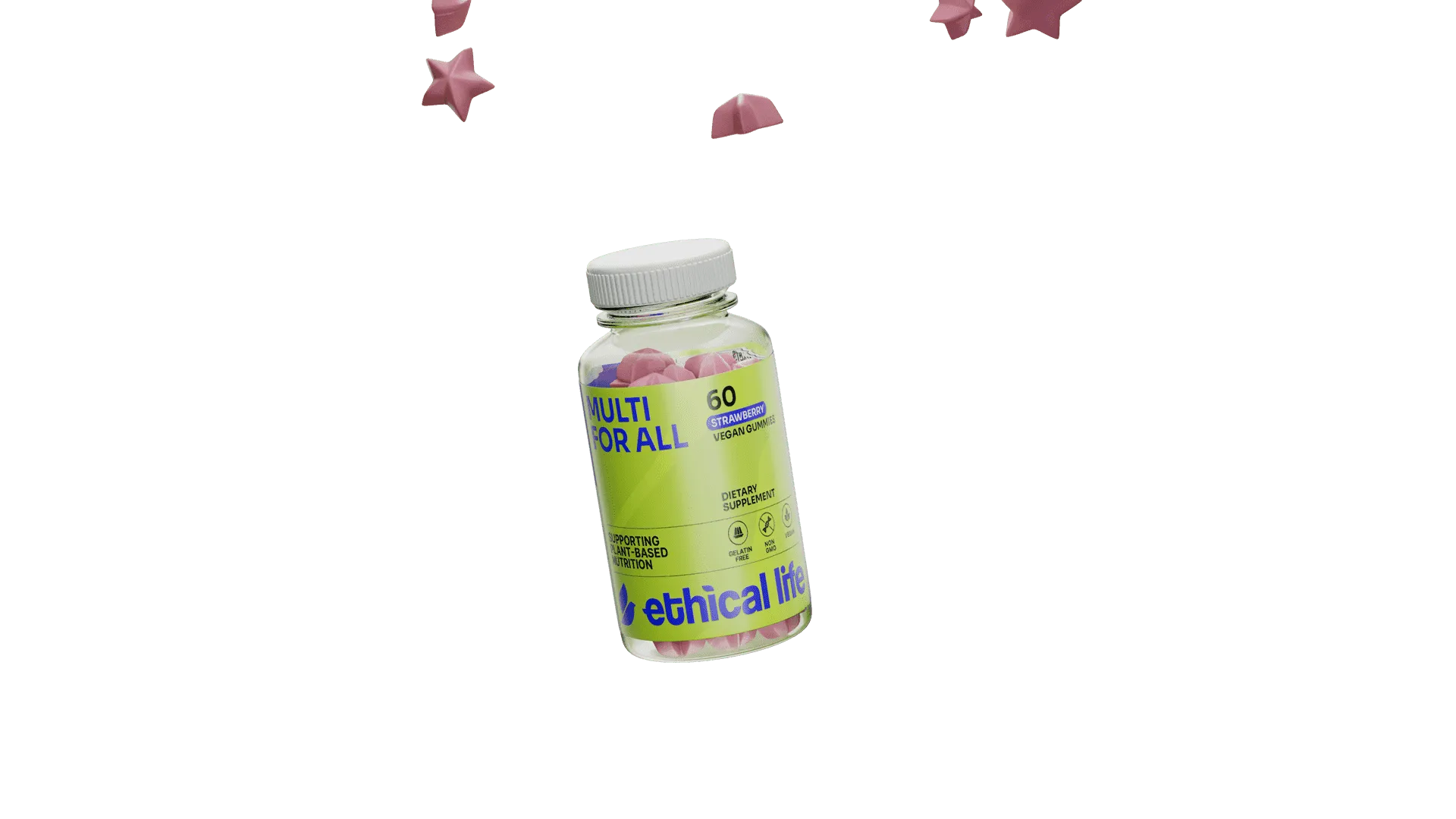
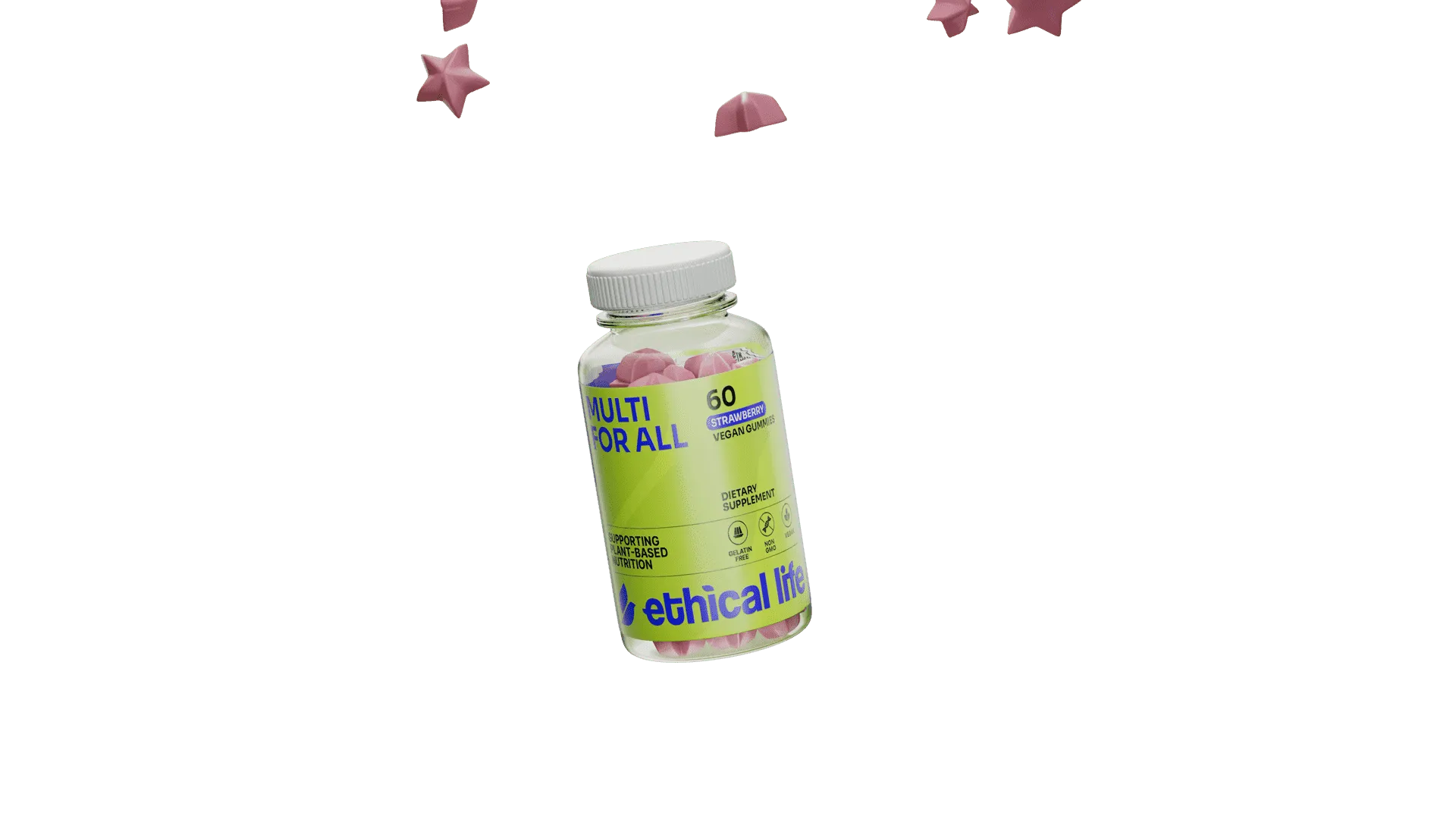
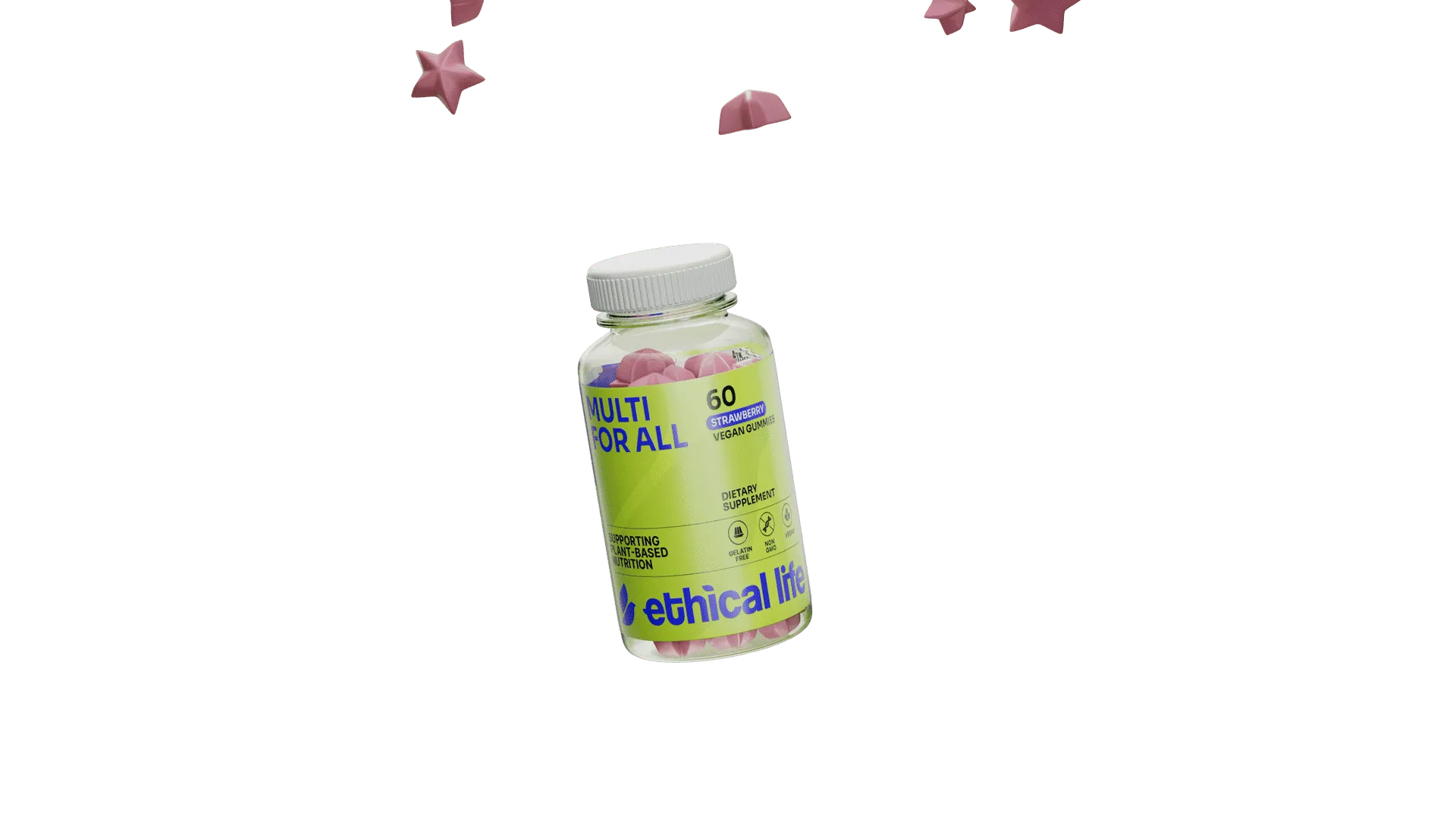
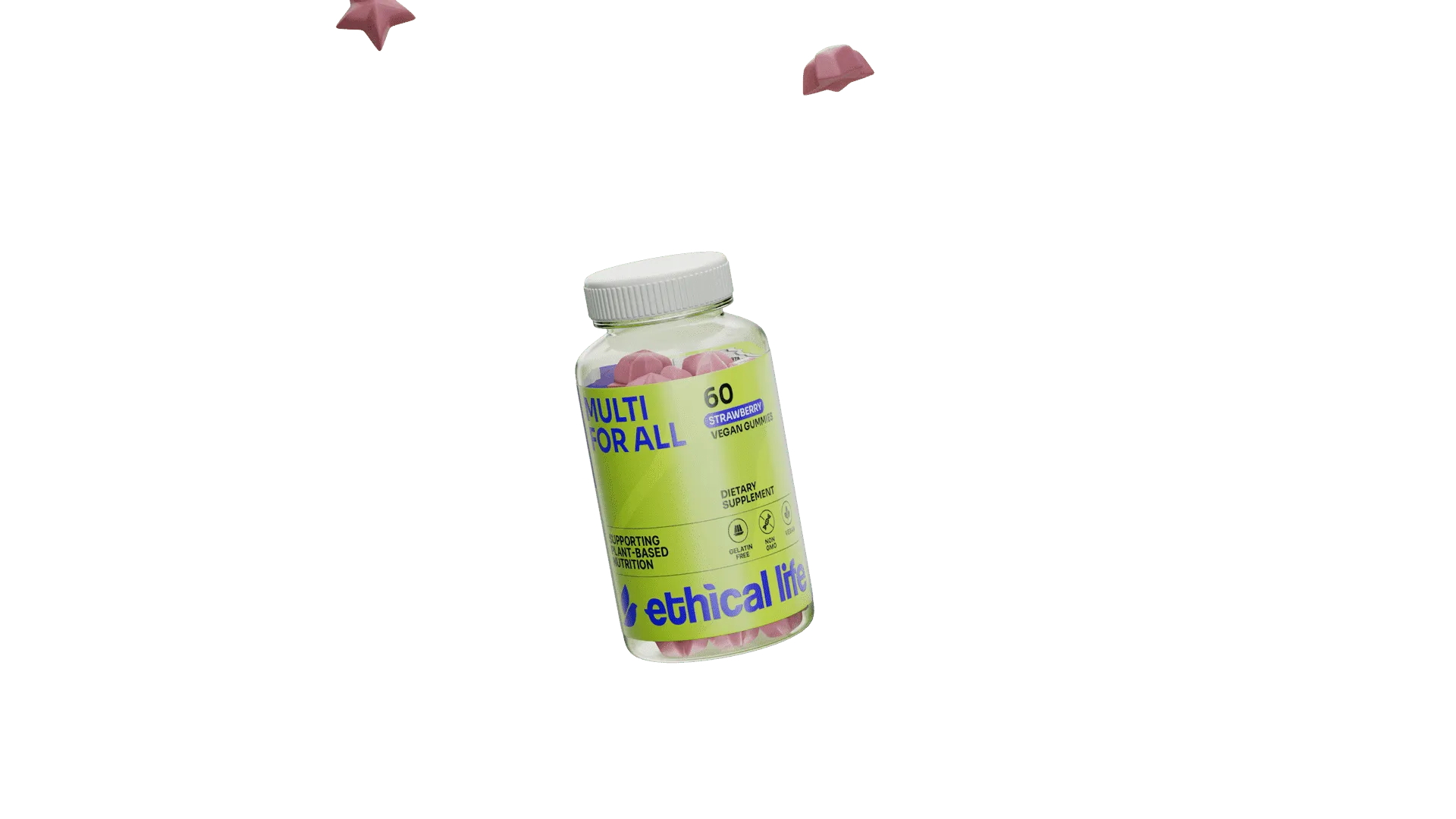
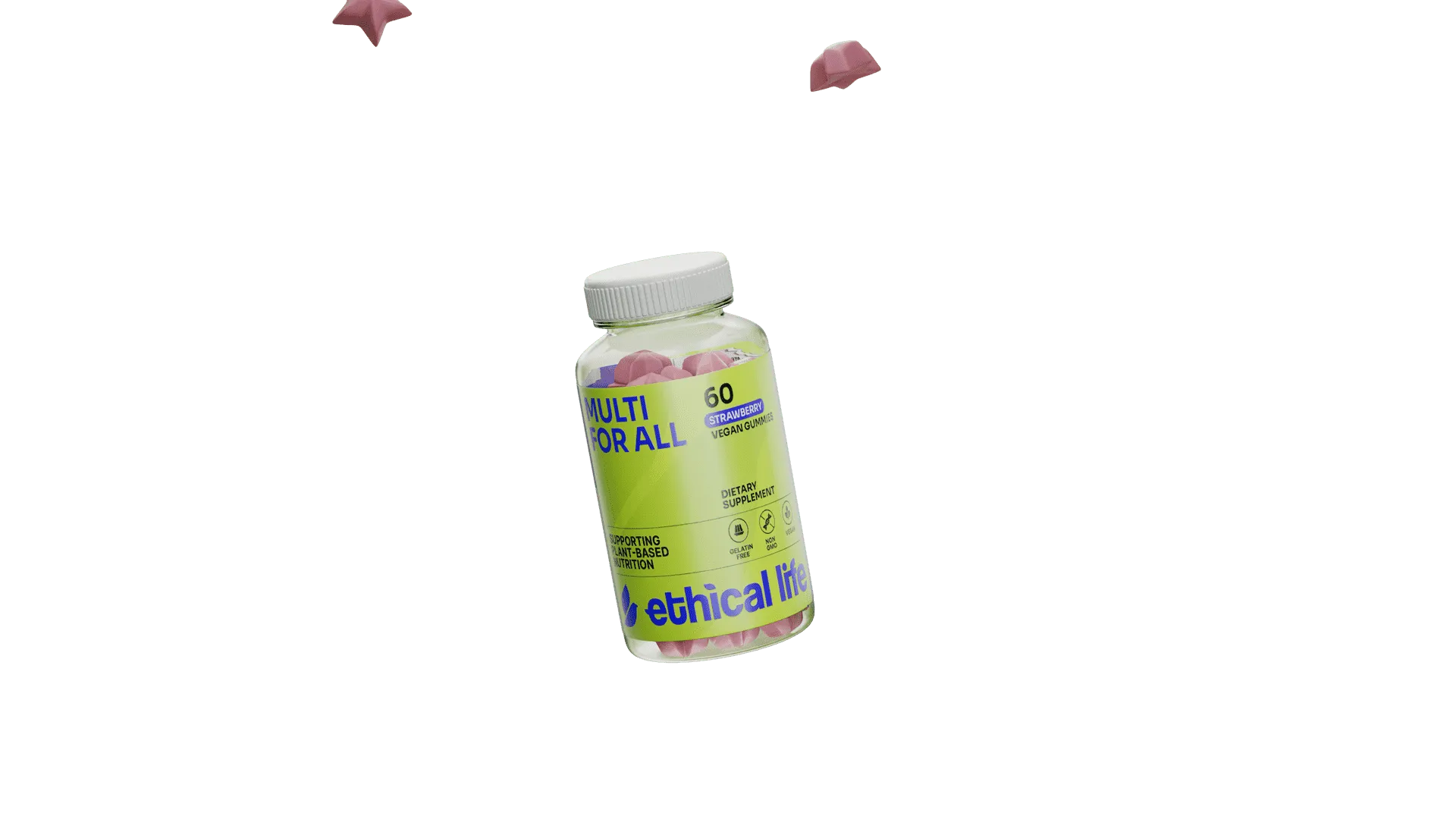
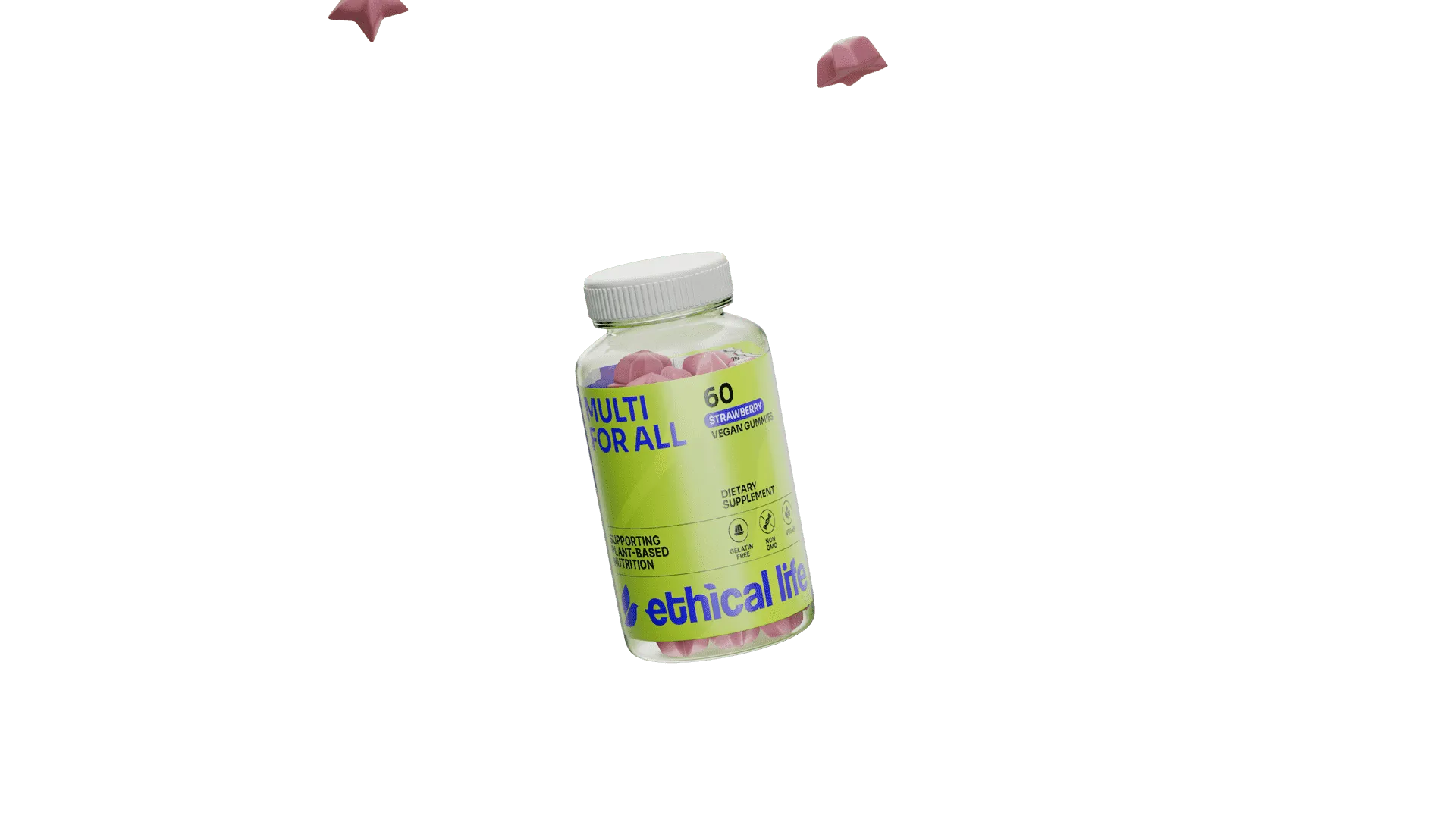
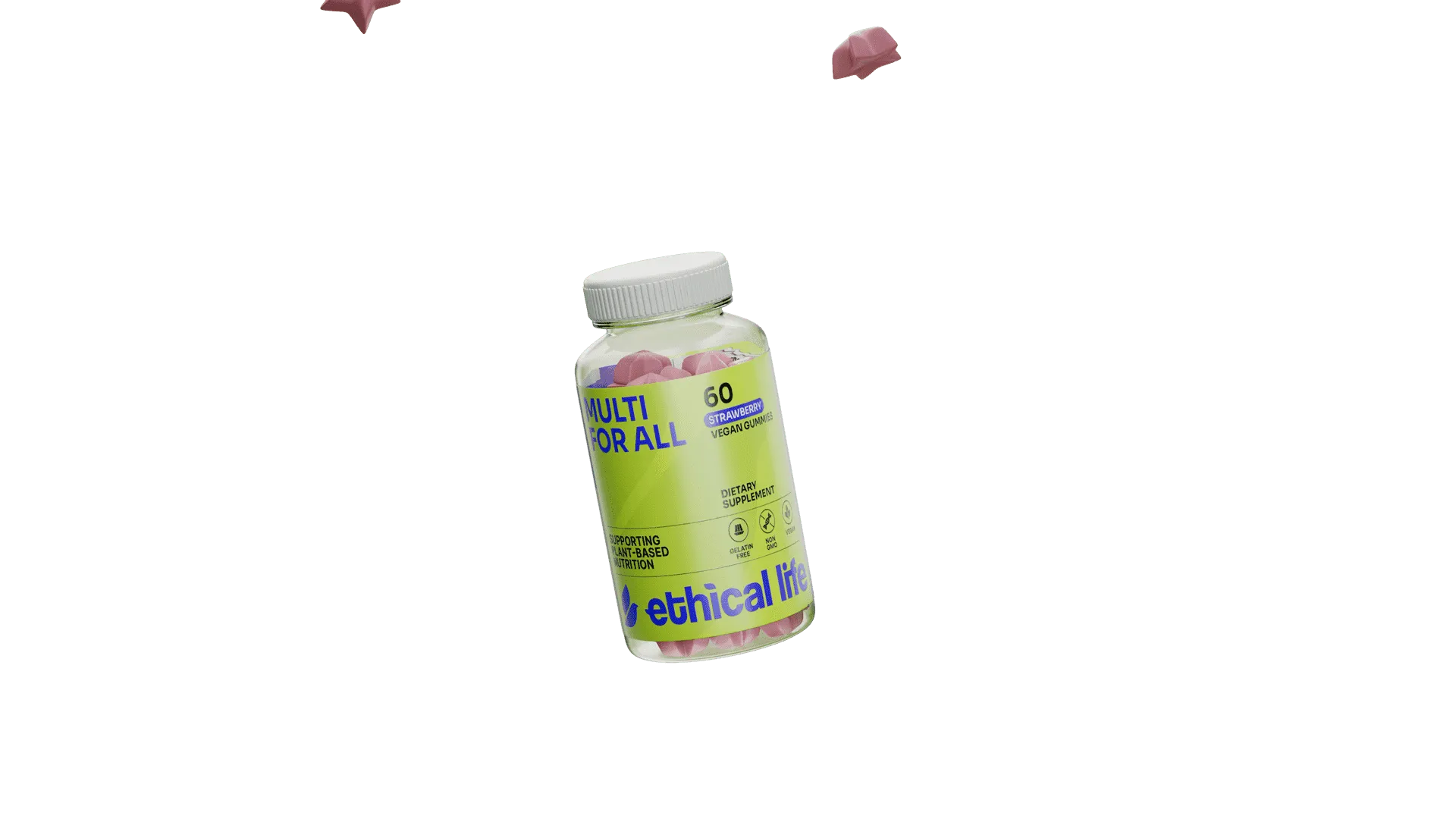
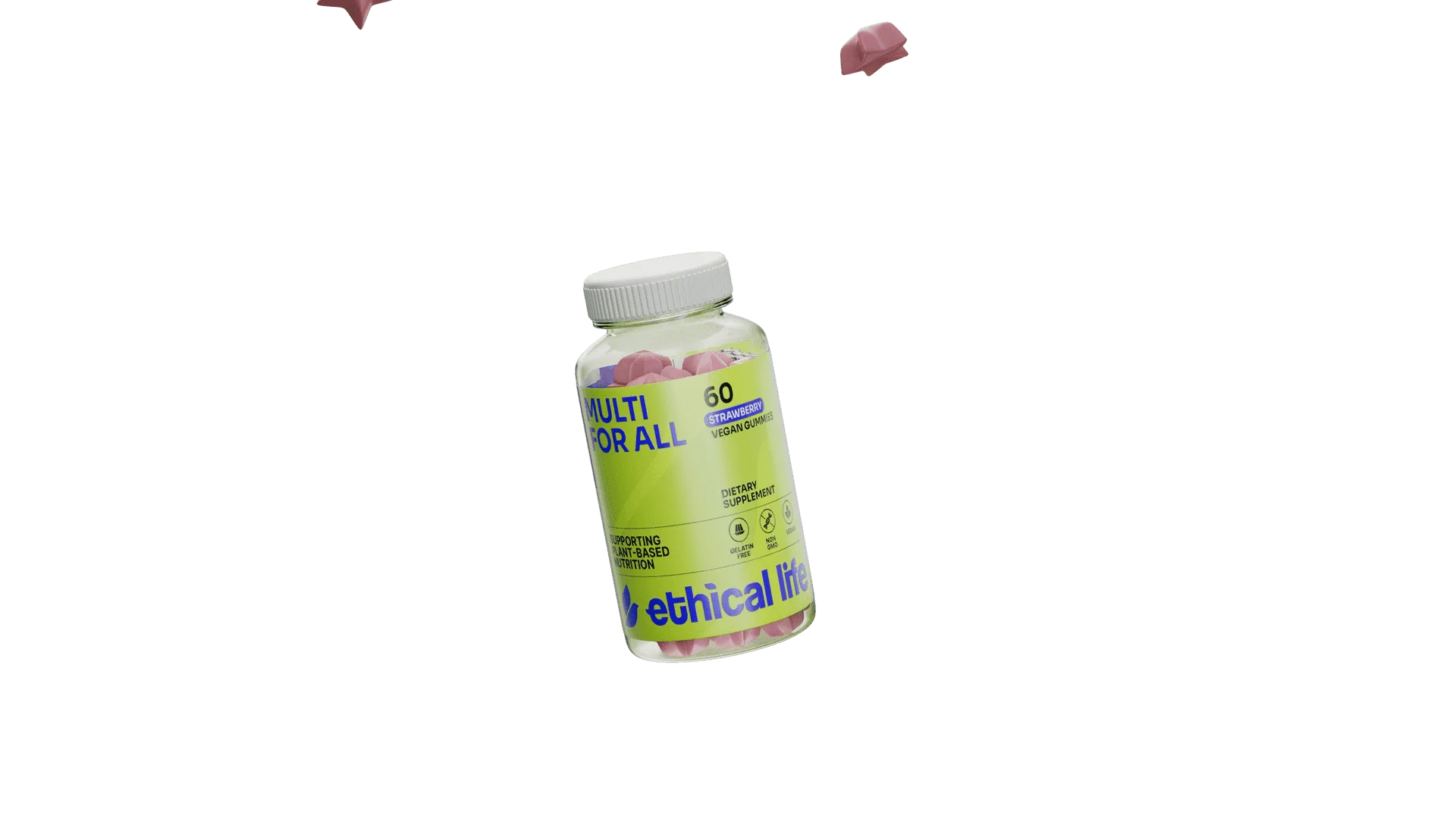
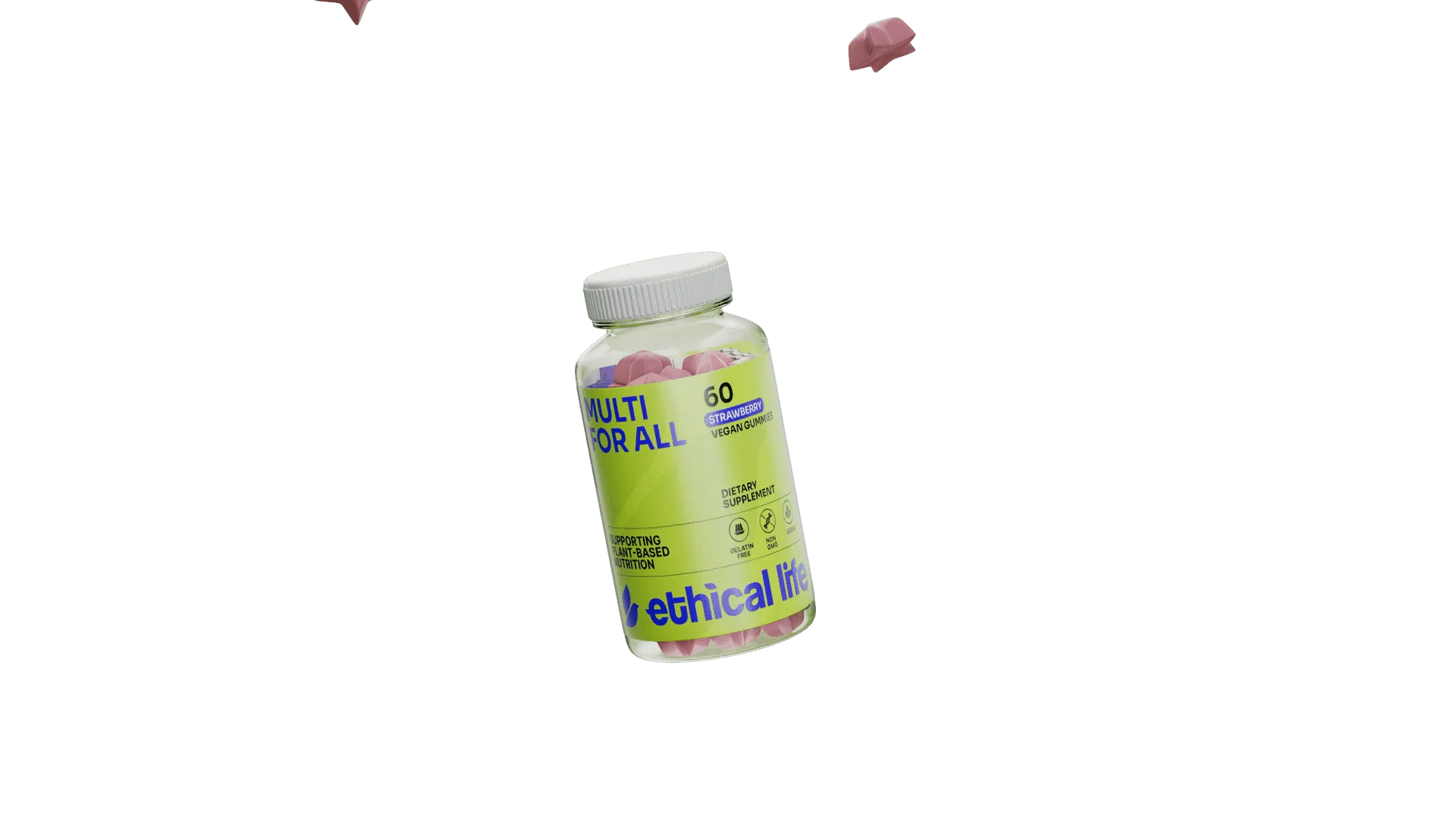
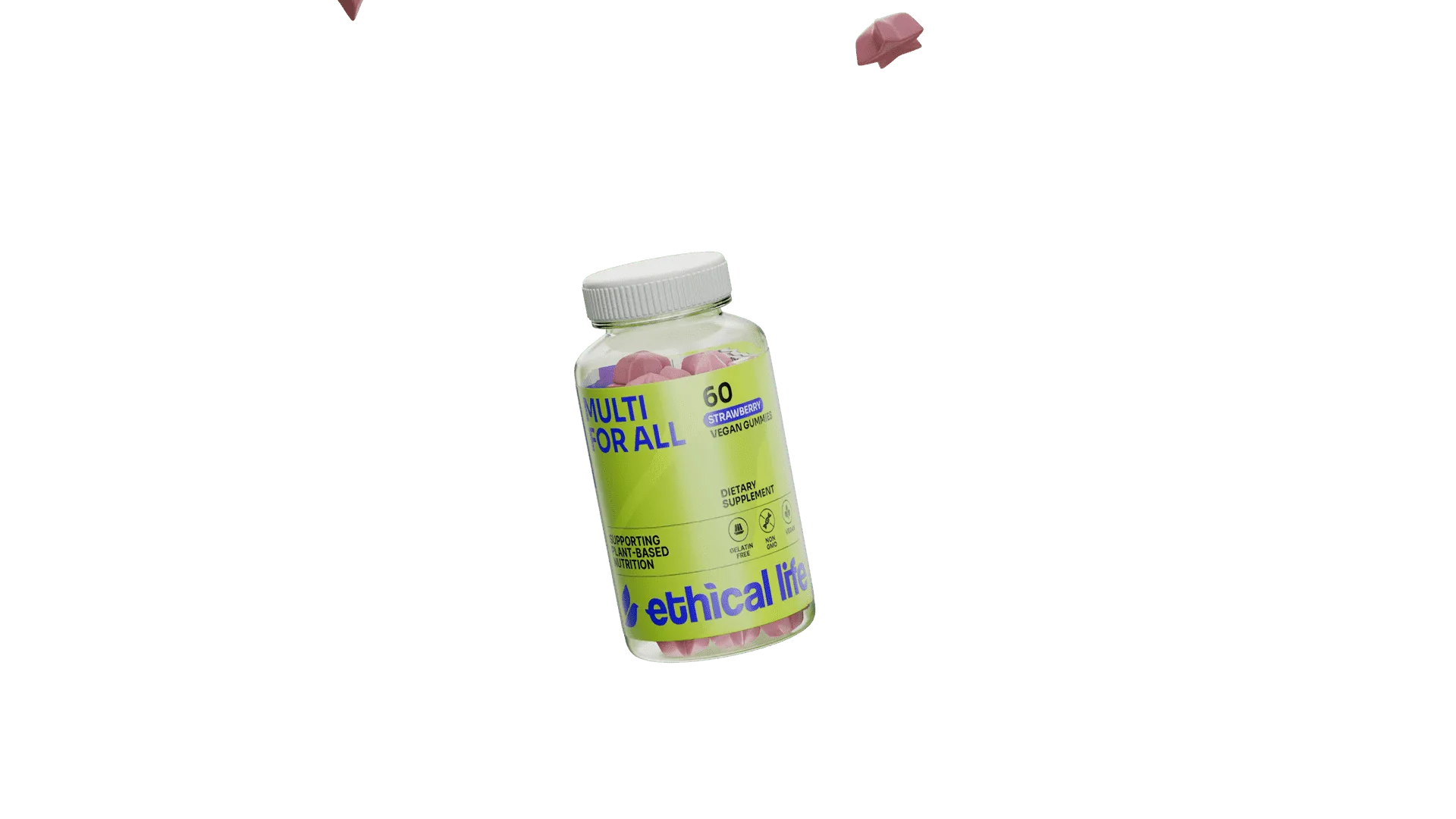
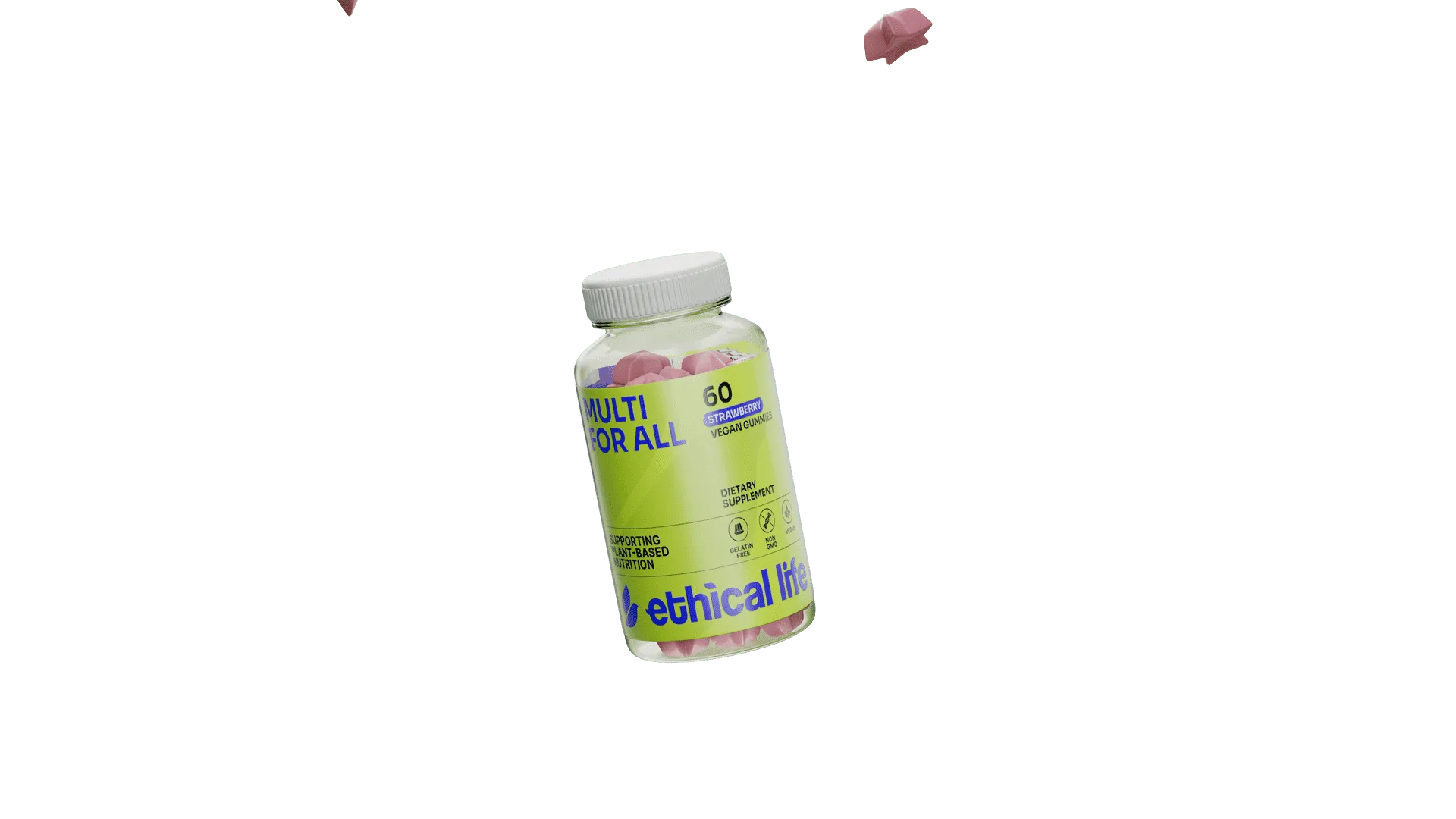
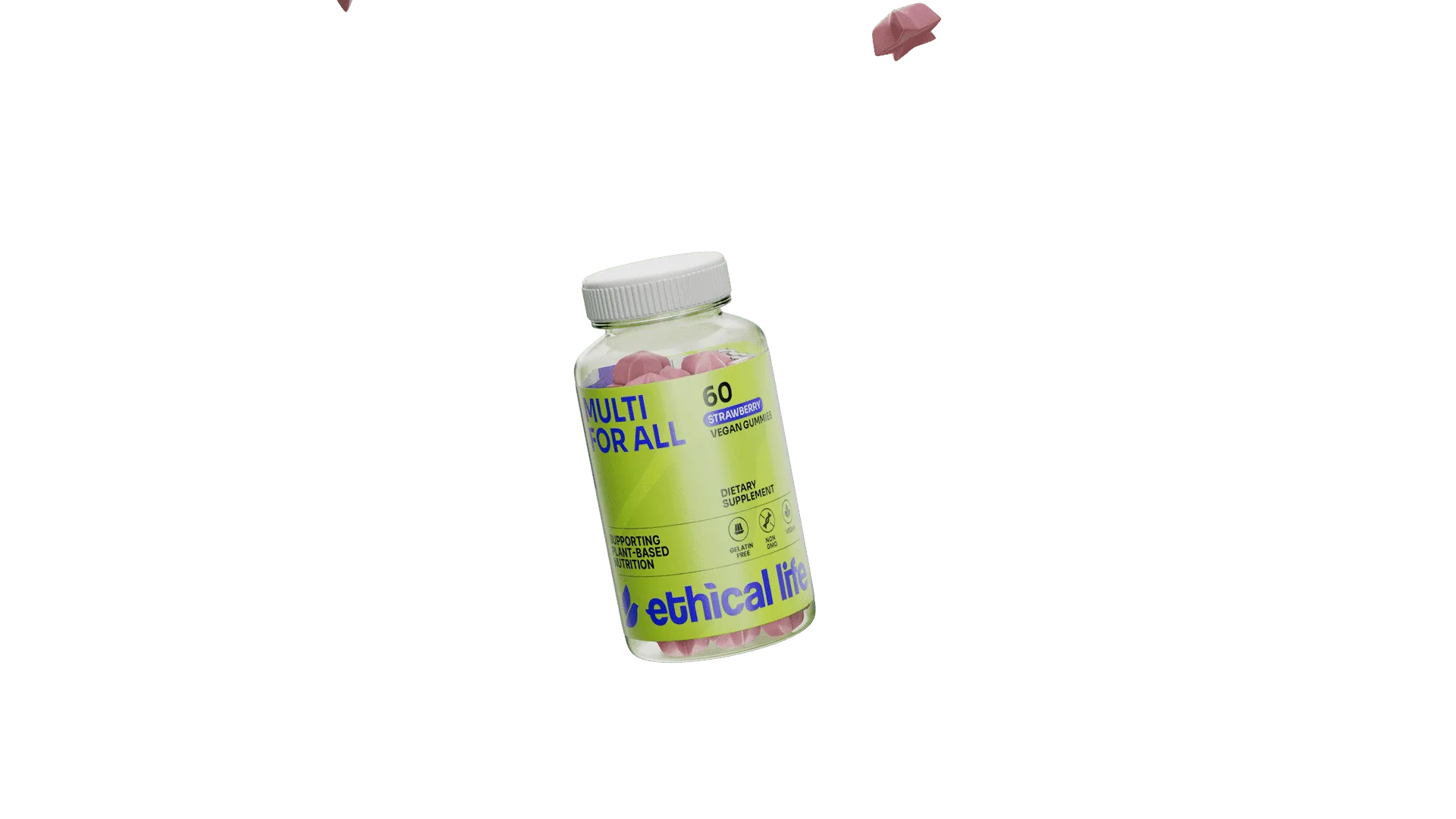
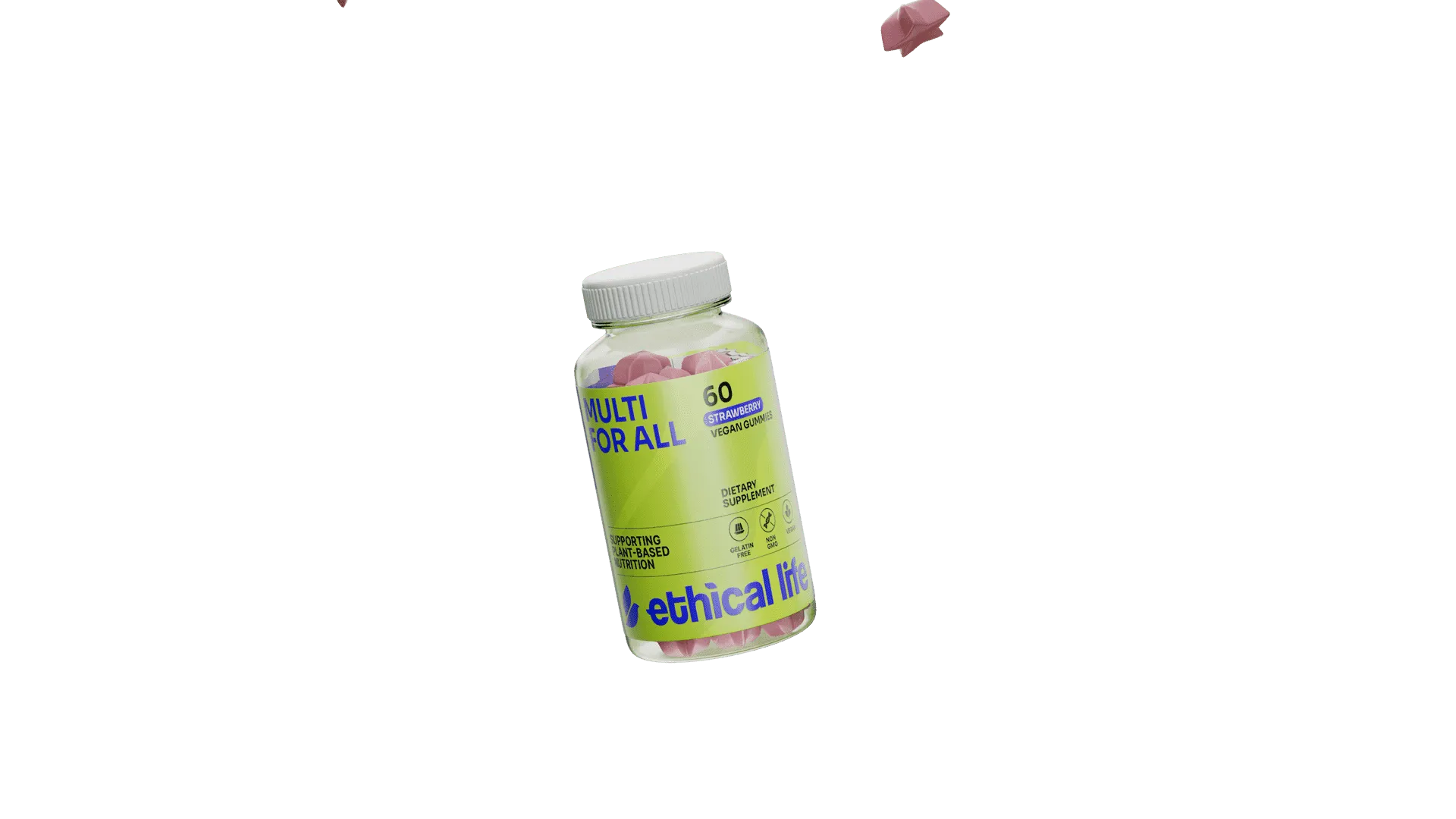
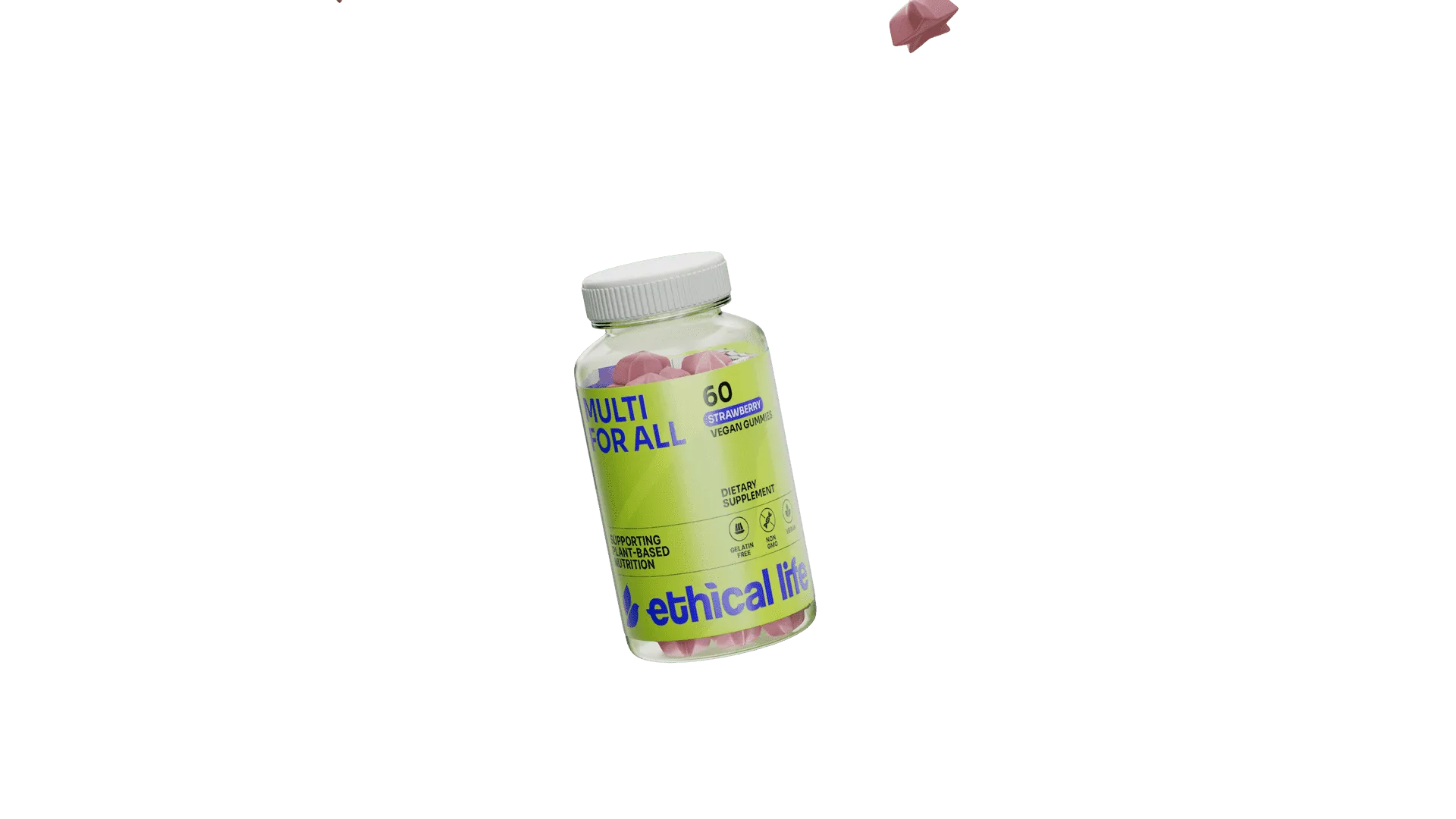
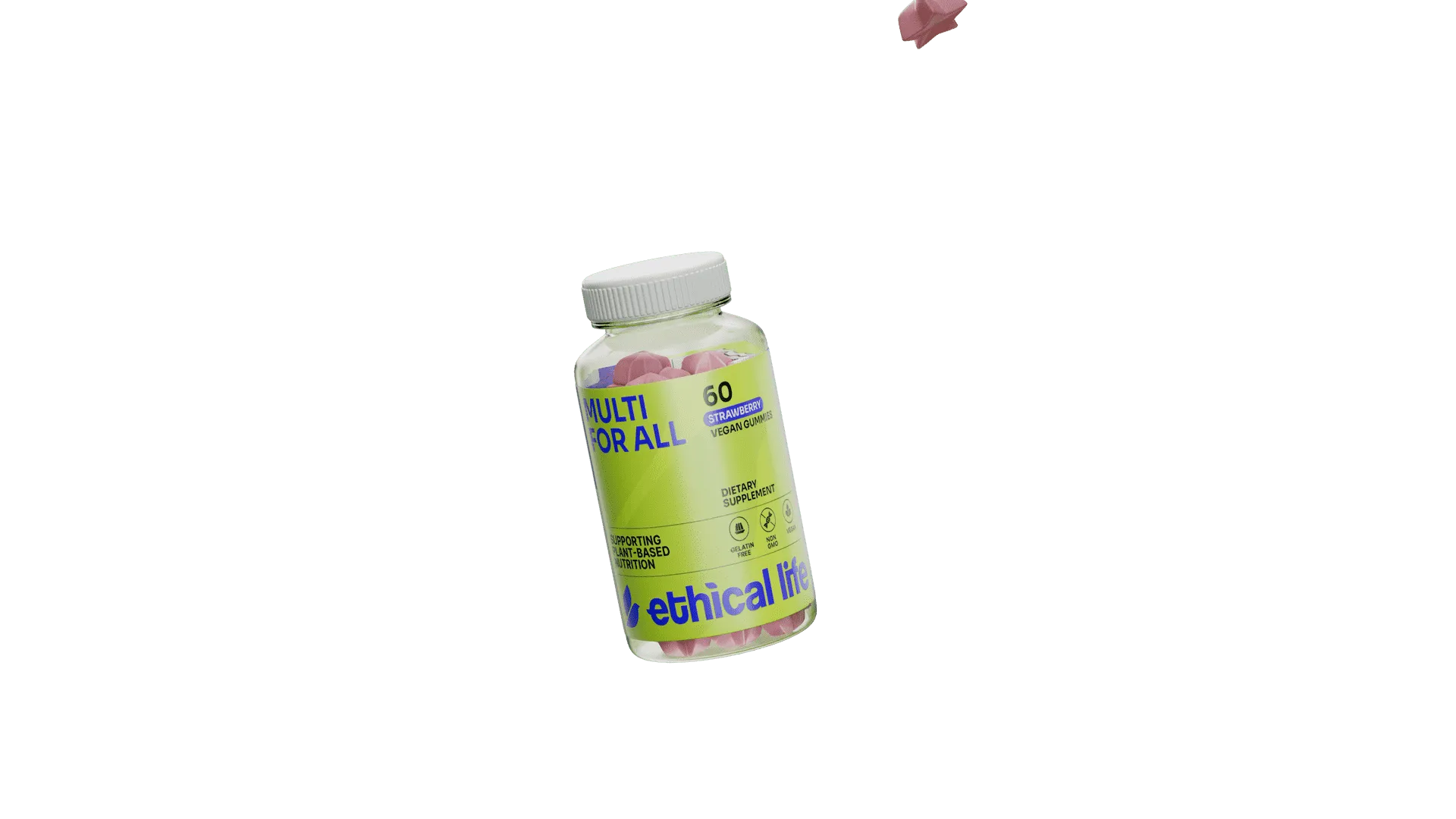
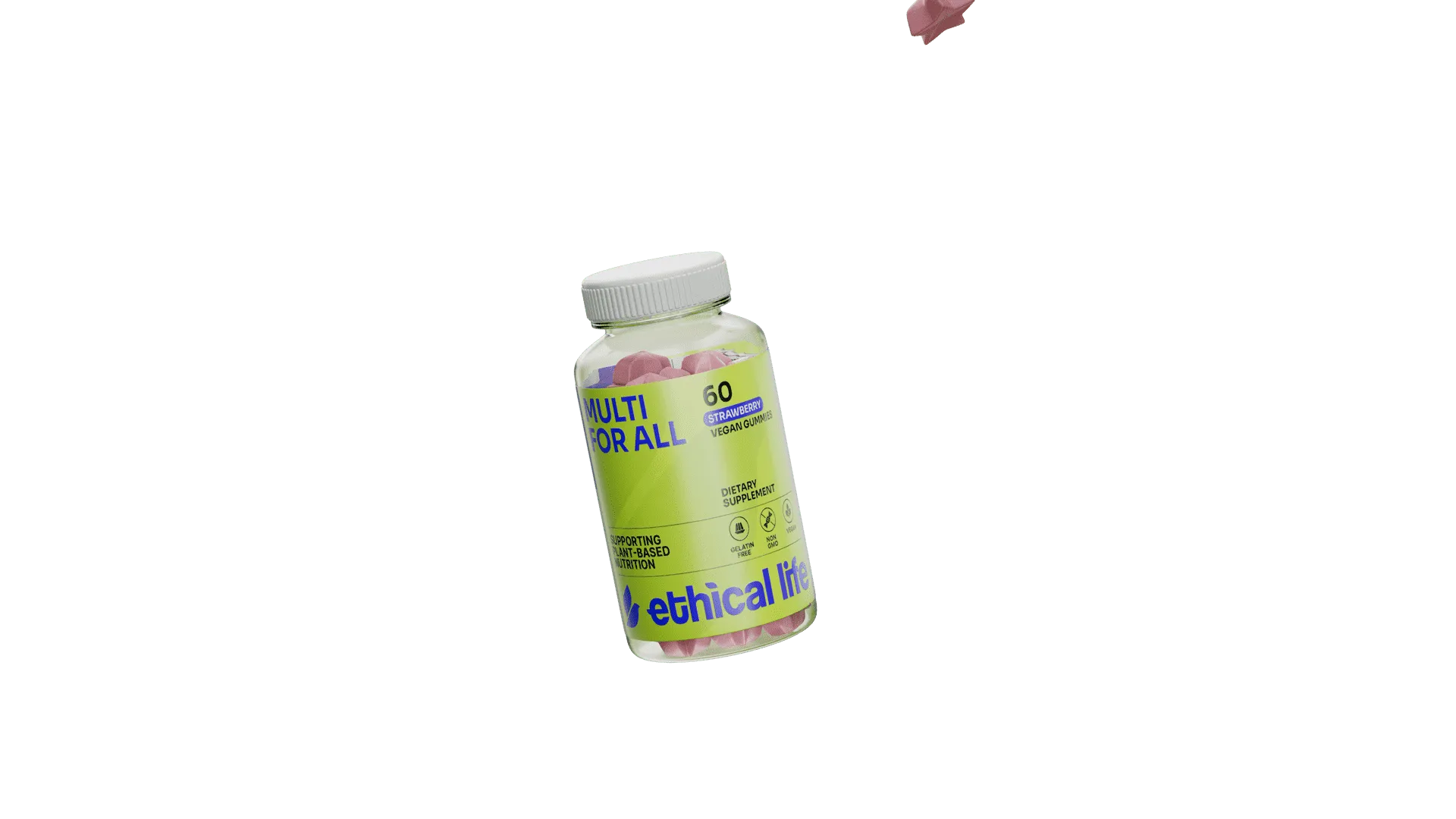
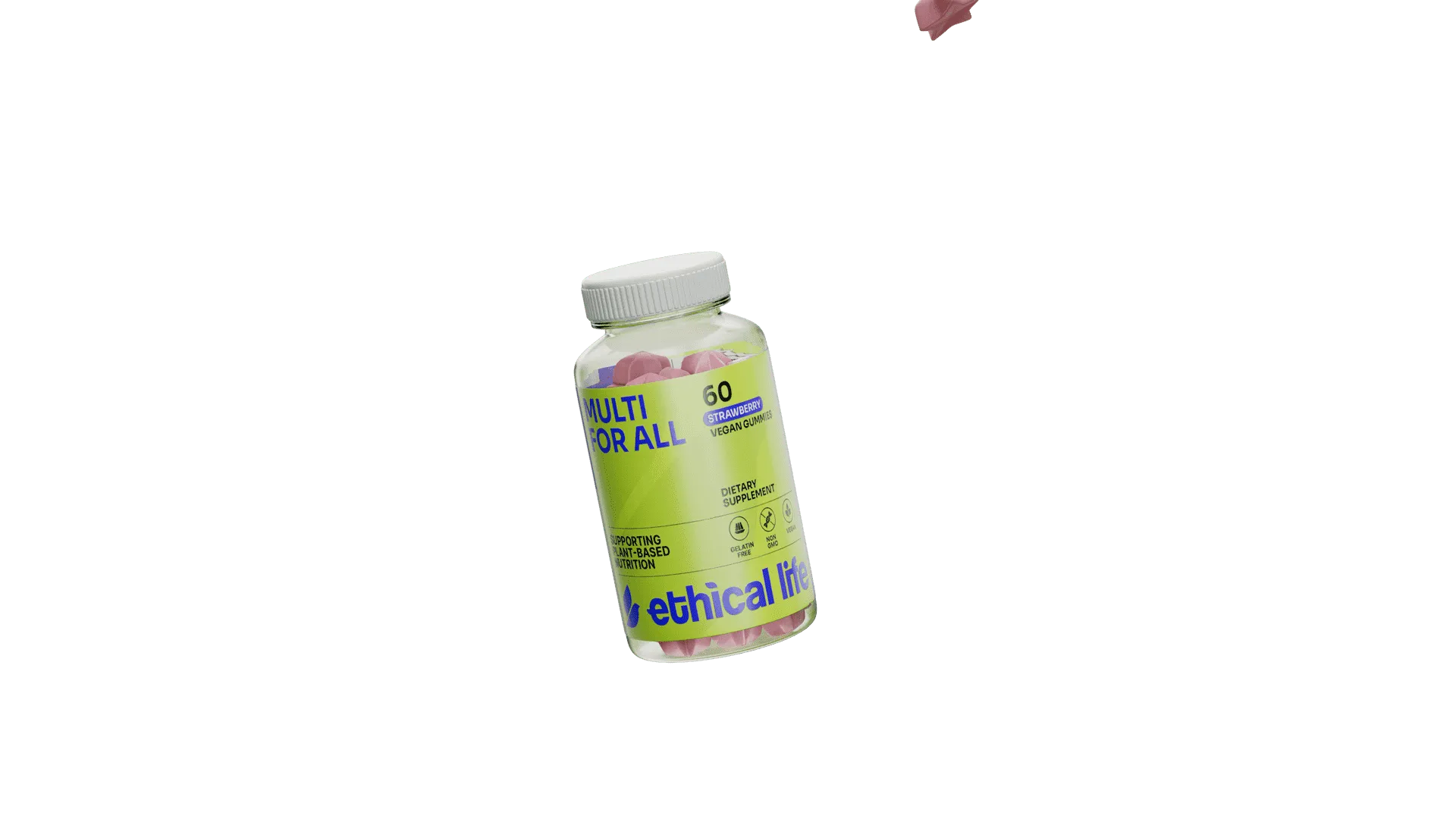
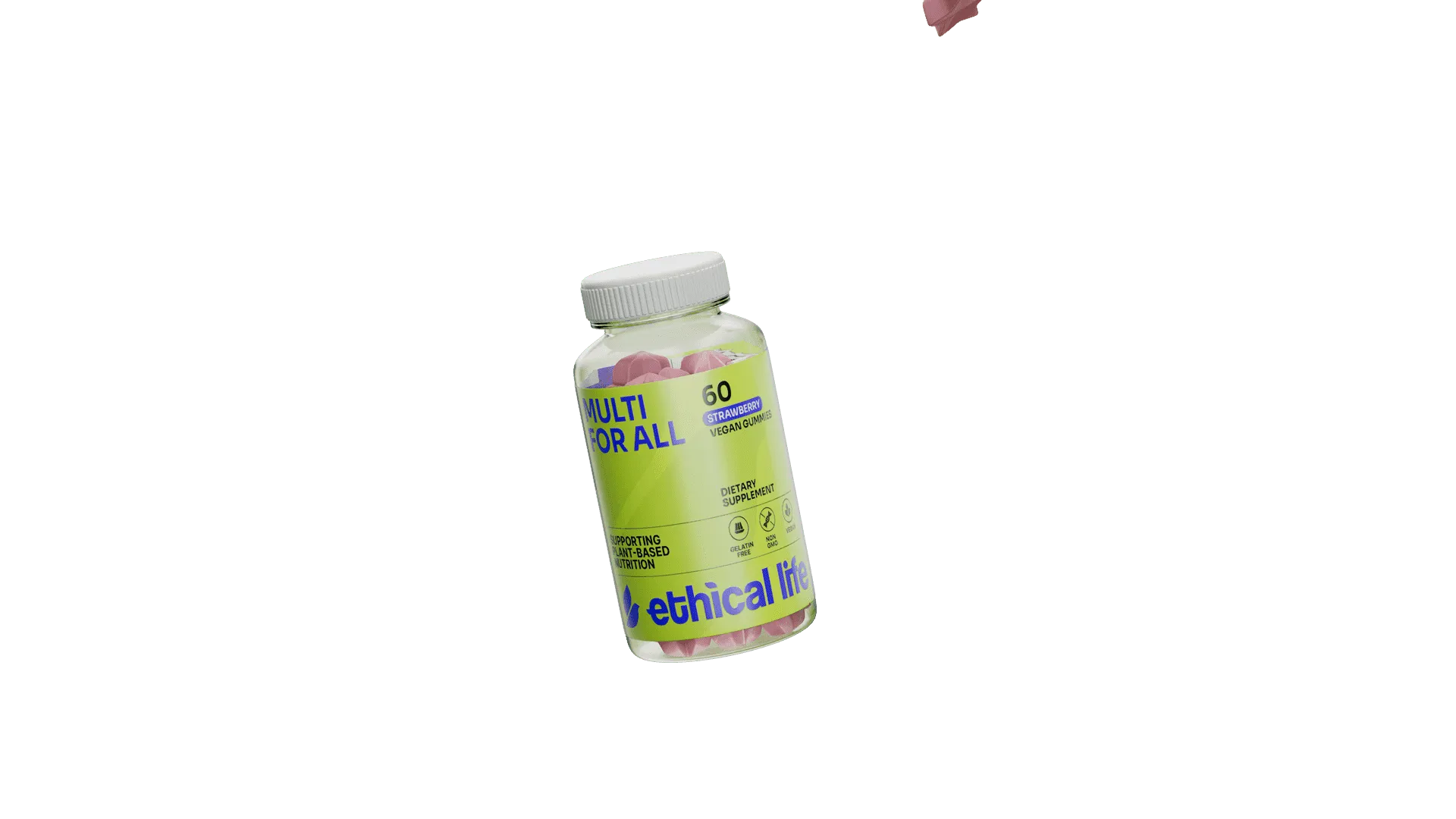
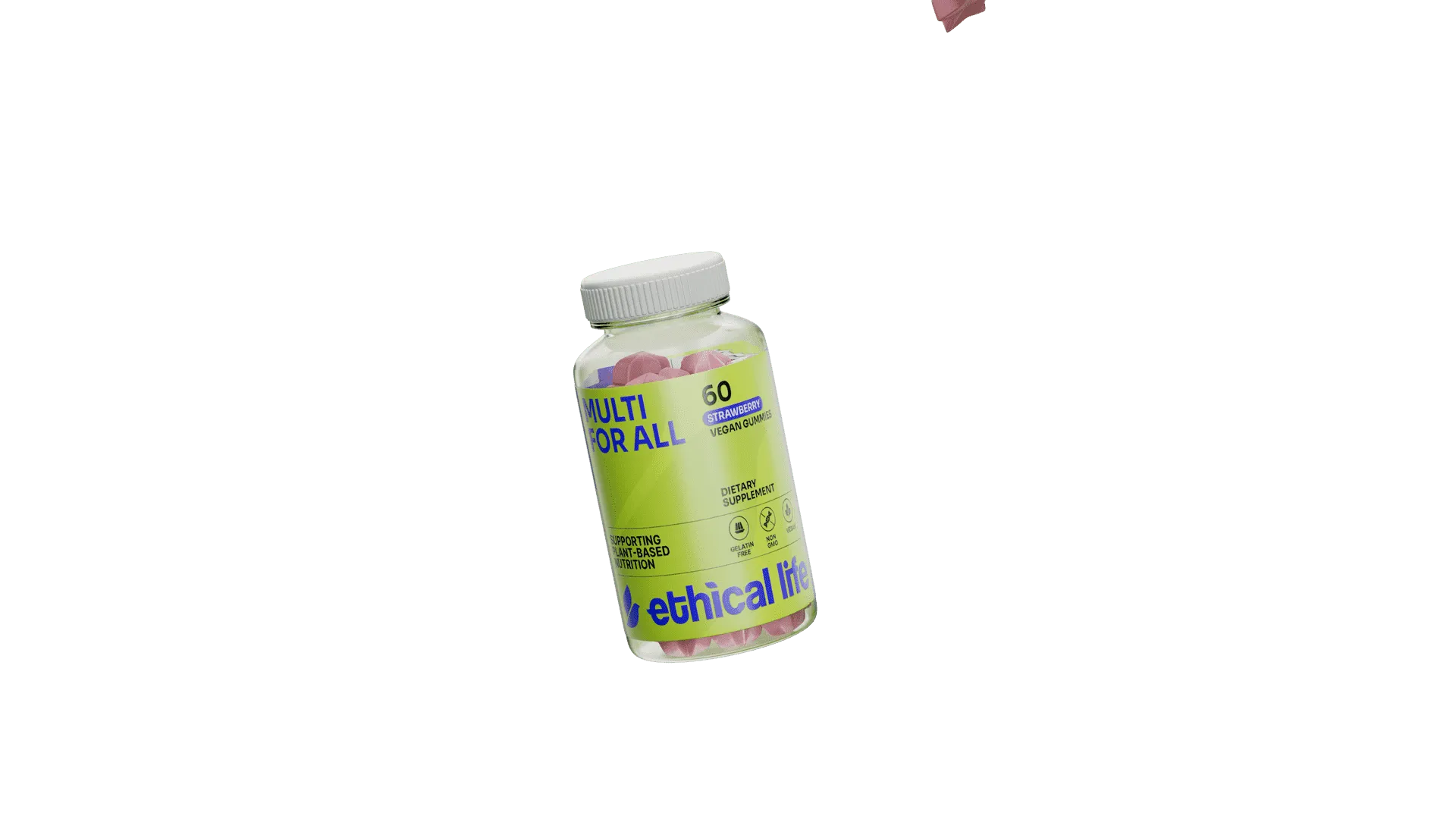
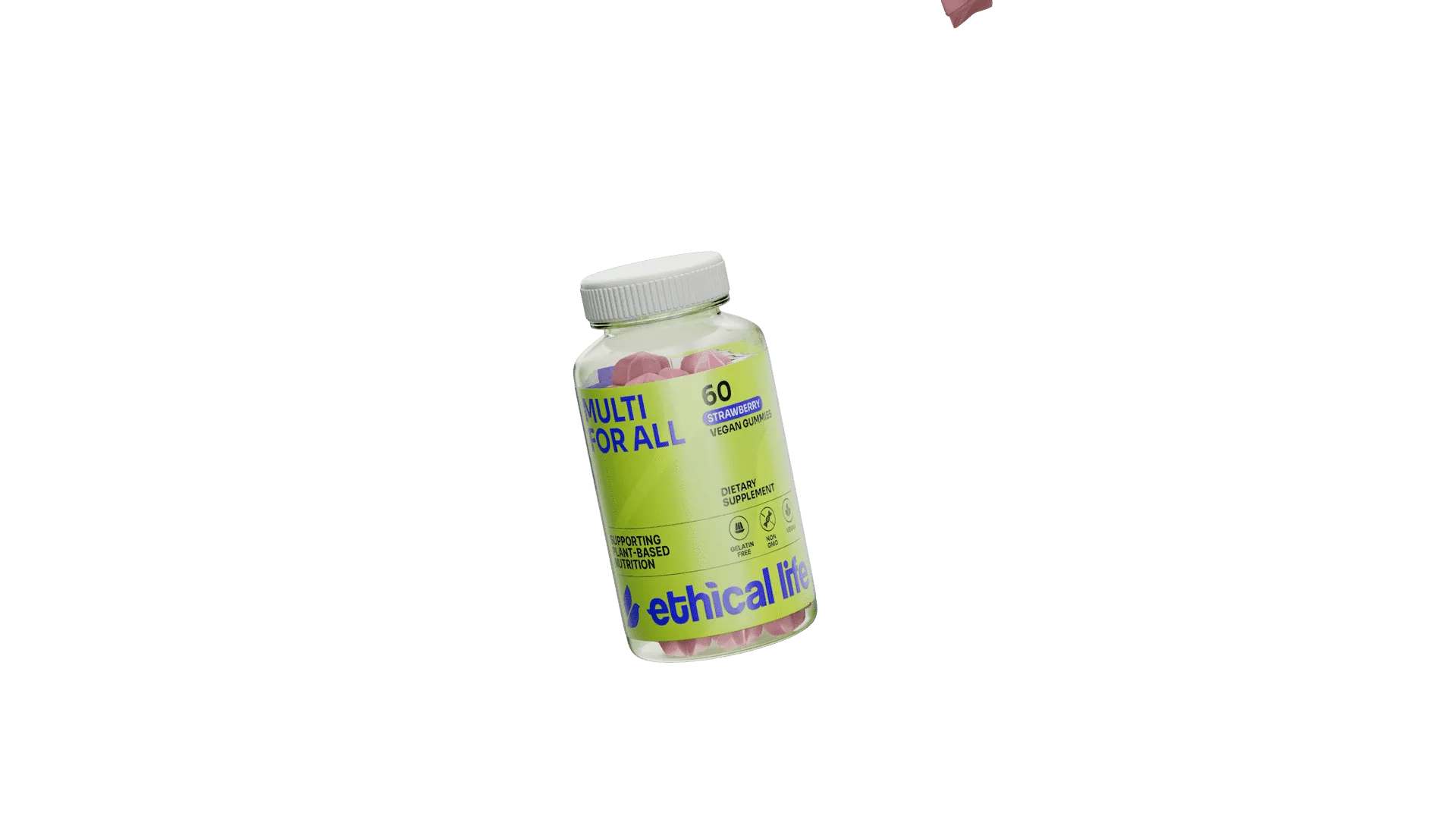
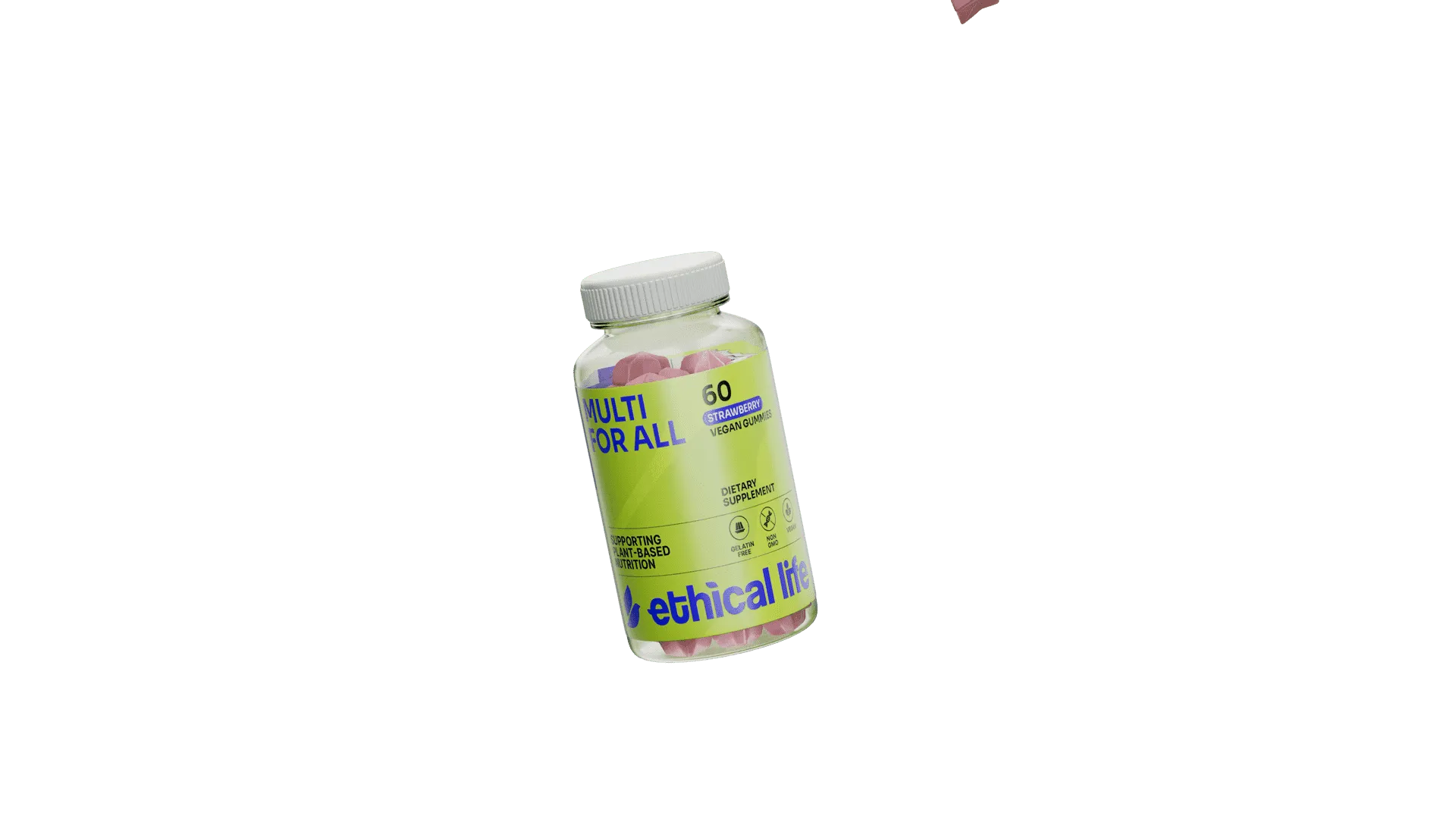
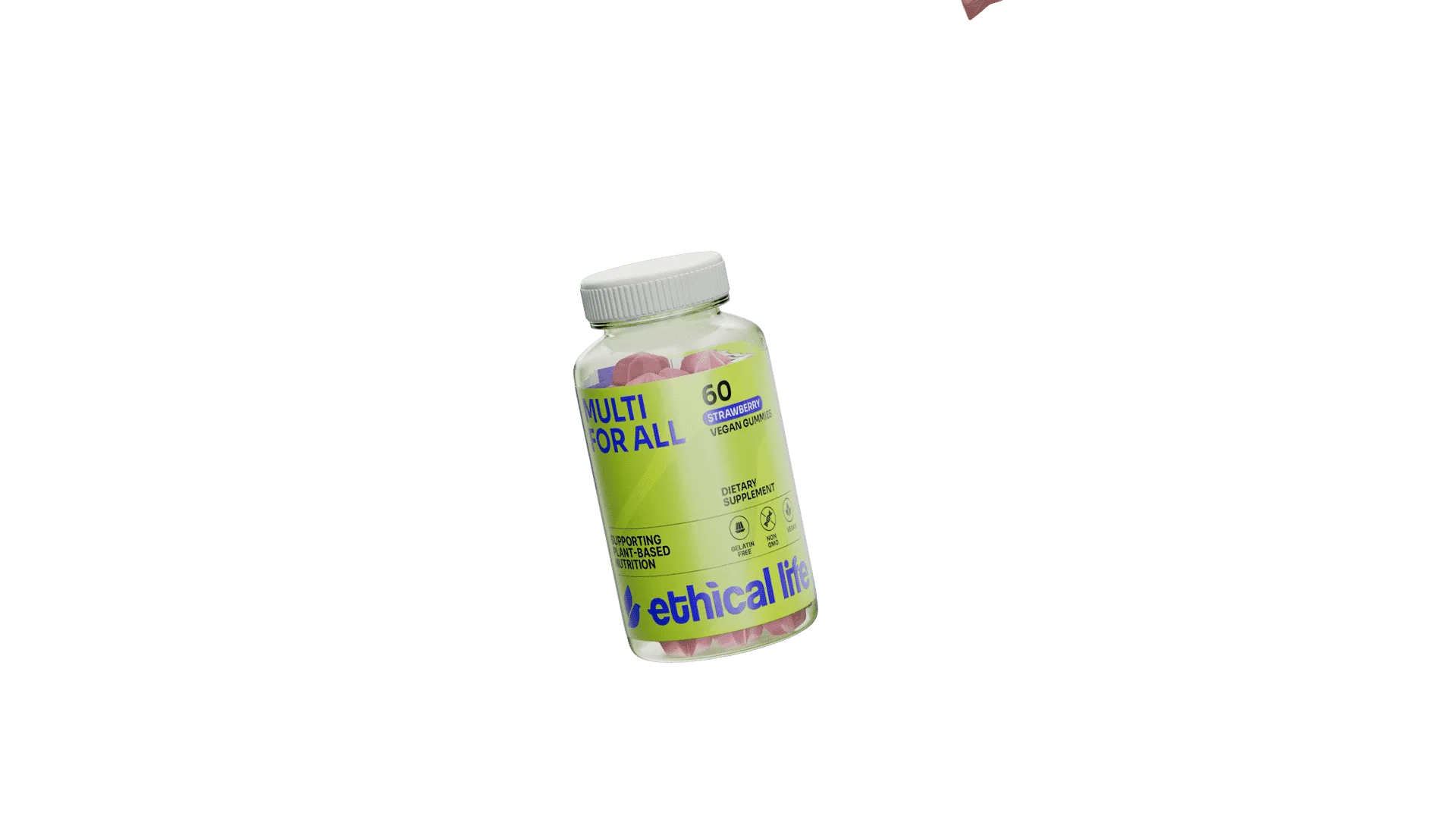
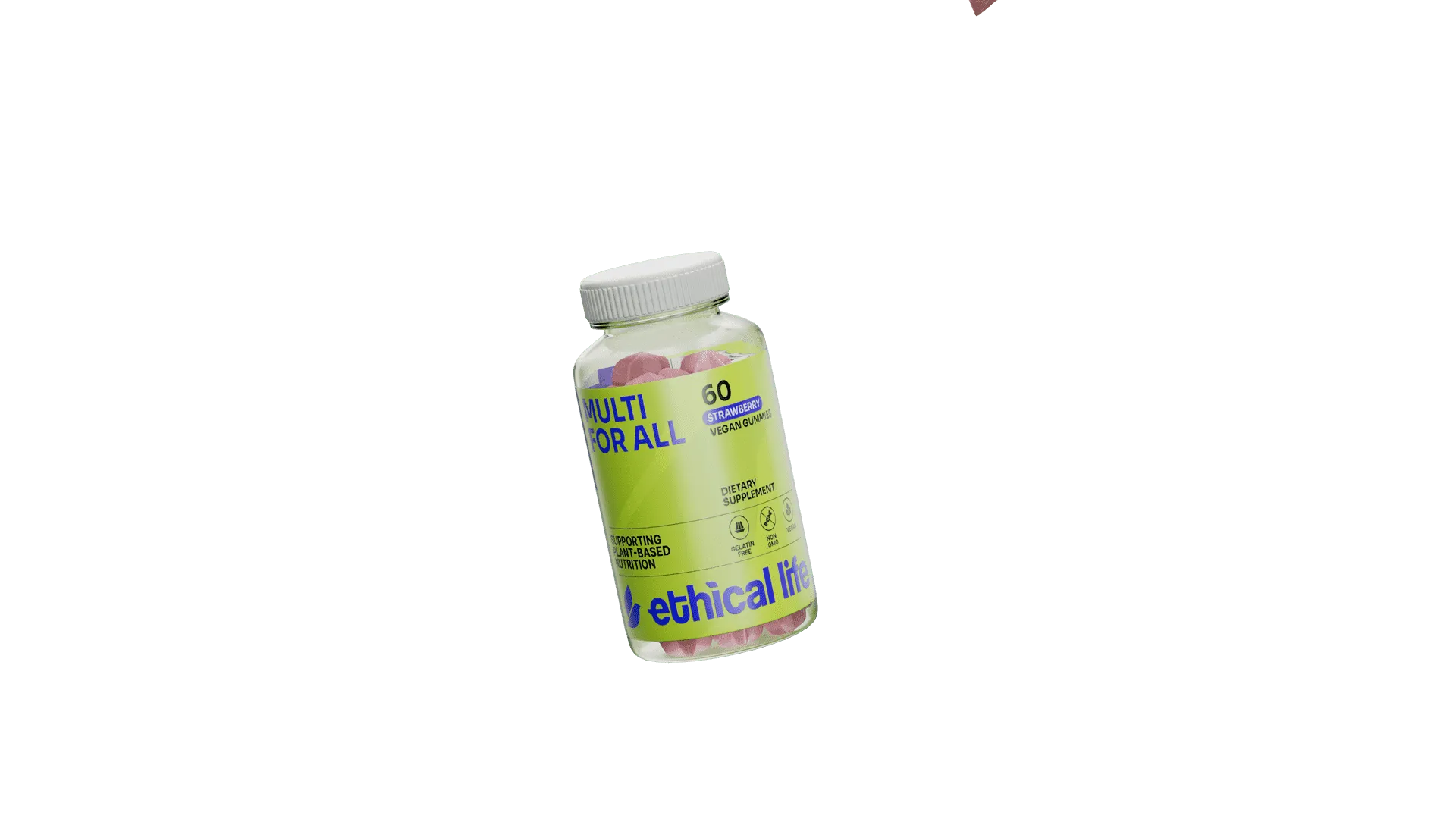
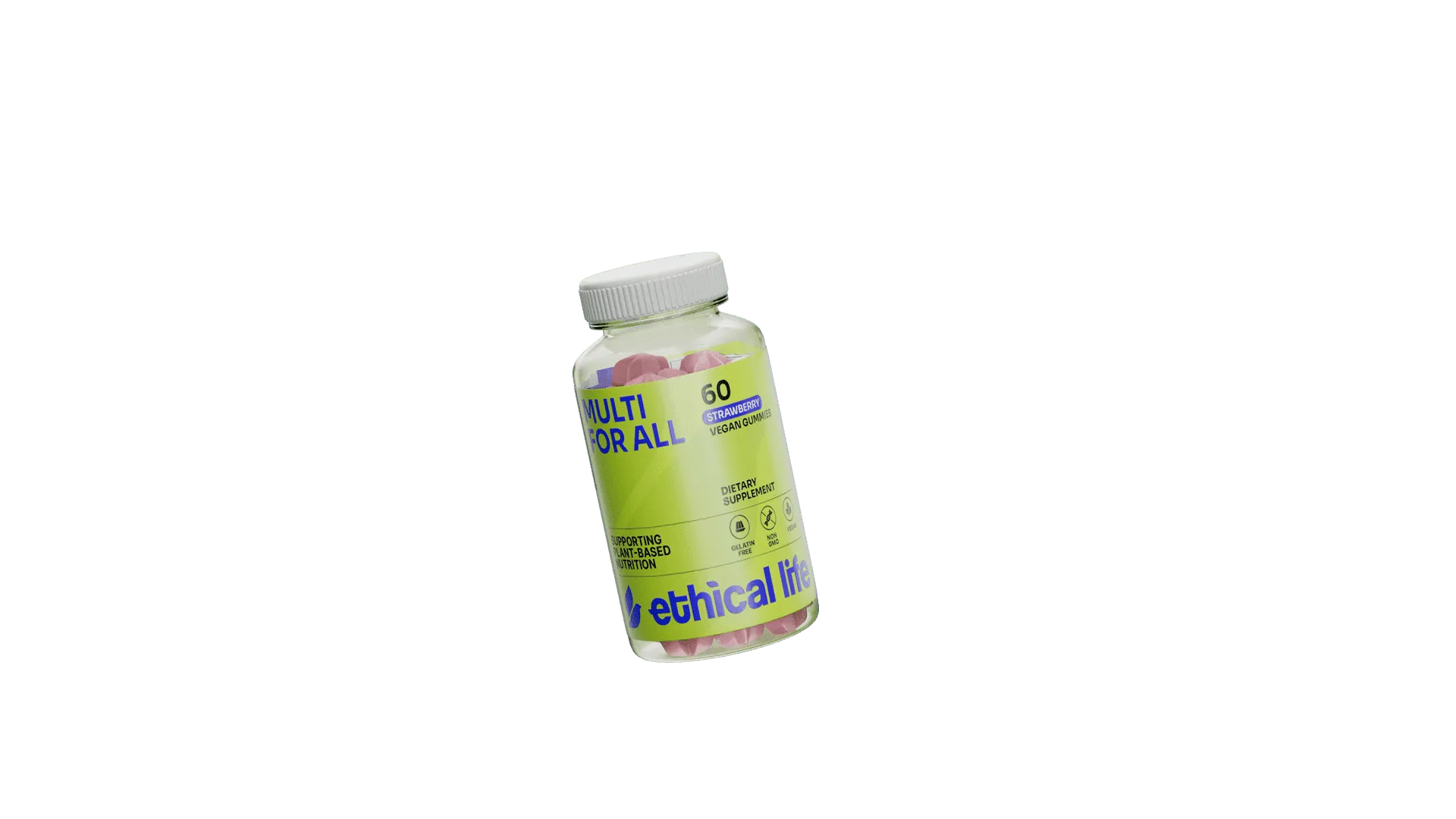
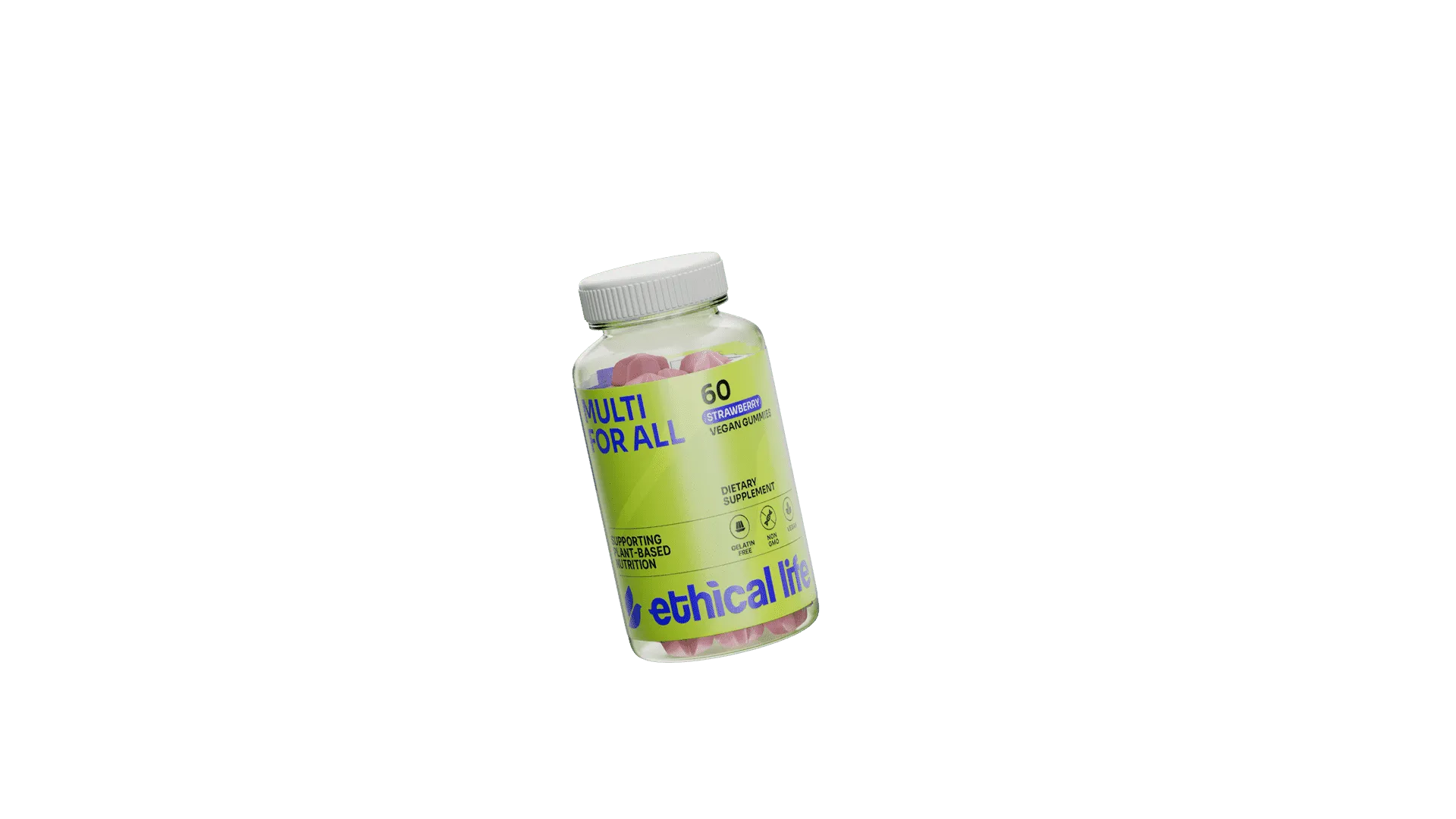
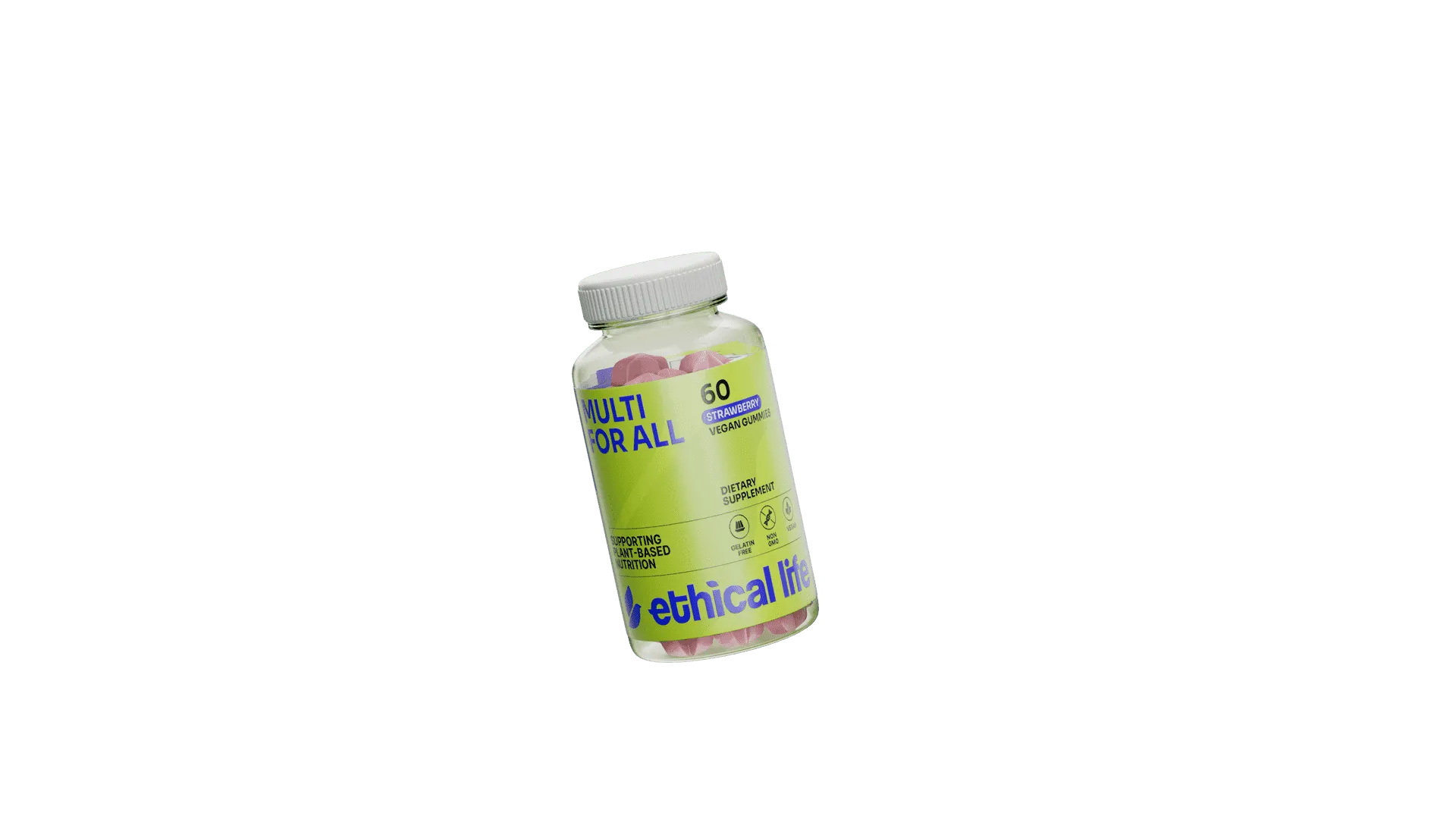
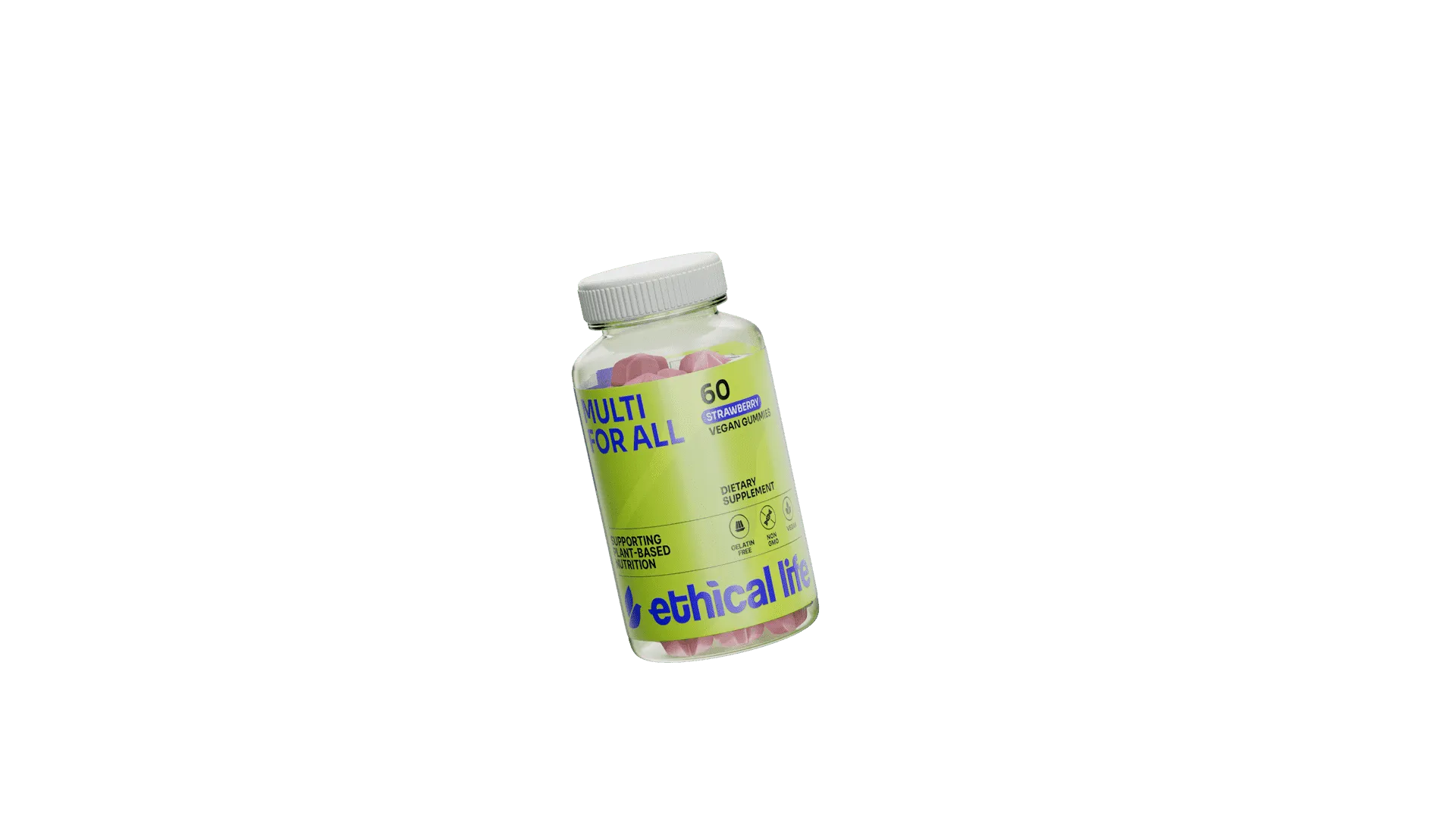
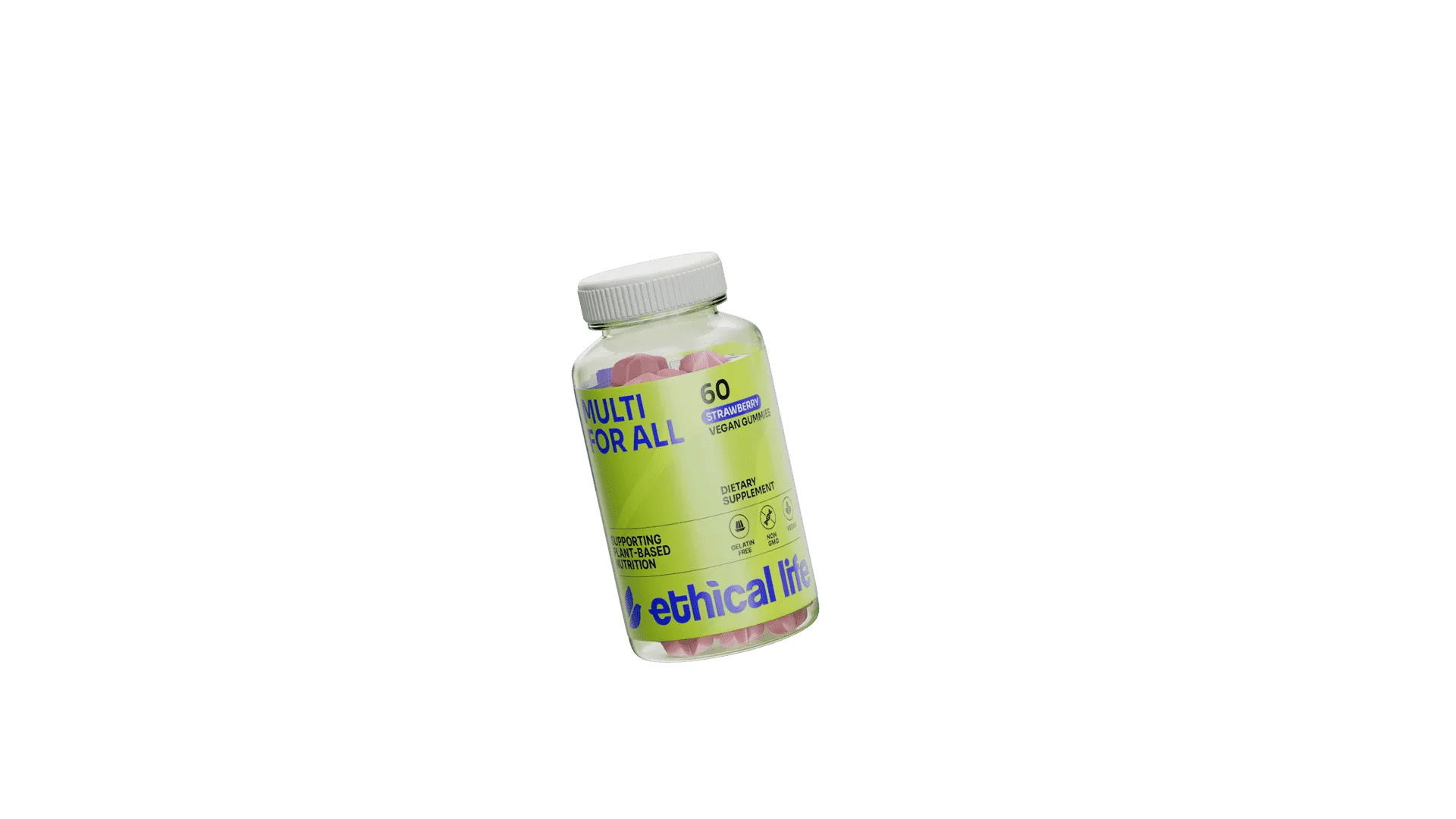
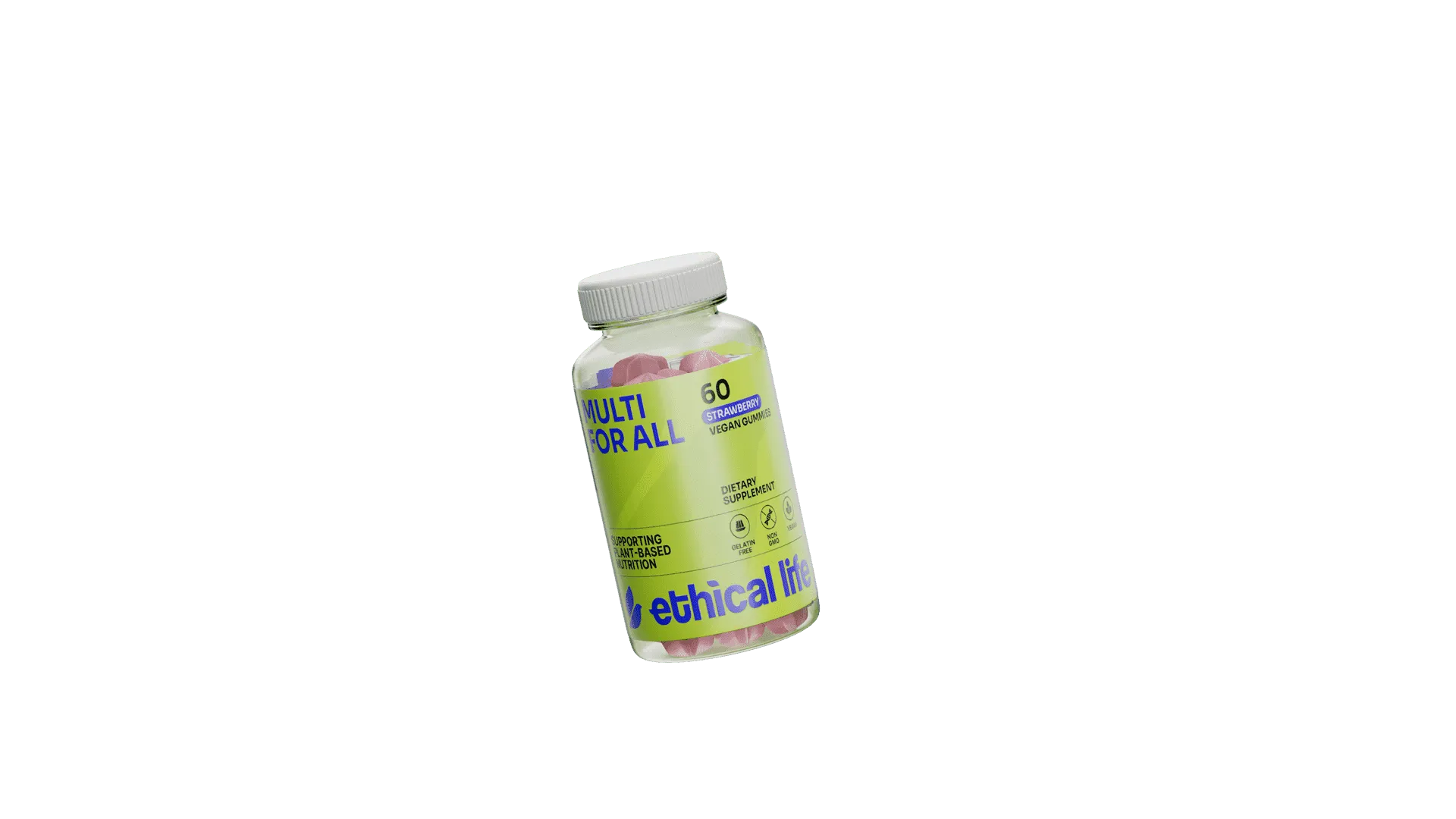
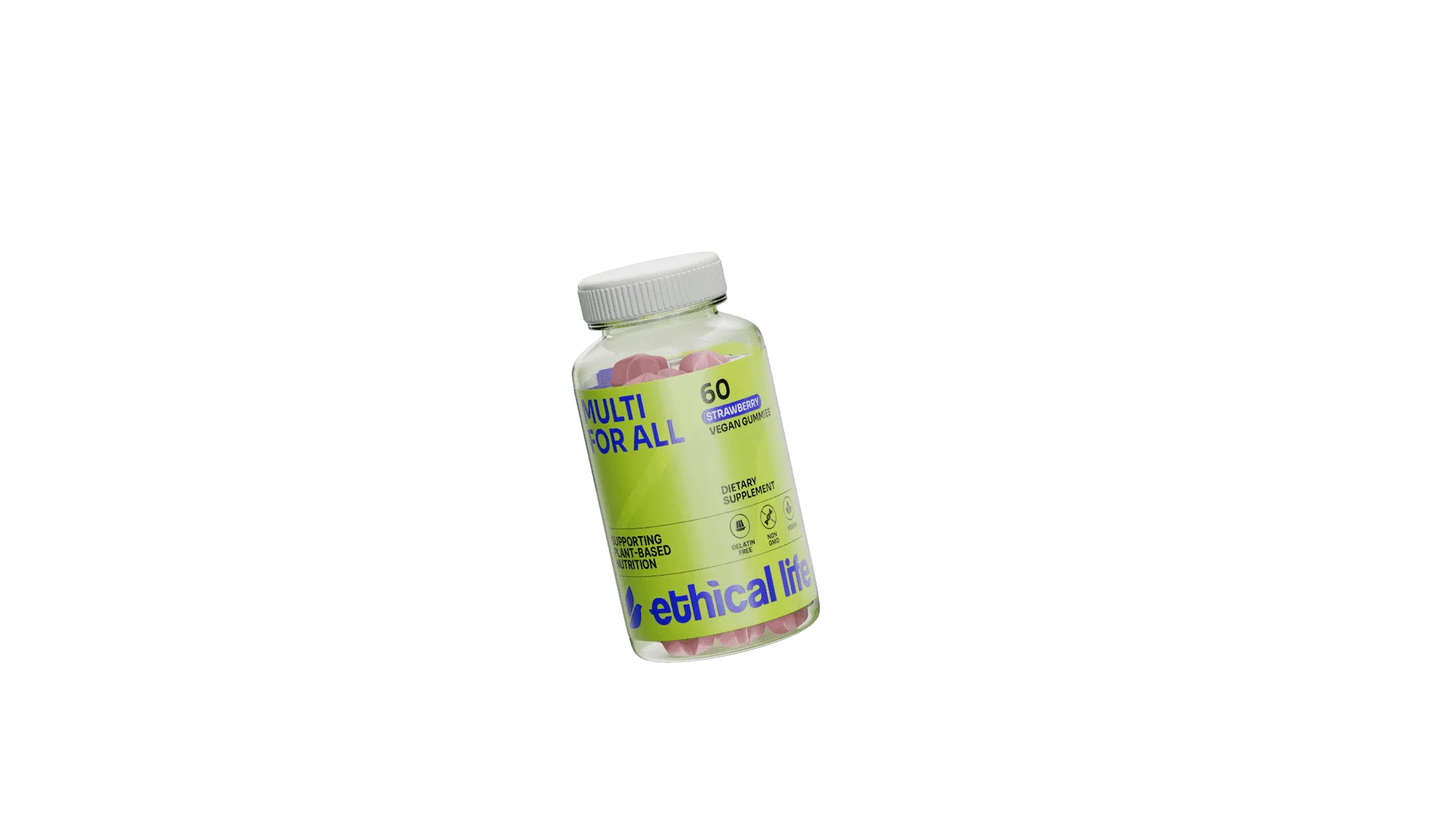
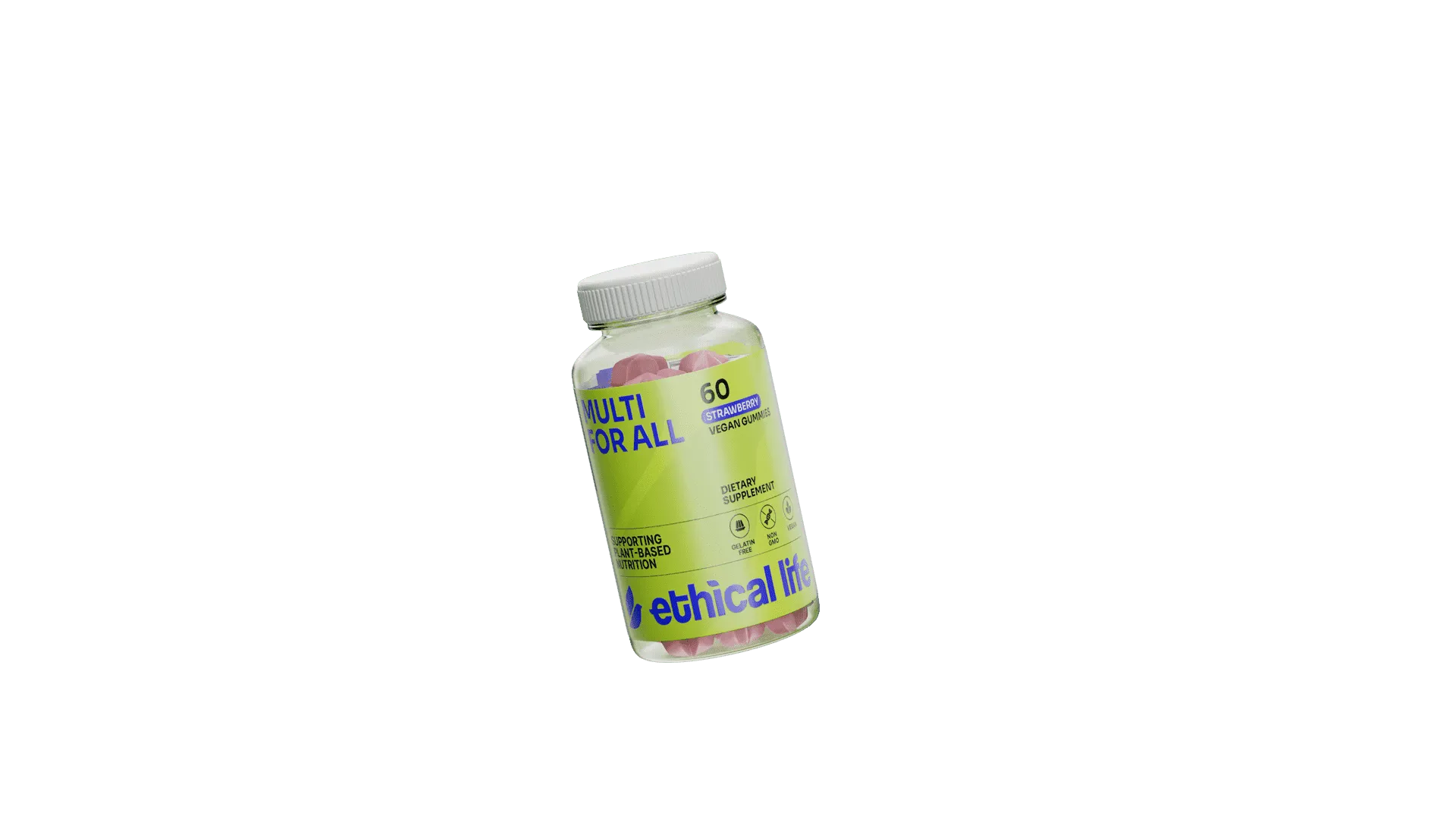
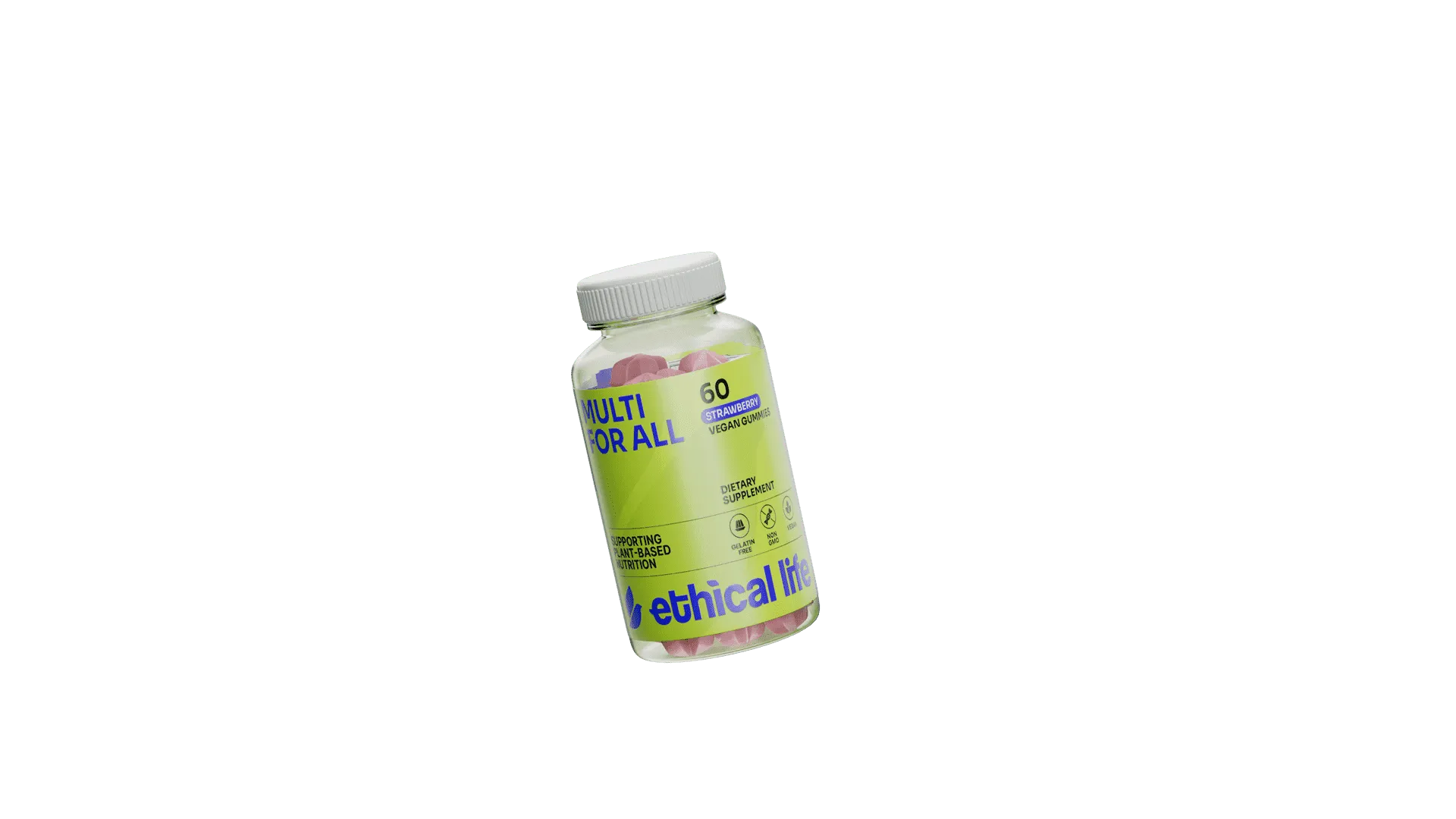
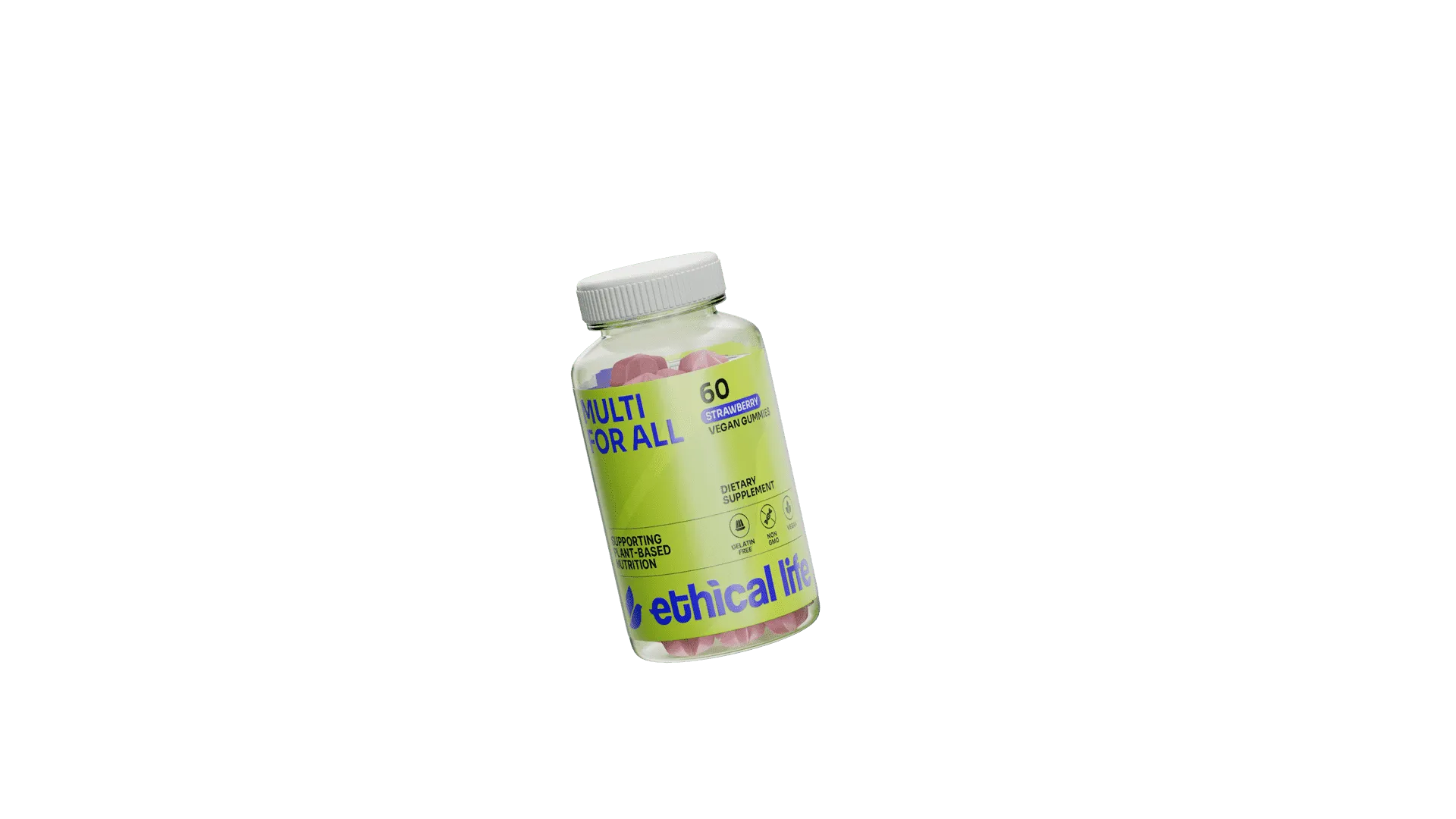
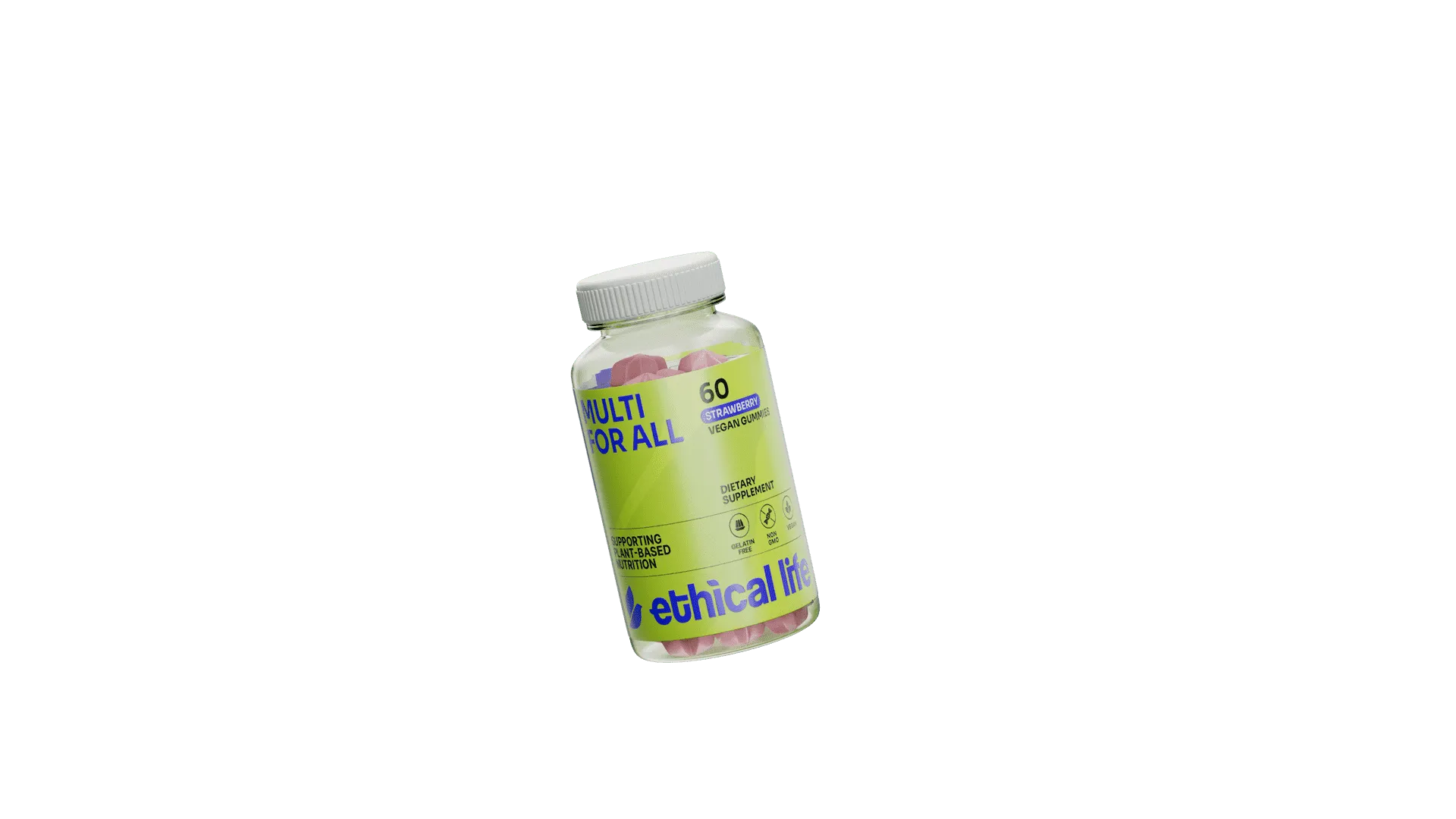
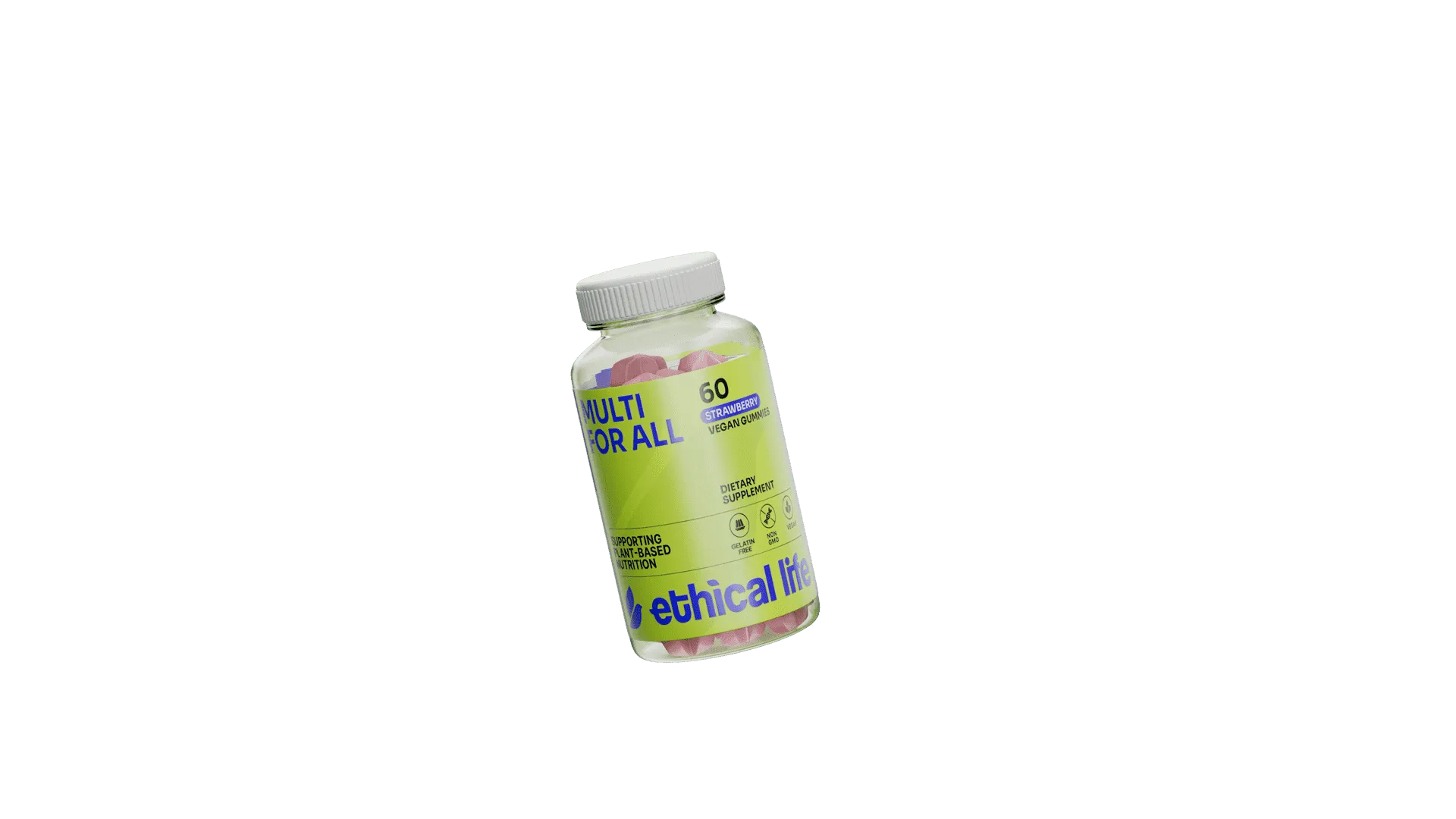
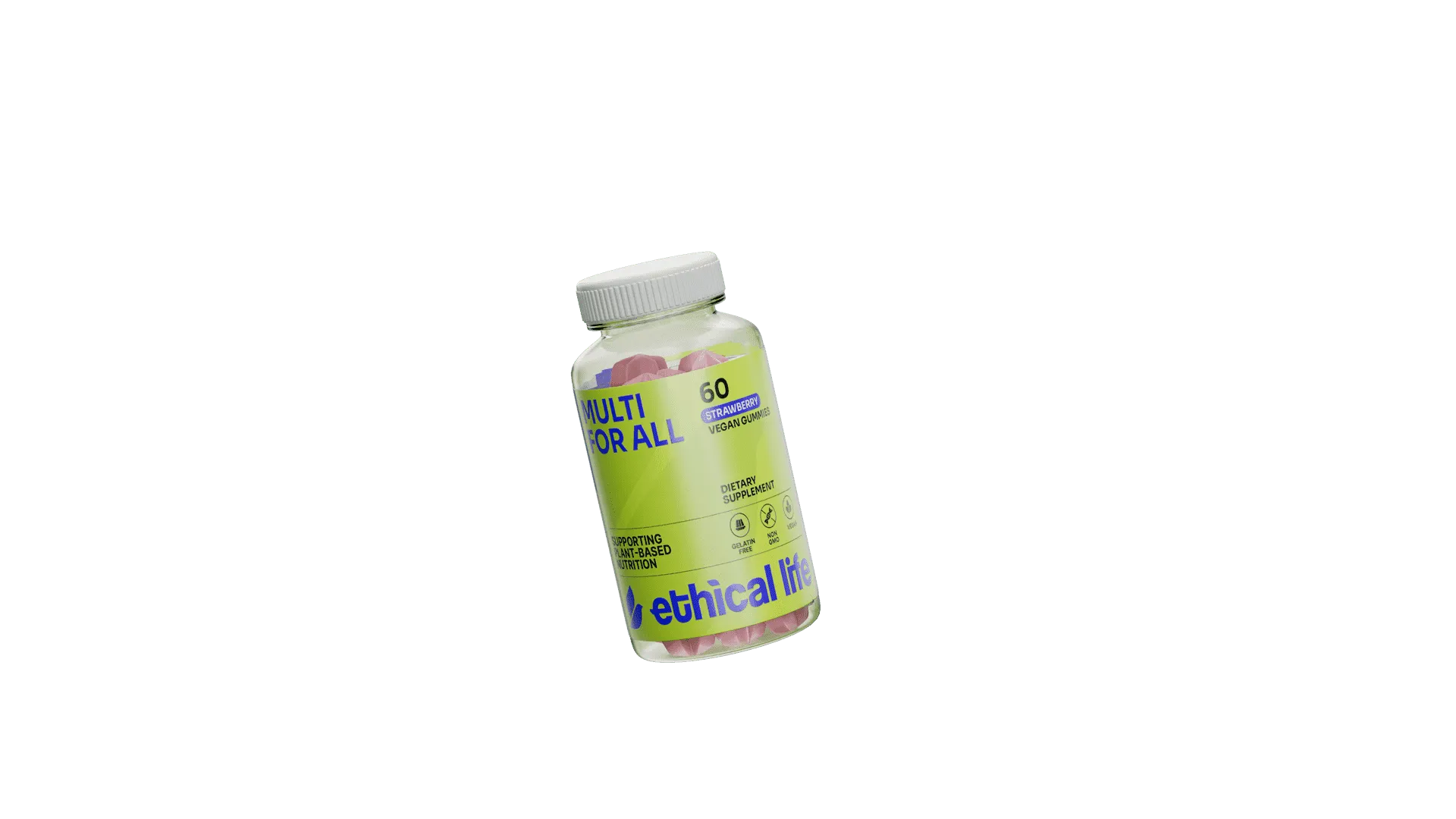
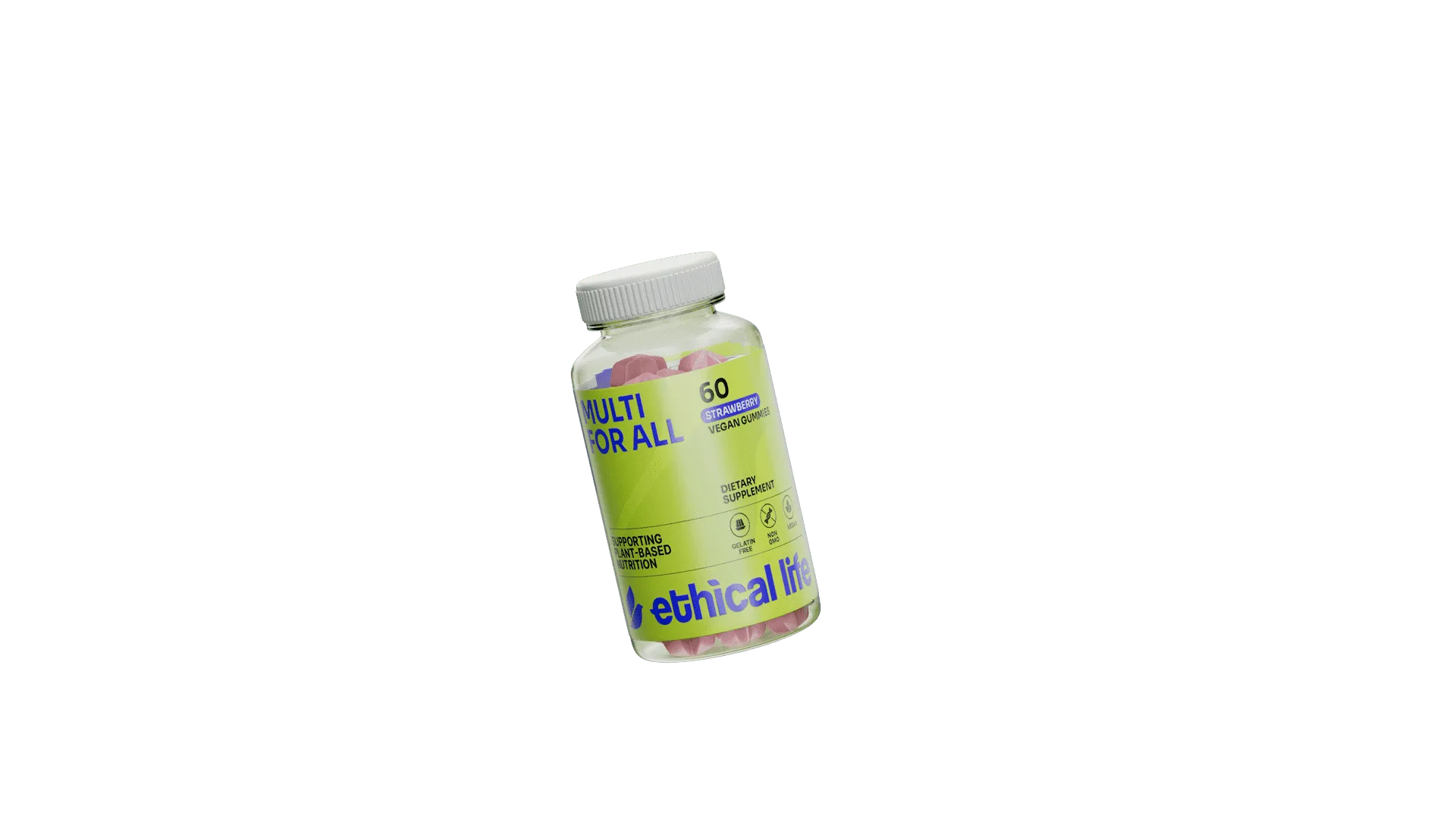
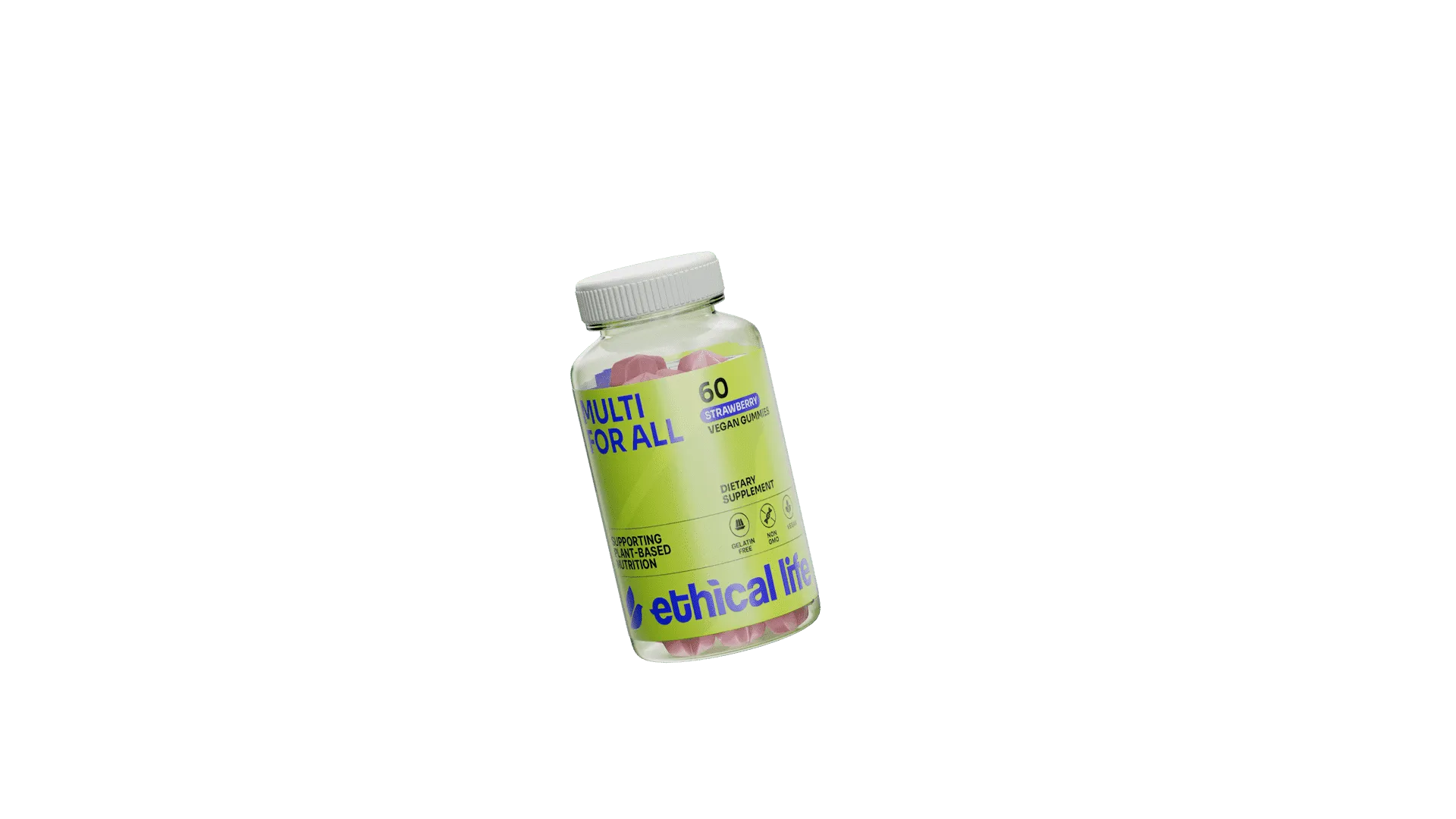
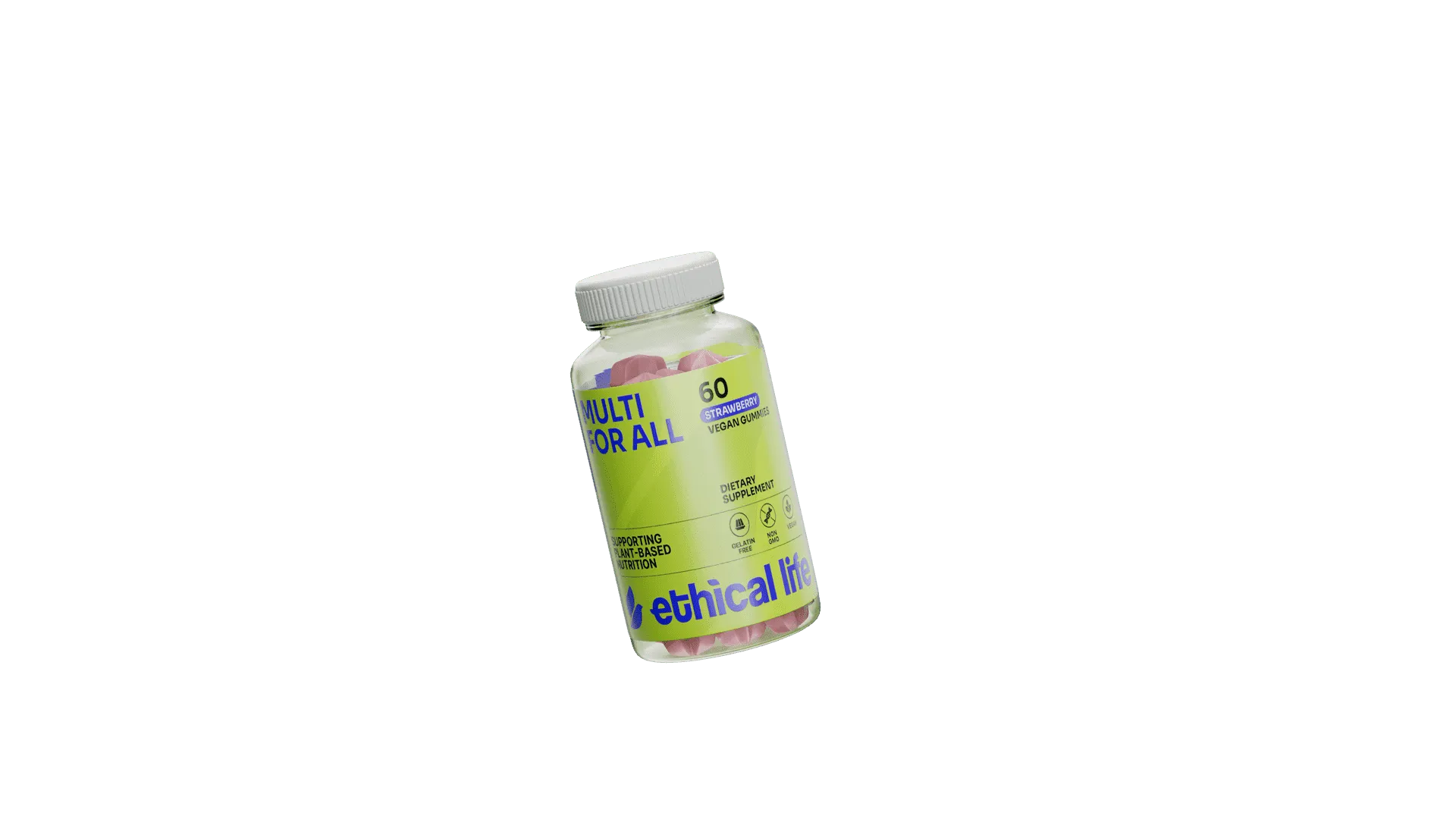
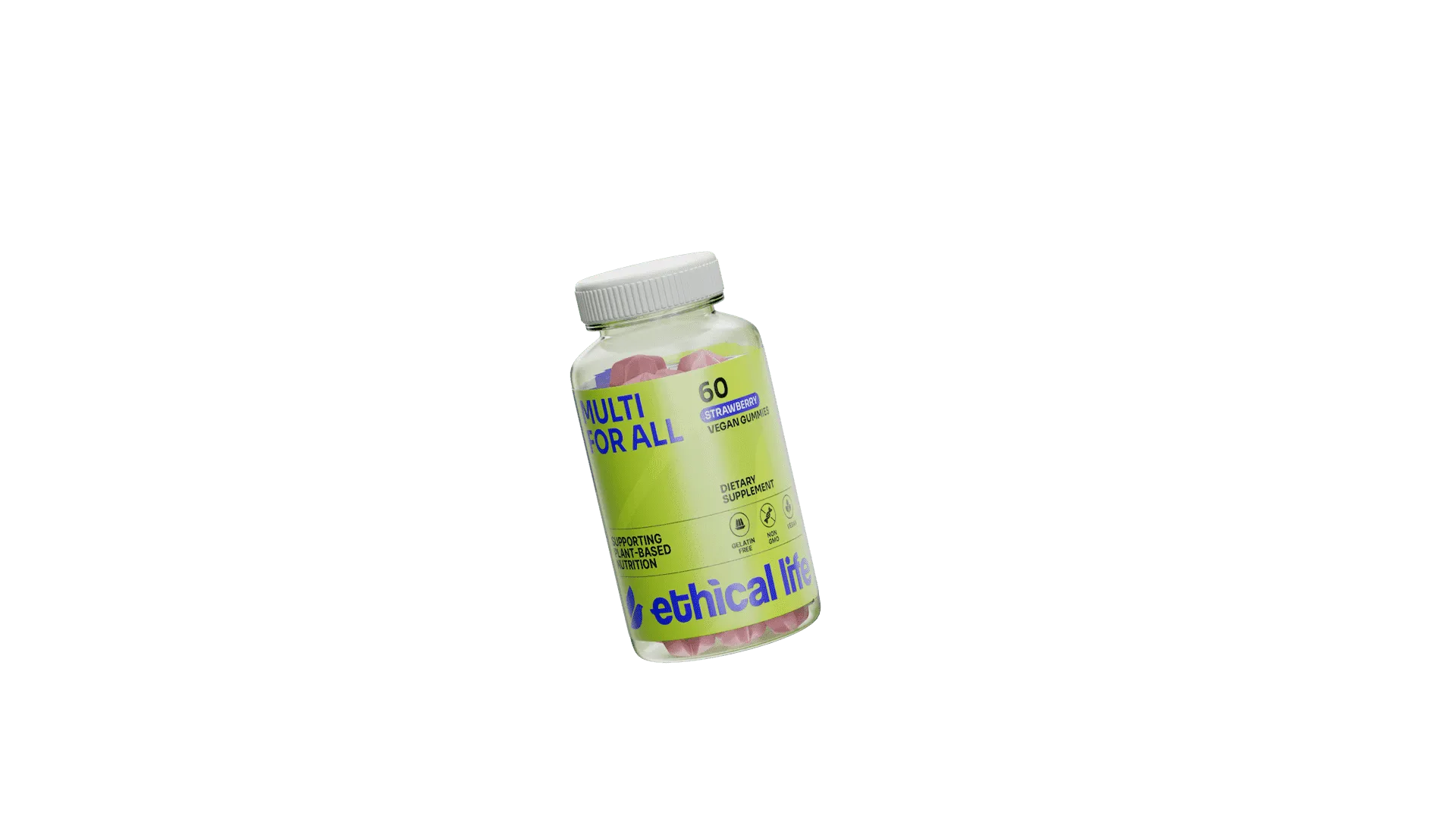
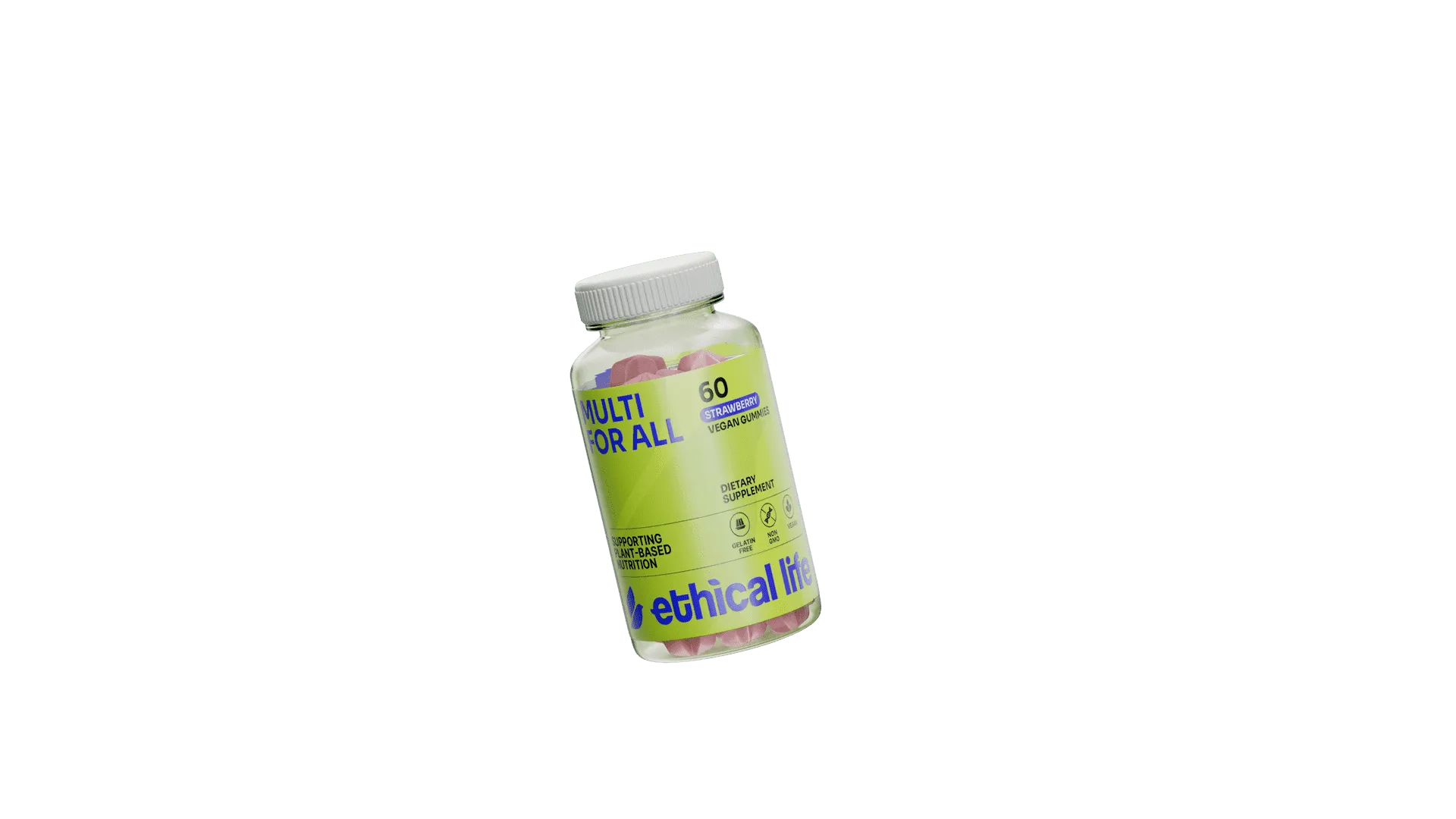
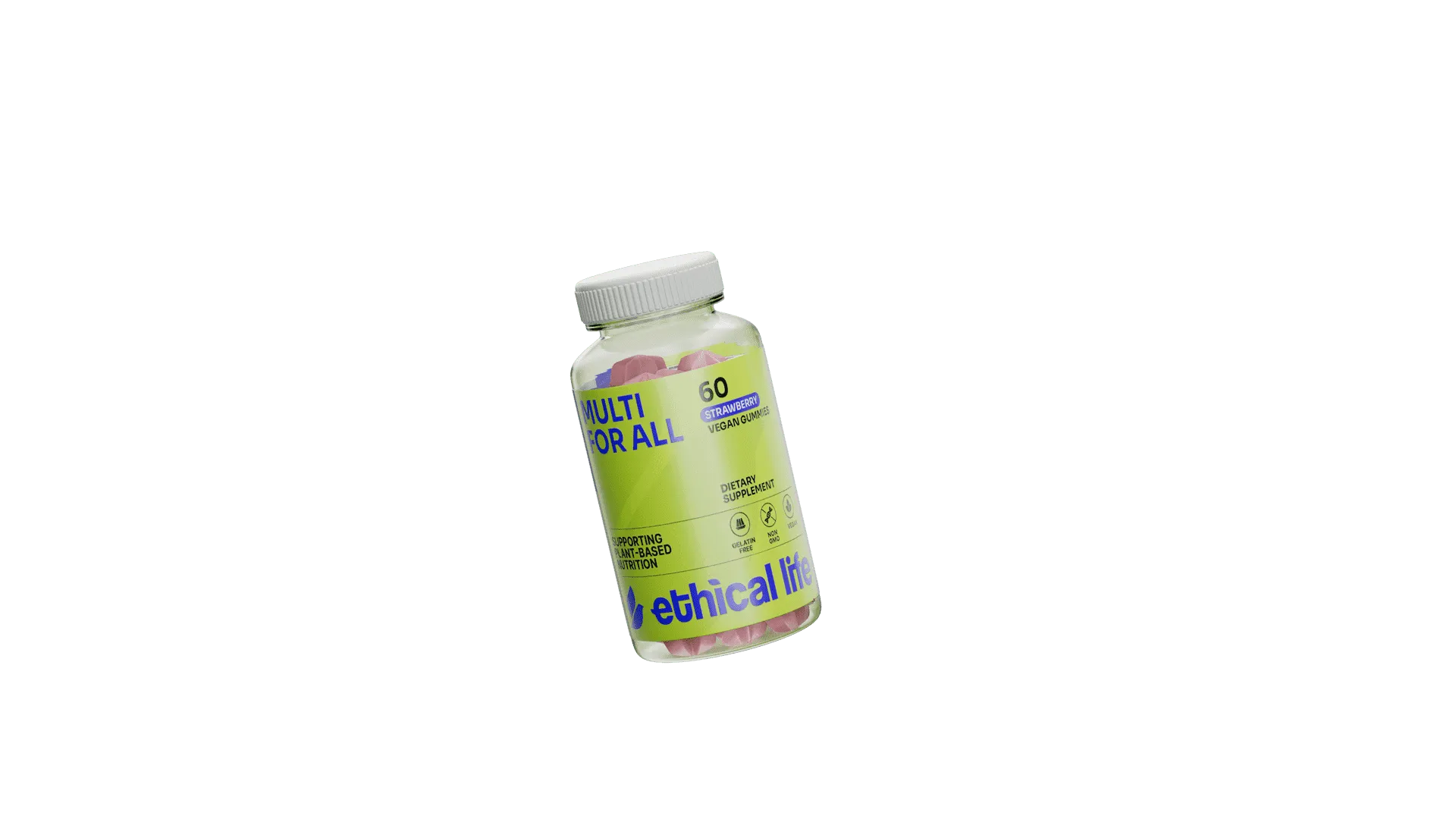
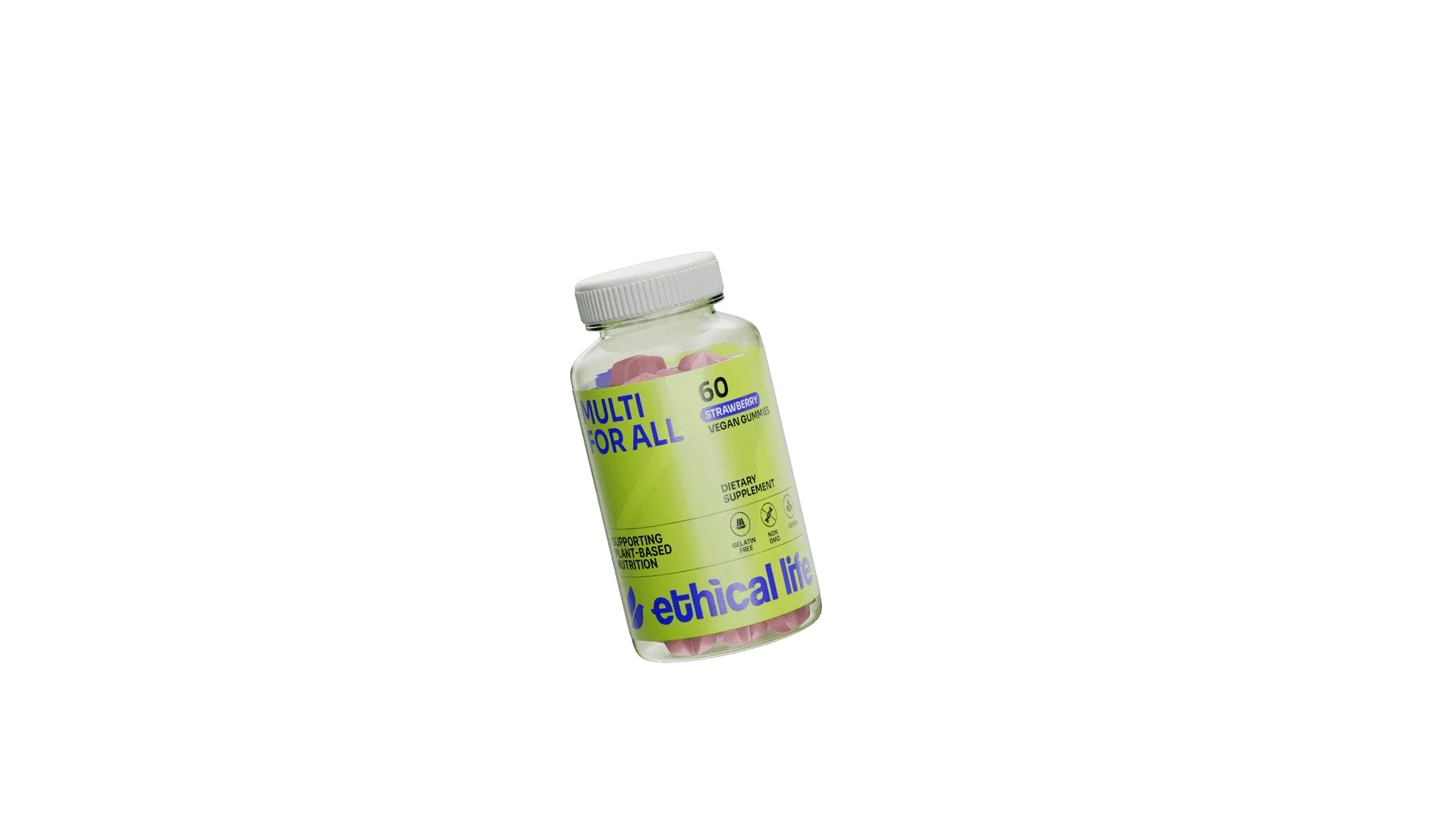
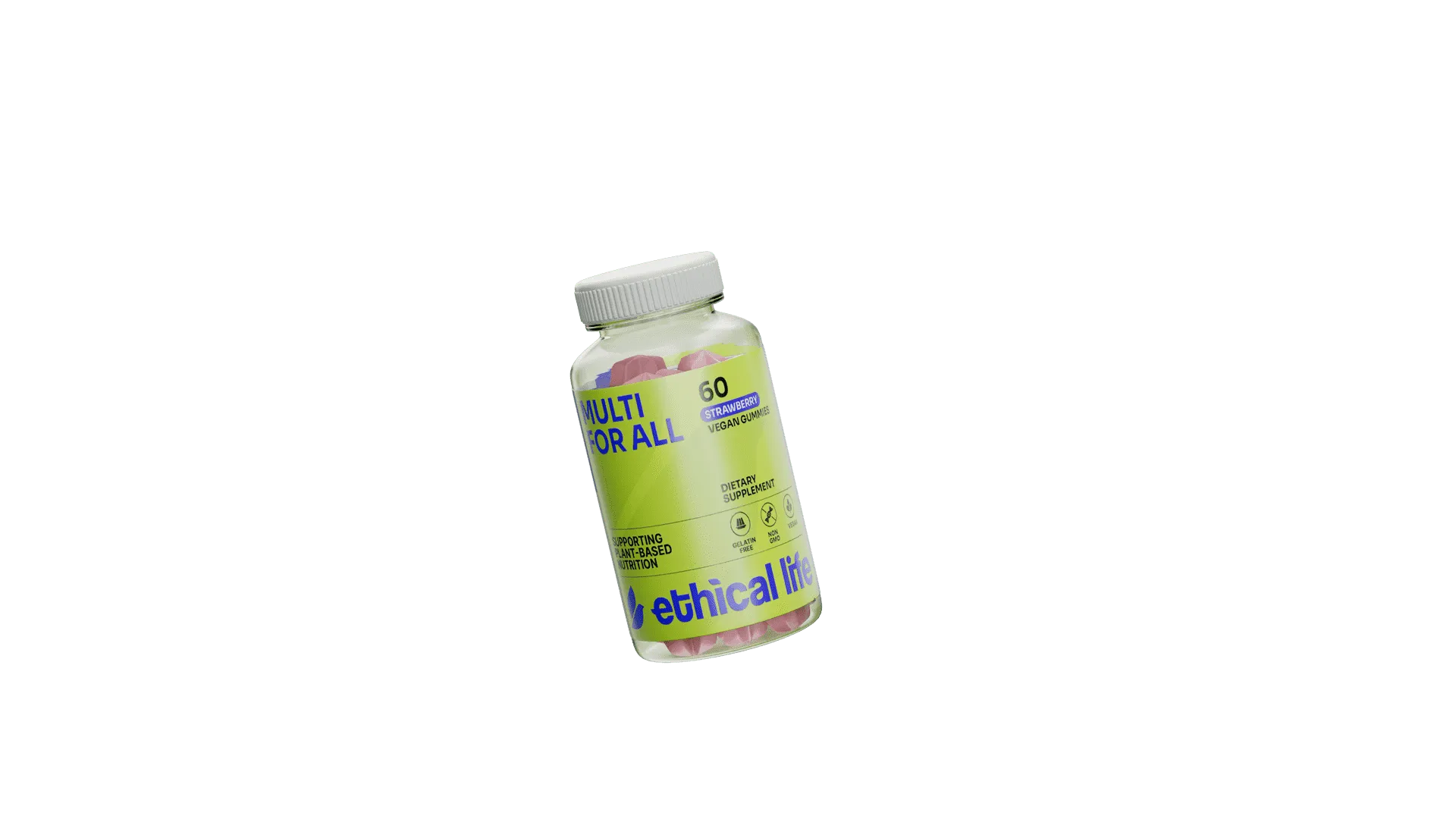
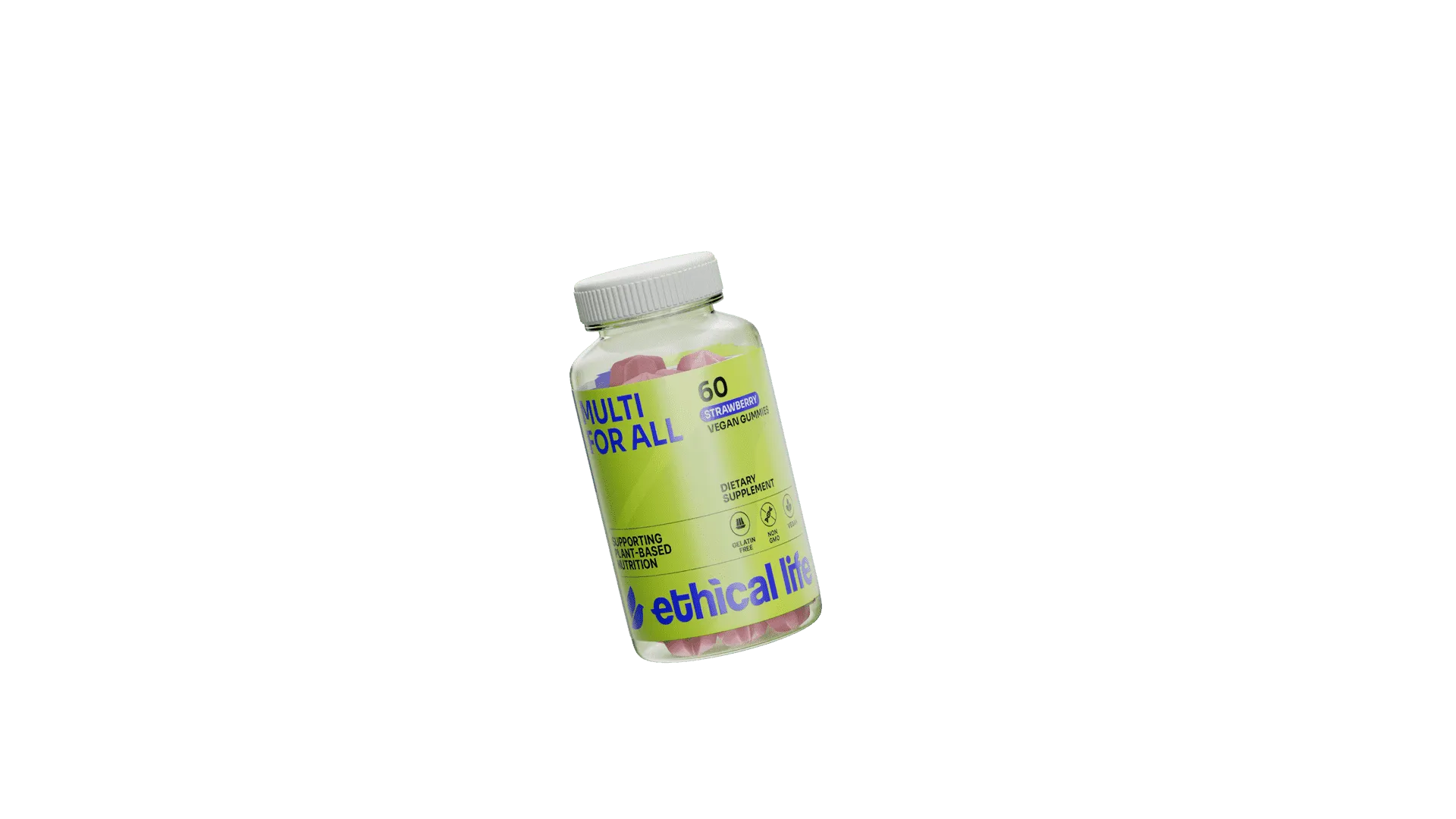
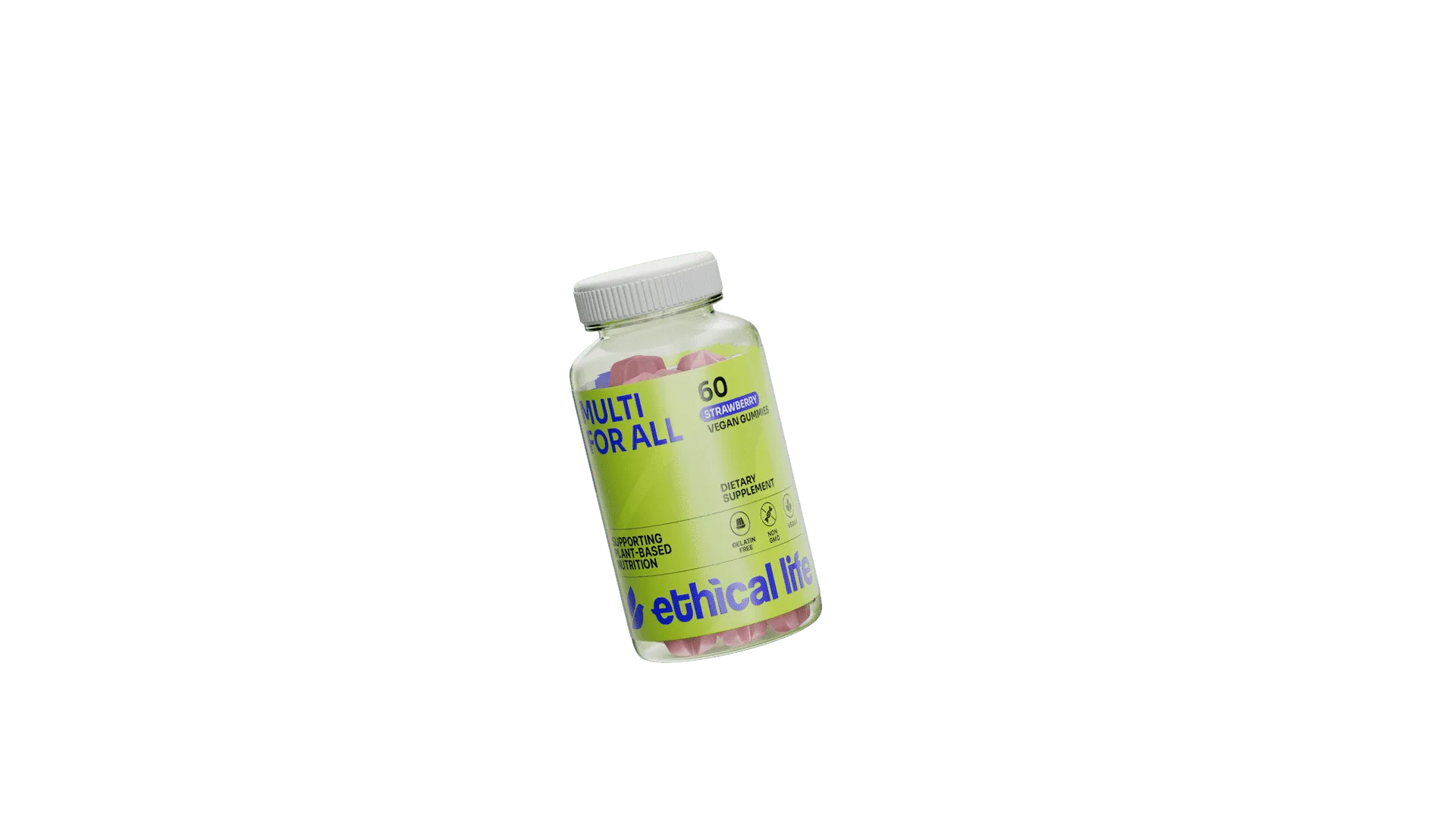
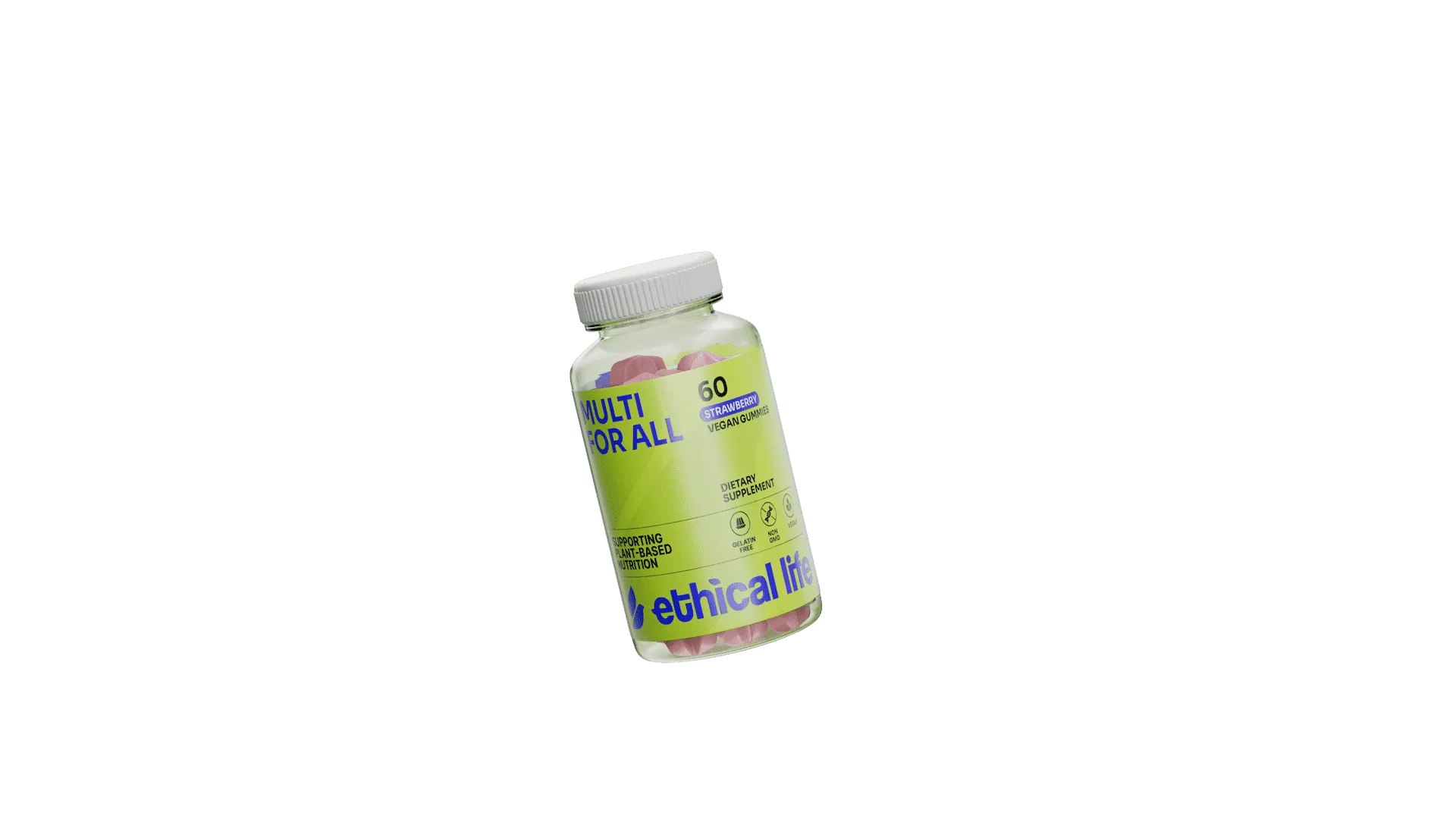
Looking for a clean, expert-formulated way to support your daily nutrient baseline? Our pharmacist-formulated vegan multivitamin gummies are crafted with premium, plant-based ingredients to support your active lifestyle. Discover the Ethical Life difference today!

Calcium’s Role in Nerve Signaling and Muscle Contraction

Calcium bridges the gap between electrical nerve signals and physical movement. It acts as a bridge. Calcium channels in cells are like tiny gatekeepers that decide when muscles contract and nerves fire. When an action potential reaches a nerve terminal, the resulting calcium influx forces neurotransmitter vesicles to fuse with the presynaptic membrane and release their contents into the synaptic cleft. Without that calcium-triggered exocytosis, the signal stops at the nerve ending.

Skeletal muscles require precision. An action potential triggers calcium release from the sarcoplasmic reticulum into the cytoplasm. That calcium binds to troponin, shifting tropomyosin away from the myosin-binding sites on actin filaments, and the actin and myosin cross-bridge cycle that generates force begins. In smooth muscle, the mechanism shifts: calcium binds to calmodulin, which activates myosin light chain kinase to initiate contraction. The same ion works with different molecular partners across three distinct muscle tissue types.

Cardiac muscle adds another layer of complexity. Heart cells rely on both extracellular calcium influx through voltage-gated channels and intracellular calcium release from the sarcoplasmic reticulum: a process called calcium-induced calcium release. These signals travel across adjacent cardiac cells through intercalated disks, ensuring the heart contracts as a coordinated unit. Unlike skeletal muscle, the heart’s dependence on extracellular calcium makes it acutely sensitive to sudden shifts in blood calcium levels, which is precisely why hypocalcemia can manifest as cardiac arrhythmia.

“I’m a doctor of pharmacy, certified plant-based nutritionist with over 30 years of experience, and vegan for 12 years. Caring for others has taught me one thing: living an ethical life is not only possible but is absolutely thriving! Small daily choices shape our lifelong health, the lives of animals, and our planet.” – Sepideh, founder of Ethical Life

Daily Calcium Requirements by Age

Calcium requirements shift meaningfully across the lifespan.

The Recommended Dietary Allowance (RDA) is set at 1,000 mg/day for adults aged 19 to 50. Requirements climb to 1,200 mg/day for women over 50 and men over 70, and reach 1,300 mg/day for adolescents aged 9 to 18, a period of rapid skeletal growth when calcium deposition into bone runs at its highest rate, according to NIH research on calcium intake and plant-based sources.

Upper limits matter too. The Tolerable Upper Intake Level (UL) is established at 2,500 mg/day for adults aged 19 to 50 and drops to 2,000 mg/day for adults over 50, where declining renal function raises the risk of kidney stones and calcium-alkali syndrome (NIH research on calcium intake and plant-based sources). U.S. national survey data show that median total calcium intake from all sources ranges from 918 to 1,296 mg/day depending on life stage, meaning a meaningful portion of the population falls below the RDA, while supplement users risk unknowingly approaching the UL when fortified foods are factored in (NIH research).

Access our exclusive, pharmacist-curated 7-Day Plant-Based Meal Plan designed to maximize calcium and mineral absorption. Enter your email to get instant access!

Top Calcium-Rich Foods and Absorption Boosters

How much calcium a food contains and how much the body absorbs are two different numbers, and the gap between them is where most plant-based calcium planning goes wrong. Bioavailability, the fraction of ingested calcium that enters systemic circulation, varies dramatically depending on the food matrix. Absorption rates vary widely.

Oxalates, Phytates, and Food Preparation

The primary inhibitors are oxalates and phytates. Oxalates, concentrated in spinach and rhubarb, bind calcium in the gastrointestinal tract to form insoluble complexes before absorption can occur. The fractional calcium absorption from spinach sits at approximately 5.1%: a stark contrast to the 40% to 52.7% absorption rates seen in low-oxalate greens like bok choy, broccoli, and kale (NIH research on calcium intake and plant-based sources). Phytates in whole grains and soybeans create a similar barrier, though their effect varies with food preparation. Boiling high-oxalate vegetables reduces total oxalate content and can meaningfully improve calcium availability. Pairing these strategies with the right food combinations is a key part of learning how to get daily nutrients on a plant-based lifestyle.

Low-Oxalate Greens

Bok choy, broccoli, and kale deliver fractional absorption rates between 40% and 52.7%, far more calcium-efficient than spinach despite sometimes lower total calcium content (NIH research on calcium intake and plant-based sources).

Fortified Soy Drinks and Calcium-Set Tofu

Fortified Soy Drinks: Provide absorption rates of 18.1% to 21.1%, making them a reliable plant-based calcium vehicle when consumed regularly (NIH research on calcium intake and plant-based sources).

Calcium-Set Tofu: Prepared with calcium chloride or calcium sulfate, this is a concentrated source with meaningful bioavailability.

Sodium Moderation and Potassium Synergy

Sodium Moderation: Keeping sodium intake moderate reduces urinary calcium loss, as high dietary sodium measurably increases renal calcium excretion.

Potassium Synergy: Ensuring adequate potassium intake helps offset that urinary loss, a dietary pairing that gets less attention than it deserves.

Signs of Calcium Deficiency

Because the parathyroid-PTH axis maintains blood calcium levels by drawing from bone, a dietary deficiency can remain invisible on a standard serum calcium panel for years. Bones absorb the deficit. By the time hypocalcemia appears in bloodwork, the bone reserve has often been weakened for a considerable period. This process happens quietly.

Early symptoms tend to be diffuse and easy to attribute elsewhere: muscle cramps, numbness or tingling in the fingers and toes, fatigue, brittle nails, and accelerated tooth decay. As the deficit deepens, neuromuscular irritability becomes more pronounced, manifesting as tetany, involuntary muscle spasms, and in severe cases, seizures or cardiac arrhythmia. Chronic insufficiency that never reaches acute hypocalcemia still carries long-term consequences through the progressive thinning of bone, leading to osteopenia and osteoporosis that often announces itself only through a fracture. U.S. national survey data show that median total calcium intake ranges from 918 to 1,296 mg/day across life stages (NIH research), suggesting a substantial portion of older adults are consistently falling short of the 1,200 mg/day RDA: not dramatically deficient, but short enough to matter over time.

When to Consider Calcium Supplements

Supplementation is appropriate for individuals with limited access to calcium-rich foods, postmenopausal women who can’t reliably meet the 1,200 mg/day target through diet alone, and those with absorption challenges like achlorhydria or inflammatory bowel disease. The choice of supplement form affects both efficacy and tolerability in ways that matter clinically. Form matters.

Calcium carbonate contains 40% elemental calcium, the highest concentration among common supplement forms, but requires gastric acid for dissolving. Taken on an empty stomach, particularly in individuals with reduced acid production, its absorption drops substantially. Calcium citrate, at 21% elemental calcium, is acid-independent and absorbs effectively with or without food, making it the more practical option for older adults or those on acid-suppressing medications (NIH research on calcium intake and plant-based sources).

Safety debates deserve attention. The Women’s Health Initiative trial found a 17% increased risk of kidney stones in postmenopausal women taking 1,000 mg of supplemental calcium daily (NIH research). Some meta-analyses have suggested a link between calcium supplementation and cardiovascular risk, though the evidence remains contested: cardiovascular events were not primary outcomes in those trials, and confounders including baseline renal function were not consistently controlled. Current clinical guidance holds that calcium intake from food and supplements remaining below the tolerable upper level, 2,000 to 2,500 mg/day depending on age, is considered safe from a cardiovascular standpoint (NIH research). Choosing the right delivery format also matters for tolerability, and understanding how different formats affect gummy vitamin absorption can help you select a gentle, effective option that fits your daily routine.

Frequently Asked Questions About Calcium

What does calcium do for the body?
Beyond building strong bones and teeth, calcium is a vital electrolyte that triggers muscle contractions across skeletal, smooth, and cardiac tissues. It facilitates nerve signaling, regulates vascular tone and blood pressure, acts as a critical cofactor in blood clotting, and functions as an intracellular messenger allowing cells to respond to hormonal signals.
What are the signs of calcium deficiency?
Early signs of calcium deficiency (hypocalcemia) include muscle cramps, numbness or tingling in the fingers and toes, fatigue, brittle nails, and tooth decay. In severe cases, it can progress to abnormal heart rhythms, involuntary muscle spasms, or seizures. Chronic low intake may silently deplete bone density for years before acute symptoms appear.
Can you have too much calcium?
Exceeding the Tolerable Upper Intake Level, 2,500 mg/day for adults under 50 and 2,000 mg/day for those over 50, can cause hypercalcemia. Symptoms include excessive thirst, frequent urination, nausea, abdominal pain, confusion, and an elevated risk of kidney stones. Fortified foods and supplements can combine to push intake above the UL without the person realizing it.
How can I improve calcium absorption?
Pairing calcium-rich foods with adequate vitamin D is the most evidence-based strategy, since calcitriol drives active calcium transport across the intestinal lining. Exploring the benefits of vitamin D shows how closely these two nutrients depend on each other. Choosing low-oxalate vegetables like kale and bok choy over high-oxalate options like spinach, and avoiding high-calcium meals alongside high-phytate or high-sodium foods, meaningfully improves the fraction of calcium that reaches circulation.

What foods are highest in calcium?
Excellent plant-based sources include low-oxalate greens (bok choy, broccoli, kale), fortified soy drinks, fortified orange juice, calcium-set tofu, and fortified breads. Spinach contains substantial calcium on paper, but its high oxalate content limits fractional absorption to approximately 5.1%, making it a poor calcium source despite its nutritional reputation (NIH research on calcium intake and plant-based sources).
Calcium earns its standing as an essential mineral not just because of what it builds, but because of what it sustains every moment. It works constantly. Every heartbeat, every muscle contraction, and every nerve signal crossing a synaptic gap depends on the tight regulation of that 1% of total body calcium circulating outside the skeleton.

Dietary choices that consistently support that supply, such as low-oxalate greens, fortified plant foods, and strategic supplementation when needed, do more than protect bone density. They keep the system running. When selecting daily supplements to fill nutritional gaps, looking for vegan alternatives to gelatin ensures your health choices remain entirely cruelty-free and aligned with your values: because what a supplement is made of matters as much as what it contains.

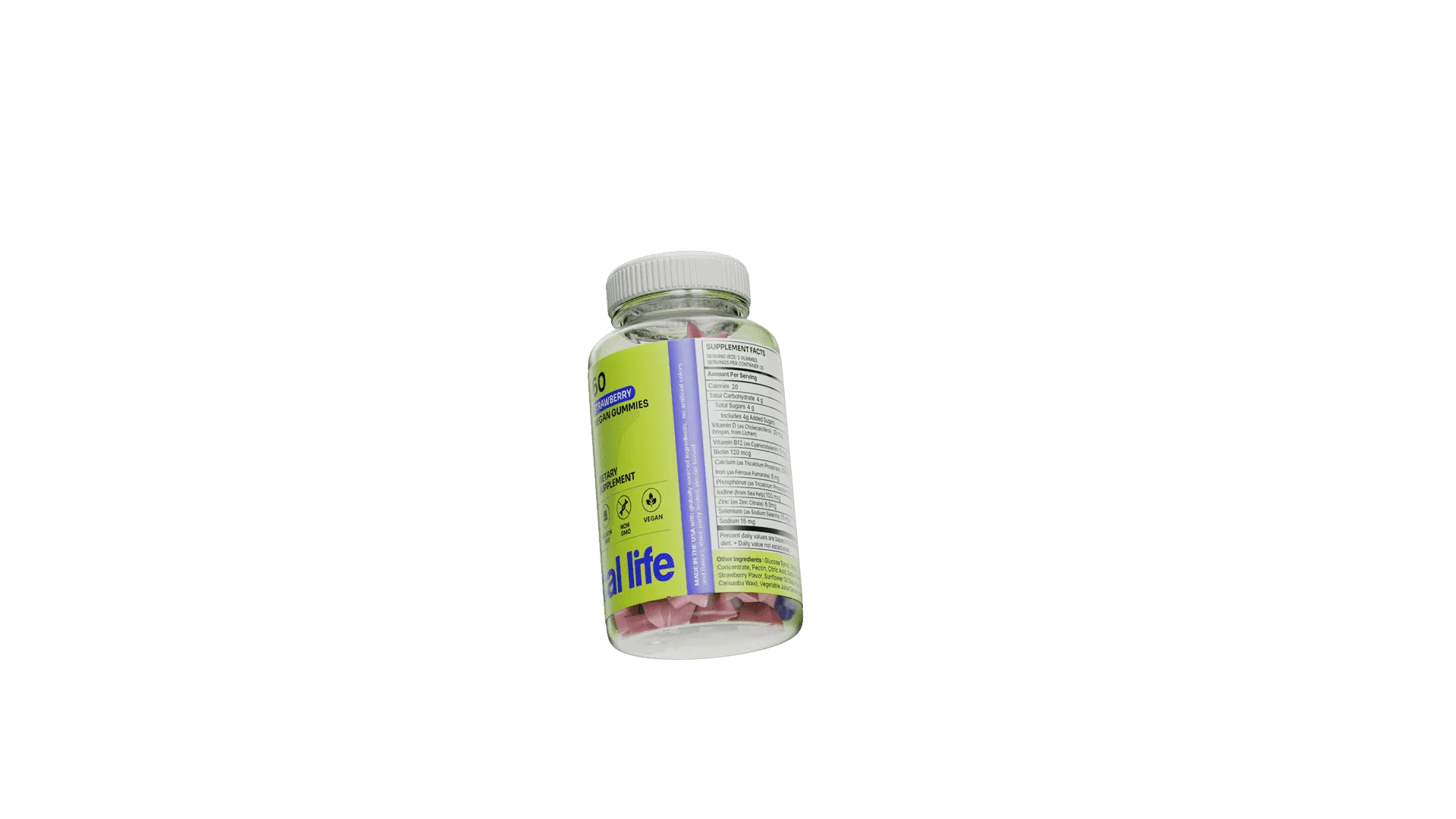
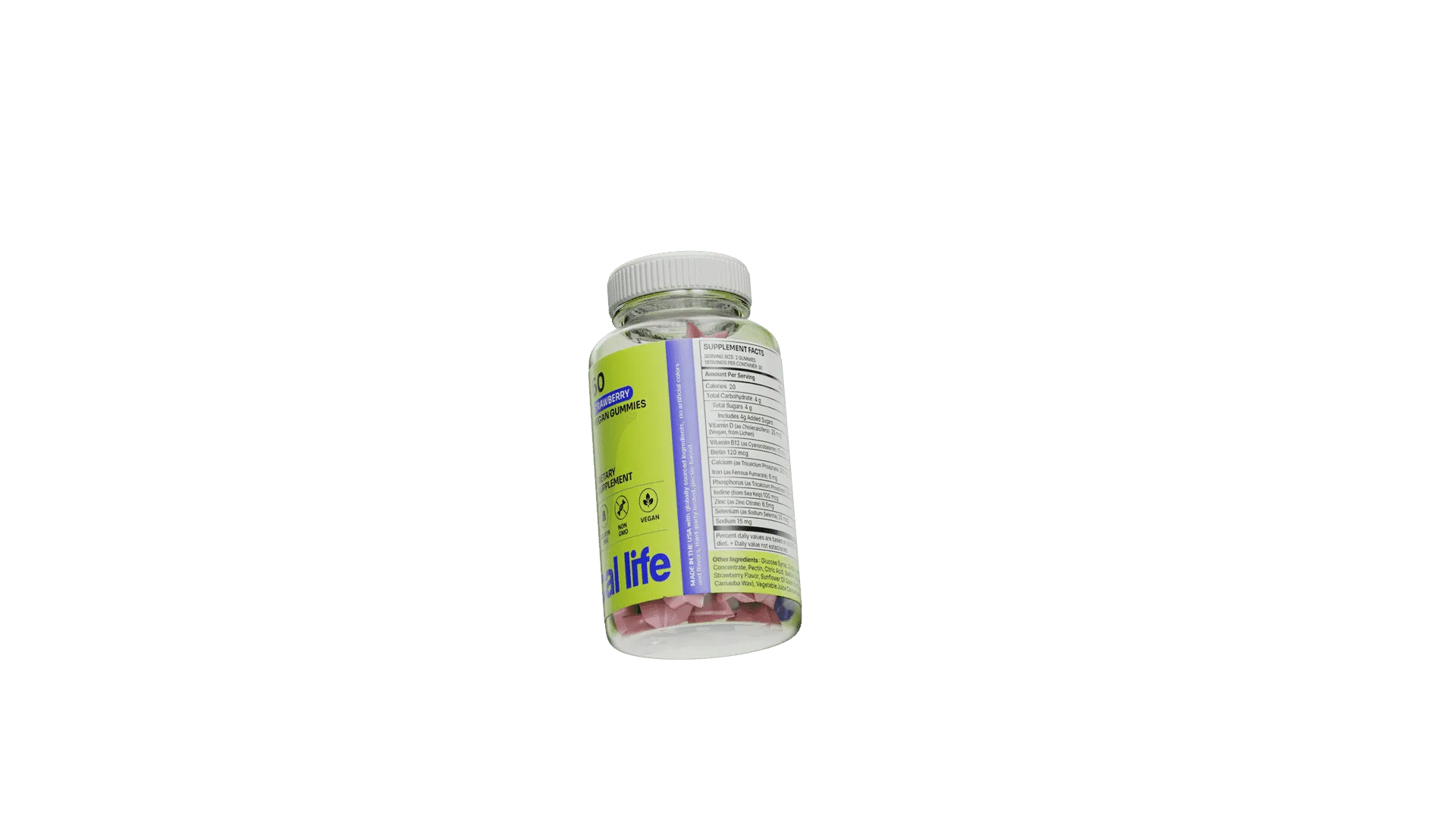
Ready to support your lifelong health with clean, plant-based nutrition? Explore our essential guide to plant-based nutrition or try Ethical Life’s pharmacist-formulated vegan gummies today. Made in the USA, third-party tested, and 100% pectin-based, because your daily wellness should never compromise your ethical values.