What Does Biotin Do? Hair, Skin & Nails Explained

What Does Biotin Do? Hair, Skin & Nails Explained

Biotin (Vitamin B7) is a water-soluble B-complex vitamin that functions as an essential cofactor for the enzymes your body uses to convert food into cellular energy. It also plays a direct role in keratin production: the structural protein that forms the scaffolding of your hair, skin, and nails. If you have been wondering whether the biotin supplement on your shelf is doing anything, that is a fair question. The clinical science gives a more nuanced answer than most beauty brands would prefer.

Biotin belongs to a larger family of essential vitamins and minerals that the body requires daily but cannot manufacture in sufficient quantities on its own. Its real value lies in metabolic homeostasis: the continuous balancing act of energy production, cell growth, and tissue repair that keeps your body functional. Understanding where biotin fits in that system changes how you think about supplementation entirely.

Here is a quick look at what biotin does in the body:

  • Energy Metabolism: Acts as a cofactor for enzymes that convert carbohydrates, fats, and proteins into usable cellular energy.
  • Keratin Production: Supports the structural integrity of hair, skin, and nails through its role in protein synthesis.
  • Gene Expression and Cellular Growth: Participates in non-classical cellular functions including histone biotinylation and cell signaling cascades.

    Cellular Growth: Facilitates rapid cell division, particularly in hair follicles and skin cells where turnover is high.

What Is Biotin (Vitamin B7)?

Biotin, also called vitamin H in older literature, is one of eight B-complex vitamins, and it earns its place in that group by doing work most people never consciously notice. According to the NIH Bookshelf review on biotin deficiency and metabolism, humans depend on biotin as an essential cofactor for five specific carboxylase enzymes: pyruvate carboxylase, propionyl-CoA carboxylase, 3-methylcrotonyl-CoA carboxylase, and two forms of acetyl-CoA carboxylase. These enzymes drive gluconeogenesis (your body’s ability to synthesize glucose from non-carbohydrate precursors), fatty acid synthesis, and amino acid catabolism. Without adequate biotin, those pathways stall.

Think of biotin like a spark plug in a car: your body’s daily need is small, but without it, the metabolic engine stalls. It activates the molecular machinery that processes the food you eat into the energy your cells use. It does not do the work itself; it makes the work possible.

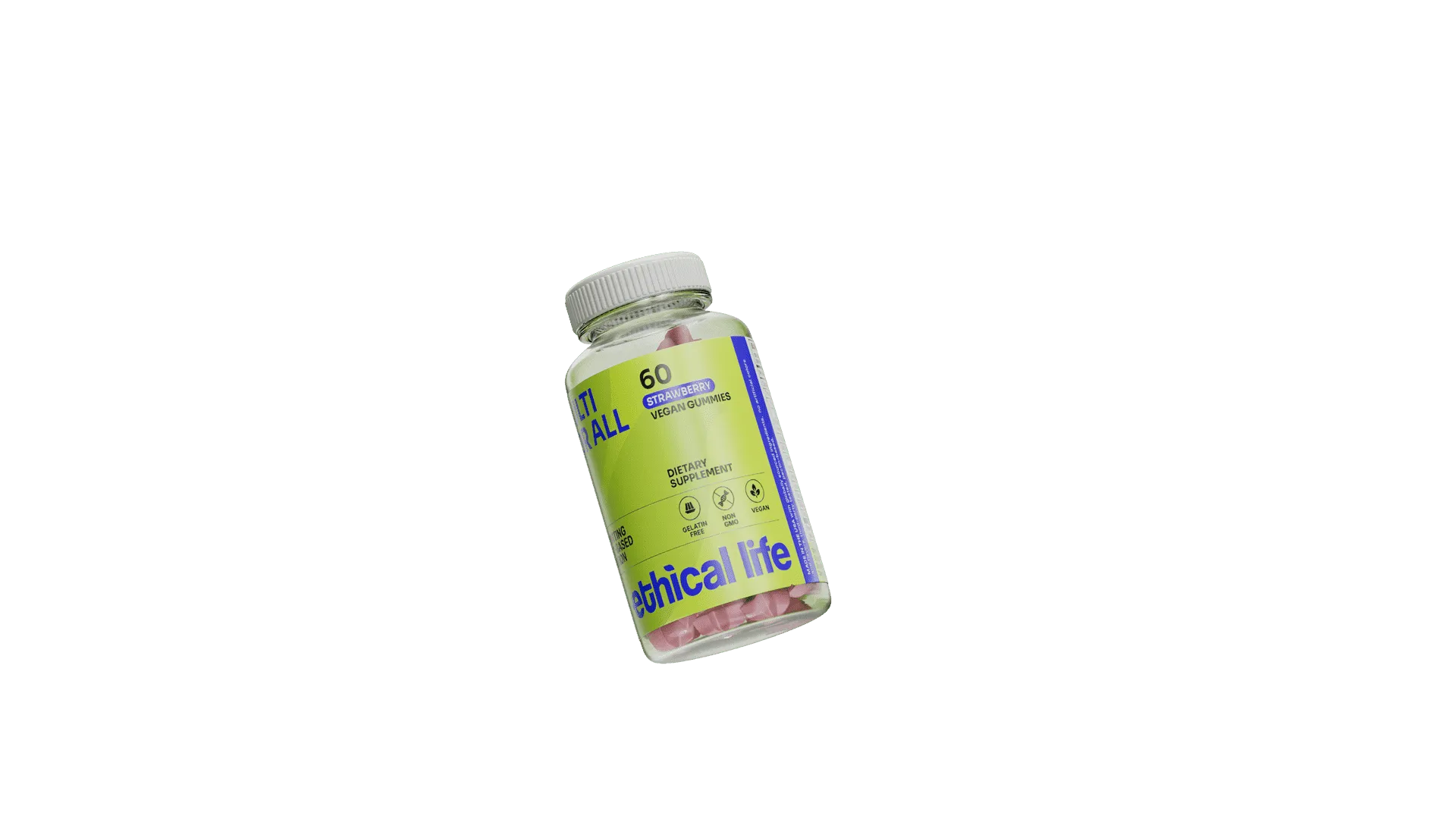
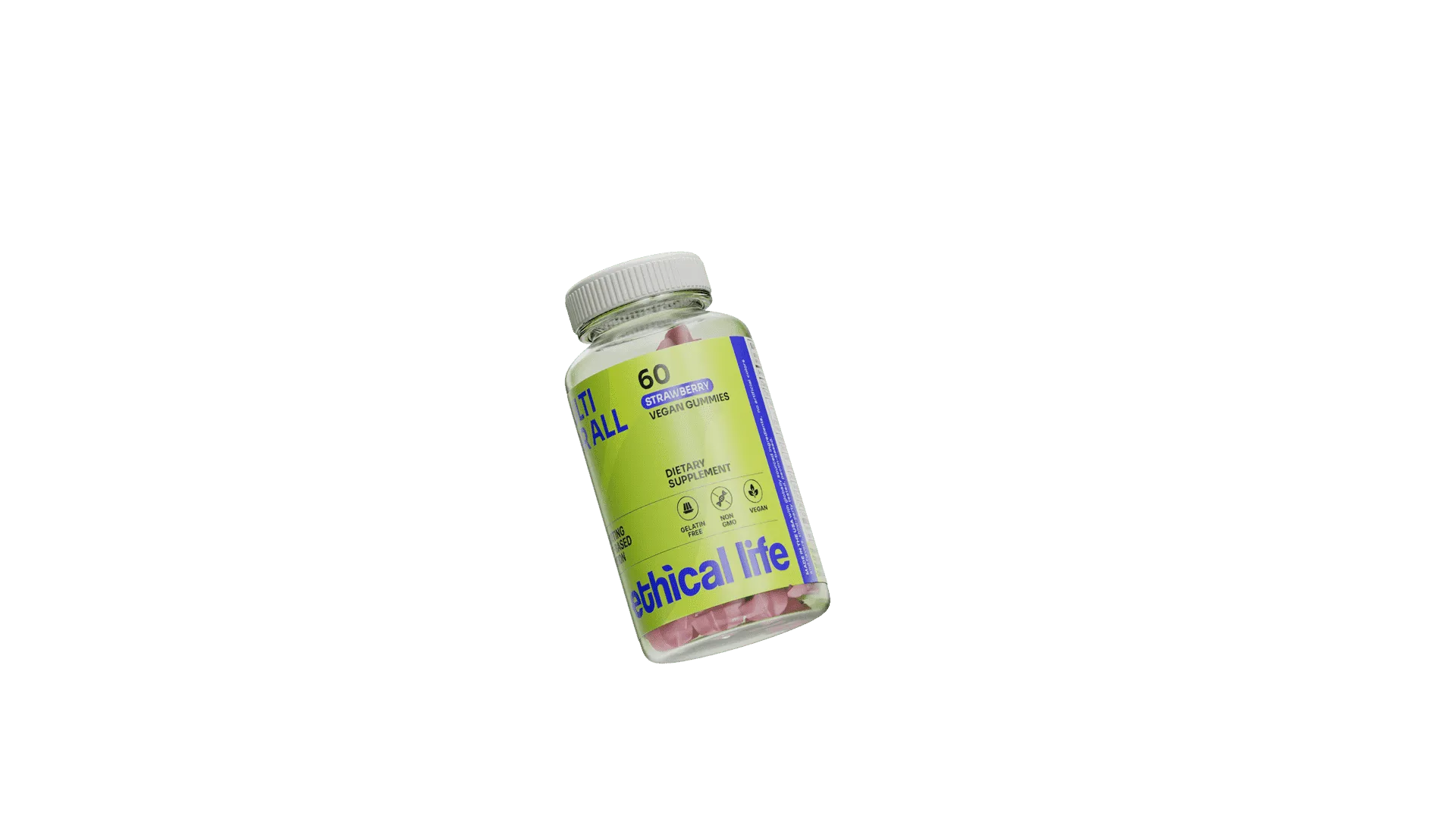
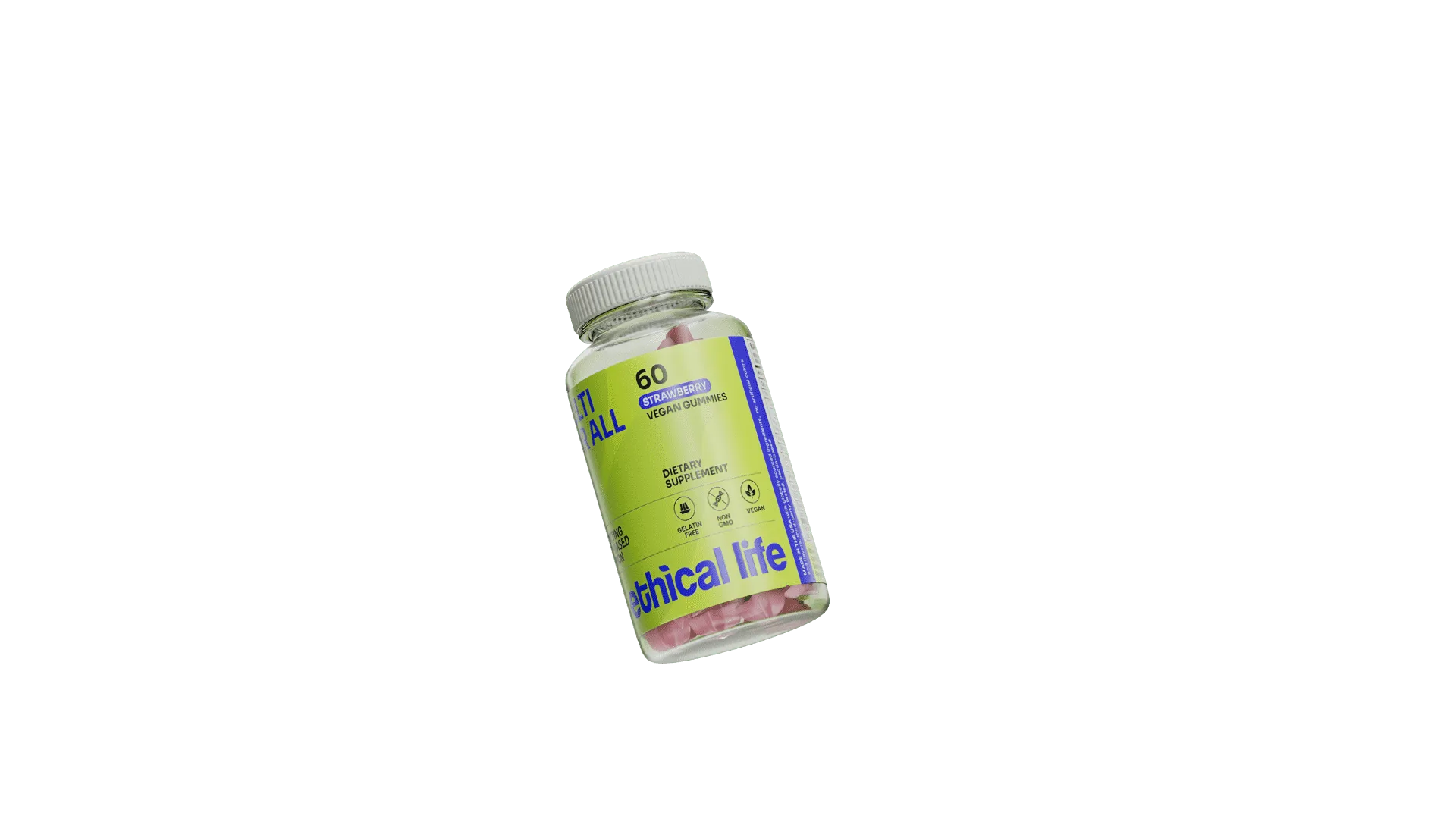
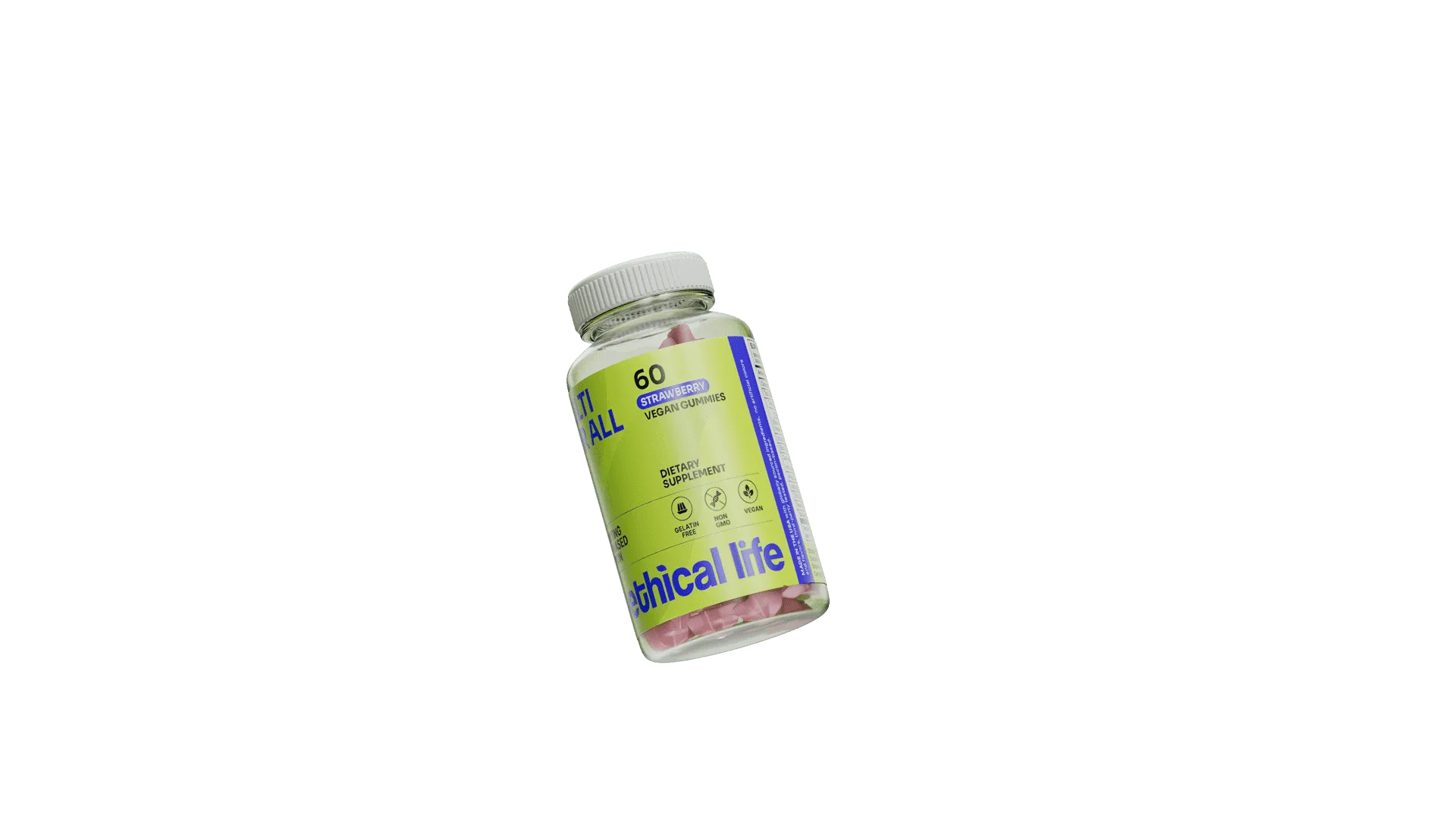
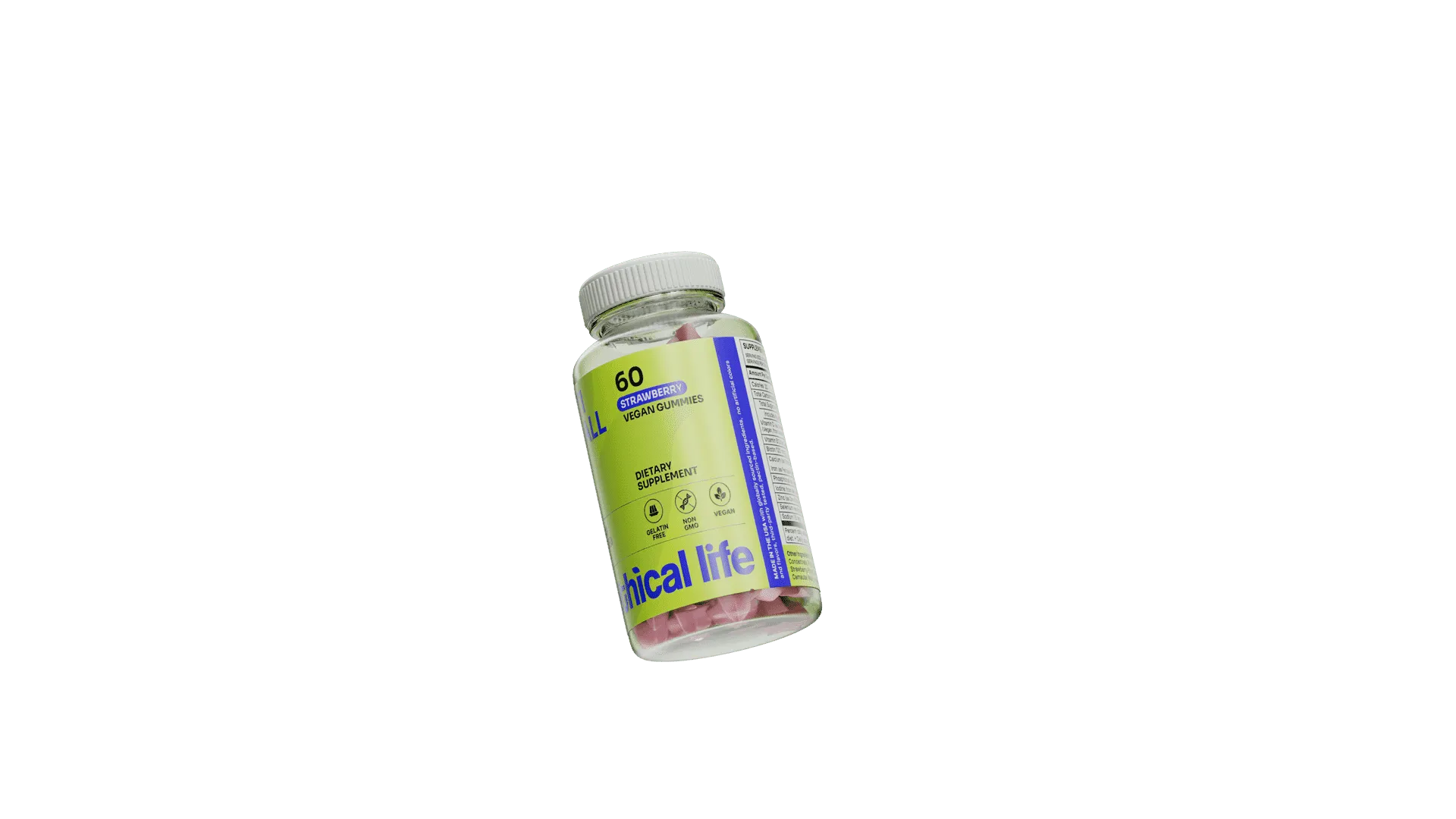
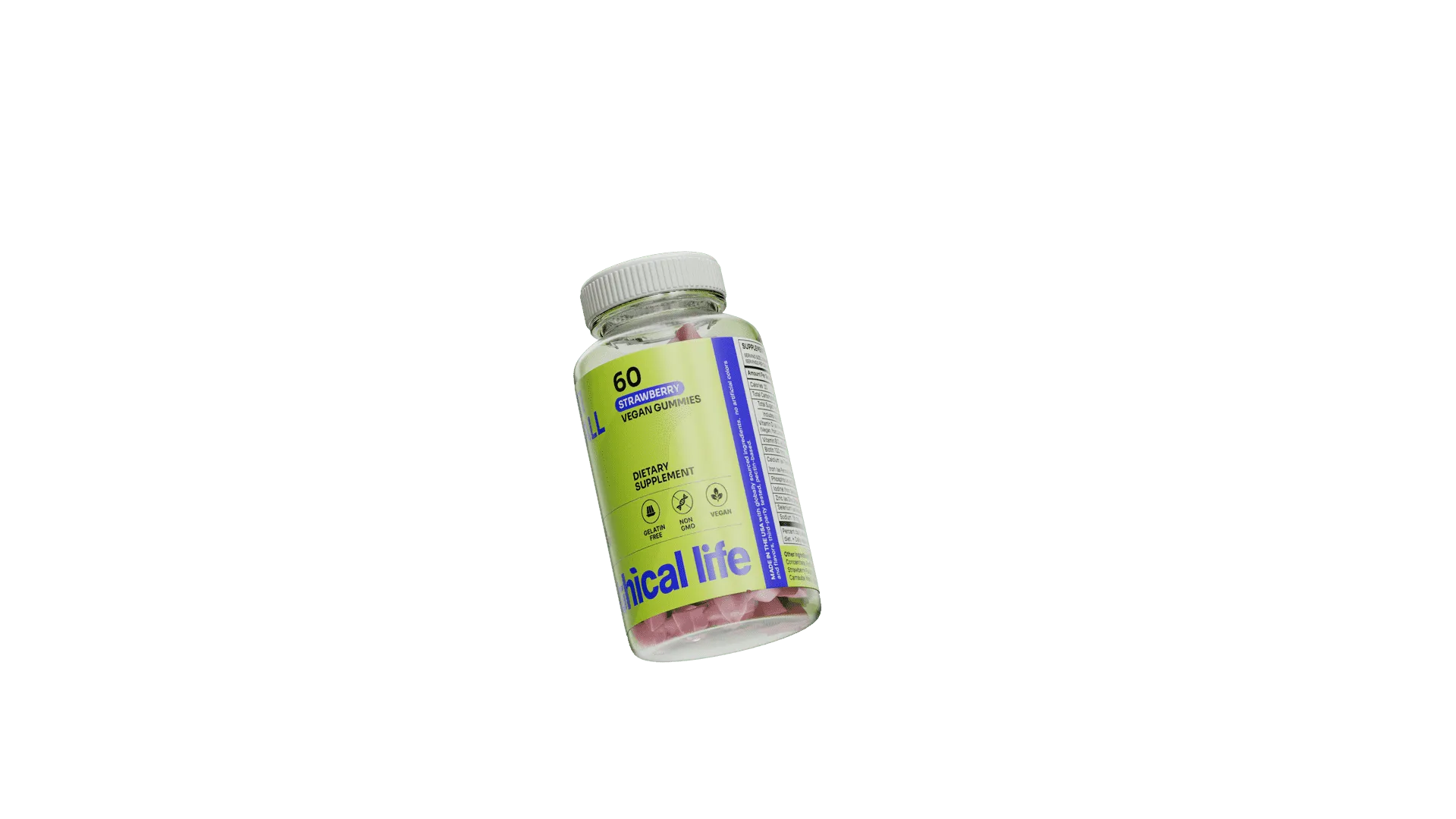
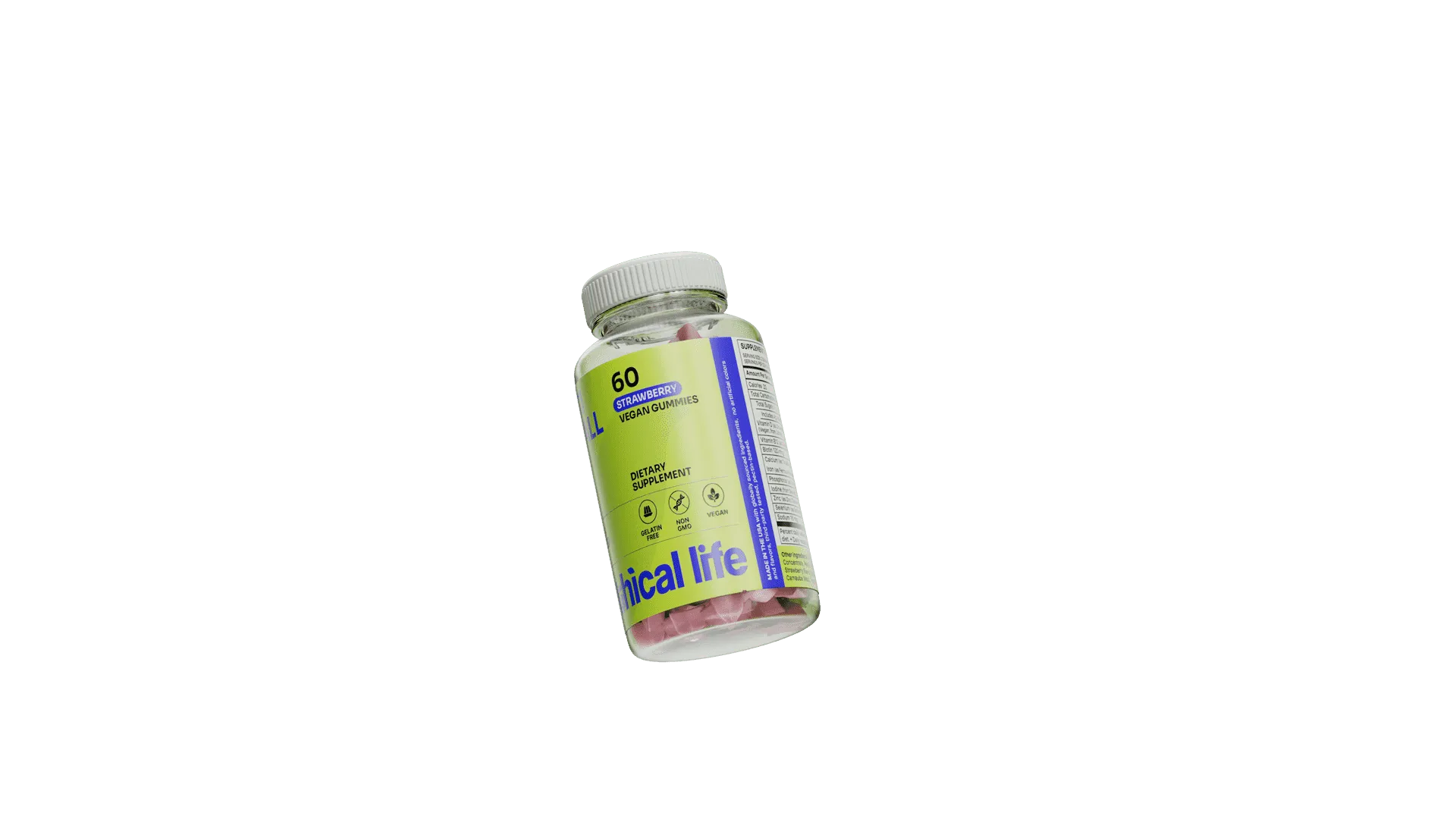
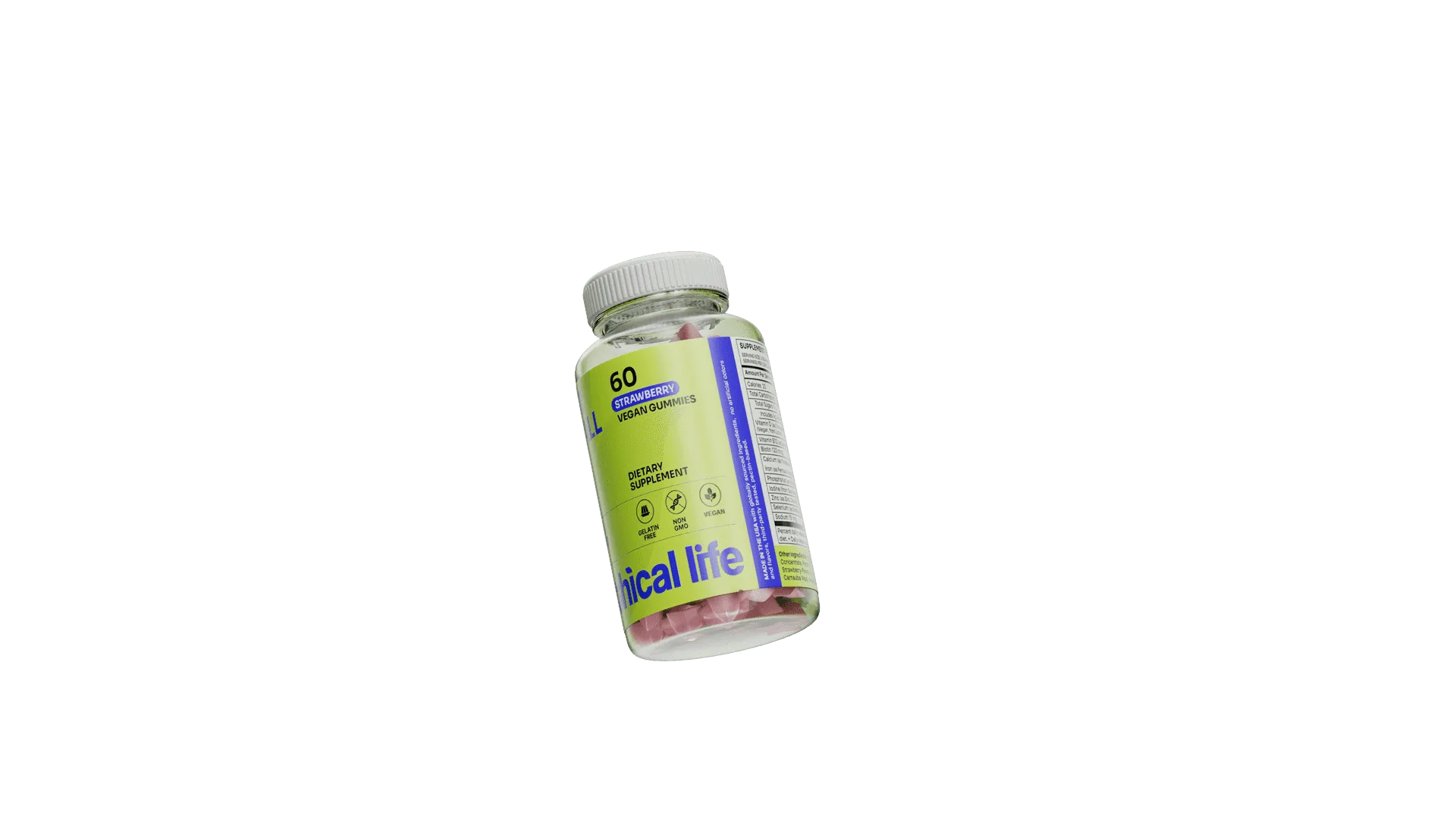
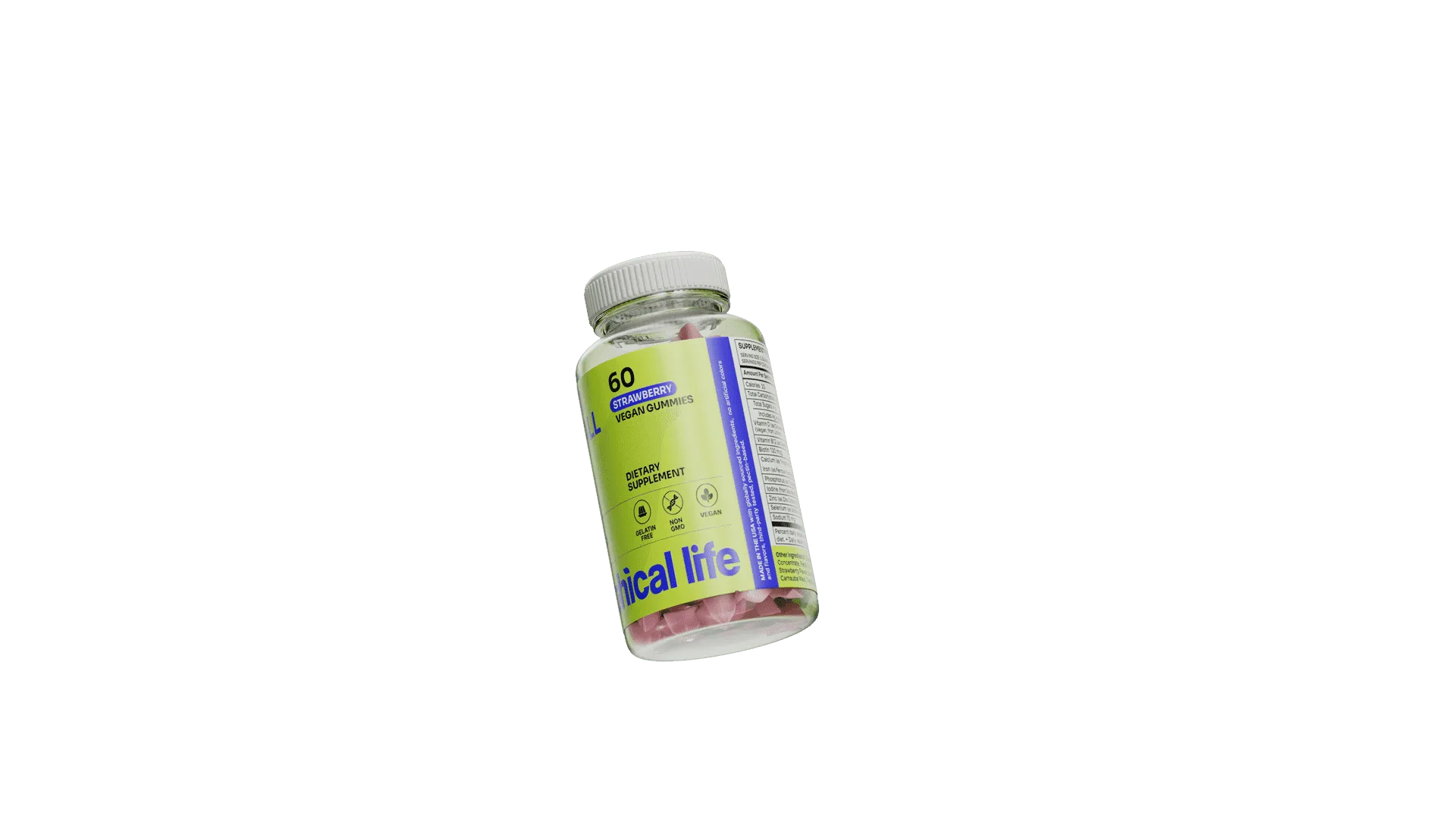
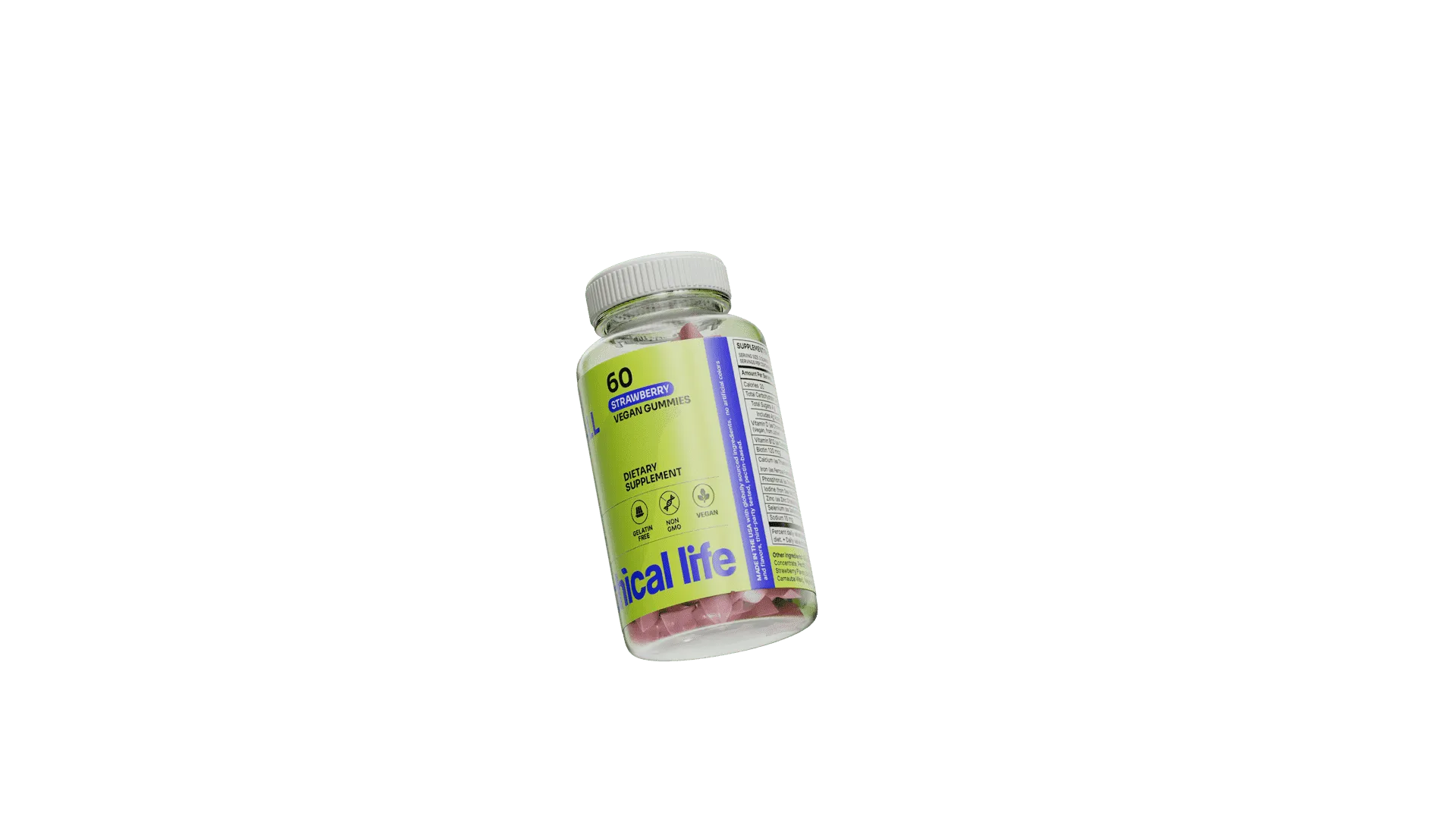
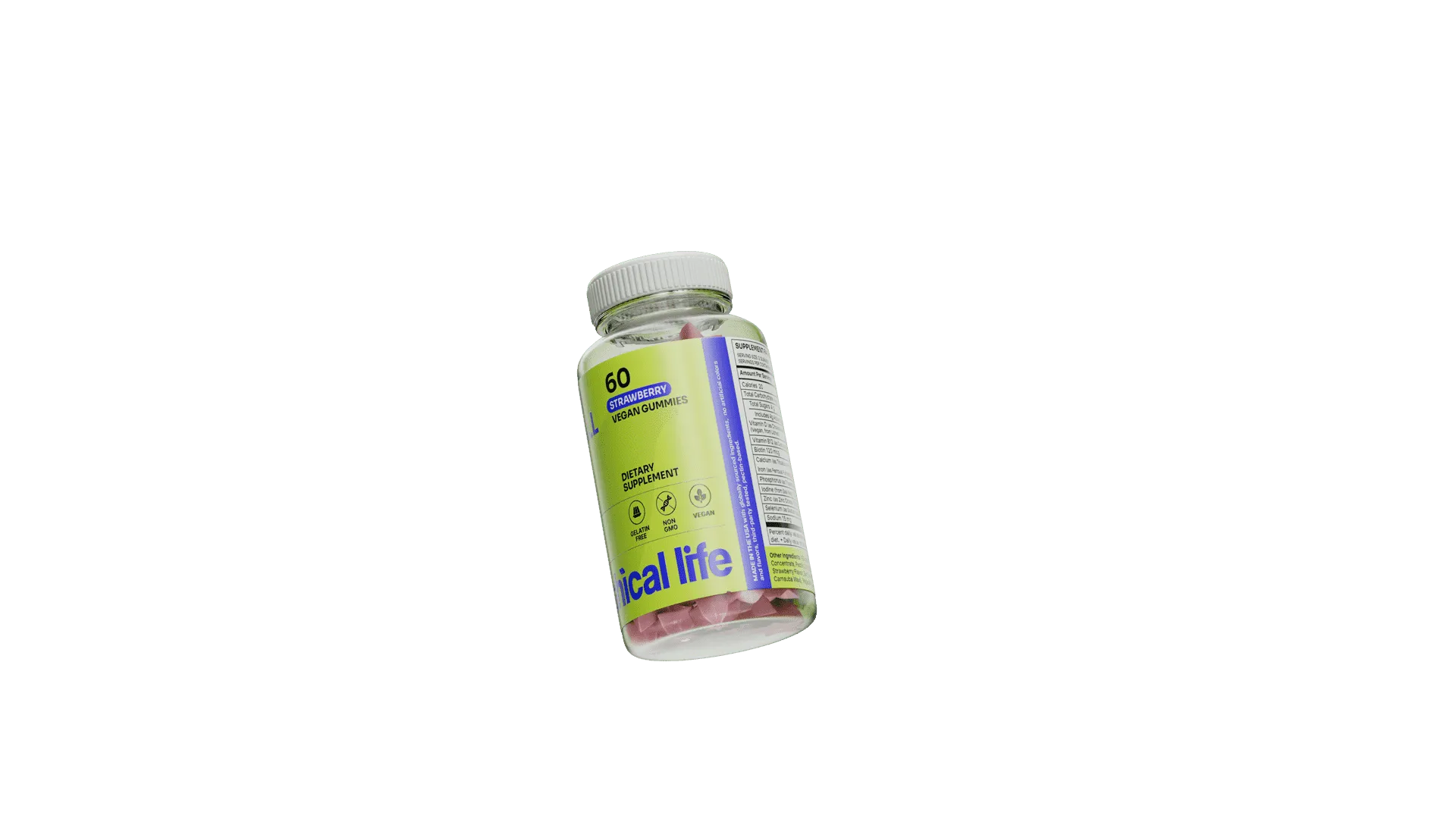
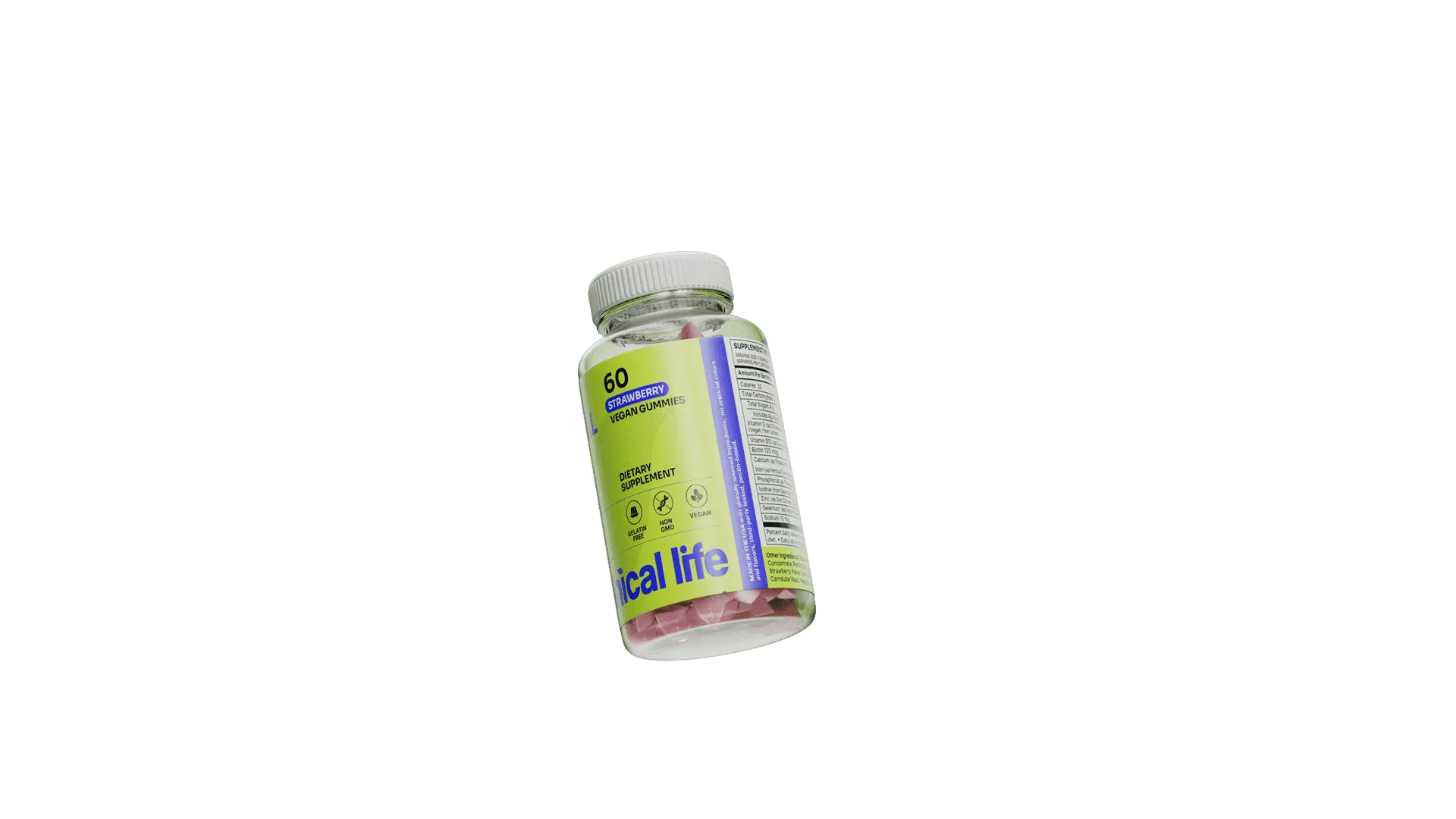
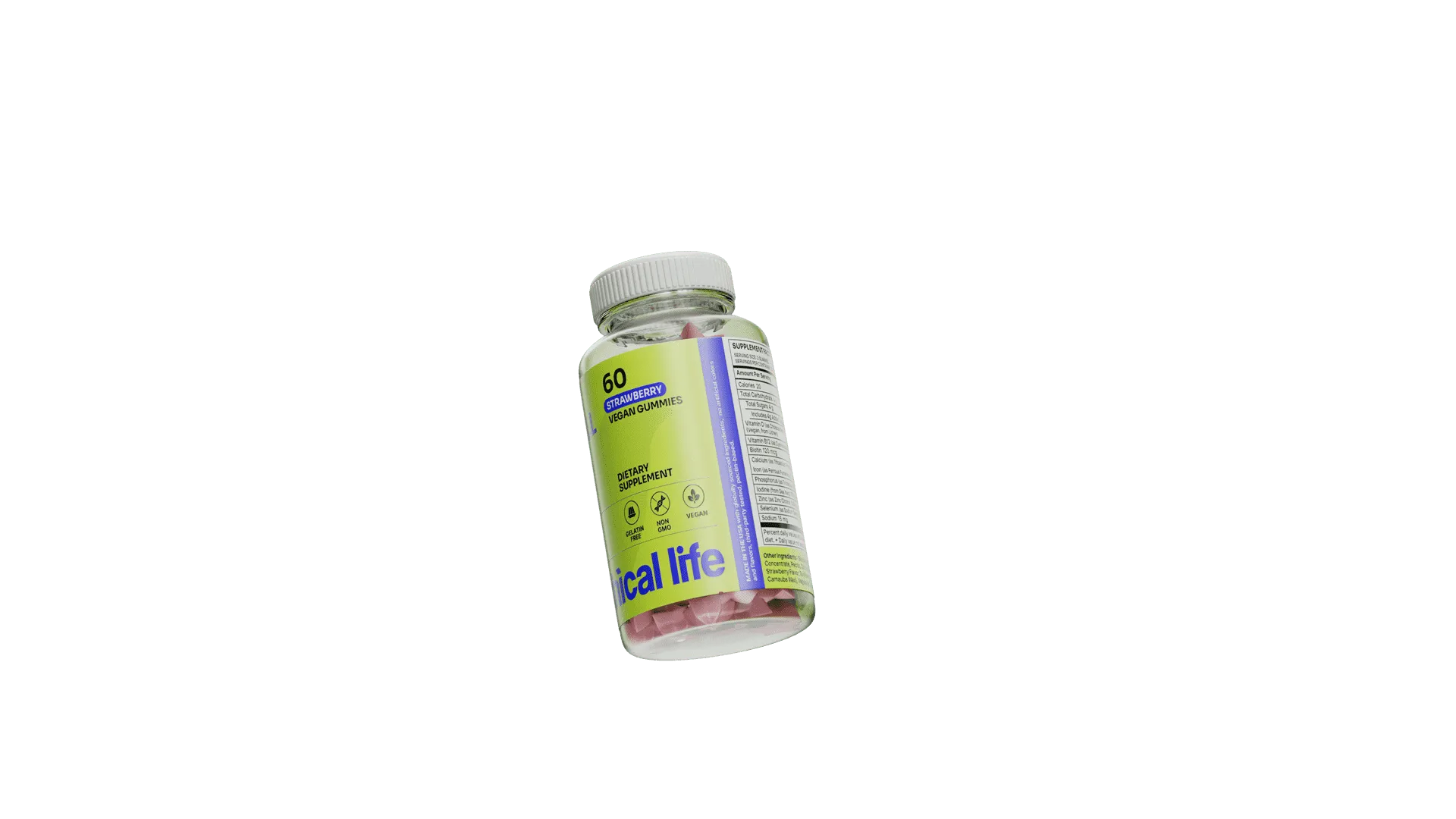
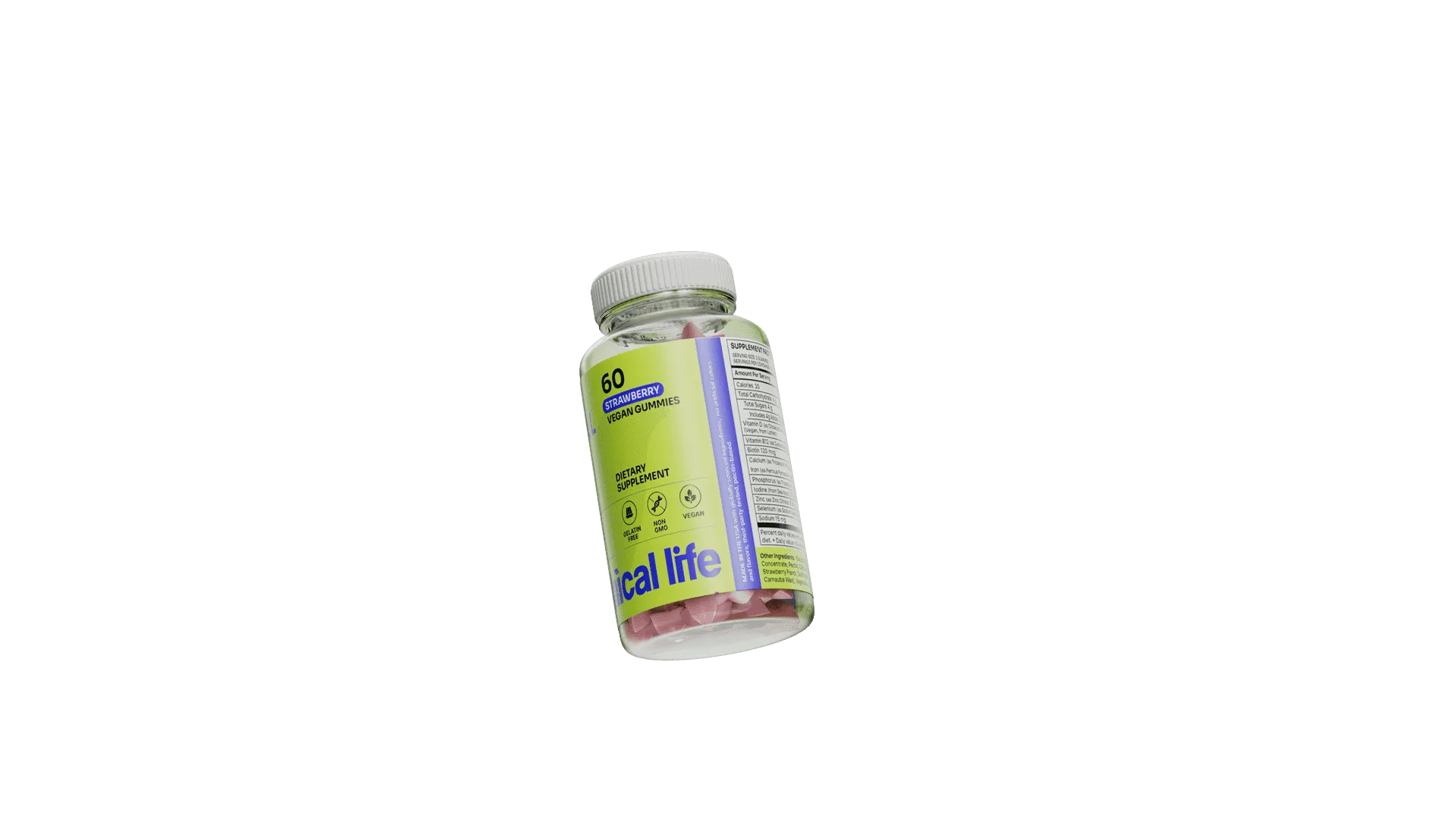
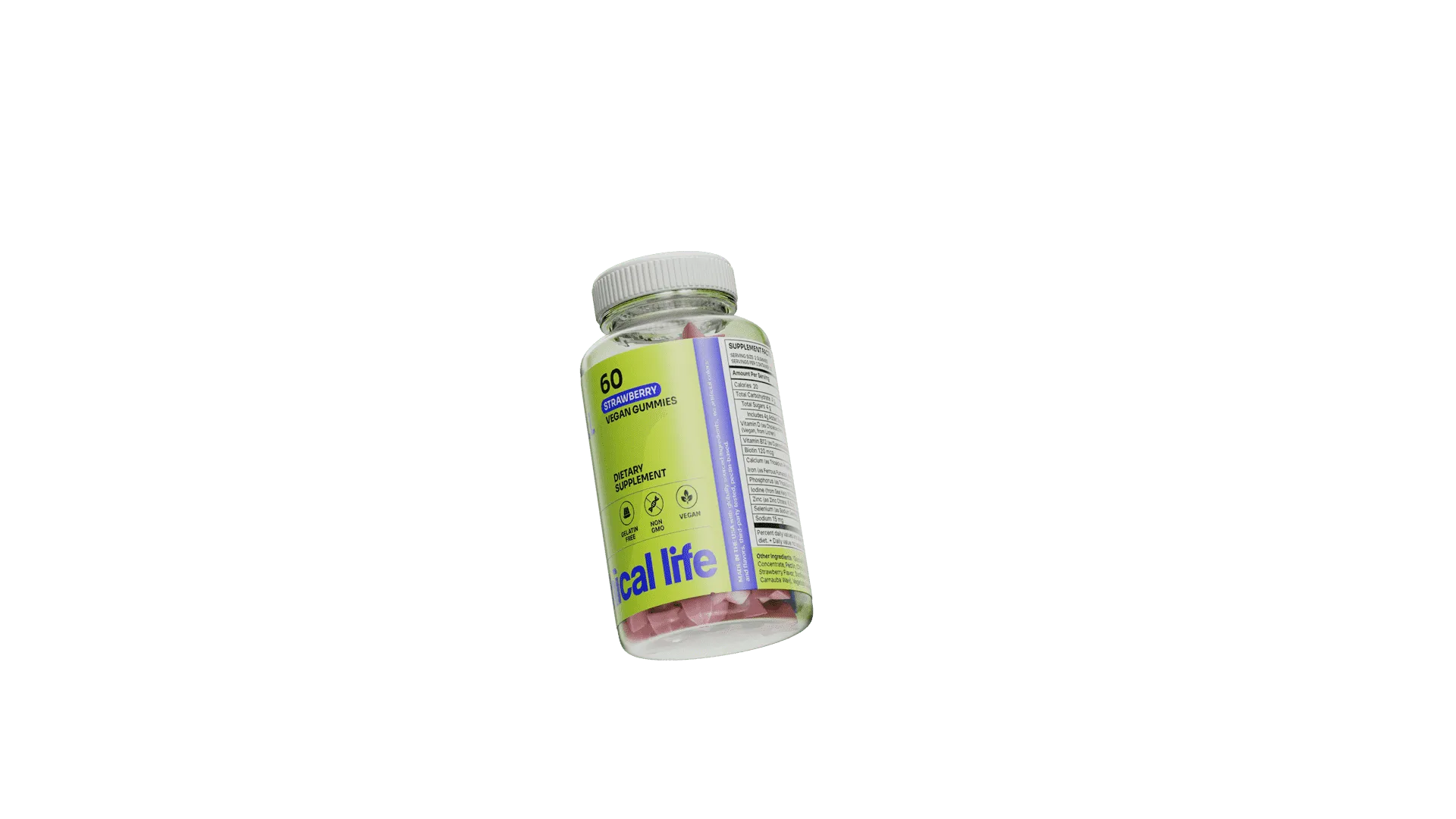
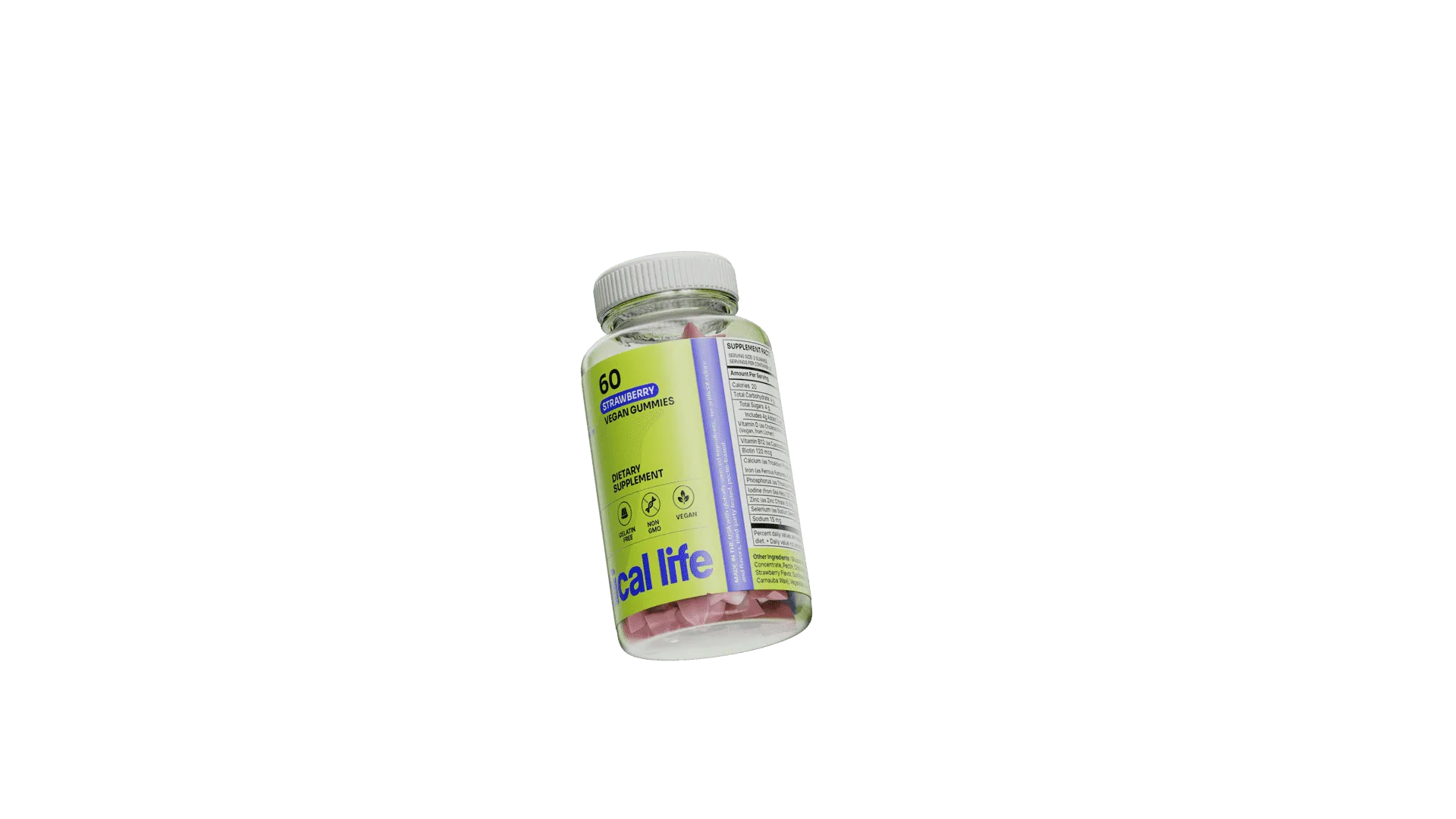
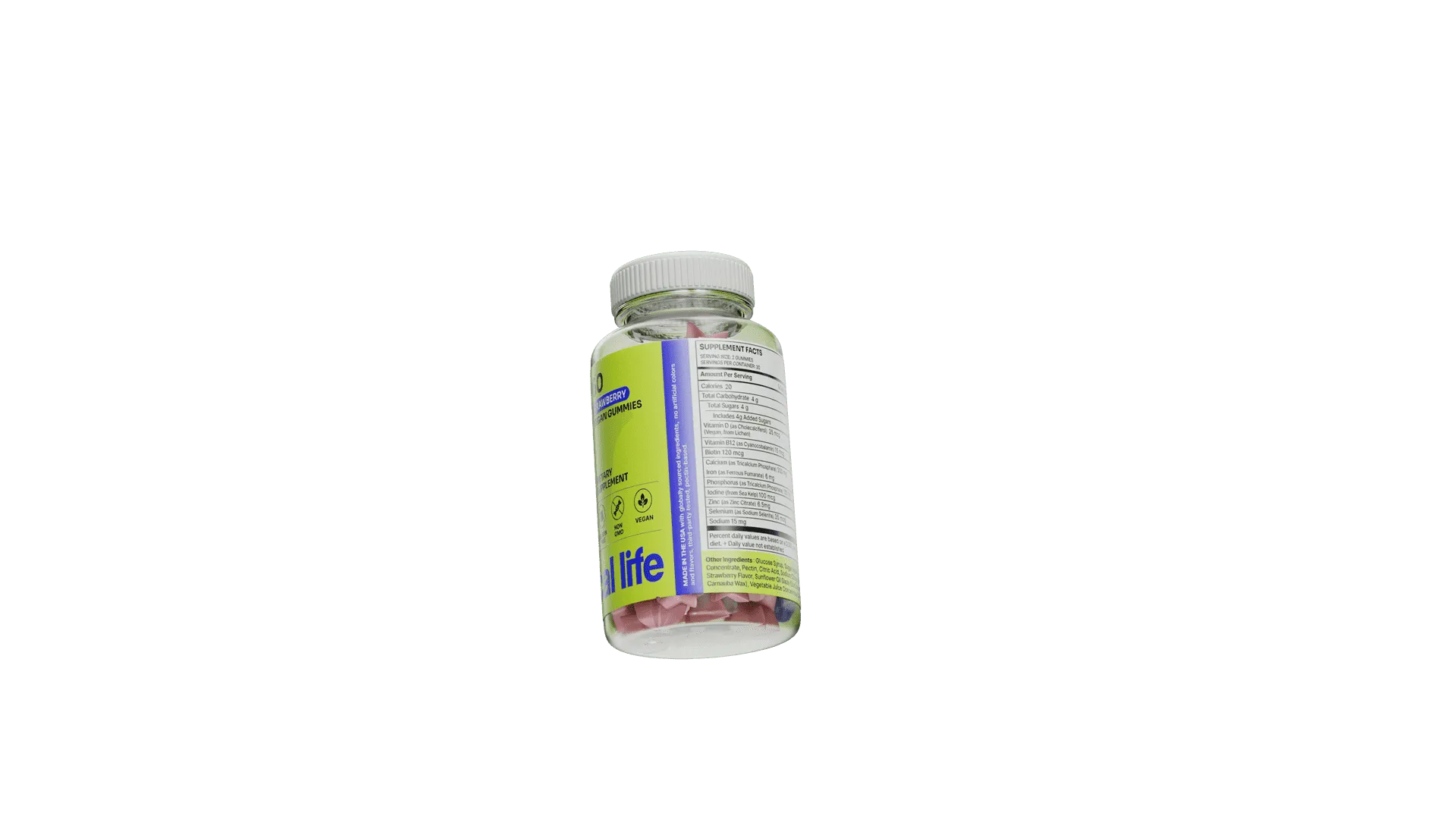
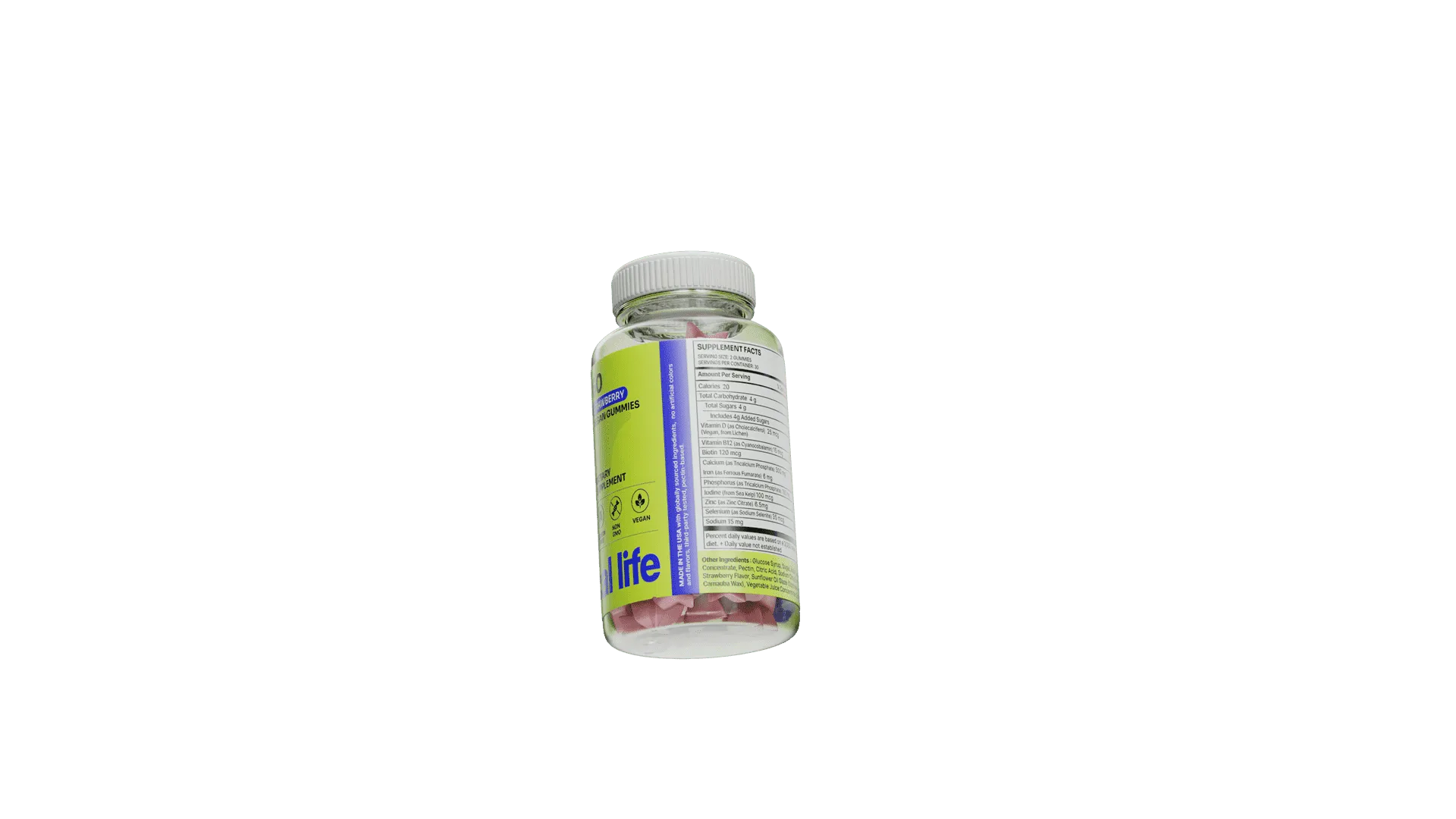
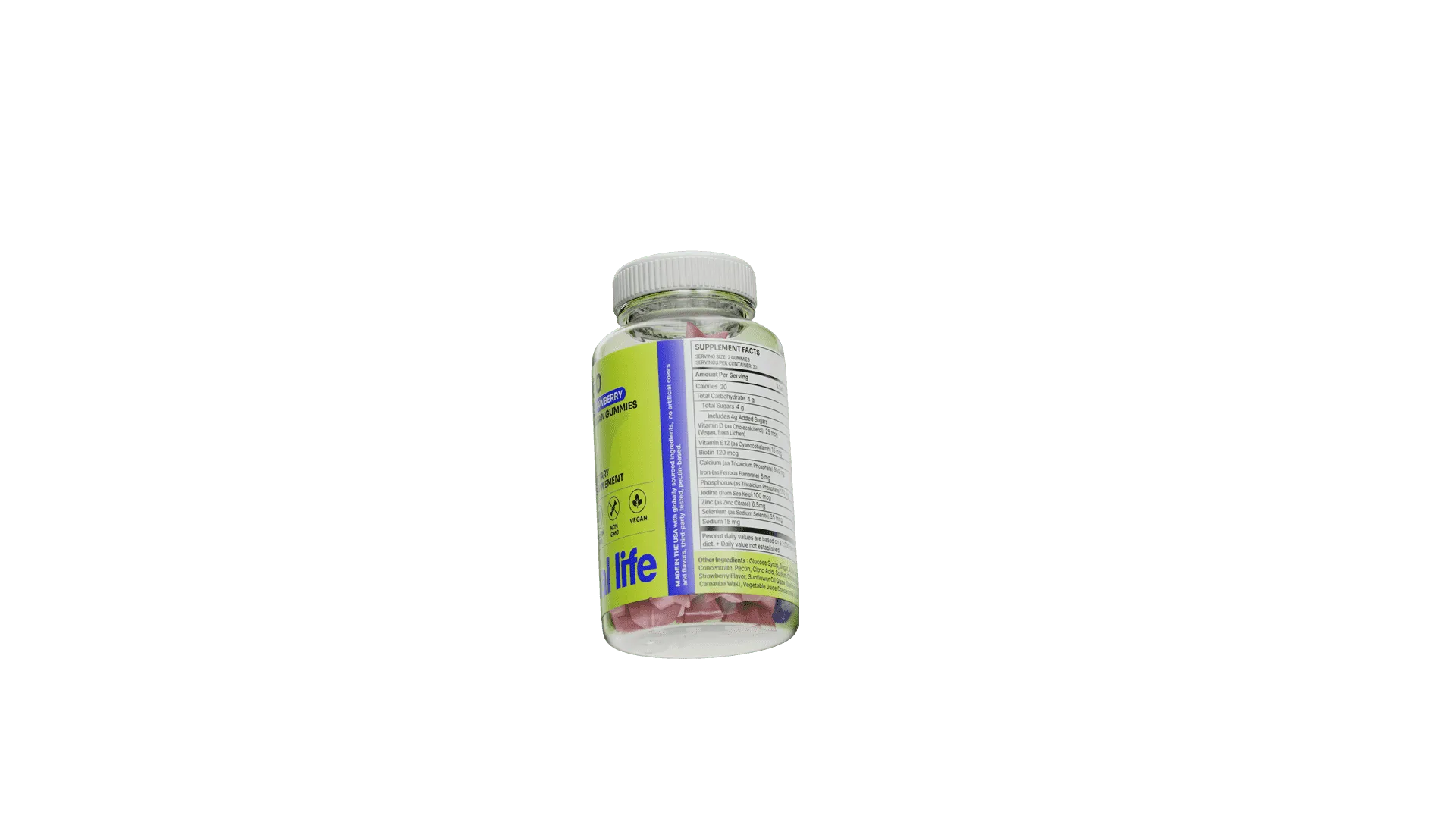
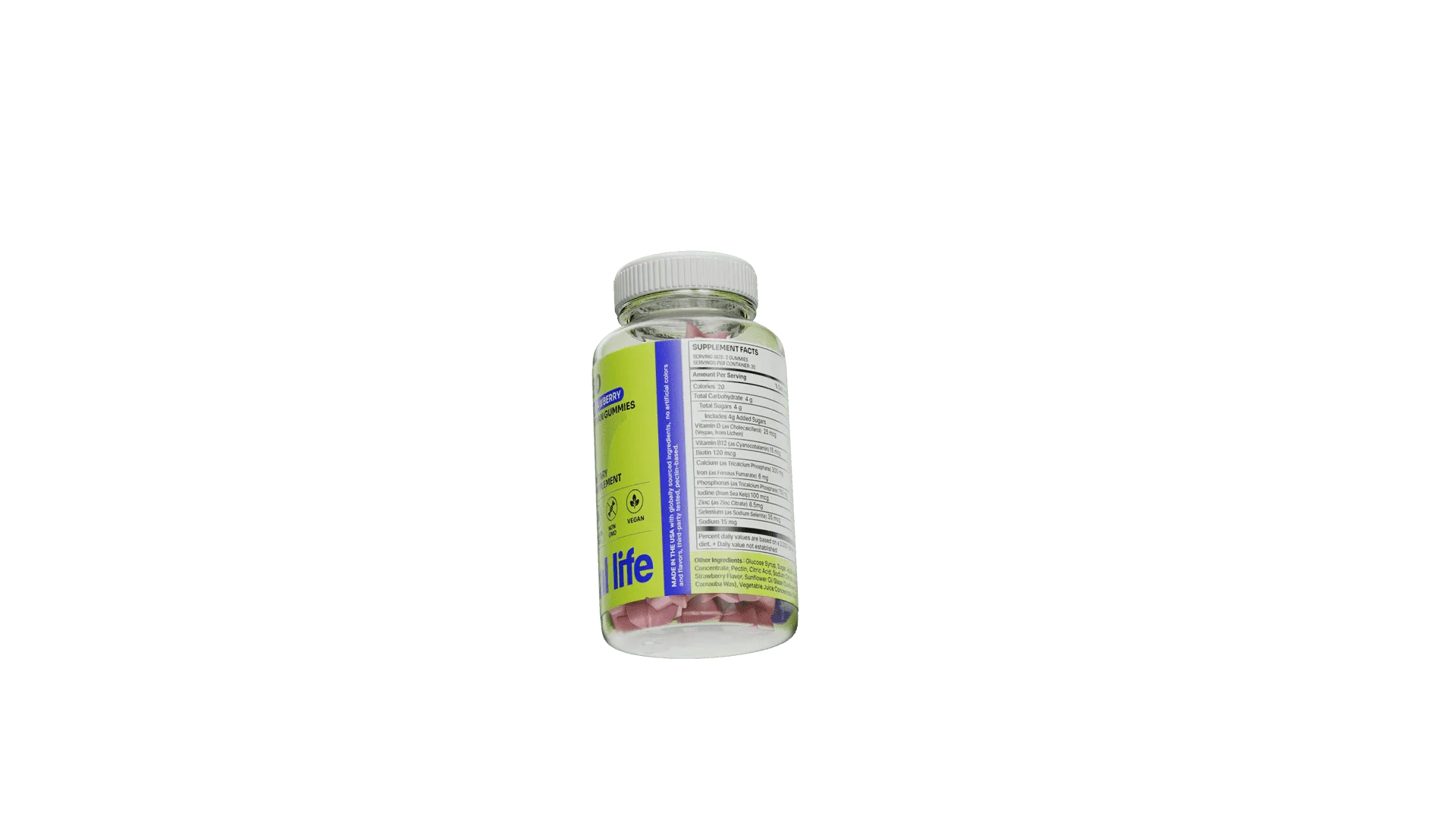
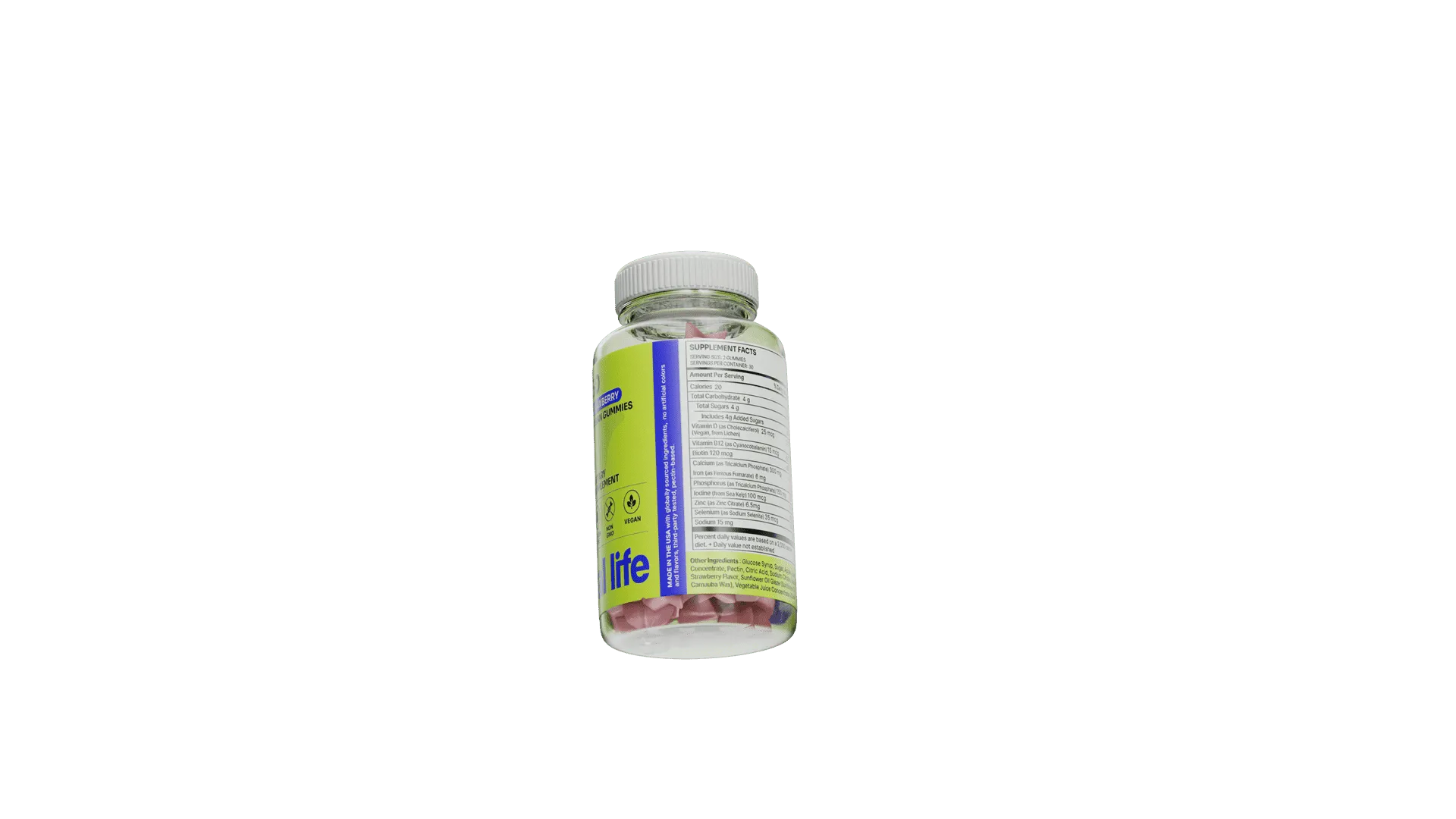
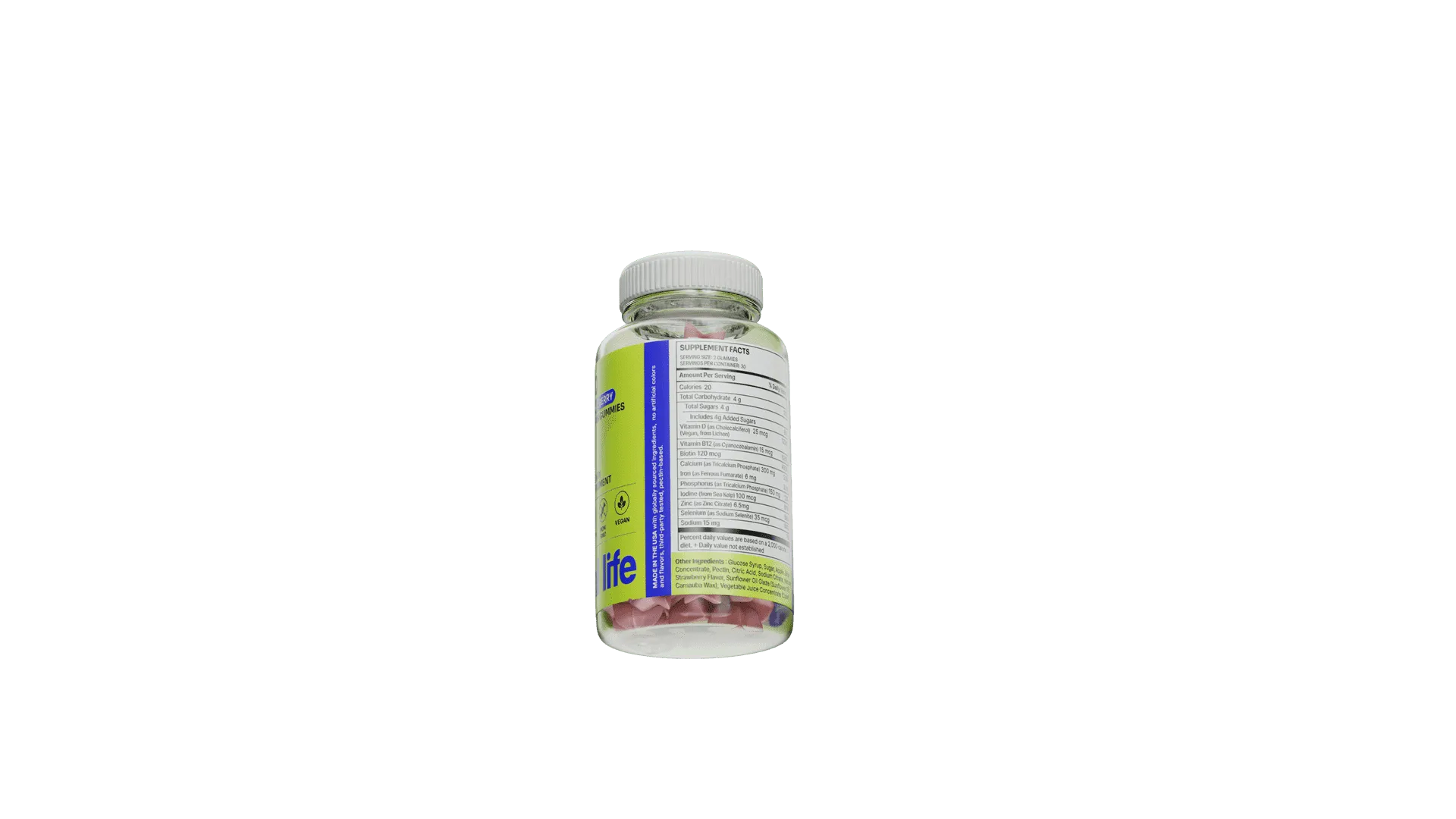
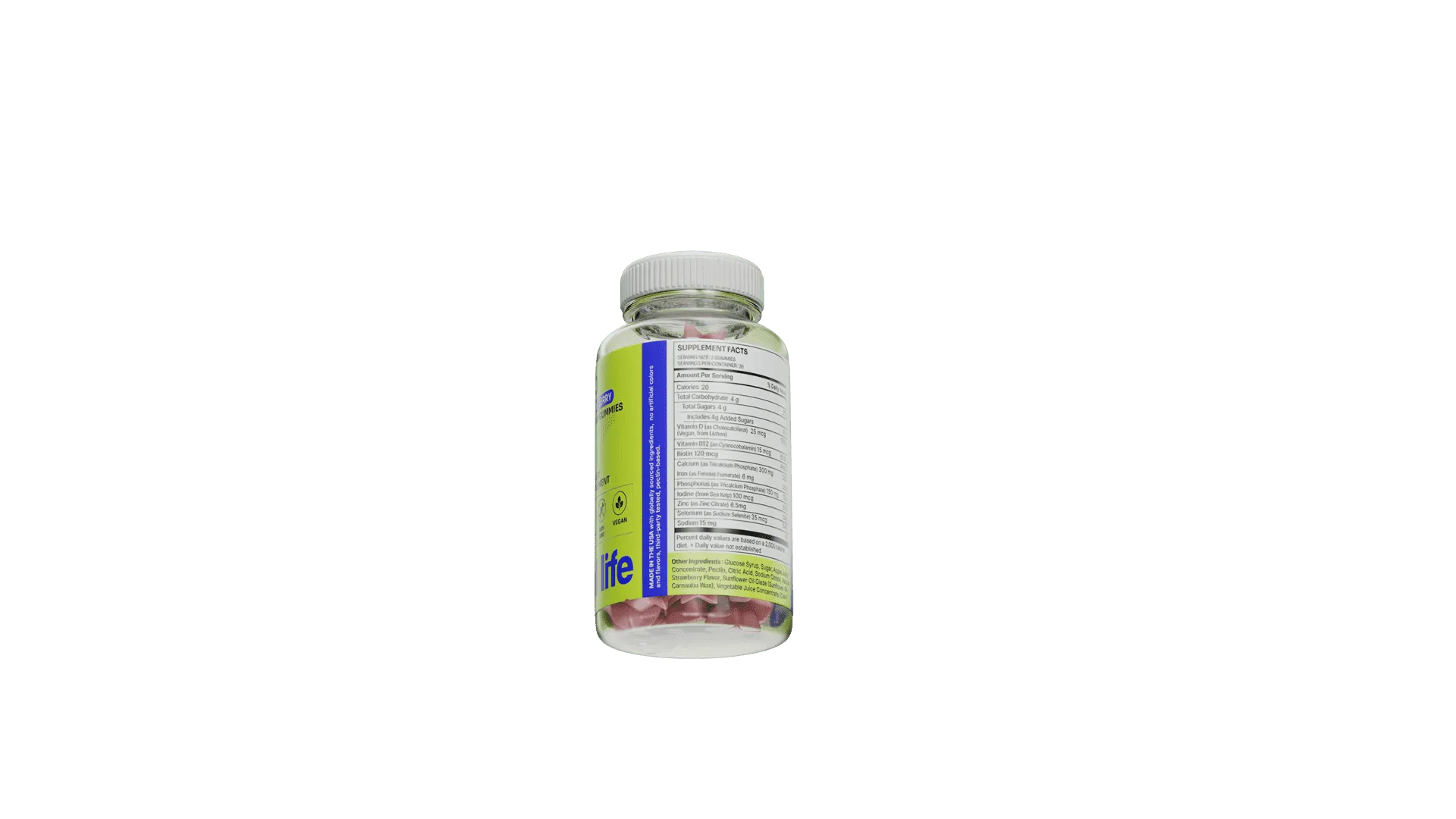
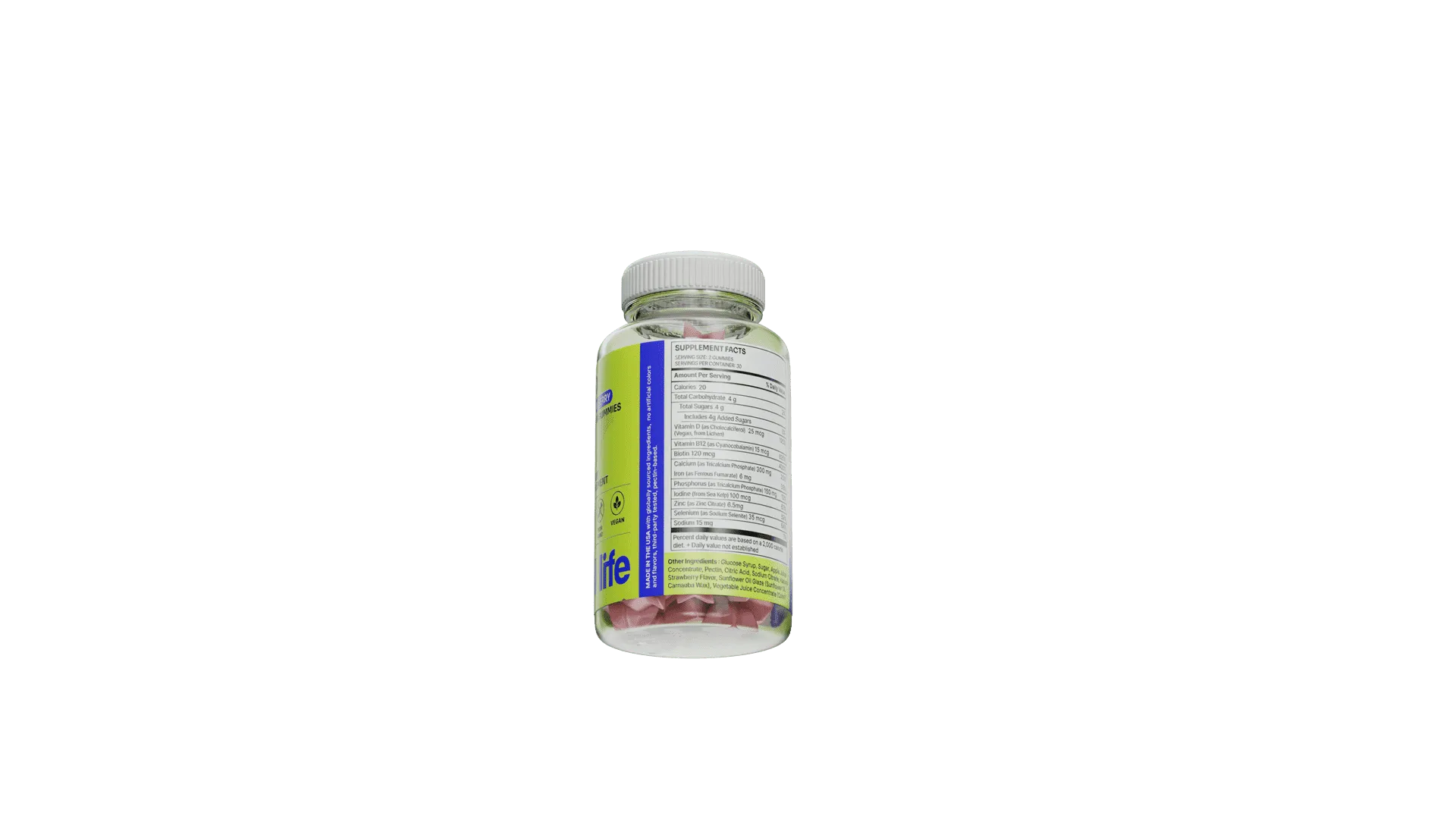
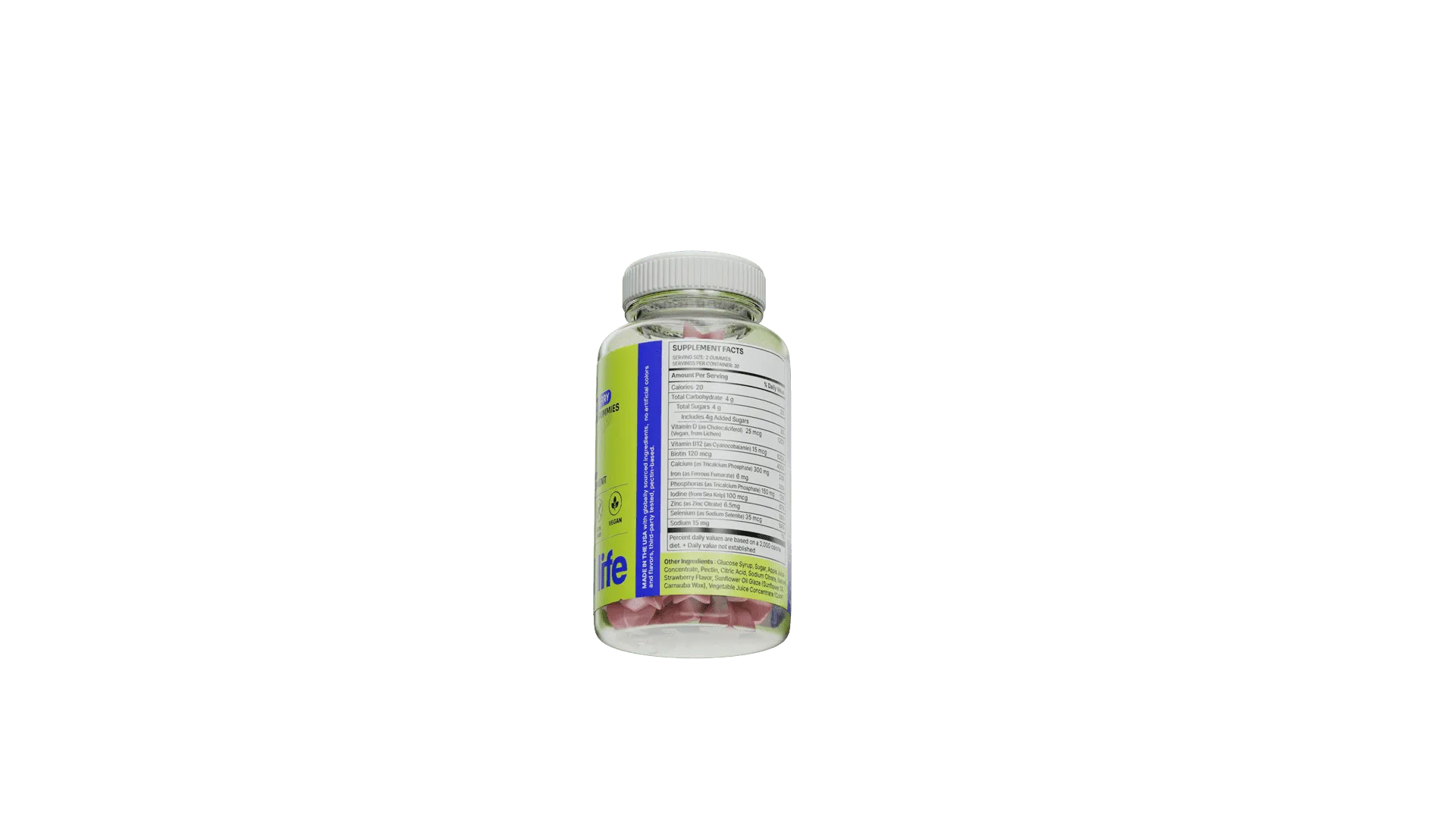
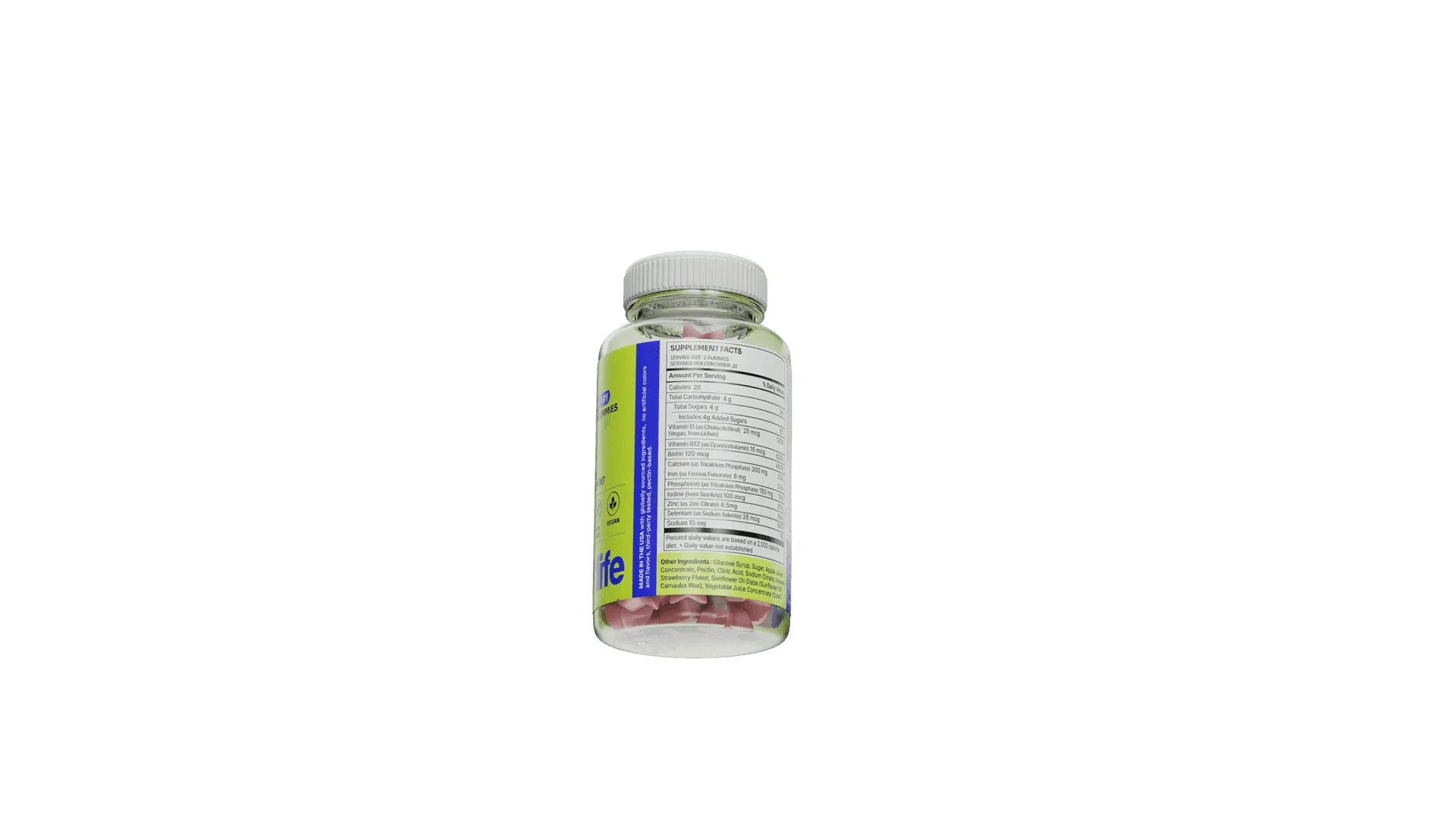
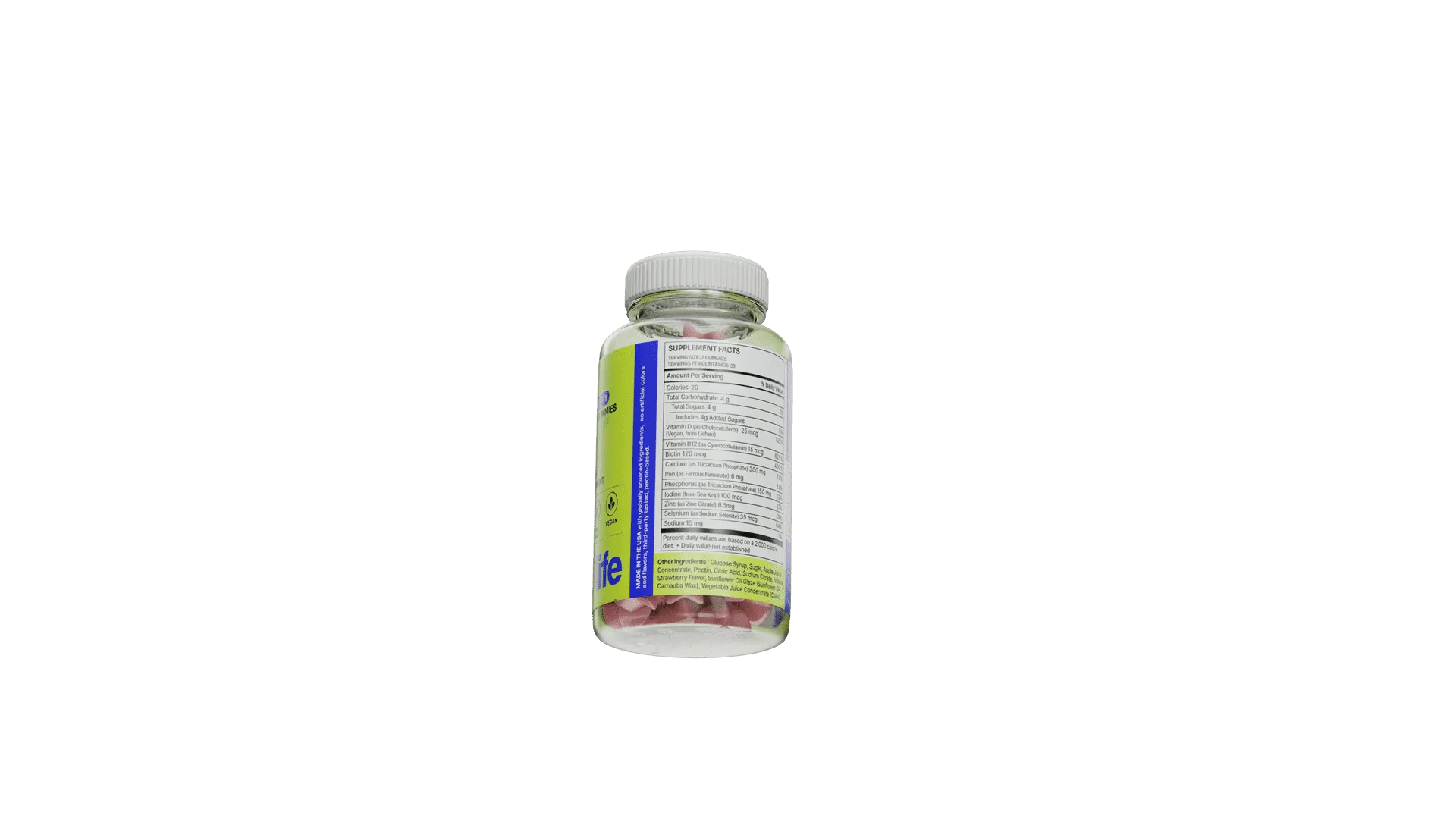
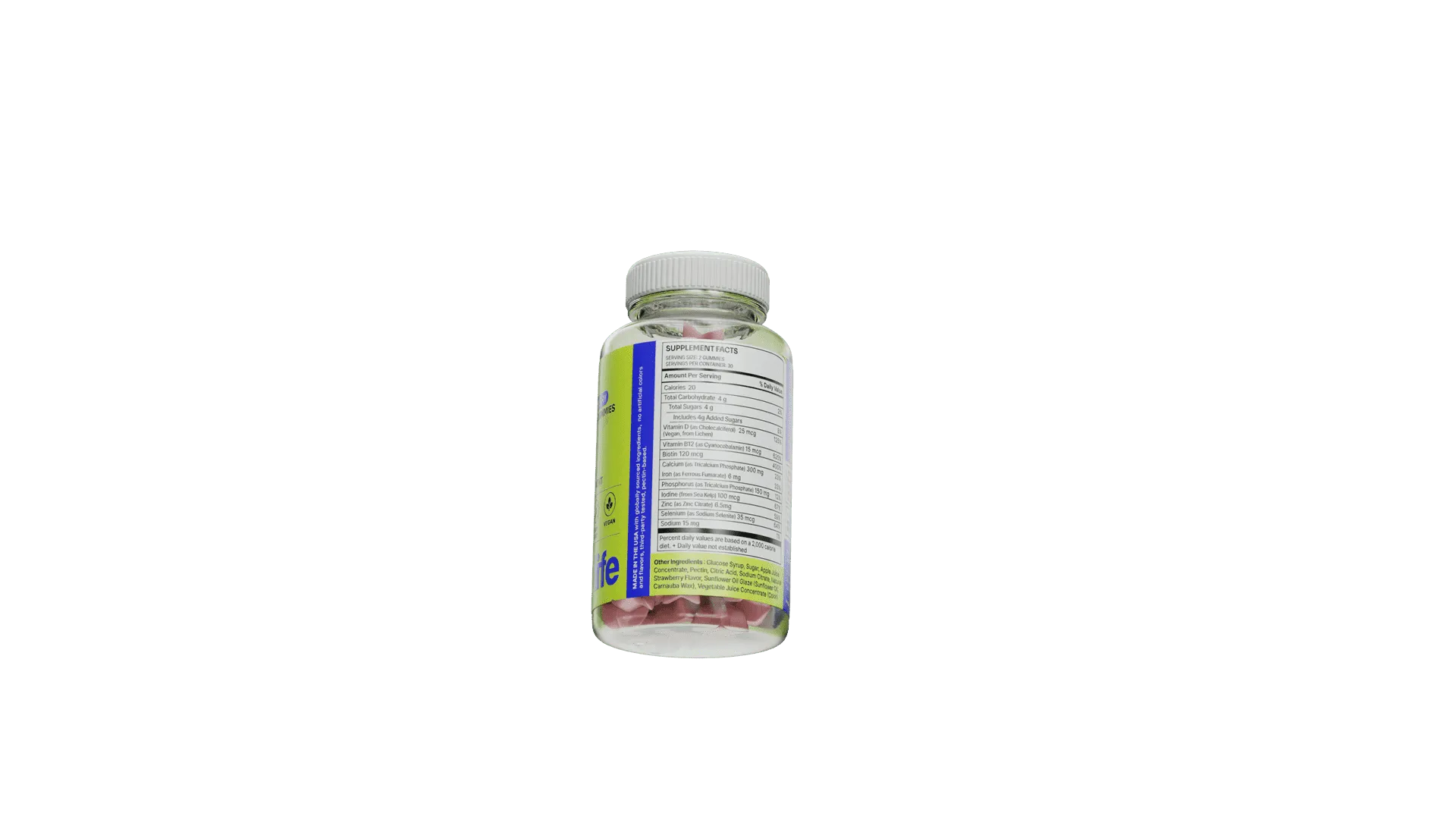
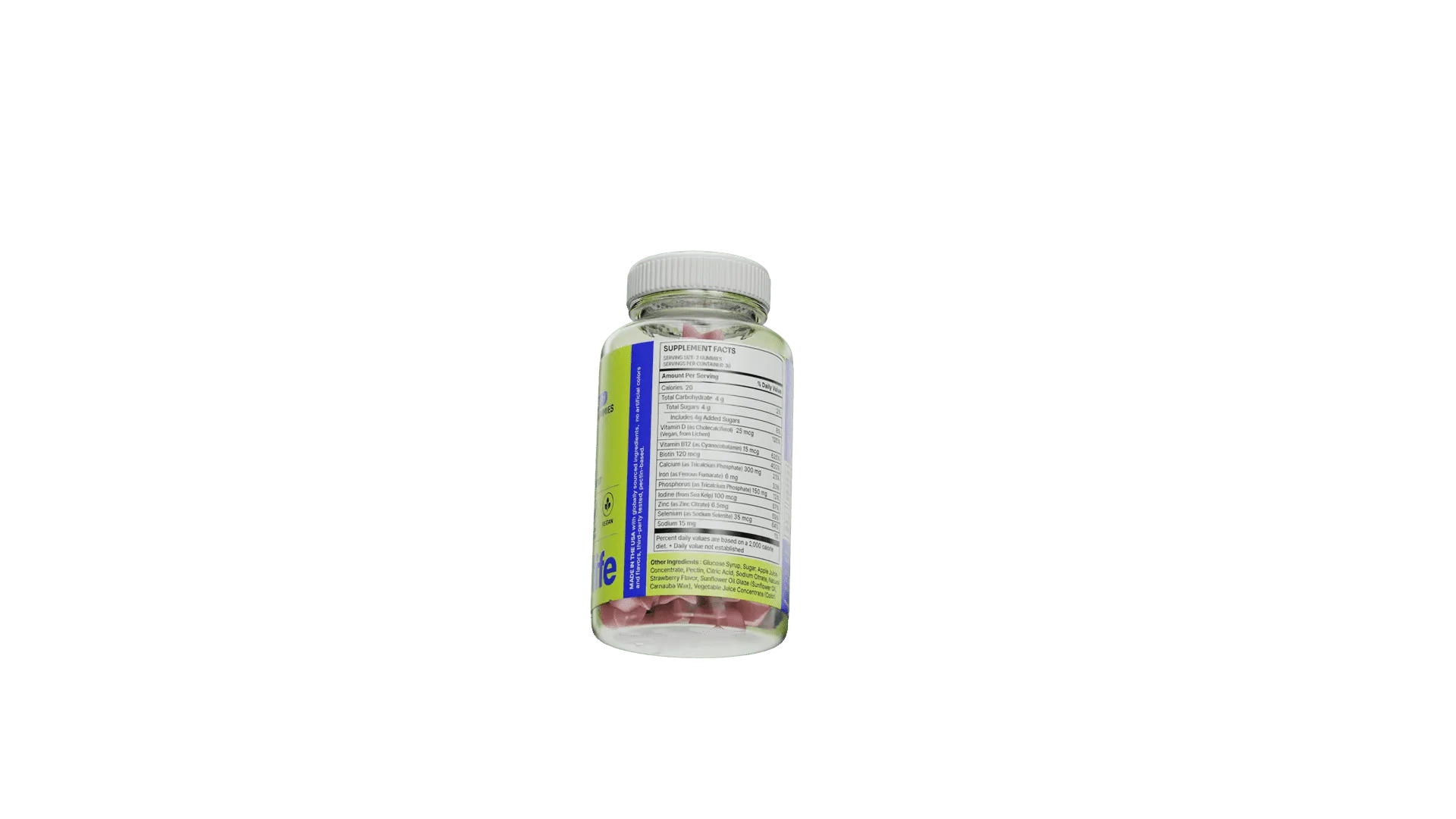
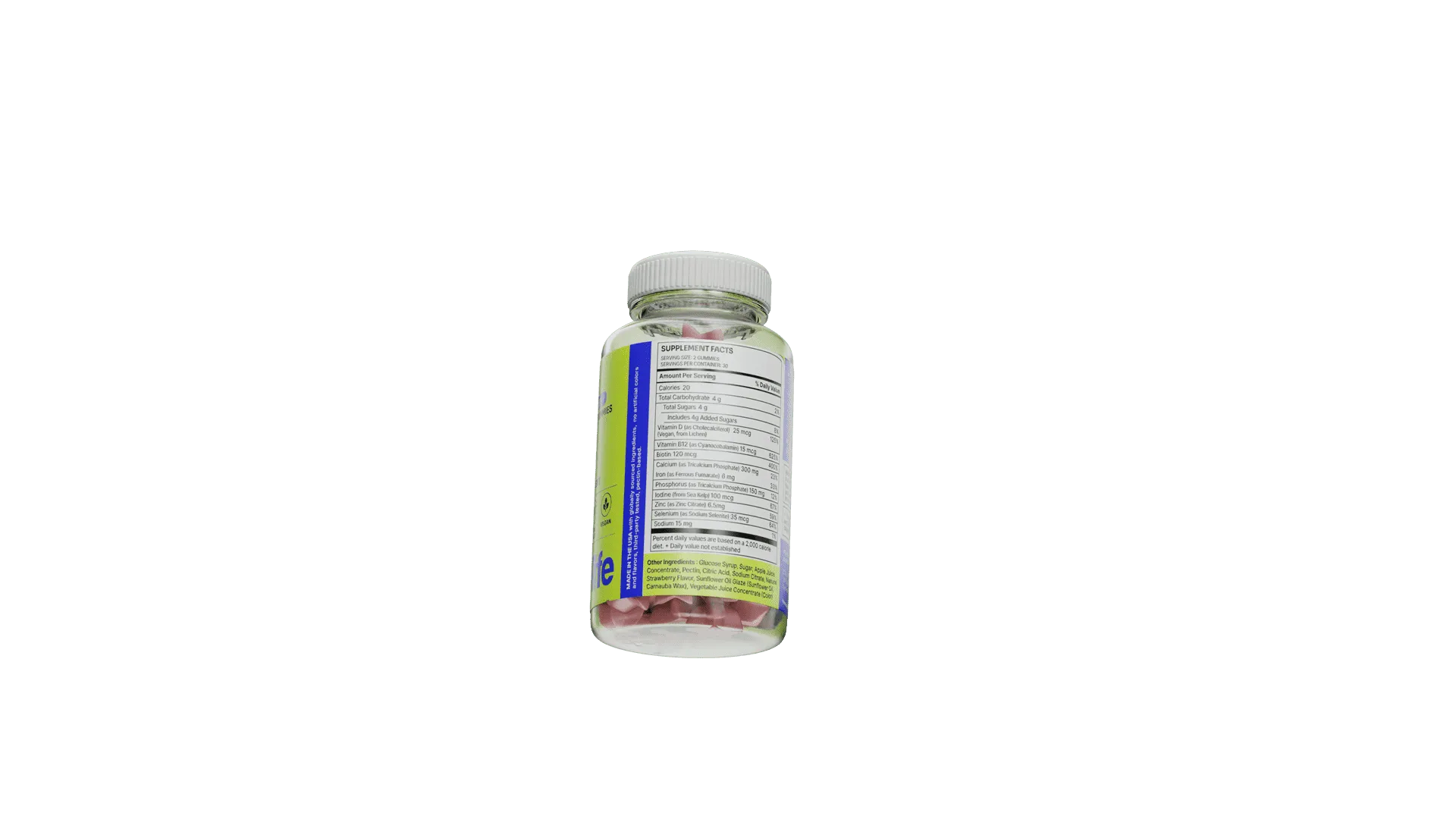
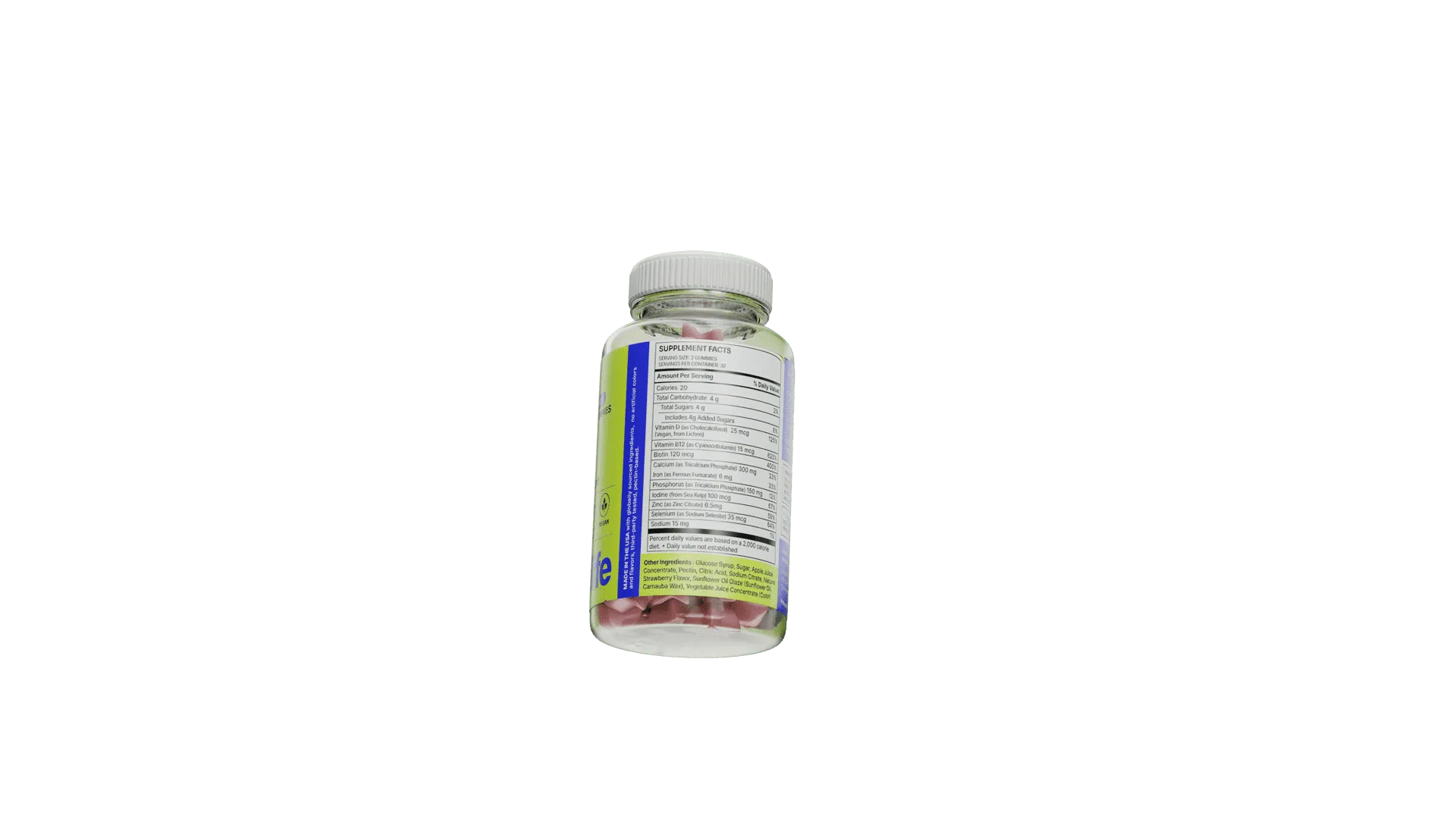
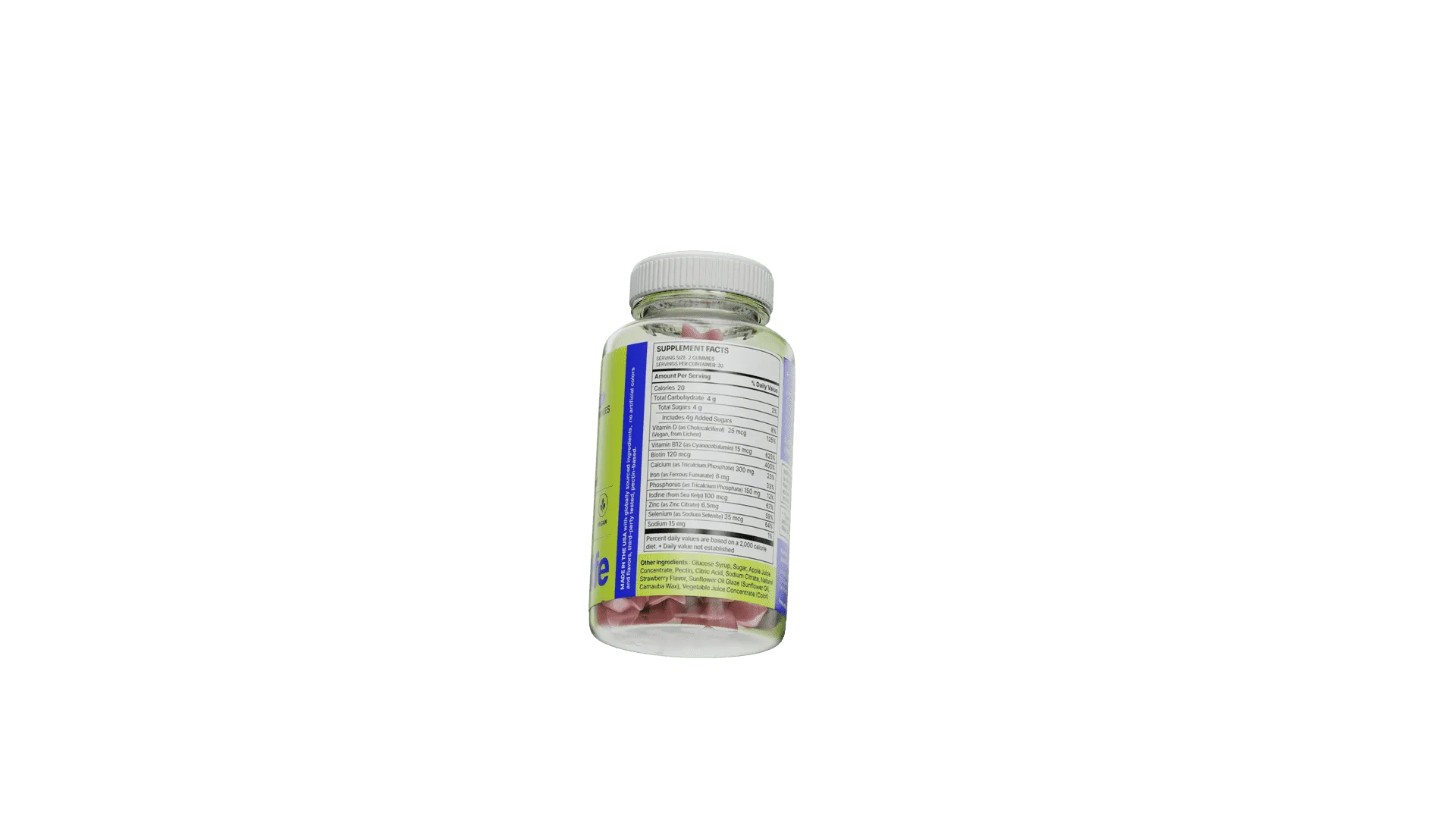
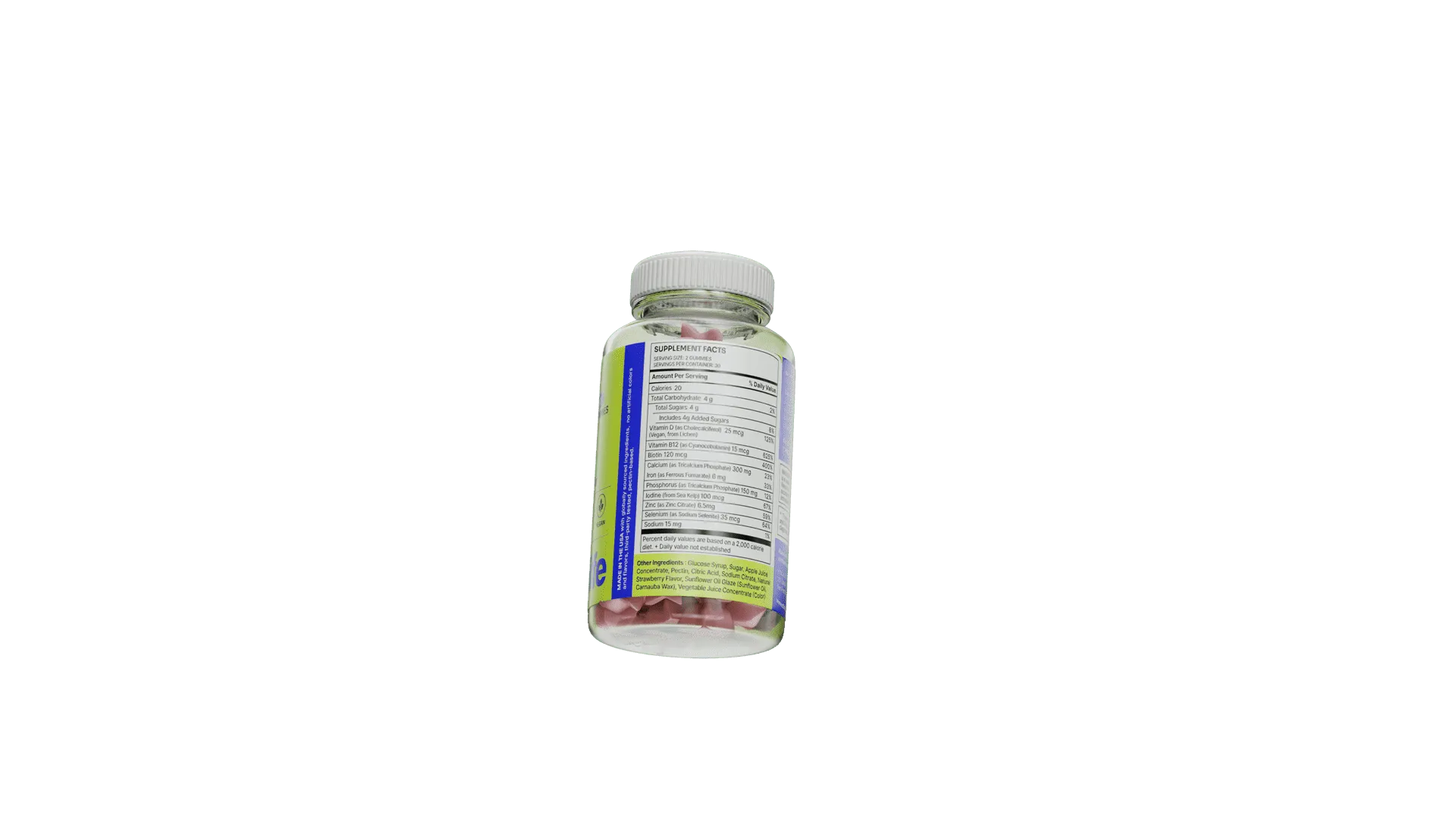
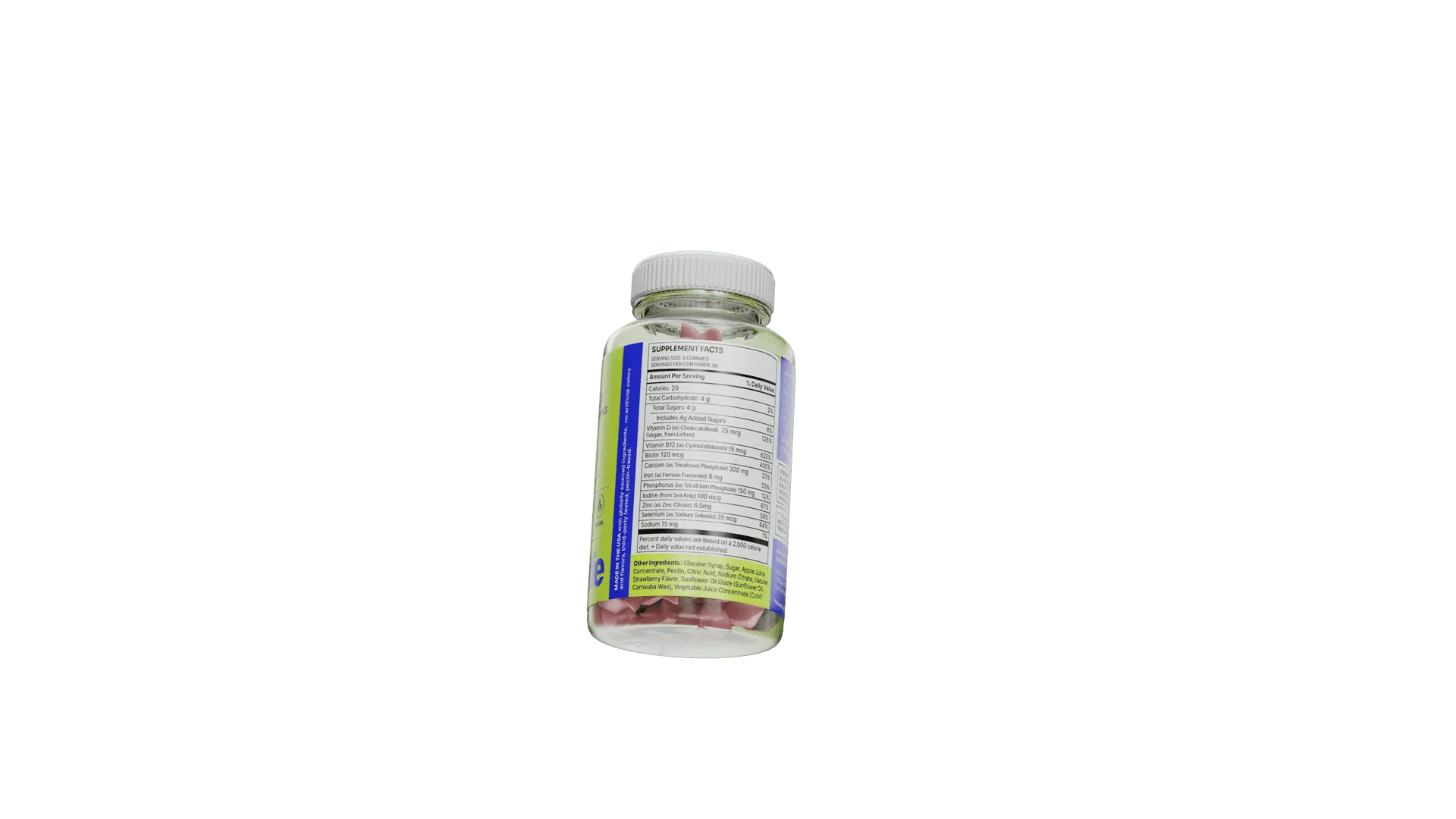
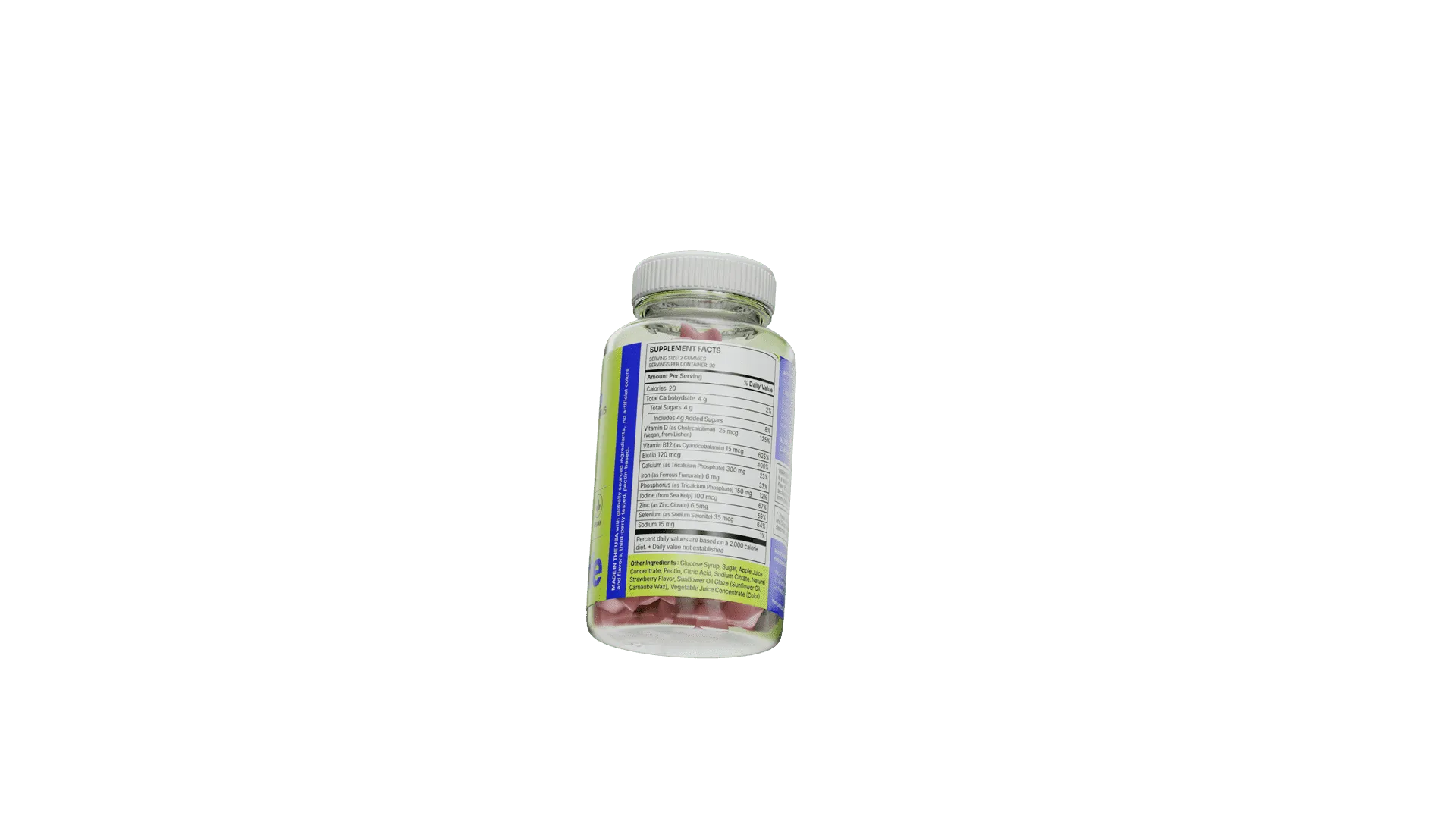
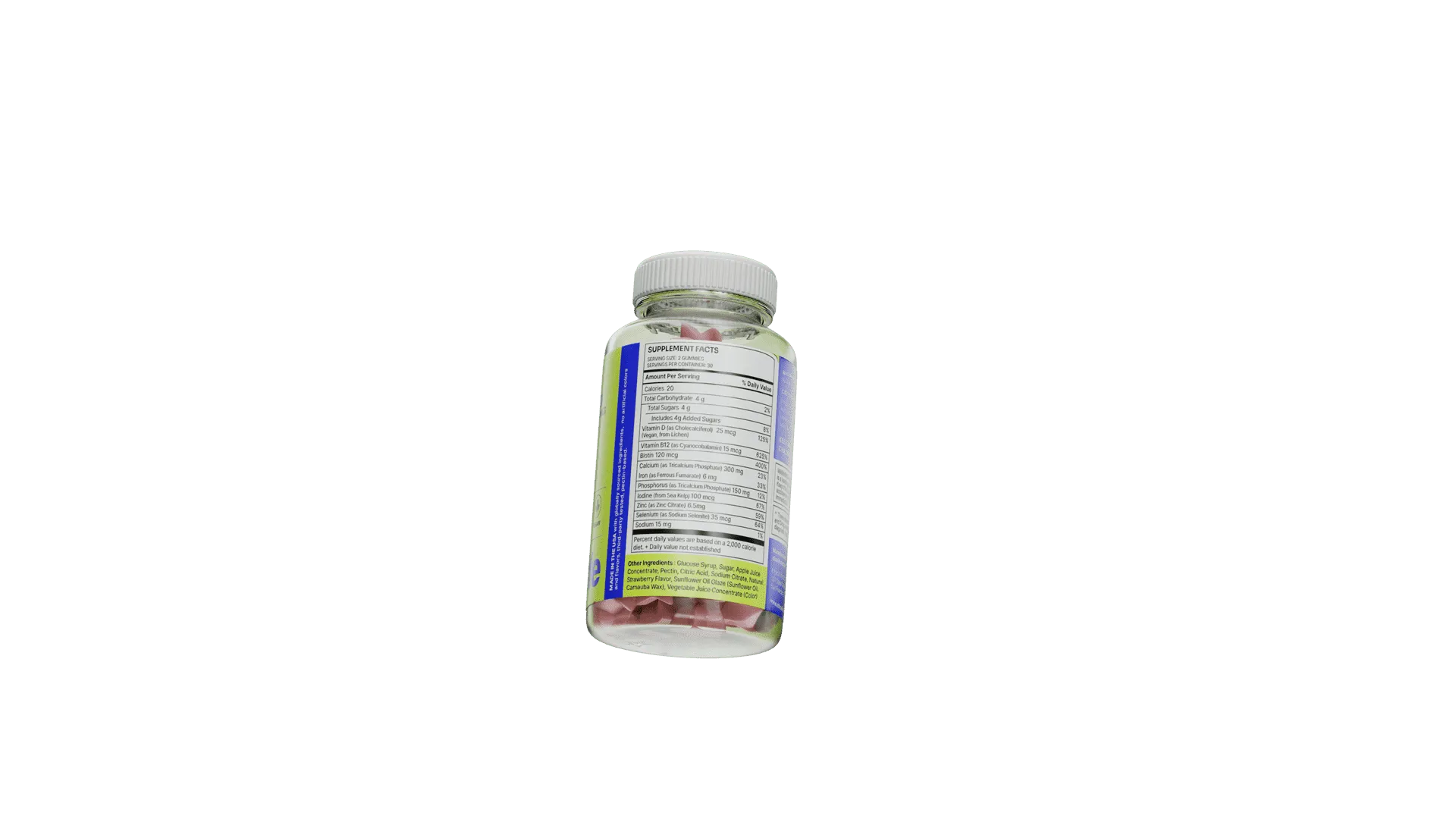
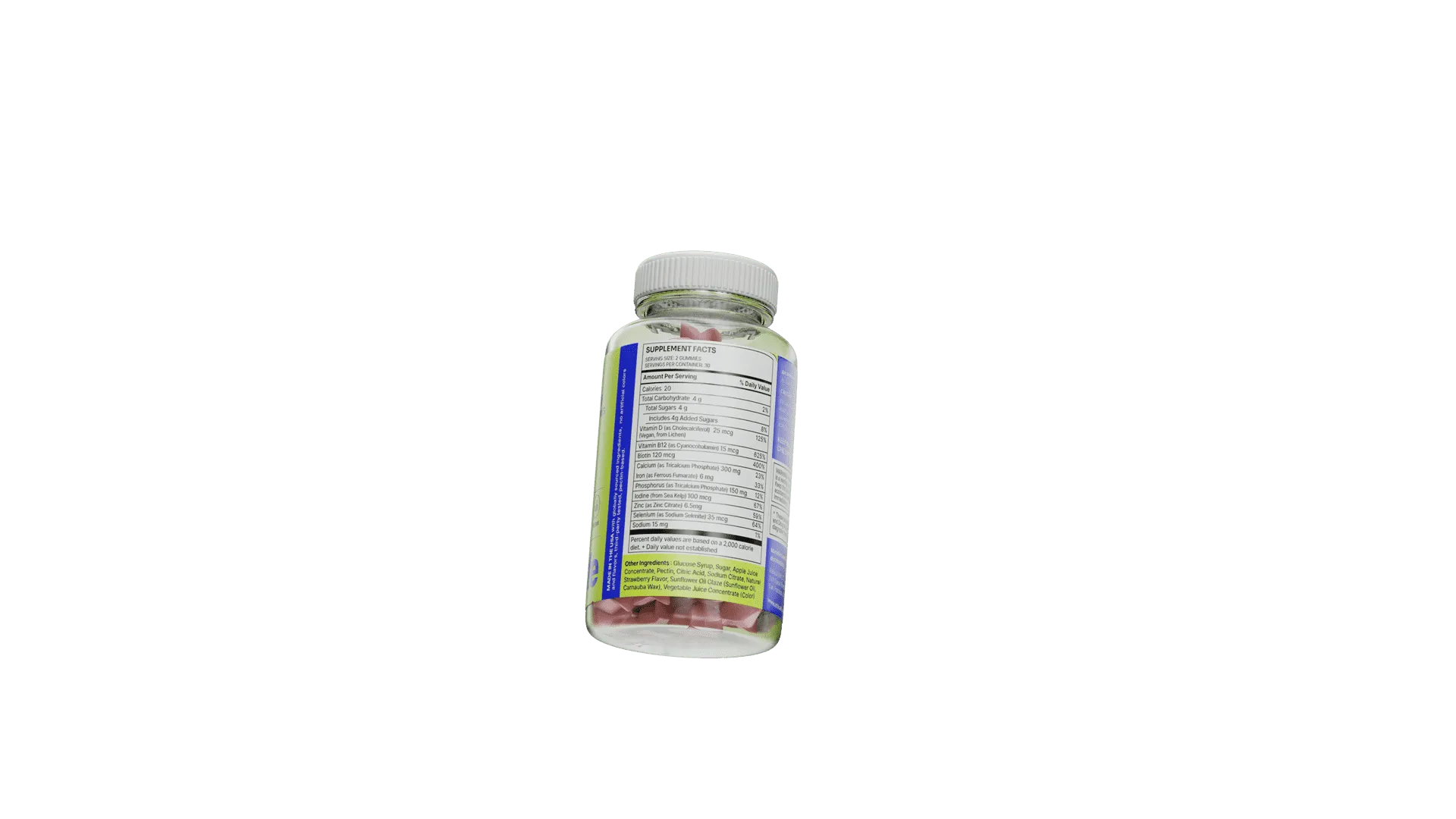
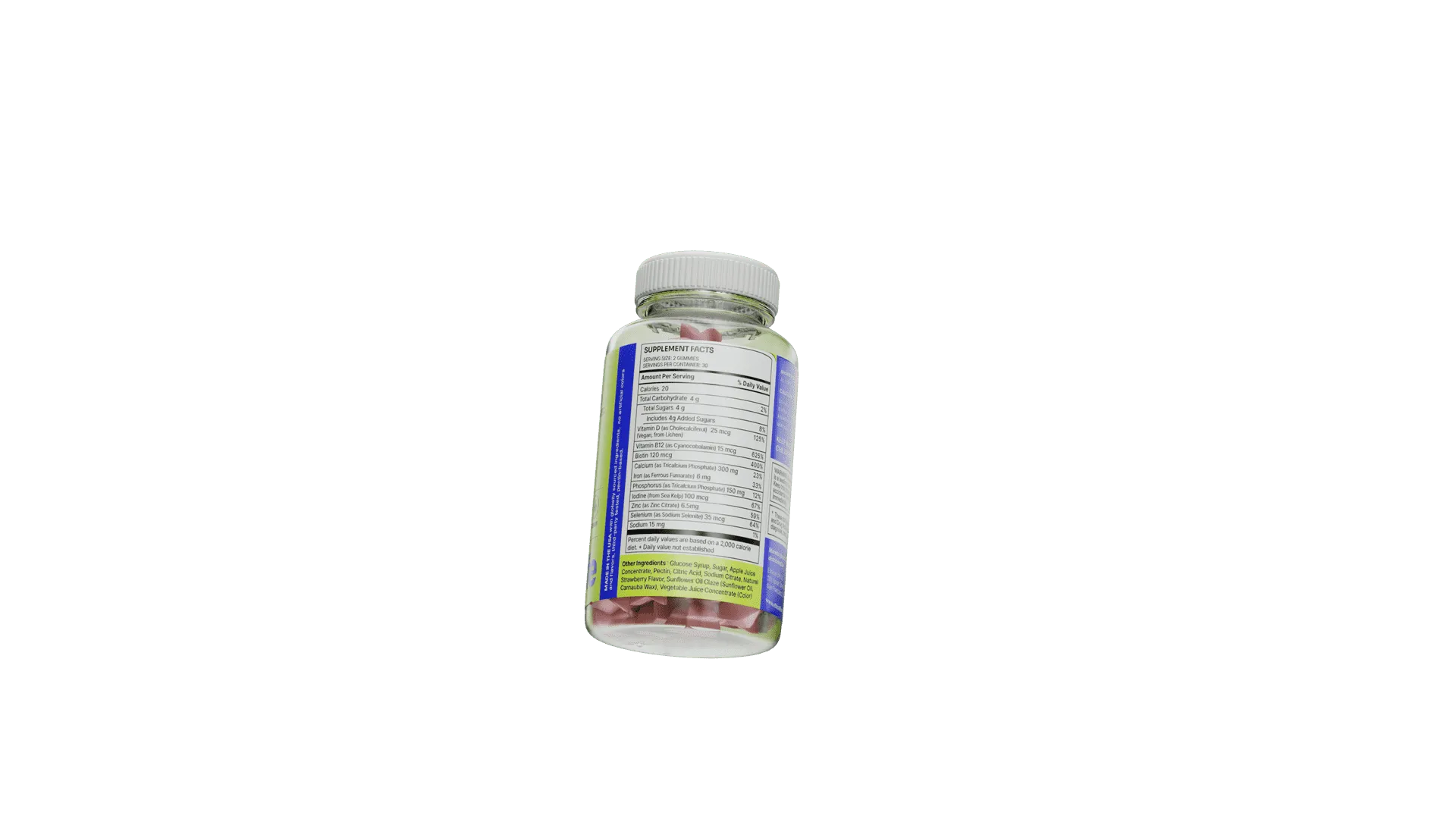
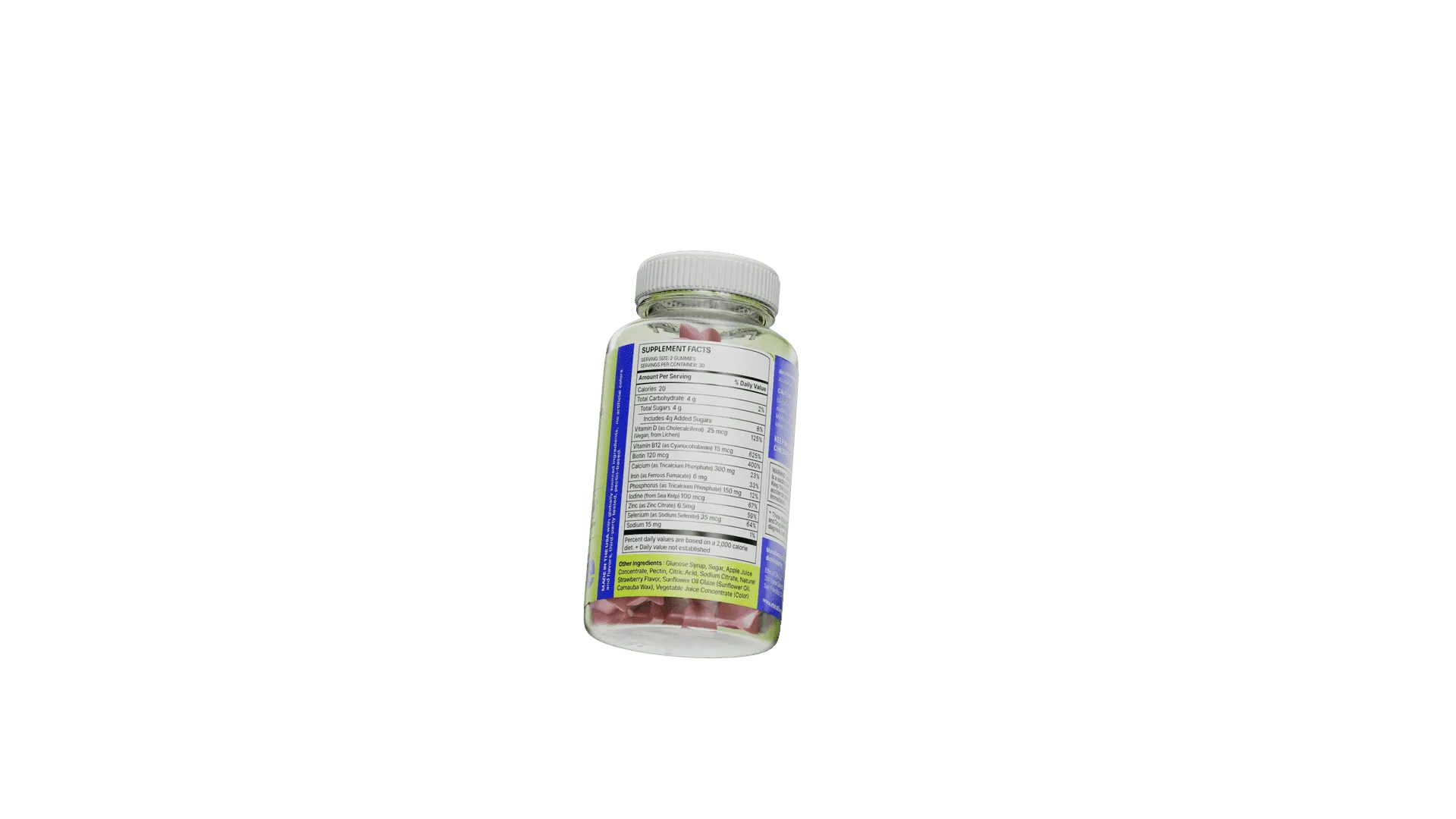
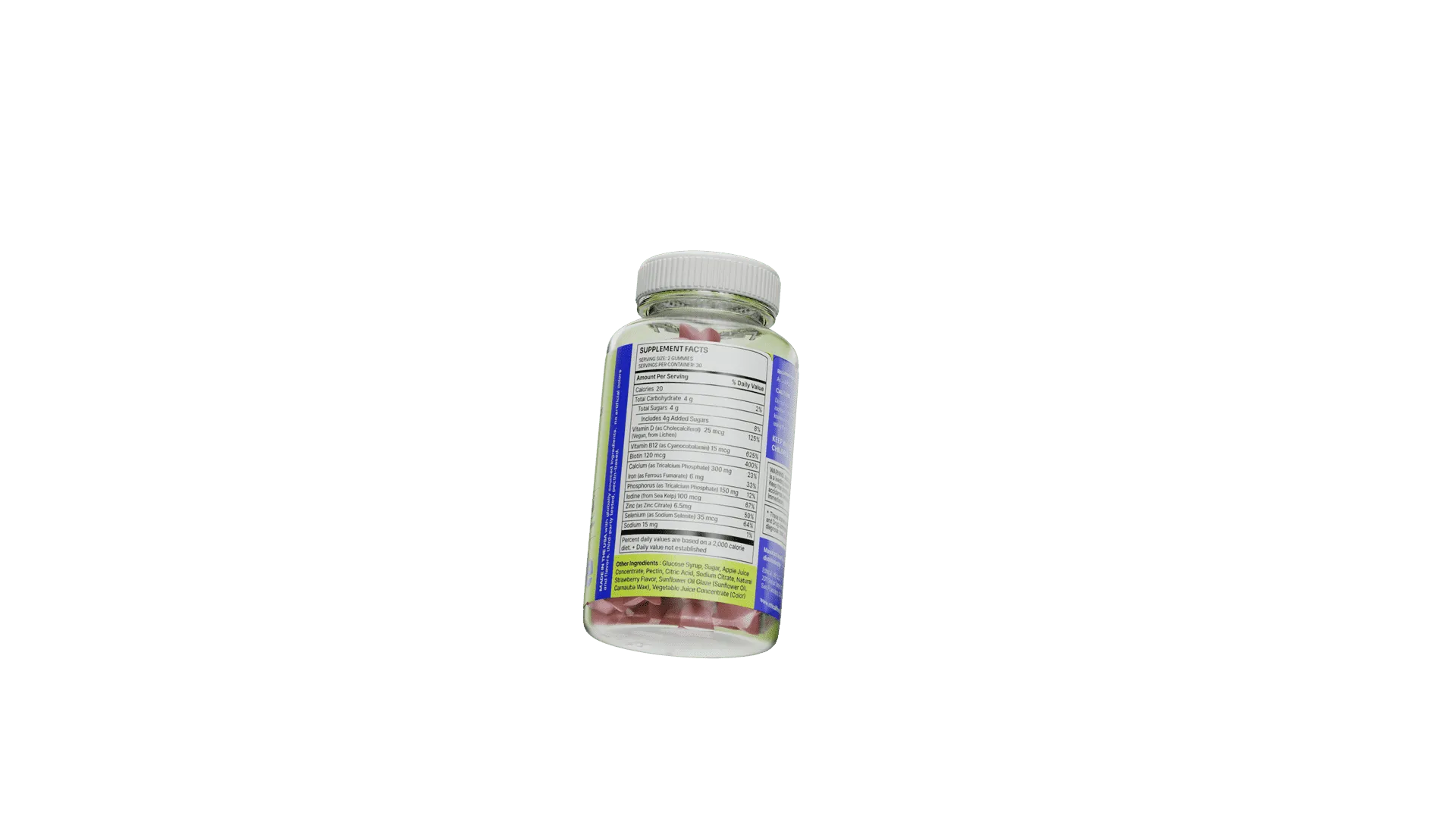
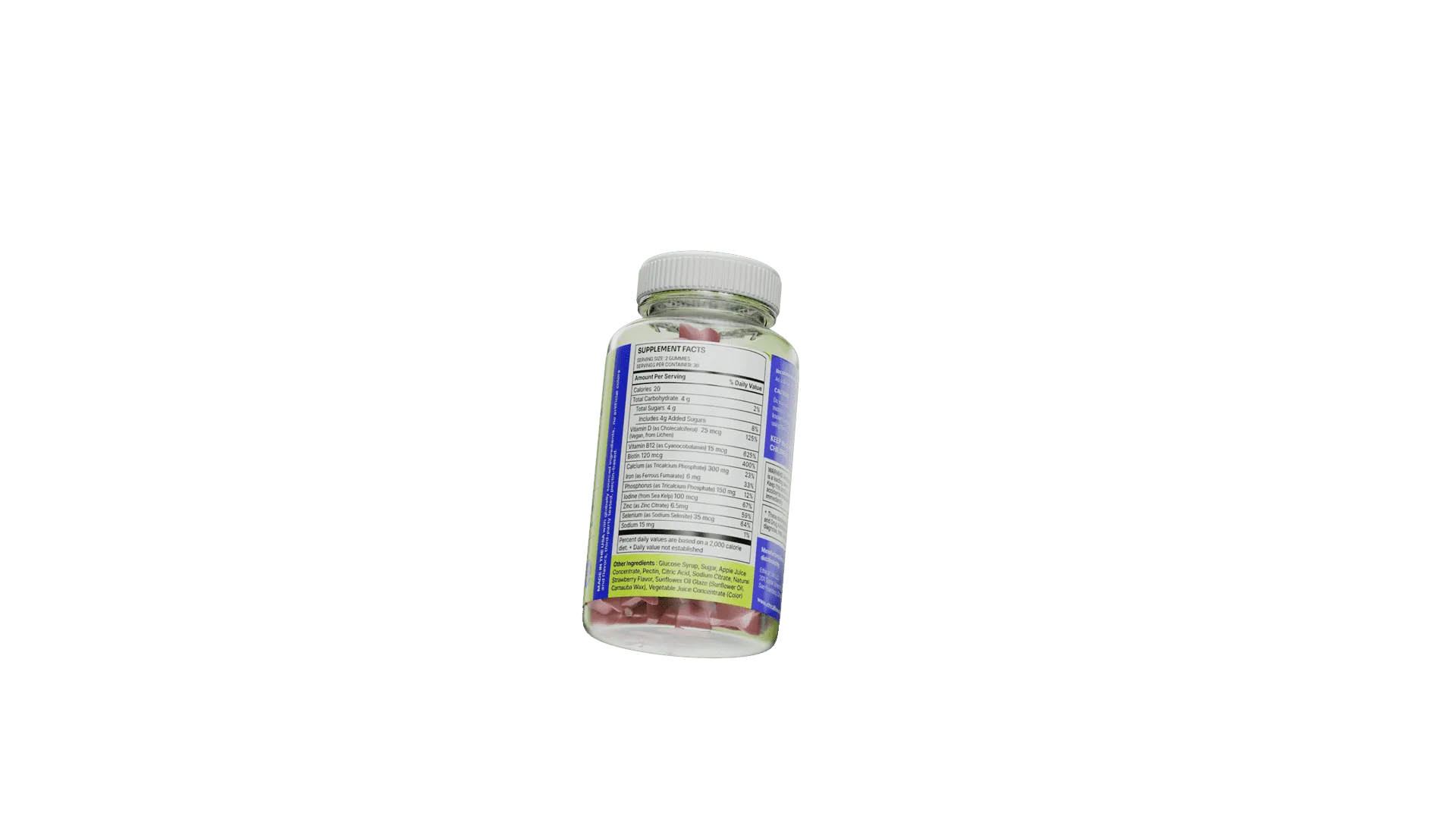
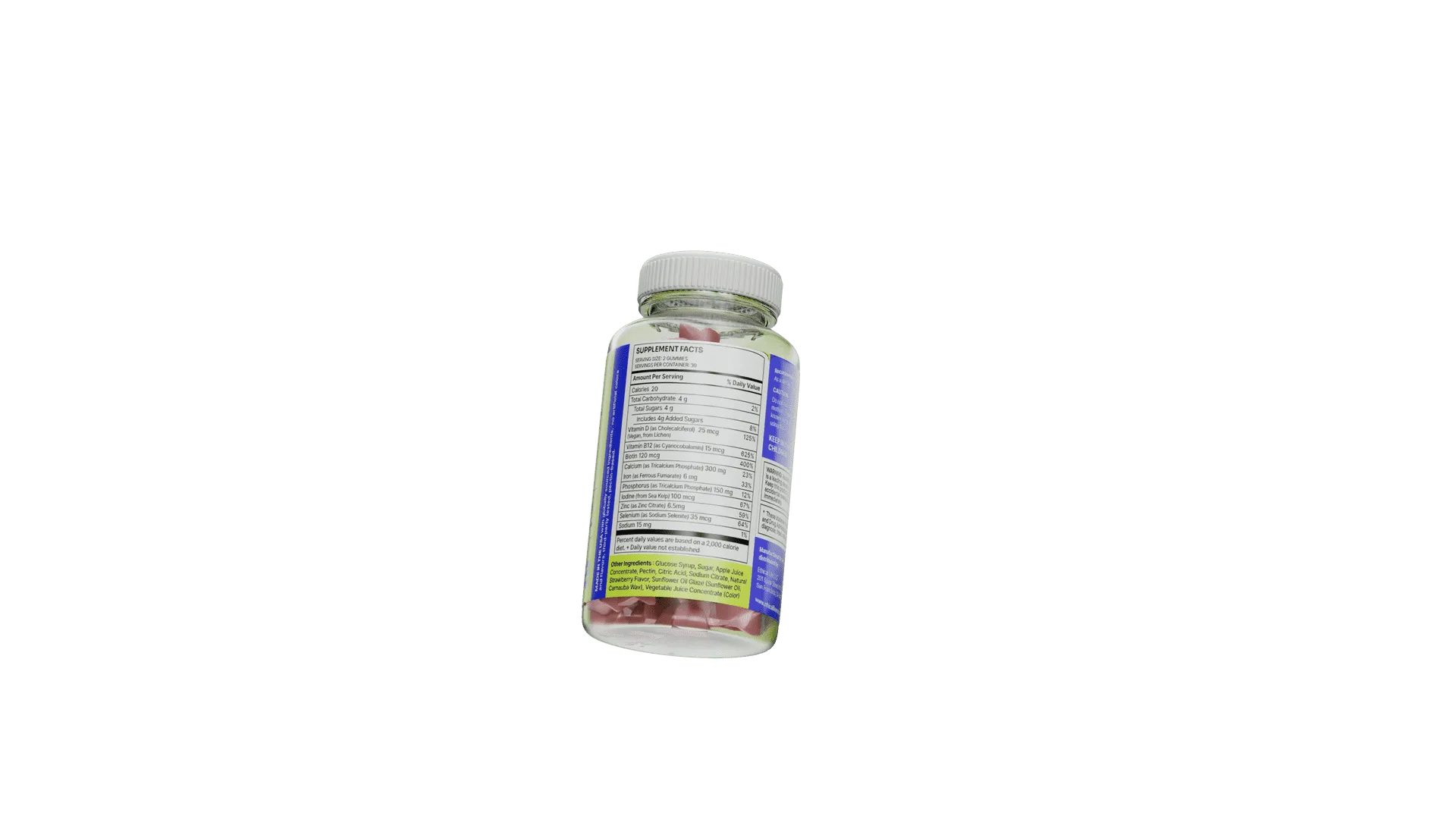
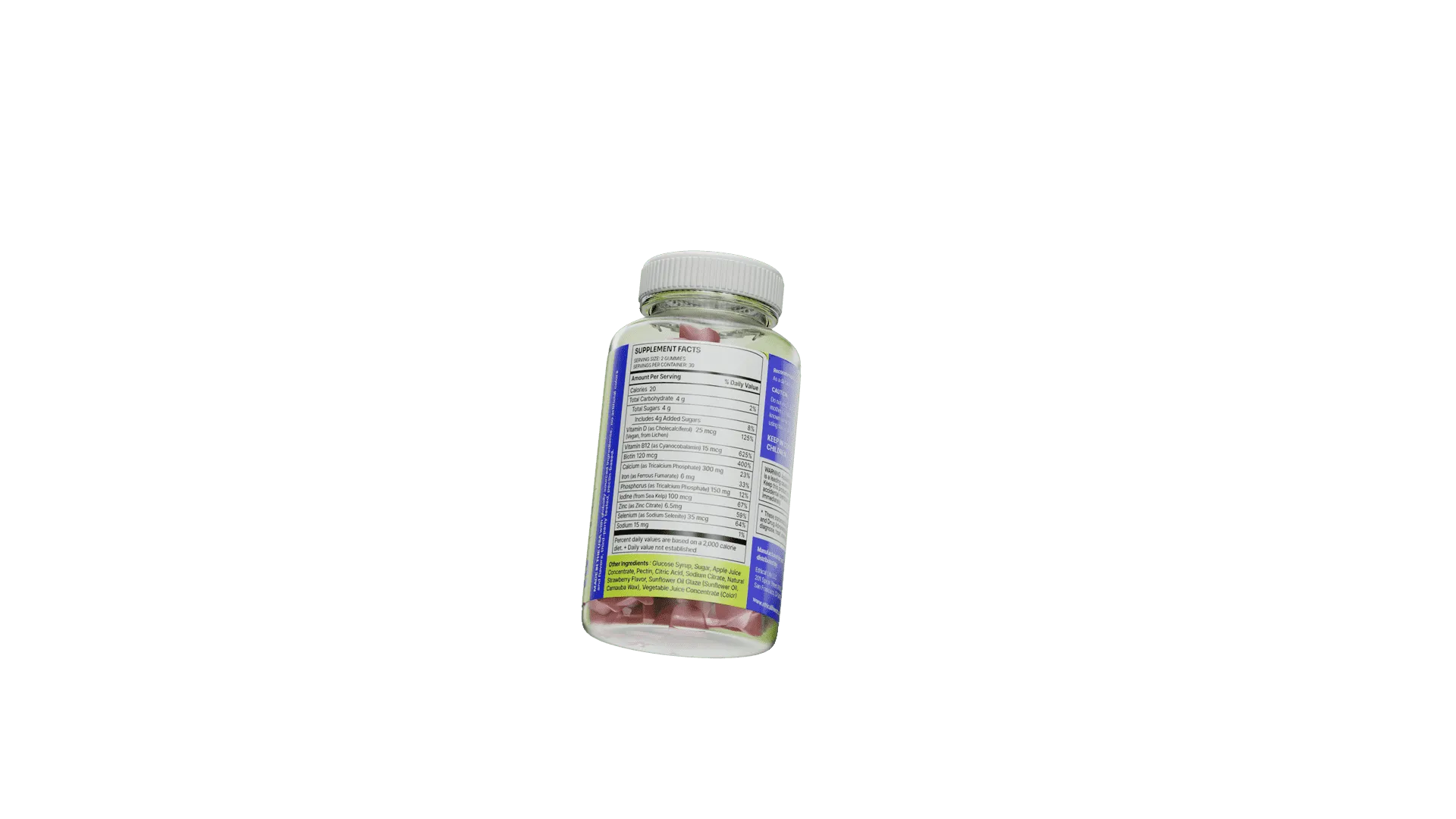
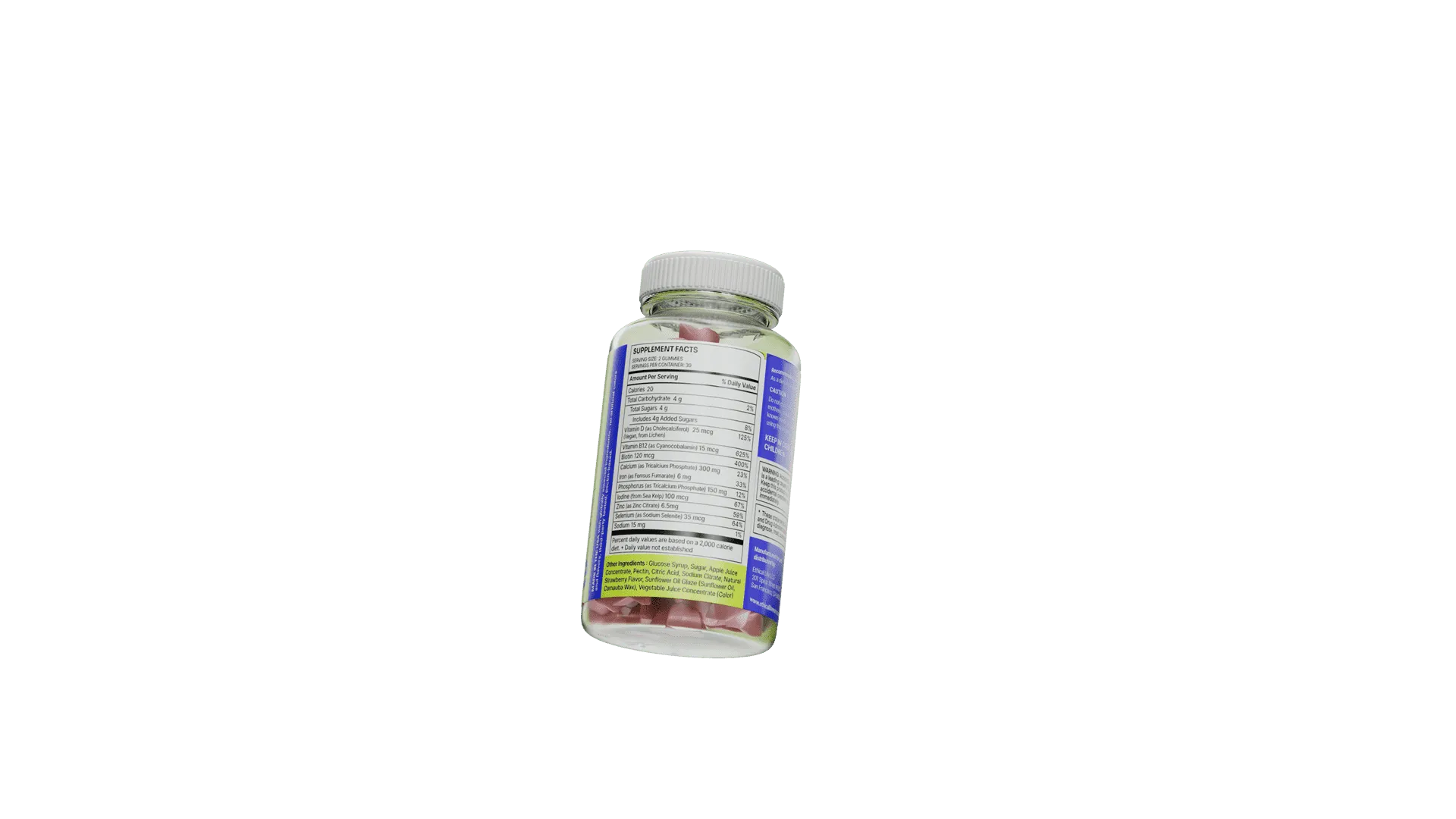
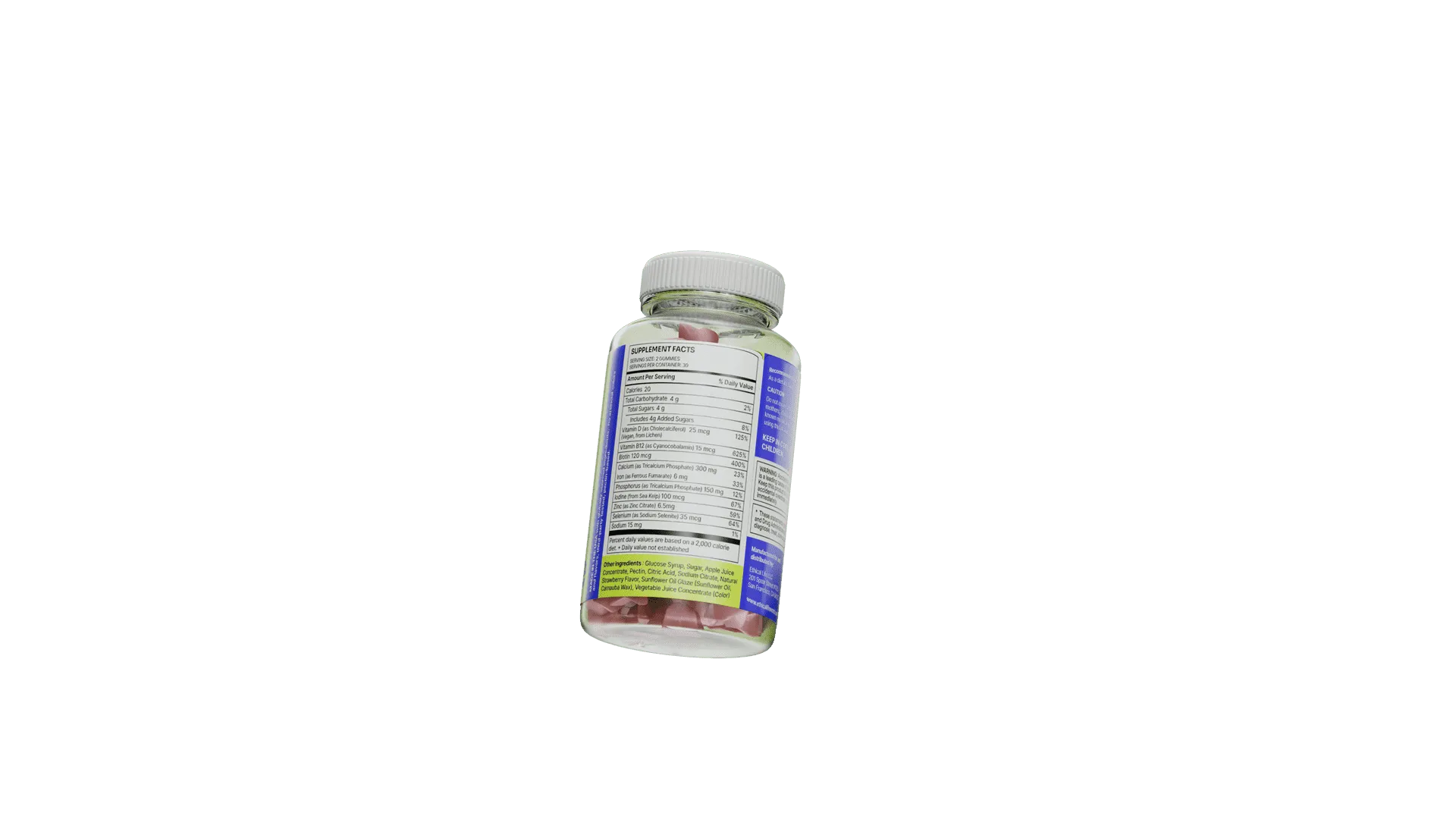
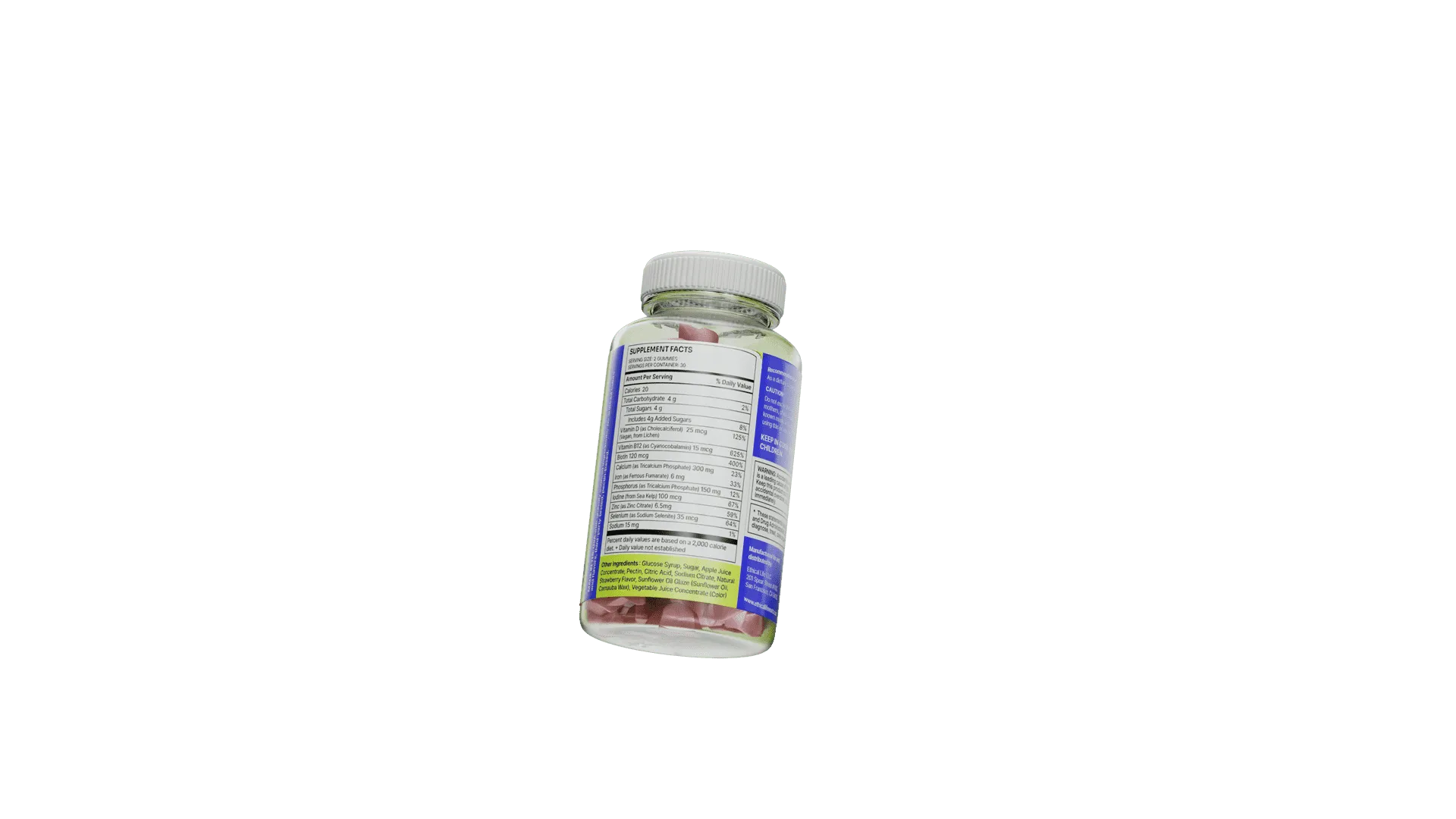
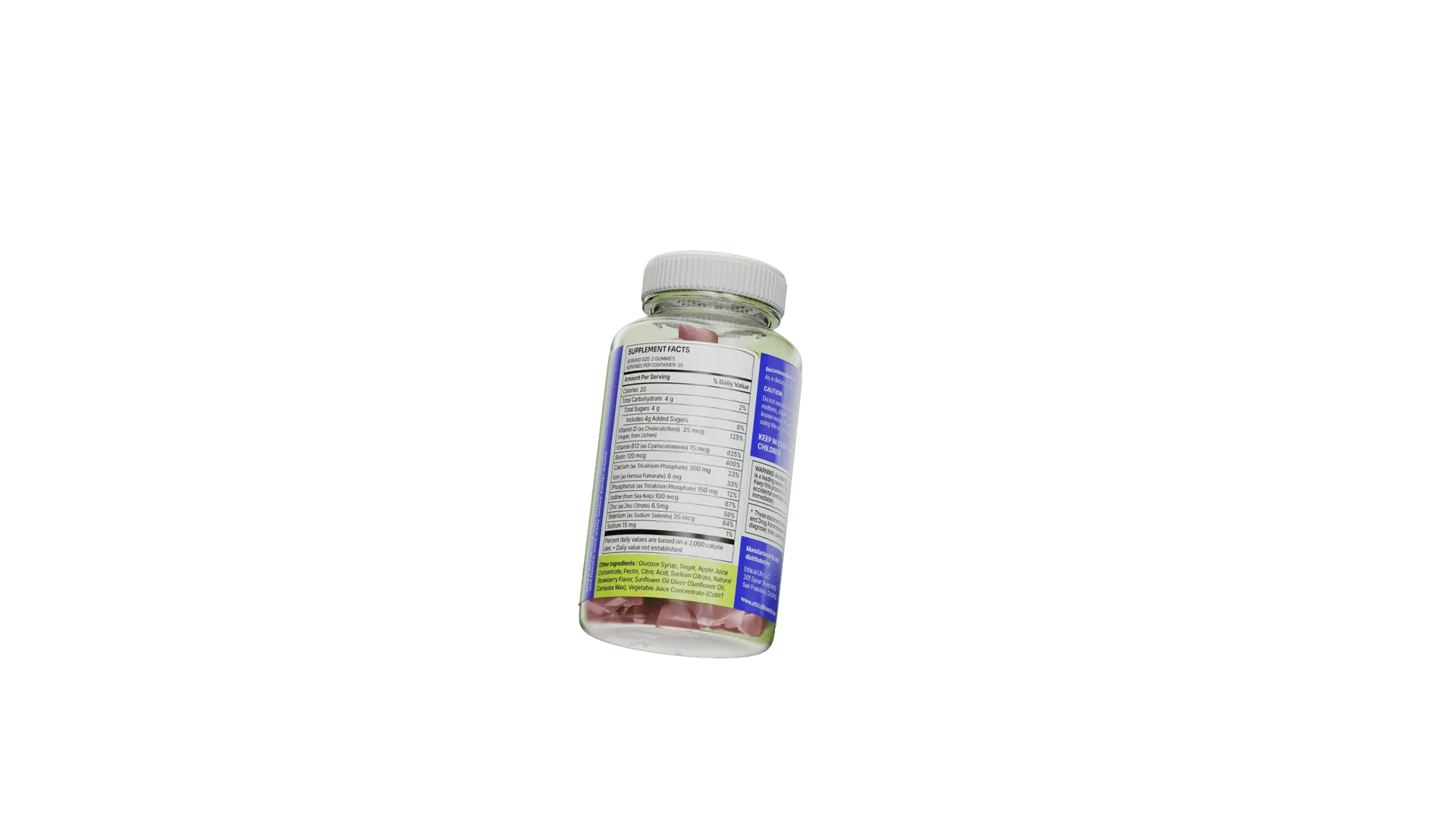
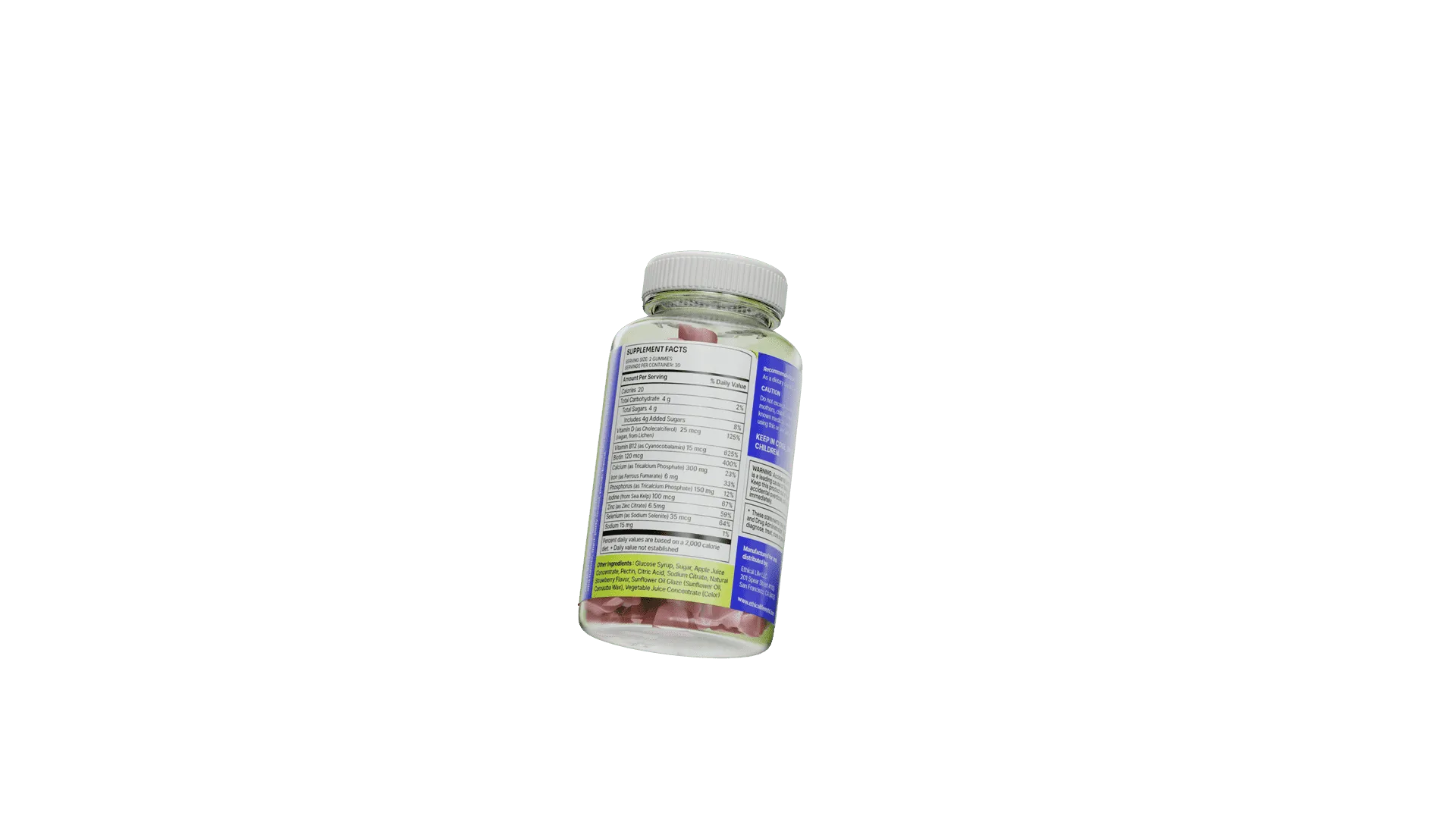
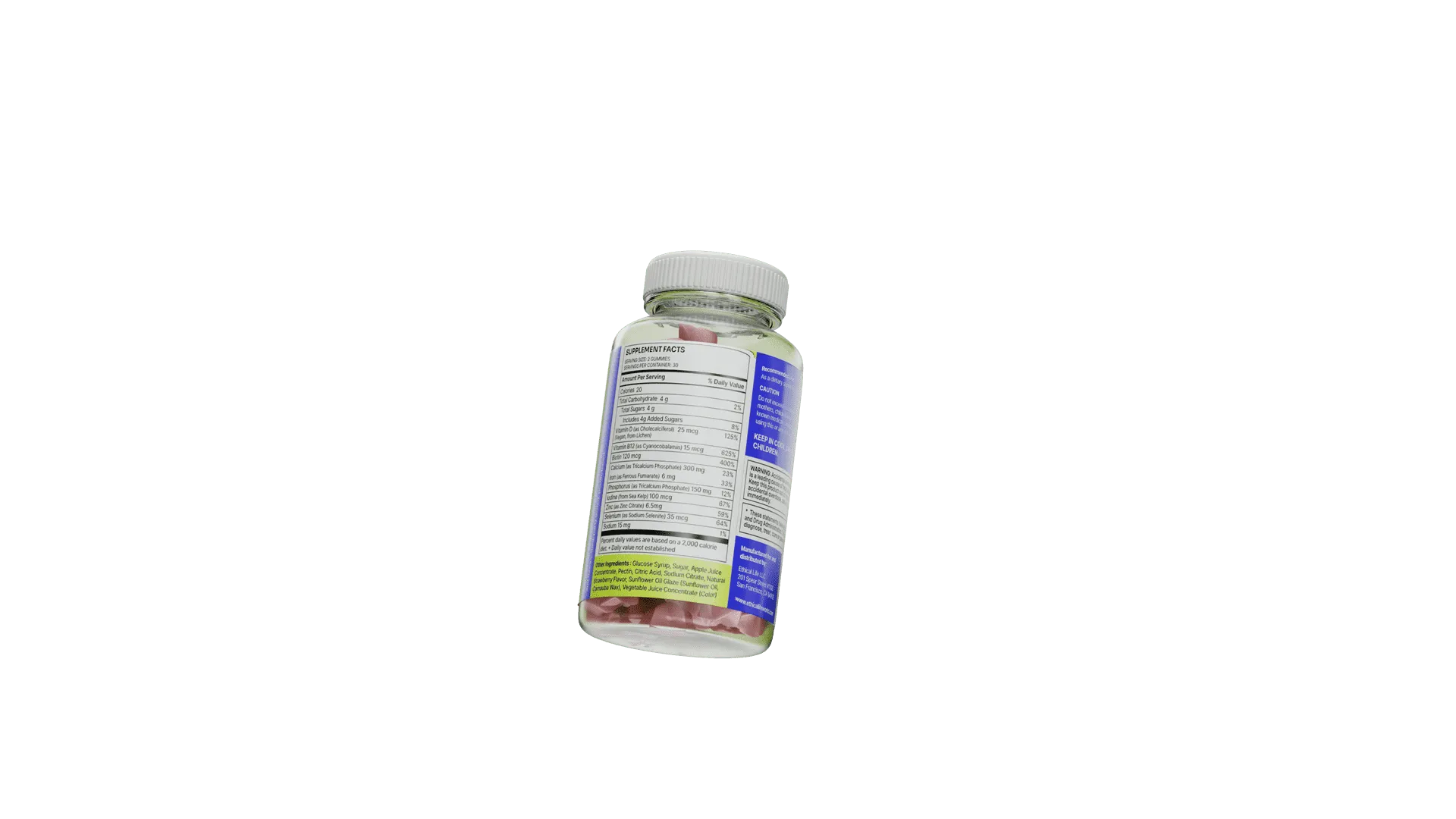
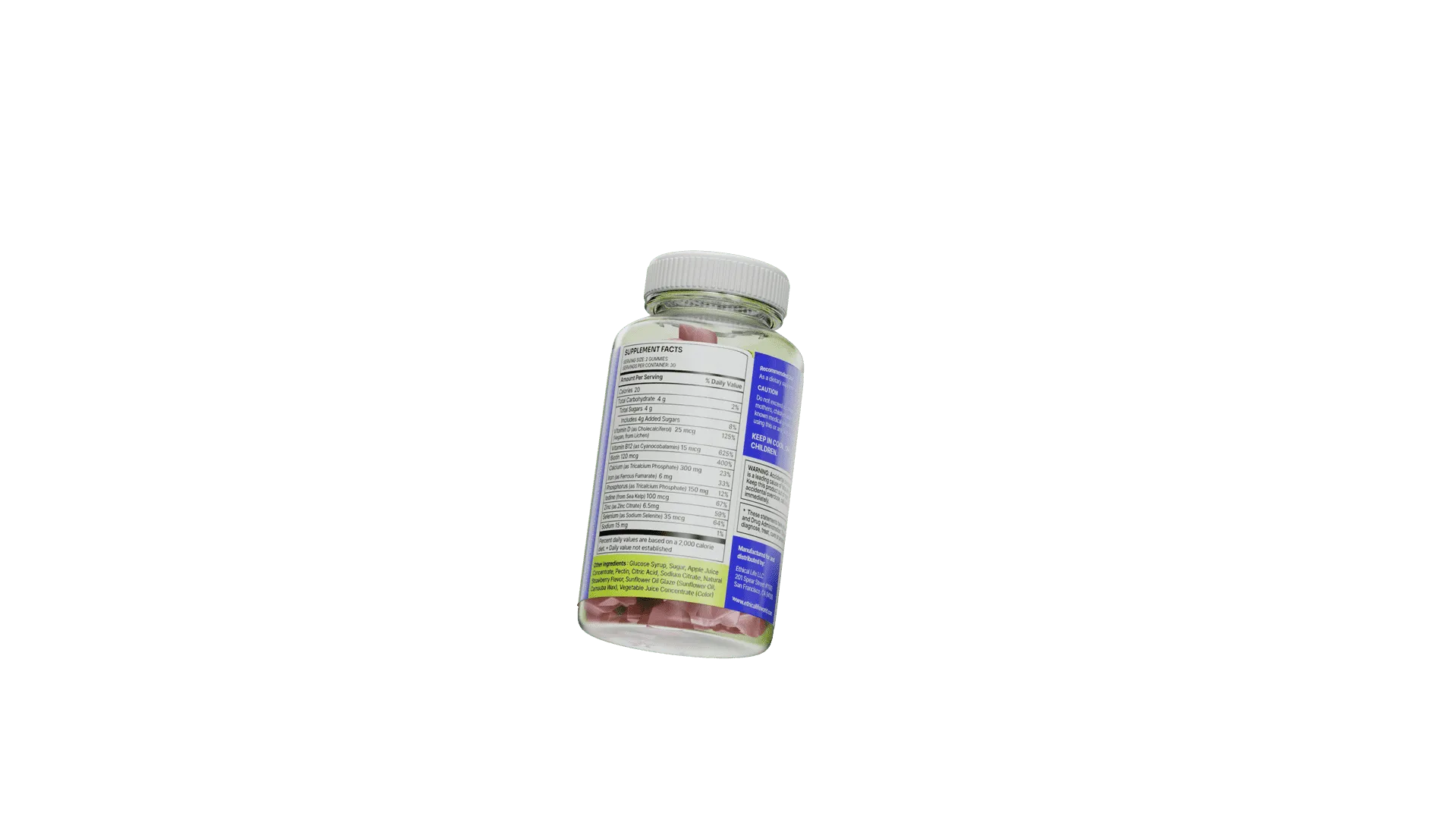
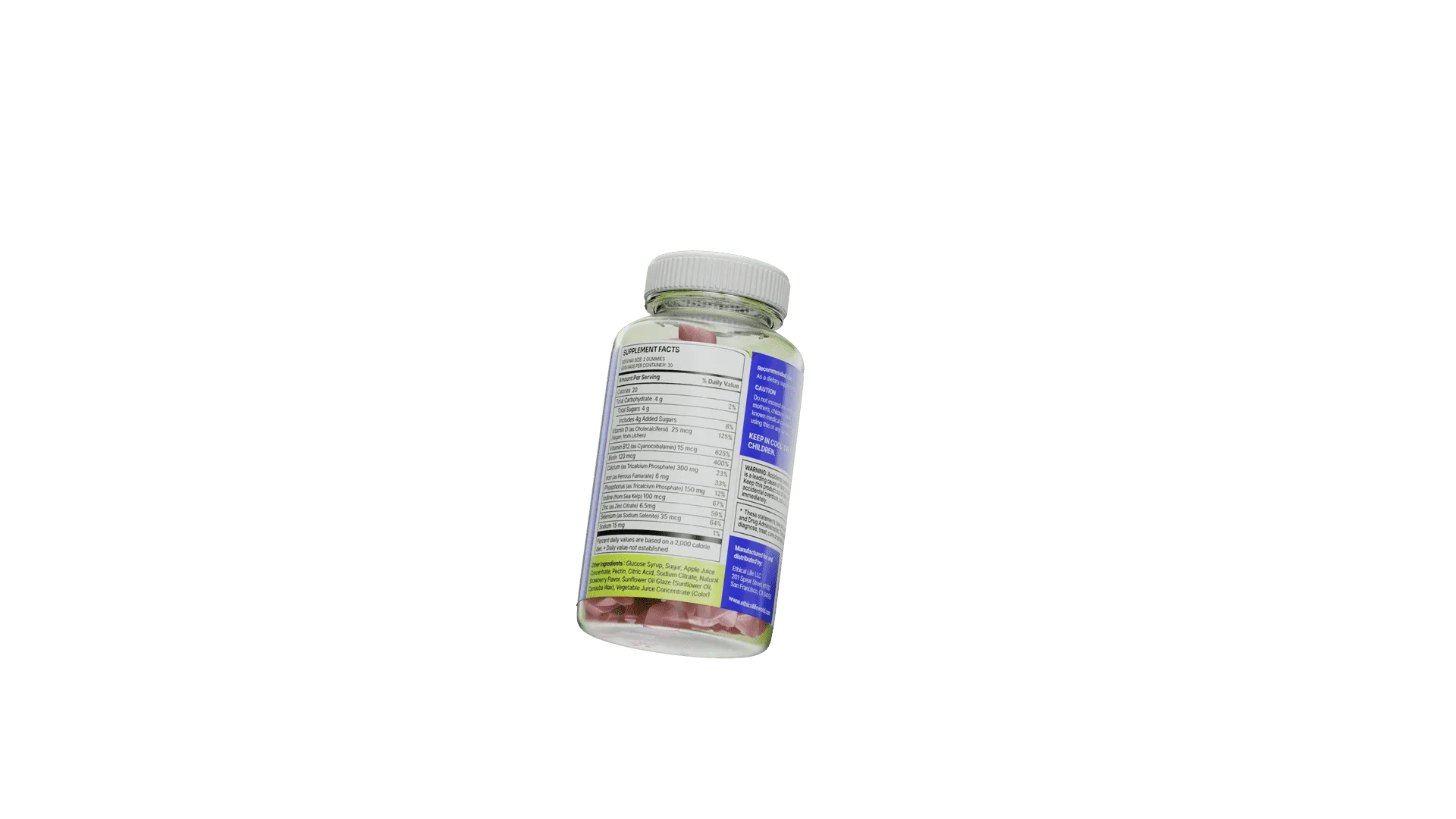
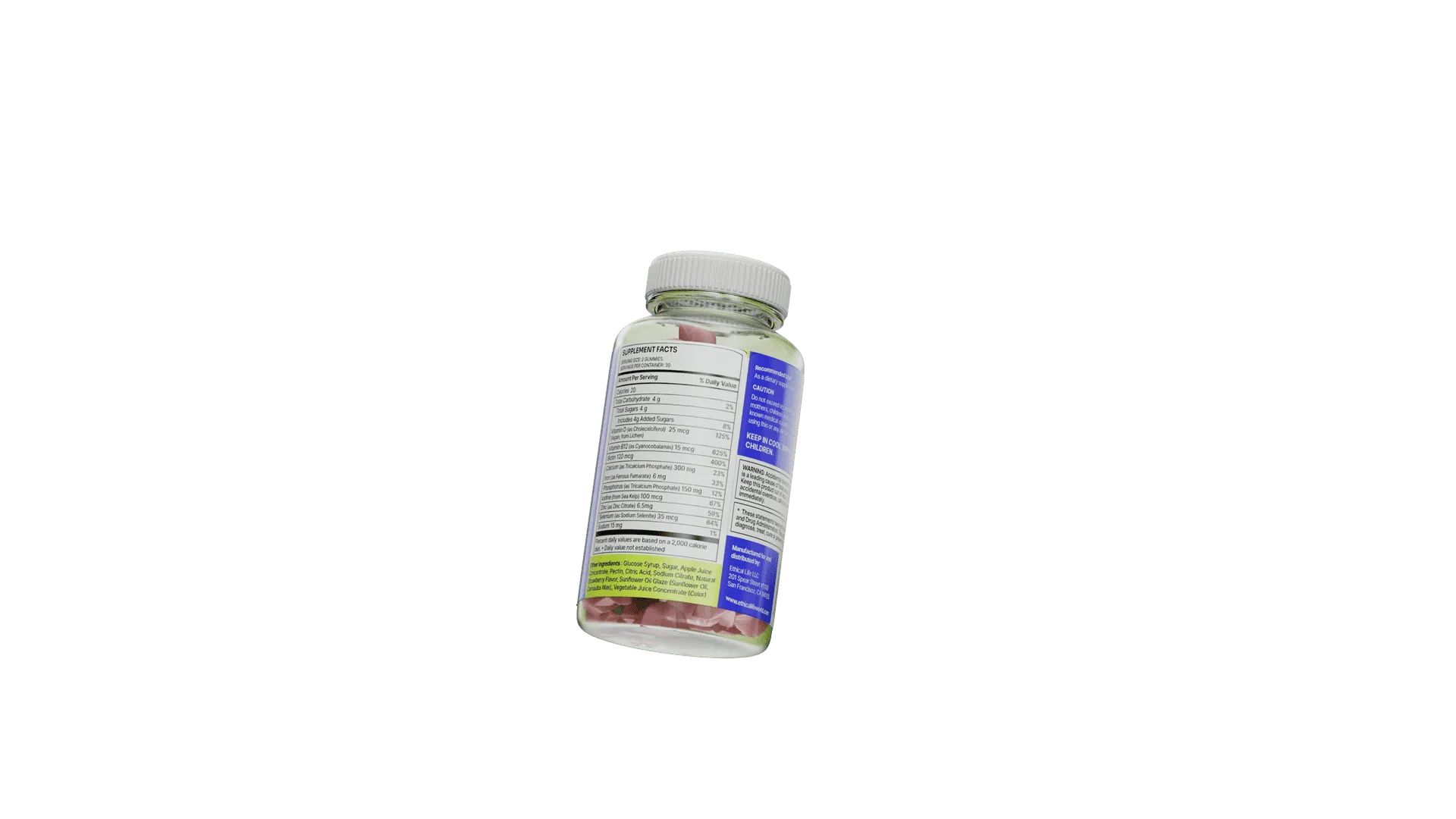
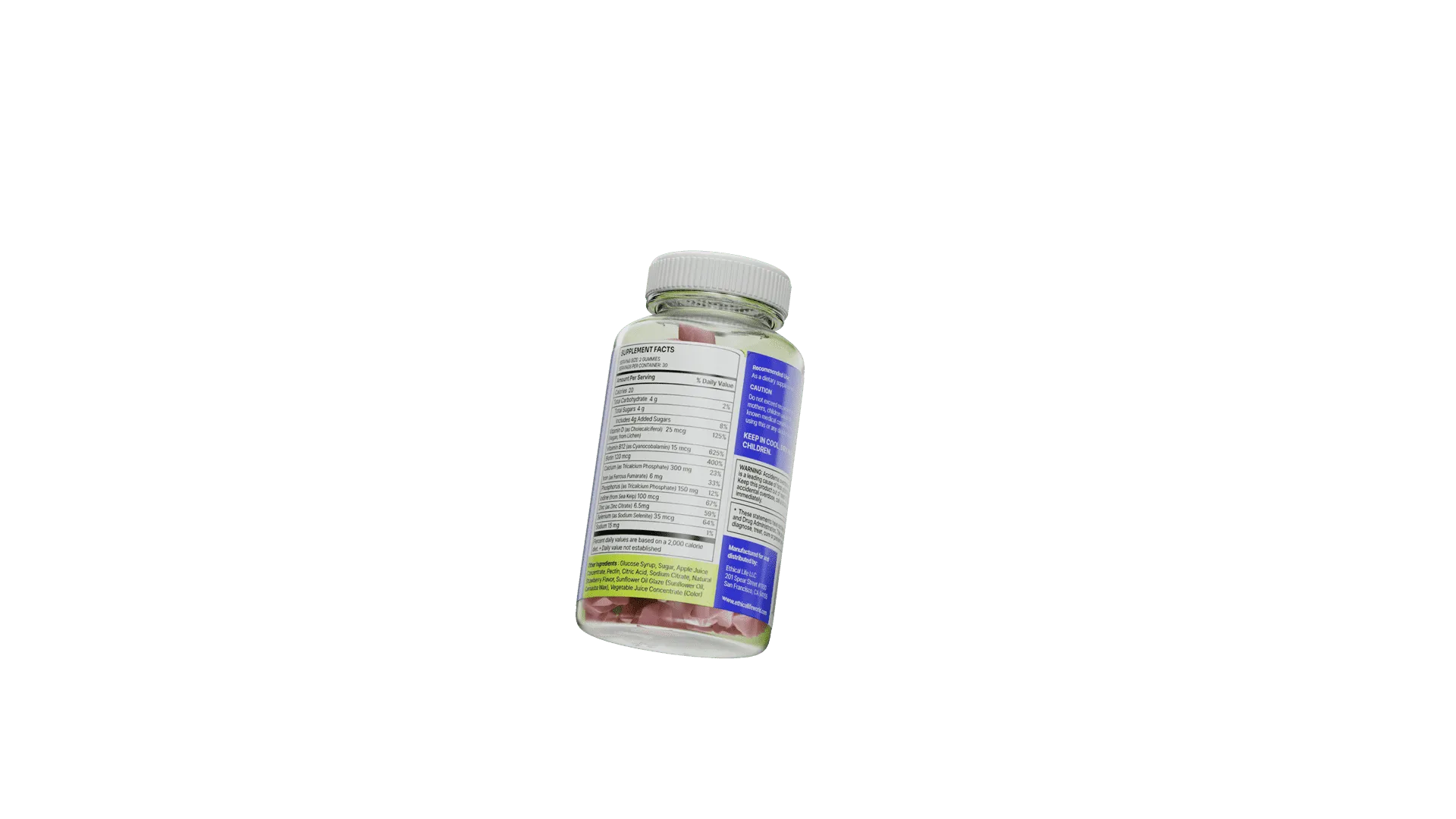
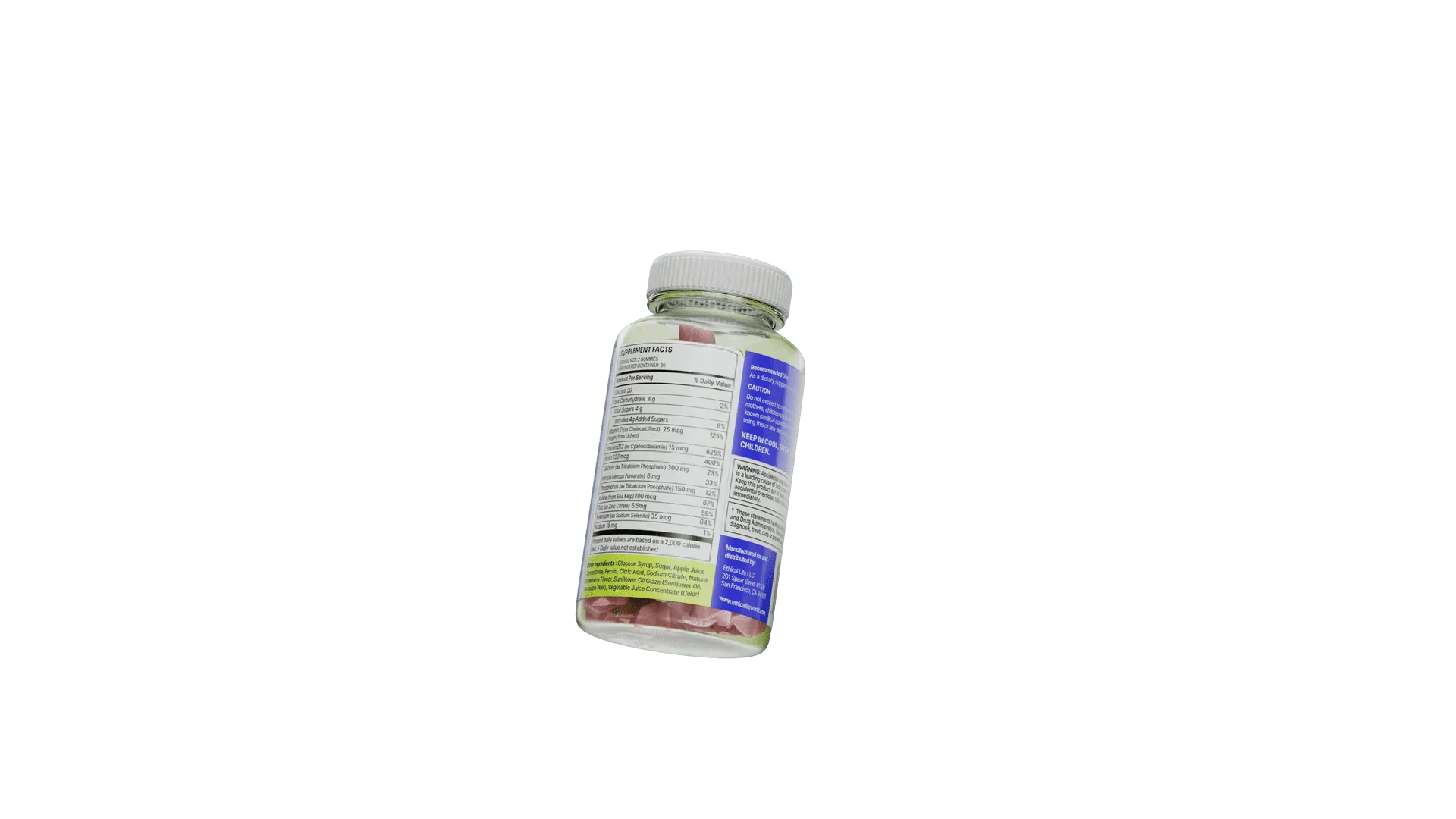
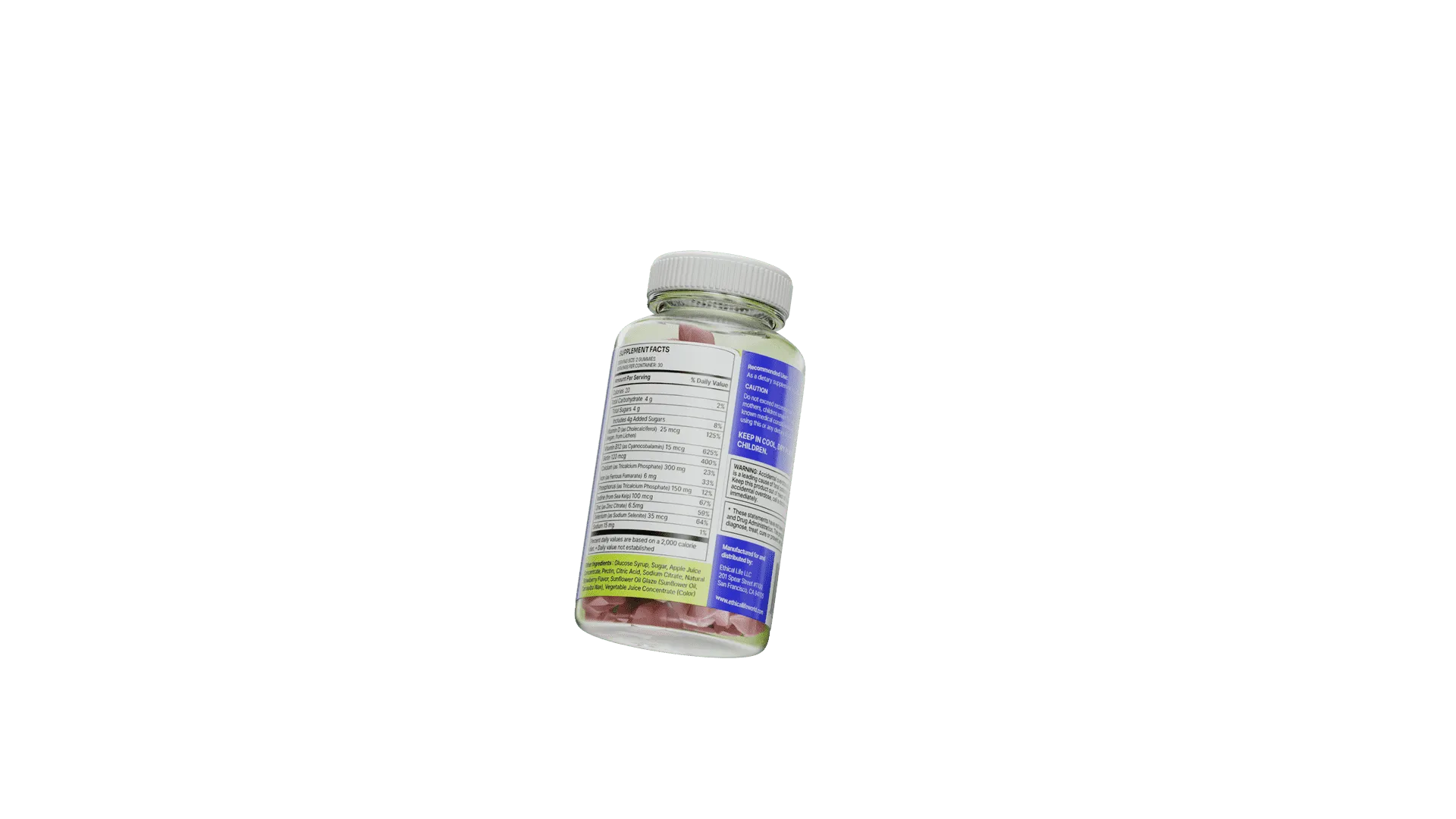
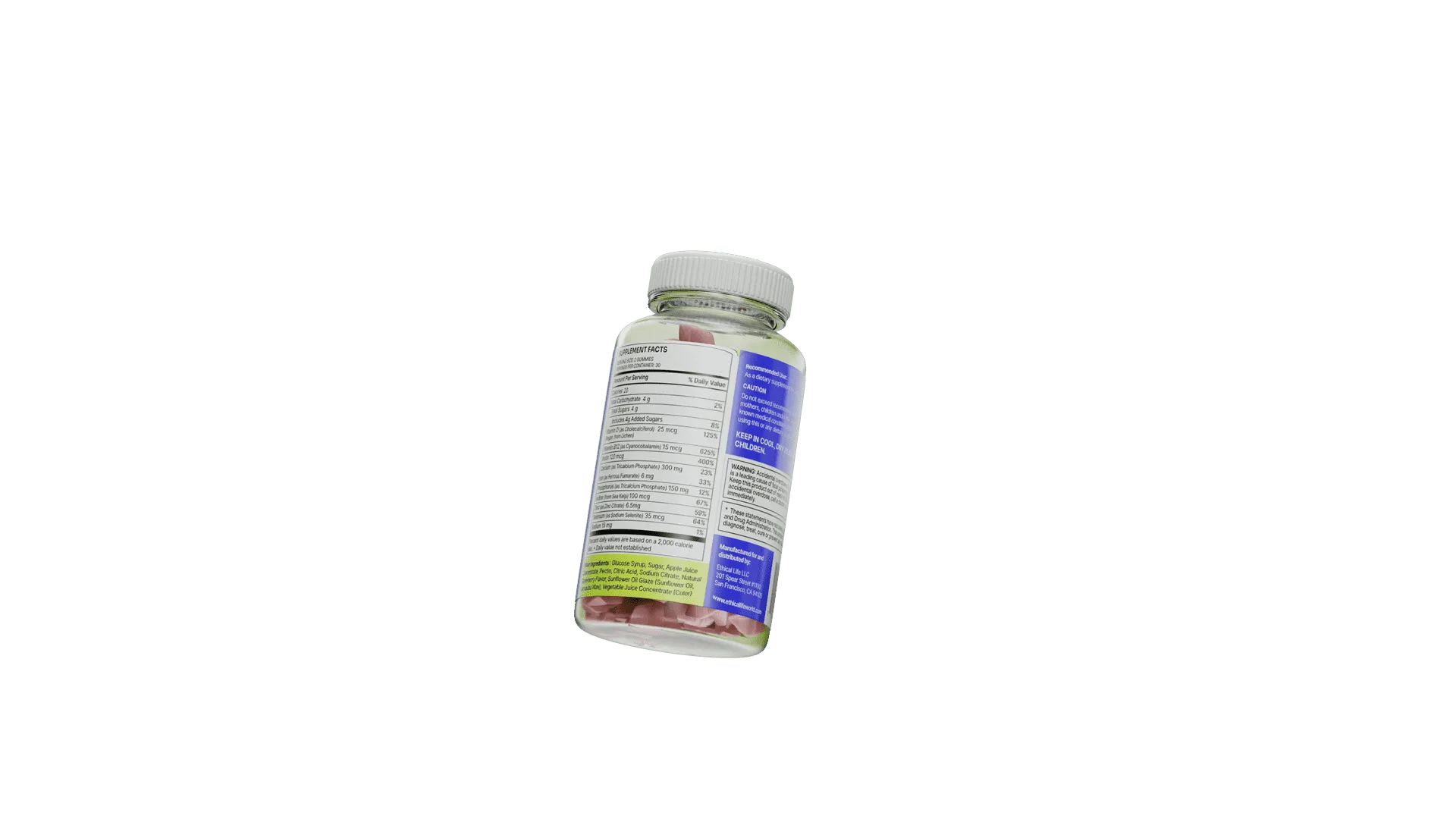
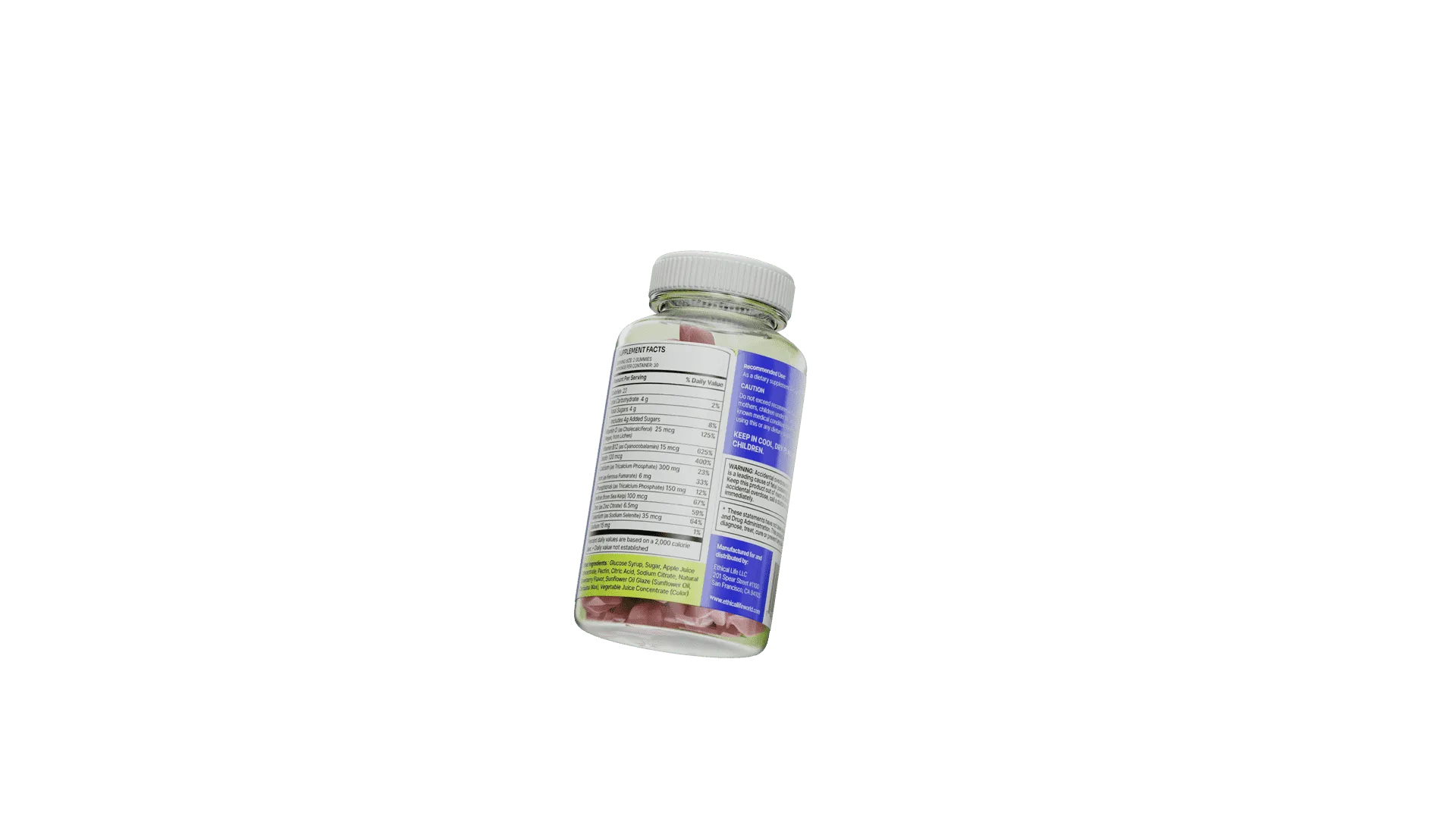
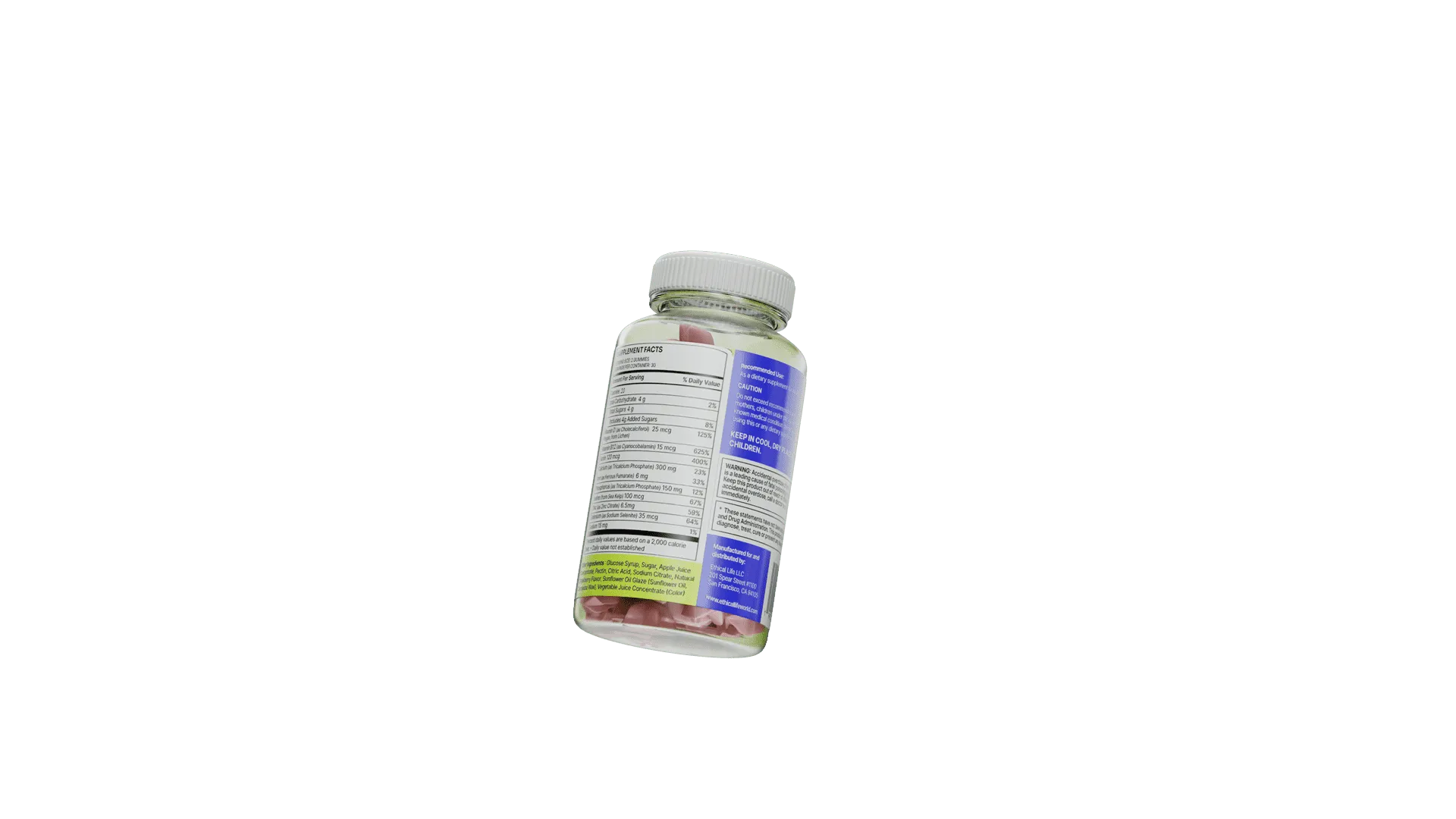
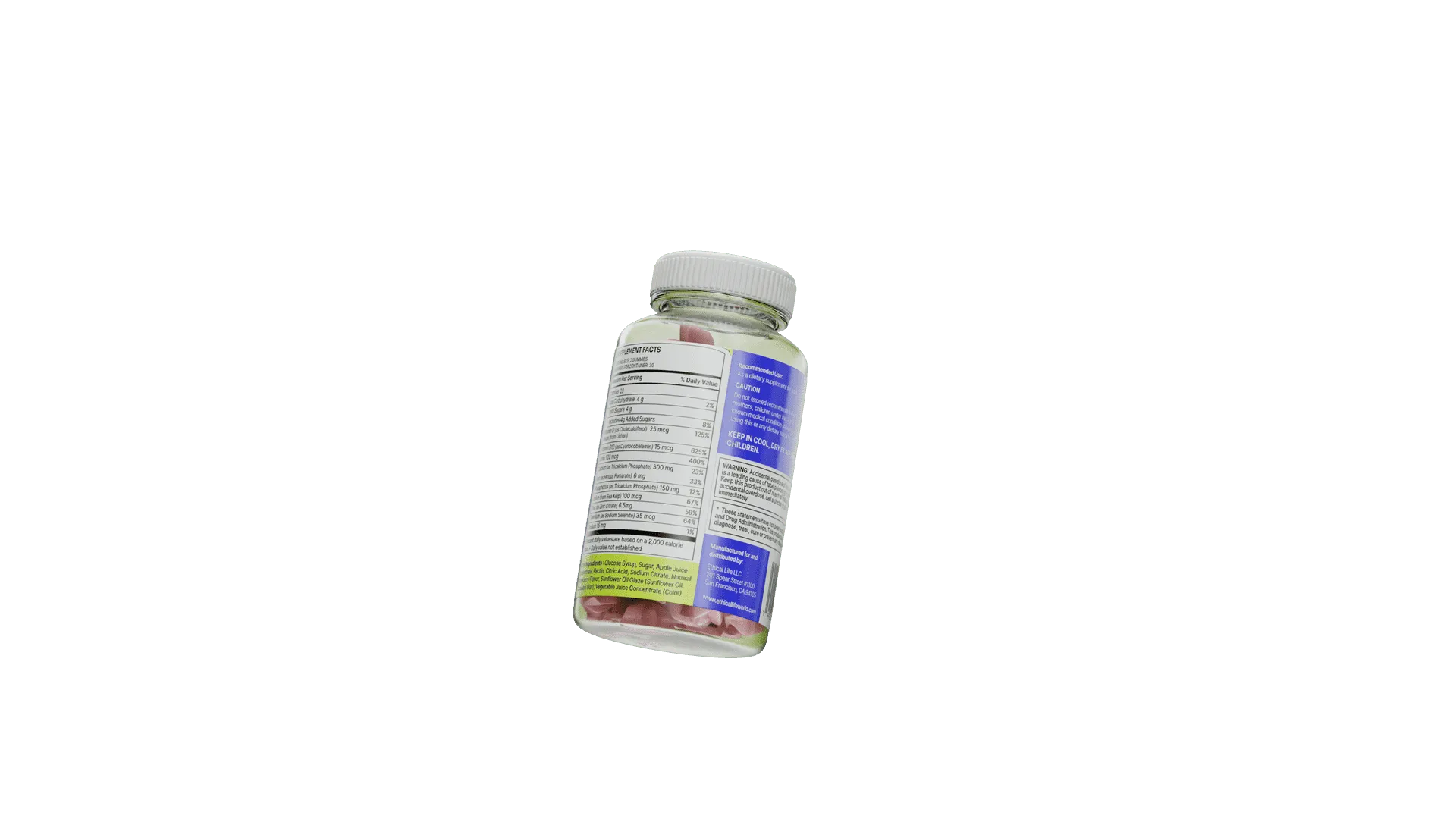
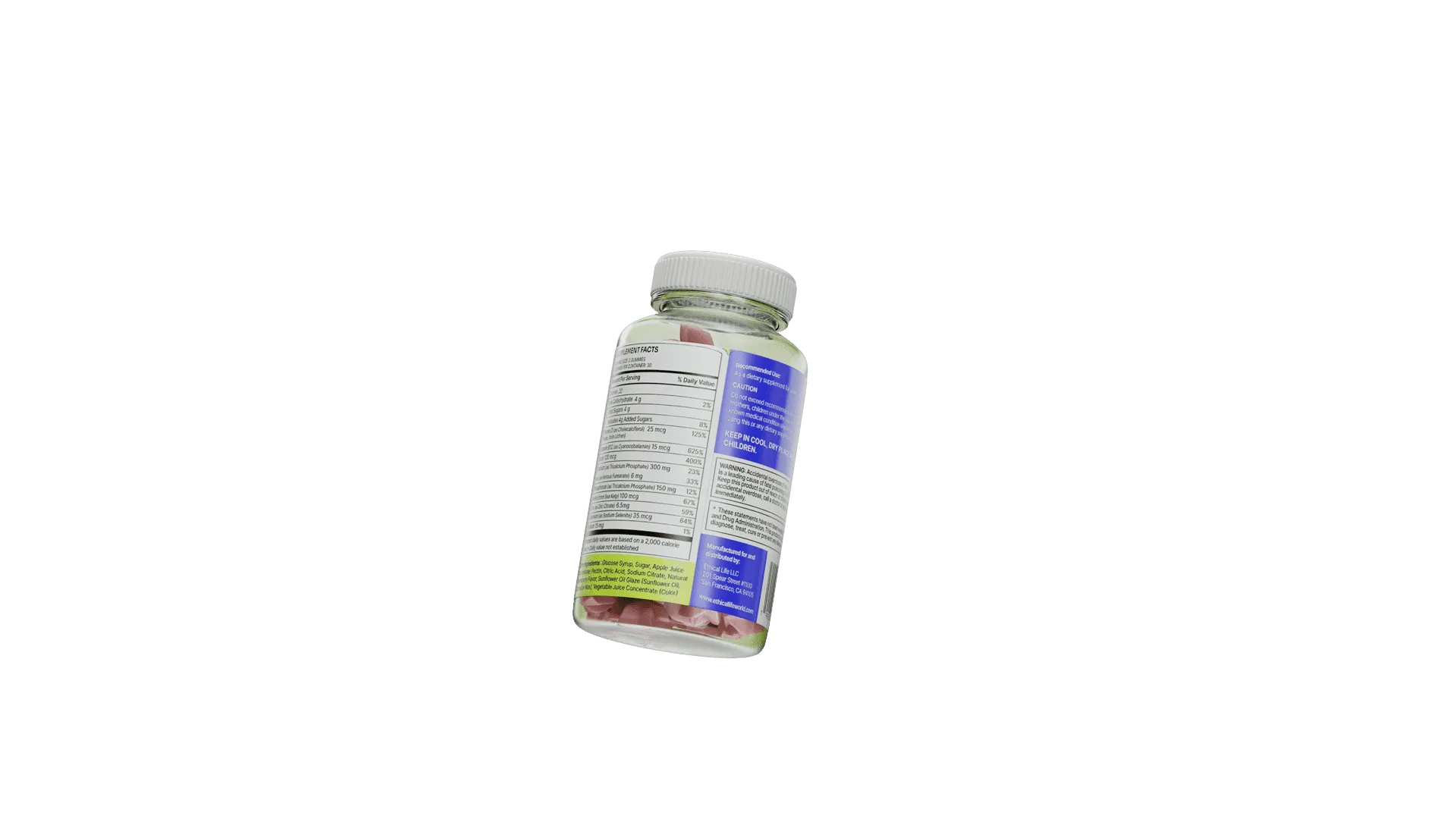
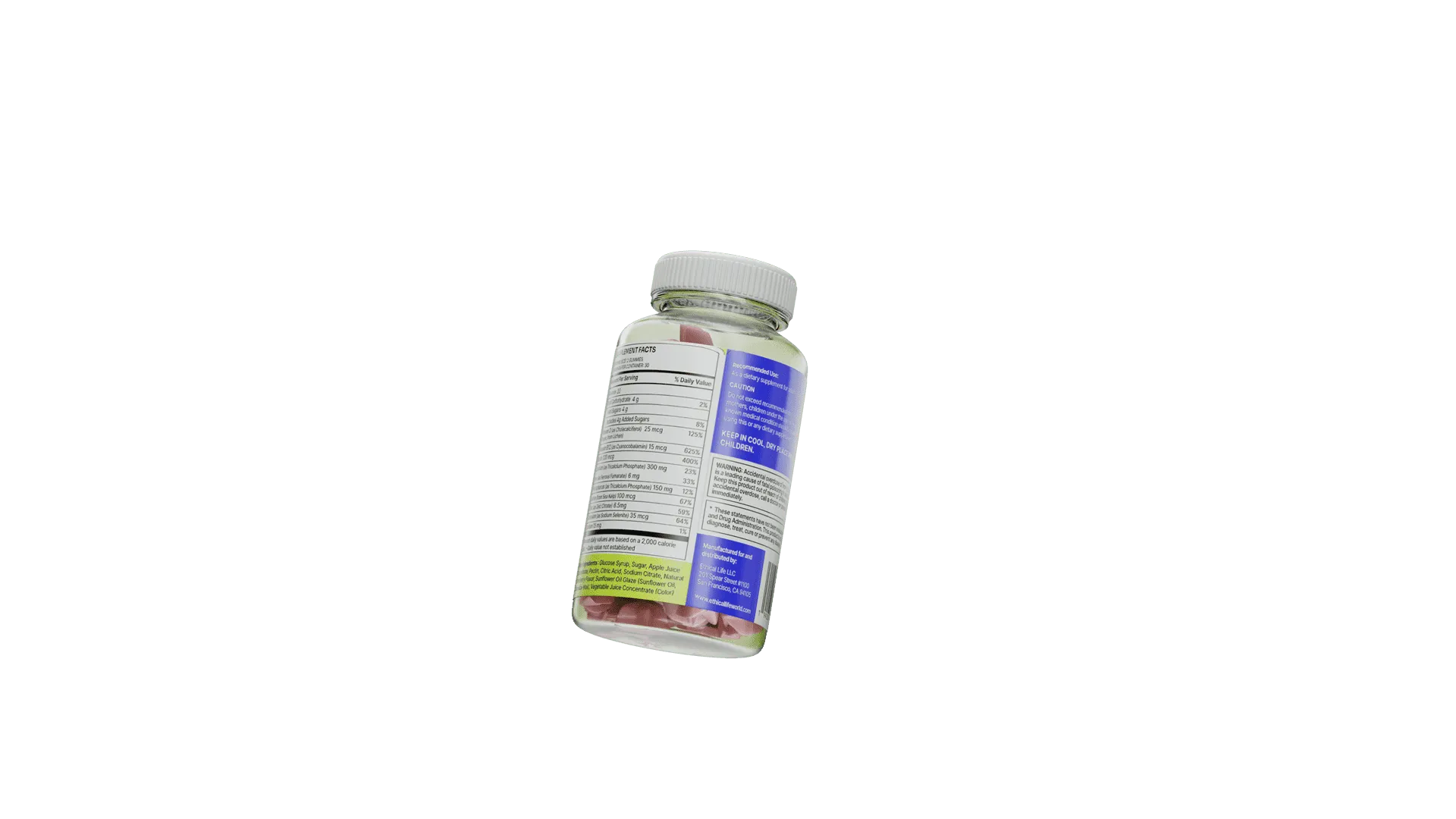
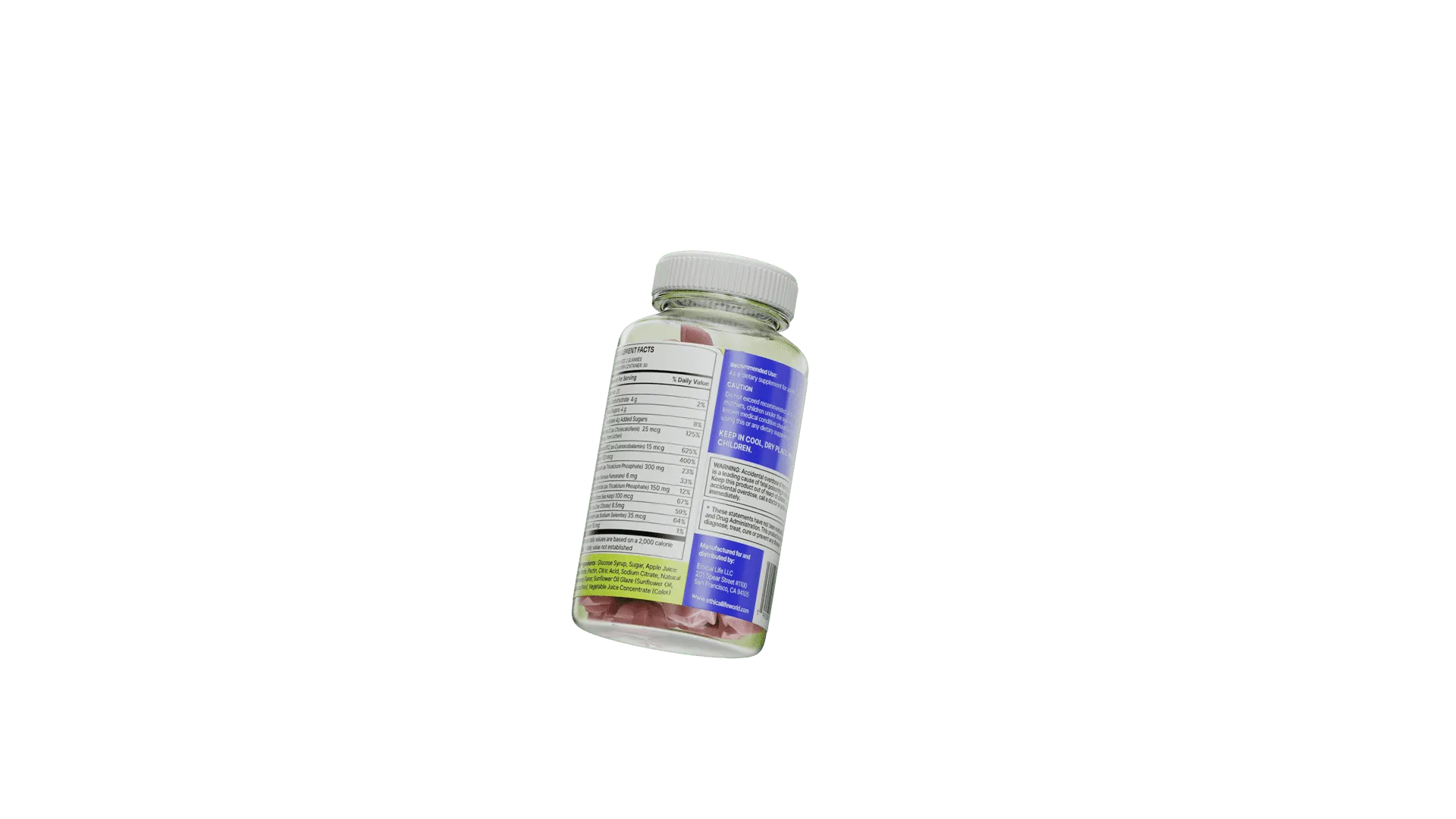
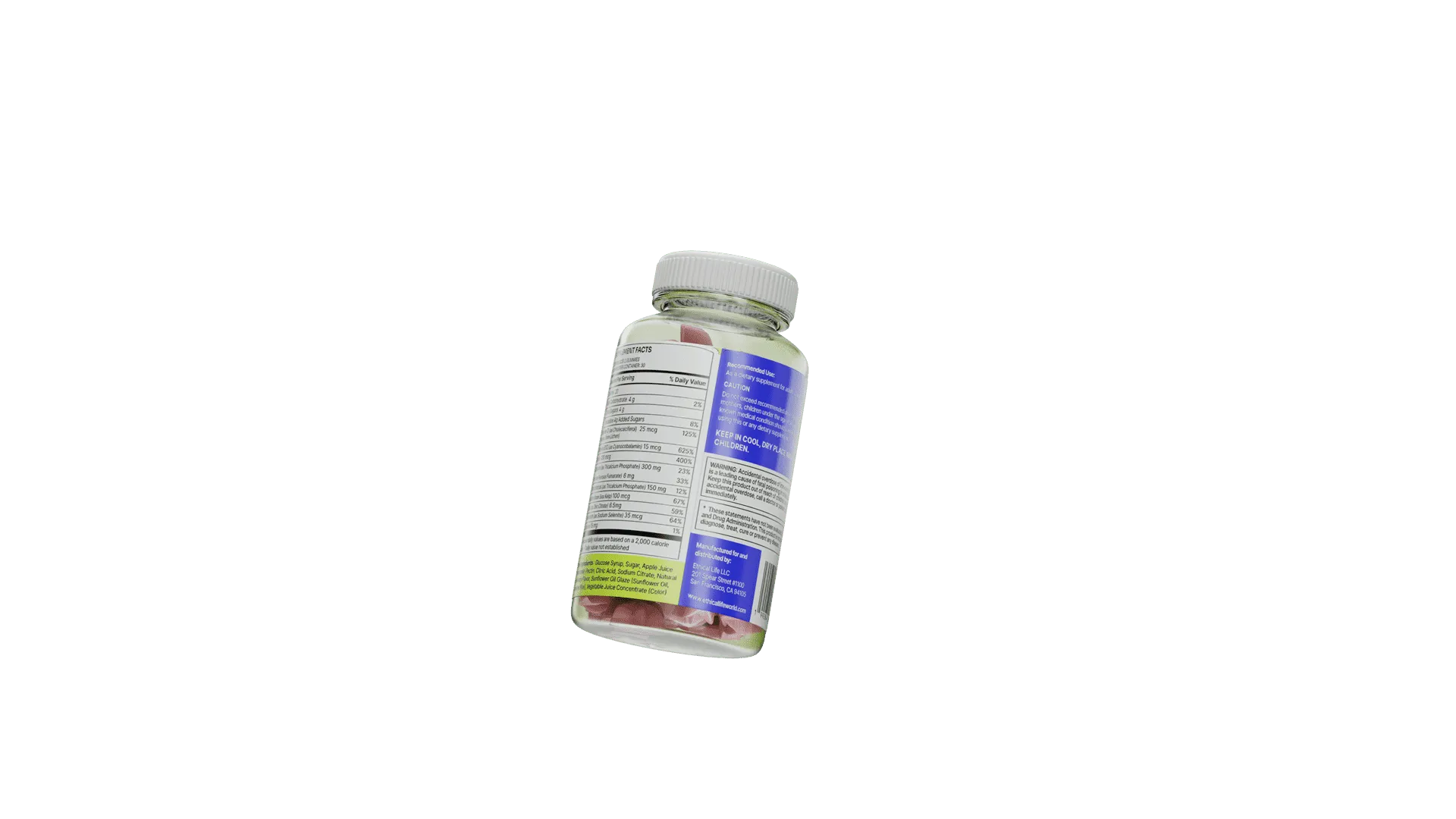
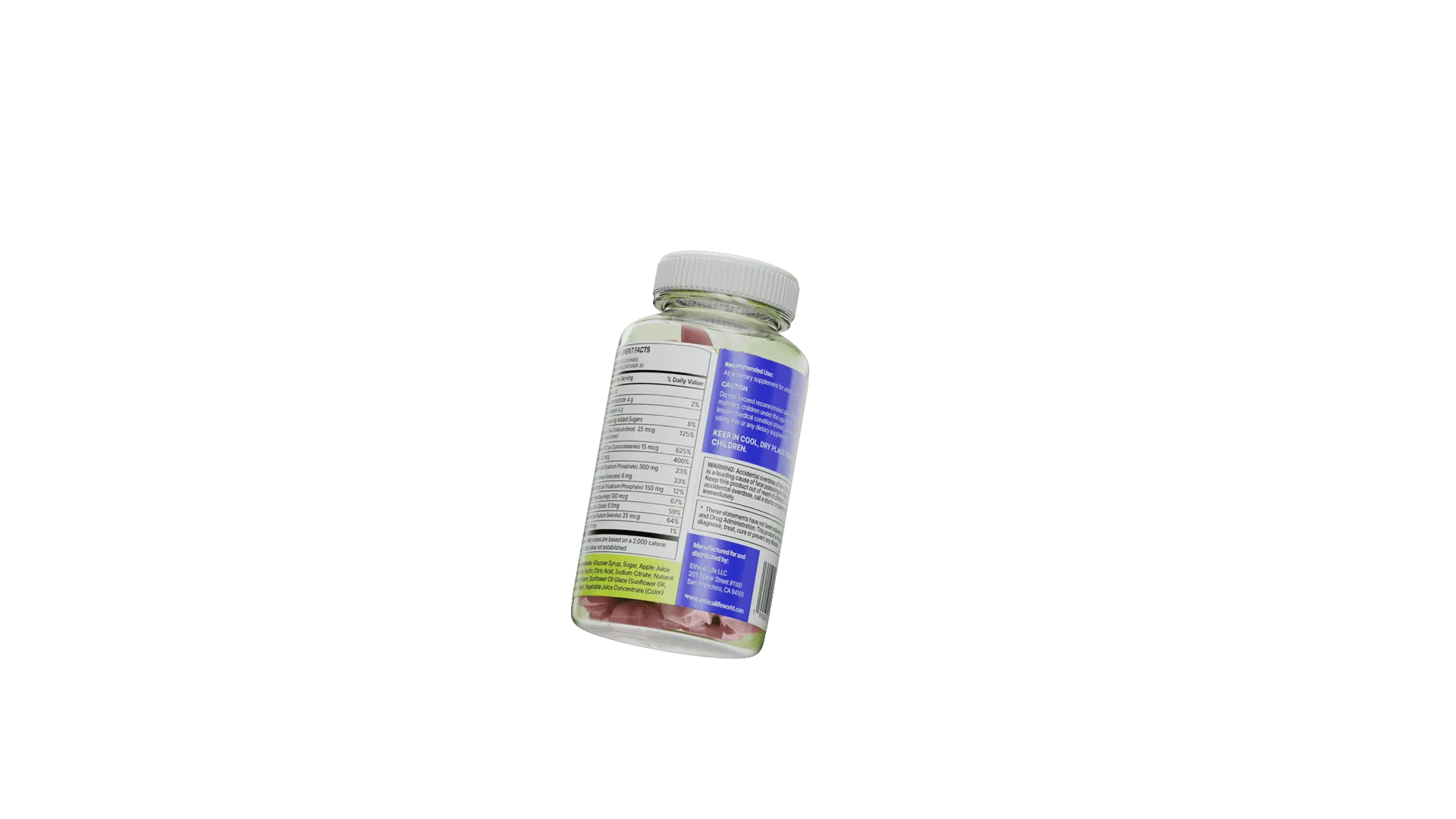
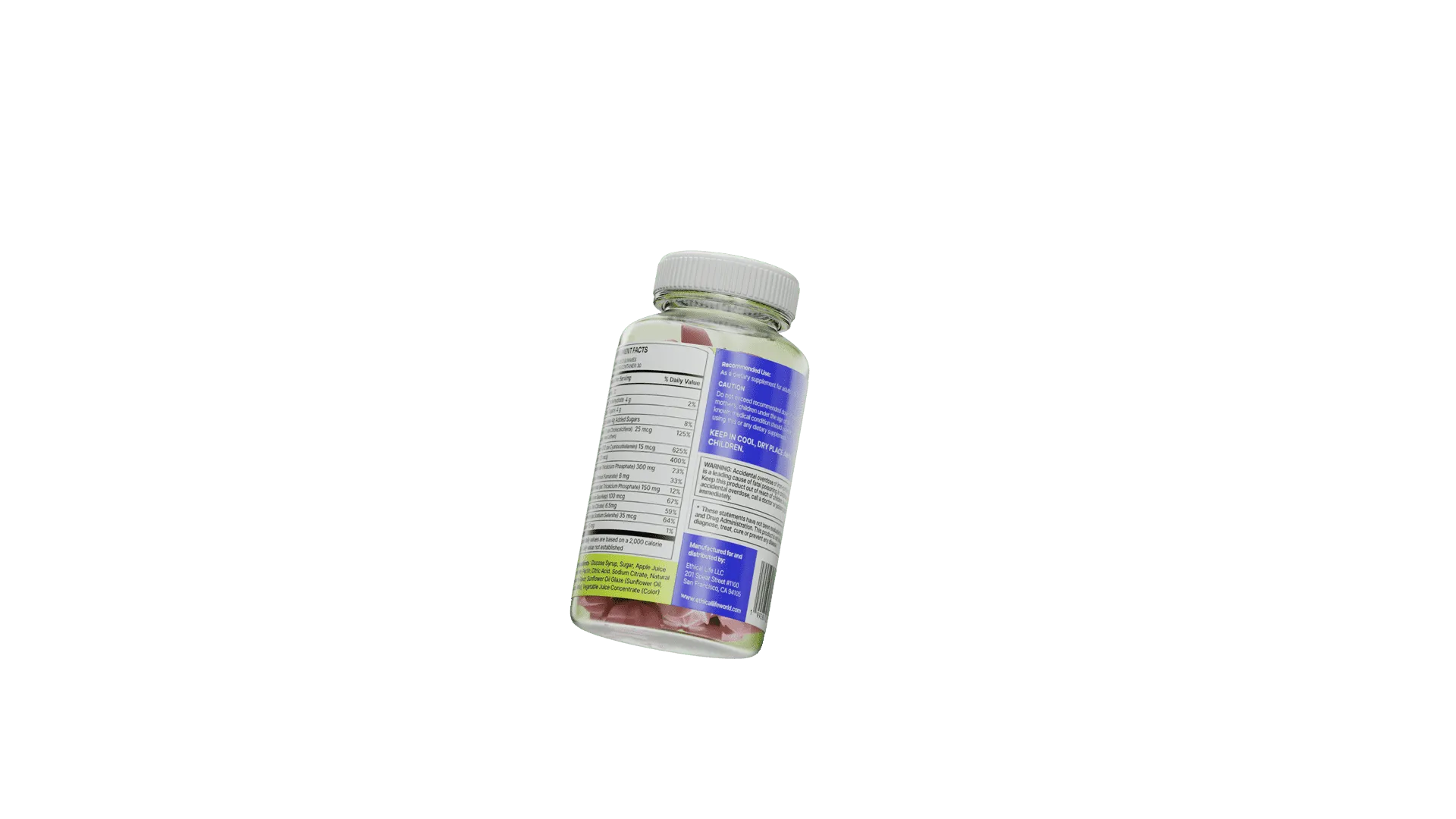
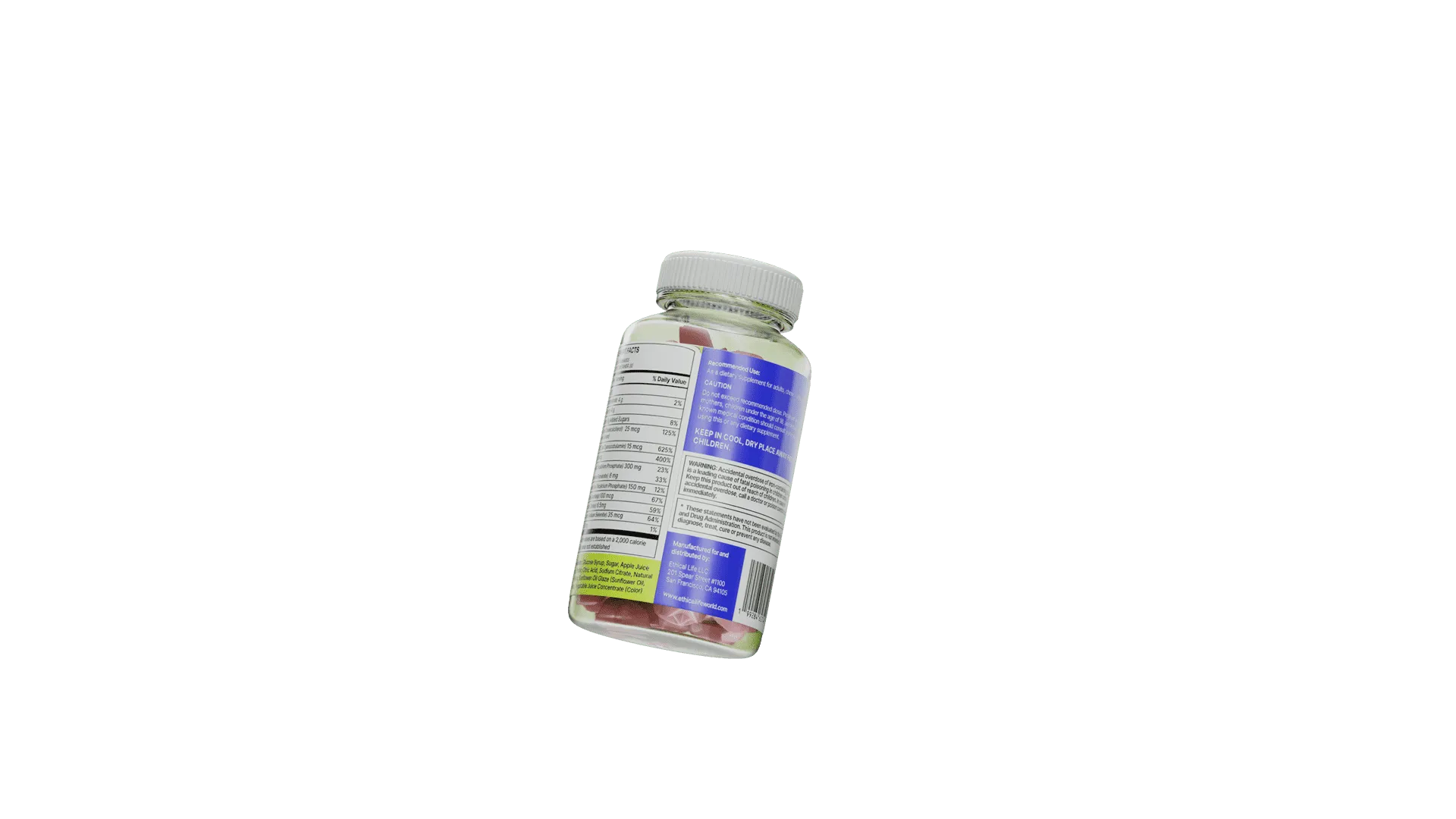
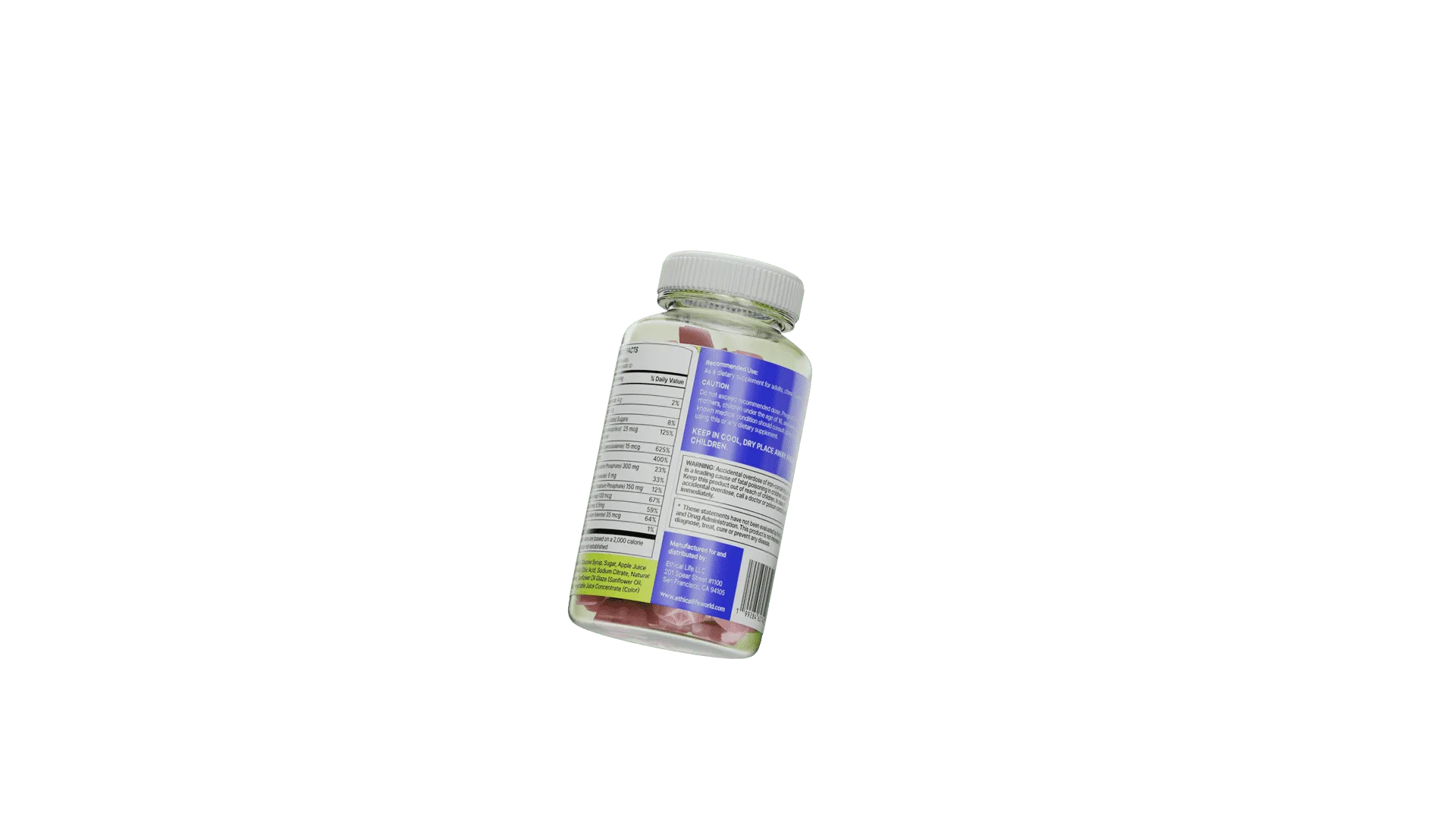
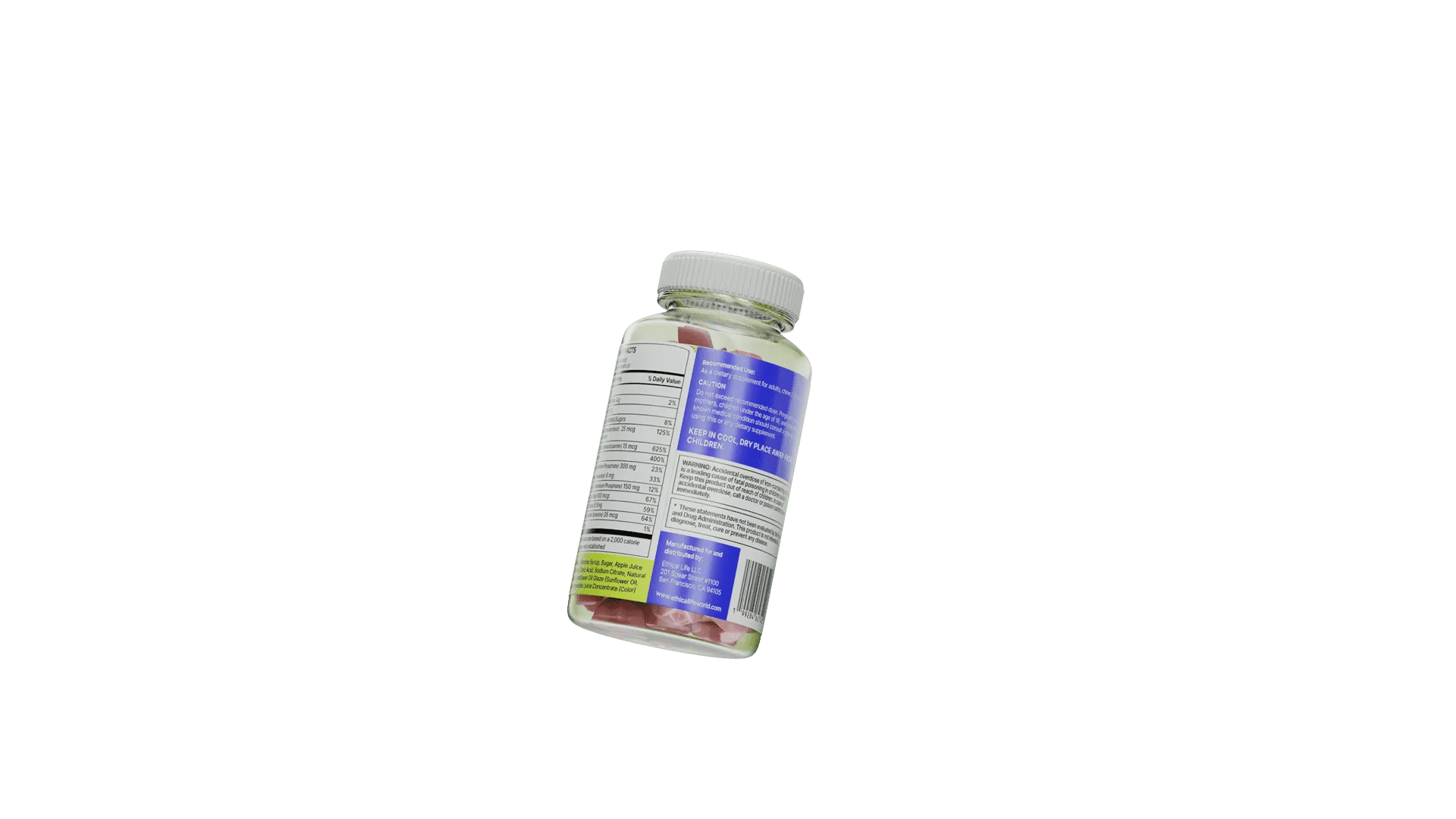
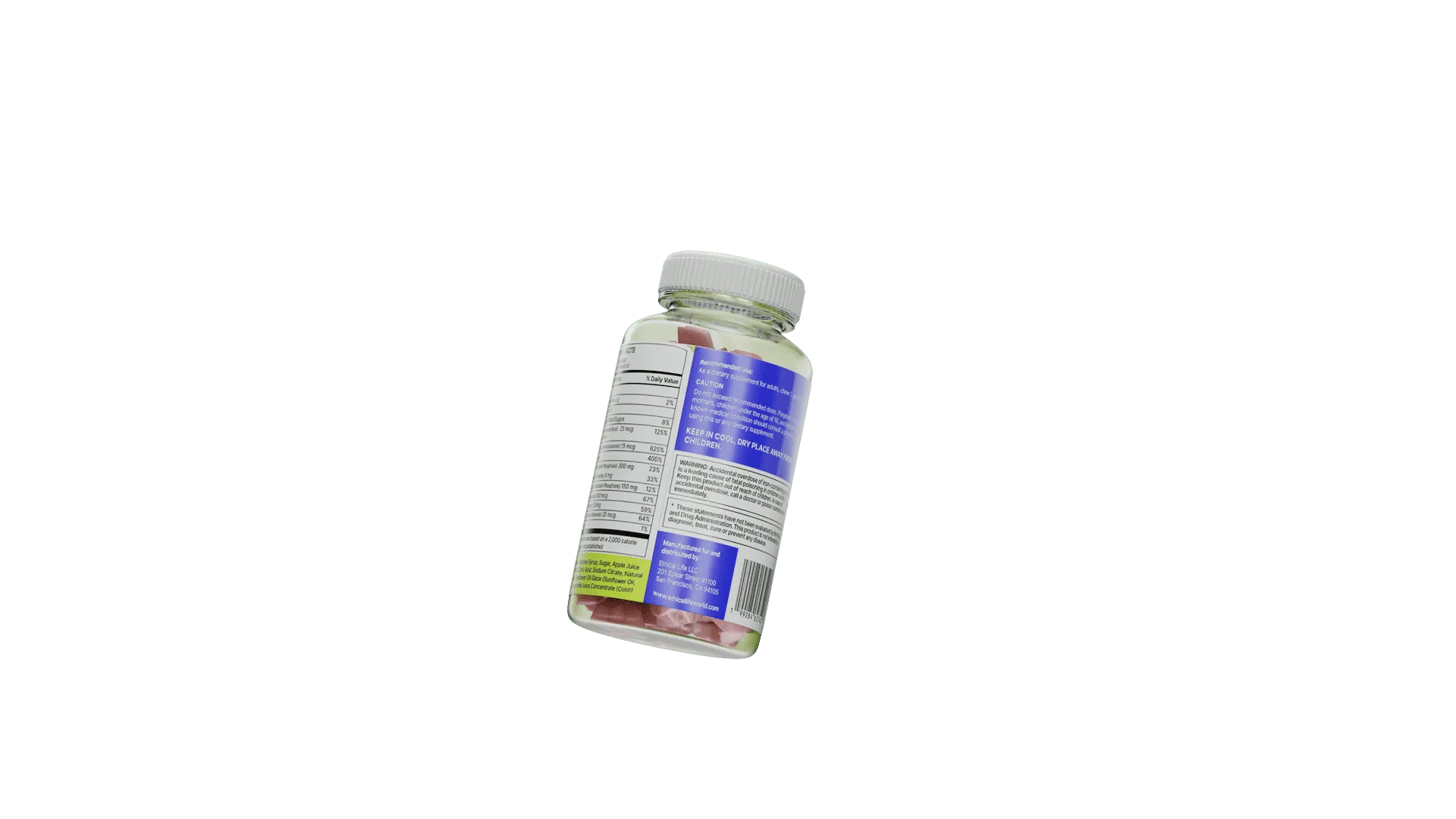
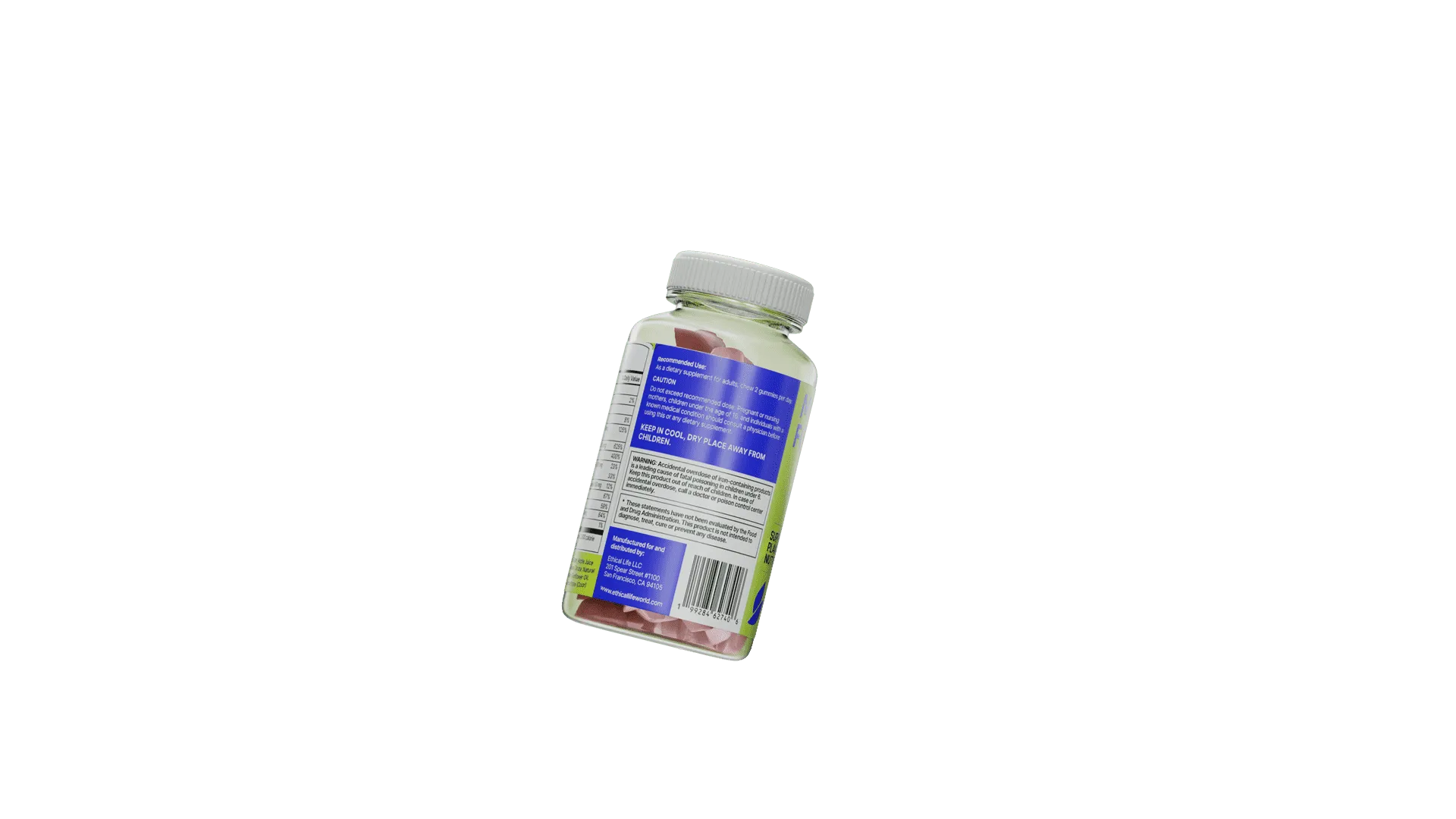
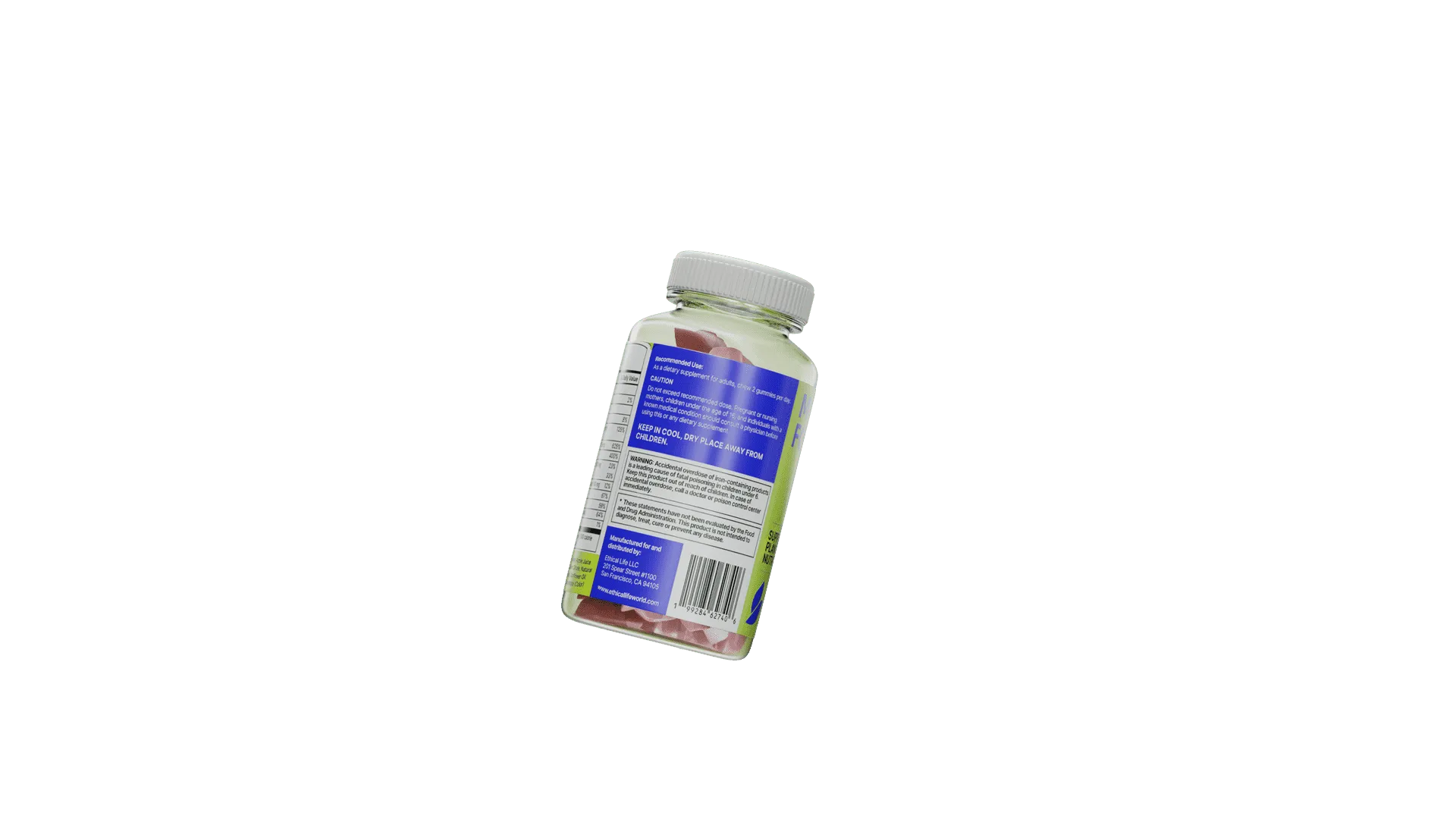
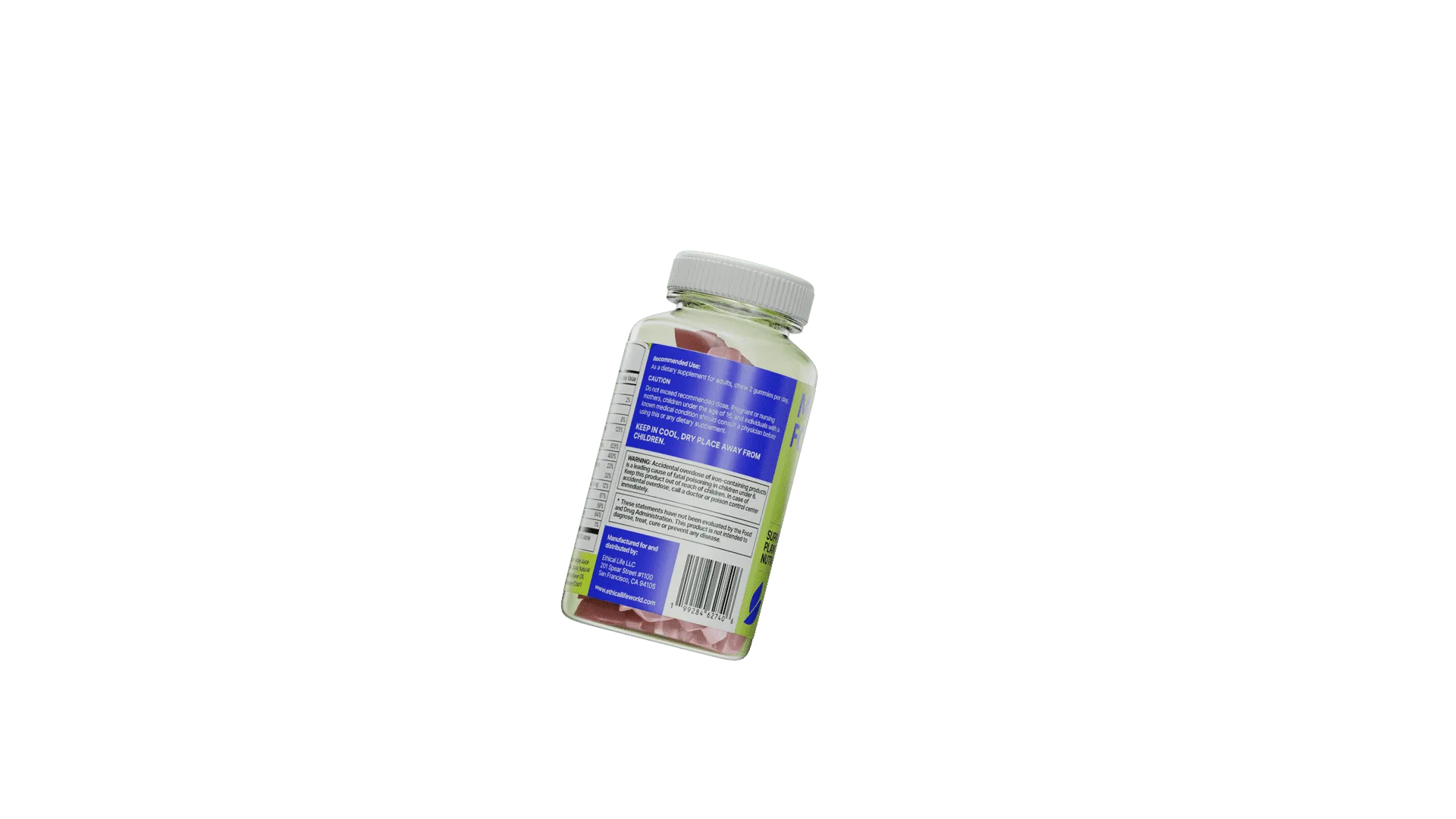
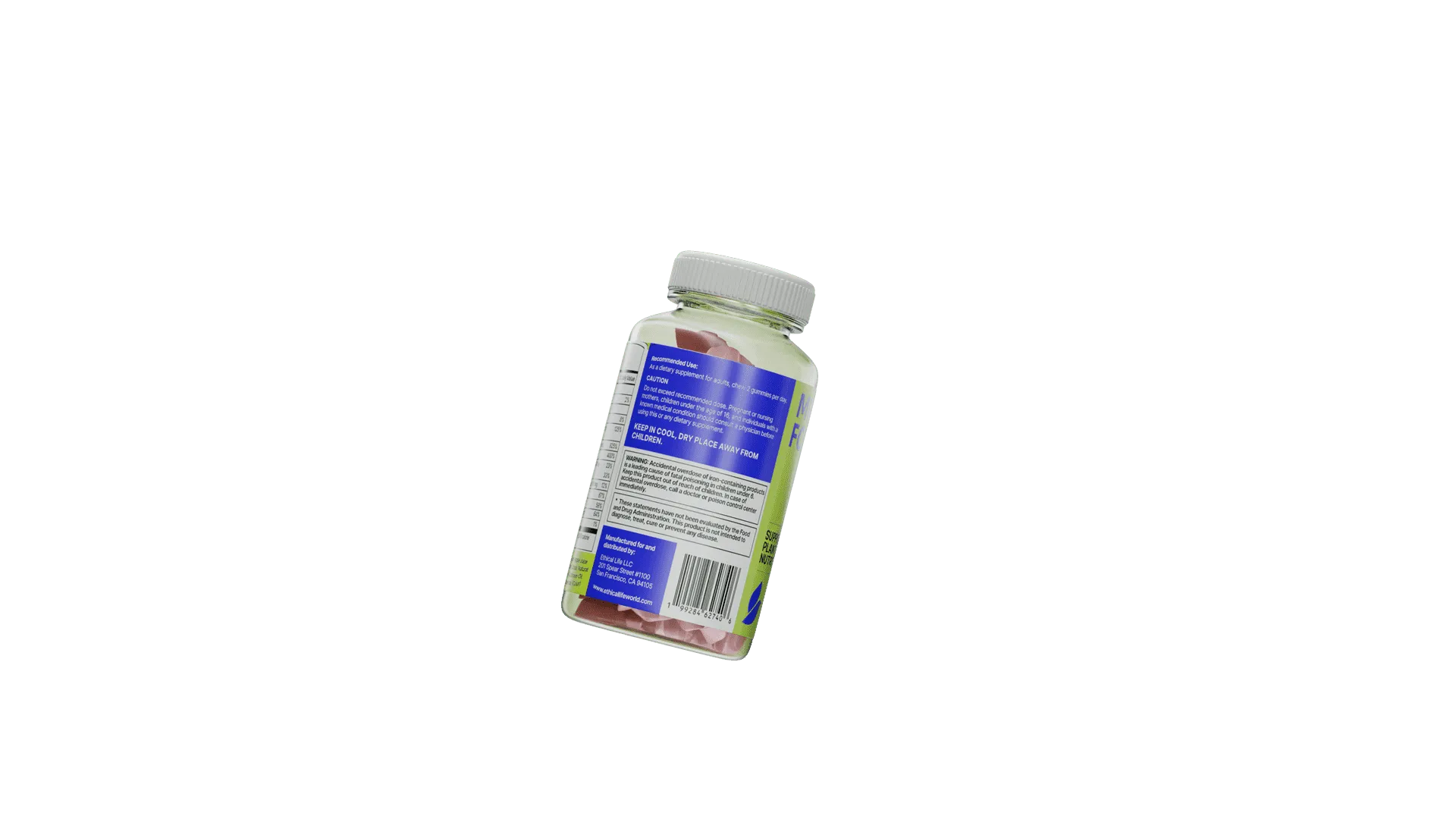
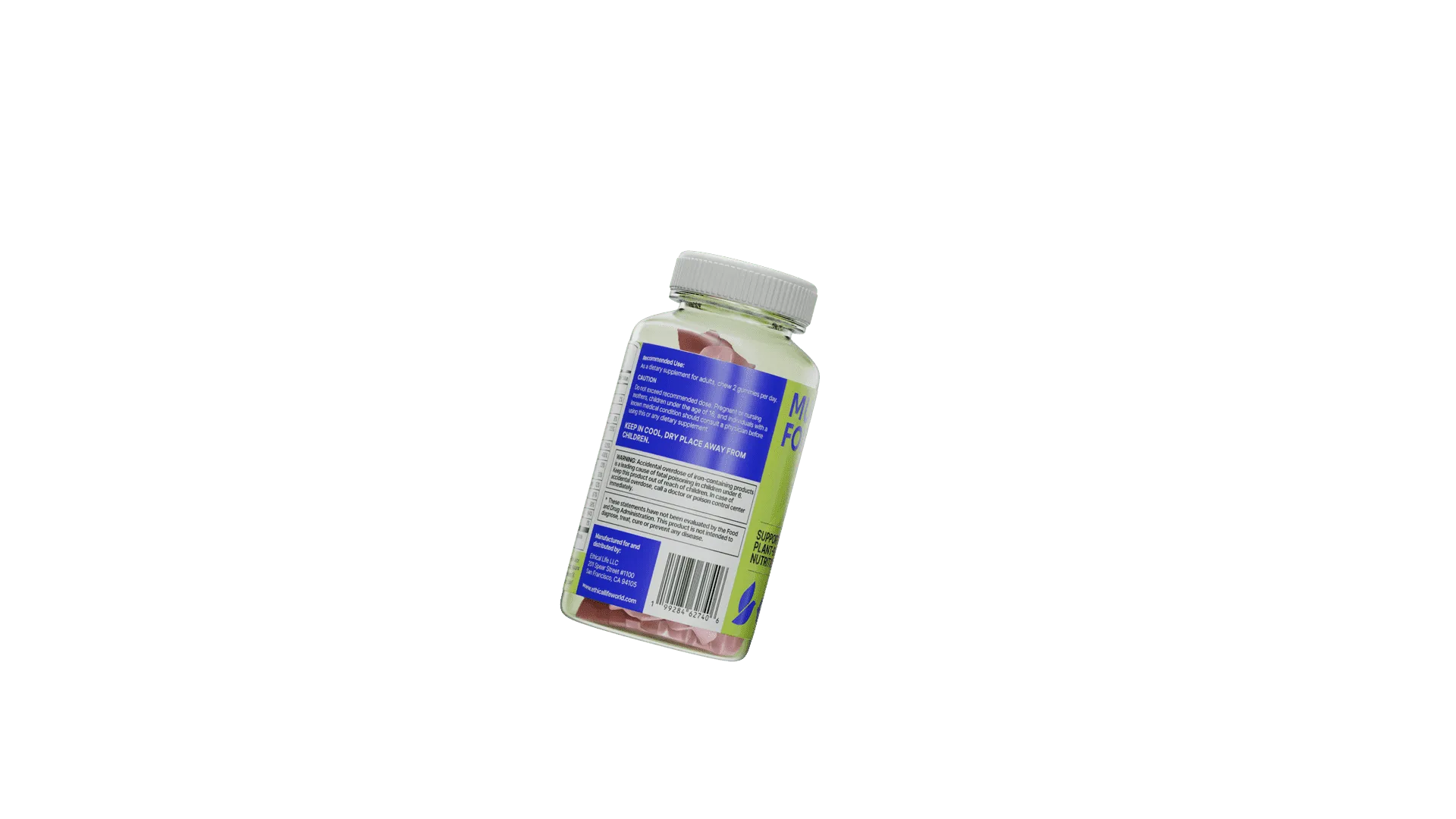
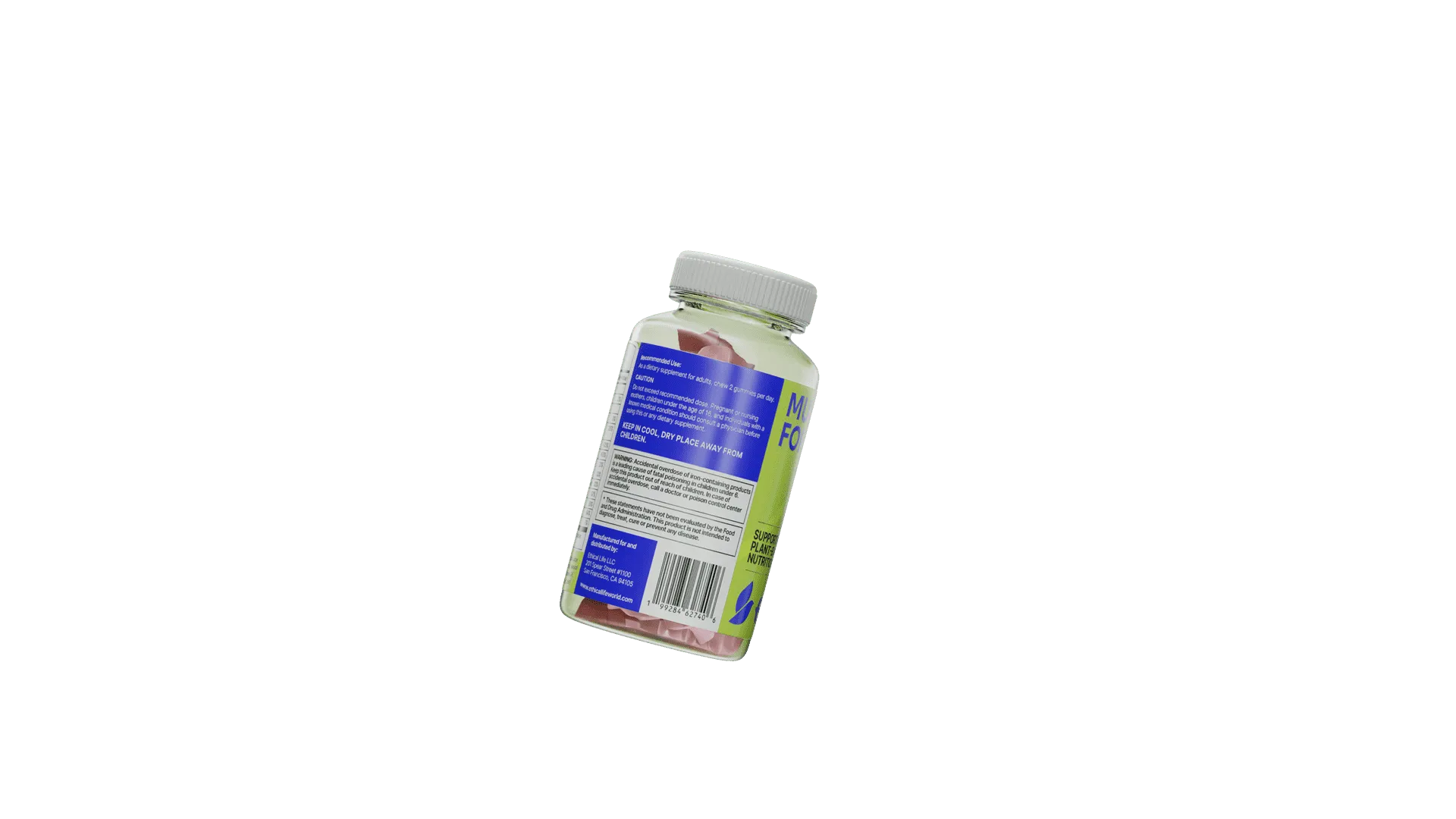
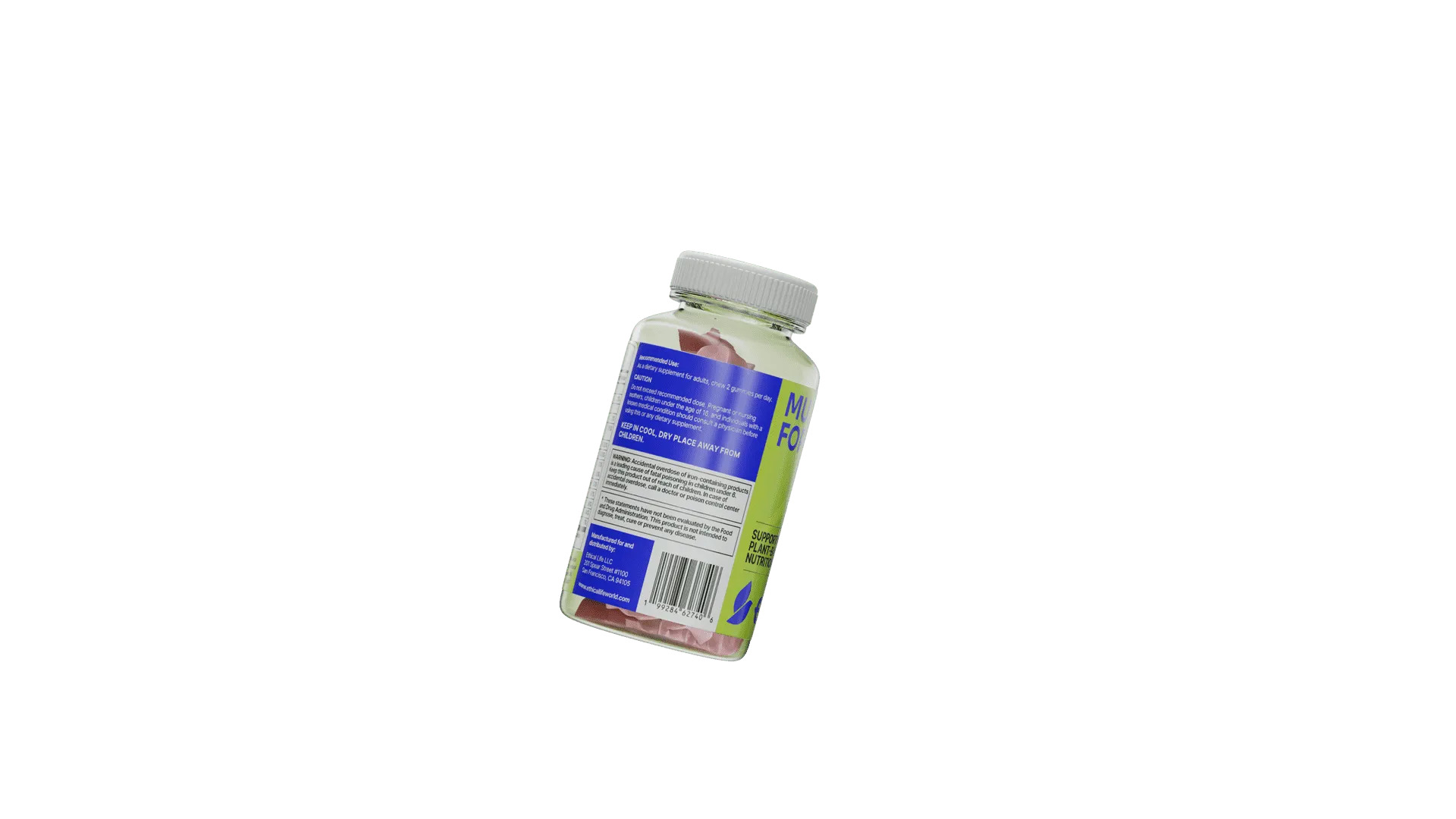
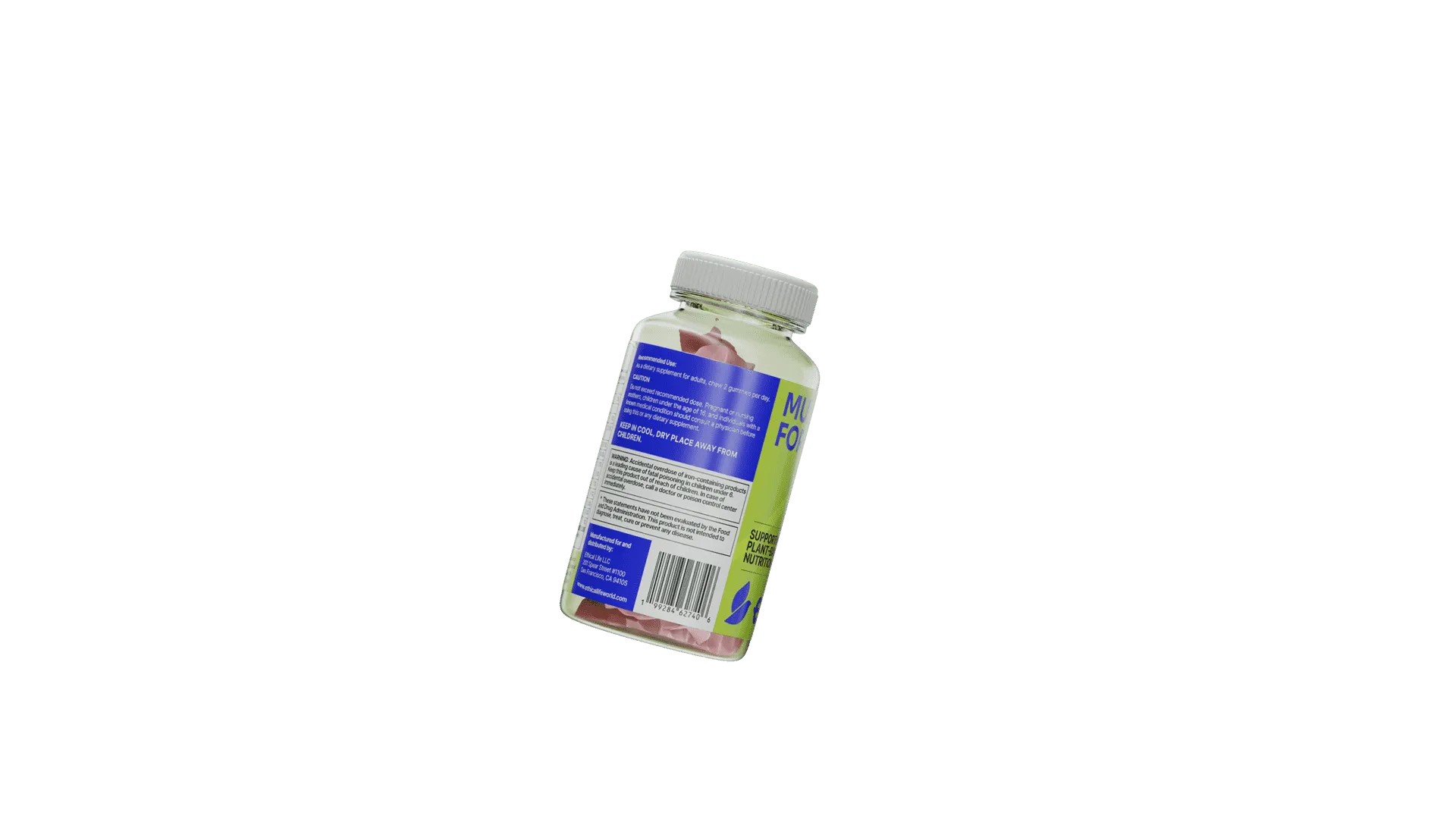
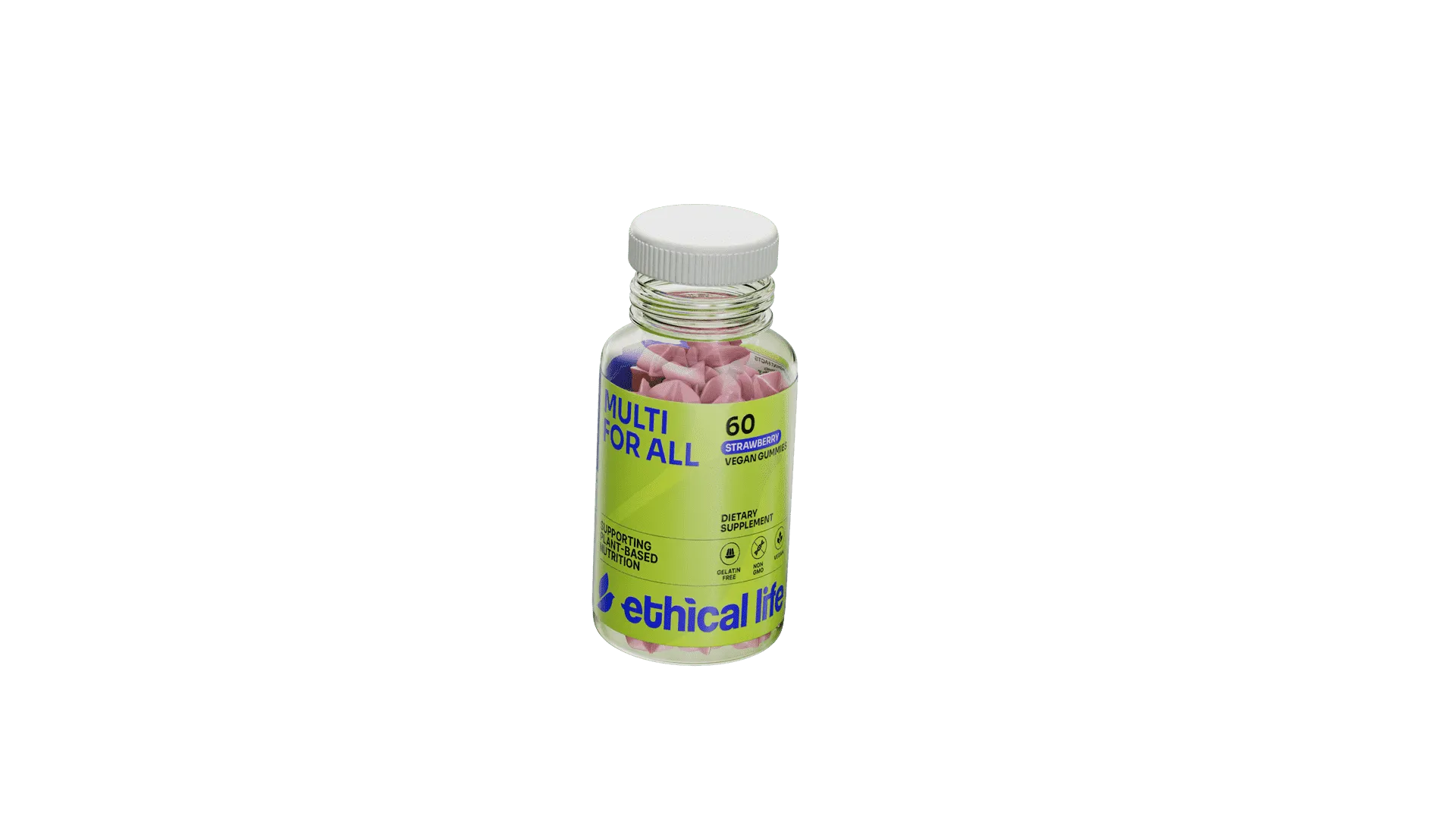
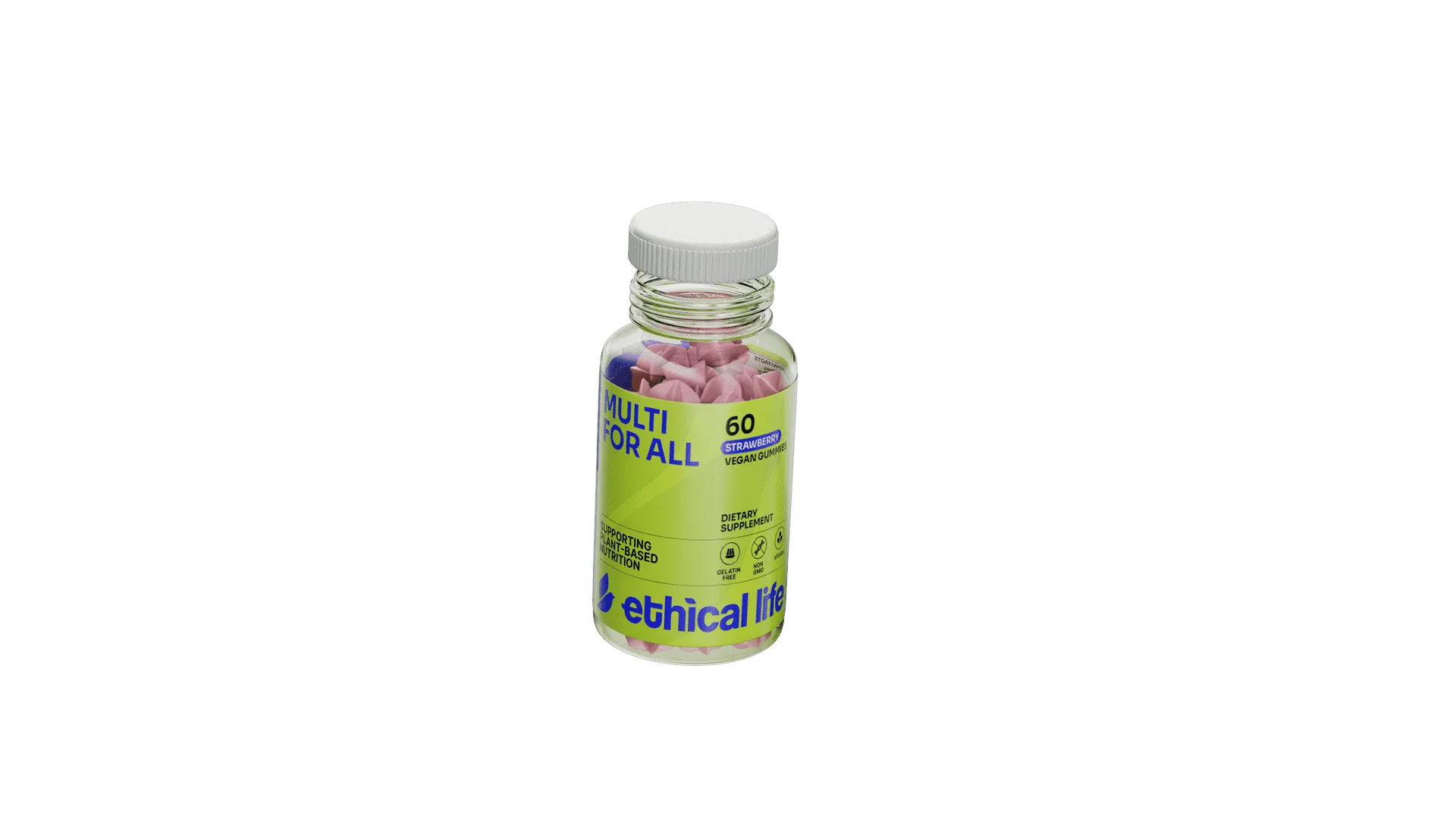
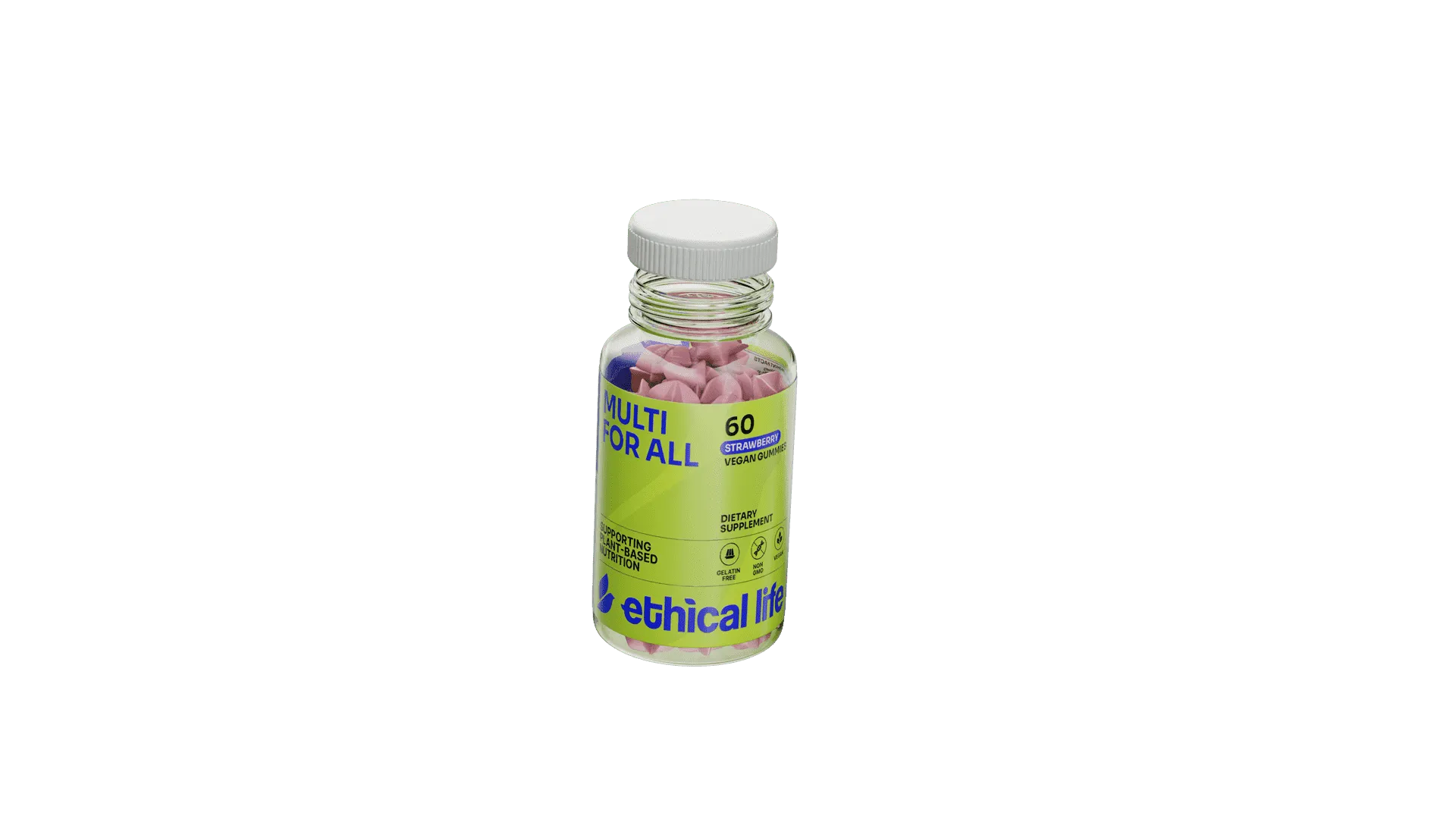
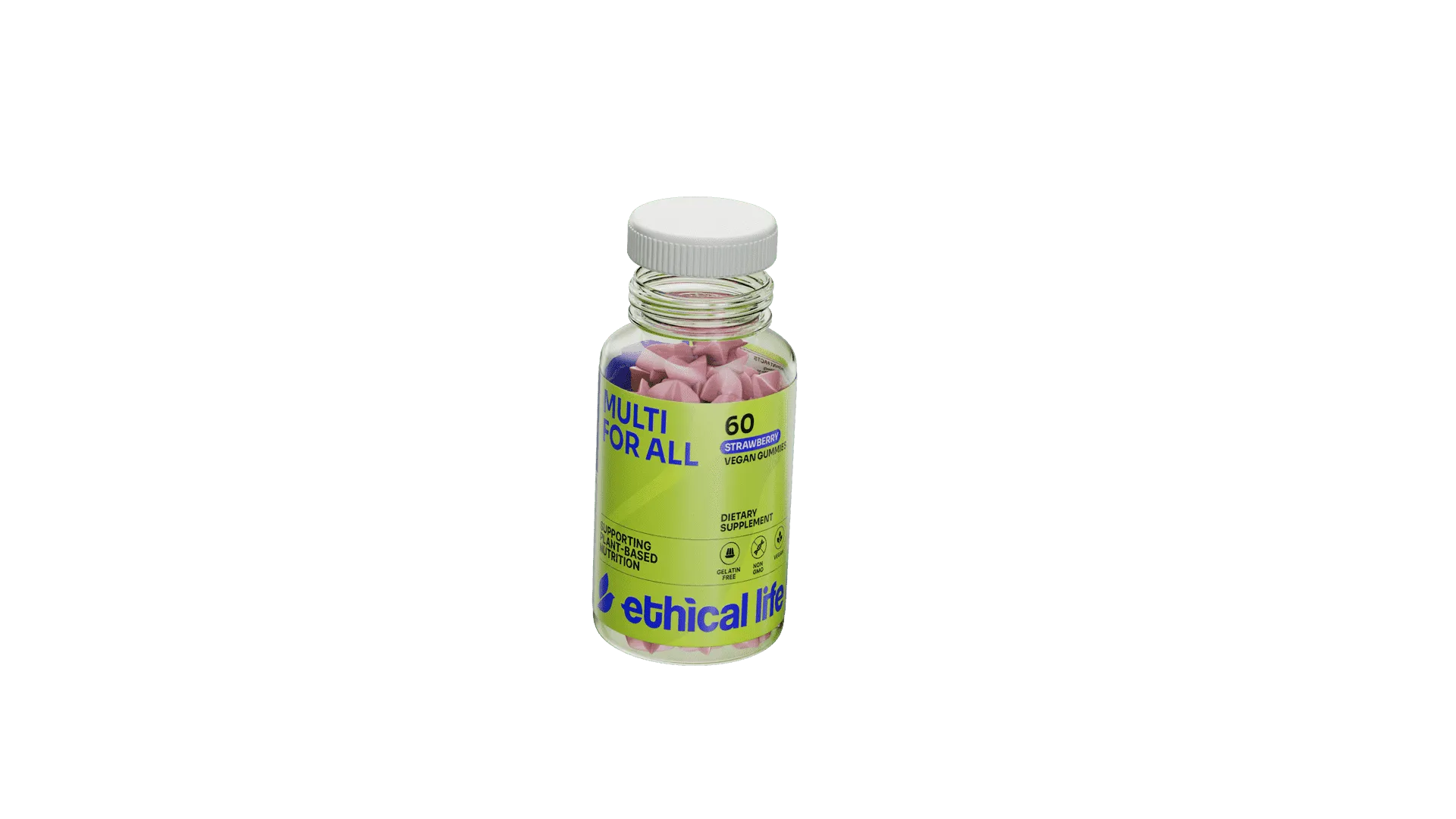
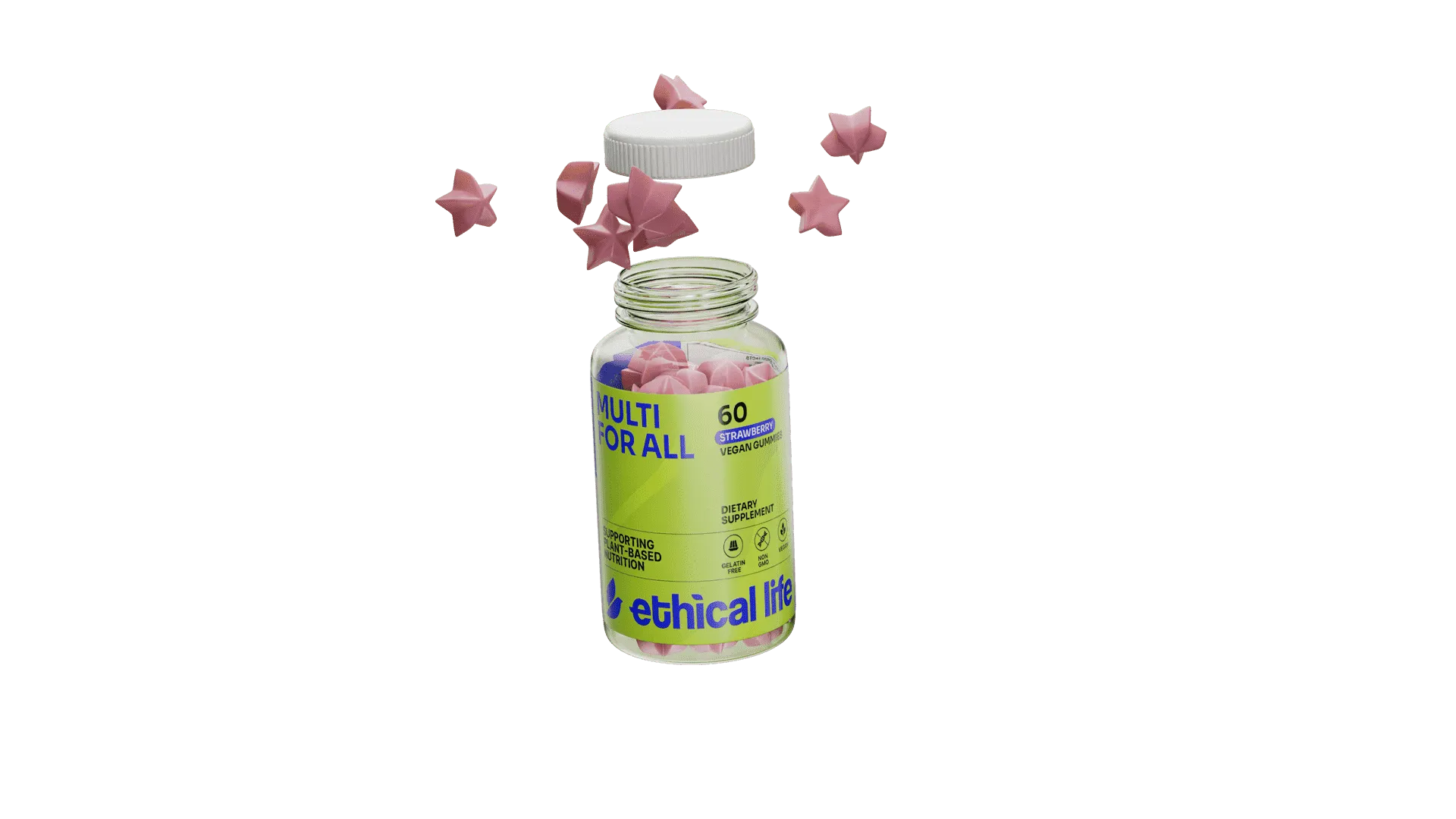
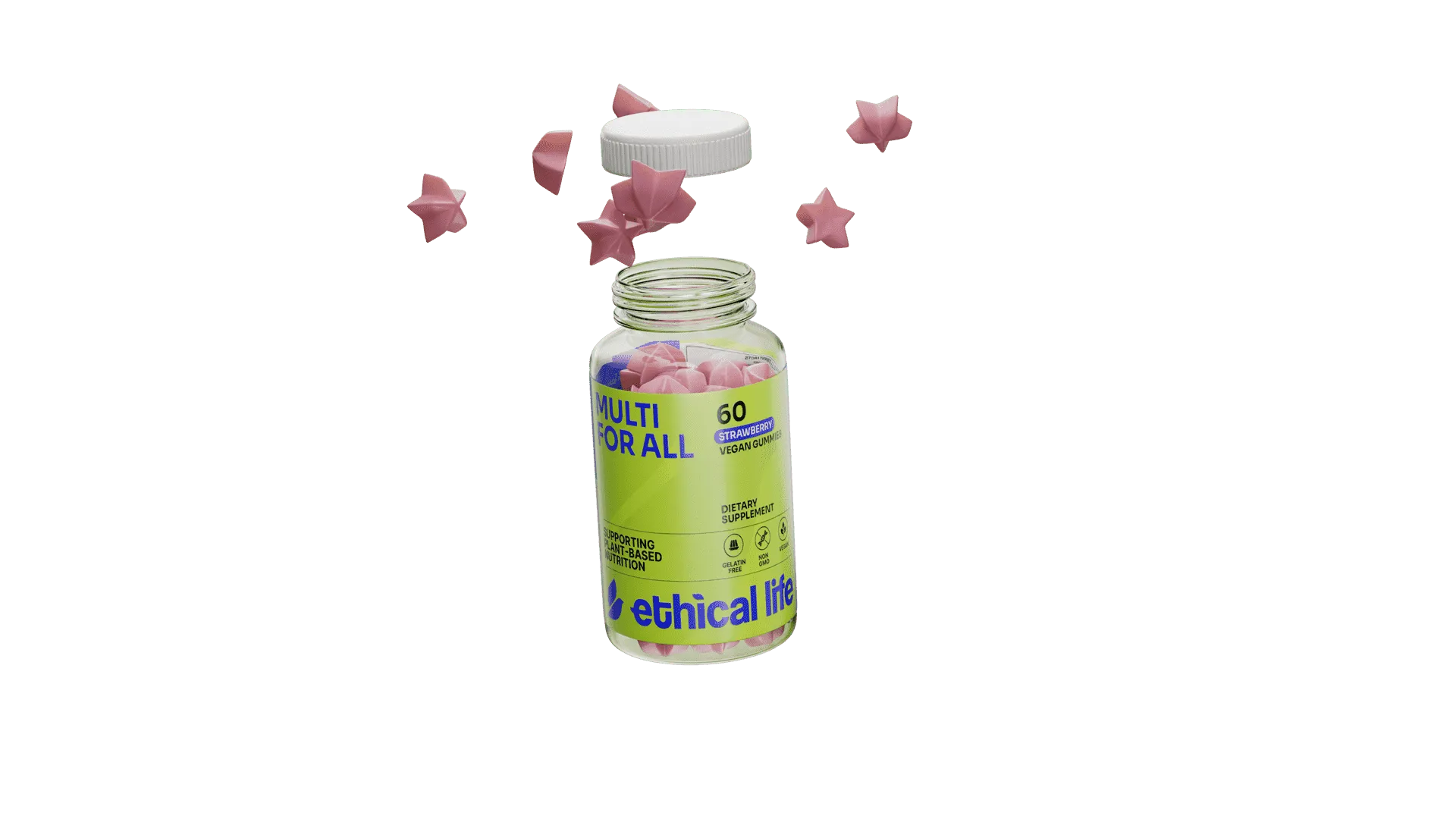
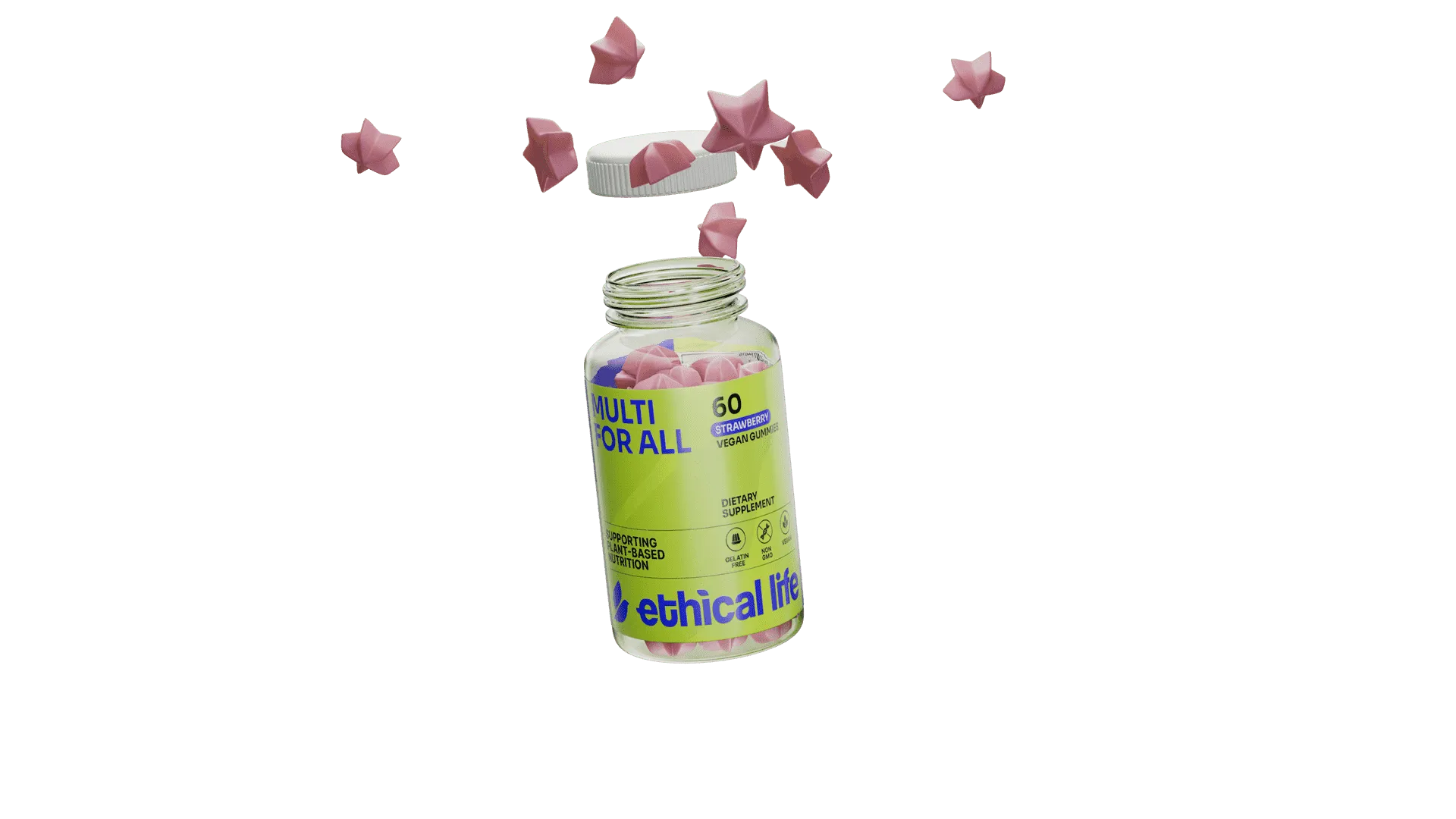
Beyond these classical metabolic roles, emerging research points to non-classical functions including gene regulation, protein expression, and the biotinylation of histones (proteins around which DNA is organized). Because biotin is water-soluble, the body does not stockpile it. Daily replenishment through diet or a well-formulated supplement is necessary to maintain these processes over time. The ethical life vegan gummies ingredients support these key metabolic pathways without synthetic fillers or unnecessary additives.

Biotin and Hair Growth: What the Science Says

The beauty industry has built a substantial market around biotin’s reputation for thicker hair and stronger nails. The clinical evidence tells a more specific story: one worth understanding before spending money on mega-dose supplements.

Keratin and Hair Structure

Biotin’s connection to hair and nail structure is real and grounded in biology. Its role in protein synthesis and keratin production means it genuinely contributes to the building blocks hair follicles need to grow stronger. Think of biotin as the construction foreman for your hair follicles: it does not magically build hair on its own, but it ensures the building crew has the cellular instructions to do their job. The problem is that this biological relationship does not automatically translate into cosmetic benefit for people who already have adequate biotin levels. For most, it does nothing.

Reported Clinical Cases

A systematic review published on PubMed Central examining biotin supplementation for hair and nail changes identified only 18 reported cases in the entire scientific literature where biotin supplementation produced measurable changes in hair or nails. In every single one of those cases, the patient had an underlying pathology or documented deficiency.

Underlying Conditions in the Evidence

The breakdown is instructive: 10 cases involved inherited enzyme deficiencies (biotinidase or holocarboxylase synthetase deficiency), 3 involved uncombable hair syndrome, 1 was a dietary deficiency in an infant on a specialized amino acid formula, 1 was drug-induced deficiency from valproic acid, and 3 involved brittle nail syndrome.

Evidence in Healthy Individuals

Those pathological cases did show clinical improvement with biotin supplementation, and that finding is meaningful for anyone with a confirmed deficiency. But in vitro studies examining normal, nonpathologic follicular keratinocytes found their proliferation and differentiation completely unaffected by biotin. There are no randomized controlled trials demonstrating that biotin improves hair growth in healthy individuals. Clinical evidence justifies your skepticism.

Other Benefits of Biotin Beyond Beauty

Hair and nails attract most of the attention, but biotin’s systemic contributions run deeper. Biotin does more.

Daily Energy and Vitality

Its role in macronutrient metabolism has a direct downstream effect on daily energy and vitality: when carbohydrate, fat, and protein processing runs efficiently, you feel it in ways that do not show up in a mirror.

Nerve Health and Myelin

Biotin also supports nerve health through its involvement in myelin synthesis, the protective sheath that insulates nerve fibers and enables fast, accurate signal transmission throughout the system.

Neurological Research

Researchers are actively investigating very high-dose biotin, up to 300 mg per day, in progressive multiple sclerosis and other neurodegenerative conditions, where the hypothesis centers on supporting axonal remyelination.

Clinical Context for High Doses

This is not yet a standard of care, and those doses are far outside the range of any daily multivitamin, but the research direction underscores how central biotin is to neurological maintenance beyond its cosmetic reputation.

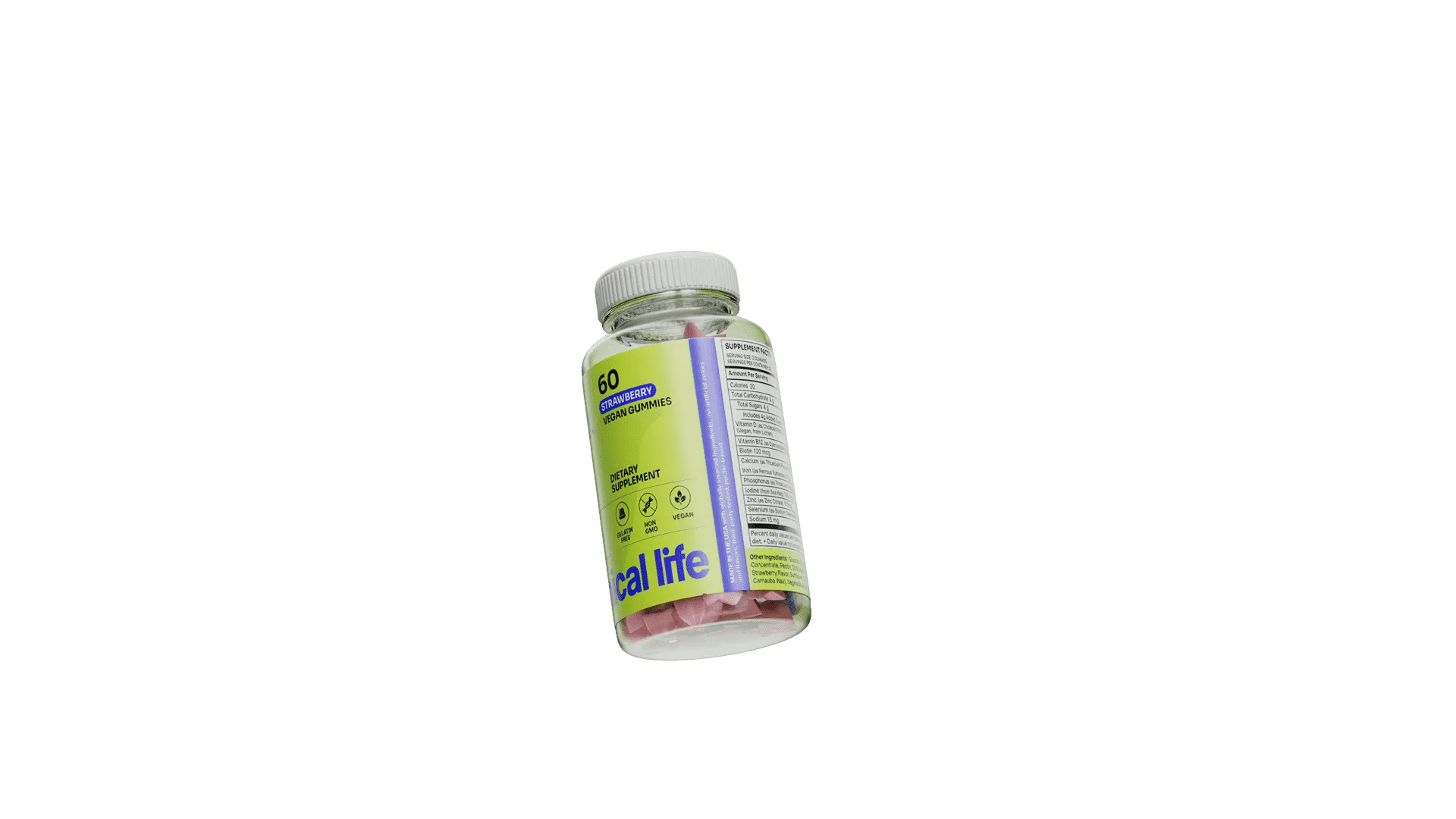
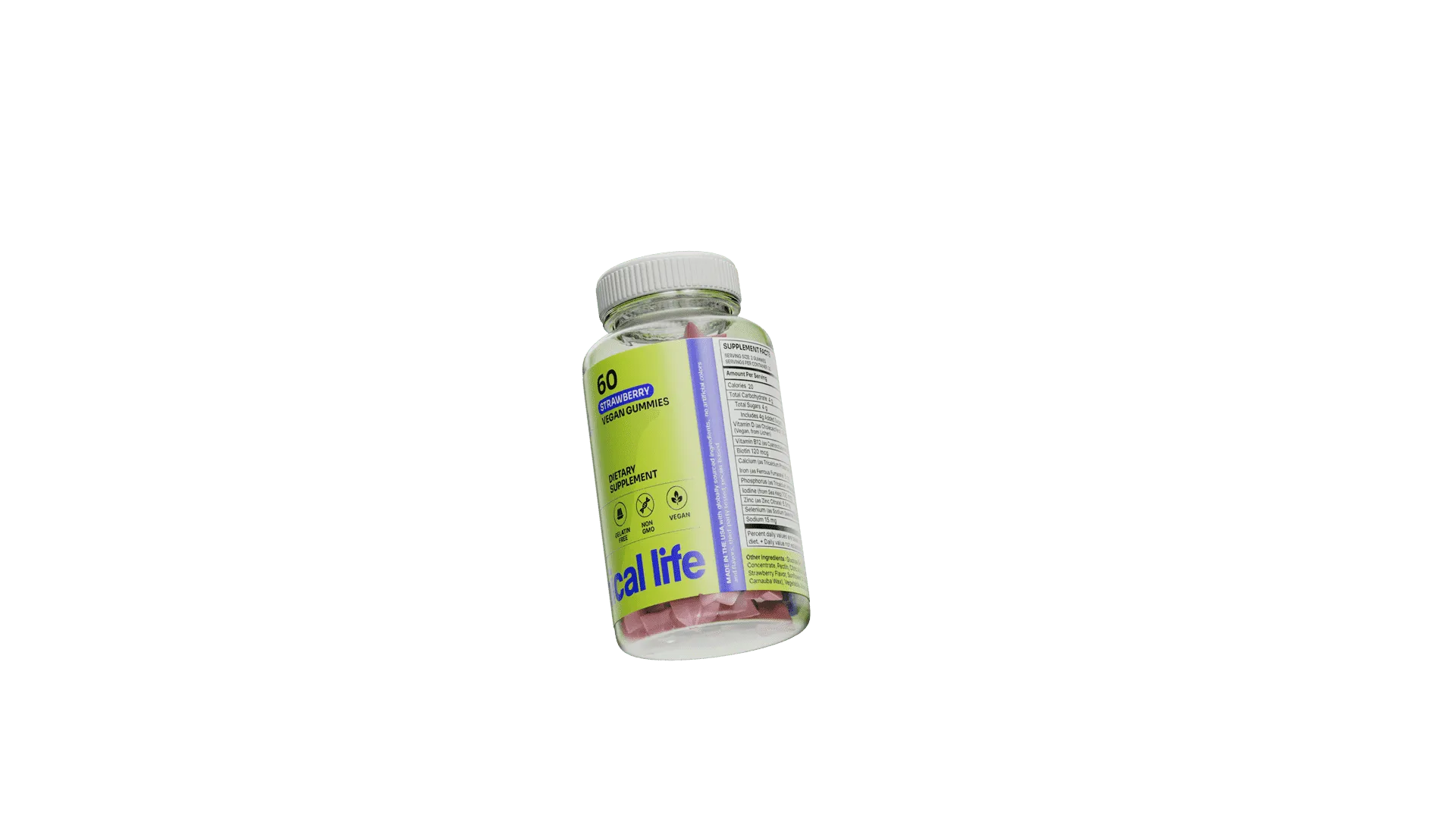
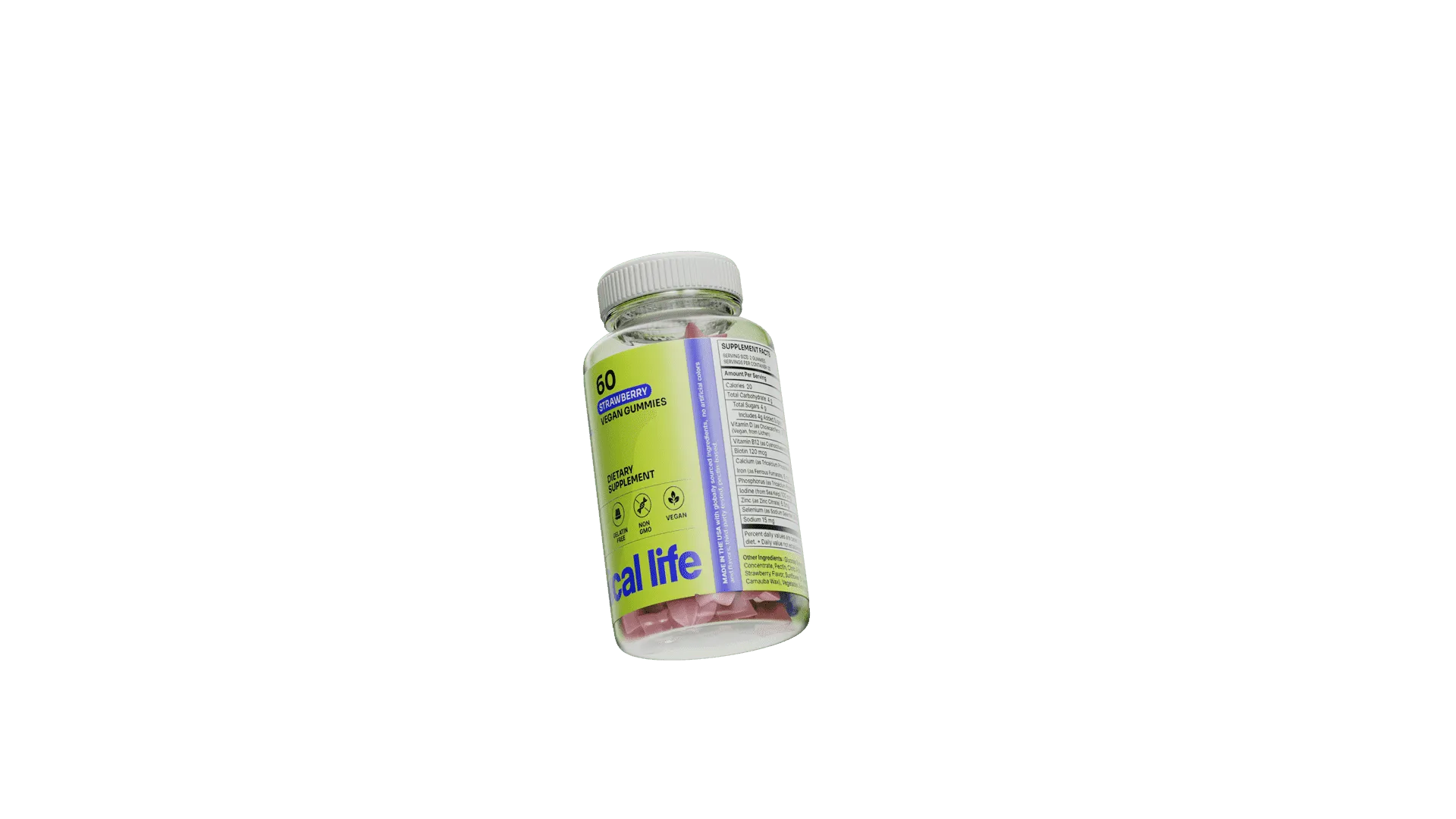
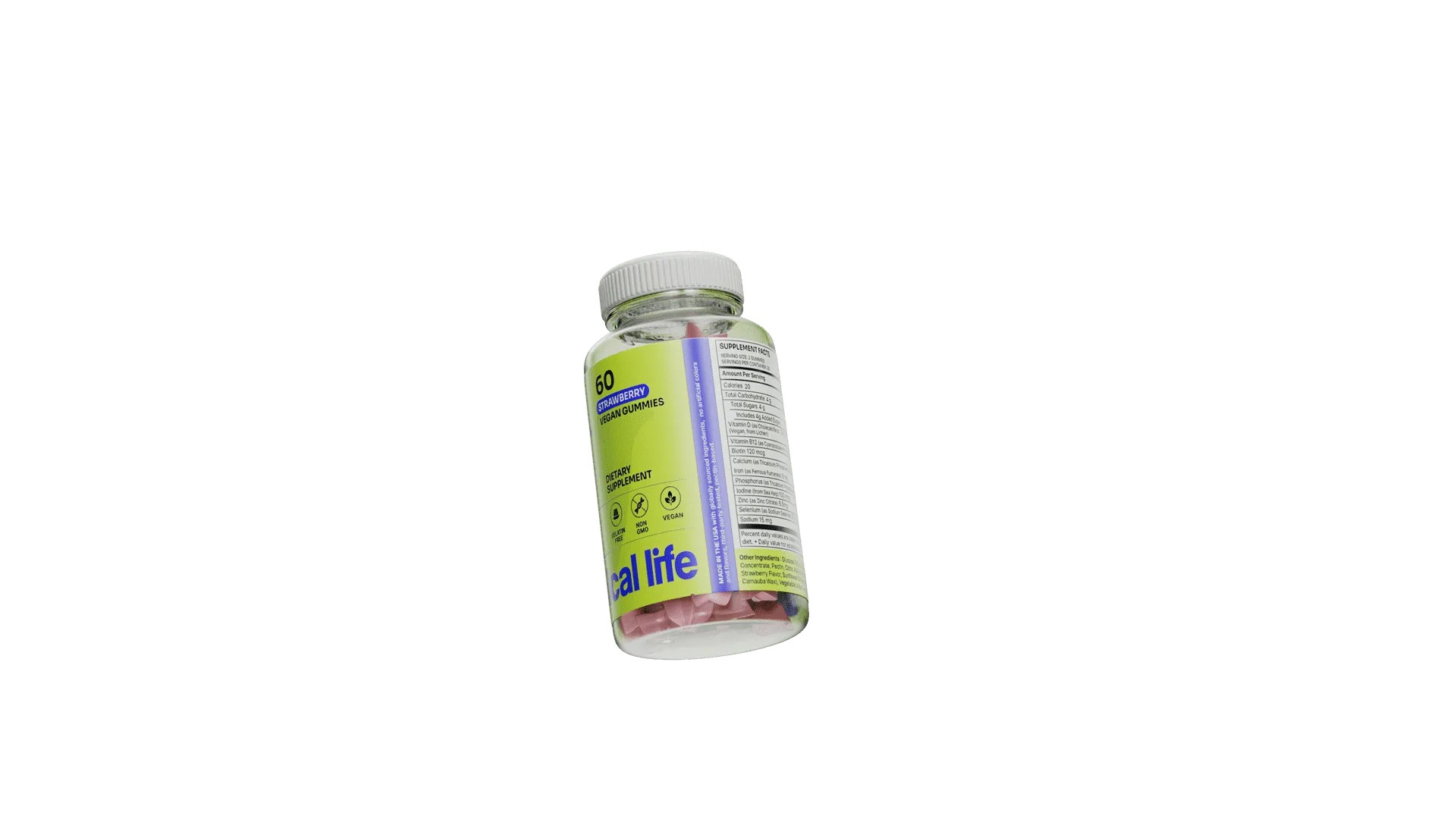
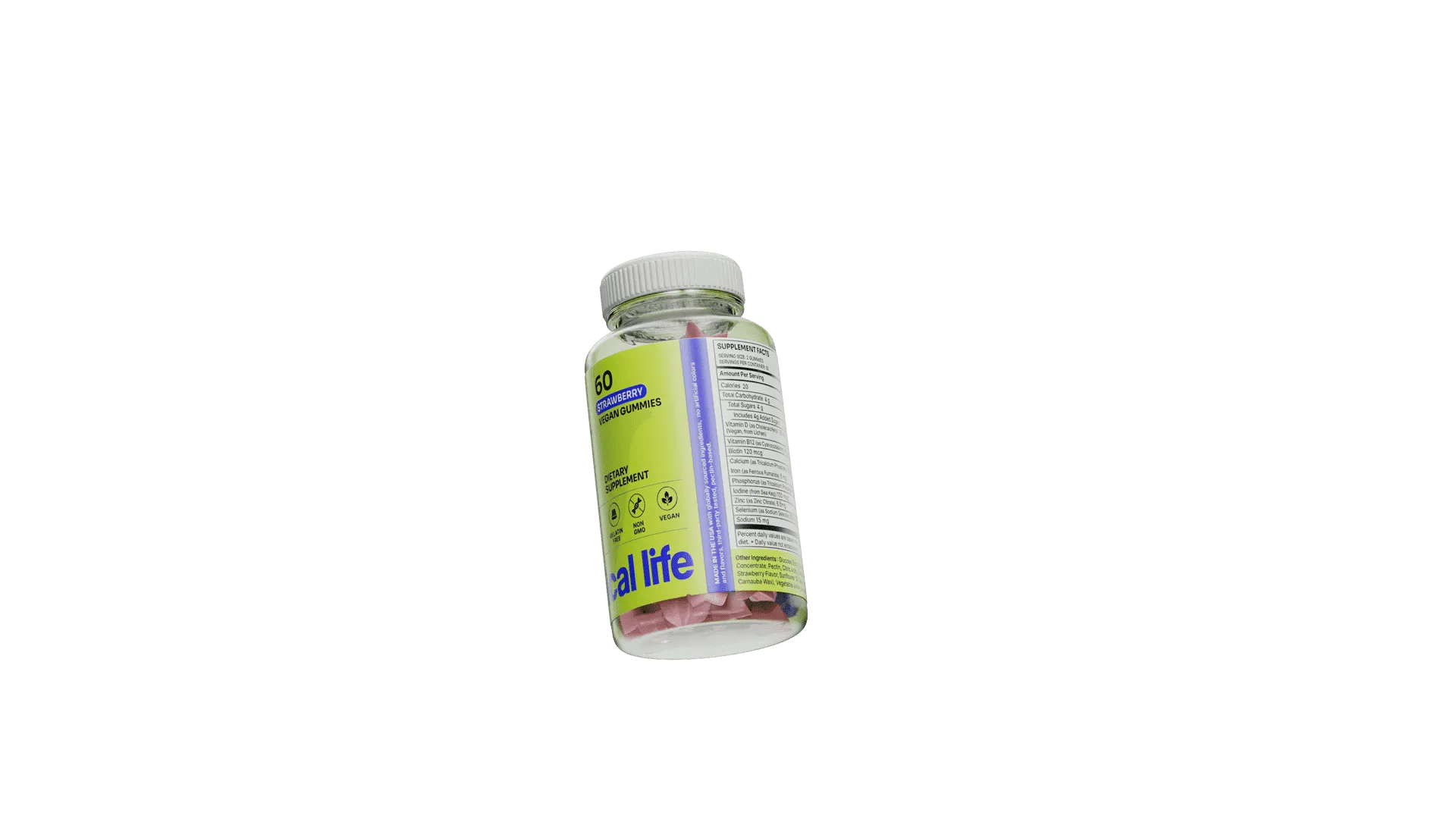
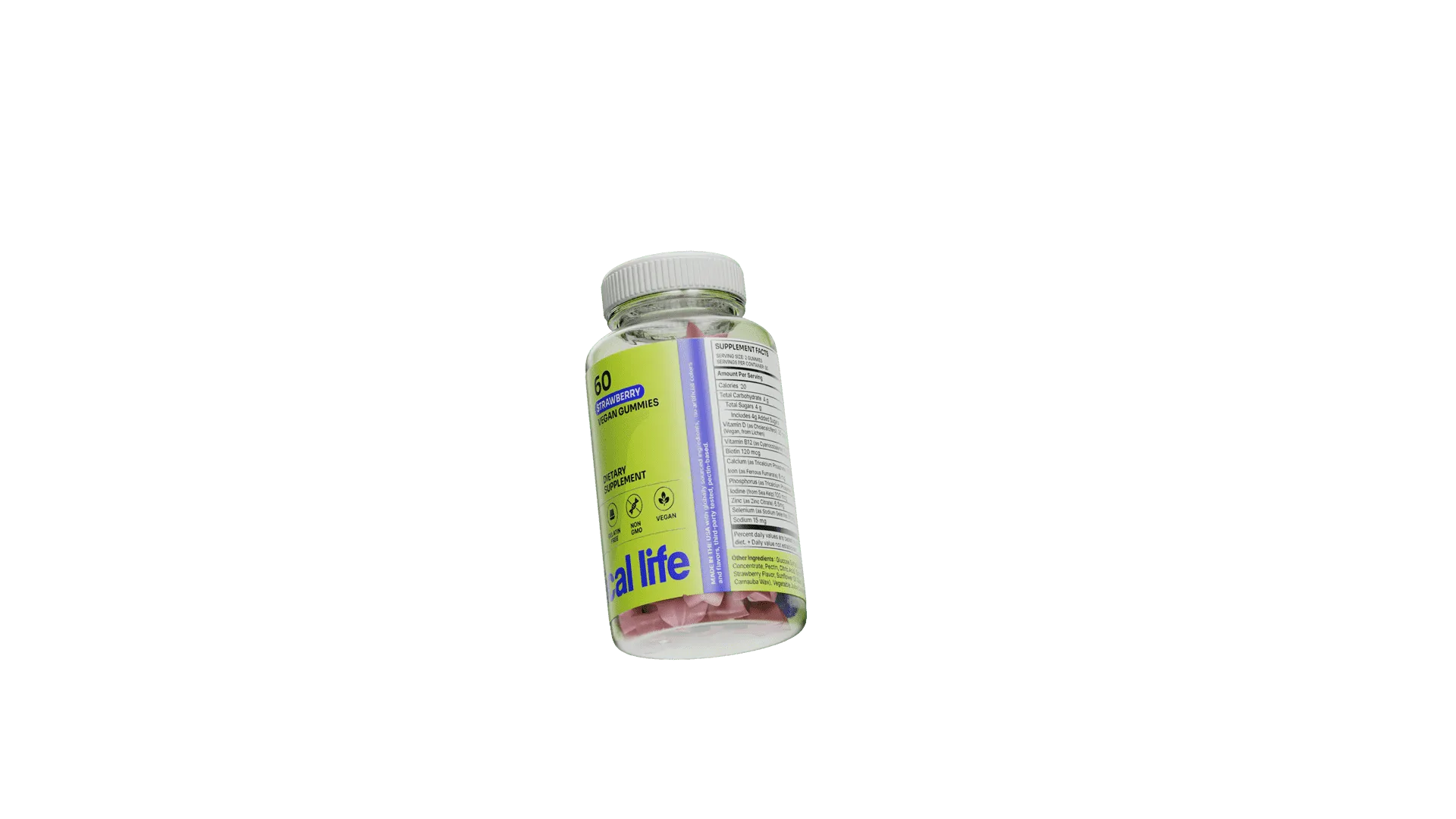
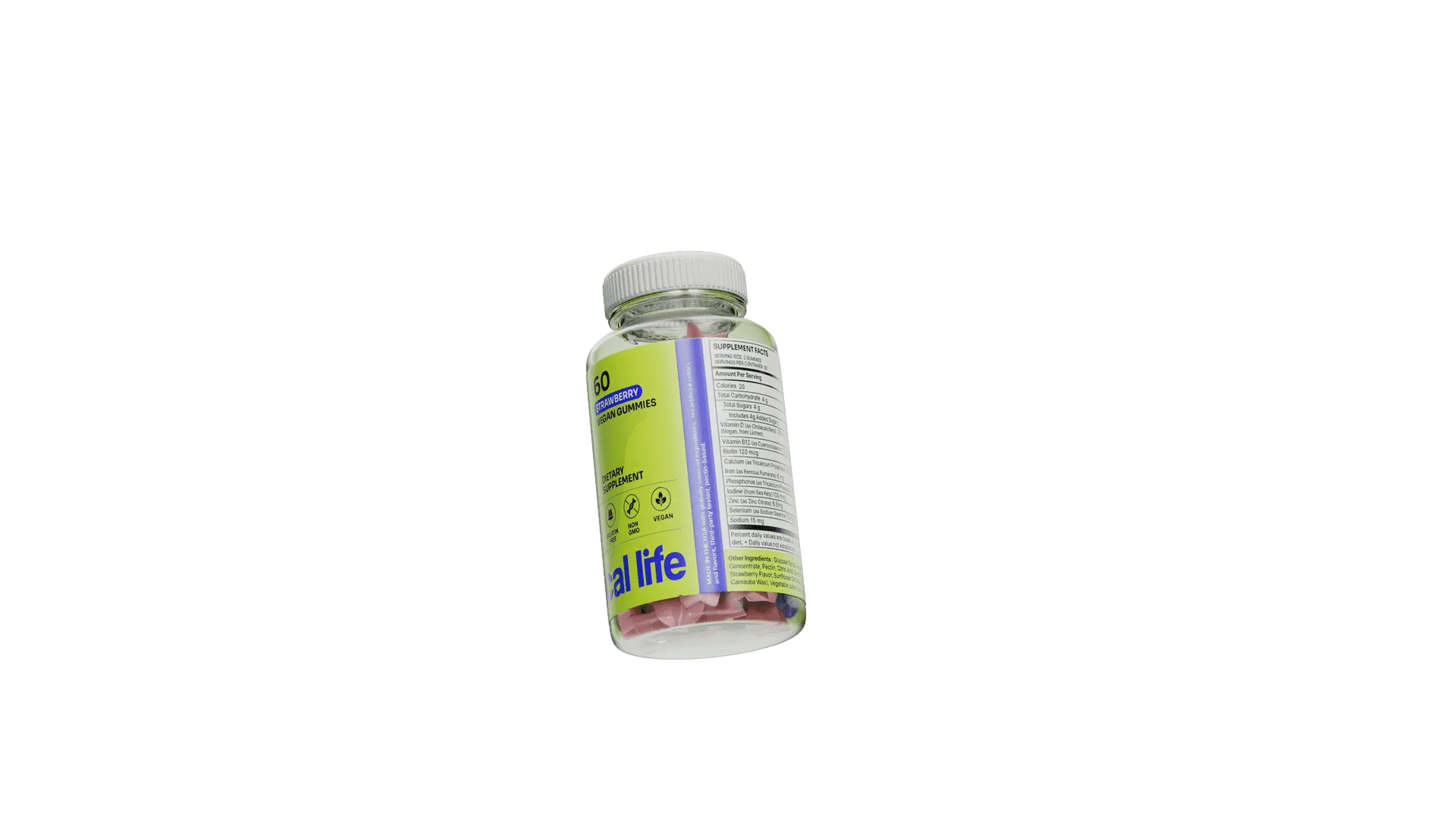
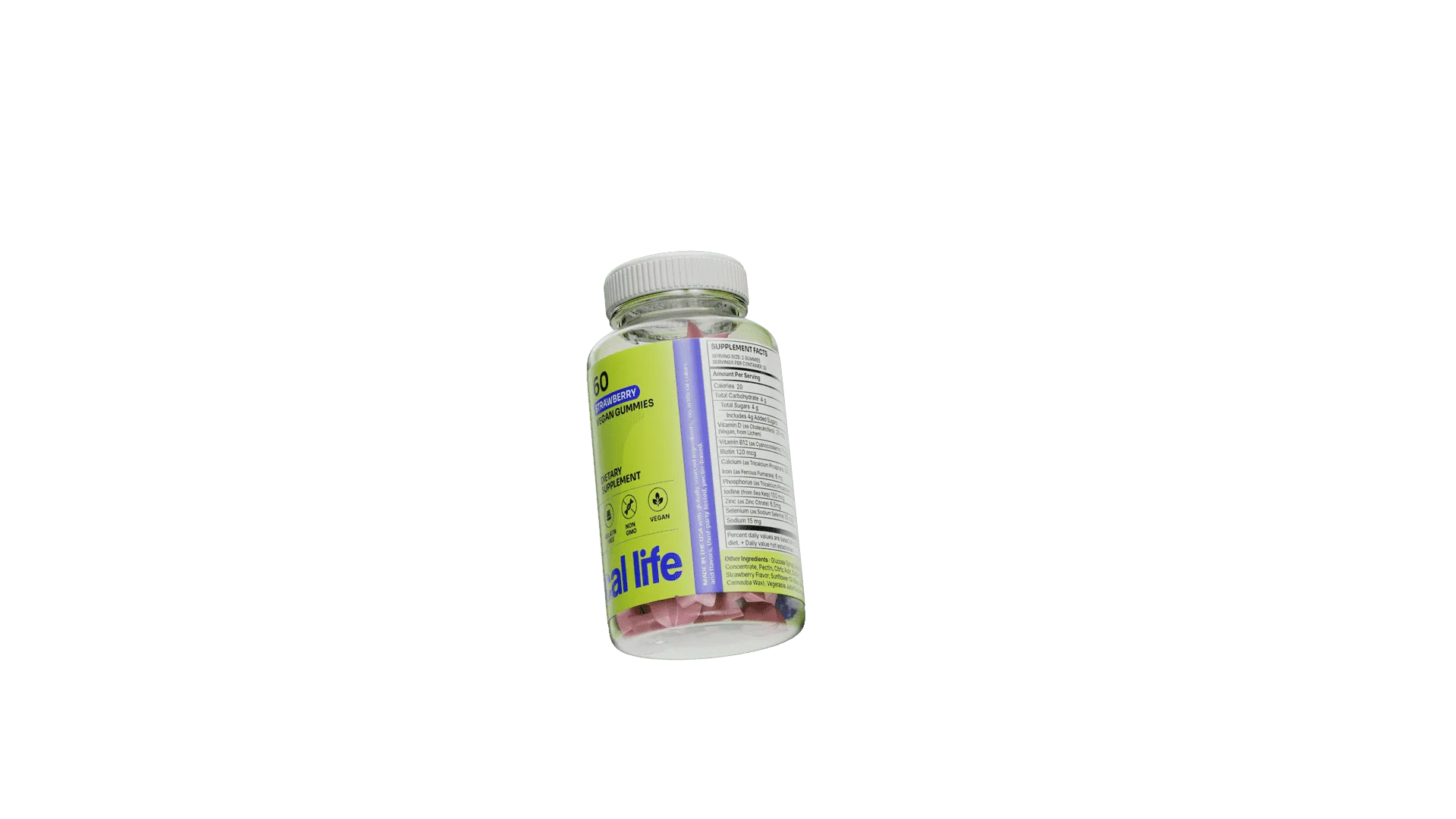
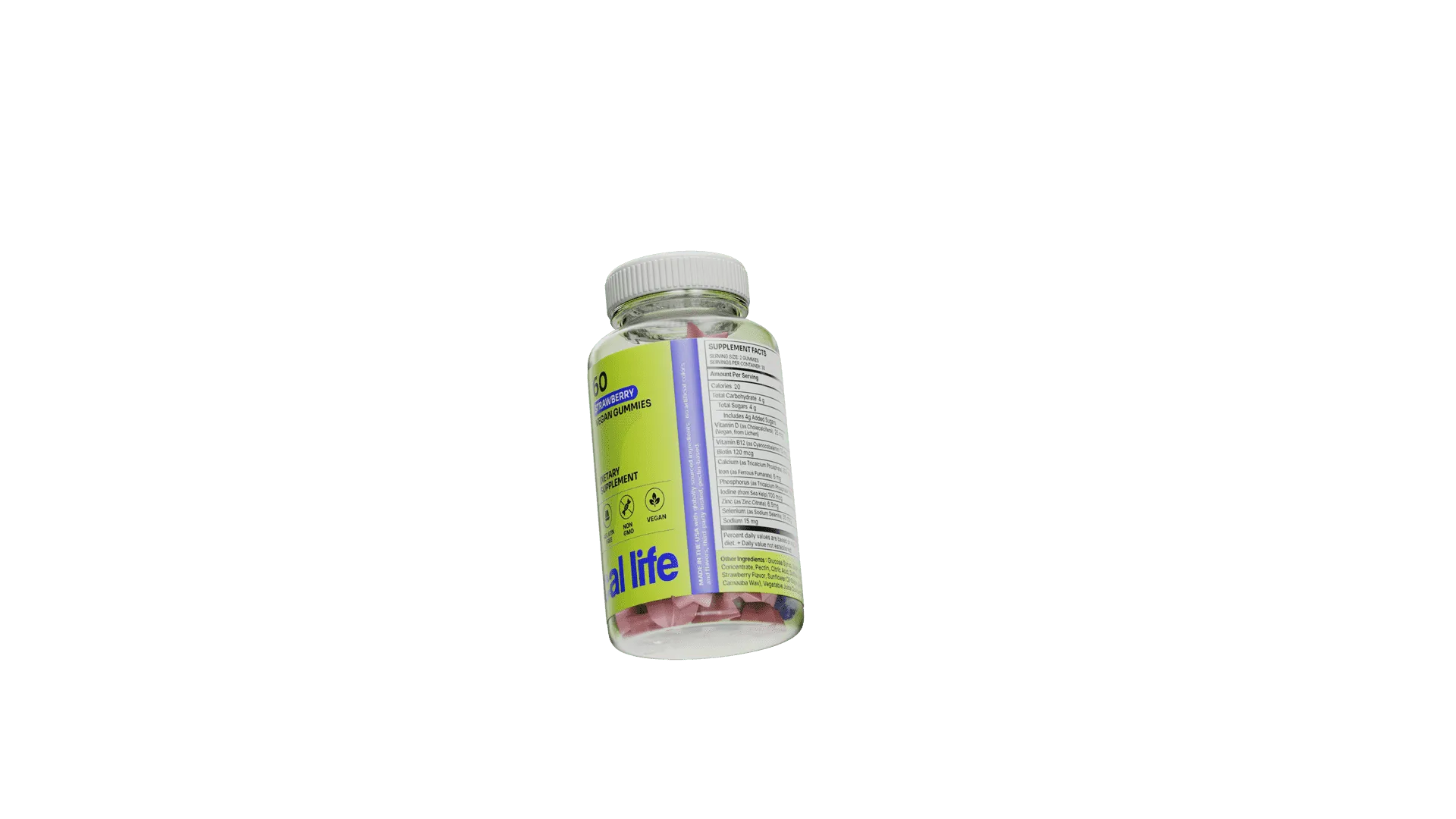
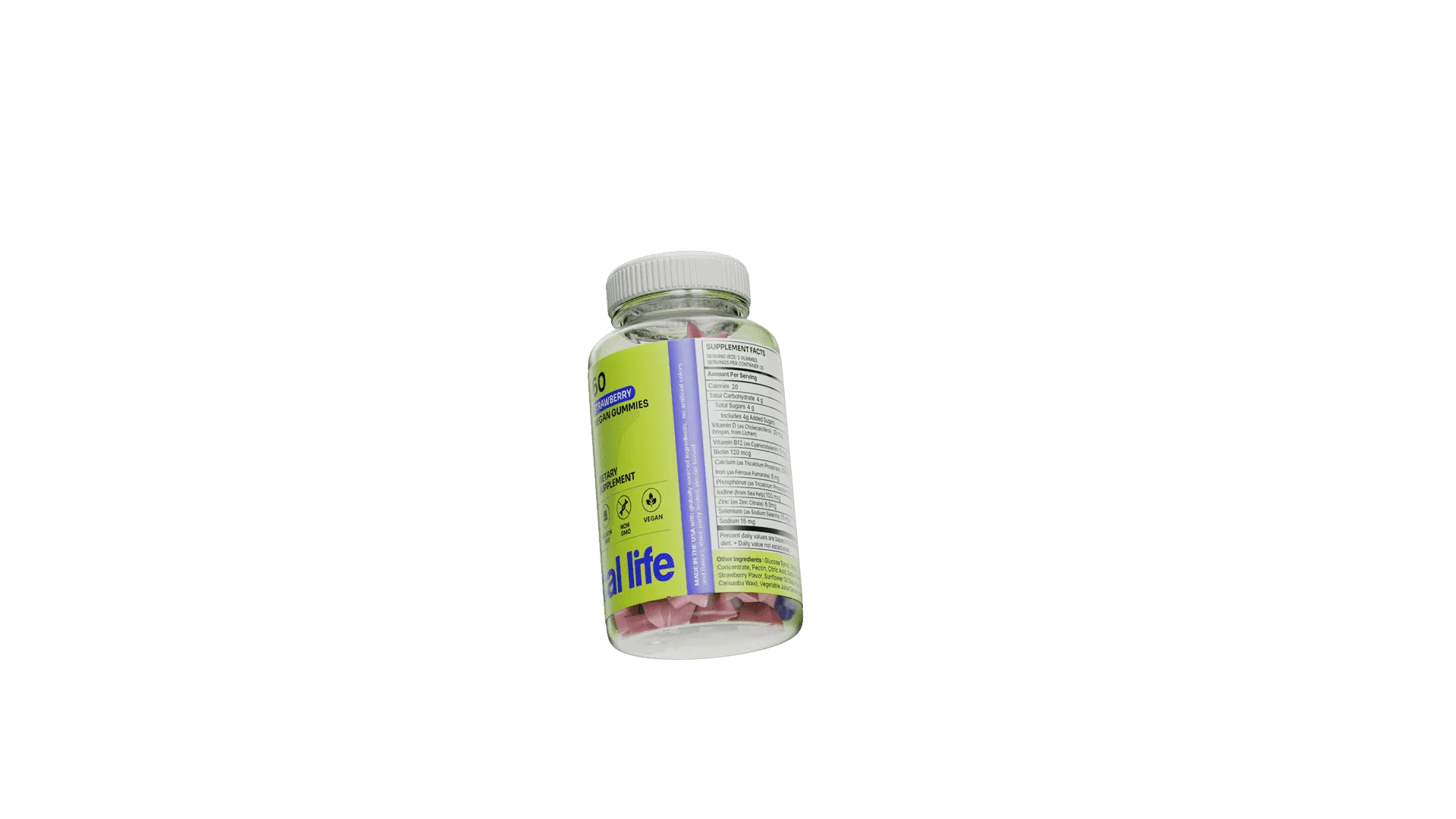
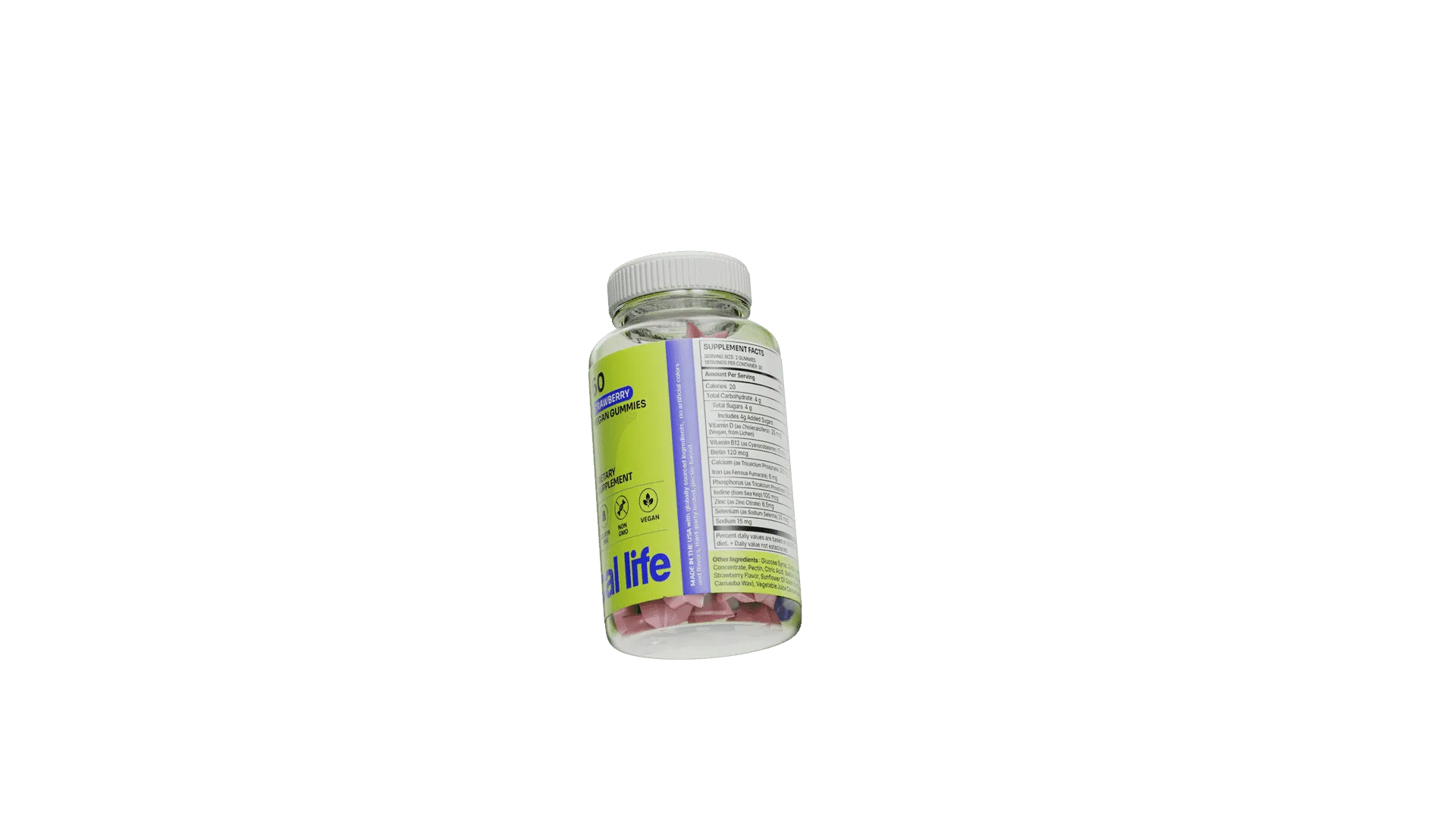
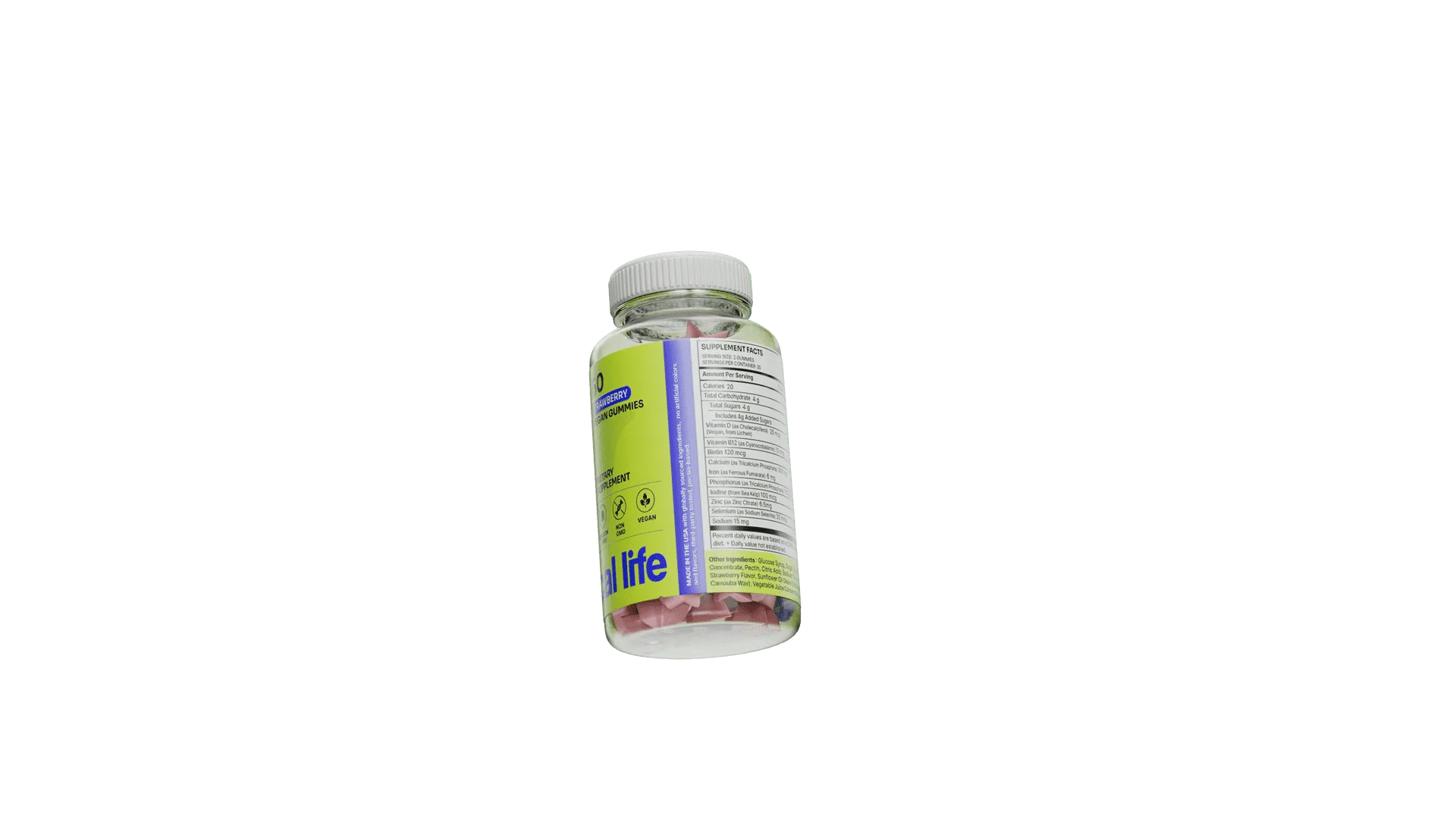
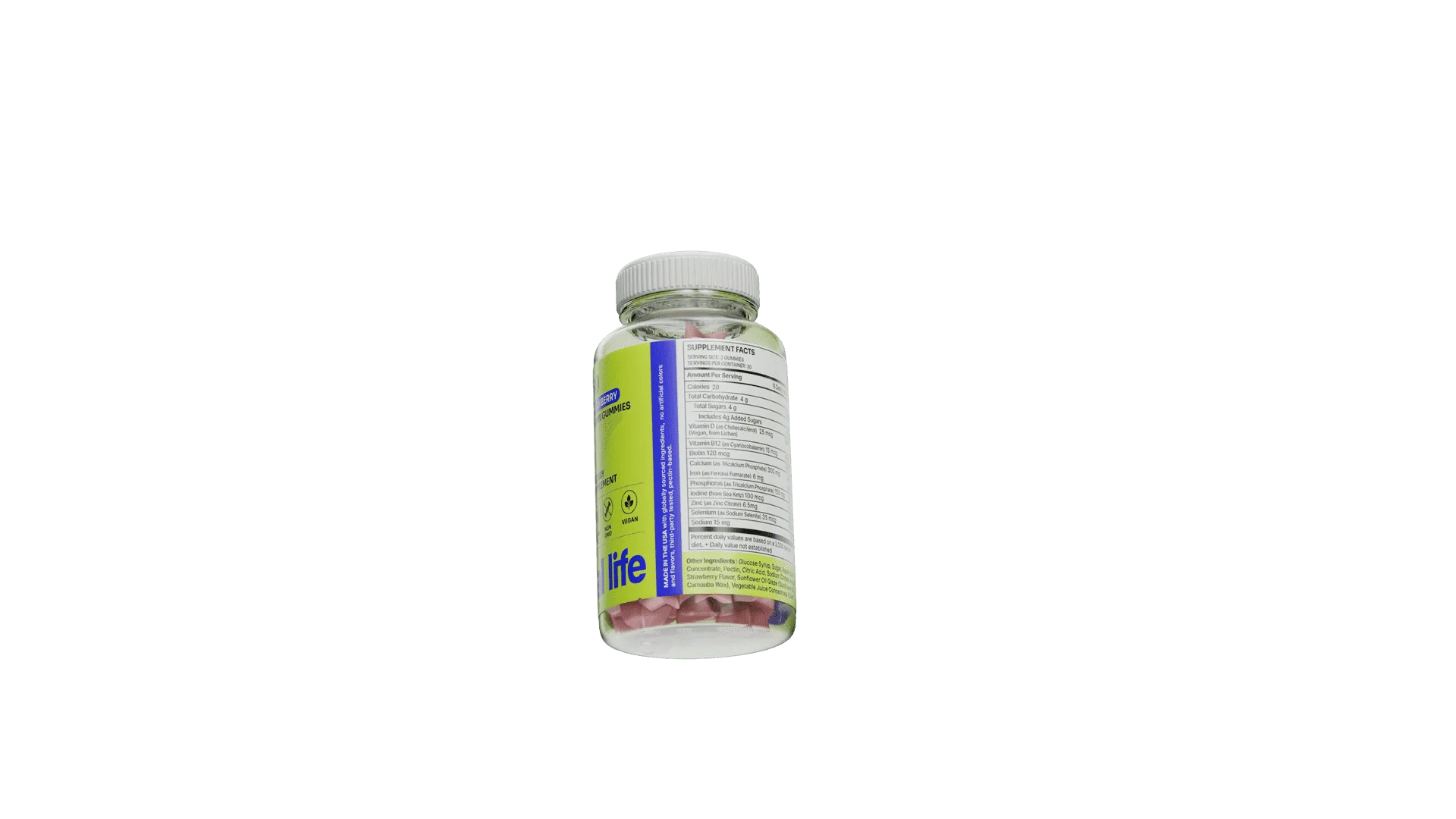
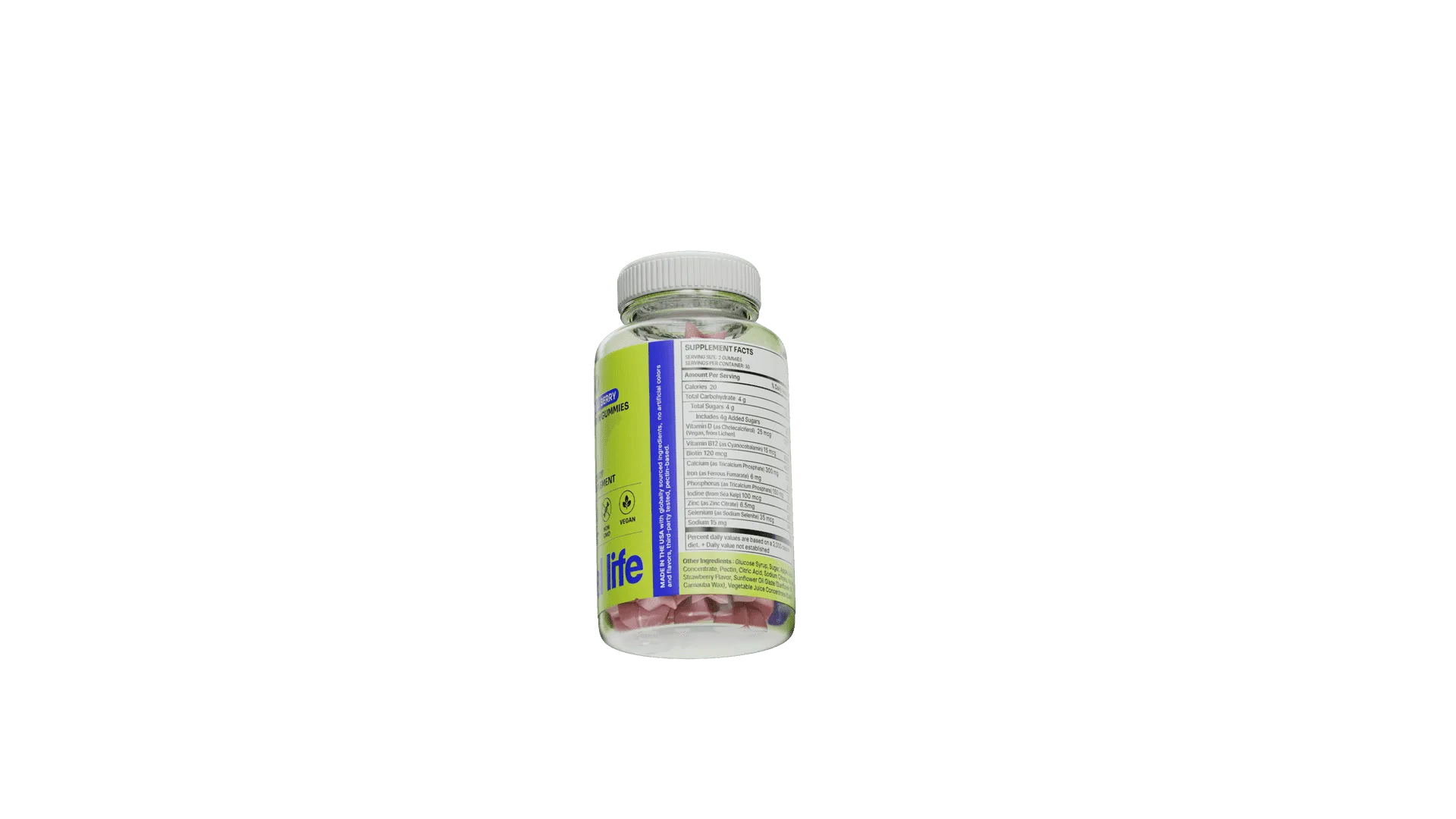
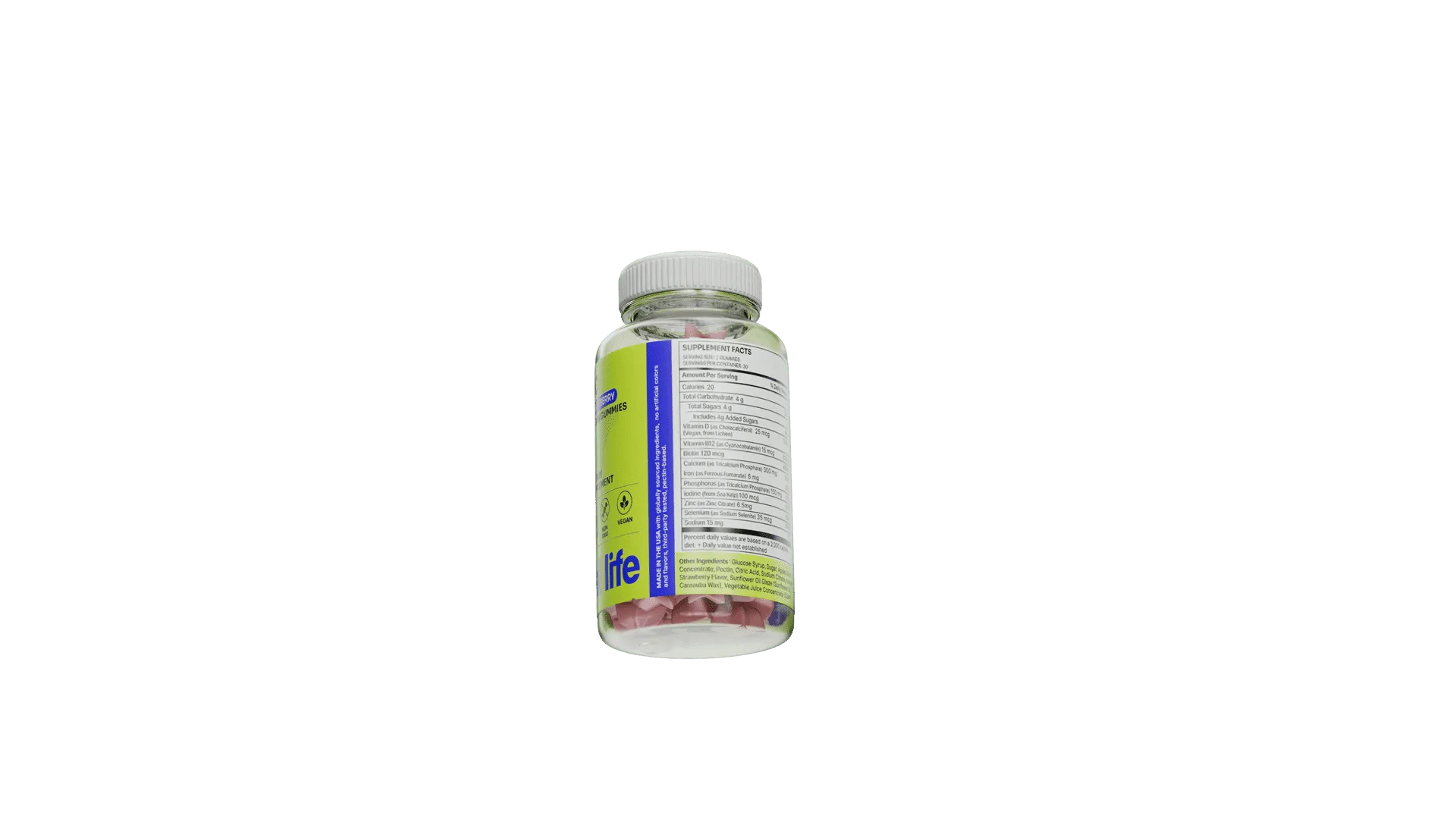
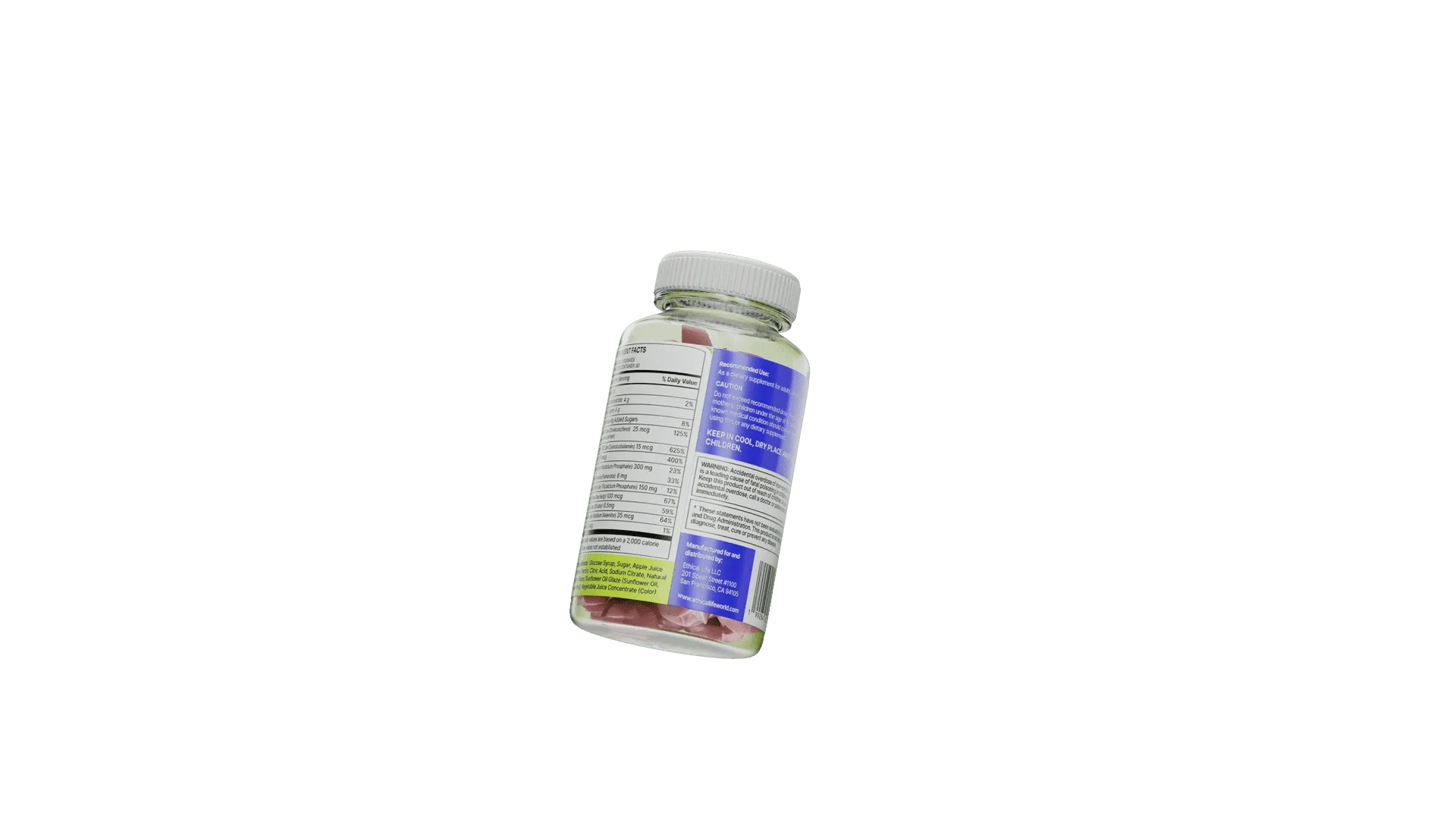
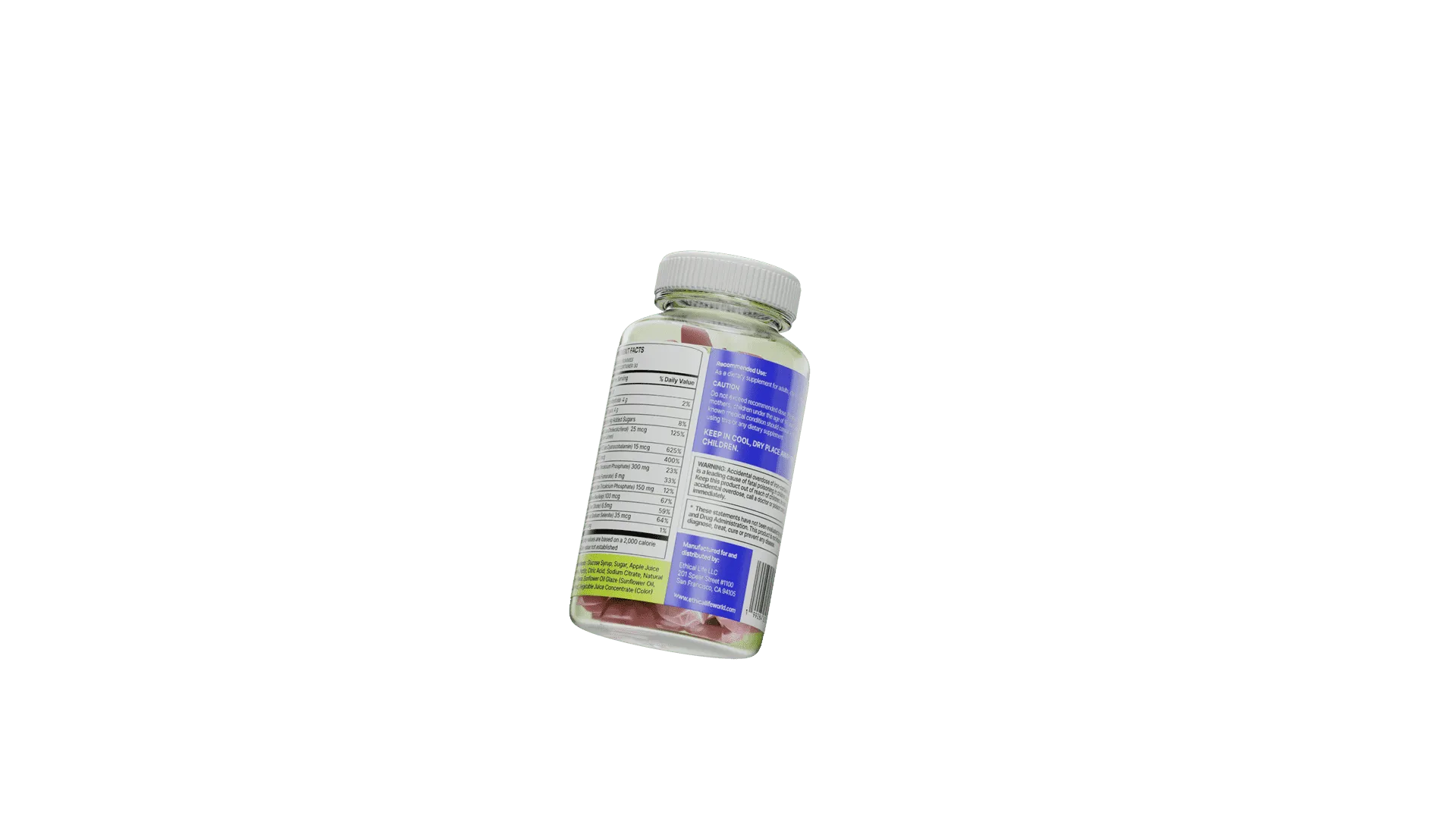
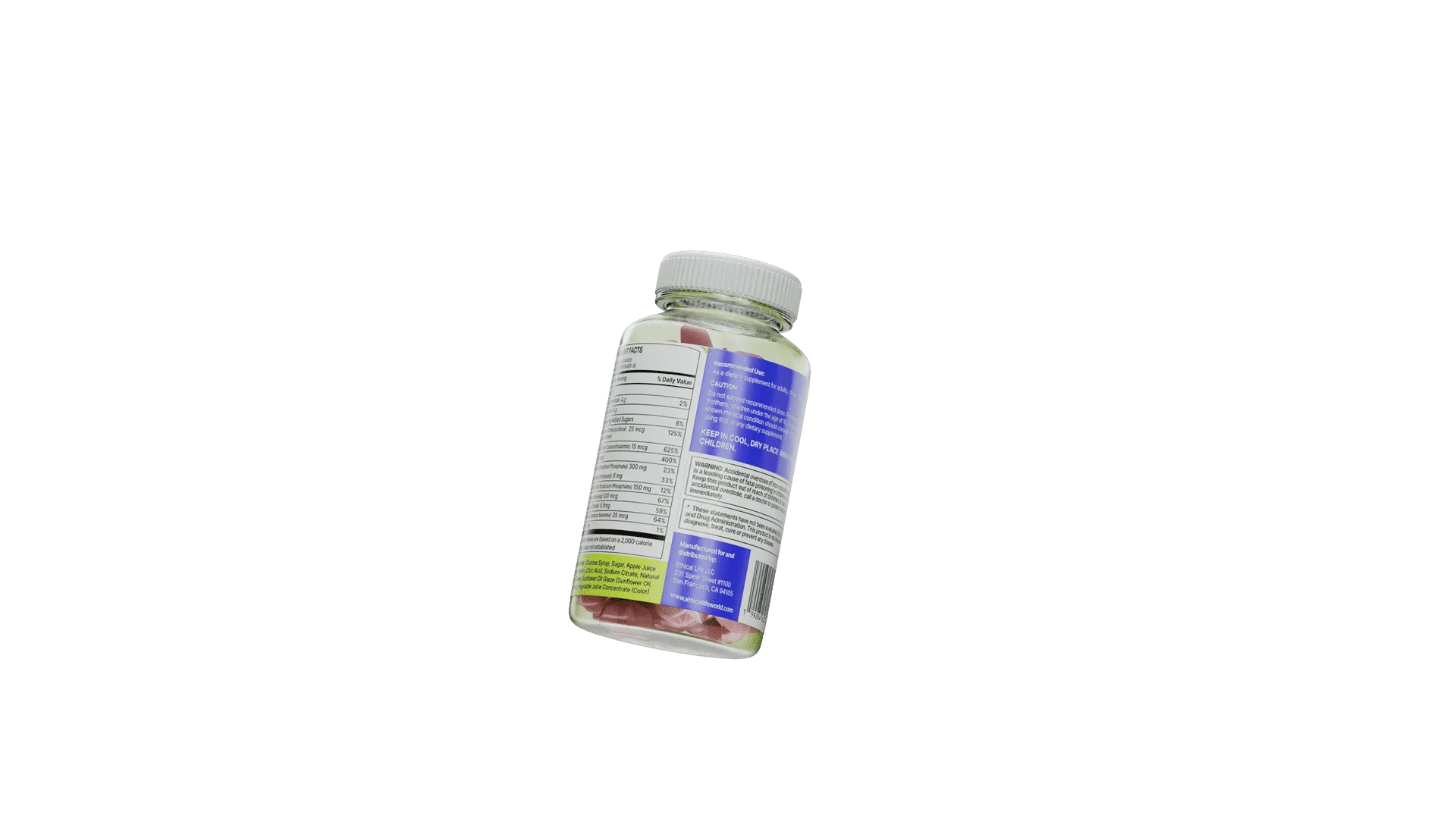
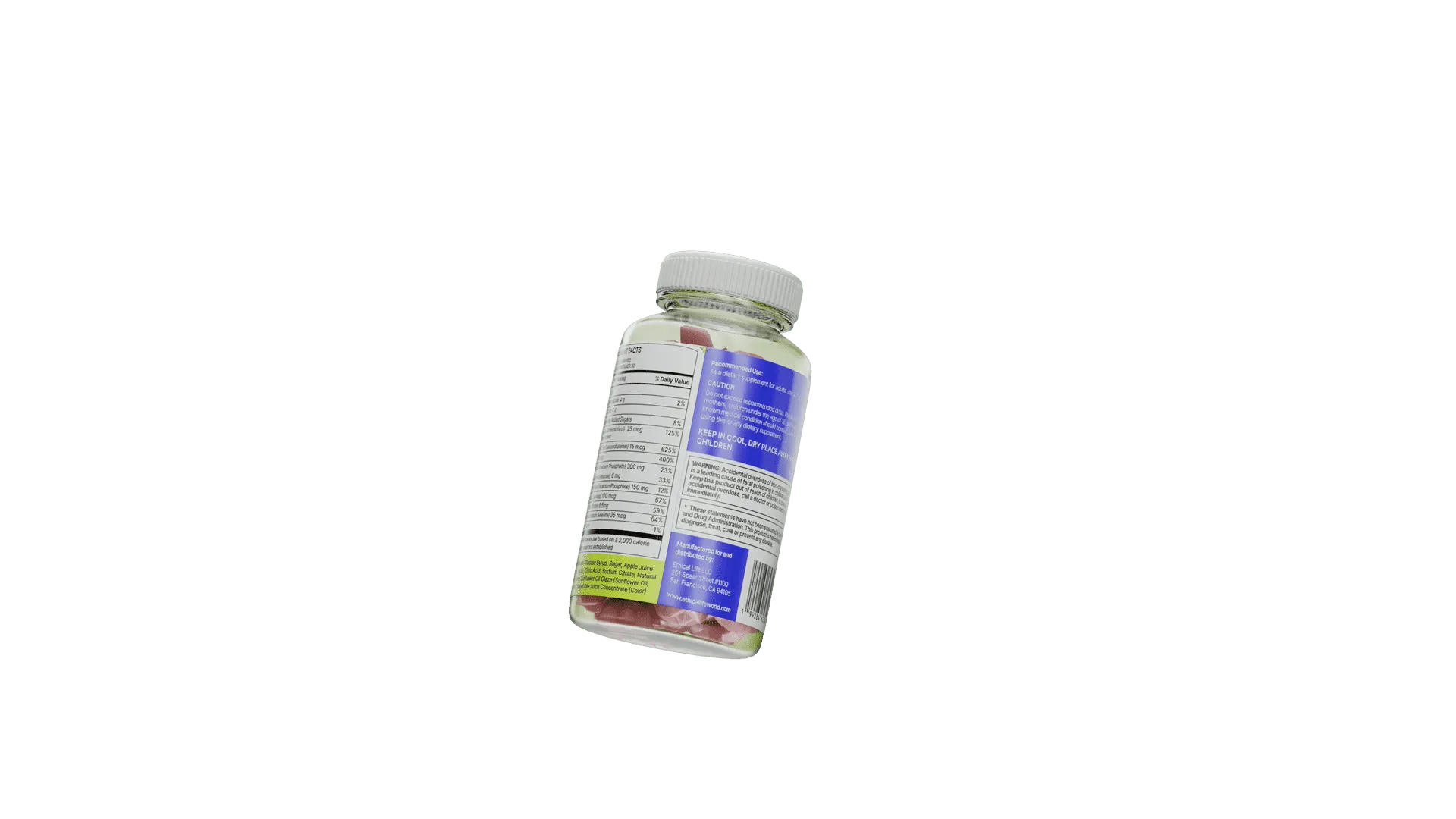
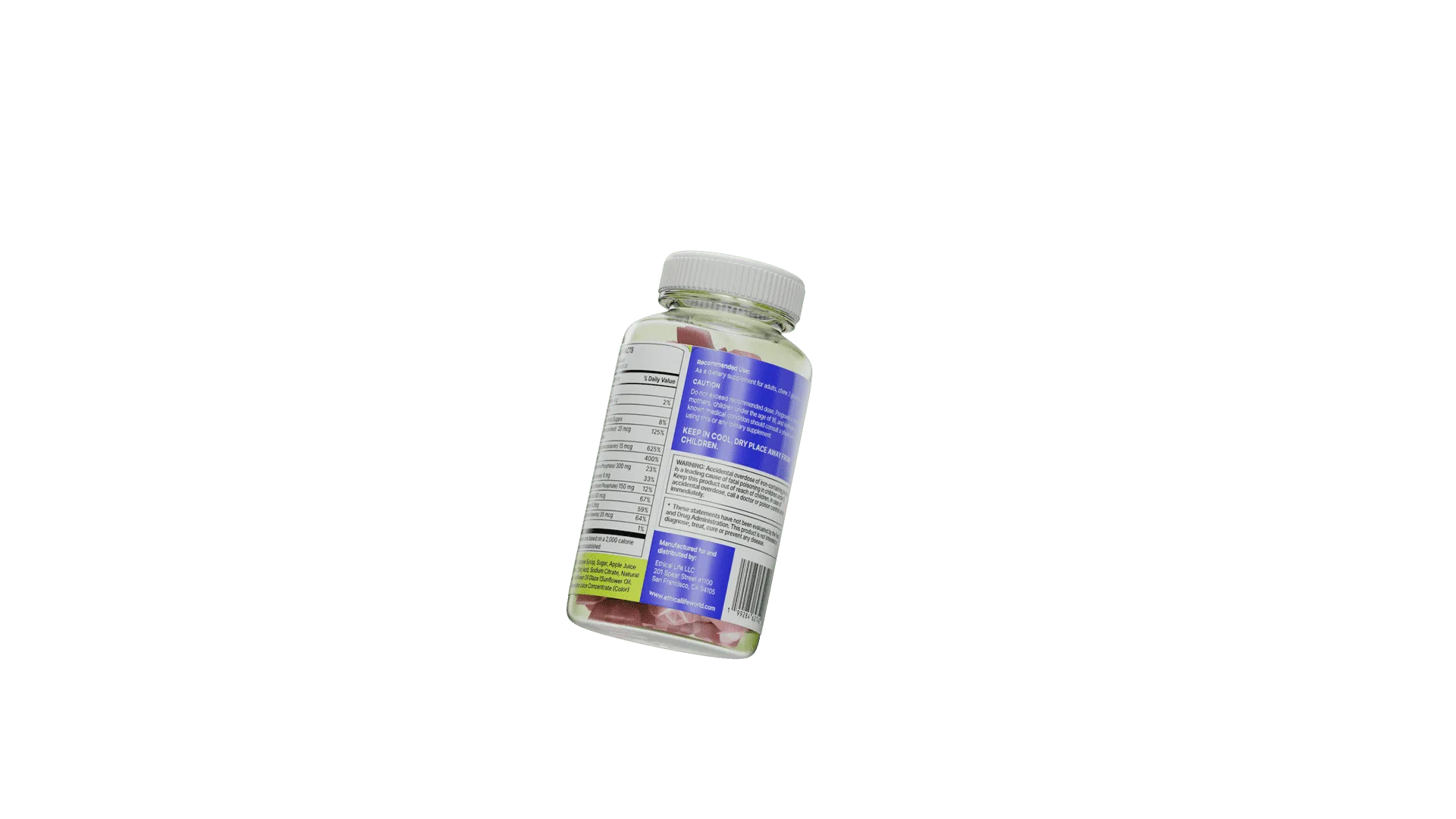
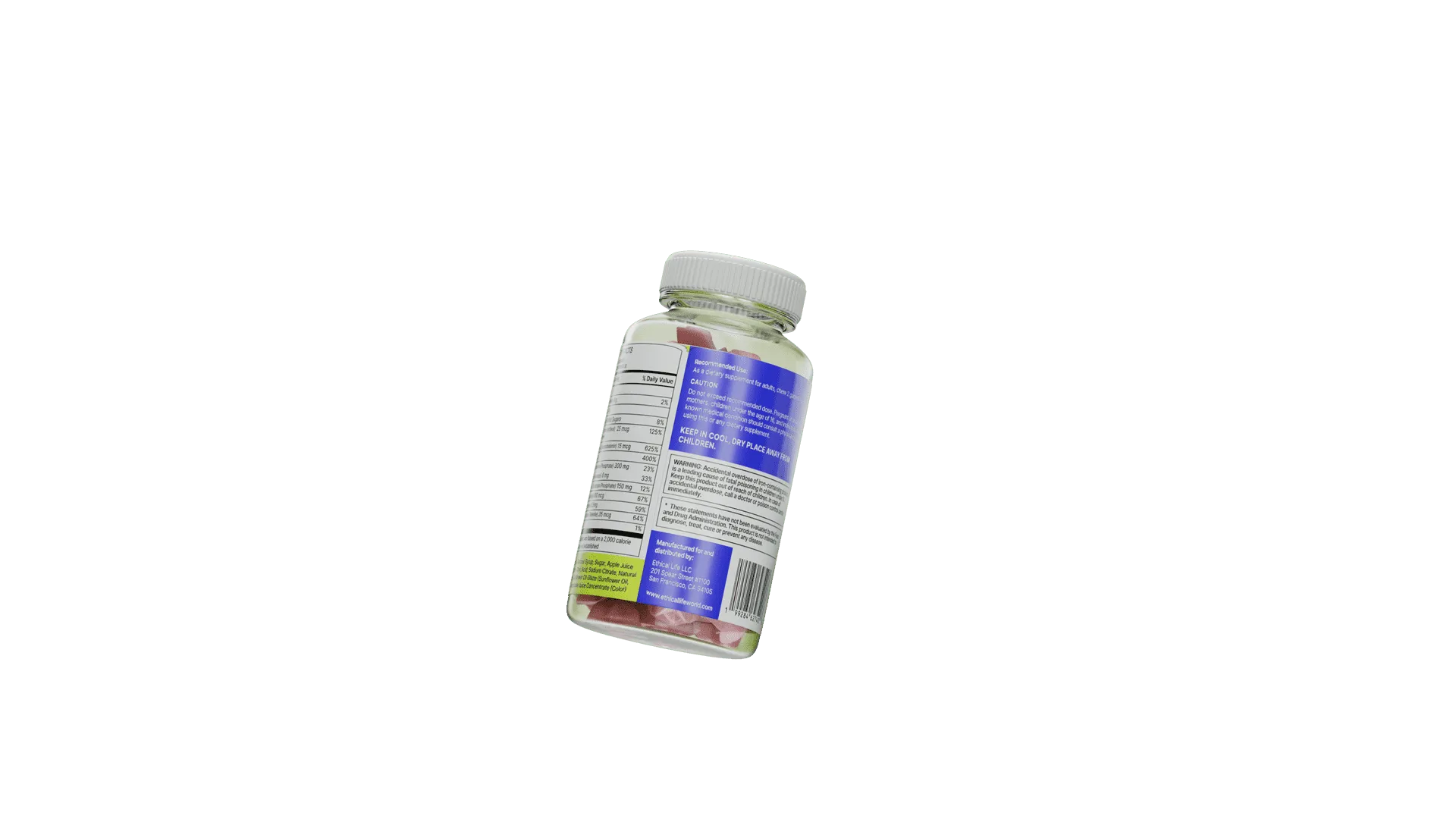
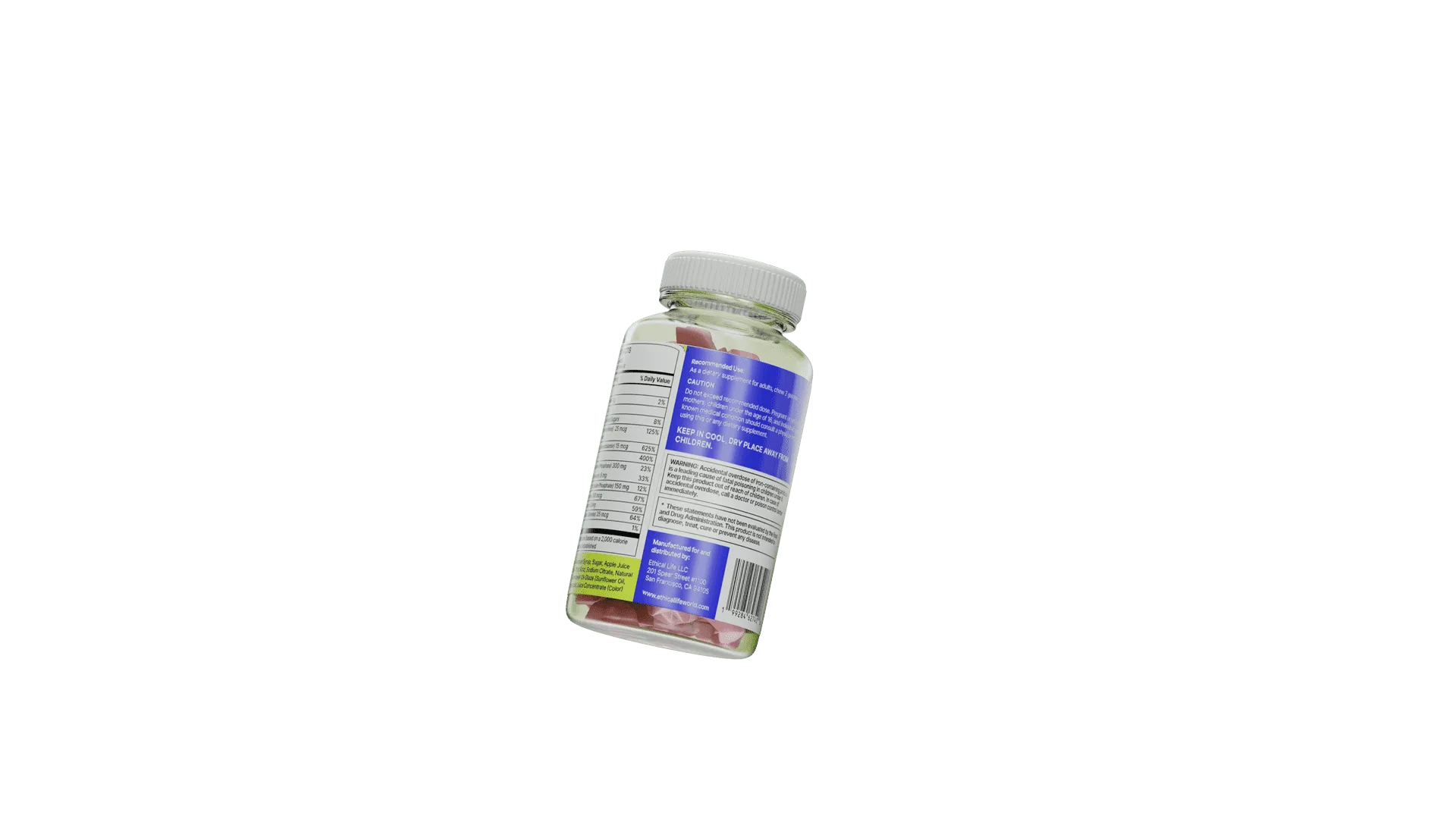
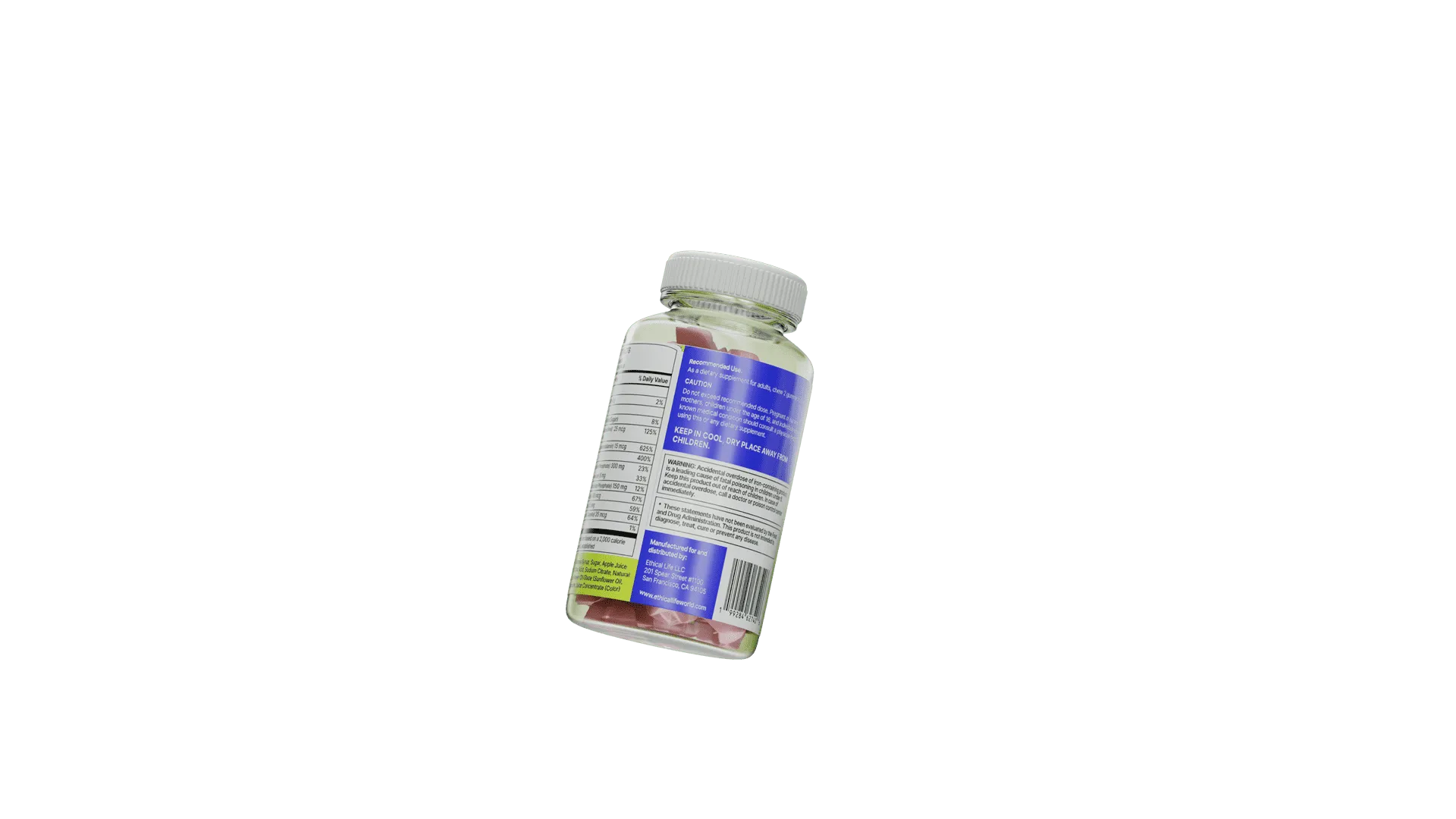
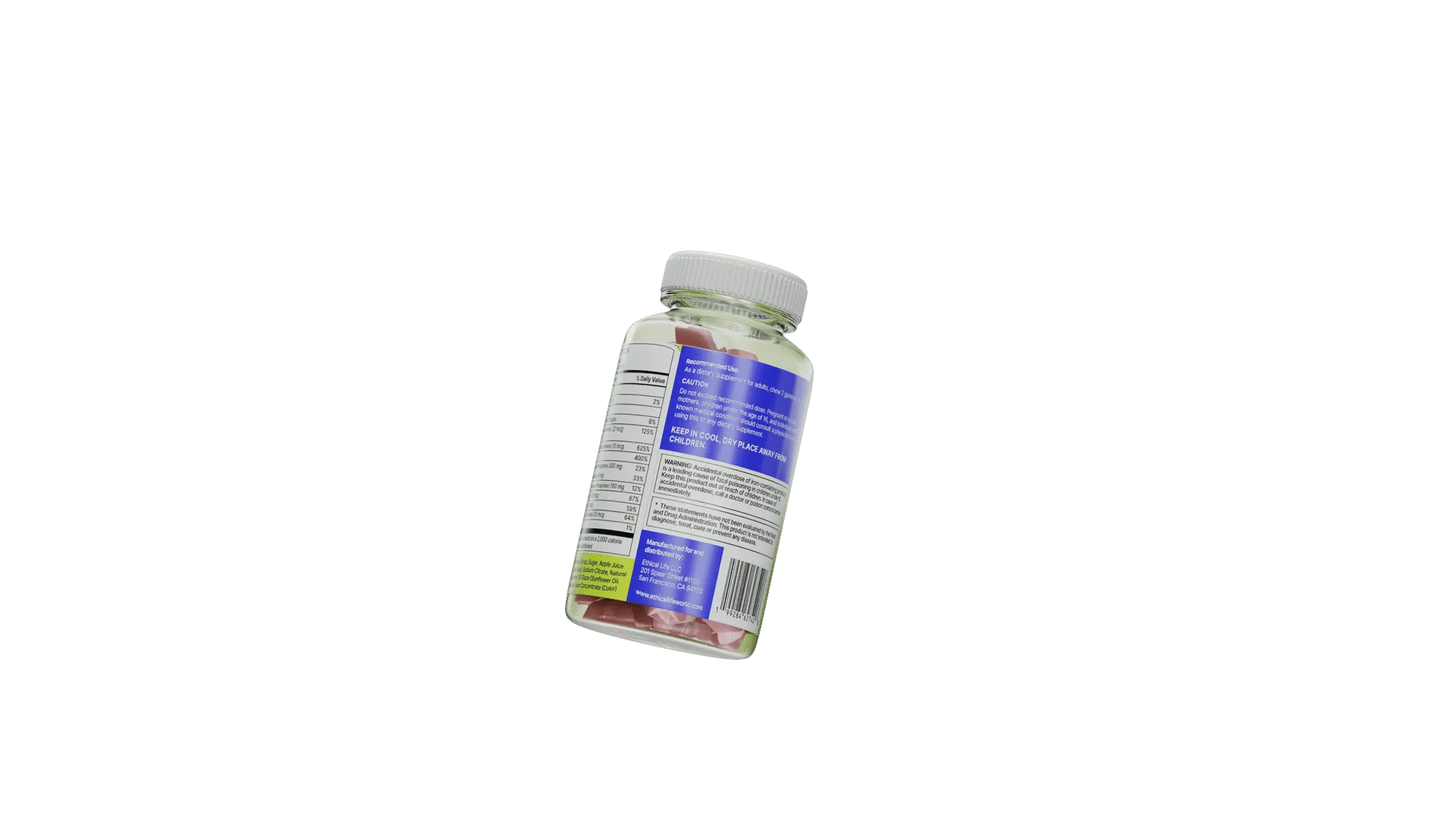
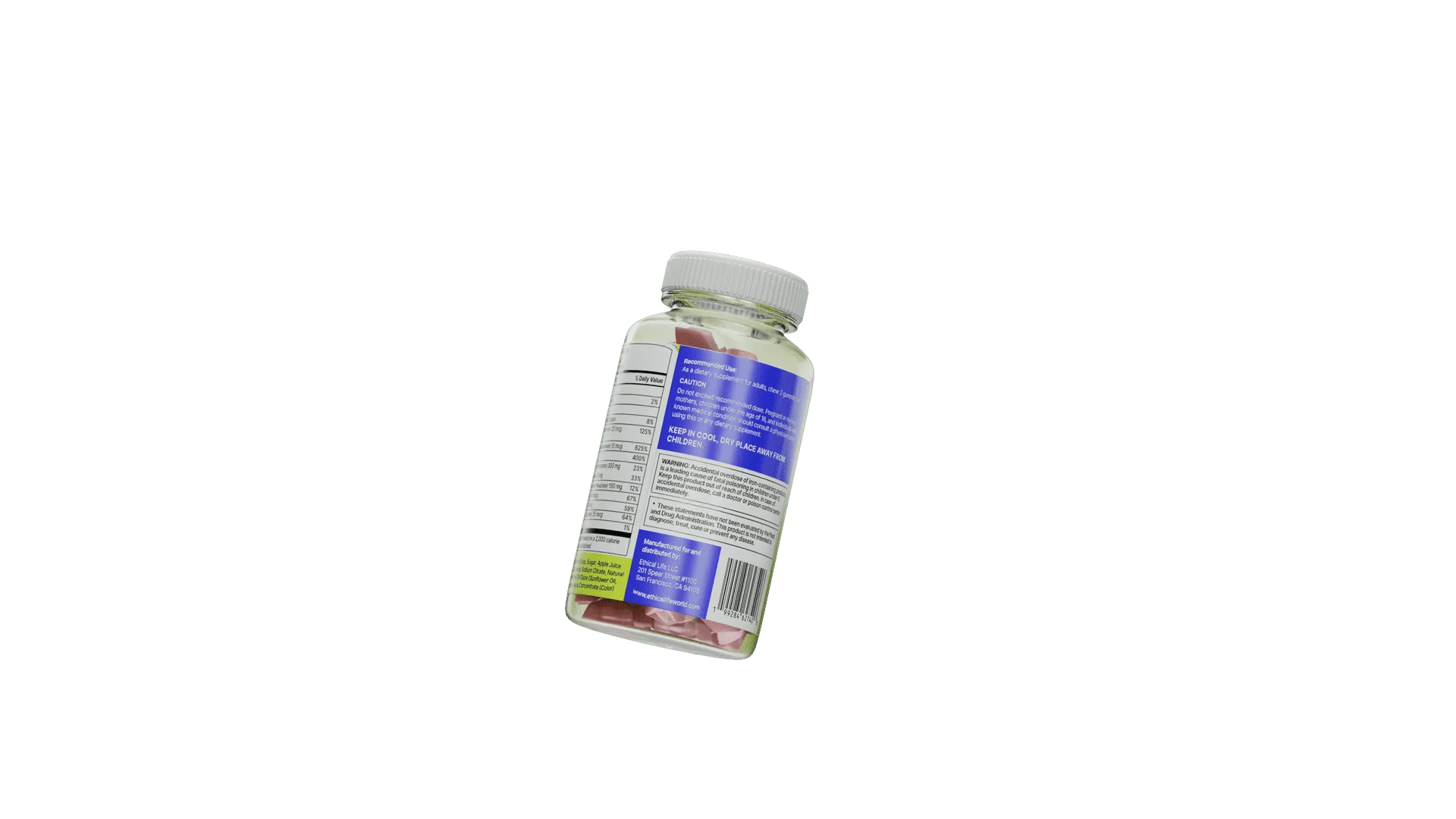
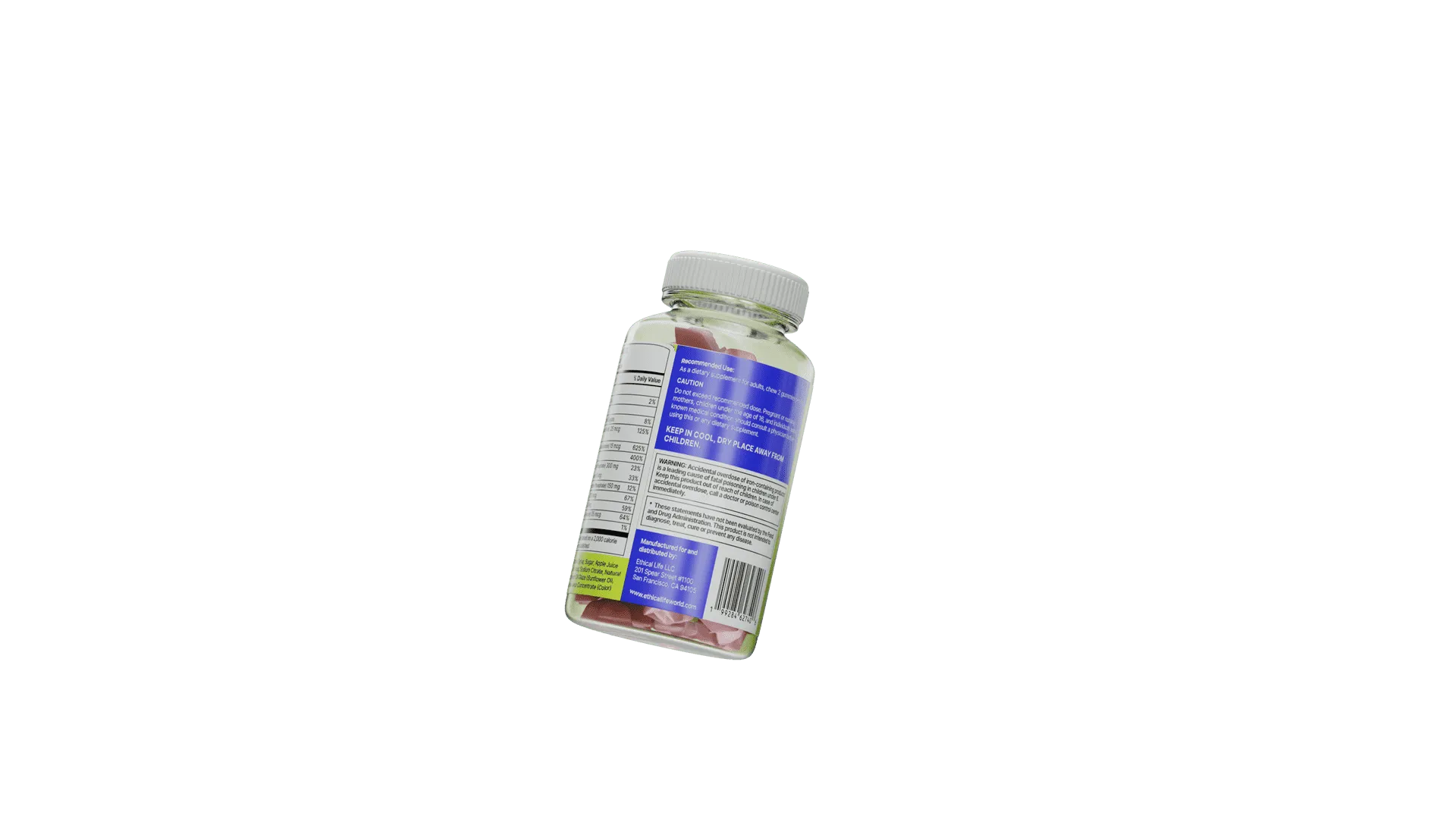
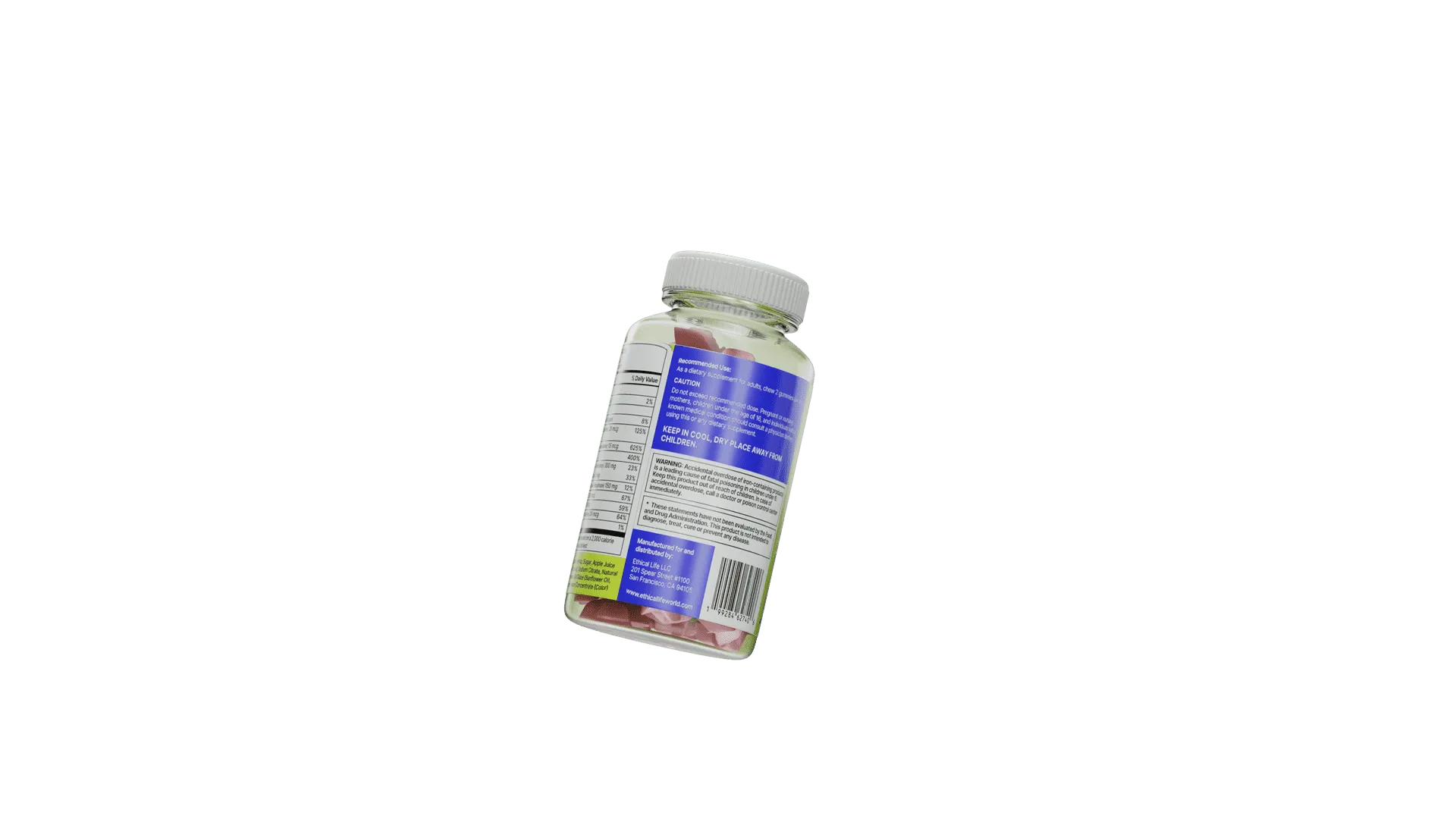
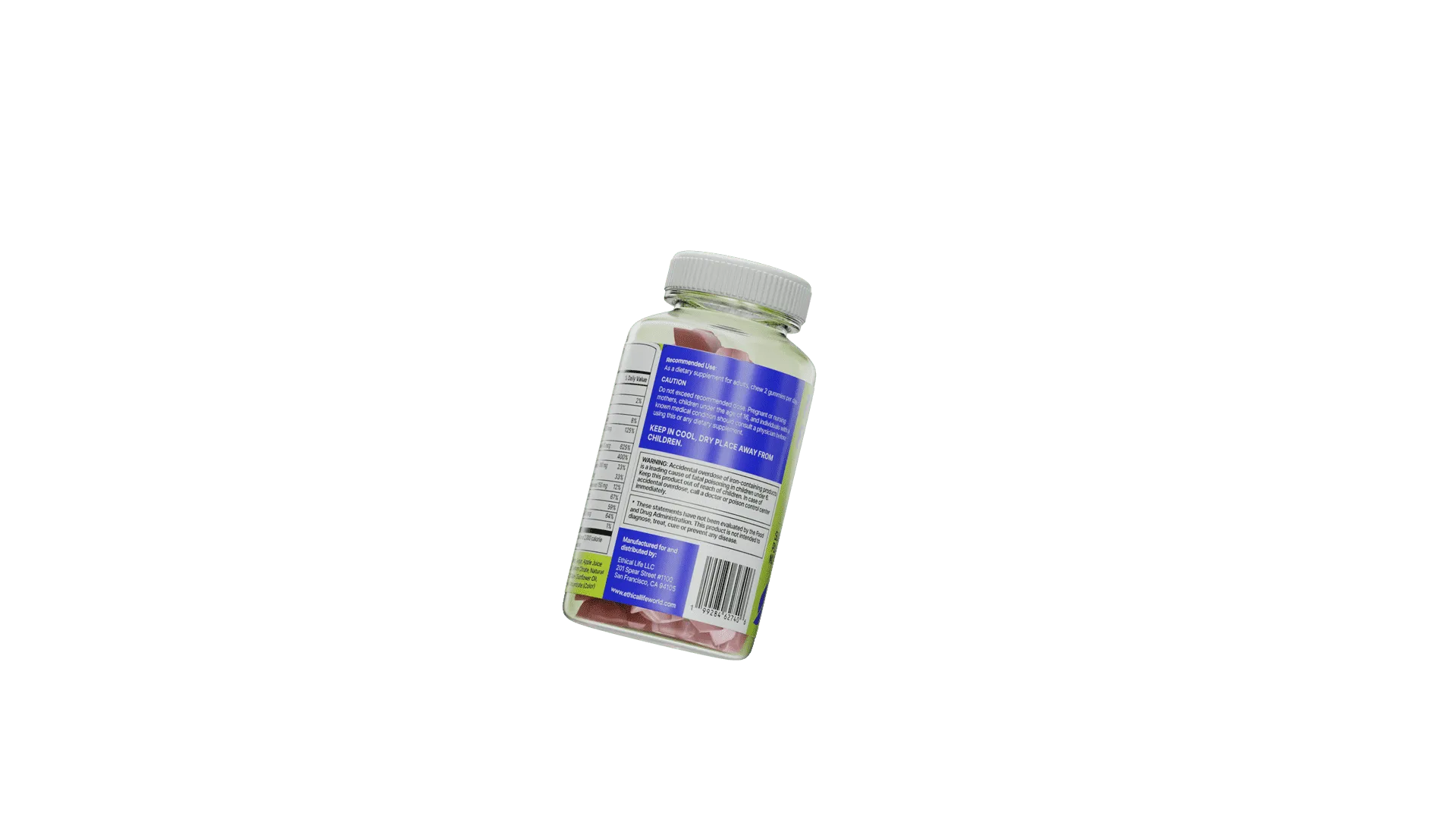
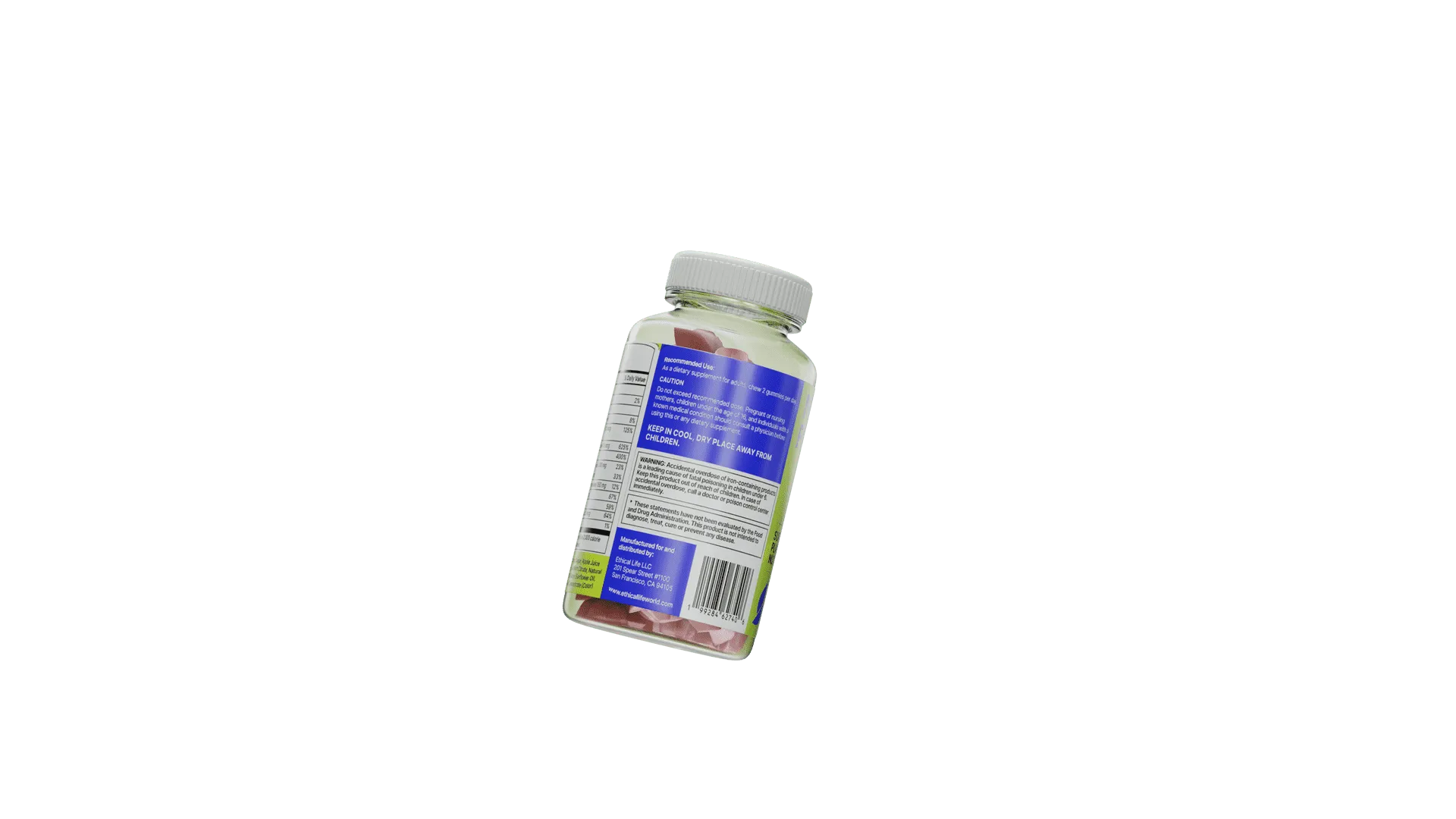
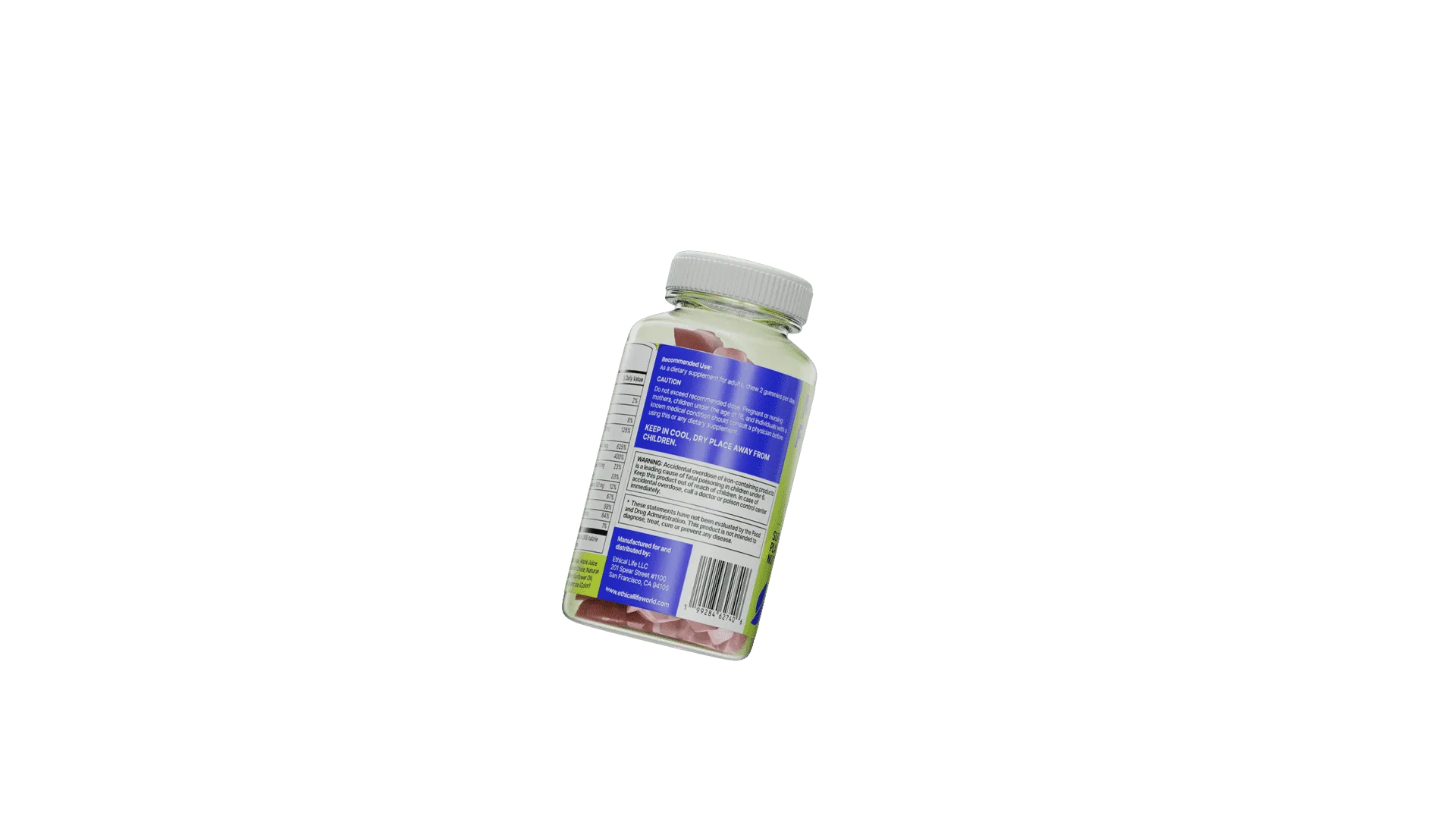
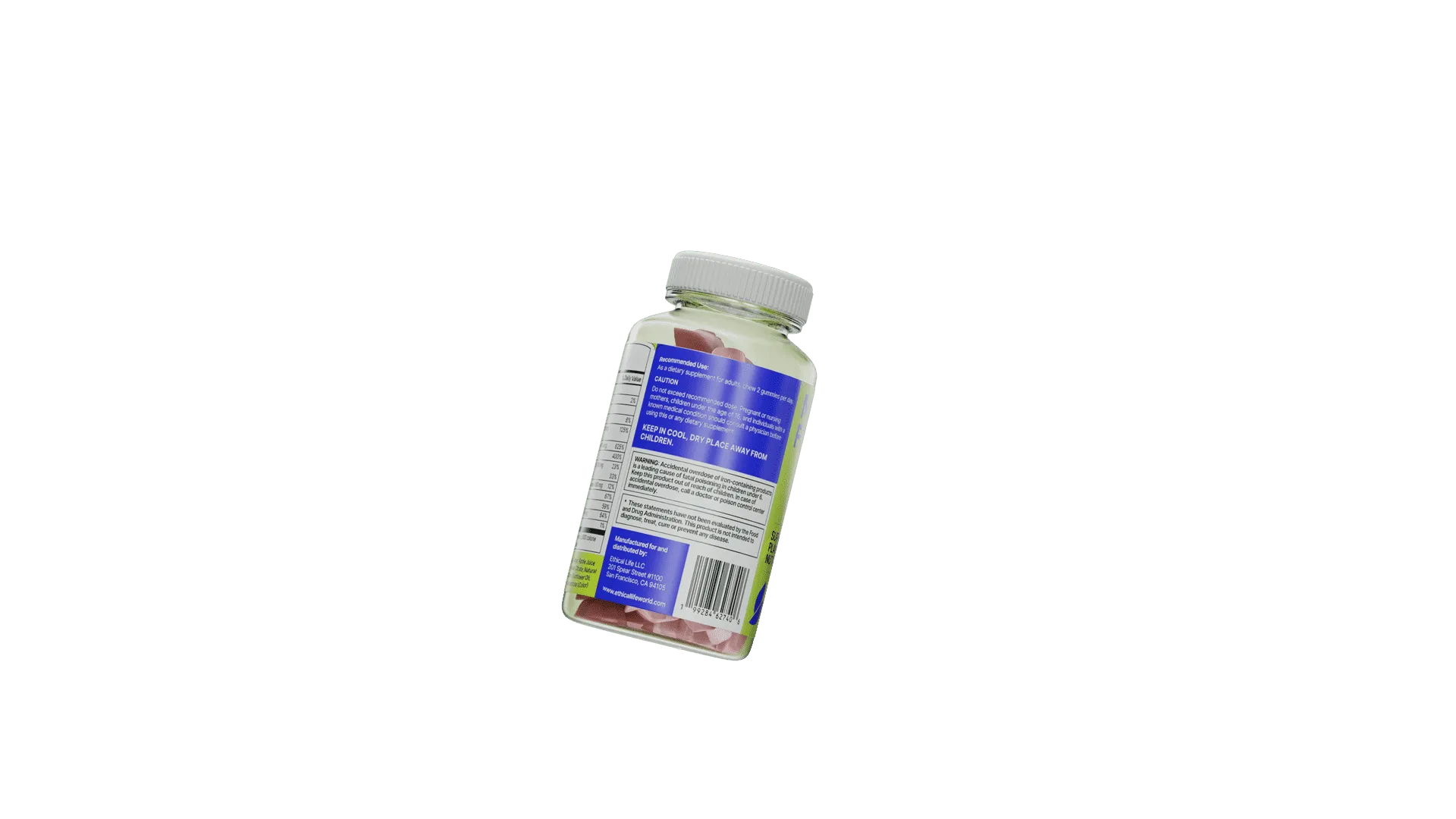
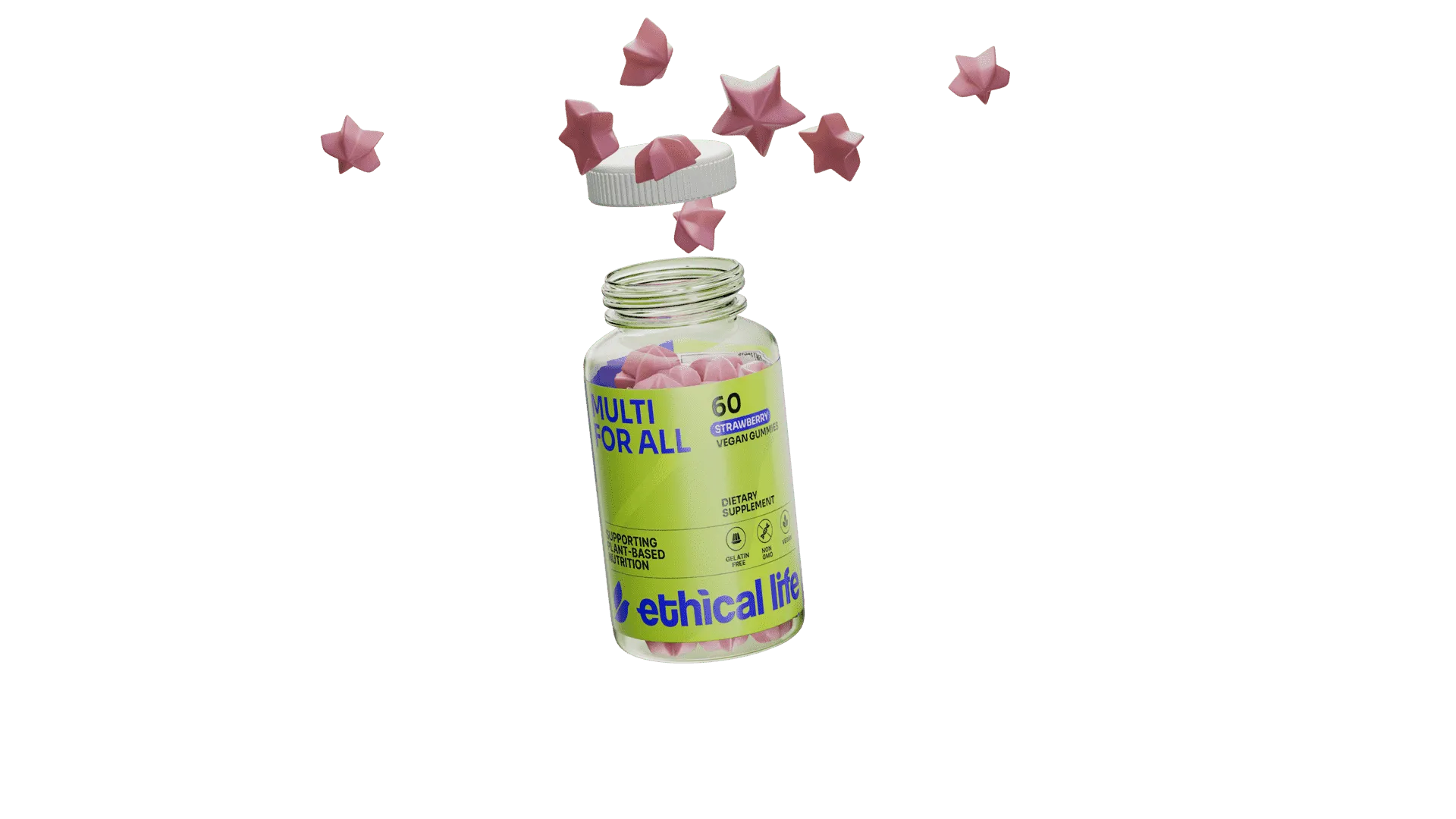
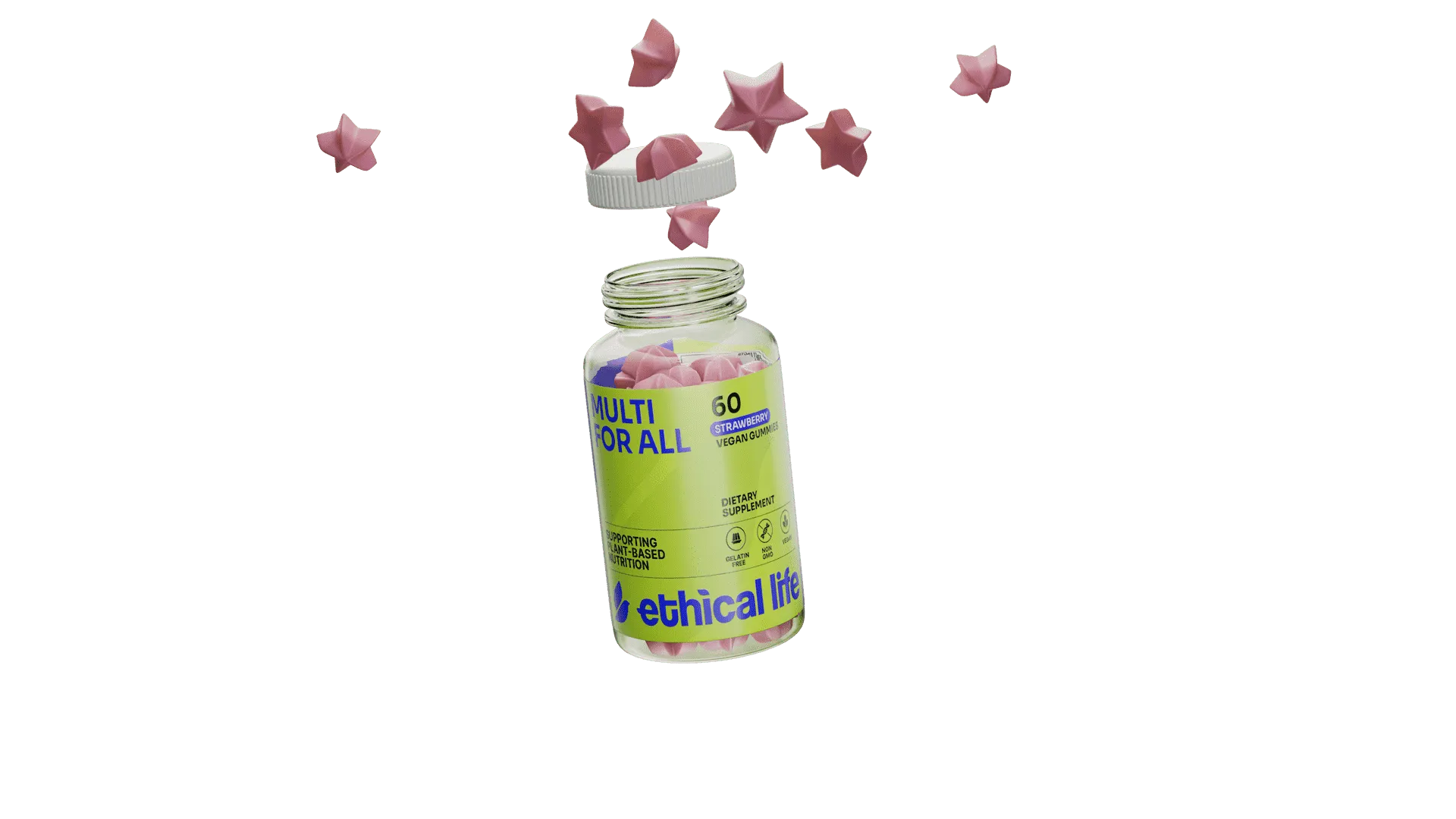
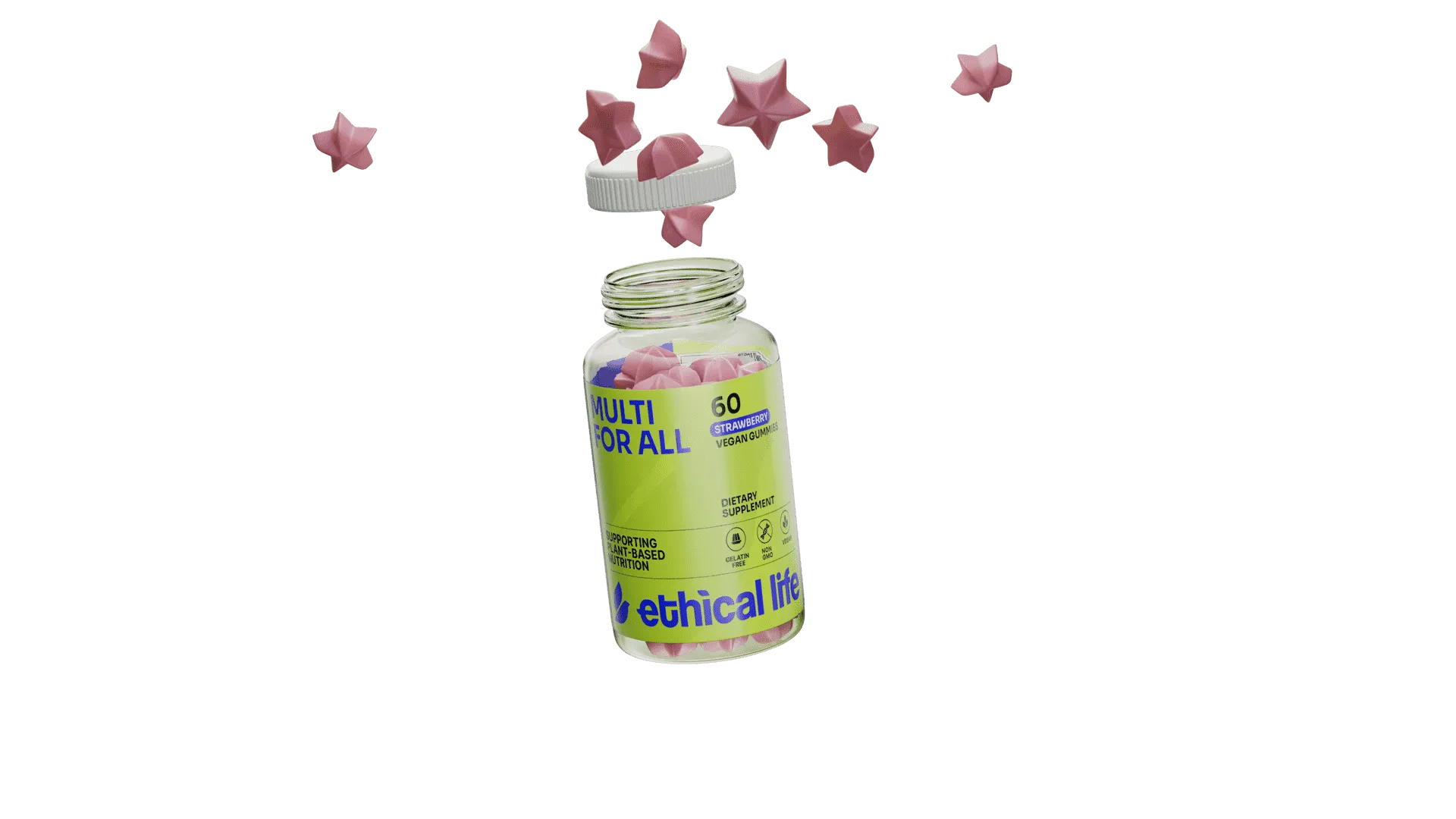
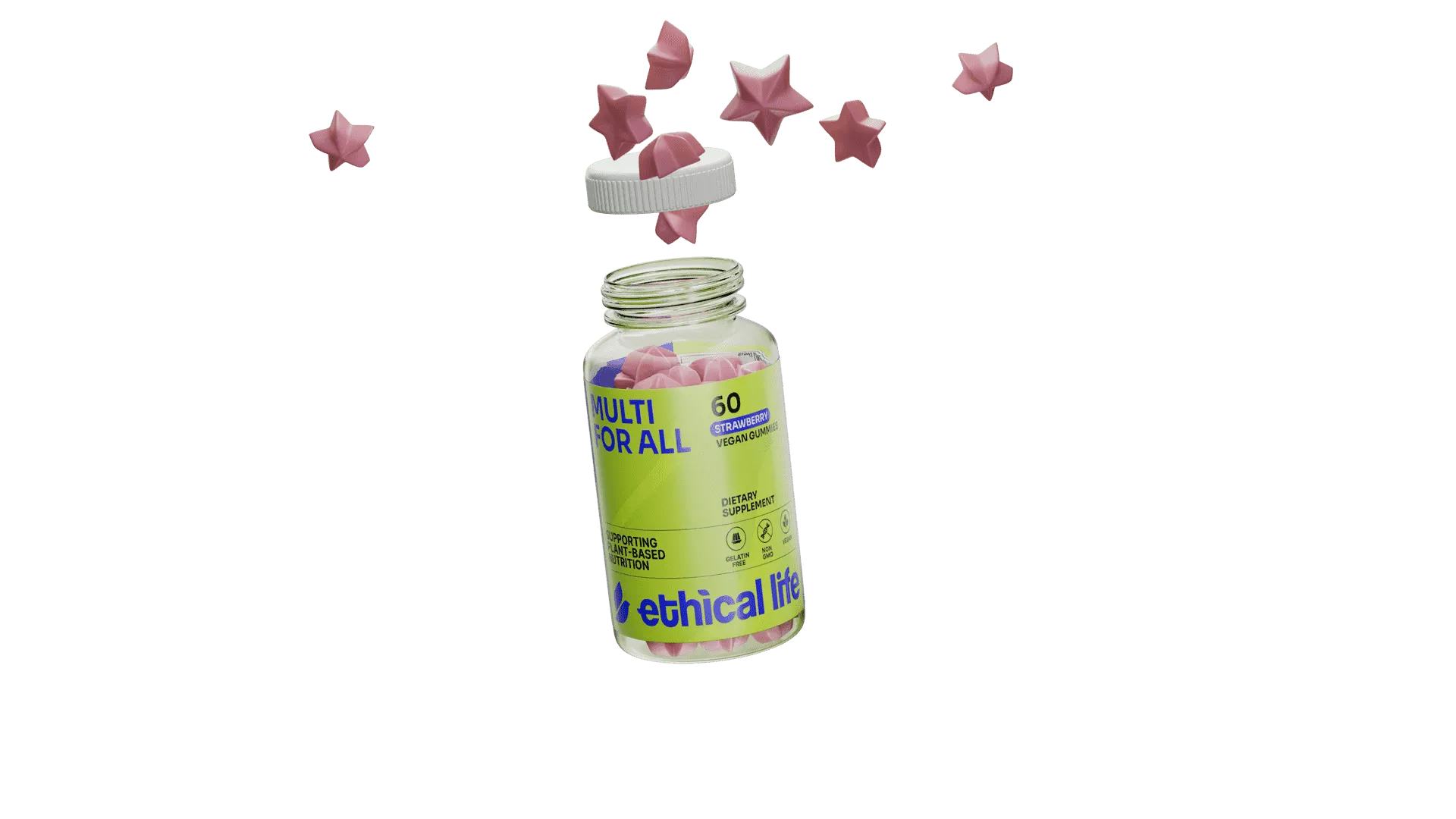
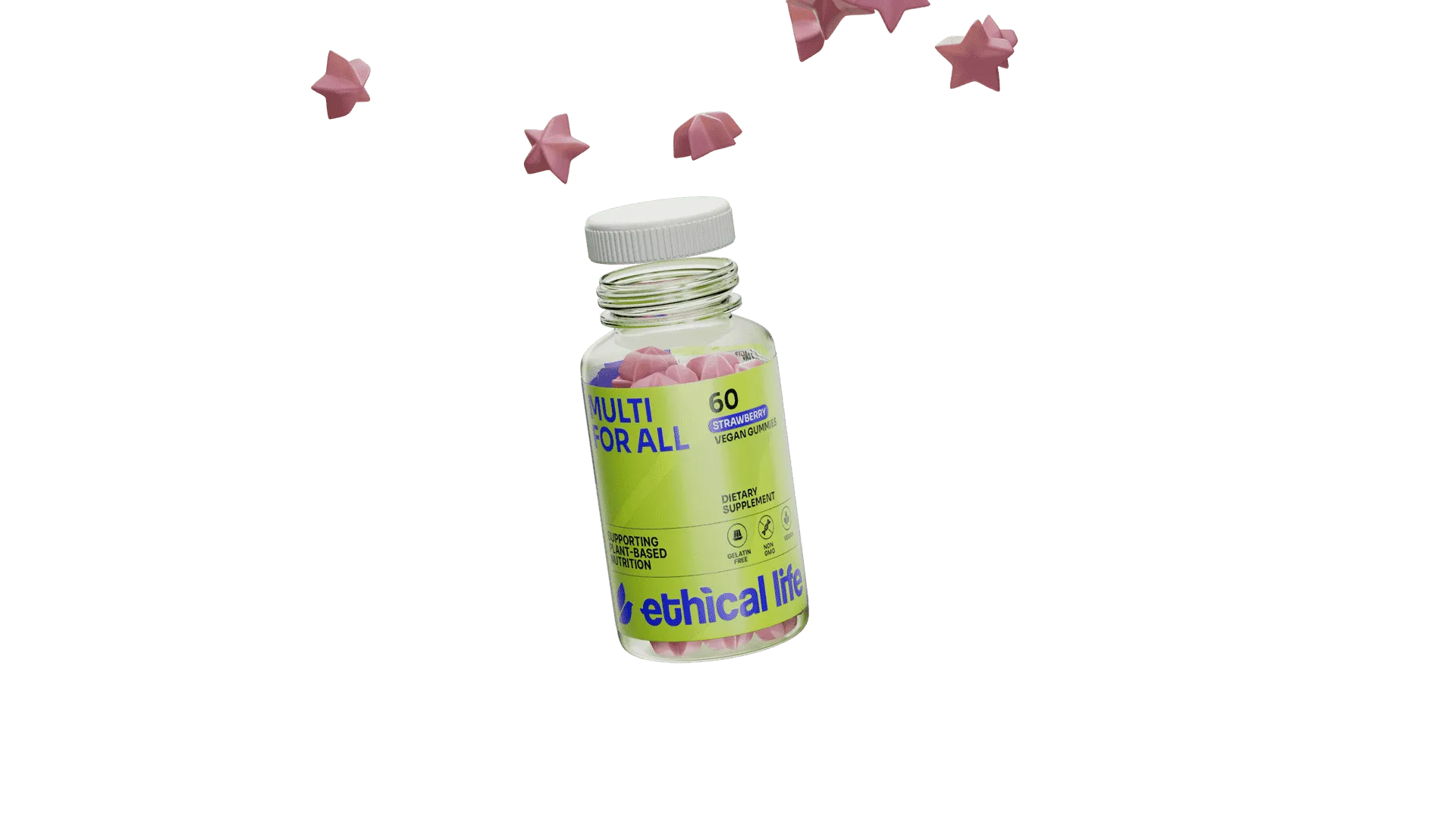
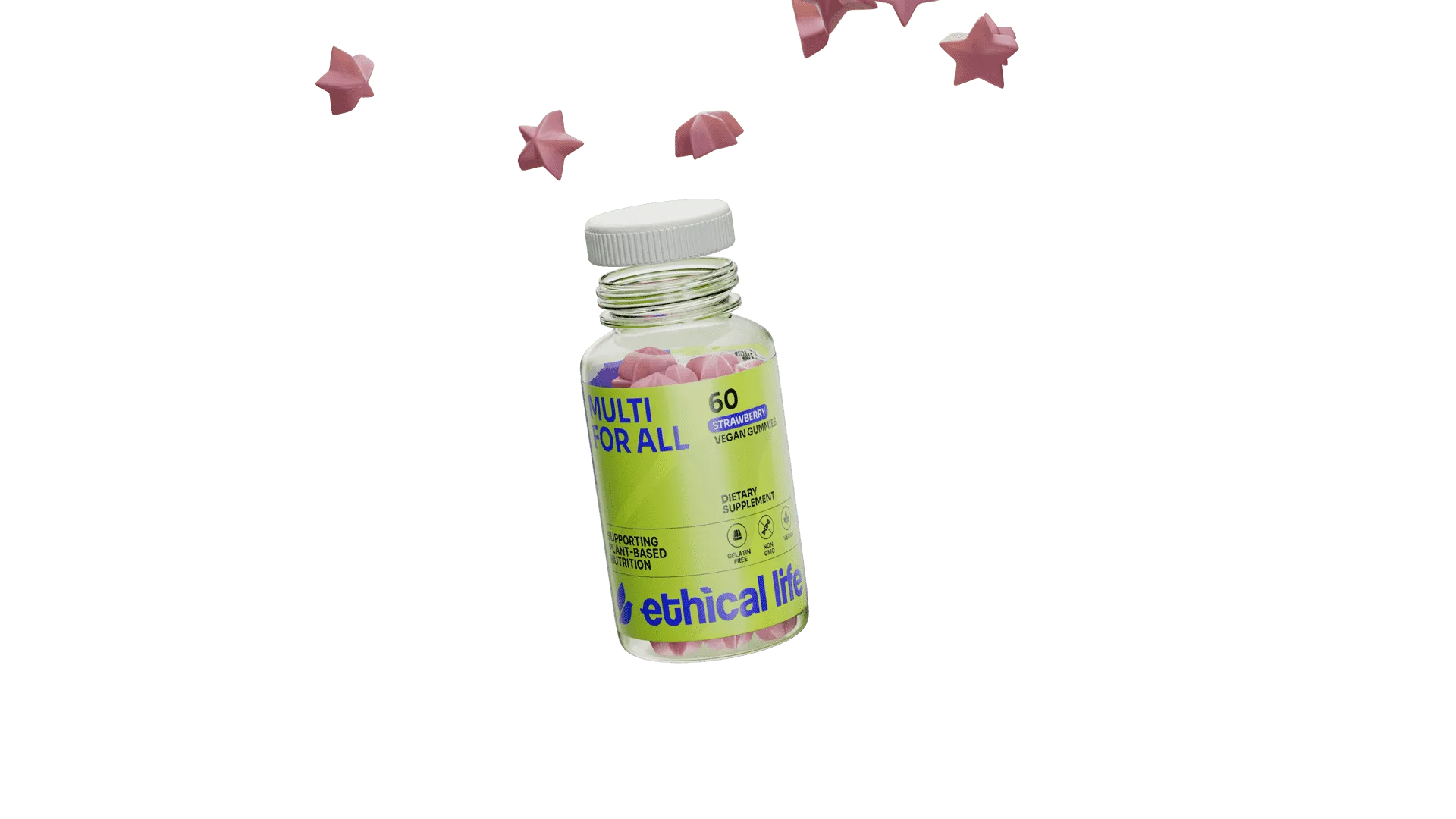
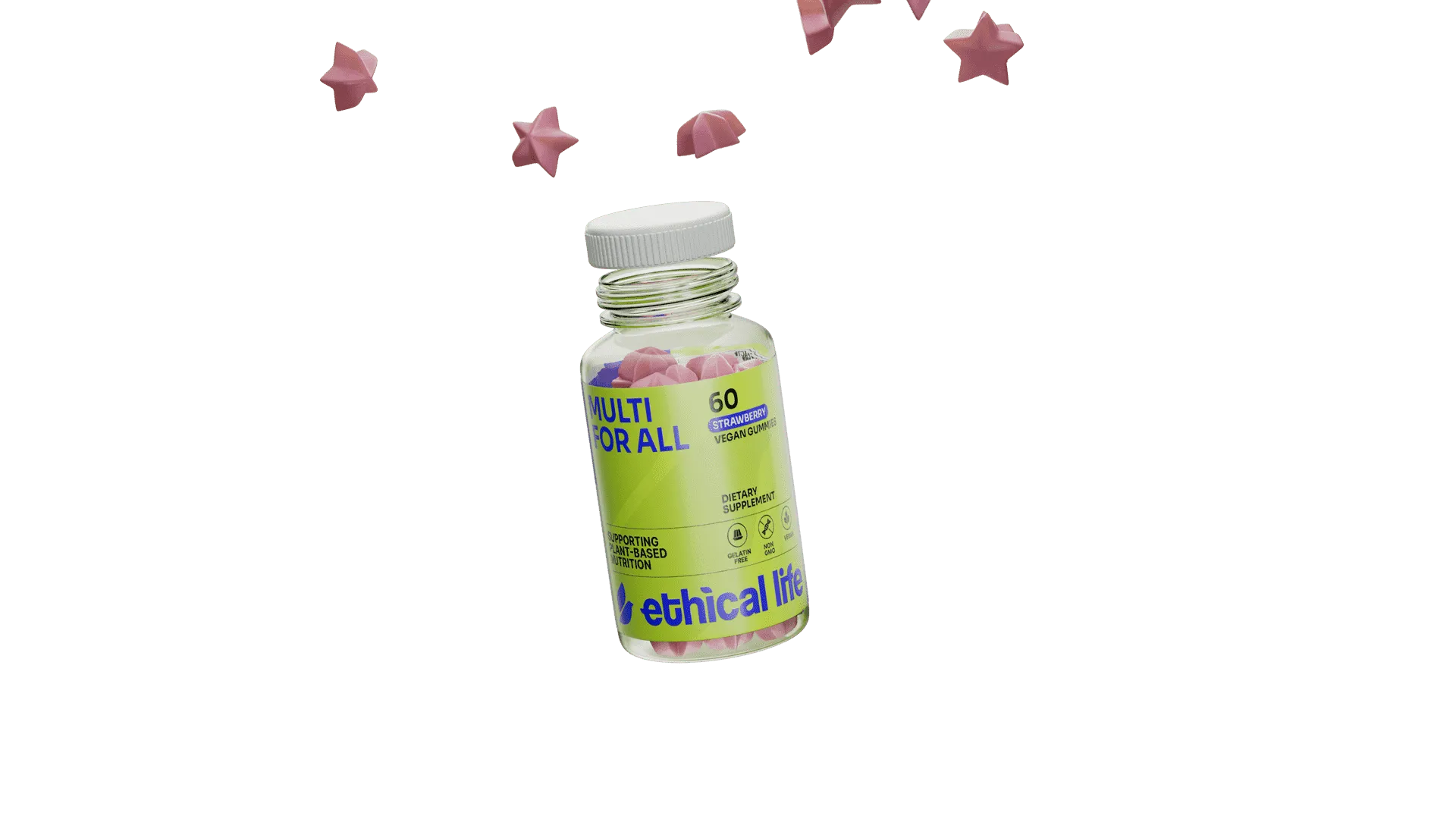
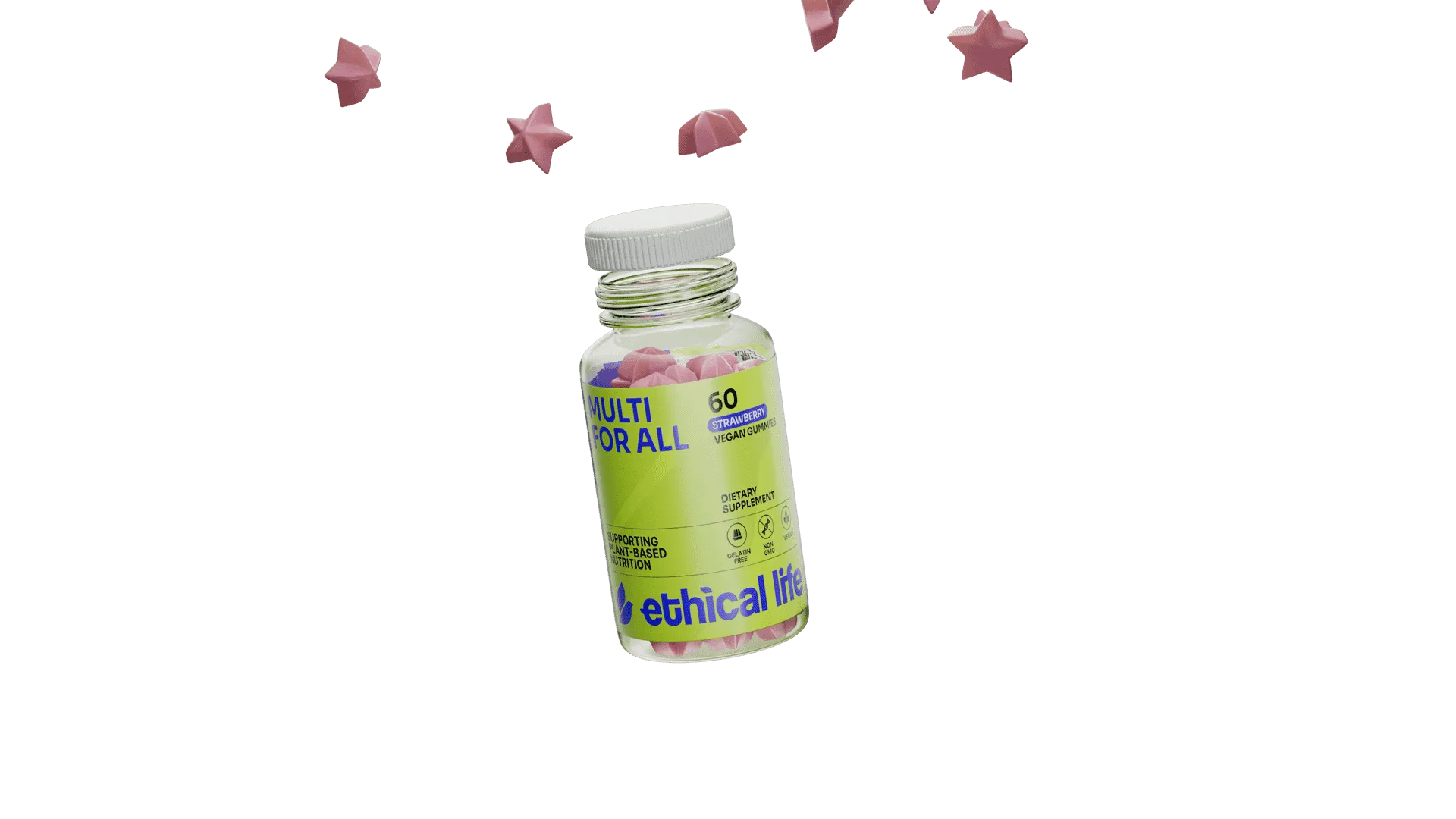
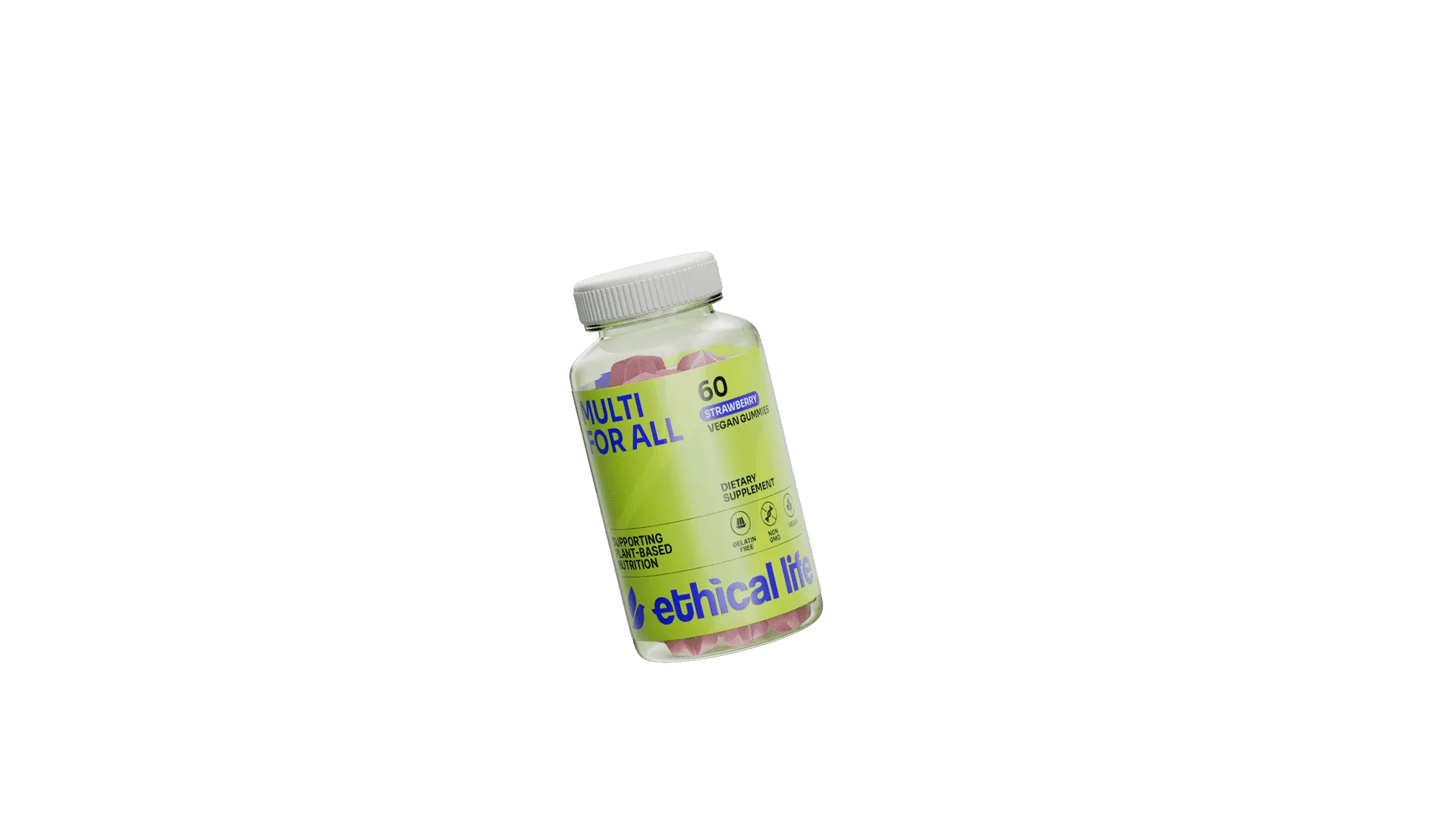
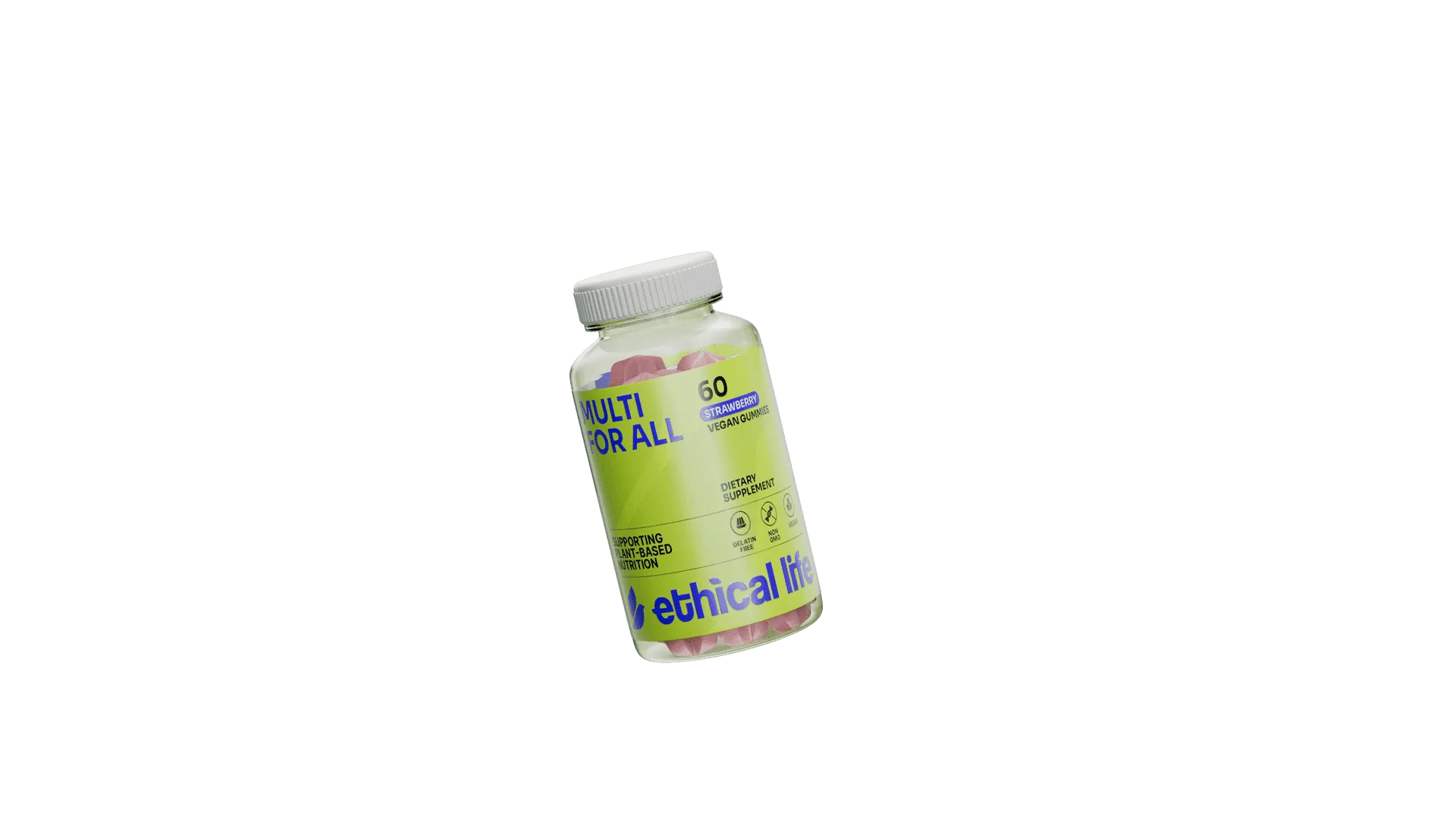
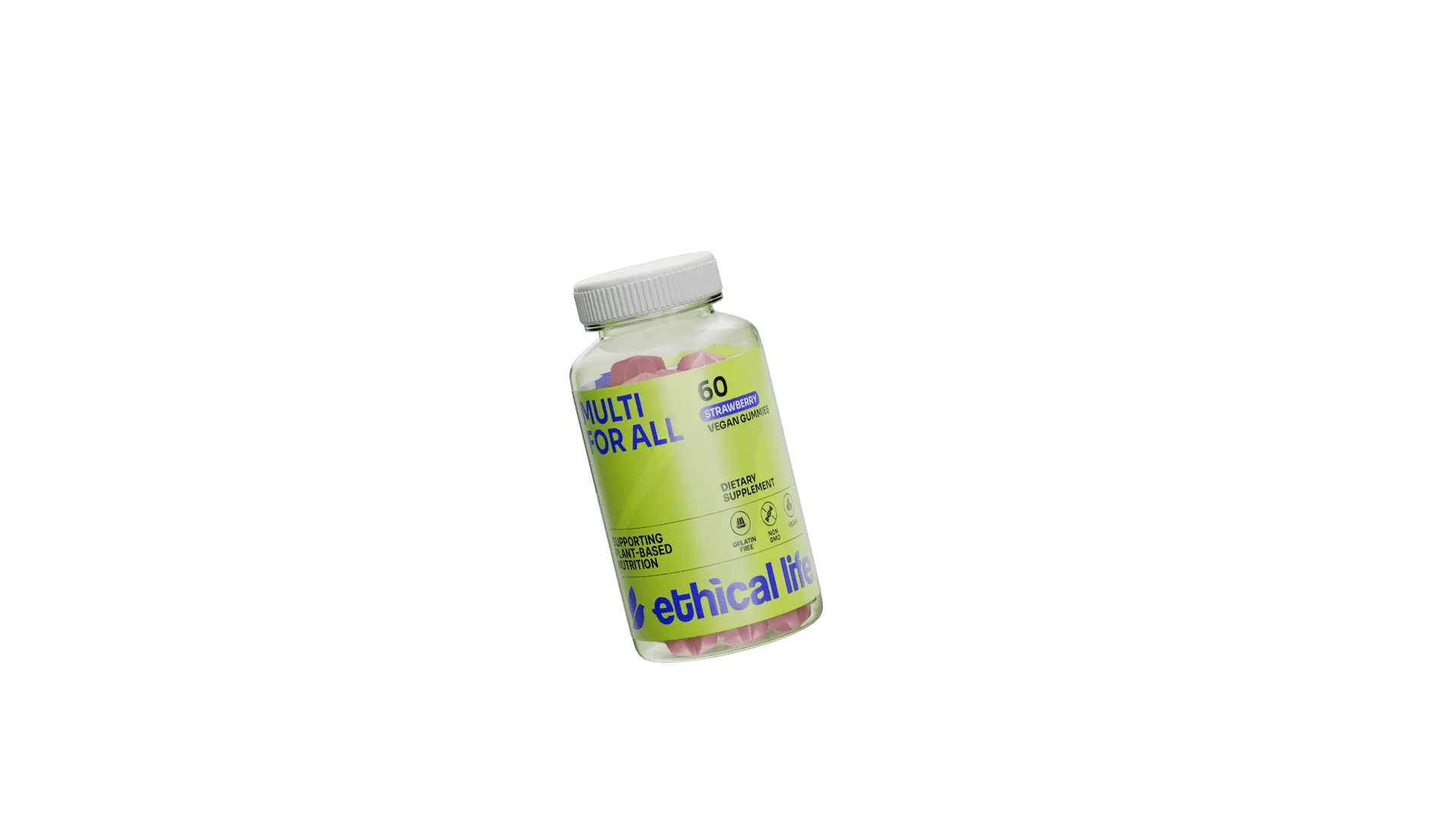
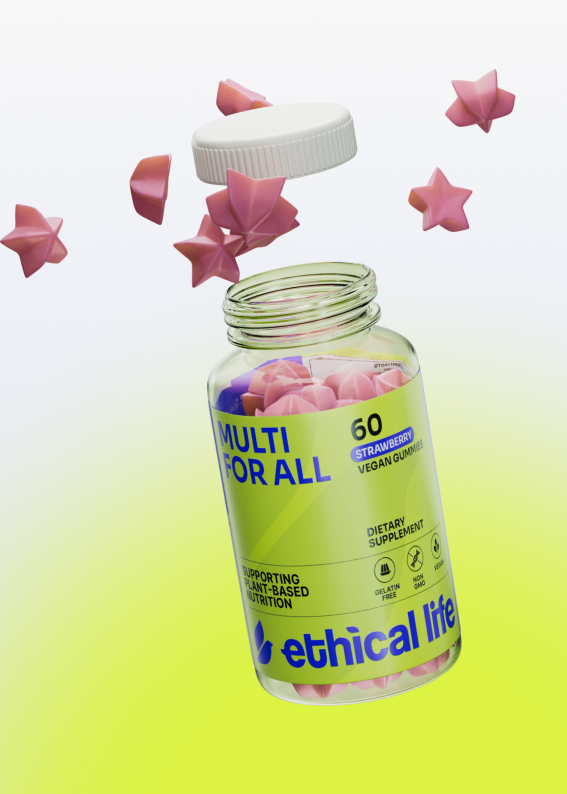
Rather than chasing over-hyped, high-dose beauty pills that your body largely flushes out, a more sustainable approach is maintaining a consistent daily baseline. Consistency is key. Ethical Life’s vegan multivitamin gummies deliver a sensible, pharmacist-formulated dose of biotin alongside complementary nutrients designed to support energy, metabolism, and overall vitality, without the excess.

How Much Biotin Do You Need Daily?

The Food and Nutrition Board of the Institute of Medicine sets the Adequate Intake (AI) for biotin at 30 mcg per day for adults and pregnant individuals, and 35 mcg per day during lactation (per the PubMed Central systematic review). Typical Western diets already deliver 35 to 70 mcg per day through food alone, which means most healthy adults are meeting or exceeding the recommended intake without any supplementation at all. The gap between what the body needs and what beauty supplement labels advertise, often 500 to 1,000 mcg or more, is worth pausing on.

Recognizing the signs of vitamin deficiency matters for anyone experiencing persistent fatigue, unexplained hair thinning, or skin changes, because while true biotin deficiency is uncommon, it does occur, and identifying it early prevents progression to neurological symptoms.

Several factors impair biotin absorption. Chronic anticonvulsant therapy, valproic acid and carbamazepine, are the most common culprits, and prolonged antibiotic use (which disrupts the gut microbiota that synthesizes biotin endogenously) can both lower circulating levels.

“The Food and Nutrition Board of the Institute of Medicine establishes an Adequate Intake (AI) of 30 mcg/day of biotin for adults. Because biotin is water-soluble and widely available in foods, typical Western diets easily meet this baseline, making routine high-dose supplementation unnecessary for healthy individuals.” – PubMed Central systematic review on biotin supplementation

Biotin Deficiency: Symptoms and Causes

True biotin deficiency presents first on the skin. The characteristic pattern, an eczematous, scaly, erythematous rash concentrated around the eyes, nose, and mouth, is distinctive enough that clinicians refer to it as “biotin-deficient face.” Hair thinning and alopecia typically accompany these dermatological signs. Left untreated, deficiency progresses into neurological territory: fatigue, paresthesias (tingling sensations in the extremities), hypotonia, muscle pain, and cognitive impairment.

Diagnosing deficiency requires more than a standard blood draw. Normal plasma biotin concentration falls between 400 and 1,200 ng/L, with deficiency technically defined as below 200 ng/L (per the PubMed Central review). Plasma levels fluctuate day to day, making them unreliable for detecting marginal deficiency. The most validated diagnostic marker is an elevated urinary excretion of 3-hydroxyisovaleric acid exceeding 195 micromol per 24 hours, a metabolite that accumulates when the biotin-dependent enzyme 3-methylcrotonyl-CoA carboxylase cannot function properly.

Congenital causes, biotinidase deficiency and holocarboxylase synthetase deficiency, require lifelong biotin therapy, typically 5 to 20 mg per day, to prevent irreversible neurological damage and developmental complications. Every U.S. state mandates newborn screening for biotinidase deficiency precisely because early detection and treatment prevent outcomes that are otherwise severe and permanent.

Avoid massive isolated mega-doses. A balanced, pharmacist-formulated multivitamin provides a carefully proportioned blend of essential nutrients that supports your body’s metabolic processes without creating new imbalances.

“I’ve been taking the Ethical Life Vegan Gummies for several weeks now, and they’ve been great. They taste good (not too sweet), and it’s nice knowing they’re actually vegan and made with clean ingredients like pectin, apple juice, and natural strawberry flavor. The mix of vitamins helps with energy, immunity, and overall wellness, which I’ve definitely noticed in my daily routine. I also like that they were created by a pharmacist, which gives me extra confidence in the quality and thought behind the formula. Just a solid, easy way to get my vitamins (and knowing it’s without any added junk)!” – Tom O
Top Food Sources of Biotin

Biotin is present across a wide range of whole foods, which is a large part of why true deficiency is uncommon in the general population.

Rich Plant-Based Sources

Rich plant-based sources include nuts (almonds and walnuts in particular), legumes, seeds, whole grains, and unpolished rice.

Intestinal Microbiota

Beyond diet, the body receives a meaningful contribution from endogenous synthesis by intestinal microbiota: one more reason why prolonged antibiotic use can quietly erode biotin status over time, even in people eating well.

A Food-First Approach

Evidence supports a food-first approach.

Supplementation as a Safeguard

For most people eating a varied, whole-food diet, supplementation functions as a safeguard rather than a necessity: a way to fill gaps on the days when diet falls short, not a replacement for it. Prioritize whole foods.

Biotin Side Effects and Safety

Biotin’s water-soluble nature means the body excretes what it does not use, and toxicity from dietary or moderate supplemental intake is essentially unheard of. Excess biotin is excreted. High-dose supplements, however, carry a specific and serious risk that receives far less attention than it deserves in beauty marketing.

High-dose biotin can severely interfere with clinical laboratory immunoassays, according to the NIH Bookshelf review. The mechanism involves biotin’s interaction with streptavidin-biotin chemistry used in many standard assay platforms, producing false-positive or false-negative readings on critical tests: thyroid hormone panels and cardiac troponin assays among them. Troponin tests diagnose heart attacks. An artificially suppressed troponin result in a patient taking high-dose biotin supplements could delay or misdirect treatment with genuinely dangerous consequences.

Because of these potential diagnostic risks, choosing a supplement with a balanced, sensible dose, rather than an extreme mega-dose, is essential for your long-term safety.

How to Choose the Right Biotin Supplement

The supplement market is crowded with products promising dramatic hair transformation through massive biotin doses. Choose wisely. Given what the clinical evidence shows, a few practical selection criteria clarify the choice.

Look for a pharmacist-formulated product: someone with clinical training has evaluated the nutrient ratios for both efficacy and safety. A well-designed formula pairs biotin with cofactors like zinc and selenium rather than delivering it as an isolated mega-dose, because micronutrients operate in concert. On the ingredient side, pectin-based gummies are preferable to gelatin (which is animal-derived), and the formula should be free of artificial sugars, synthetic dyes, and unnecessary fillers. Made-in-USA manufacturing with transparent labeling rounds out what a trustworthy product looks like.

Customers notice the difference.

“I’ve tried many supplements, but Ethical Life truly stands out. From the first week, I noticed a difference in my energy, mood, and focus. The gummies taste amazing, and I love that they’re made with clean, plant-based ingredients and no artificial junk or sugar. It feels good to take something that aligns with my values: cruelty-free, eco-friendly, and transparent about what’s inside. I appreciate that they’re made in the USA! Ethical Life isn’t just another supplement brand; it’s a brand that genuinely cares about health, ethics, and sustainability. I can’t recommend it enough!” – Neda N

Frequently Asked Questions

Does biotin cause acne?
Biotin itself does not directly trigger acne, but high doses can create an indirect pathway to breakouts. Biotin and Vitamin B5 (pantothenic acid) compete for absorption in the gut. Pantothenic acid plays a role in regulating the skin barrier and sebum production, so a temporary B5 deficit caused by biotin overload can lead to breakouts in susceptible individuals. Maintaining a balanced B-complex intake, rather than flooding the system with a single isolated nutrient, sidesteps this issue. The vegan vitamin FAQ covers how B-complex vitamins interact and how to keep intake in balance.

How long does it take for biotin to work?
Hair and nails grow slowly: human hair grows roughly half an inch per month, so any nutritional change takes time to register visibly. Most practitioners suggest allowing 3 to 6 months of consistent daily supplementation before drawing conclusions. Two weeks is not enough.

Can you take too much biotin?
Because biotin is water-soluble, the body excretes excess amounts through urine, and true toxicity is rare. That said, very high doses can cause digestive discomfort or skin rashes in some people. The more clinically significant concern is the immunoassay interference described in the safety section above: high biotin intake can skew results on thyroid and cardiac blood tests in ways that carry real diagnostic risk.

Does biotin help with hair loss from alopecia?
Biotin supports normal hair structure, but it is not a treatment for androgenetic alopecia (genetic hair loss) or alopecia areata (autoimmune hair loss). Those conditions involve hormonal signaling and immune dysregulation that biotin has no mechanism to address. Biotin cannot fix them. Medical treatments like minoxidil or evaluation by a dermatologist are the appropriate routes for pathological hair loss.

Is biotin safe to take daily?
Daily biotin intake at or near the recommended 30 mcg is safe and well-tolerated for most people. A balanced daily multivitamin that includes biotin alongside its cofactors is a more clinically sound approach than a standalone high-dose beauty supplement: it supports the broader nutrient ecosystem rather than pushing a single variable in isolation.

Biotin is a genuinely important nutrient: a metabolic workhorse that keeps energy production, nerve function, and cellular maintenance running in the background. Its connection to hair, skin, and nail structure is real, rooted in keratin synthesis and protein metabolism. Where the evidence falls short is in the claim that mega-doses transform hair growth in people who are not deficient. That gap between biology and beauty marketing is worth holding onto.

The most effective path to long-term health runs through consistent daily choices: a diet built around whole foods and a clean, pharmacist-formulated multivitamins routine that fills the gaps without overloading any single pathway. Ethical Life’s commitment to science-backed formulation, plant-based ingredients, and transparent labeling reflects exactly that philosophy.

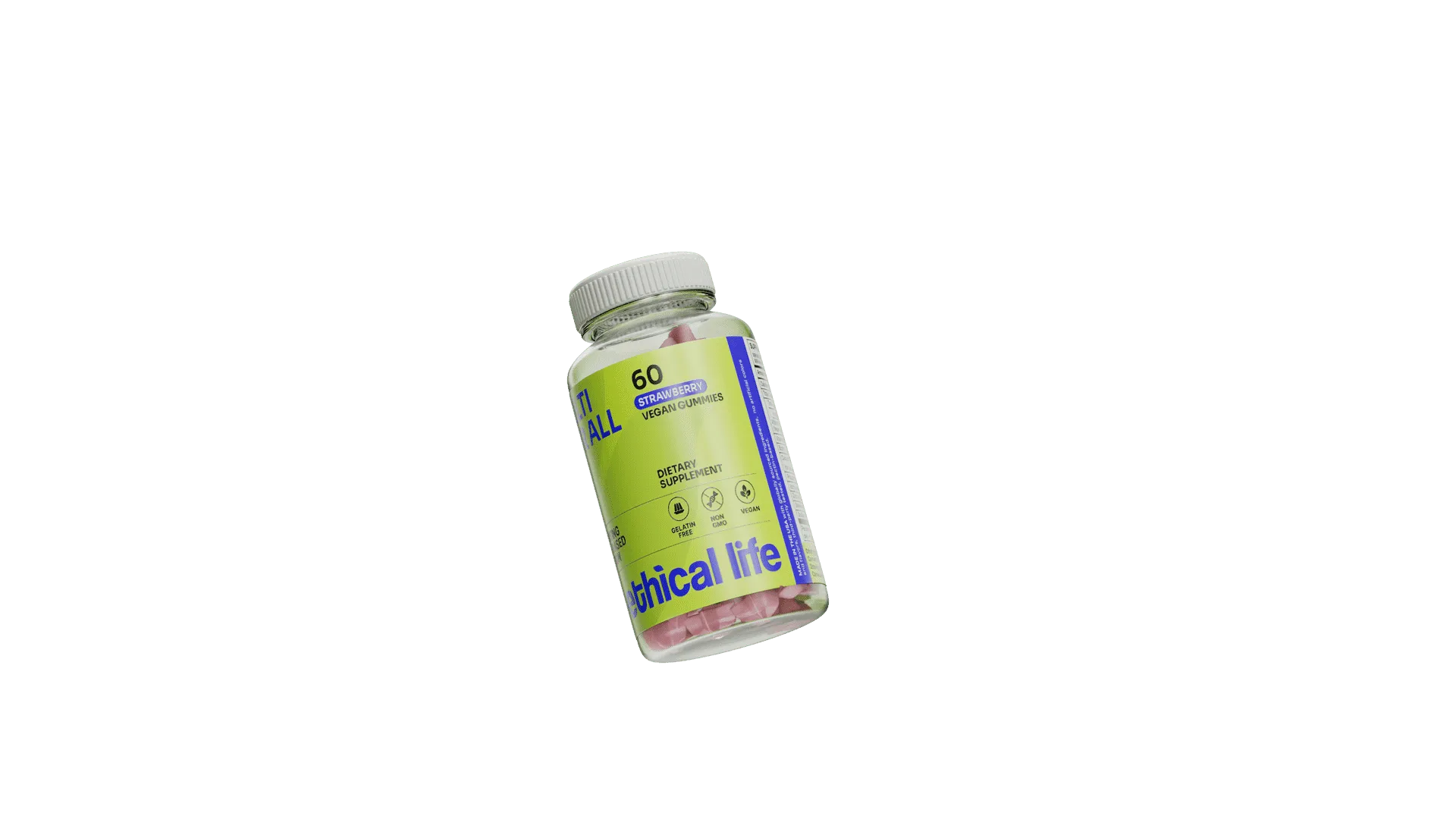
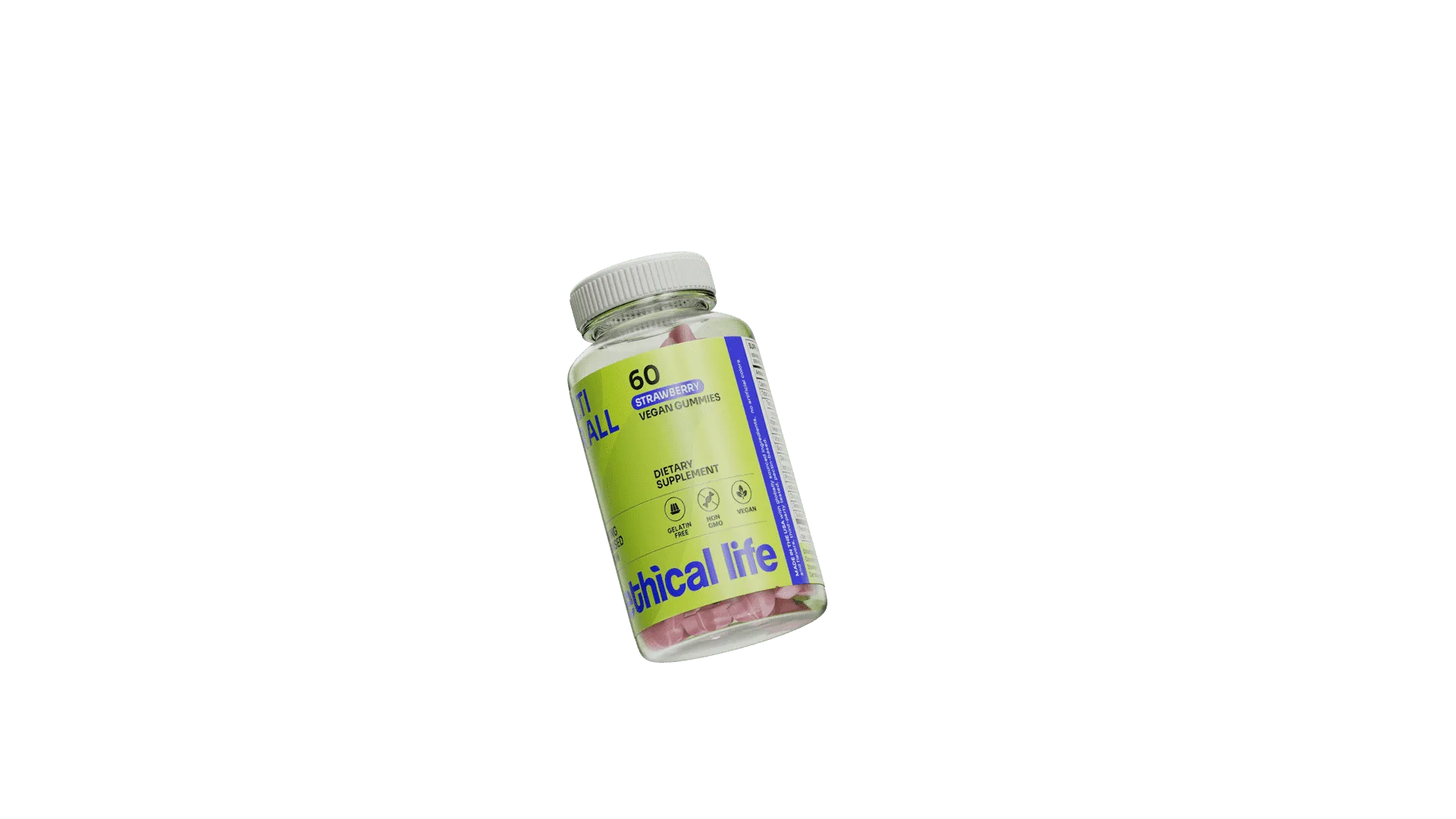
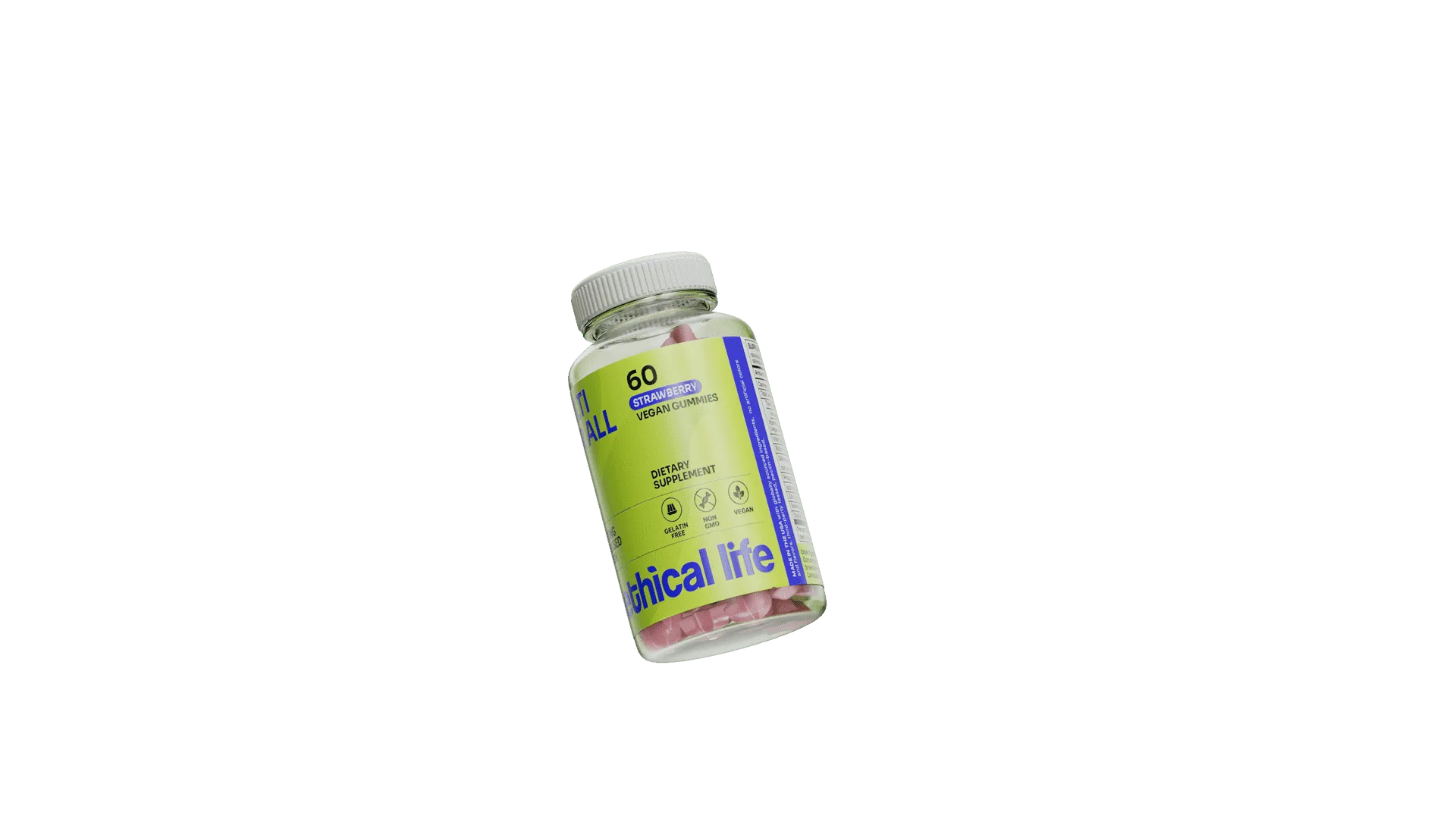
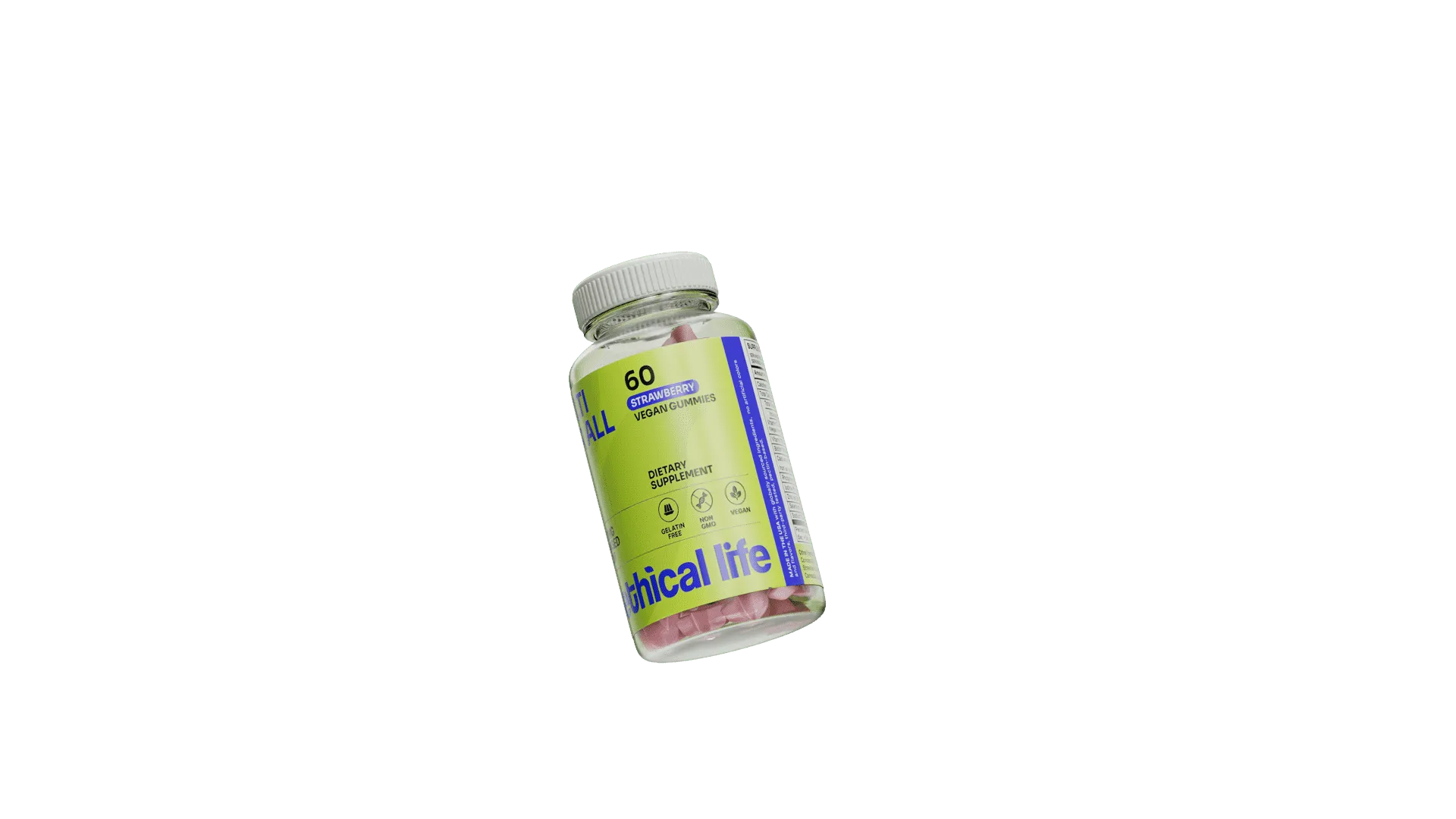
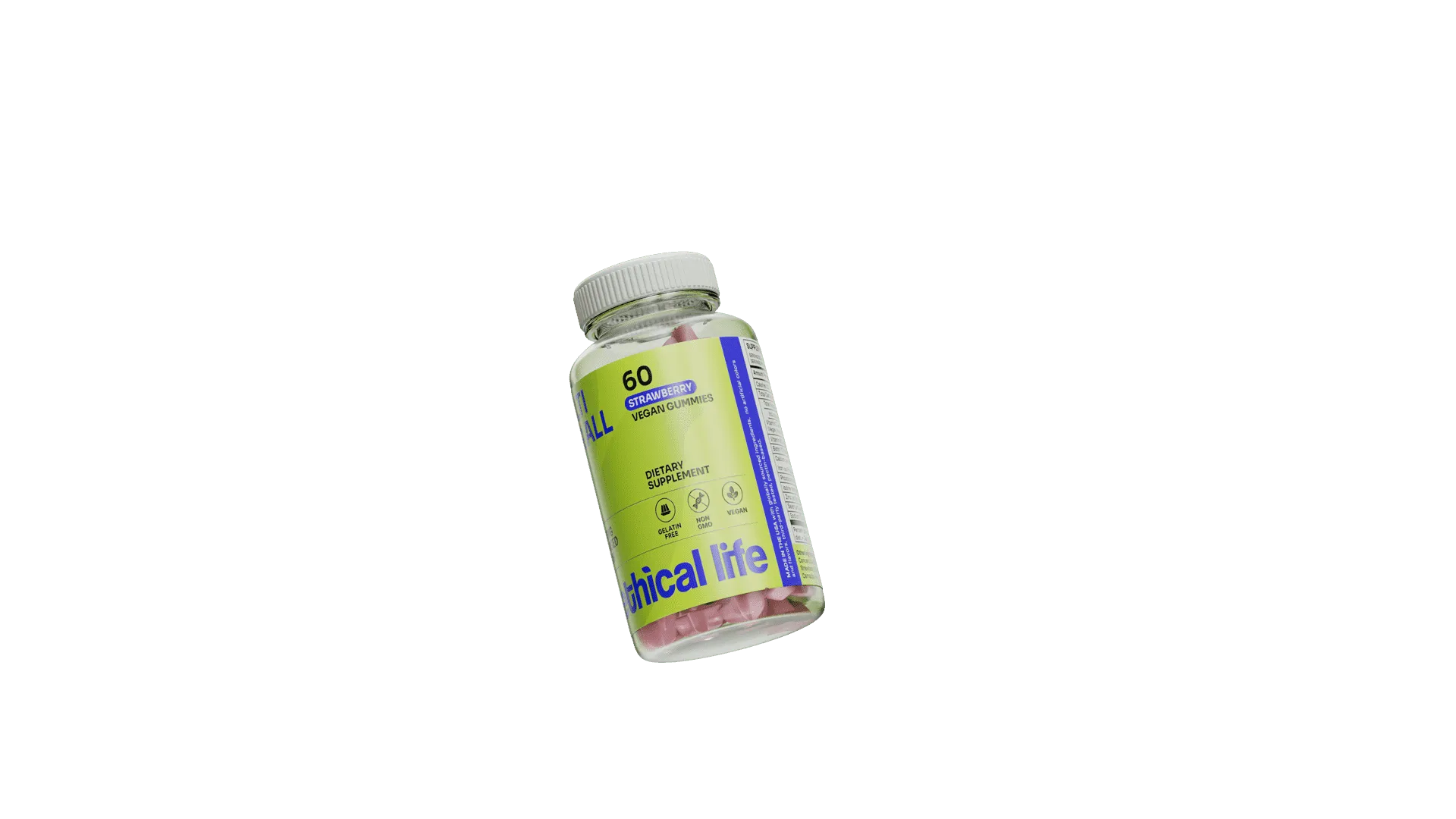
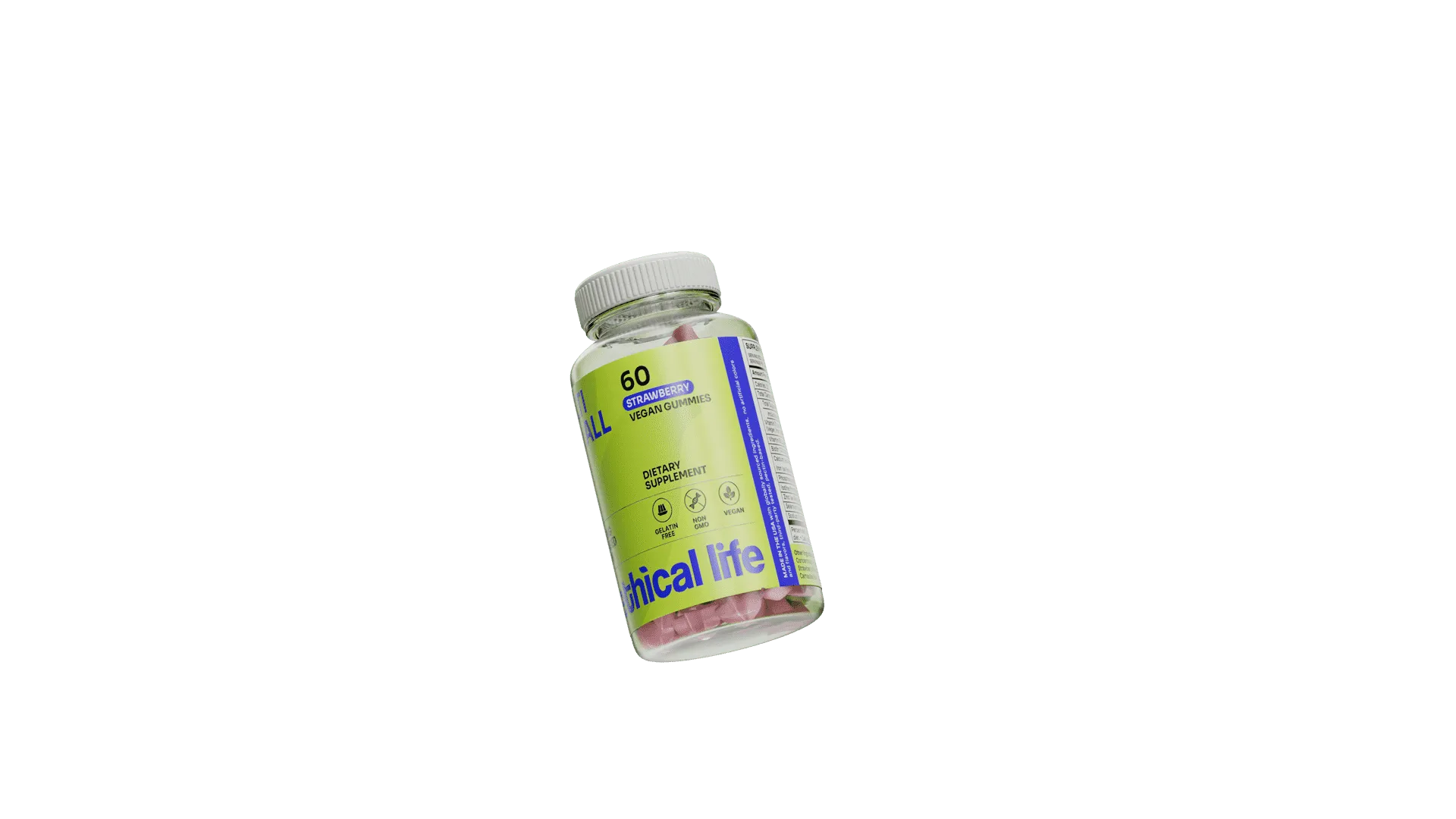
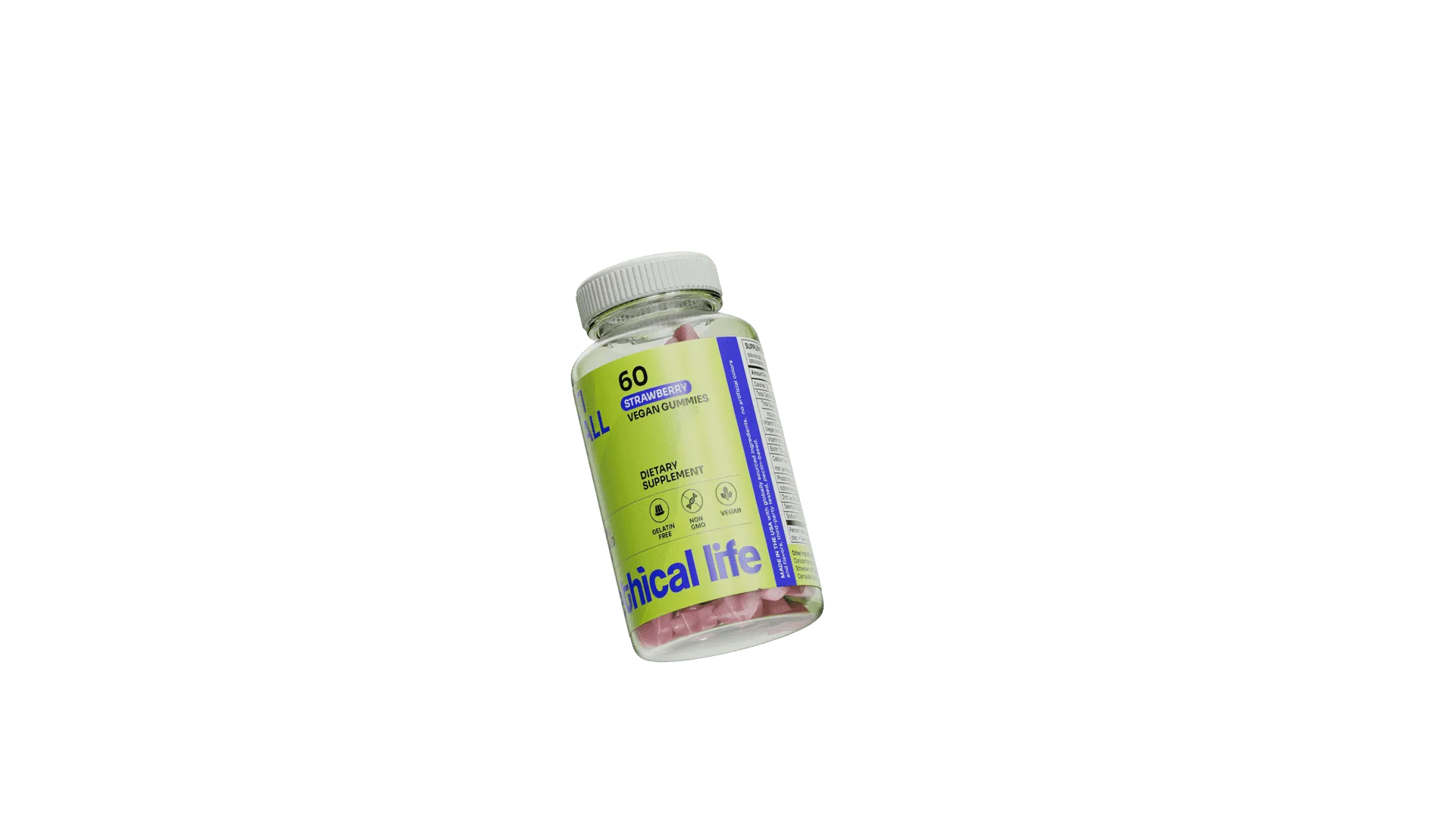
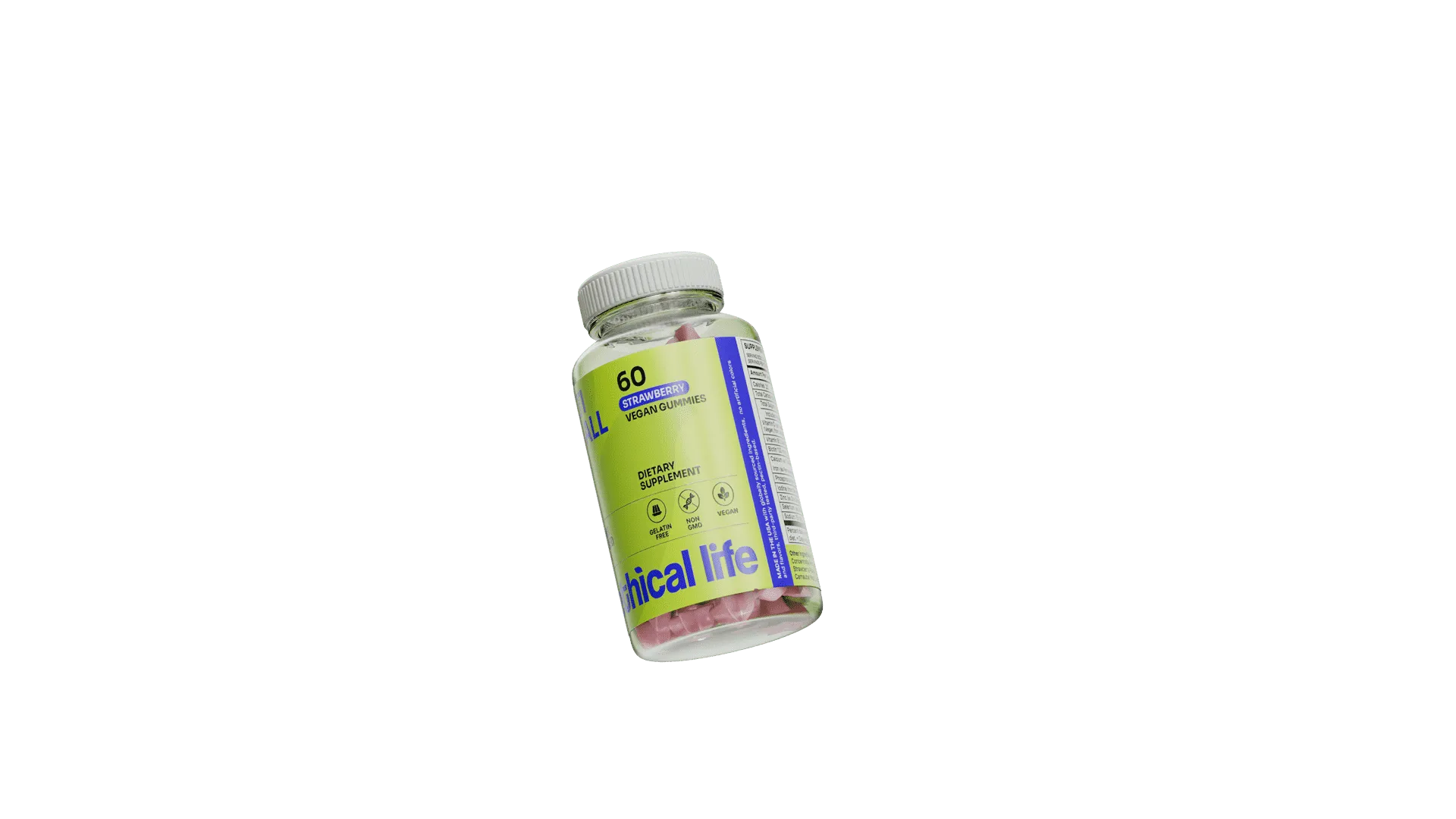
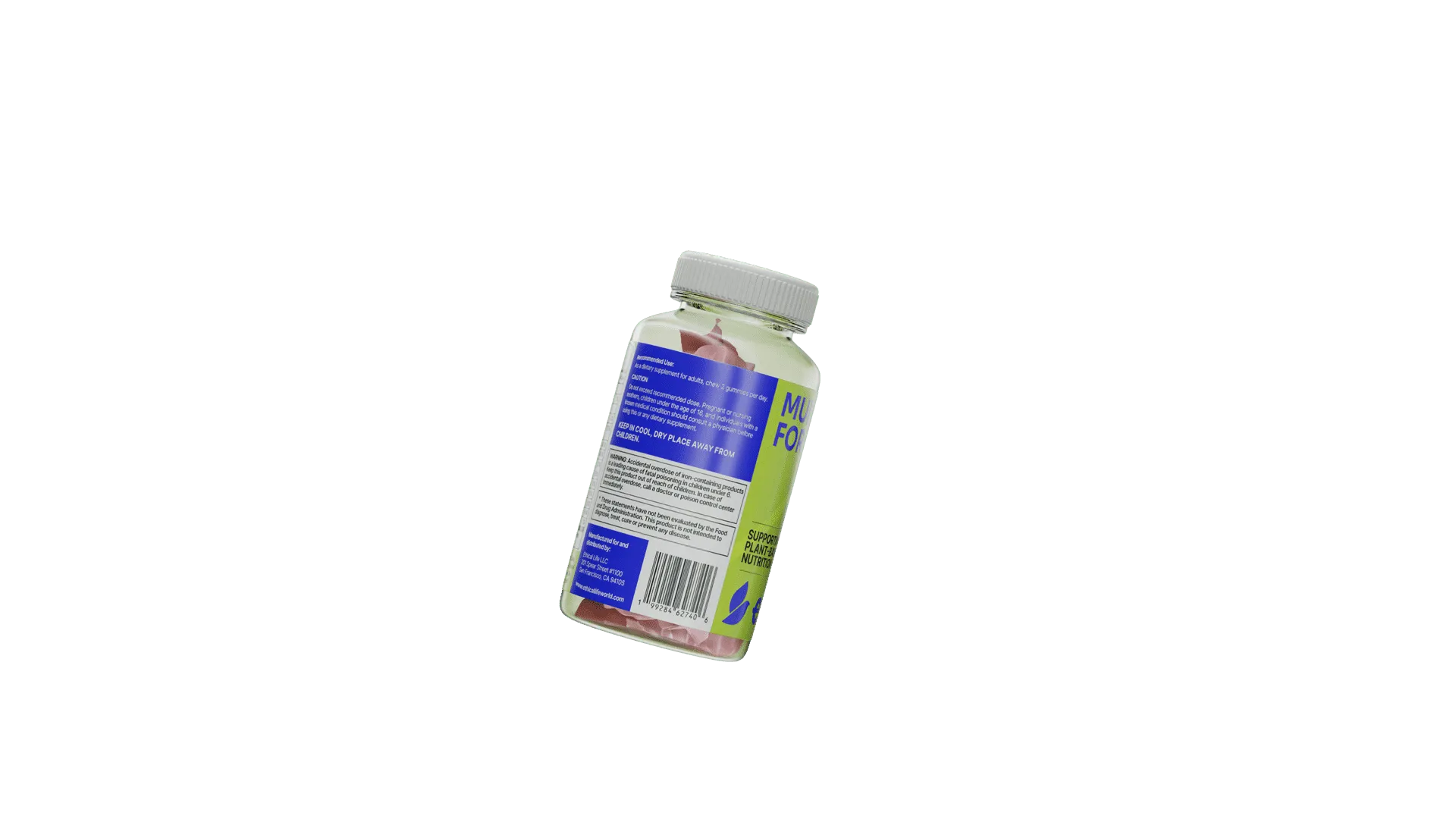
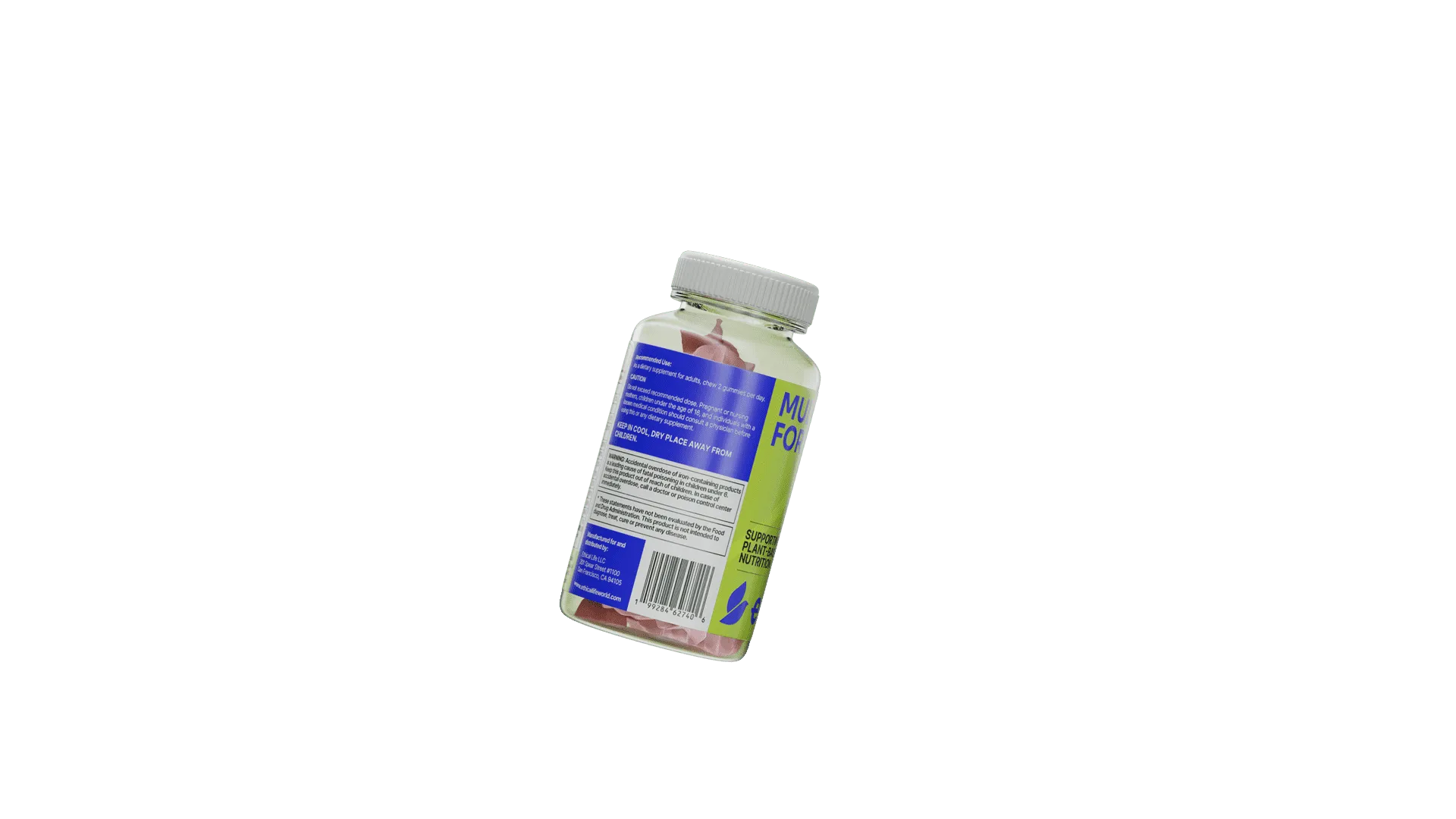
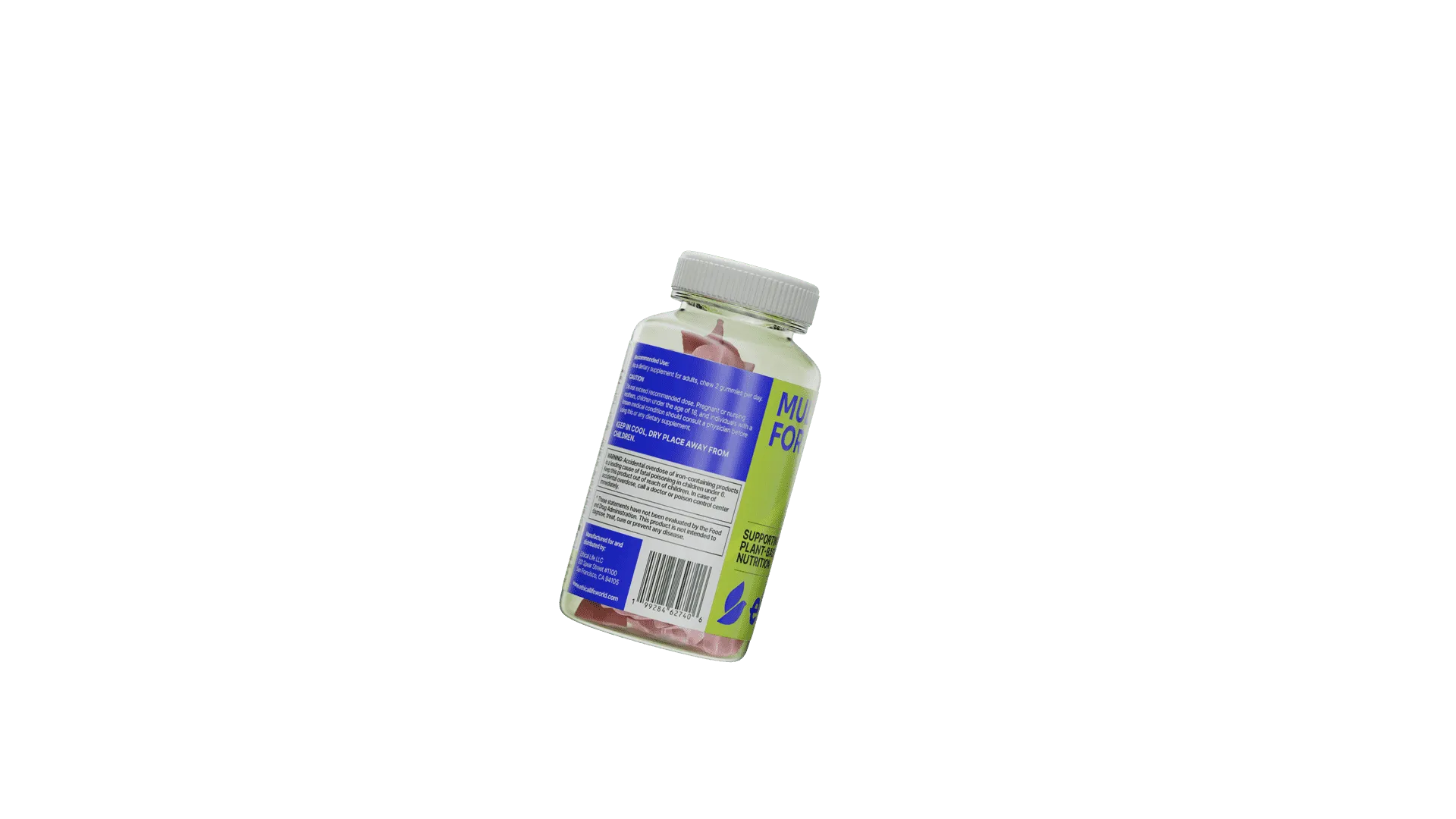
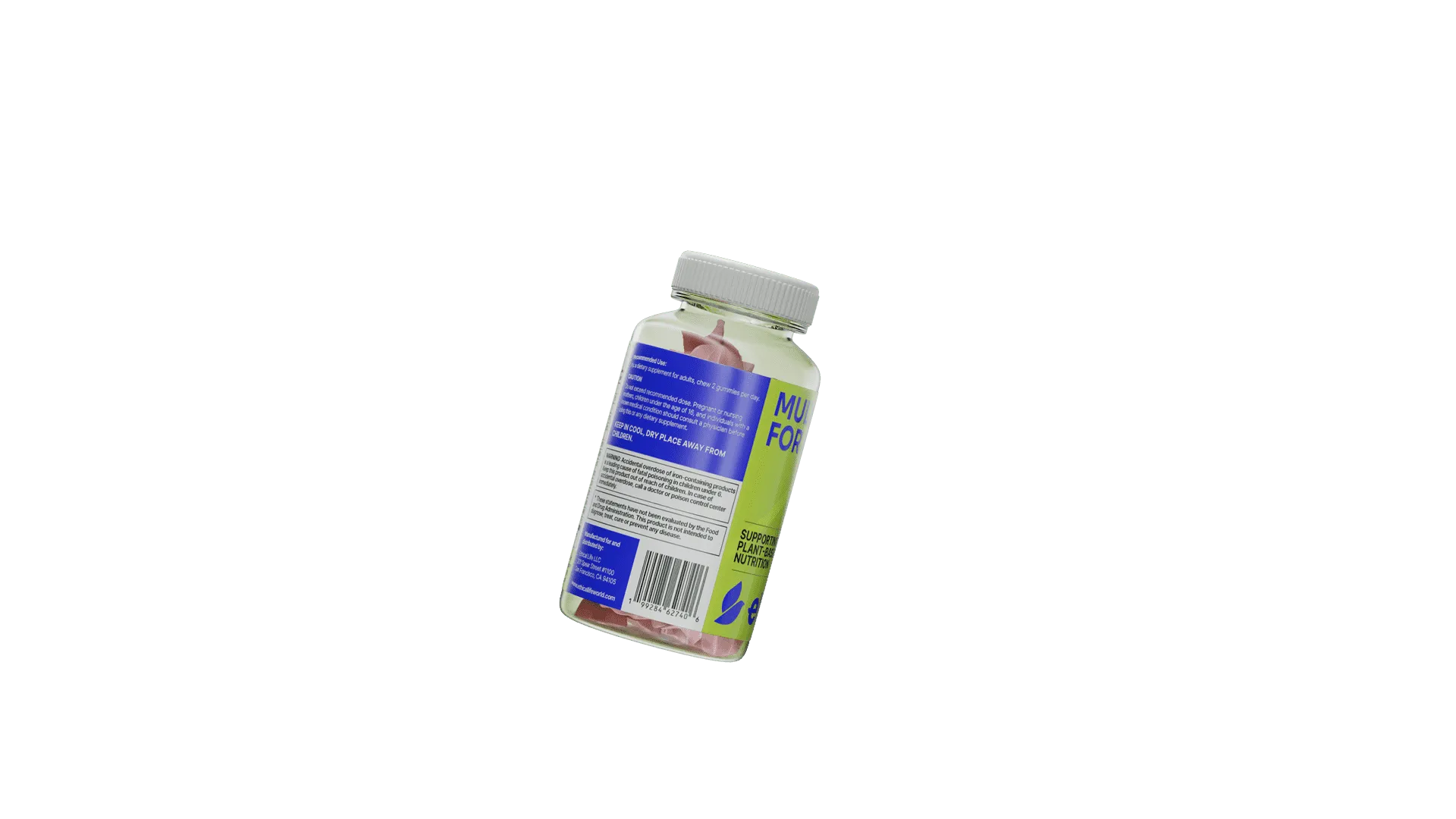
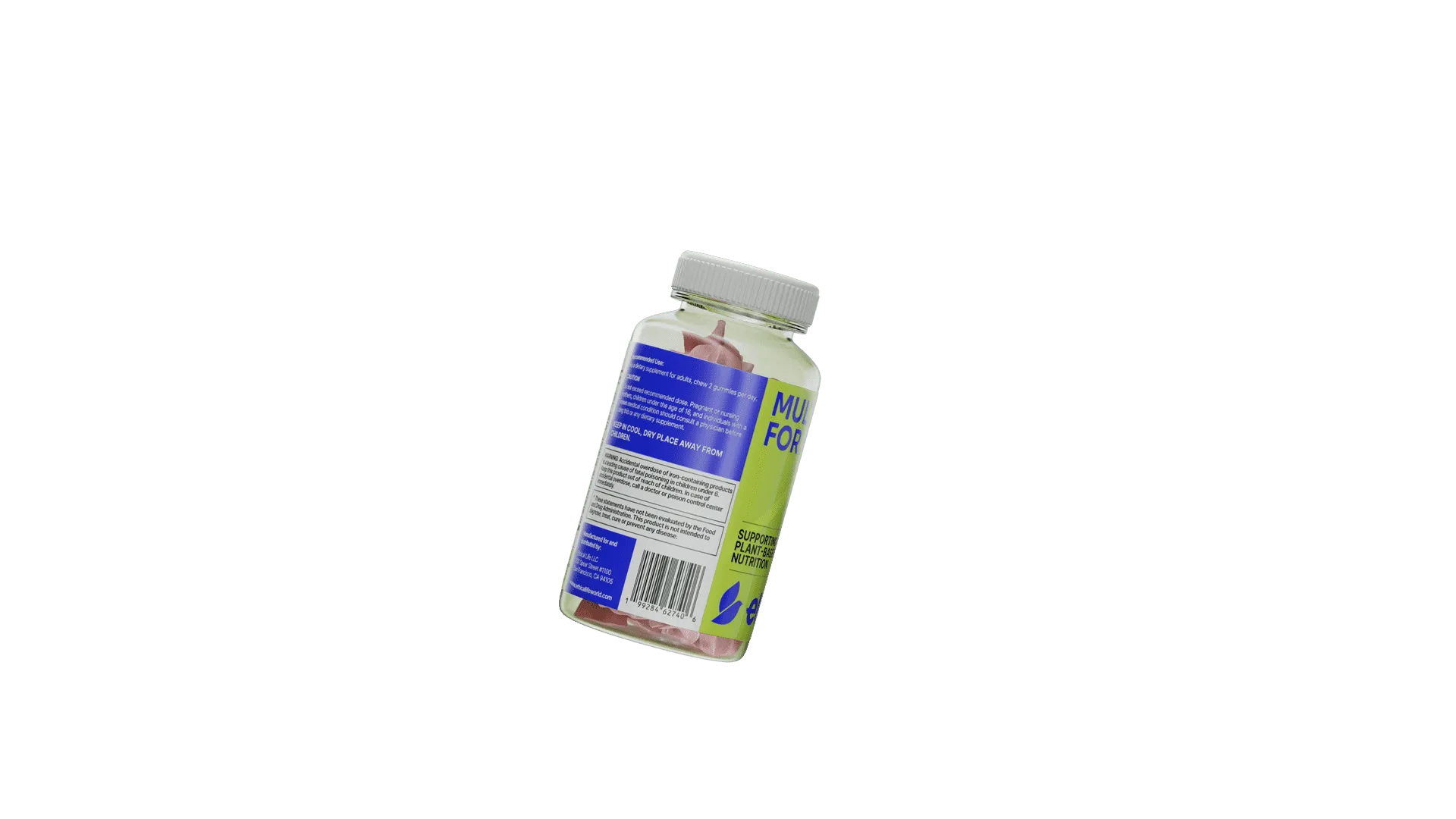
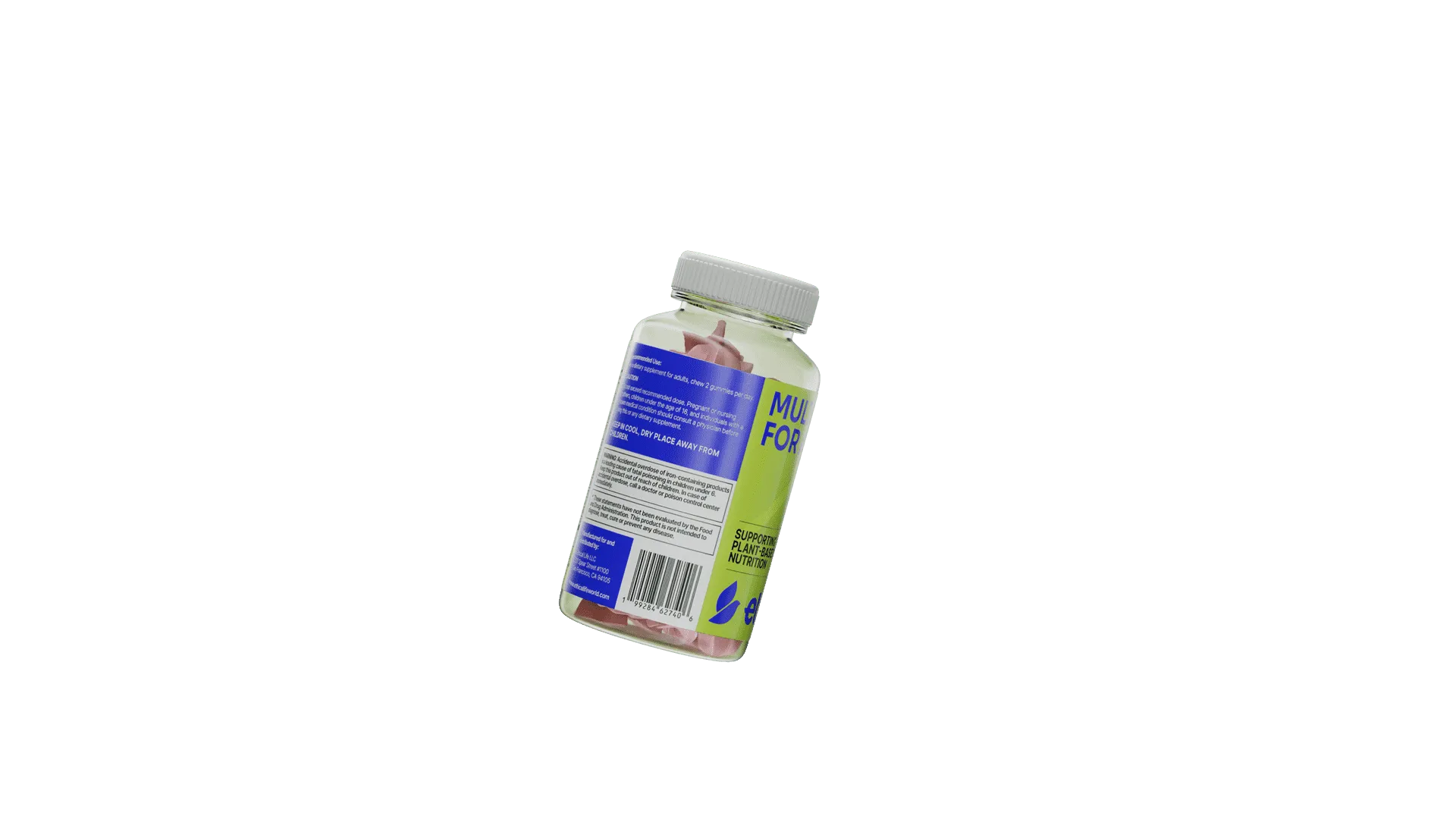
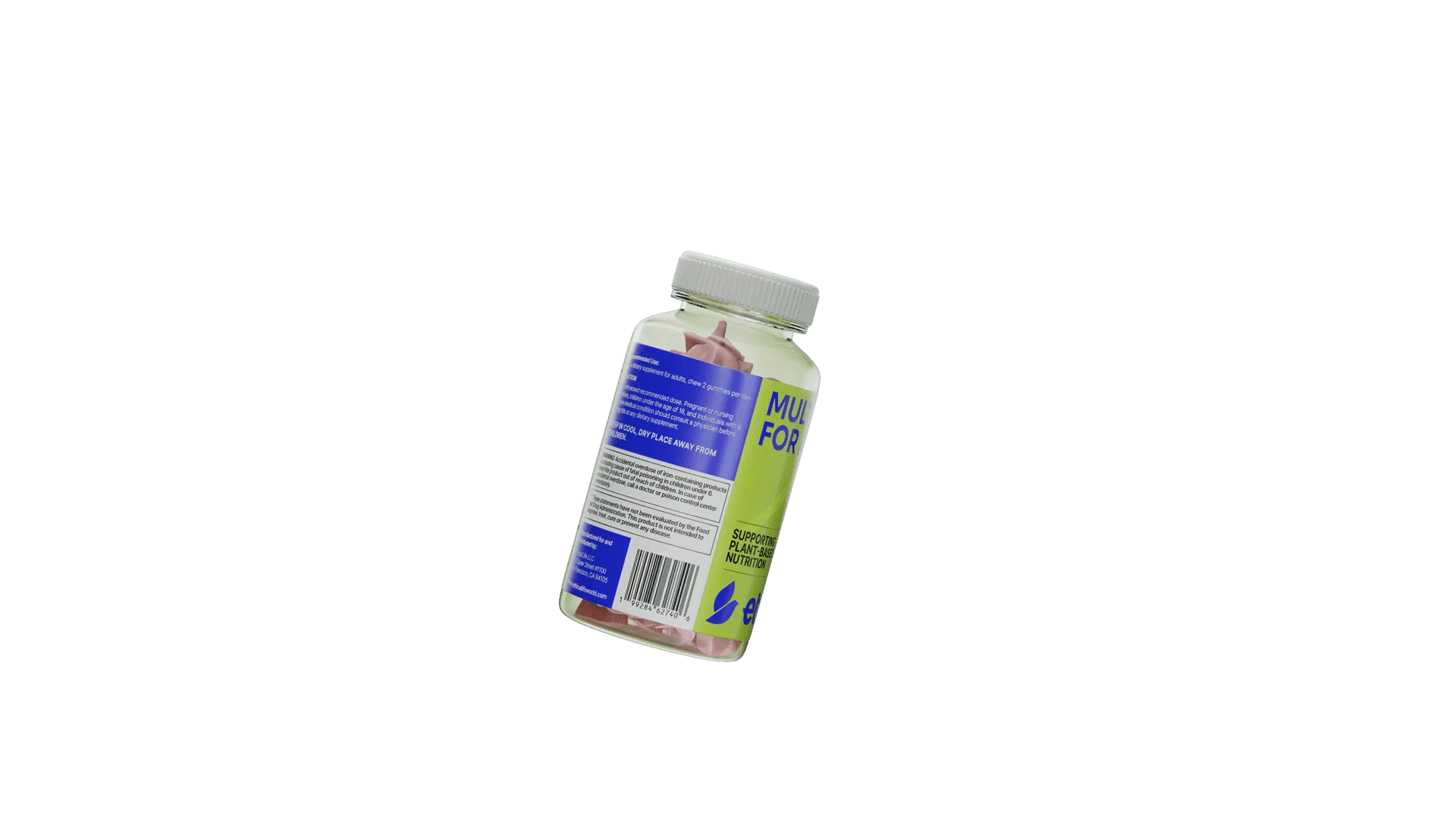
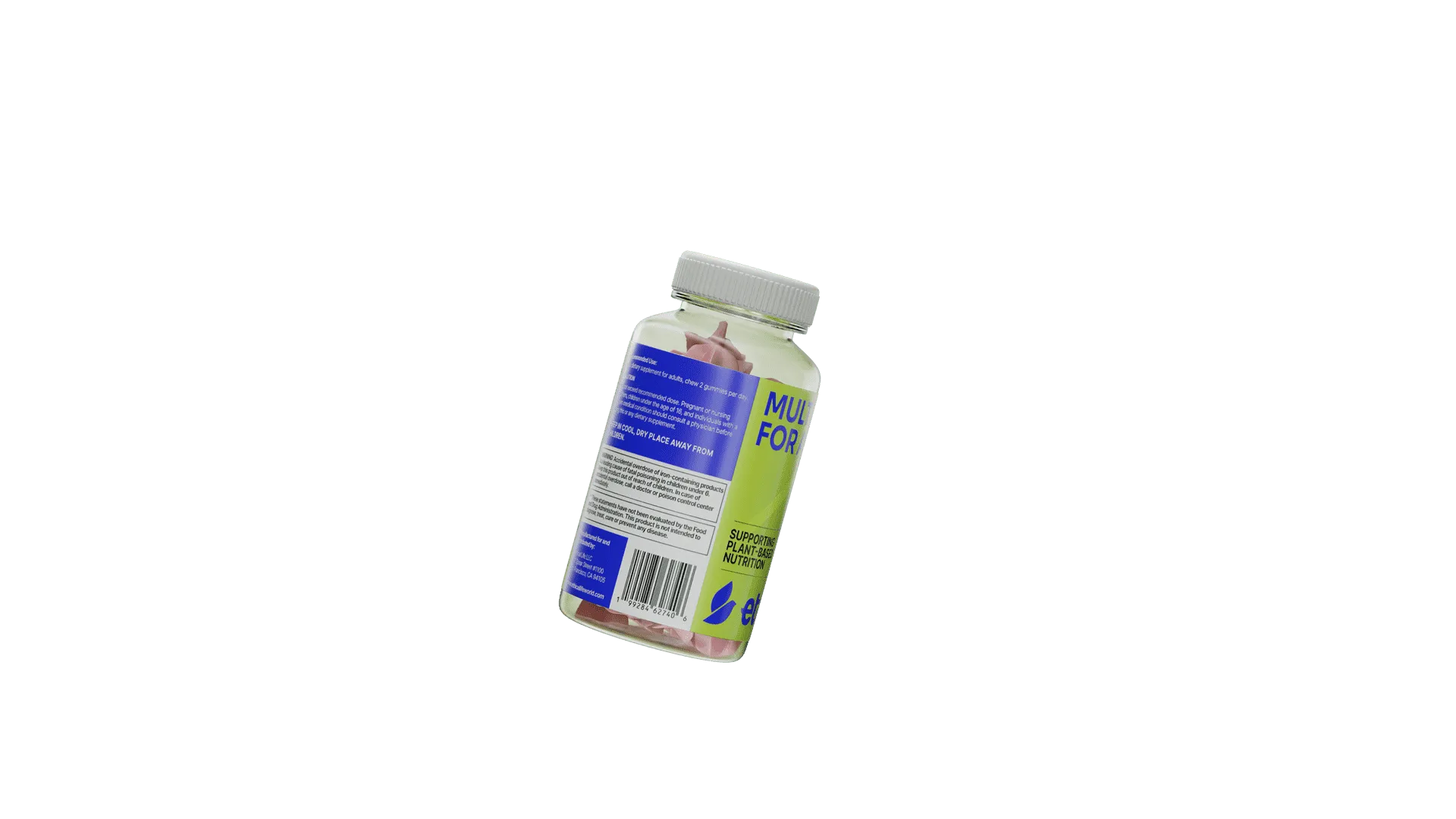
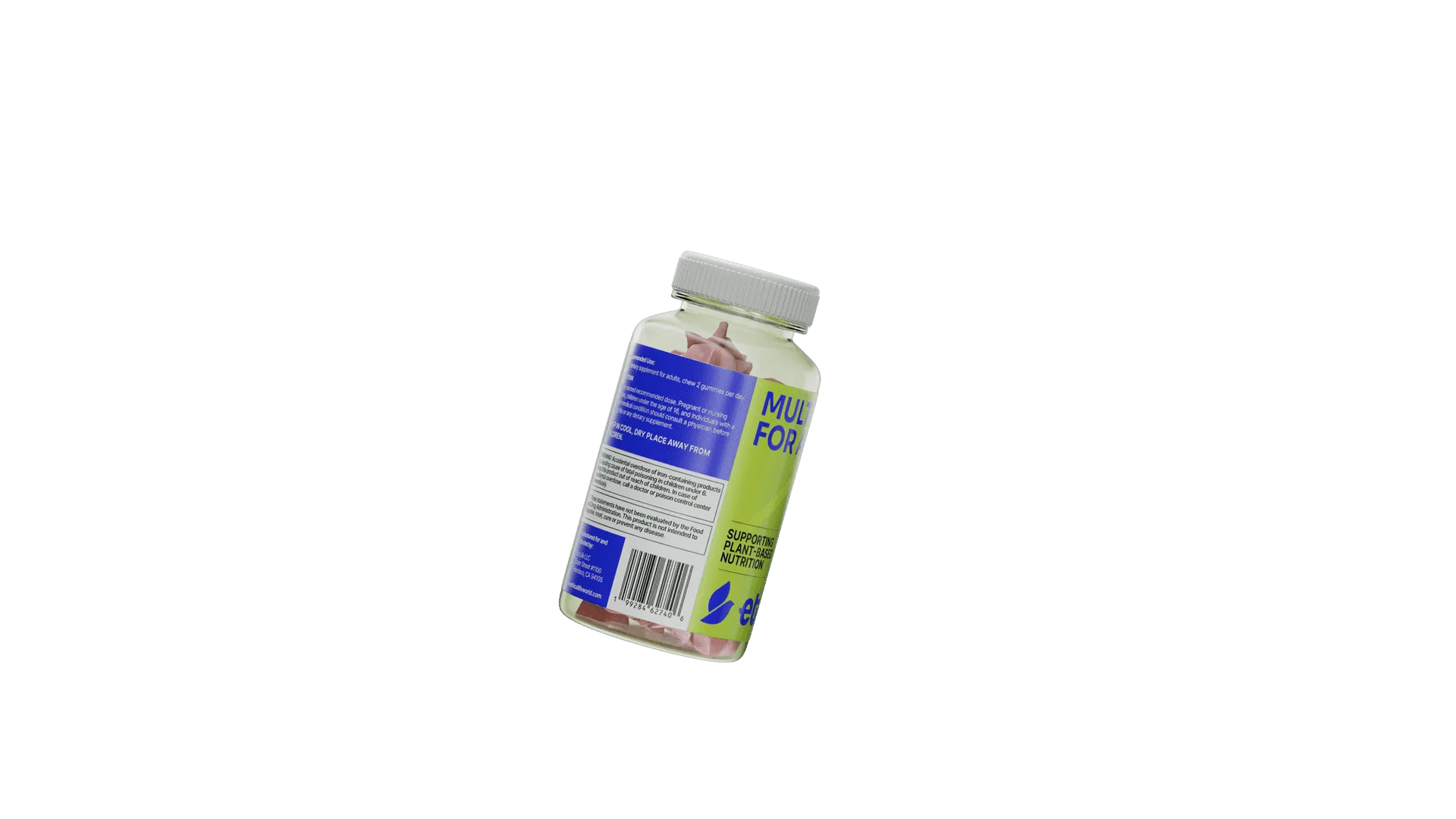
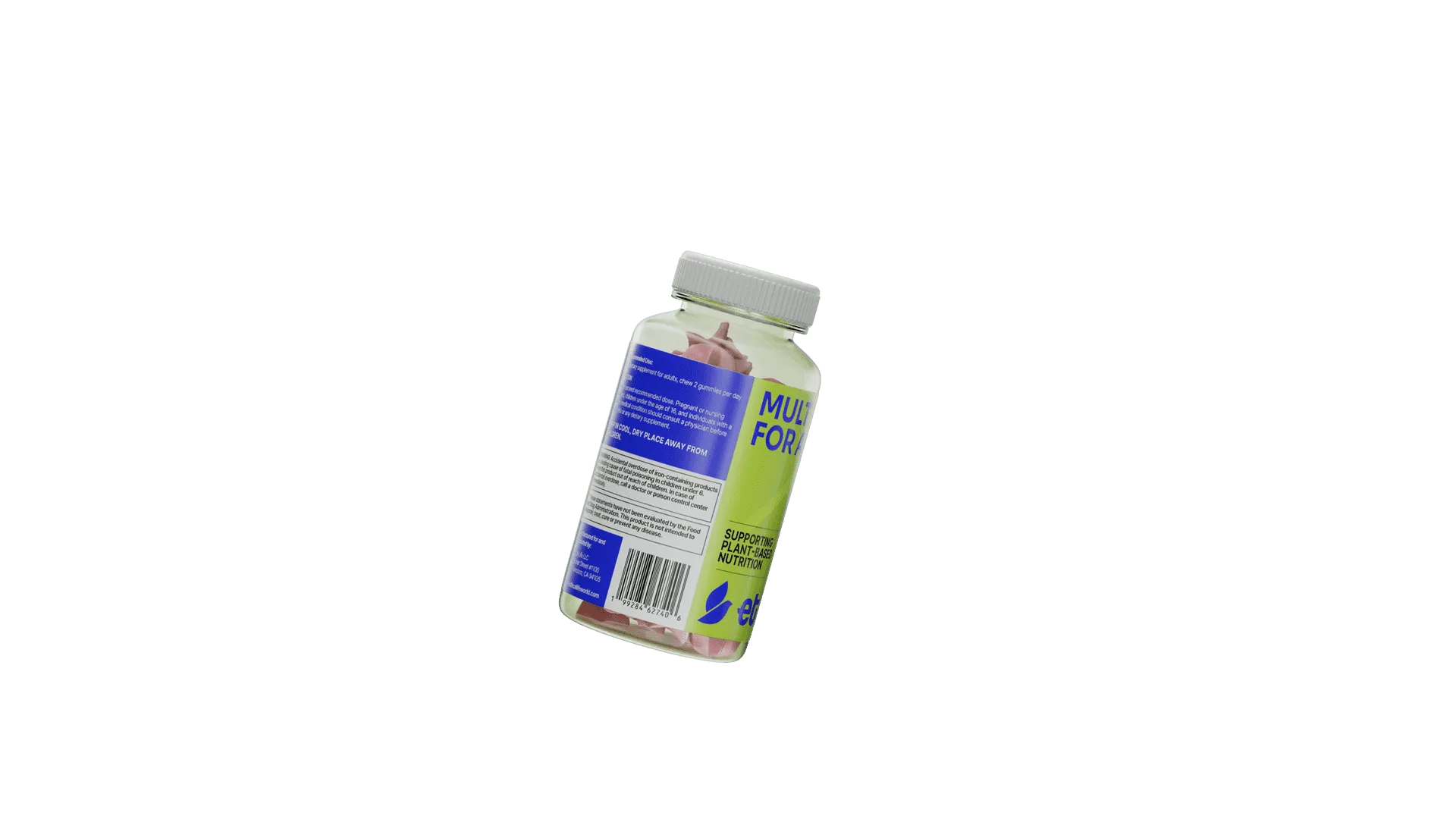
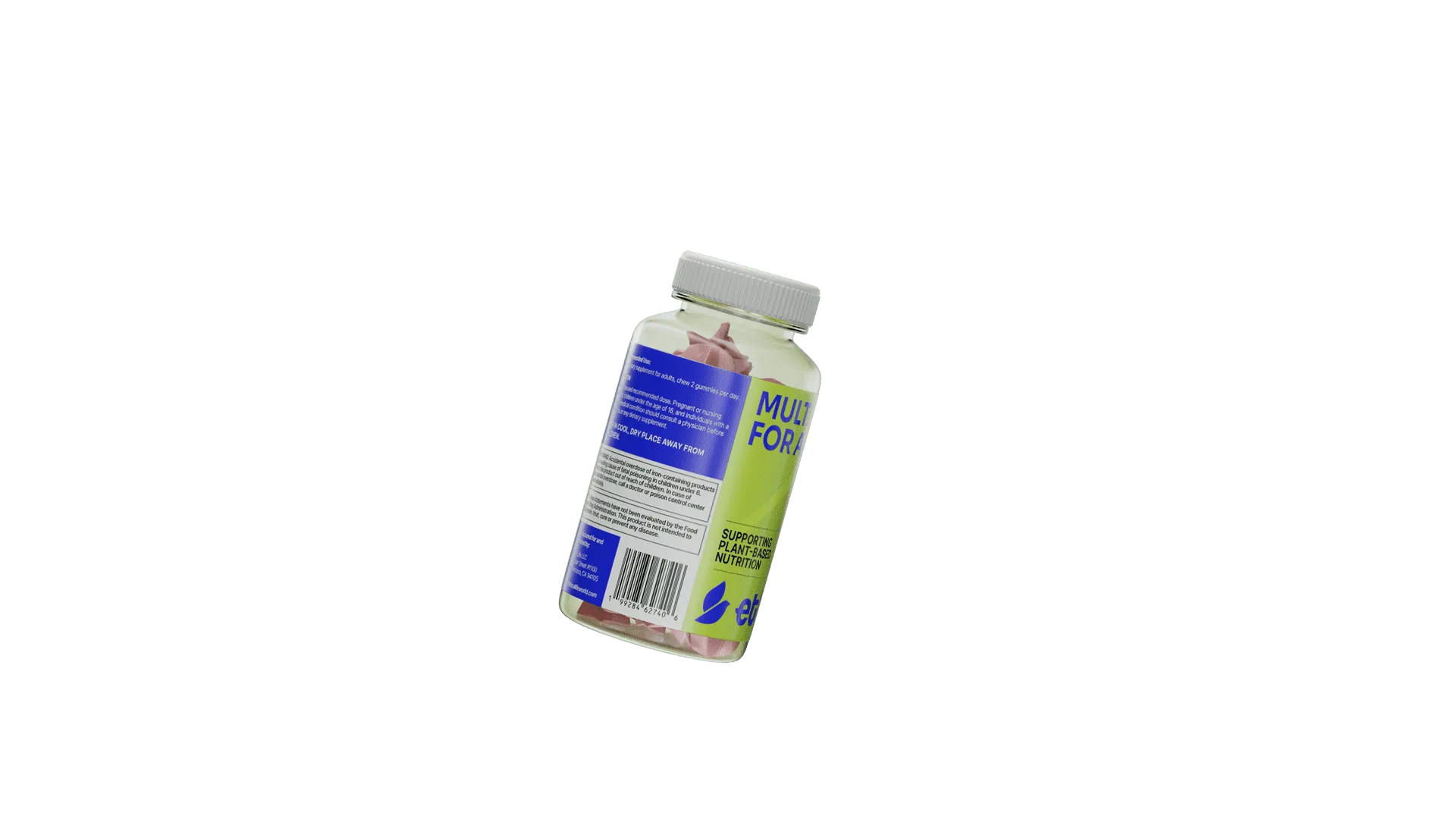
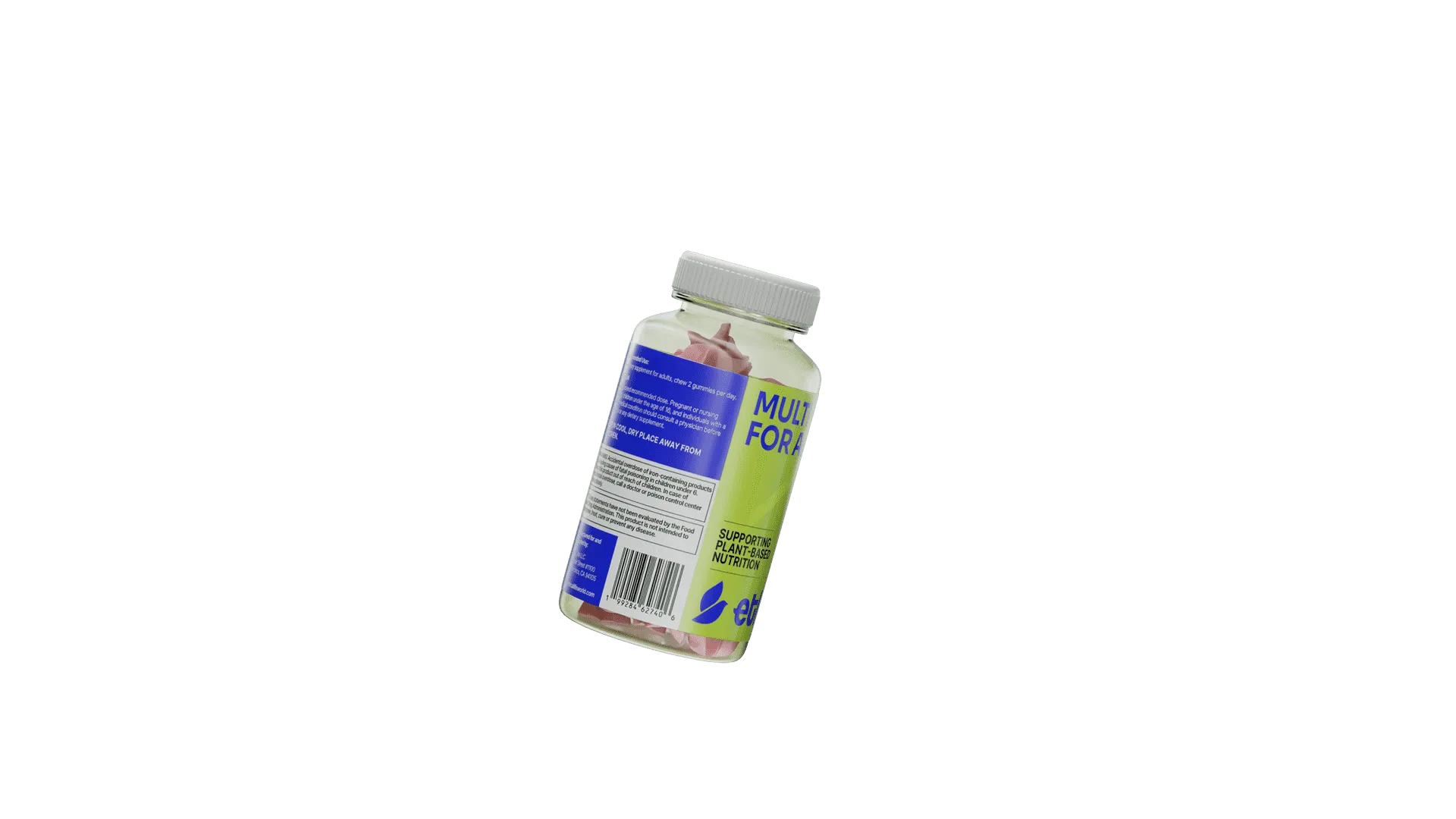
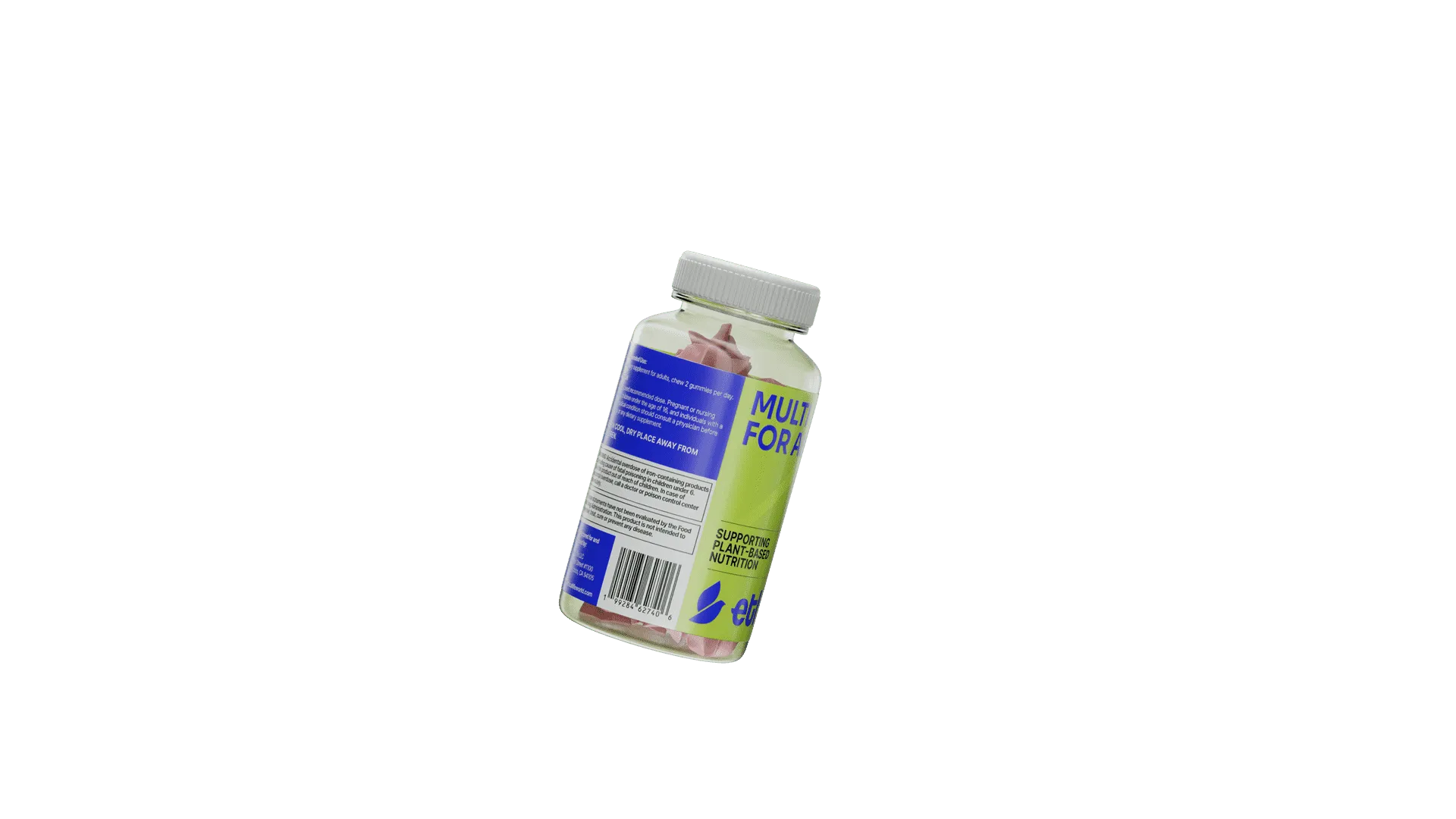
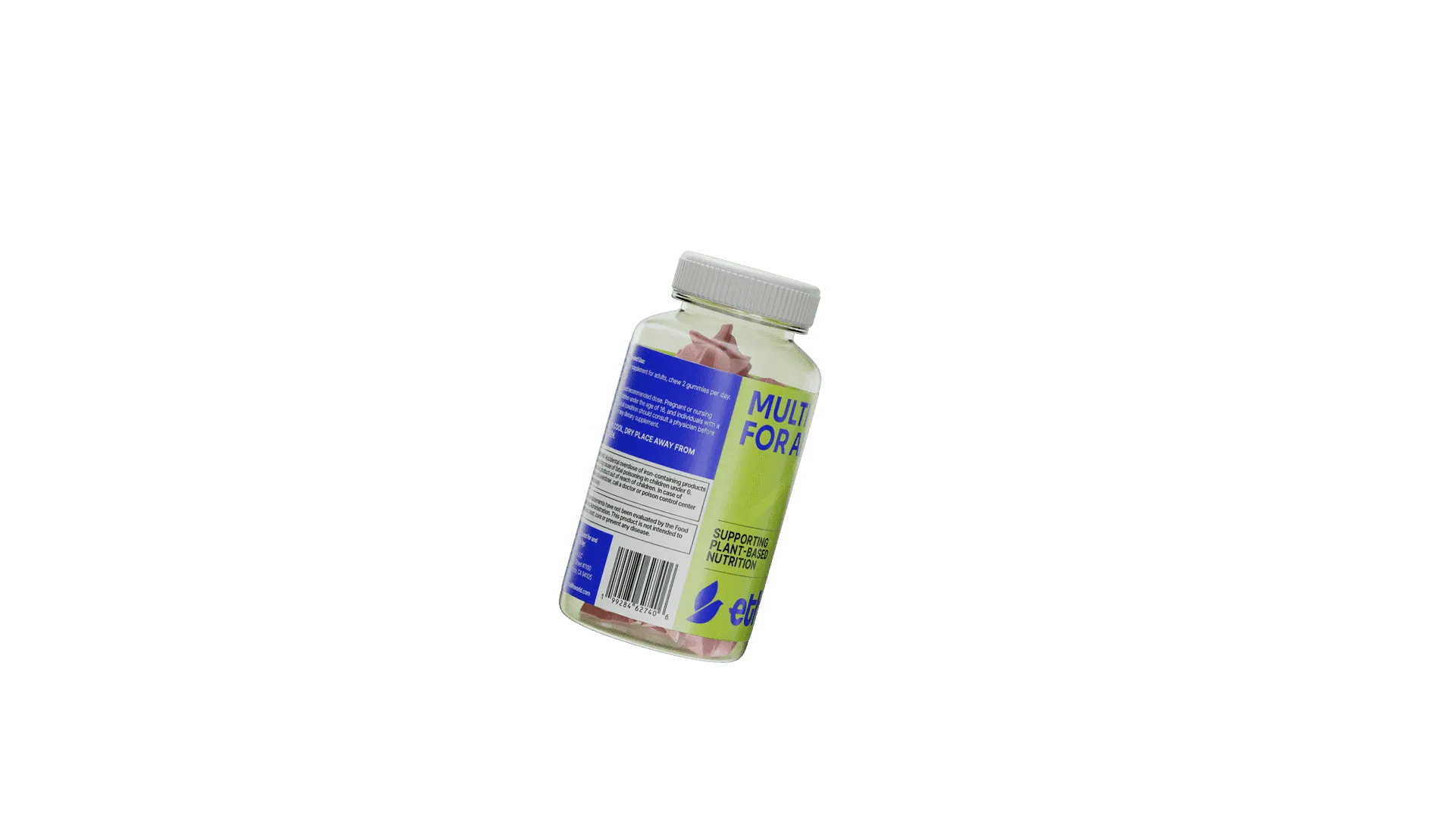
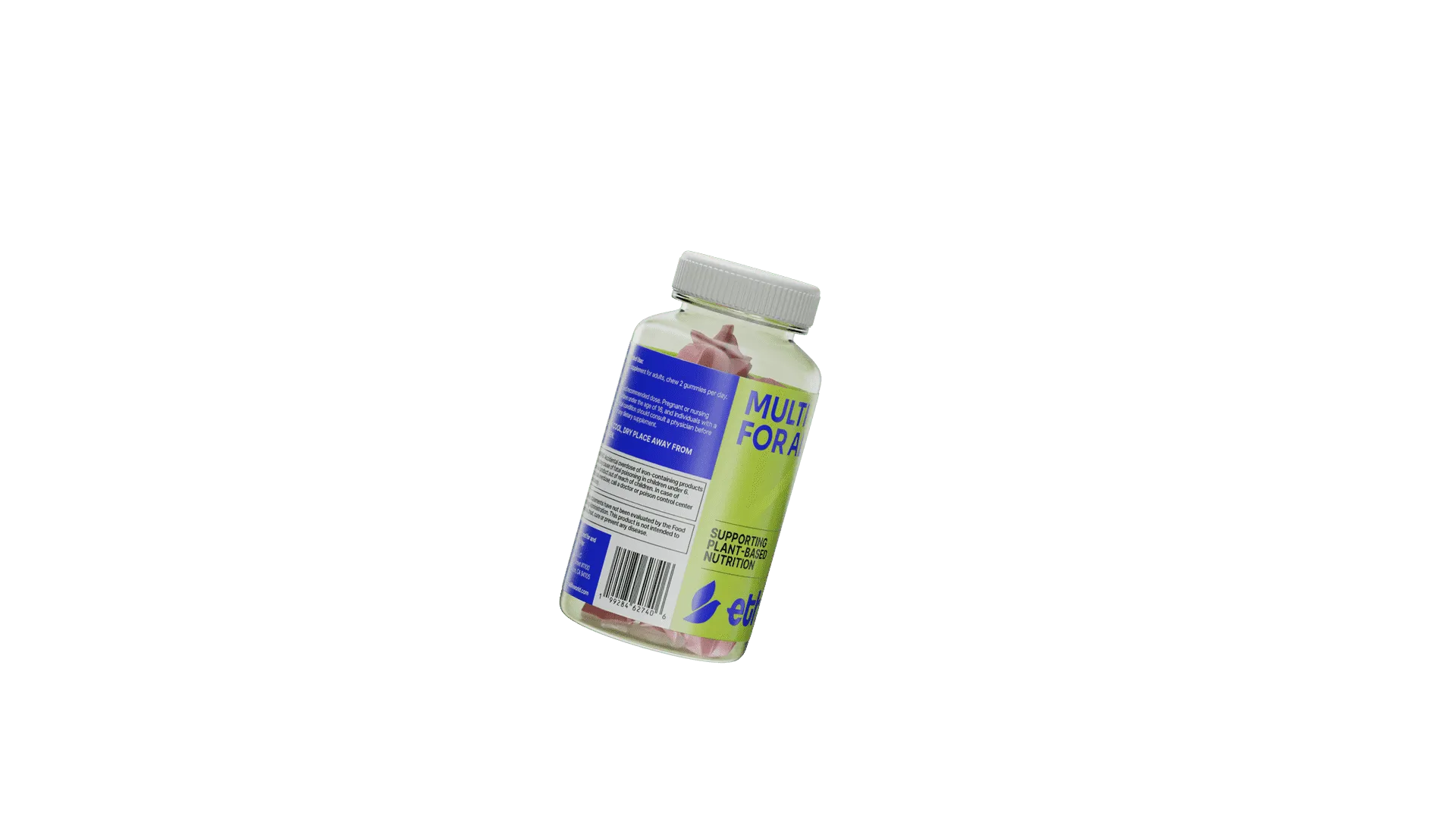
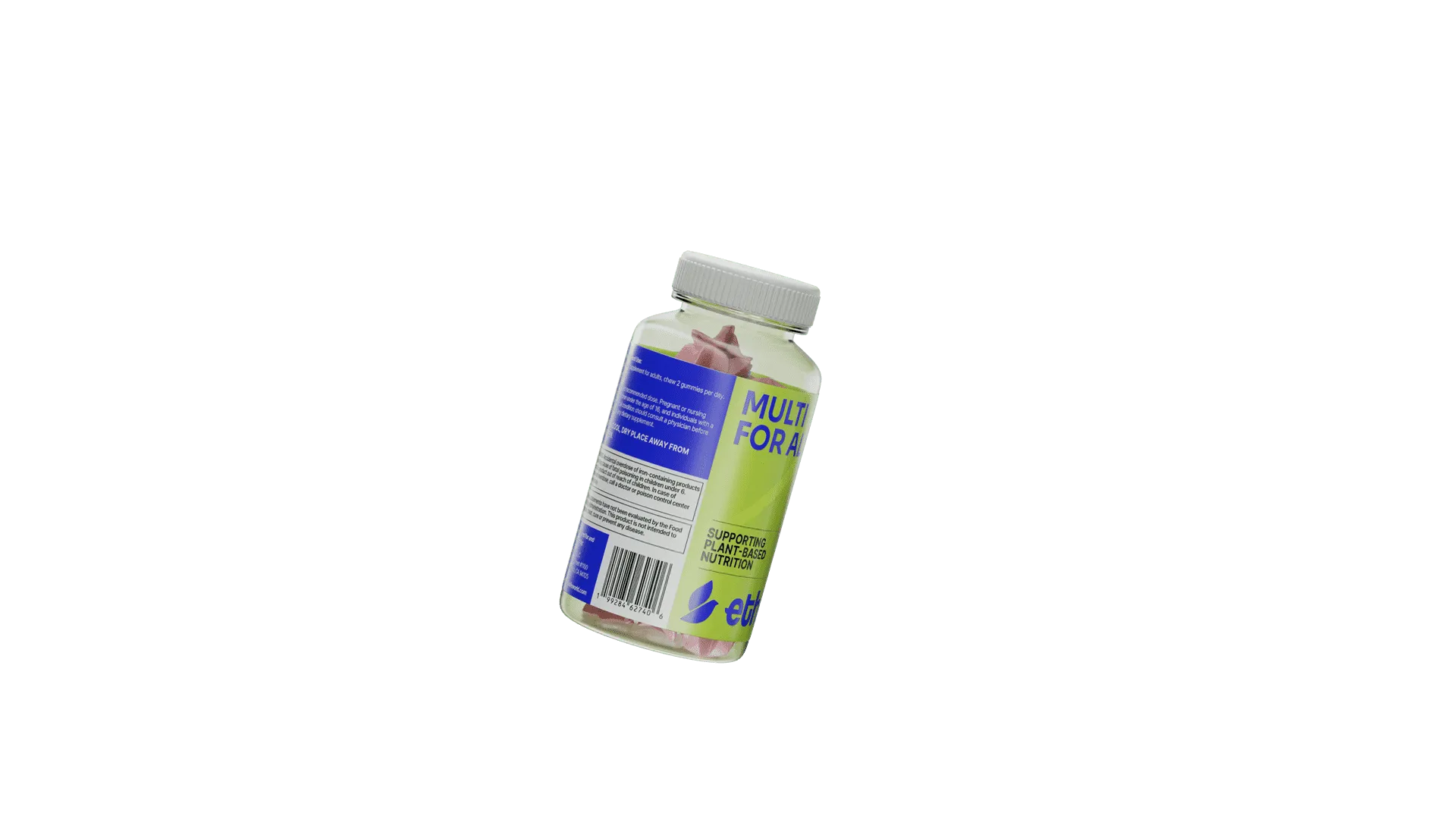
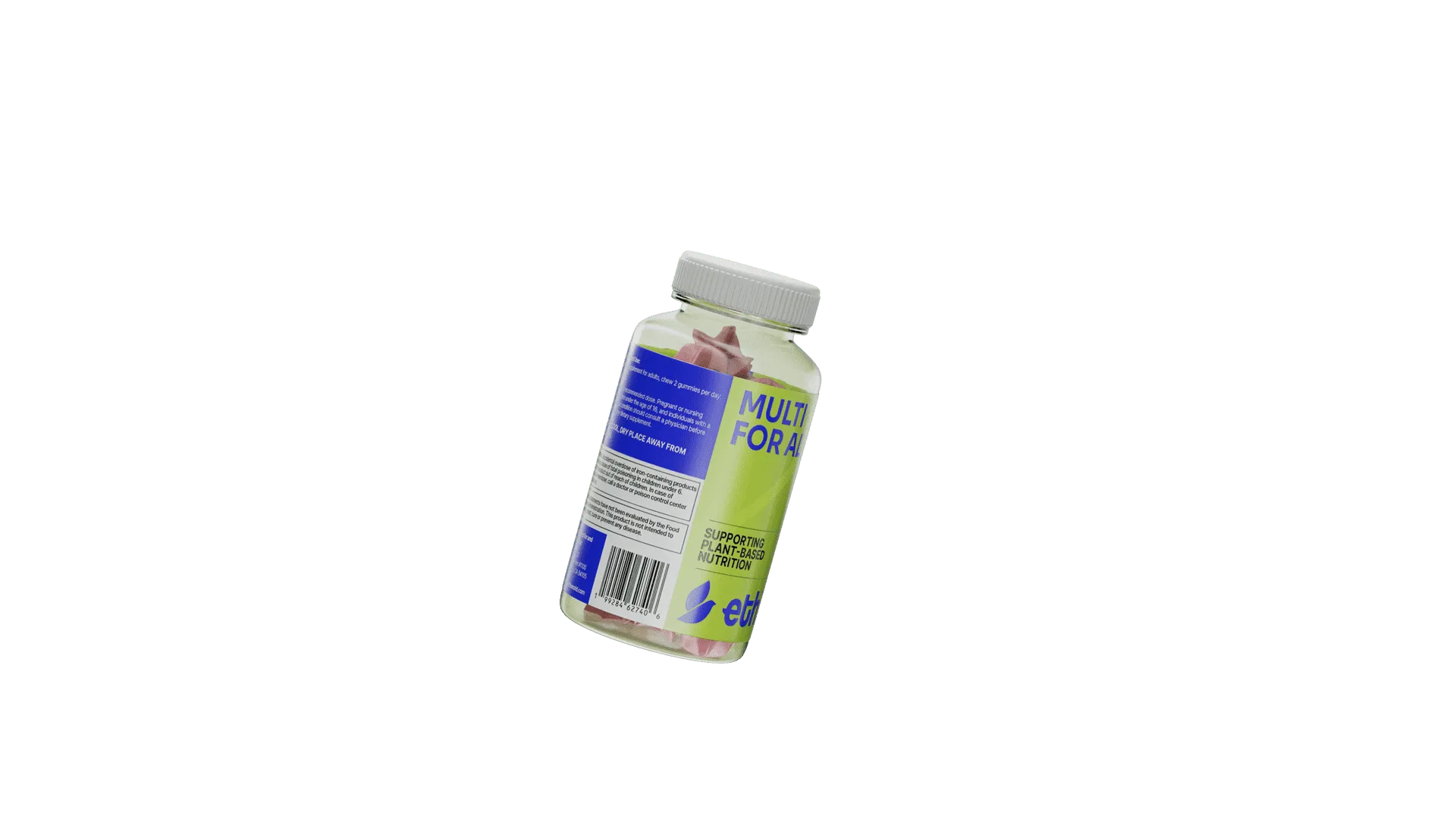
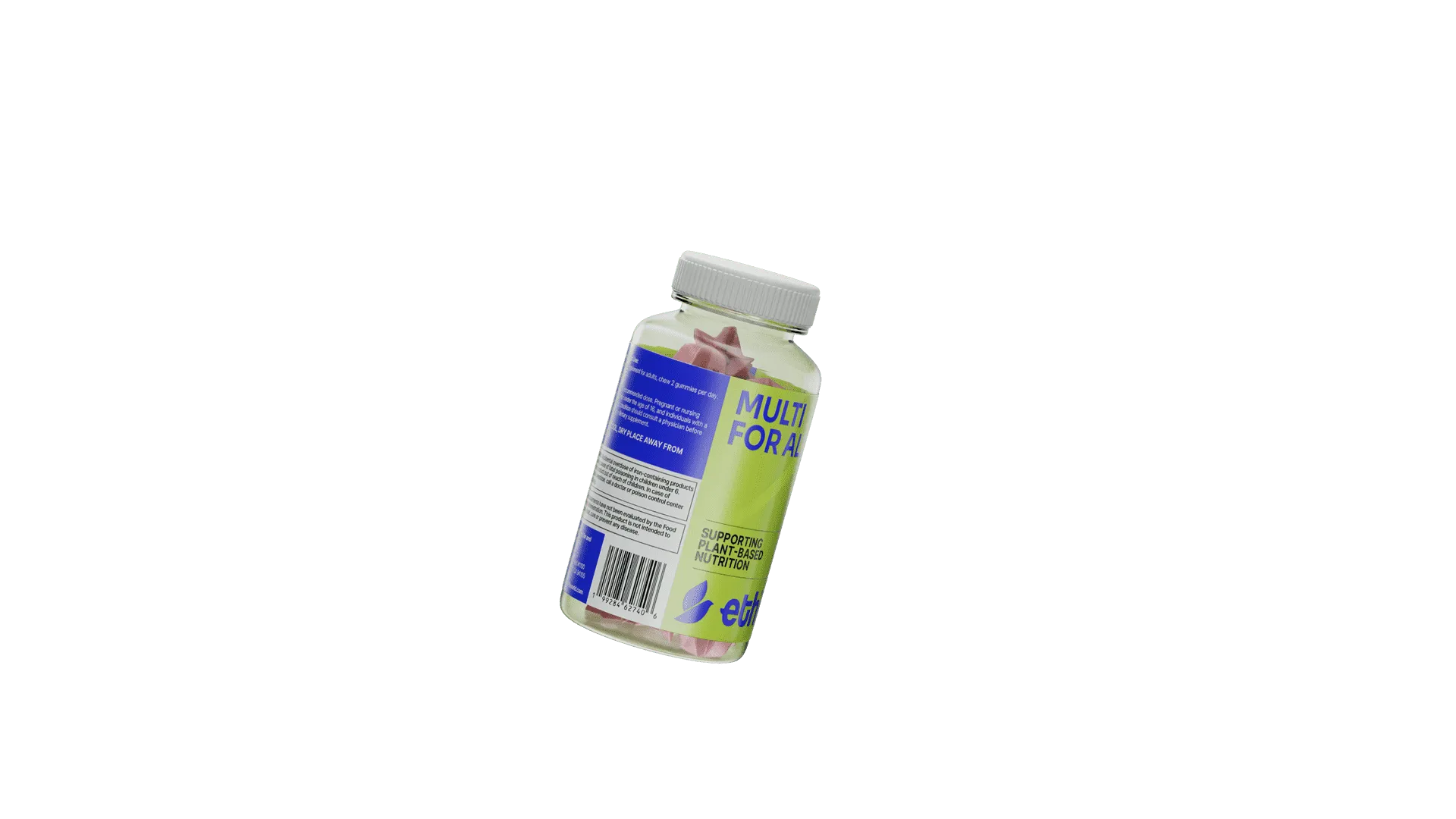
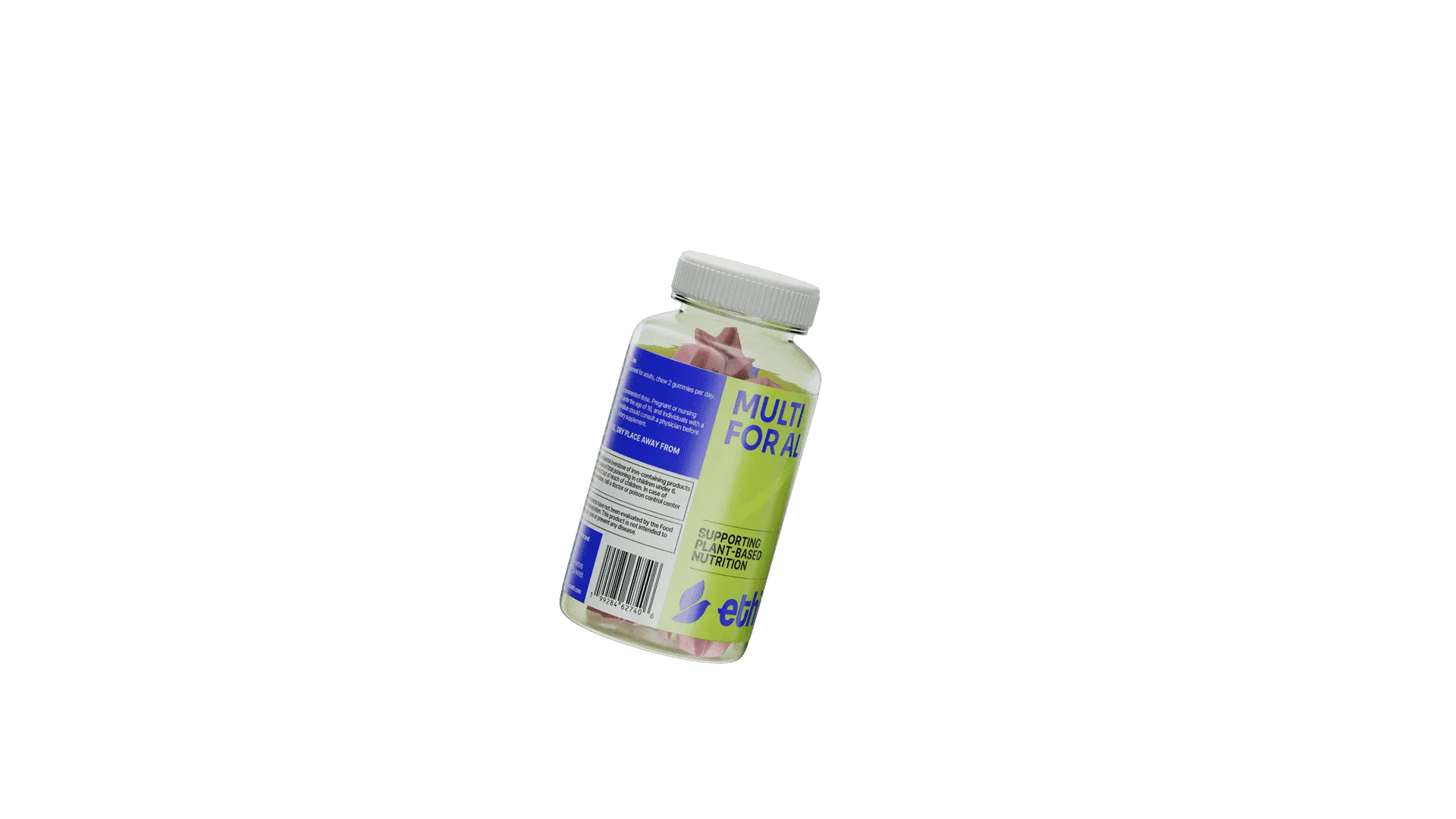
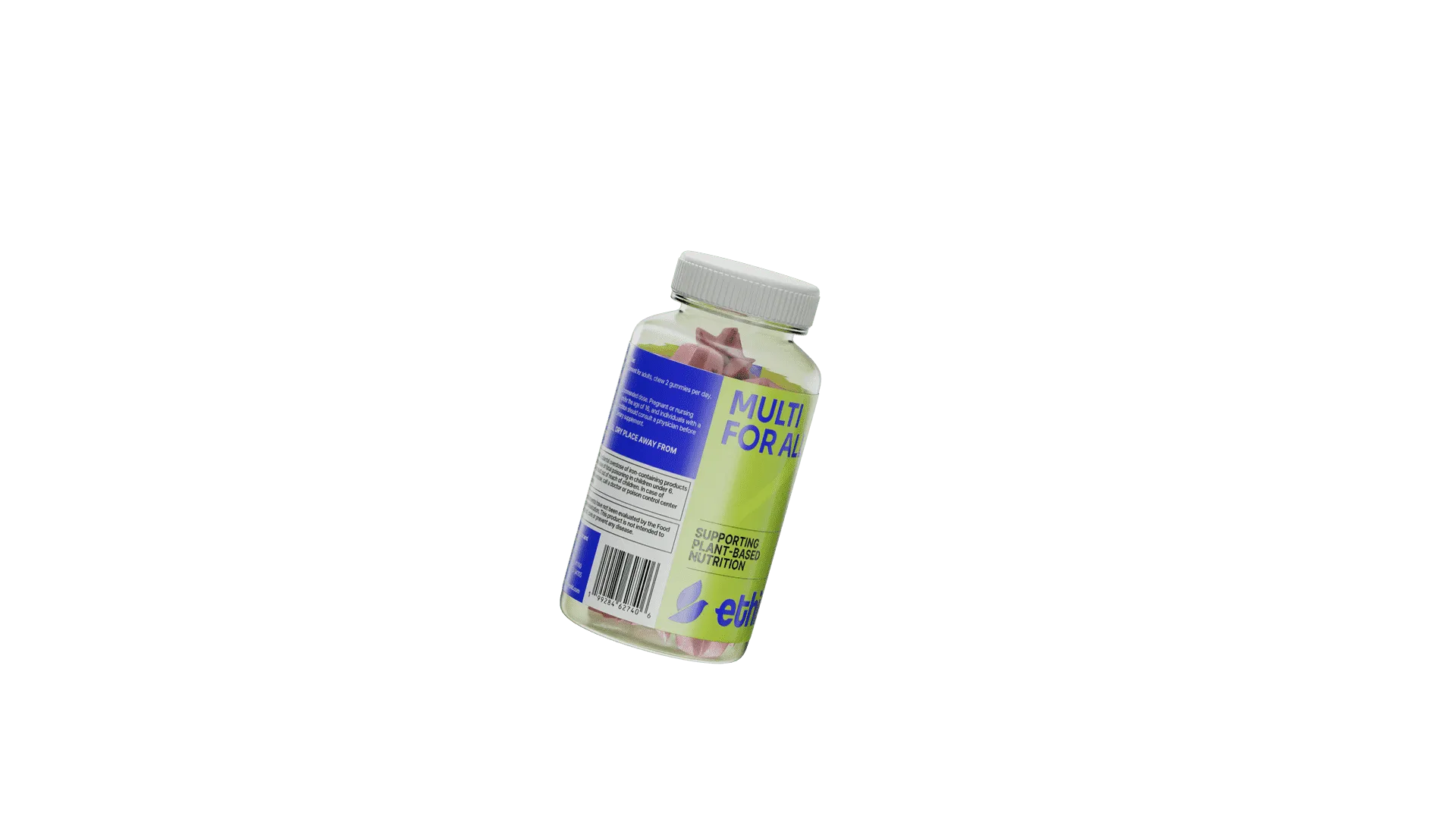
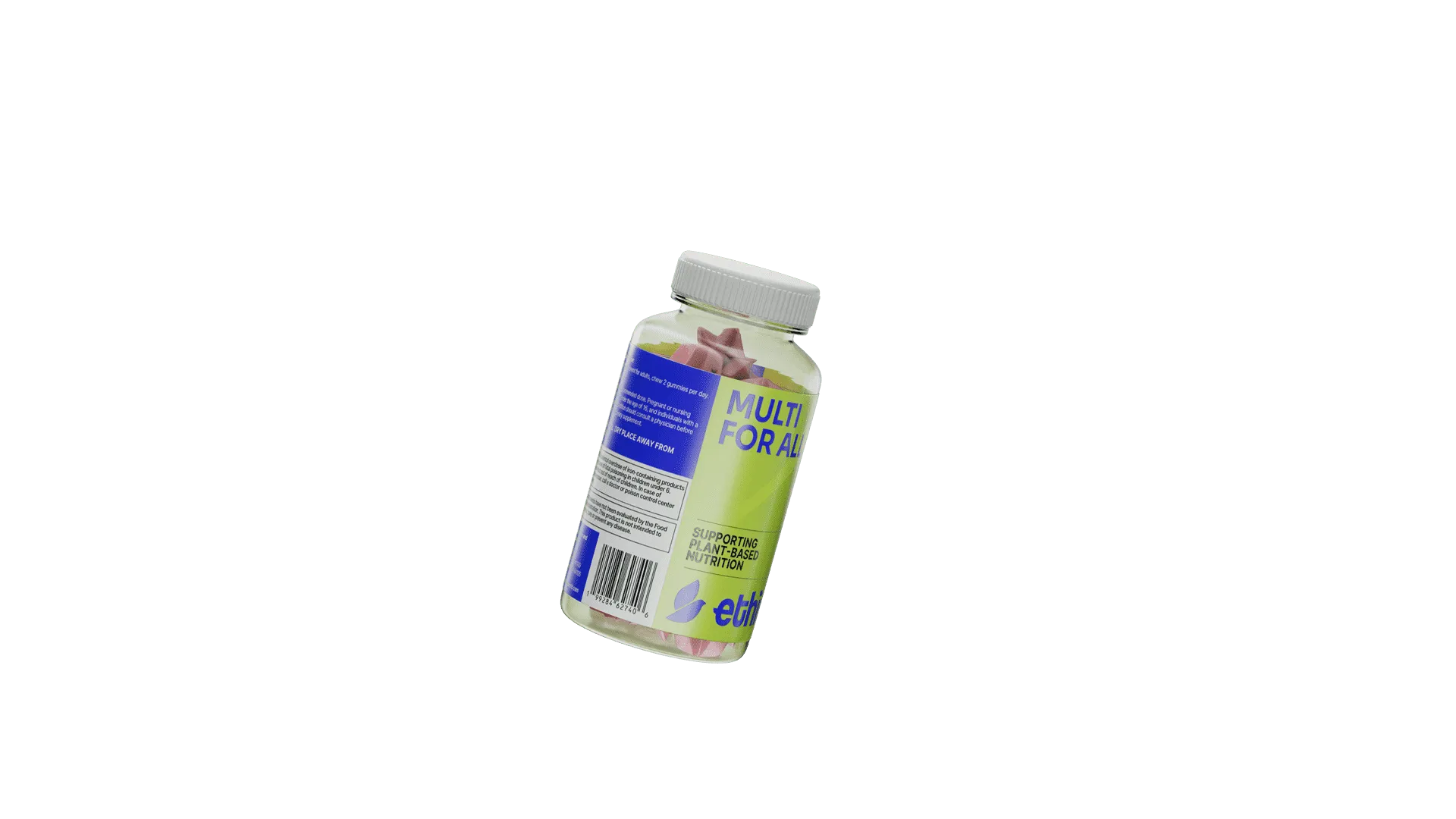
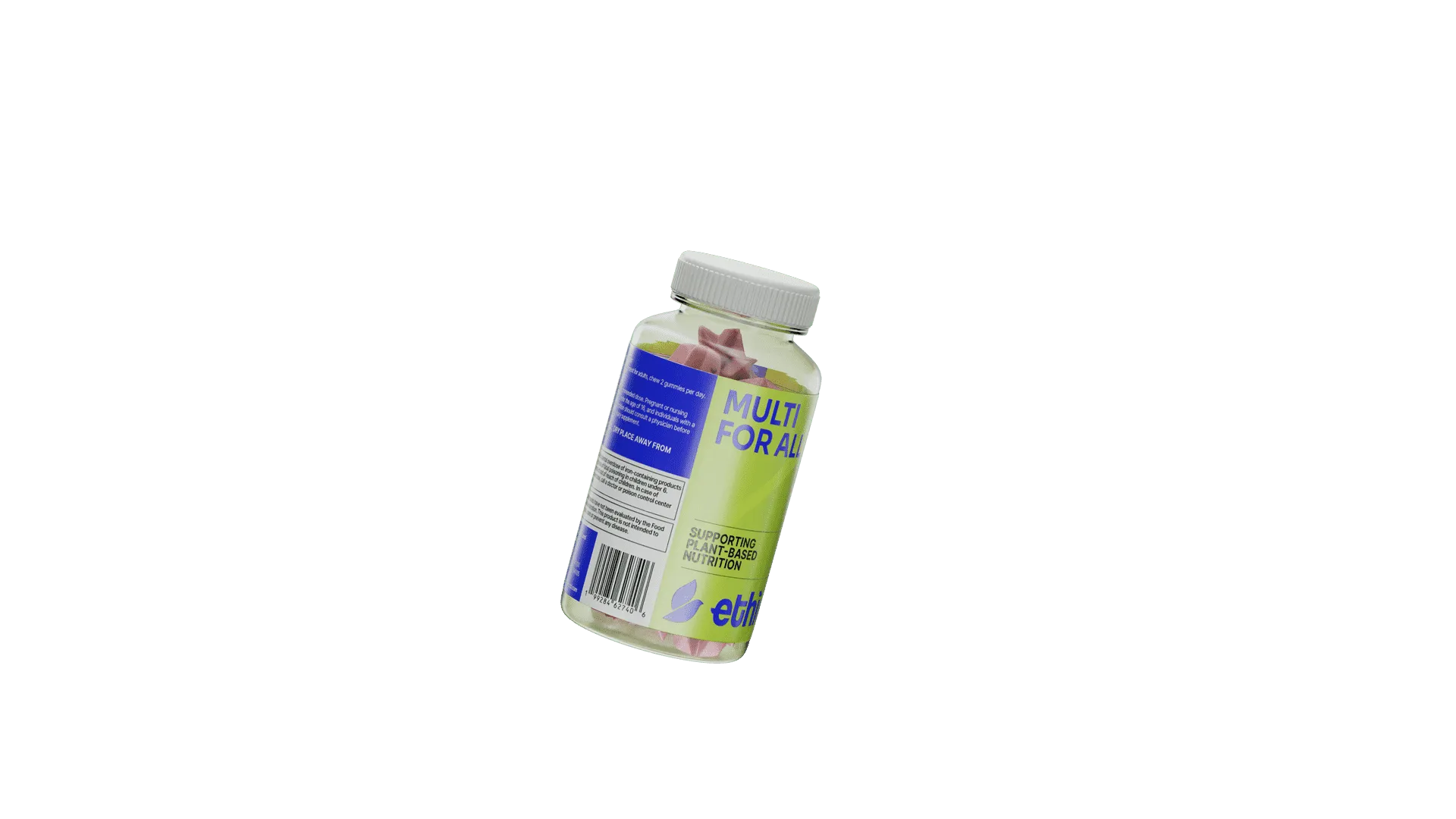
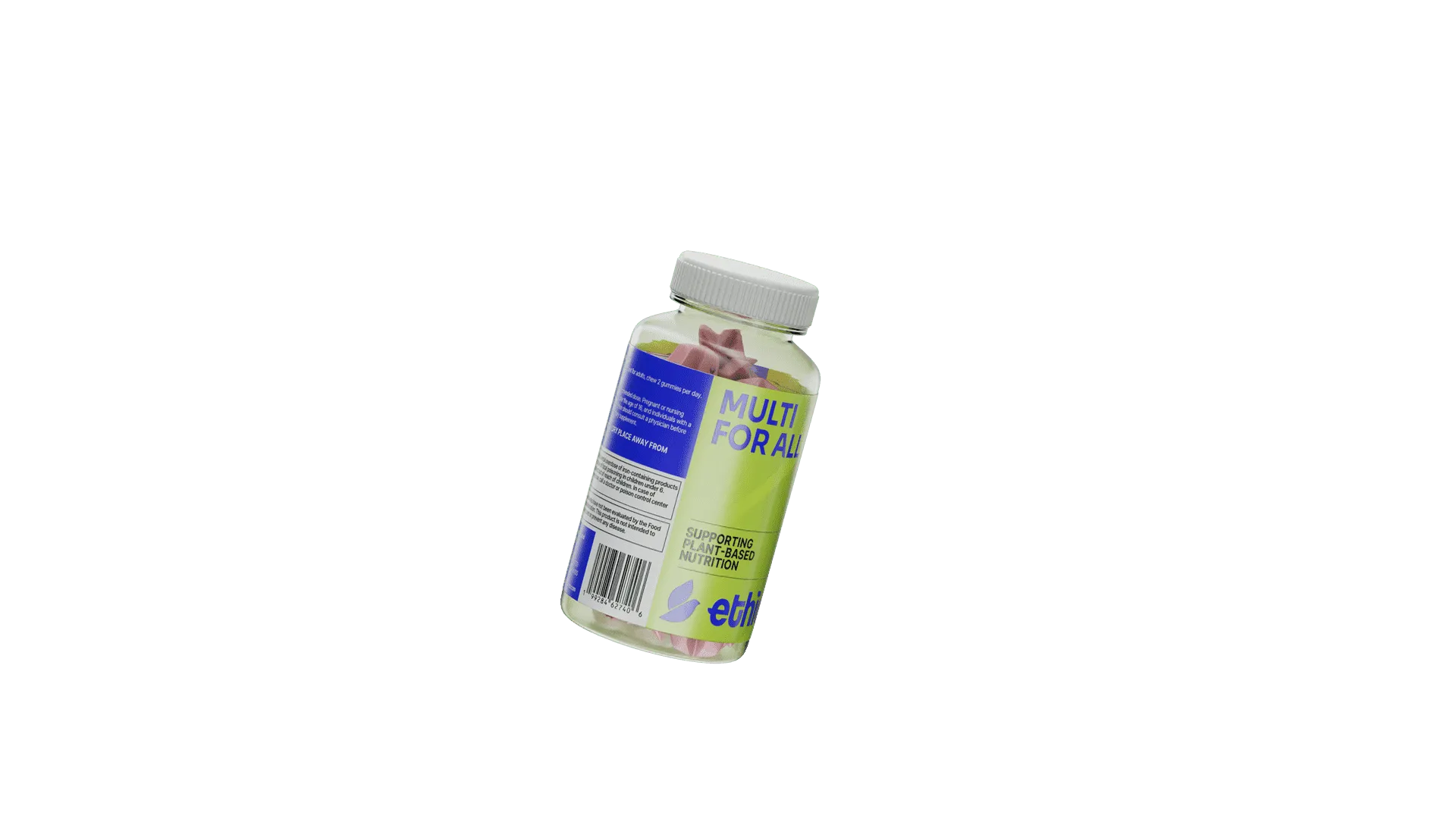
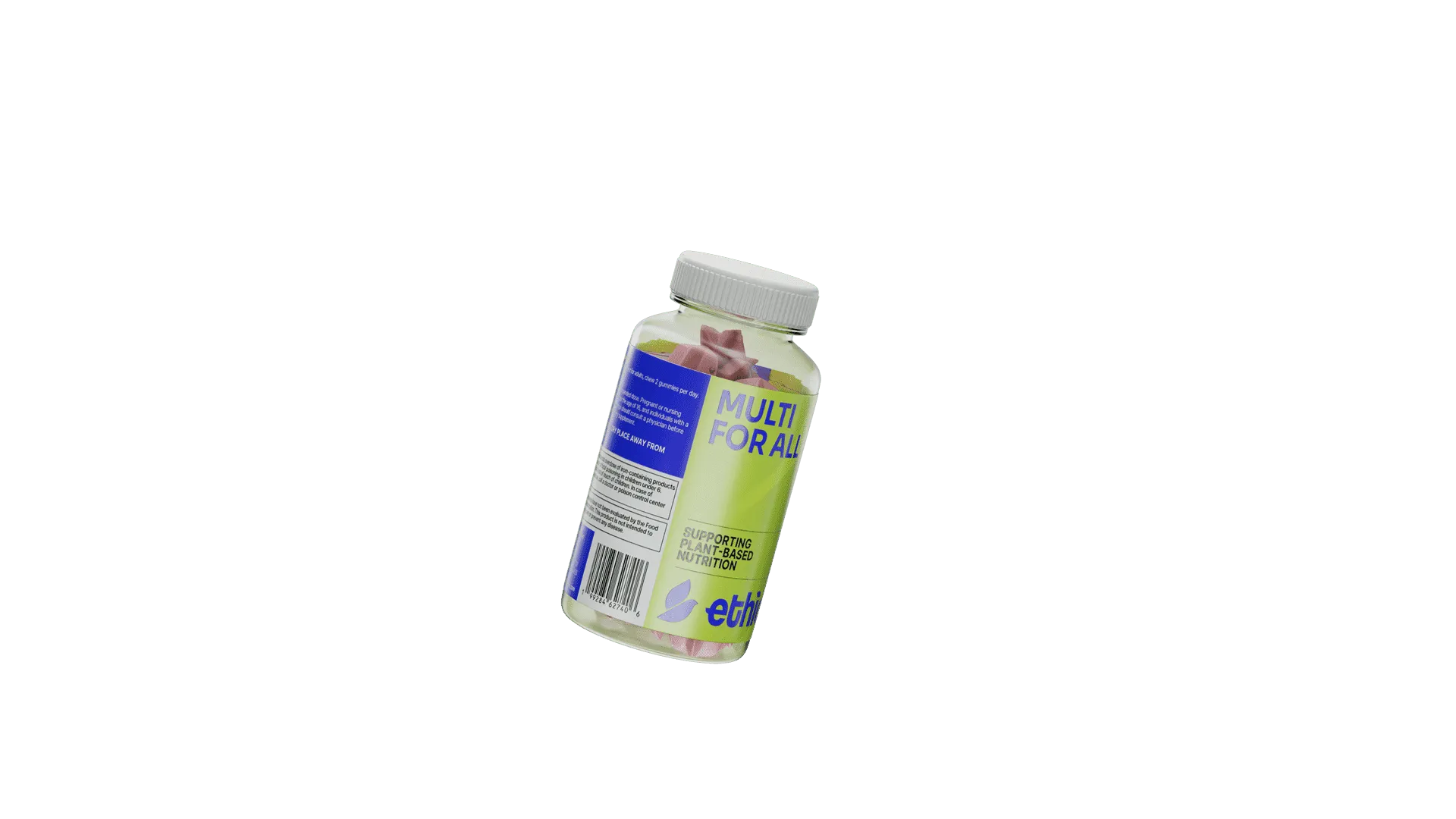
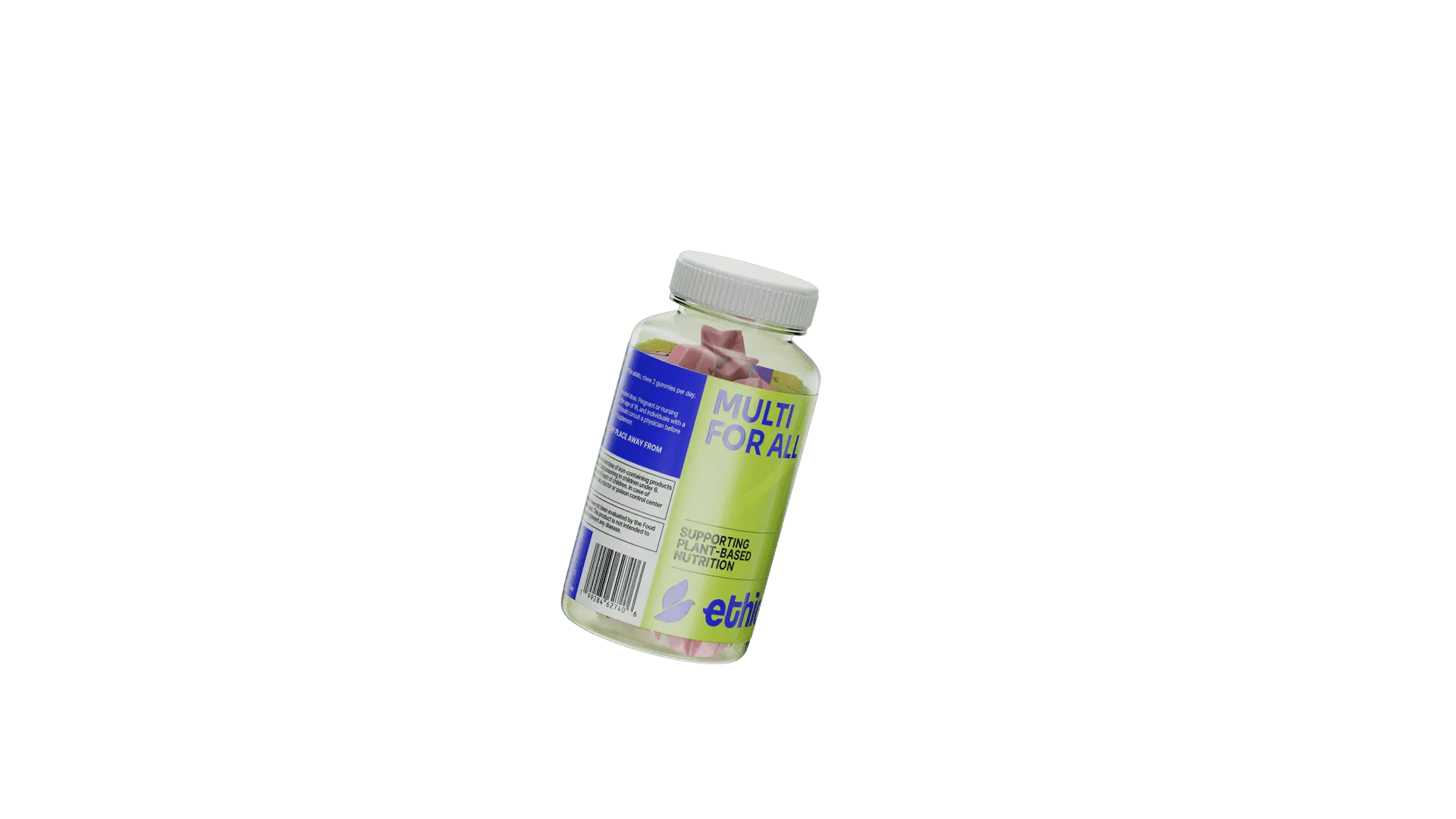
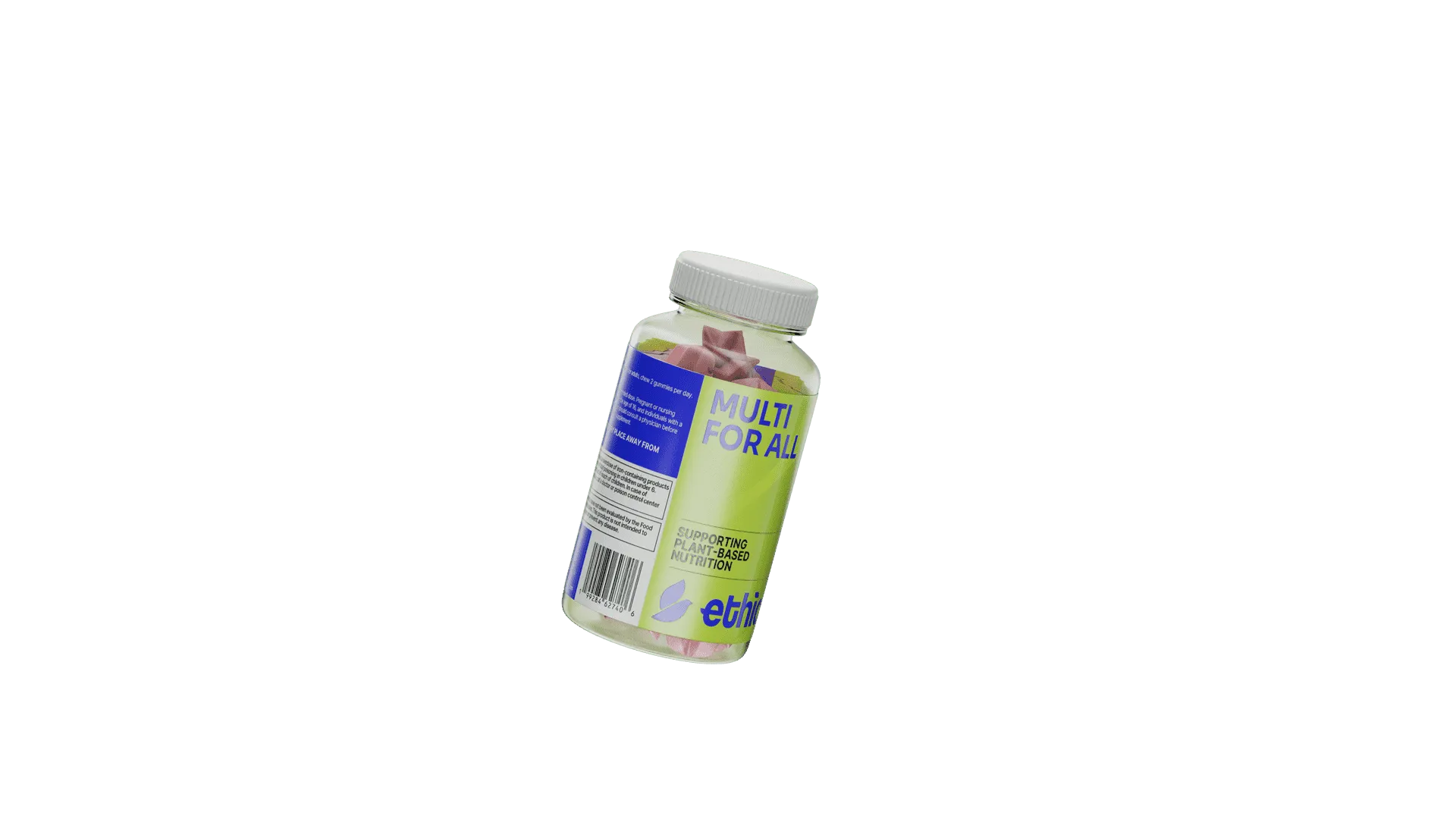
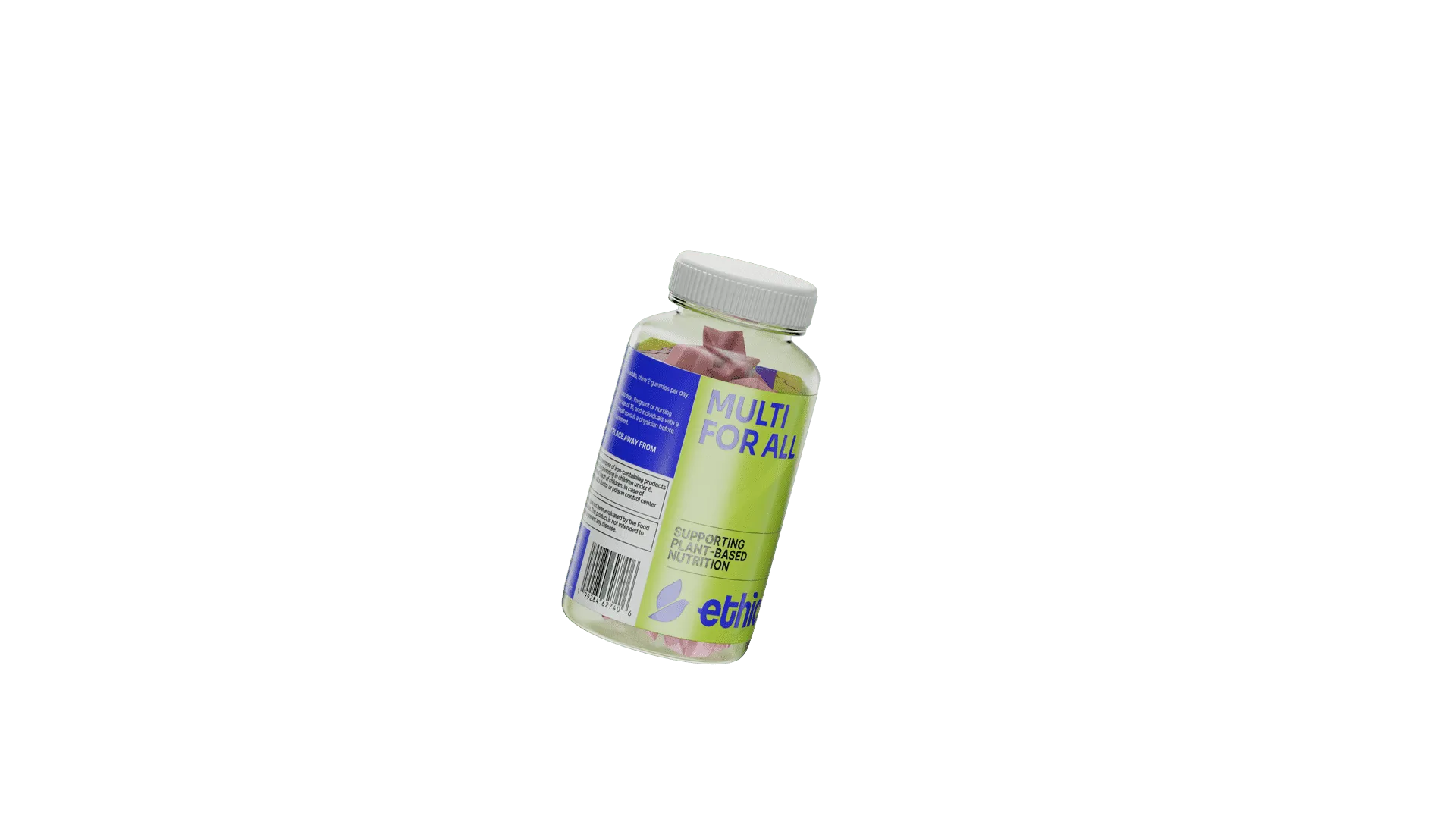
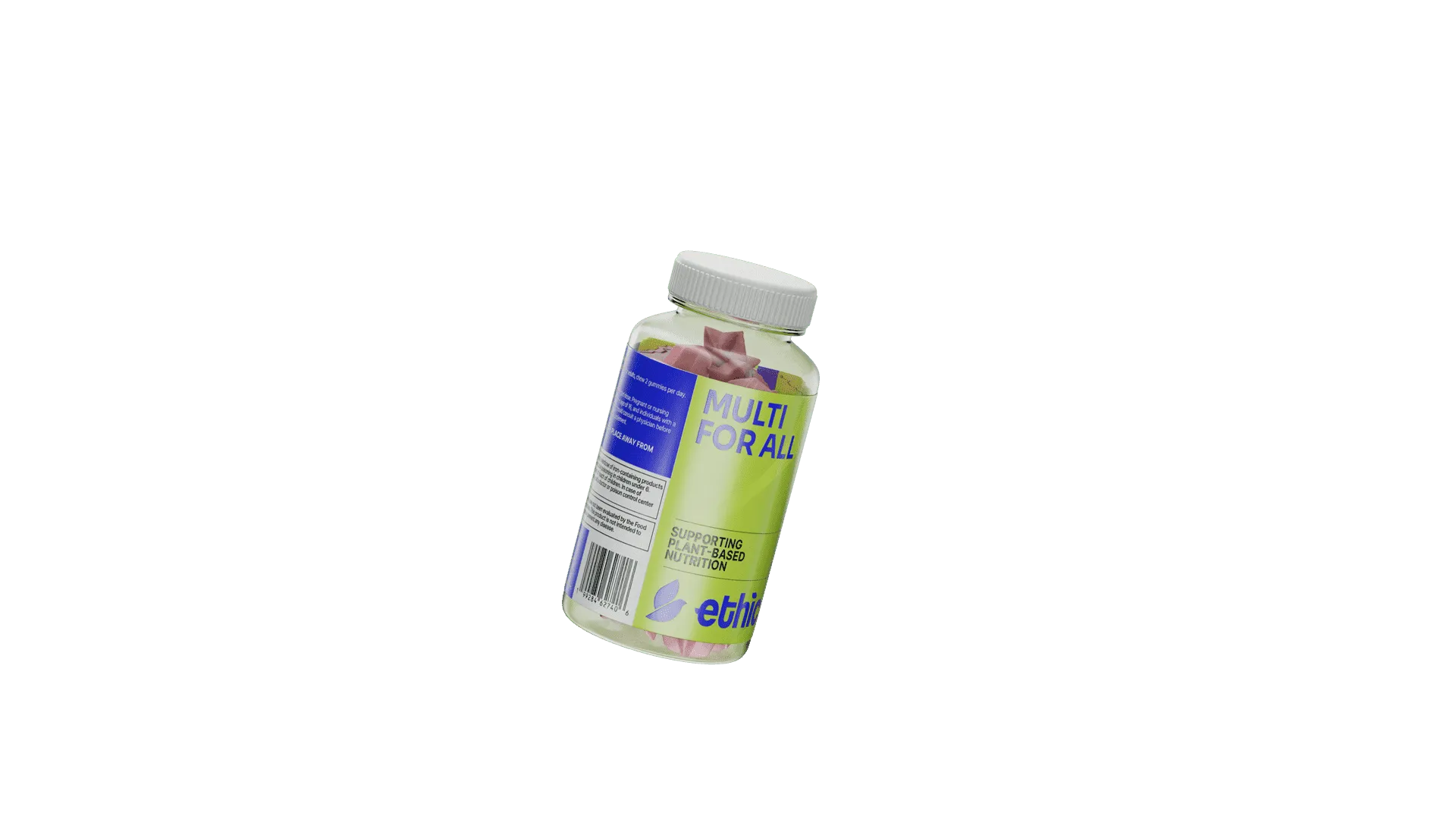
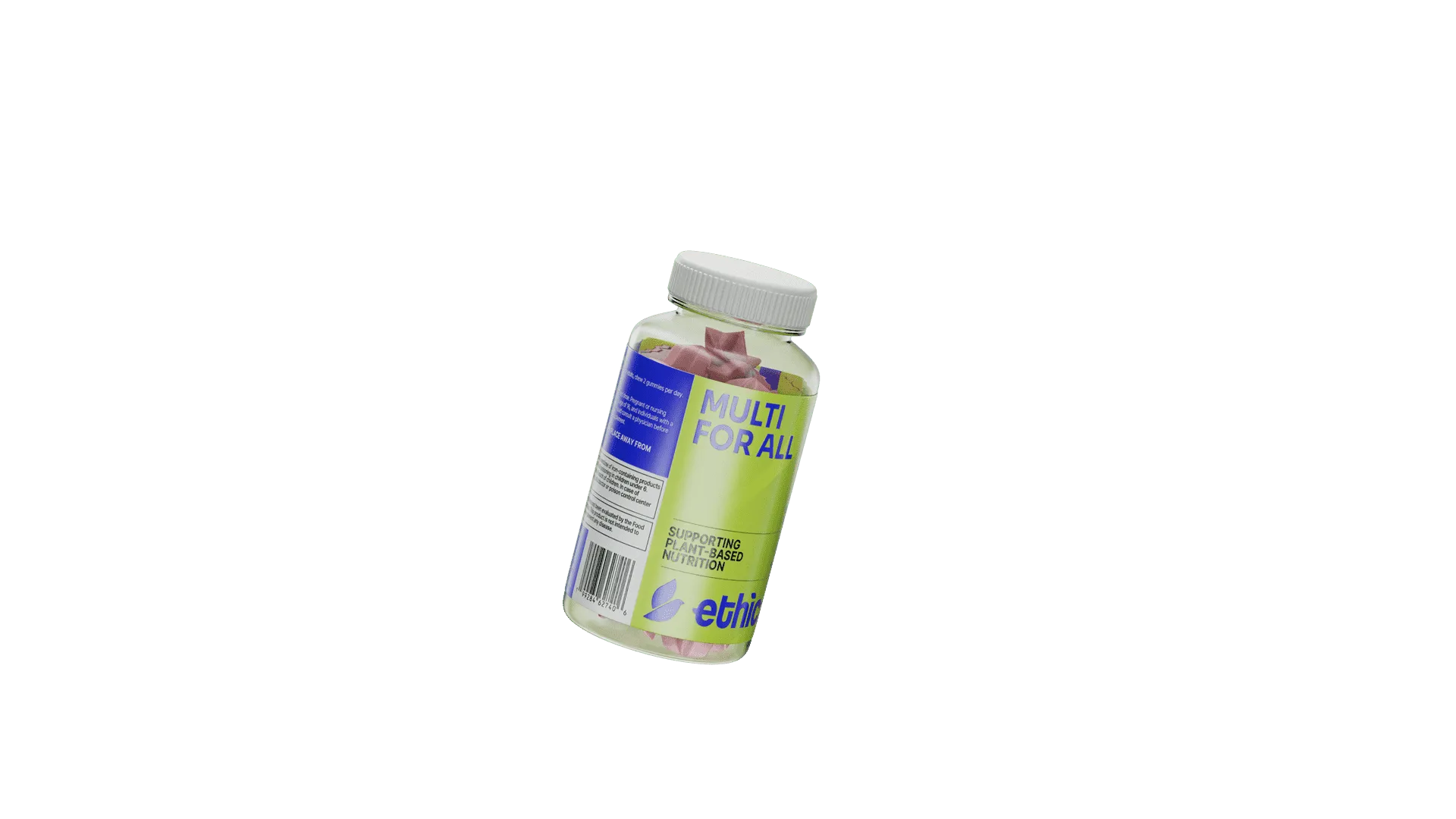
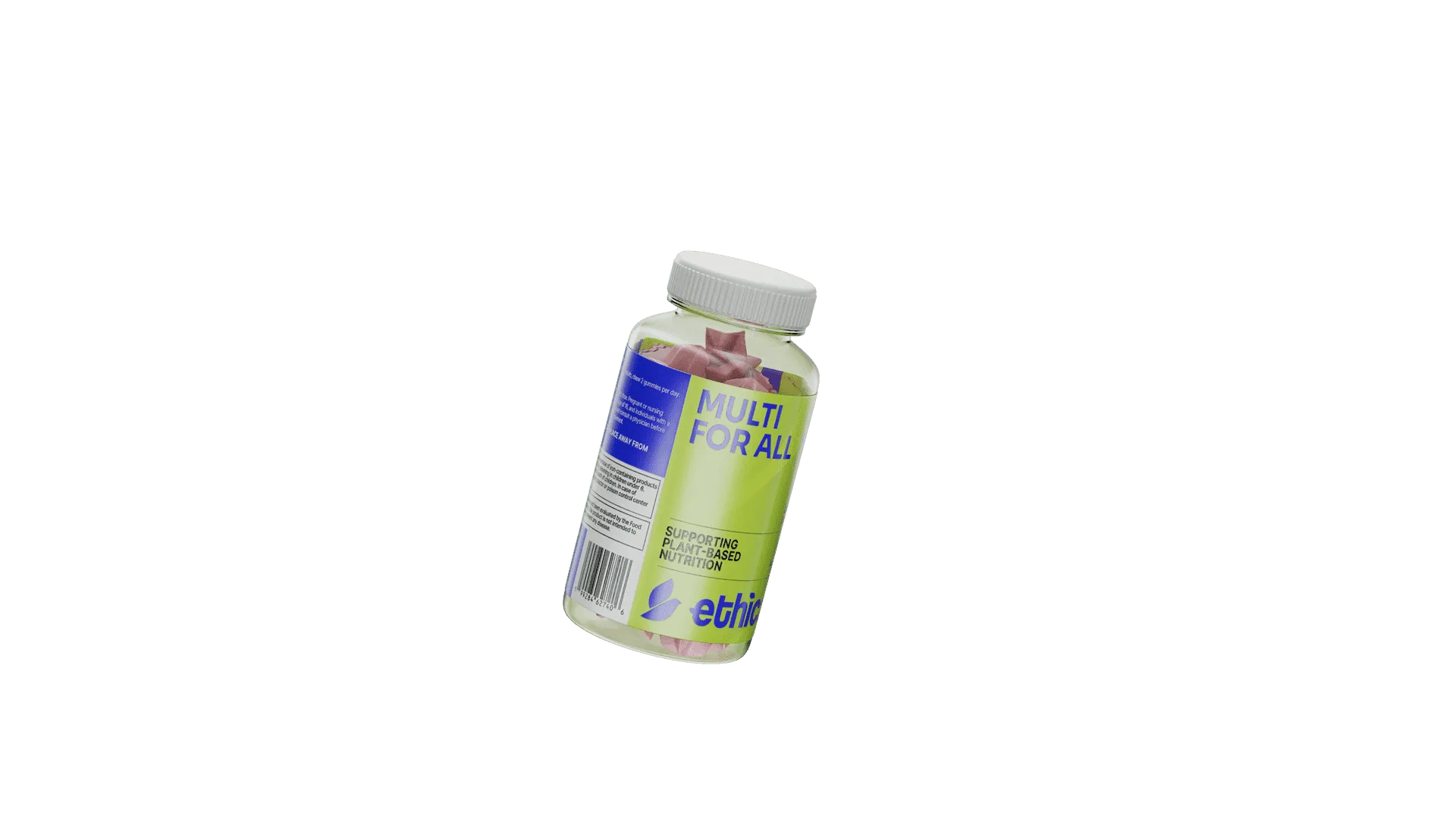
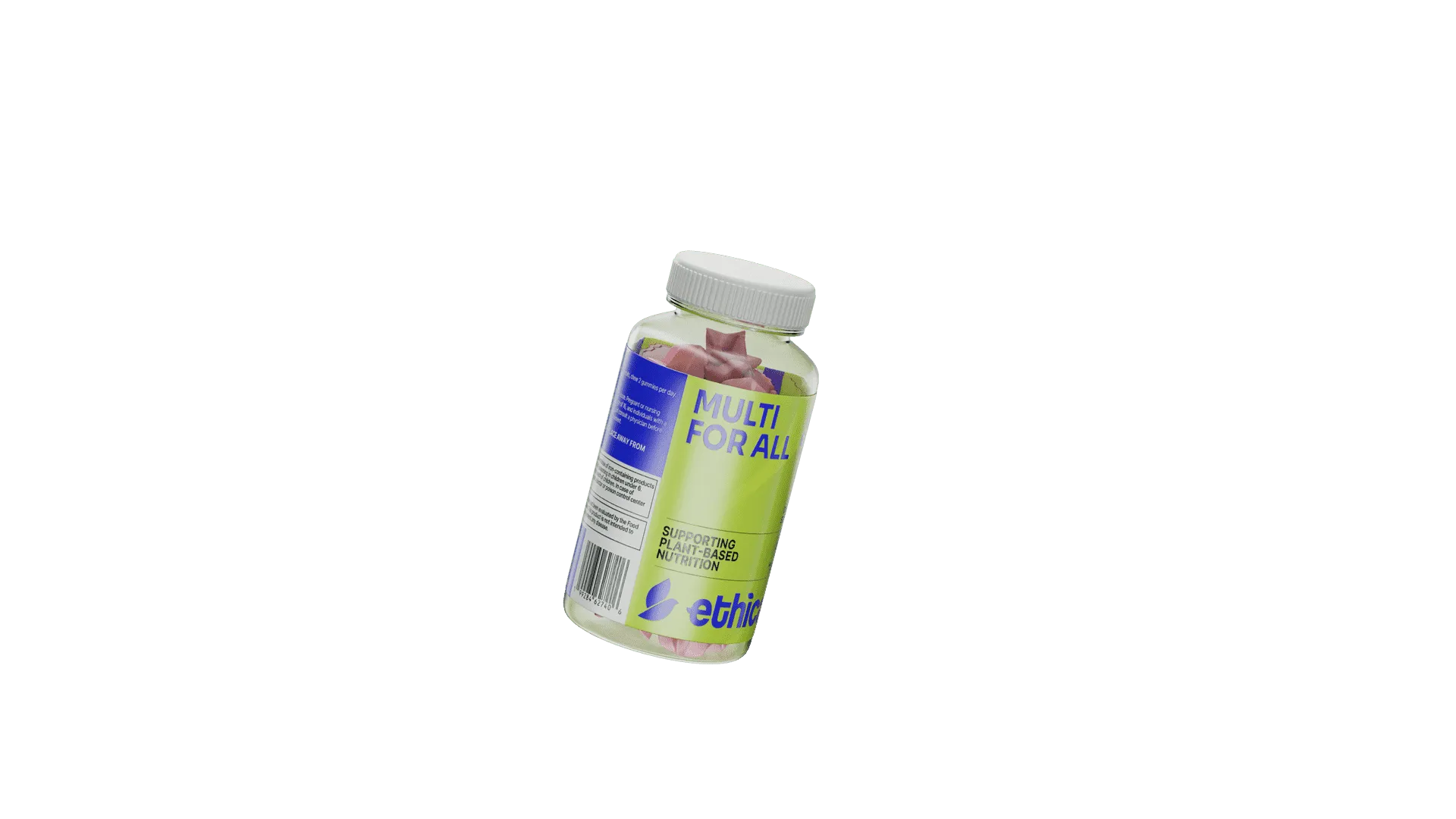
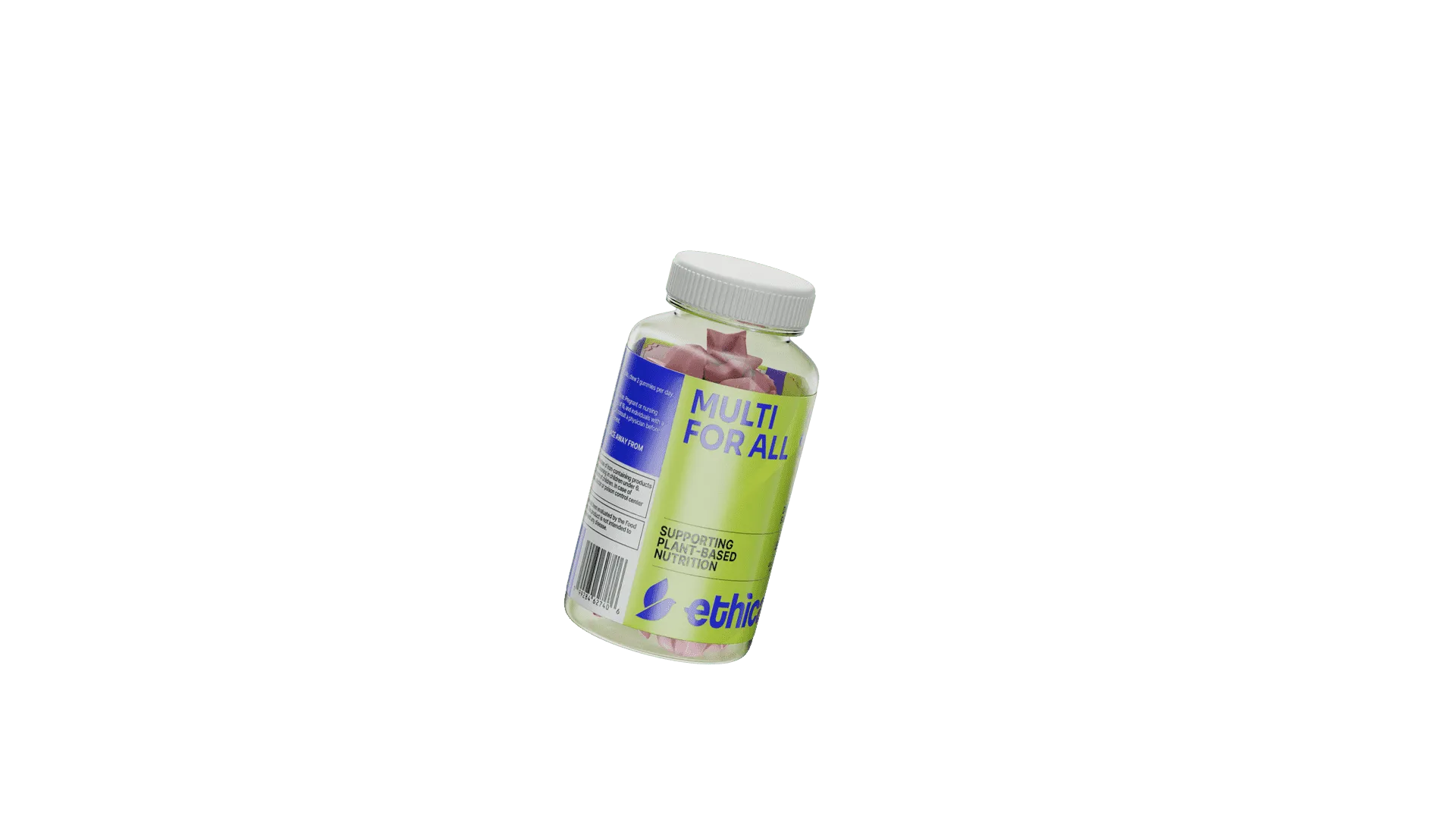
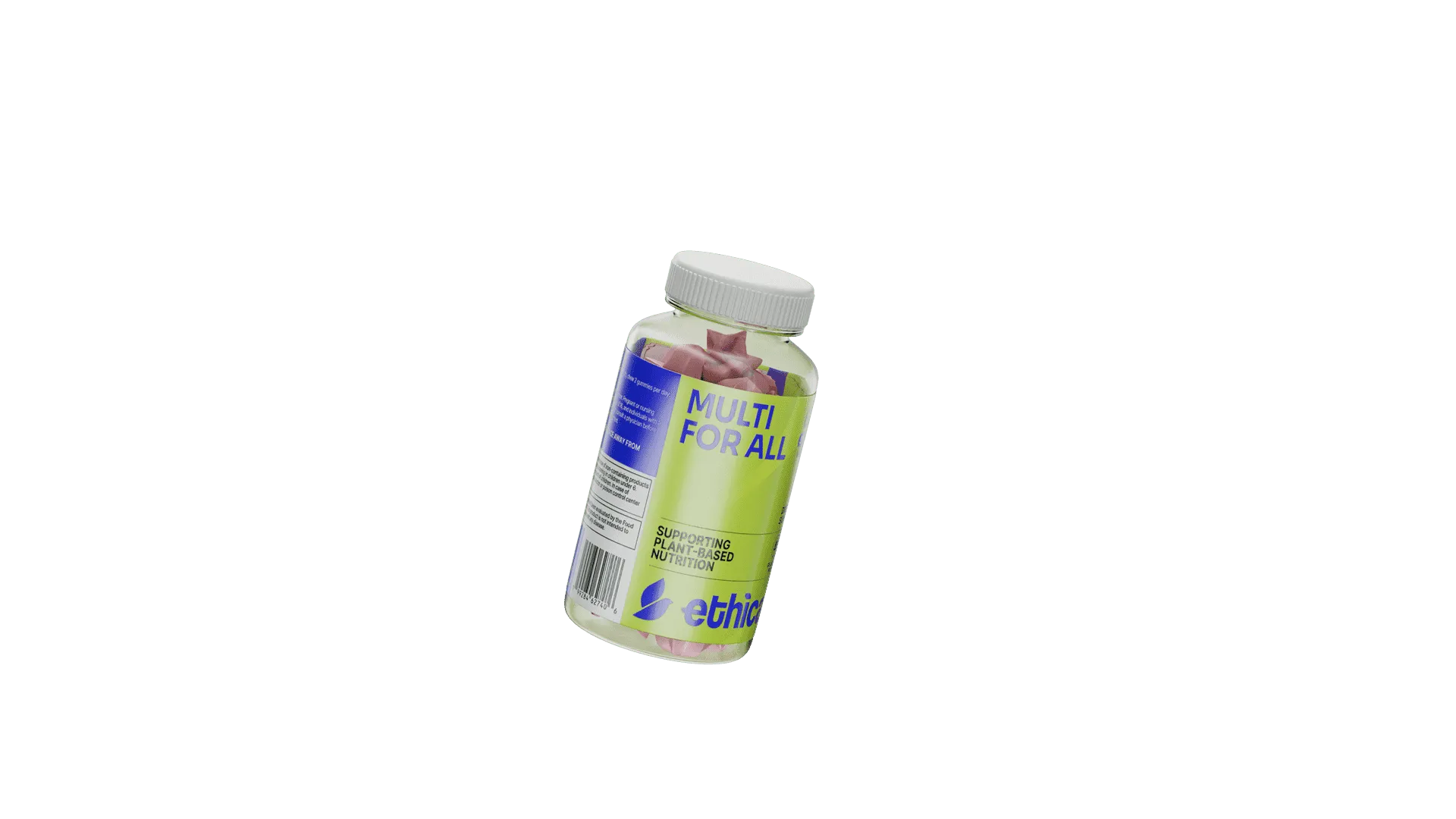
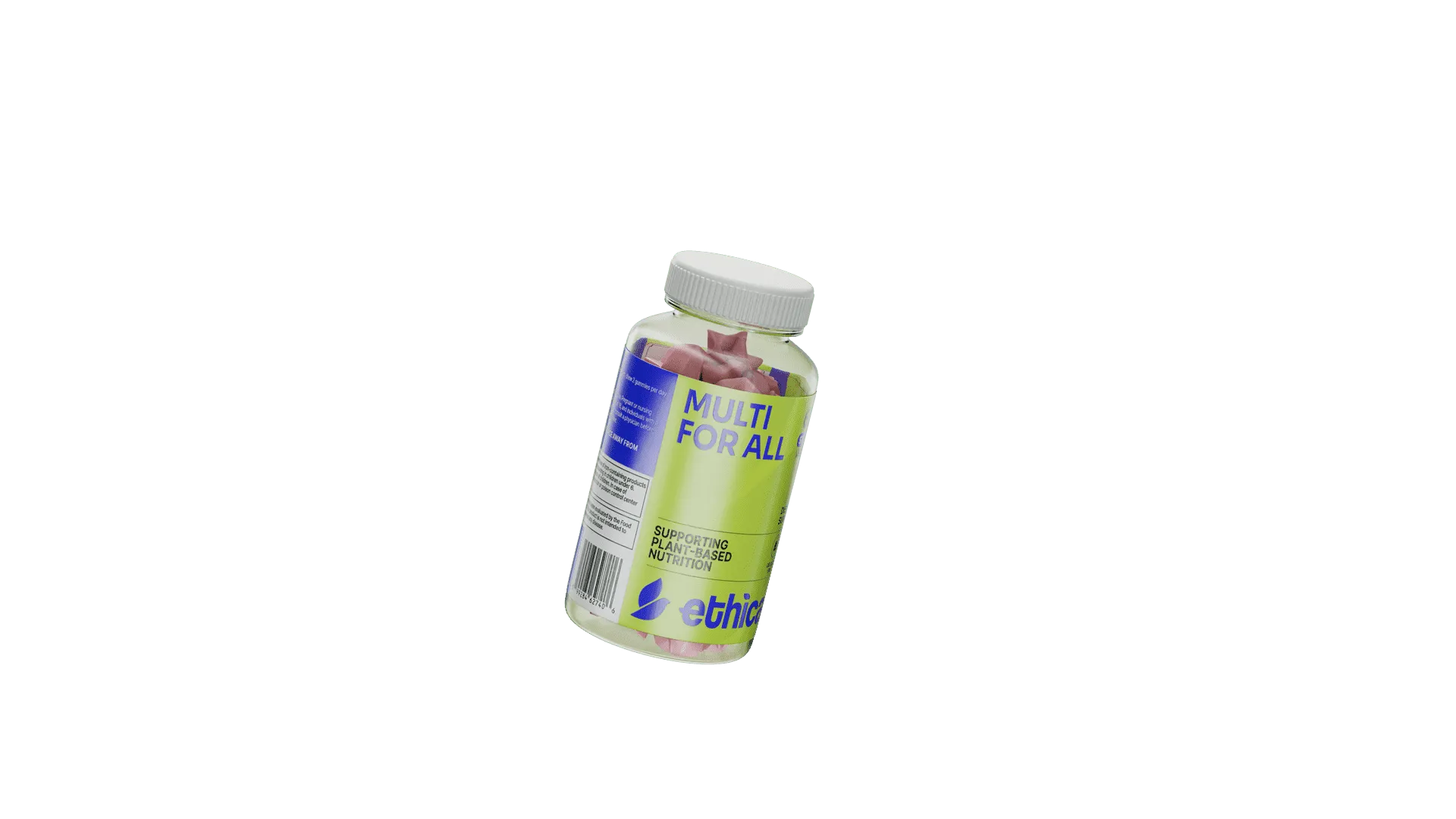
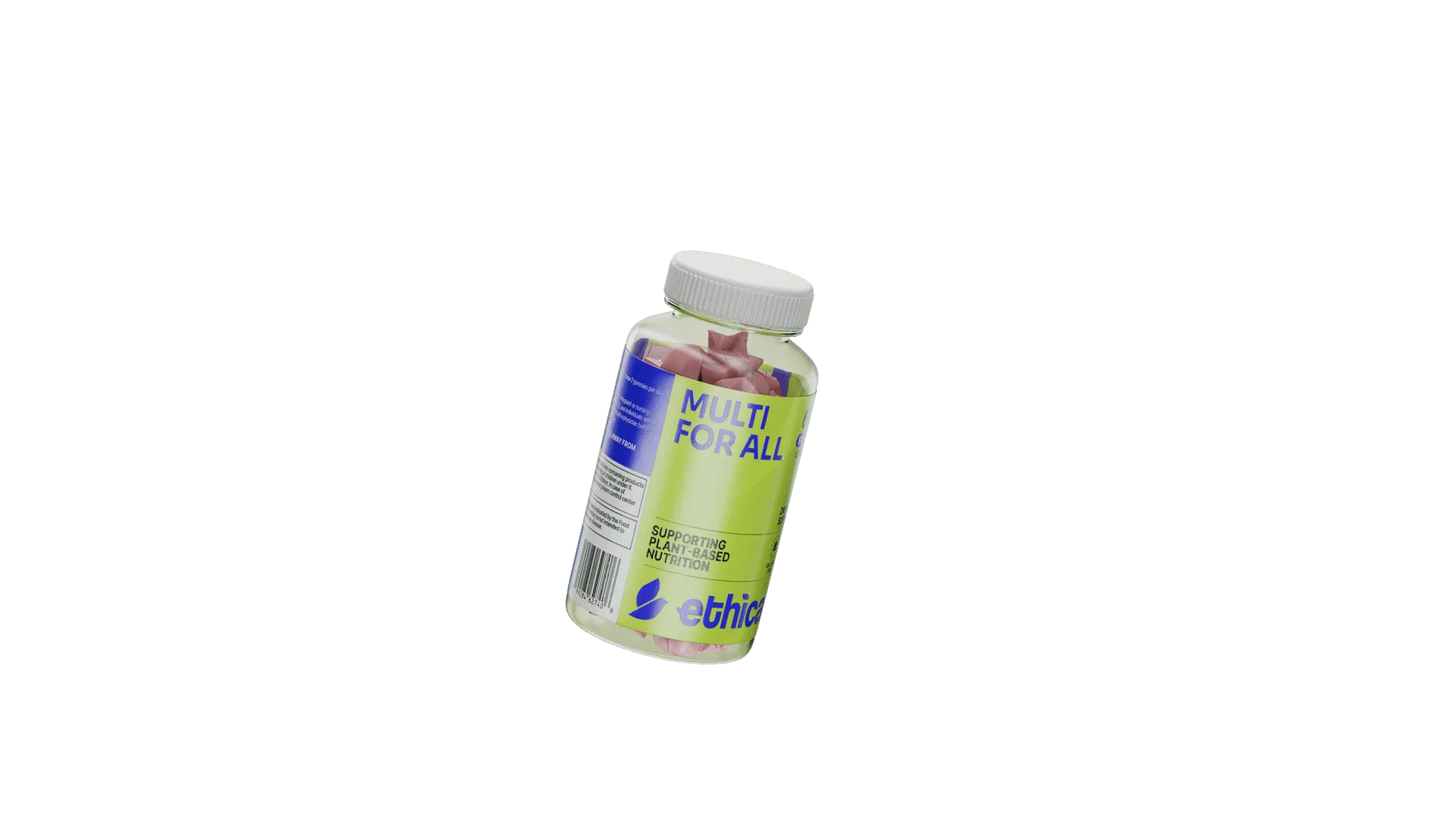
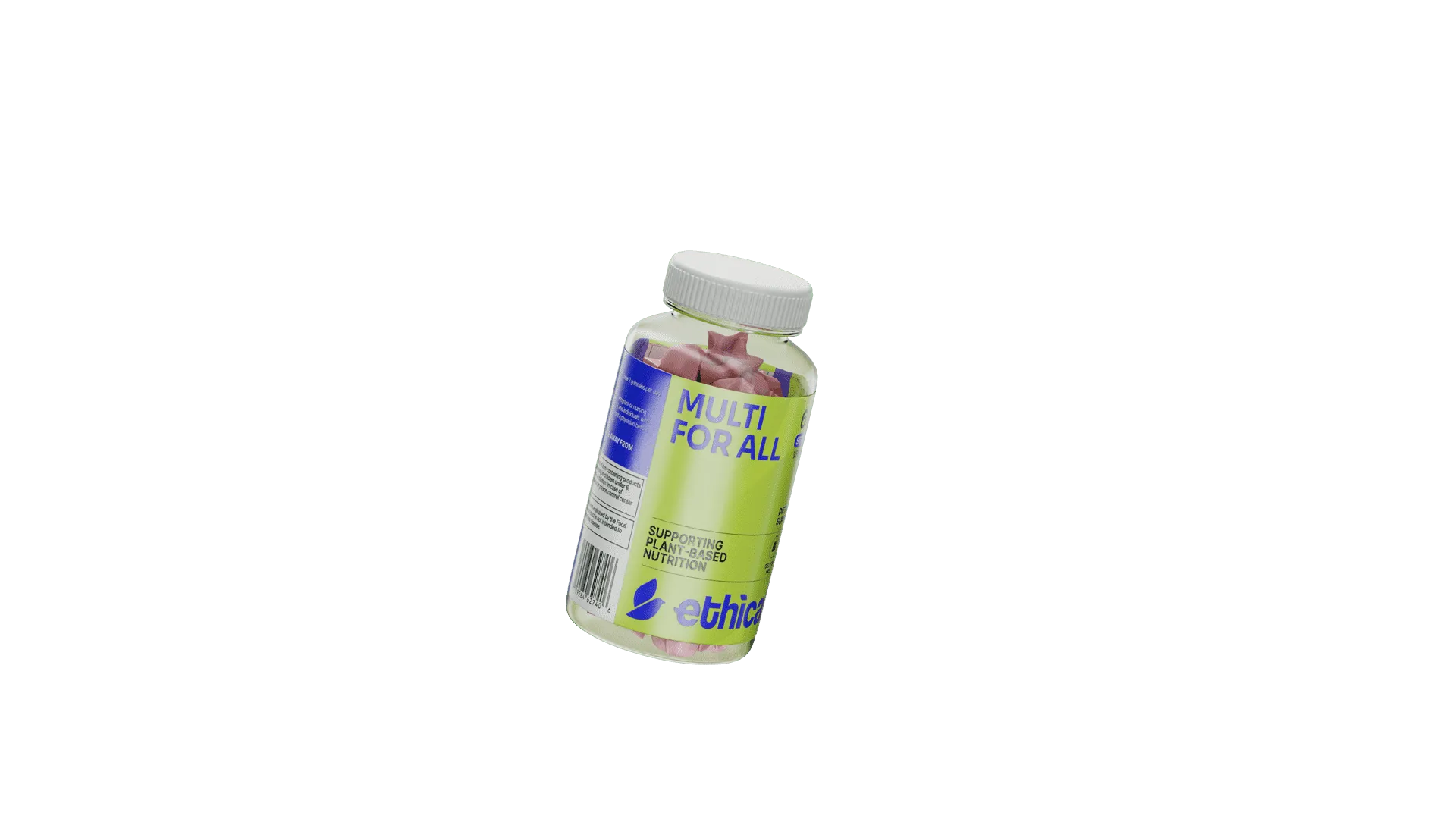
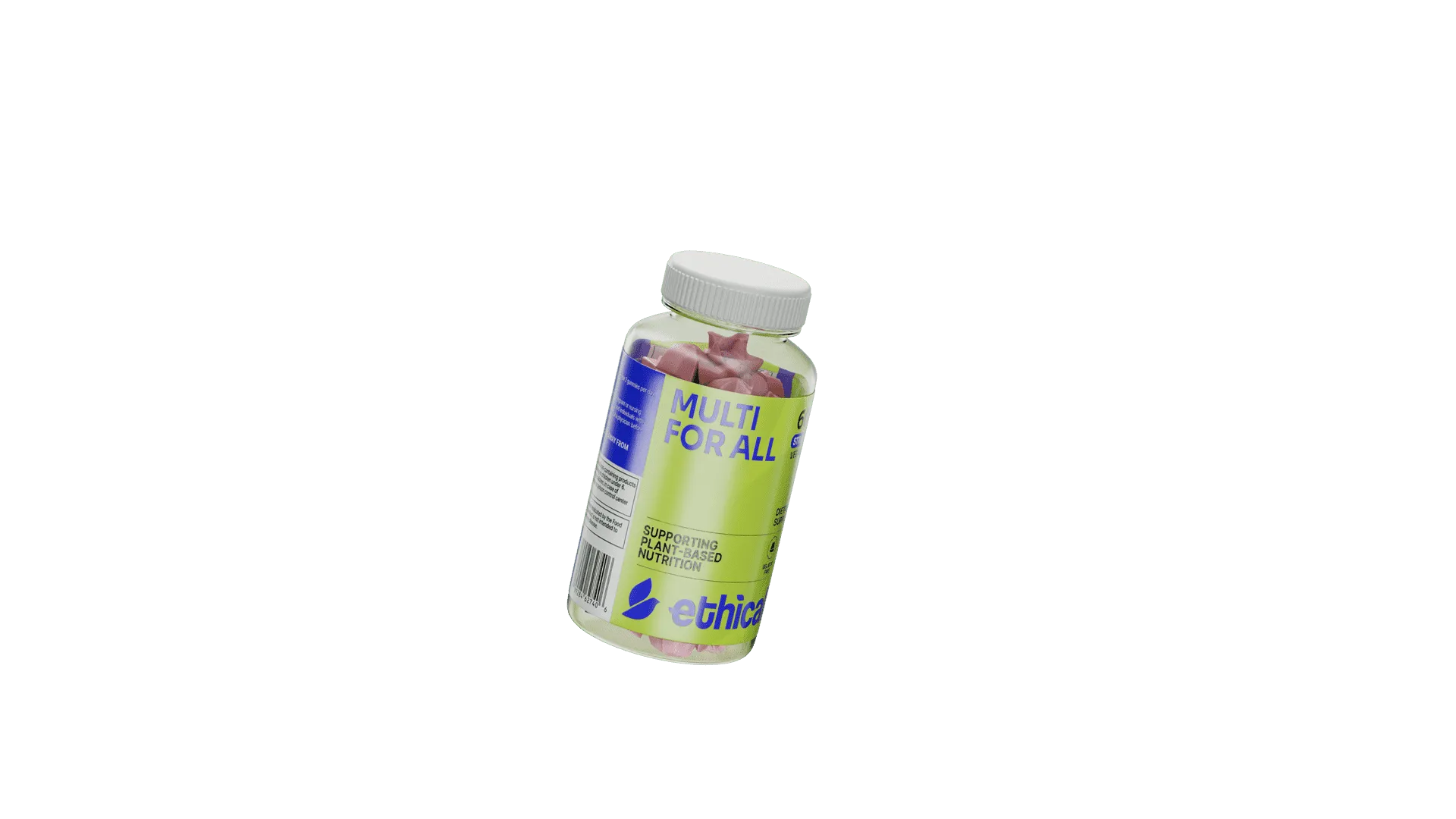
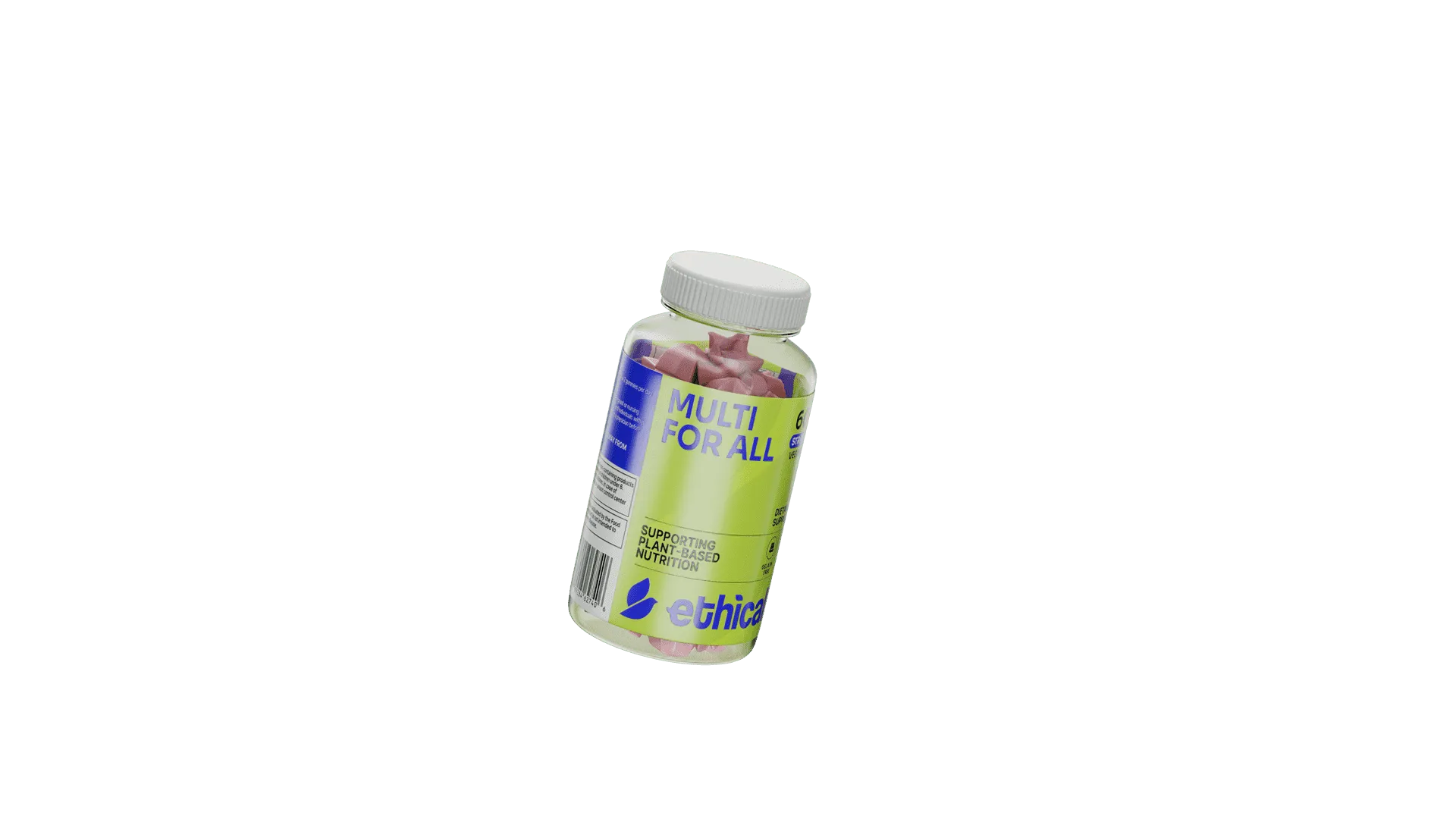
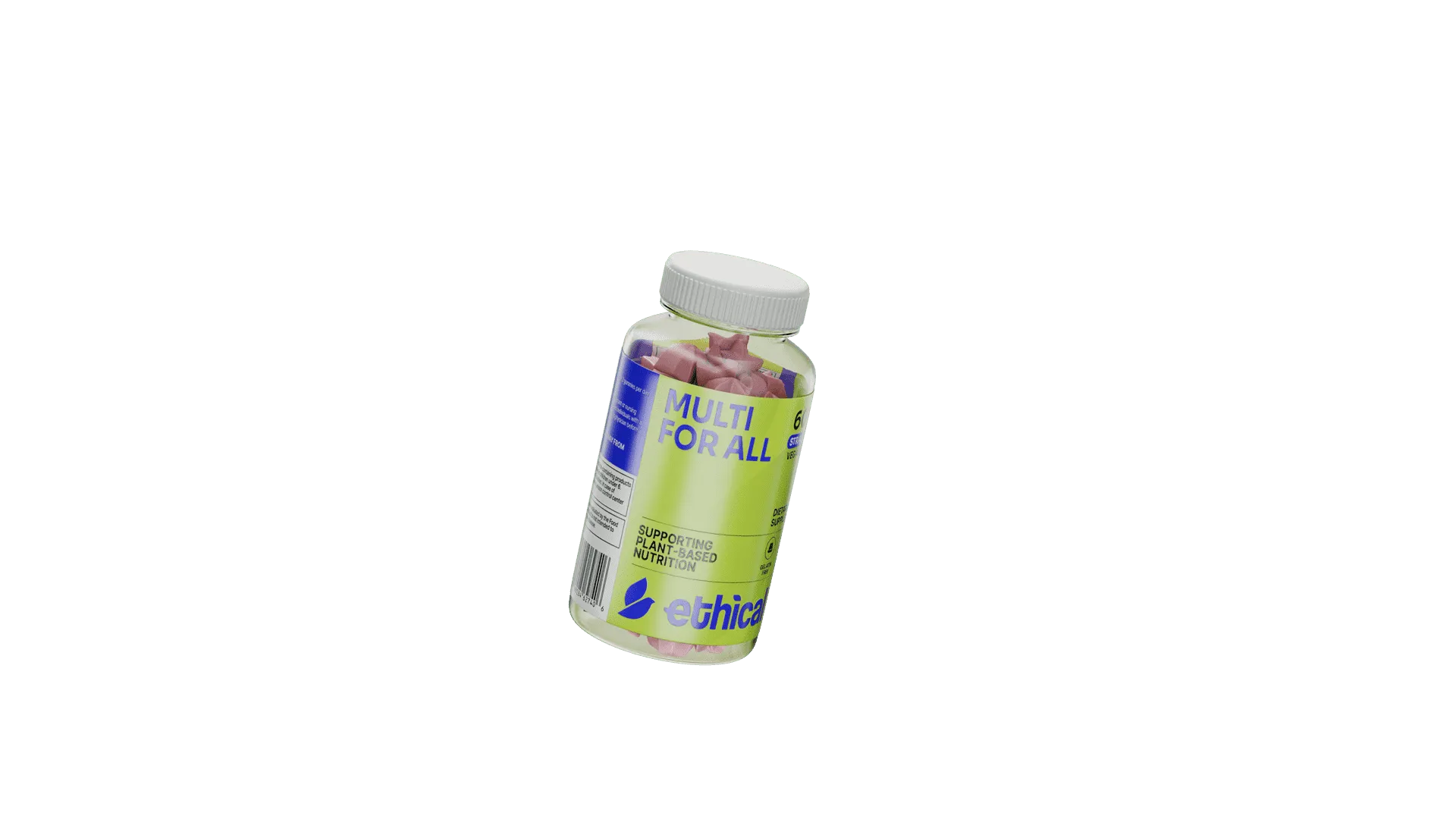
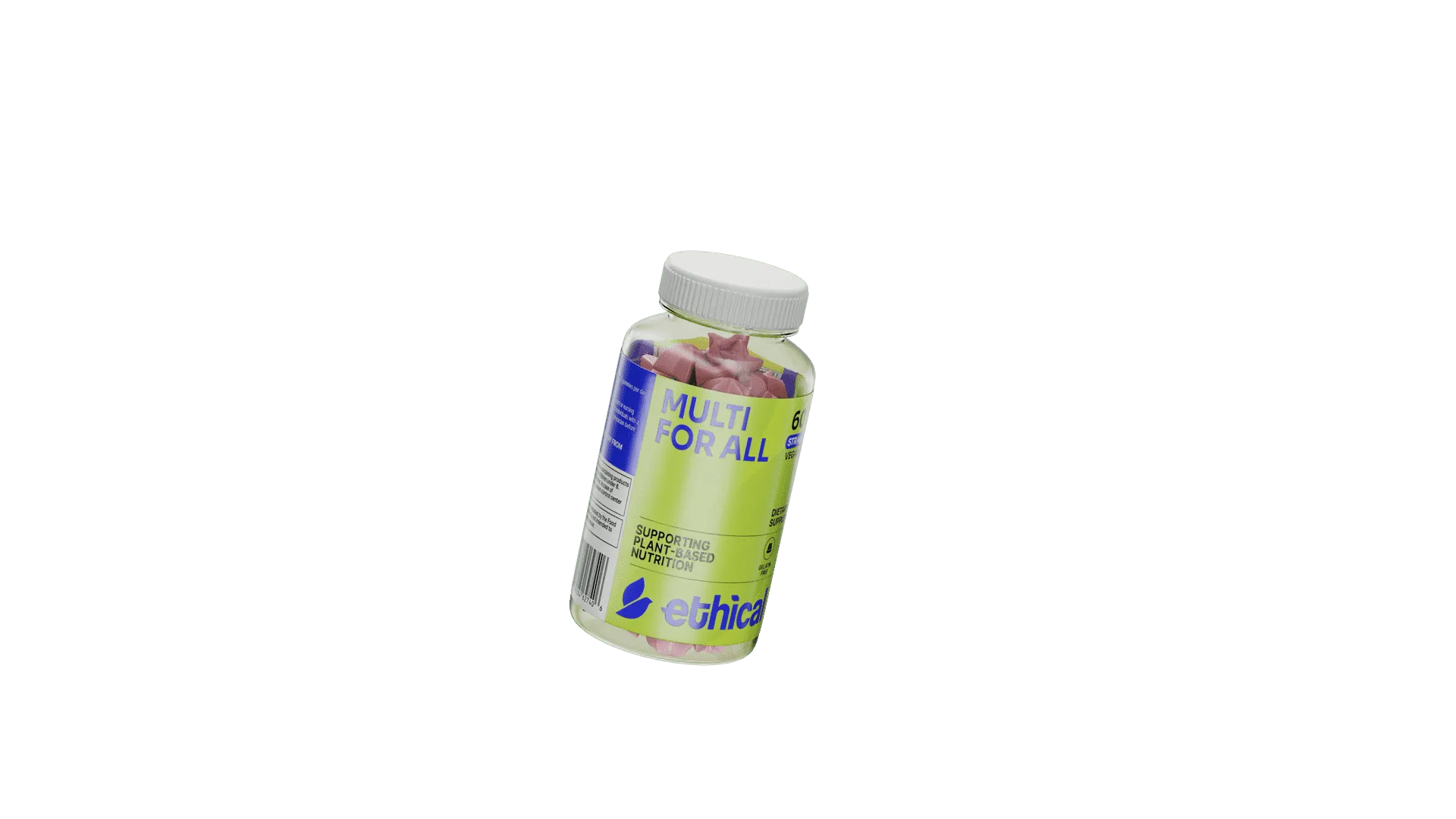
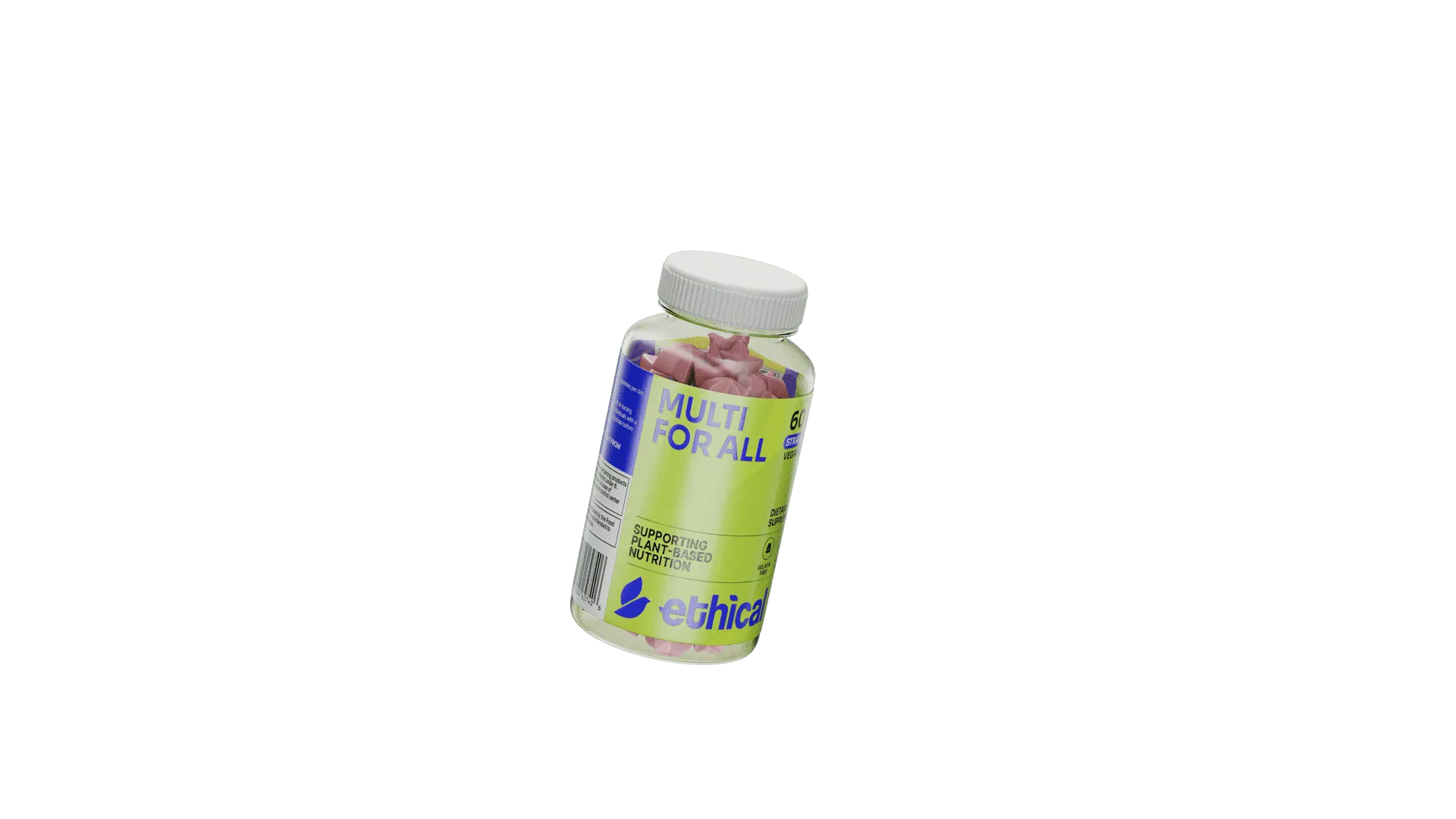
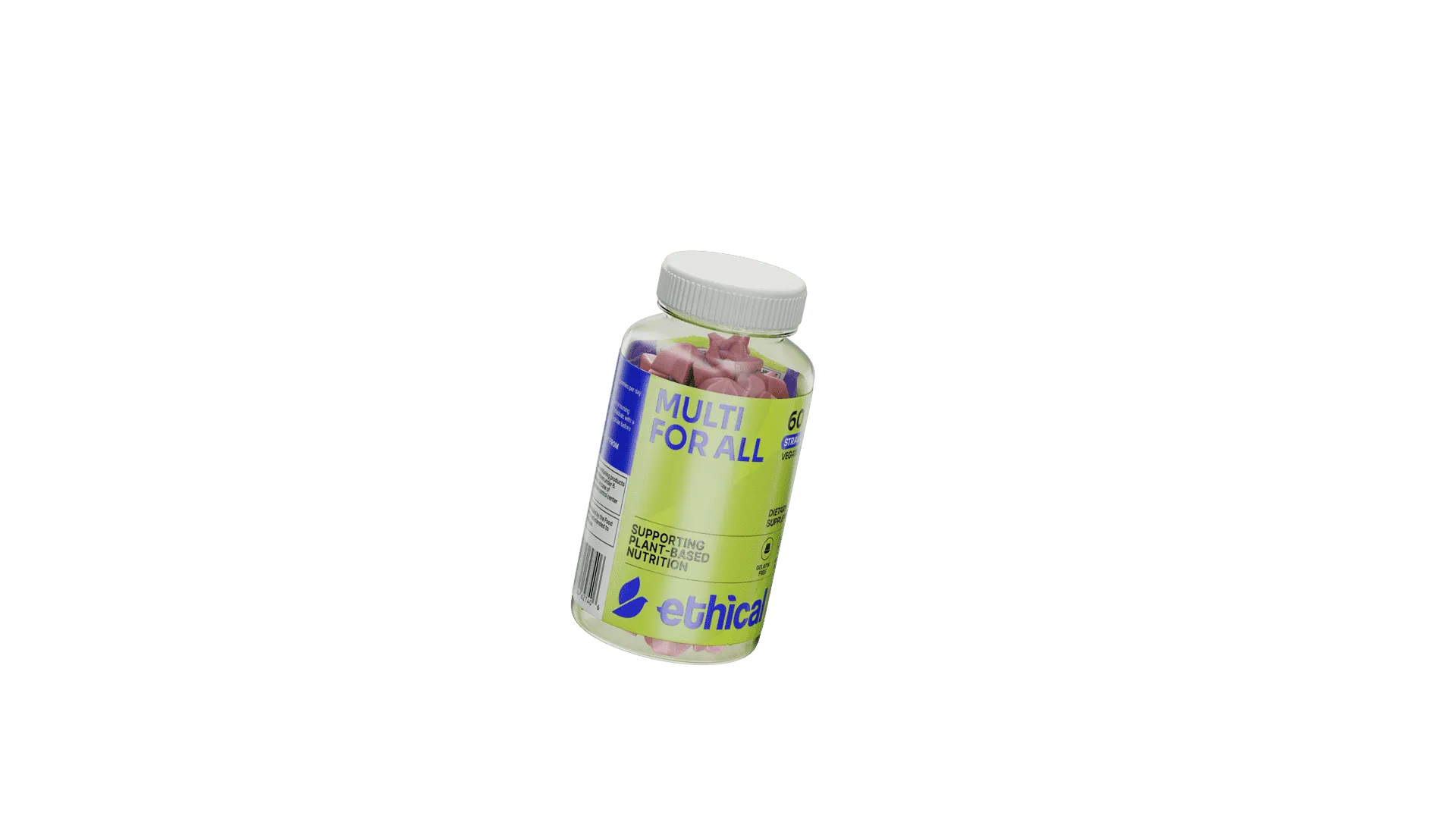
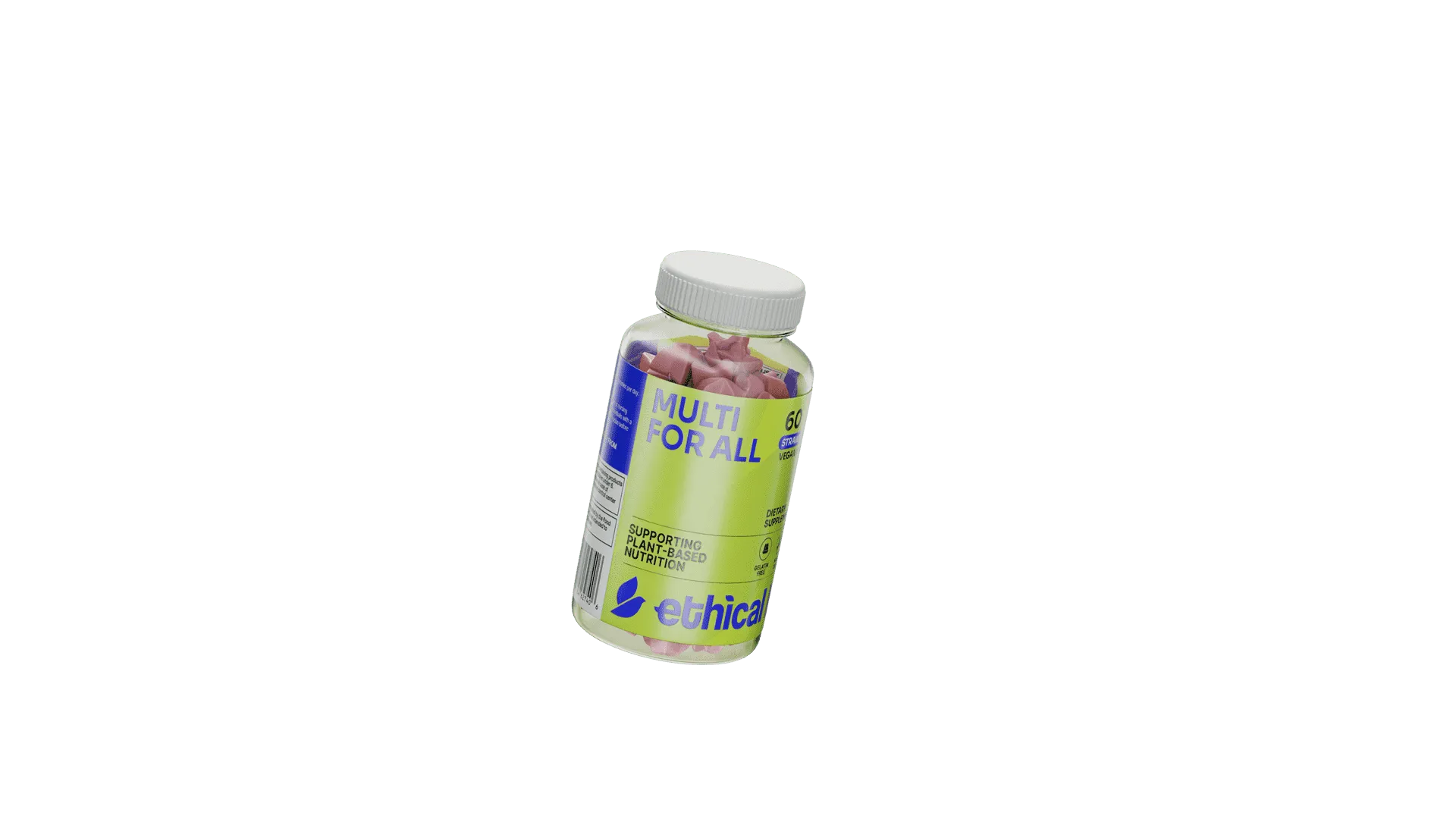
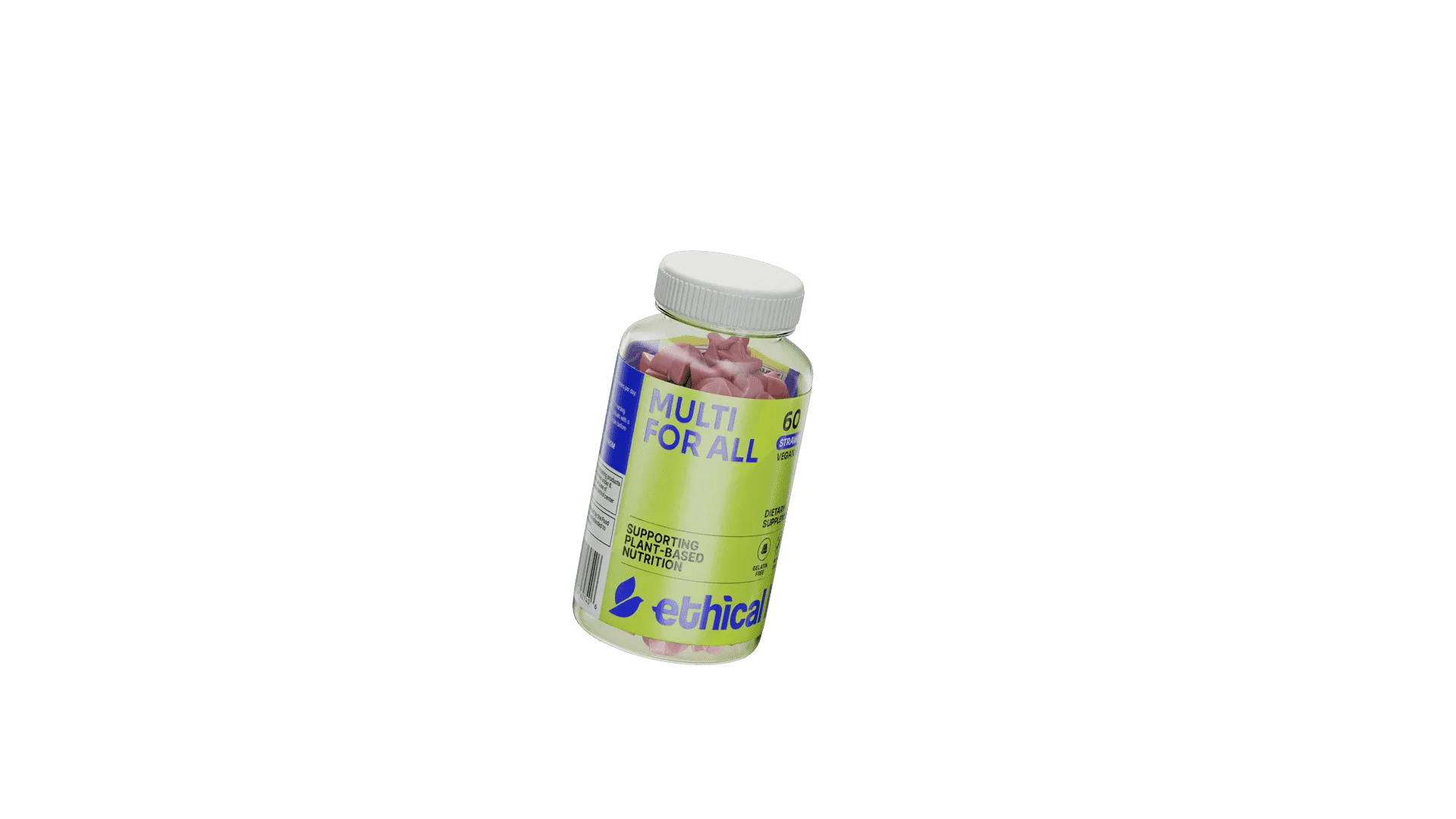
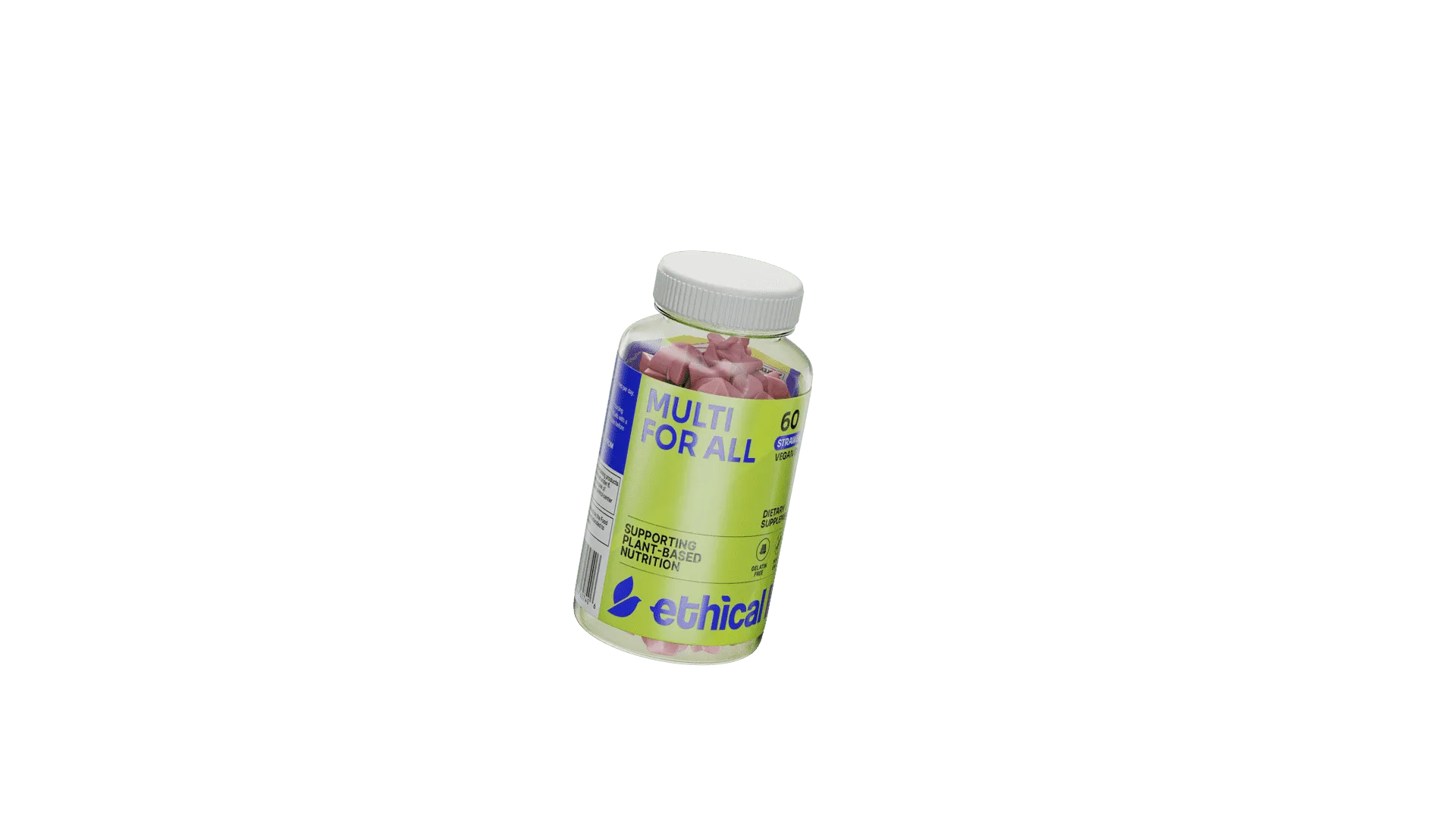
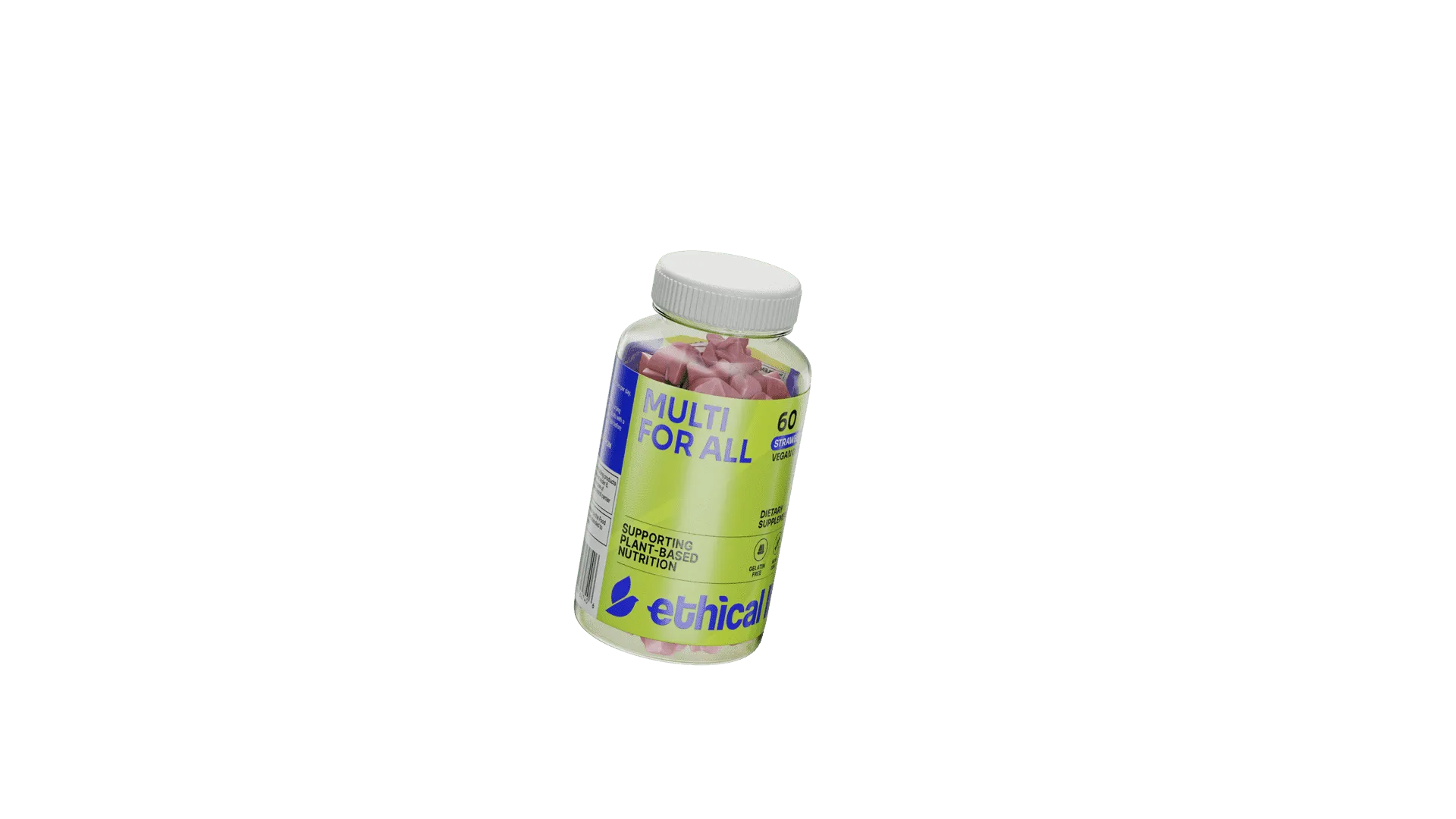
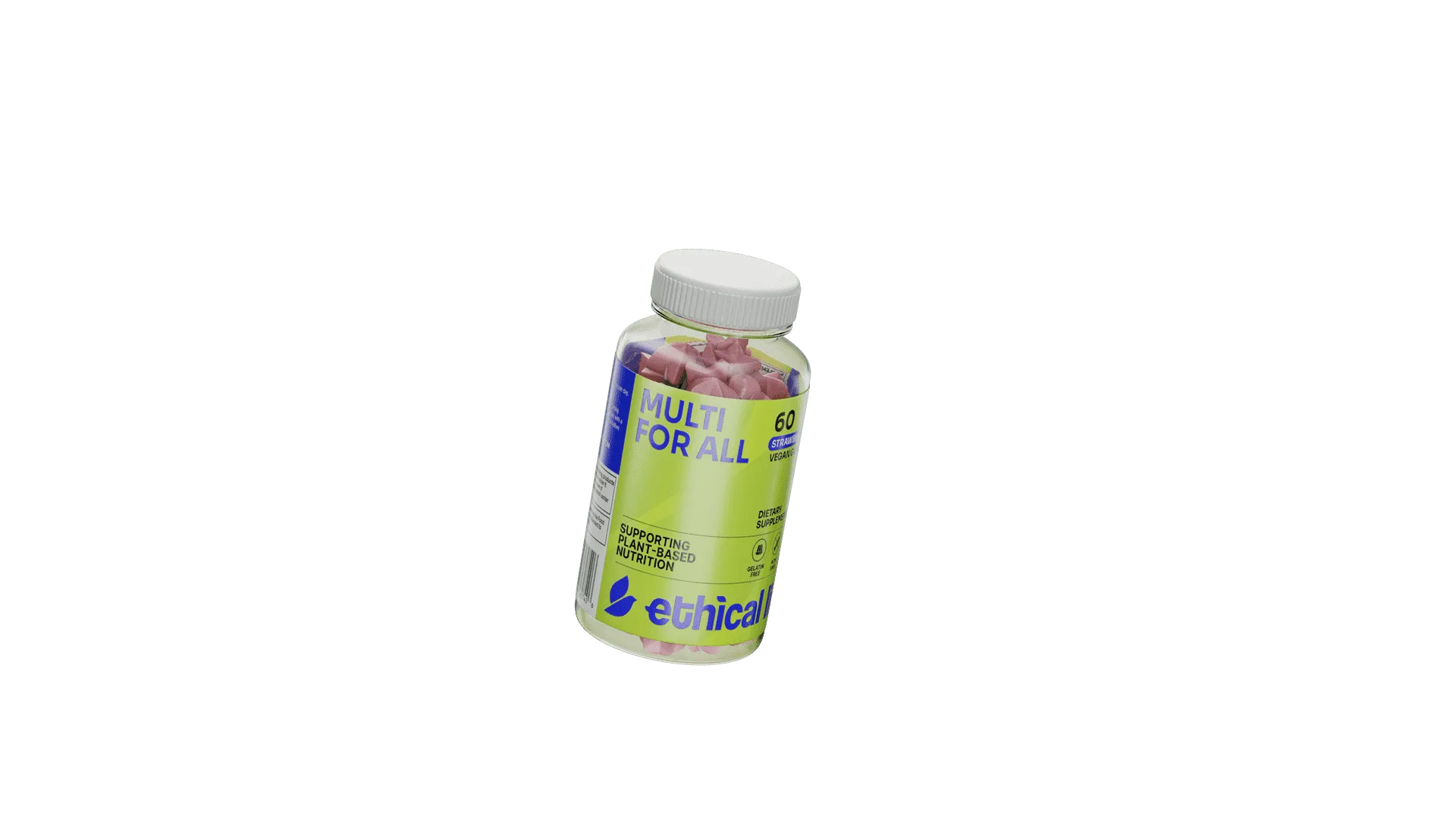
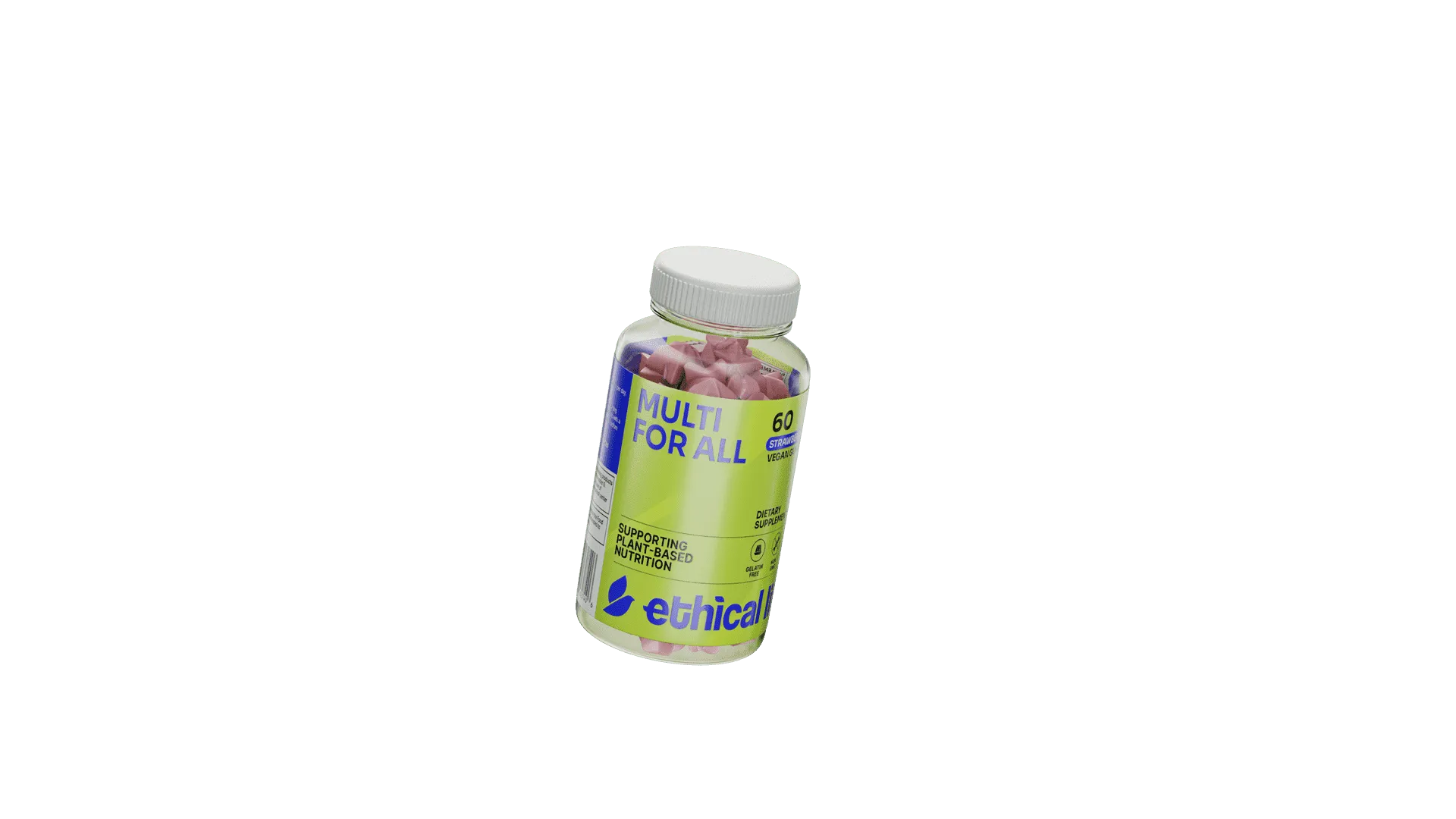
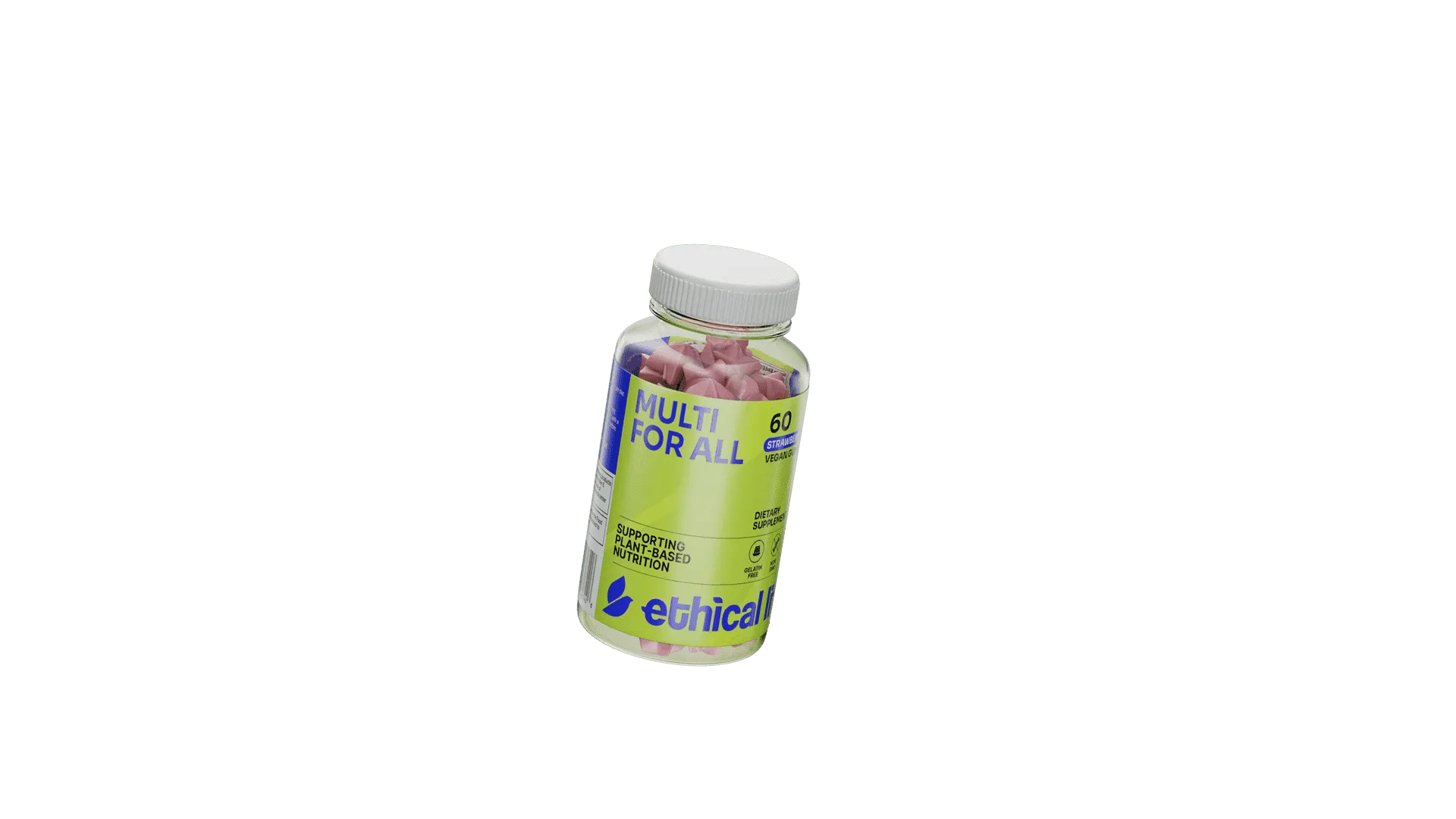
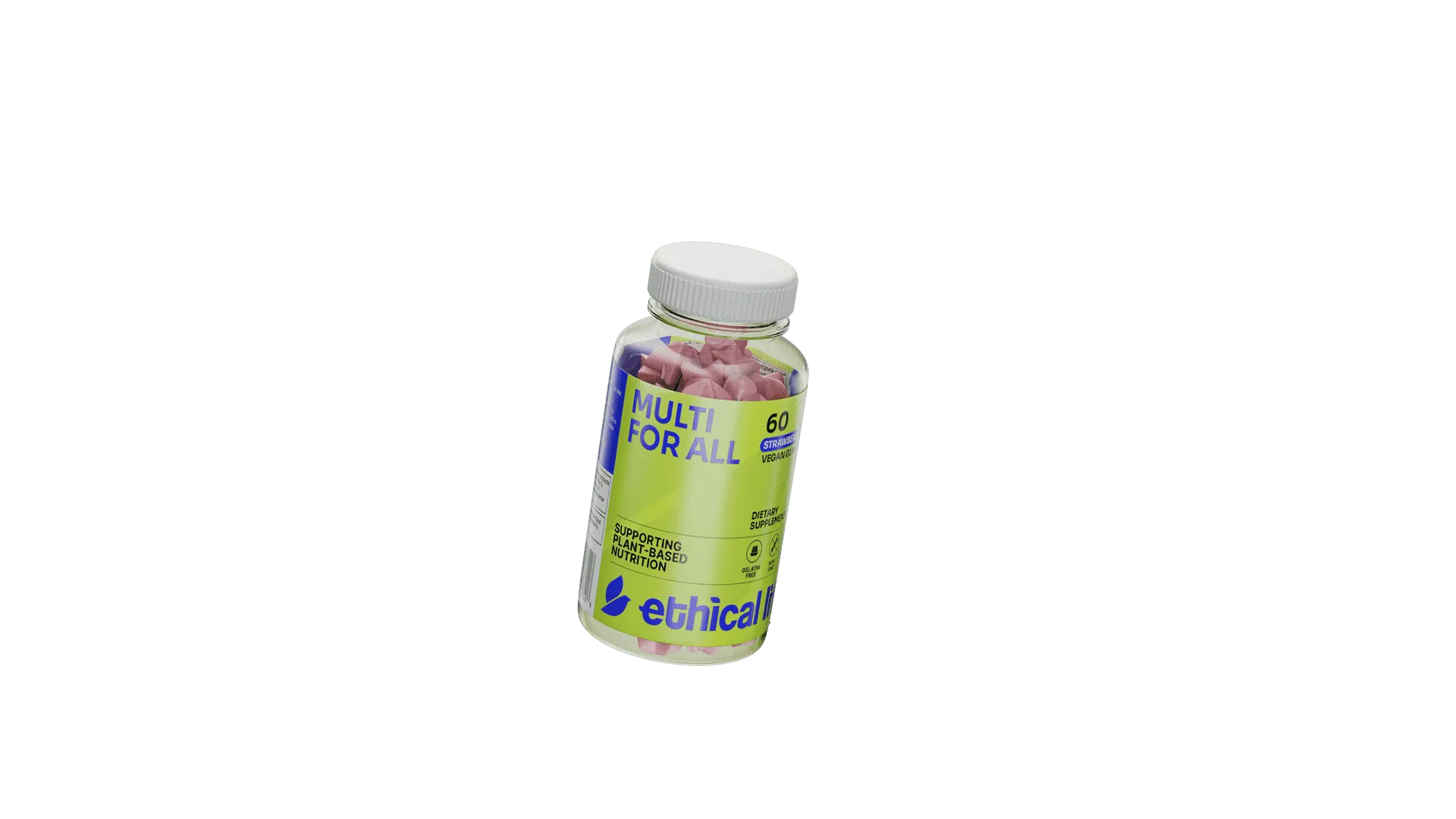
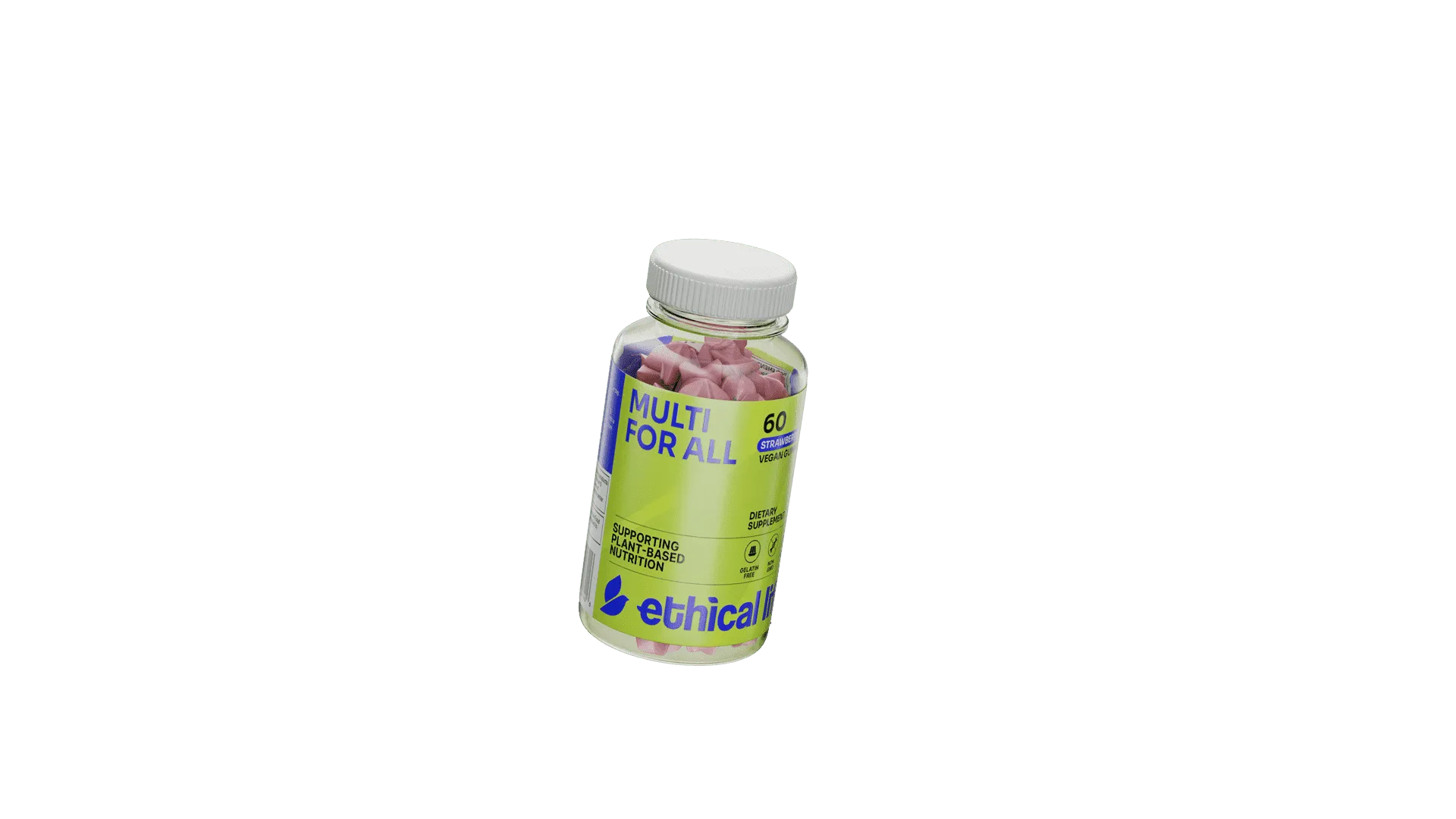
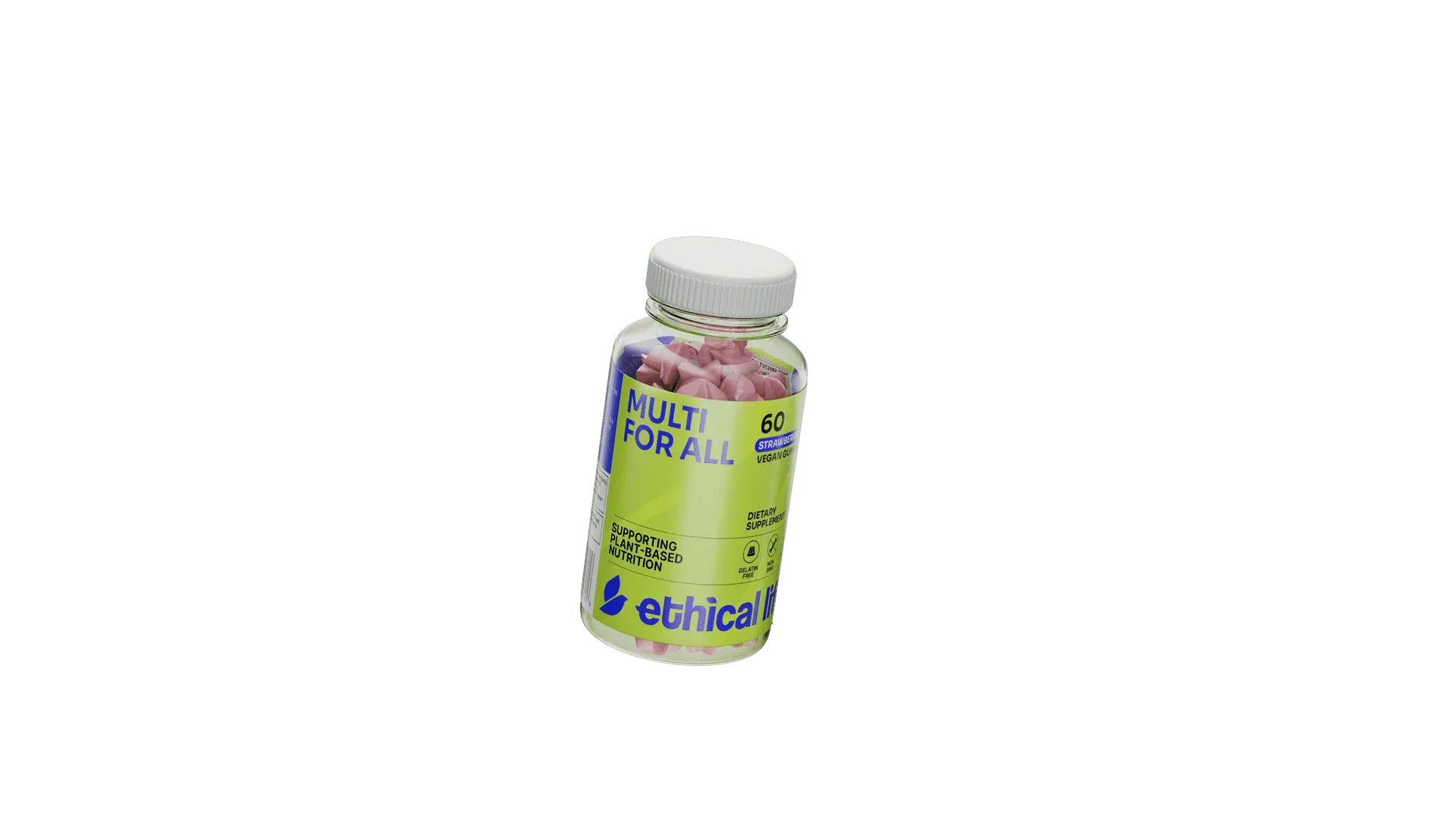
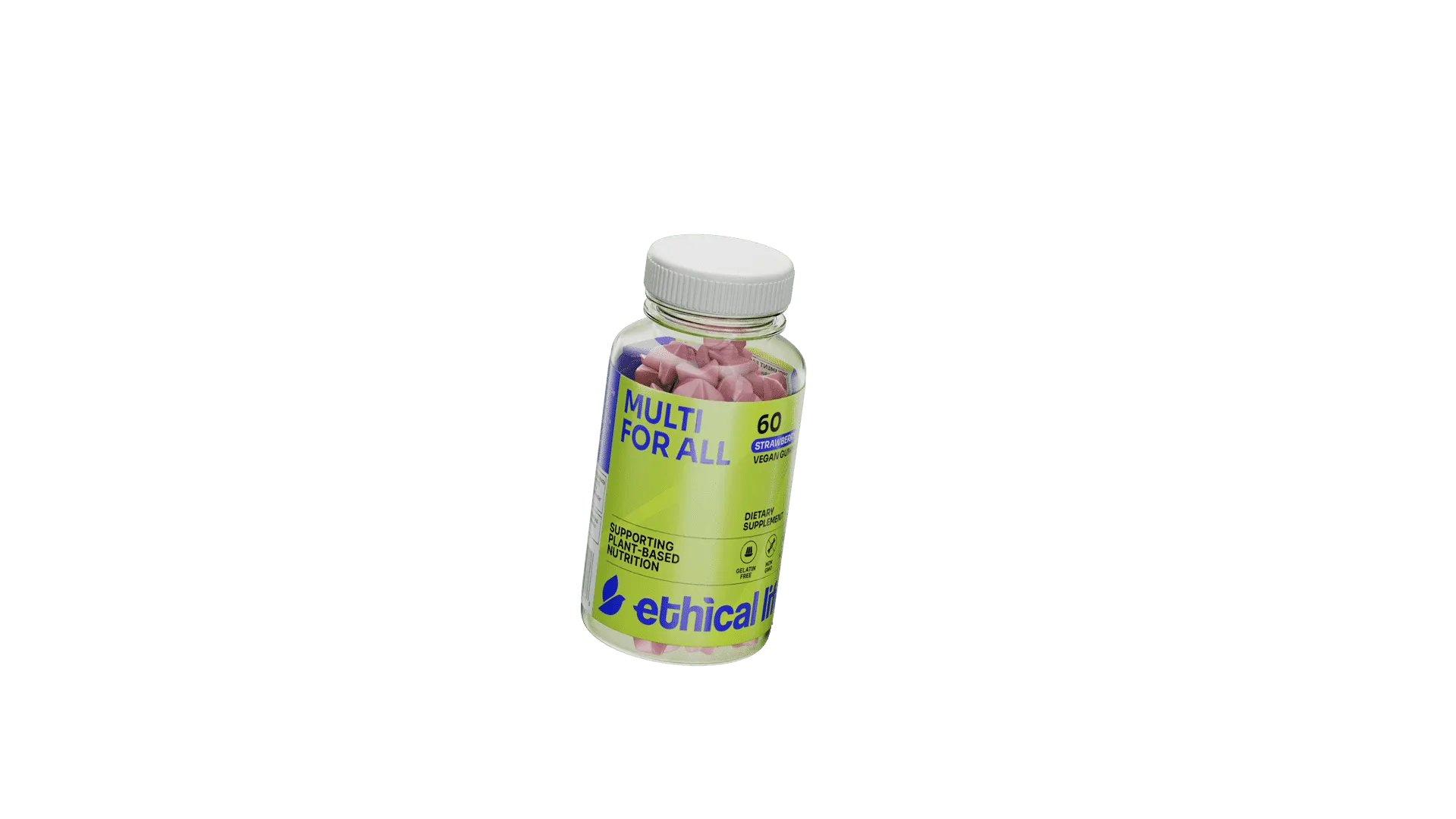
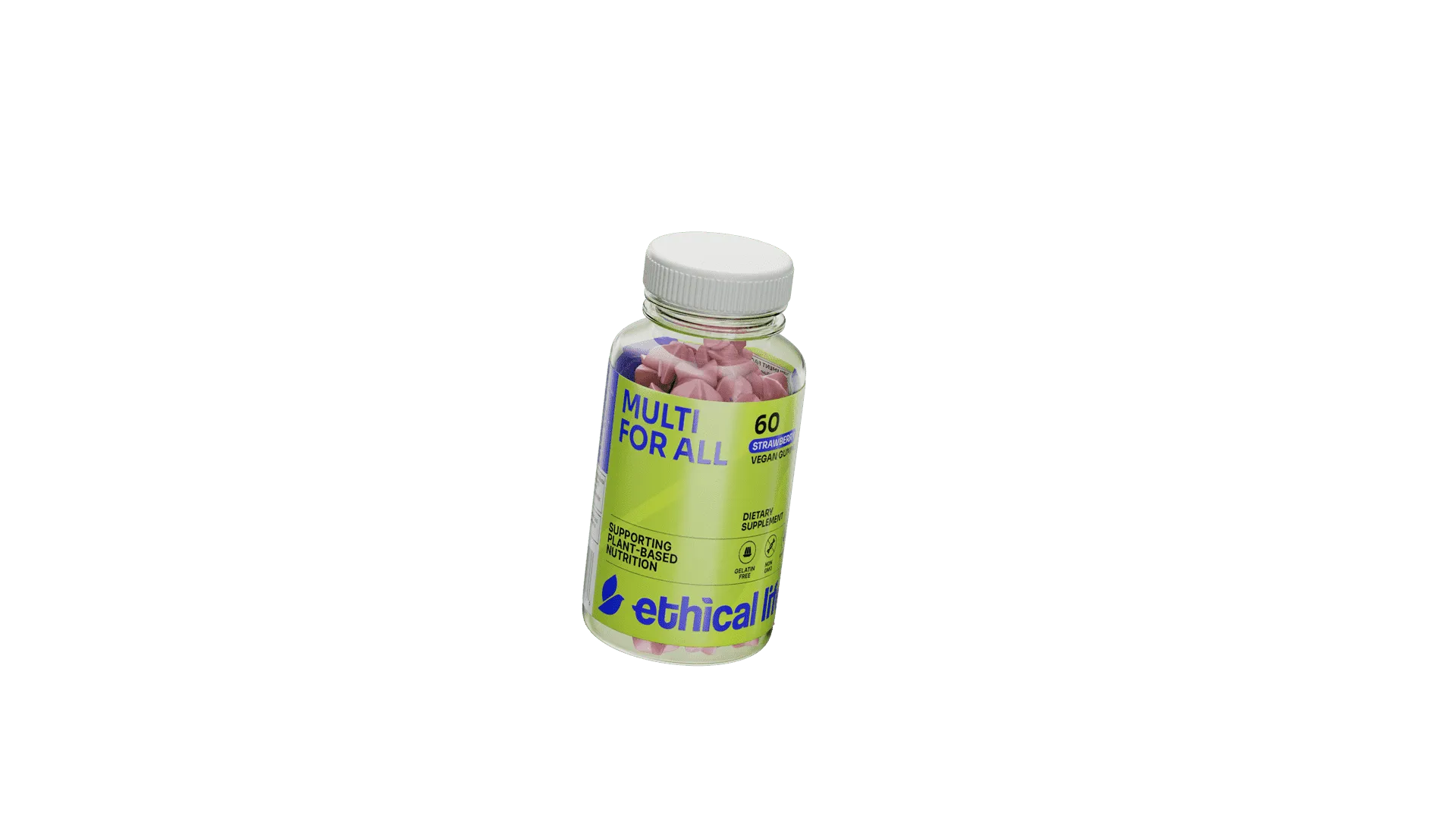
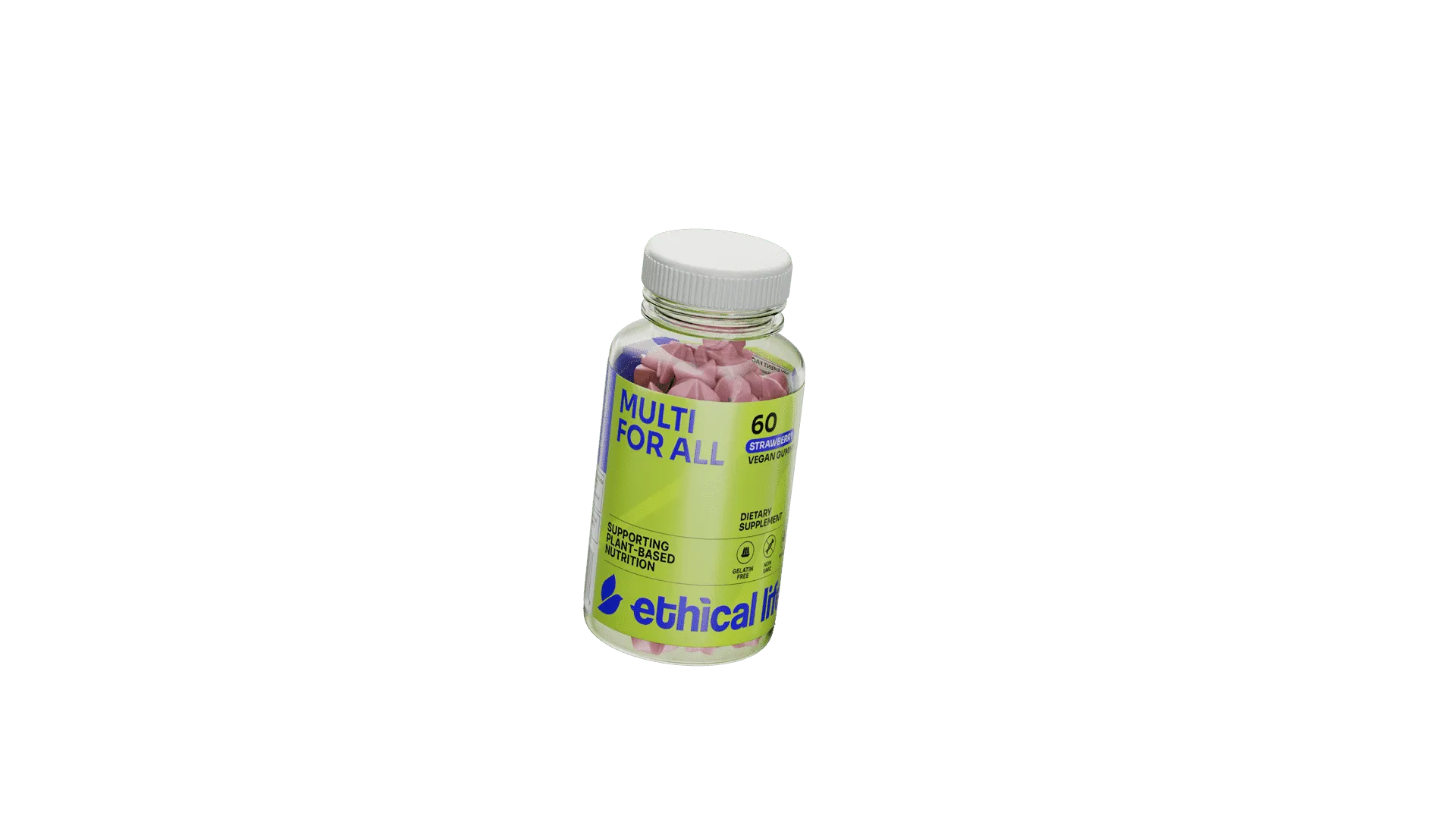
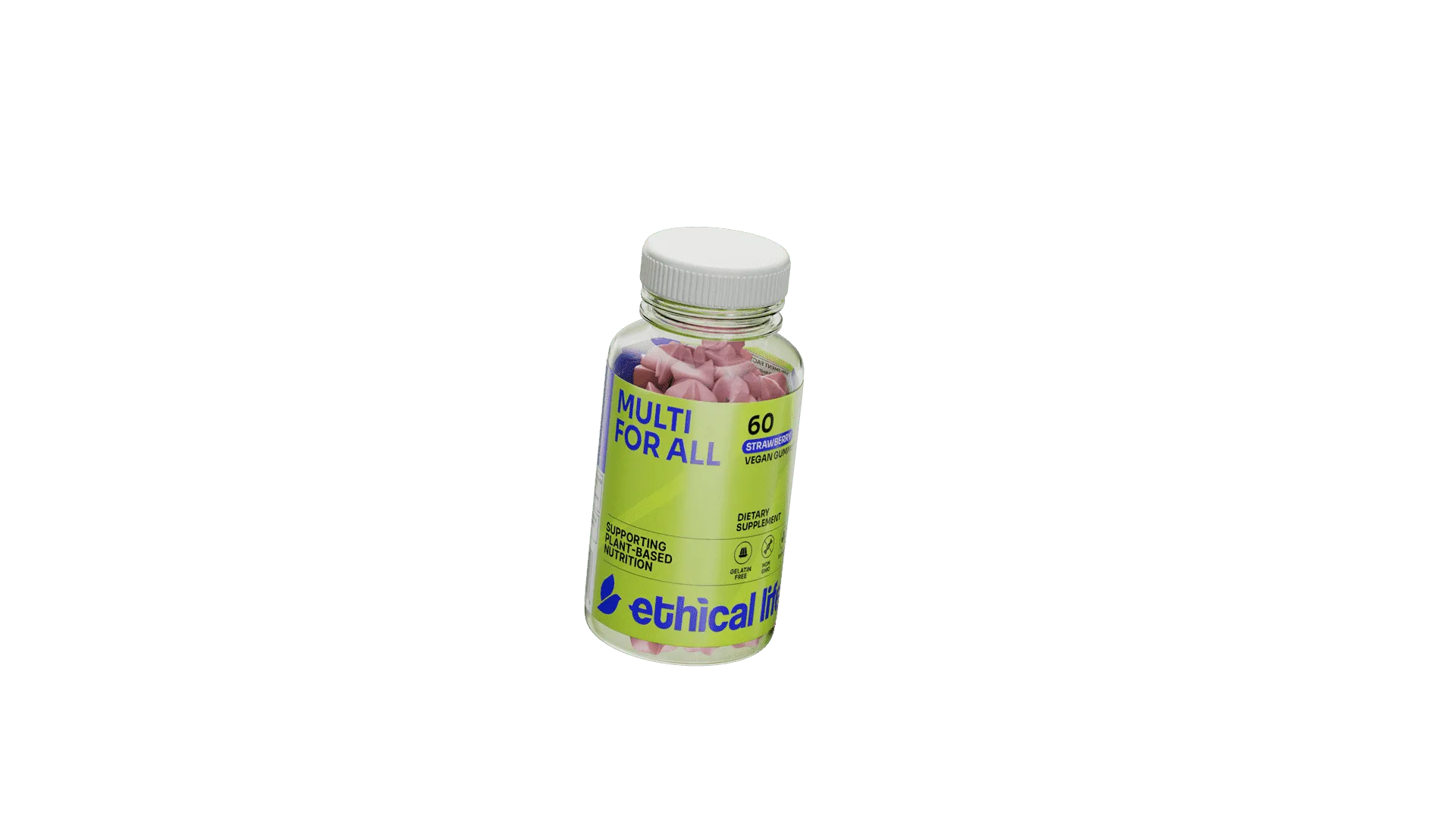
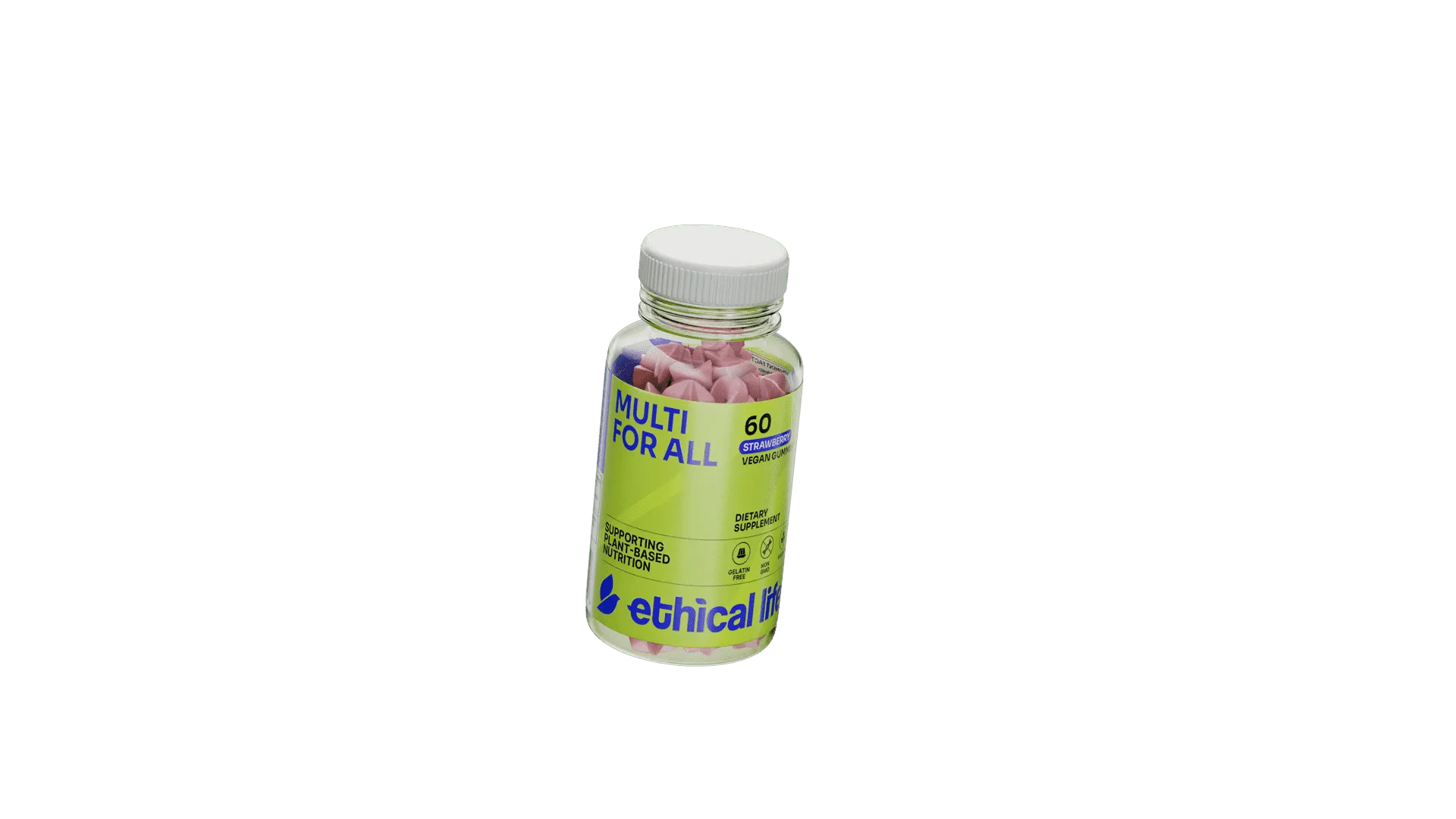
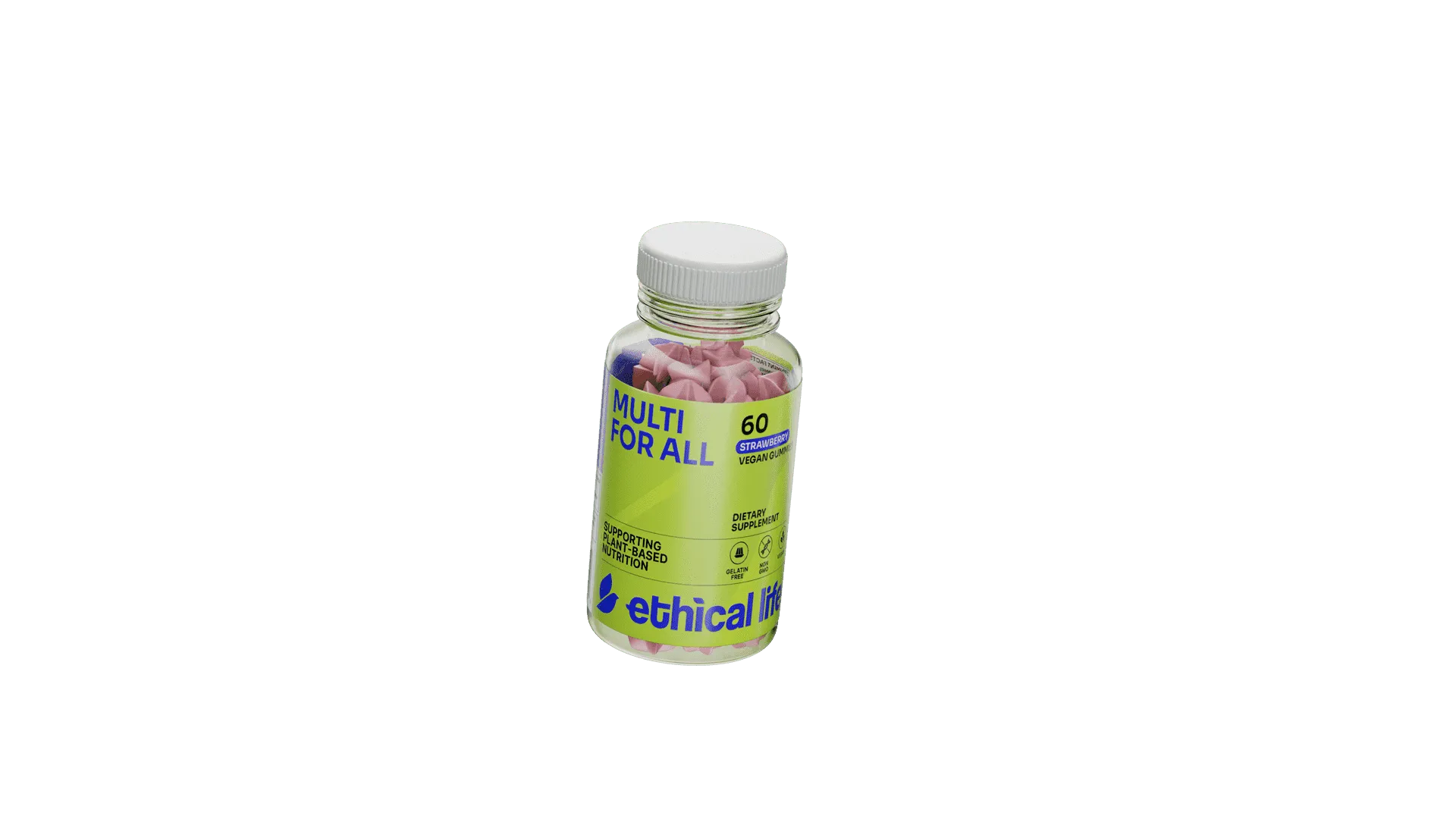
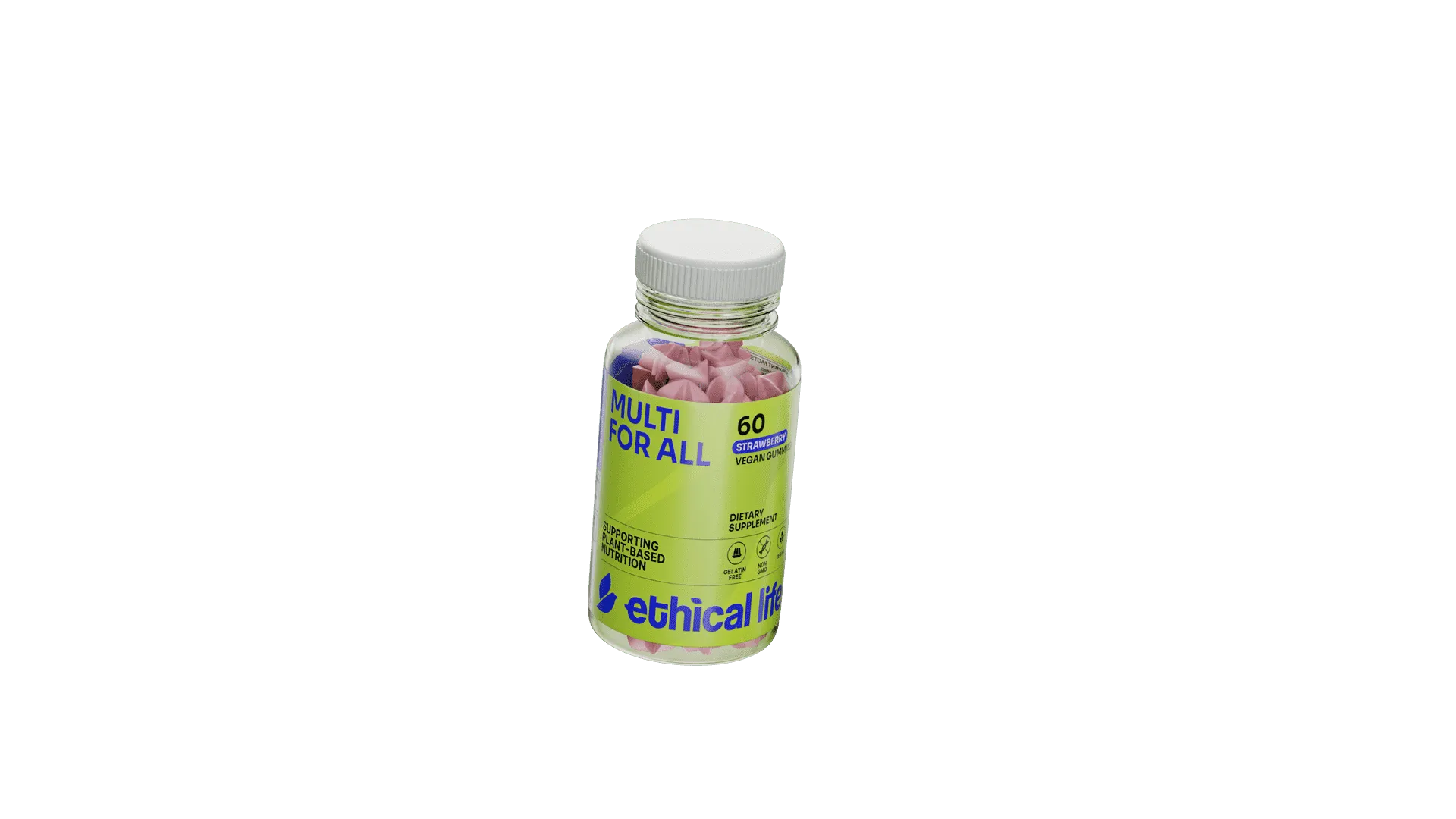
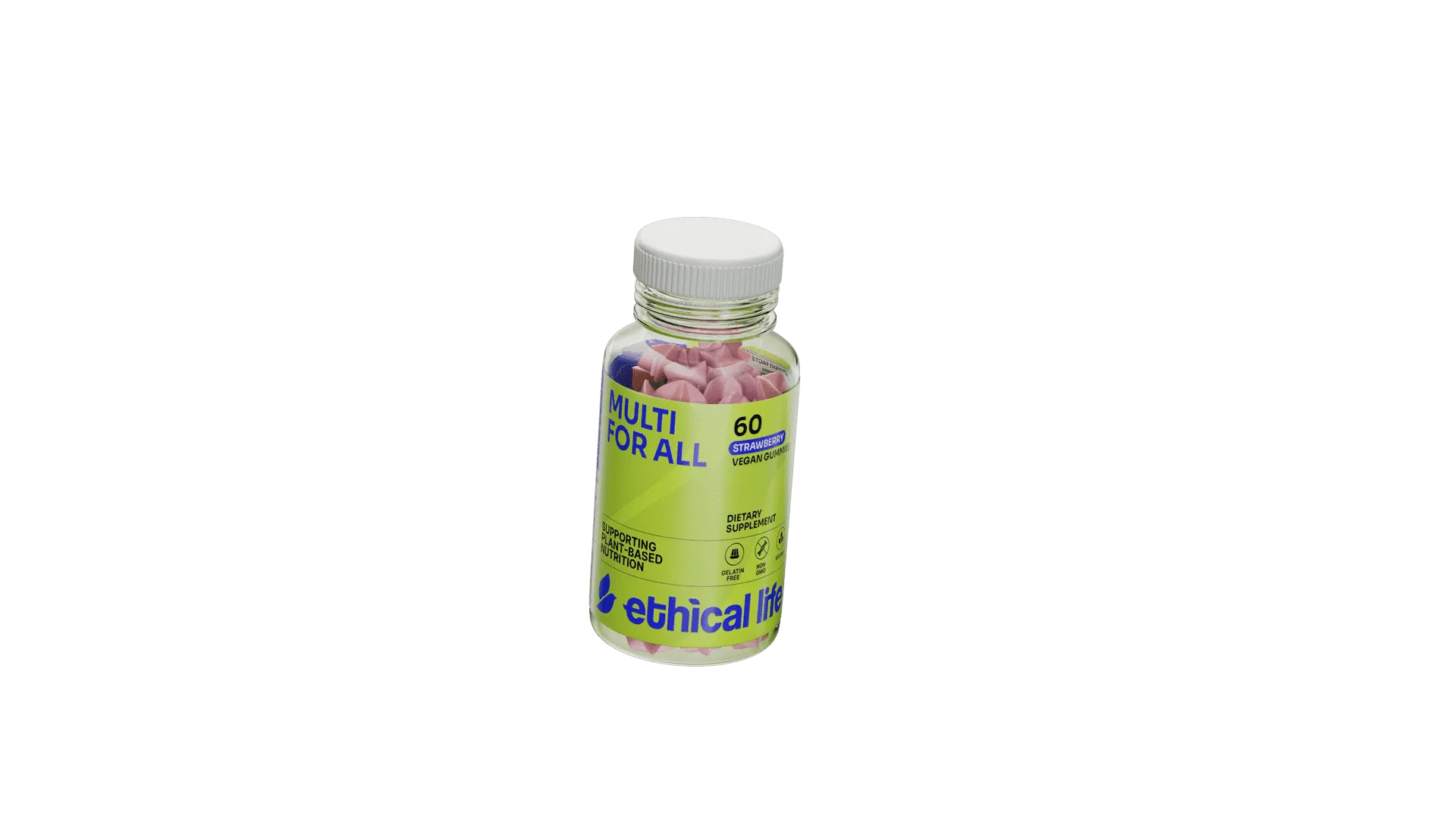
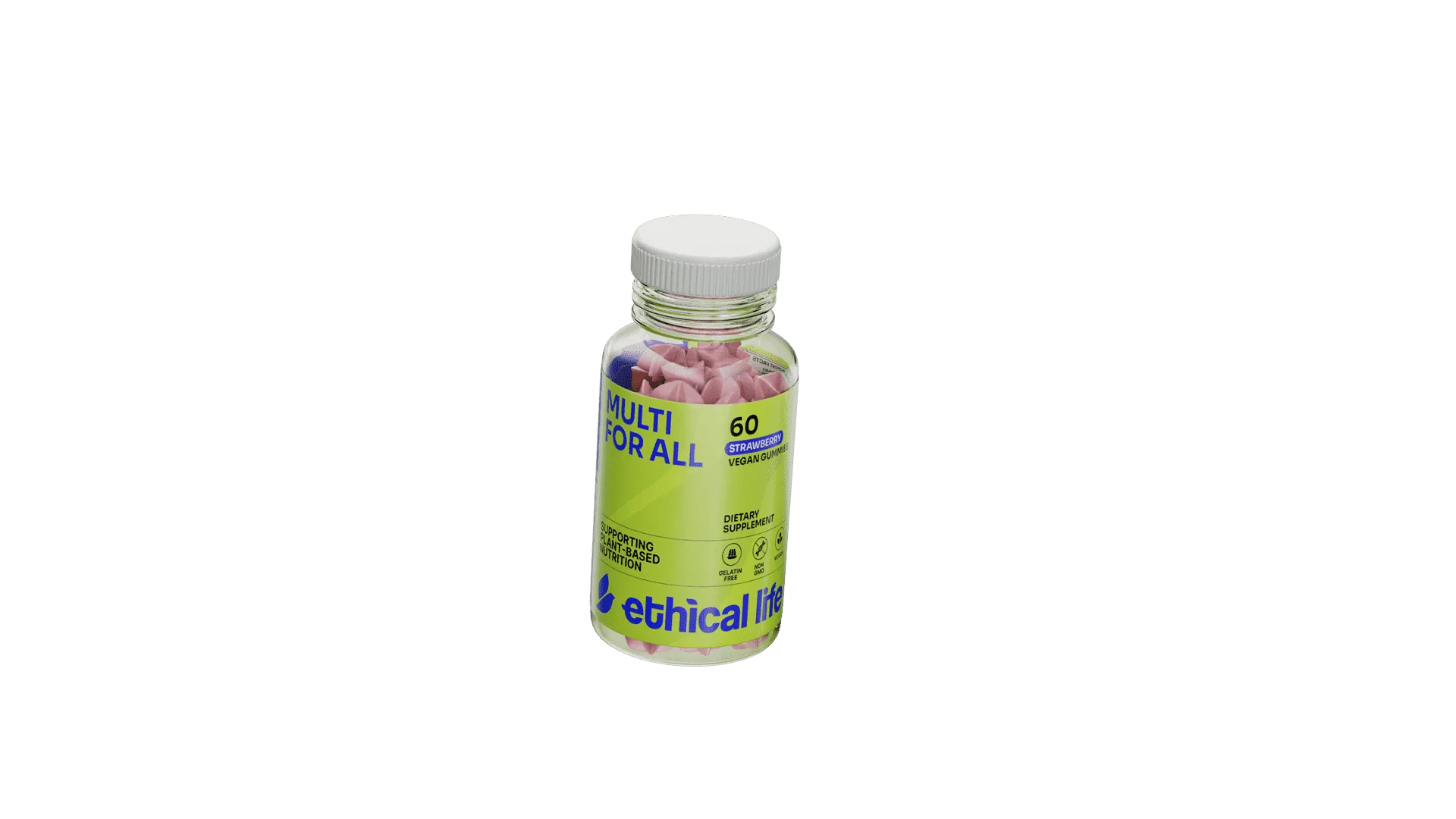
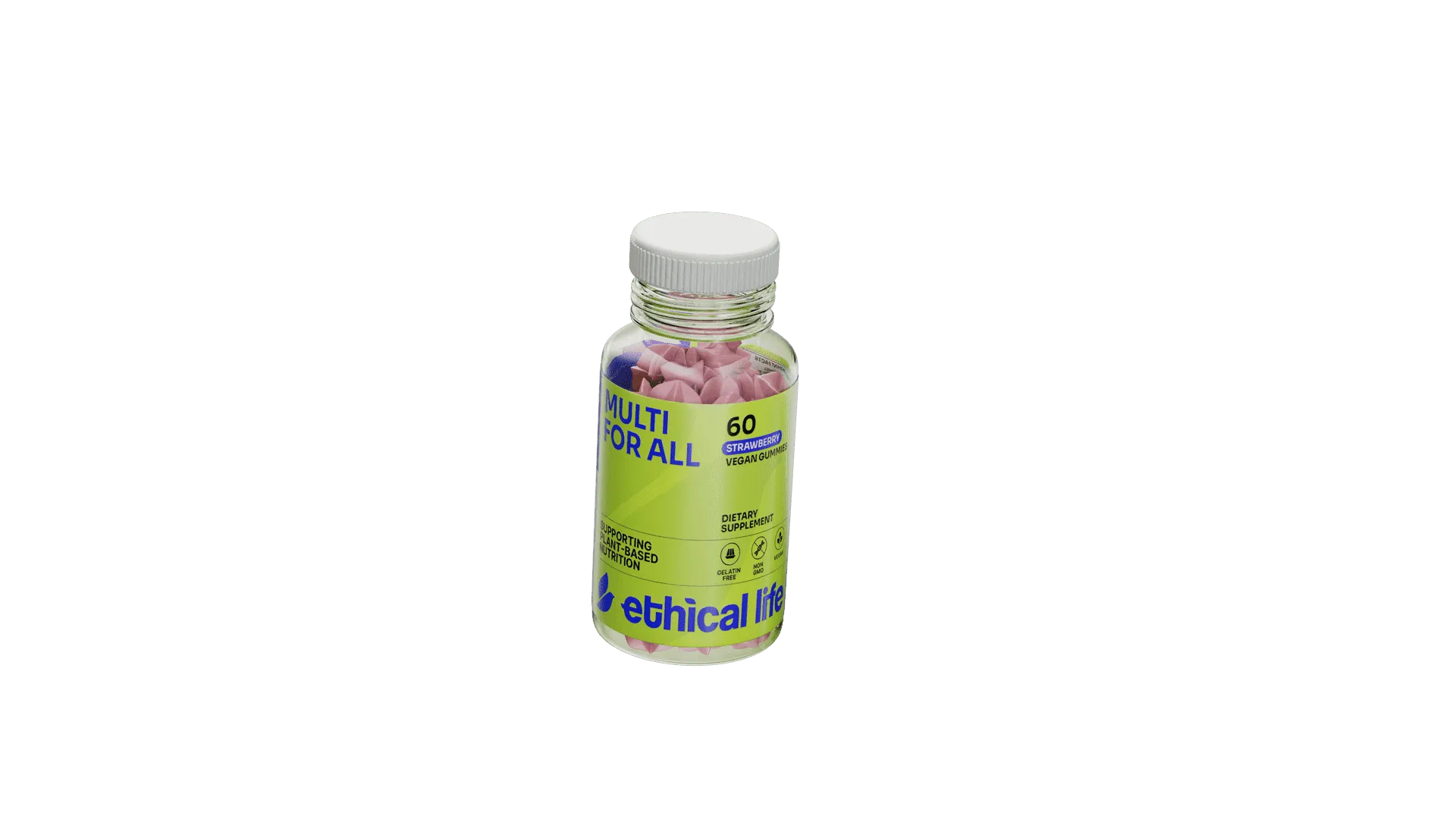
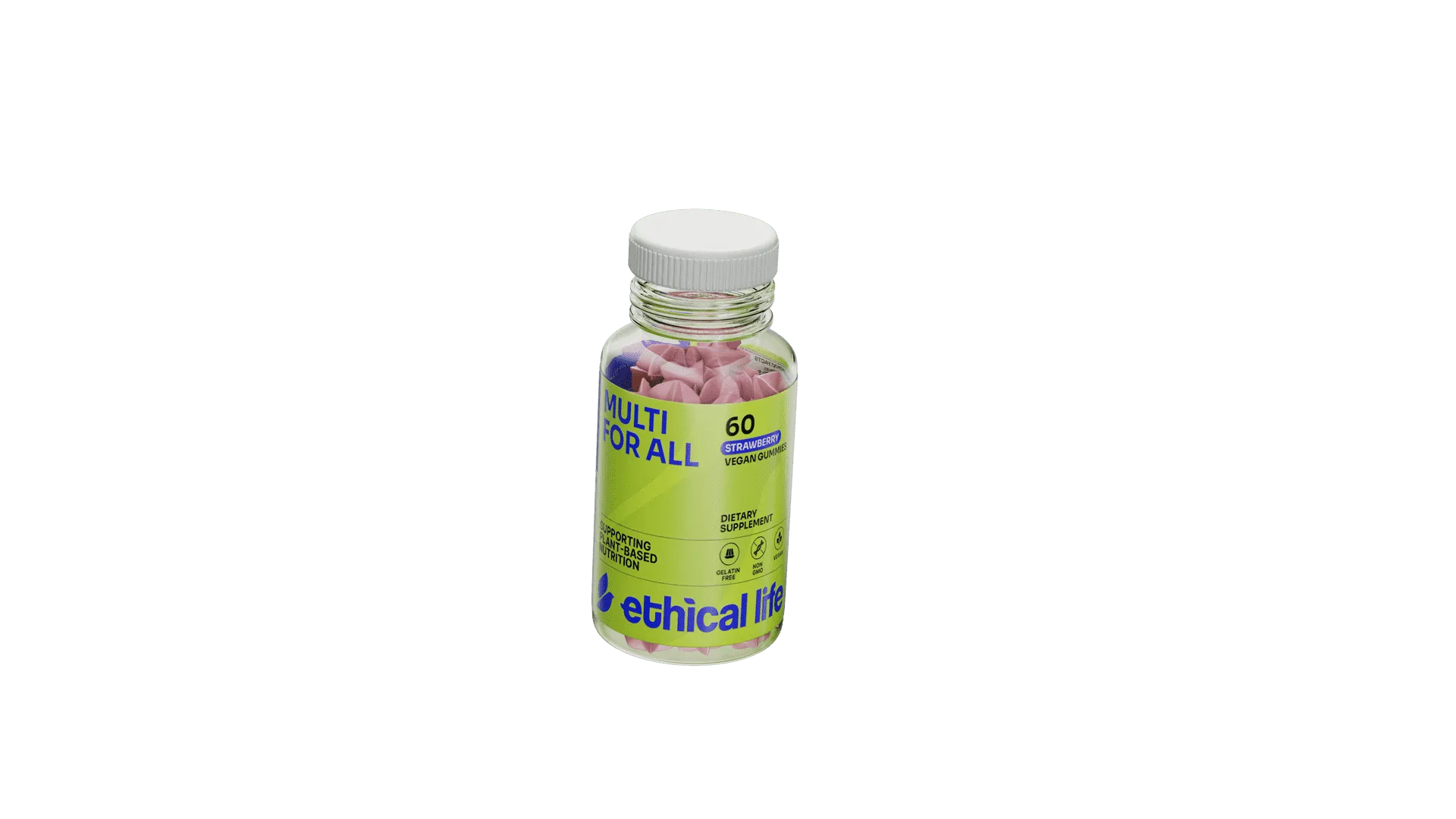
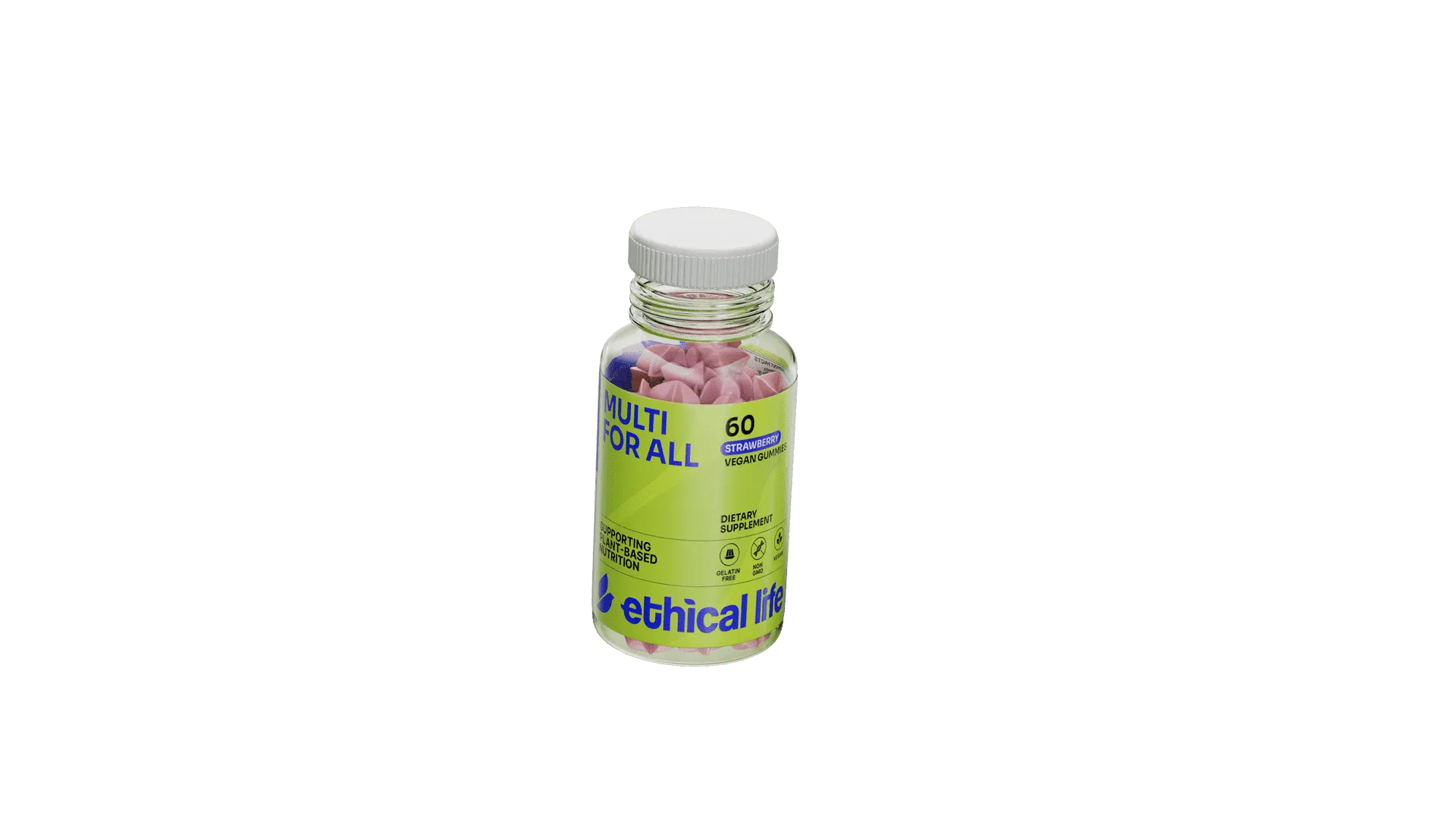
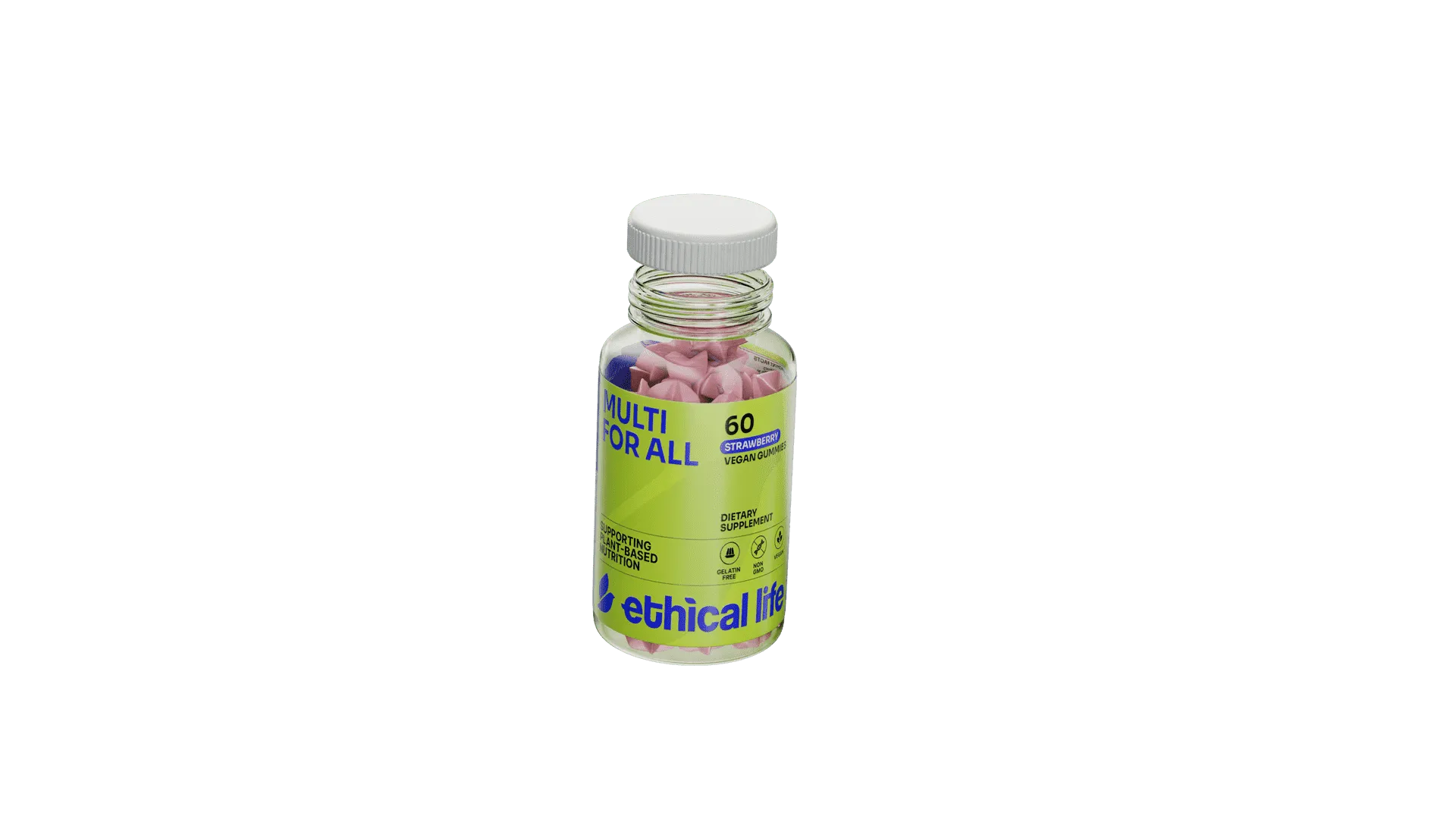
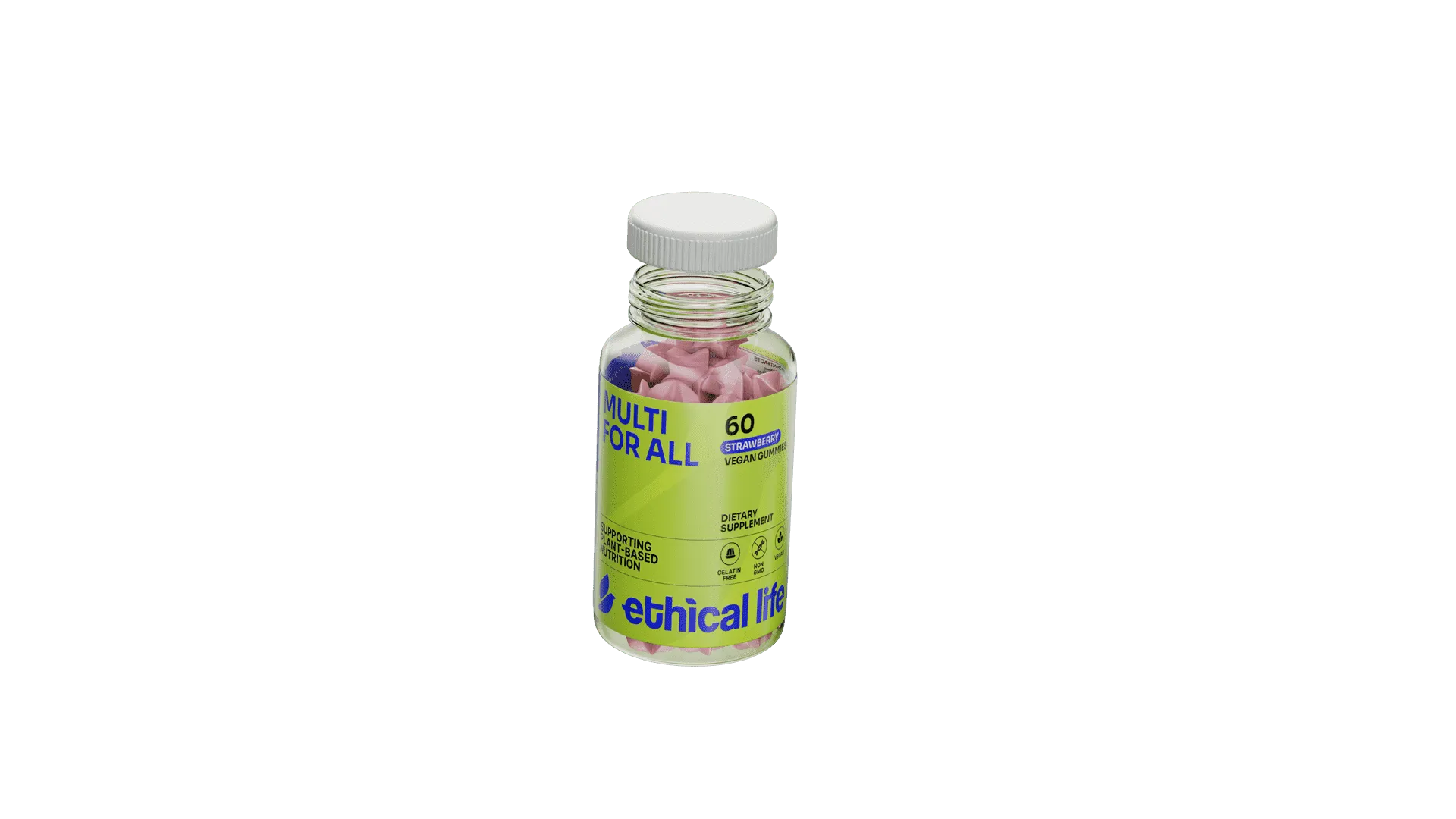
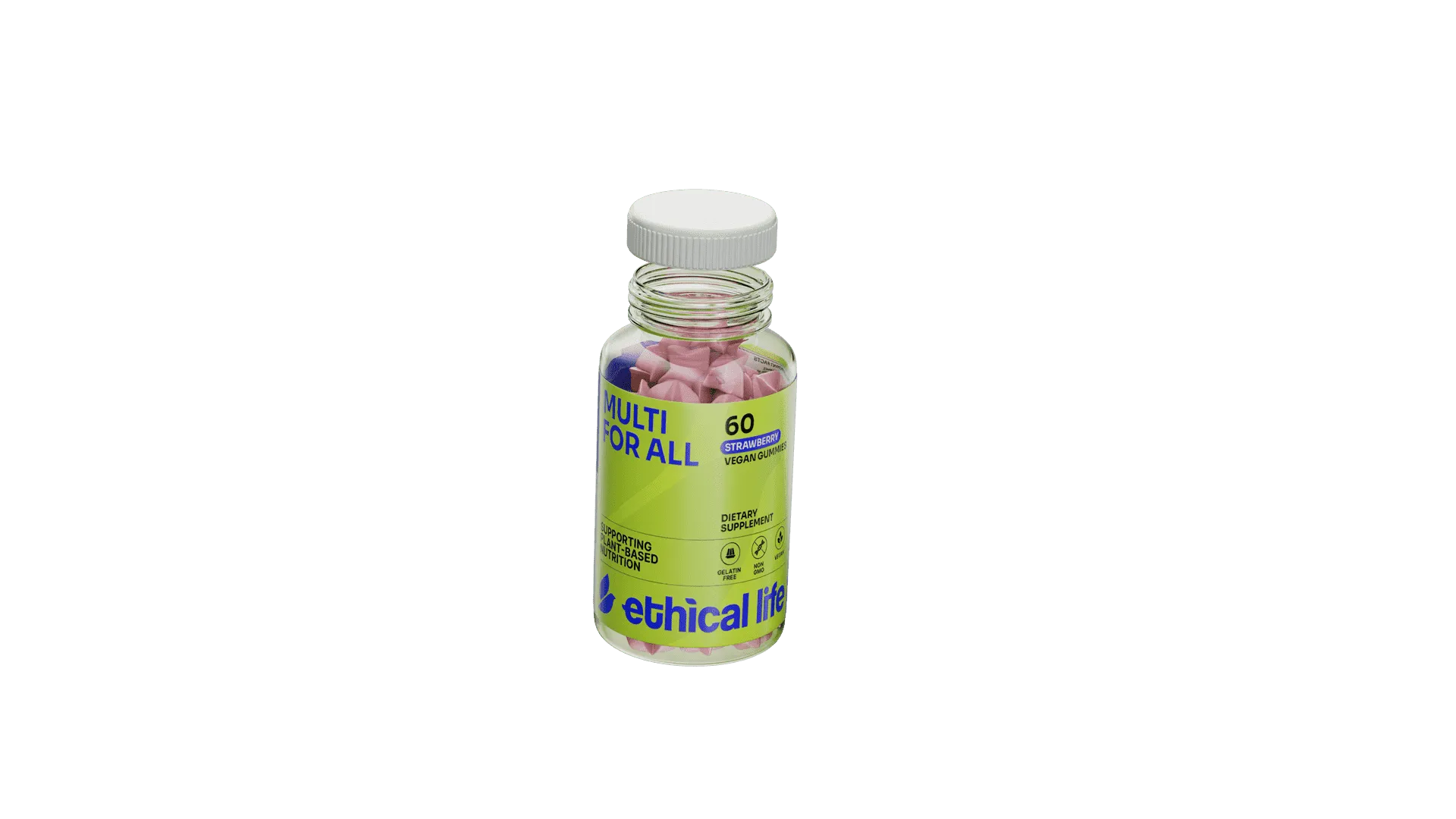
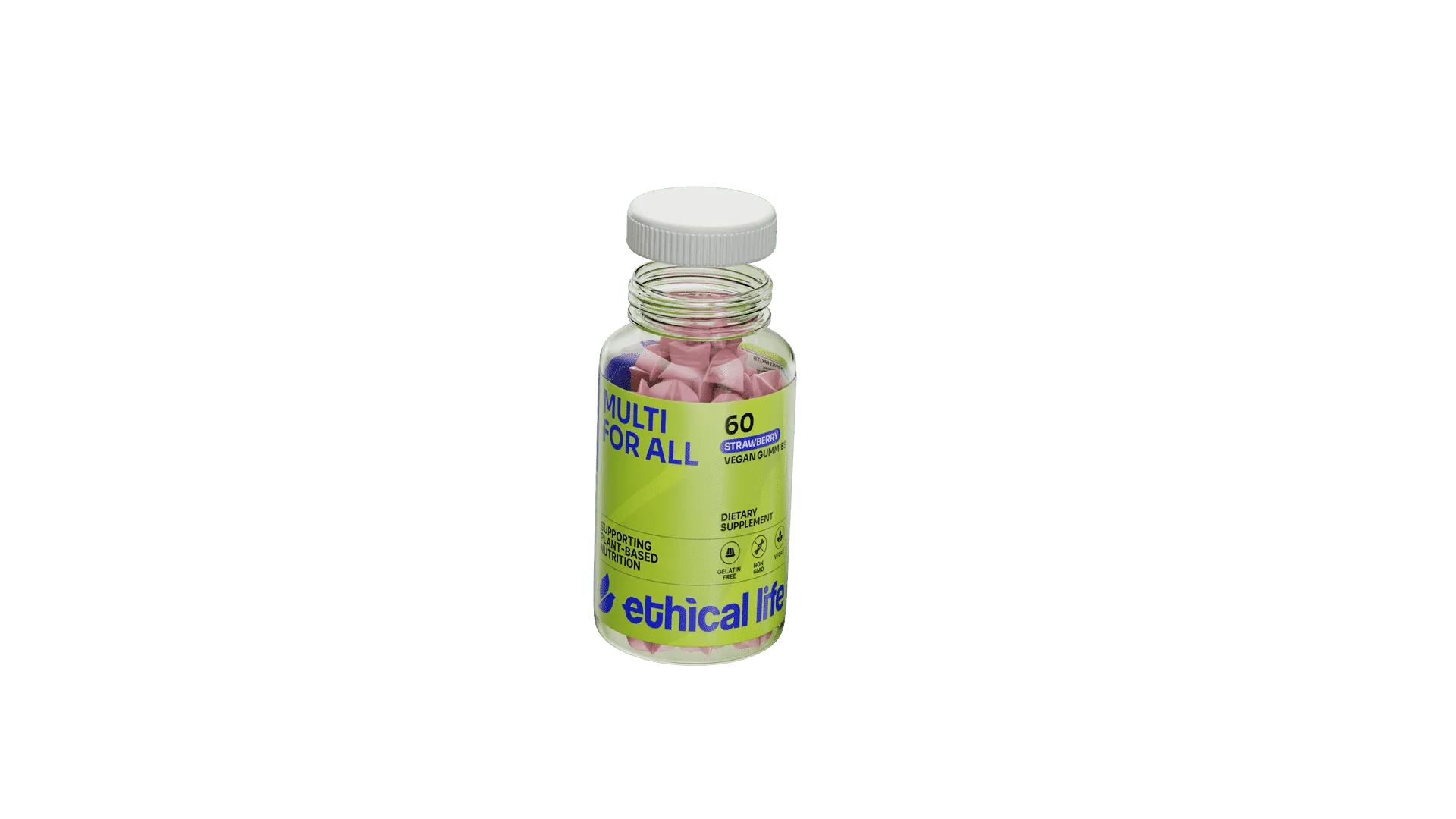
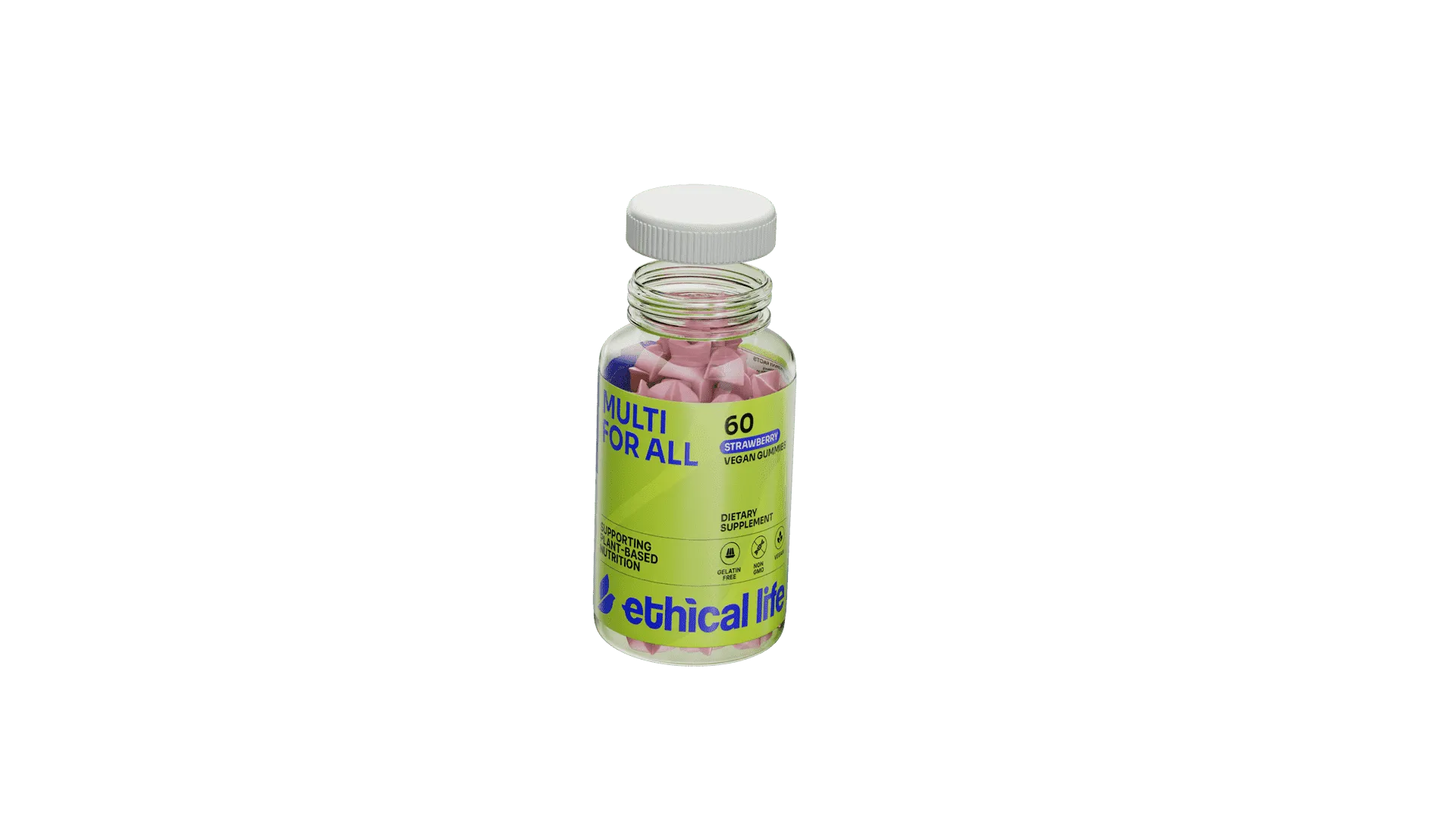
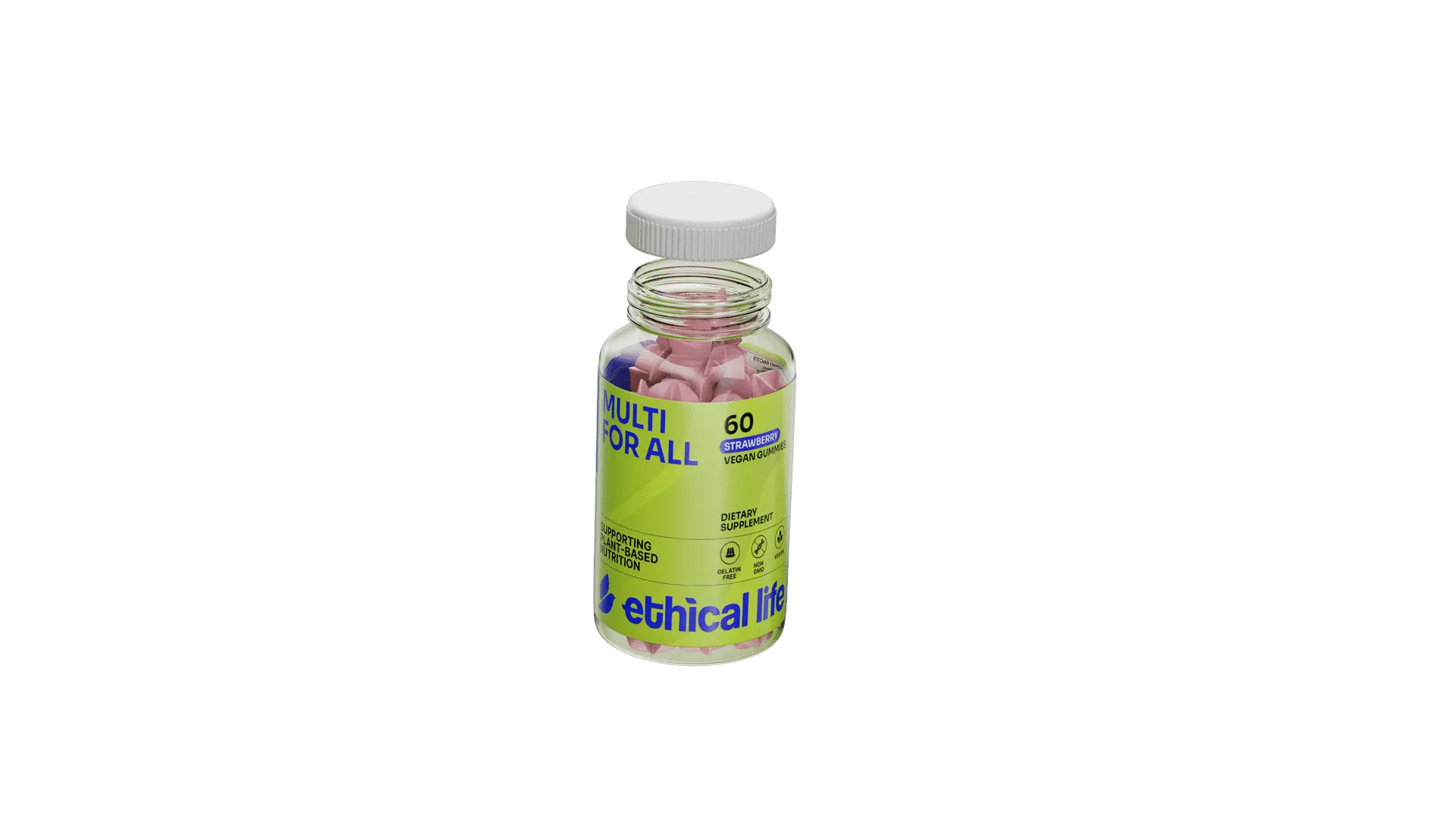
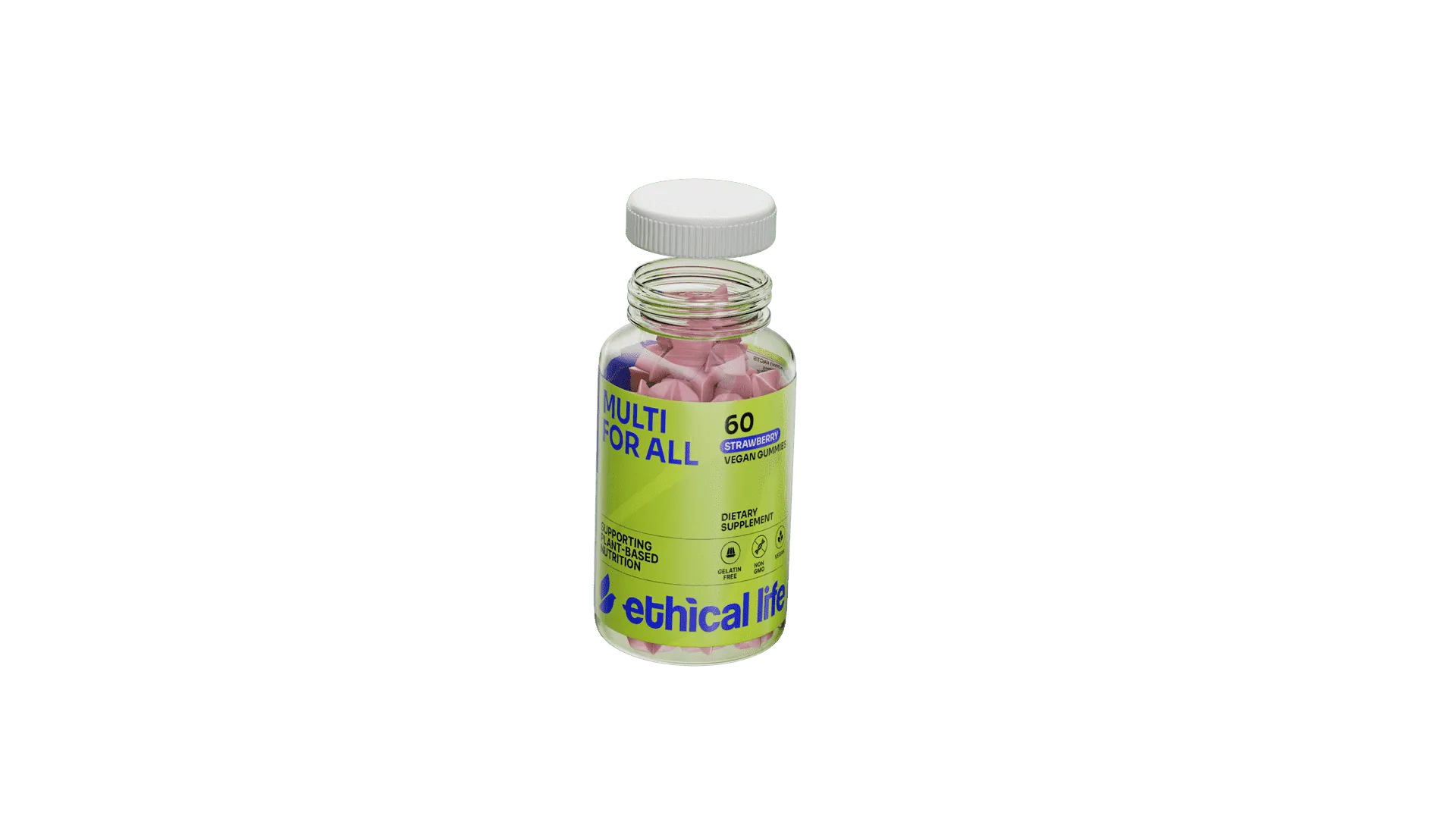
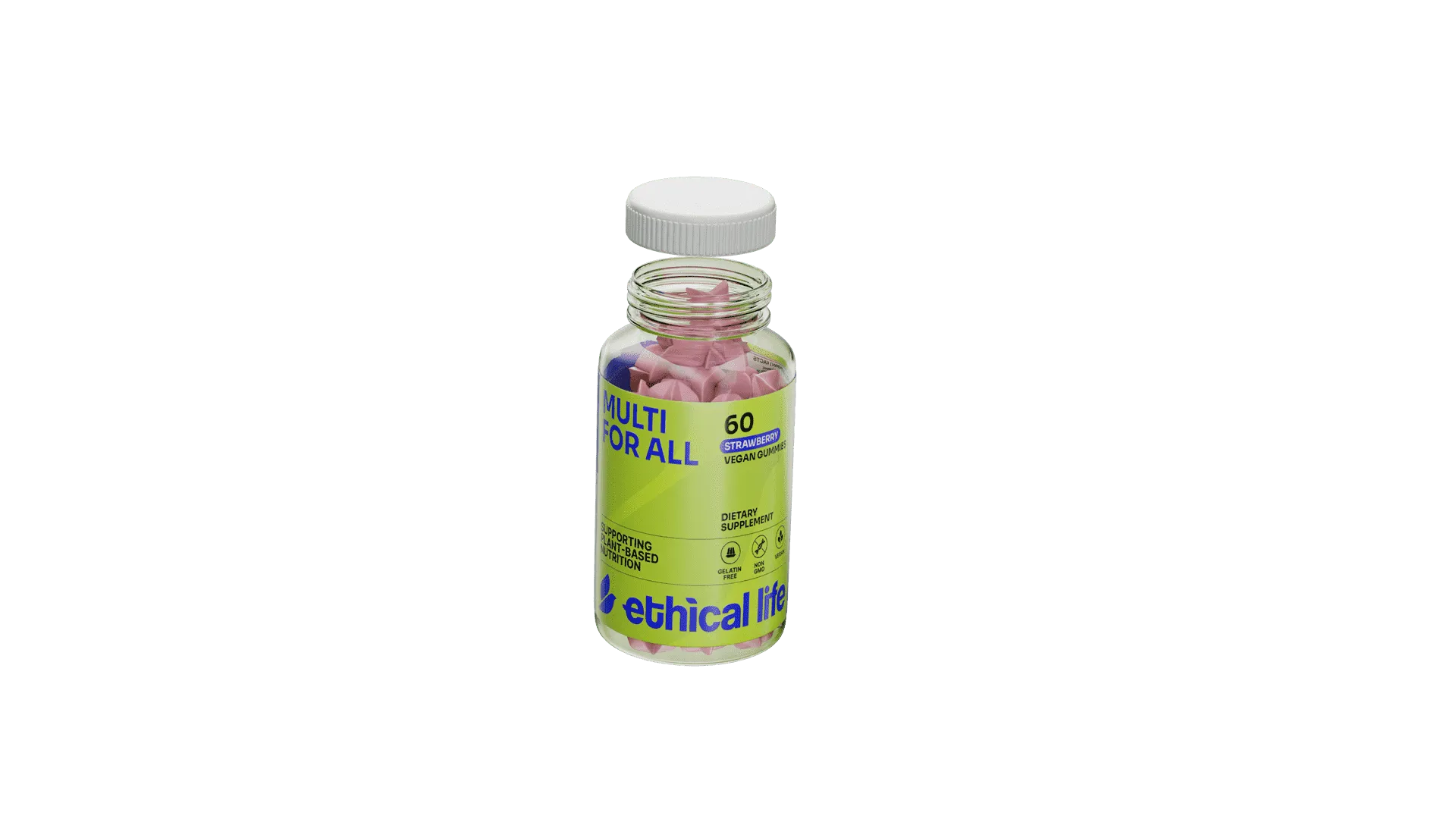
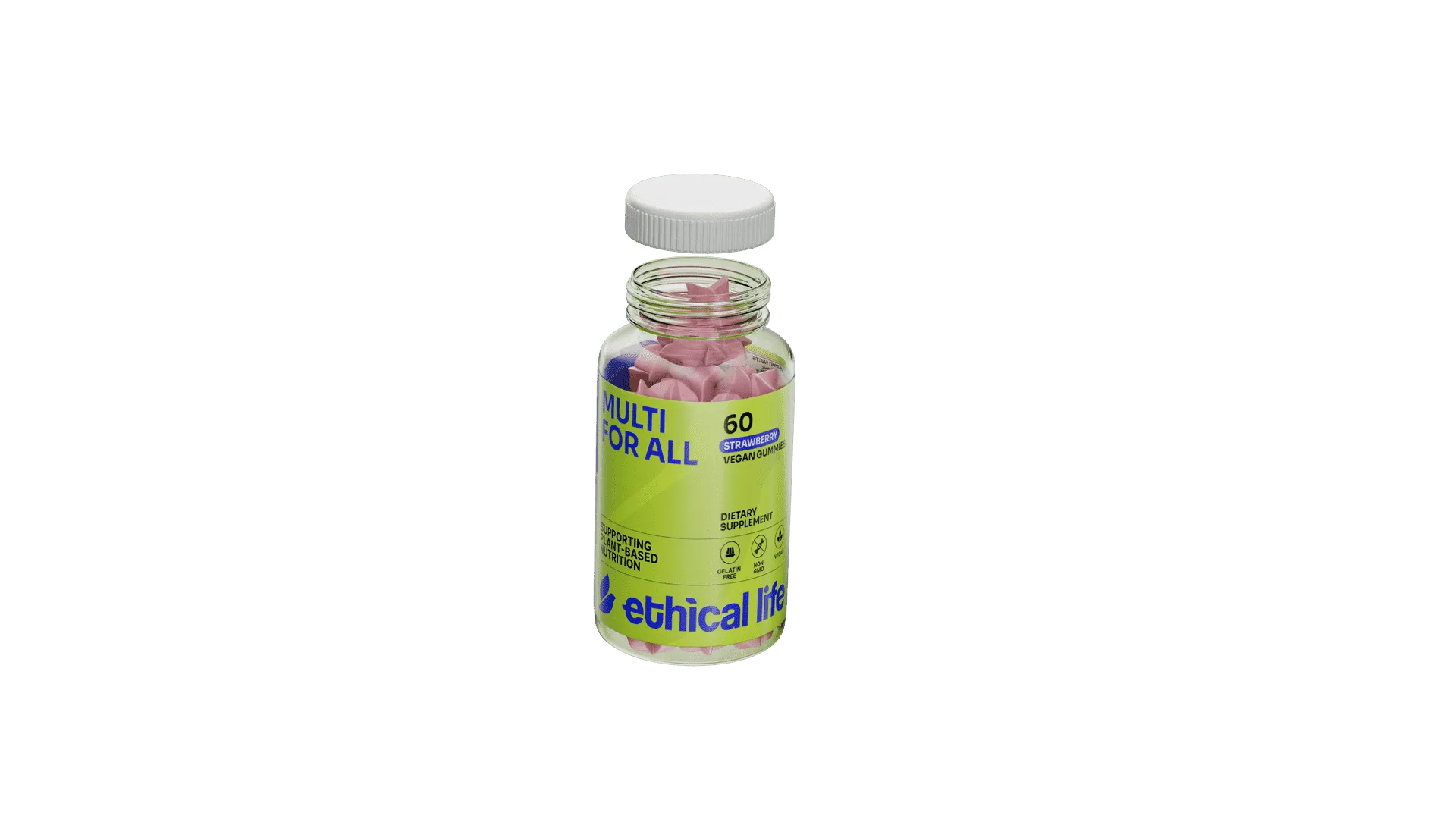
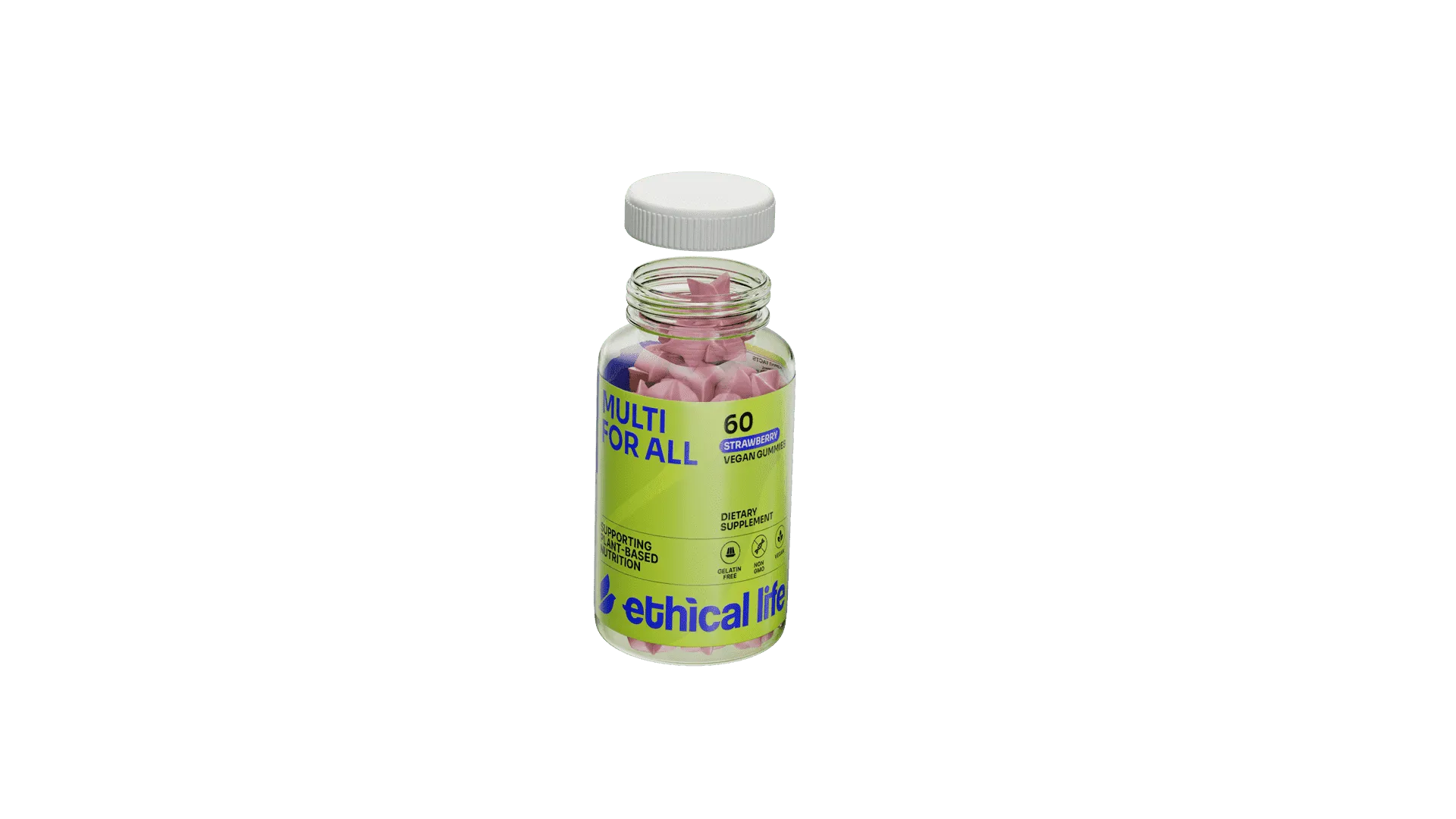
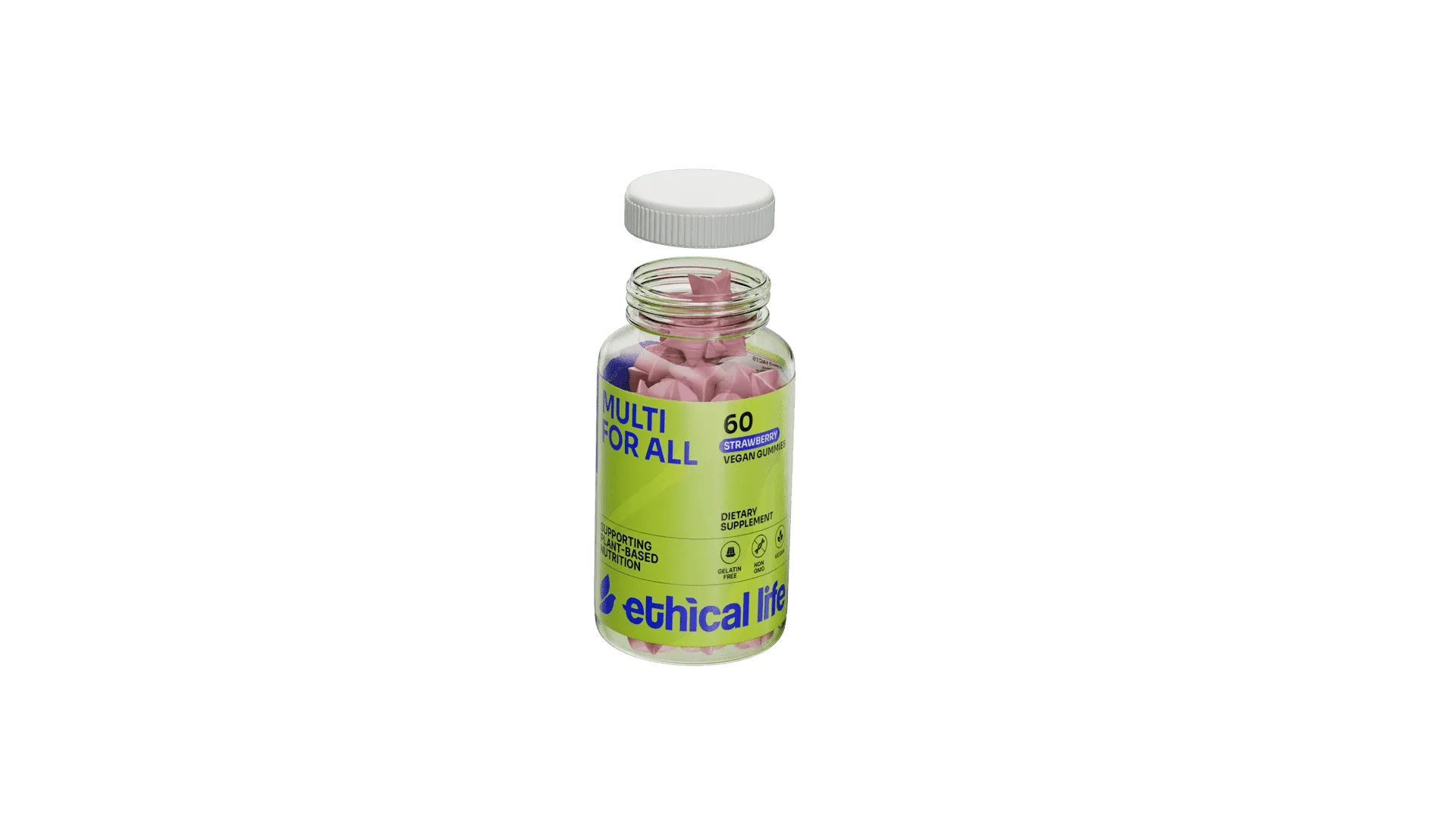
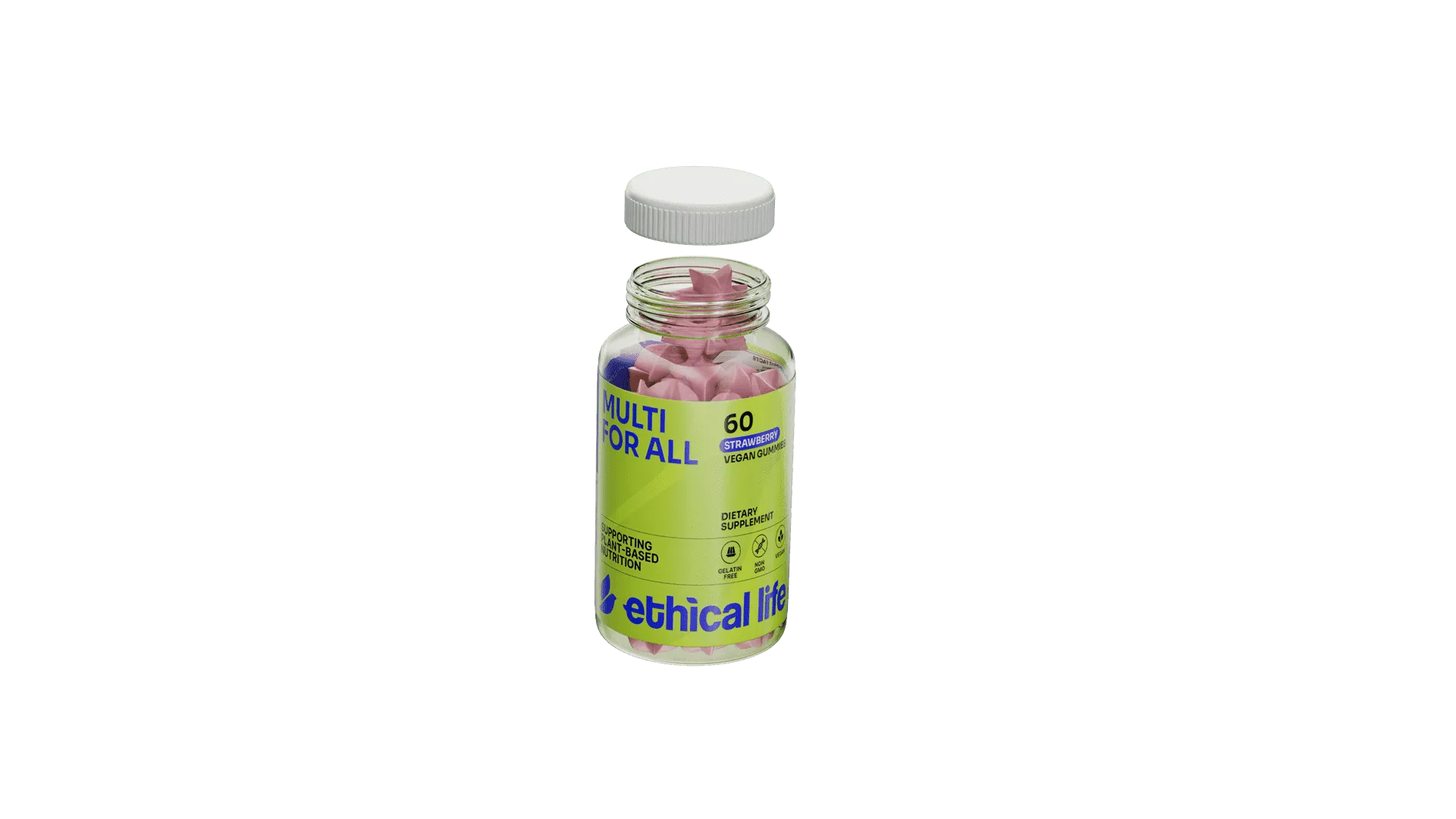
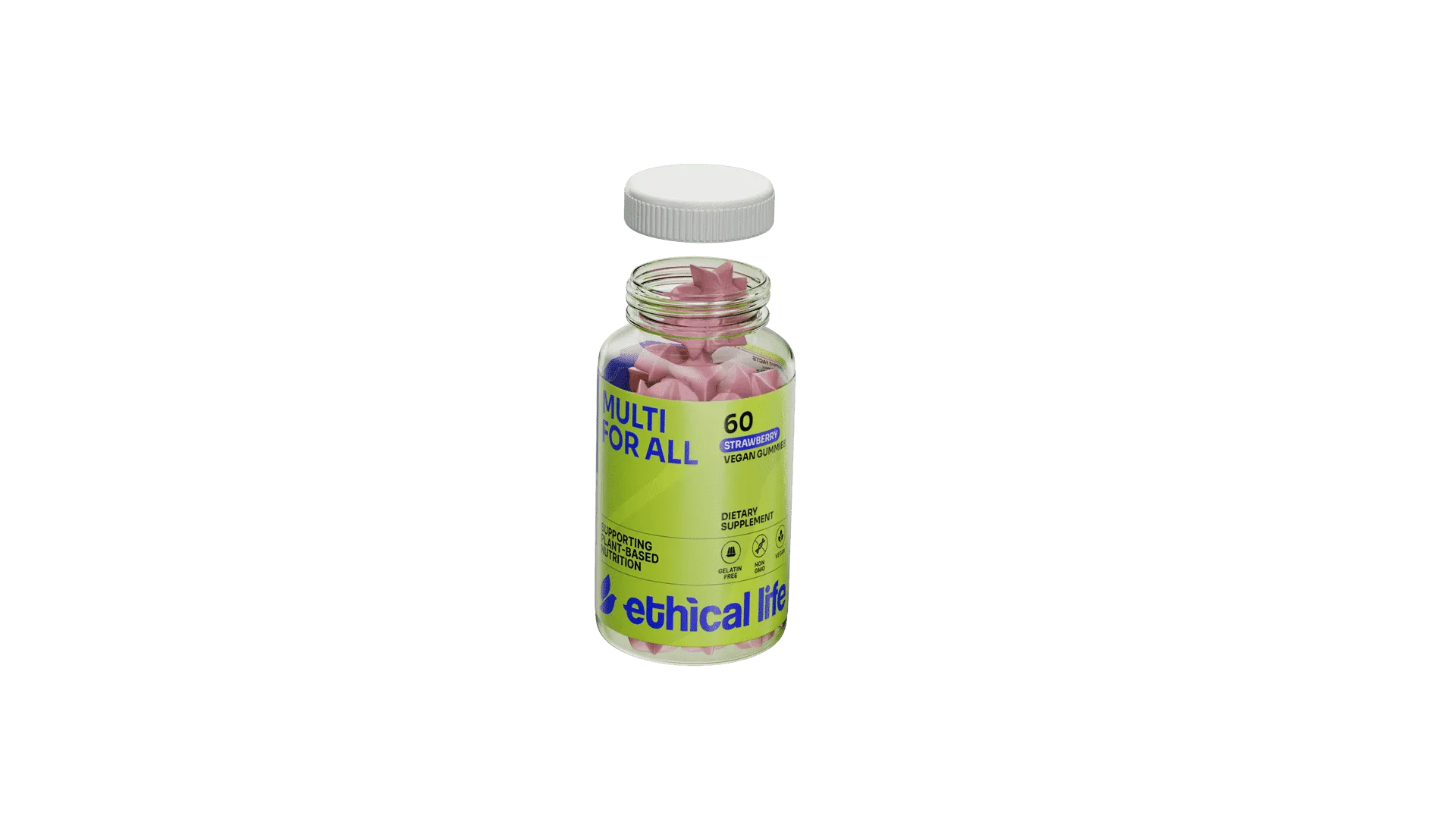
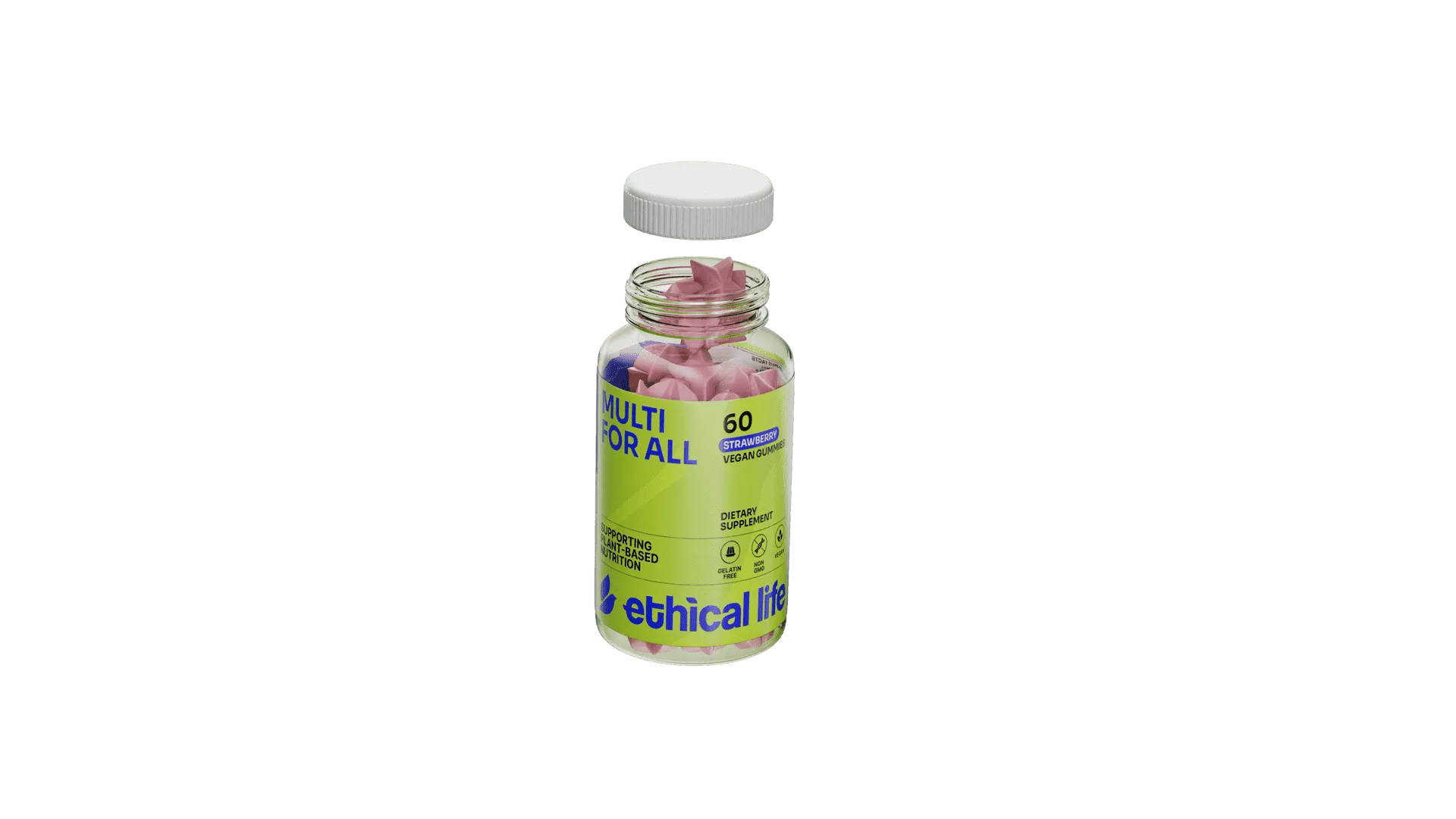
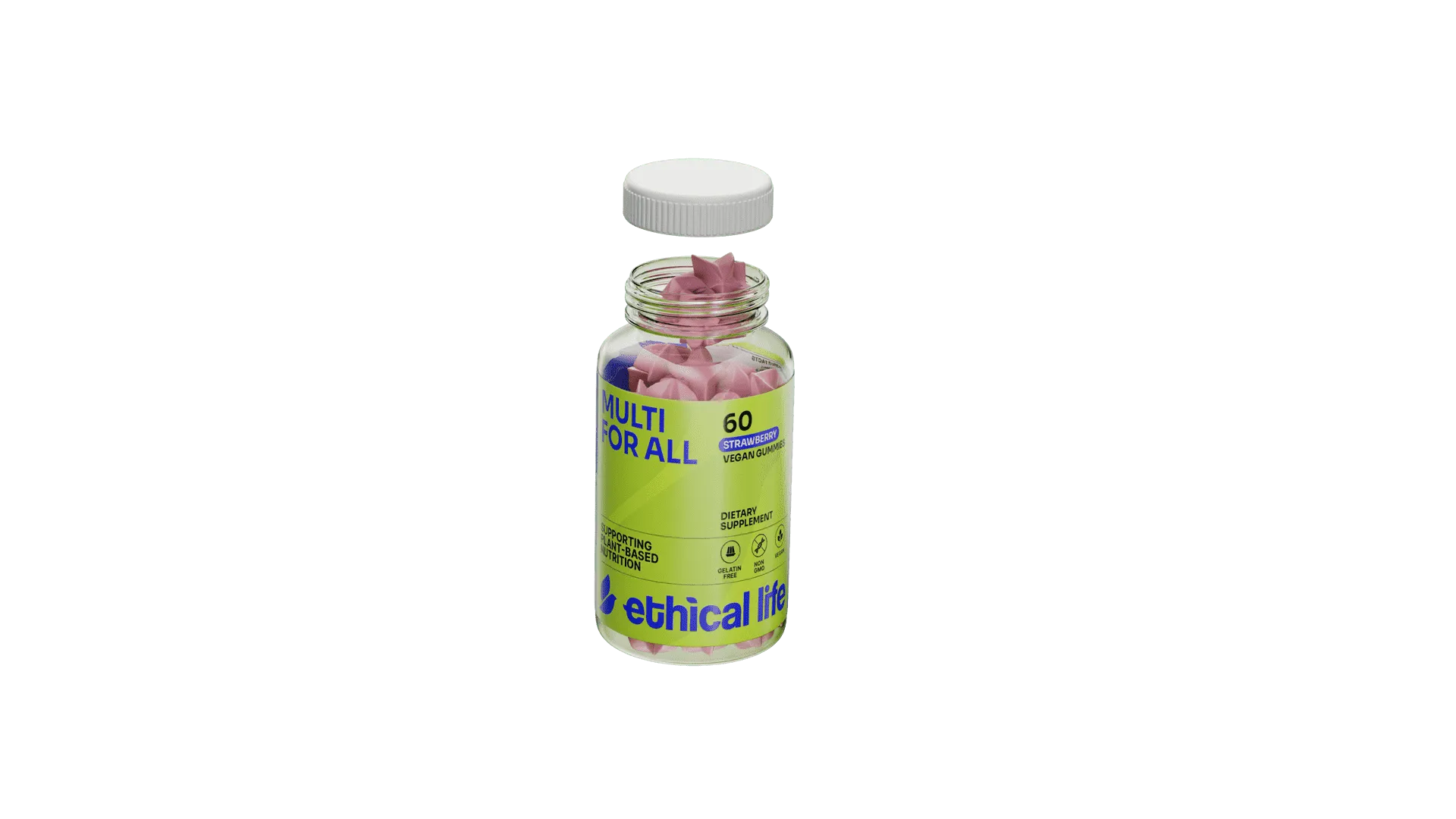
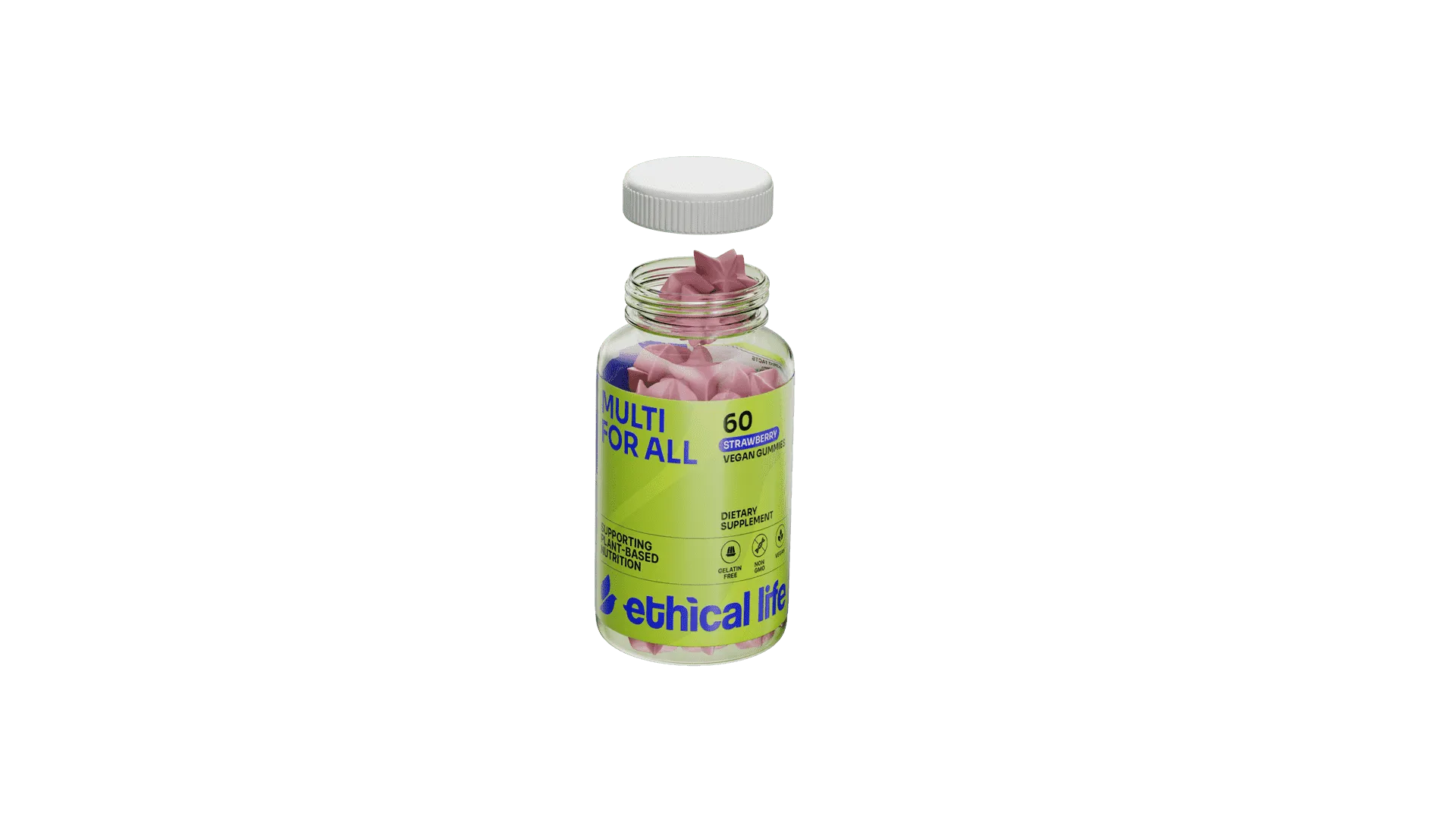
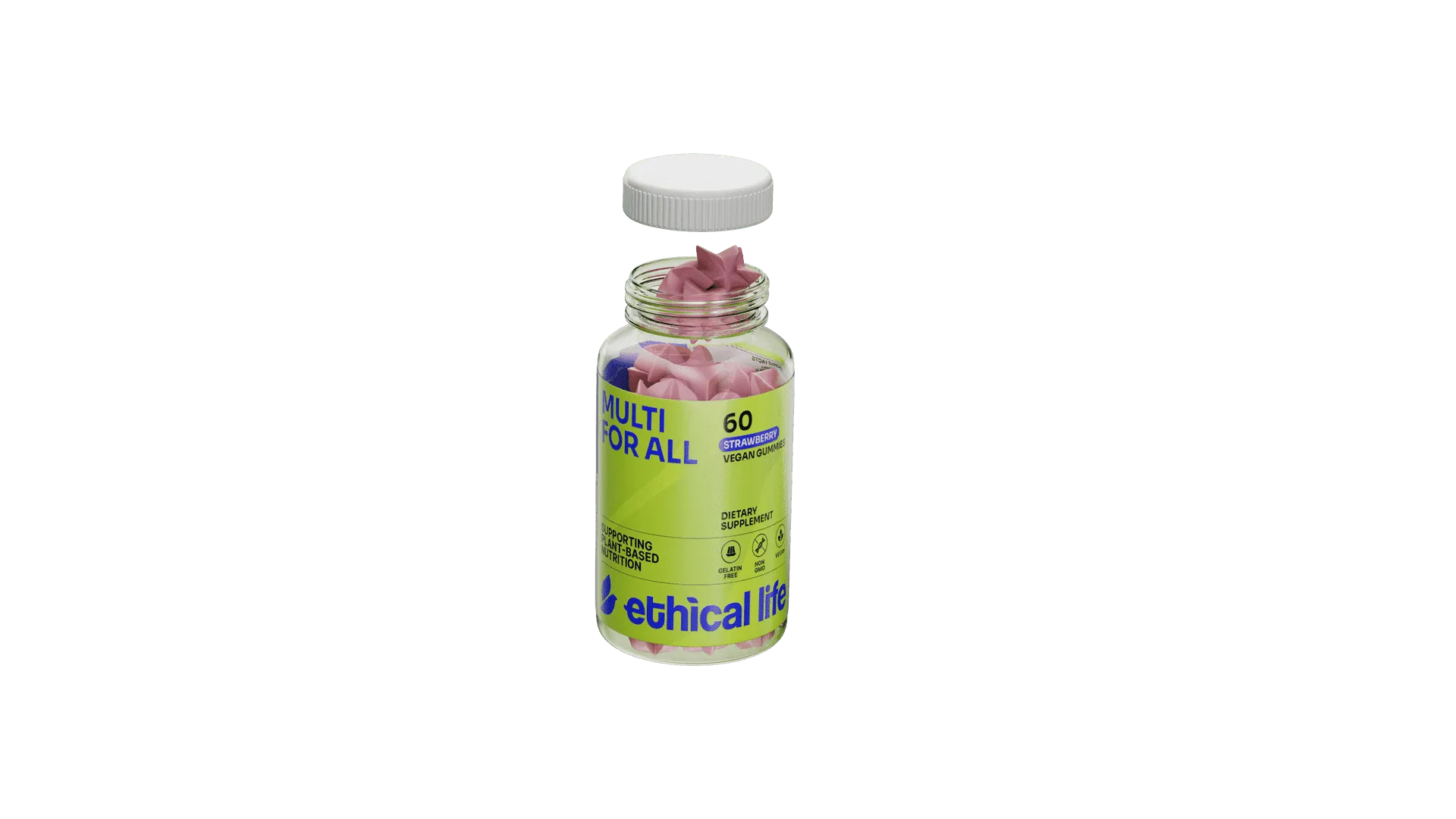
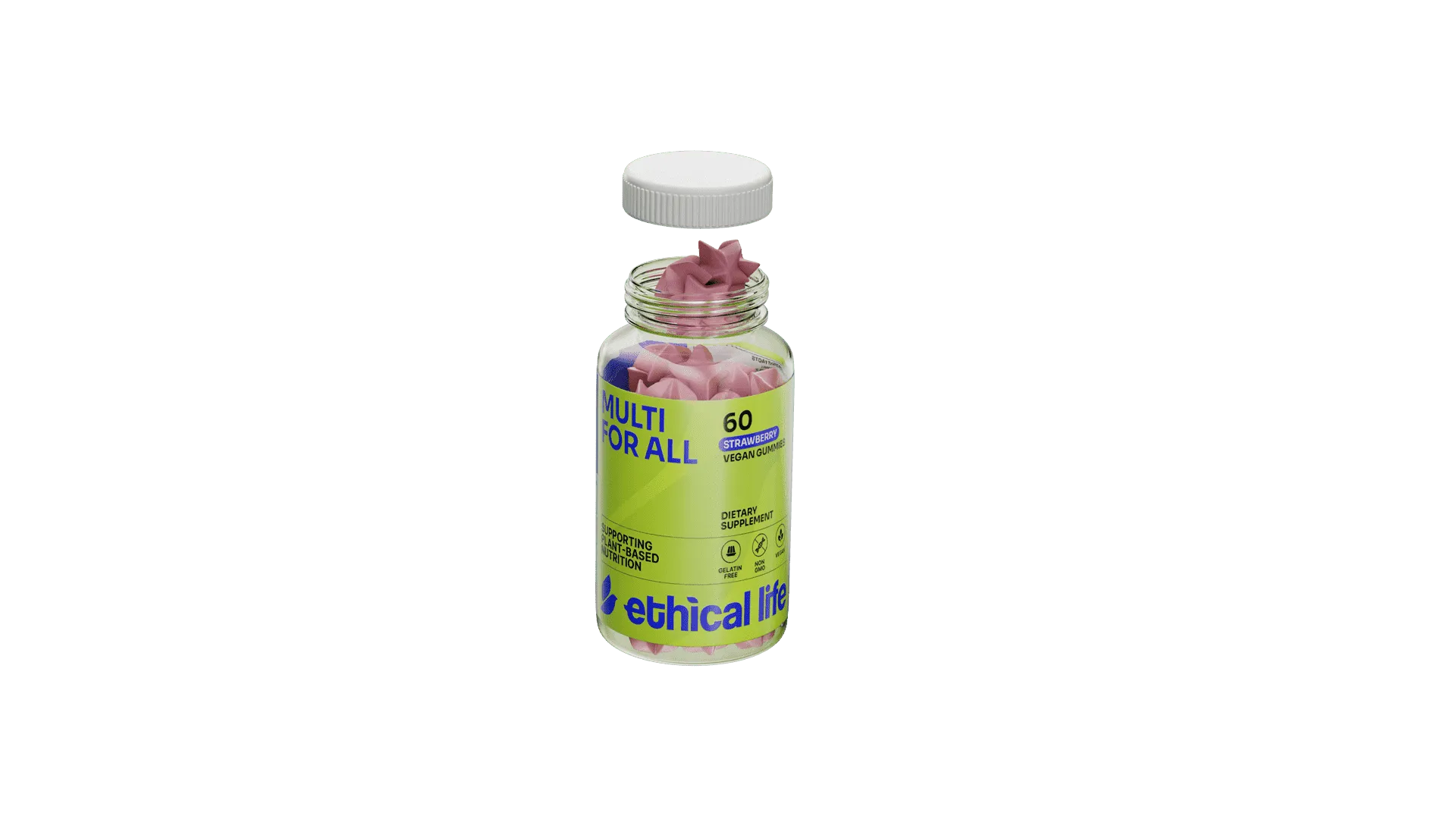
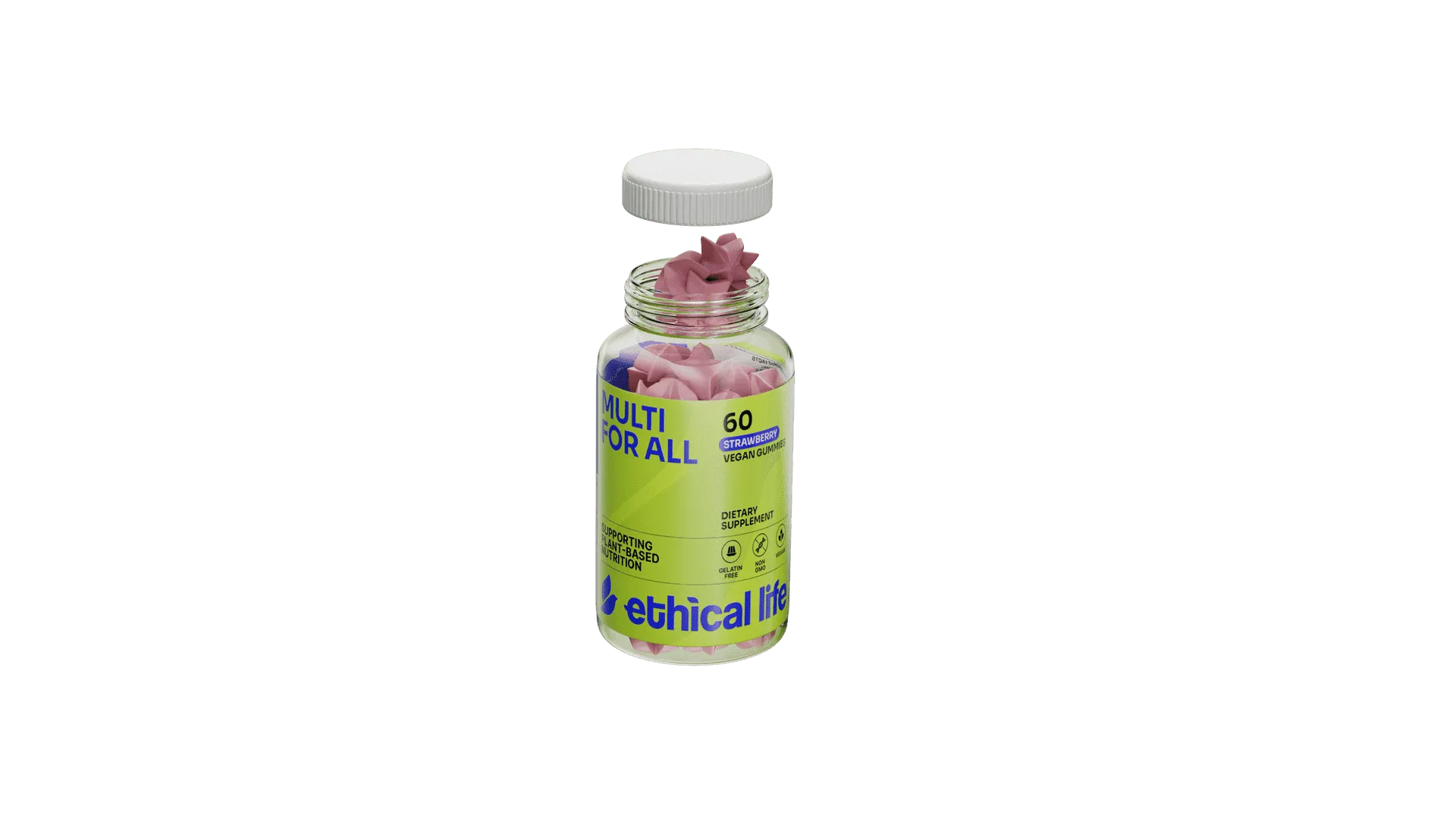
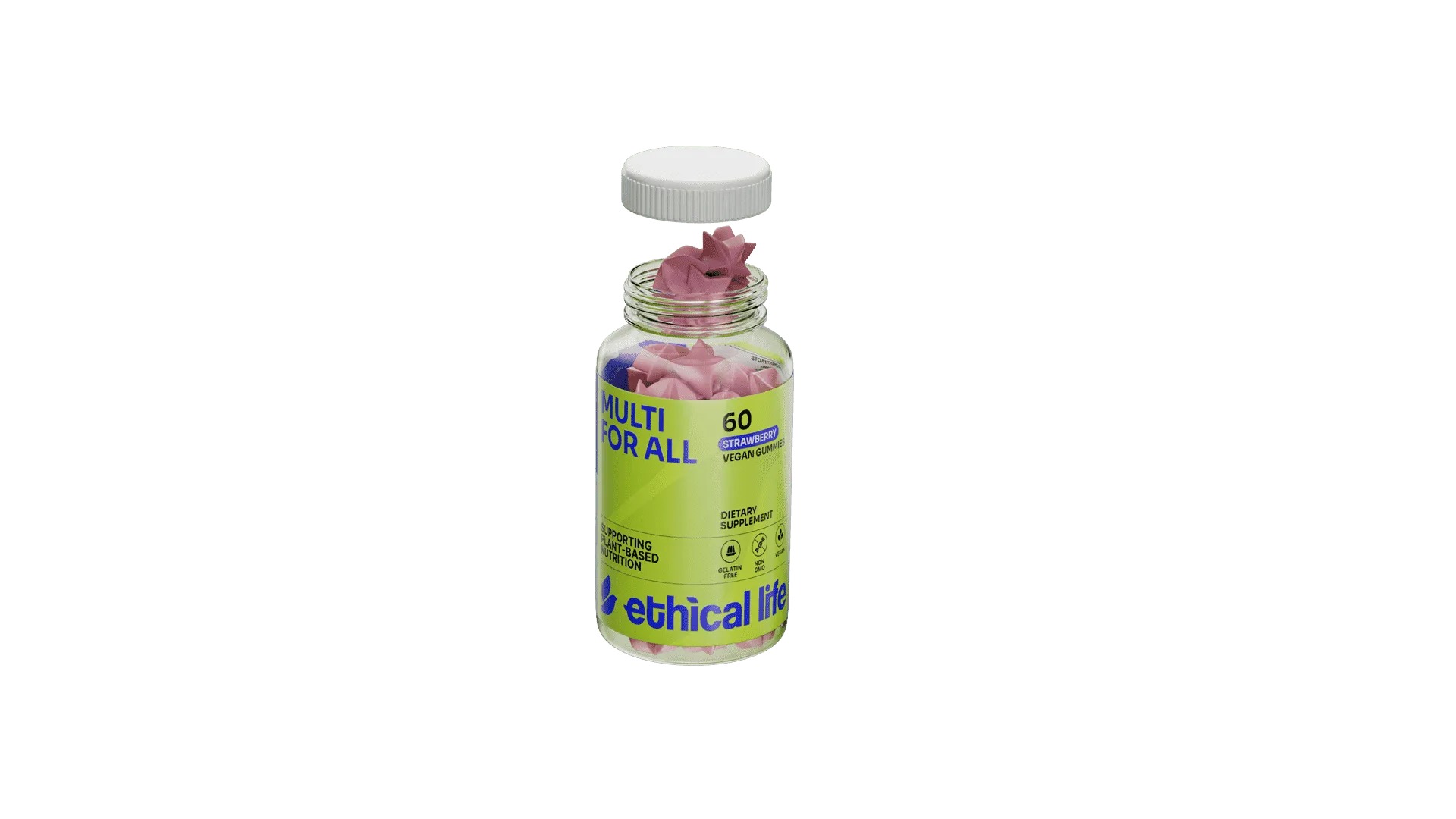
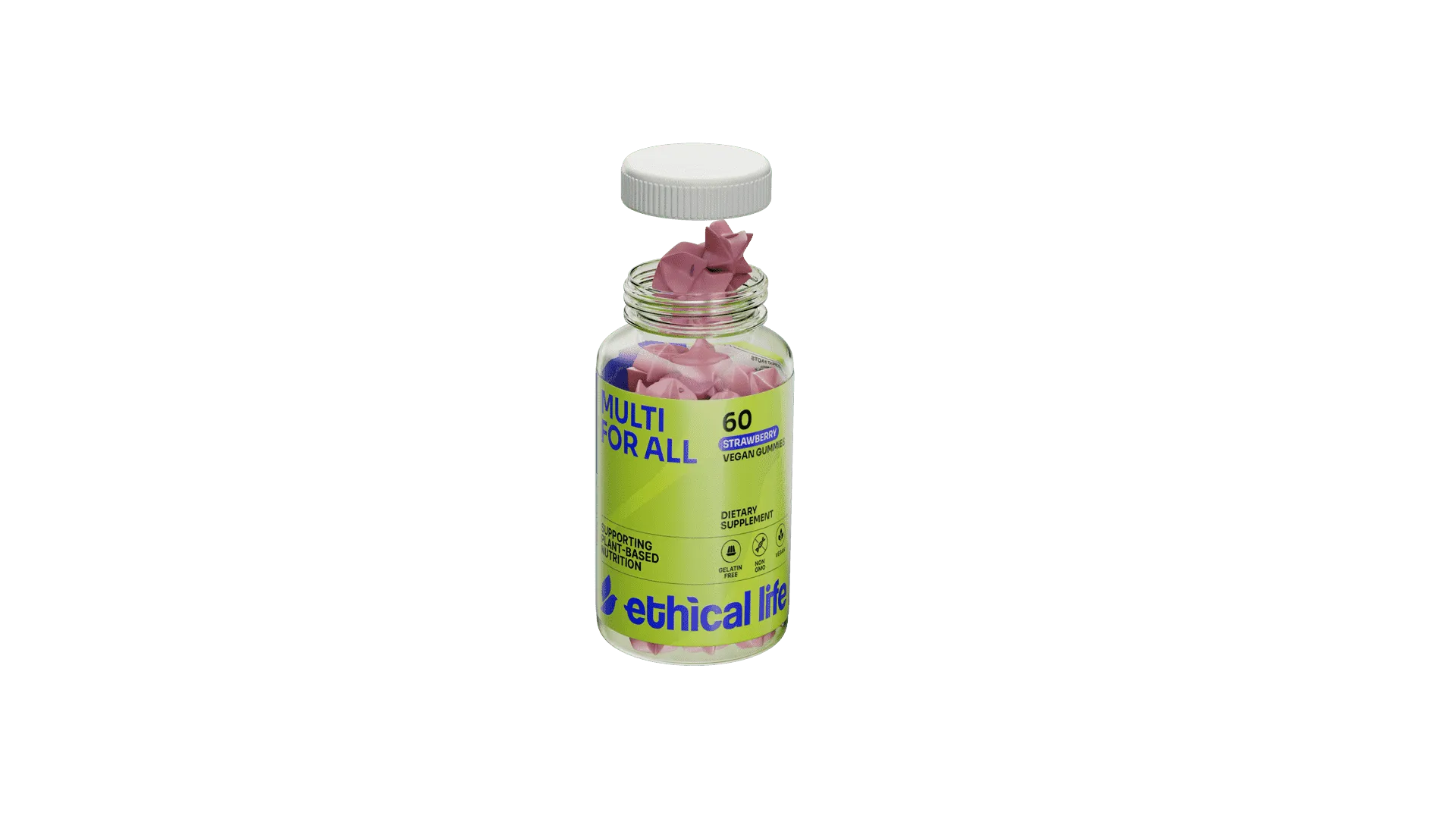
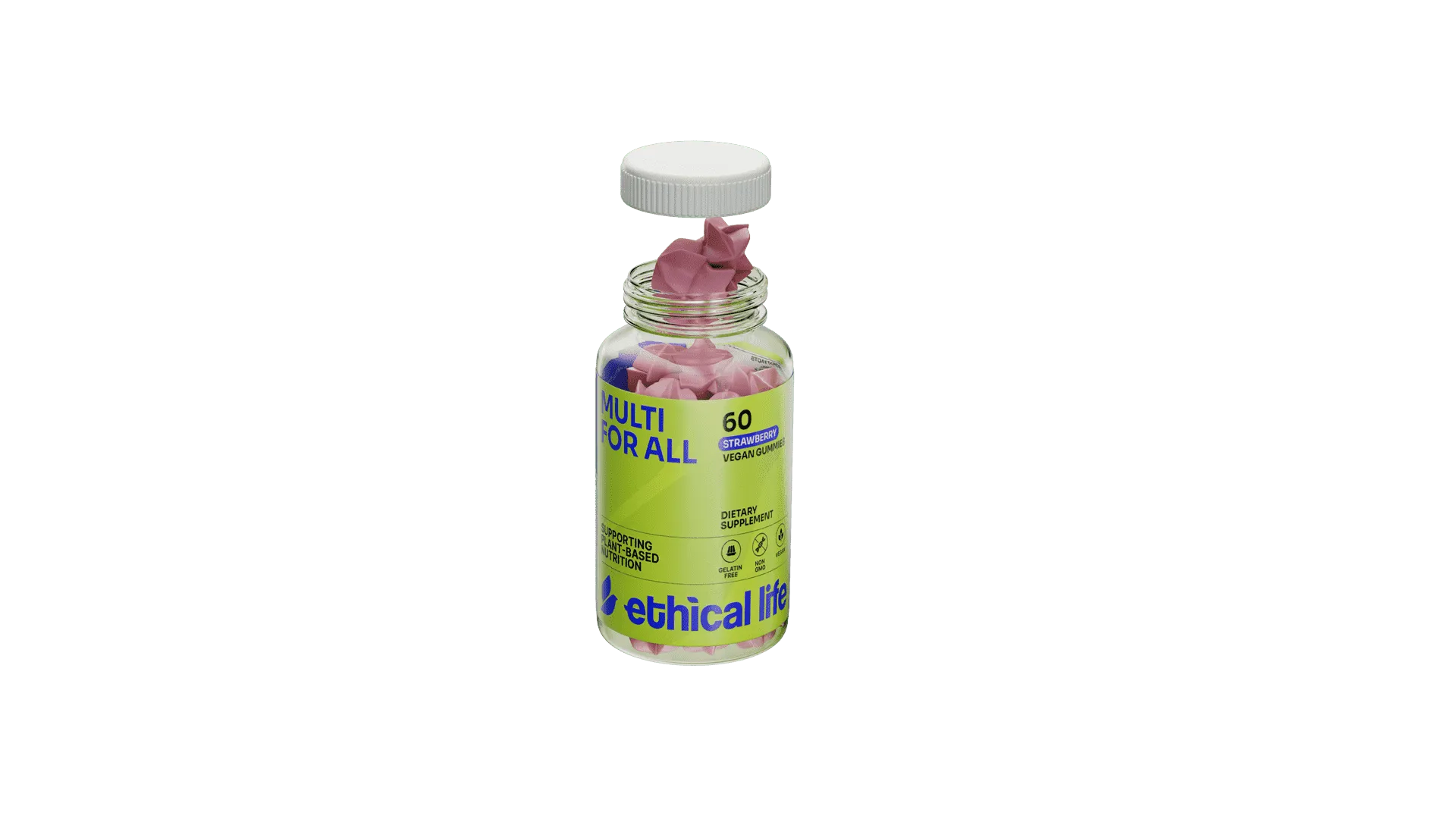
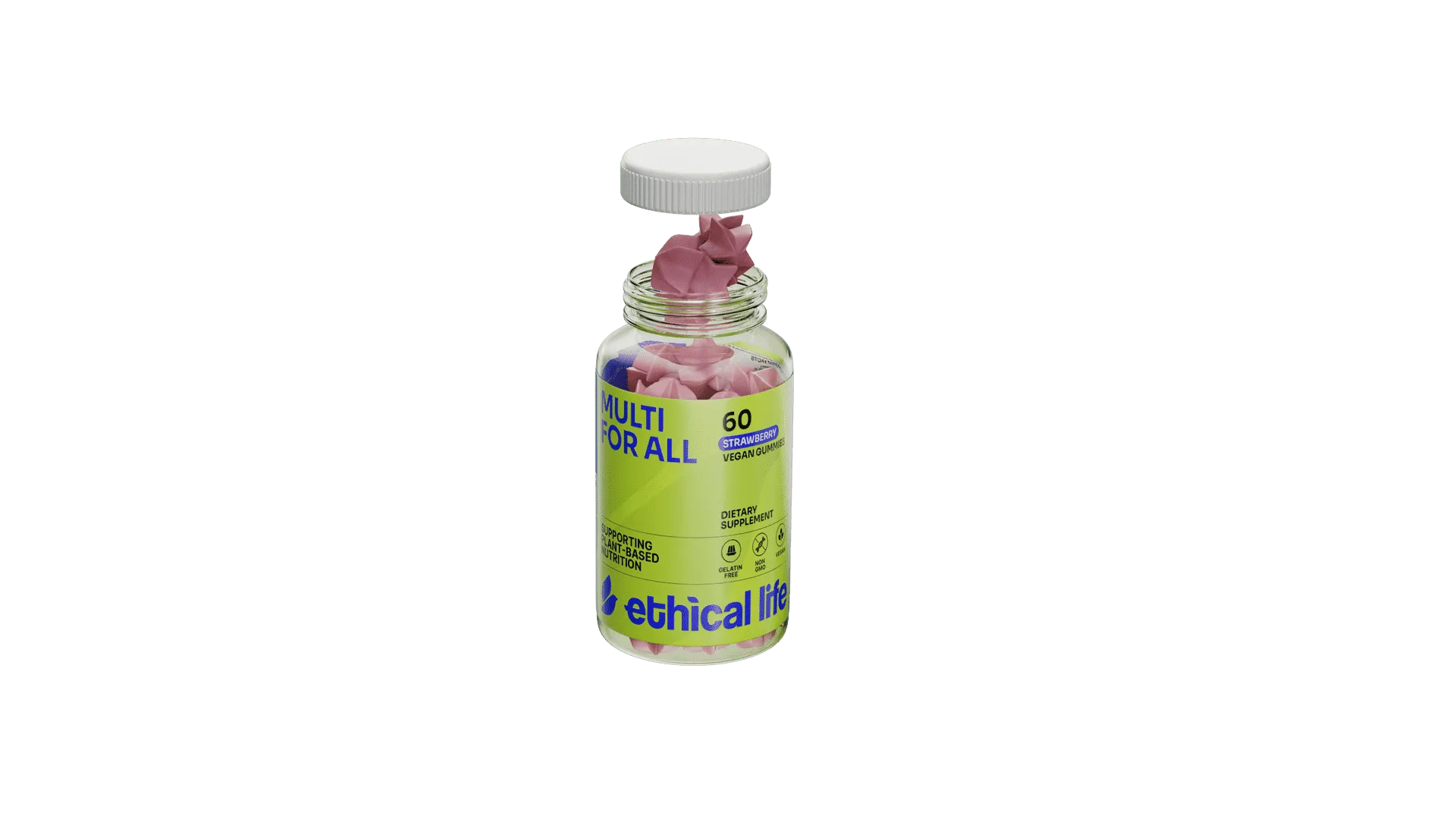
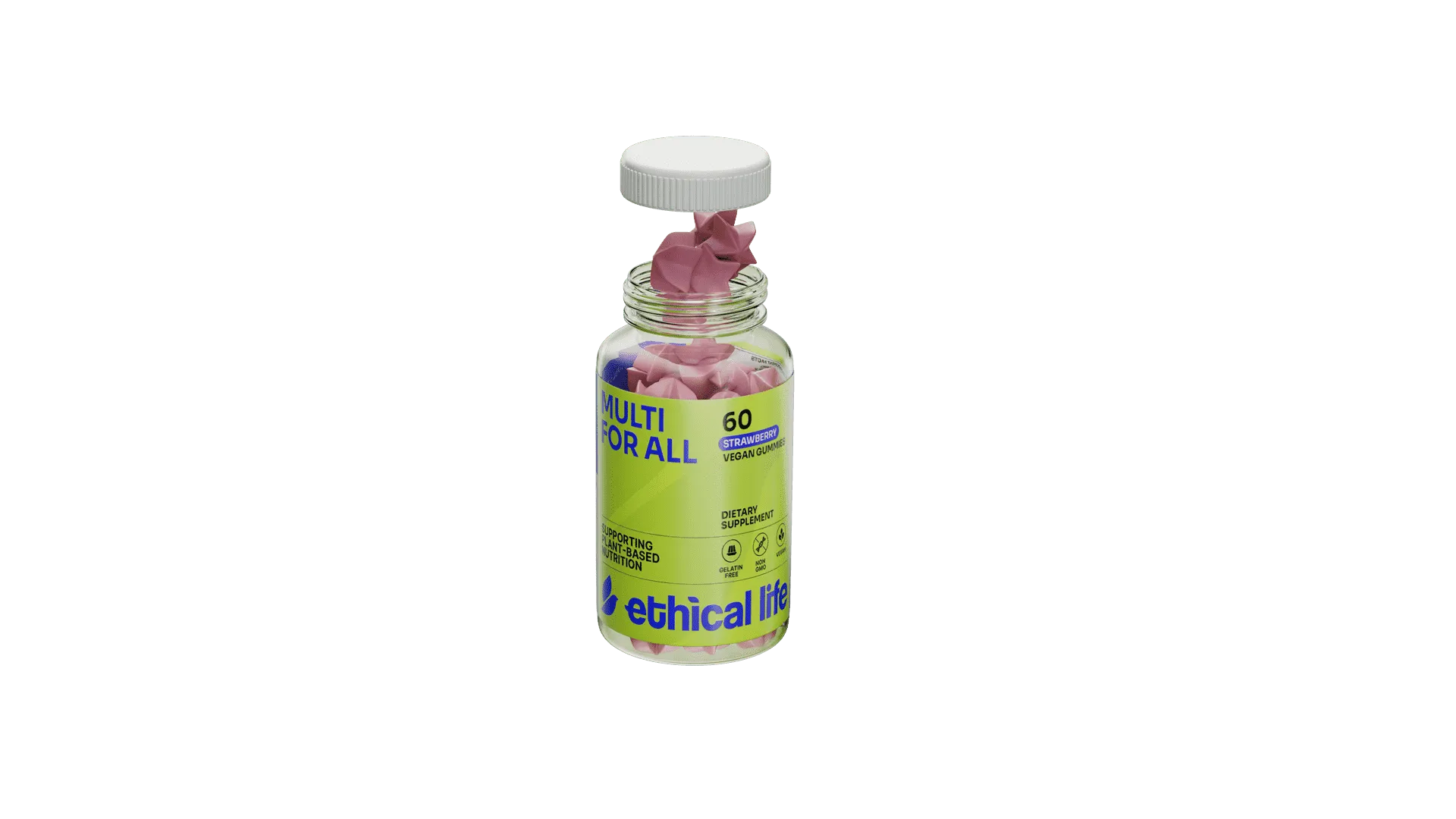
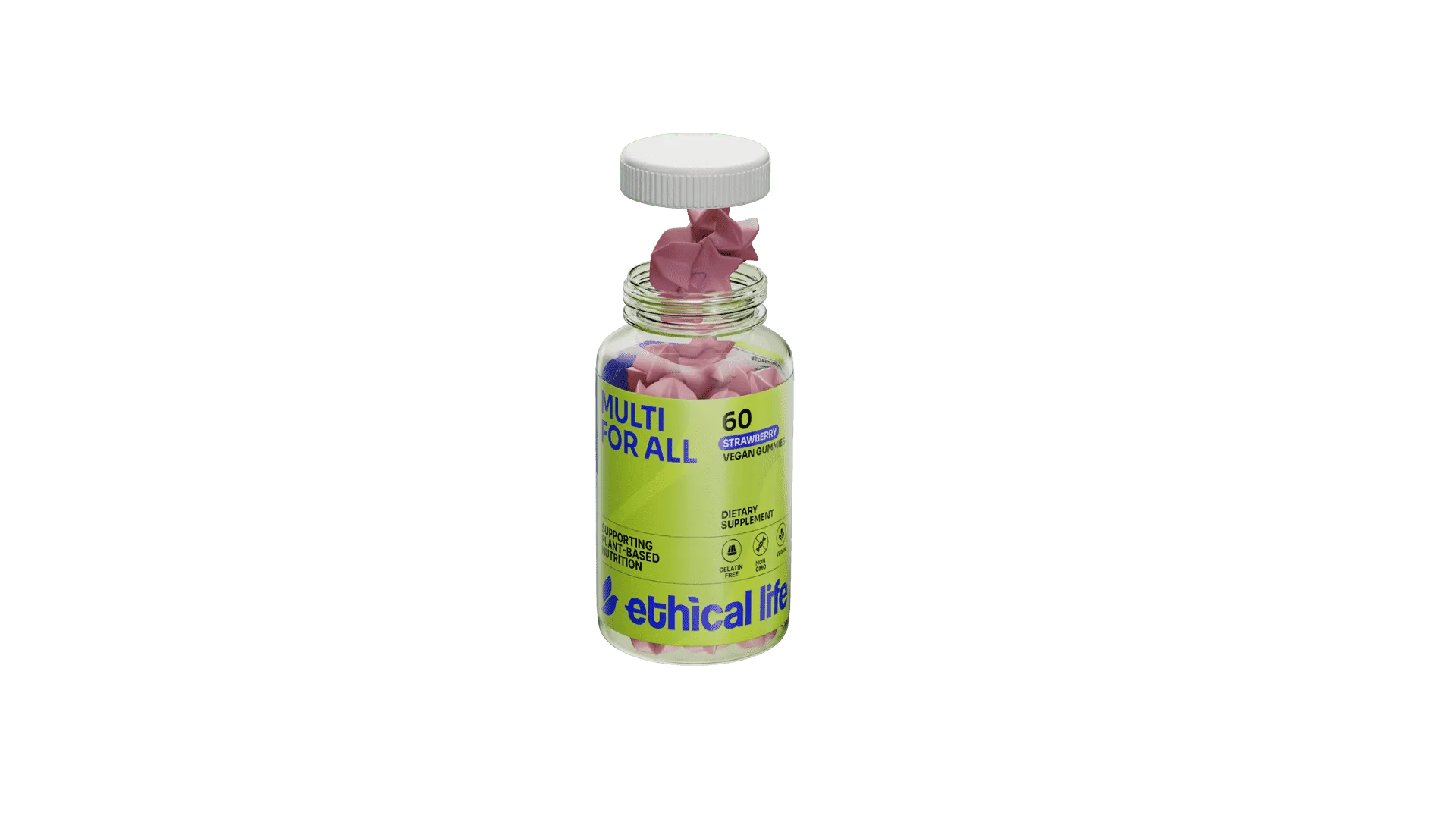
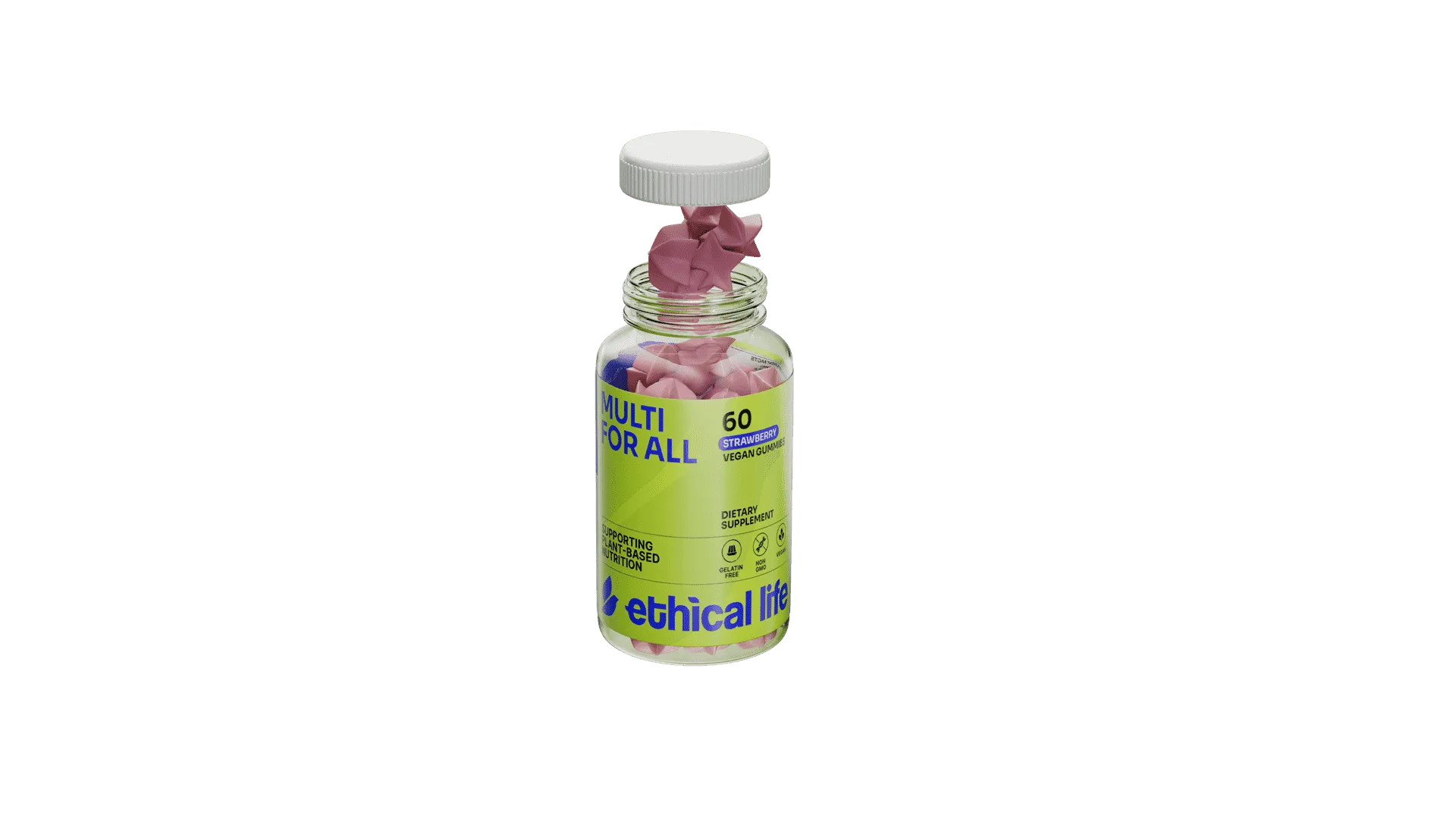
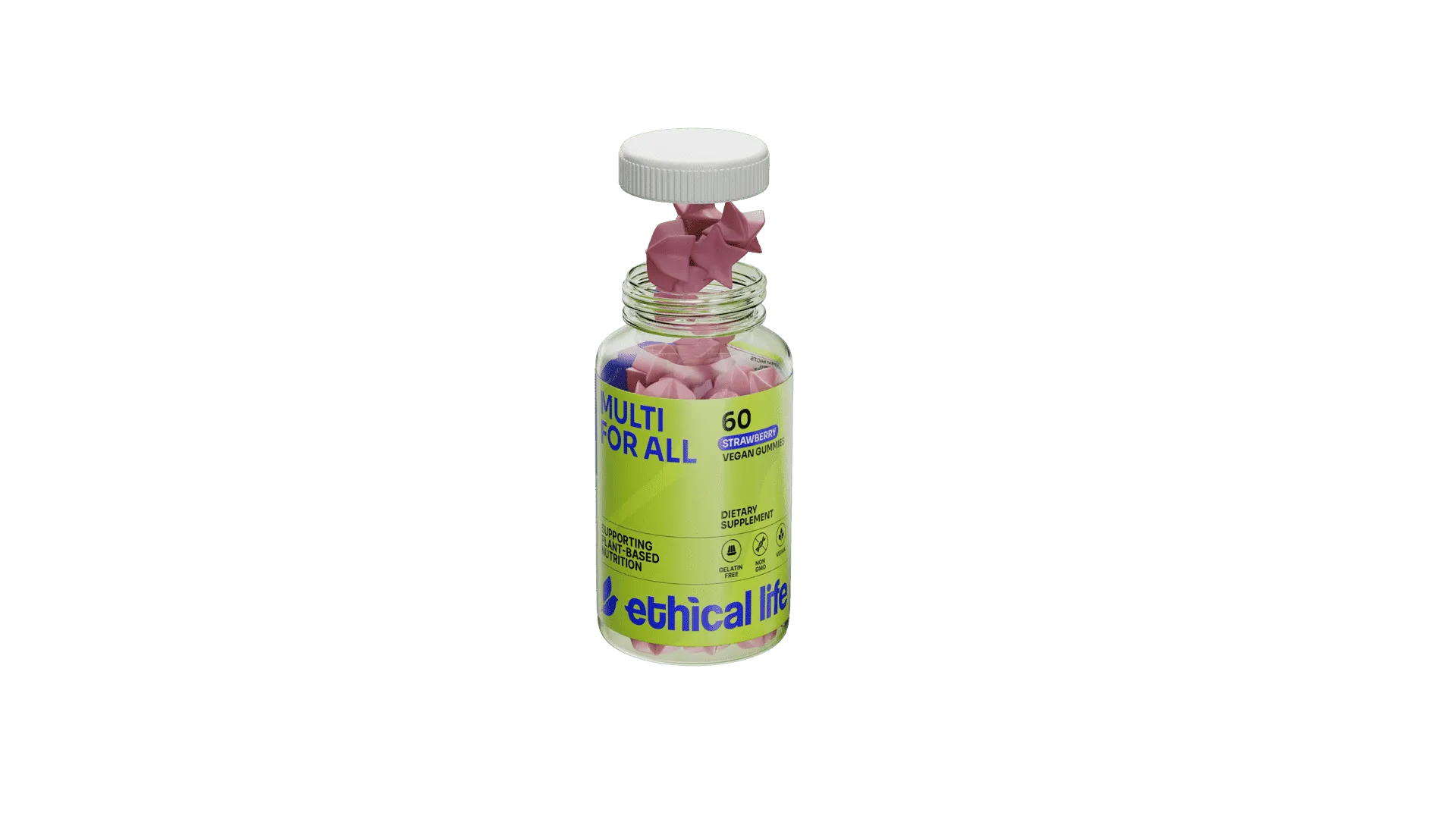
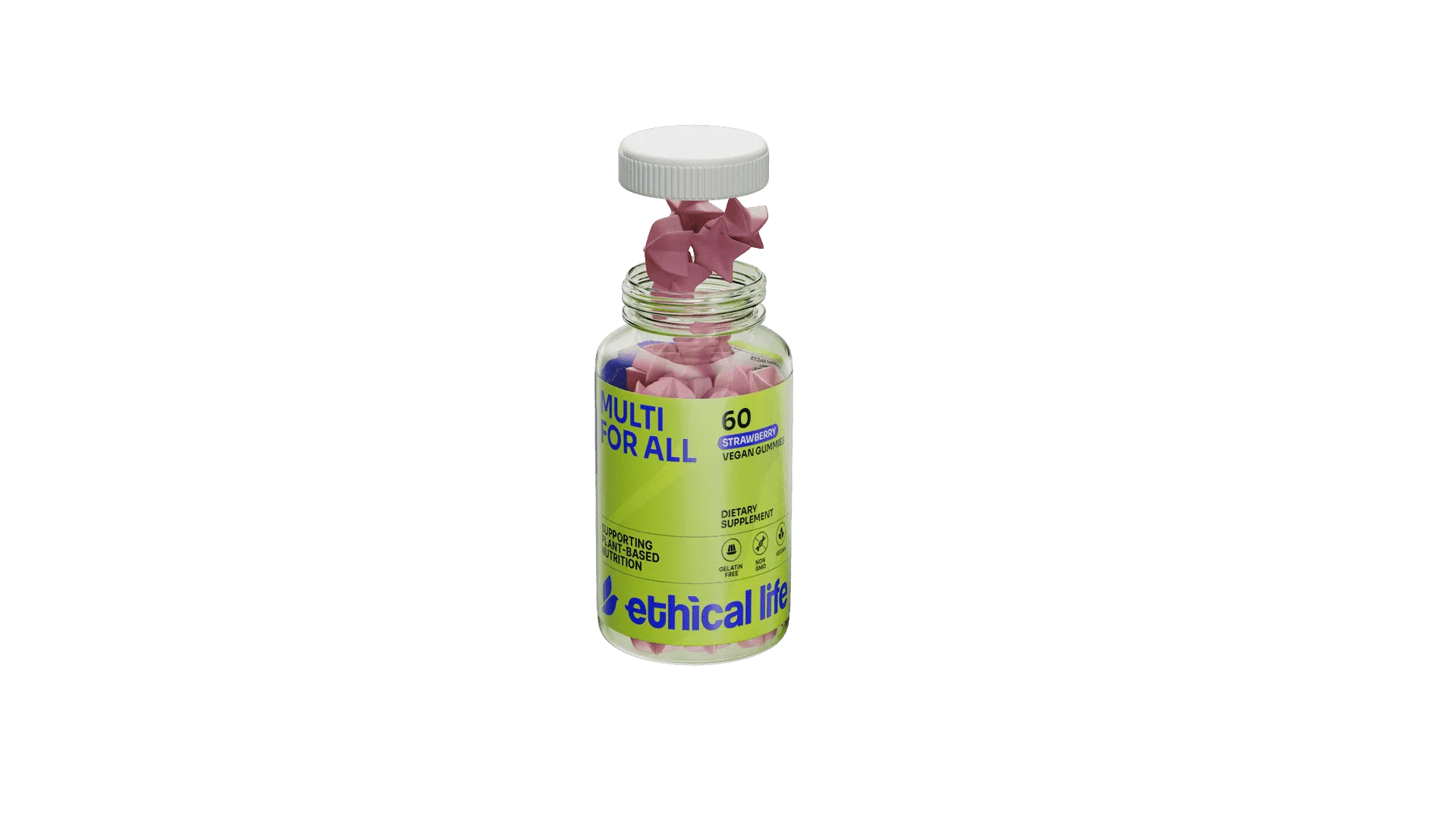
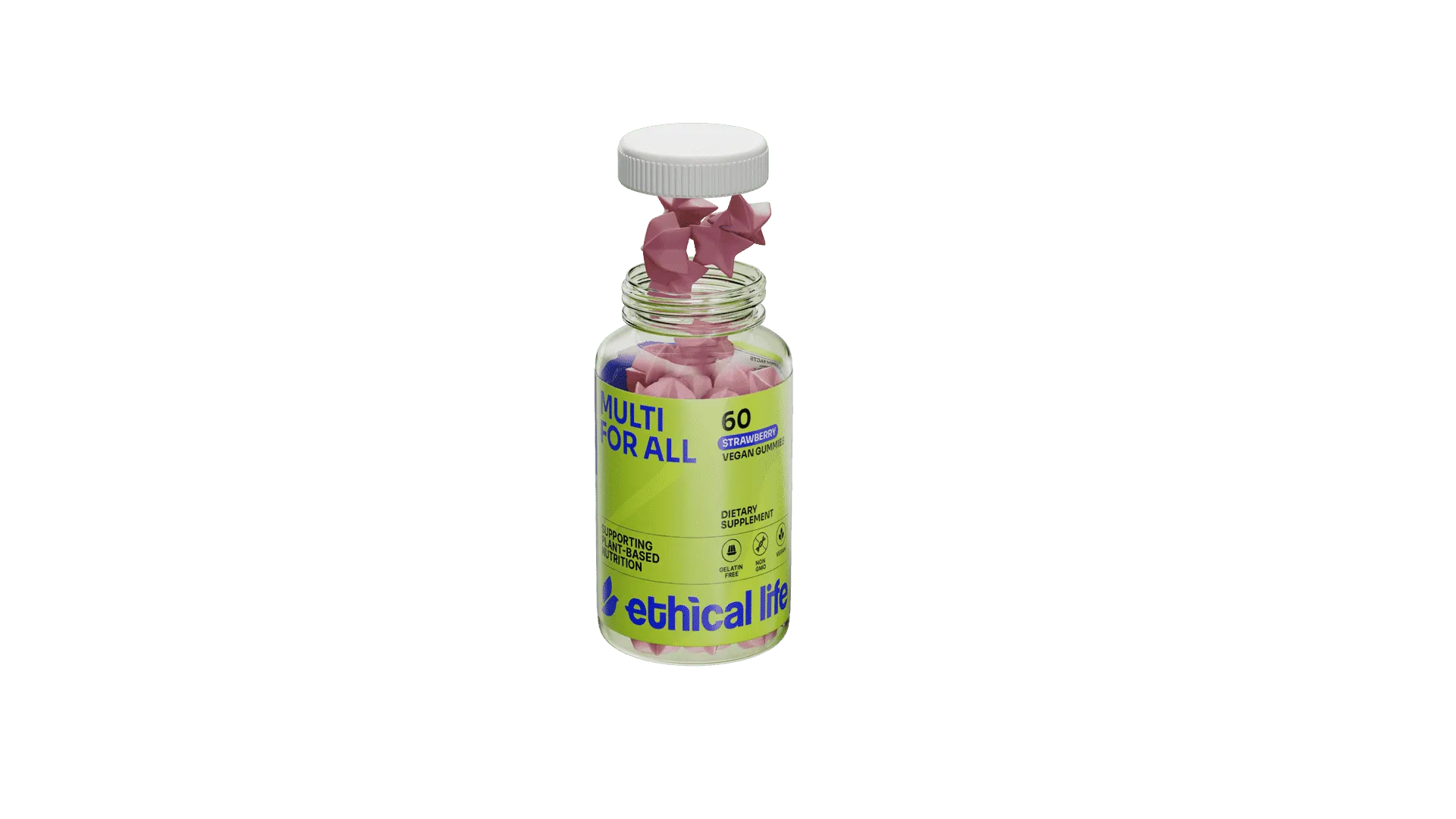
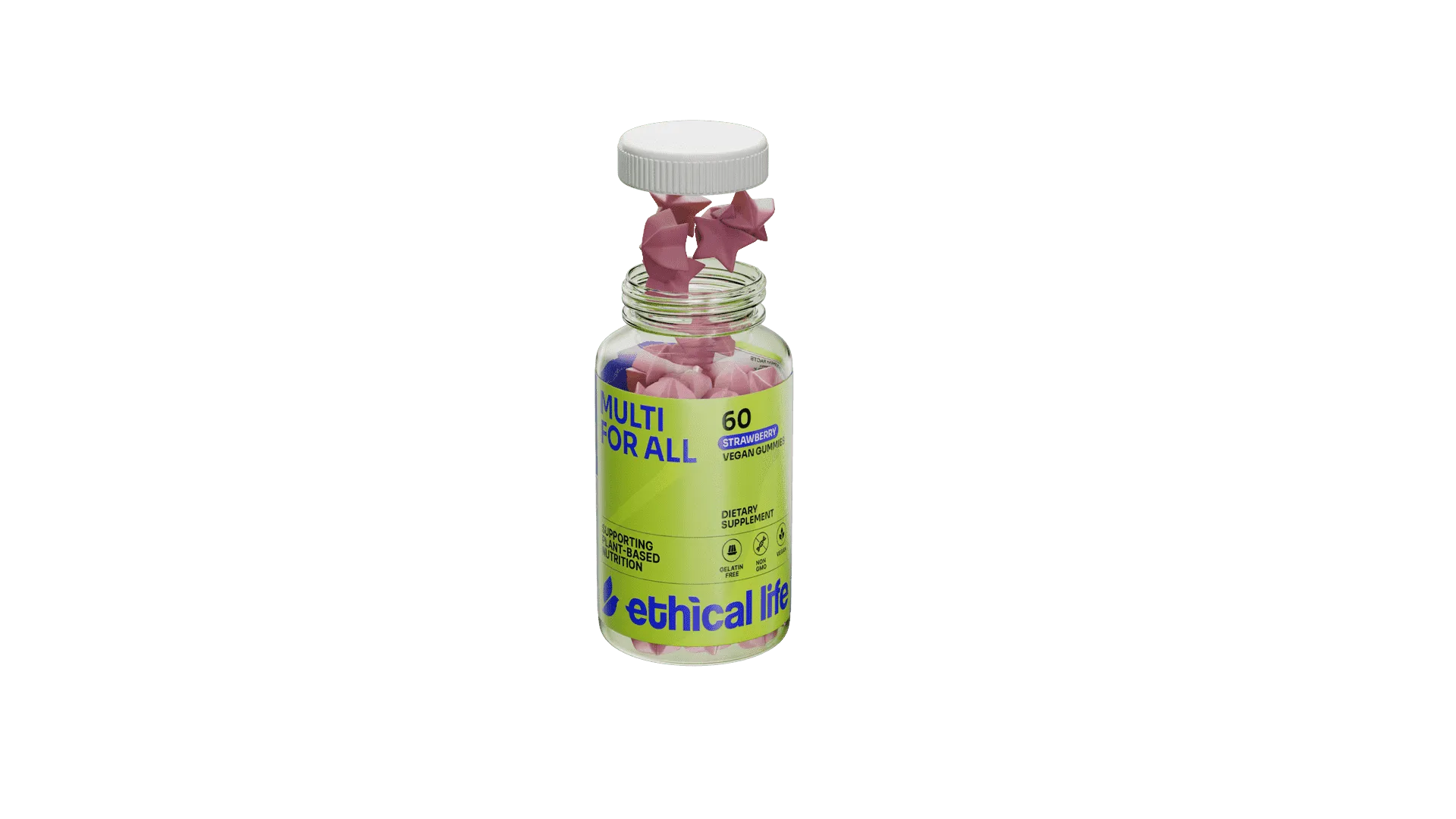
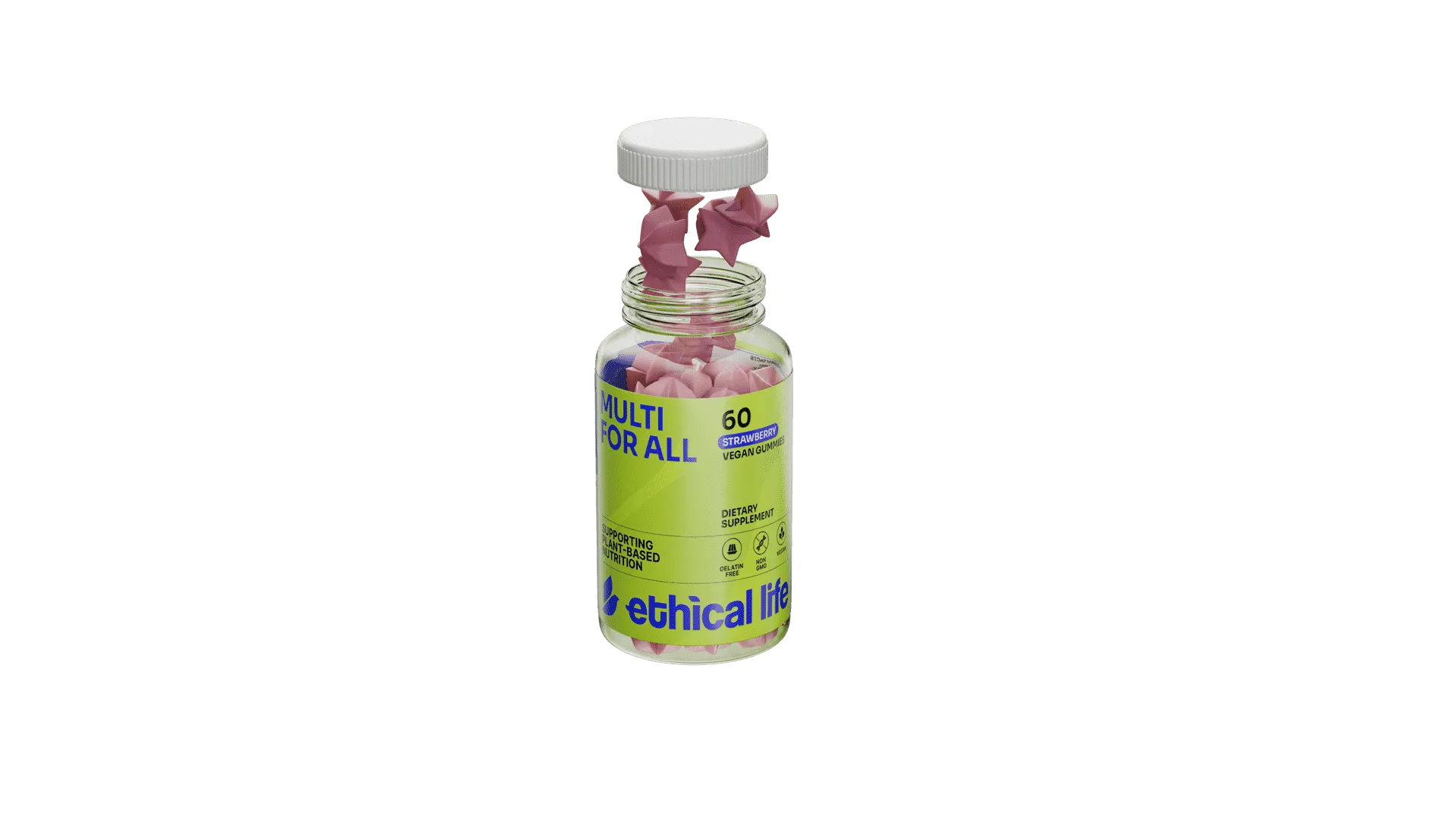
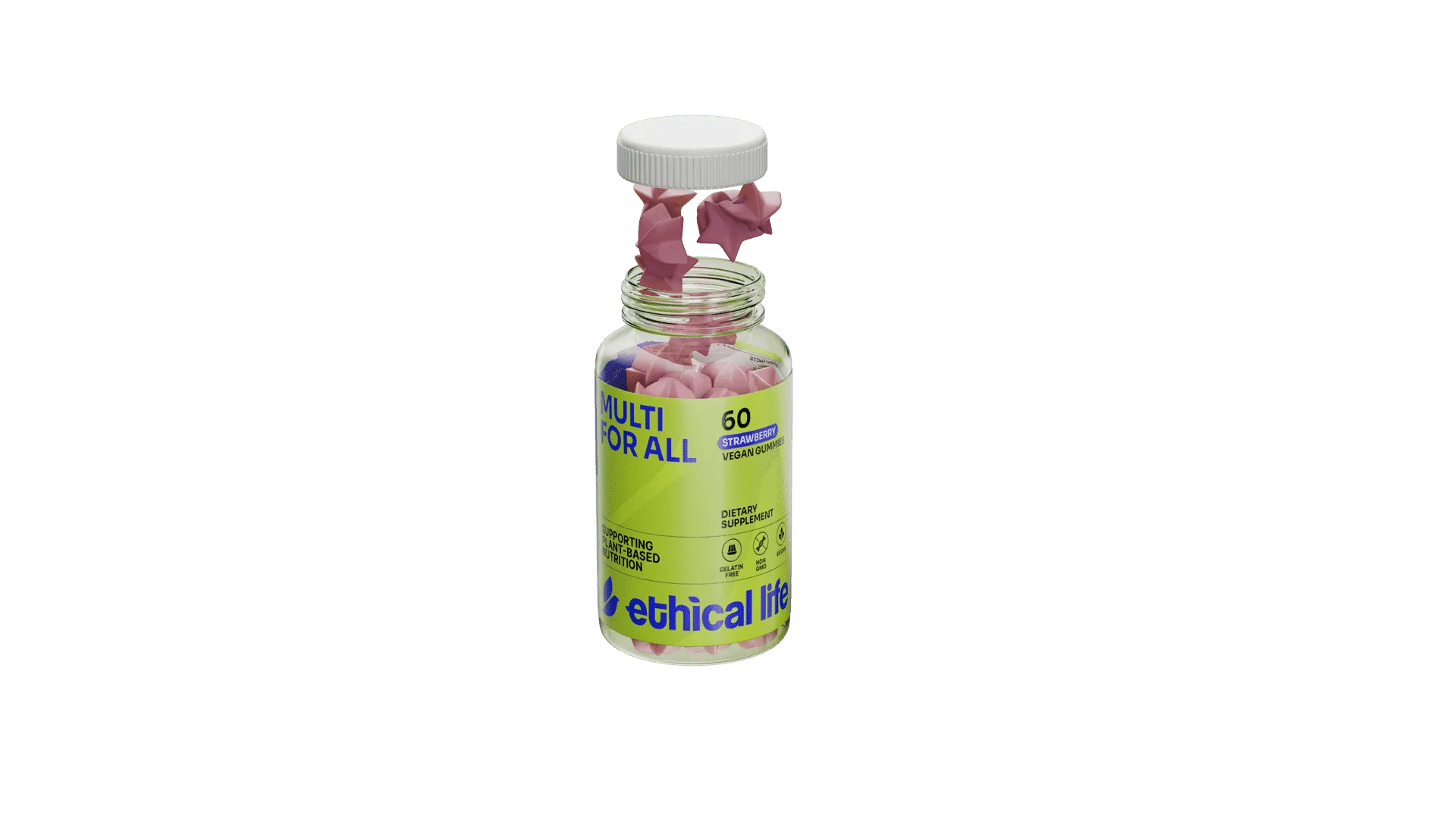
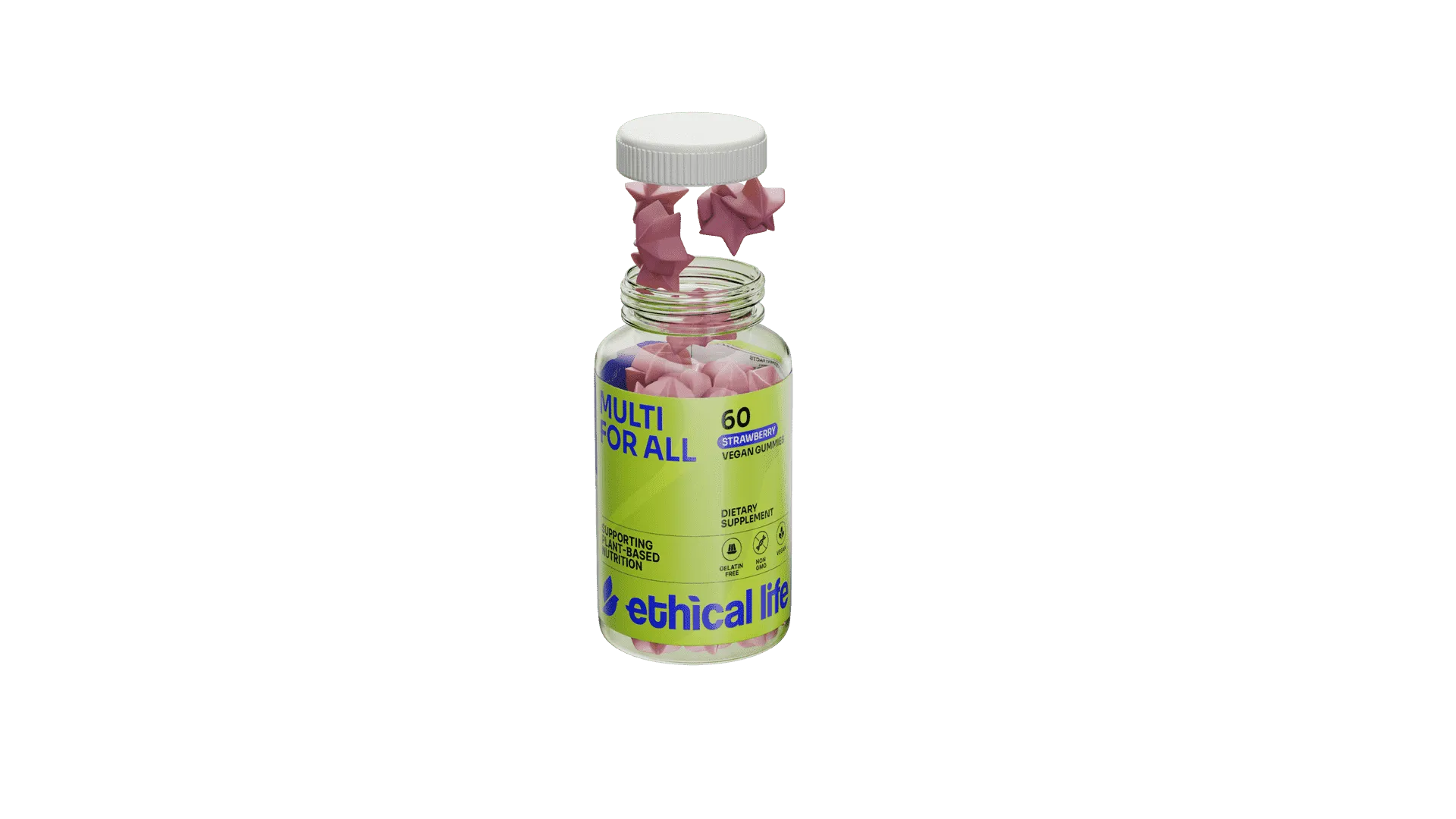
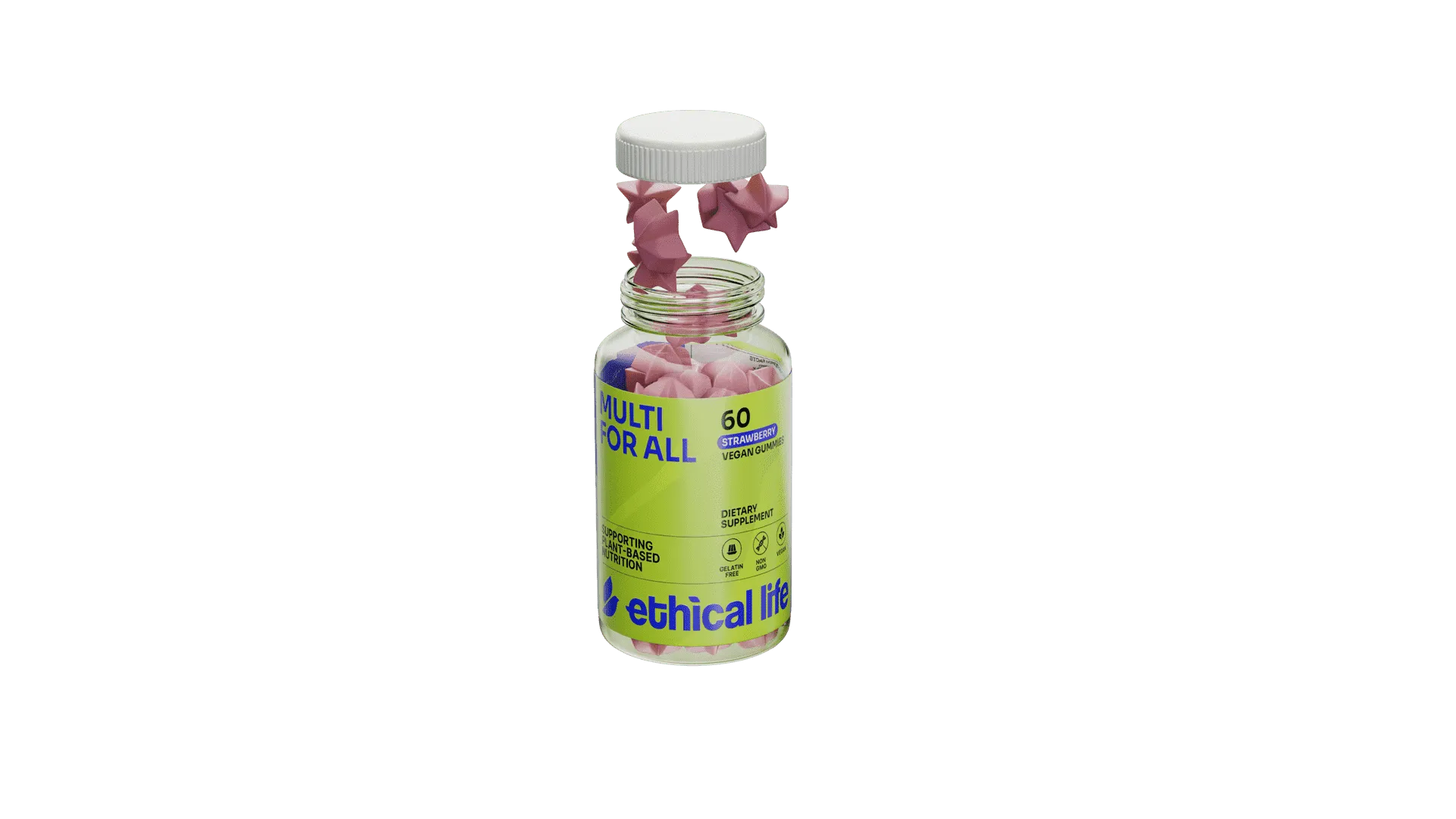
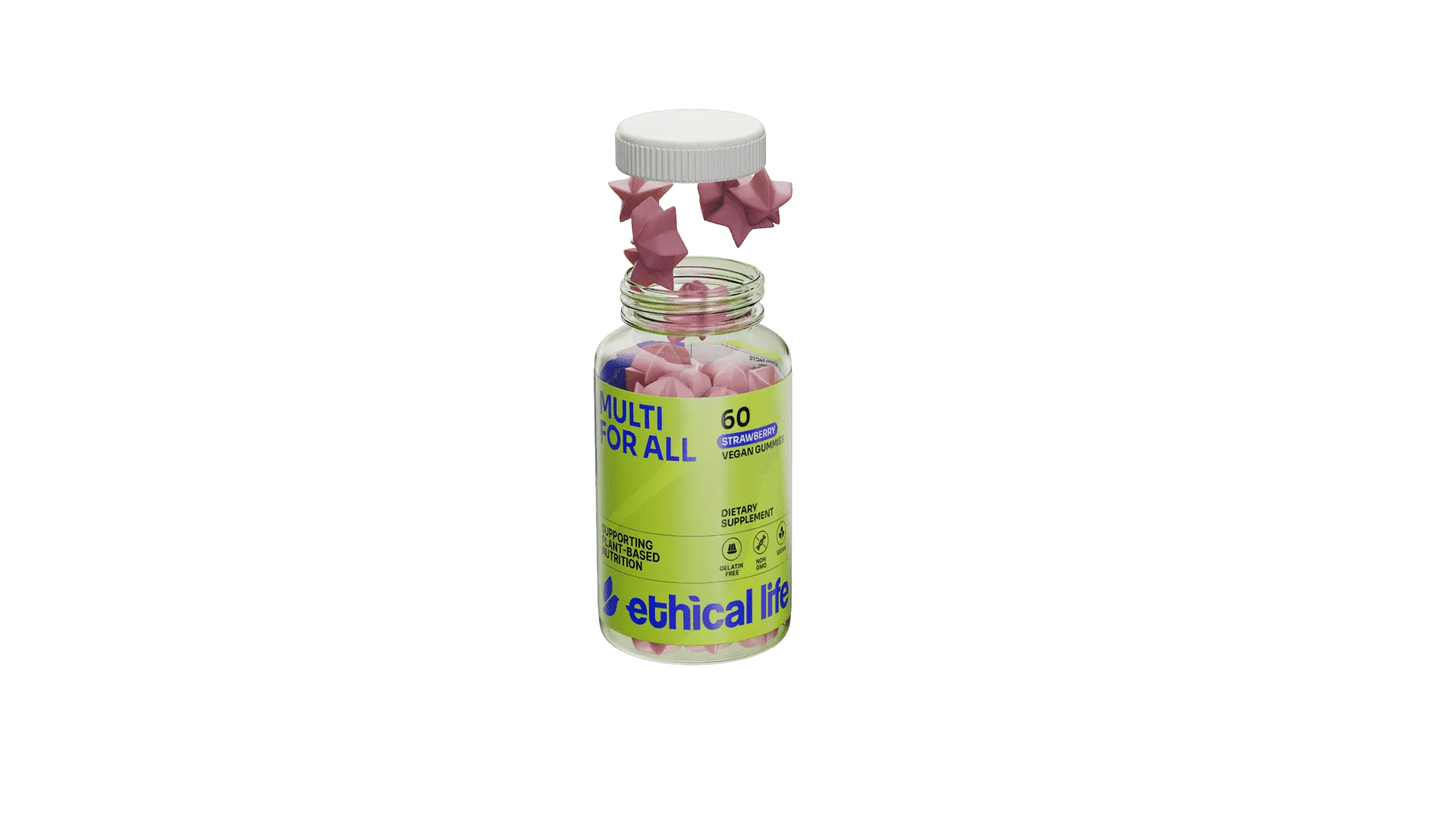
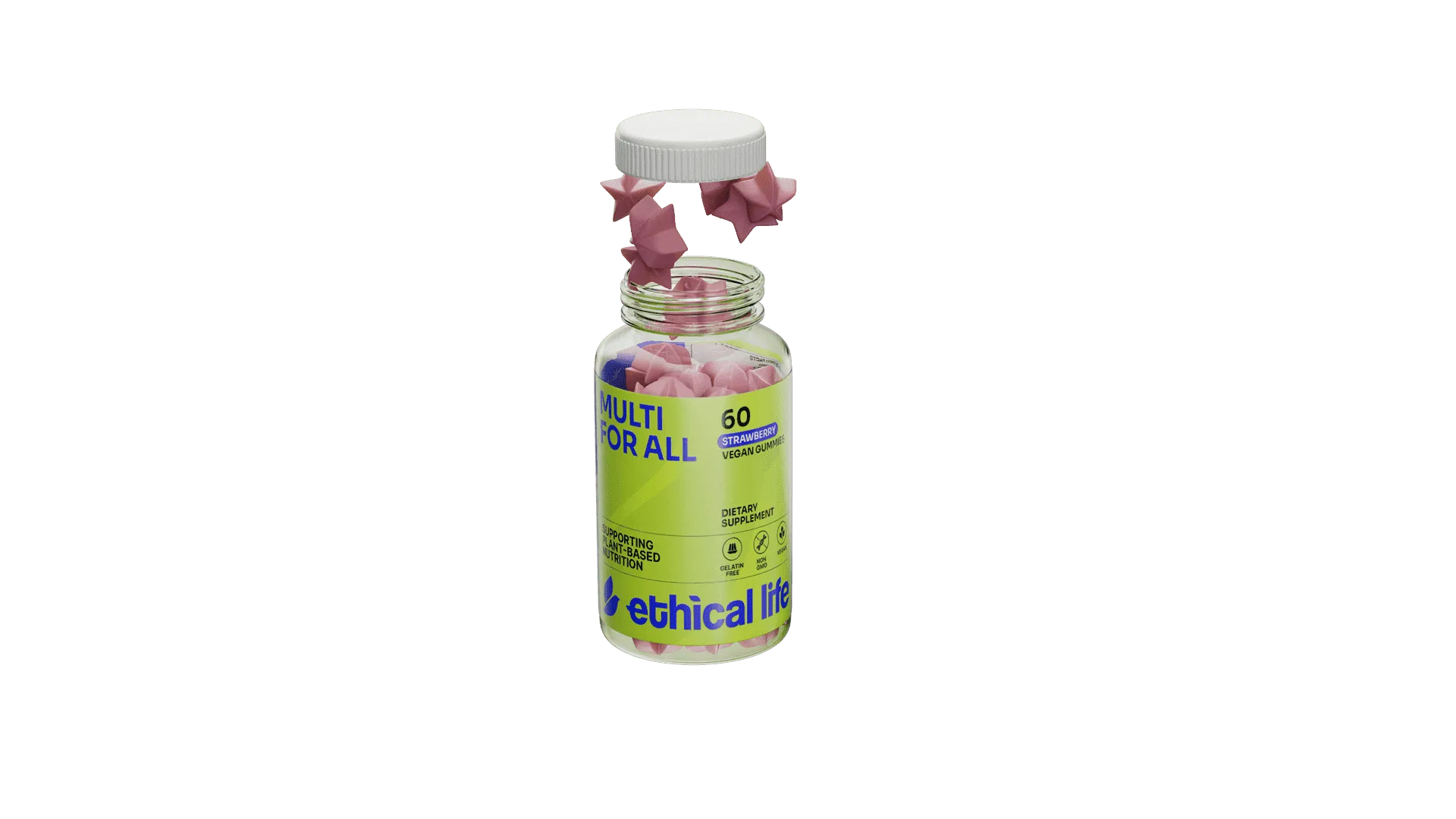
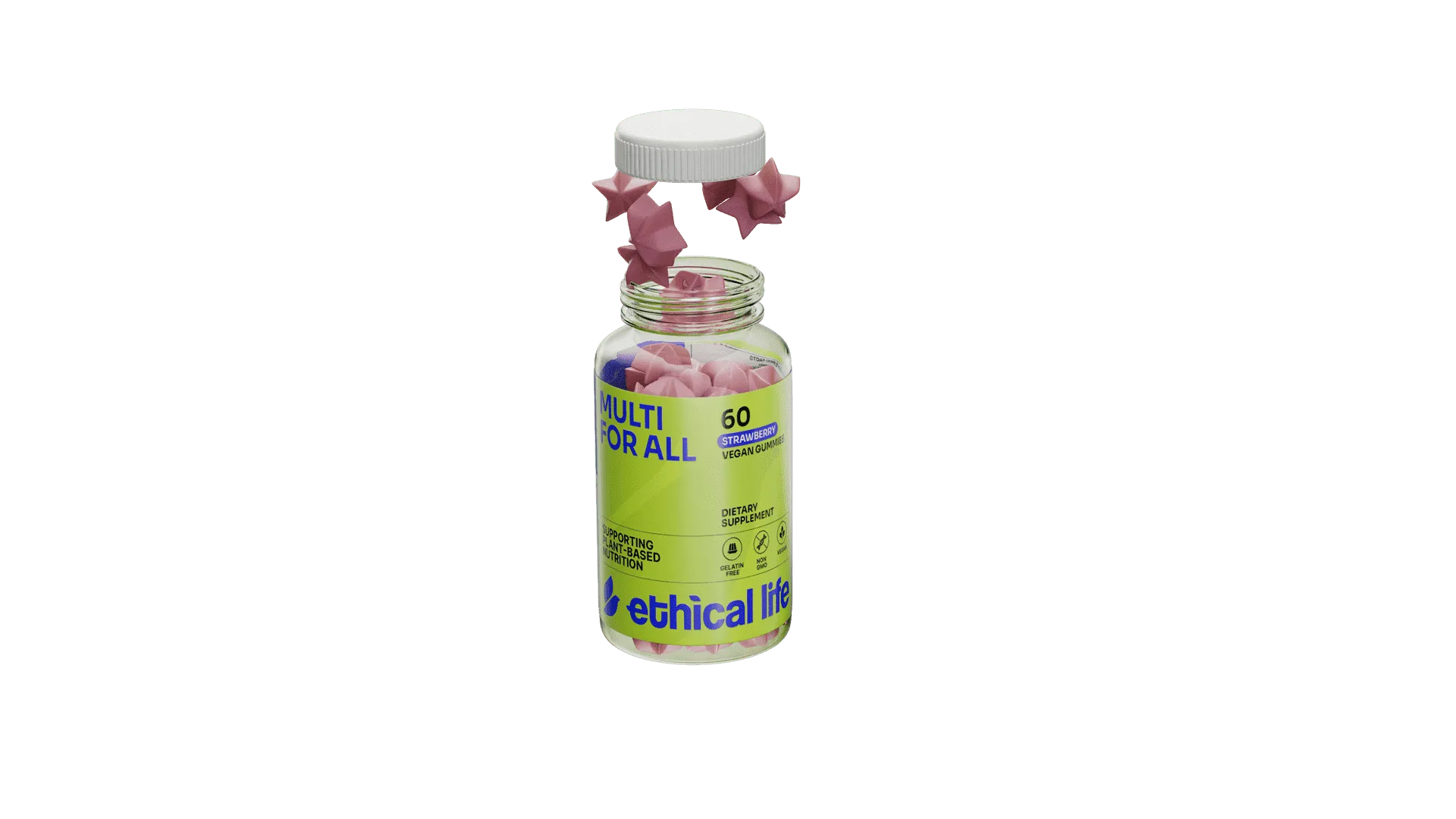
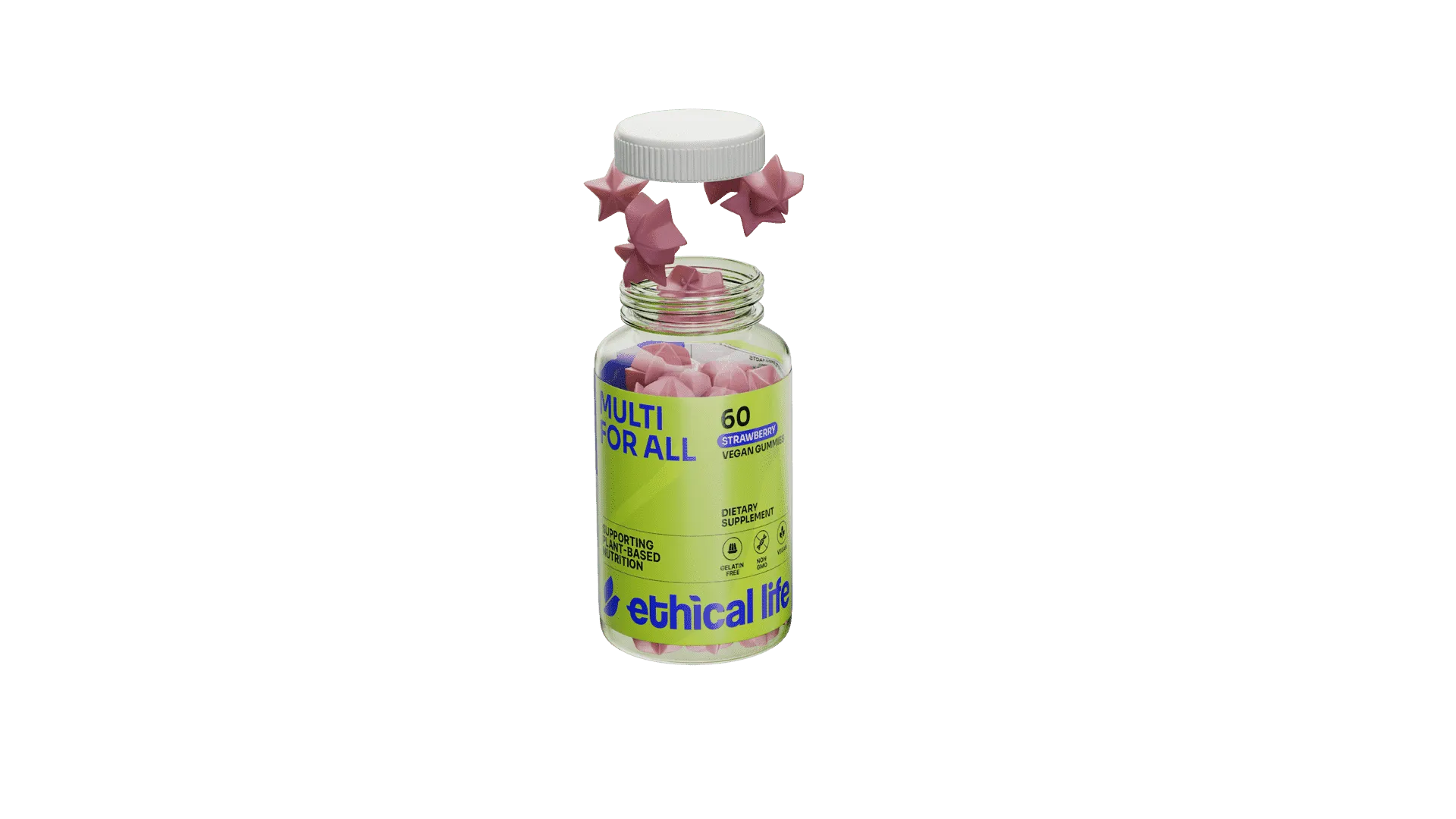
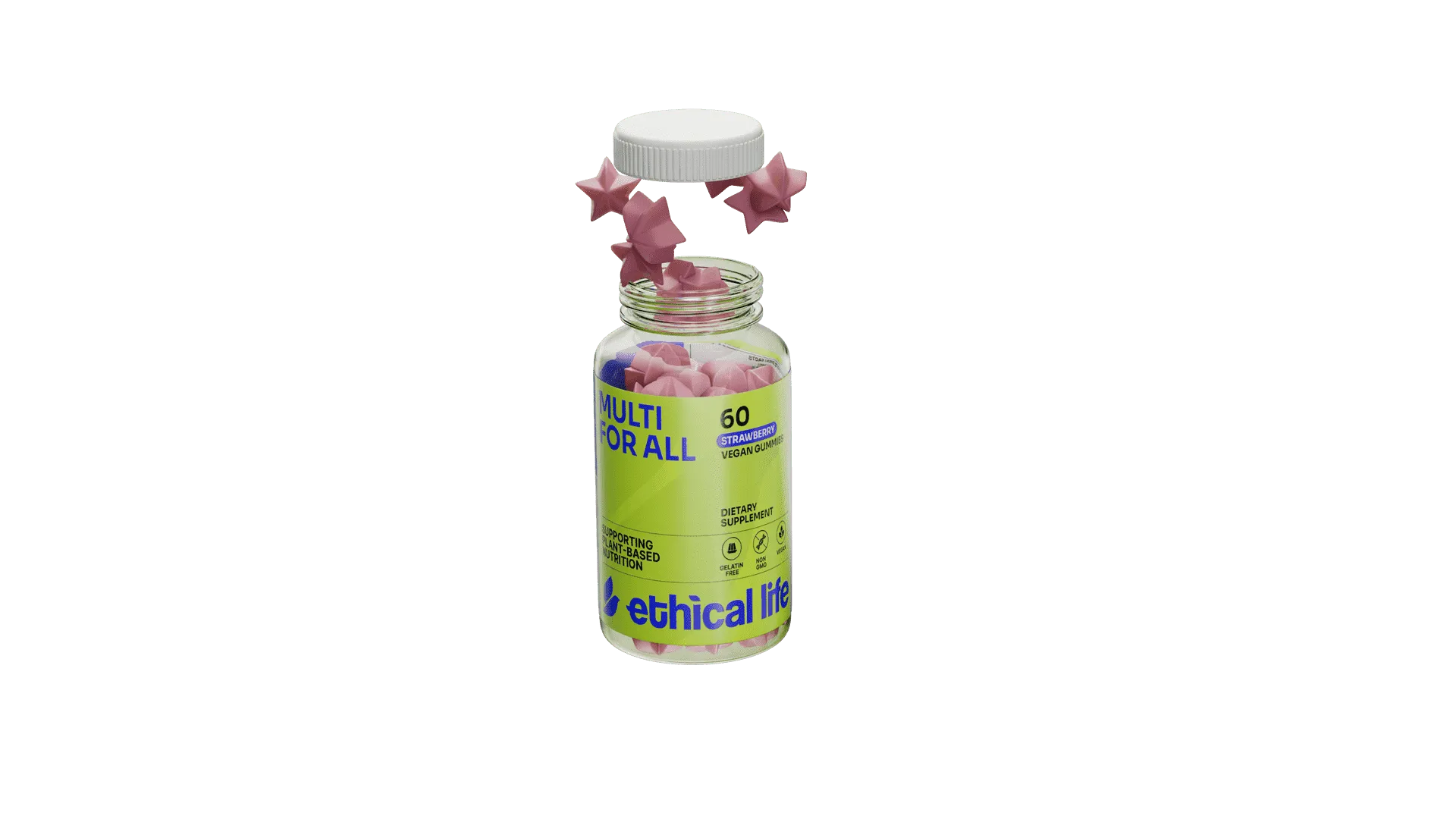
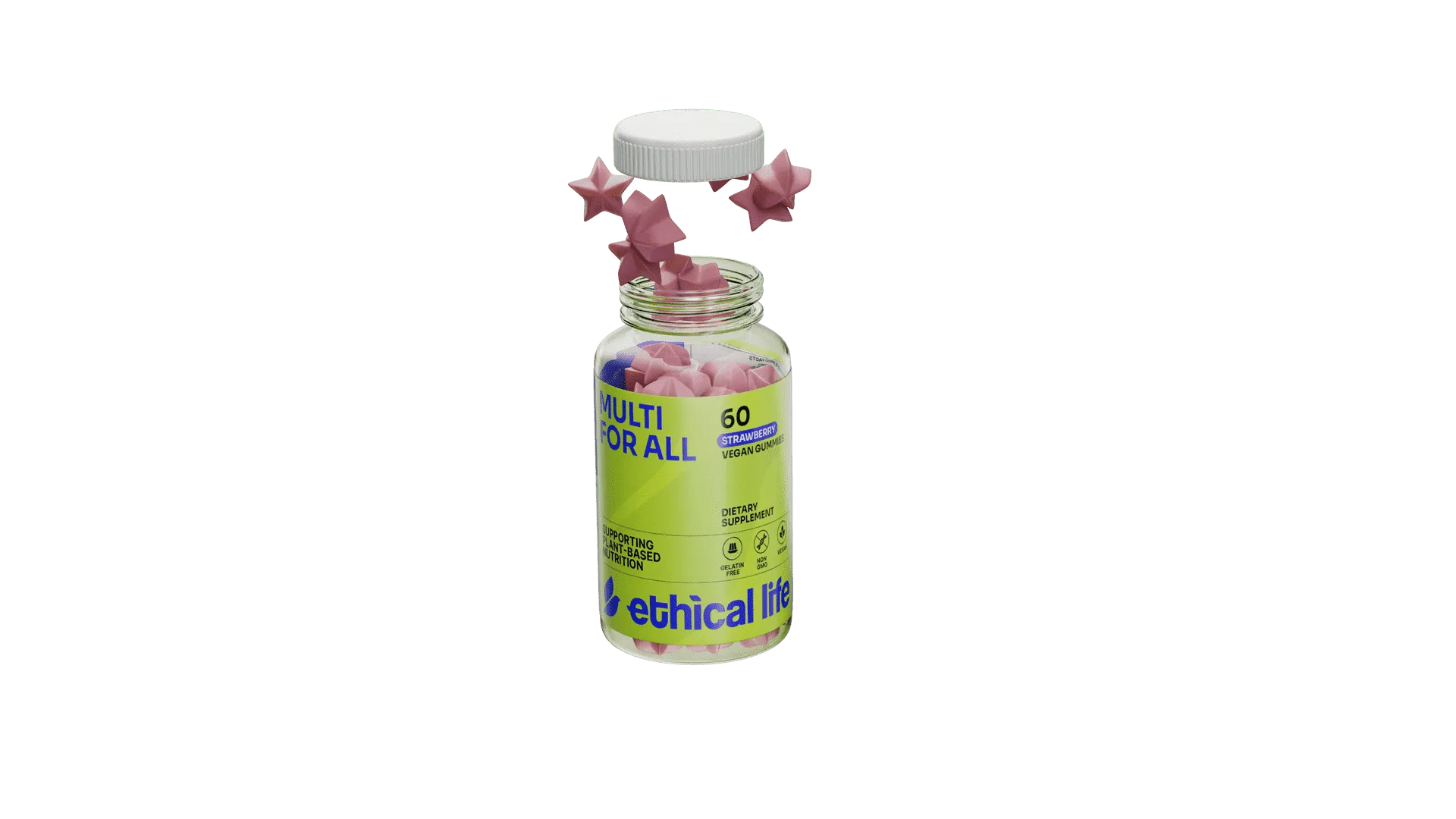
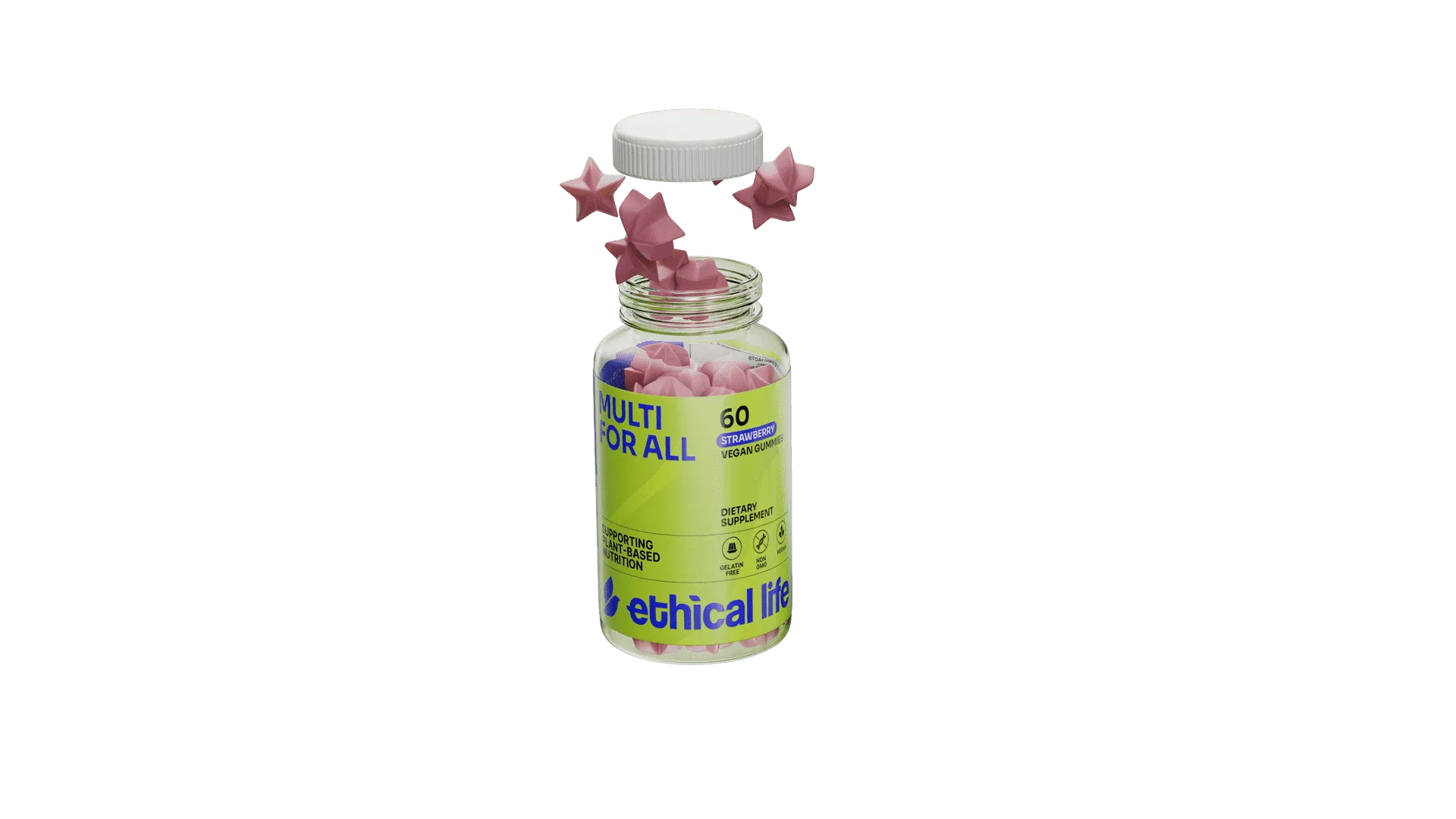
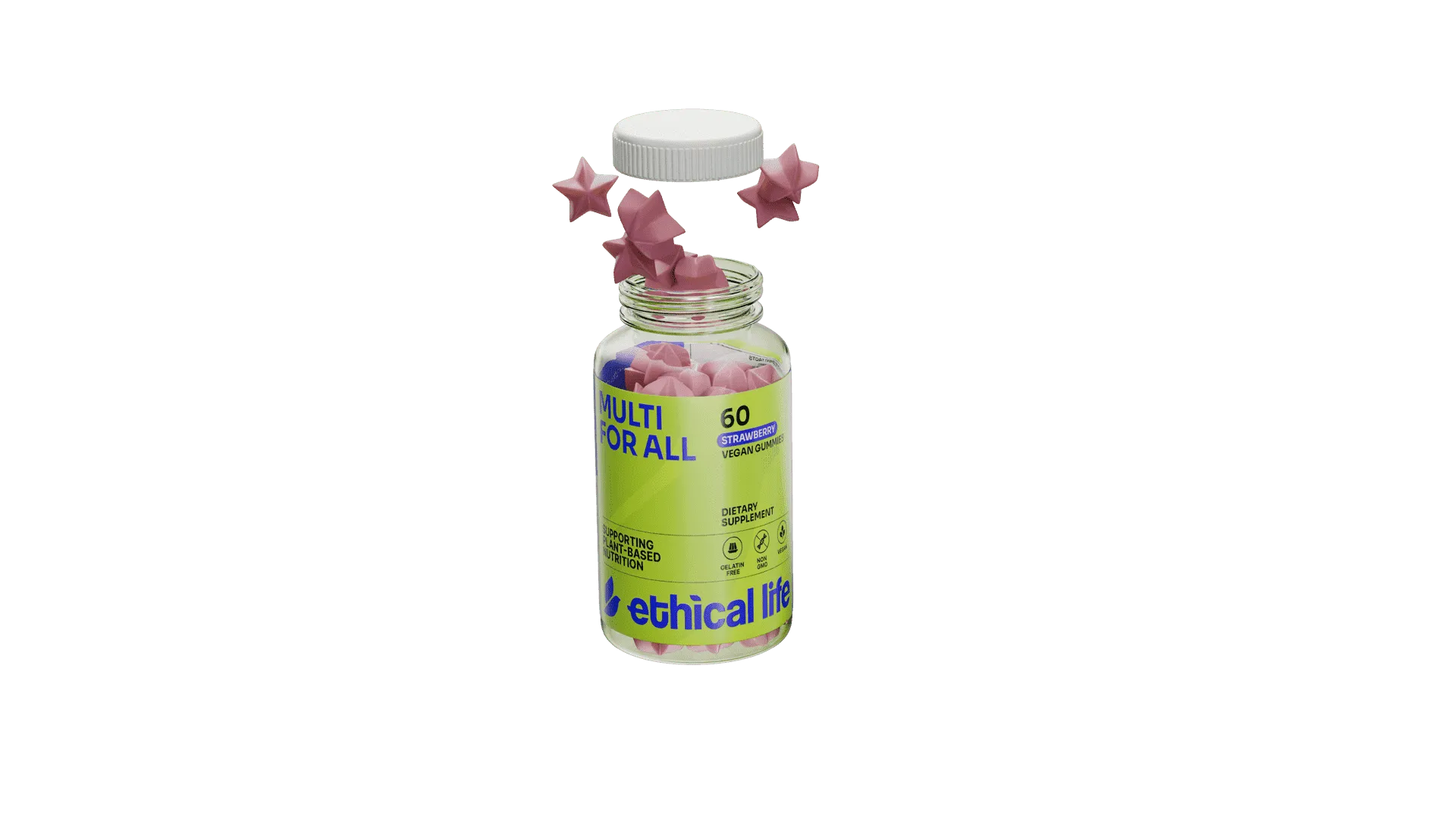
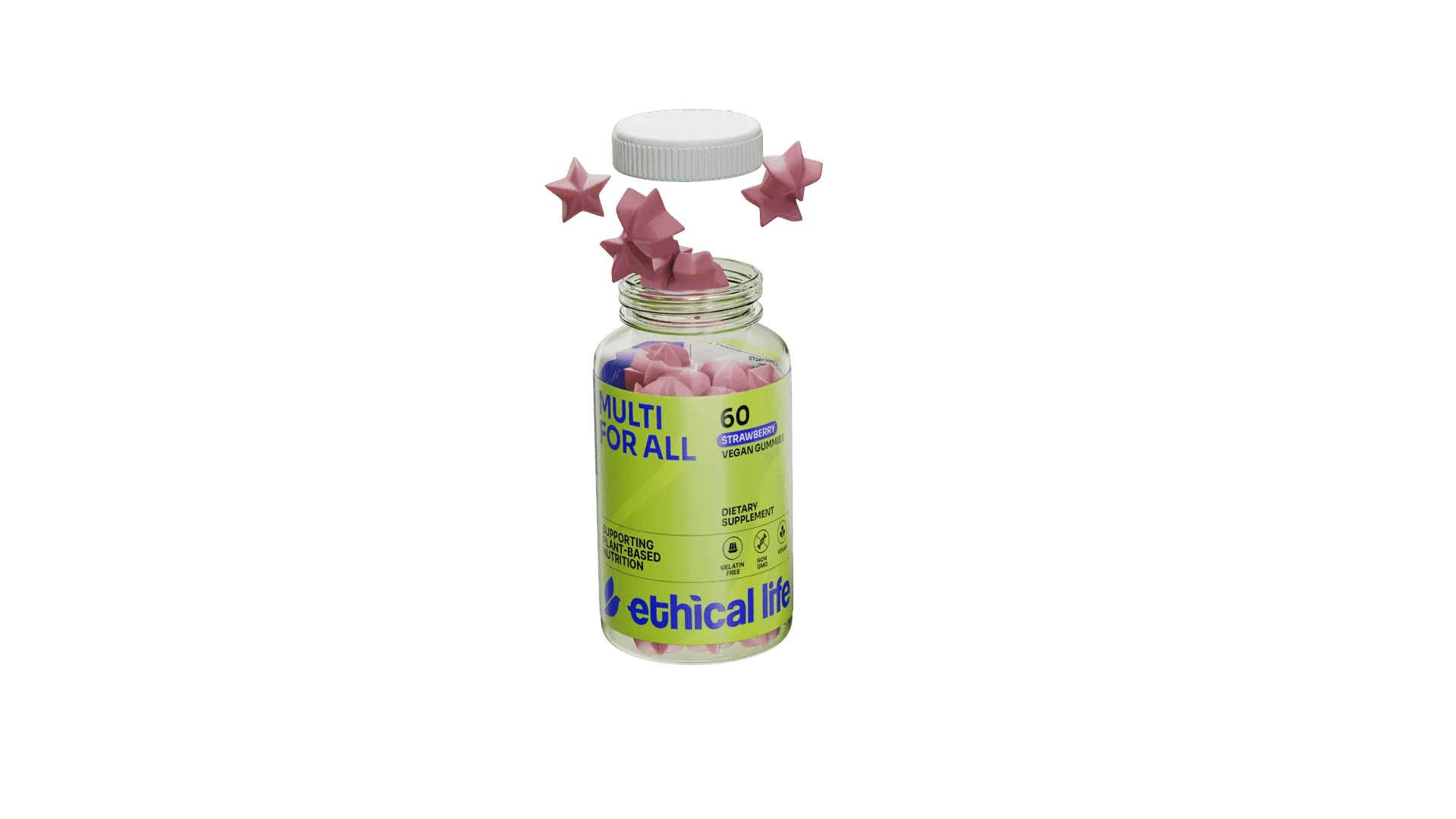
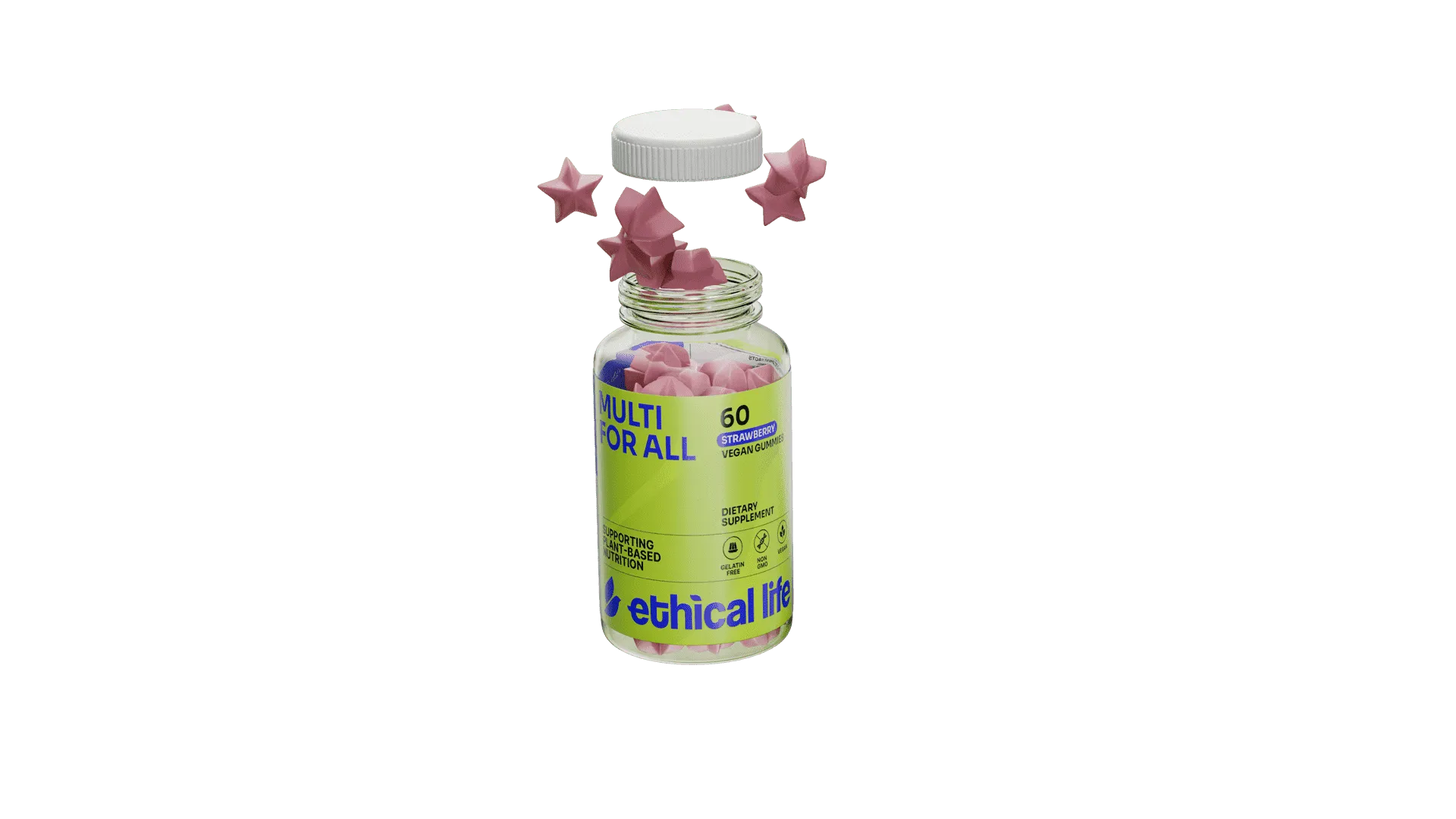
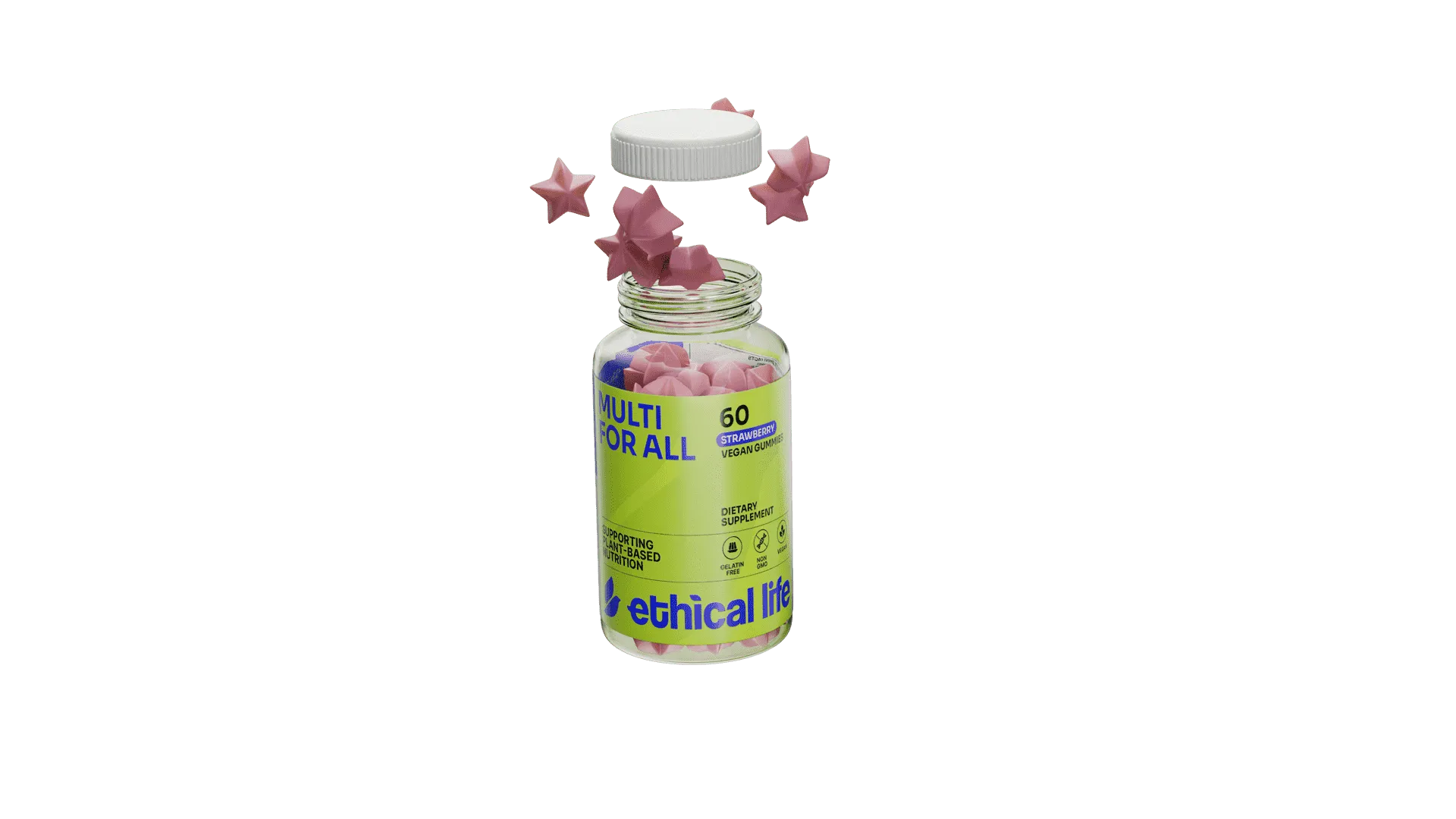
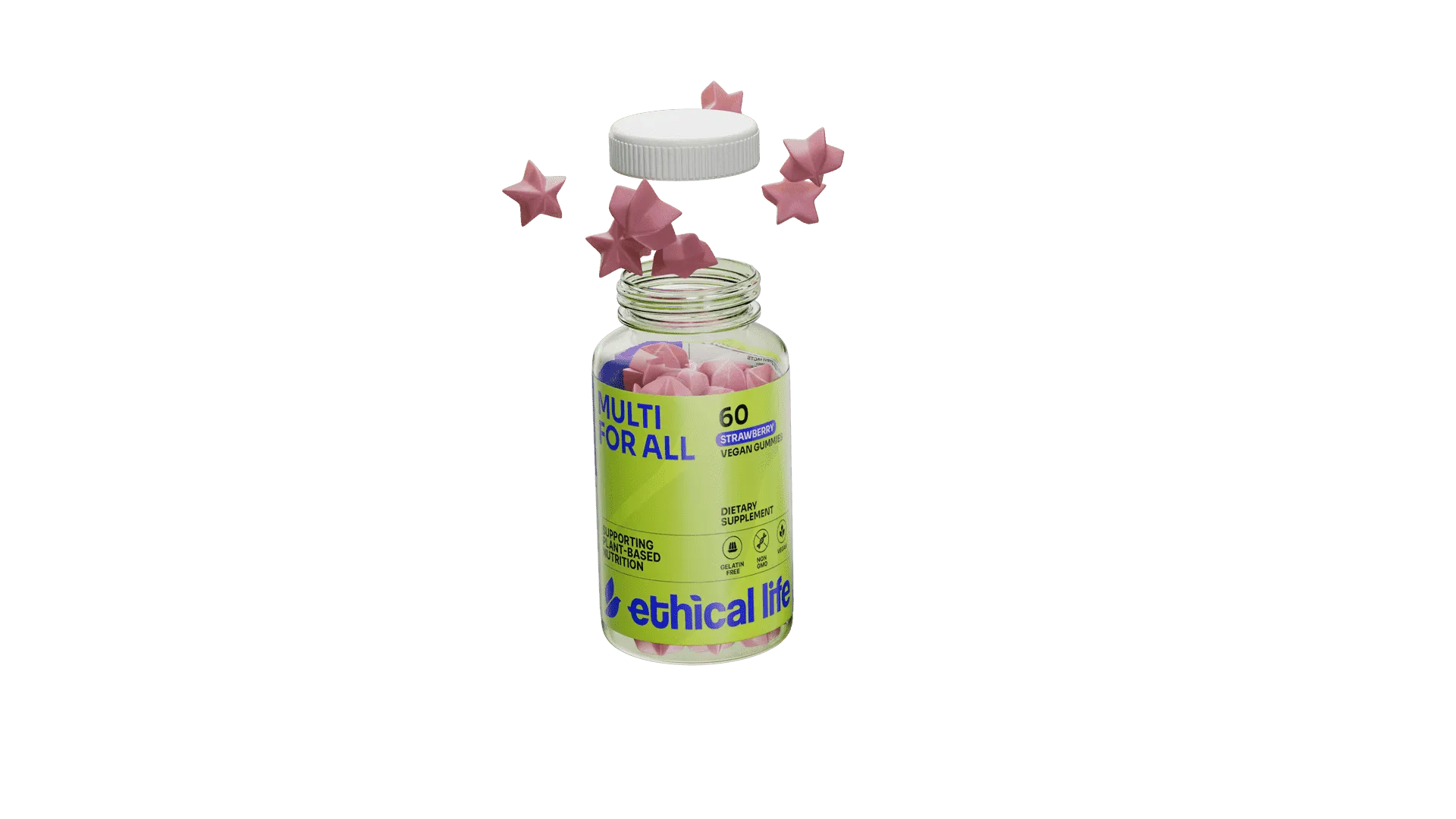
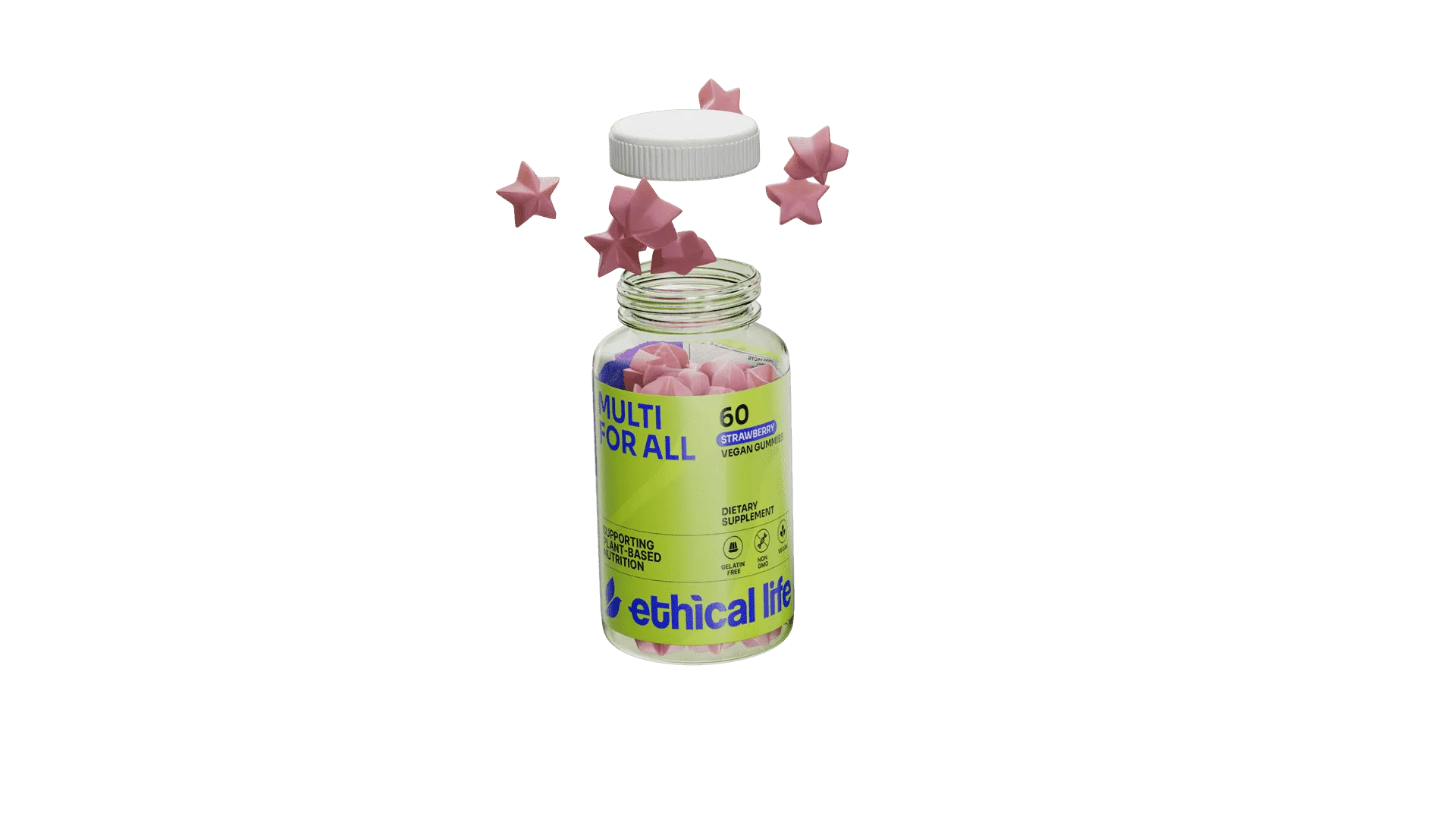
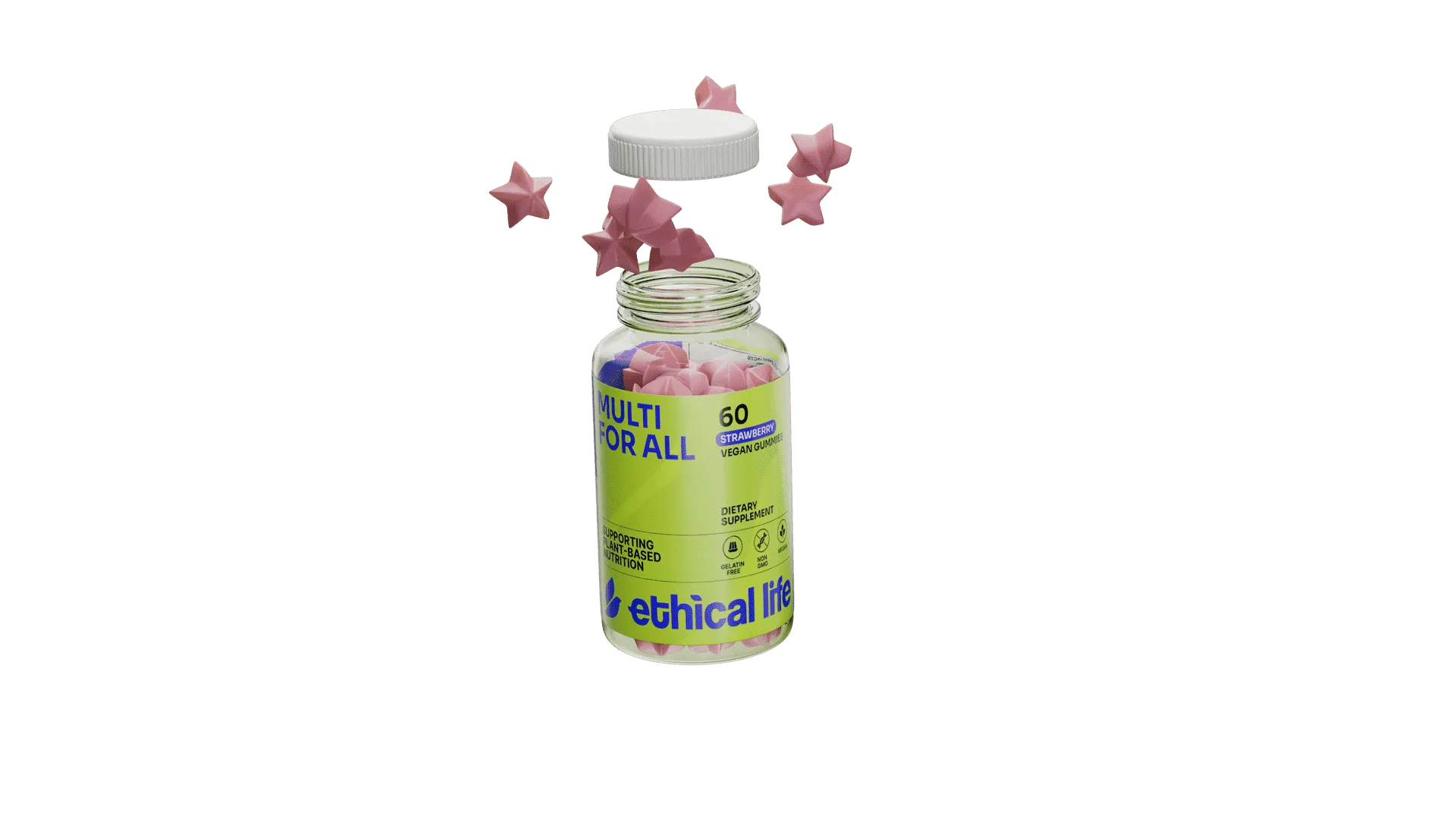
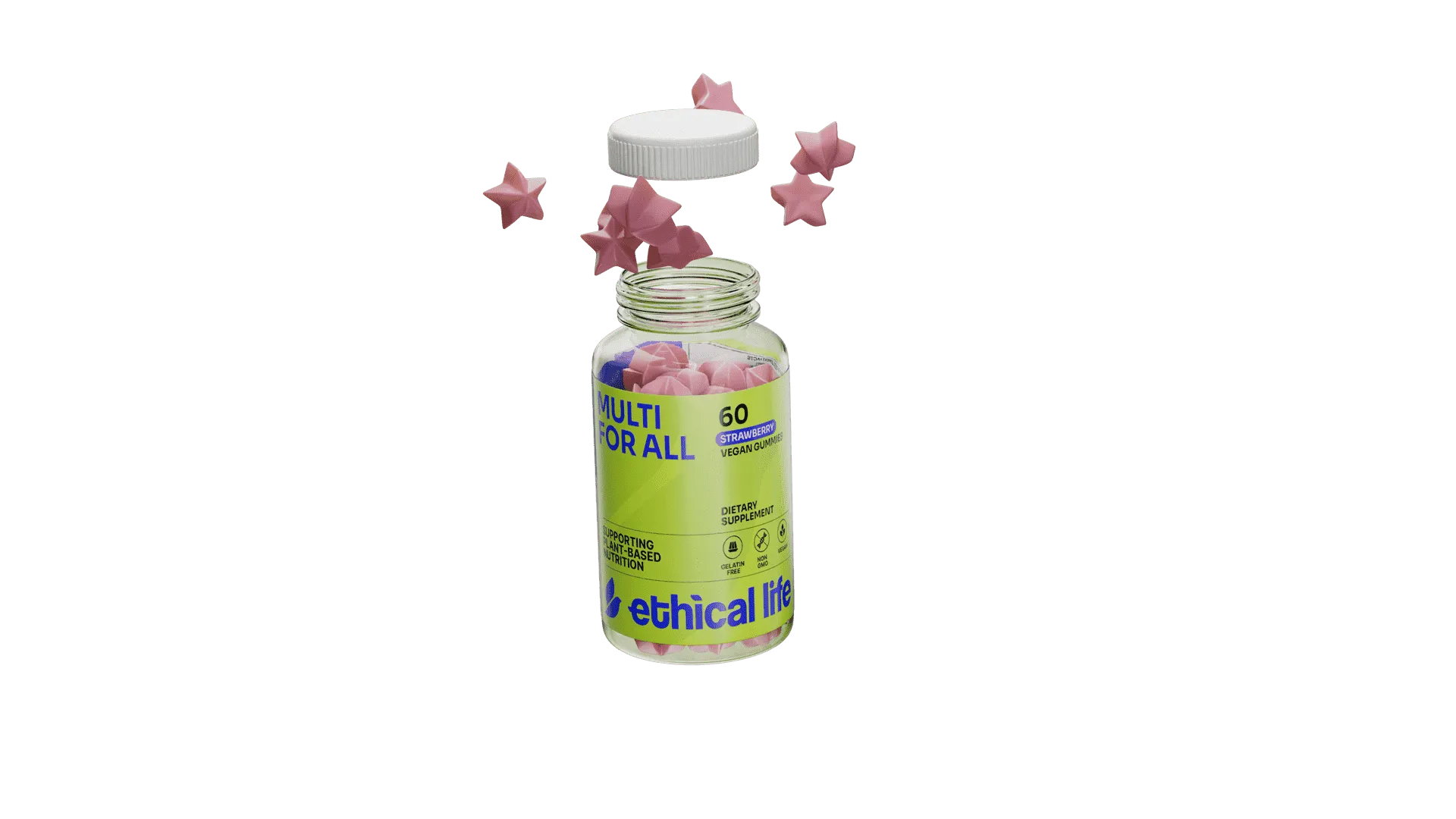
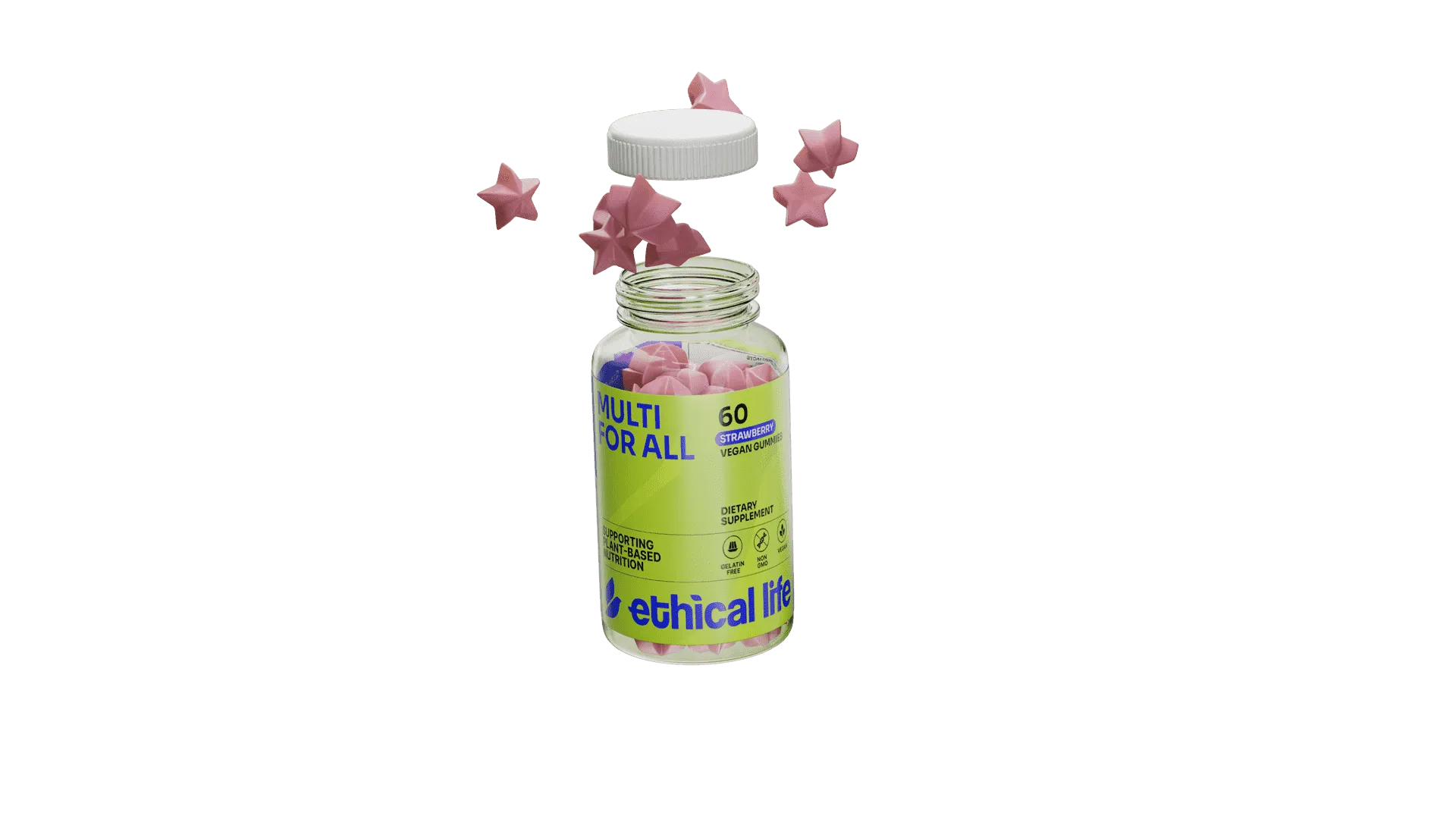
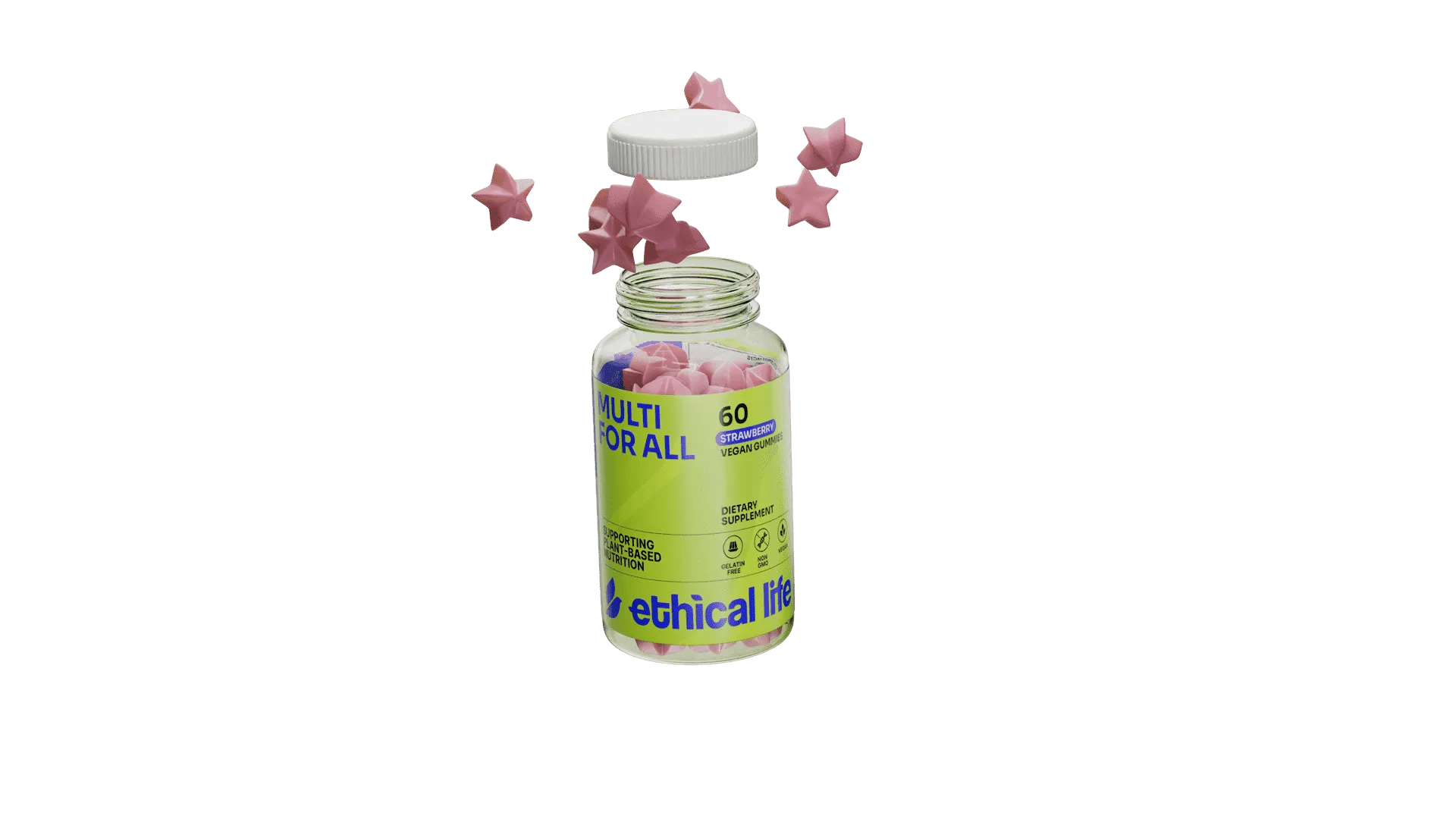
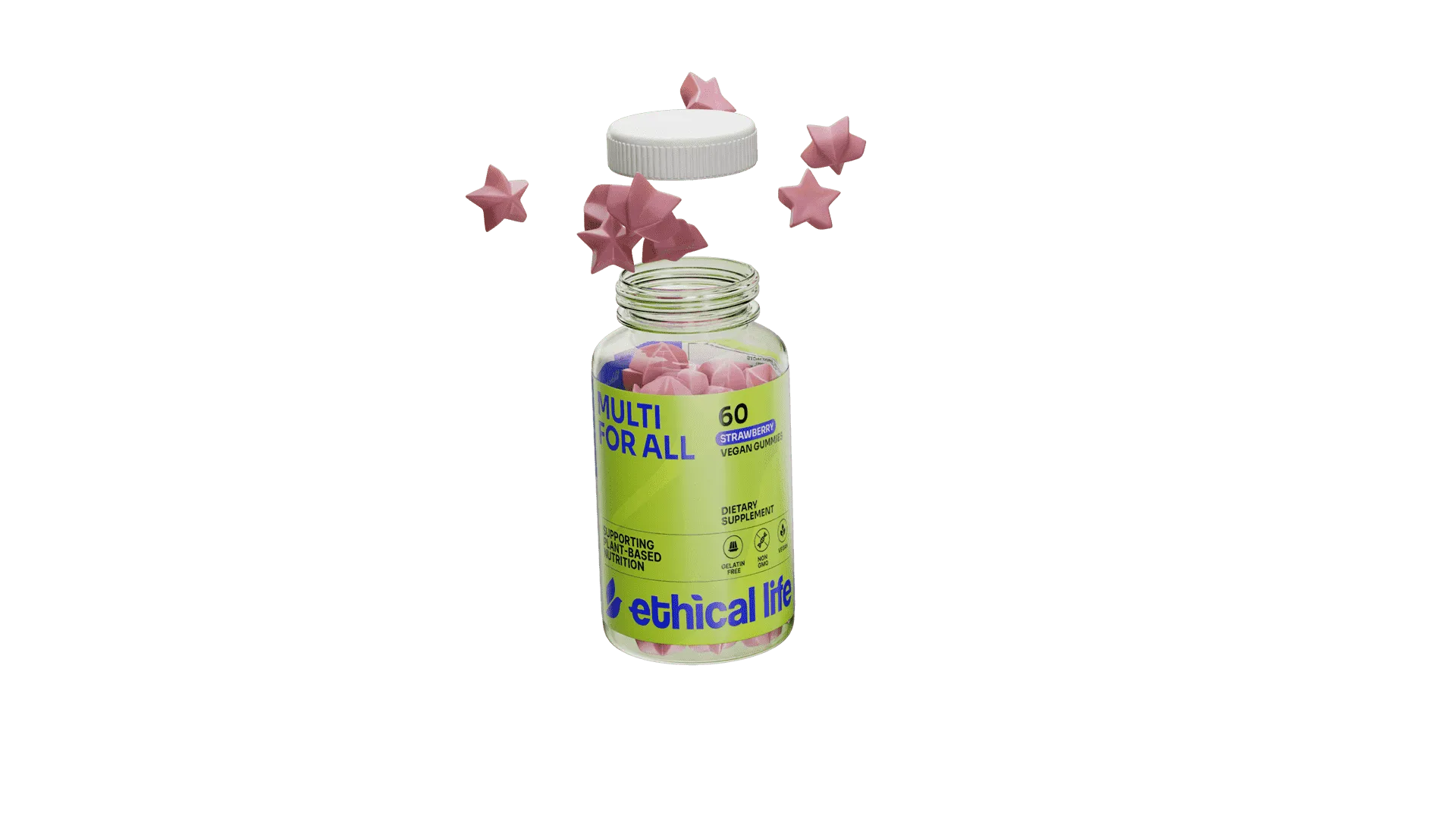
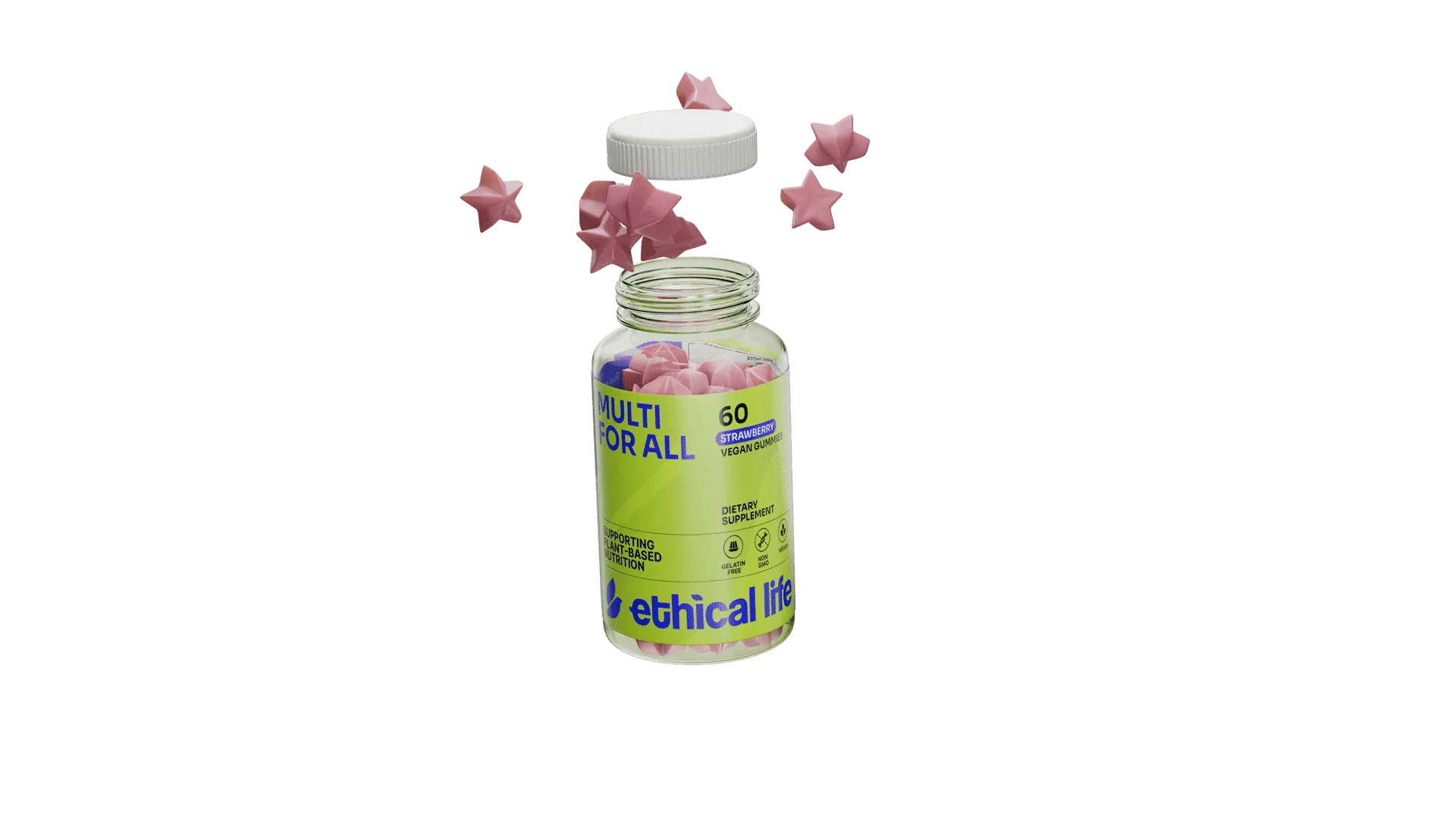
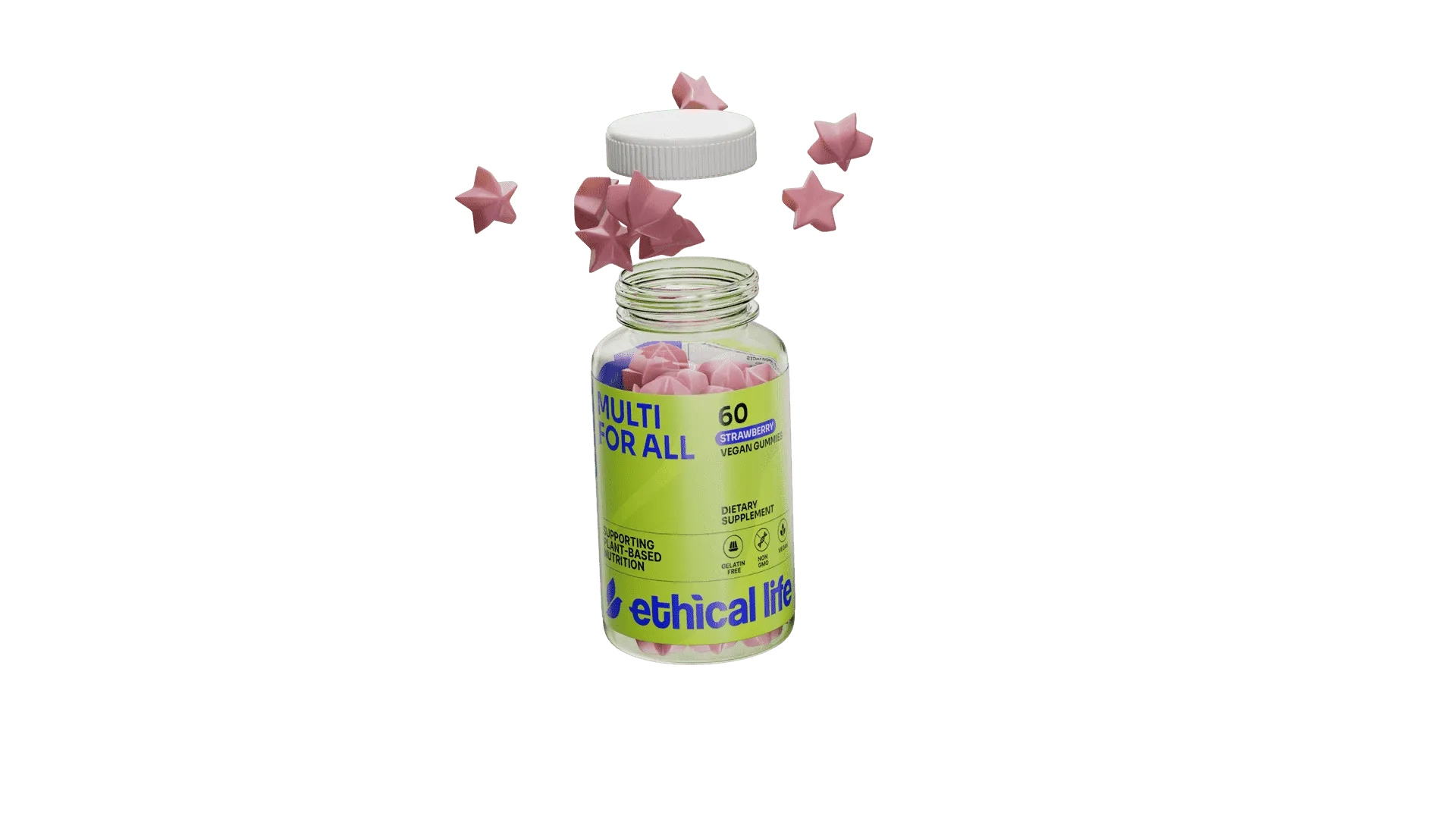
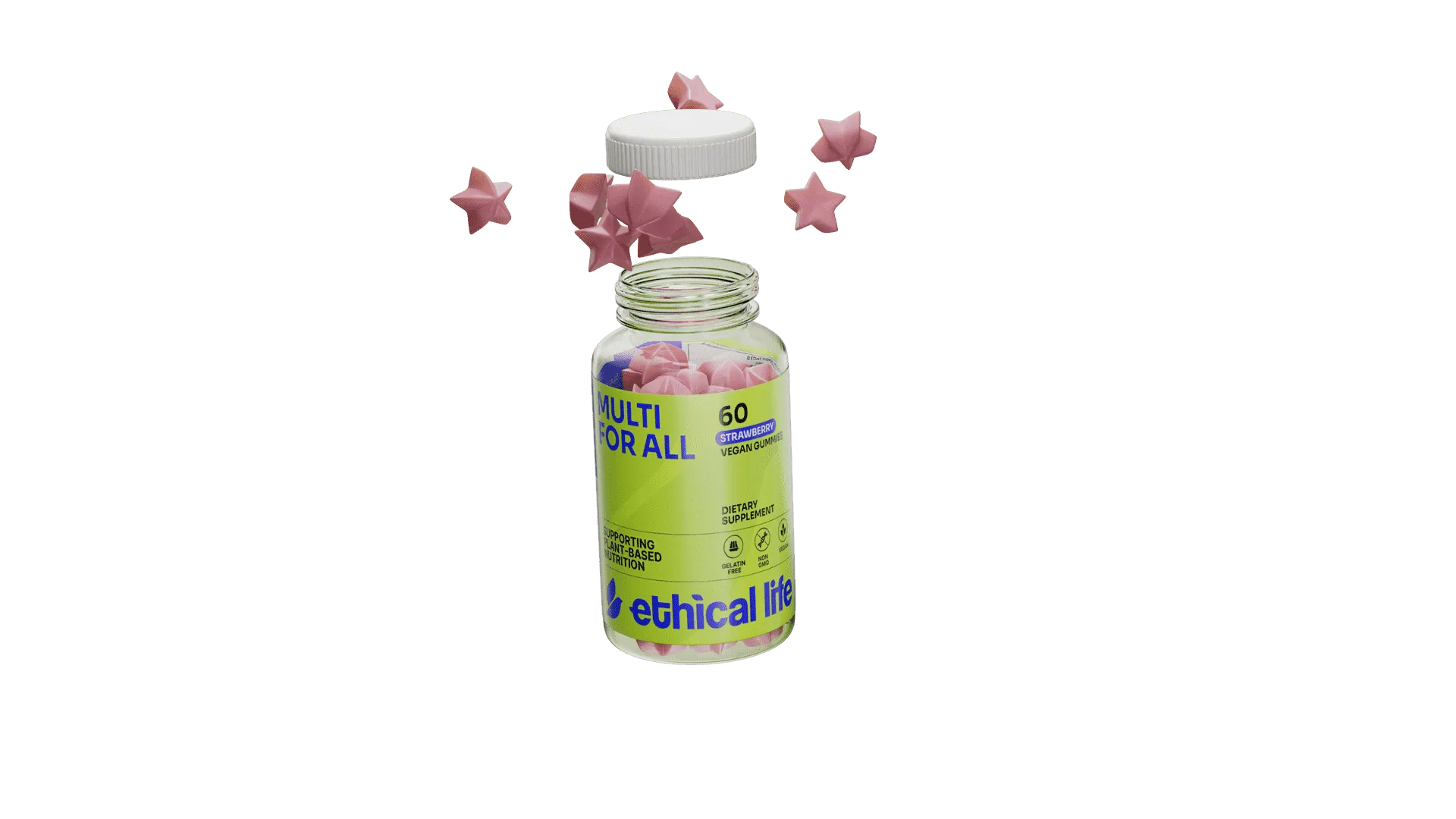
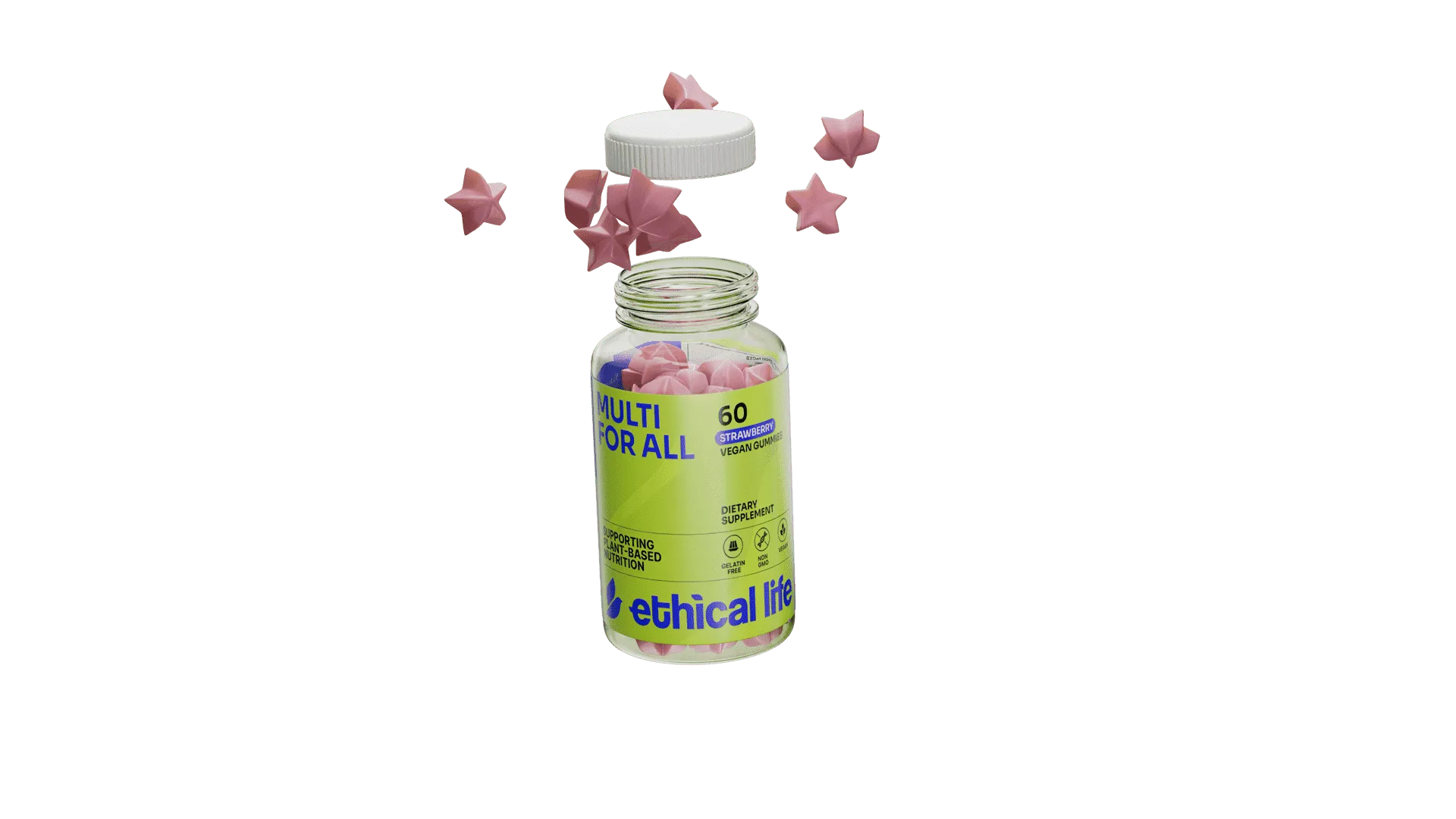
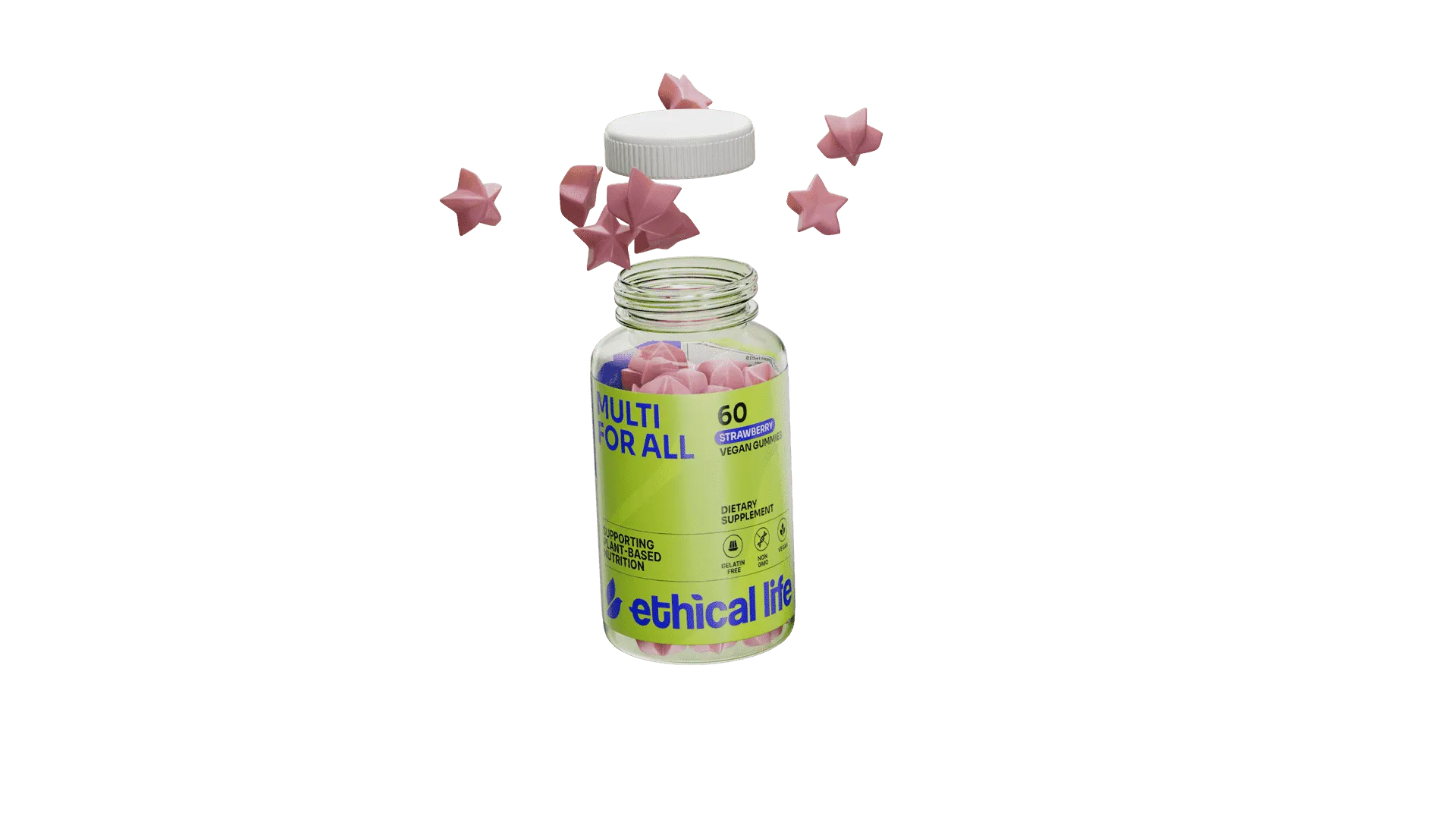
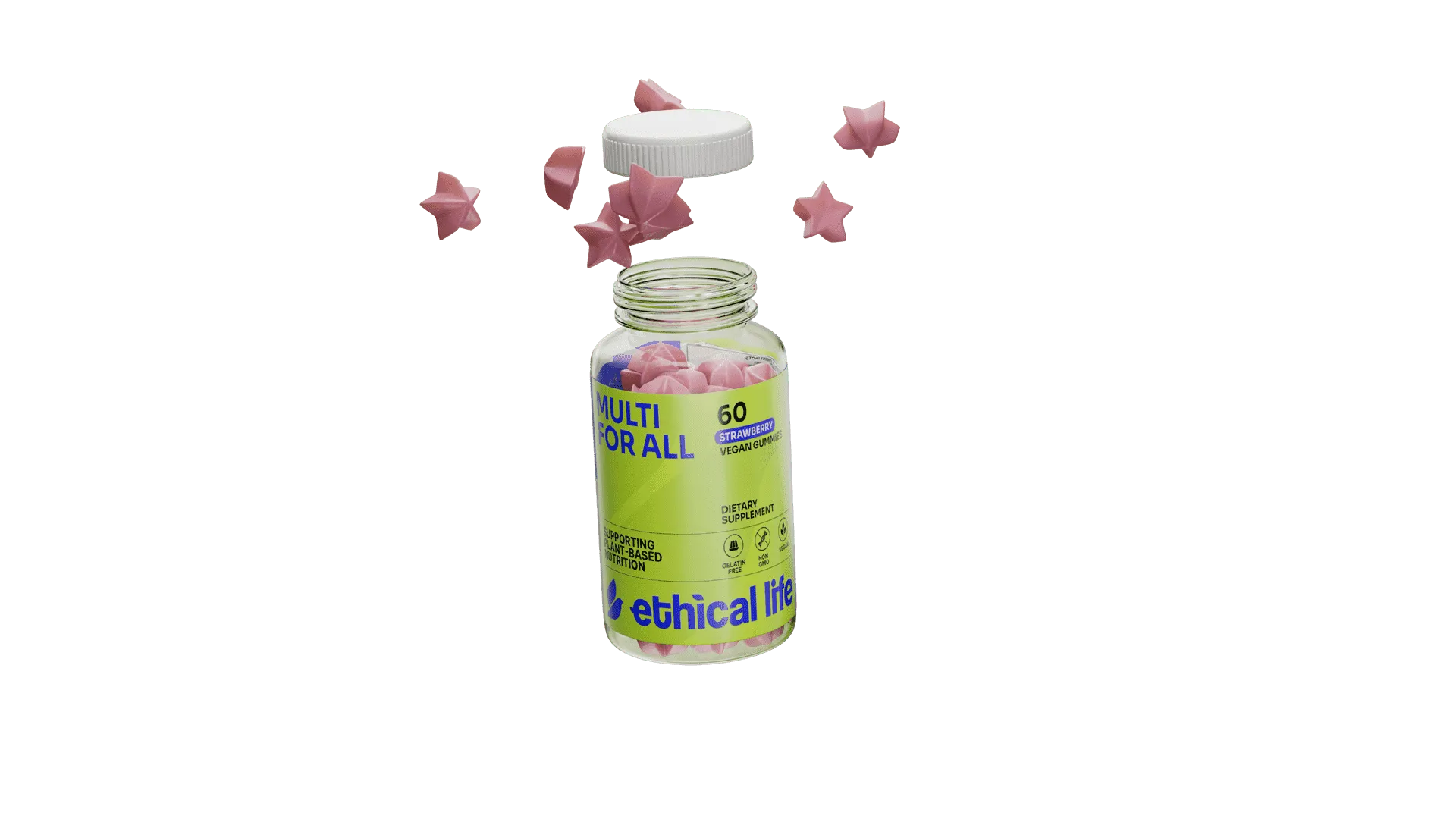
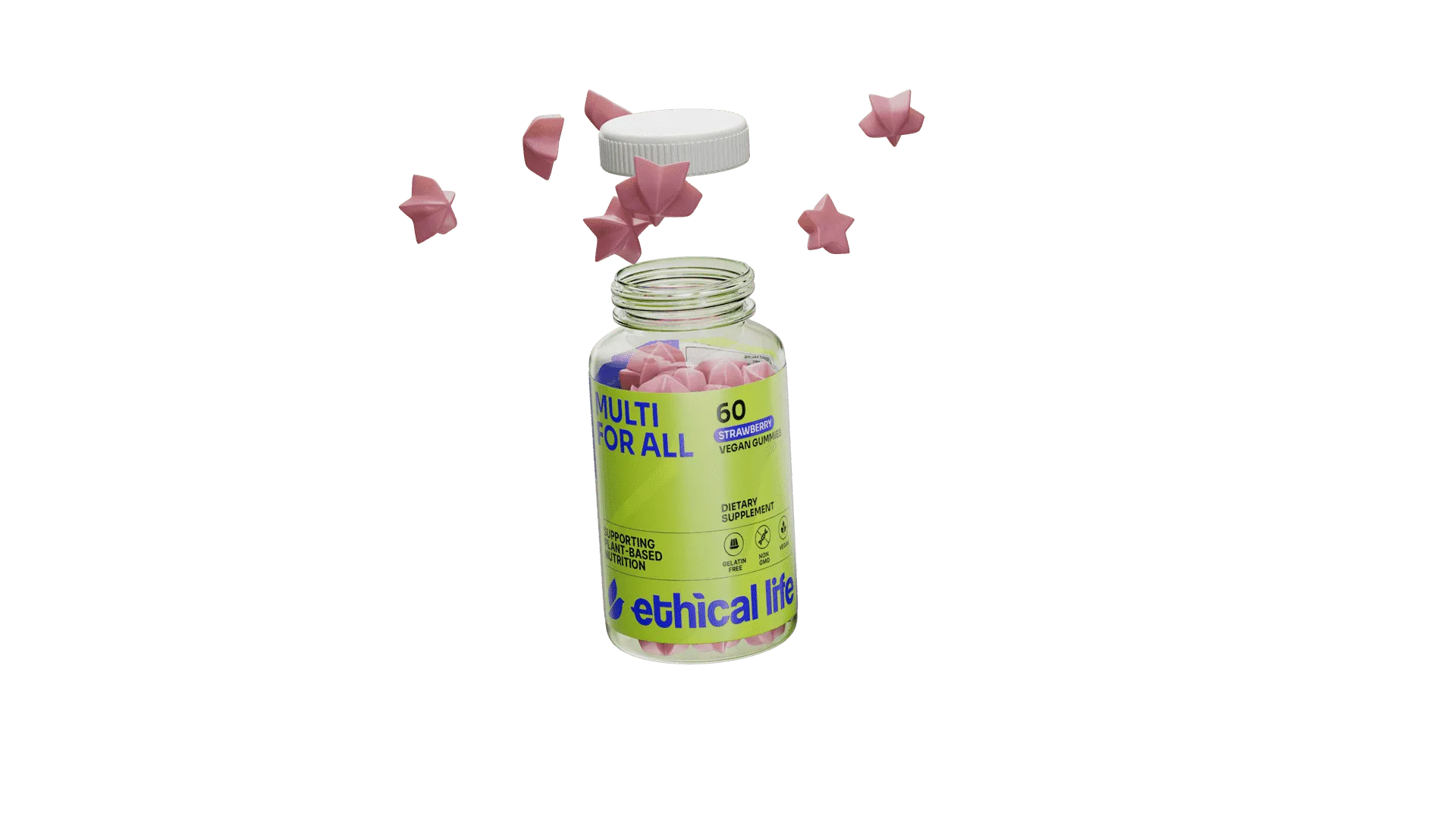
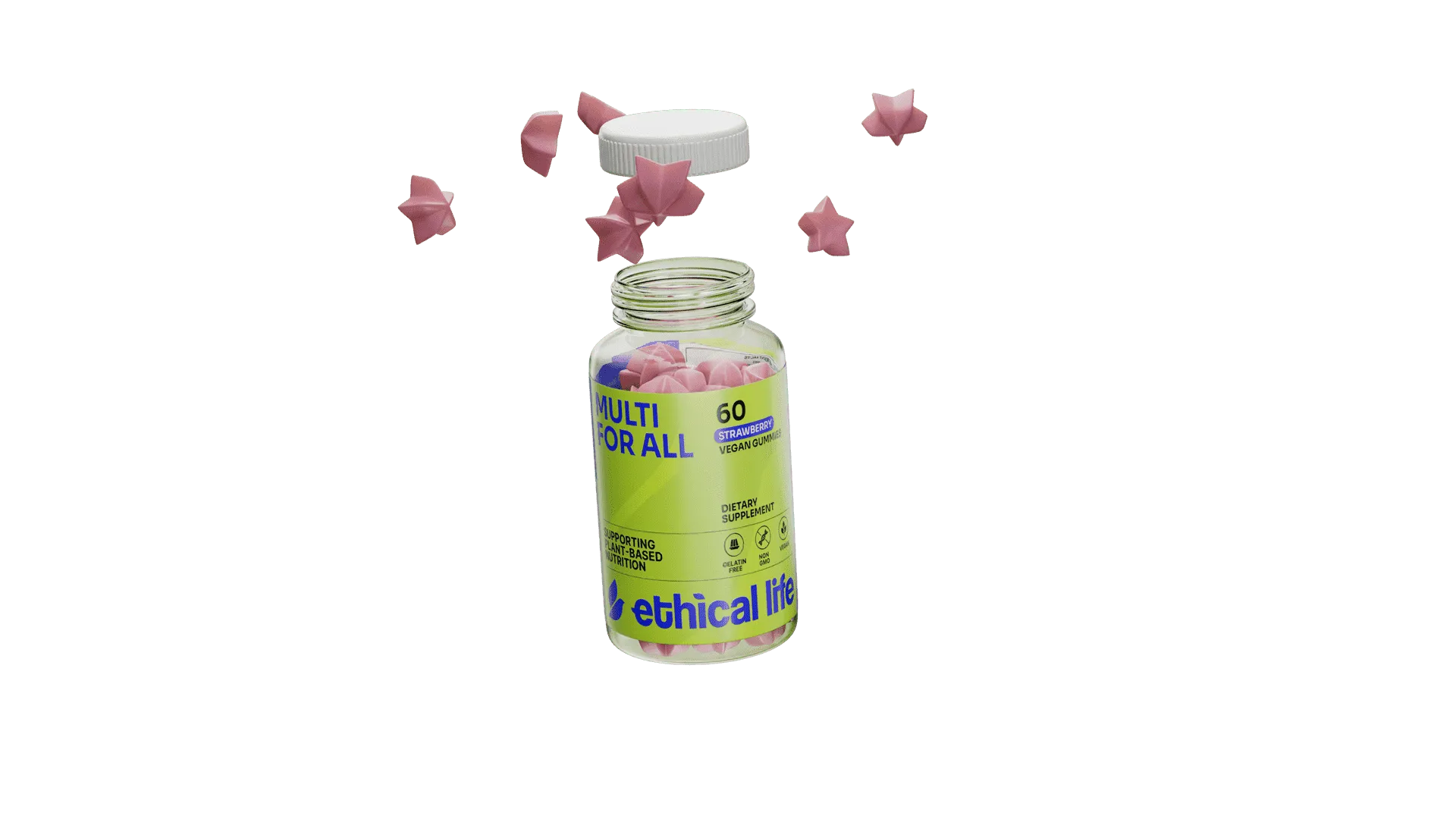
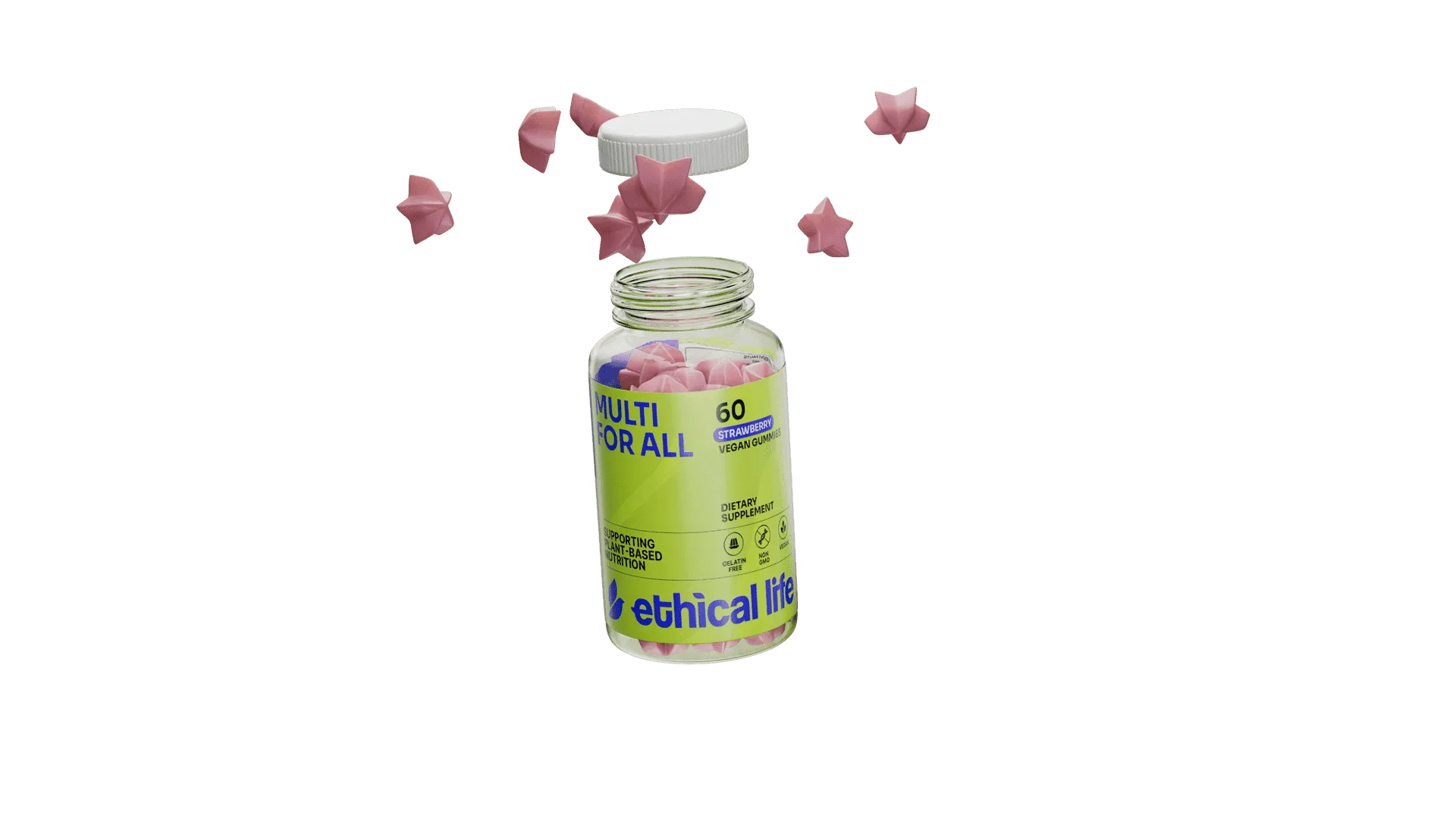
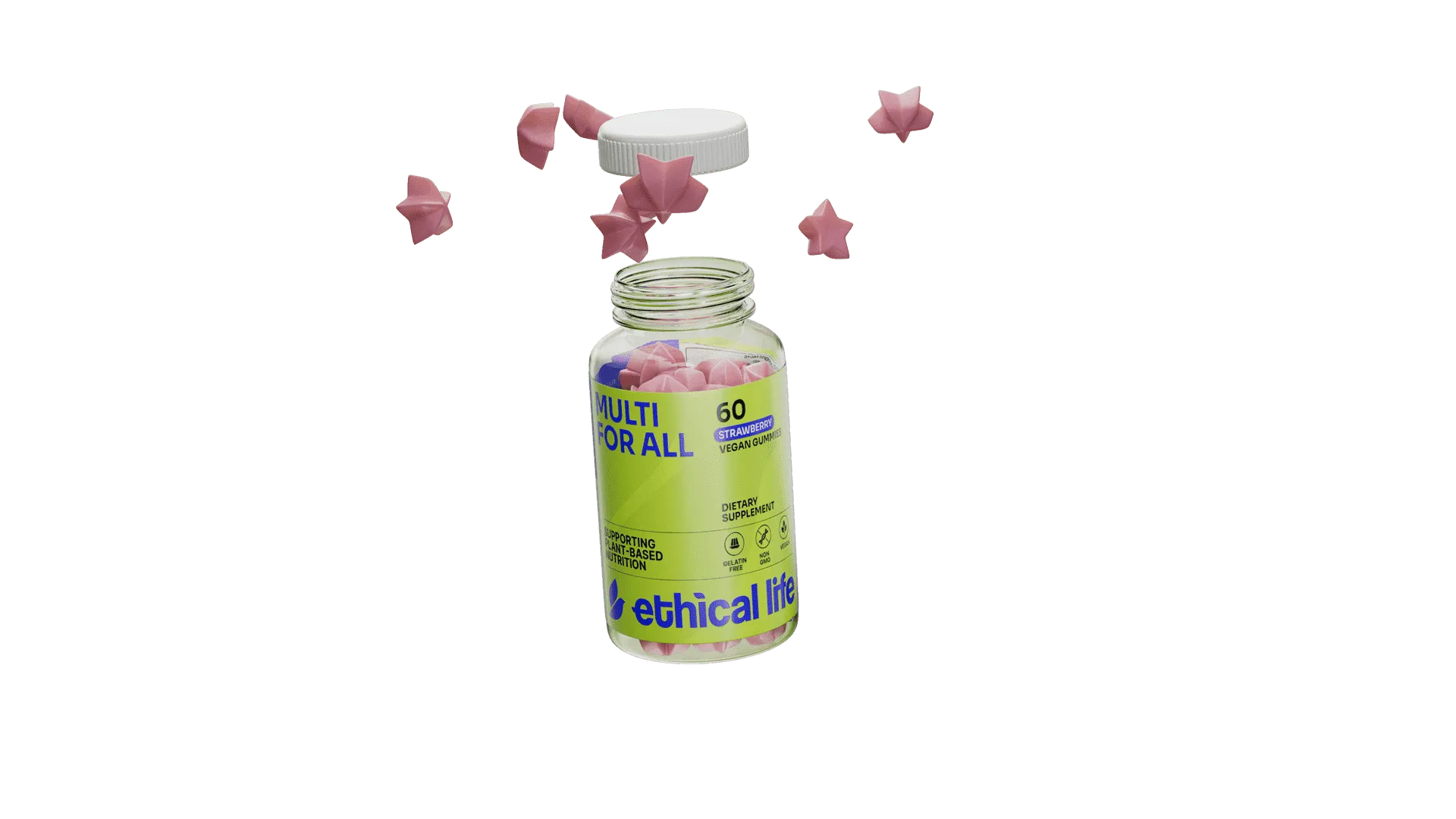
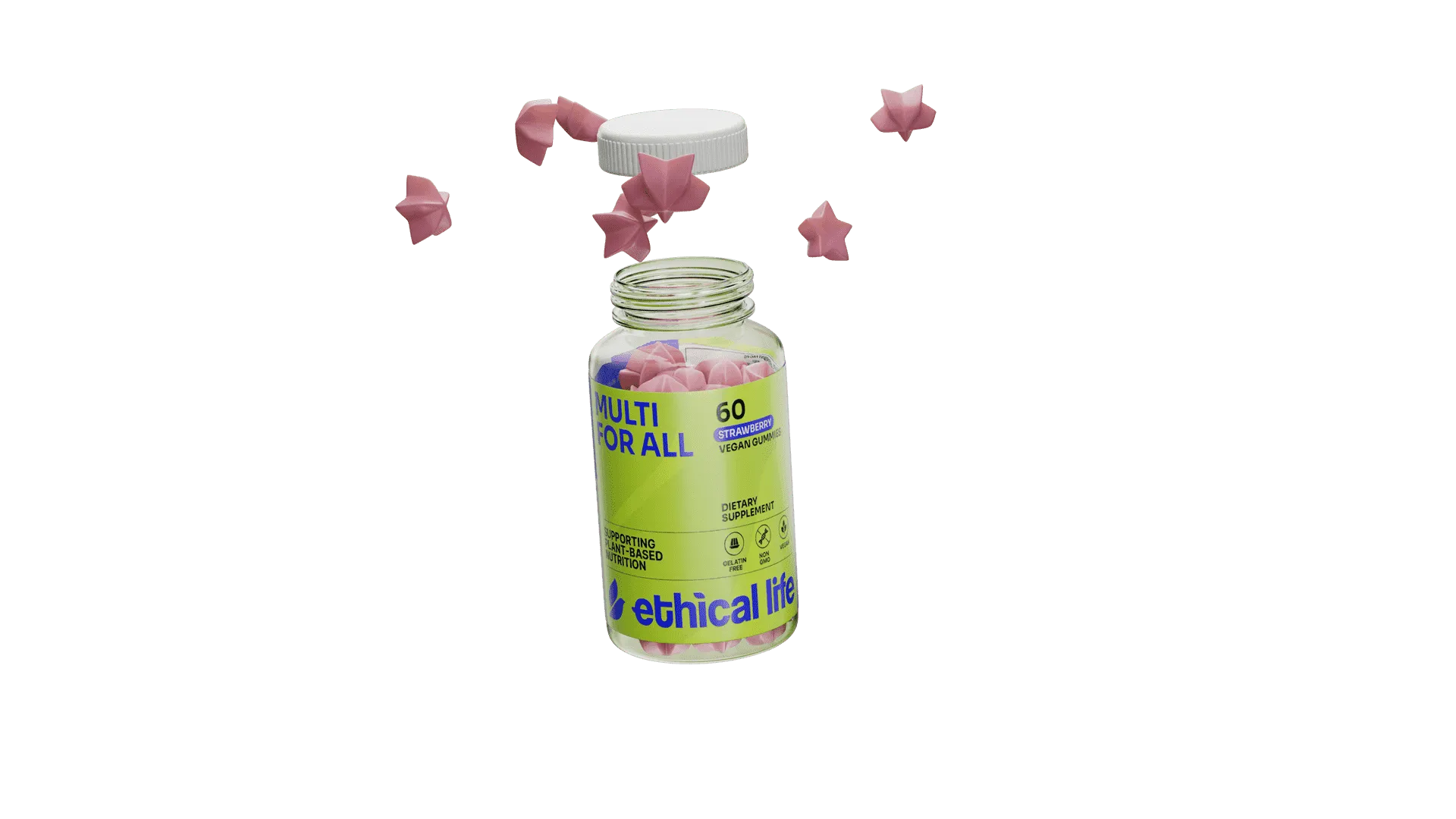
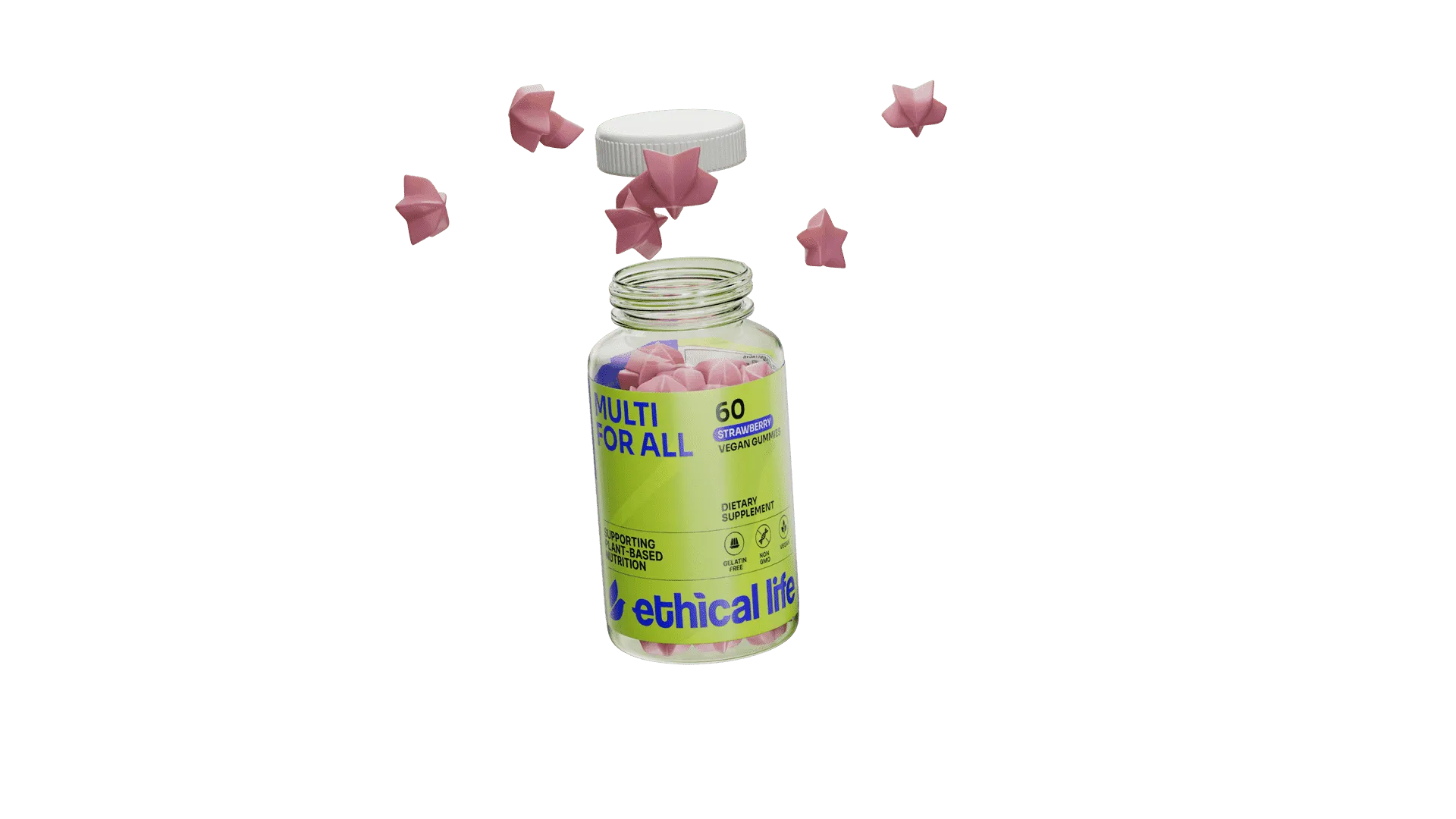
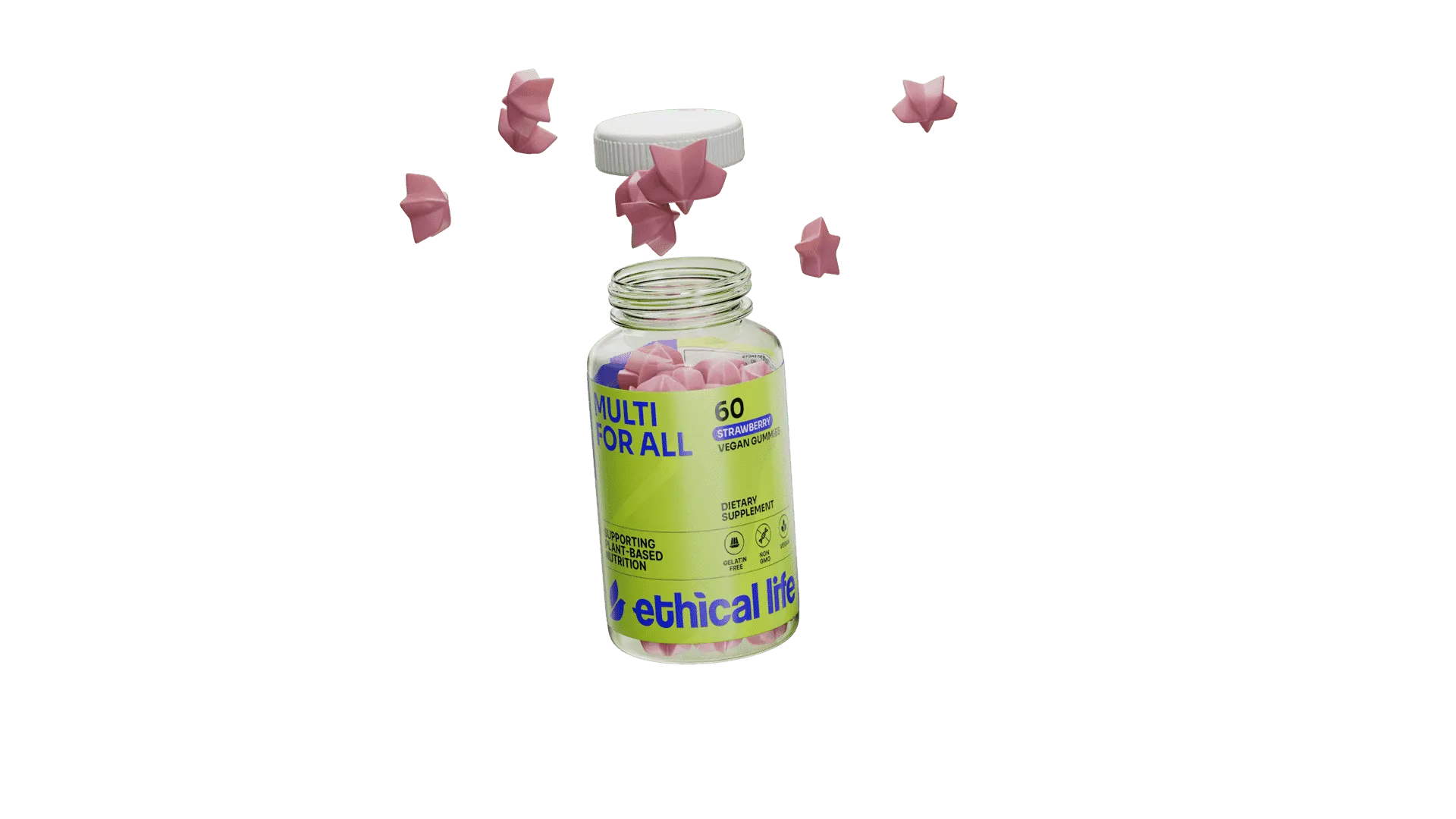
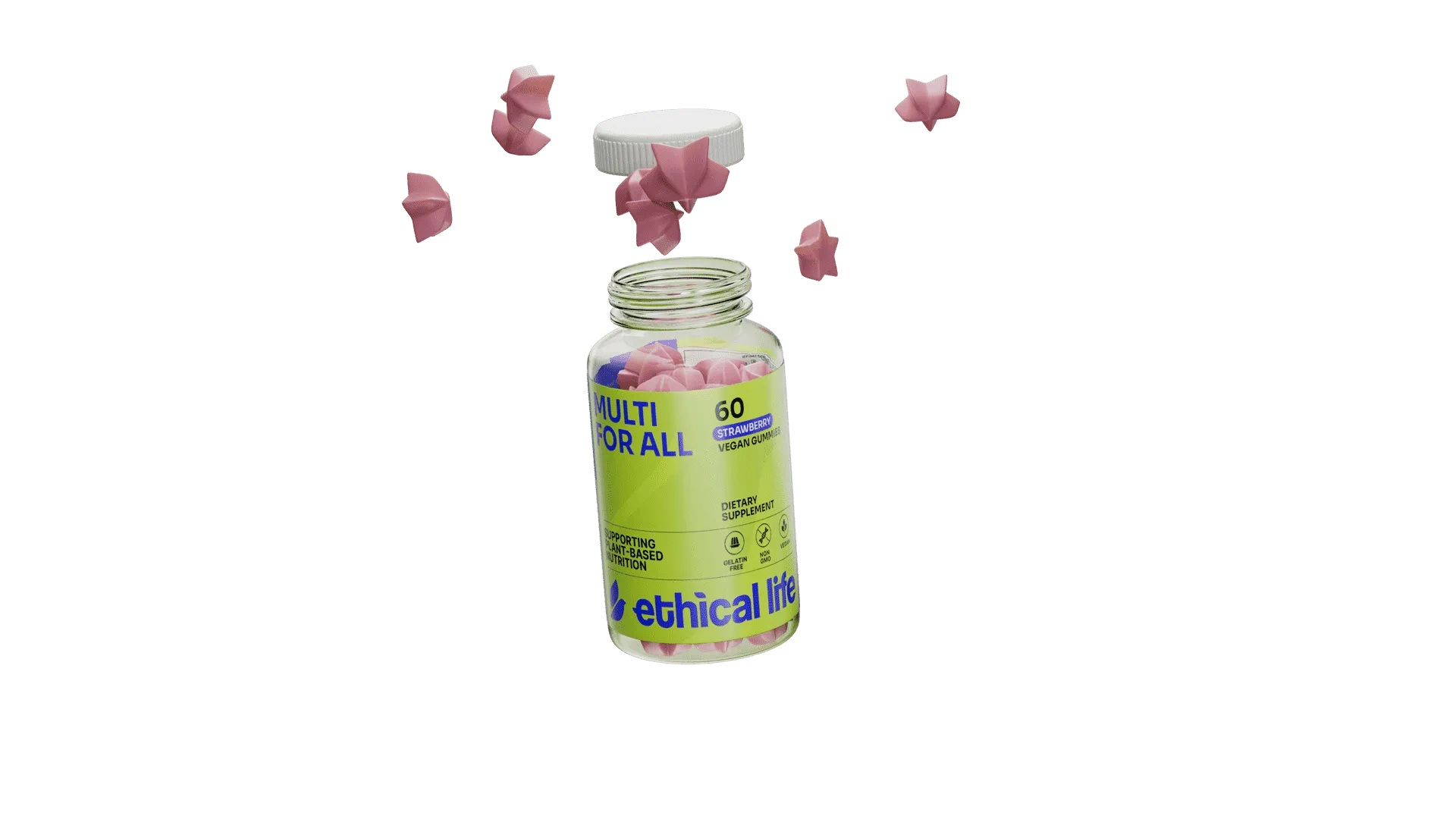
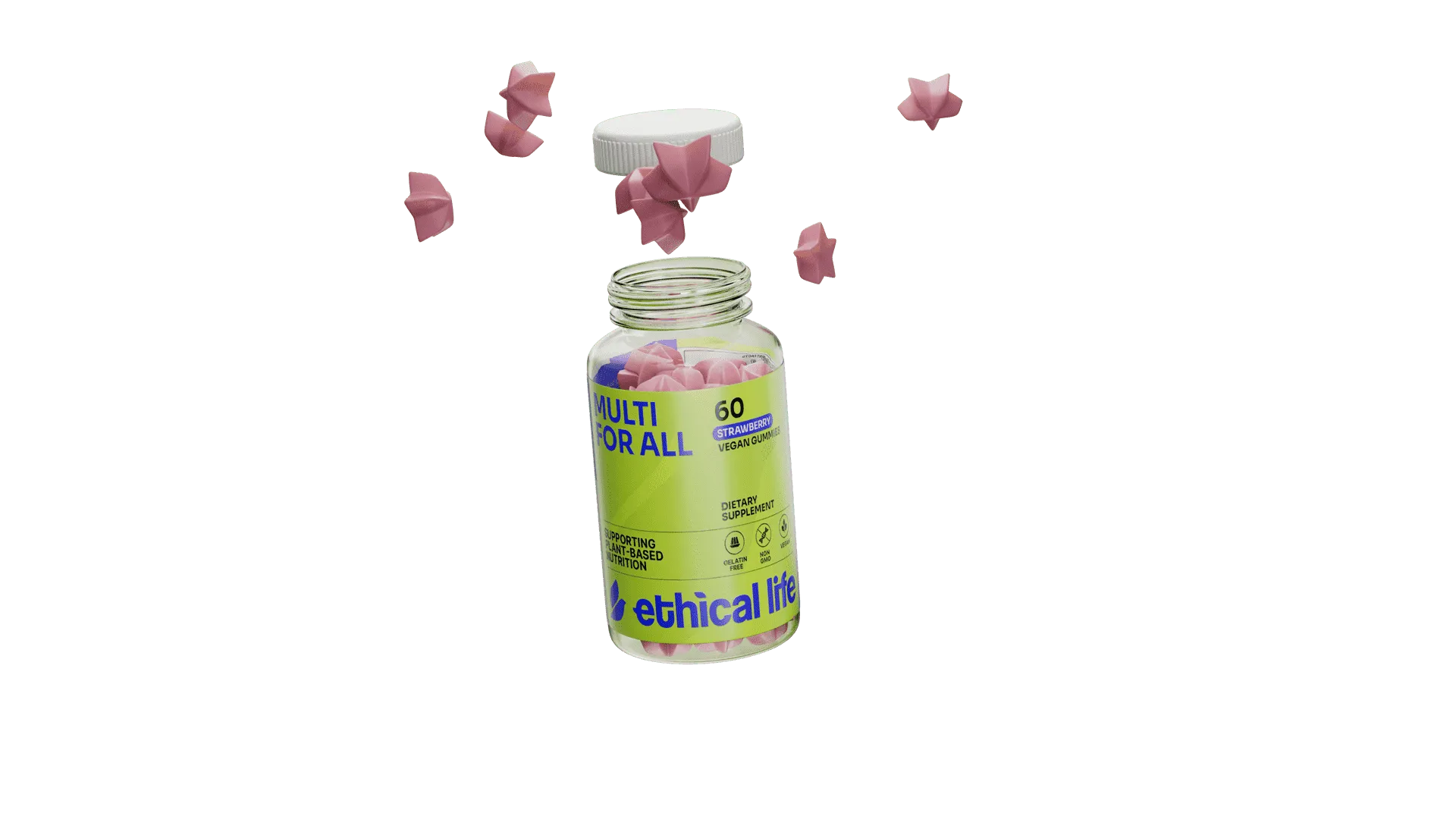
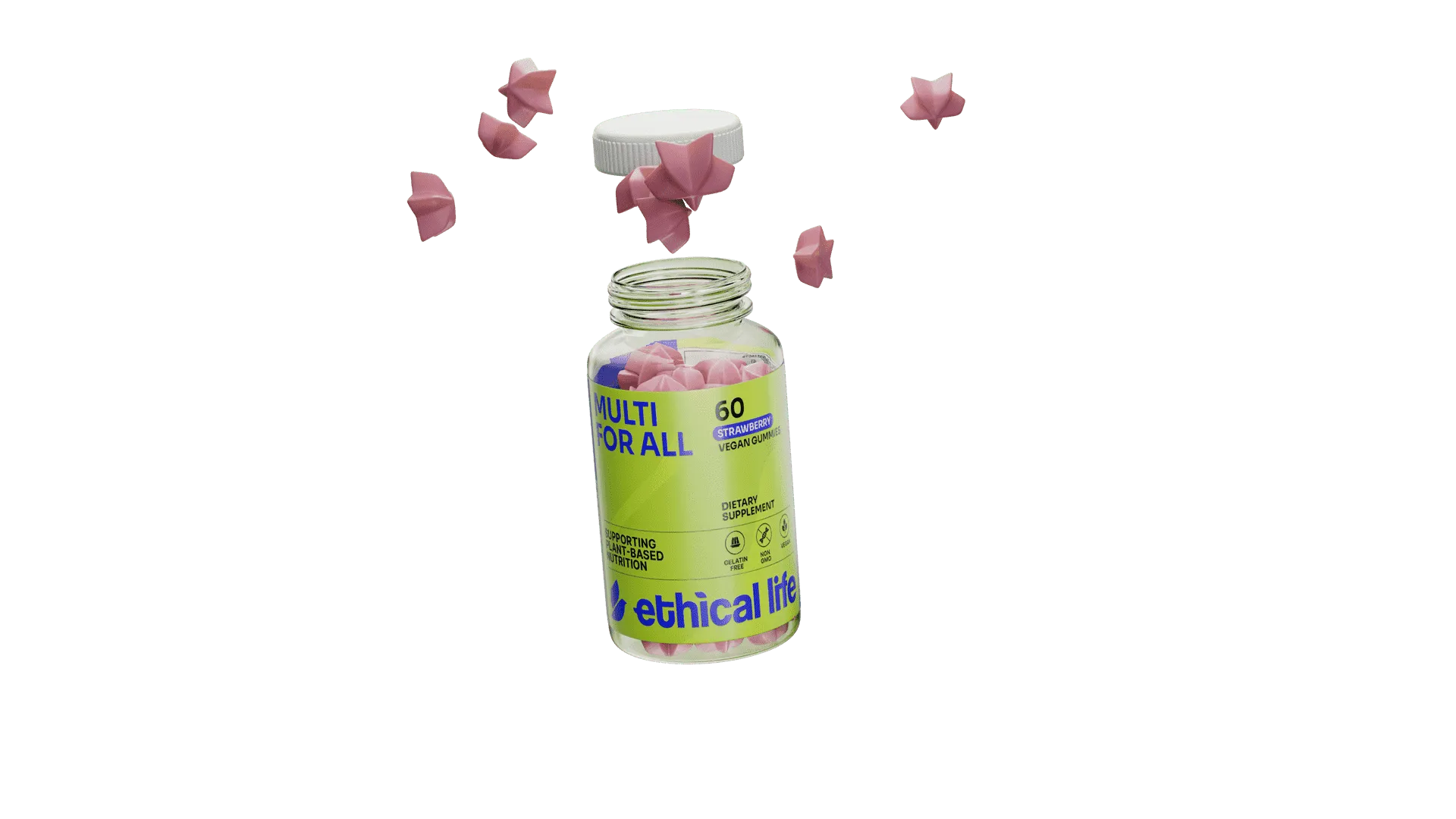
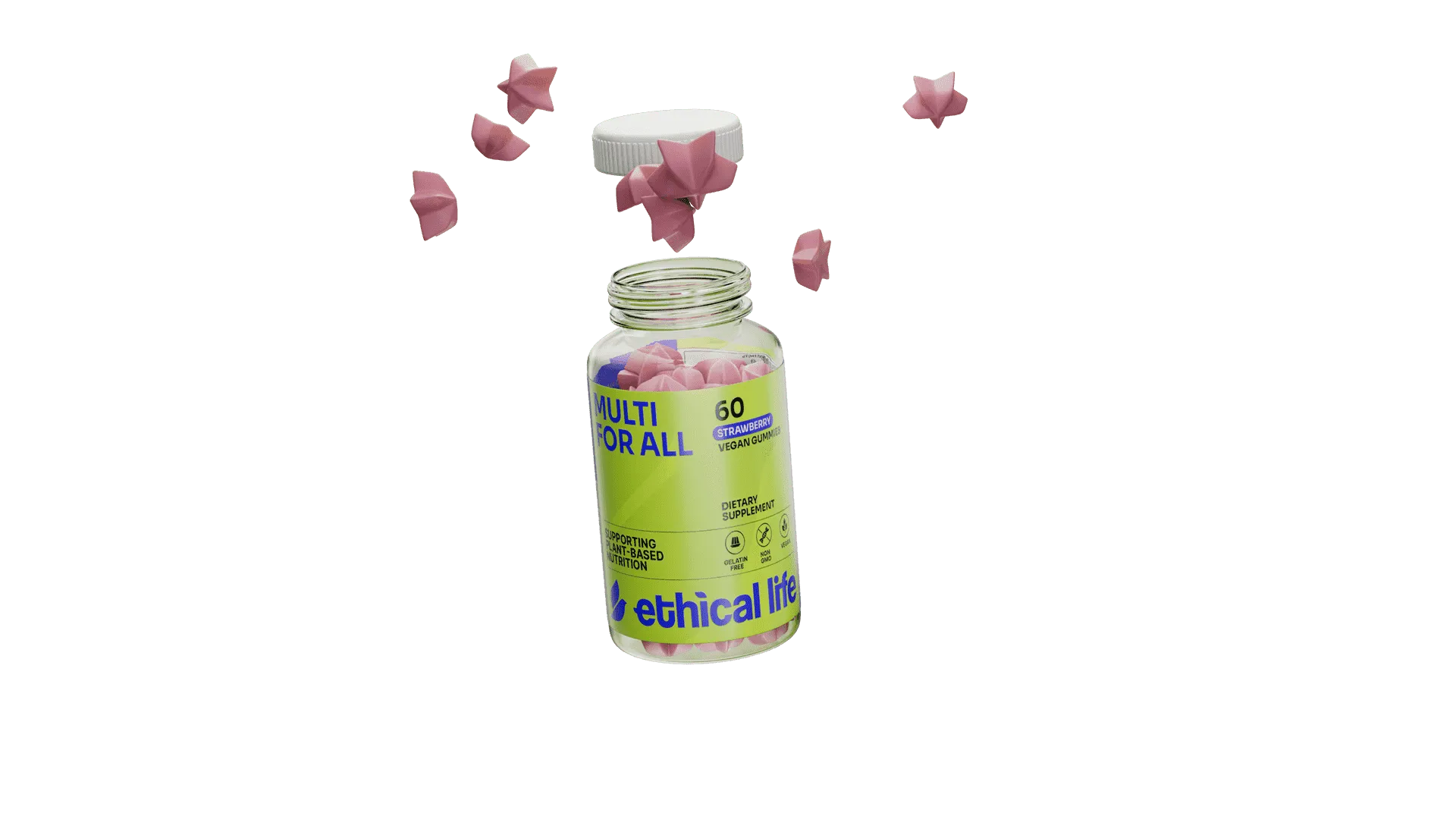
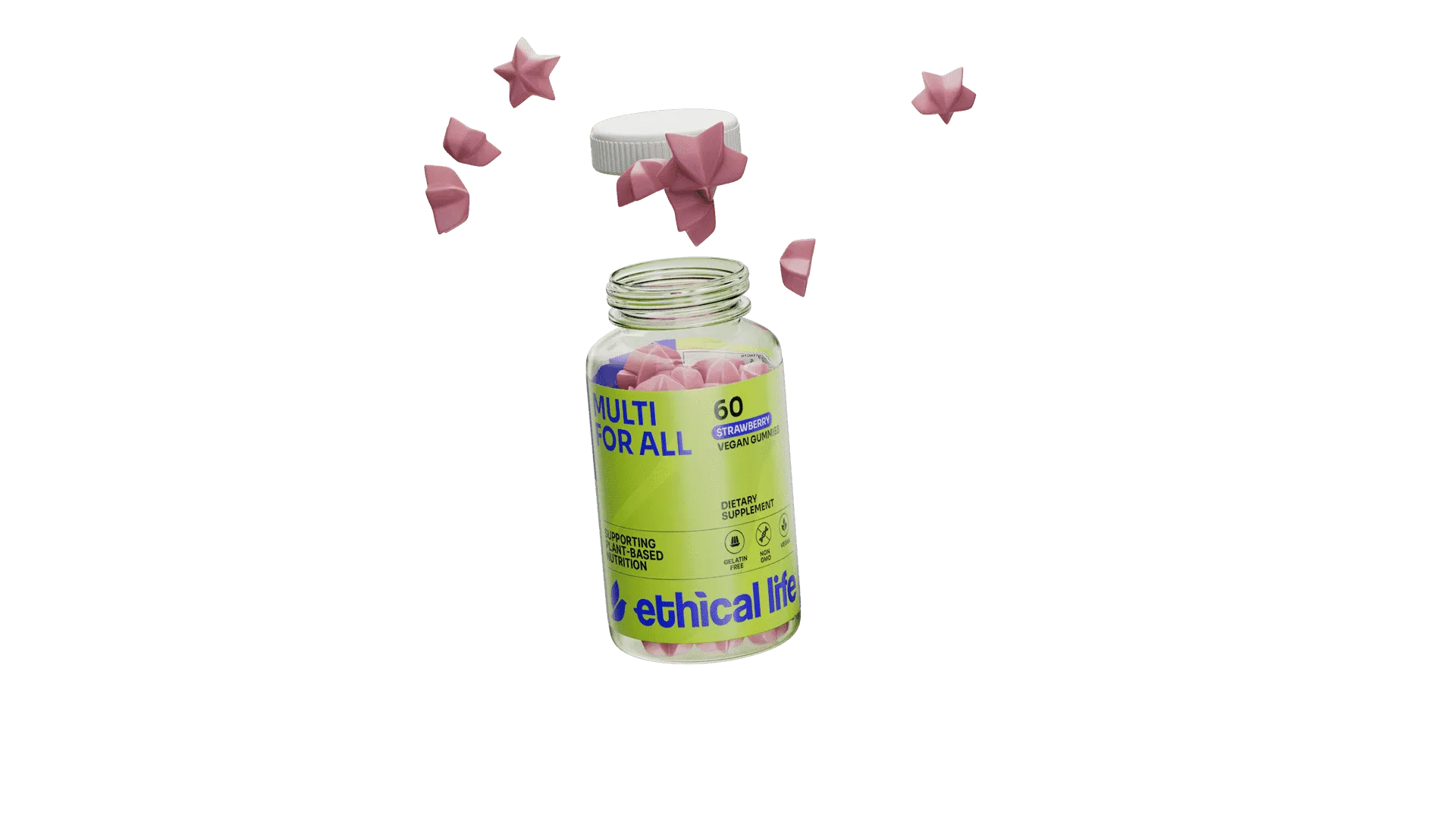
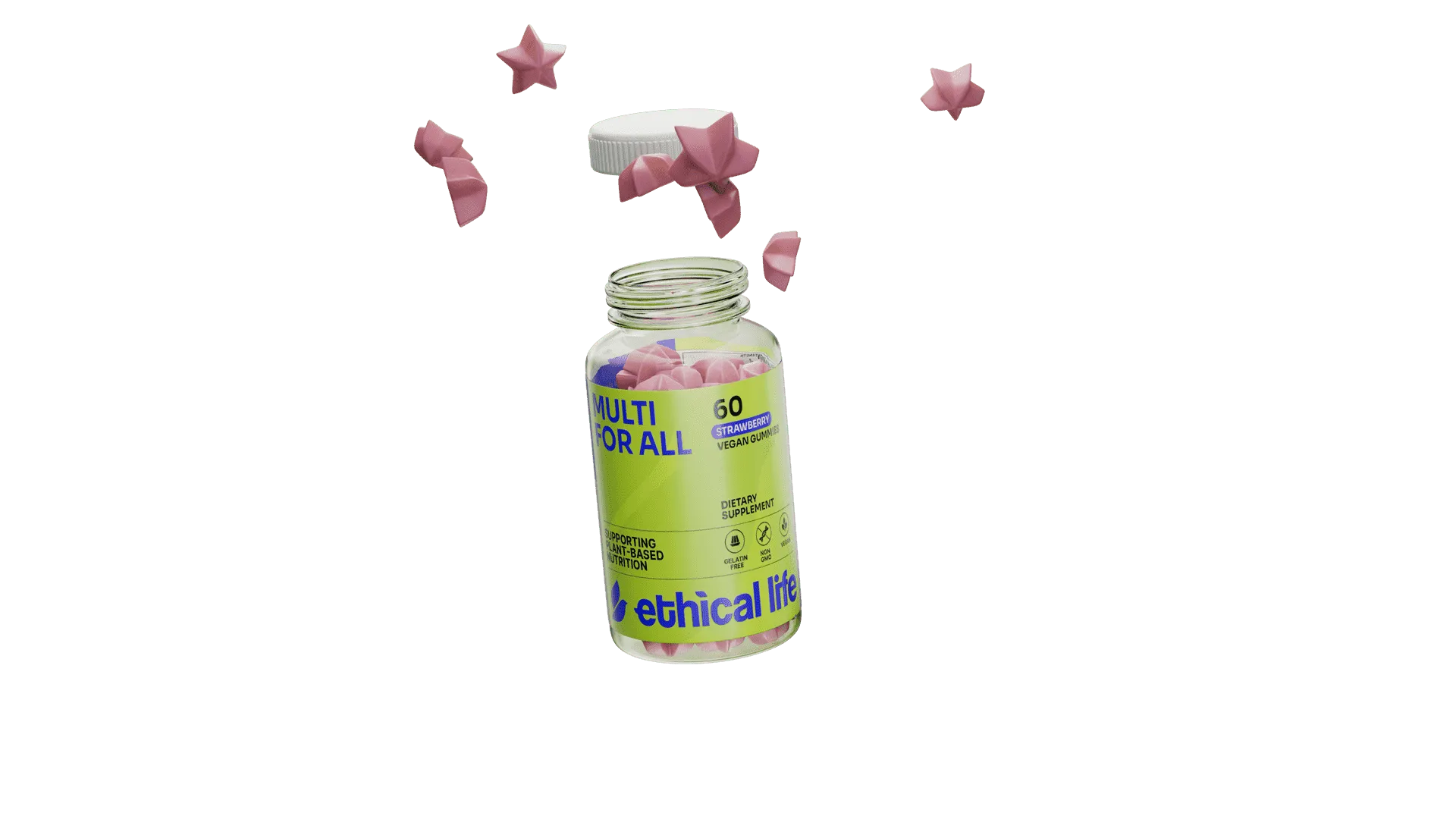
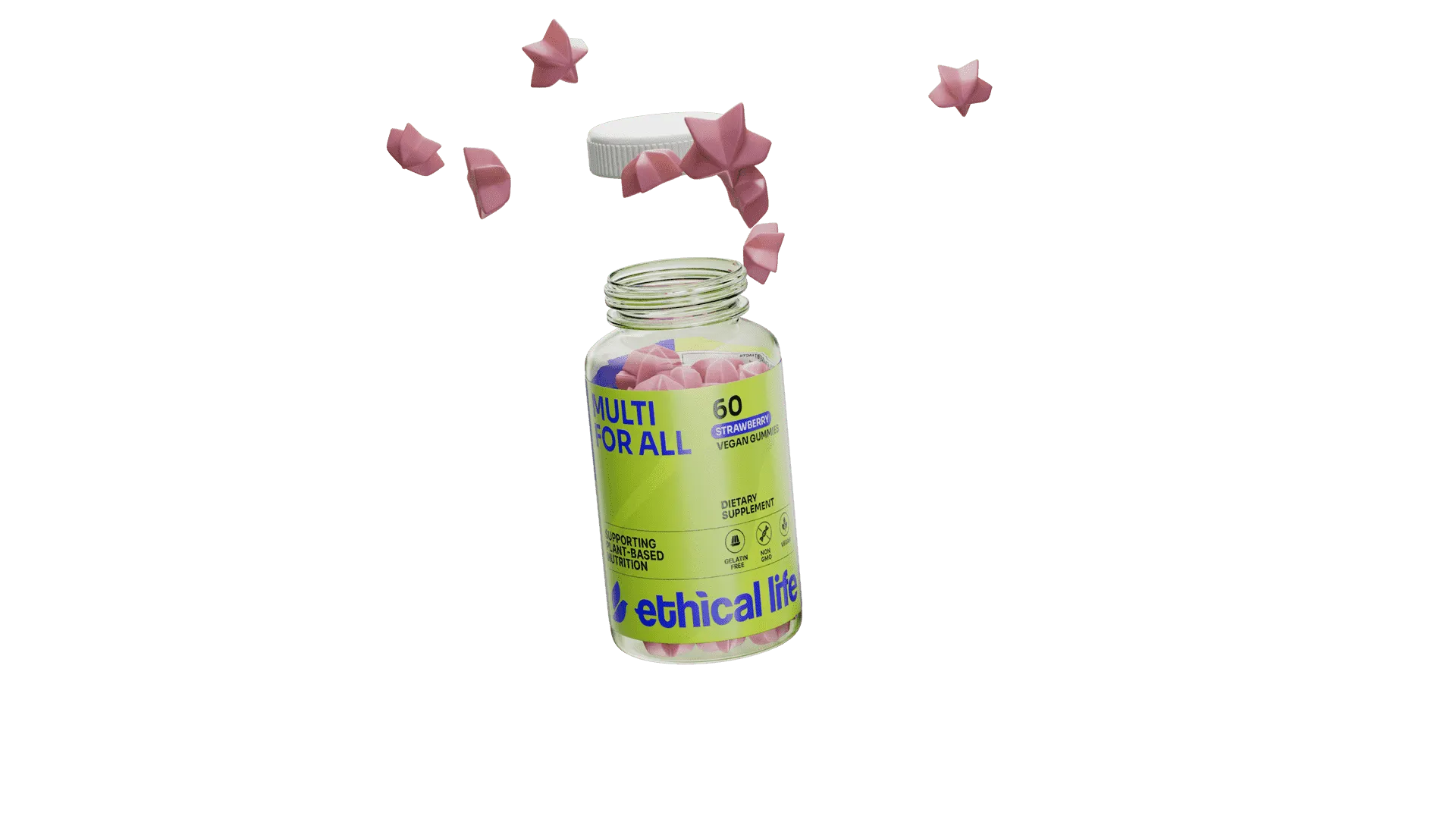
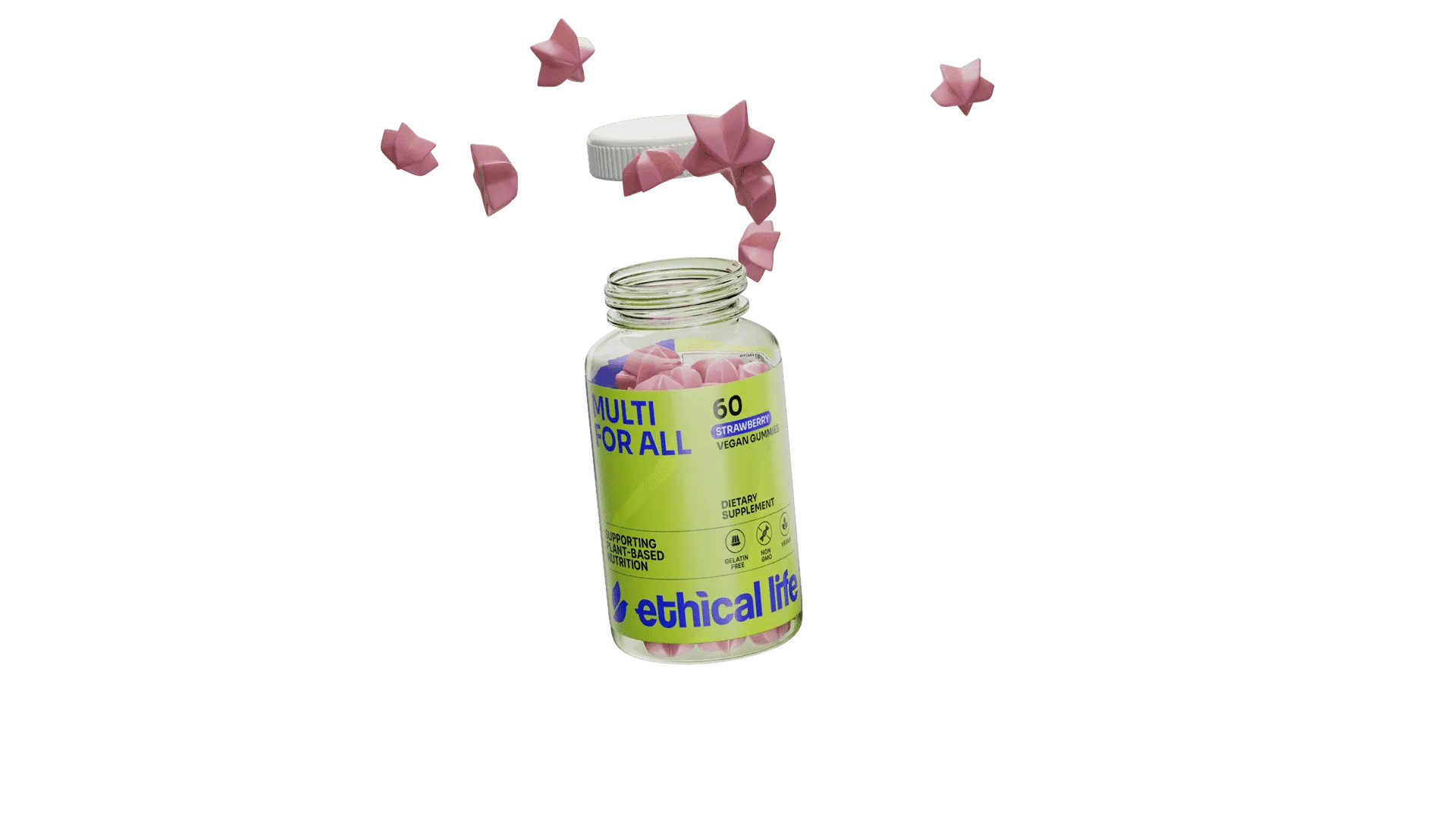
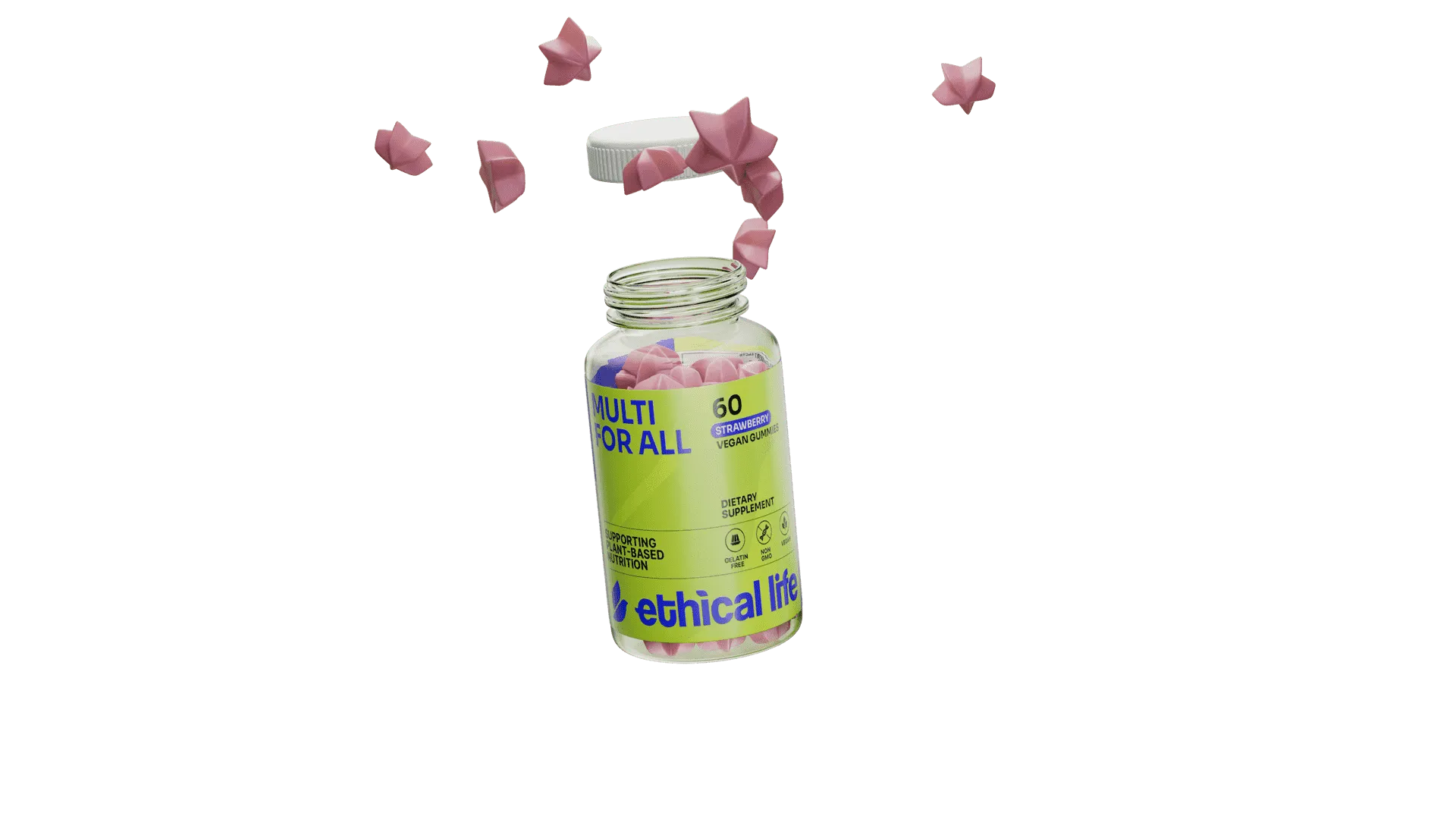
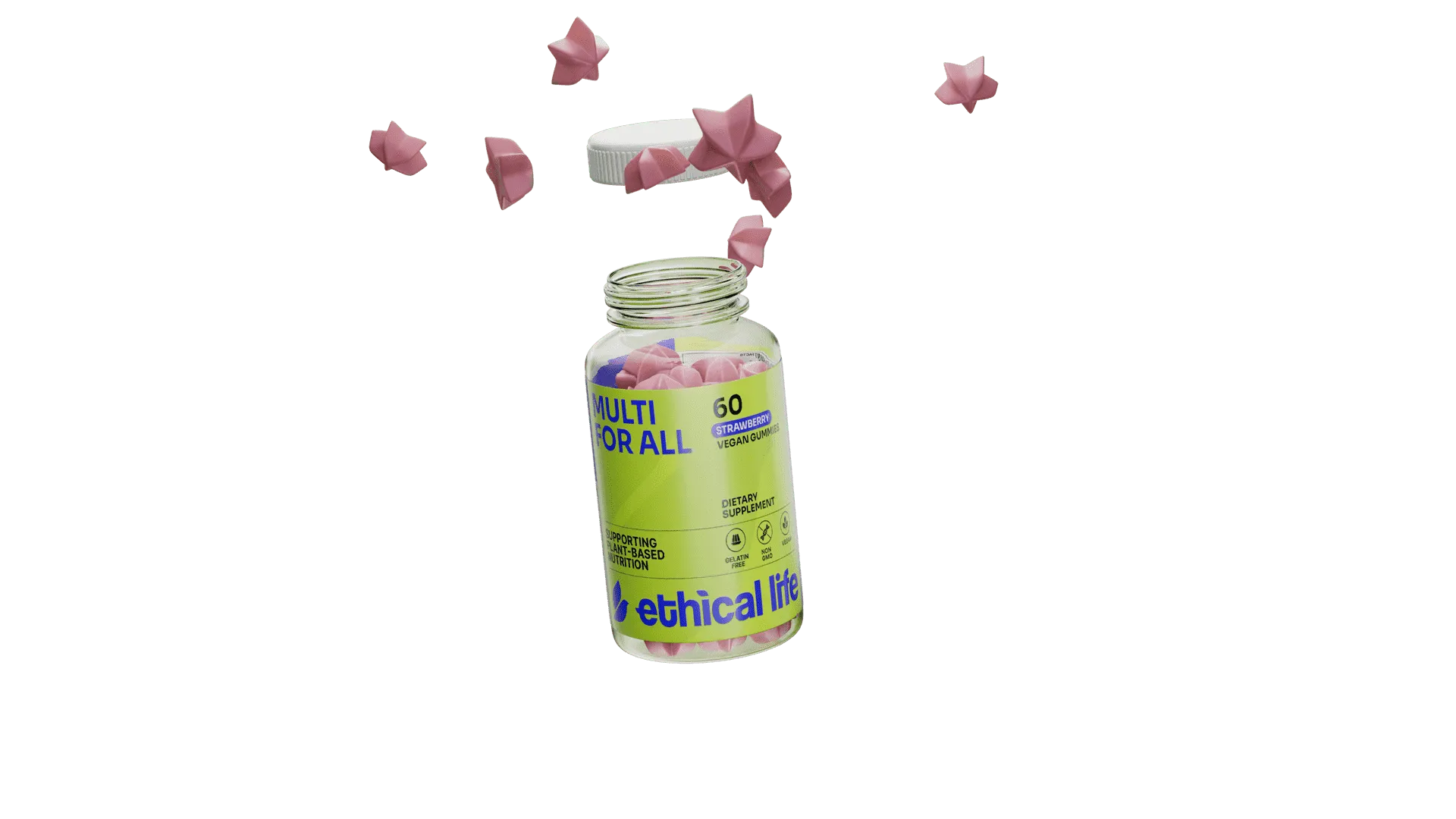
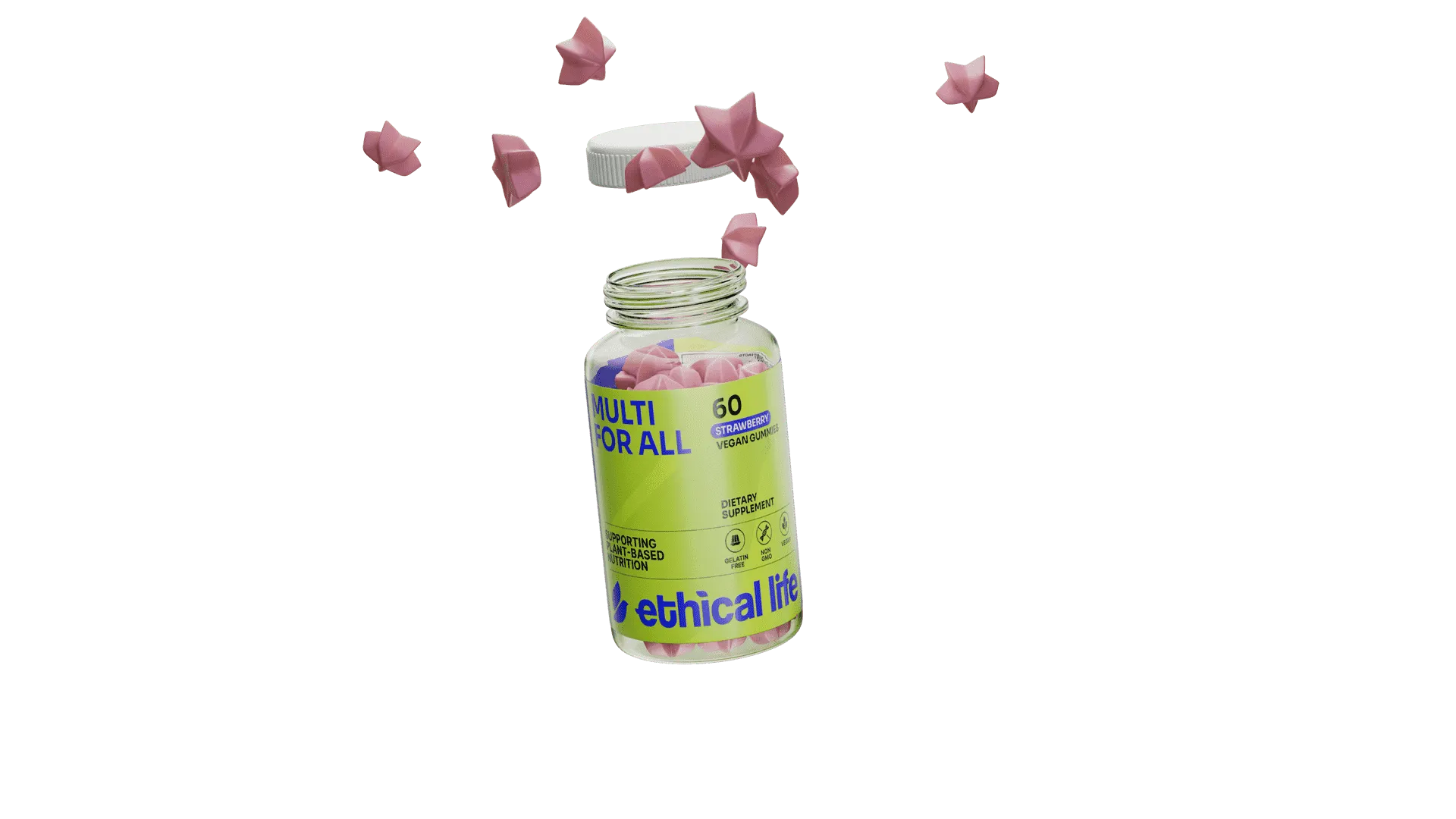
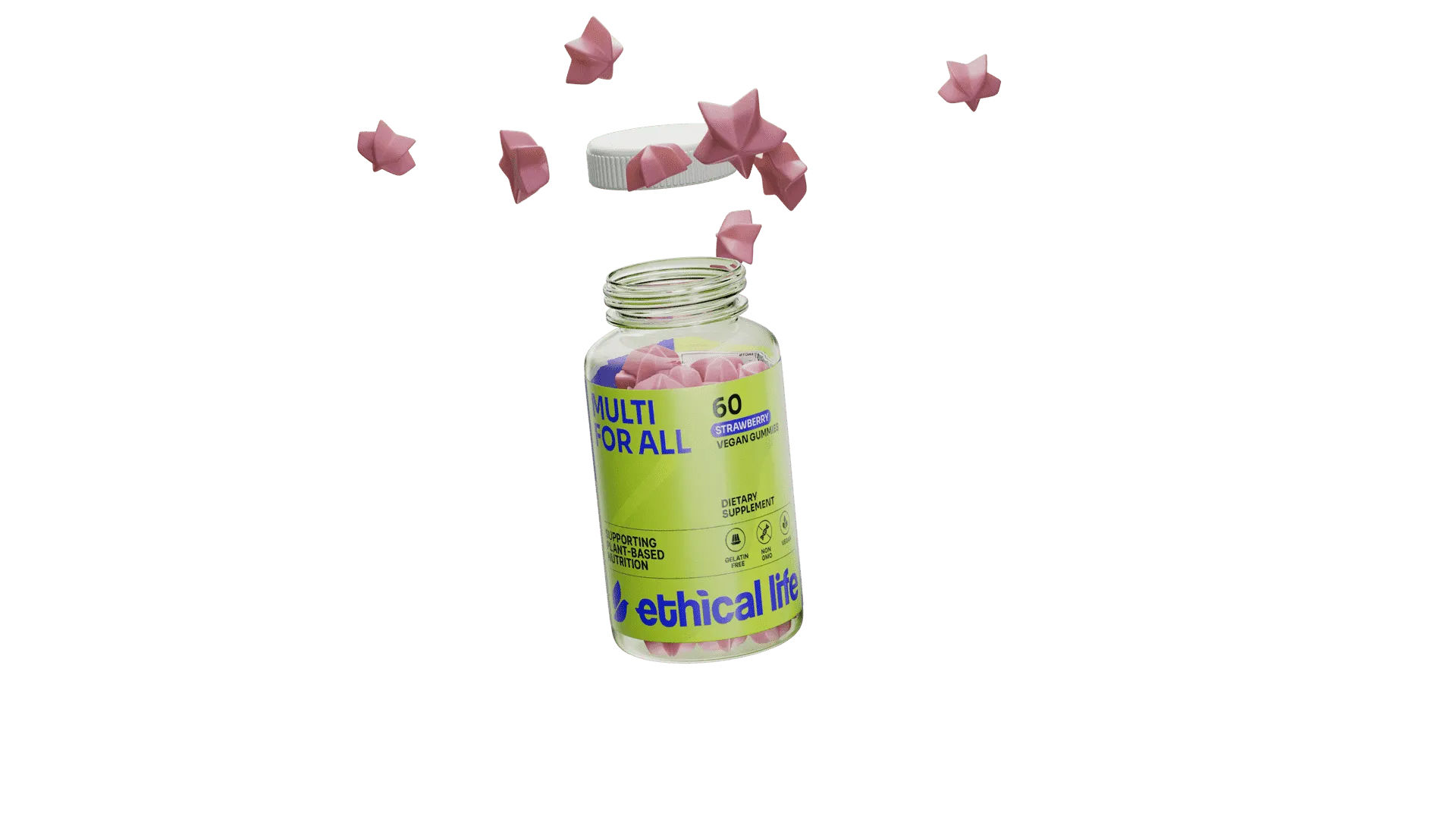
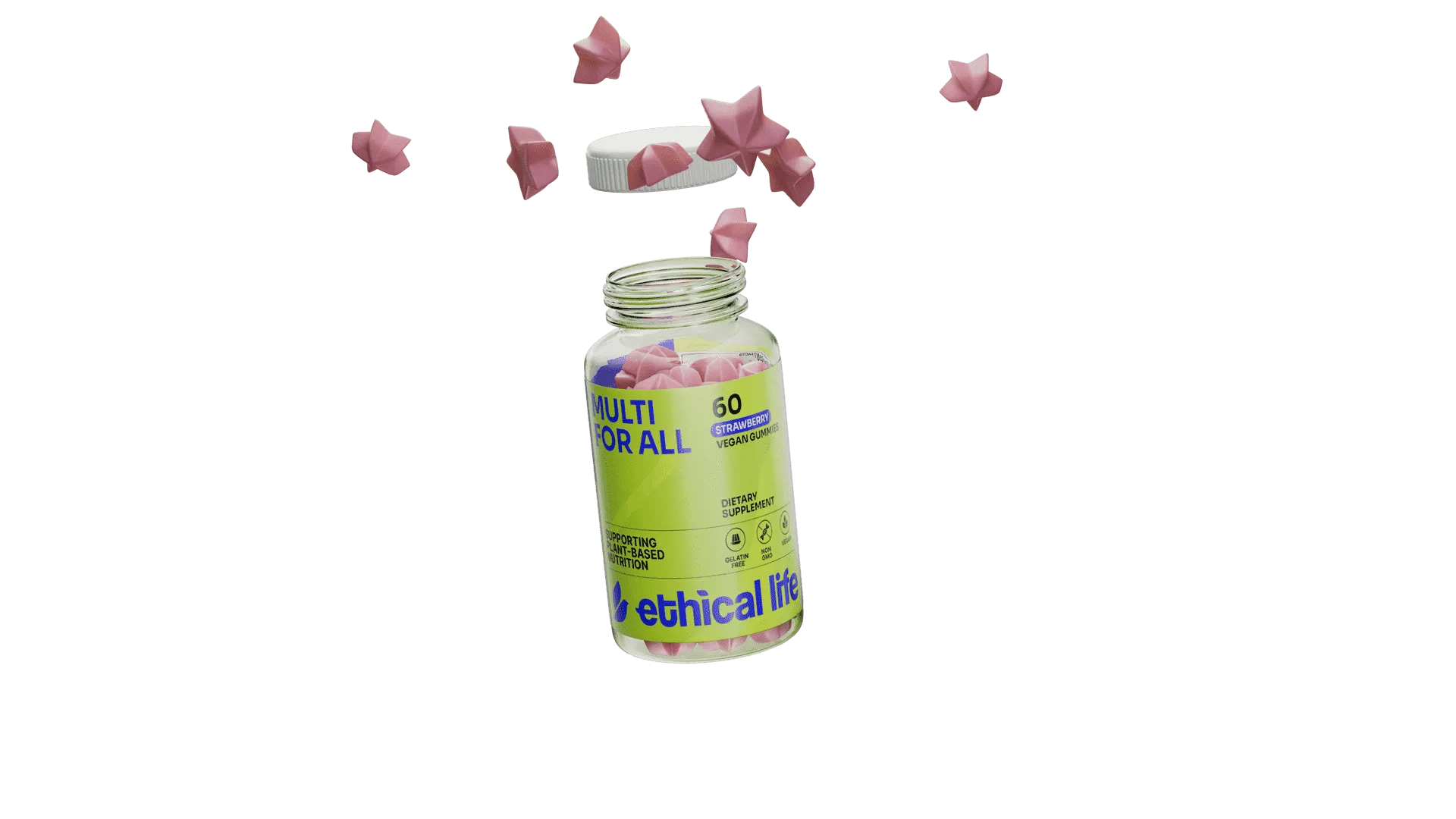
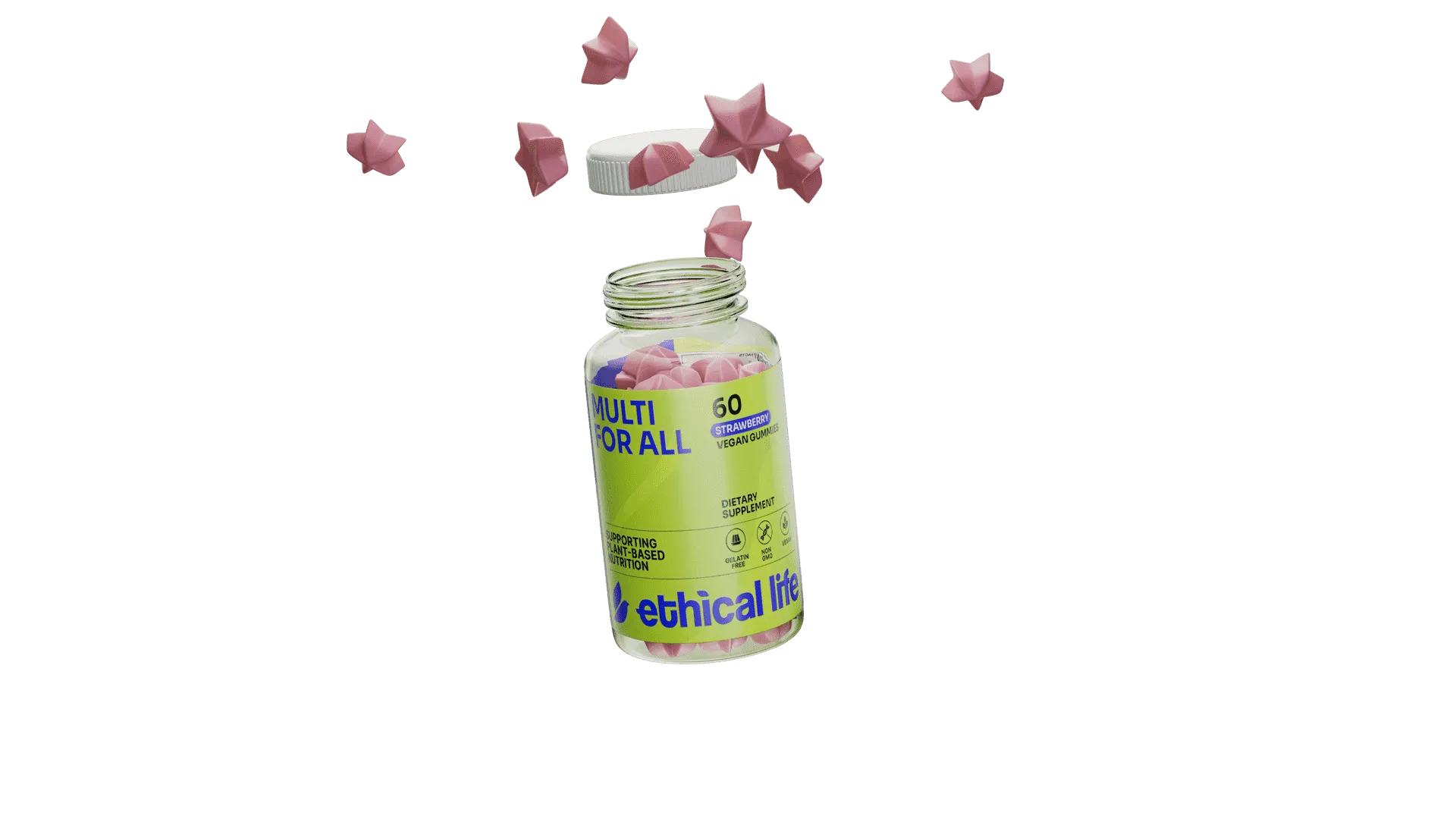
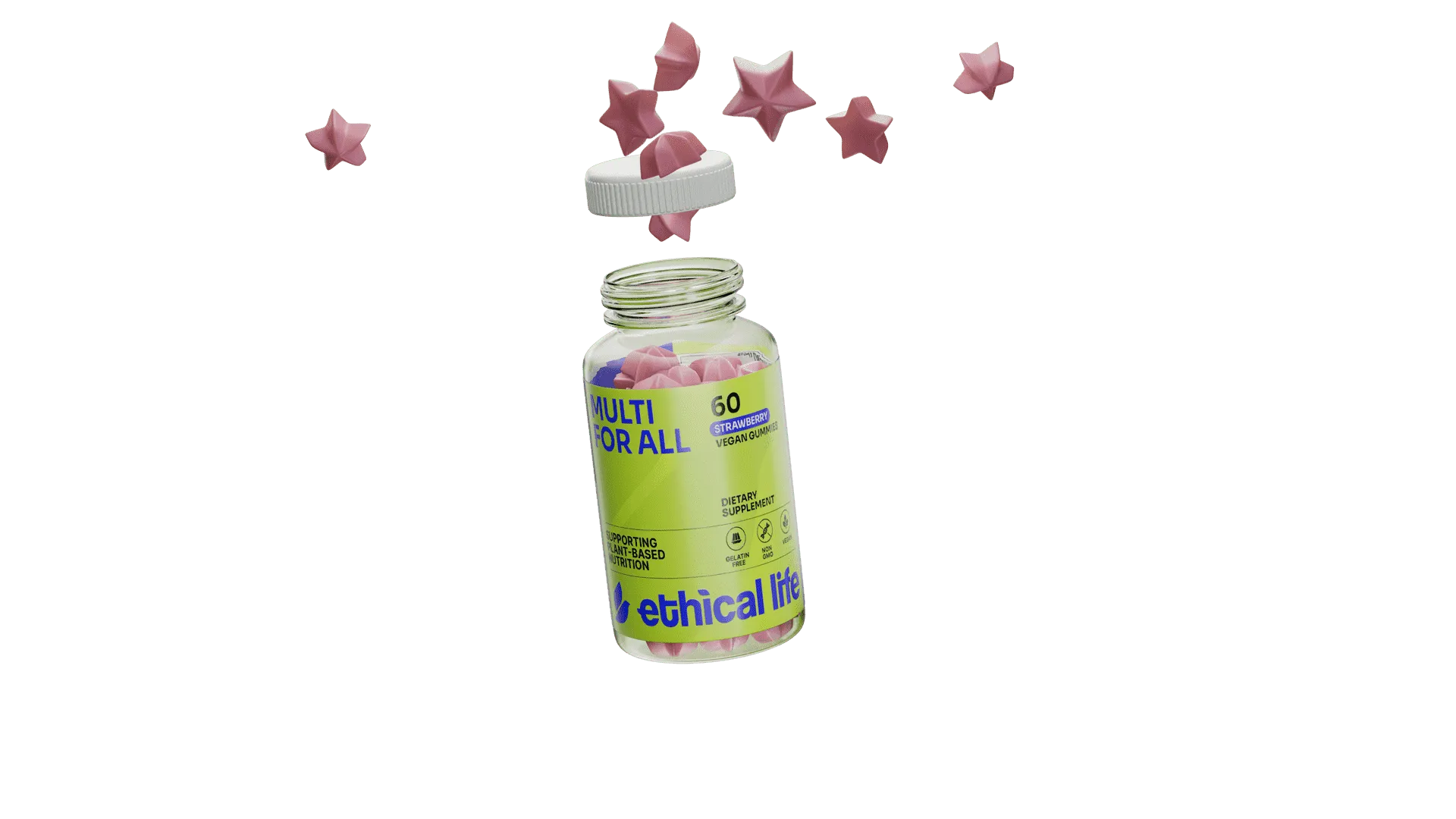
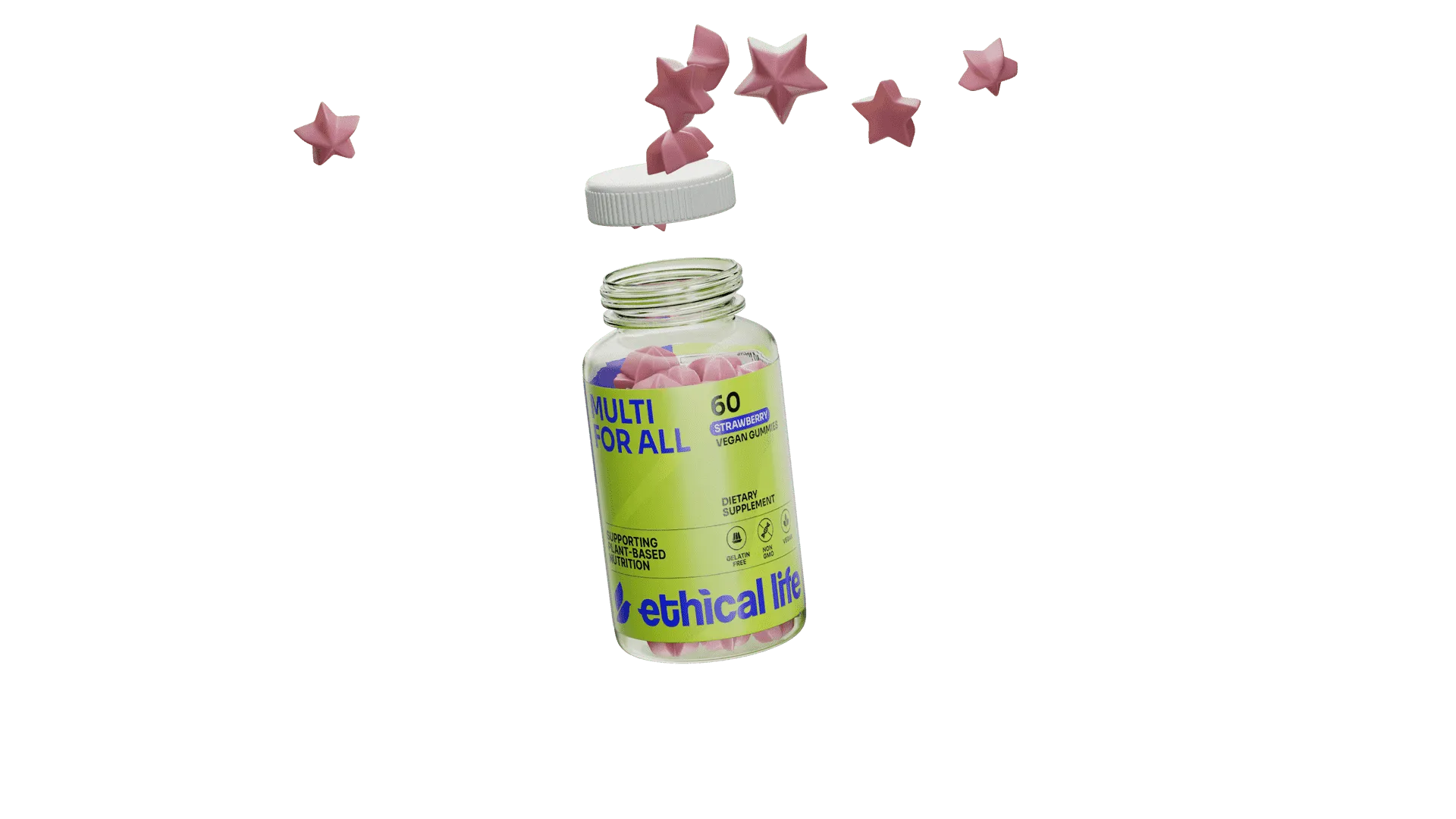
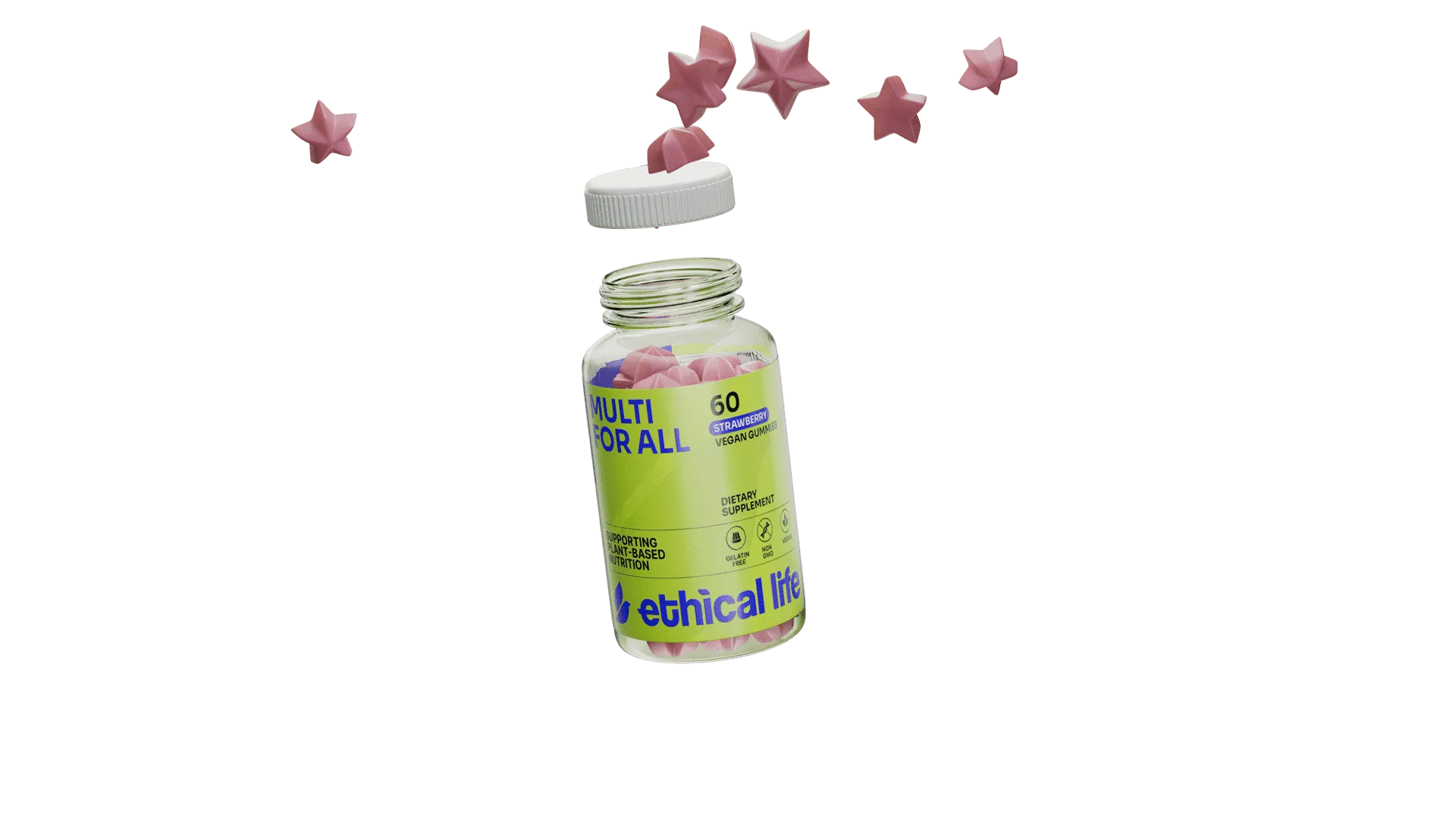
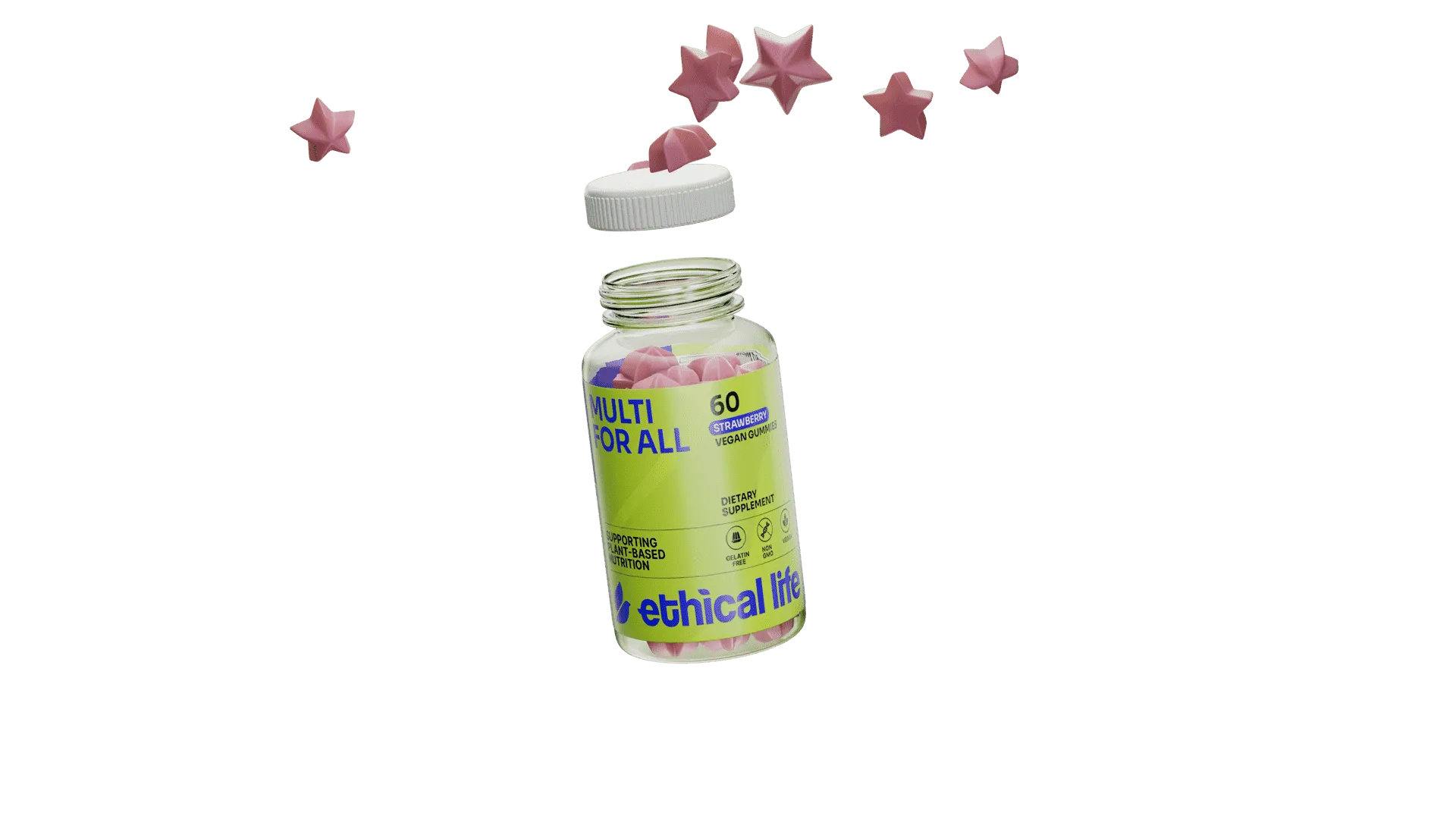
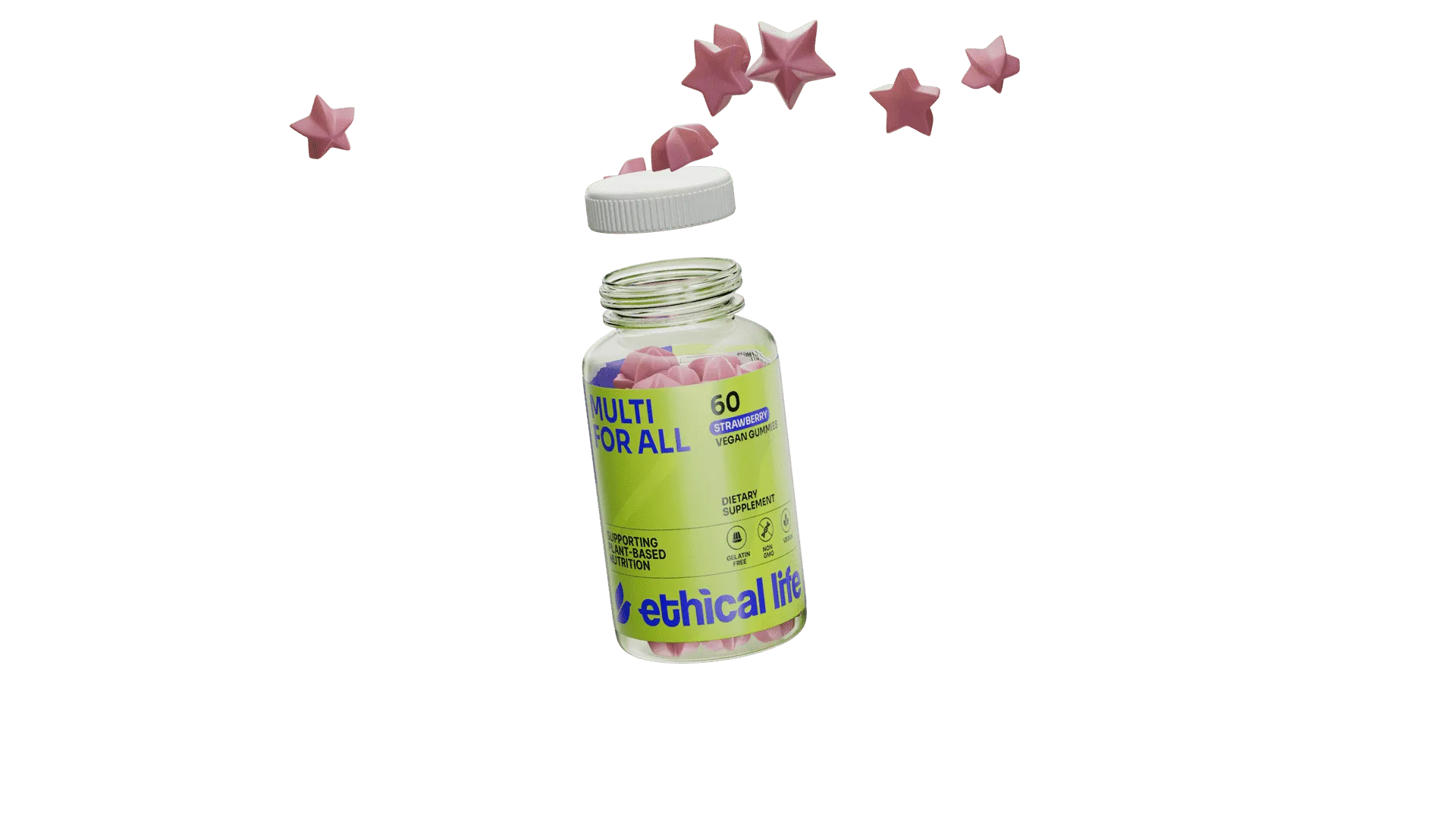
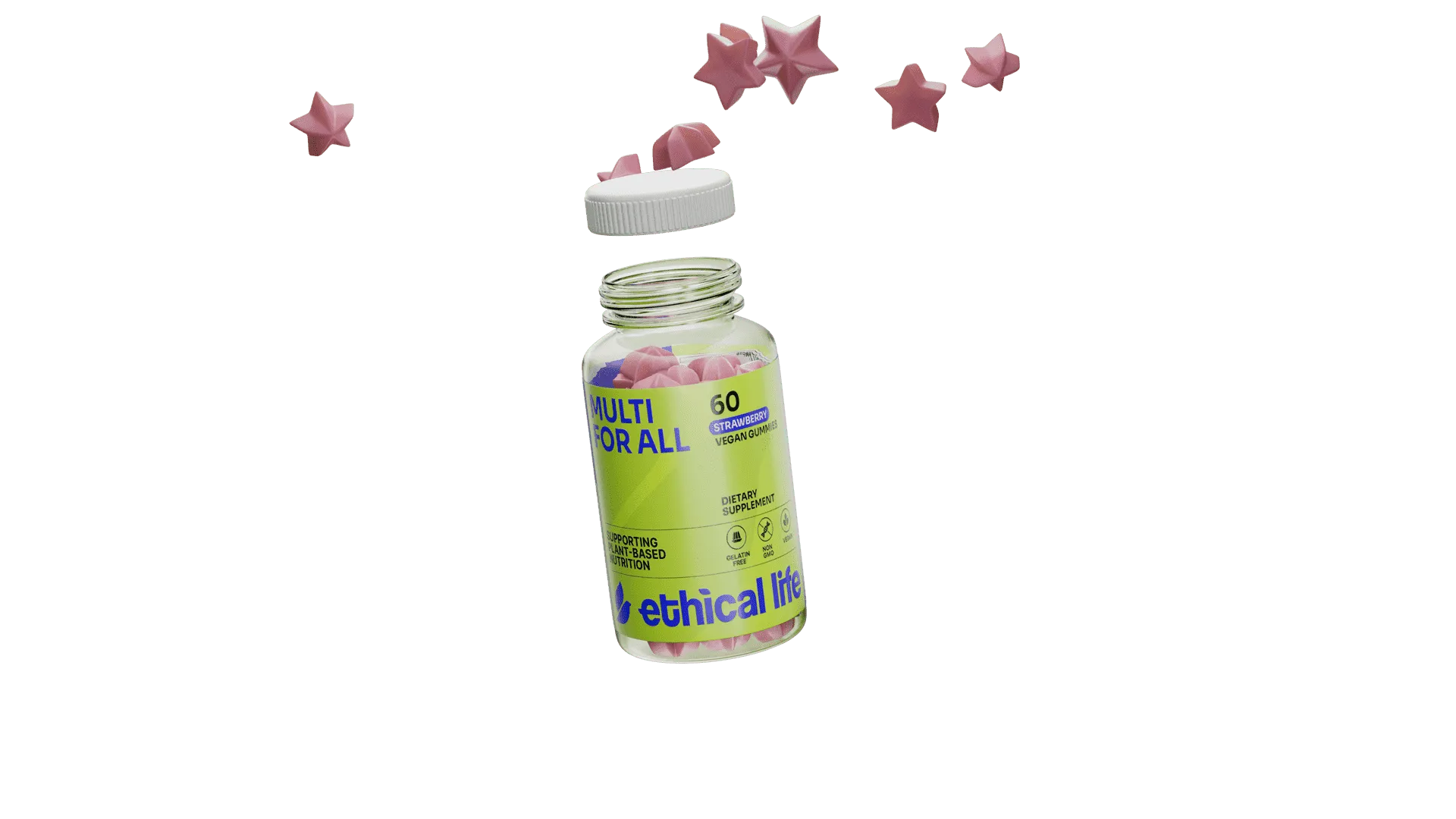
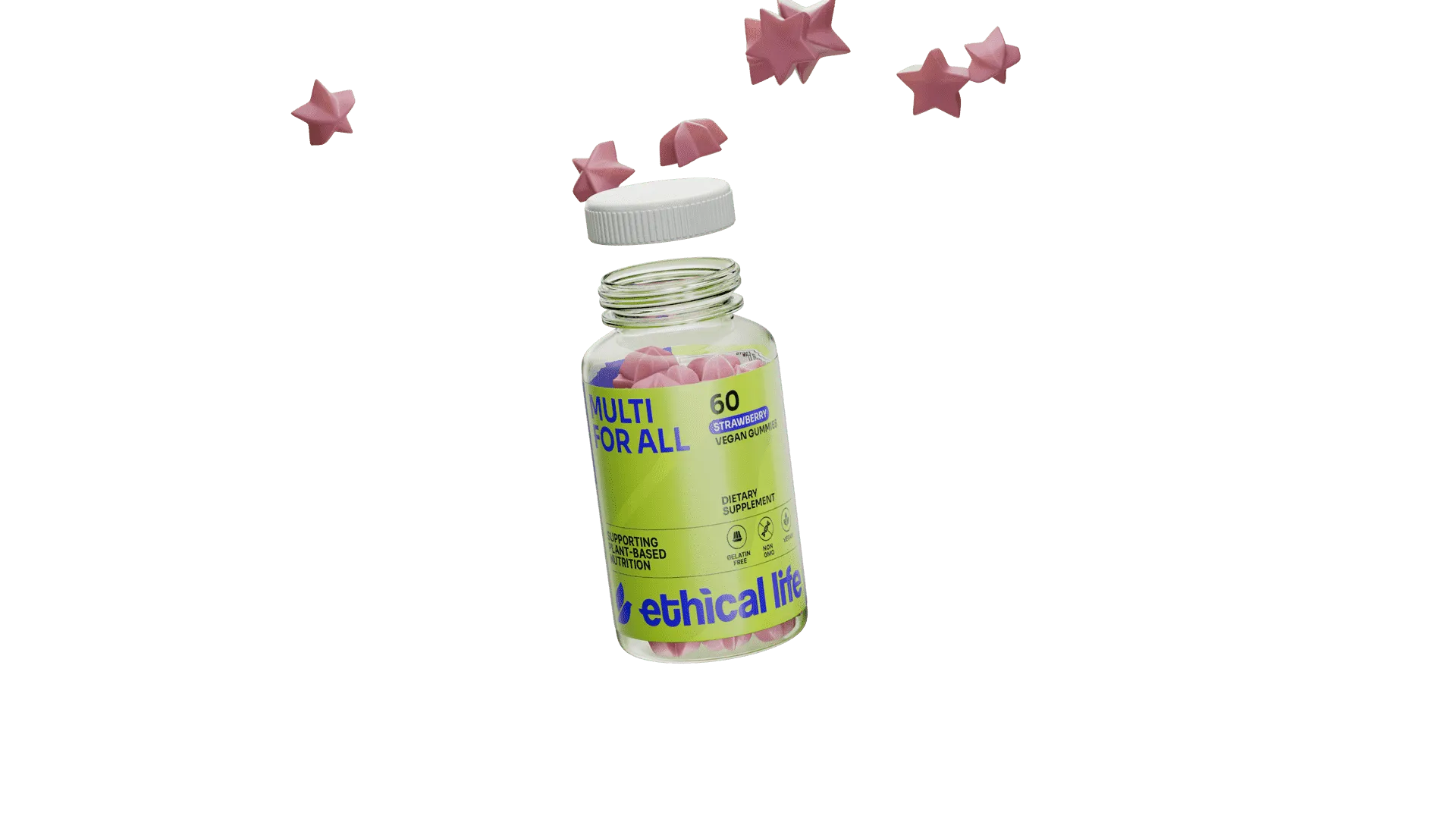
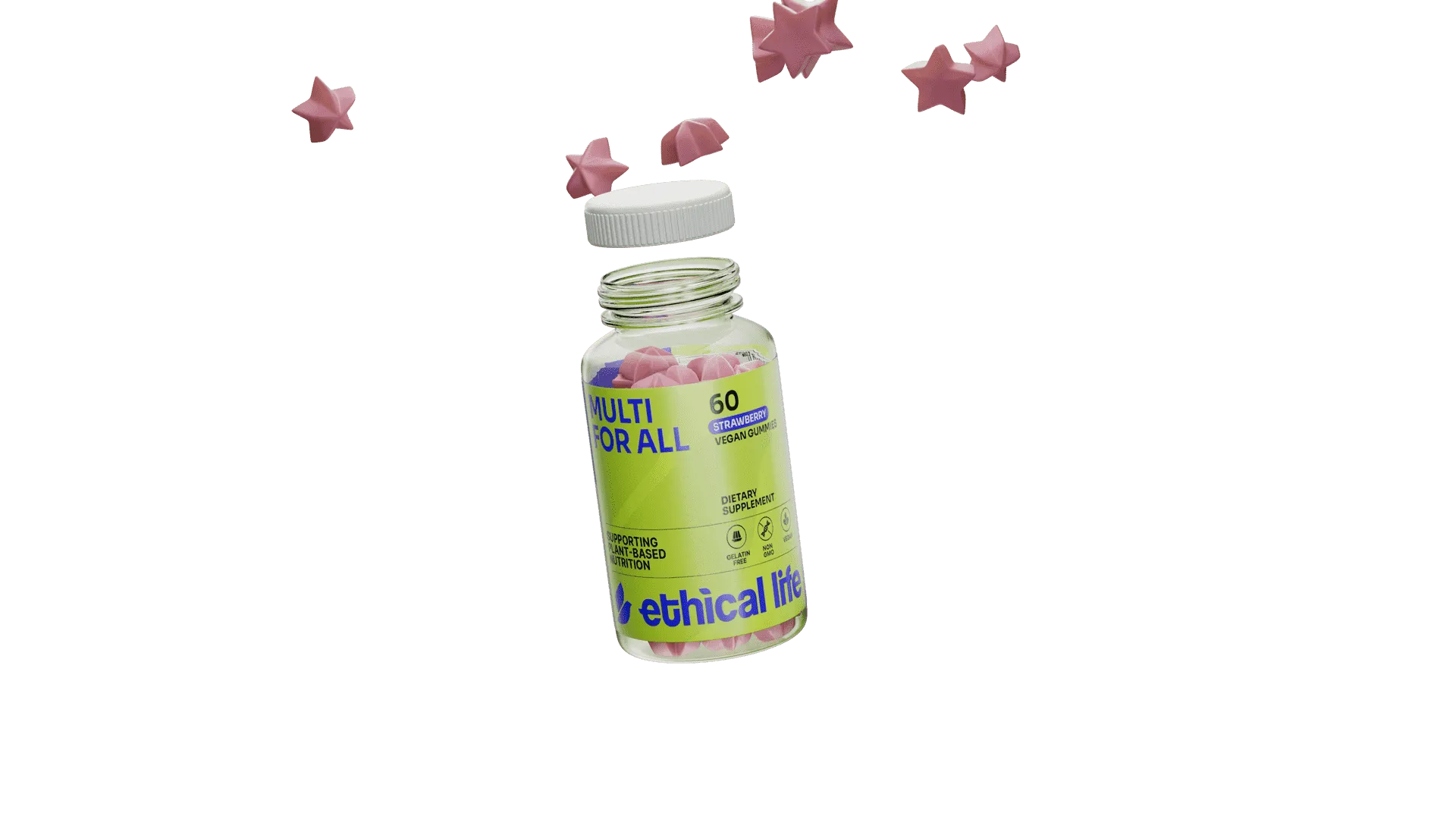
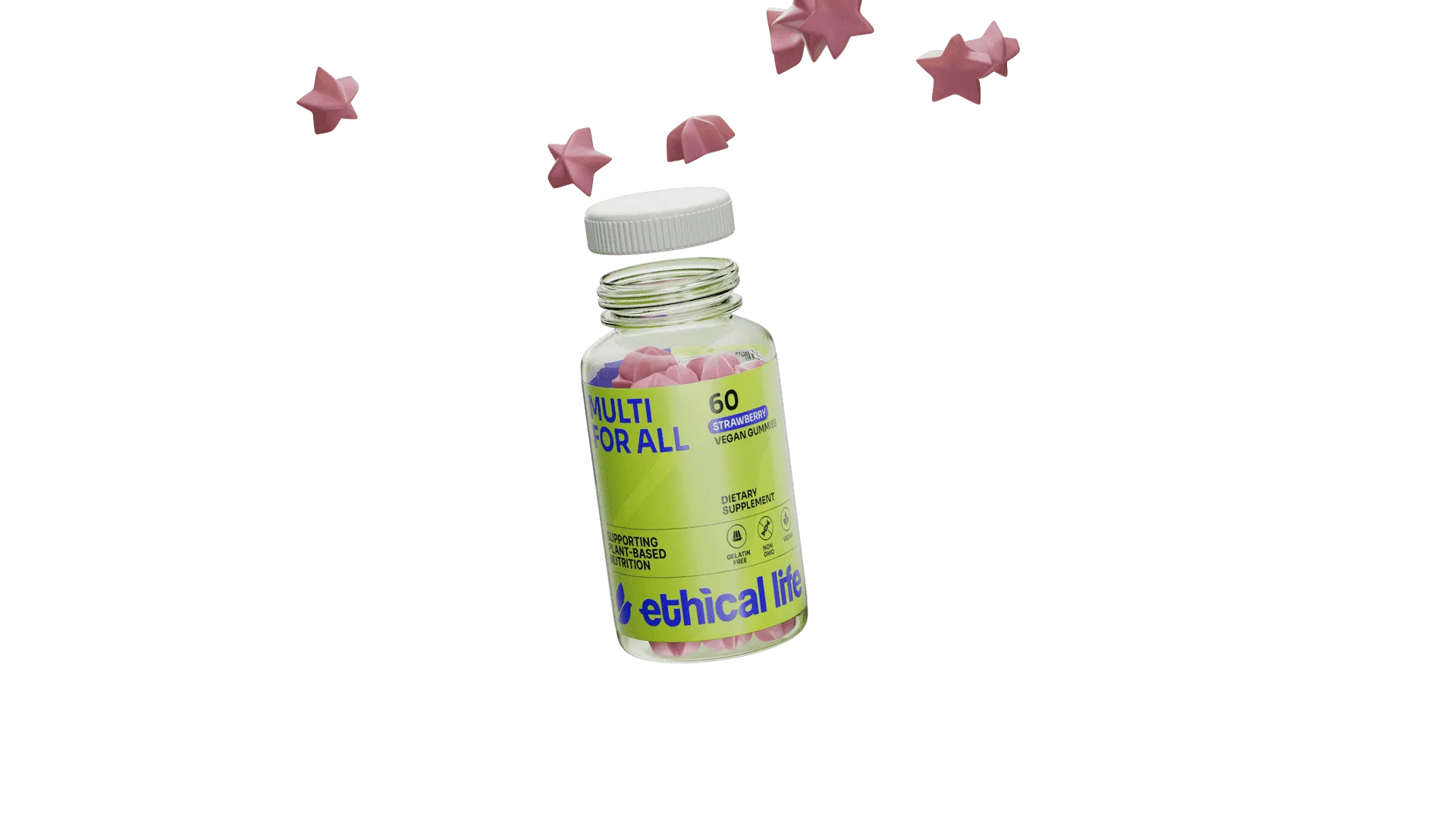
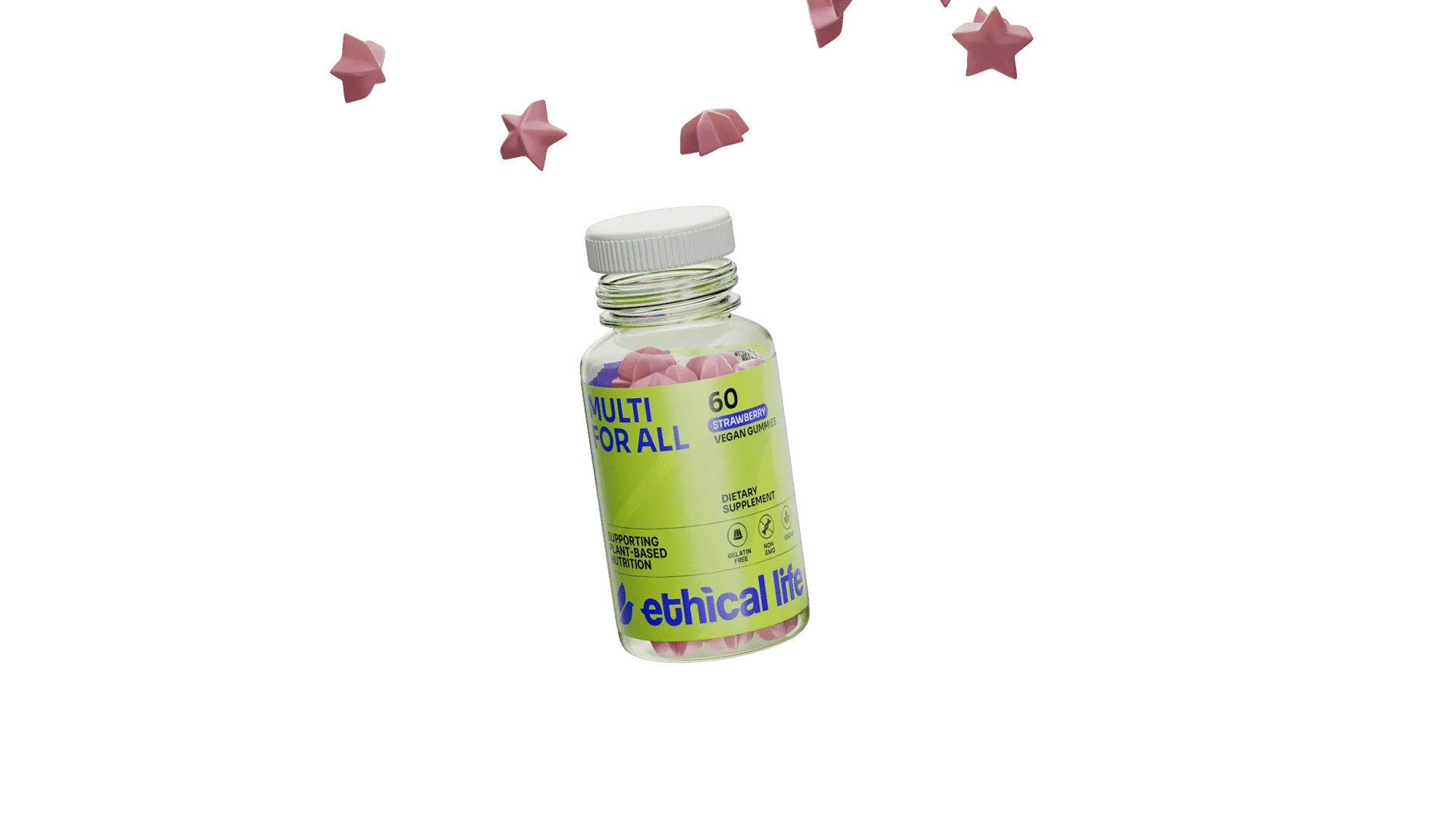
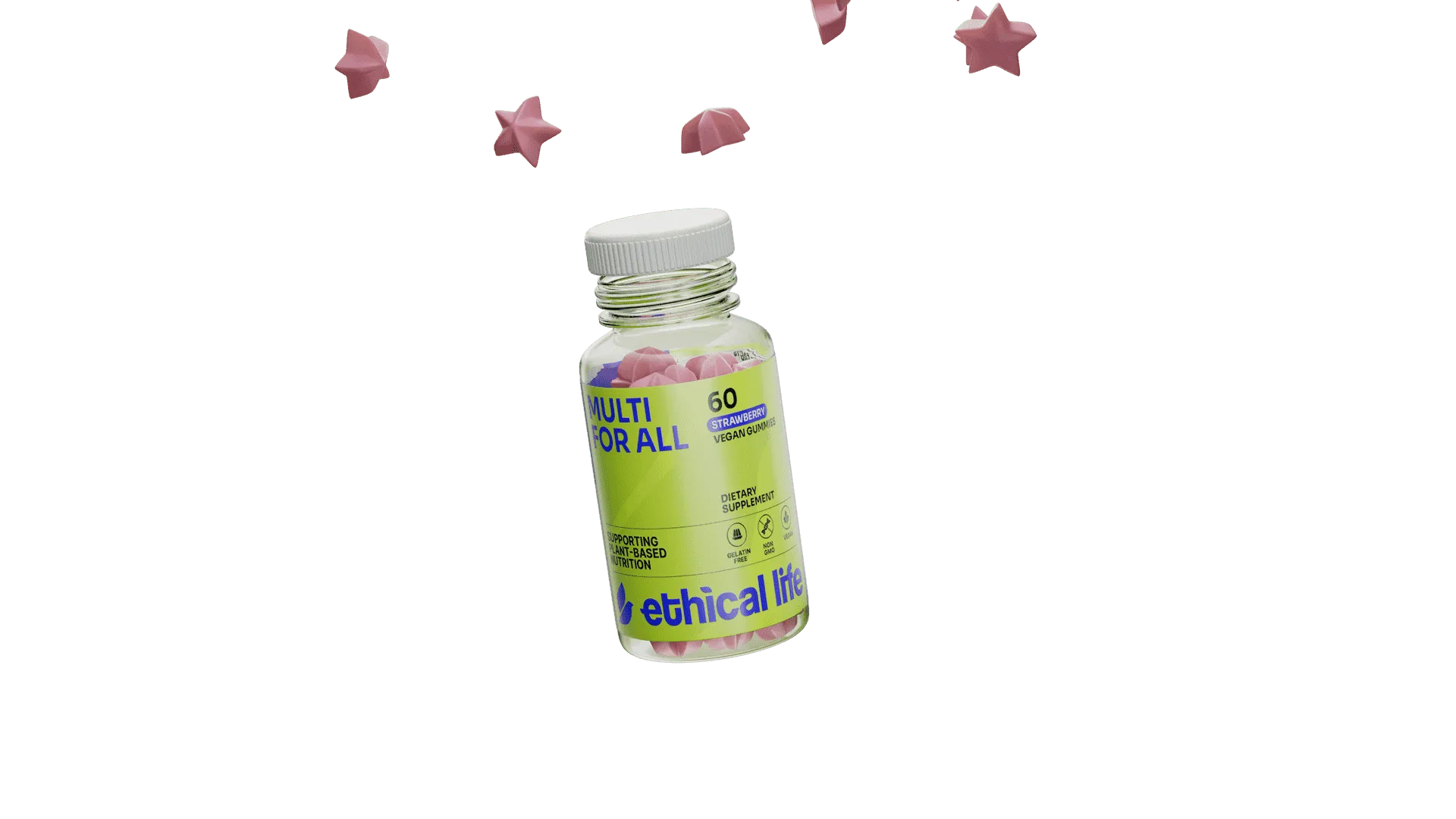
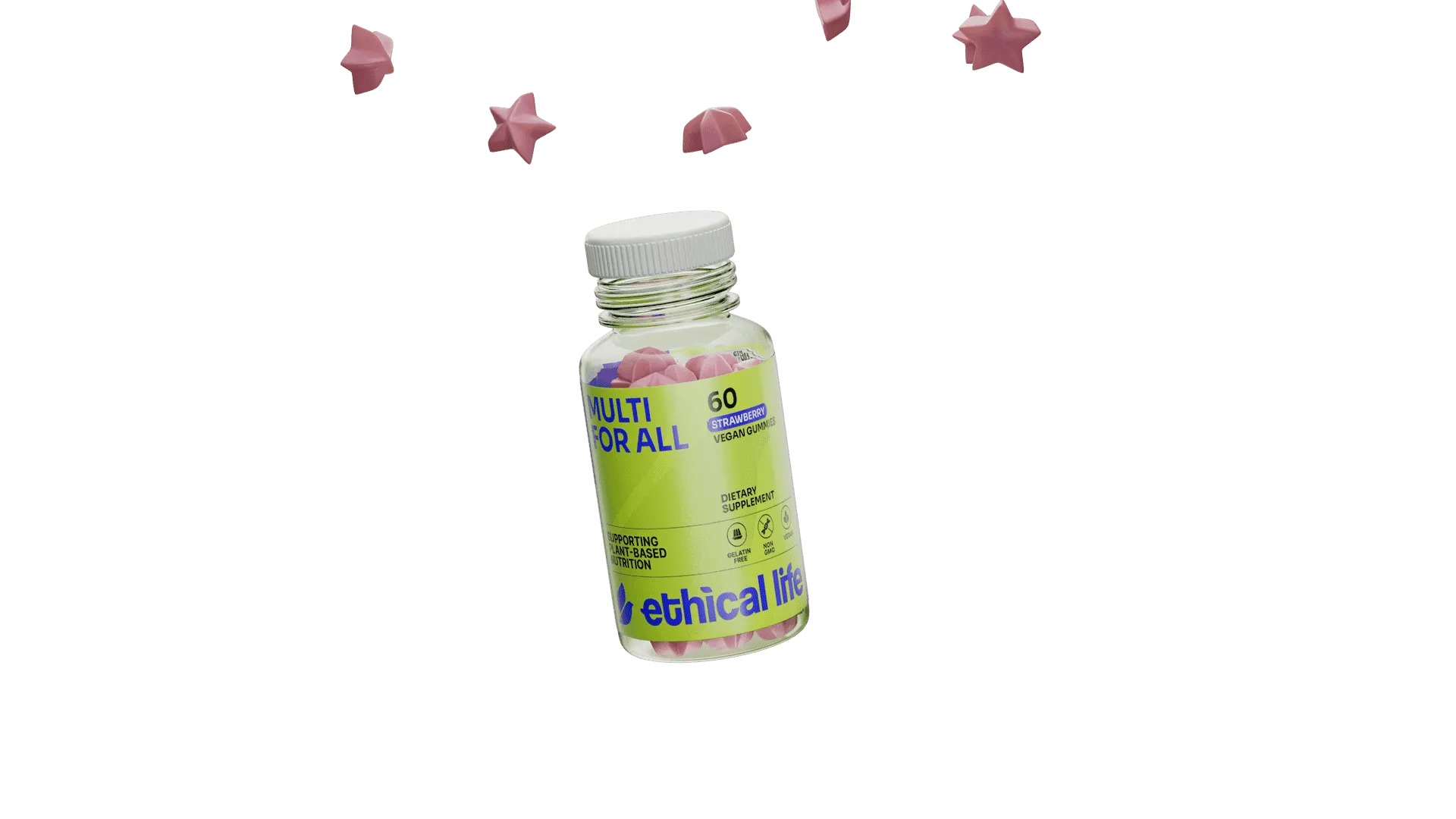
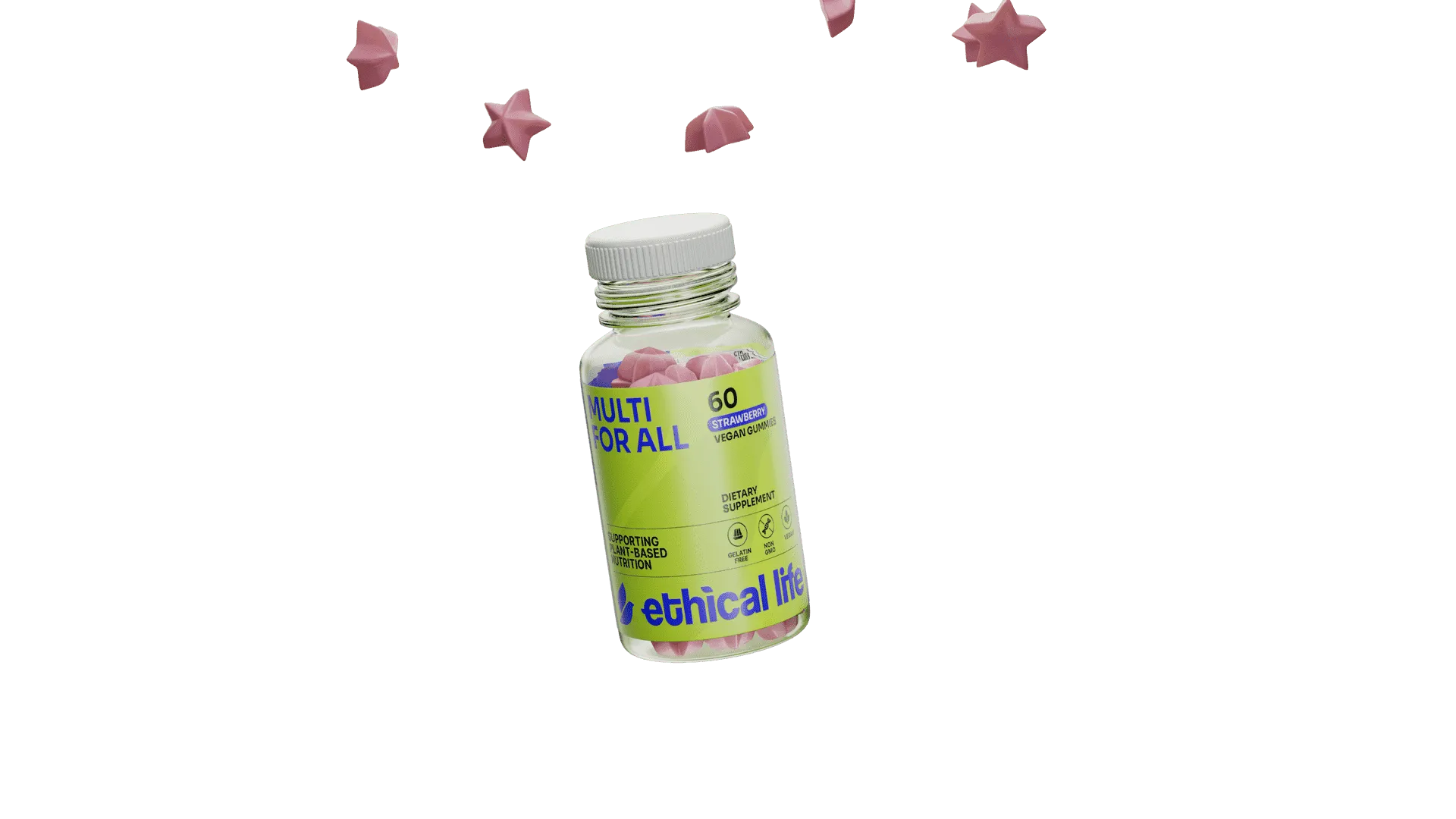
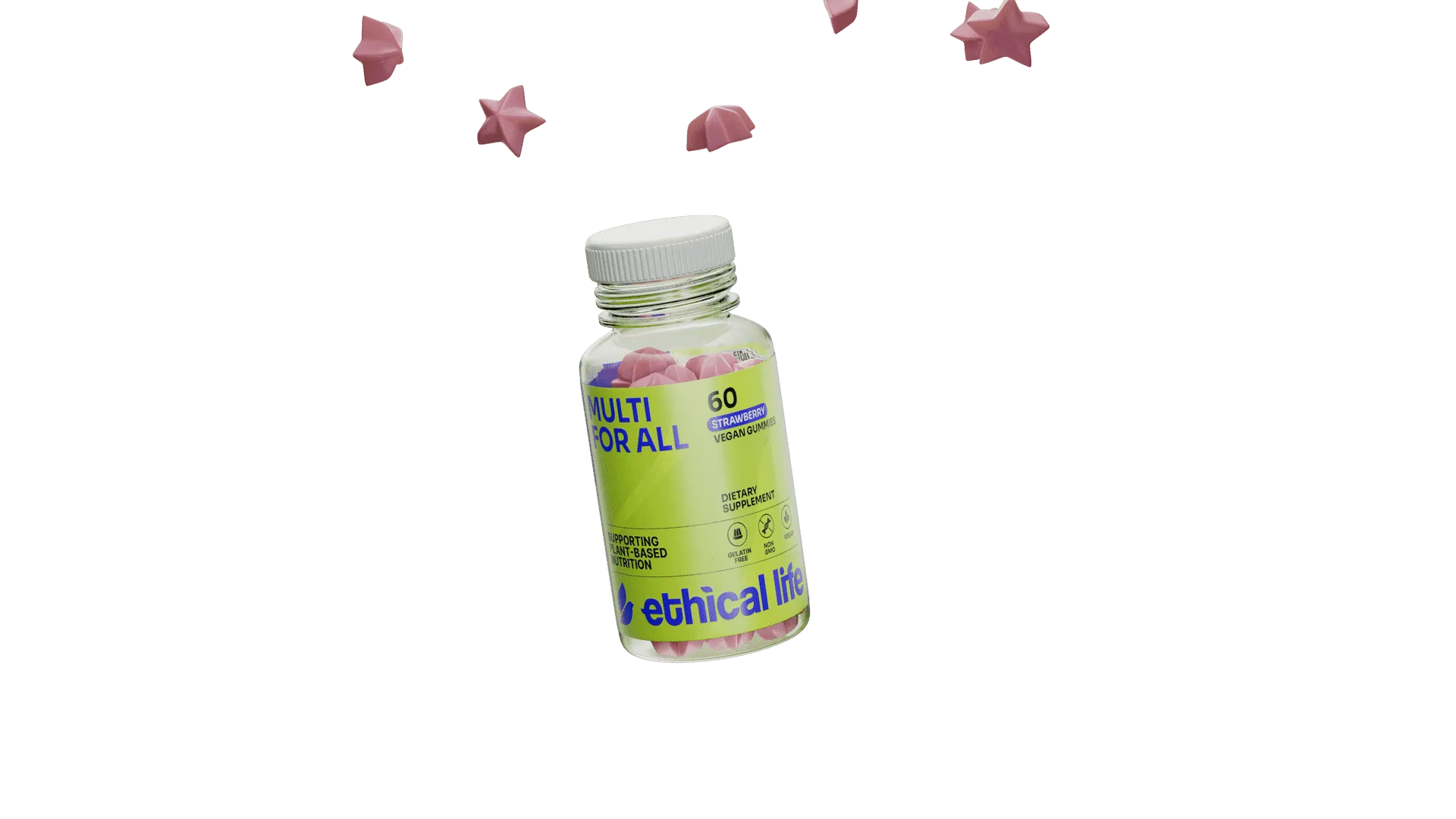
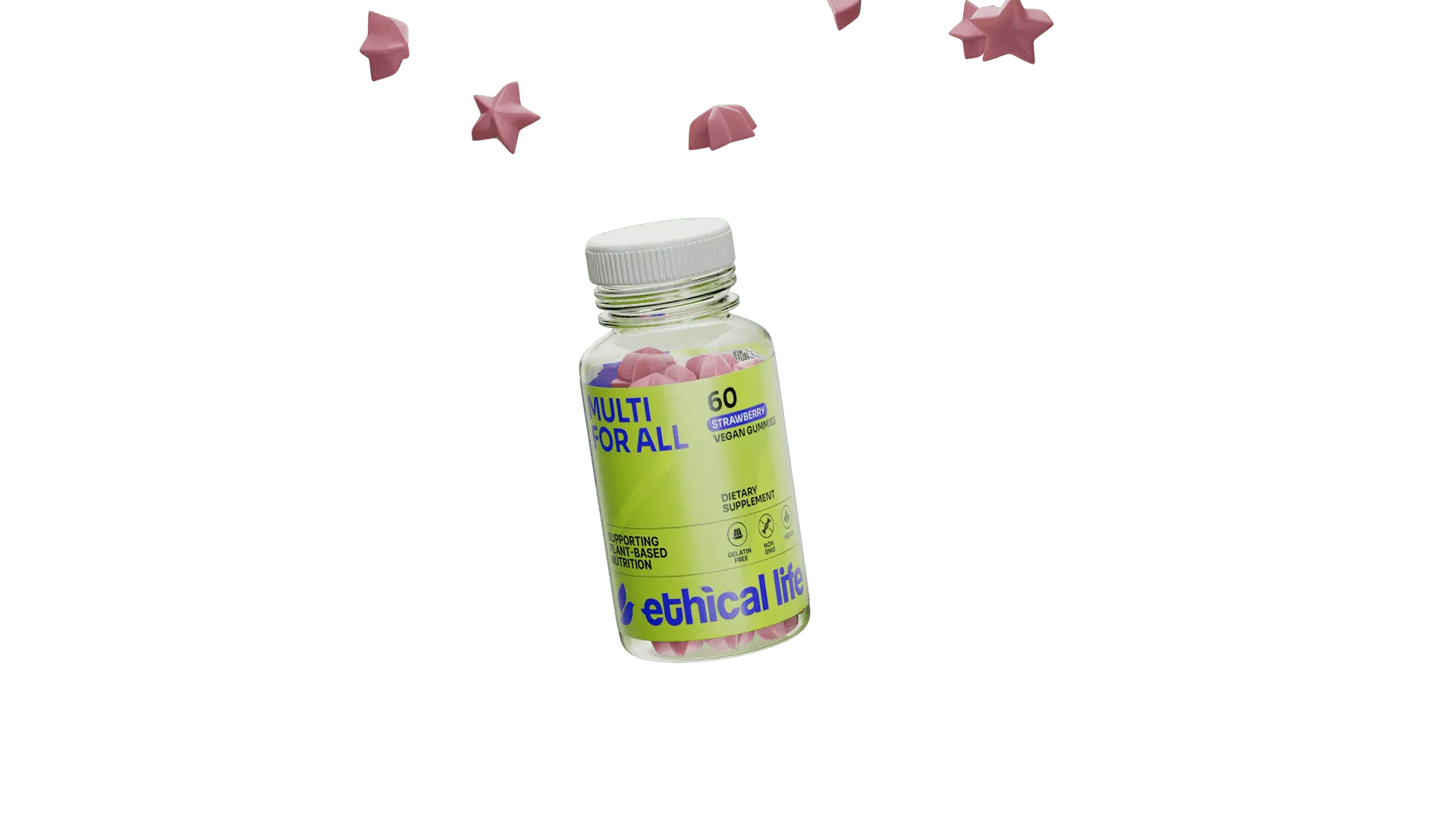
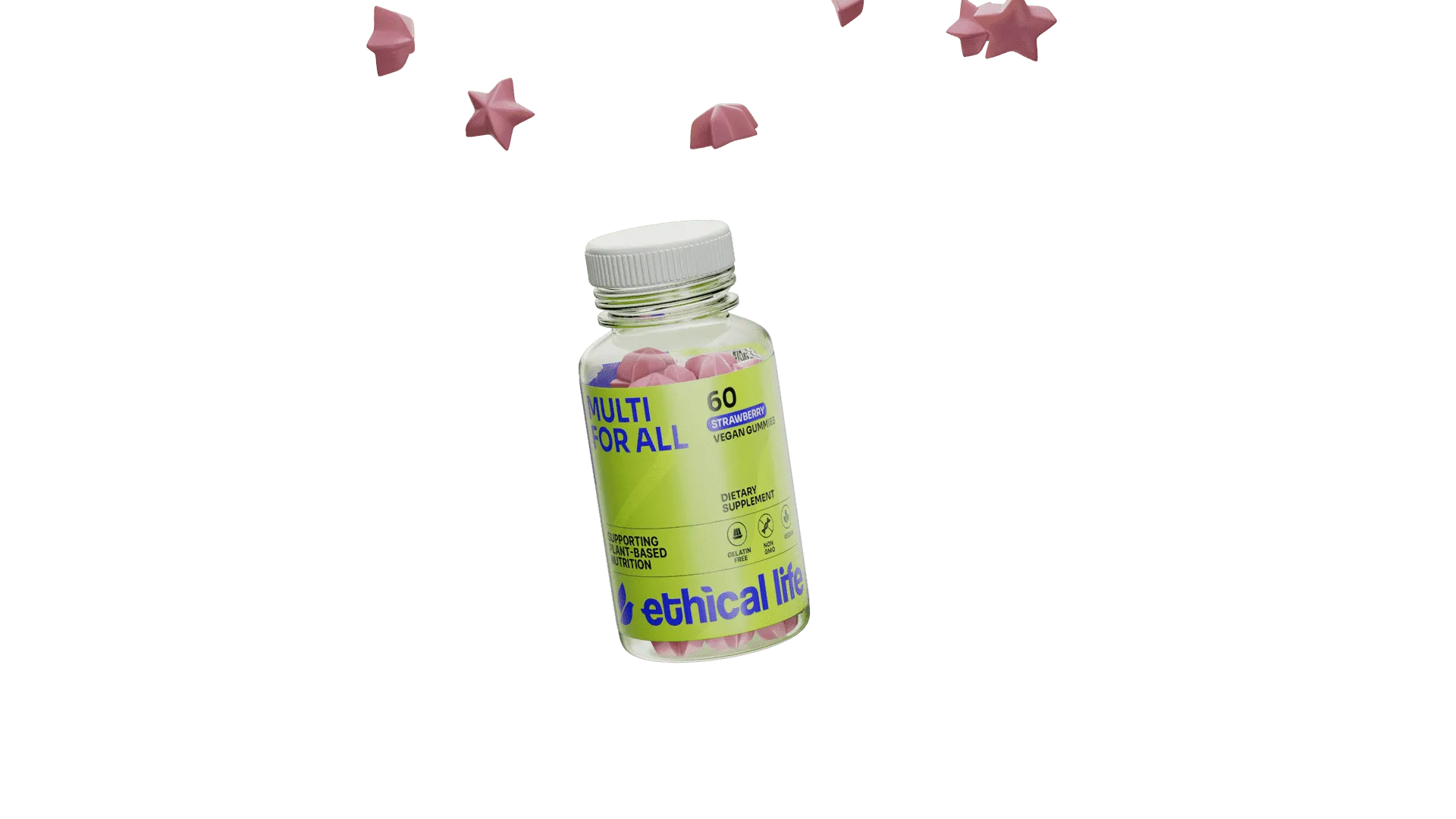
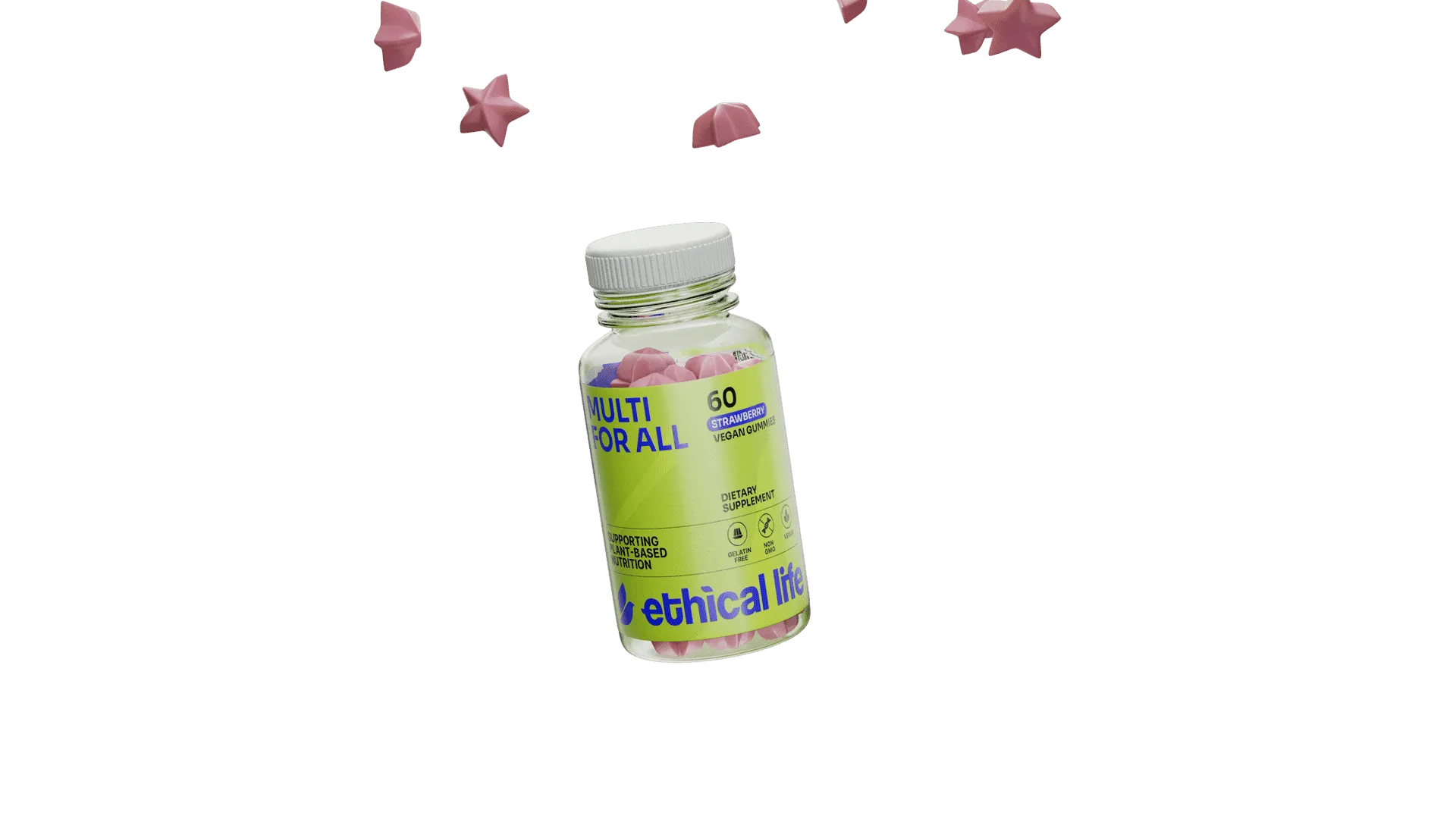
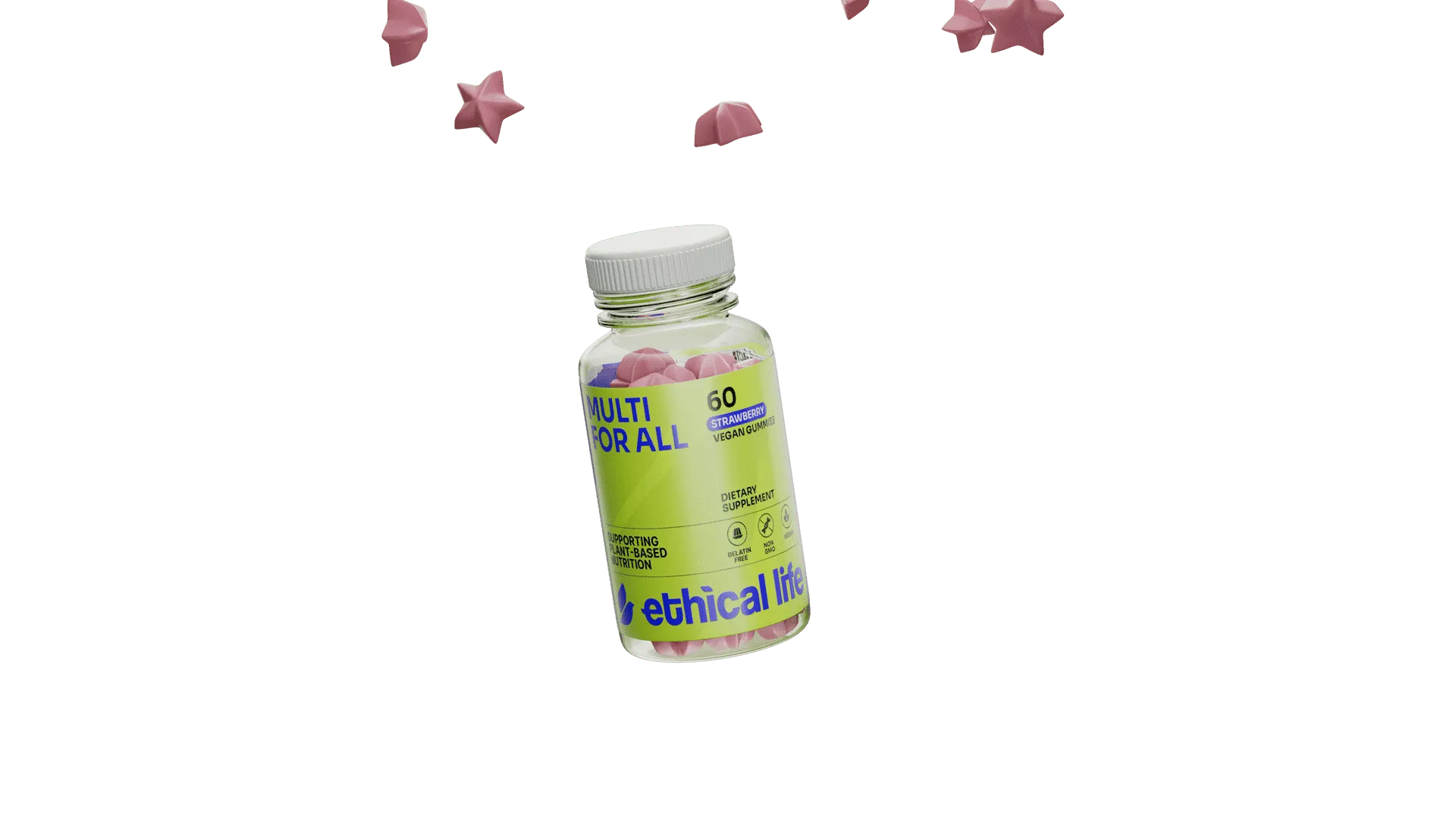
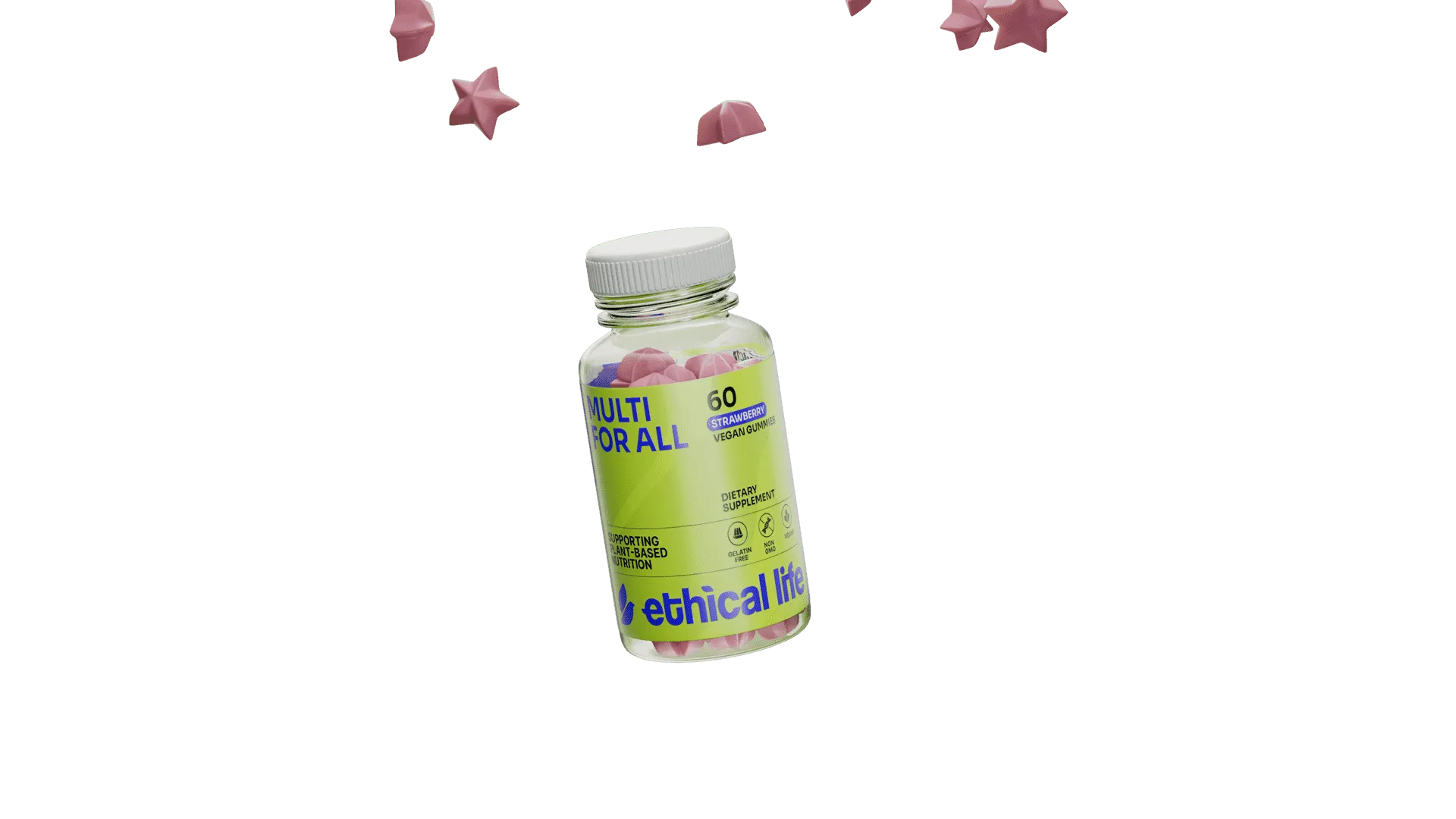
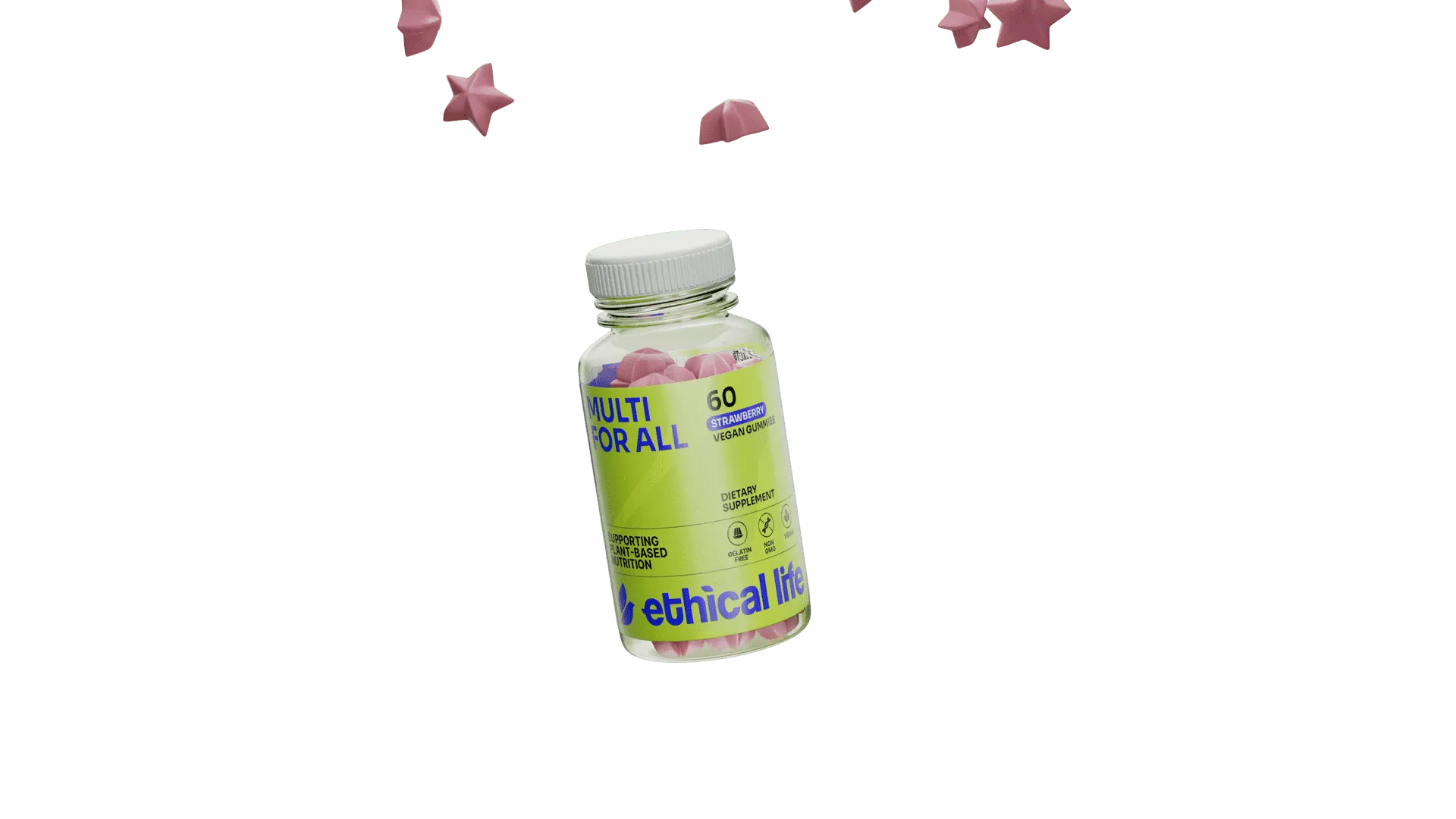
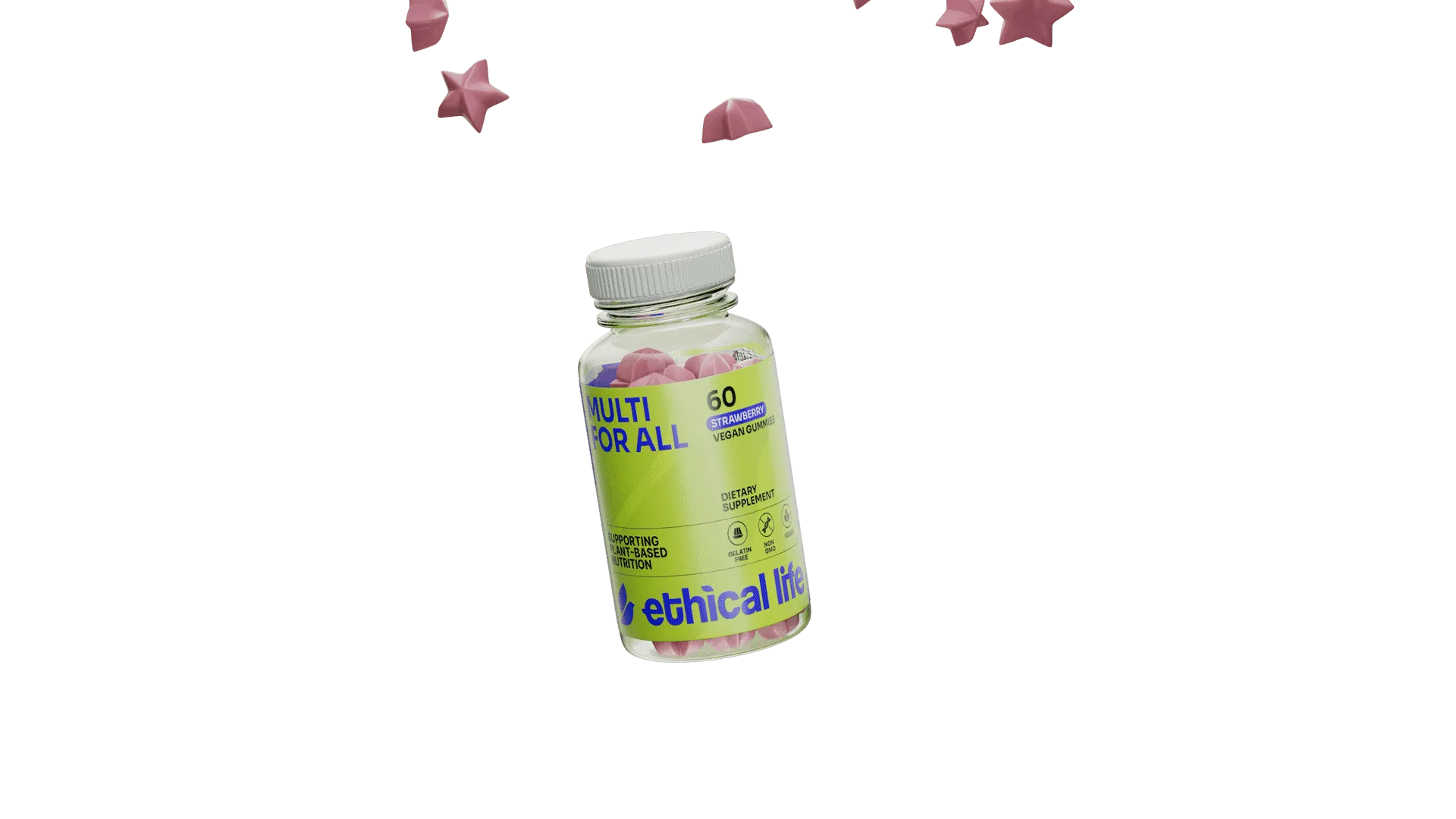
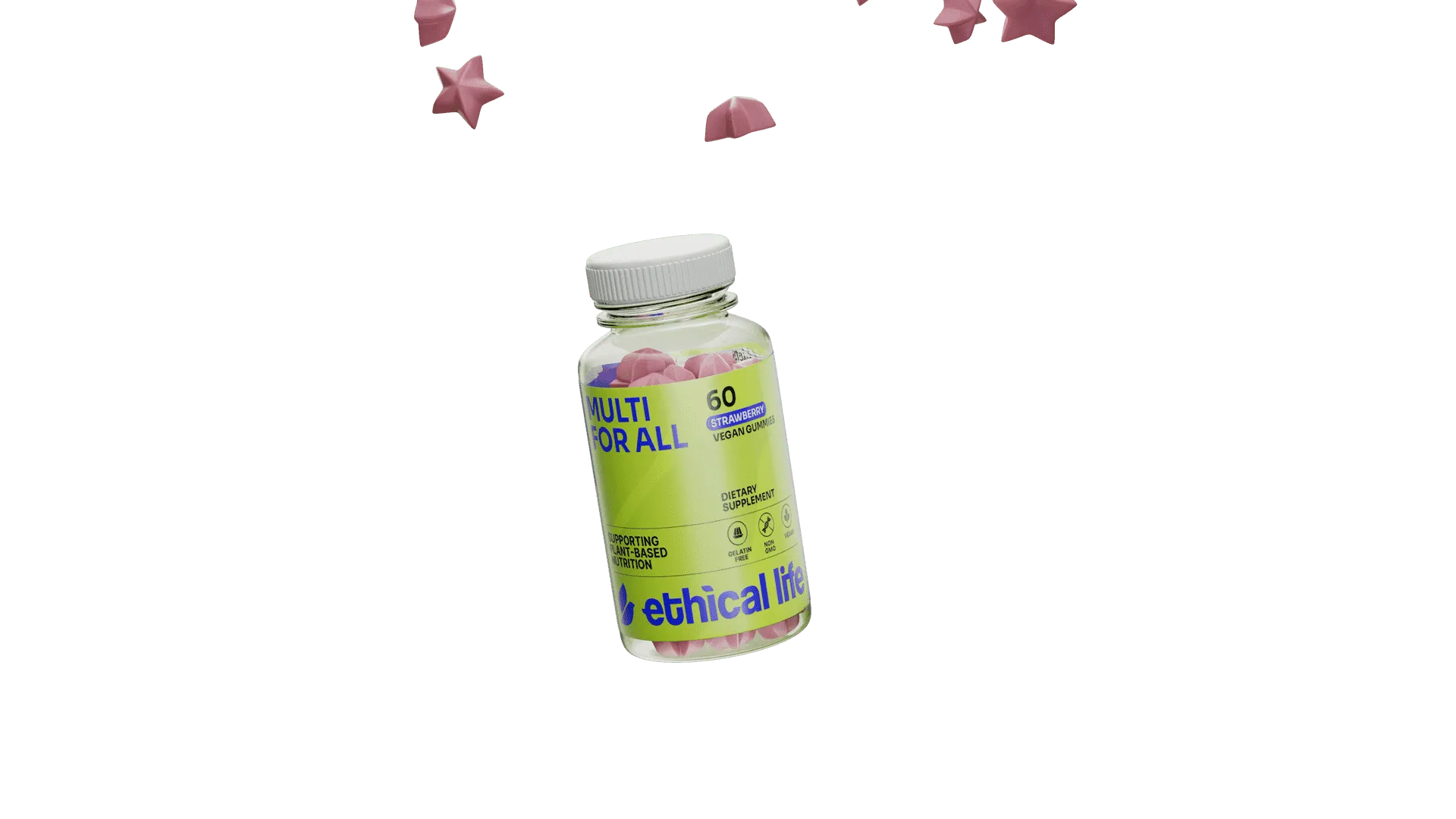
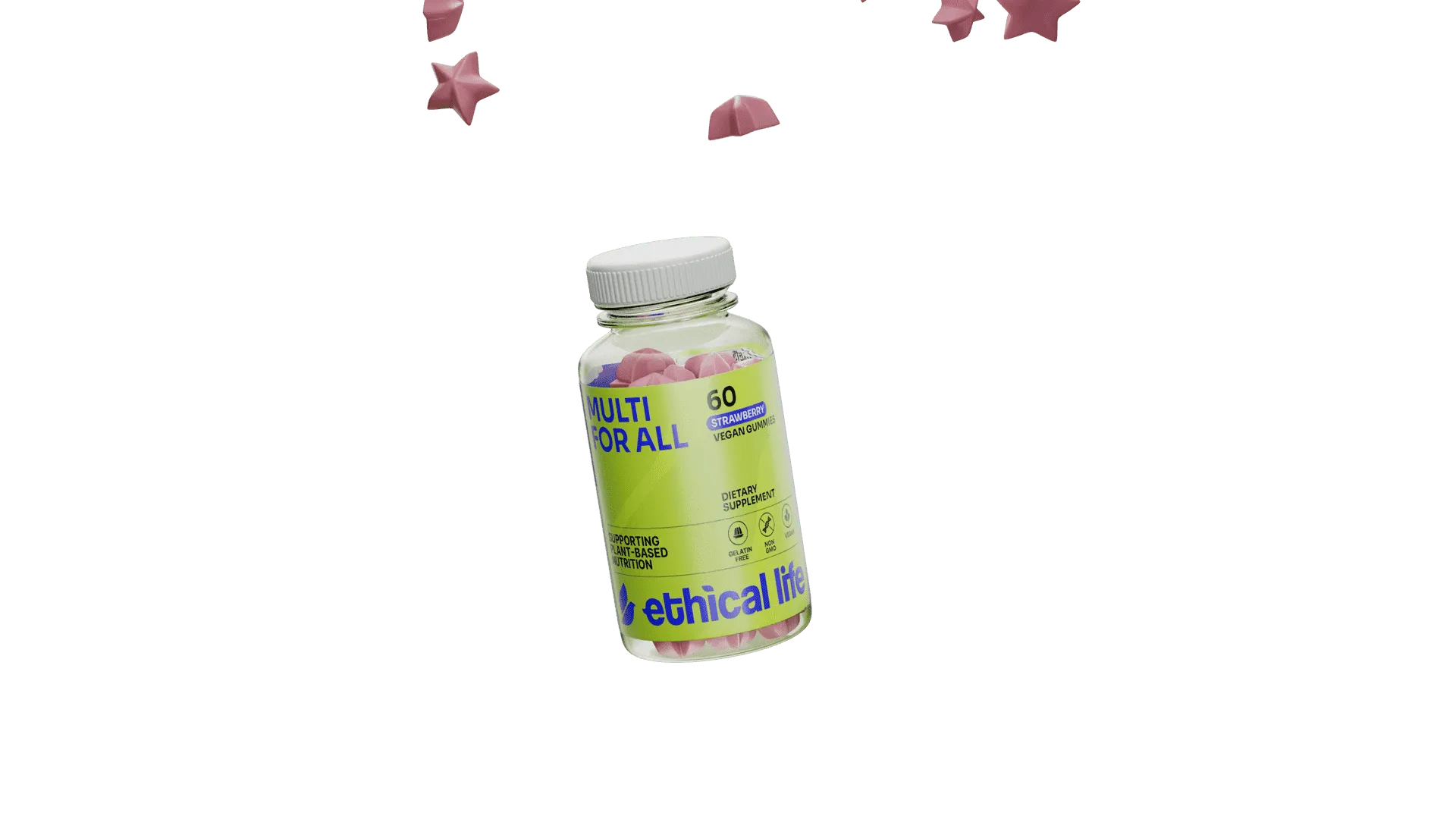
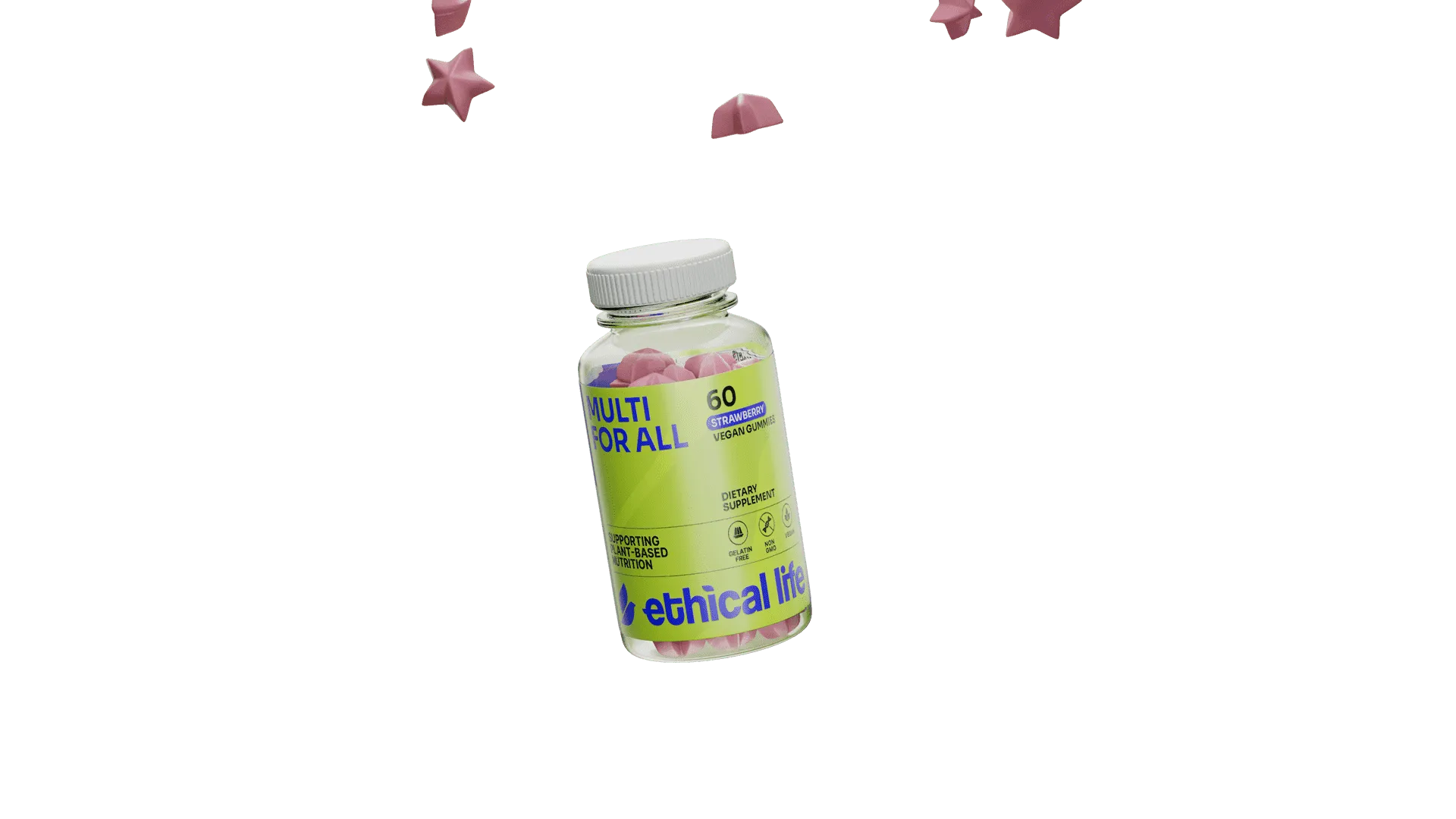
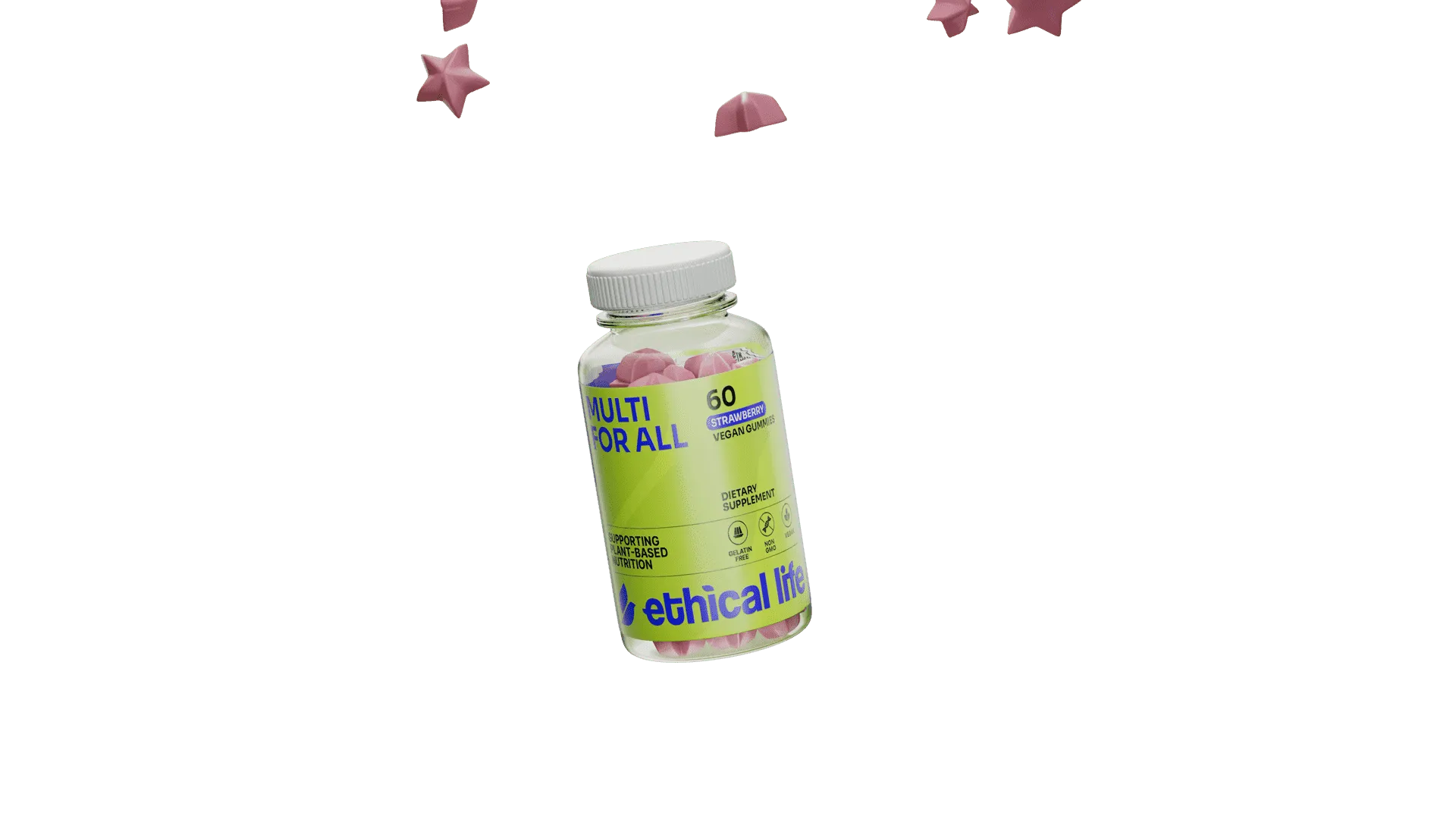
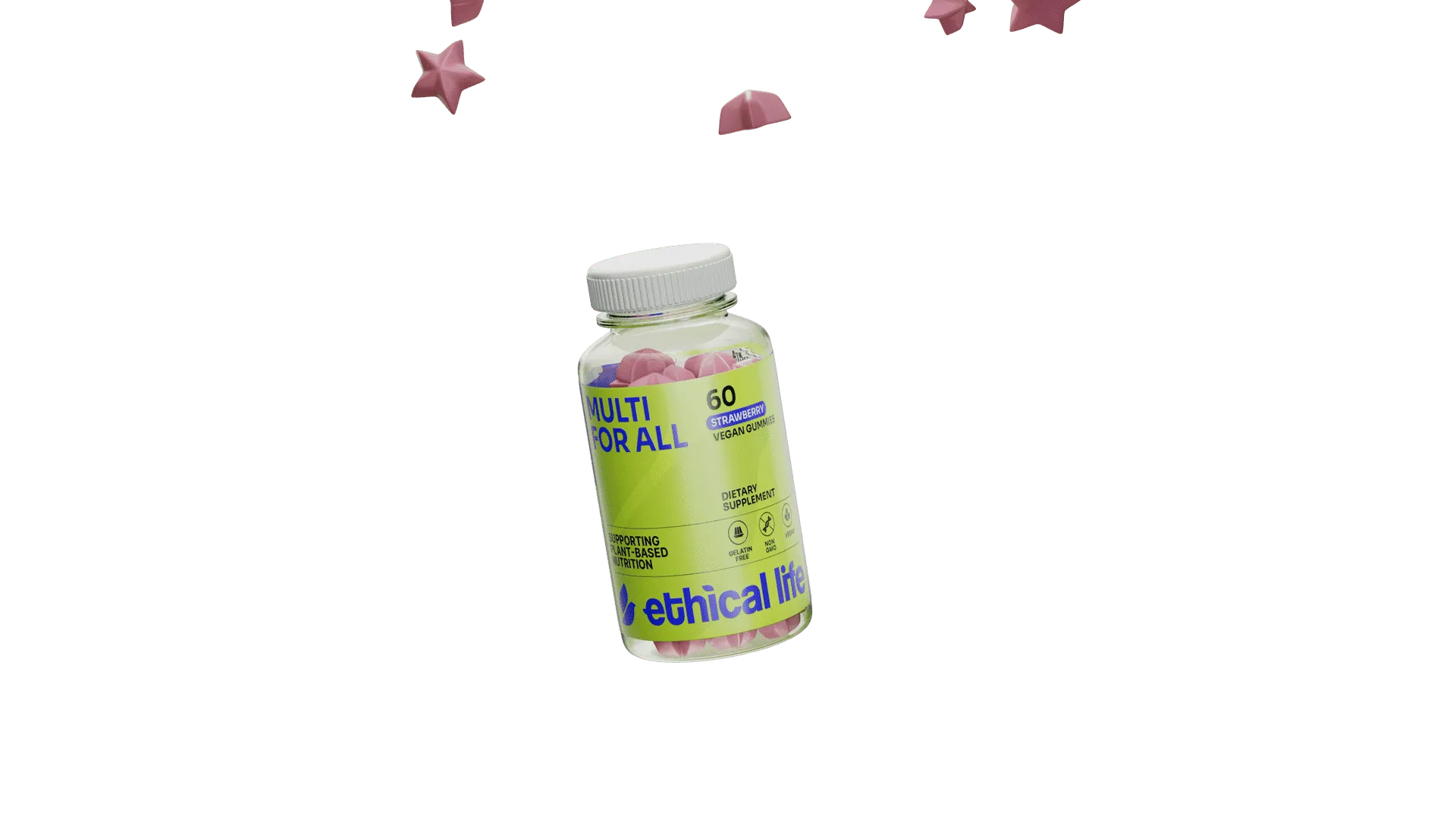
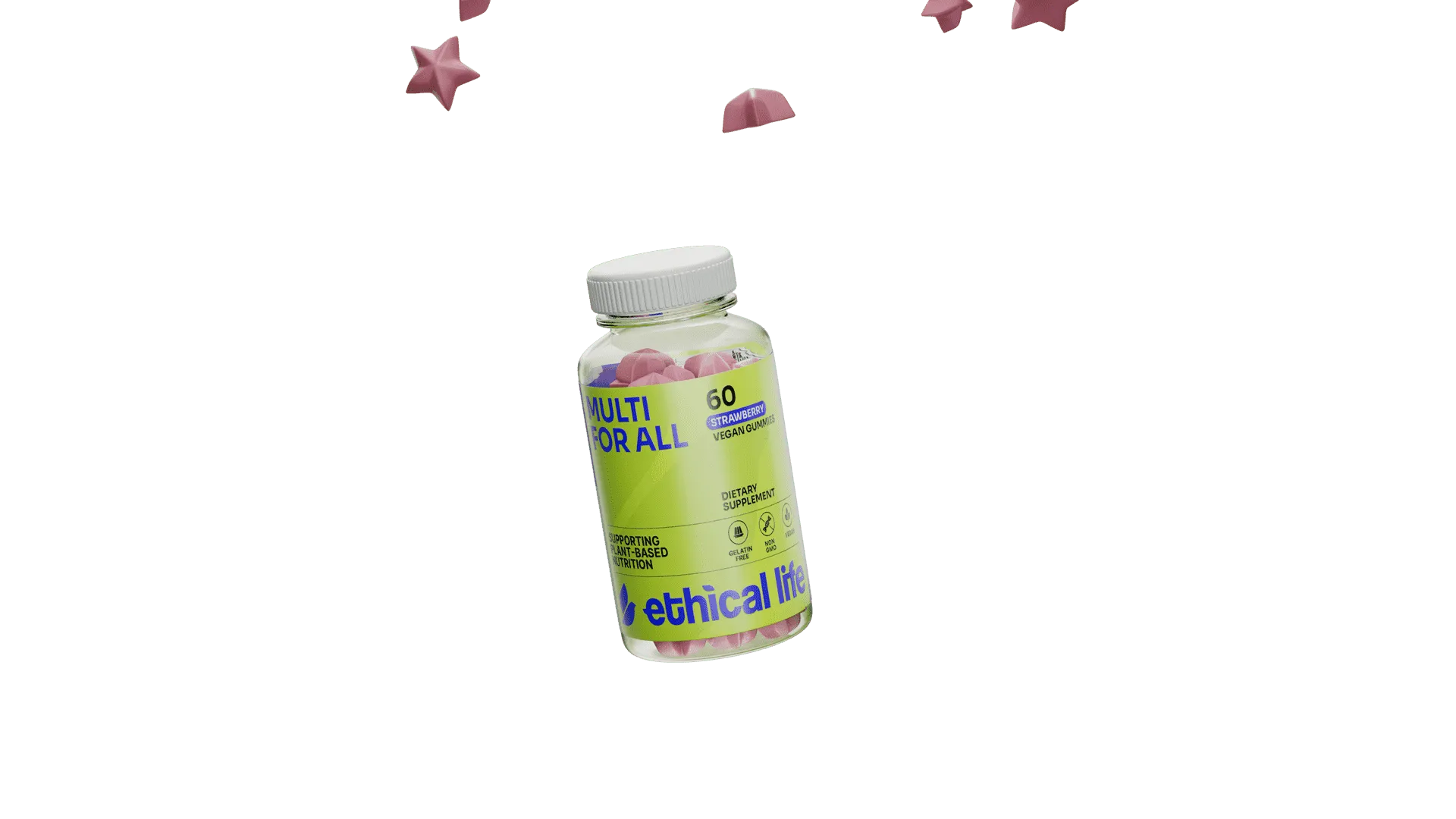
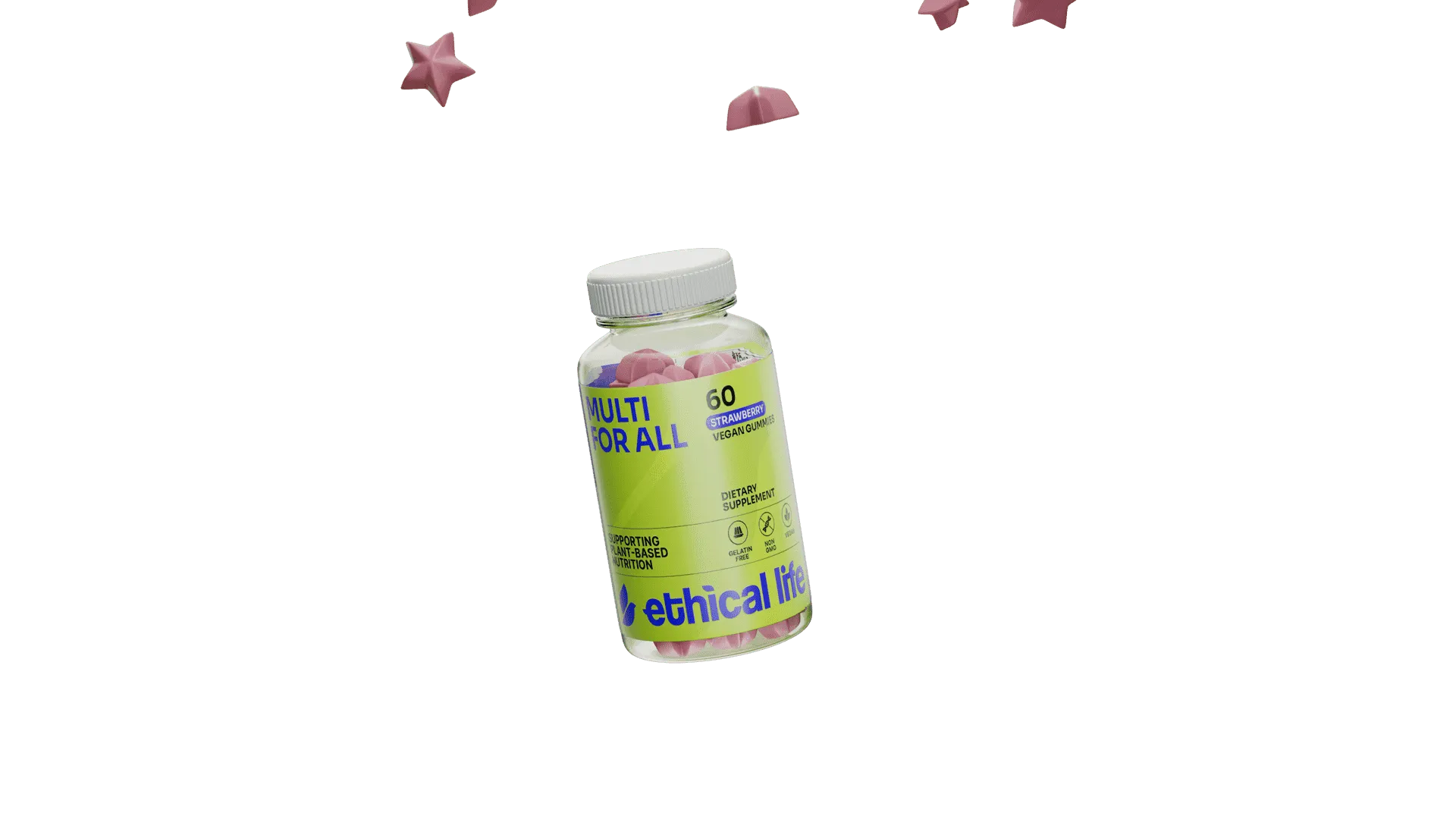
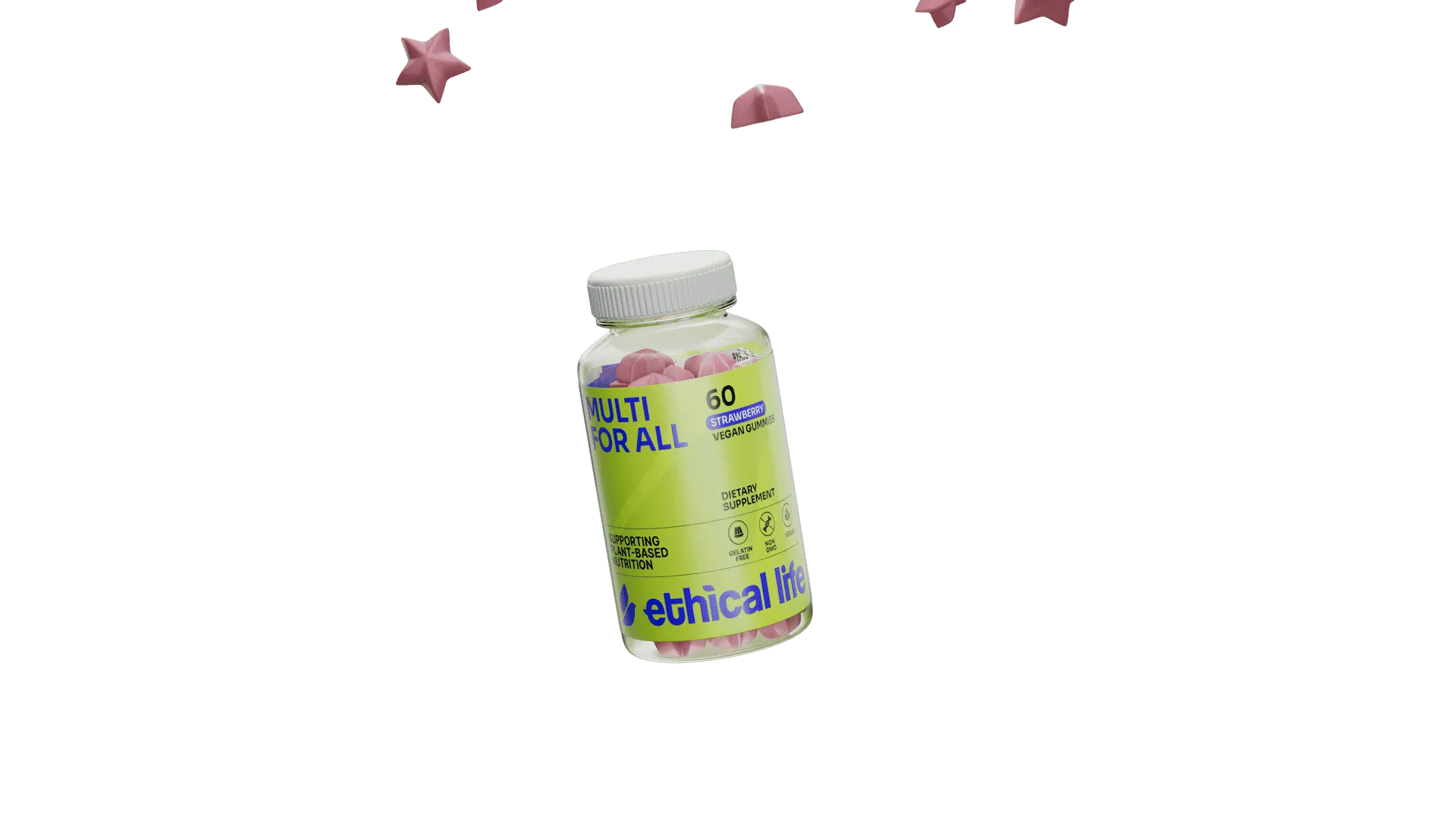
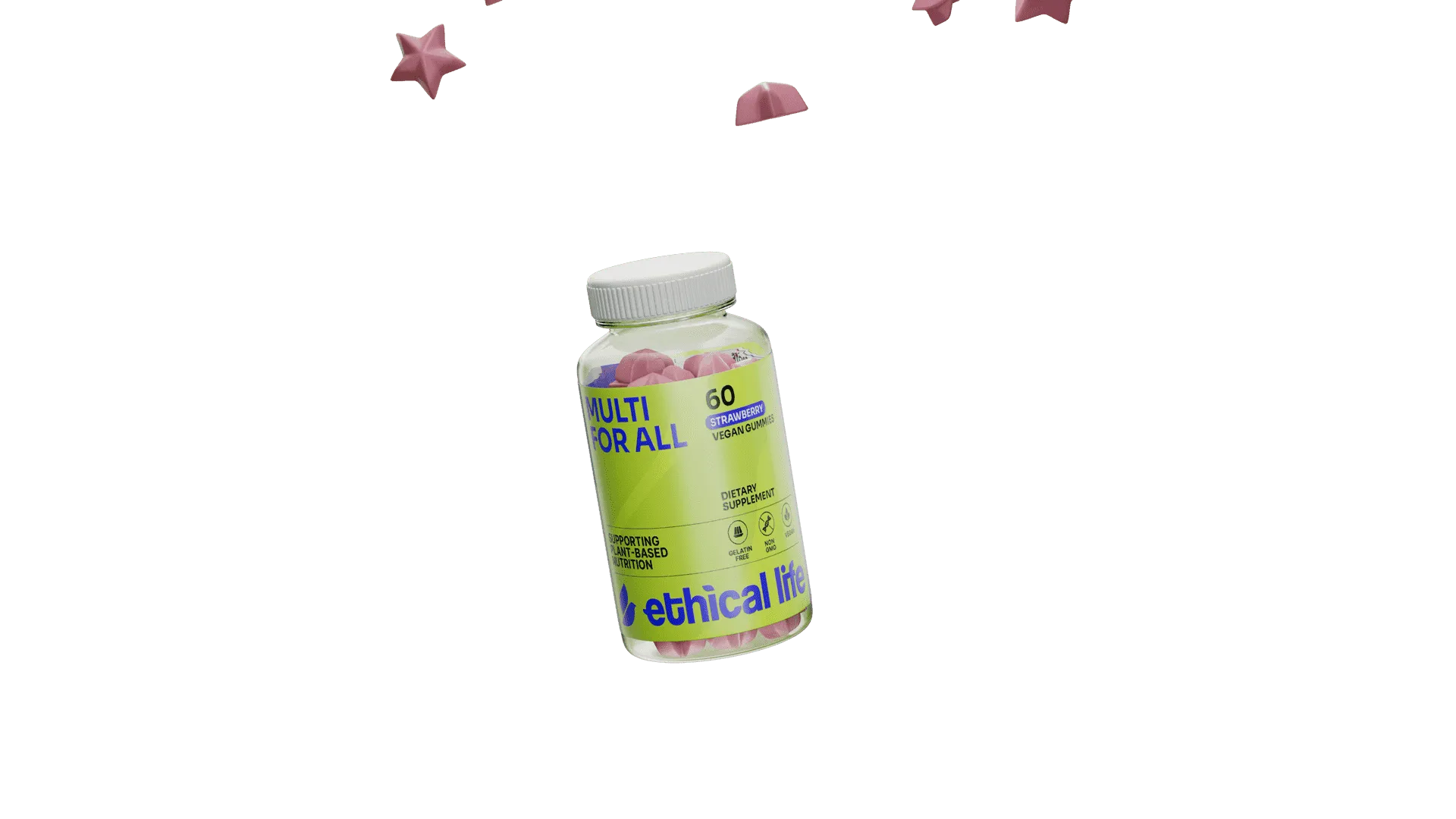
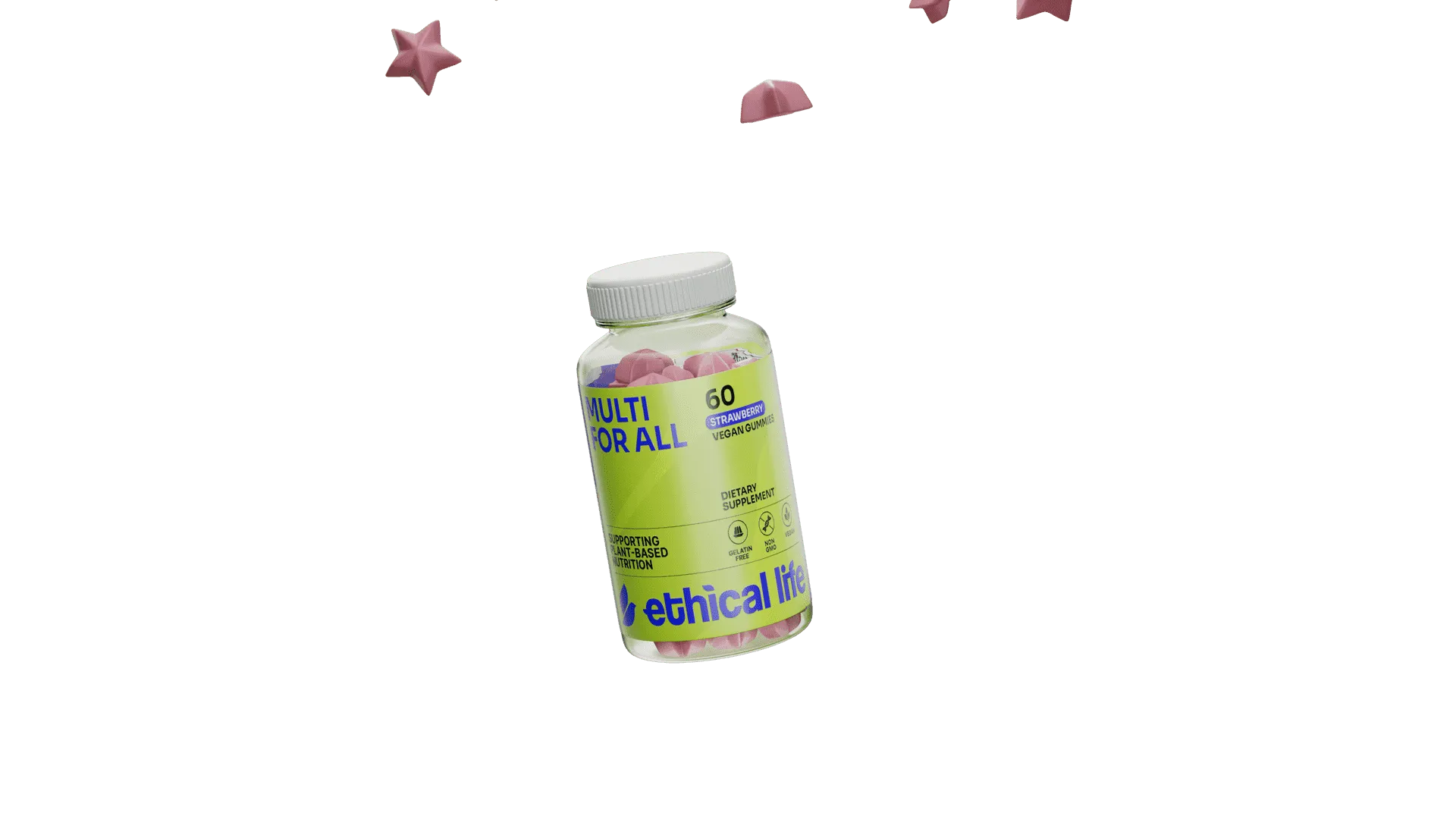
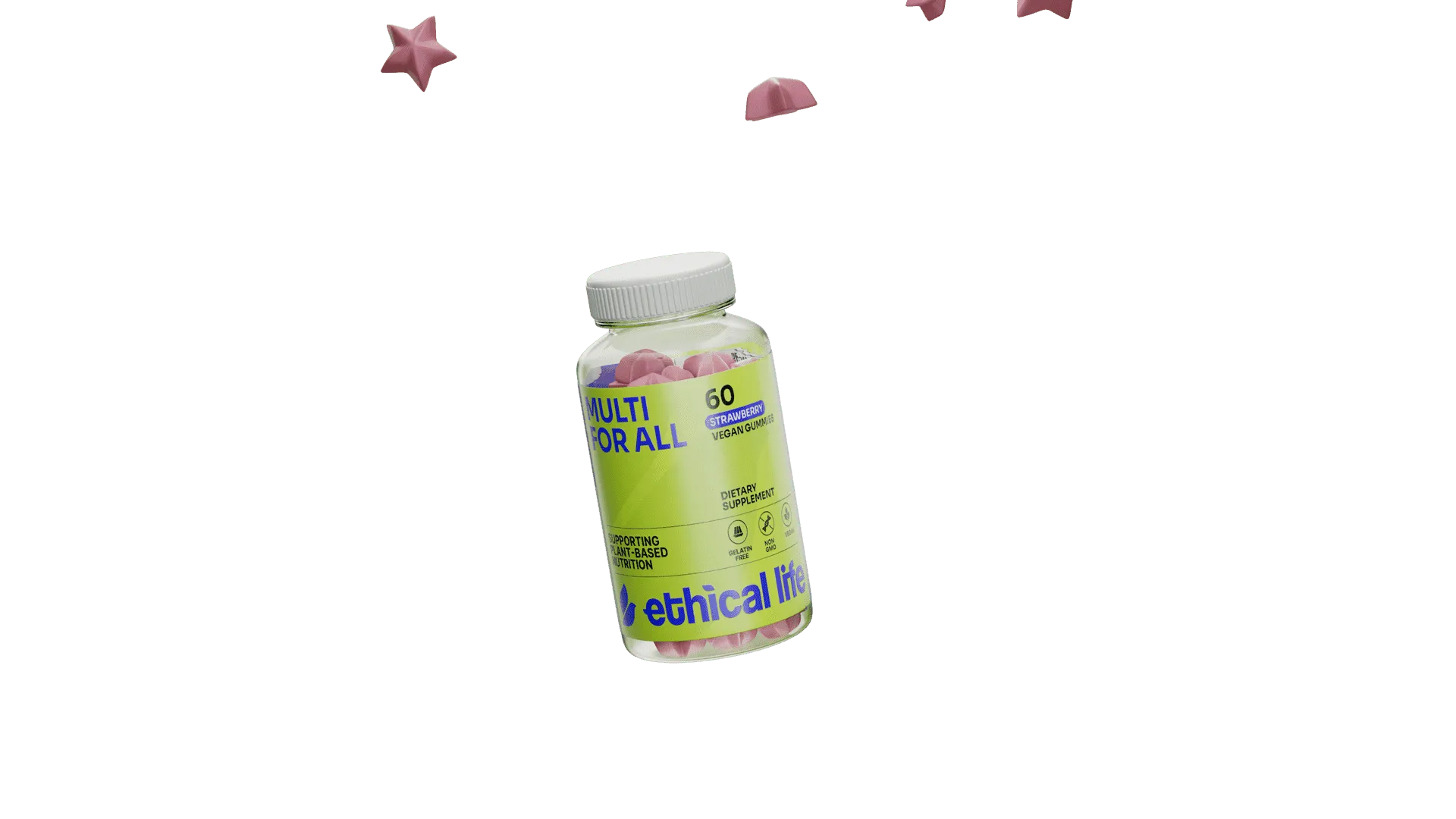
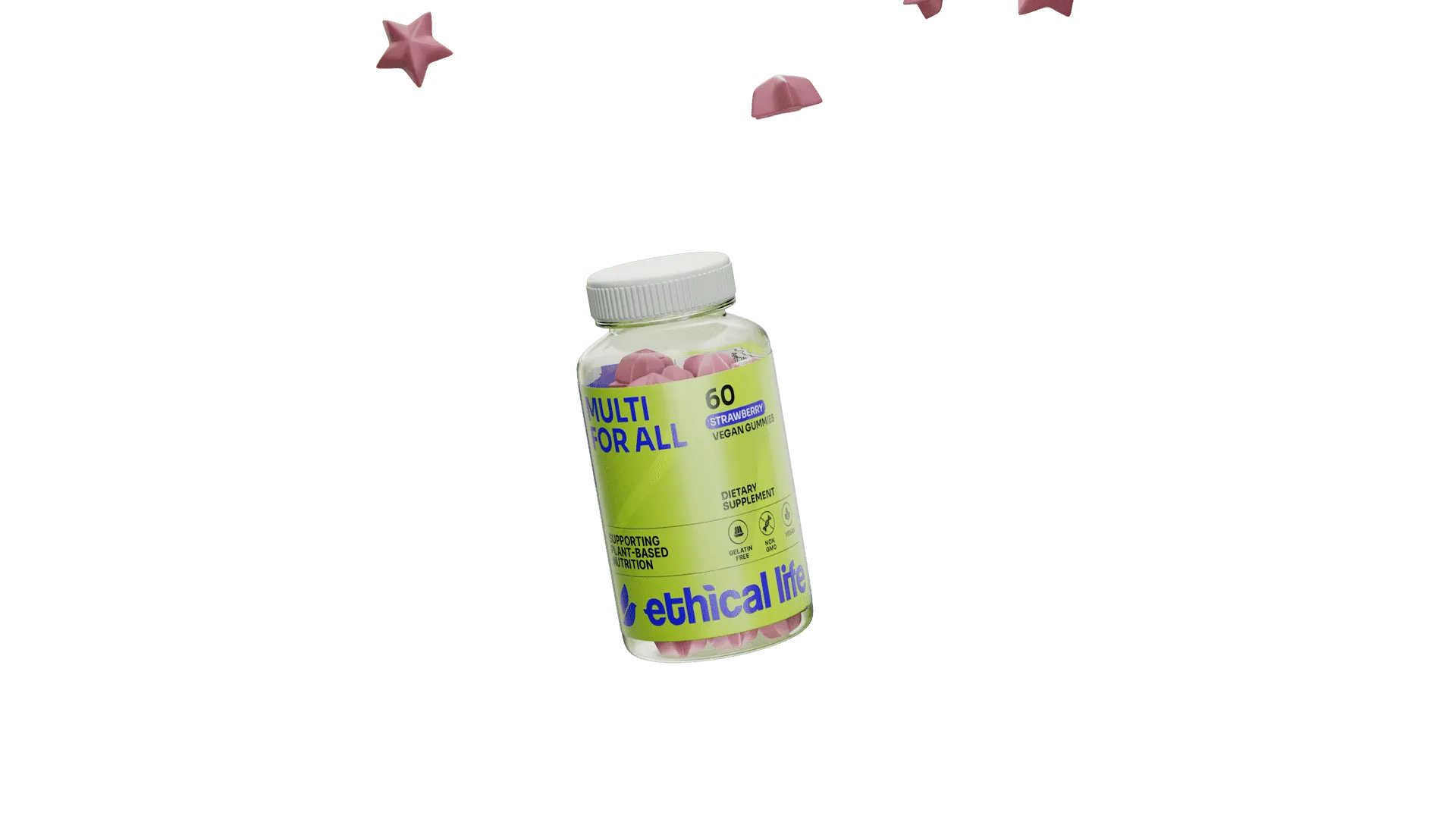
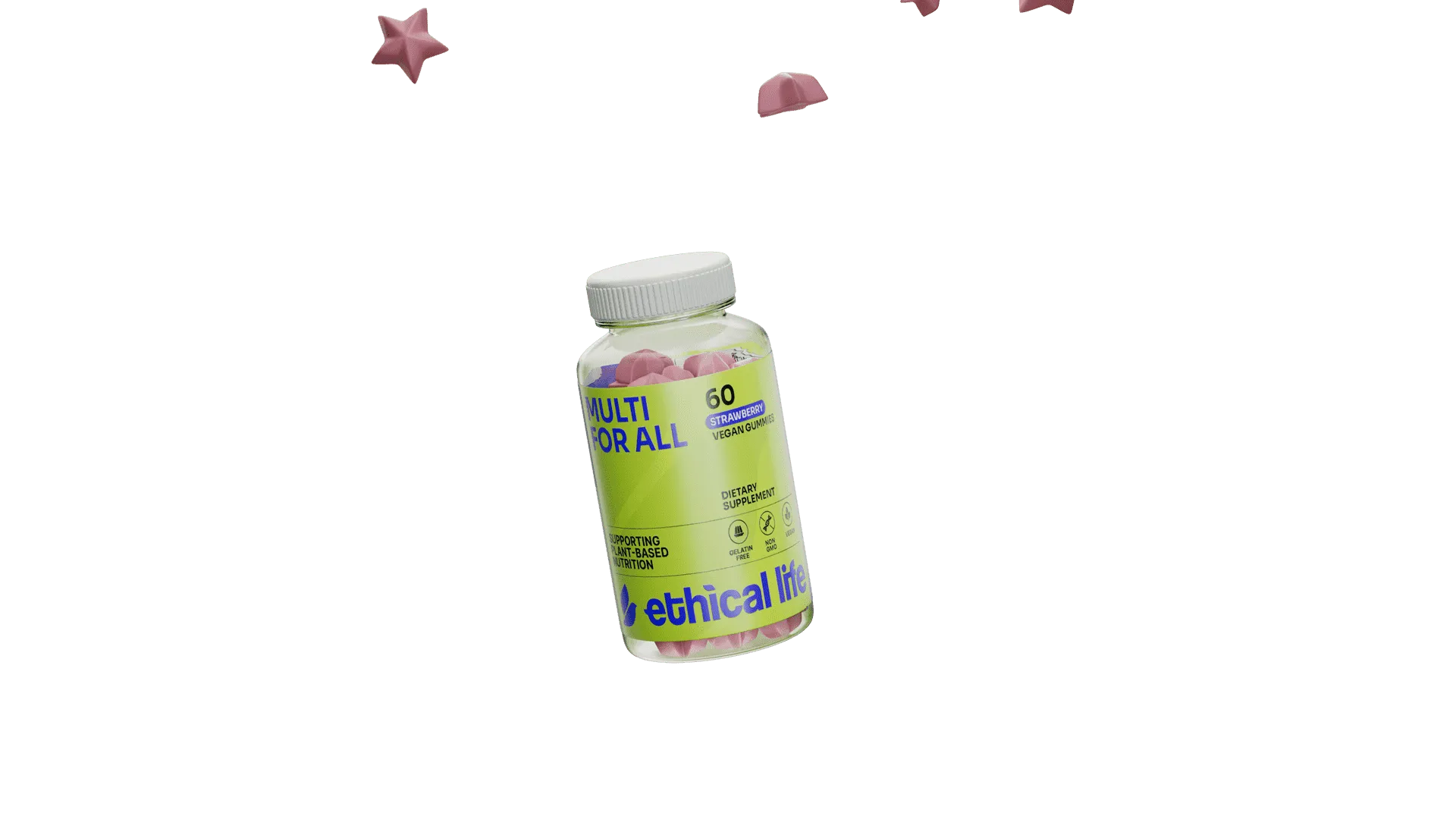
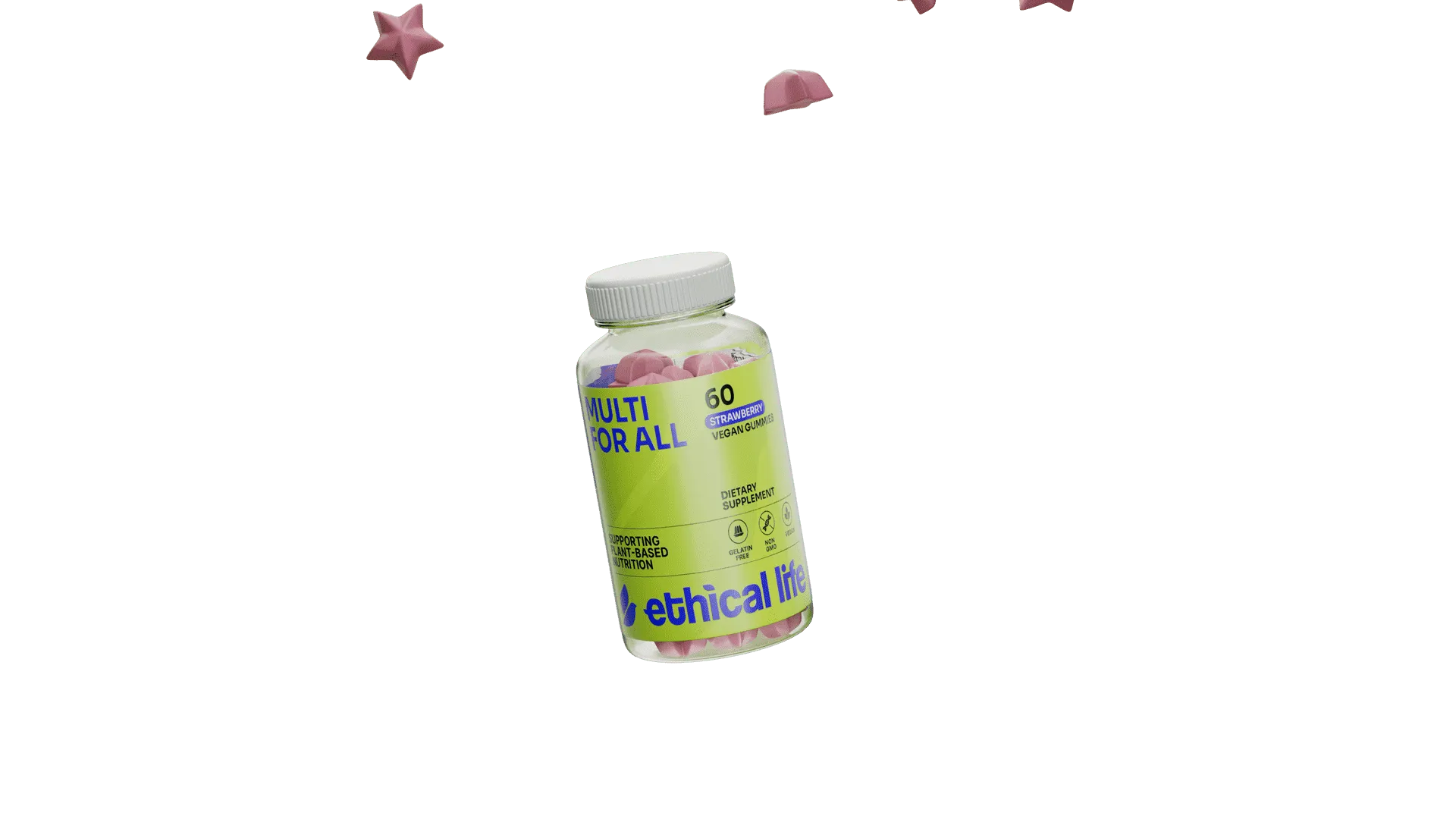
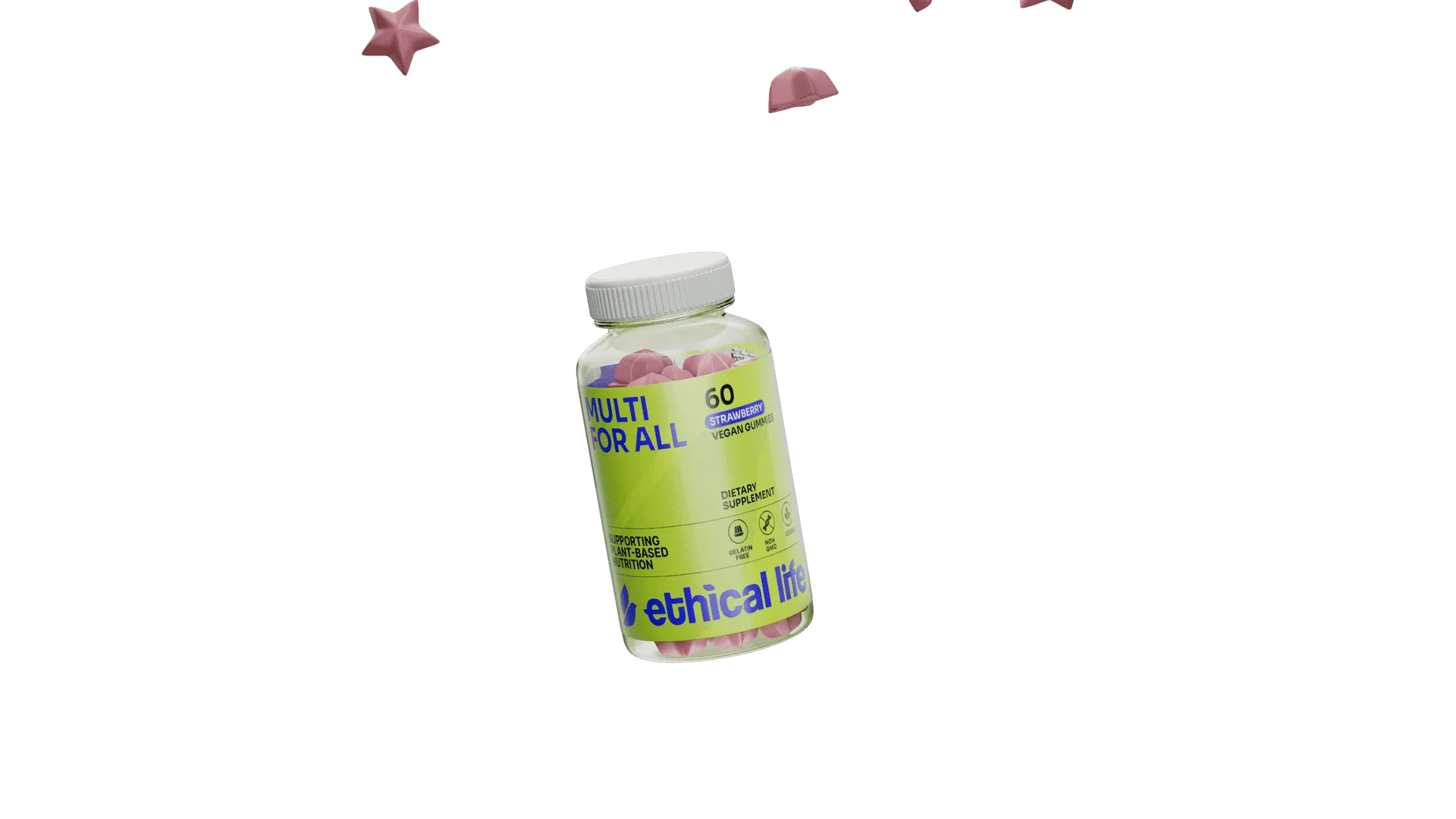
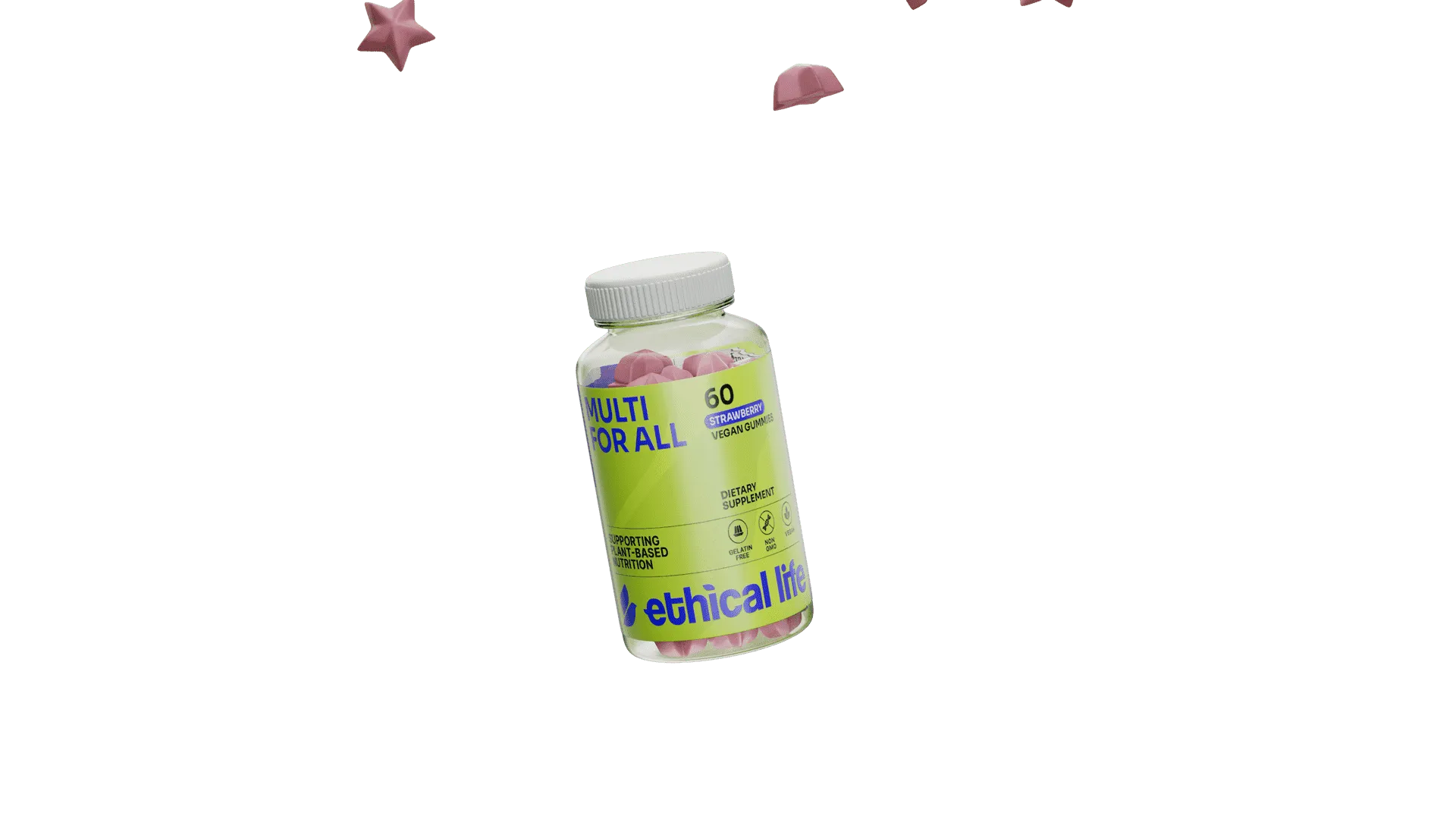
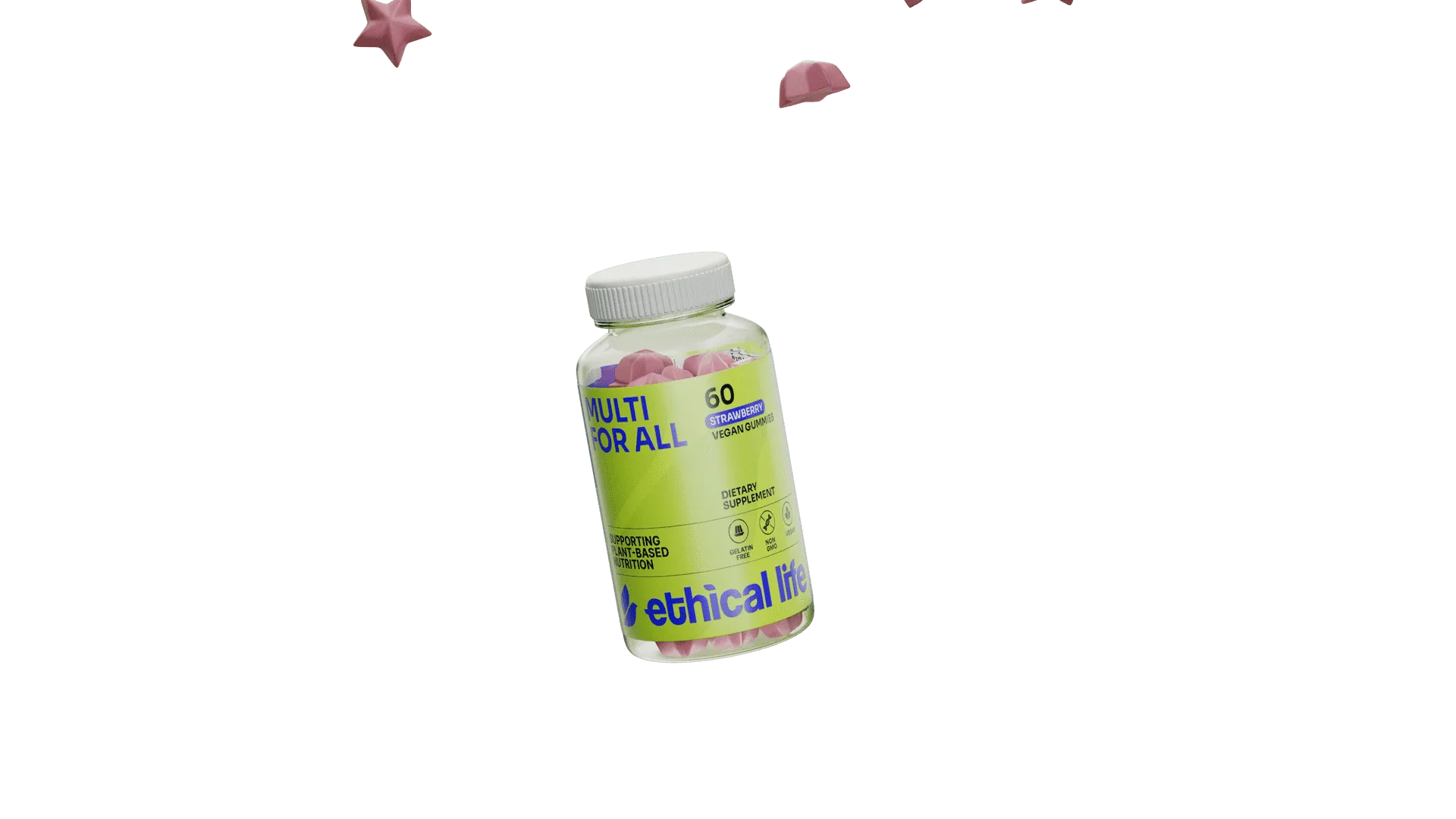
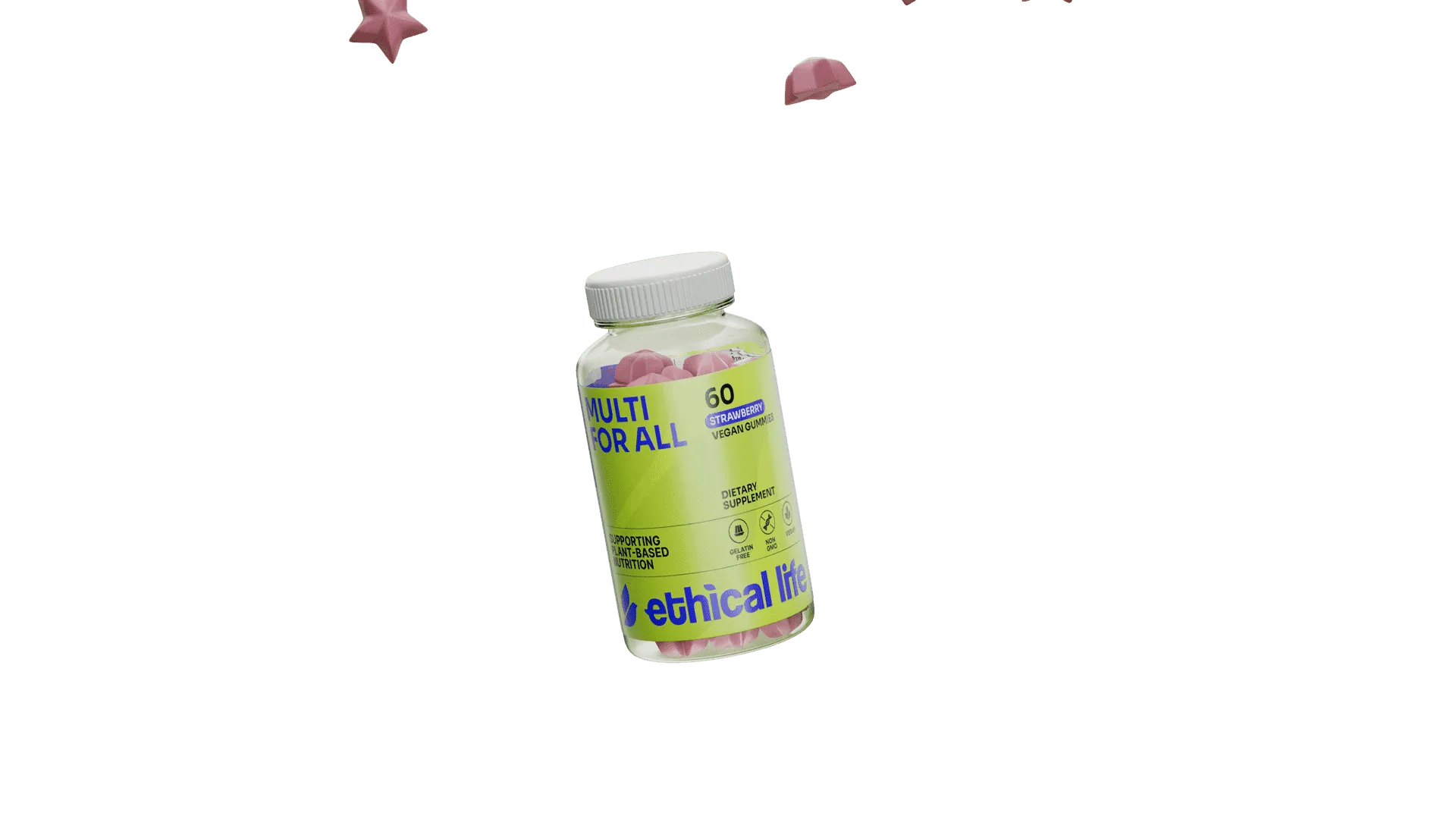
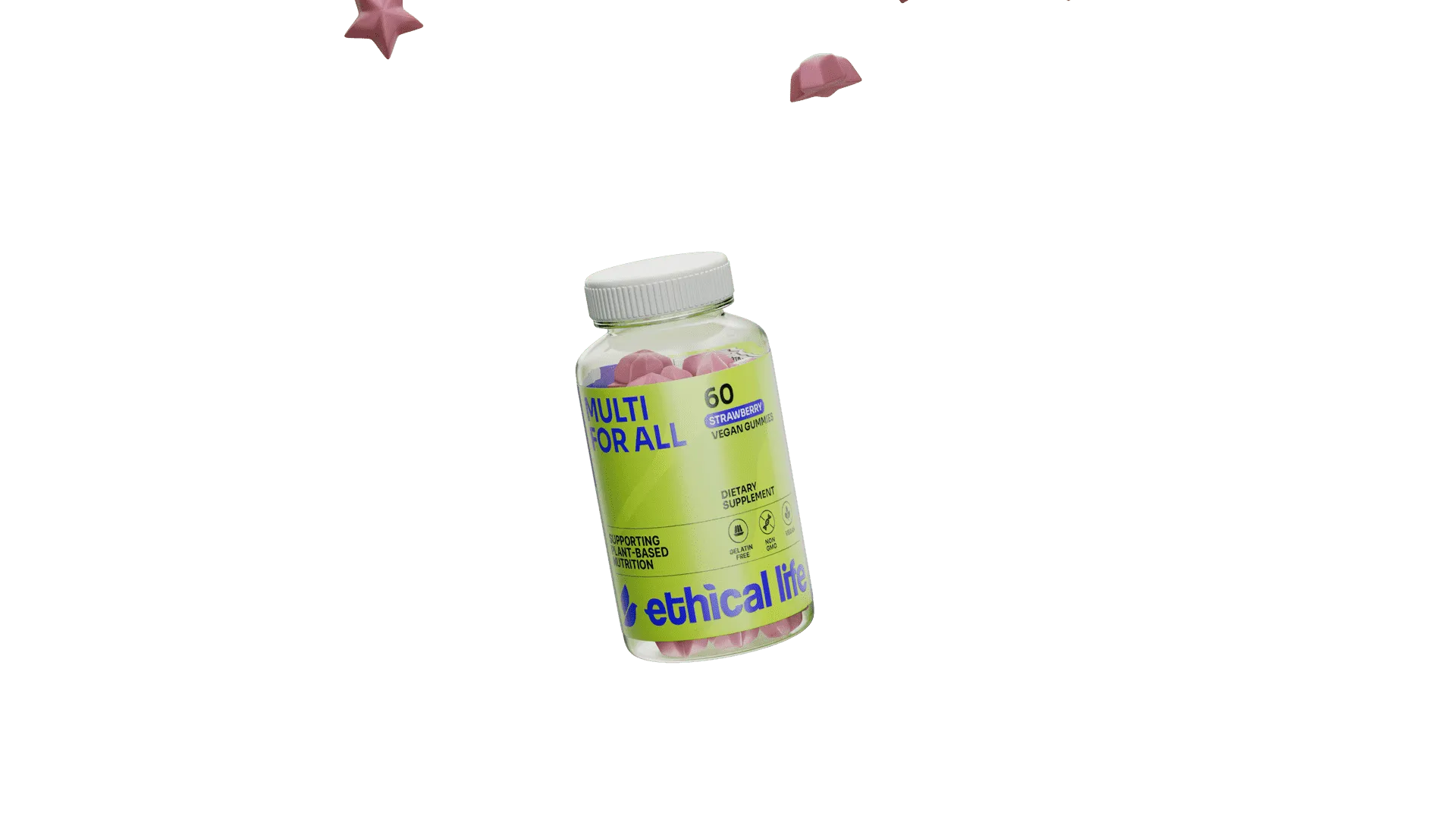
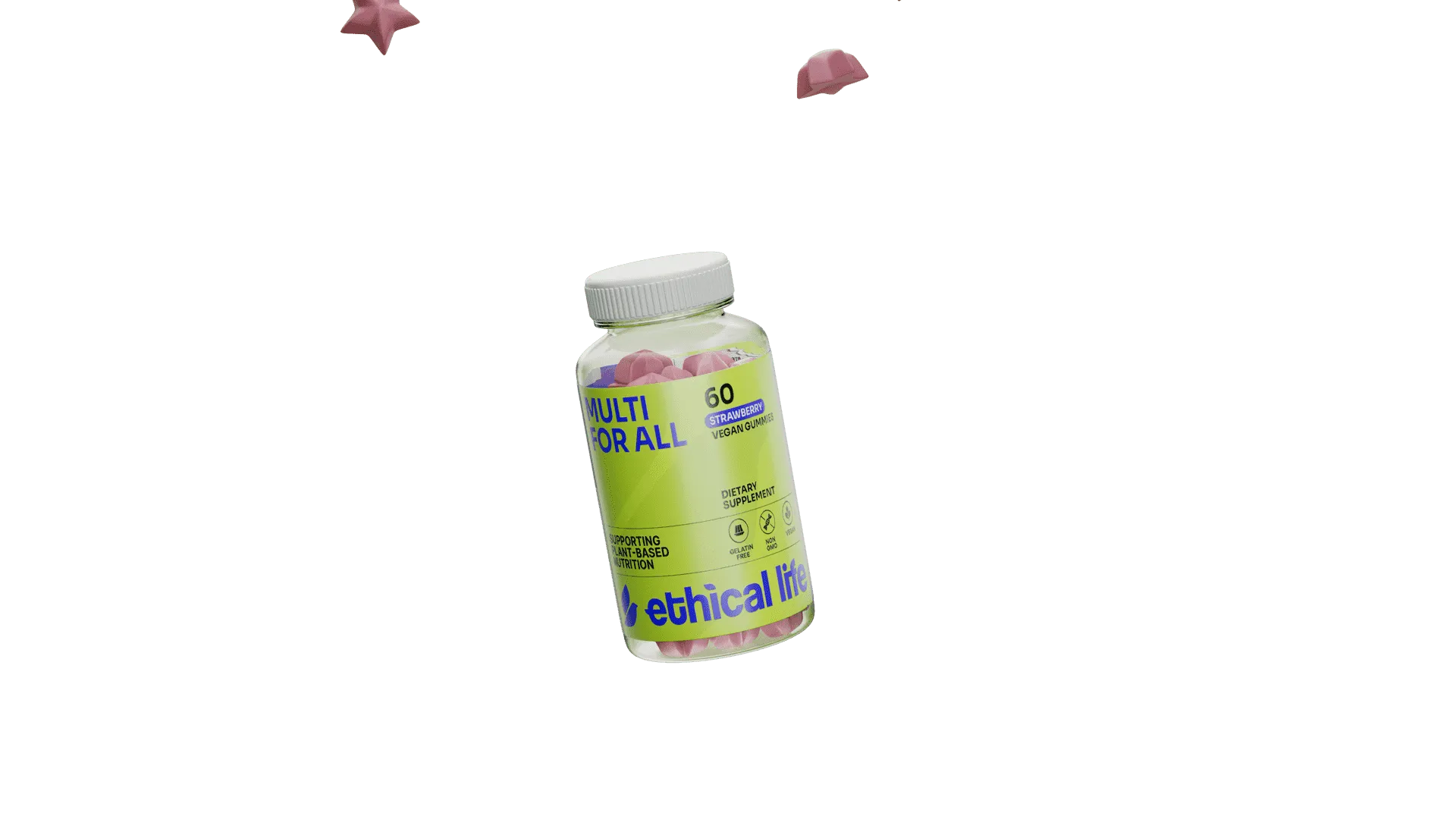
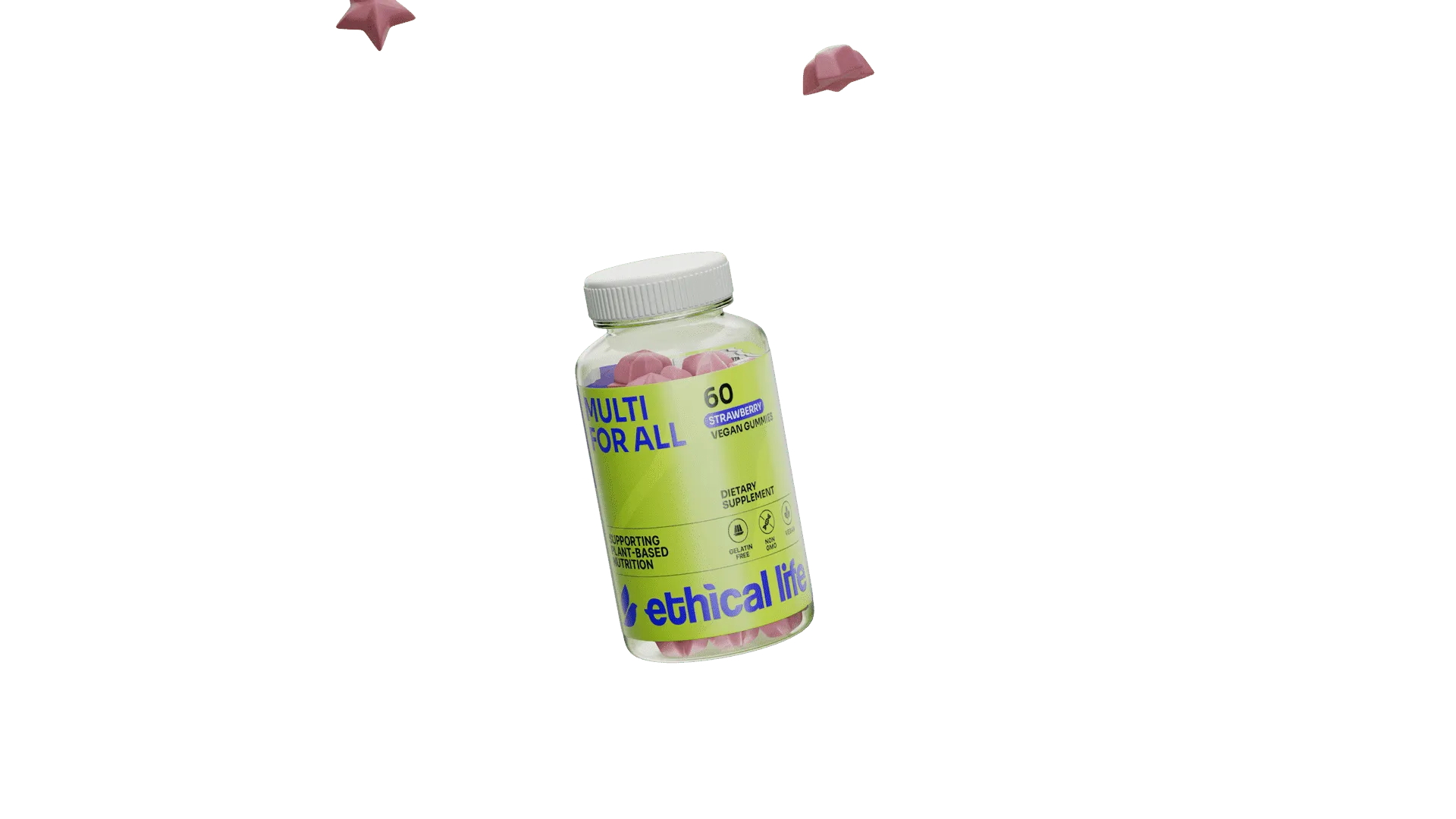
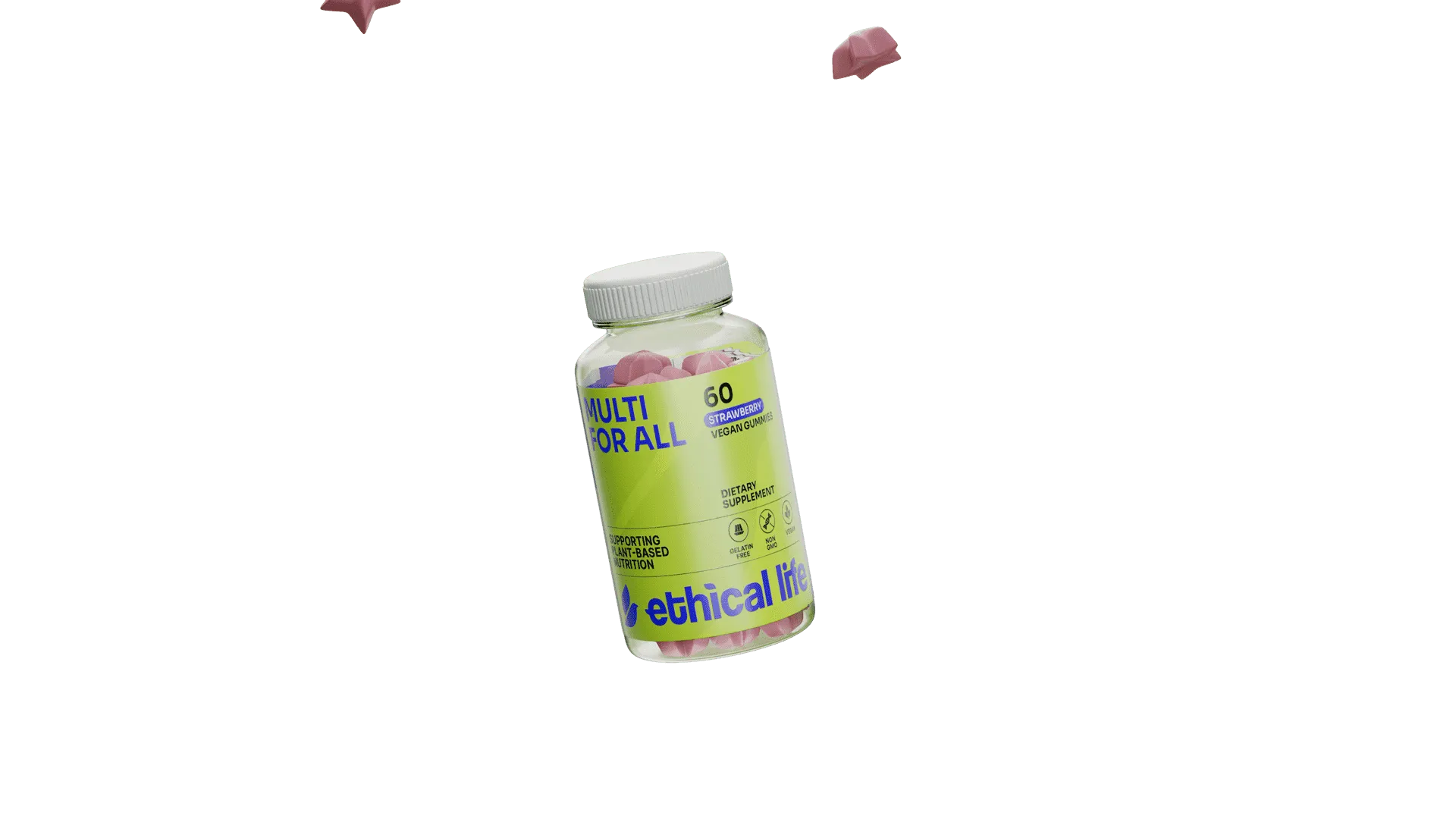
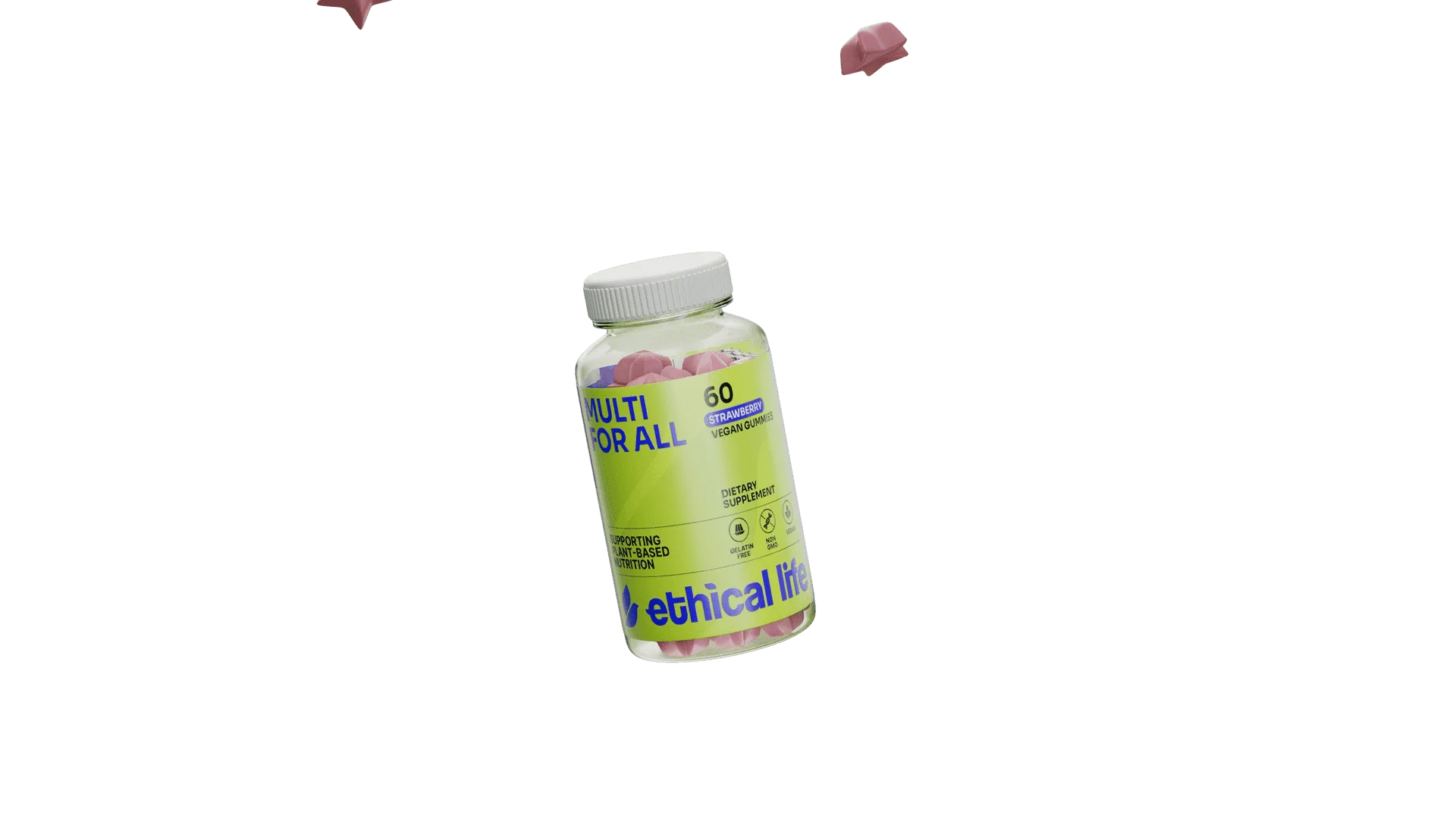
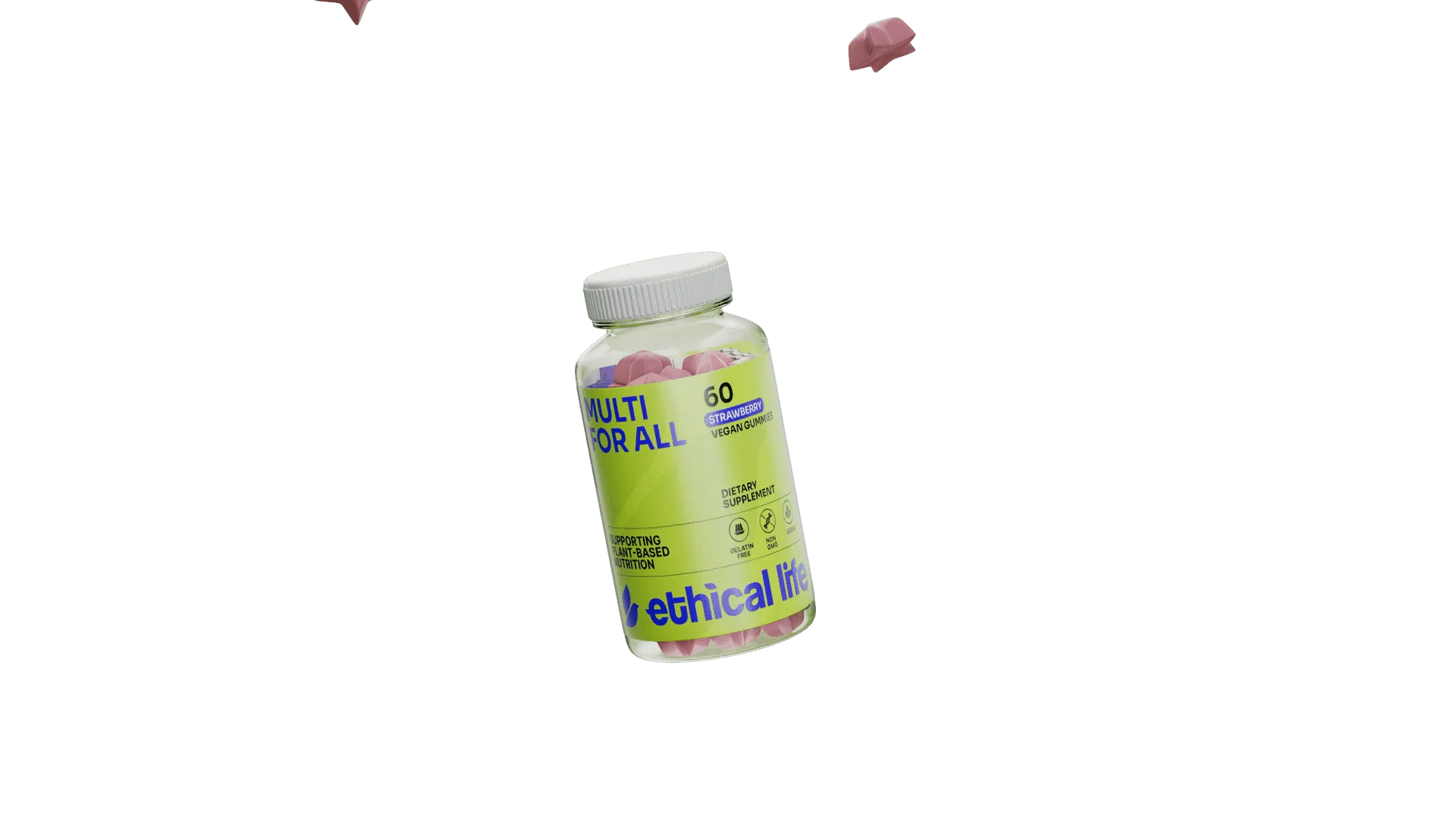
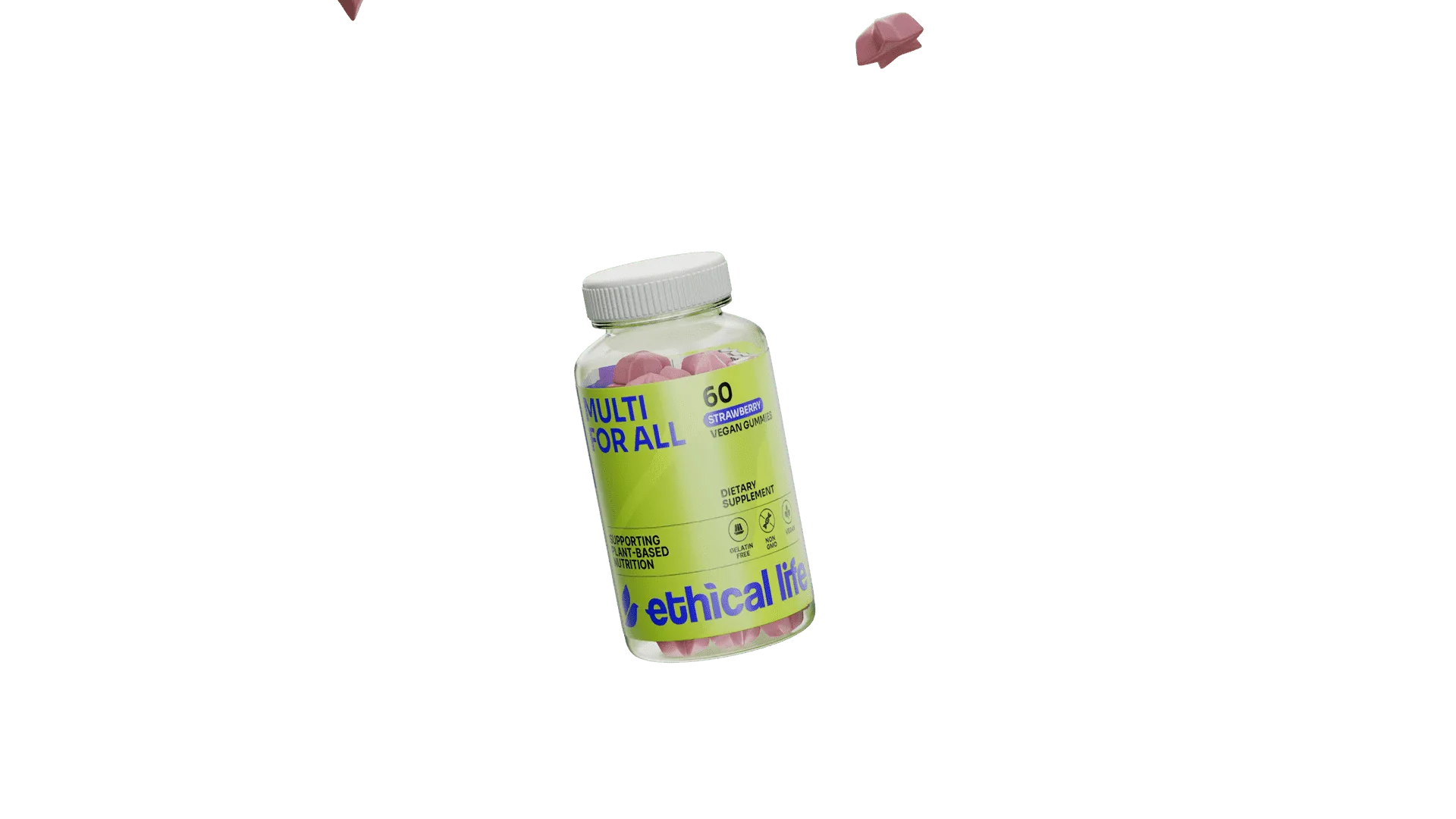
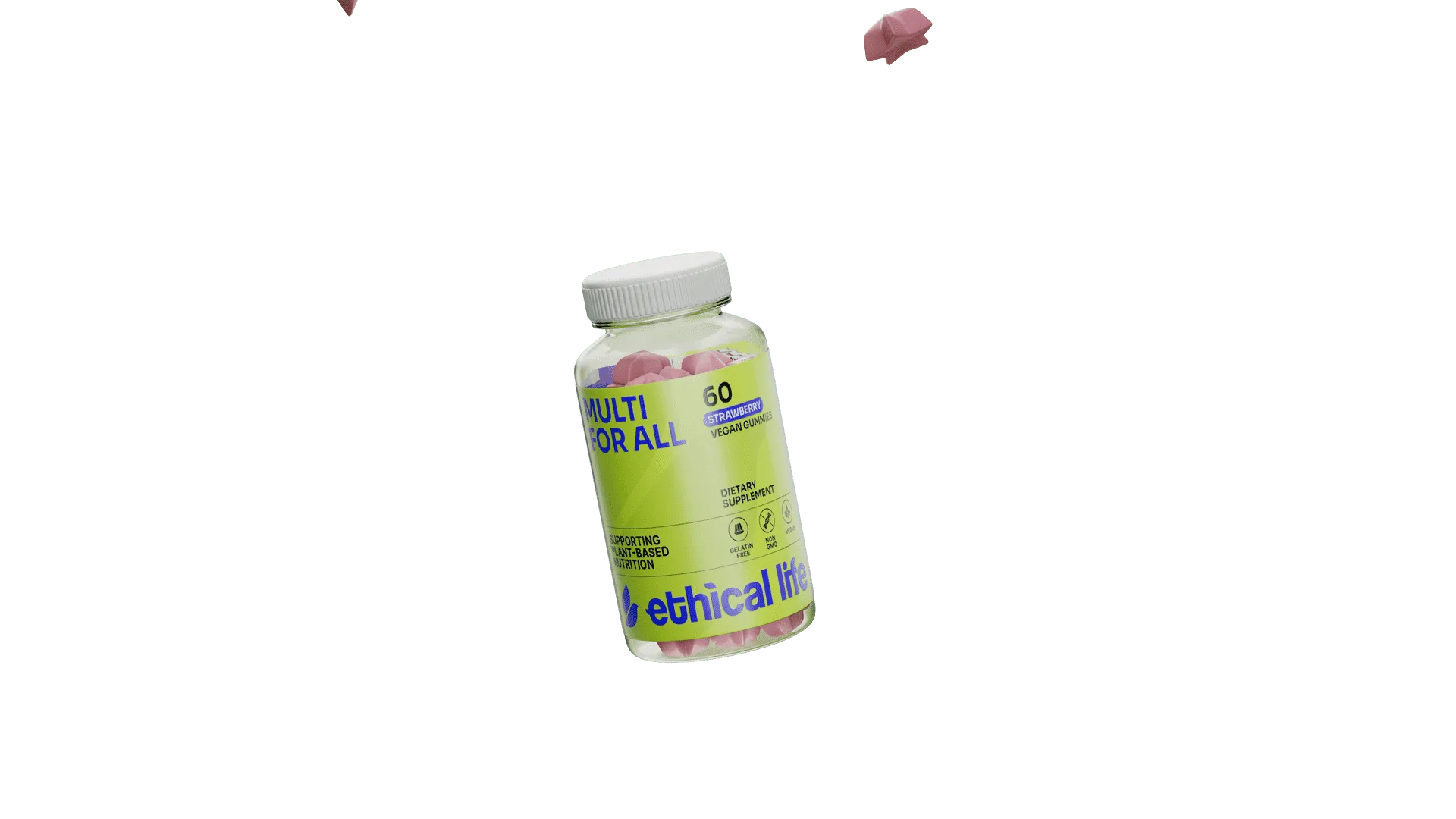
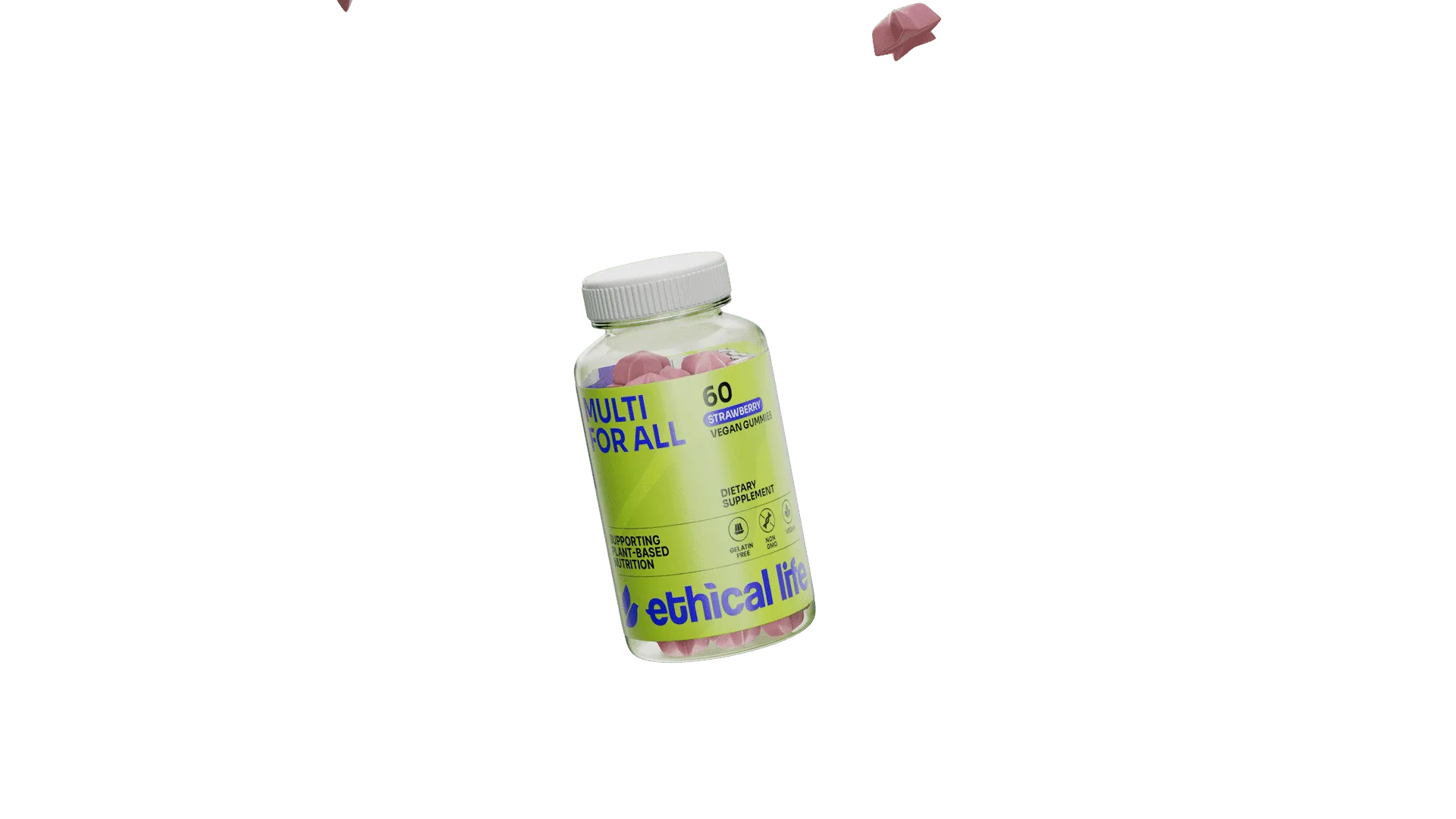
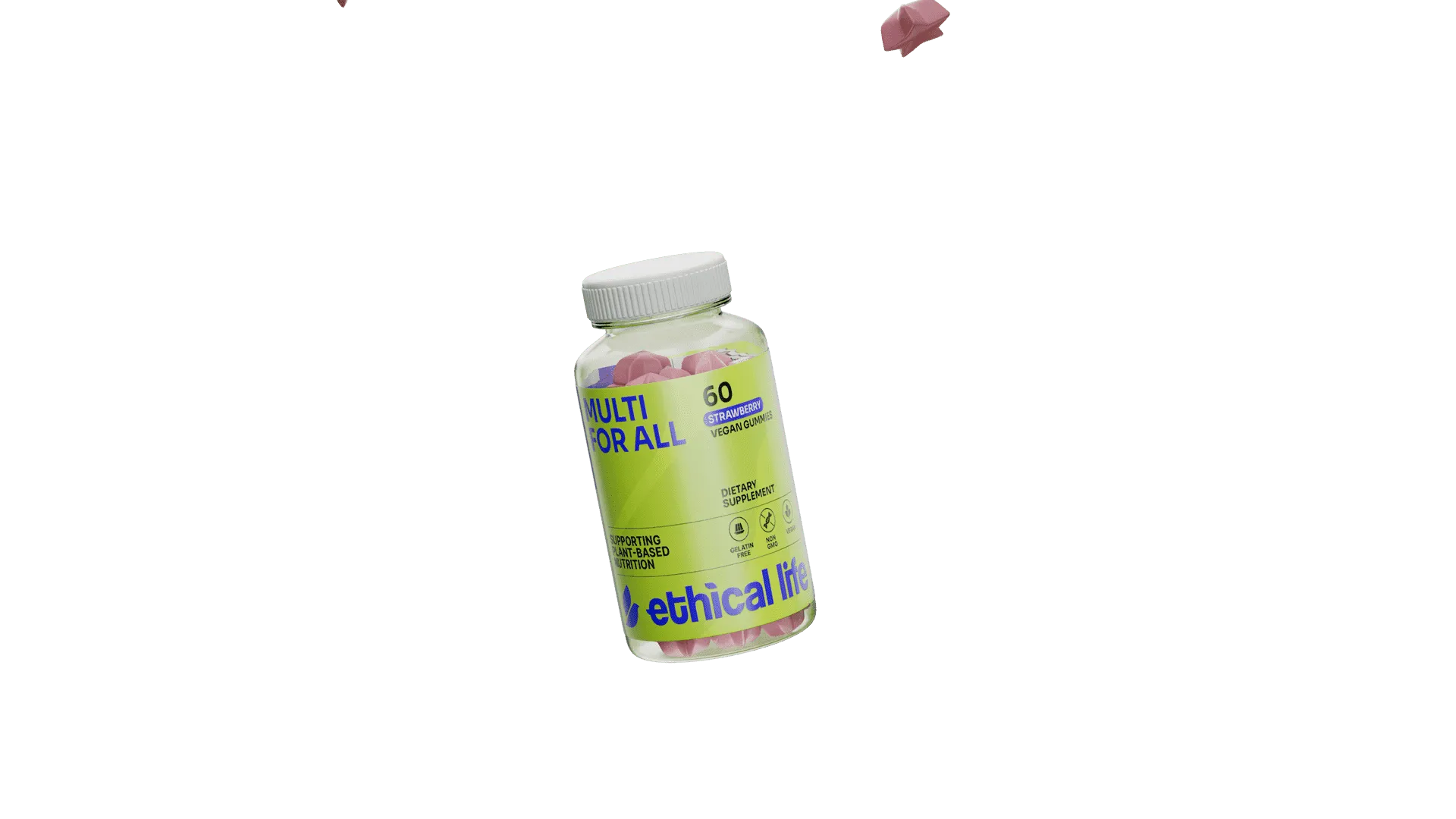
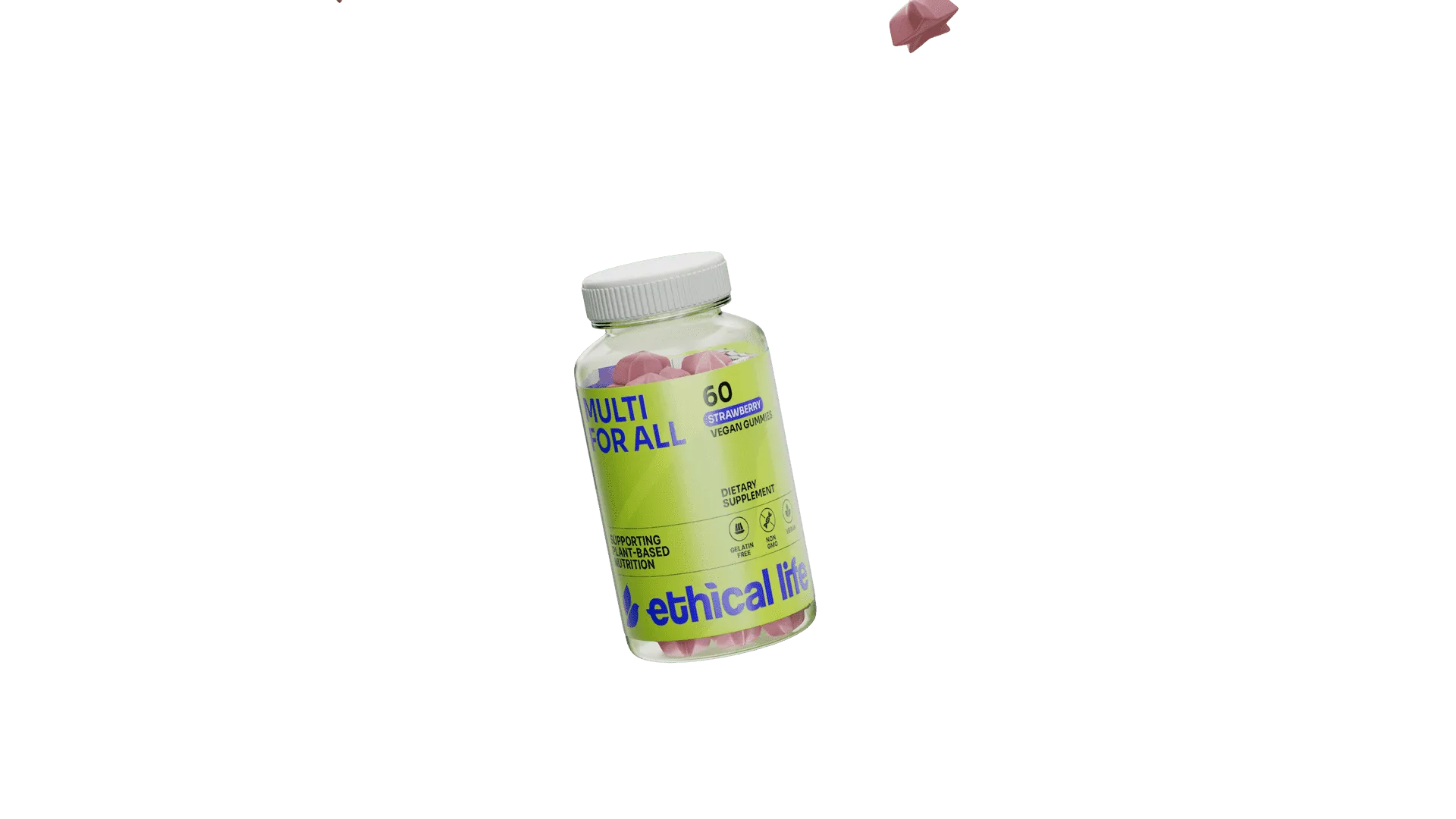
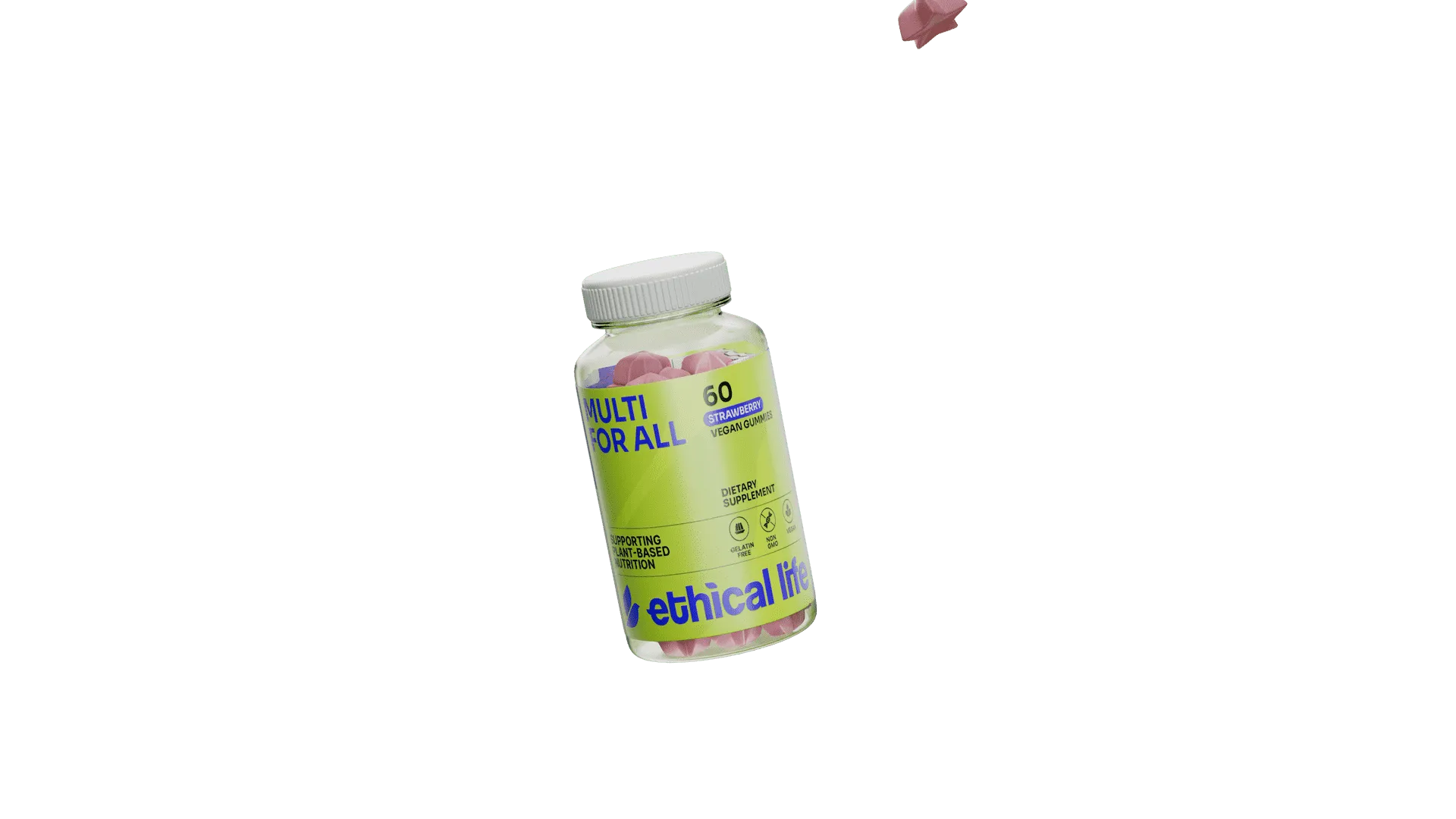
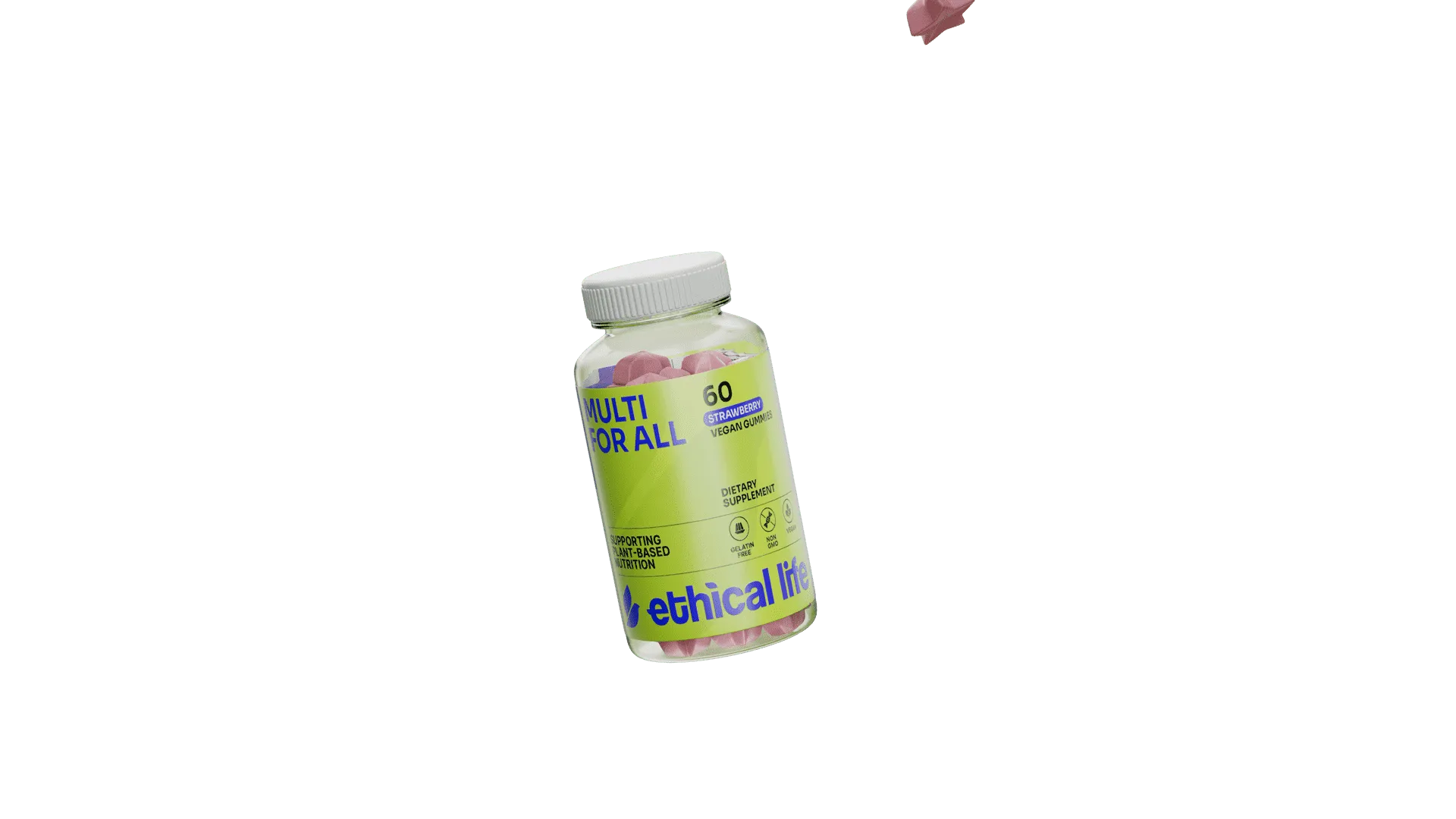
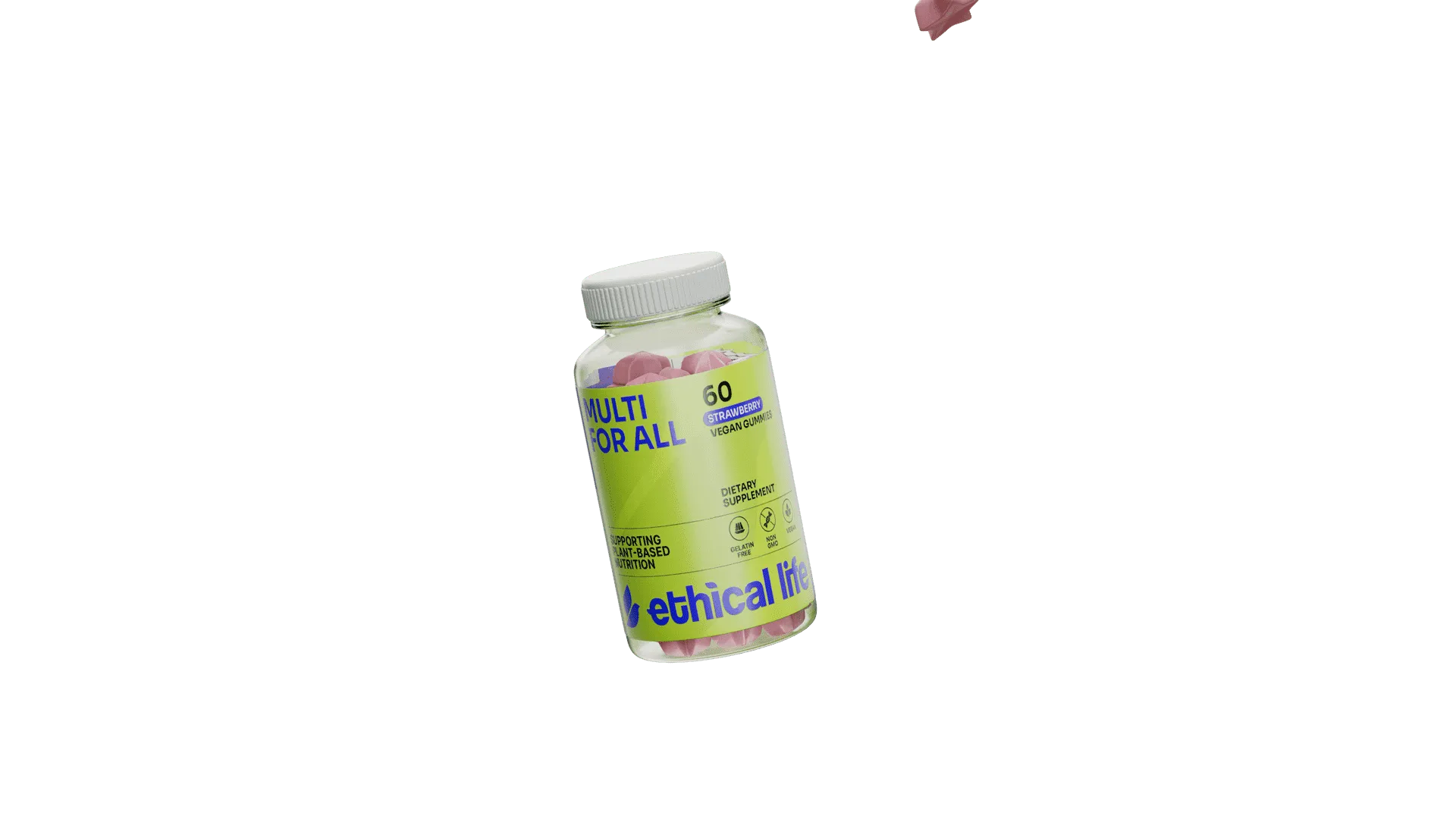
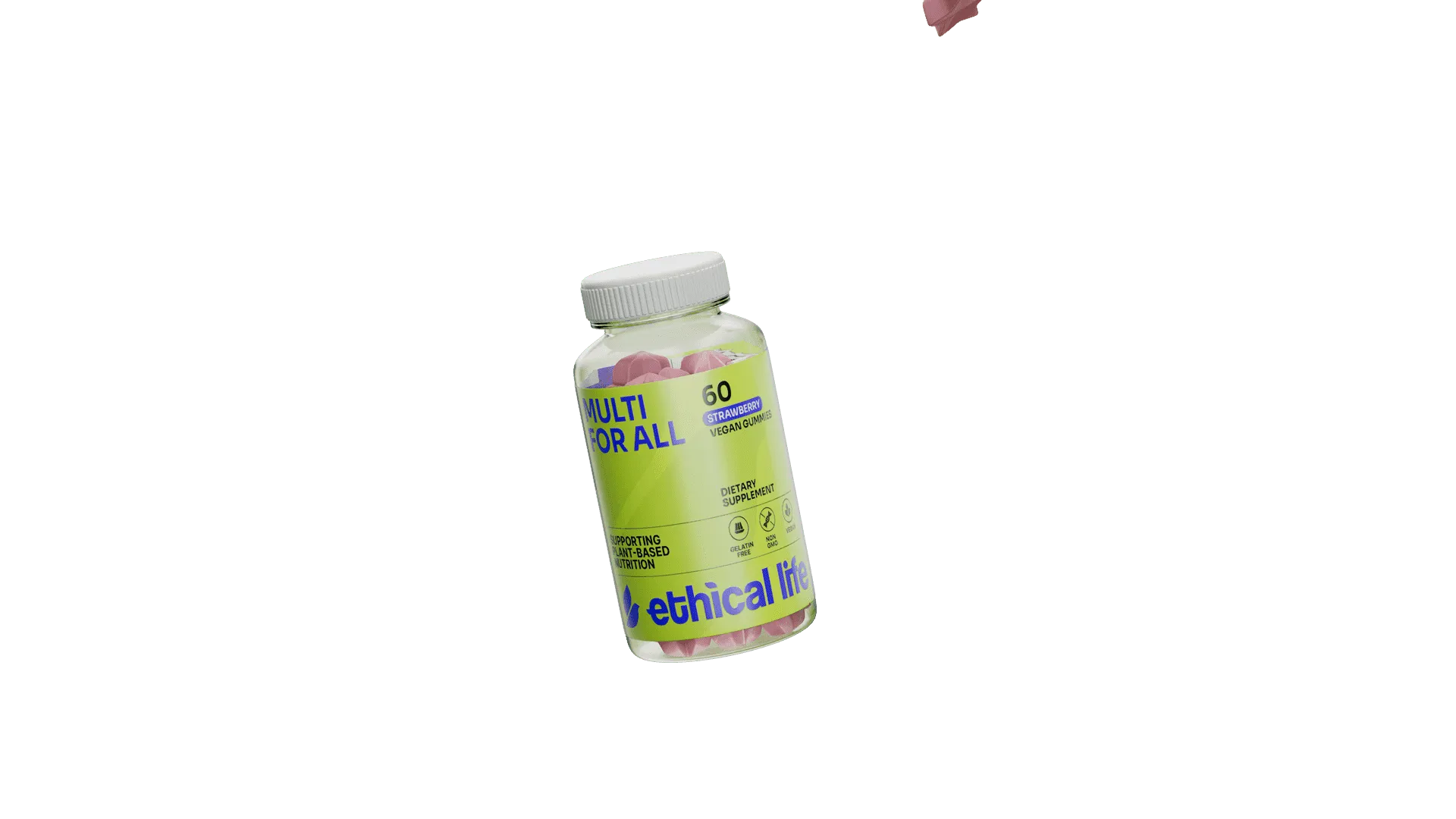
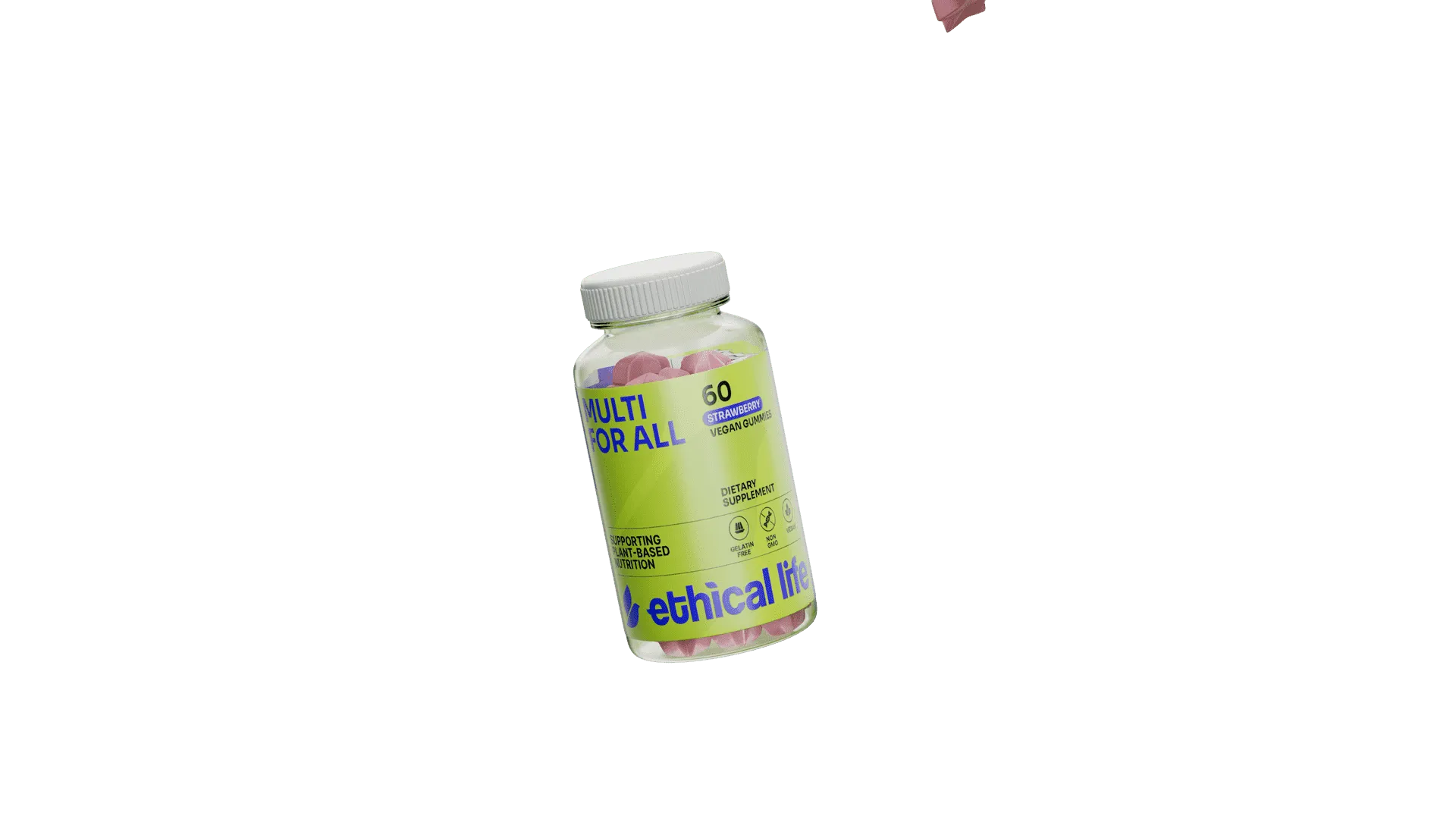
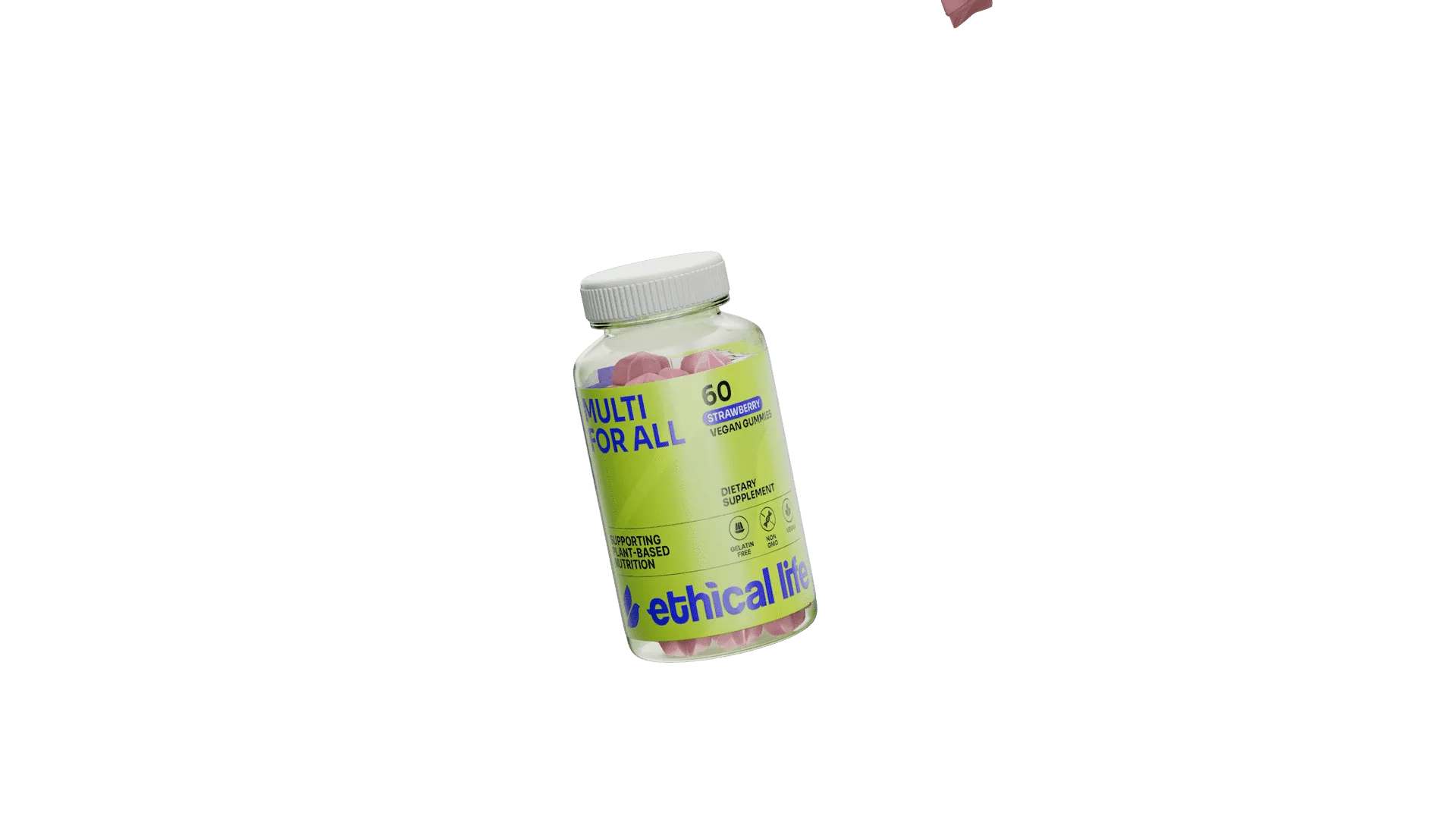
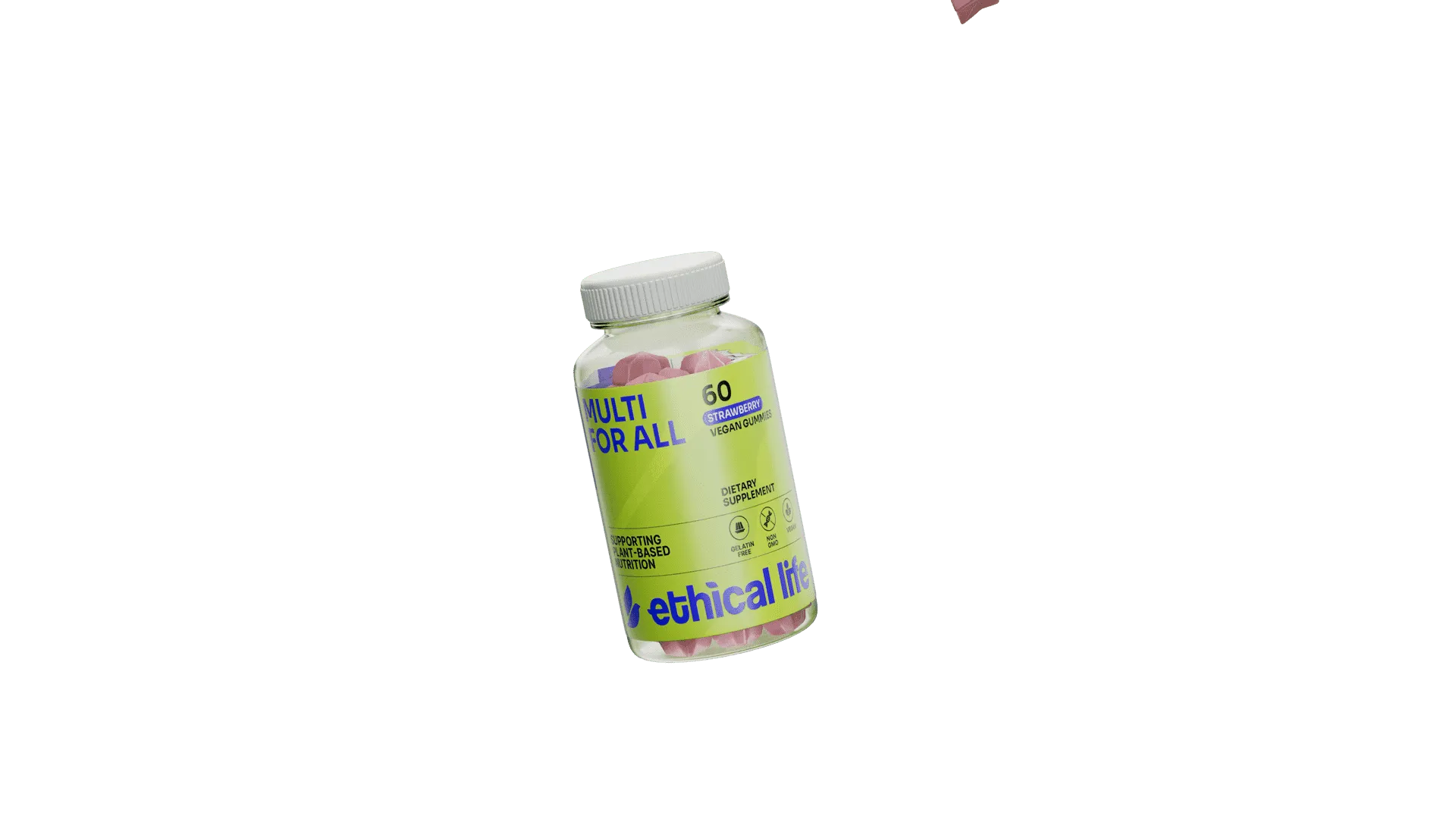
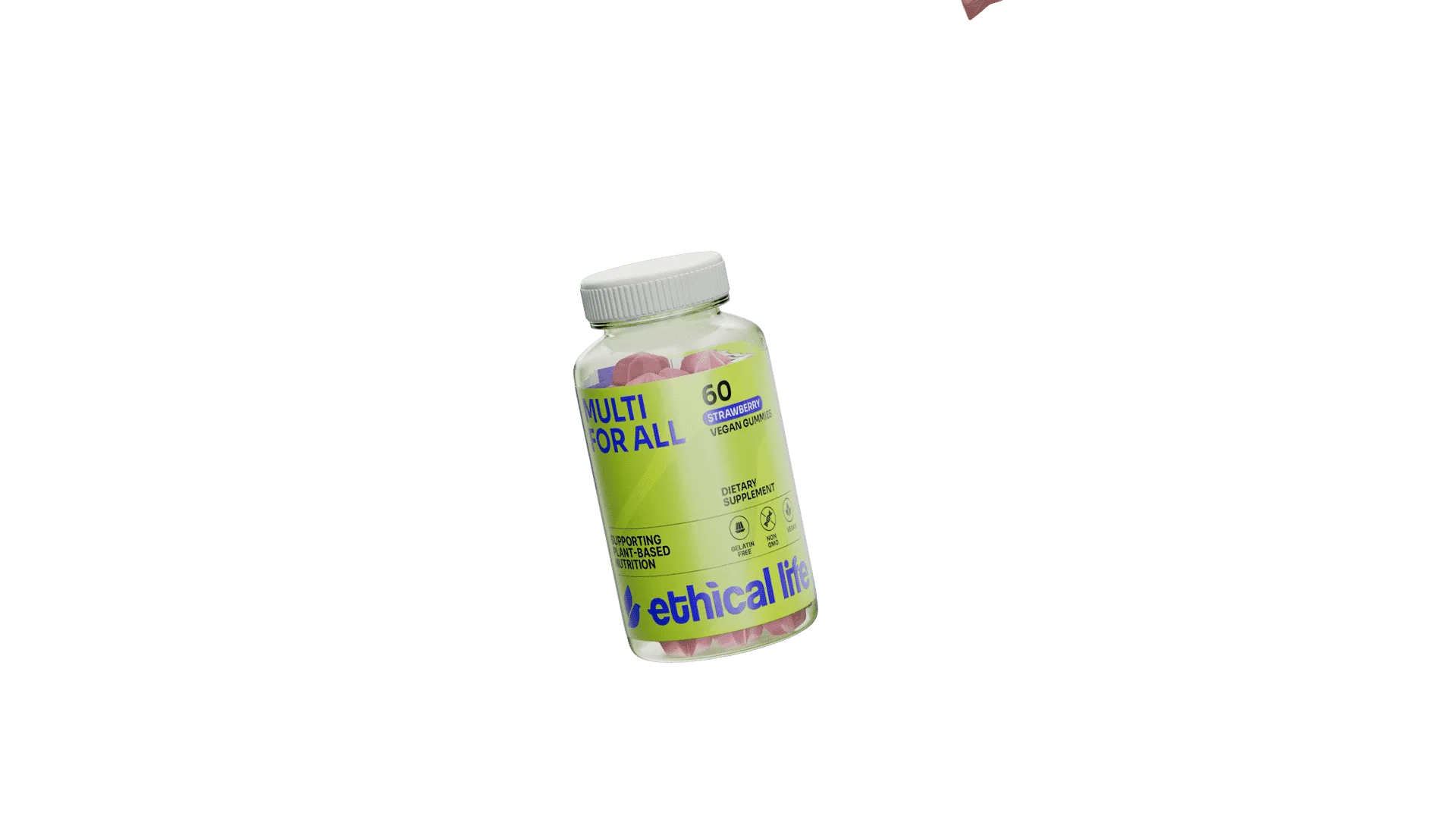
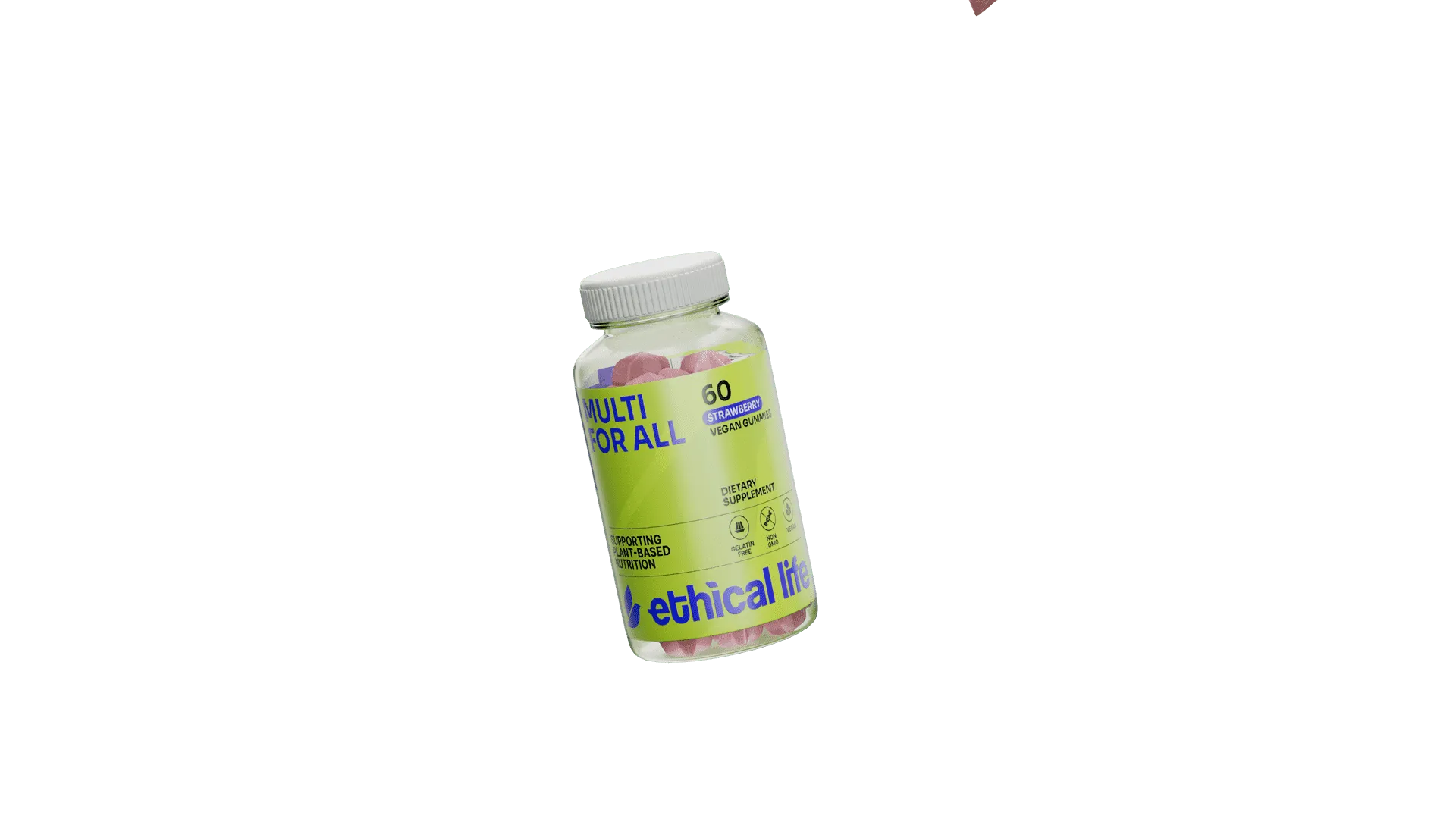
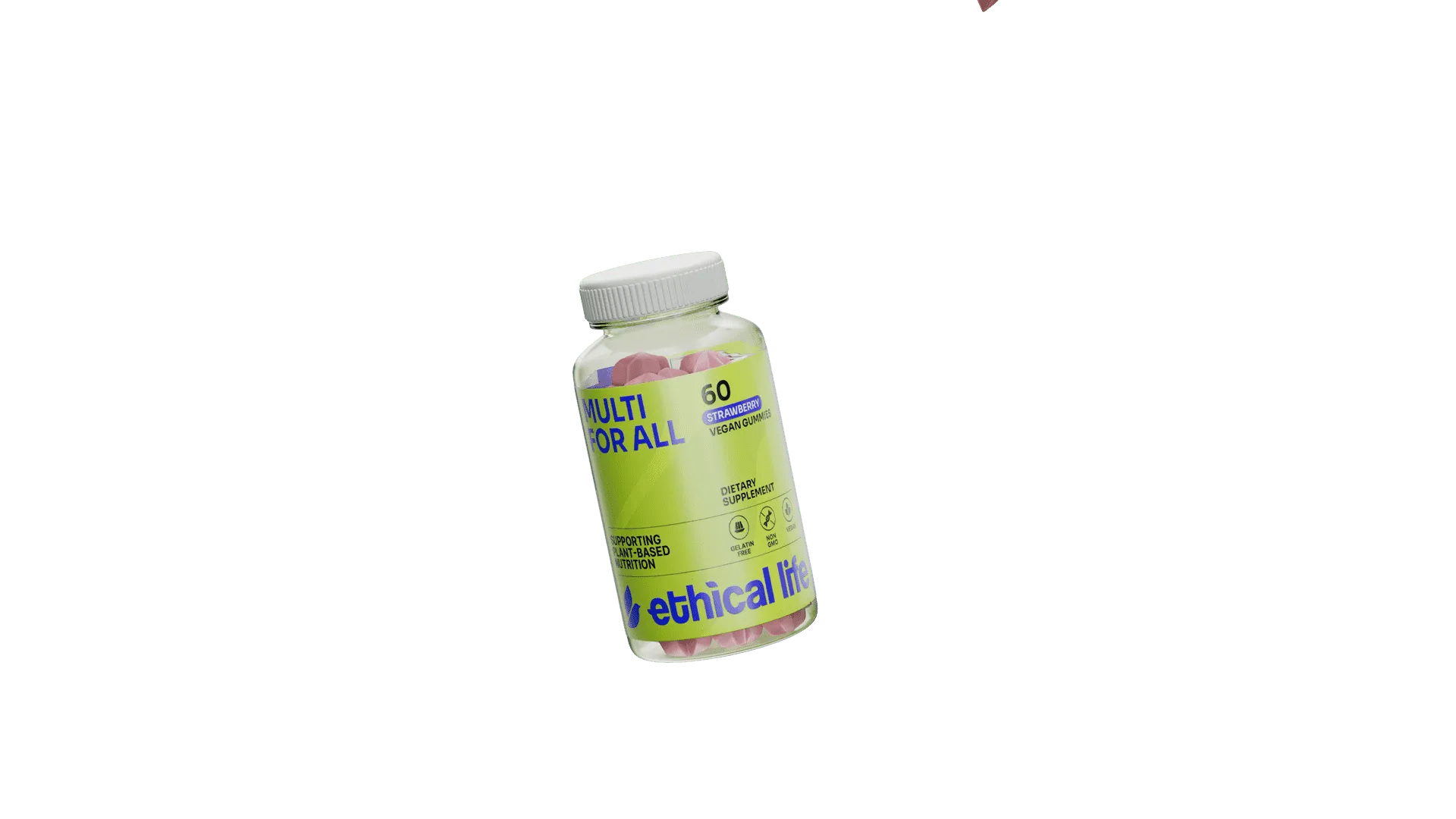
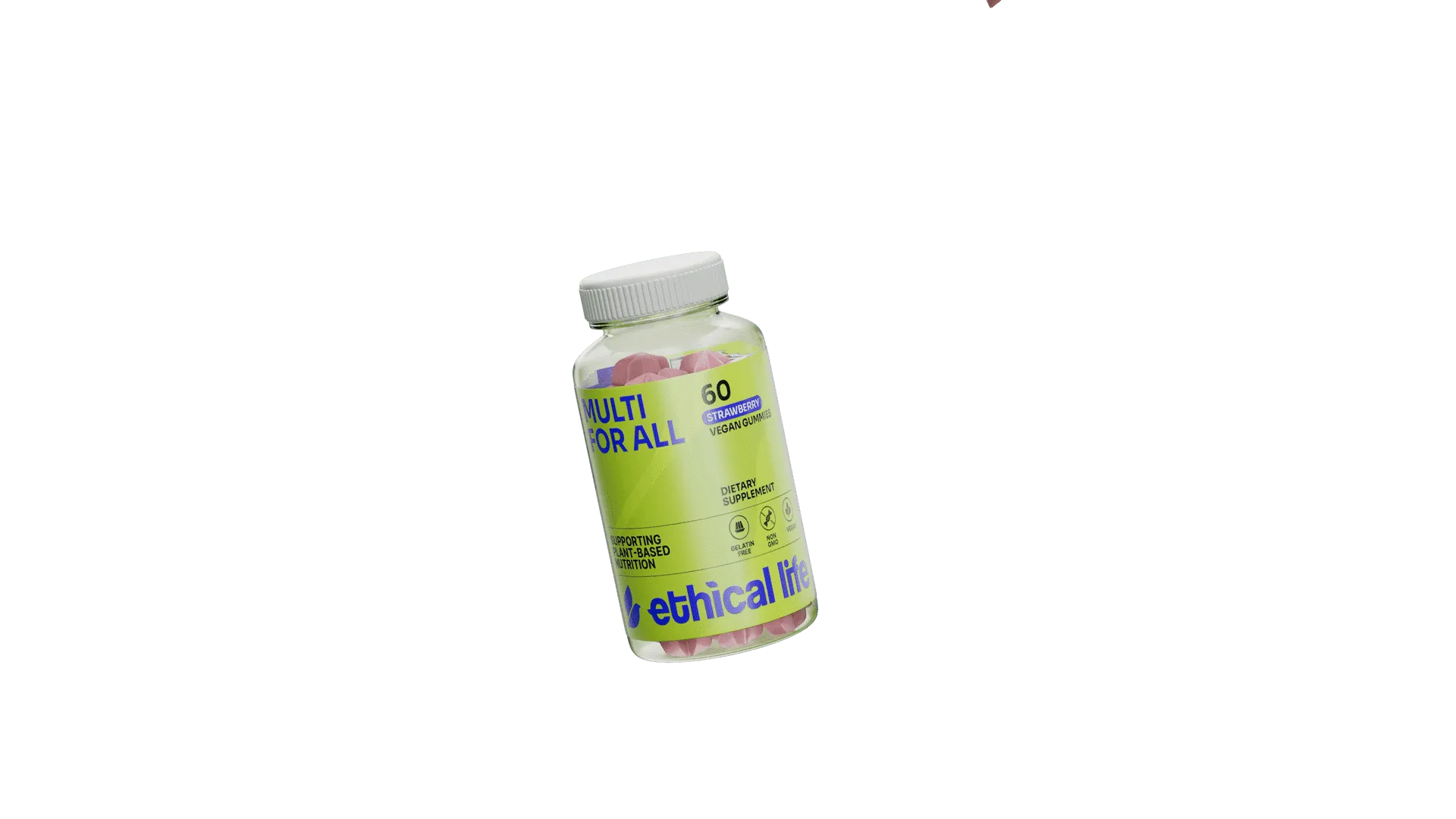
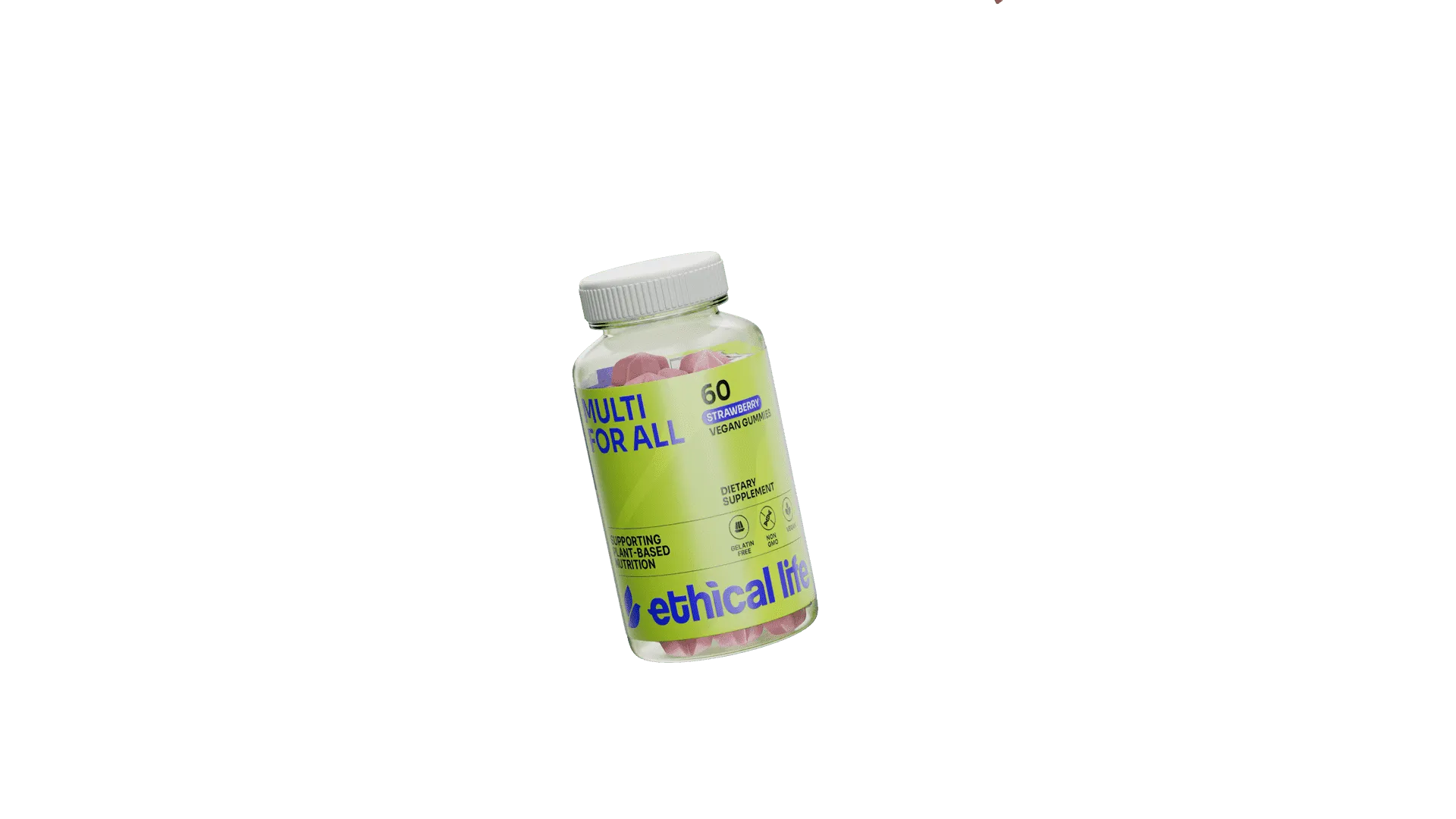
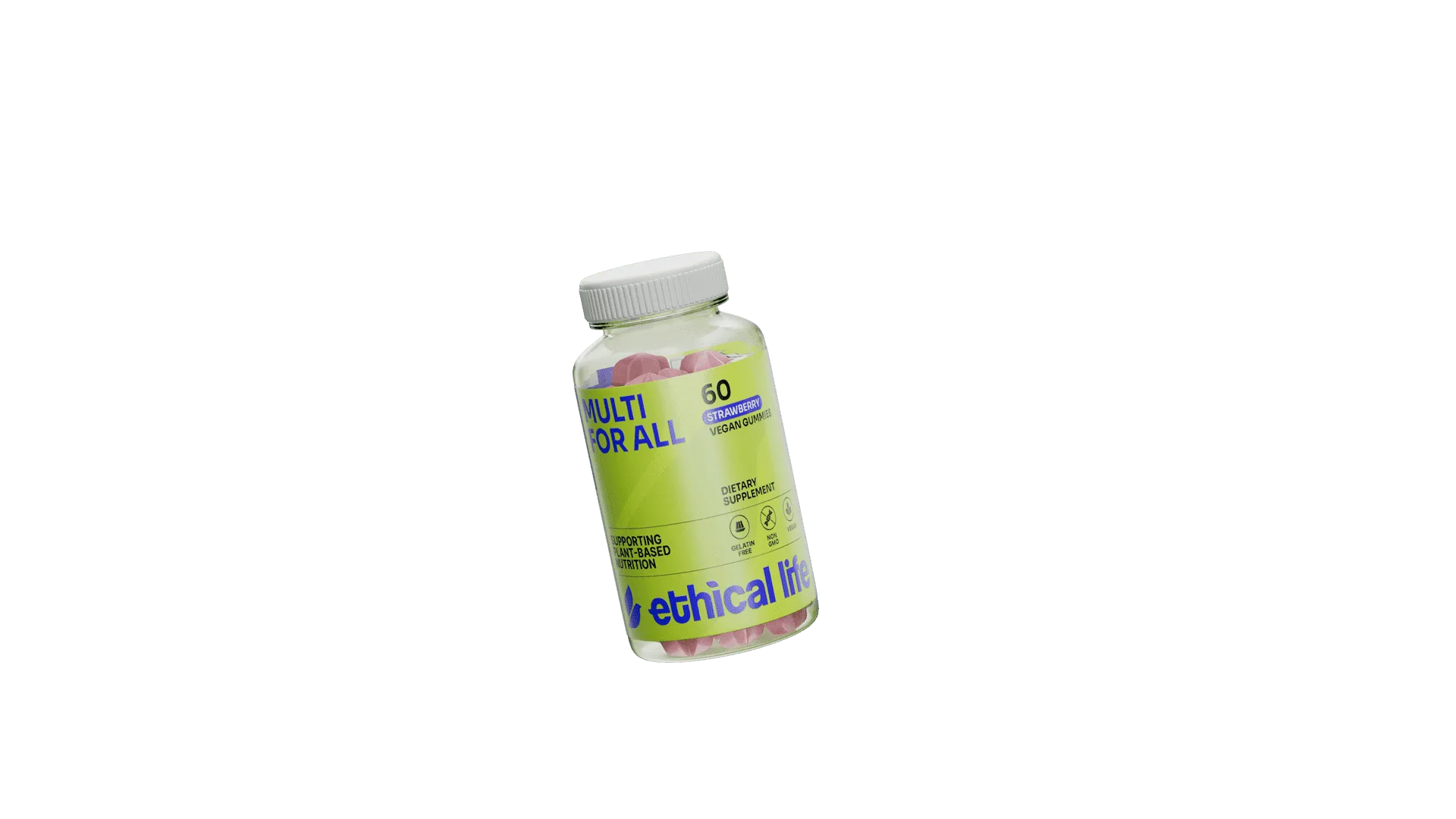
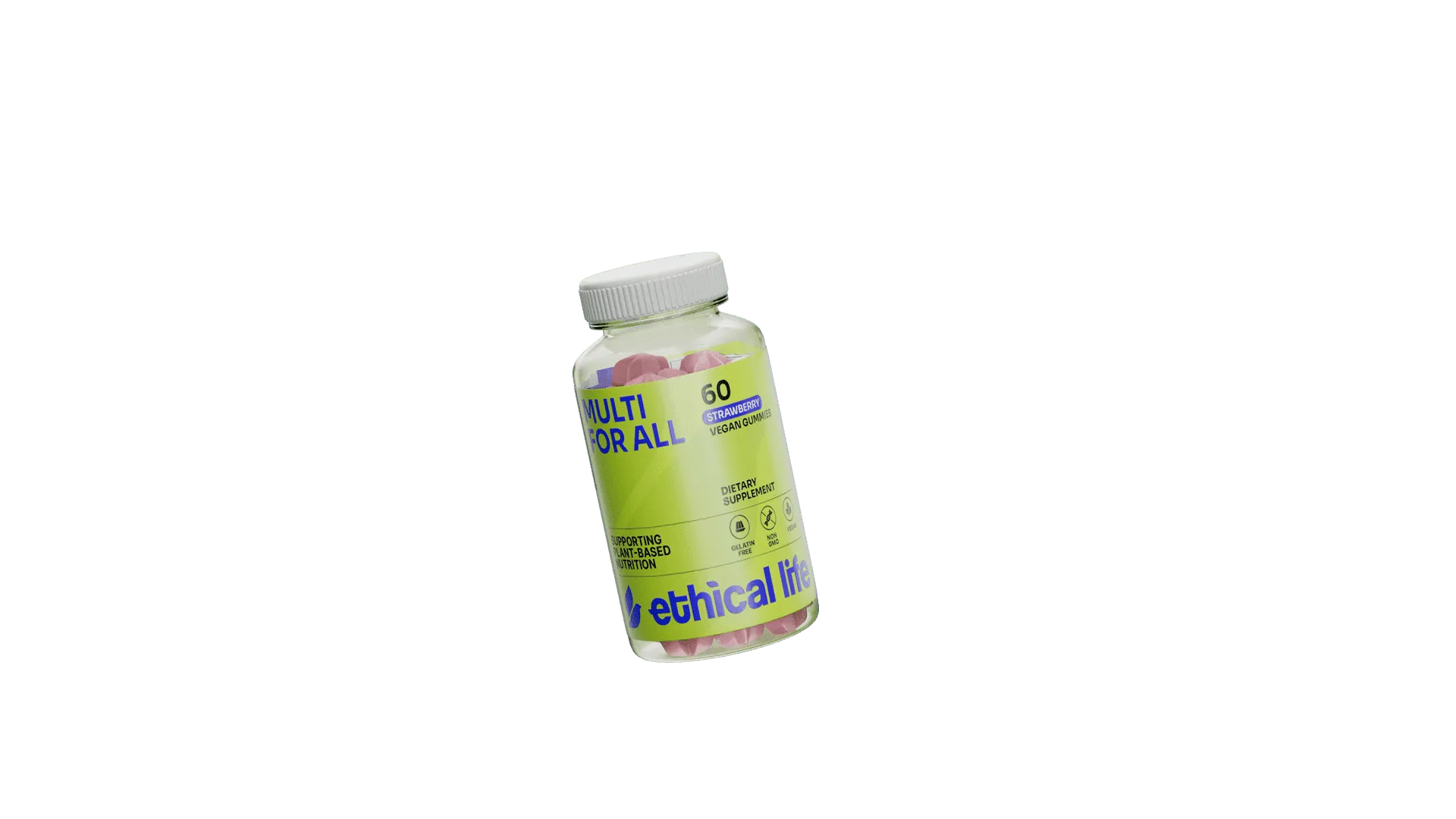
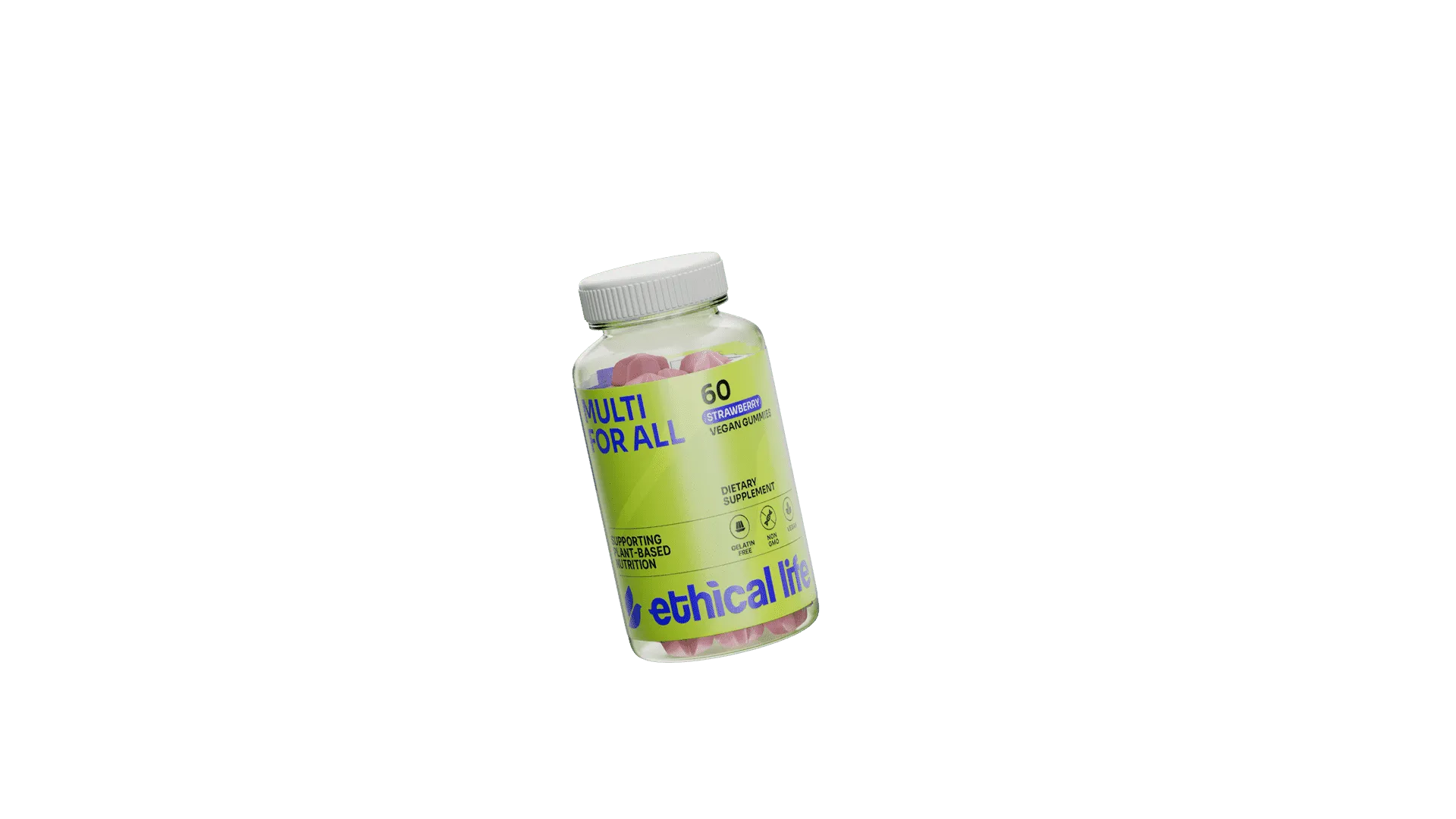
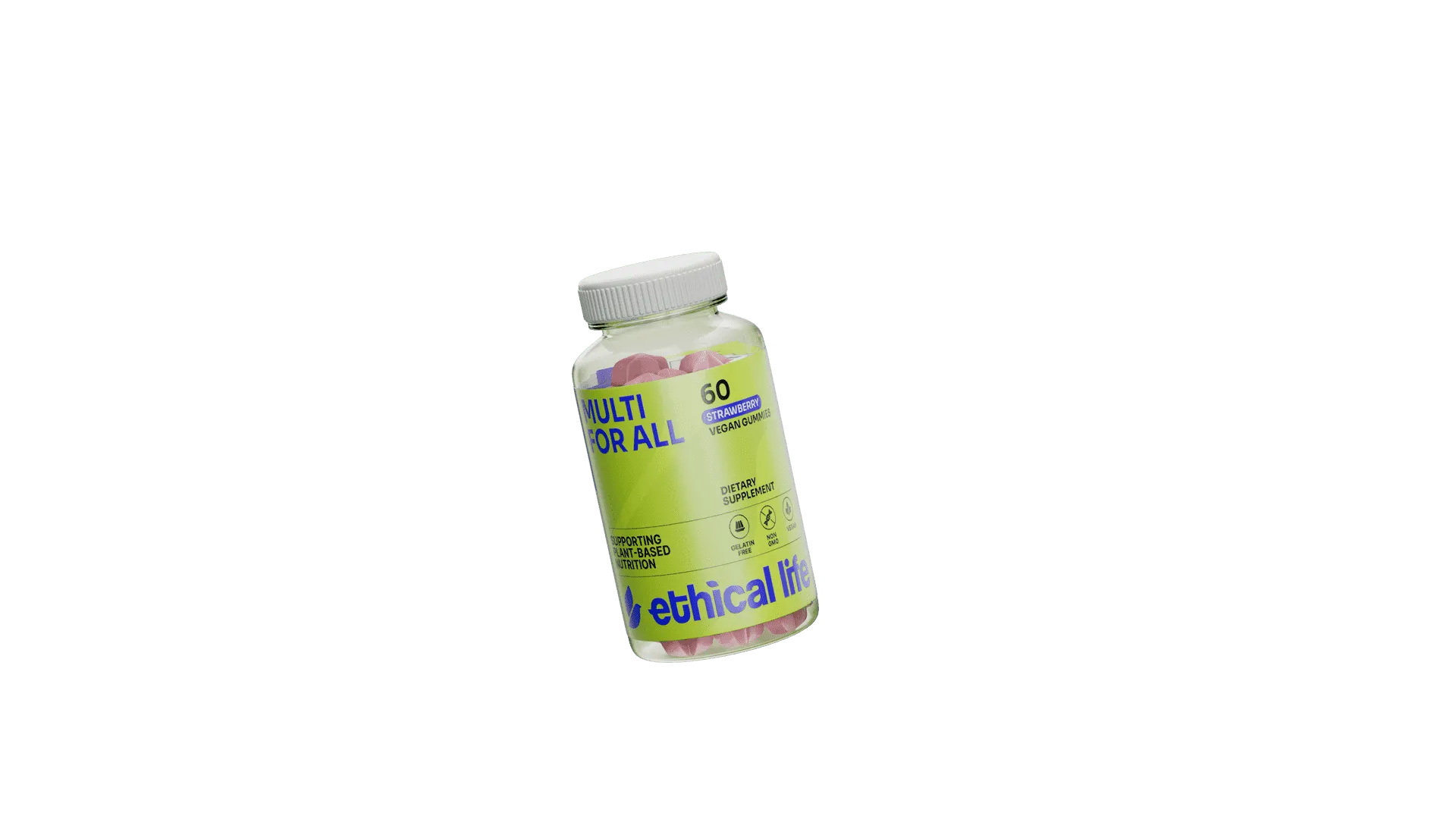
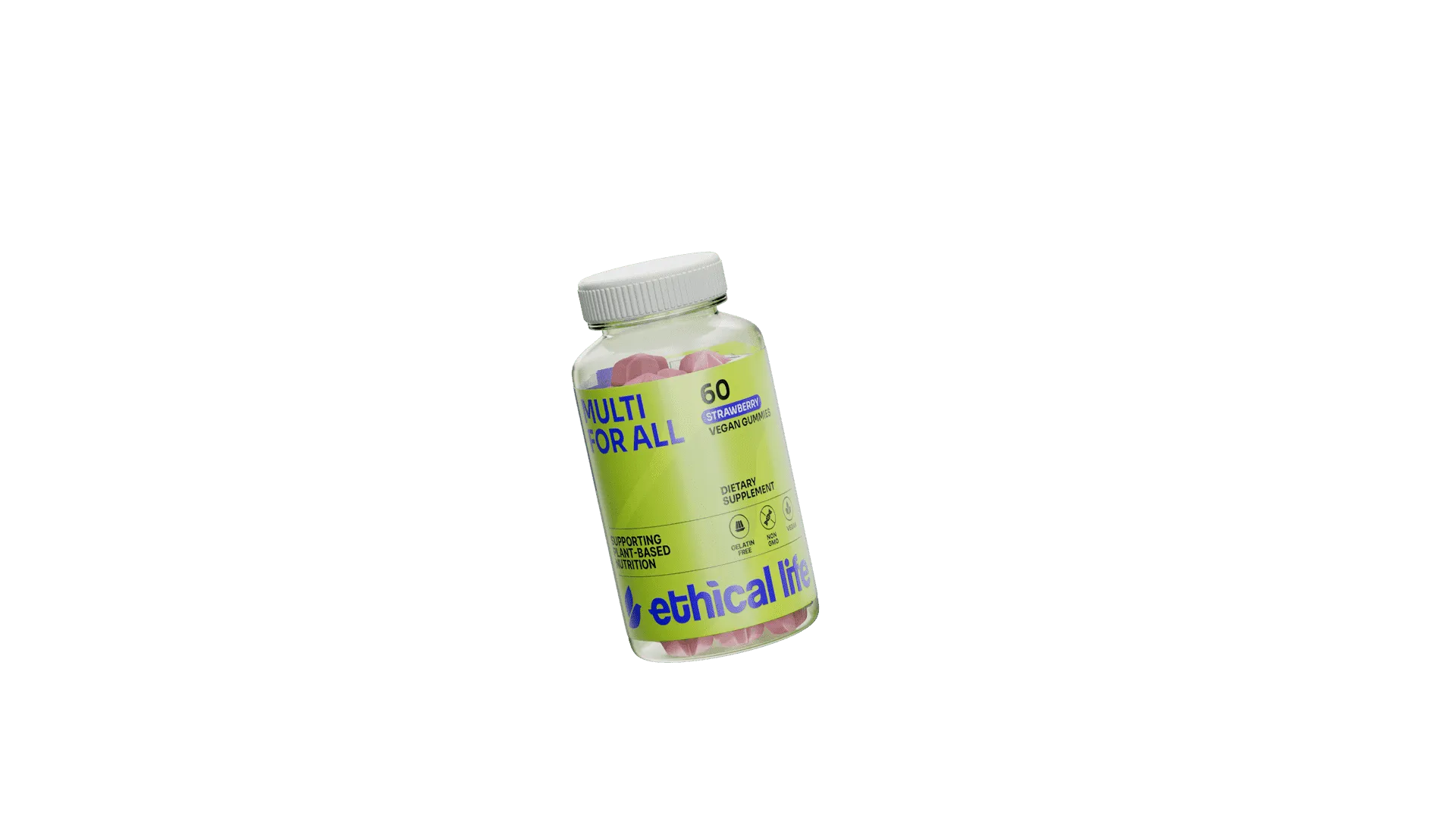
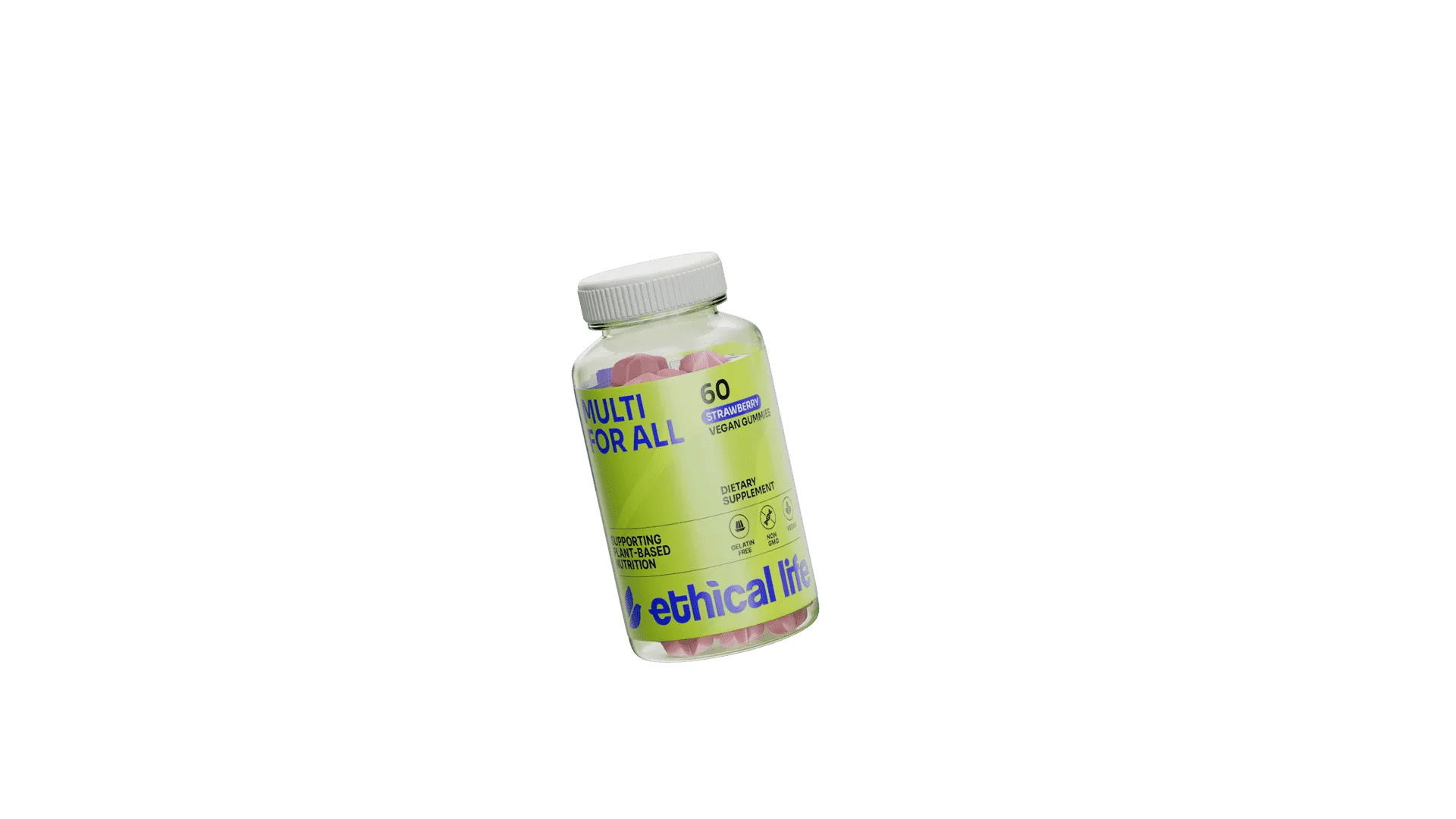
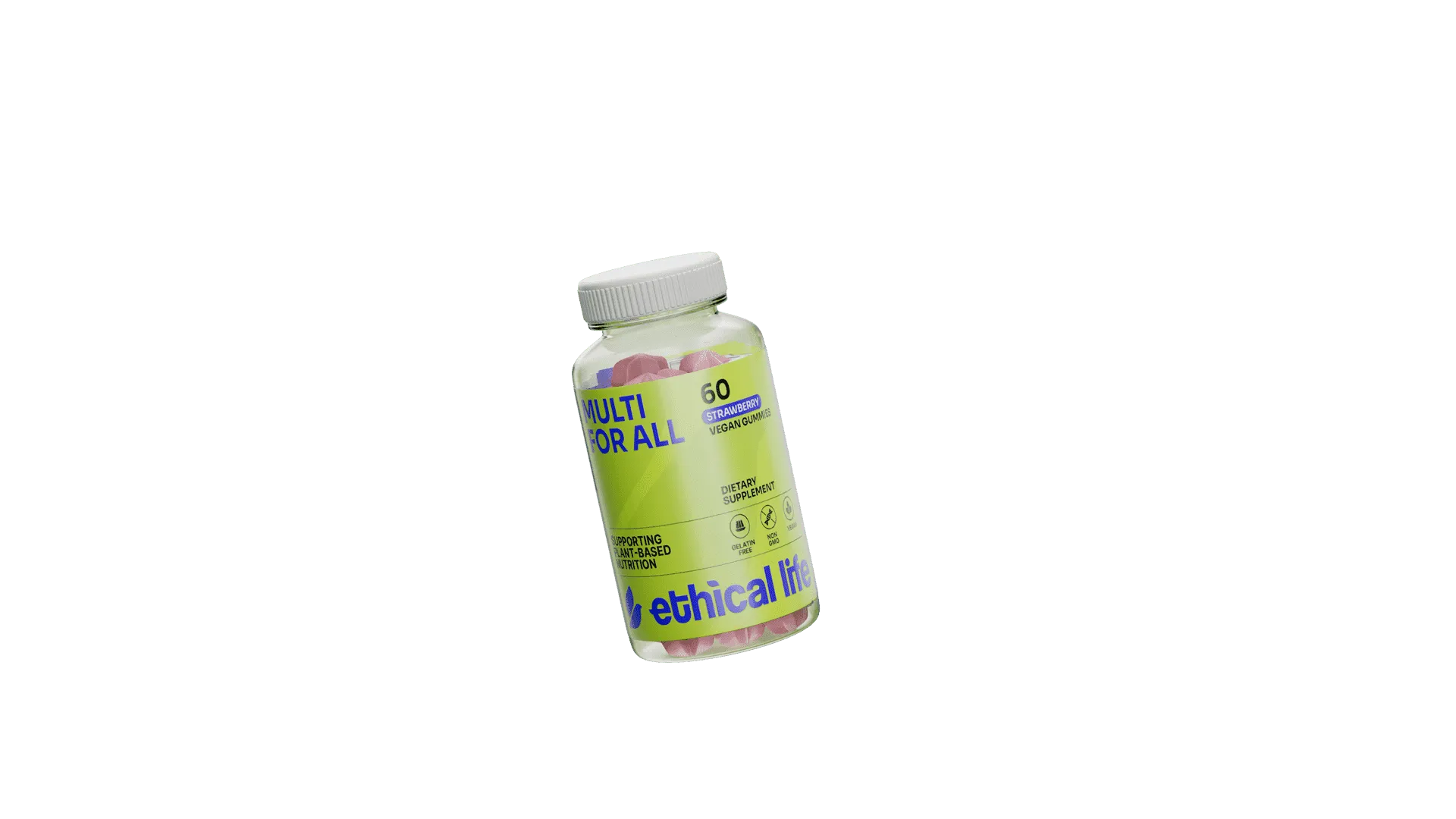
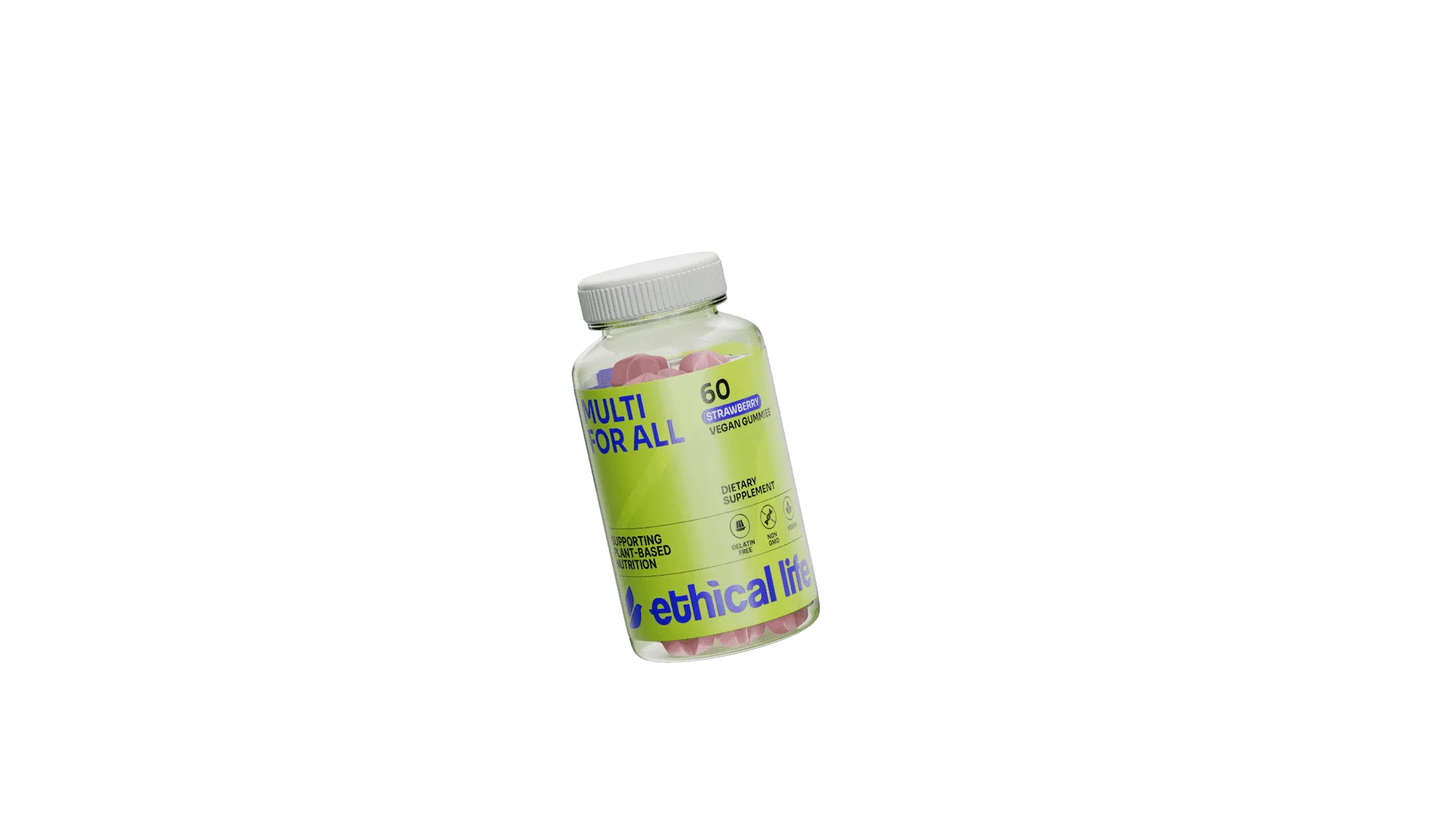
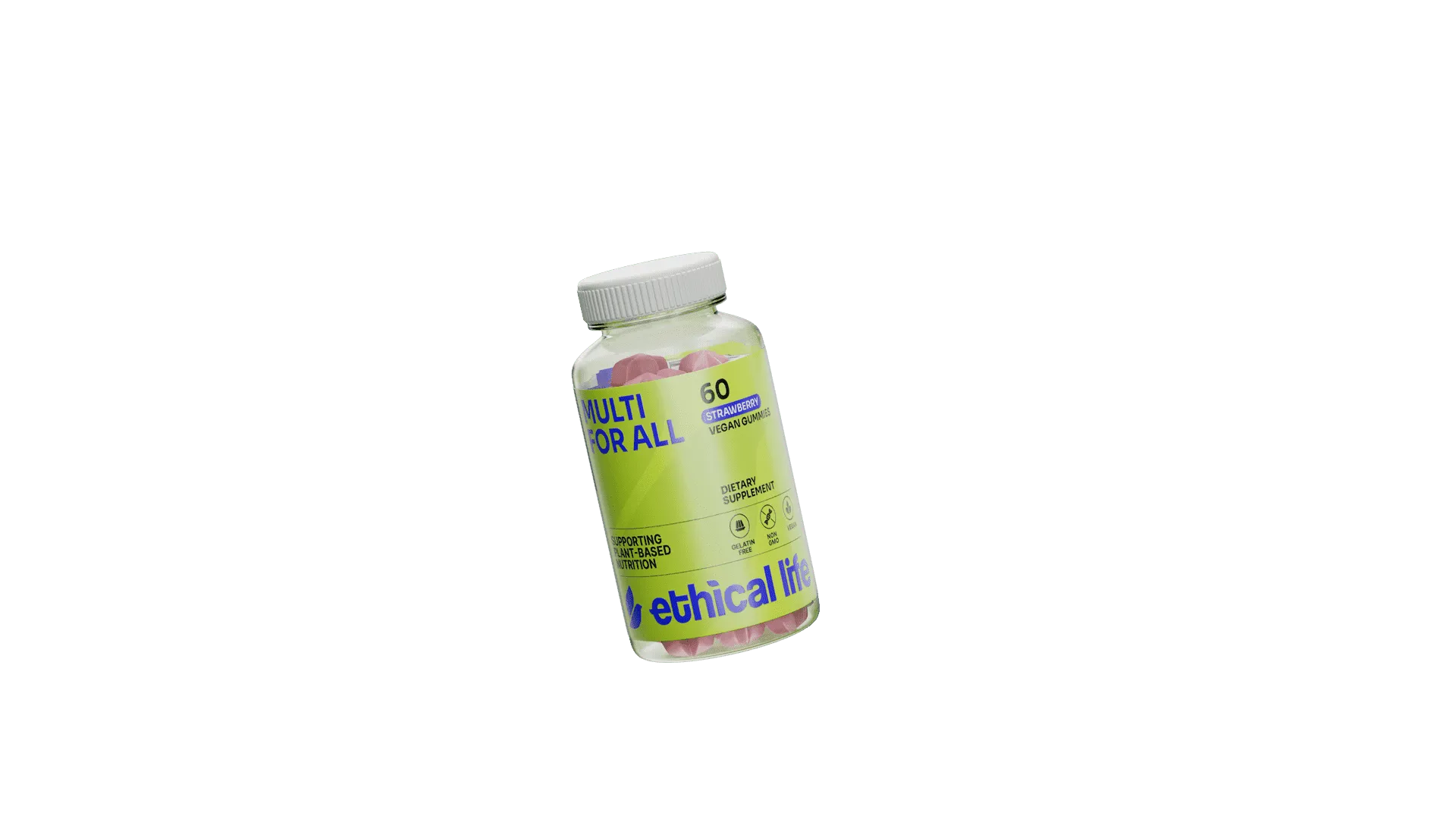
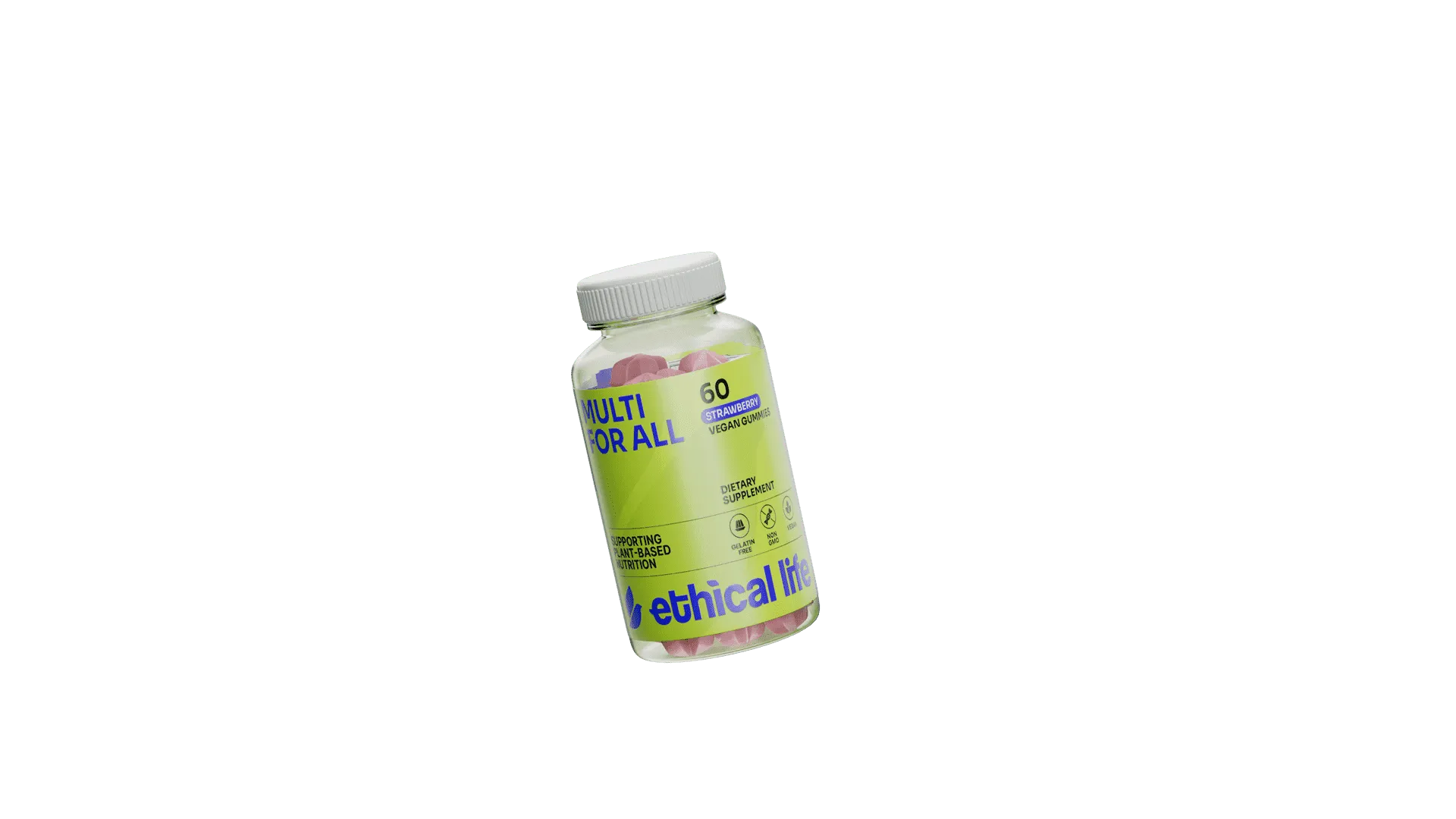
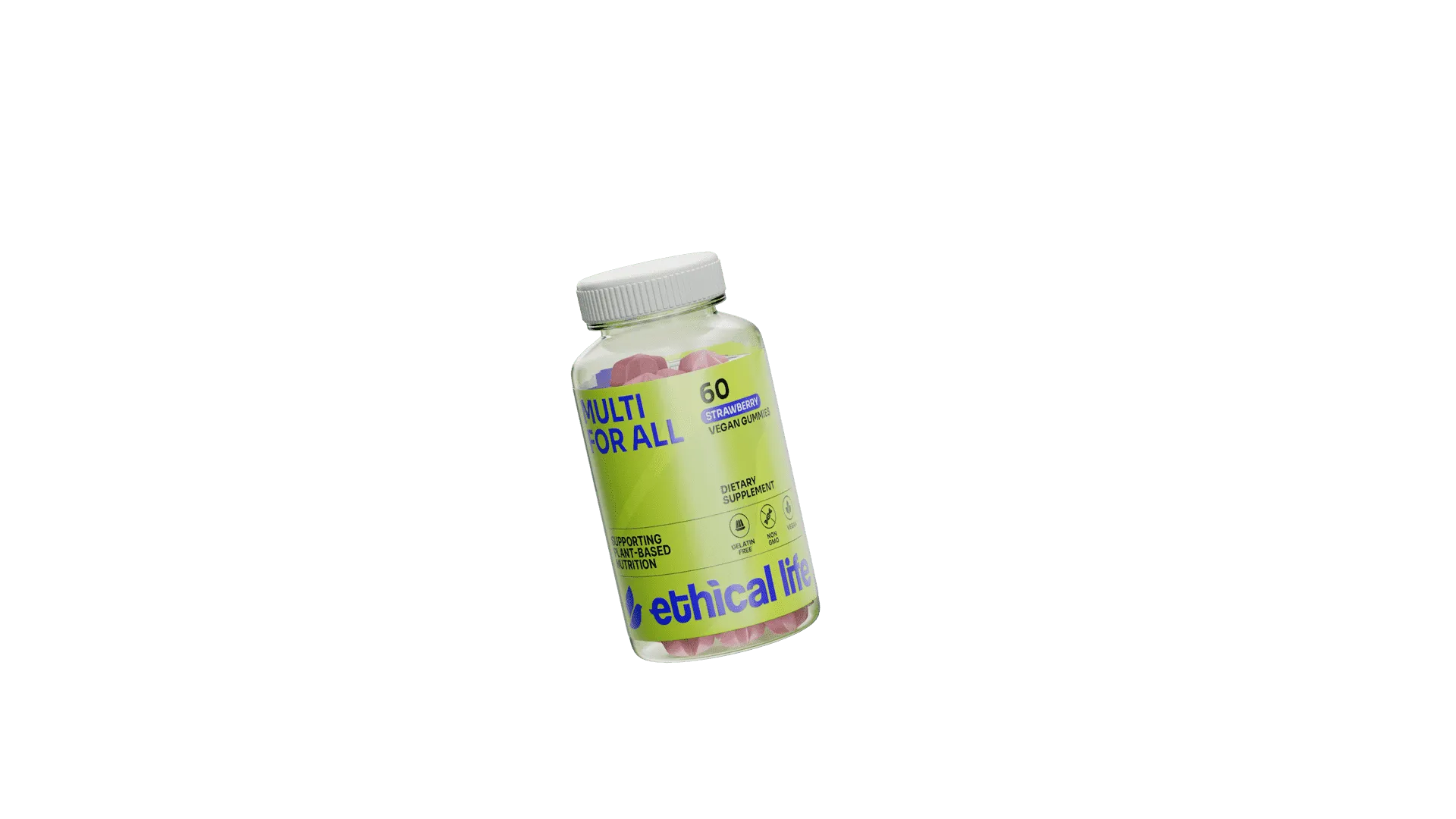
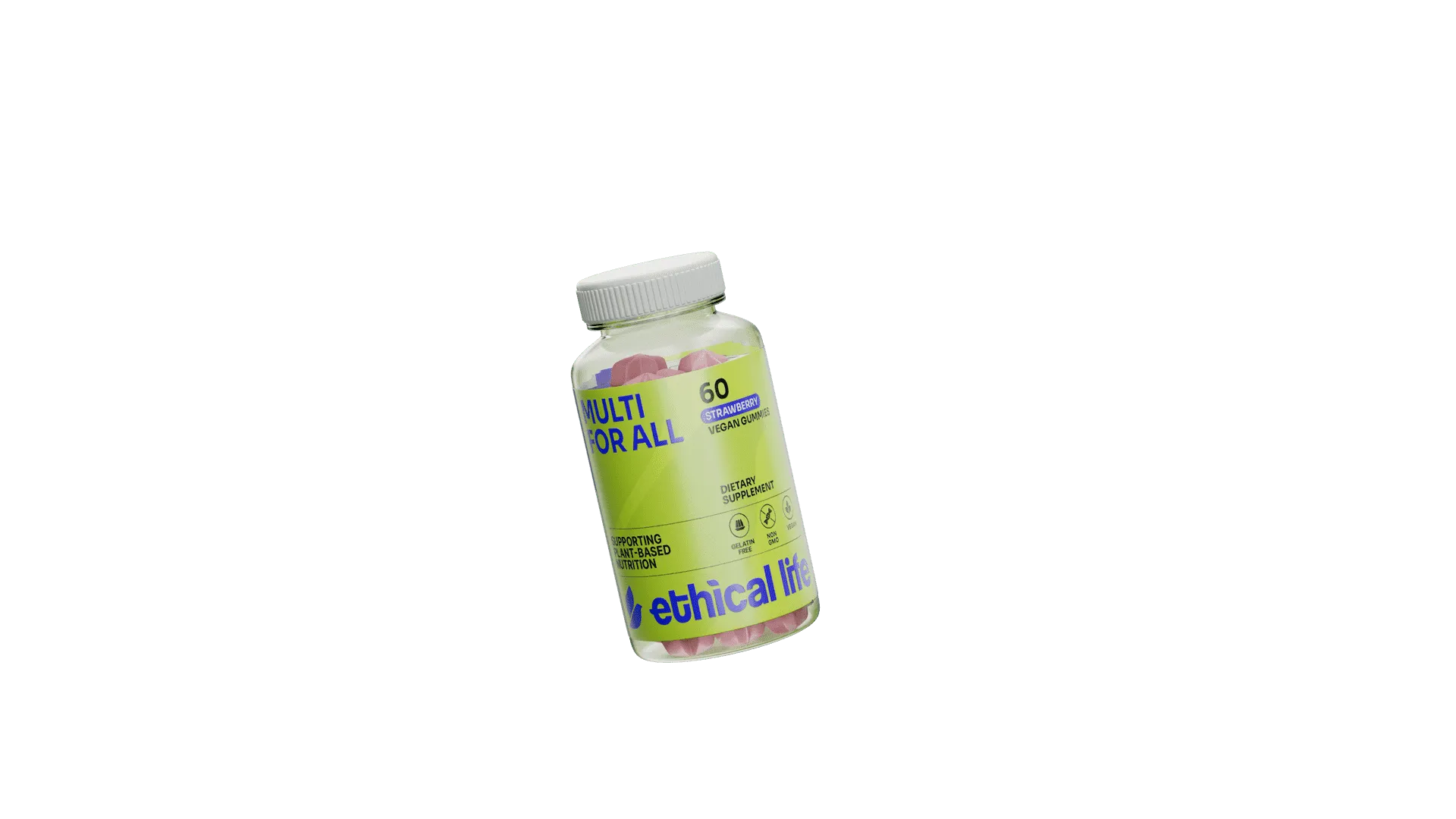
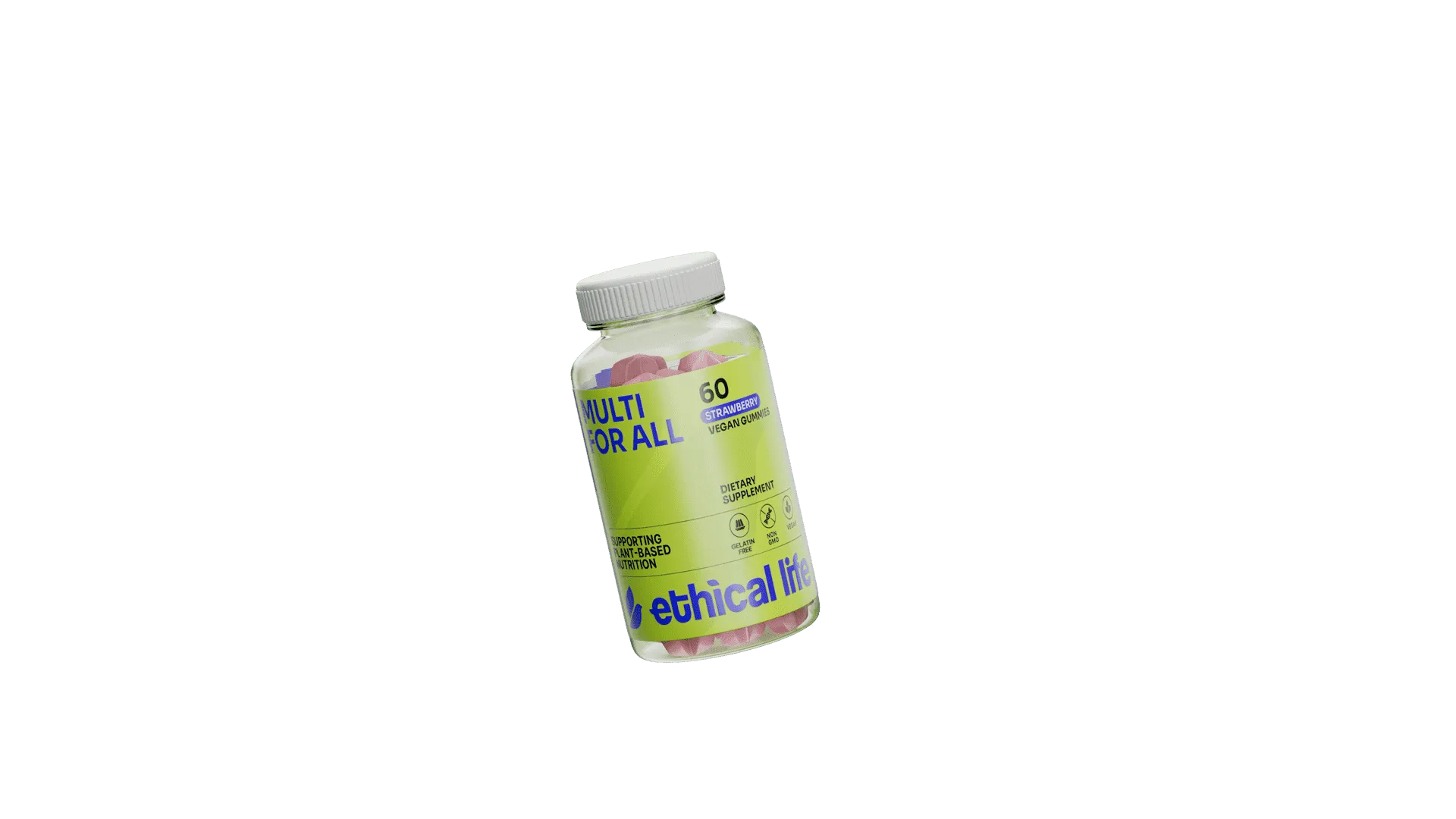
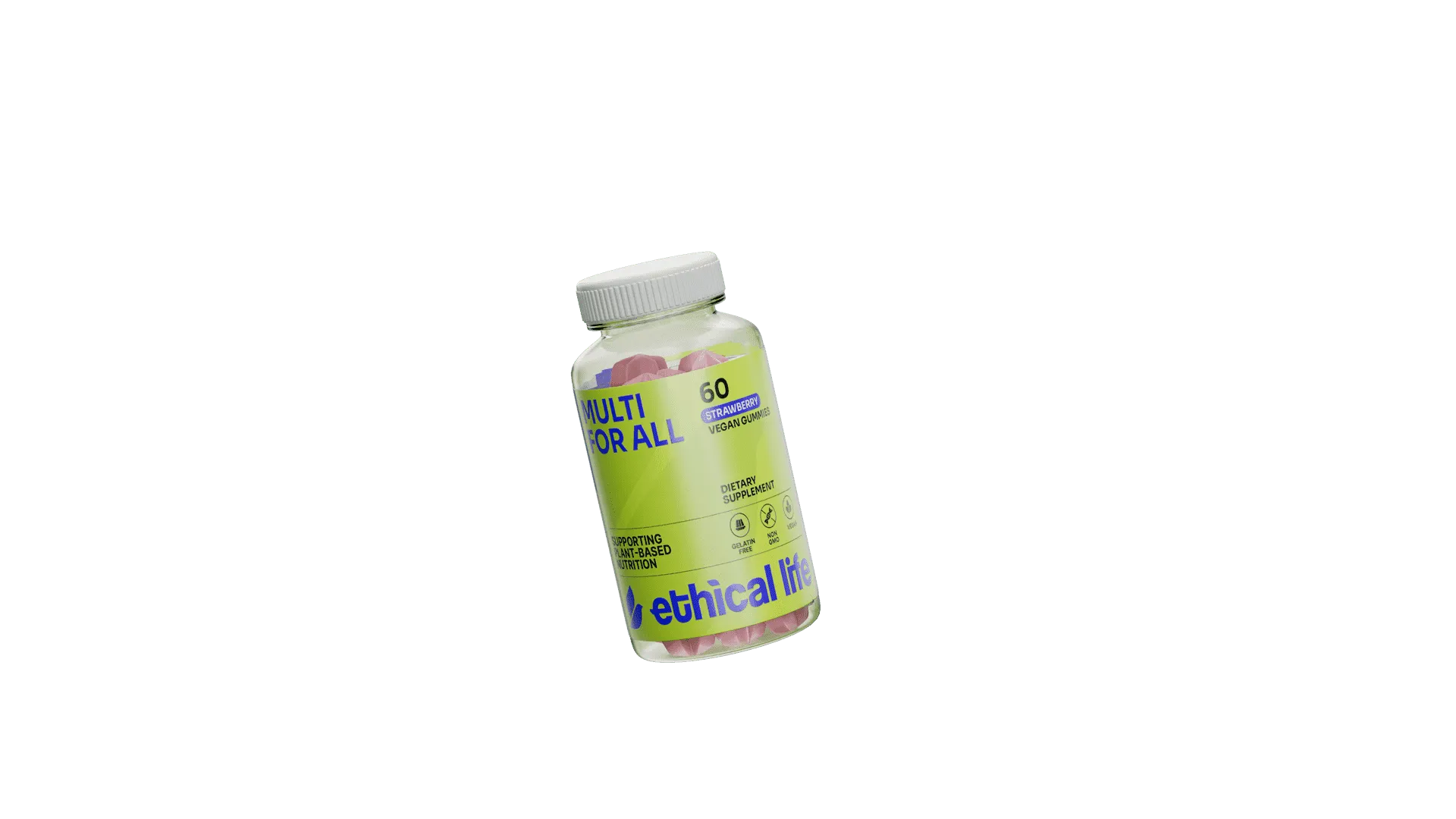
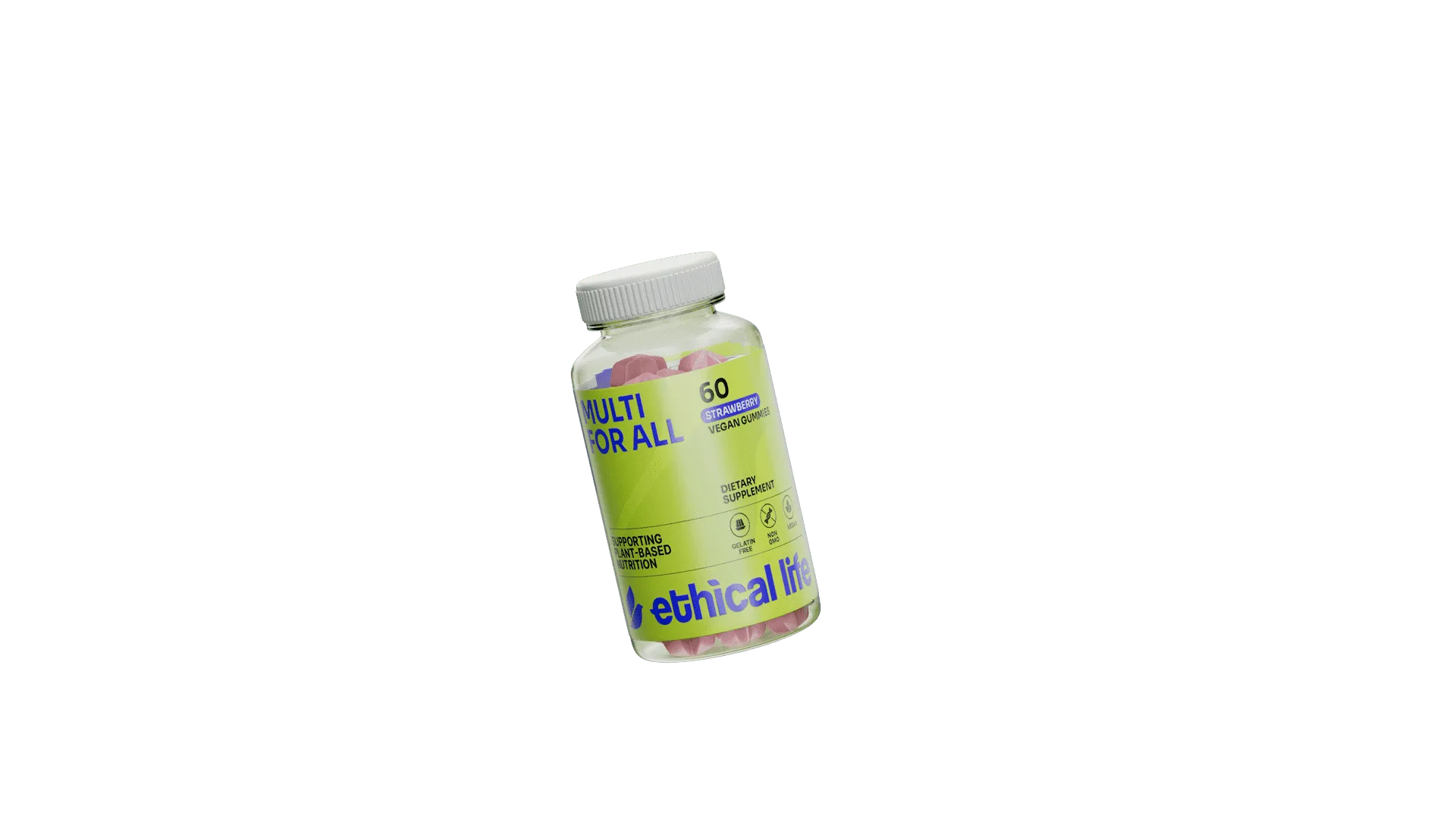
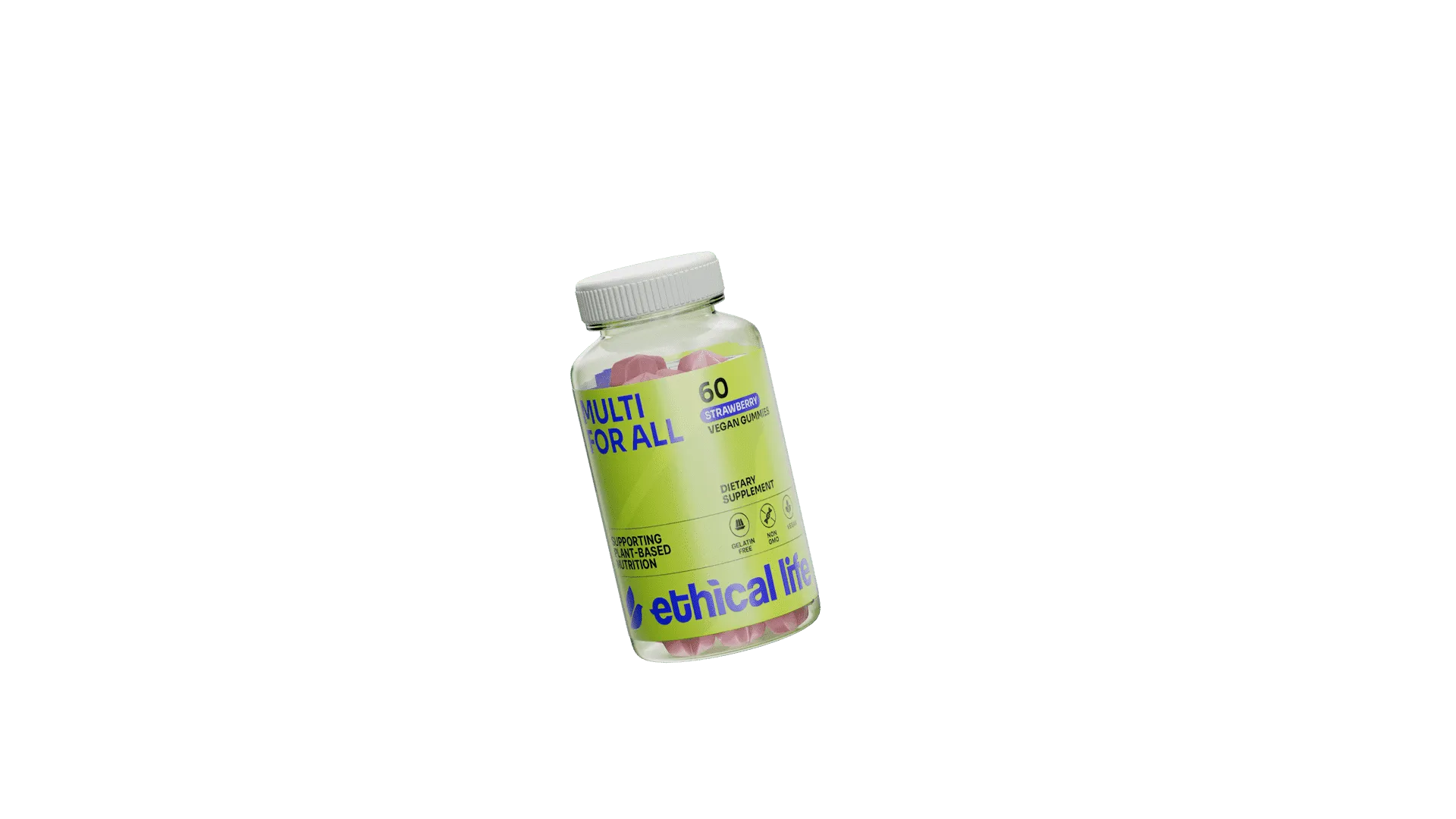
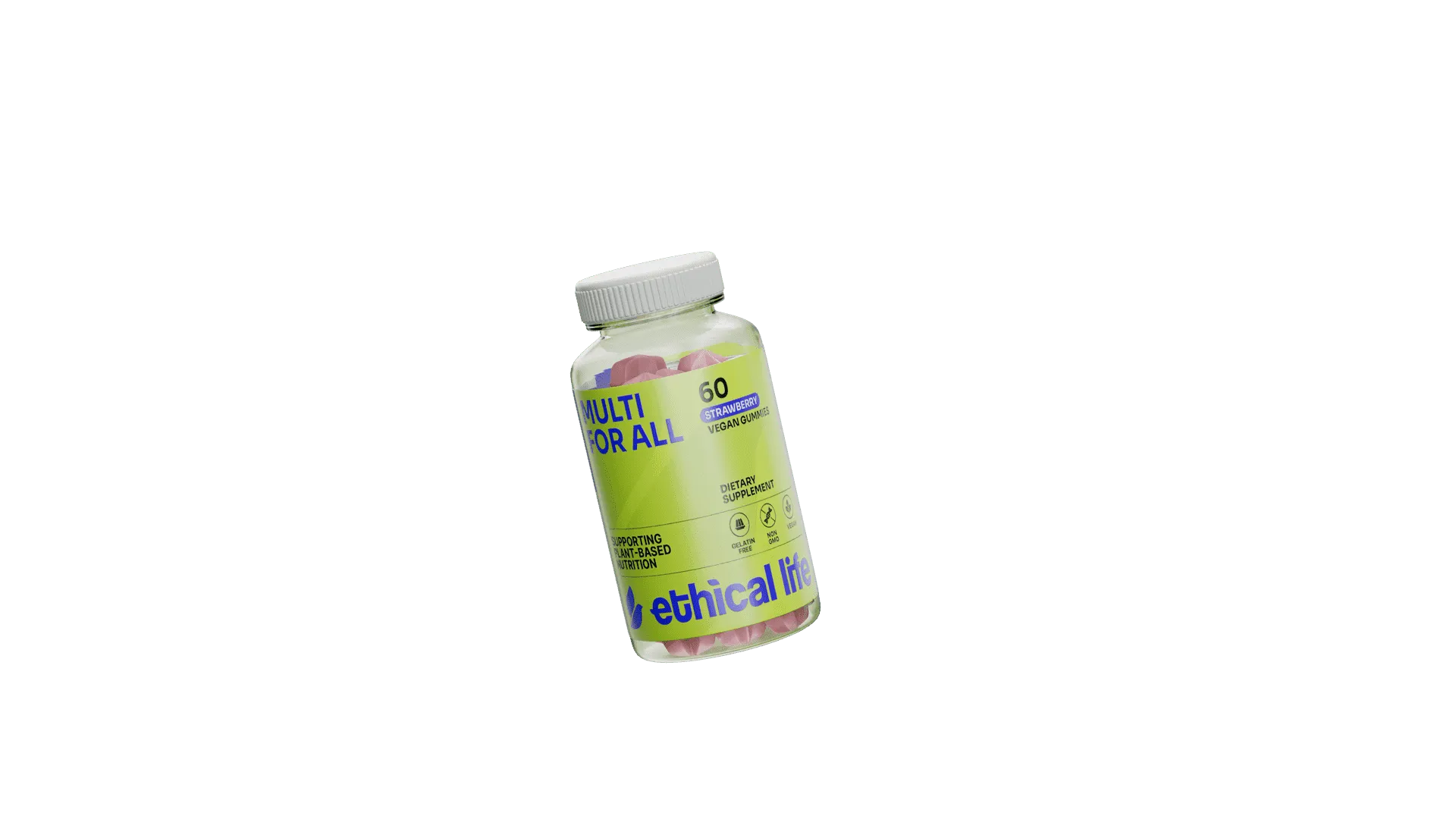
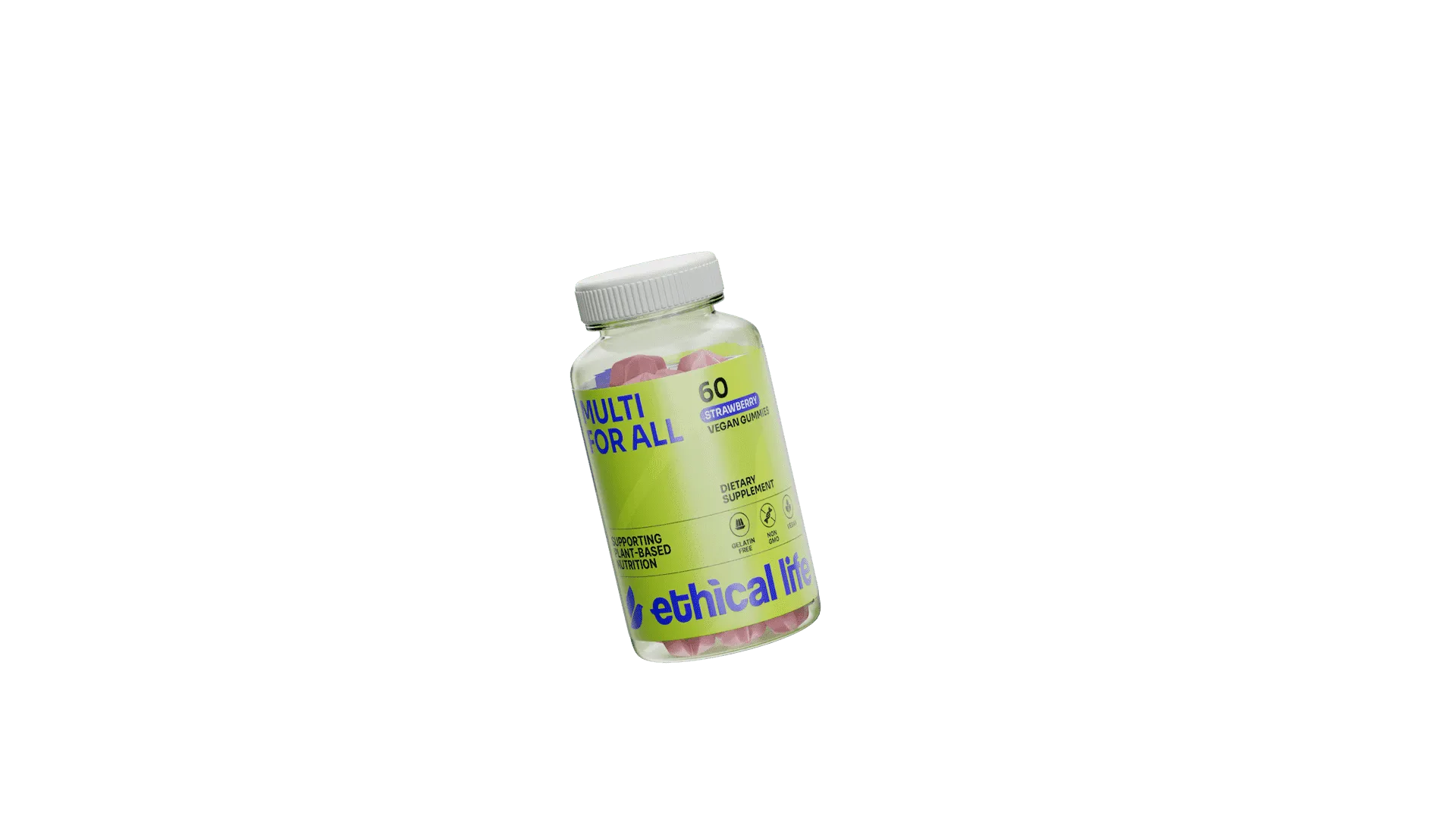
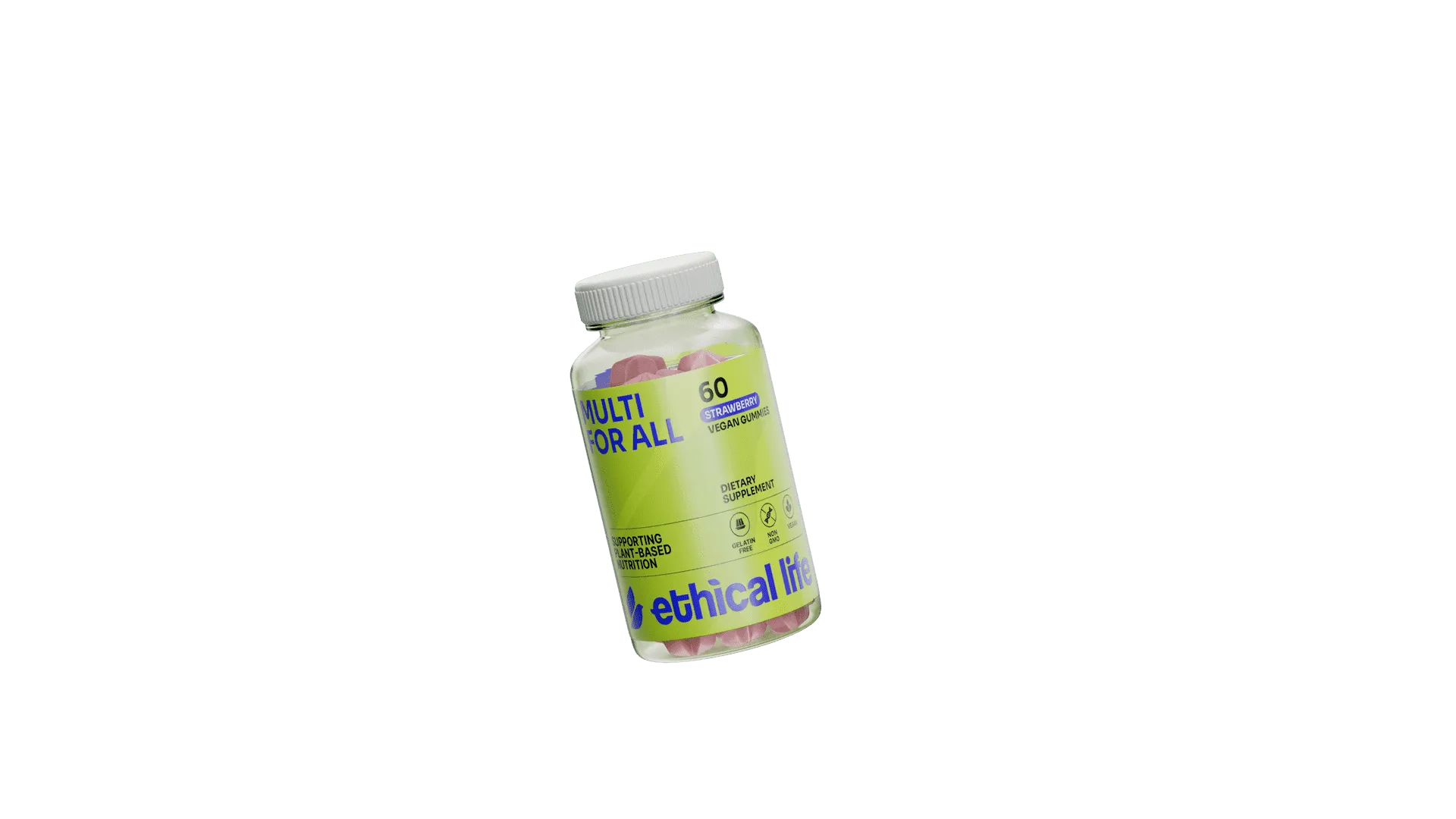
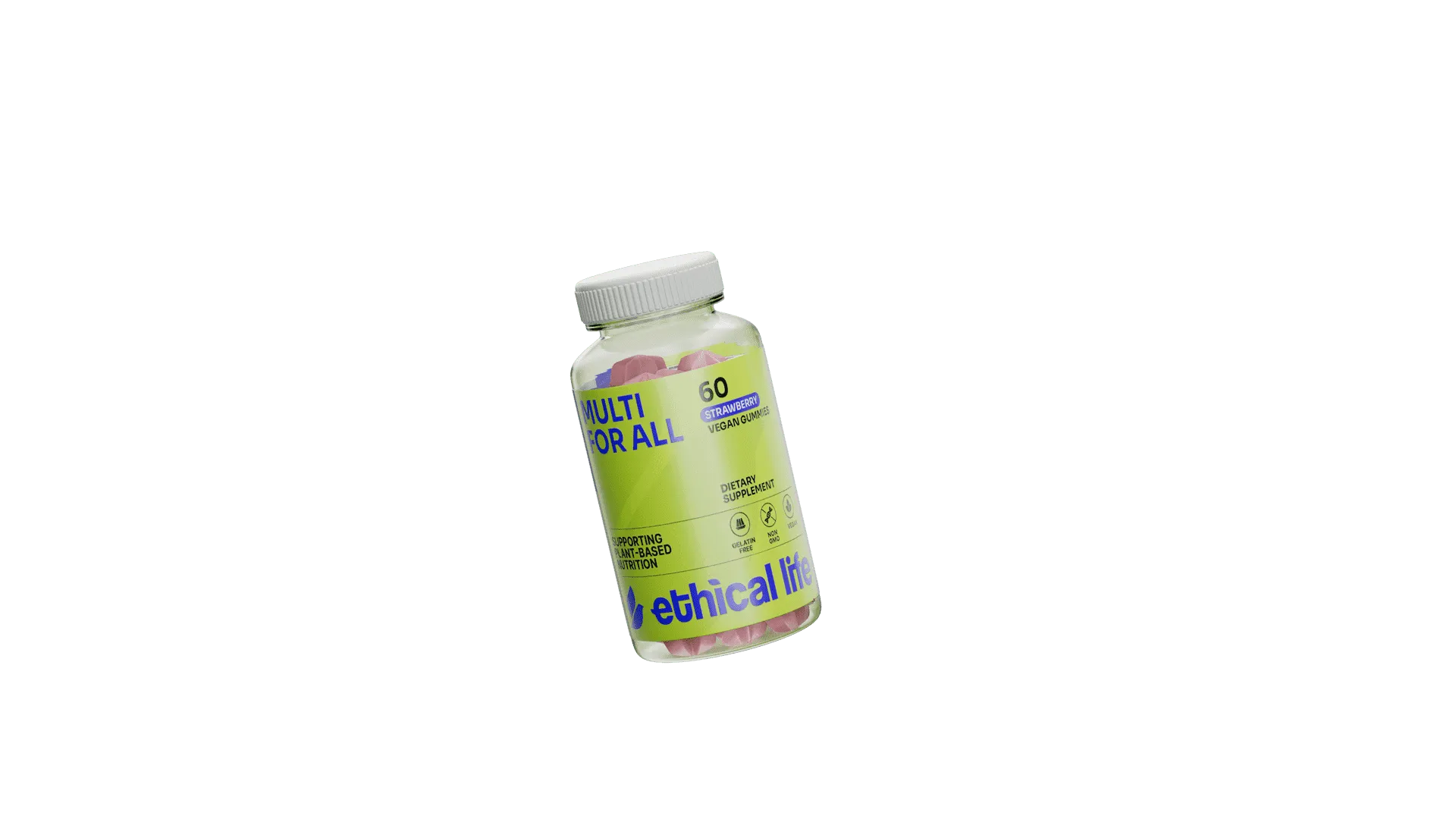
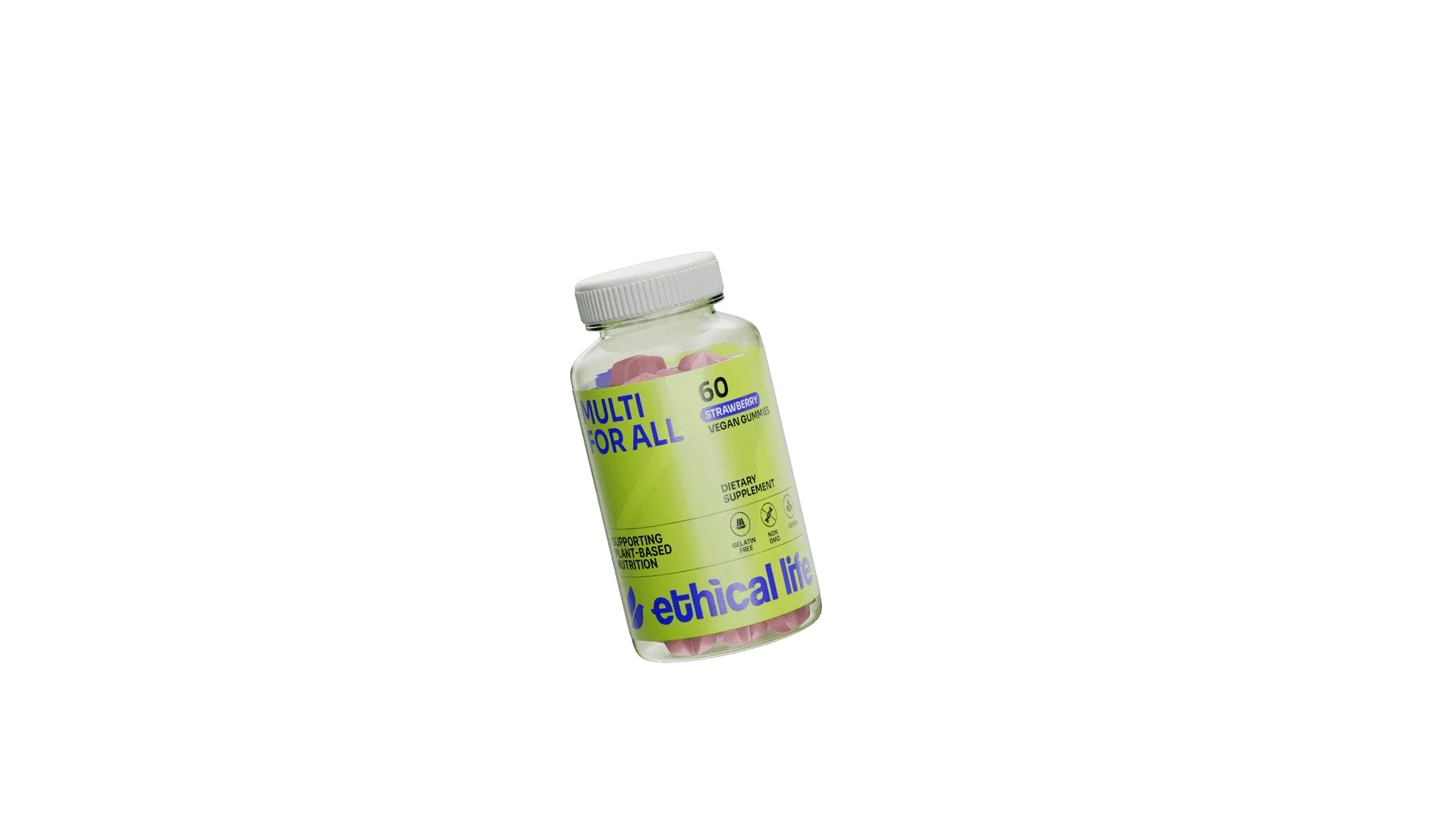
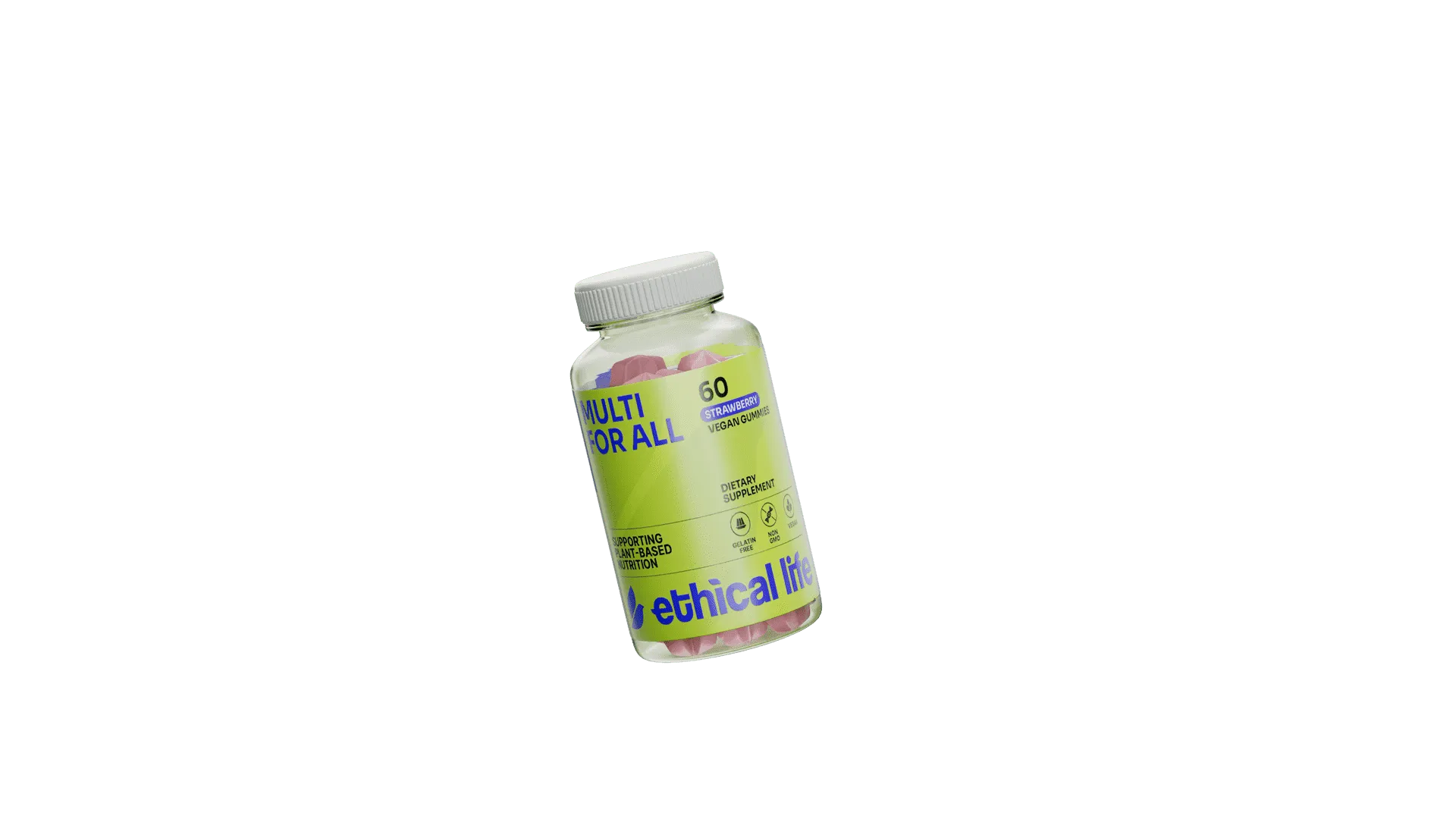
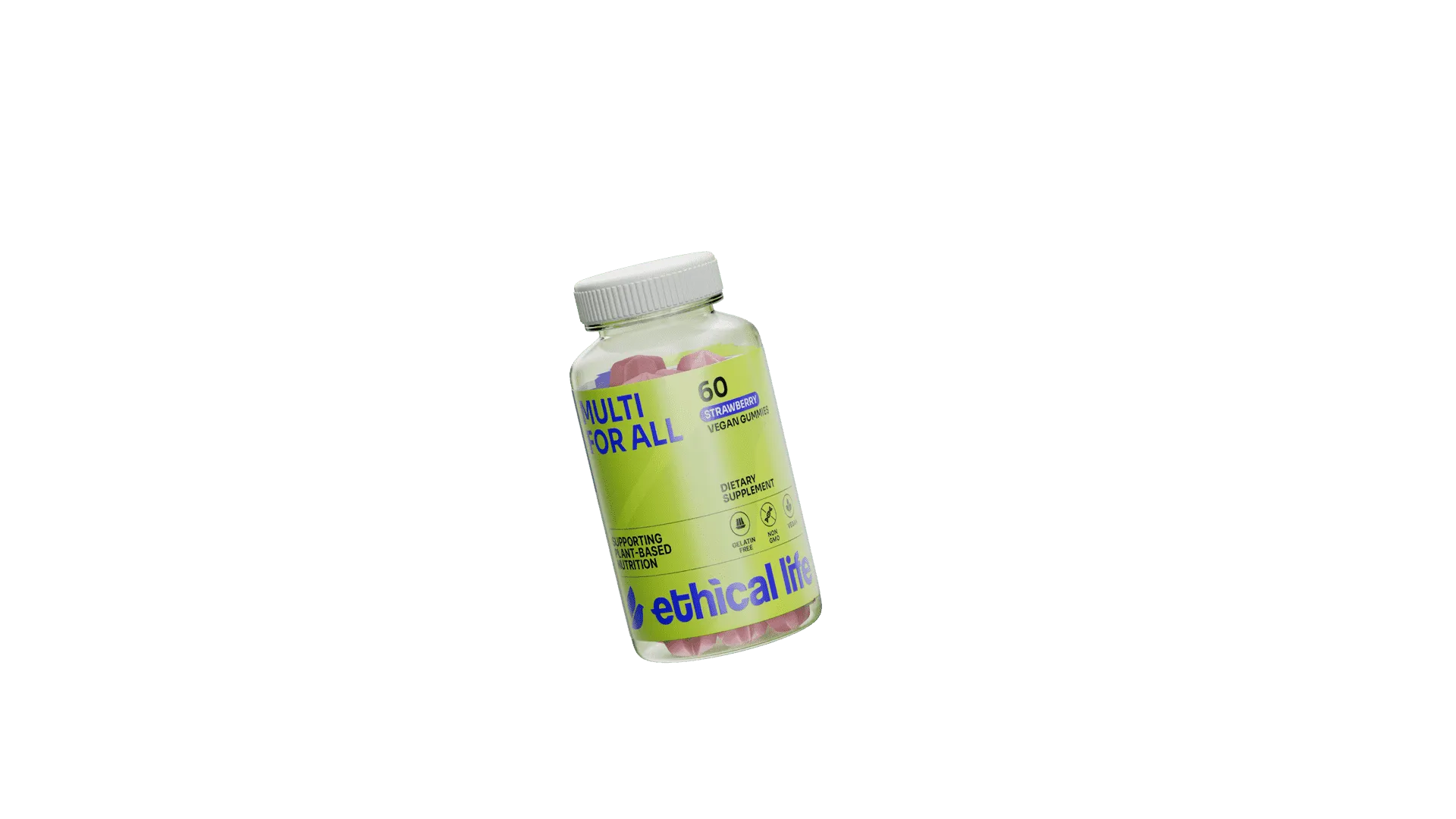
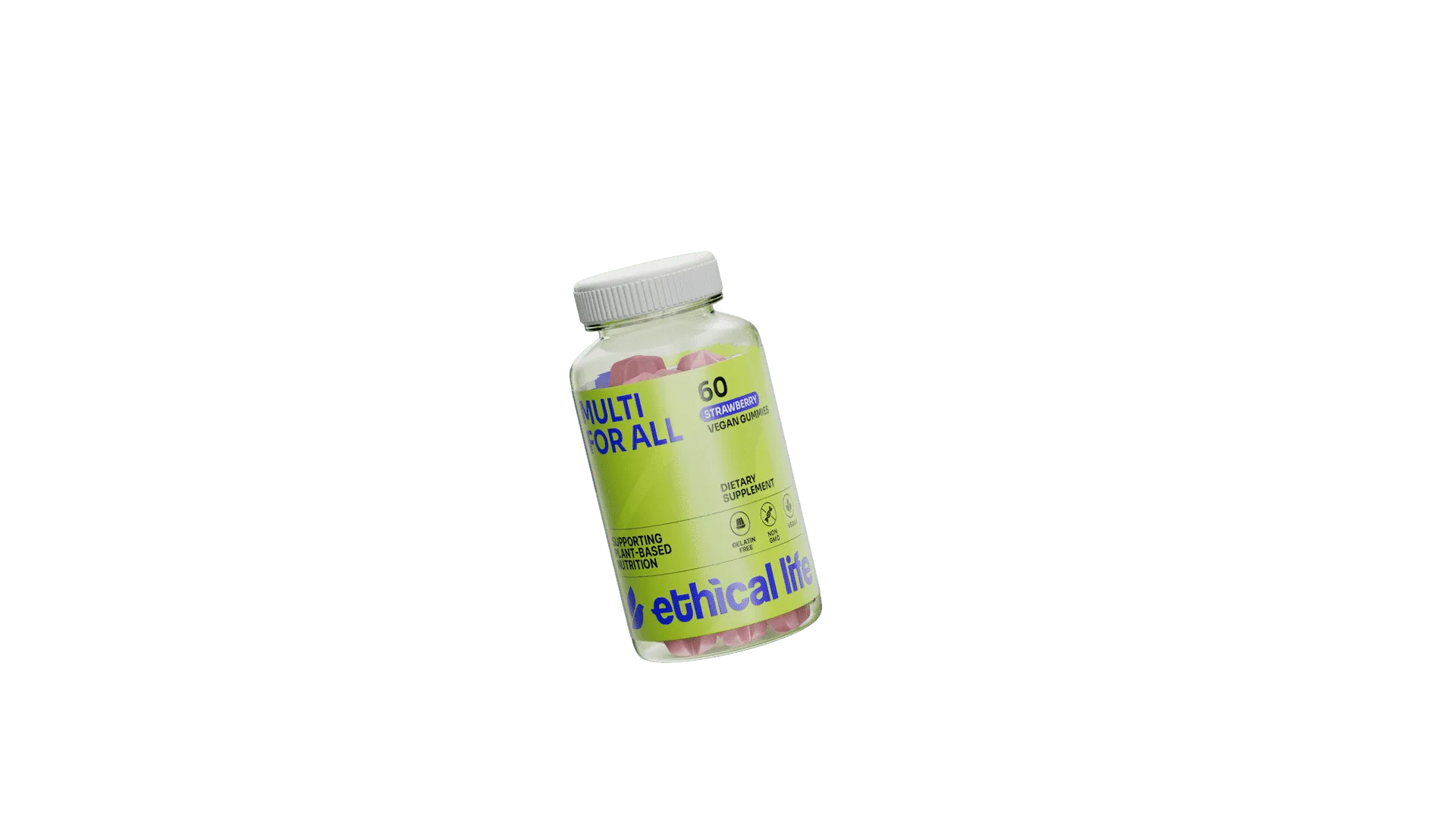
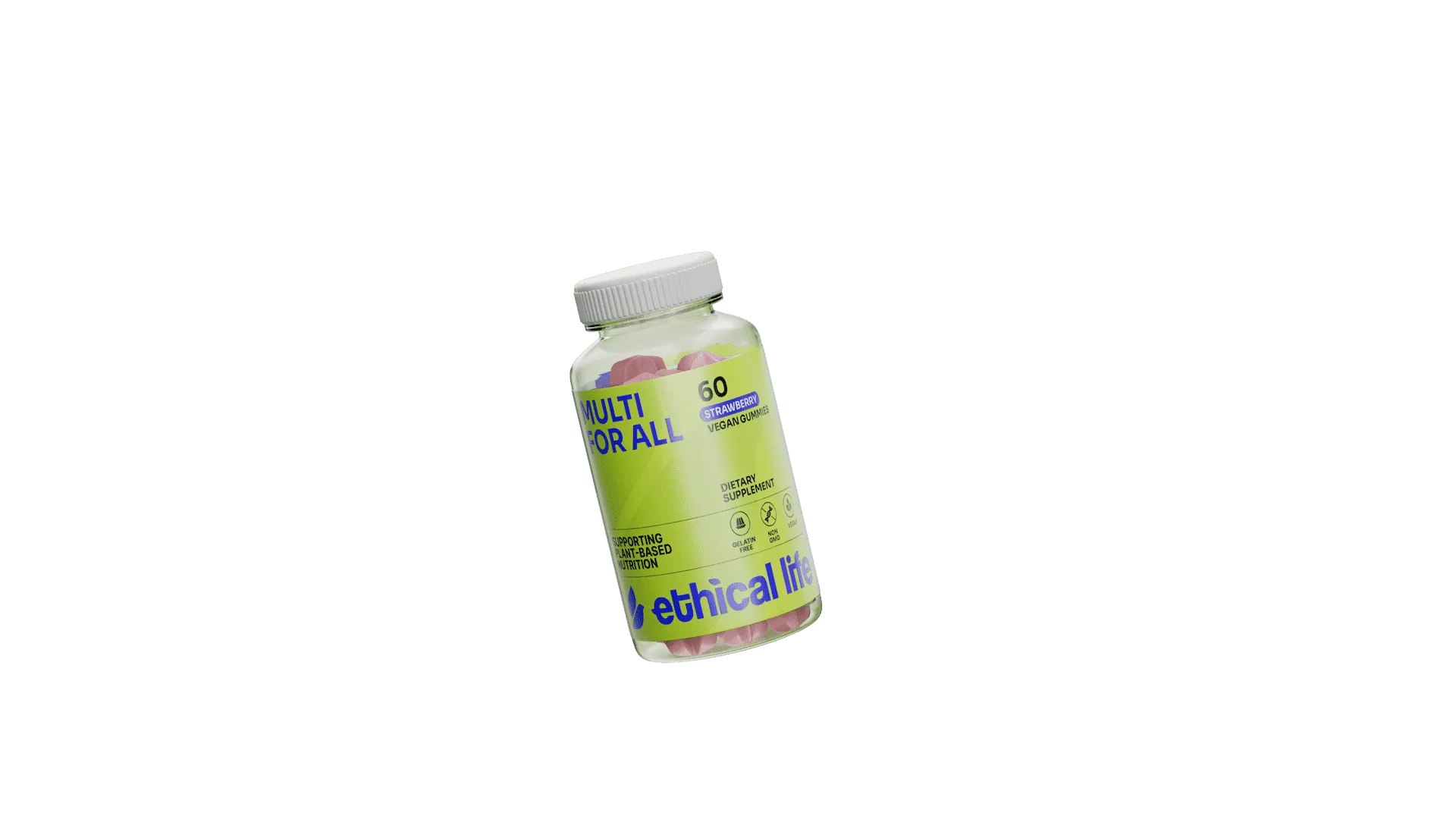
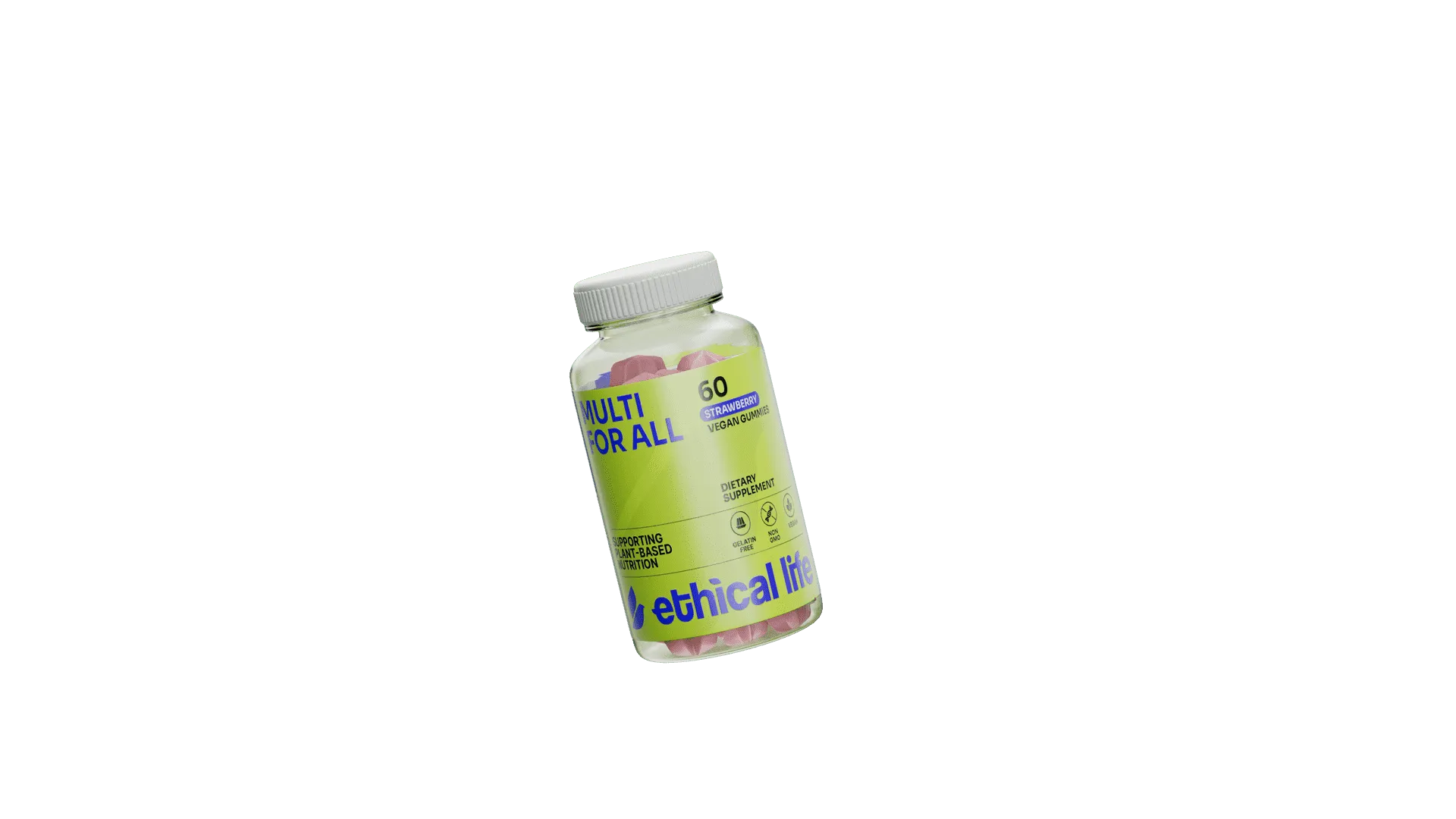
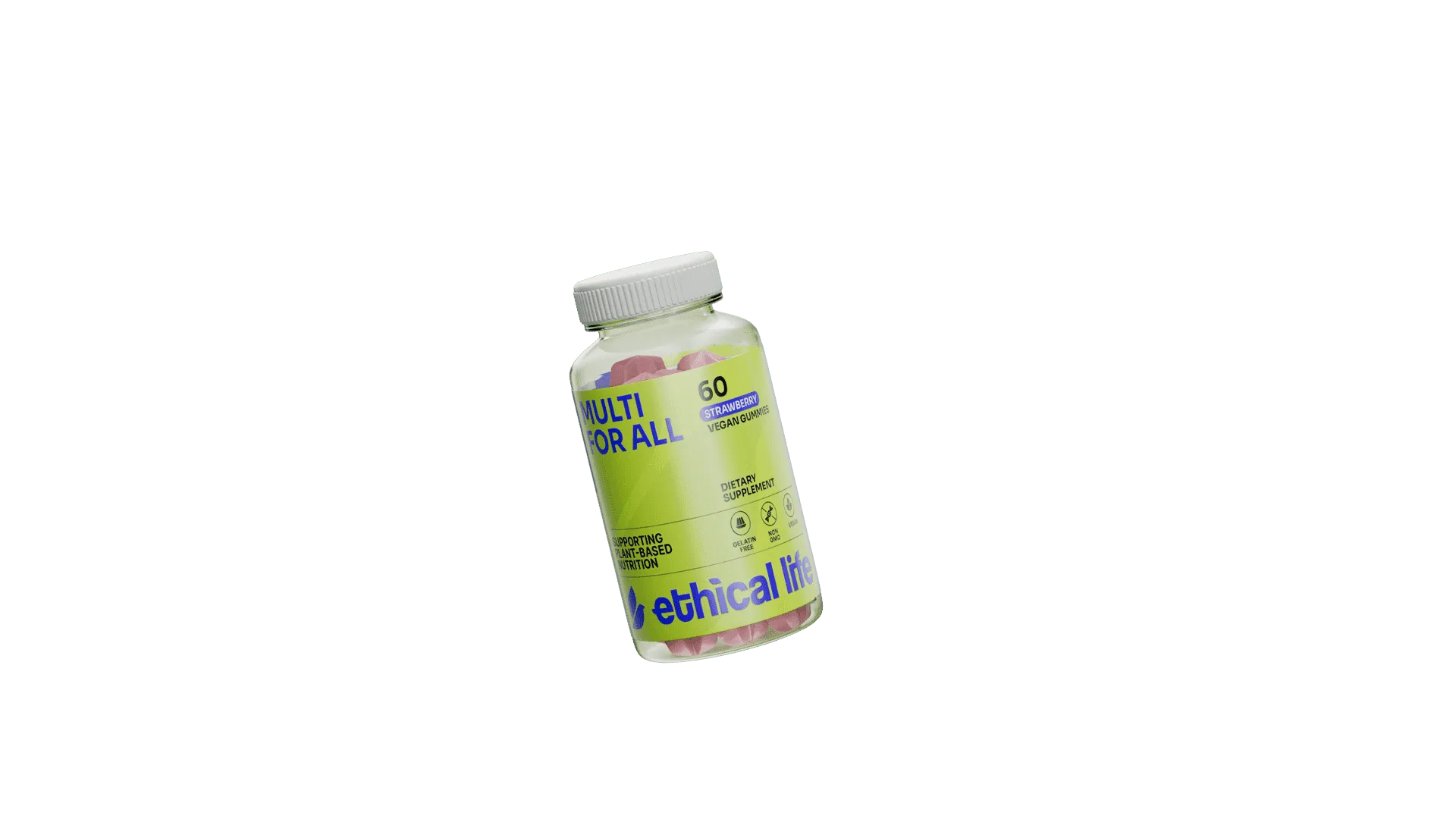
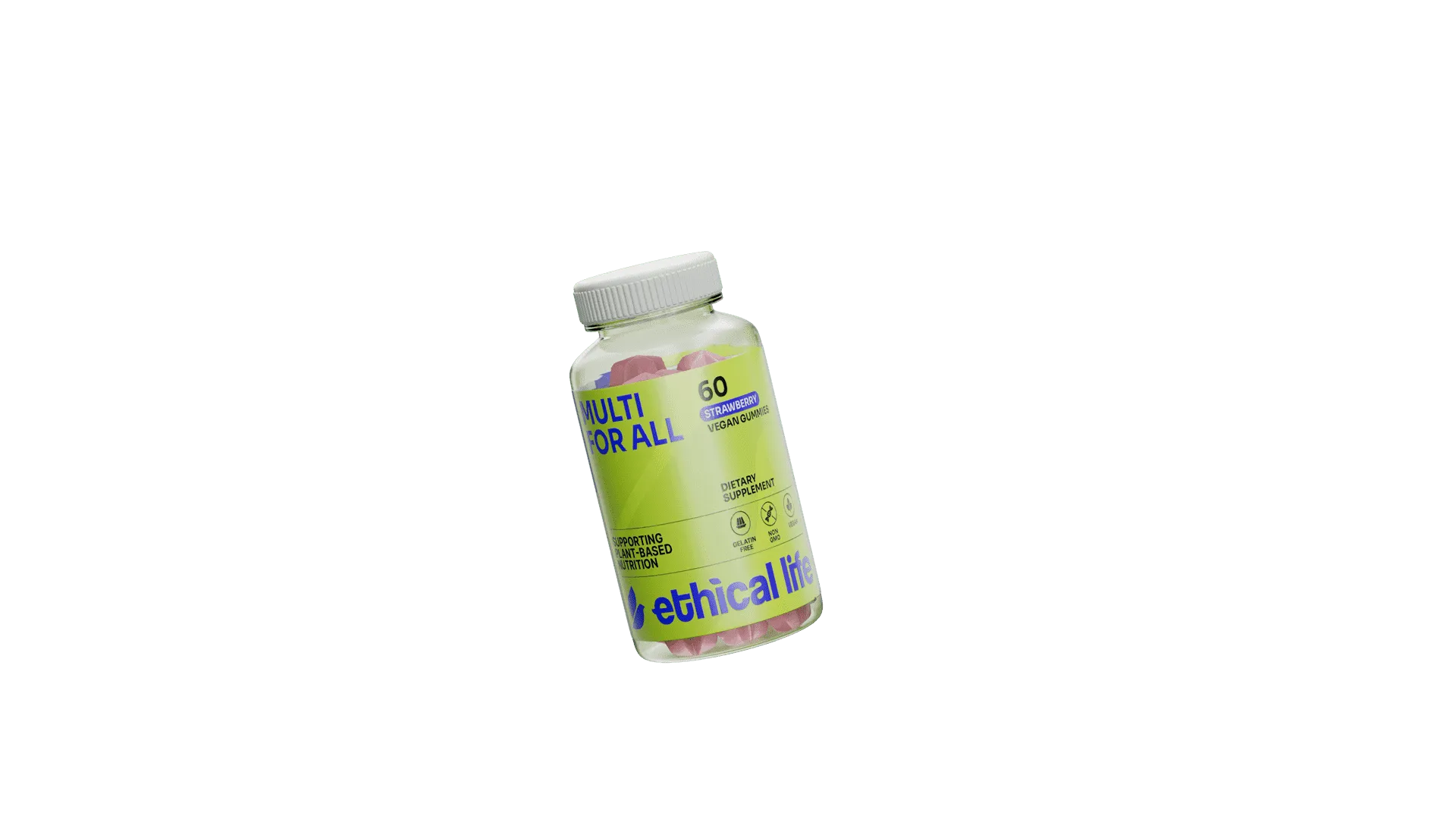
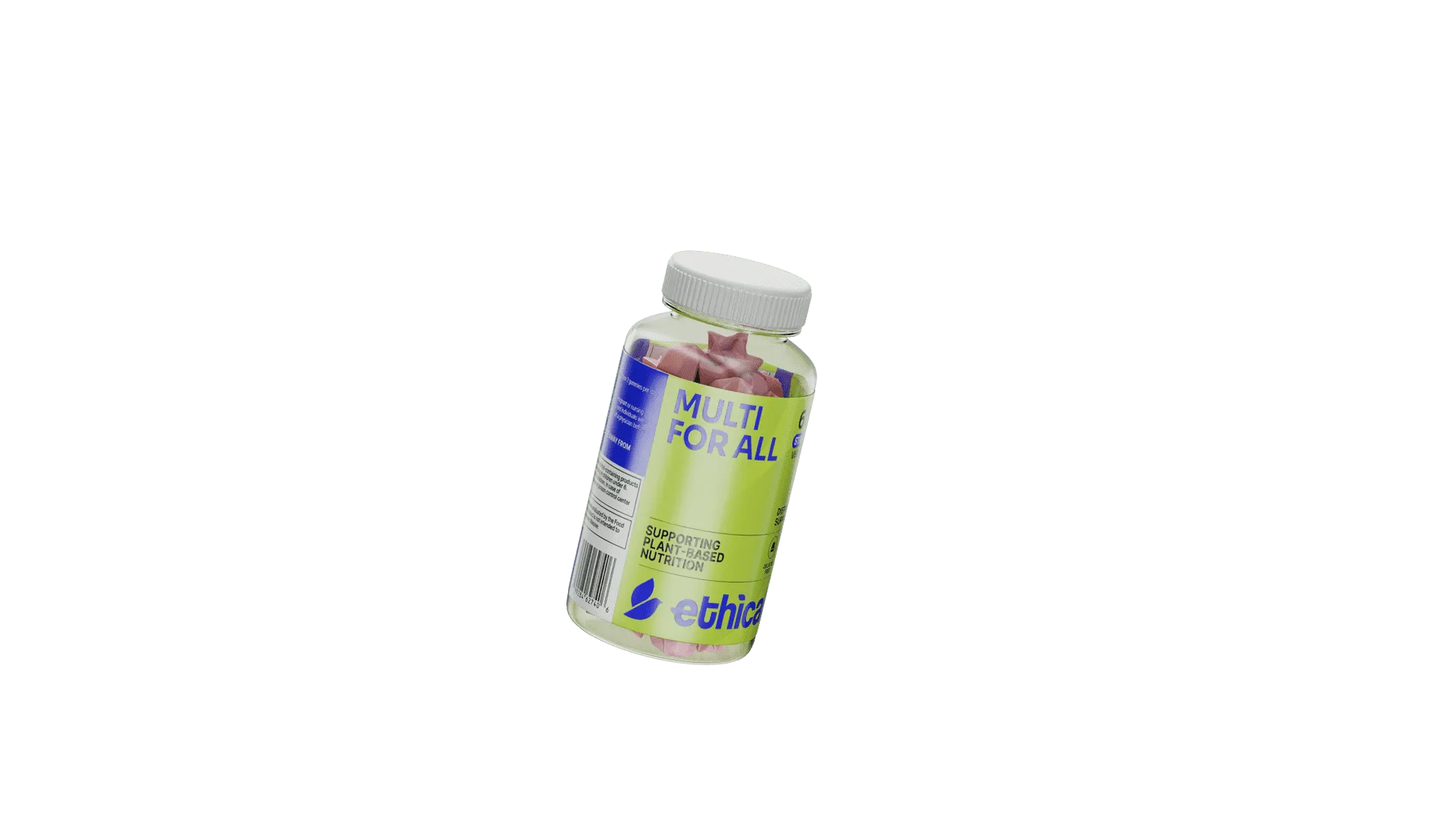
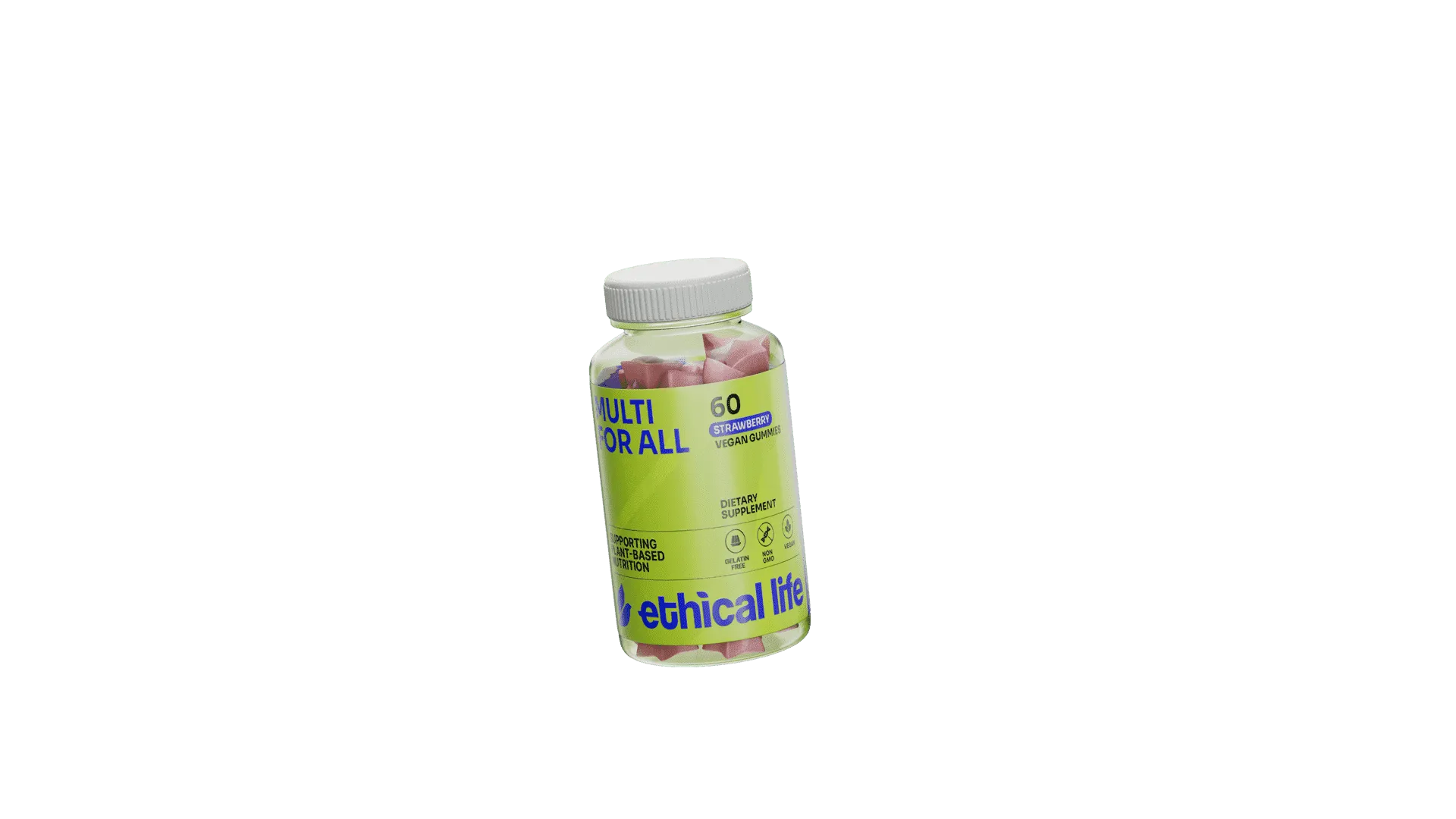
Ready to support your daily energy, metabolism, and hair and skin health with a formula built on clinical evidence rather than marketing hype? Explore Ethical Life’s Multi For All multivitamin gummies, formulated by Sepideh Ghasemian, Pharm.D., and a certified plant-based nutritionist. Pectin-based, vegan, made in the USA, and free of artificial junk, available as a Monthly Subscription for $31.49/month or a 3-month subscription for $89.97/3 months.

“I probably have written 4 reviews in my life, and Ethical Life vitamins are something that I think are worth writing about. The taste is amazing. I actually look forward to taking them every day. It’s also formulated by a pharmacist, so she knows what she’s talking about. I strongly recommend it; you won’t be disappointed.” – Hannah