How to Get Enough Vitamin B12 on a Vegan Diet

The Complete Pharmacist-Backed Guide

If you have spent time researching plant-based nutrition, you have almost certainly landed on the B12 question. Can you really get enough B12 from plants, or are you putting your health at risk? It is a fair question, and one worth getting right. B12 deficiency is one of the most avoidable nutritional risks in a vegan diet, yet it remains one of the most misunderstood. This guide was developed with input from Sepideh Ghasemian, Pharm.D., a Doctor of Pharmacy and Certified Plant-Based Nutritionist with over 30 years of clinical experience and 12 years of personal commitment to vegan living. Her perspective shapes everything here: choosing the right supplement is a supportive choice, not a concession, and the right information is the foundation of long-term vitality.

B12 is essential for DNA synthesis, red blood cell formation, and the structural integrity of the myelin sheath that protects your nerves. It acts as a cofactor for methionine synthase, which converts homocysteine to methionine, and for L-methylmalonyl-CoA mutase, which keeps fatty acid metabolism on track. When B12 is adequate, it actively supports your daily energy and neurological function in ways that are clinically validated across decades of research. These are not abstract benefits; they show up as mental clarity, sustained energy, and steady mood. Your body needs it. Exploring the essential vitamins in vegan gummies that work alongside B12 helps illustrate why small, daily choices compound into meaningful health outcomes over time.

Here is what this guide covers:

  • Plant Foods and Fortified Sources: Why plant foods do not naturally contain reliable B12.

    The best fortified foods to incorporate into your daily routine.

  • Daily Supplementation: Why high-quality daily supplementation is essential for long-term health.
  • Symptoms and Monitoring: How to recognize early deficiency symptoms and monitor your levels.

Can You Get B12 from Plants? The Truth

Vitamin B12 is synthesized exclusively by soil microorganisms and bacteria, rather than plants or animals themselves. Animals accumulate B12 by consuming soil-contaminated food and water, or through gut fermentation in ruminants. For most of human history, incidental soil contact on unwashed produce provided trace amounts of B12-producing bacteria. Modern agricultural sanitation has effectively eliminated that pathway. Times have changed. Produce today is washed, processed, and handled in ways that remove the very microbial residue that once contributed to B12 intake. For anyone eating a plant-based diet, this means the animal middleman that concentrated dietary B12 is no longer part of the equation, and a direct, reliable source must take its place.

Fermented foods like tempeh, seaweed, and kombucha are frequently cited in wellness circles as viable B12 sources. They are not. These foods contain inactive B12 analogues, which are molecules that structurally resemble cobalamin but do not support human metabolism. More problematically, these analogues can compete with and block the absorption of genuine active B12, making the situation worse than simply getting none. Research published in a review of B12 status in plant-based populations found deficient B12 concentrations in up to 52% of vegans, compared to just 1% of omnivores, with 50% to 70% of vegetarians and vegans across multiple countries showing subnormal B12 status. Scientific consensus on this point is unequivocal: unfortified plant foods cannot sustain healthy B12 levels.

The physiological consequences of ignoring this are slow to appear and easy to miss. B12 is stored in the liver, and those stores are substantial enough that deficiency symptoms typically take approximately three years to manifest after dietary intake drops to near zero. That delay is the danger: by the time fatigue, nerve tingling, or cognitive changes appear, the depletion has been building for years. Recognizing the signs of vitamin deficiency early gives you the window to correct course before neurological damage becomes a concern.

Understanding how B12 actually enters the body clarifies why fortified foods and supplements are the only dependable options. After ingestion, gastric acid and pepsin release food-bound B12 from its protein matrix. Salivary R-proteins carry it through the stomach, and pancreatic proteases hand it off in the small intestine. At that point, intrinsic factor, a glycoprotein secreted by gastric parietal cells, binds the freed B12 and escorts it to the terminal ileum for active transport into the bloodstream. This entire cascade depends on a healthy gastrointestinal tract. B12 is like a key that needs the right lock, and that lock becomes harder to turn as we age. When intrinsic factor is absent or gastric acid is reduced, as in older adults or those on acid-suppressing medications, passive diffusion becomes the only remaining absorption route, capturing roughly 1% of a given dose without any carrier protein involvement.

Best Vegan Food Sources of Vitamin B12

Top fortified vegan B12 sources by average content per serving:

Key Fortified Foods to Include

Fortified plant milks, such as soy, almond, and oat, typically deliver 1.2 to 2.4 μg per serving, making them a practical daily vehicle for B12 intake. Ready-to-eat breakfast cereals are often fortified with crystalline B12, the same bioavailable form used in supplements, and can provide 1.5 to 6.0 μg per serving. Fortified meat alternatives and liquid meal replacements round out the category, though their B12 content varies considerably by brand. The practical challenge is that meeting the full daily requirement from fortified foods alone requires consuming these products two to three times per day, consistently, with attention to serving sizes: a level of dietary precision that most people do not maintain permanently.

Understanding Nutritional Yeast

Fortified nutritional yeast occupies a different tier. It packs a punch. A single tablespoon of a fortified brand can supply more than 100% of the US Recommended Dietary Allowance of 2.4 μg/day, as established by the NIH Office of Dietary Supplements. The critical qualifier is “fortified”: unfortified nutritional yeast contains no B12 at all, and the label distinction matters enormously. Store it in a cool, dark location; B12 degrades with light and heat exposure, and a container left on a sunny countertop loses potency faster than most people realize.

Nutritional Yeast, Cereals, and Plant Milks

Fortified Nutritional Yeast: ~2.4 to 8.0 μg per tablespoon

Fortified Breakfast Cereals: ~1.5 to 6.0 μg per serving

Fortified Soy or Almond Milk: ~1.0 to 3.0 μg per cup

Meat Substitutes and Energy Bars

Fortified Meat Substitutes: ~1.0 to 2.4 μg per serving

Fortified Energy Bars: ~1.0 to 2.0 μg per bar

Do Vegans Need a B12 Supplement?

Relying exclusively on fortified foods requires exacting daily planning that, in practice, most people cannot sustain with the consistency B12 demands. The deficiency data reflects this: between 50% and 70% of vegetarians and vegans worldwide show subnormal B12 status, a figure that holds across multiple countries and dietary patterns. A daily supplement removes the guesswork entirely. It is simple. It also leverages a physiological advantage: at high doses, crystalline B12 is absorbed via passive diffusion at roughly 1% of the dose, meaning even someone with compromised intrinsic factor production can absorb a meaningful amount from a sufficiently large supplement.

Three evidence-based supplementation regimens for adult vegans, with more detail available on vitamin B12 on a vegan diet:

Comparing B12 Chemical Forms

Cyanocobalamin is the most stable, most extensively studied, and most cost-effective form of B12 available in the US market. Methylcobalamin is a naturally occurring coenzyme form that some manufacturers promote as superior. Think of methylcobalamin as the ready-to-use form your body can put to work immediately, though it is less stable under light and heat, and the clinical evidence for meaningful superiority over cyanocobalamin for oral supplementation is not conclusive. Both forms effectively raise serum B12 and support metabolic function when taken consistently. The more important variable is whether you take it consistently every day: form matters less than habit.

Option A: Daily Supplement

A daily oral dose of 50 to 100 μg of crystalline B12.

Option B: Multiple Daily Sources

Three daily doses of 2 μg from fortified foods or small supplements.

Option C: Weekly Supplement

A weekly dose of 2,000 μg (either as a single dose or split into two 1,000 μg doses).

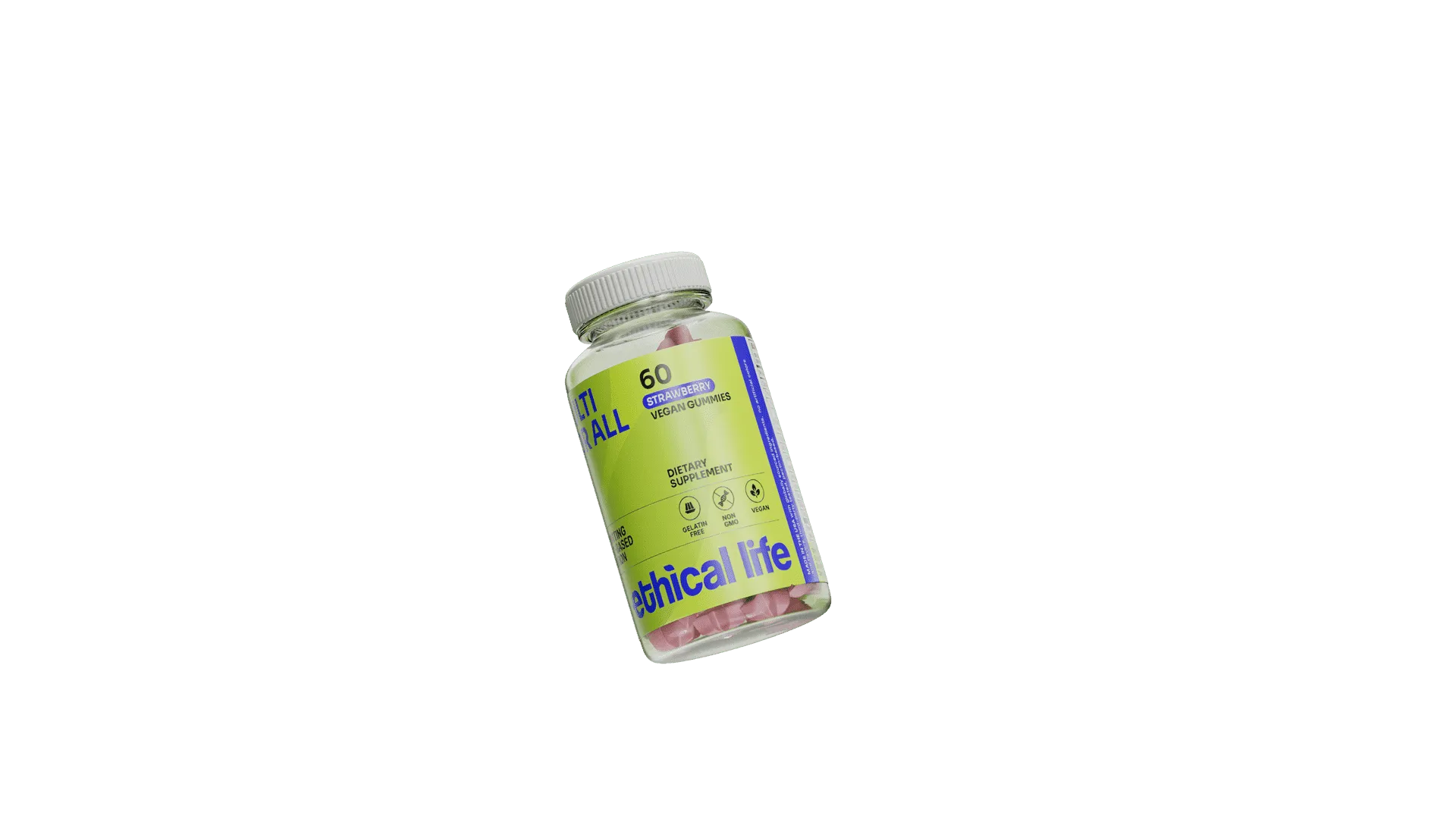
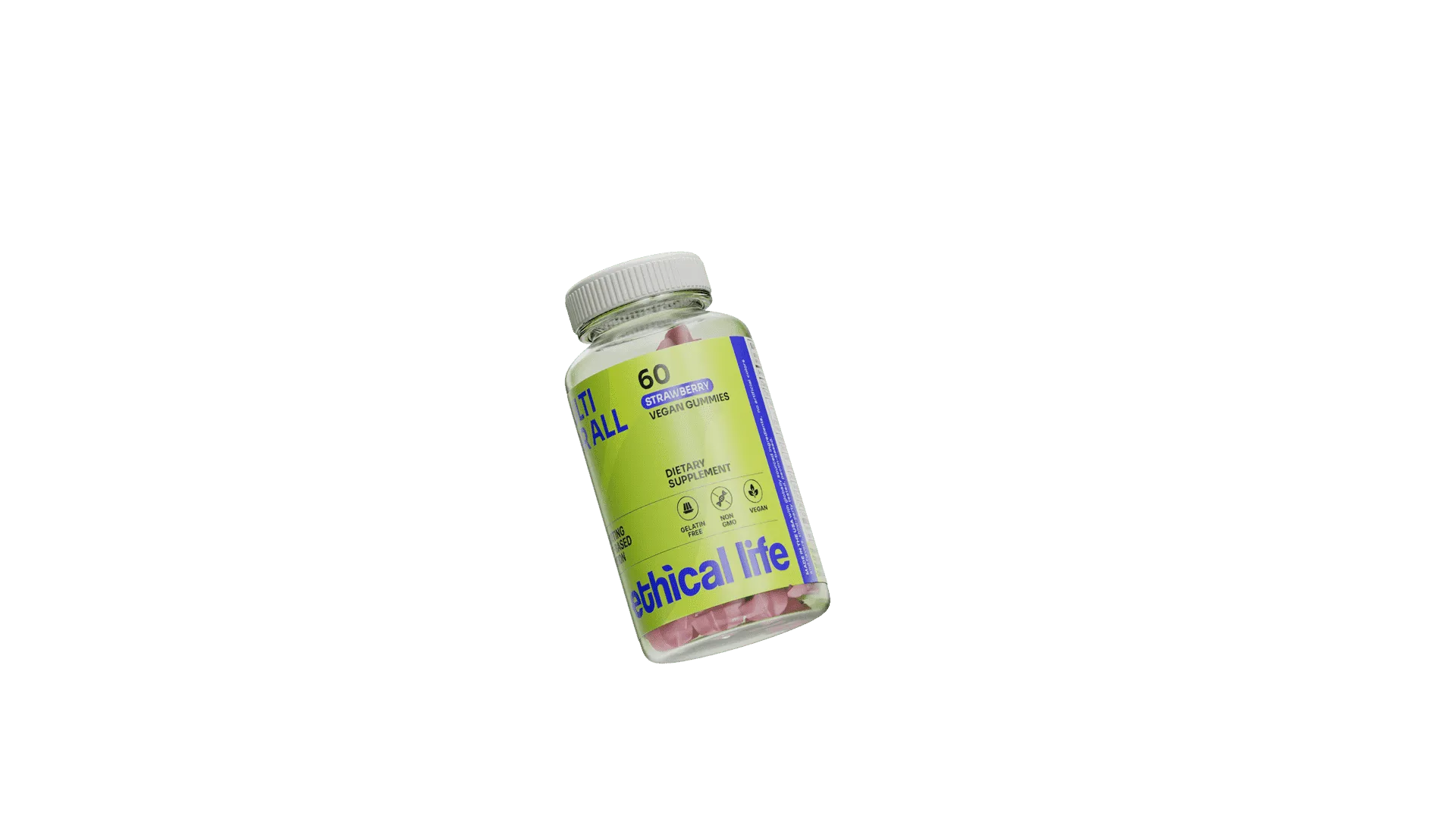
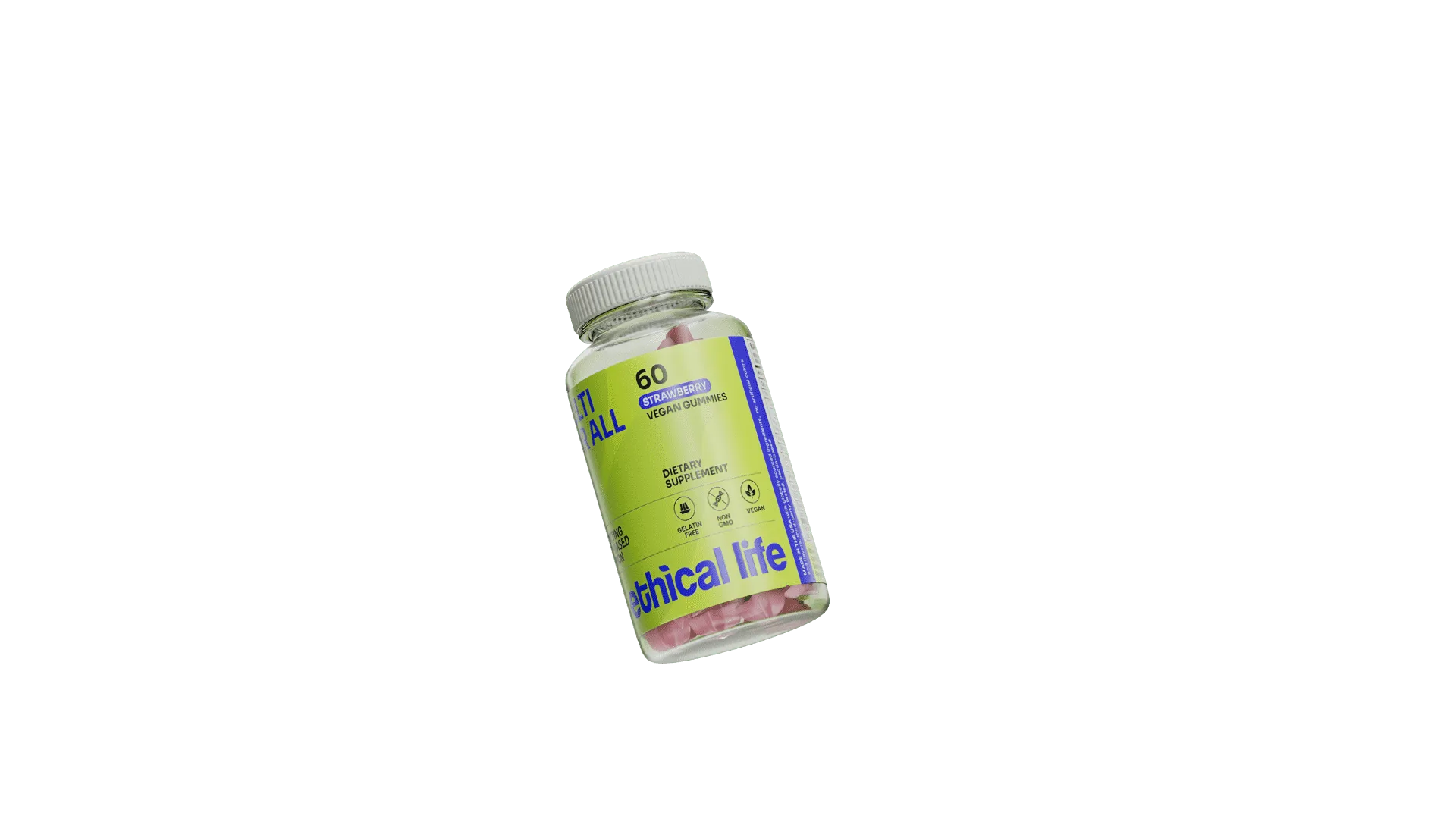
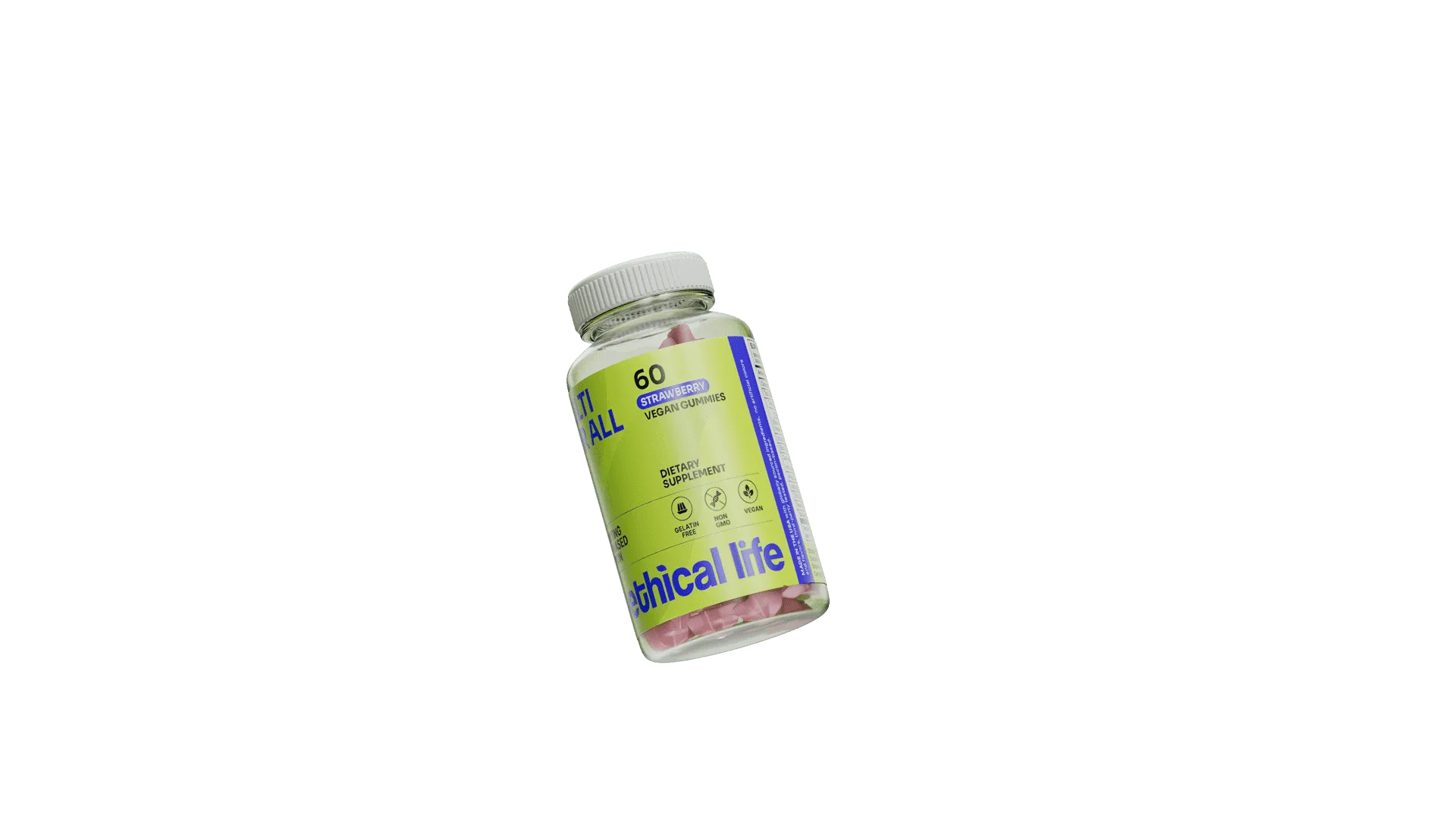
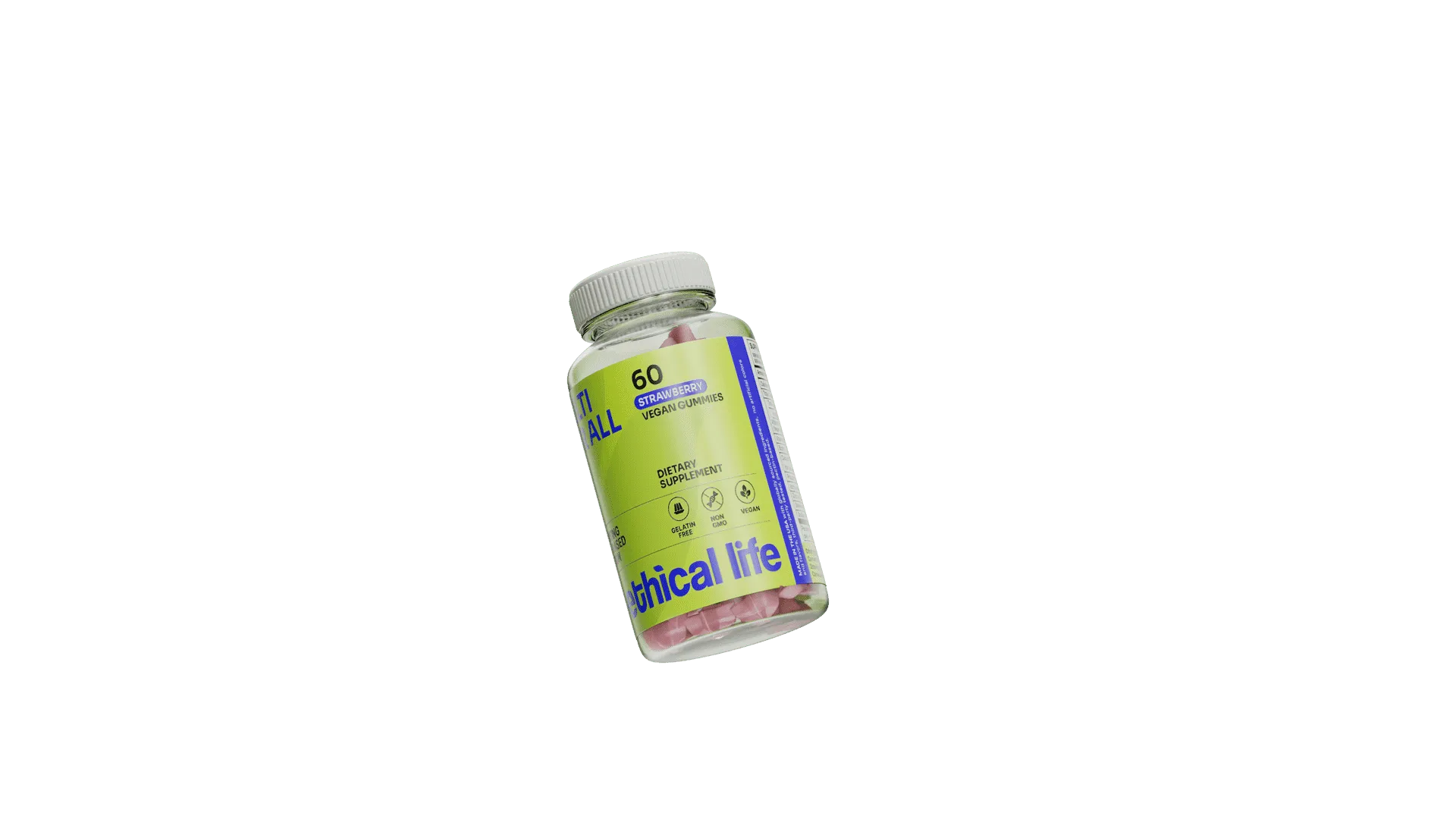
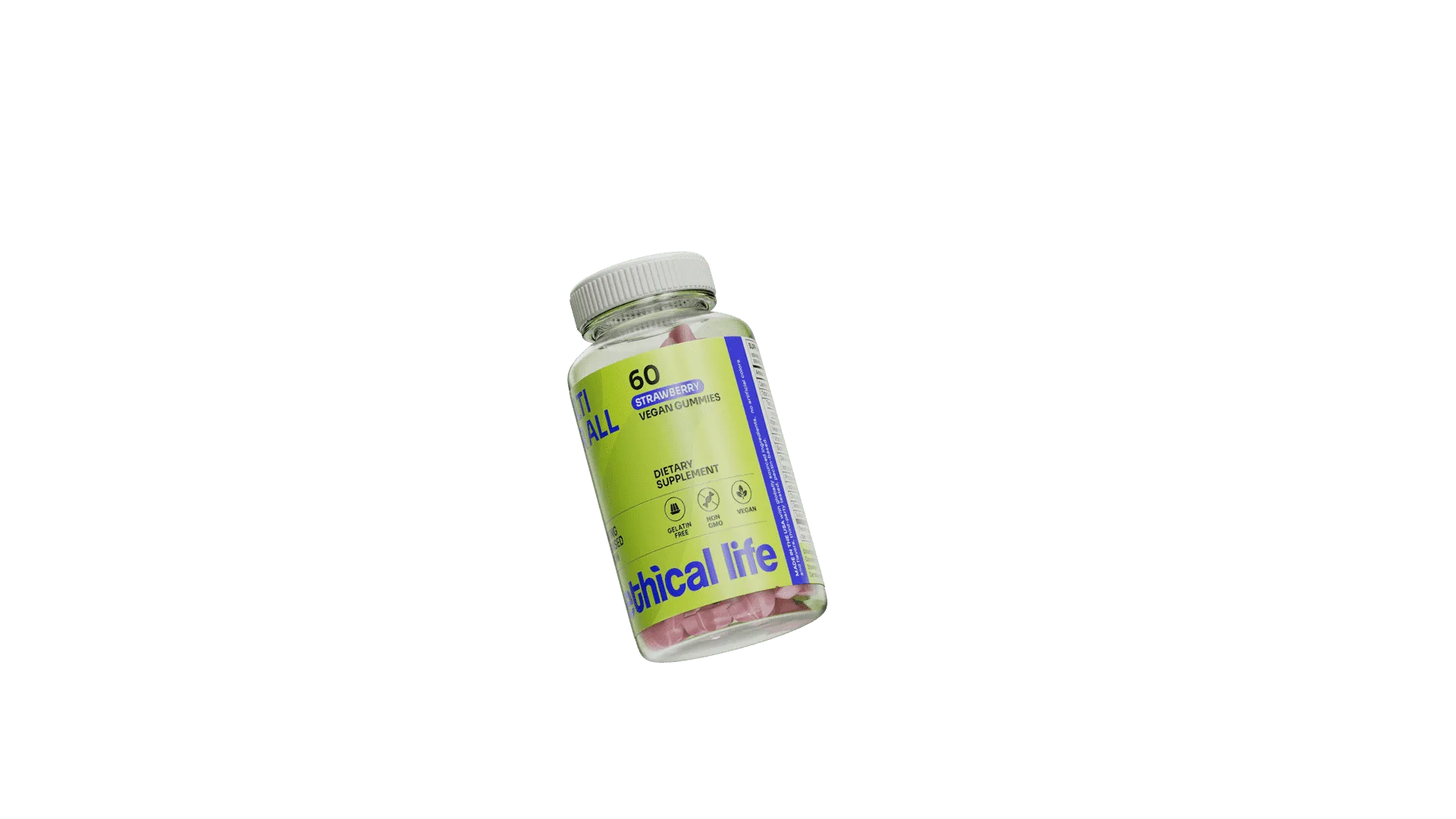
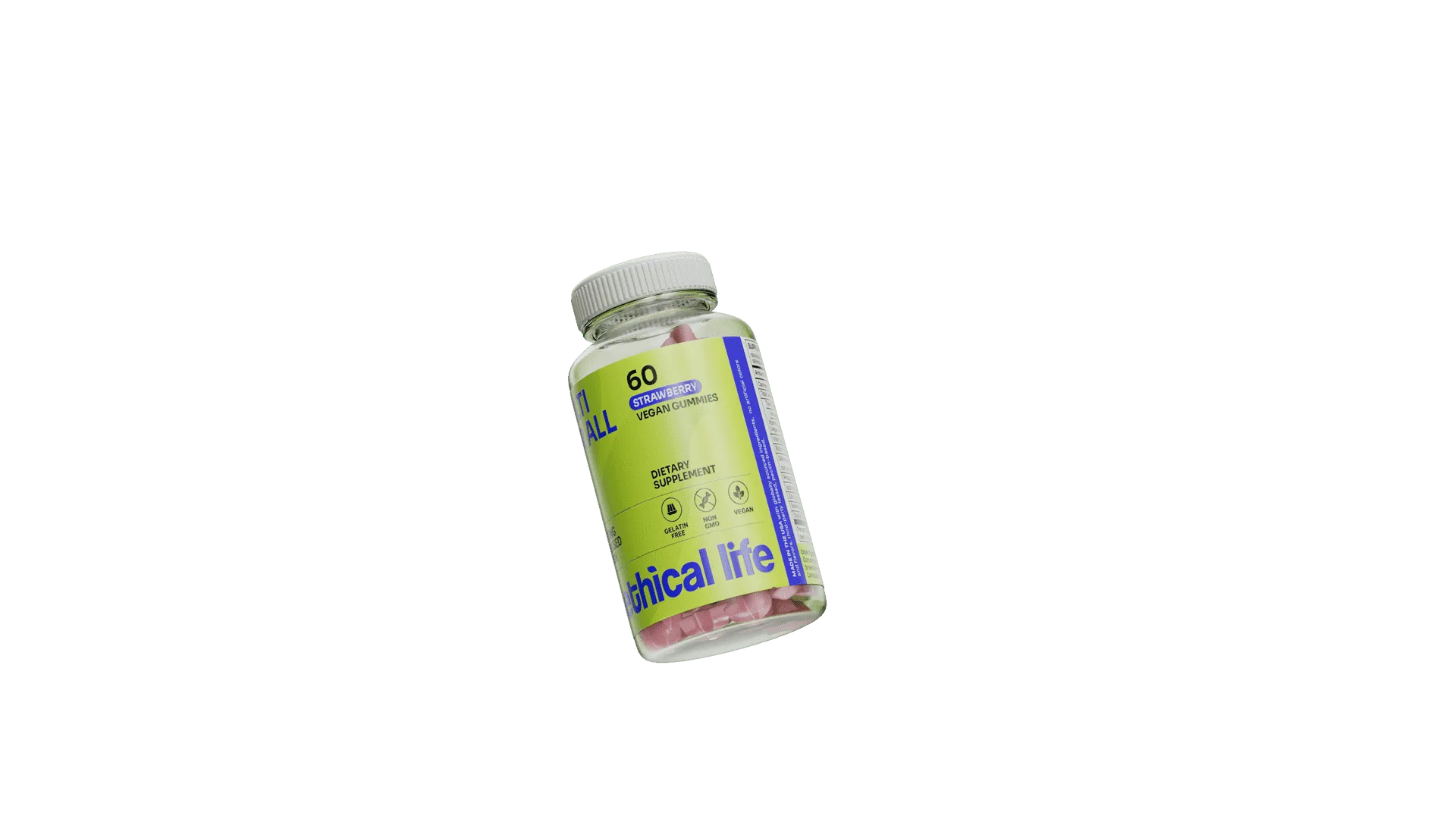
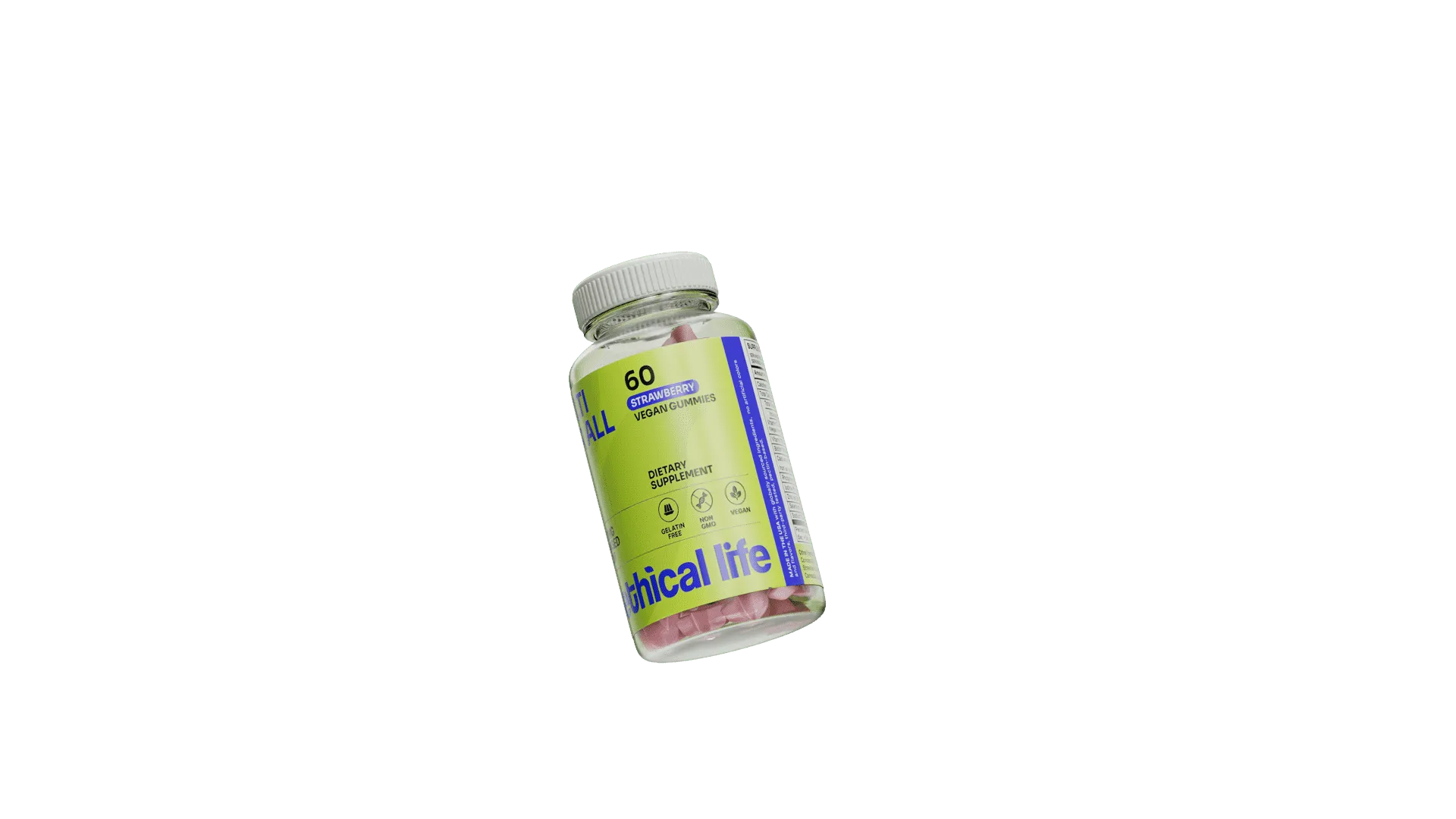
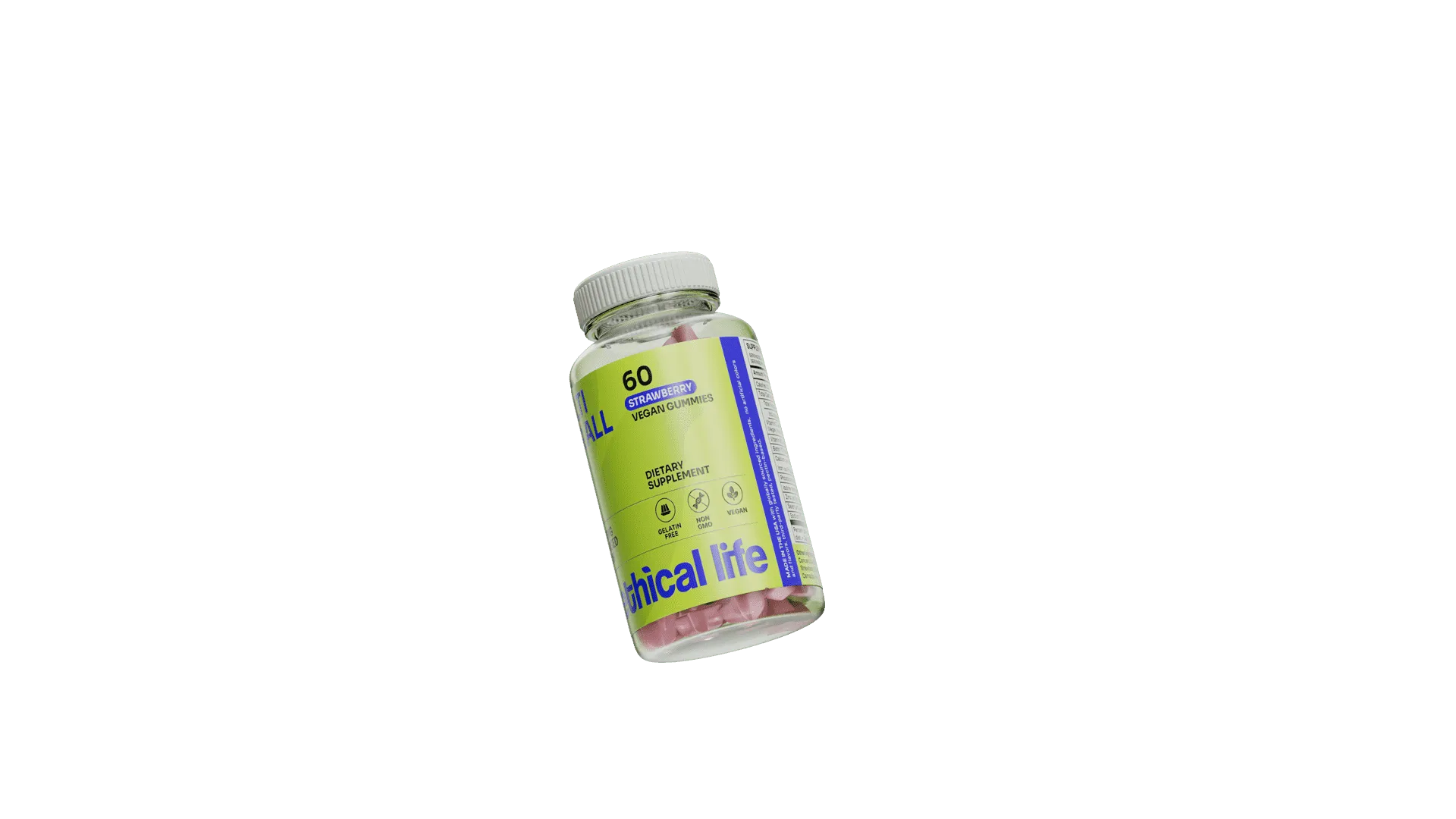
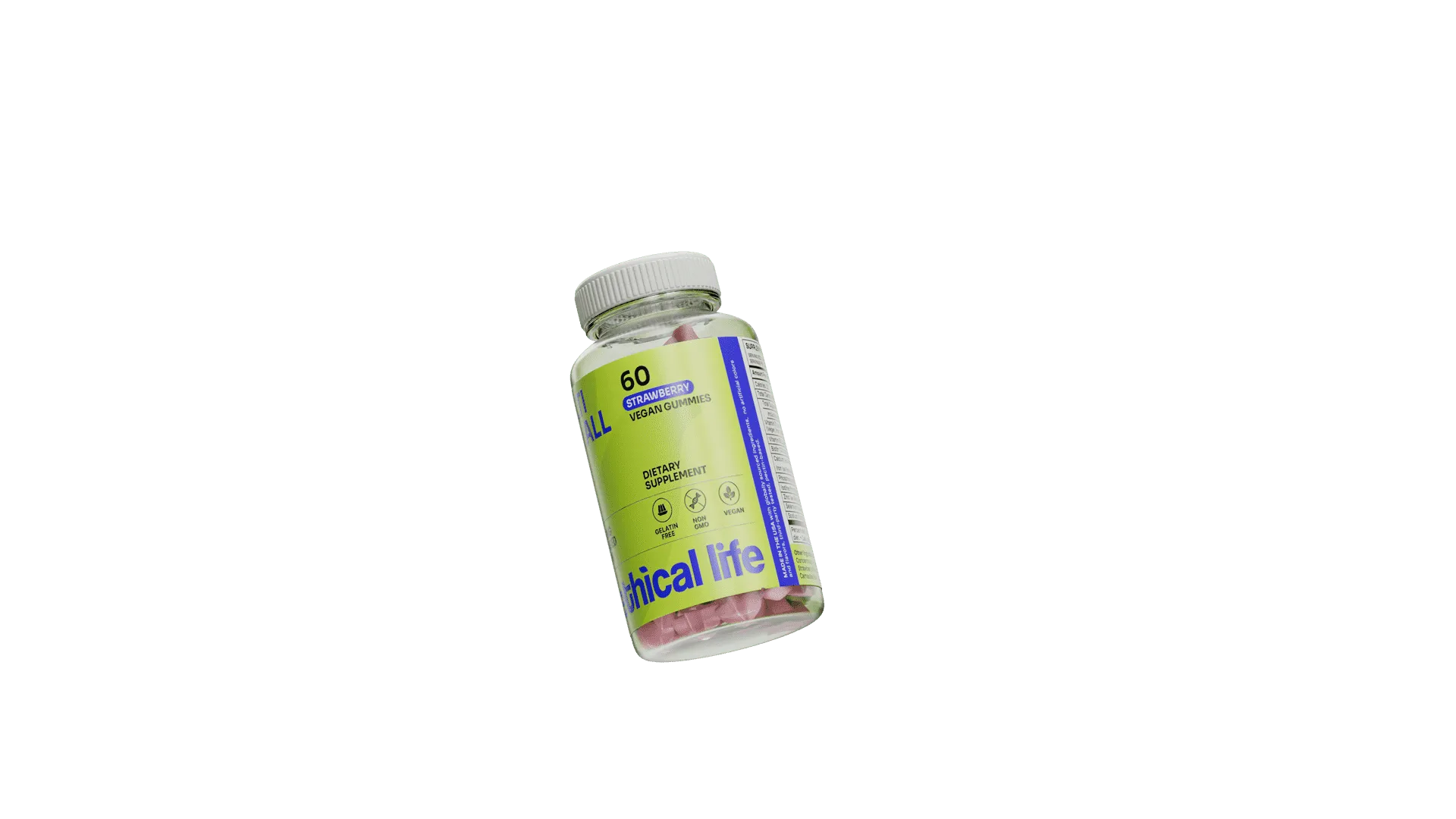
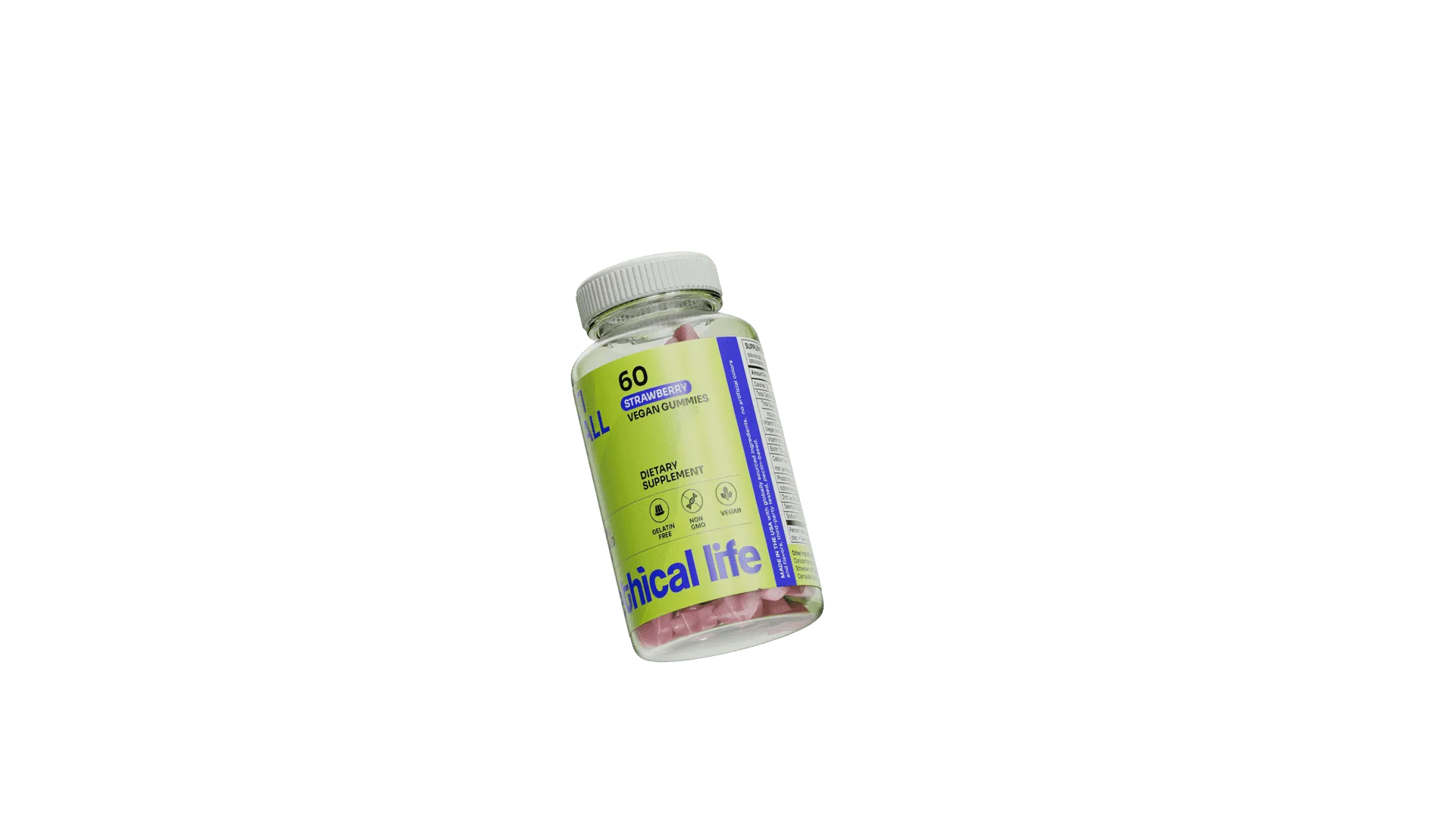
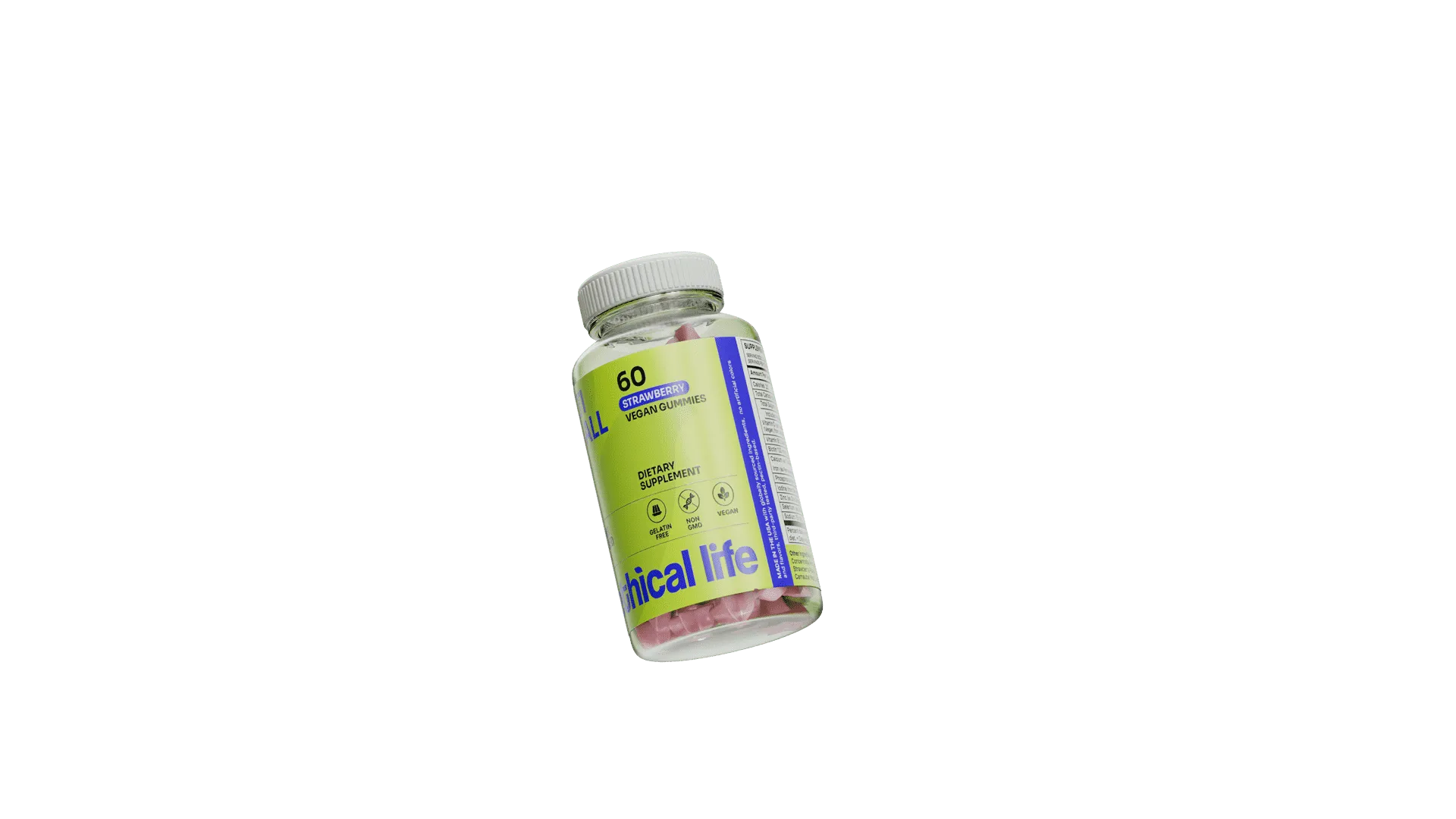
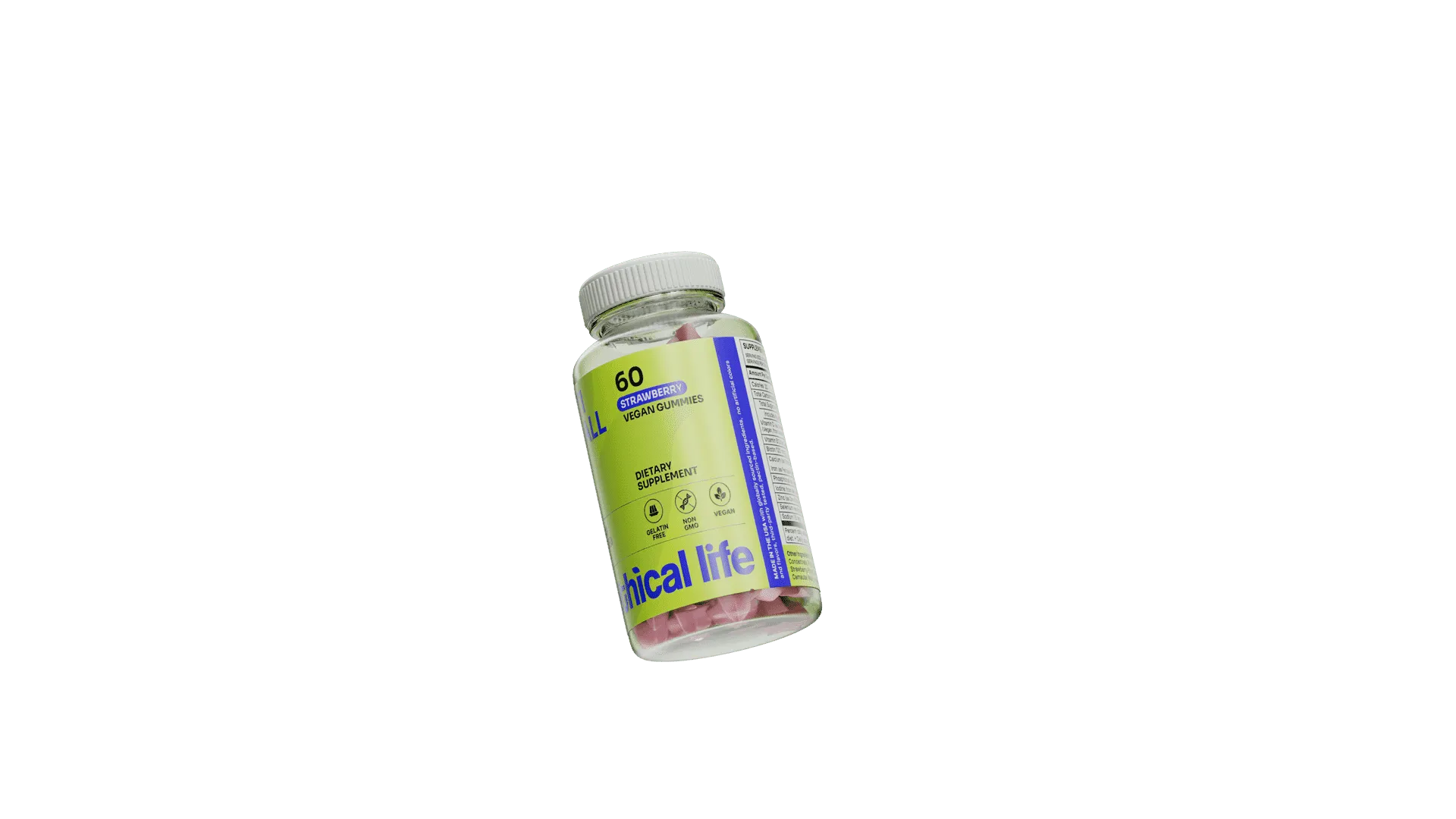
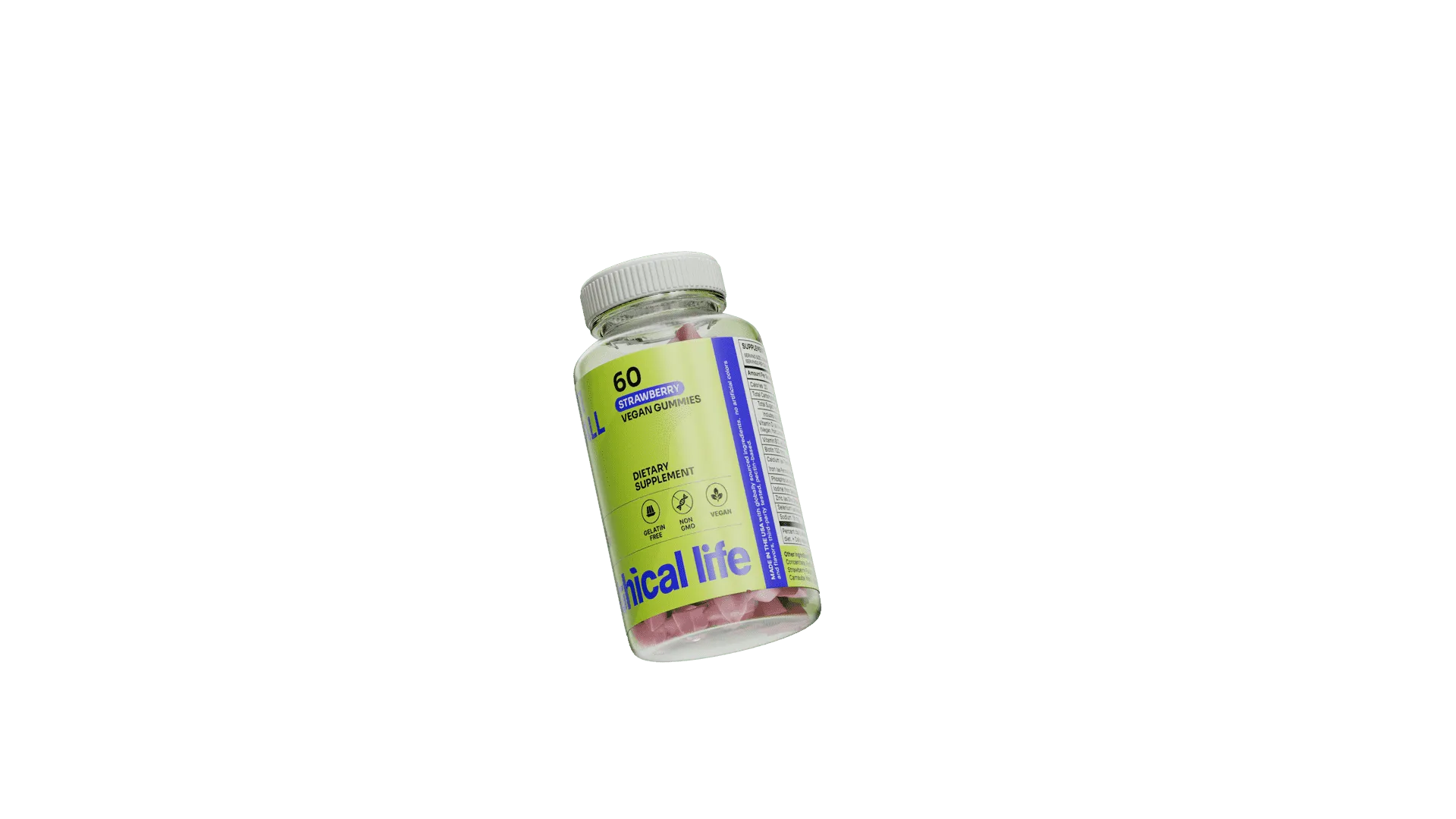
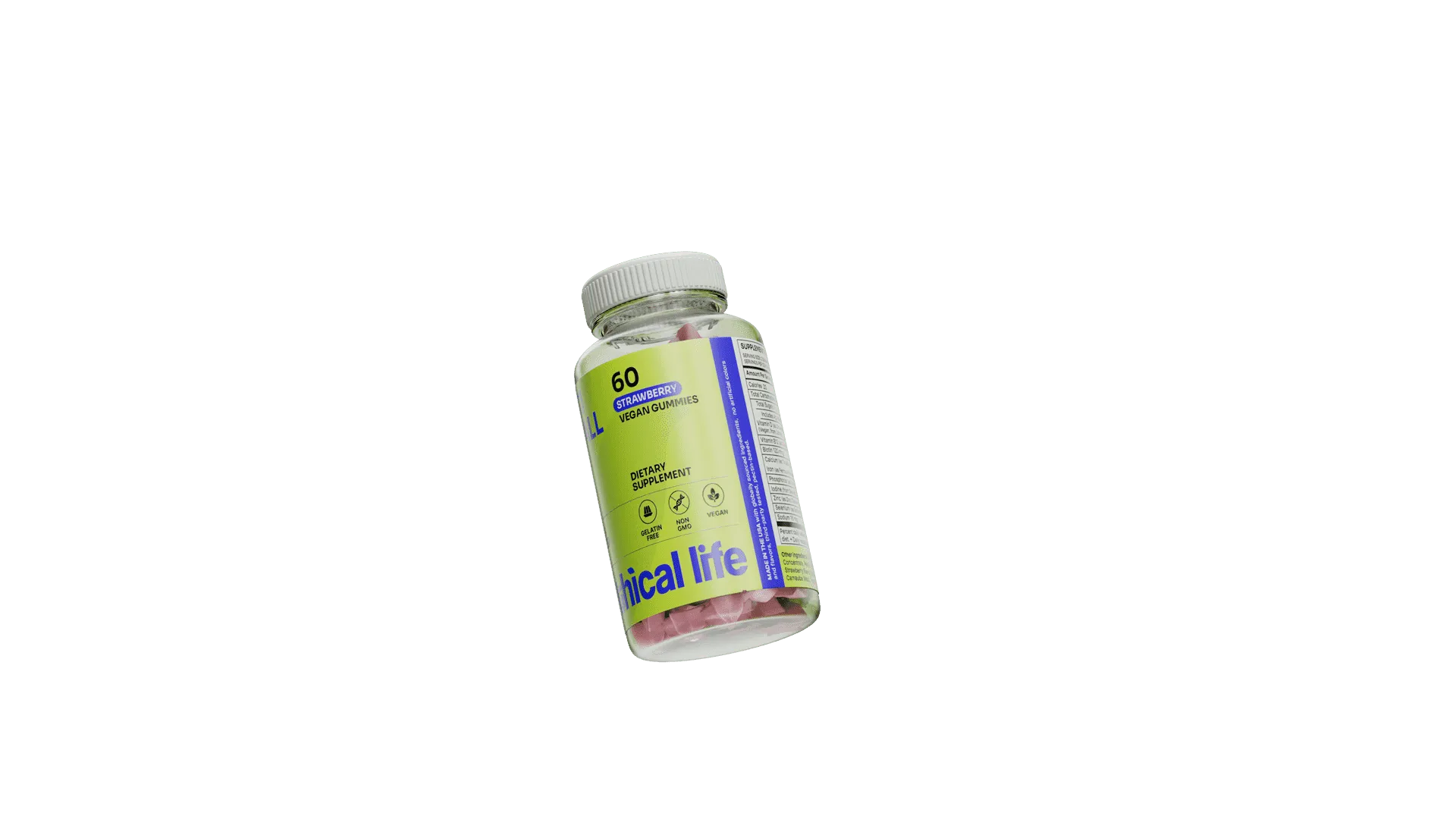
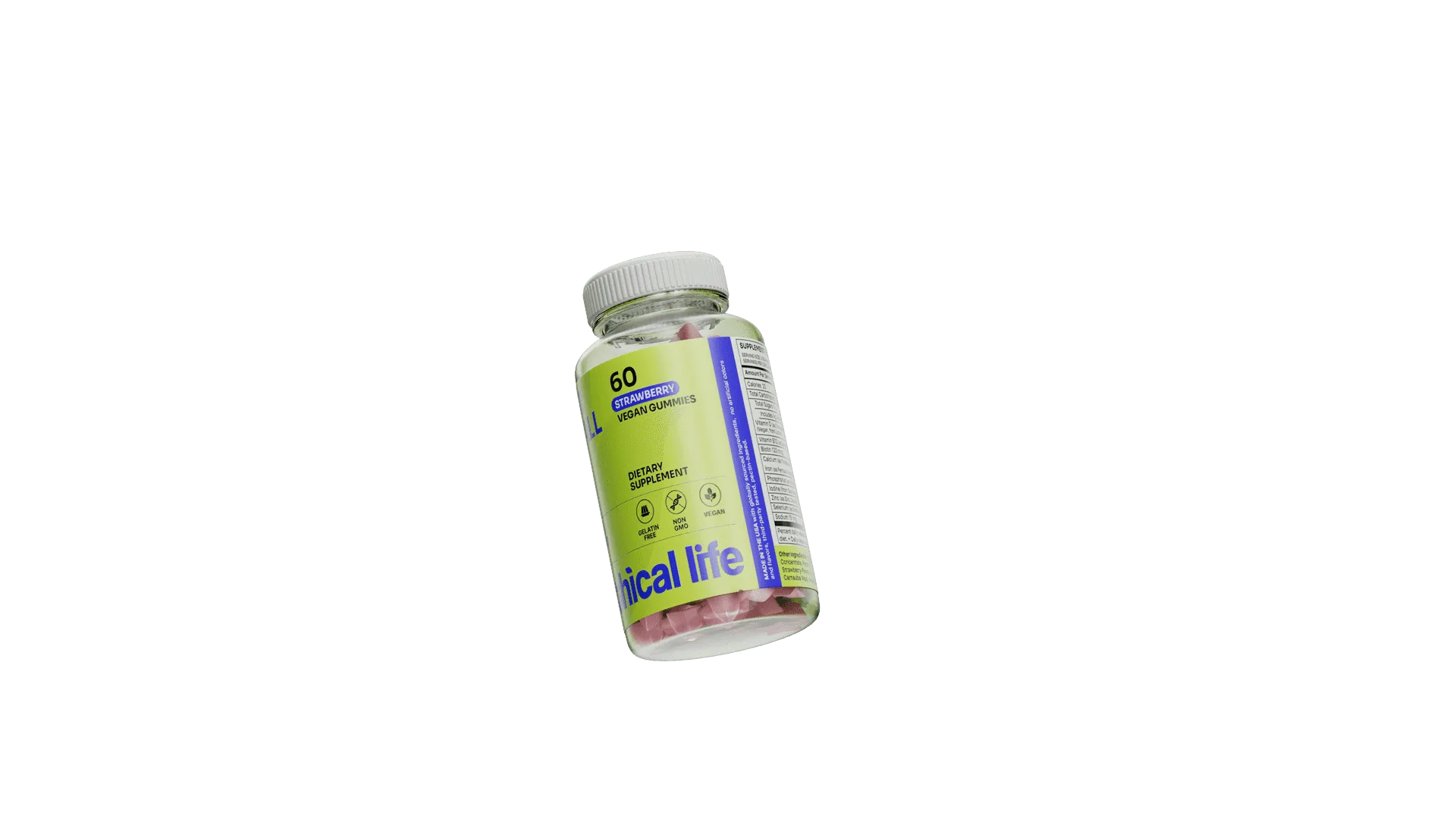
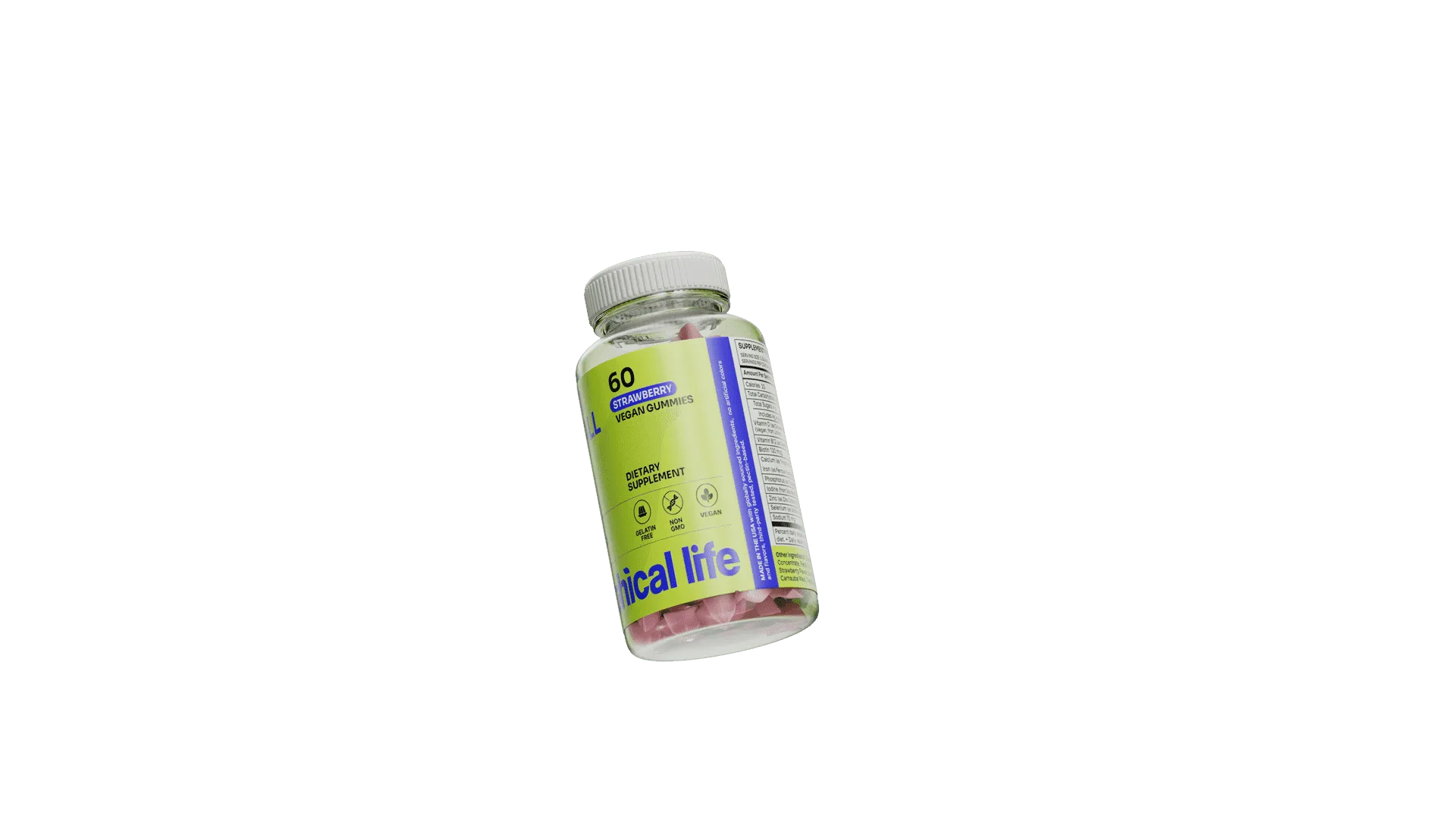
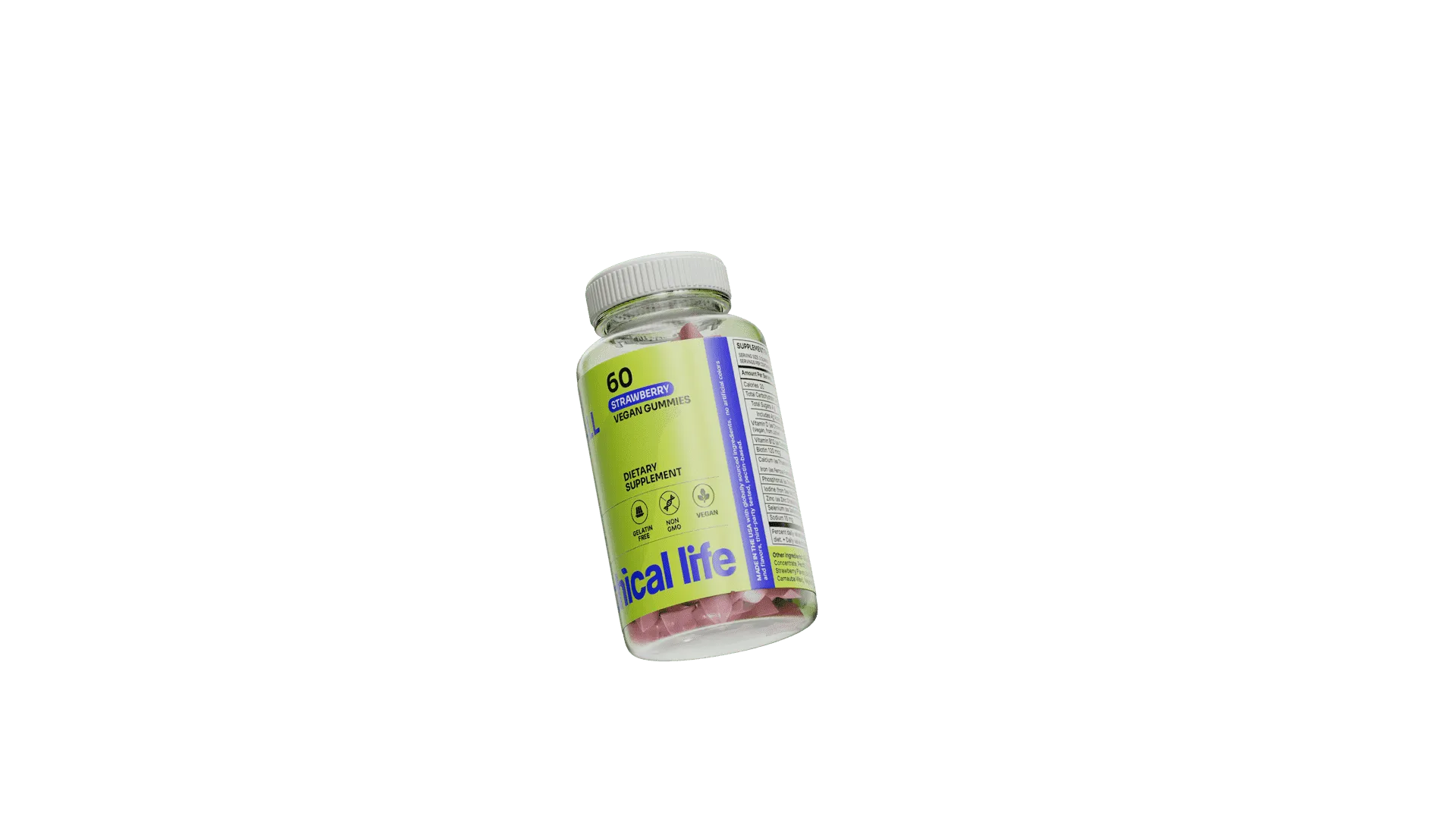
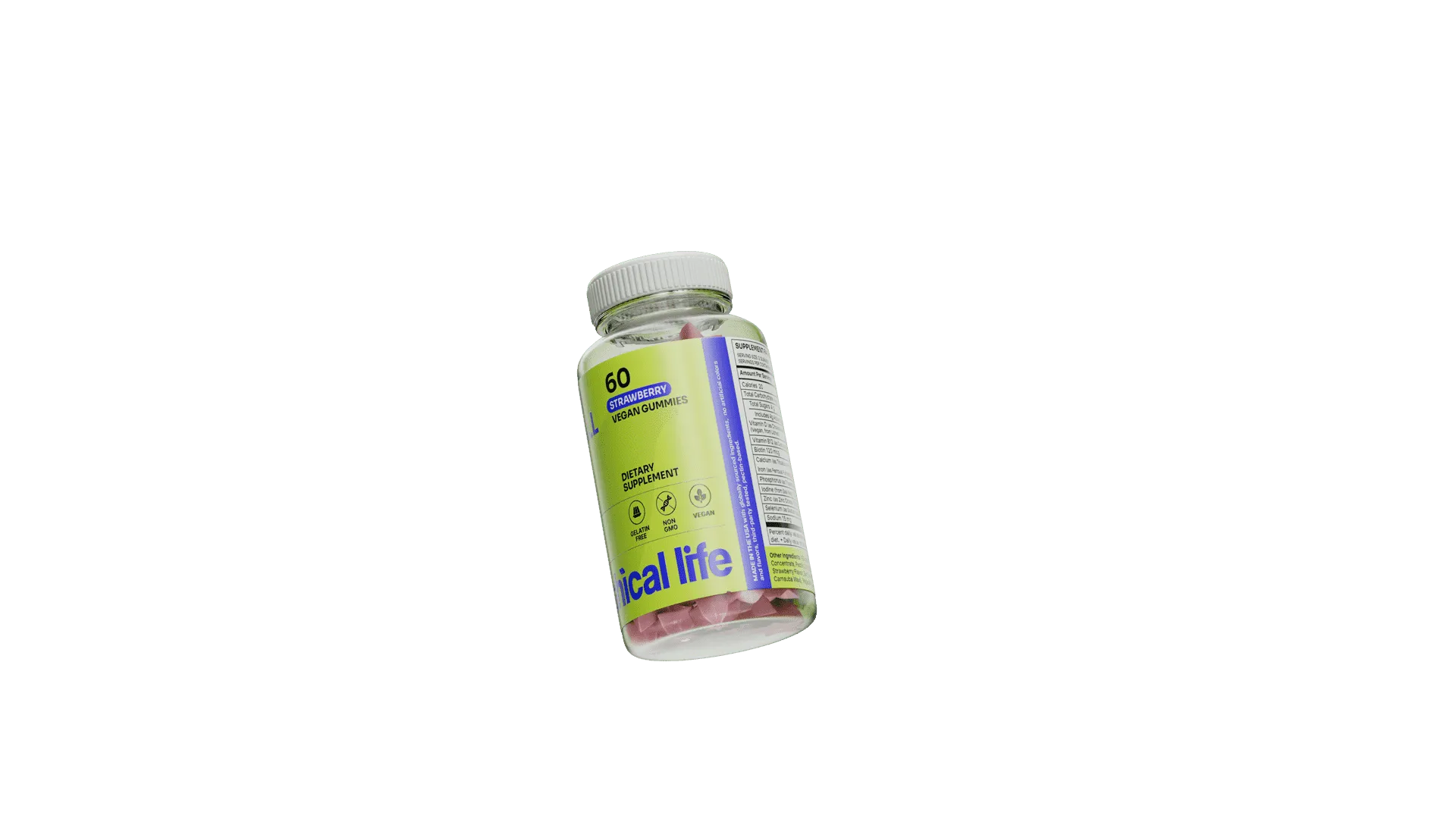
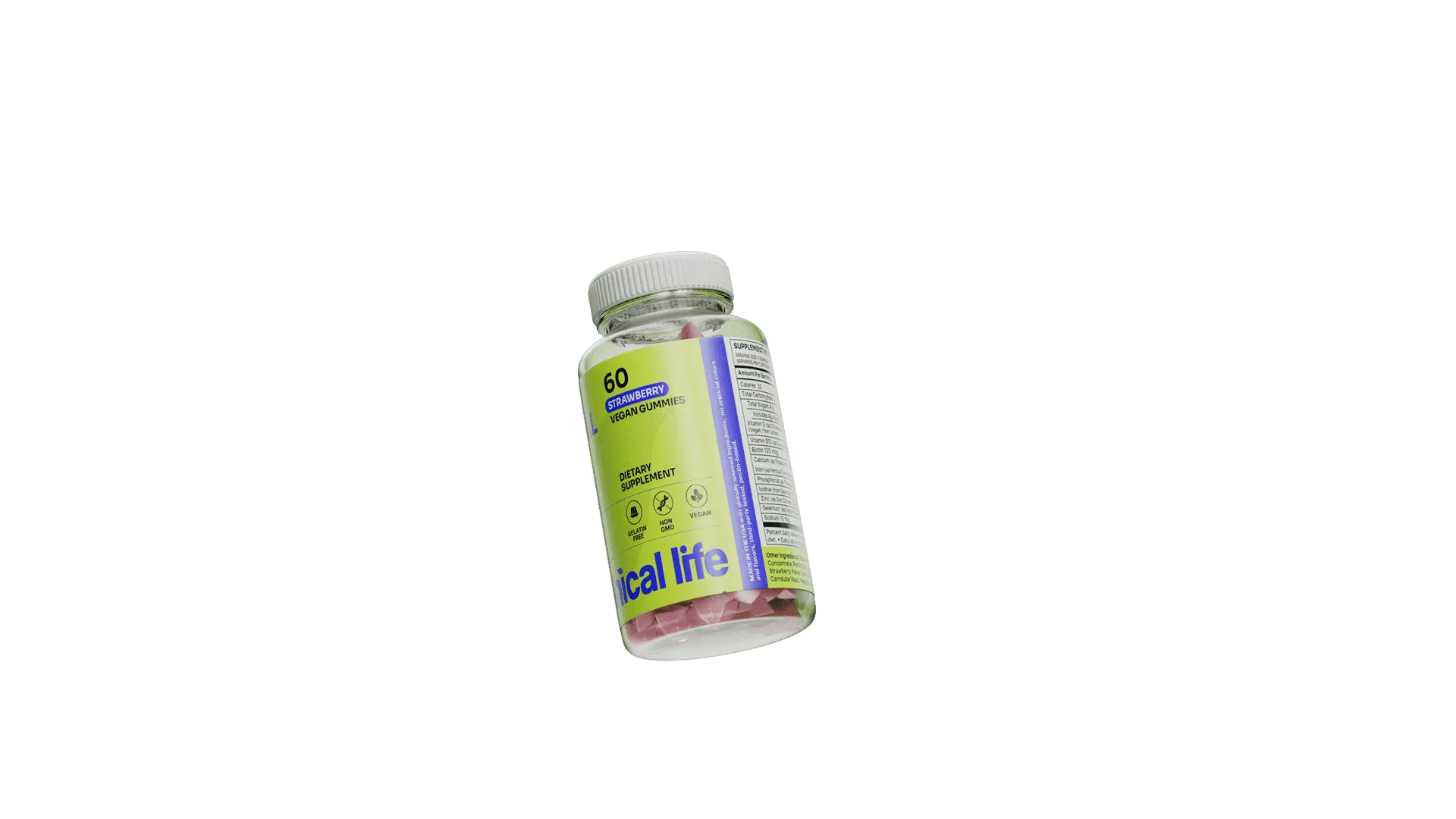
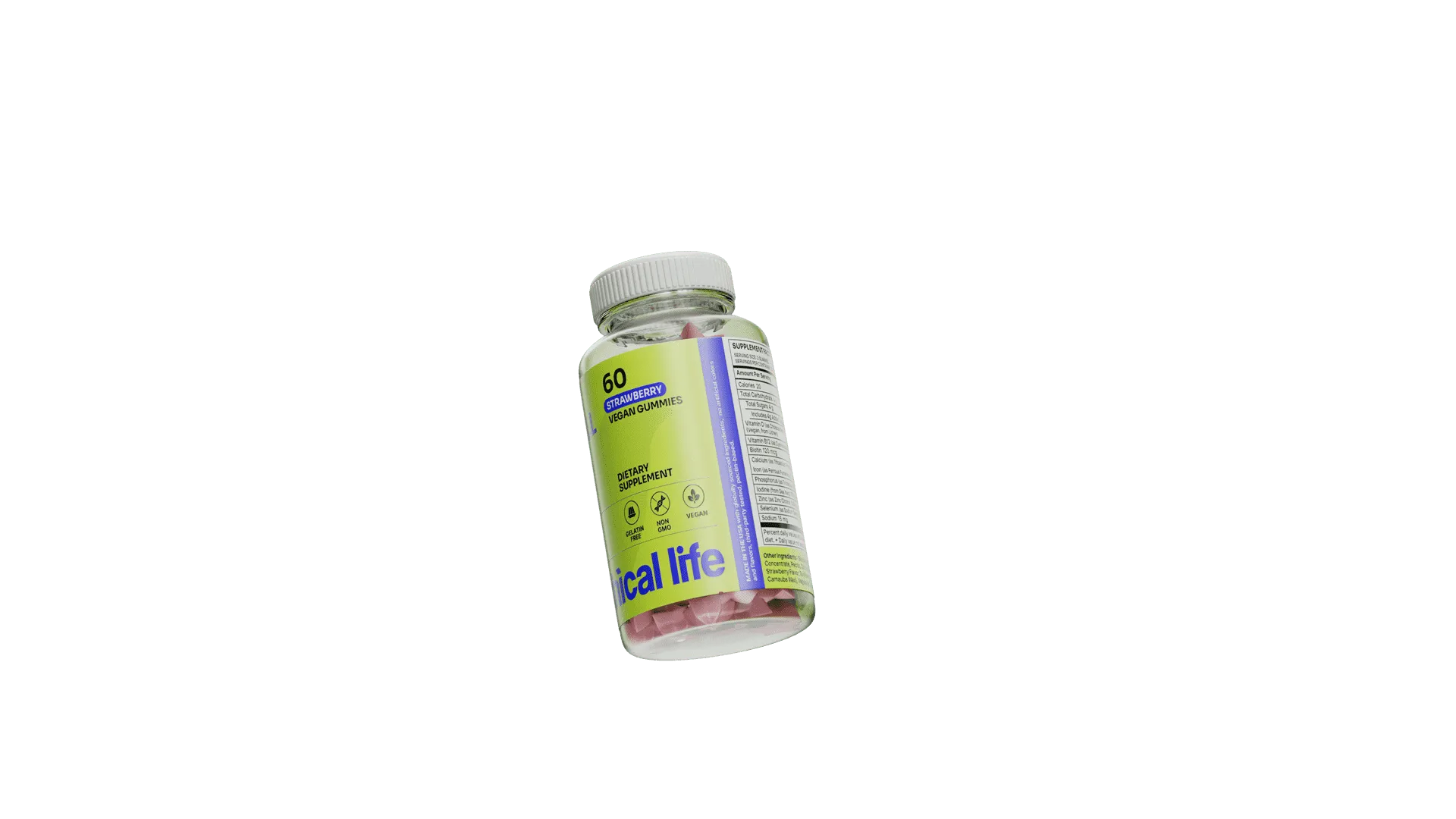
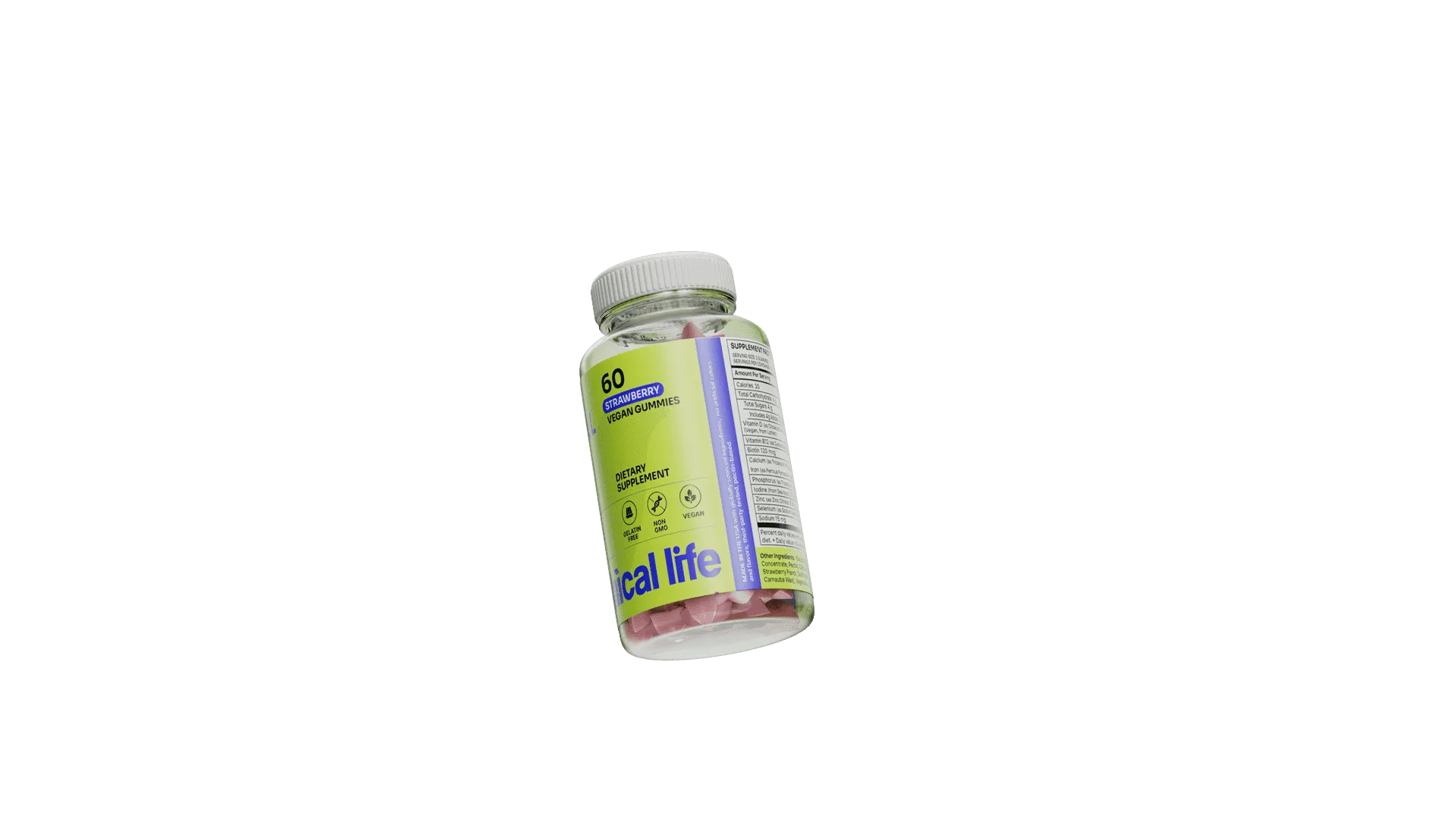
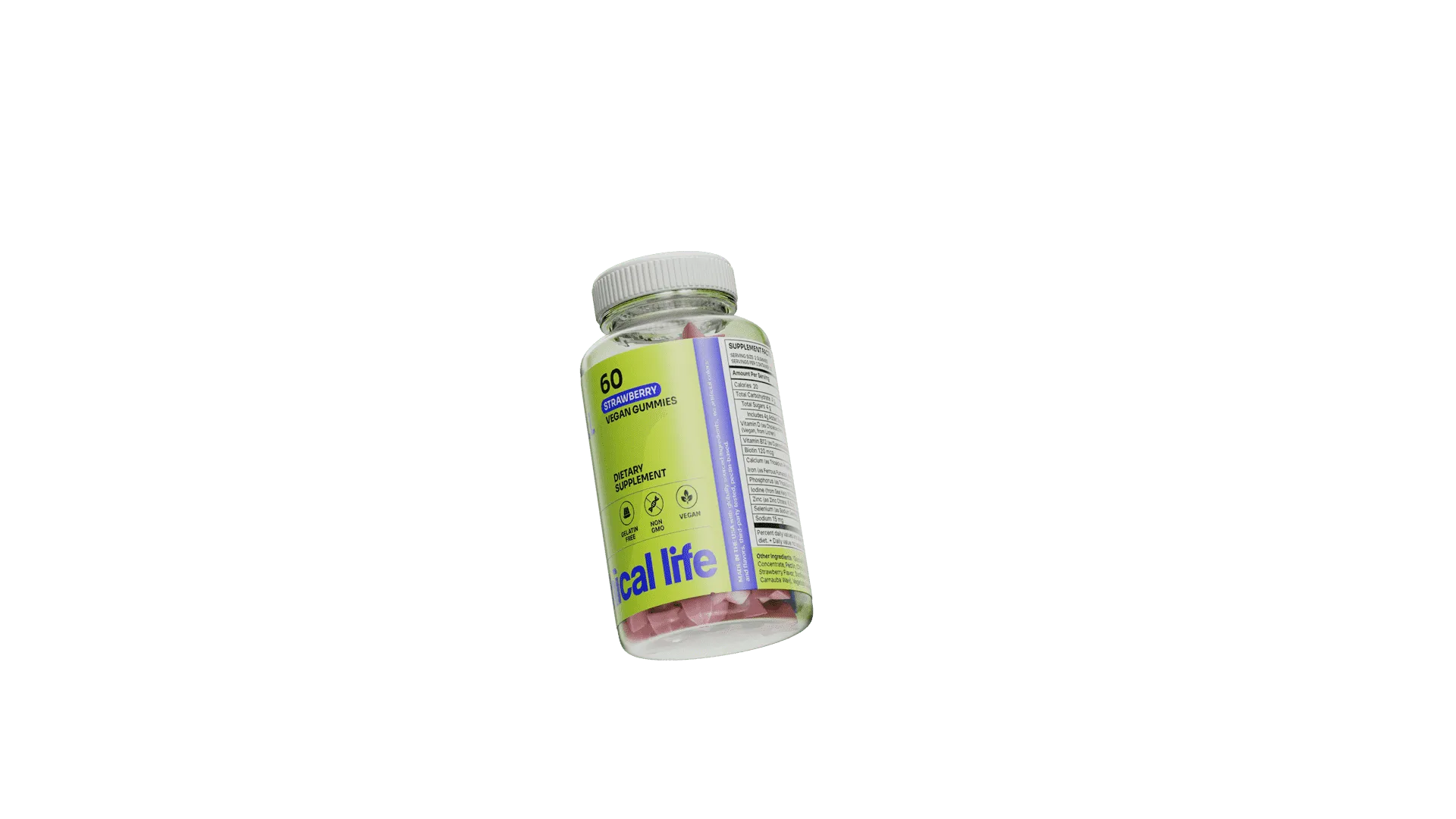
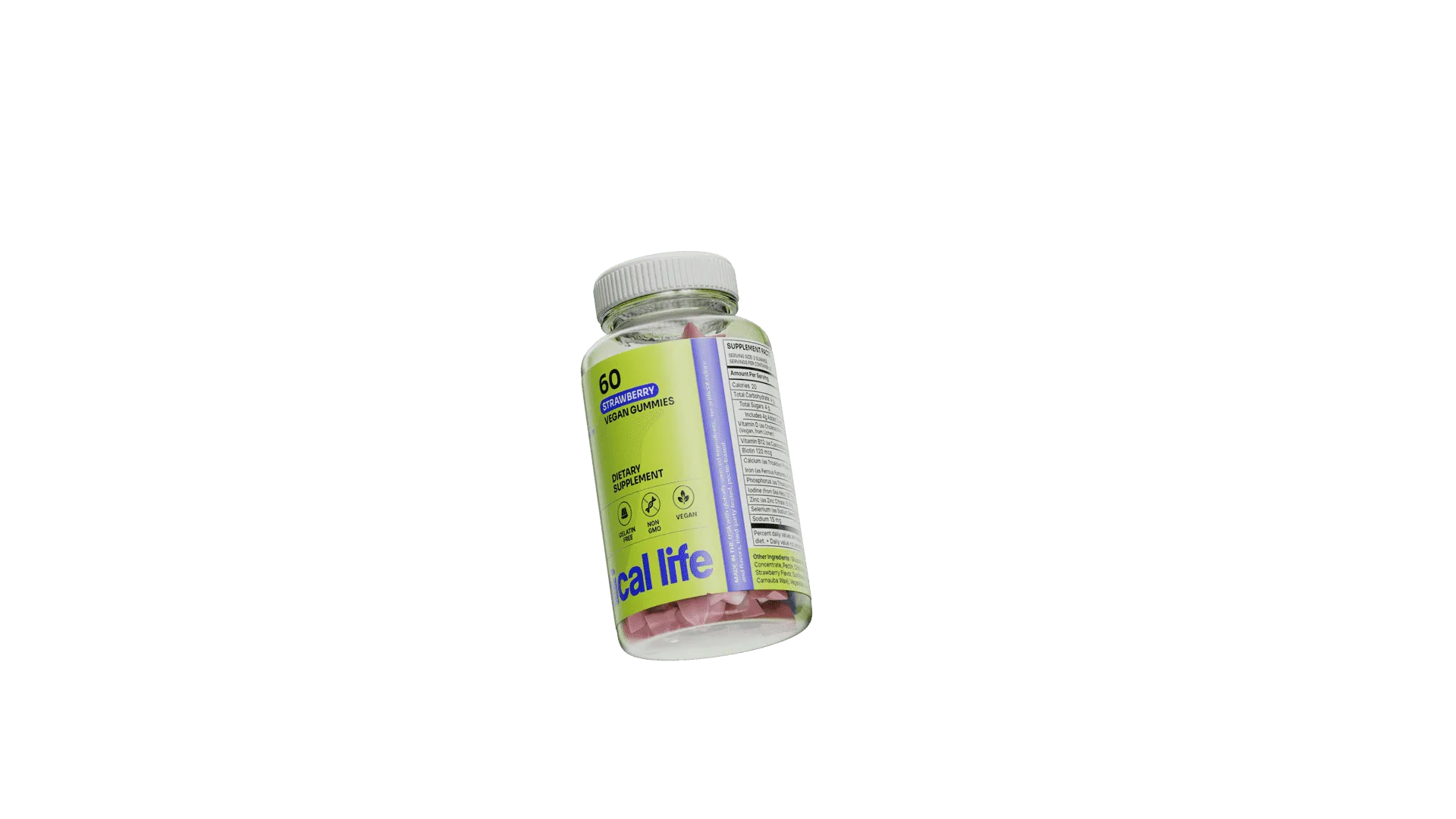
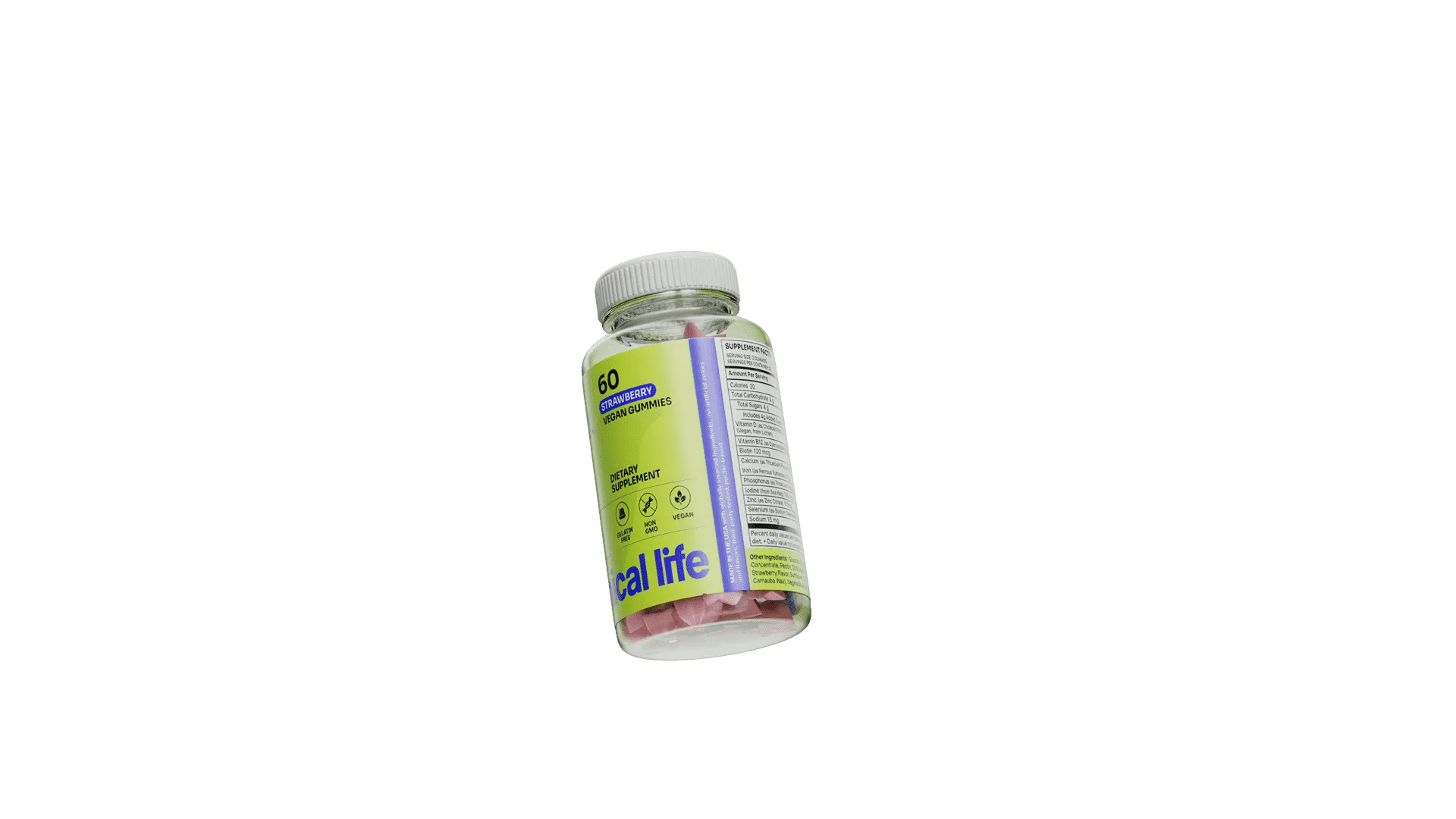
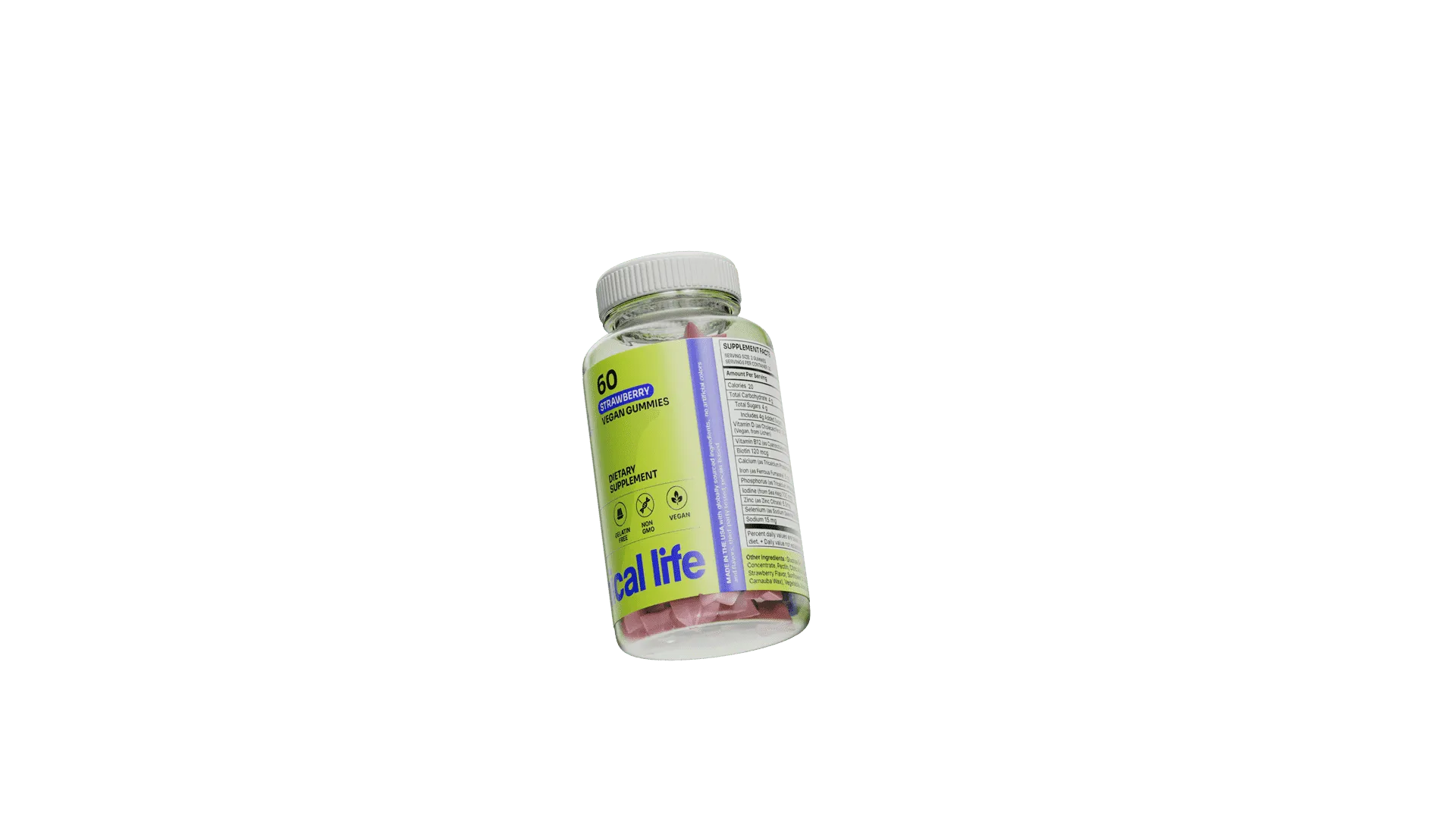
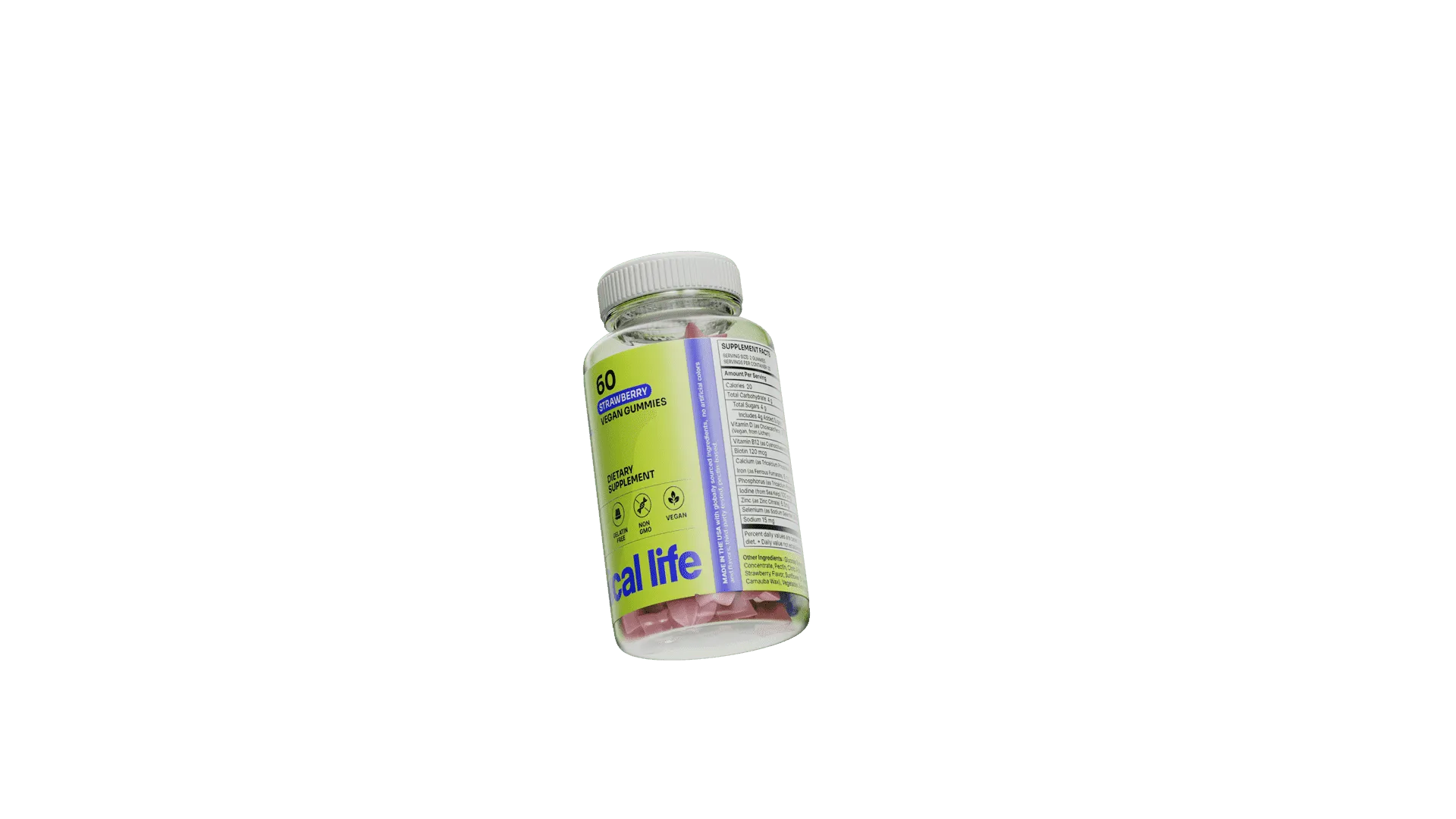
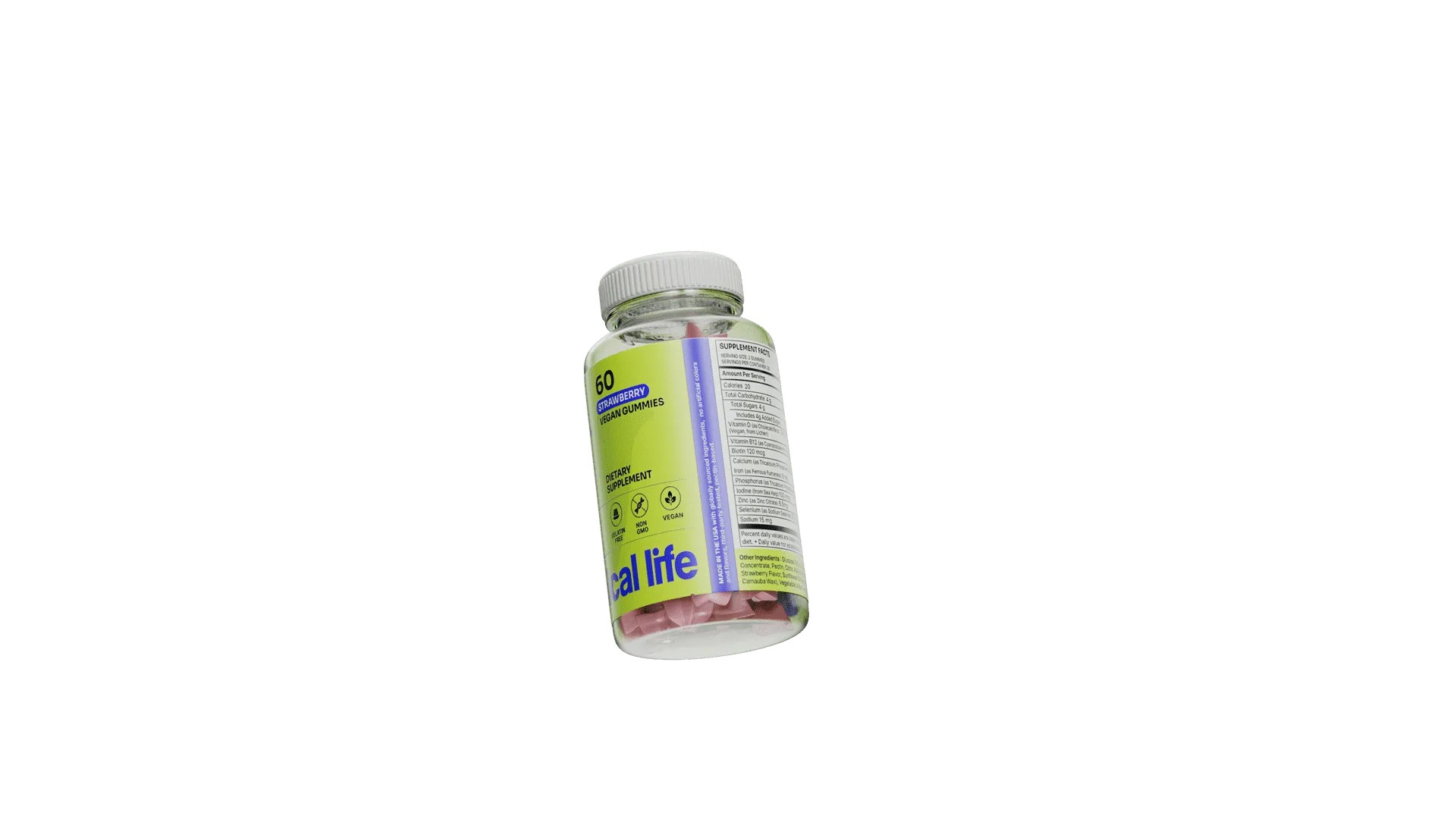
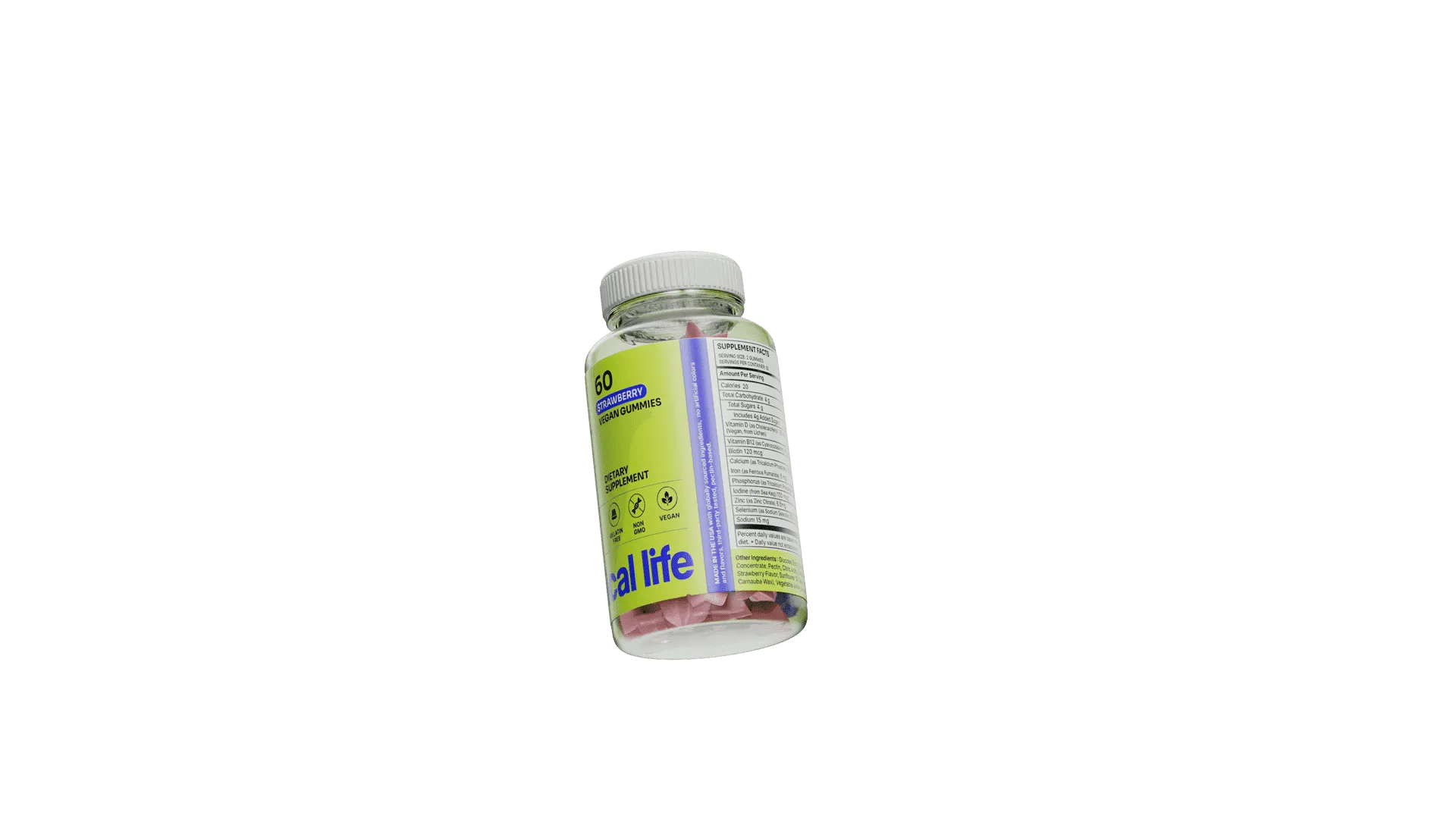
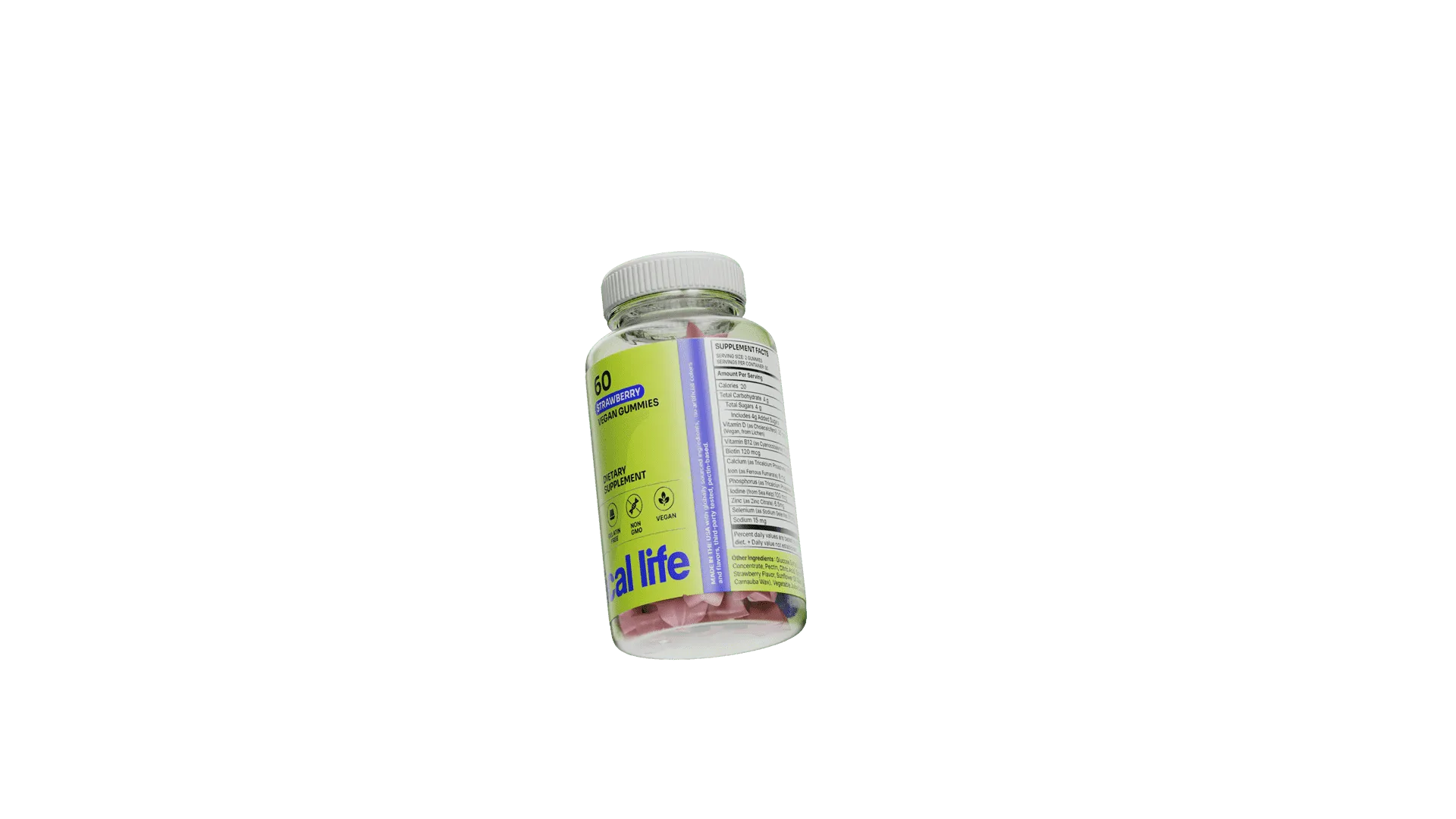
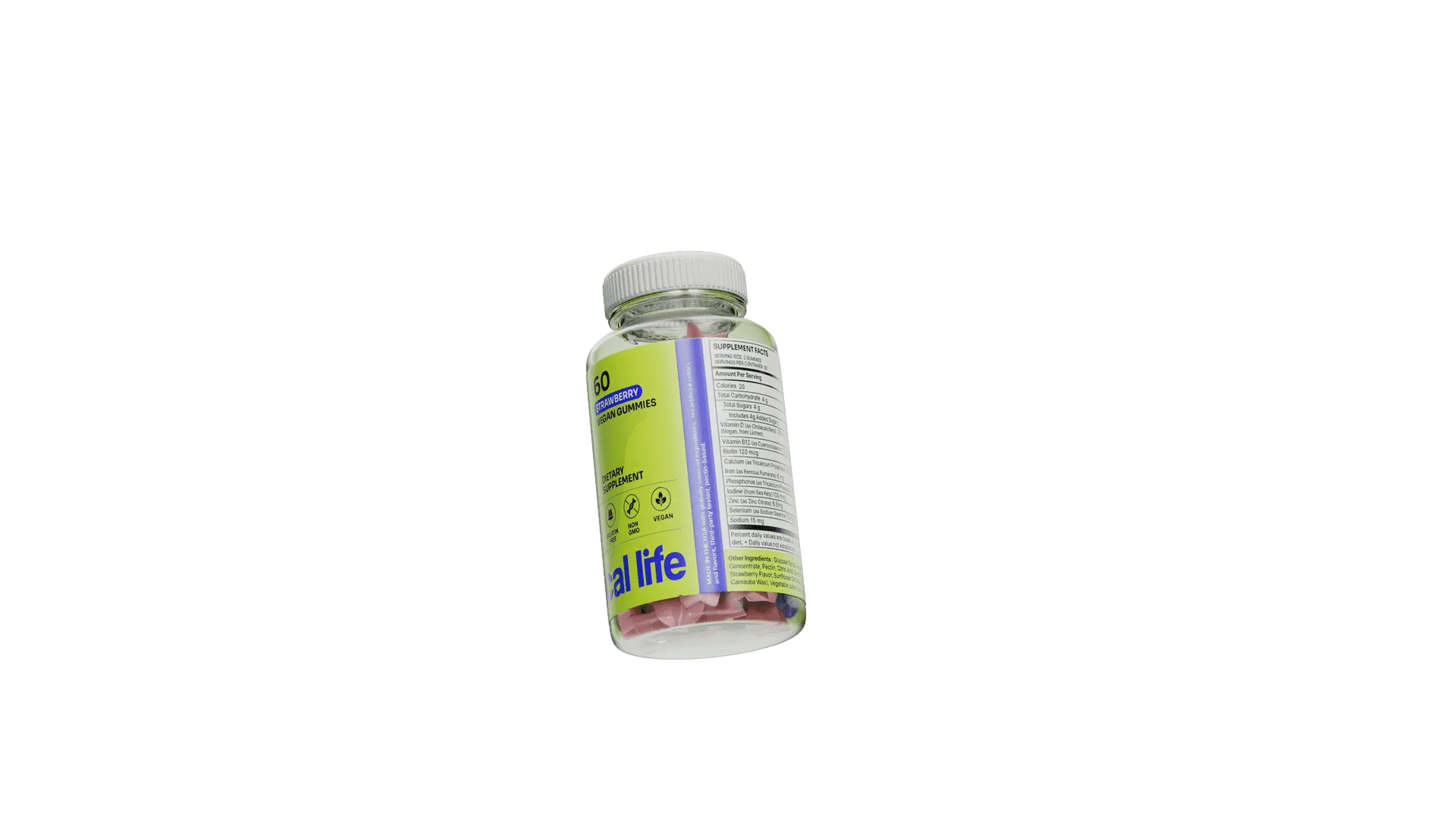
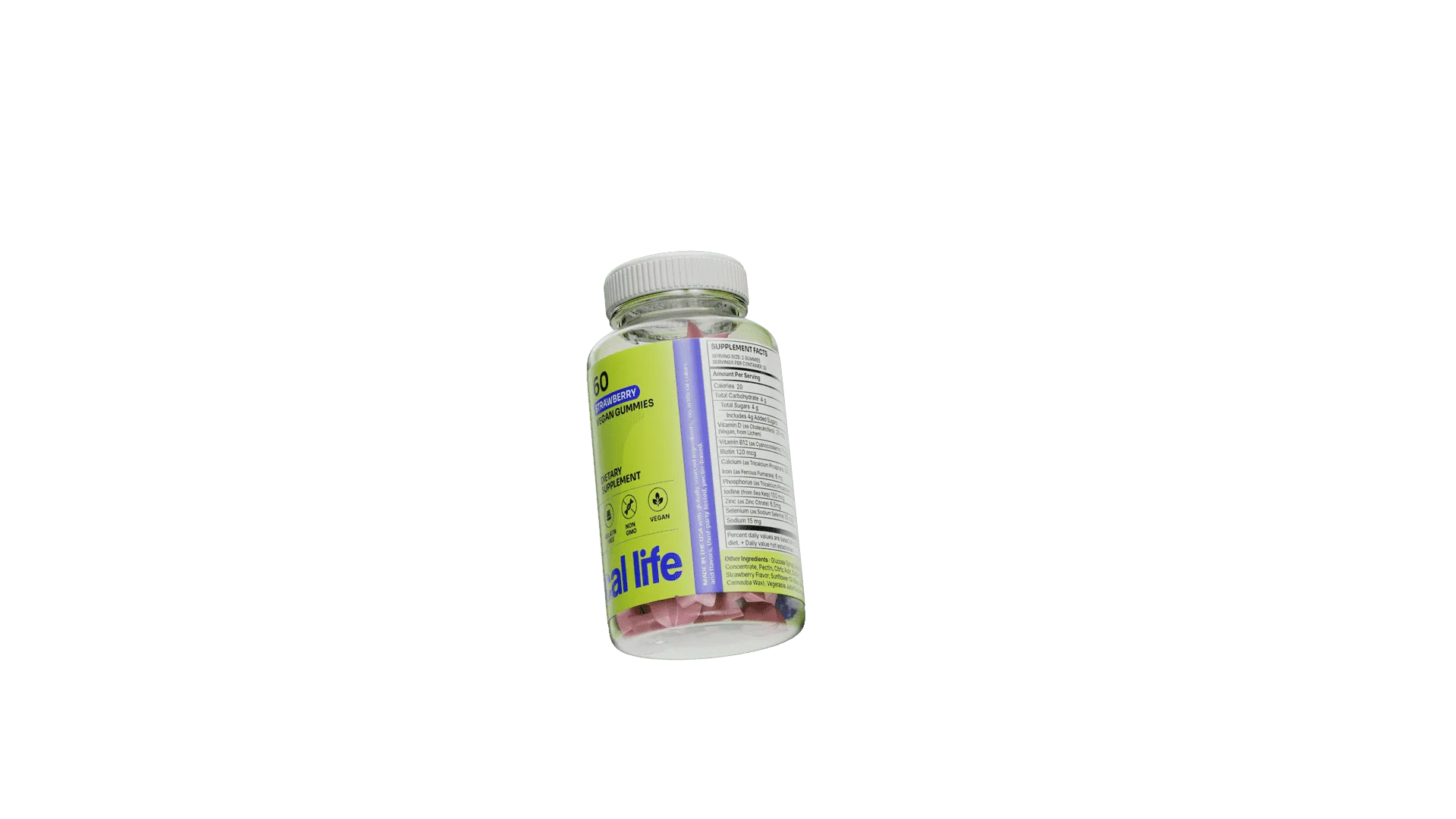
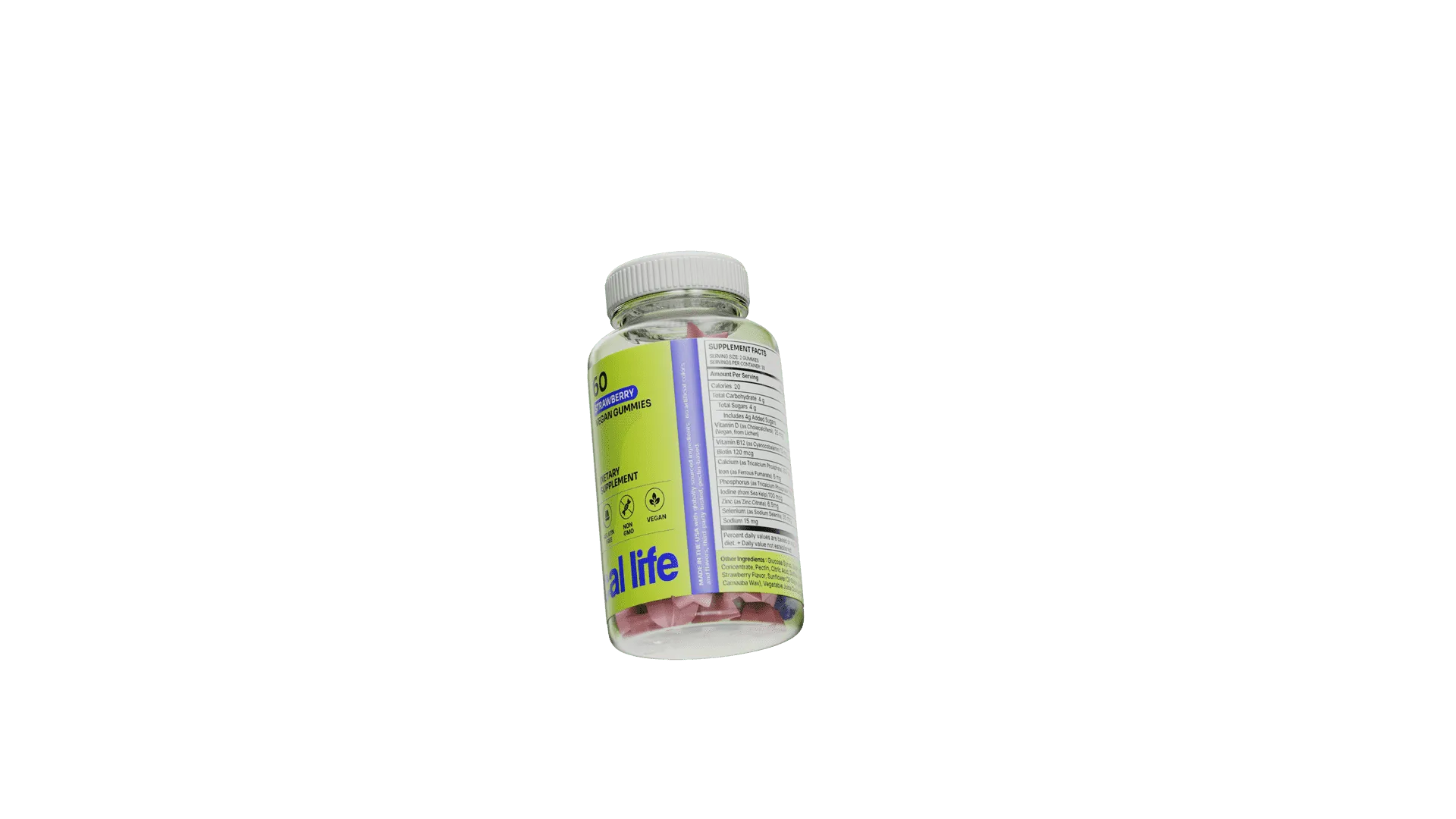
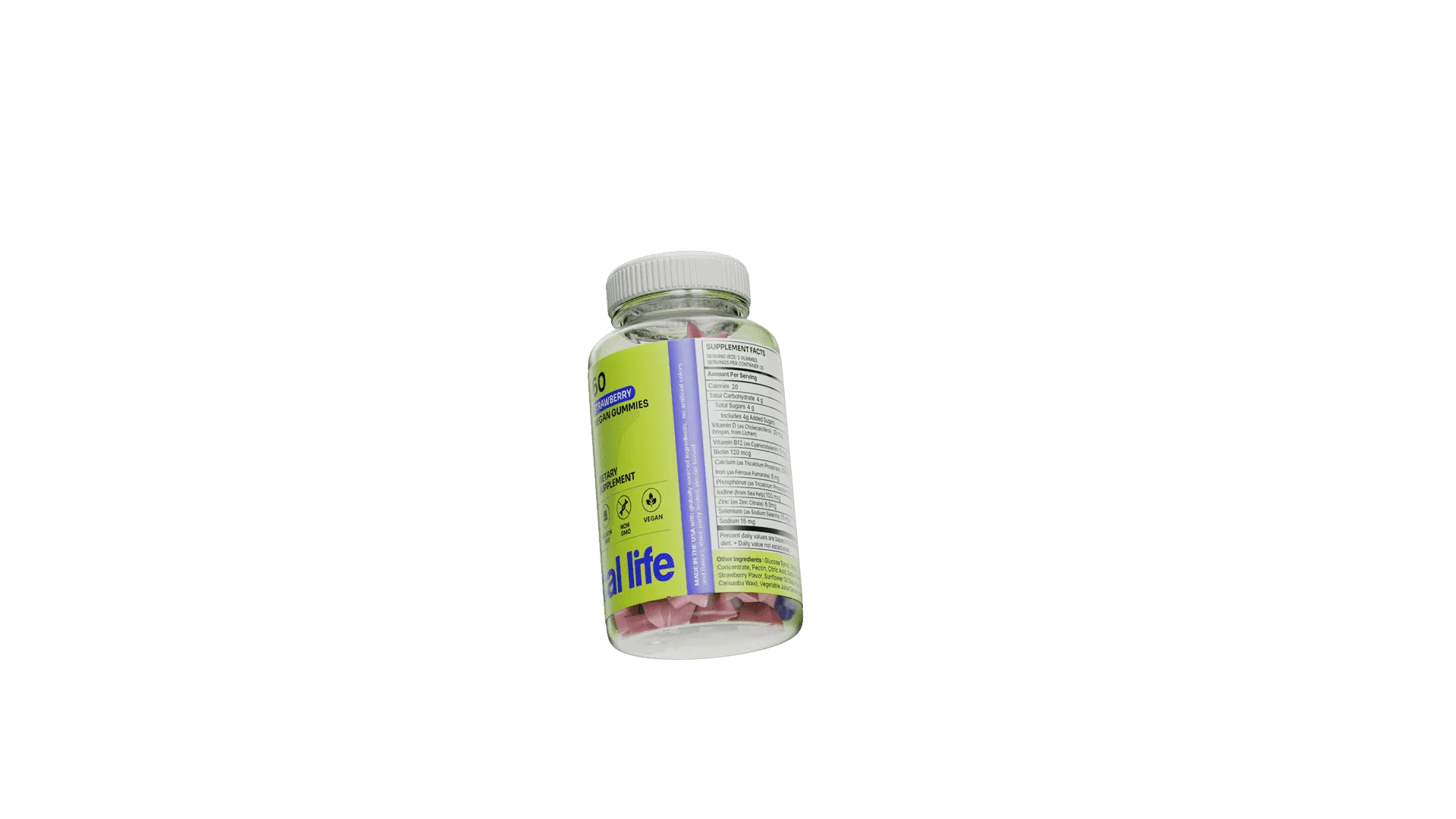
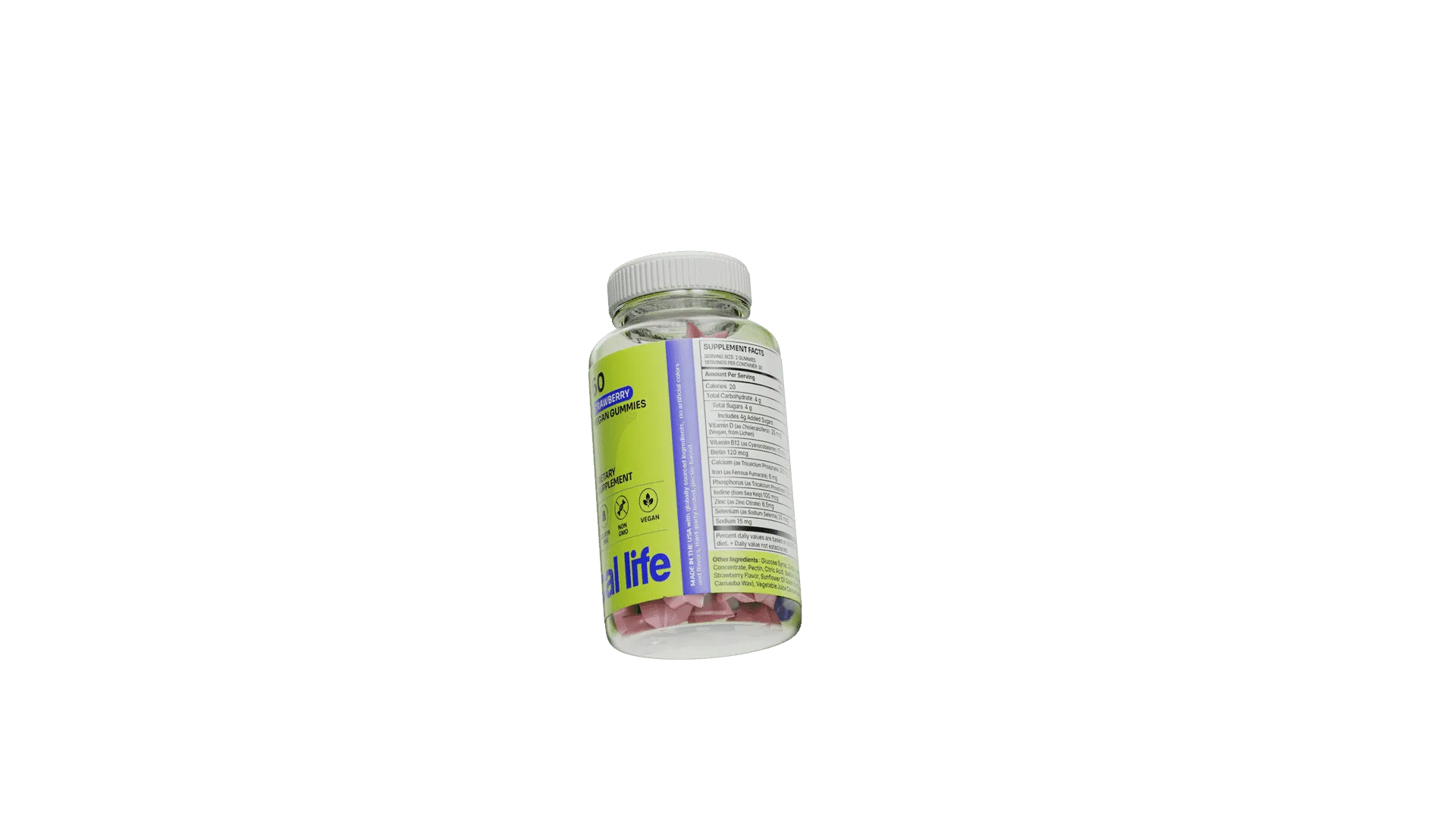
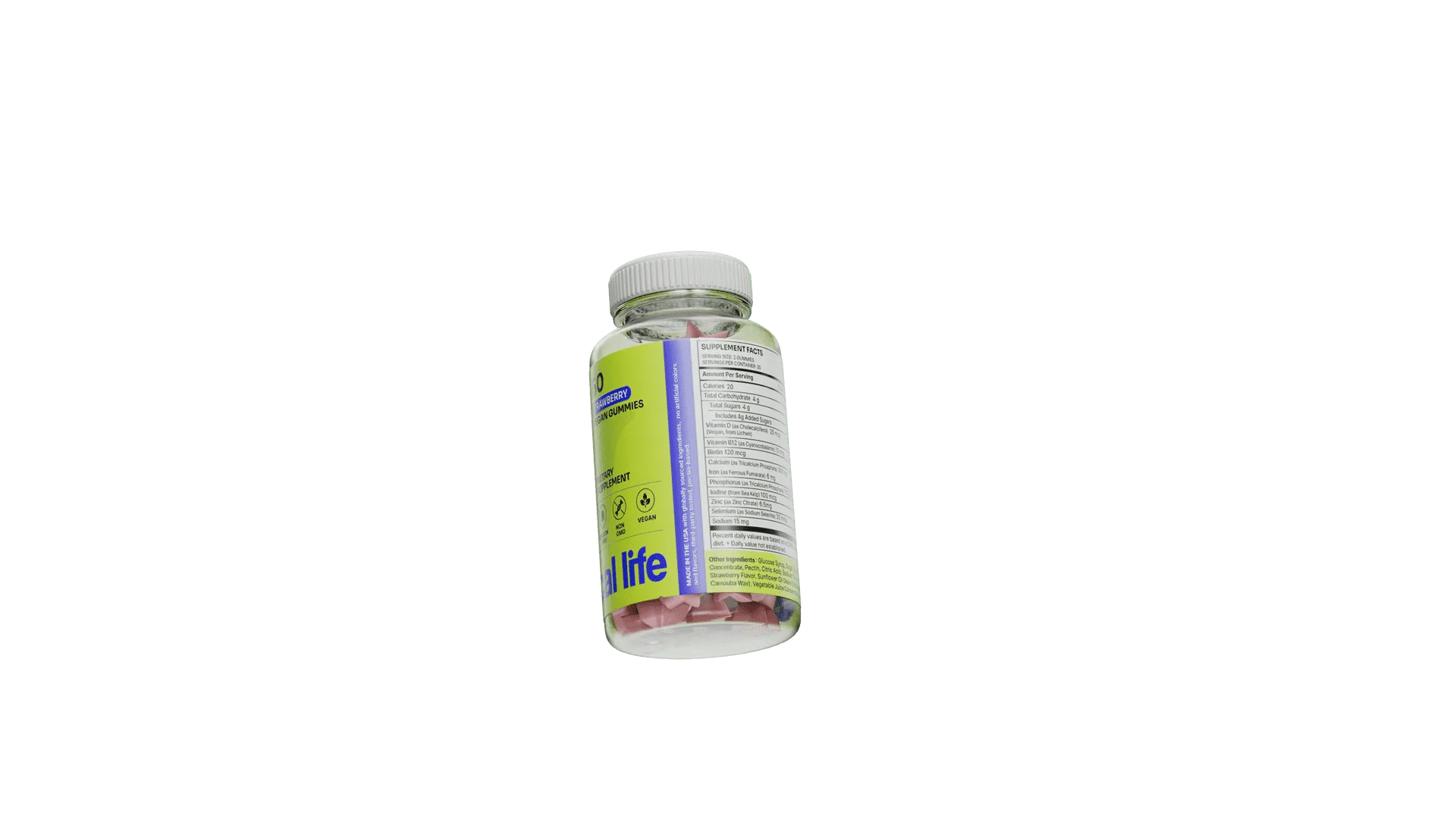
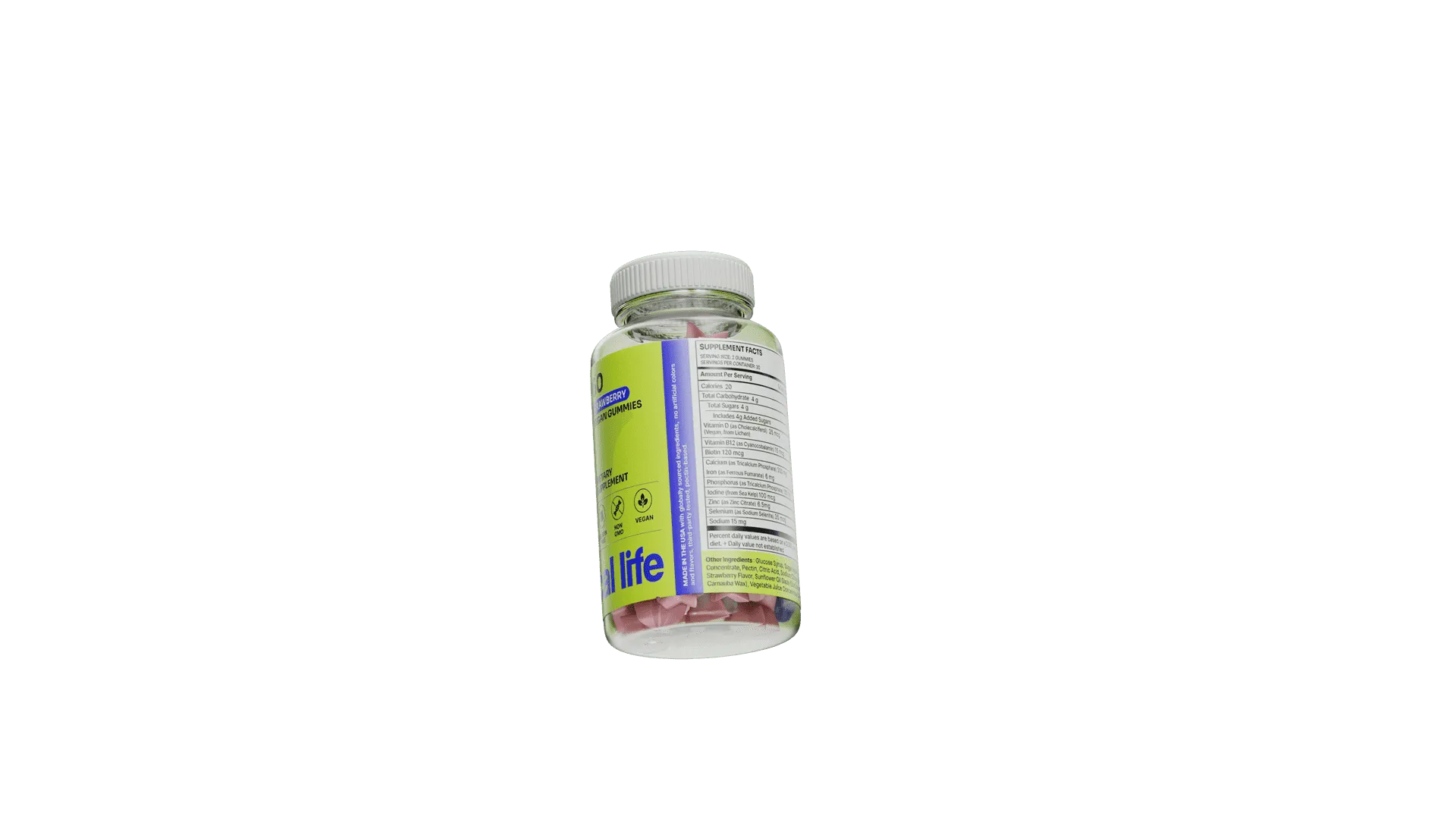
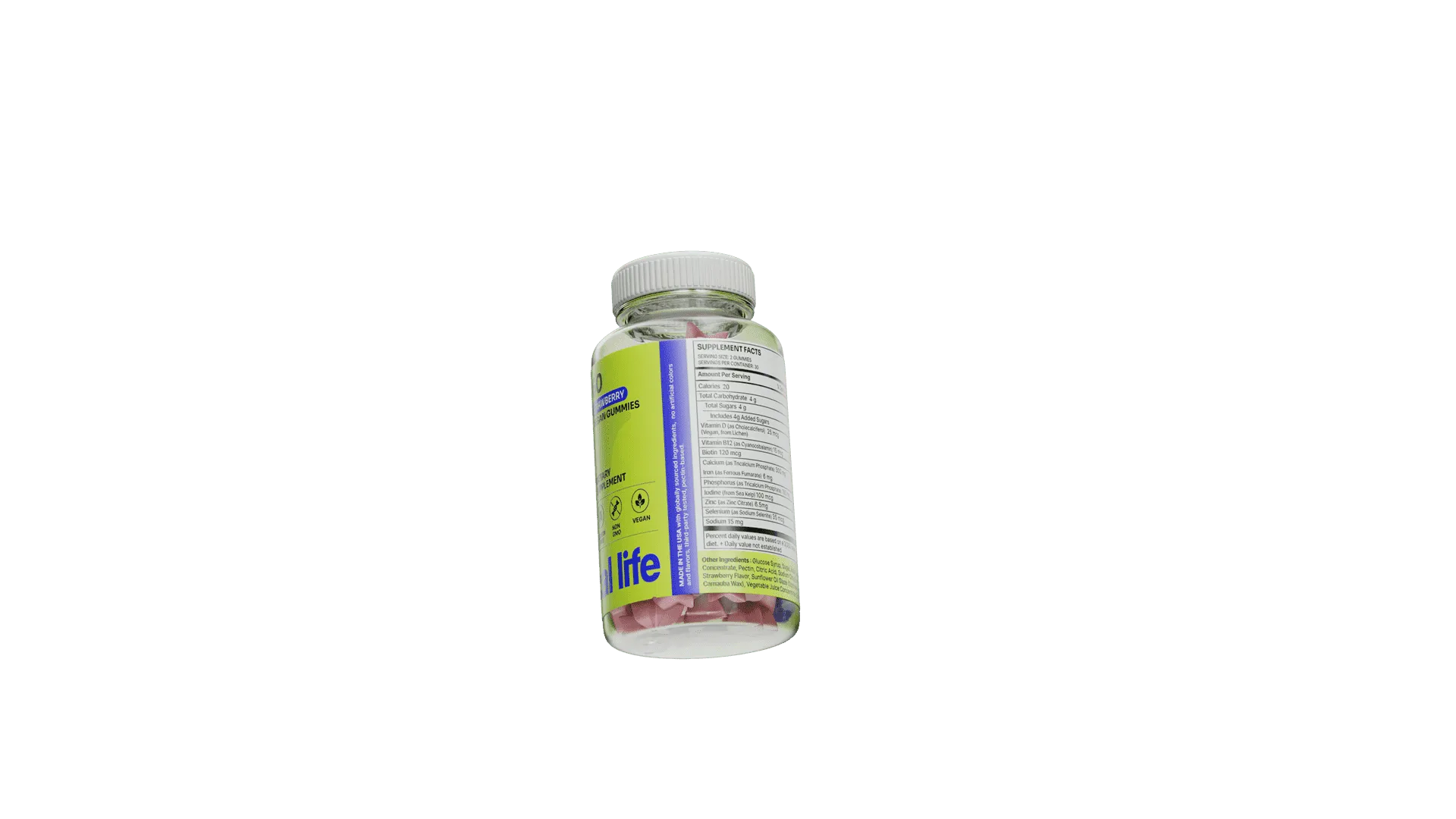
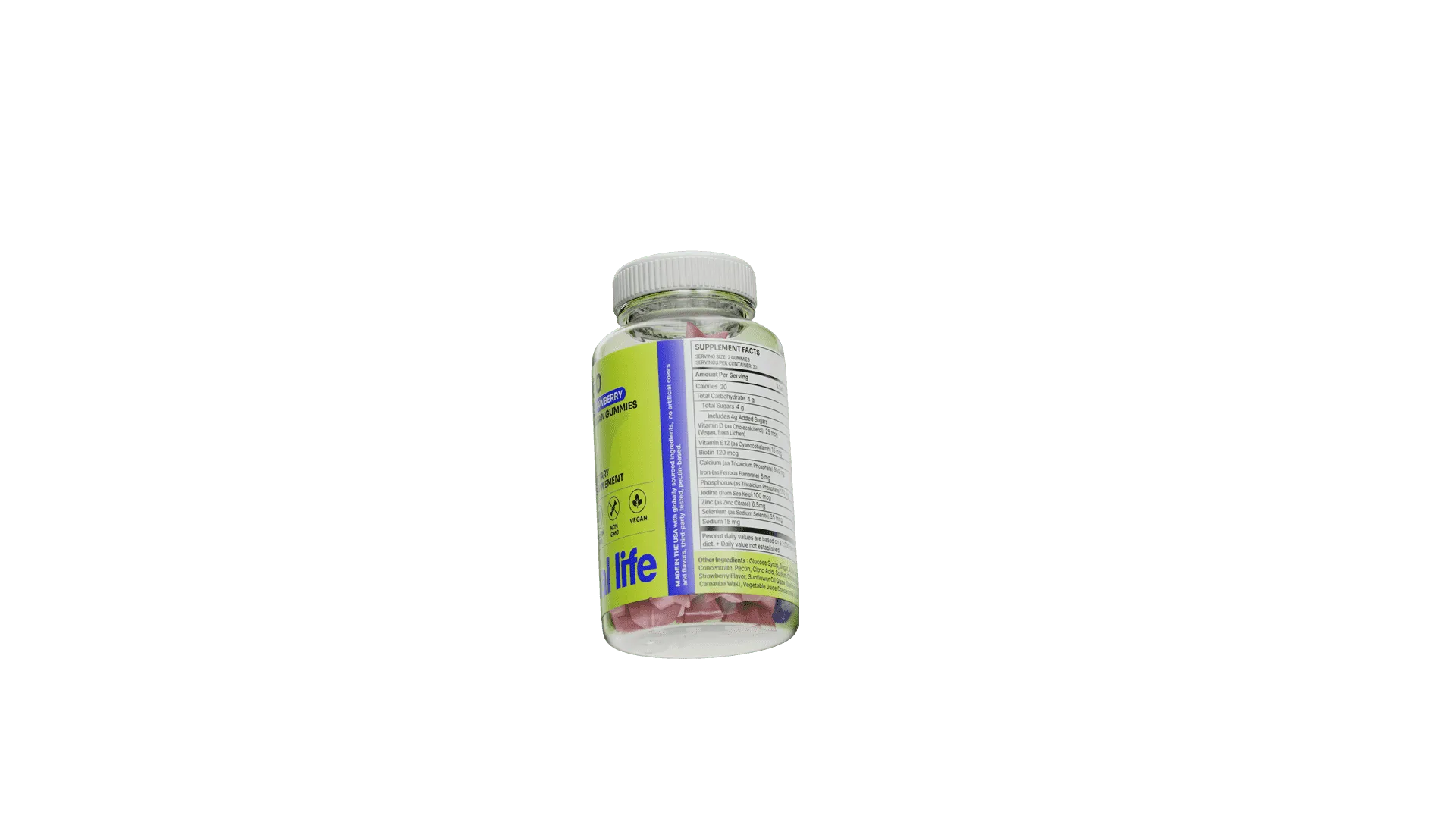
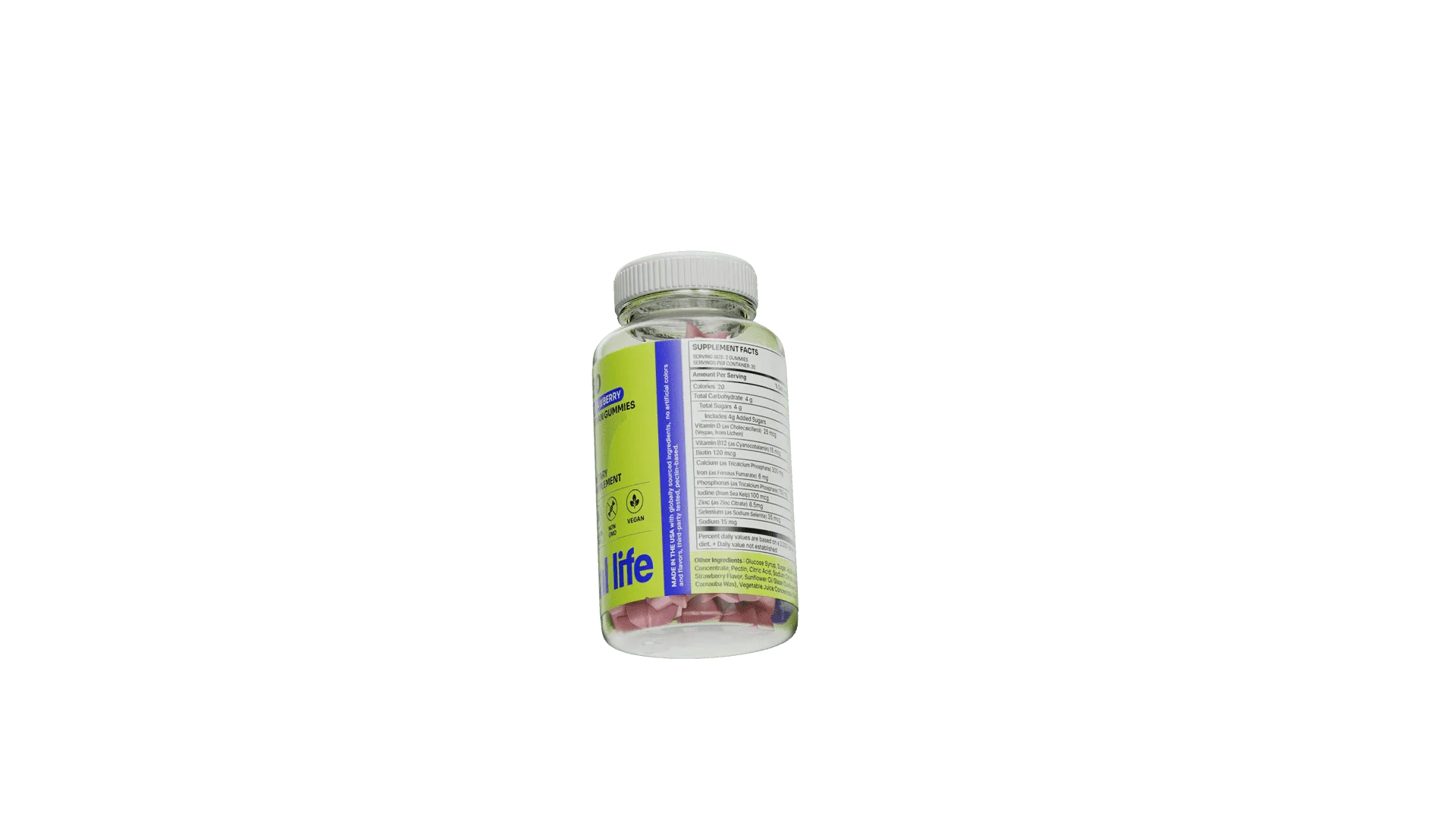
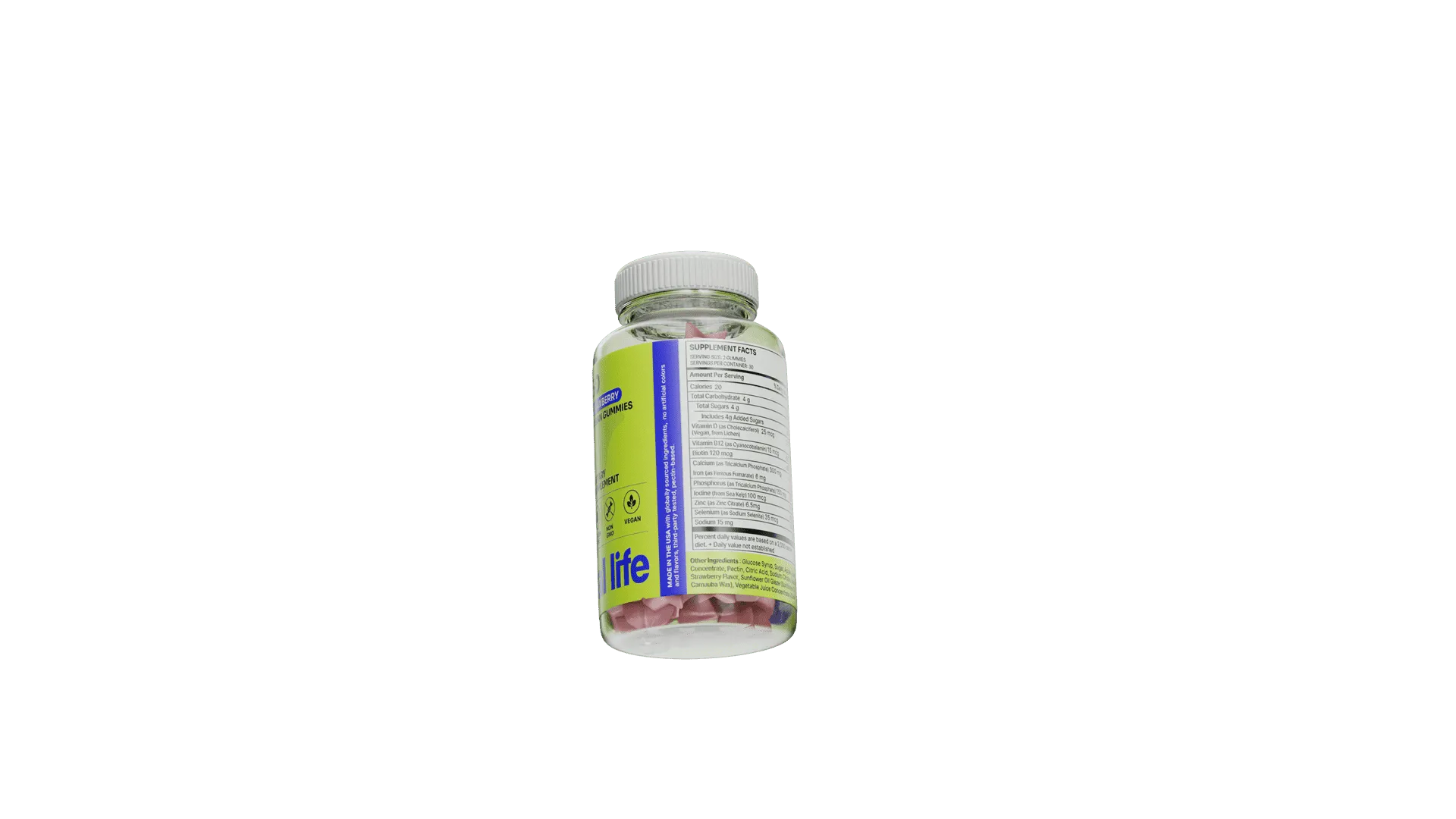
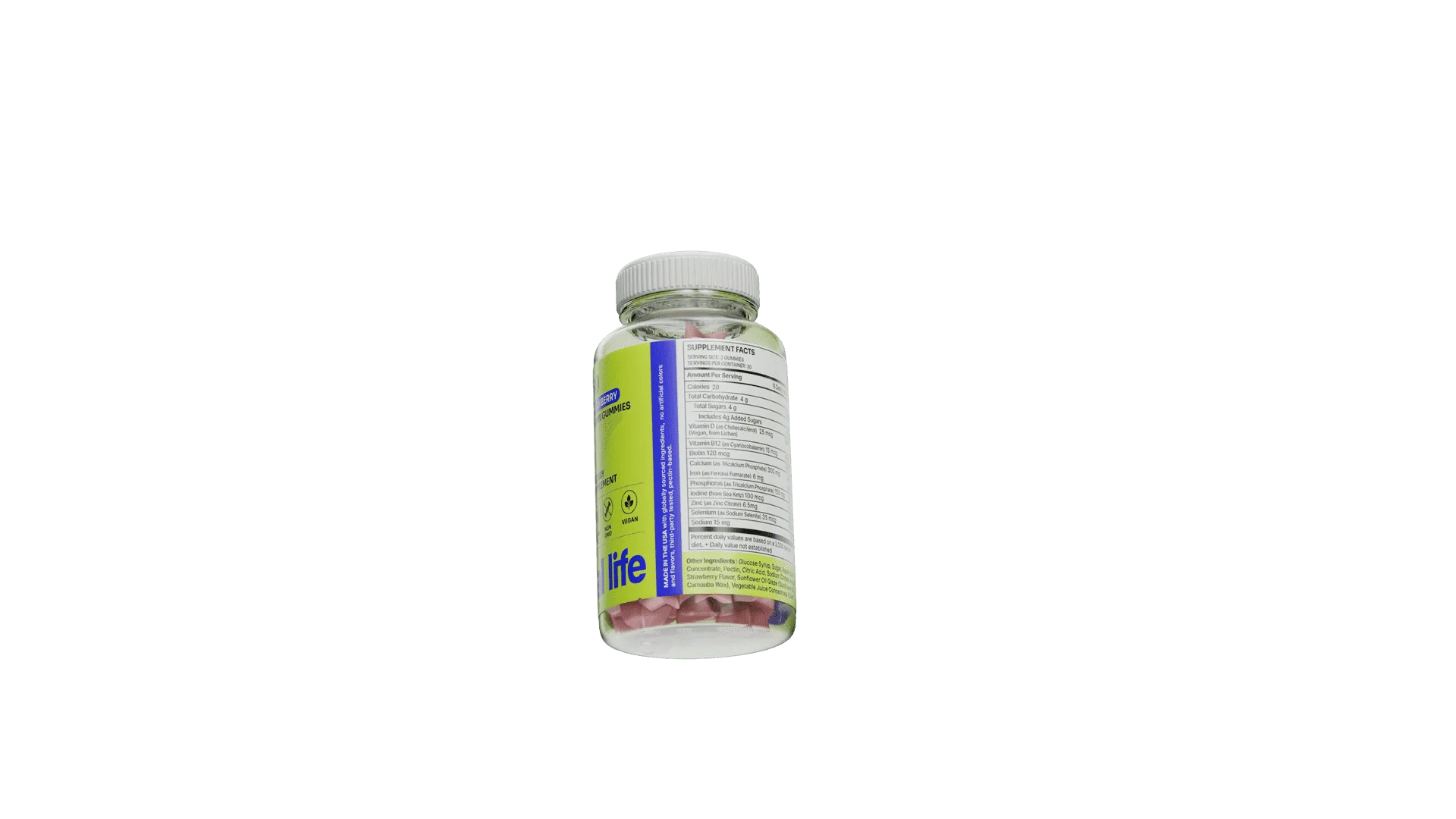
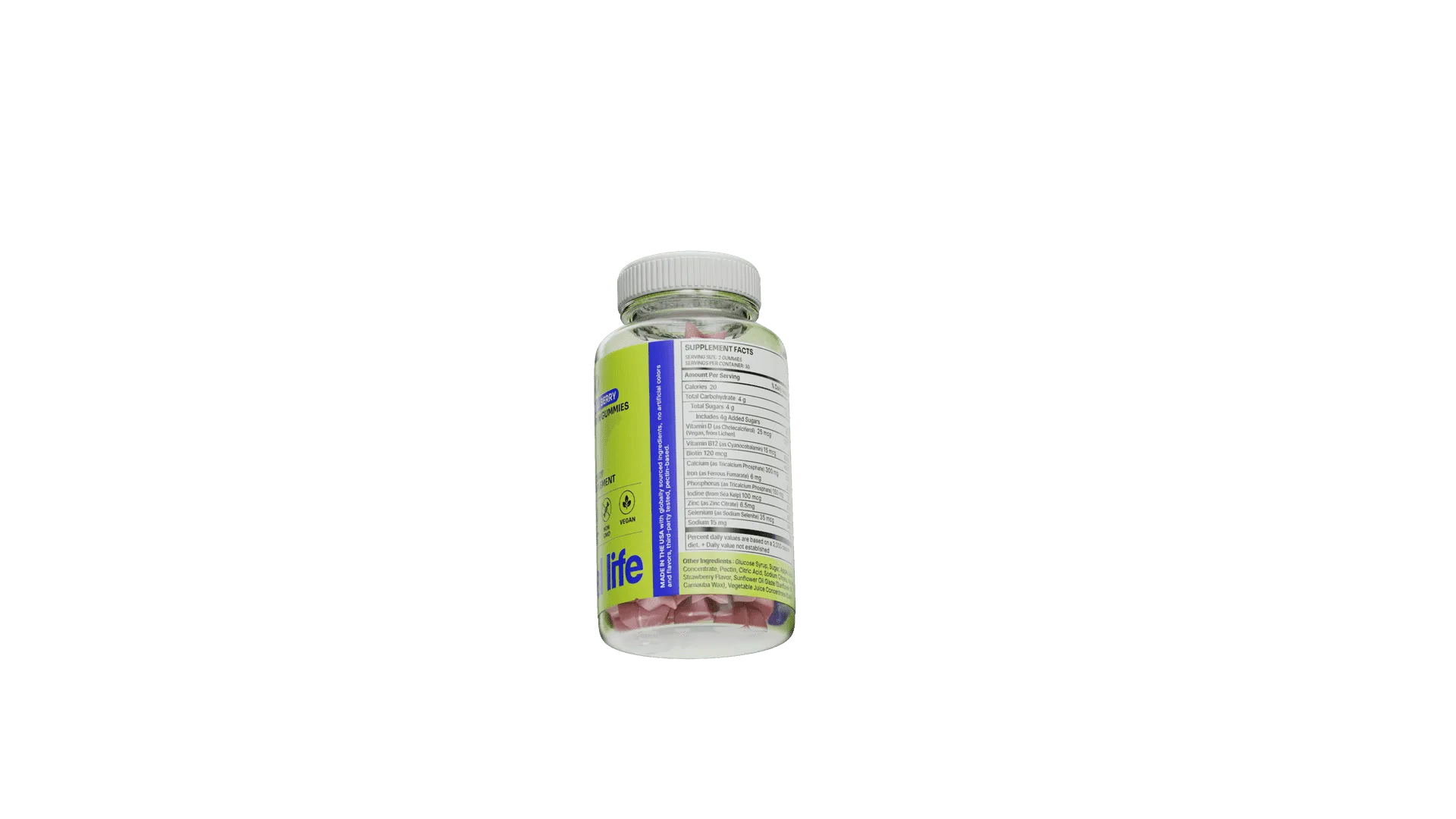
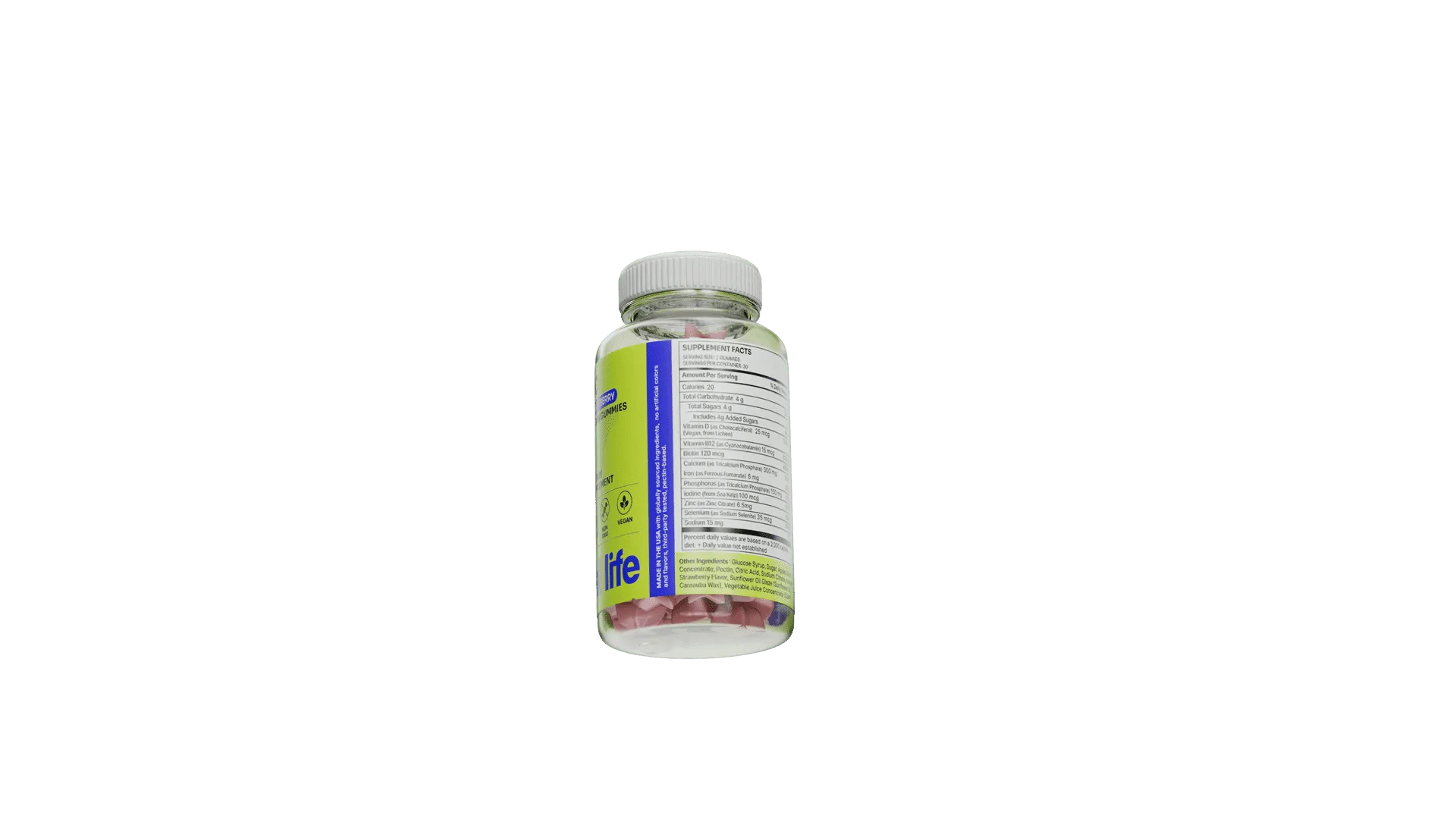
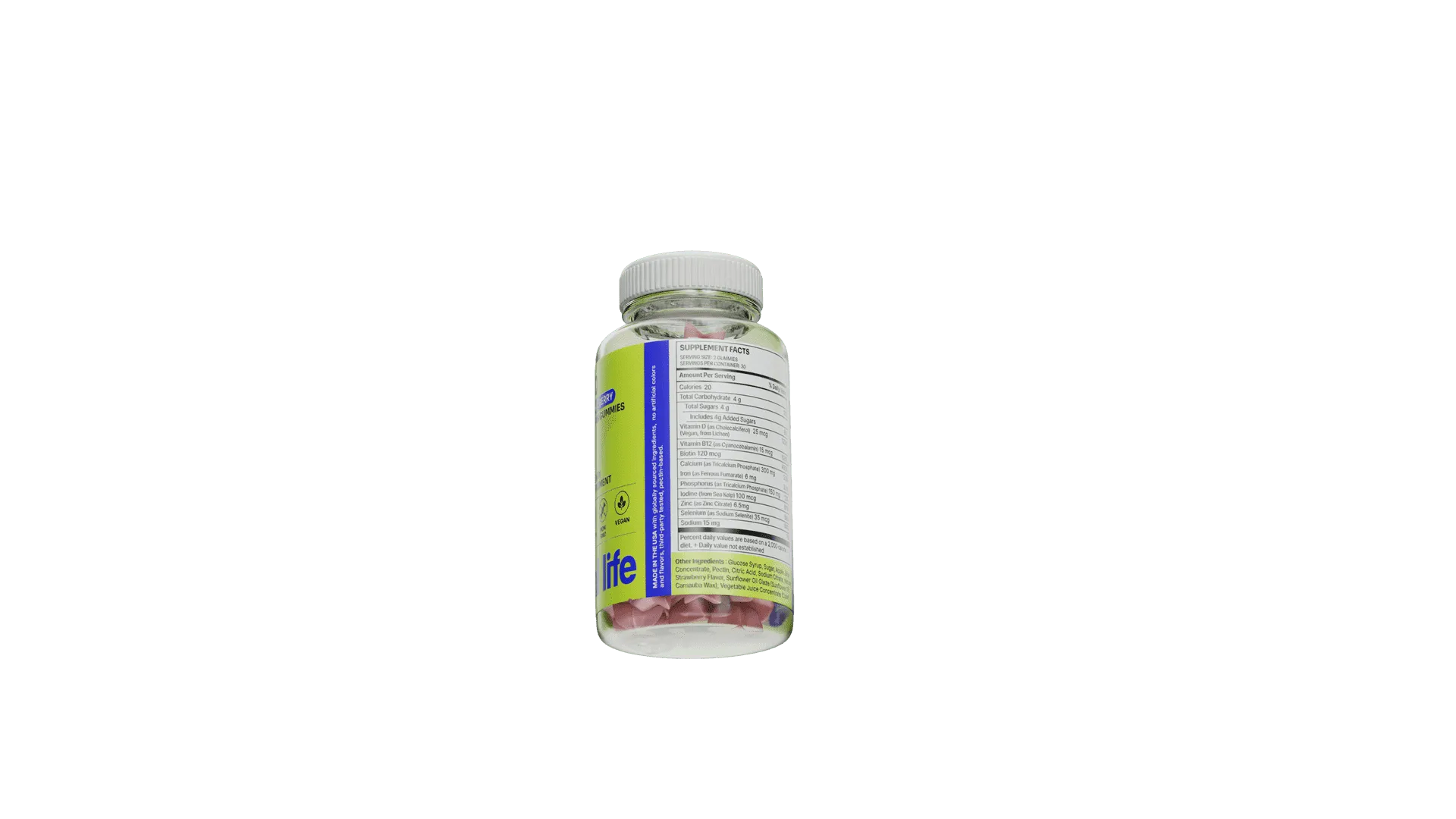
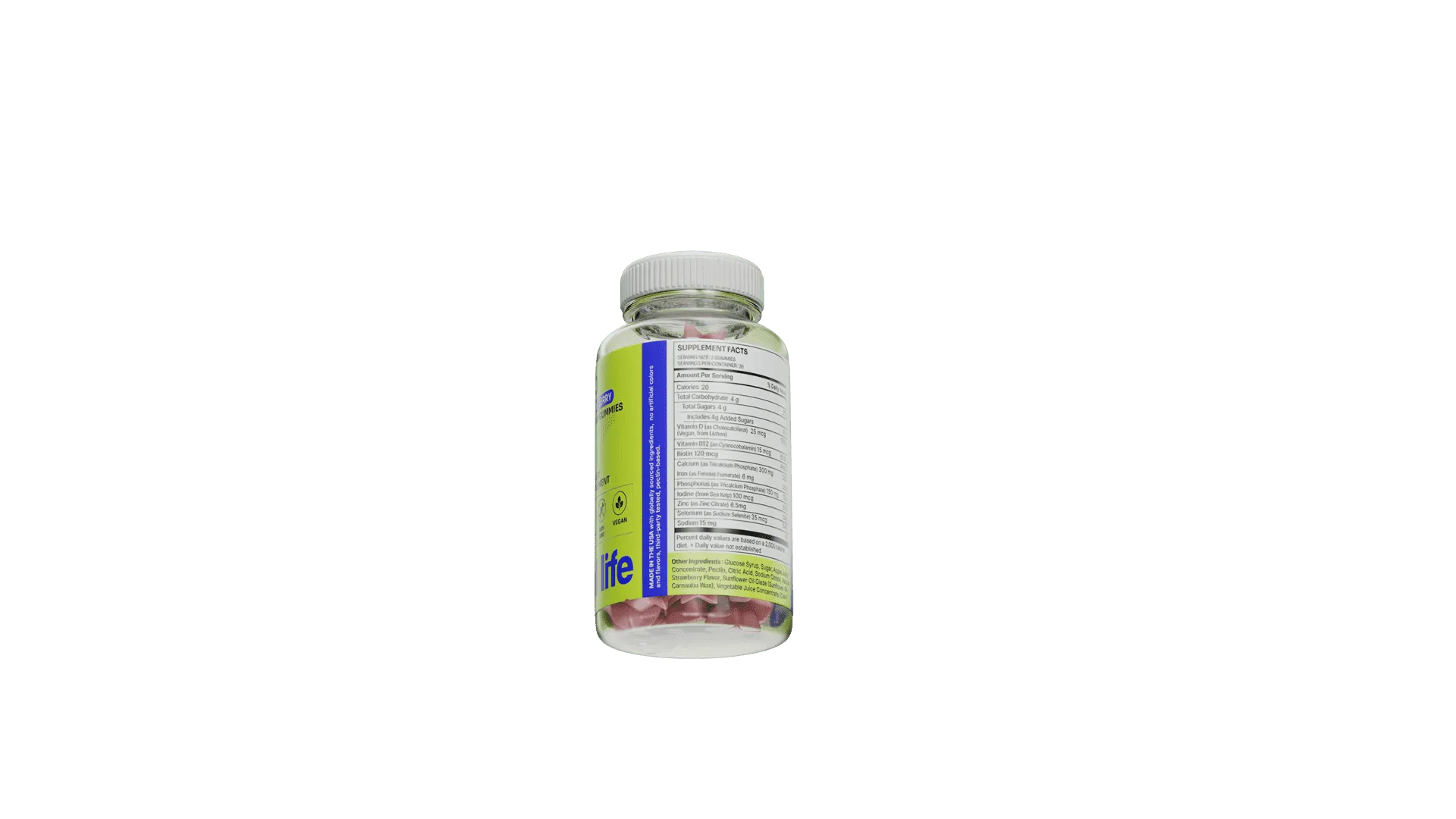
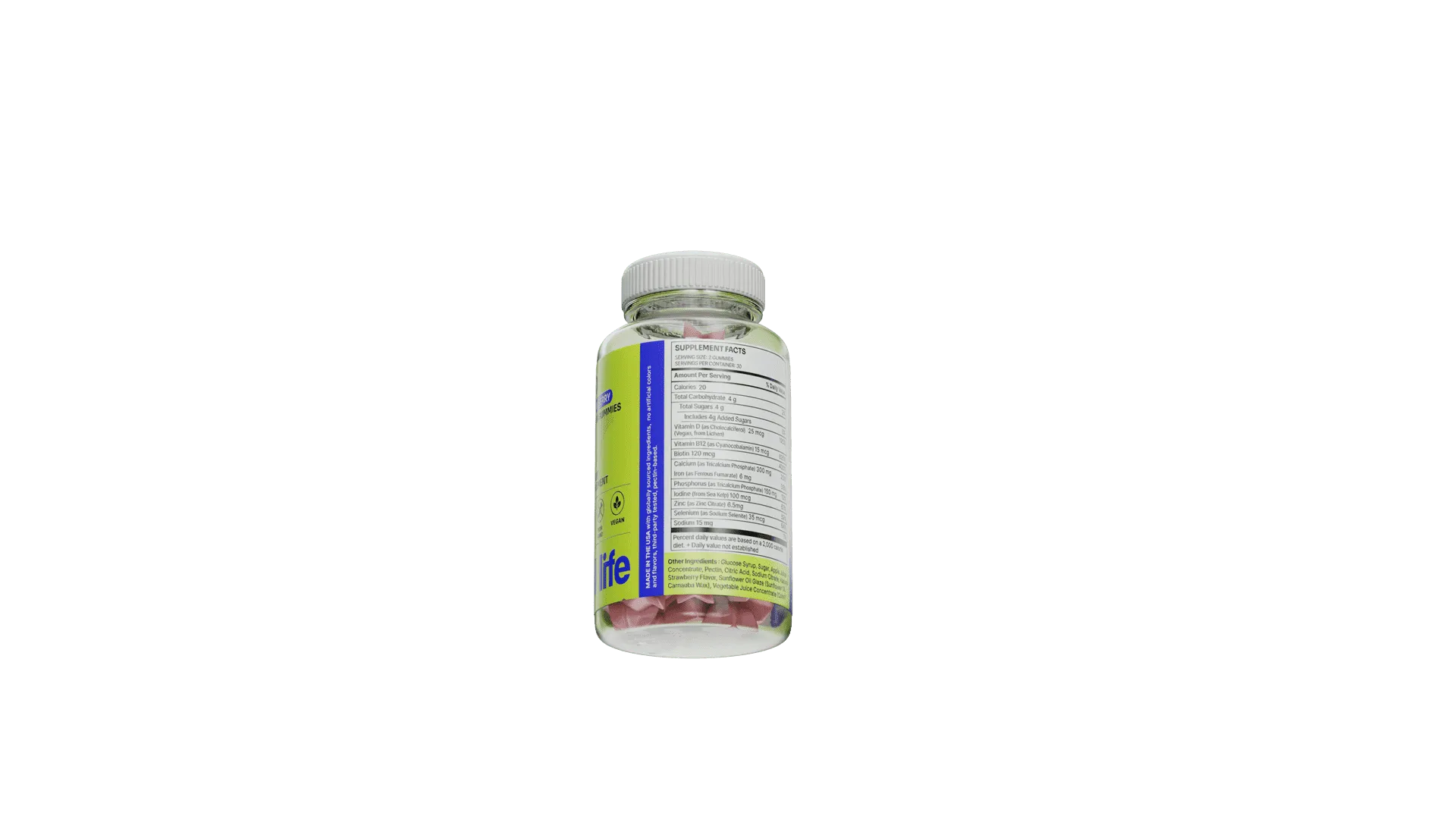
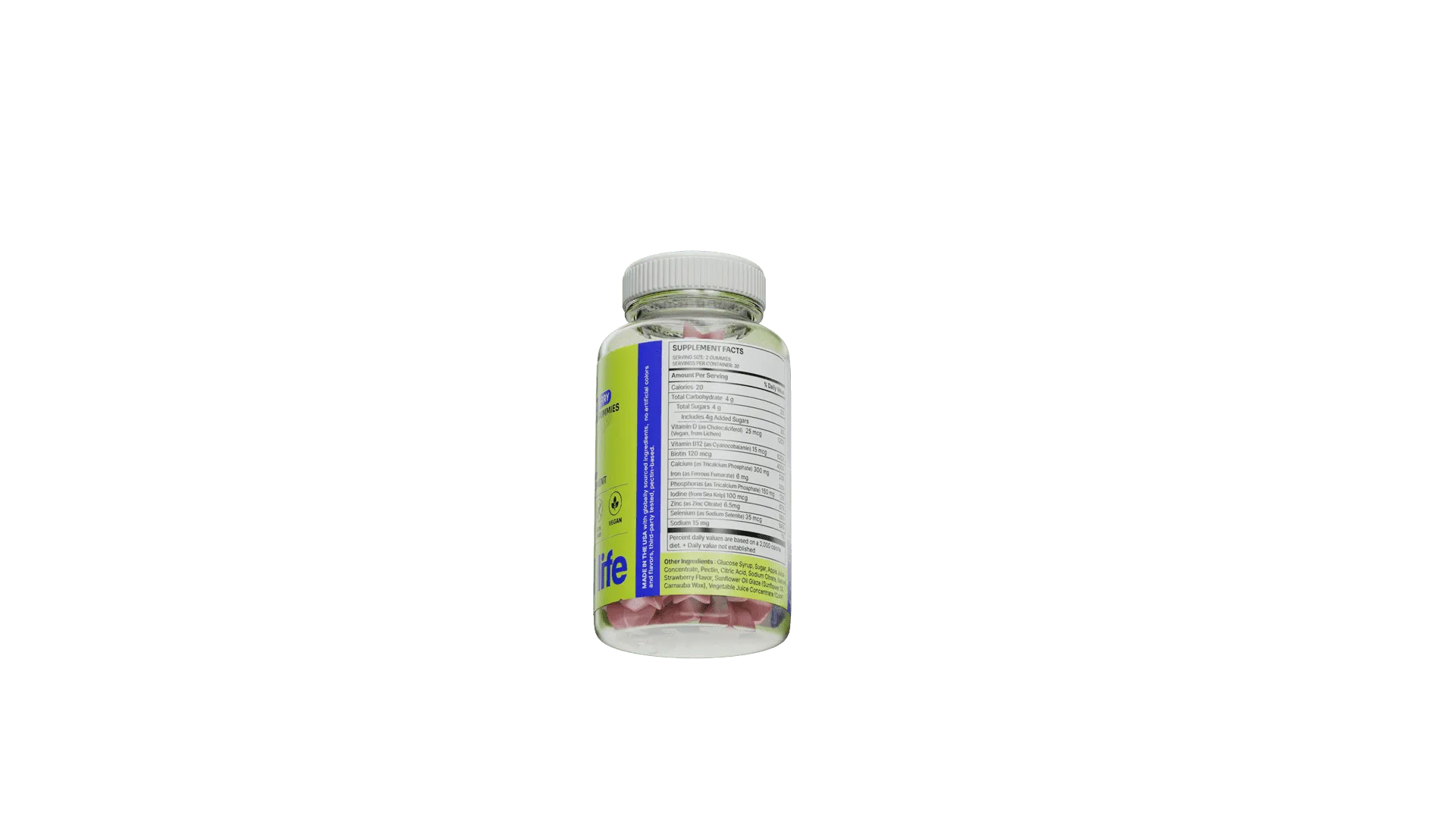
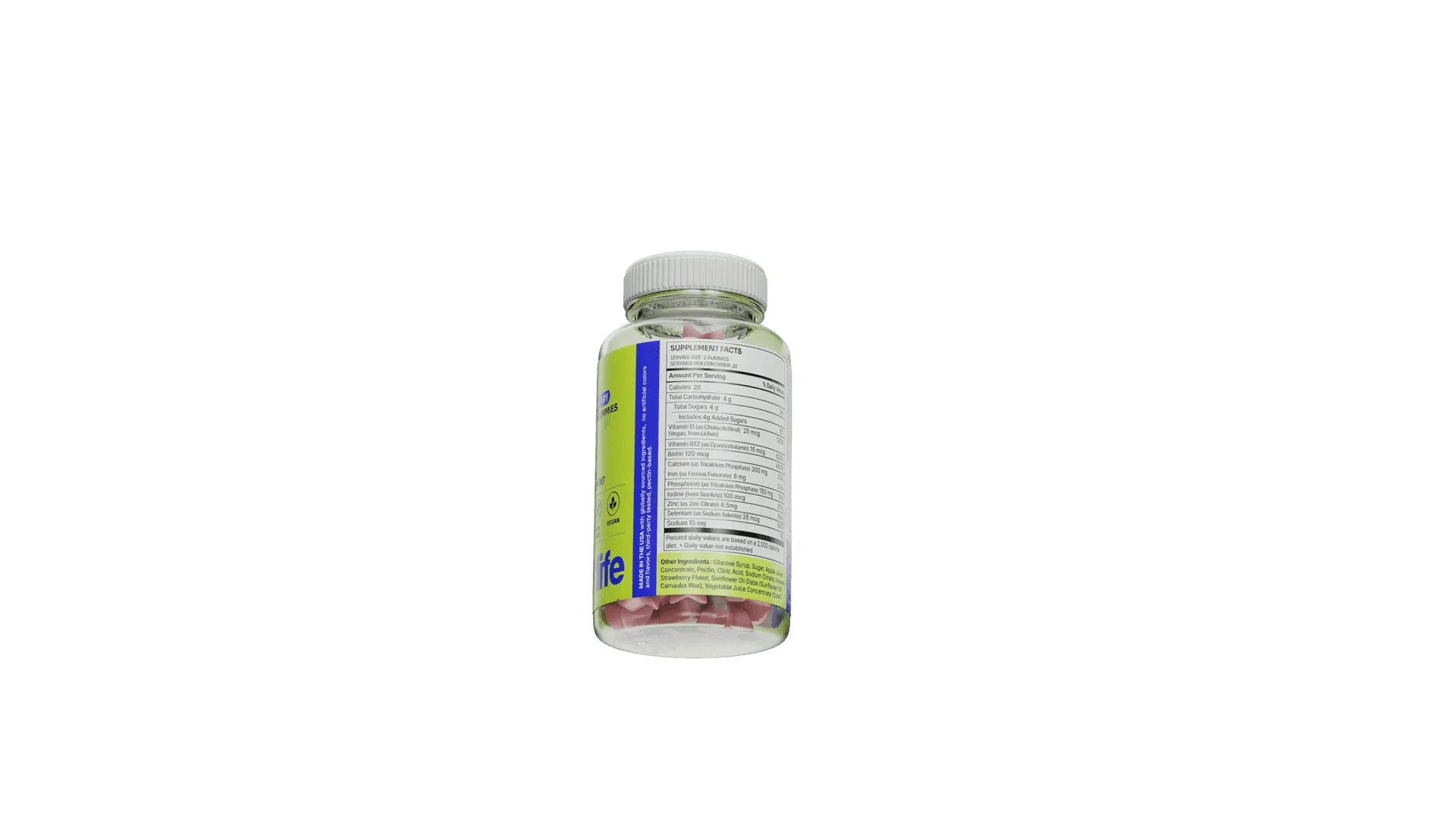
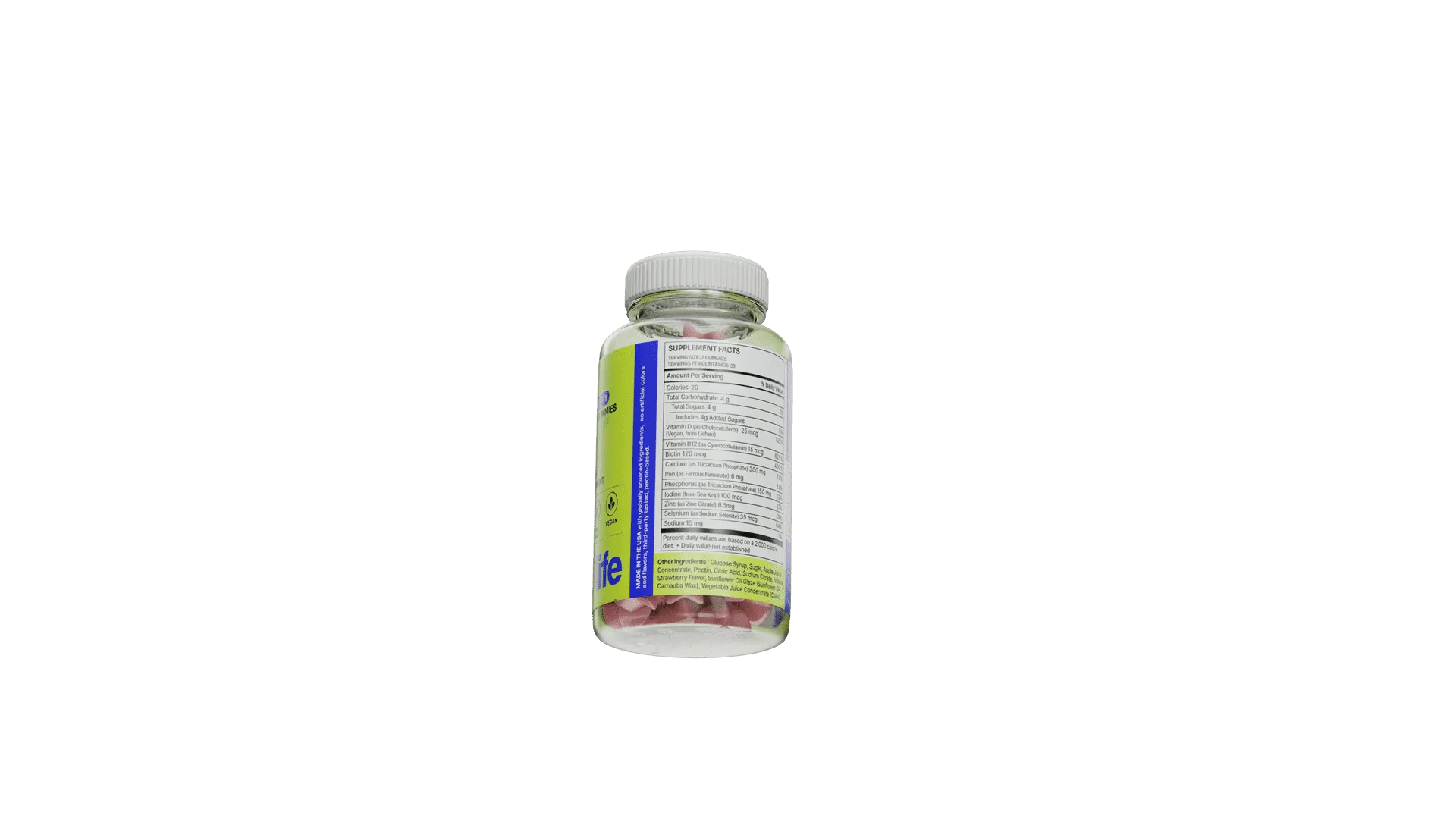
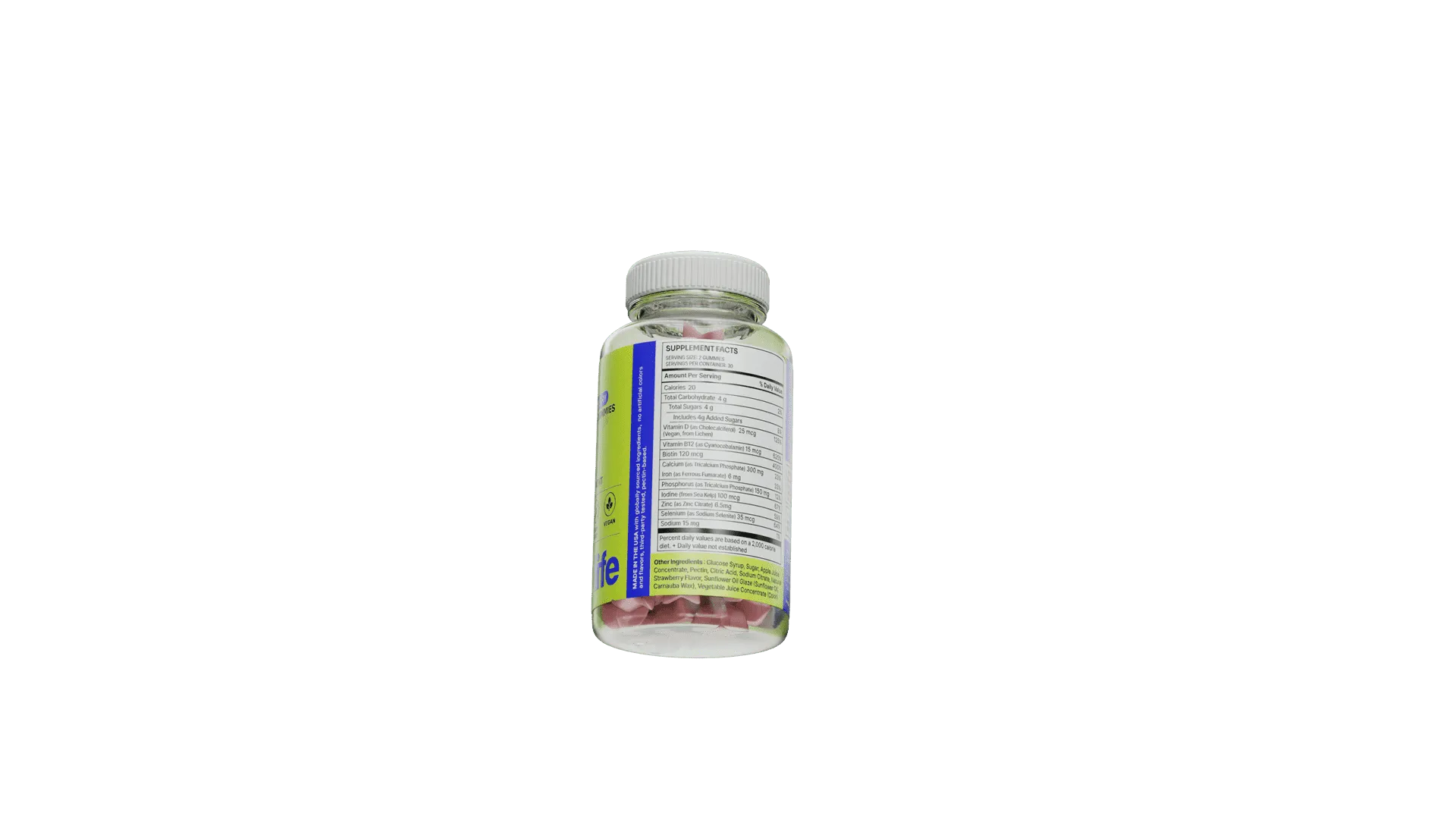
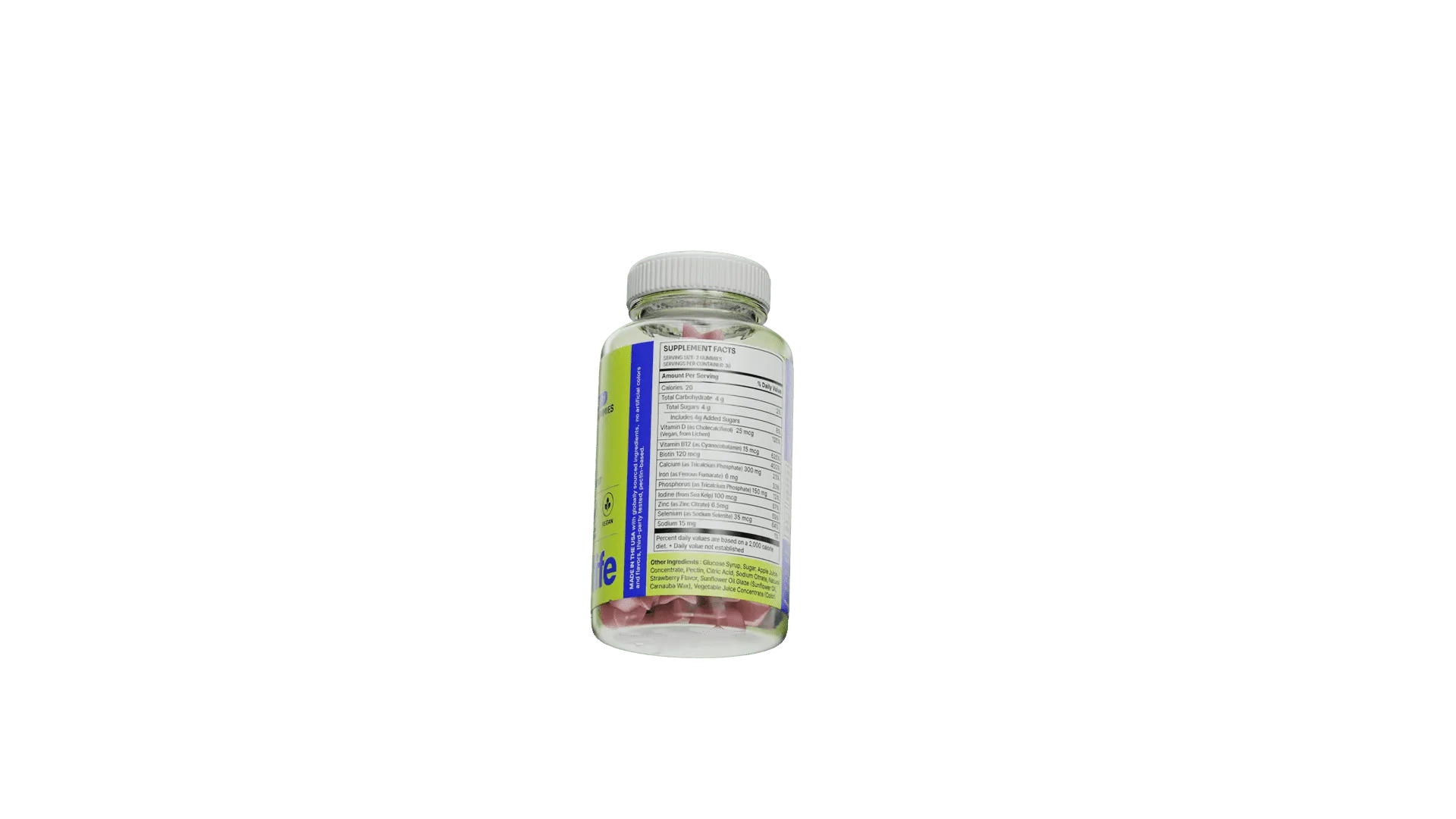
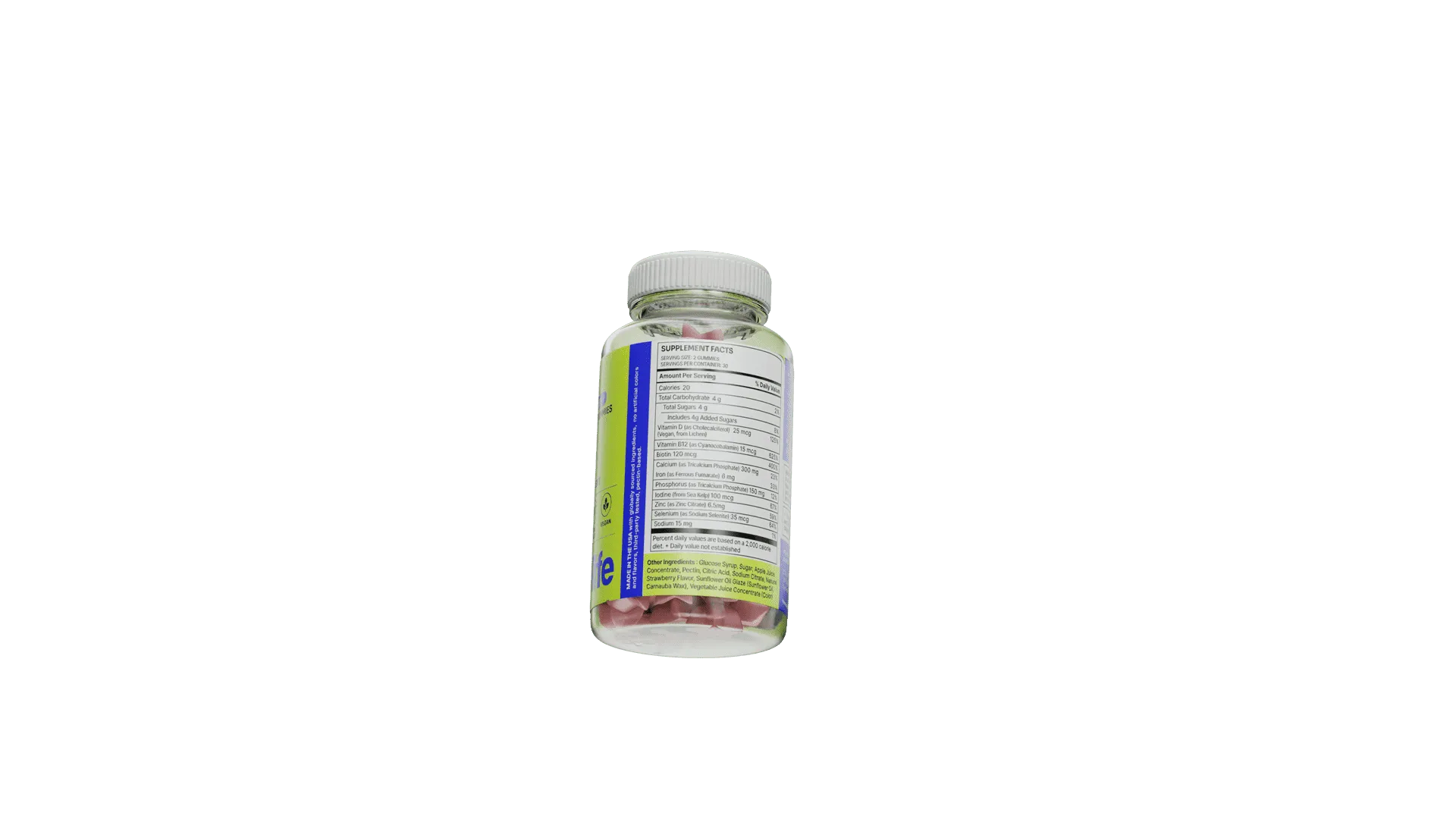
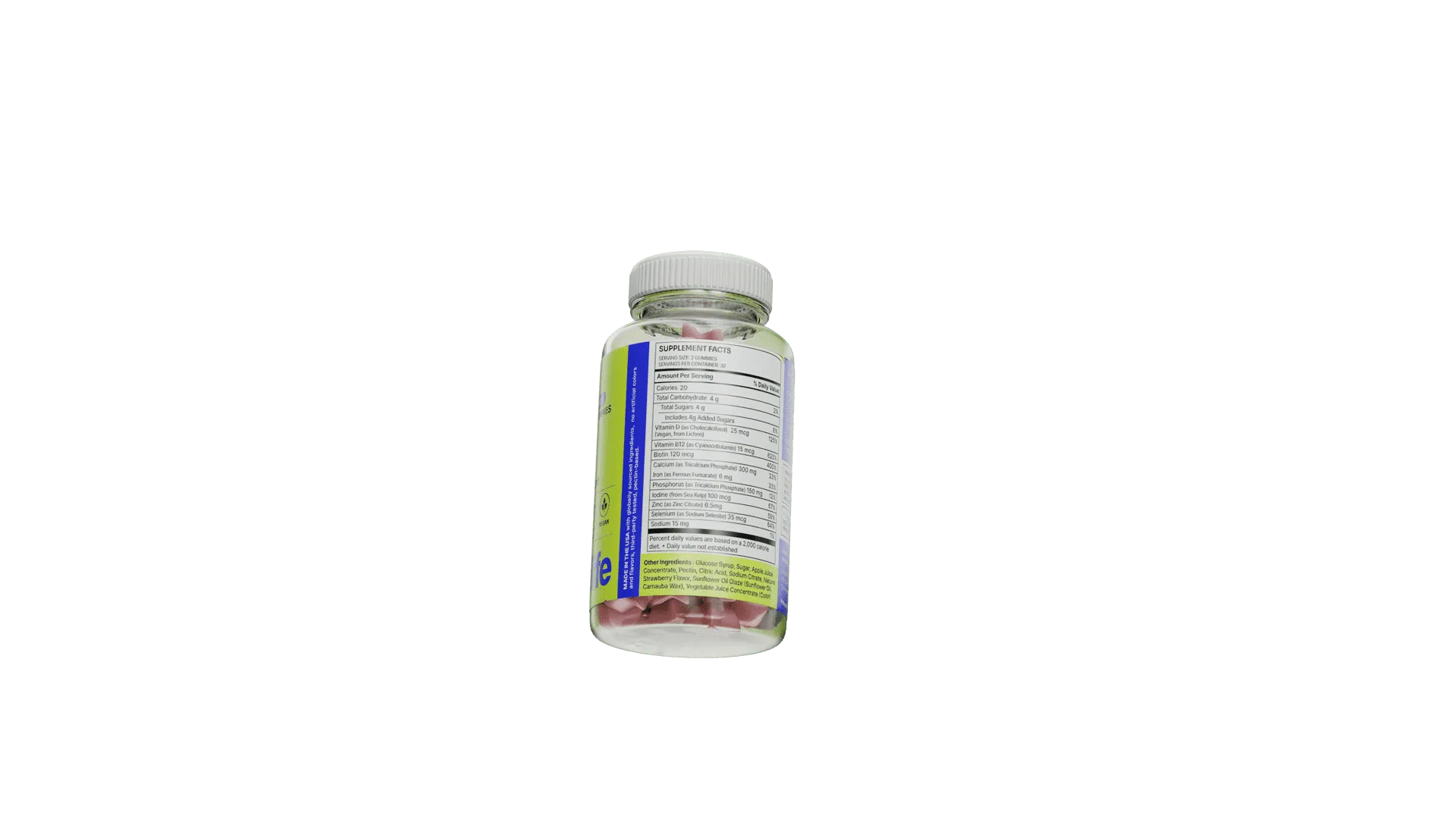
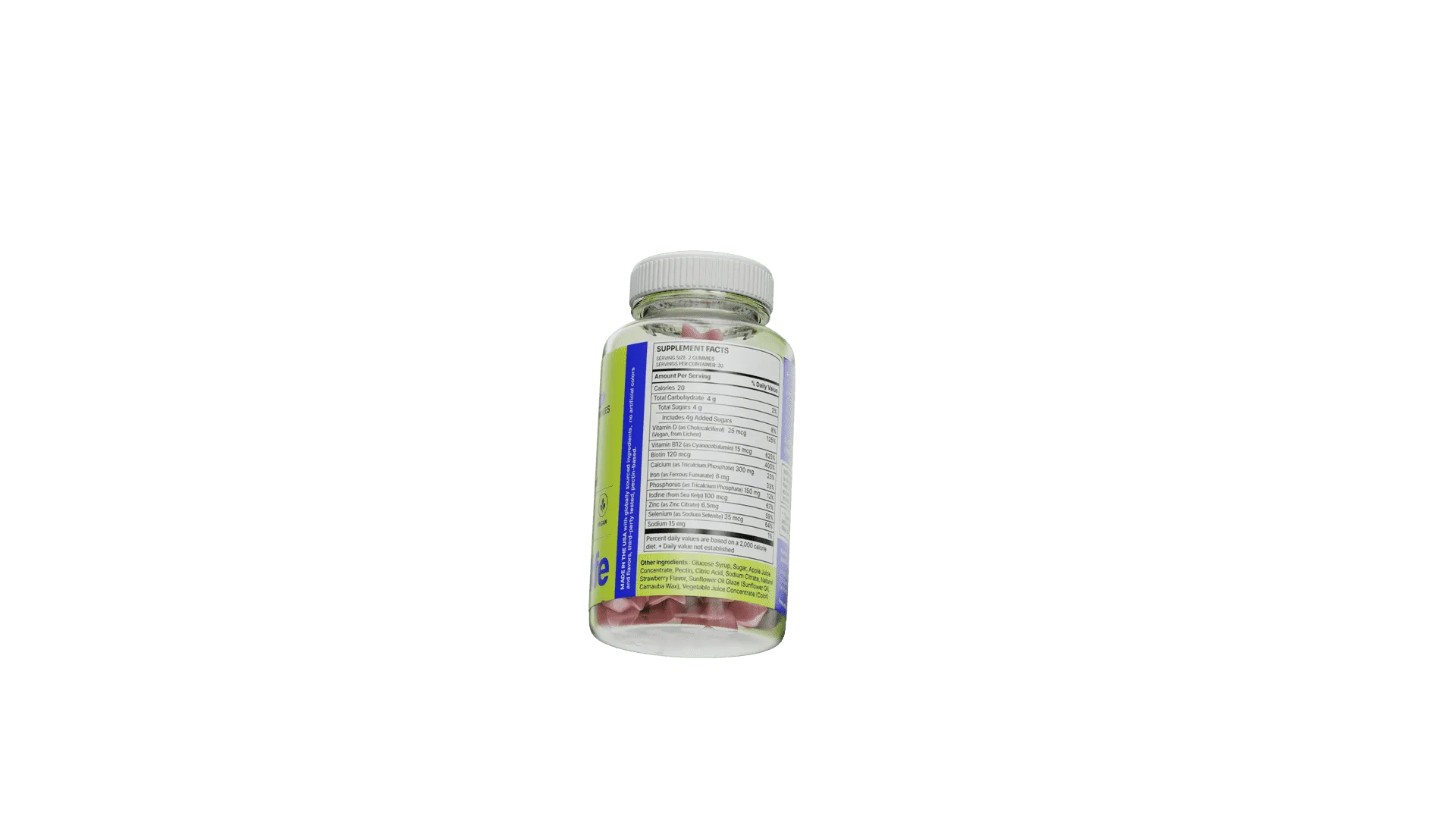
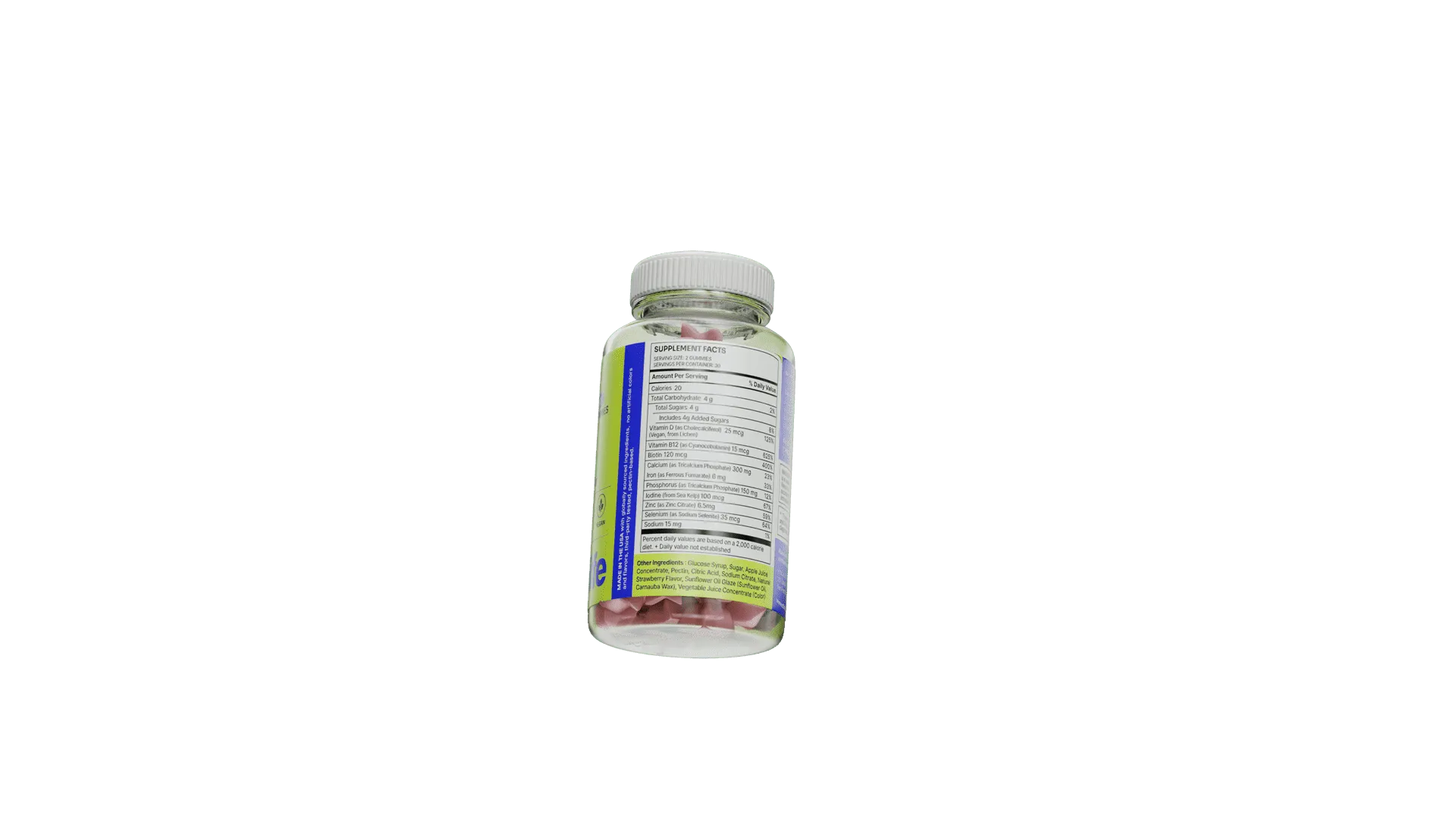
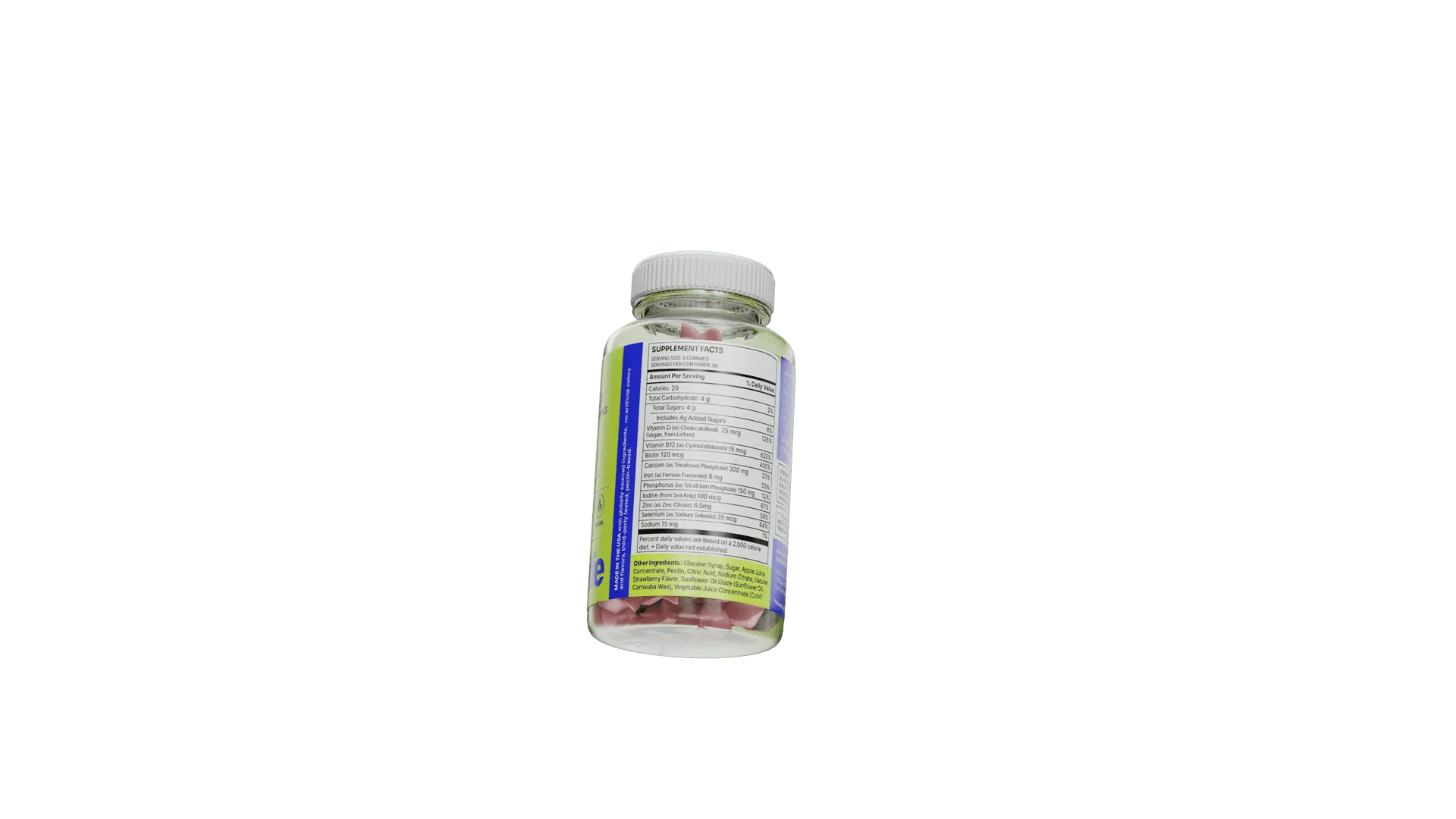
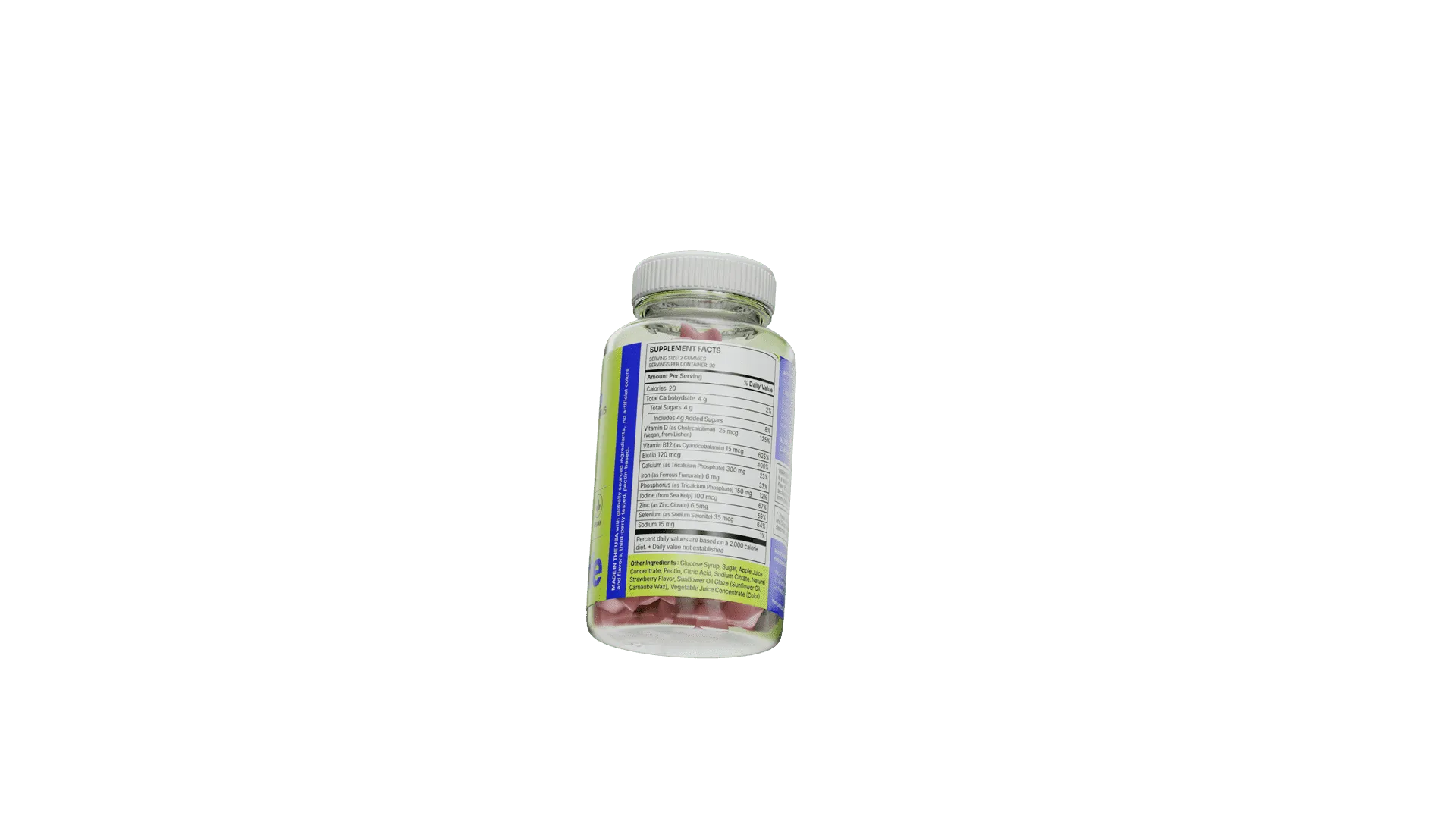
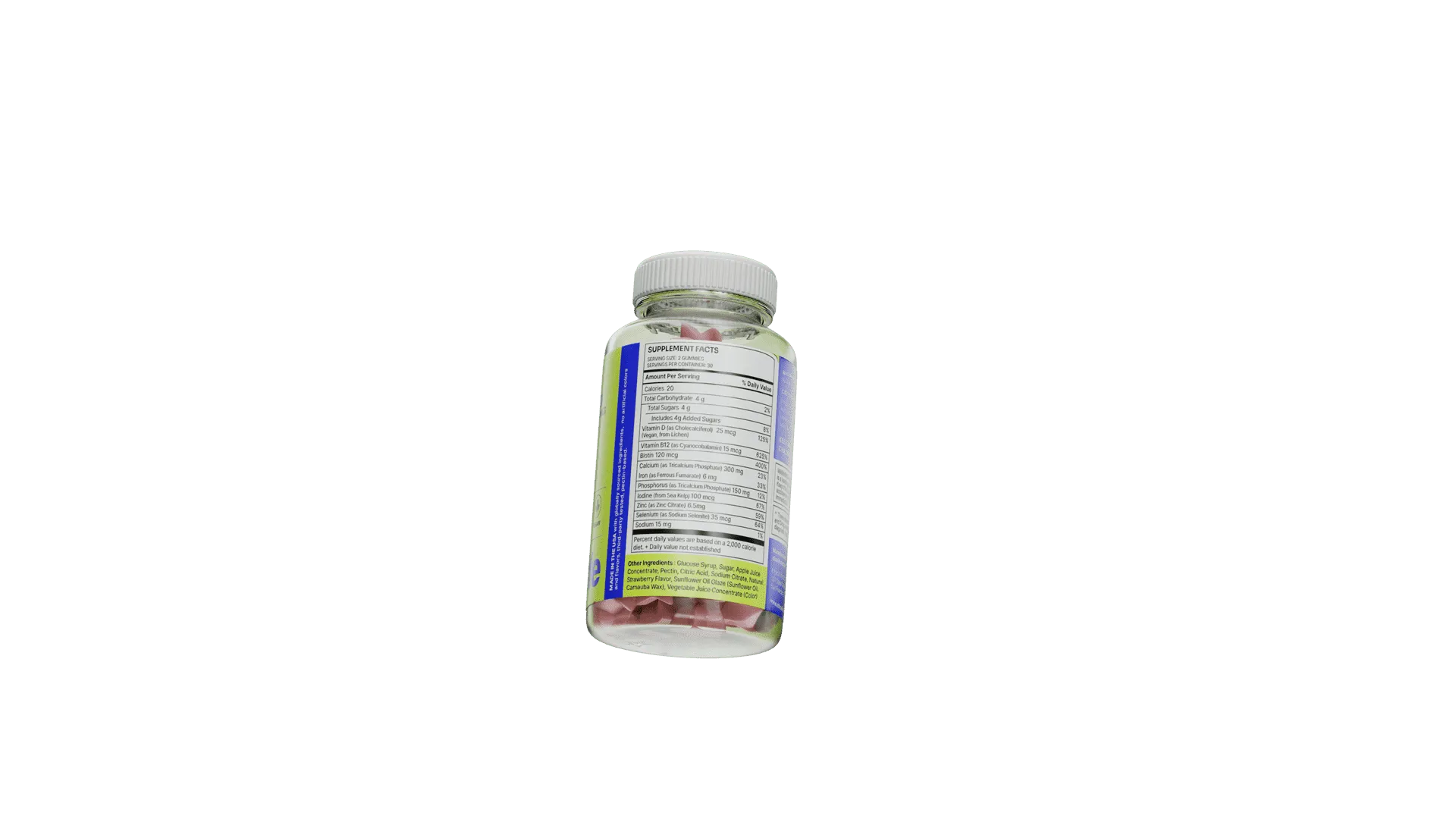
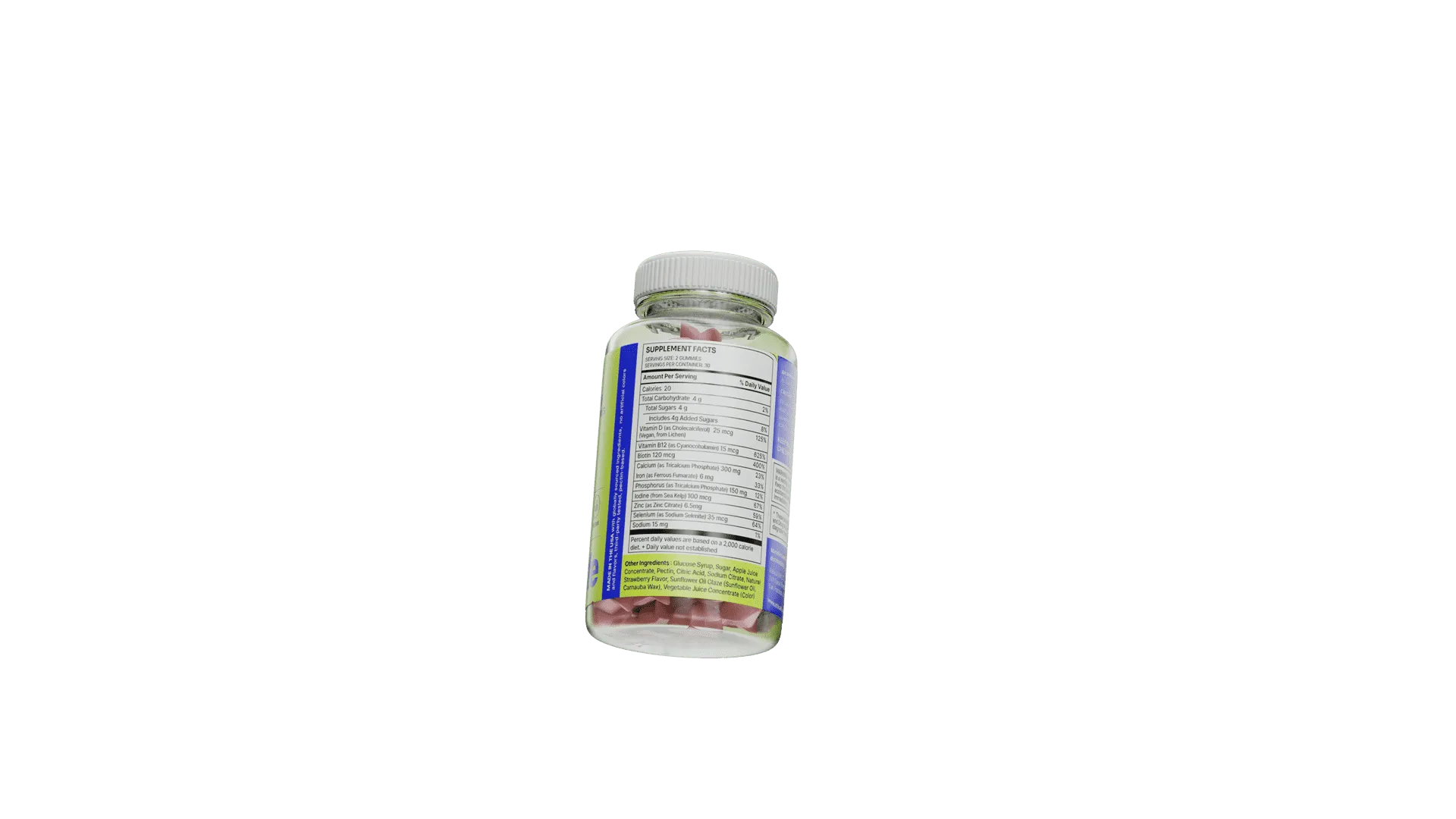
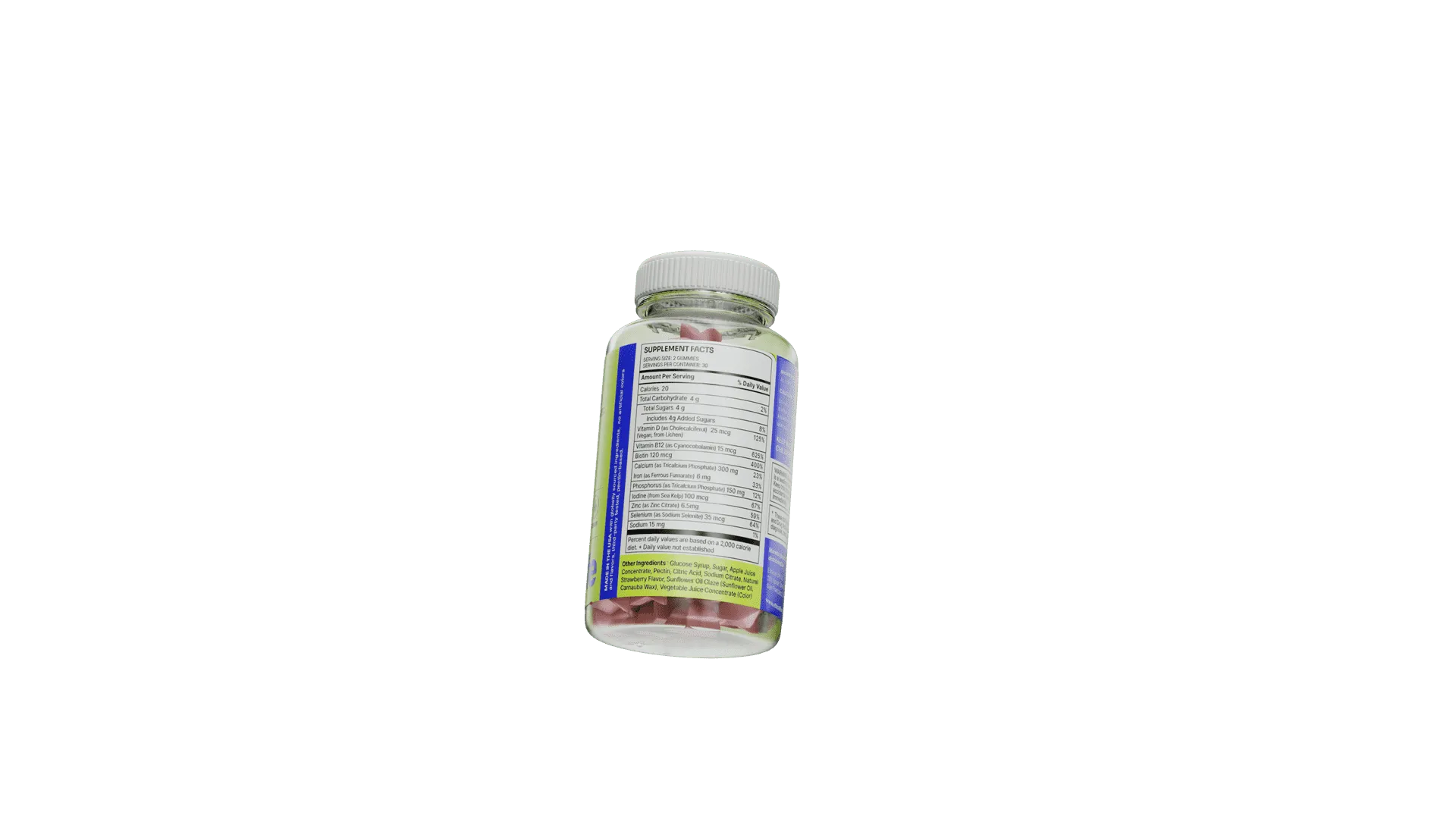
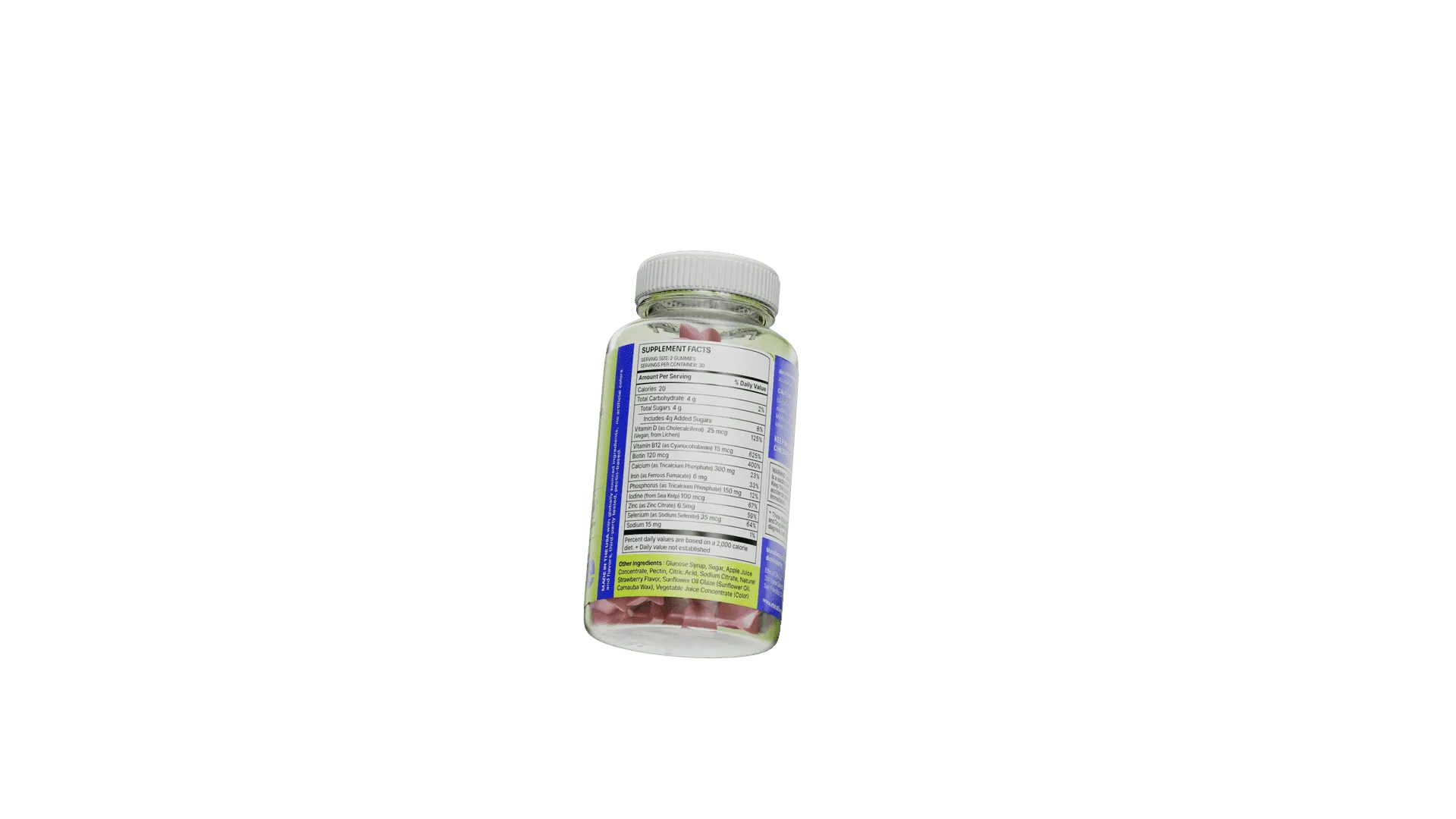
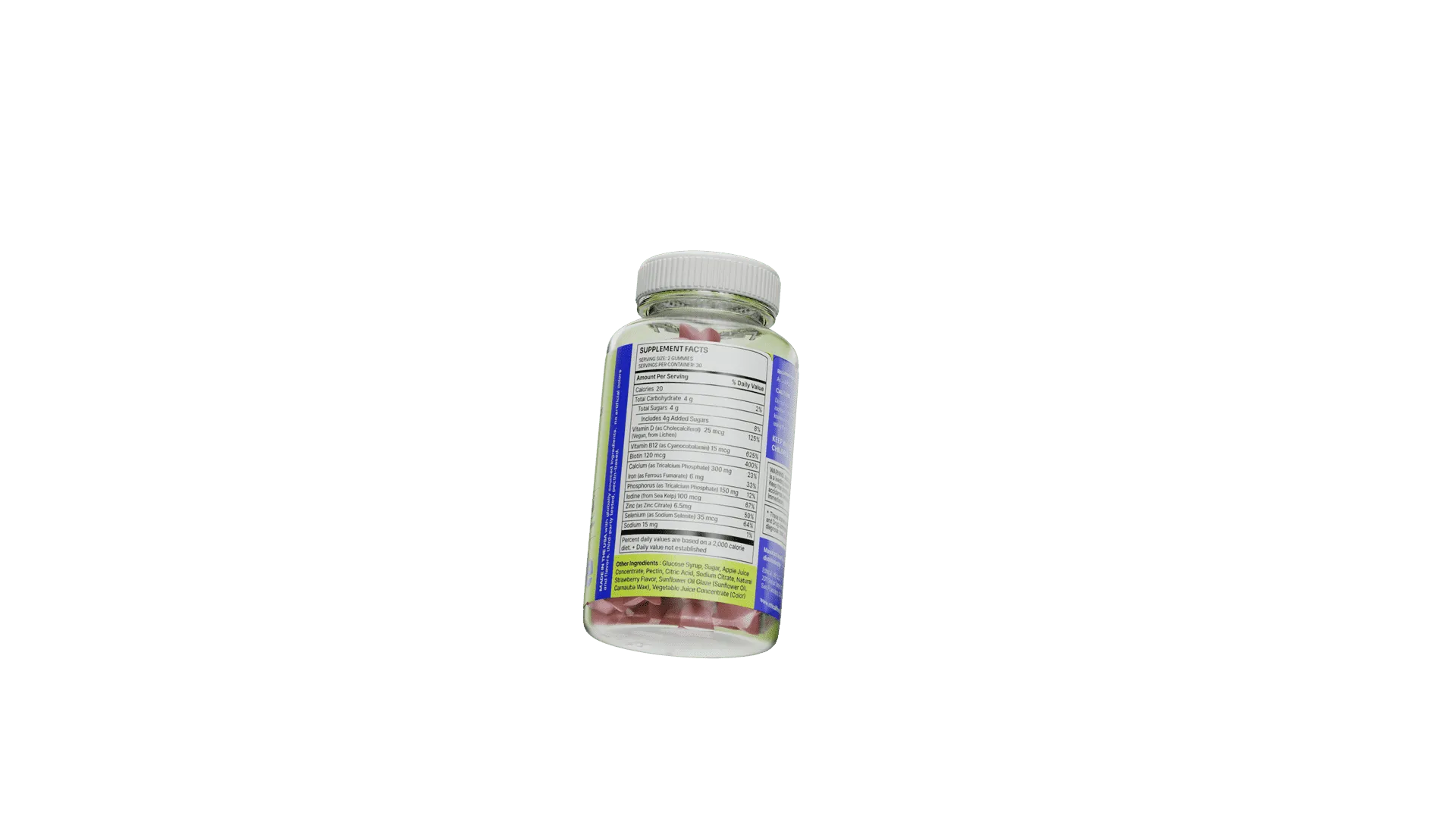
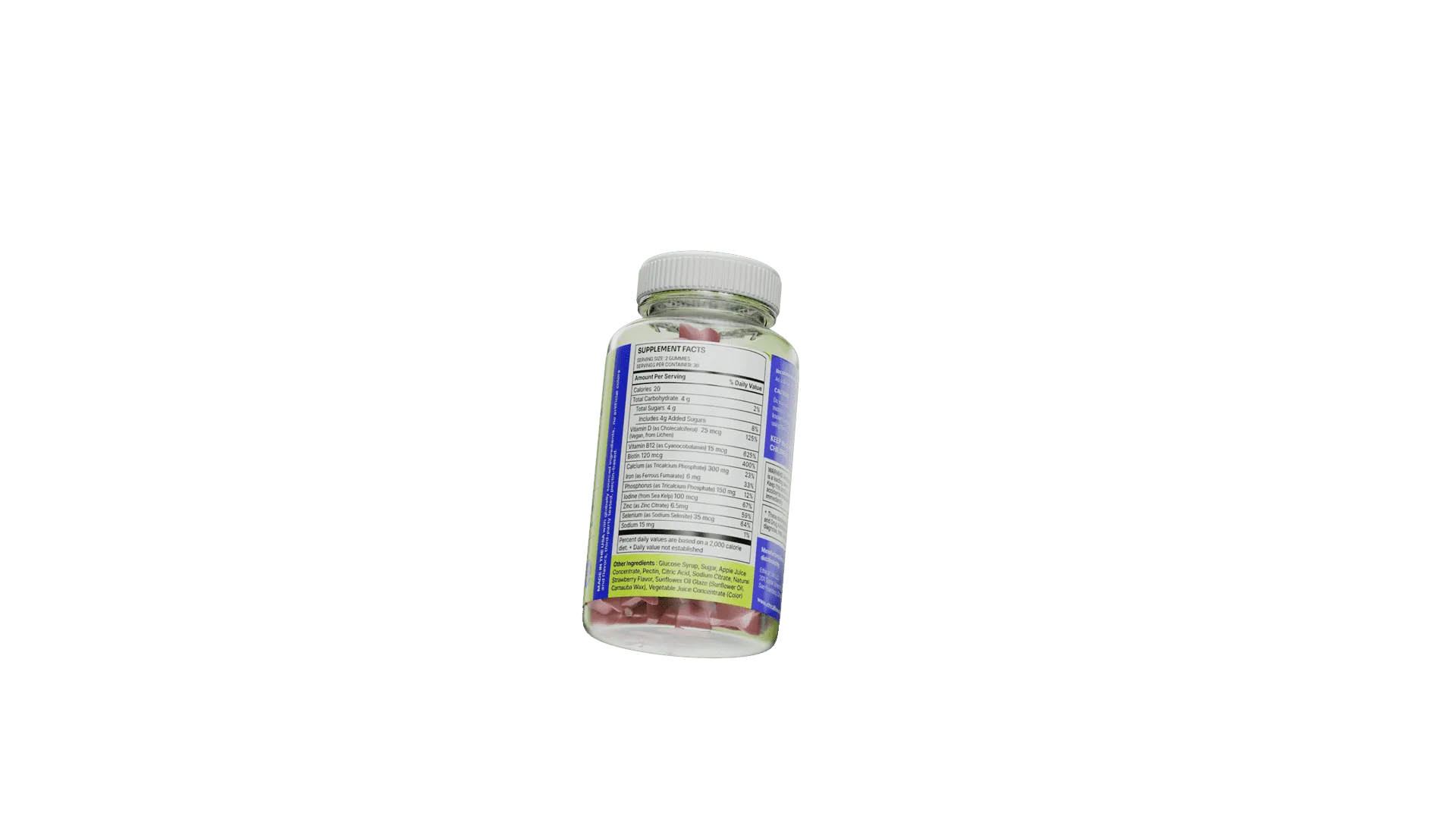
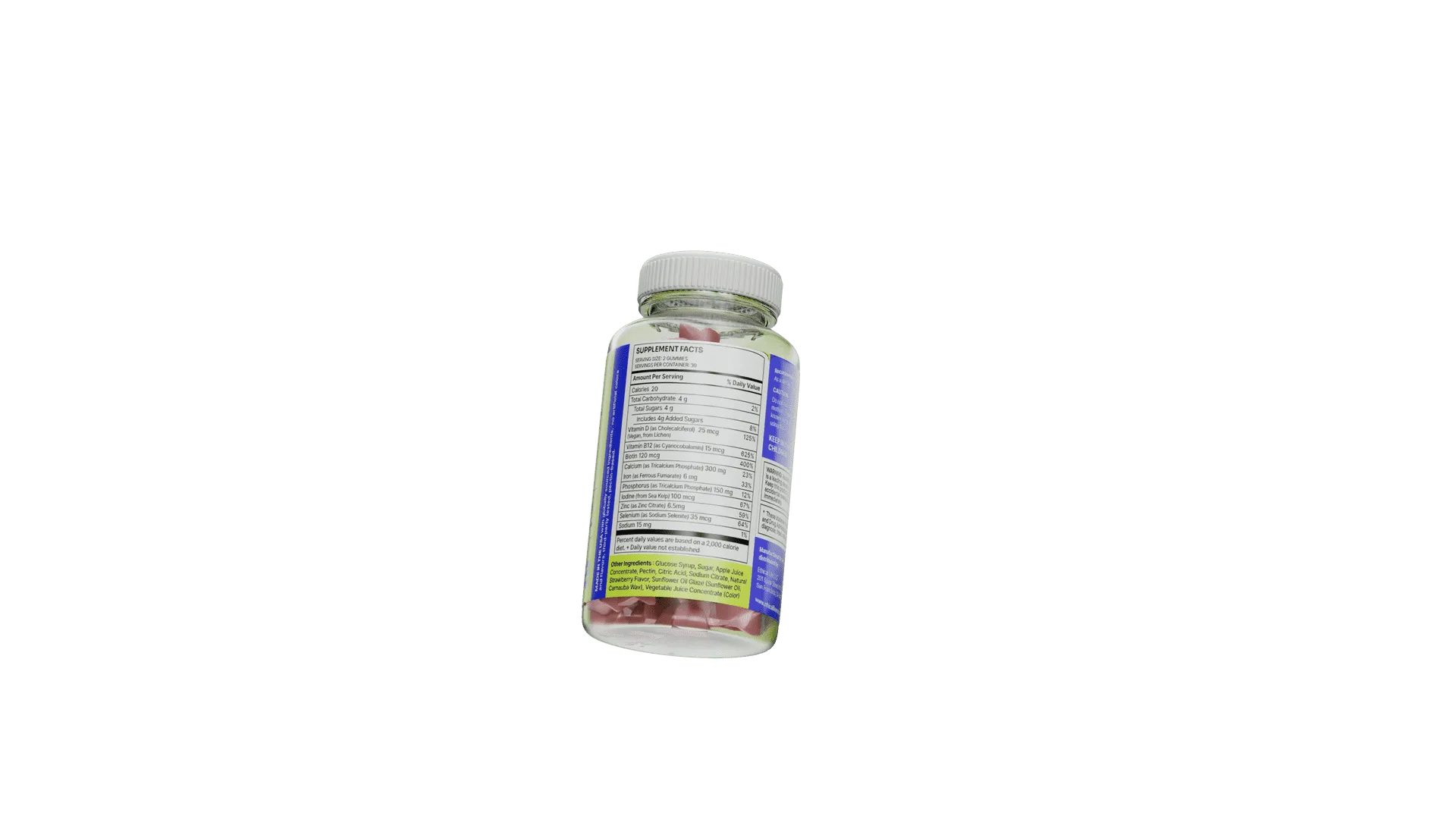
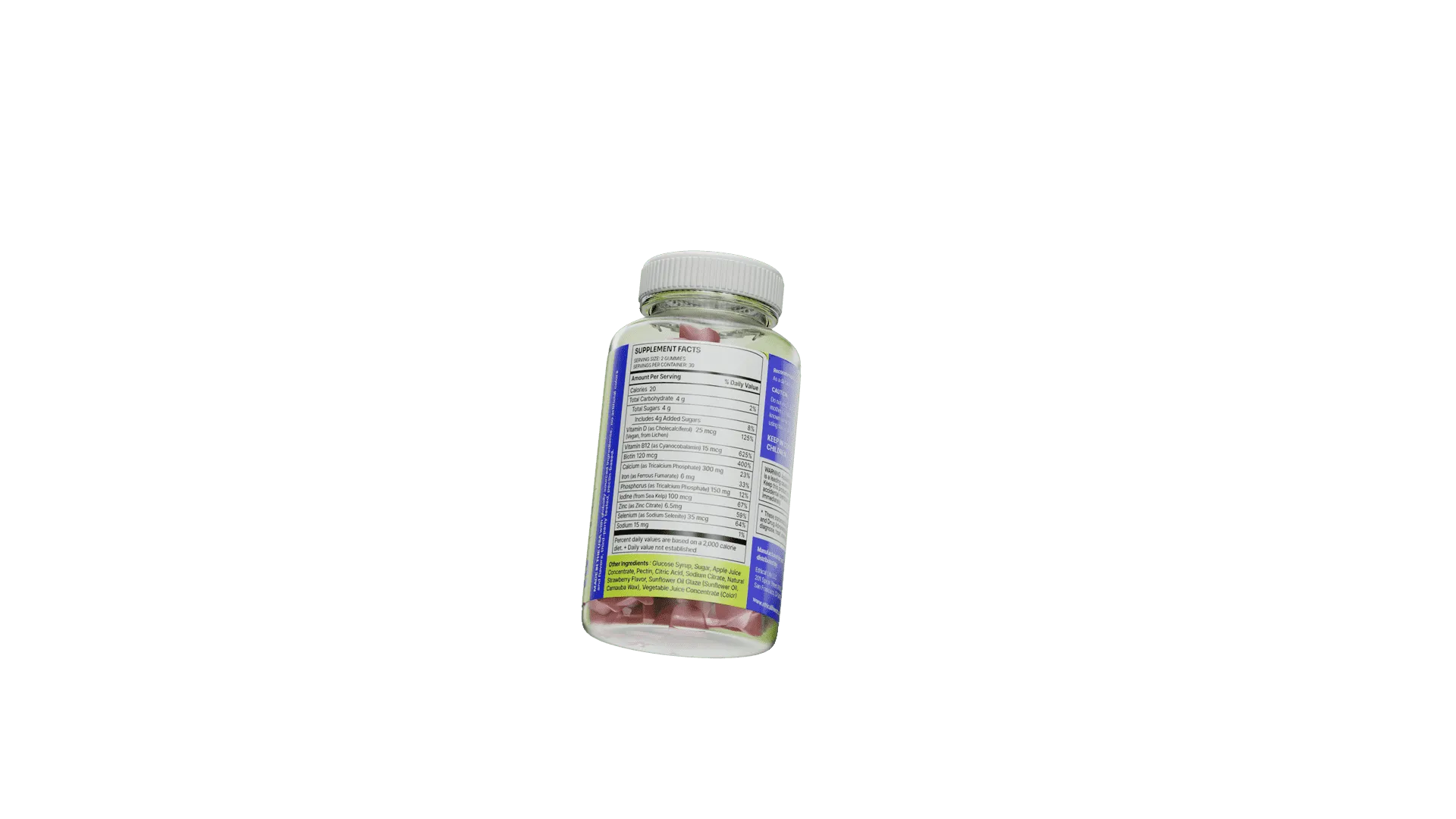
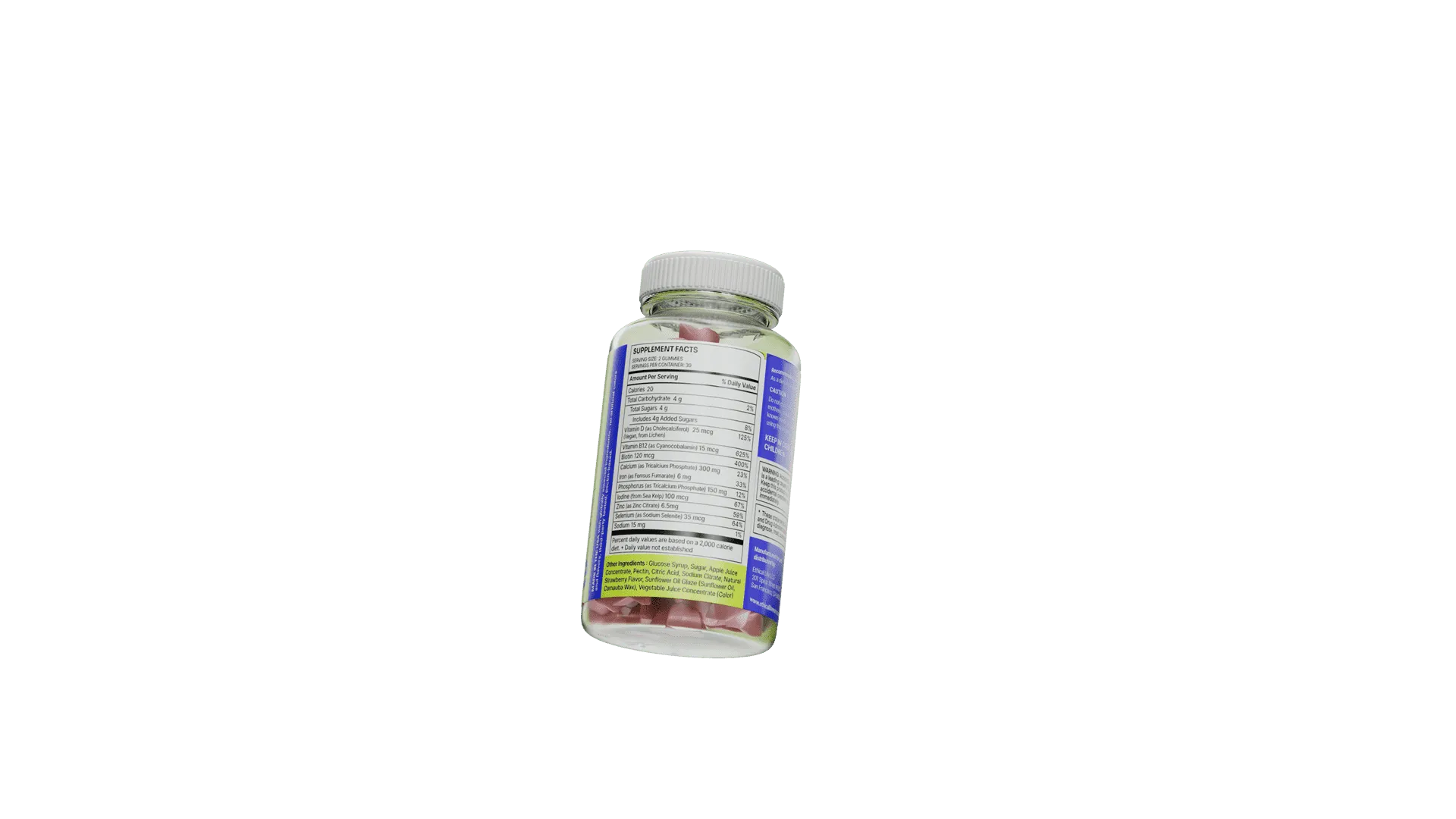
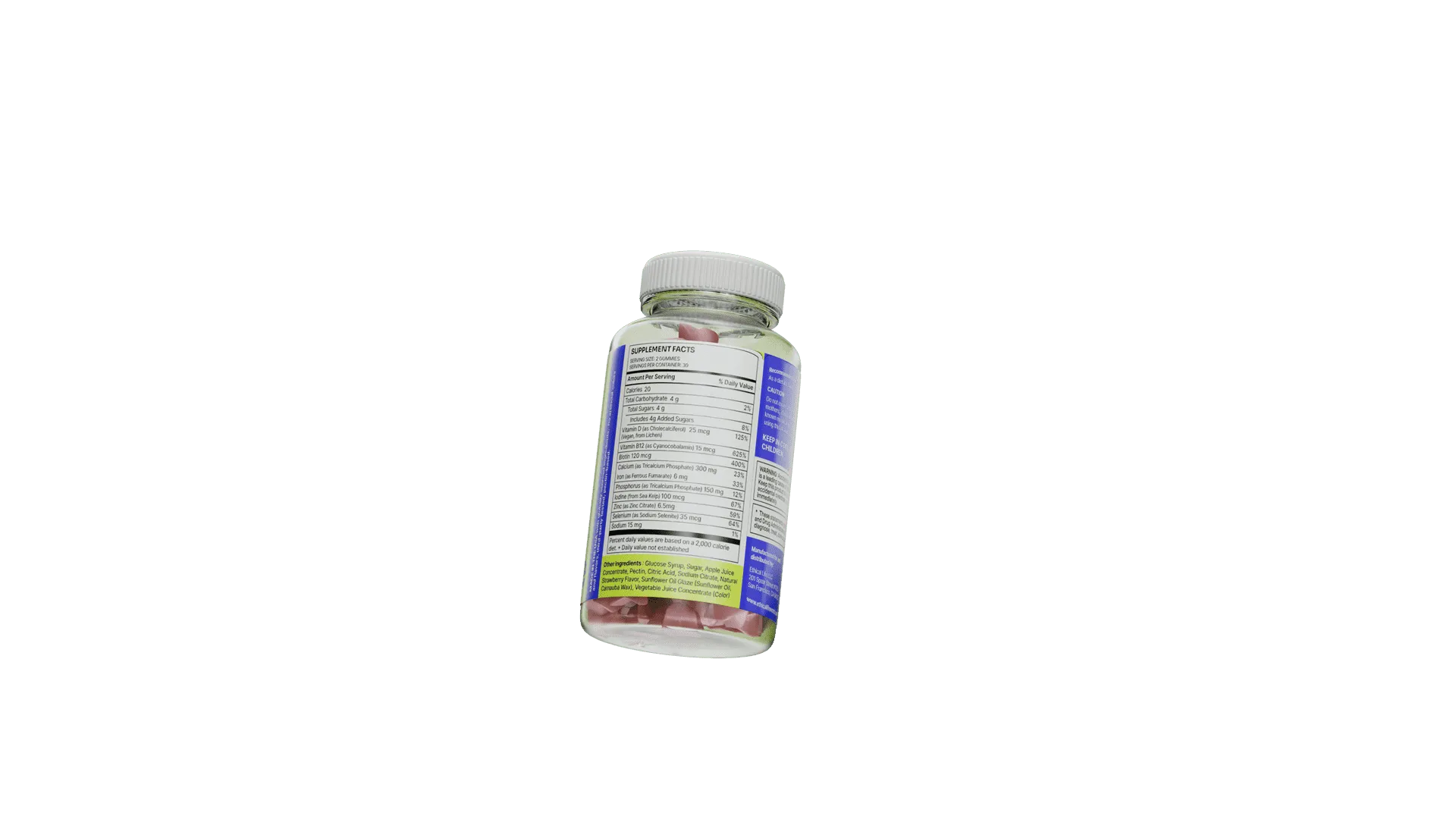
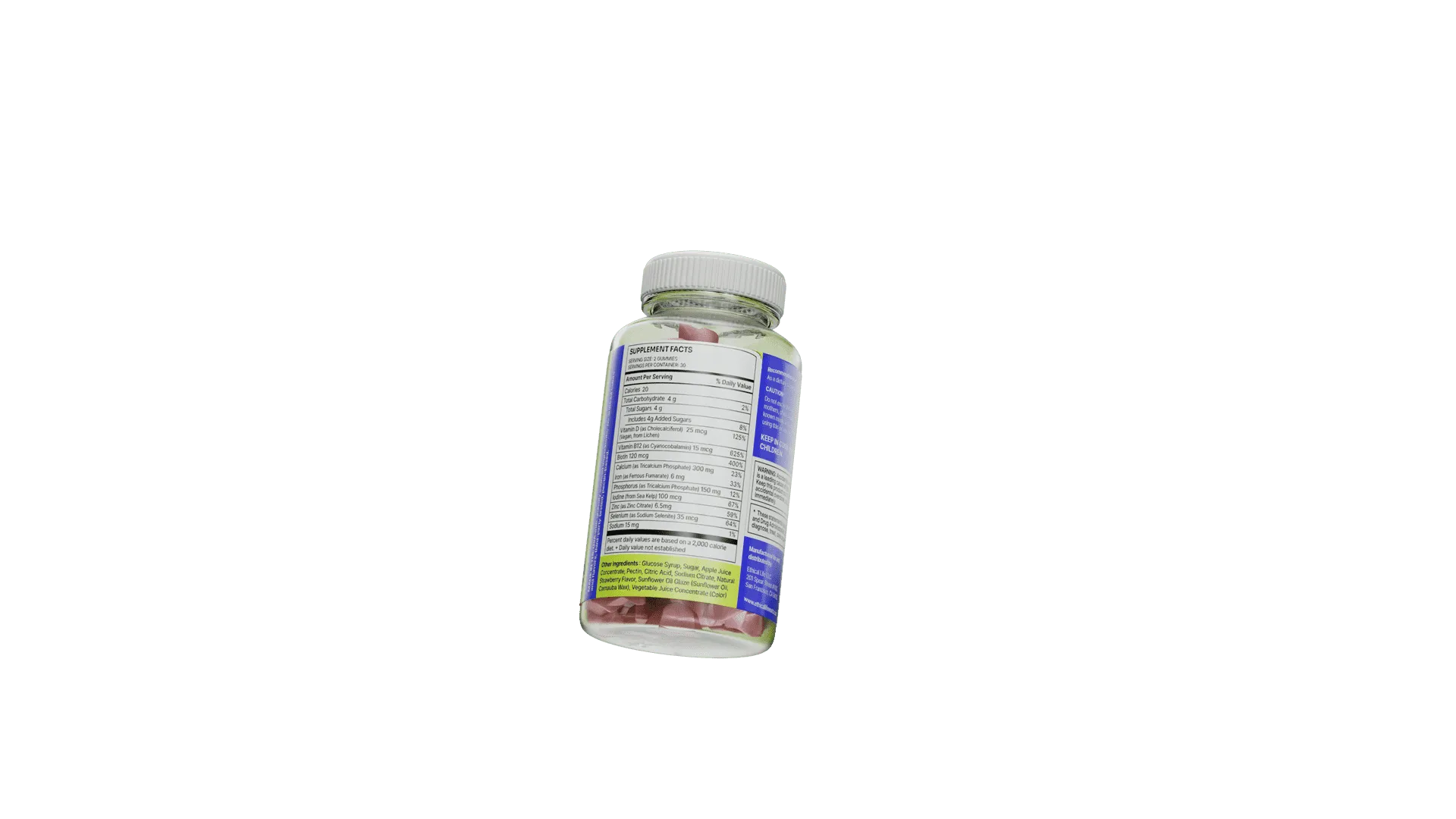
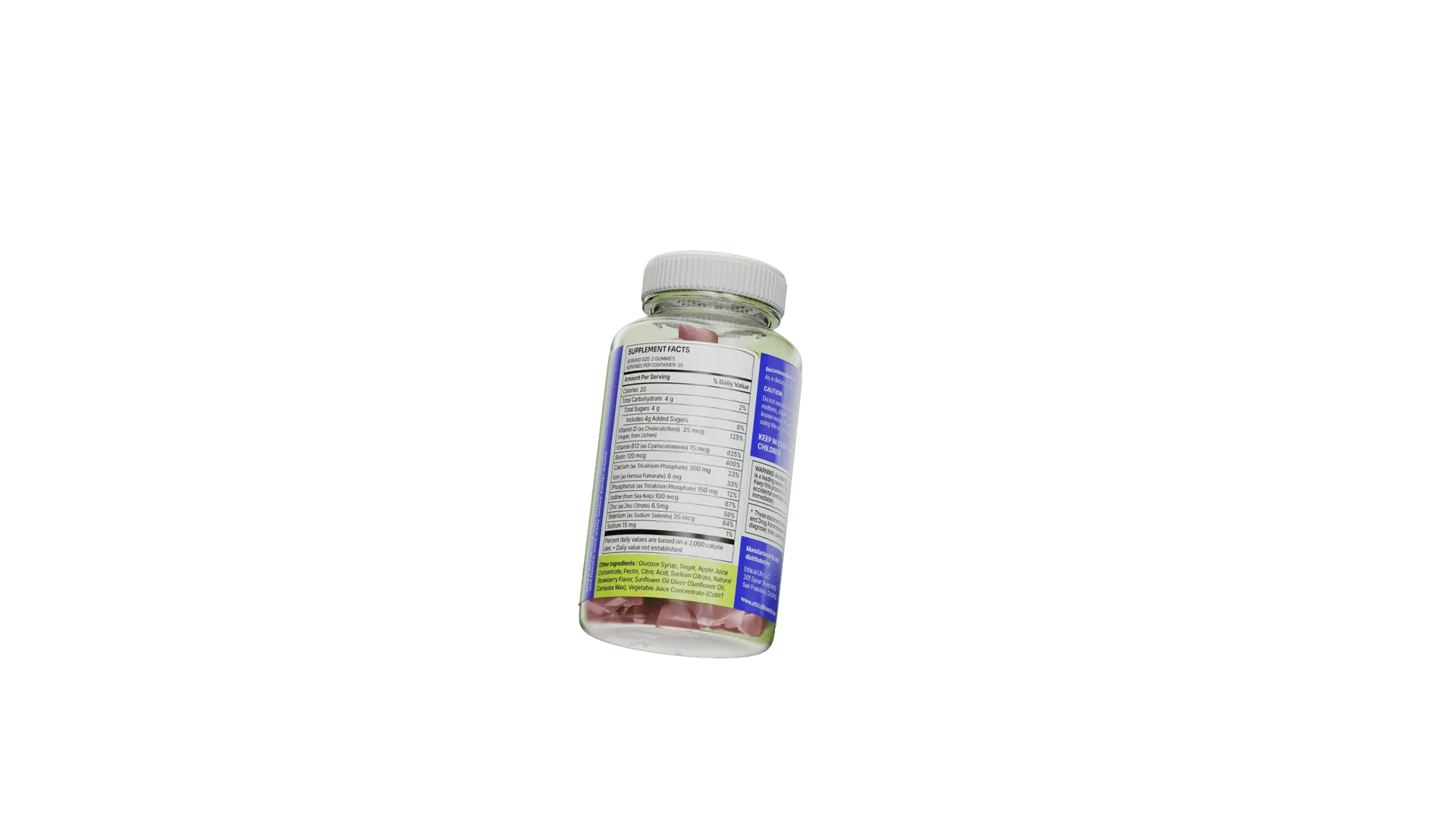
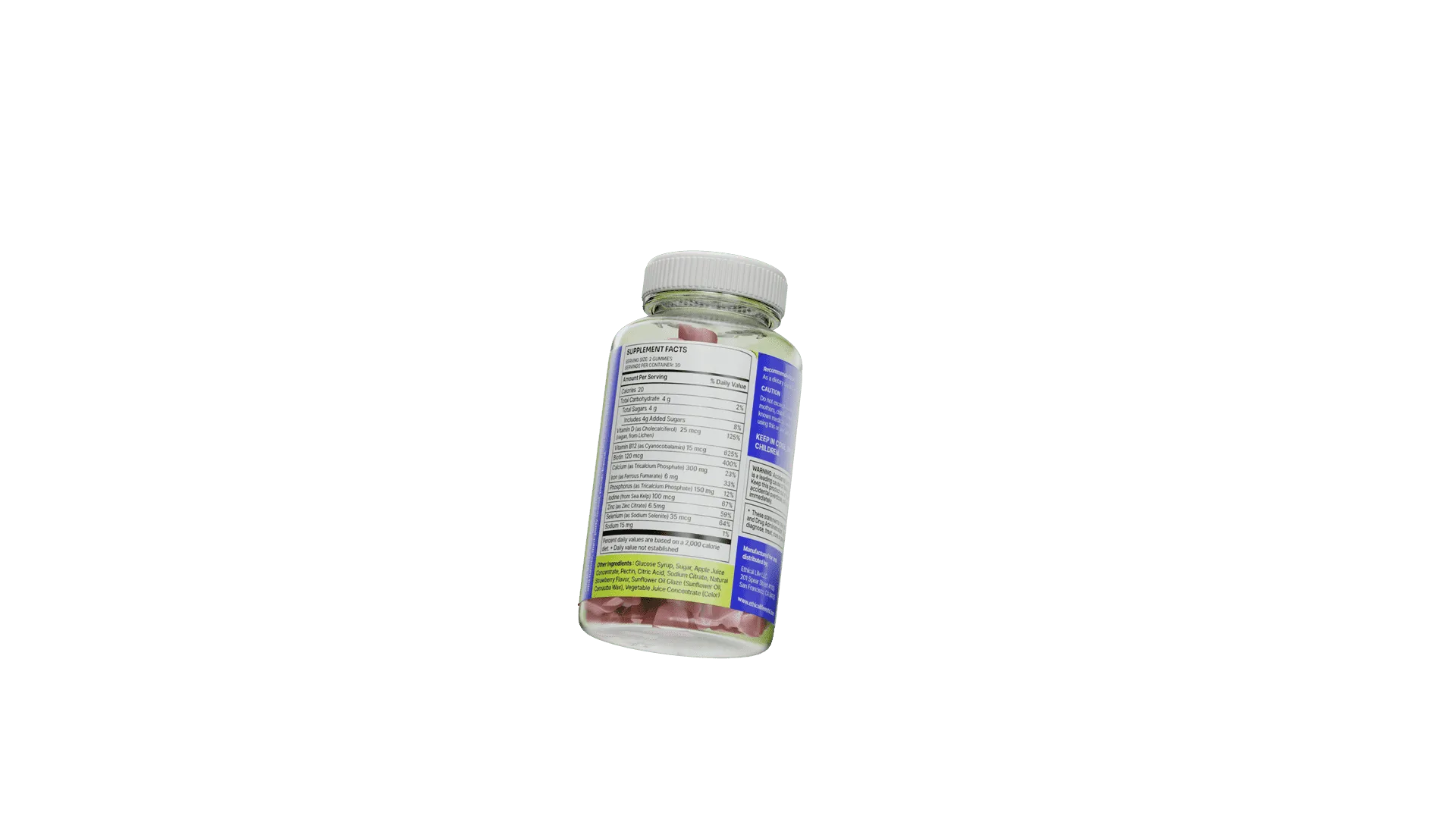
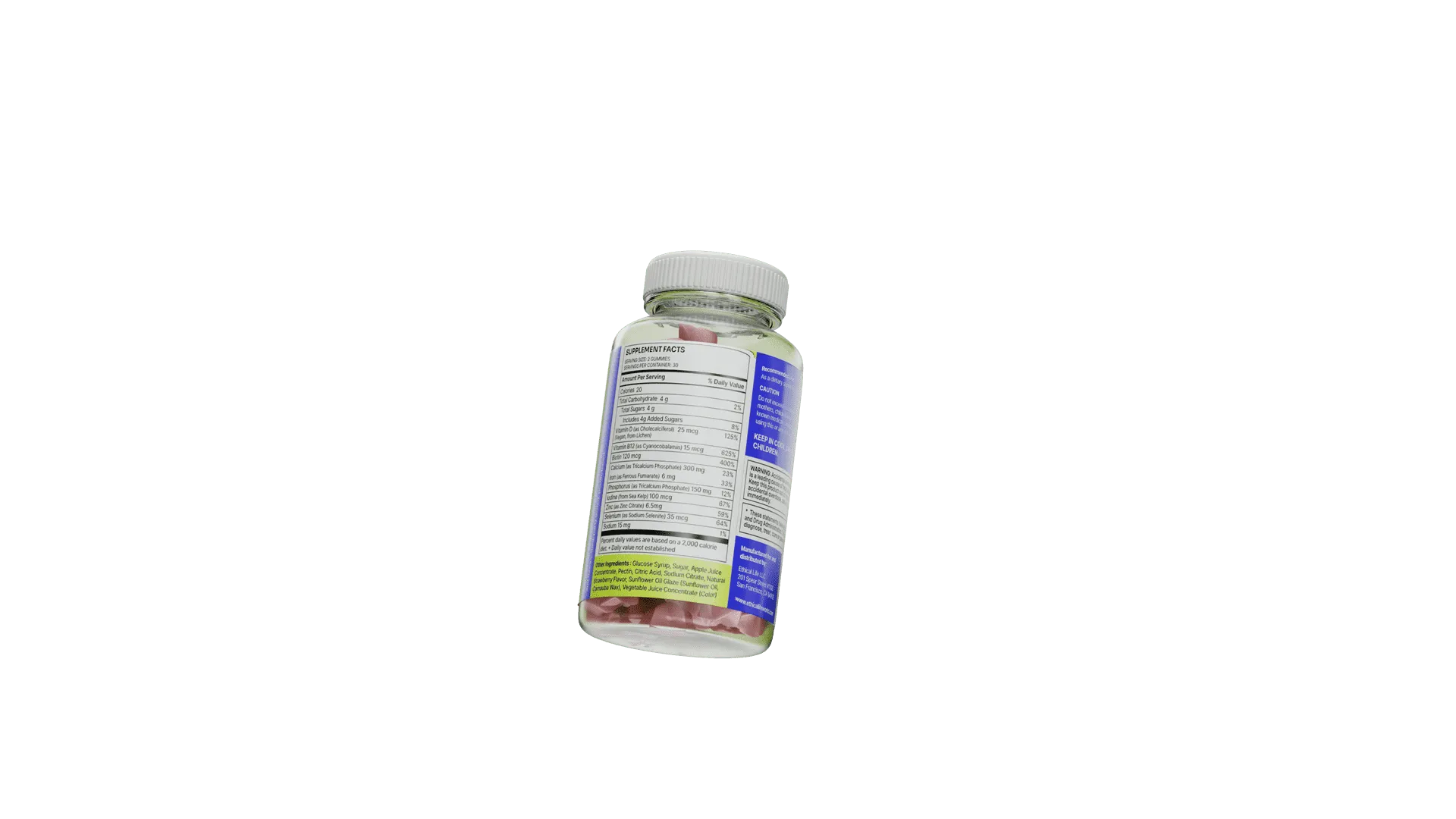
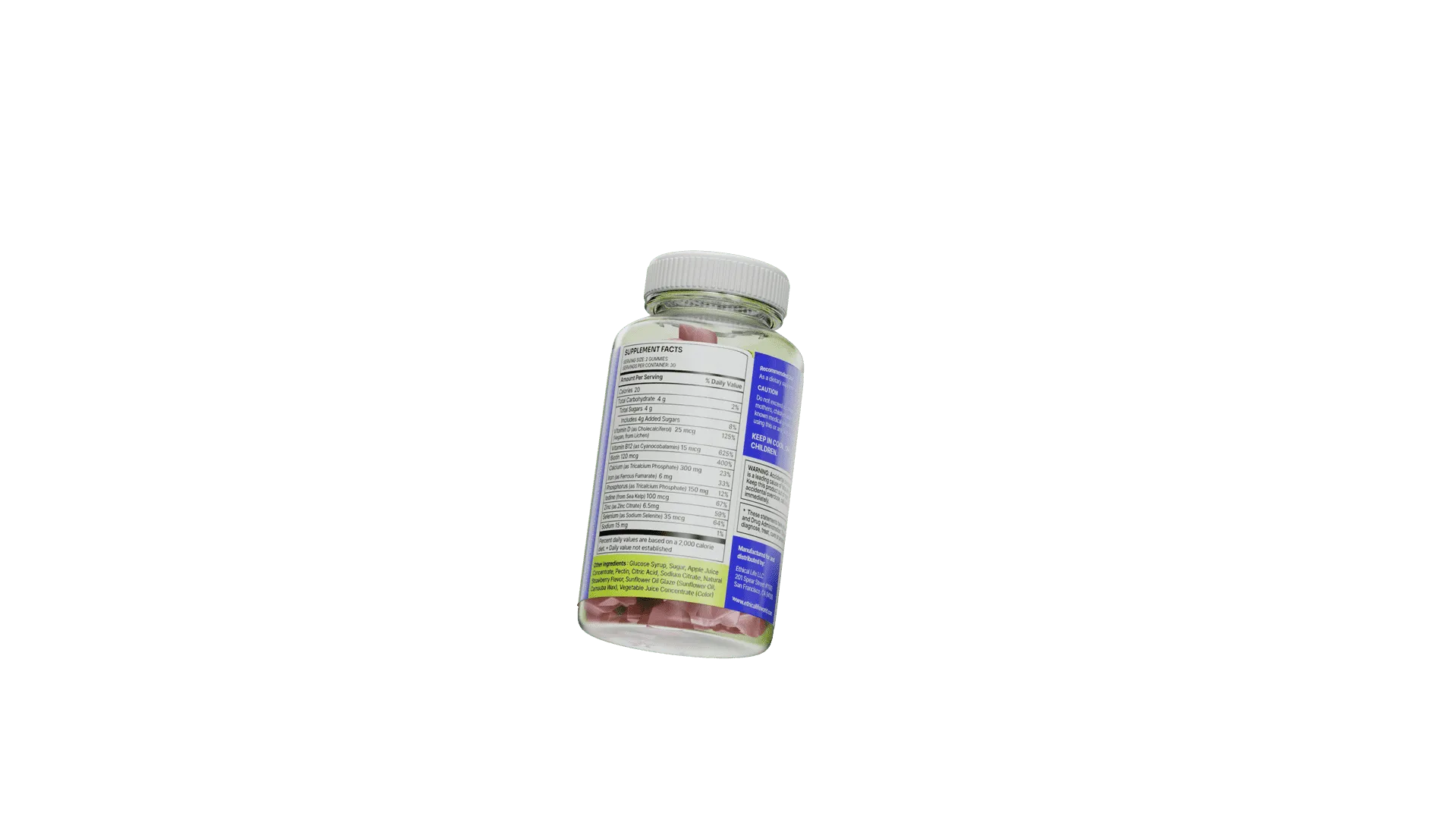
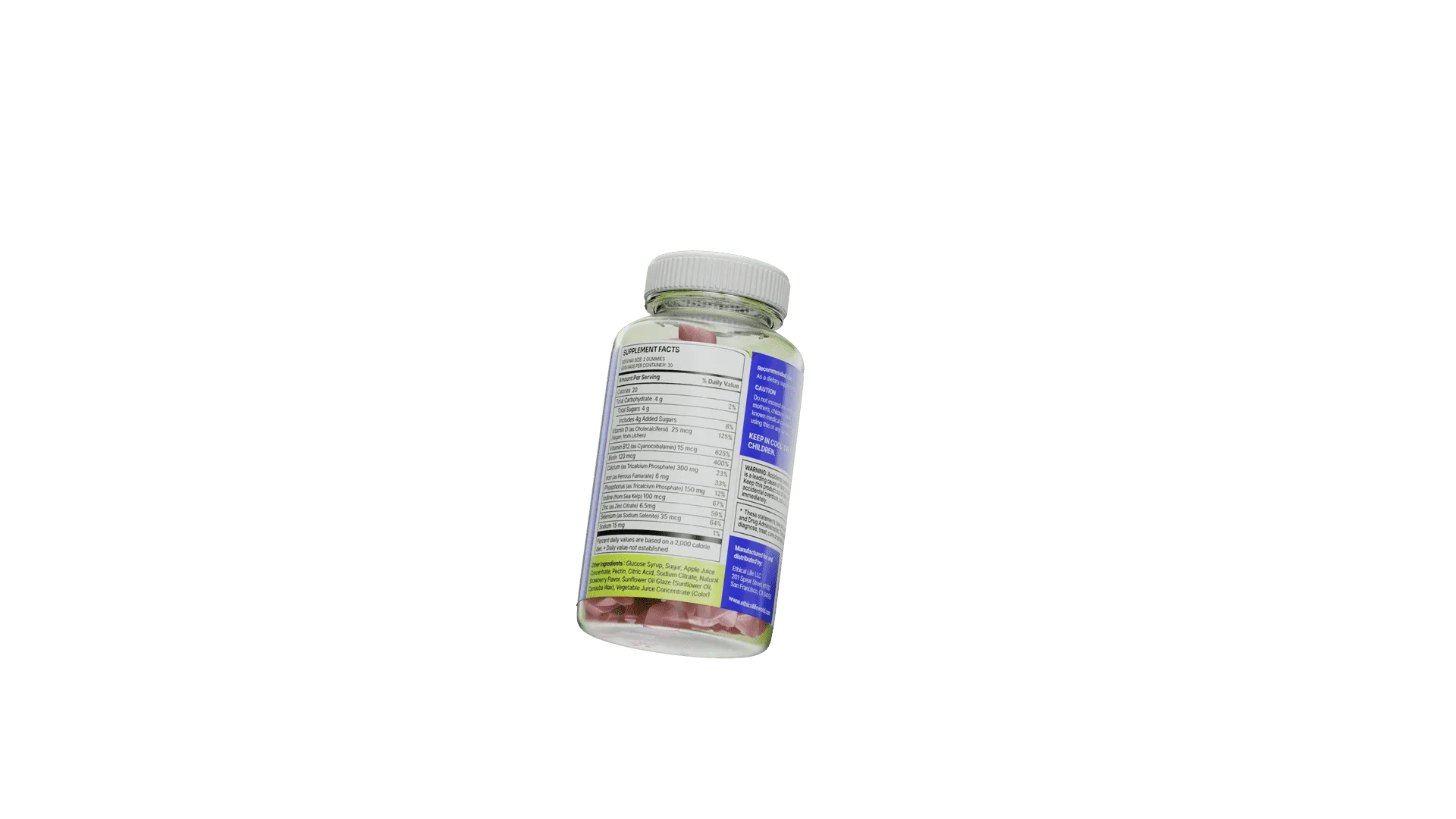
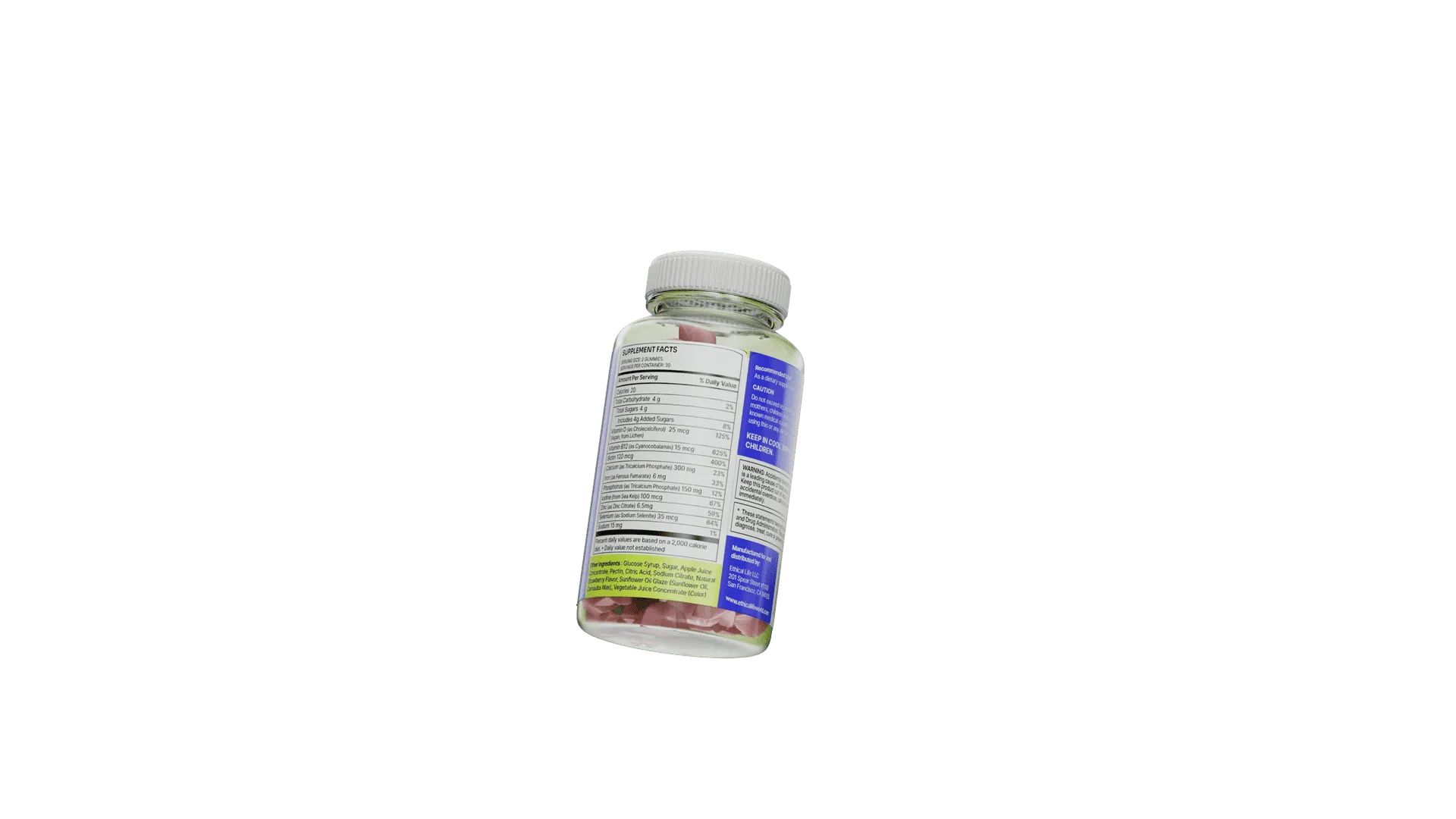
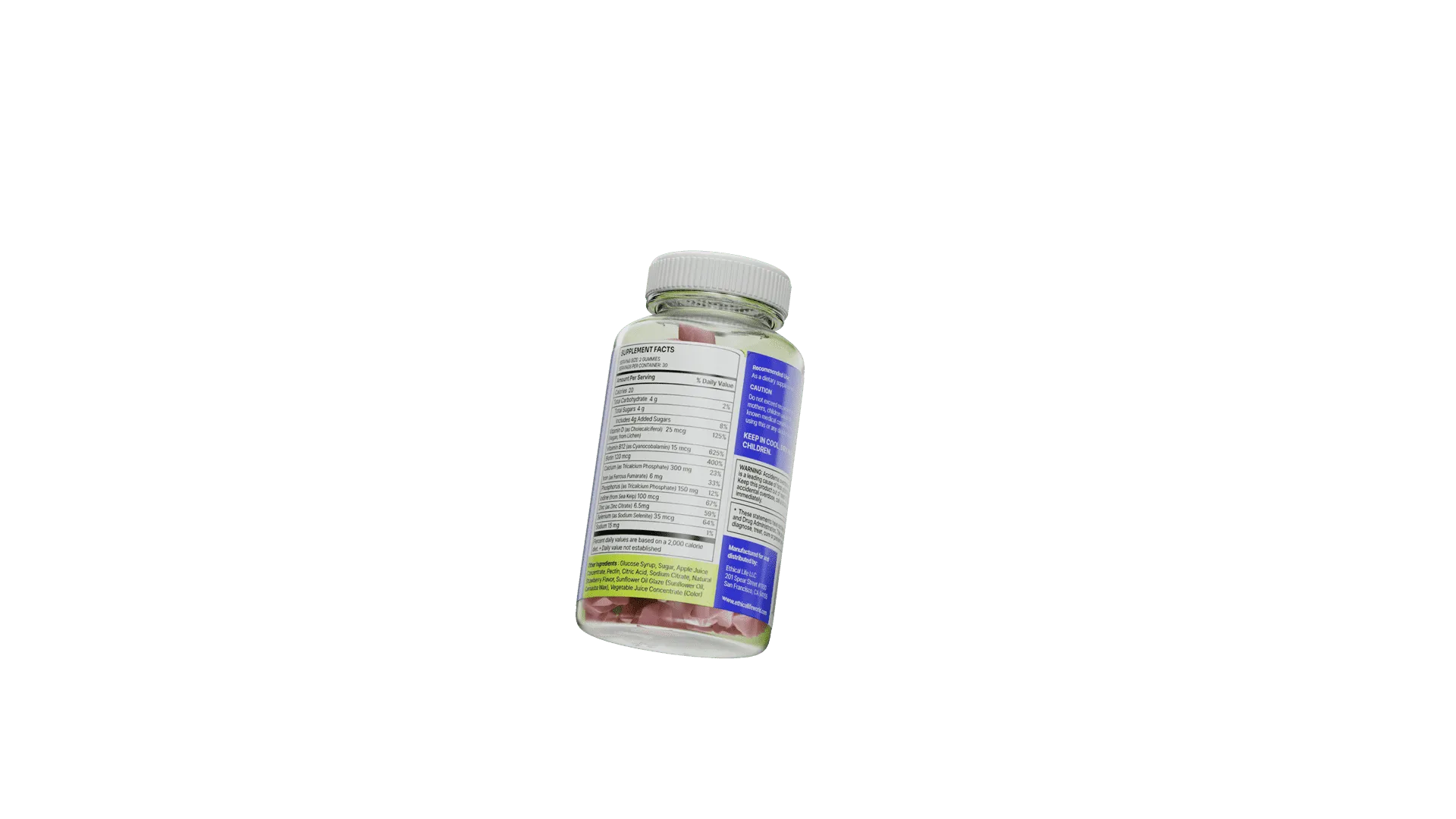
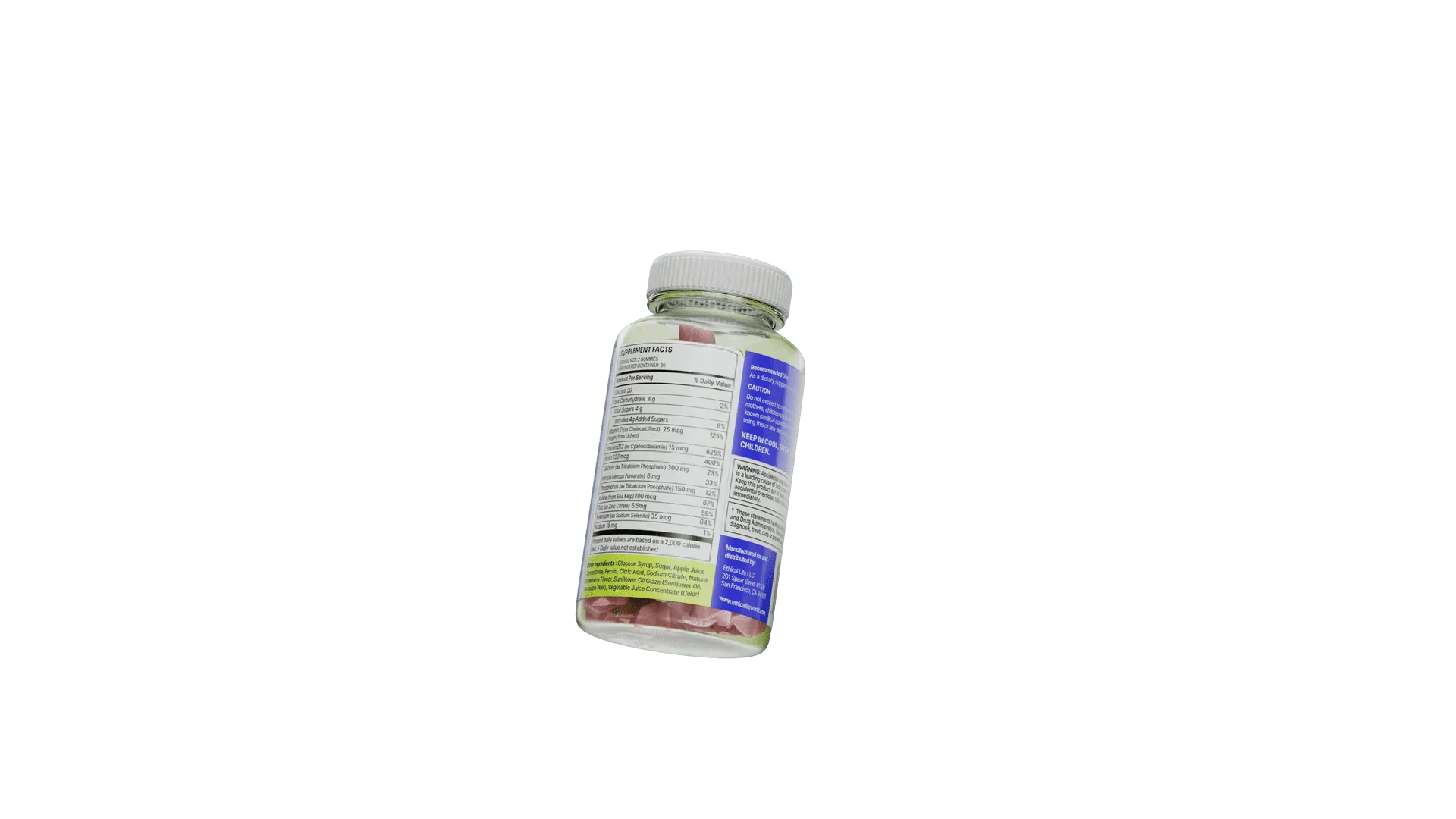
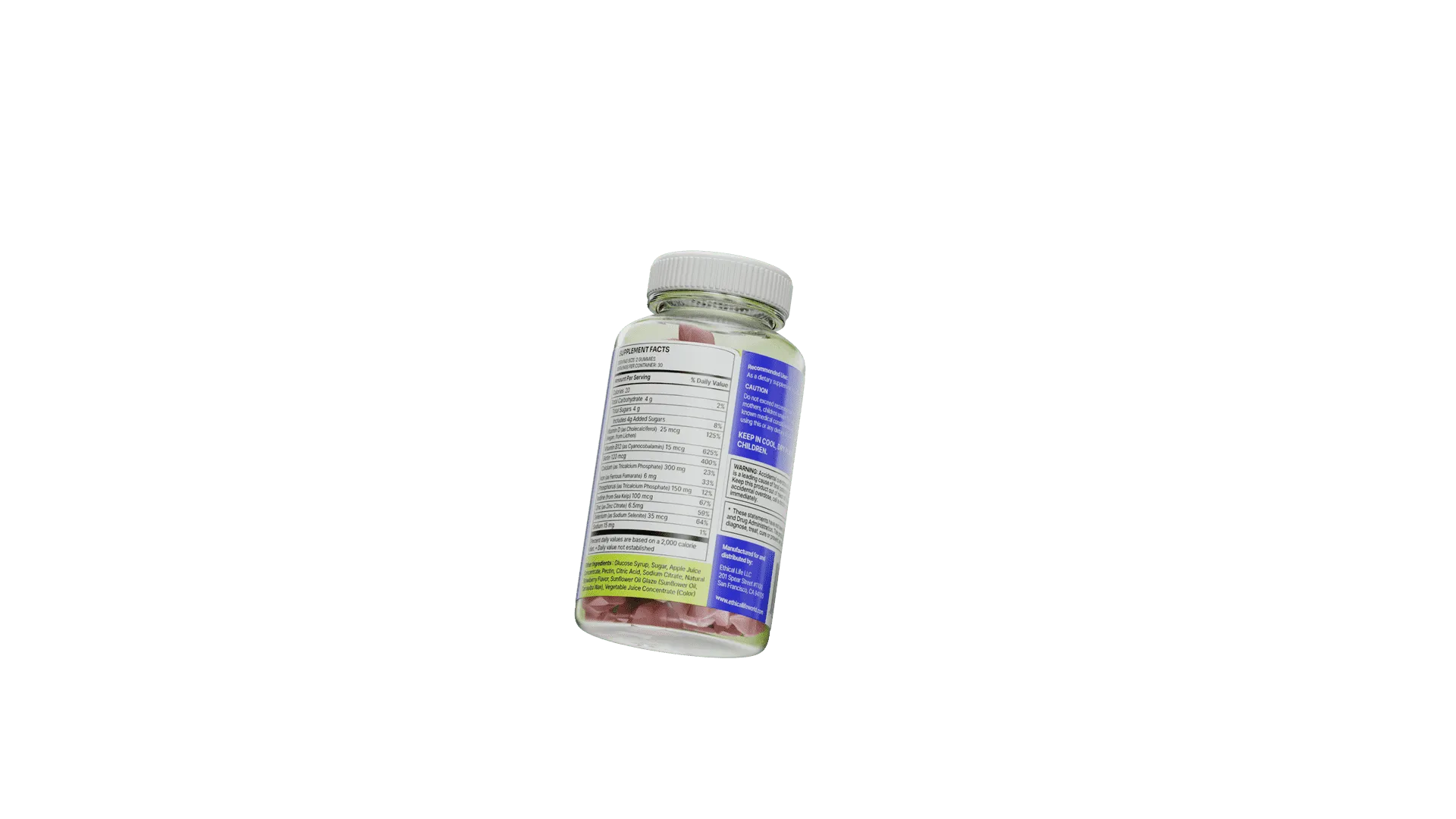
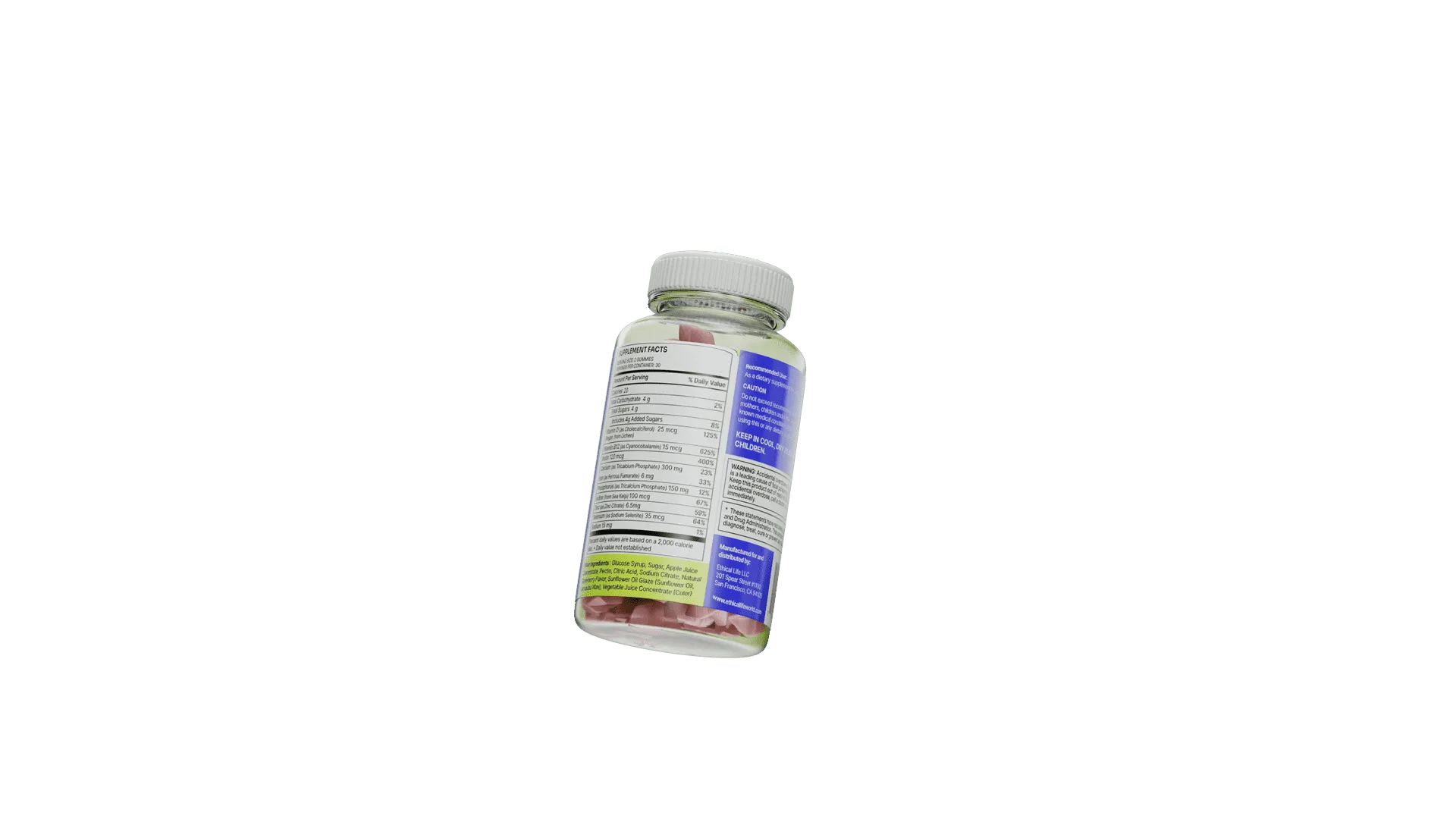
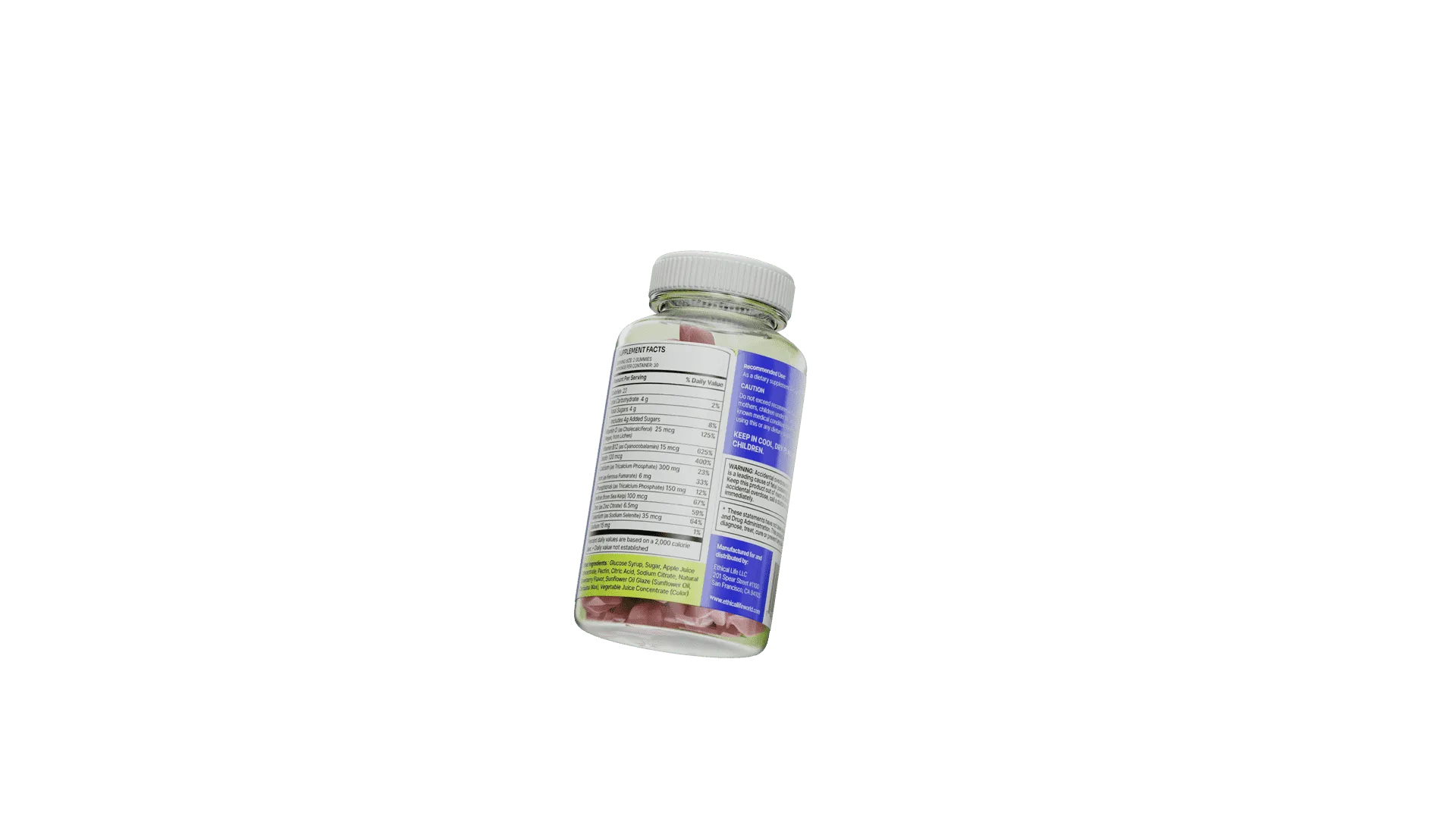
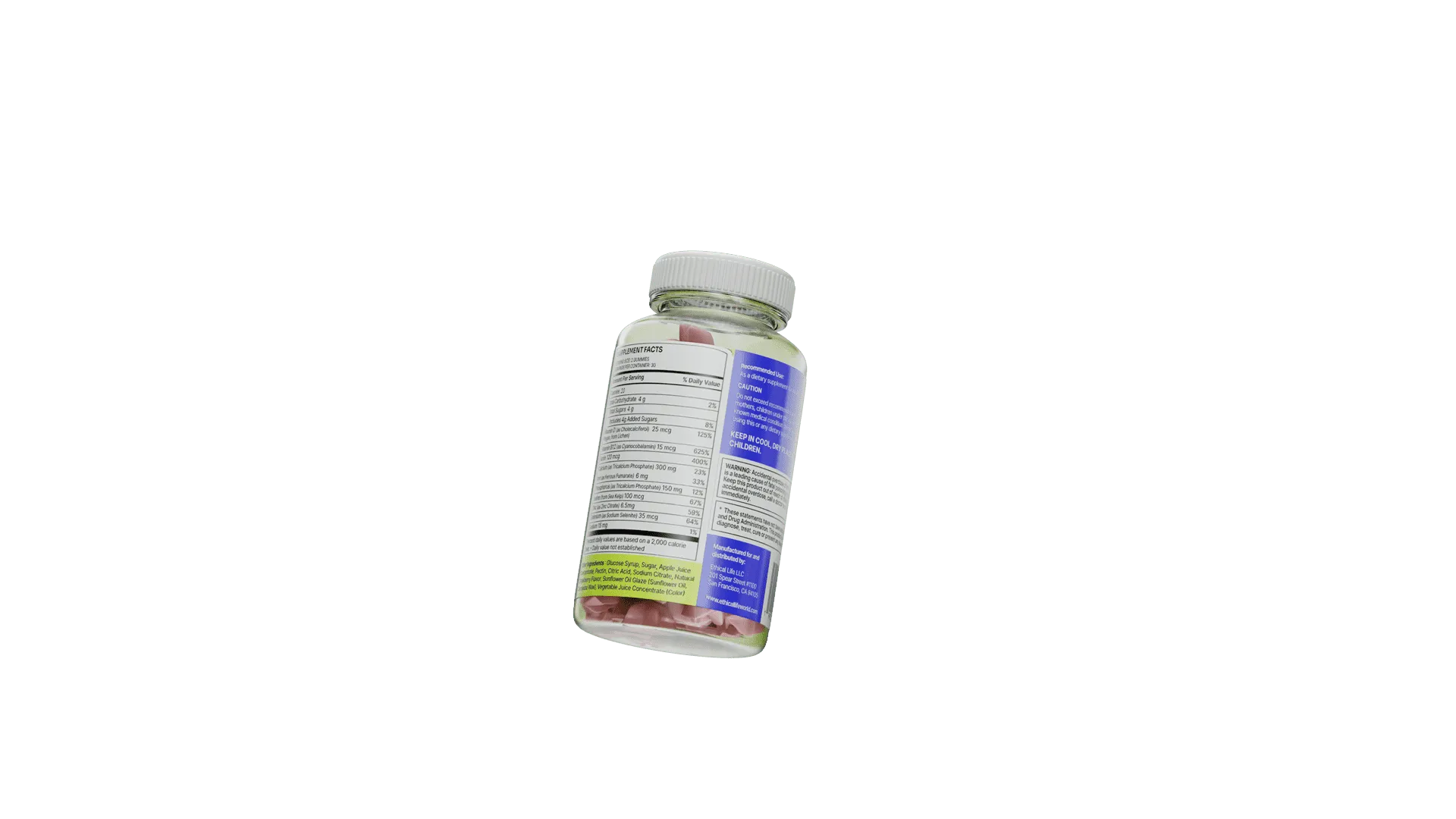
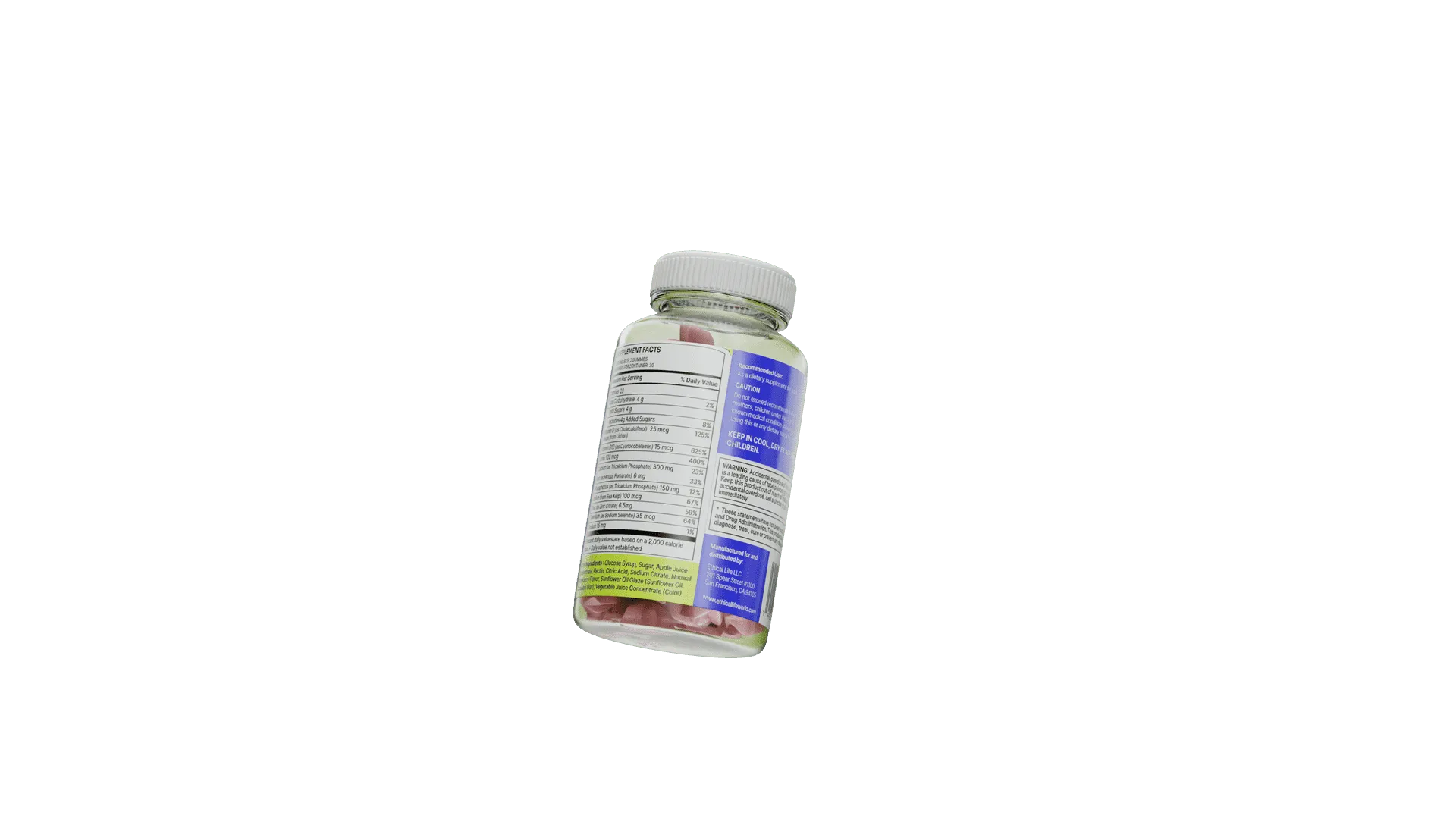
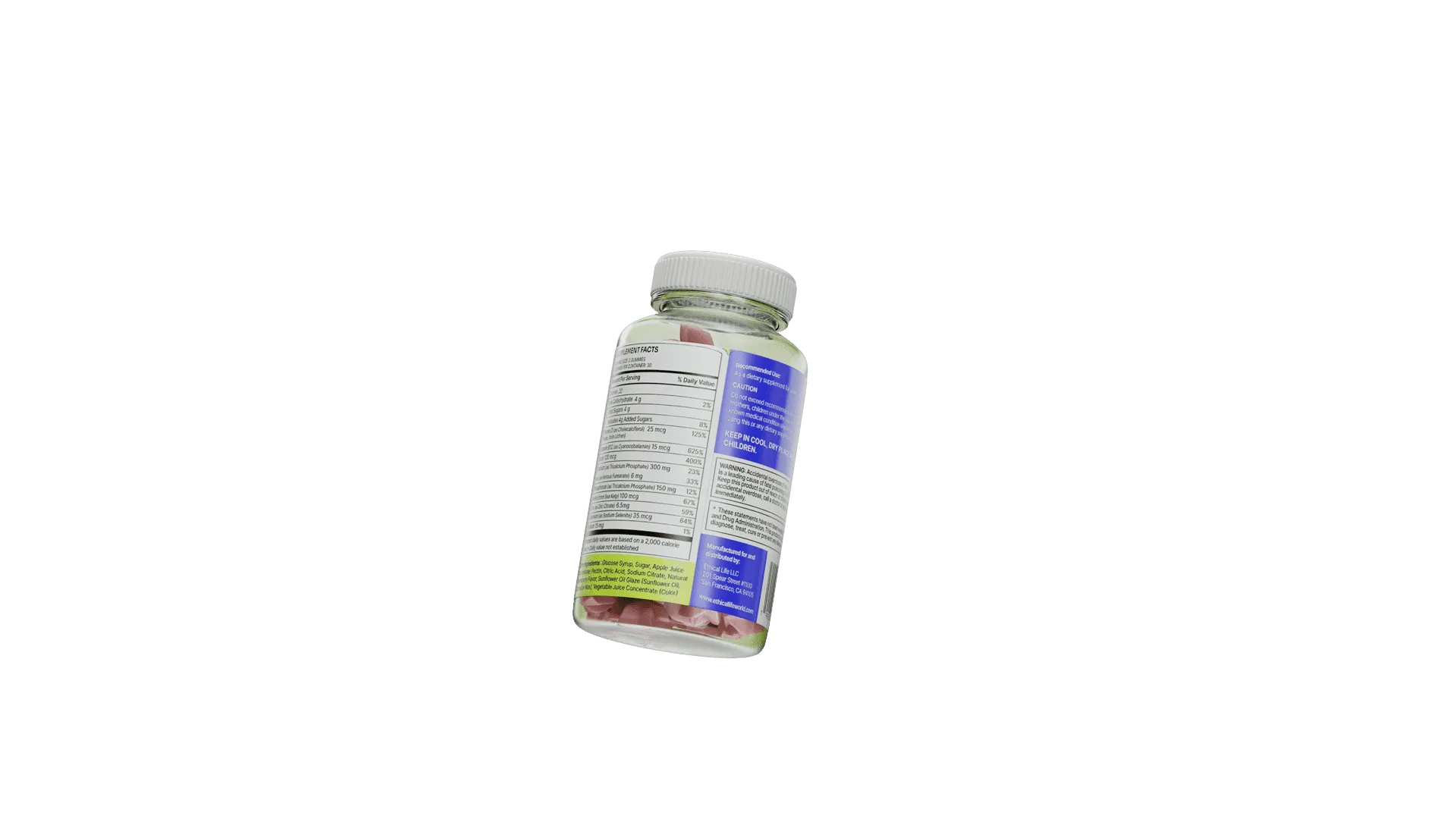
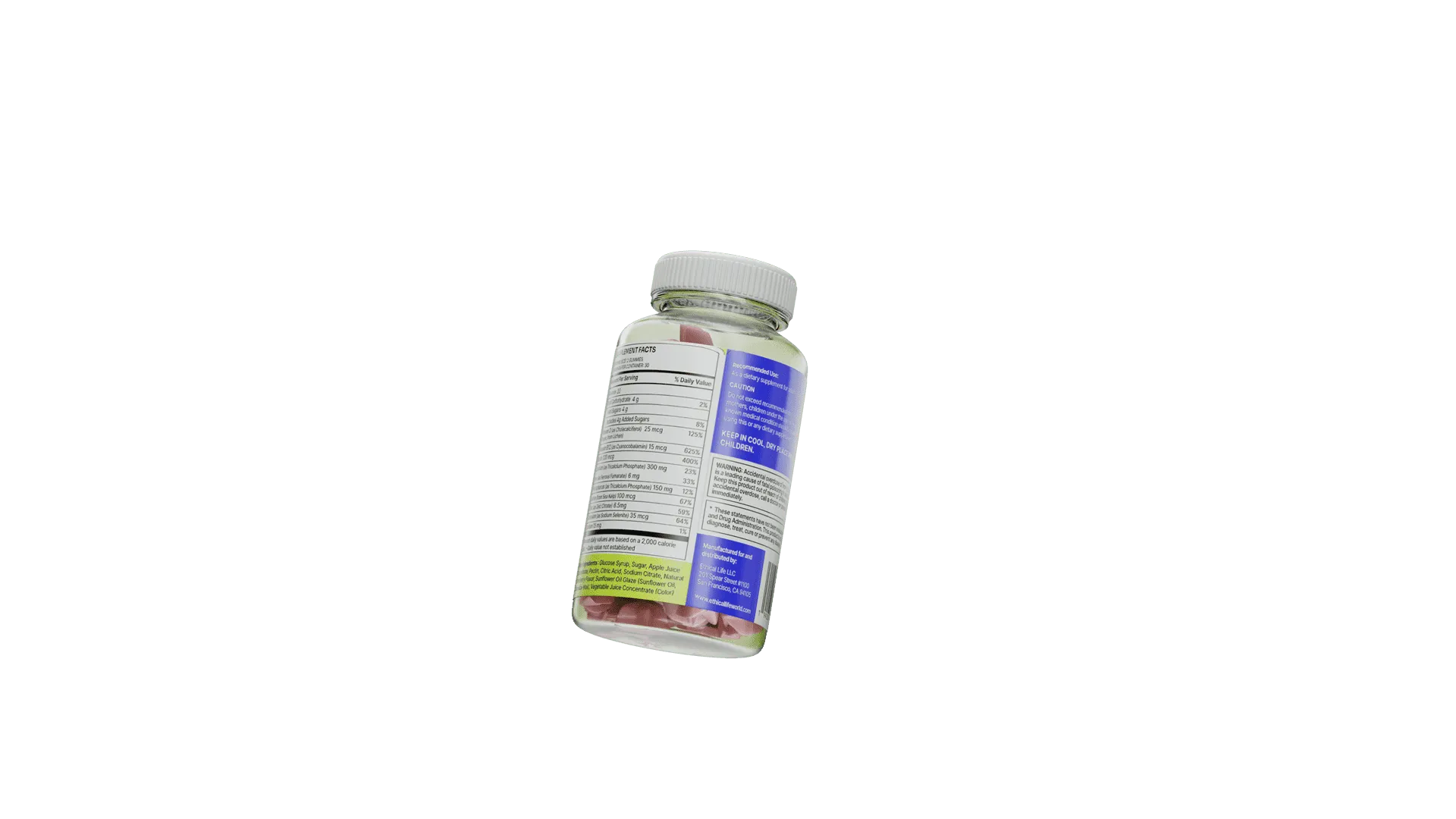
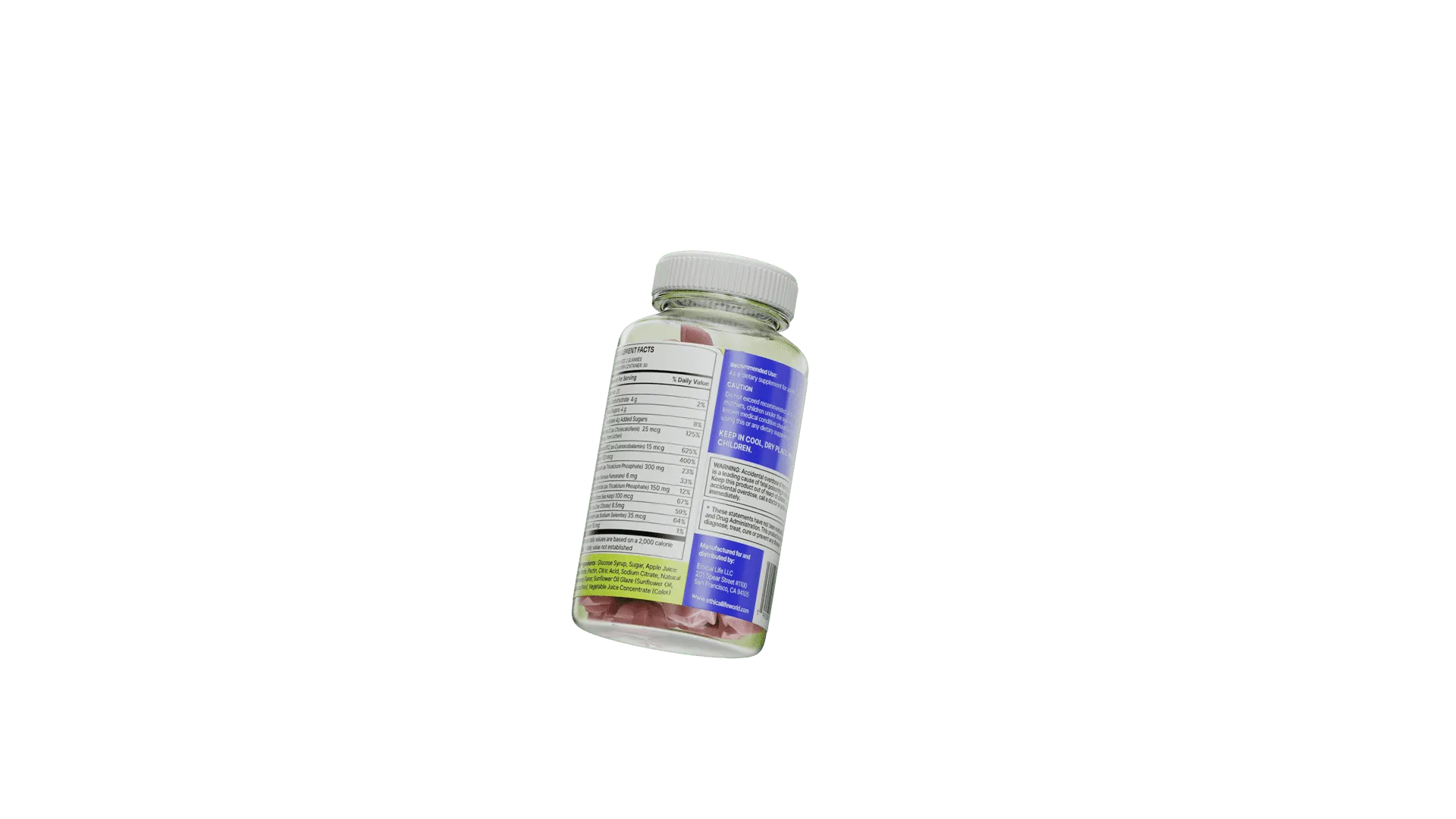
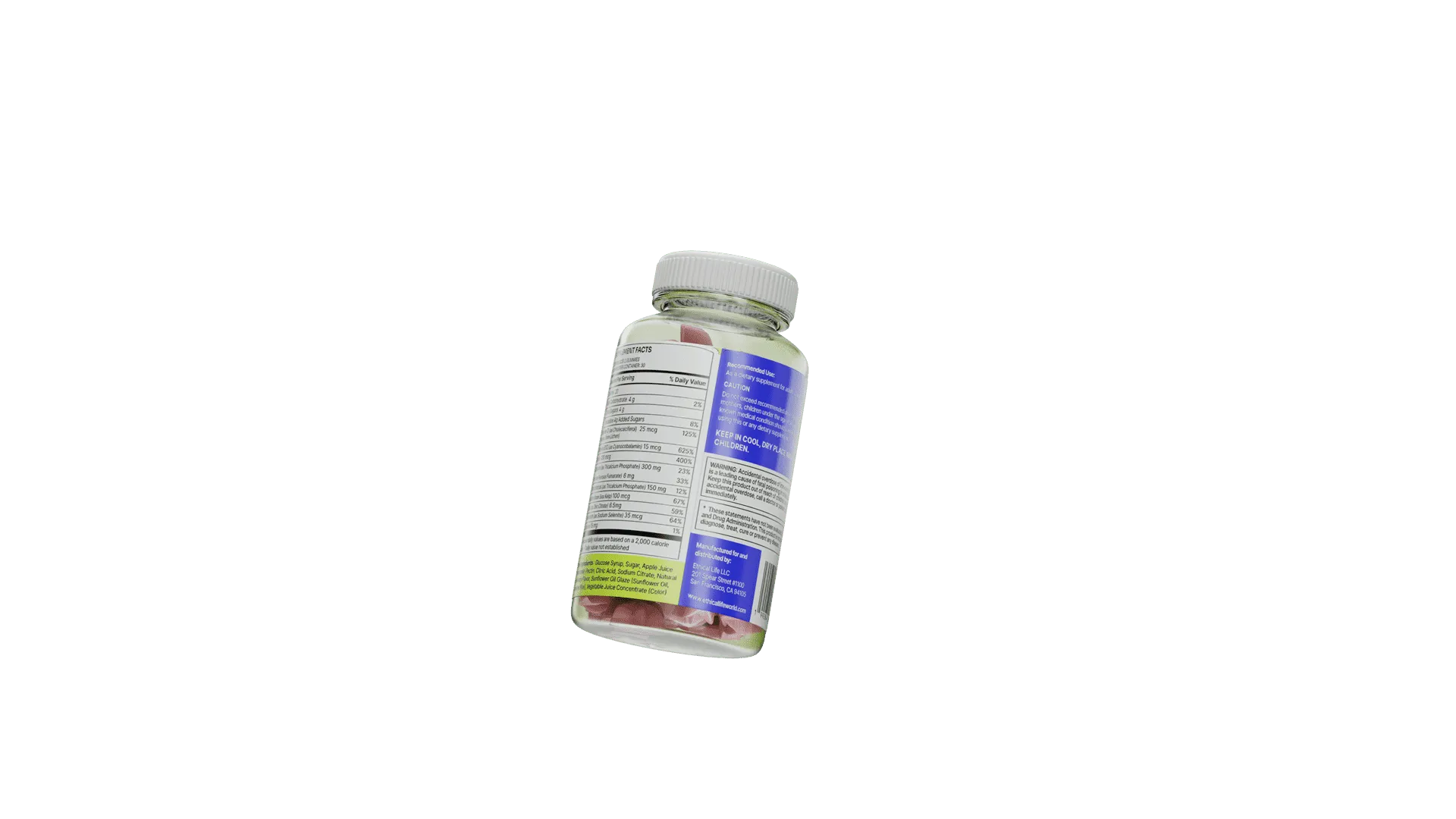
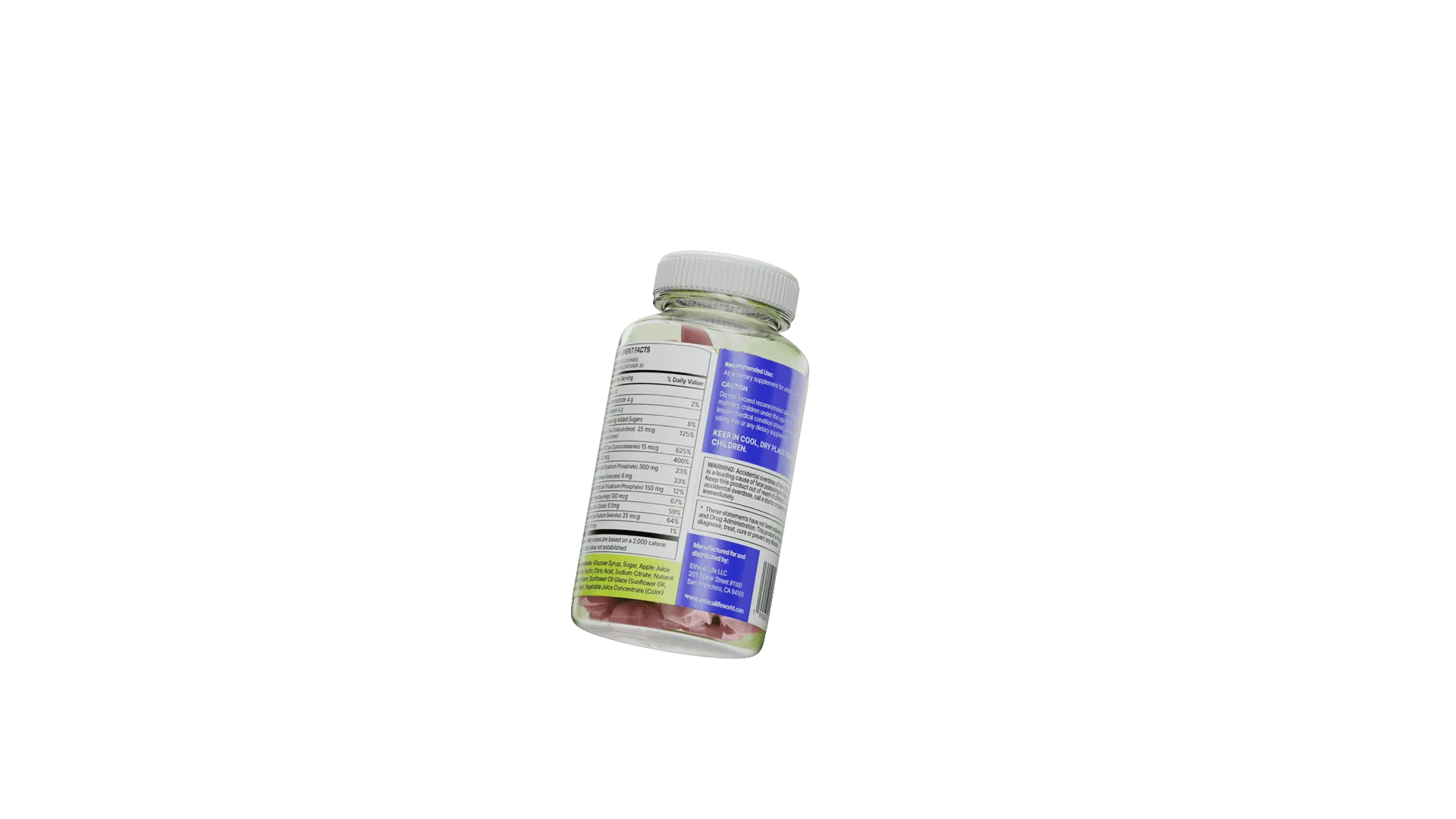
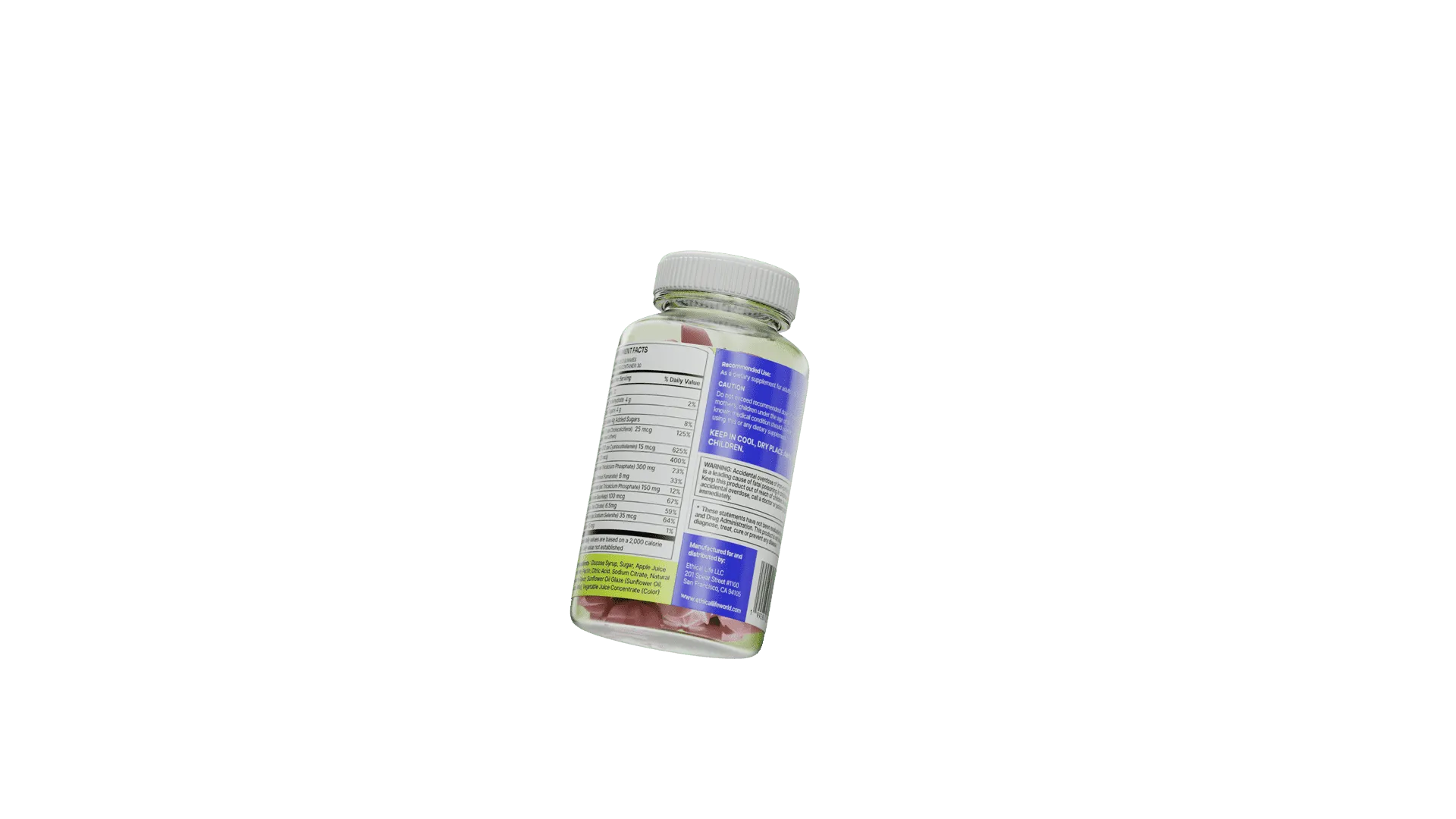
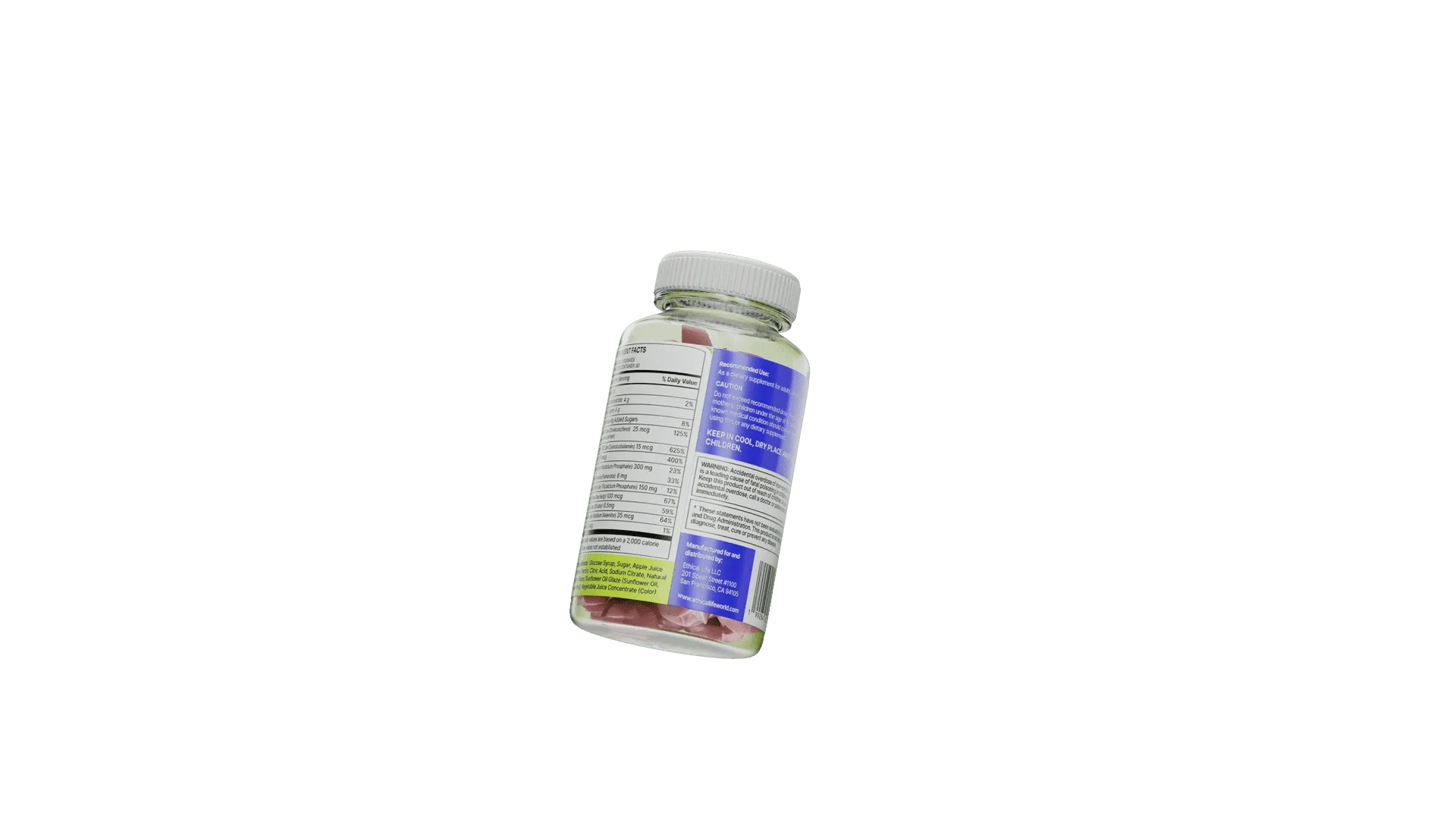
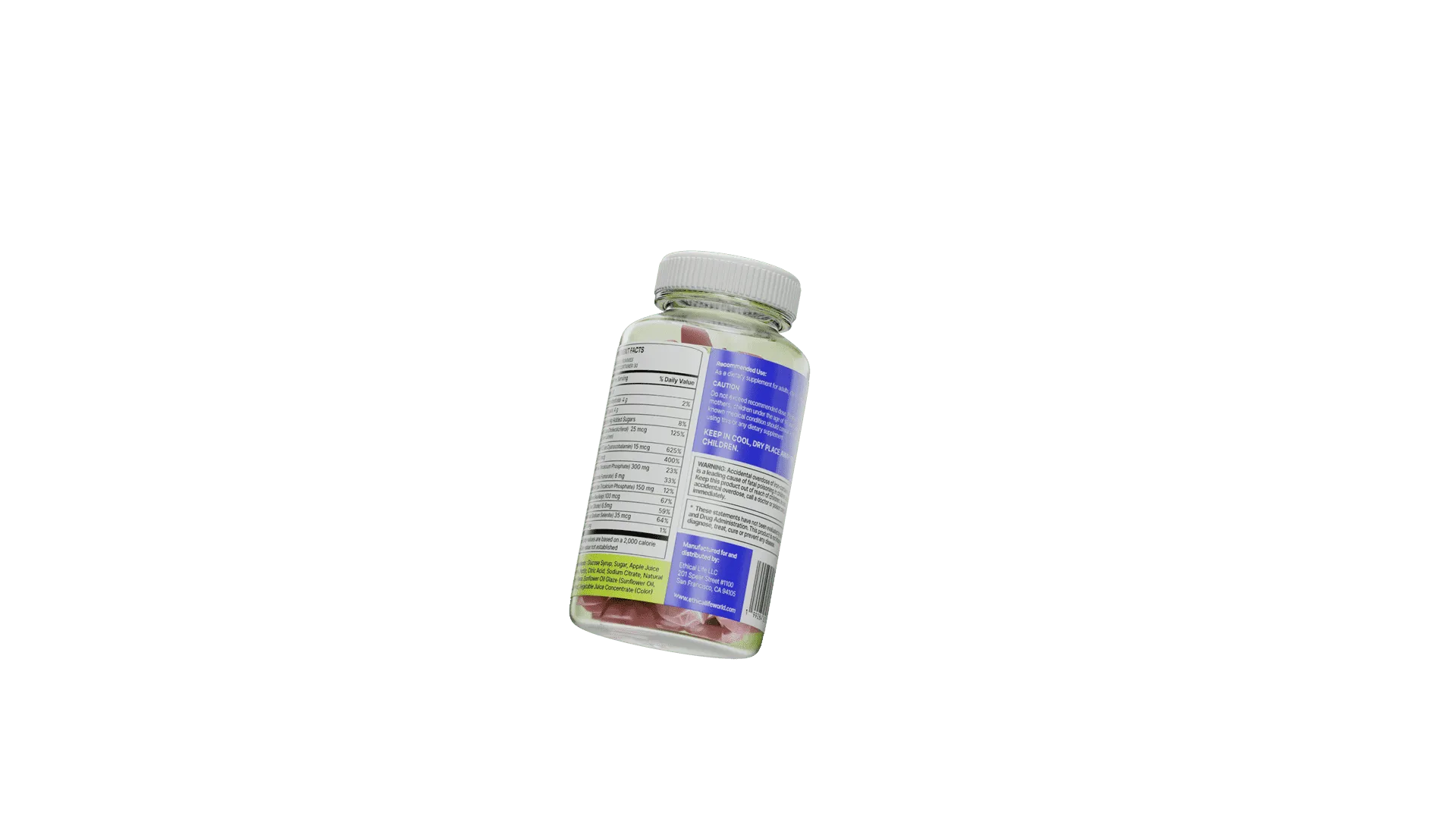
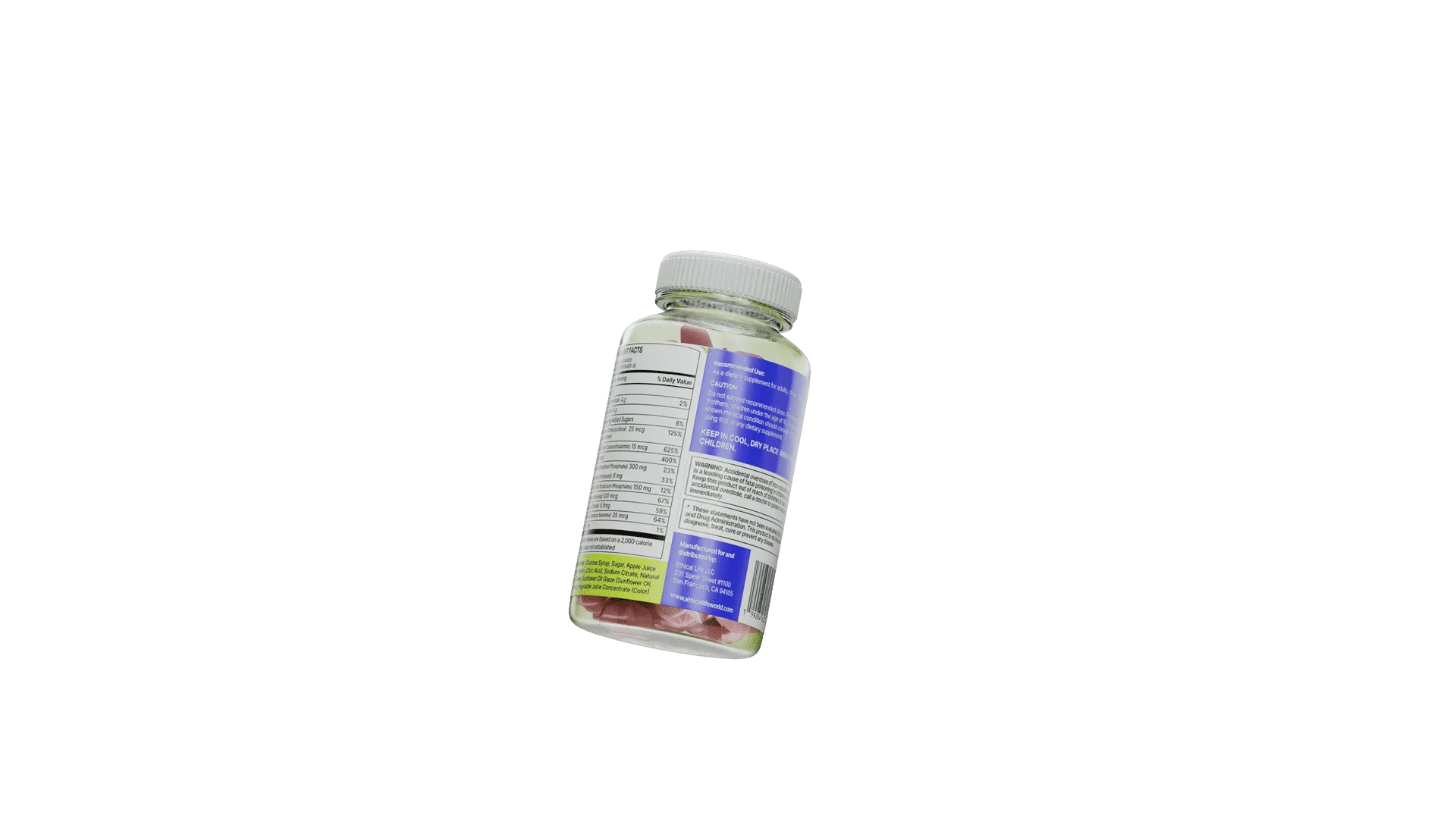
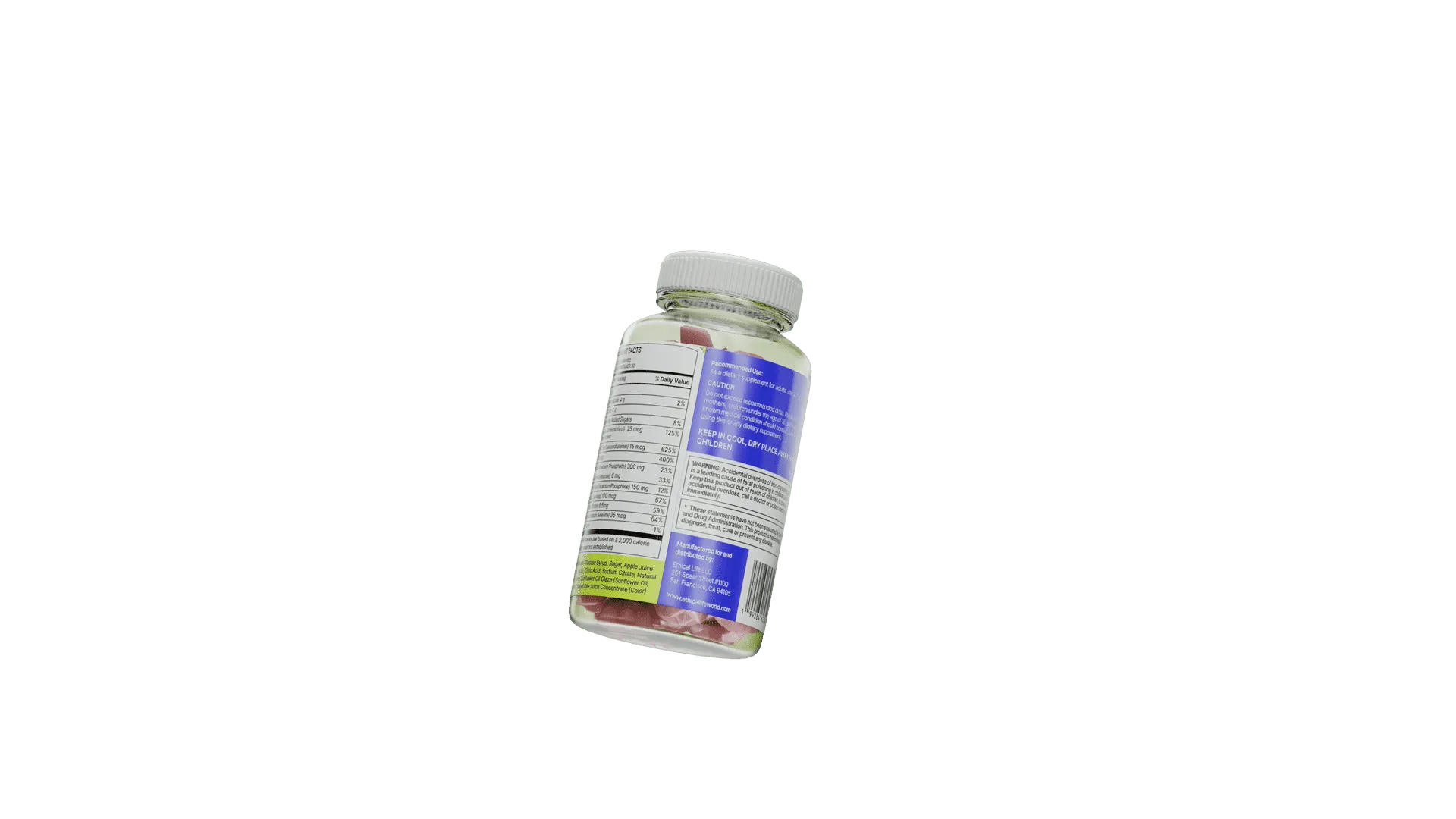
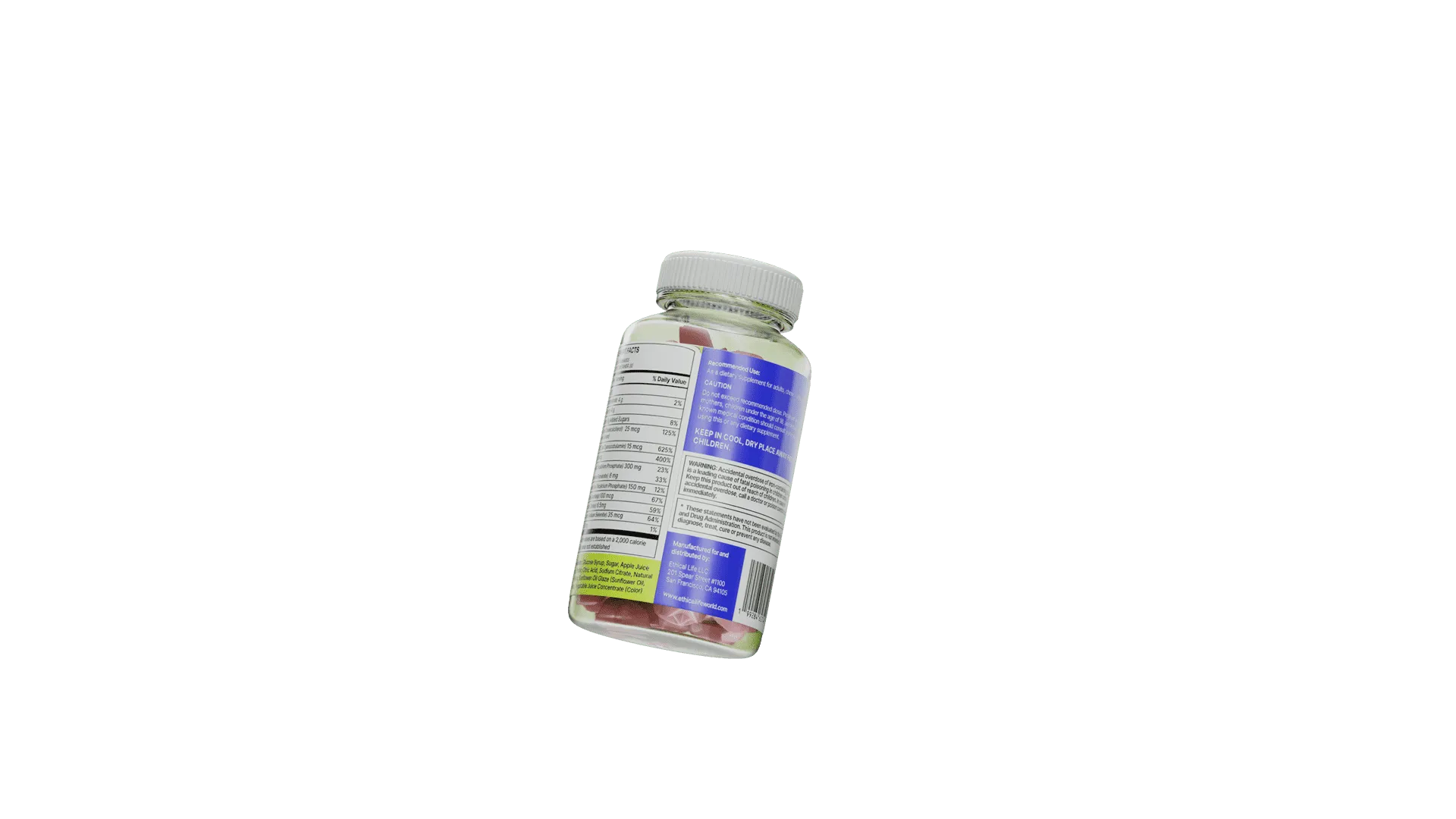
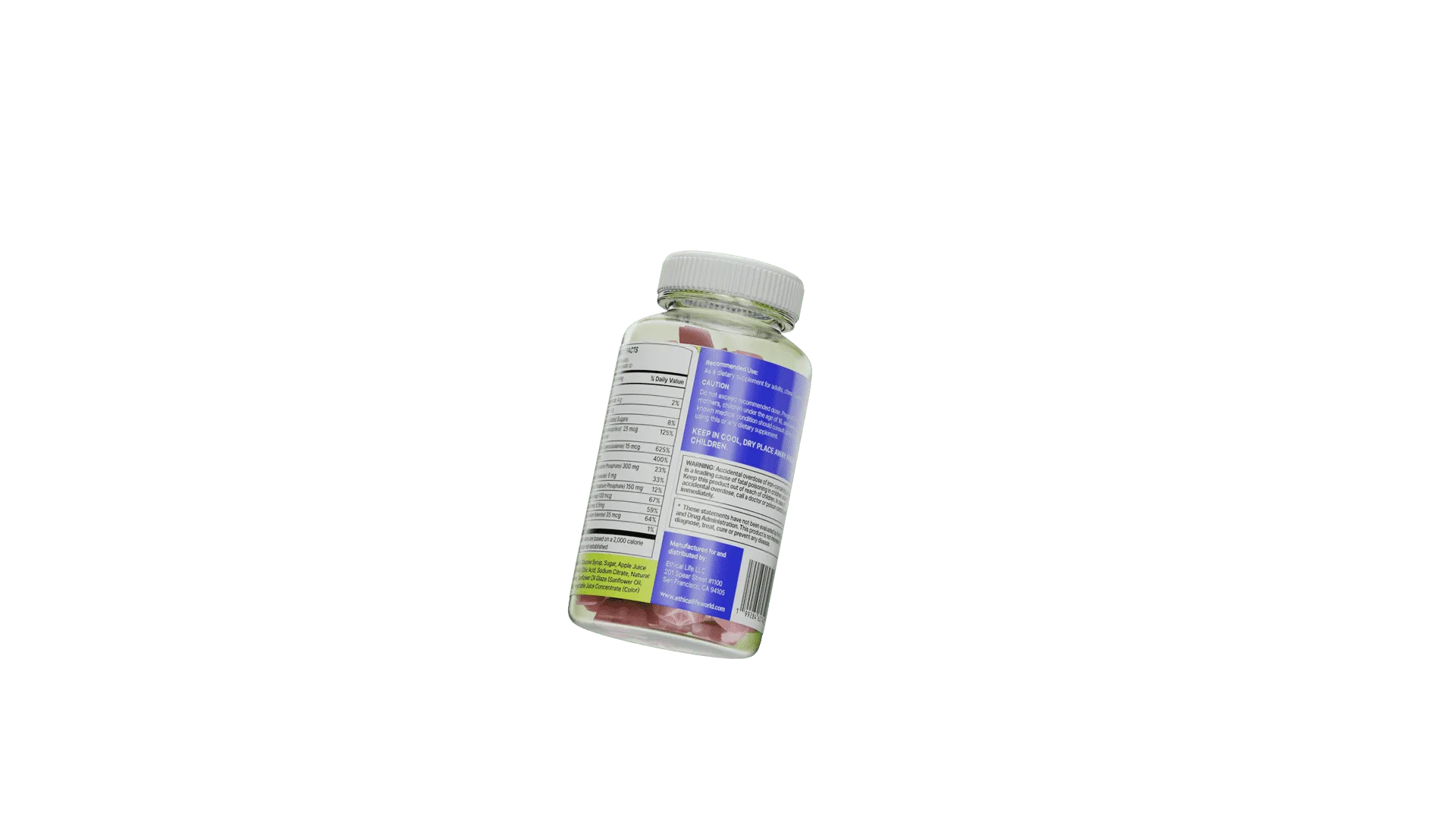
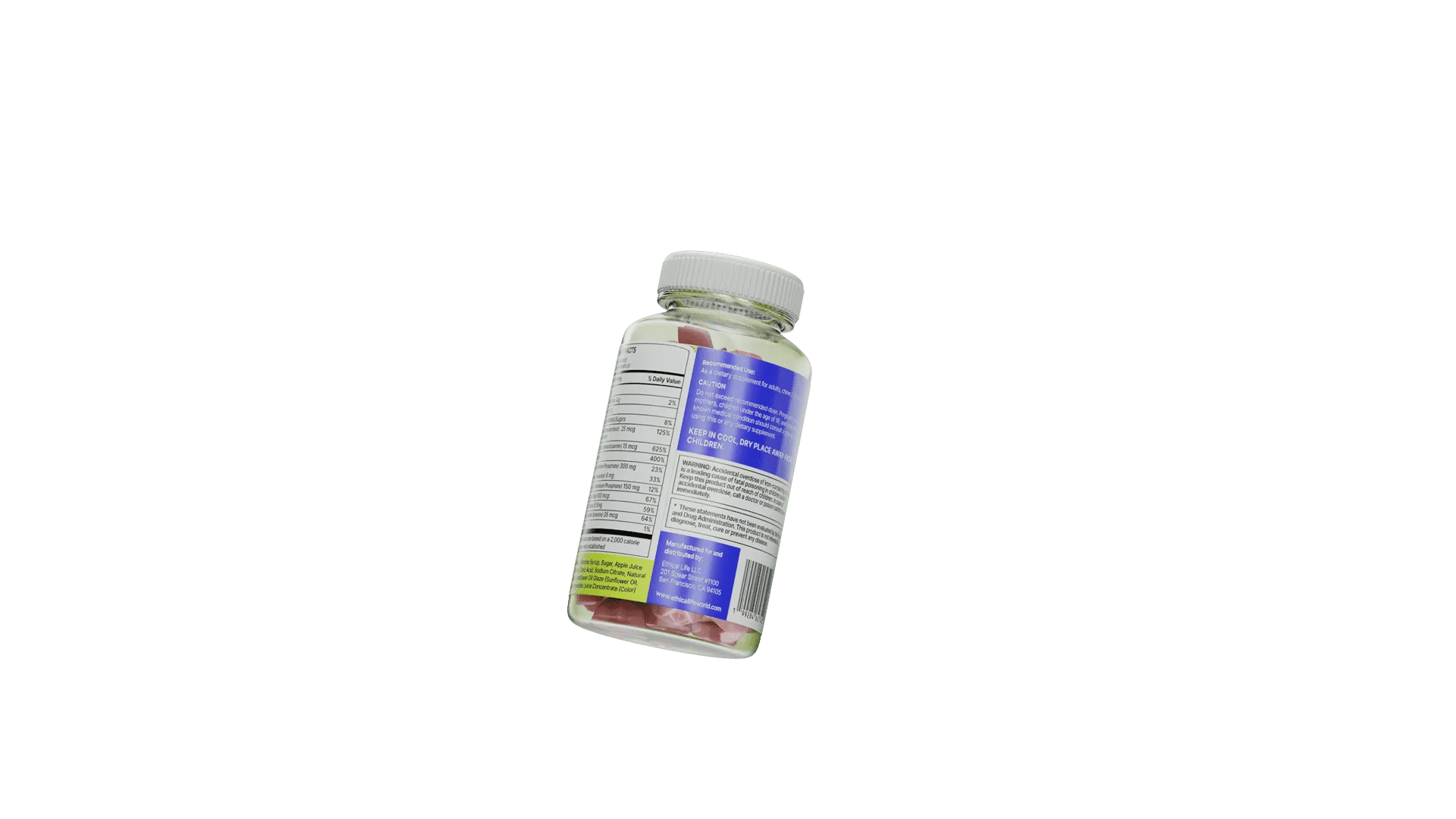
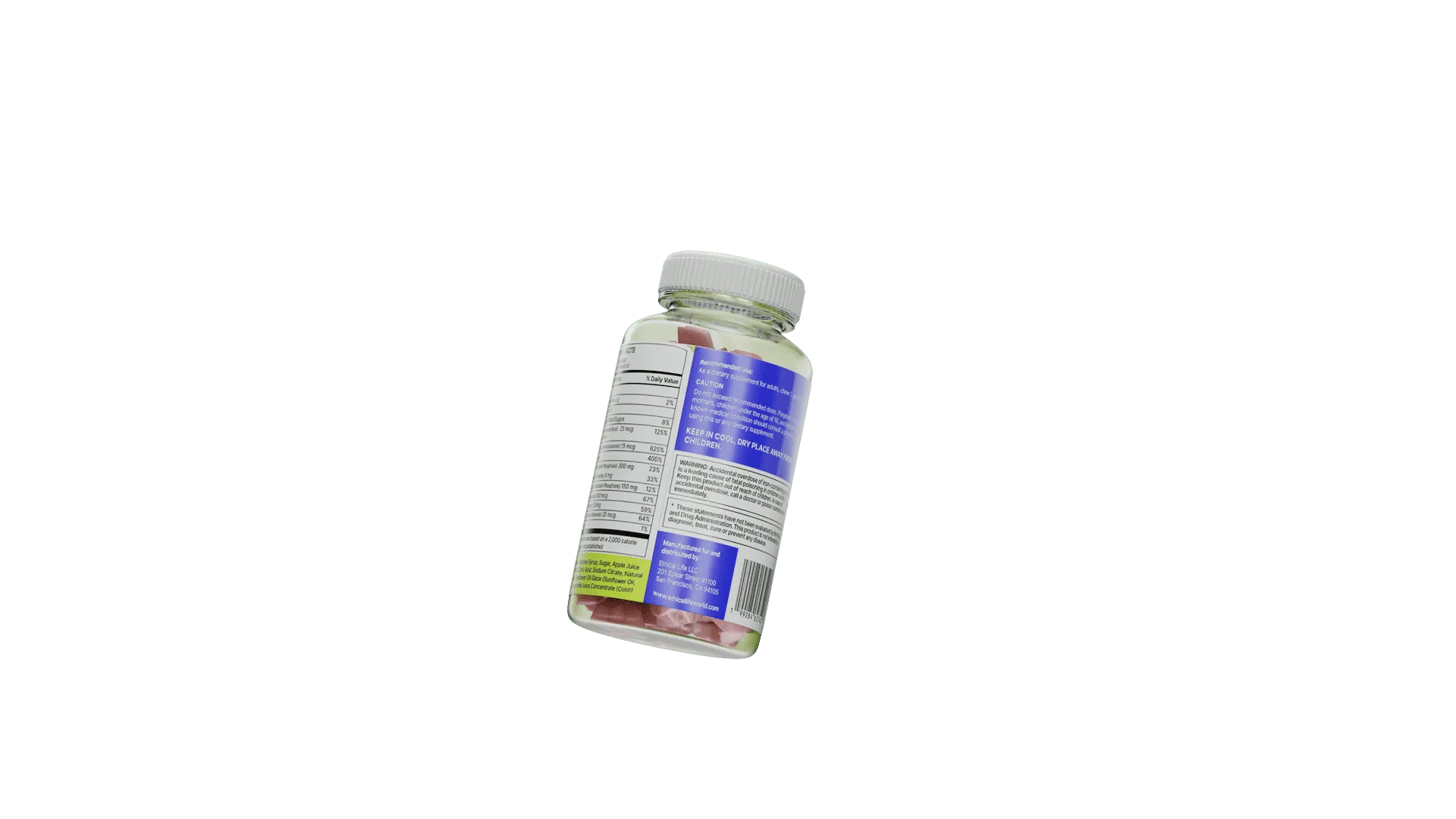
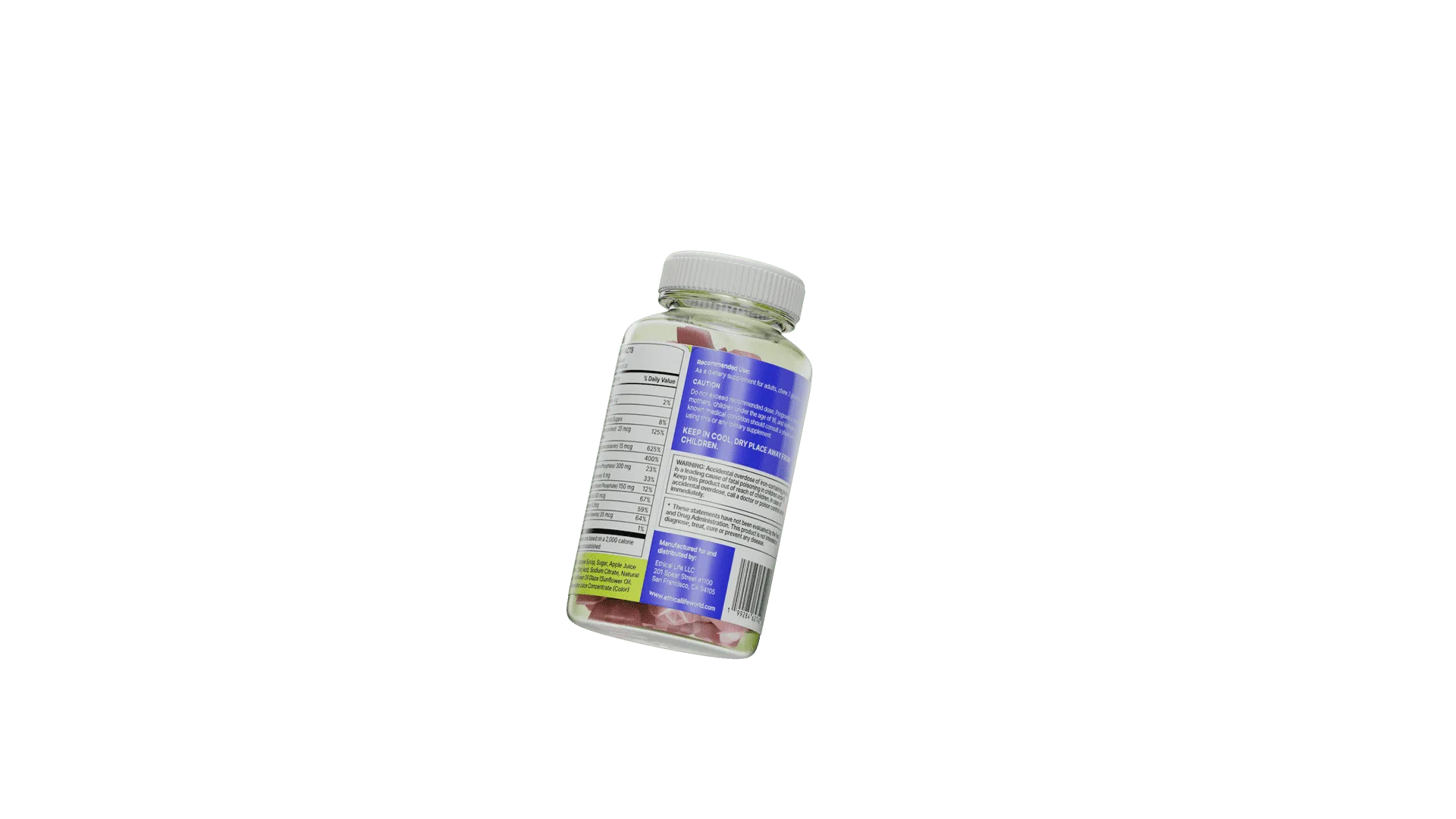
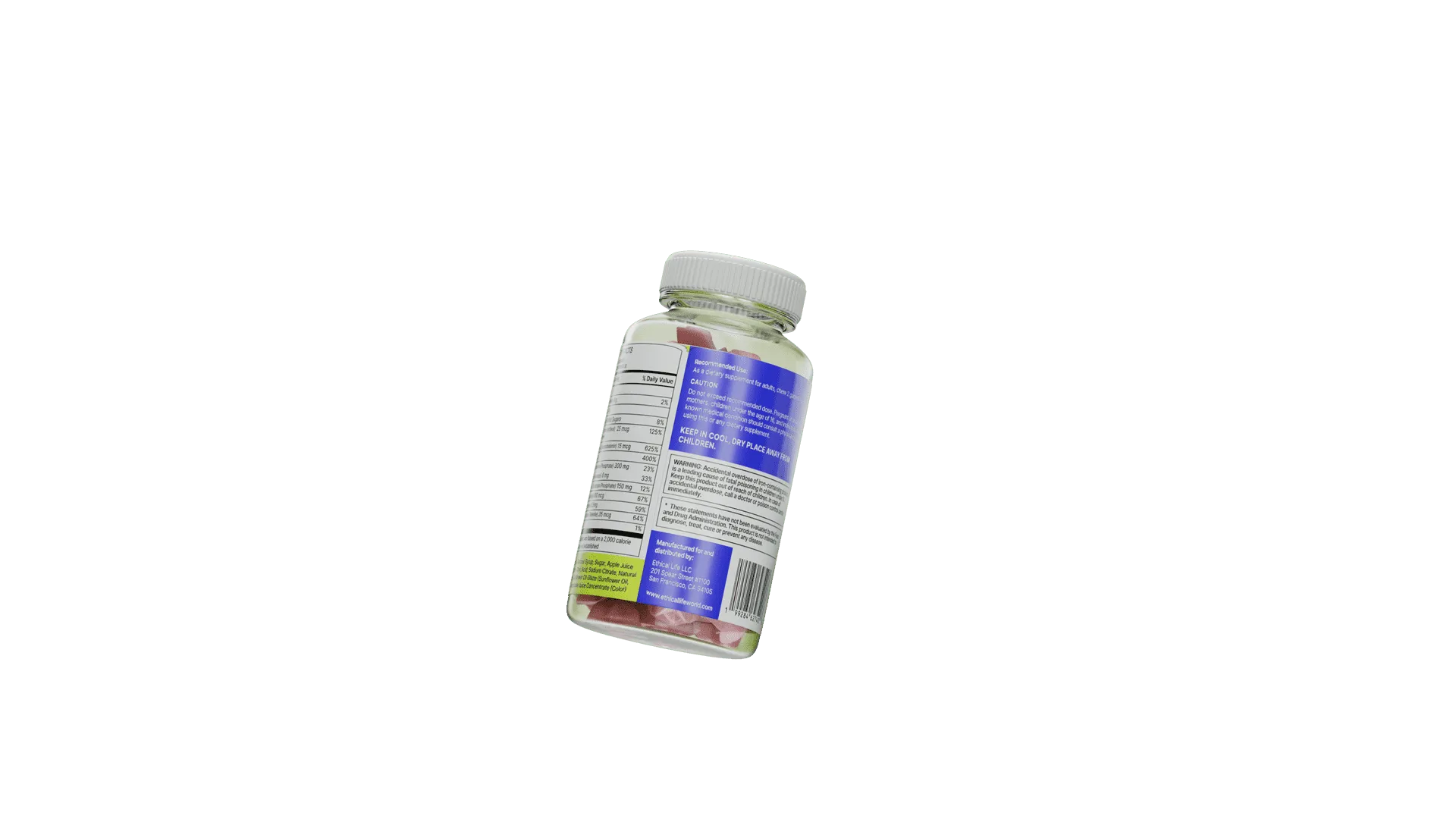
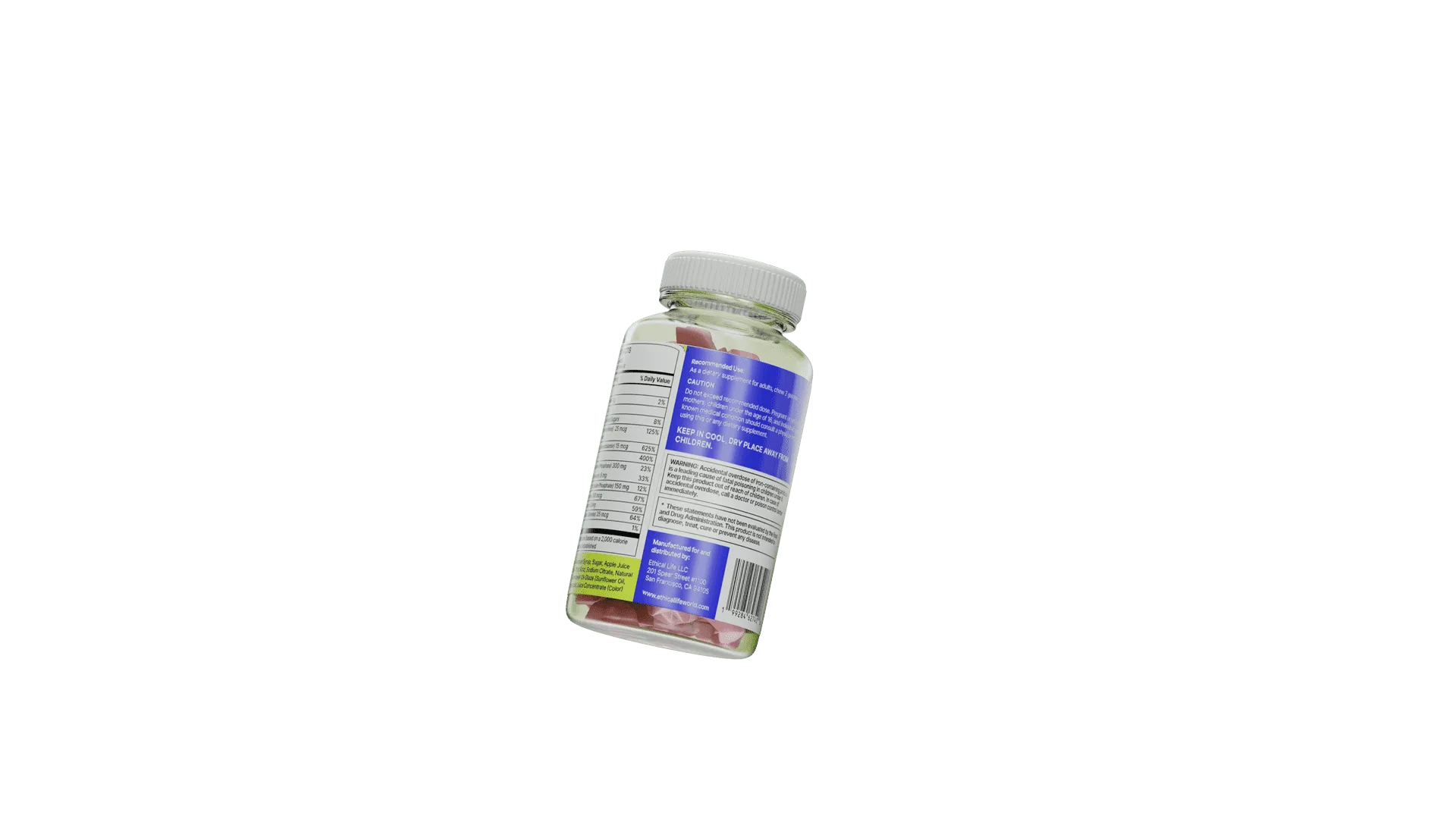
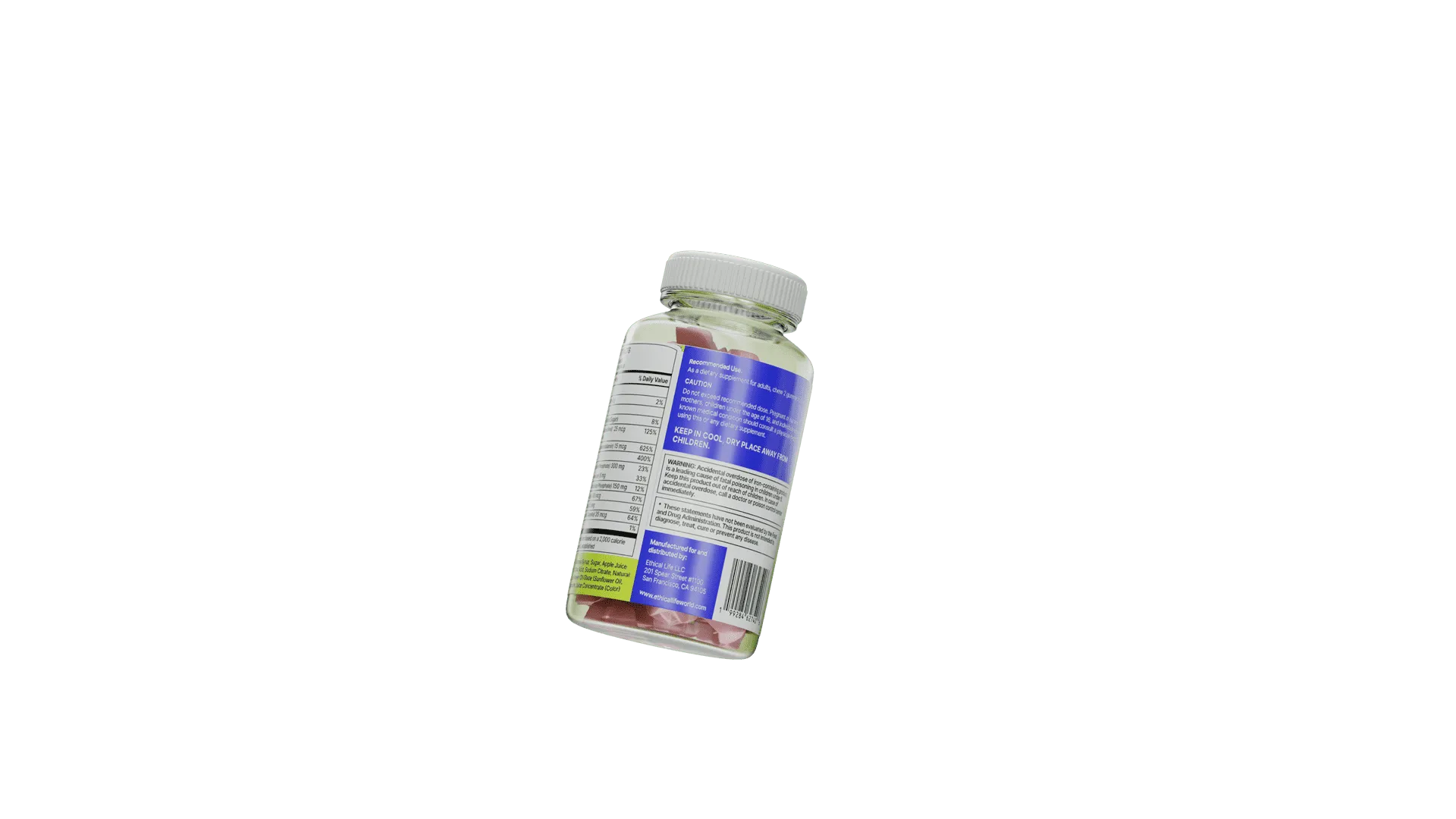
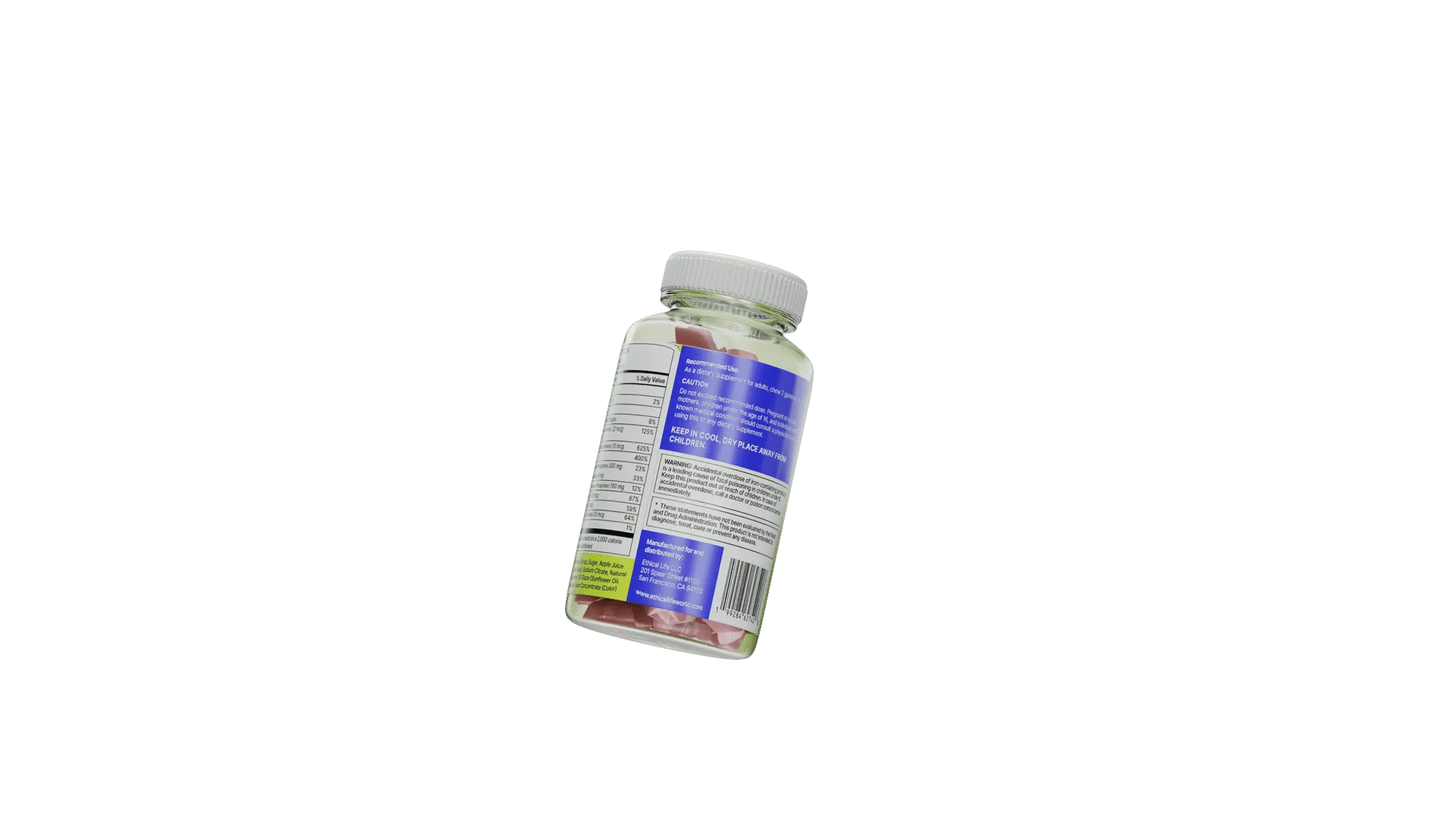
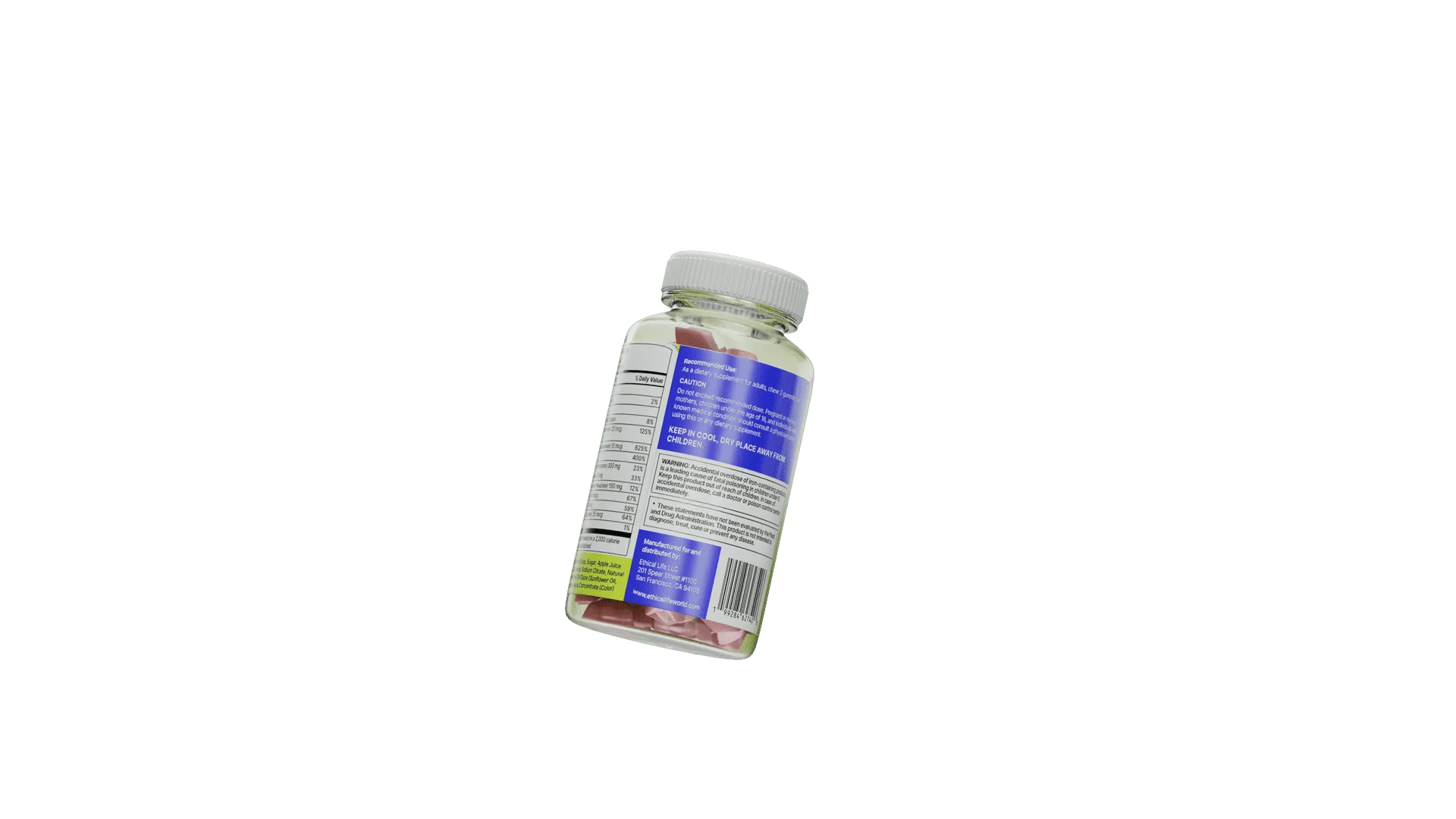
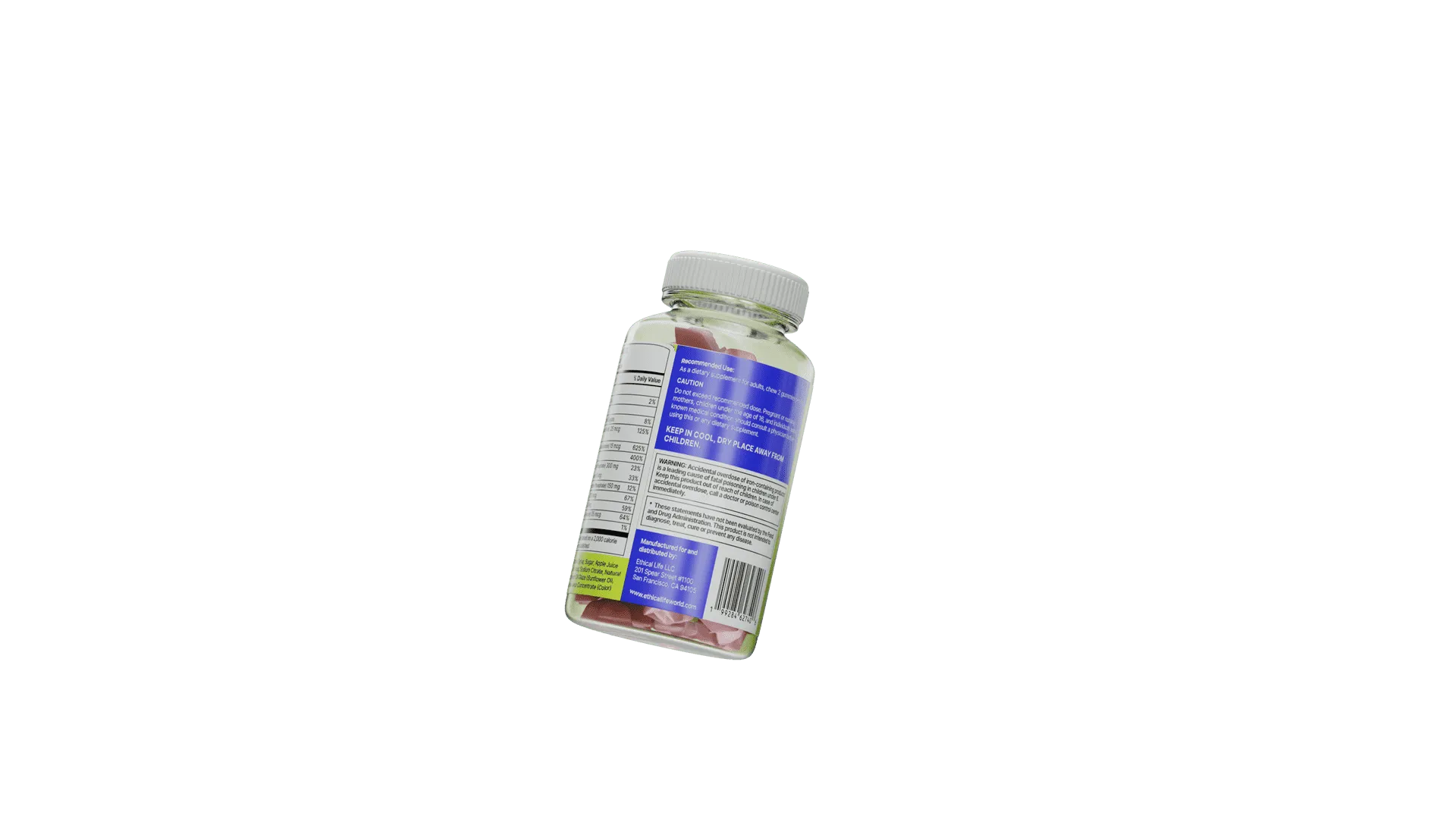
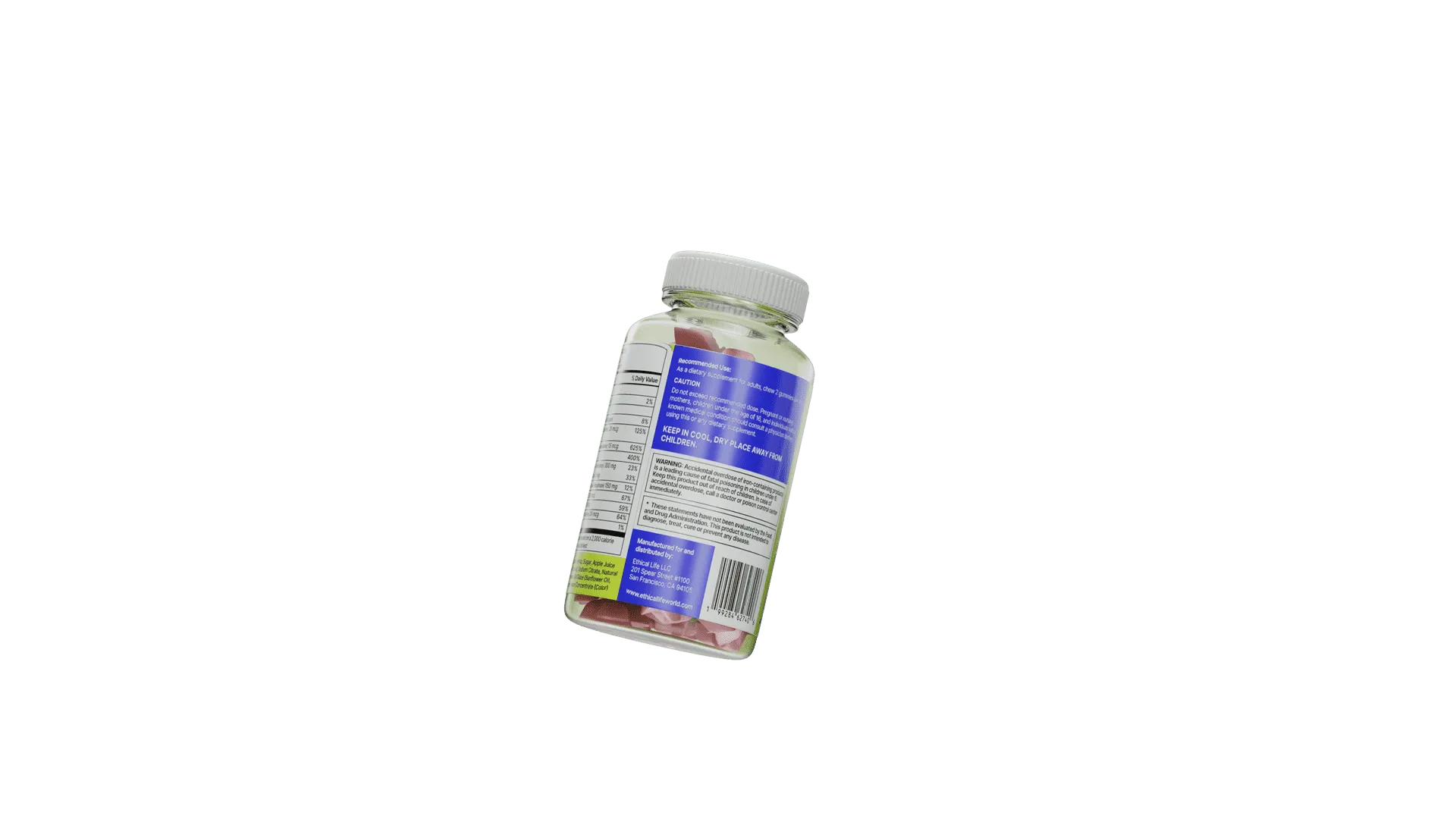
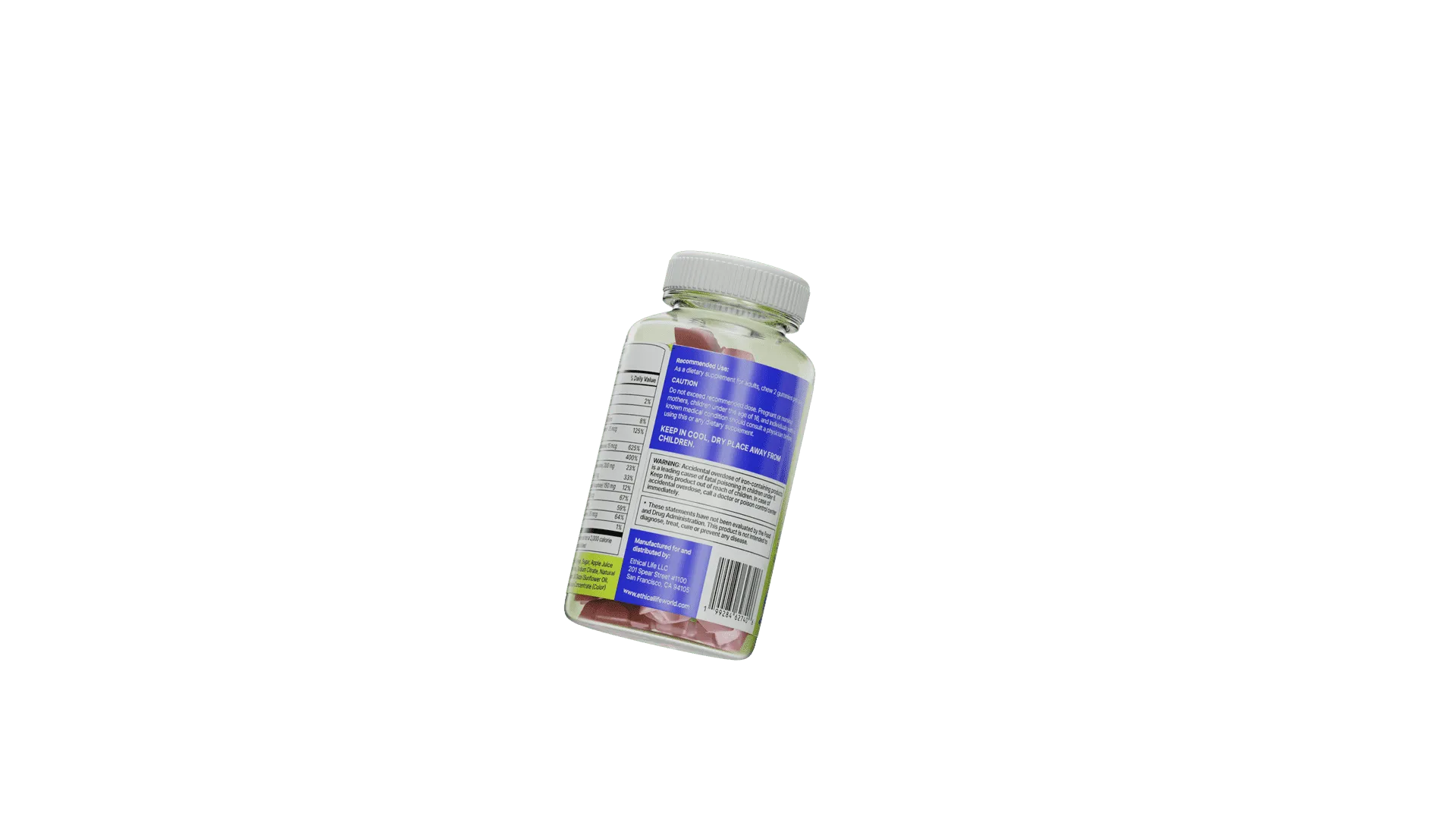
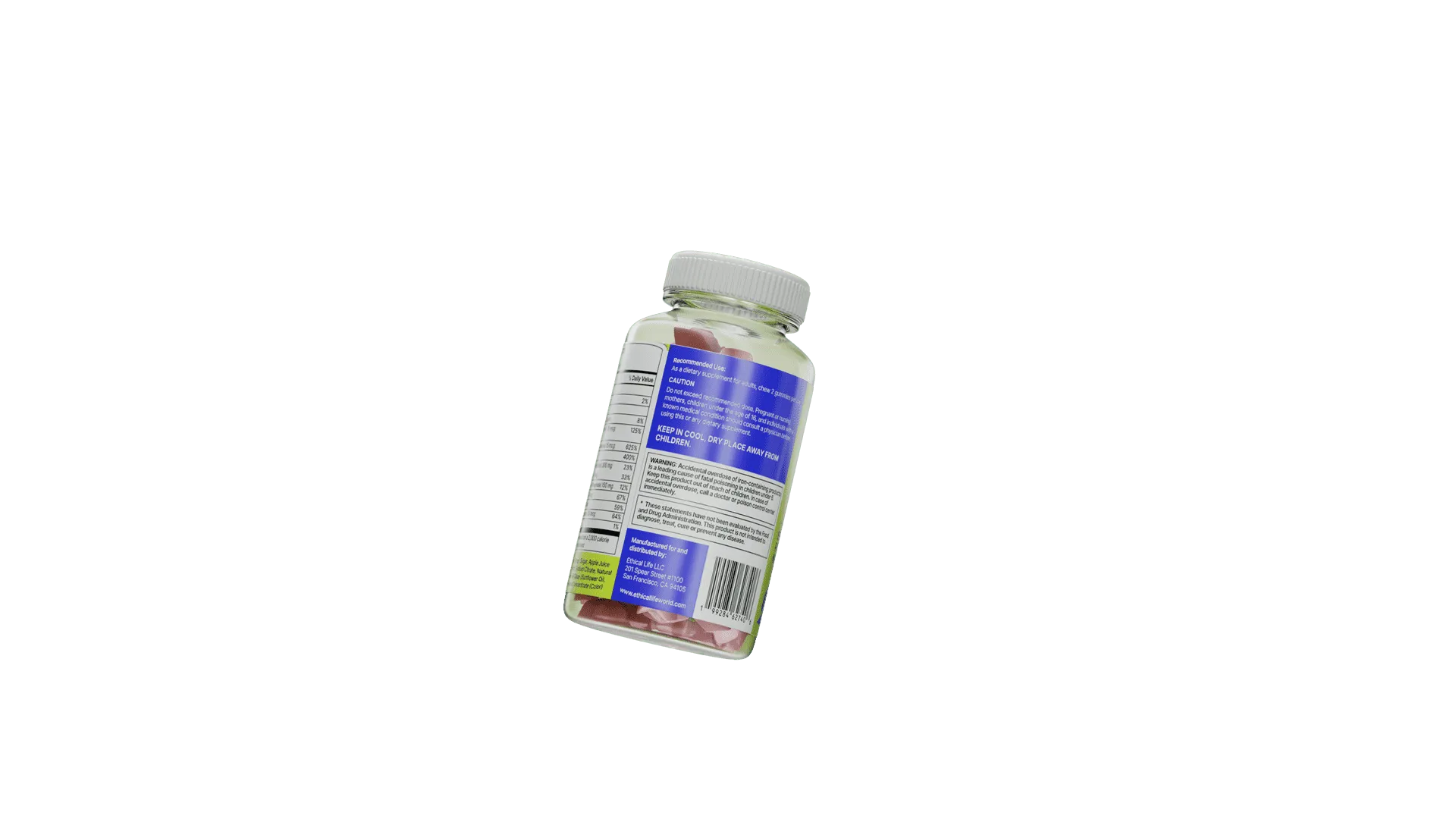
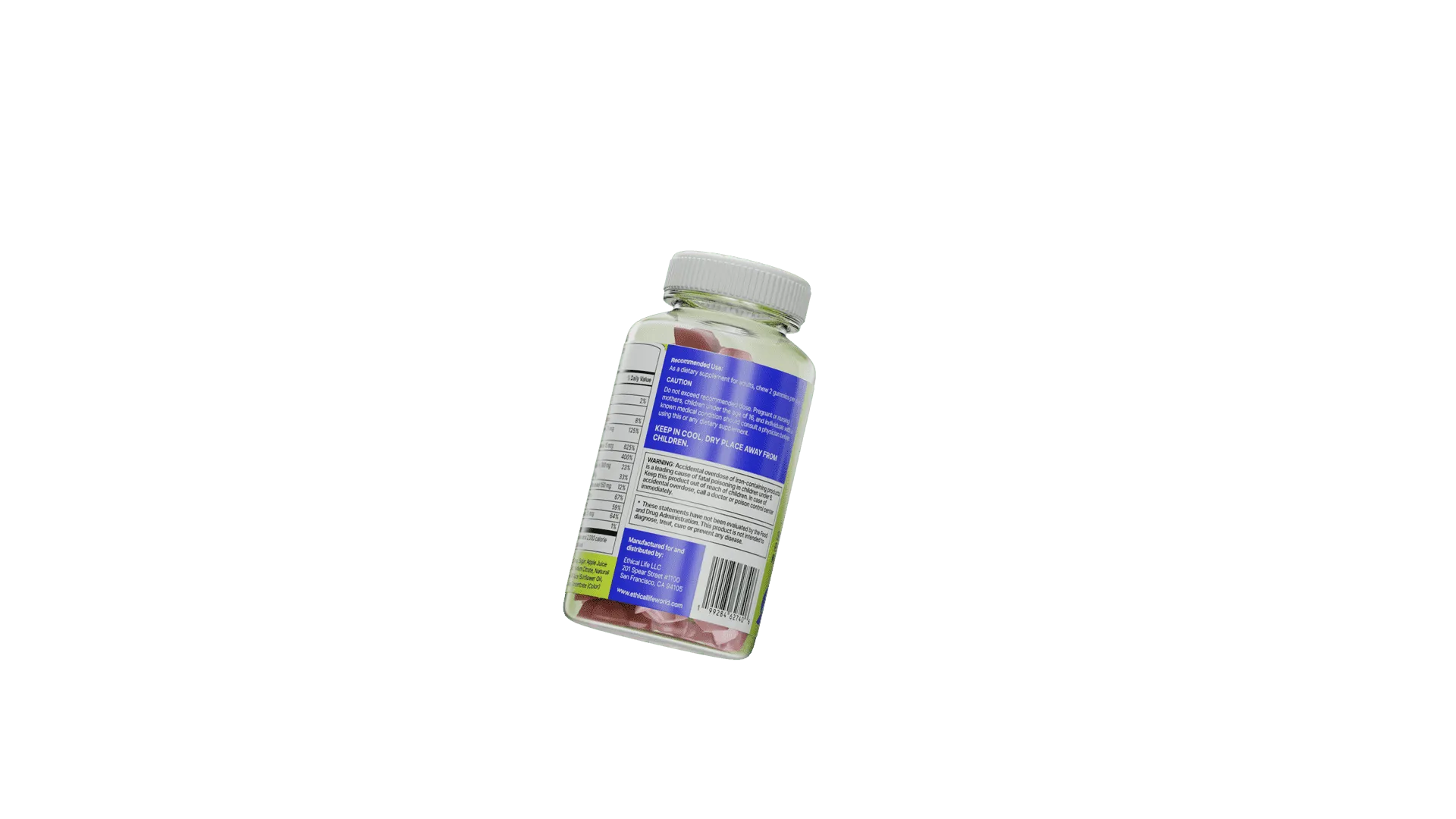
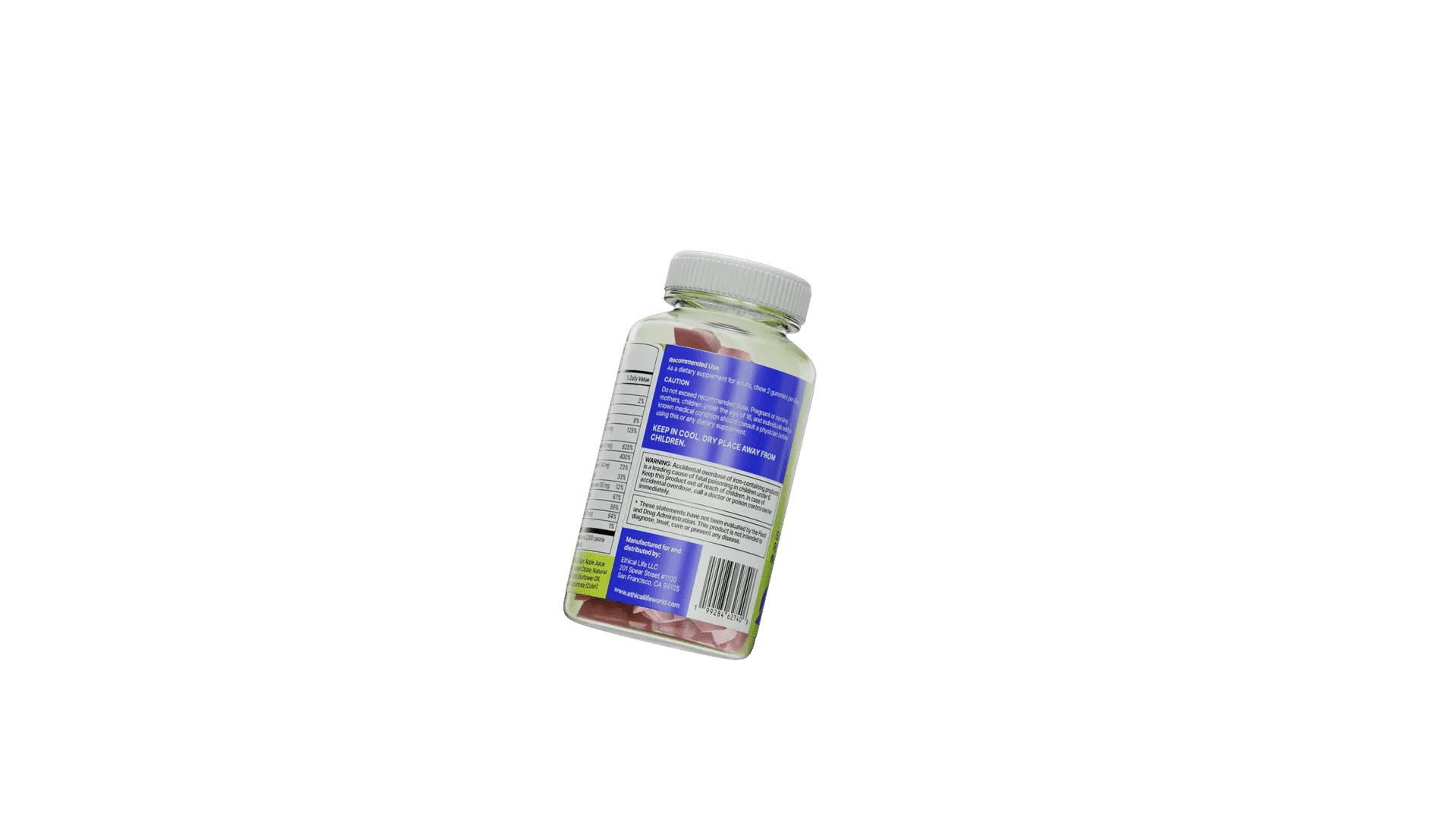
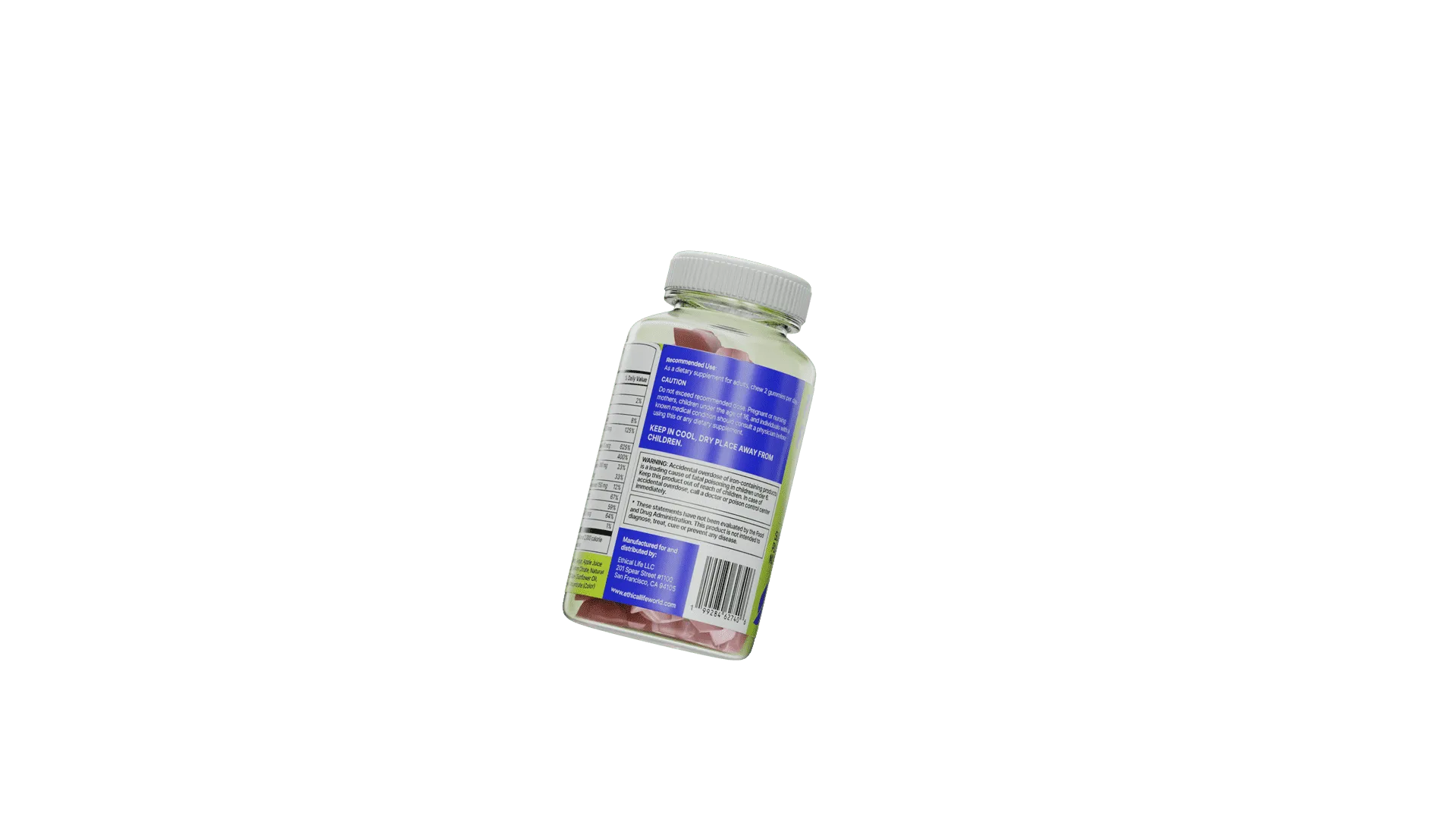
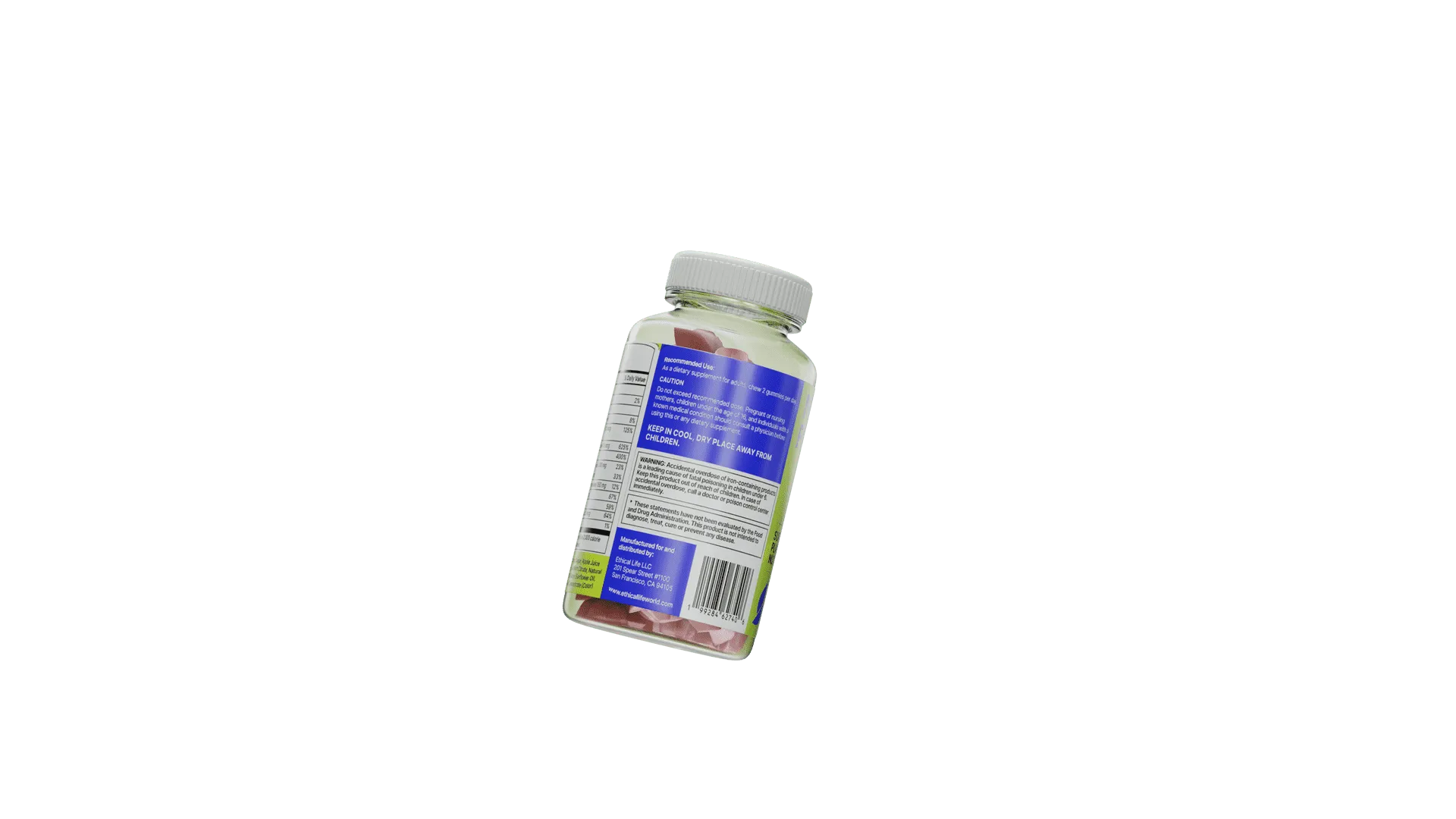
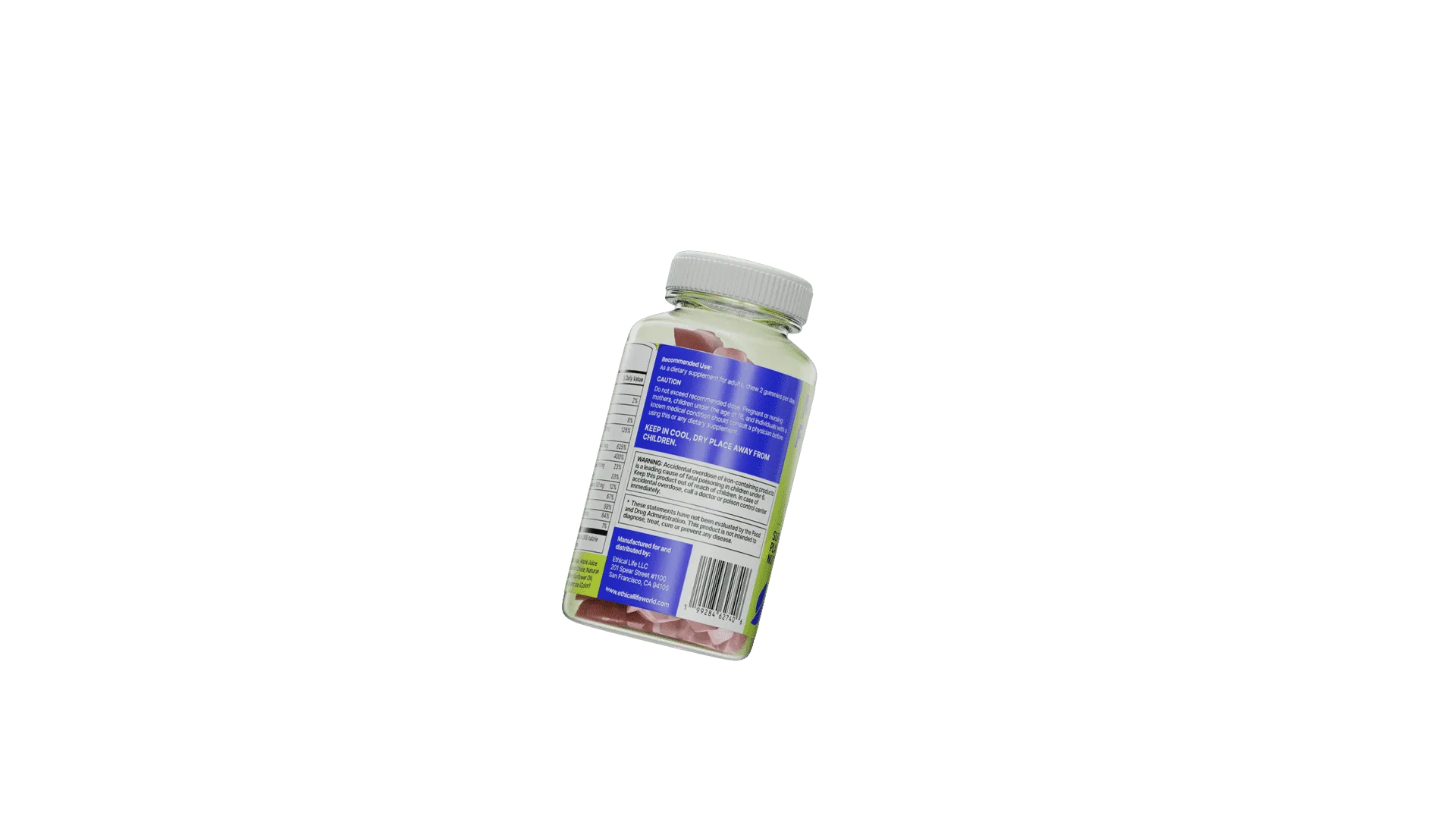
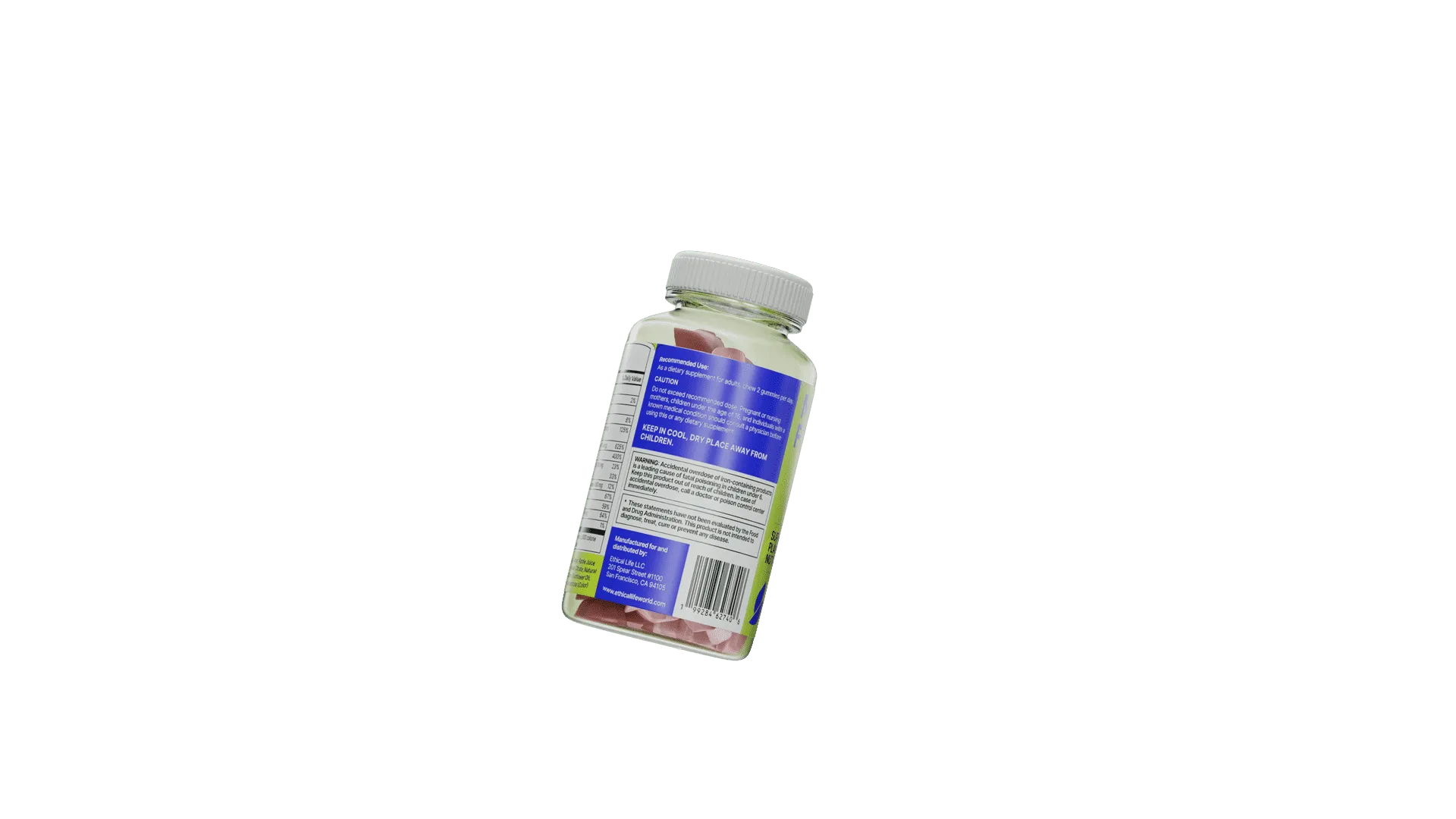
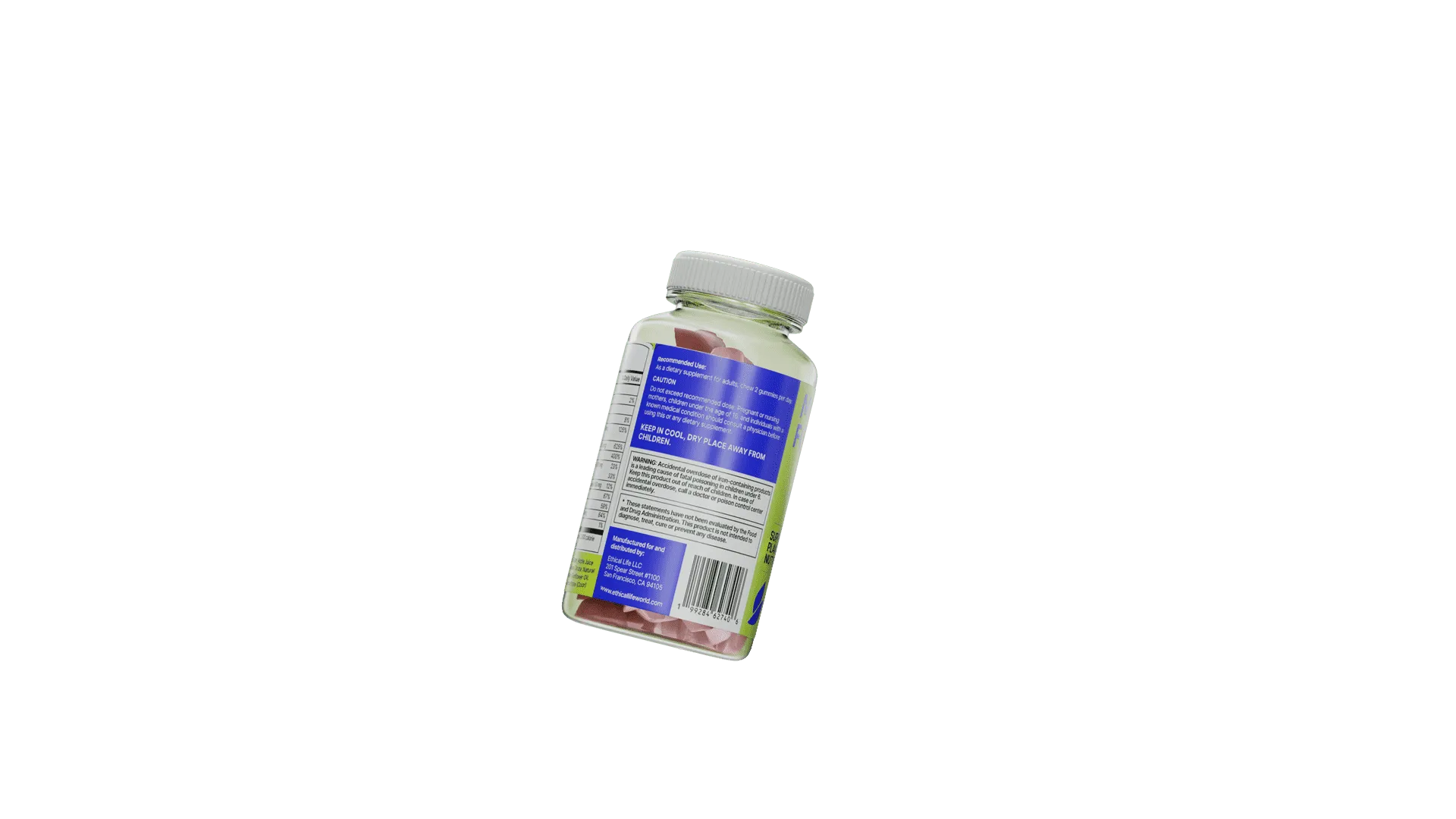
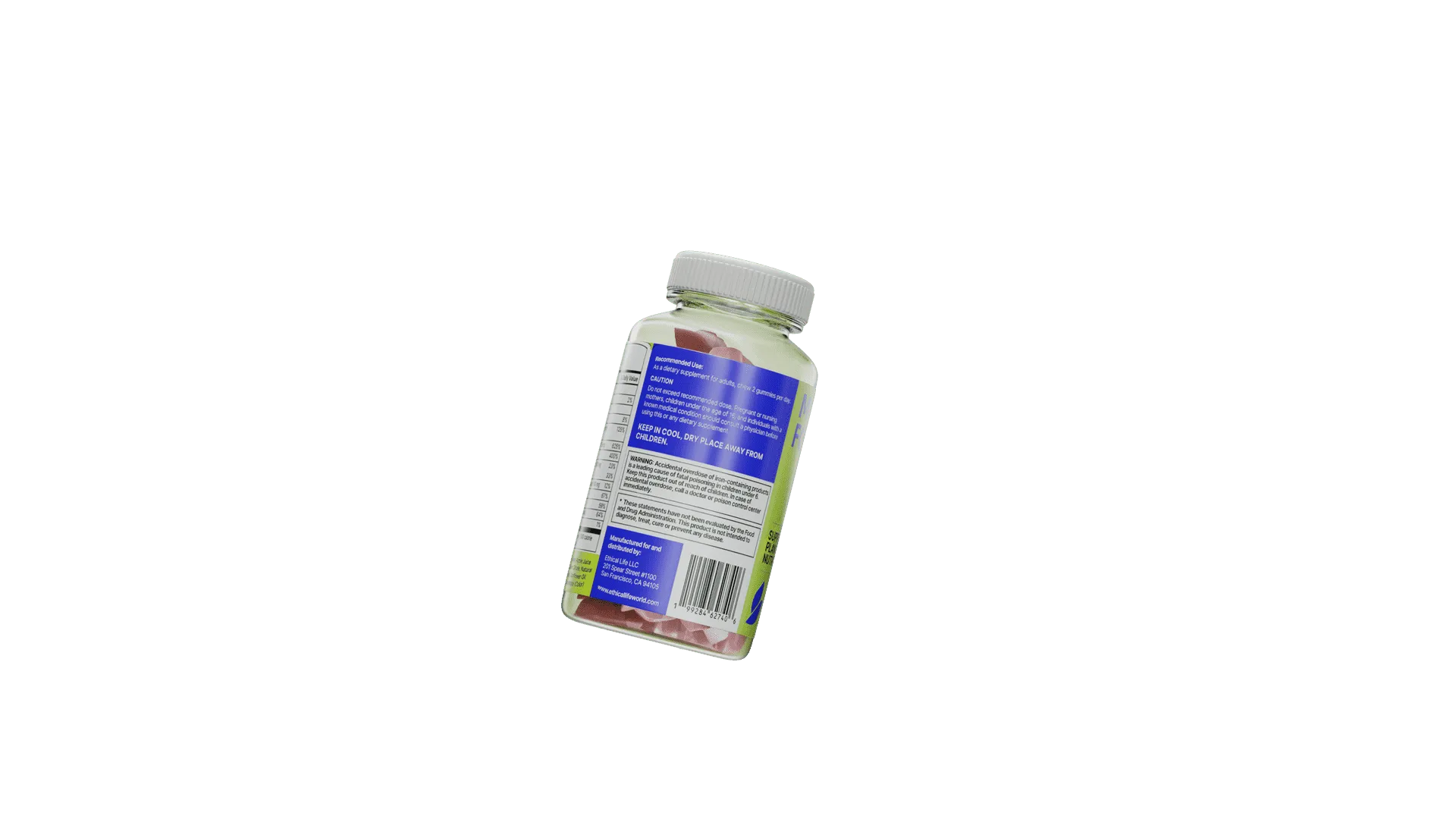
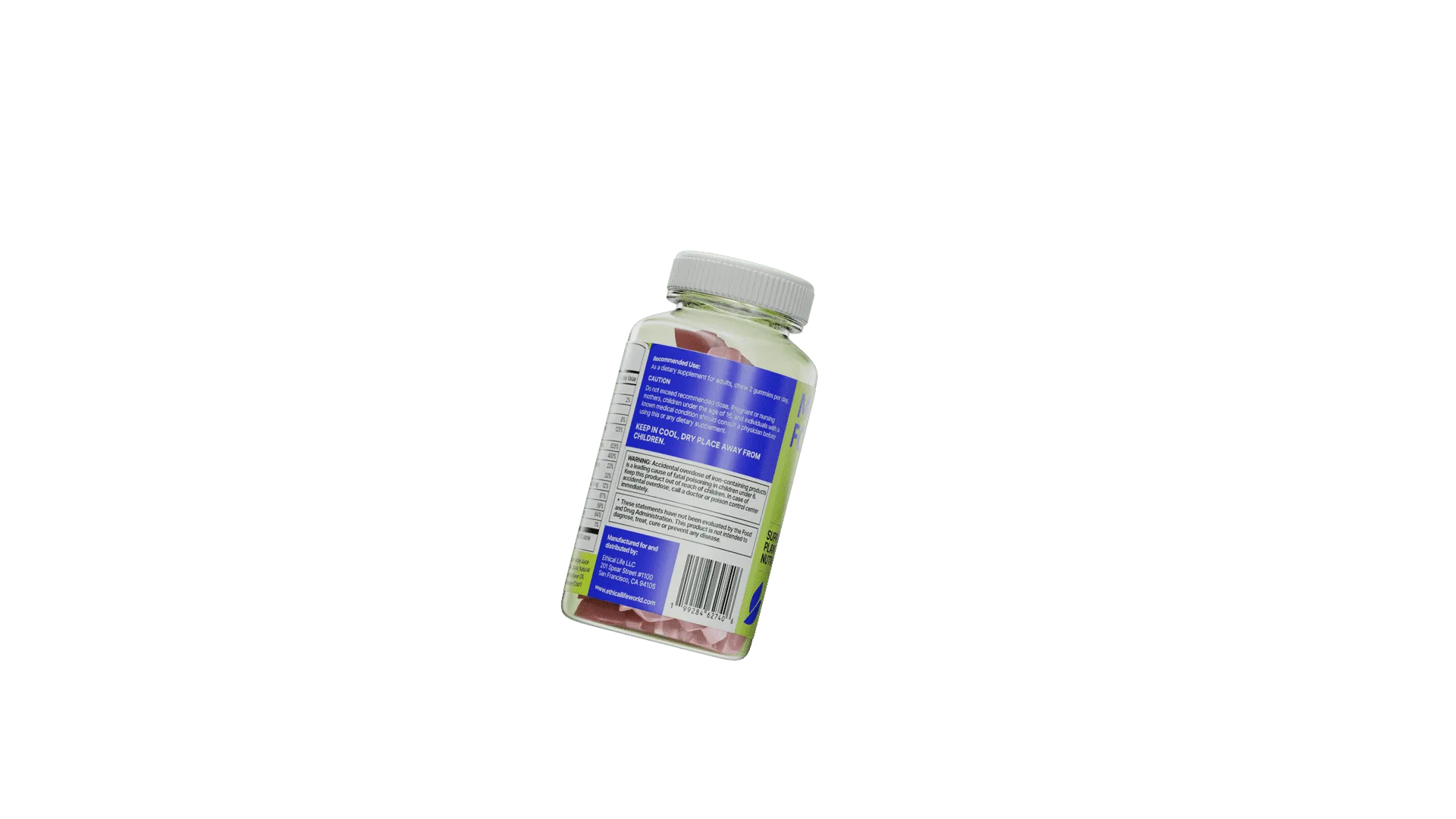
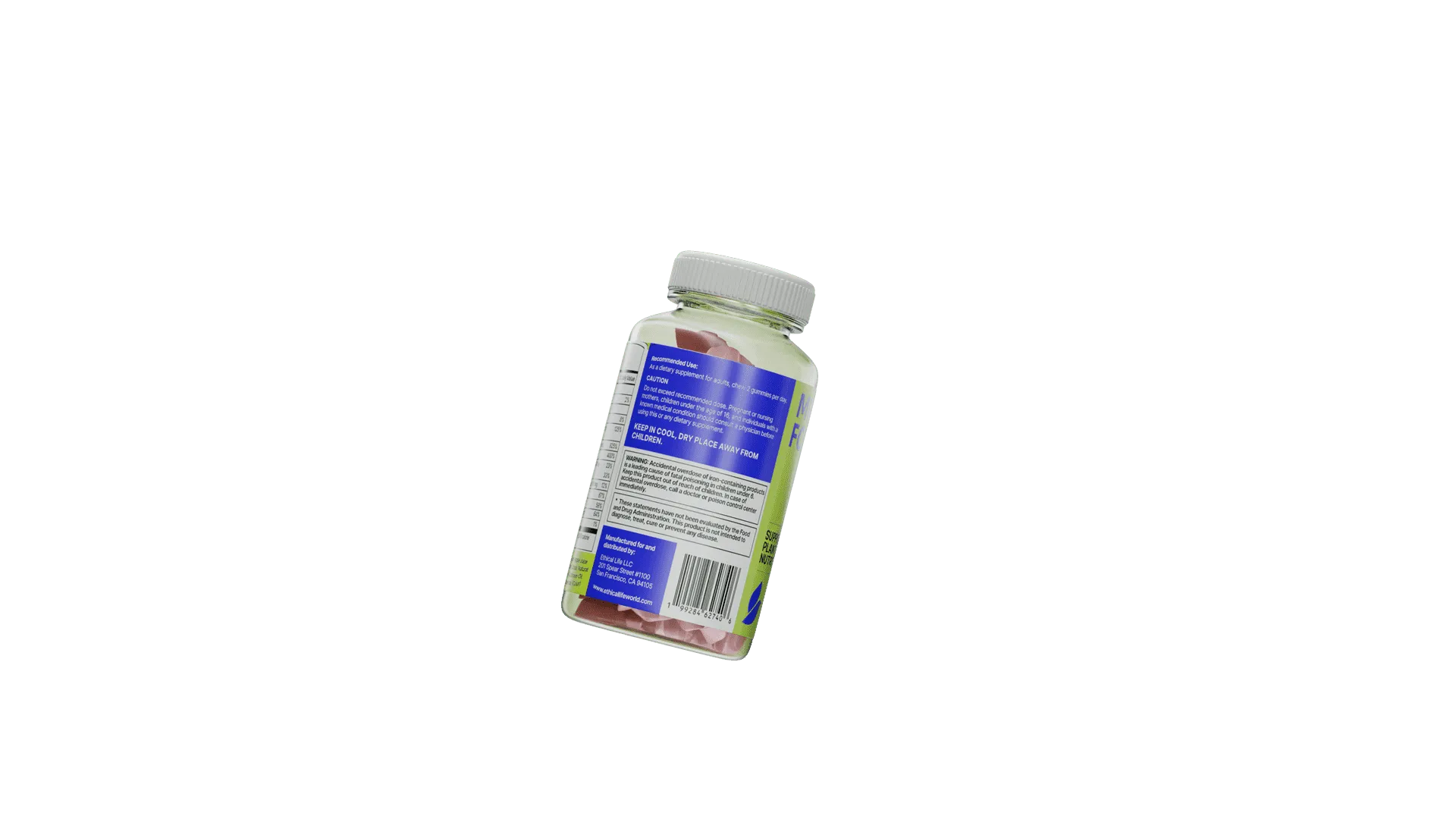
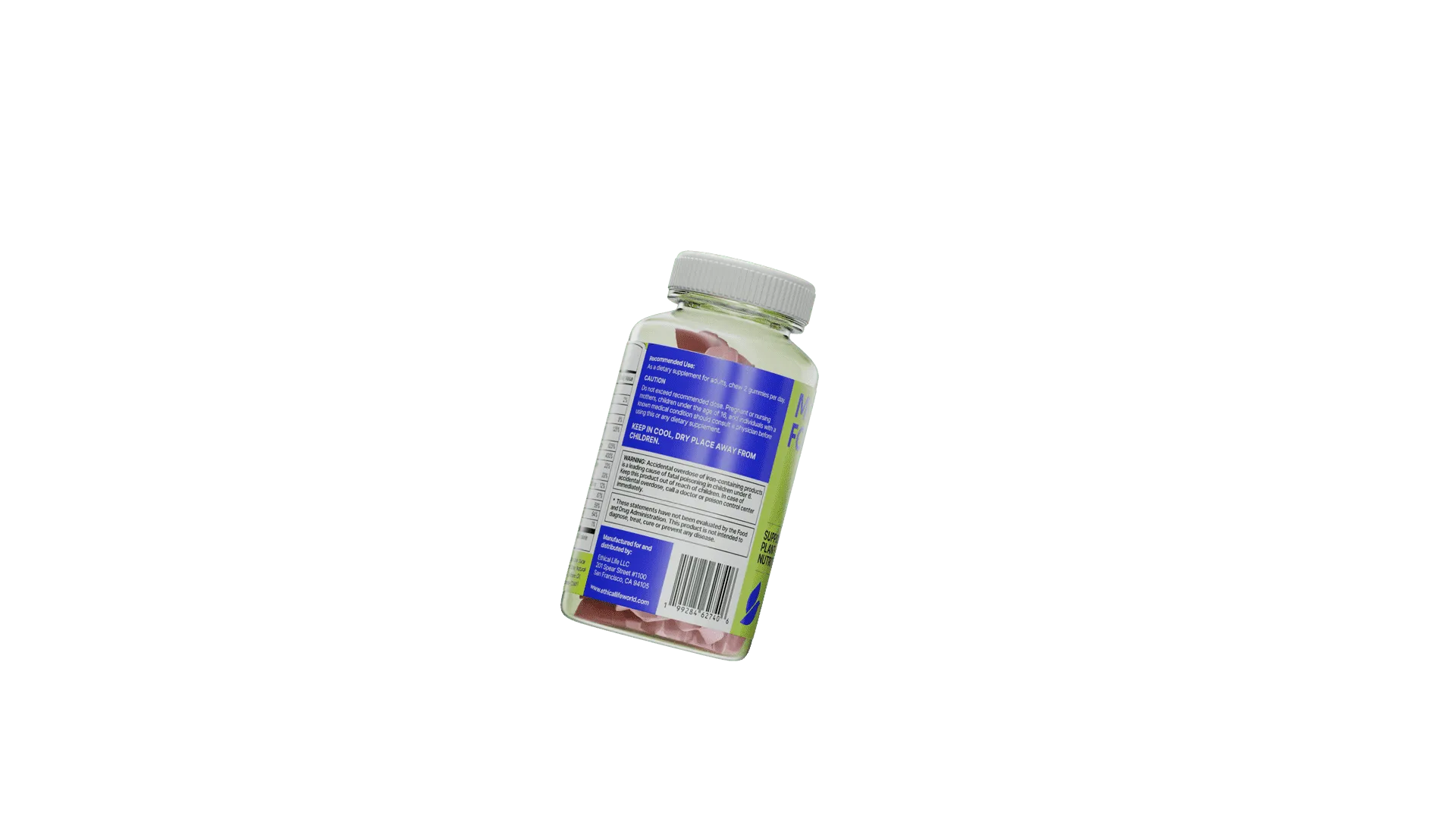
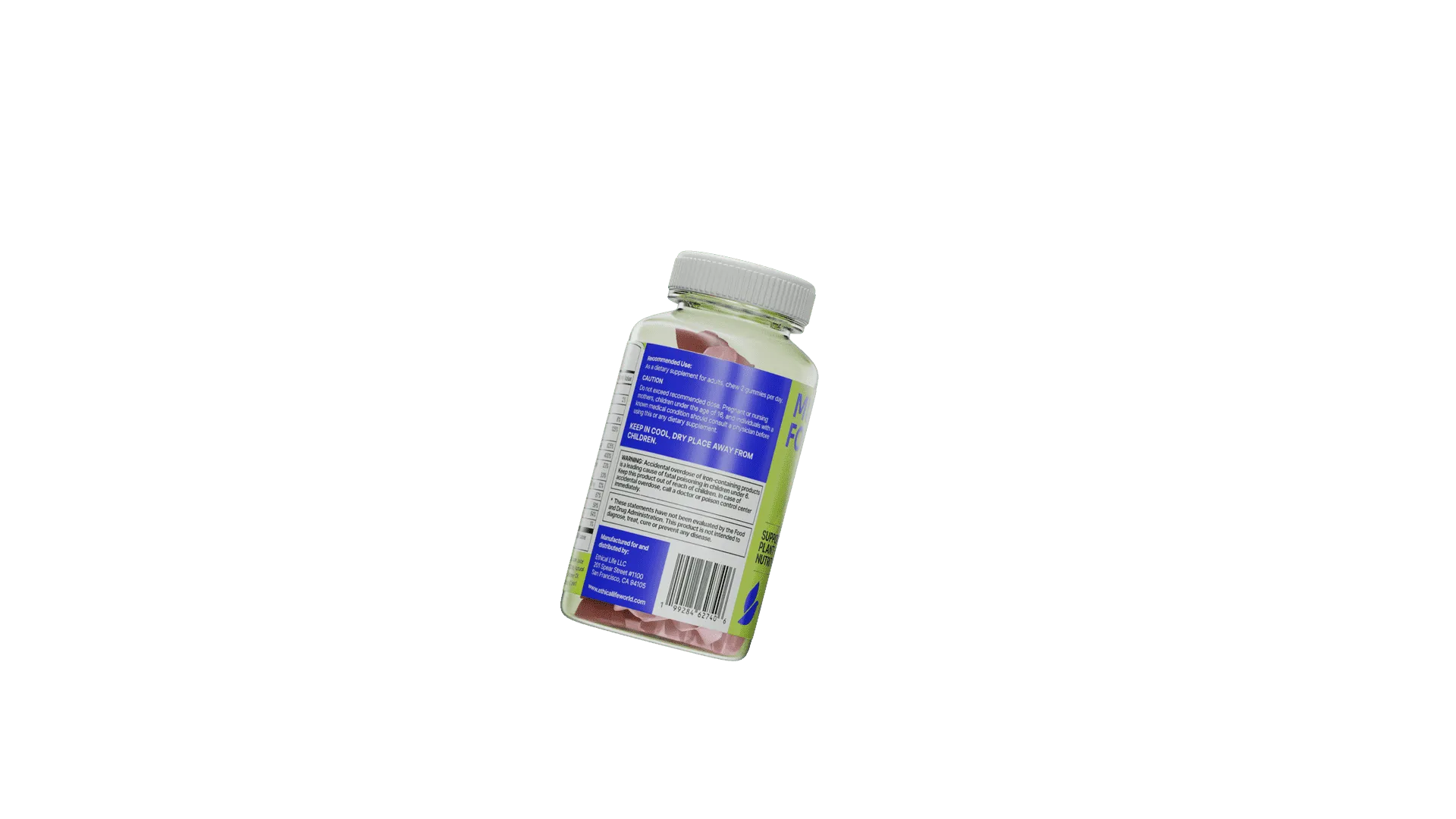
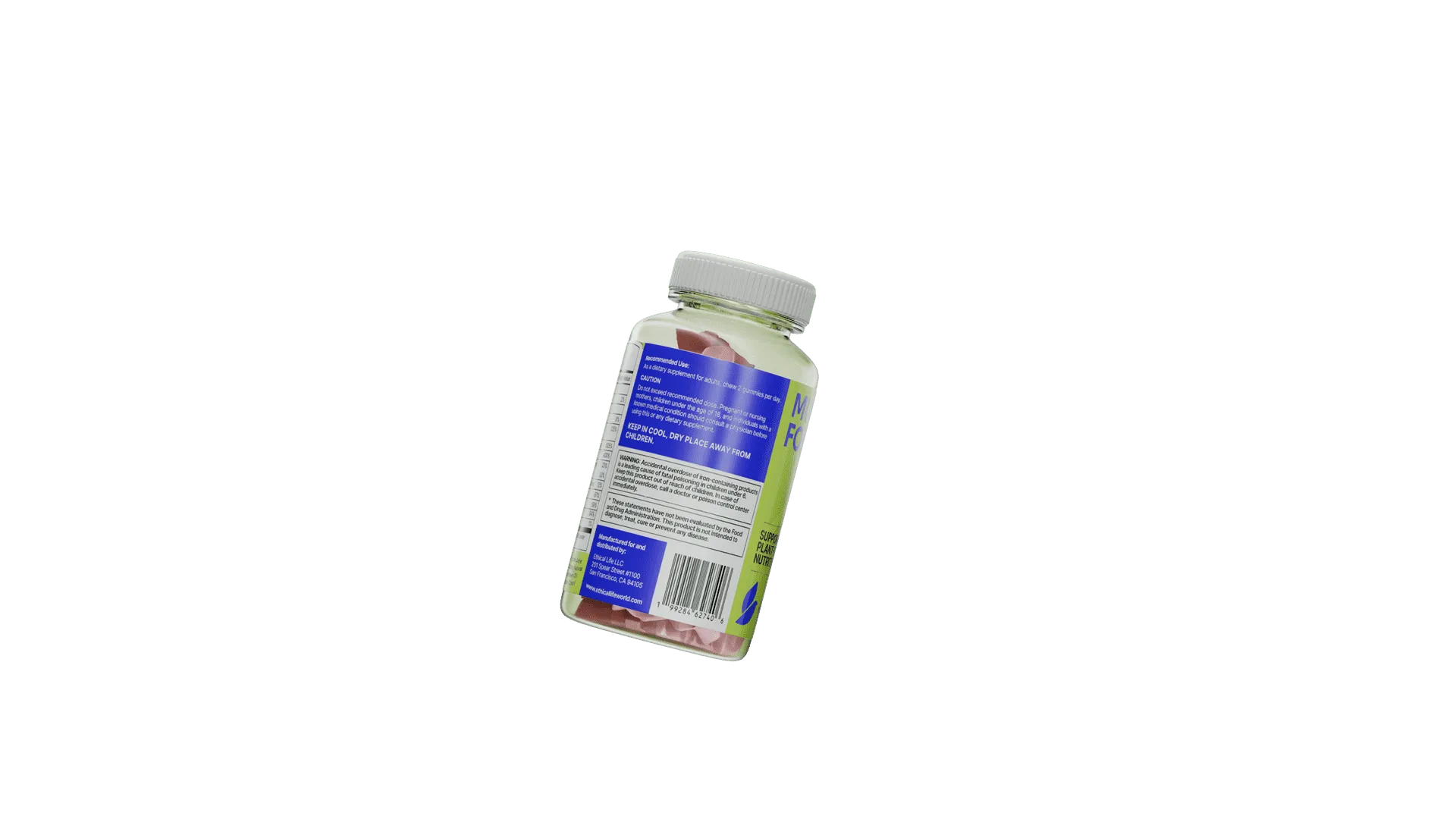
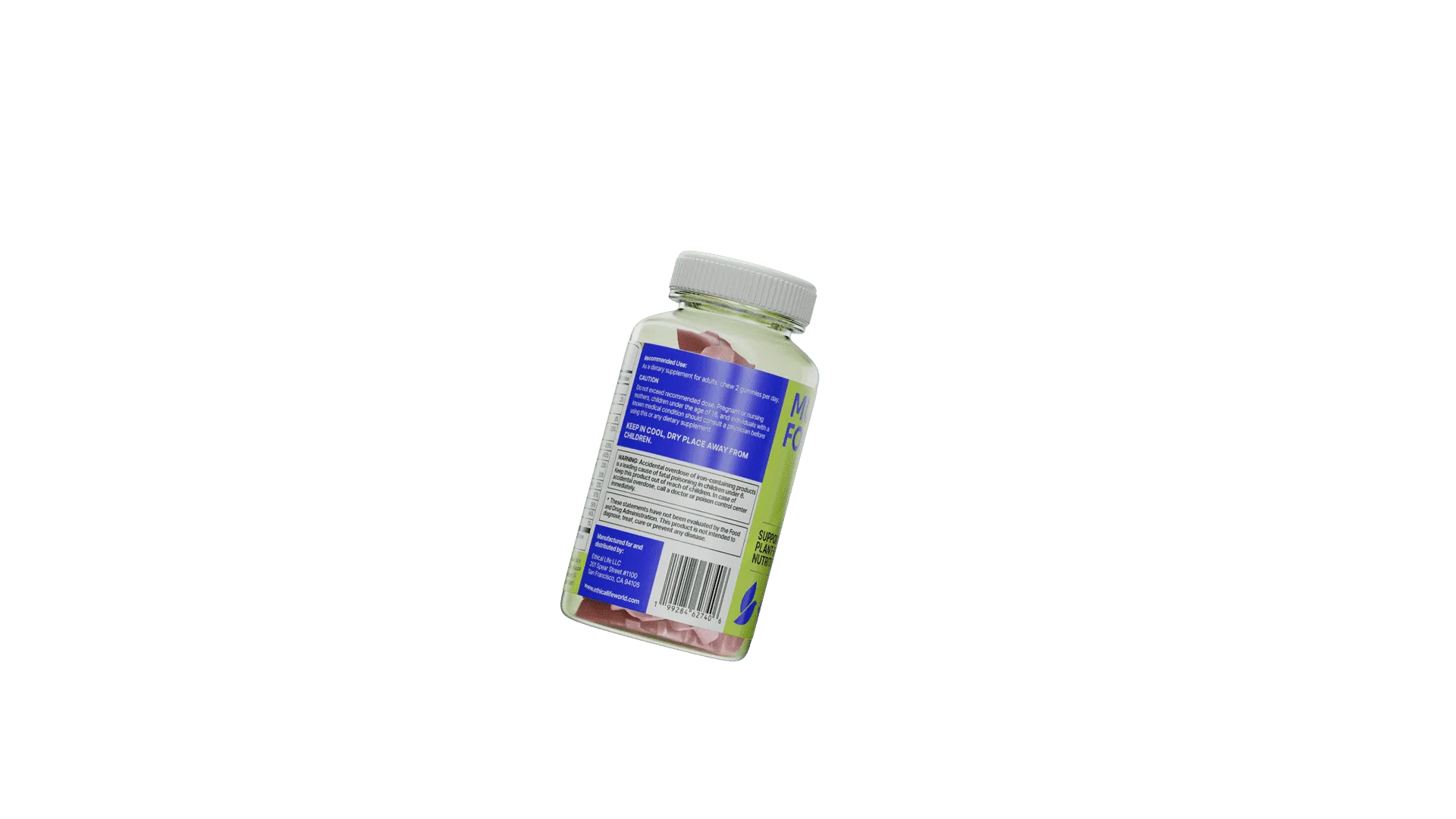
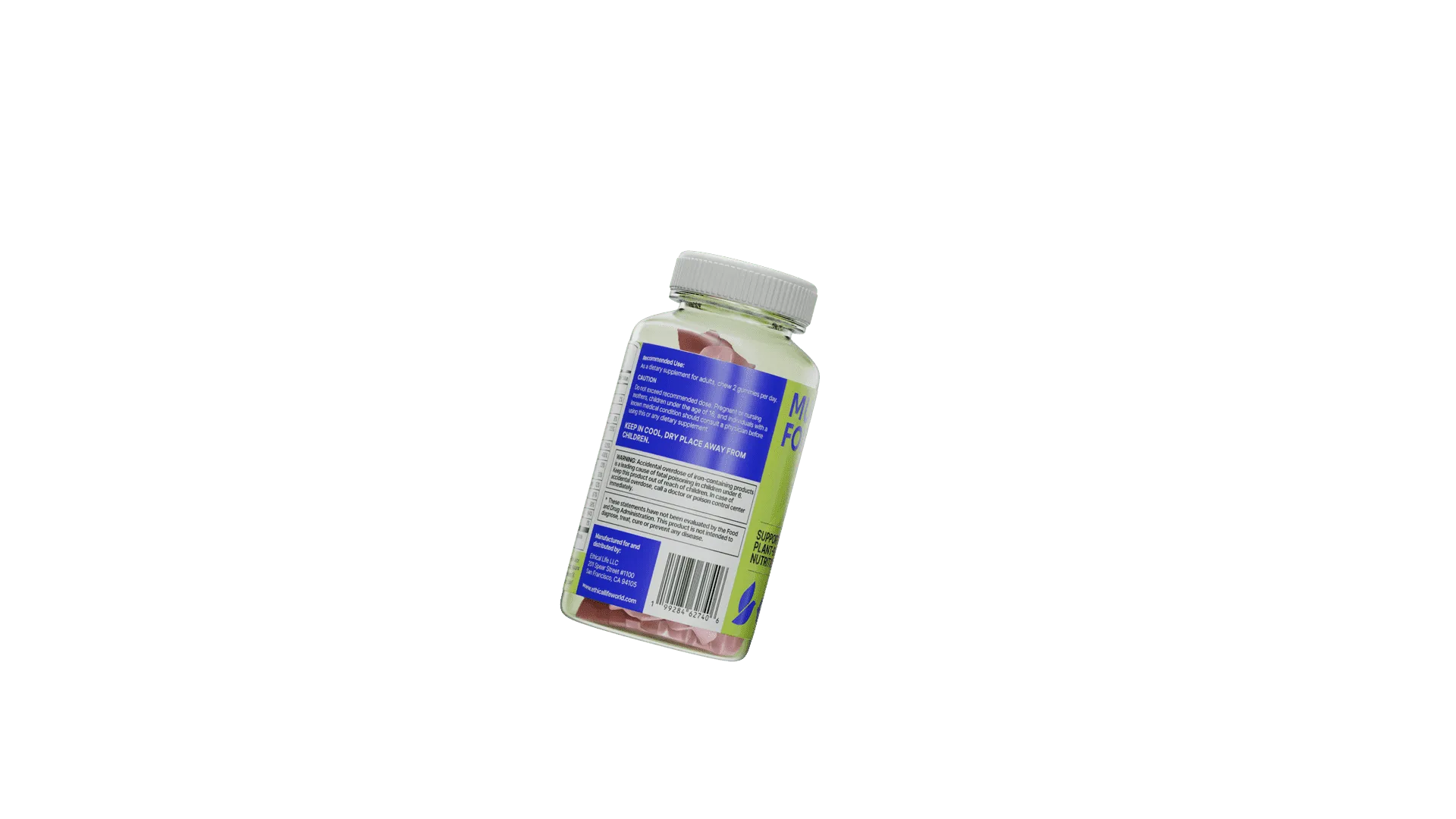
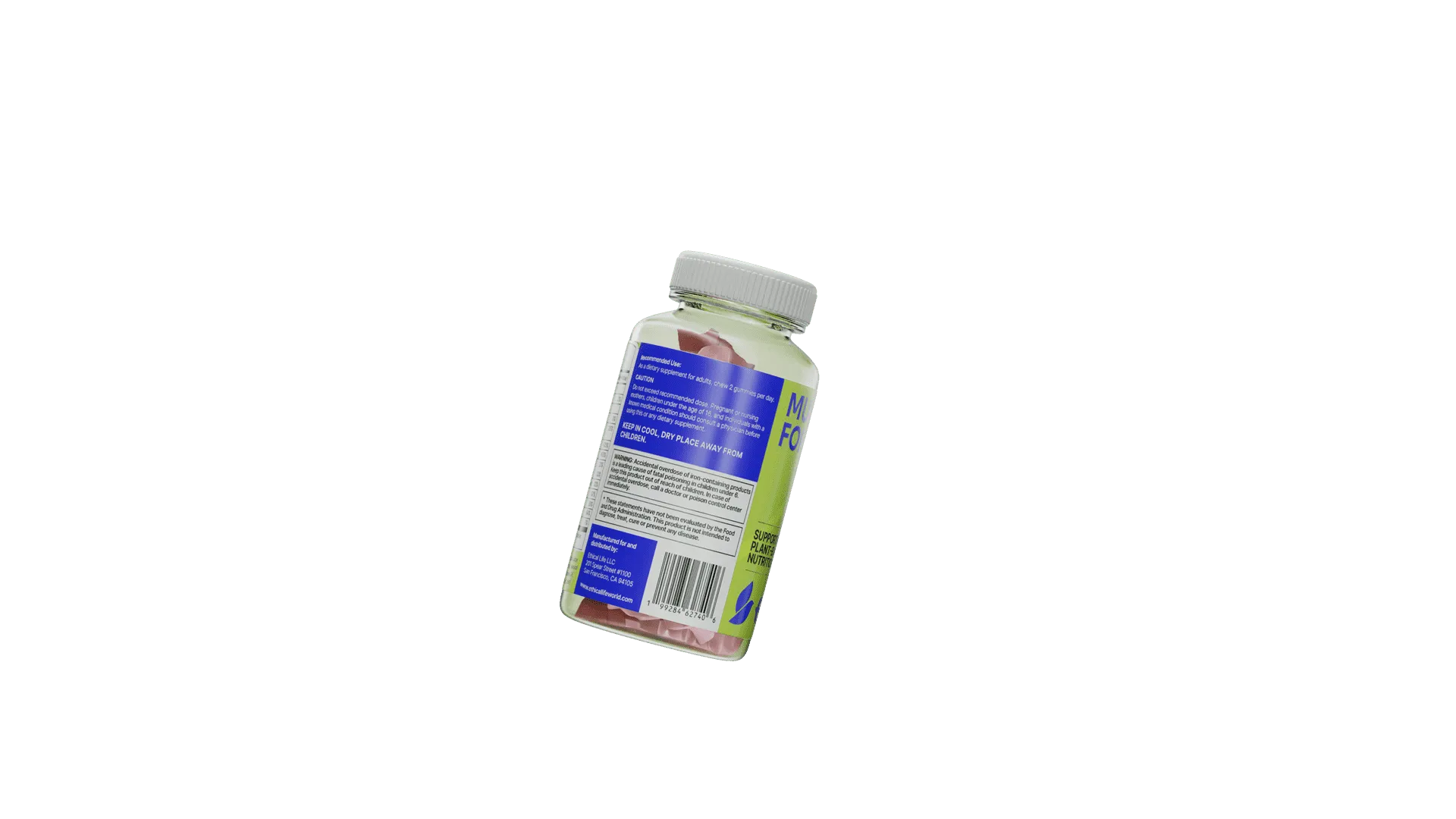
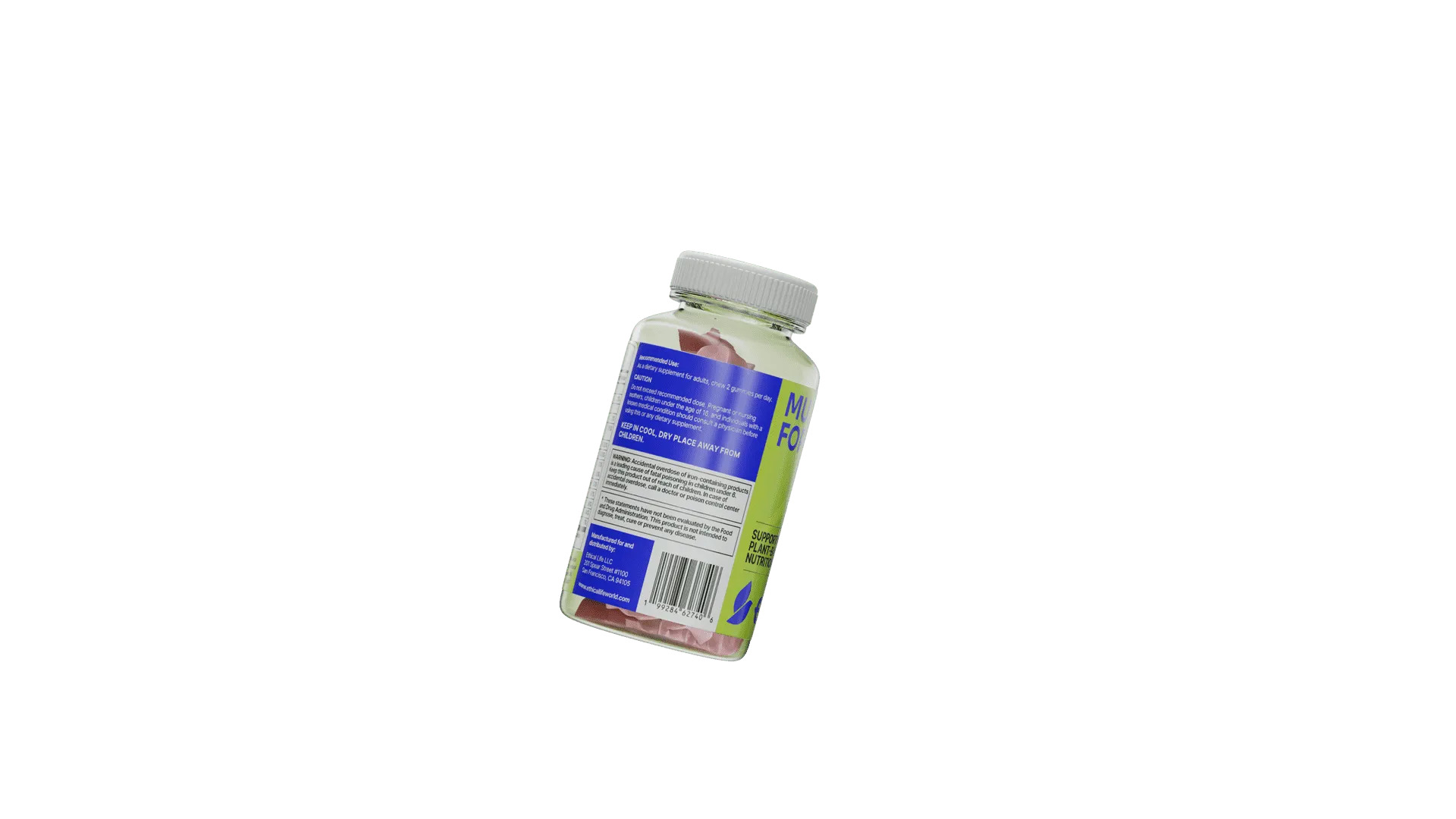
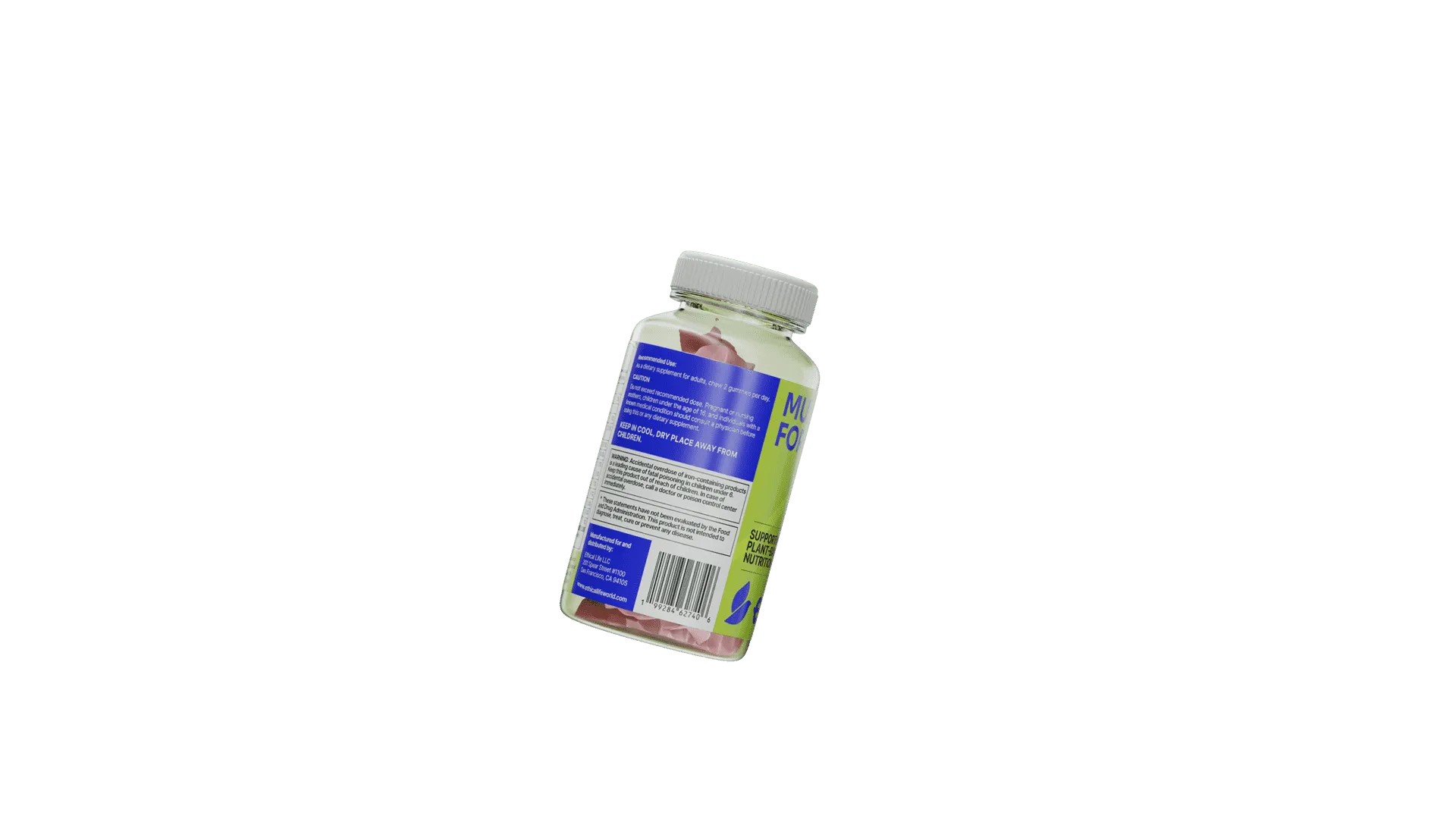
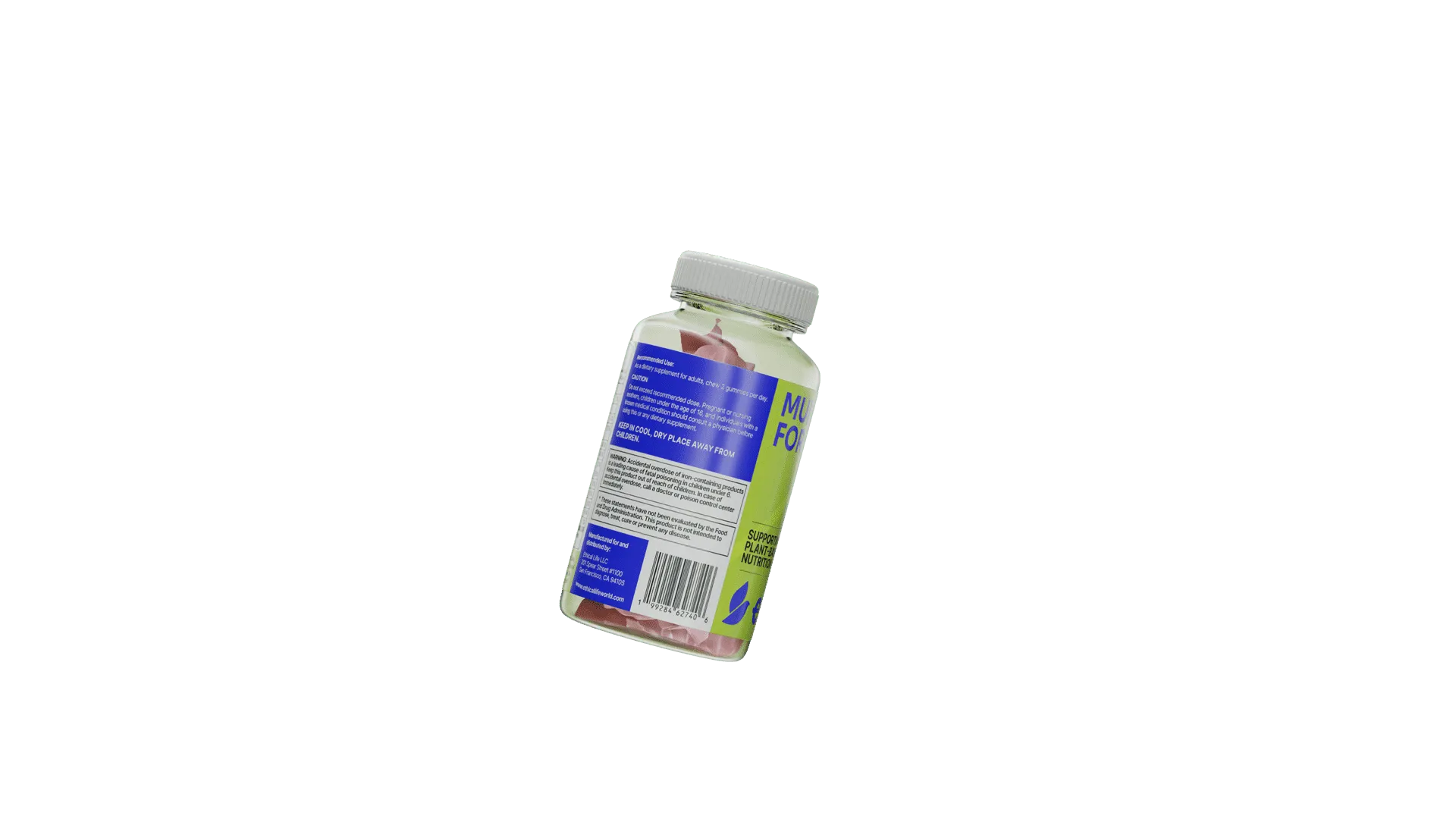
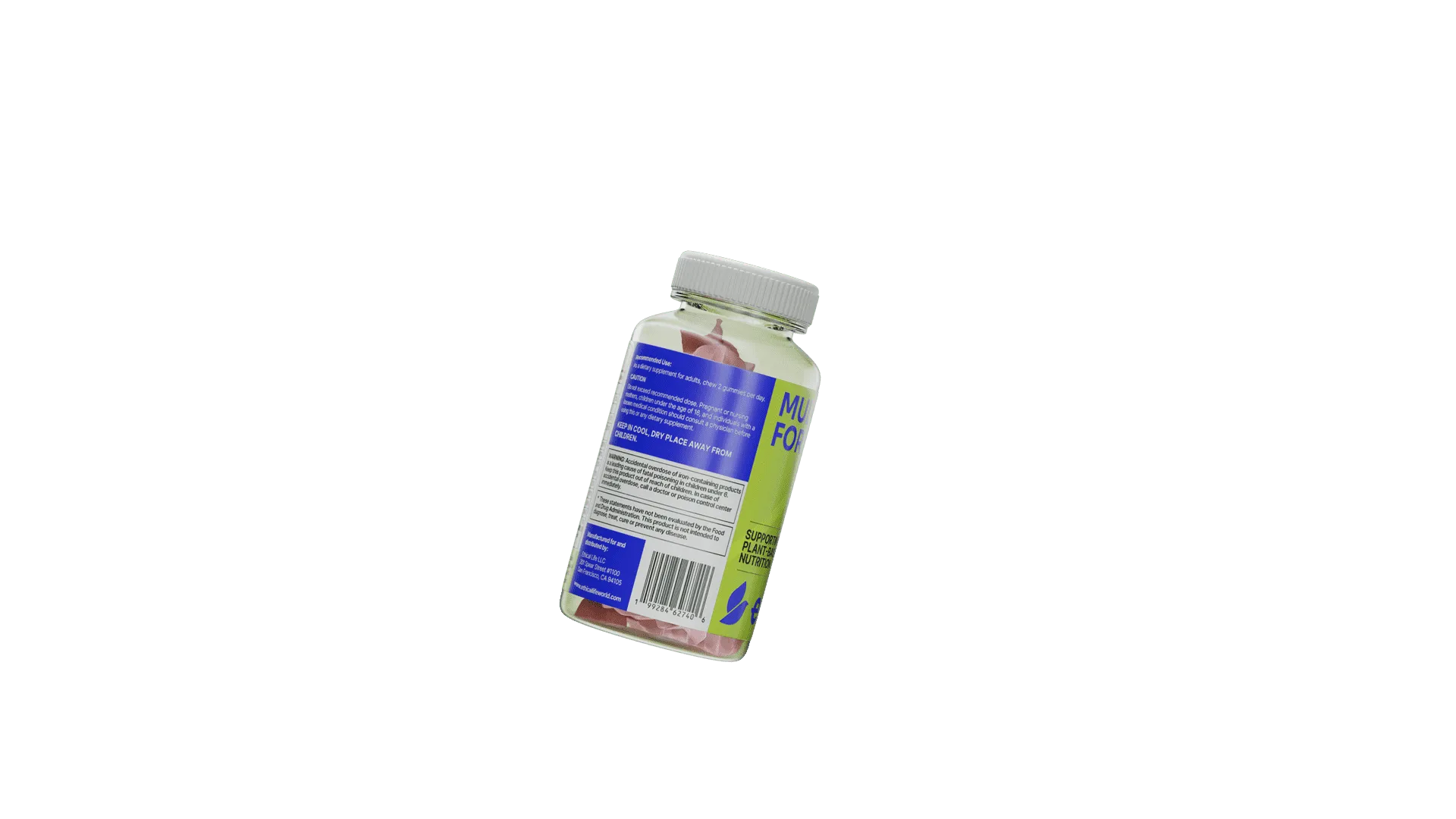
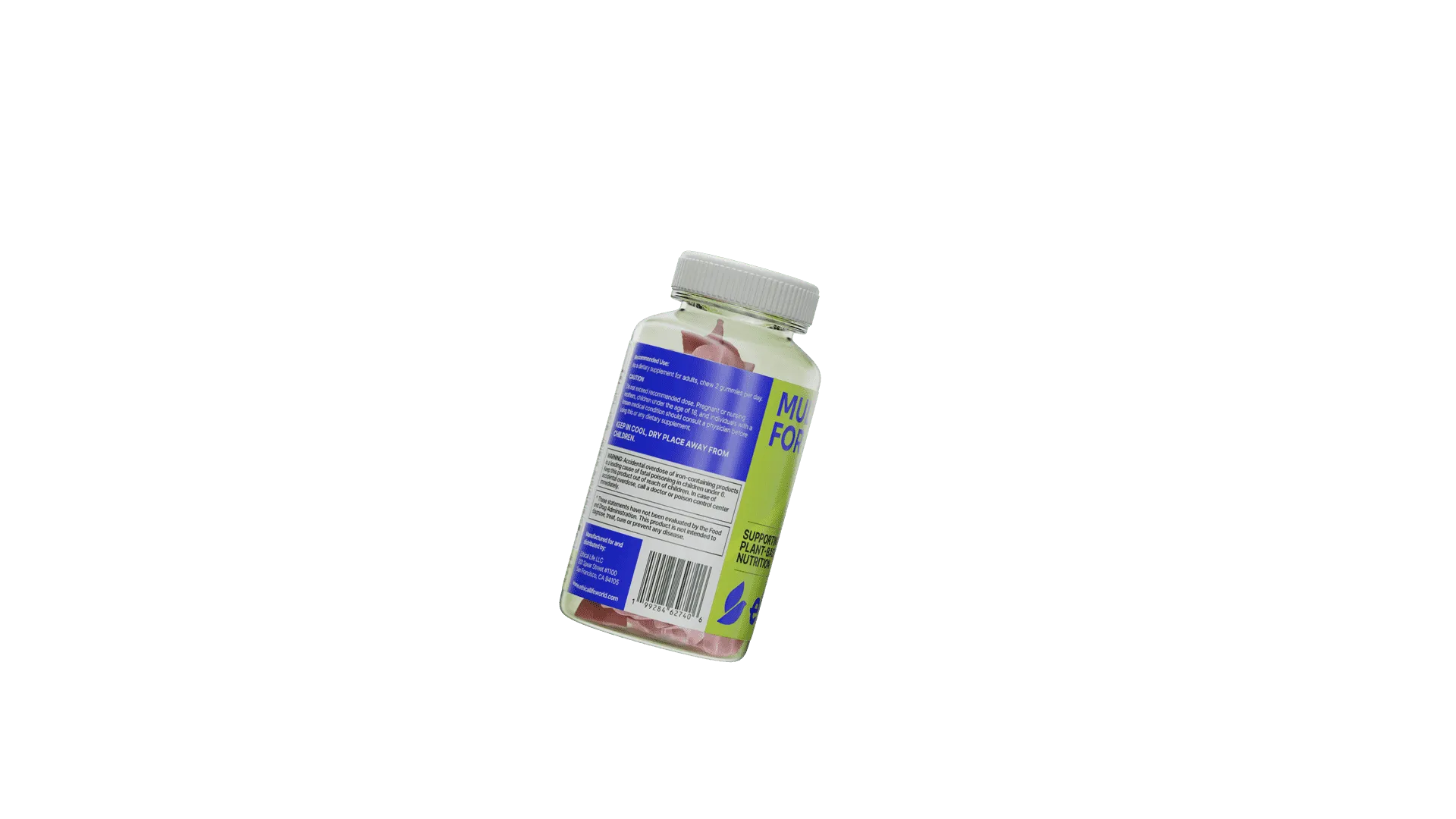
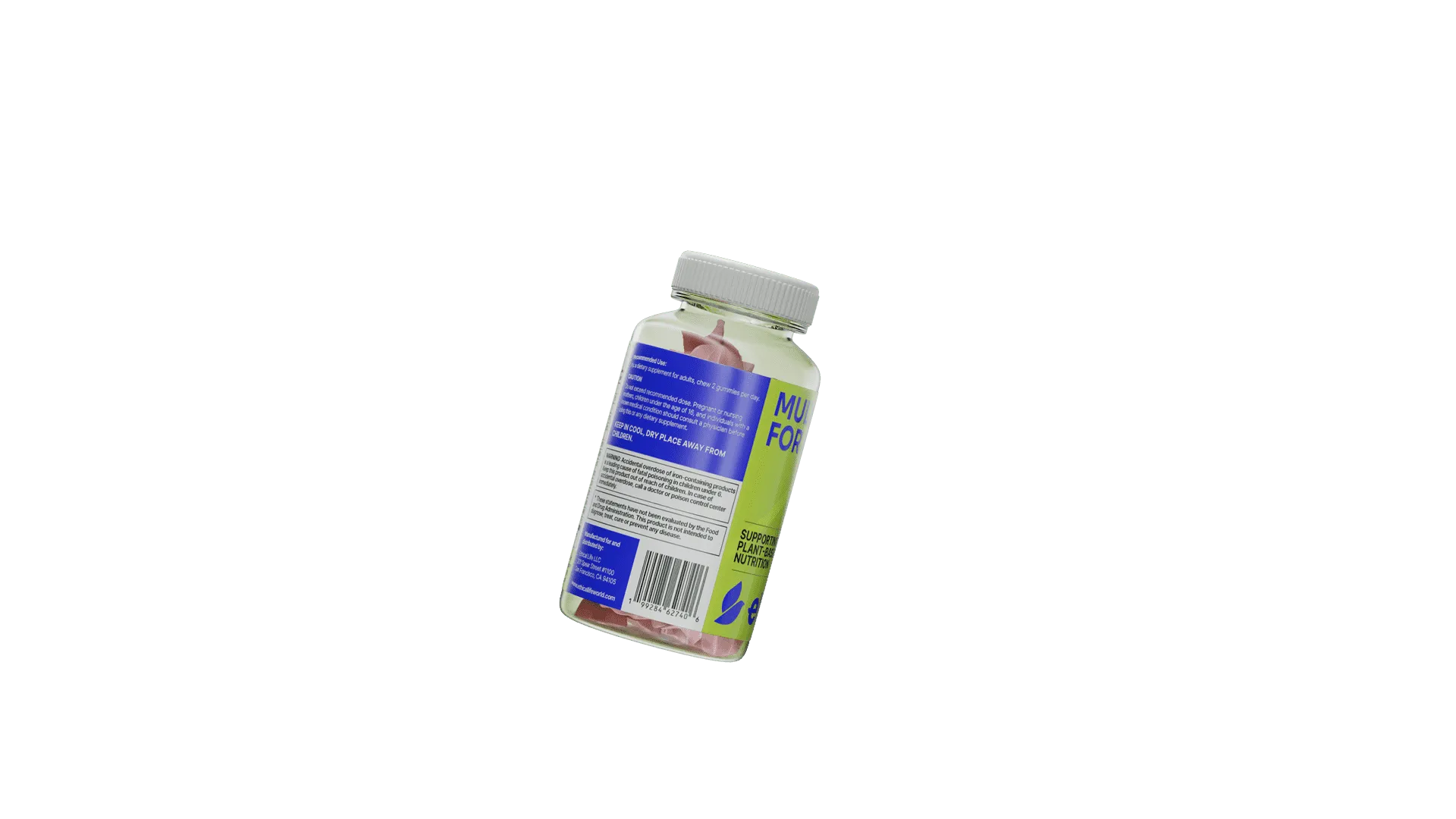
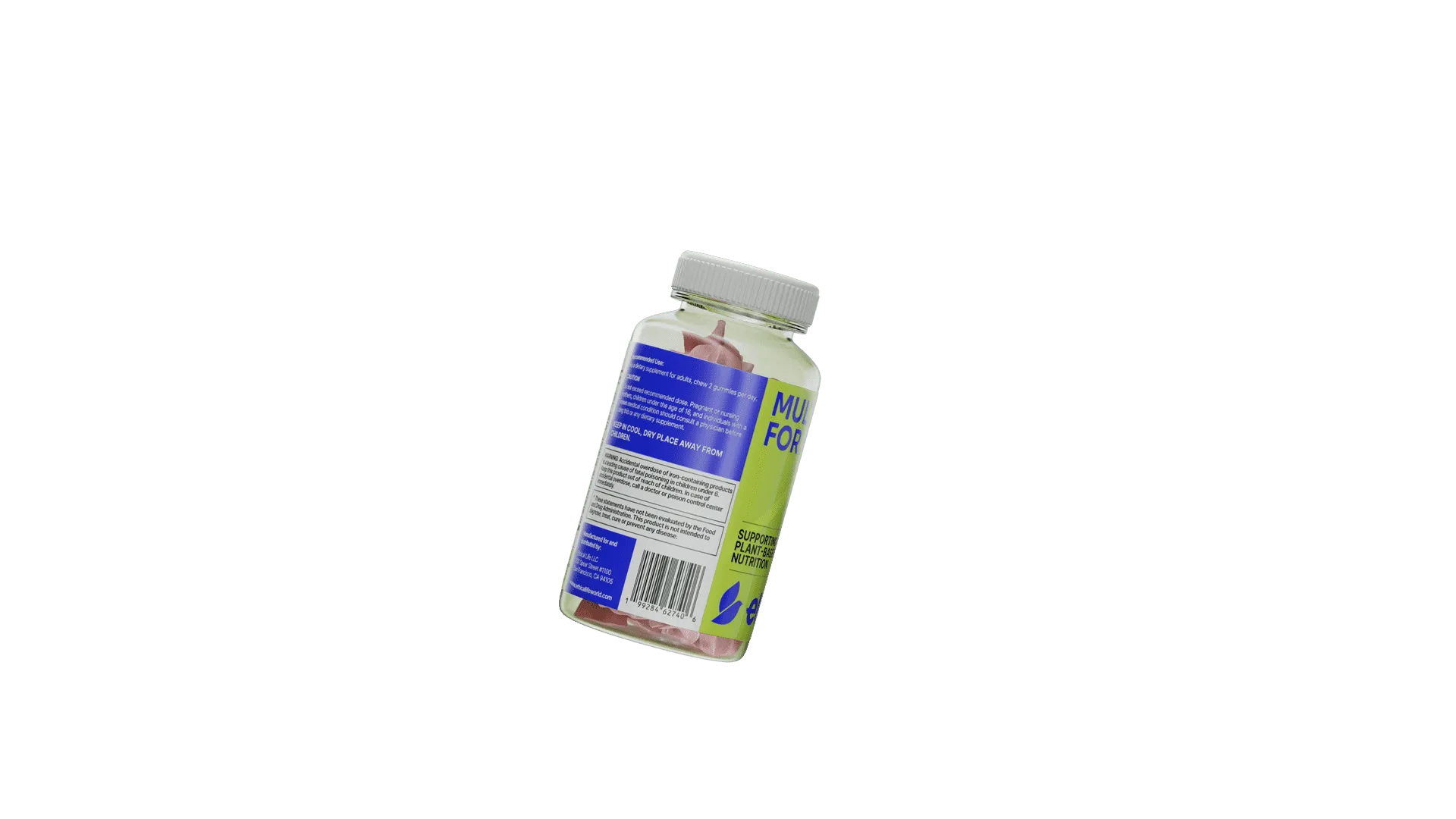
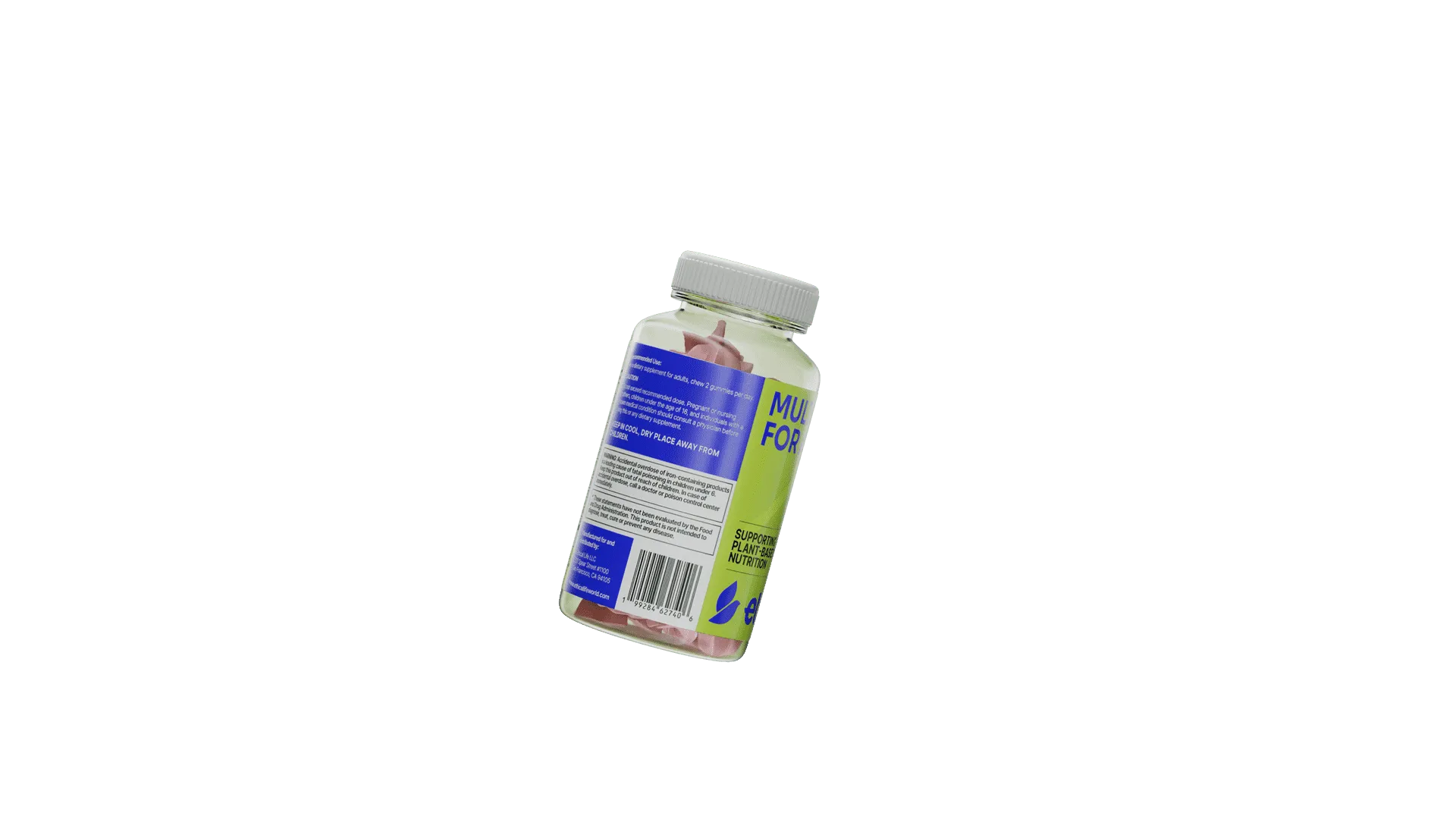
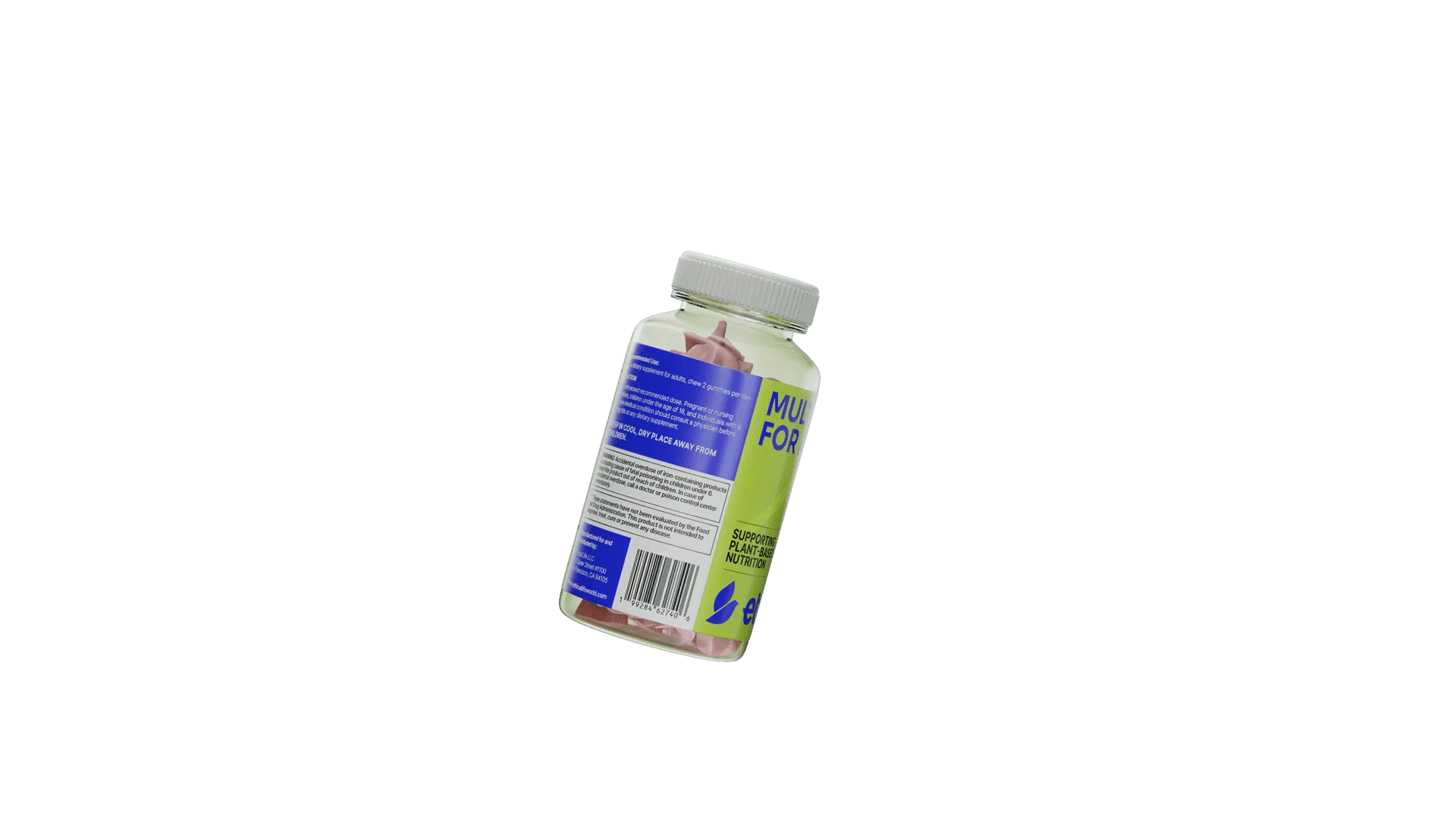
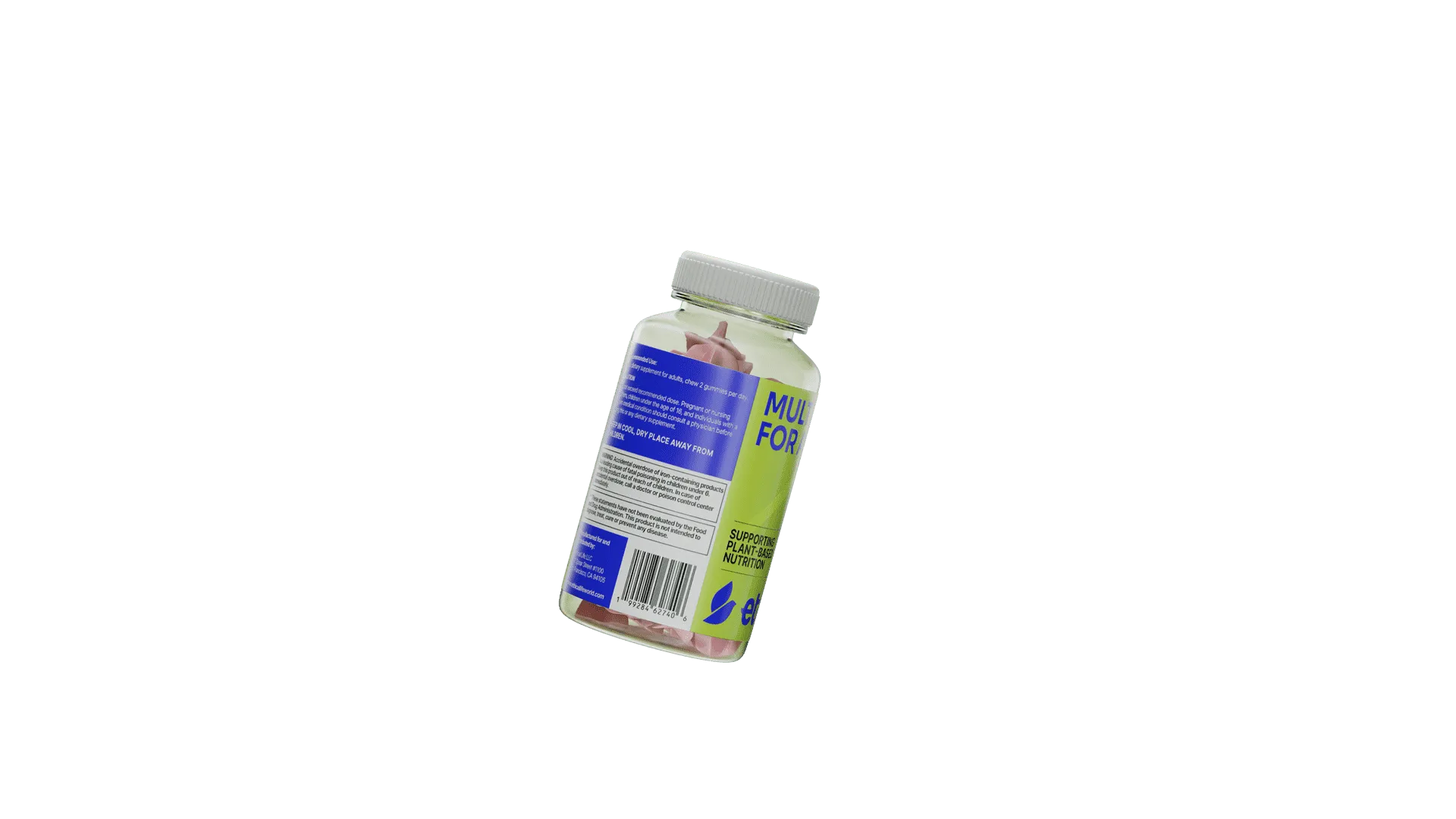
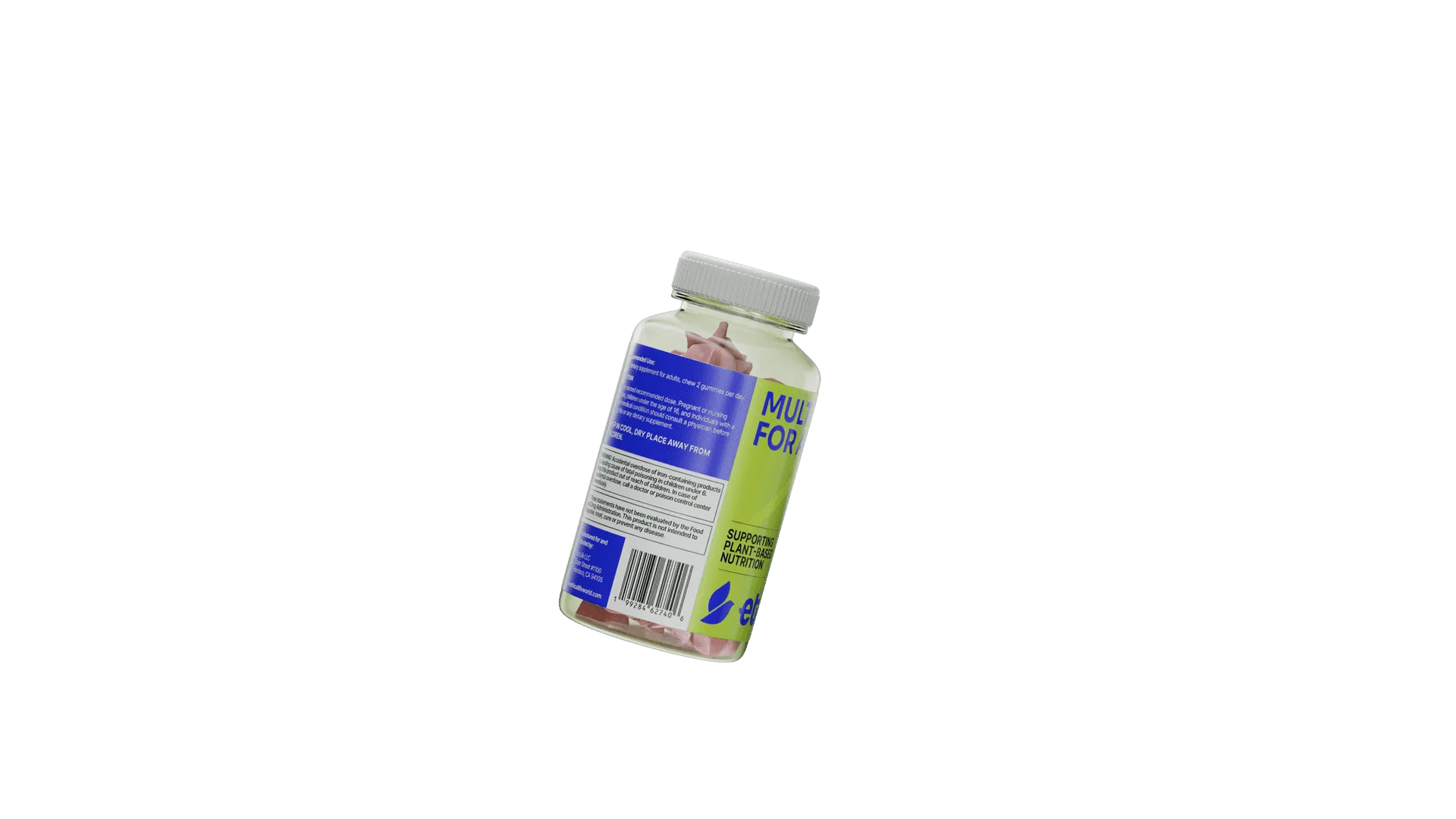
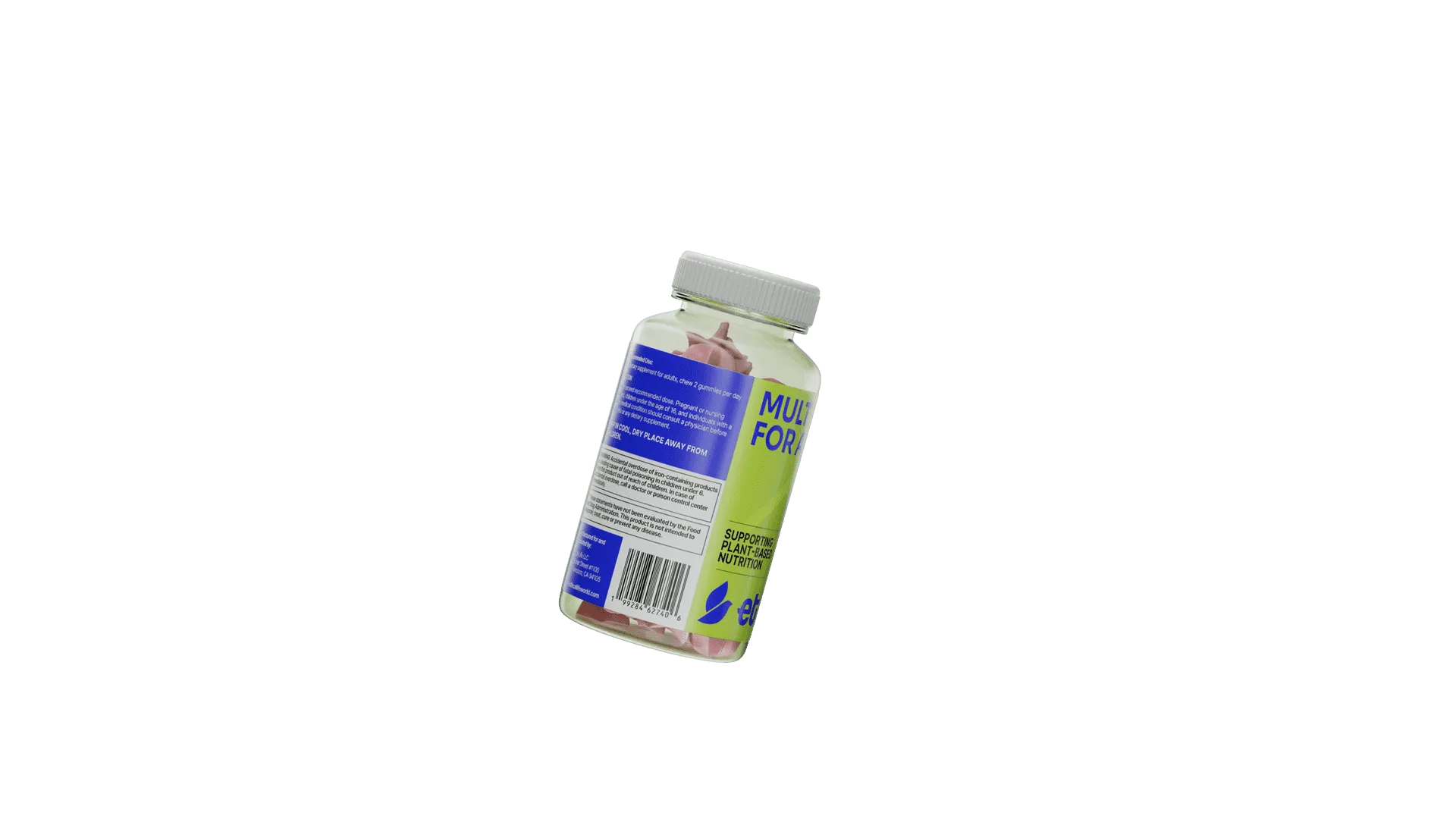
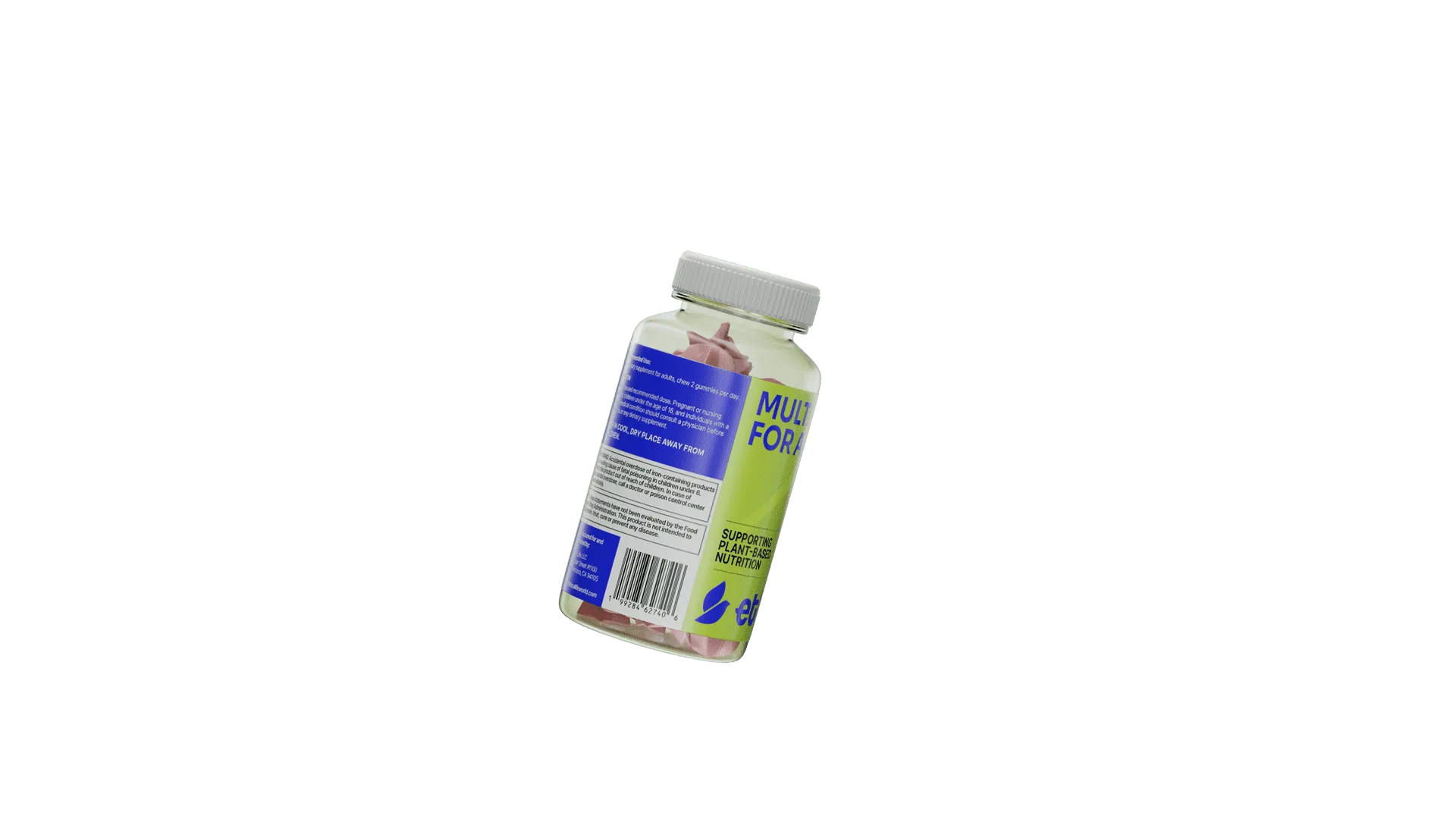
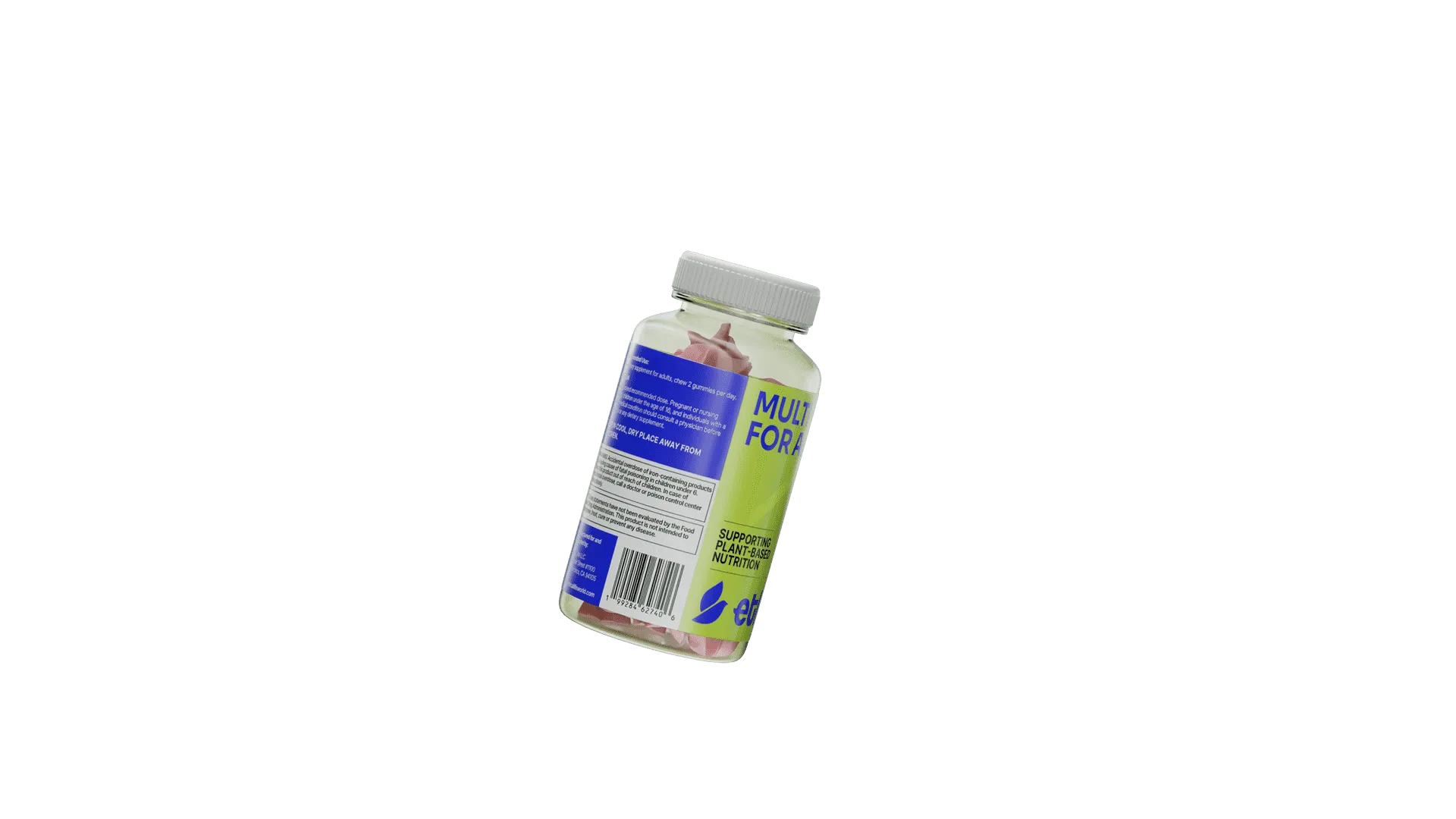
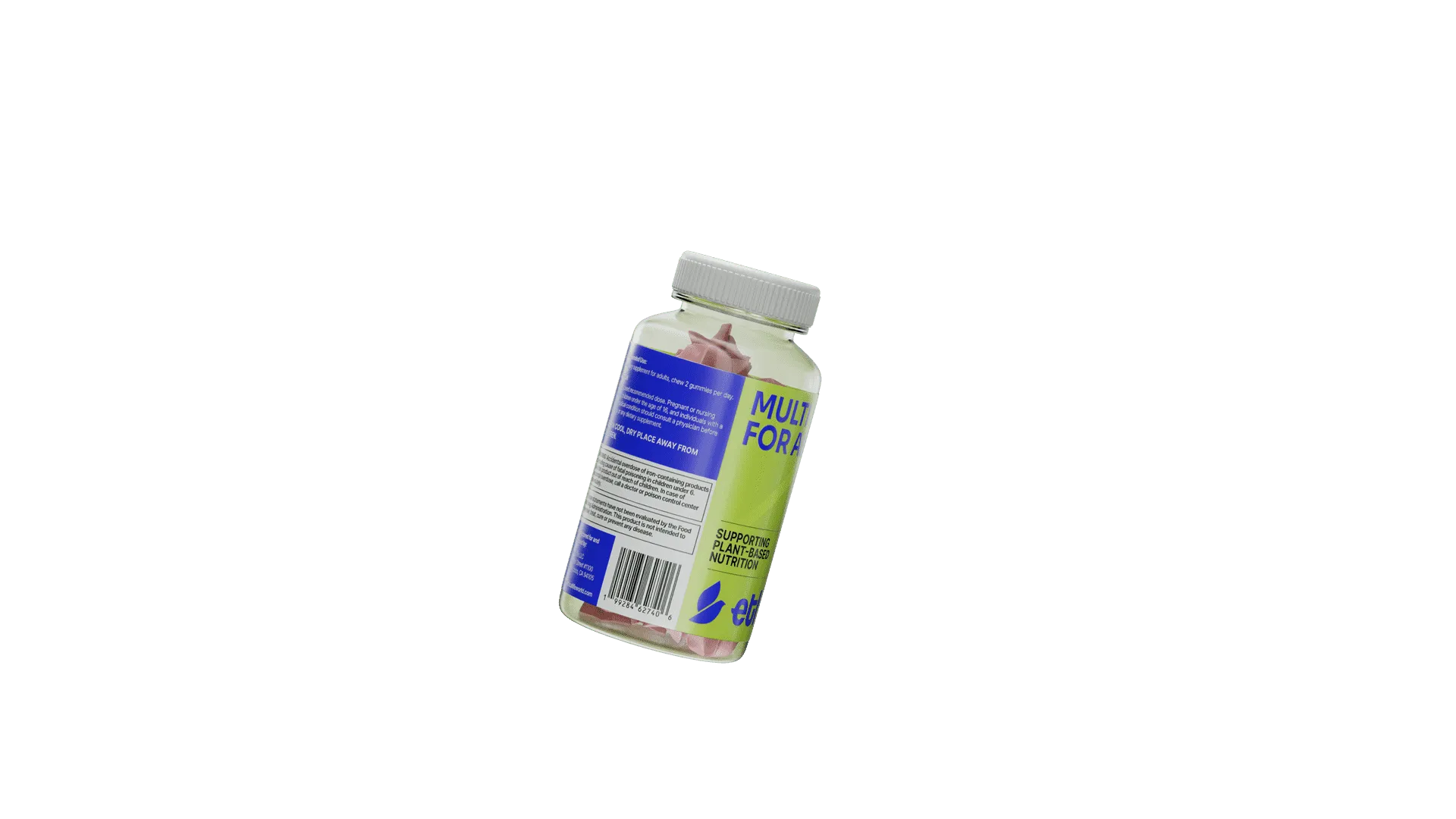
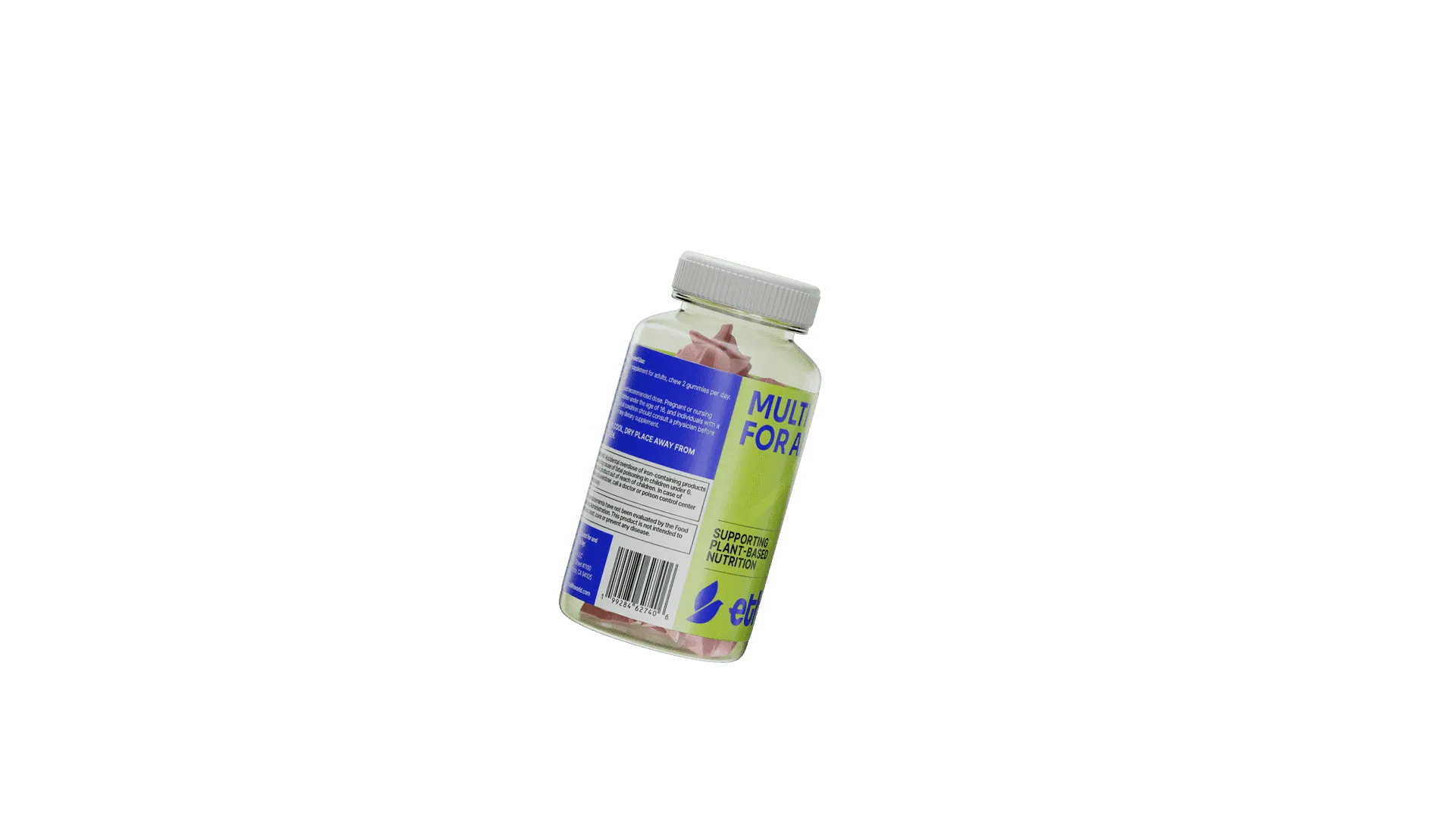
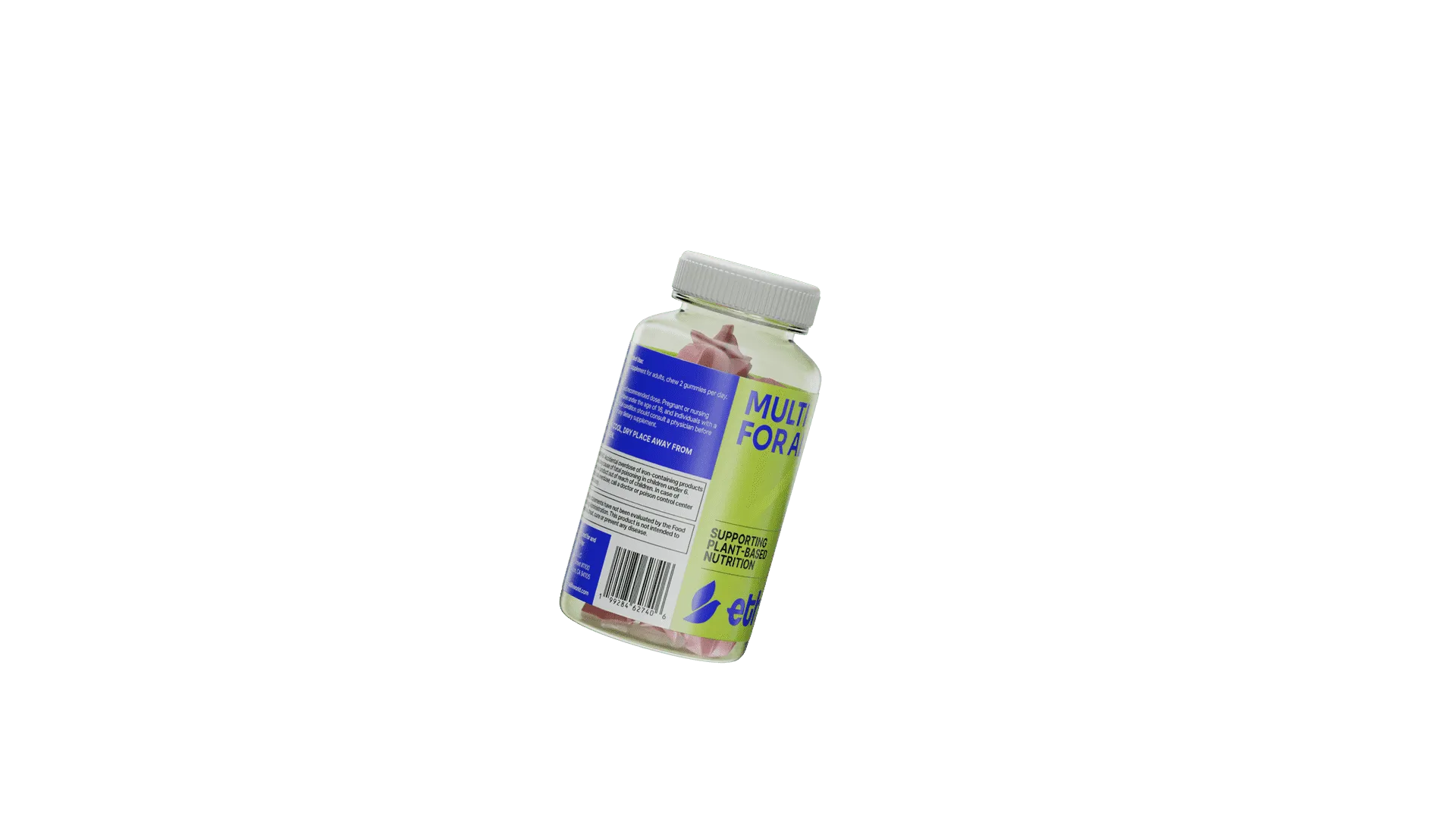
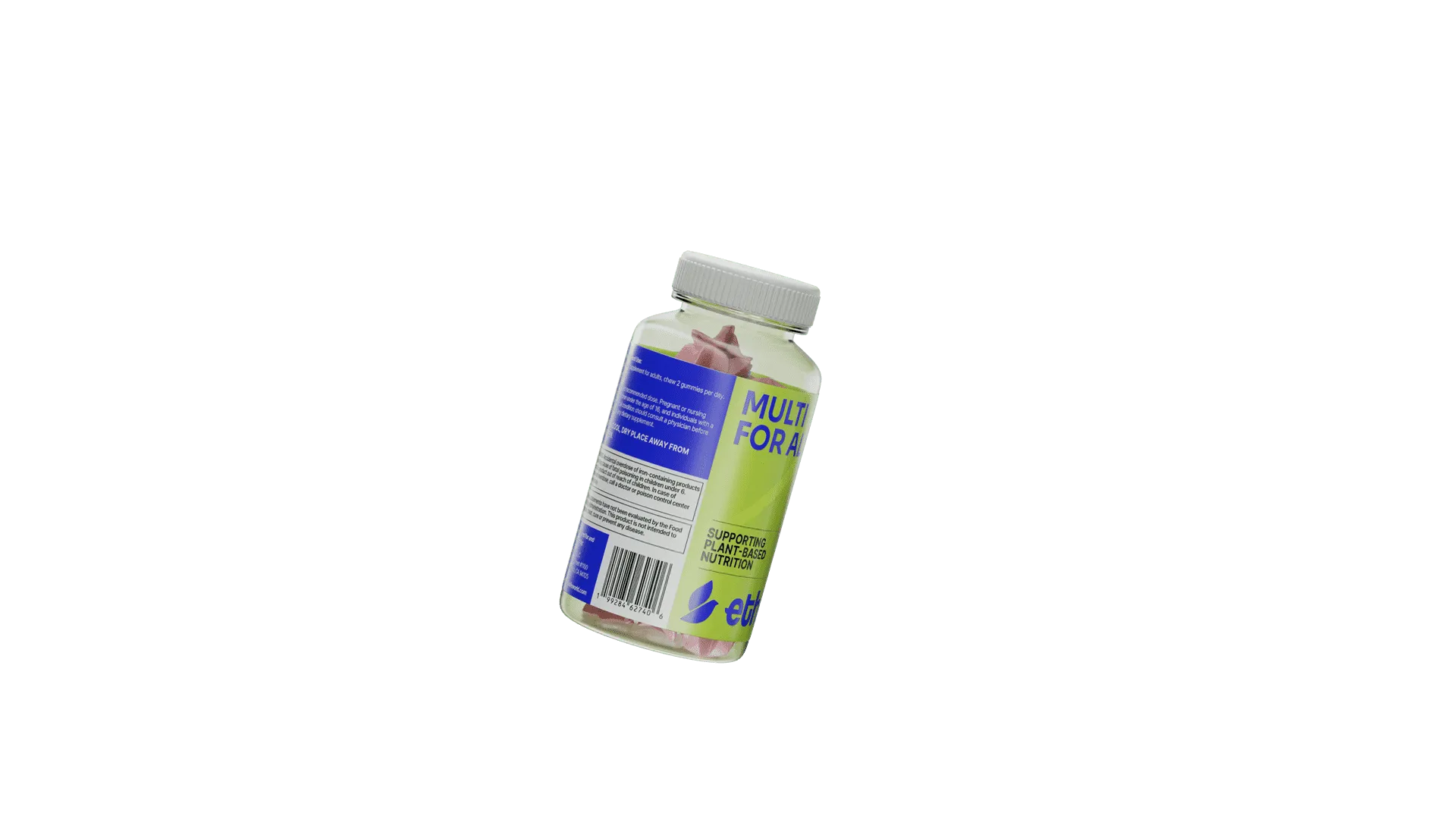
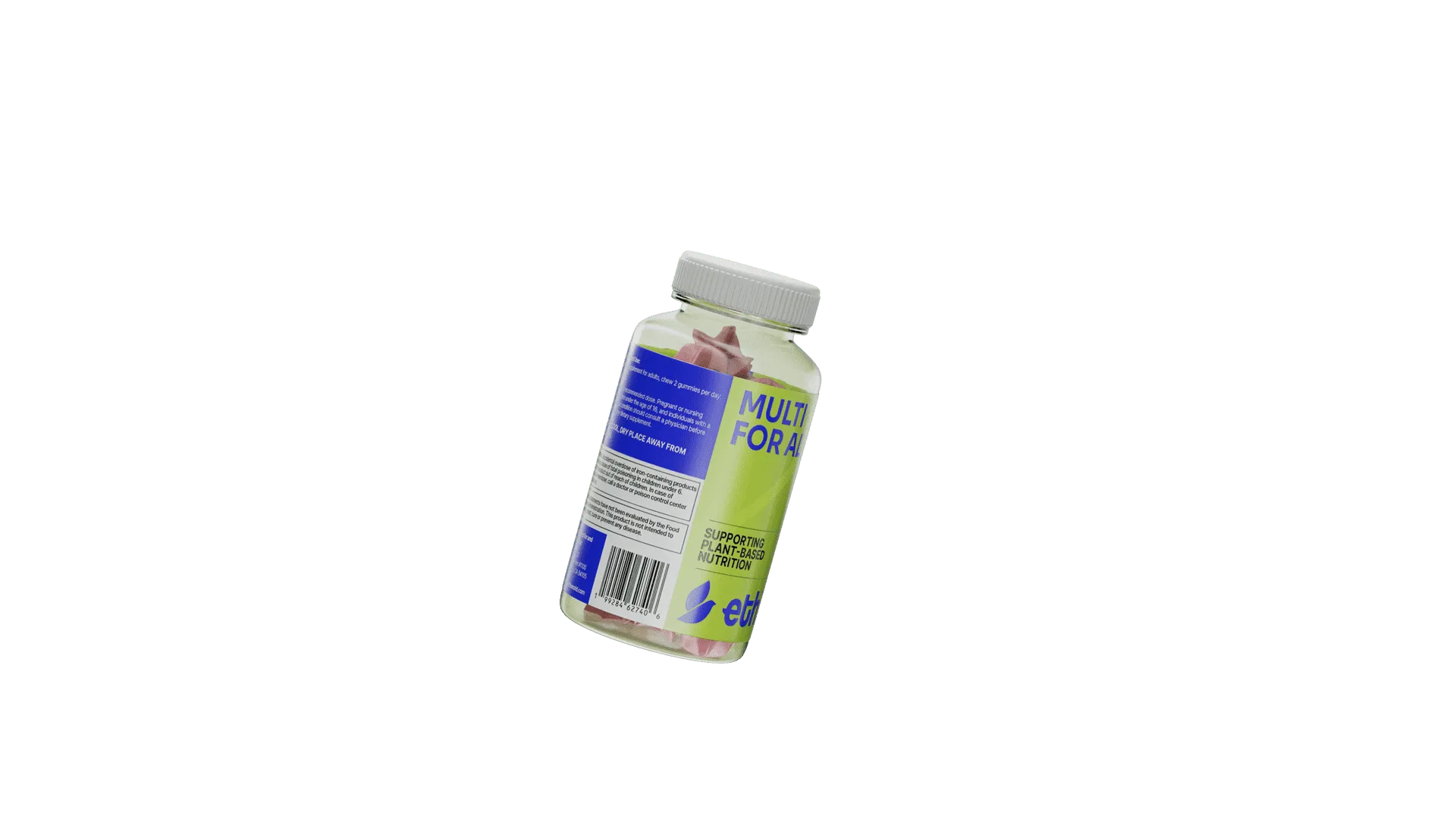
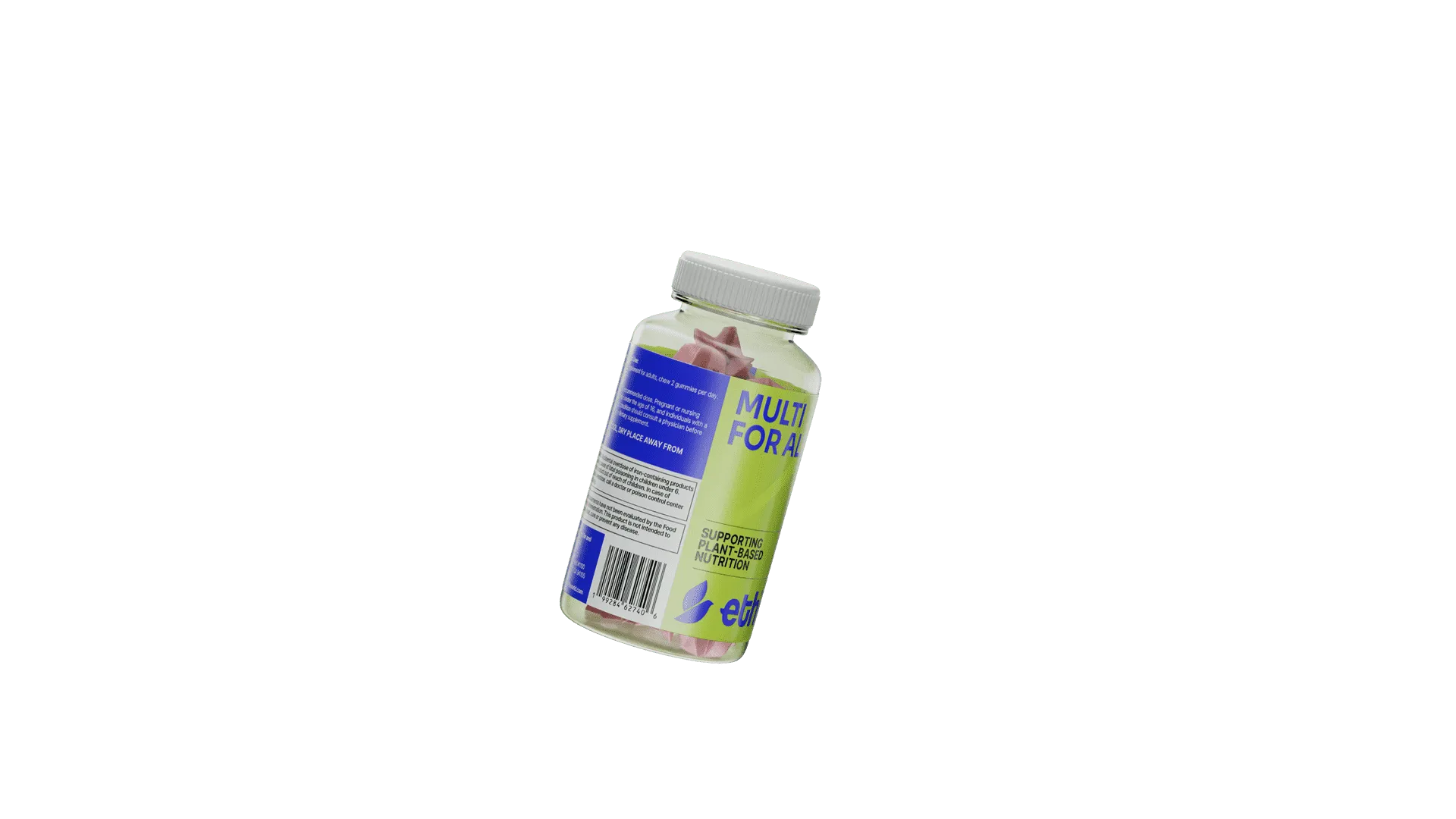
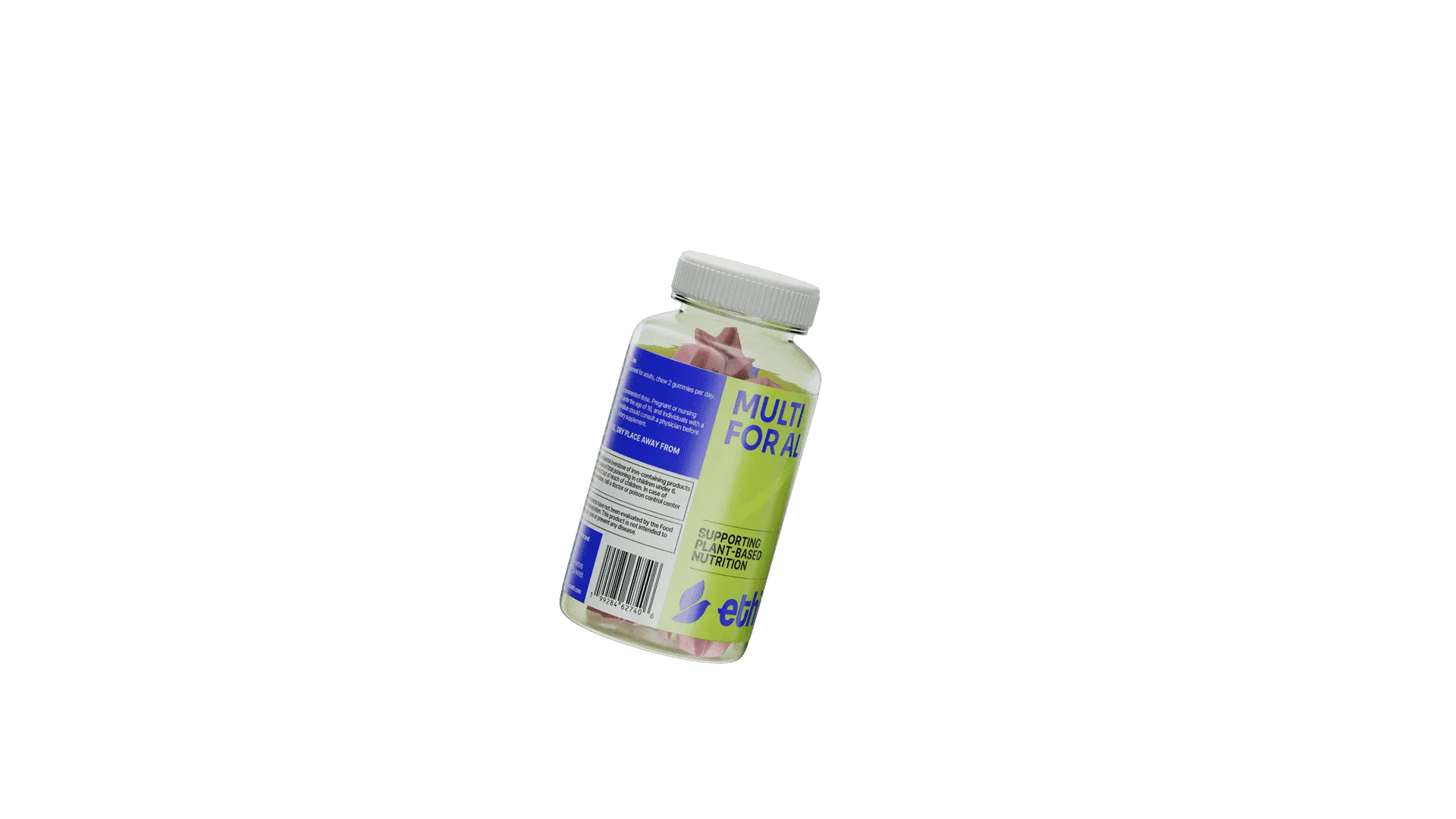
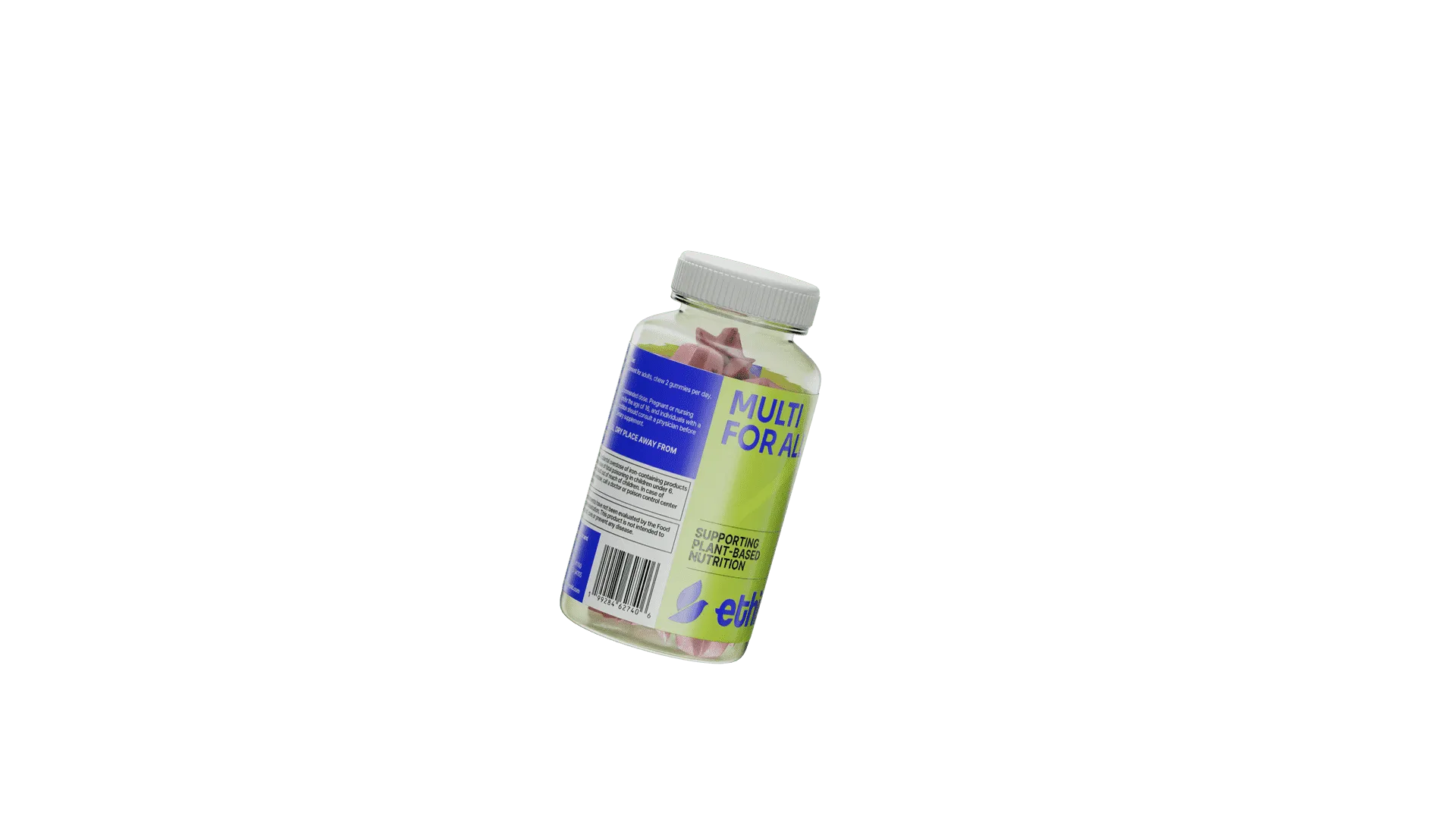
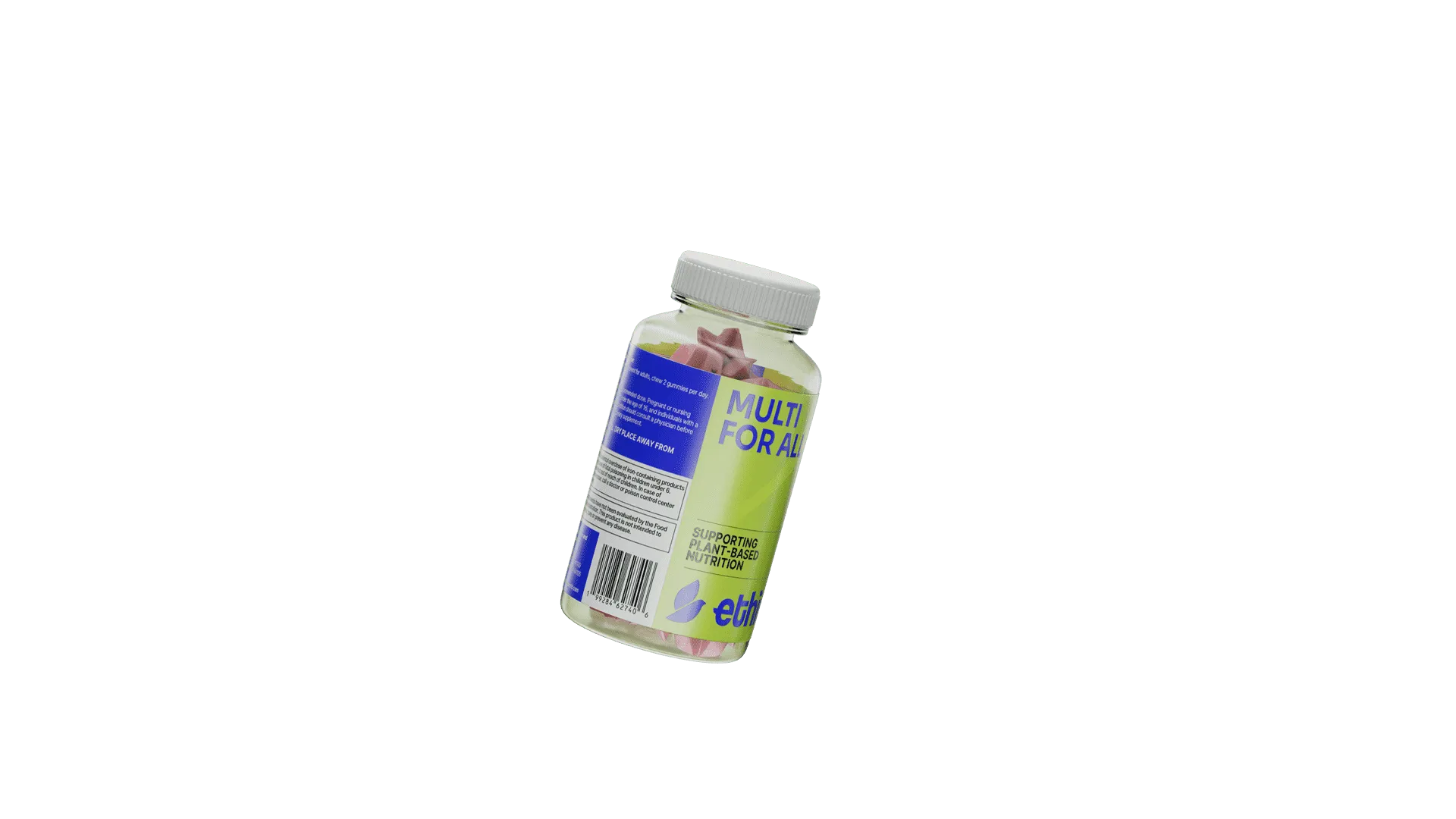
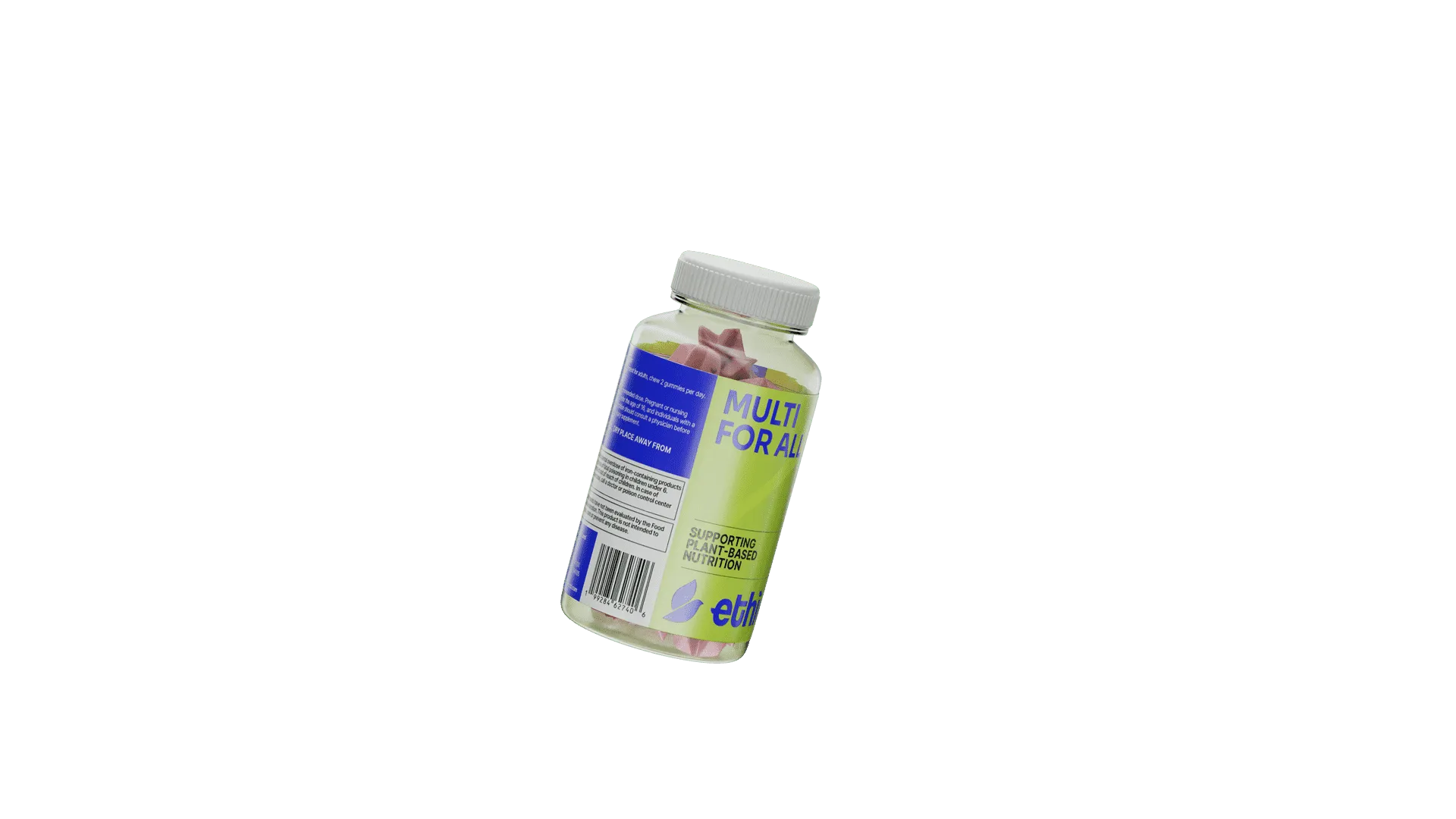
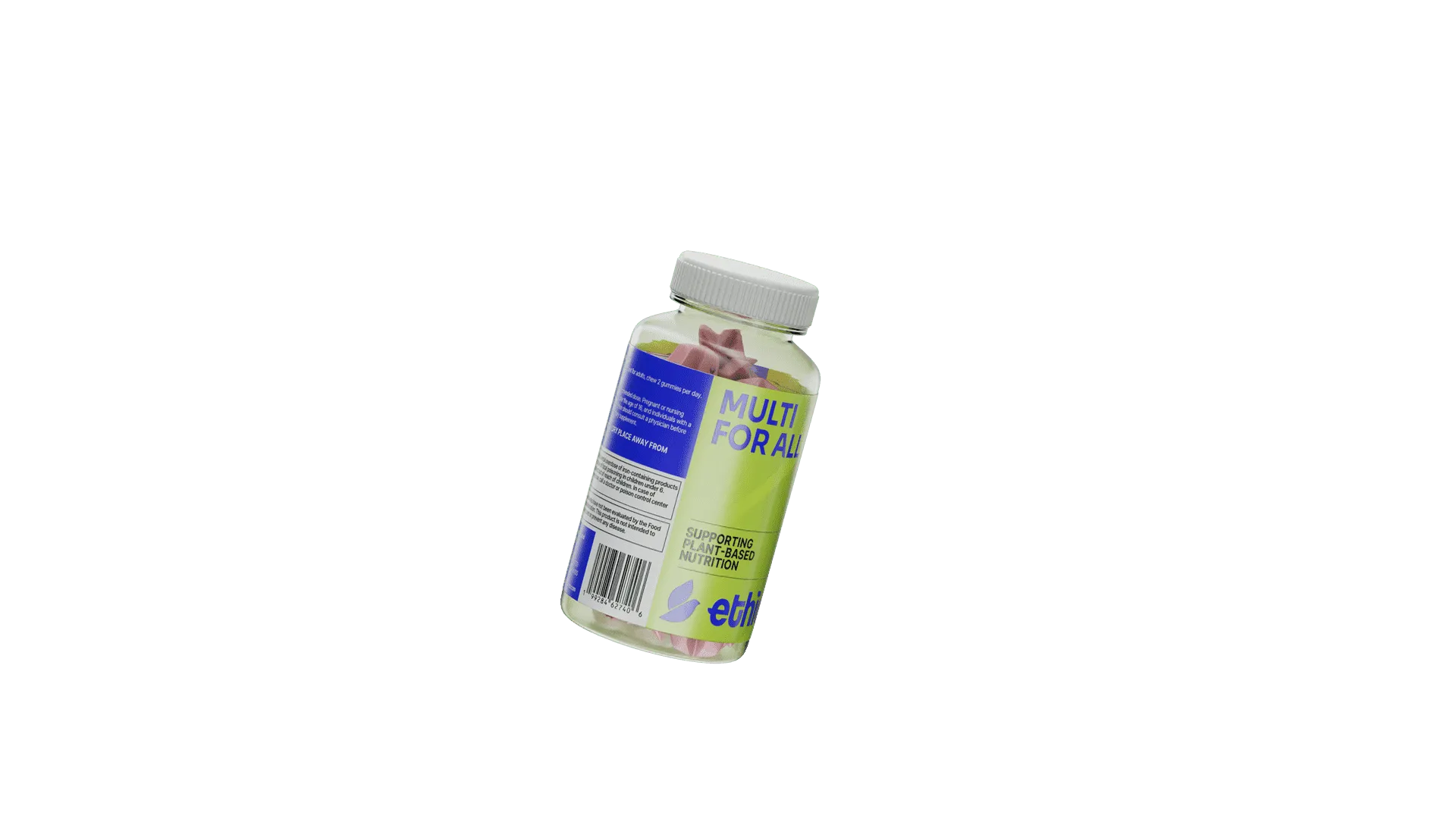
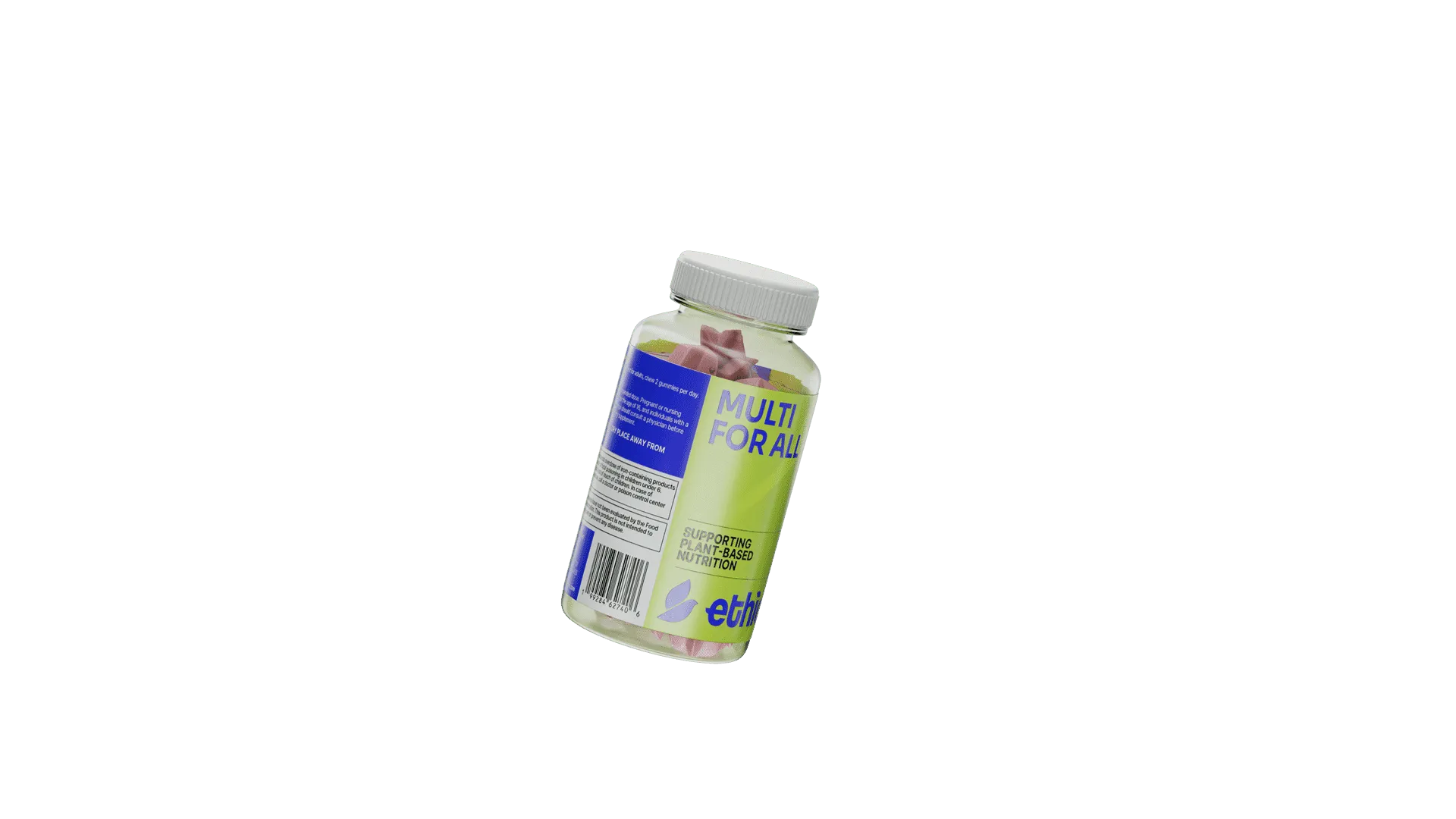
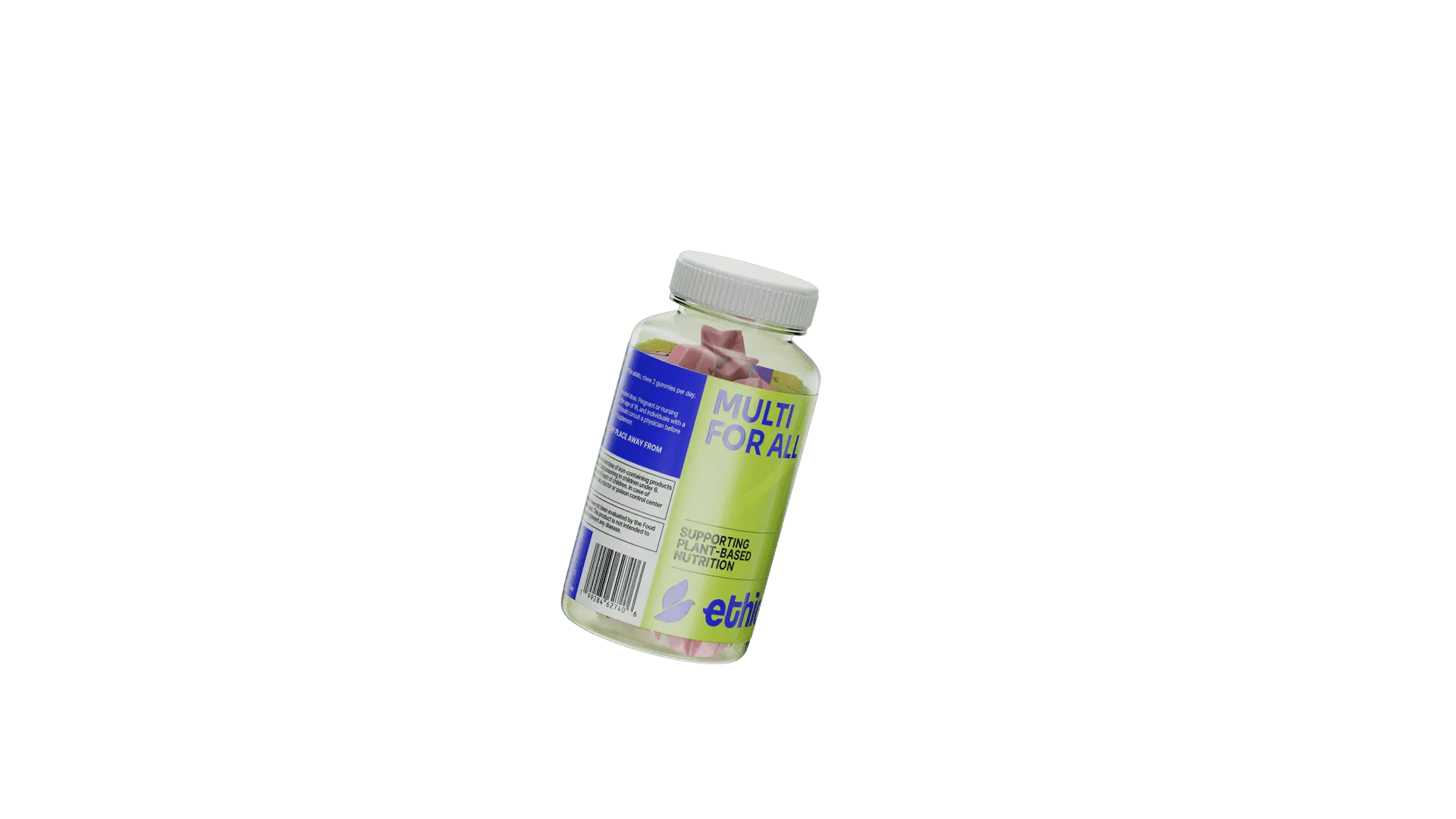
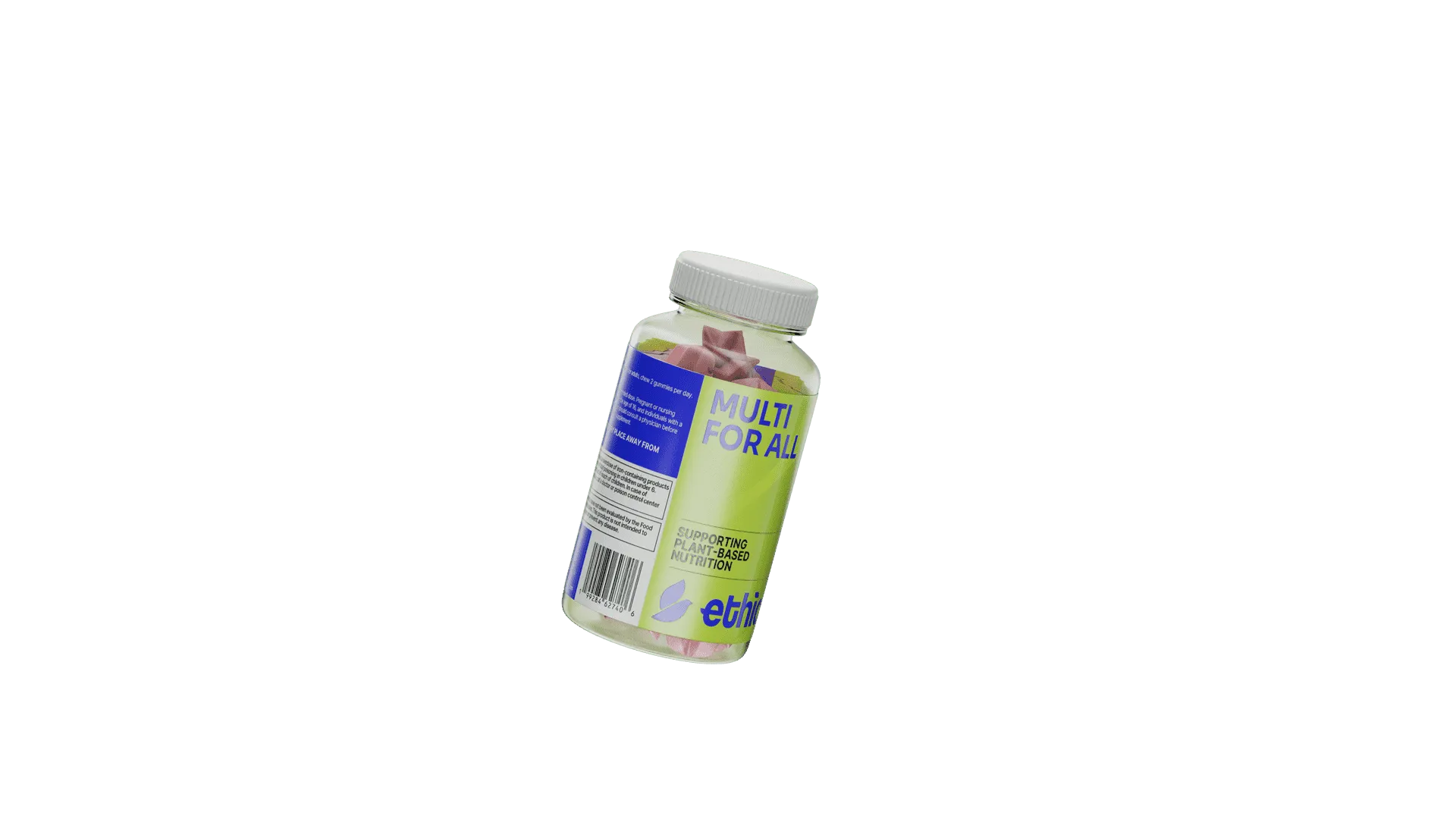
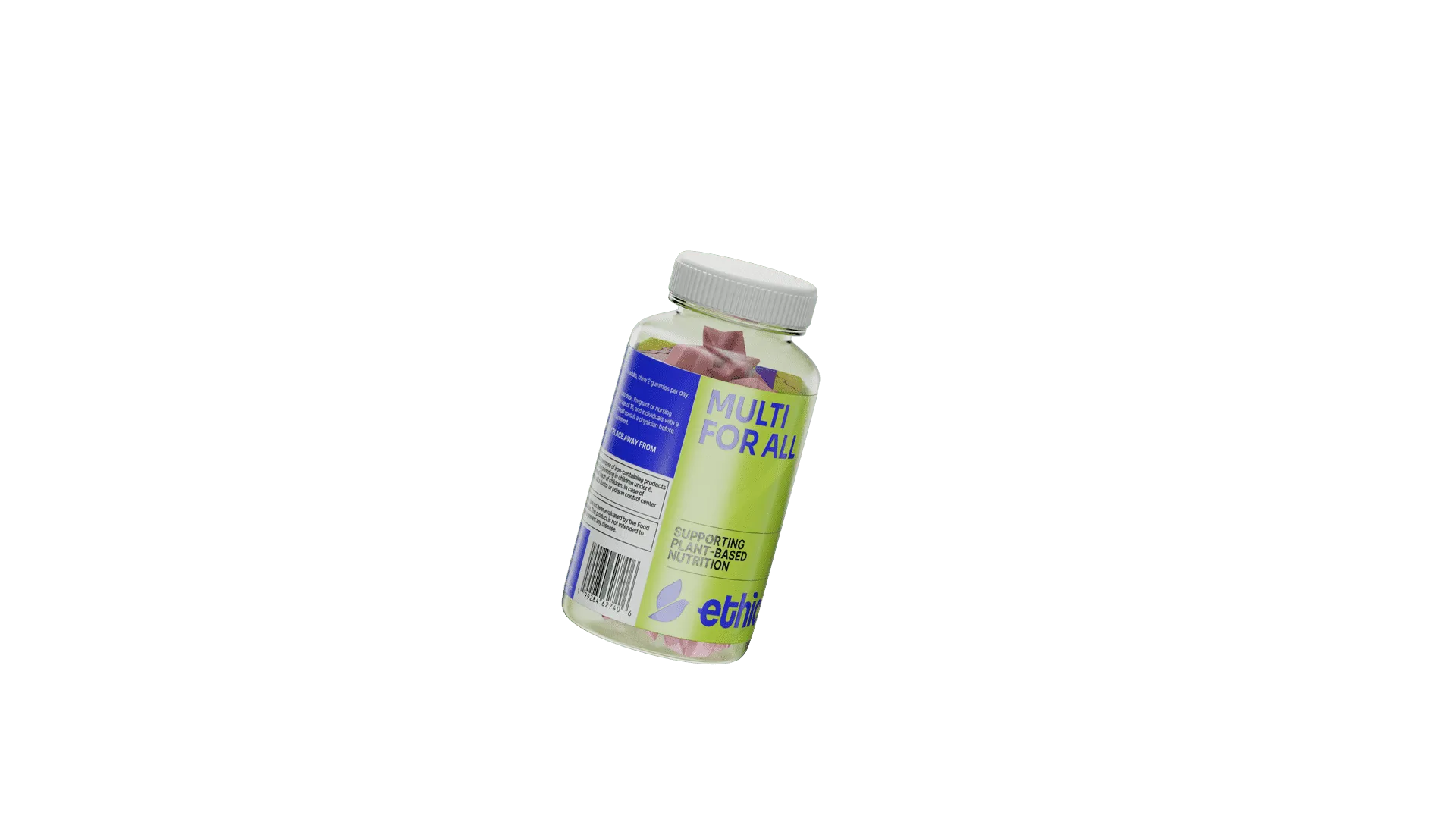
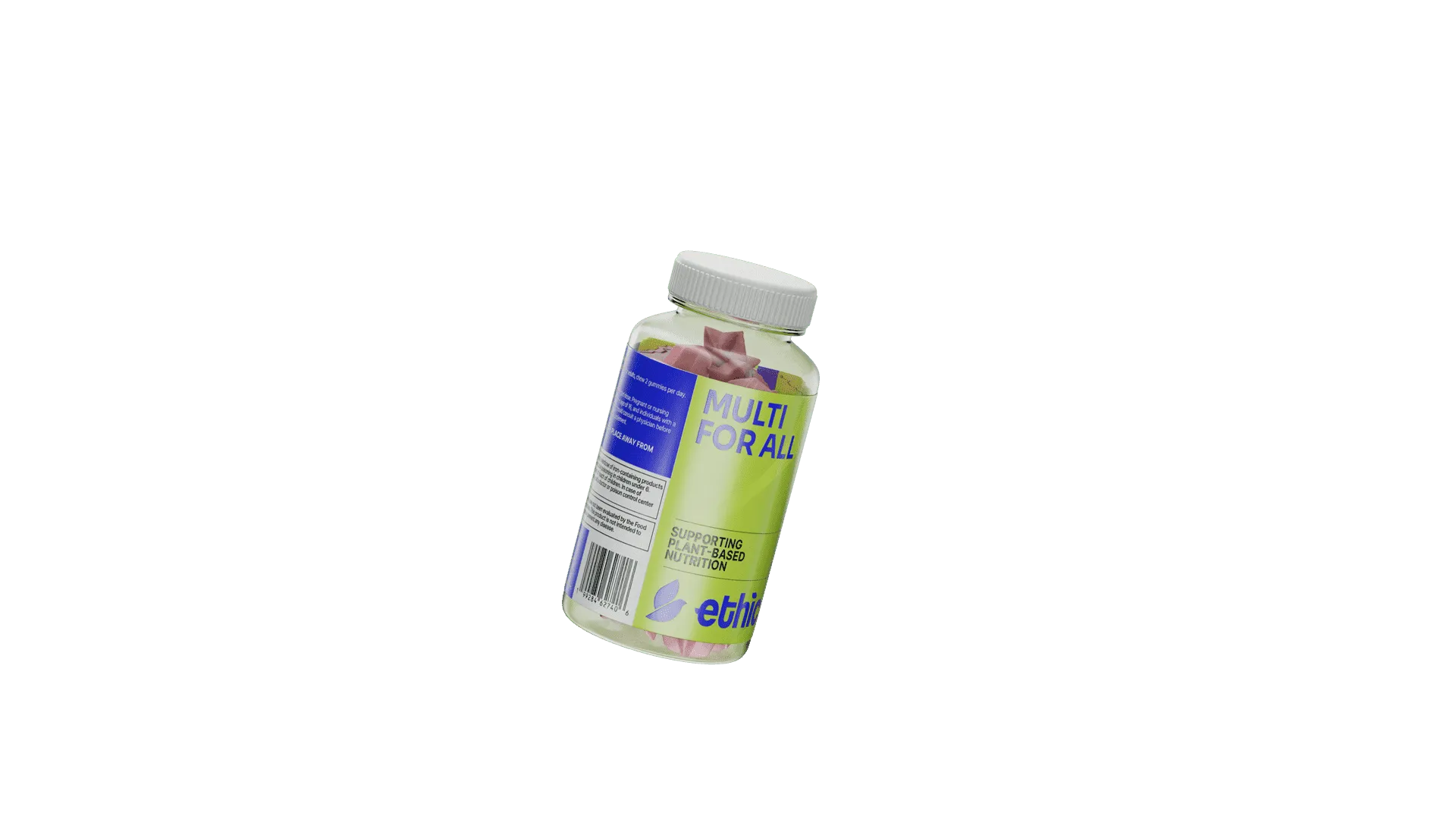
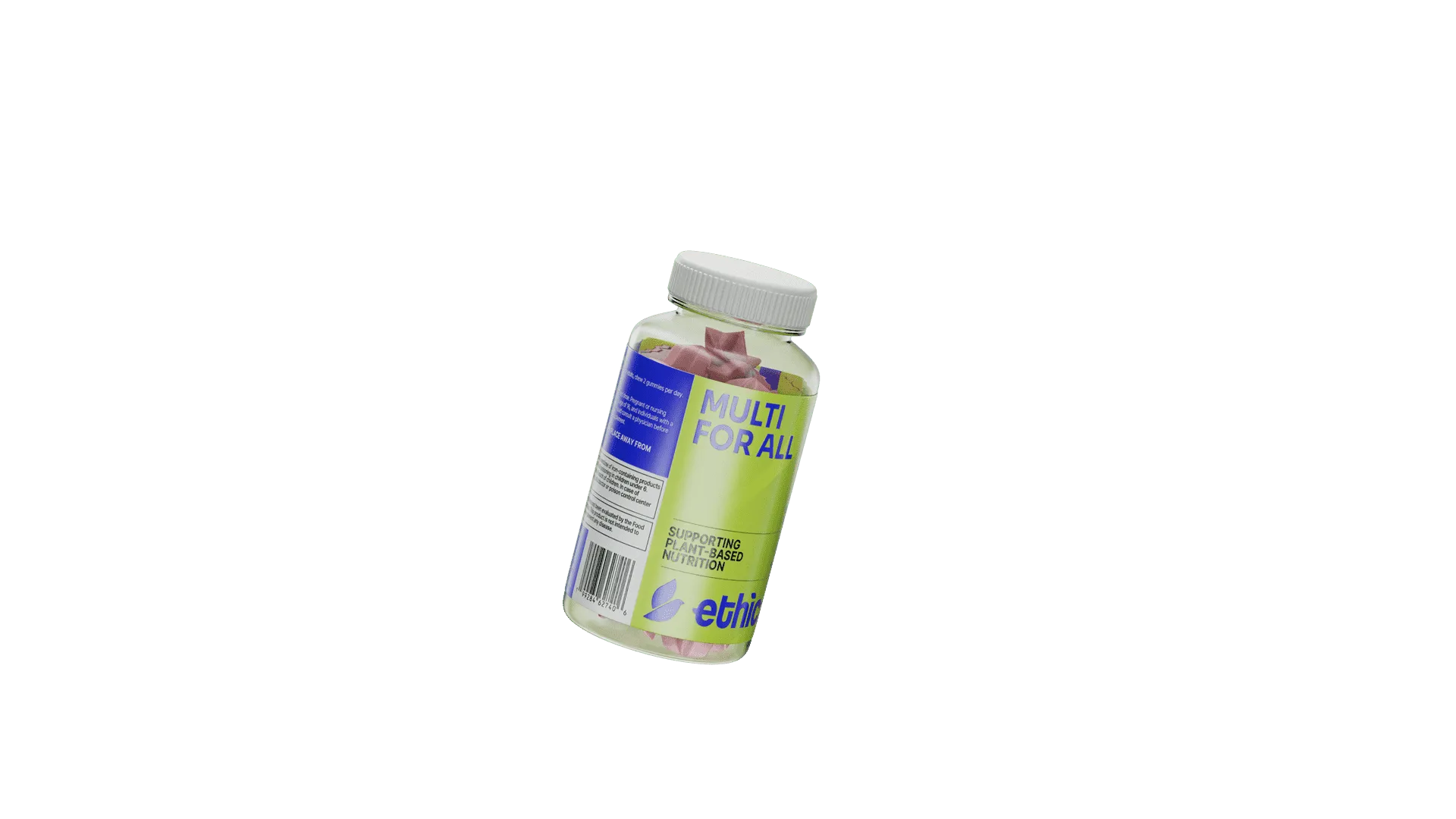
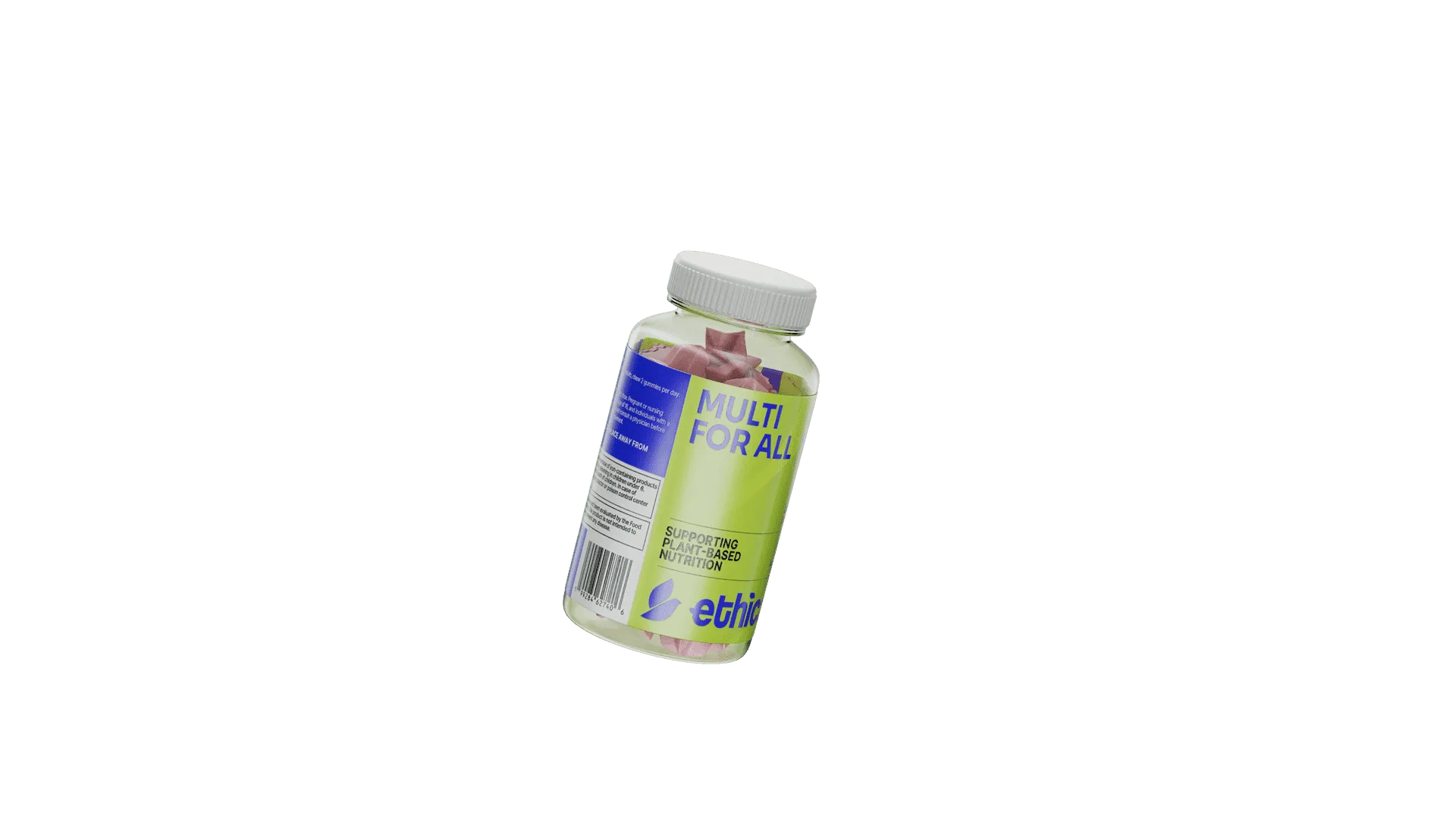
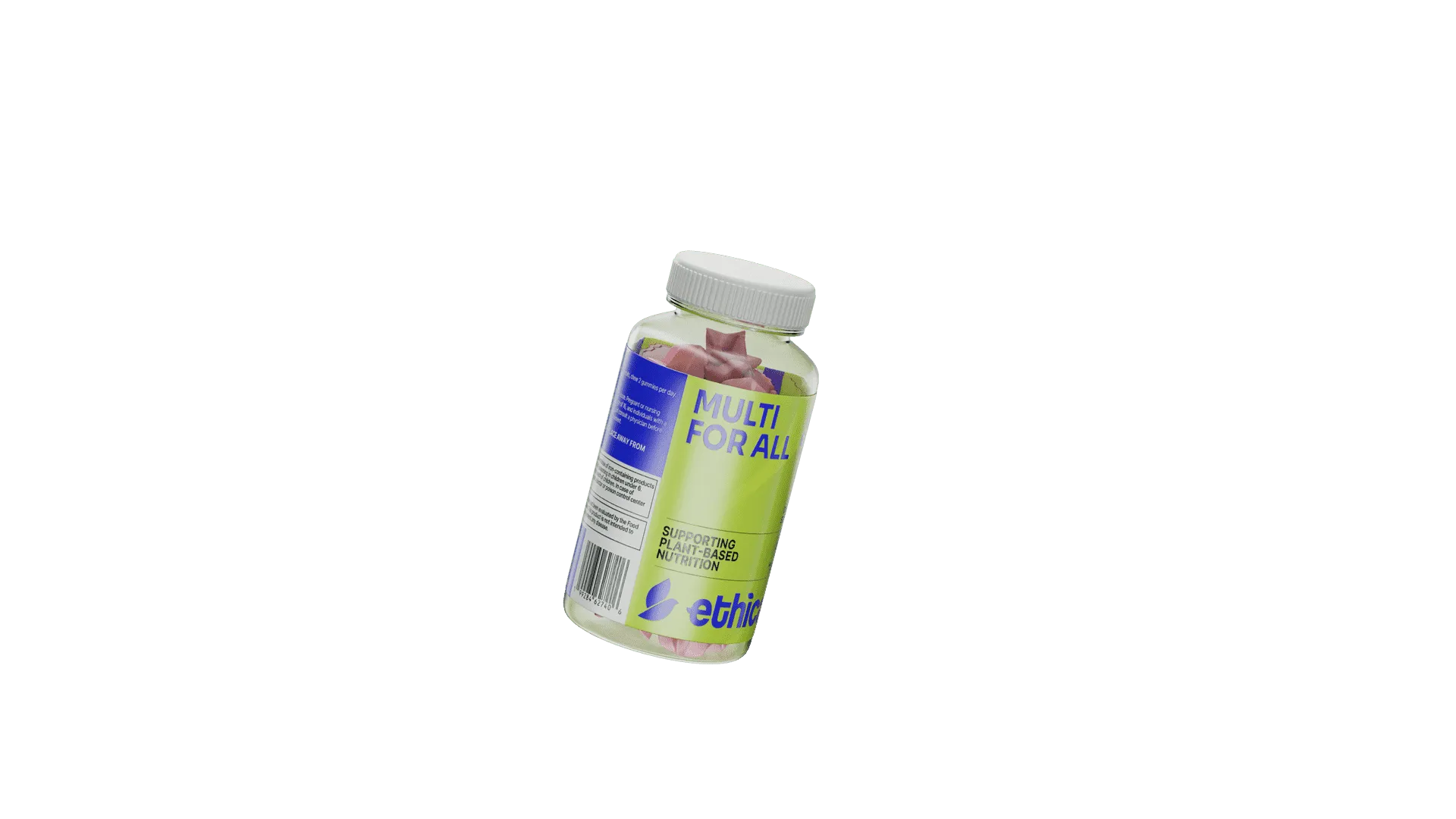
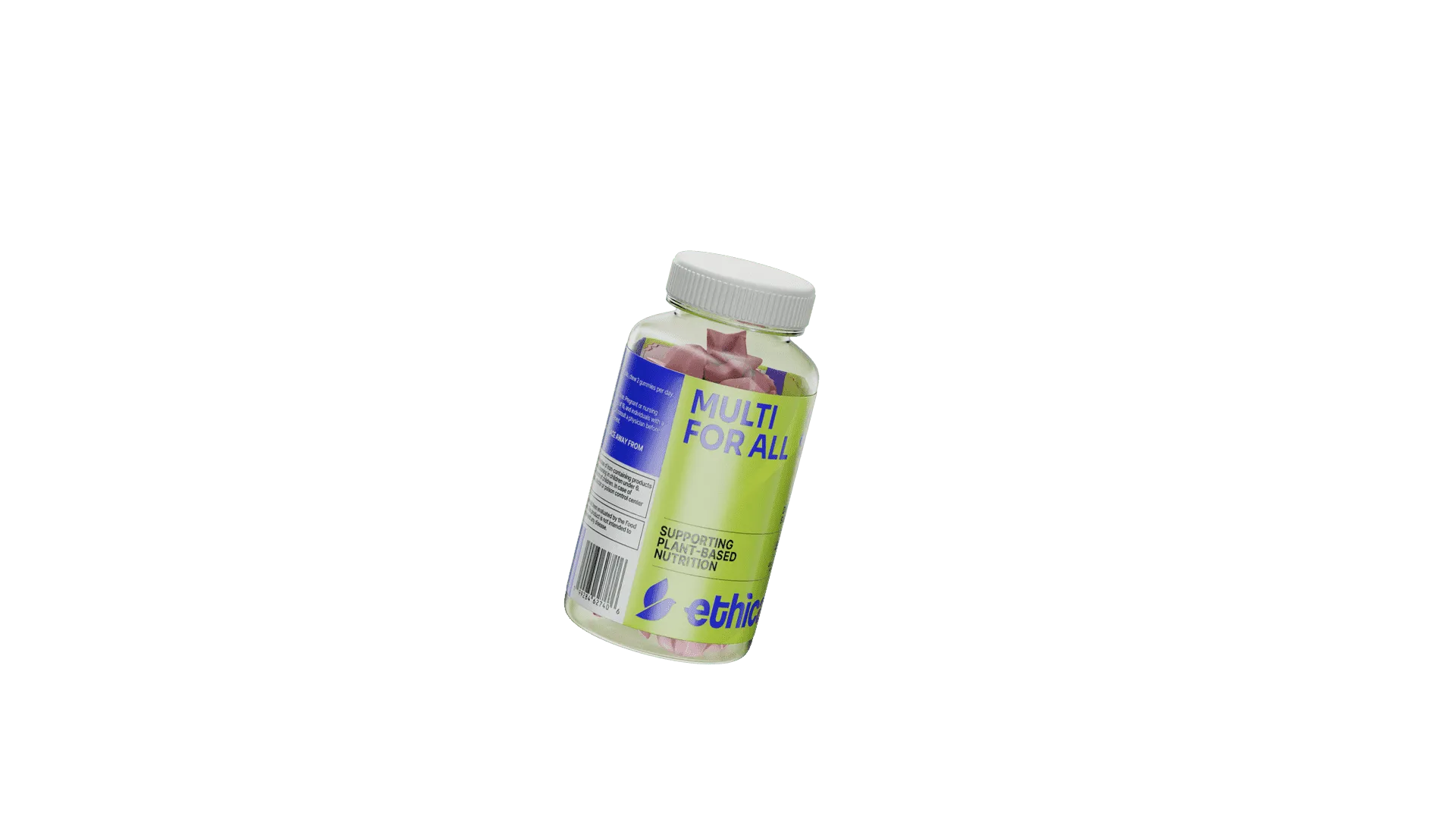
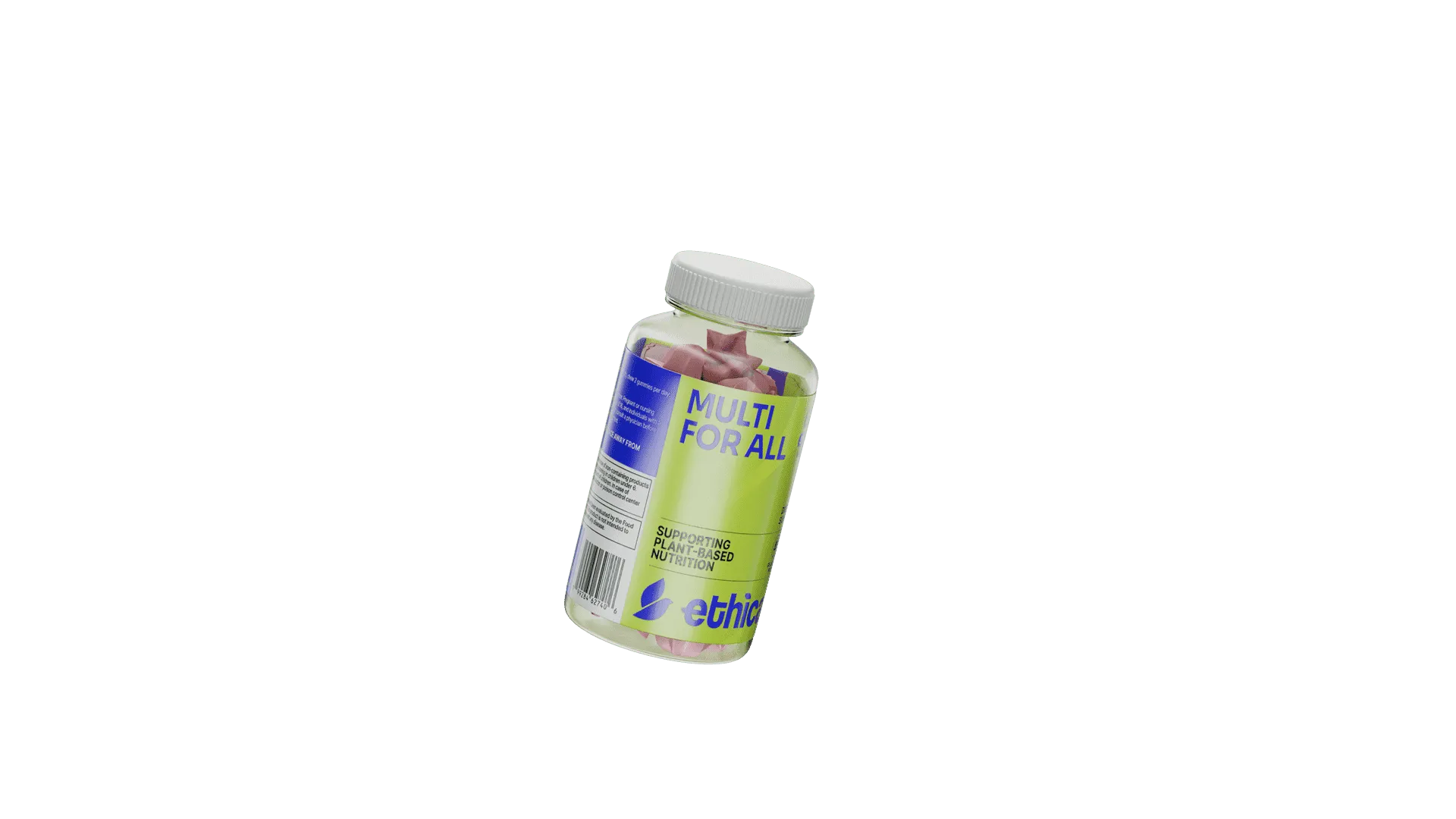
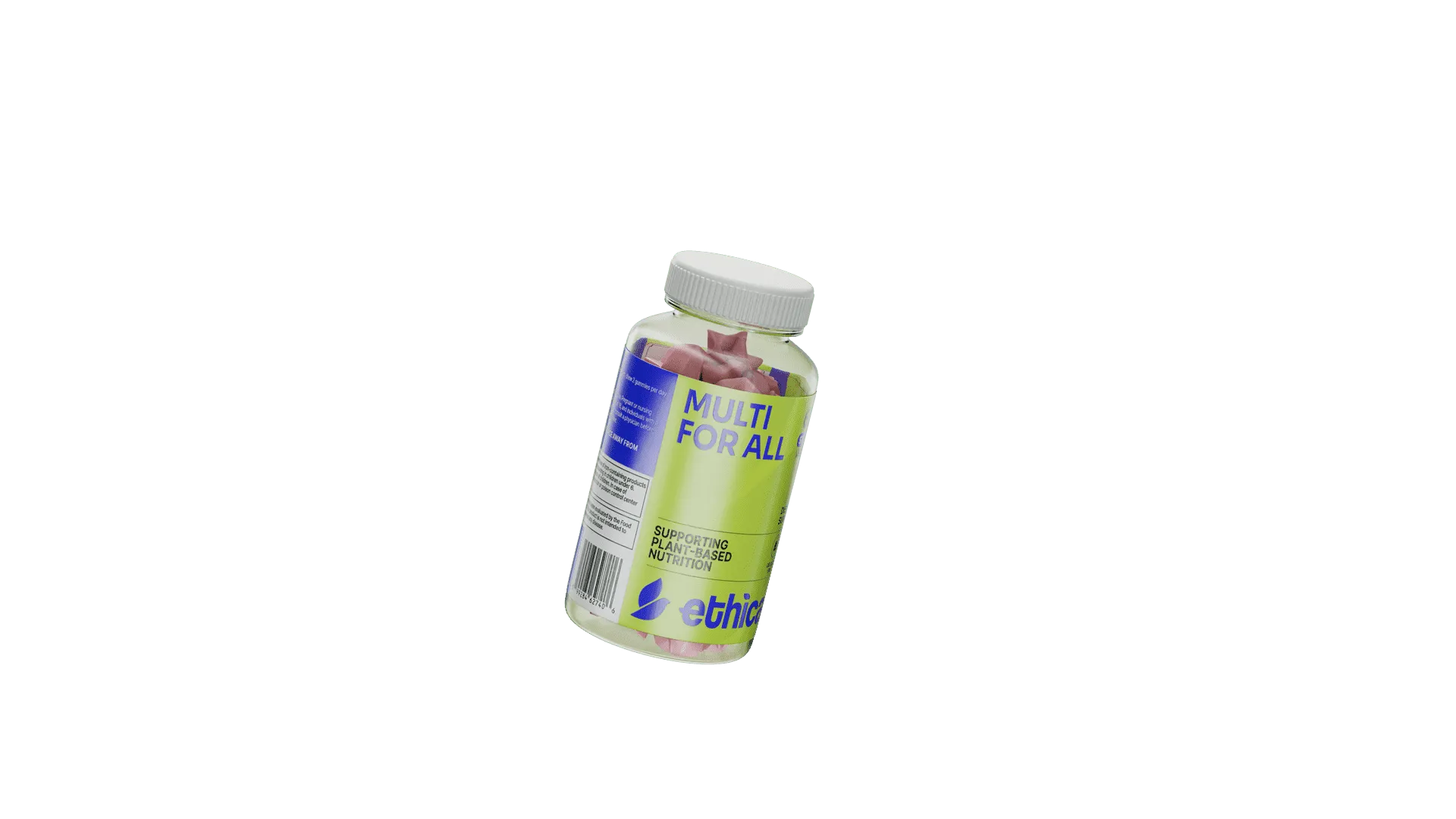
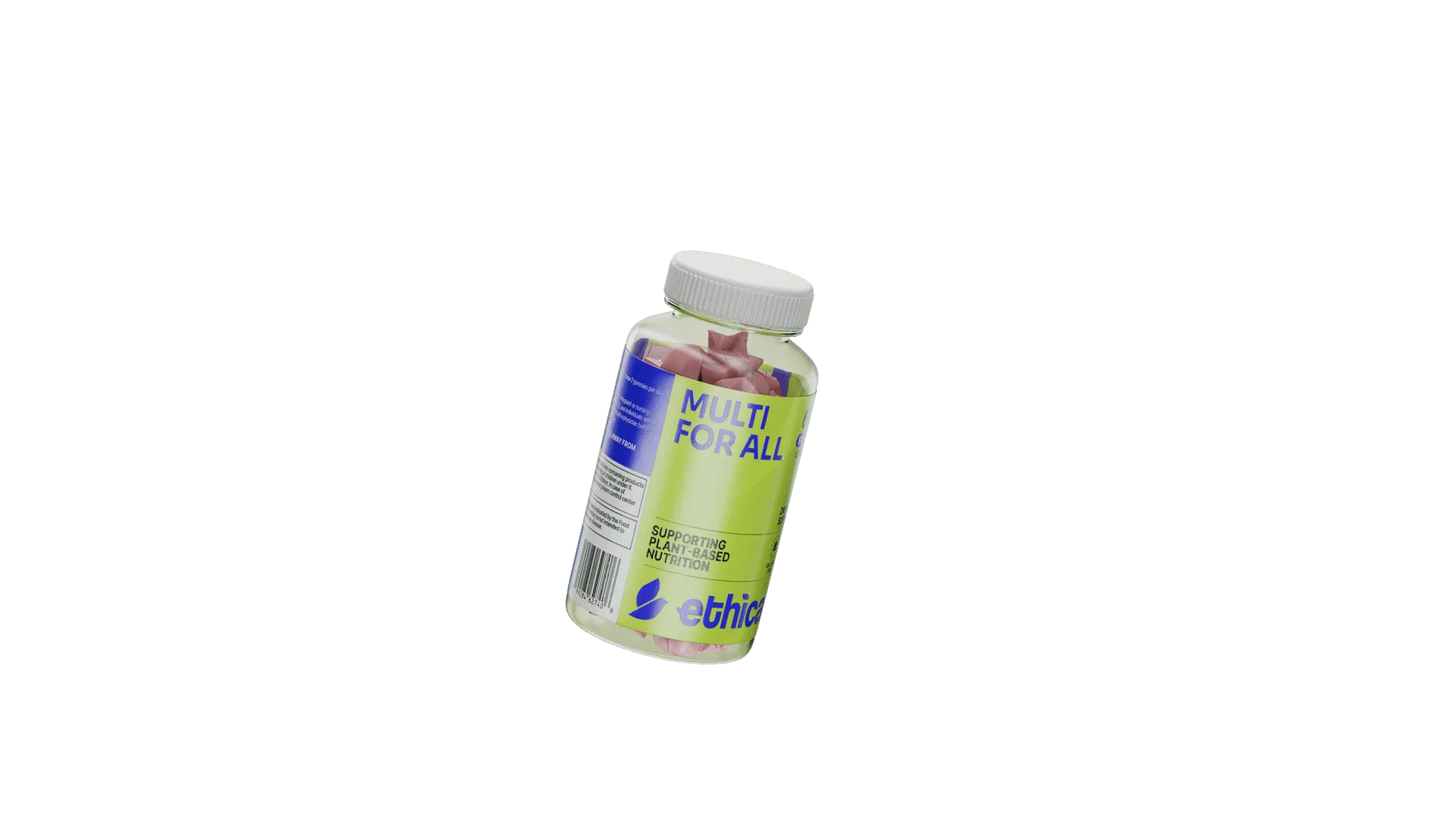
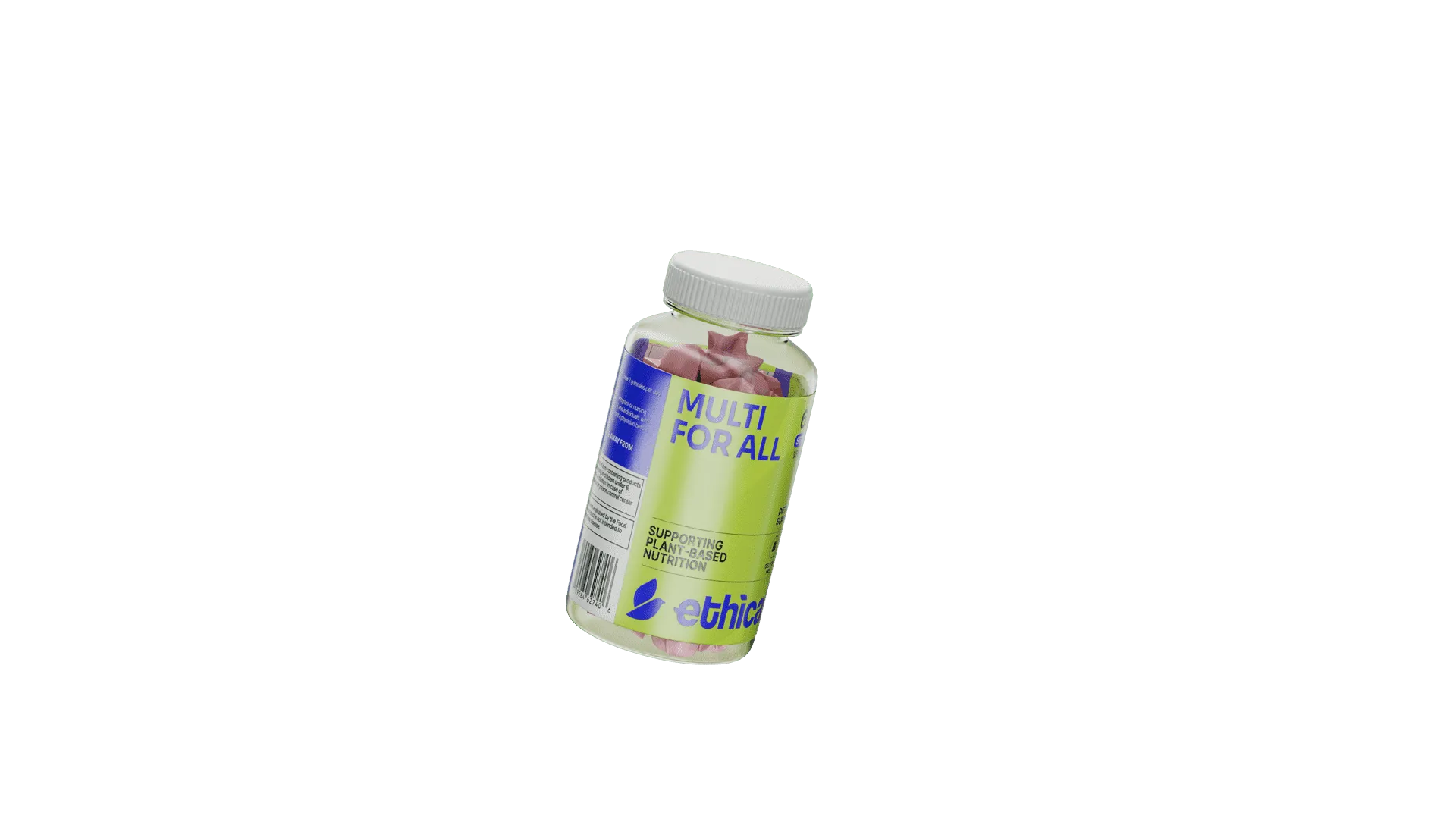
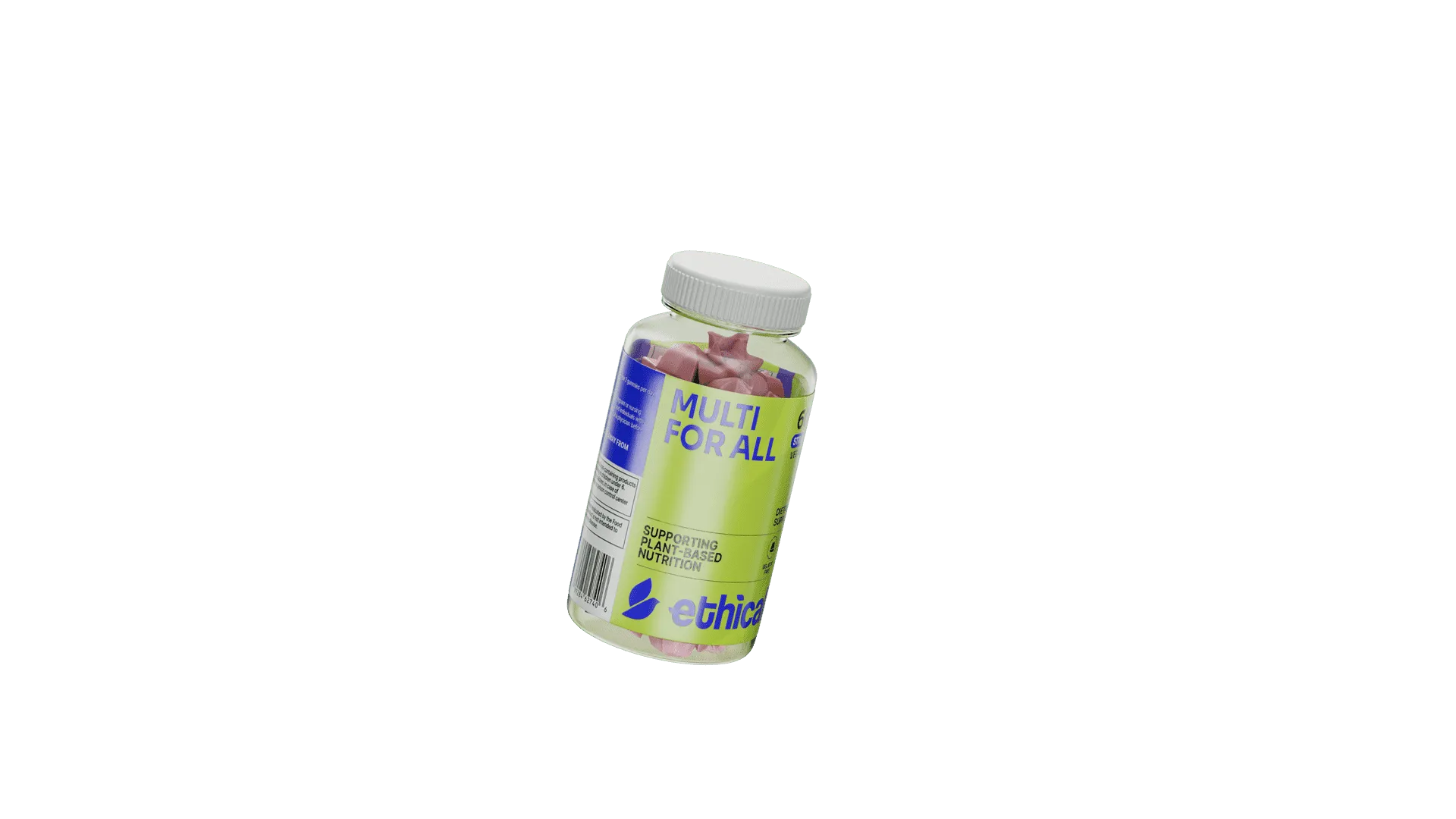
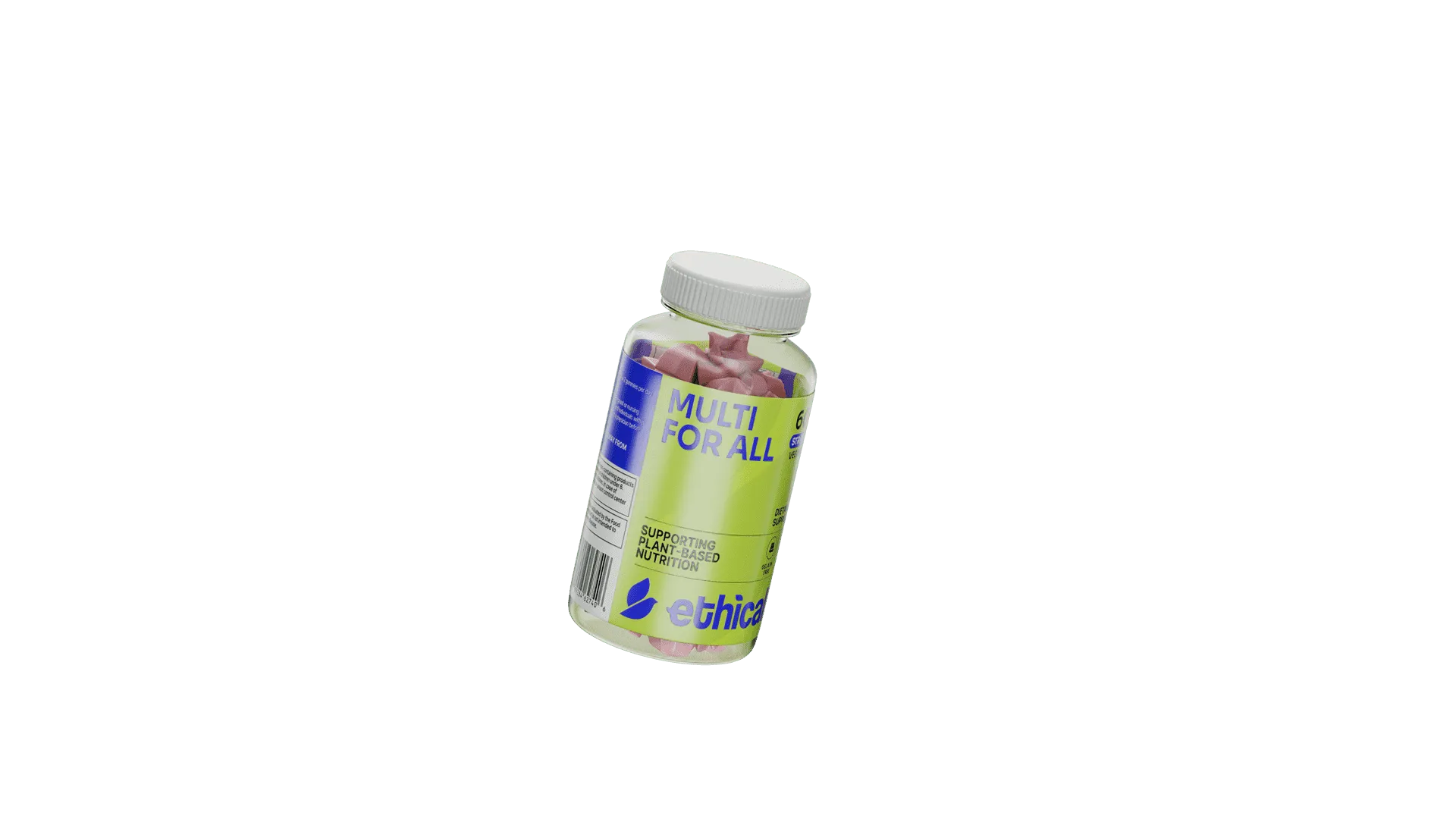
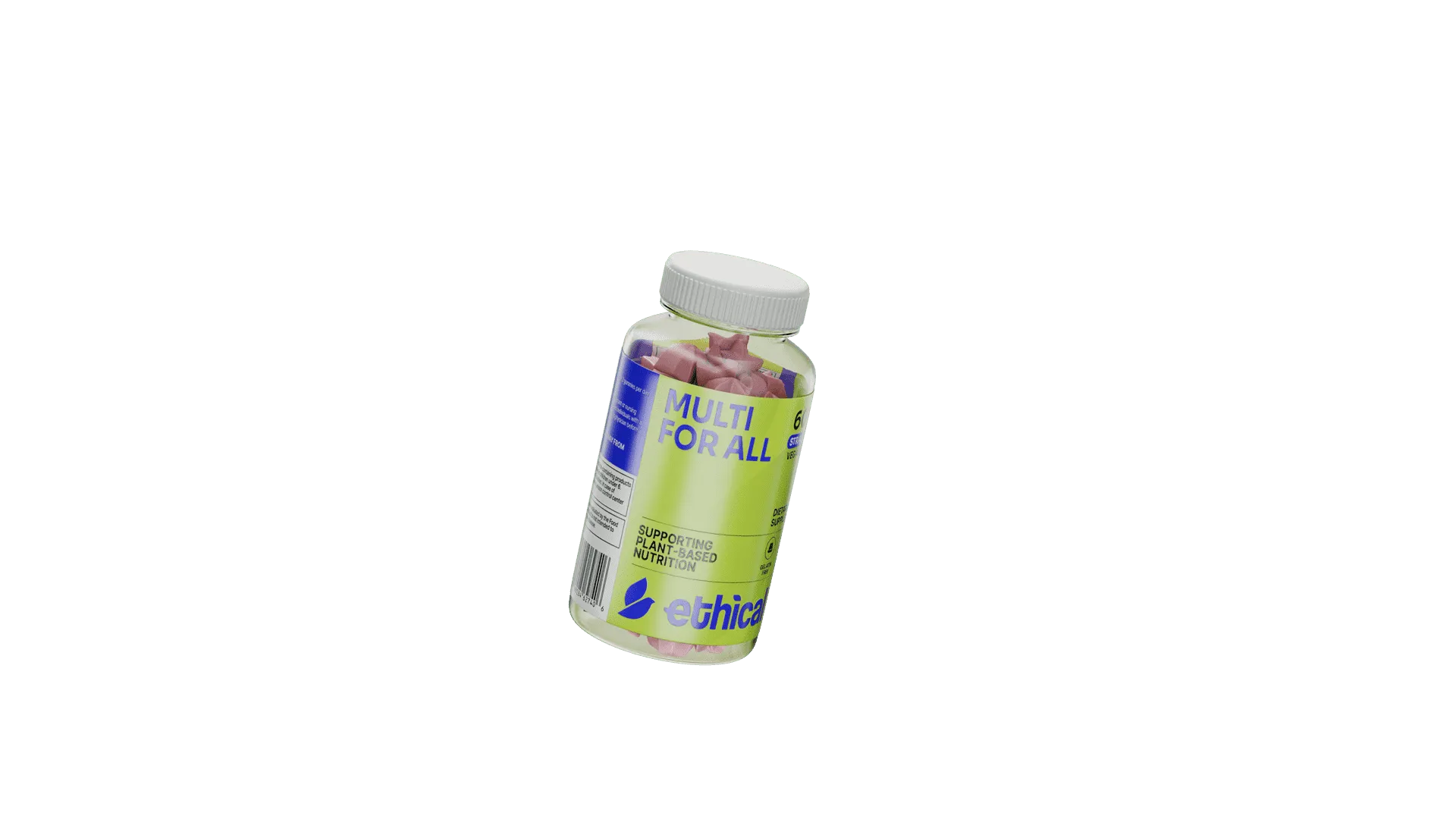
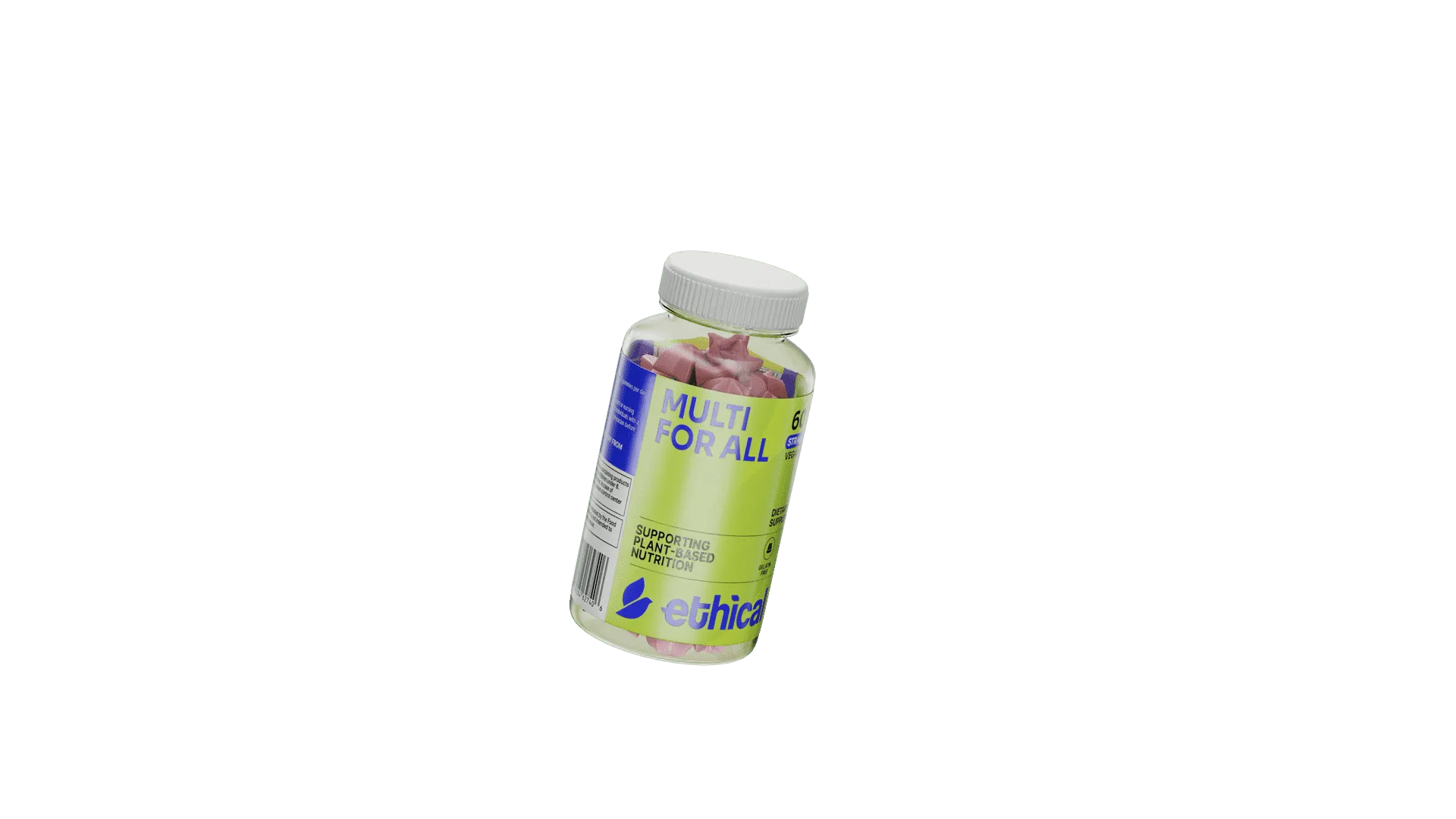
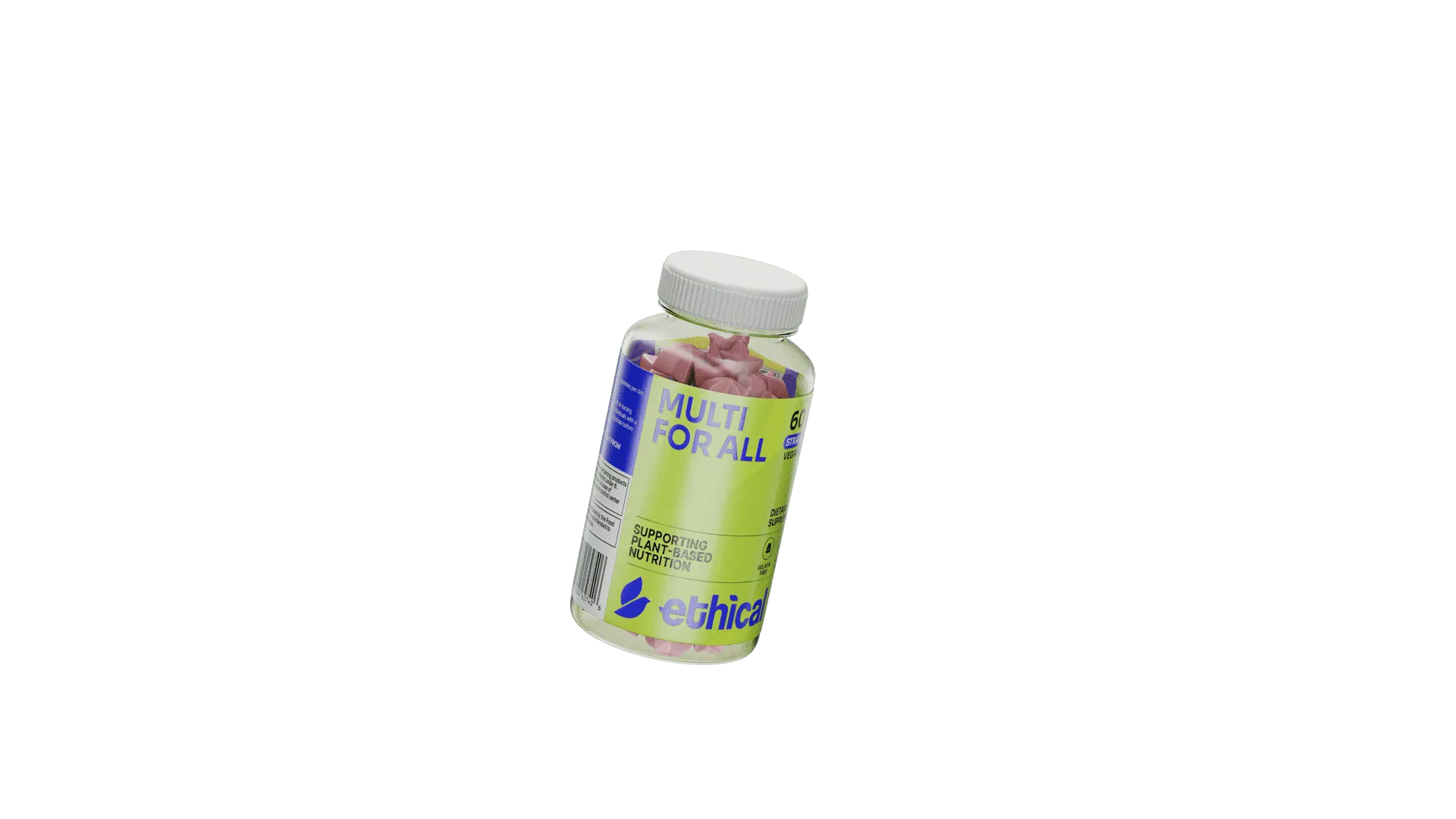
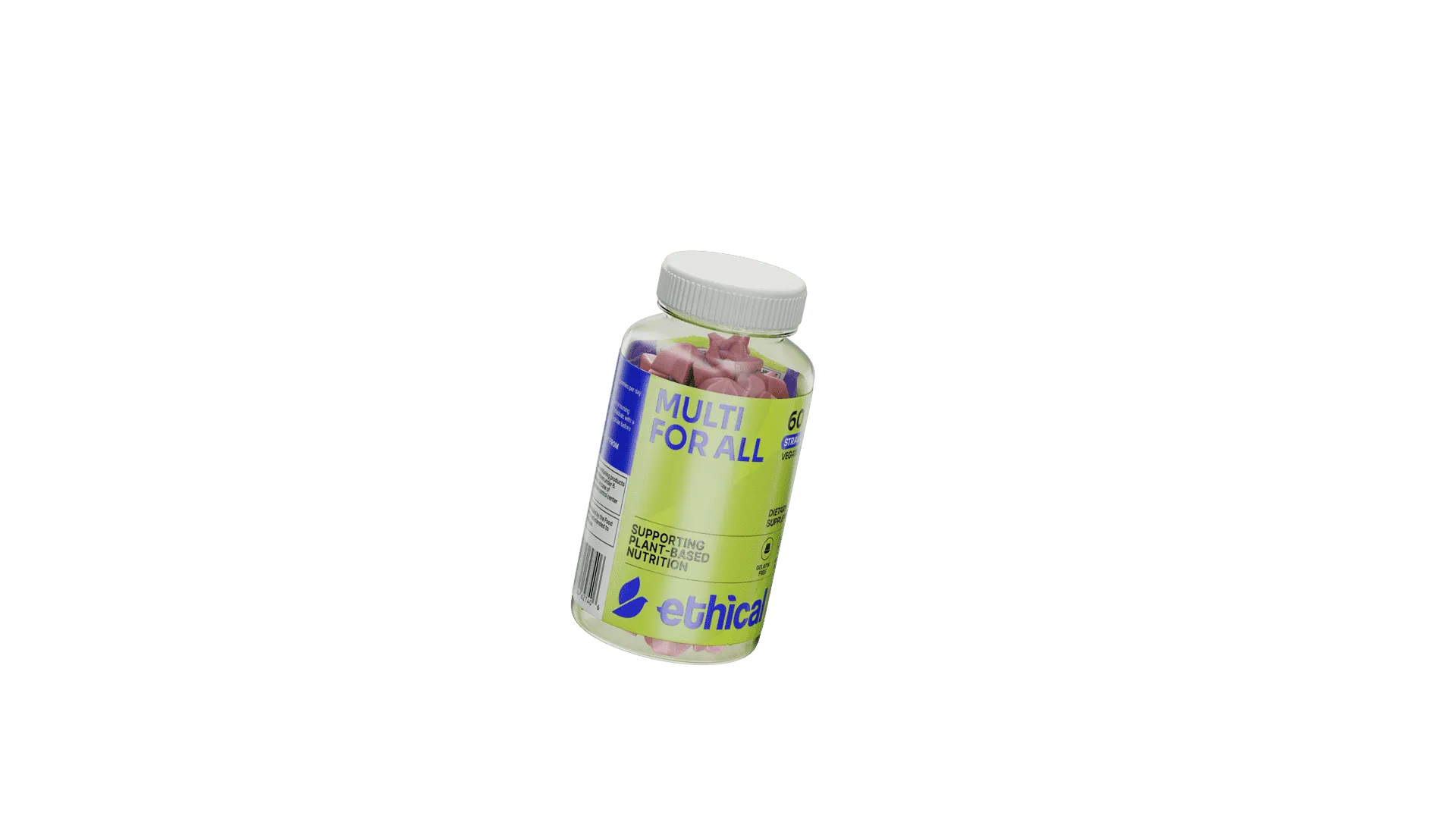
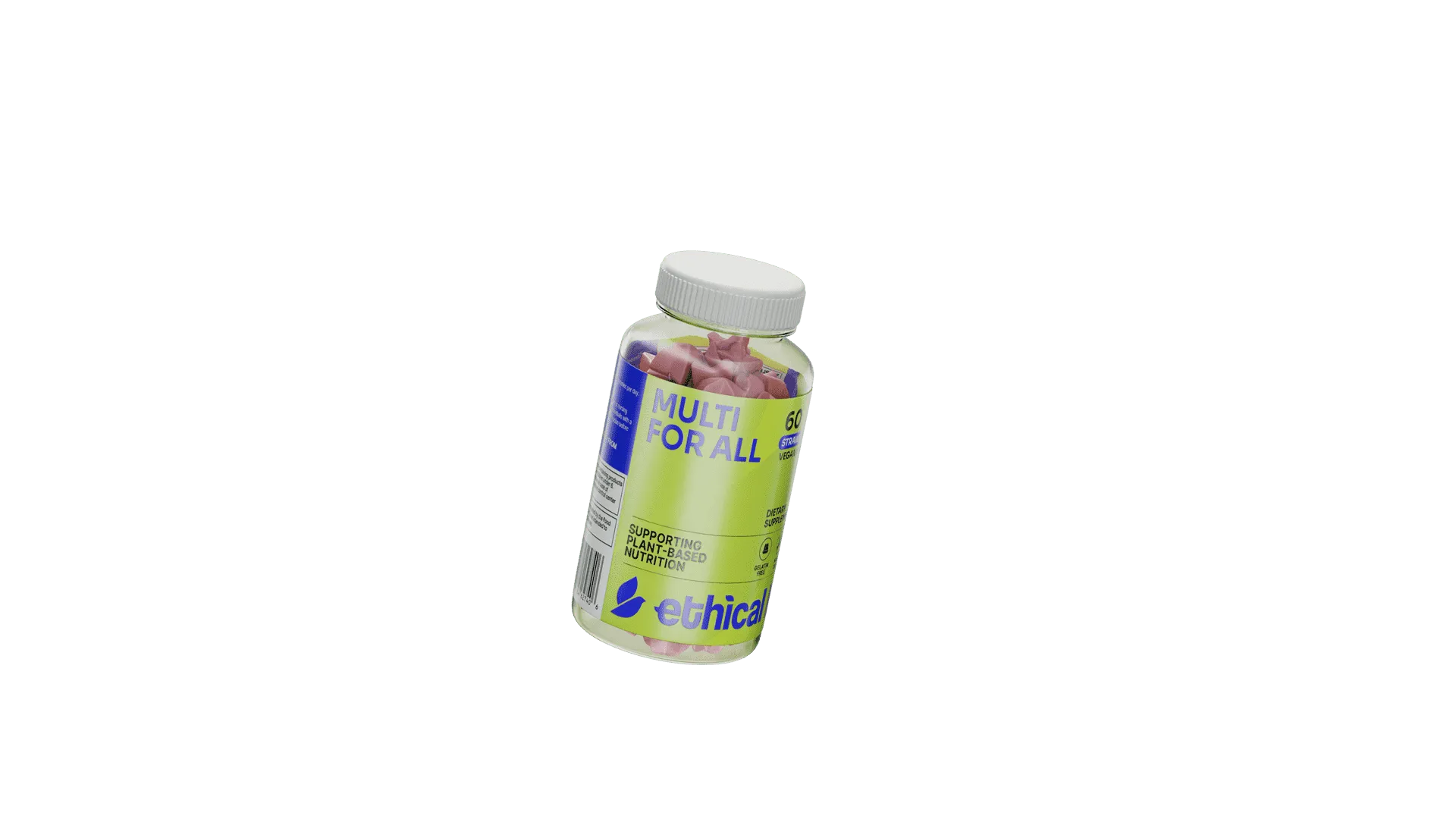
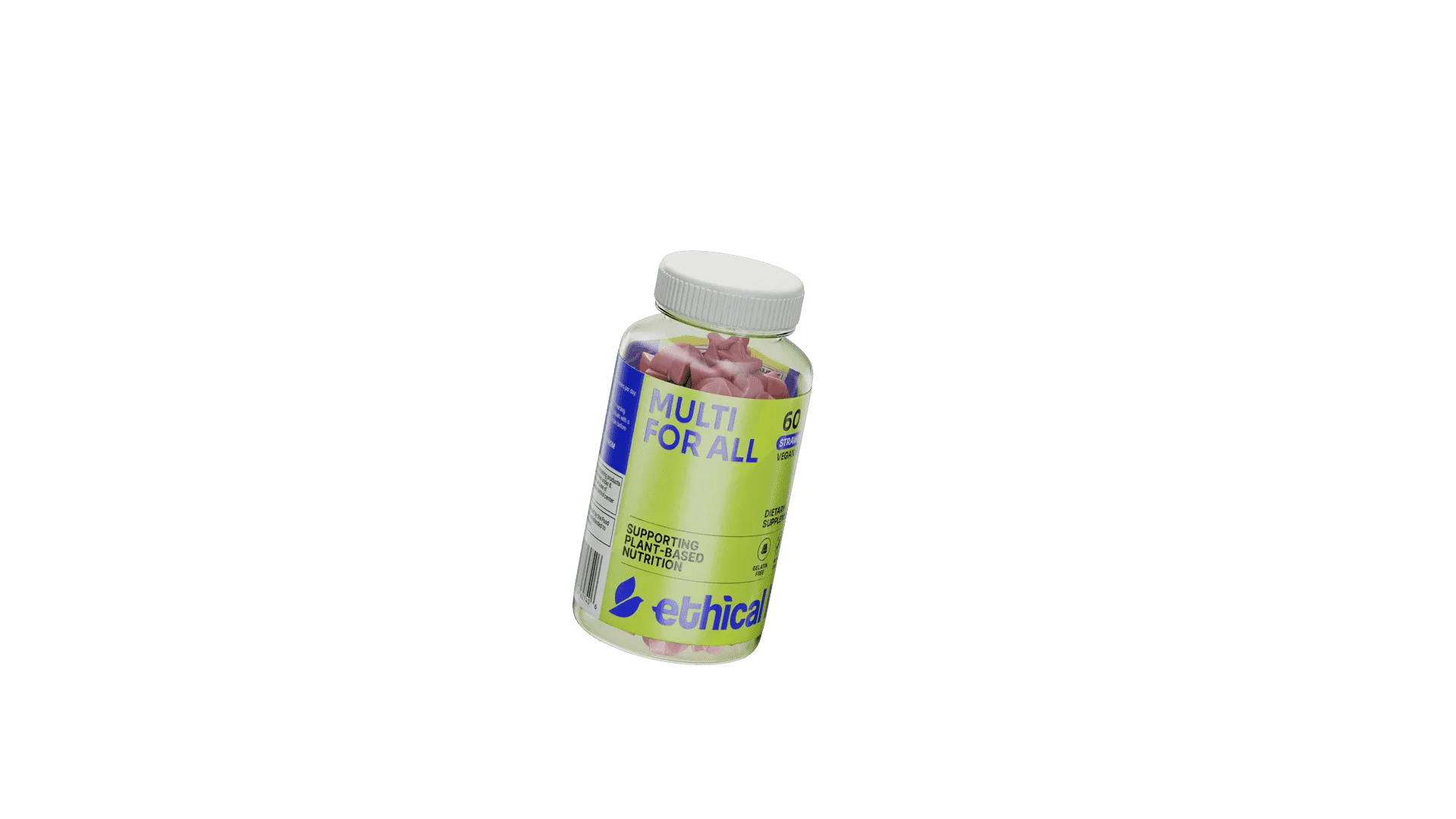
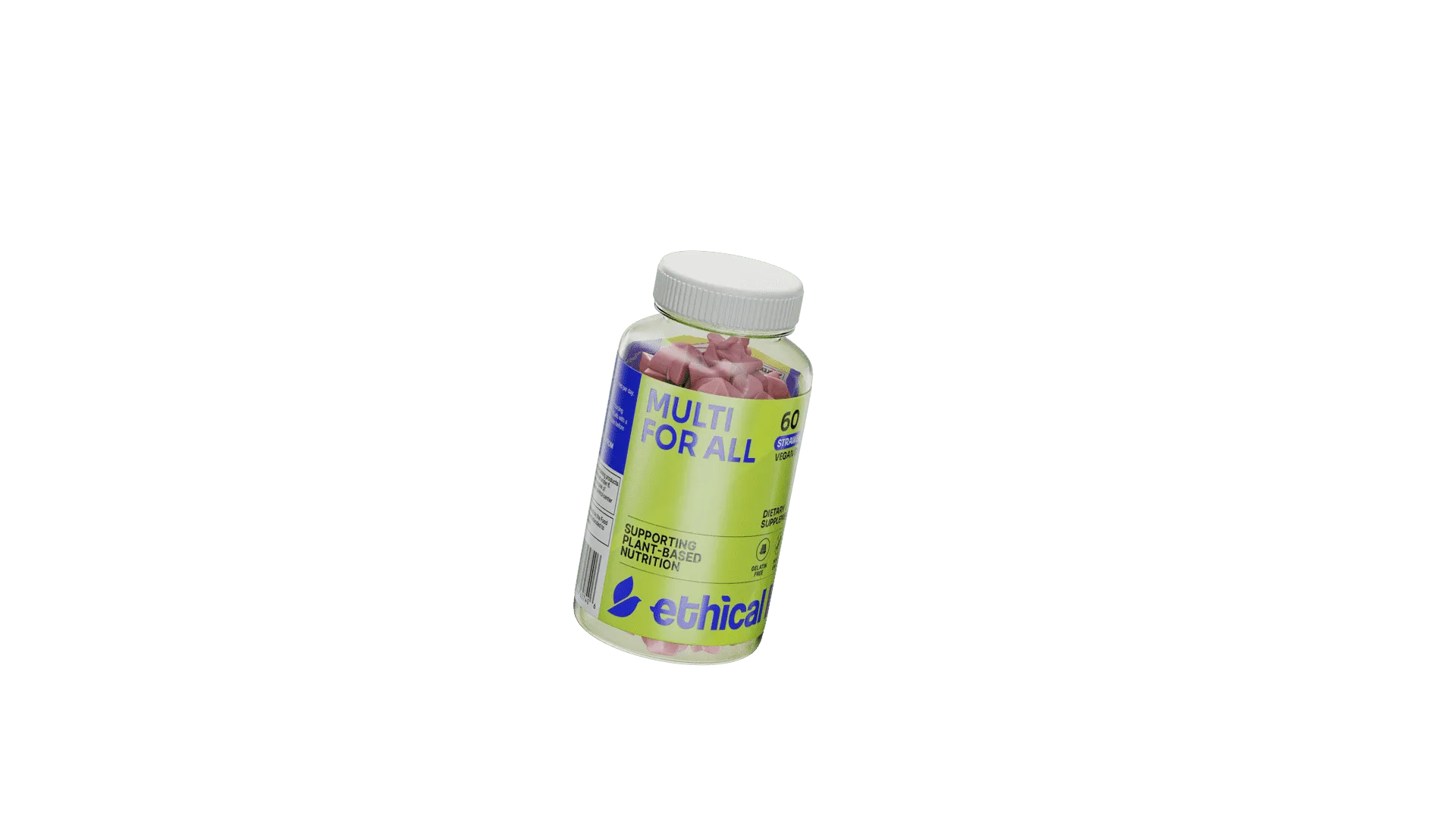
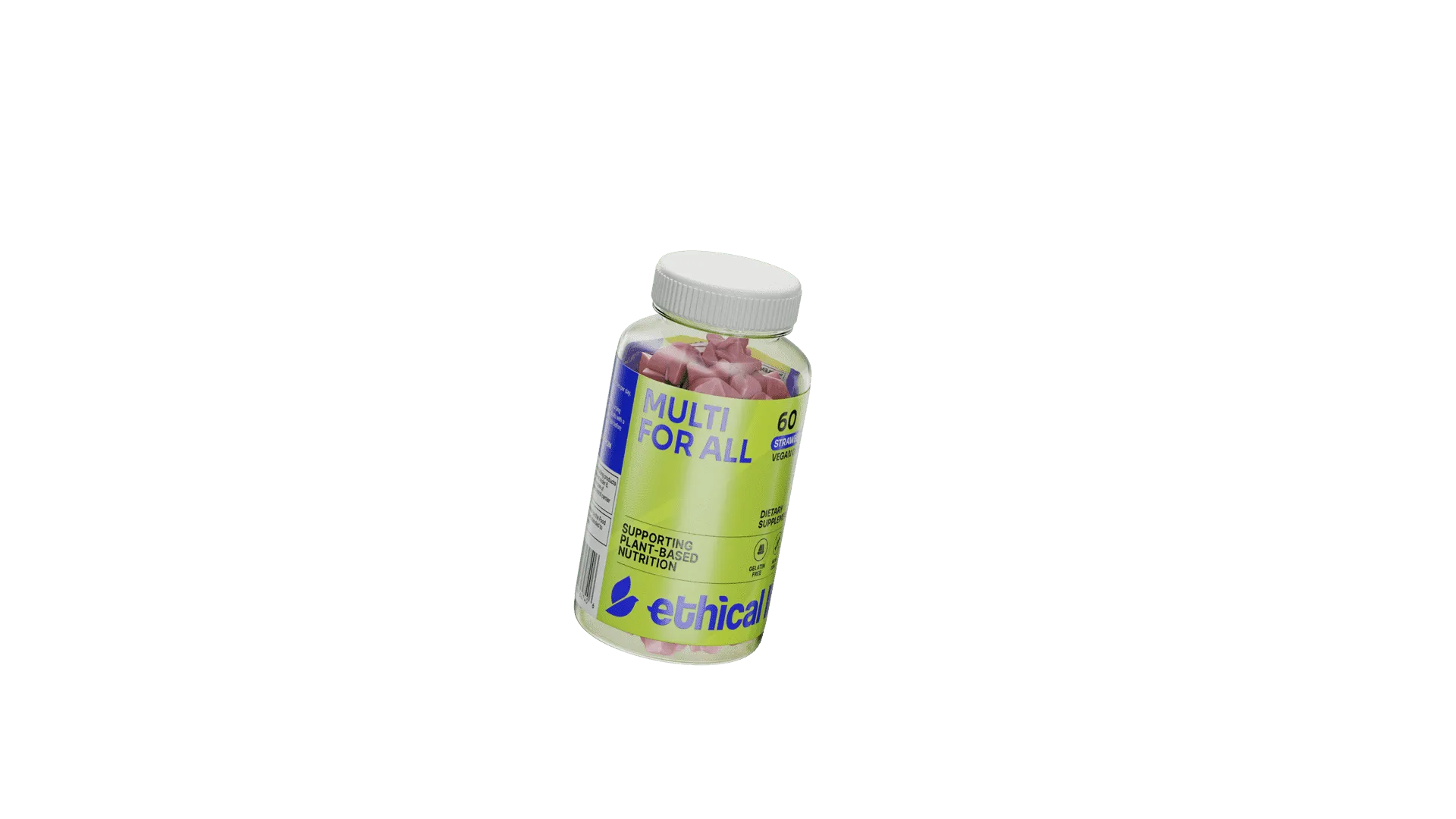
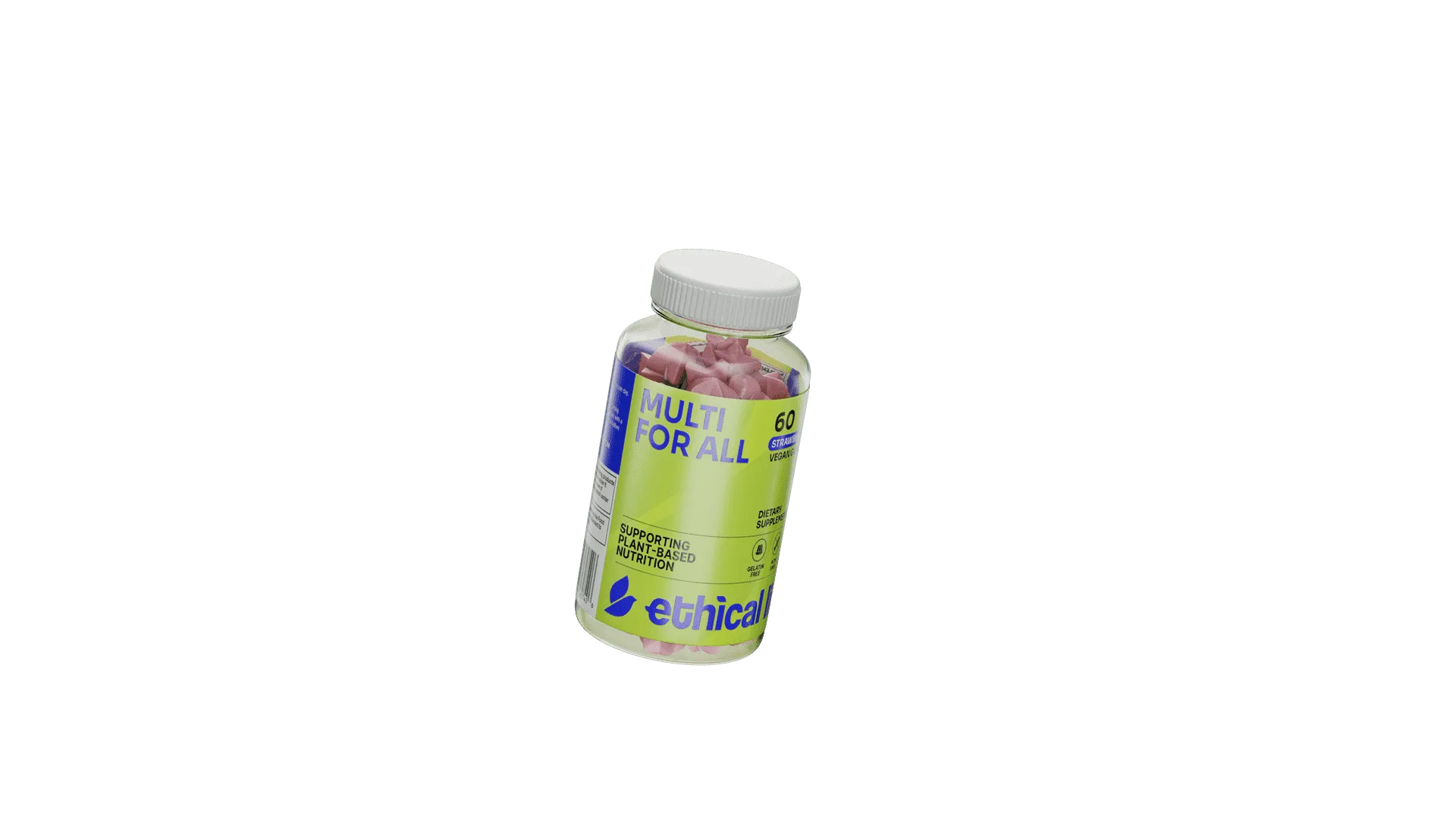
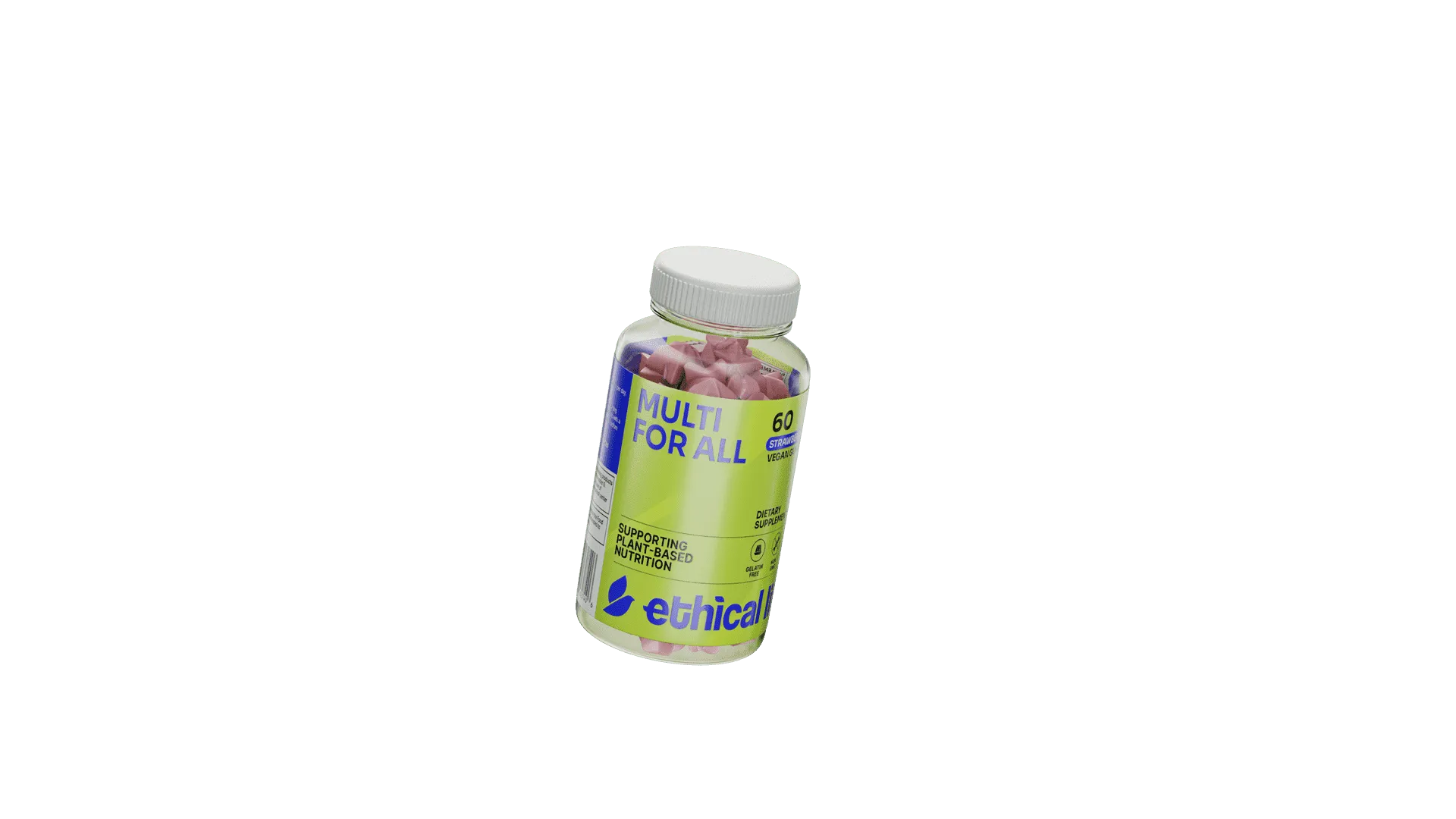
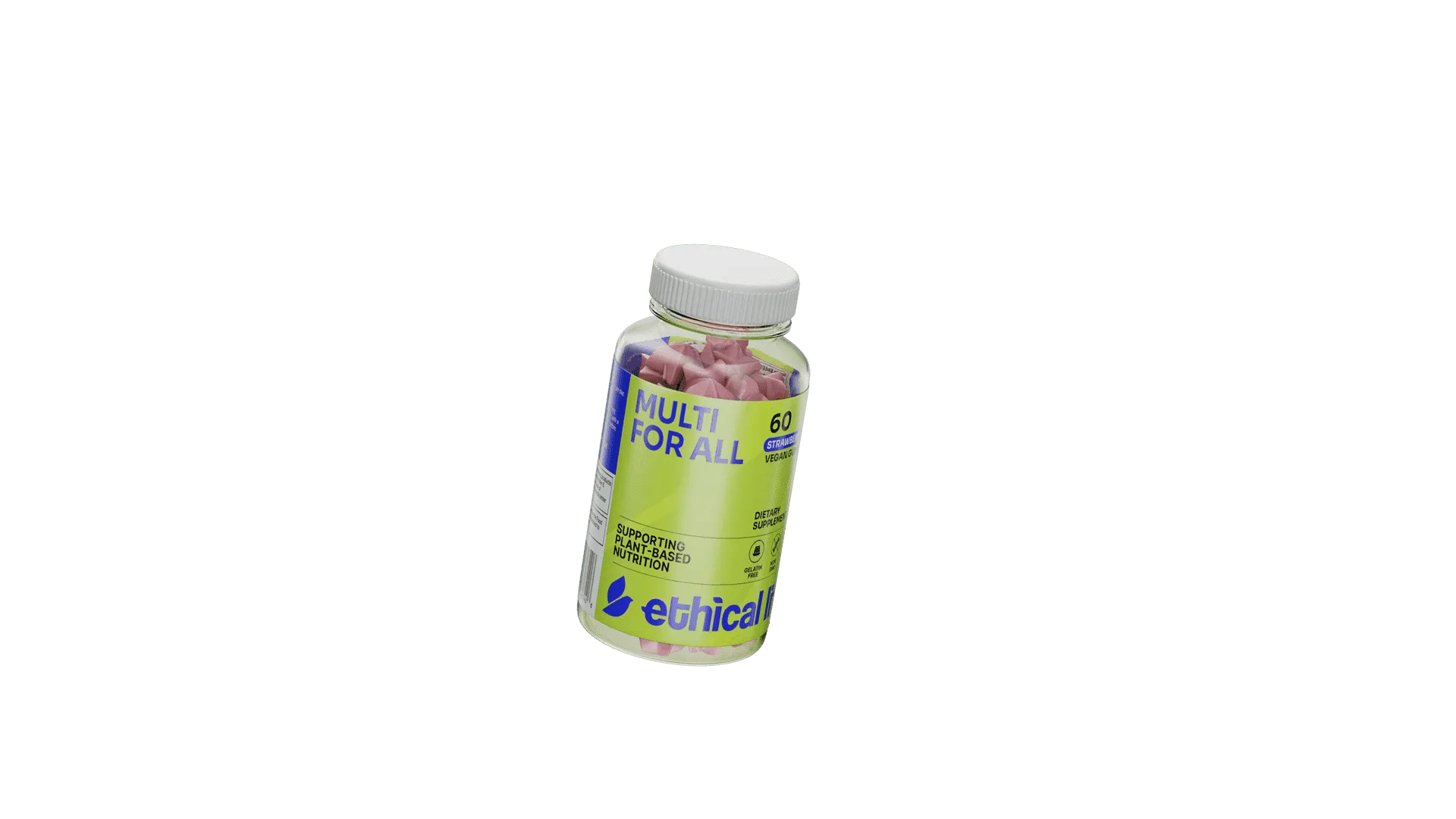
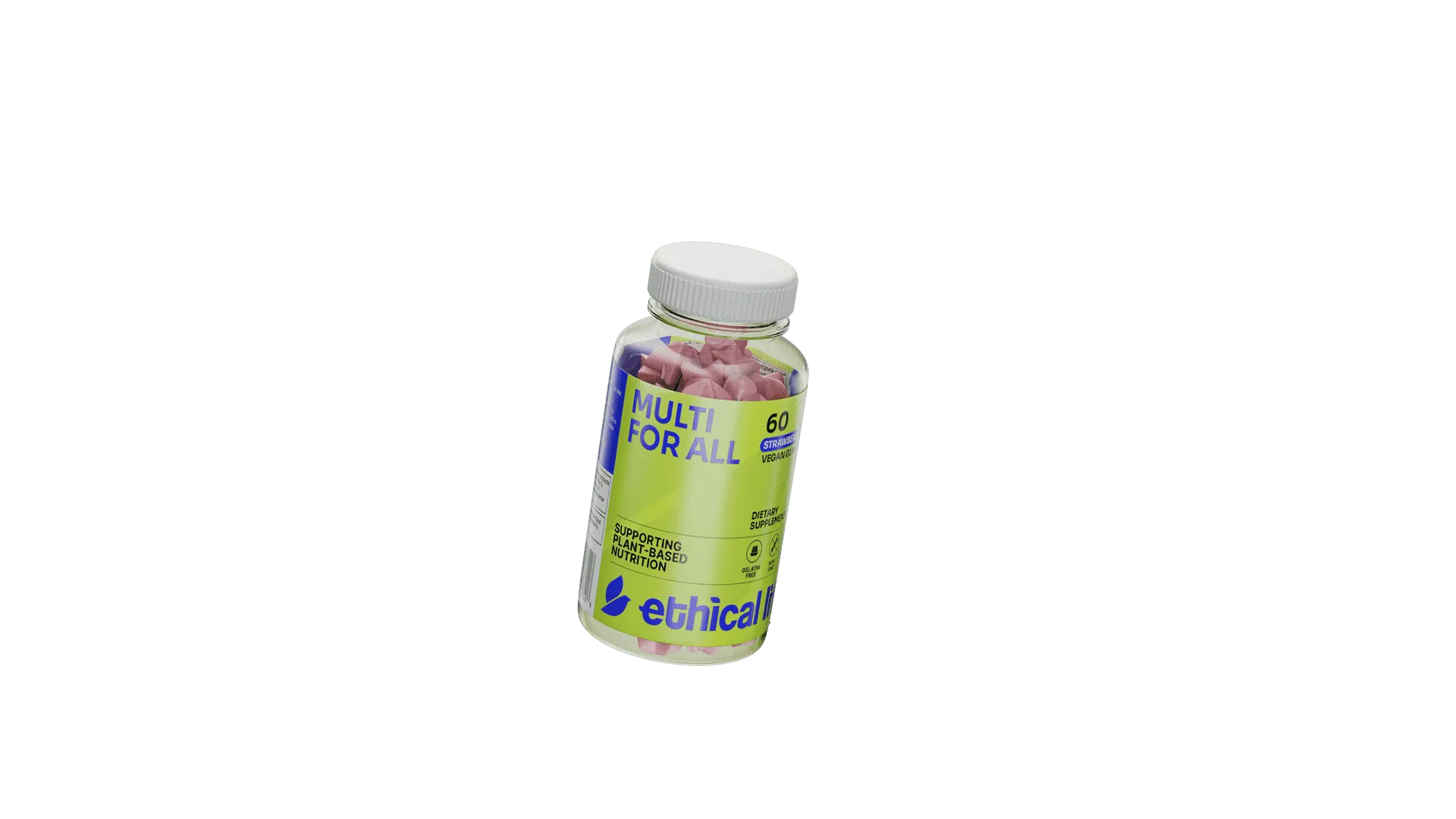
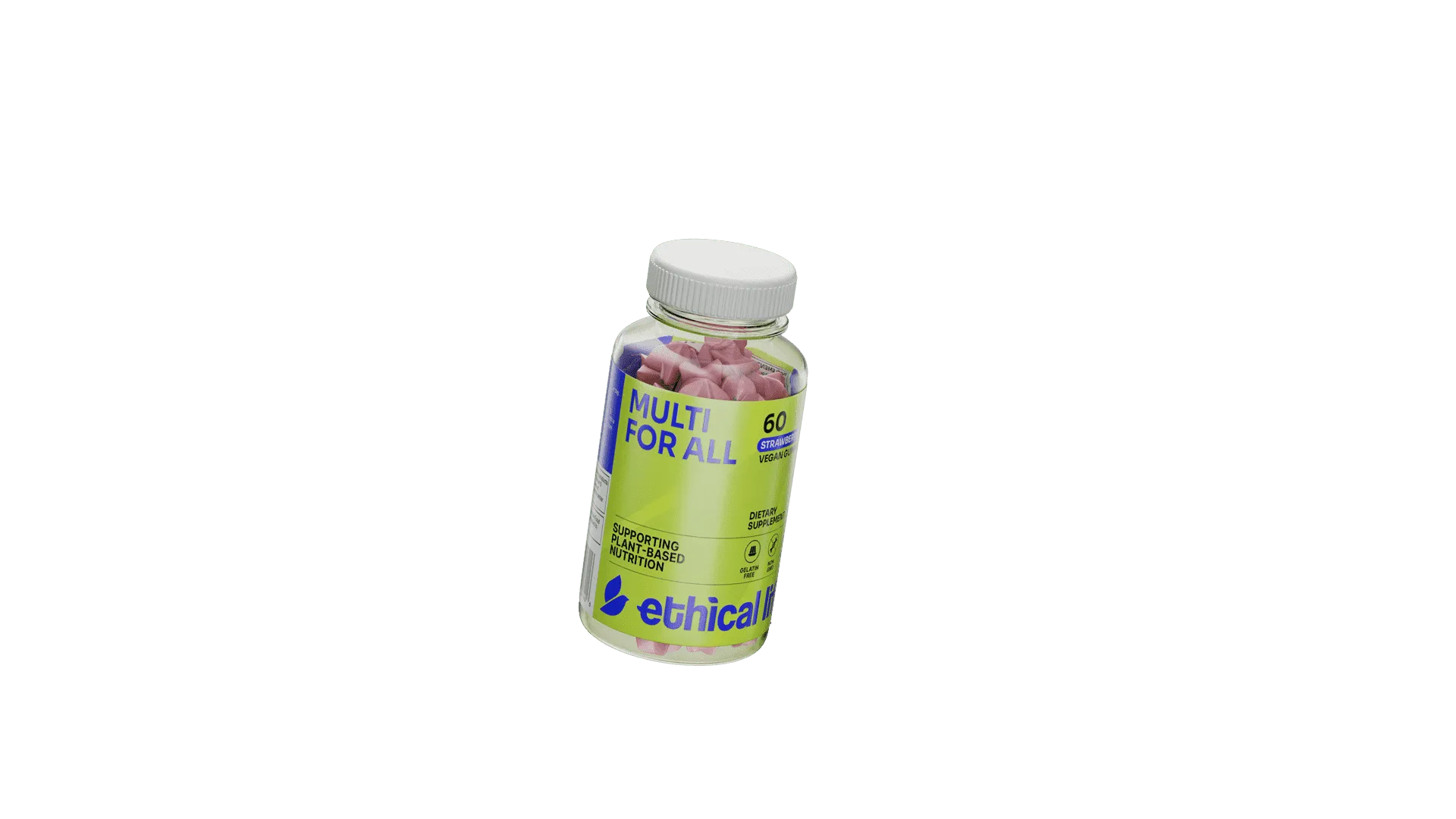
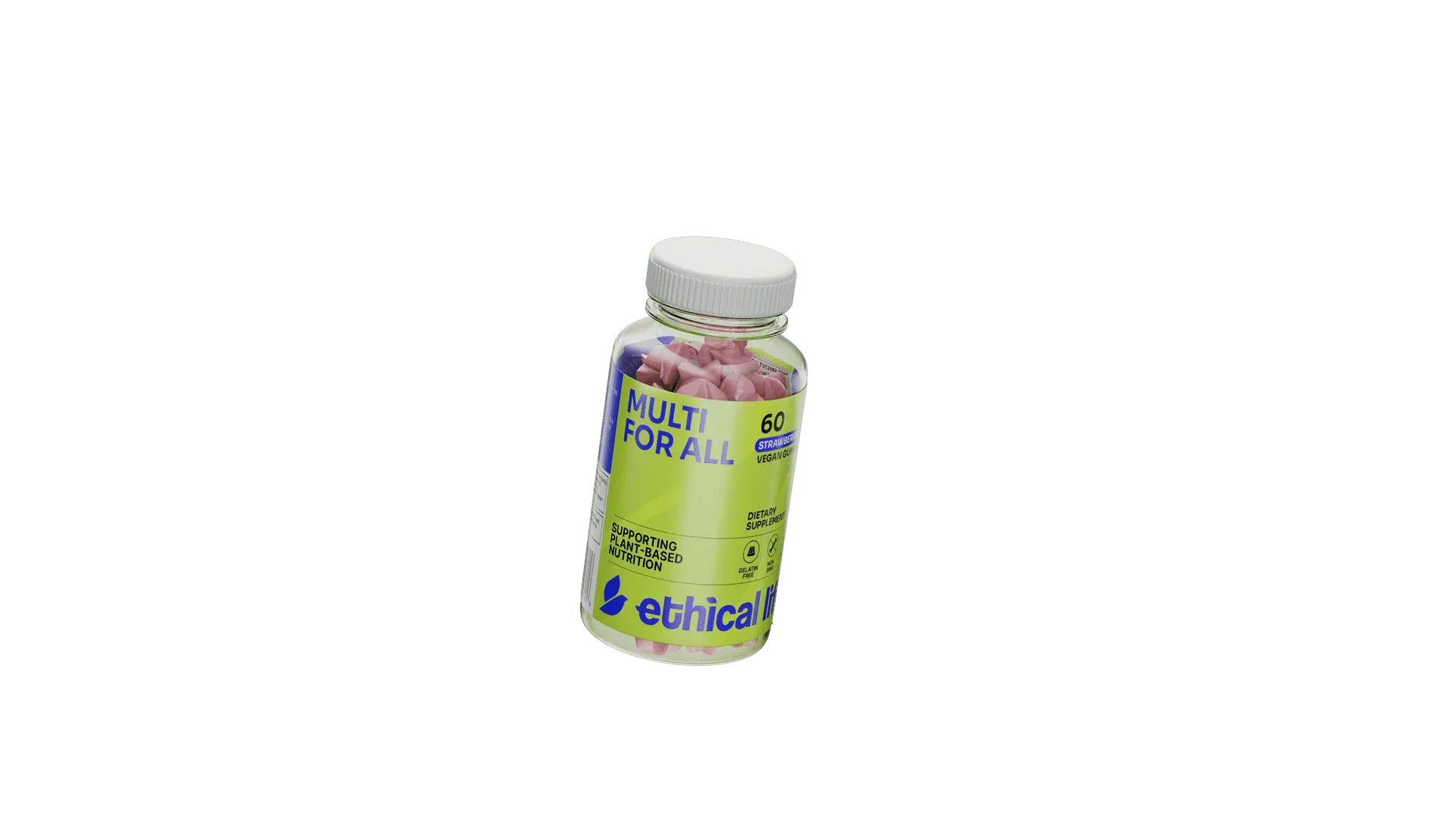
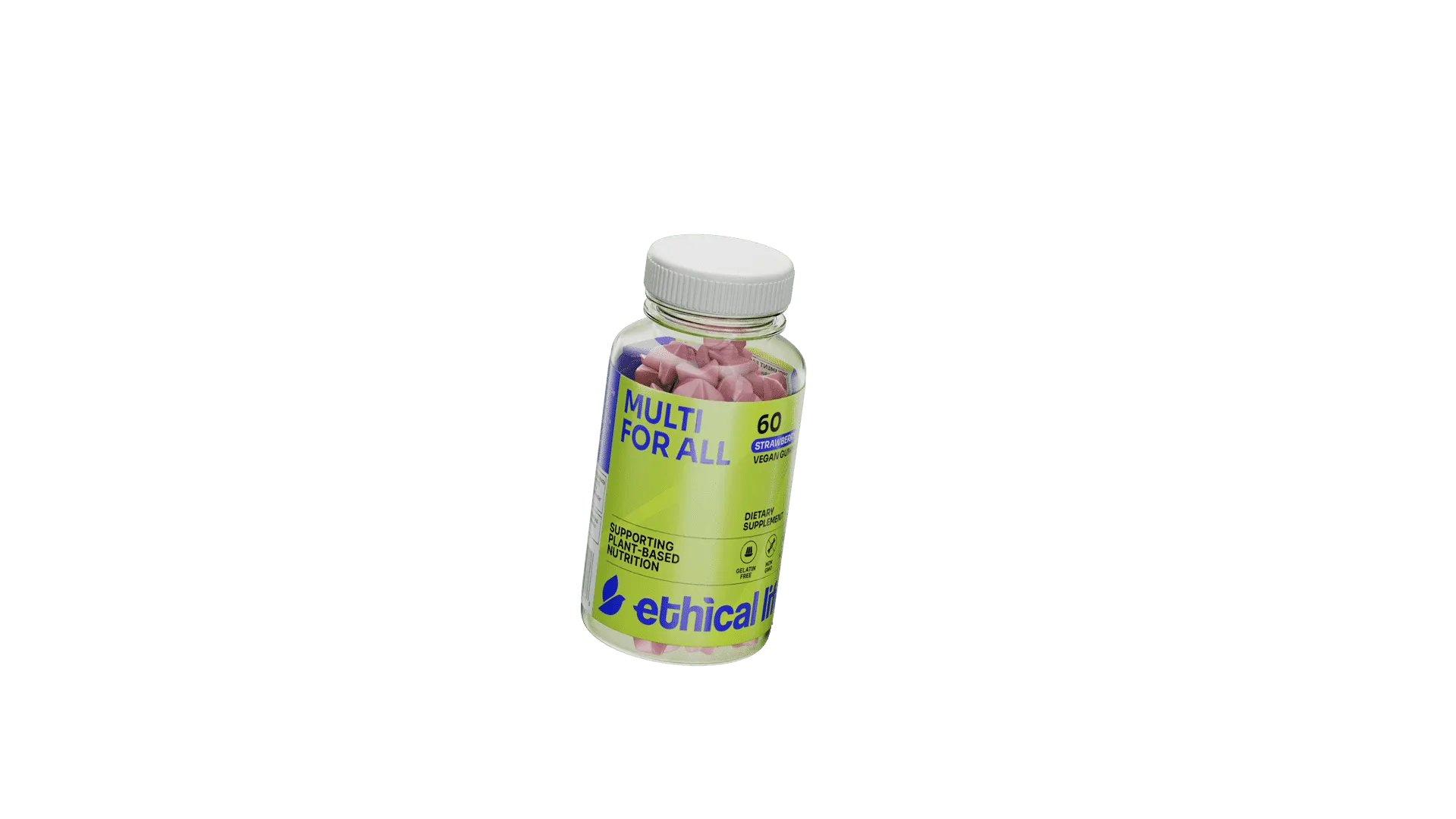
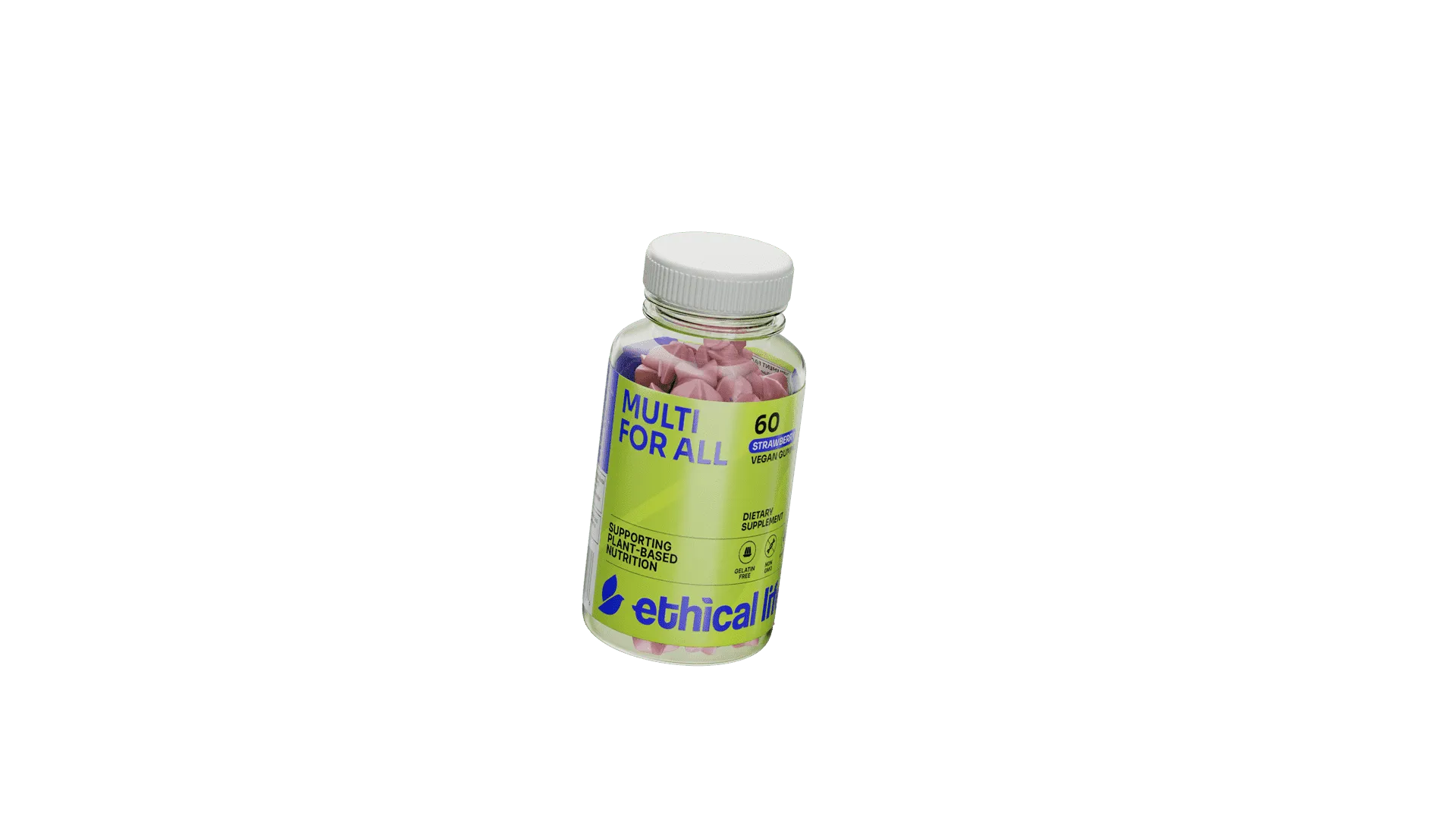
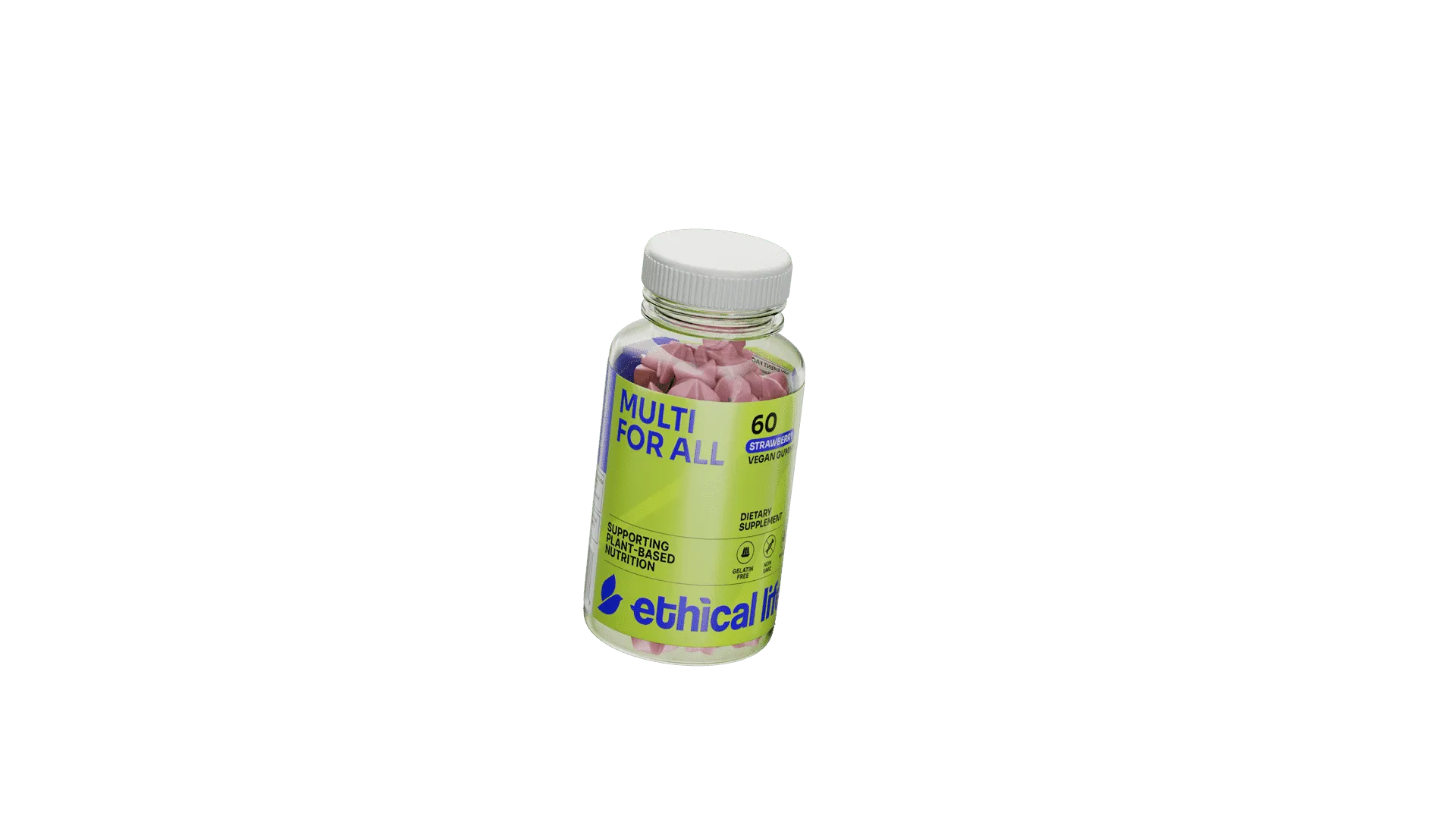
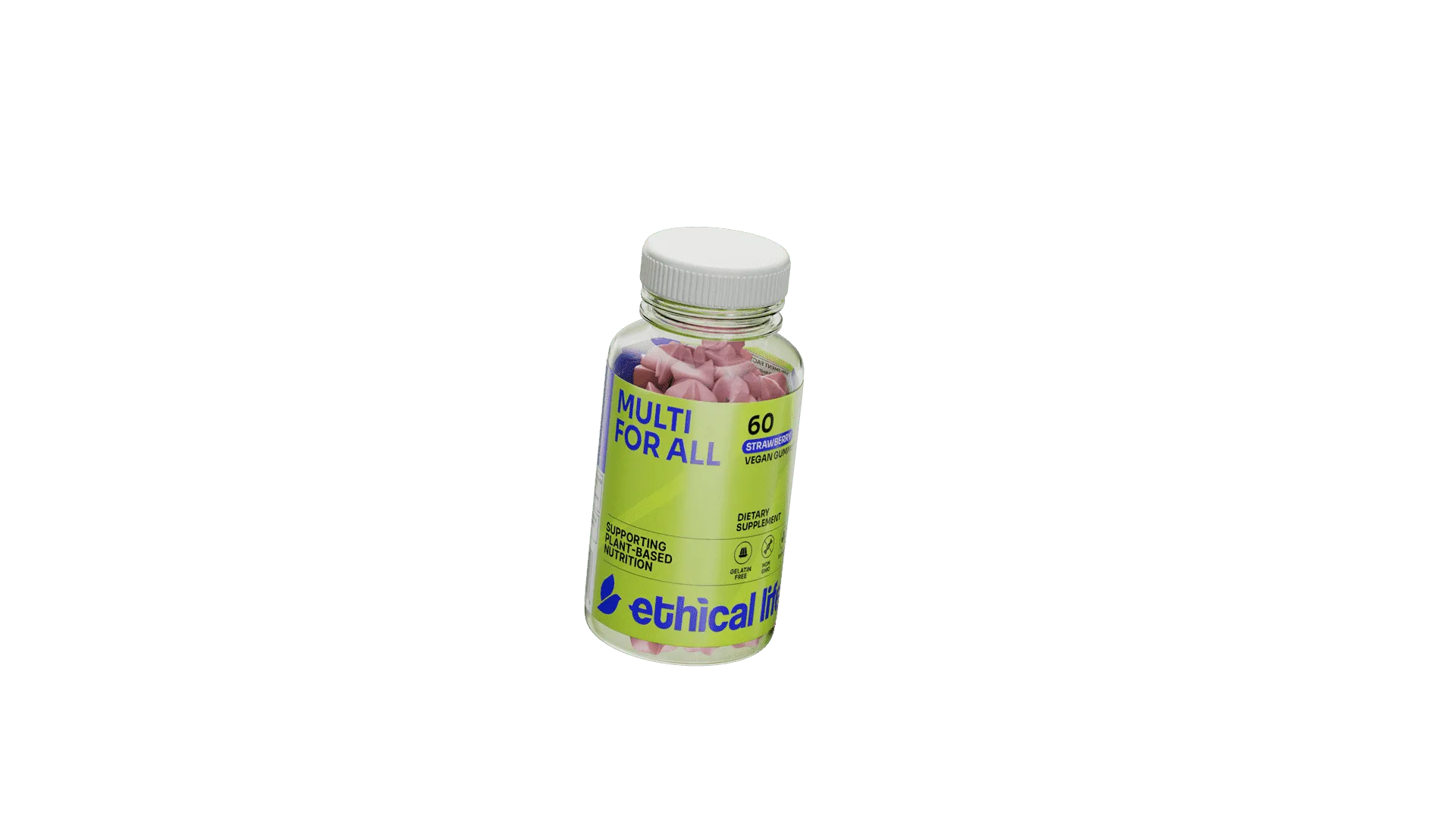
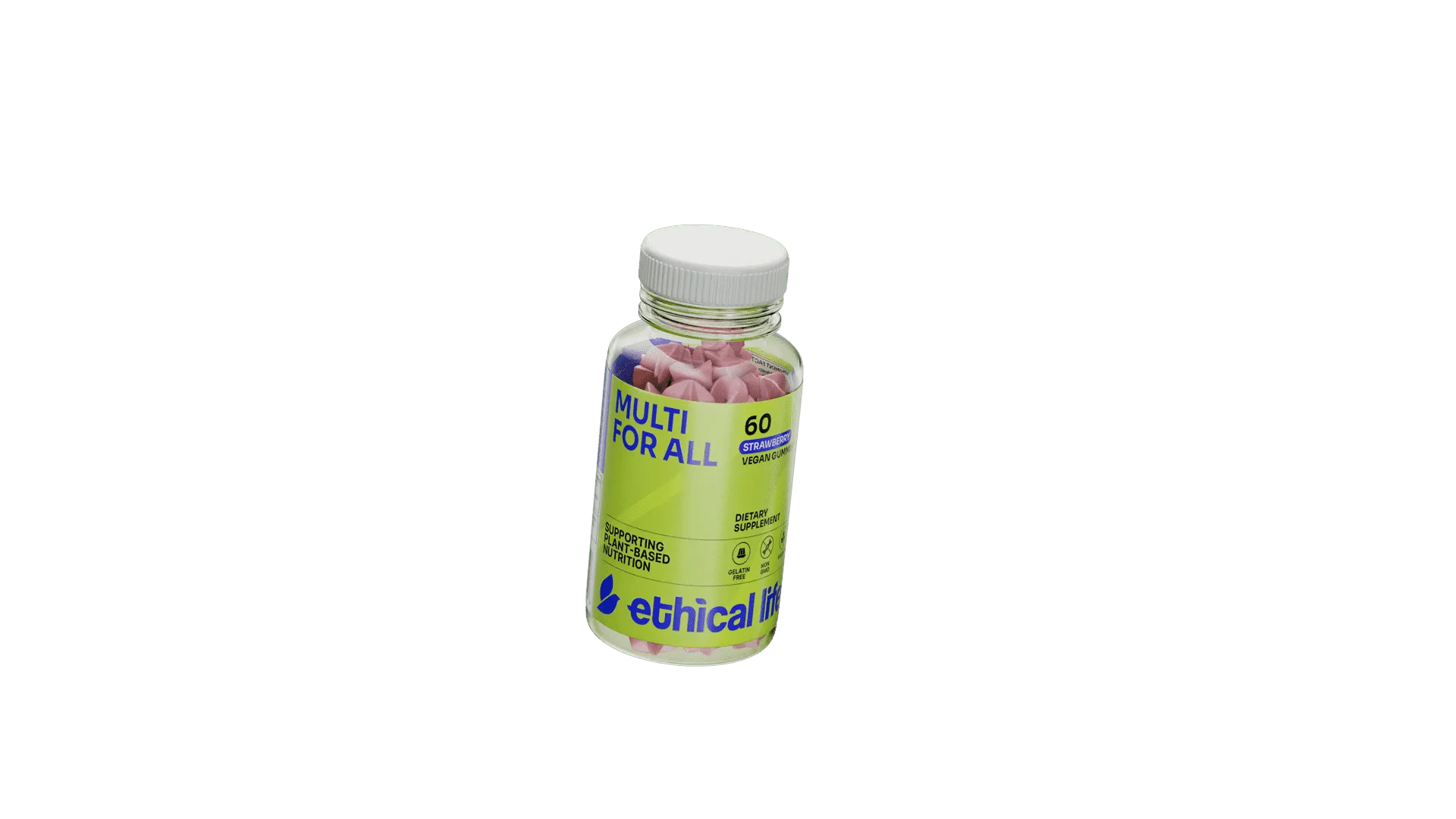
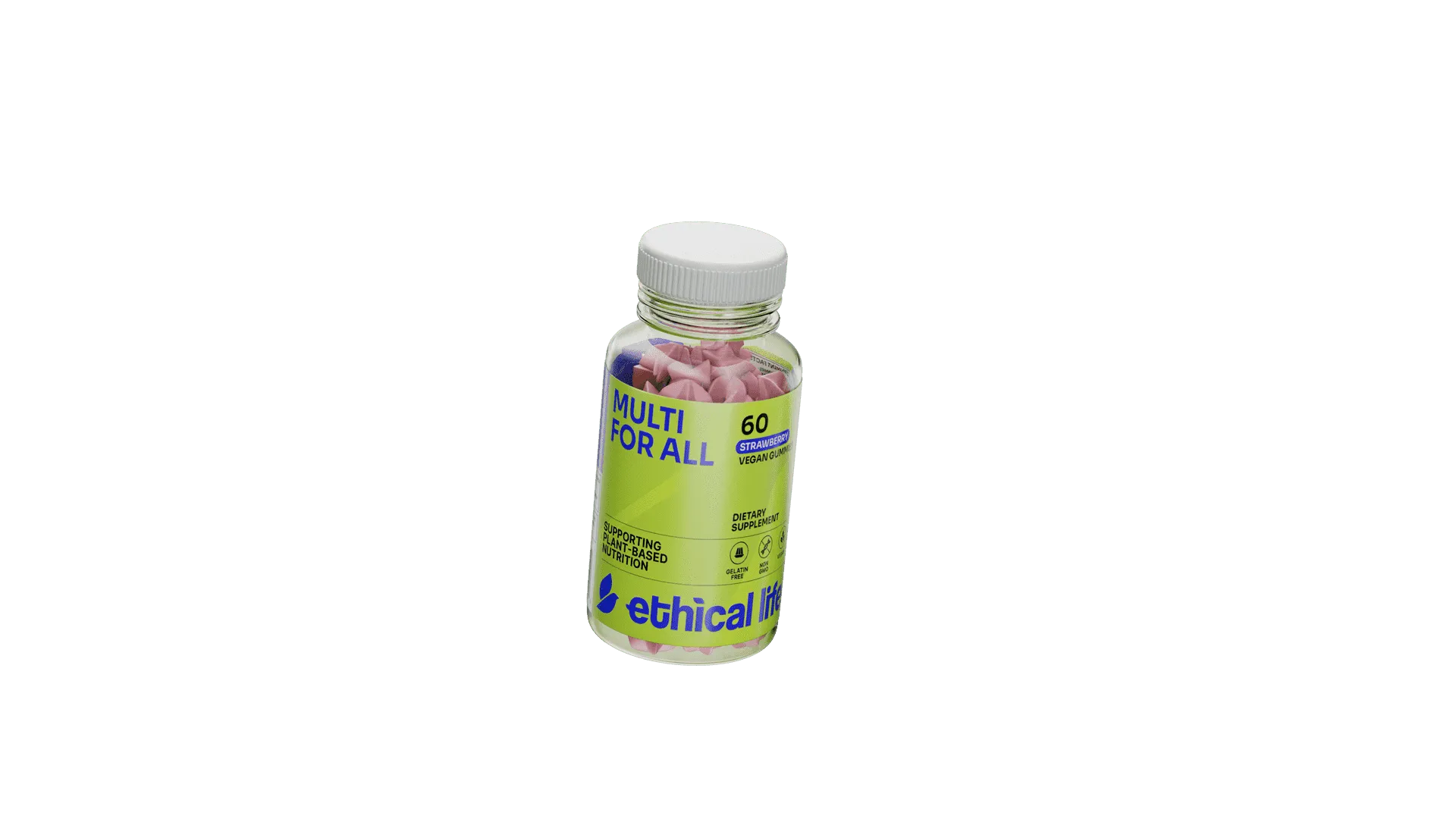
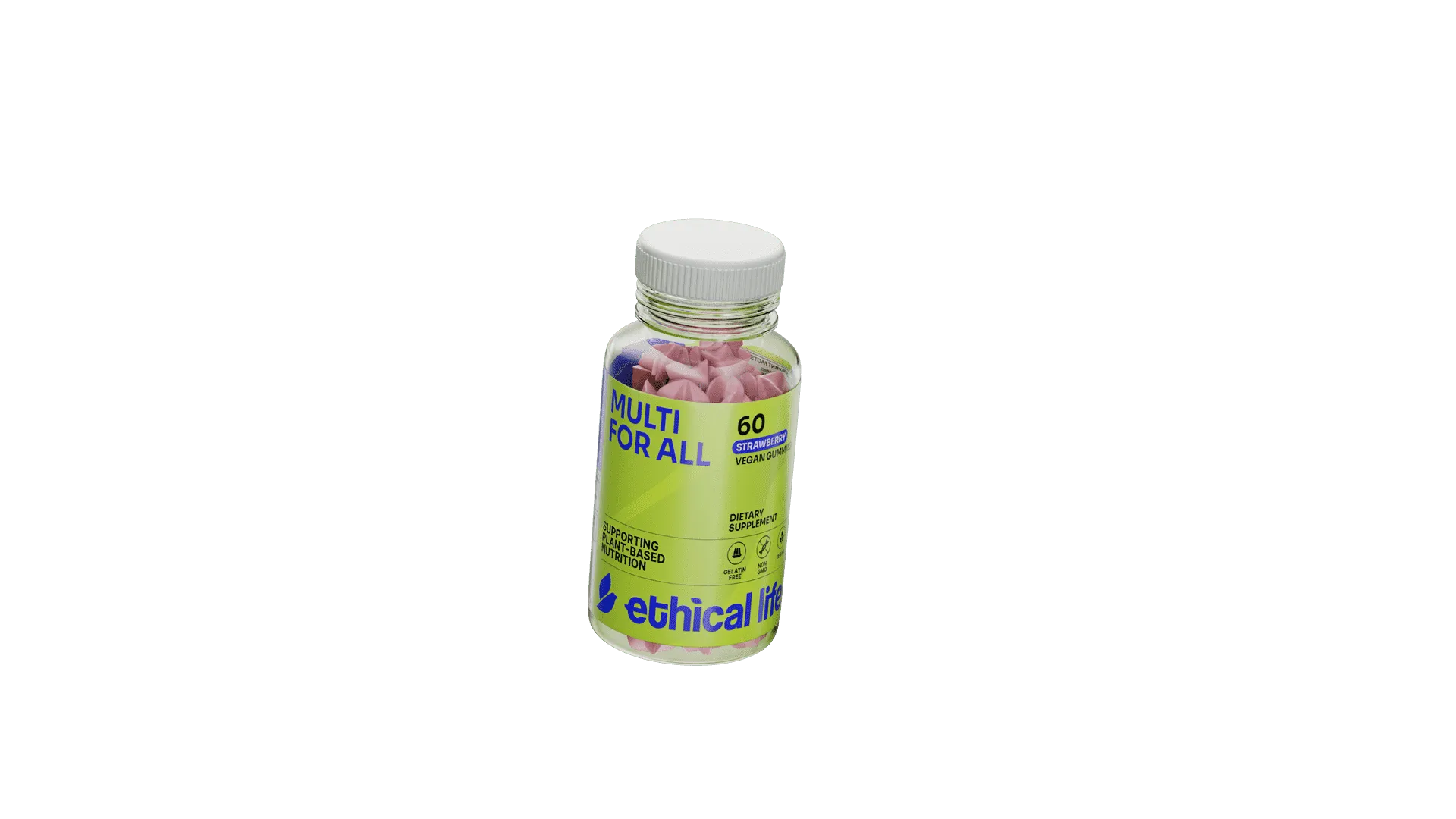
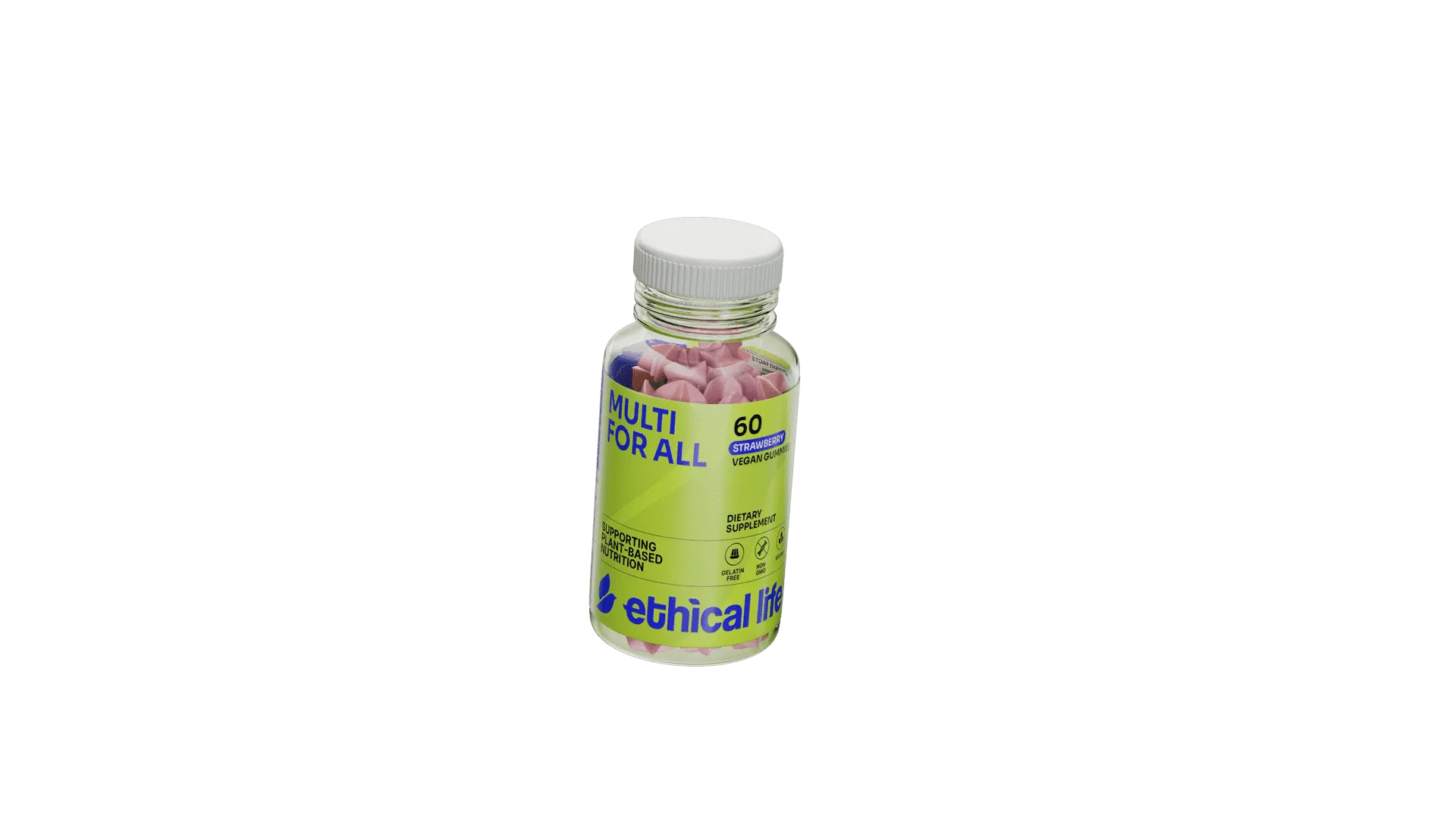
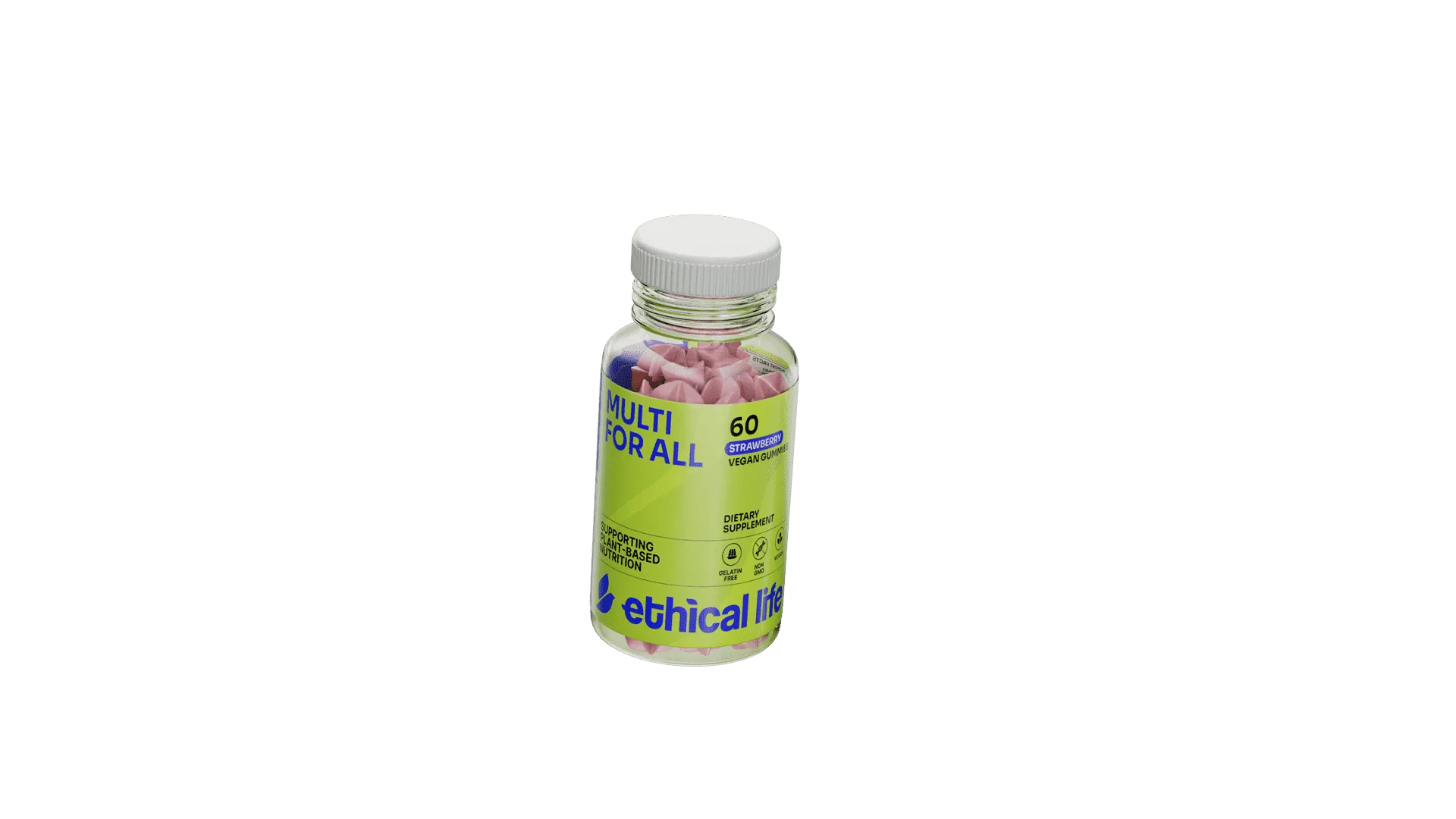
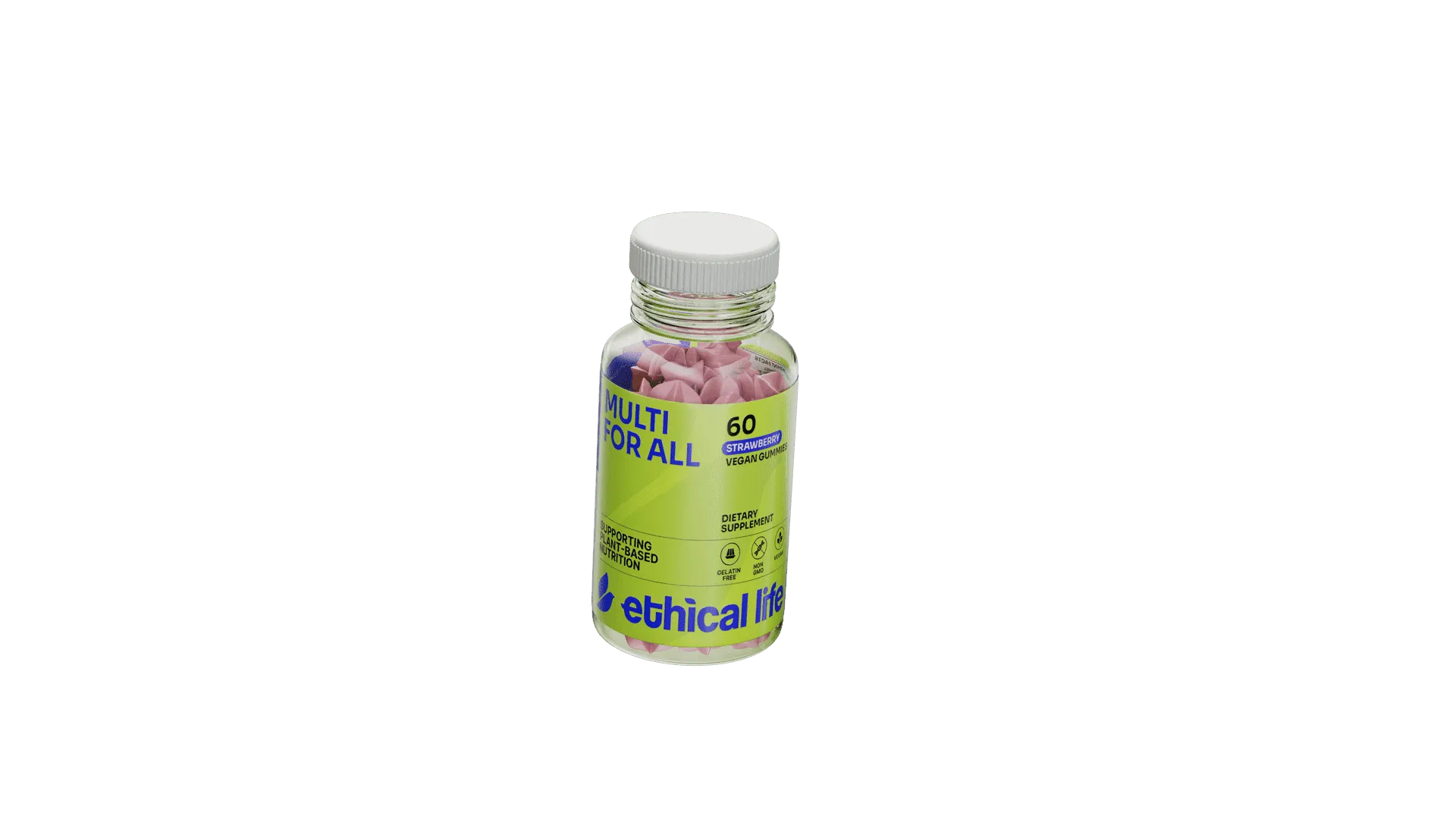
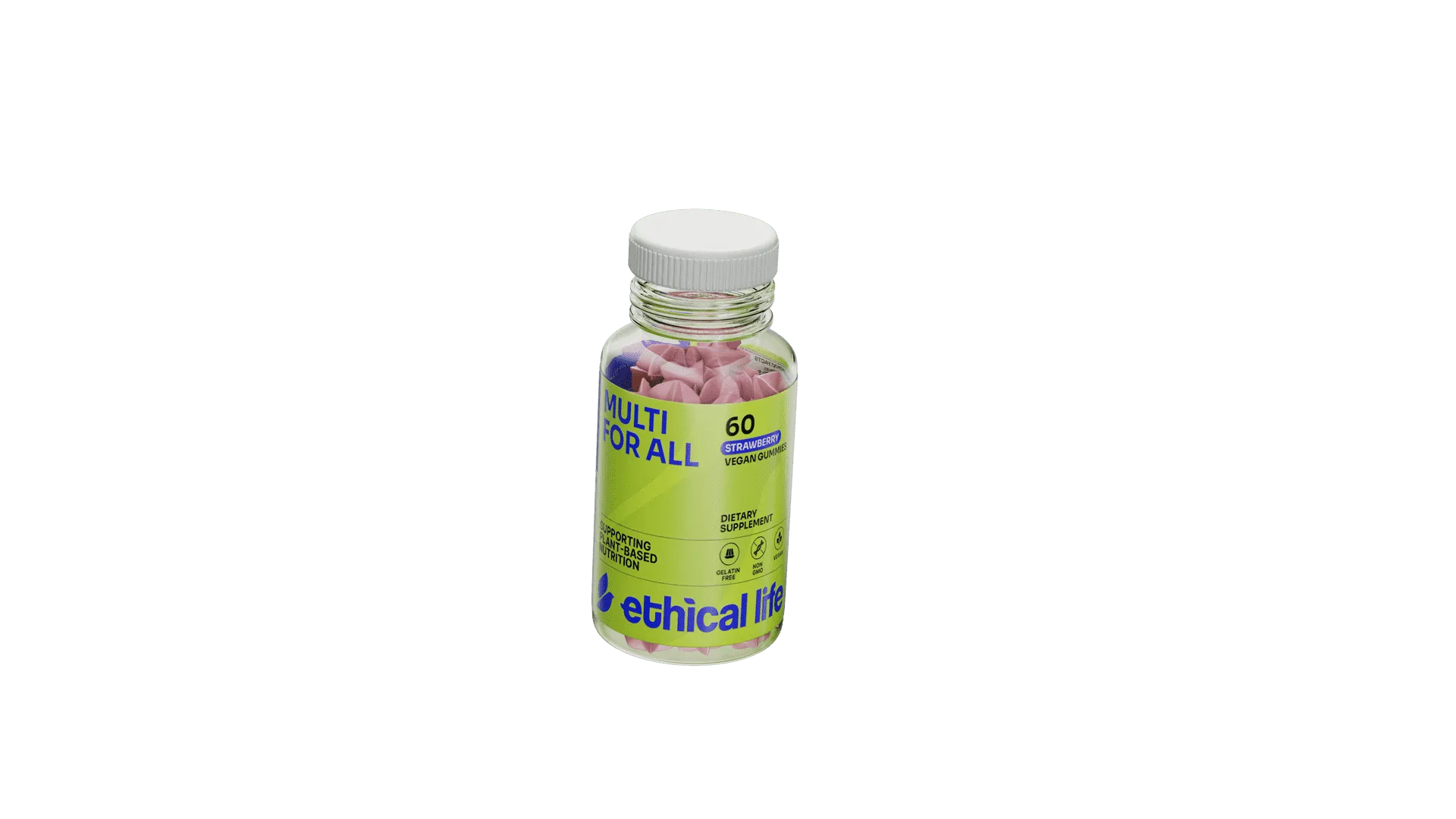
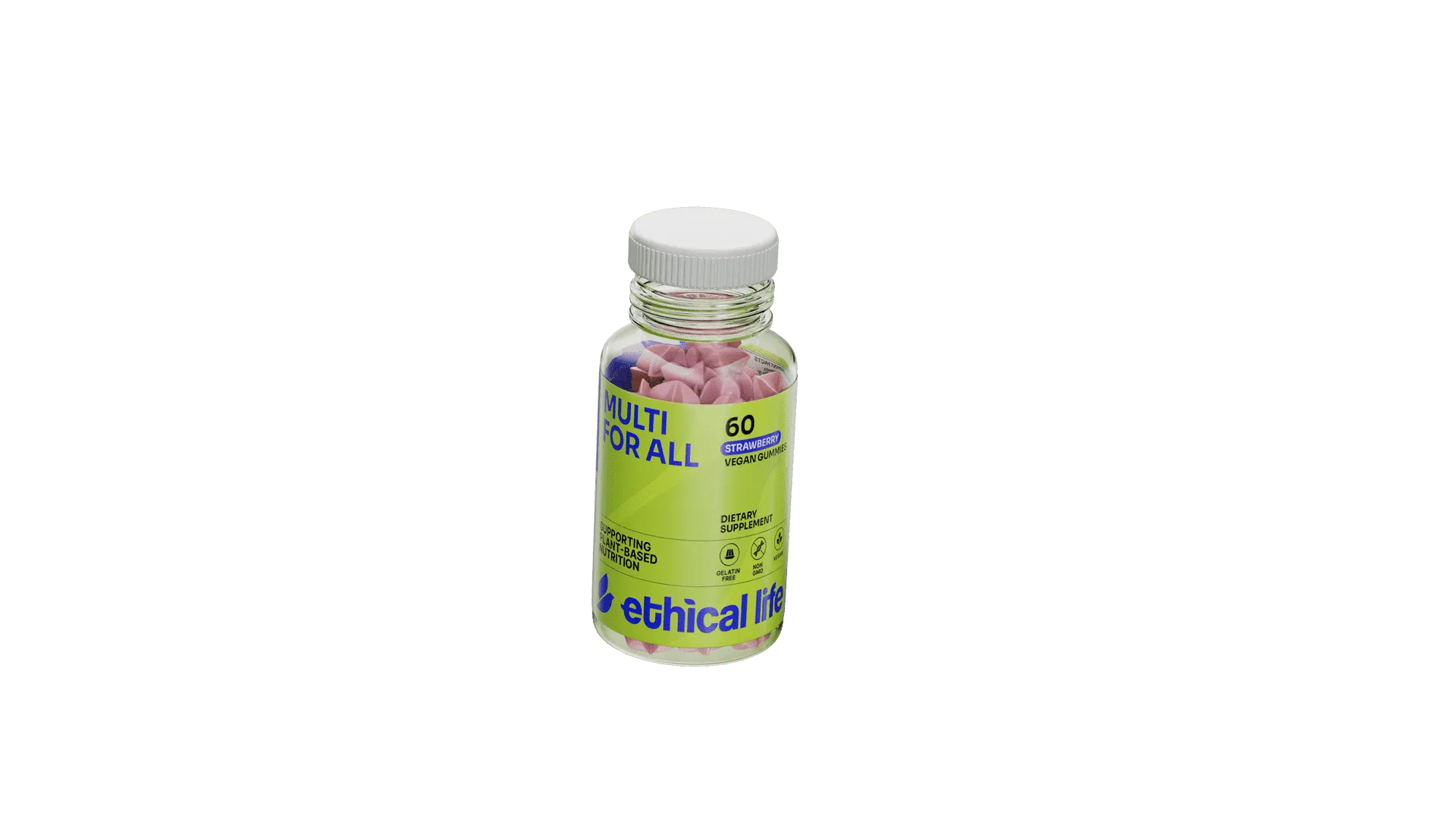
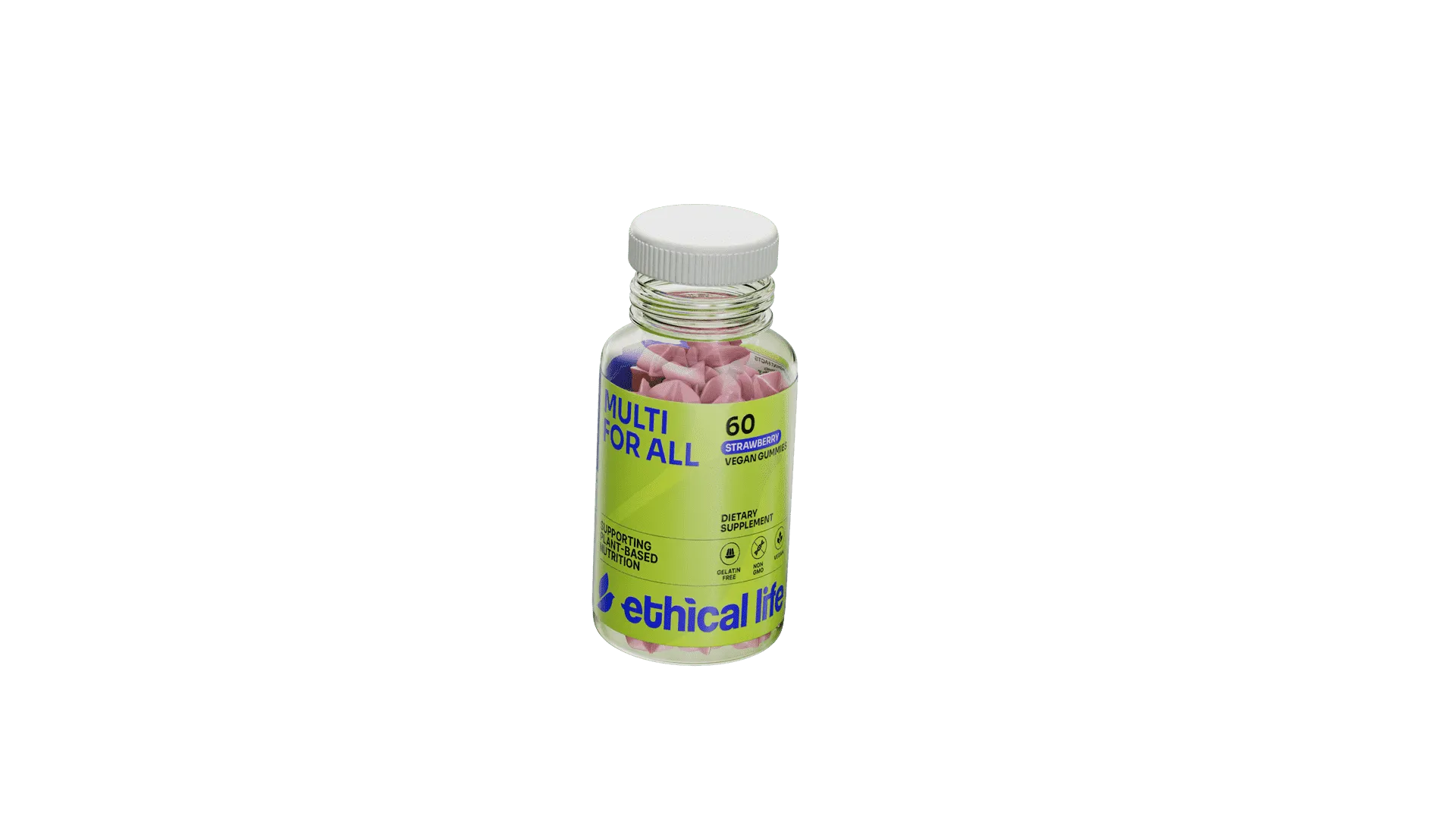
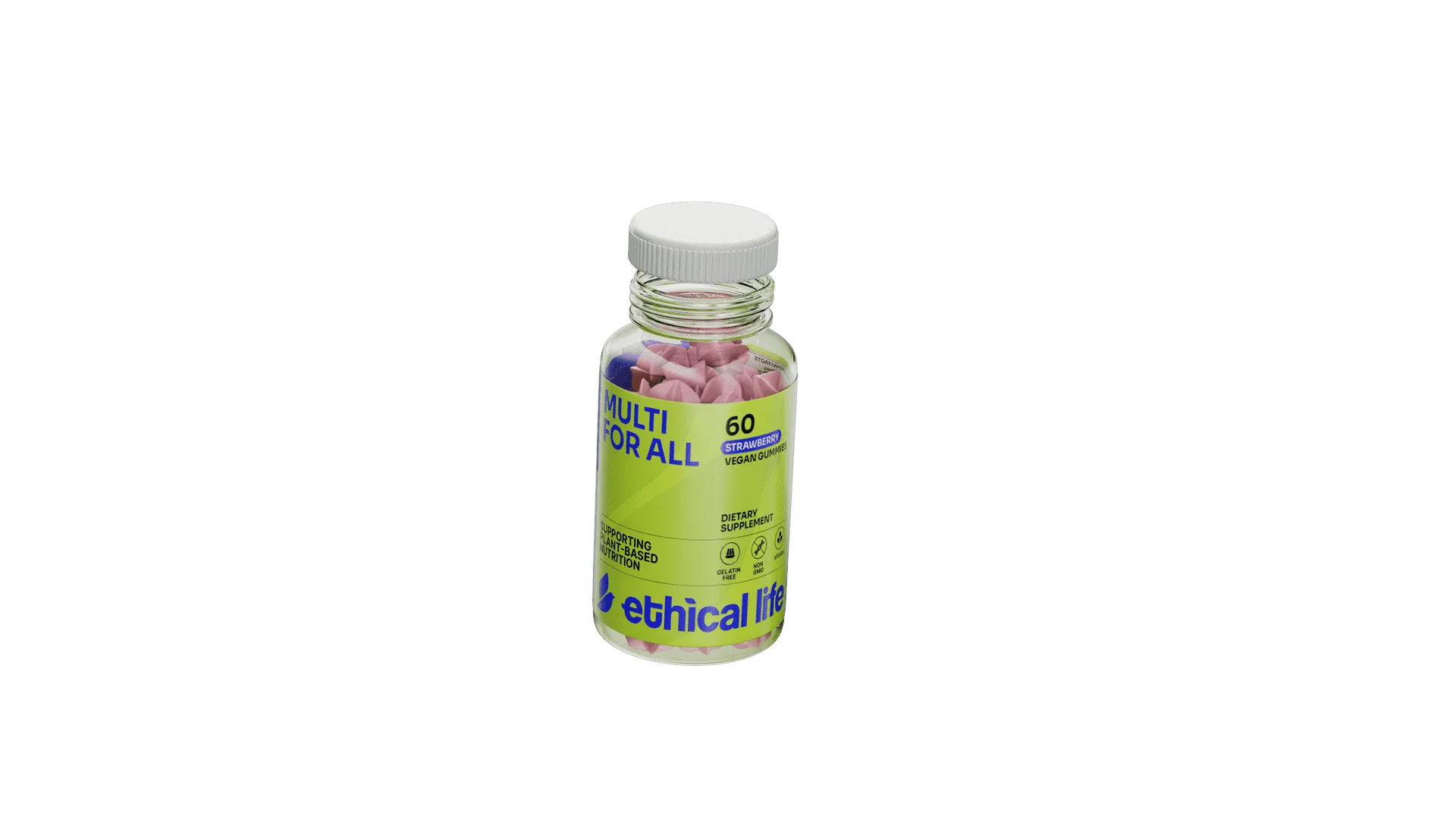
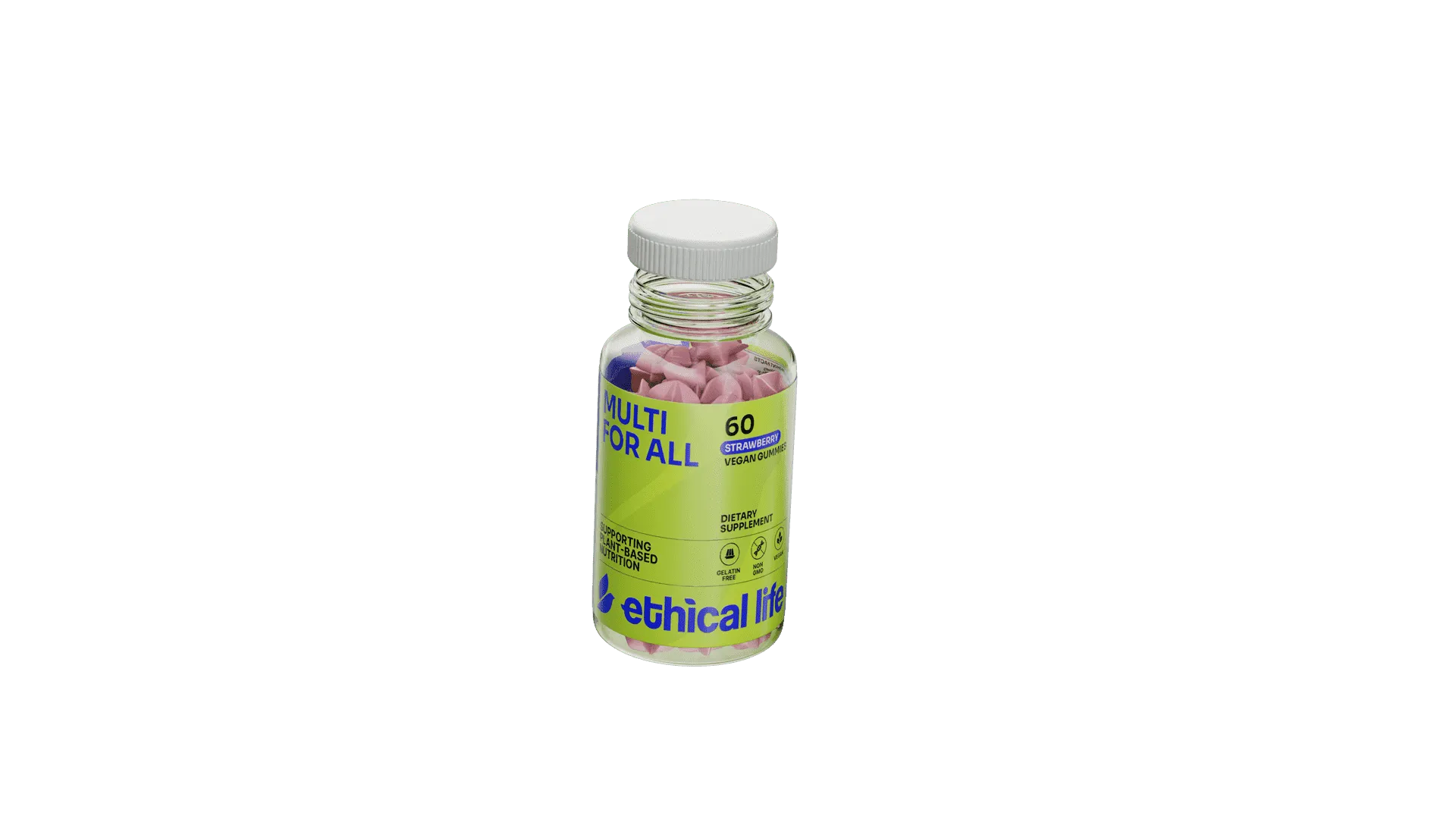
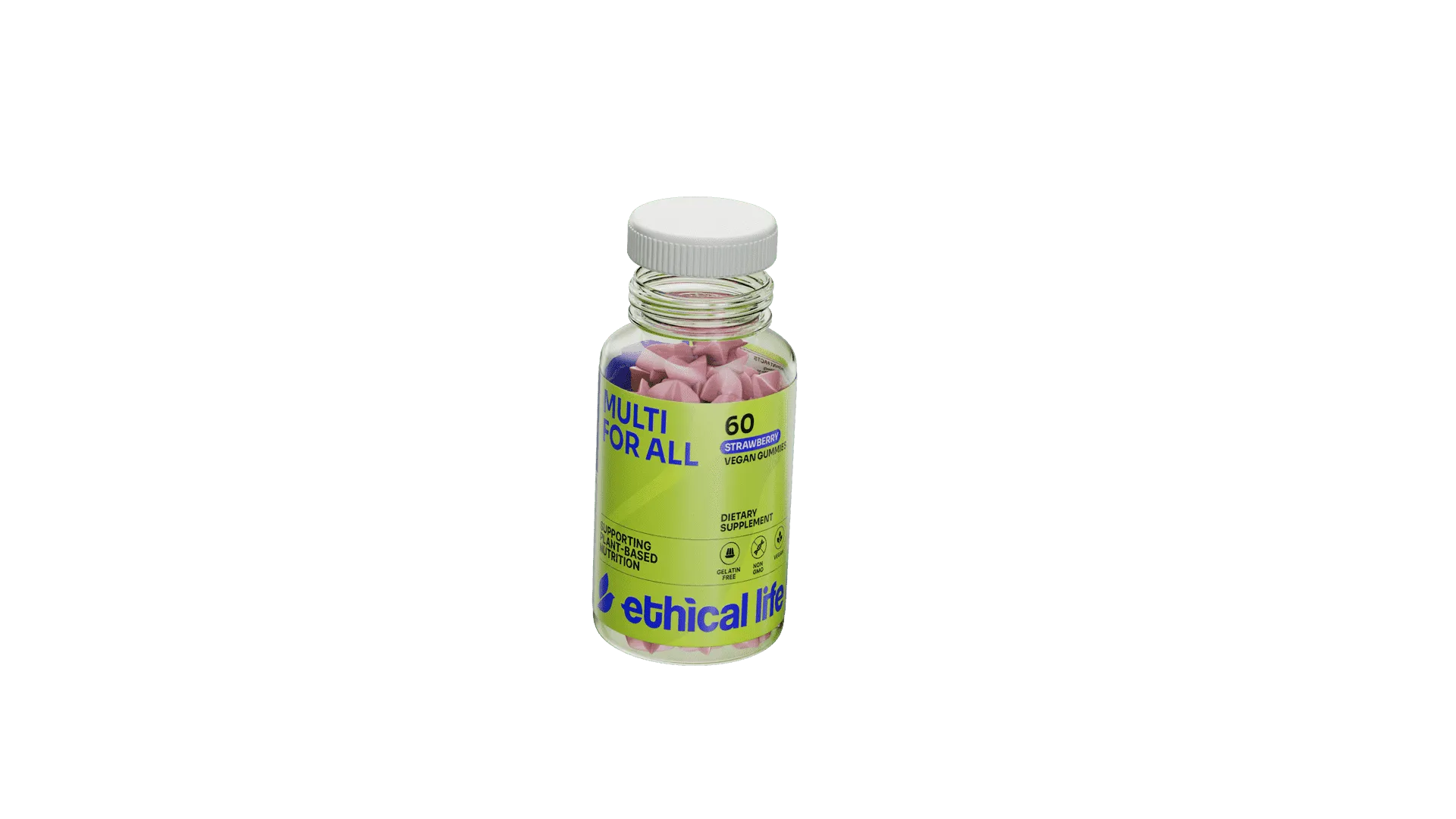
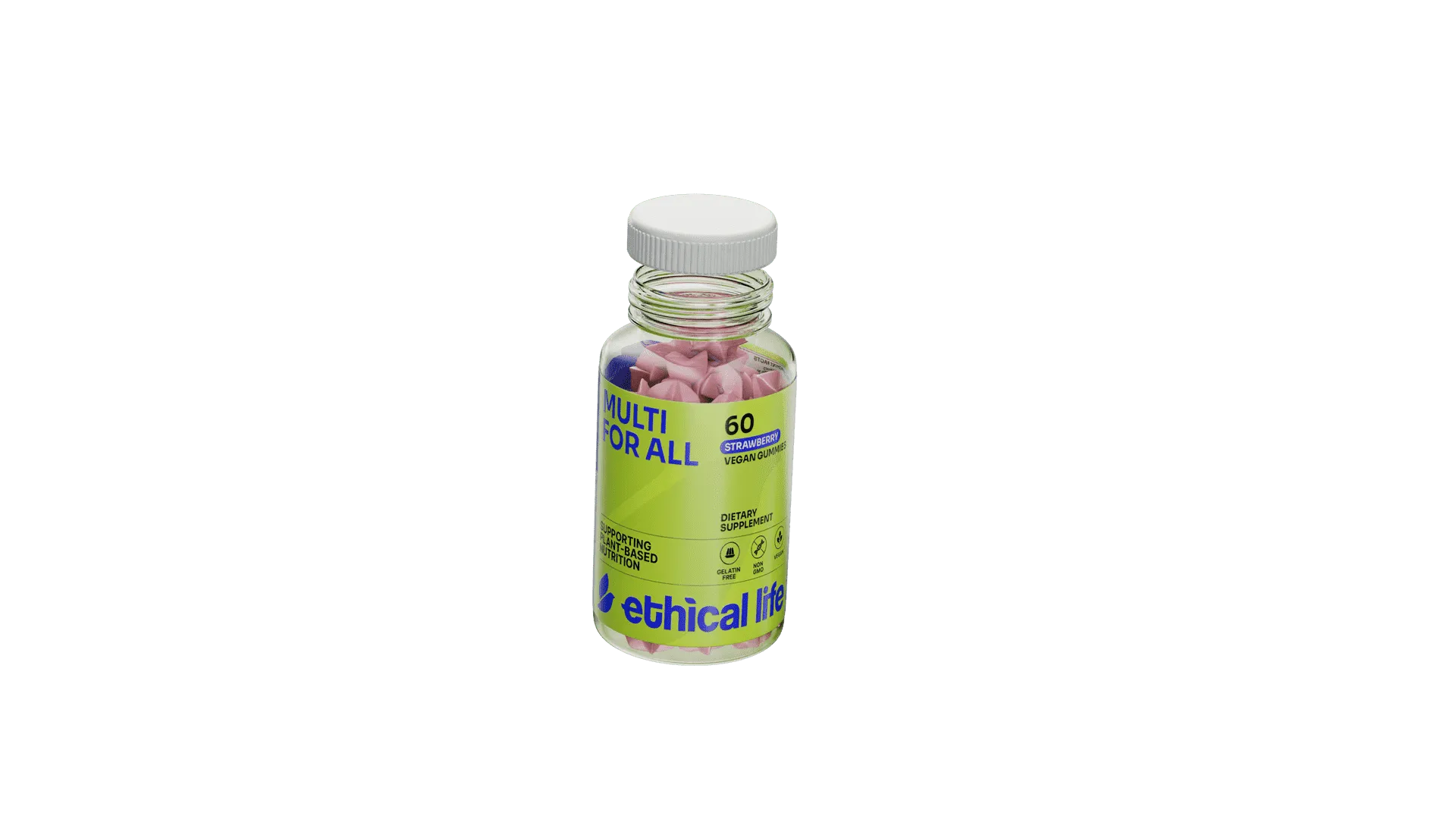
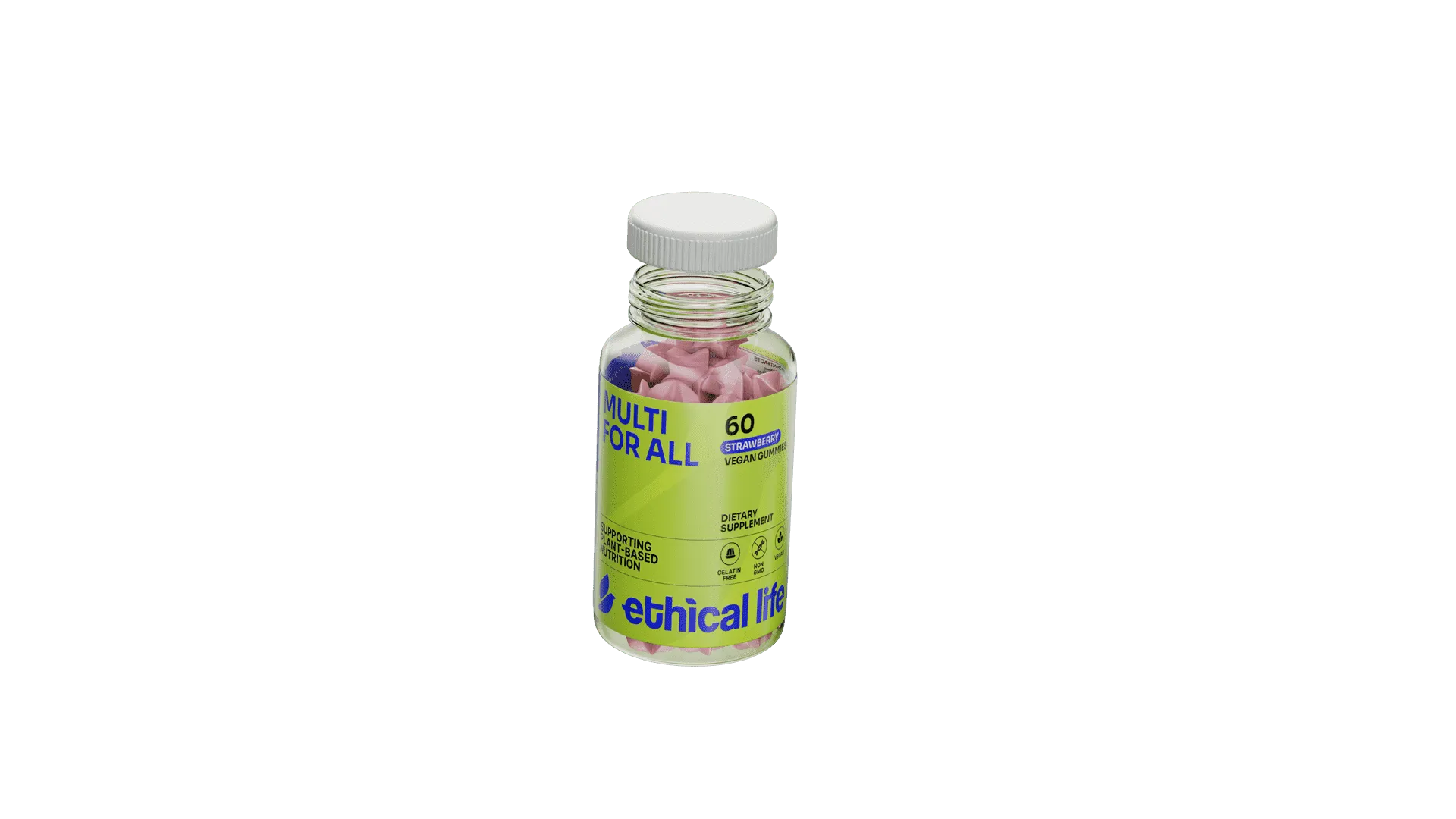
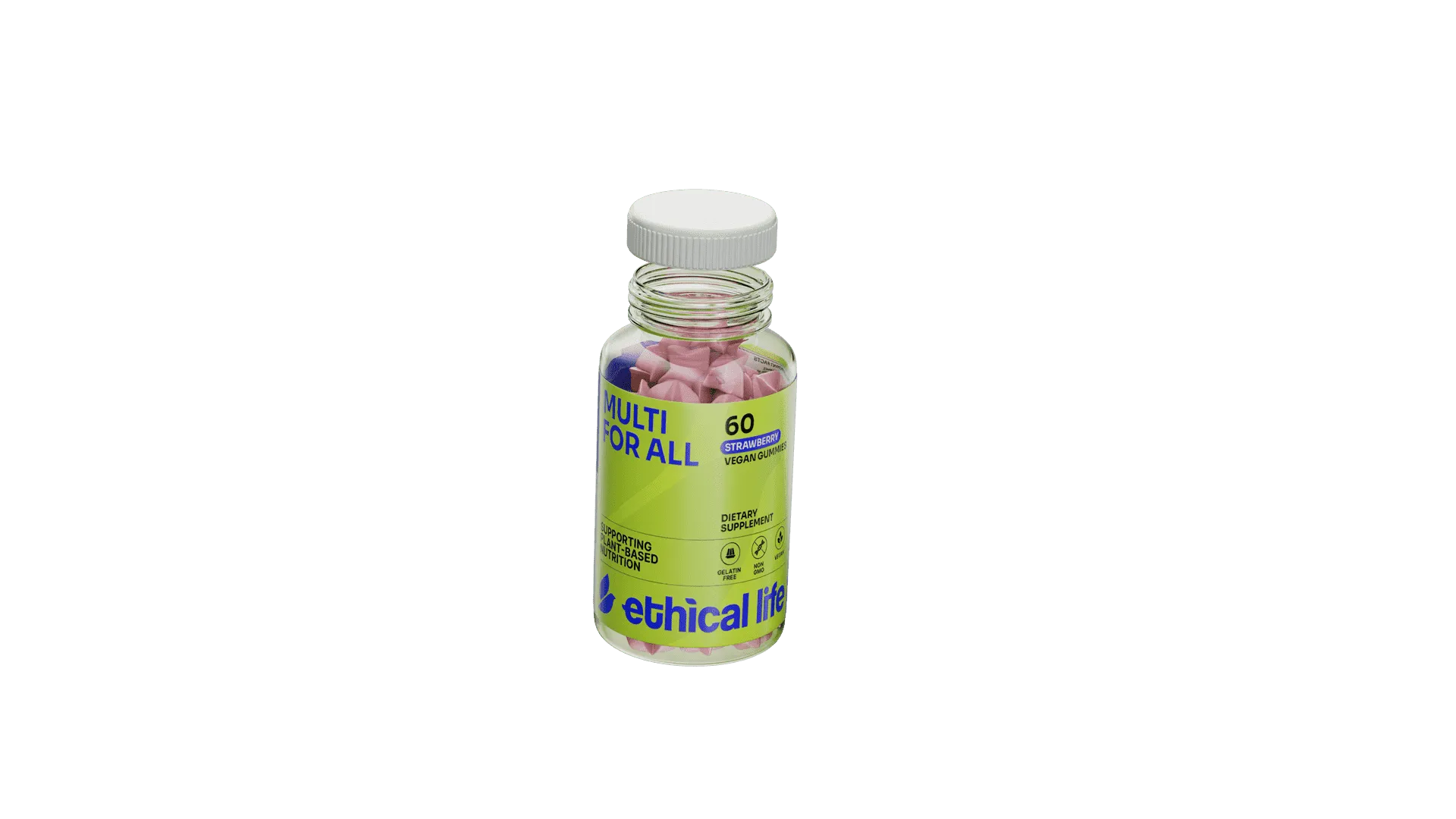
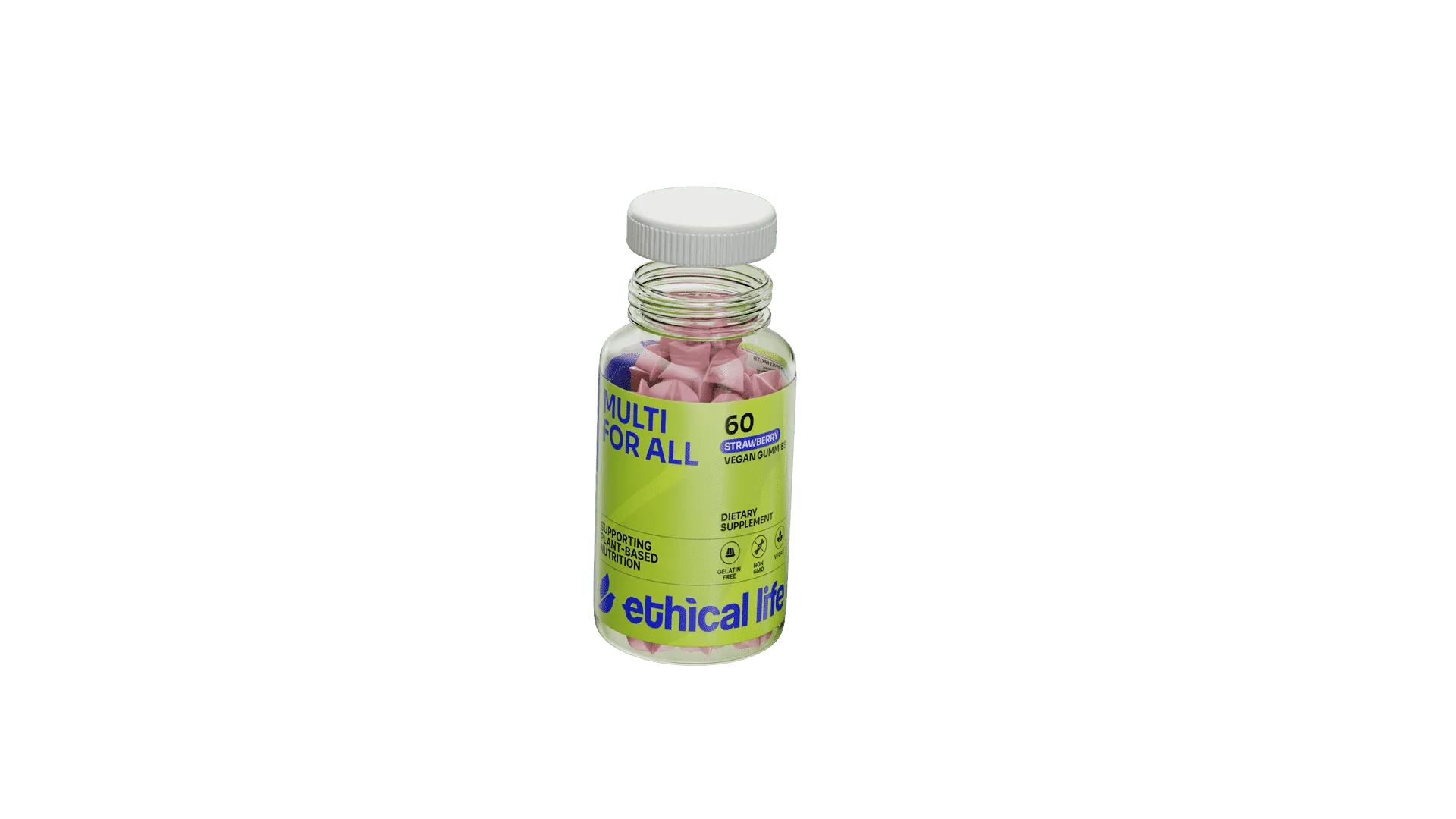
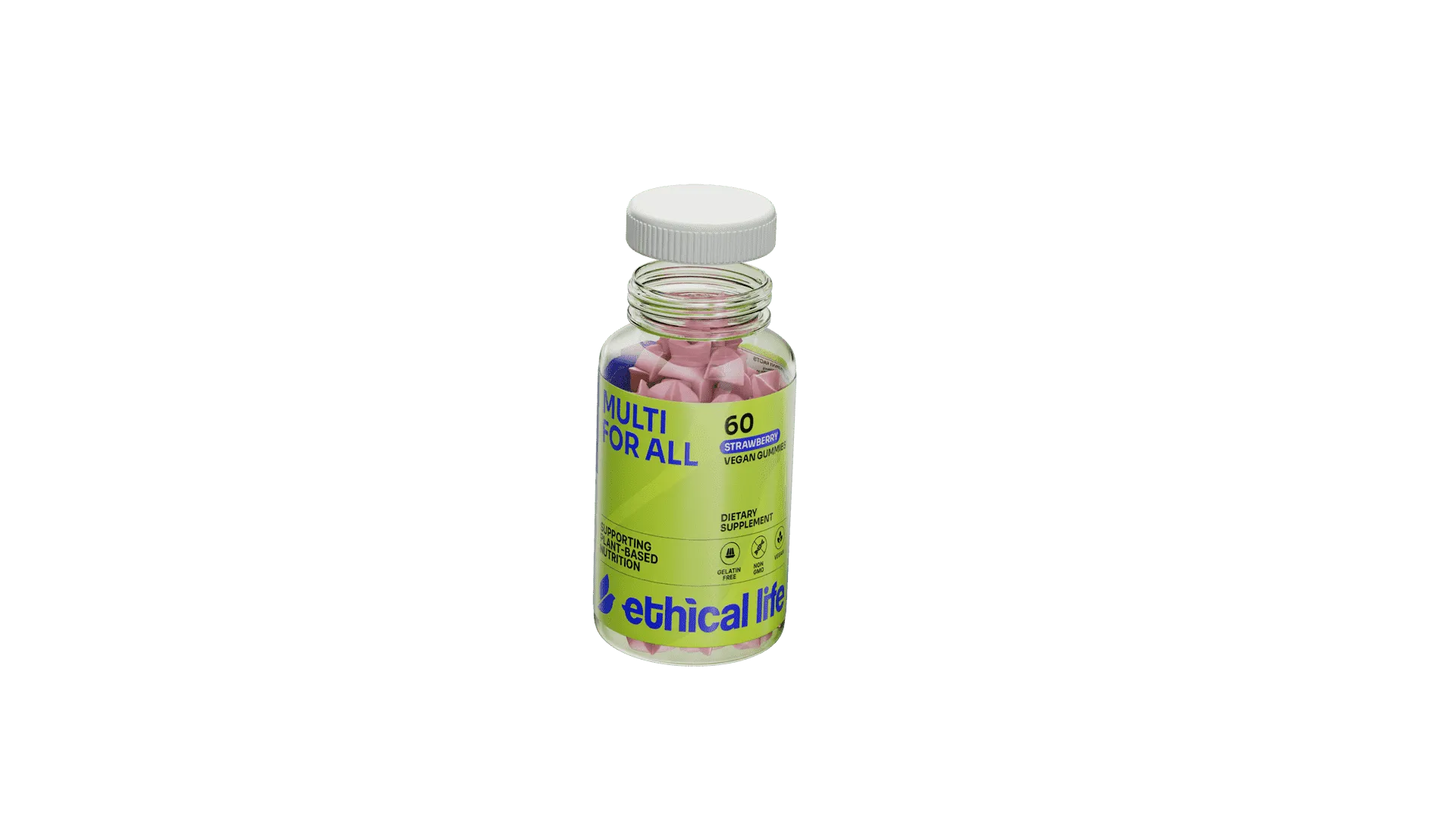
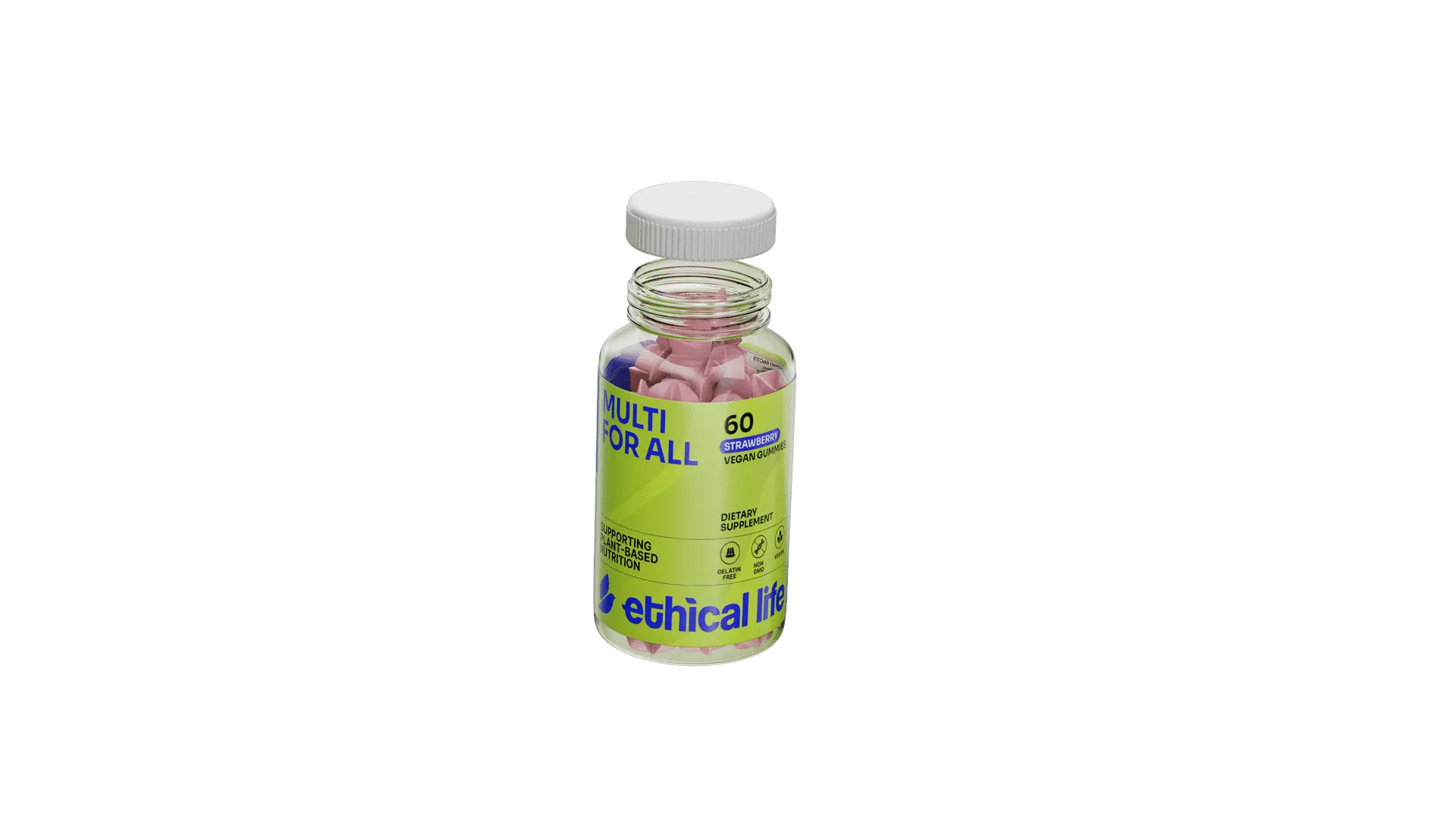
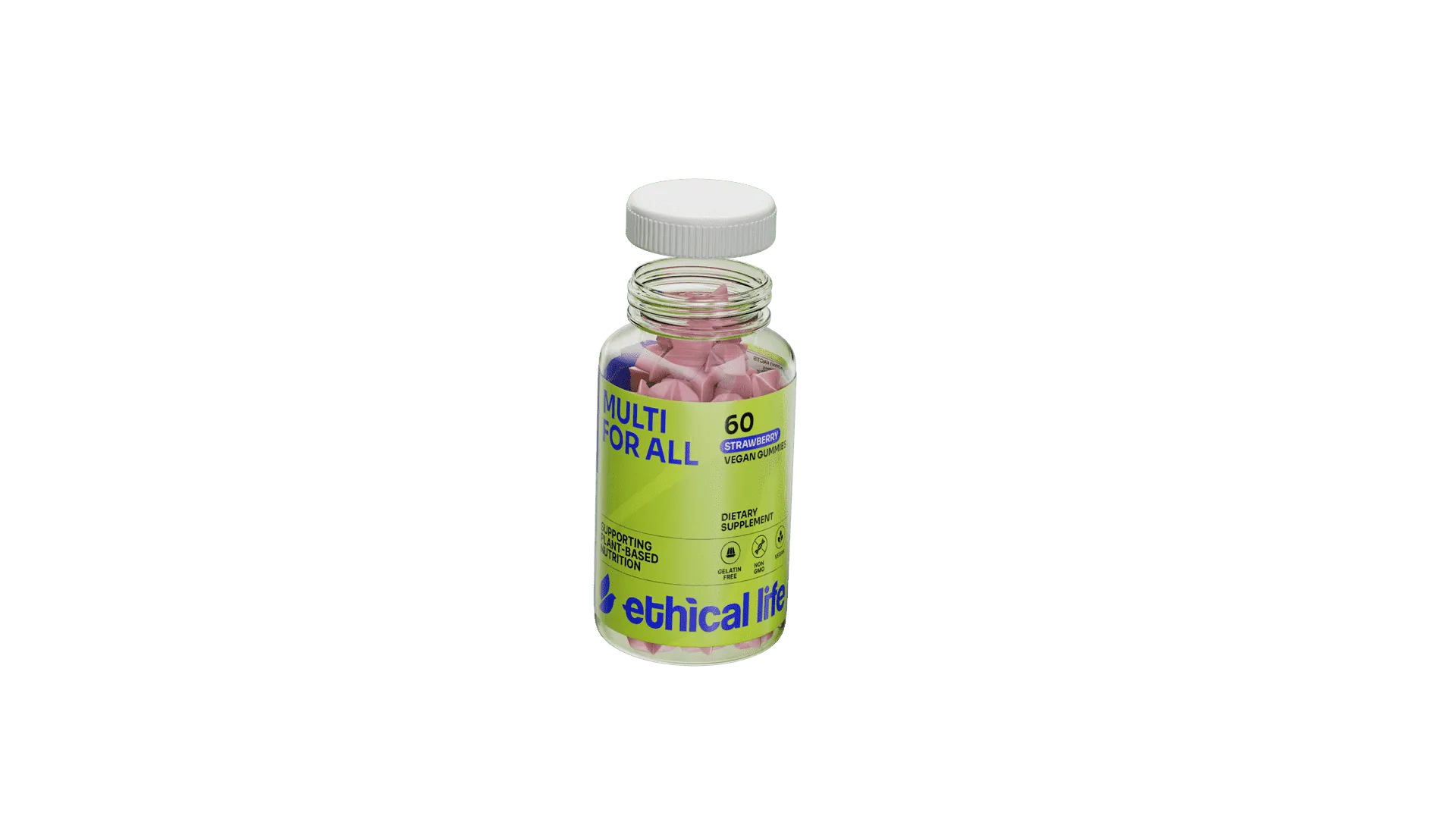
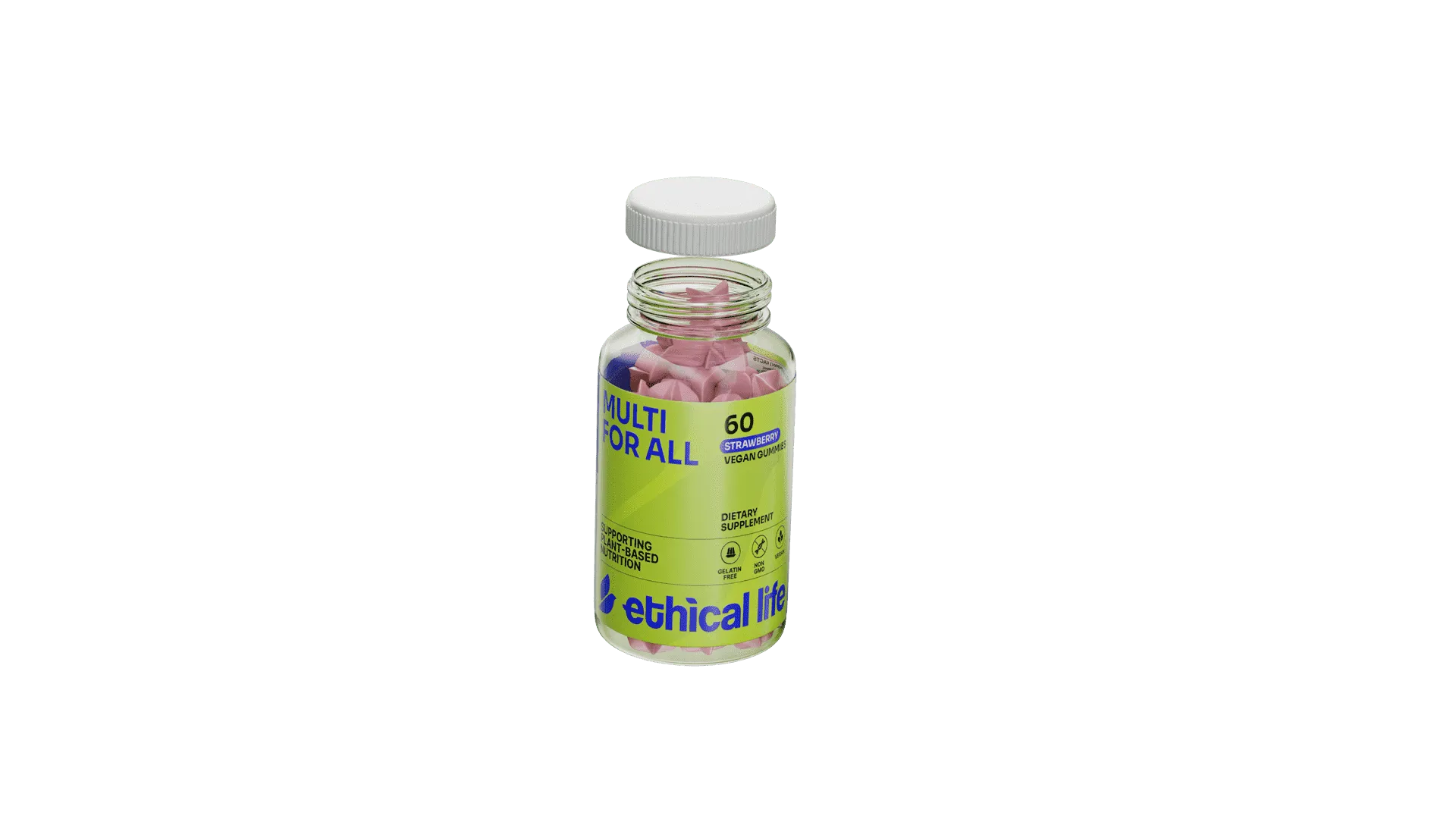
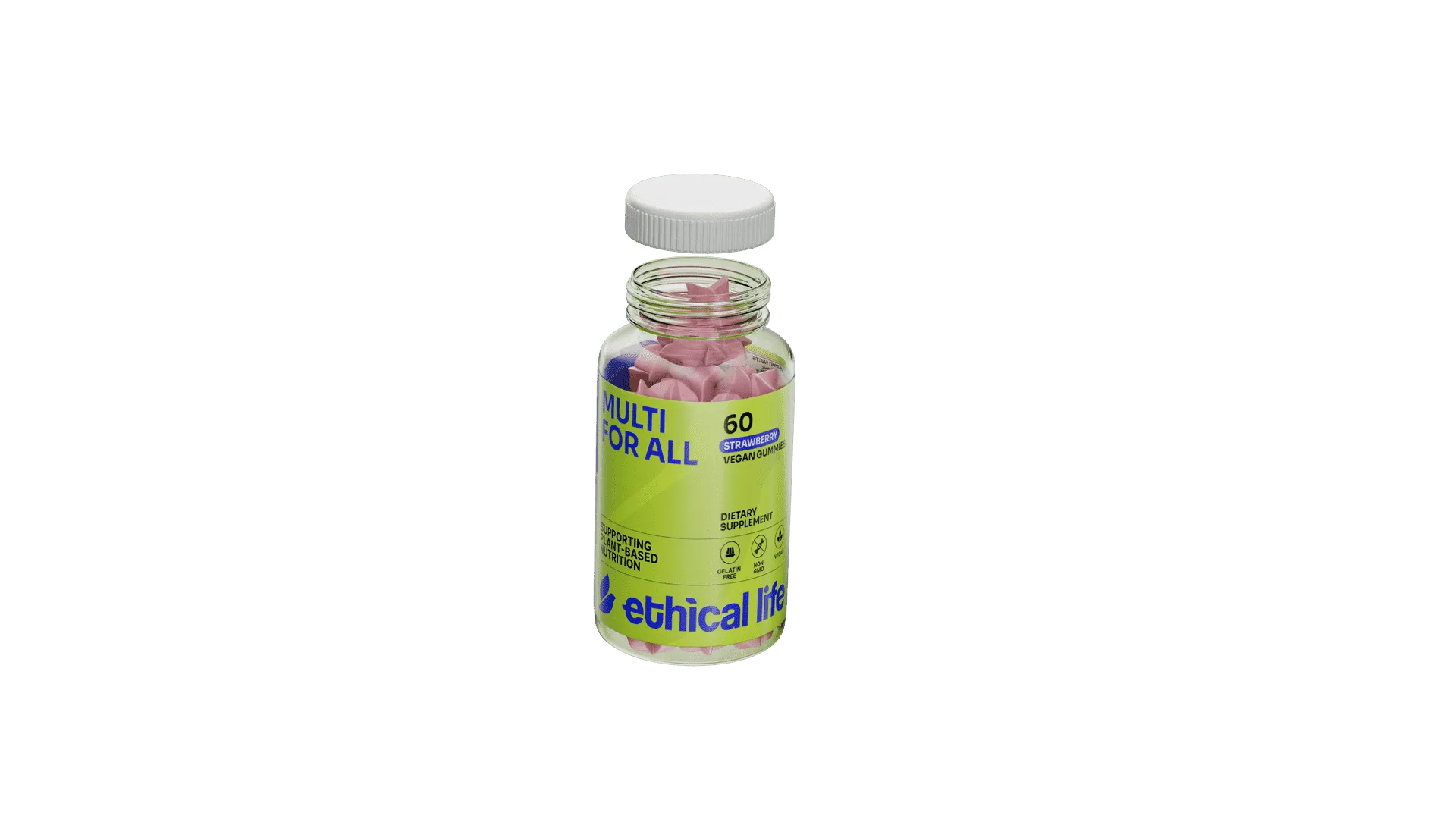
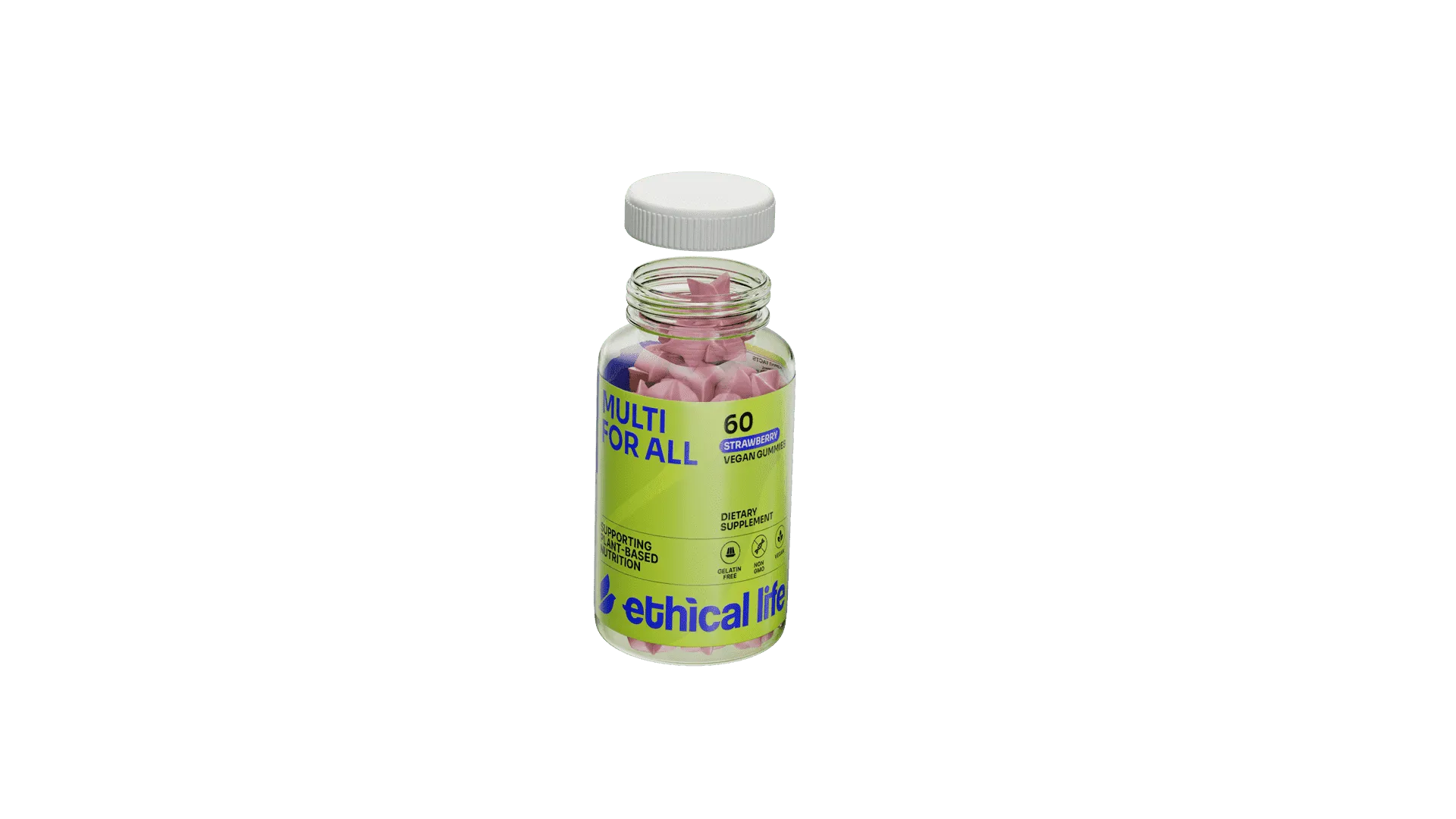
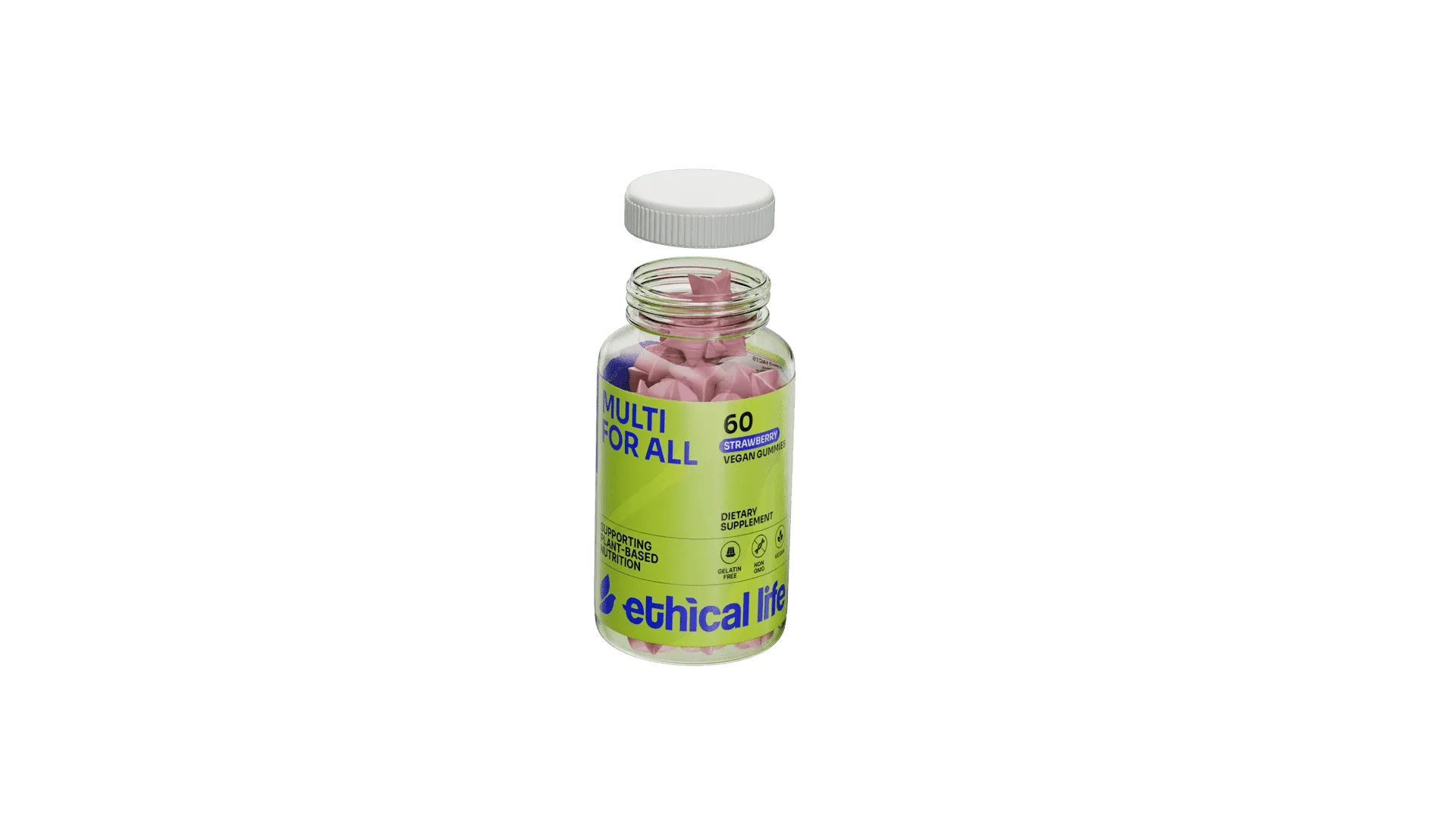
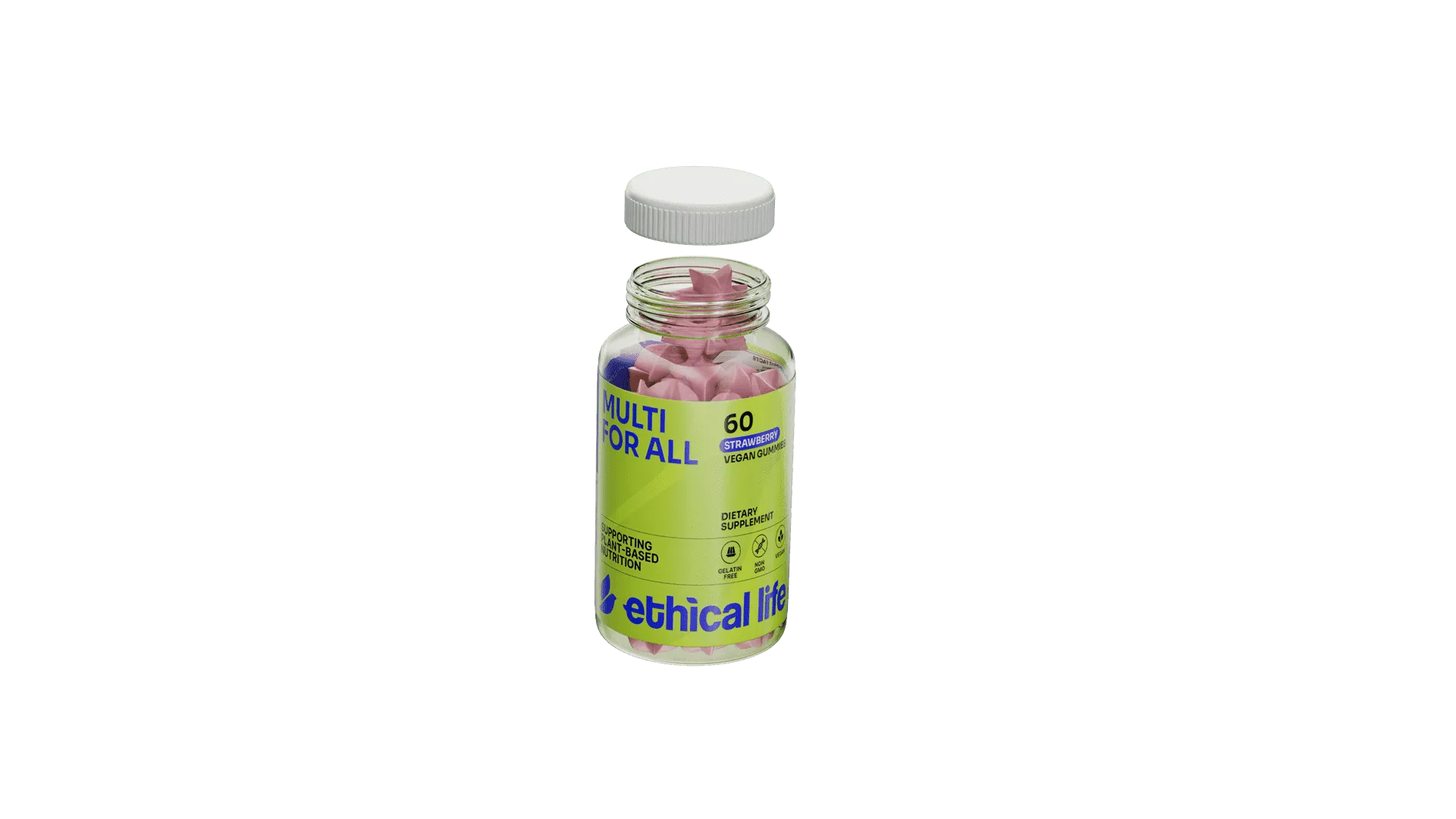
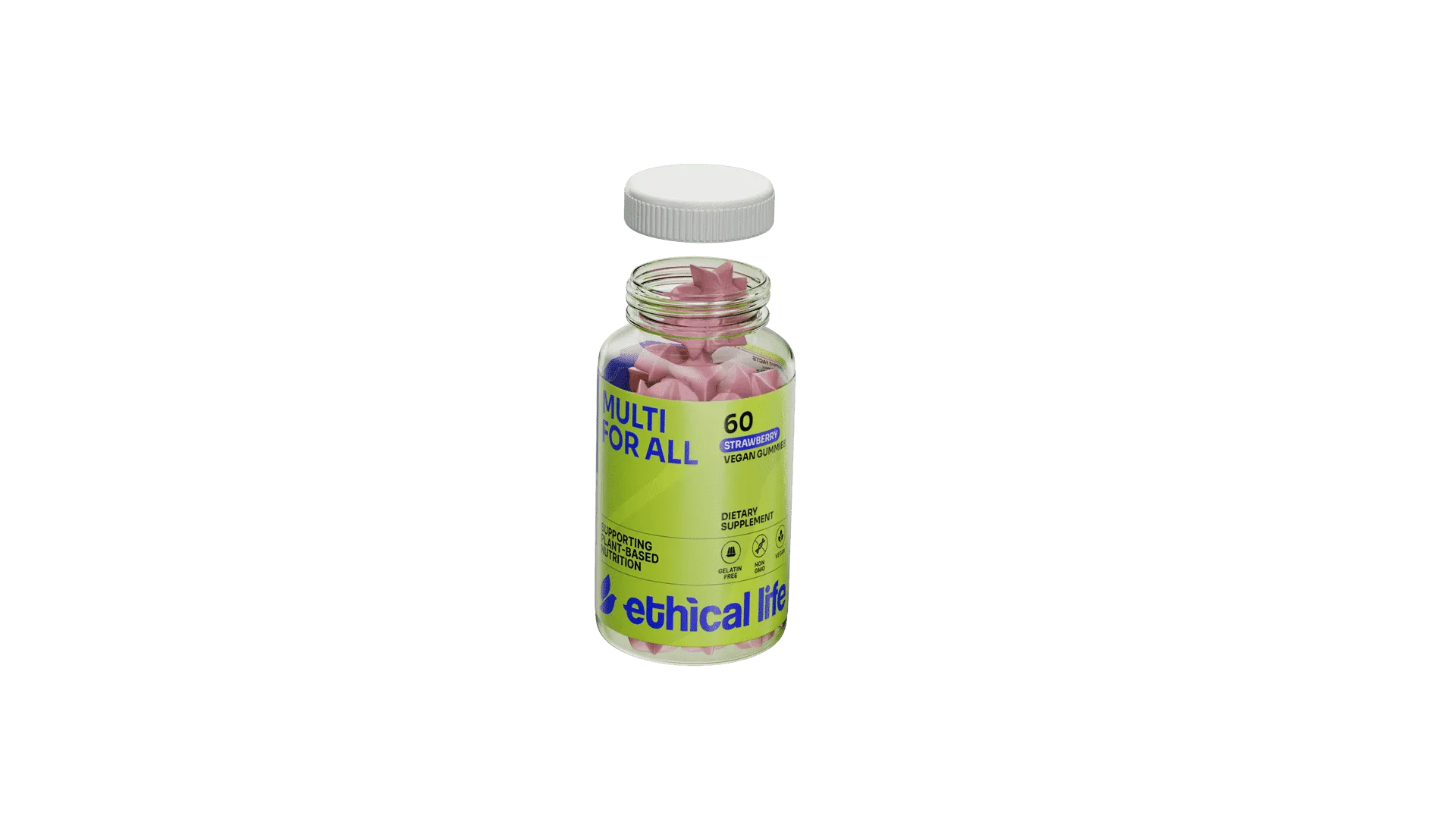
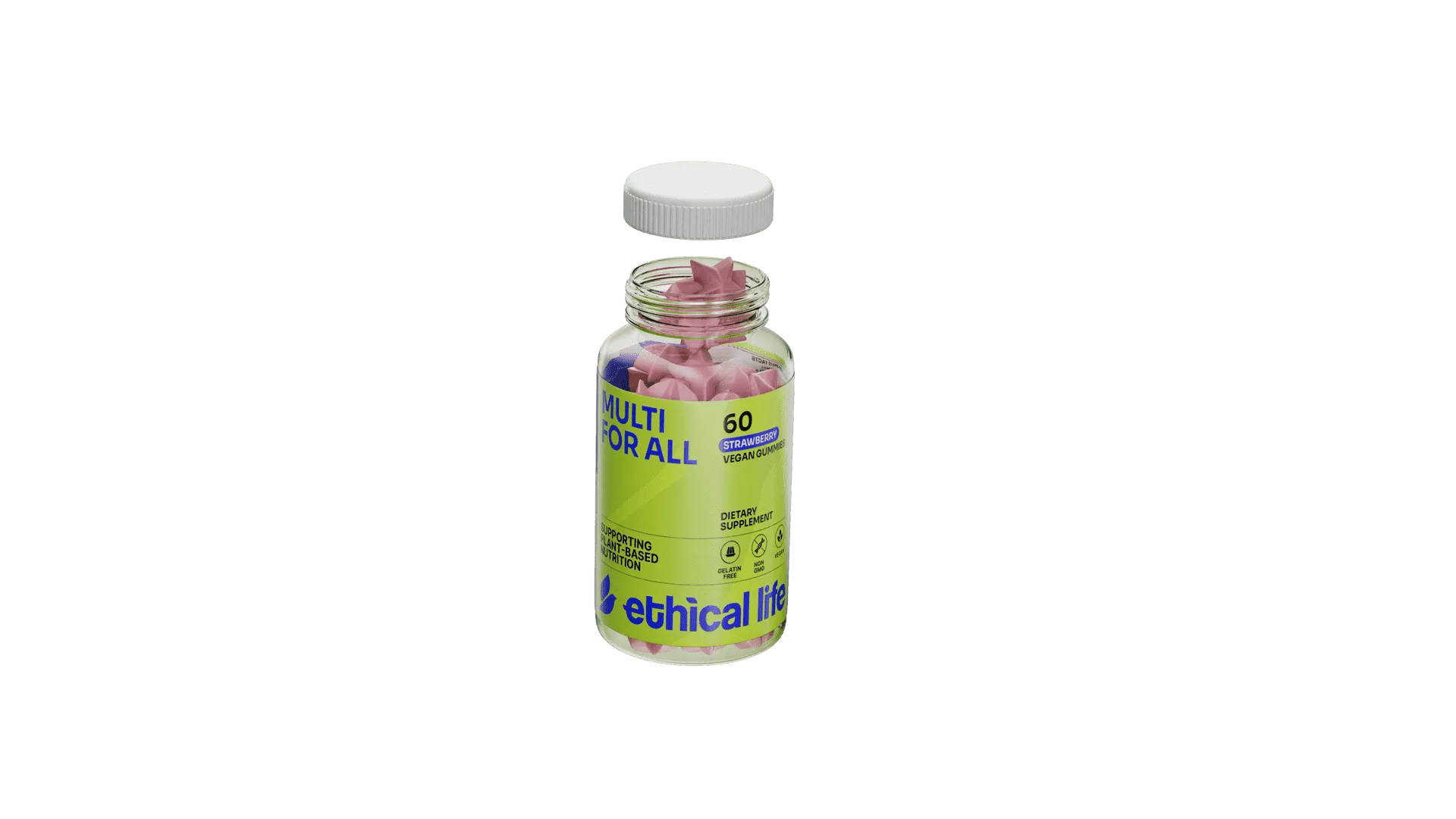
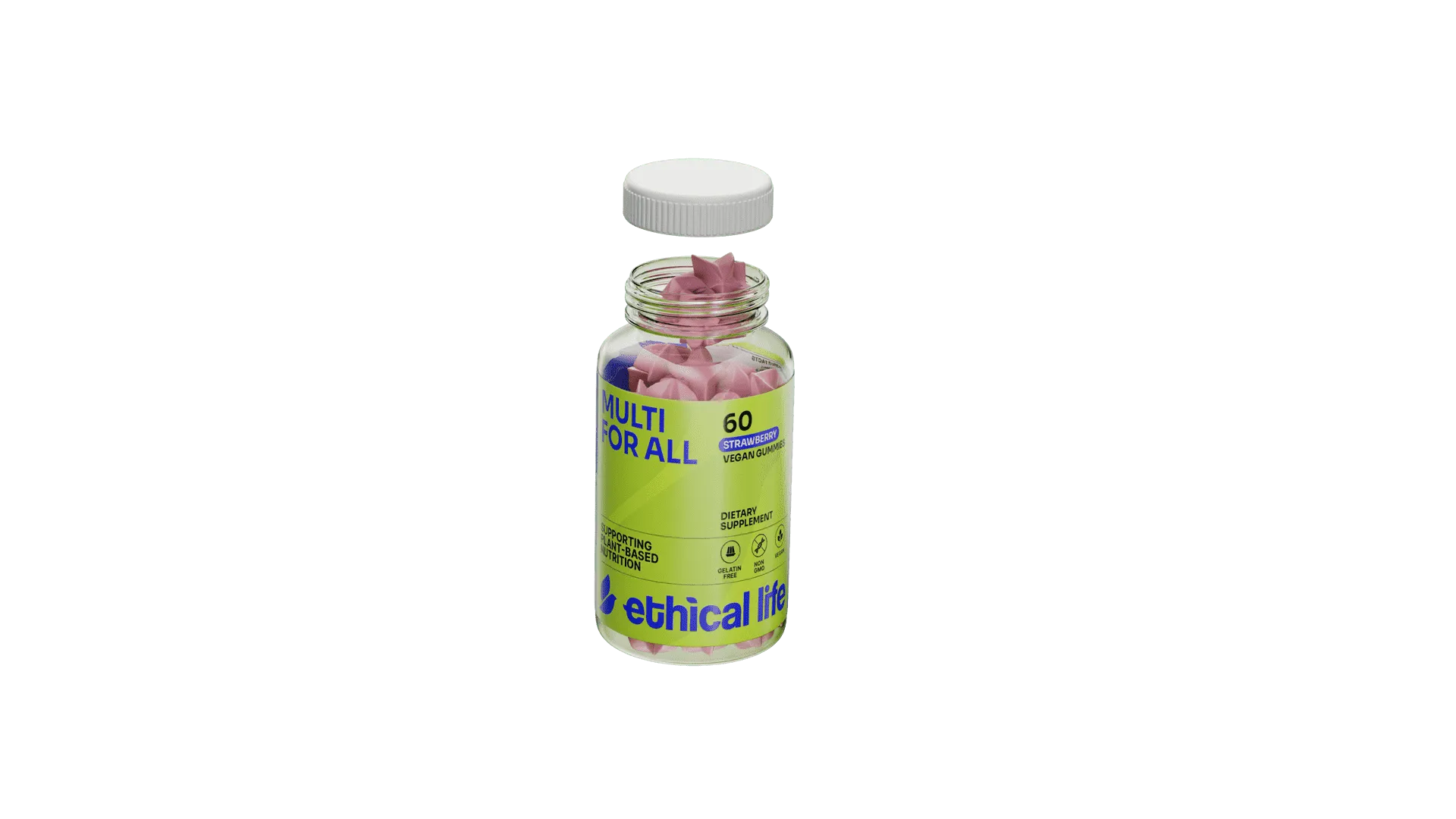
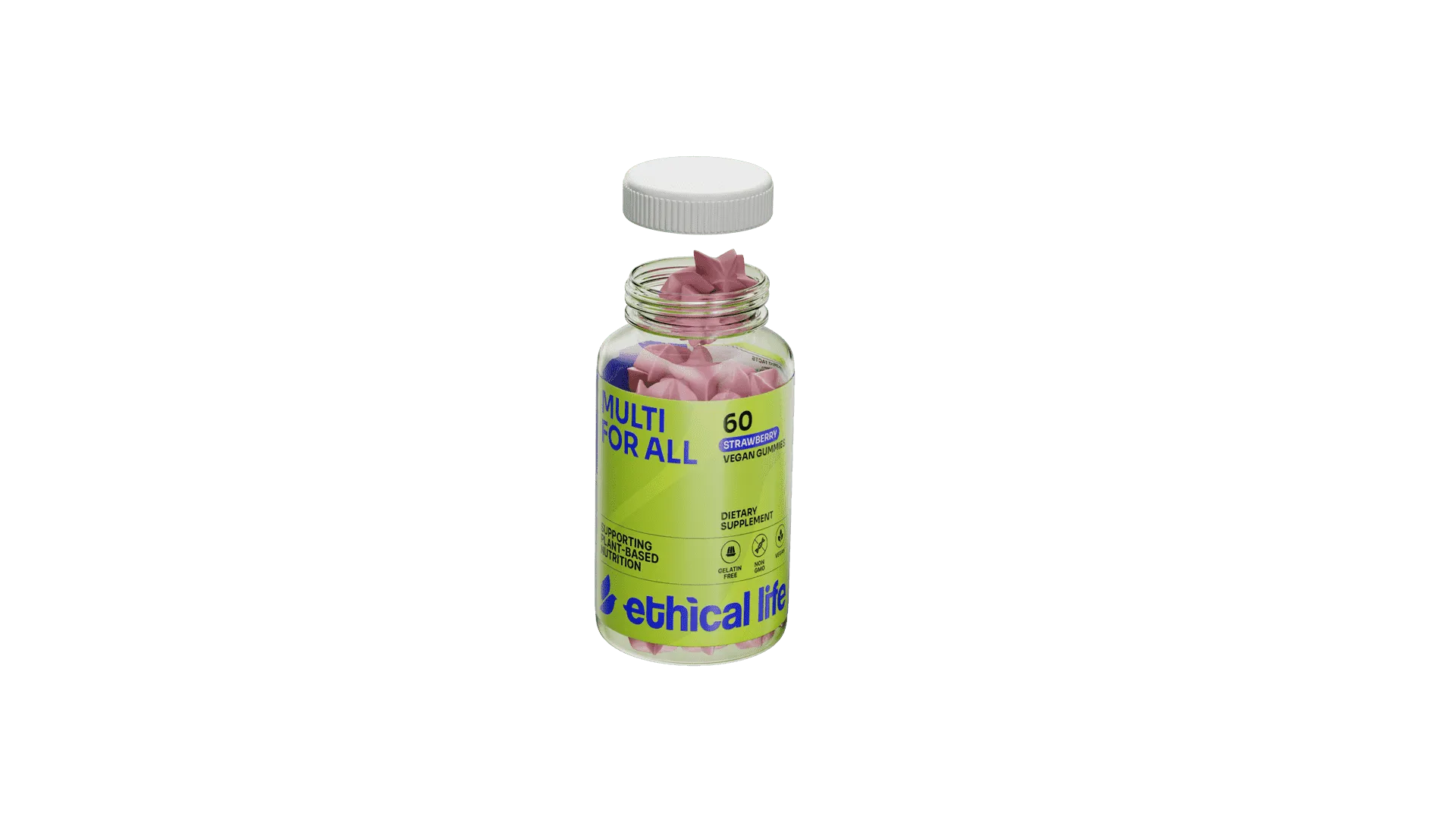
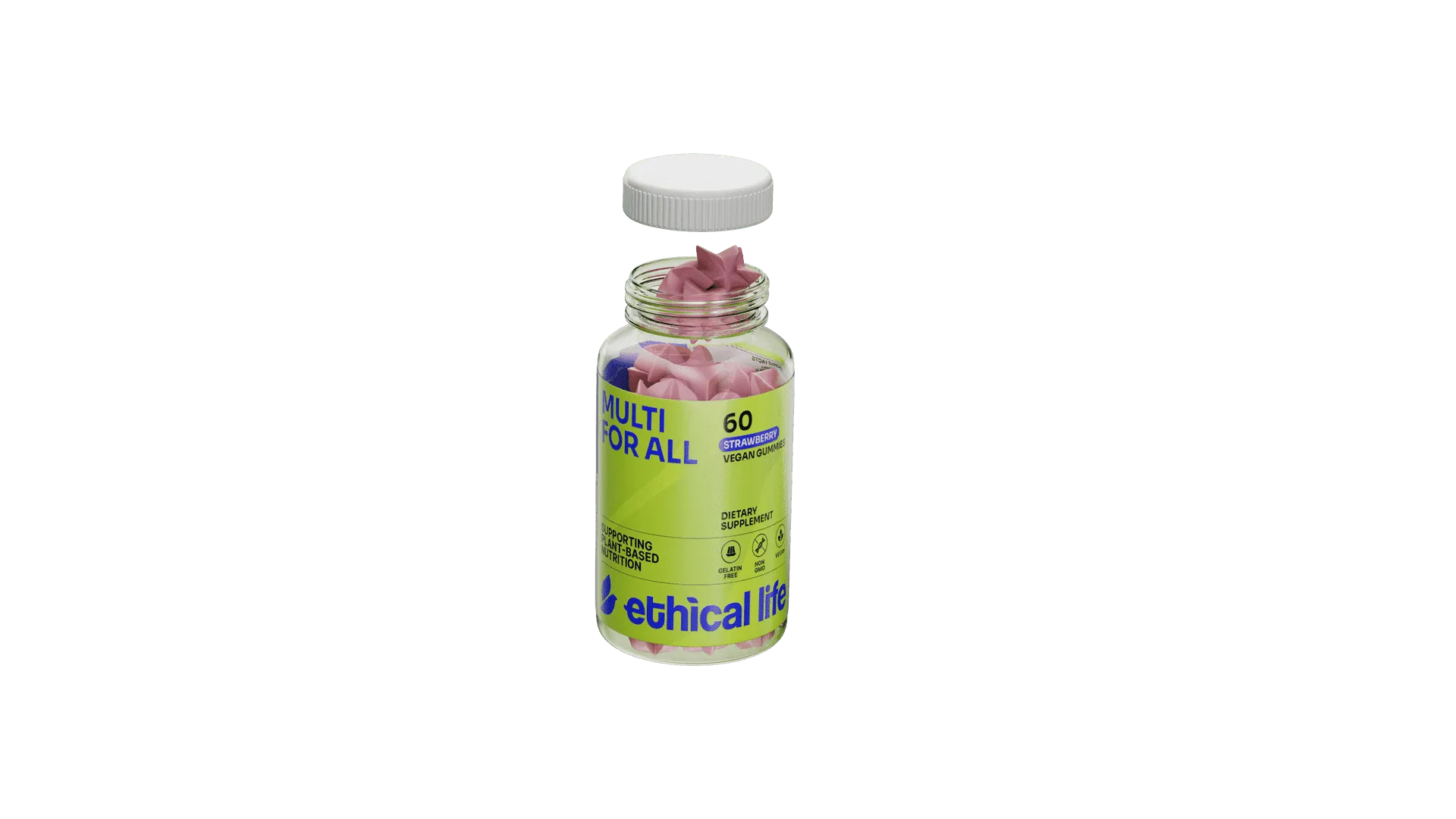
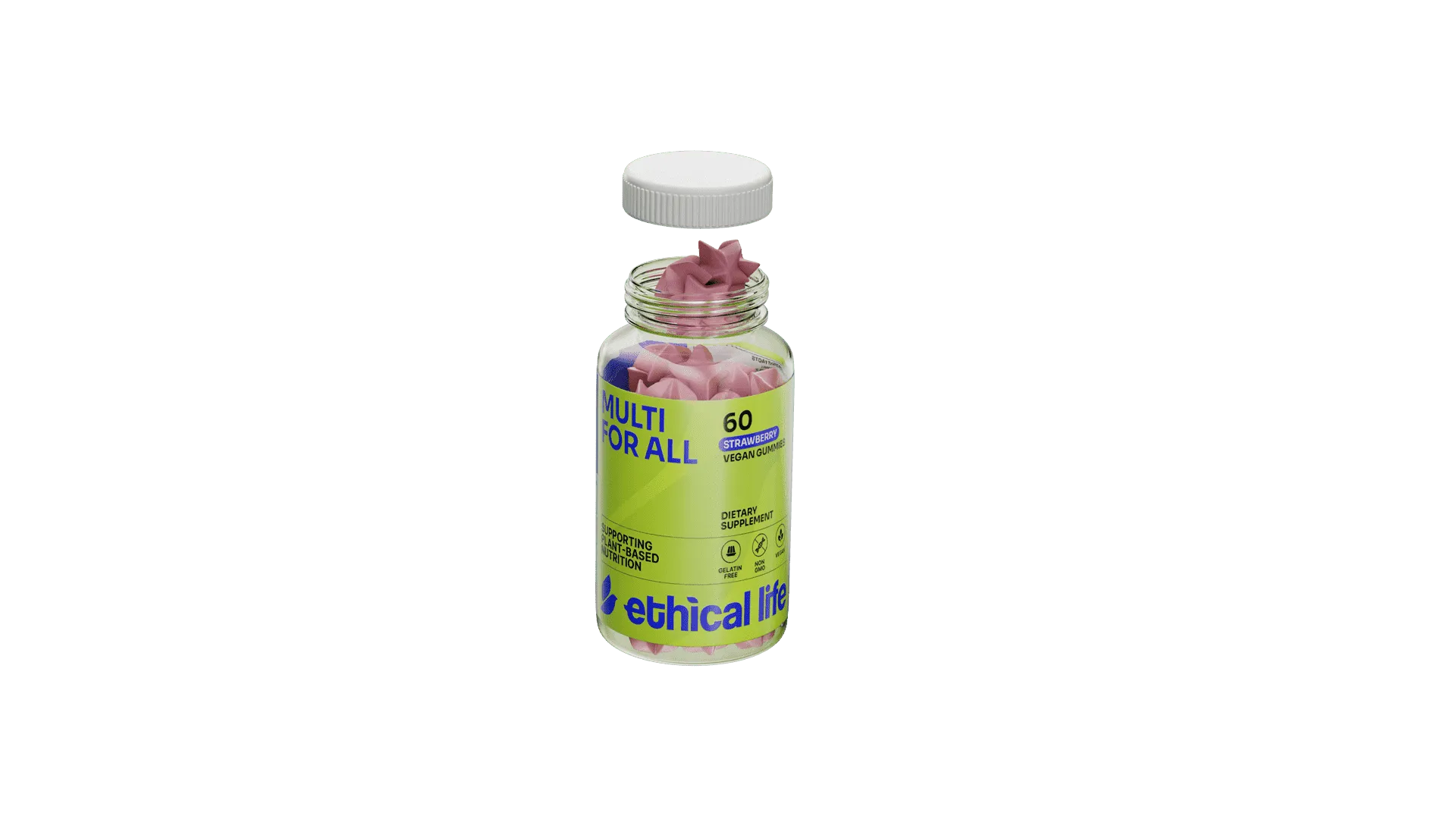
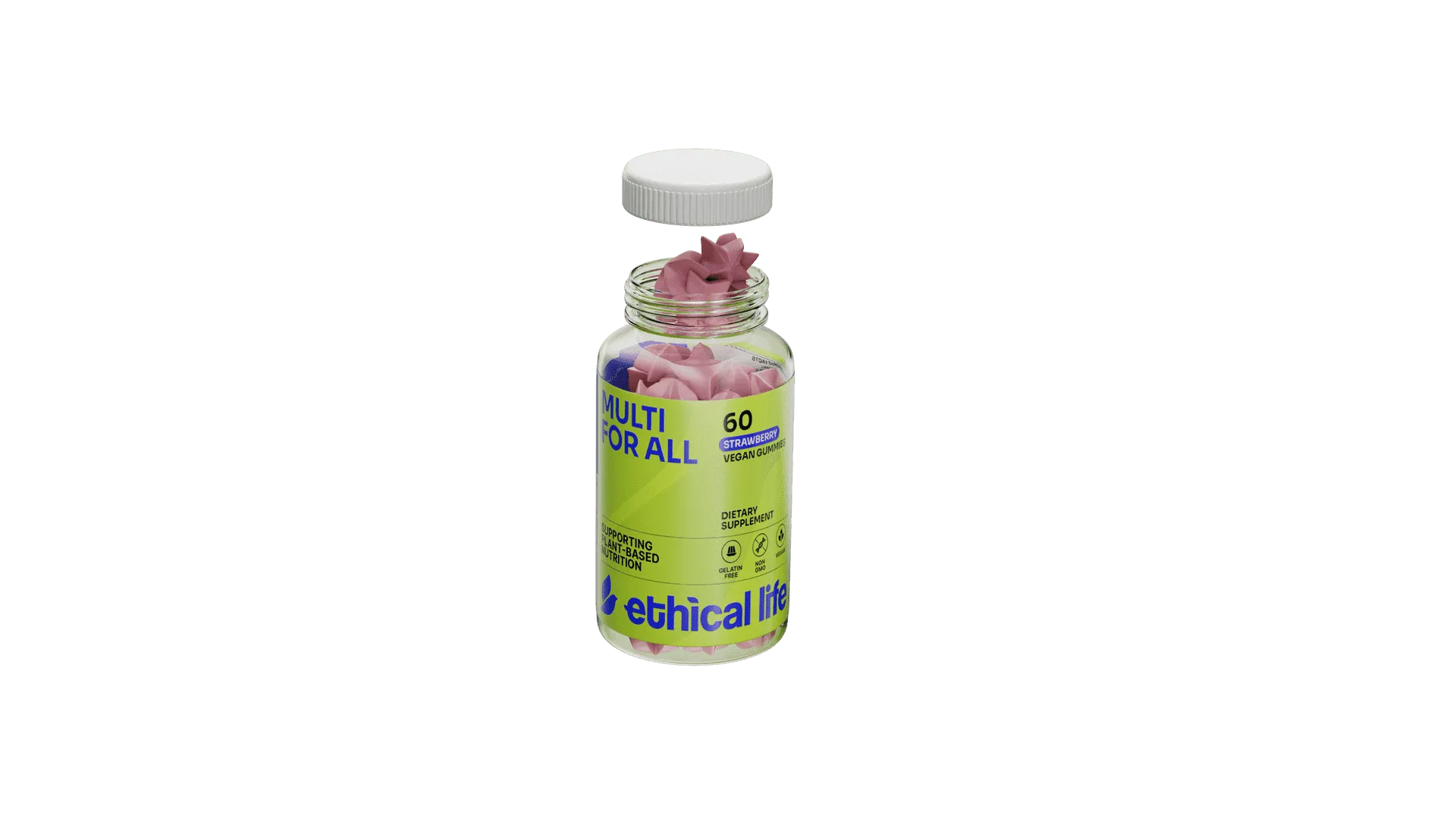
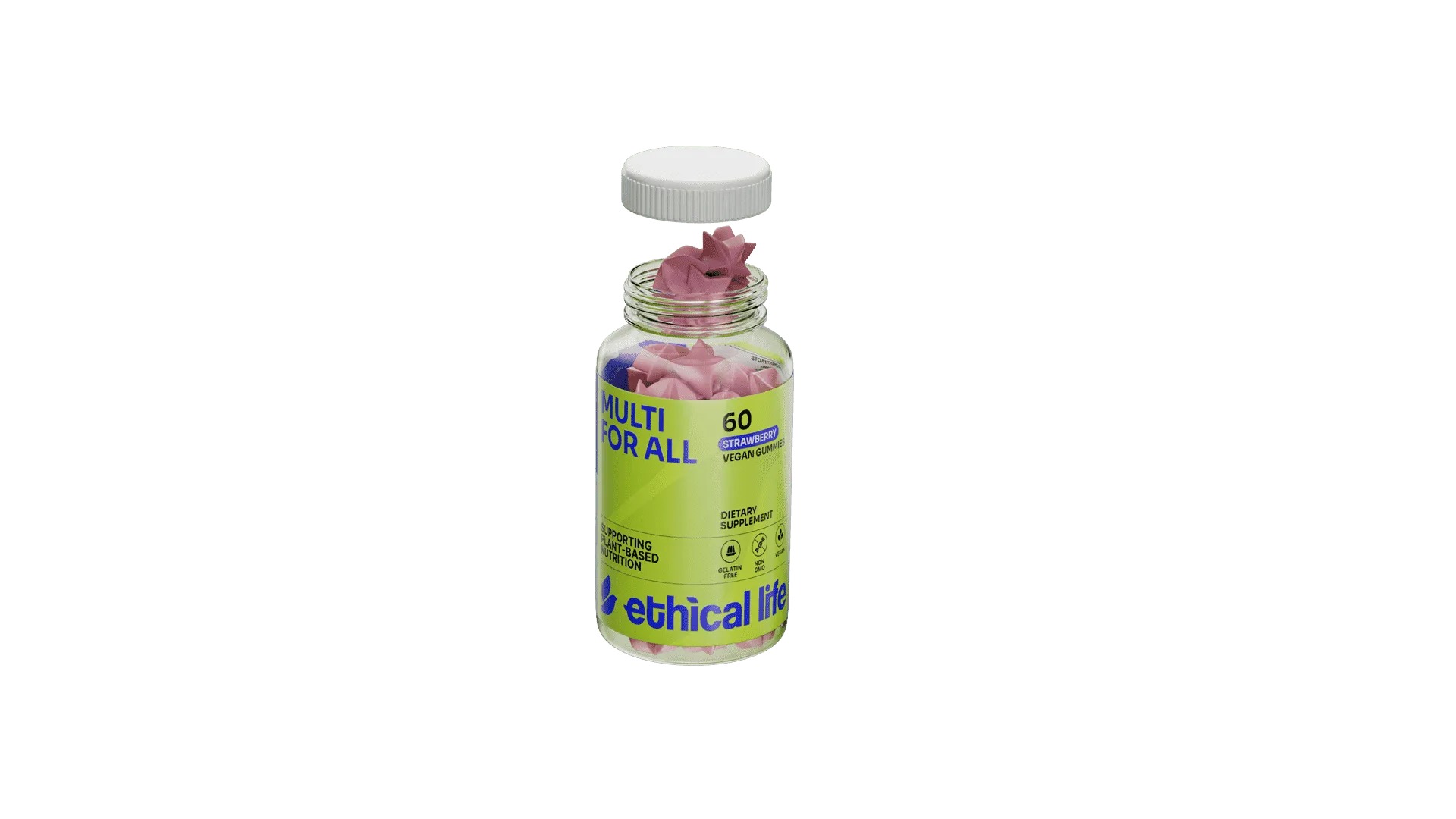
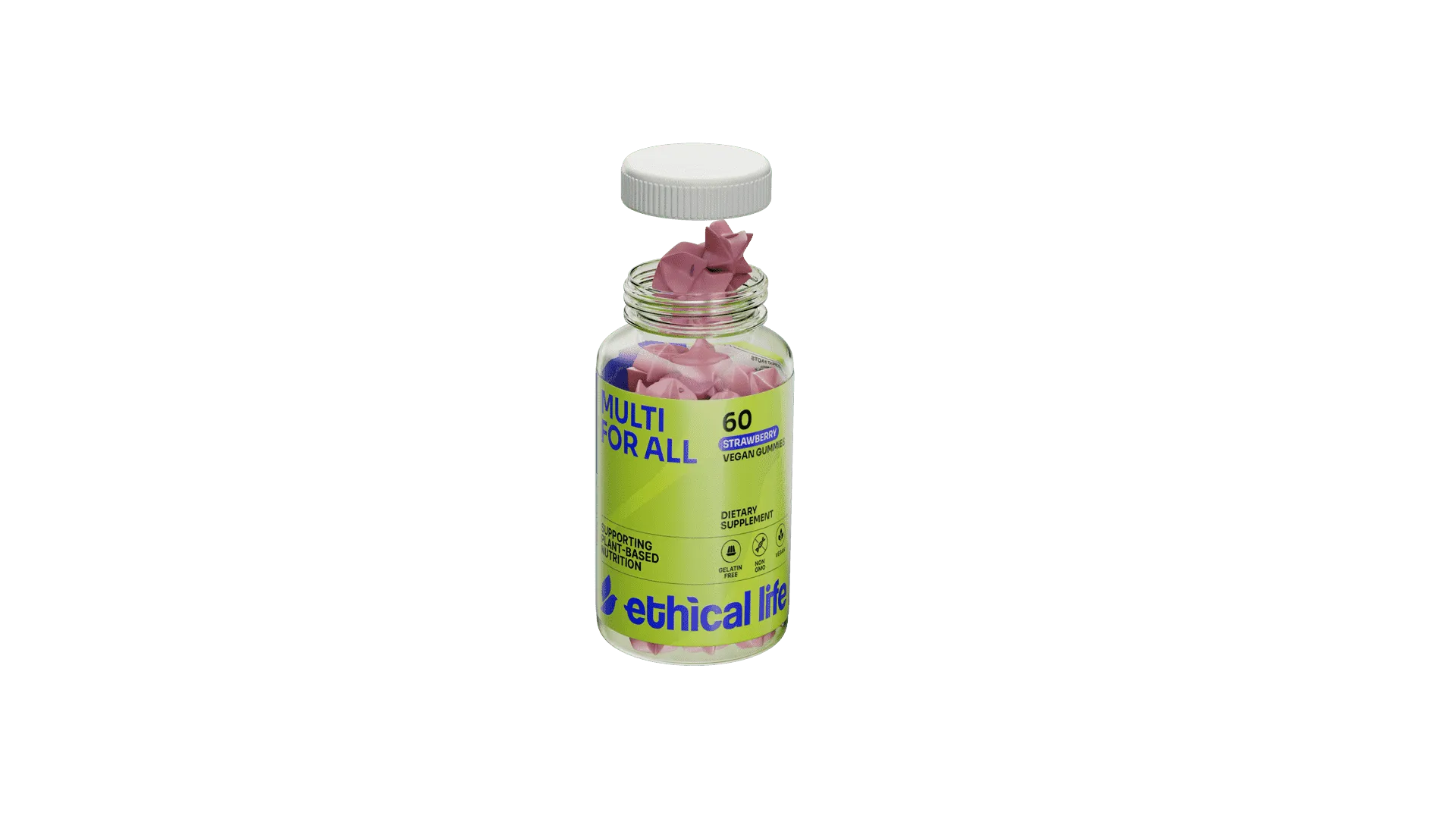
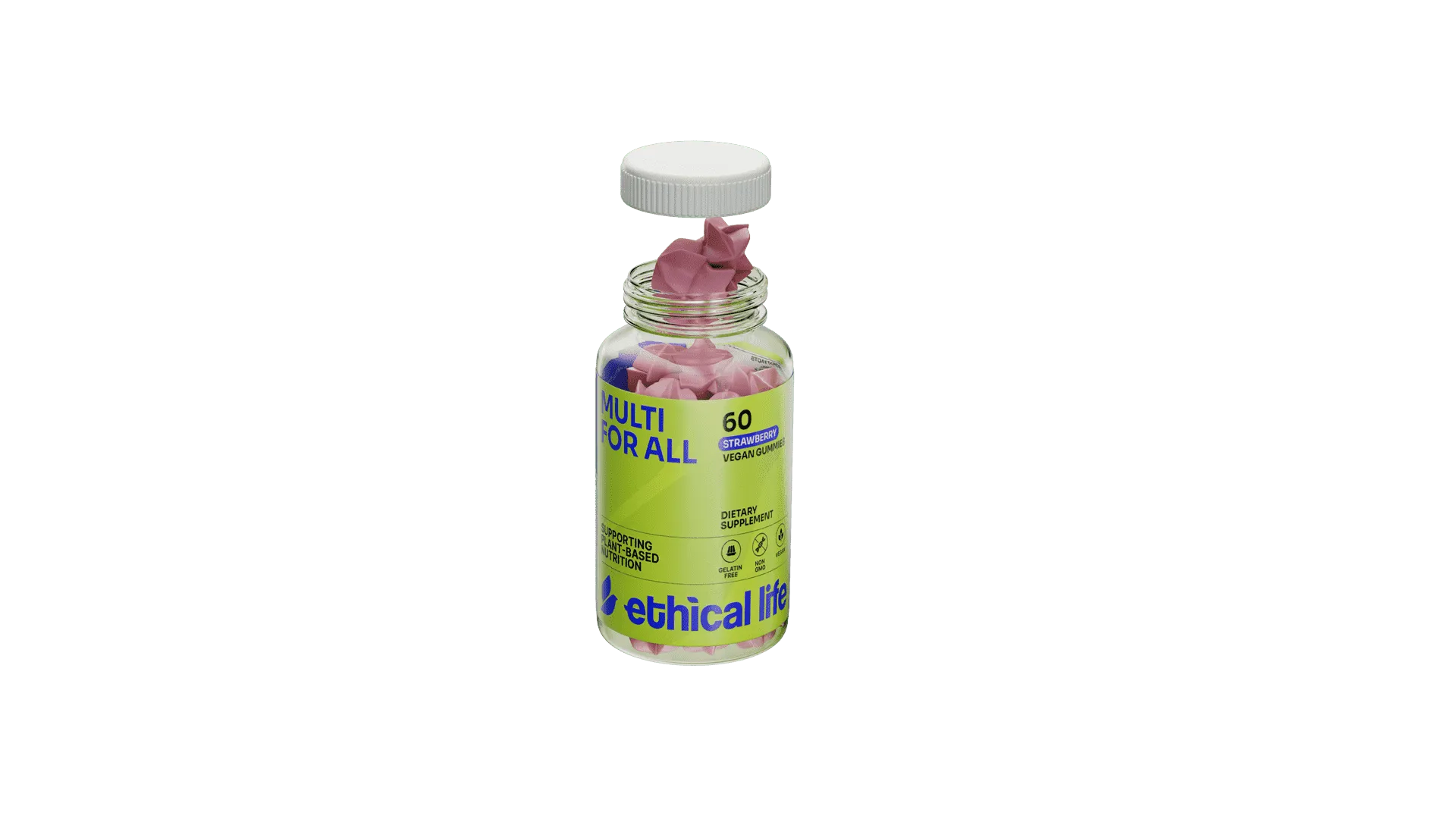
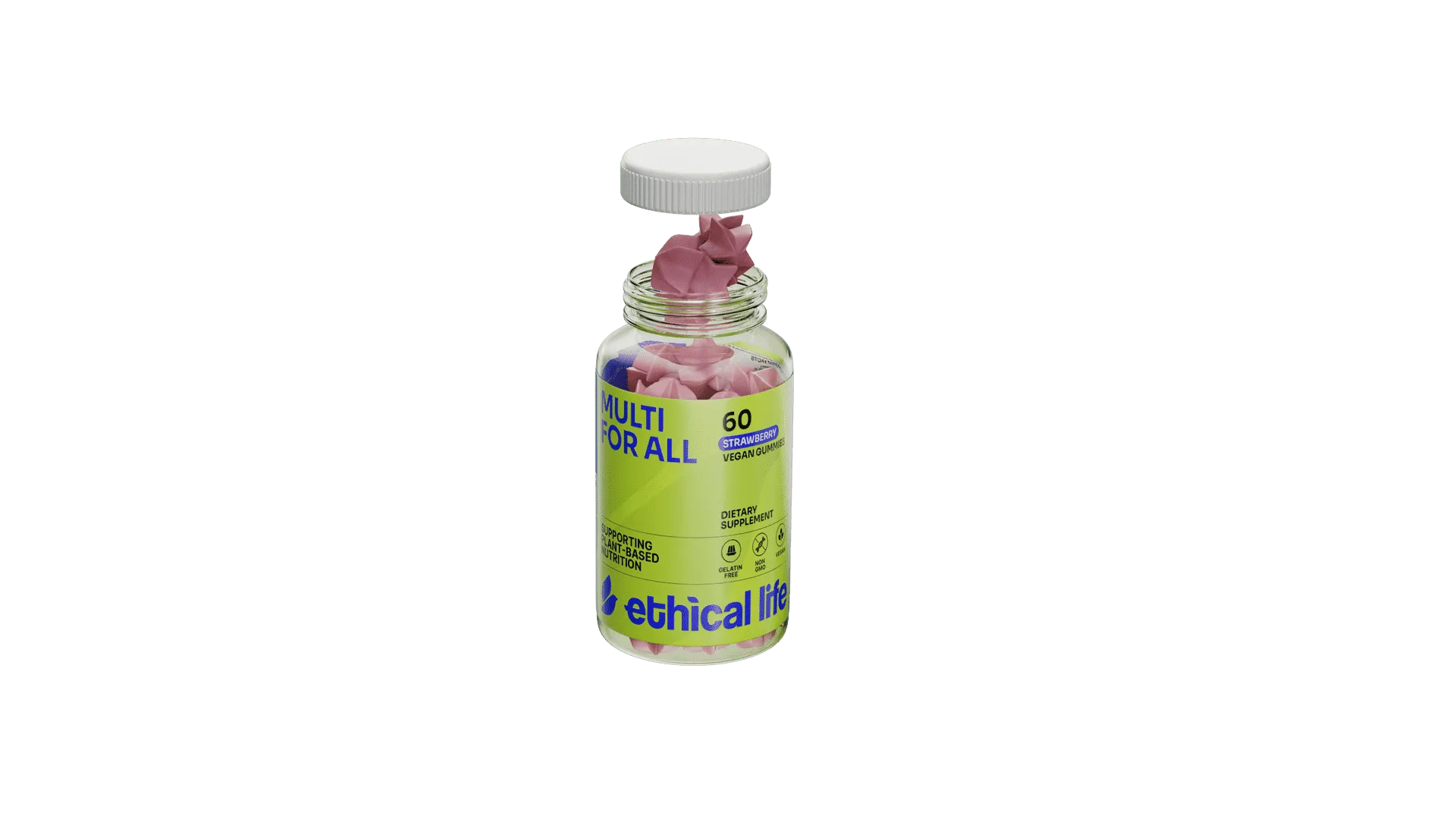
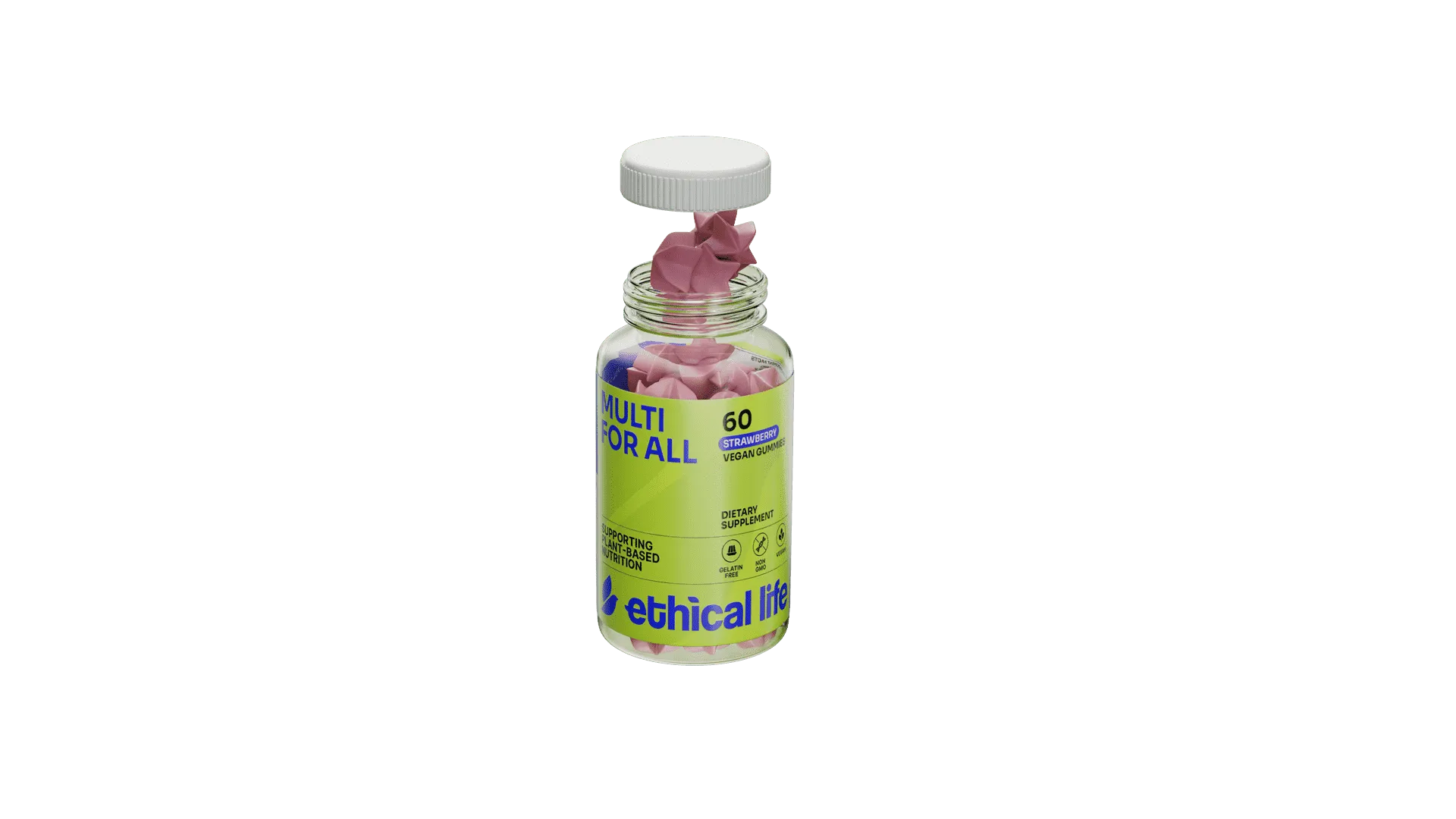
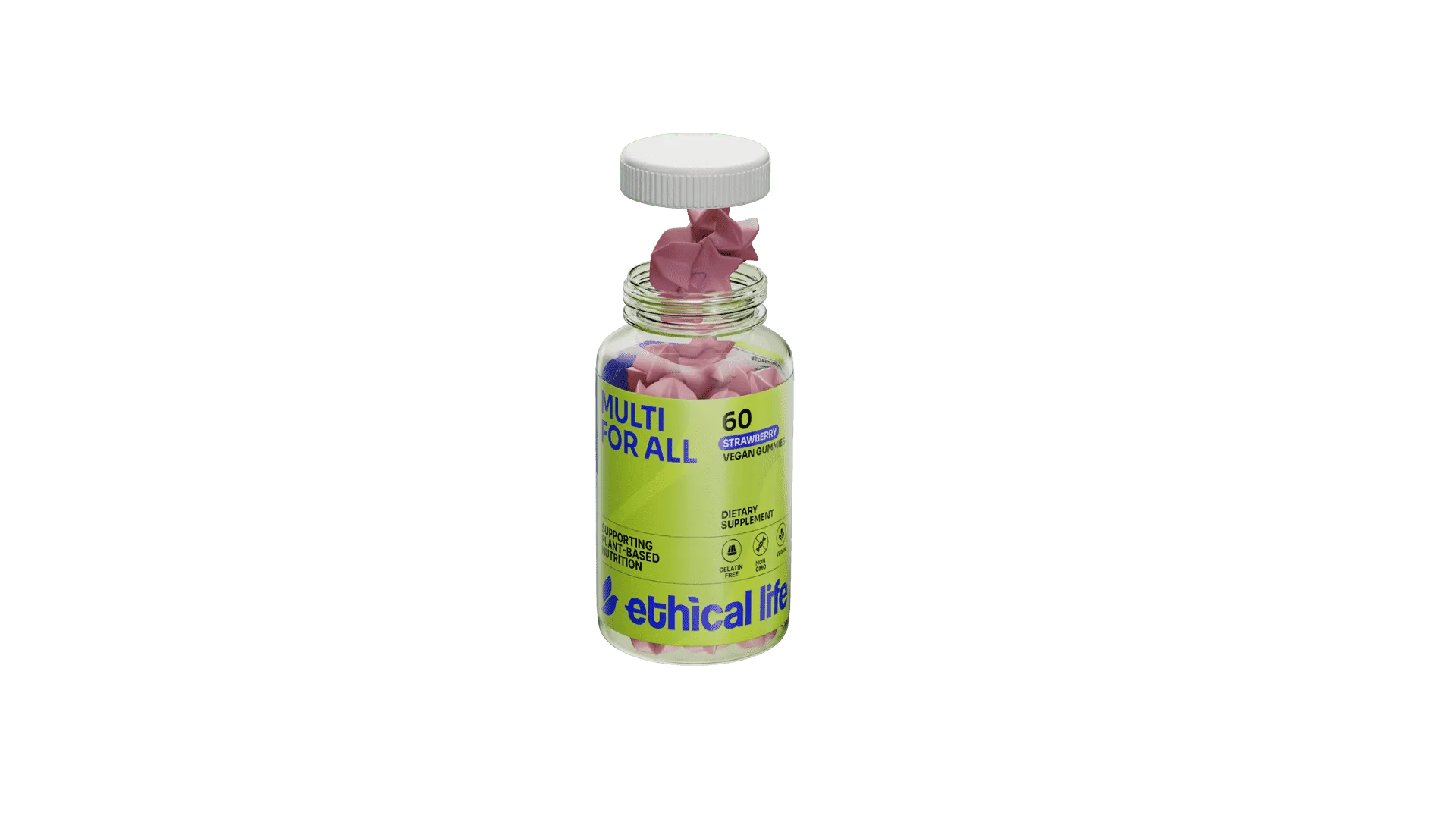
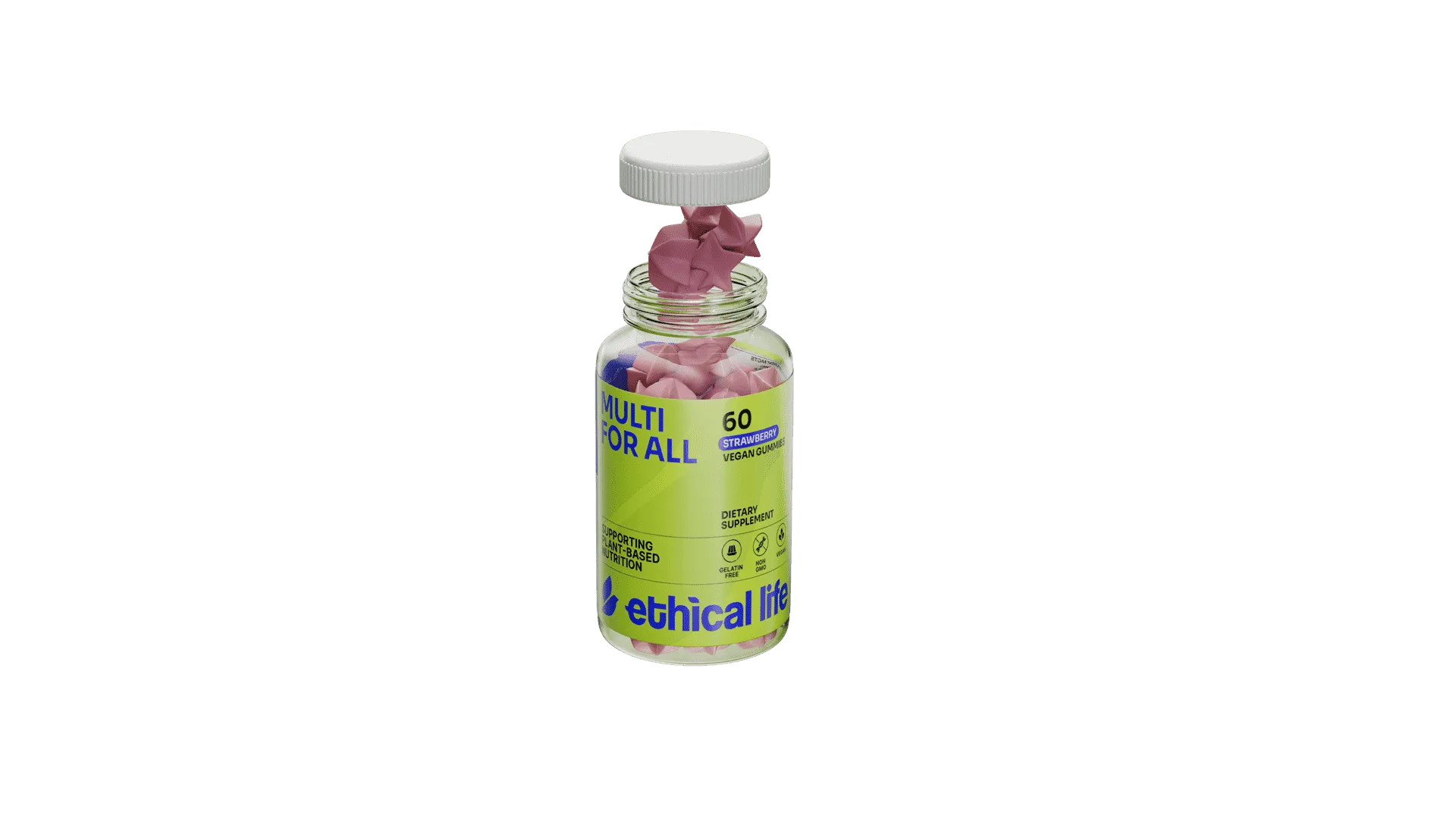
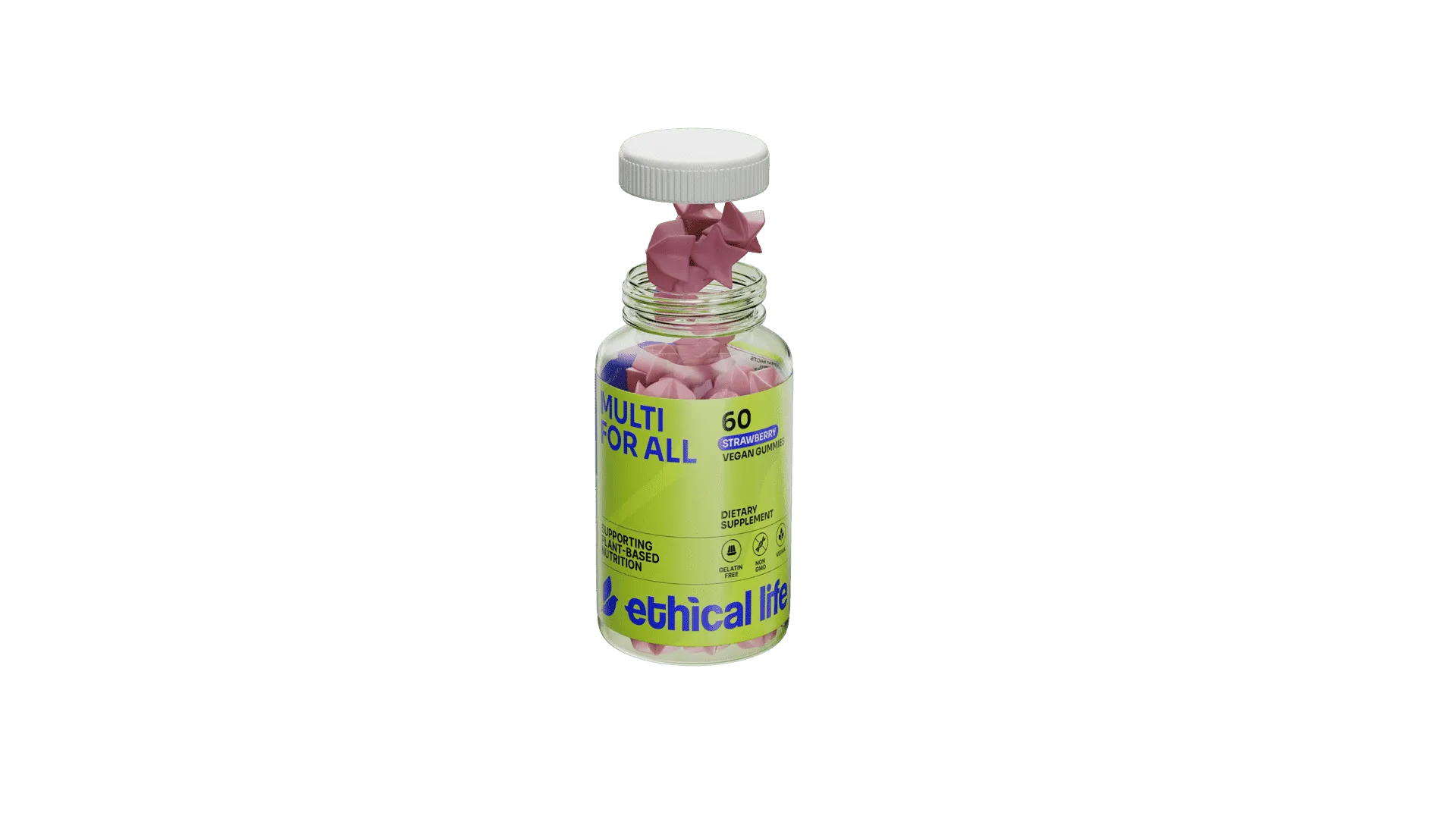
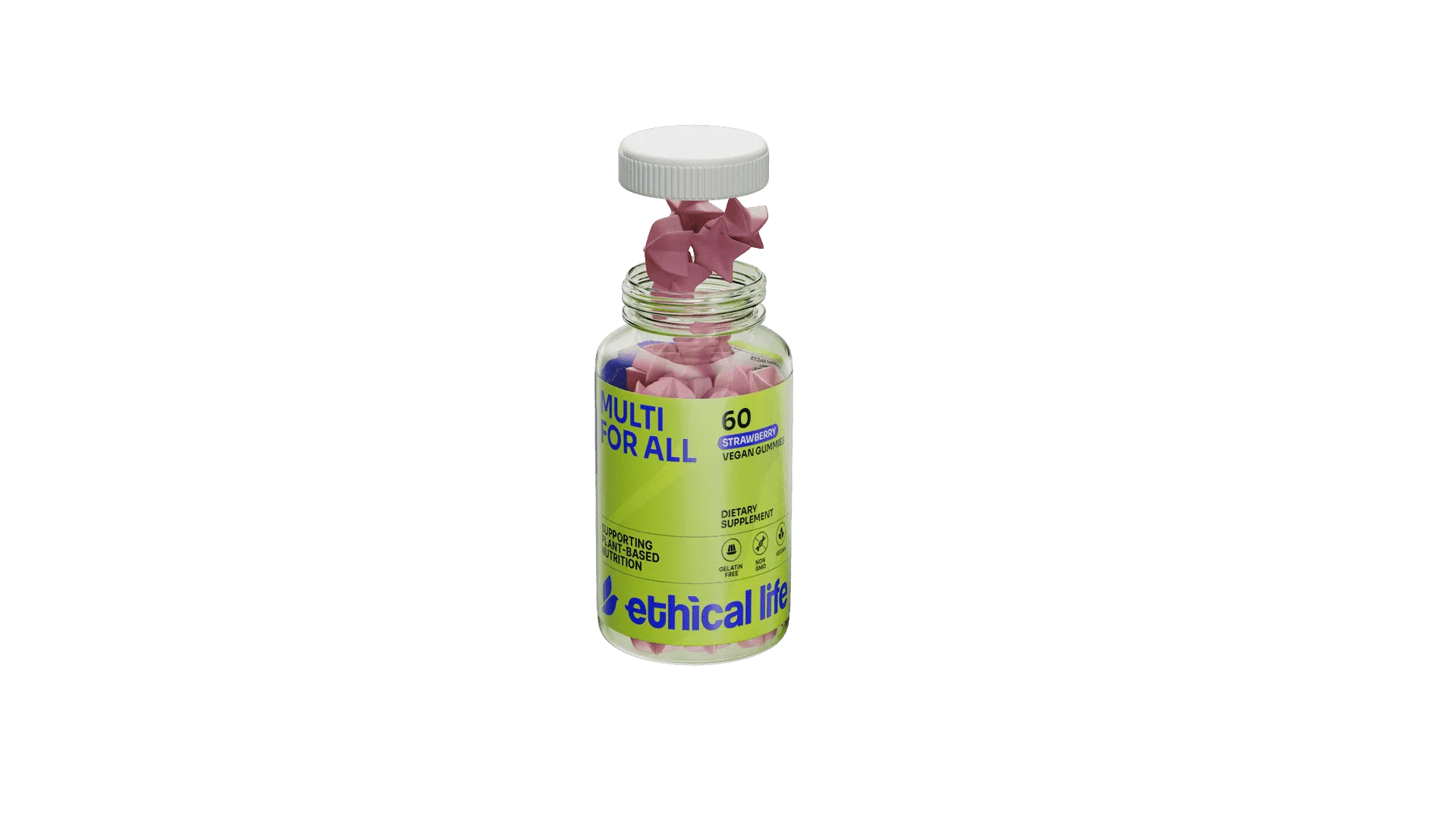
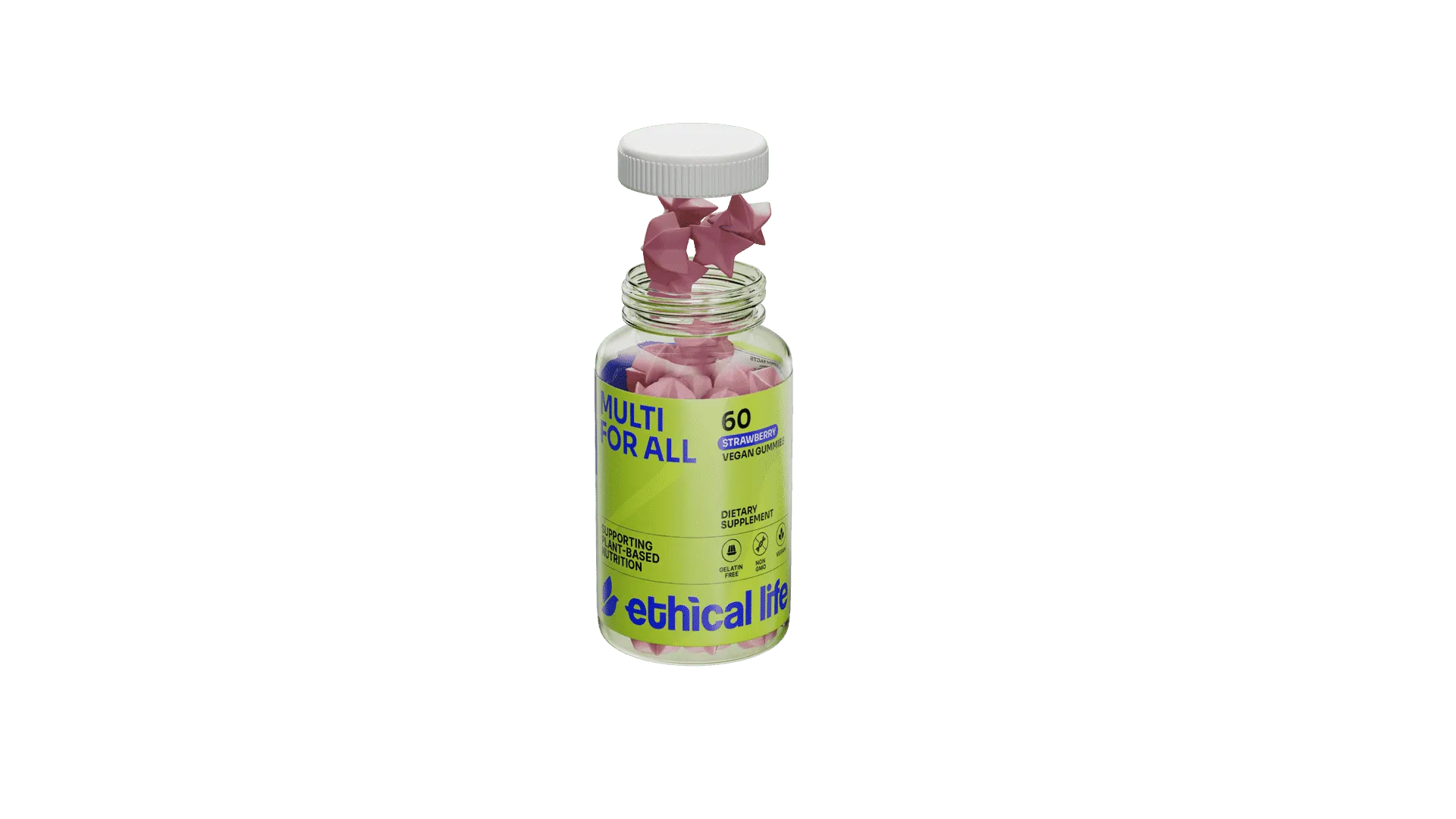
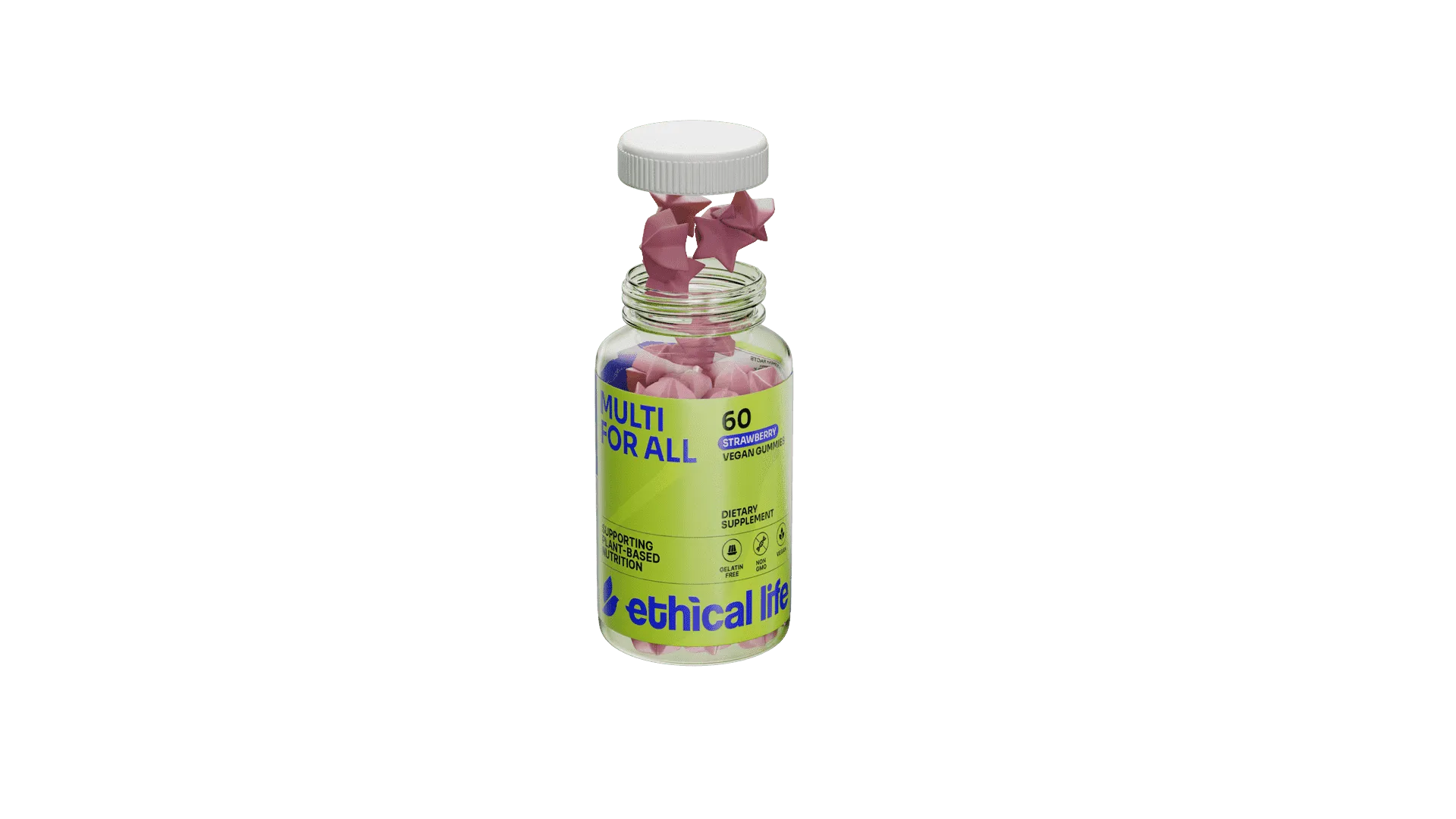
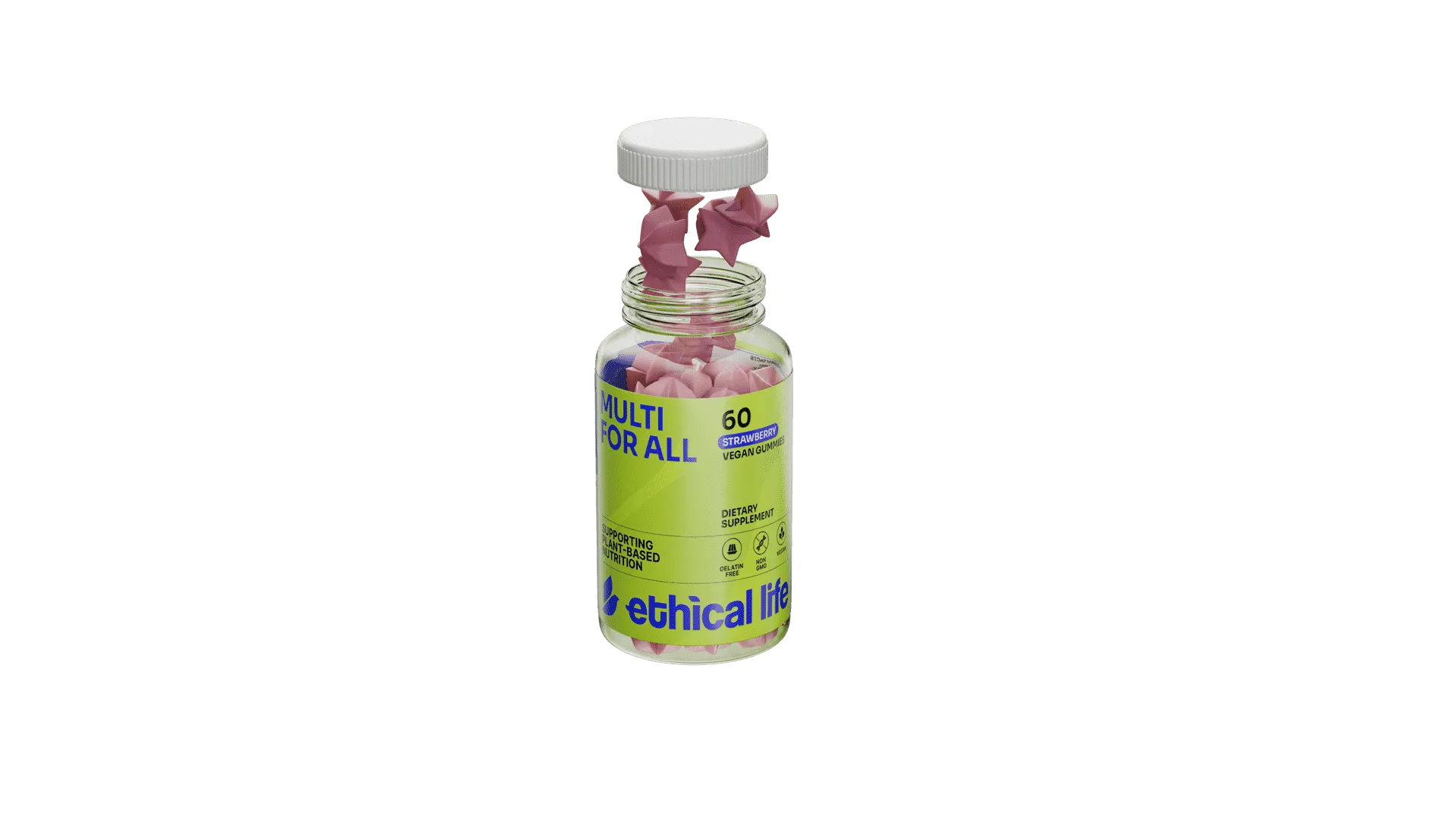
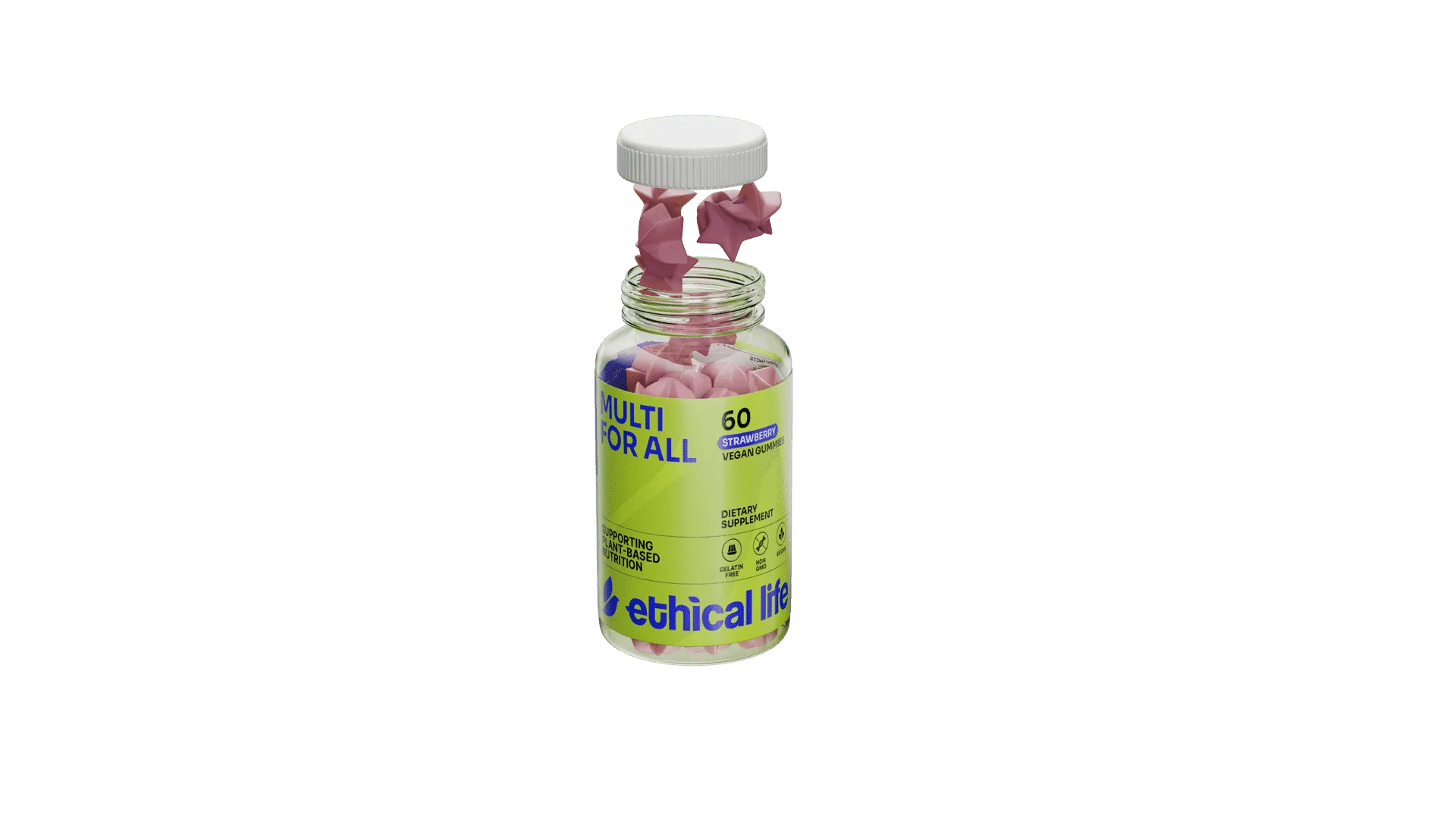
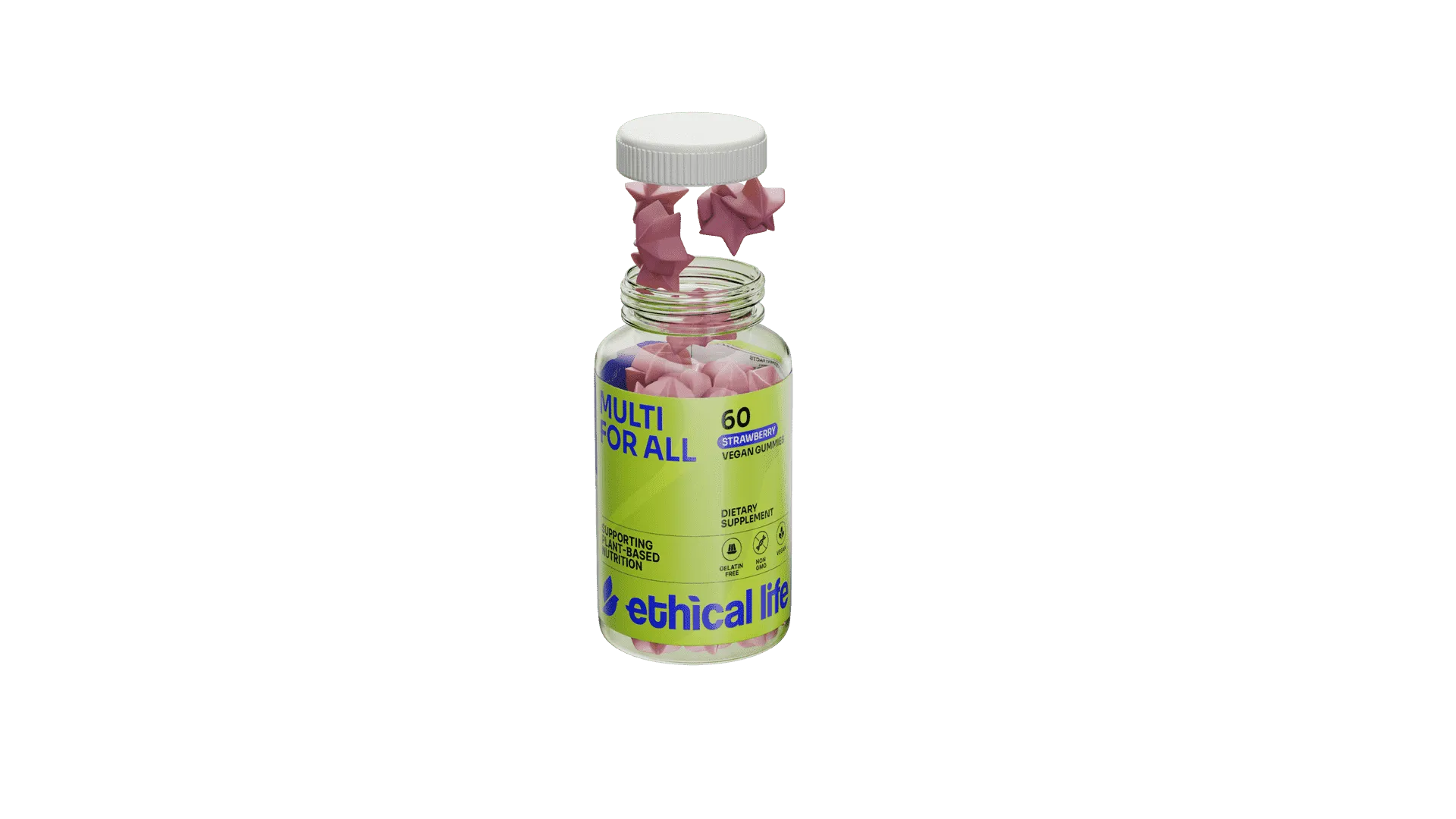
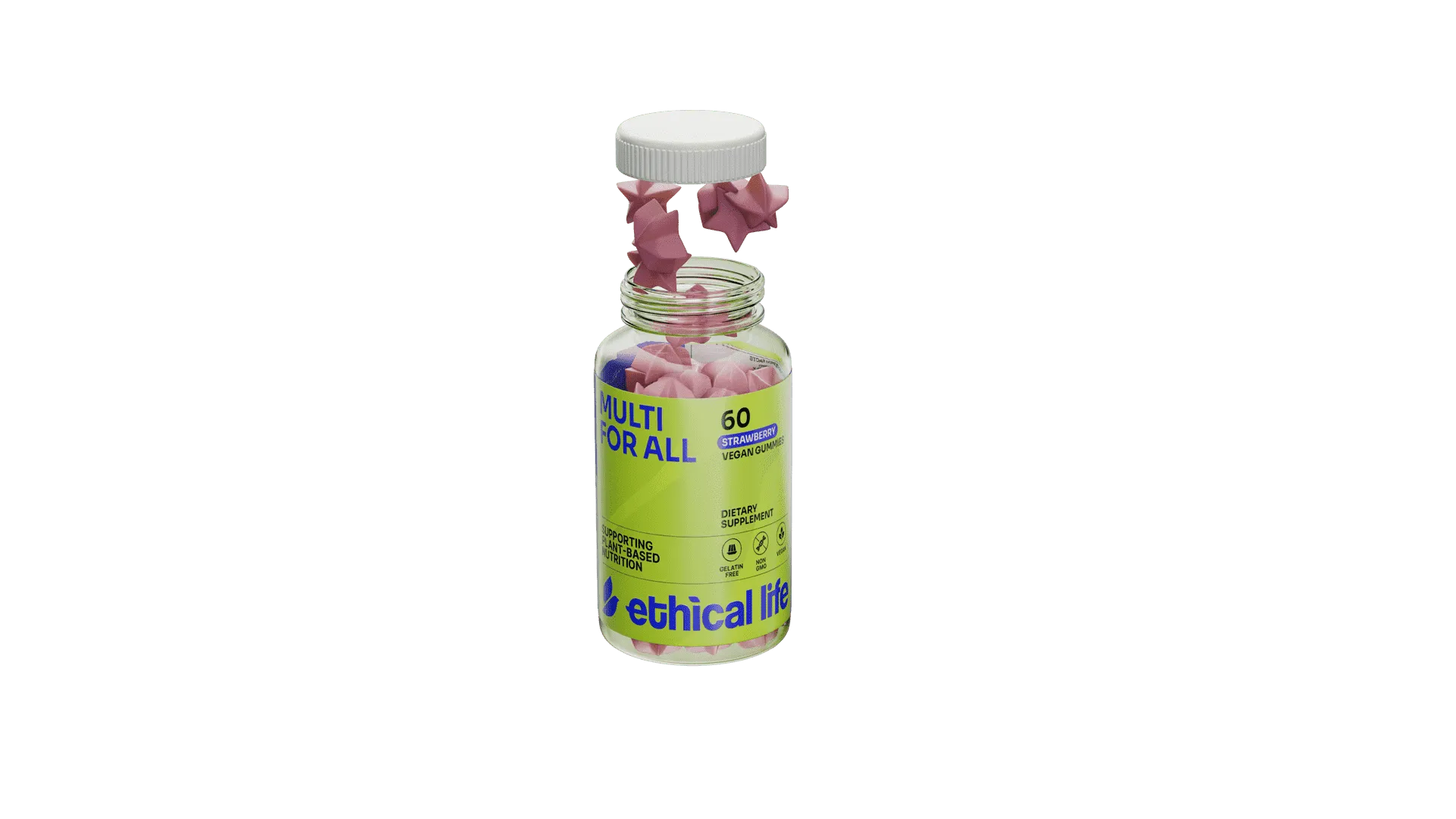
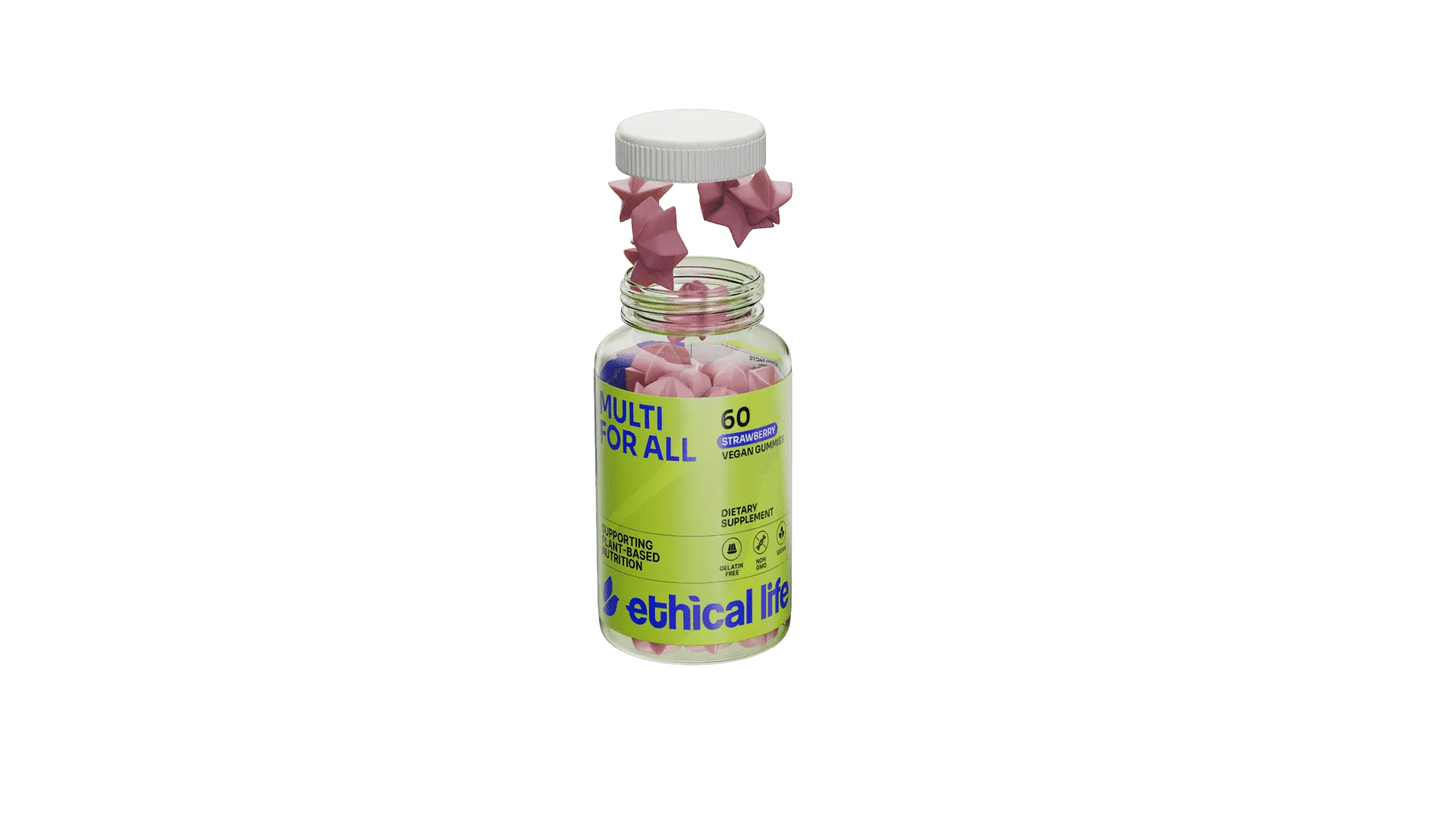
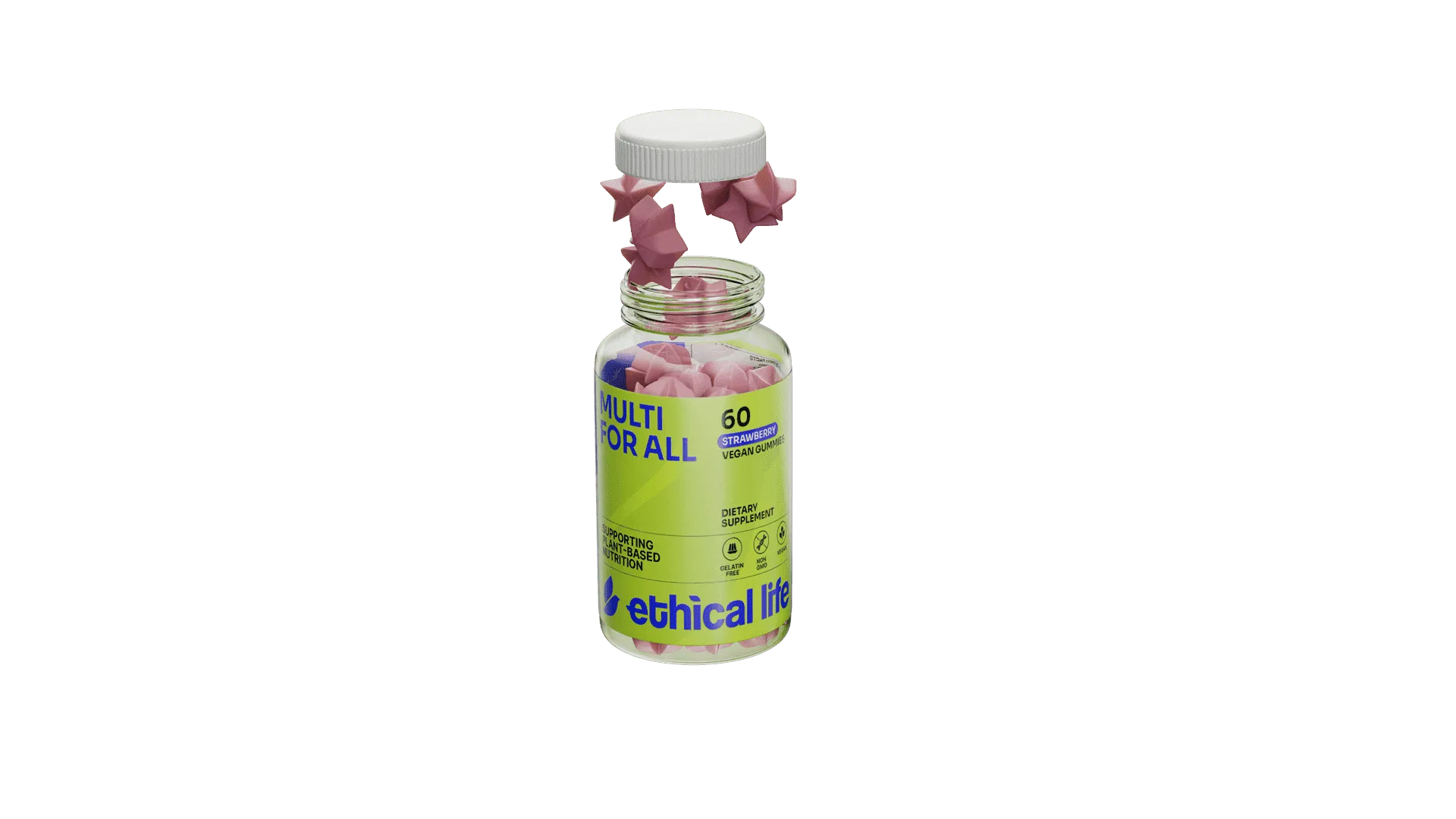
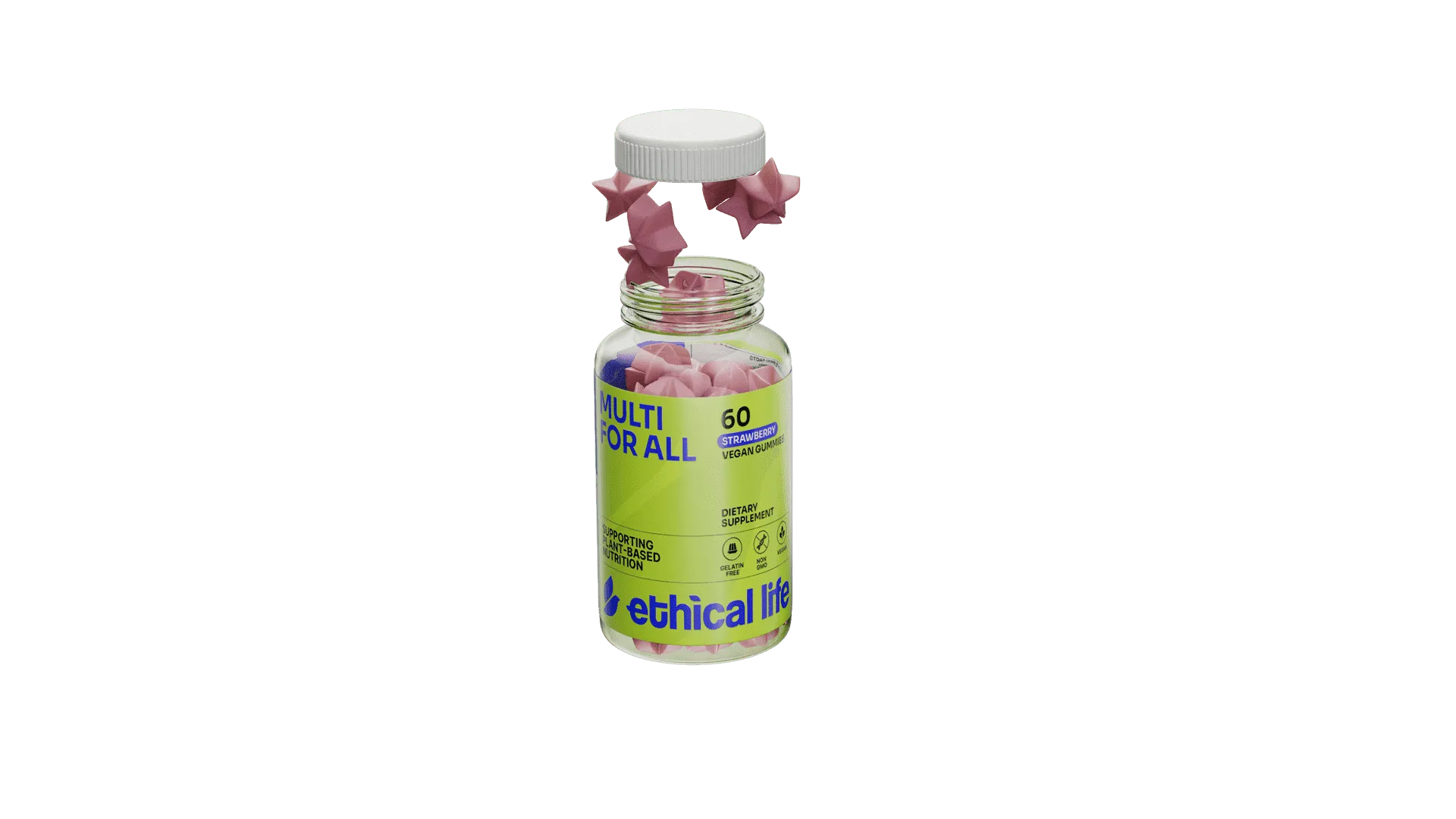
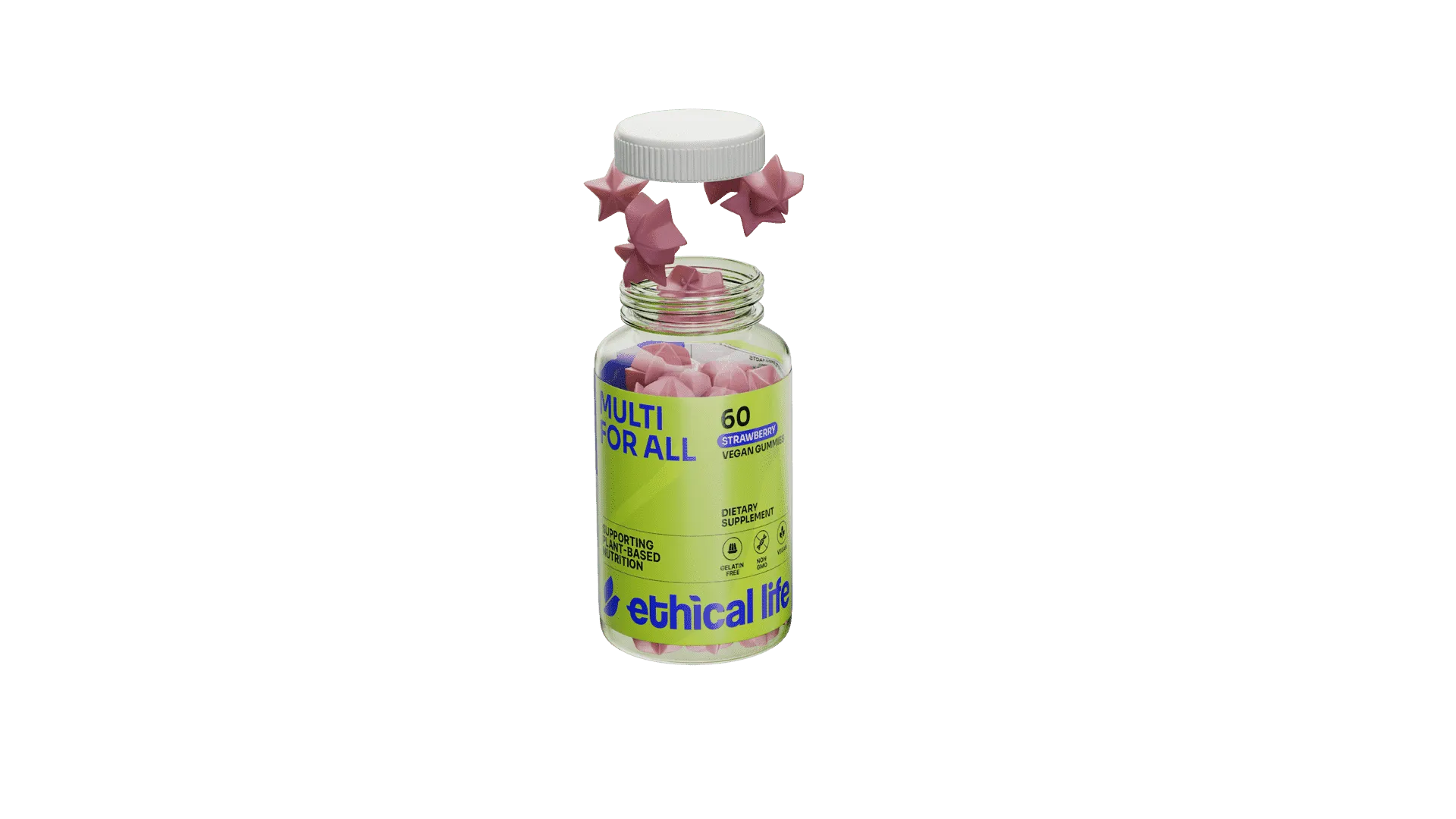
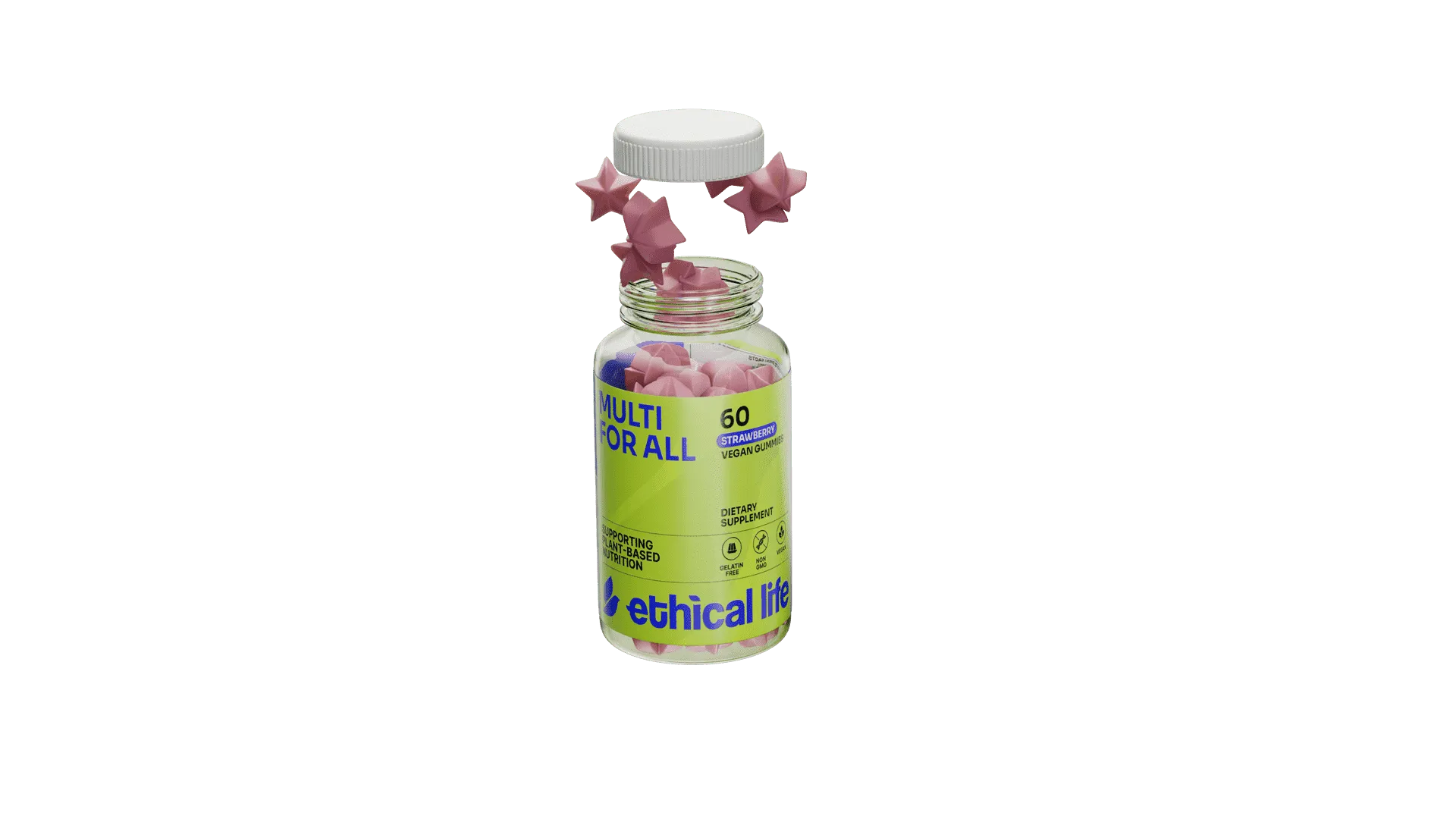
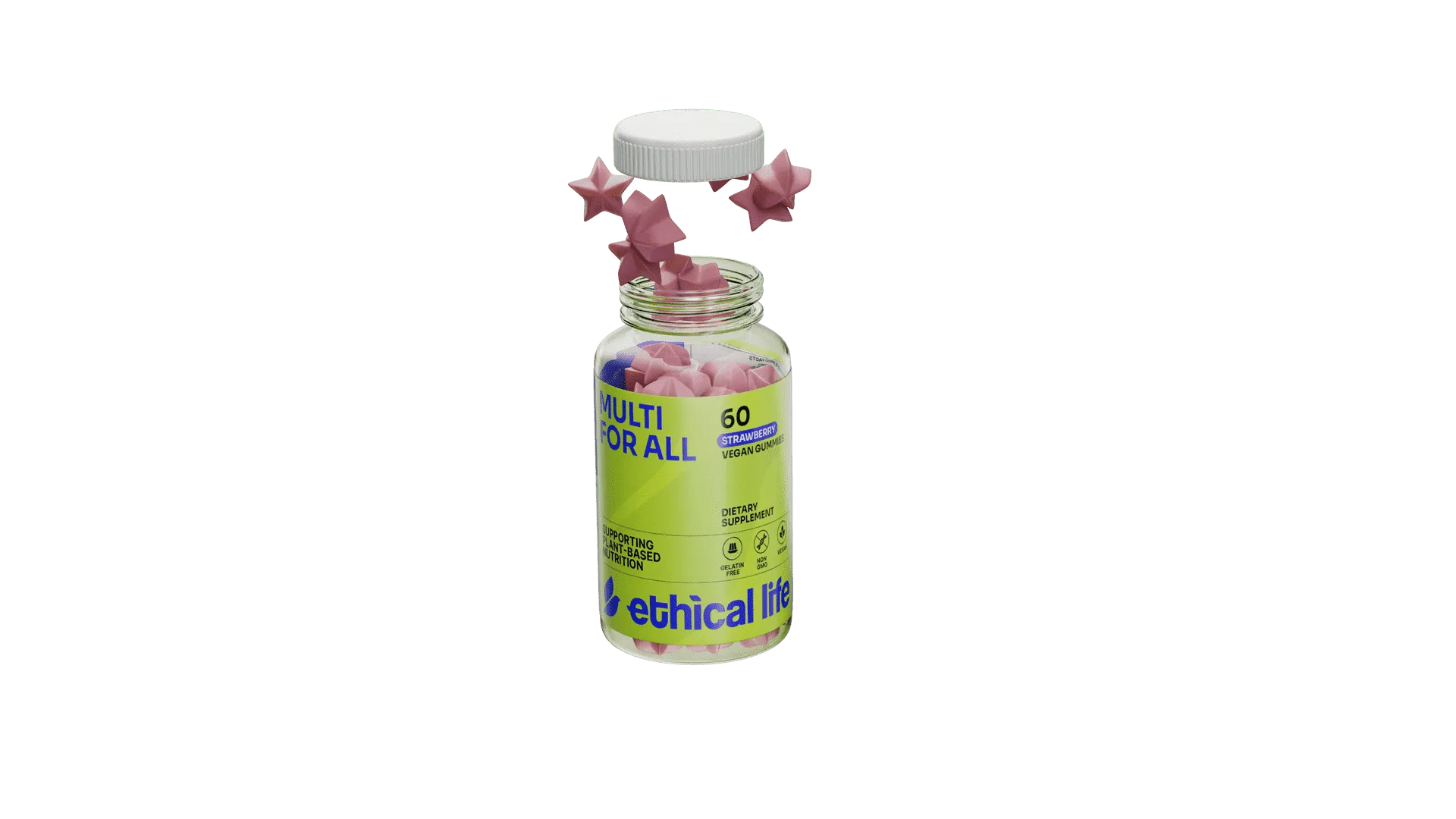
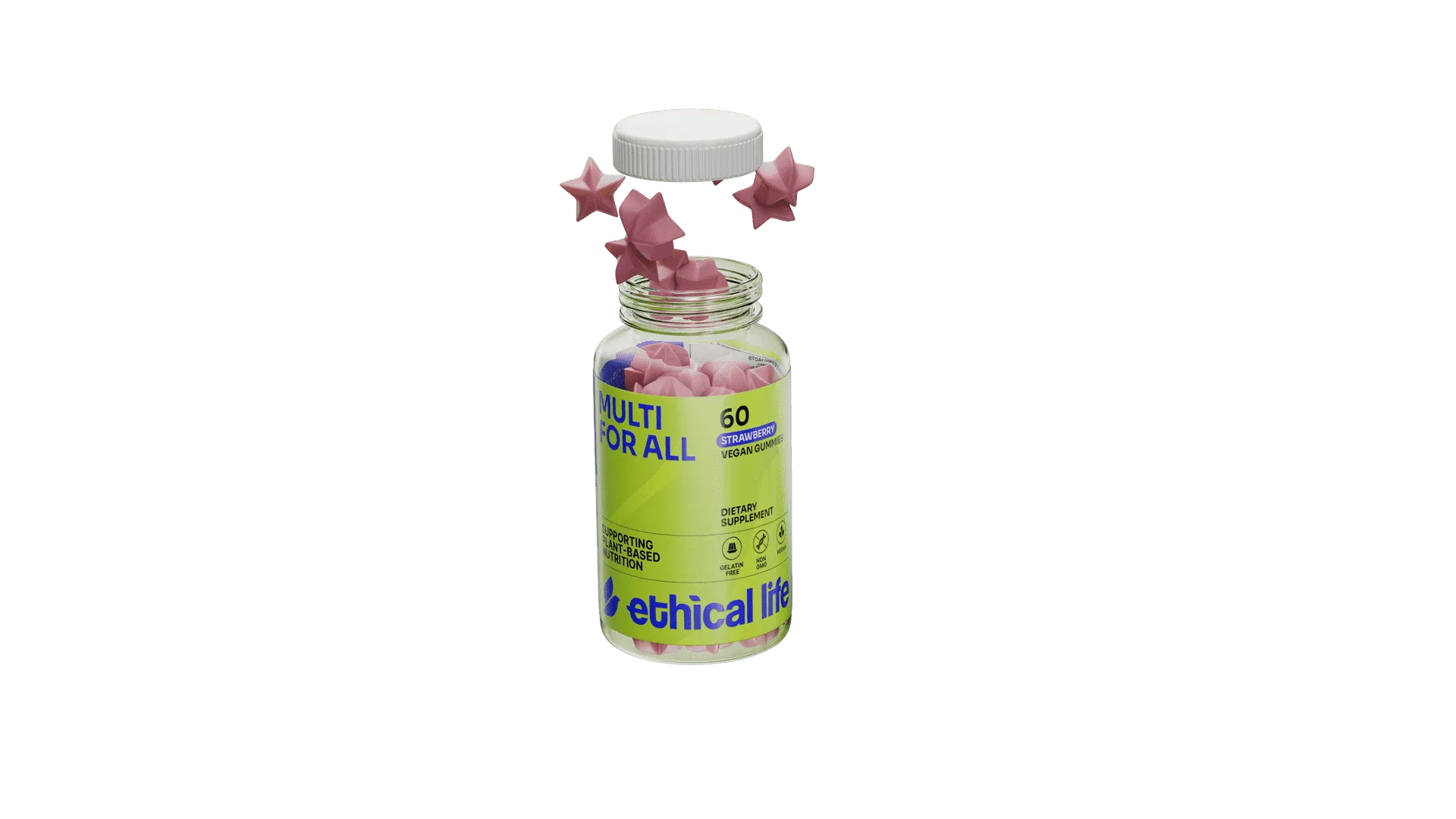
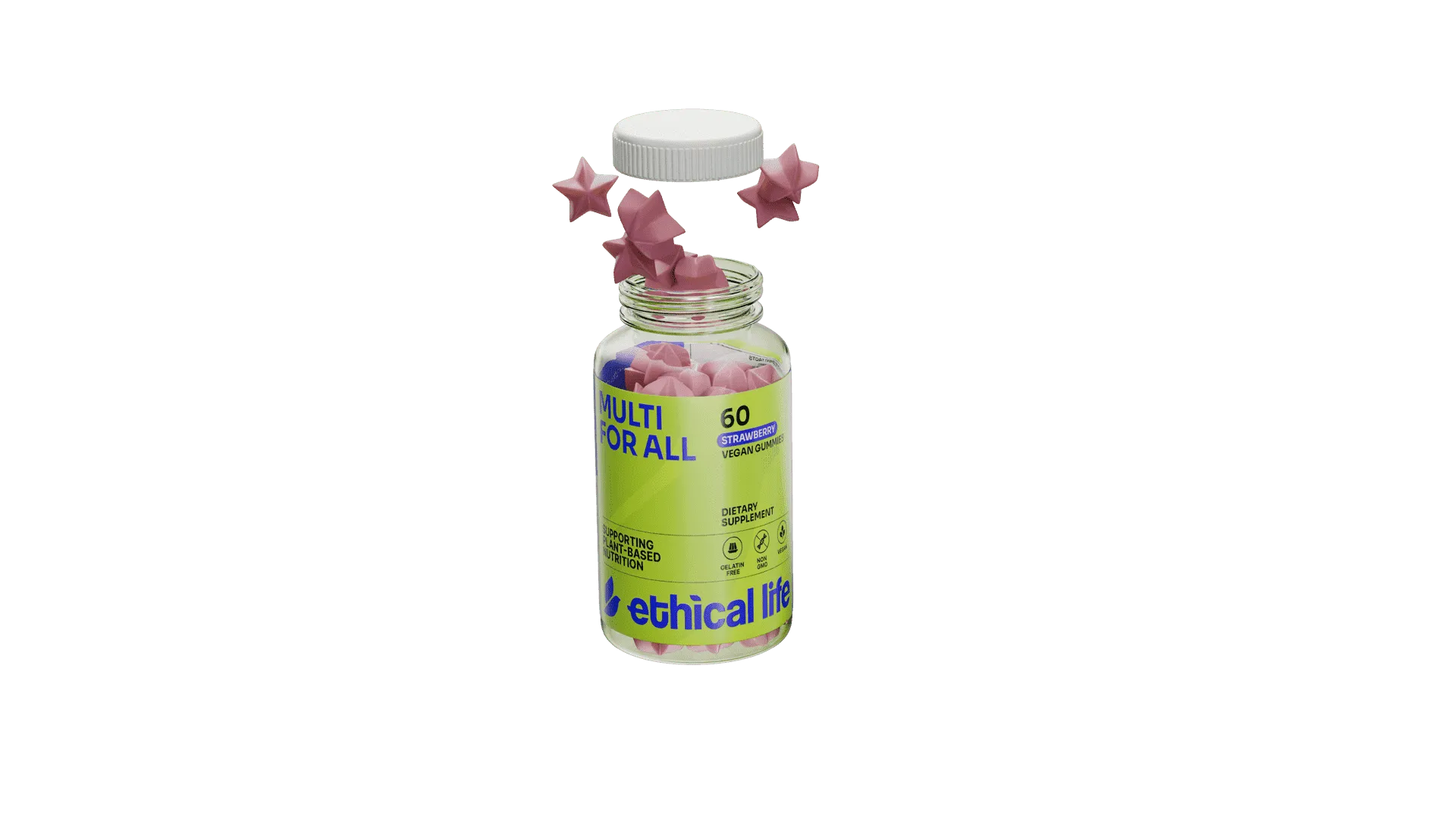
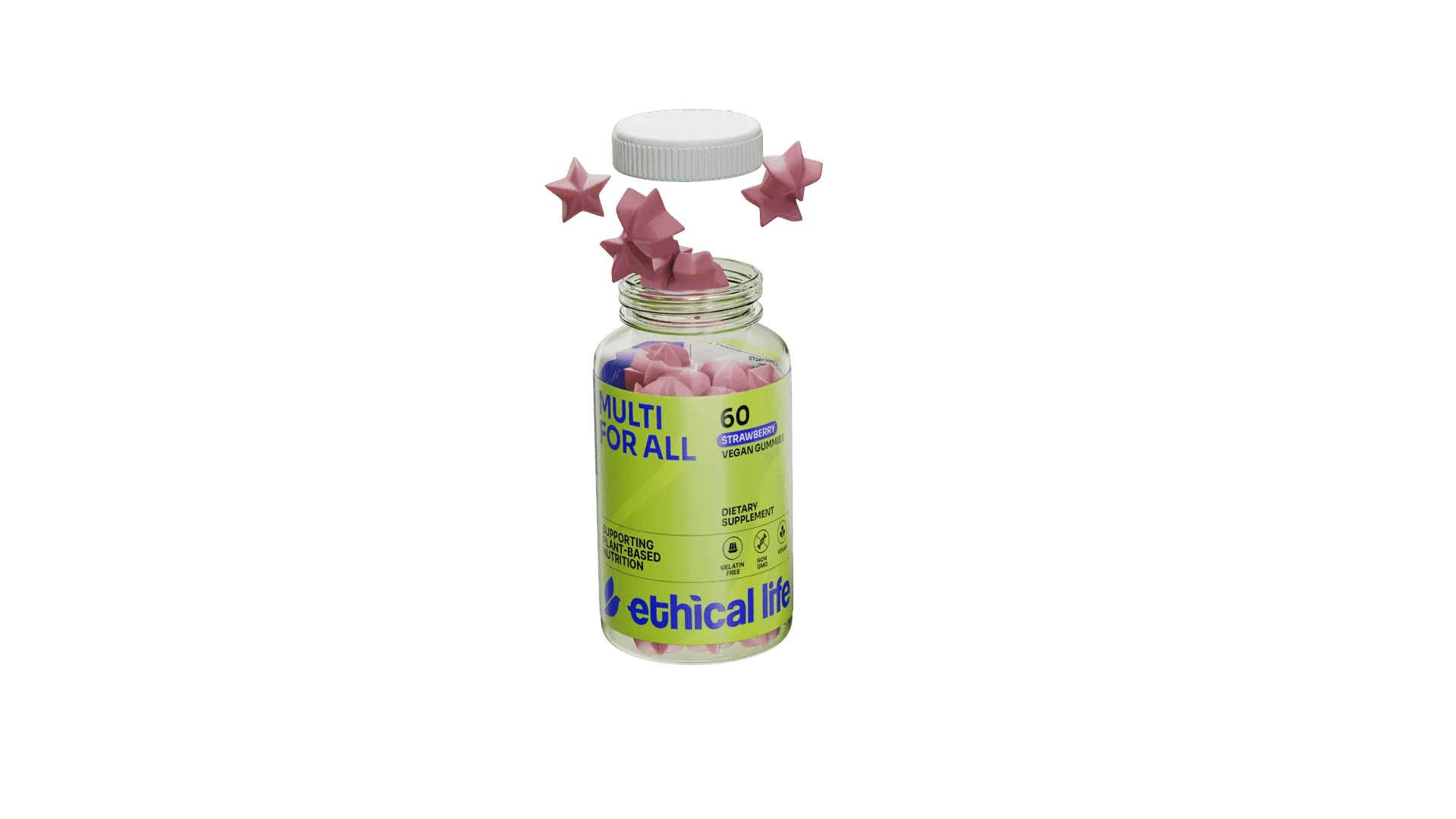
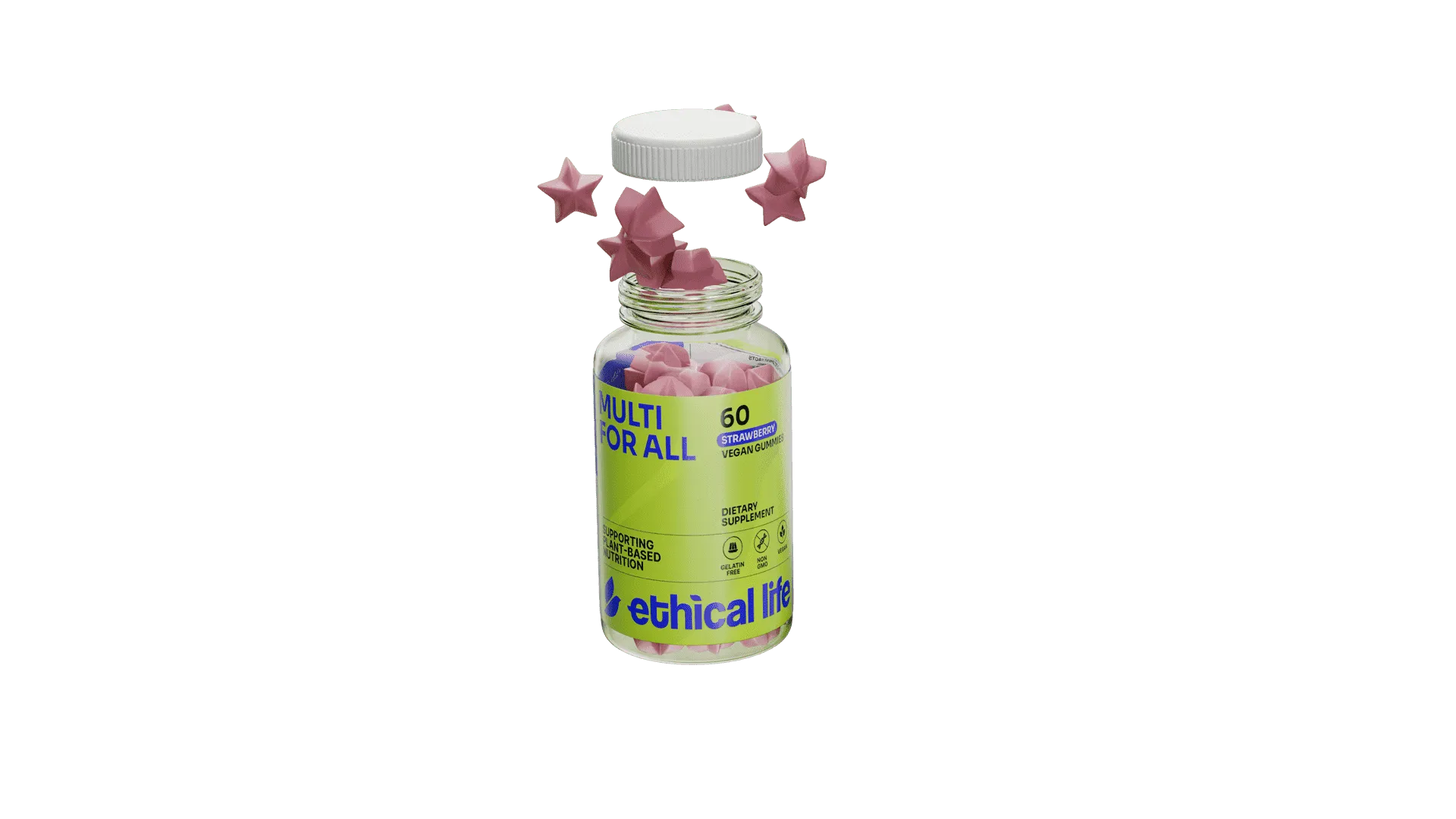
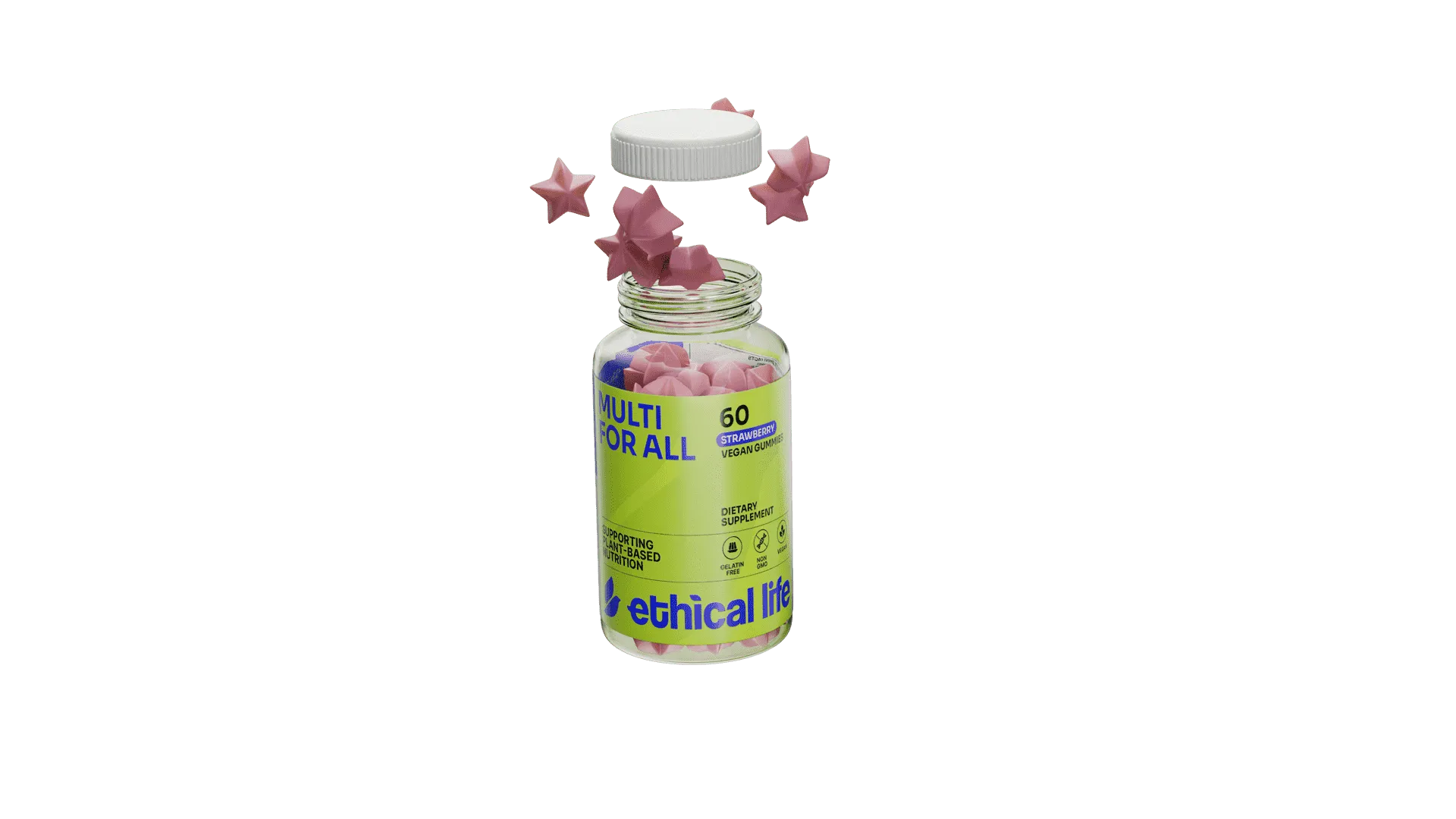
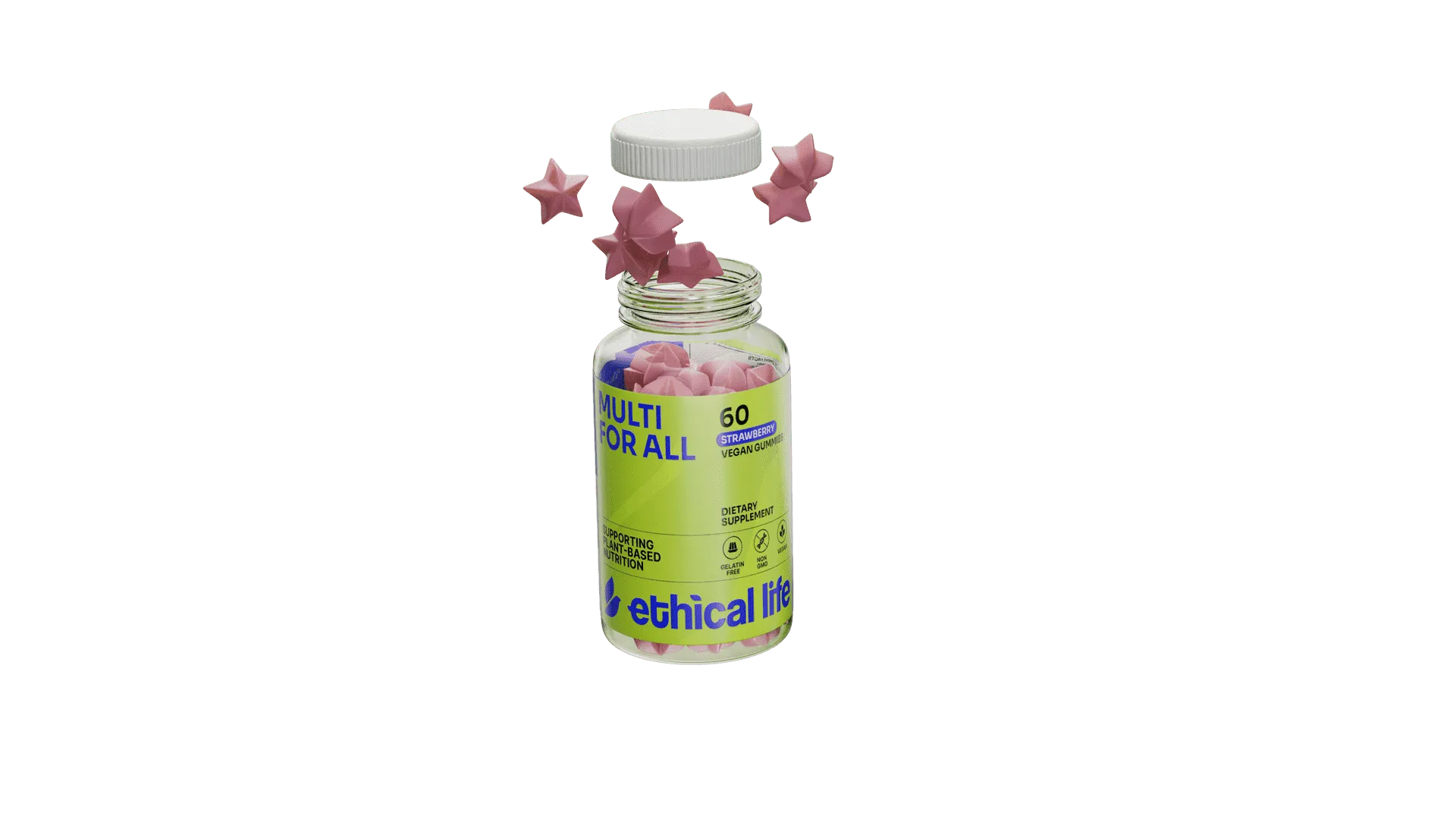
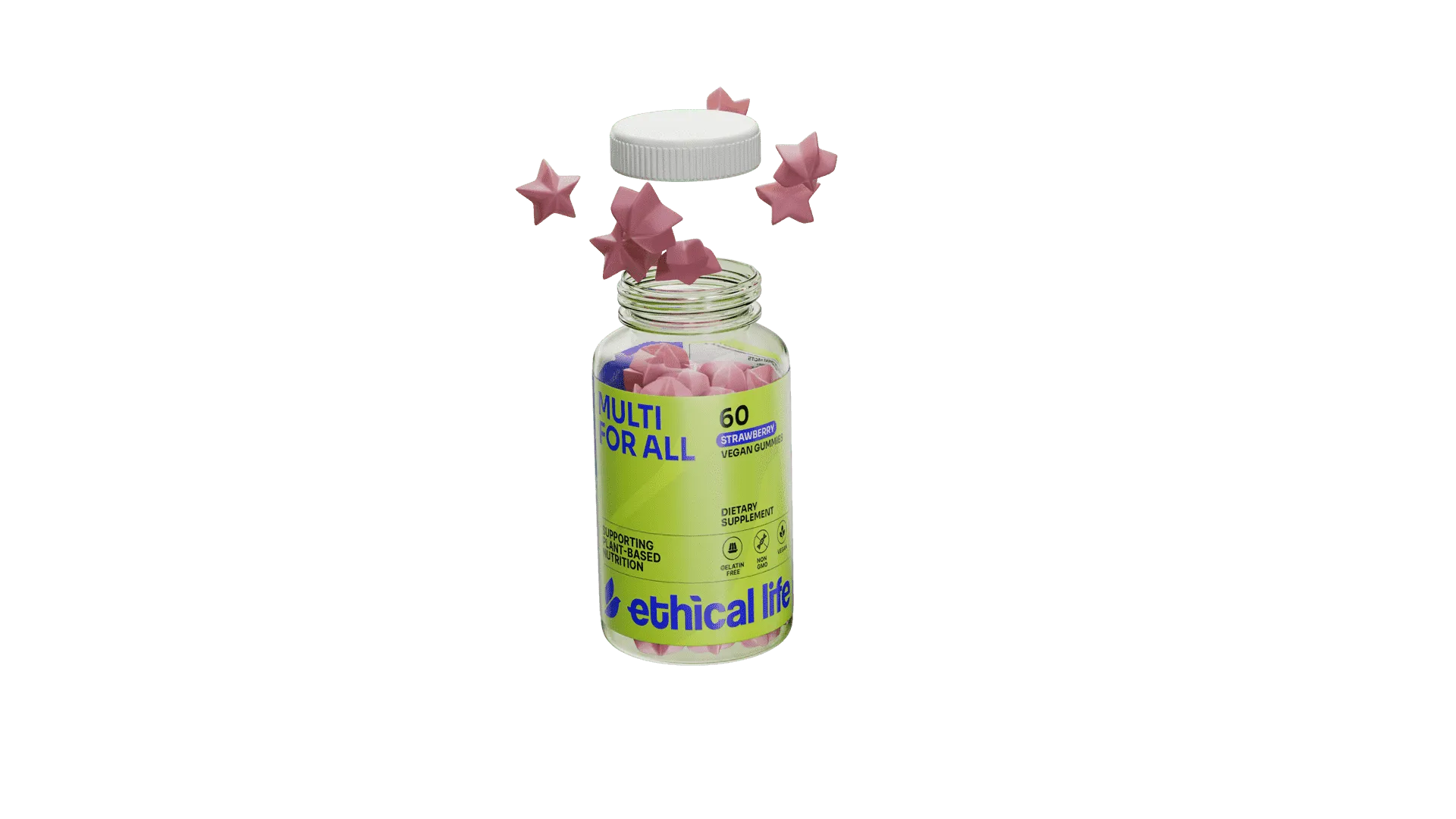
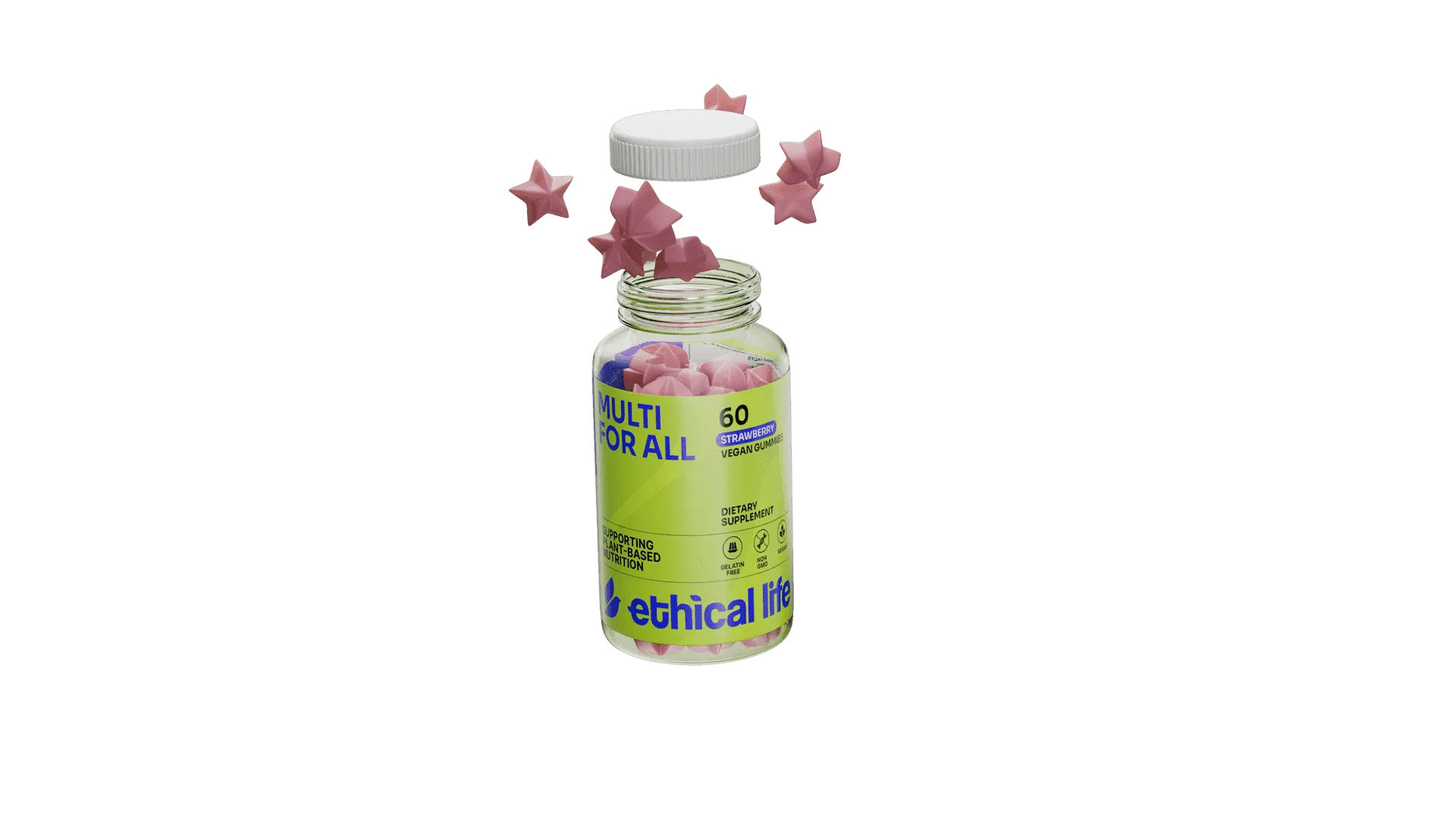
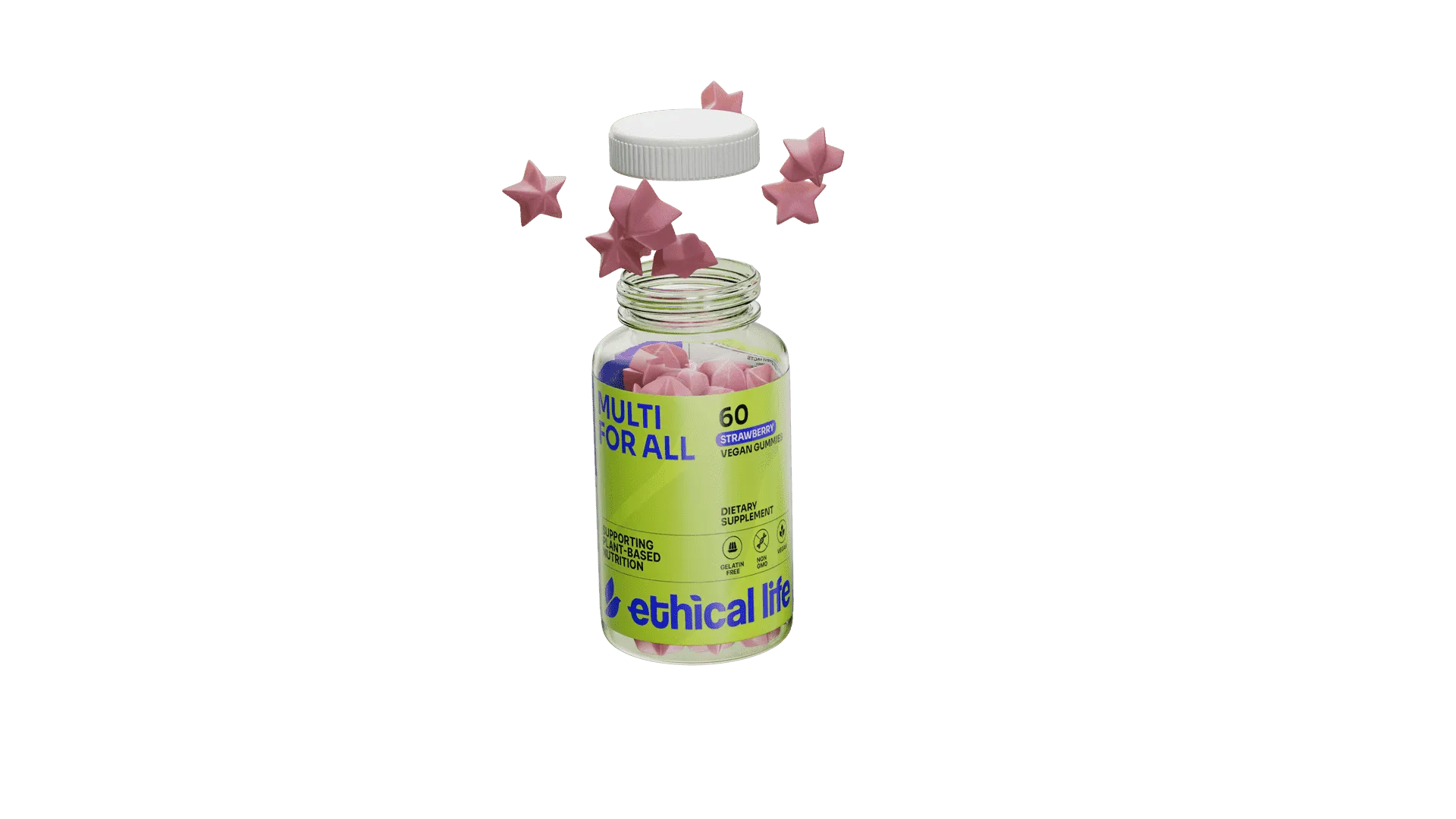
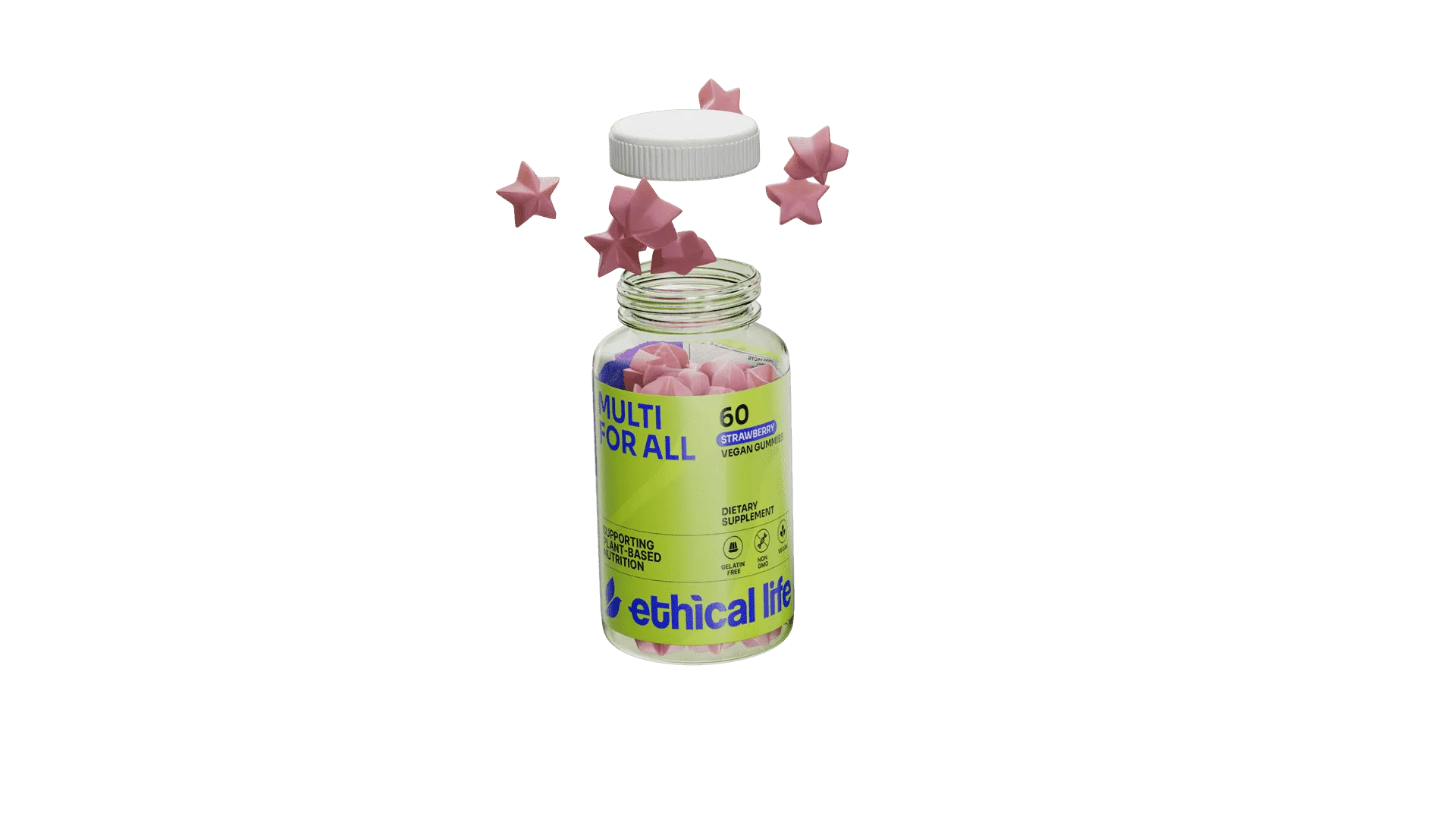
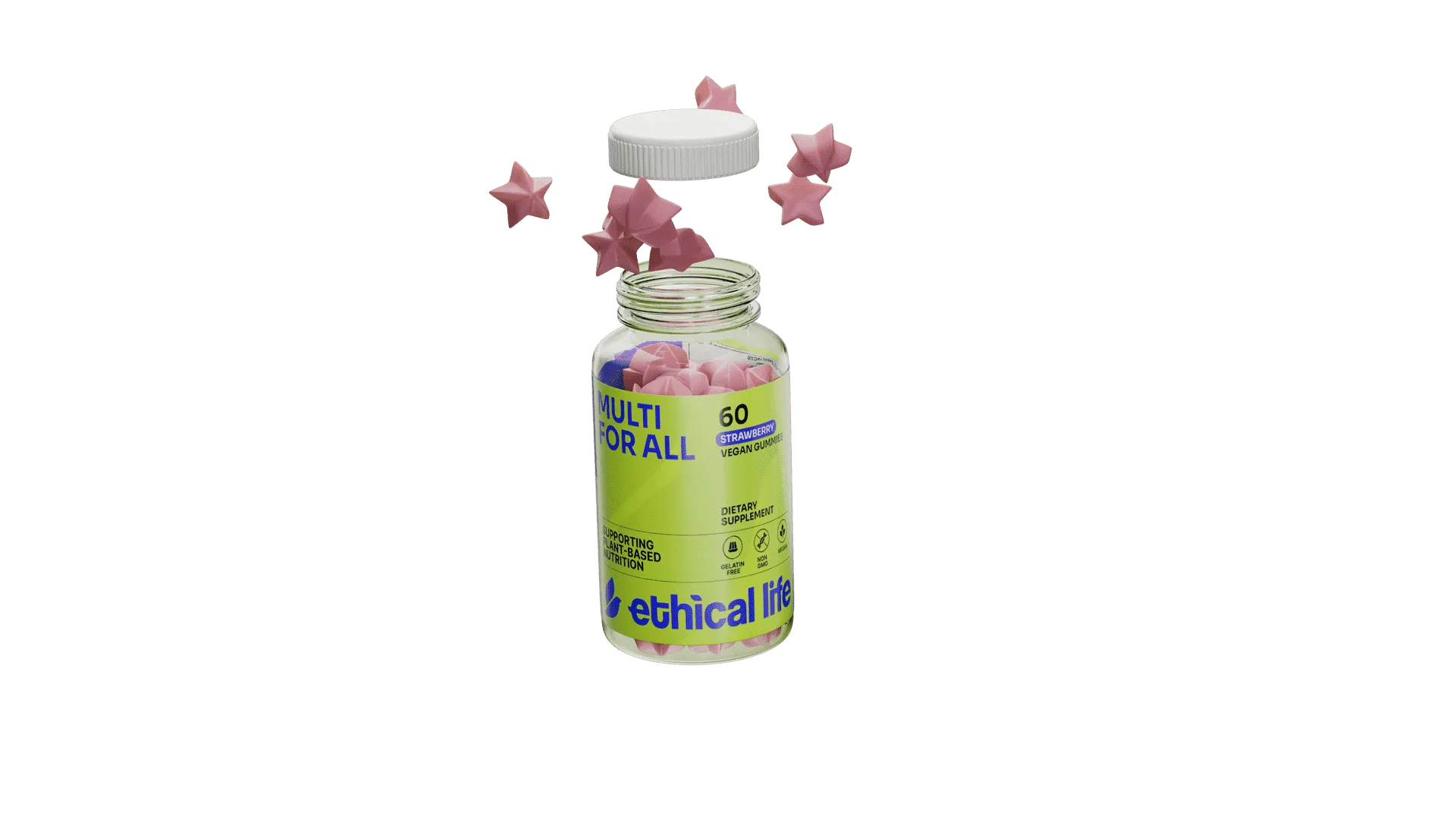
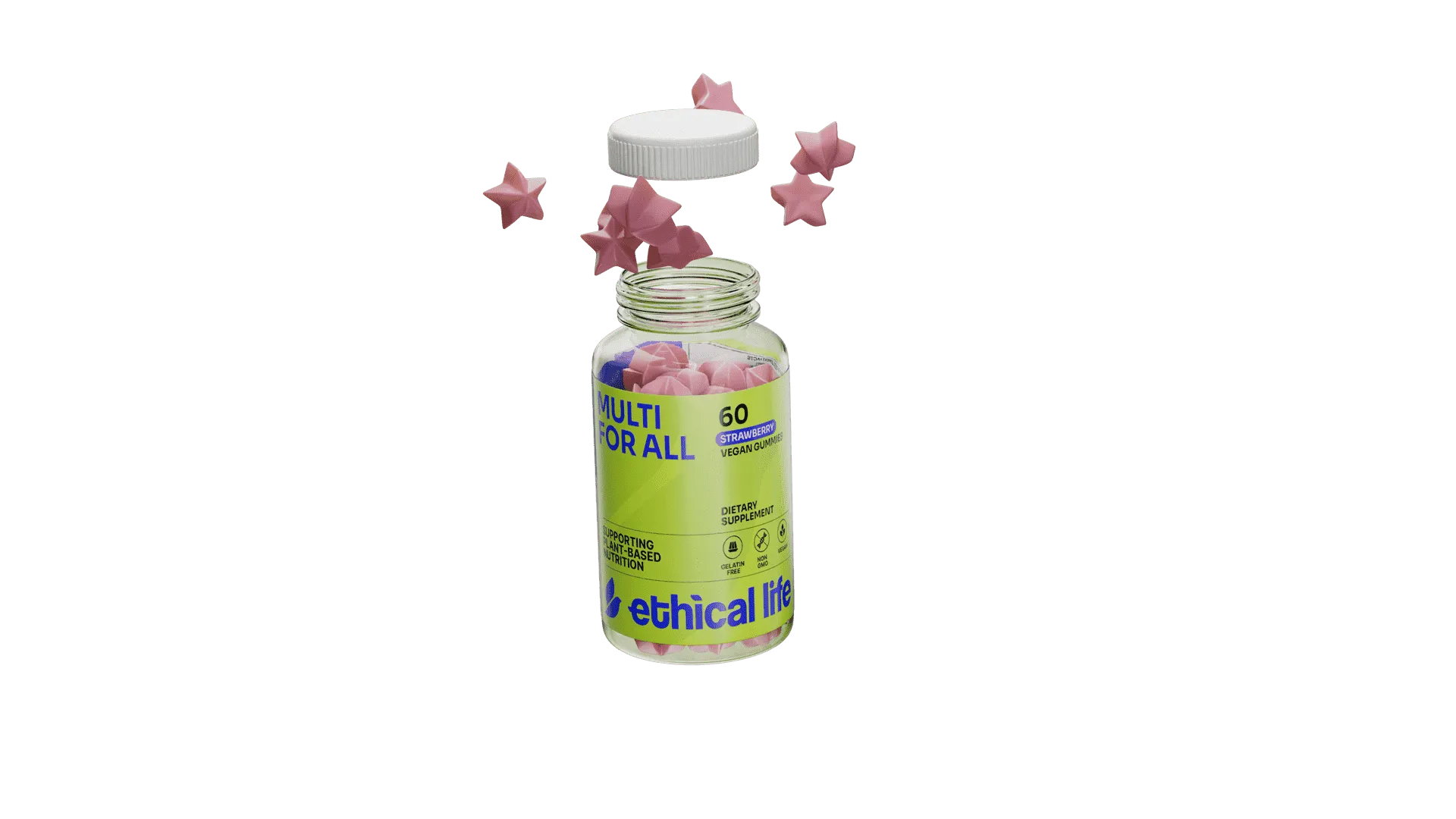
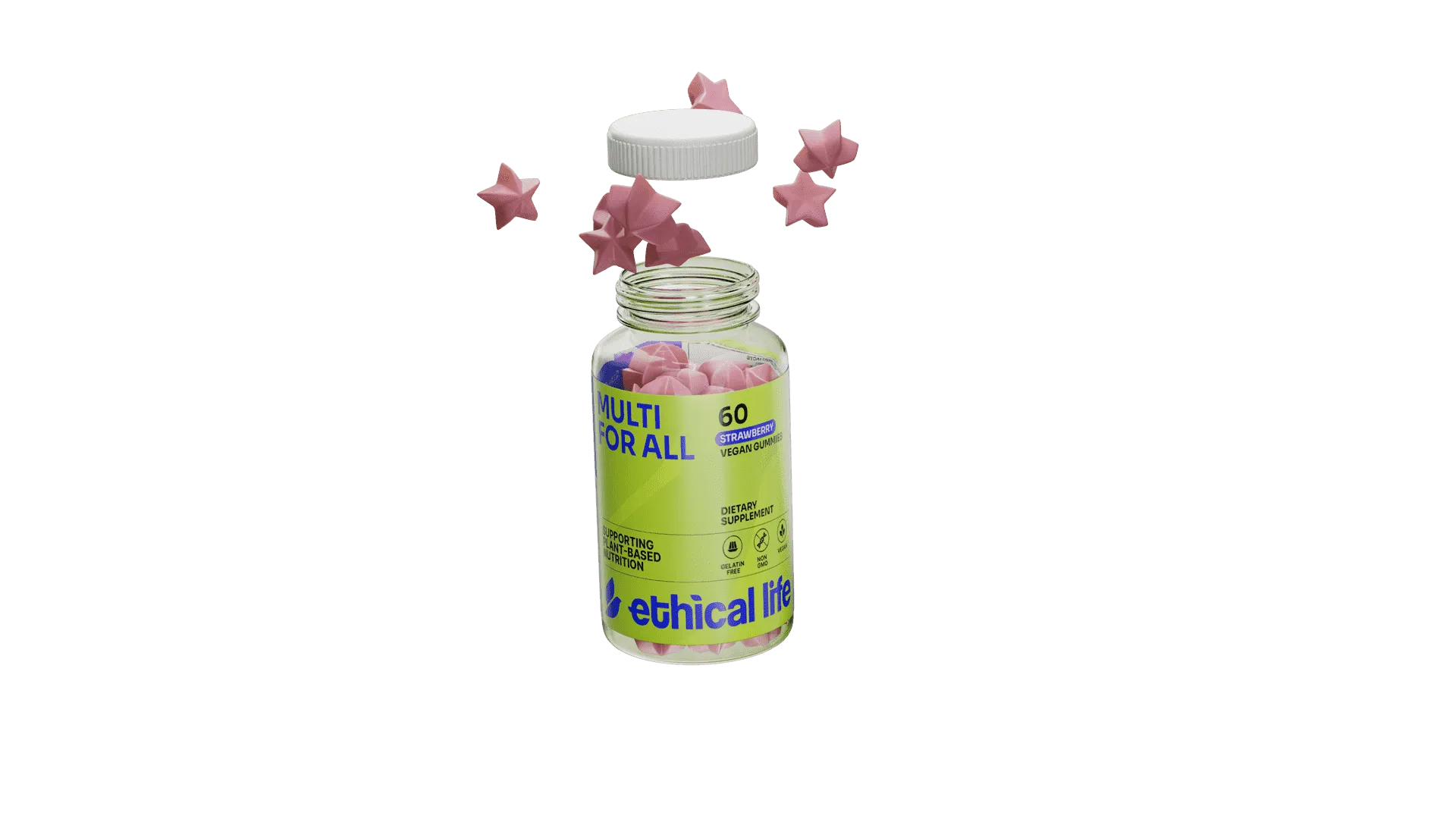
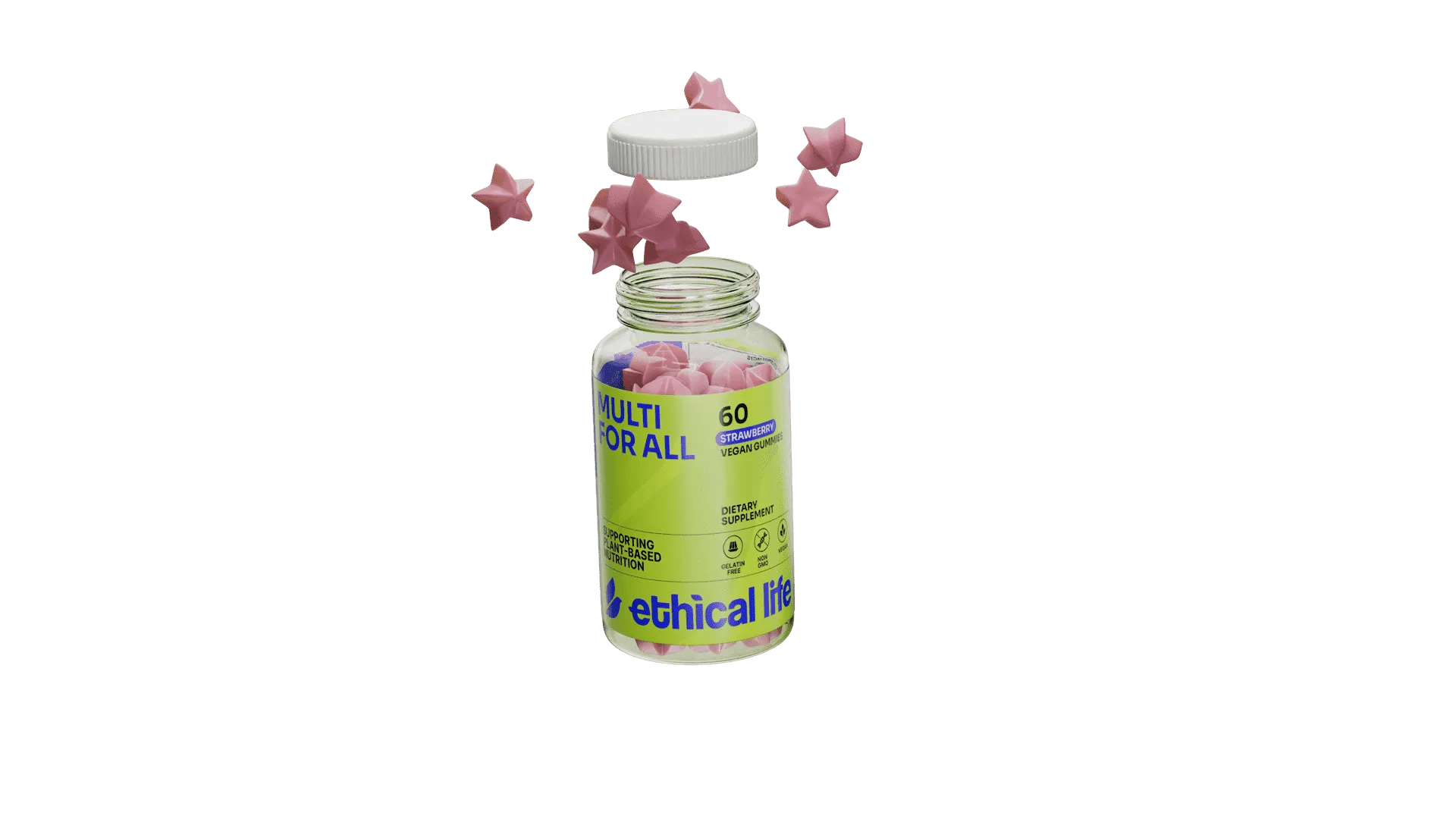
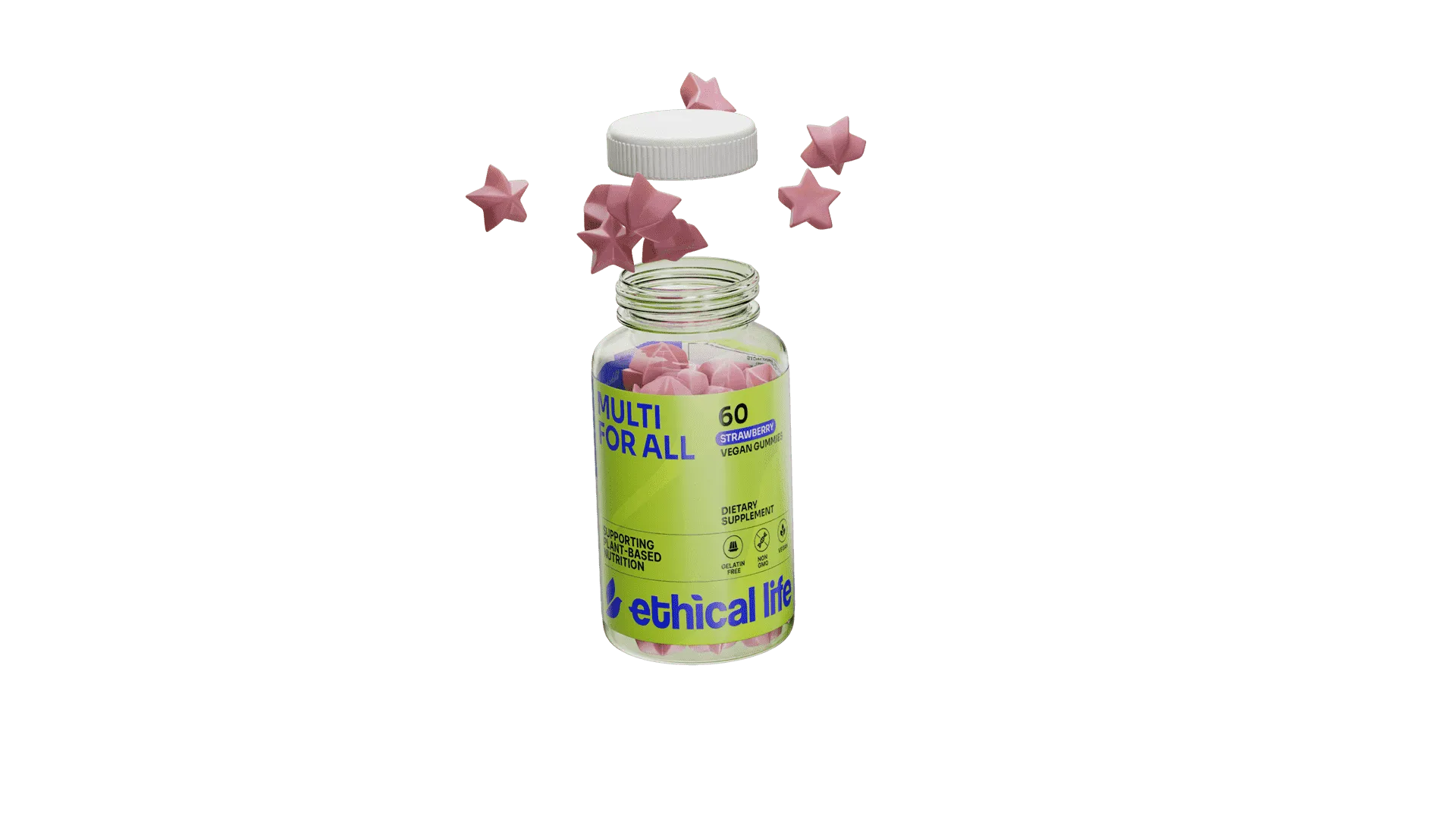
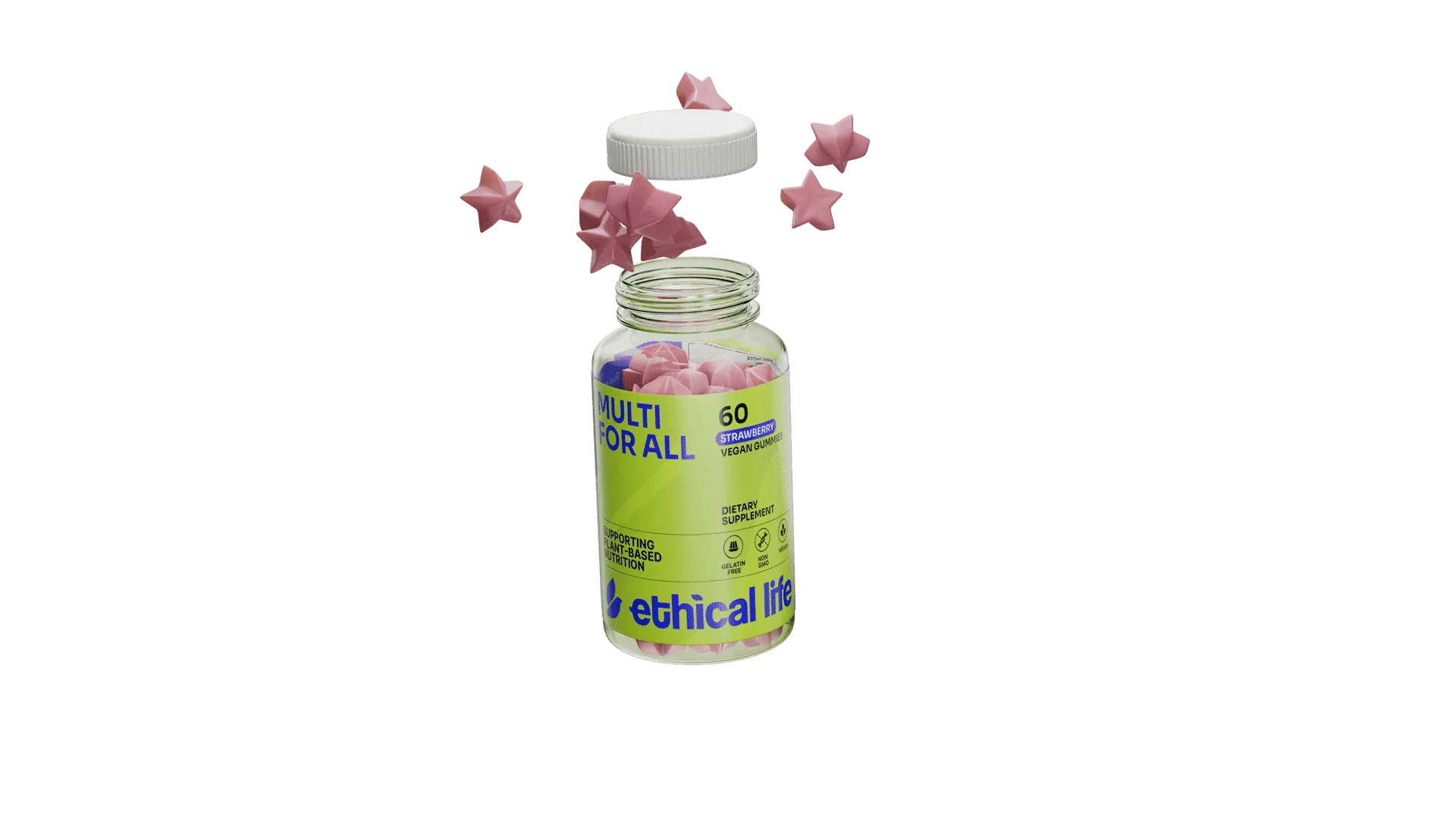
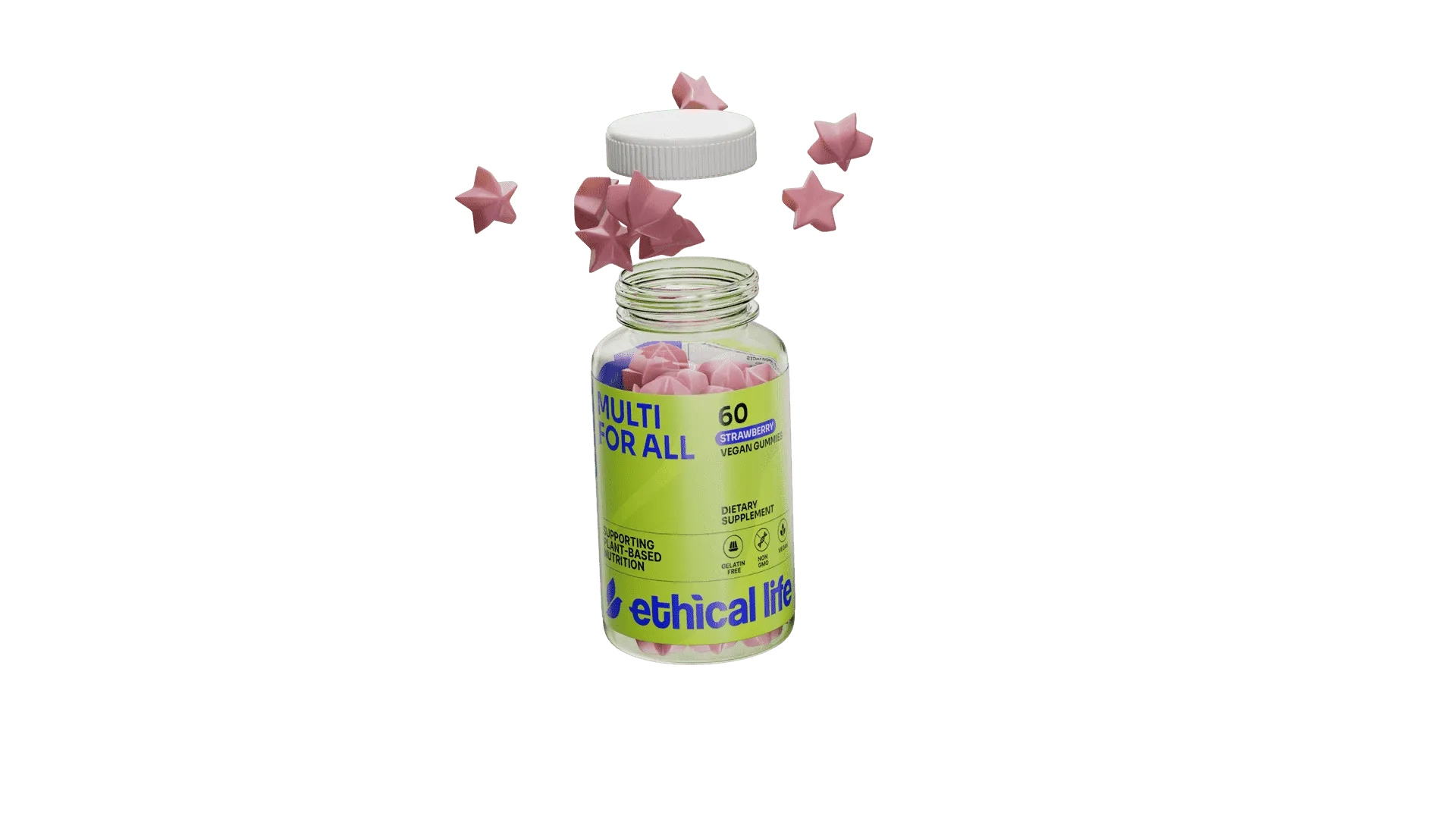
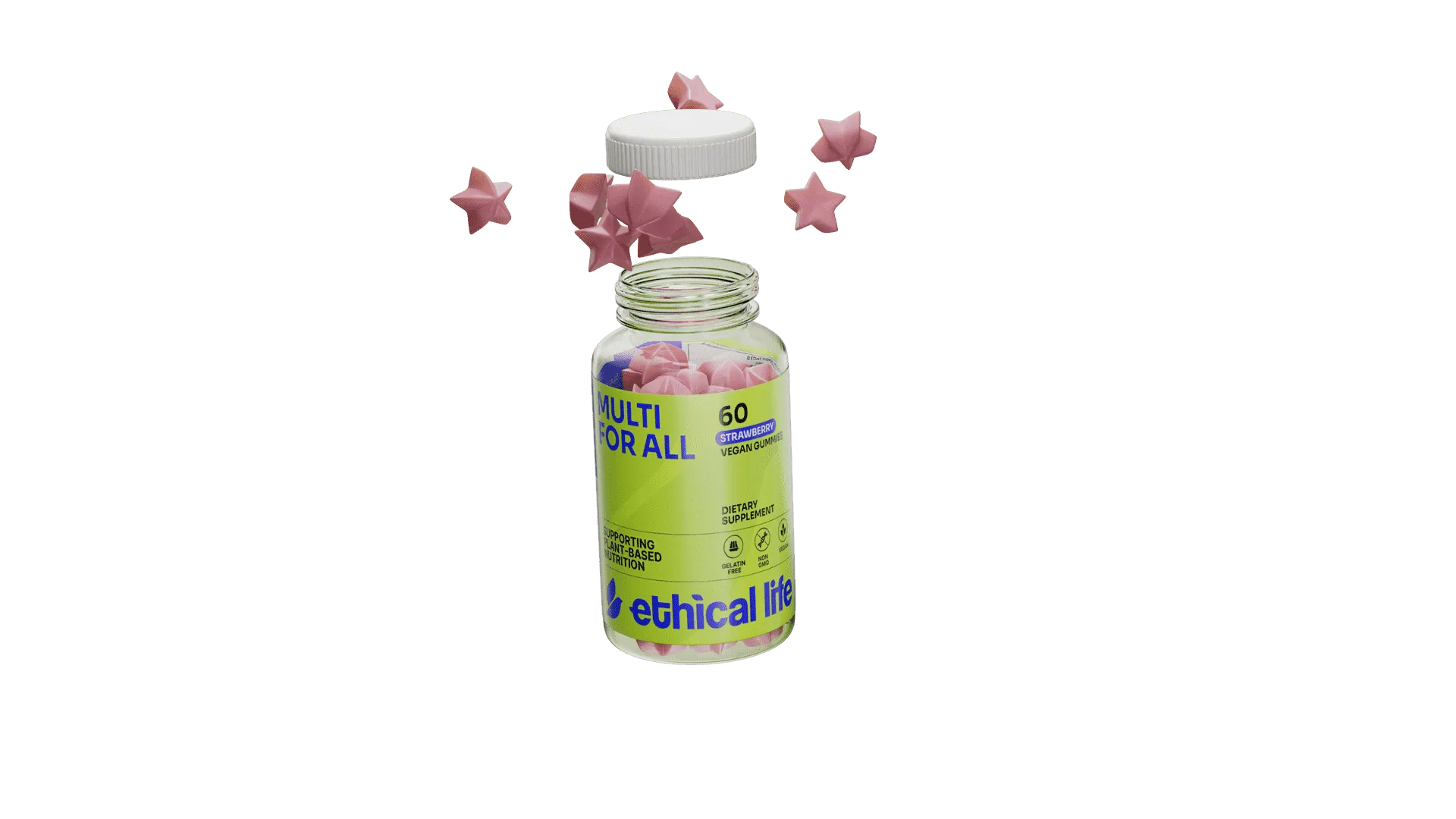
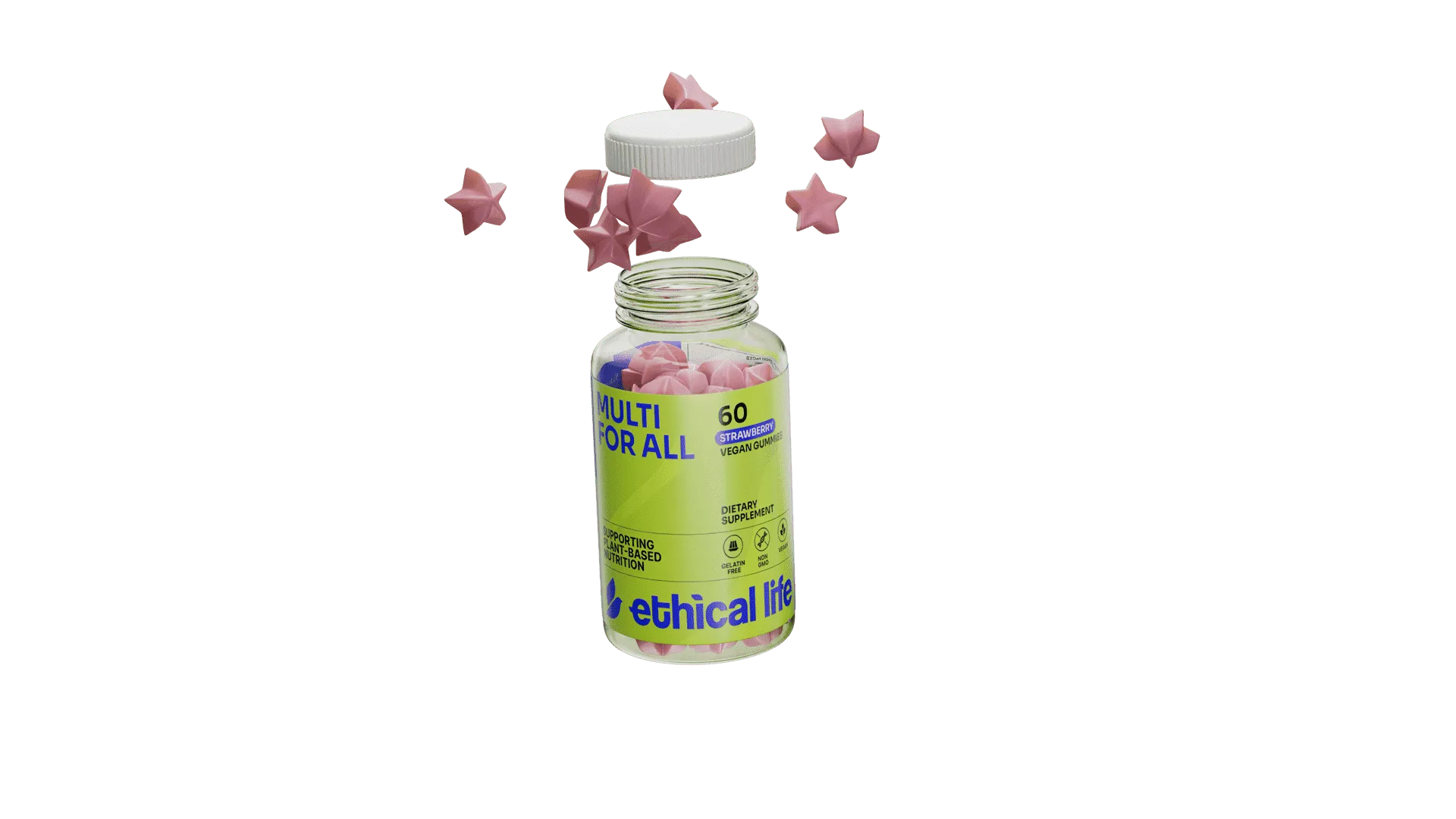
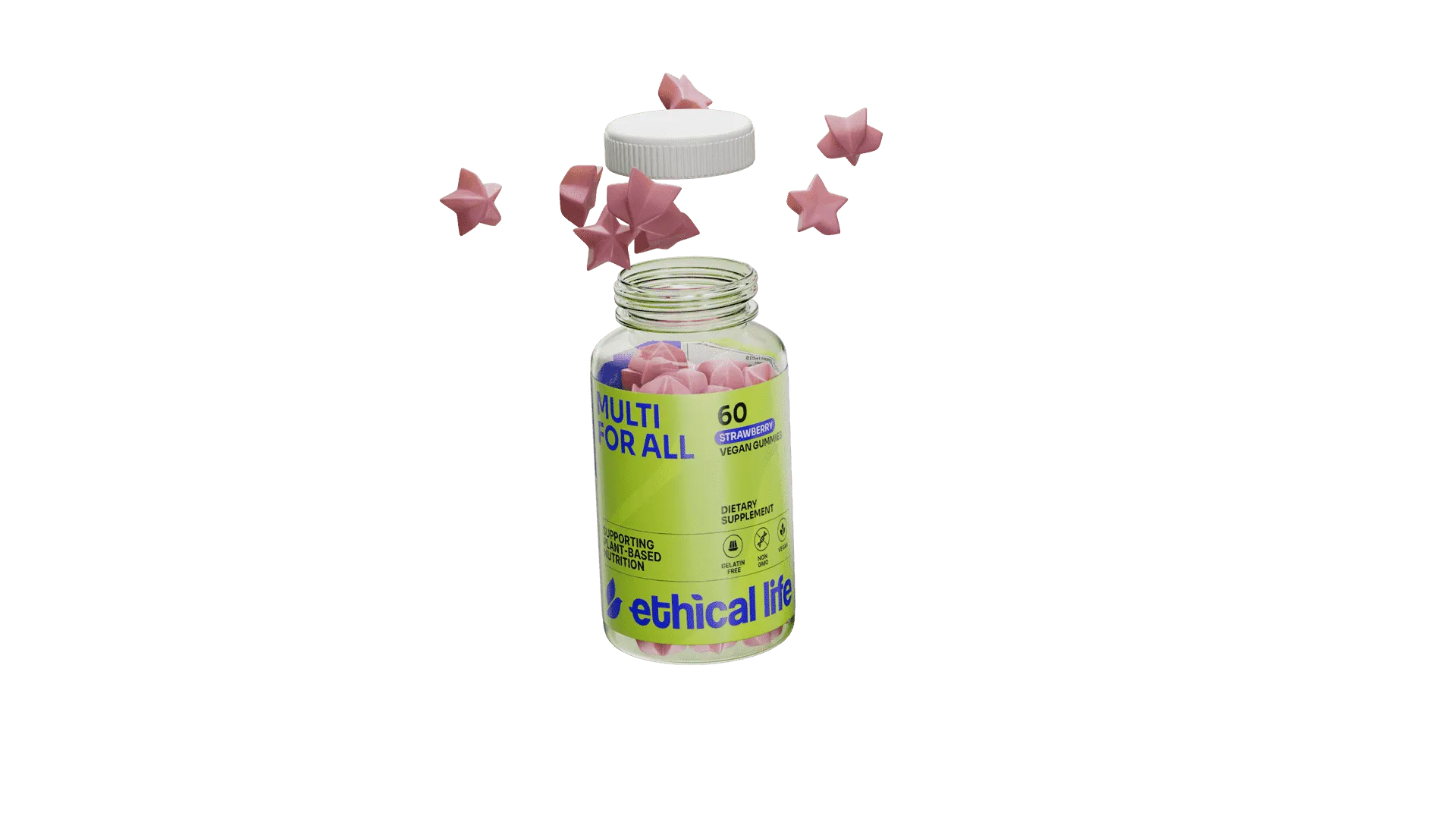
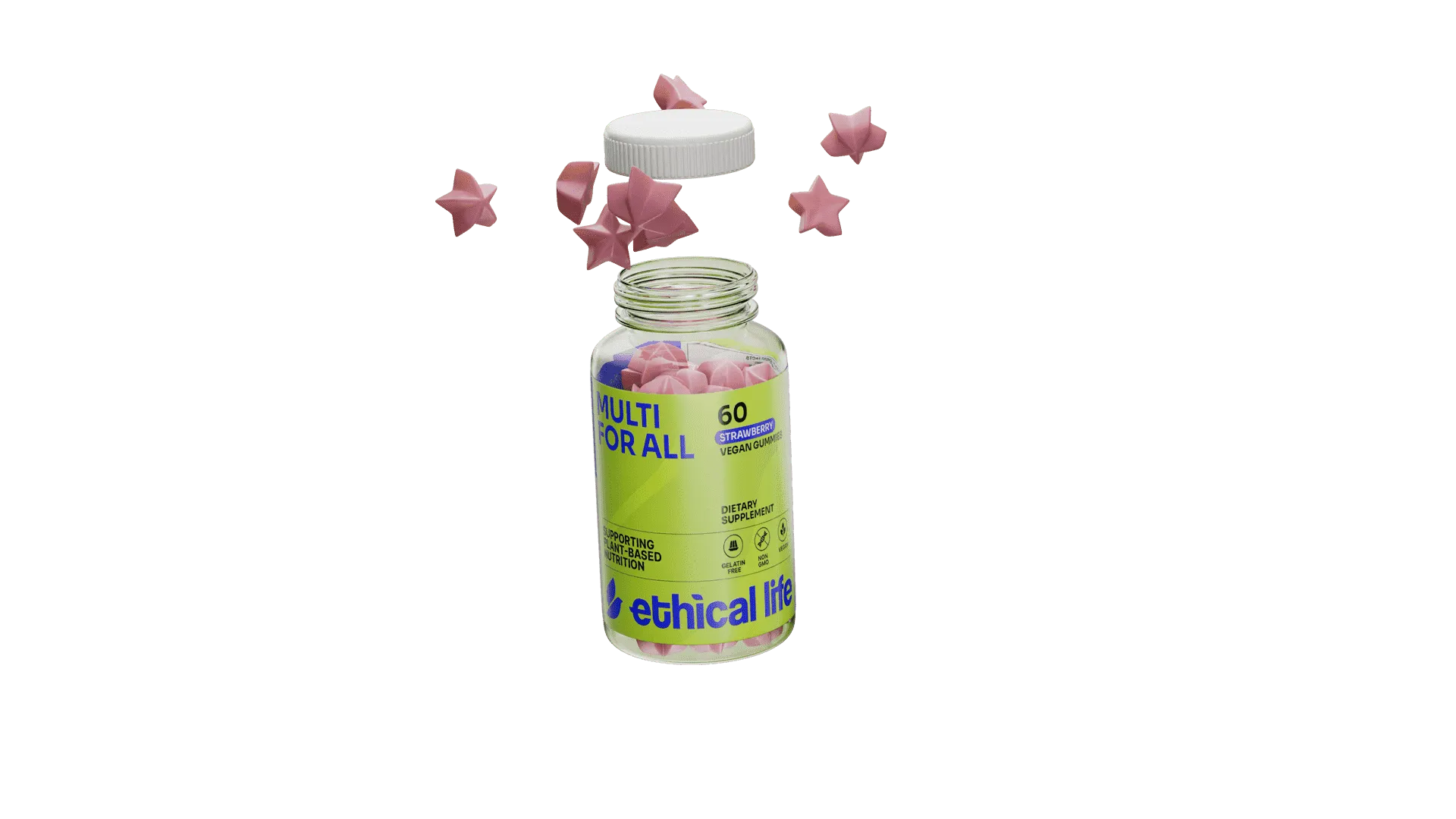
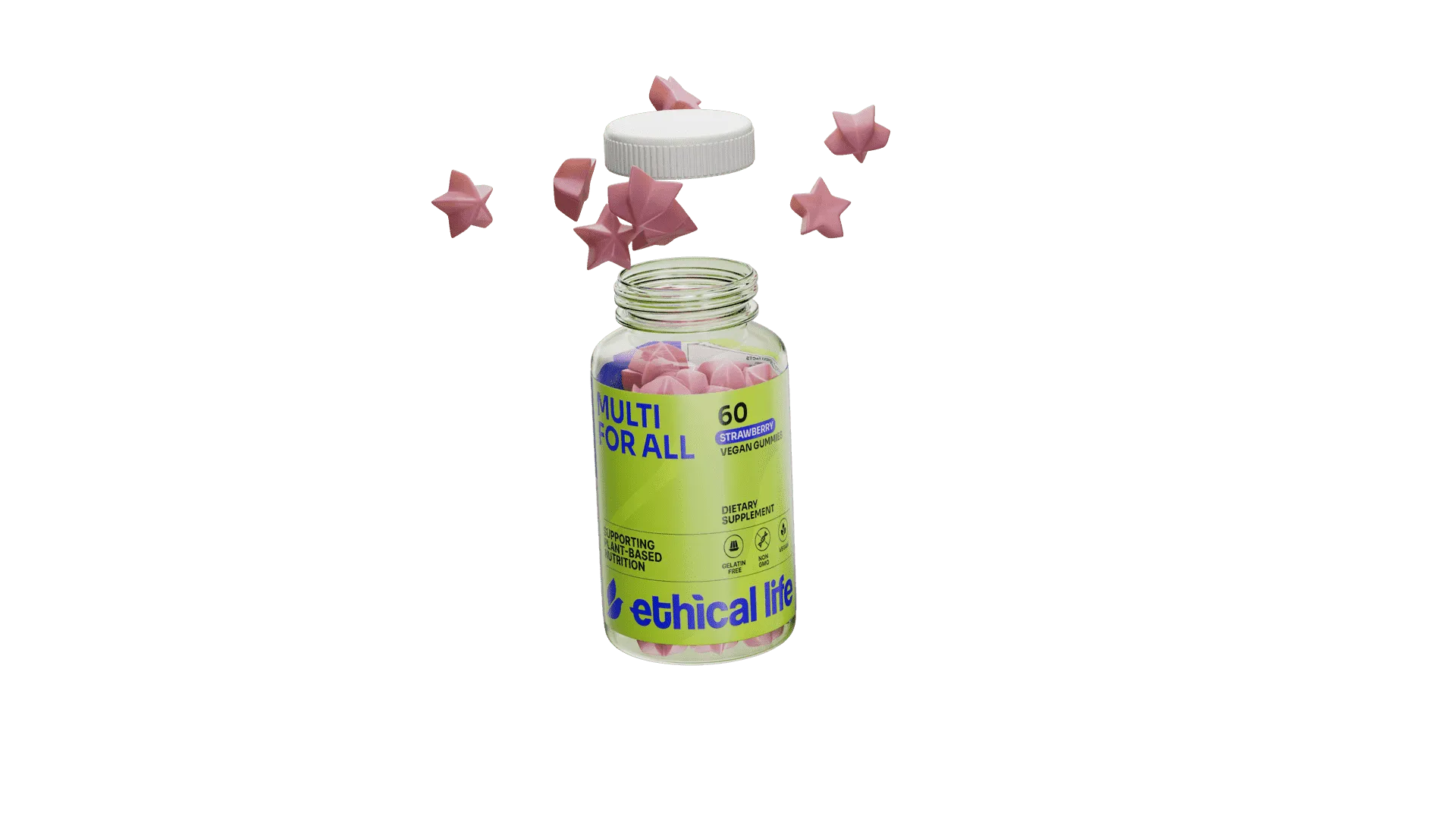
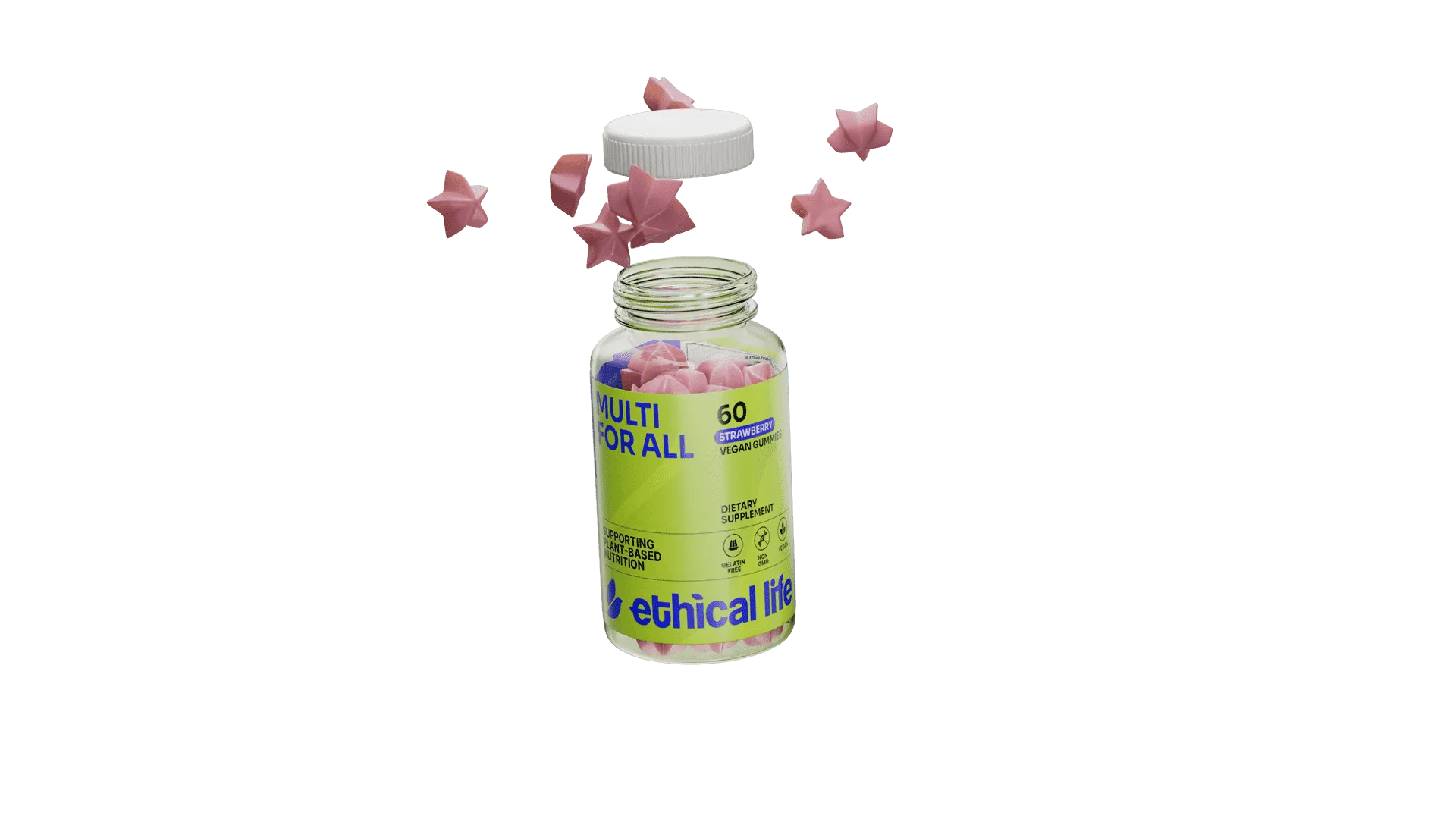
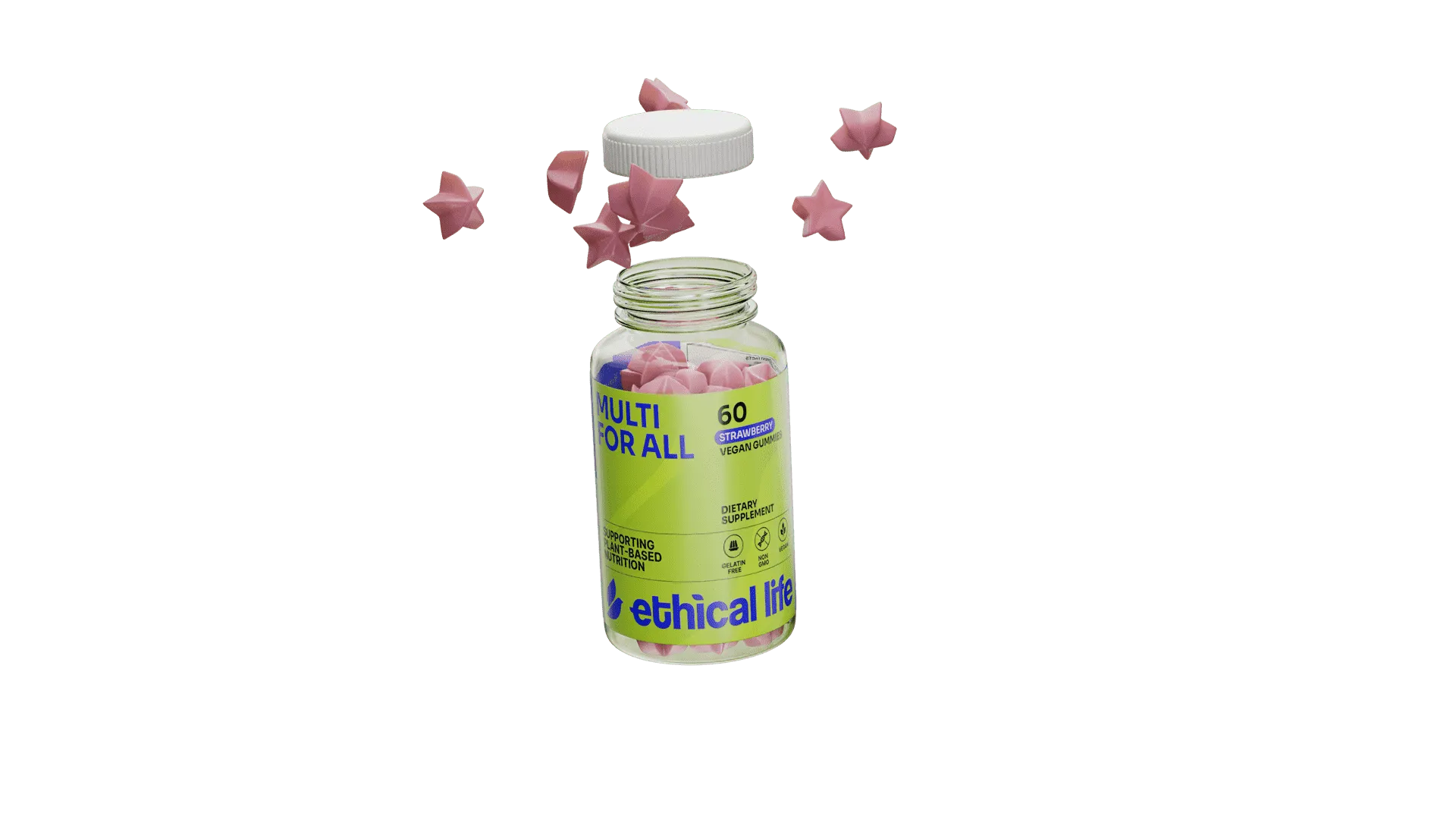
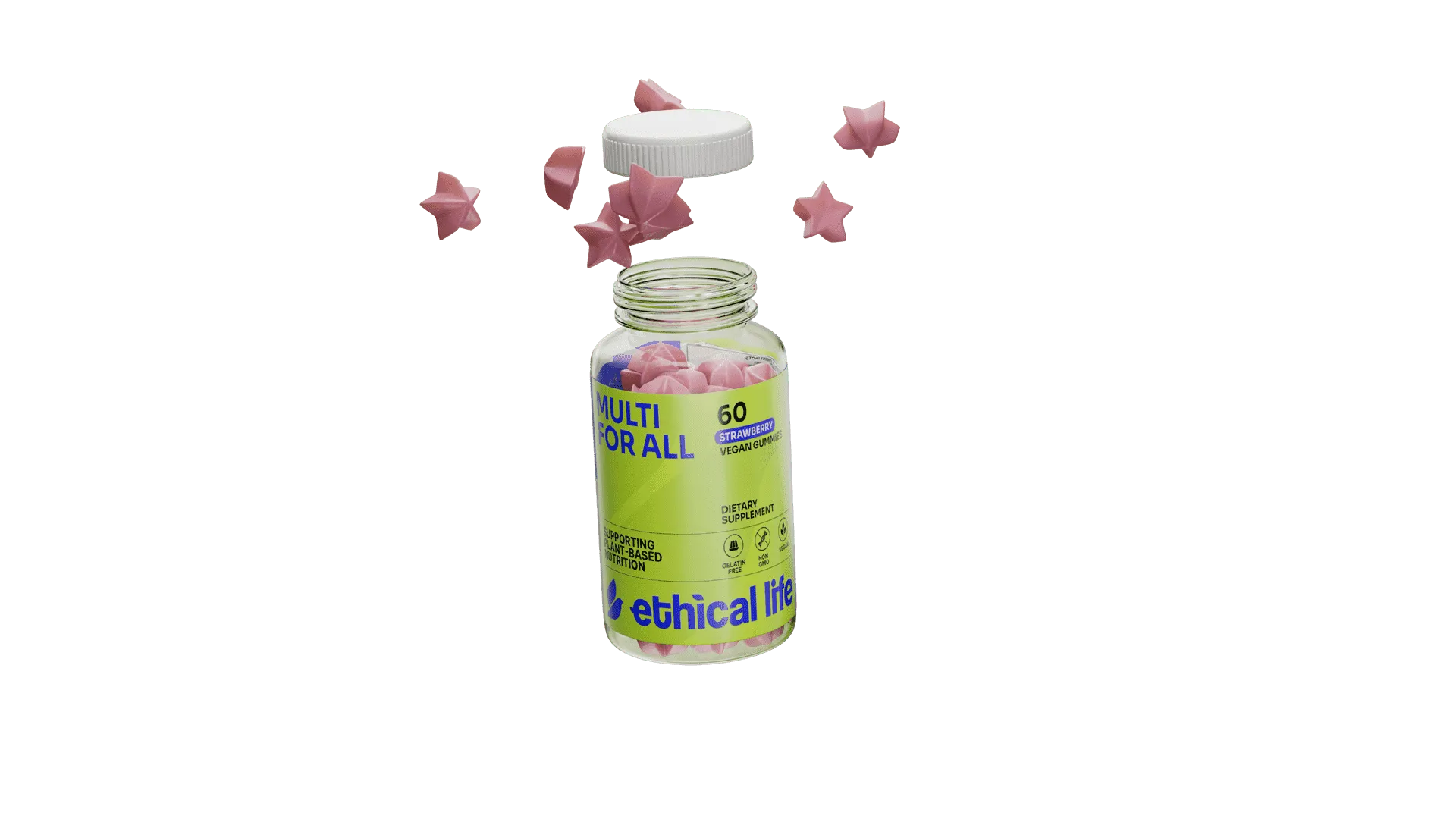
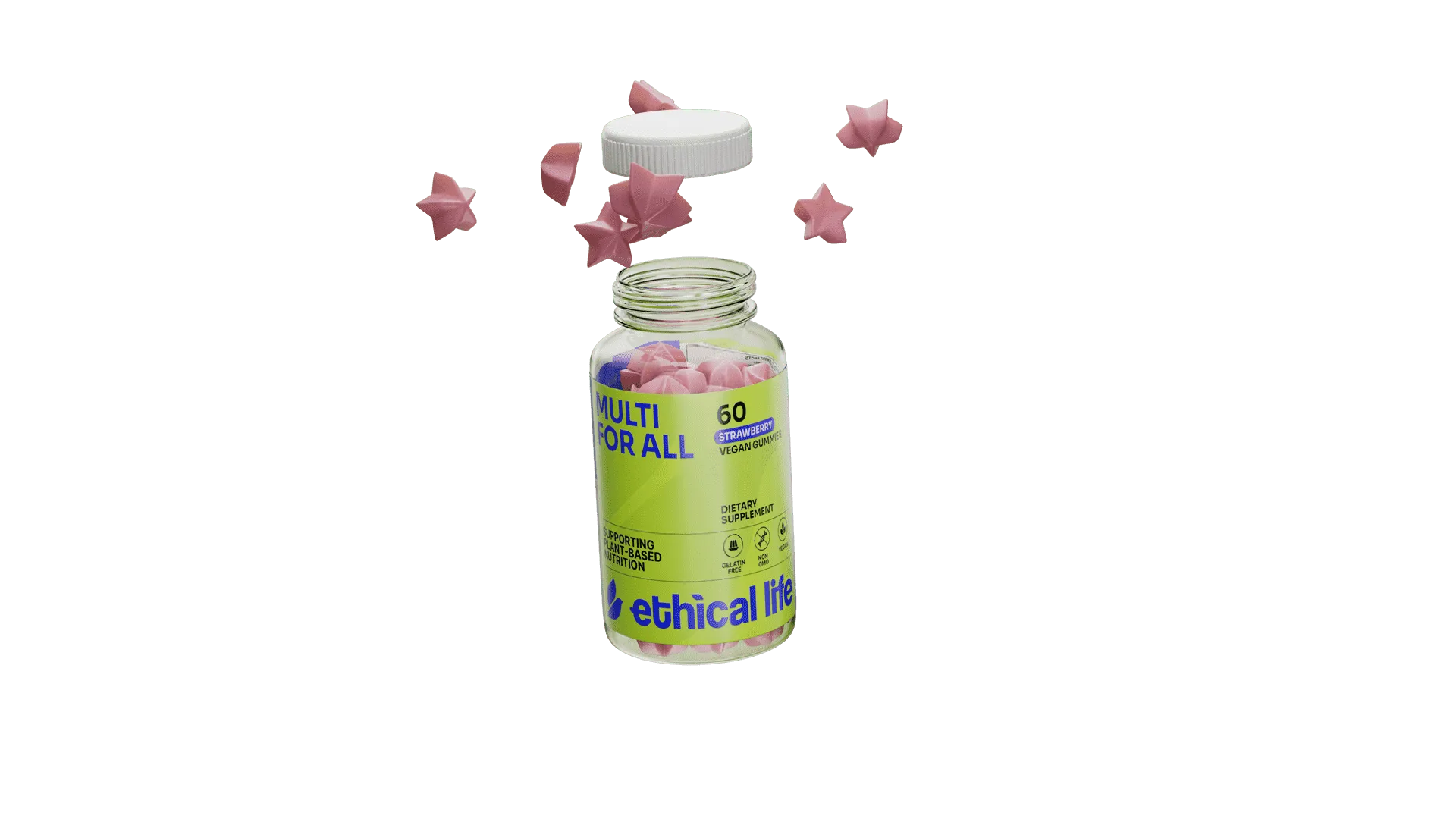
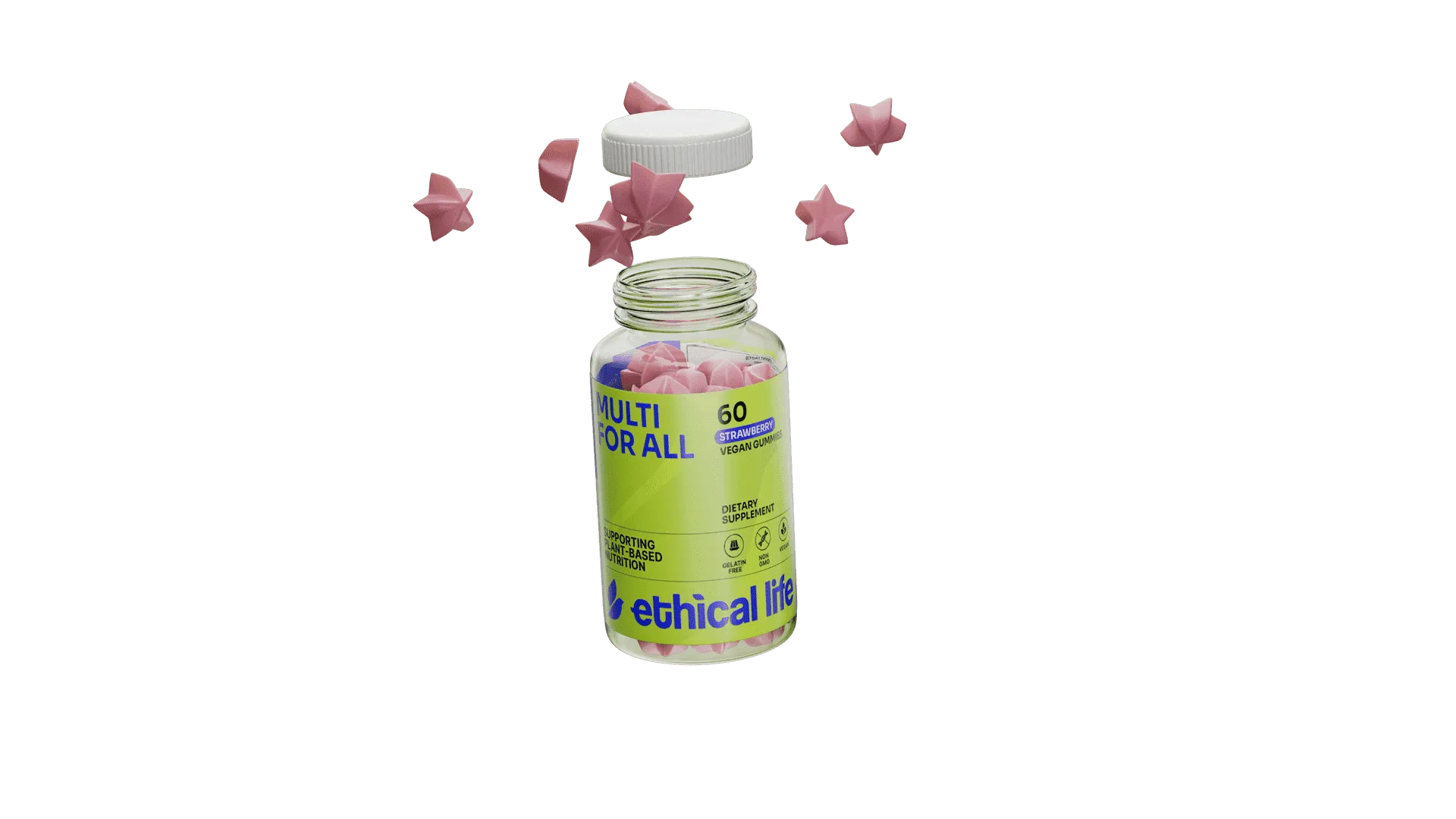
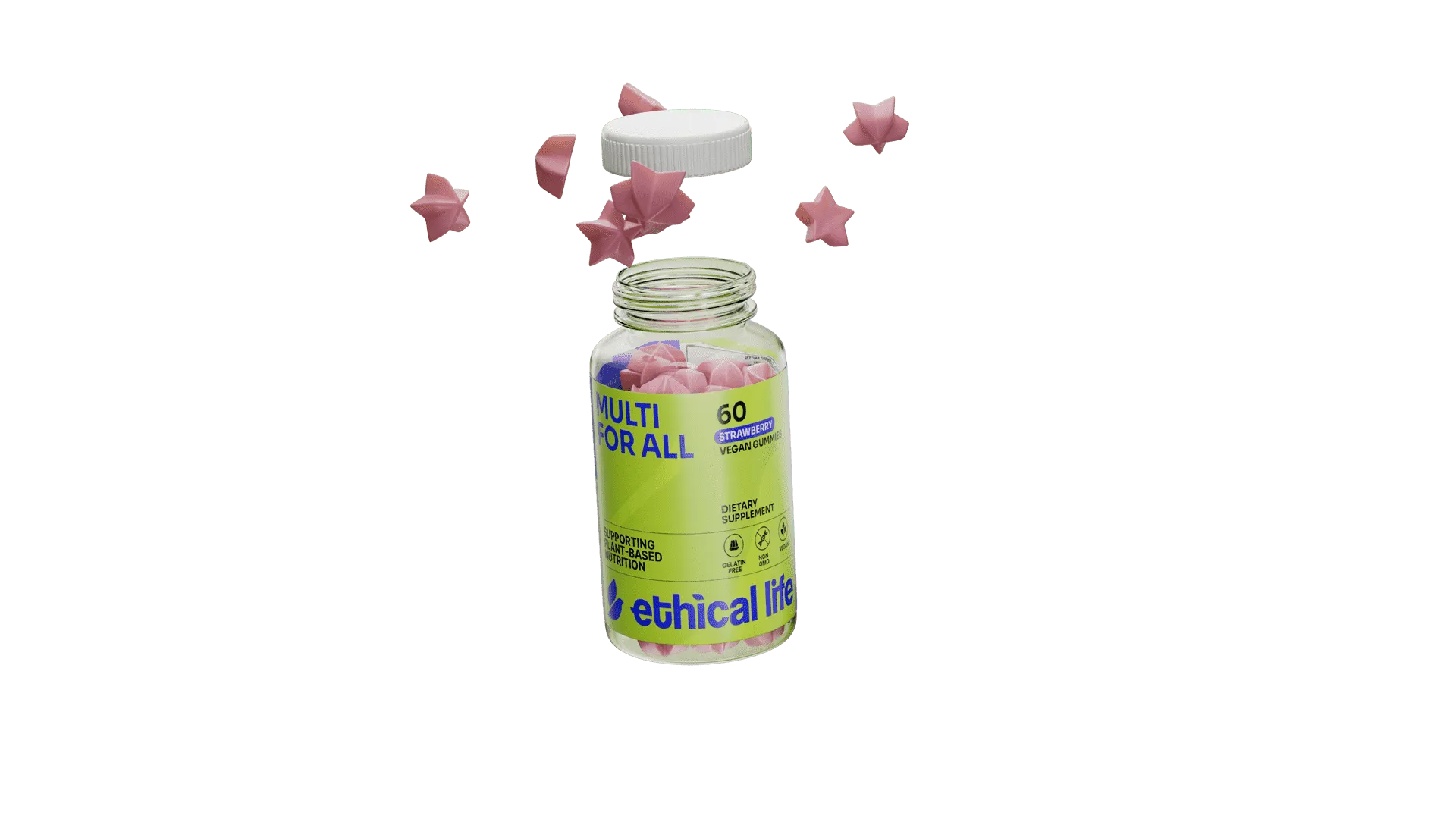
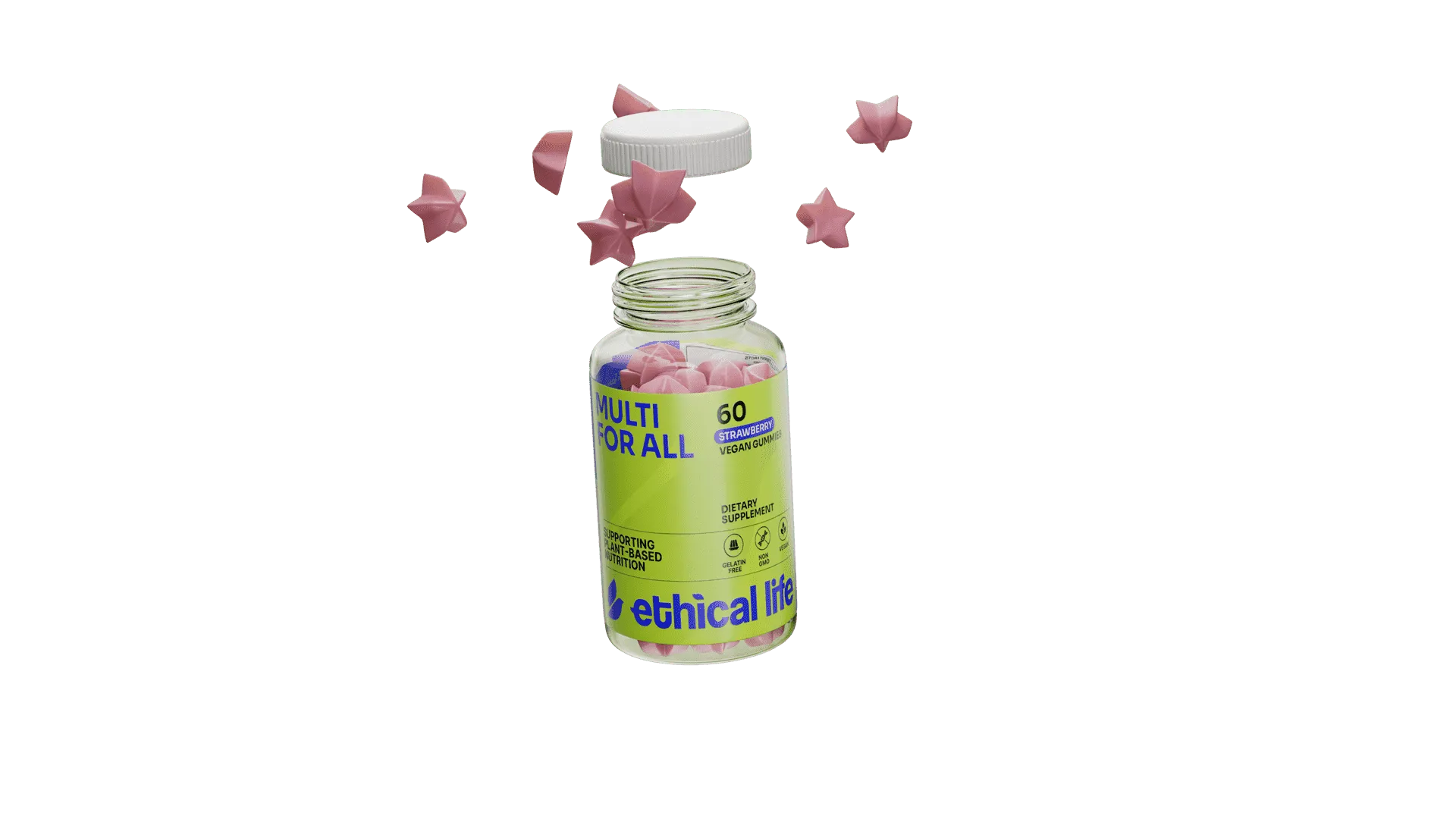
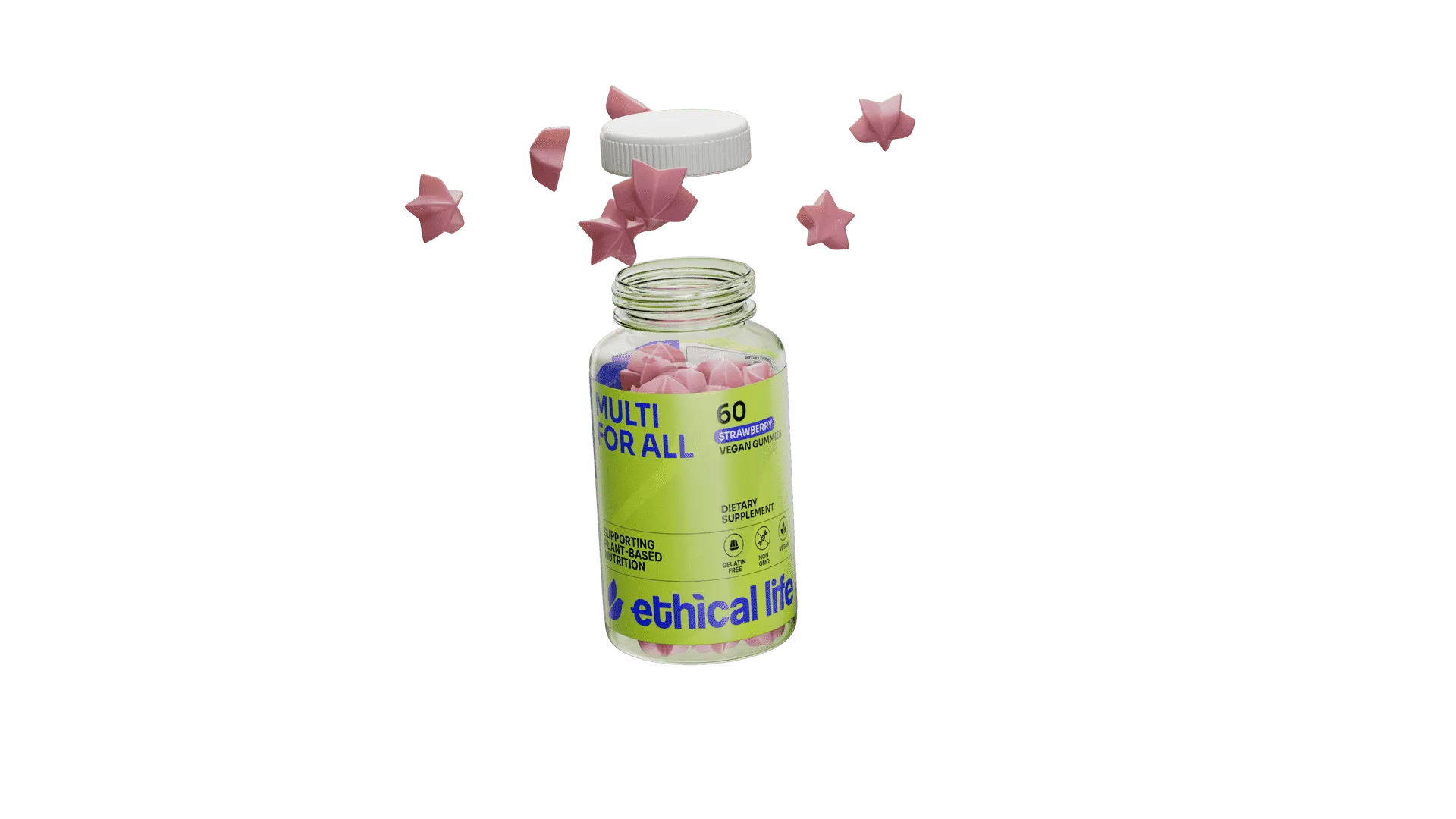
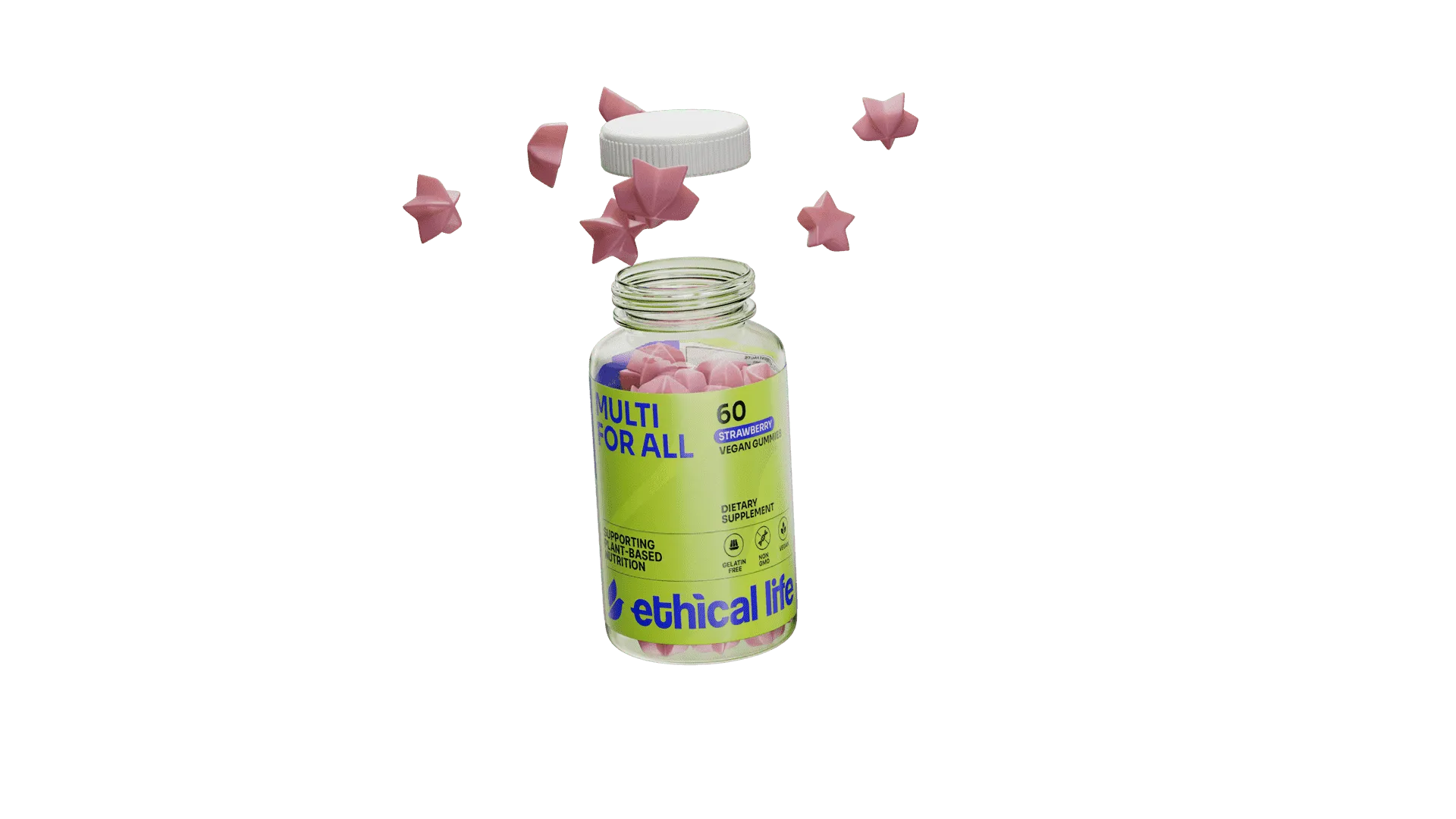
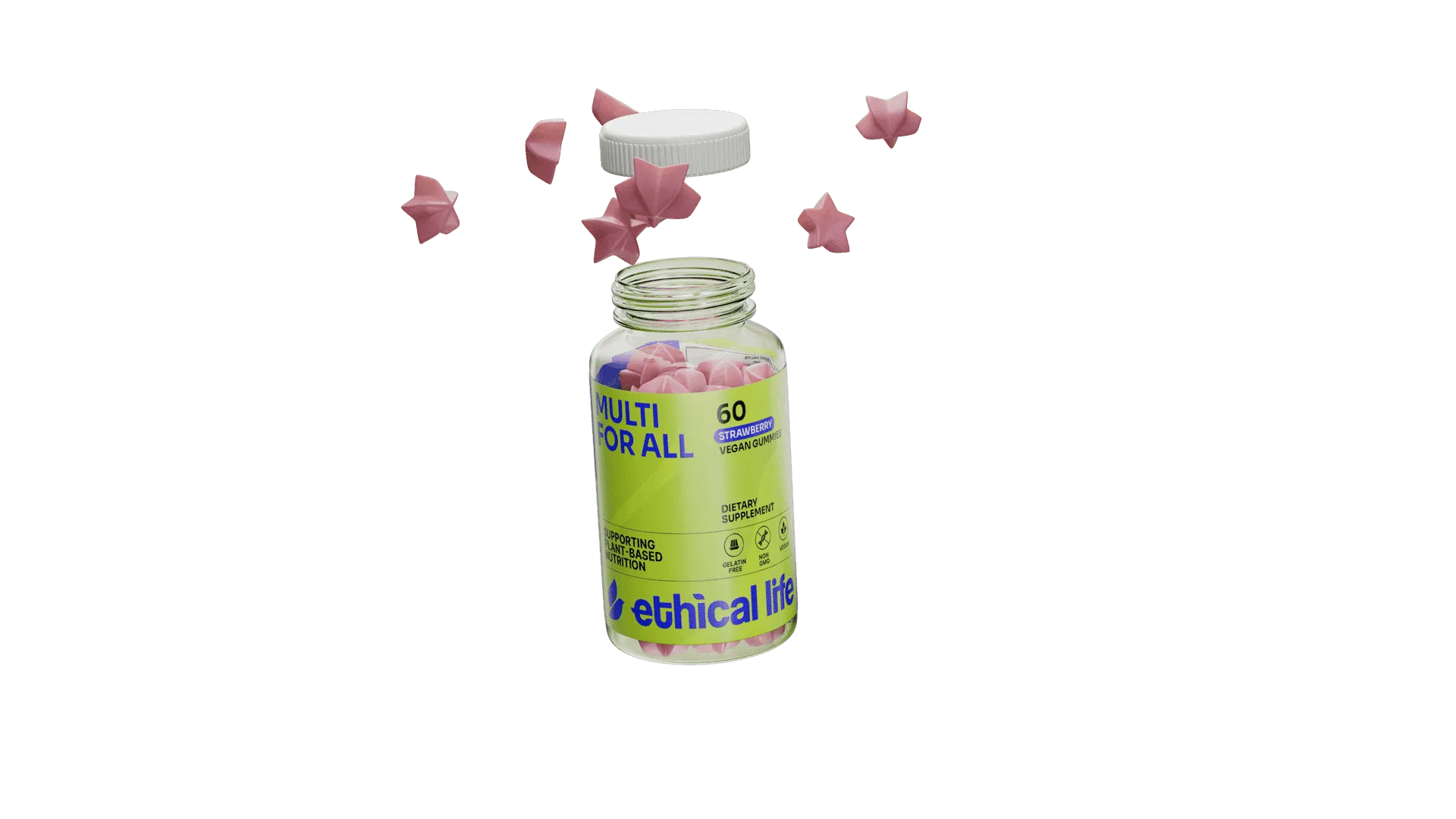
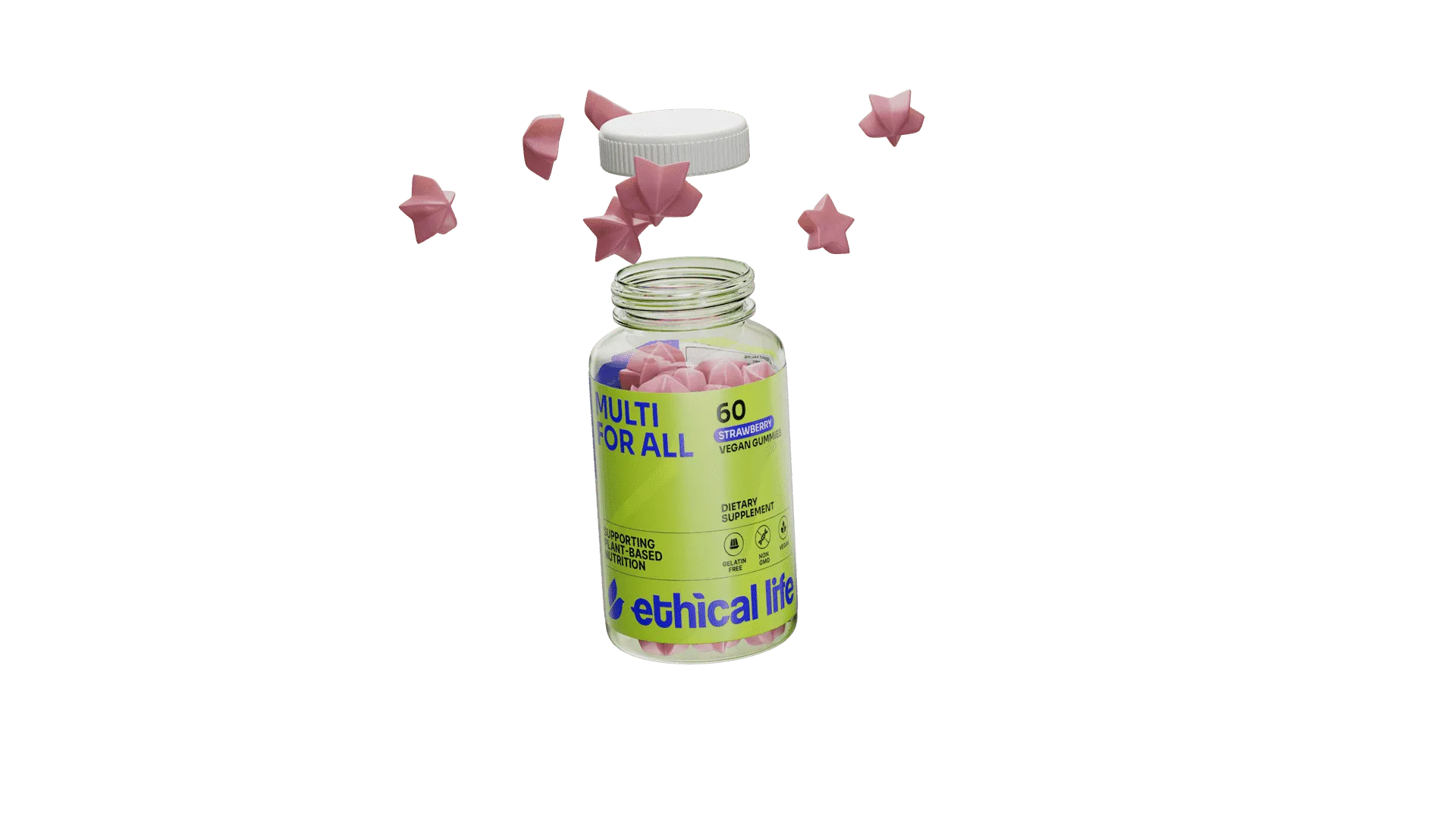
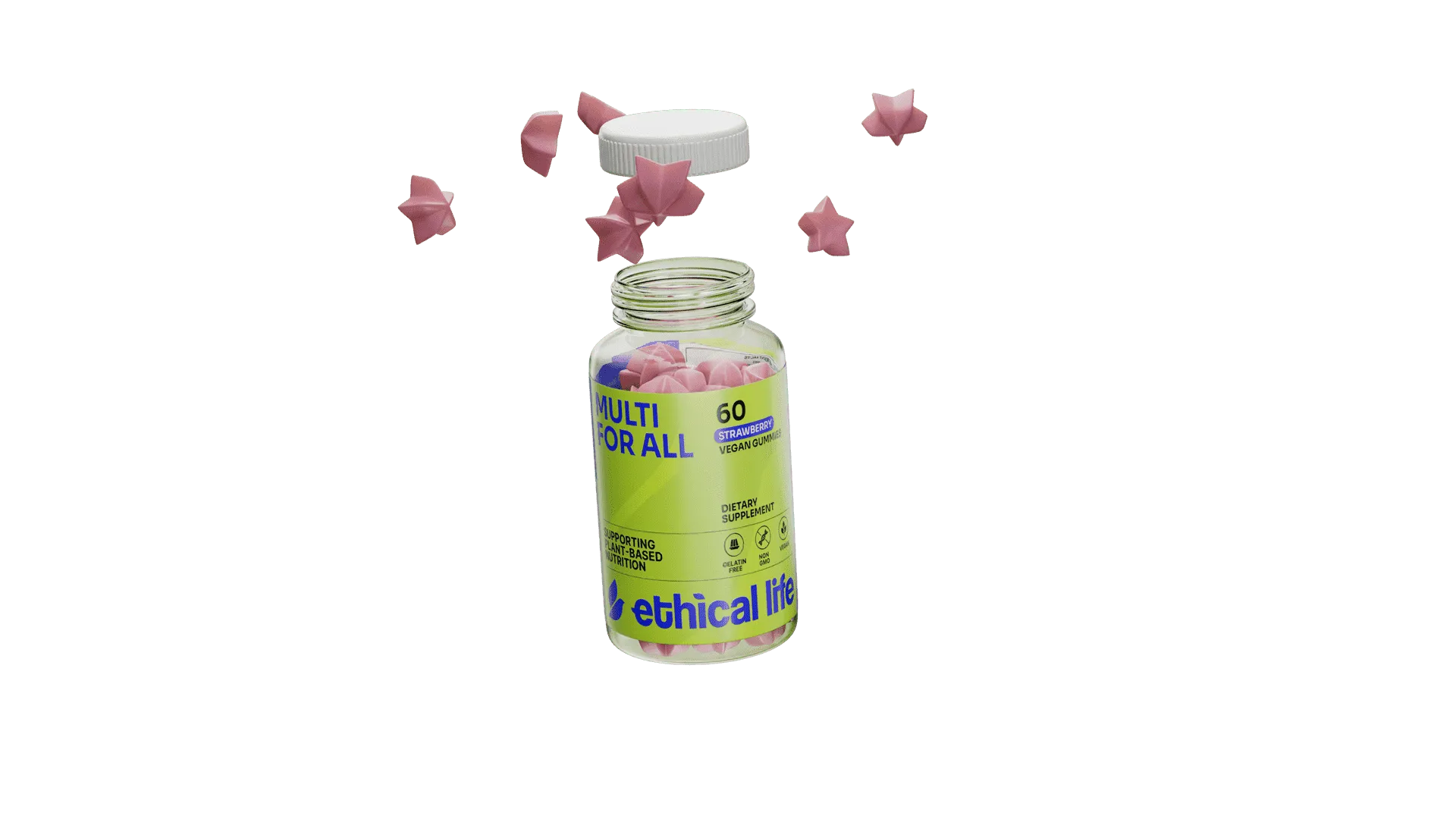
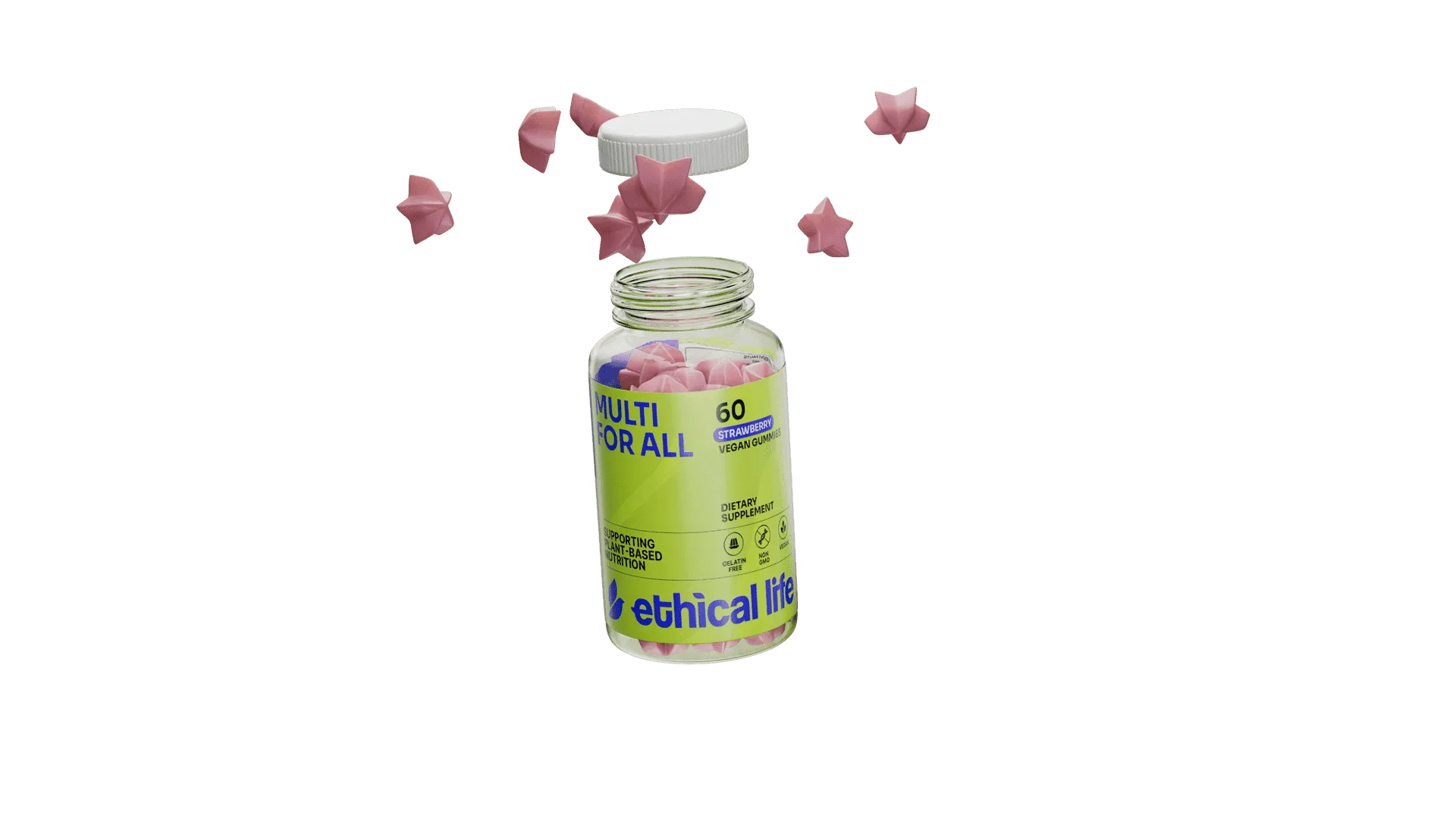
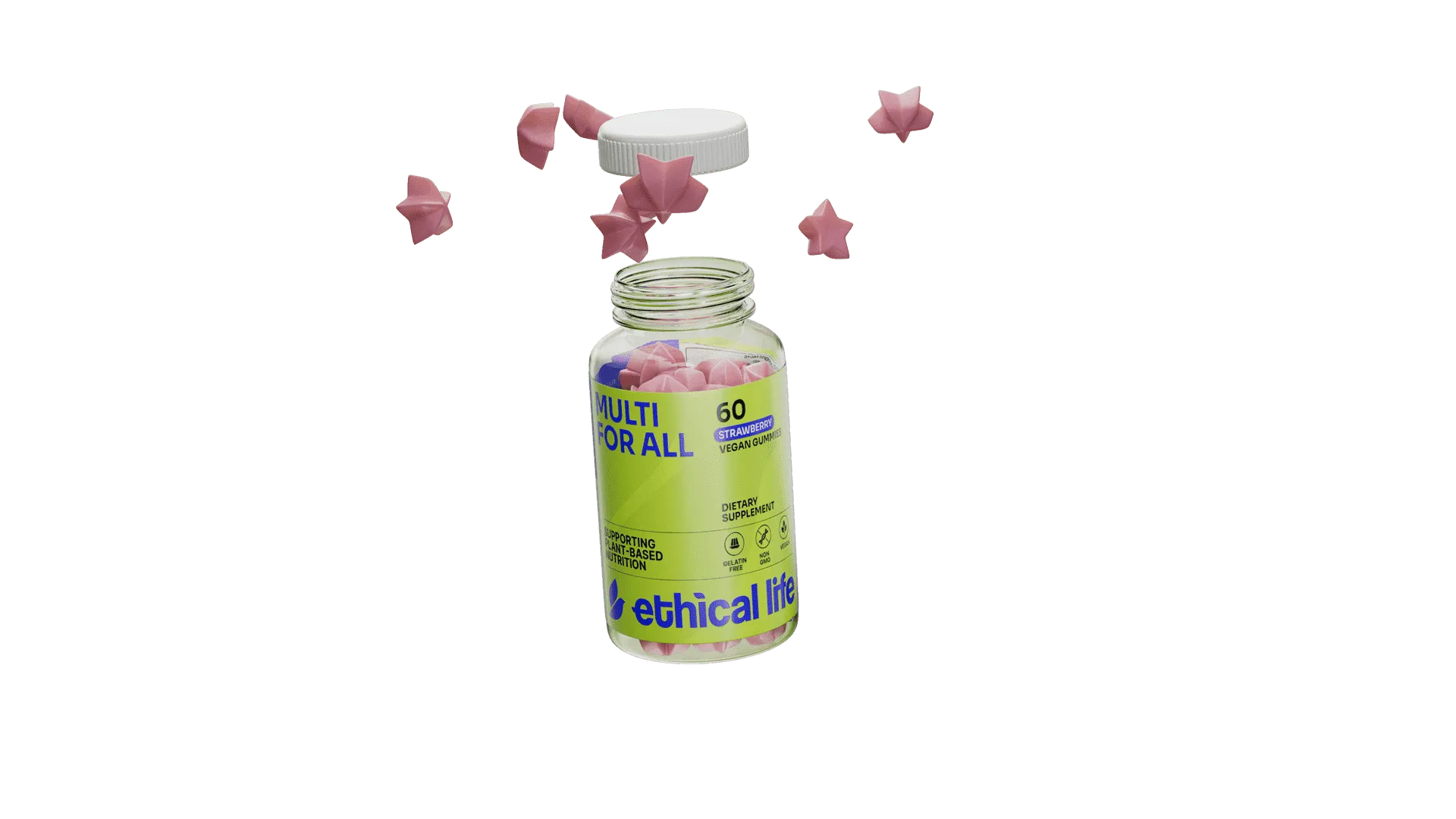
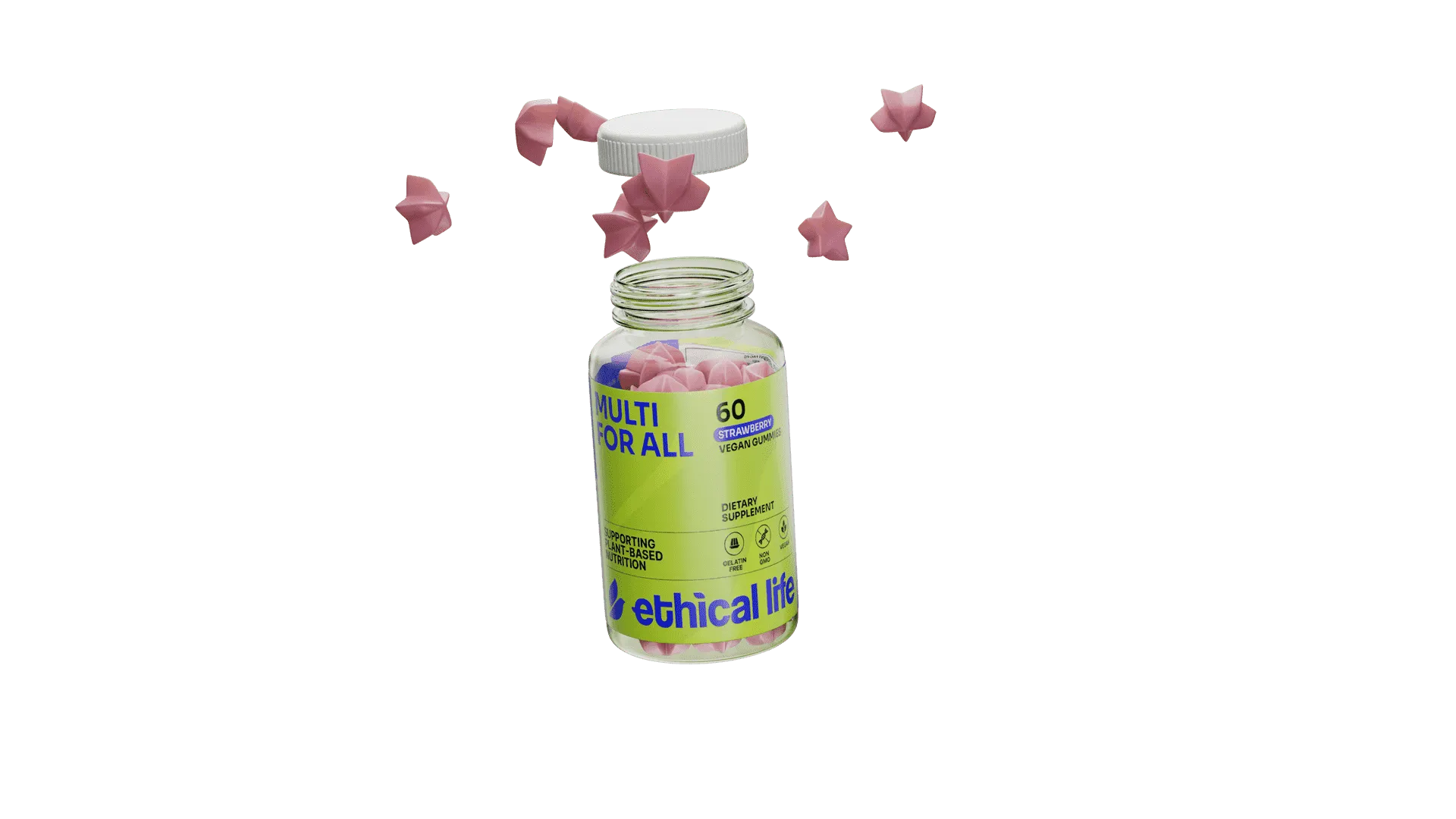
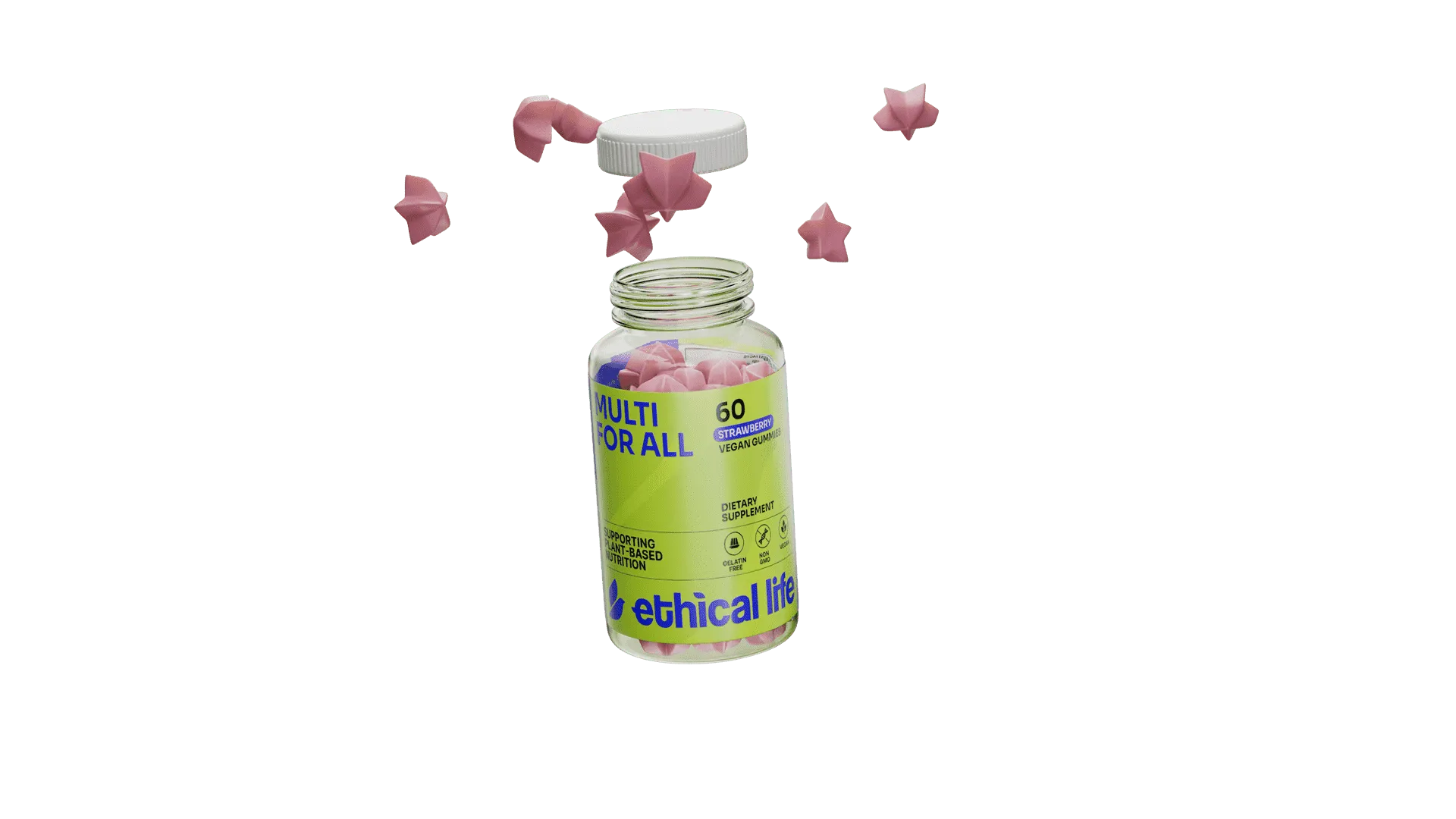
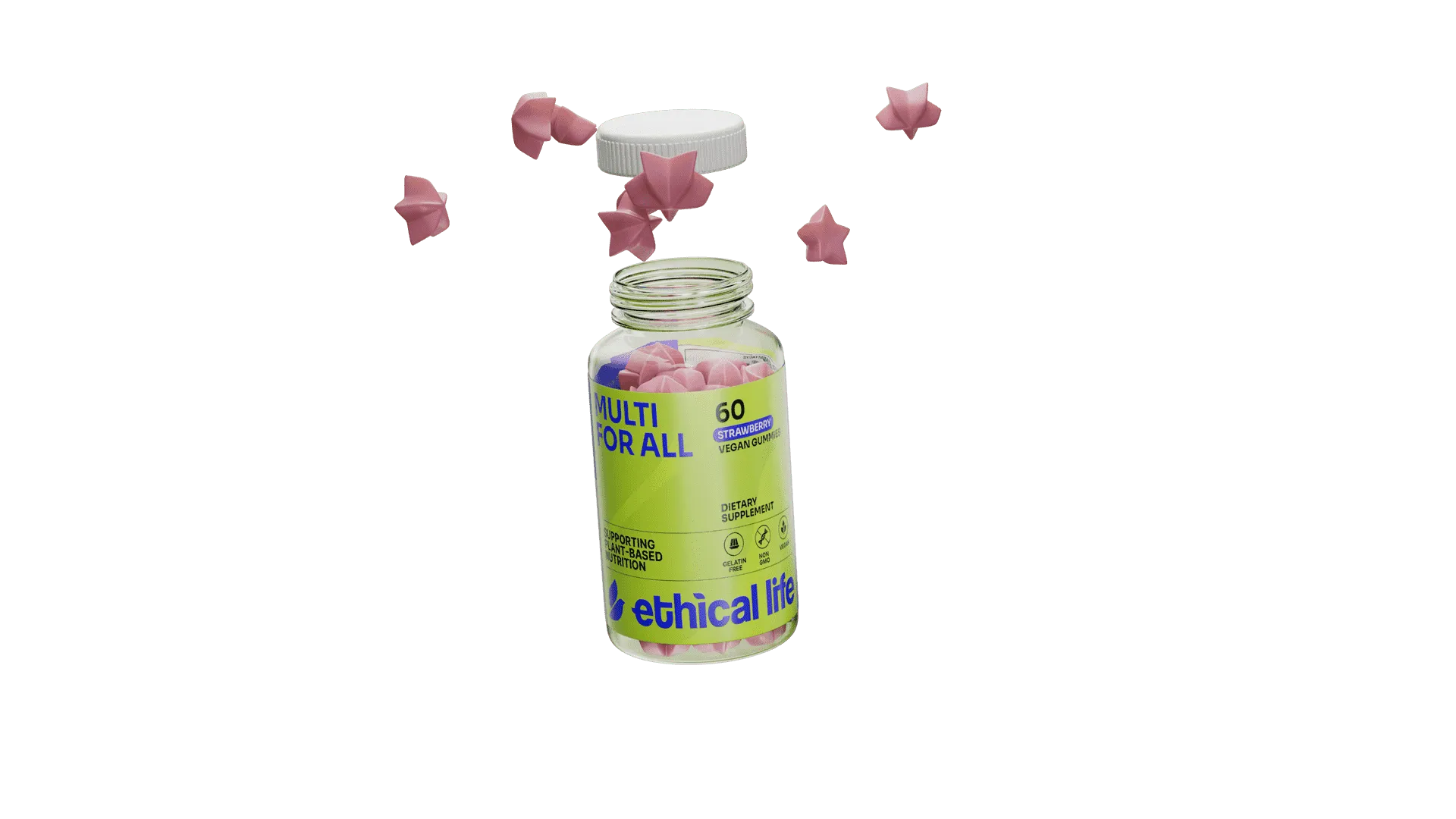
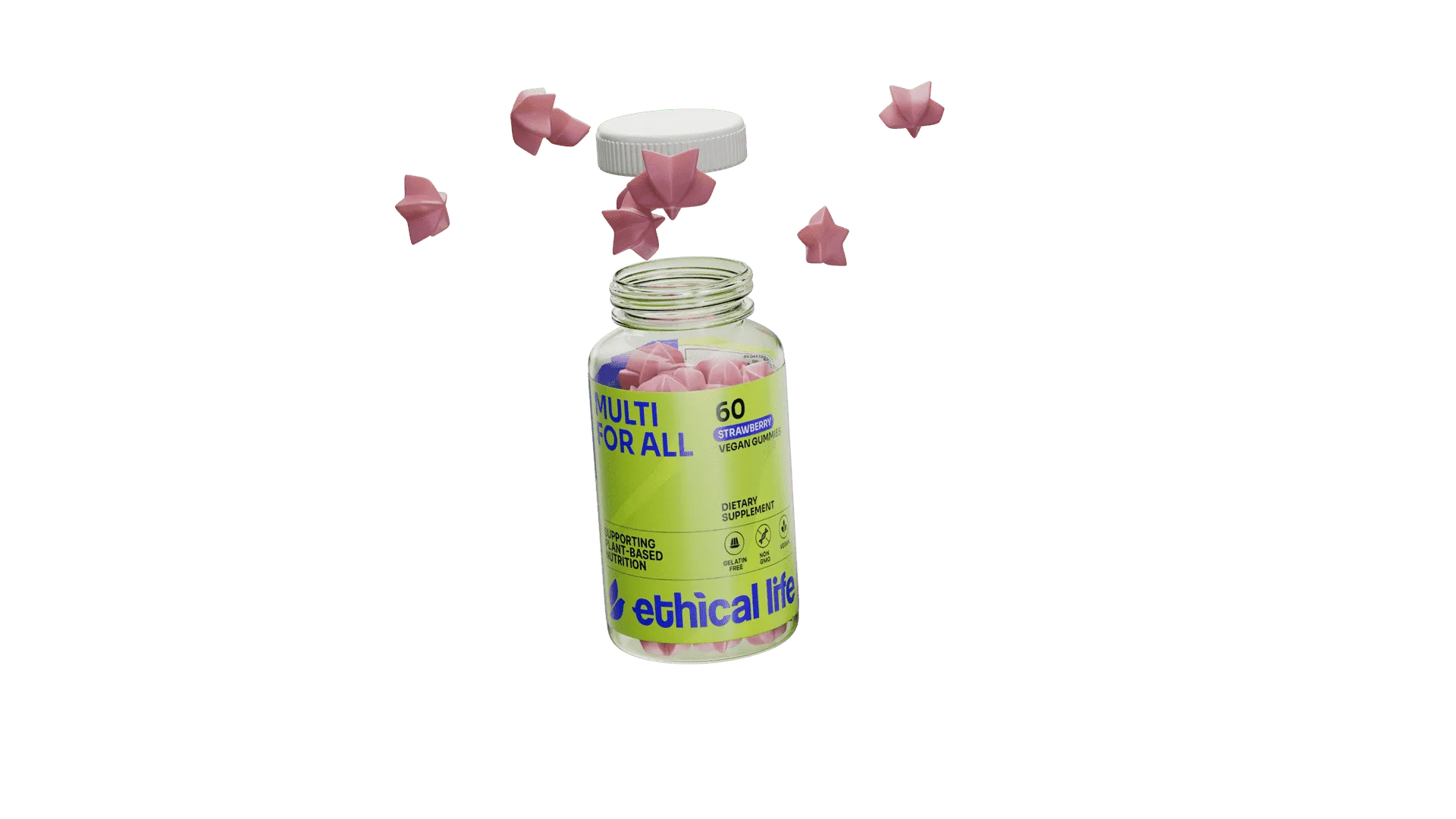
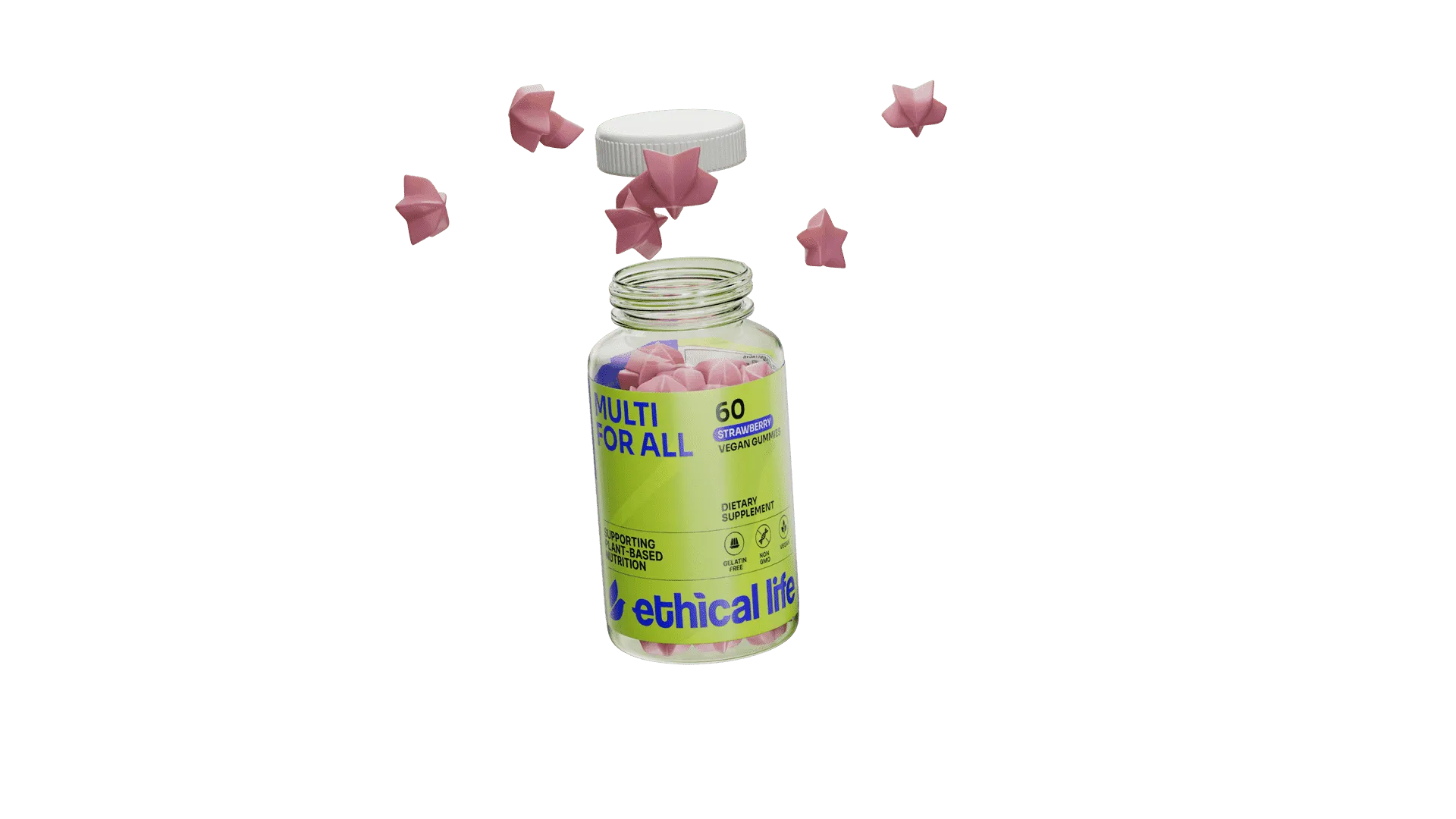
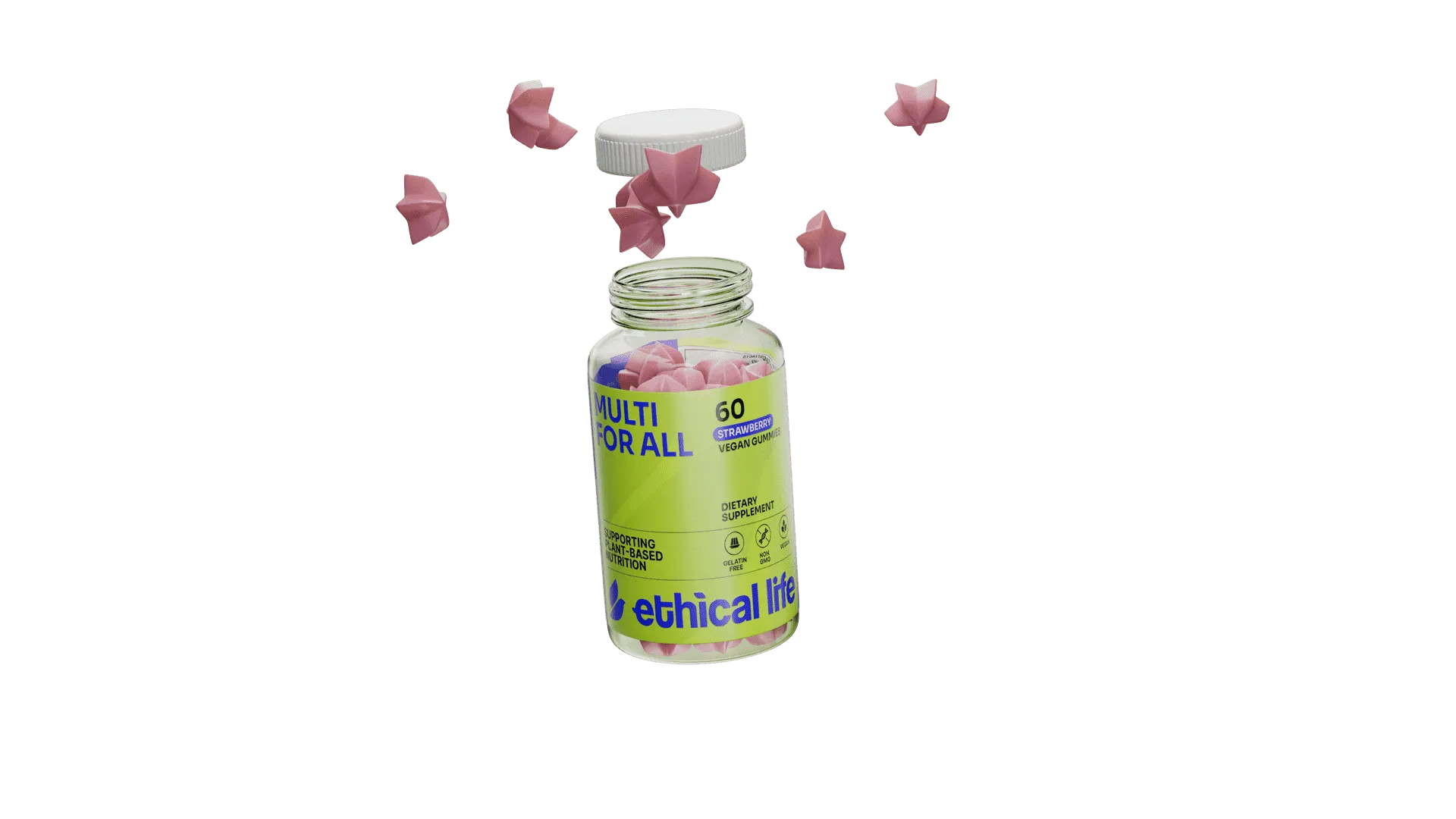
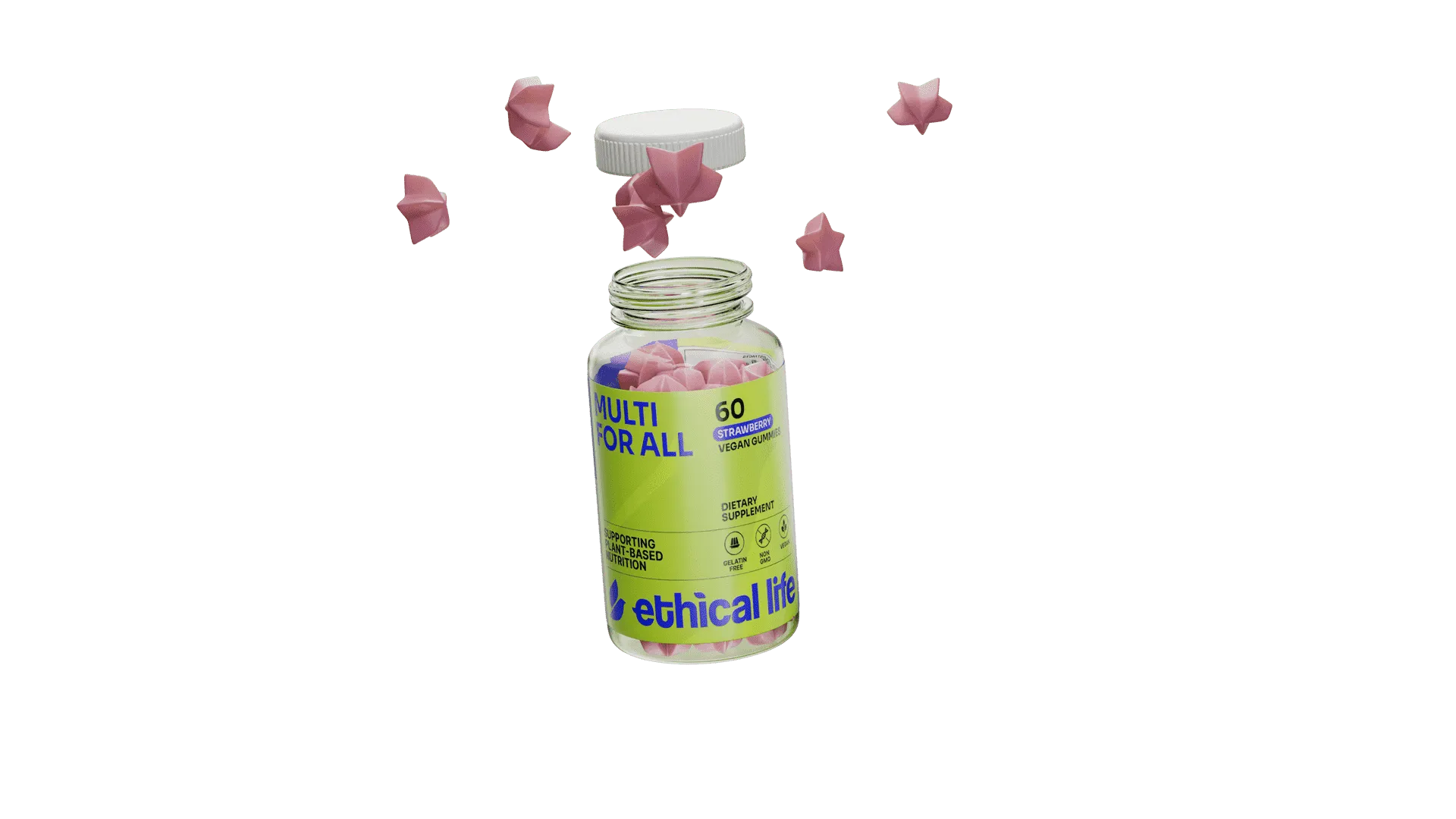
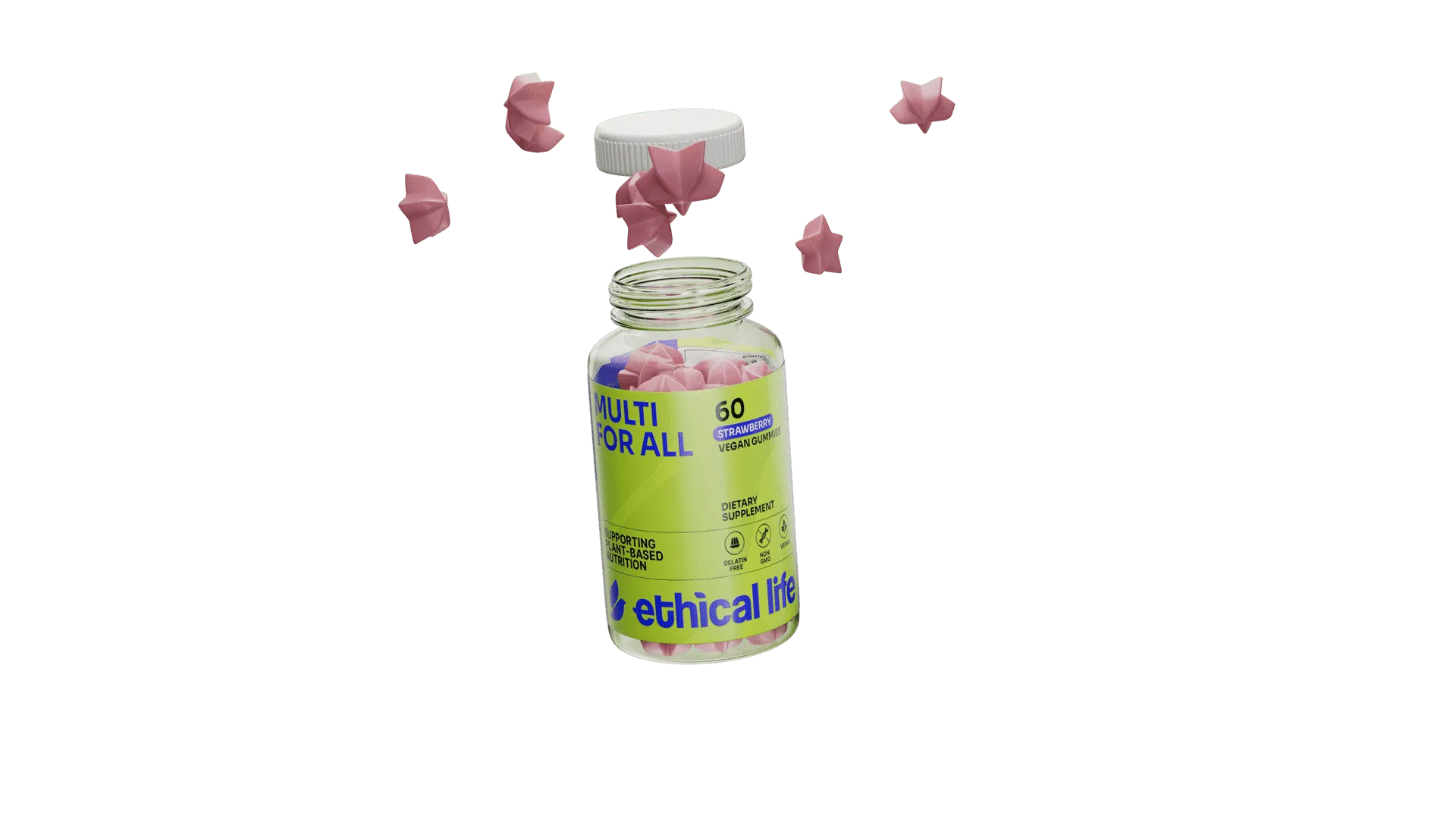
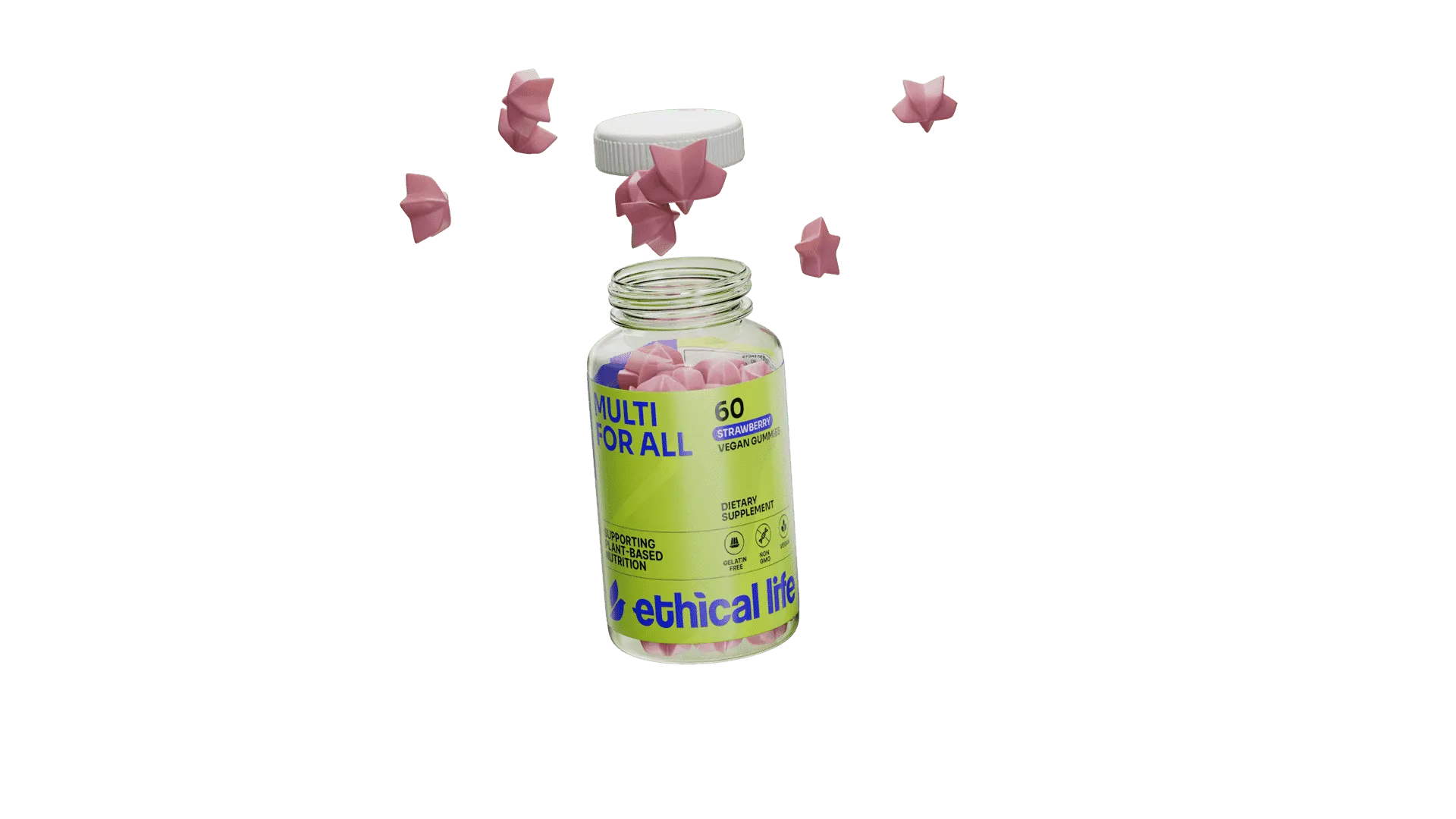
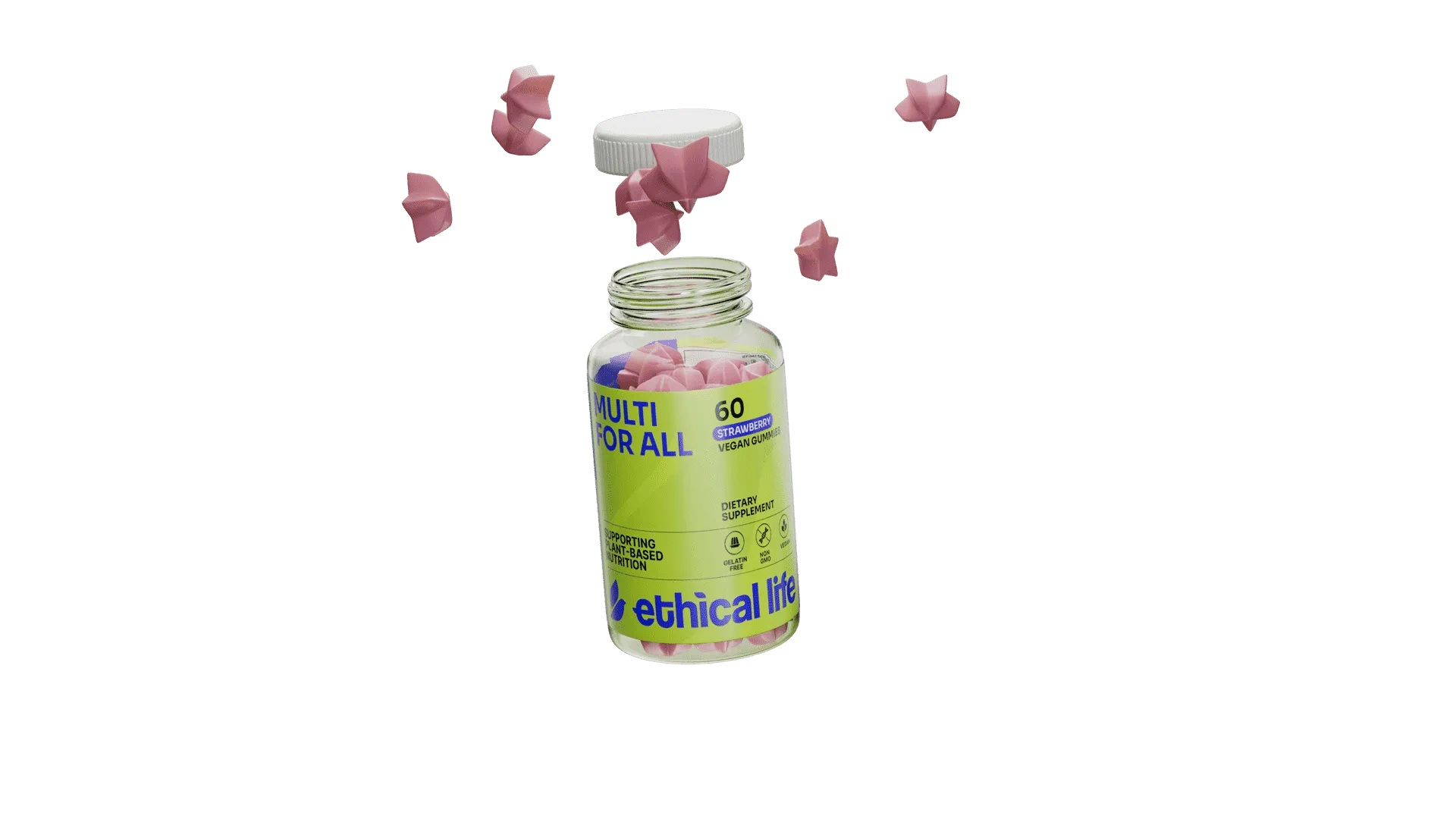
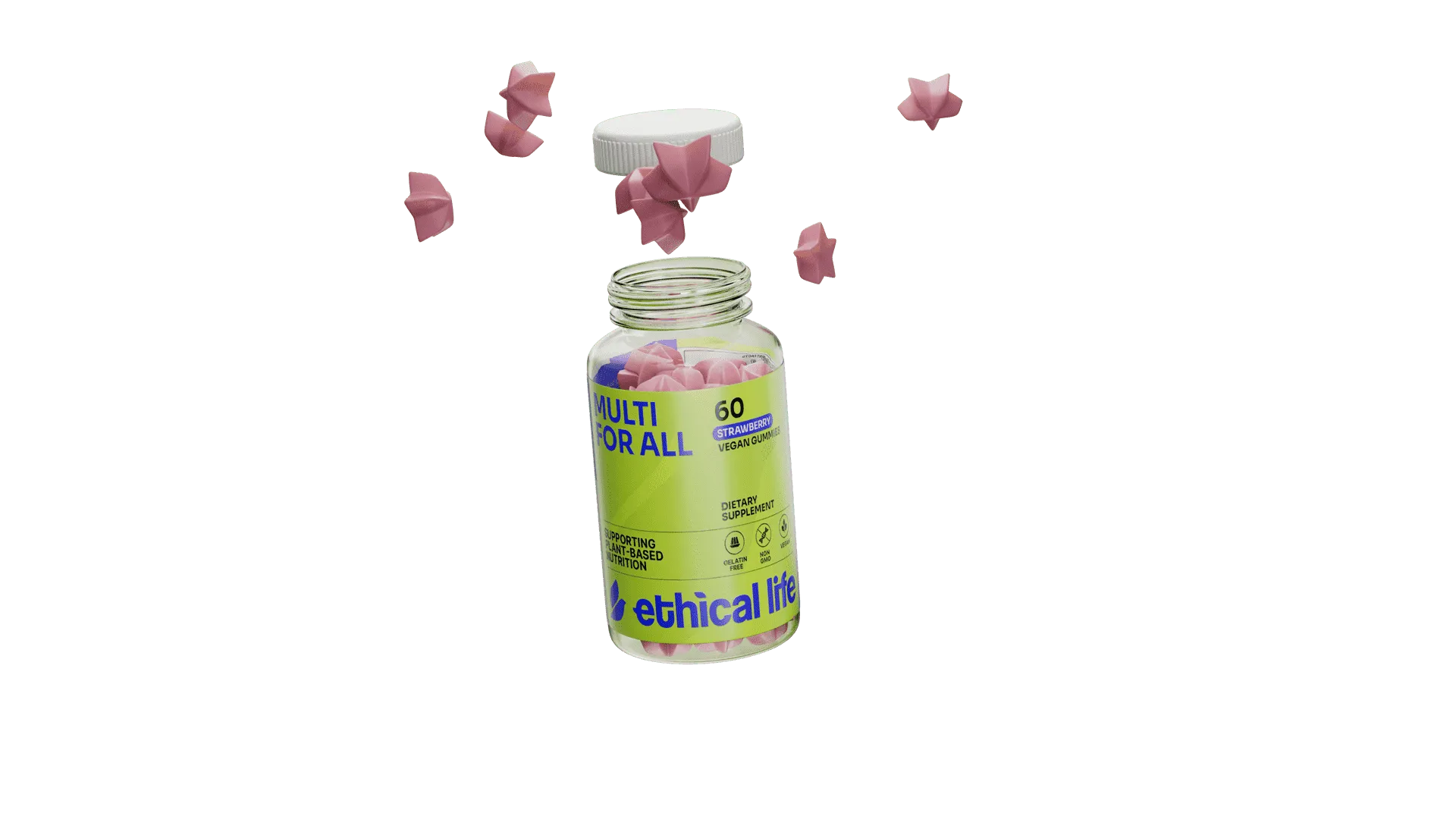
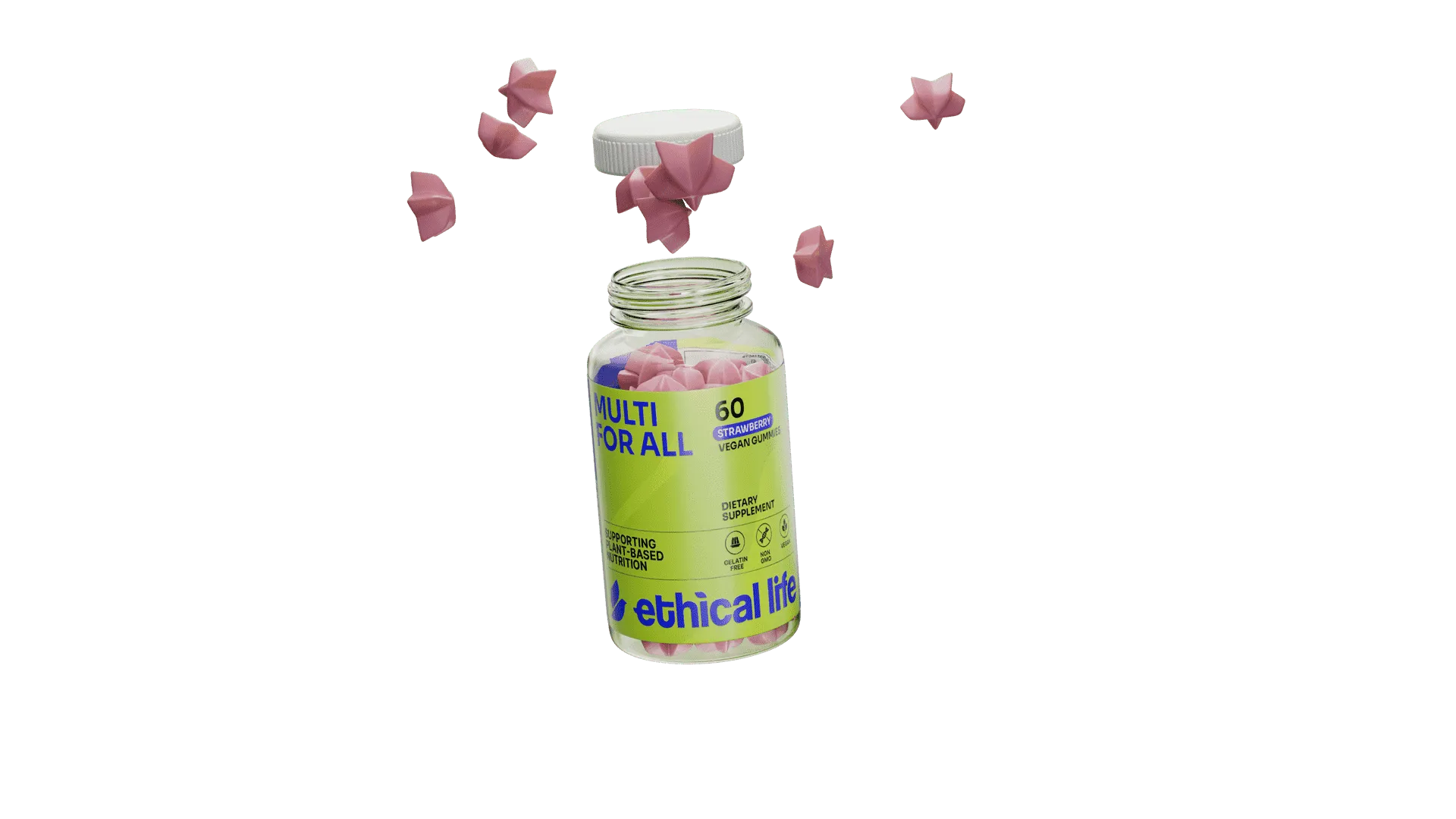
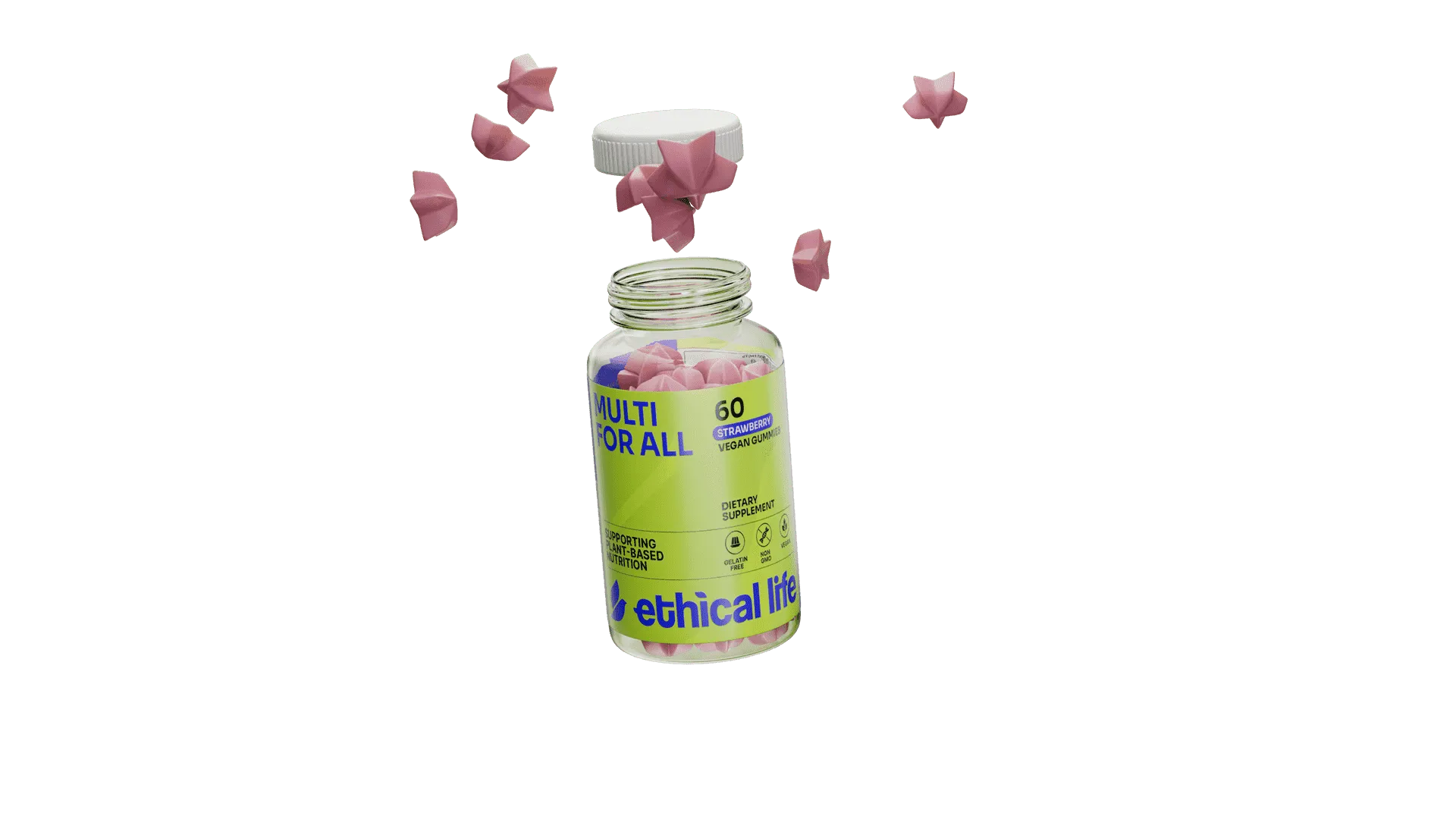
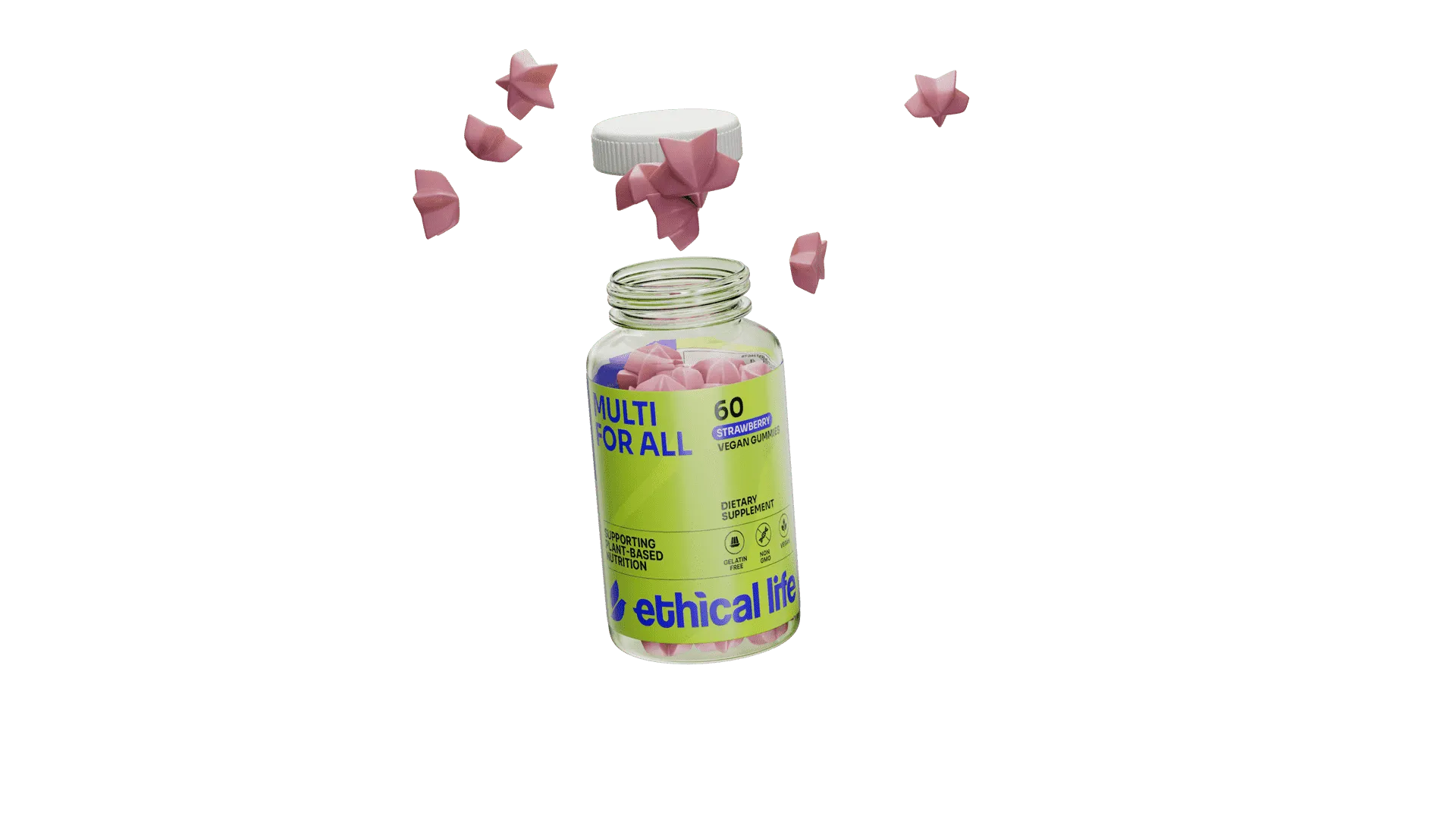
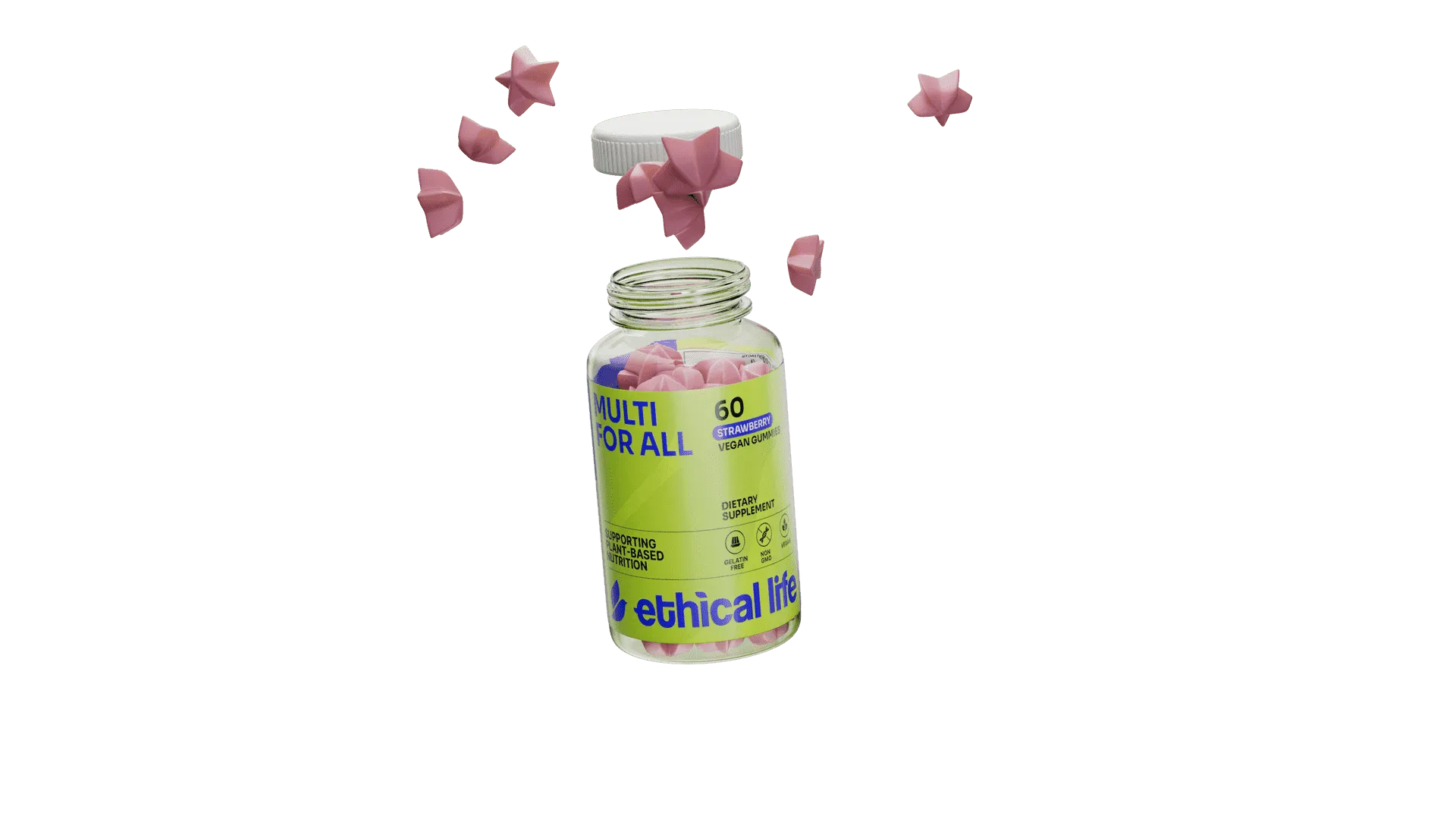
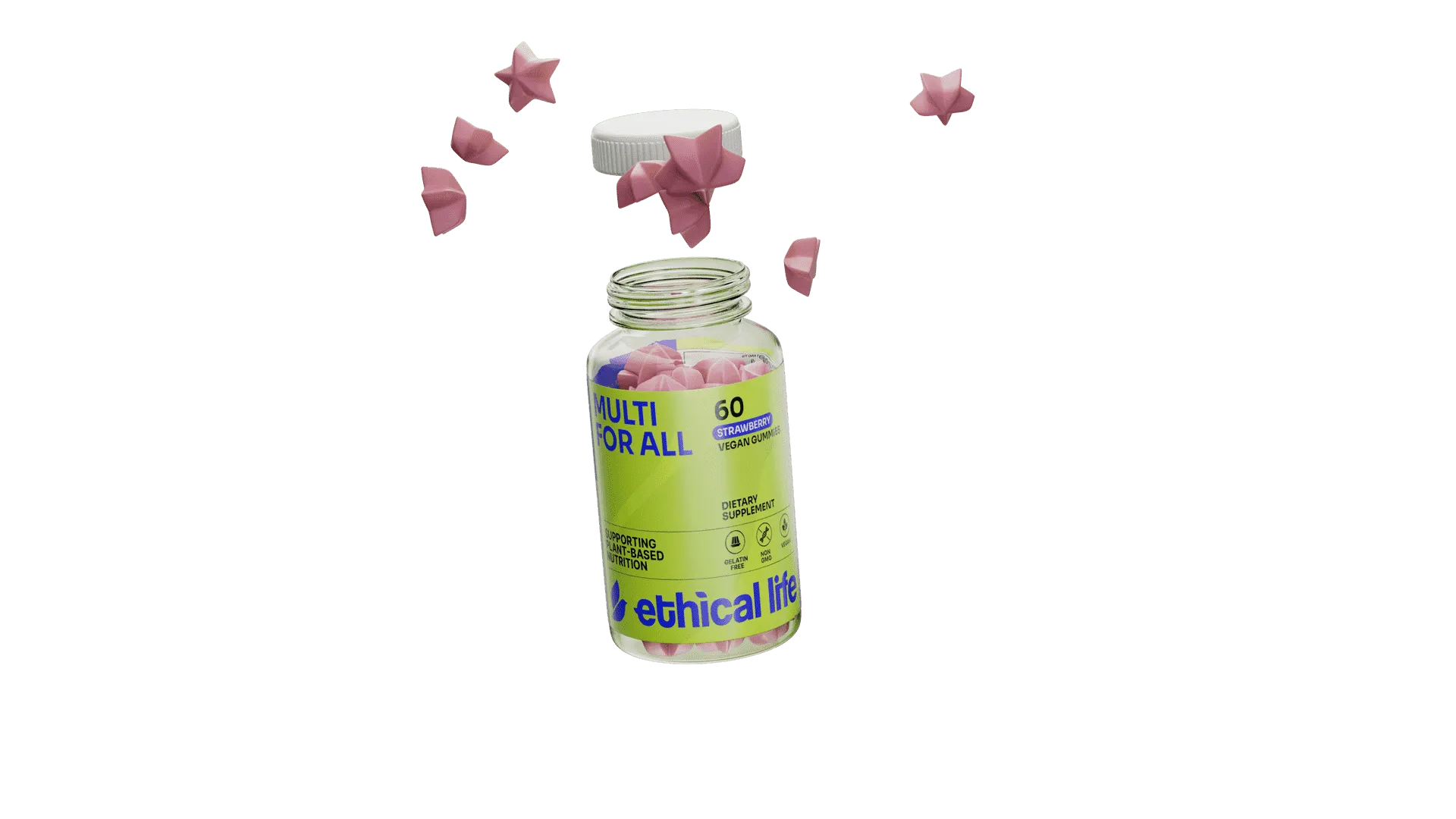
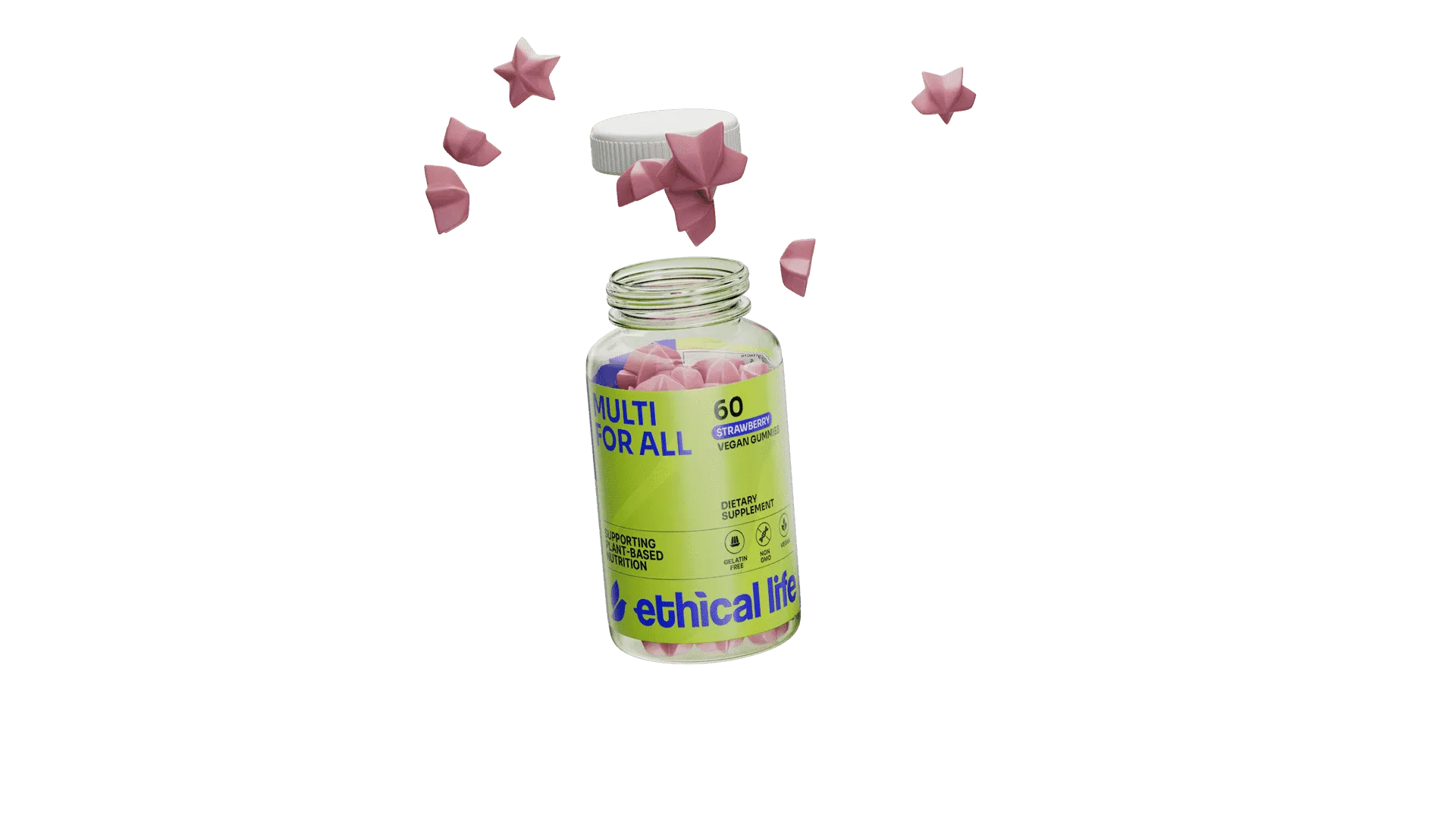
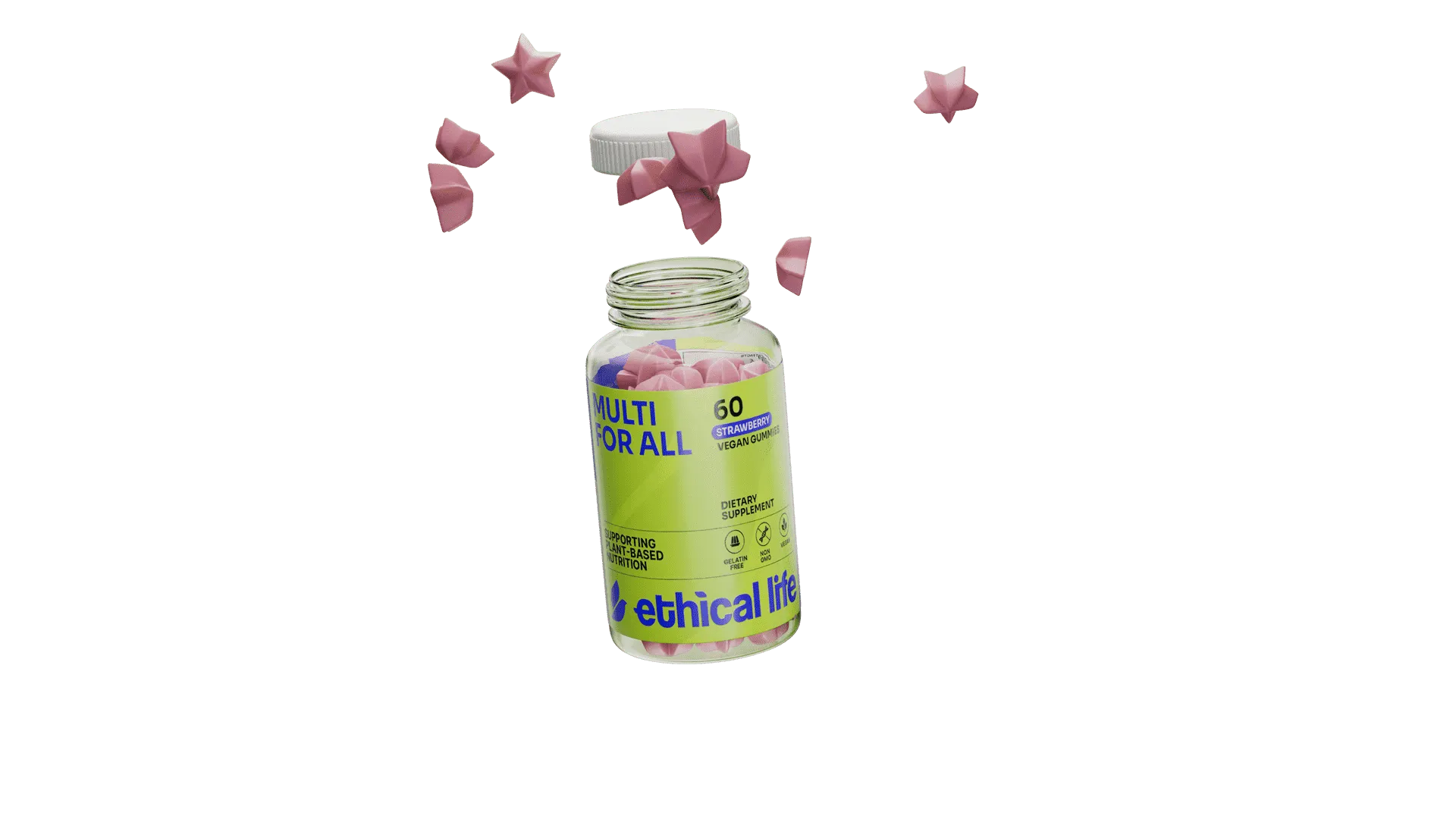
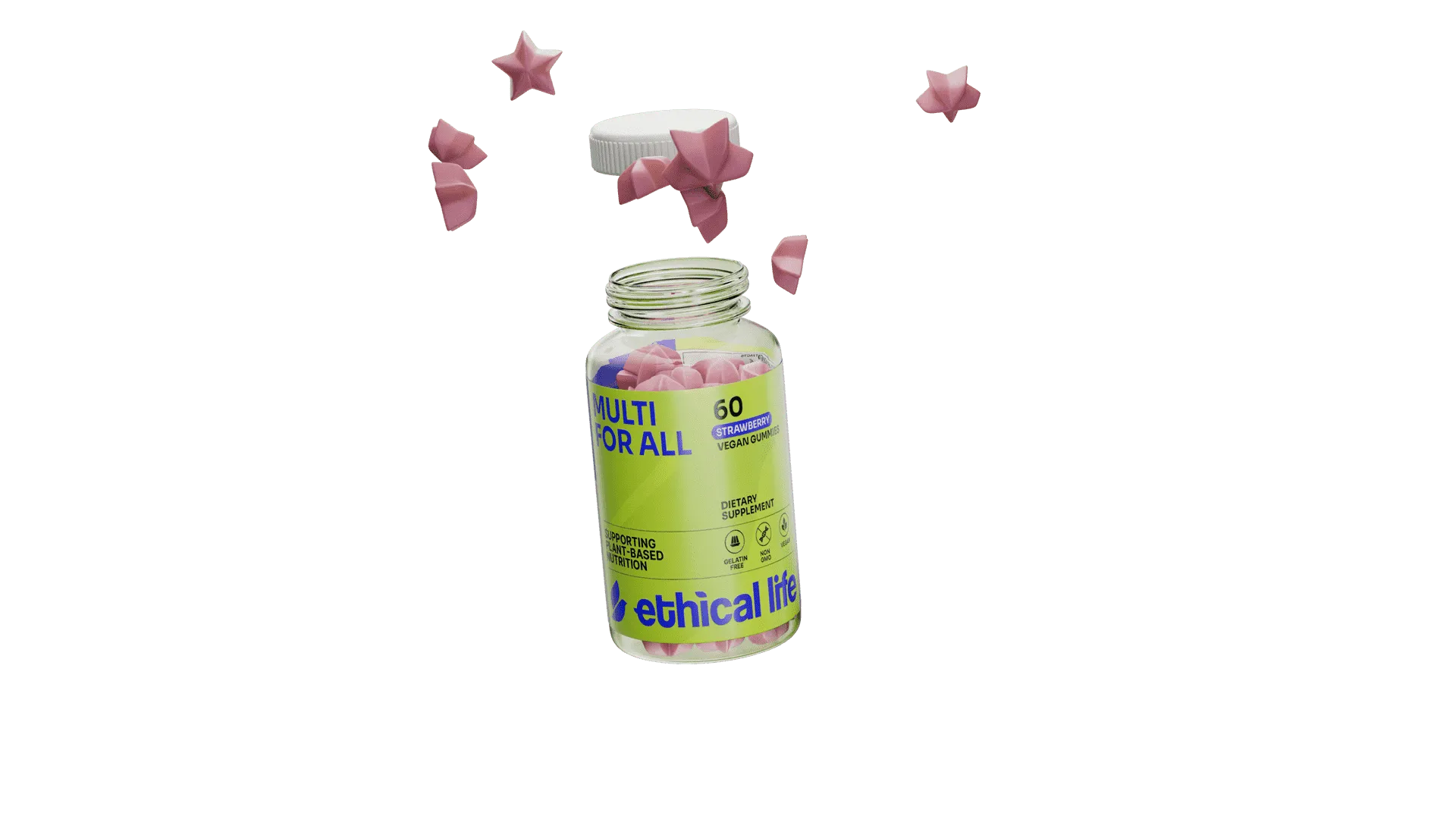
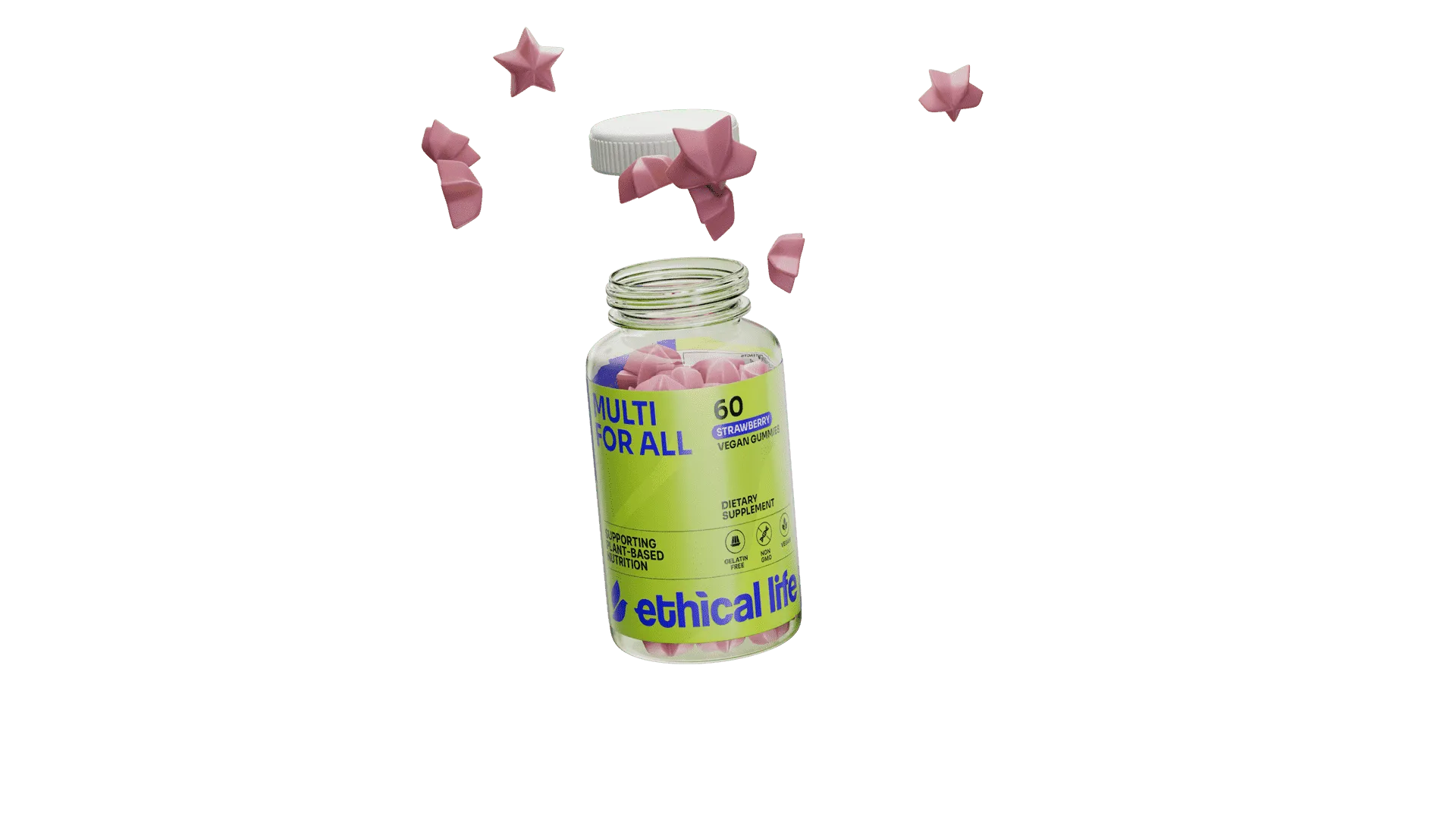
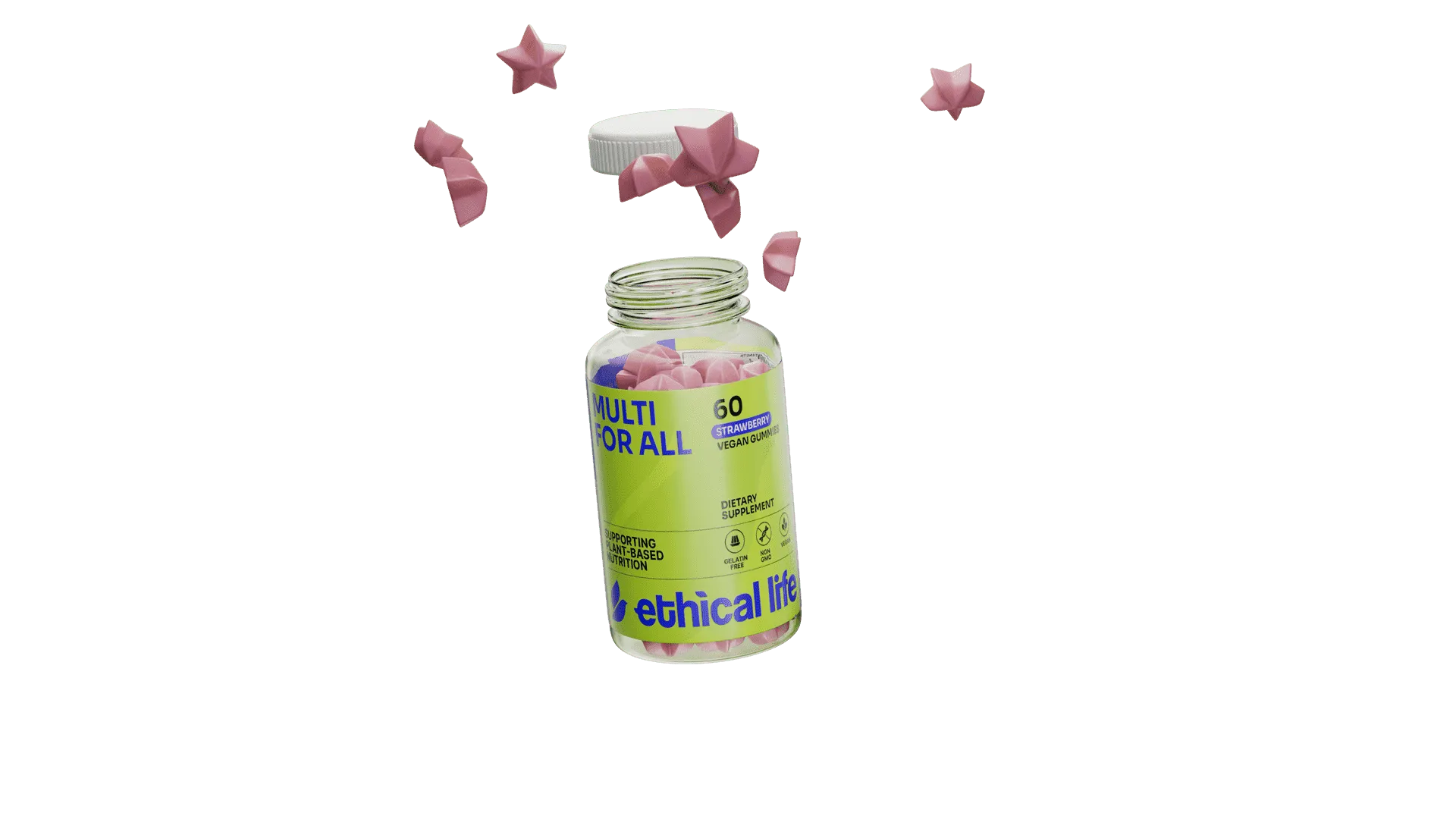
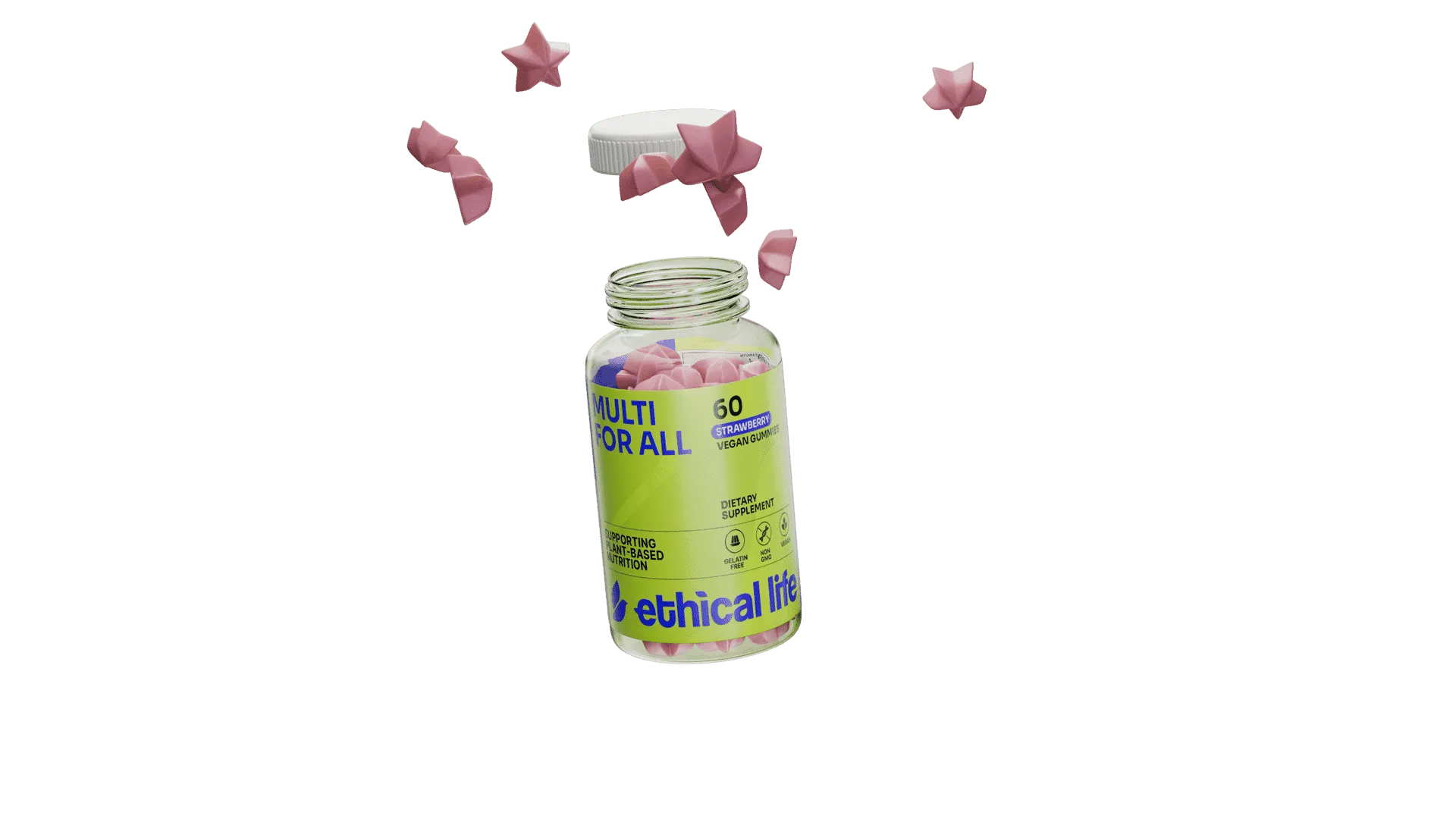
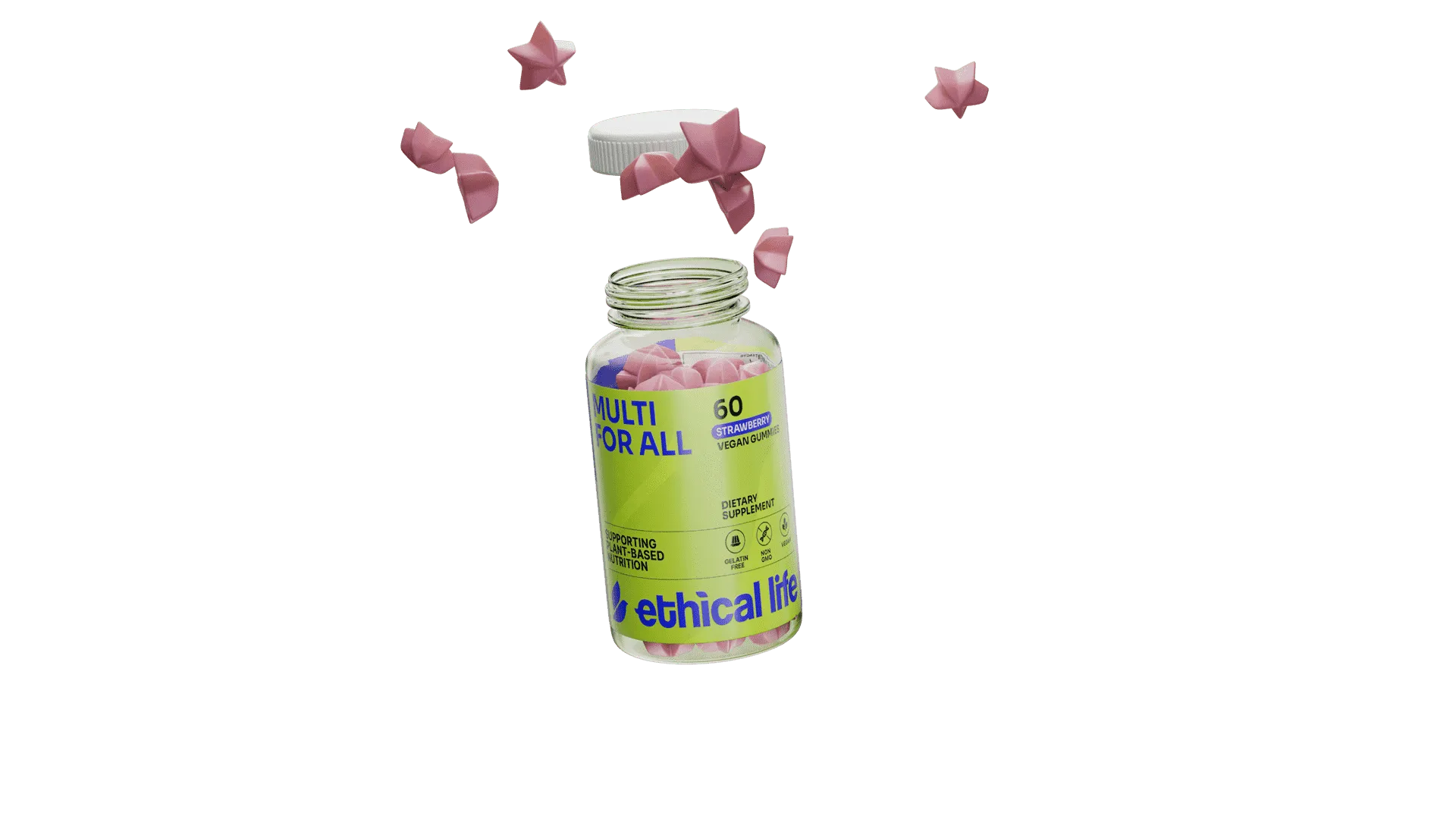
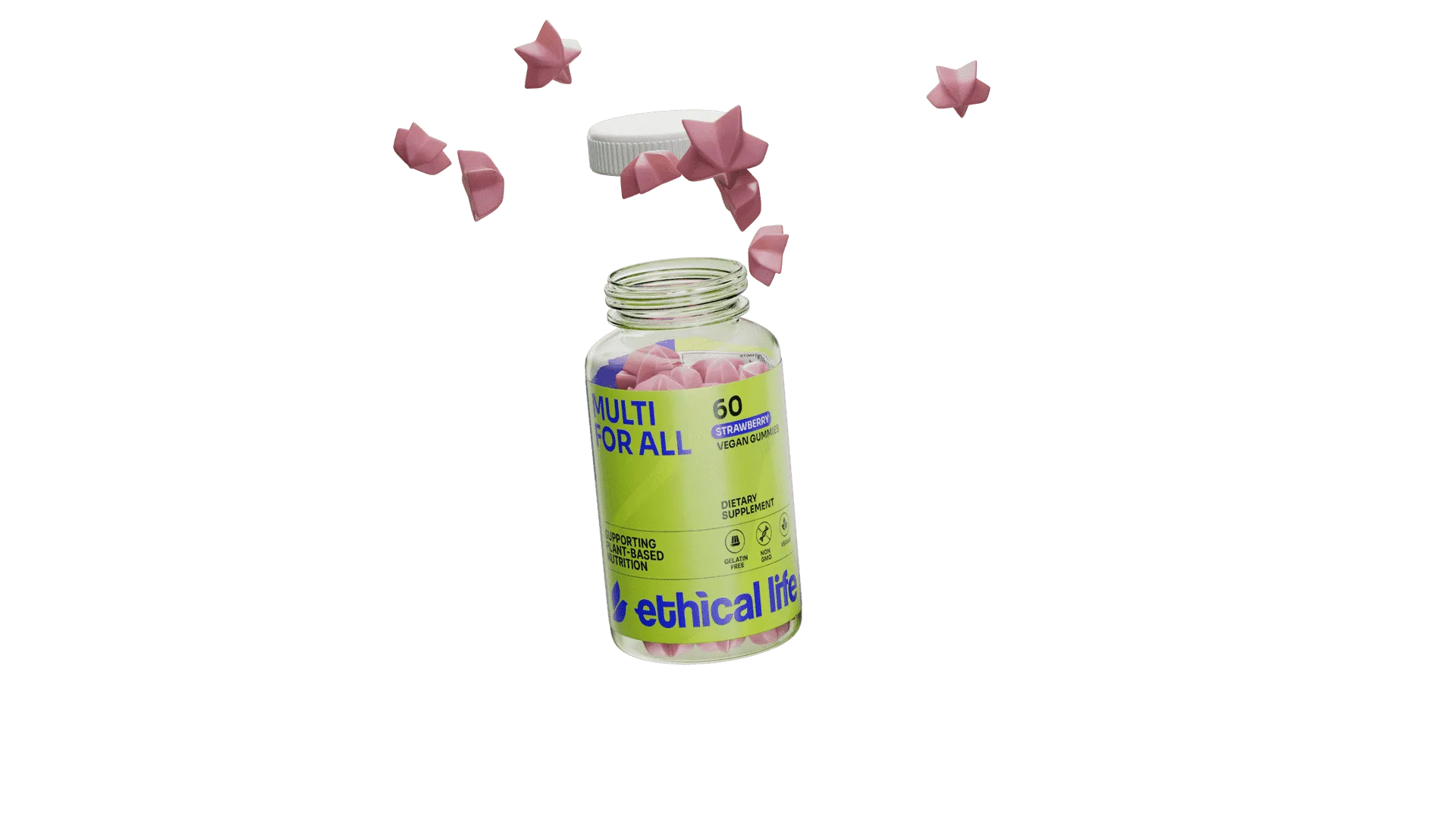
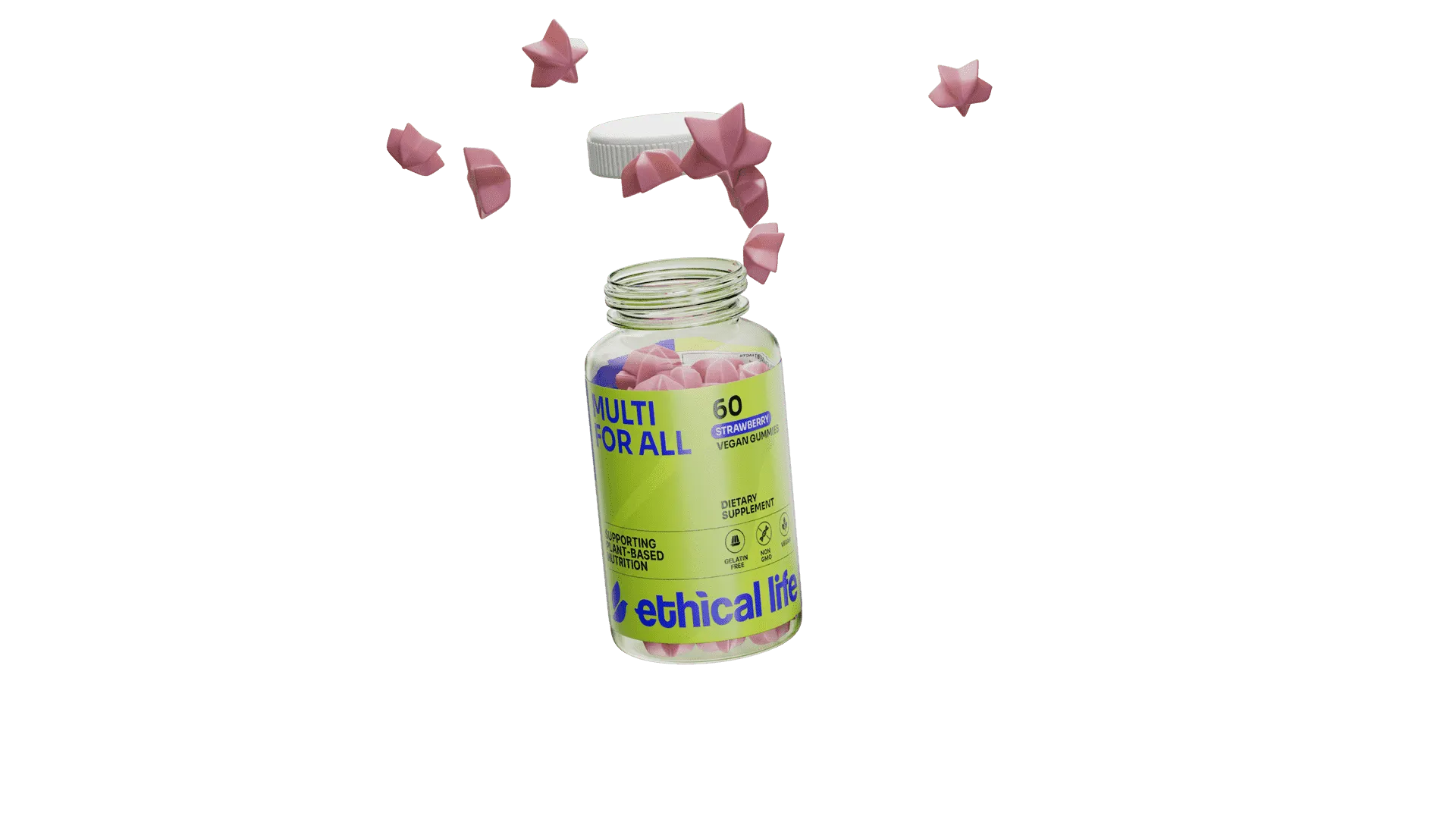
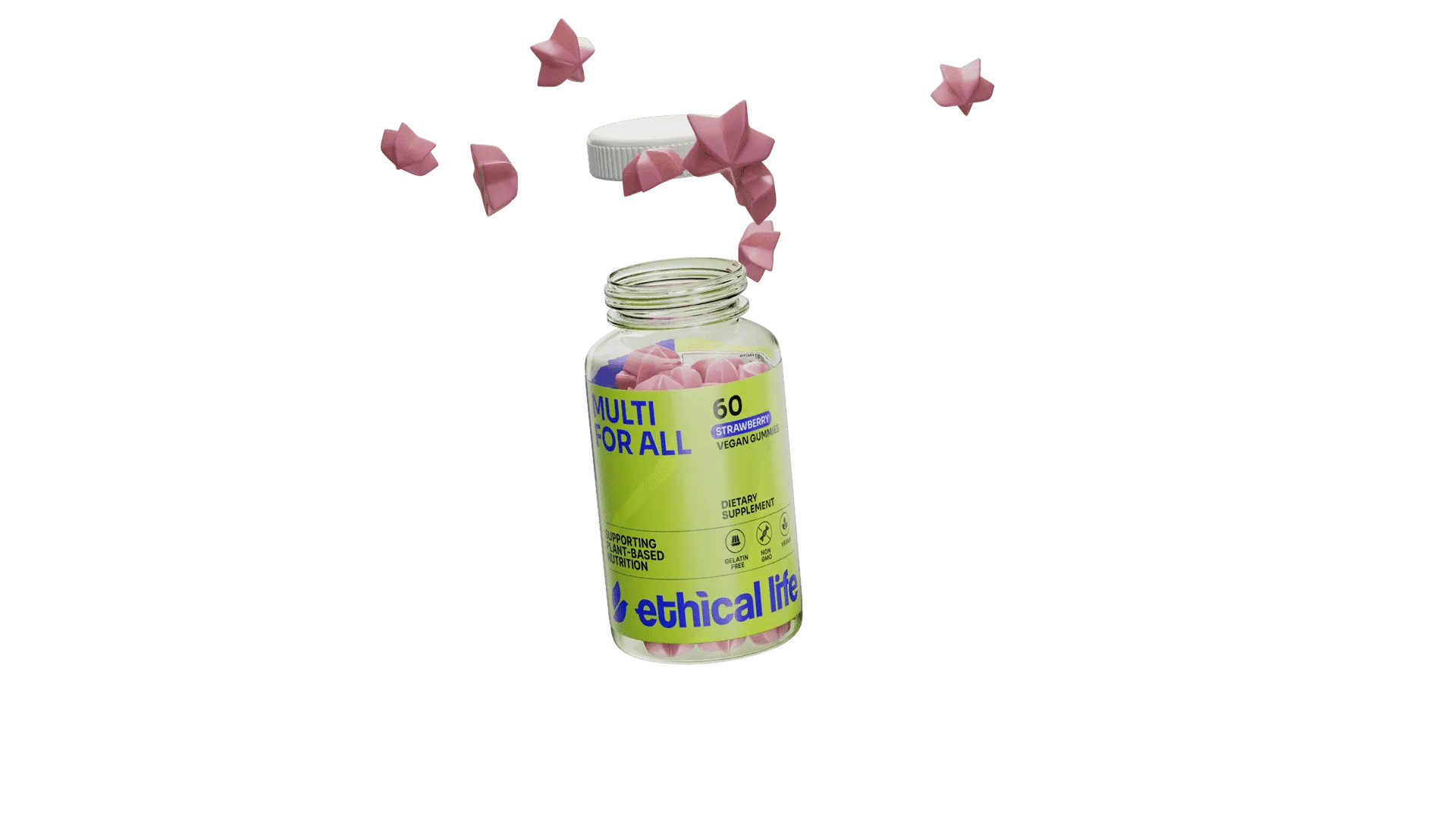
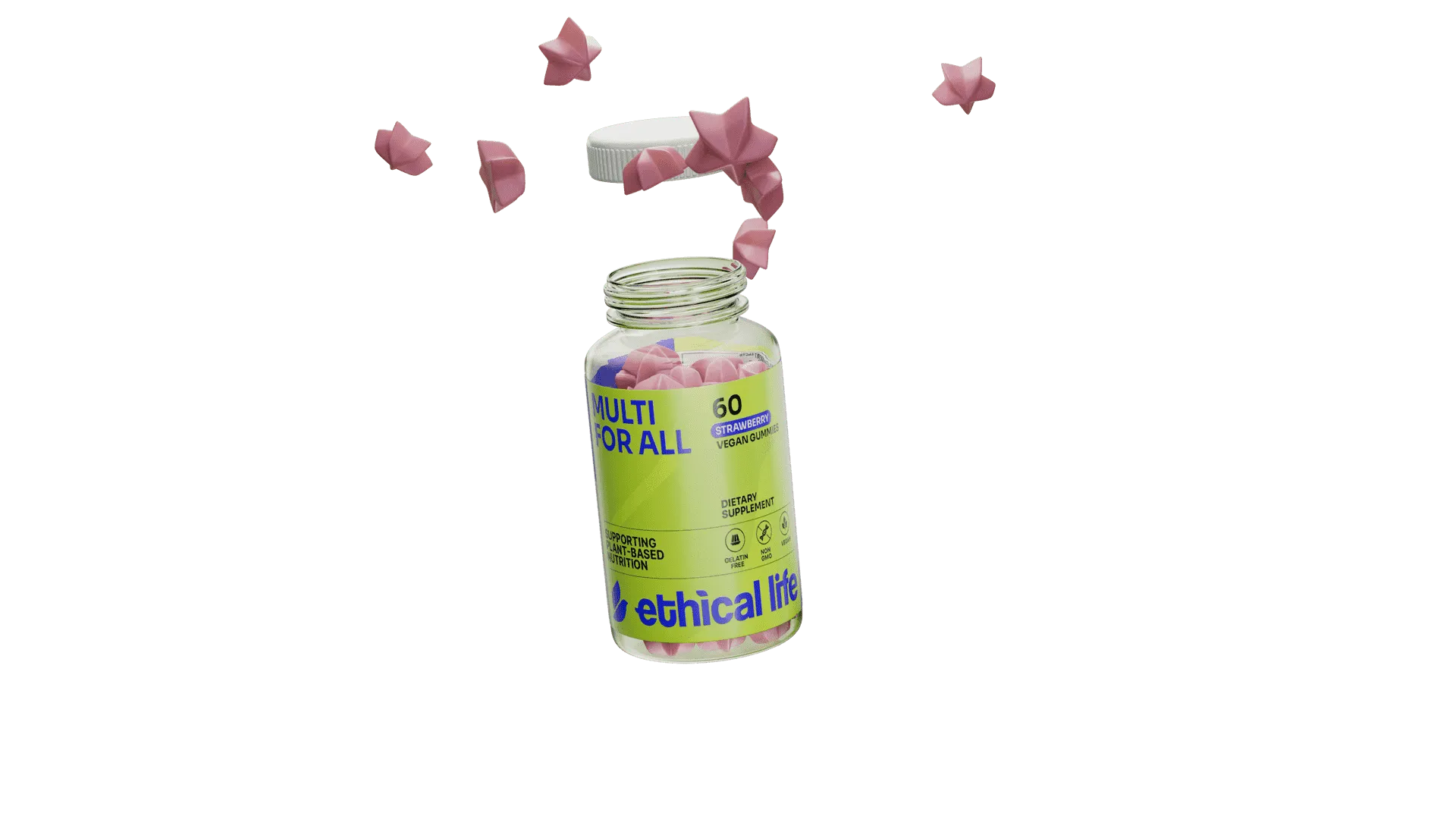
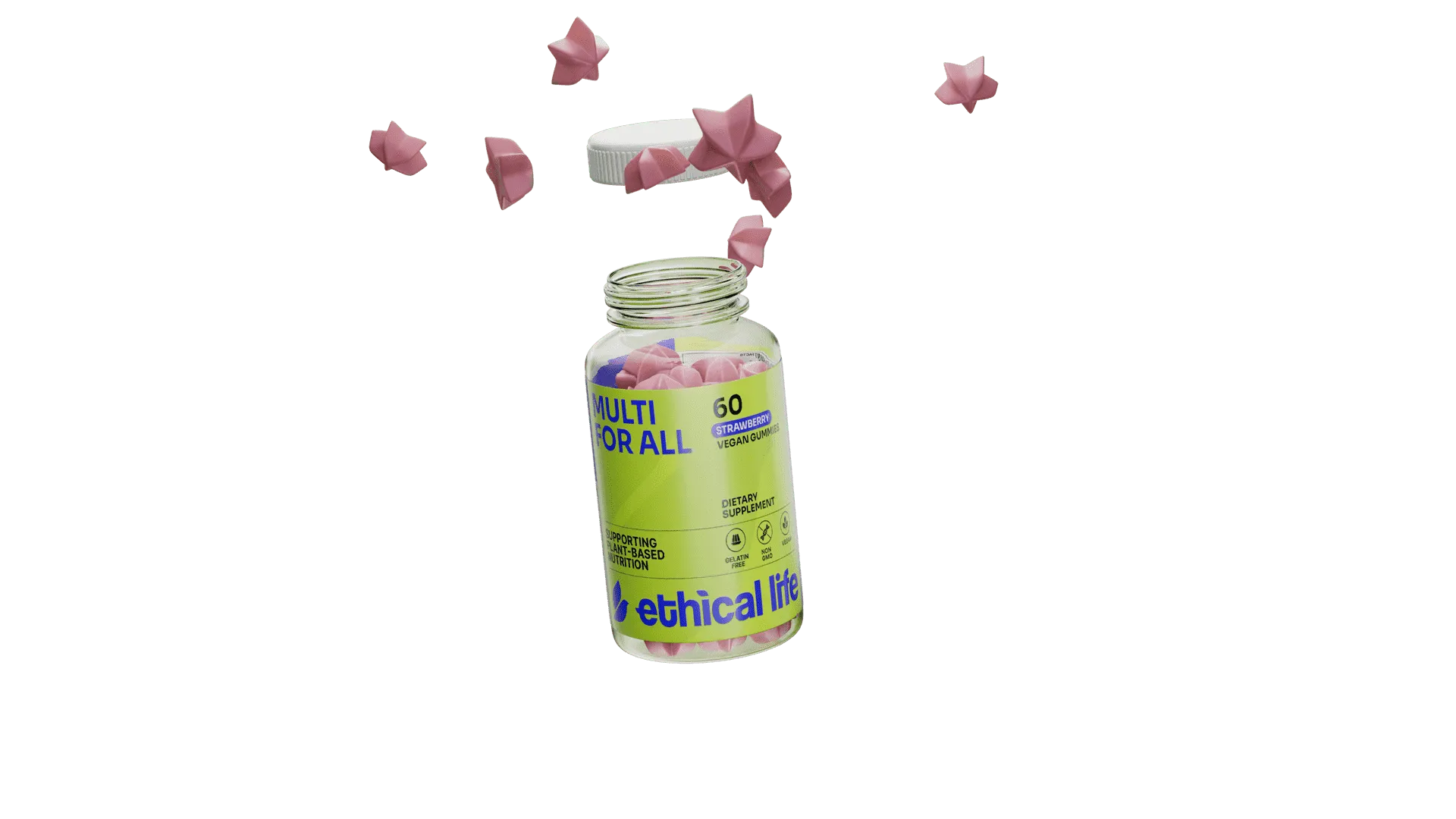
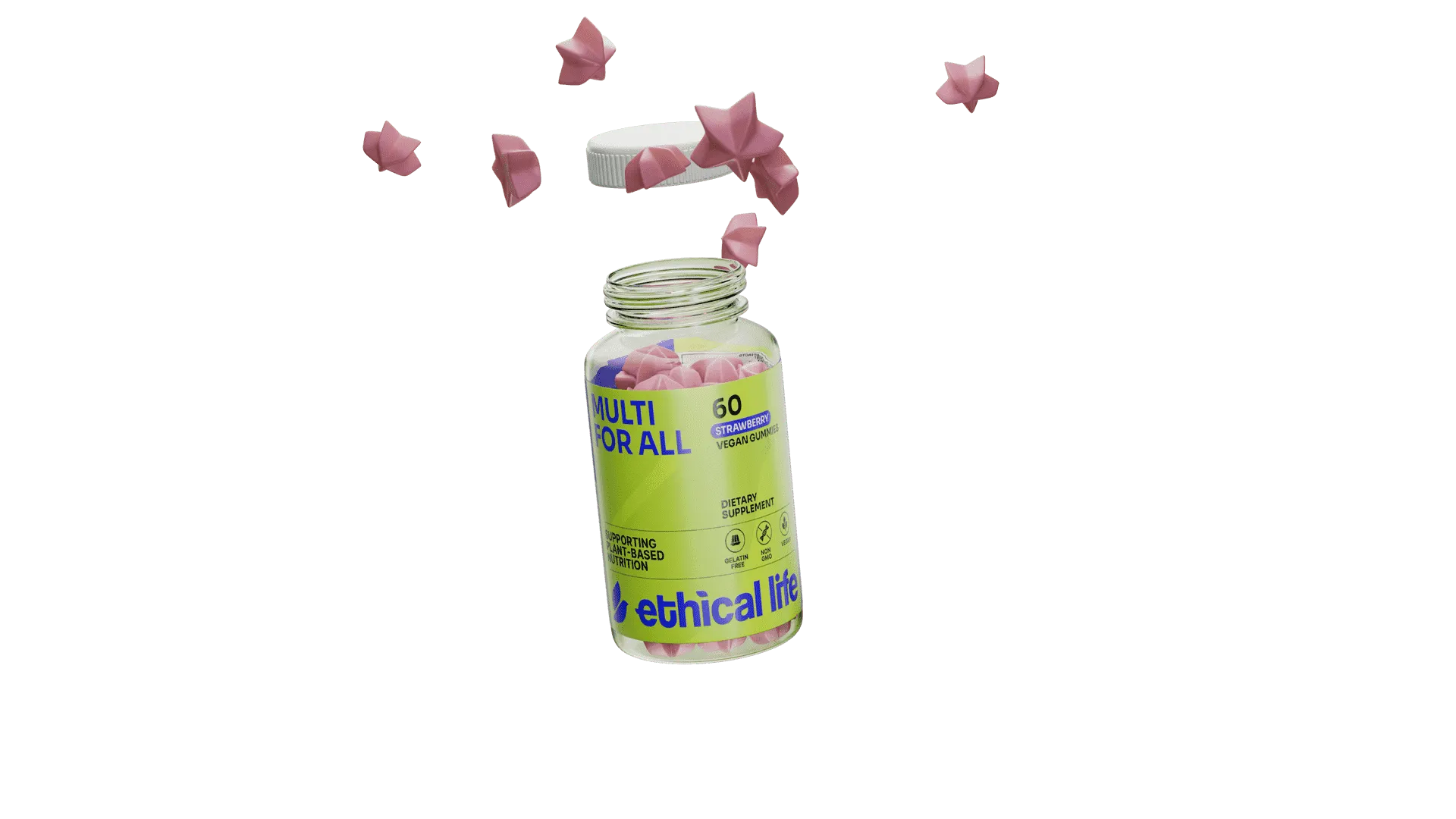
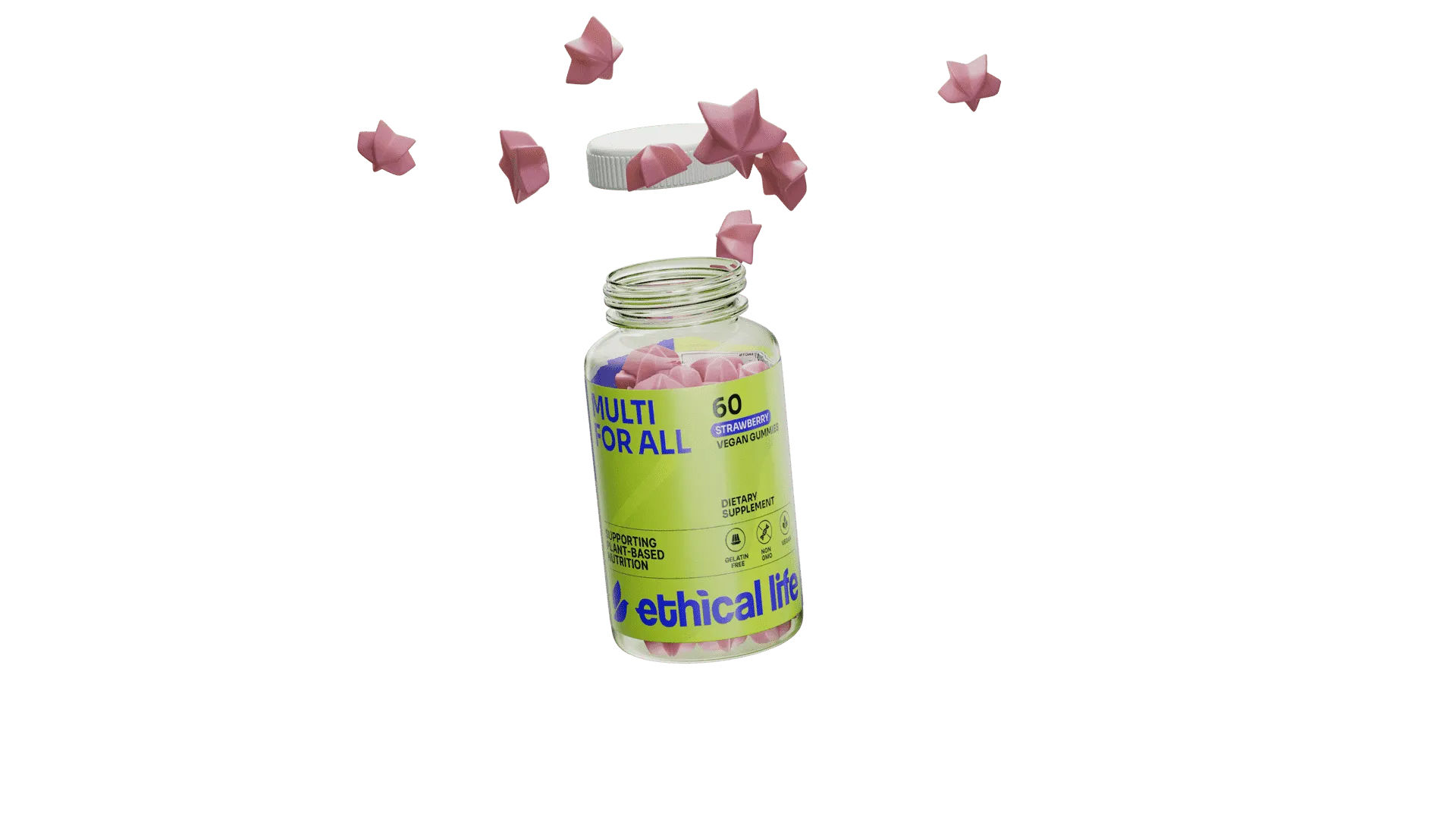
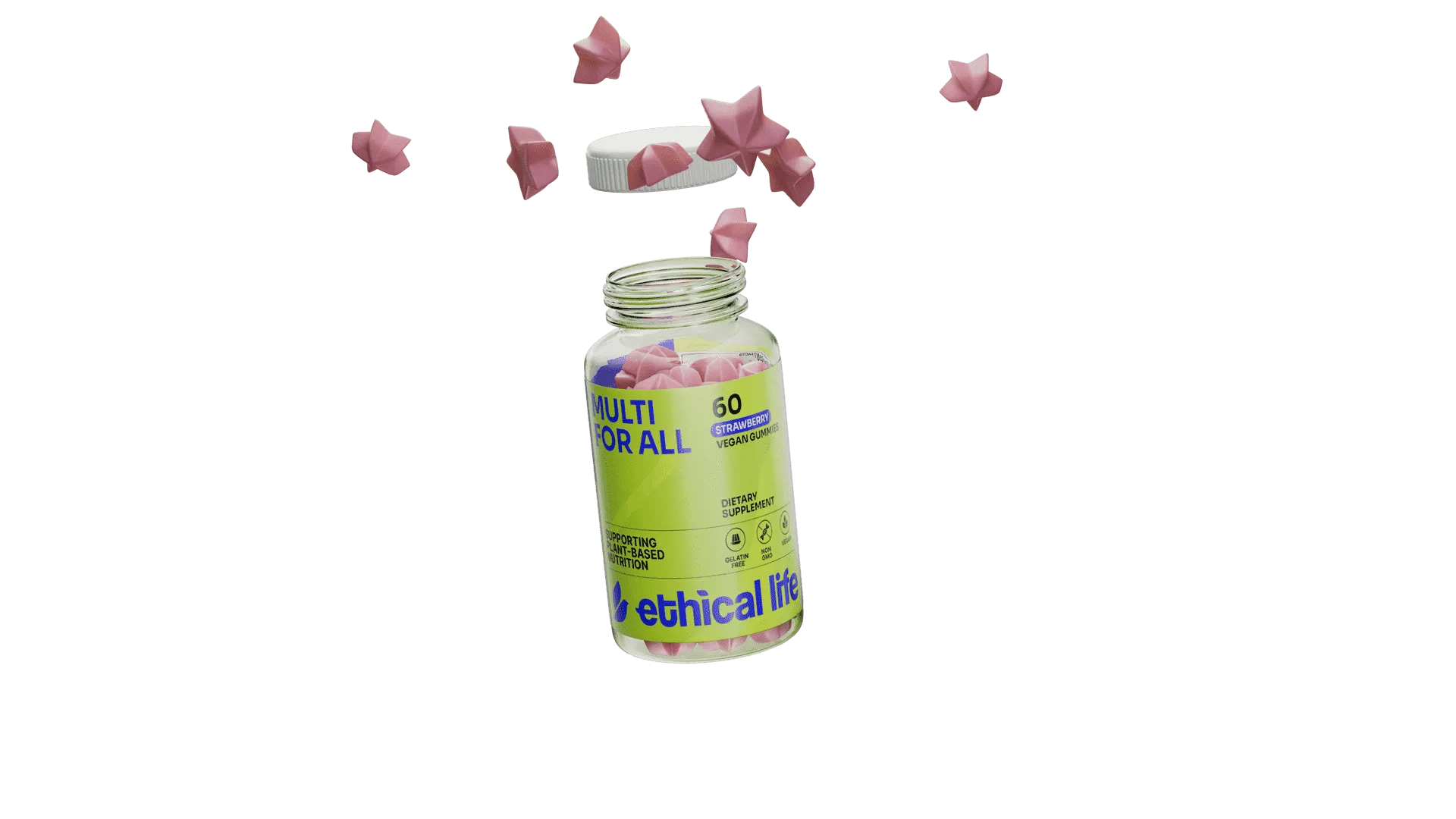
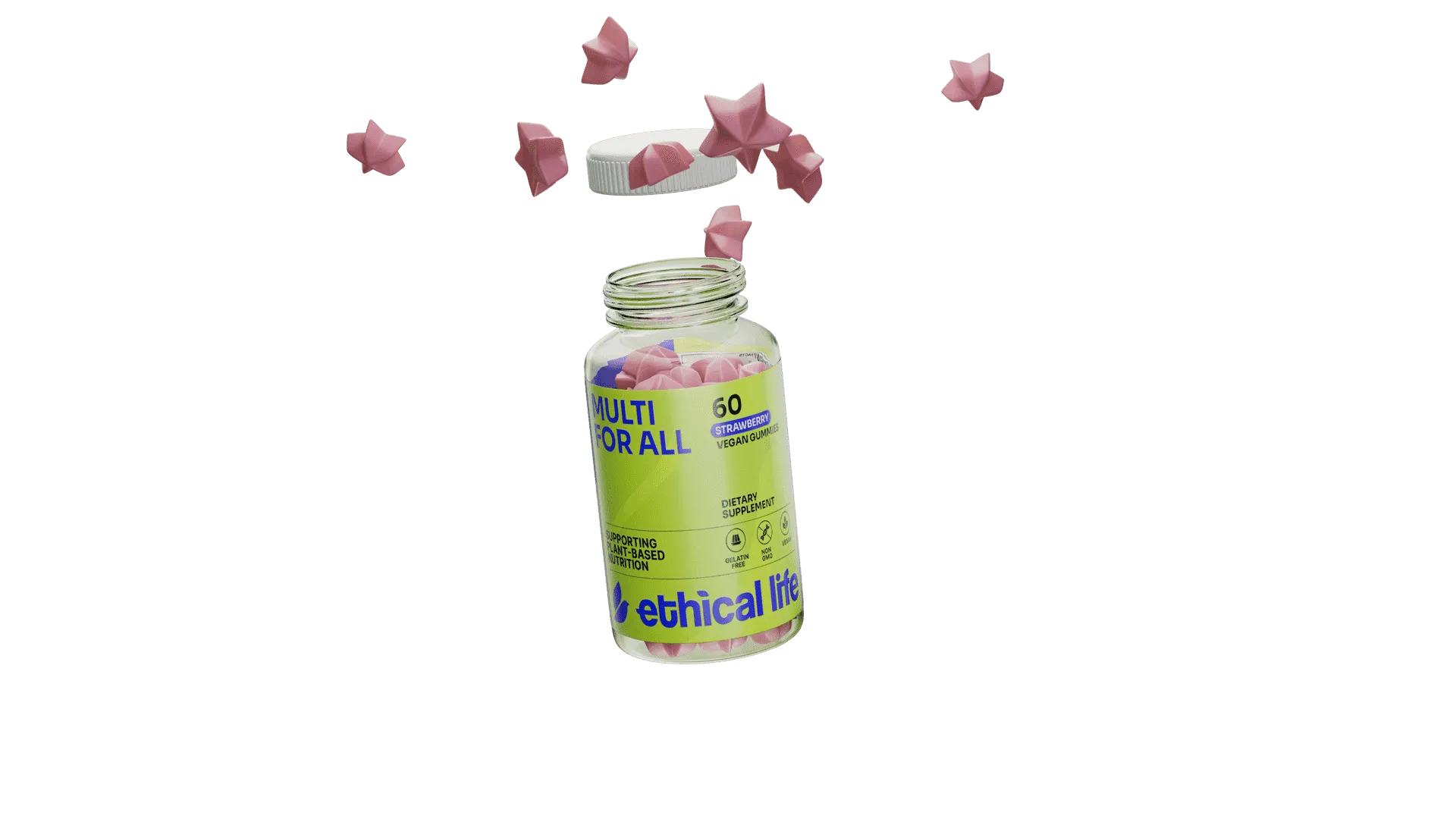
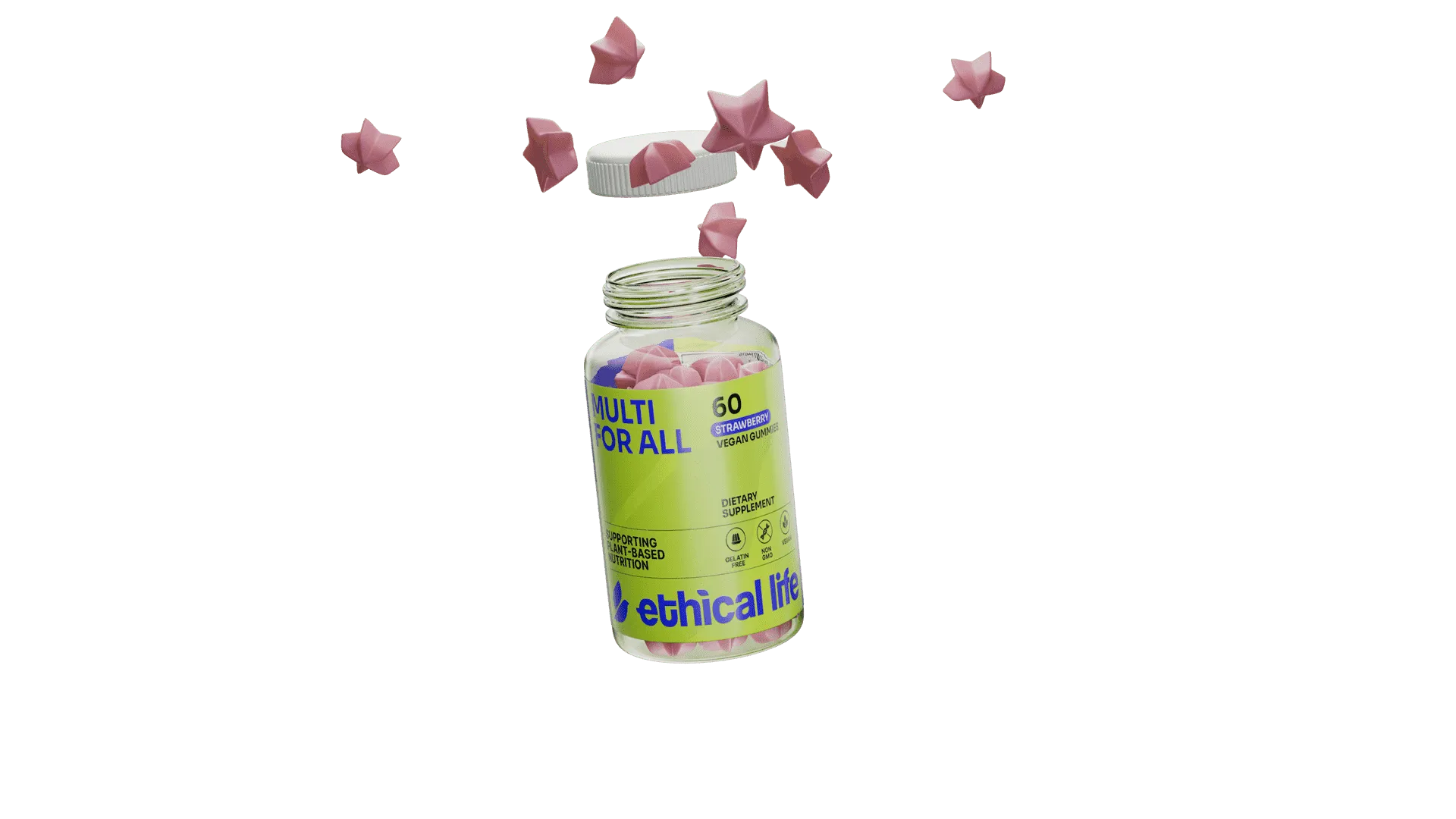
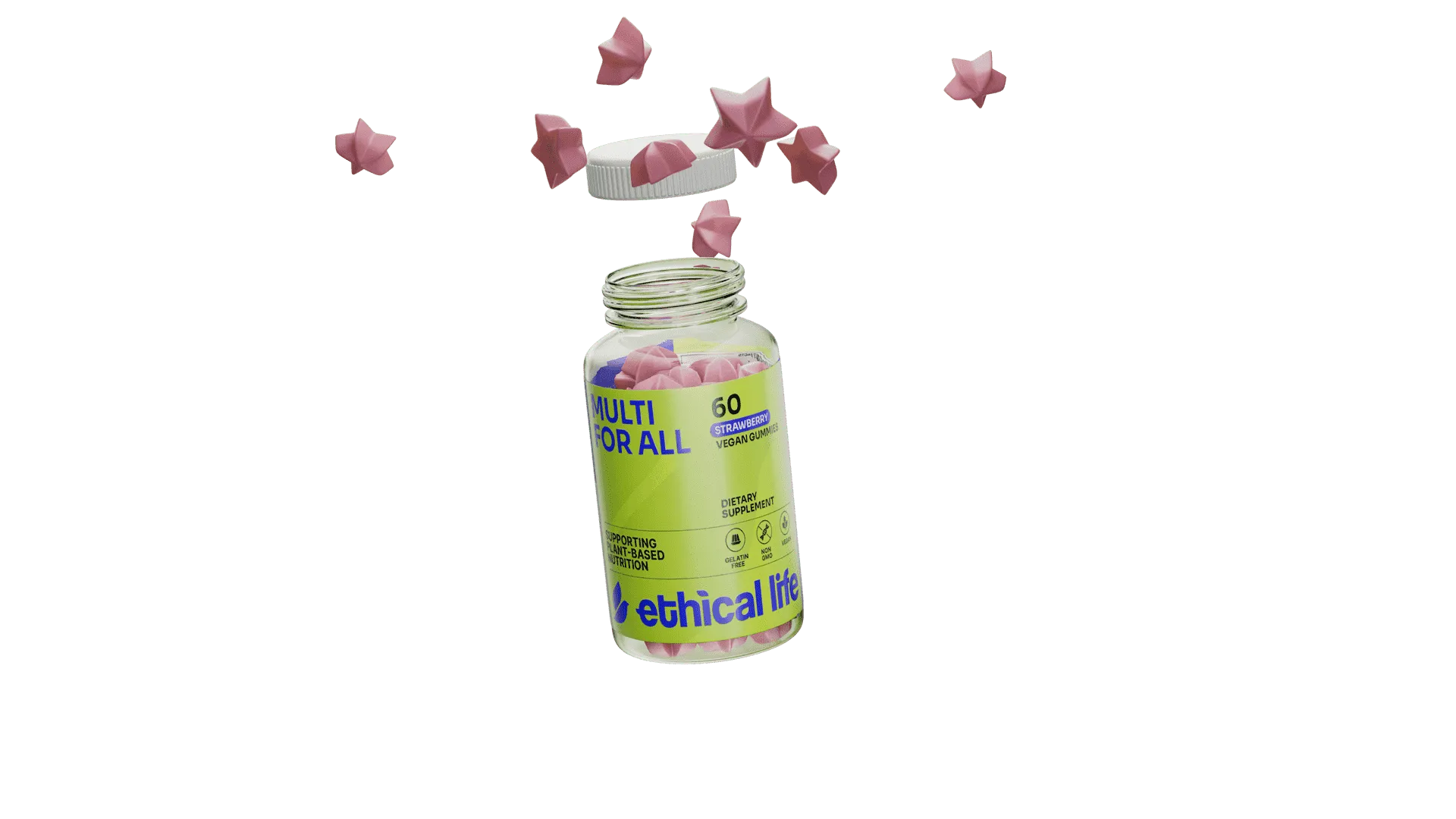
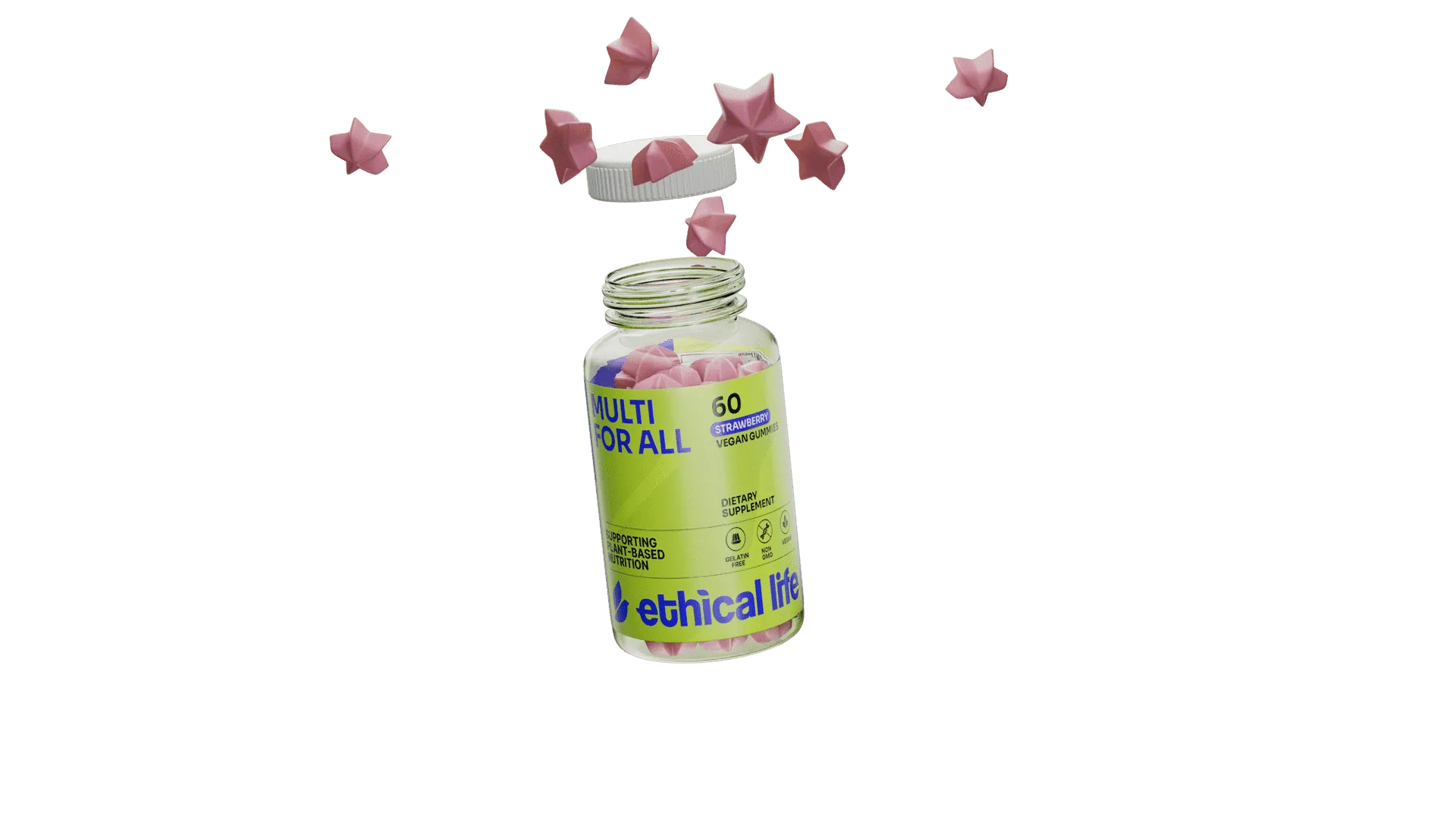
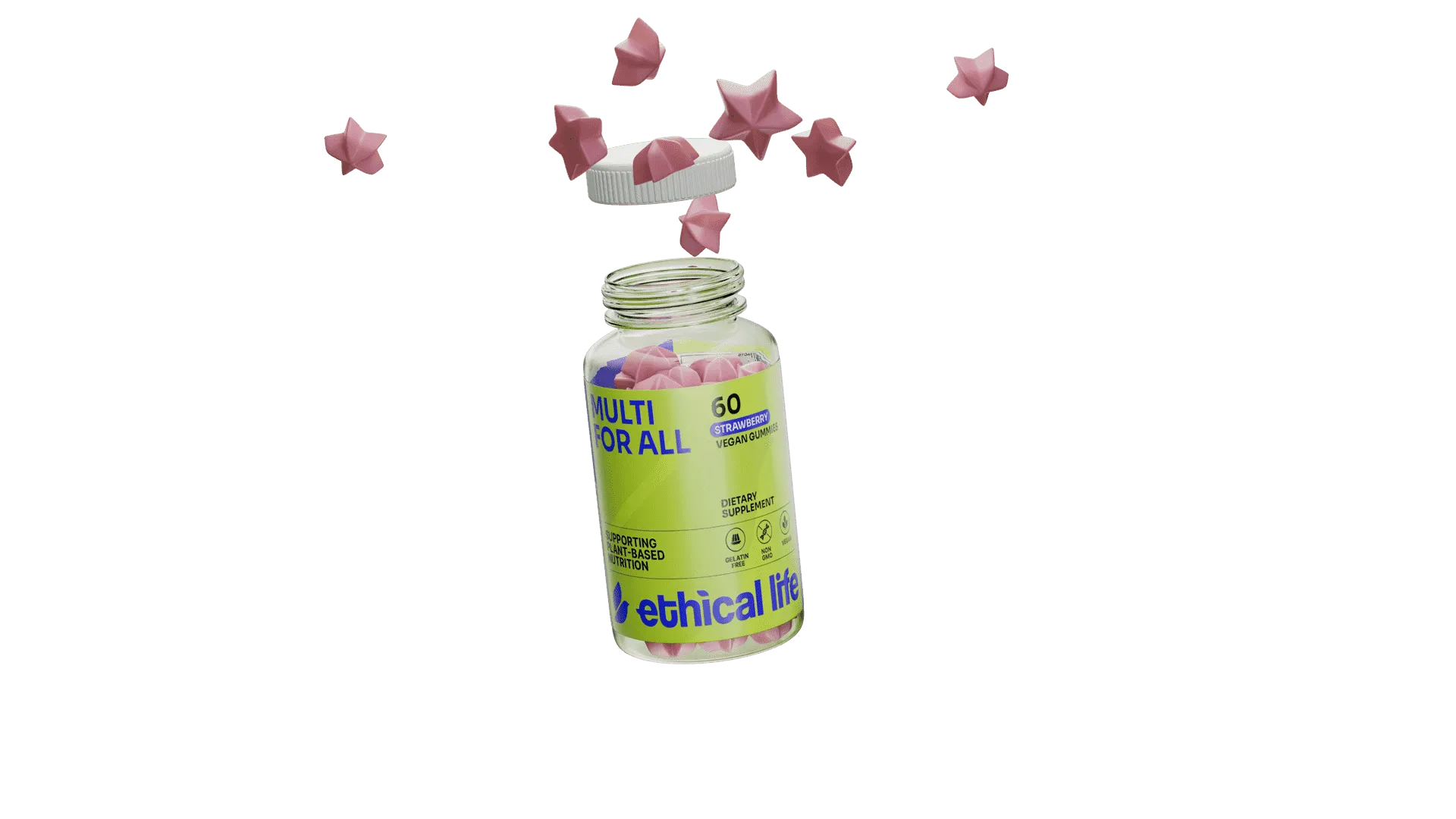
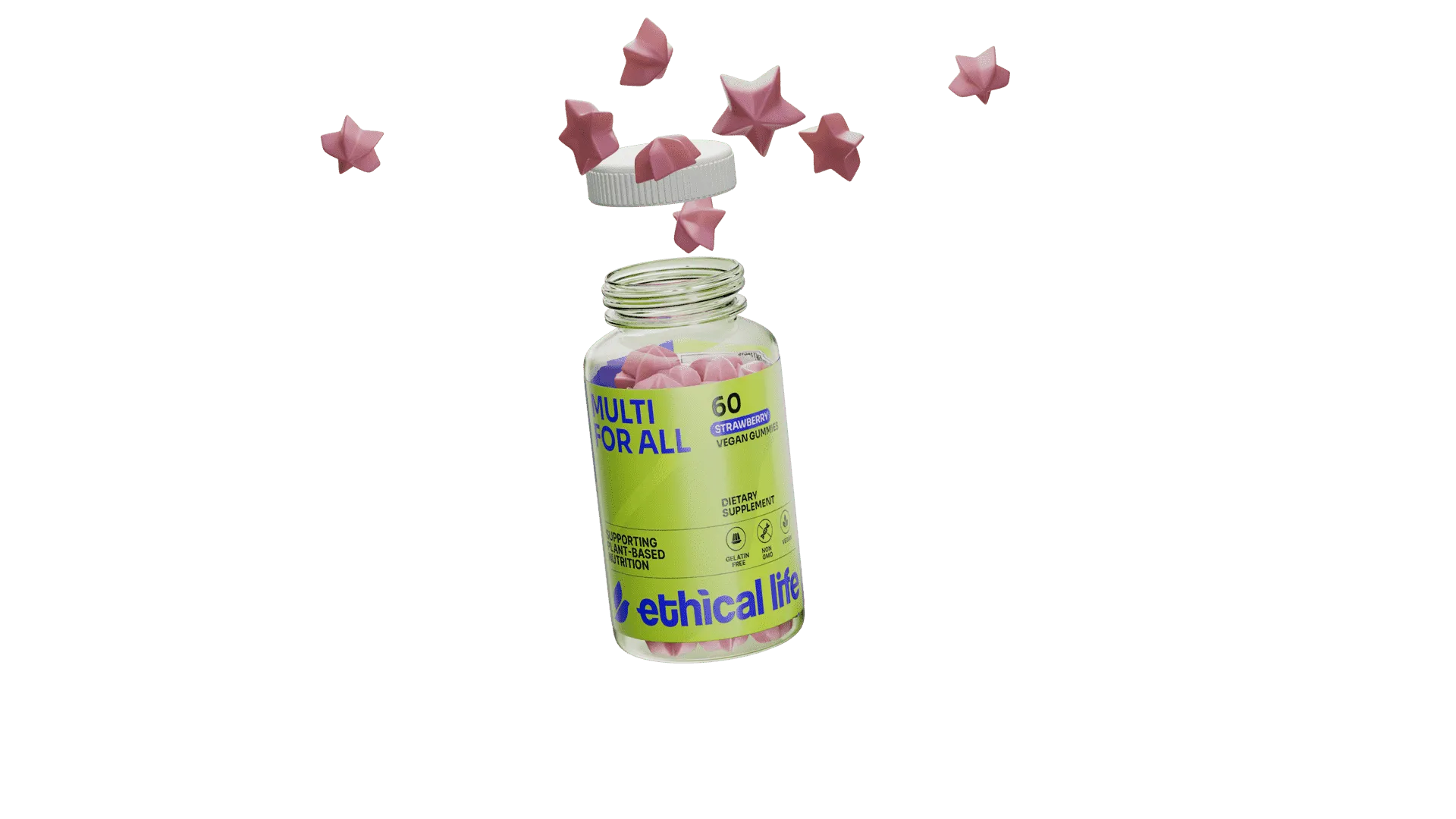
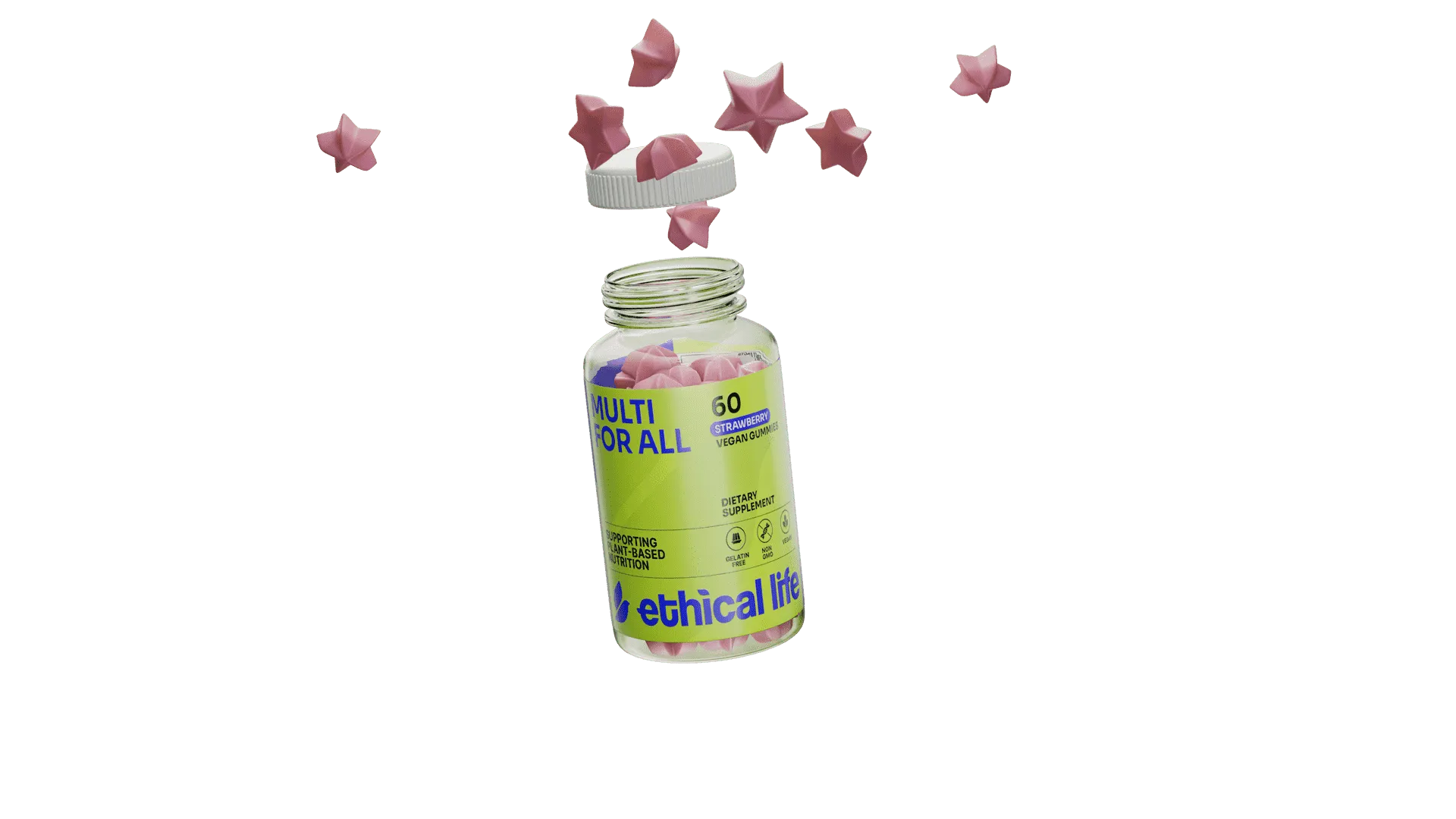
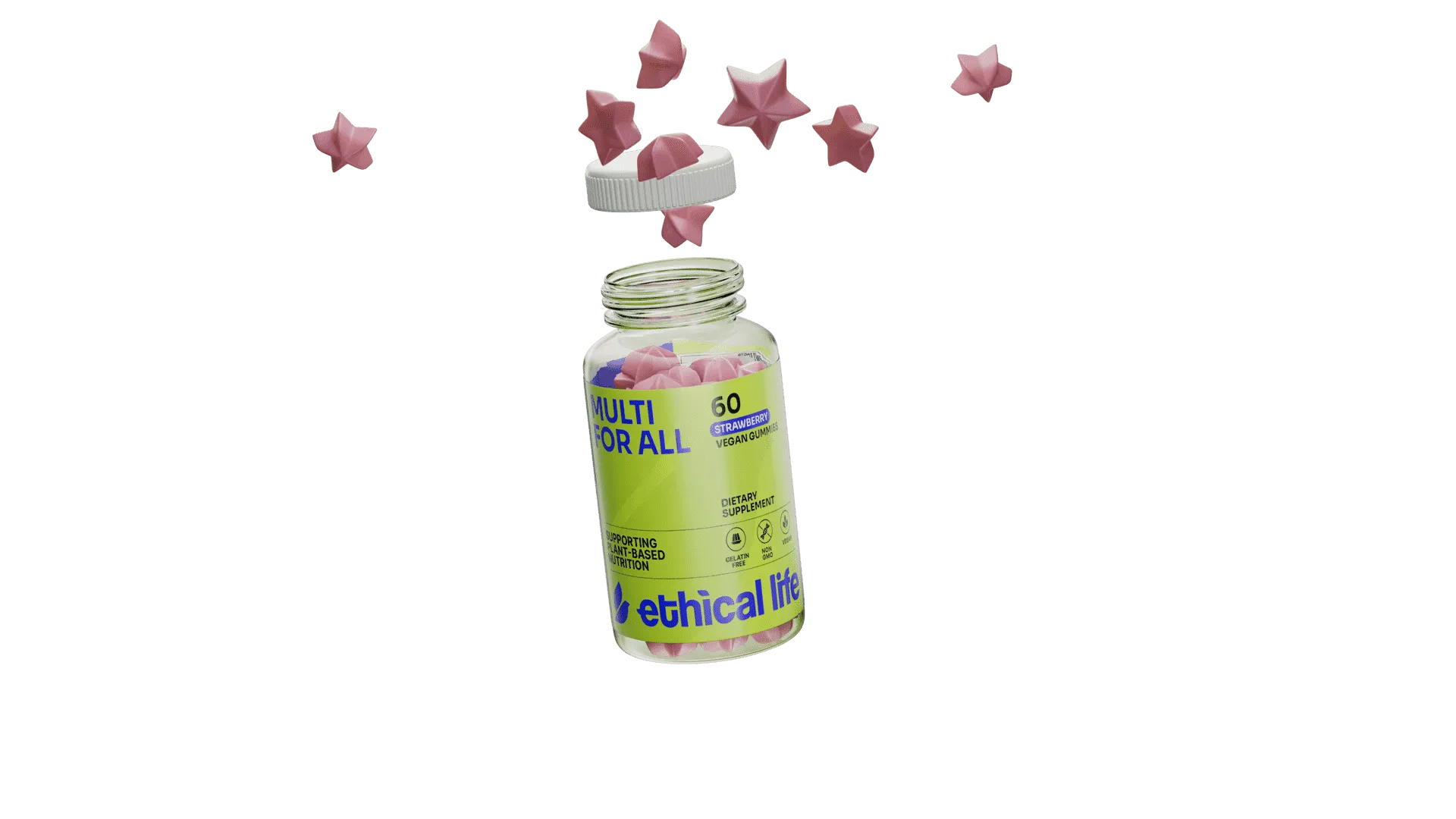
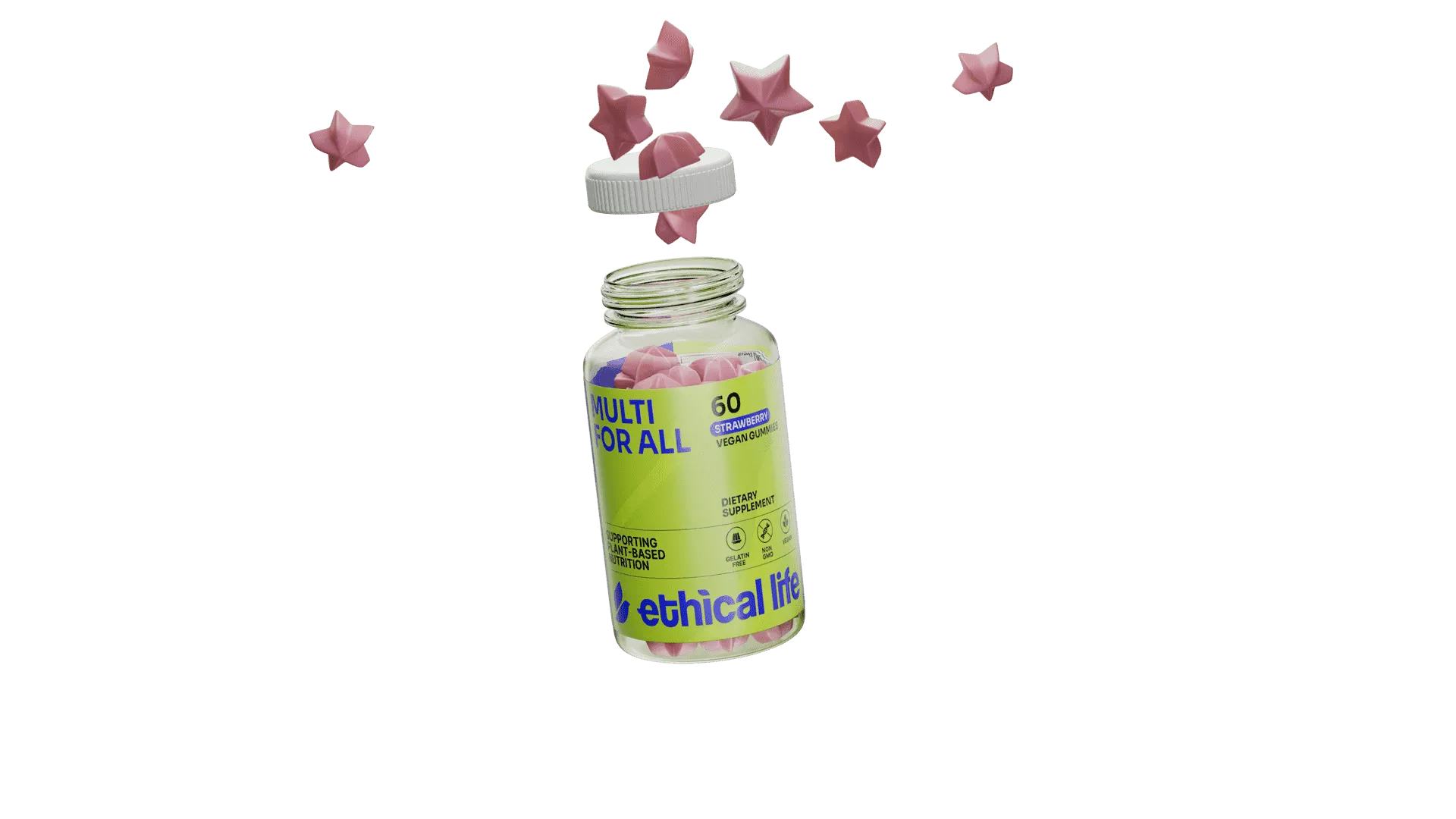
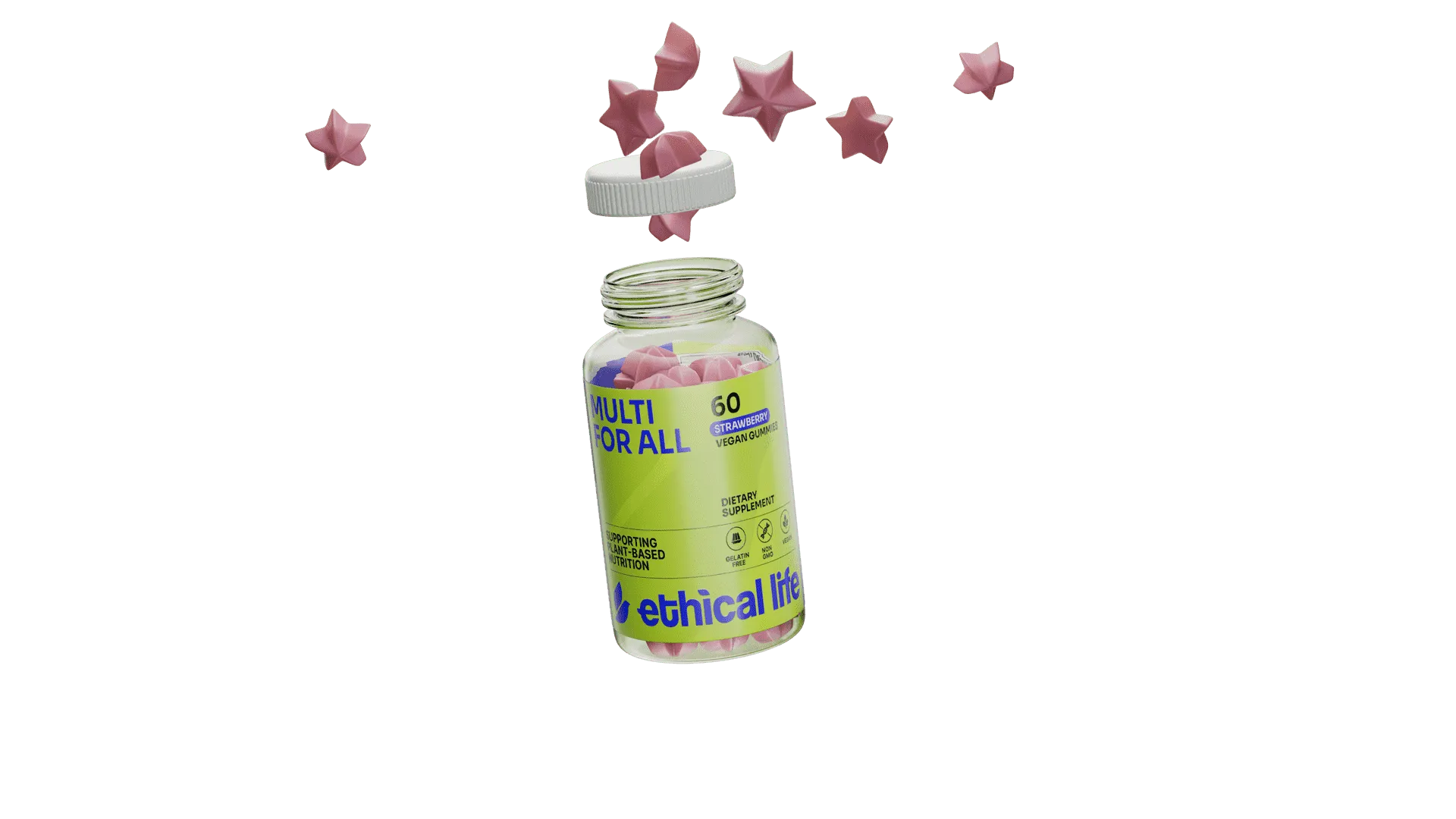
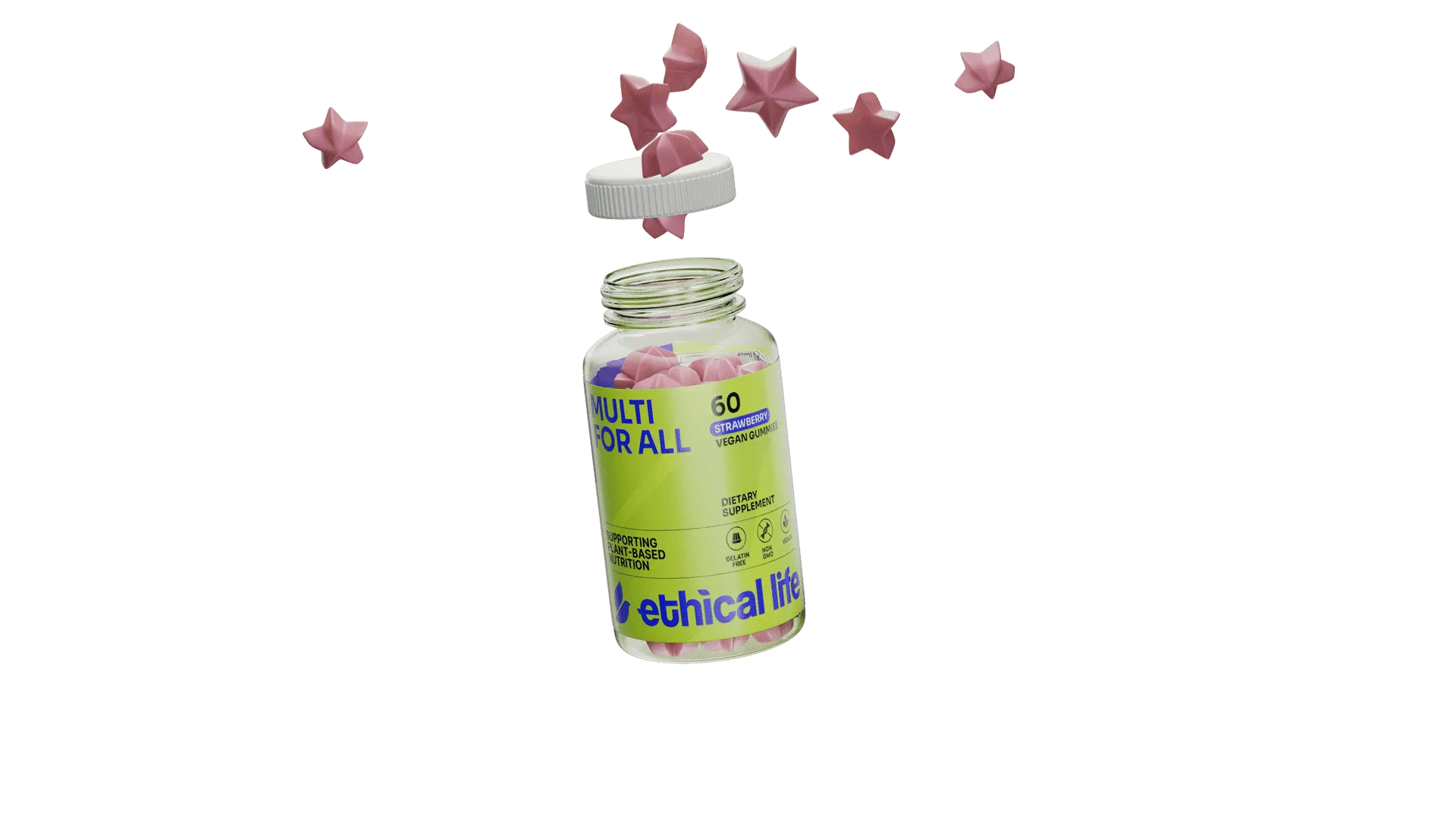
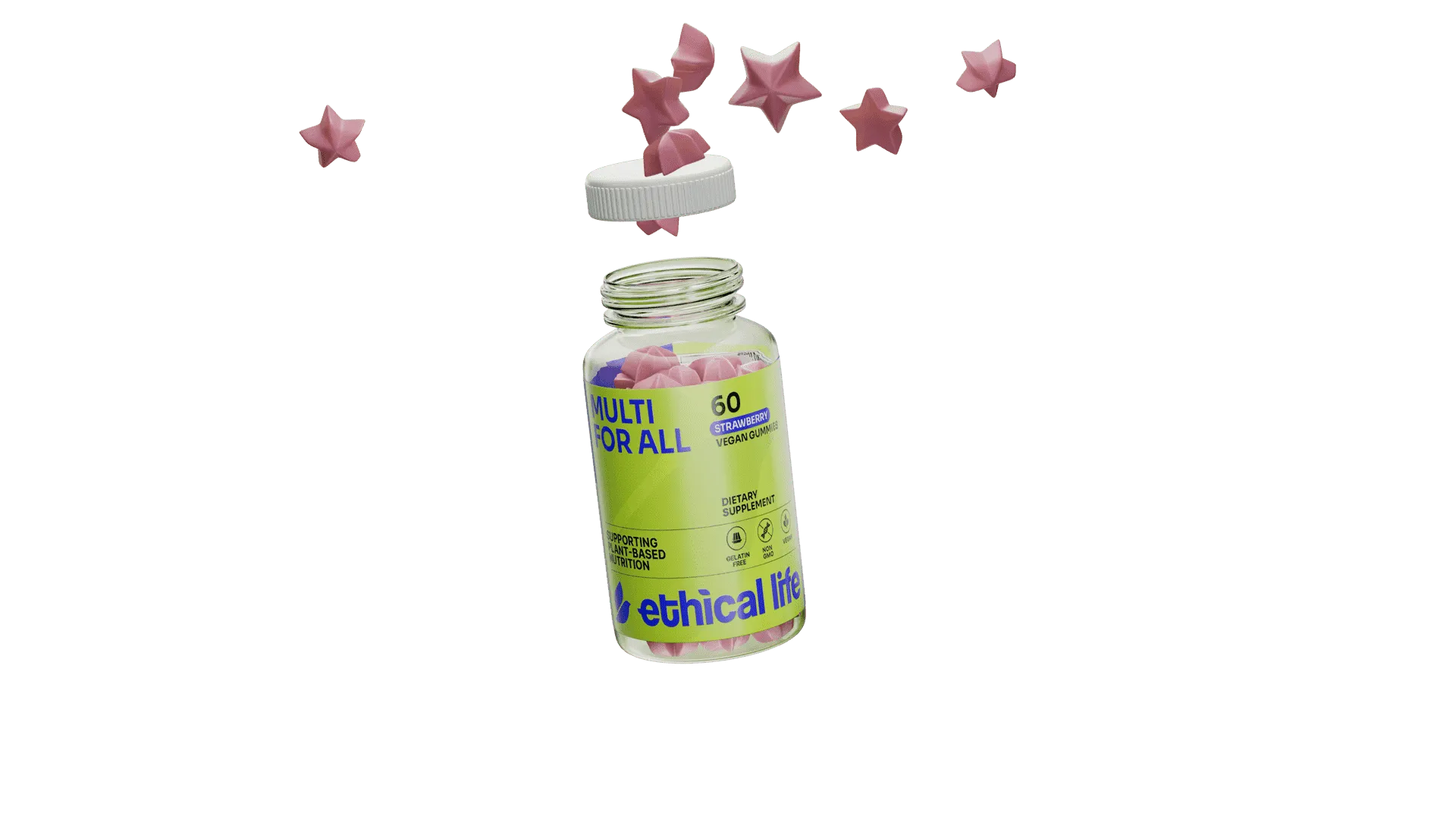
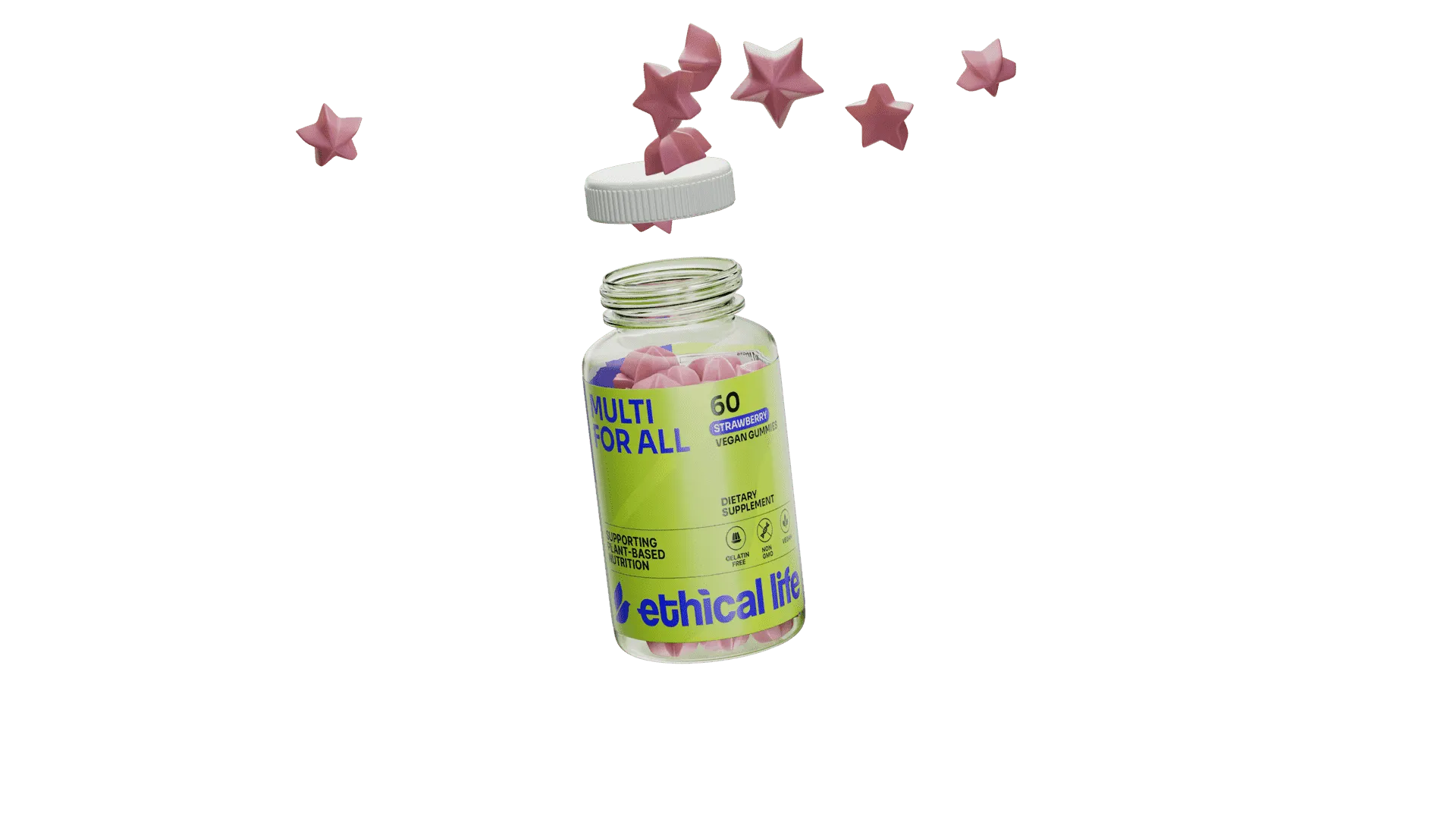
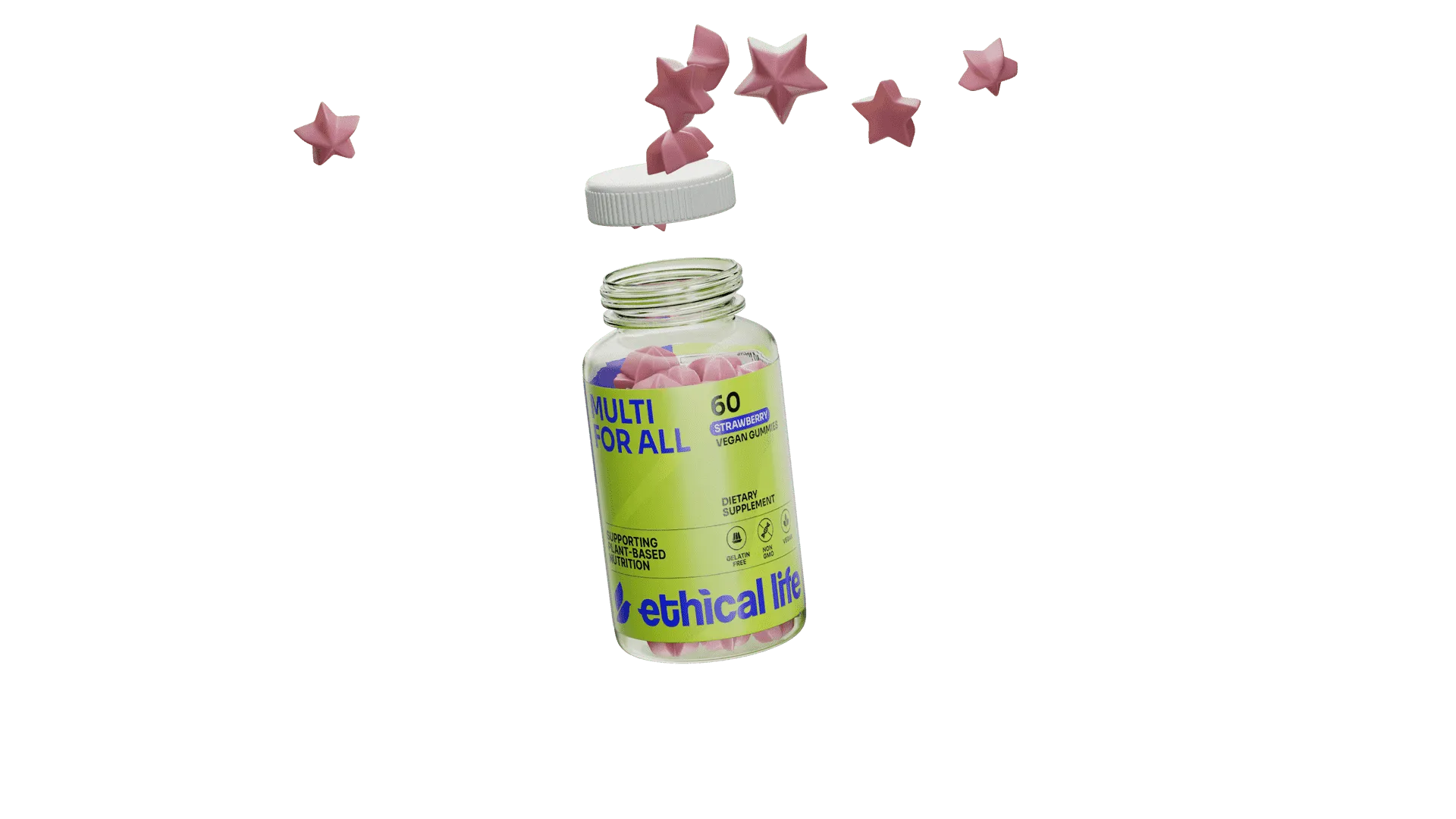
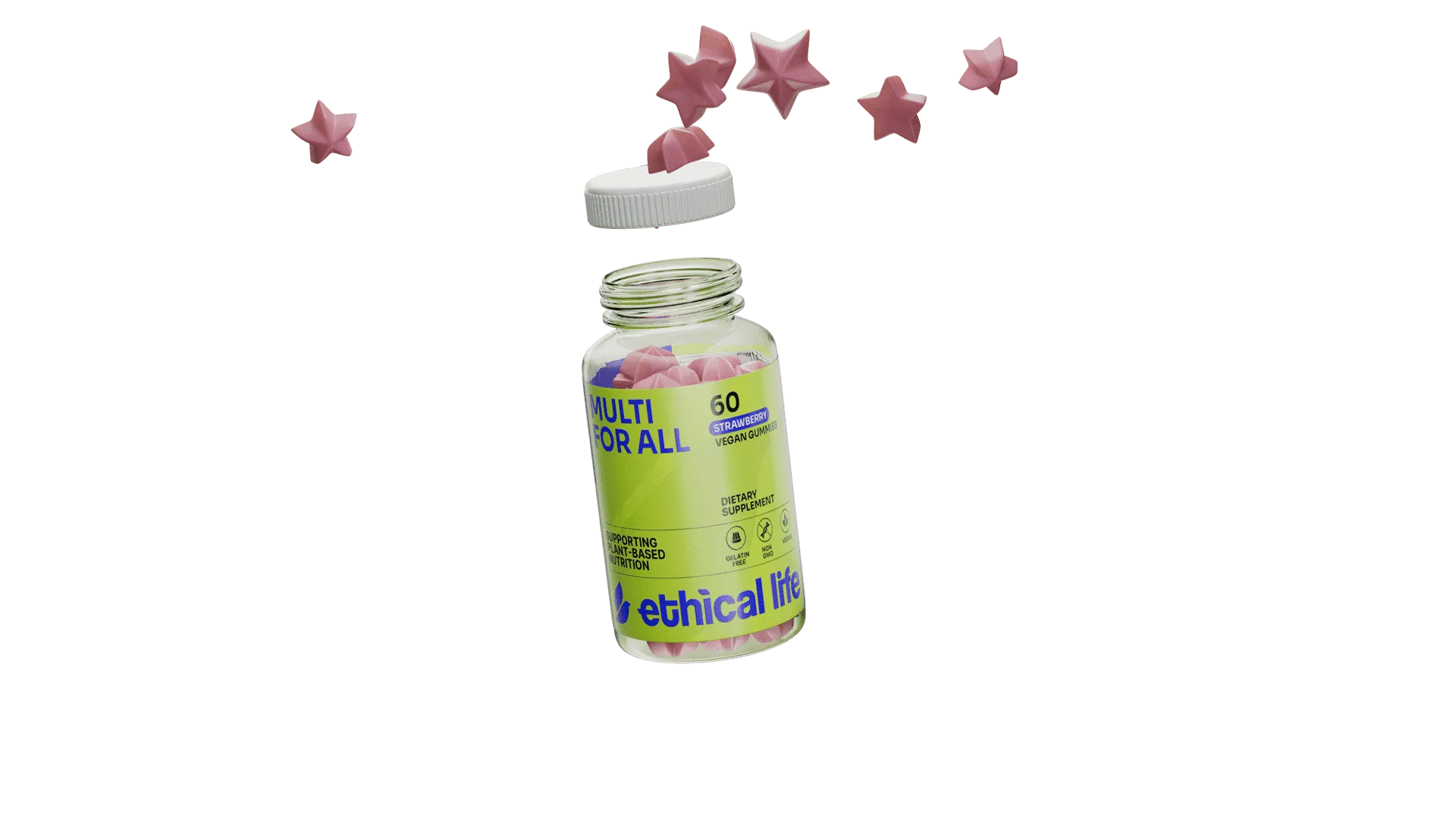
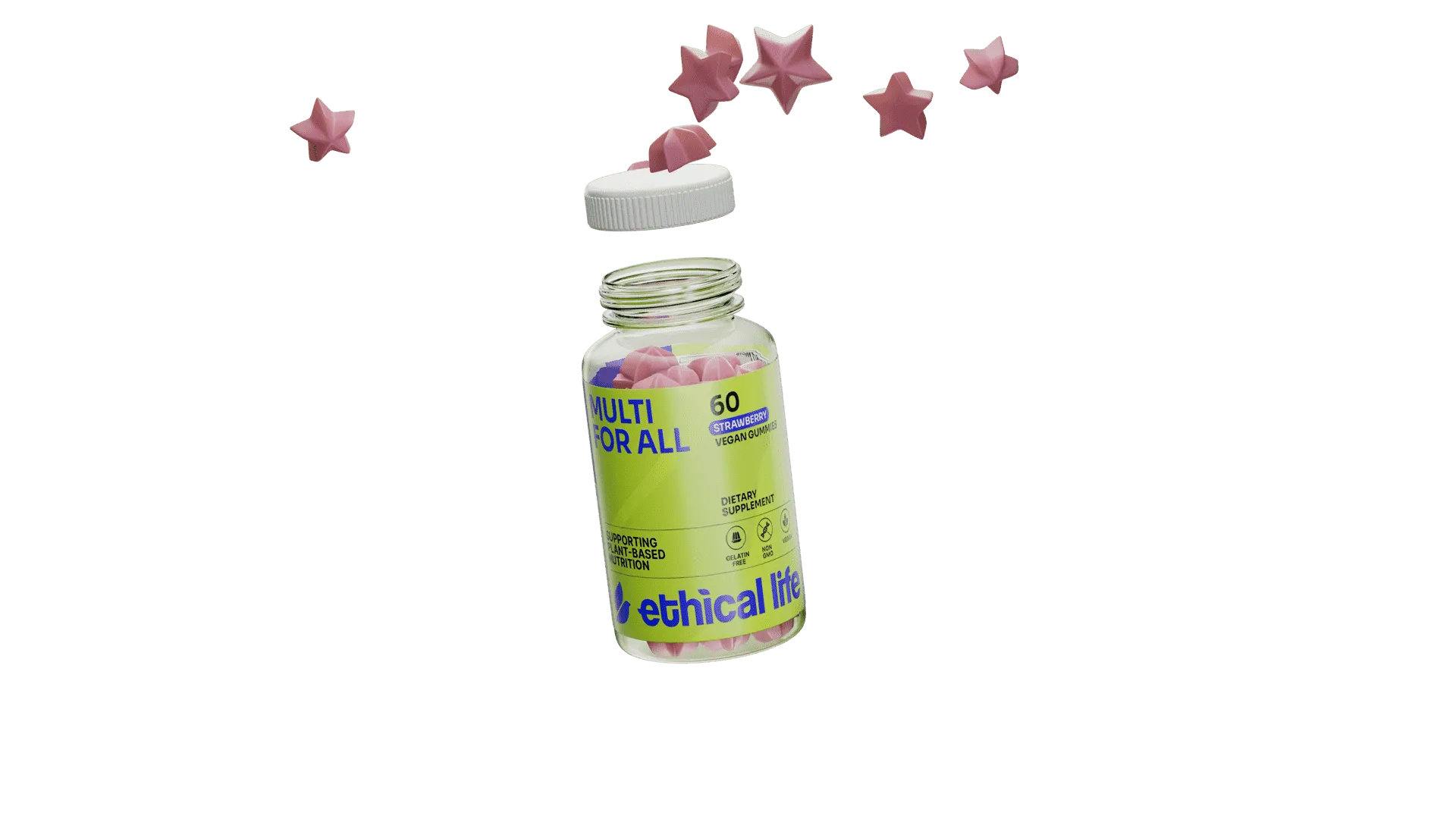
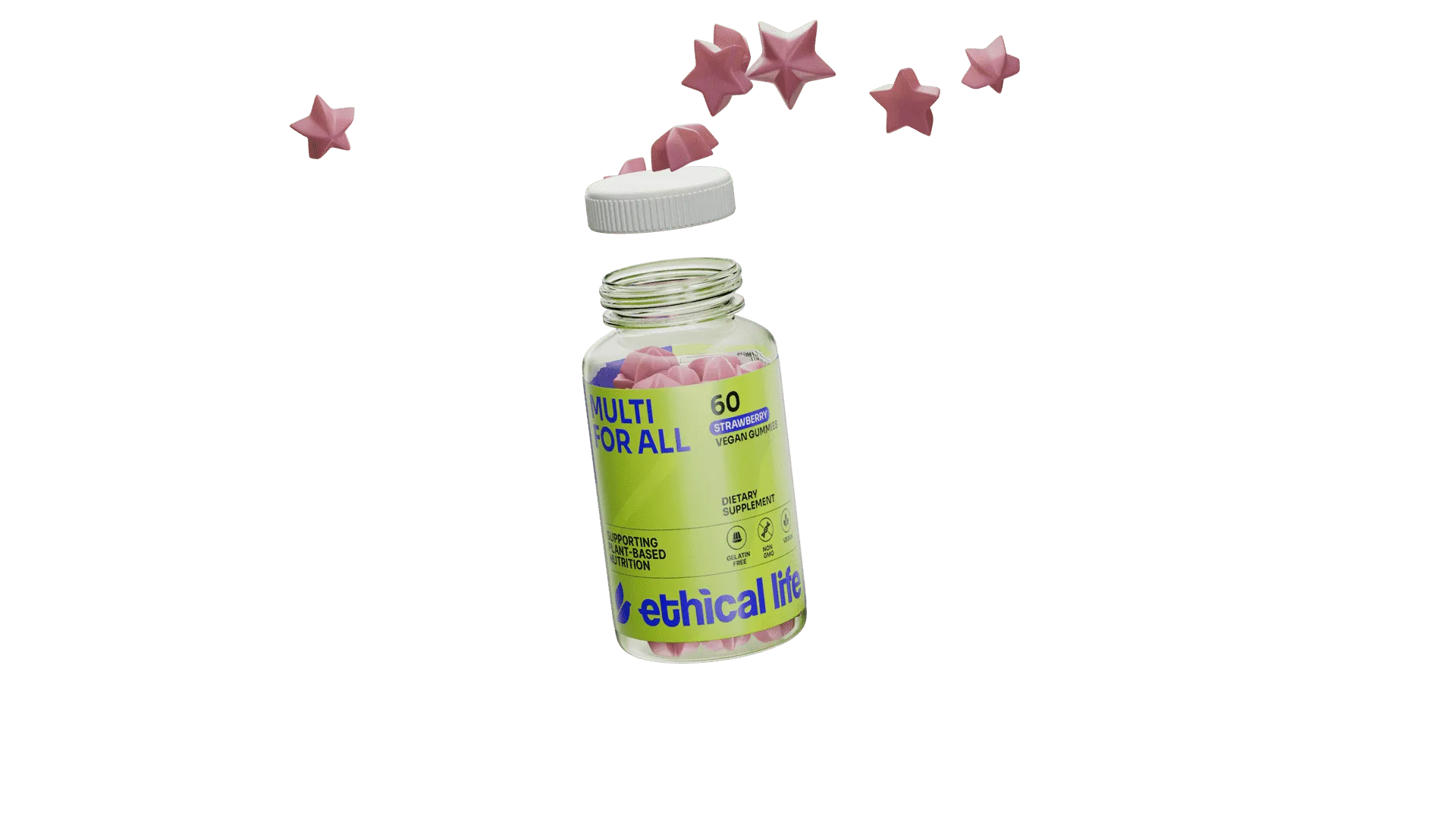
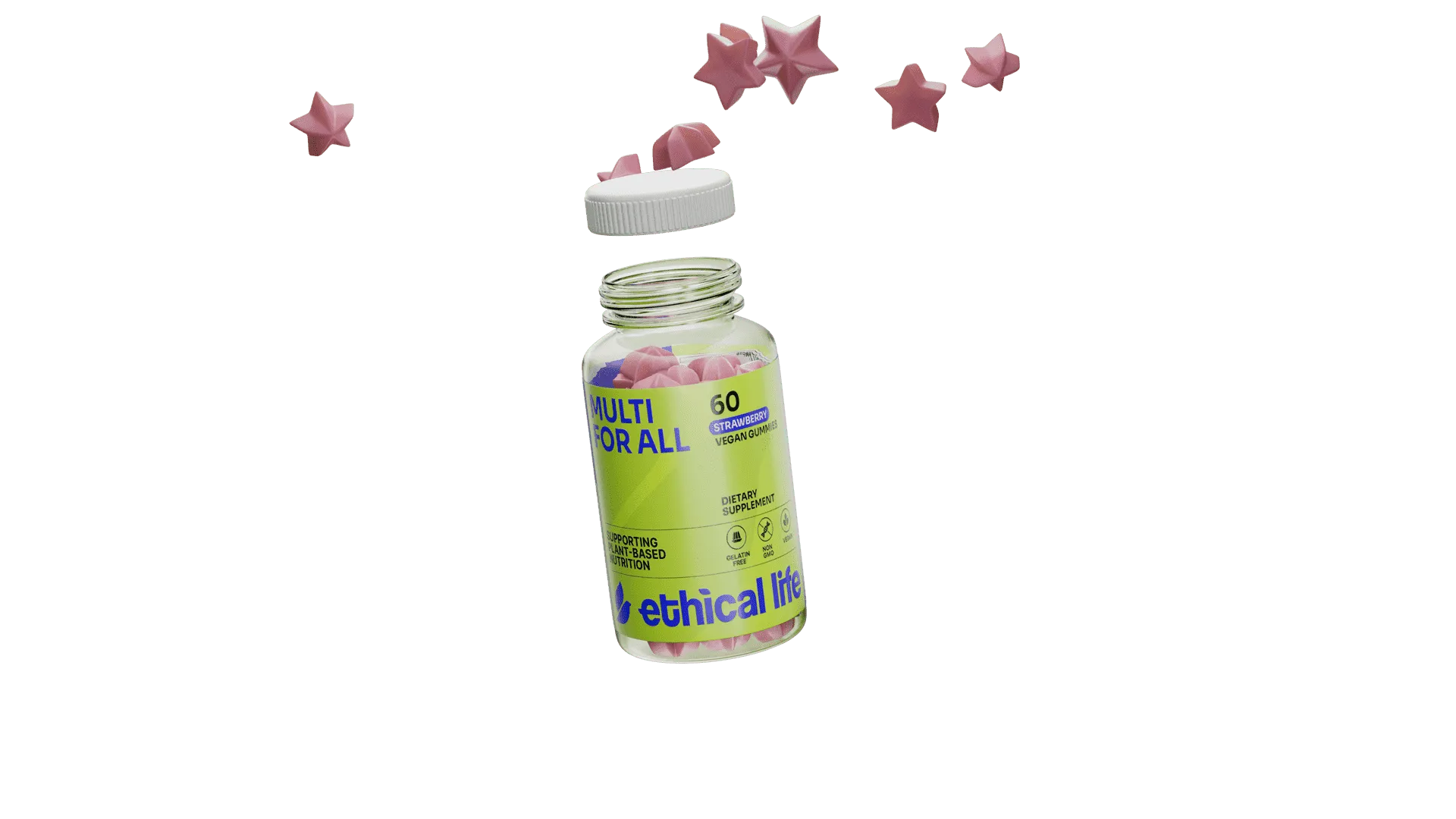
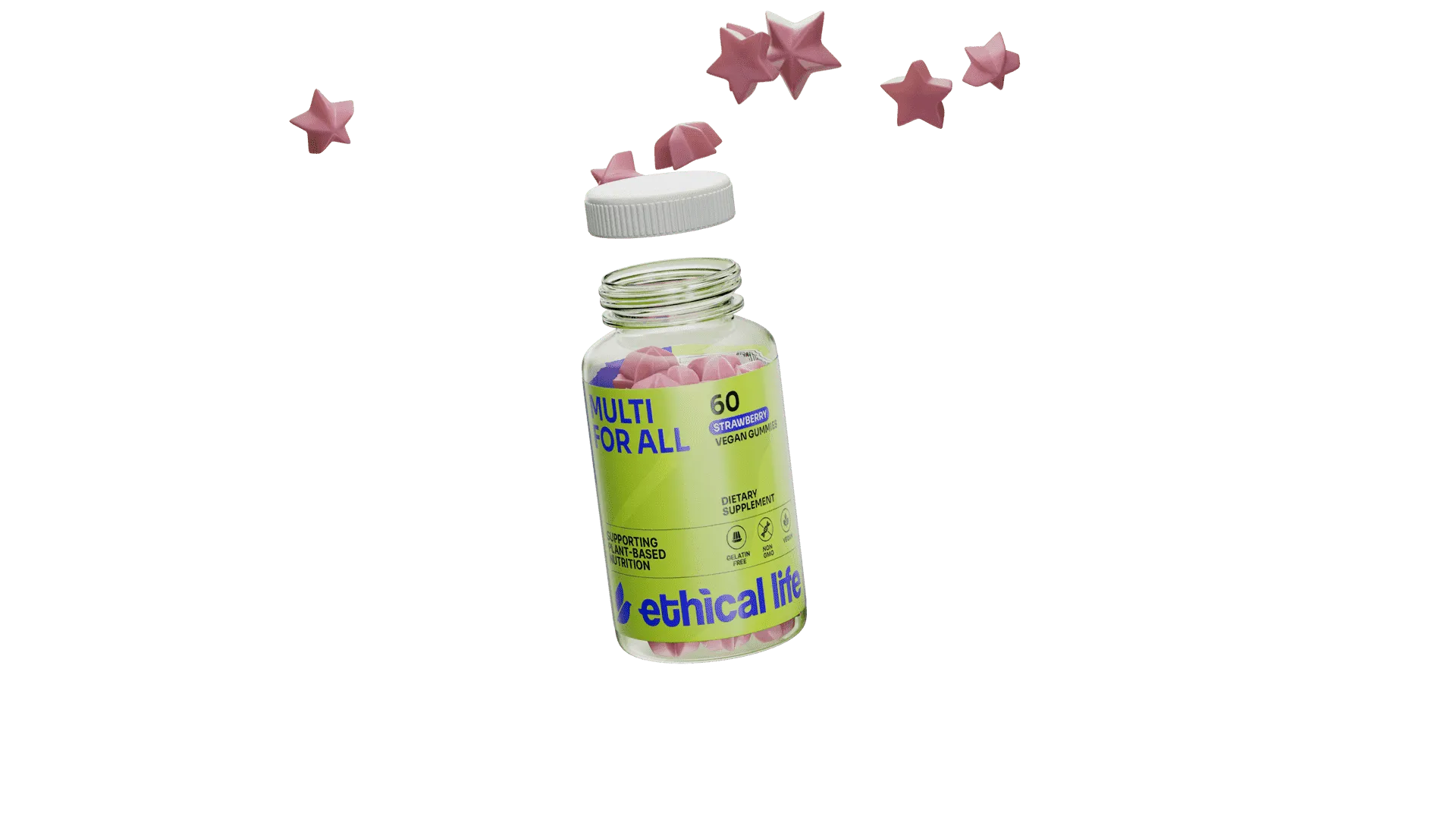
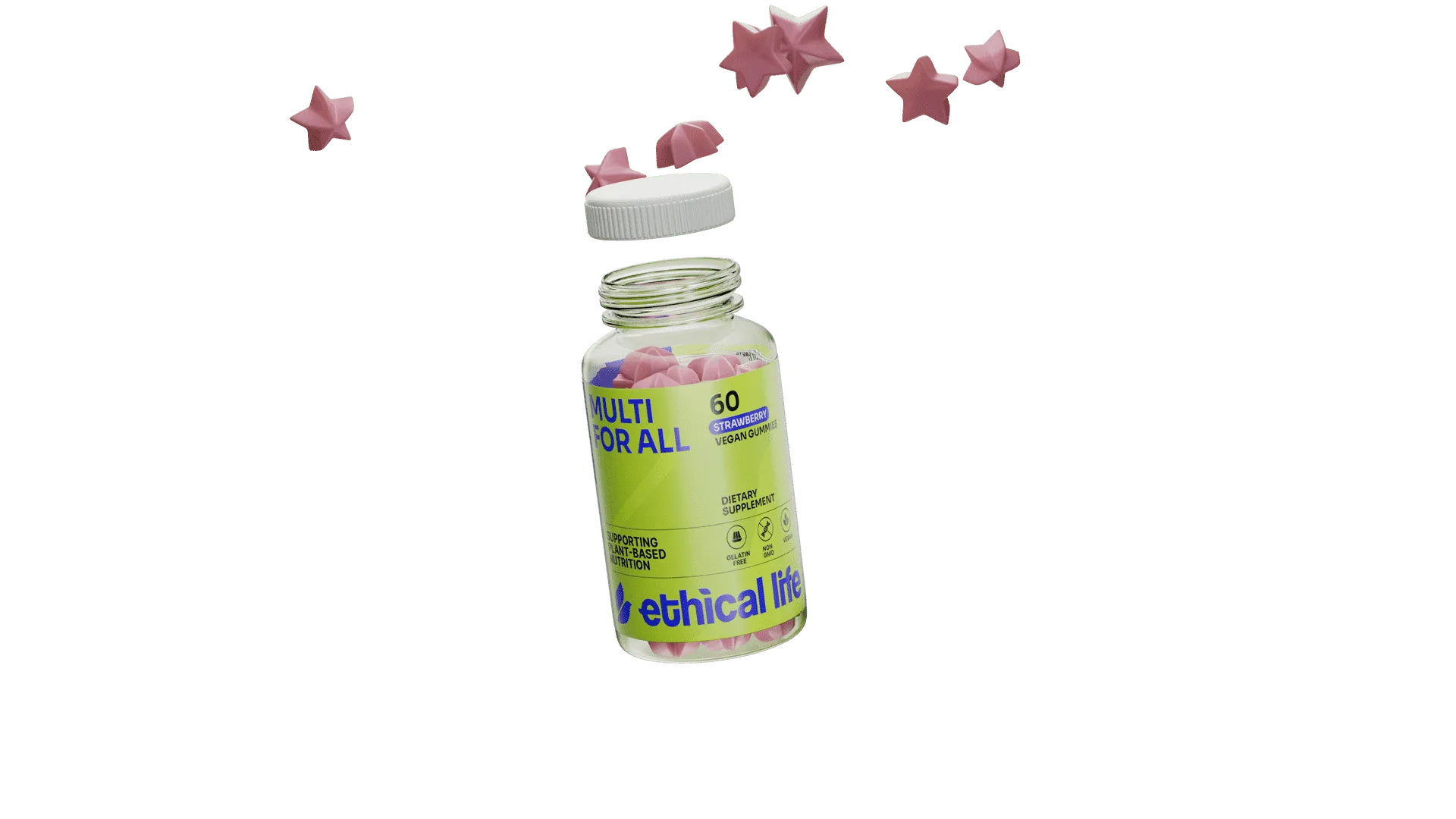
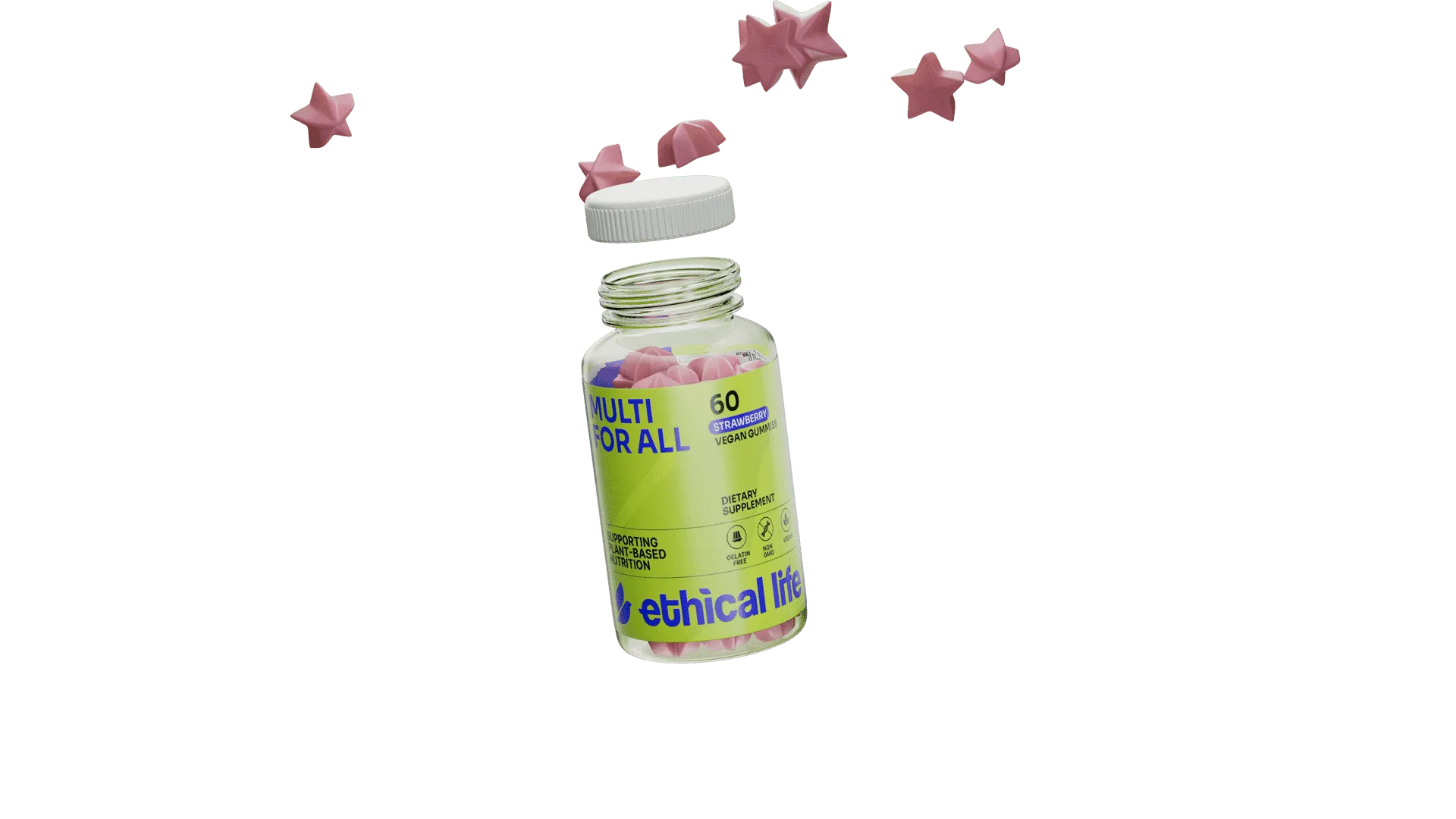
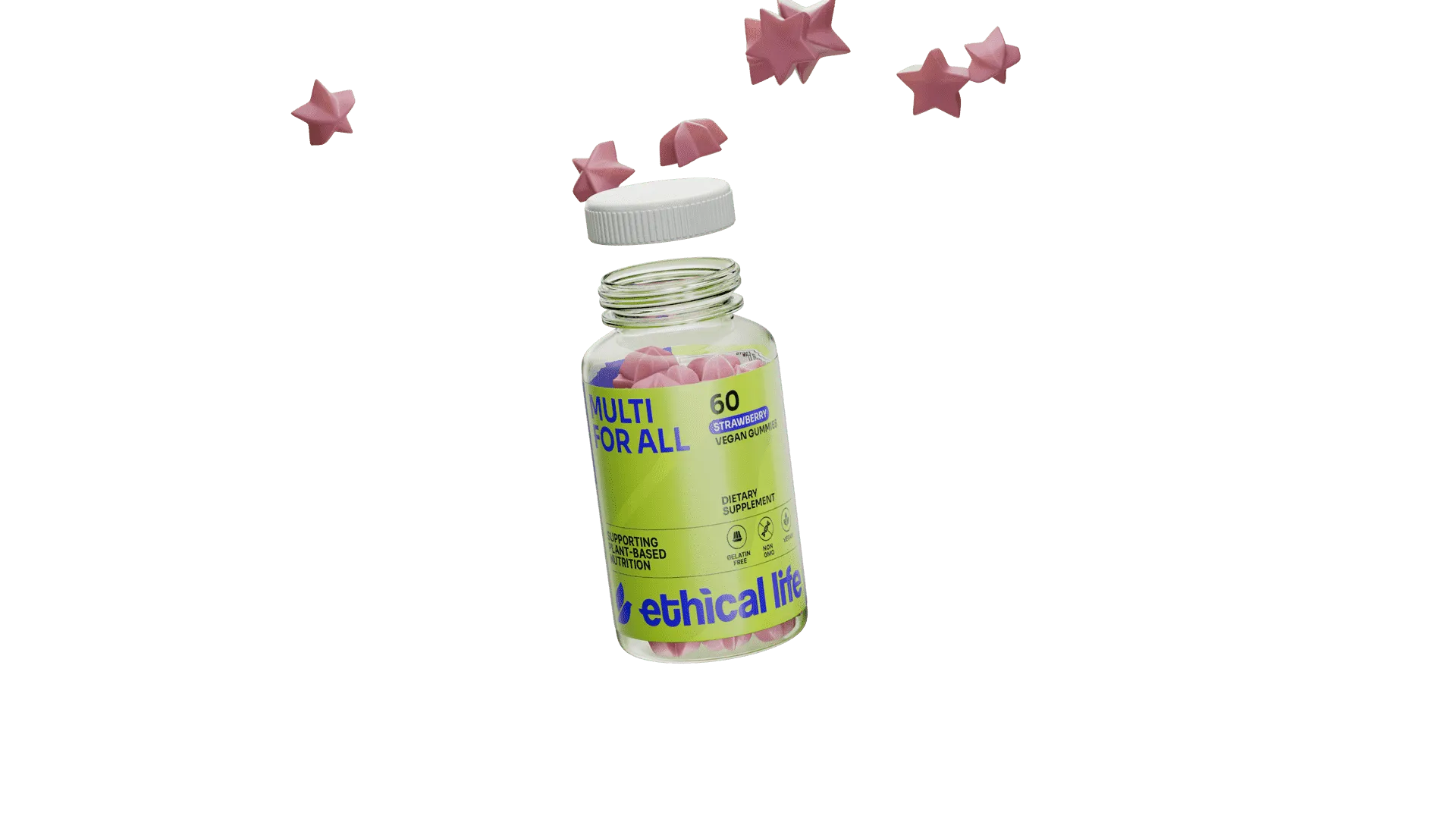
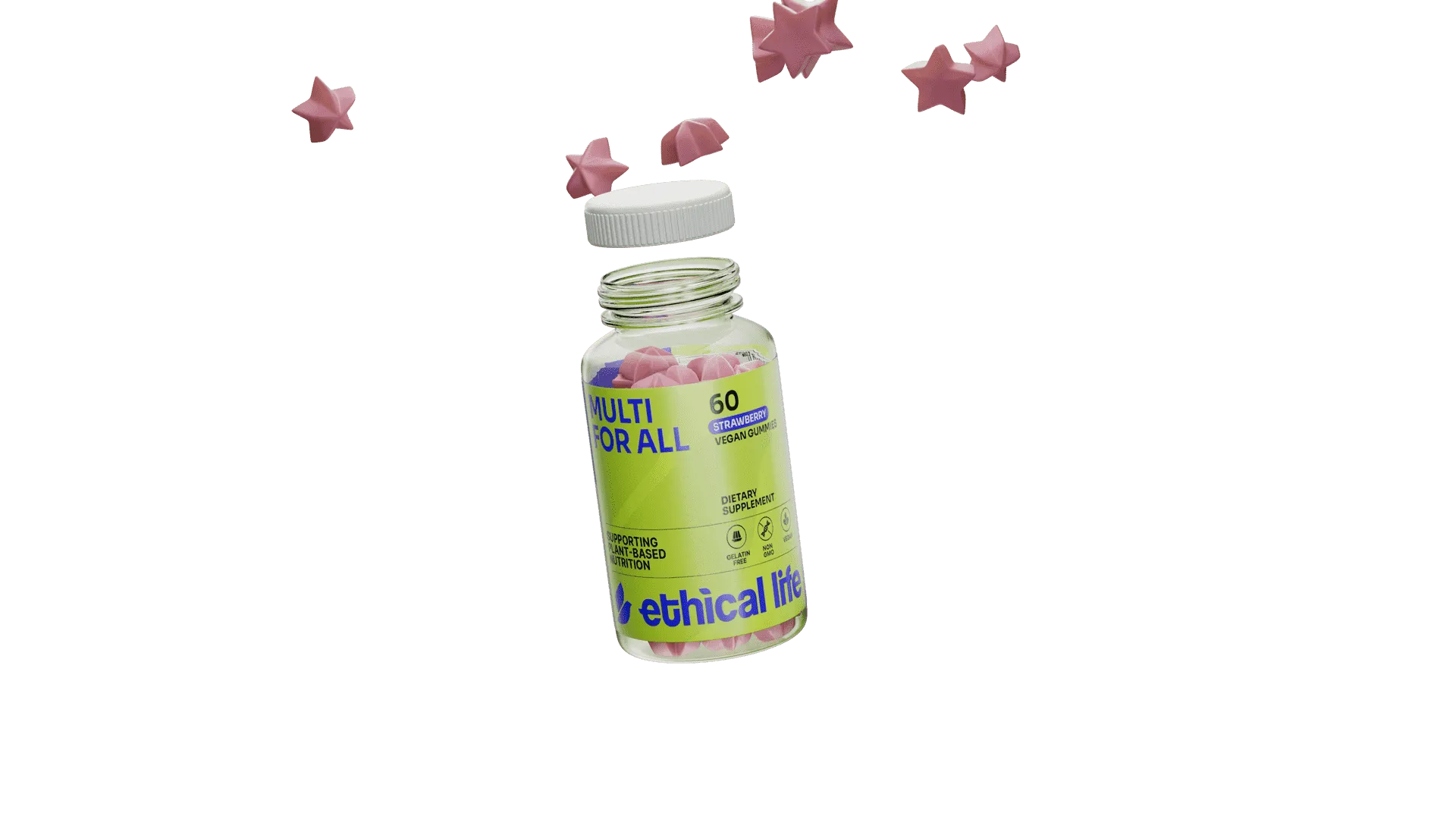
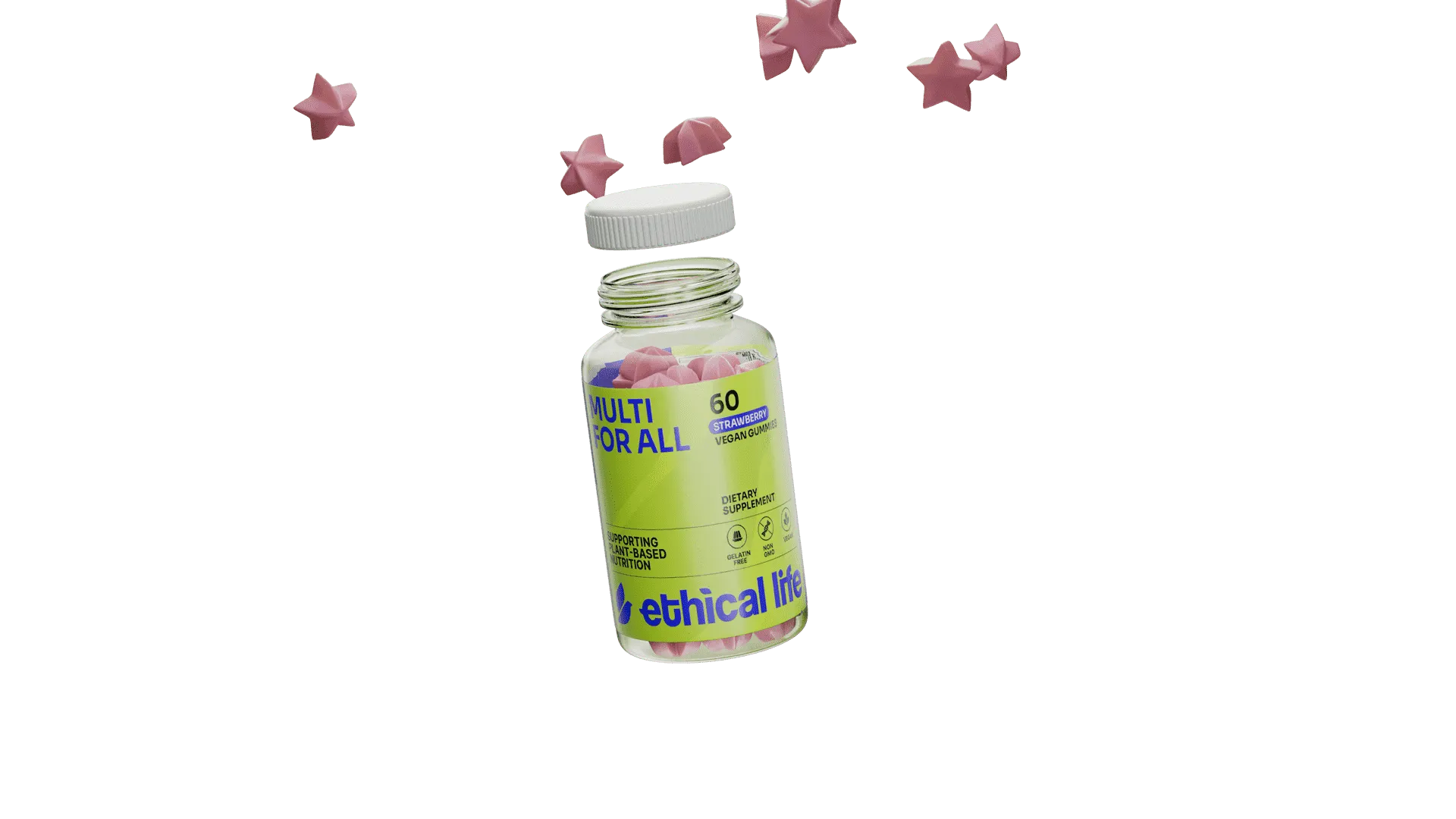
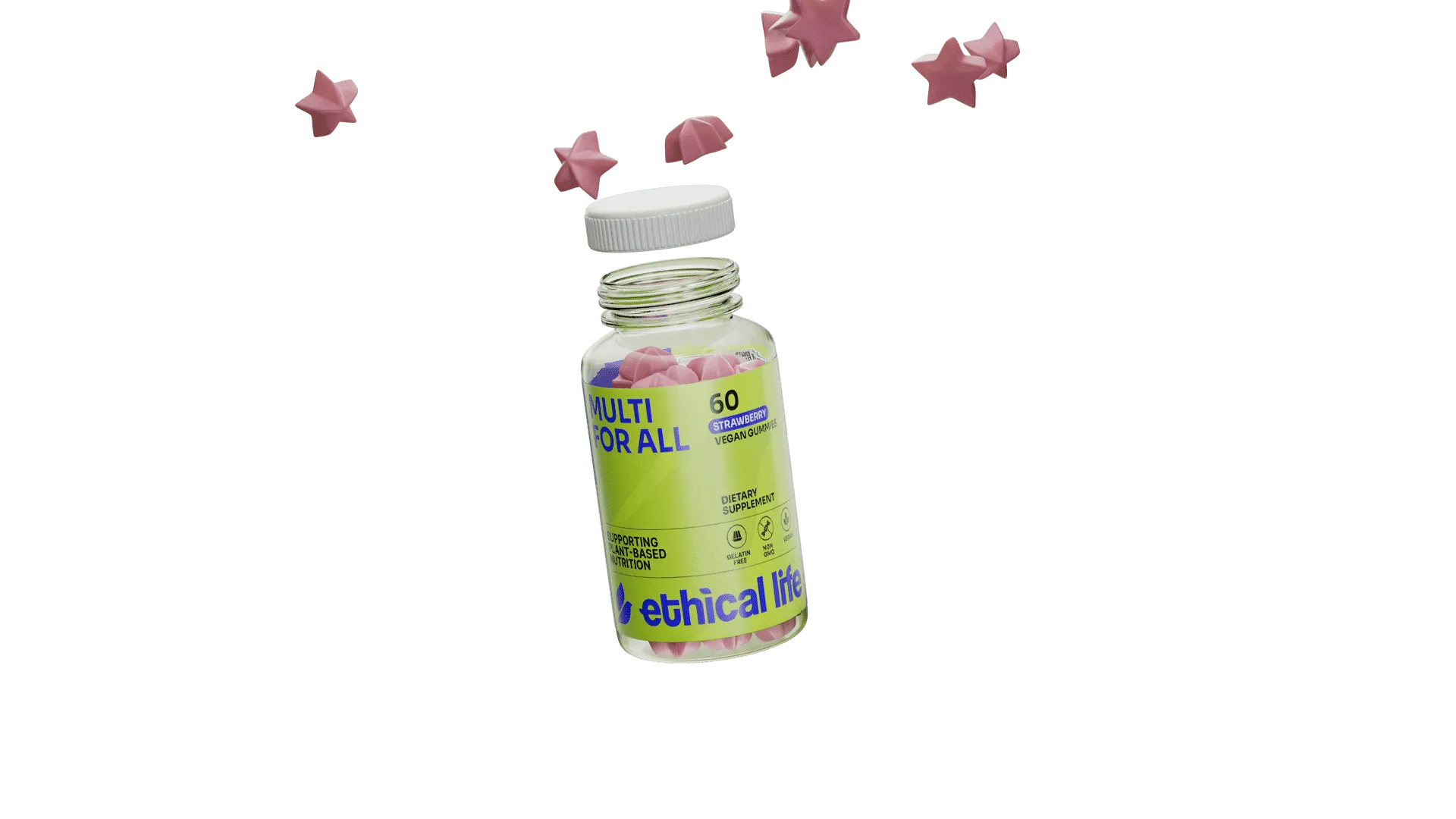
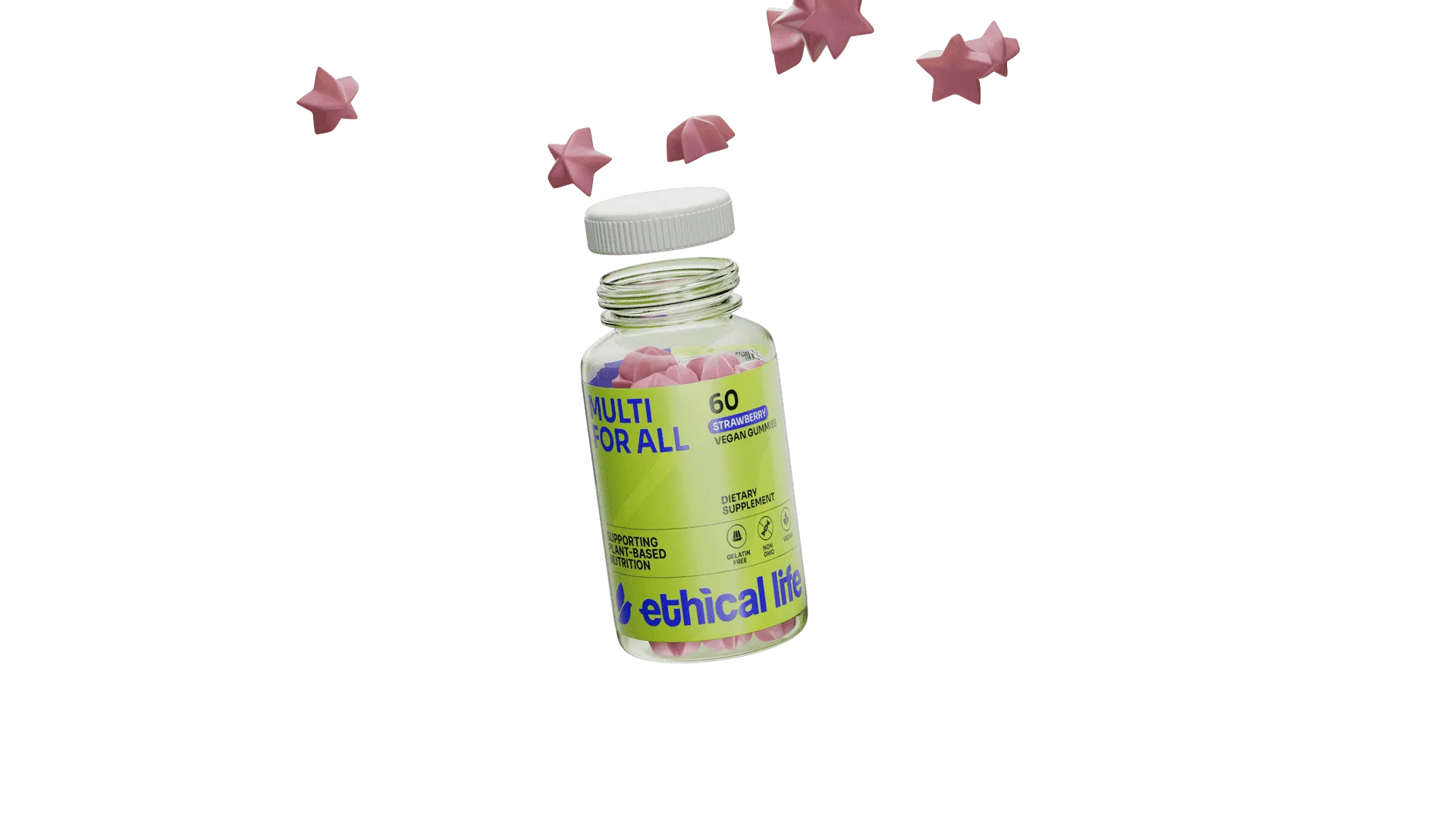
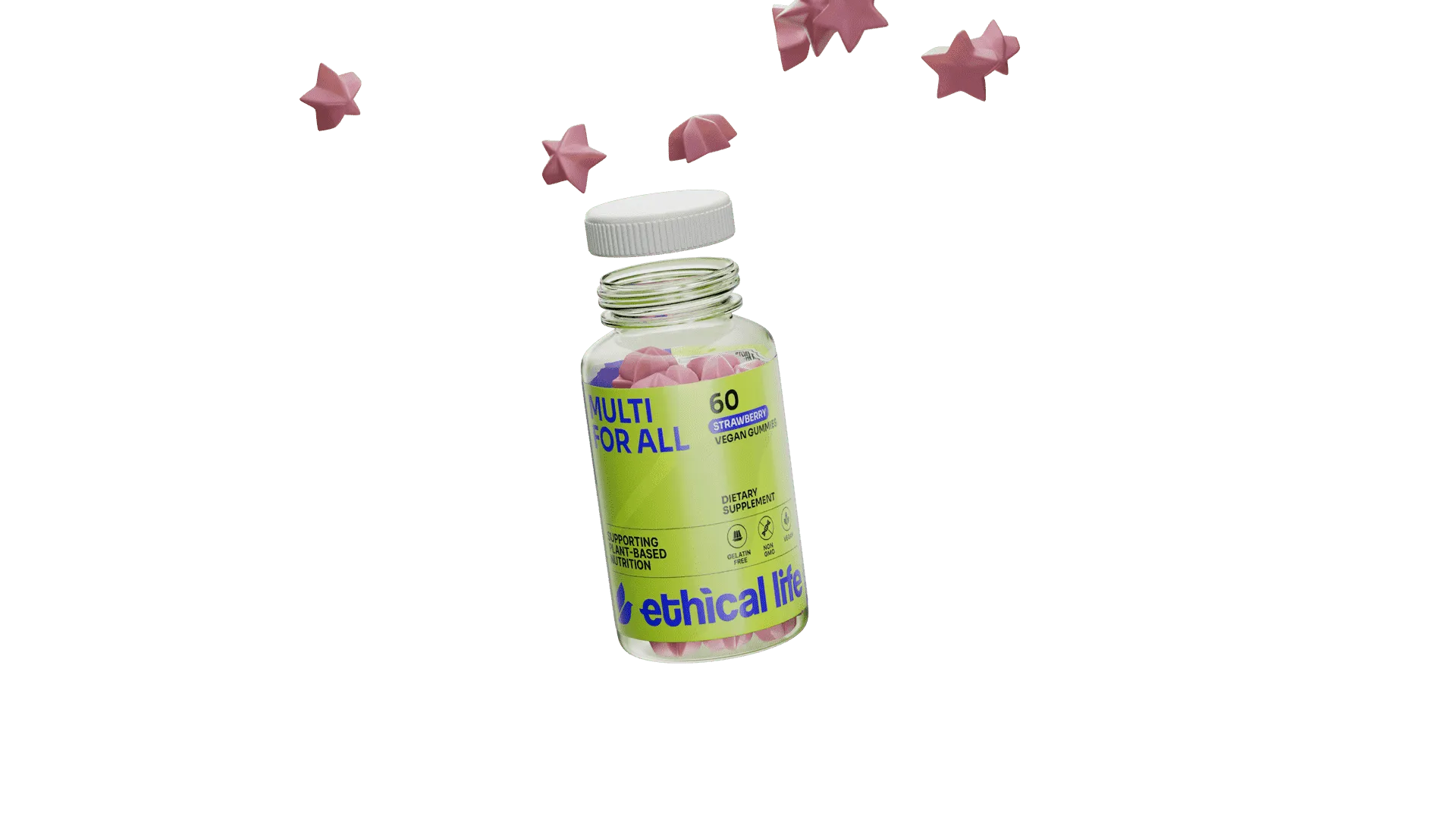
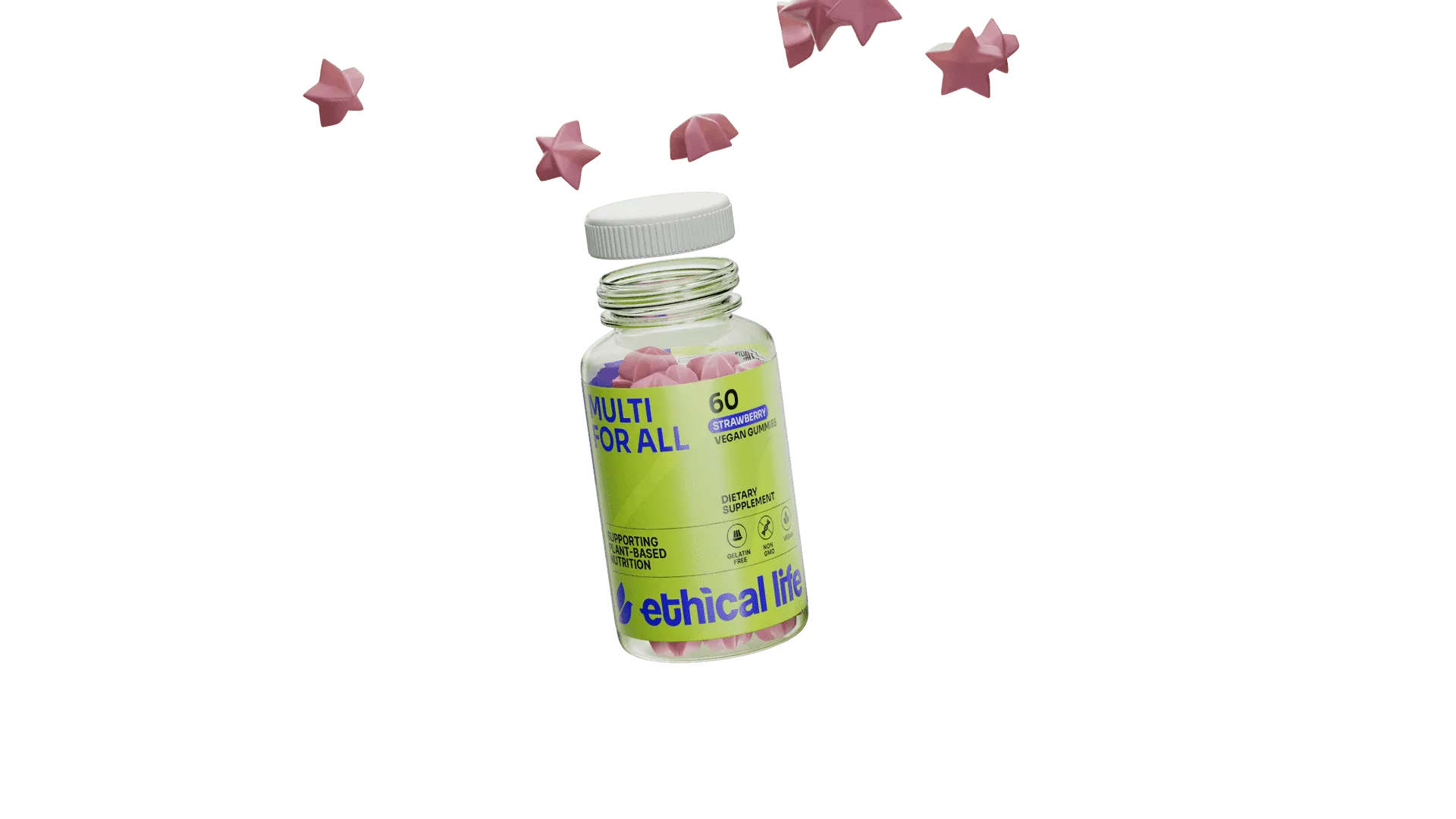
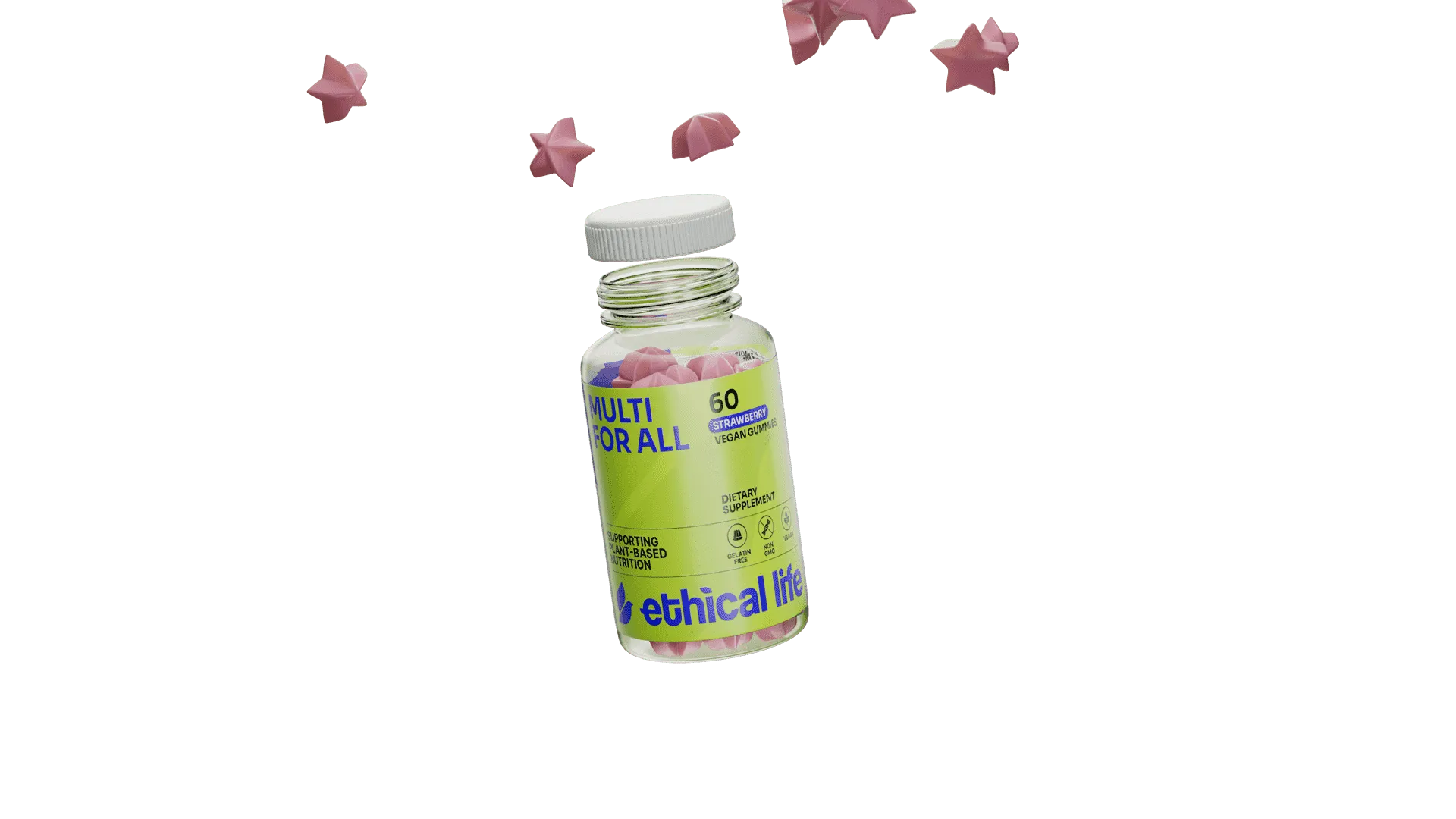
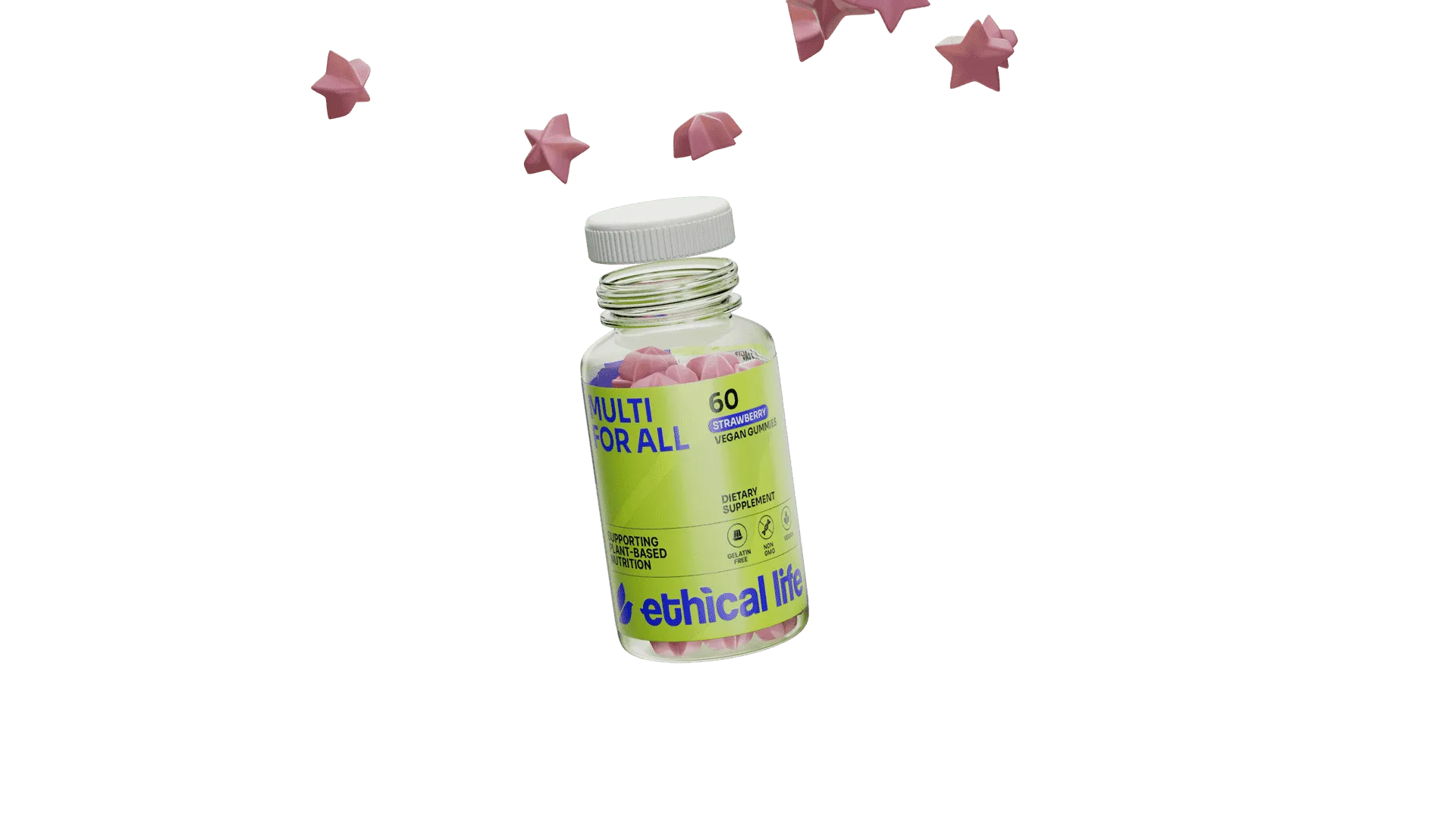
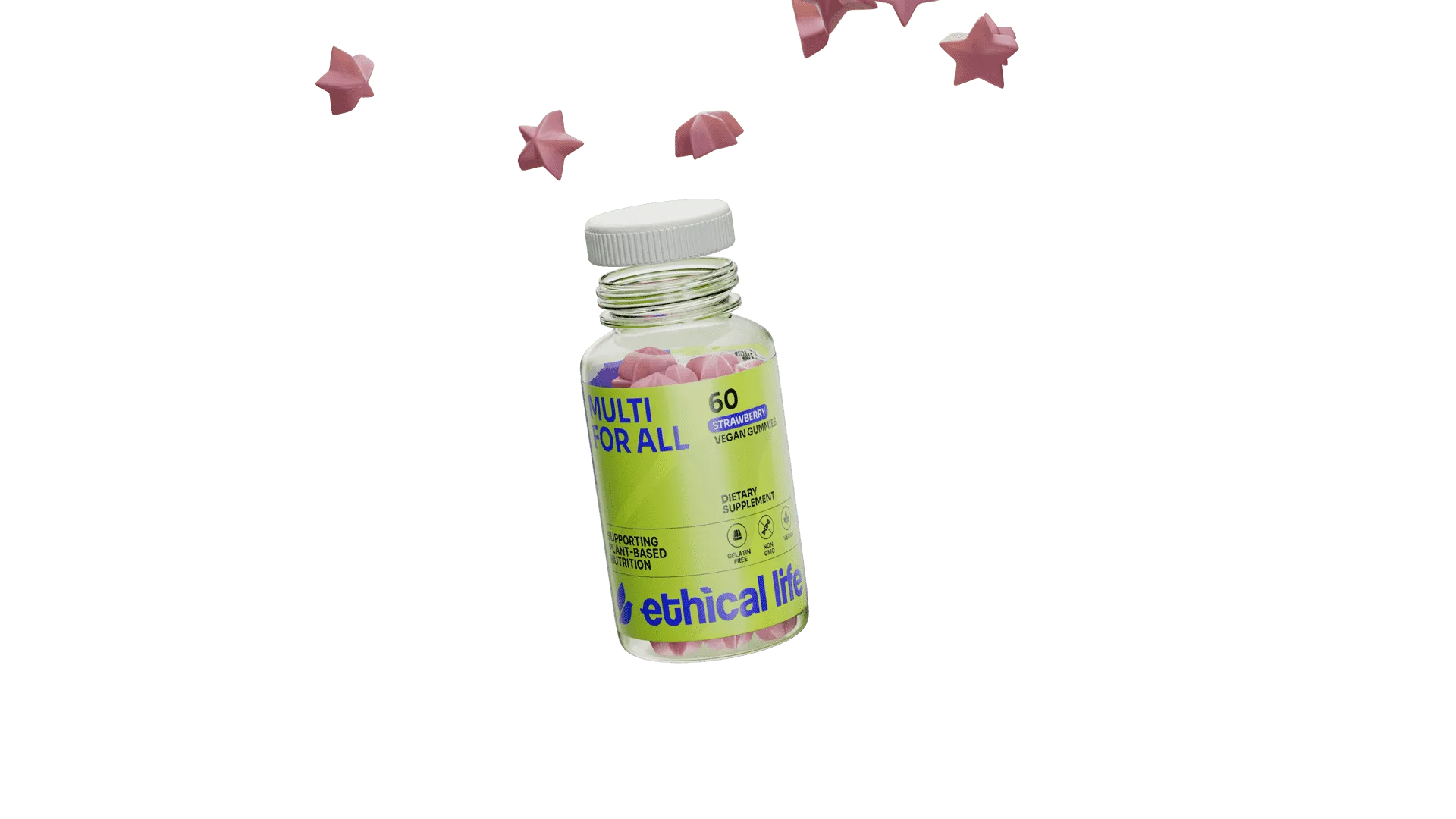
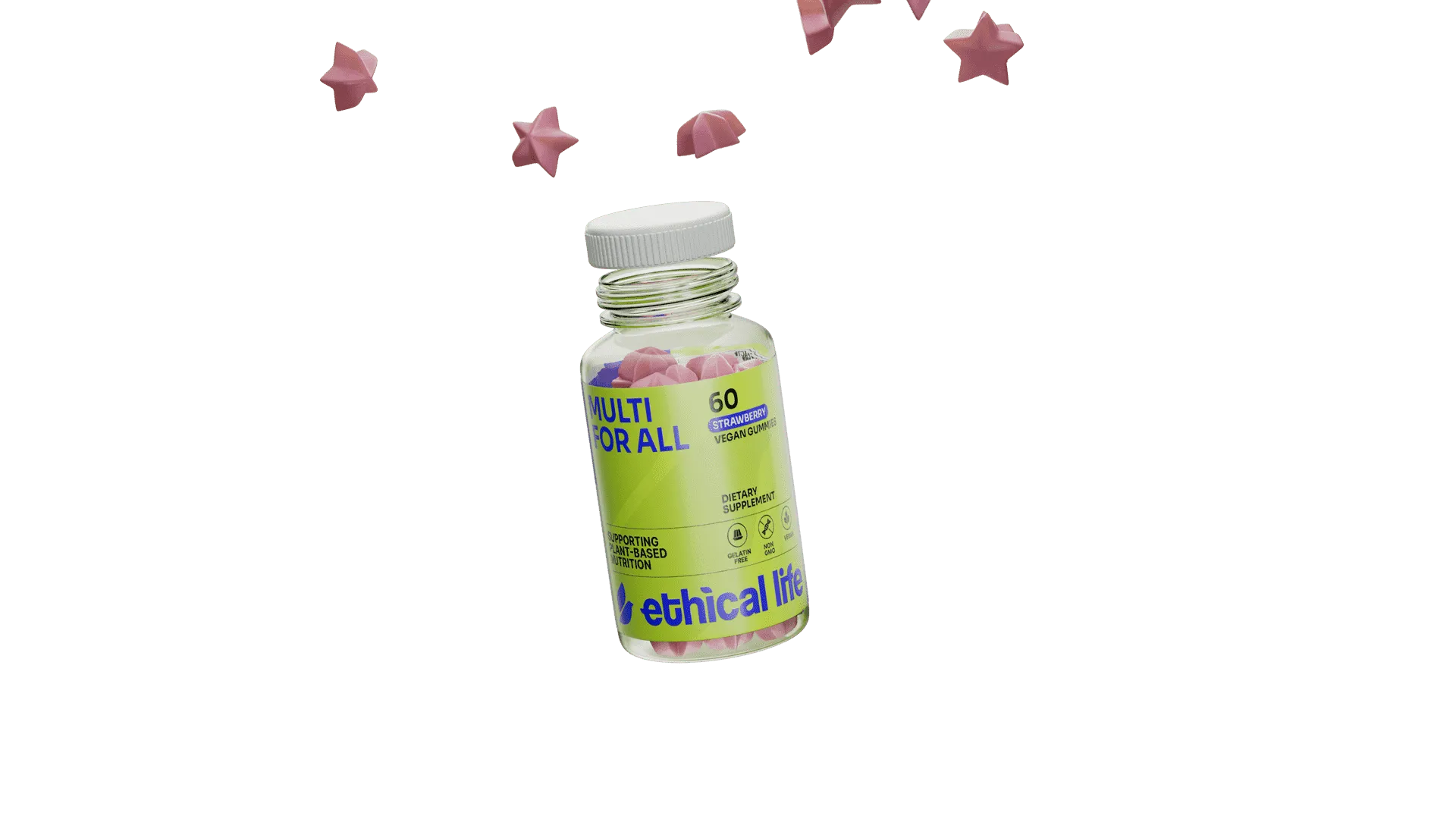
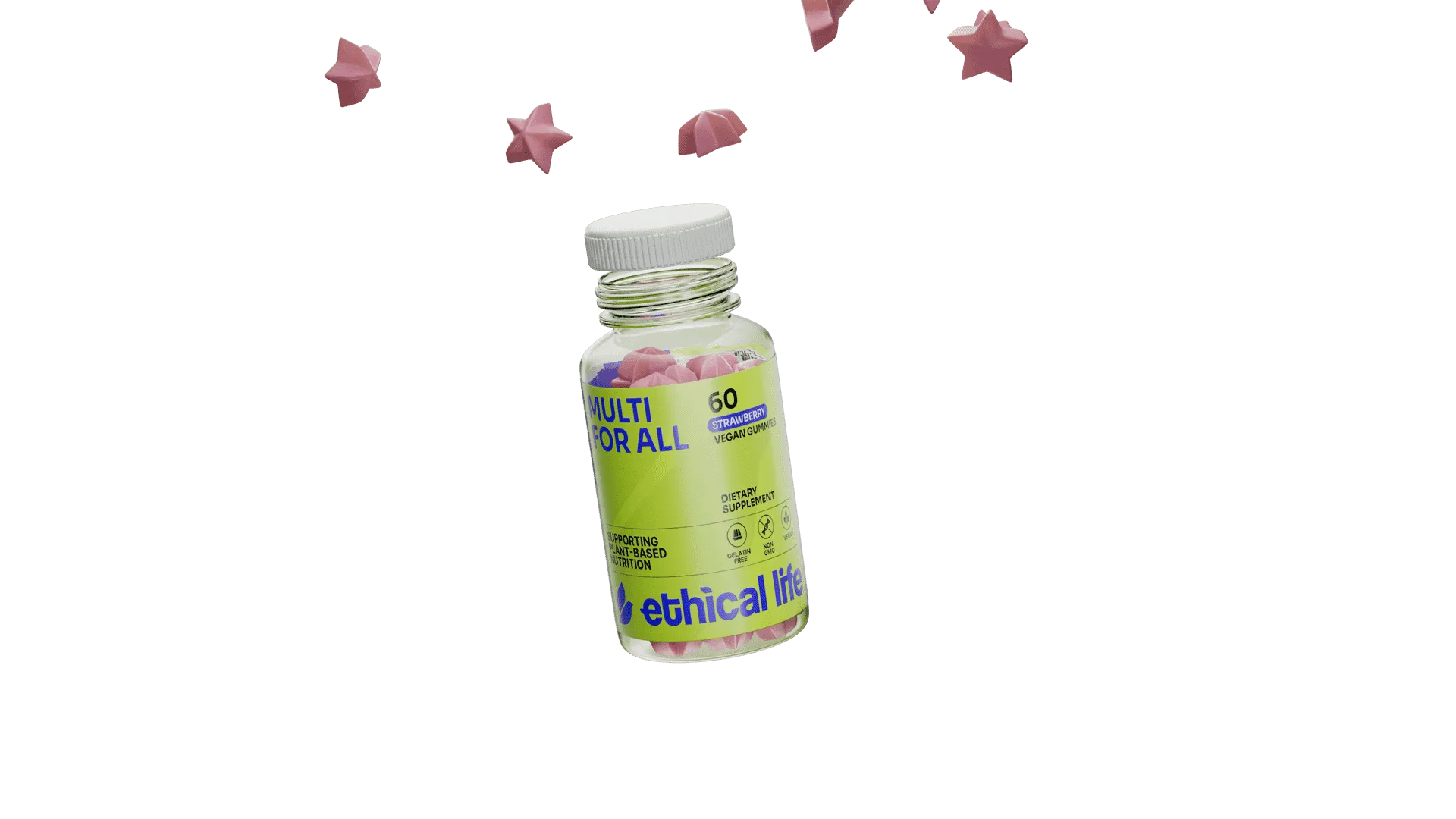
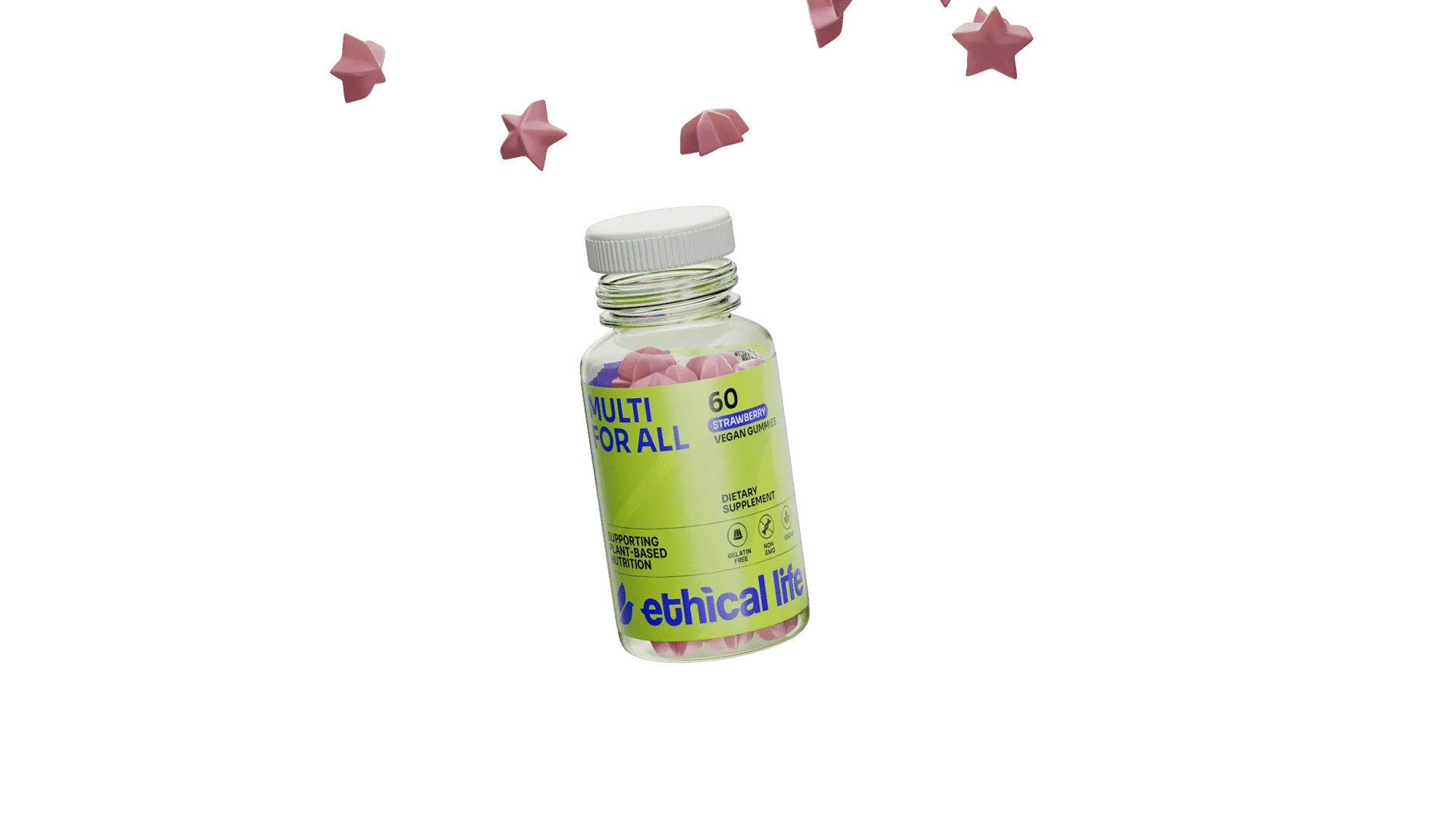
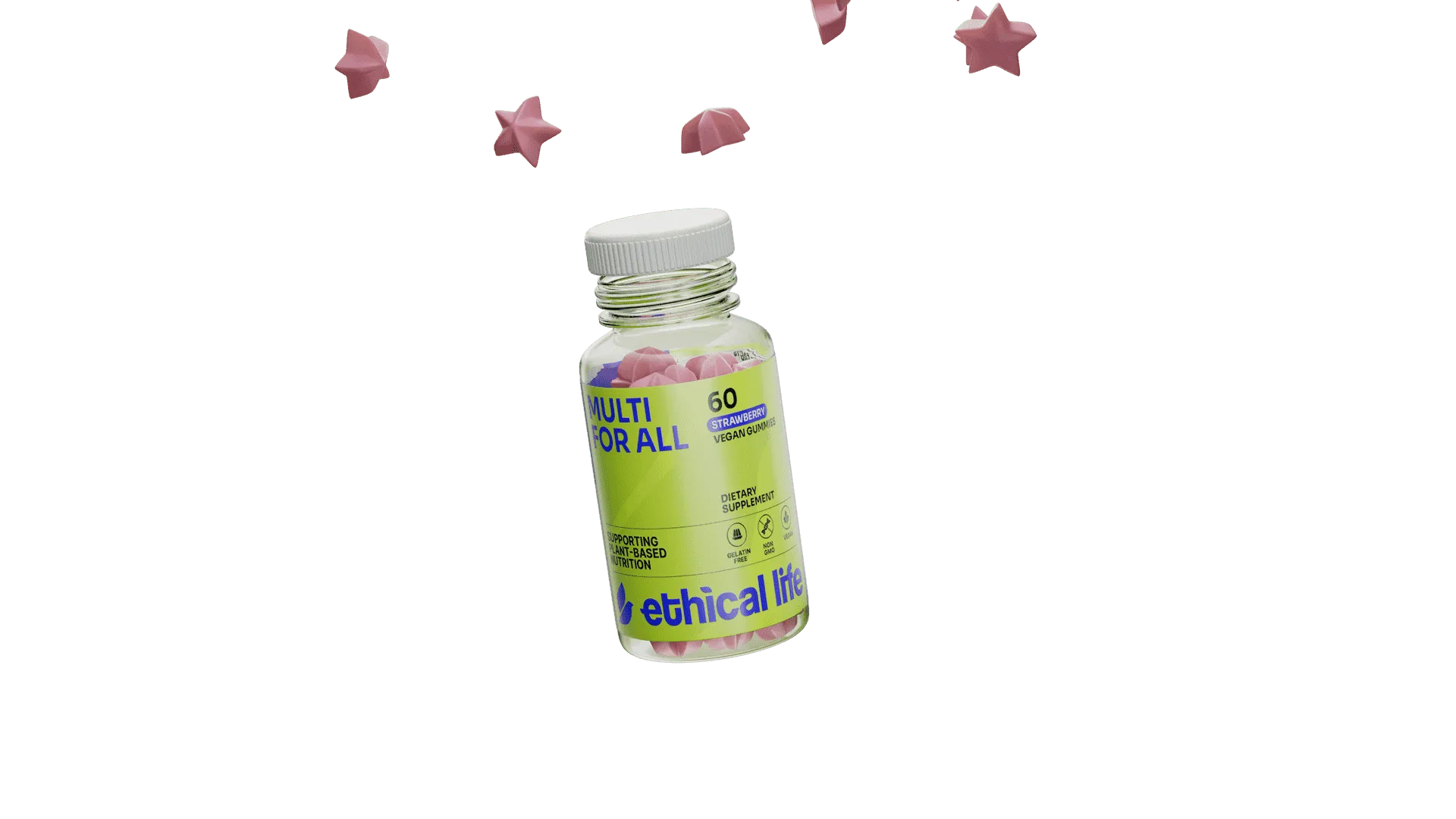
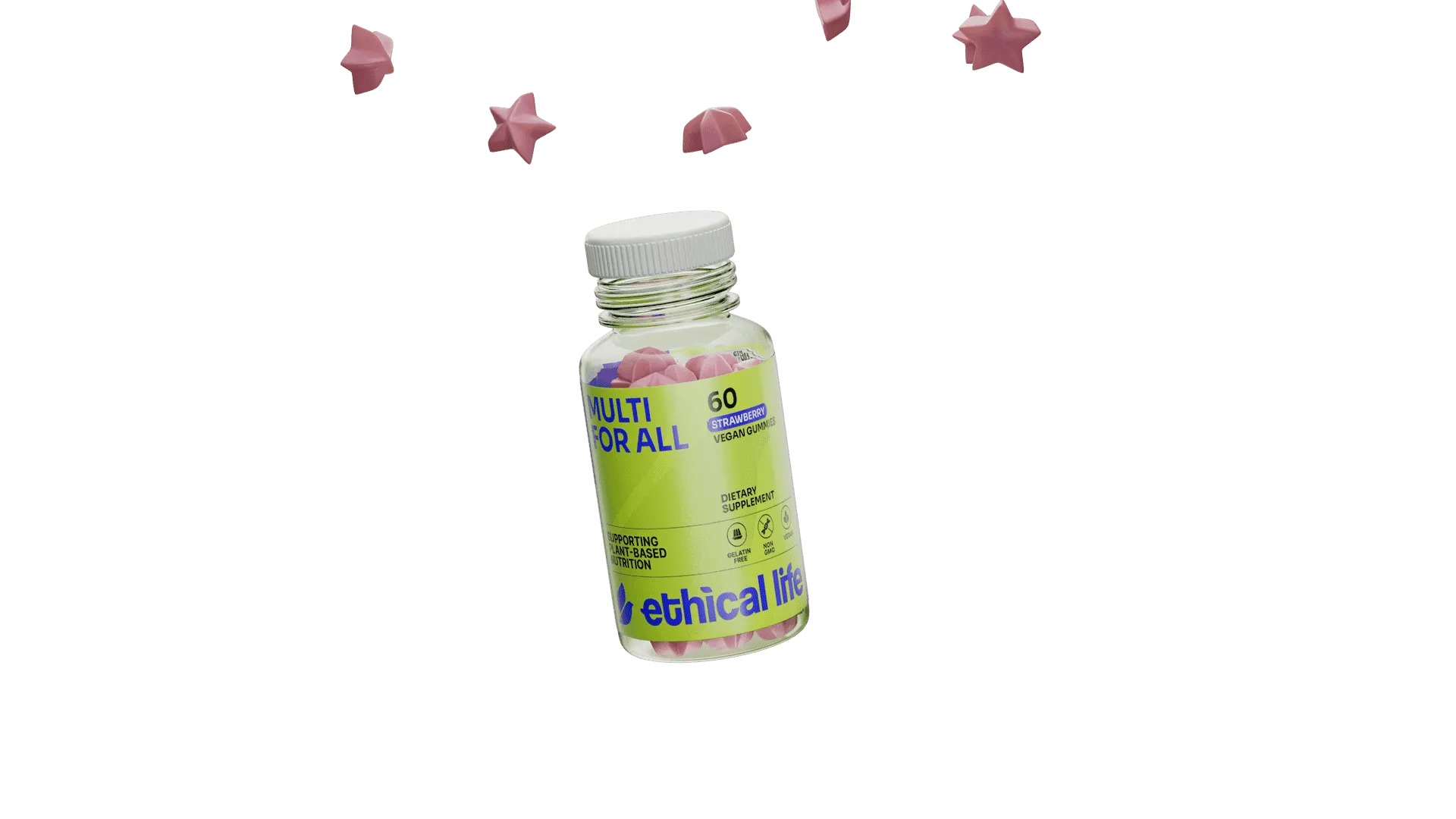
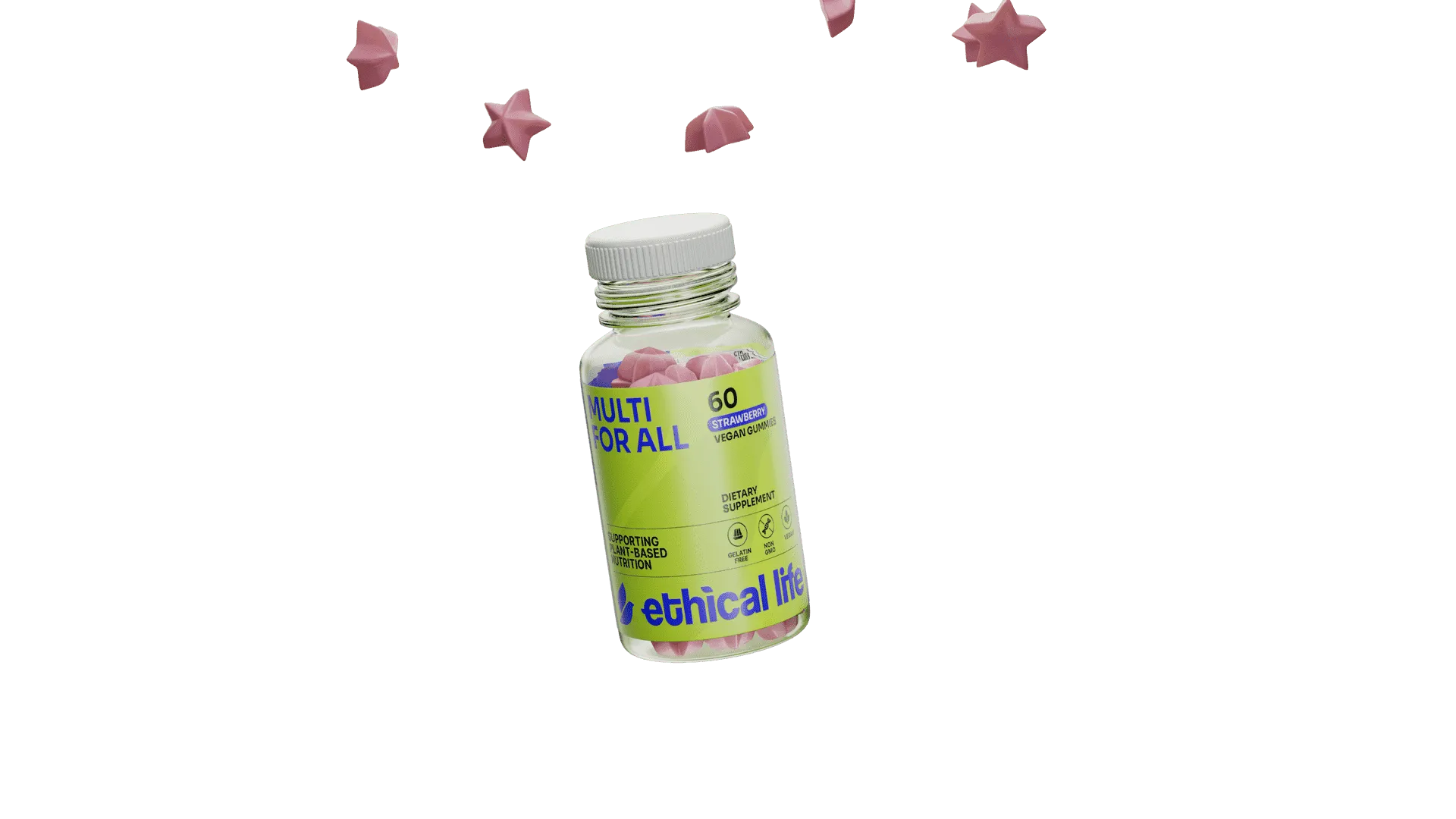
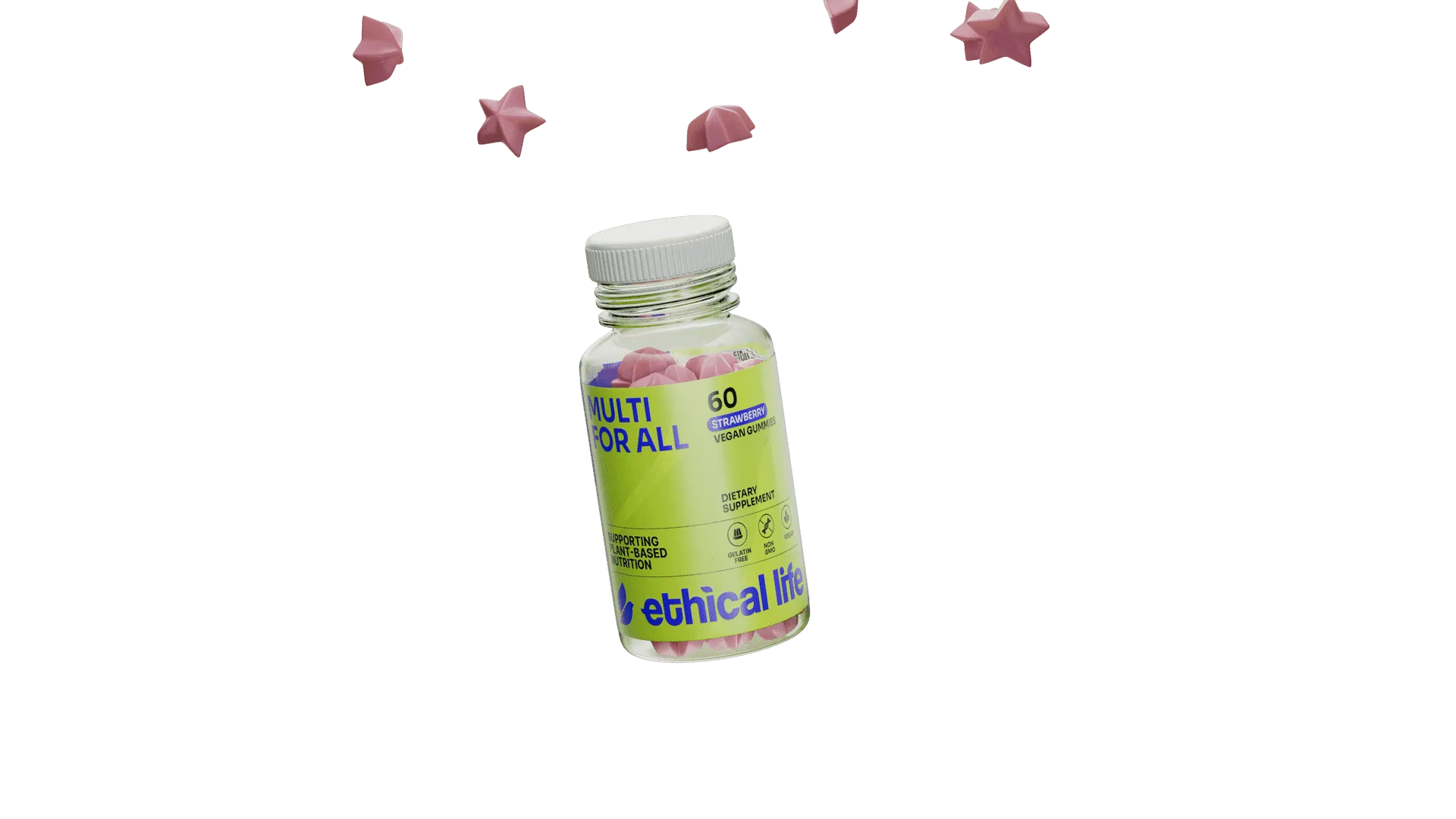
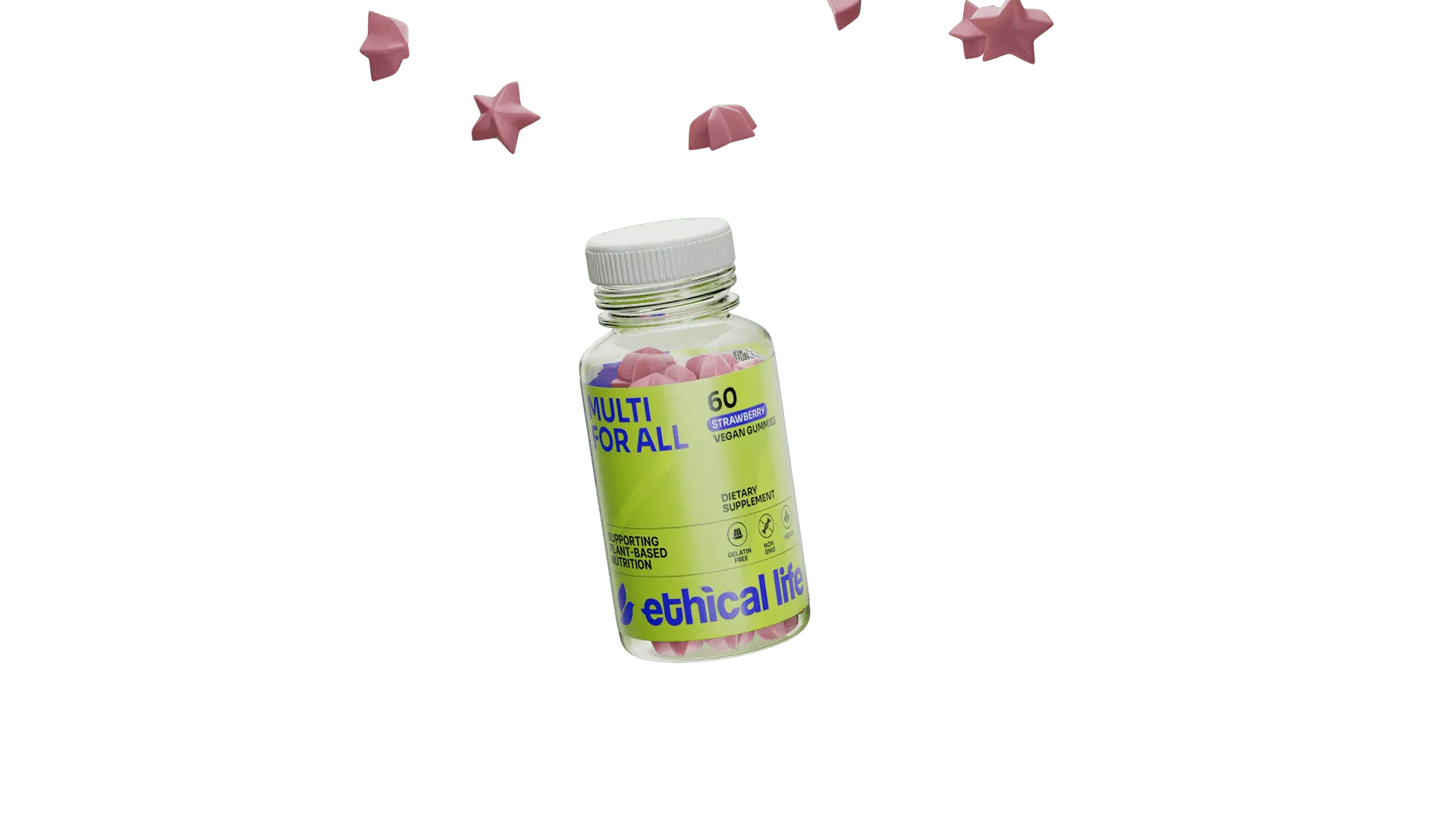
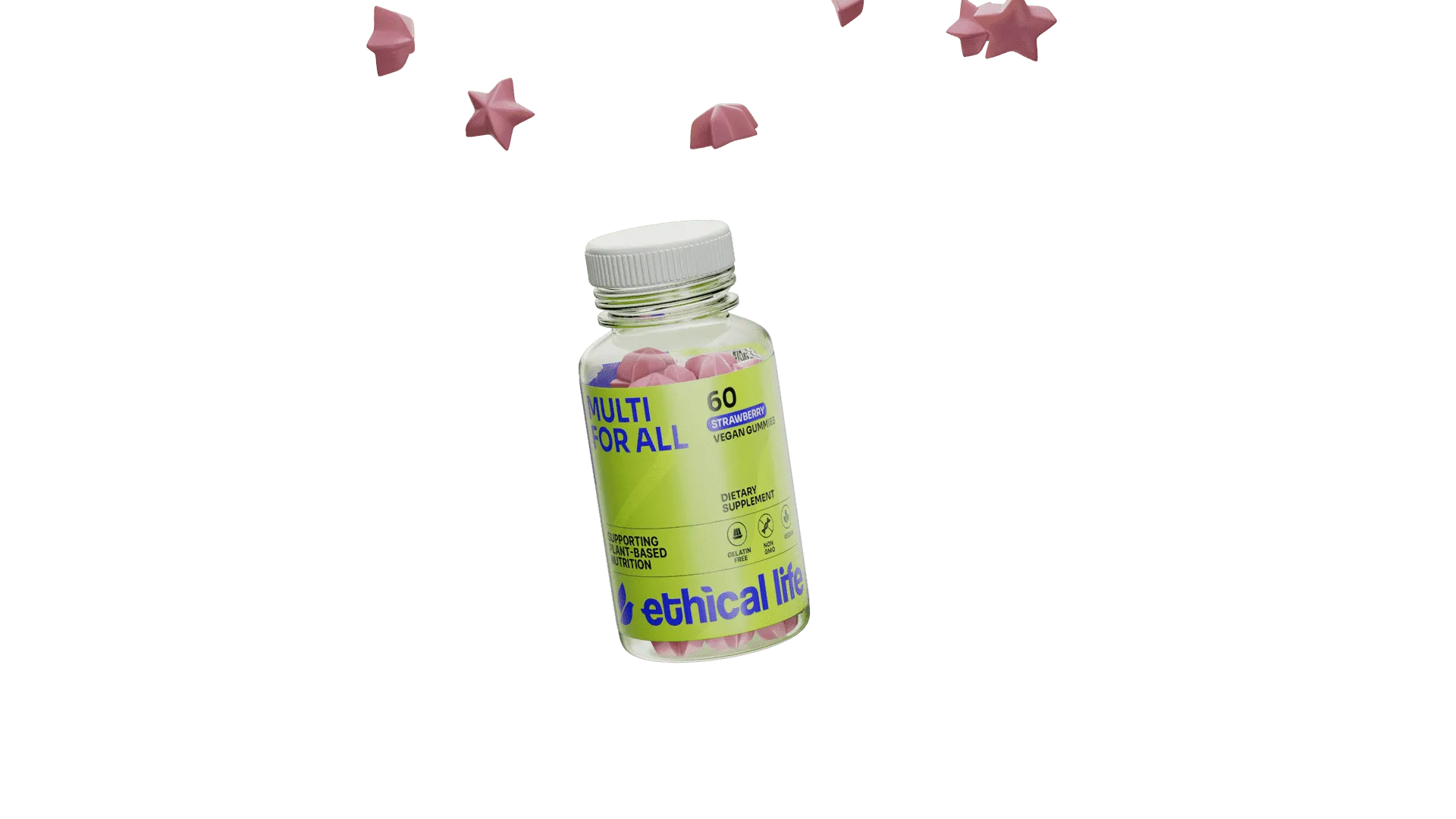
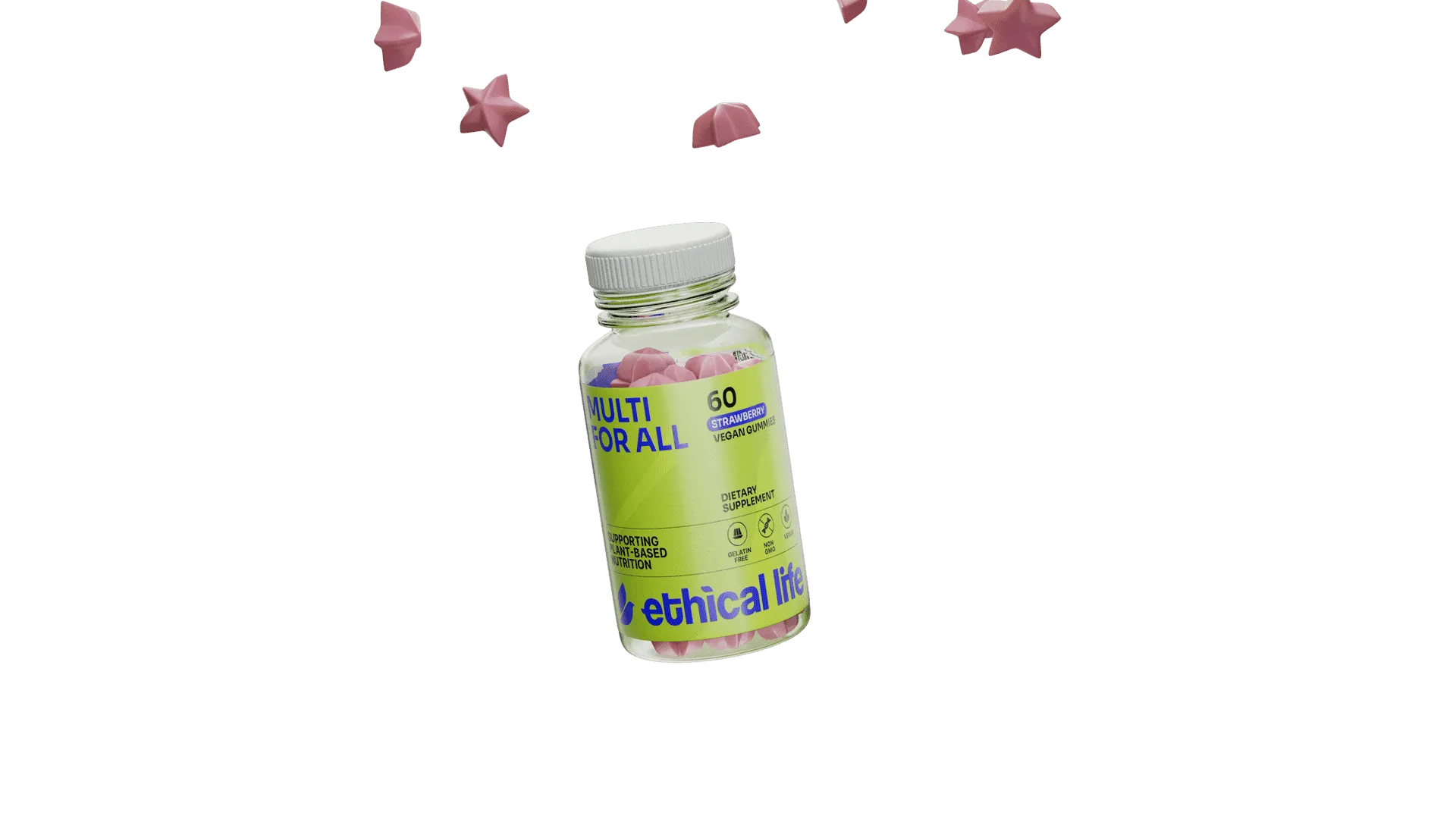
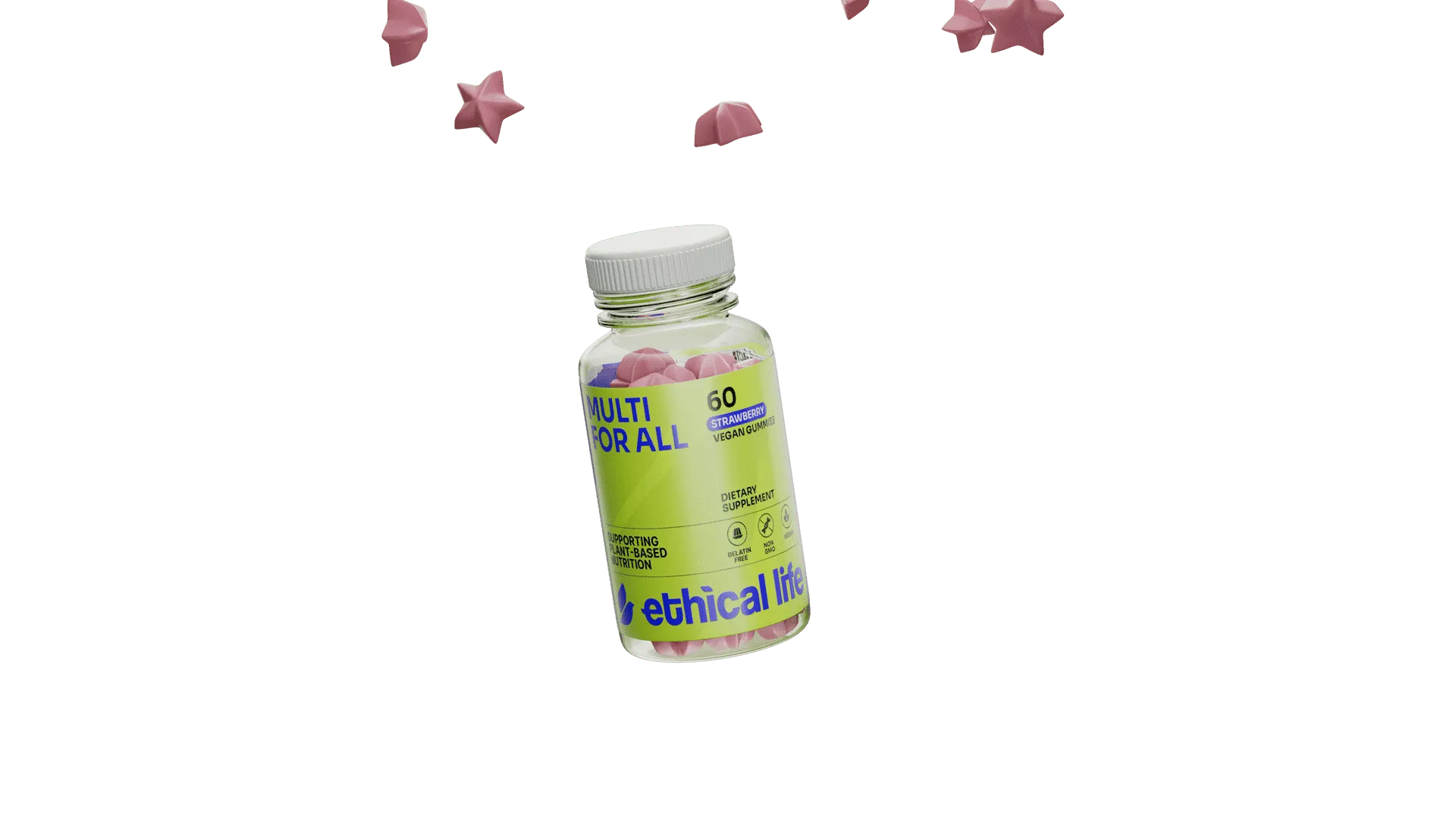
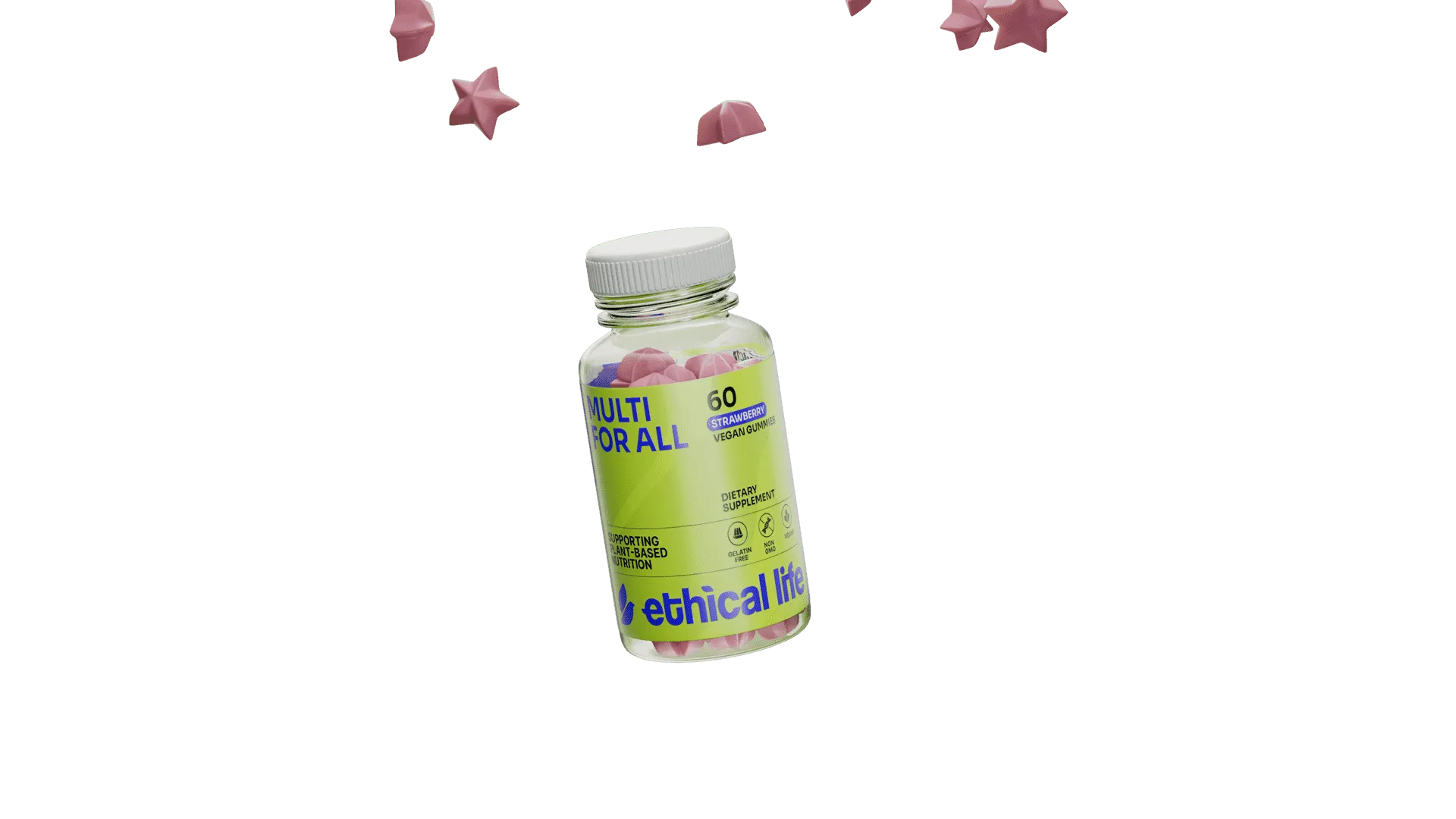
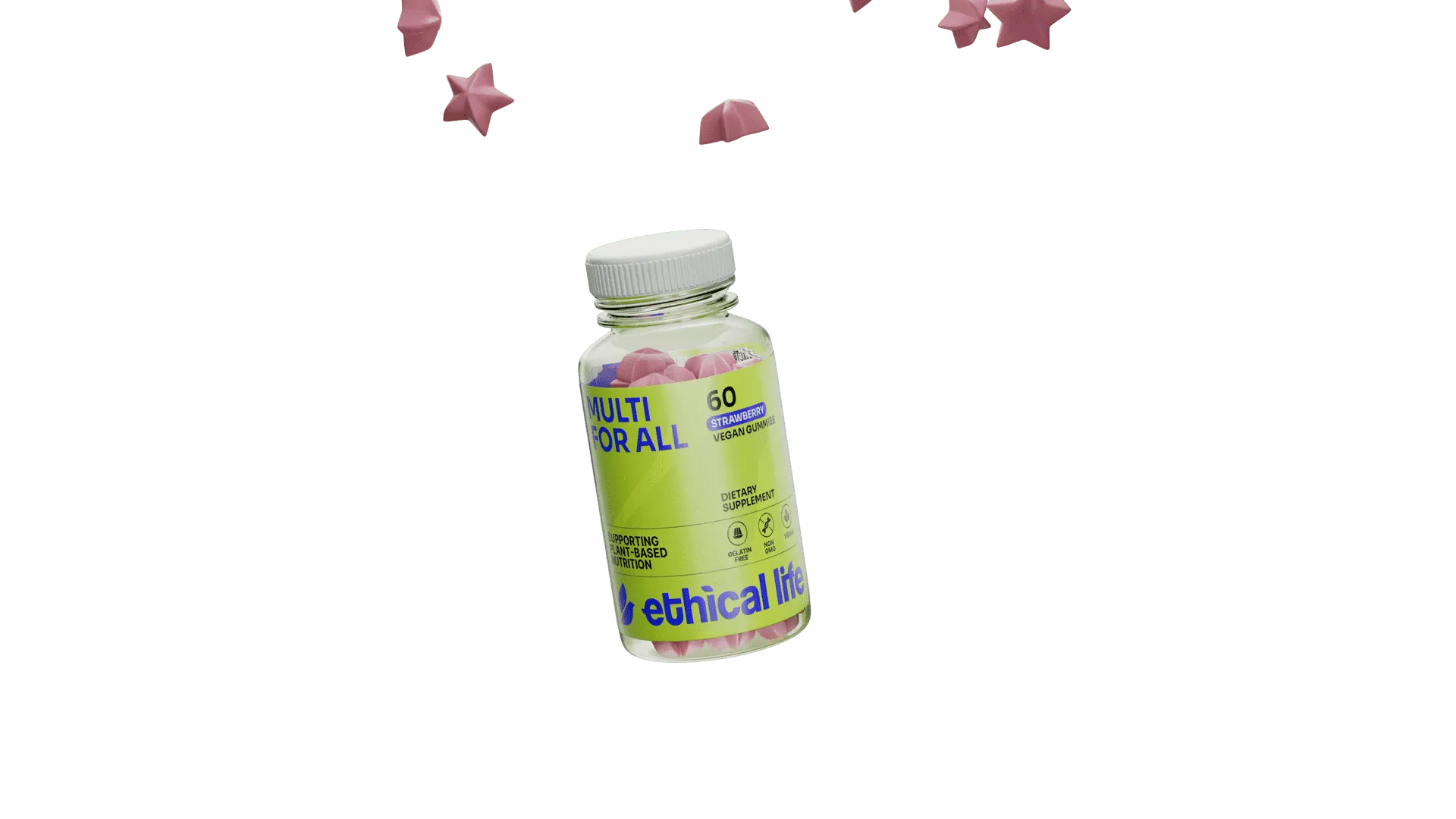
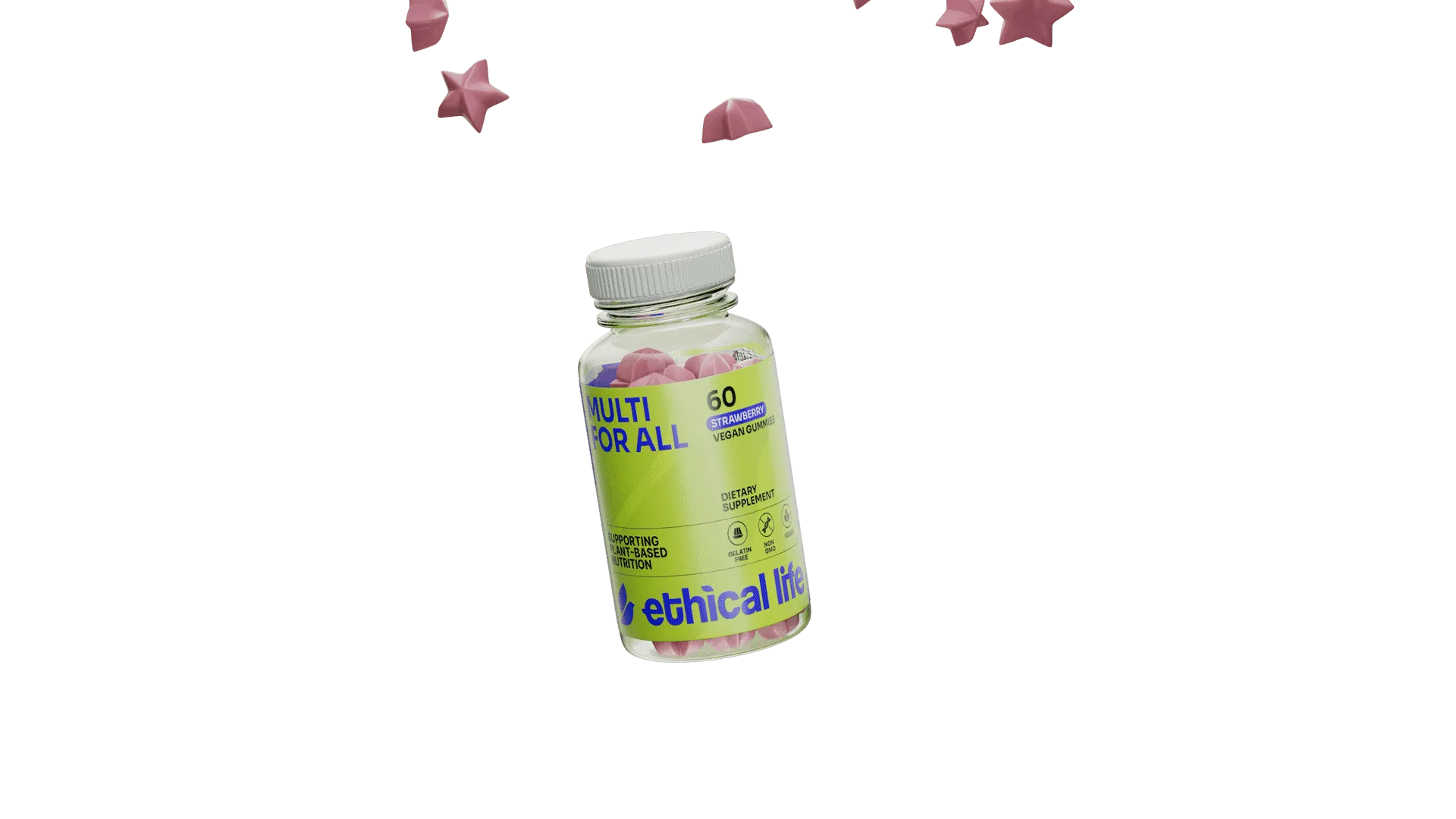
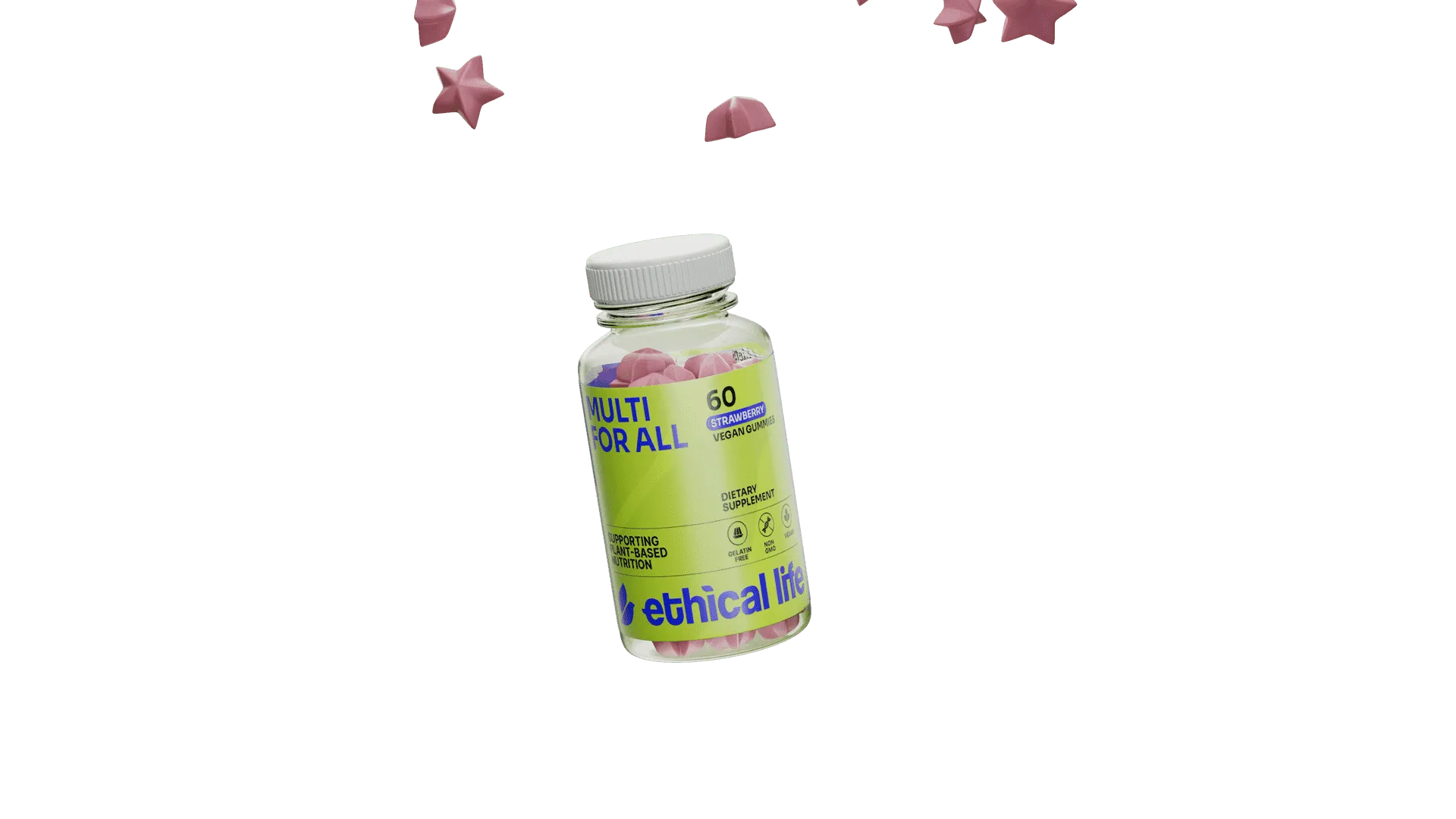
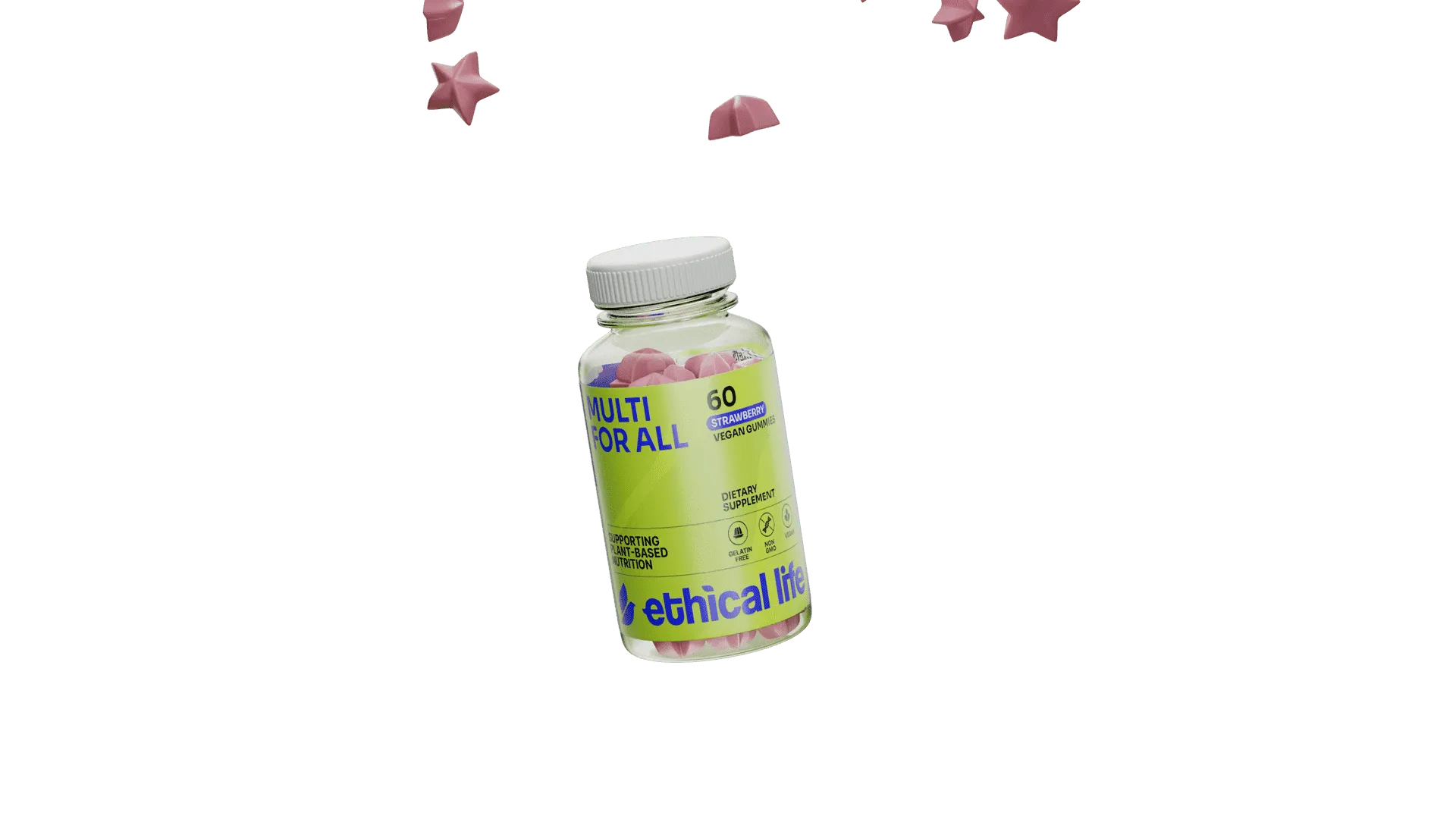
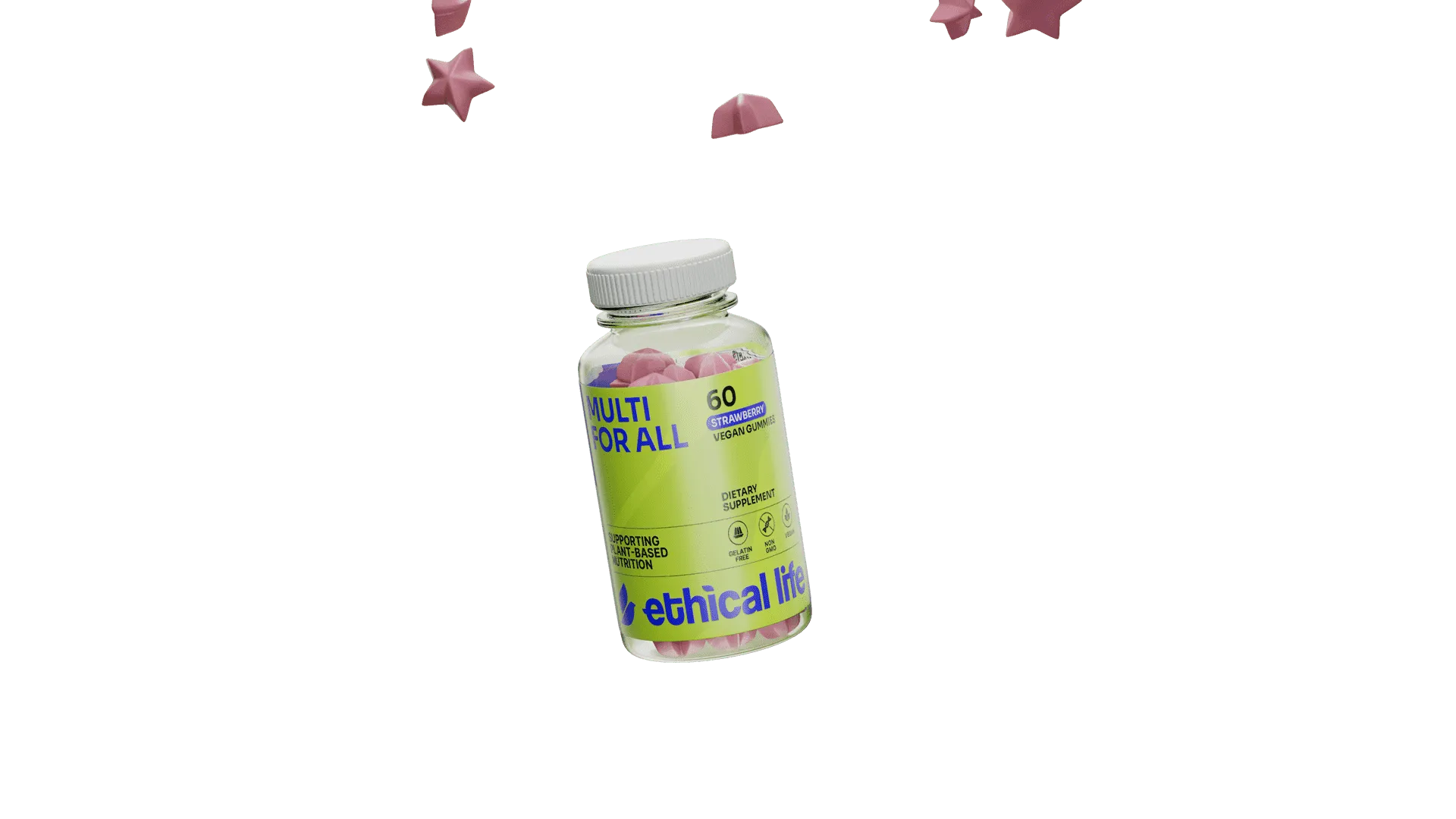
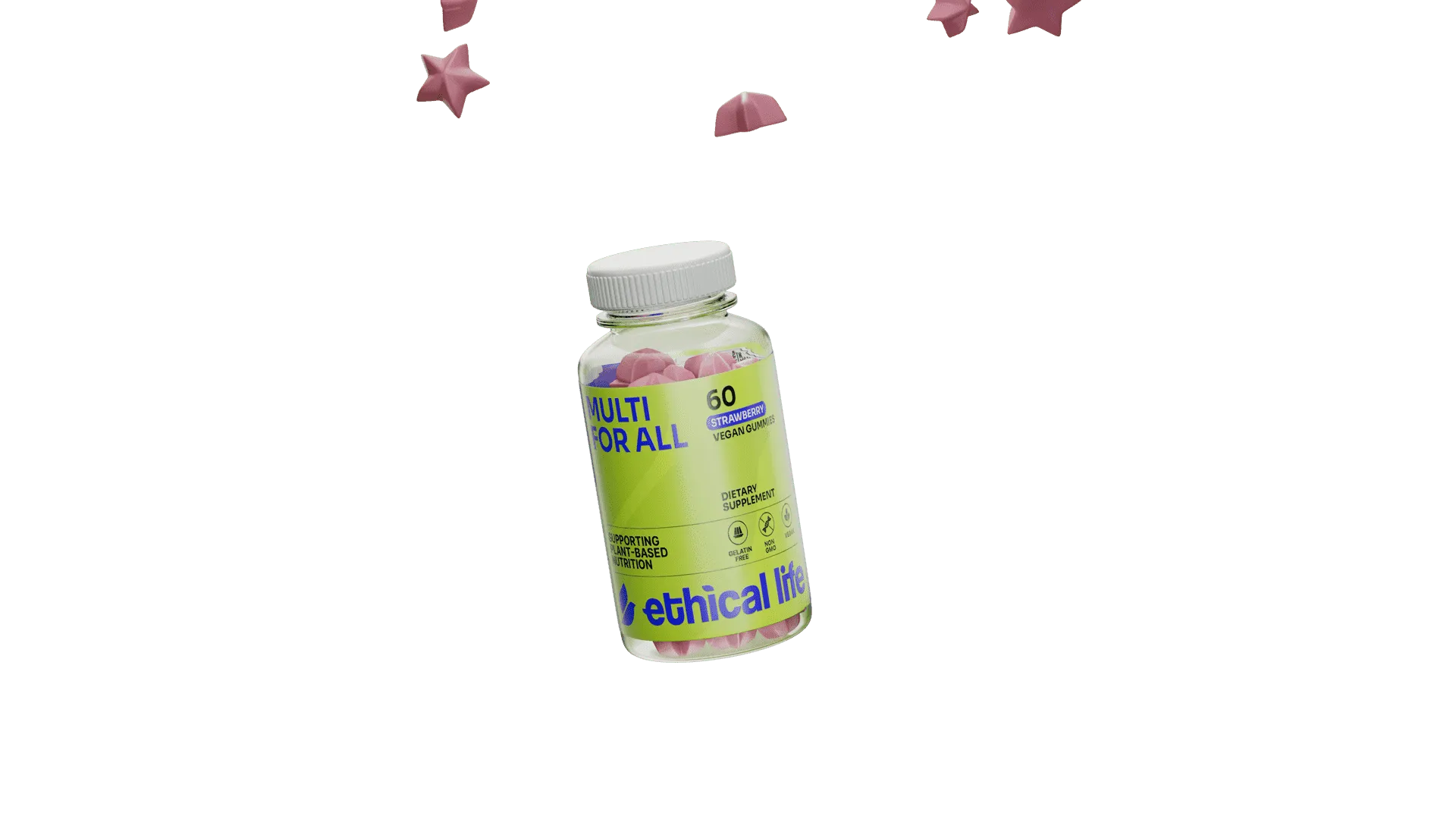
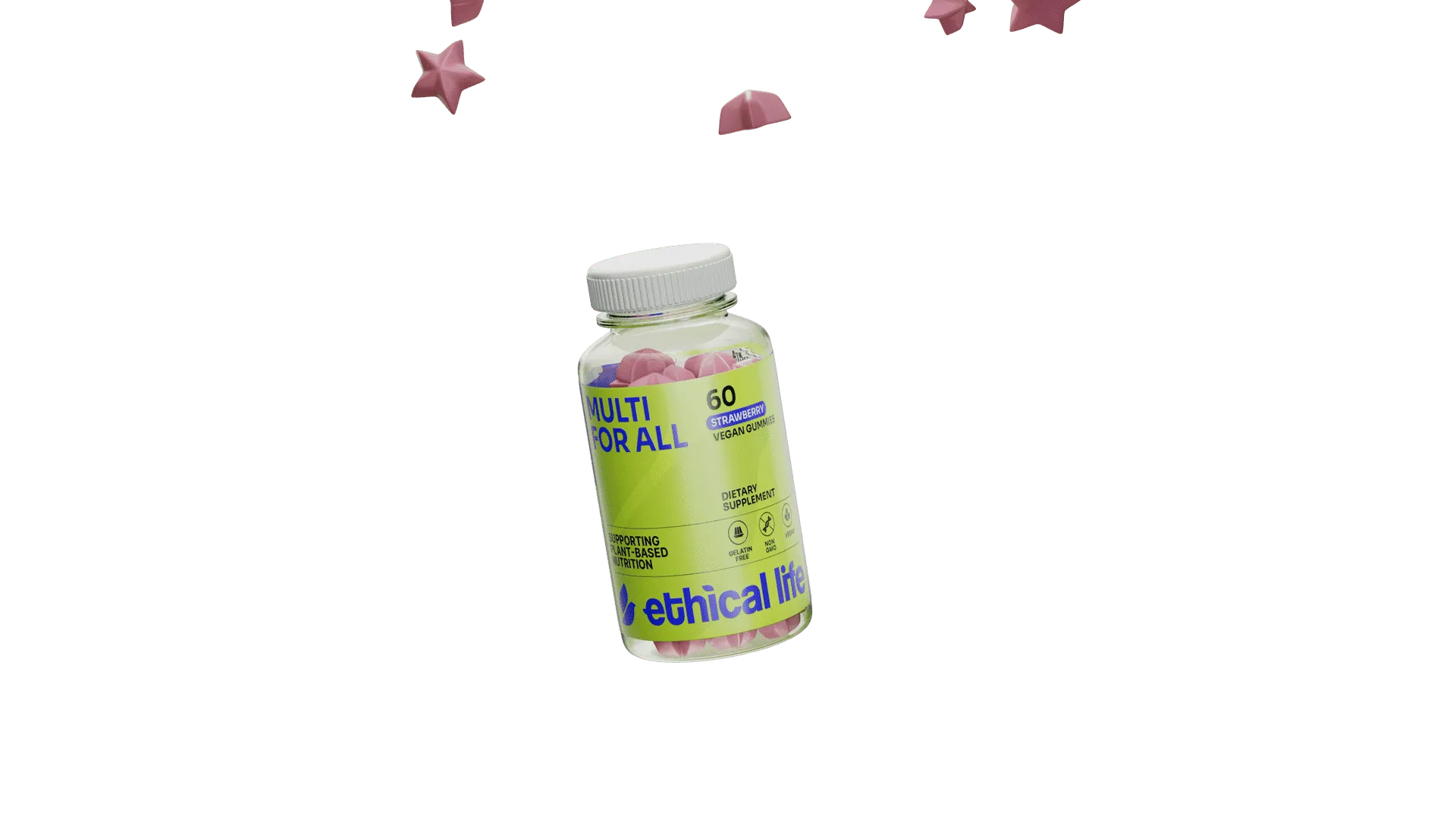
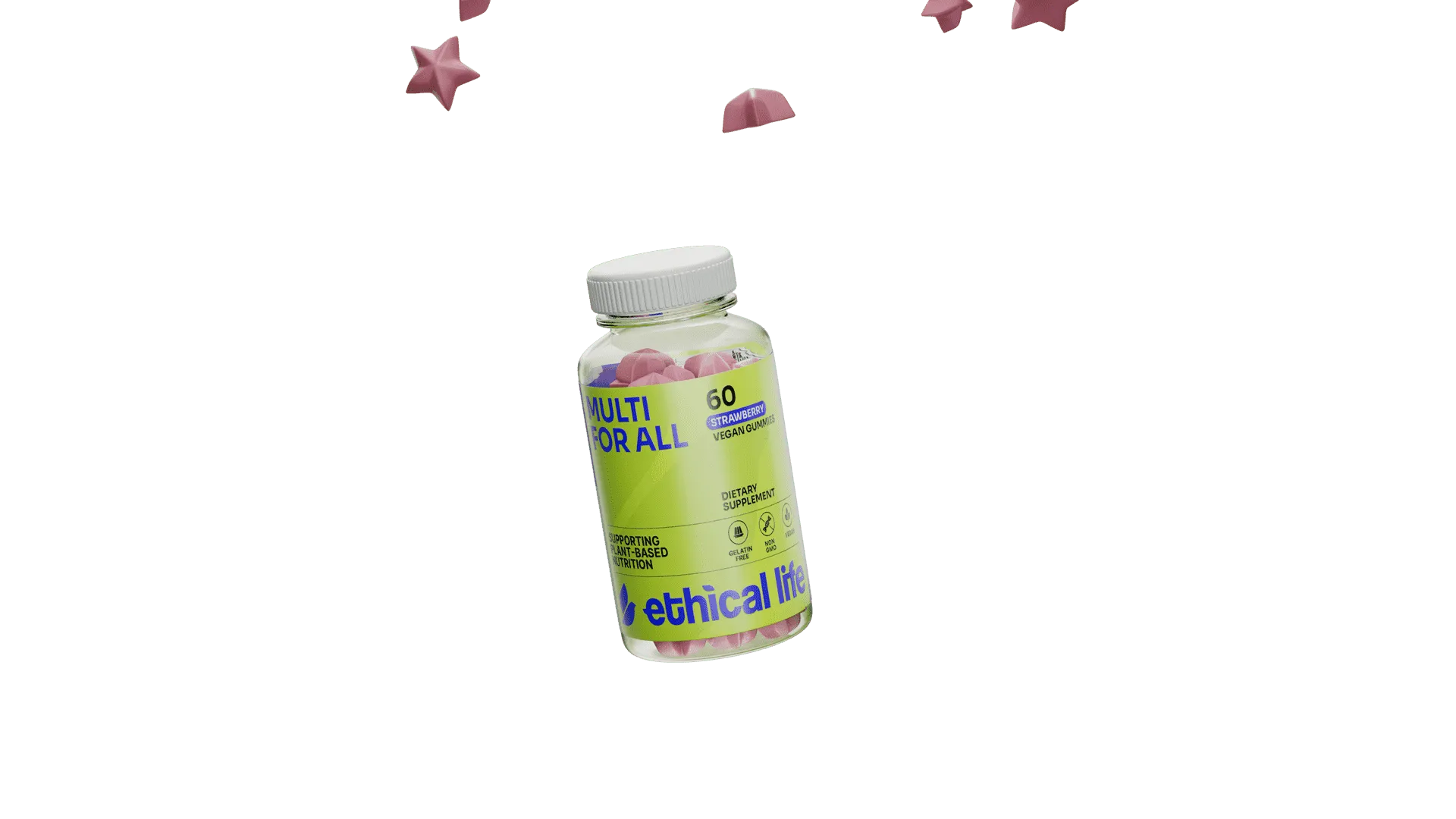
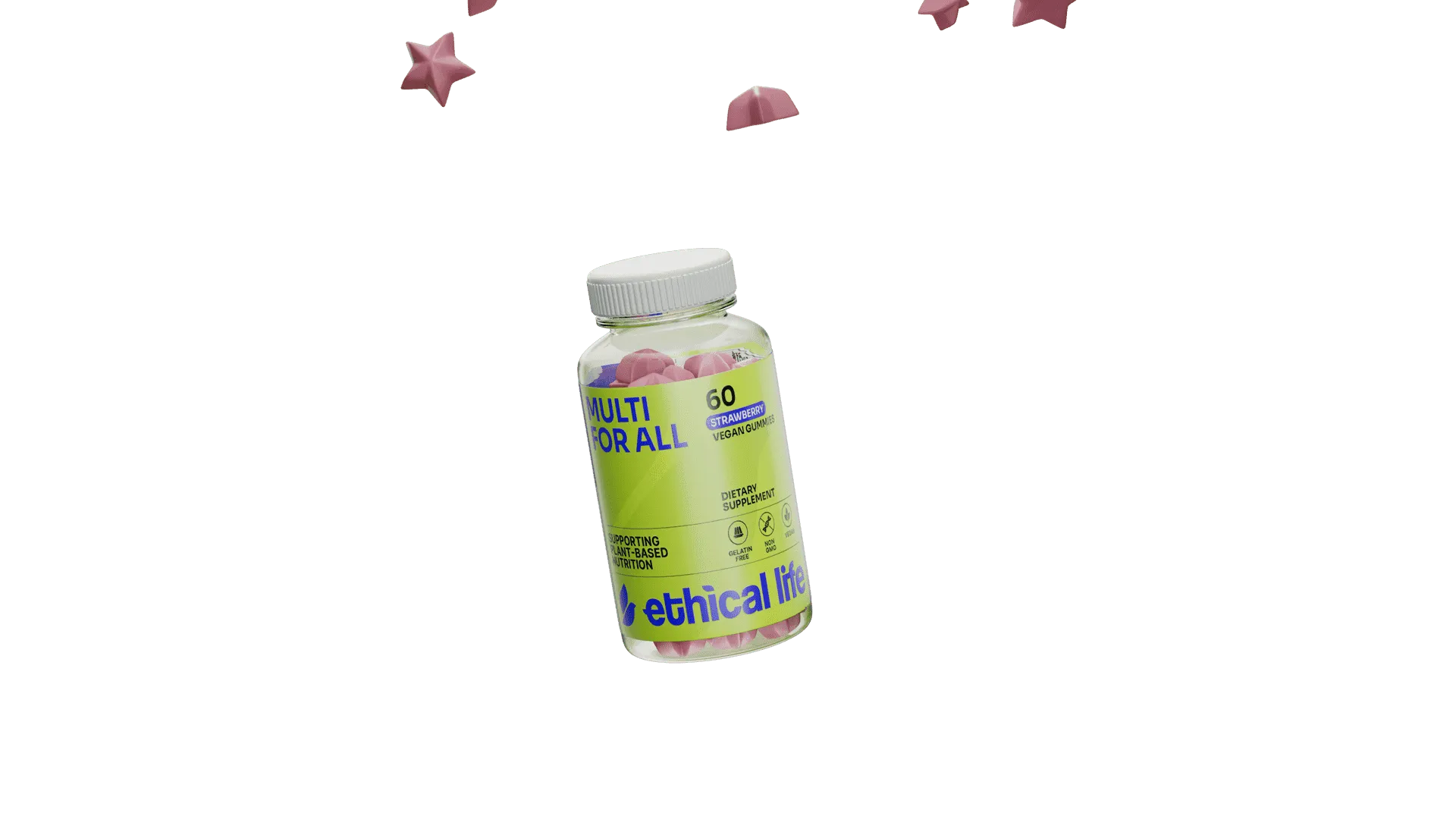
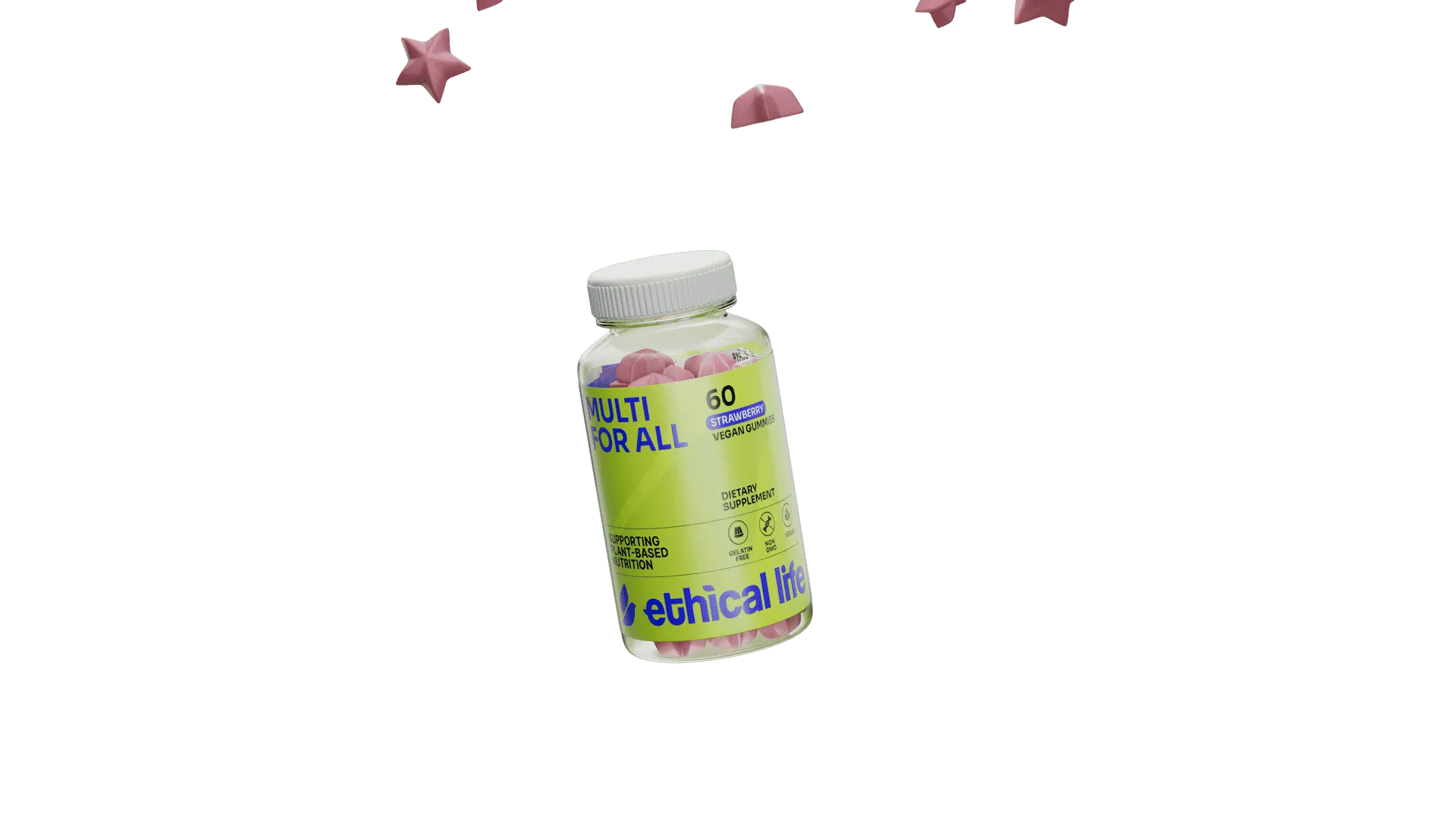
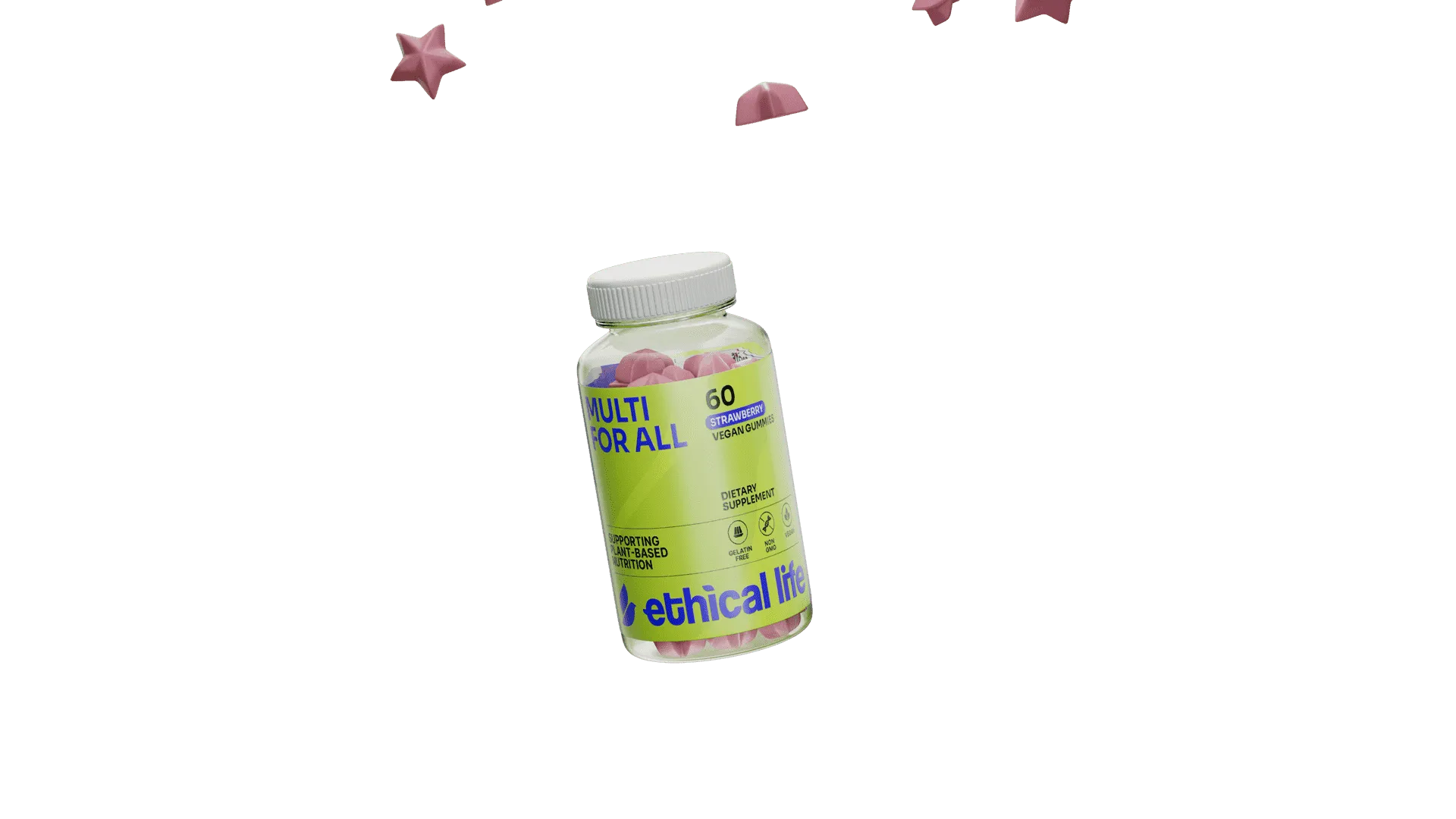
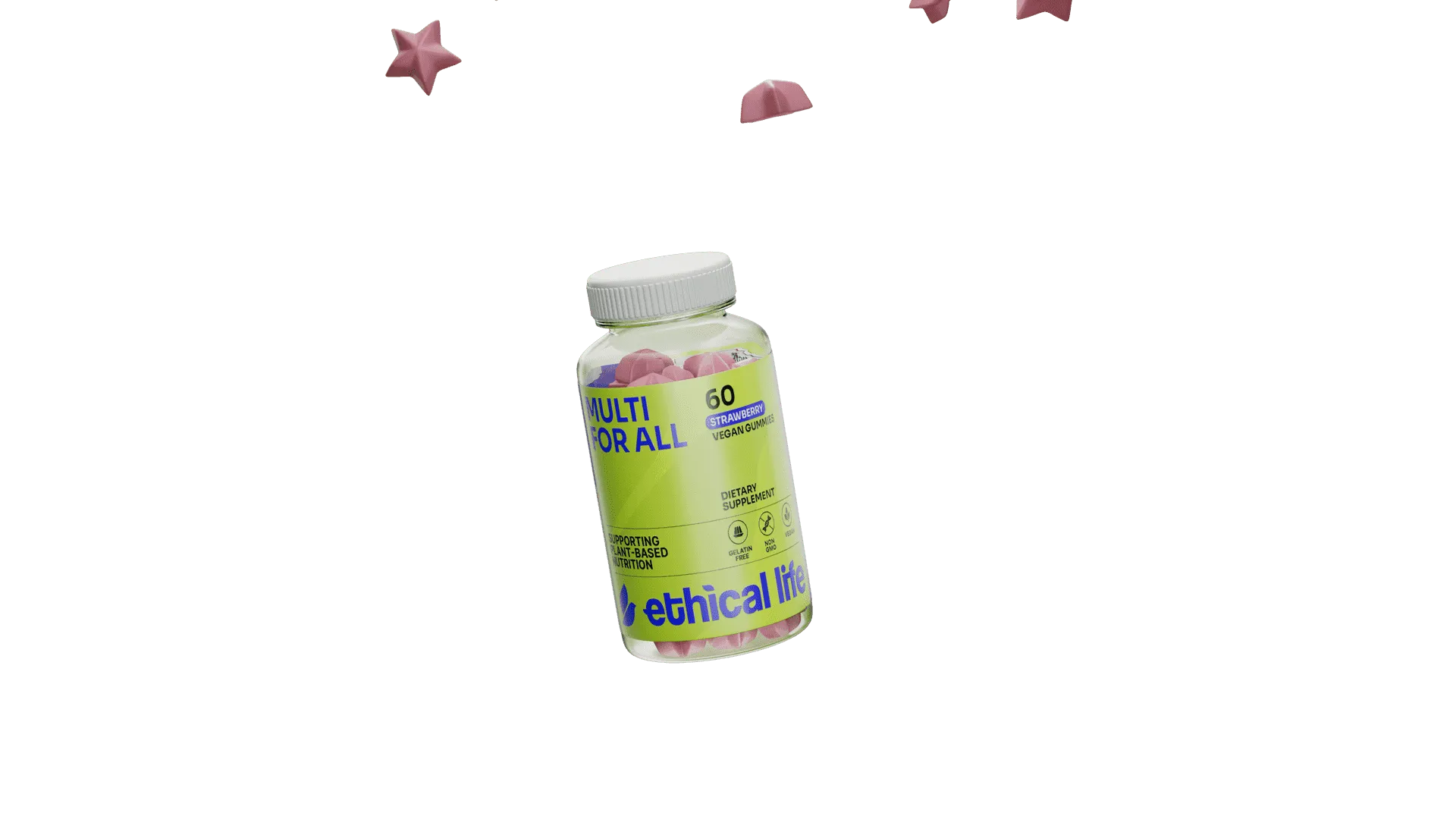
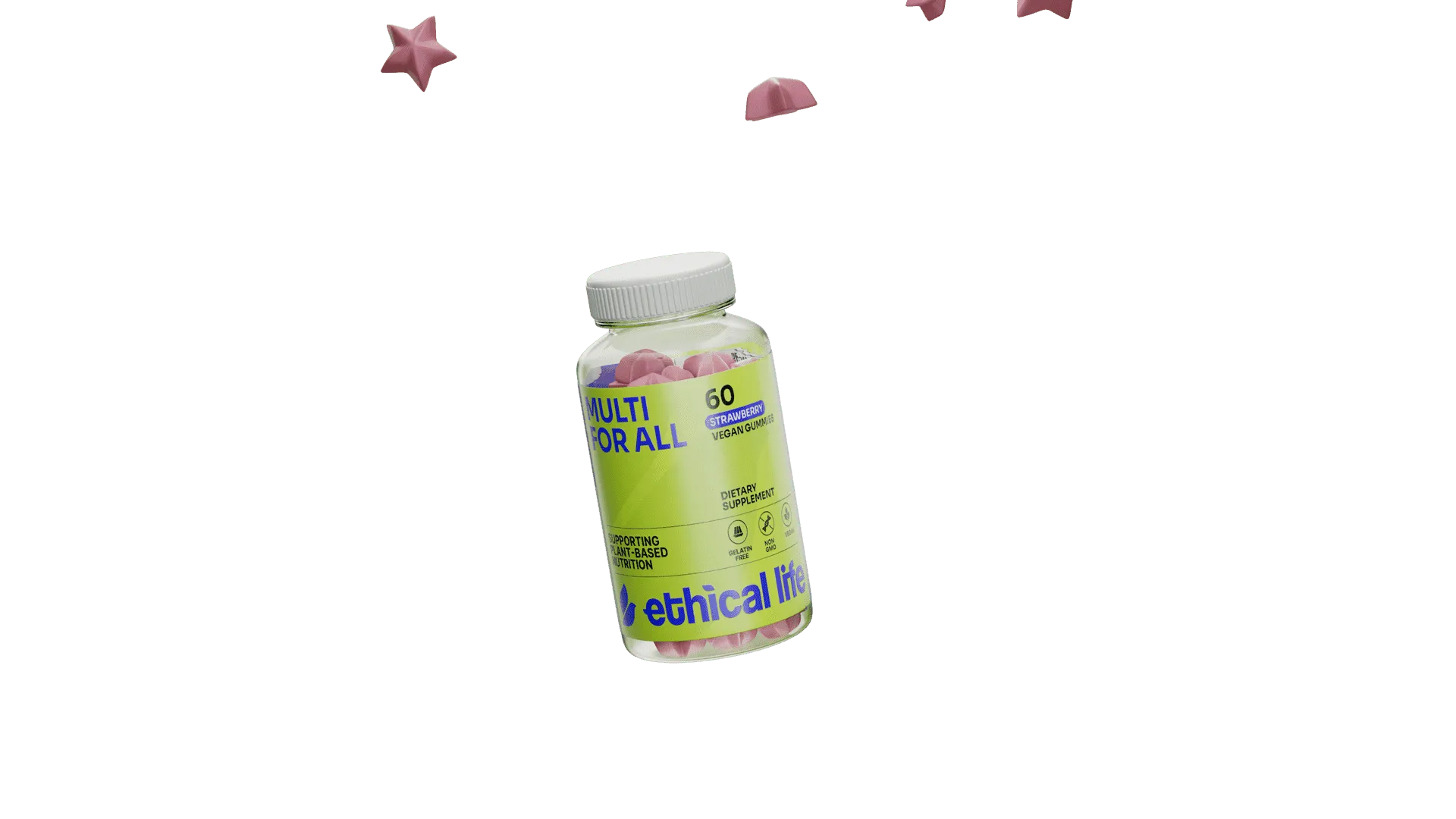
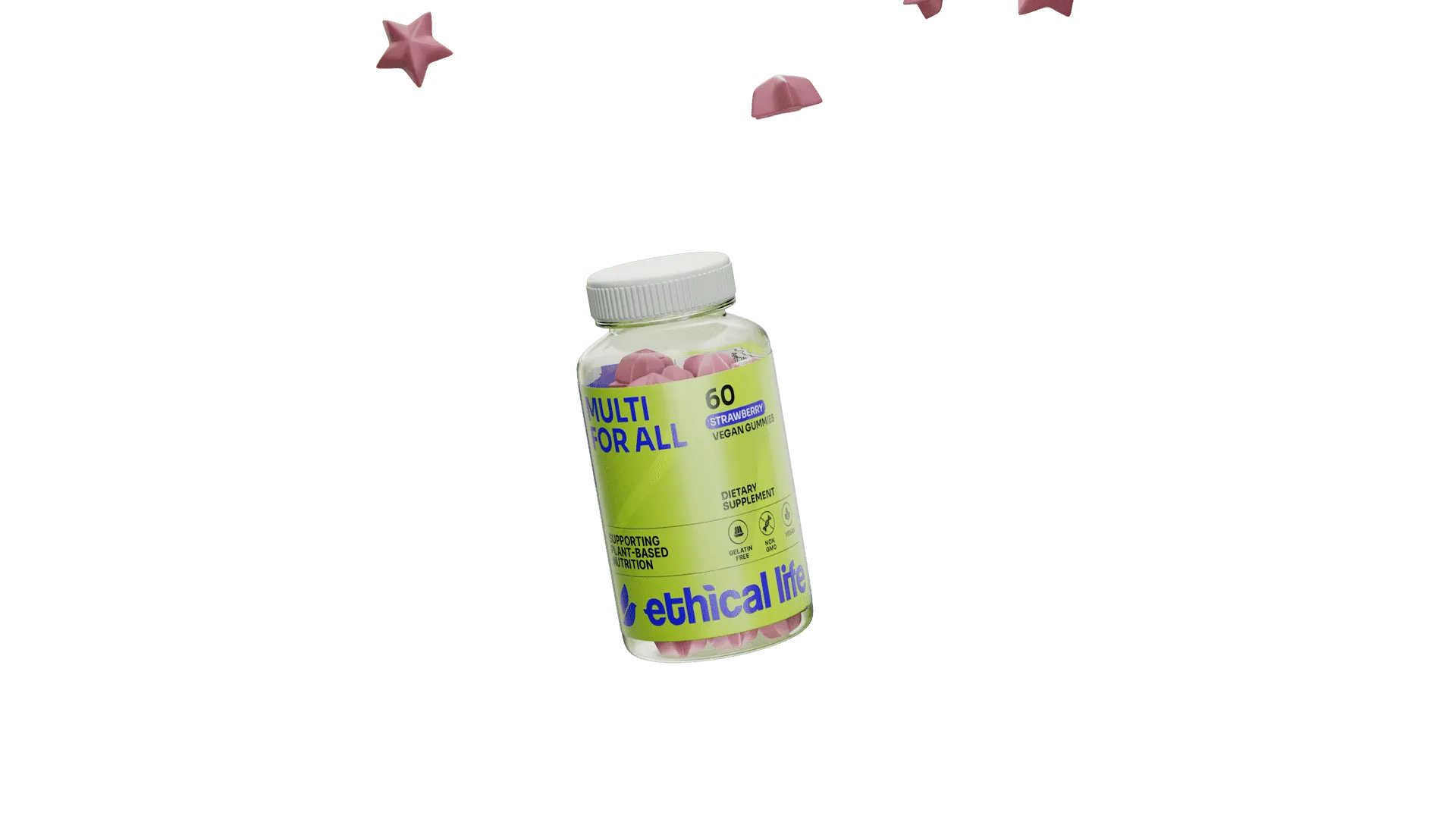
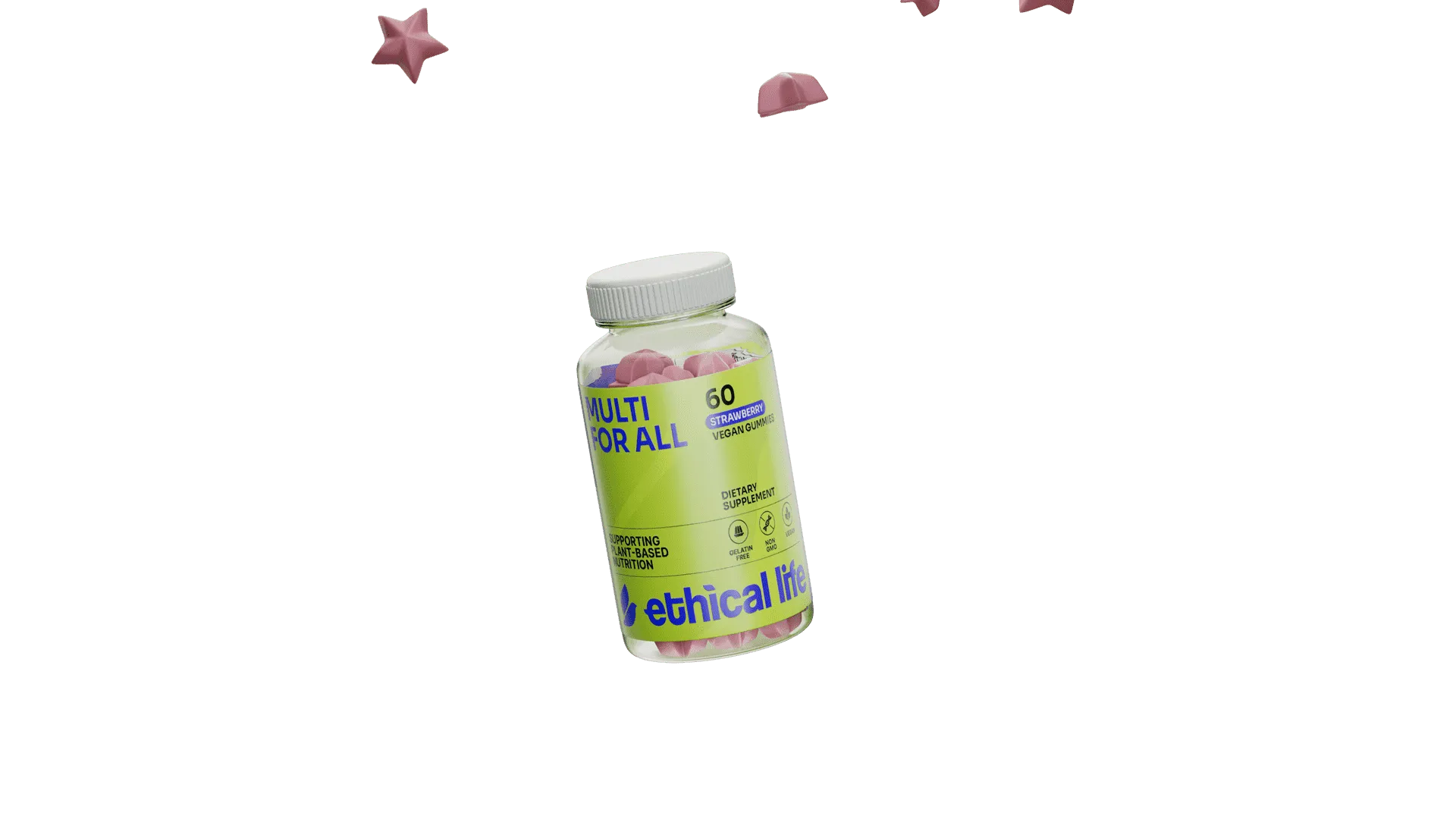
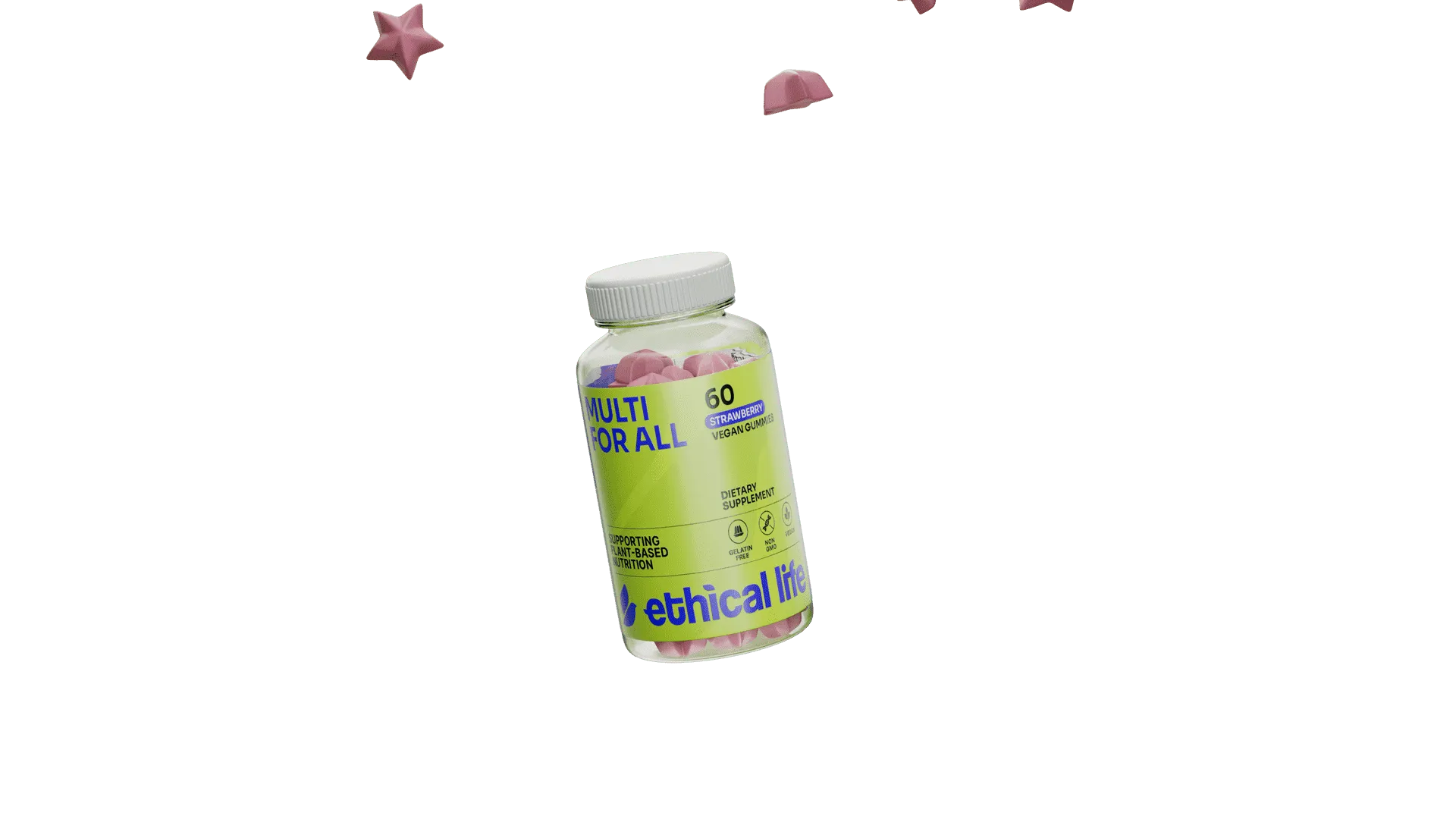
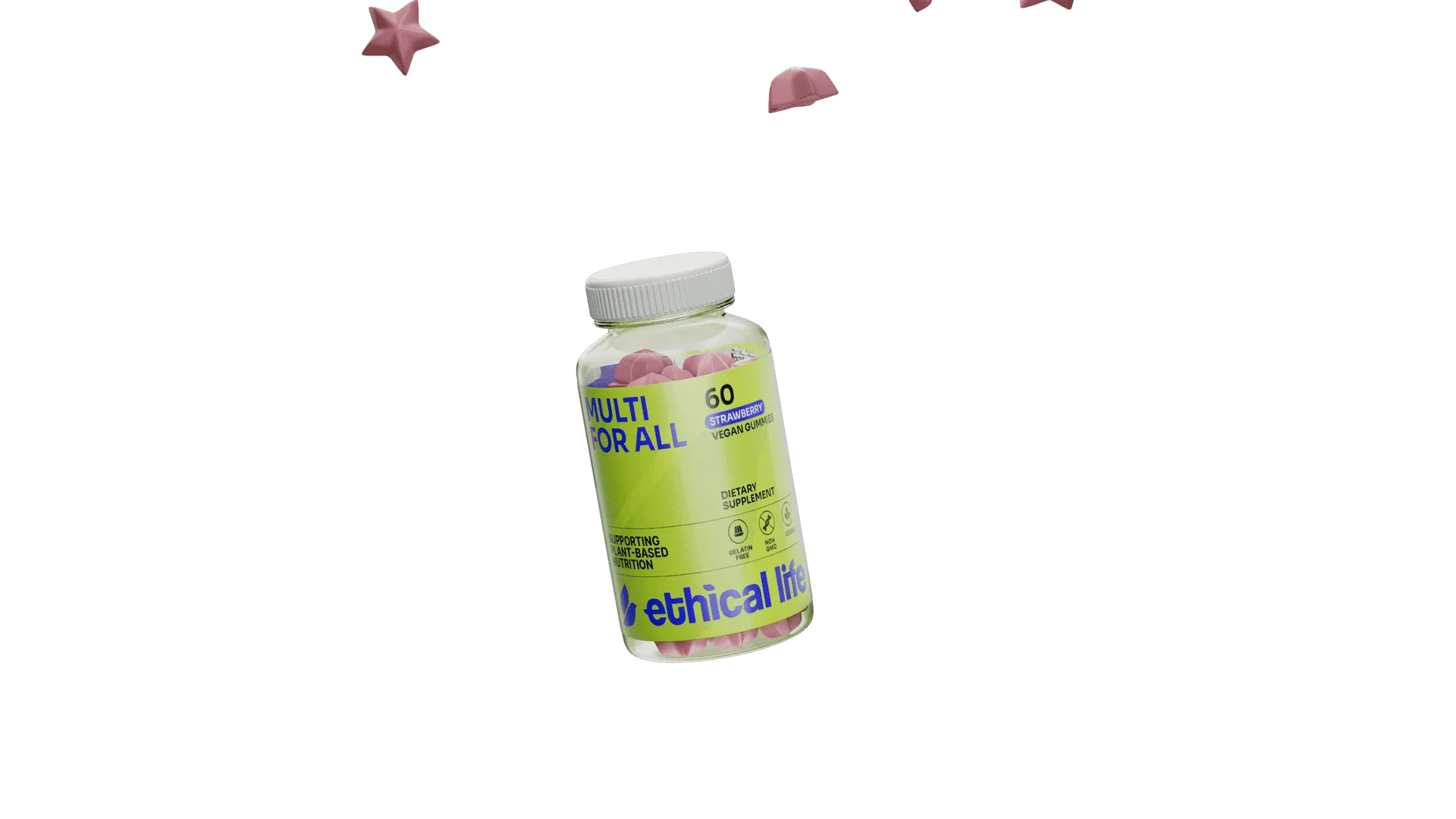
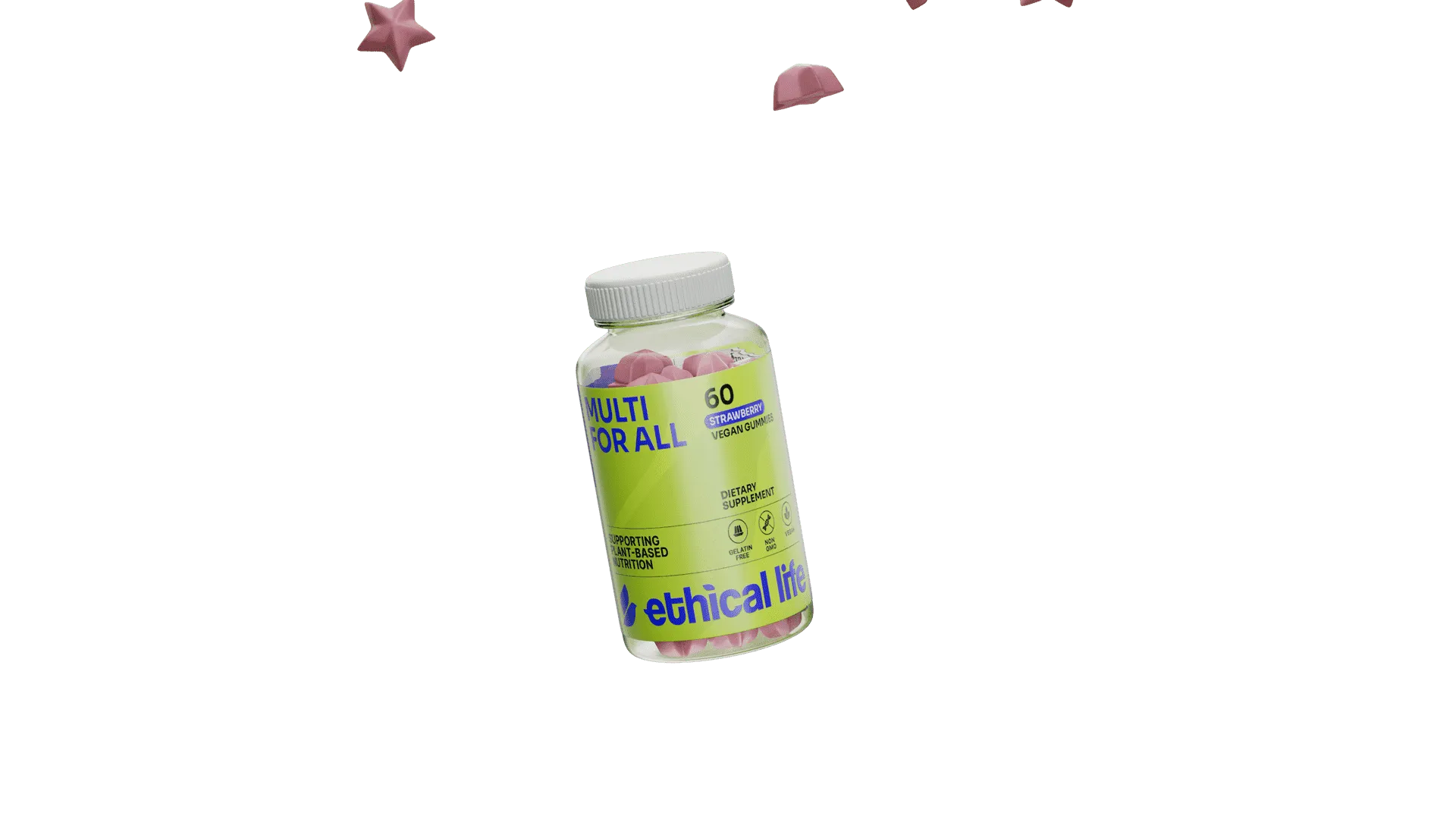
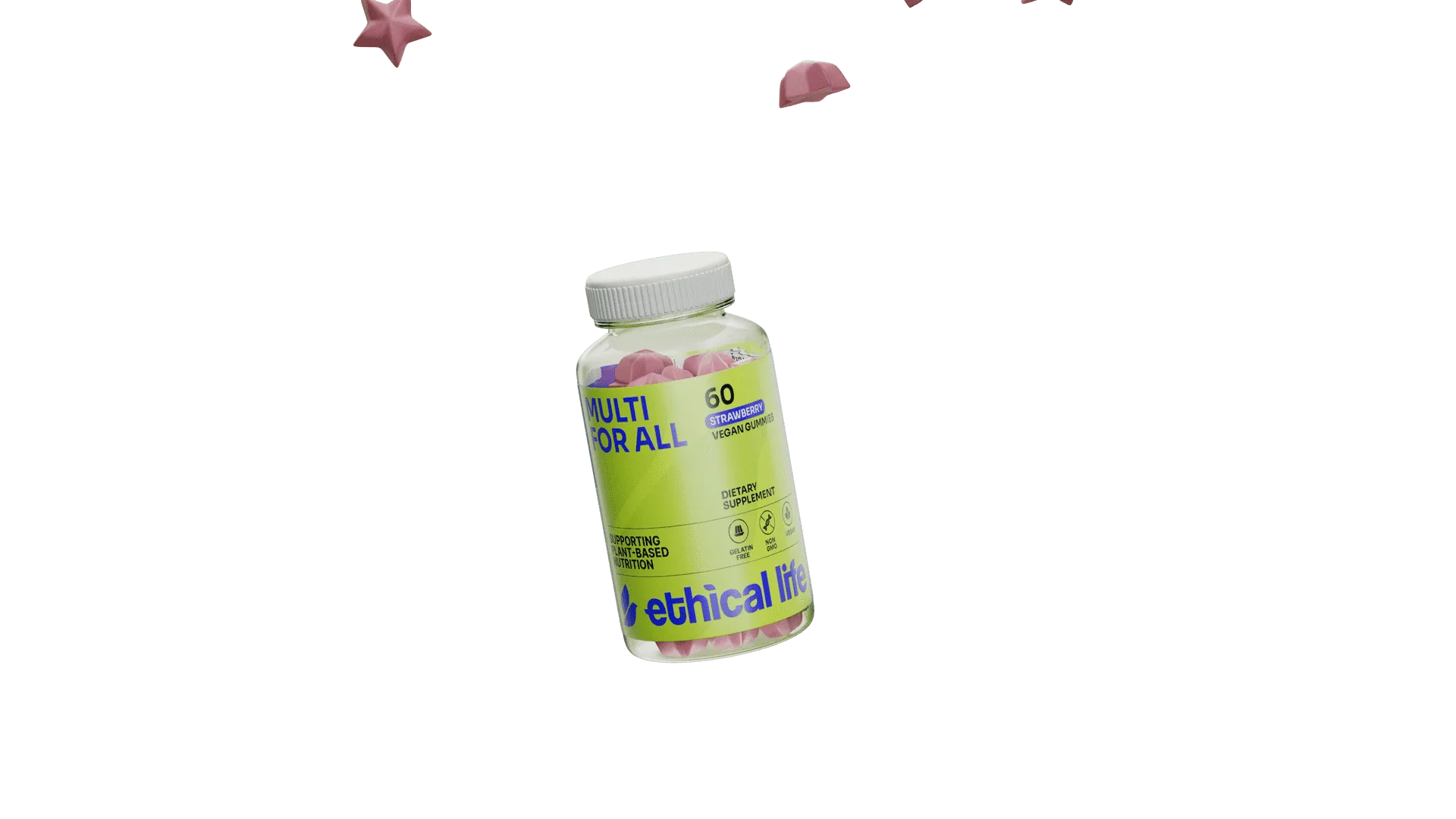
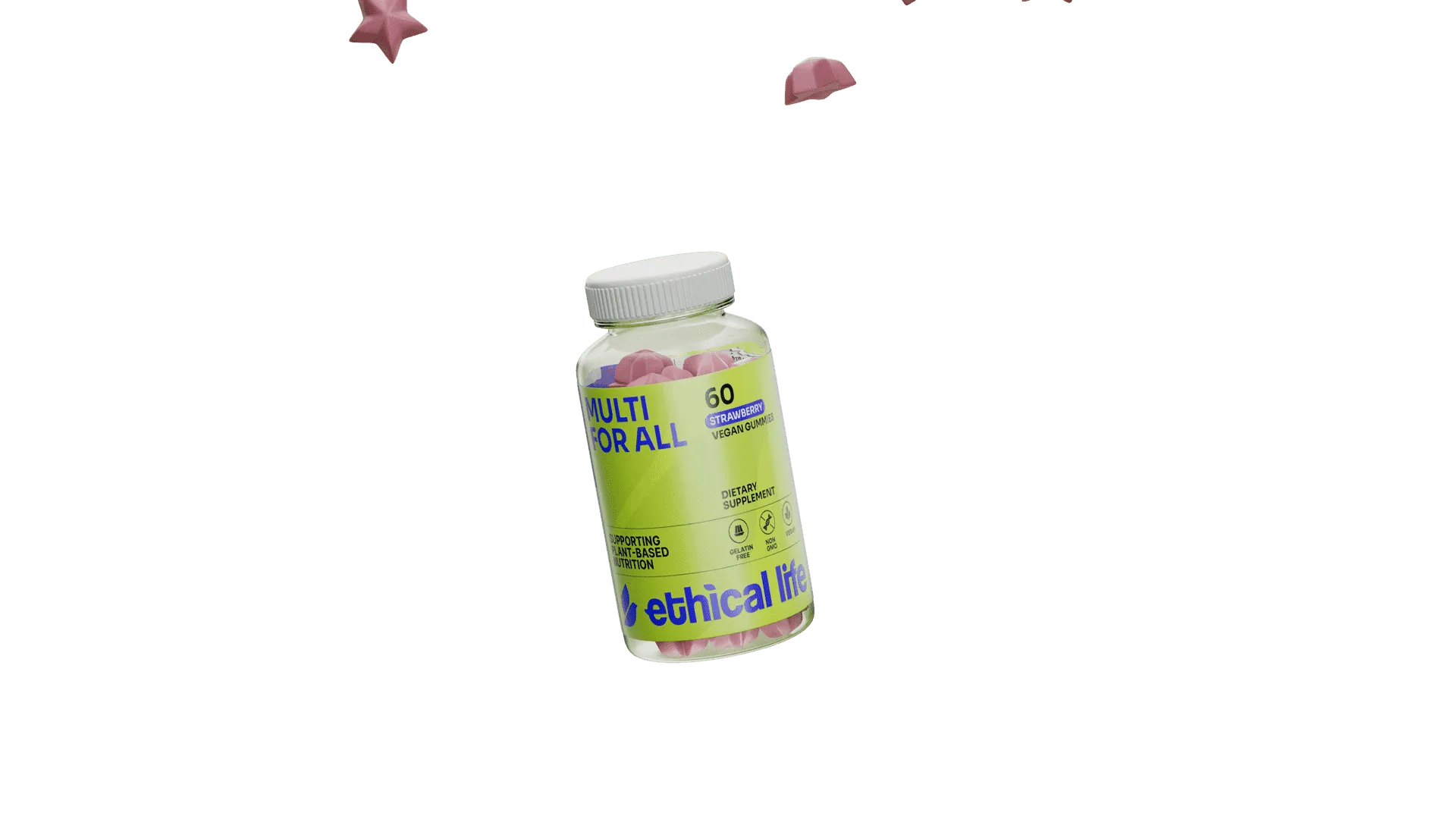
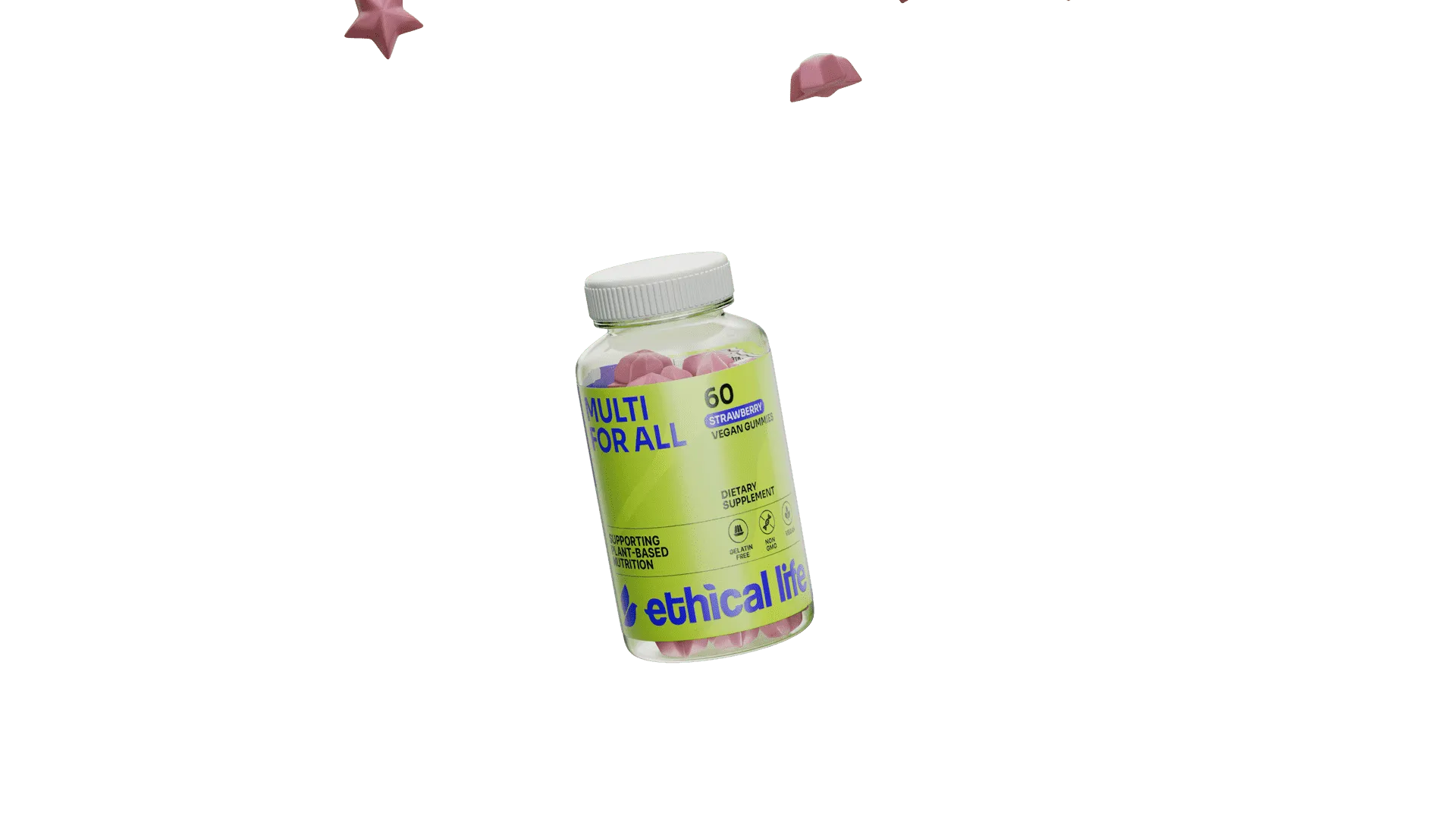
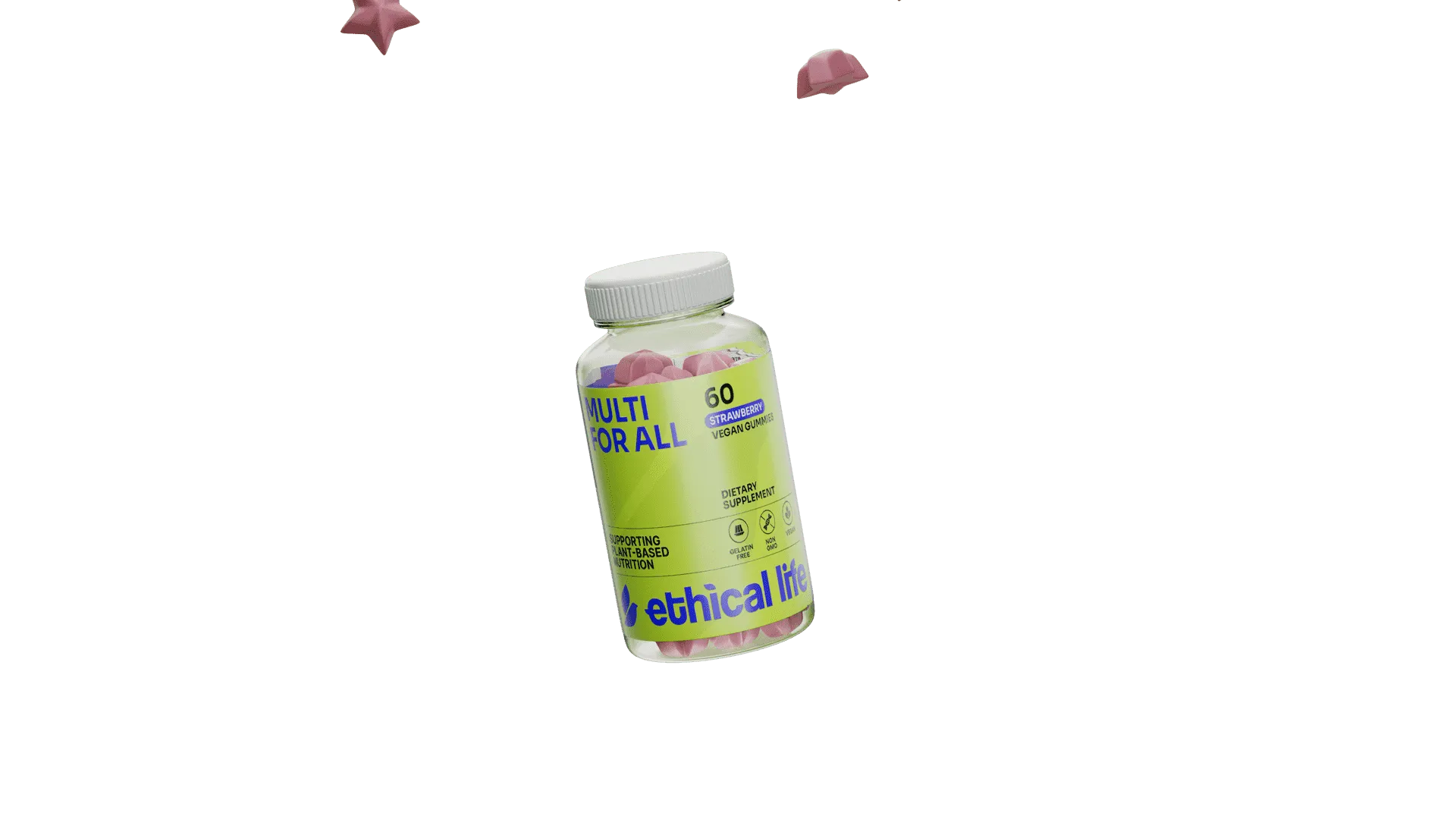
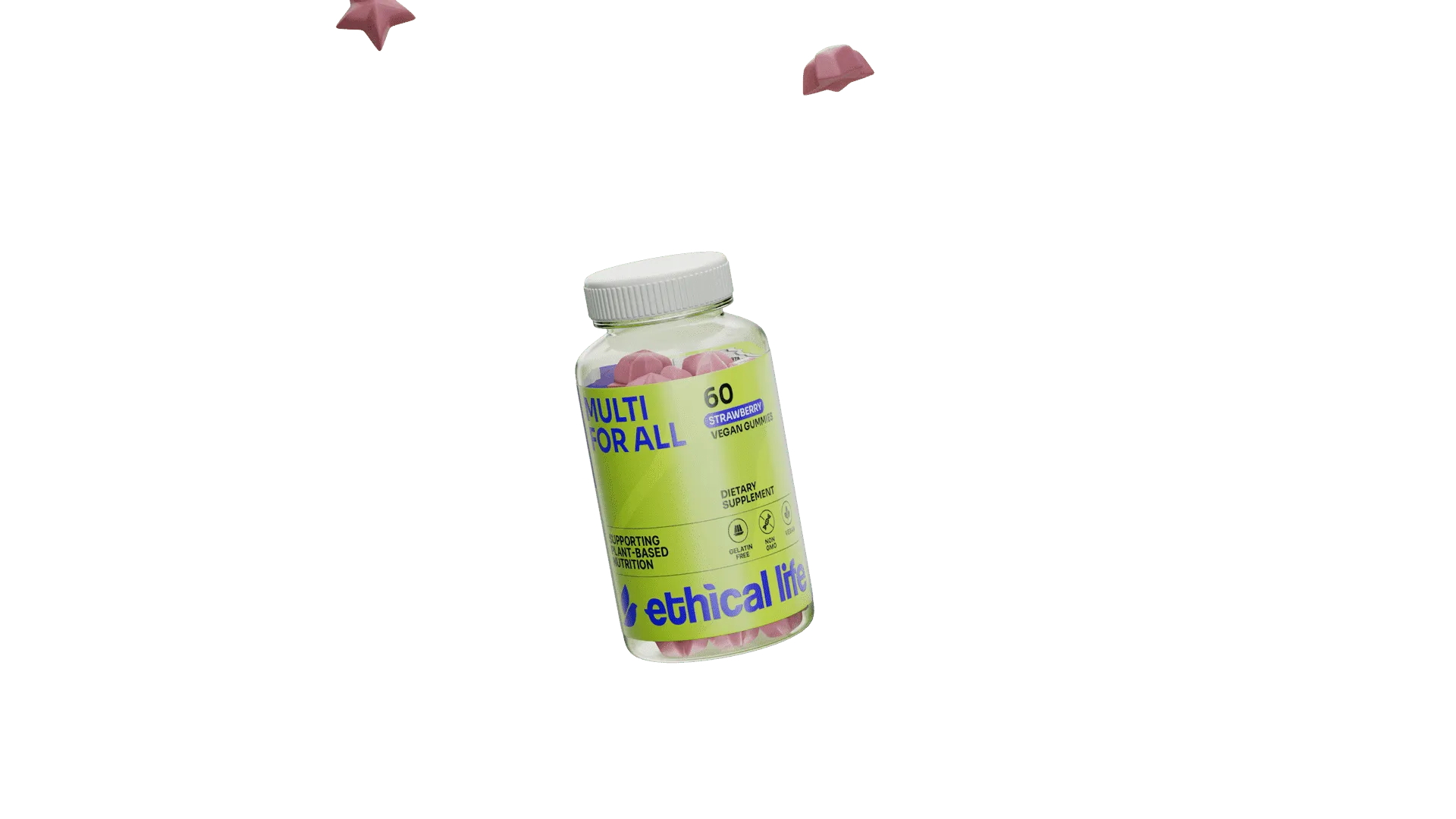
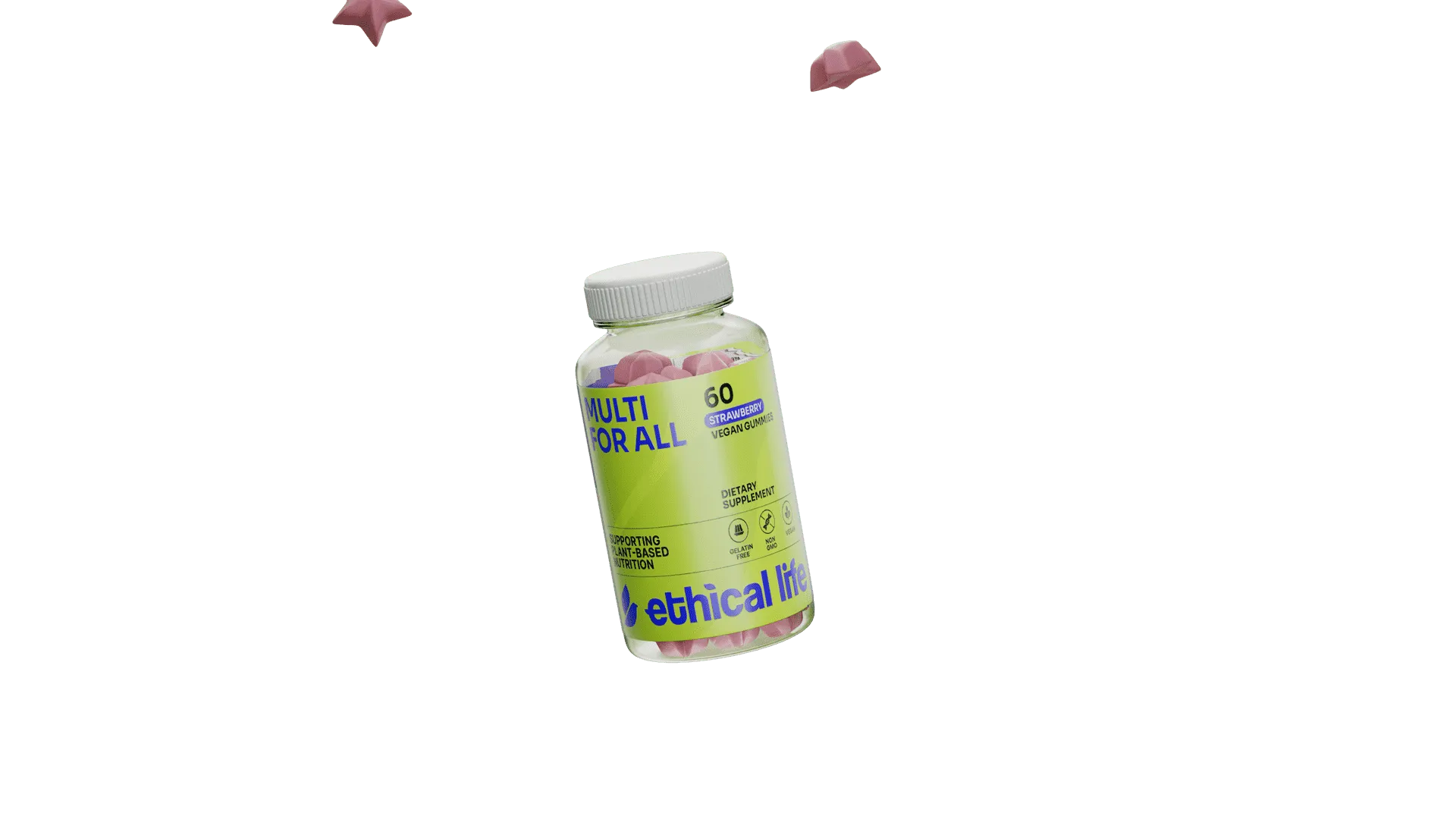
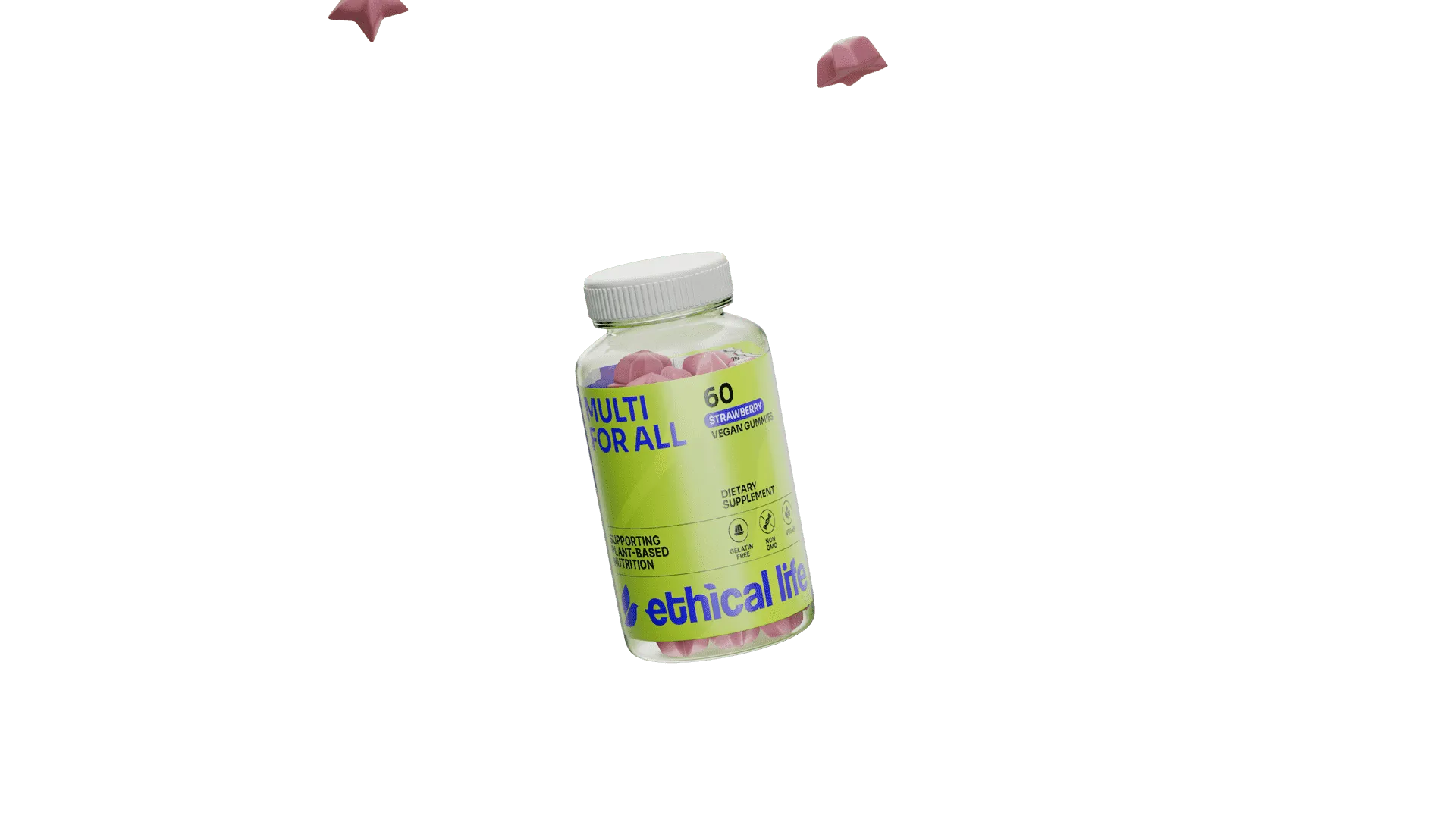
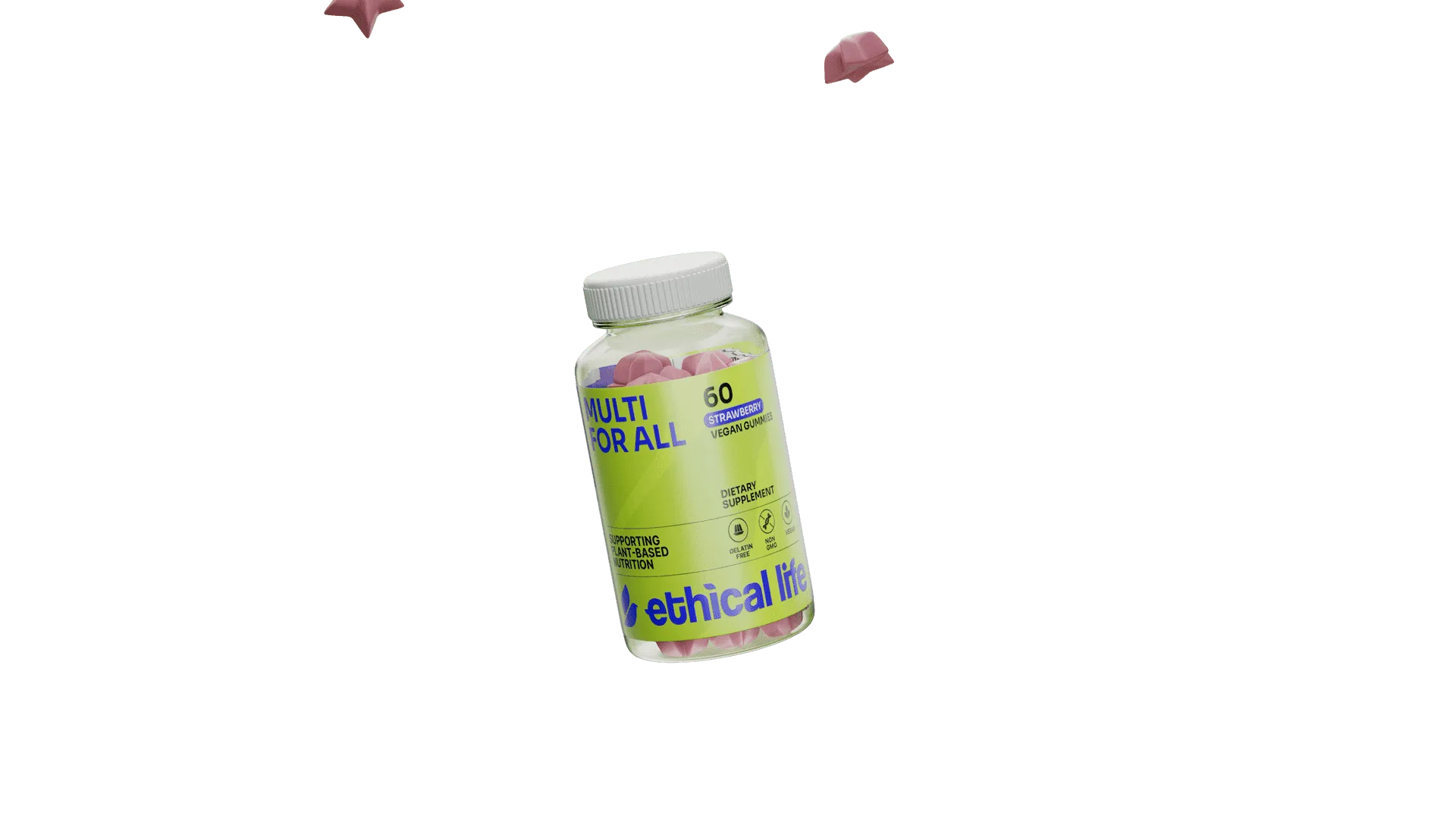
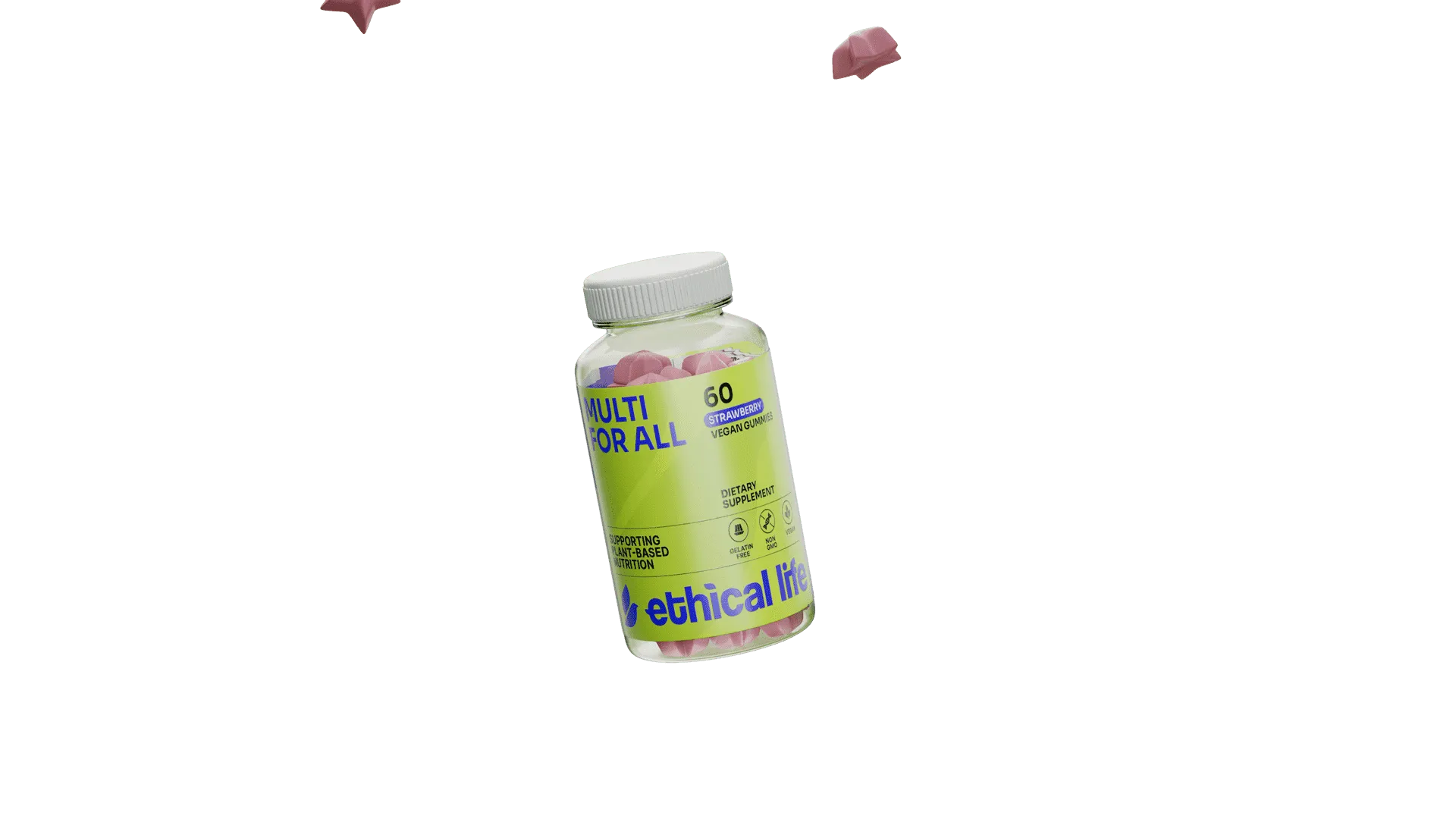
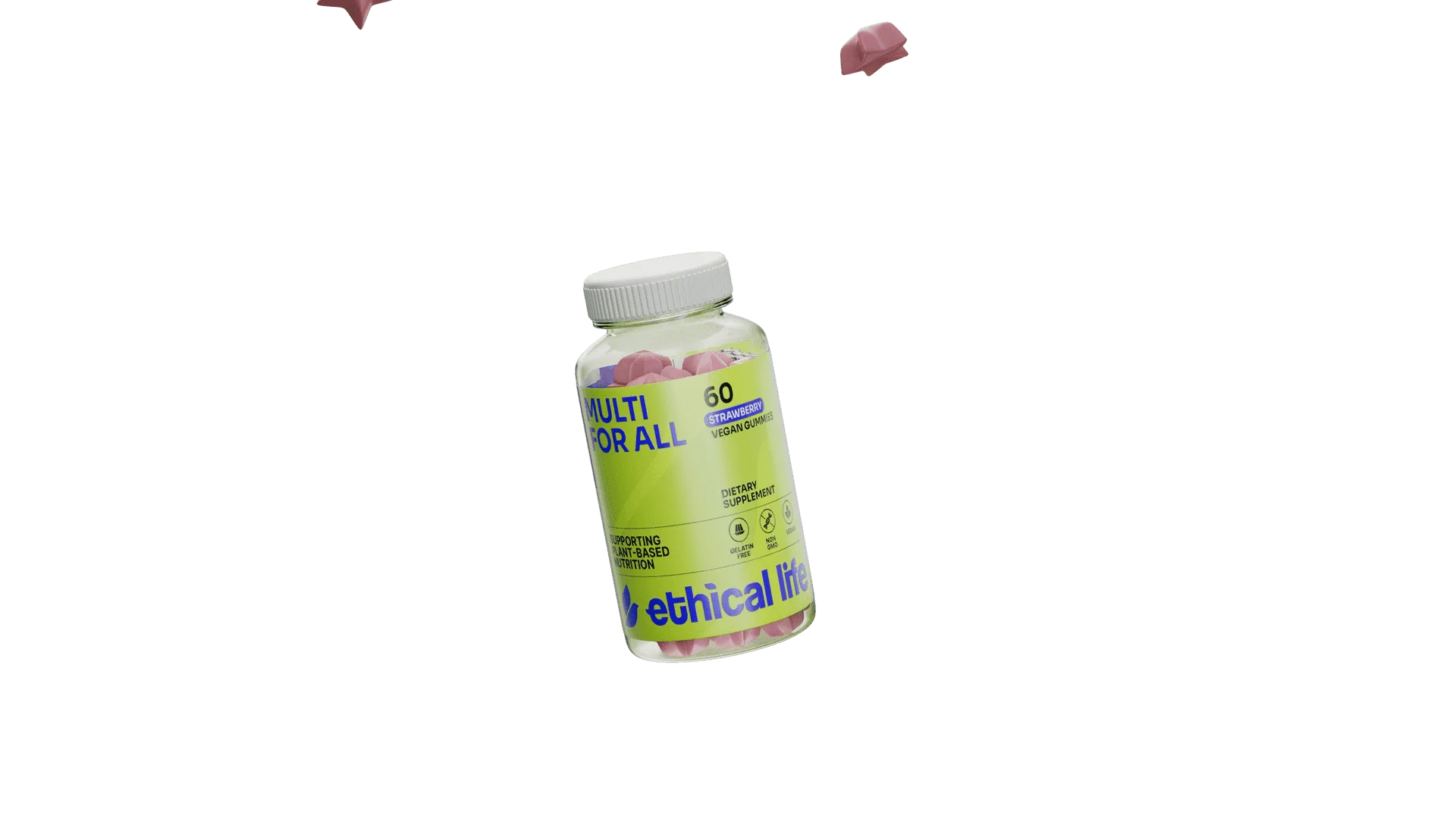
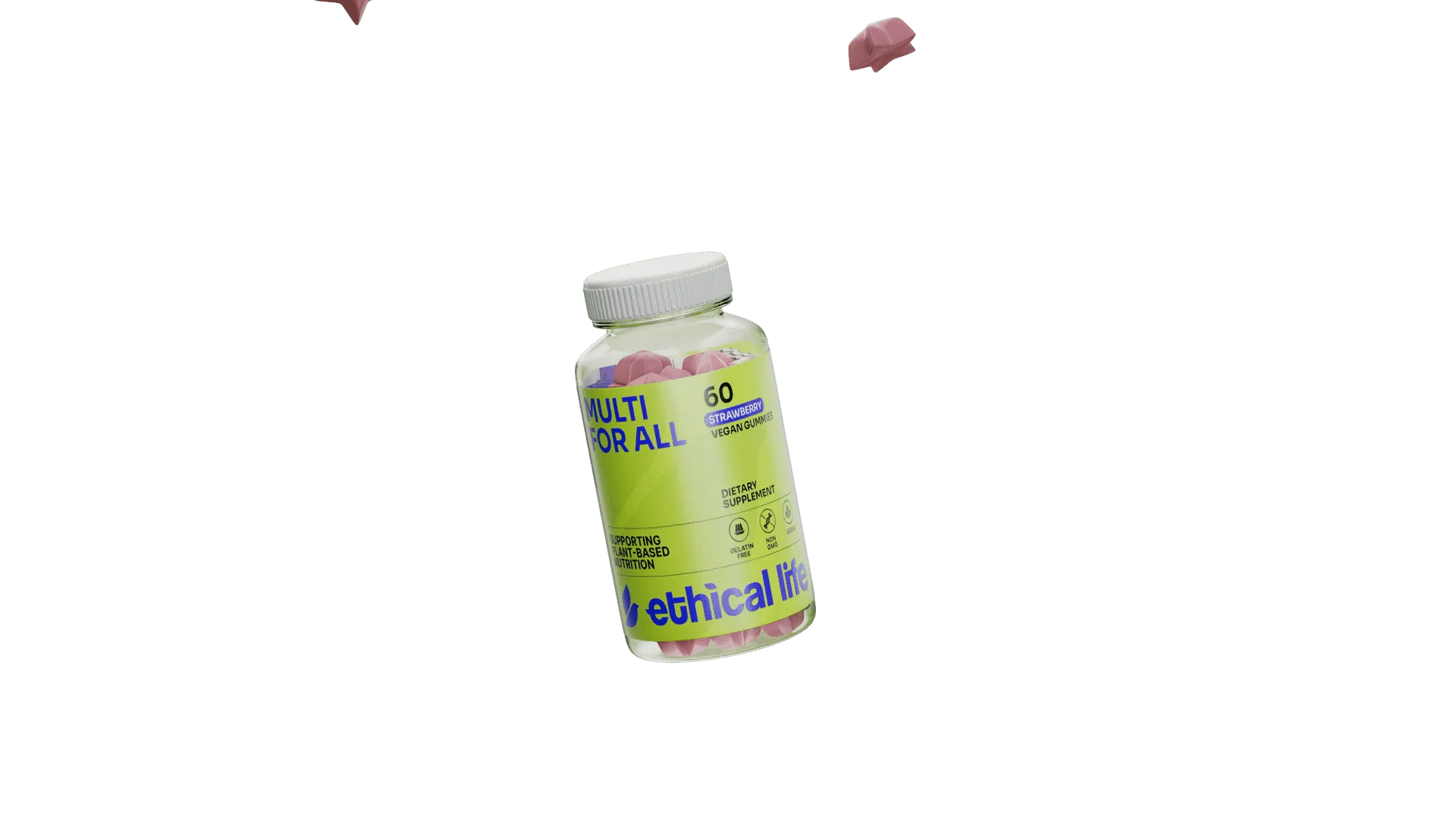
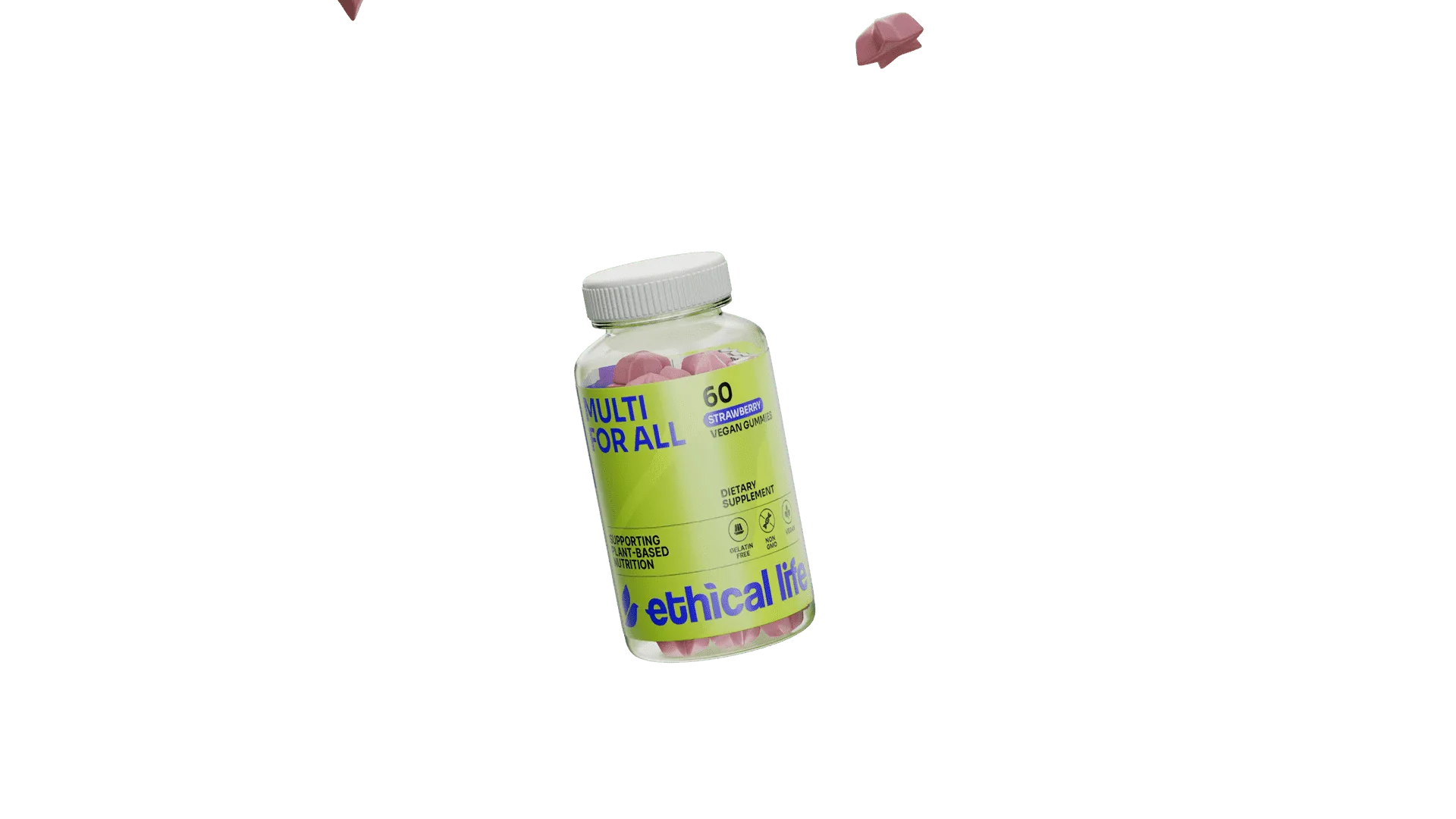
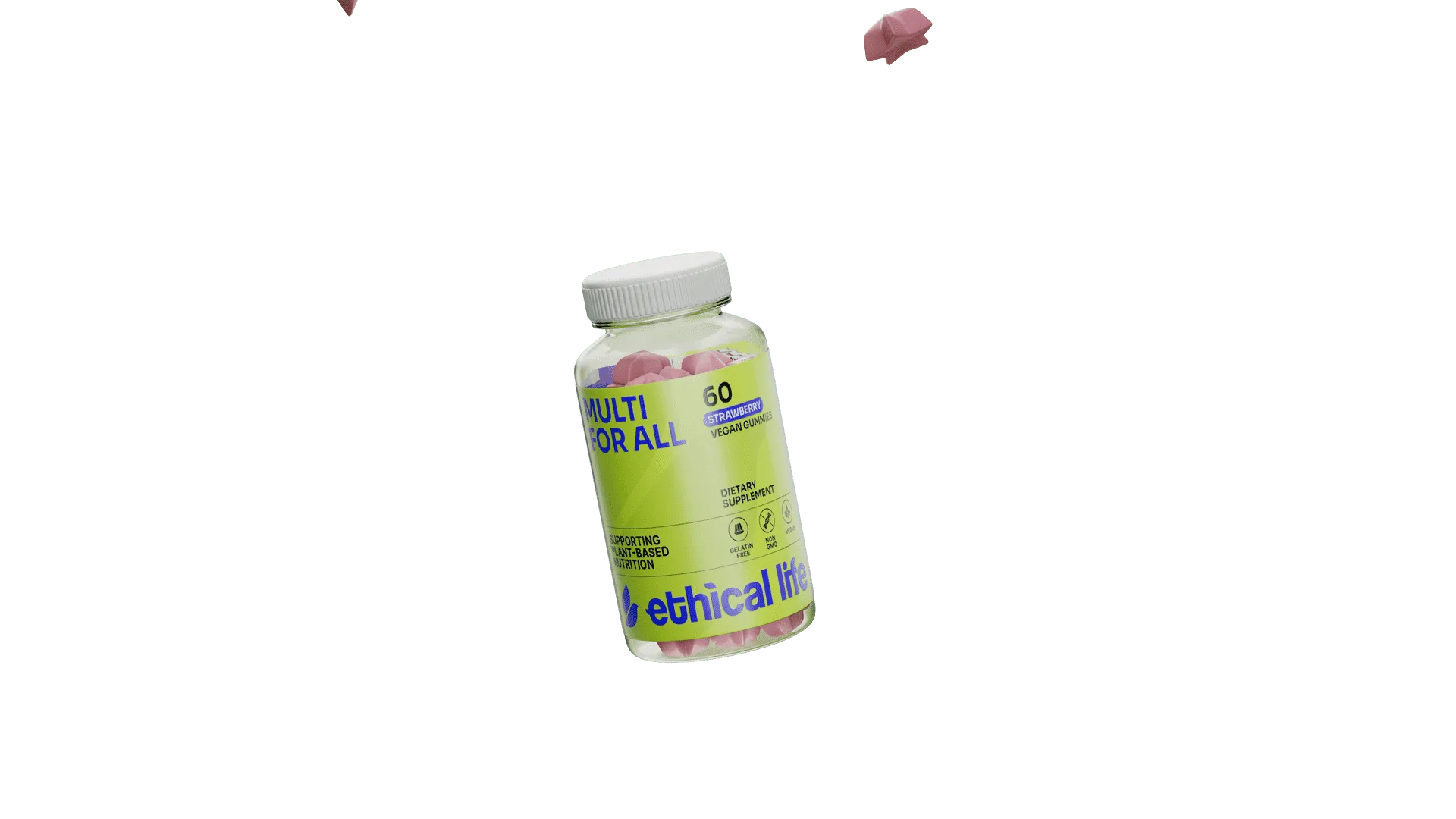
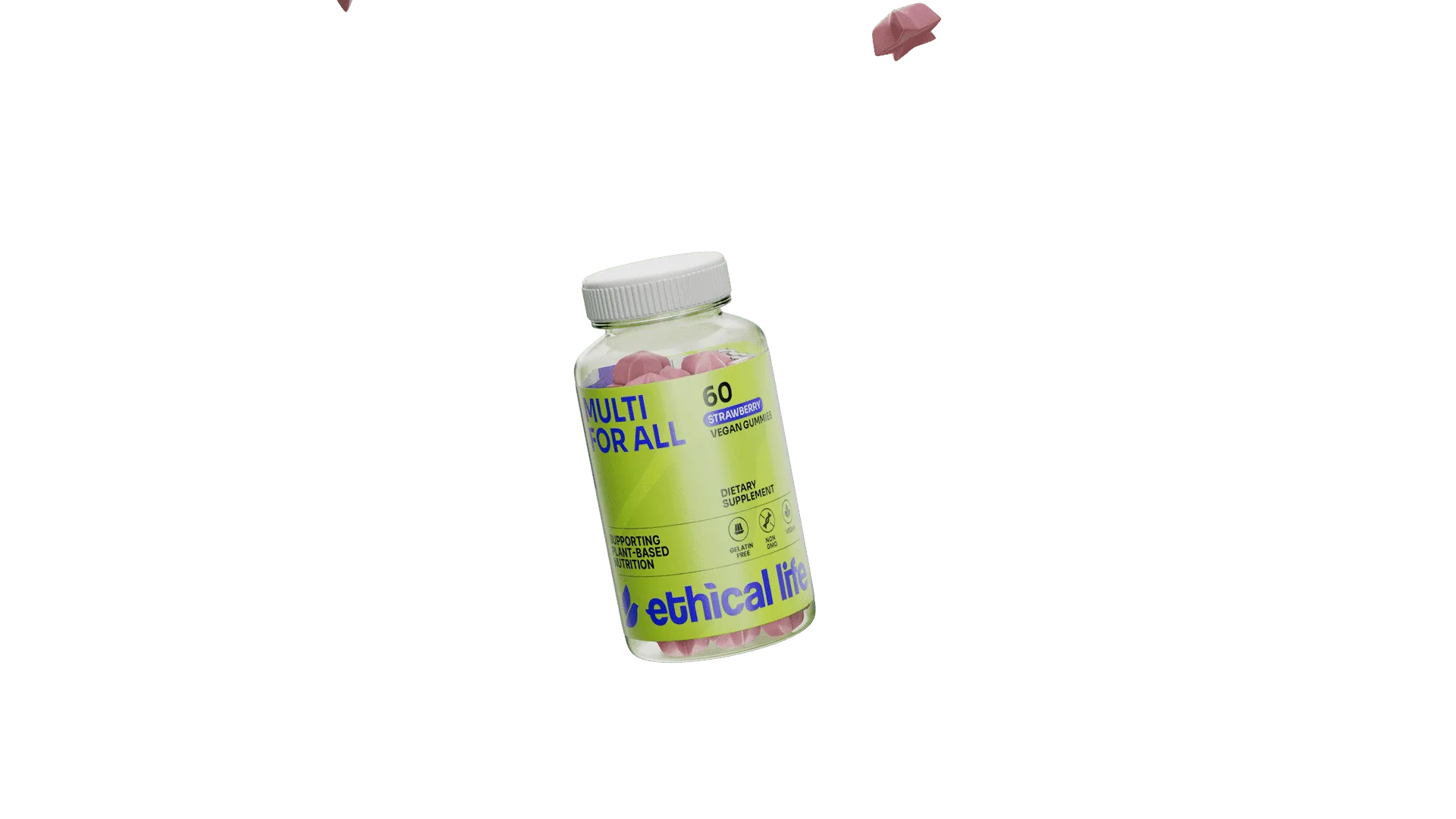
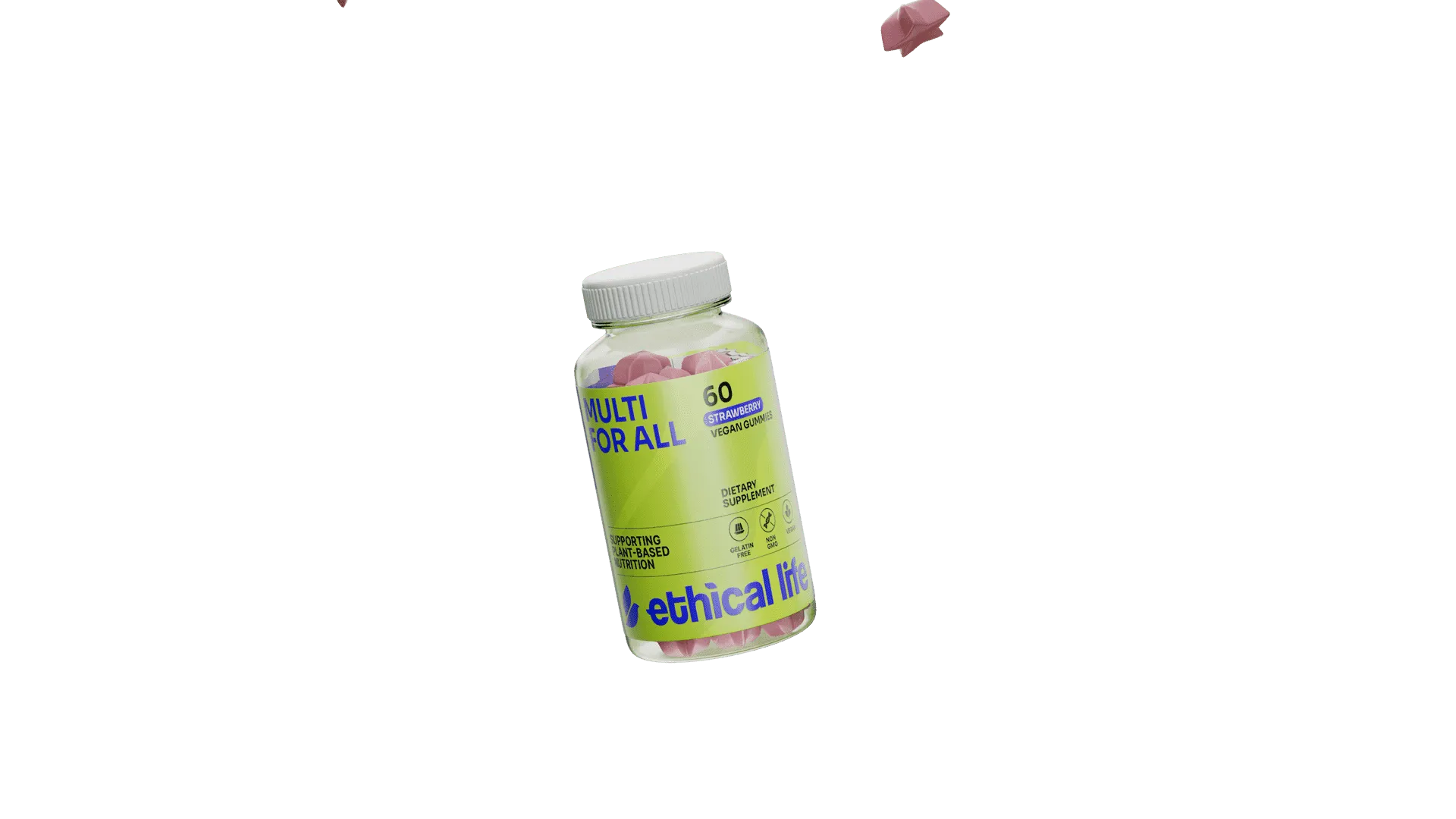
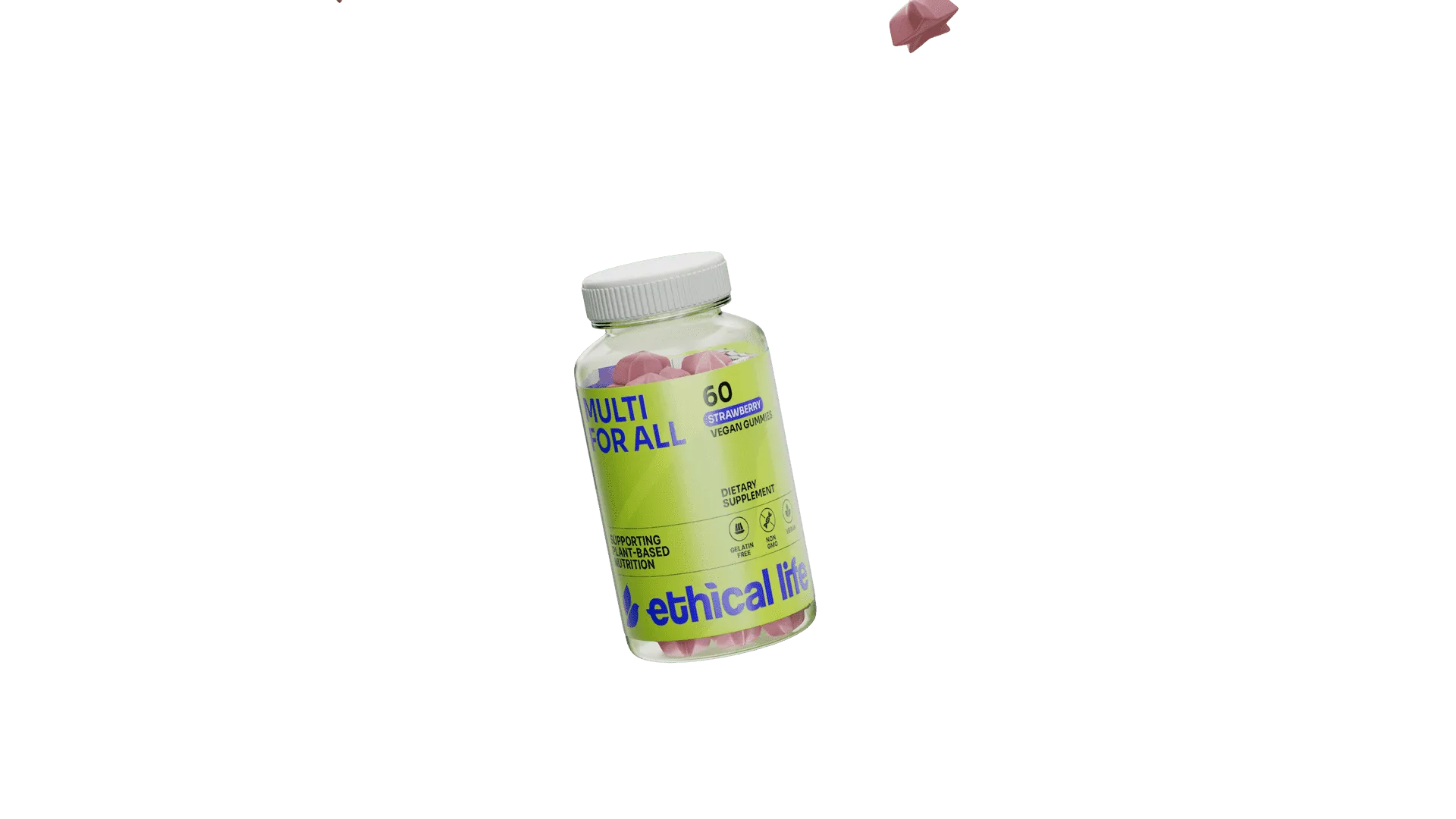
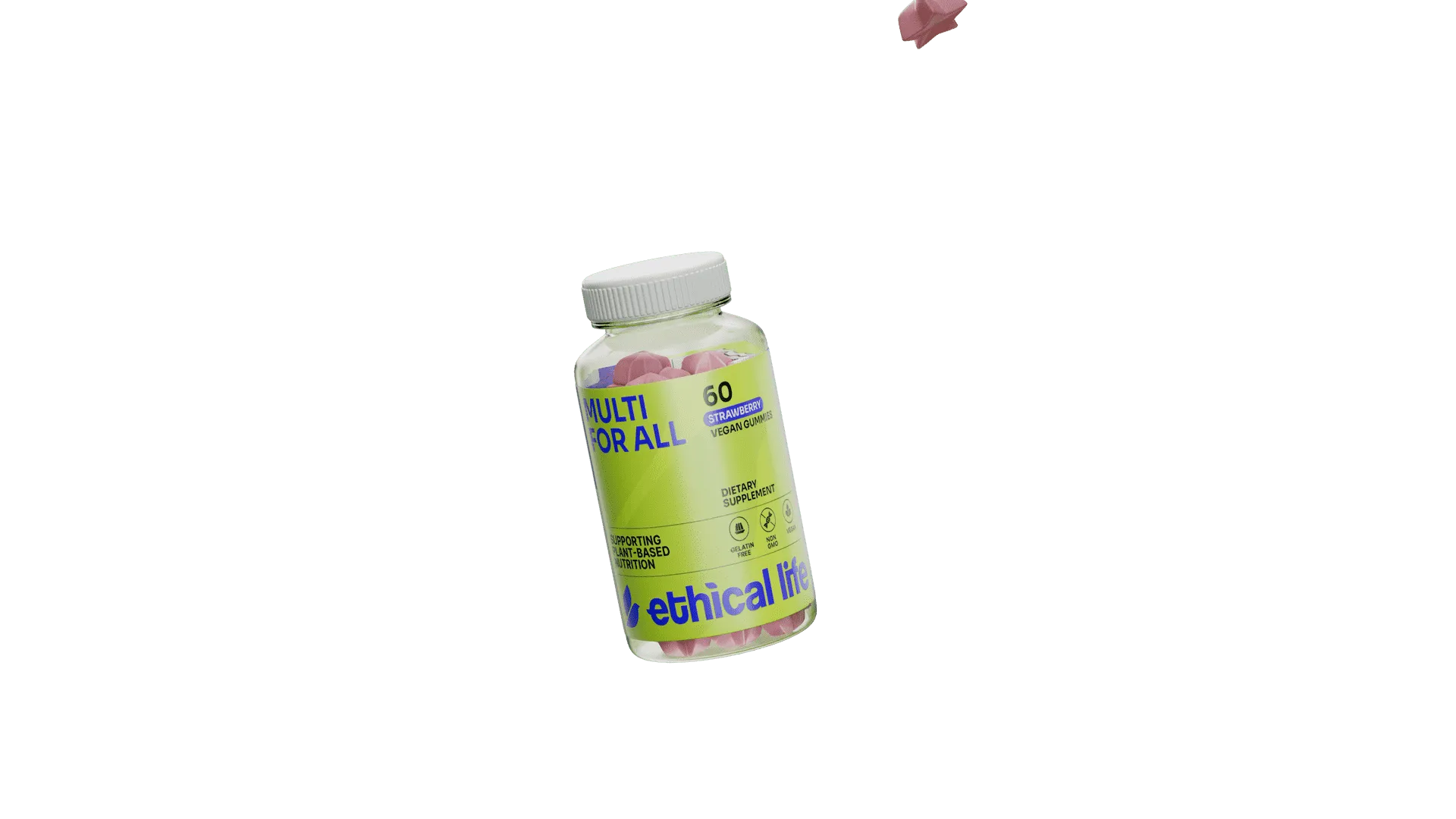
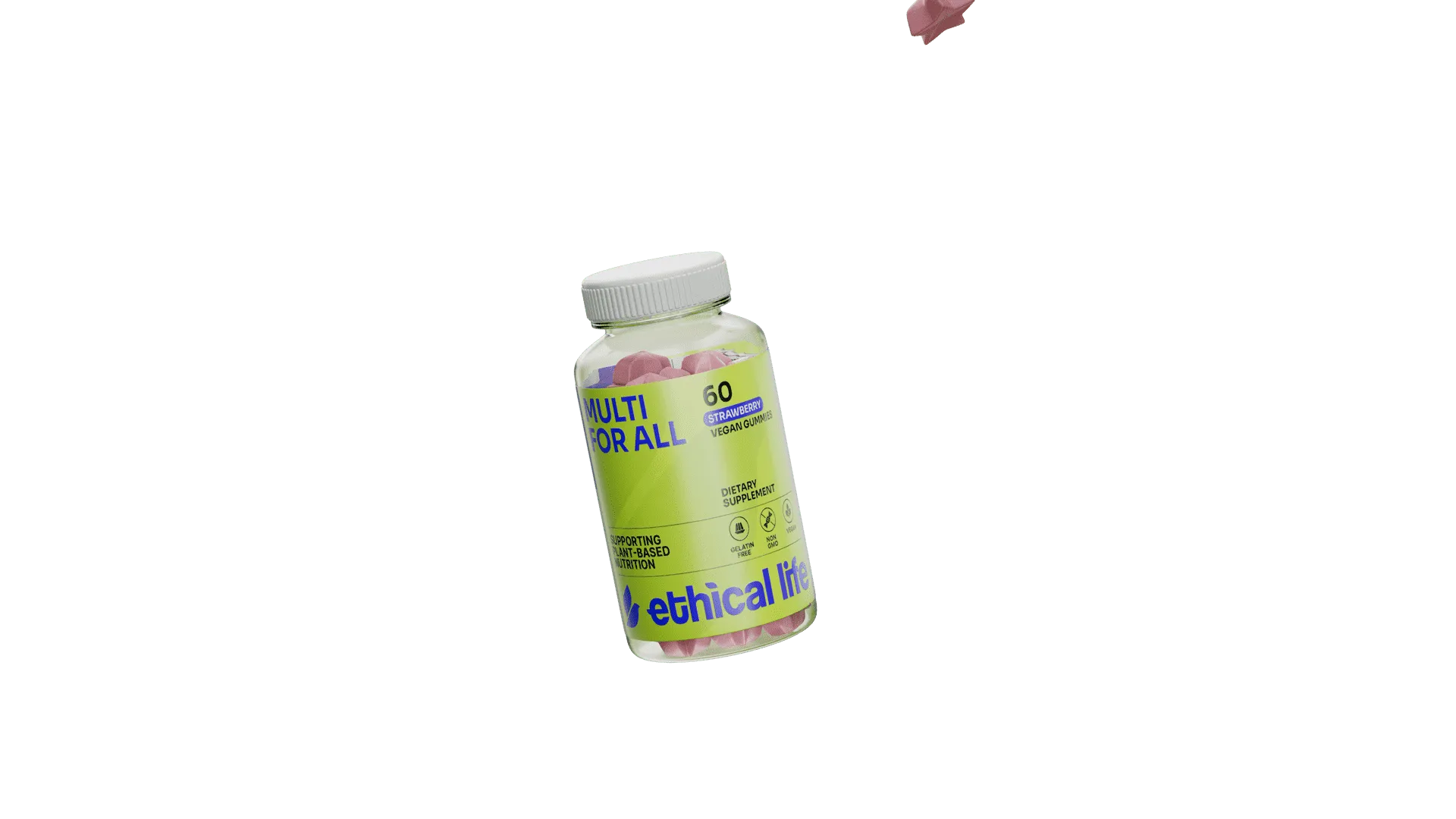
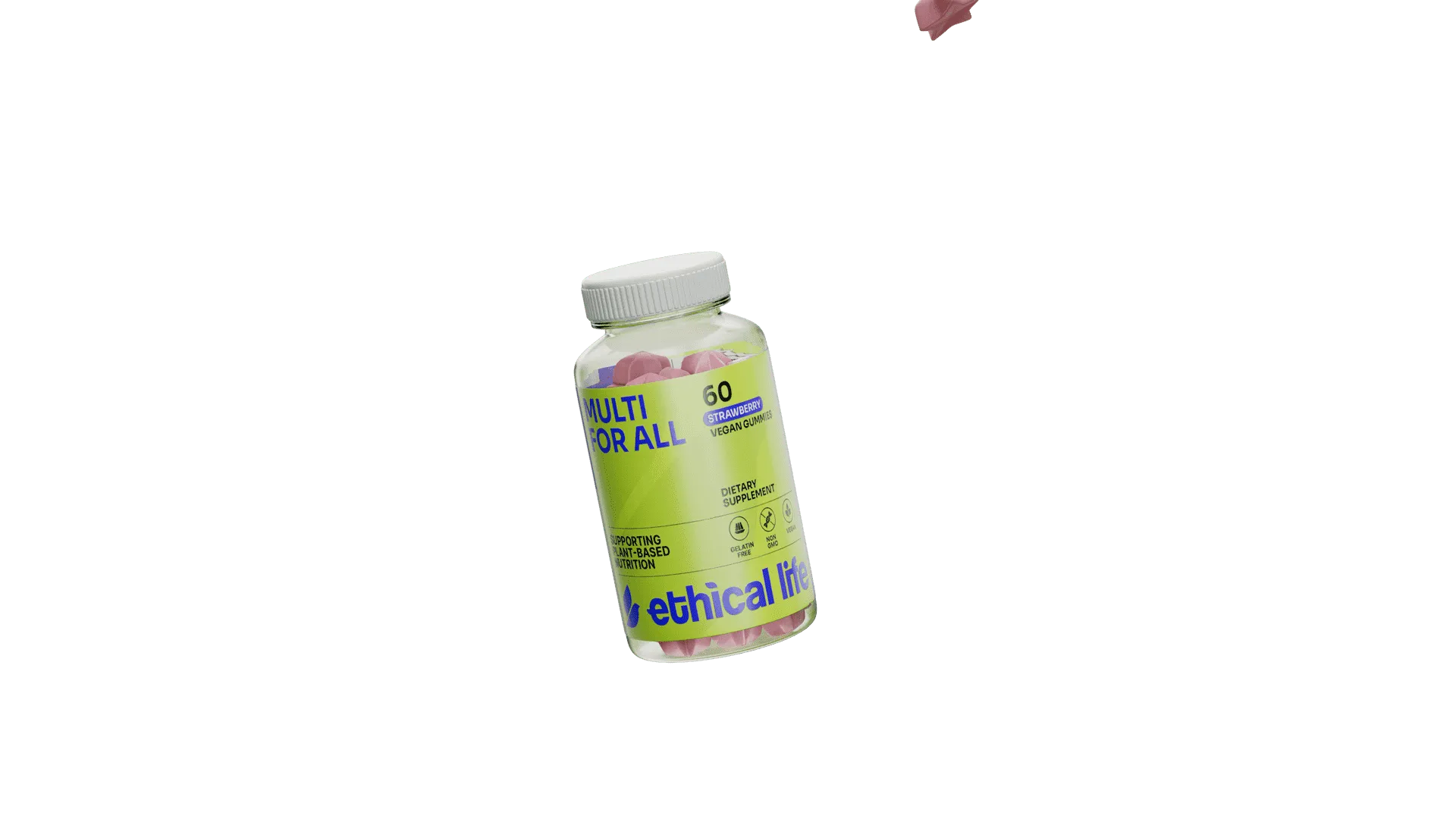
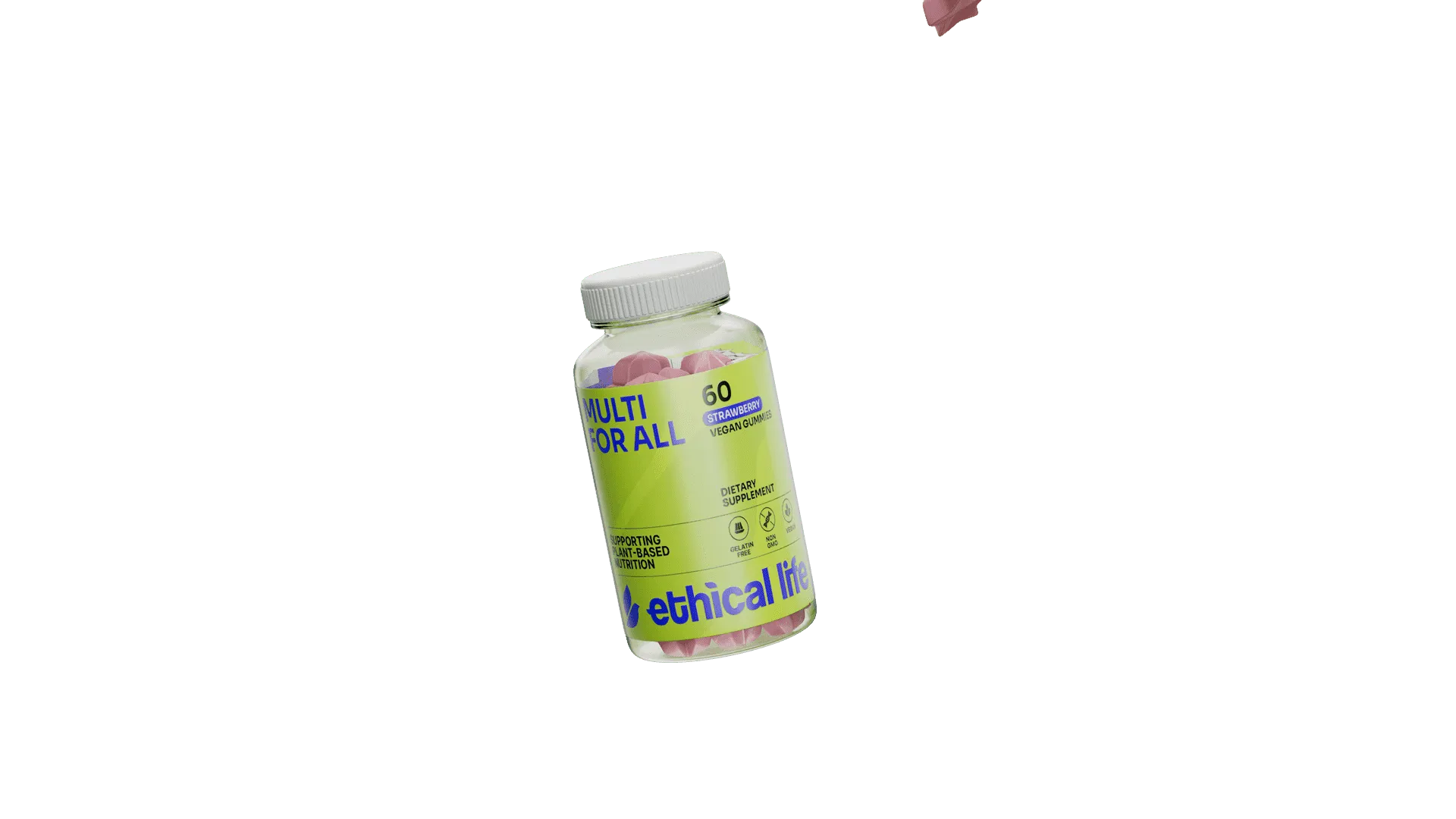
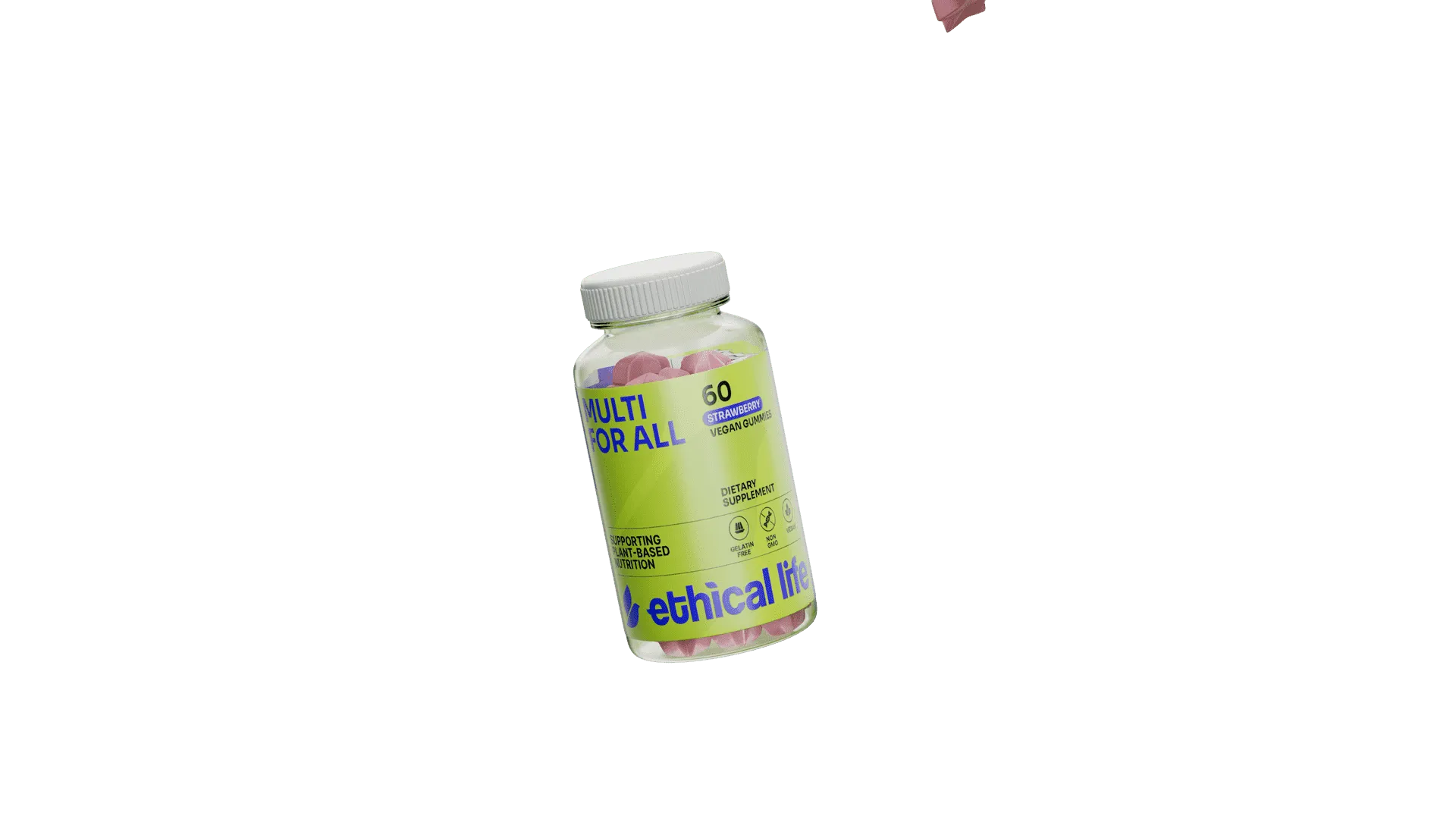
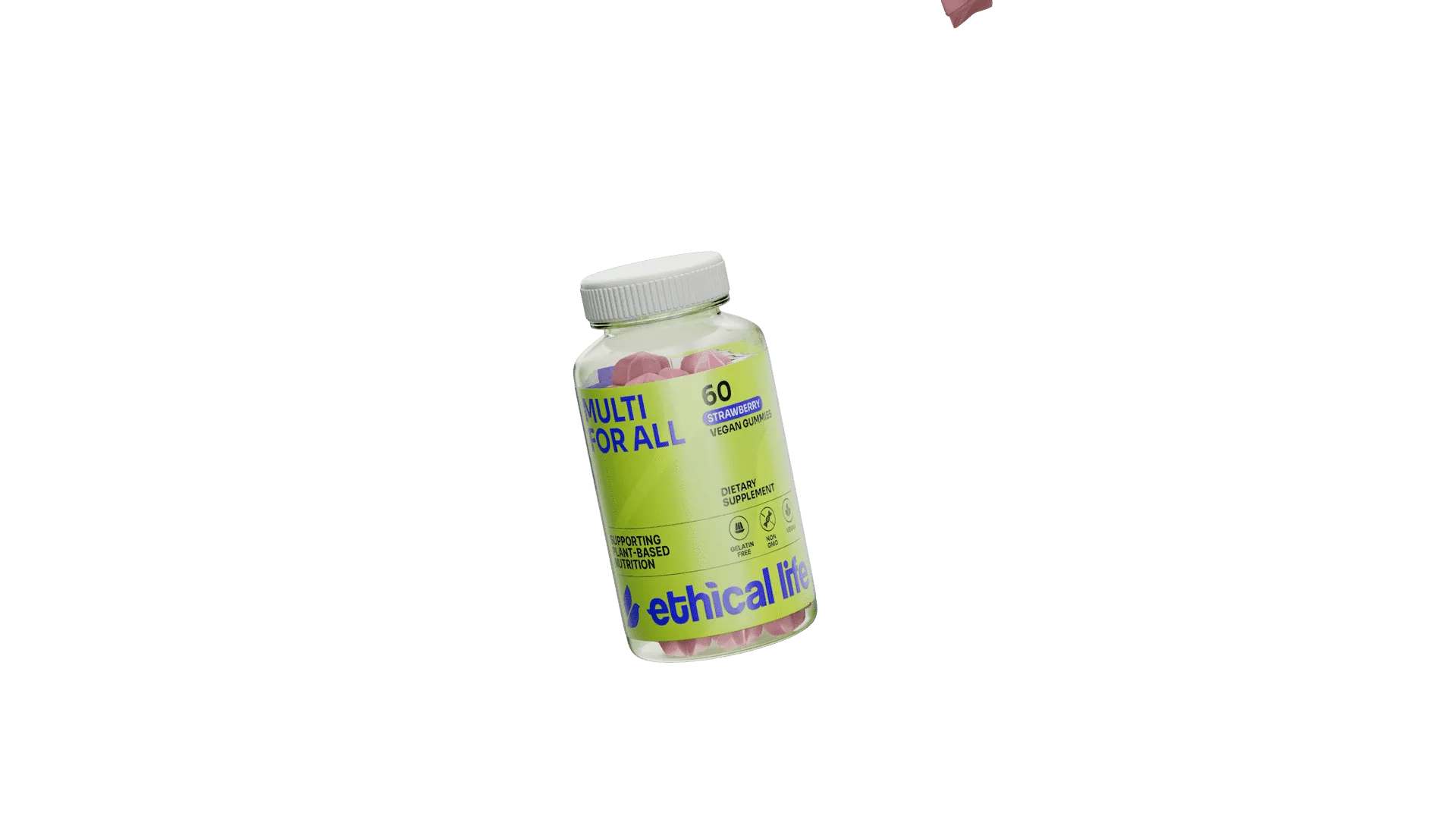
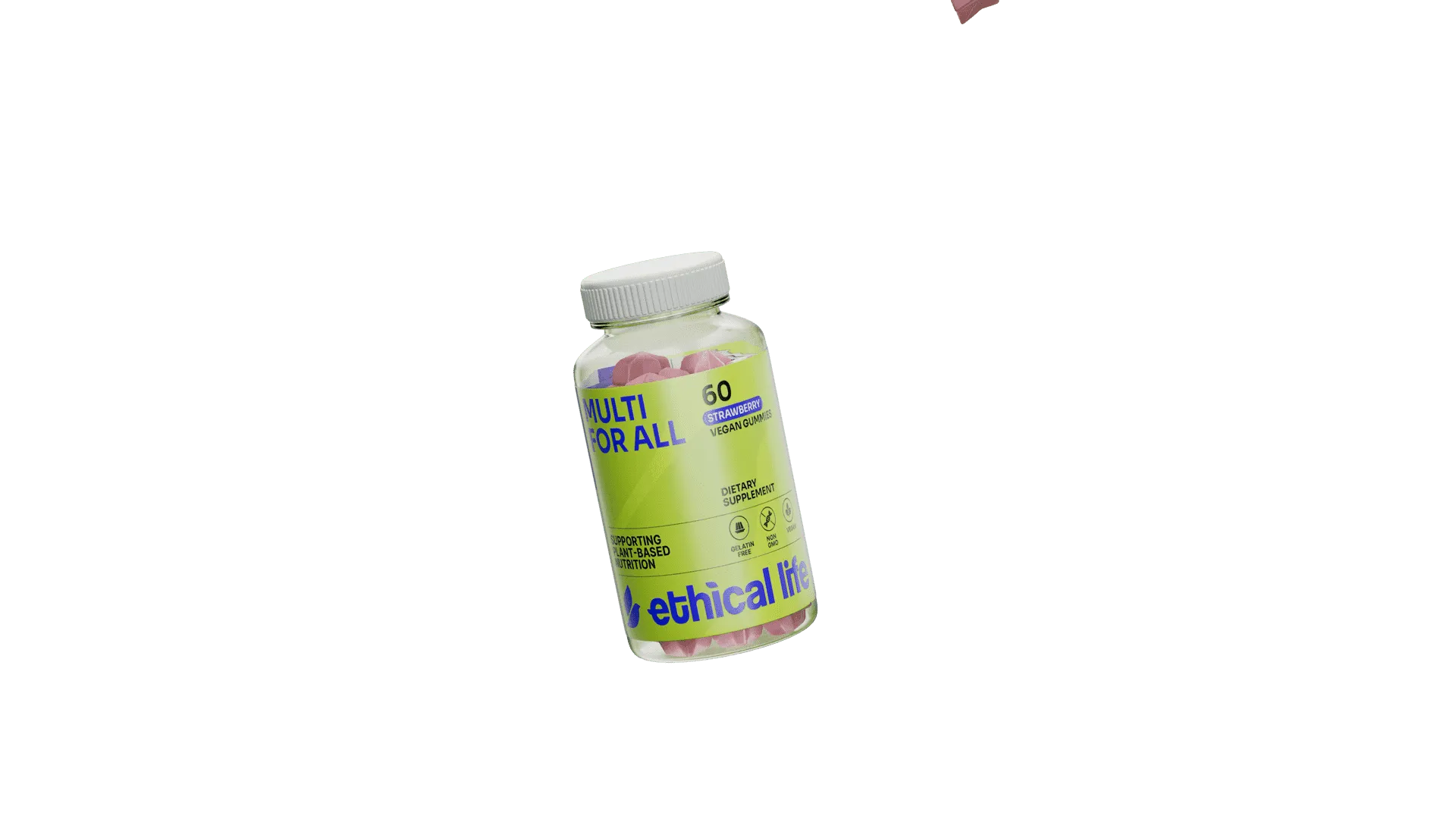
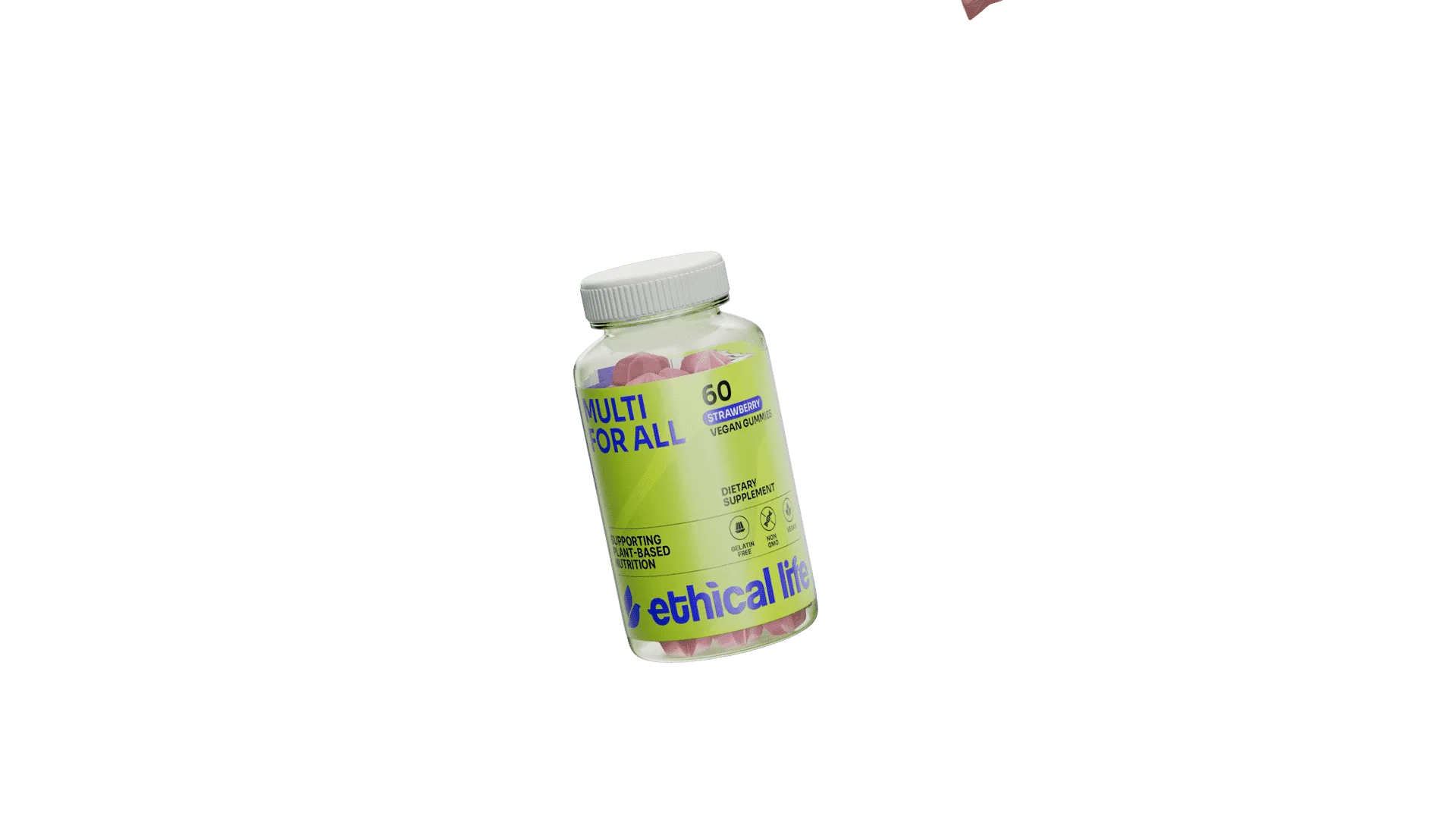
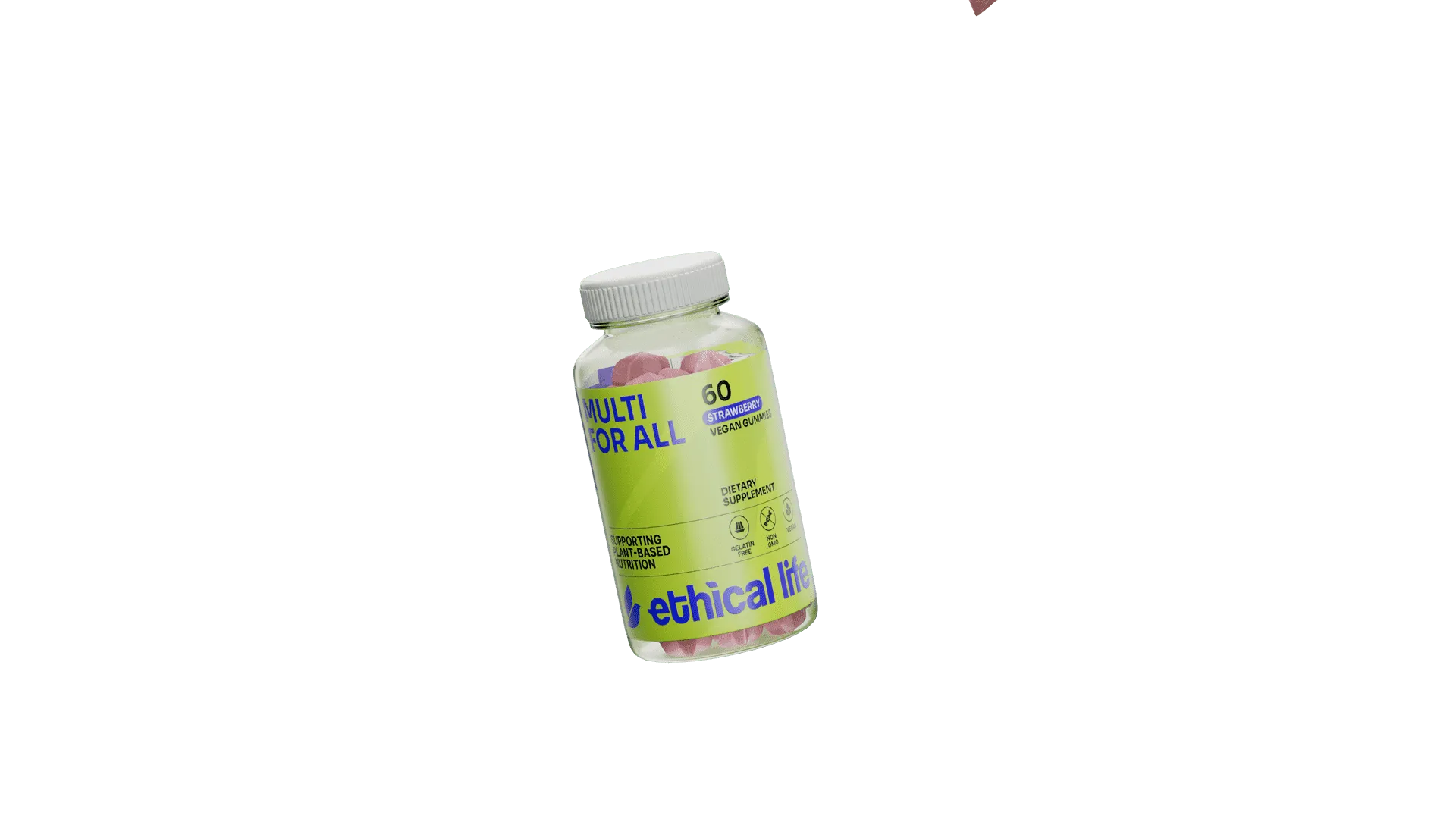
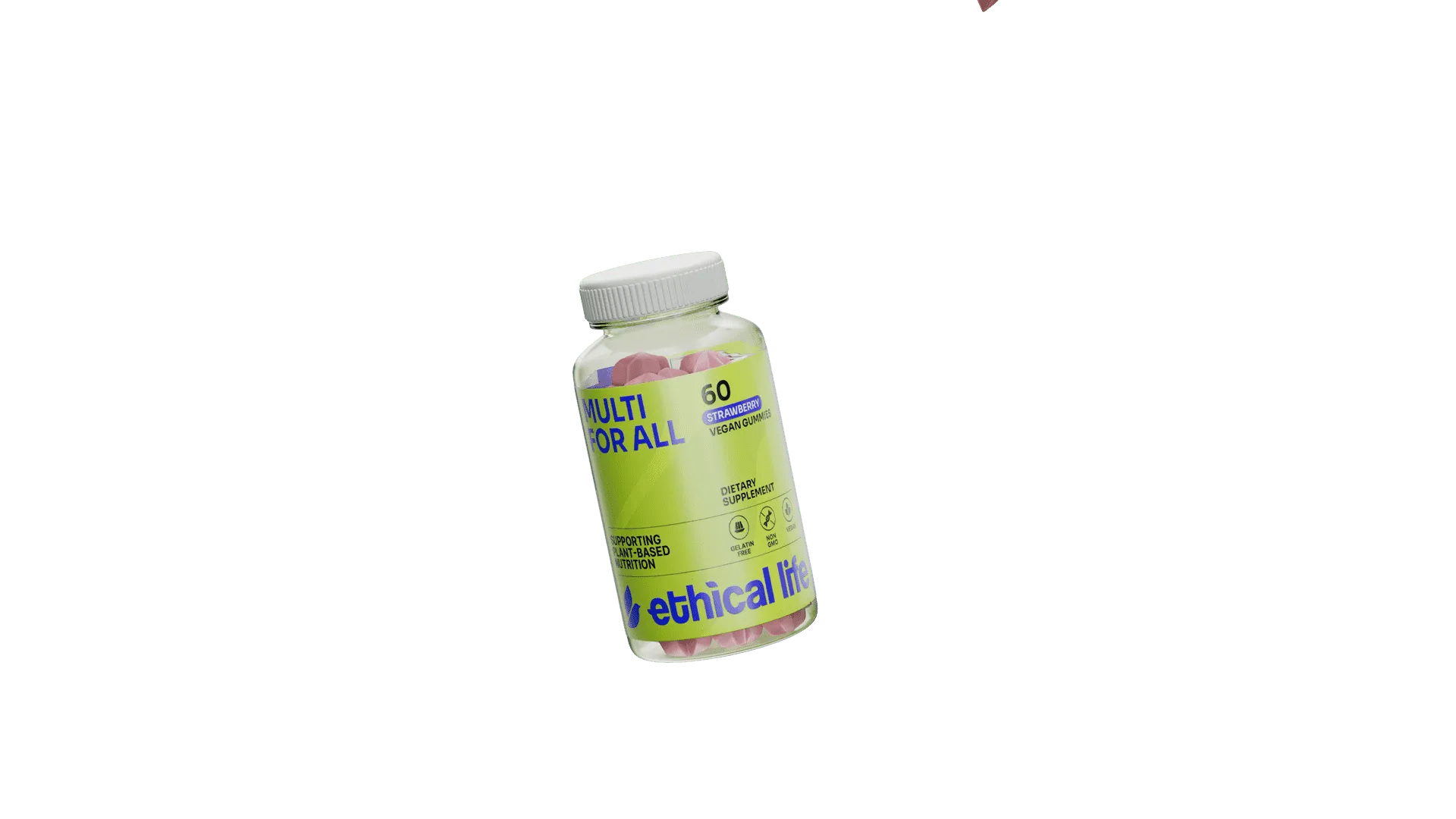
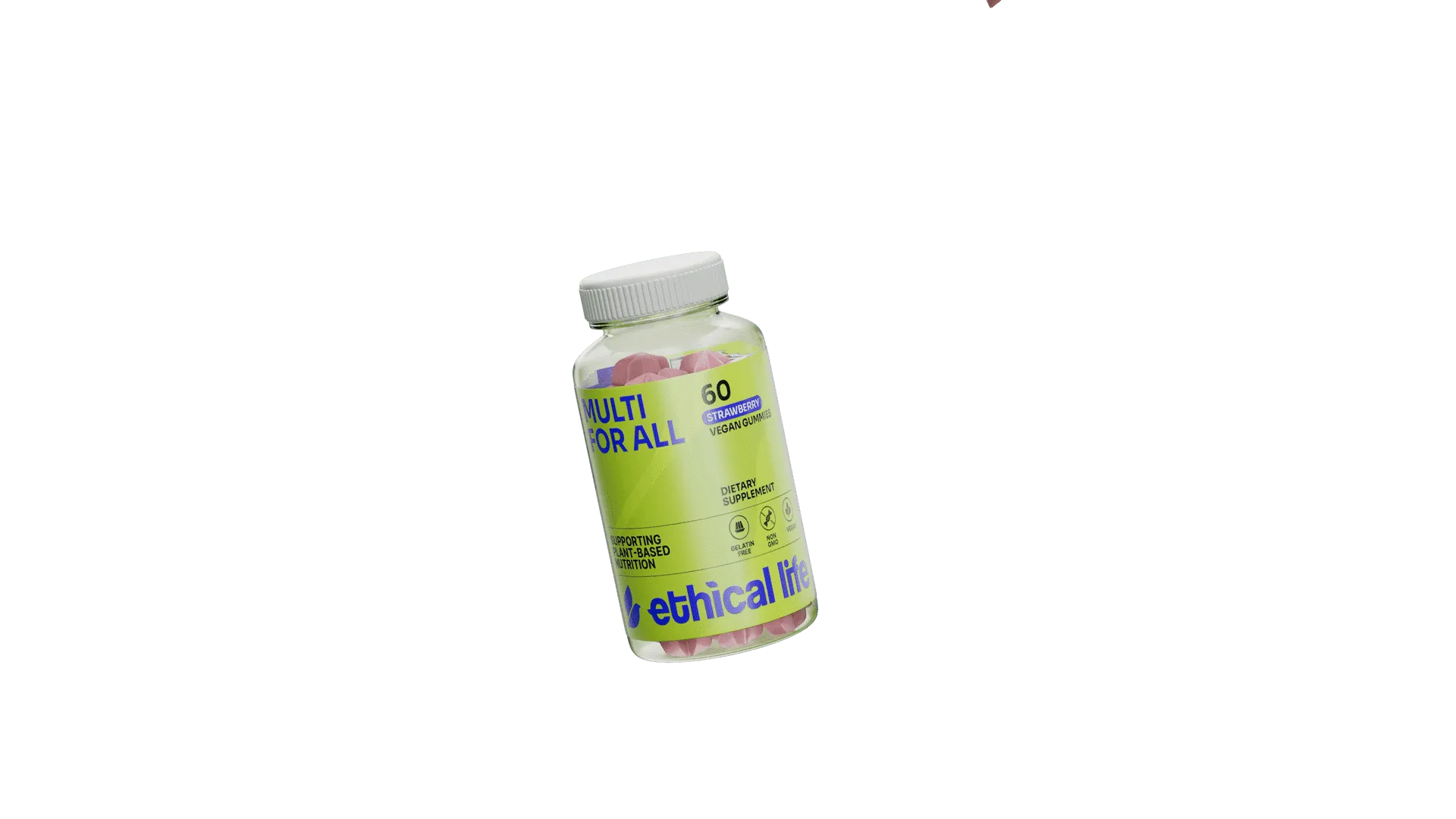
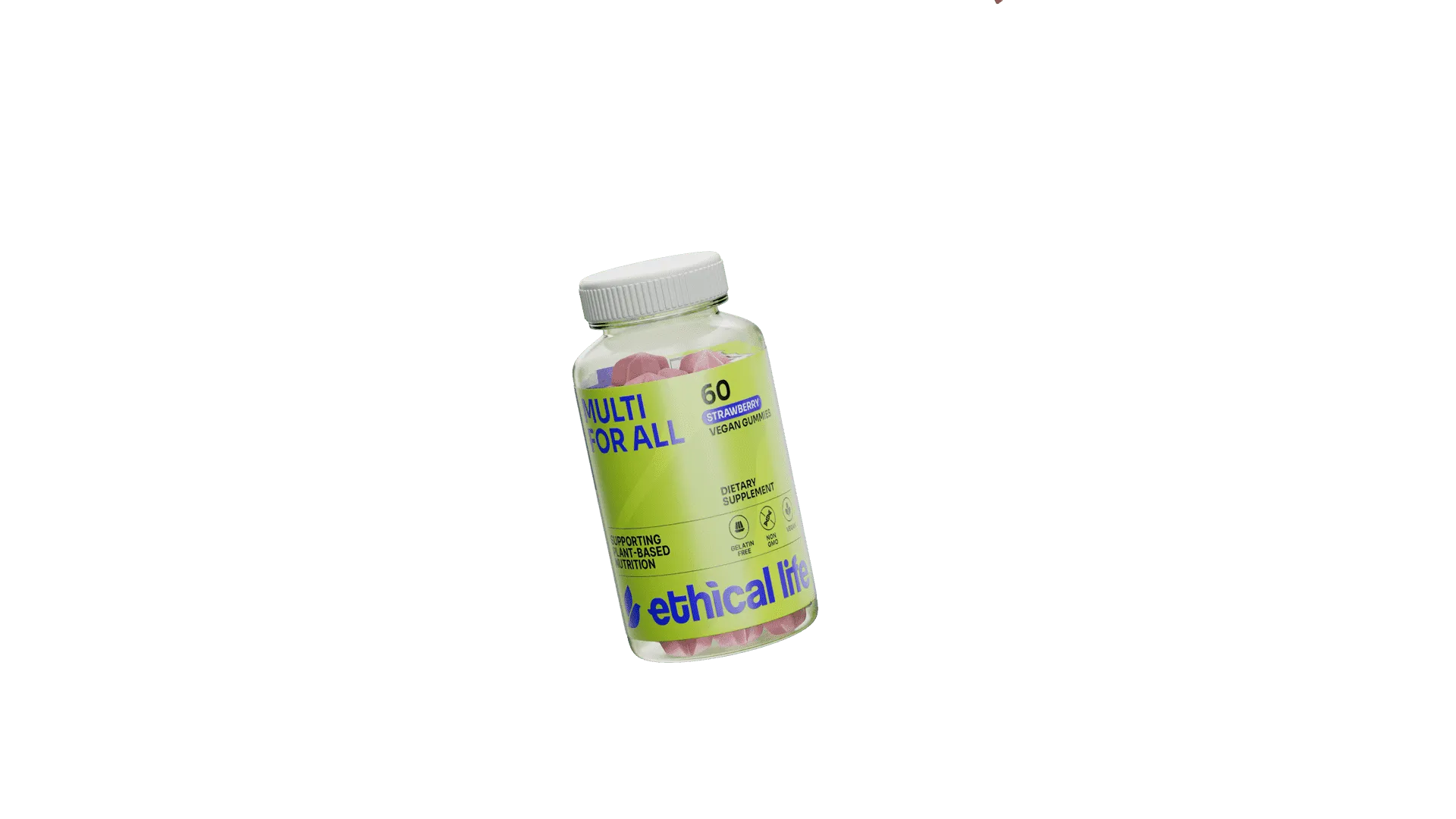
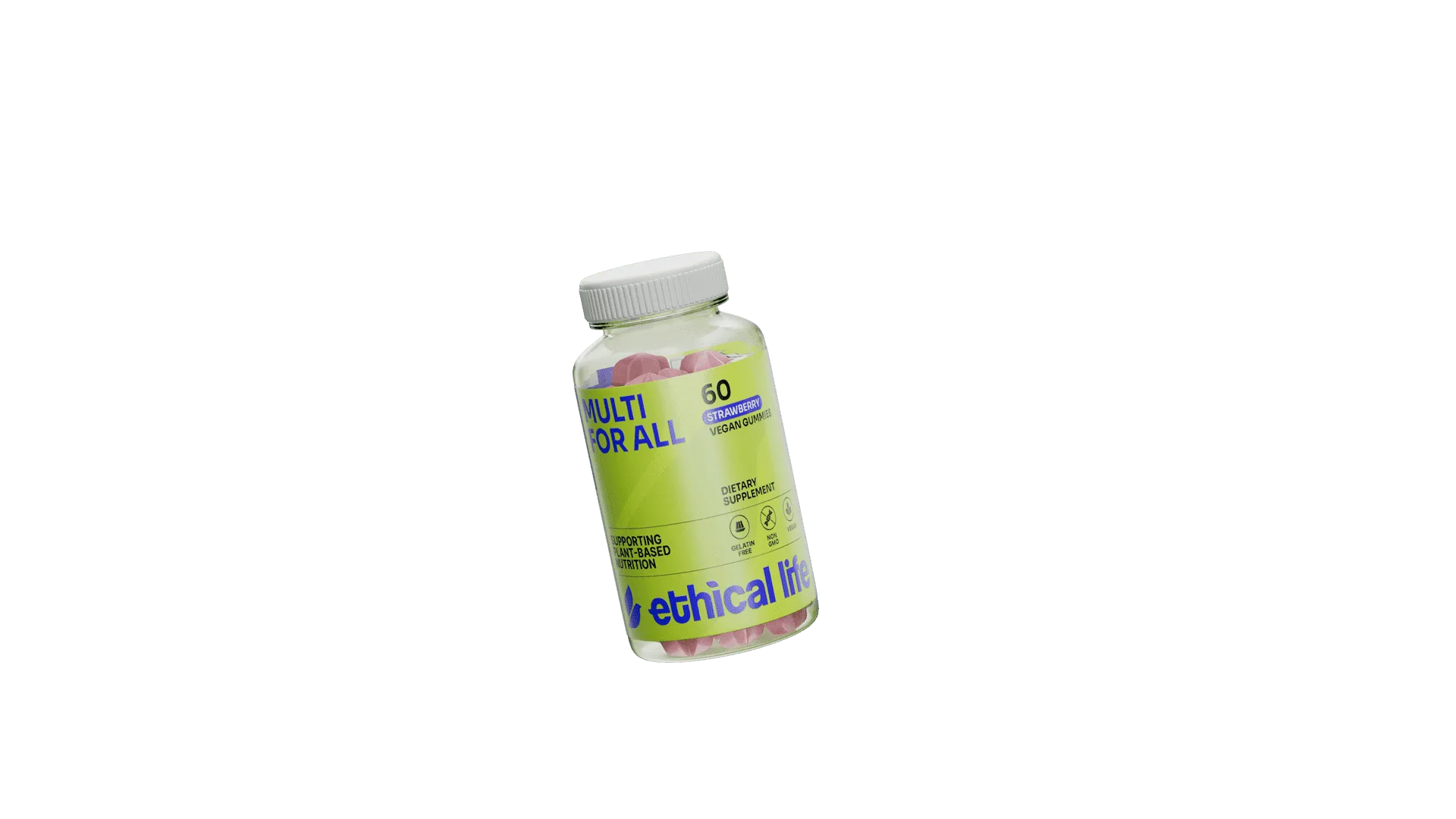
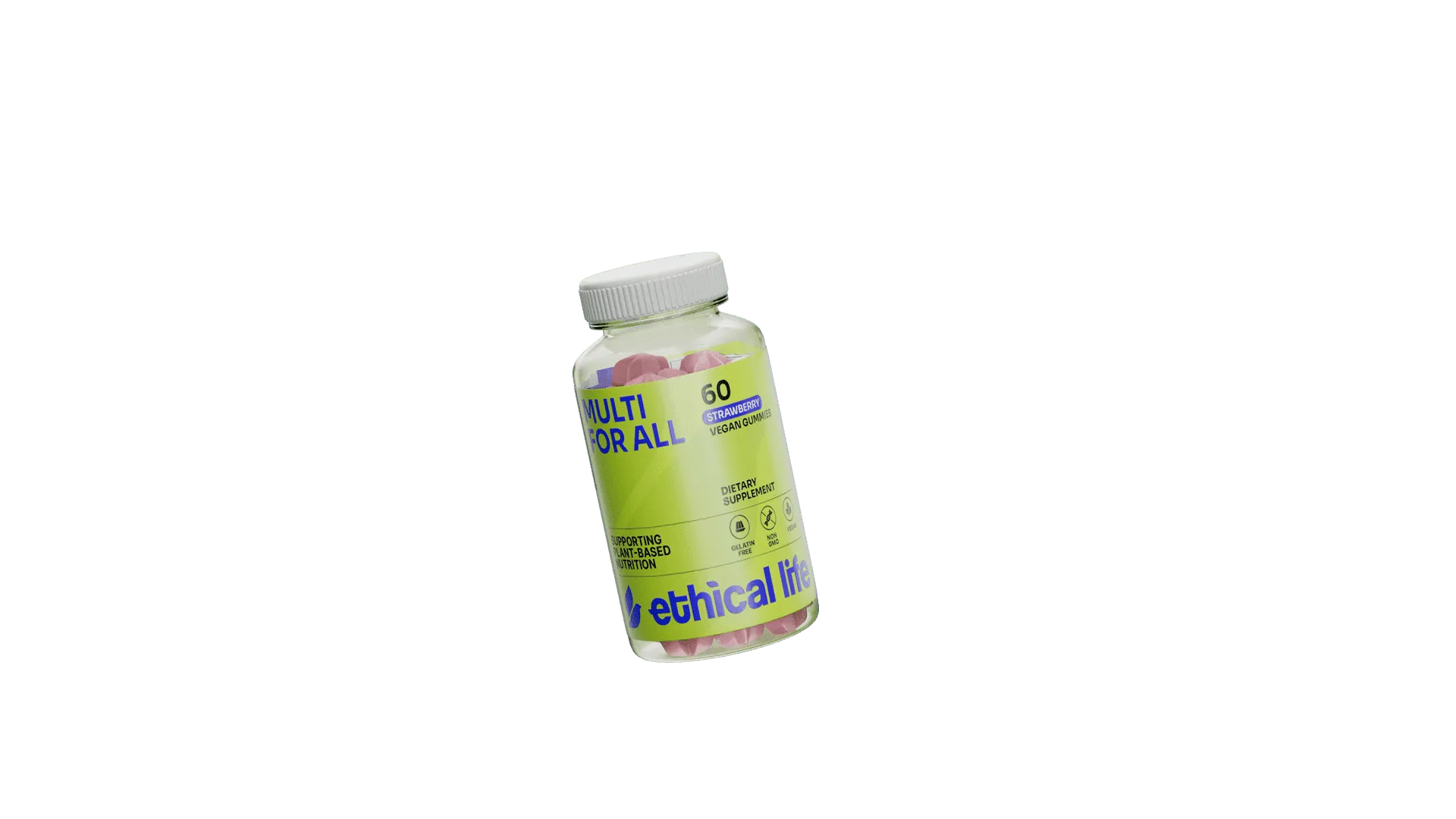
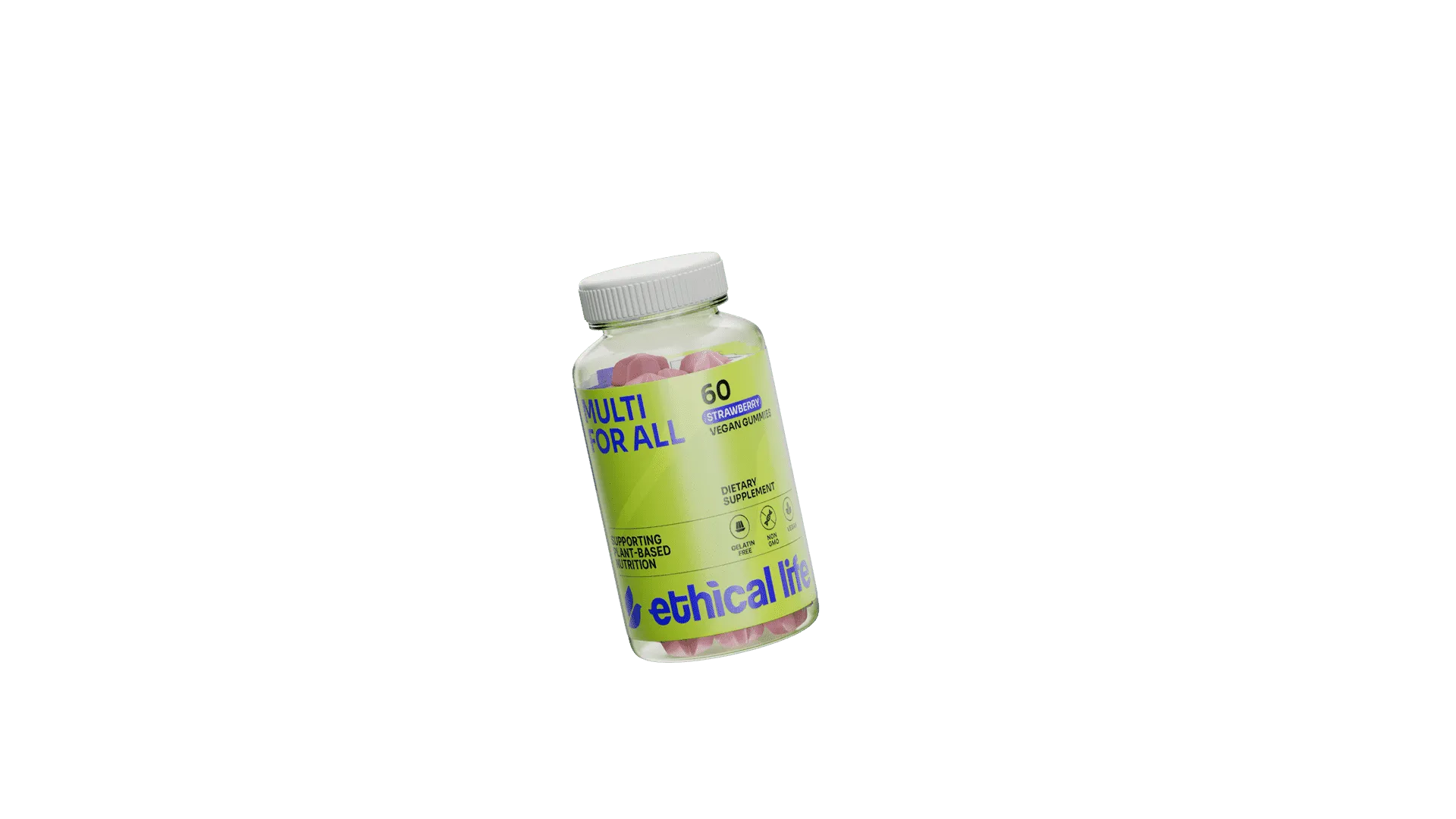
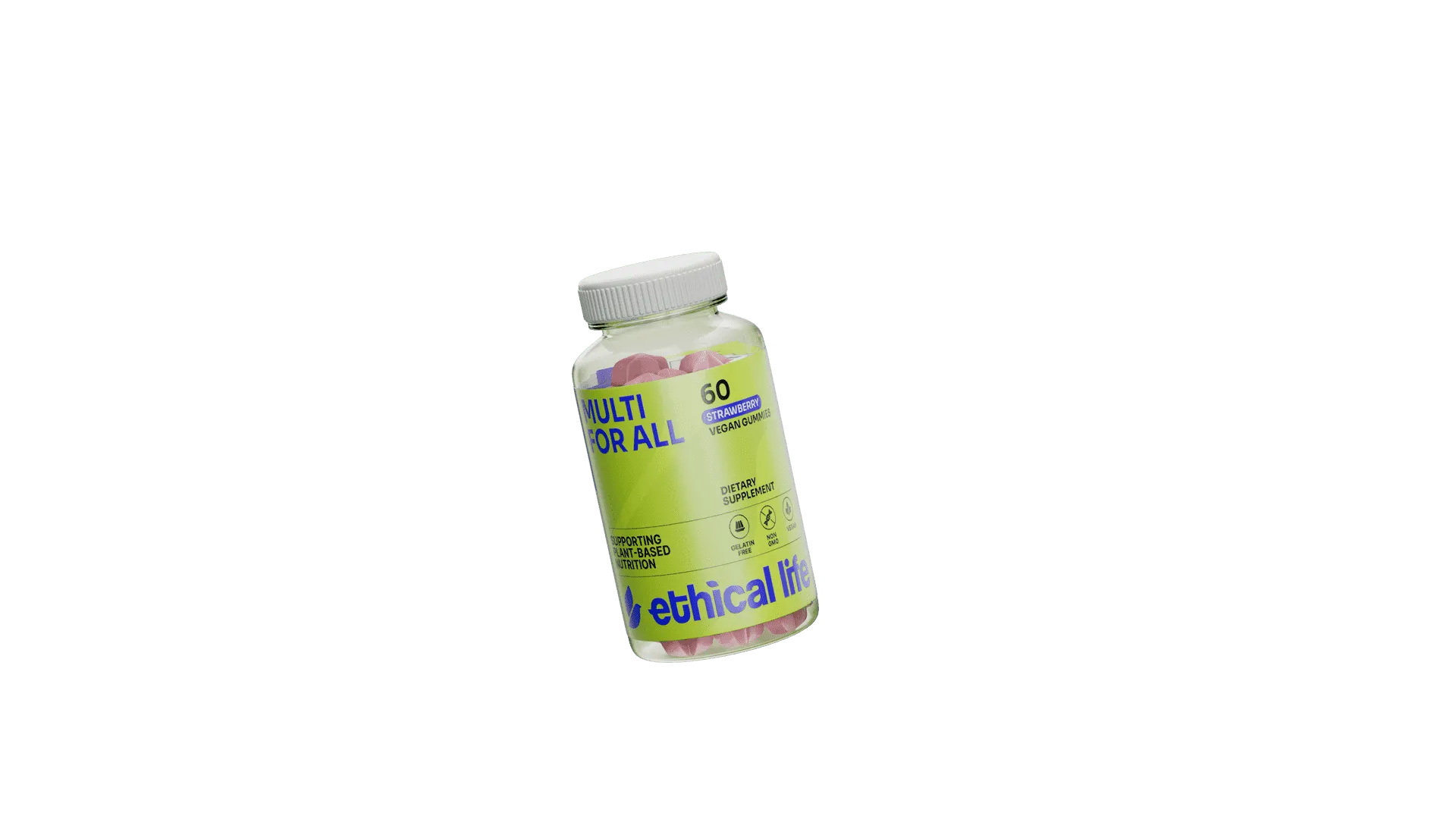
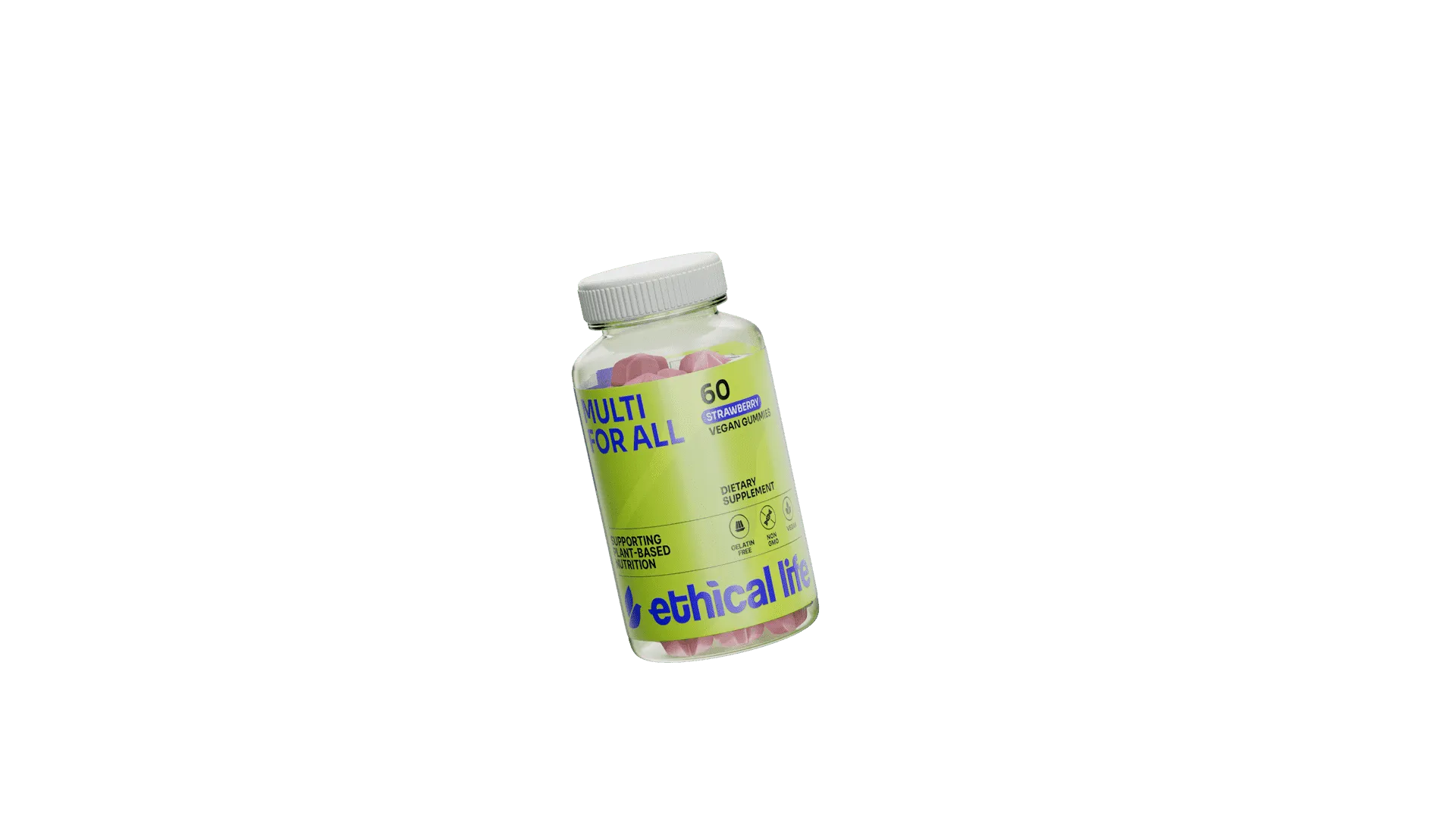
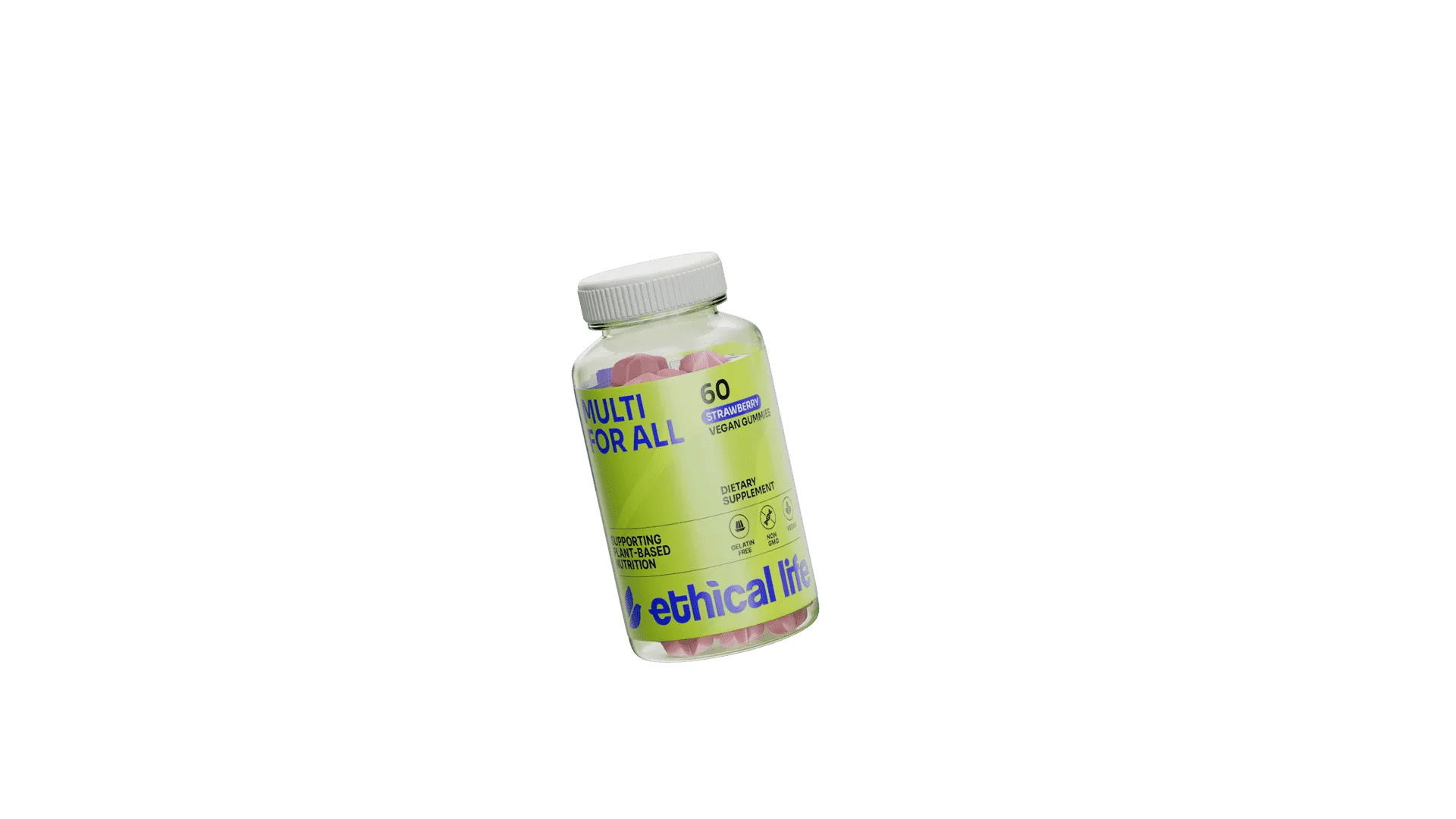
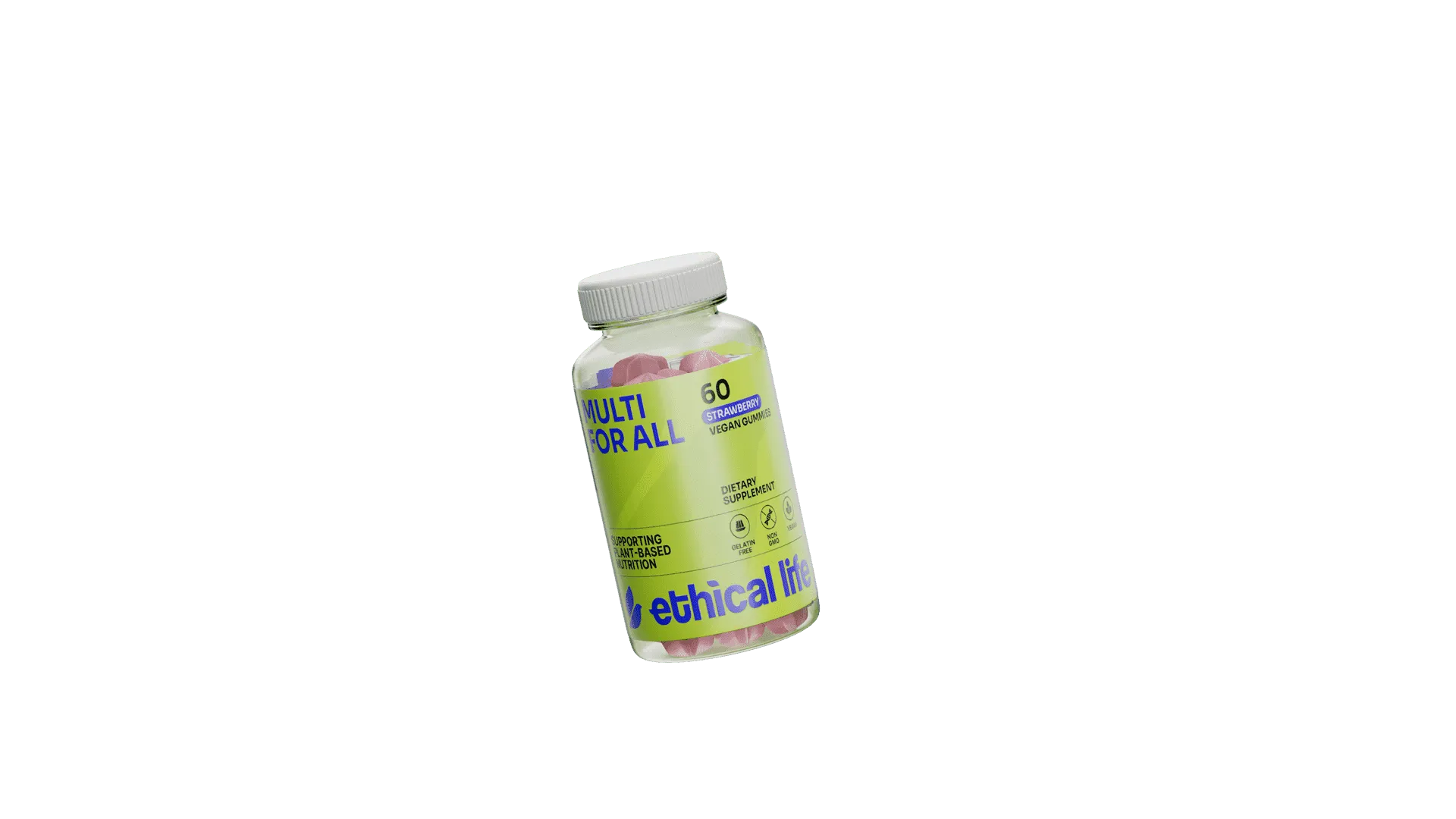
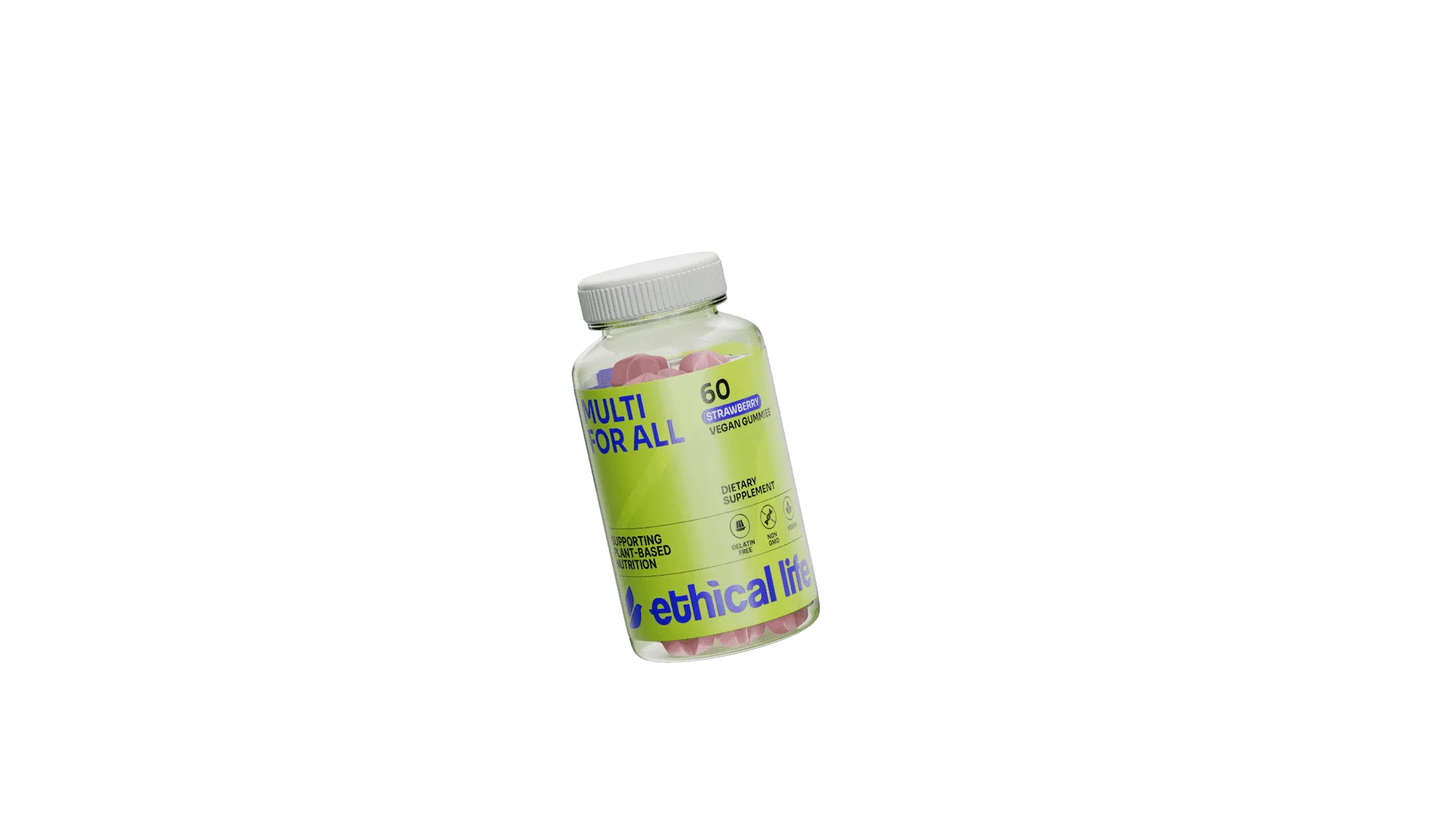
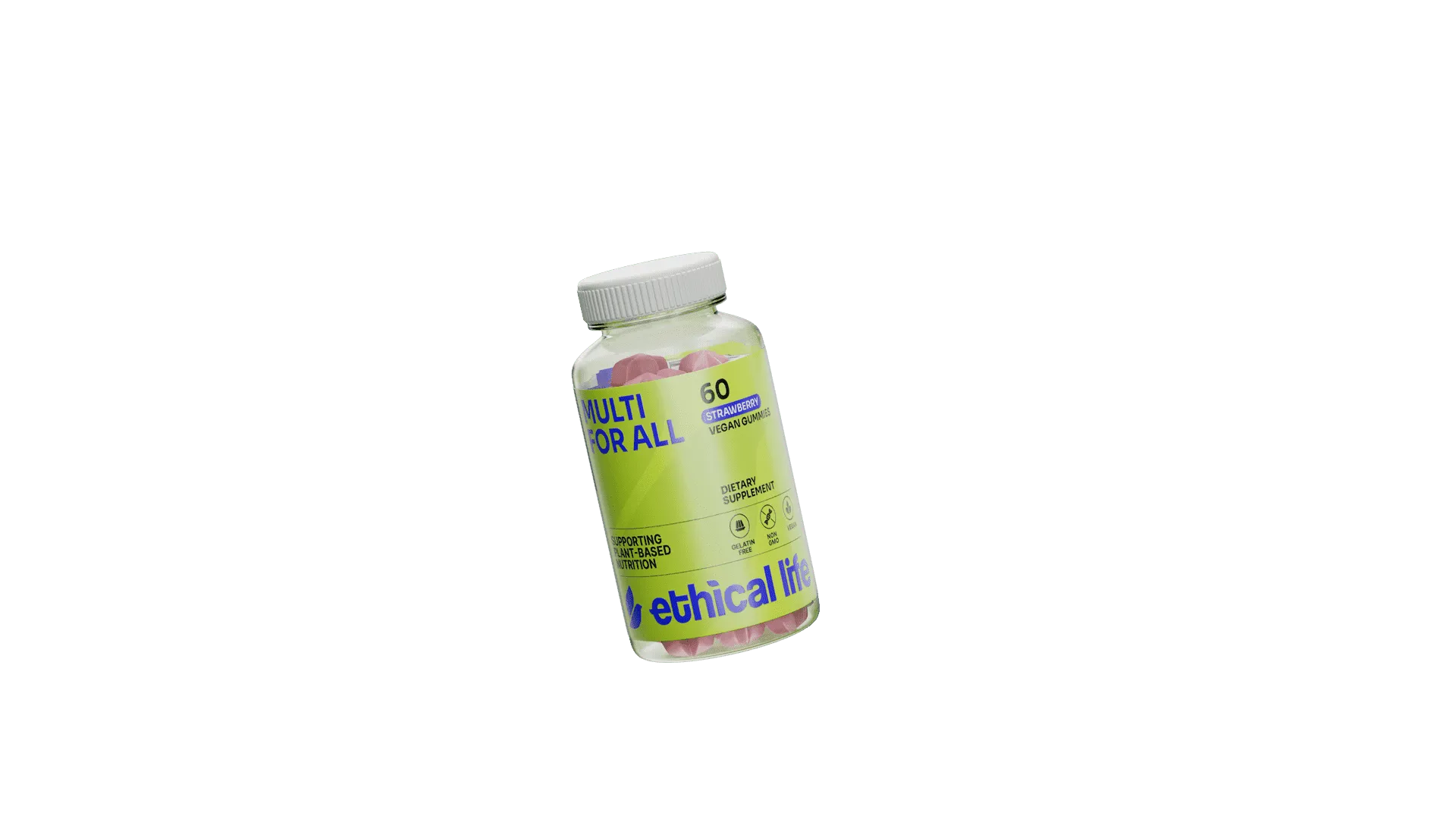
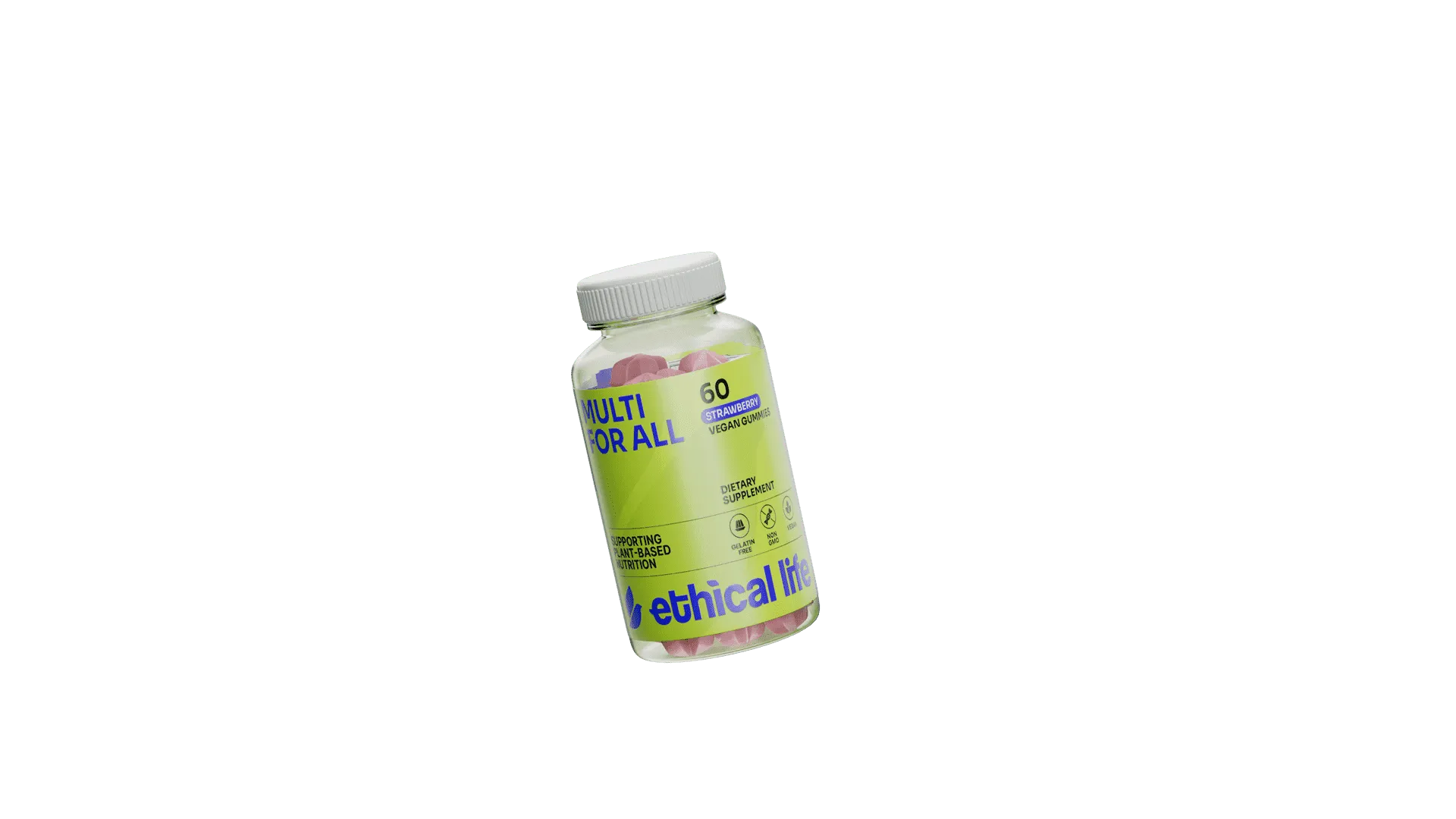
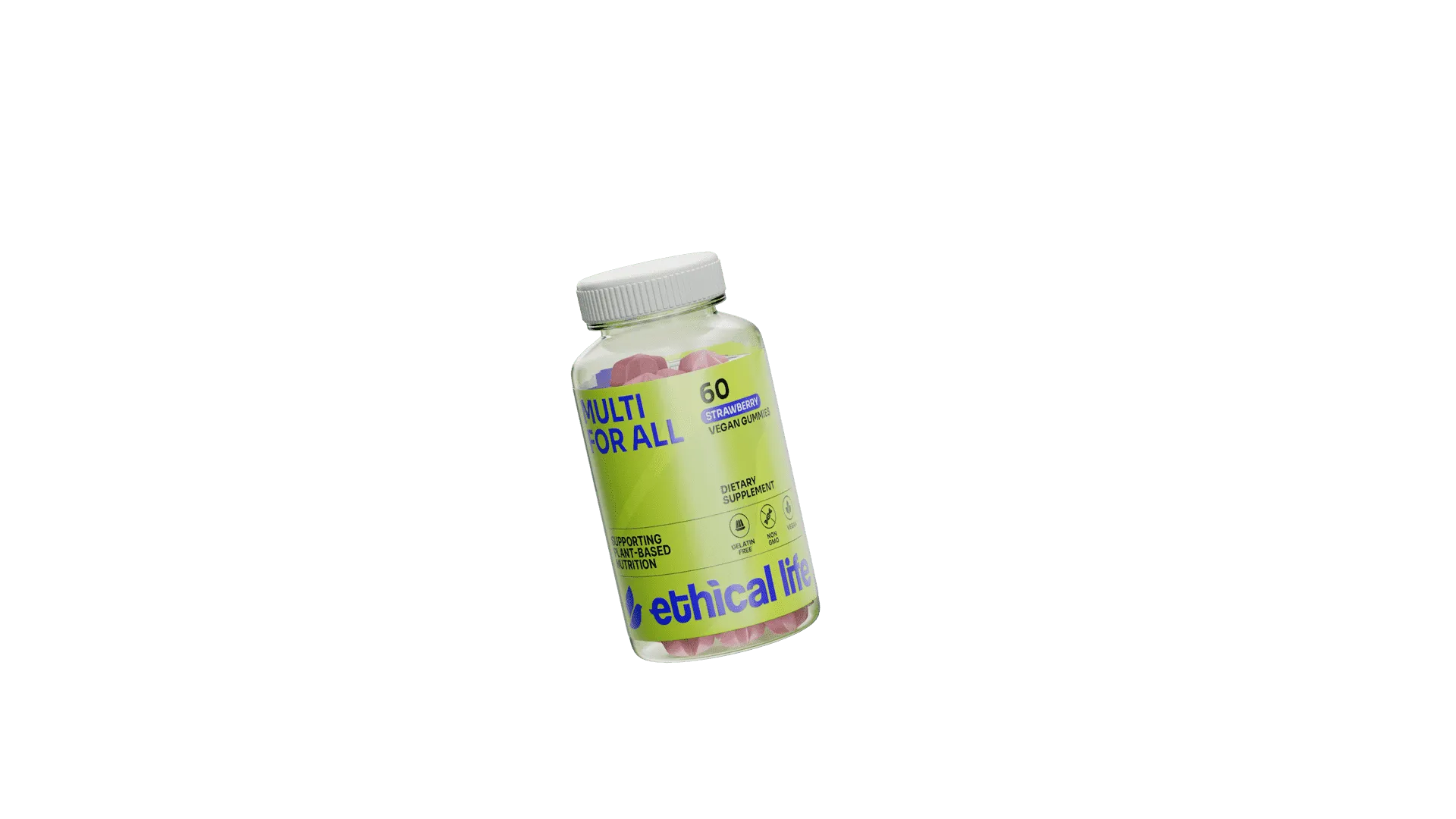
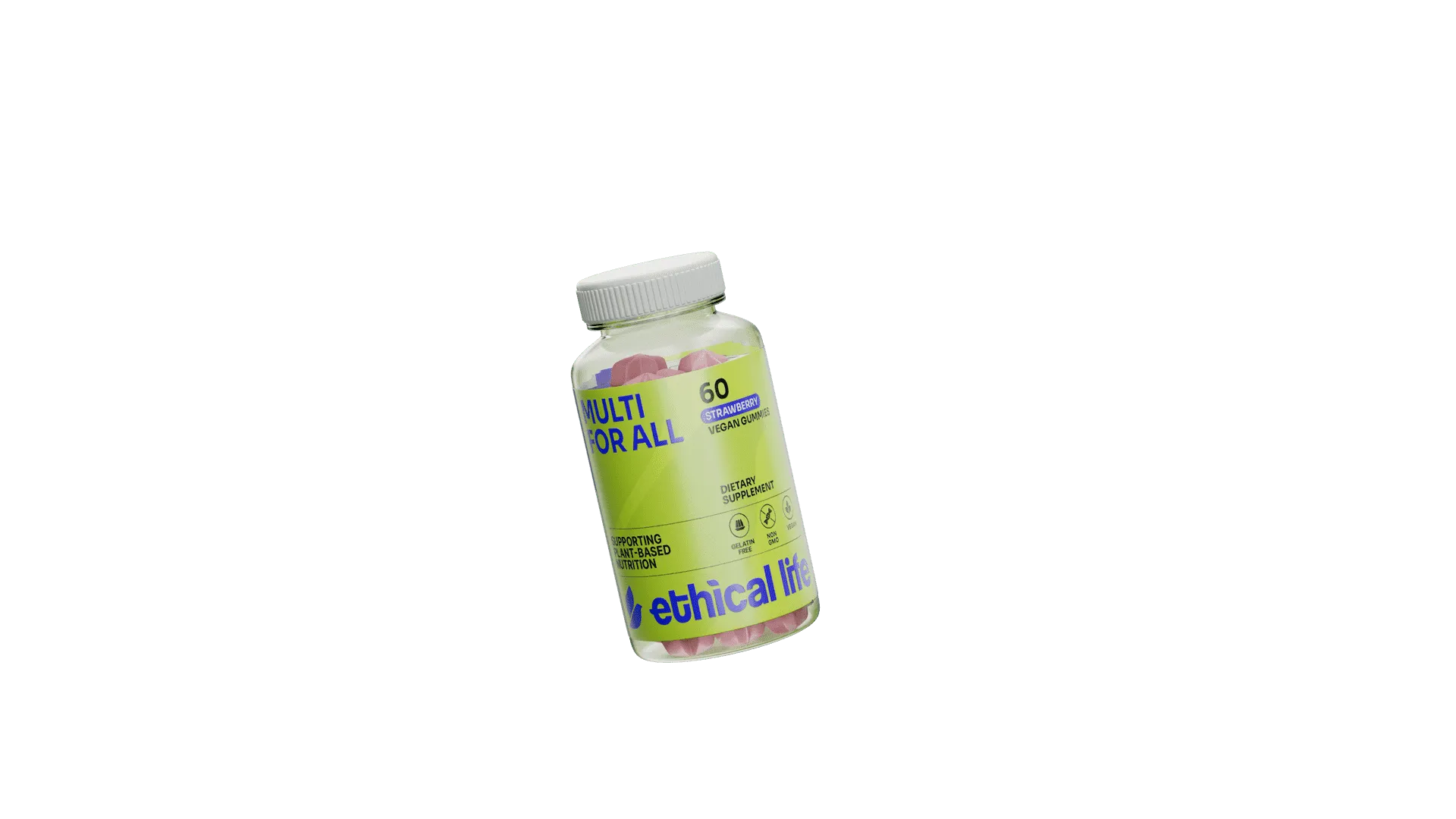
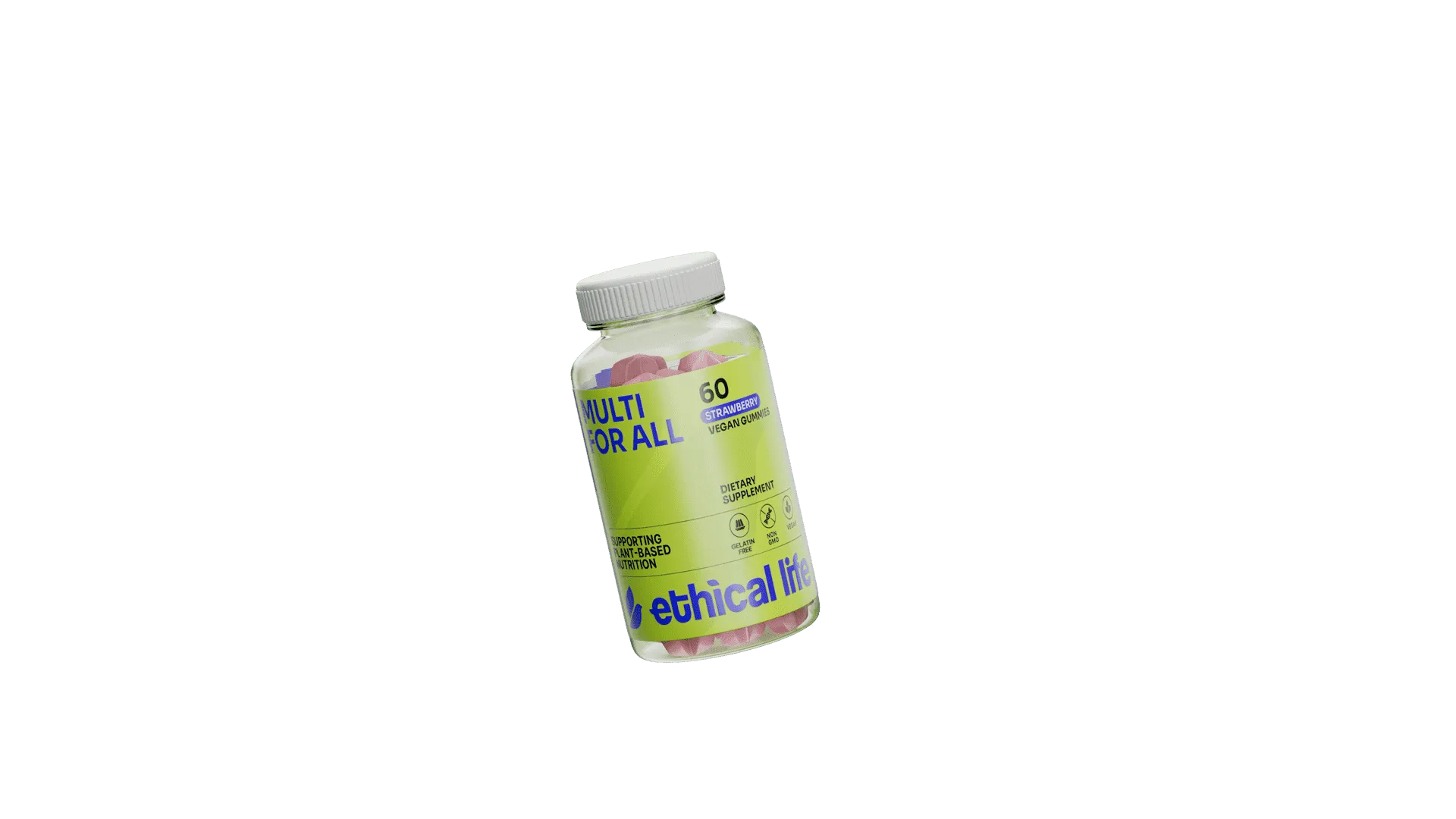
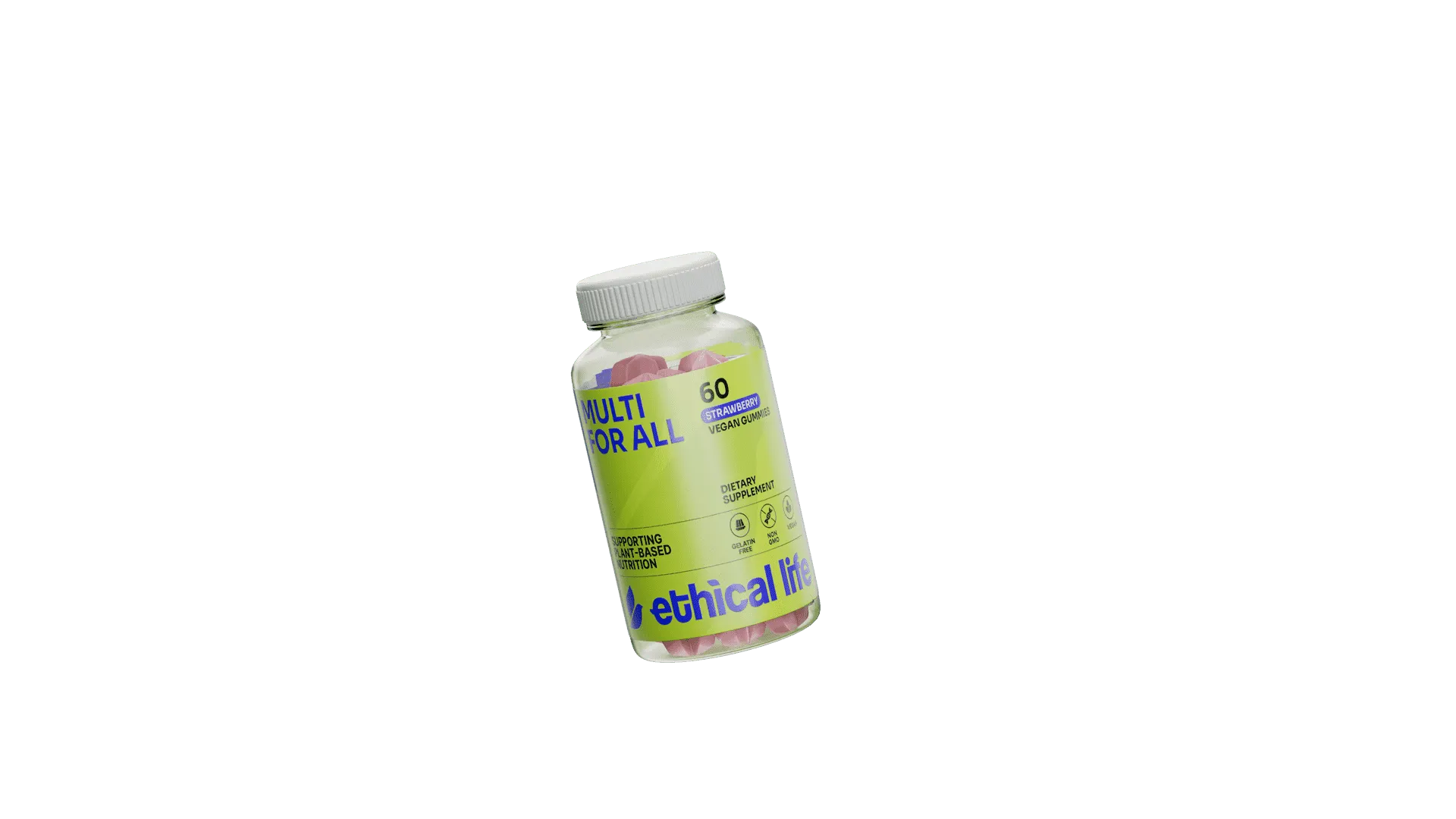
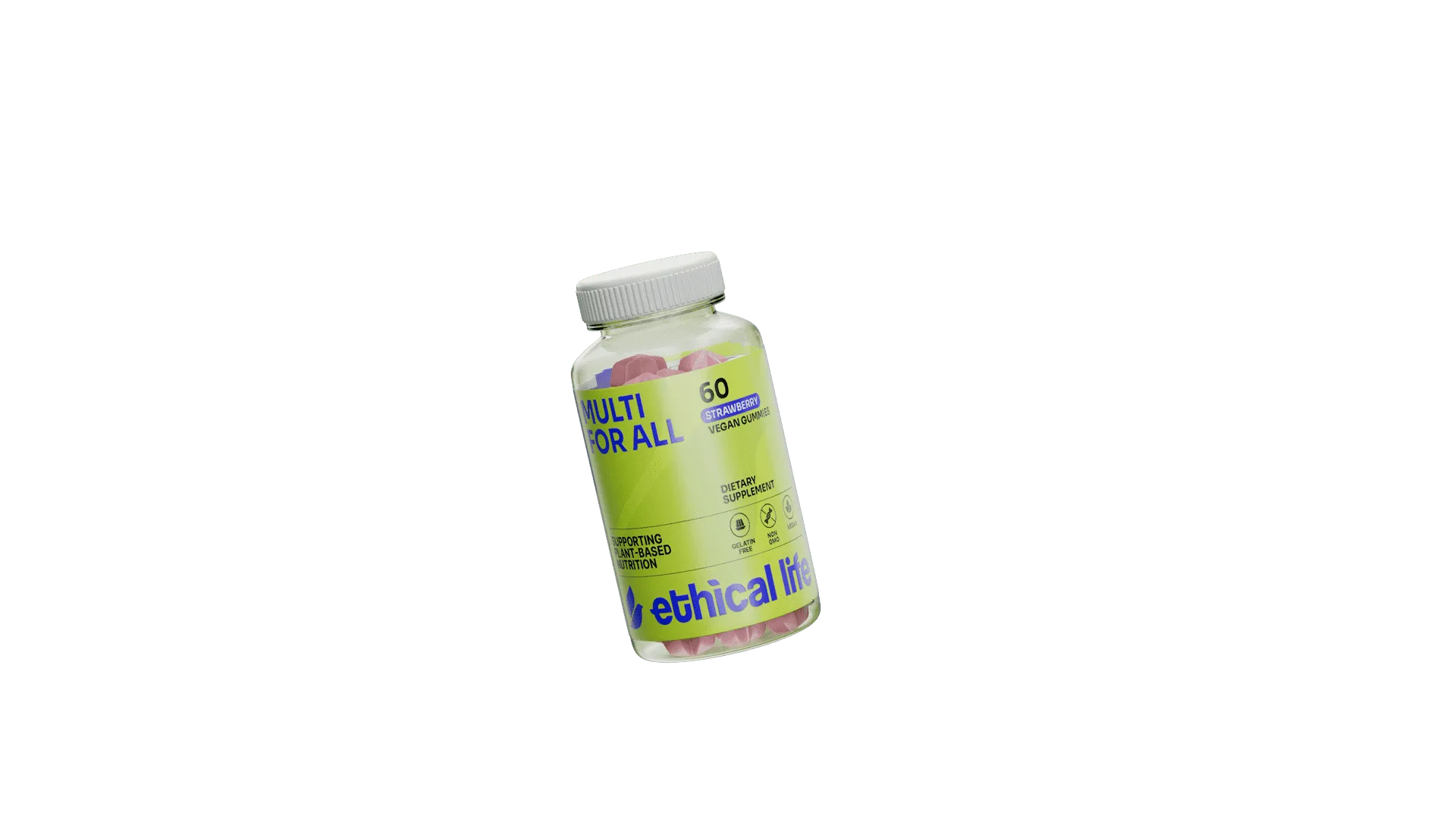
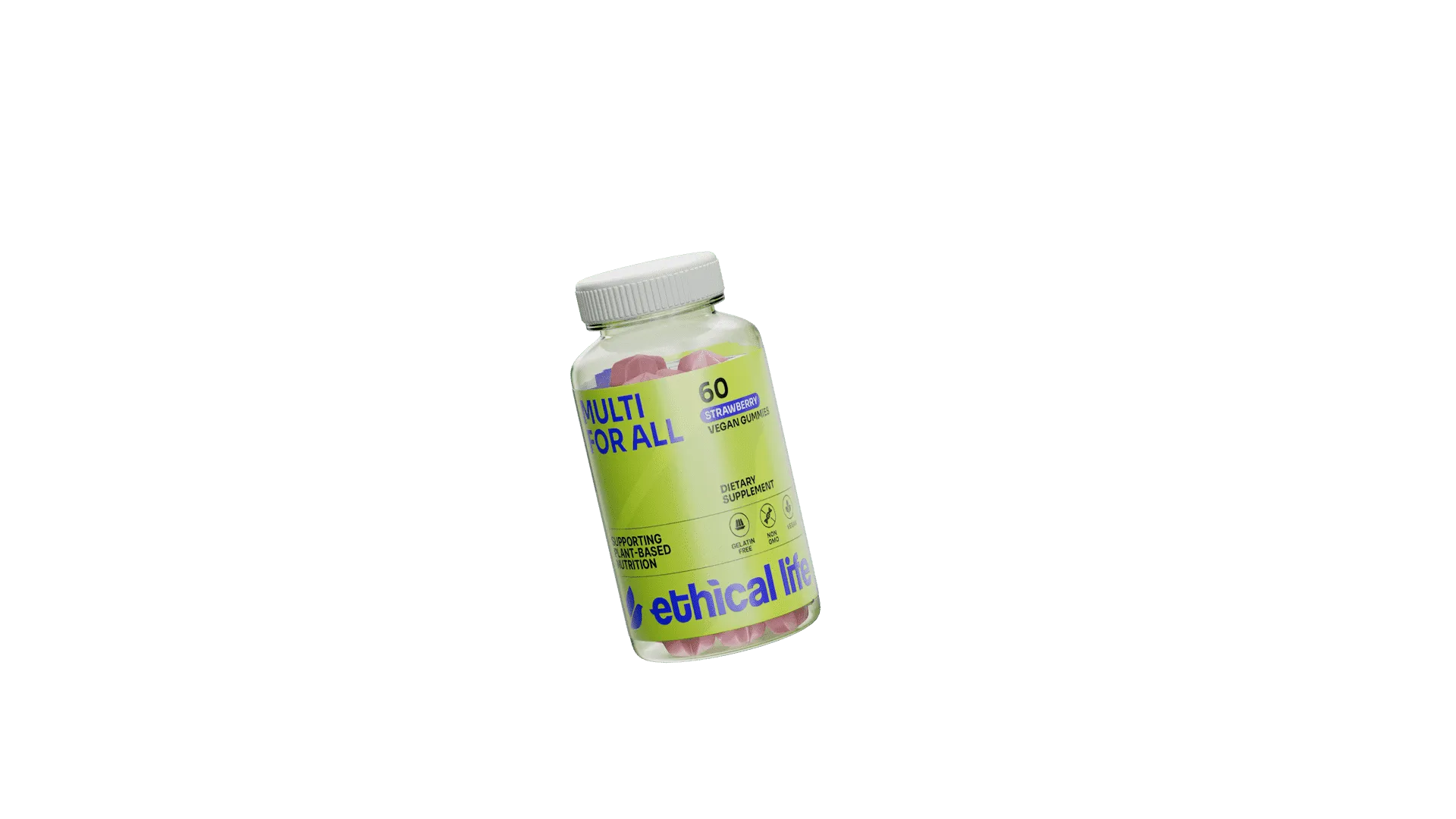
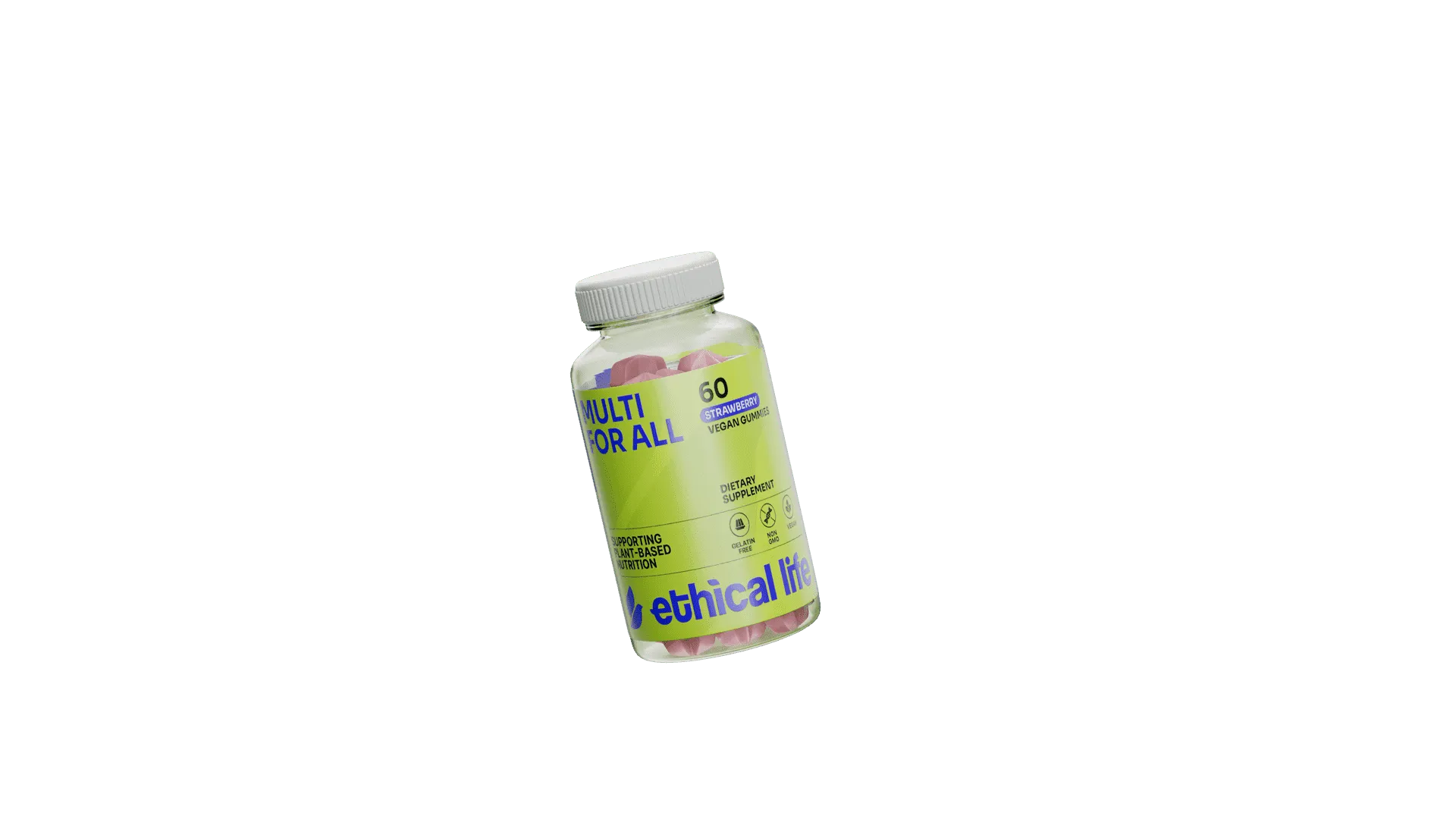
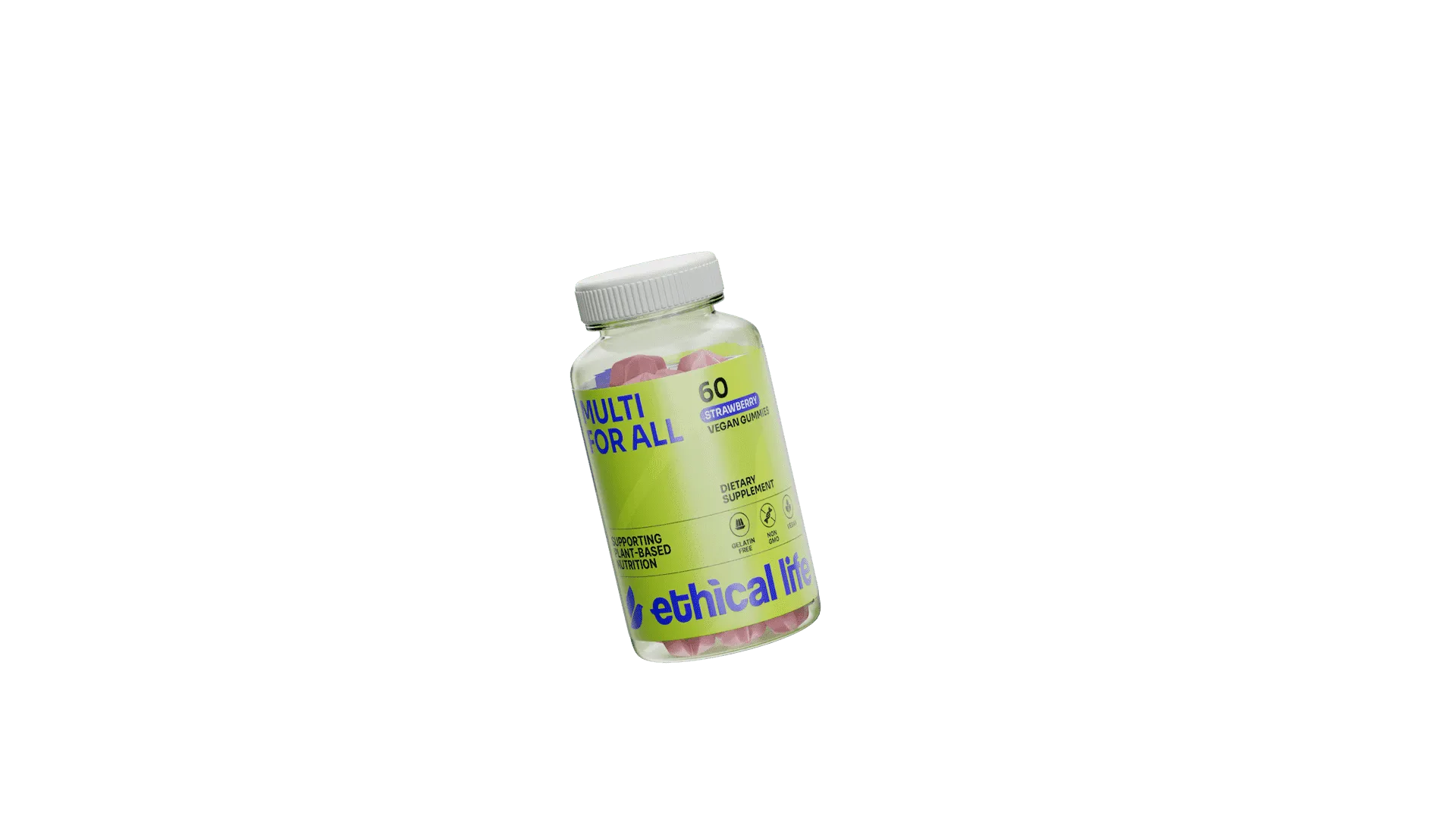
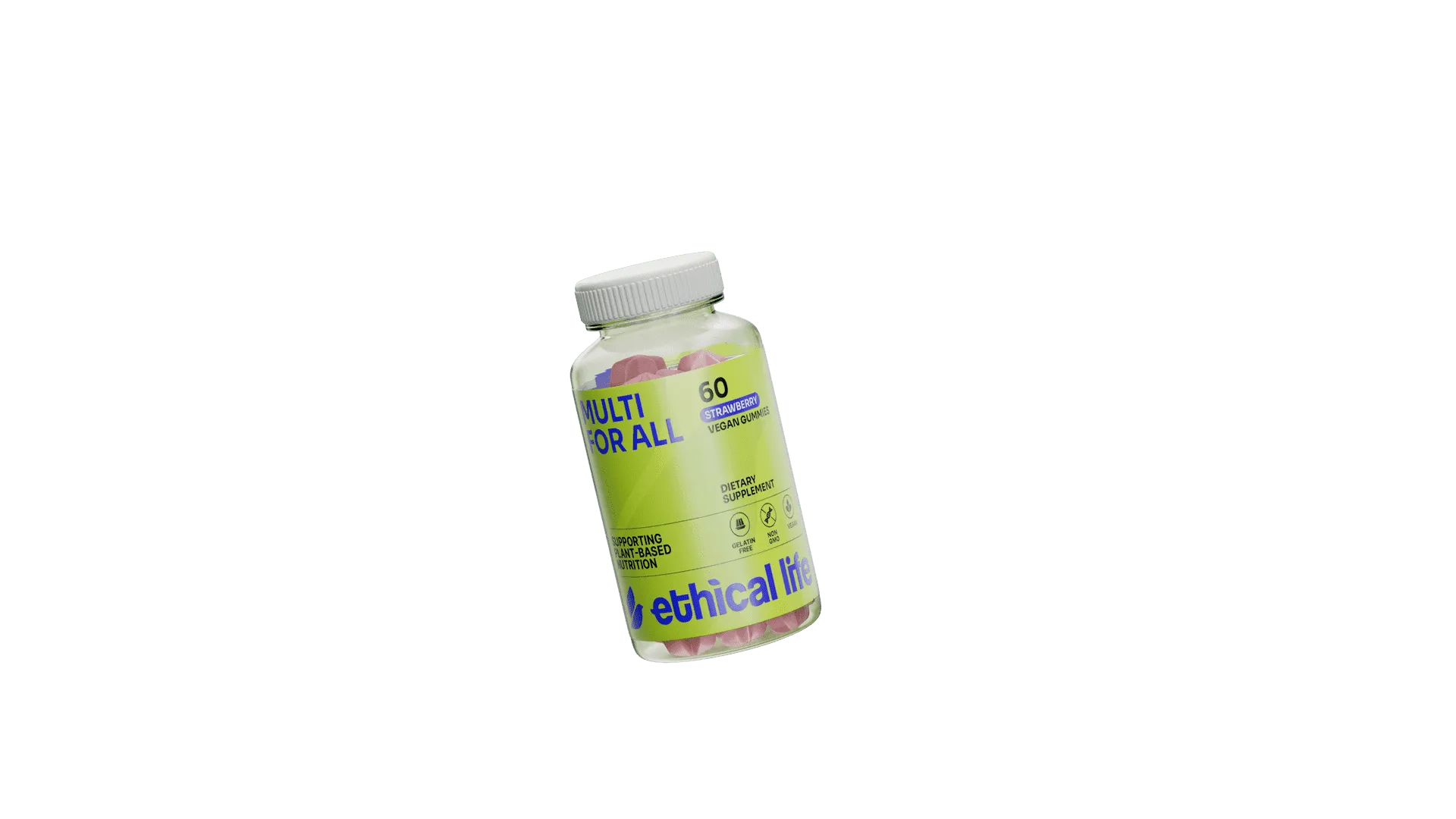
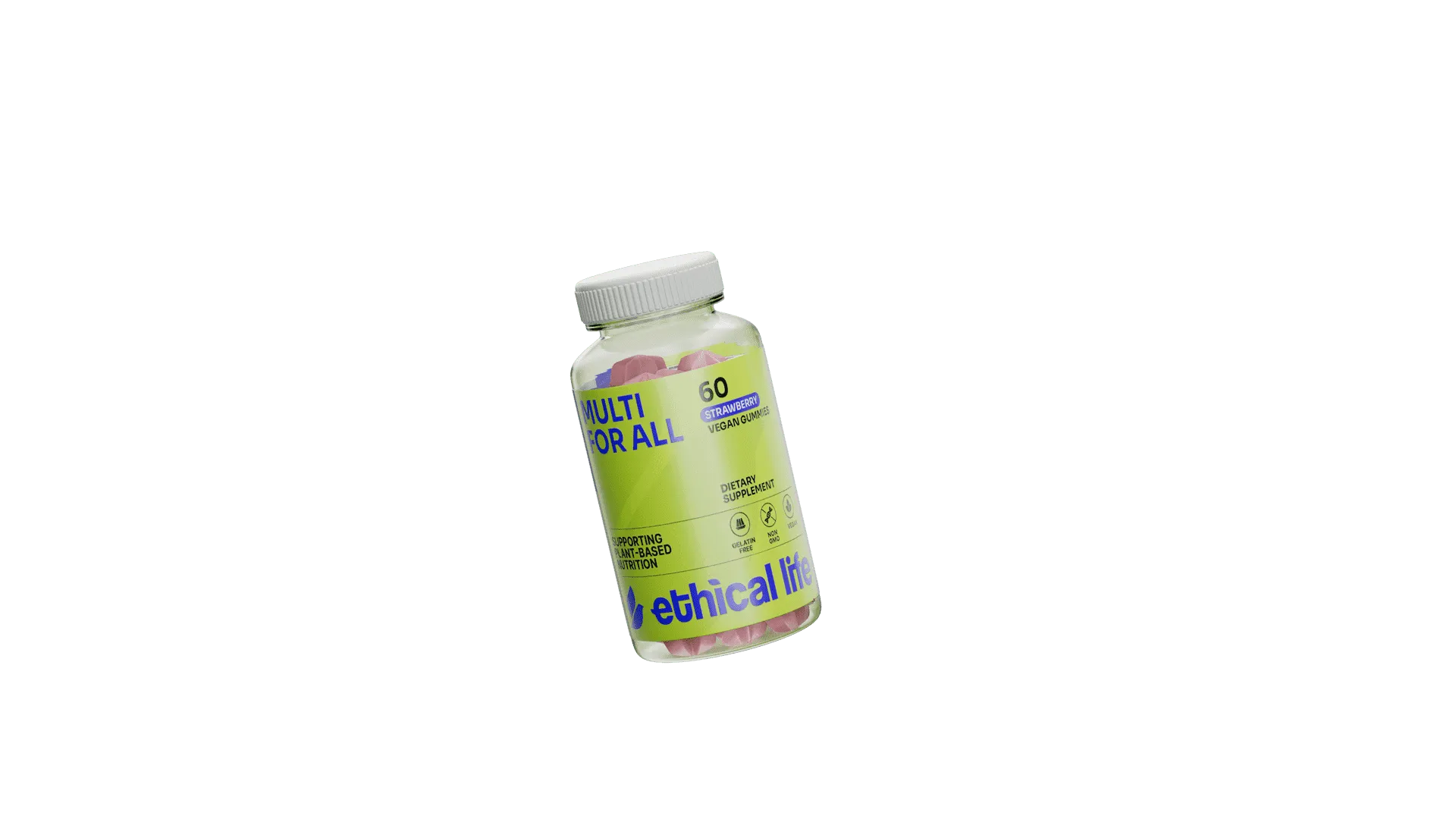
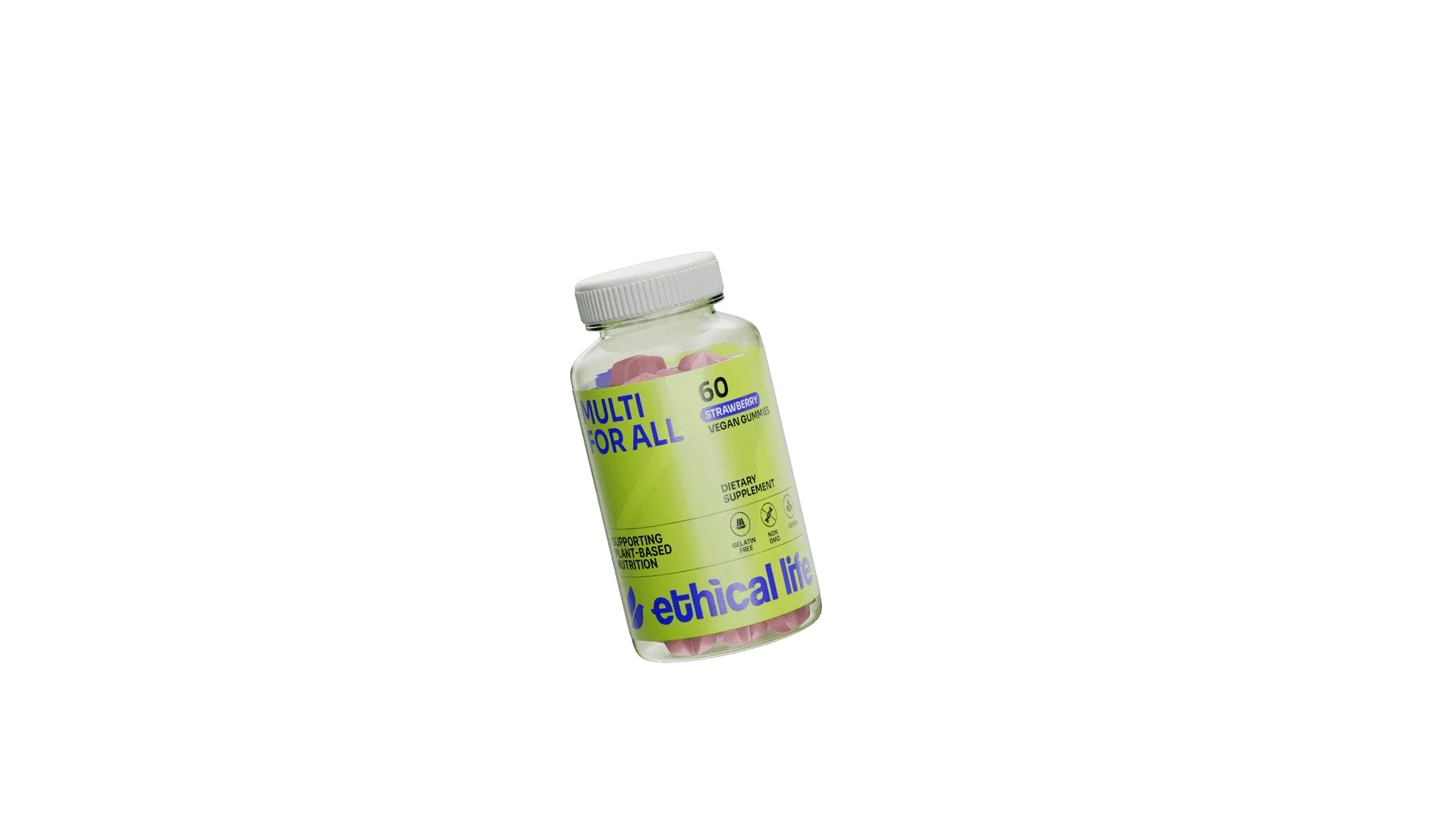
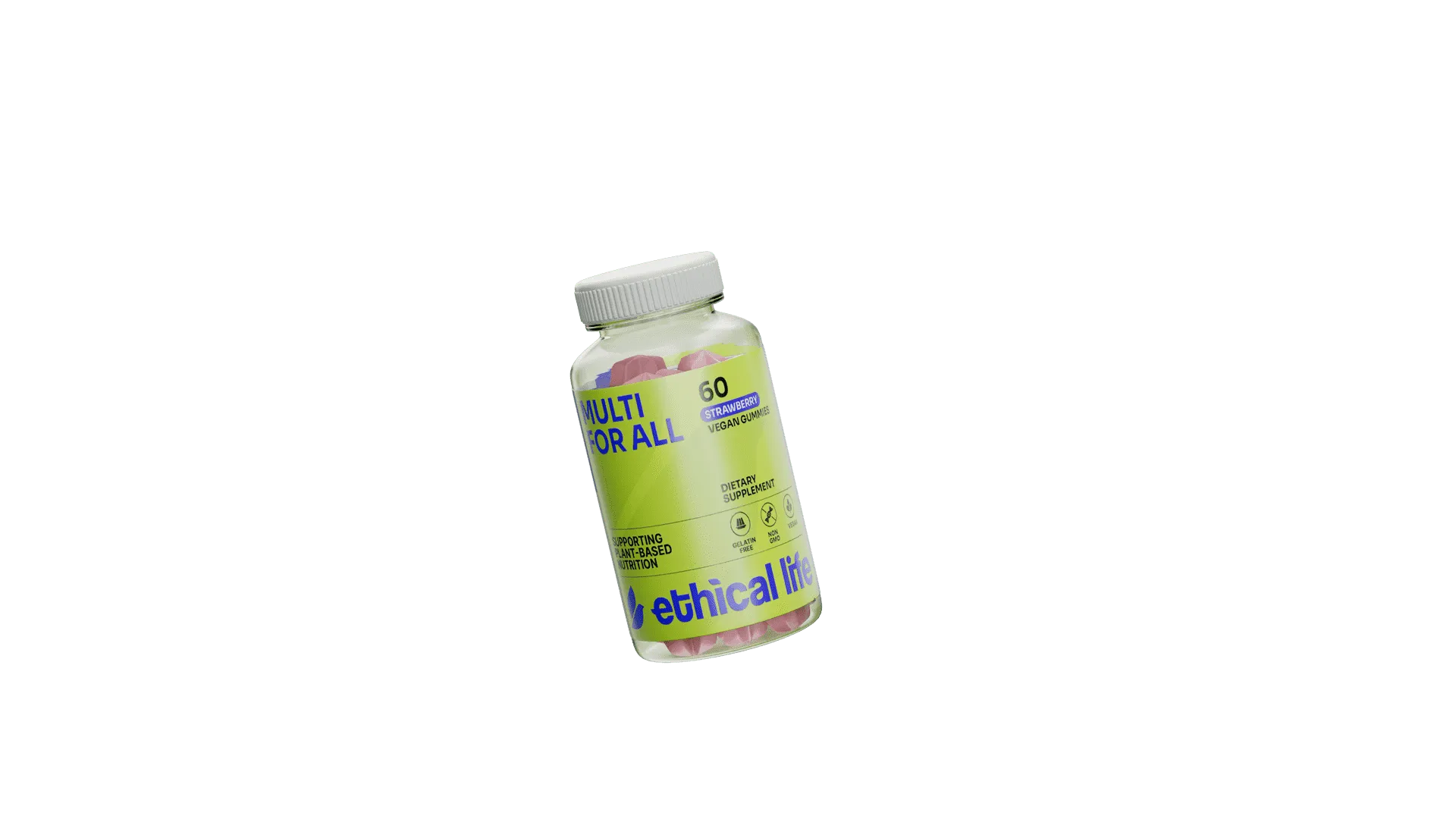
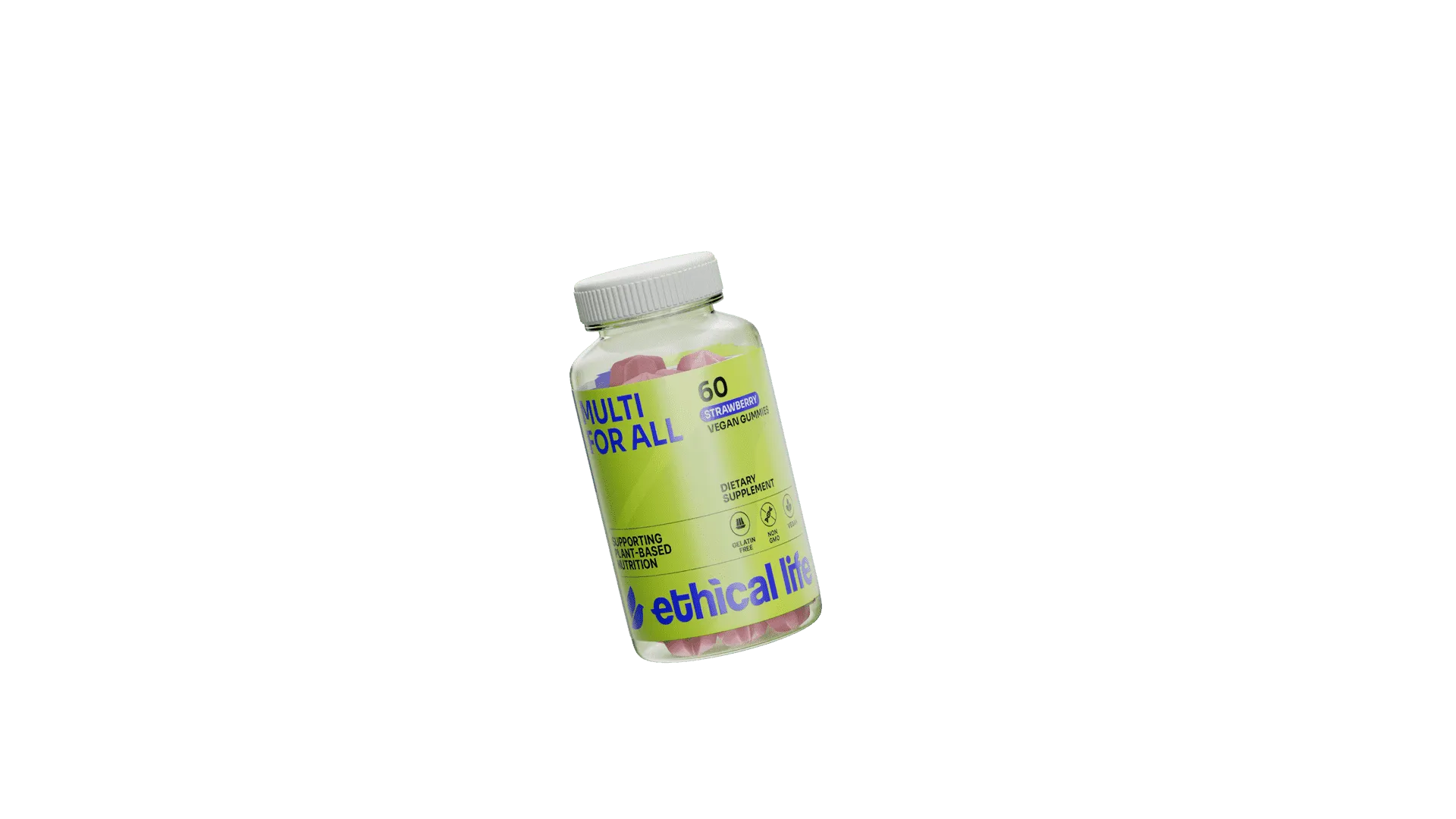
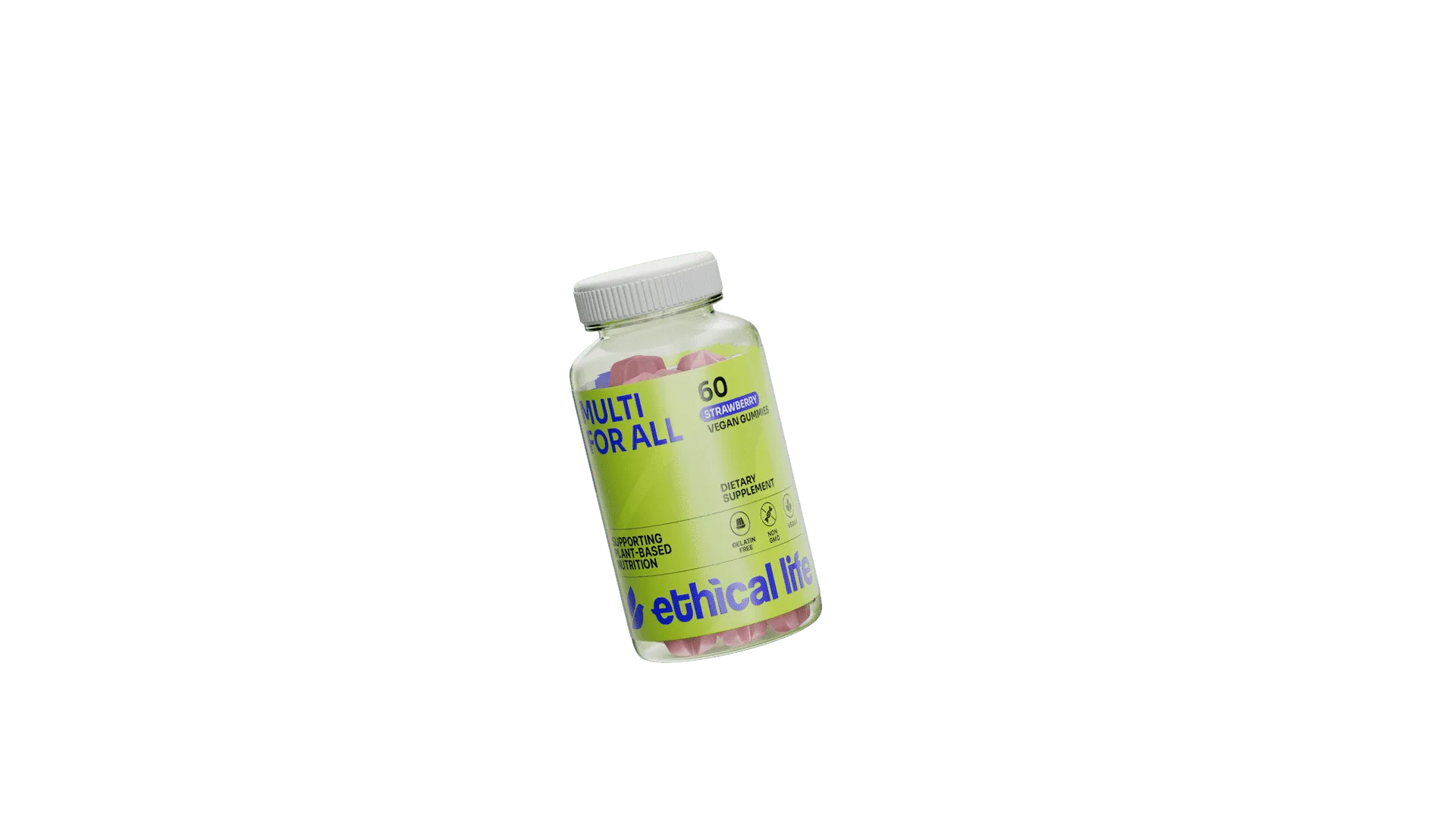
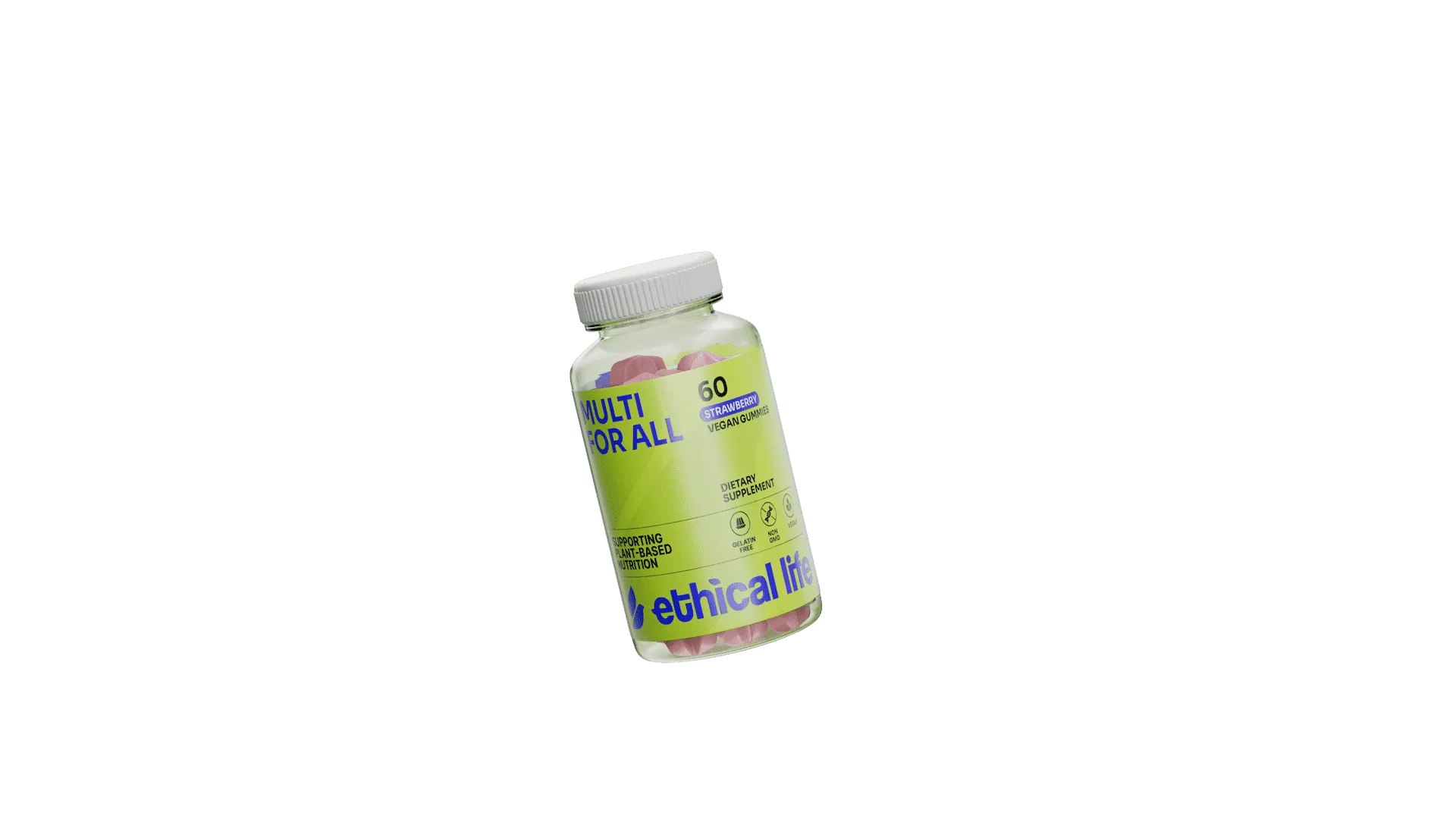
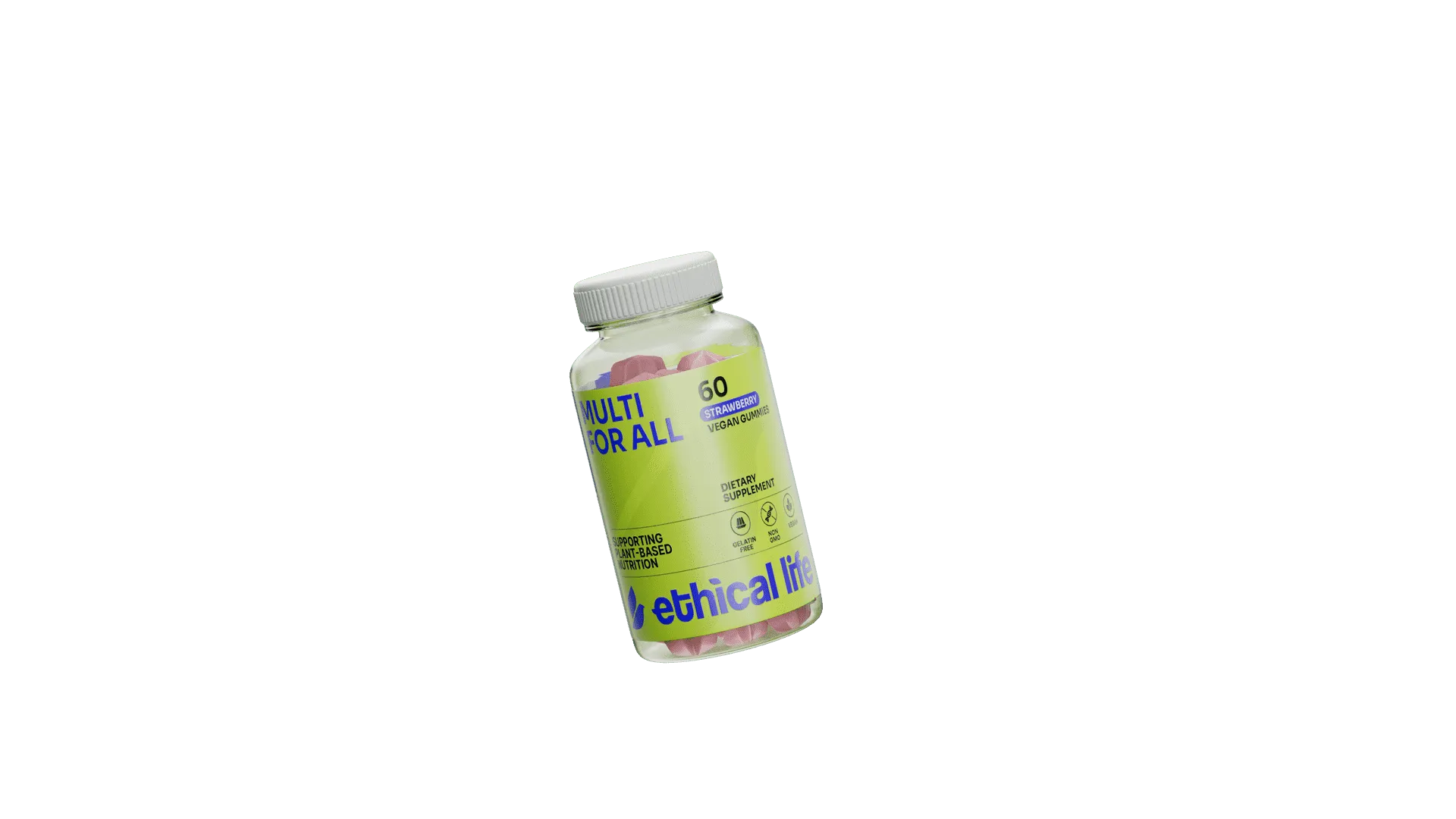
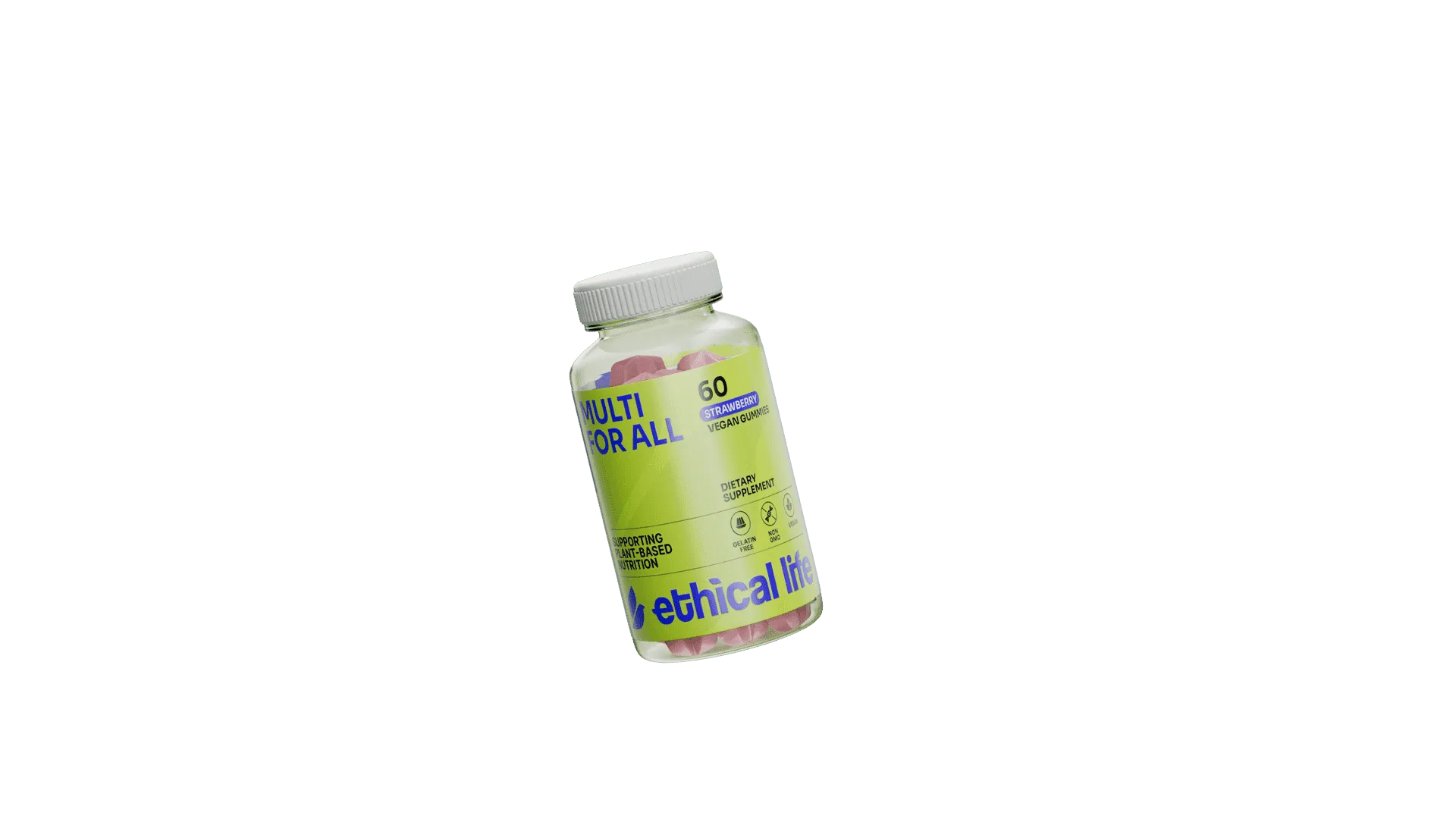
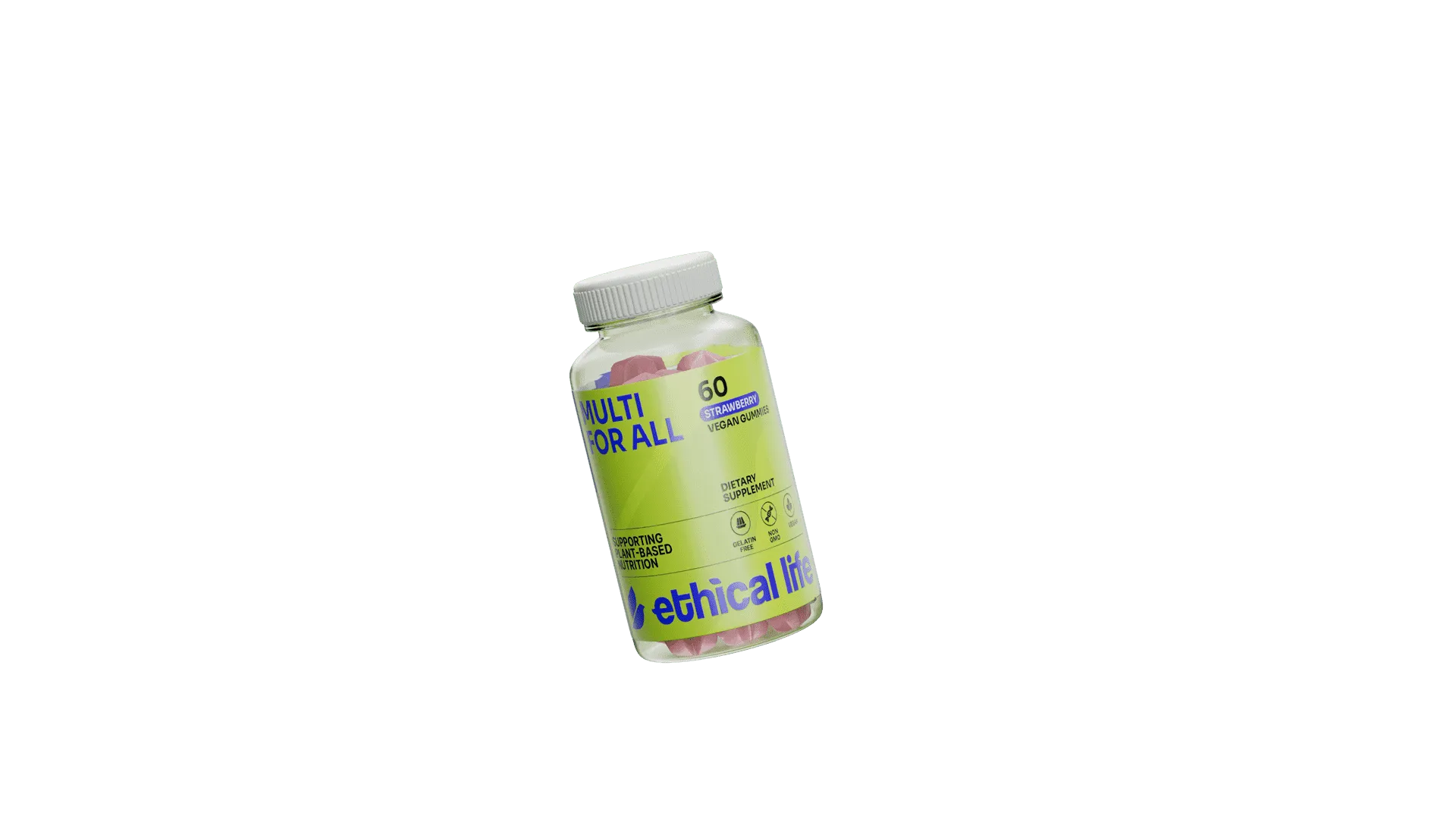
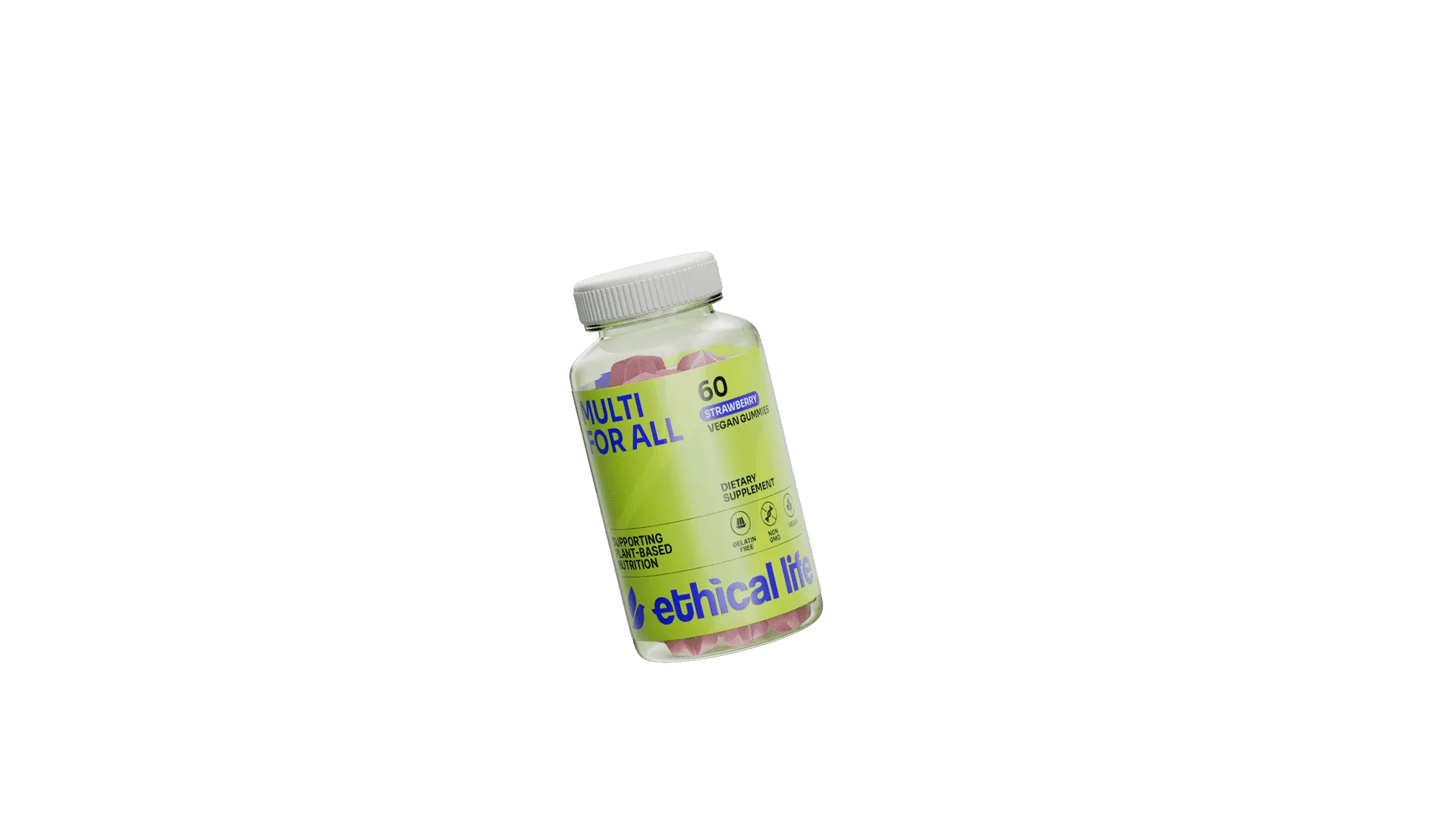
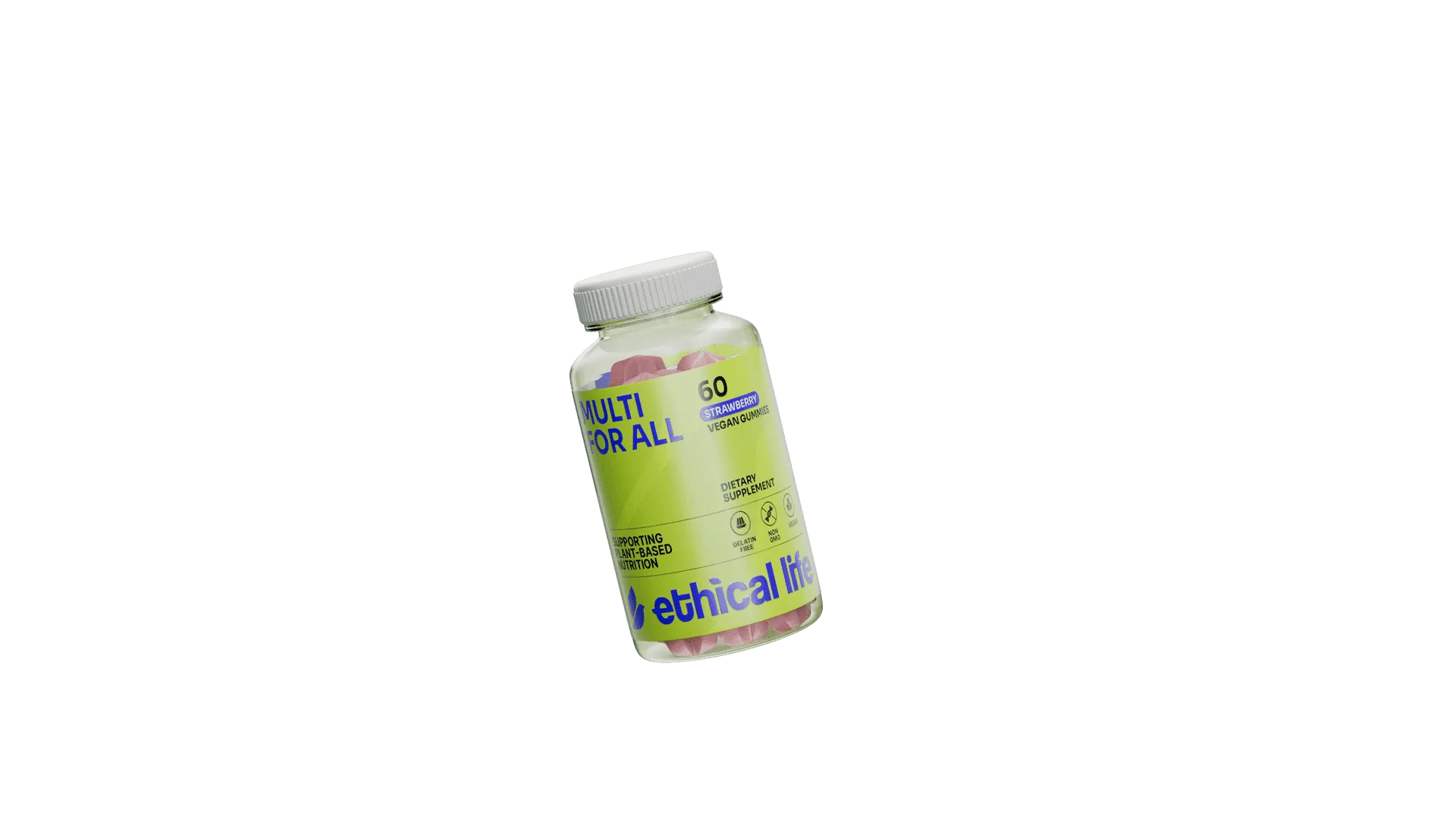
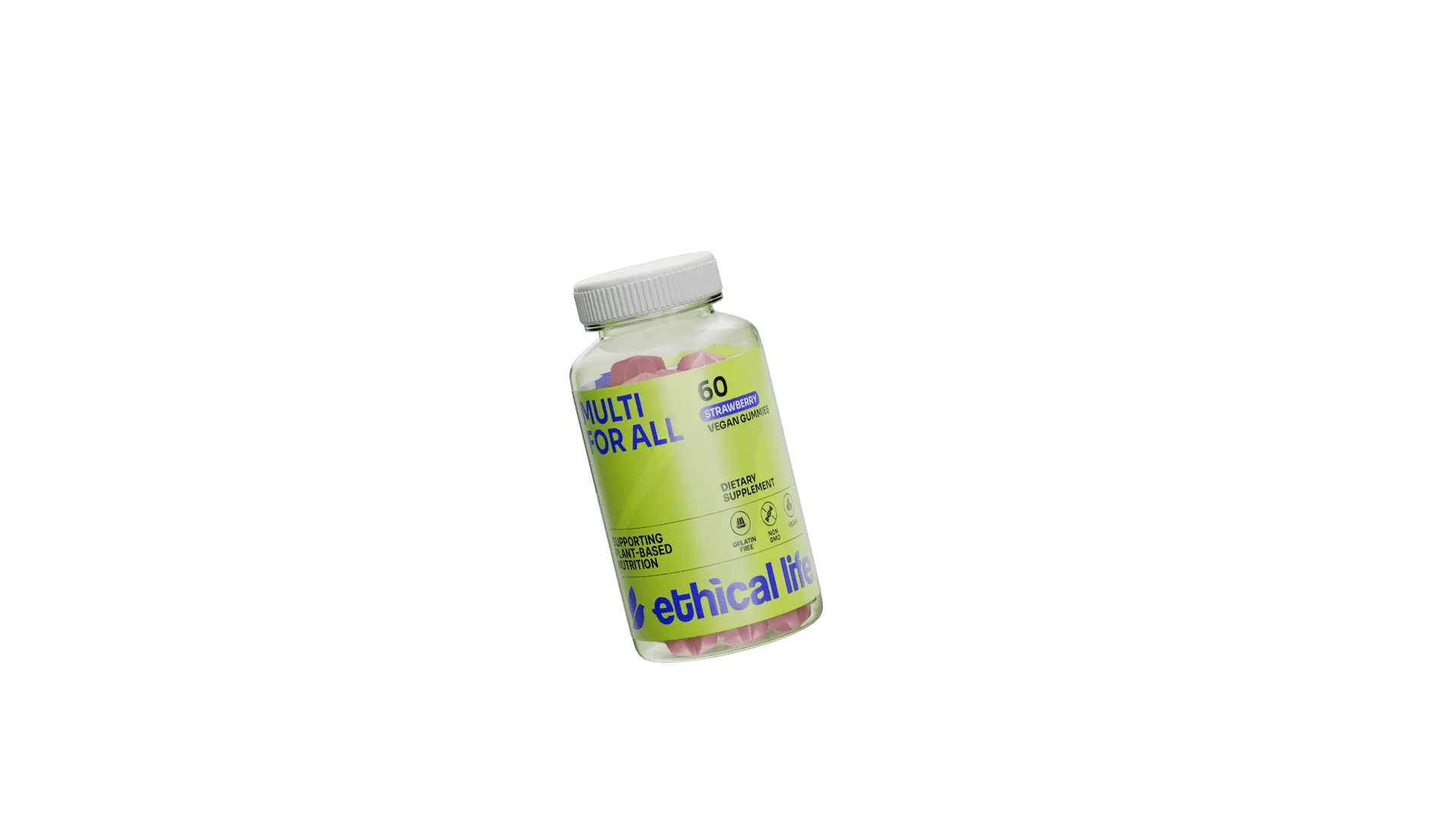
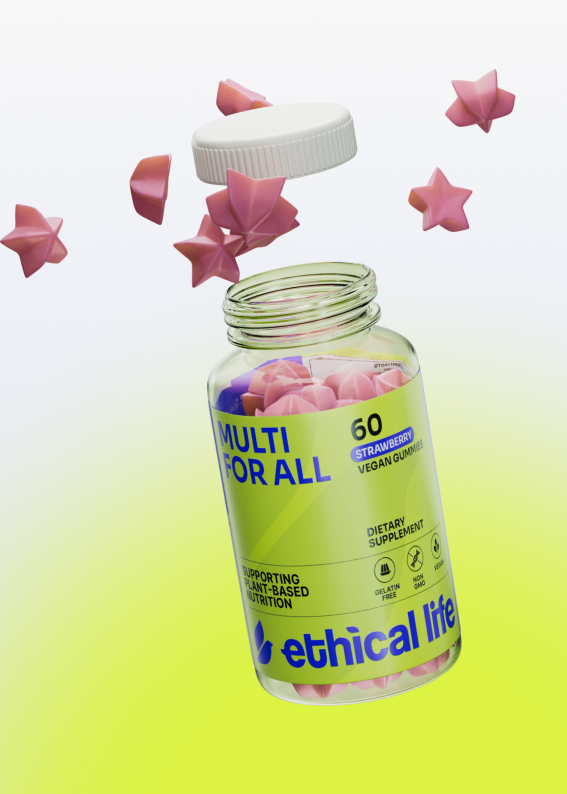
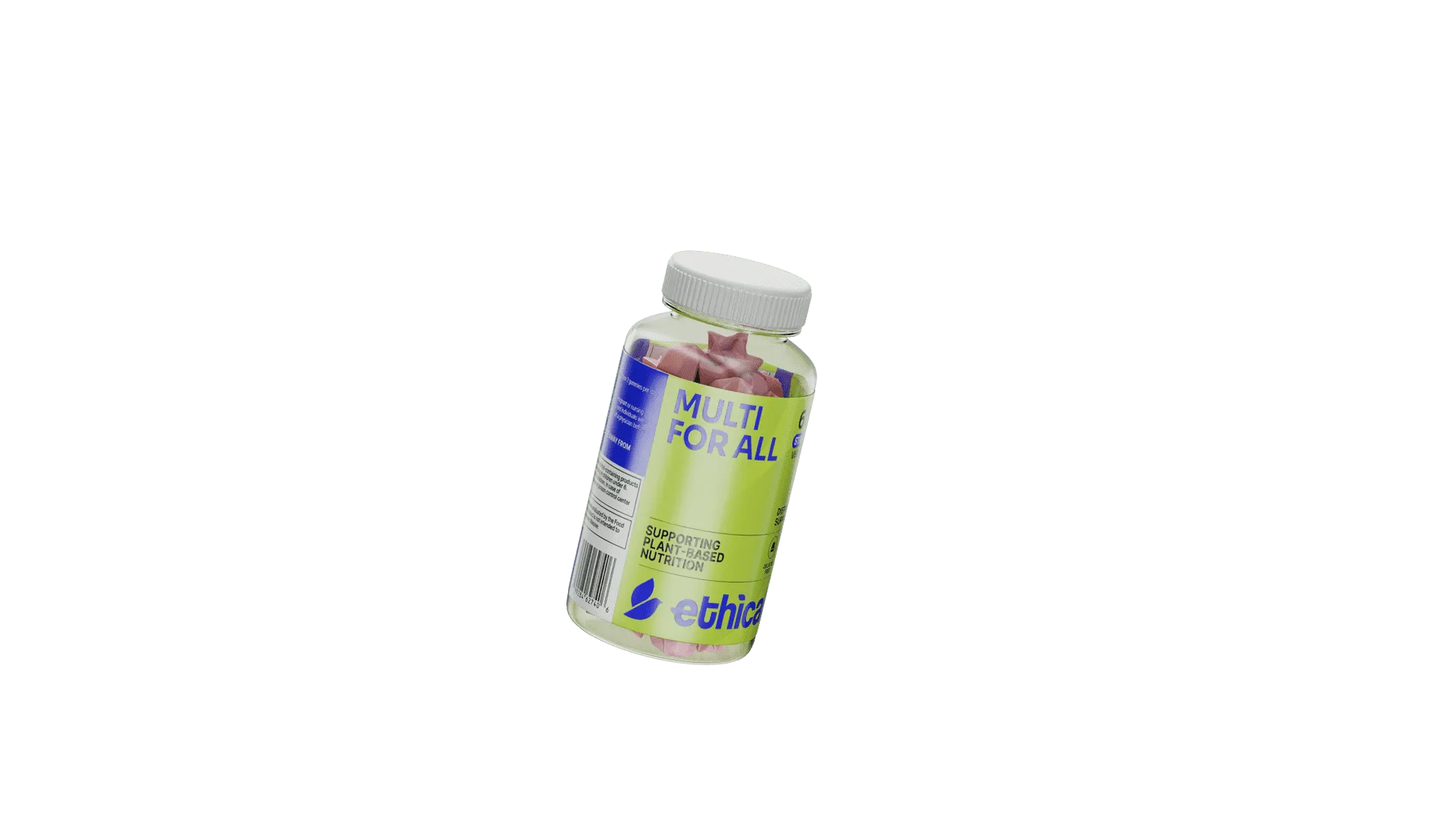
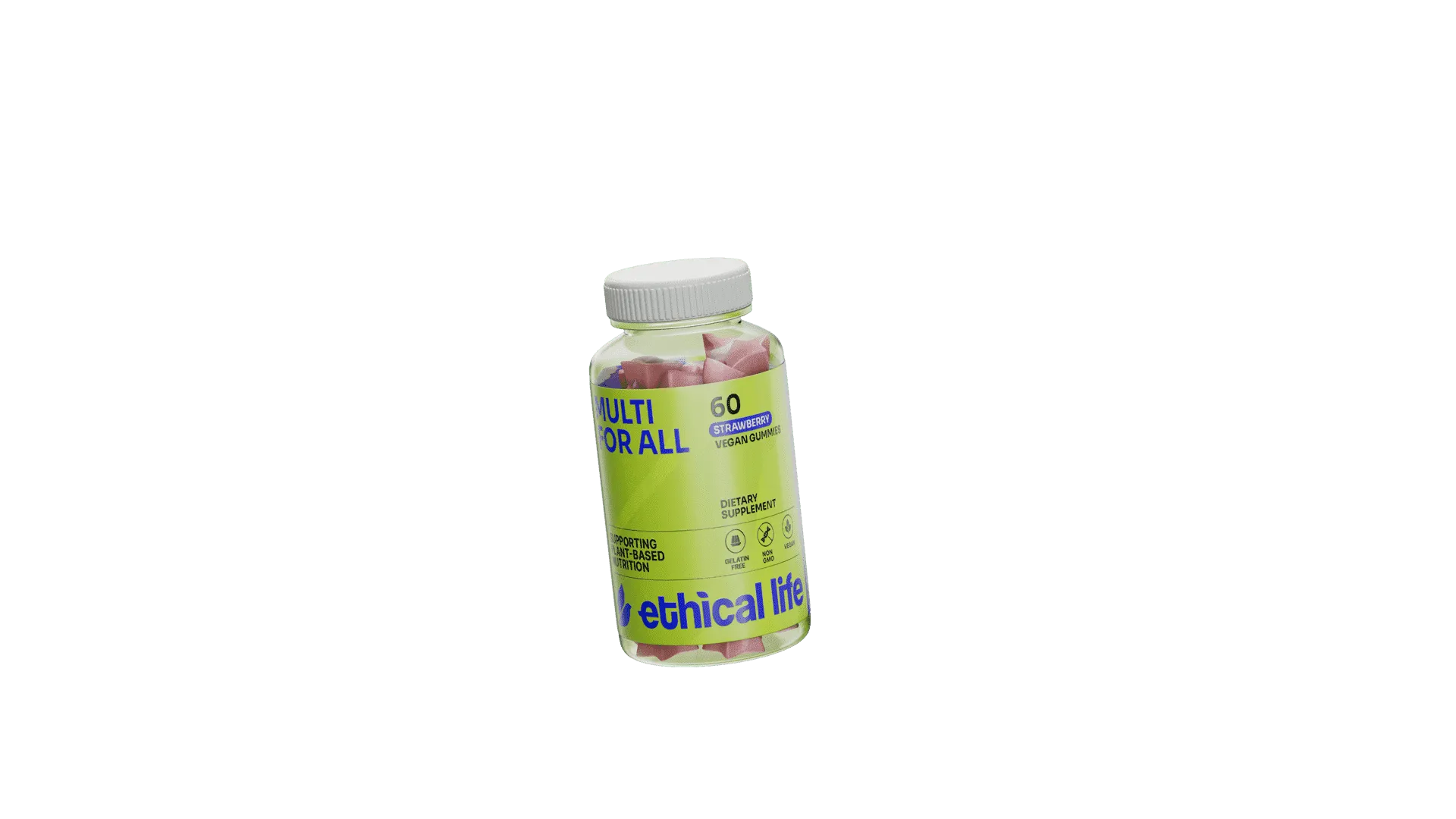
Ethical Life’s Multi For All is a pharmacist-formulated vegan gummy multivitamin designed to make consistent B12 intake genuinely effortless. As a plant-based multivitamin built for daily use, it delivers clinically validated doses alongside the co-nutrients that plant-based diets most commonly fall short on. Monthly subscription: $31.49 / month. Three-month subscription: $89.97 / 3 months. No guesswork, no pill fatigue; just a daily habit you will actually keep.

Why a Pharmacist-Formulated Vegan Gummy Covers Your B12 Needs

Formulated by Sepideh Ghasemian, Pharm.D., the Ethical Life Multi For All gummy is built around clinically validated dosing rather than marketing-driven ingredient lists. The base is pectin, which is 100% vegan, non-GMO, and free from the gelatin that makes most gummies non-vegan by default. Every batch is third-party tested for purity and potency, which matters because label claims on supplements are only as reliable as the testing behind them. The formula uses crystalline B12 for maximum bioavailability and avoids the artificial colors, synthetic binders, and excess sugars that inflate ingredient panels in generic products without contributing to nutritional outcomes.

B12 does not operate in isolation. Nutrients work together. A plant-based diet creates predictable shortfalls in Vitamin D, Iron, and Iodine alongside B12, and addressing each with a separate single-nutrient pill is both inconvenient and easy to abandon. The Multi For All combines these nutrients in a single daily gummy, supporting energy production, immune function, and cellular health in a format that simplifies rather than complicates your morning routine. When the supplement you take tastes good, the habit sticks, and consistency is the variable that determines whether supplementation works.

Choosing a supplement is also a question of what you are not putting in your body. Most clean-label multivitamins distinguish themselves by what they exclude: unnecessary binders, synthetic fillers, and carrier compounds that serve manufacturing convenience rather than metabolic function. Pharmacist-led formulation applies the same examination to a supplement’s inactive ingredients as to its active ones, ensuring that nothing in the formula interferes with the absorption pathways the active nutrients depend on. When B12 absorption requires a specific gastrointestinal environment, introducing compounds that disrupt gastric pH or compete for transport proteins is a real concern, and one that a clinically trained formulator accounts for from the start.

Here is what one customer noticed after making the switch:

“I’m a doctor of pharmacy, certified plant-based nutritionist with over 30 years of experience, and vegan for 12 years. Caring for others has taught me one thing: living an ethical life is not only possible but is absolutely thriving! Small daily choices shape our lifelong health, the lives of animals, and our planet.” – Sepideh, Pharm.D.

Recognizing Vitamin B12 Deficiency Symptoms in Vegans

Mild B12 depletion often surfaces first in the nervous system, where the vitamin’s role in myelin synthesis makes its absence felt before blood counts change. Brain fog, difficulty concentrating, and subtle memory lapses are common early presentations. Peripheral neuropathy, which presents as tingling or numbness in the hands and feet, is a classic neurological sign that frequently precedes any hematological finding. In more advanced cases, loss of proprioception, ataxia, and balance disturbances emerge. Neuropsychiatric symptoms, including depression, irritability, and, in severe cases, delirium, can appear, and these are sometimes misattributed to other causes entirely, delaying the correct diagnosis.

On the blood side, B12 deficiency produces megaloblastic anemia, where the bone marrow generates abnormally large red blood cells that cannot carry oxygen efficiently. Chronic fatigue, muscle weakness, and shortness of breath during mild exertion follow from this impaired oxygen delivery. Pallor and jaundice can develop as fragile, oversized red blood cells break down prematurely. Glossitis, a swollen or smooth and sore tongue, is a commonly overlooked oral sign that often appears in the context of advanced depletion.

Deficiency does not arrive all at once. It progresses through four distinct stages. Stages I and II involve the gradual depletion of plasma and cellular B12 stores, reflected in falling holotranscobalamin II (holoTCII) levels, which are the earliest measurable marker of depletion. Stage III is characterized by elevated methylmalonic acid (MMA) and homocysteine, indicating that metabolic pathways dependent on B12 are now functionally impaired even if serum B12 appears borderline. Stage IV is when clinically recognizable hematological signs emerge: macroovalocytosis, elevated mean corpuscular volume, and eventually decreased hemoglobin. Understanding how these stages unfold, and which essential vitamins and minerals interact with B12 metabolism, gives you a clearer picture of why early intervention matters far more than waiting for symptoms.

Preventing B12 deficiency is significantly easier than treating it, especially once neurological symptoms have taken hold. A reliable daily supplement is the most direct path to consistent protection. Subscribe to Ethical Life Gummies and give your body the clinically validated B12 it needs, every single day, without the guesswork of tracking fortified foods across multiple meals.

“I’ve tried many supplements, but Ethical Life truly stands out. From the first week, I noticed a difference in my energy, mood, and focus. The gummies taste amazing, and I love that they’re made with clean, plant-based ingredients and no artificial junk or sugar. It feels good to take something that aligns with my values: cruelty-free, eco-friendly, and transparent about what’s inside. I appreciate that they’re made in the USA! Ethical Life isn’t just another supplement brand; it’s a brand that genuinely cares about health, ethics, and sustainability. I can’t recommend it enough!” – Neda N
Recommended B12 Dosage and Monitoring for Vegans

The US RDA for healthy adults sits at 2.4 μg/day, though the European Food Safety Authority recommends 4 μg/day as its Adequate Intake, a divergence that reflects different methodological assumptions rather than a genuine disagreement about biology. Pregnant and lactating vegans require higher intake (2.6 to 2.8 μg/day) to protect fetal neurological development and infant B12 status through breast milk. Adults over 50 face a compounding challenge: atrophic gastritis, which affects 10% to 30% of older adults, impairs the absorption of food-bound B12 while leaving crystalline B12 absorption intact; this makes supplements and fortified foods the only reliable options for this group regardless of dietary pattern. Supplement doses are intentionally far higher than the RDA because only a fraction is absorbed through passive diffusion at any given dose.

Serum B12 Tests

Standard serum B12 tests carry a well-documented limitation: they can register within the normal range even when functional cellular deficiency is already present. This is because serum B12 measures total cobalamin, including inactive analogues that do not support metabolism.

Methylmalonic Acid (MMA)

Methylmalonic acid (MMA) is a more sensitive functional marker: elevated MMA indicates that the B12-dependent enzyme L-methylmalonyl-CoA mutase is not receiving adequate cobalamin, regardless of what the serum test shows.

Homocysteine

Homocysteine rises when methionine synthase activity falls, though it is also sensitive to folate status, making it a useful but non-specific signal.

Holotranscobalamin II and Detailed Monitoring

Holotranscobalamin II (holoTCII) measures only the active, transport-bound fraction of B12 and is the earliest marker of depletion, detectable at Stage I, before MMA or homocysteine shift.

Standard serum B12 testing alone is insufficient for optimal monitoring in vegans. It misses too much. The poor predictive value of serum B12 and its high rate of false normals, which is documented in published research, means that a normal result can mask a genuine functional deficiency. Requesting a detailed panel that includes MMA and homocysteine from your healthcare provider gives a far more accurate picture of your actual B12 status. If holoTCII testing is available in your clinical setting, it provides the earliest possible detection window. Most people don’t know to ask for these tests; knowing they exist is the first step toward using them.

How to Read Food Labels for Vitamin B12

The Nutrition Facts panel is your first checkpoint. Look closely. The % Daily Value (%DV) for B12 is calibrated to 2.4 μg, so a product showing 100% DV delivers the full US RDA in one serving. Beyond the panel, check the ingredients list for the specific form: cyanocobalamin and methylcobalamin are both active and bioavailable. A label that lists only “cobalamin” without specifying the form offers no guarantee of stability or effectiveness. Front-of-package claims like “high in B12” must meet FDA labeling thresholds, but those thresholds are based on percentage of DV, not absolute micrograms: context matters when you’re comparing products.

Certification matters here. A “certified vegan” seal means the product has been audited for animal-derived binders and carriers, not just the primary nutrients. Gelatin is the most common non-vegan stabilizer in fortified gummies and chewables. Dairy-derived whey or lactose occasionally appear in fortified cereals and bars as processing aids. Vitamin D3 sourced from lanolin (sheep’s wool) is frequently co-fortified alongside B12 in cereals and plant milks, which is an easy detail to miss if you’re only scanning the B12 line.

A quick three-step label check at the grocery store:

Step 1: Verify the product is certified vegan or explicitly labeled “no animal ingredients.”

Step 2: Confirm the presence of cyanocobalamin or methylcobalamin in the ingredients list.

Step 3: Check that the %DV provides at least 25% of your daily B12 requirement per serving.

Pharmacist Advice for Vegan Nutrition

Take your B12 supplement with water, either on an empty stomach or alongside a light meal, to support active transport through an uncompromised gastric environment. Avoid co-administering high doses of Vitamin C, above 1,000 mg, at the same time as B12, since ascorbic acid at that concentration can degrade cobalamin in the digestive tract before absorption occurs. Alcohol impairs both gastric acid secretion and intrinsic factor production while accelerating the depletion of hepatic B12 stores; chronic or heavy consumption compounds the absorption deficit over time. If you take metformin for blood sugar management or proton pump inhibitors for acid reflux, speak with your pharmacist: both drug classes significantly reduce B12 absorption and may require higher supplemental doses to compensate.

Consistency outperforms dose size. A moderate daily supplement taken reliably every morning produces better long-term B12 status than an occasional high-dose approach. Placement cues help: keeping your supplement next to your morning coffee, on your desk, or paired with another established habit reduces the cognitive load of remembering. Choosing a supplement form you genuinely enjoy, such as a well-formulated, pectin-based gummy, removes the friction that causes people to skip. Tracking your energy and cognitive focus over four to eight weeks gives you tangible feedback that reinforces the habit.

Plant-based nutrition, approached with the right scientific foundation, is one of the most health-affirming choices a person can make. B12 supplementation is not a workaround or a flaw in the diet; it’s a direct response to a well-understood gap that modern food systems created. Taking a pharmacist-formulated supplement is a responsible choice in the truest sense: it means you’ve done the research, you understand the mechanism, and you’ve decided to act on it. The small, daily choices that support long-term vitality rarely feel dramatic in the moment. They just work, consistently, over time.

Frequently Asked Questions About Vegan B12

Does cooking or heating destroy vitamin B12 in fortified foods?
Yes, vitamin B12 is sensitive to heat. Cooking, microwaving, or boiling fortified foods can reduce their B12 content by 30% to 50%. To preserve the nutrient, add fortified foods like nutritional yeast to dishes after cooking, or consume fortified plant milks cold.

Can I get enough B12 if I eat organic, unwashed vegetables?
No. While soil bacteria synthesize B12, the amount on unwashed organic produce is extremely low, highly variable, and carries a significant risk of foodborne pathogens like E. coli. Relying on unwashed produce is unsafe and highly likely to result in B12 deficiency.

How does alcohol consumption affect vitamin B12 absorption?
Chronic or excessive alcohol consumption damages the lining of the stomach and intestines, reducing the secretion of gastric acid and intrinsic factor. This severely impairs the active absorption of B12 and accelerates the depletion of hepatic B12 stores.

Is there a risk of taking too much vitamin B12 as a vegan?
Vitamin B12 is water-soluble, meaning the body excretes excess amounts in urine. There is no established Tolerable Upper Intake Level (UL) for B12, and high doses are generally considered safe. However, extremely high doses are unnecessary unless treating a severe clinical deficiency.

Can infants get enough B12 from a breastfeeding vegan mother?
Only if the mother is consistently supplementing with adequate doses of B12. Maternal B12 deficiency during pregnancy and lactation poses severe risks to infants, potentially causing developmental regression, neurodevelopmental delays, and psychomotor retardation in exclusively breastfed infants, a risk documented across multiple population studies.

Meeting your B12 needs on a vegan diet is not complicated, but it does require purposefulness. The science is clear: plant foods cannot reliably supply this nutrient, fortified foods require consistent daily effort, and a well-formulated supplement is the most dependable solution for most people. Understanding the absorption pathway, recognizing early deficiency signs, and choosing a supplement that is pharmacist-formulated and third-party tested puts you in a position to protect your neurological and hematological health for the long term. That’s not a burden; it’s the kind of informed, deliberate care that defines a genuinely health-supporting plant-based life.

Experience Pharmacist-Formulated Care

Ethical Life’s Multi For All delivers clinically validated B12 alongside the co-nutrients your plant-based diet needs most, in a pectin-based, non-GMO, third-party tested gummy formulated by Sepideh Ghasemian, Pharm.D. Try the vegan multivitamin gummies that customers describe as the supplement they actually look forward to taking, and start building the daily habit that supports your long-term vitality.