Calcium Deficiency Symptoms

How to Recognize the Signs and Protect Your Long-Term Health

If you’ve recently cut dairy from your diet, or you’ve been waking up with leg cramps that seem to come from nowhere, you may have already wondered whether your calcium intake is part of the problem. That question deserves a direct, clinical answer. Not a generic wellness checklist. Sepideh Ghasemian, Pharm.D., a doctor of pharmacy and certified plant-based nutritionist, approaches calcium deficiency the way any rigorous clinician would: by looking at the physiology first, then the clinical strategies.

Calcium is like the electricity that powers every cell in your body: when it dips, your systems literally dim.

It carries the signals that trigger muscle contractions, regulate heart rhythm, activate enzymes, and govern nerve transmission.

  • Maintaining Circulating Calcium: When dietary intake drops too low, the body doesn’t simply tolerate the shortage: it pulls calcium directly from bone to keep circulating levels stable.
  • Long-Term Bone Health: That compensatory mechanism is efficient in the short term and destructive over years. Bones pay the price.
  • Early-Stage Deficiency: The insidious part is that early-stage deficiency produces no obvious symptoms at all, which means many people are losing bone density before they feel anything worth reporting to a doctor.

What Is Hypocalcaemia?

Hypocalcaemia is an electrolyte disorder defined by abnormally low levels of calcium circulating in the blood. Clinically, normal total serum calcium falls between 8.5 and 10.5 mg/dL (2.12 to 2.62 mmol/L), while biologically active ionized calcium, the fraction not bound to proteins and therefore directly available to tissues, ranges from 4.65 to 5.25 mg/dL (1.16 to 1.31 mmol/L), according to StatPearls. These are tight margins. The body defends them aggressively.

That defense mechanism matters because roughly 99% of the body’s total calcium resides in the skeletal system, where it provides structural rigidity and acts as a physiological reservoir, according to the National Institutes of Health. The remaining 1% in circulation handles vascular tone, muscle contraction, nerve transmission, and enzymatic activation. When dietary intake falters, parathyroid hormone (PTH) signals the kidneys to retain calcium and the bones to release it, while active vitamin D drives intestinal absorption upward. This three-way coordination, with PTH, vitamin D, and calcitonin working across the intestines, kidneys, and skeleton, keeps serum levels stable even as the skeletal reservoir quietly depletes.

One practical diagnostic complication: a significant portion of circulating calcium binds to the plasma protein albumin and becomes biologically inert. Total serum calcium readings must be corrected for albumin concentration to avoid misclassifying a patient as normal when their active calcium is actually low. Direct ionized calcium measurement sidesteps this problem entirely and is the more reliable metric in clinical settings.

Symptoms of Low Calcium Levels

The clinical presentation of hypocalcemia spans a broad spectrum, and where a patient lands on that spectrum depends largely on how fast levels drop rather than how low they go. Speed dictates severity. Gradual chronic deficiency can remain silent for months; an acute drop can produce life-threatening complications within hours.

The most recognizable calcium deficiency symptoms include:

Muscle Cramps and Tetany

Muscle cramps and spasms: particularly in the calves and hands, which occur because low calcium prevents muscle fibers from completing the relaxation phase of contraction

Tetany: an involuntary sustained muscular contraction that can range from uncomfortable to incapacitating

Nerve and Cognitive Symptoms

Paresthesias: the perioral numbness, finger tingling, and toe tingling that patients often describe as a “pins and needles” sensation, caused by heightened peripheral nerve excitability

Neuromuscular excitability markers: including a positive Chvostek sign (facial muscle twitch when the facial nerve is tapped) and Trousseau sign (carpal spasm induced by inflating a blood pressure cuff)

Seizures: in severe cases, driven by uncontrolled neuronal firing

Cognitive symptoms: including confusion, irritability, and difficulty concentrating

Airway and Cardiac Complications

Laryngospasm: a dangerous narrowing of the airway that constitutes a medical emergency

QTc interval prolongation: on an electrocardiogram, which elevates the risk of ventricular arrhythmias, representing the most acutely dangerous cardiac consequence

Skin, Hair, Nails, and Bone Health

Chronic dermatological signs: dry, flaking skin, thin and brittle hair, and nails that crack or peel easily

Osteoporosis, one downstream consequence of long-standing deficiency, affects more than 10 million American adults, roughly 80% of them women, and generates an estimated 1.5 million fractures annually in the United States, per National Institutes of Health data. That fracture burden is the clinical endpoint that makes early symptom recognition worth taking seriously.

Long-Term Risks of Calcium Deficiency

Acute symptoms get attention. They are uncomfortable and sometimes frightening. The long-term skeletal consequences are quieter and, over a lifetime, far more consequential.

Bone Resorption and Osteopenia

When the body chronically draws calcium from bone to maintain serum levels, it accelerates a process called bone resorption. Trabecular architecture degrades and cortical bone thins.

Progression to Osteoporosis

The progression moves from normal bone density to osteopenia, defined by a bone mineral density T-score between -1 and -2.5 on a DXA scan, and then to osteoporosis, where the T-score falls to -2.5 or below. At that threshold, the structural integrity of the skeleton is genuinely compromised, and fractures can occur from forces that healthy bone would absorb without incident.

Bone Density and Fracture Risk

Bone mineral density loss is not reversible in the way a vitamin deficiency can be corrected with a few weeks of supplementation. Bone remodeling is a slow process, and the window for meaningful prevention is years or decades before a fracture occurs. Daily supplementation of 1,000 to 1,200 mg of calcium combined with vitamin D shows marginal benefits in reducing fractures in postmenopausal women and older men, per StatPearls. The word “marginal” matters here: supplementation helps, but it does not fully restore bone that has already been lost, which is why identifying and addressing deficiency early carries so much more clinical value than treating it after a fracture.

Cardiovascular, Dental, and Neurological Effects

Beyond the skeleton, sustained hypocalcemia has documented effects on cardiovascular function, dental integrity, and neurological health. Teeth depend on calcium for enamel density; chronic deficiency can contribute to premature decay and periodontal vulnerability. The neurological effects, such as persistent cognitive fog and mood disturbances, are less well-characterized in the research literature, but they appear consistently enough in clinical practice to warrant attention.

Concerned about your long-term bone health? Ethical Life was built on the principle that small, consistent daily choices shape lifelong outcomes. Our pharmacist-formulated, 100% vegan supplements are designed to support the nutritional foundations your body depends on, without compromise.

How to Correct a Calcium Deficiency

Correcting a calcium deficiency requires a stratified approach, and the right layer depends entirely on severity. Intravenous calcium administration in a clinical setting is the standard intervention for acute or symptomatic hypocalcemia: tetany, seizures, laryngospasm, and cardiac arrhythmias cannot wait for dietary changes to take effect. This is not a situation for self-management. Medical guidance is non-negotiable when symptoms are present.

For chronic or subclinical deficiency, dietary adjustments form the foundation of correction. Think of it like refilling a gas tank: you need the right fuel, consistently, to keep running. That means increasing intake of calcium-dense foods, addressing co-factors that govern absorption, and eliminating habits that accelerate calcium loss. High sodium intake increases urinary calcium excretion, a mechanism that is often overlooked in patients who eat a nominally healthy diet but consume significant amounts of processed food. Plant compounds like phytic acid (found in unsoaked legumes and grains) and oxalic acid (concentrated in spinach and beets) bind calcium in the gut and form insoluble salts that the body cannot absorb. Fermentation and soaking reduce these antinutrients substantially.

Vitamin D is the most critical co-factor in this picture. Without adequate active vitamin D, intestinal calcium transport slows dramatically regardless of how much calcium a person consumes. Magnesium is the less-discussed but equally important variable: hypomagnesemia impairs both the secretion of PTH and the body’s ability to respond to it, producing a secondary hypocalcemia that will not resolve until magnesium is corrected first. Clinicians who treat refractory hypocalcemia routinely check magnesium levels early in the workup for exactly this reason.

“I’m a doctor of pharmacy, certified plant-based nutritionist with over 30 years of experience, and vegan for 12 years. Caring for others has taught me one thing: living an ethical life is not only possible but is absolutely thriving! Small daily choices shape our lifelong health, the lives of animals, and our planet.” – Sepideh, Pharm.D.

Calcium Supplements: When and How to Take Them

Oral supplementation becomes appropriate when dietary intake consistently falls short of the RDA, when absorption is compromised by a medical condition, or when a clinician identifies a deficiency through testing. The two most prevalent formulations, calcium carbonate and calcium citrate, differ in ways that matter clinically. Calcium carbonate requires stomach acid for dissolution and is best taken with food; it is the higher-elemental-calcium option and generally less expensive. Calcium citrate does not depend on gastric acid, making it the preferred choice for individuals with hypochlorhydria, atrophic gastritis, or those taking proton pump inhibitors. For anyone on acid-suppressing medication, calcium carbonate is likely being absorbed poorly even if it is being taken consistently.

Absorption efficiency drops sharply above 500 mg. That is the single-dose limit. Splitting supplementation into two smaller doses across the day is more physiologically sound than taking a single large dose, regardless of which form is used. Vitamin D co-supplementation enhances intestinal calcium transport and is typically recommended alongside calcium for individuals with documented deficiency.

The cardiovascular risks associated with high-dose calcium supplementation remain genuinely contested. Some meta-analyses have flagged a marginal increase in myocardial infarction risk with supplemental calcium, while others find no association, and organizations like the National Osteoporosis Foundation maintain that recommended doses carry no cardiac risk. Separately, the “calcium paradox,” which is the observation that populations in several low- and middle-income countries consuming only 400 to 700 mg per day show lower osteoporotic fracture rates than high-intake populations, suggests that genetics, physical activity, and sun exposure confound the relationship between calcium intake and bone outcomes in ways that are not fully understood, per National Institutes of Health research. These are not reasons to avoid supplementation when it is clinically indicated, but they are reasons to avoid treating high-dose calcium as a low-risk intervention.

Ready to take a more proactive approach to your bone and mineral health? Ethical Life’s evidence-based formulations are pharmacist-designed to fill the nutritional gaps that matter most. Talk to your healthcare provider about testing, and explore how clean, plant-based daily support can complement your care plan.

Diagnostic Tests and Clinical Evaluation for Low Calcium

Diagnosing hypocalcemia accurately requires more than an isolated blood draw. One test is rarely enough.

Total and Ionized Calcium

Clinicians typically begin with albumin-corrected total calcium or, preferably, a direct ionized calcium measurement to confirm the deficiency.

Magnesium, Phosphorus, PTH, and Vitamin D

From there, the workup expands to include serum magnesium, phosphorus, PTH, and vitamin D levels, each of which helps identify the underlying etiology. Elevated phosphorus alongside low PTH, for instance, points toward hypoparathyroidism, the most common cause of which is inadvertent parathyroid gland damage during neck surgery. Low PTH with low phosphorus suggests a different pathway, often vitamin D deficiency or malabsorption.

Bone Mineral Density Testing

Bone mineral density tests, specifically central dual-energy X-ray absorptiometry (DXA), evaluate the skeletal consequences of long-term deficiency. DXA remains the gold standard for quantifying bone loss, and the T-score it produces maps directly onto the osteopenia and osteoporosis thresholds described above. The U.S. Preventive Services Task Force recommends DXA screening for women over 65 and for younger postmenopausal women with elevated fracture risk. Men are less frequently screened, which is worth noting given that they account for roughly 20% of the osteoporosis burden in the United States.

Clinical Judgment and Calcium Status

Circulating calcium levels are so tightly regulated that they do not reliably reflect dietary intake or total body calcium status. A normal serum calcium result does not rule out a depleted skeletal reservoir. The absence of a sensitive population-level biomarker for calcium status is a recognized gap in the research, which means clinical judgment, integrating symptoms, dietary history, risk factors, and imaging, remains essential.

Dietary Sources of Calcium for Daily Vitality

Meeting calcium targets through food is achievable on a plant-based diet. It requires deliberate planning. The following sources provide substantial quantities of absorbable calcium:

Calcium-rich vegetables: kale, bok choy, and broccoli offer well-absorbed calcium with relatively low oxalate content, making them more bioavailable than spinach despite spinach’s higher raw calcium numbers

Calcium-fortified foods: including plant-based milks, orange juice, cereals, and certain grain products, which can deliver 300 mg or more per serving and are often the most practical way to close a dietary gap

Other plant-based sources: tofu made with calcium sulfate, white beans, almonds, and tahini round out a plant-based calcium strategy with meaningful per-serving contributions

Seafood options: canned fish with soft edible bones (sardines, salmon) provide highly bioavailable calcium for those who include seafood in their diet

The recommended dietary allowance for calcium in the United States is 1,000 mg per day for most adults, rising to 1,200 mg per day for women over 50 and men over 70, per National Institutes of Health guidance. The FDA sets the daily value on food labels at 1,300 mg, per StatPearls. These figures are not interchangeable: the RDA reflects the estimated requirement for most individuals, while the food label DV is a reference point designed to cover a broader population range. Knowing which number applies to your life stage matters when you’re reading a nutrition label. Context is everything.

Muscle Cramps and Bone Health: The Physiological Connection

Calcium’s role in muscle contraction is more precise than most people realize. When a motor neuron fires, calcium ions flood into the muscle cell and bind to troponin, triggering the actin-myosin cross-bridge cycle that produces contraction. Relaxation depends on calcium being actively pumped back out of the cell. When circulating calcium is low, membrane excitability increases: the threshold for spontaneous firing drops, and muscles contract without an intentional signal. That is the mechanism behind the nocturnal leg cramps and hand spasms that many people with hypocalcemia experience before they receive a diagnosis.

The skeletal reservoir that buffers serum calcium levels is not an infinite resource. Continuous borrowing from bone, the body’s way of keeping neuromuscular functions intact when dietary intake is inadequate, gradually reduces trabecular density and cortical thickness. The frustrating clinical reality is that a person can feel relatively well, experiencing only occasional cramps or mild fatigue, while their skeleton is losing structural integrity year over year. The symptoms that prompt a doctor’s visit are often the minor ones; the major consequence, a fragility fracture, arrives later and without warning.

Frequently Asked Questions About Calcium Deficiency

What is the fastest way to address a severe calcium deficiency?
Severe or symptomatic hypocalcemia, presenting as tetany, seizures, laryngospasm, or cardiac arrhythmia, requires immediate intravenous calcium administration in a clinical setting. This is not a condition to manage at home. For mild deficiency confirmed by testing, oral supplementation with calcium citrate or carbonate combined with active vitamin D is the most immediate therapeutic approach, alongside dietary changes. The key distinction is severity: self-treating a mild deficiency with supplements is reasonable; self-treating a symptomatic deficiency is dangerous.

Does calcium deficiency cause leg pain and nocturnal muscle cramps?
Calcium is essential for both the initiation and termination of muscle contraction. When levels fall below the normal range, neuromuscular excitability rises, and muscles become prone to spontaneous, sustained contractions. Leg cramps, particularly those that occur at night, are among the most commonly reported symptoms in patients with documented hypocalcemia. Addressing both calcium and magnesium intake tends to produce the most consistent relief, since magnesium deficiency independently increases muscle excitability and the two deficiencies frequently co-occur.

What daily habits or dietary factors can deplete calcium in the body?
High sodium intake drives urinary calcium excretion upward through a renal mechanism that exchanges sodium for calcium in the tubules. Caffeine and excessive alcohol consumption also increase calcium losses. Certain medications, including proton pump inhibitors, corticosteroids, and some diuretics, either reduce absorption or accelerate excretion. On the dietary side, high intakes of phytic acid (from unsoaked legumes and whole grains) and oxalic acid (from spinach, beets, and rhubarb) bind calcium in the gut and prevent its absorption. Fermentation, soaking, and cooking reduce these antinutrients, which is worth knowing for anyone relying heavily on plant foods for calcium.

How long does it take to restore low calcium levels to normal?
The timeline depends almost entirely on the underlying cause. Mild dietary deficiency with no structural pathology can begin showing improvement in serum markers within a few weeks of consistent supplementation and dietary adjustment. More complex etiologies, such as hypoparathyroidism, chronic kidney disease, and severe vitamin D deficiency, require ongoing medical management and may take several months to stabilize. Bone density recovery, as distinct from serum calcium normalization, operates on a much longer timeline and requires regular DXA monitoring to track. There is no clean universal answer here, which is why follow-up testing matters as much as the initial intervention.

How does a magnesium imbalance affect calcium levels?
Magnesium is a required co-factor for PTH synthesis and secretion. When magnesium falls below normal, the parathyroid glands produce less PTH, and the tissues that should respond to PTH become less sensitive to its signal. The result is a secondary hypocalcemia that resists correction with calcium supplementation alone. Clinicians managing refractory hypocalcemia, meaning cases where calcium levels don’t respond as expected to treatment, routinely check and correct magnesium first, because repleting calcium without addressing the magnesium deficit is largely ineffective. This is one of the clearer examples in clinical medicine of a deficiency that cannot be treated in isolation.

Calcium deficiency rarely announces itself dramatically. It tends to accumulate quietly: in the cramps that interrupt sleep, in the fatigue that doesn’t quite resolve, in the bone density that erodes over years without a single obvious symptom. The physiological case for staying ahead is strong. Do not wait to respond. Small, consistent choices around food quality, co-factor intake, and periodic testing carry more protective value than any single intervention after the fact. For more on how daily nutritional decisions connect to long-term vitality, the Ethical Life blog covers evidence-based approaches to plant-based health from a pharmacist’s perspective.

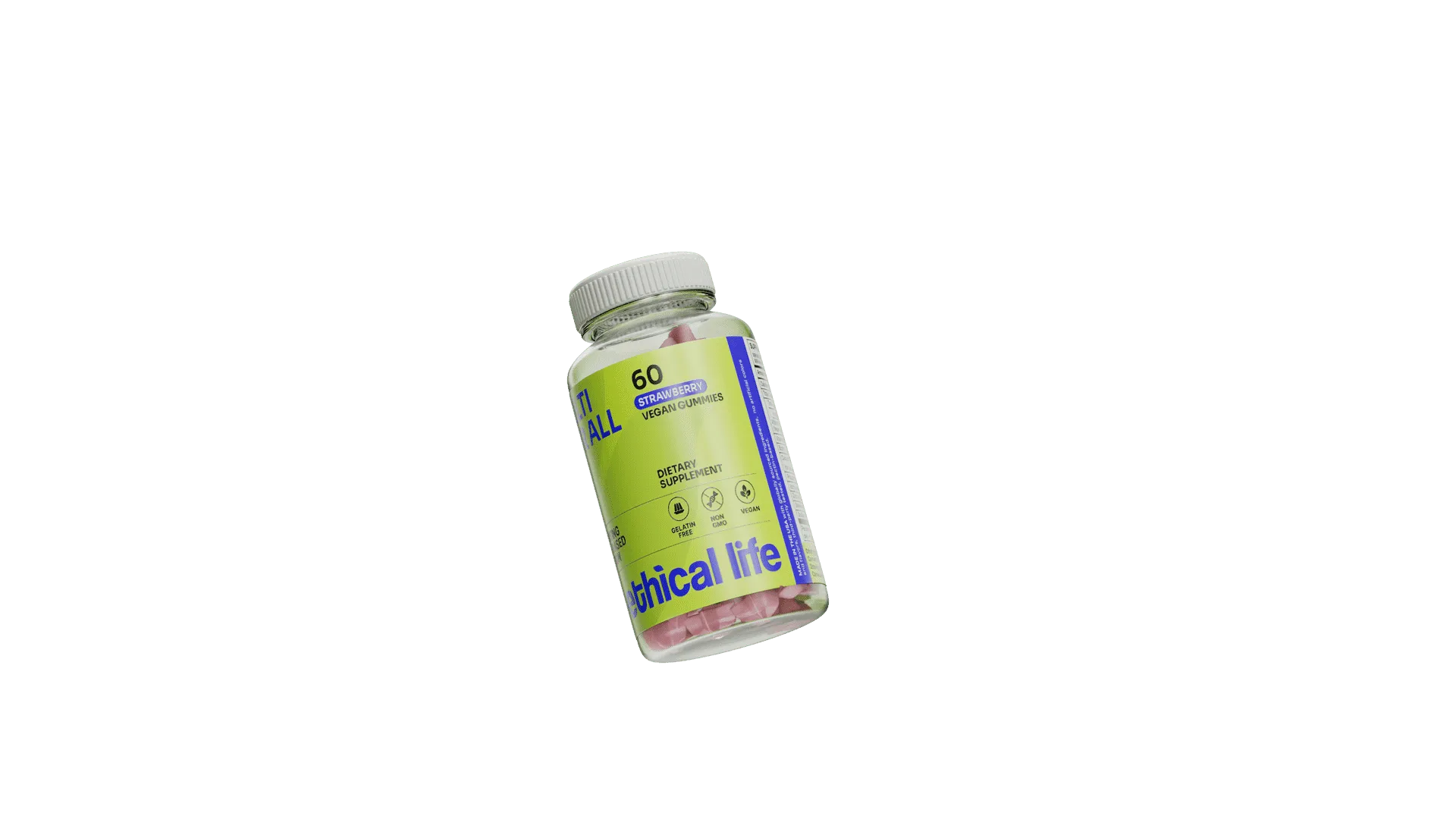
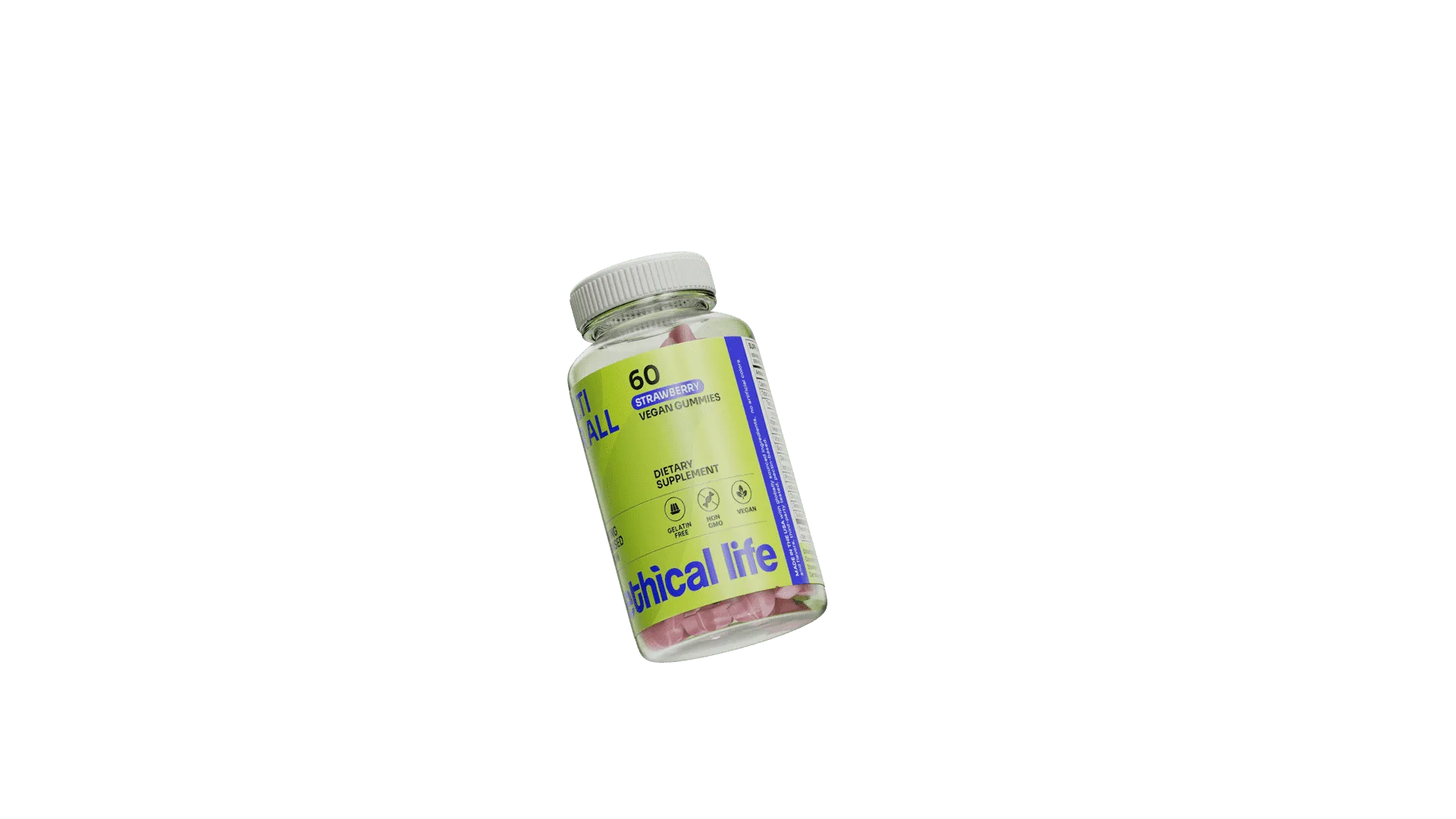
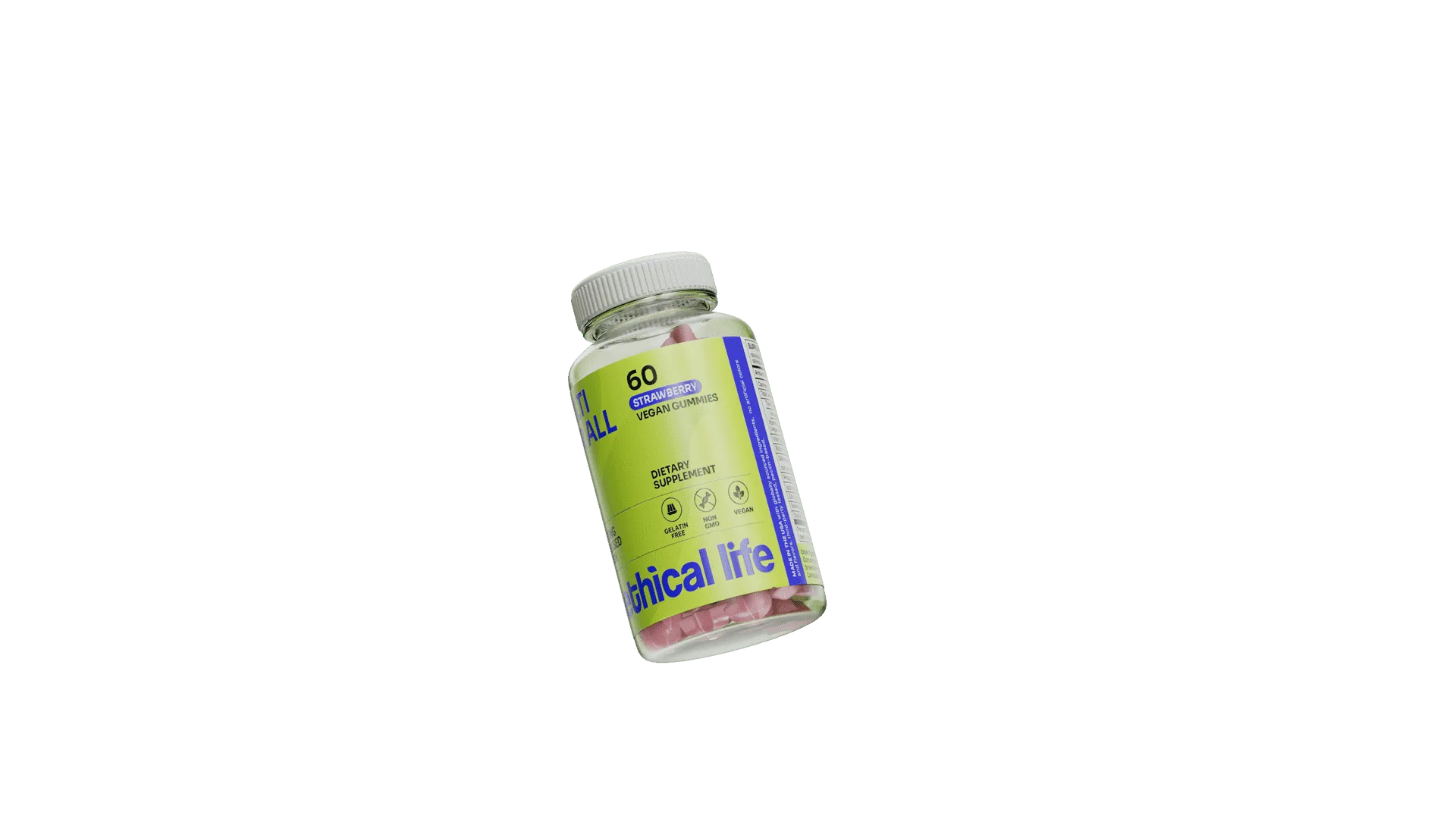
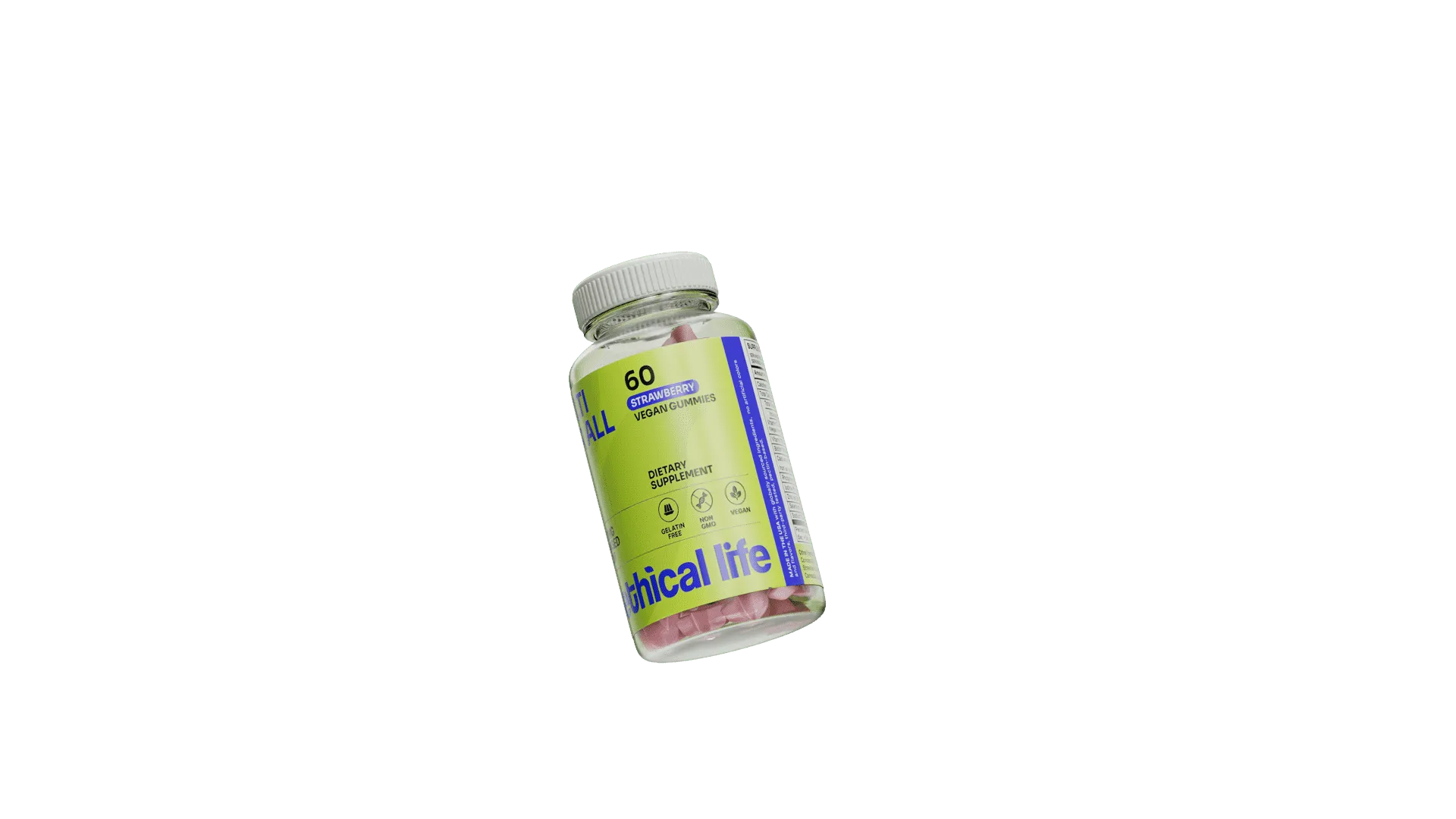
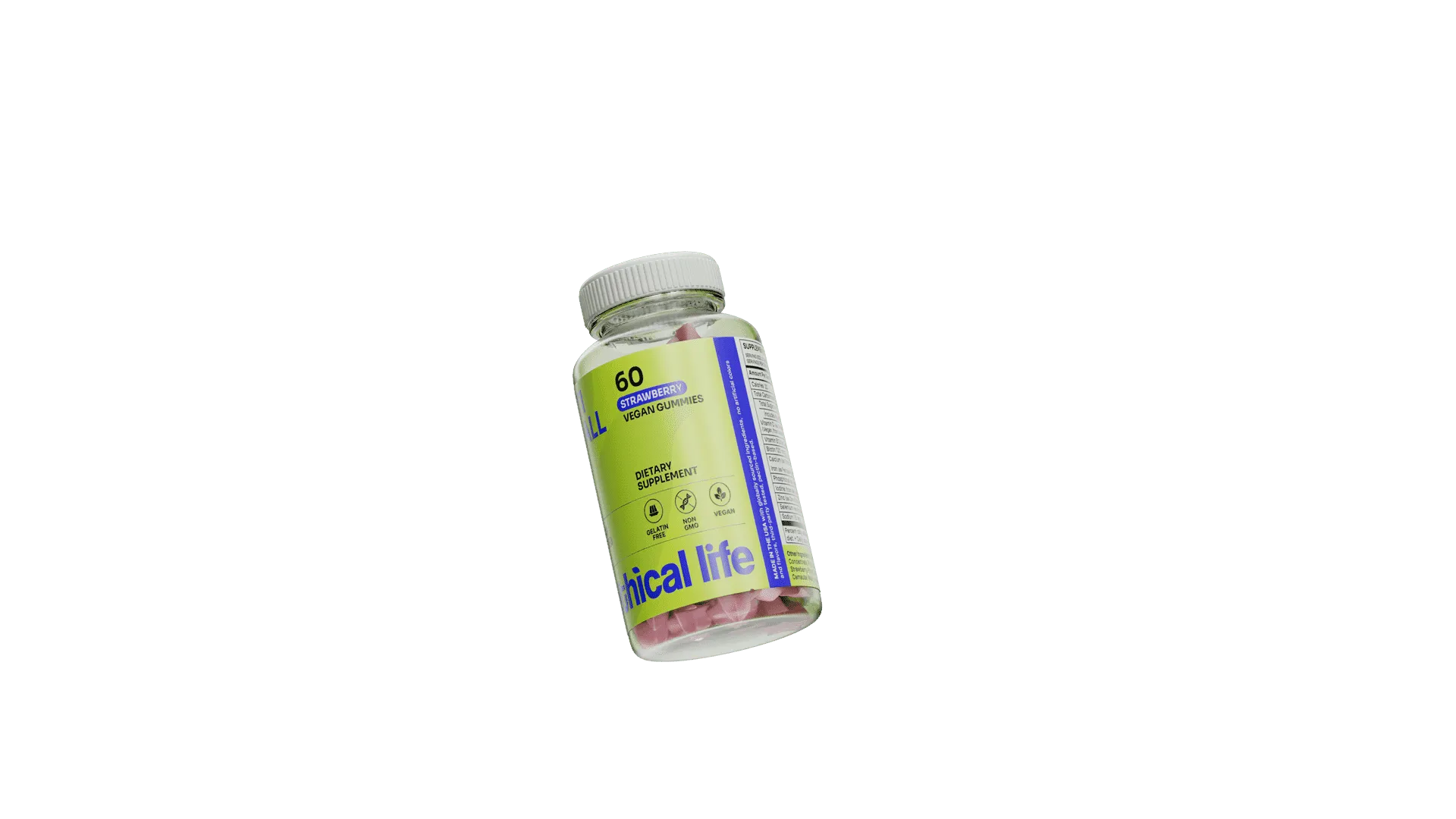
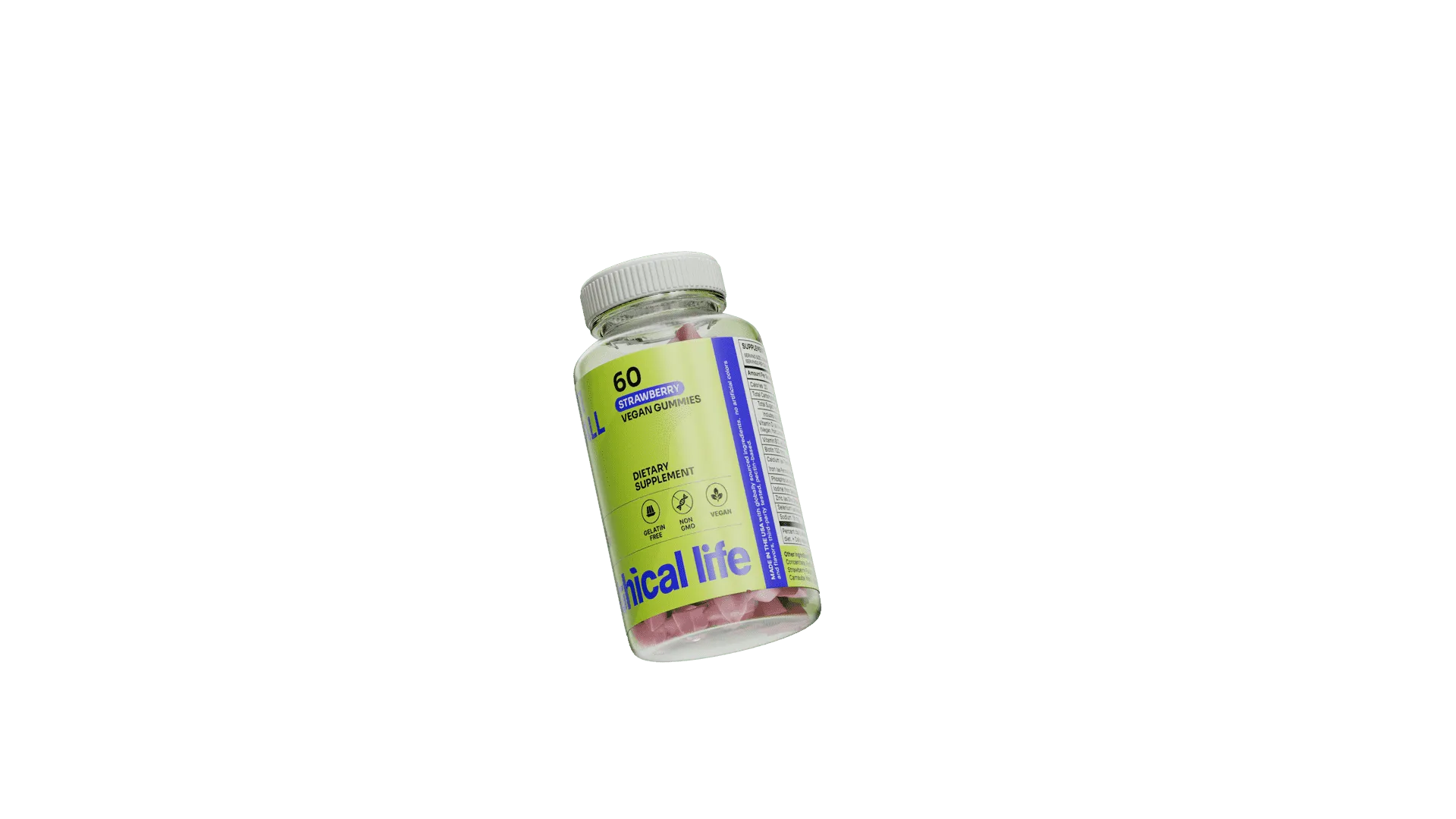
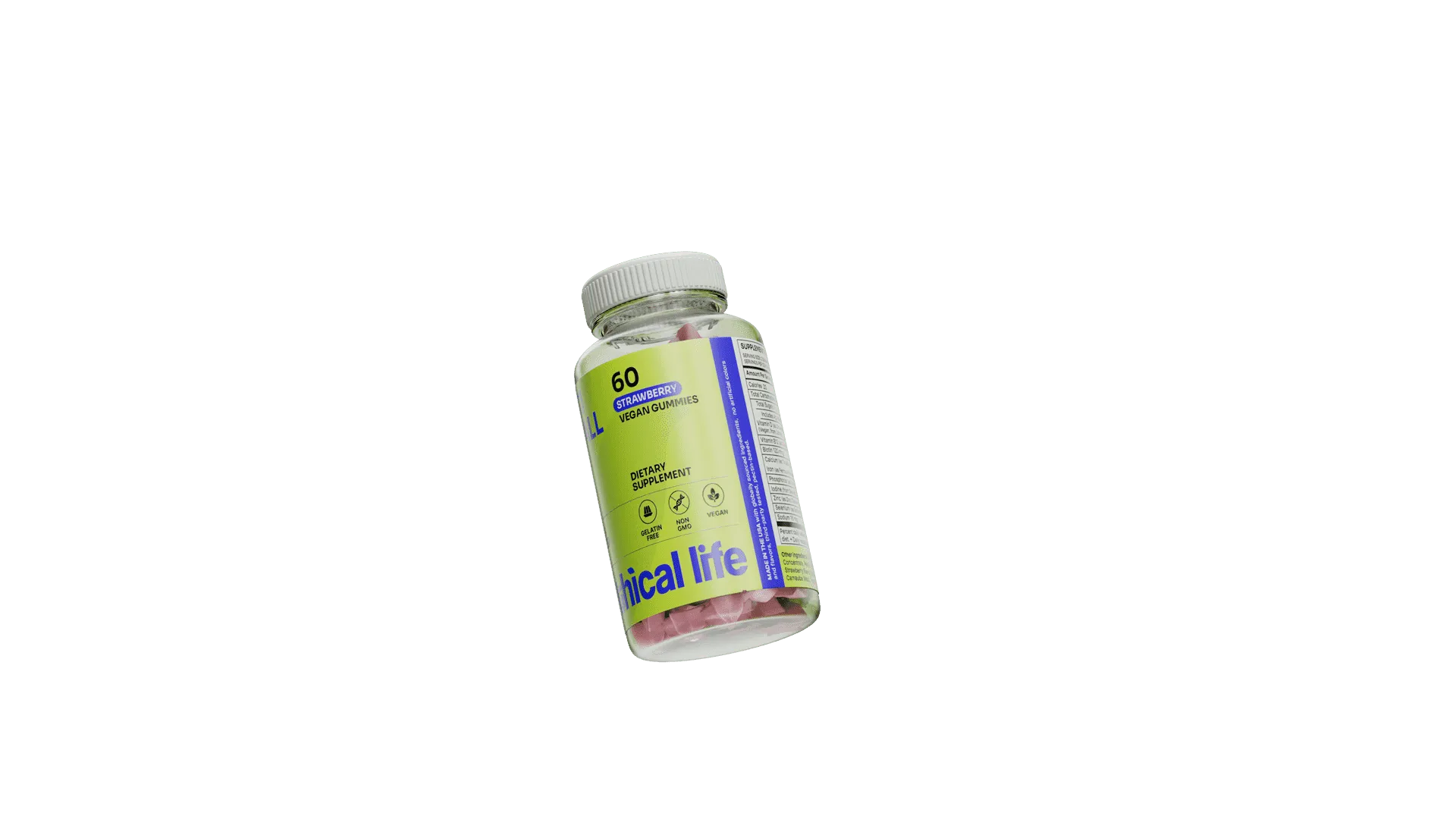
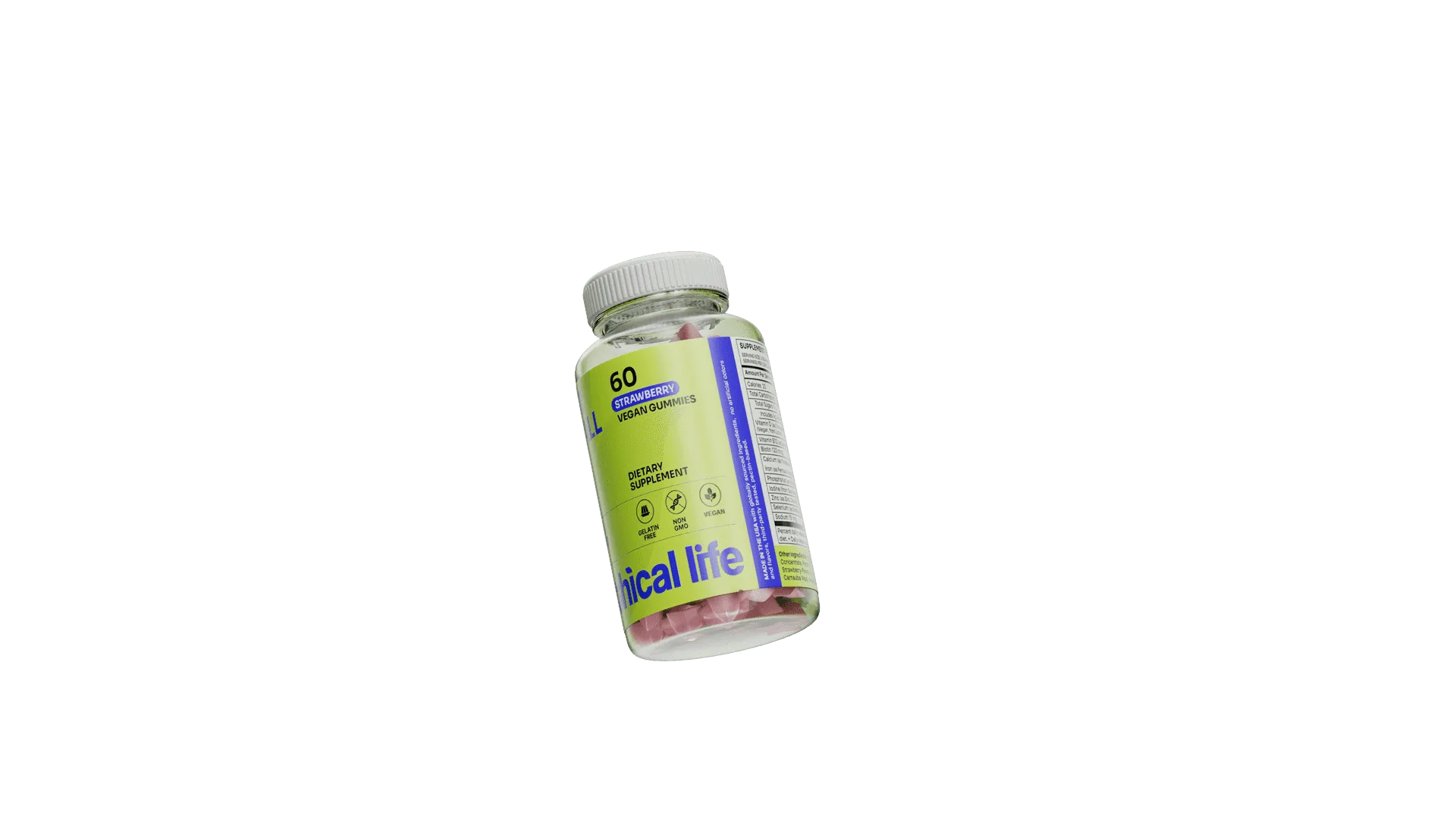
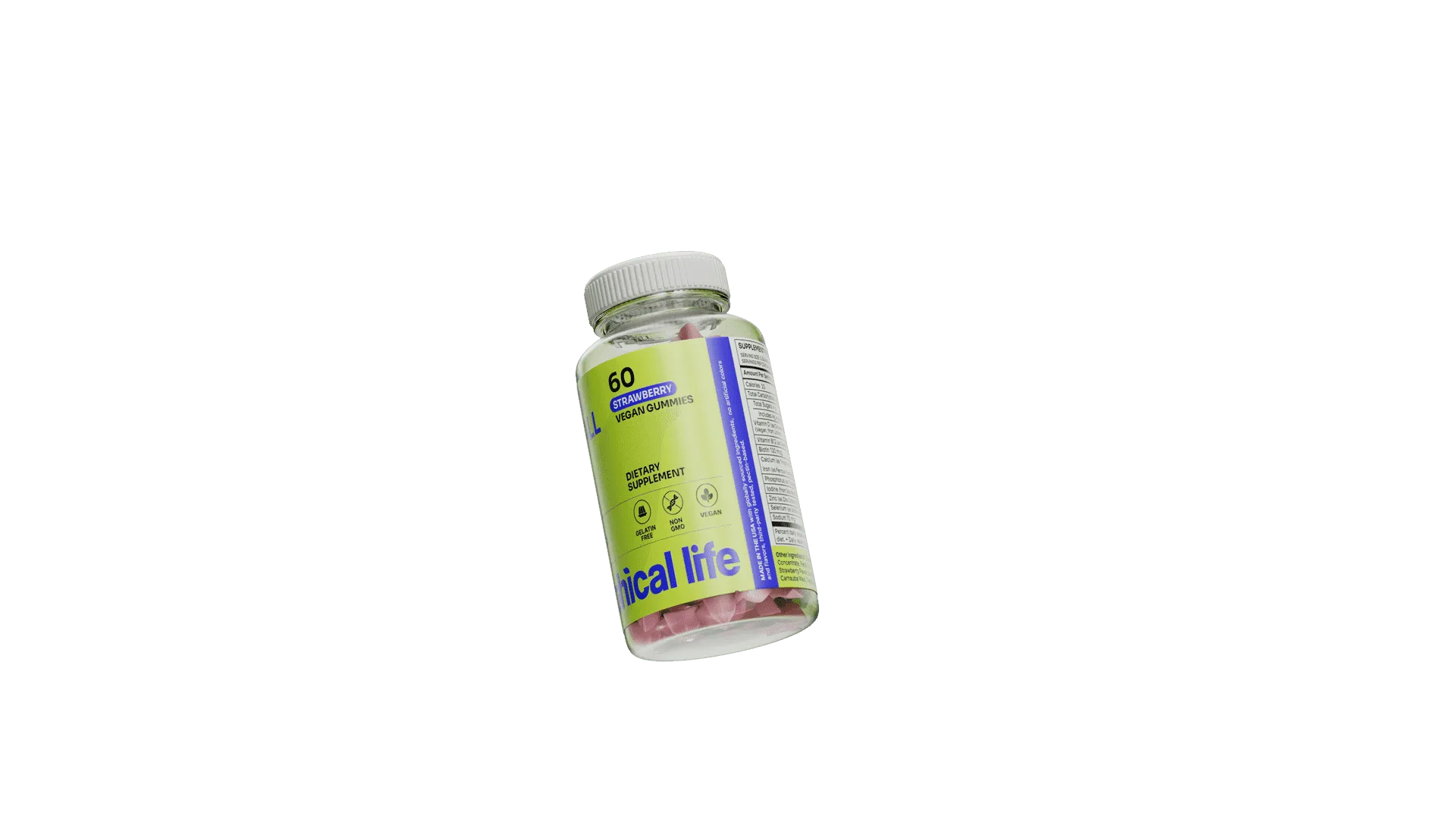
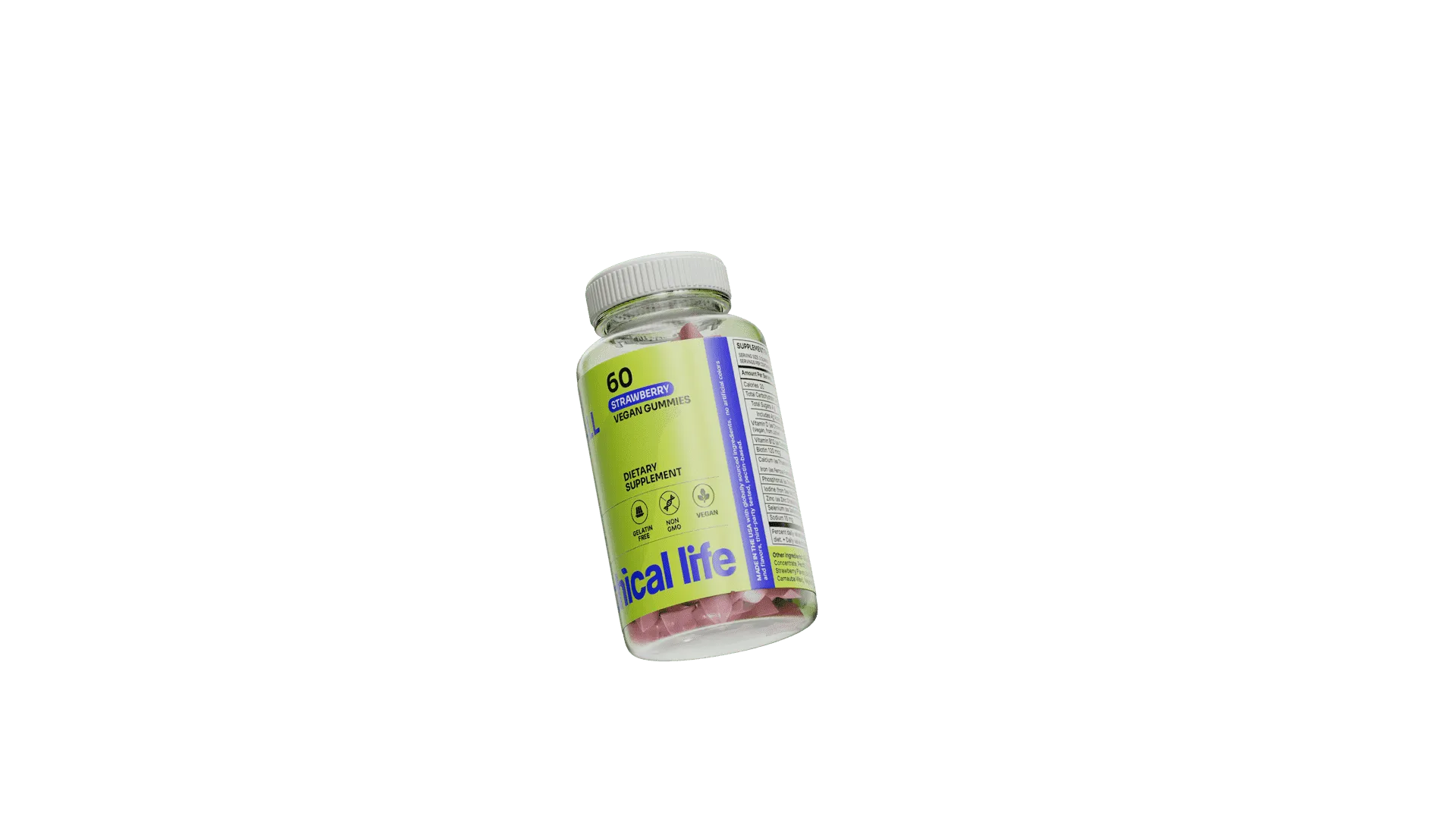
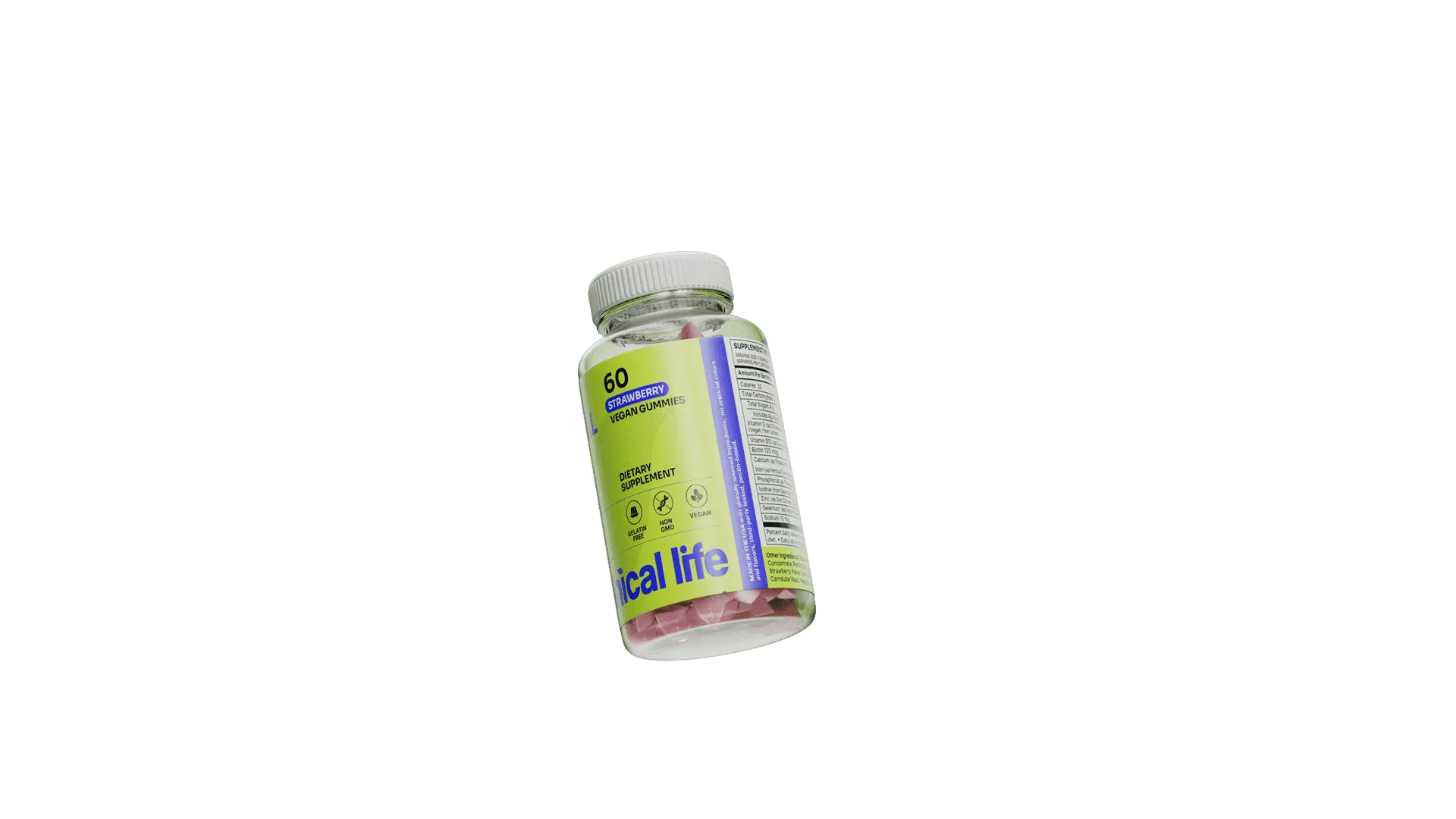
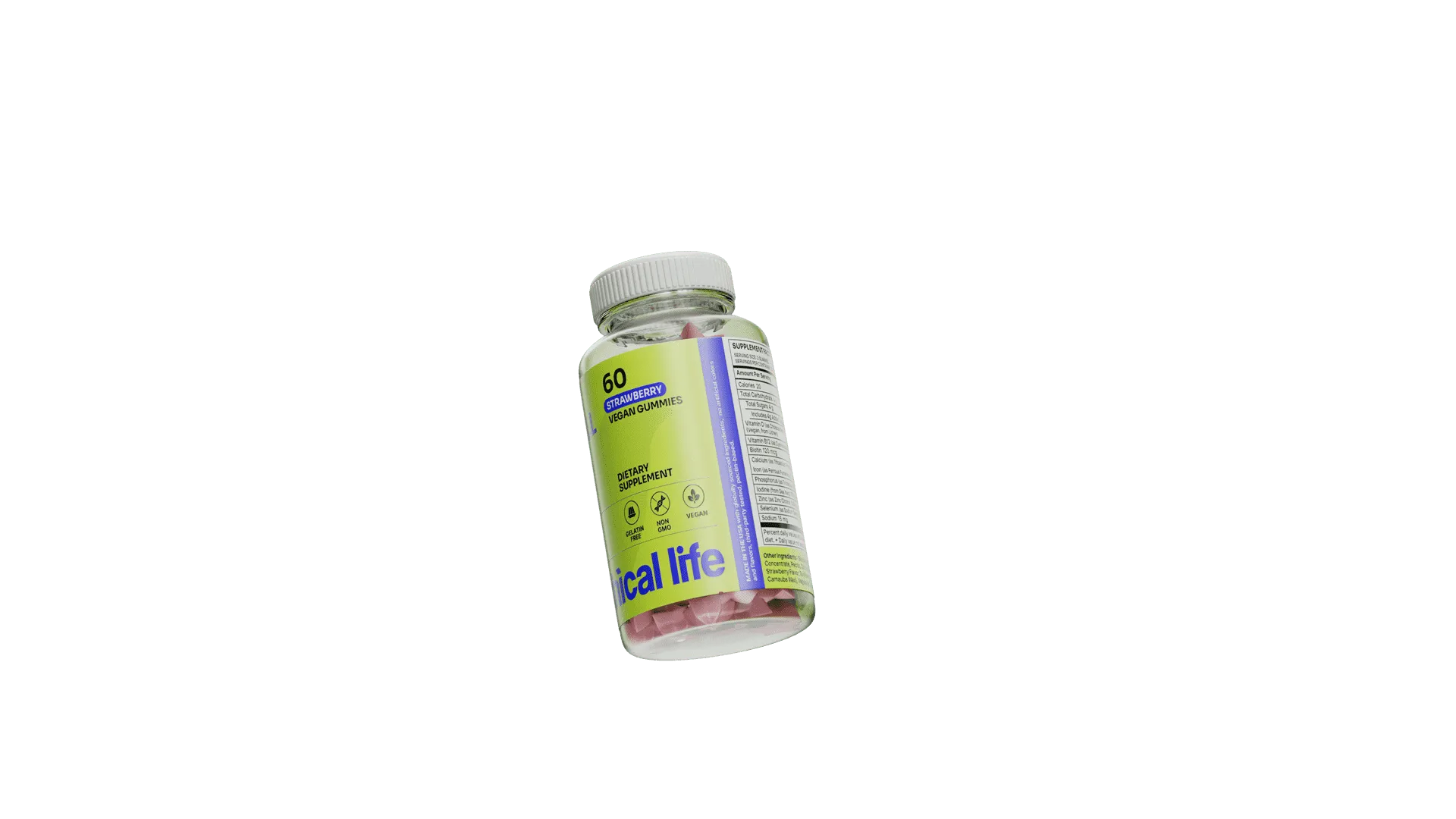
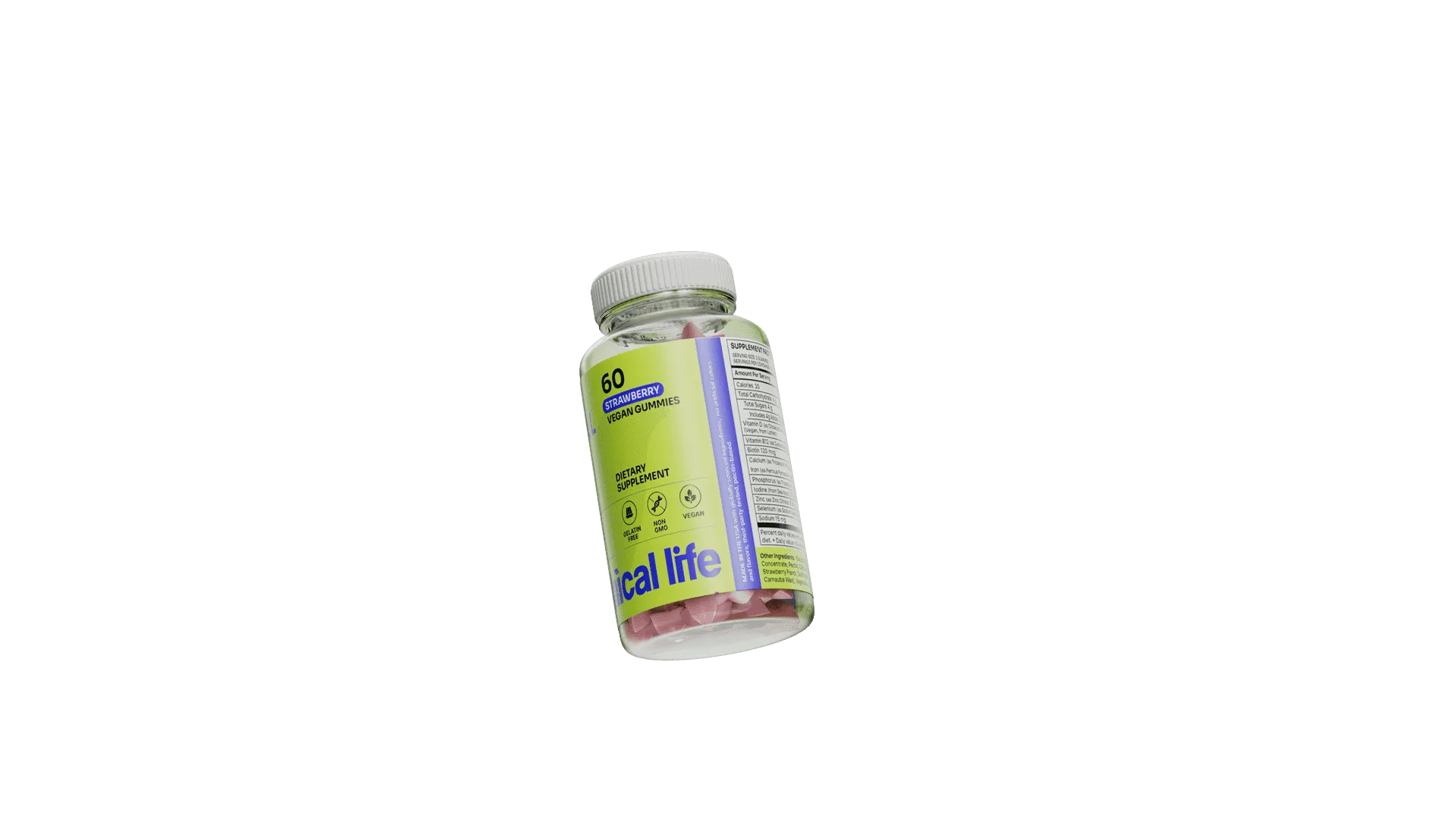
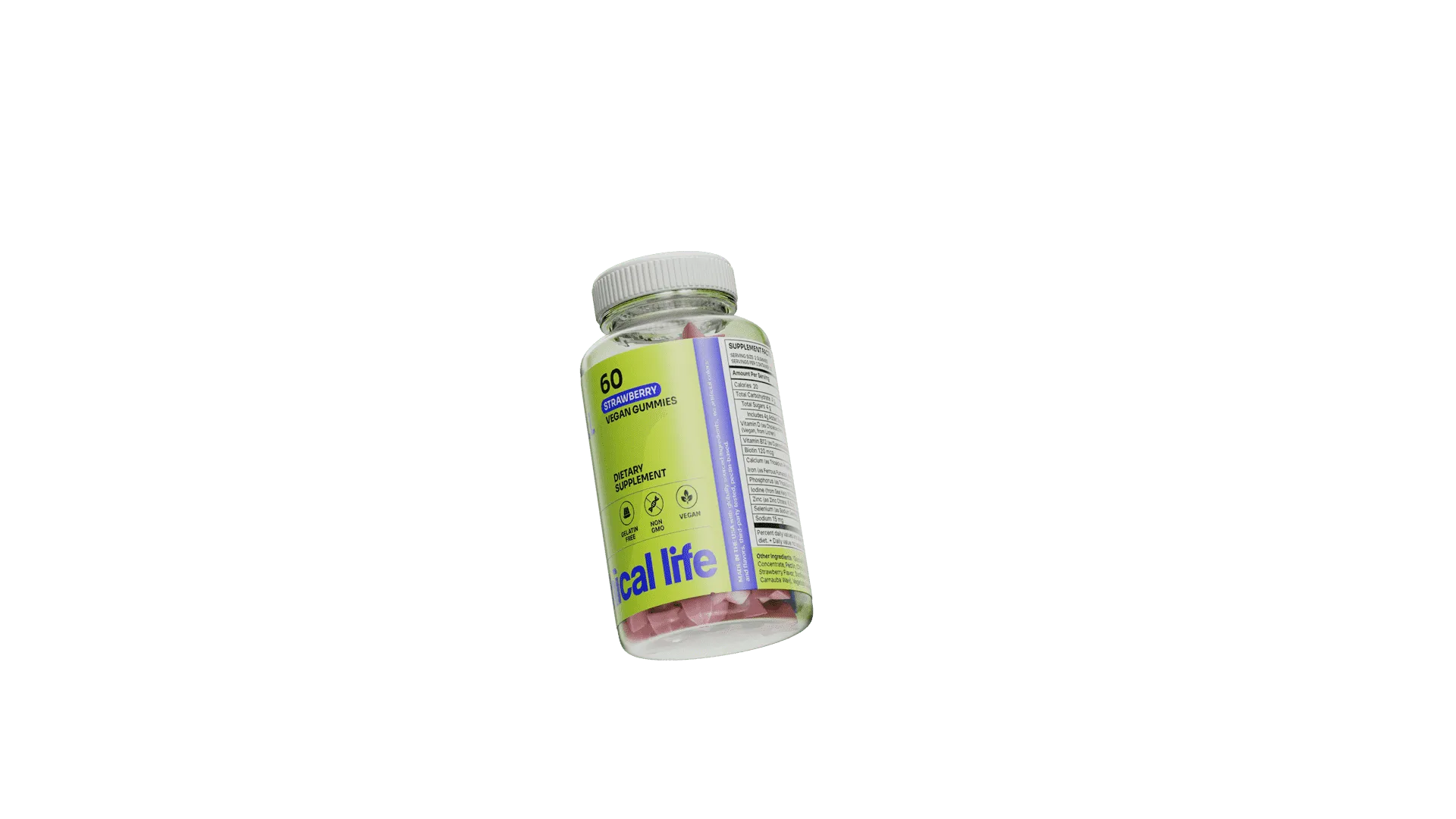
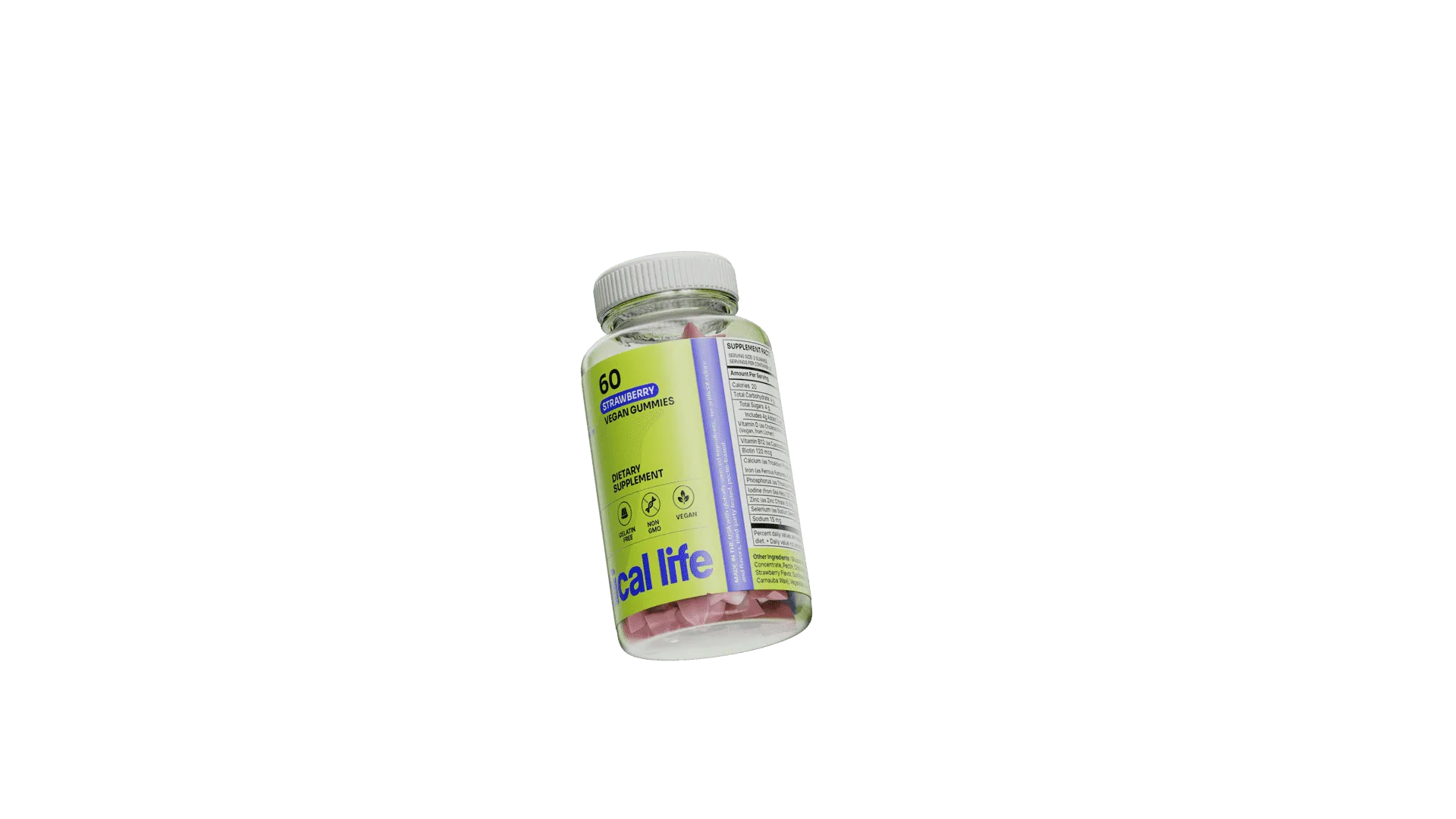
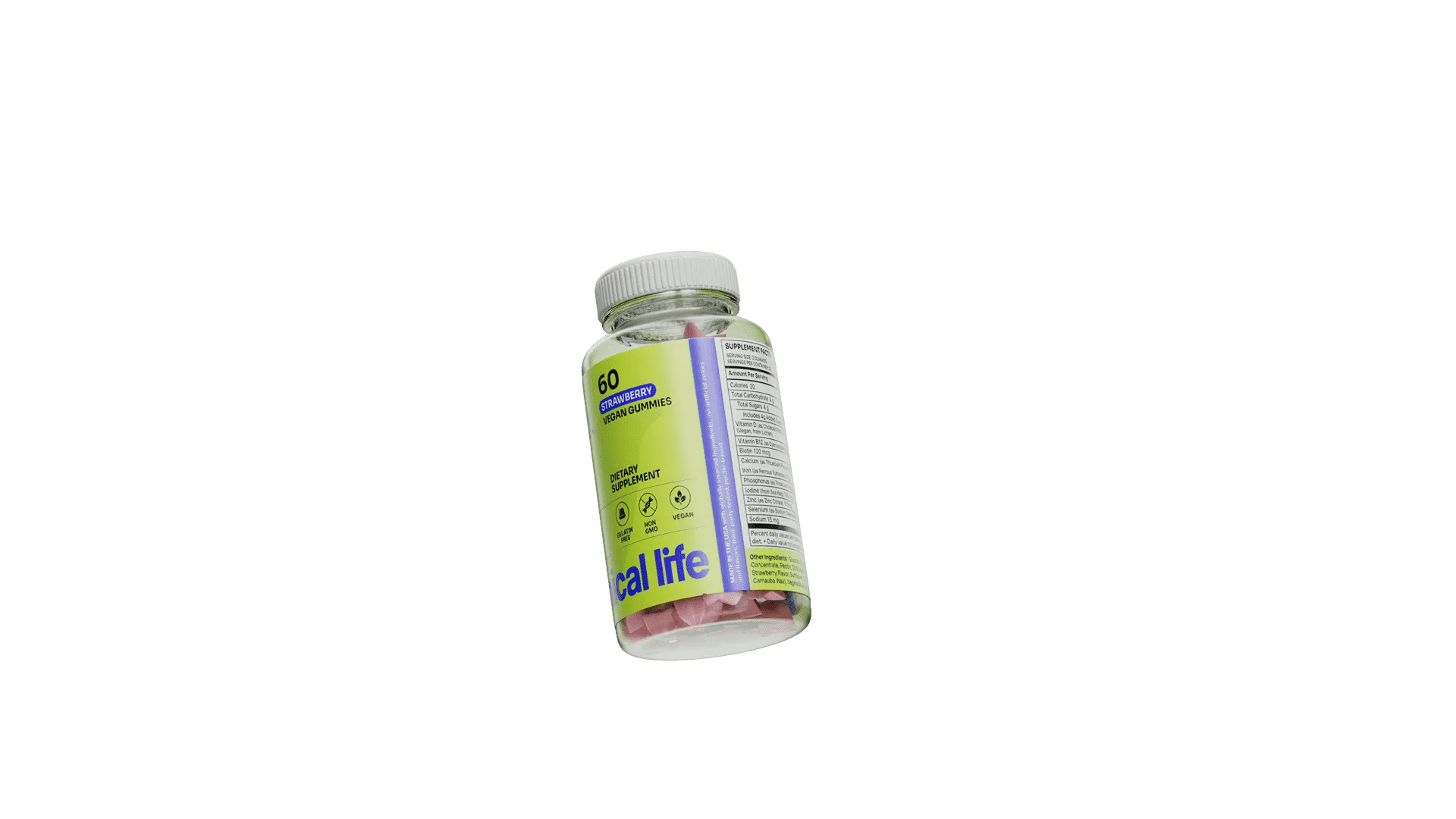
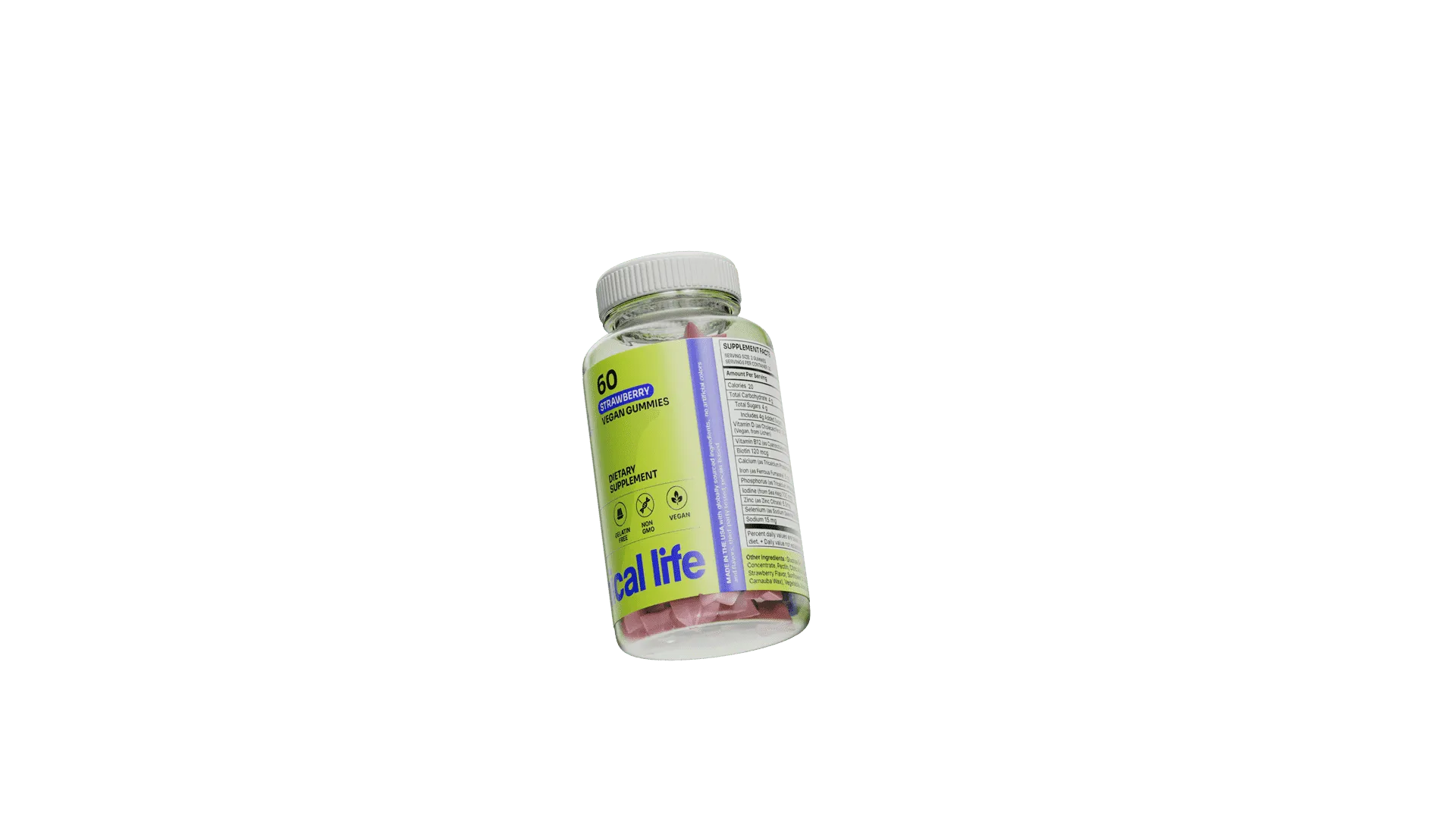
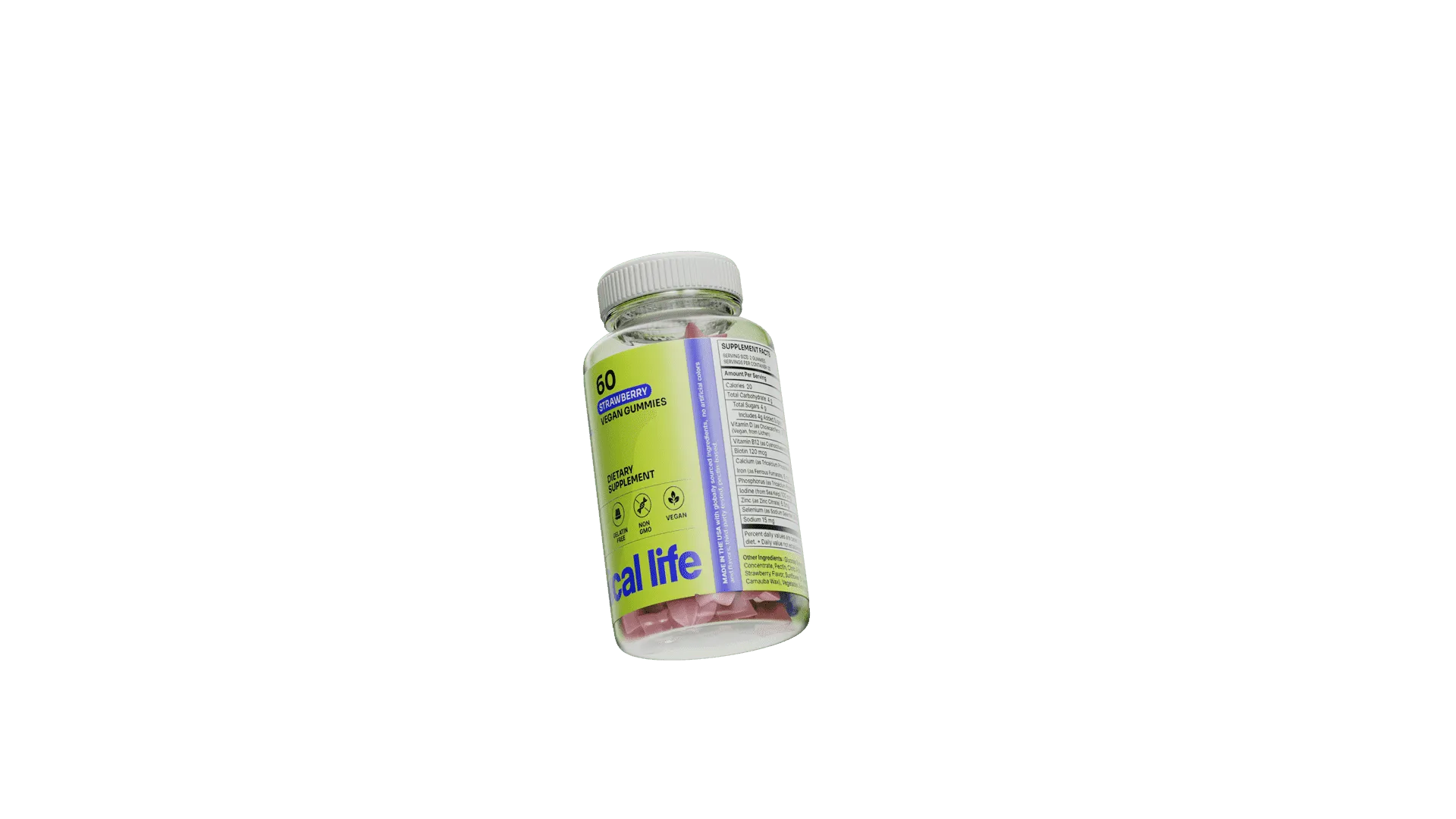
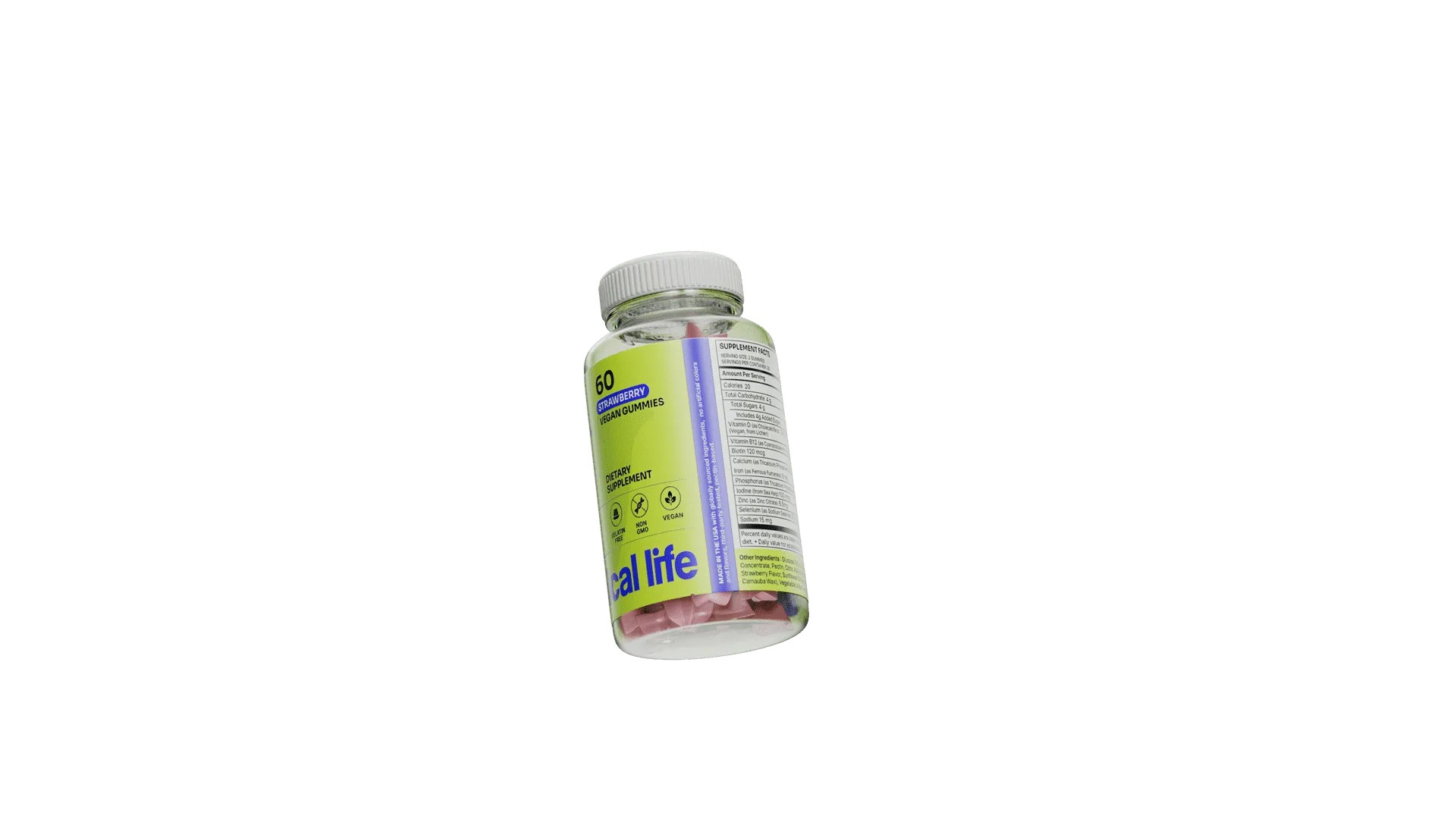
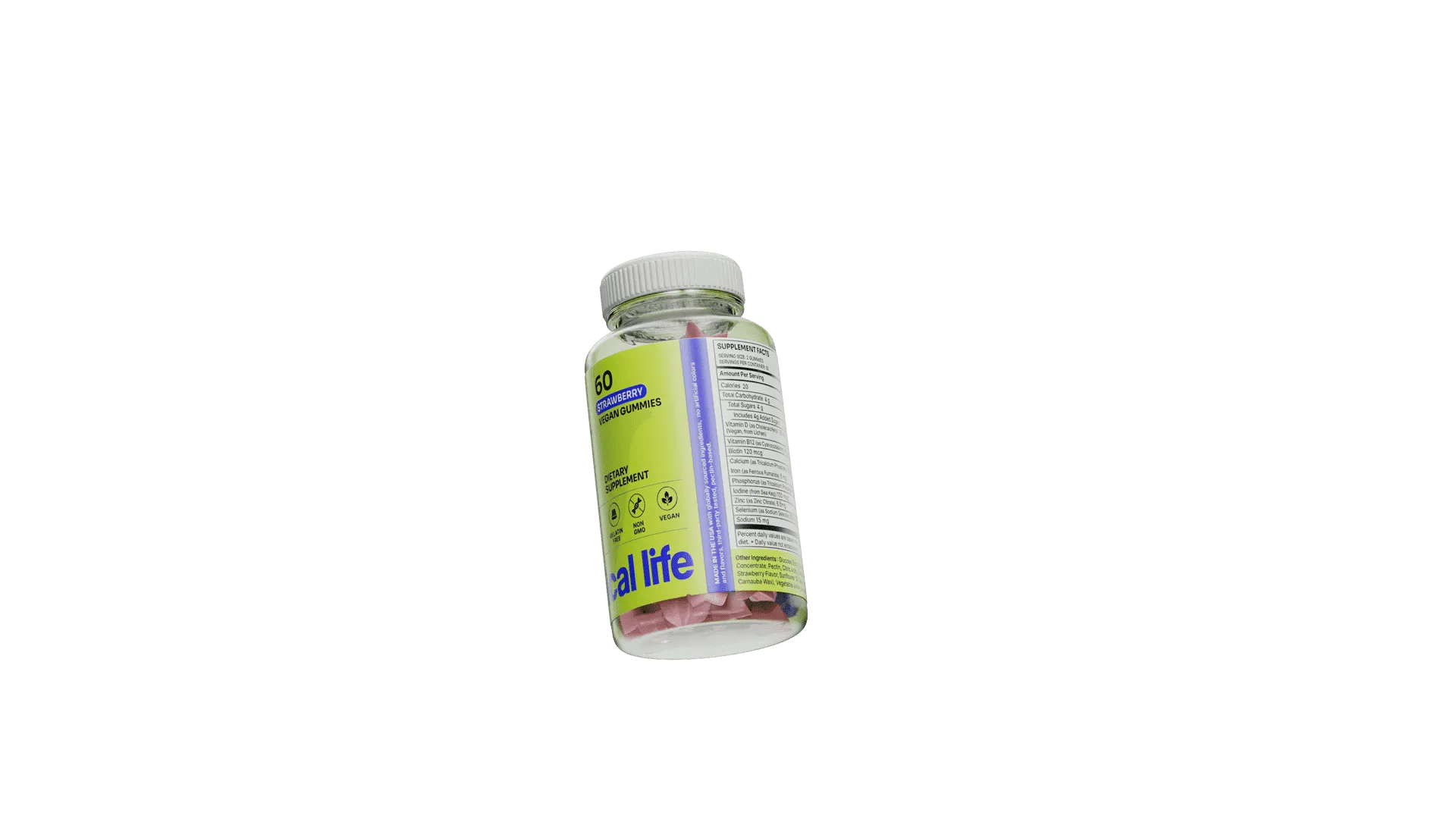
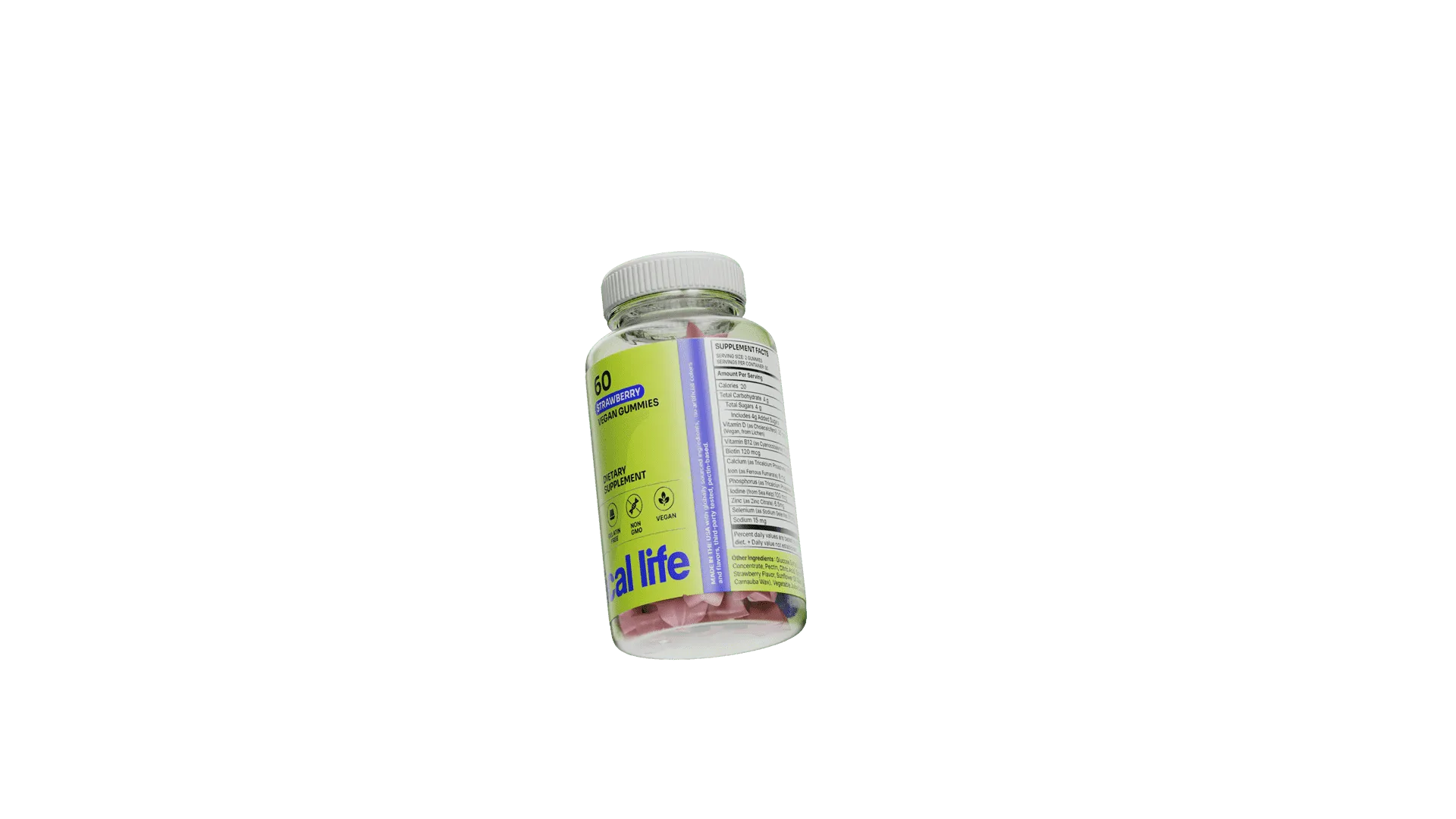
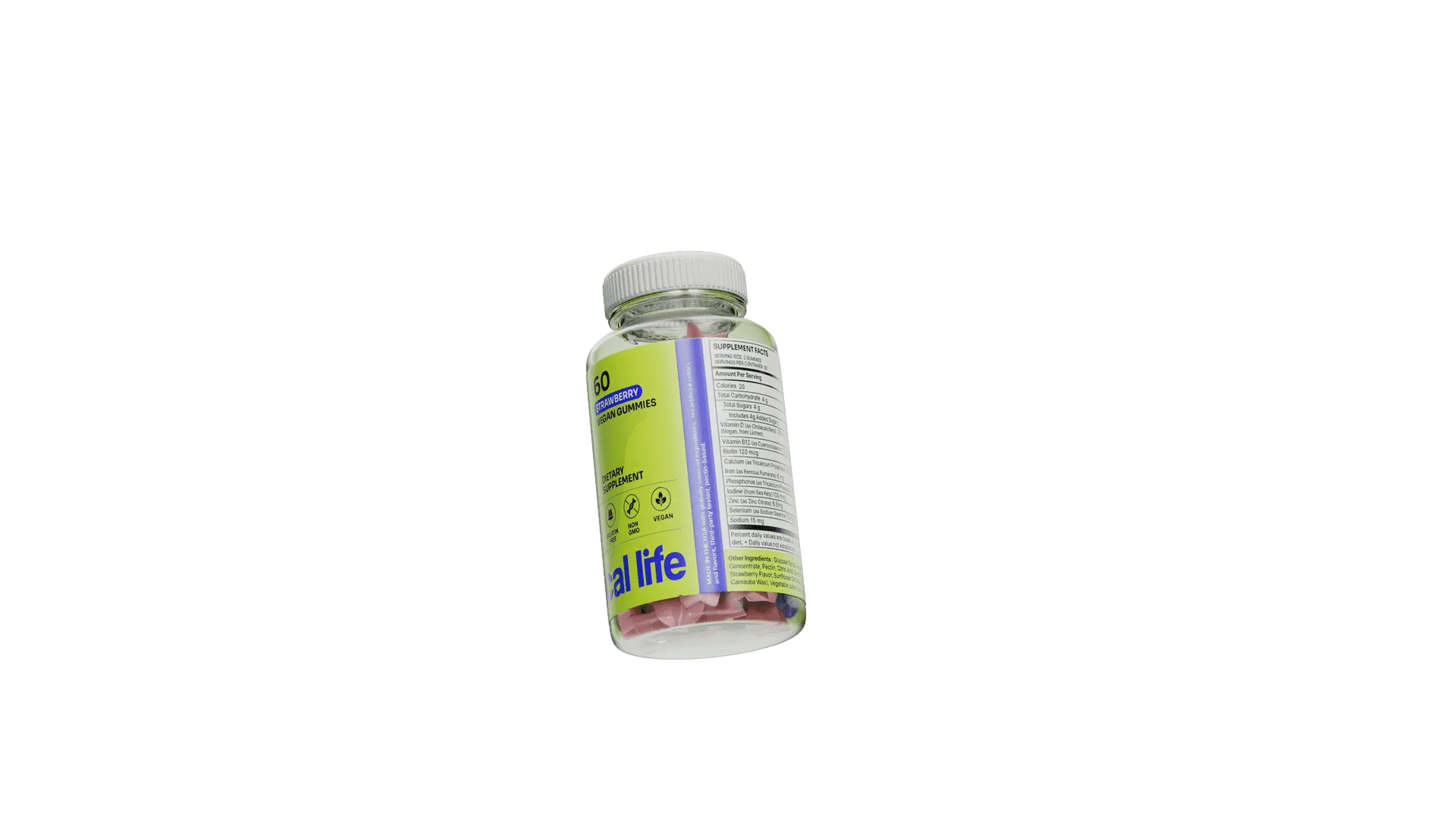
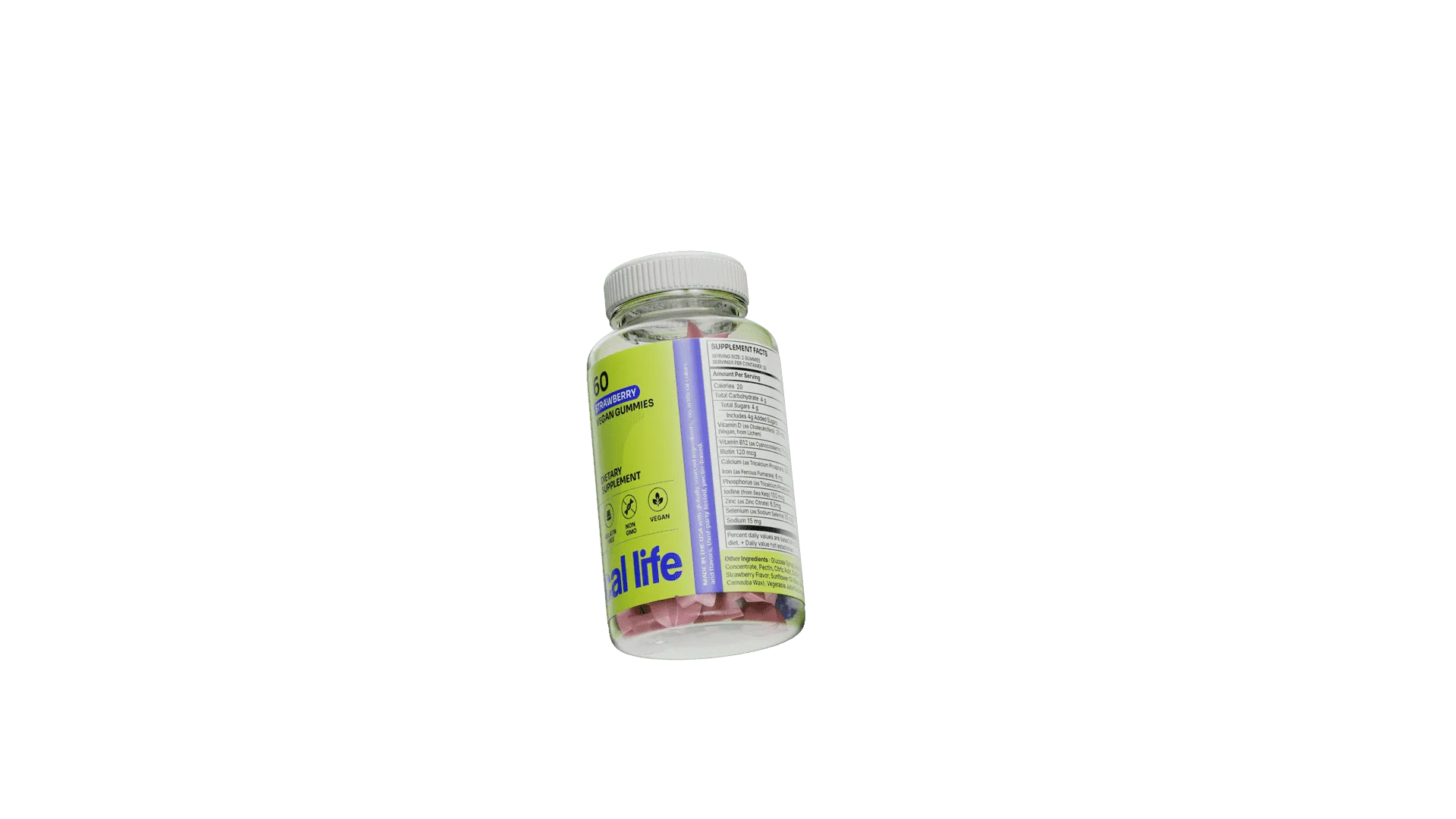
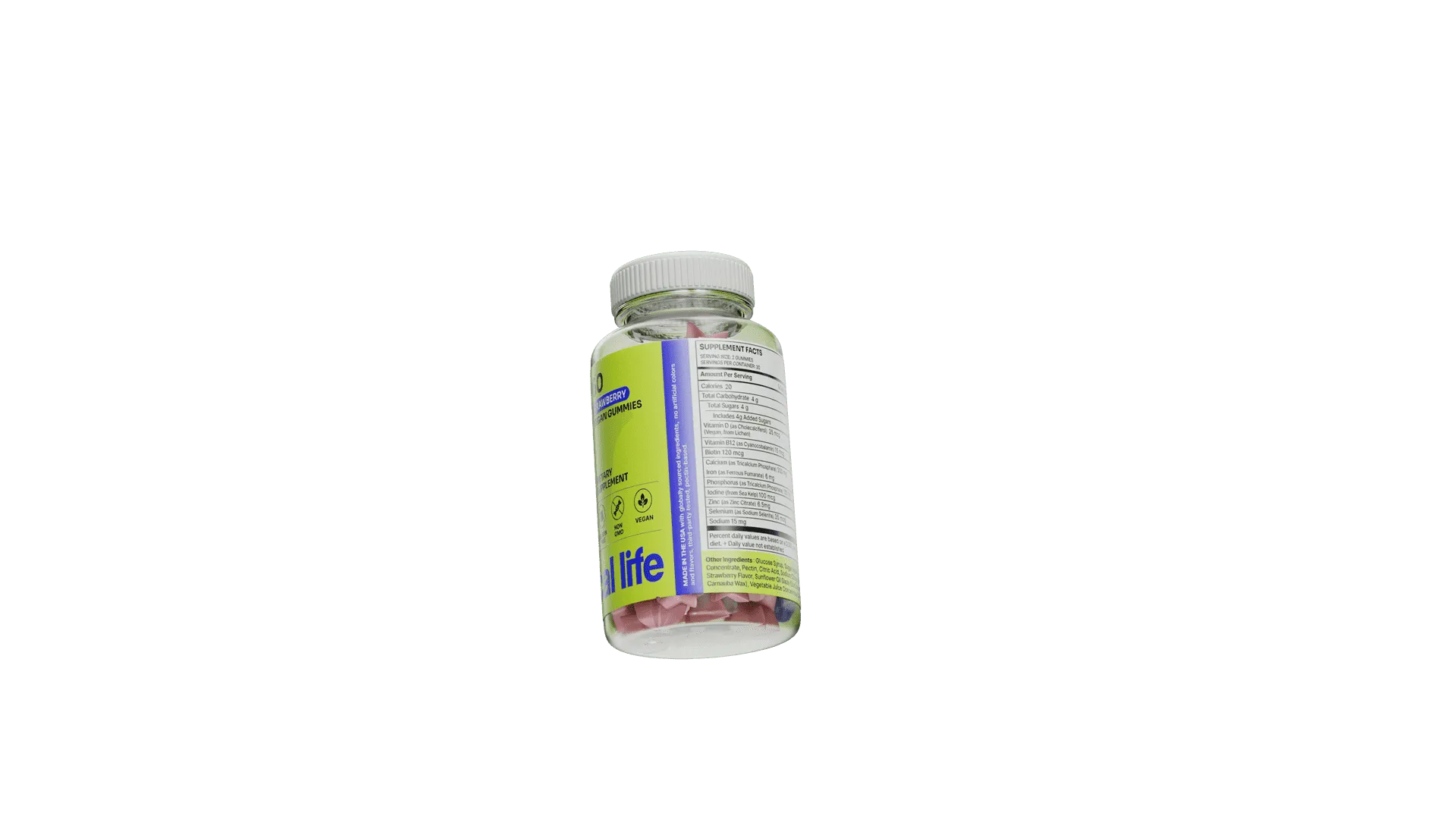
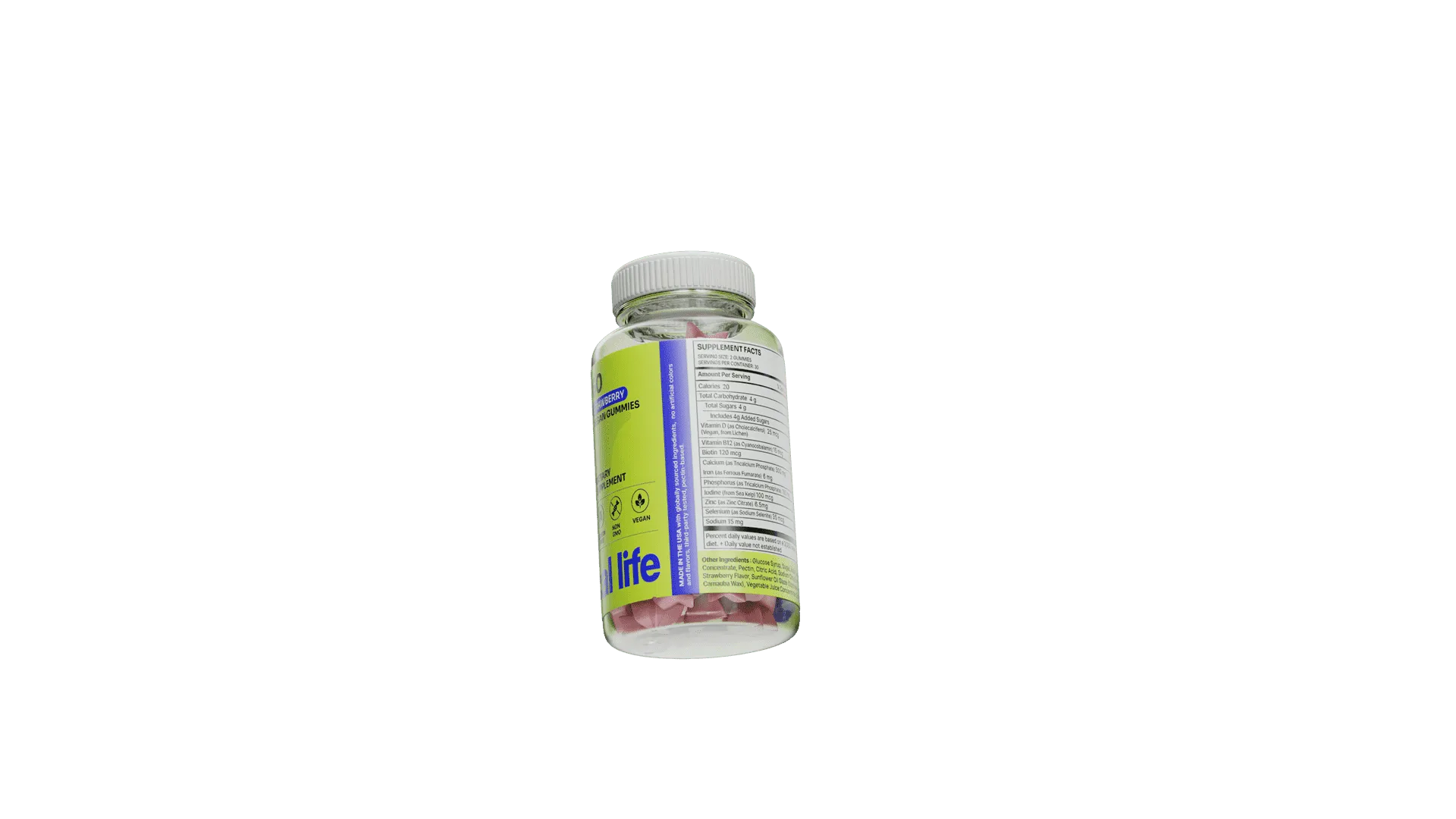
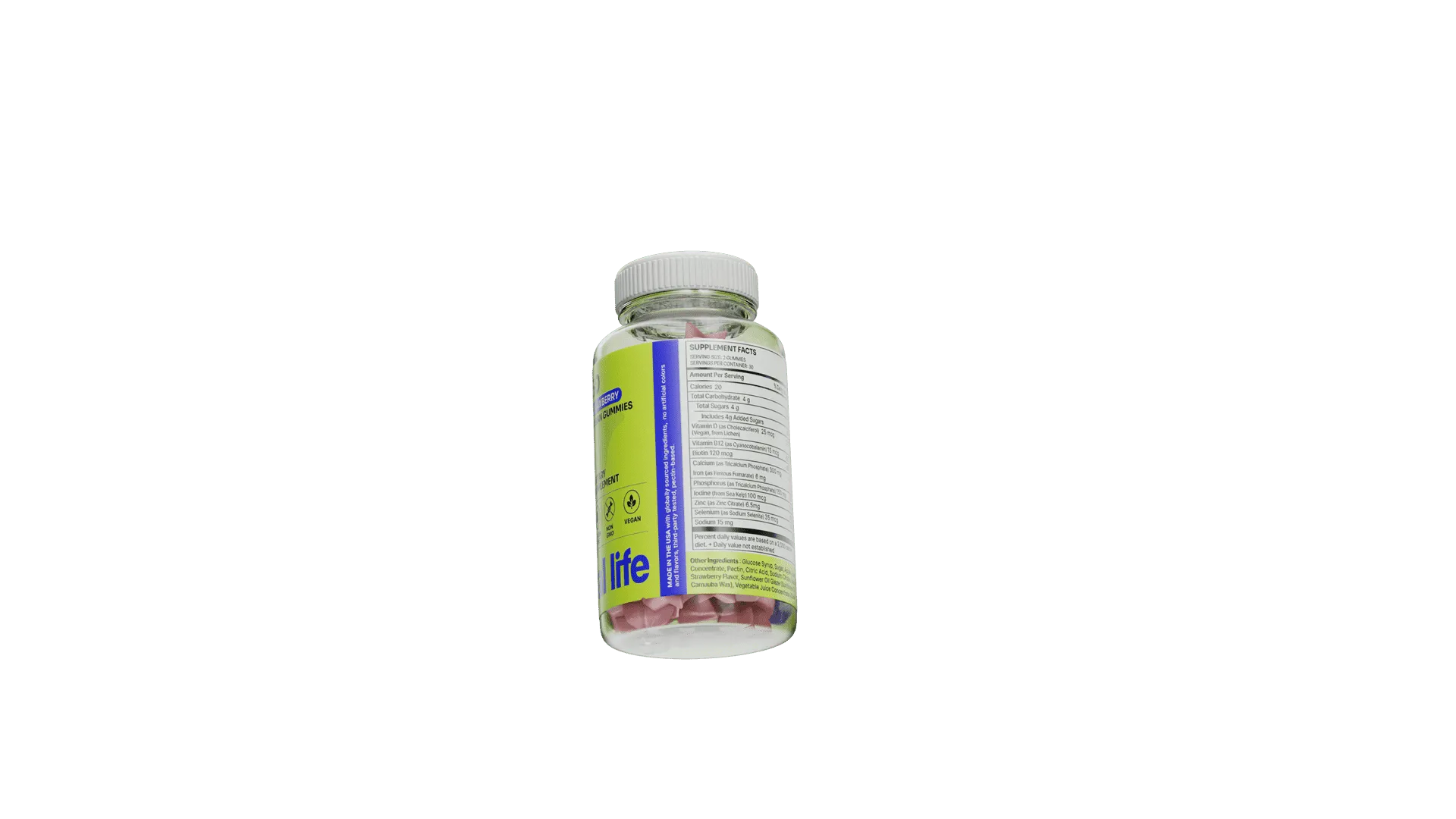
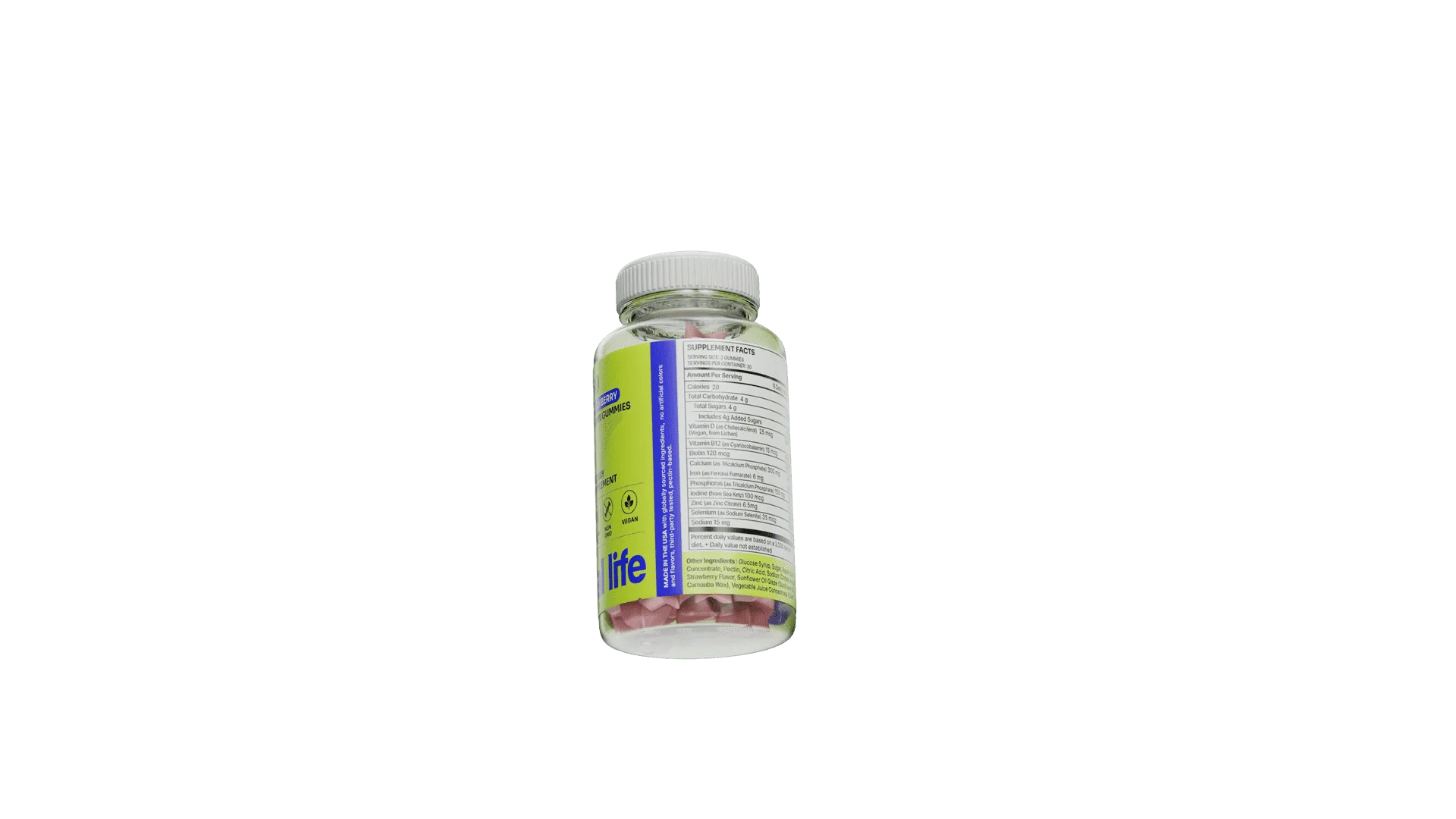
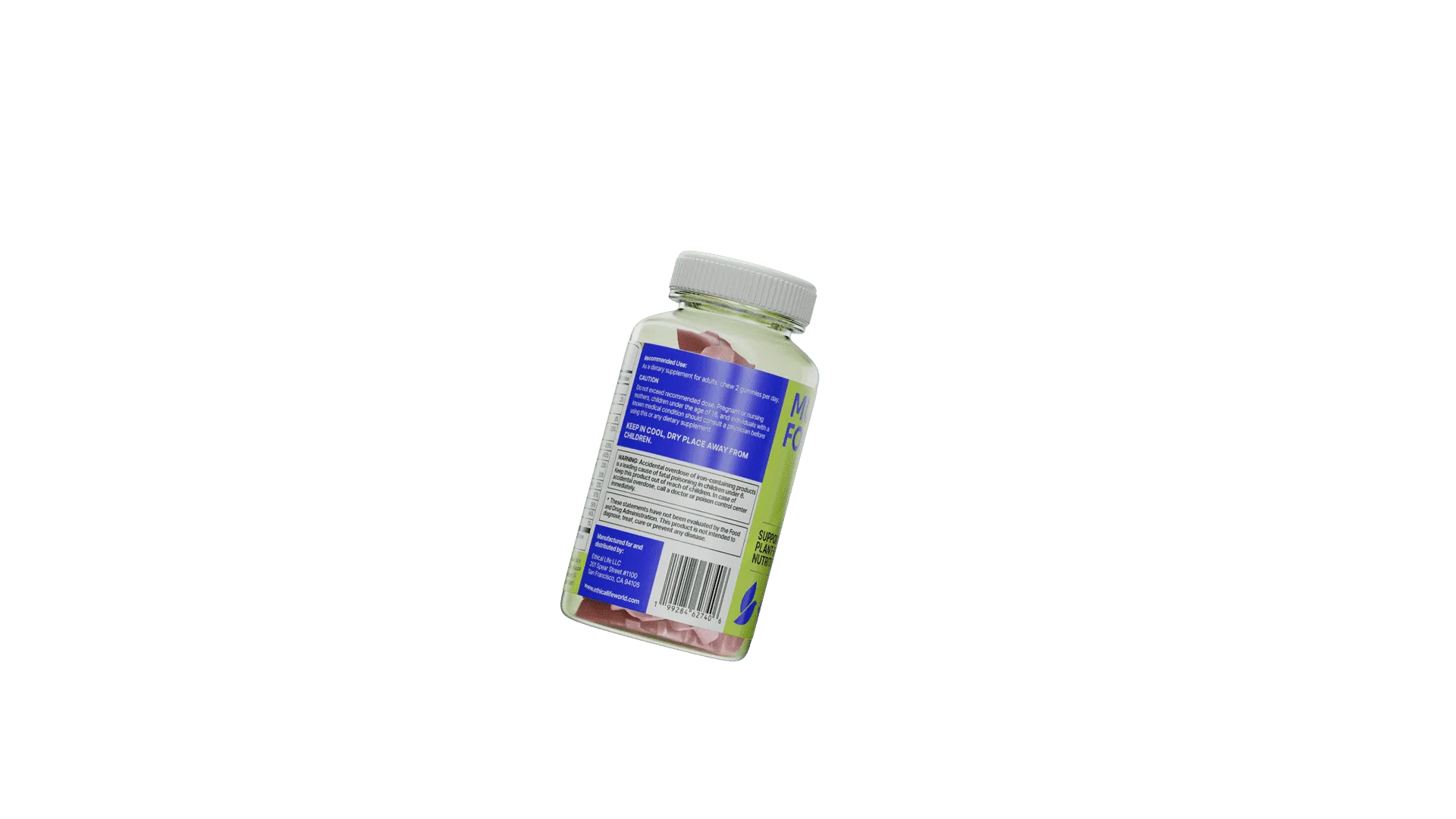
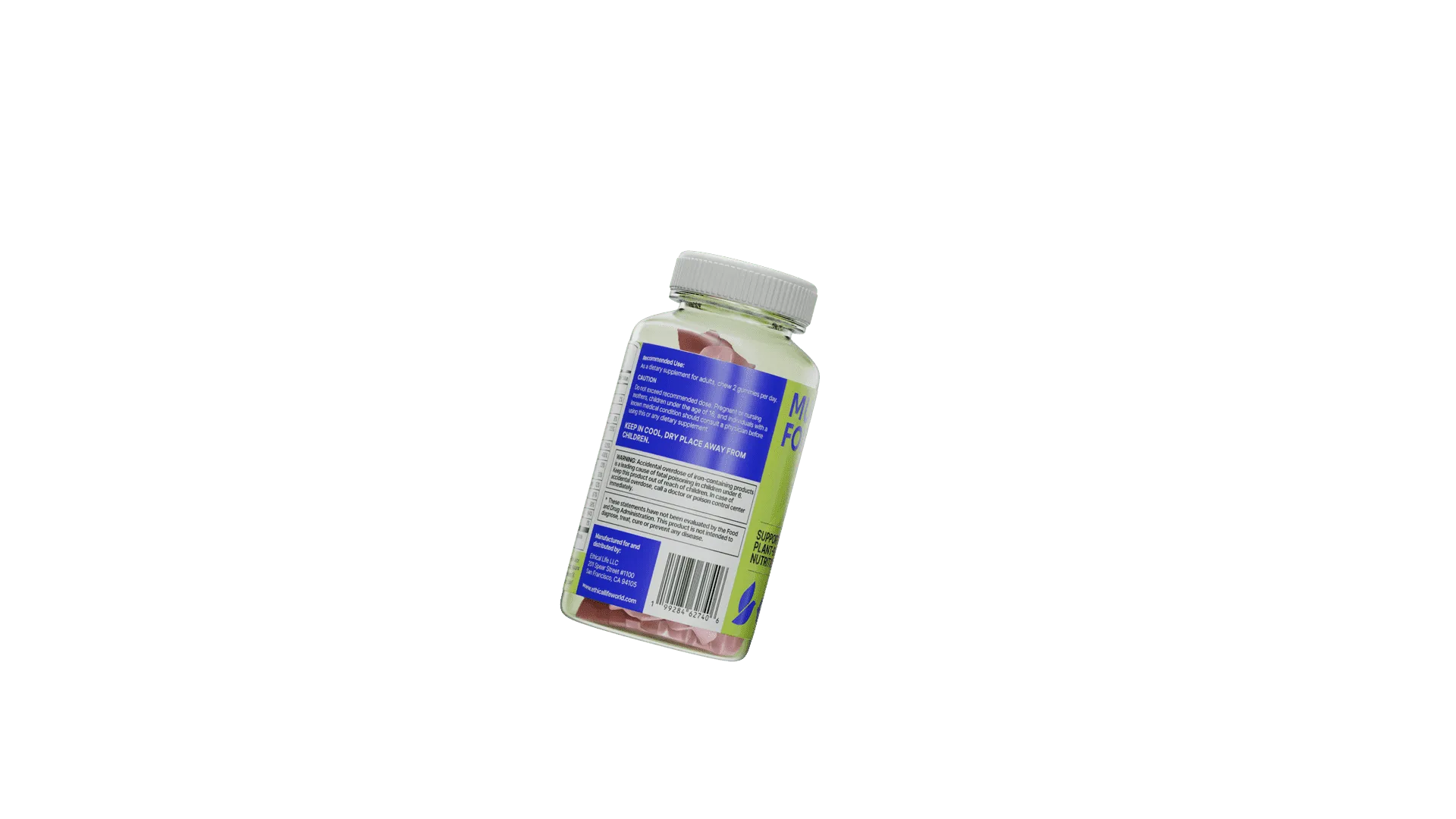
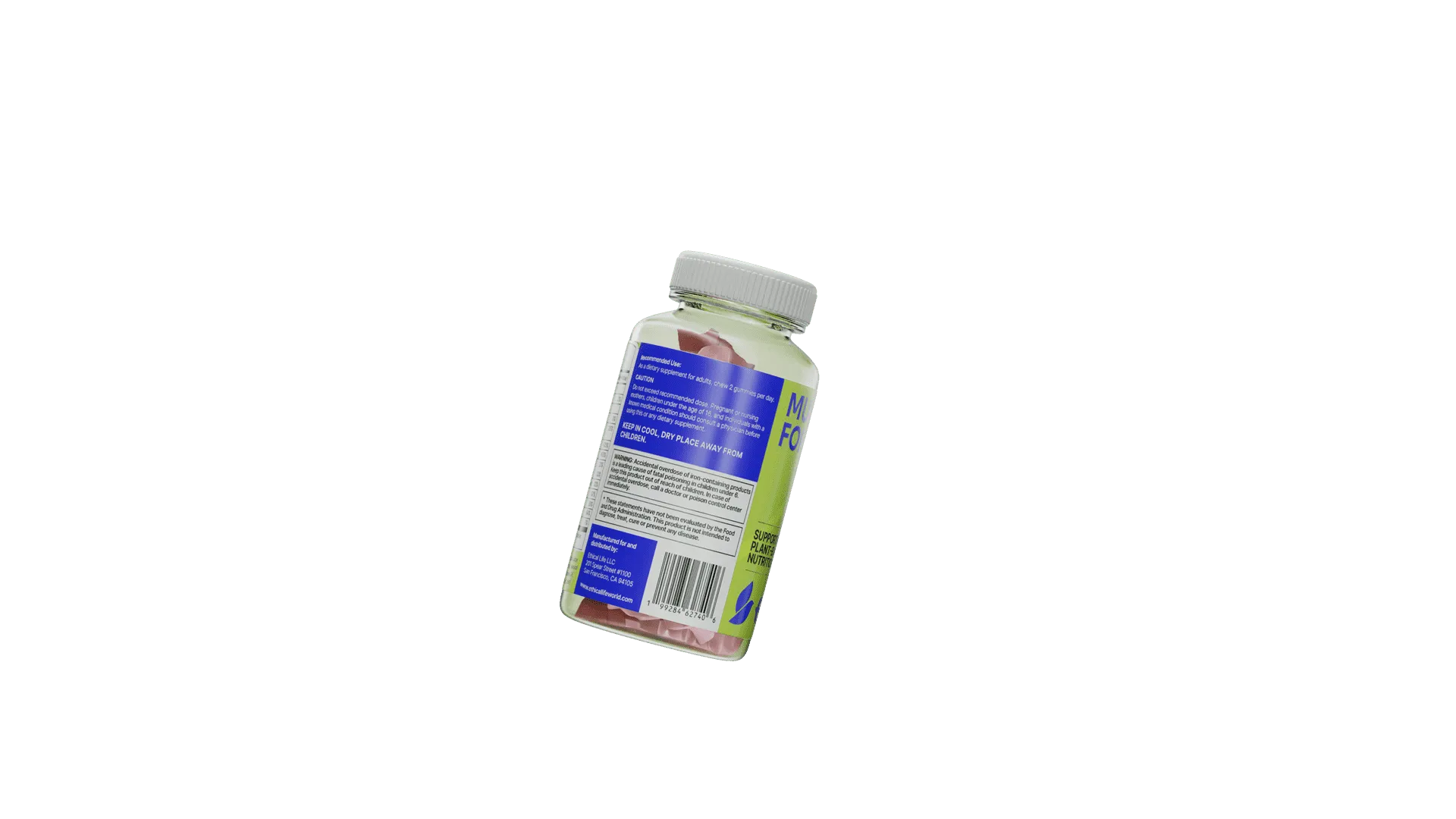
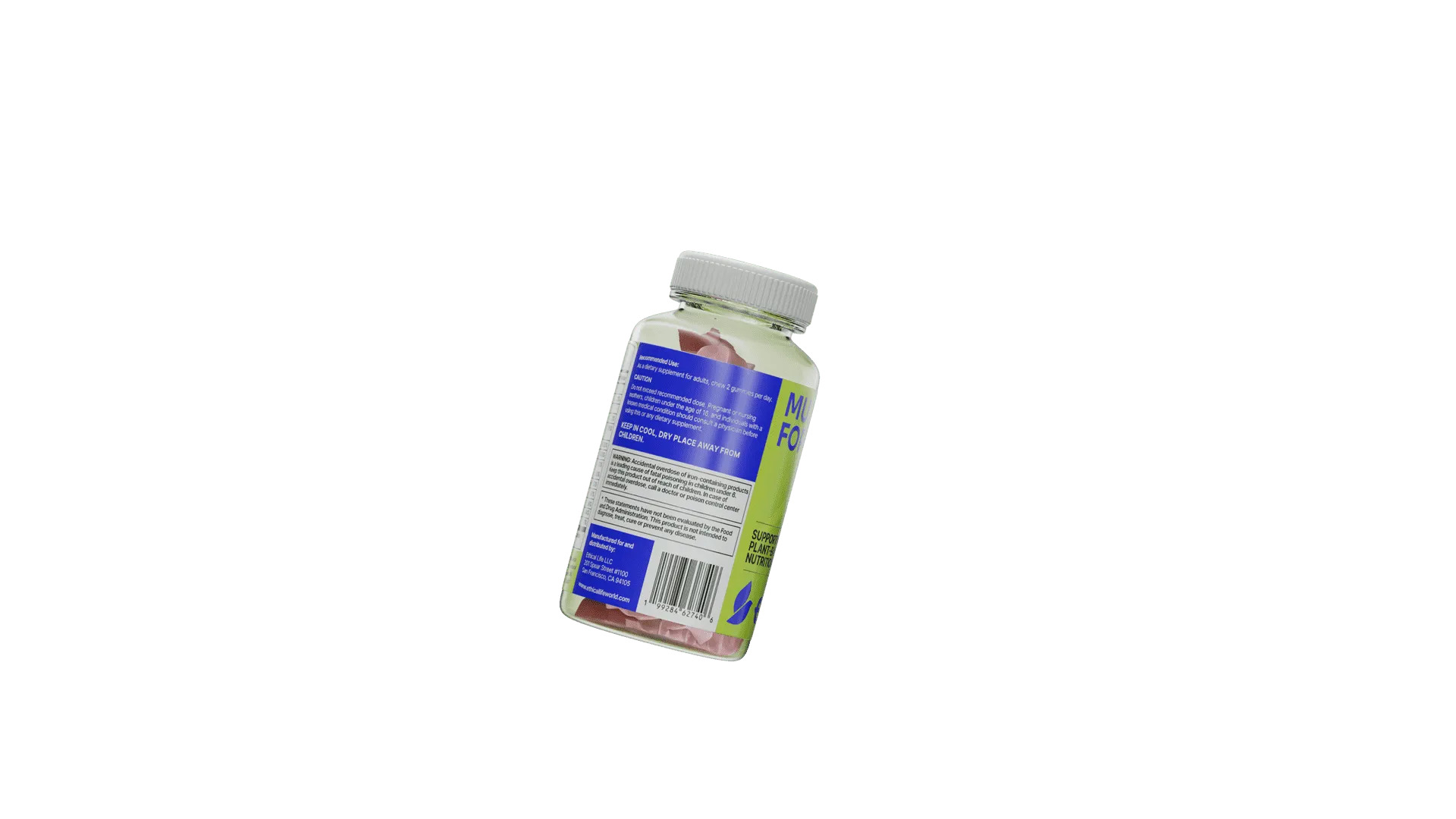
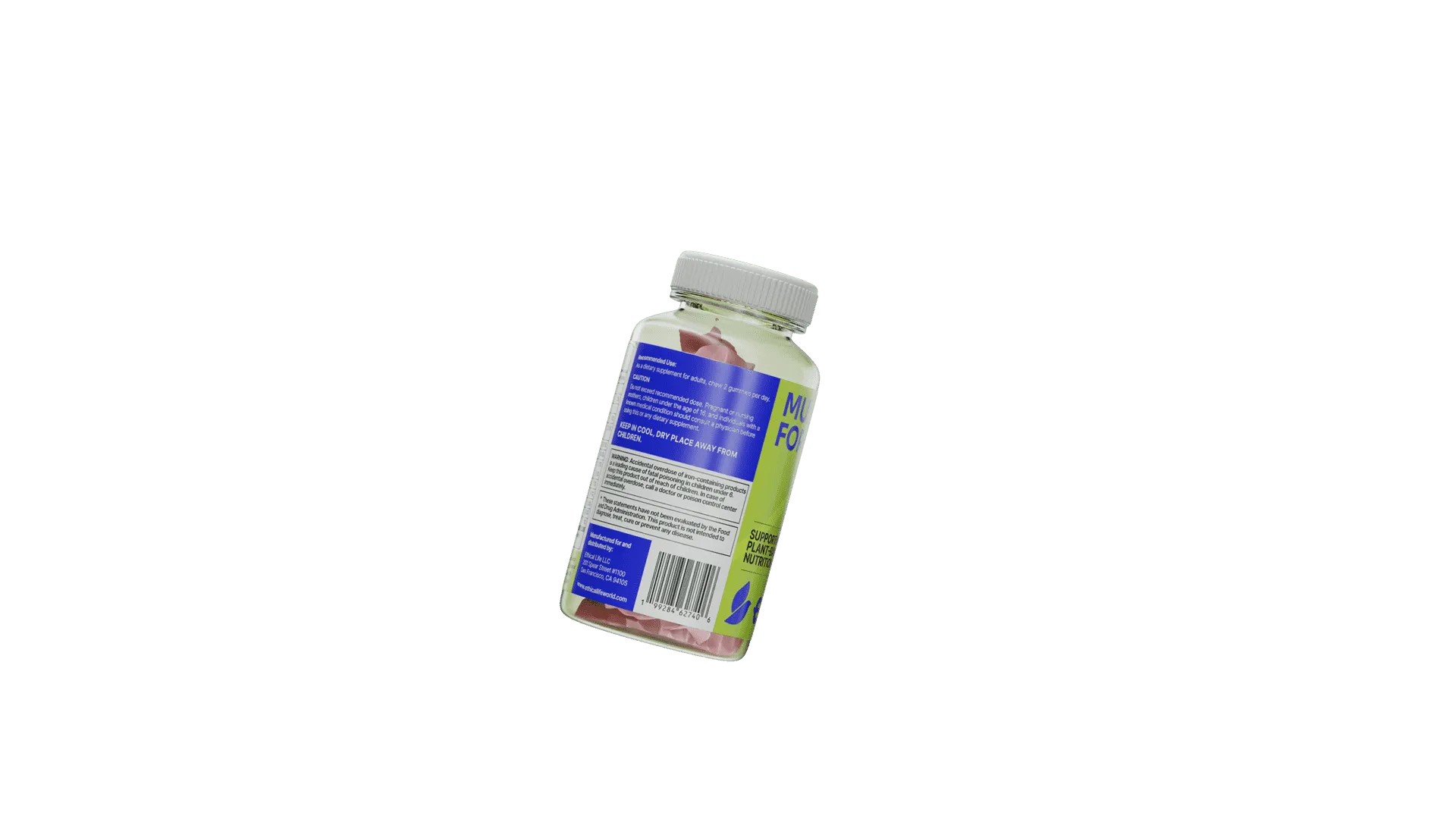
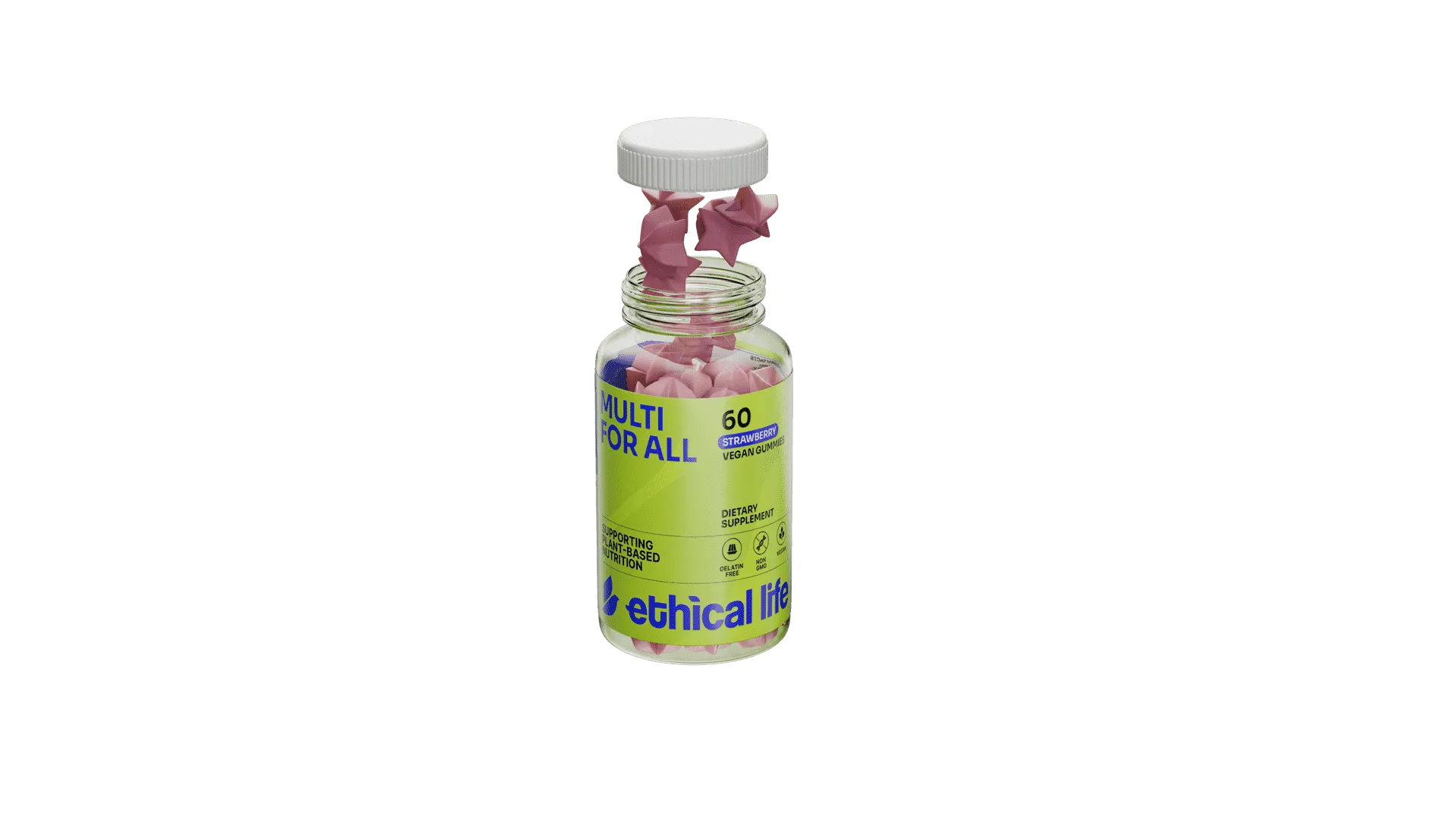
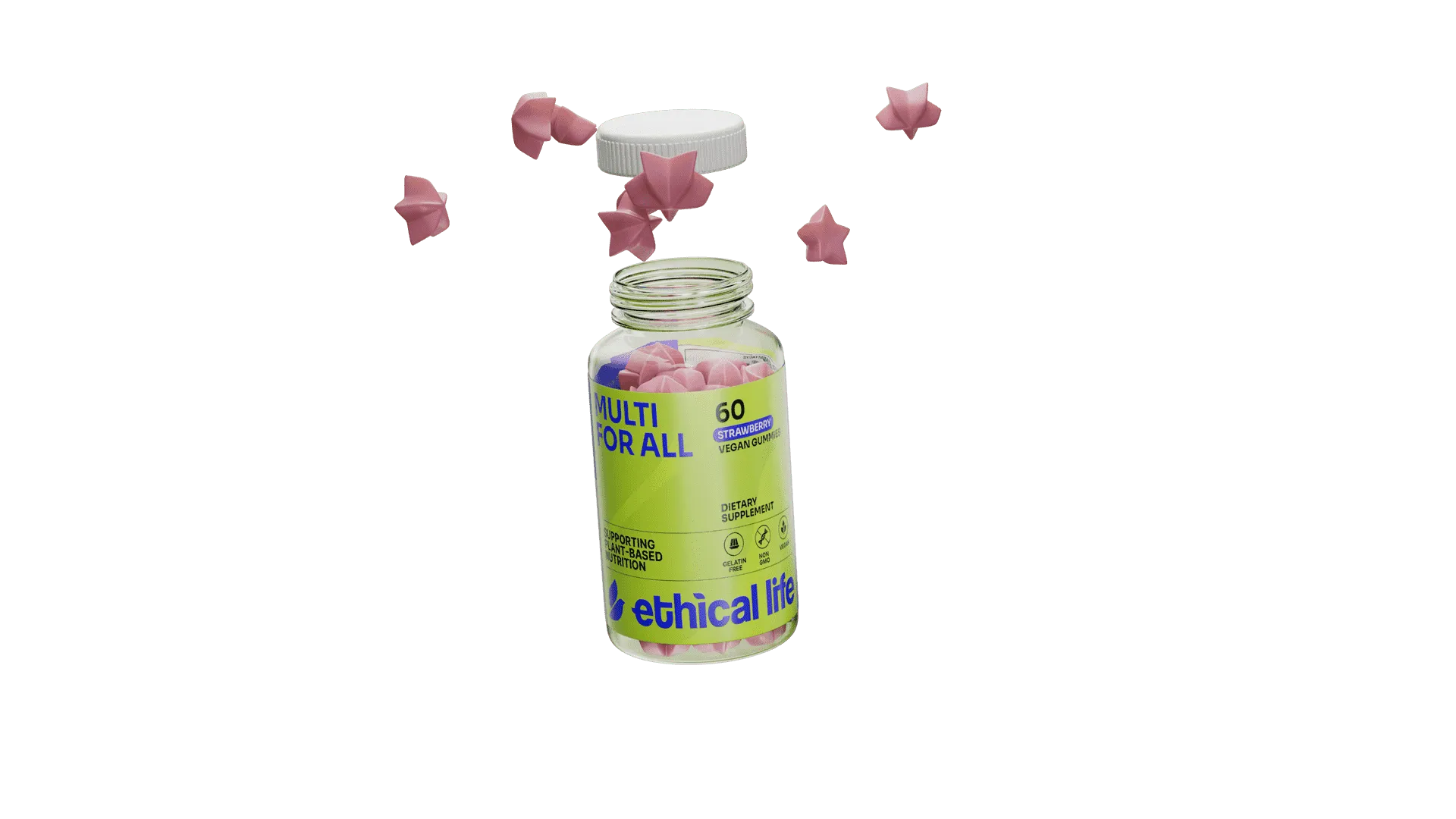
If you’re looking for a convenient, pharmacist-formulated option to support your daily calcium co-factors and overall wellness, Ethical Life’s multivitamin gummies for adults are 100% vegan, pectin-based, and designed with the same clinical rigor you’d expect from a pharmacist with over 30 years of experience. Available at $31.49 / month or $89.97 / 3 months.

“I’ve tried many supplements, but Ethical Life truly stands out. From the first week, I noticed a difference in my energy, mood, and focus. The gummies taste amazing, and I love that they’re made with clean, plant-based ingredients and no artificial junk or sugar. It feels good to take something that aligns with my values: cruelty-free, eco-friendly, and transparent about what’s inside. I appreciate that they’re made in the USA! Ethical Life isn’t just another supplement brand; it’s a brand that genuinely cares about health, ethics, and sustainability. I can’t recommend it enough!” – Neda N