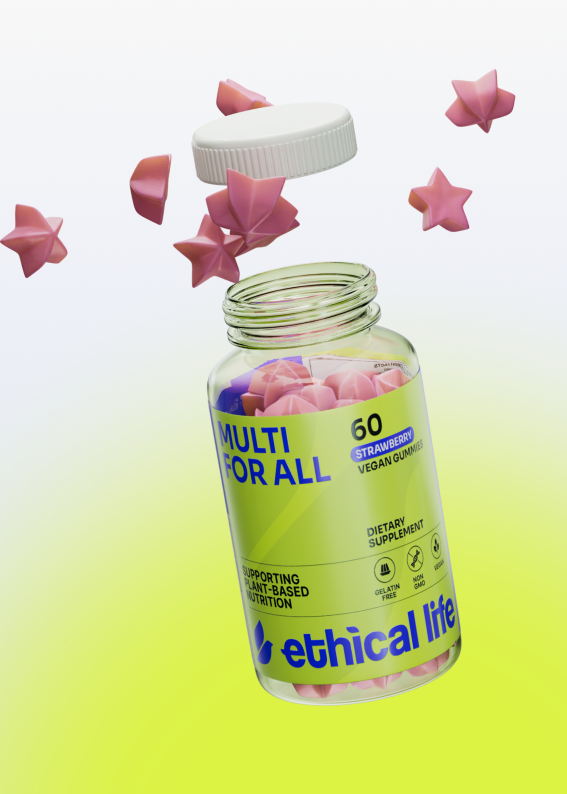
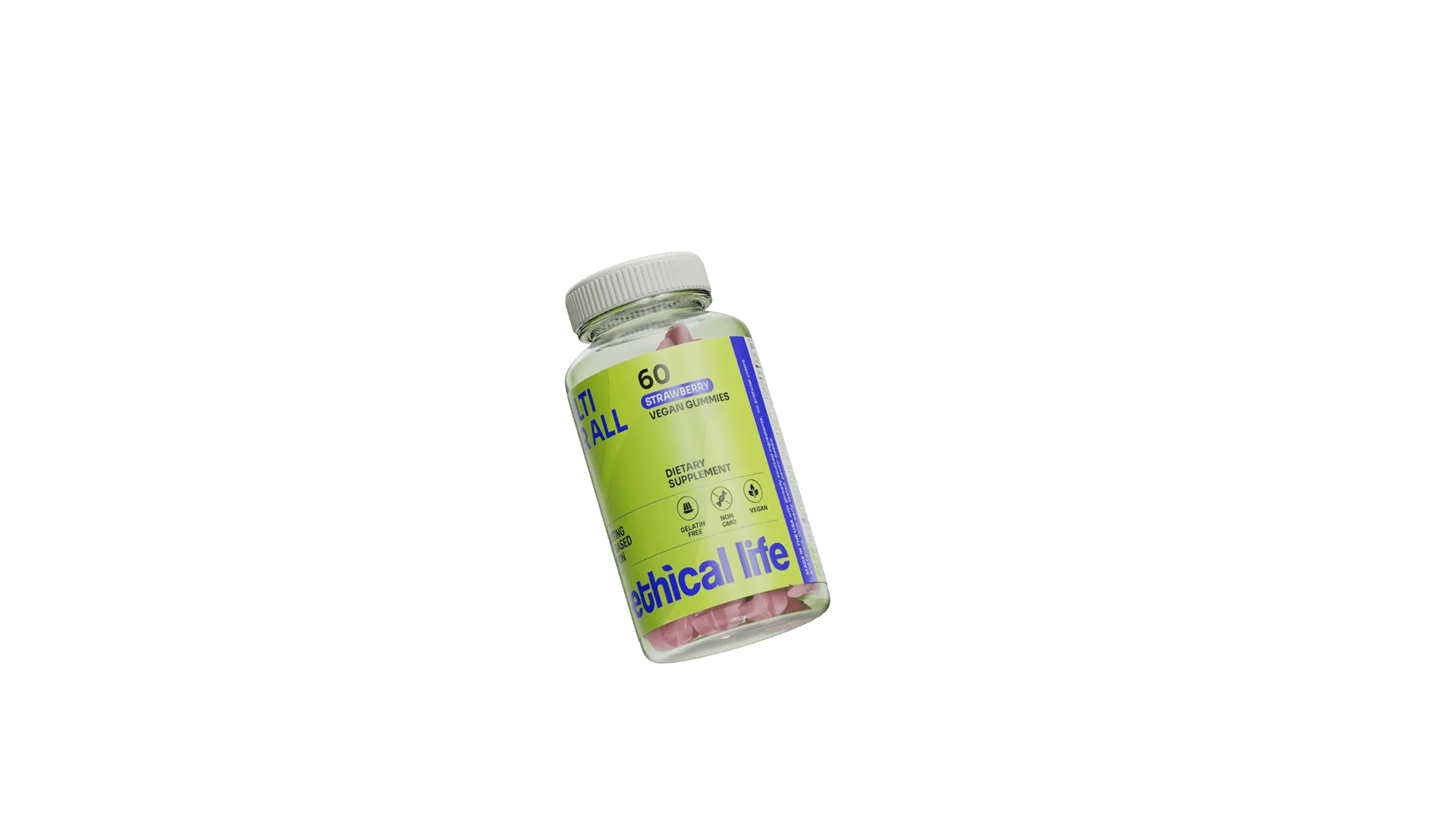
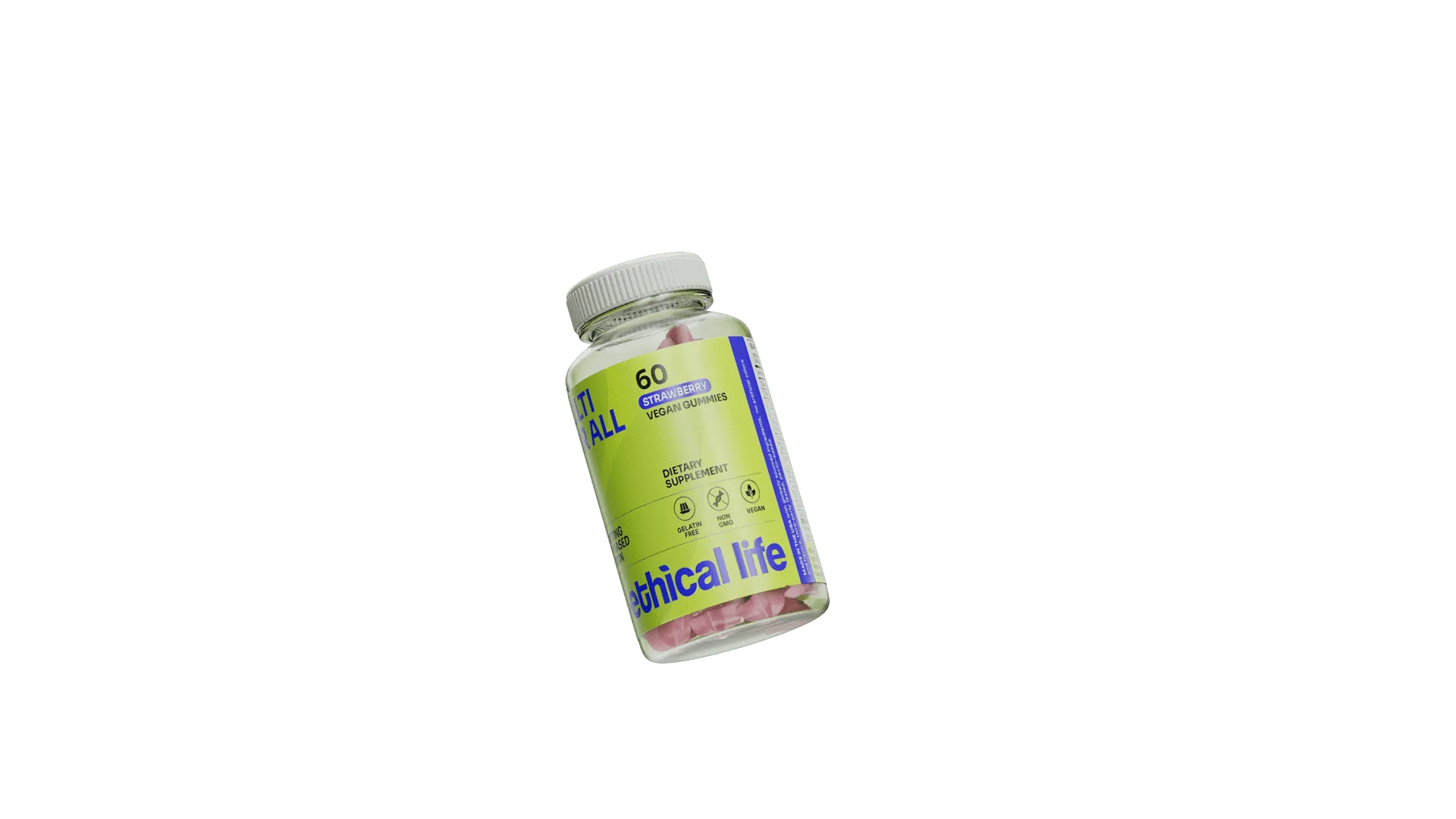
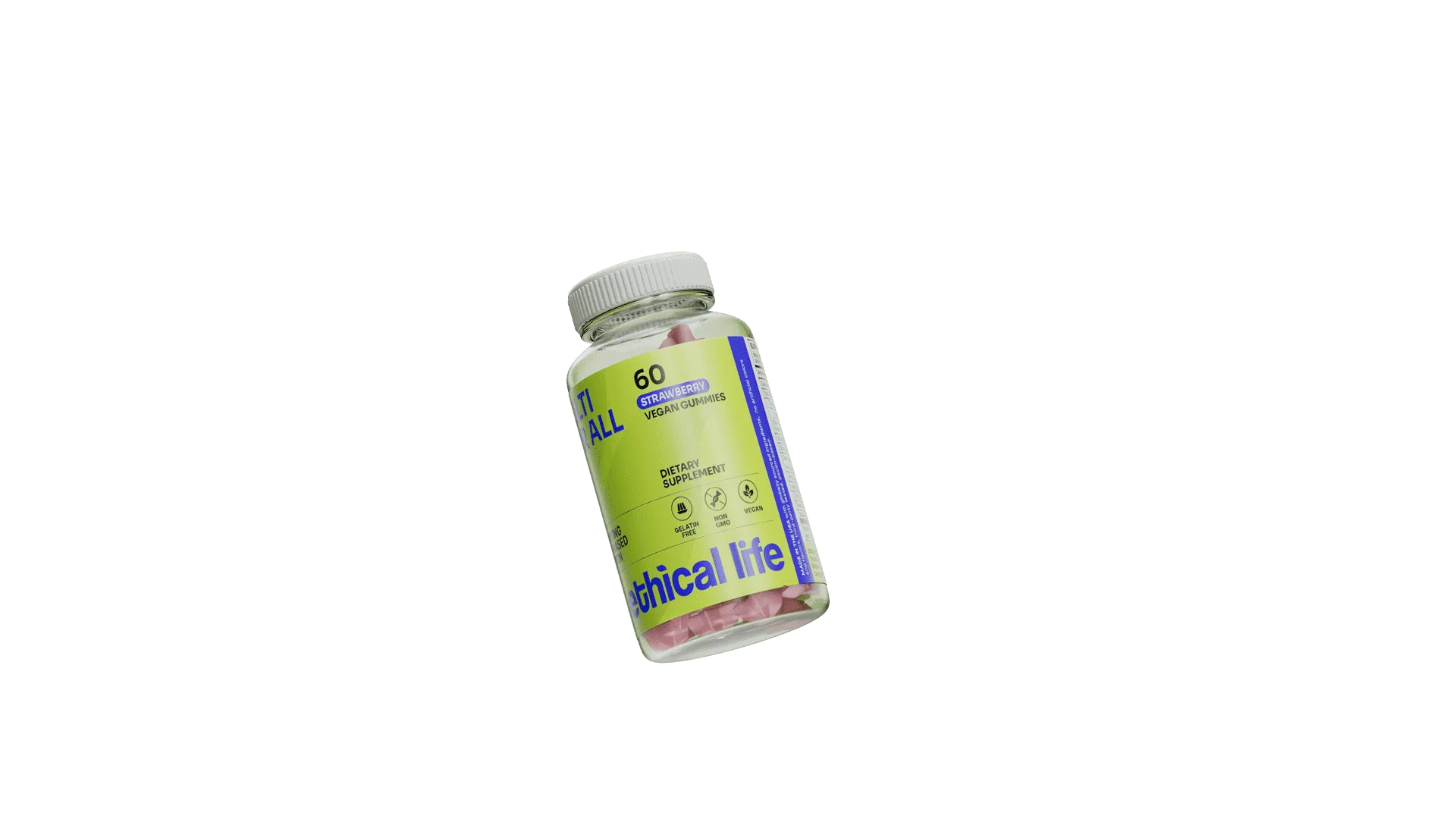
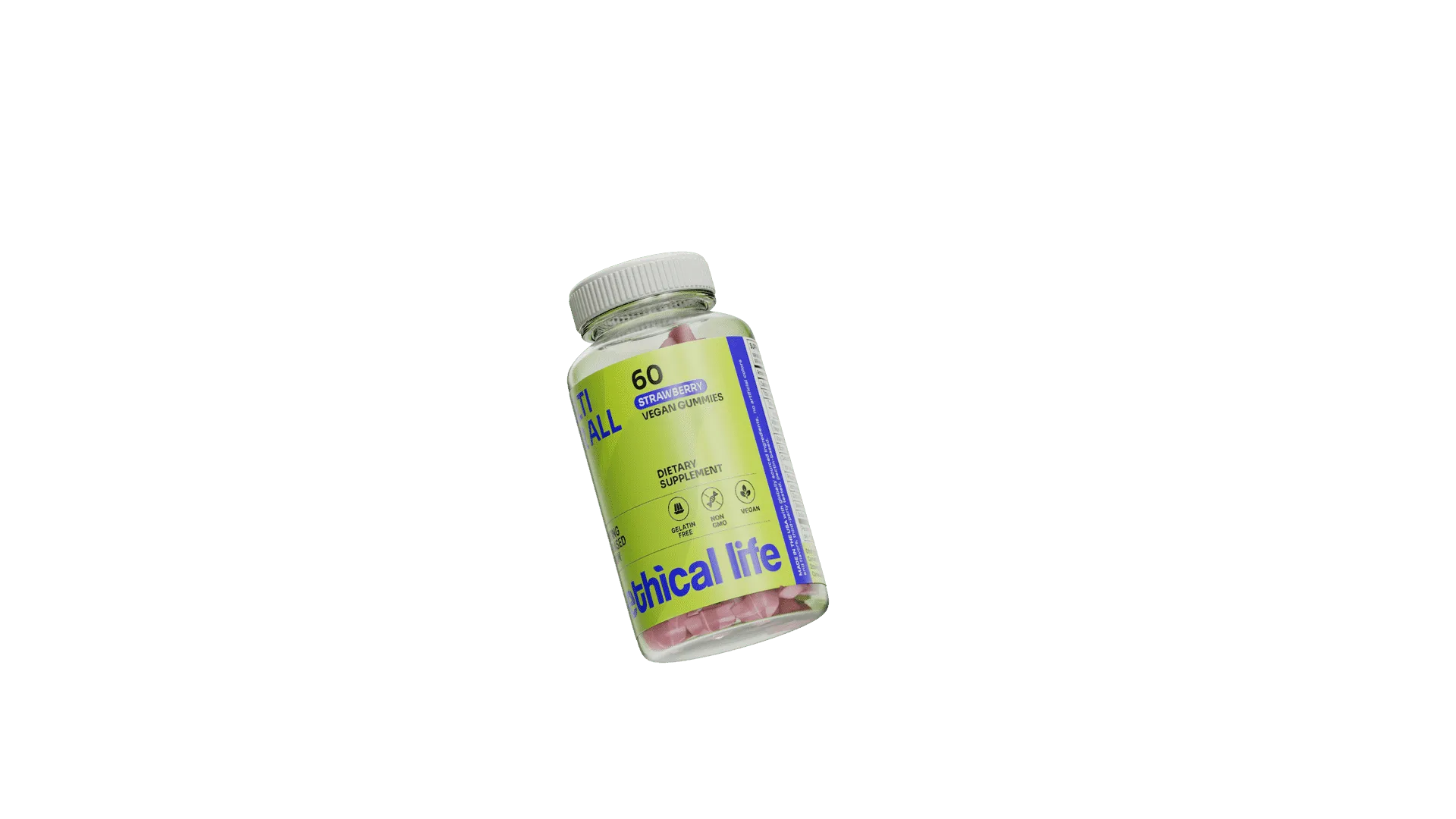
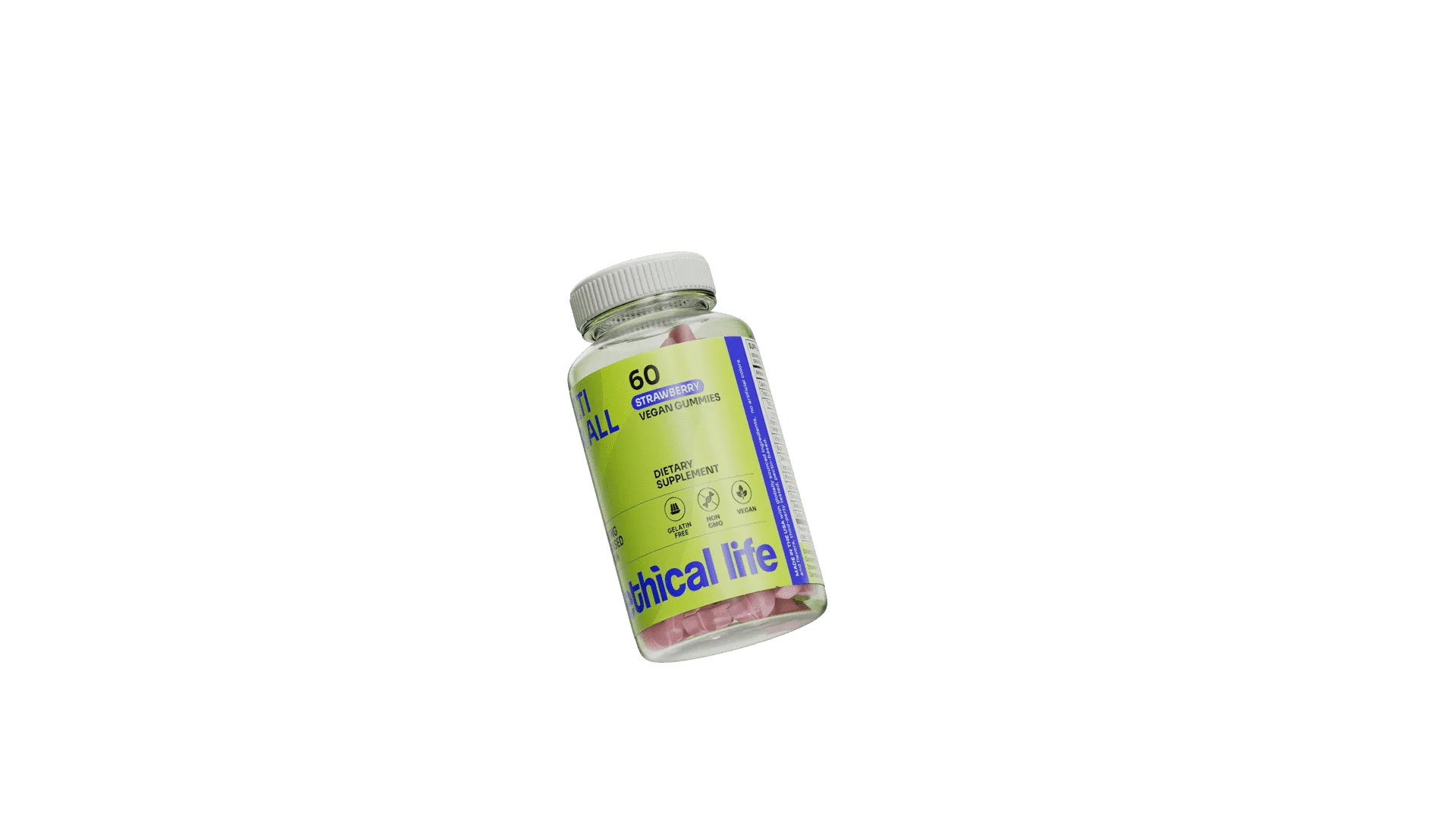
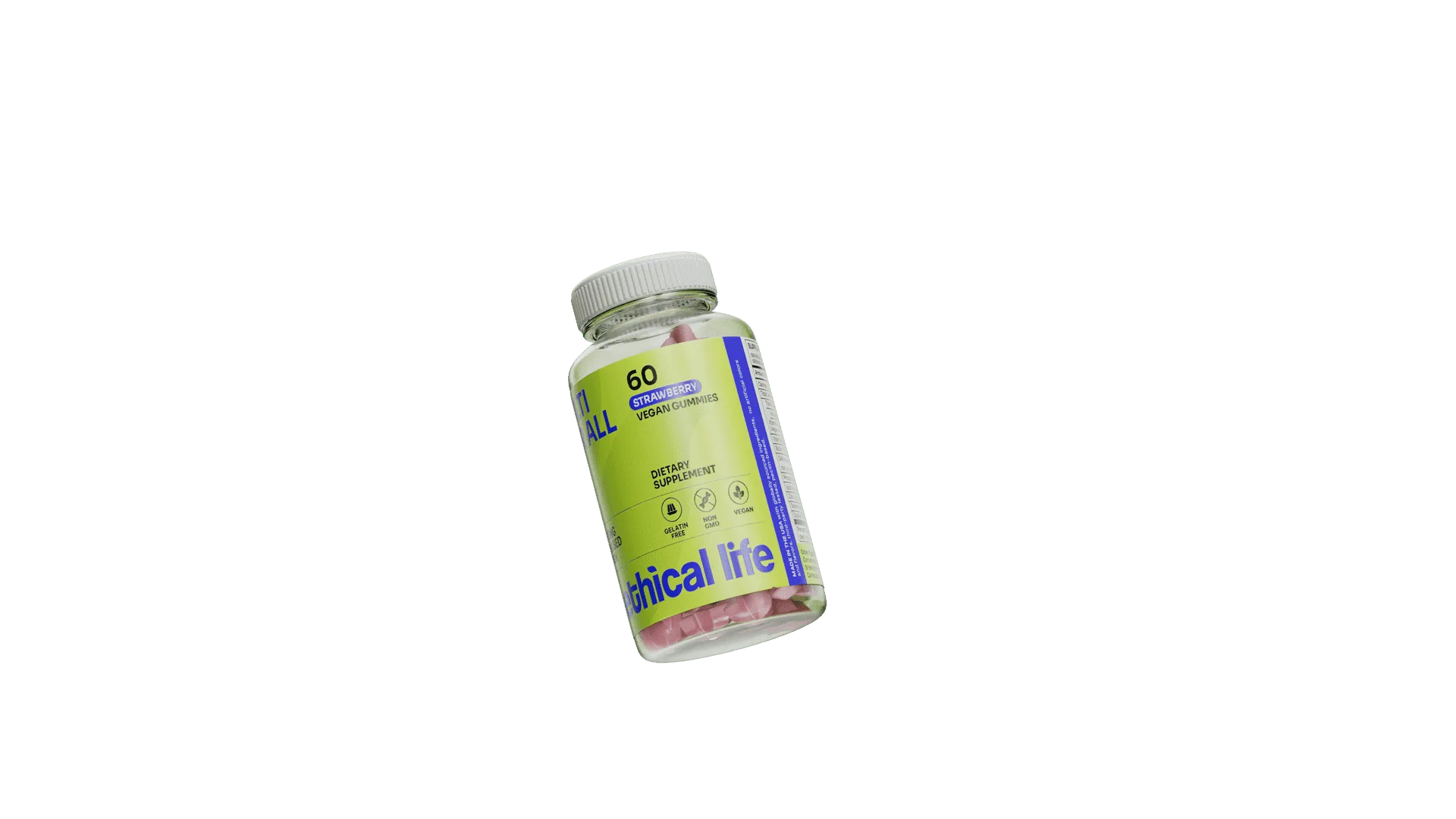
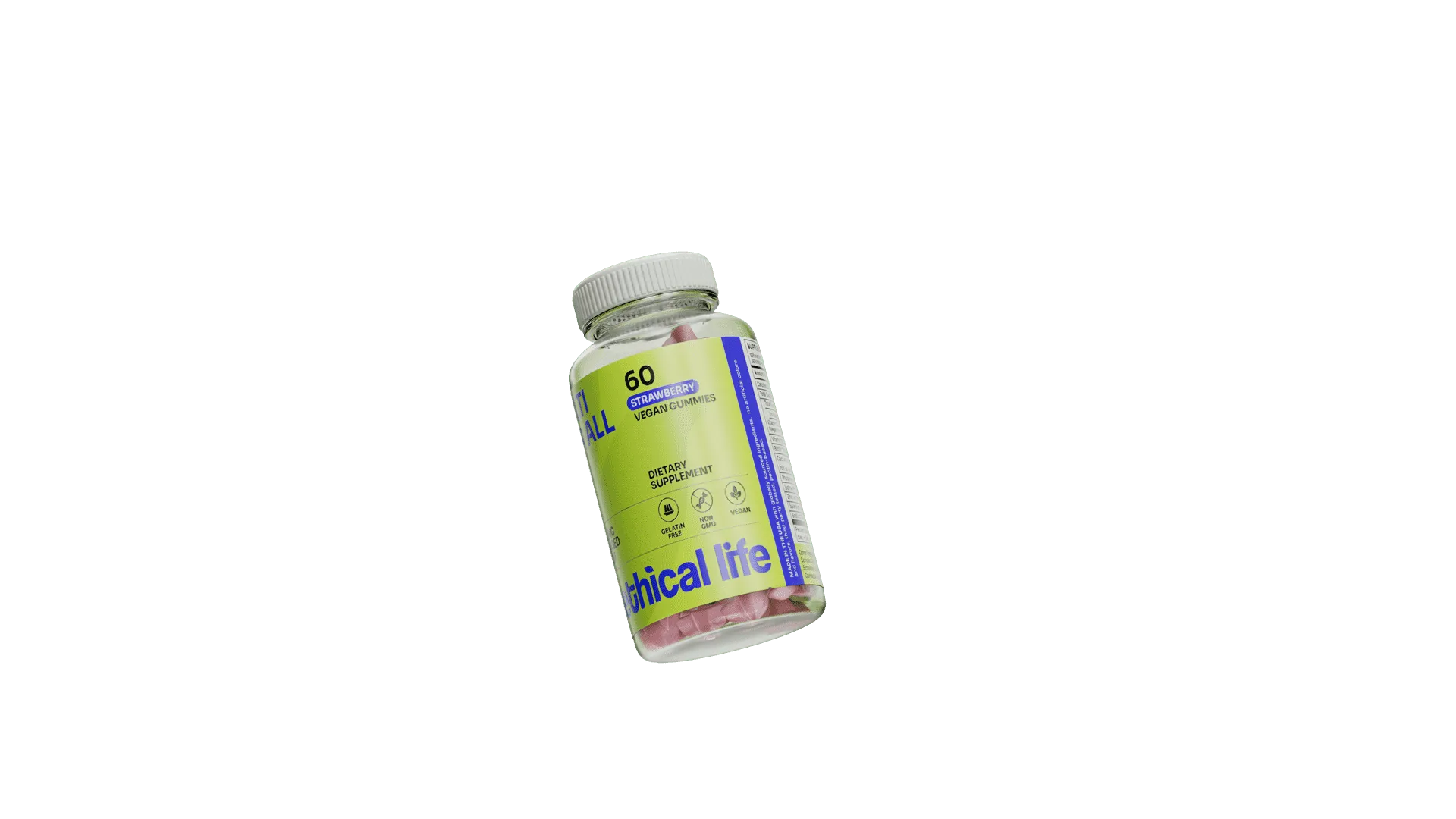
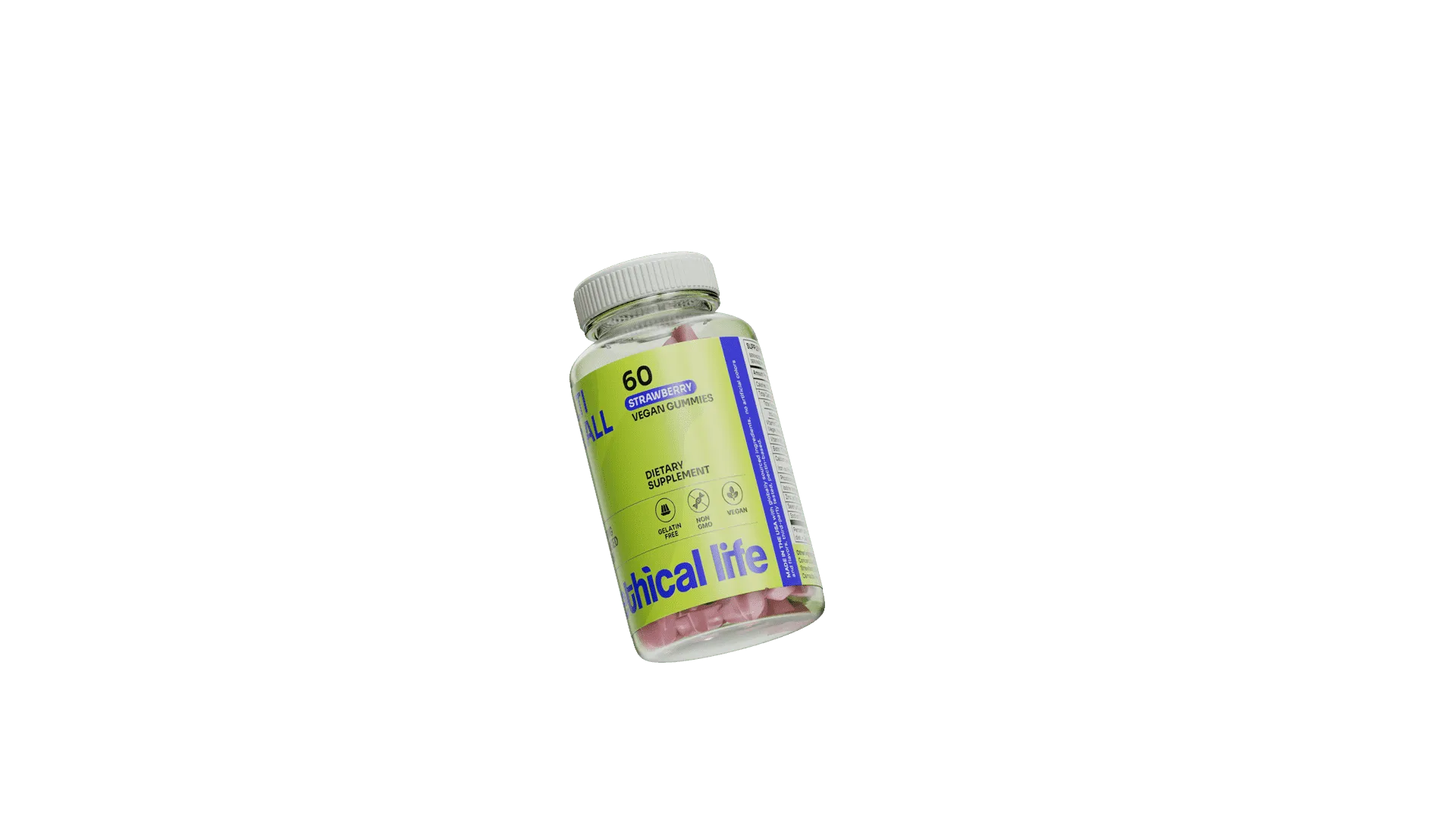
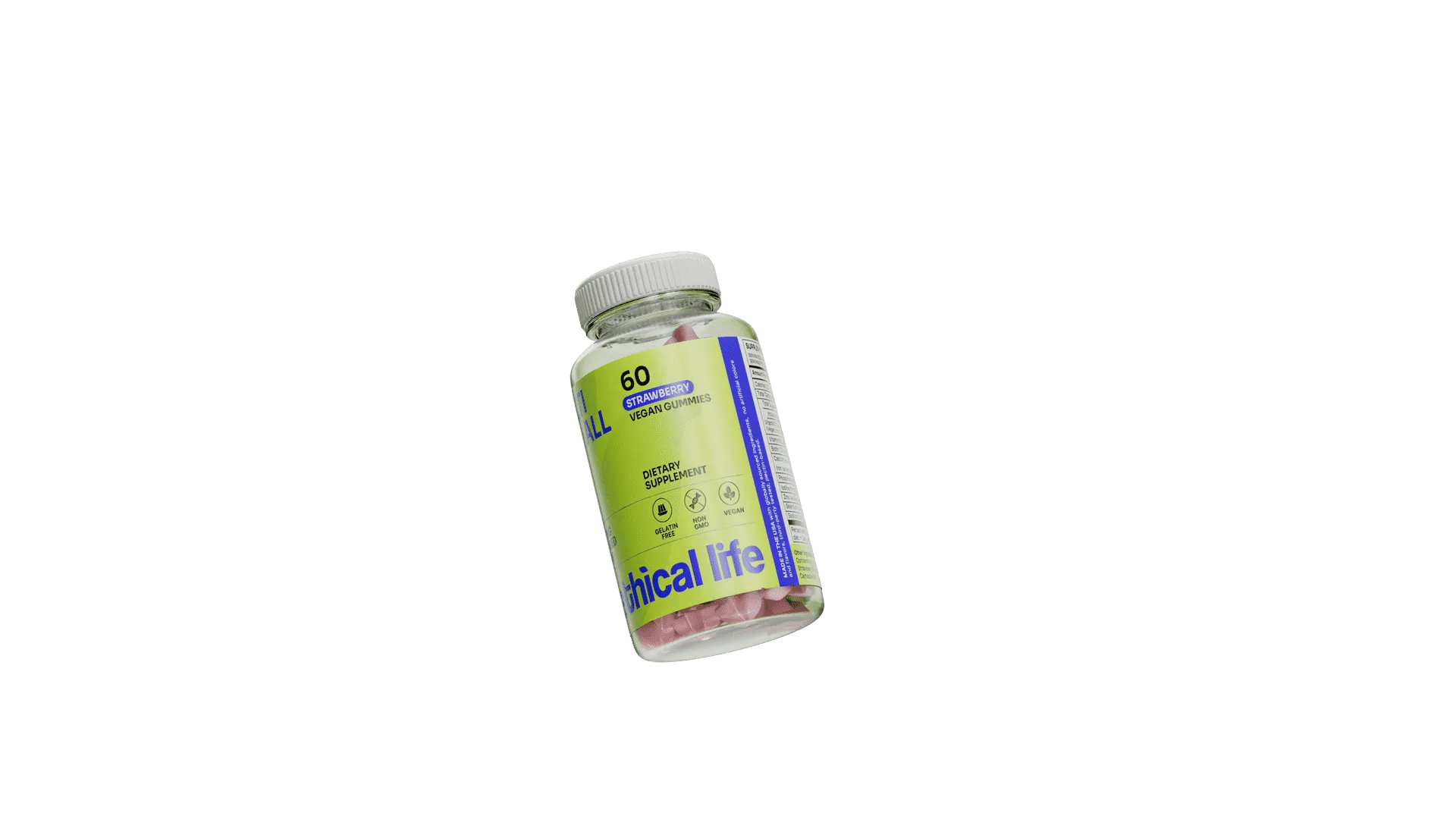
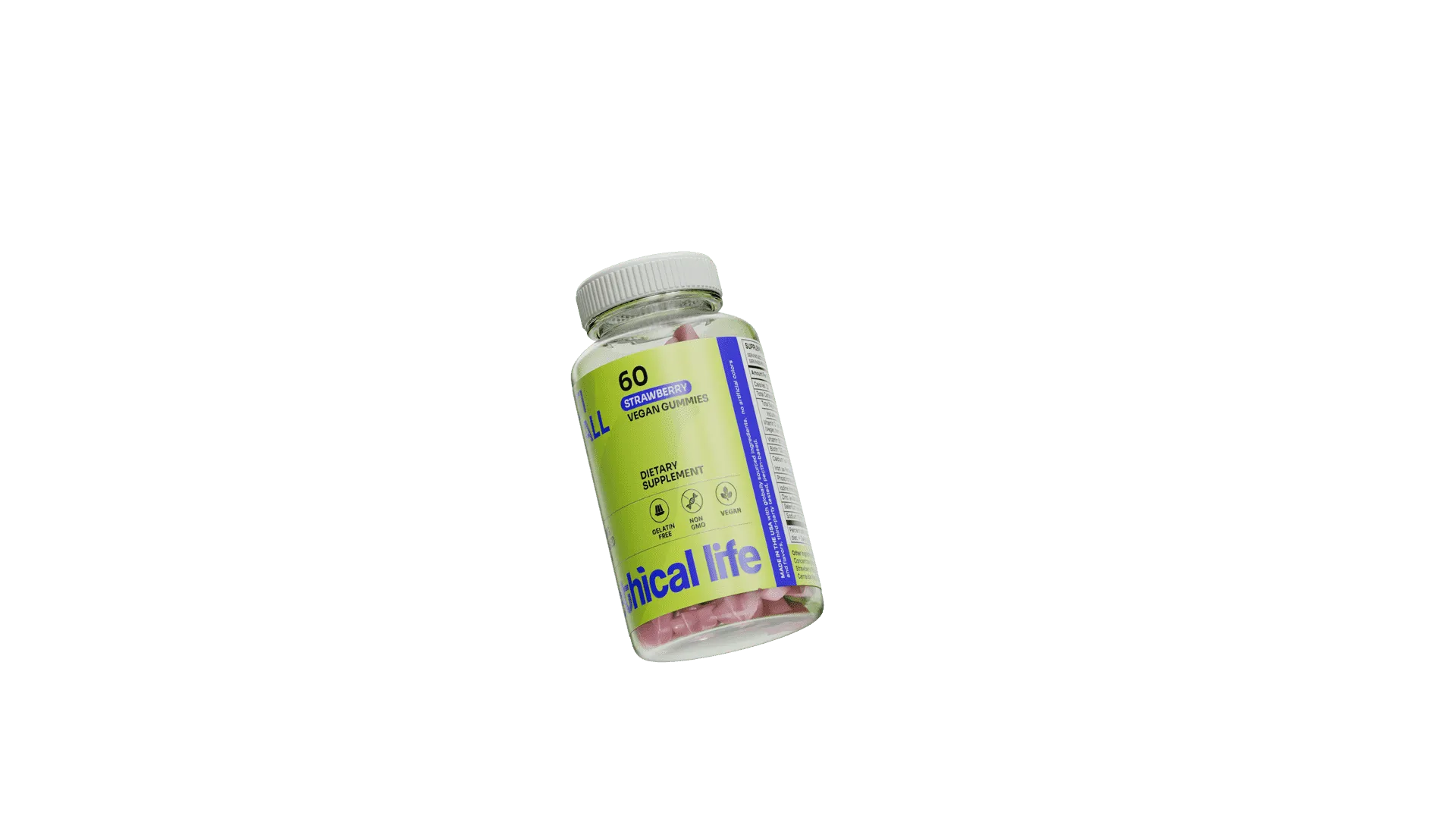
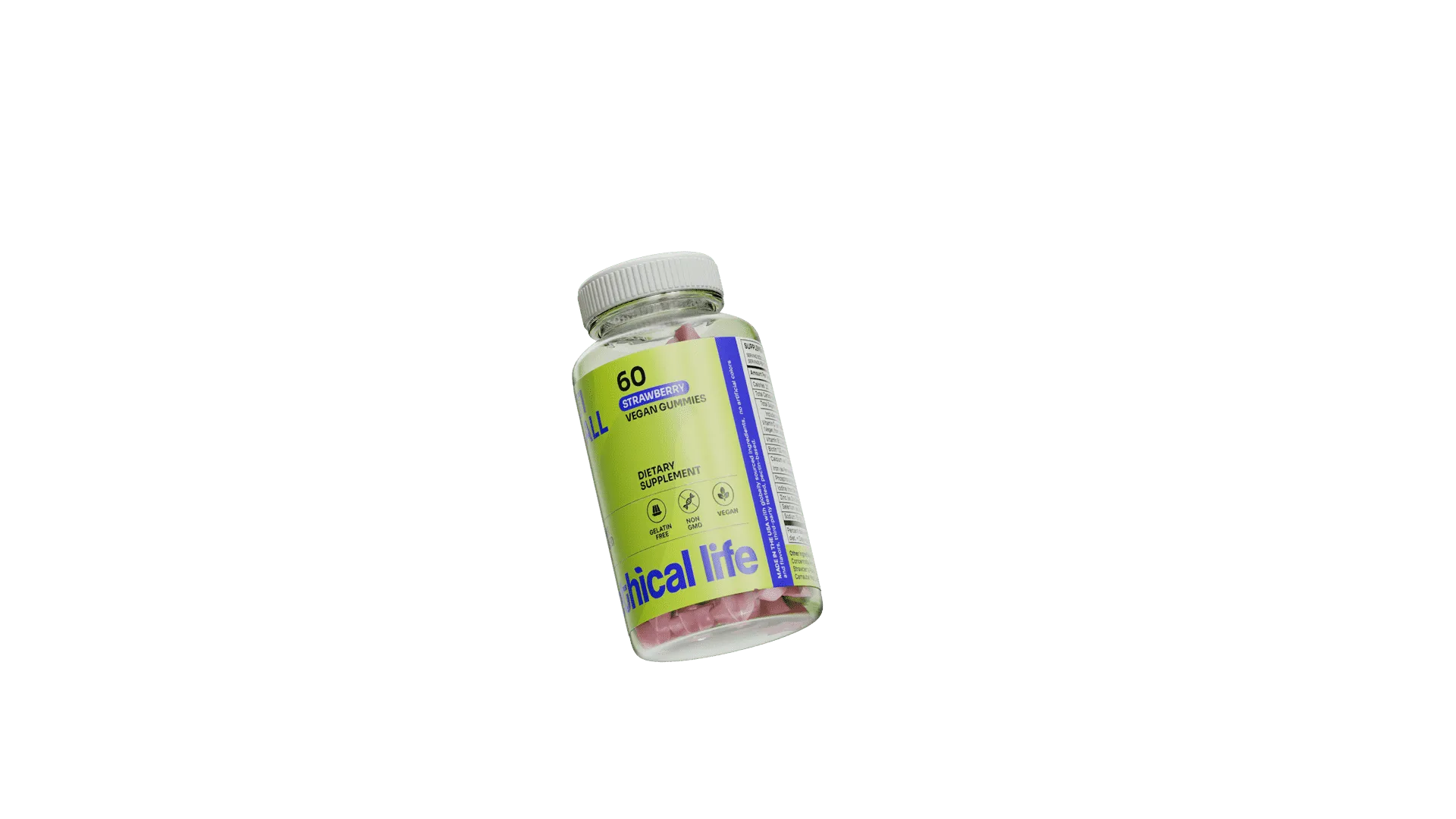
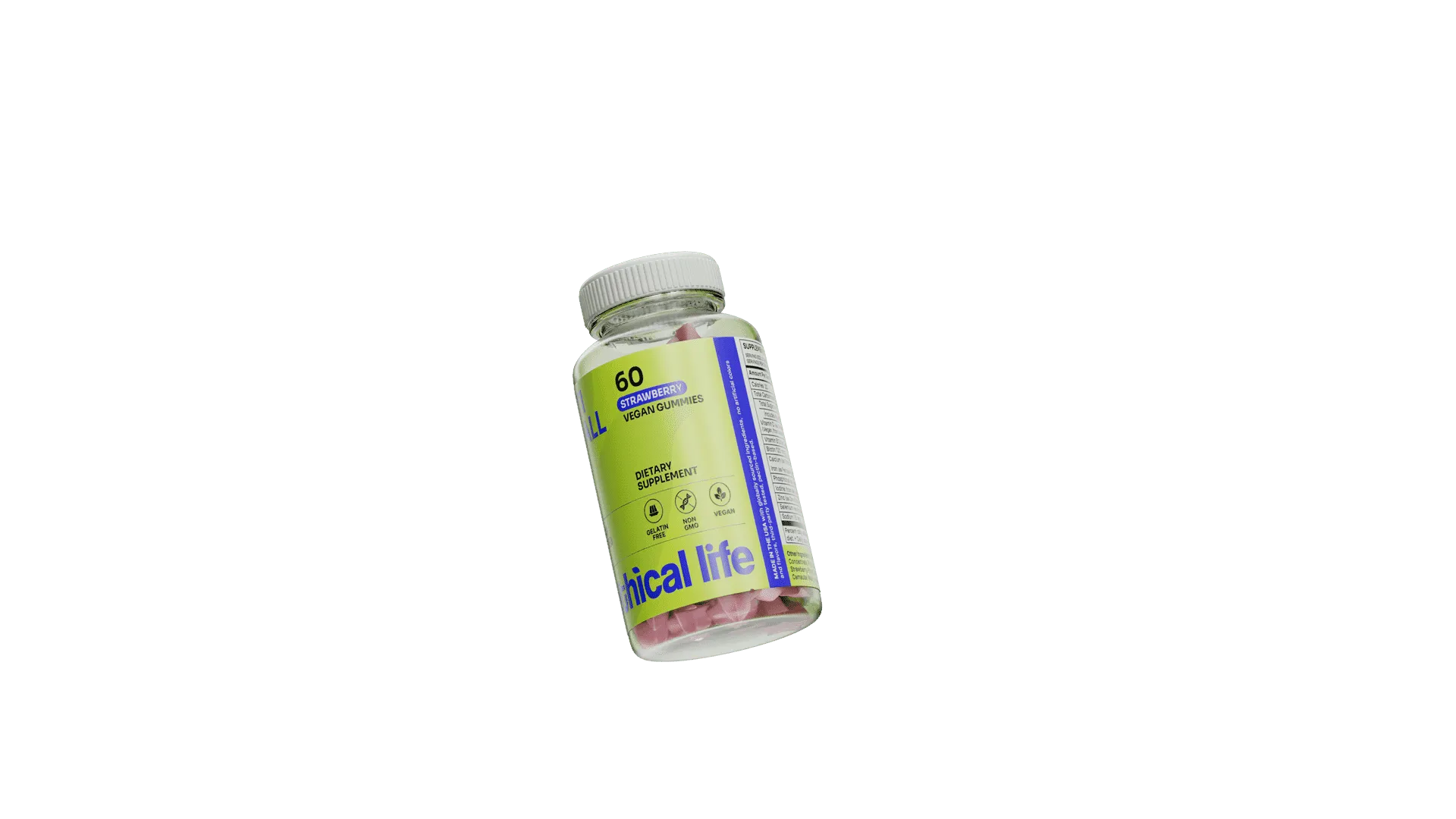
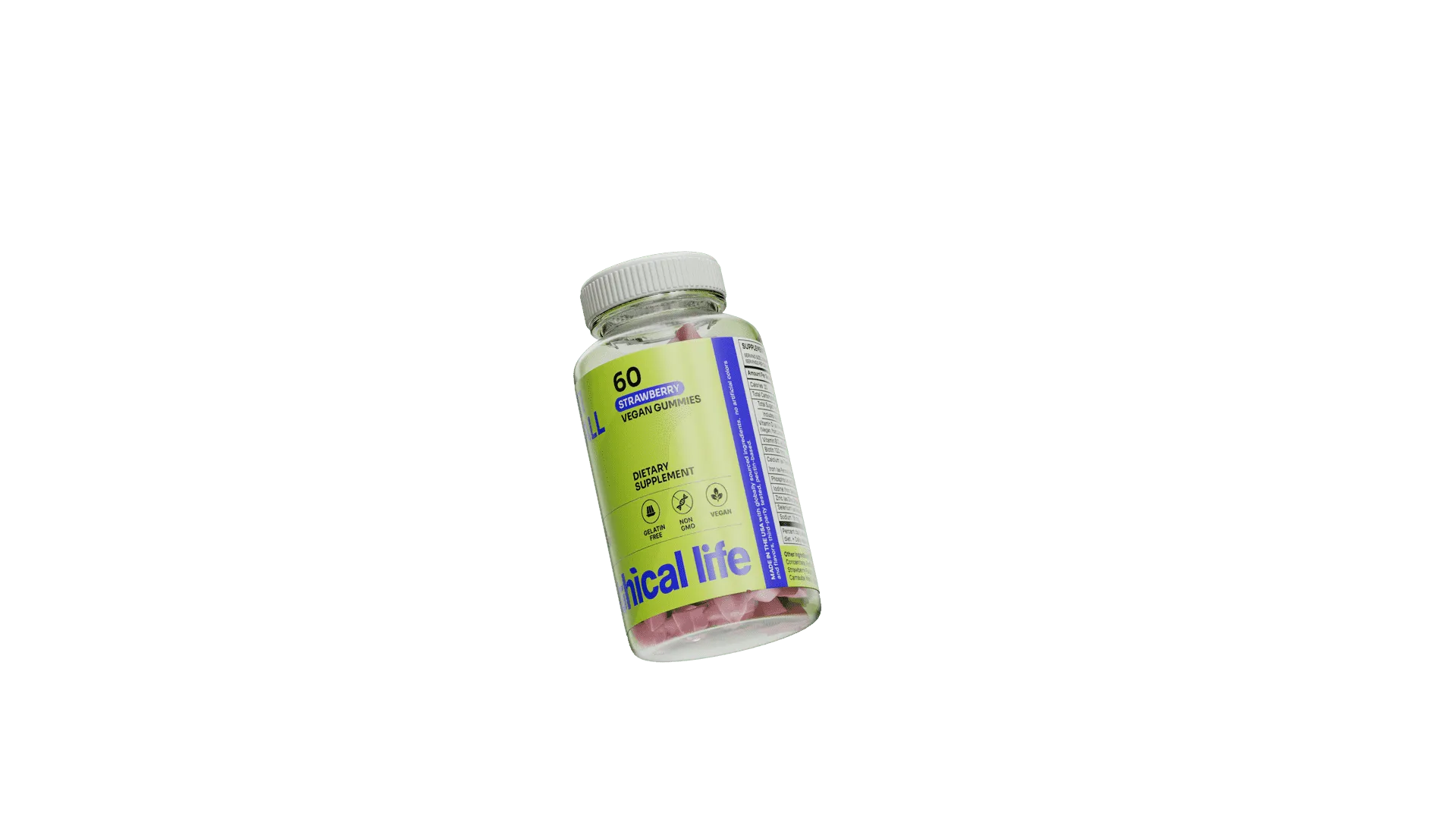
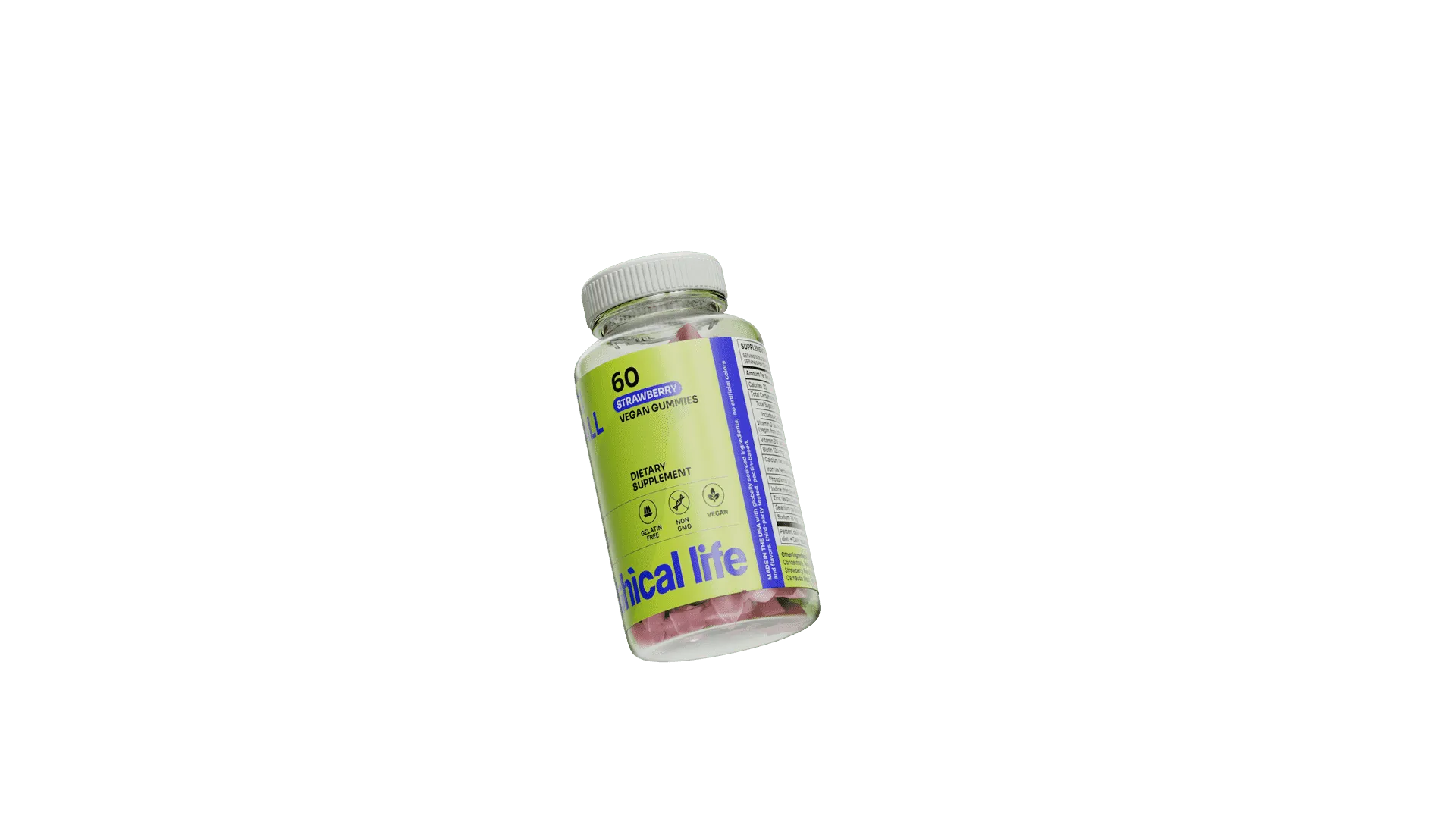
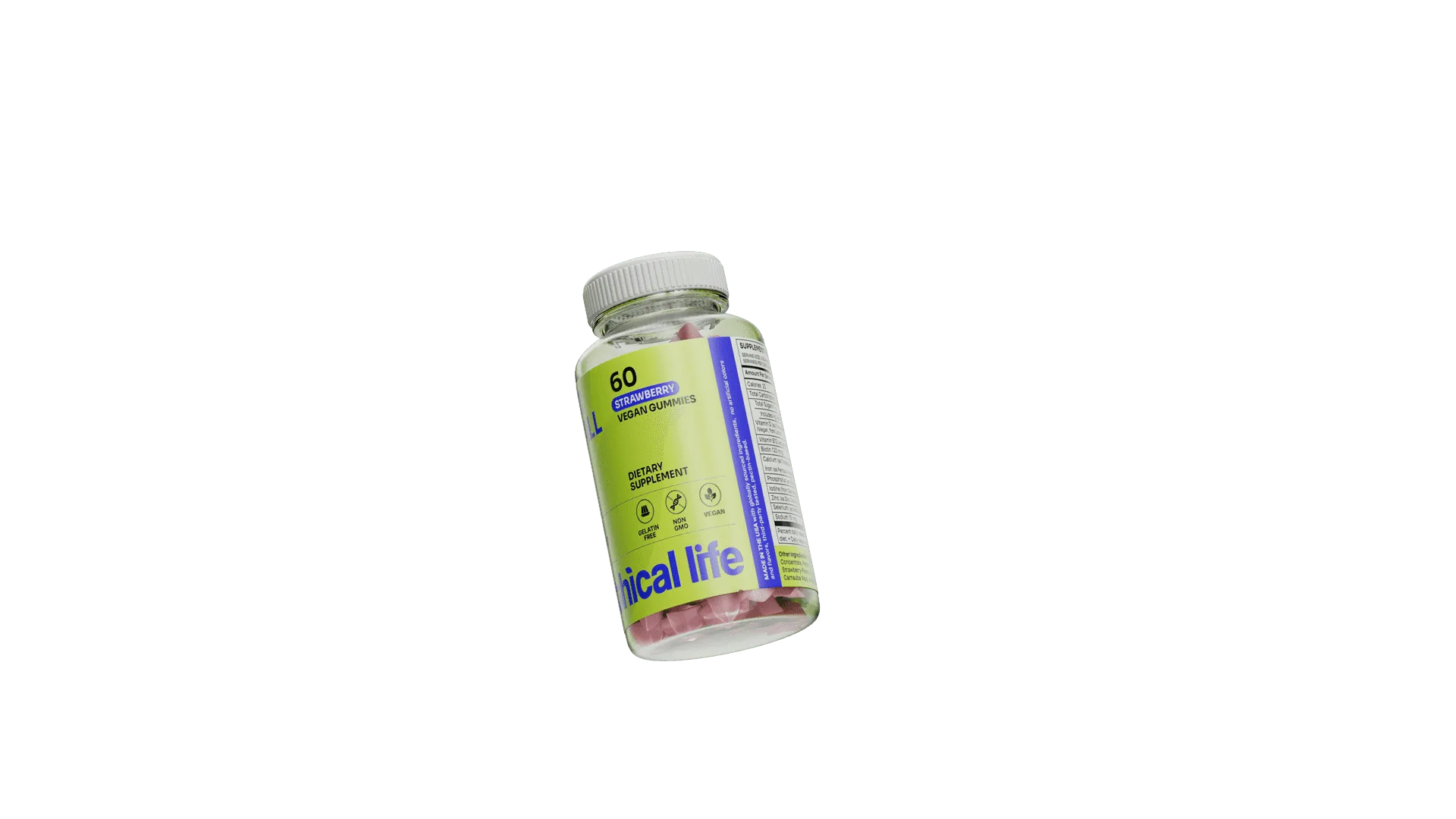
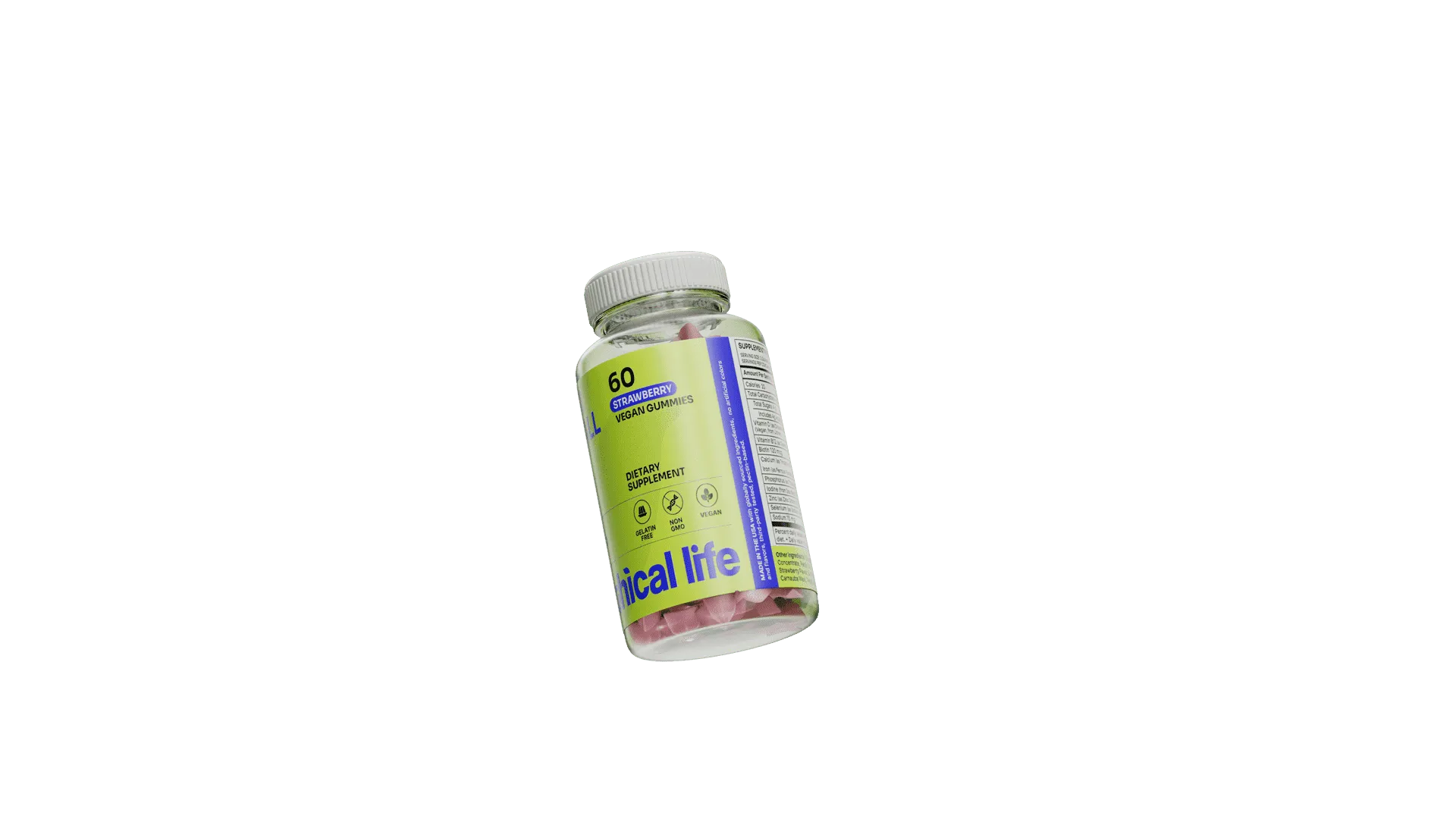
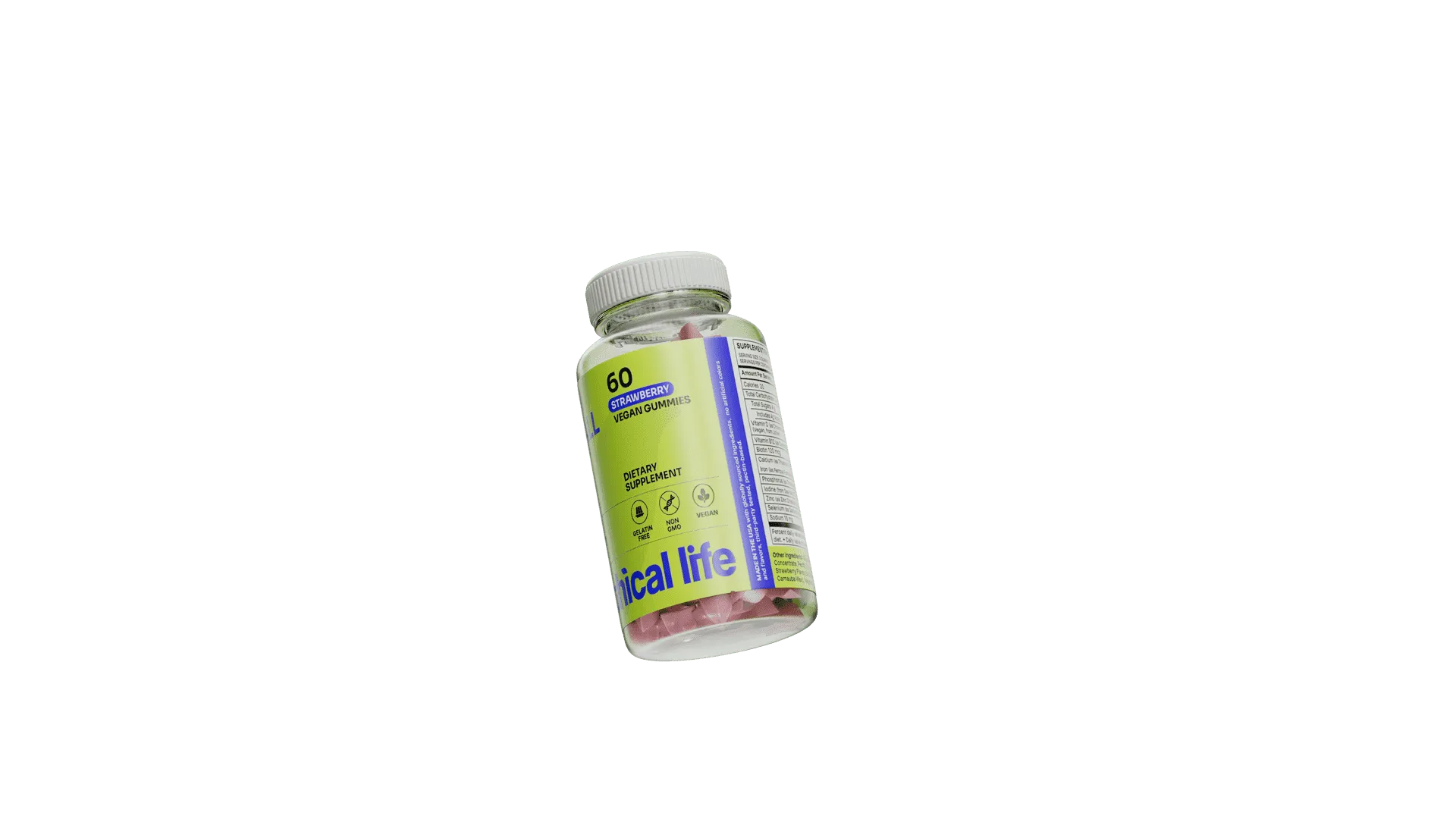
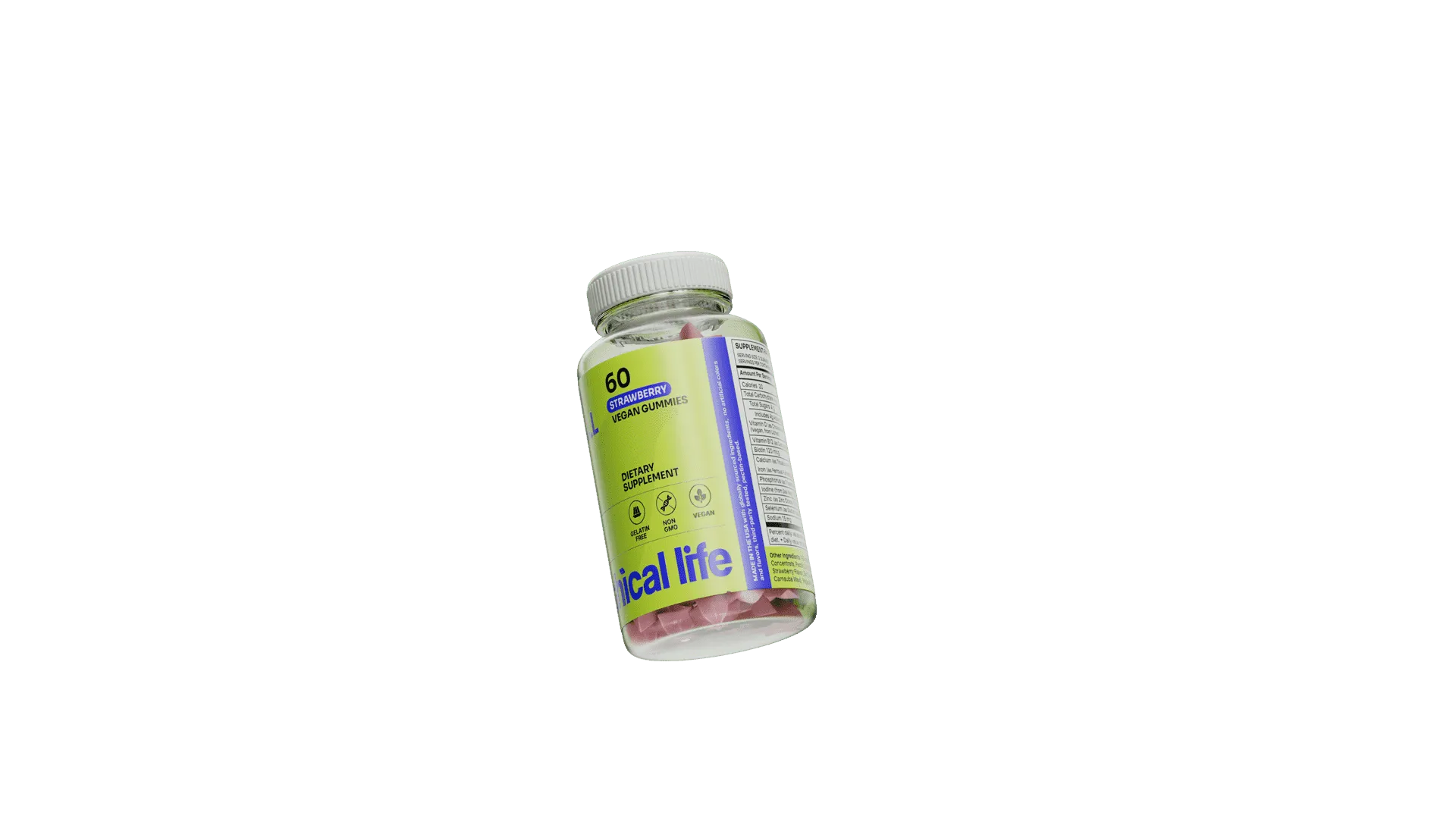
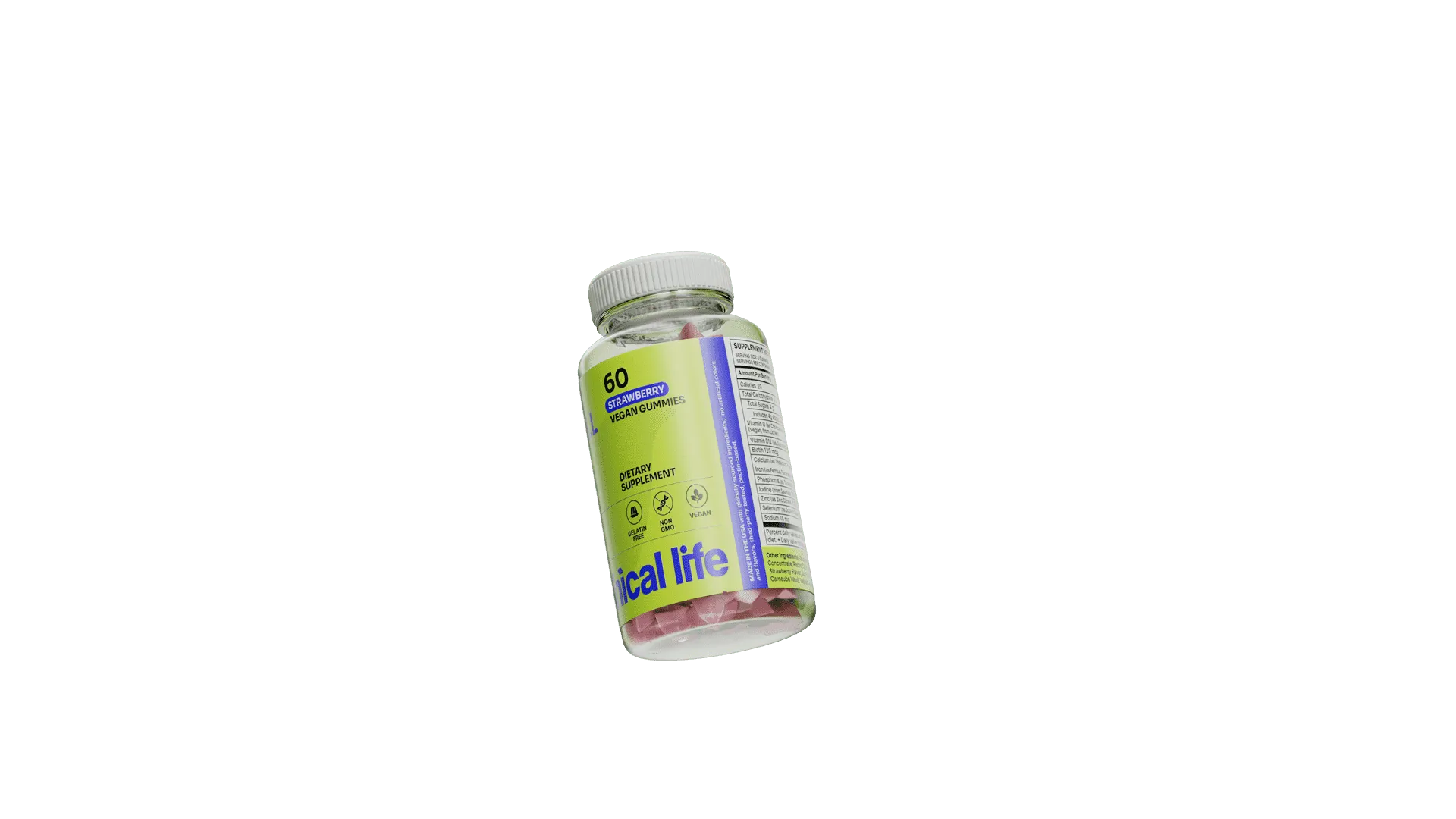
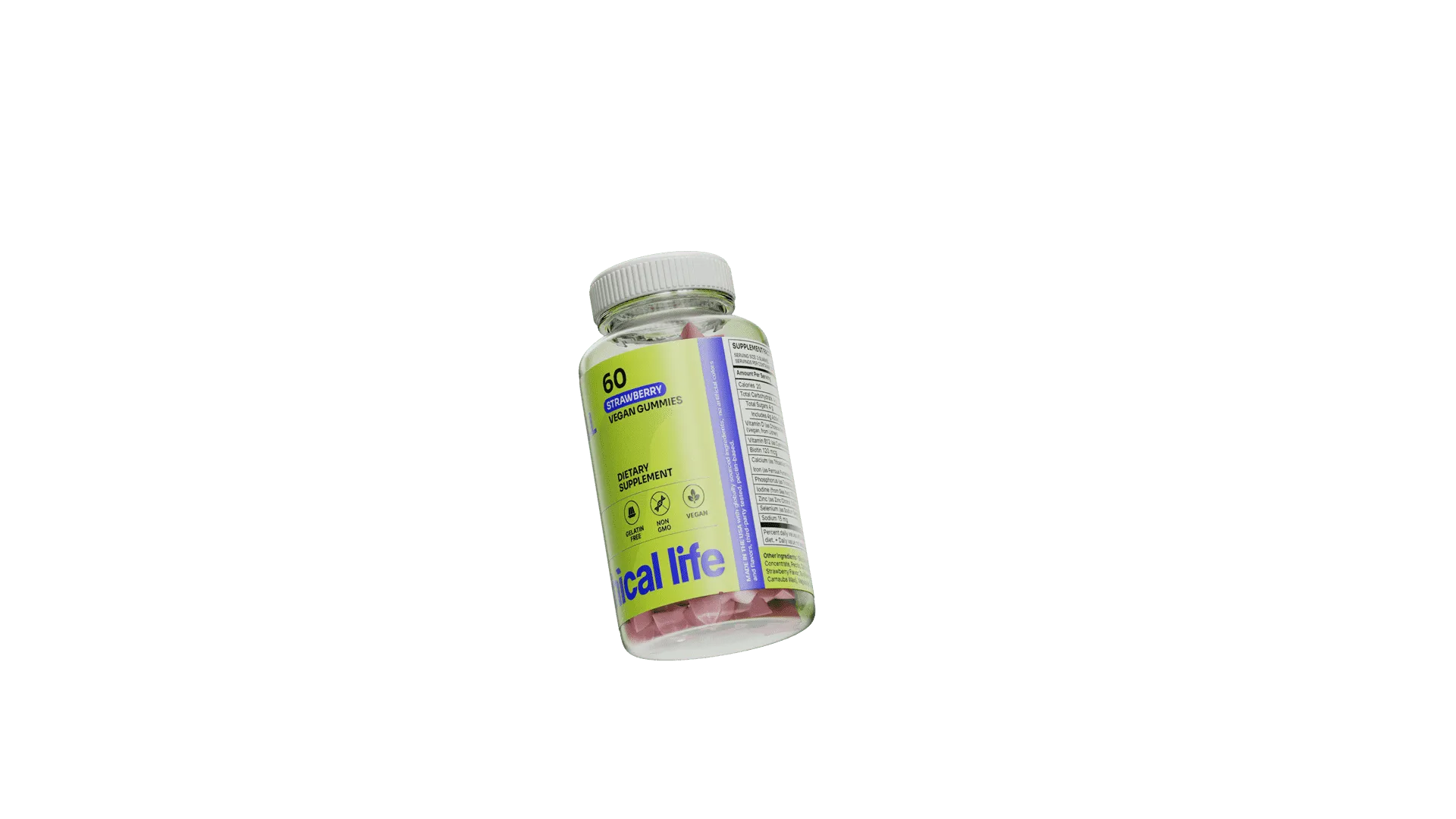


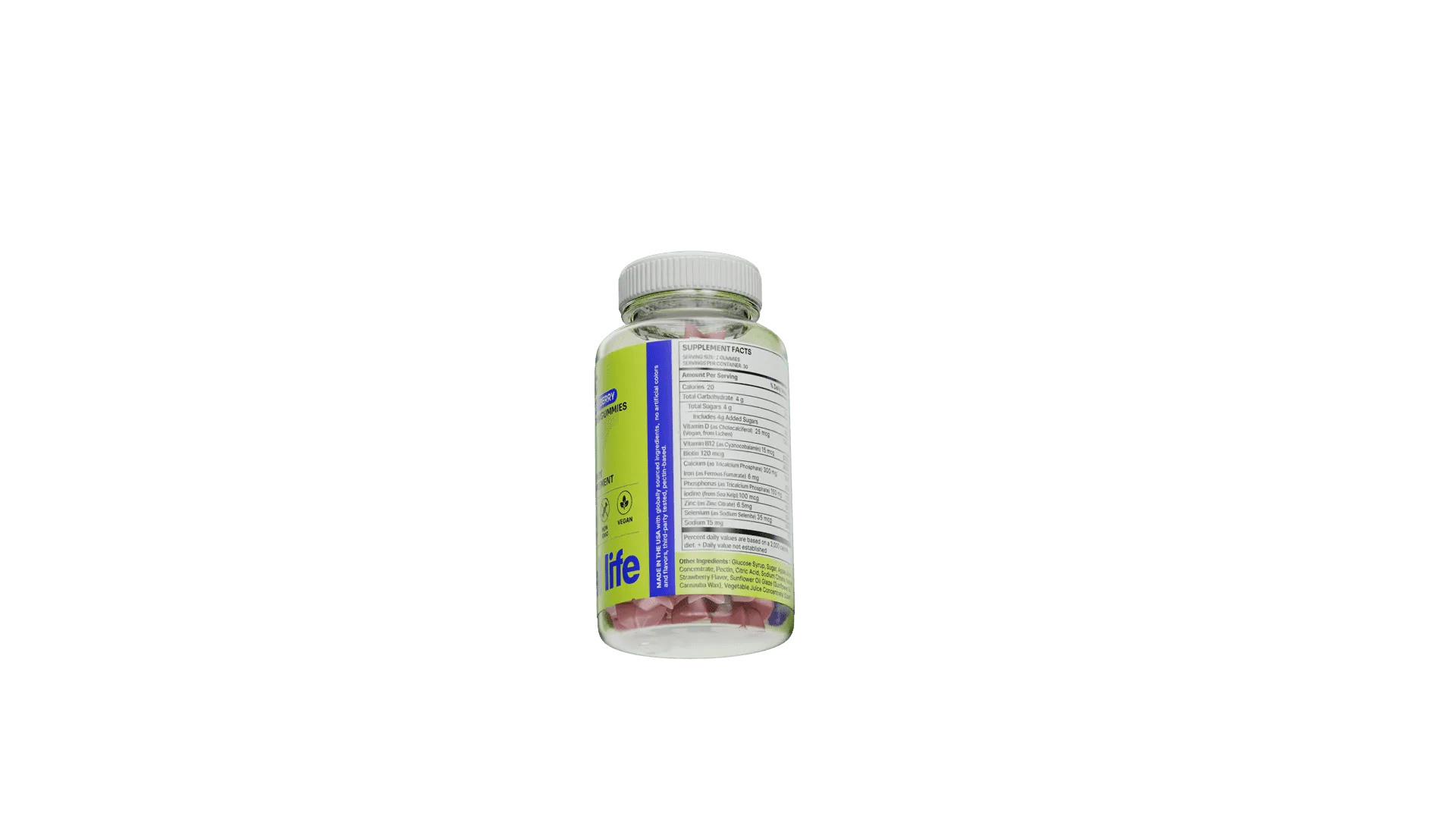
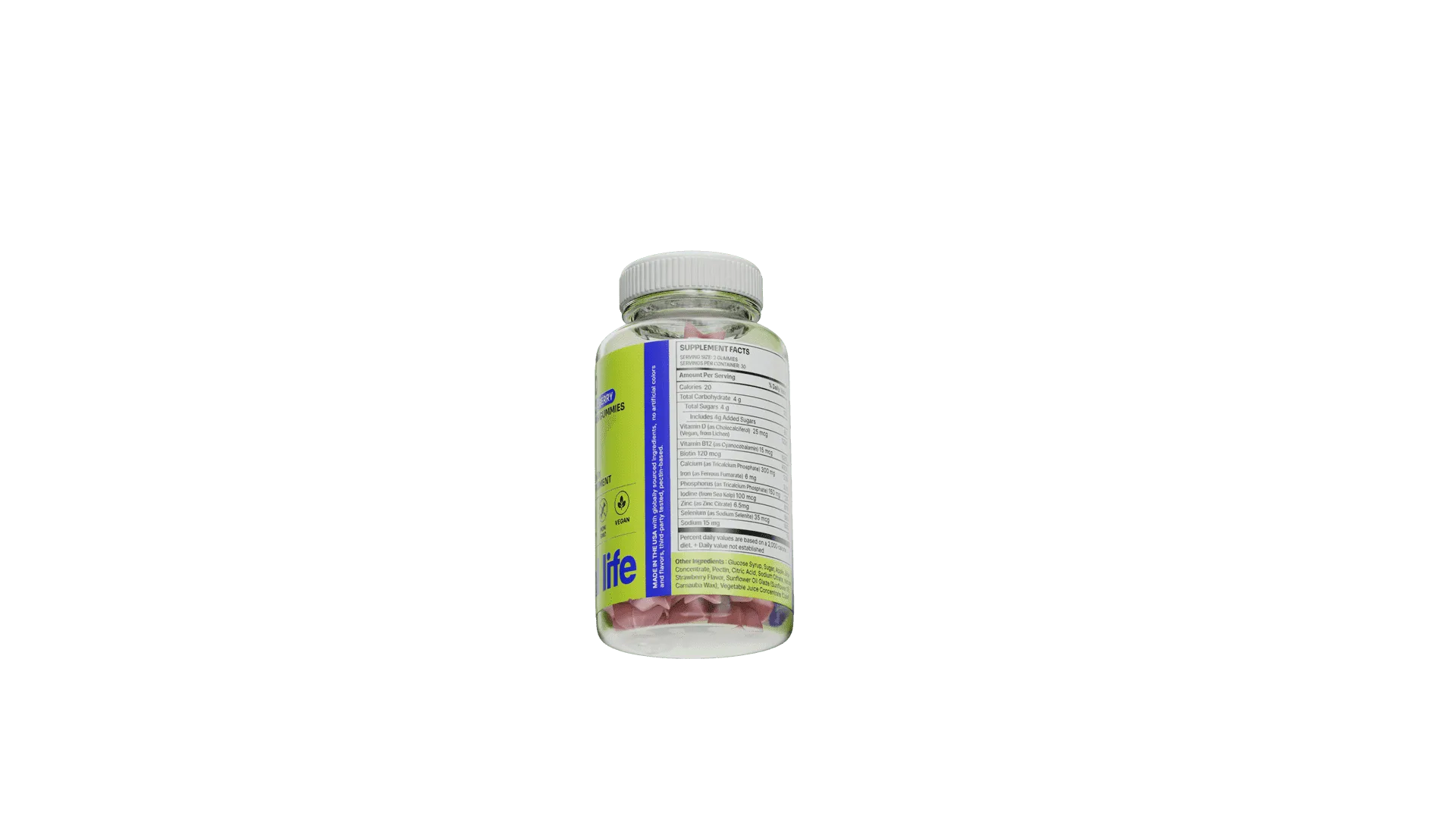
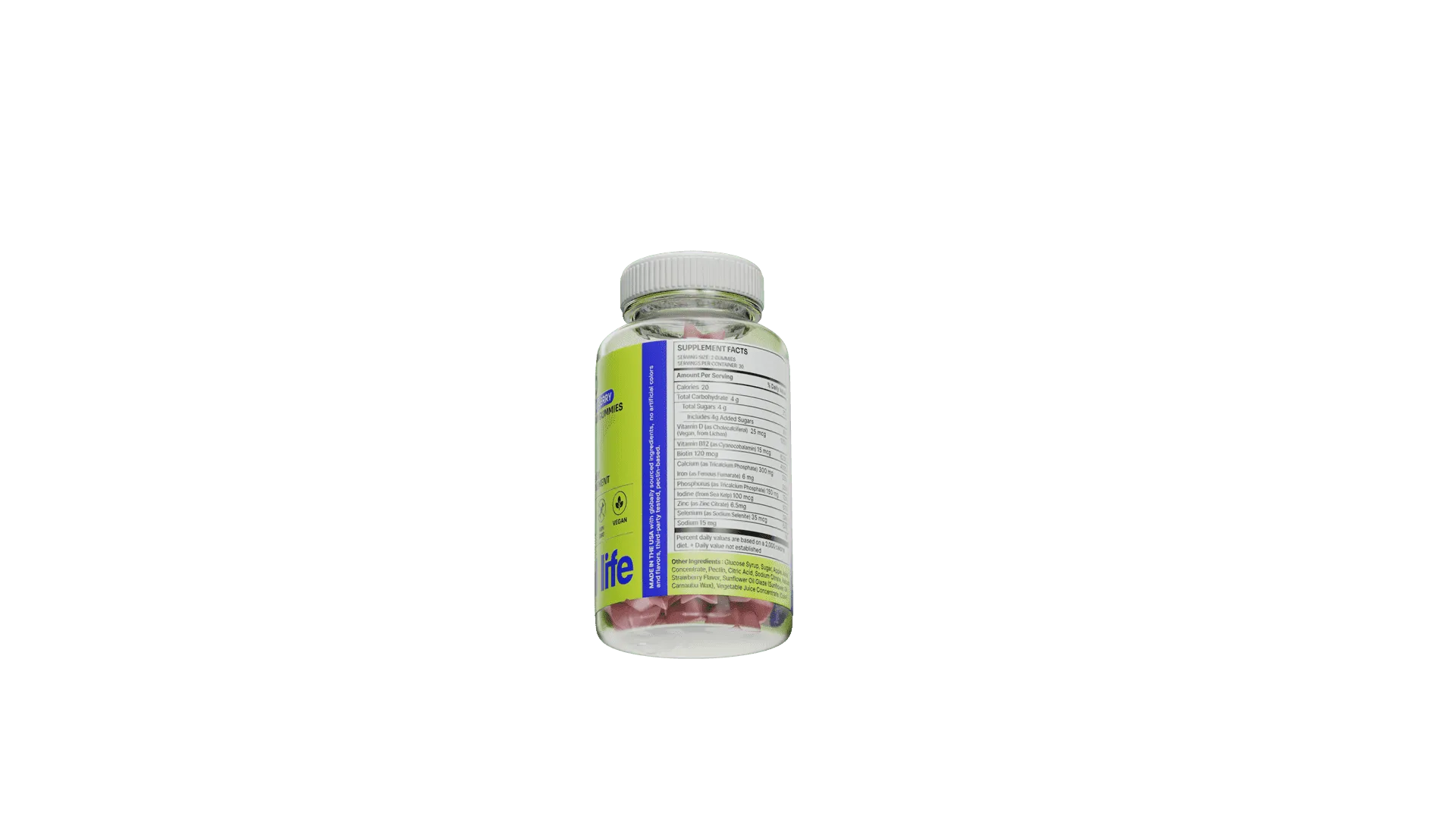
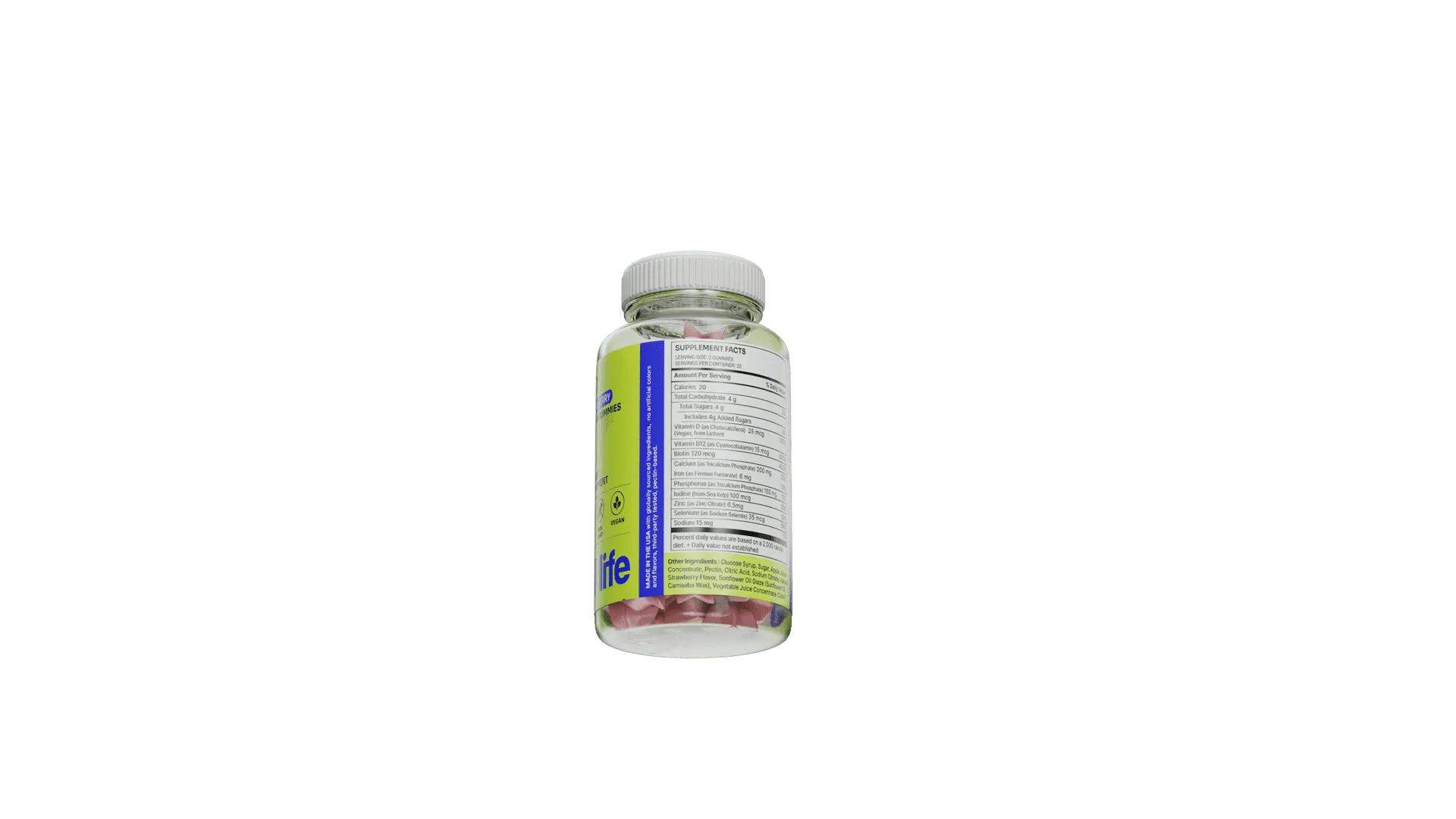
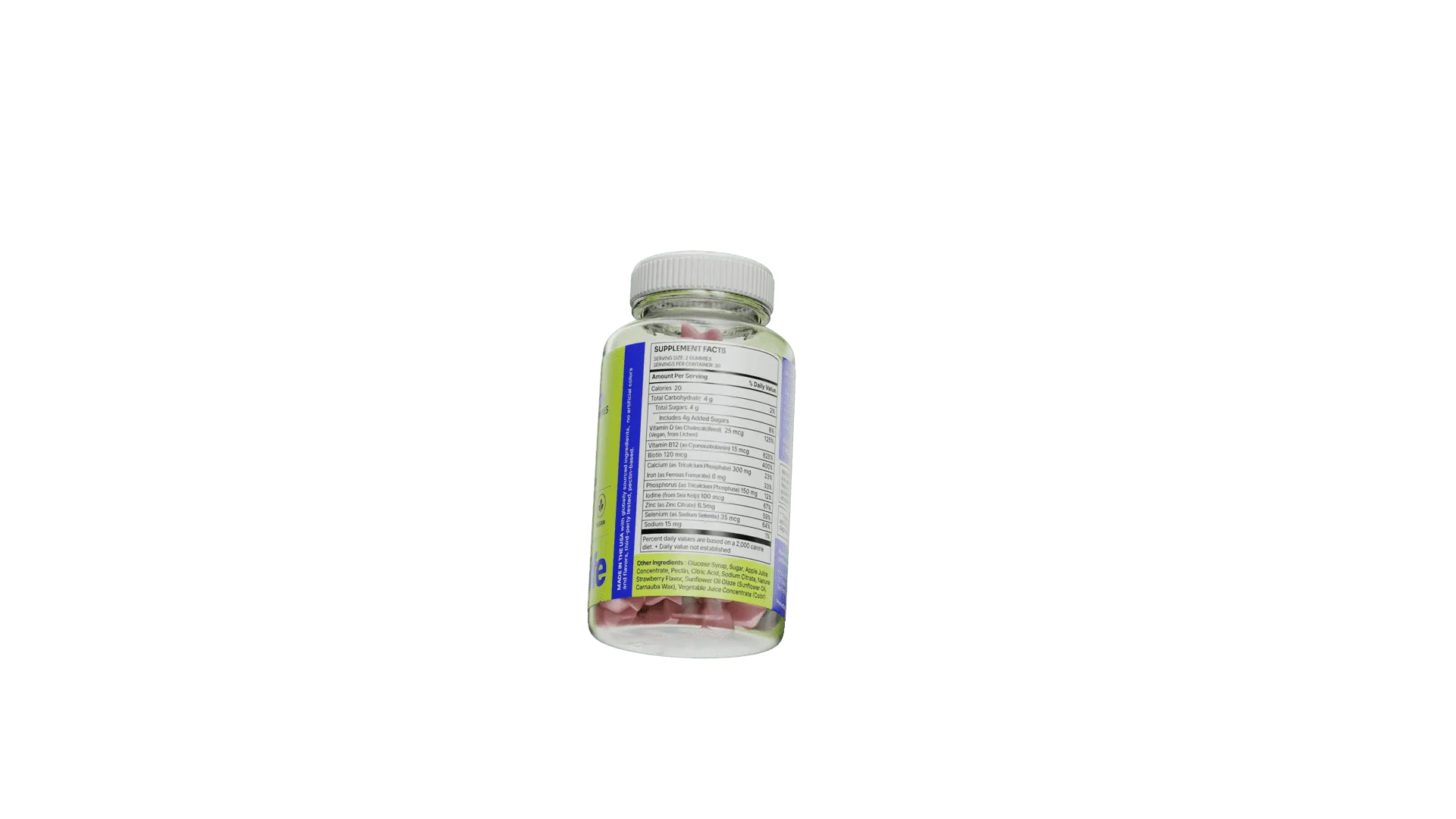
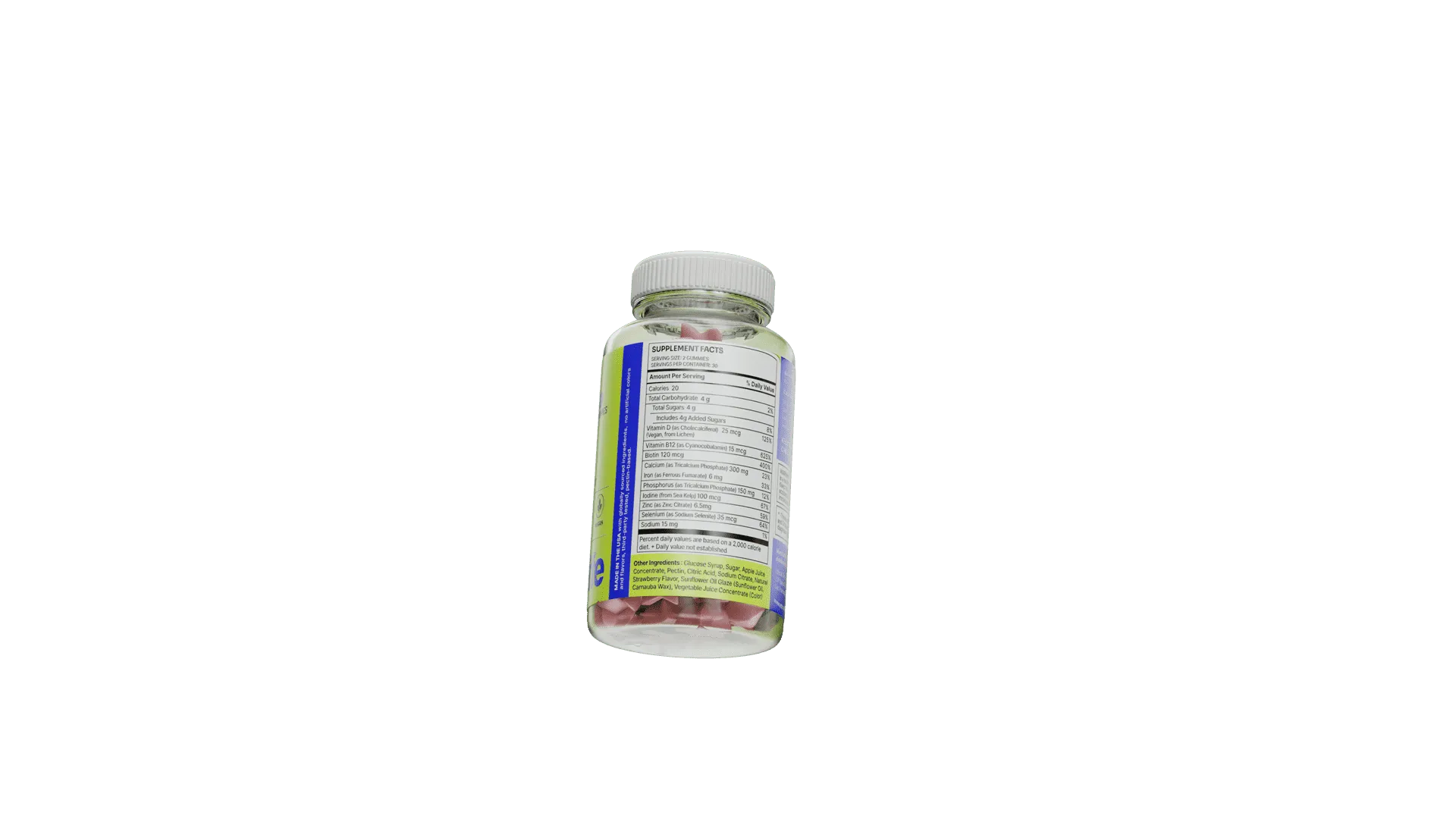
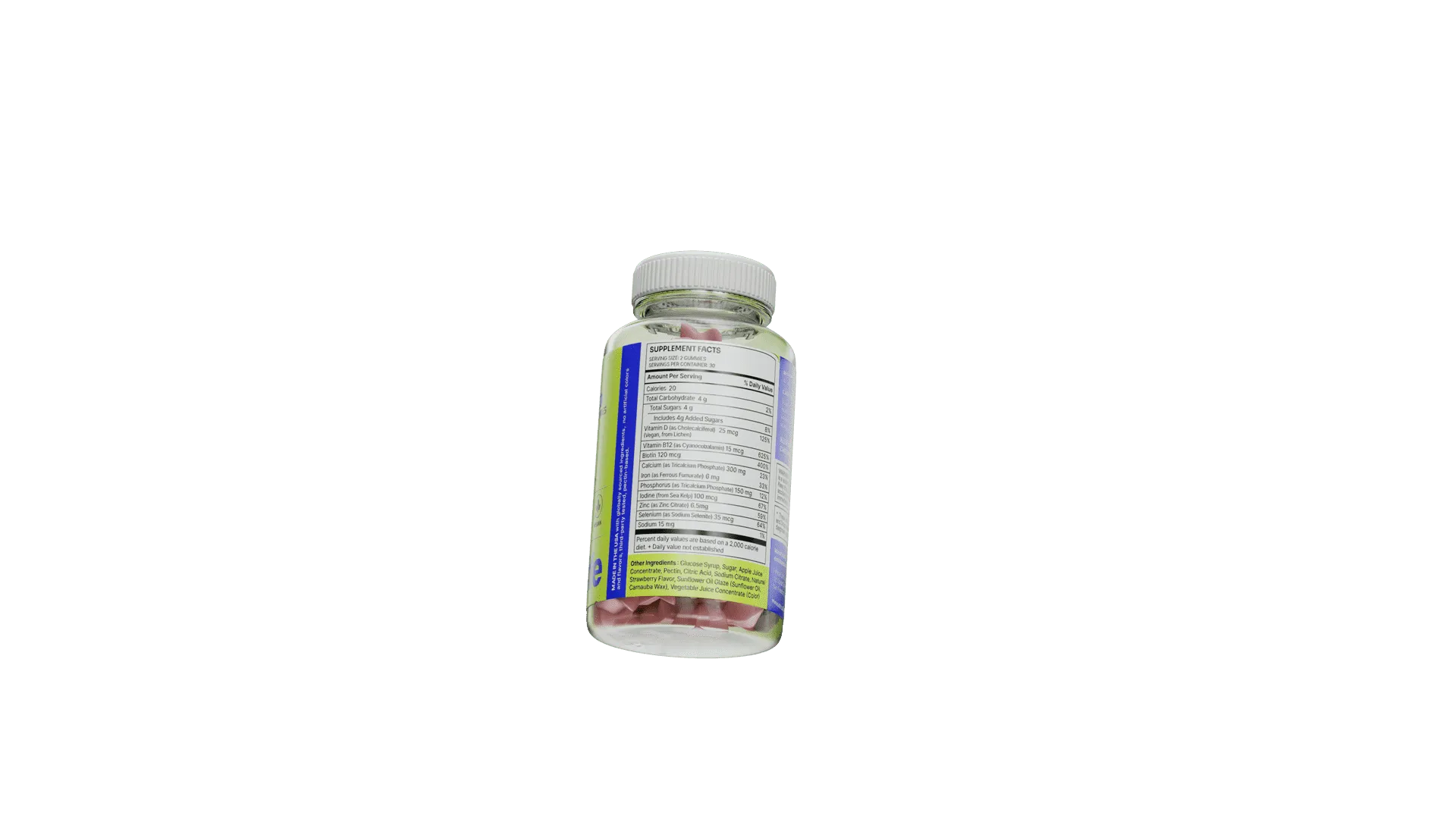
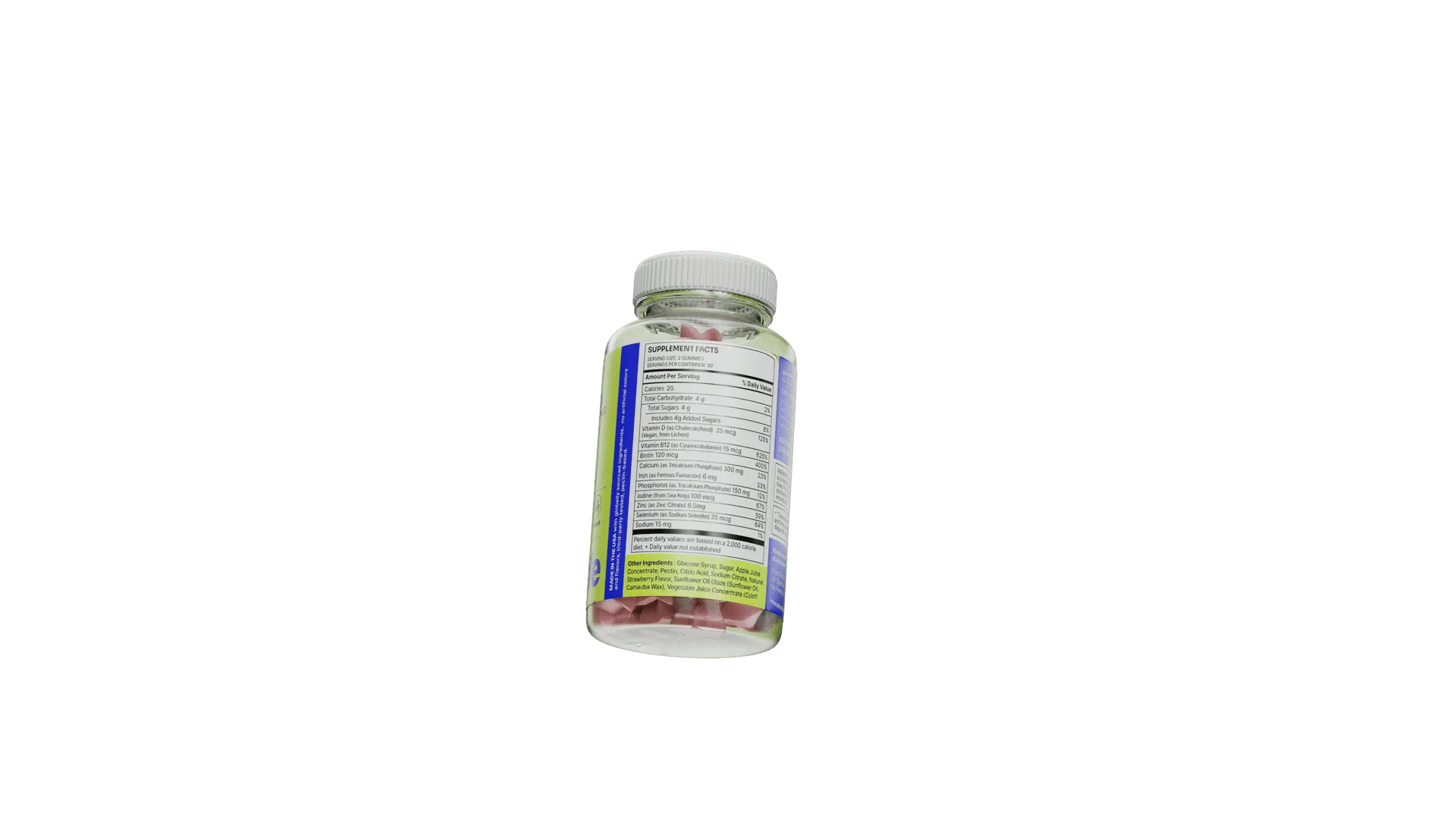
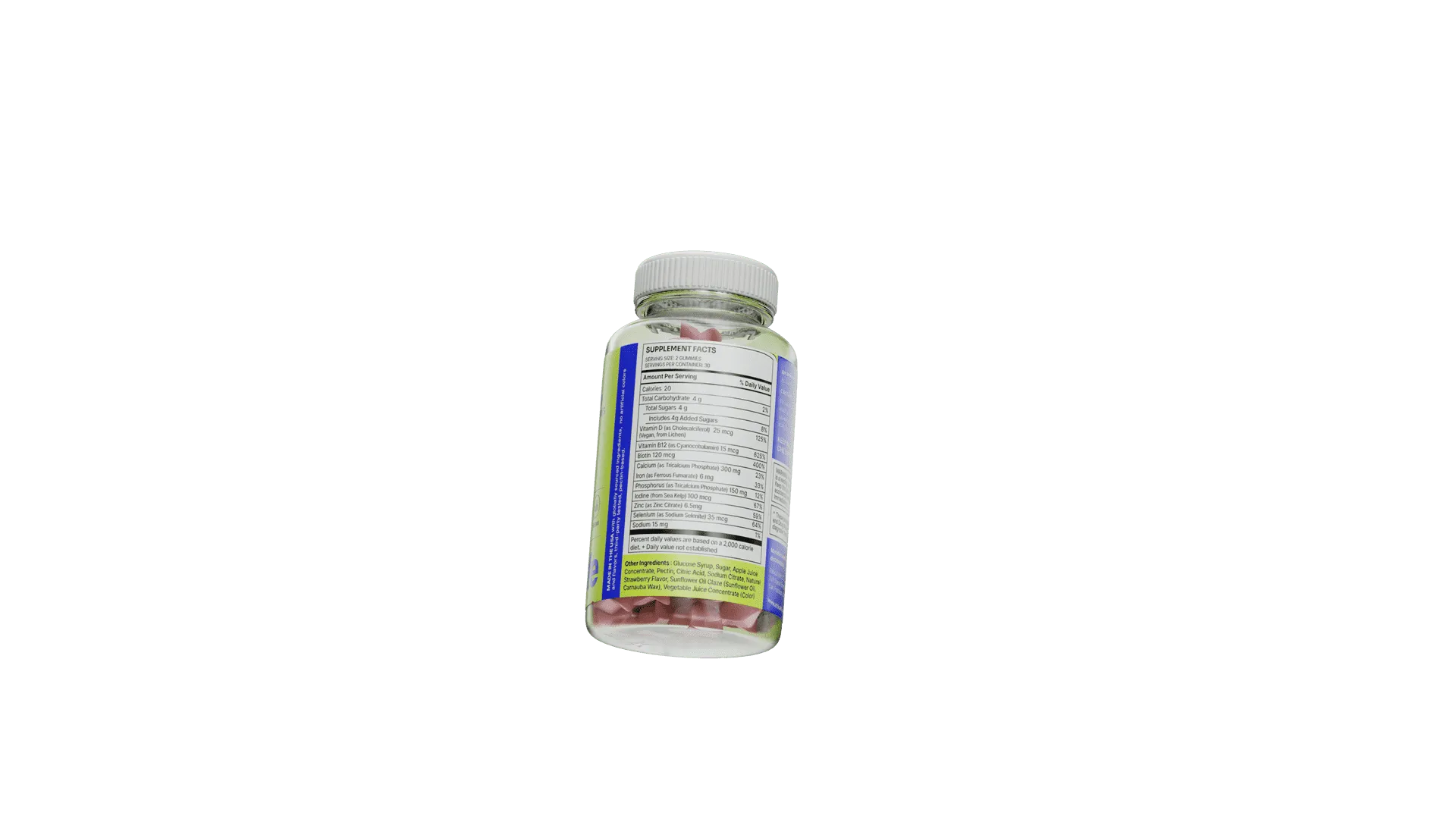
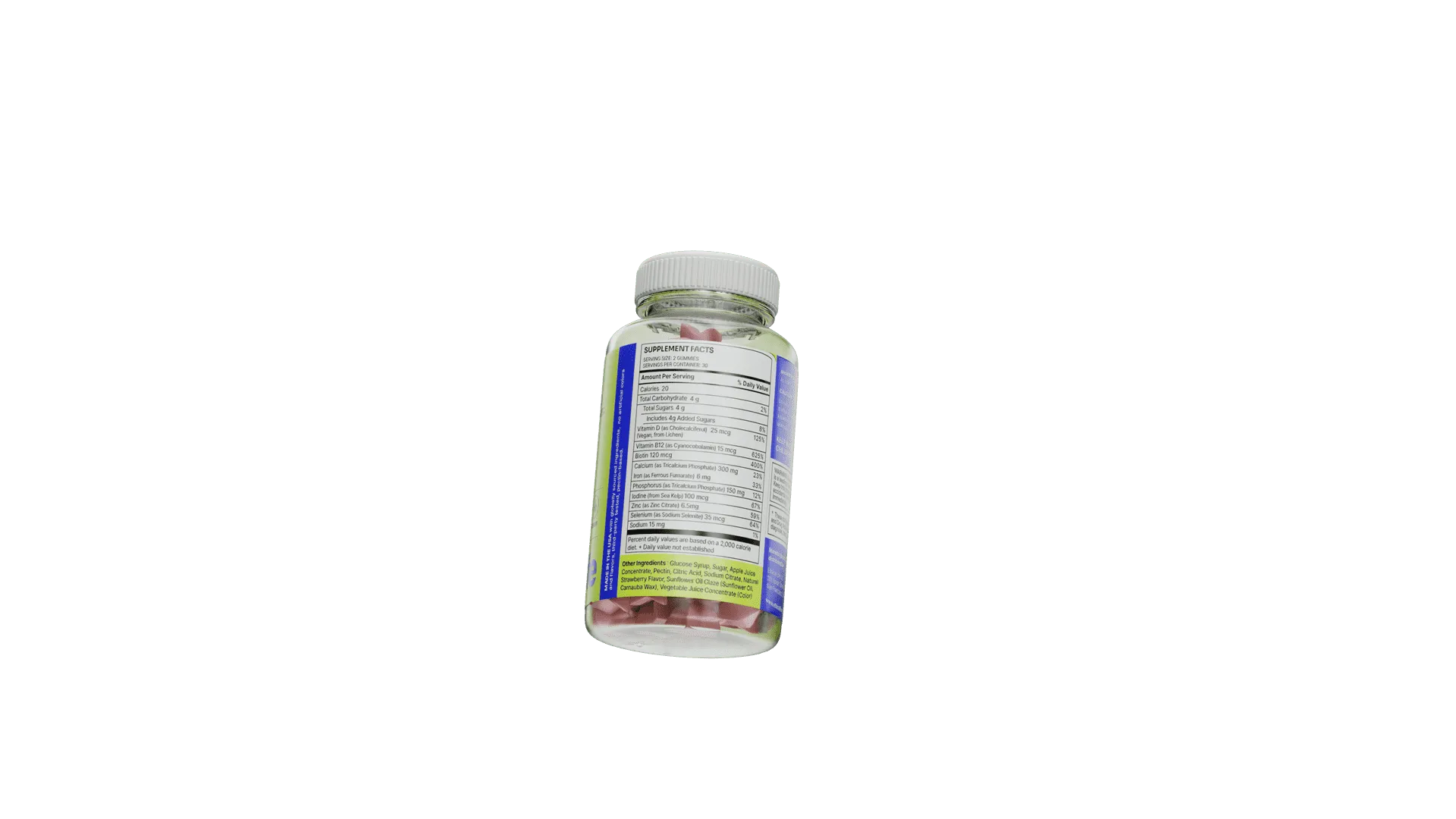
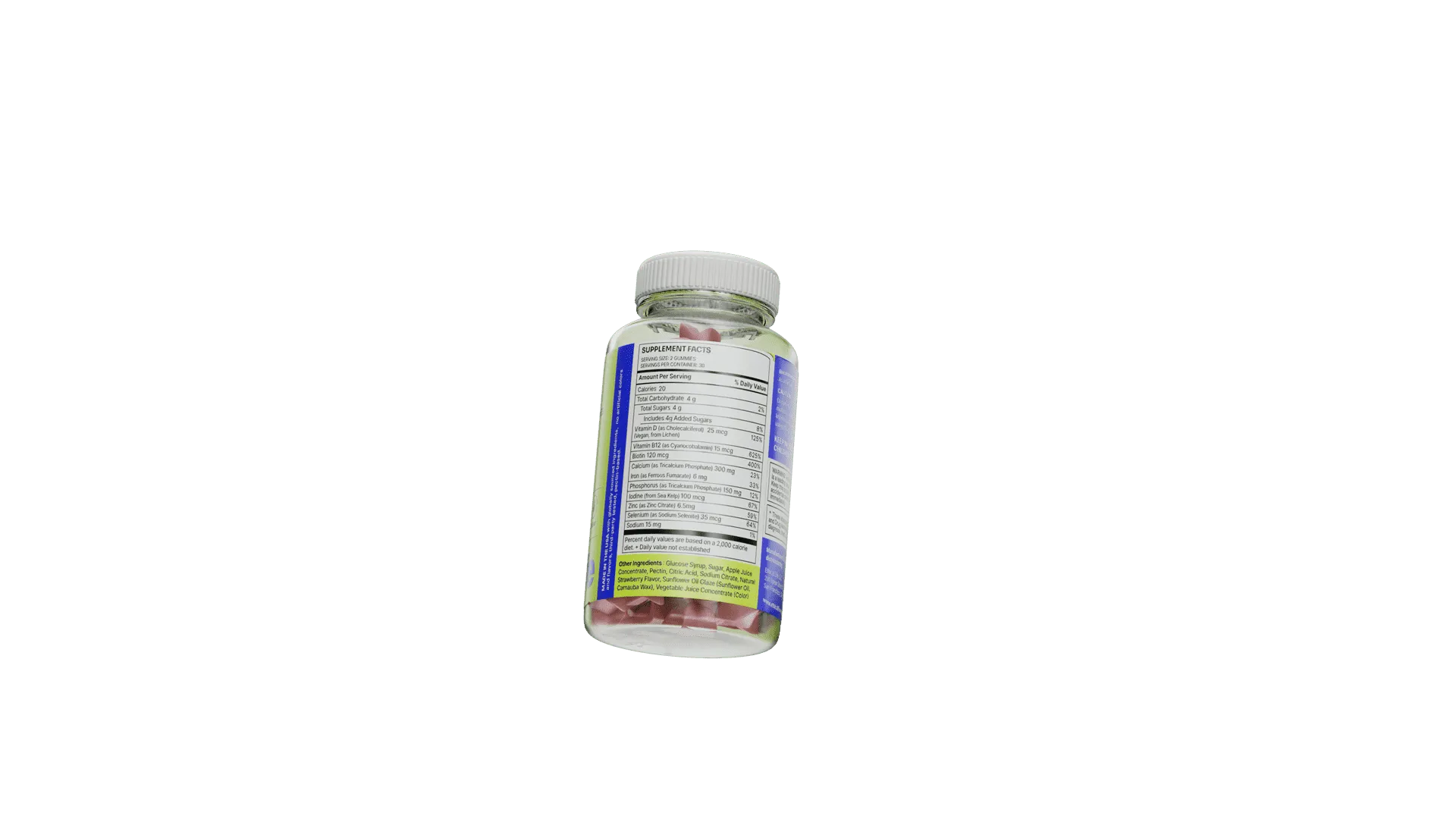









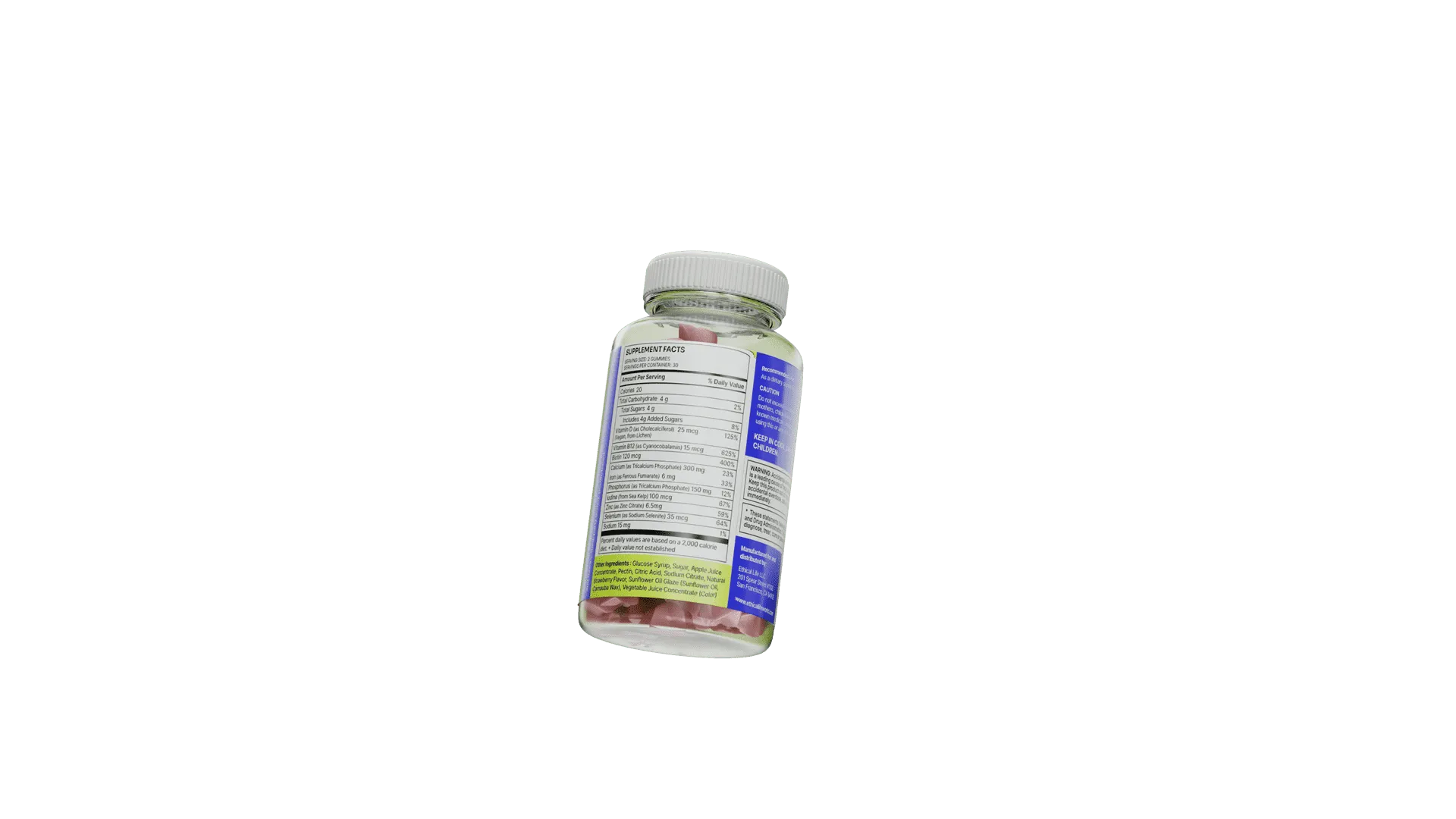


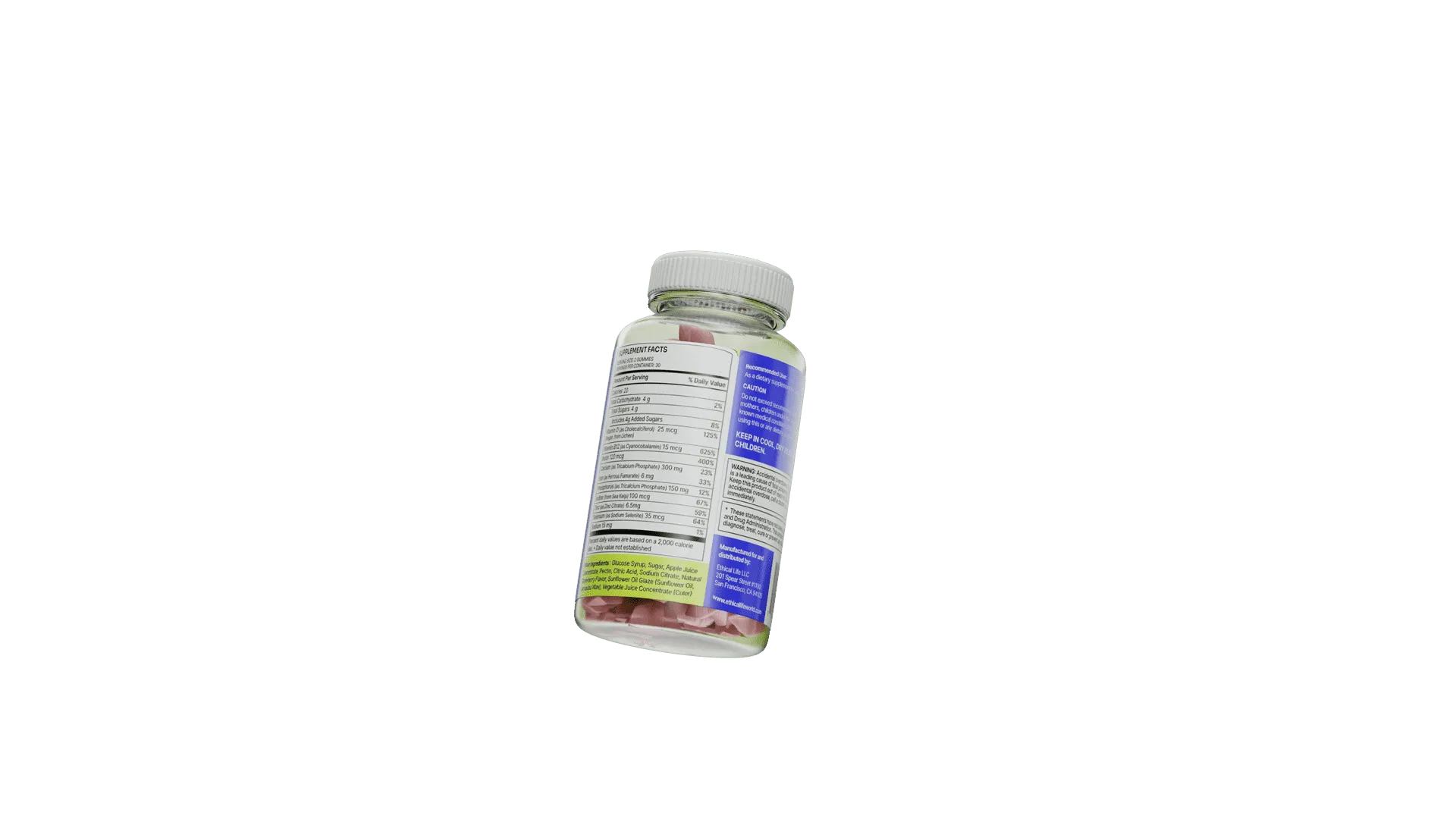
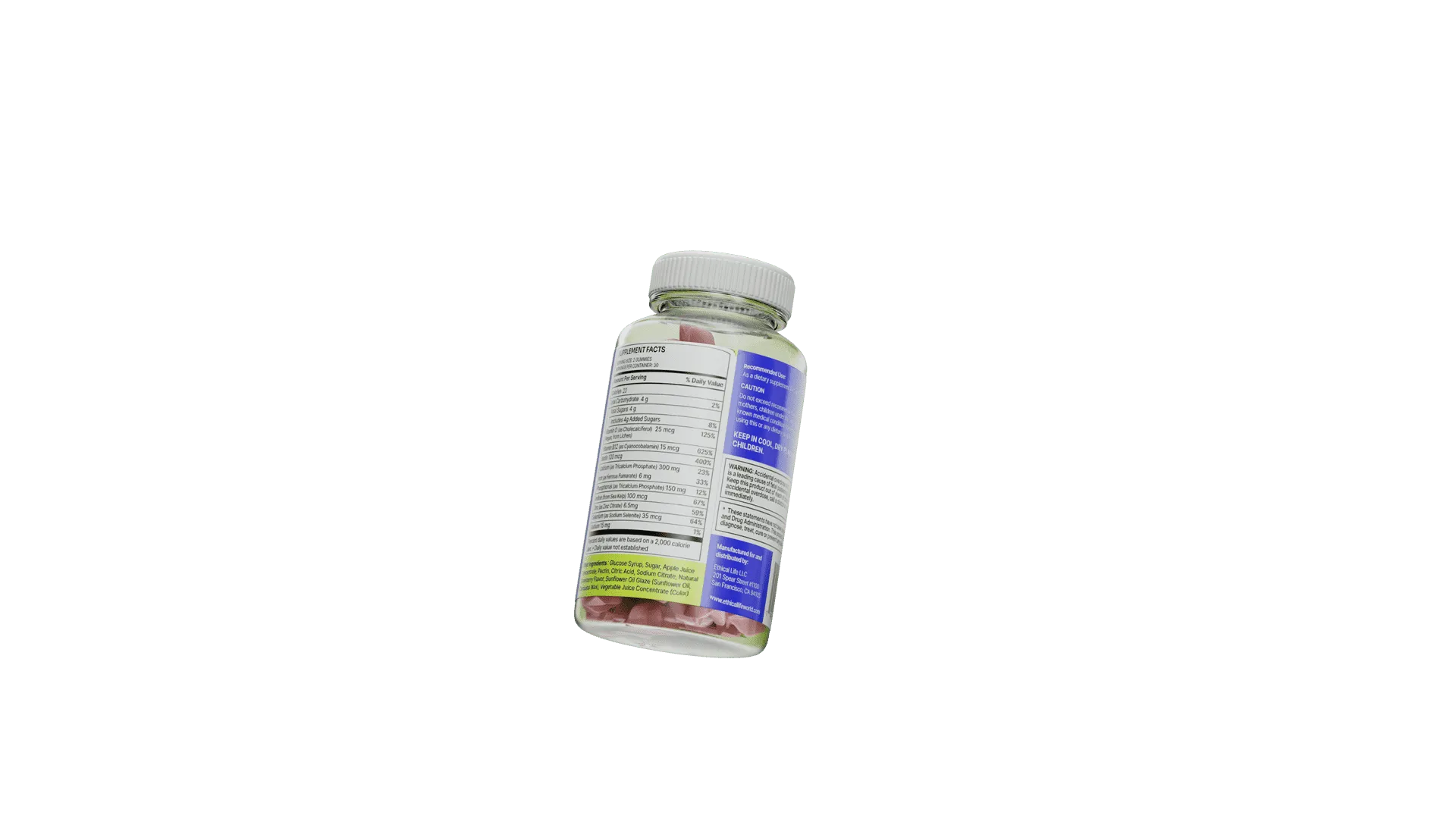








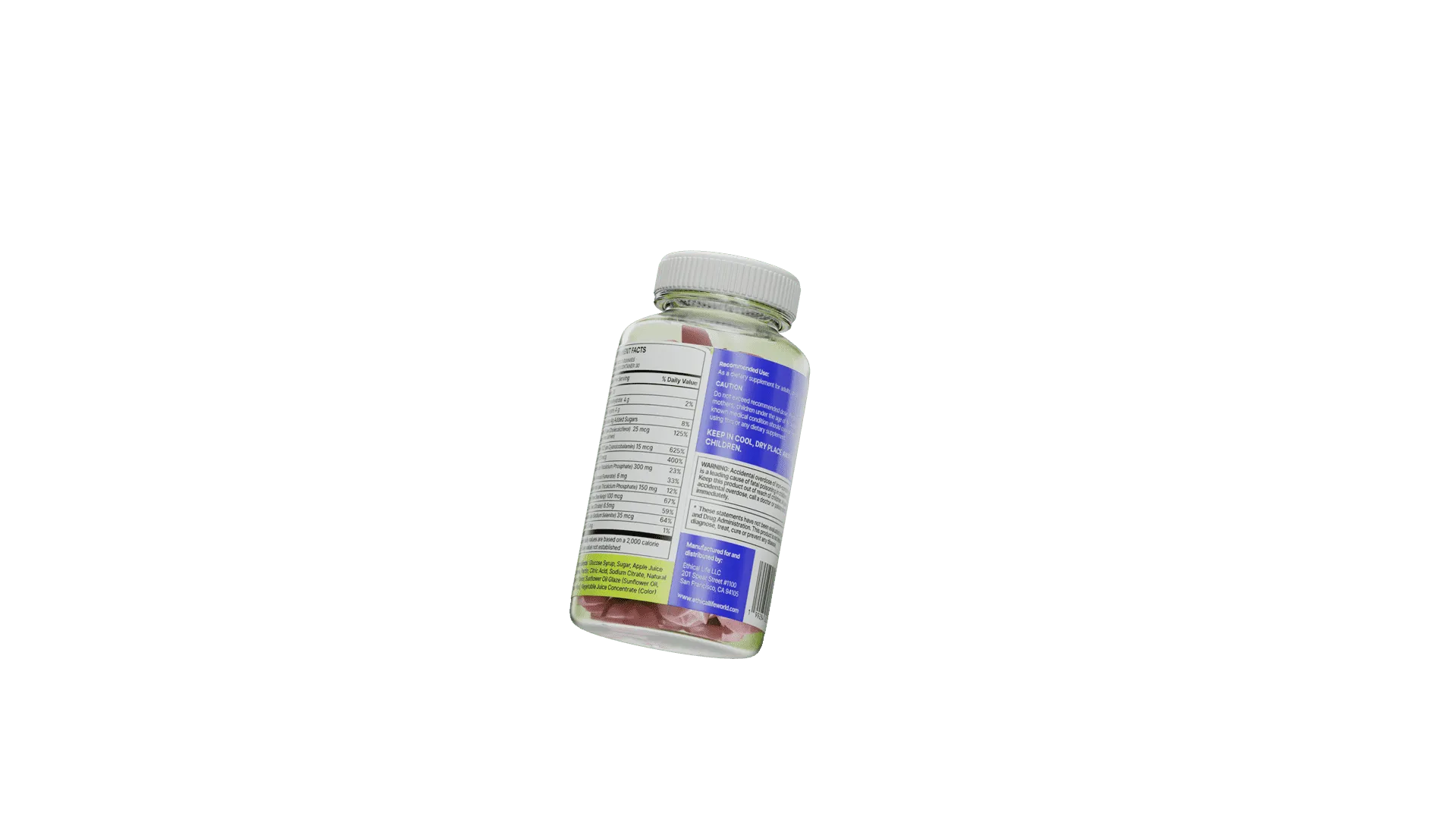















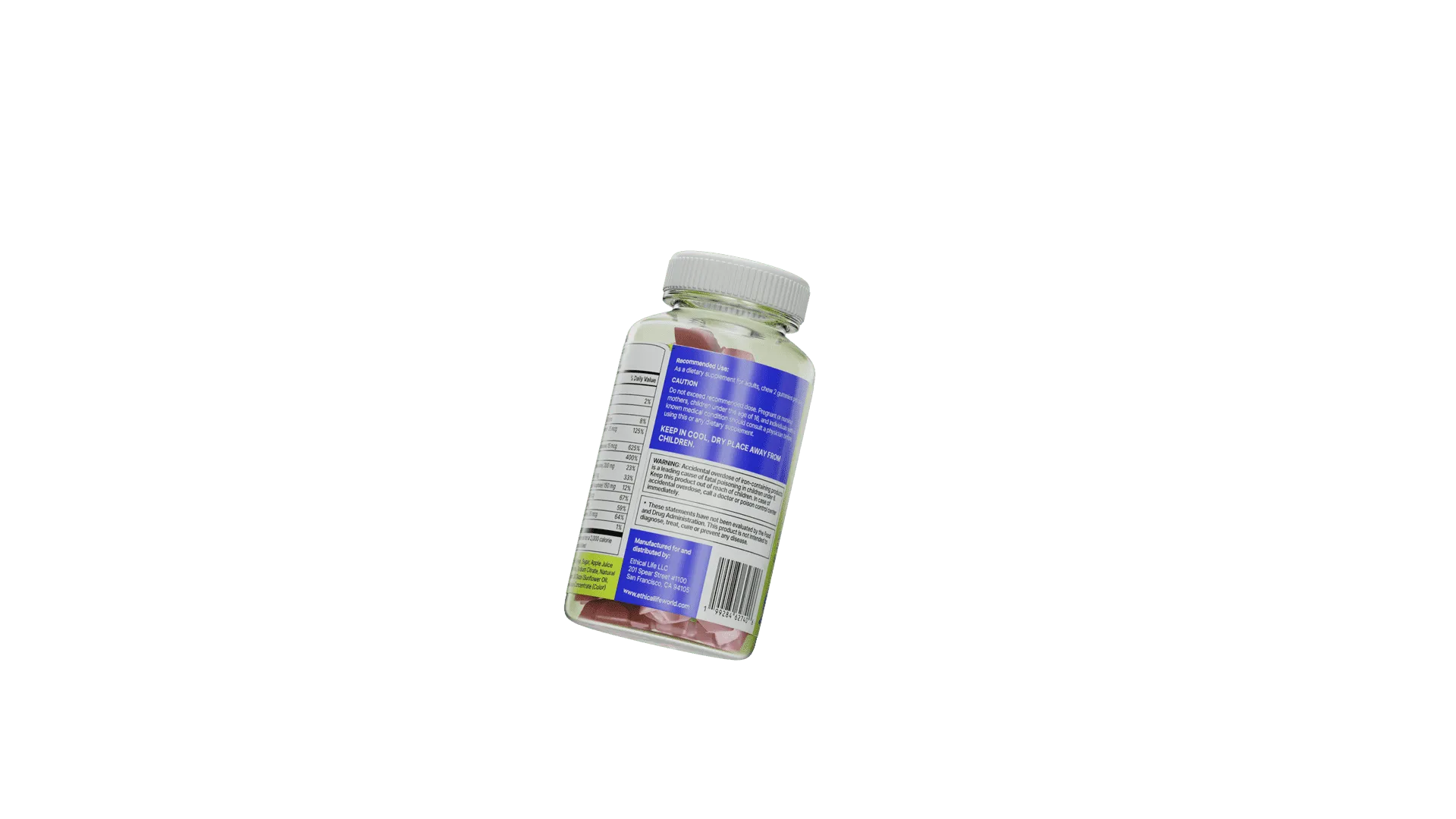

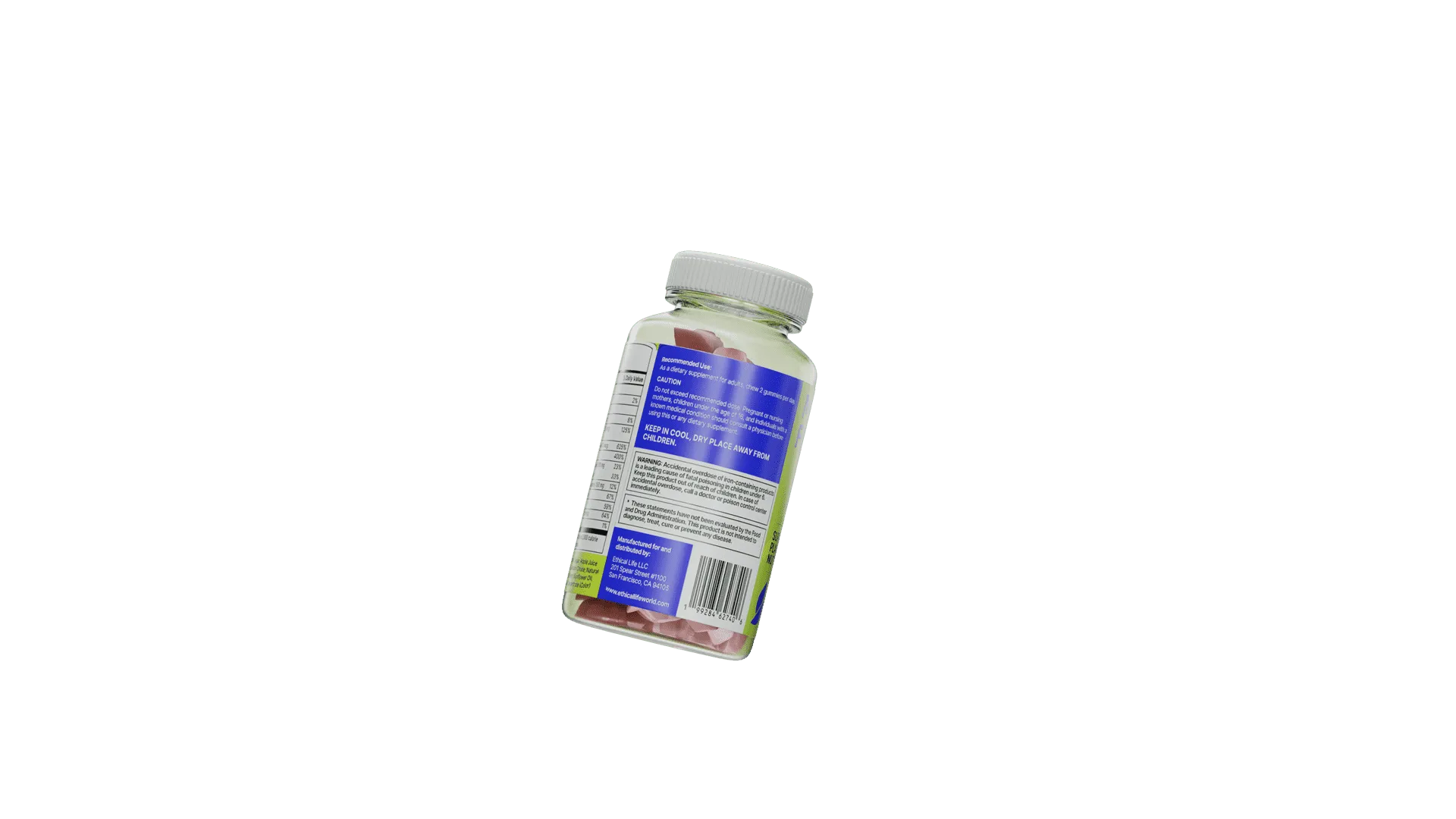
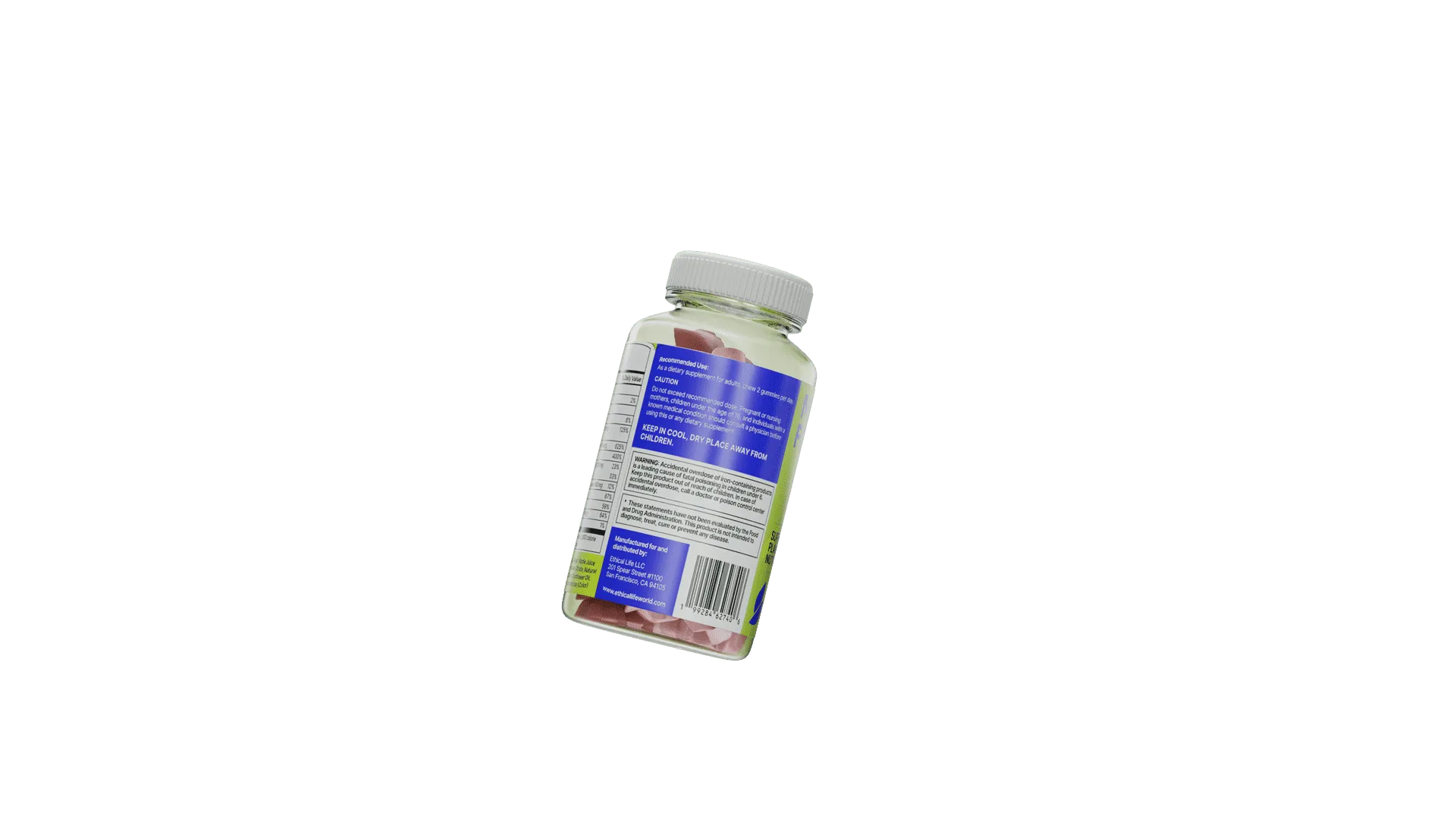
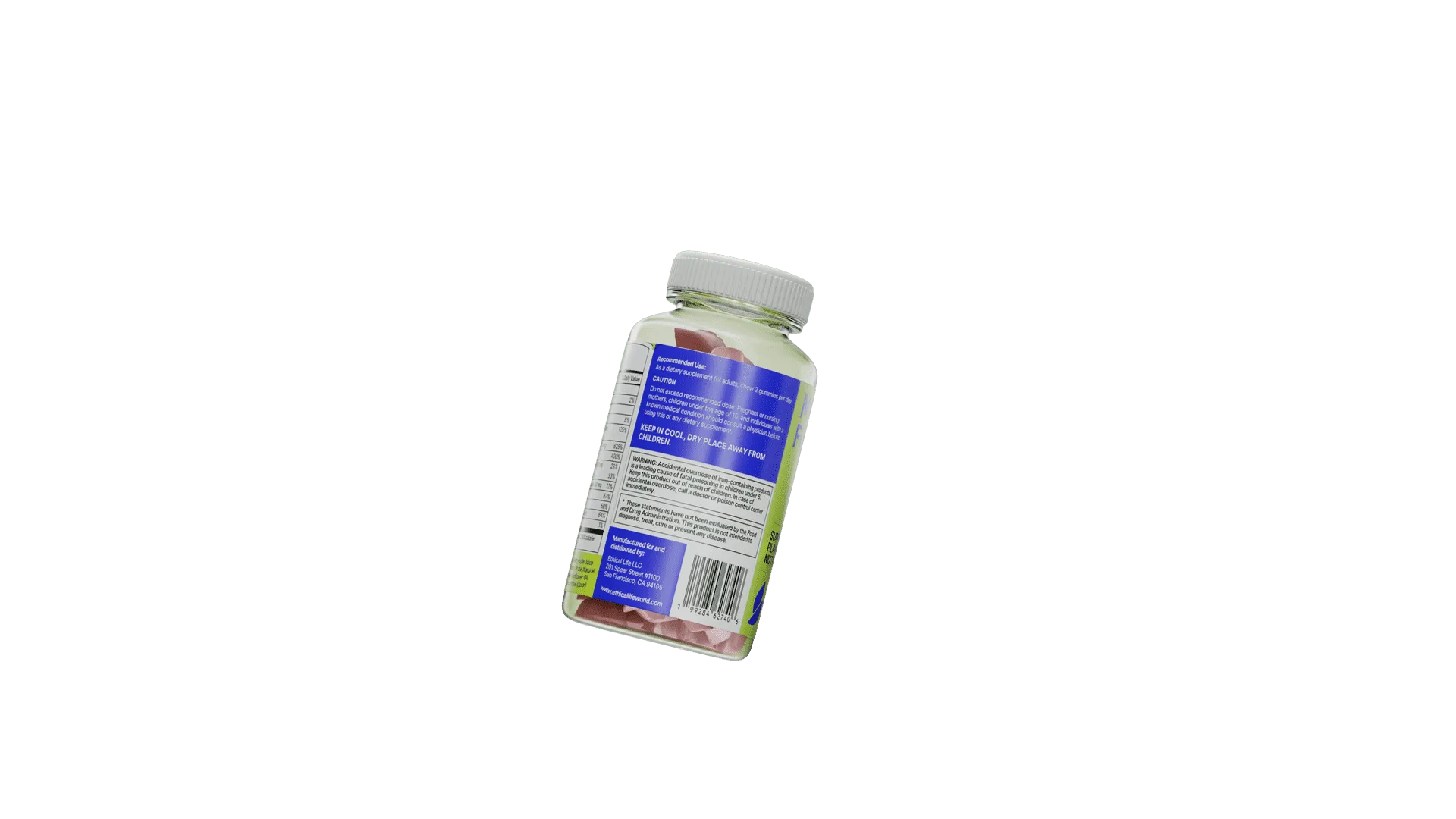
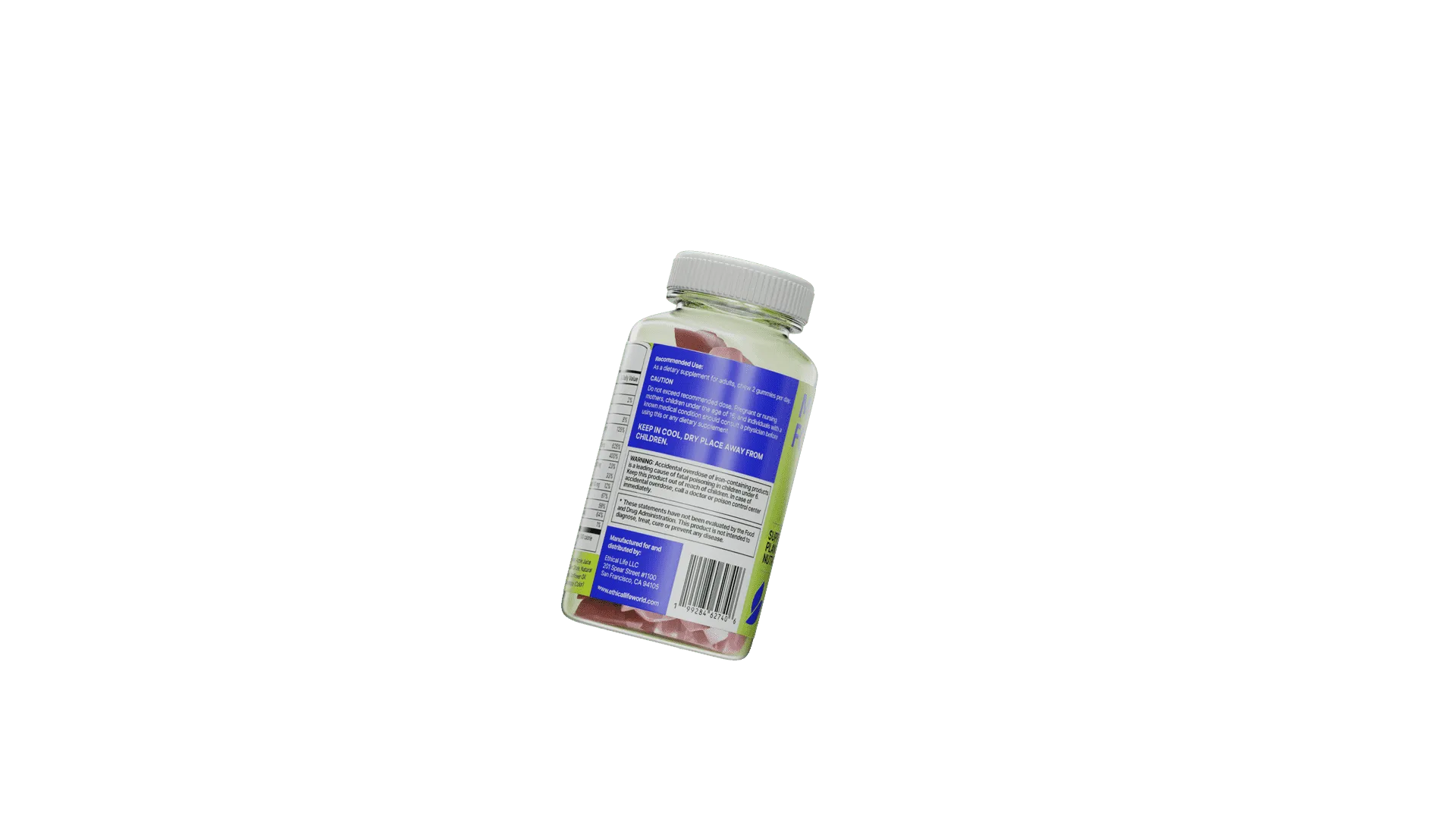
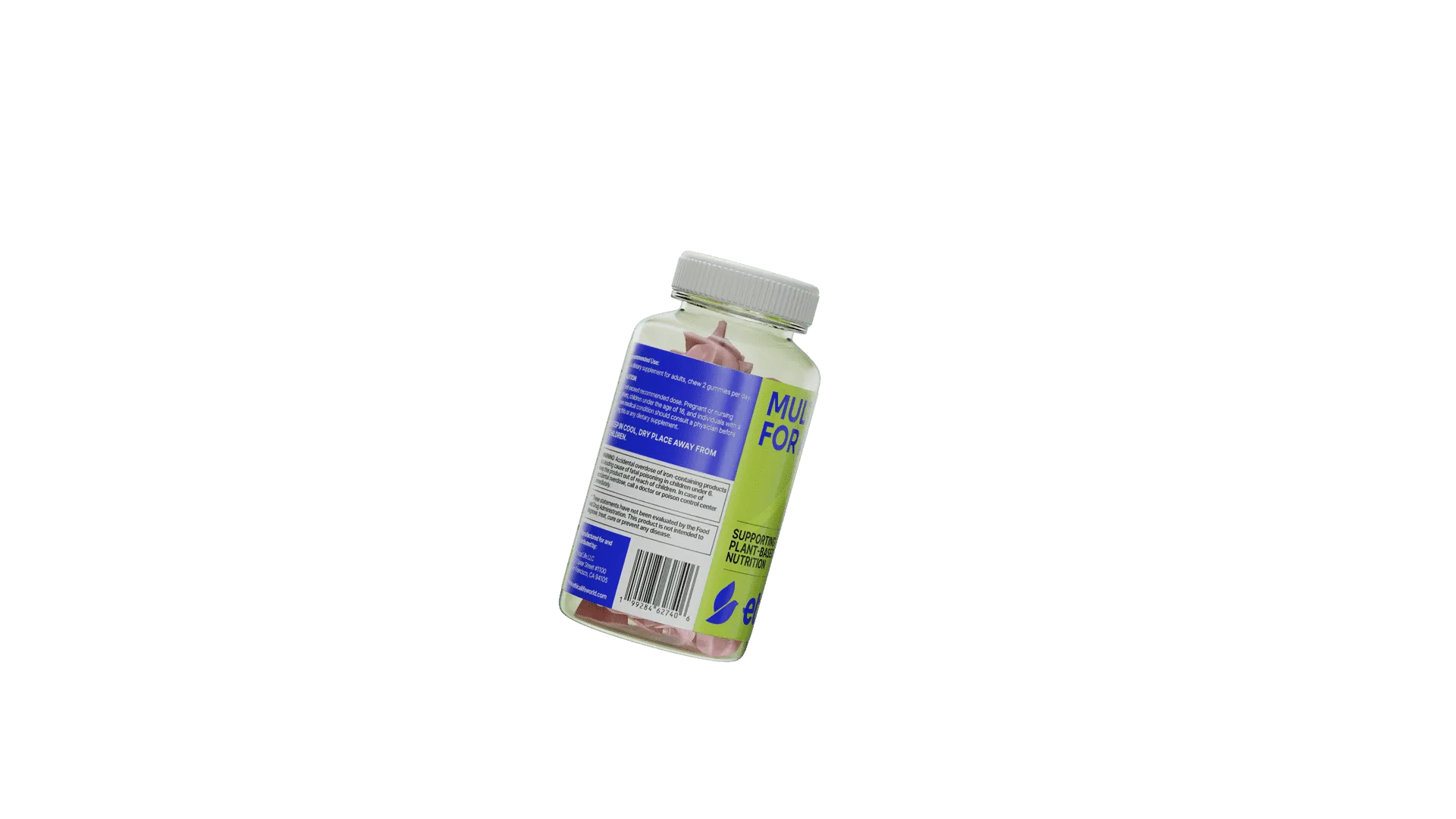
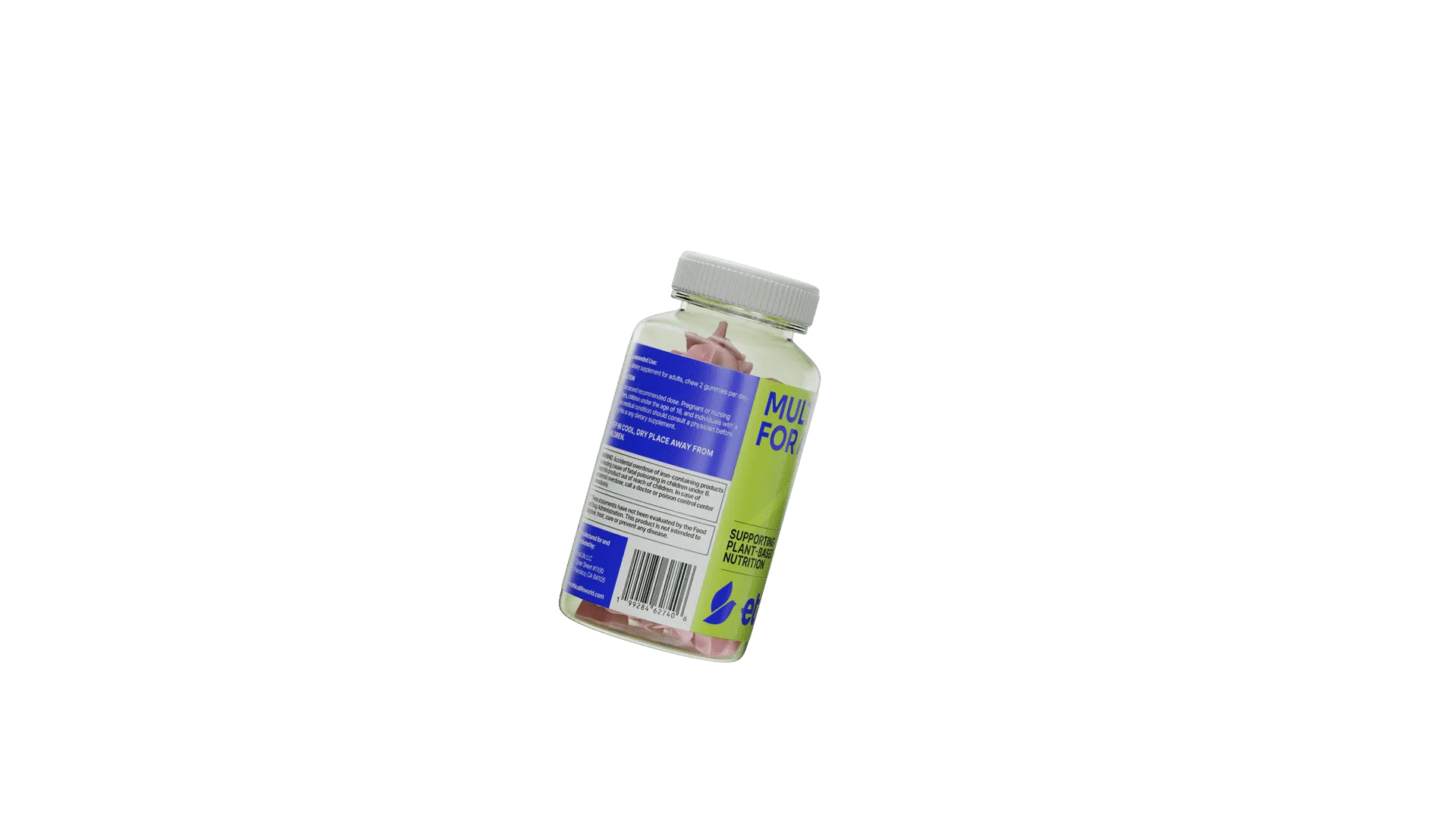
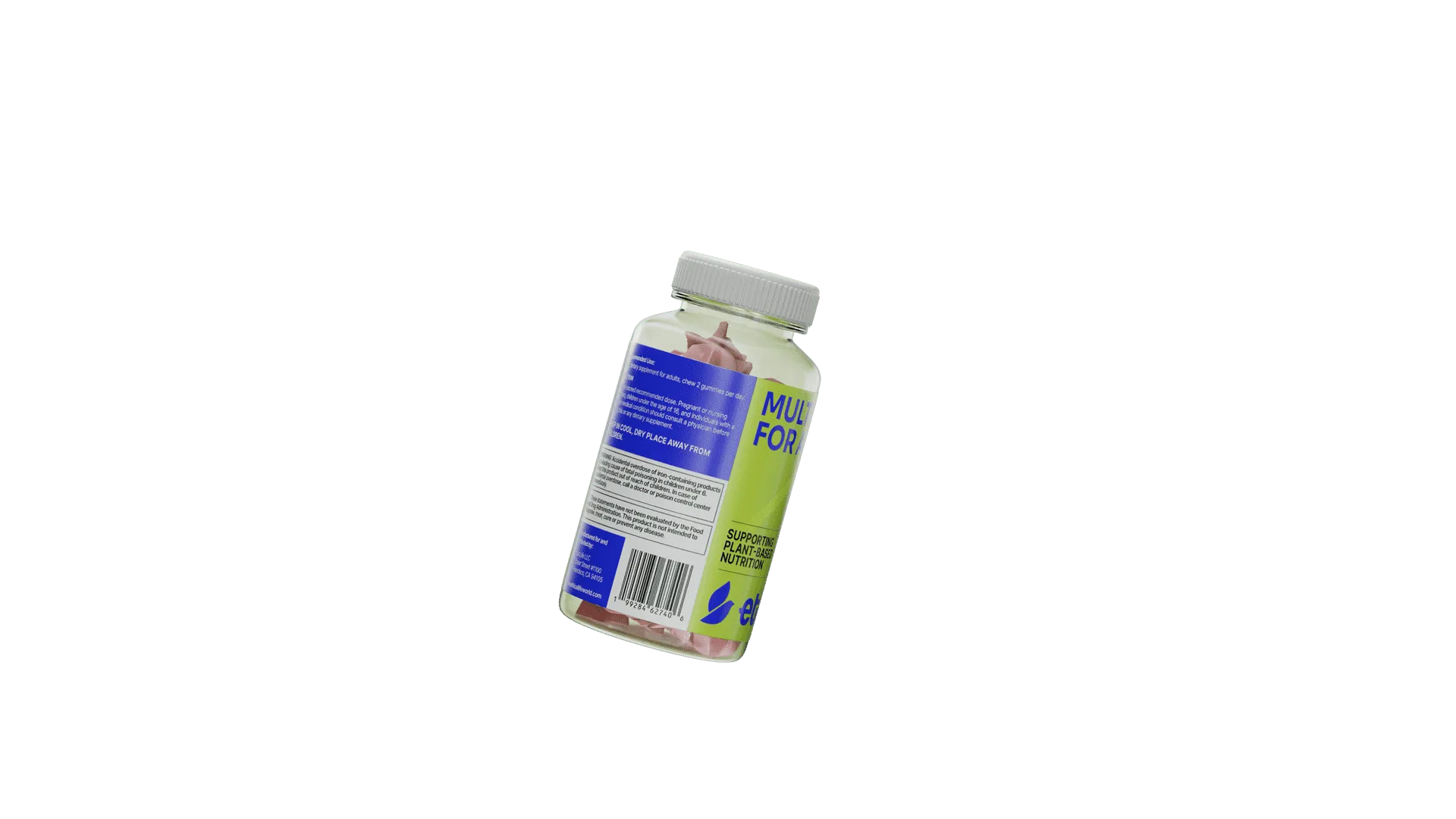
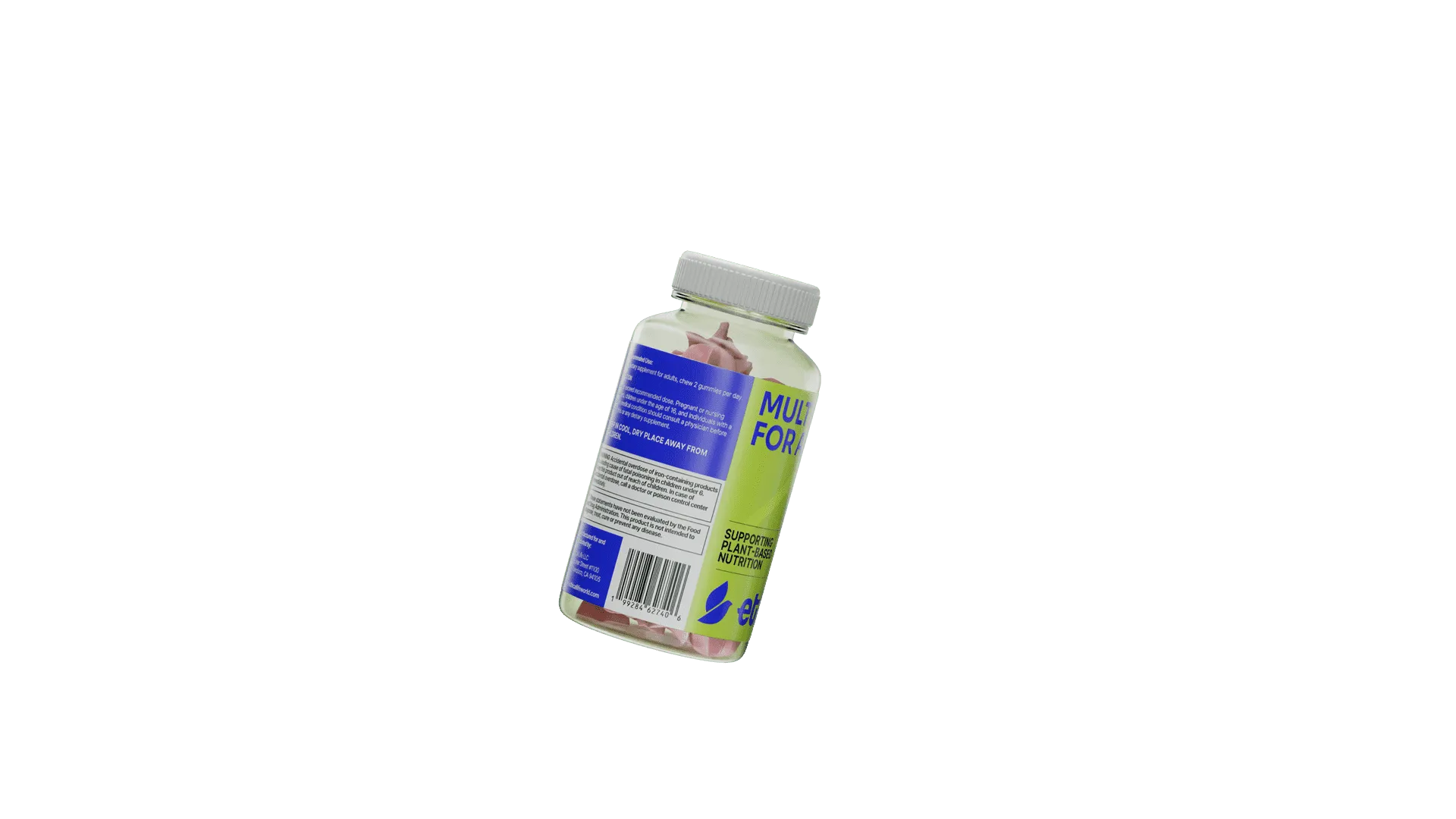
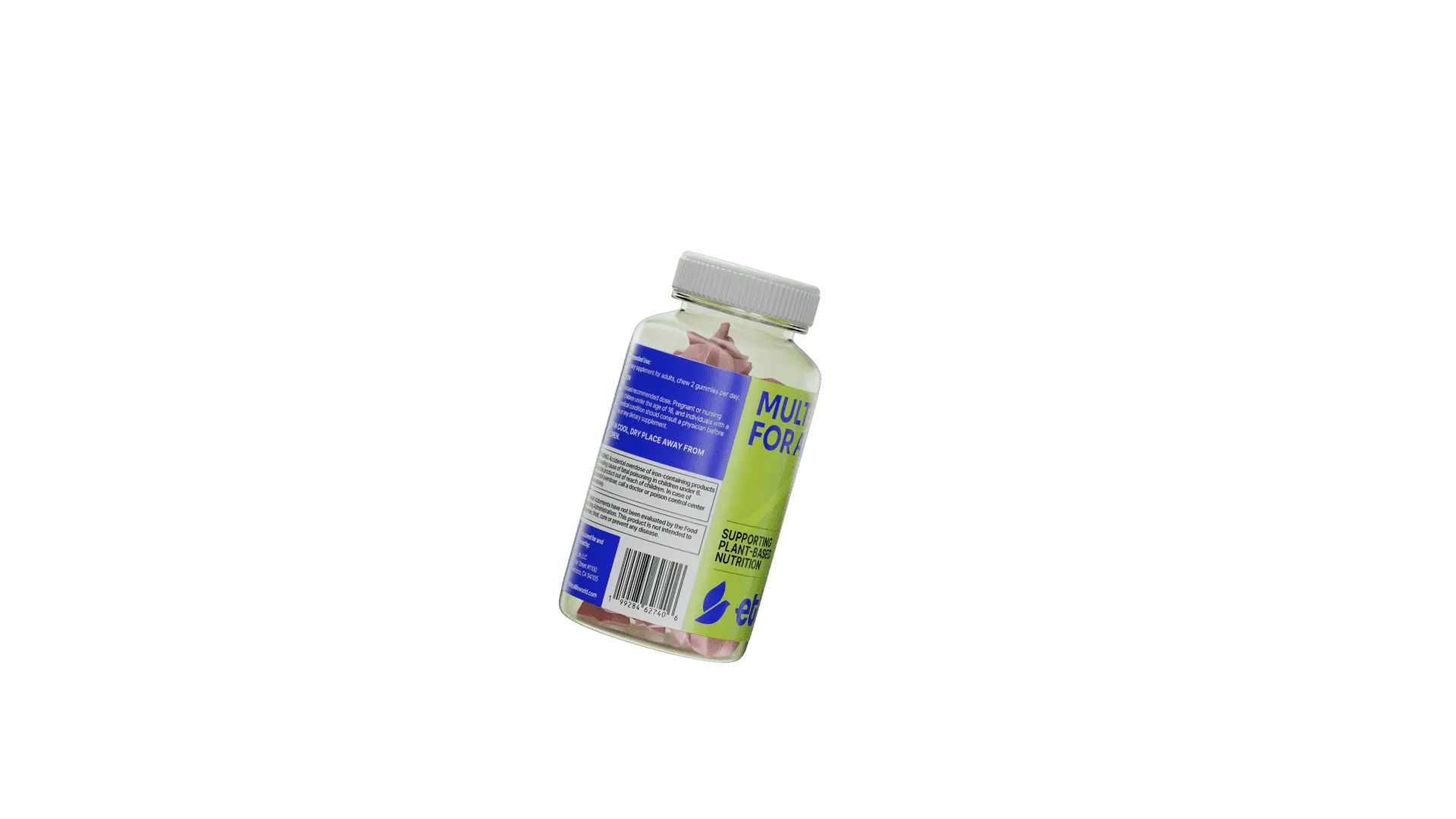
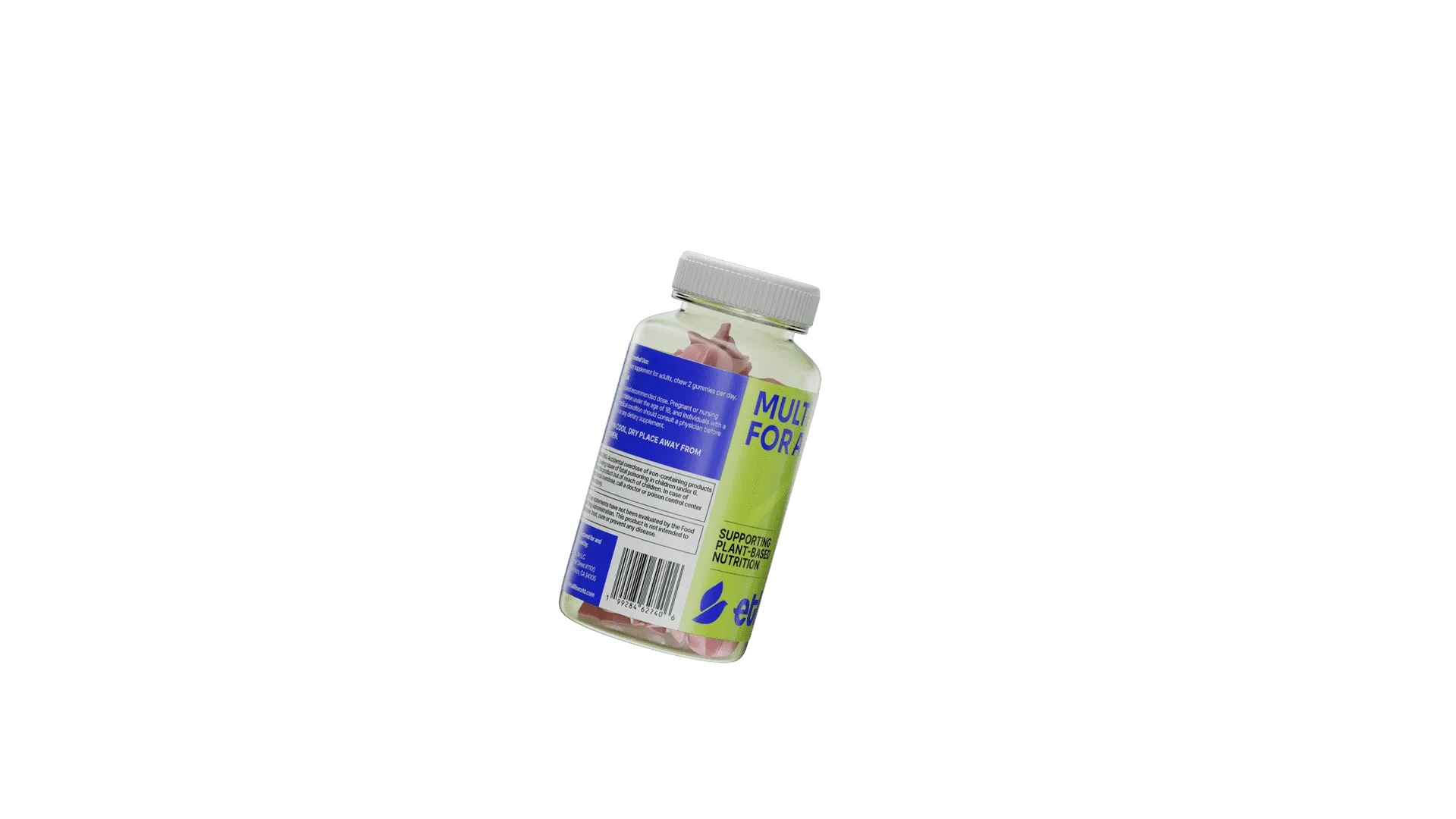
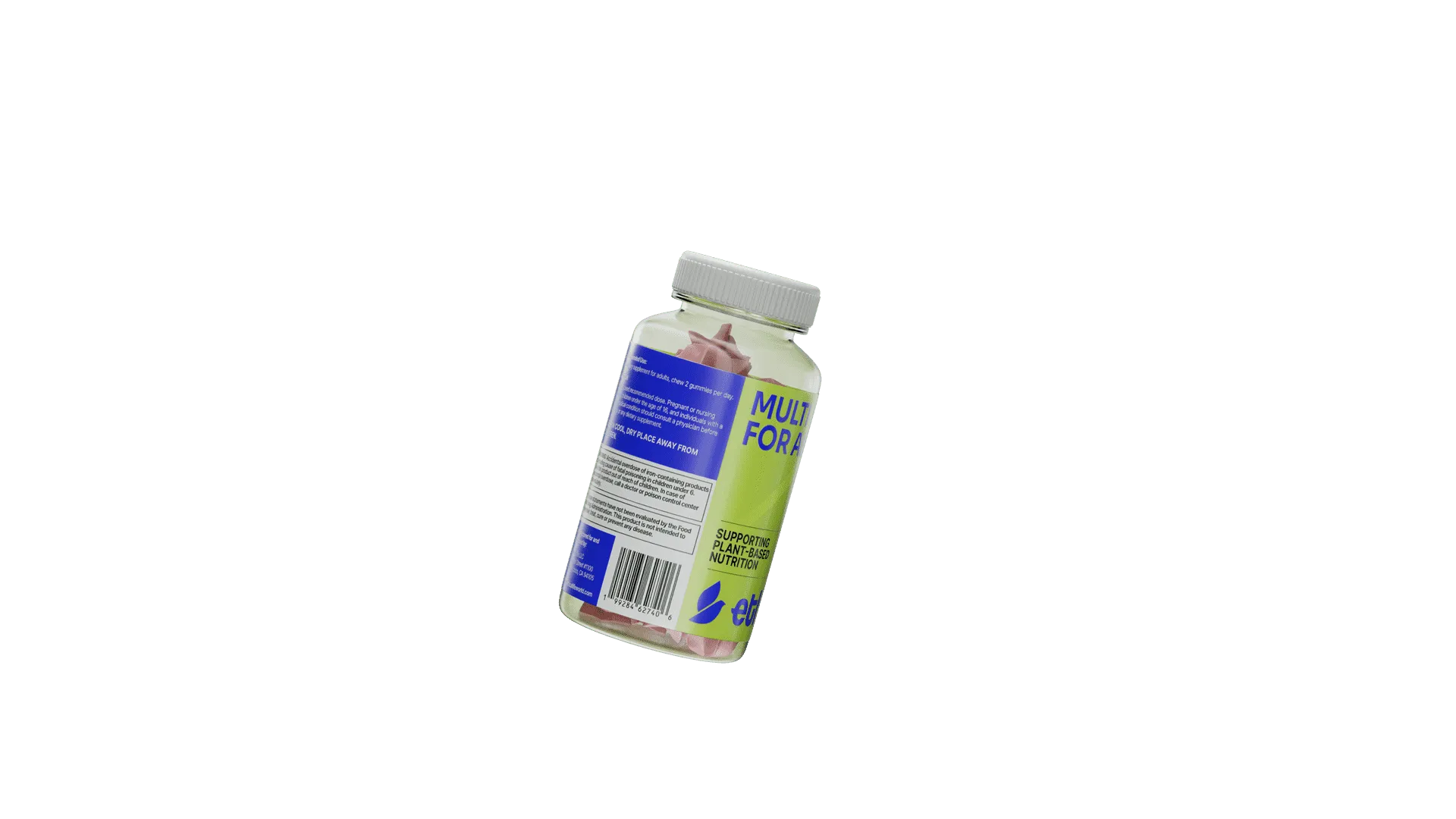
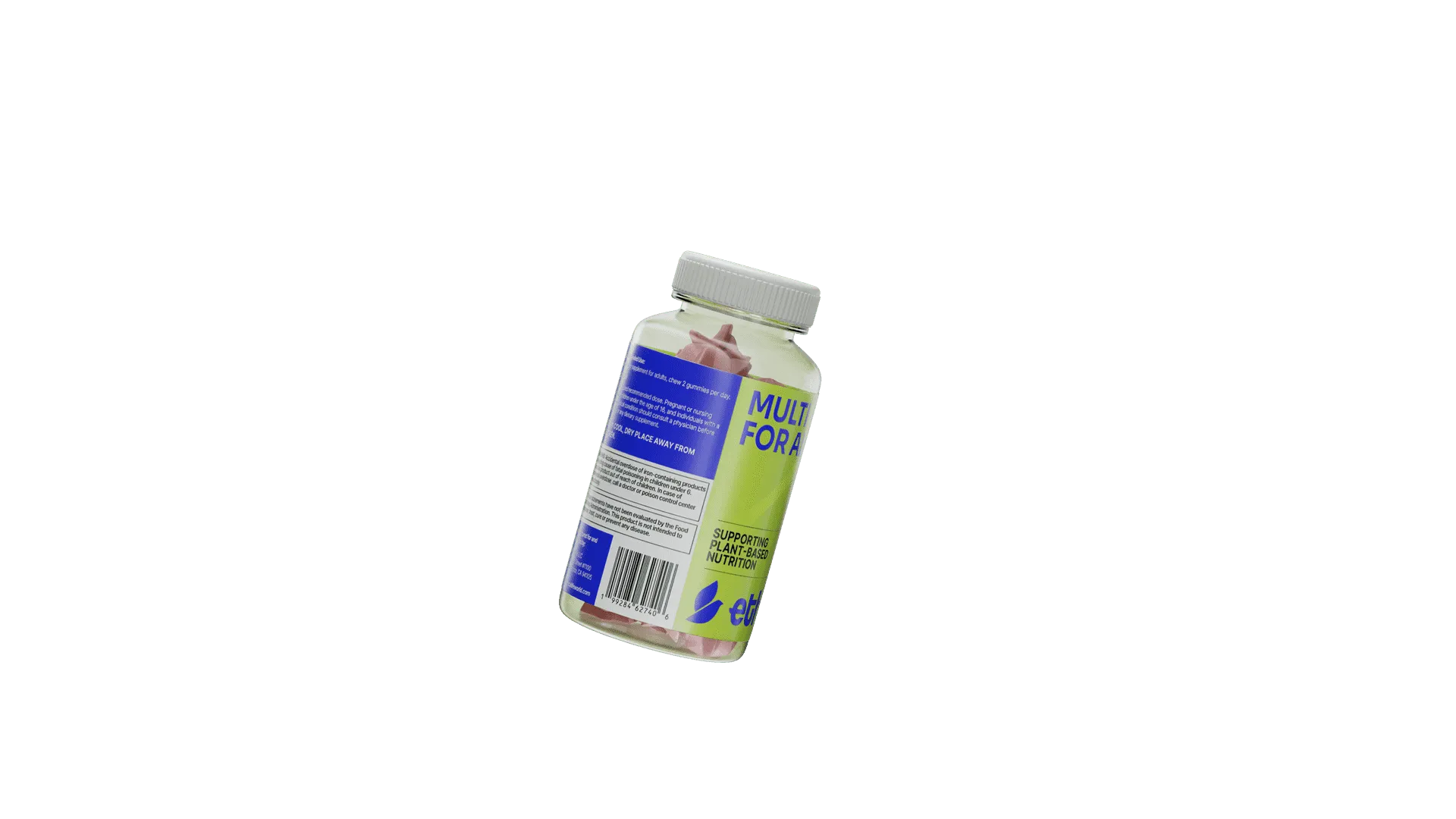
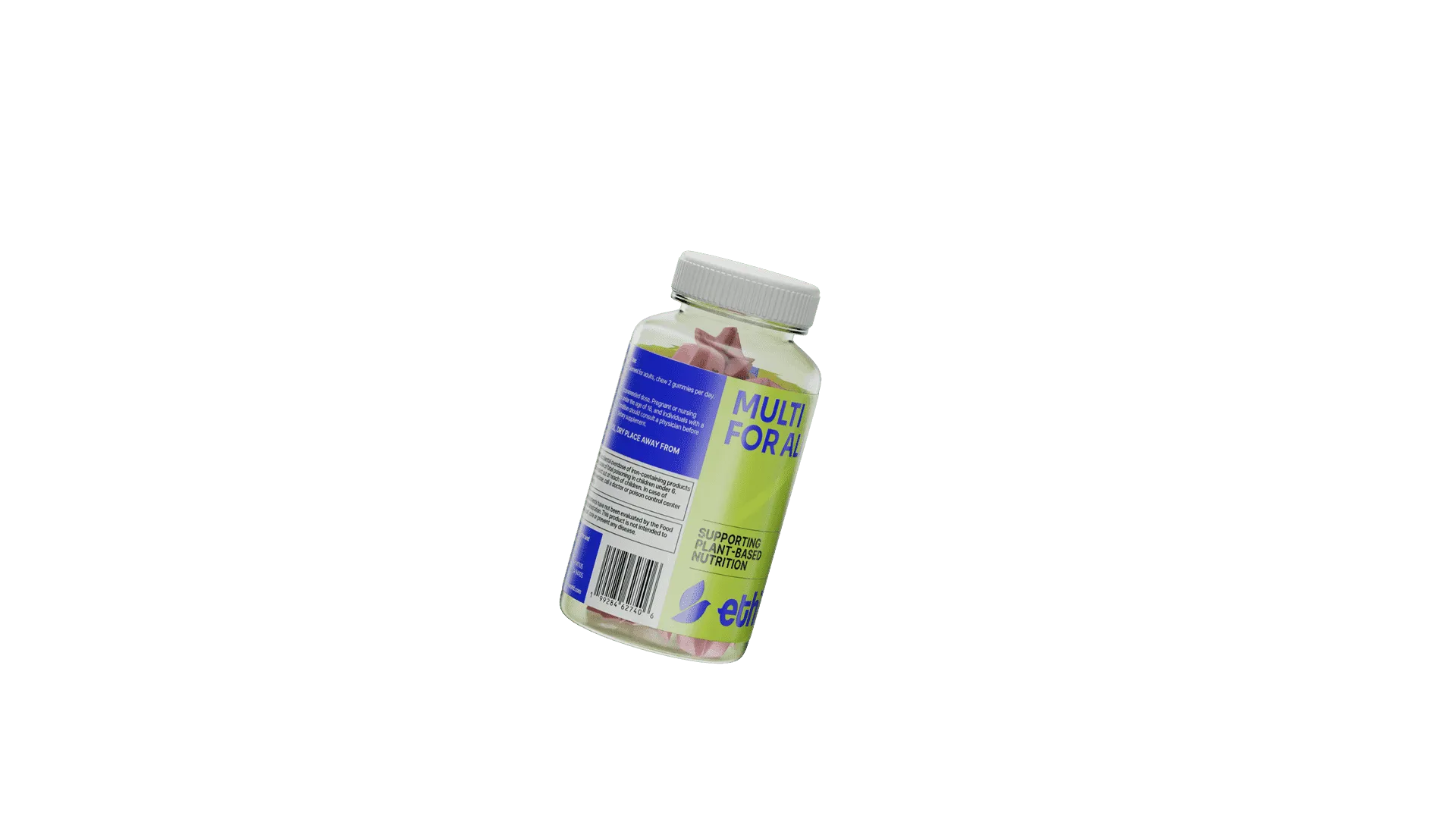
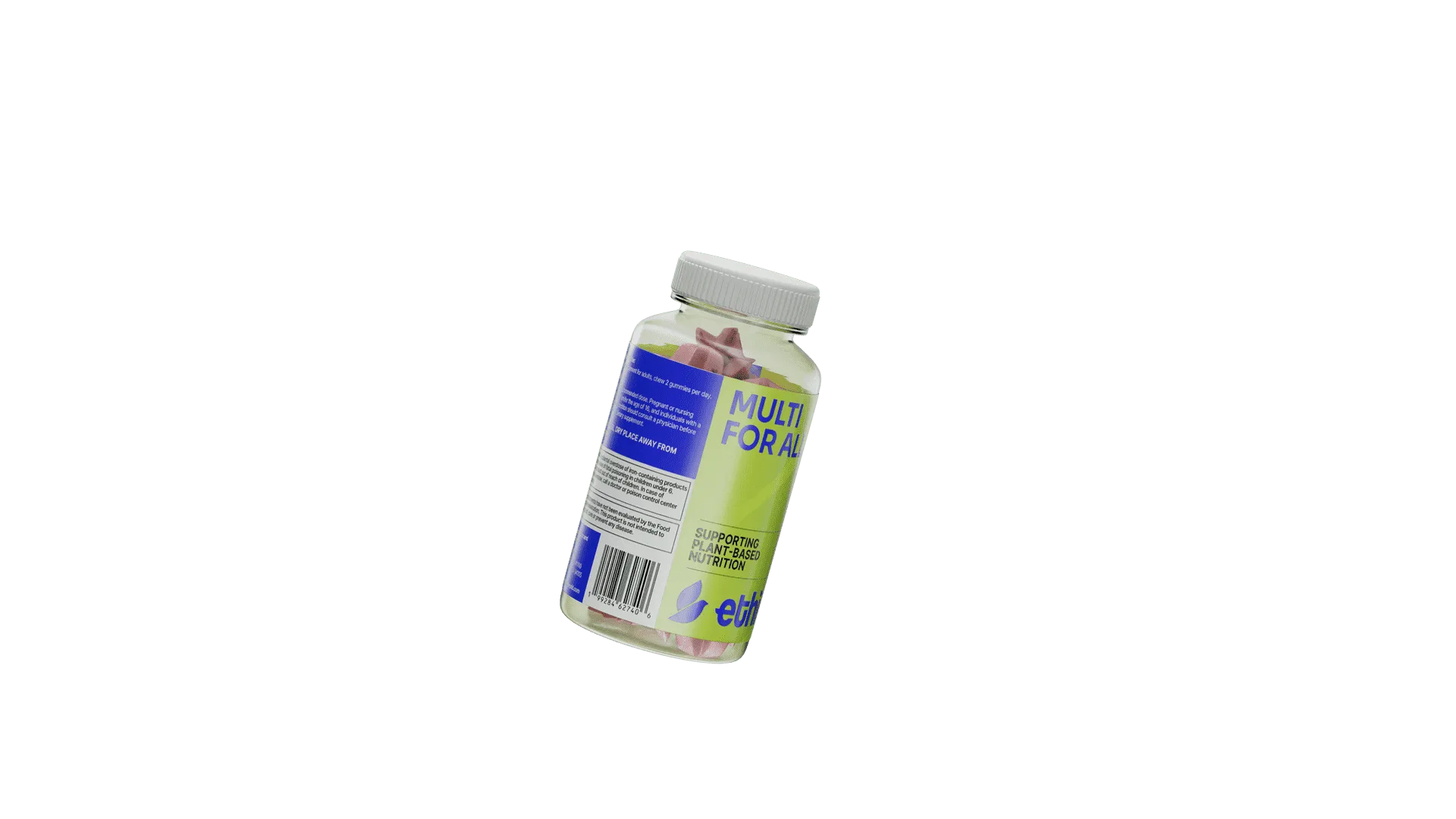
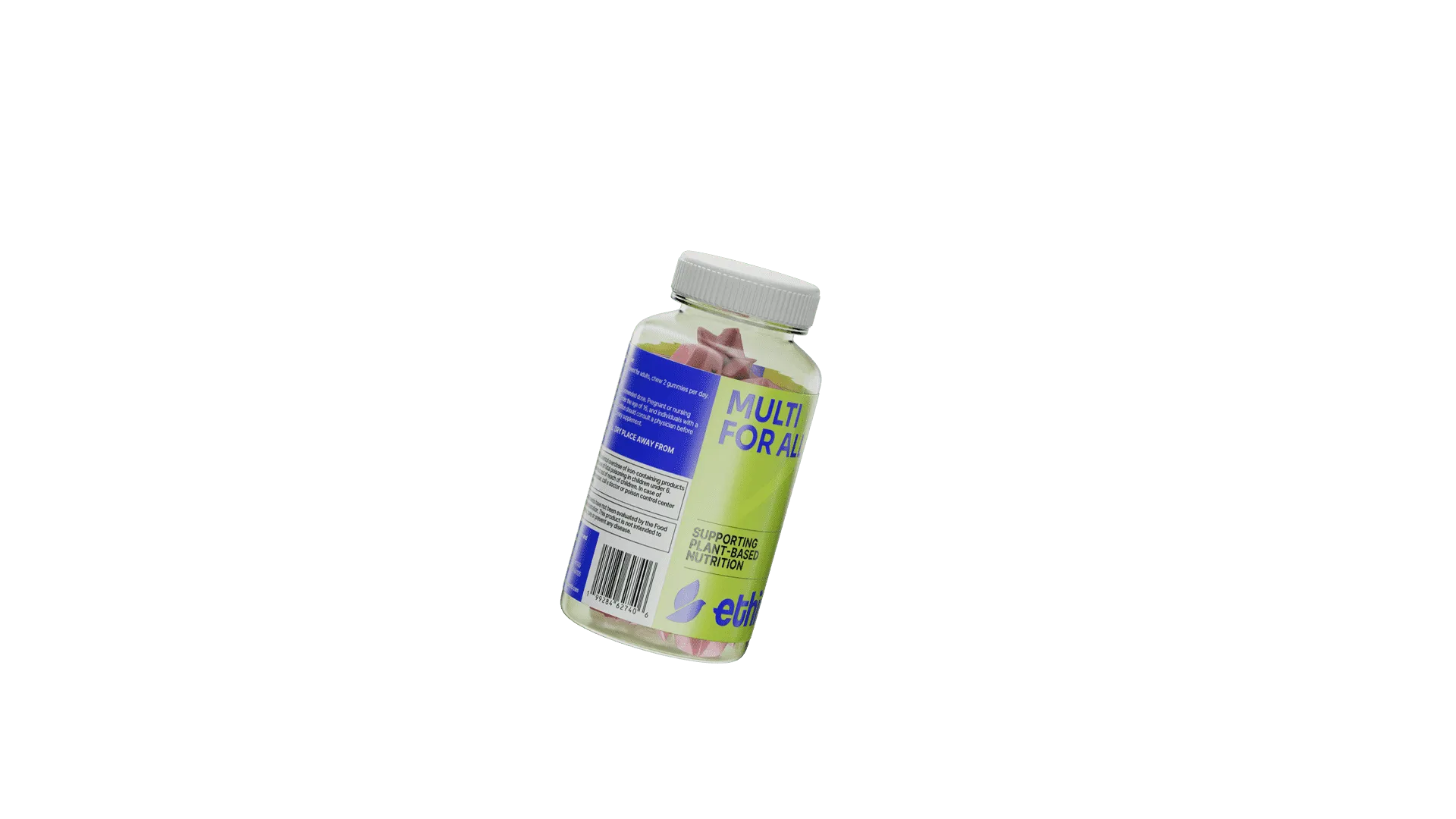
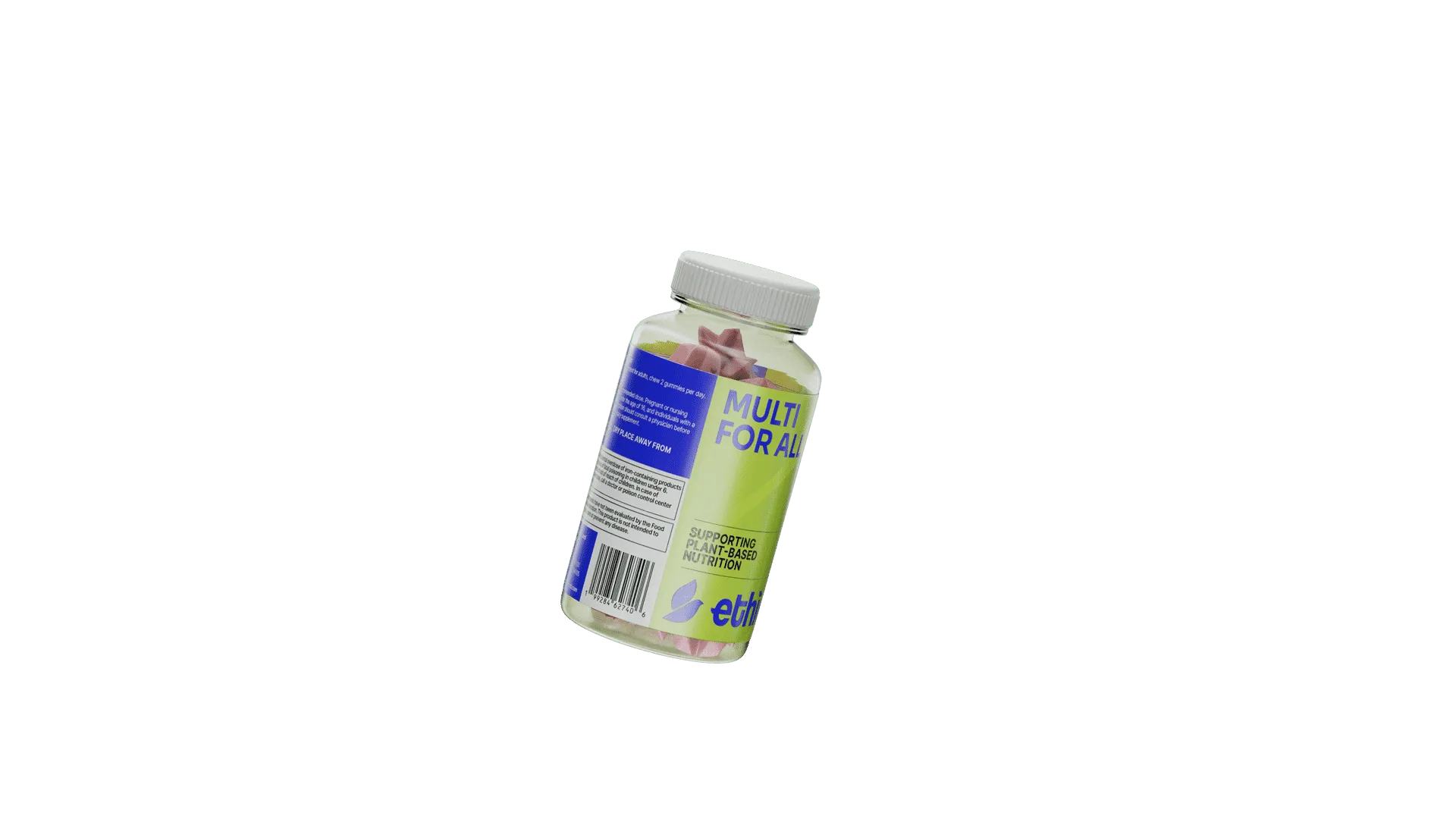


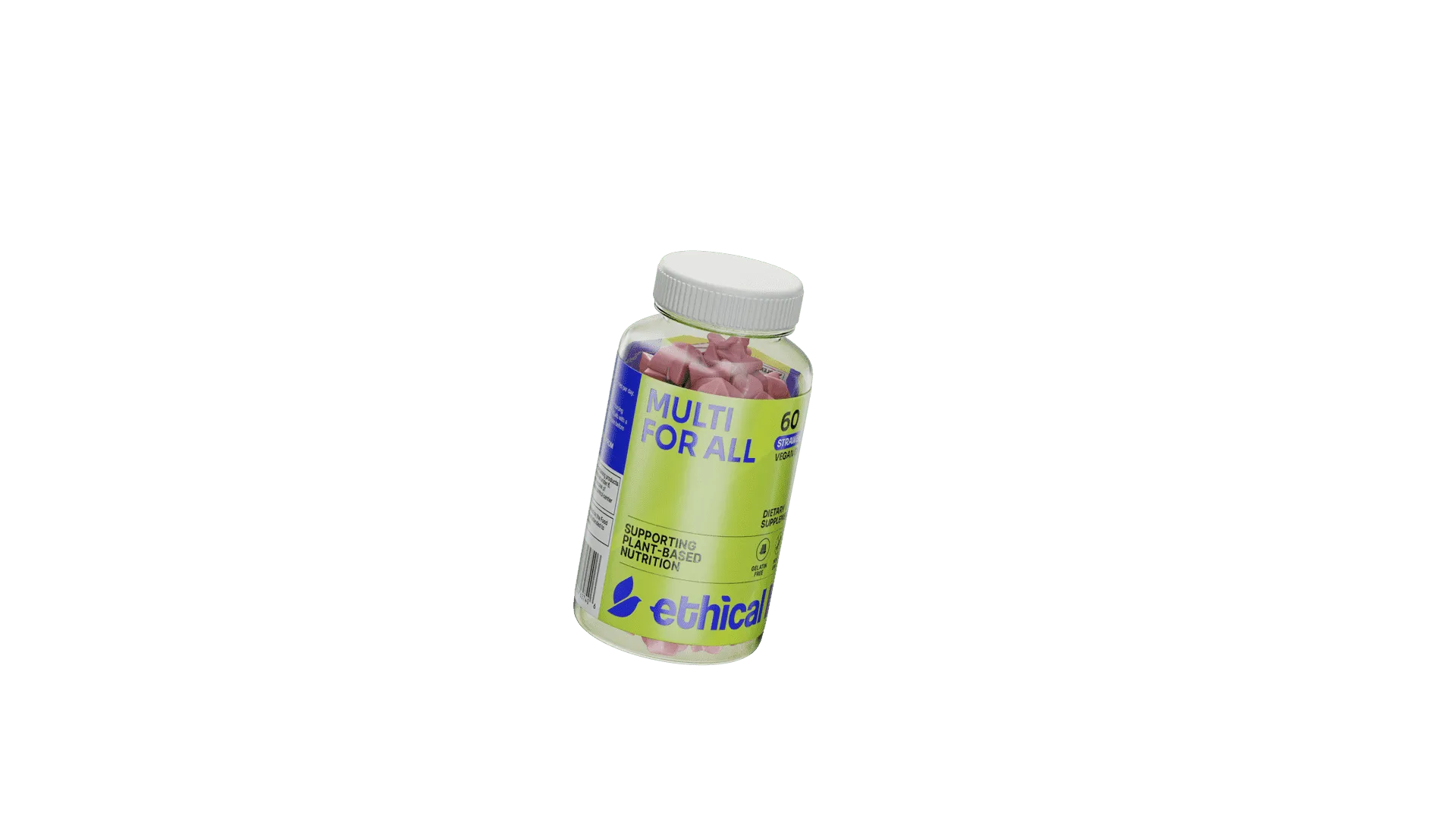
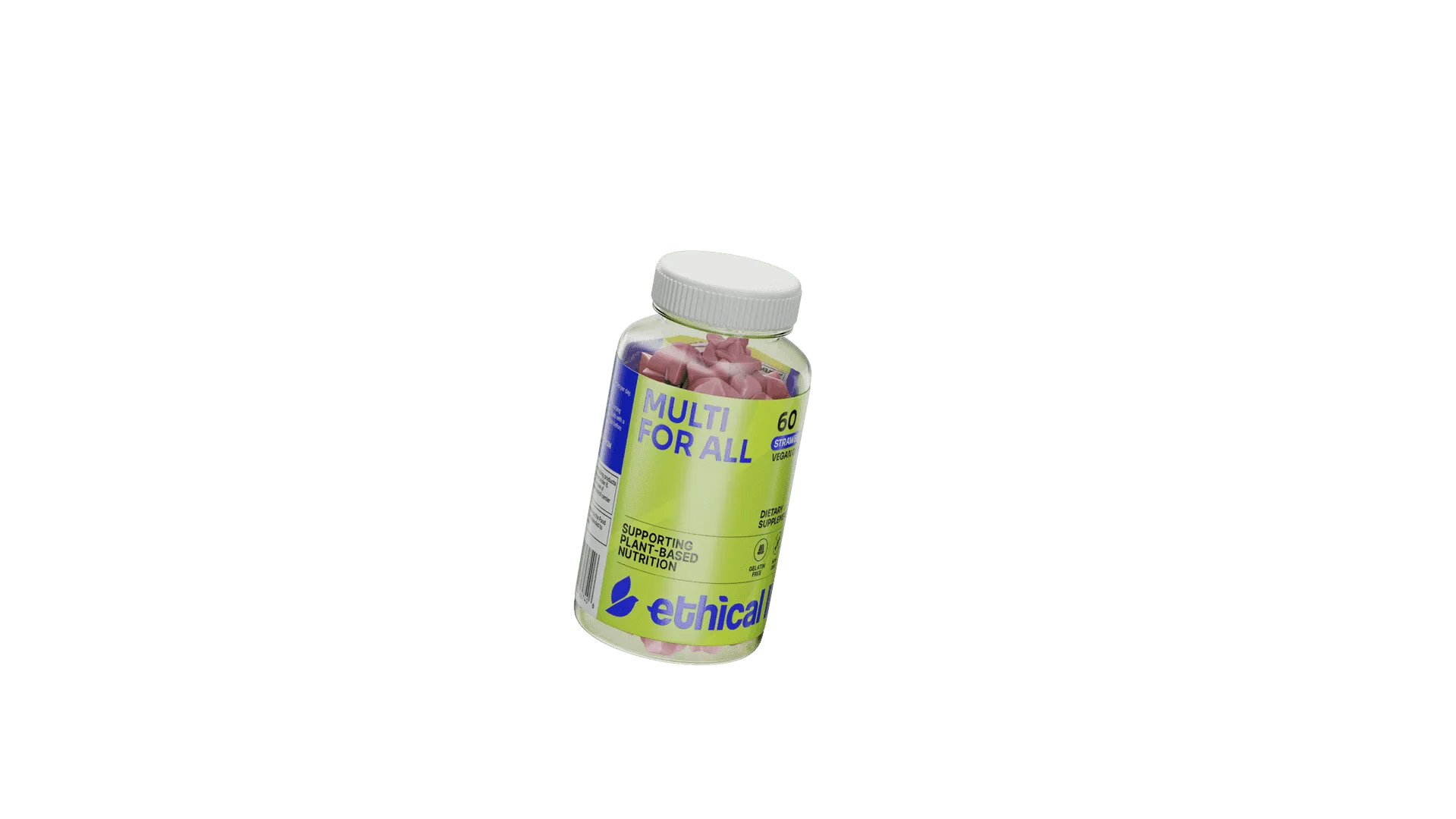
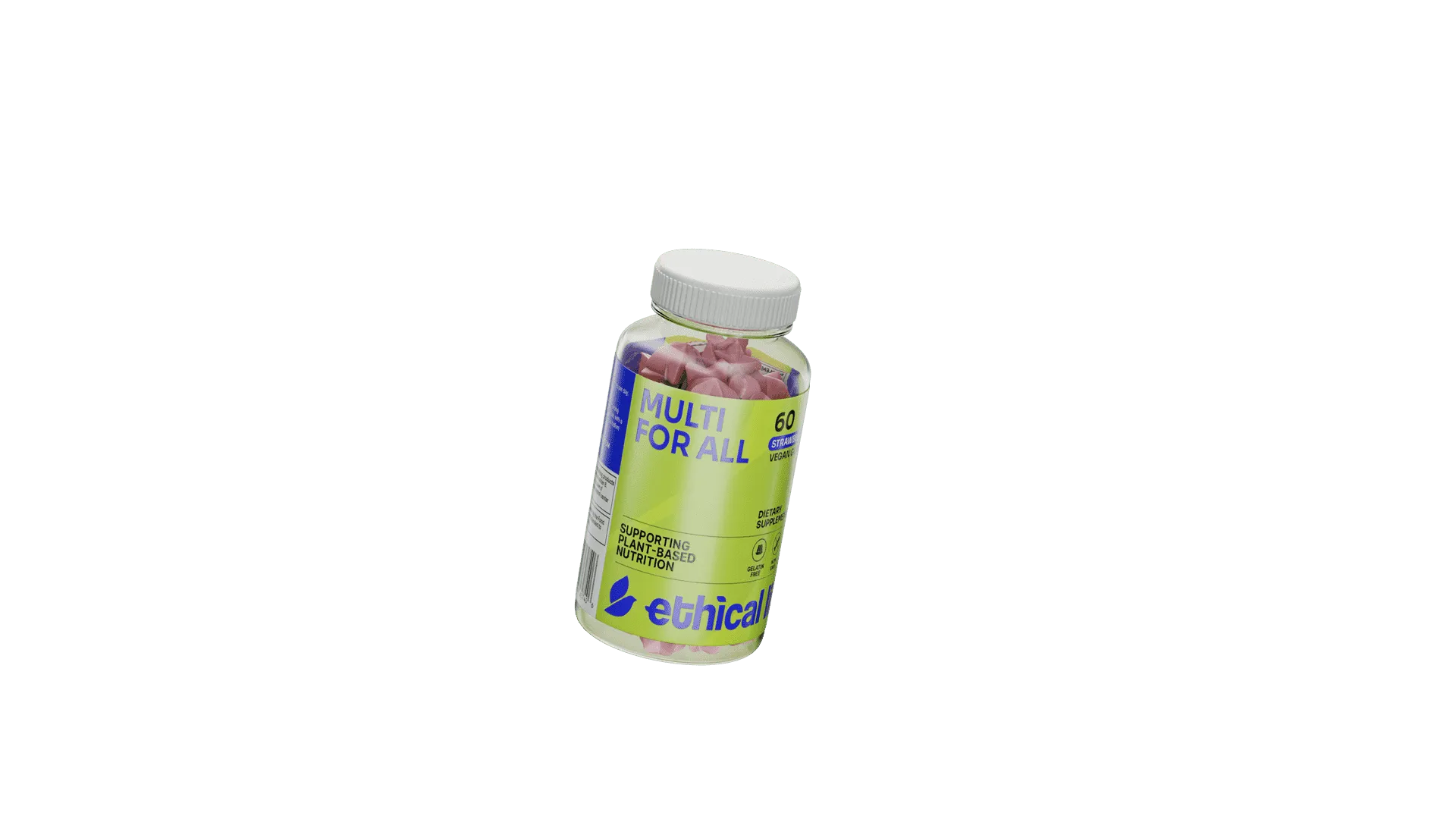
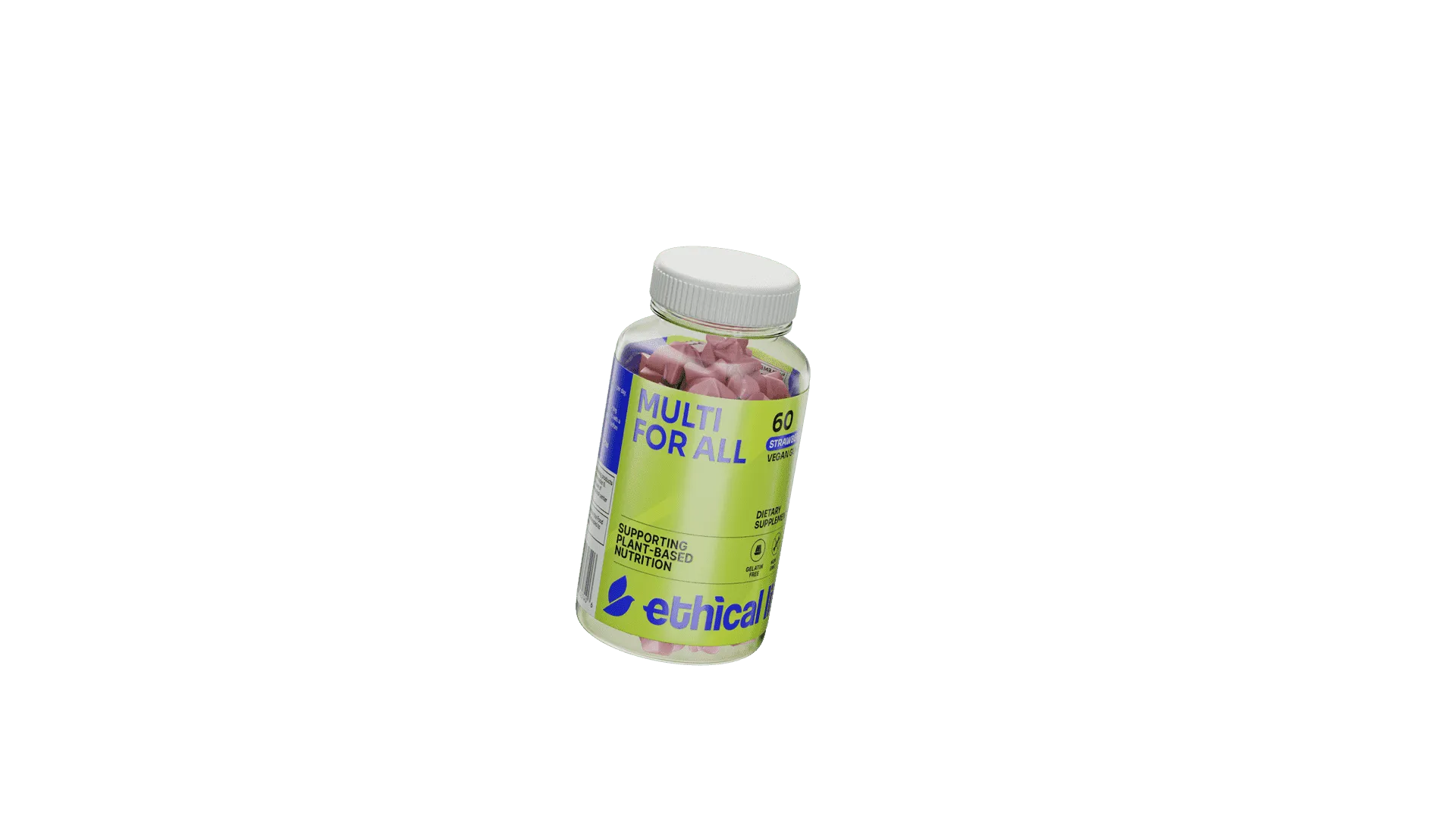
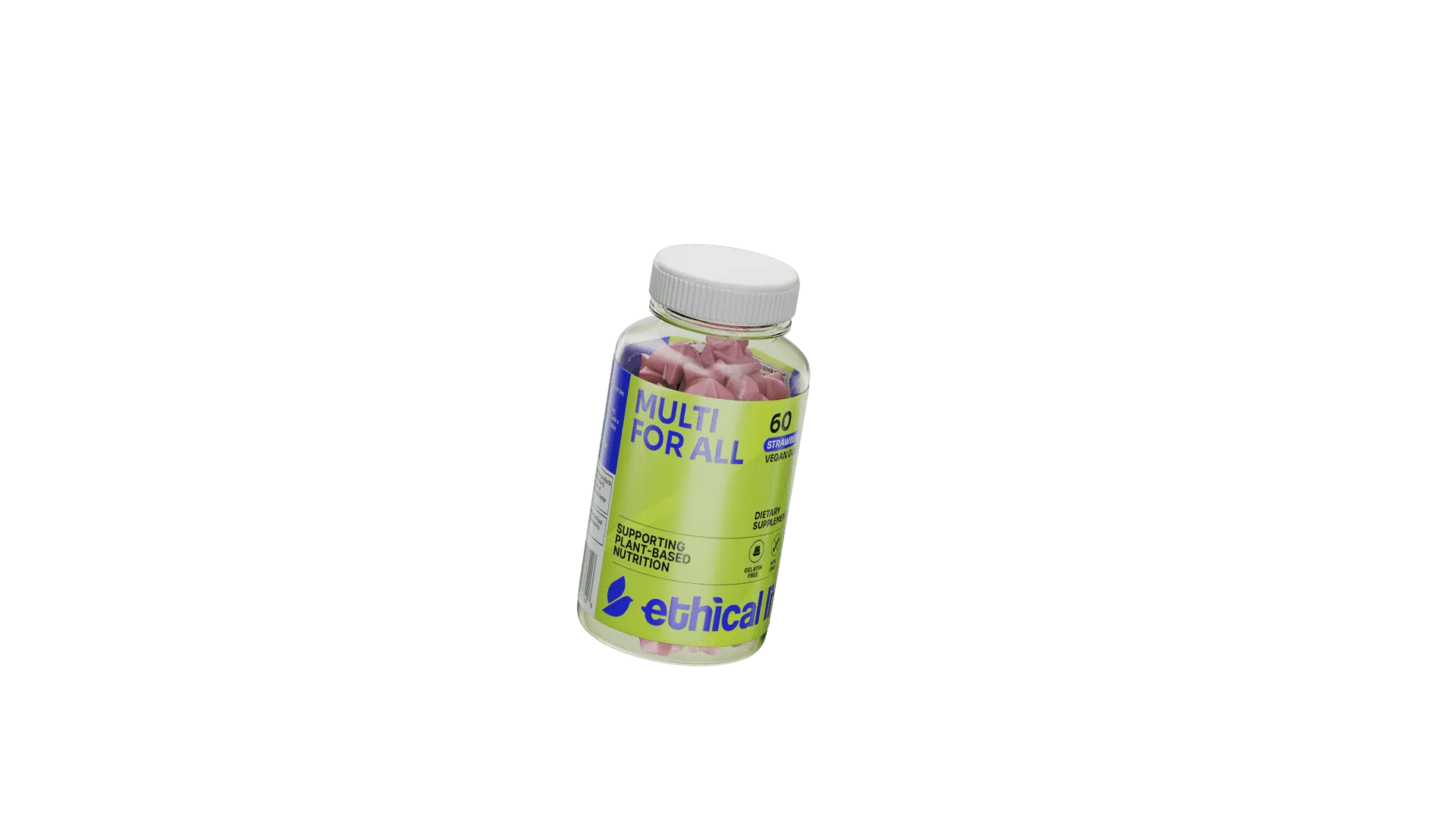
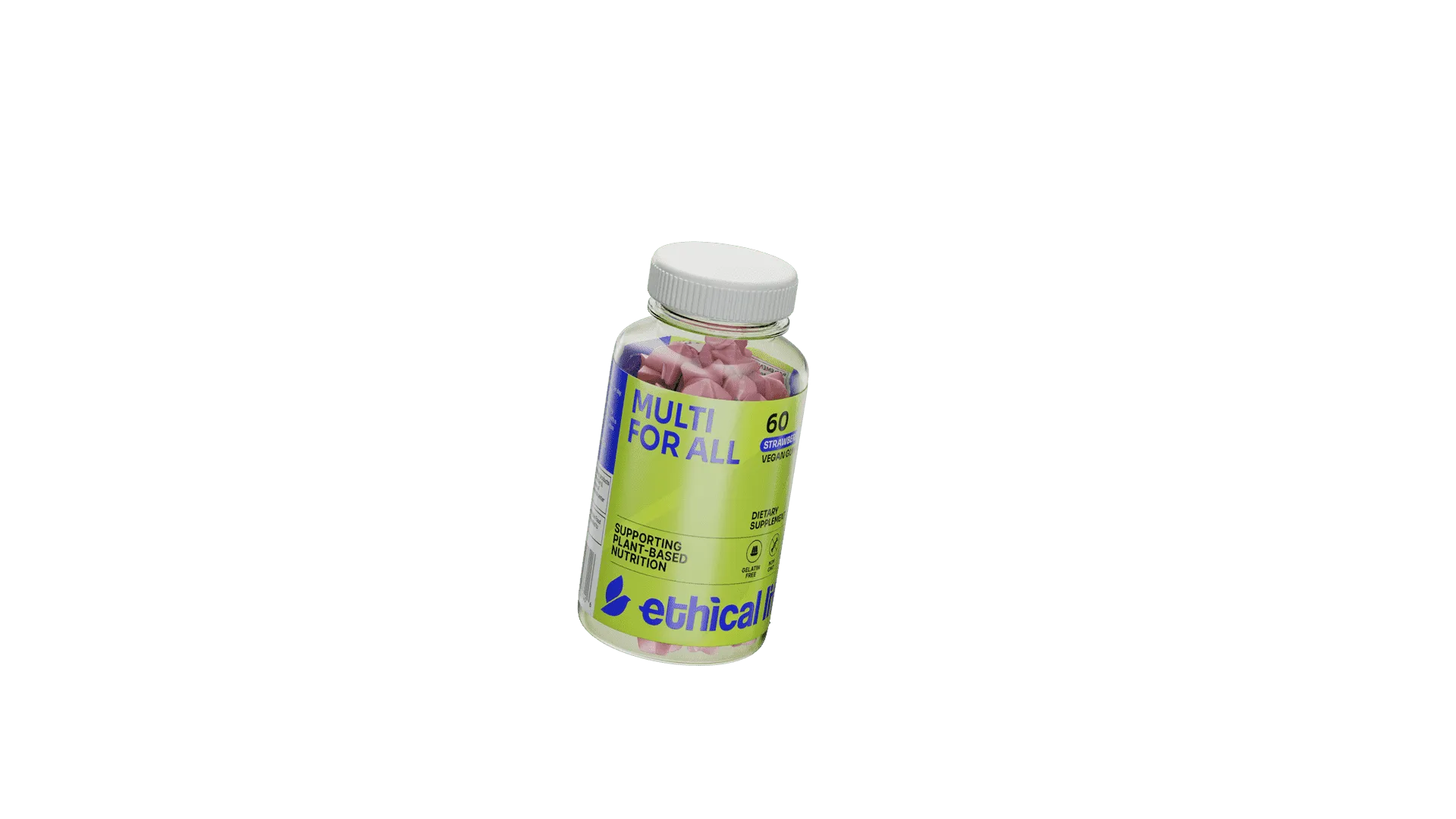
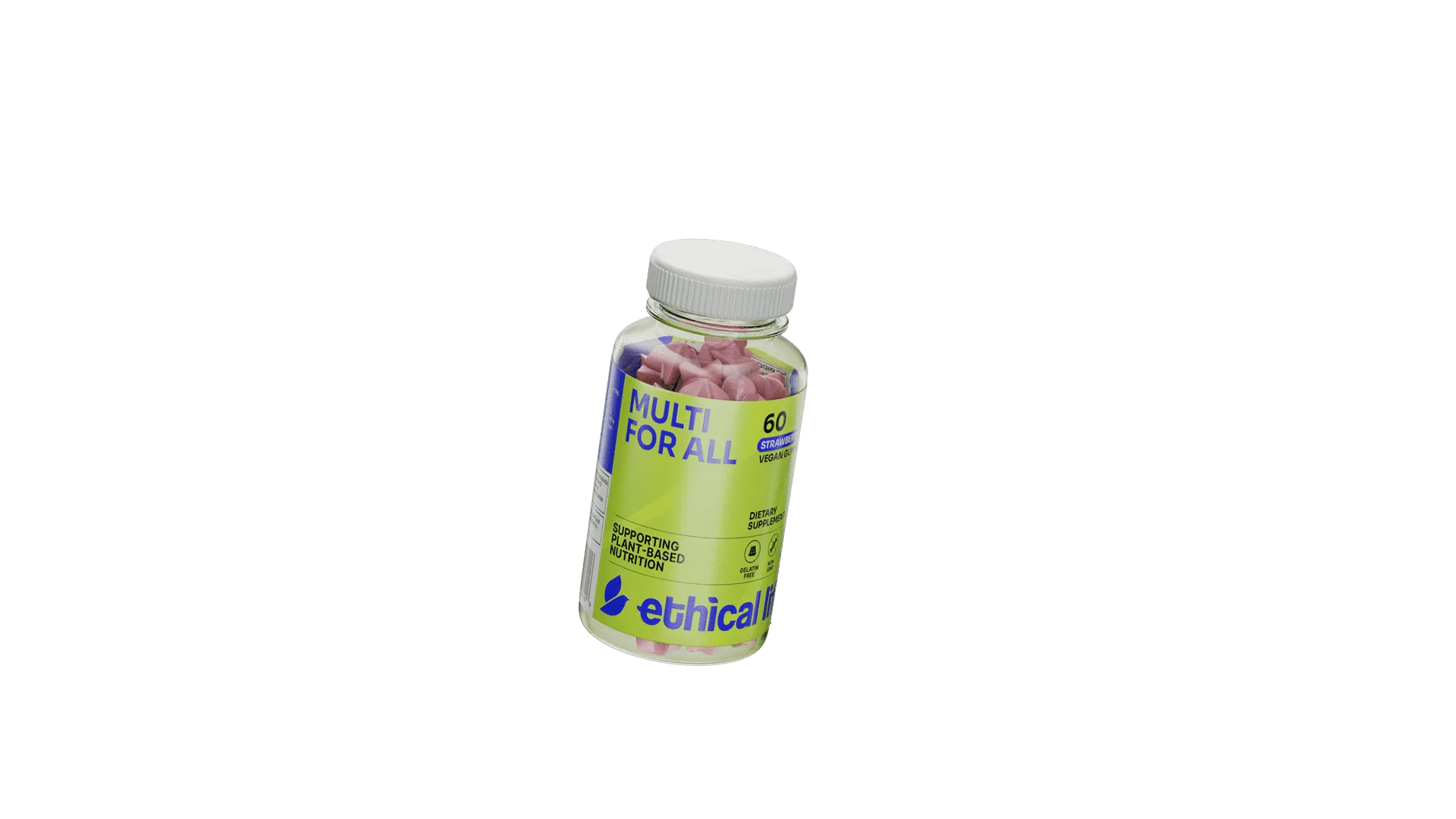
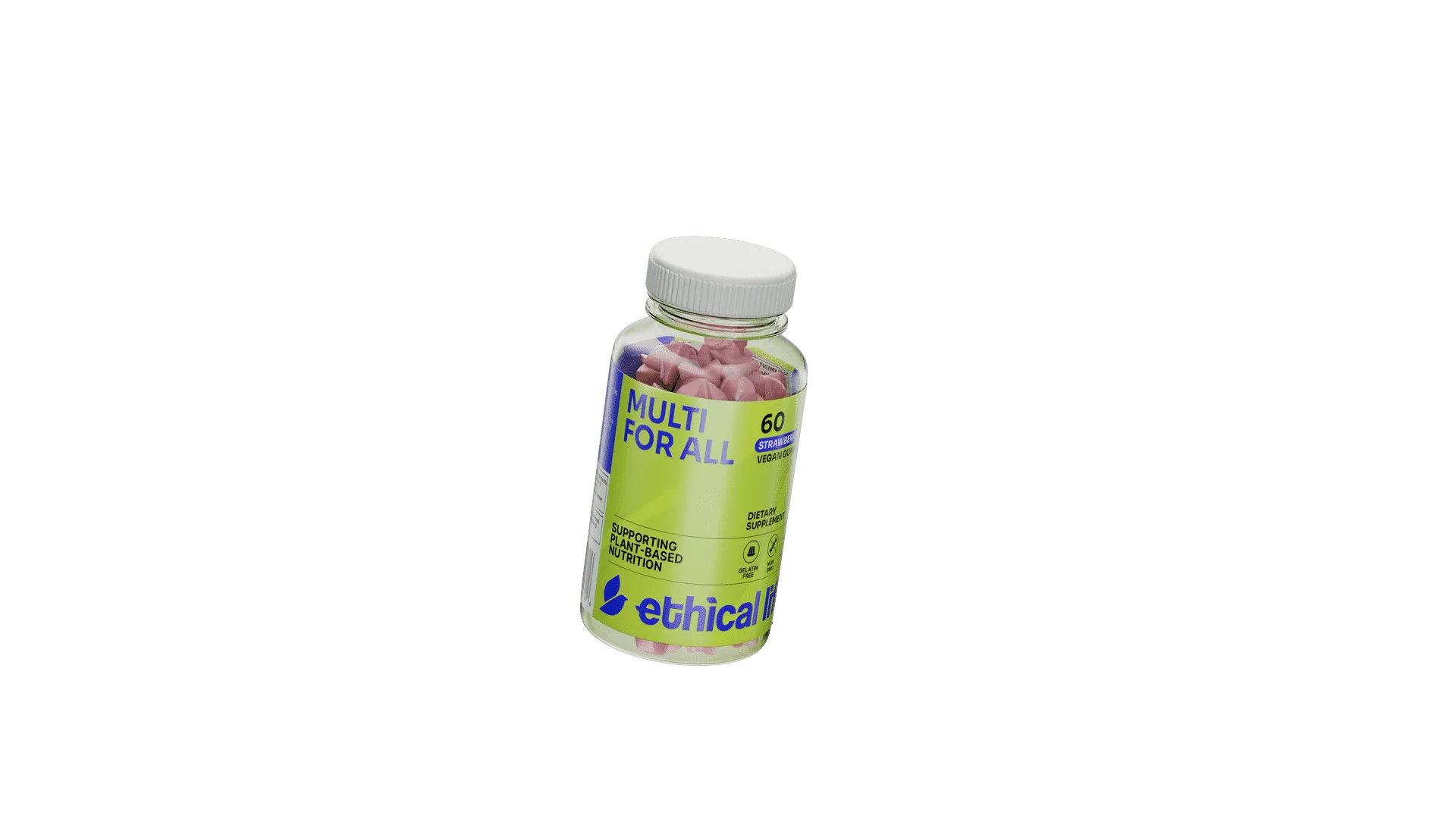

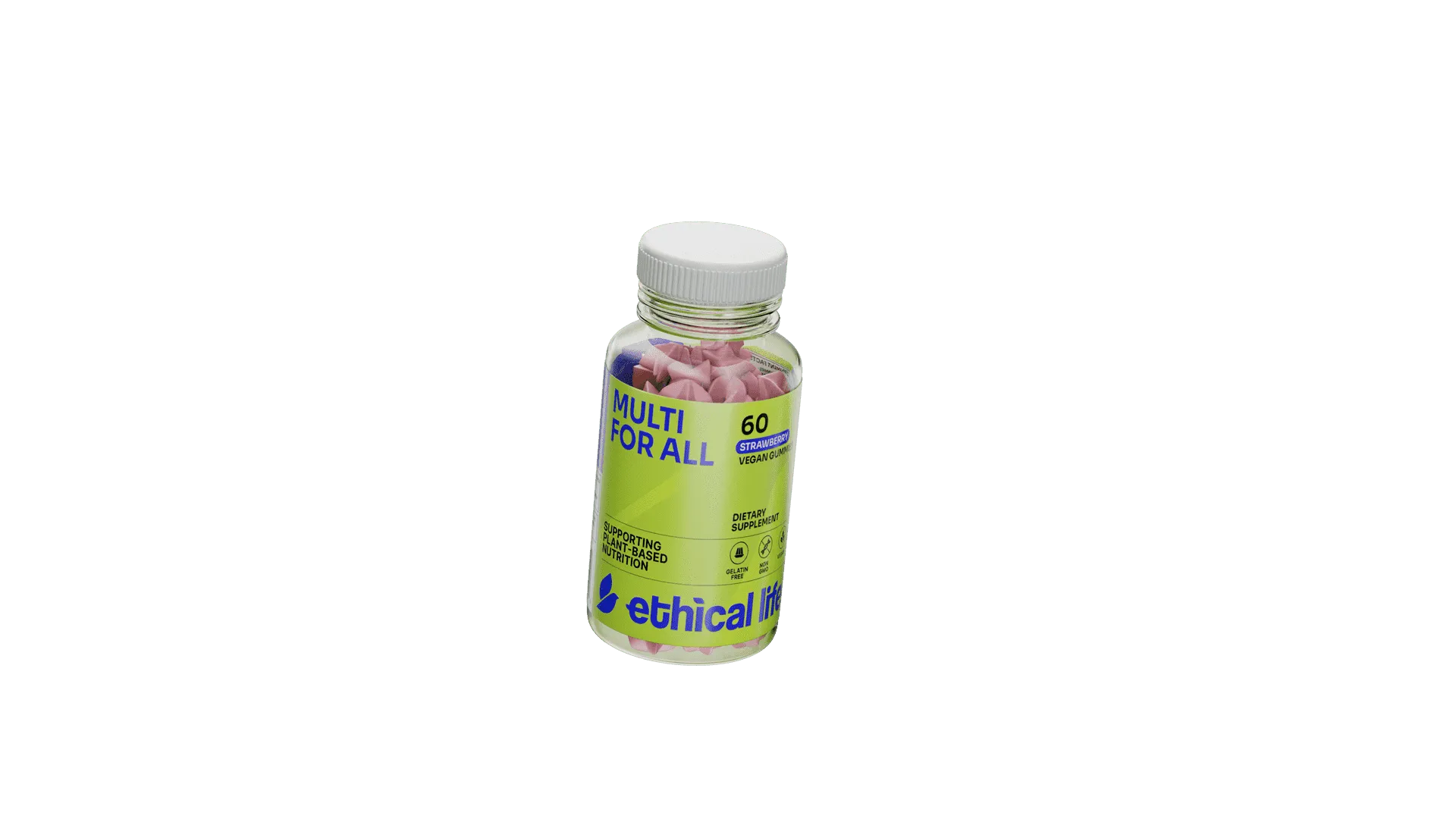
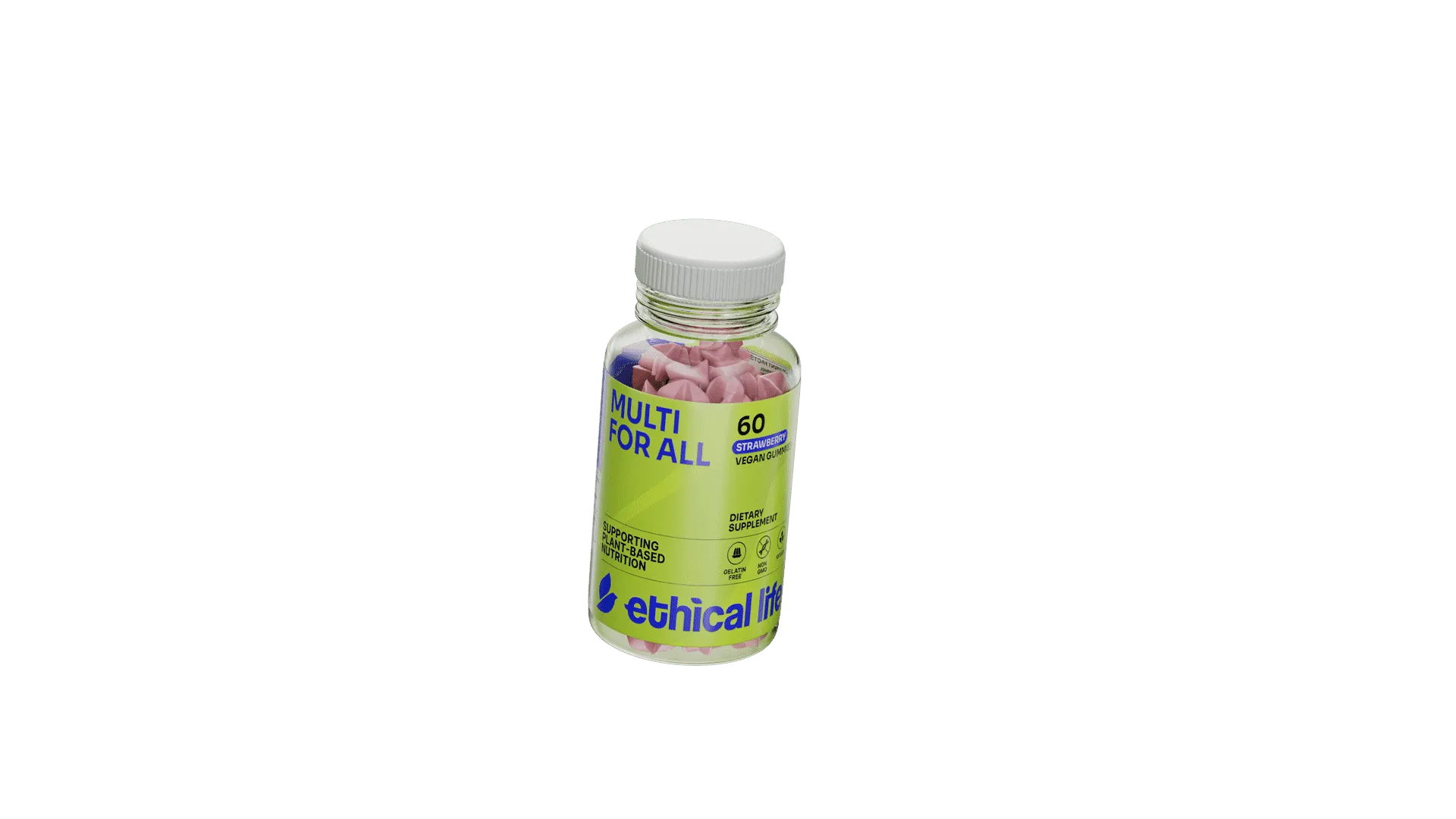
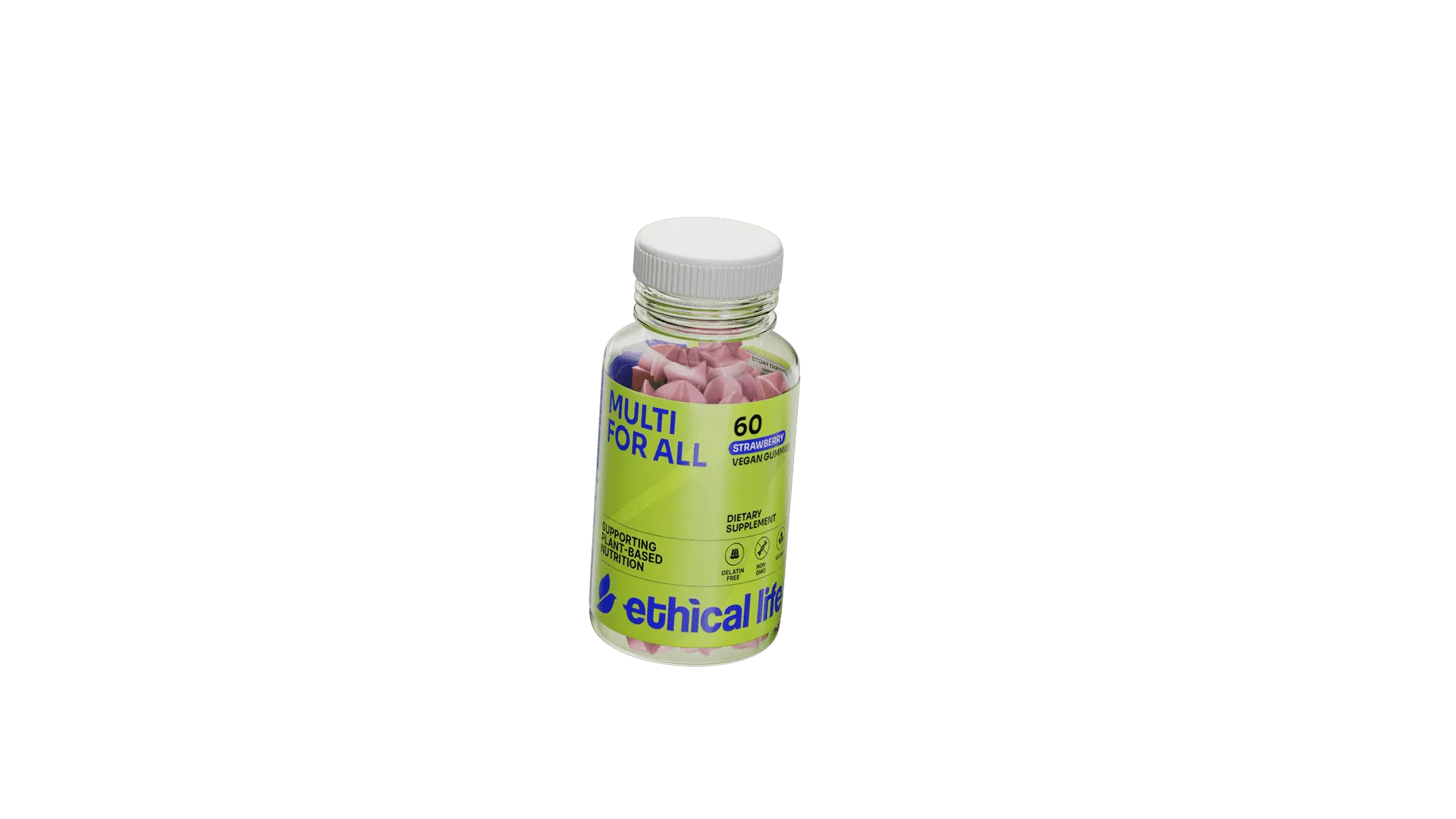
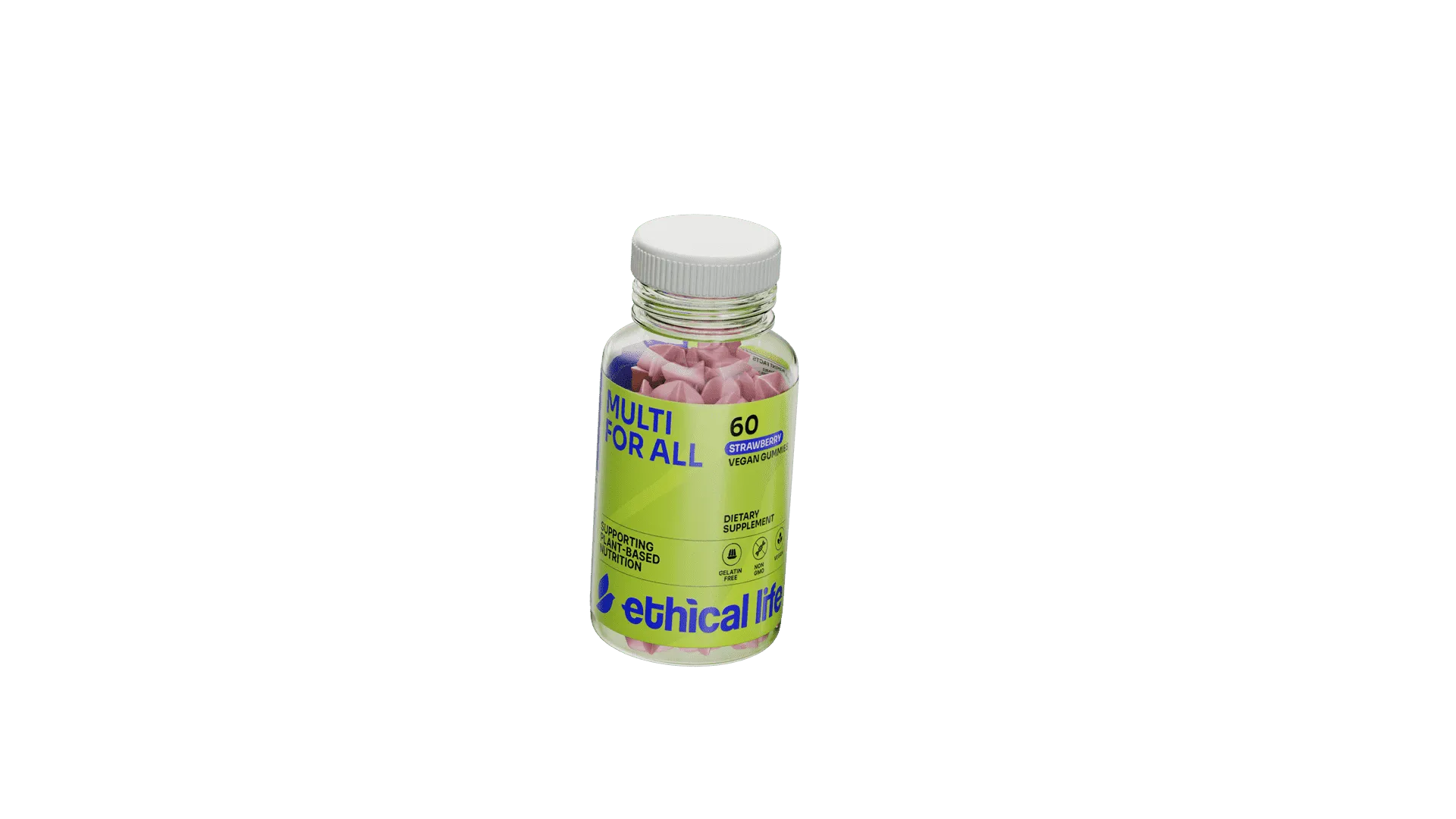
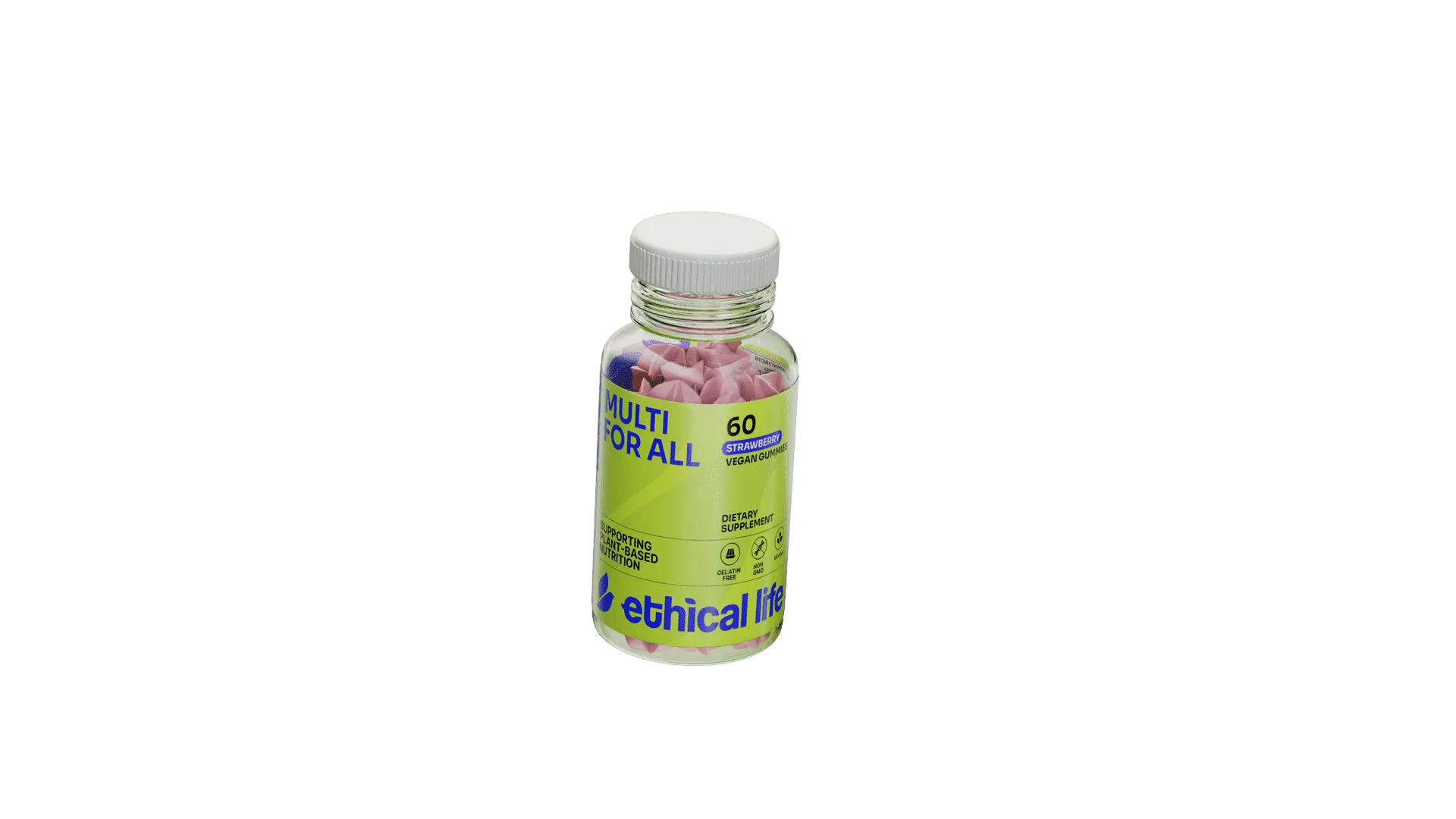
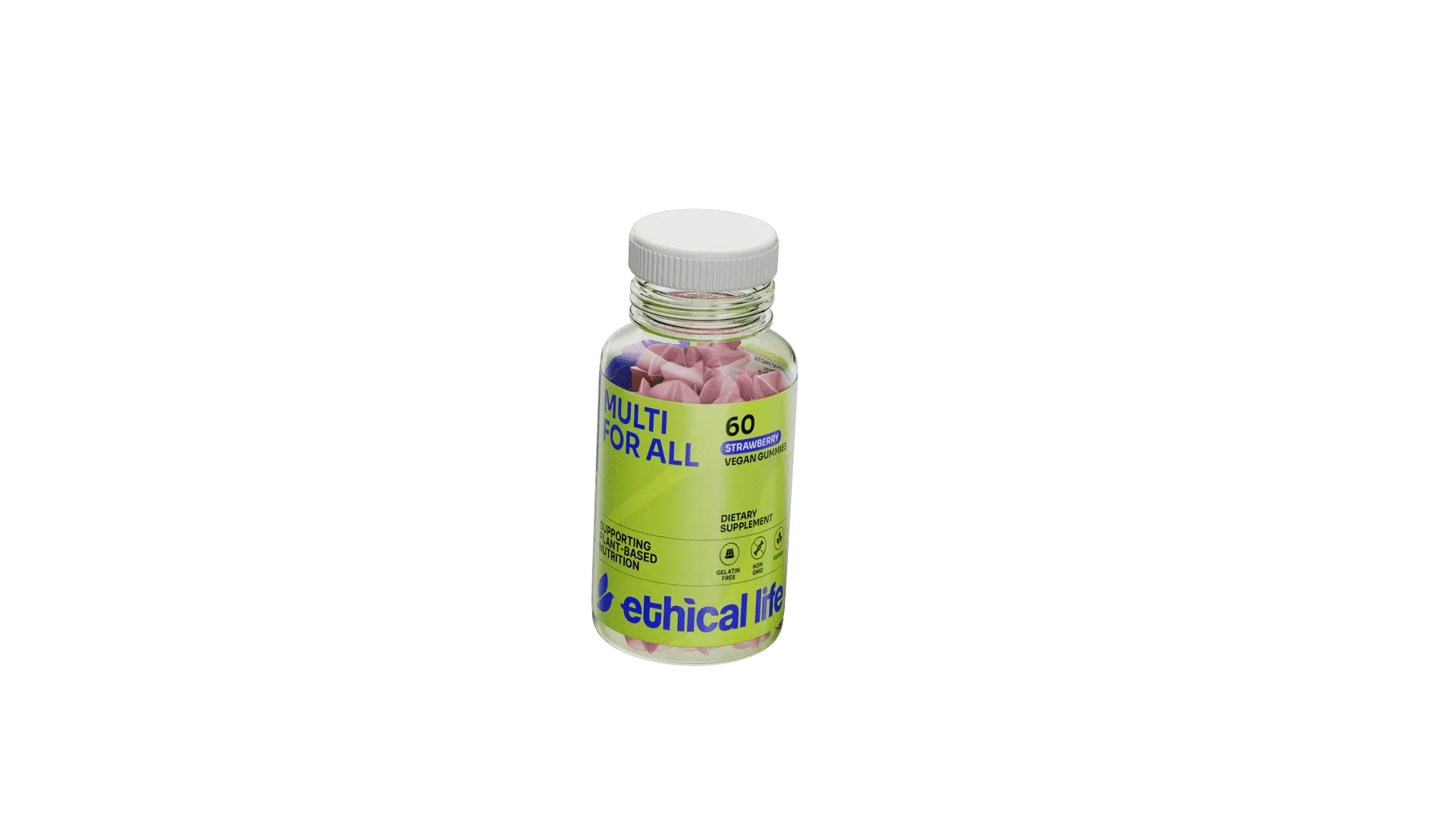
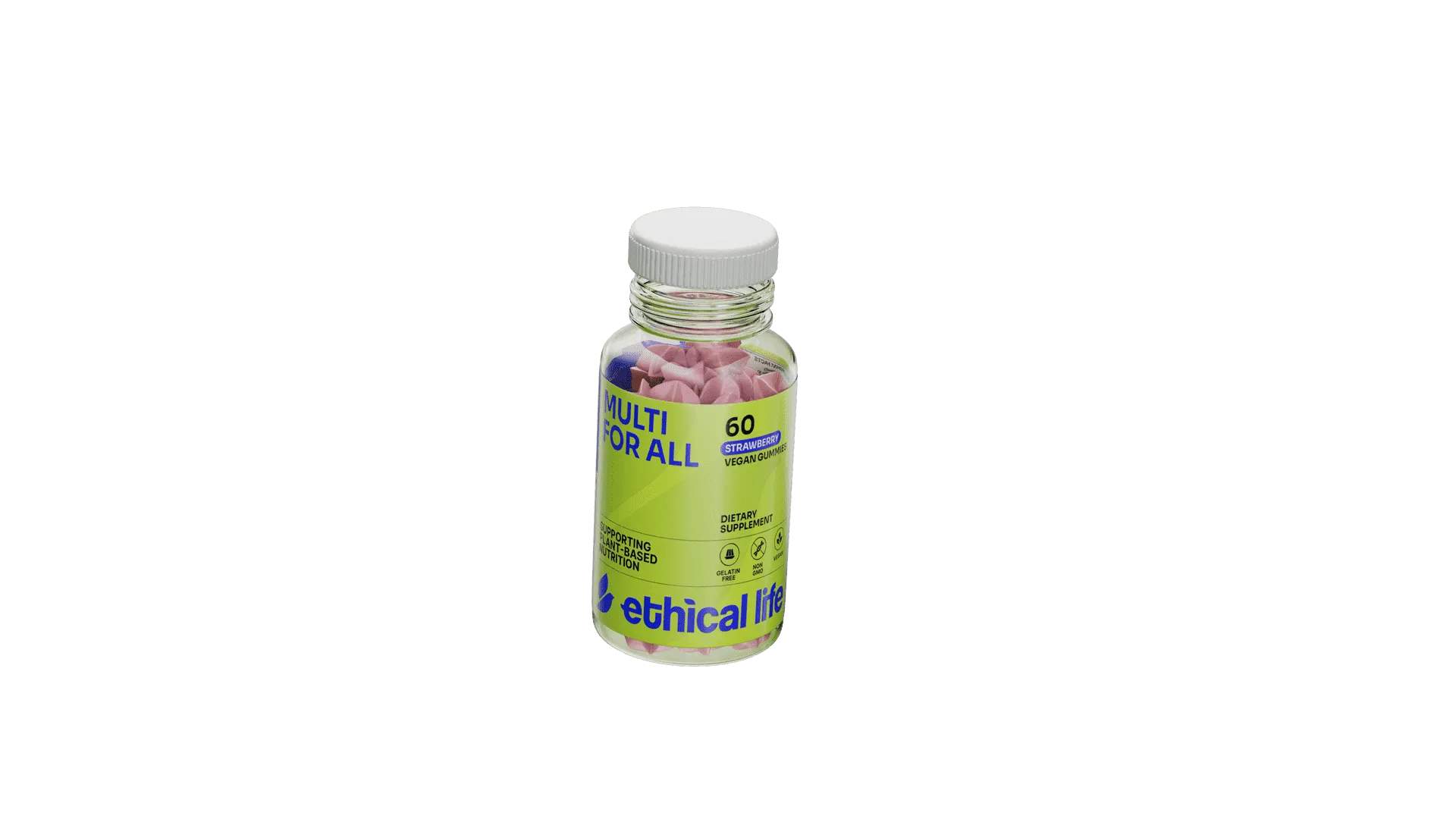
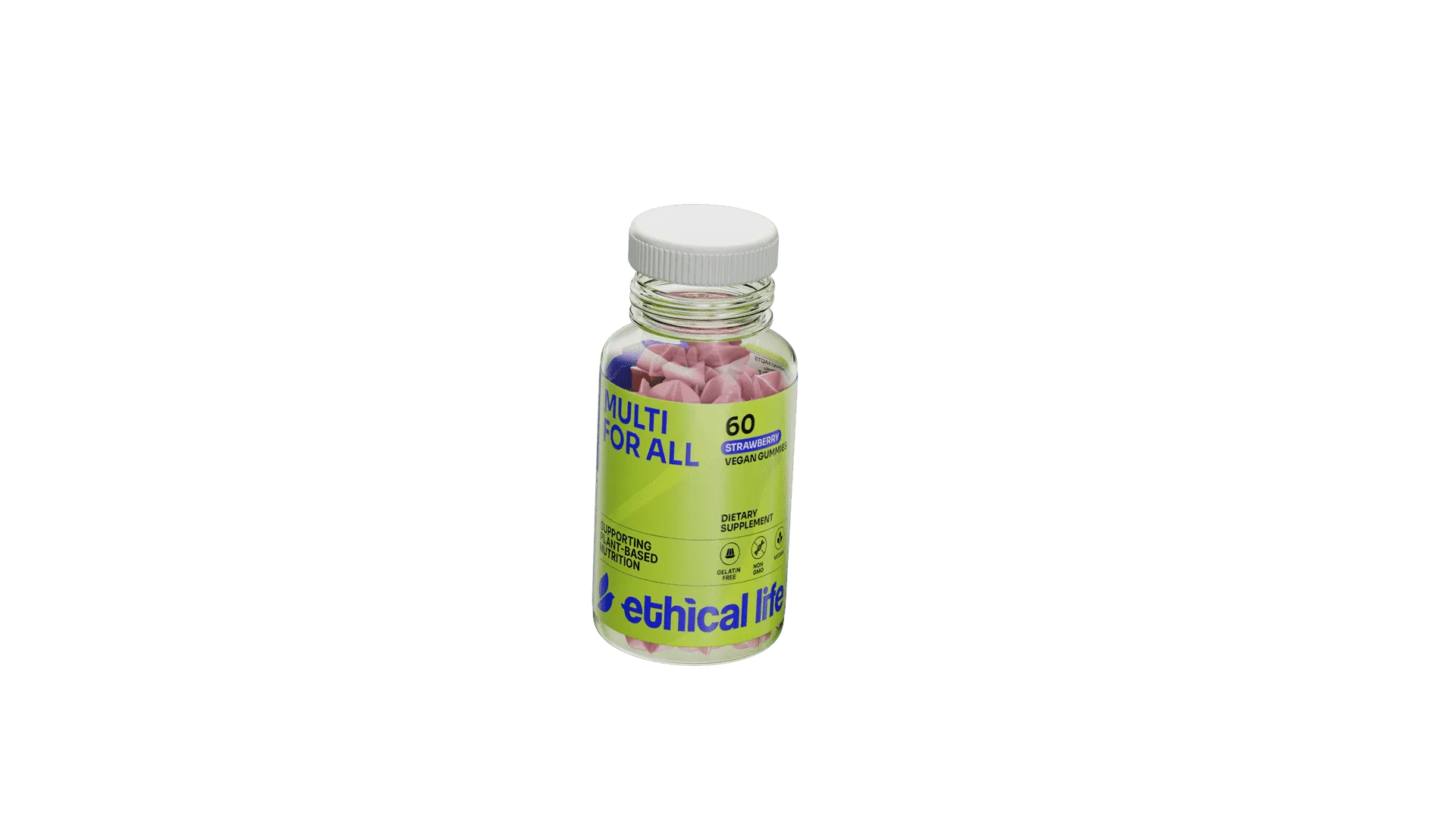
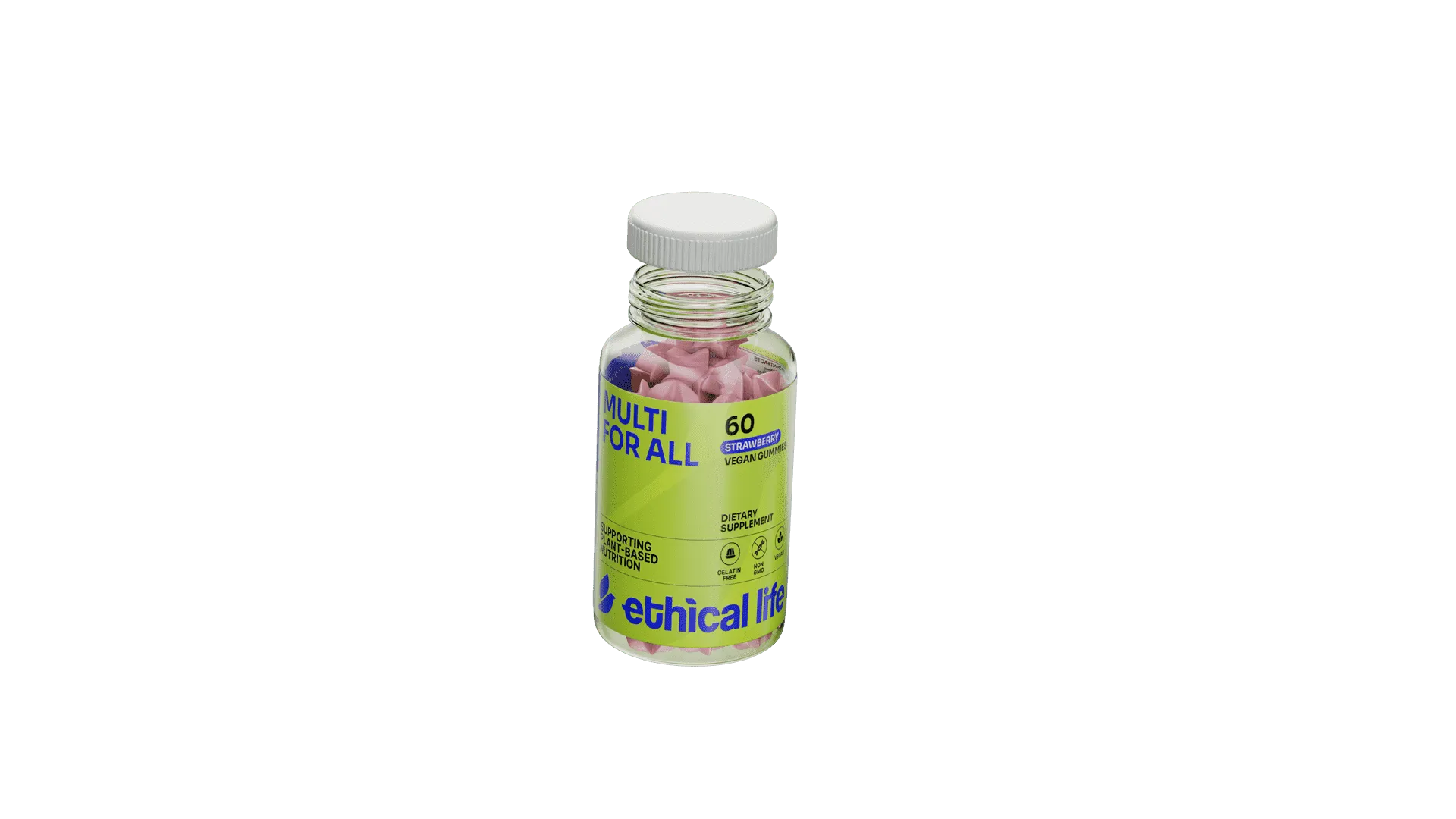
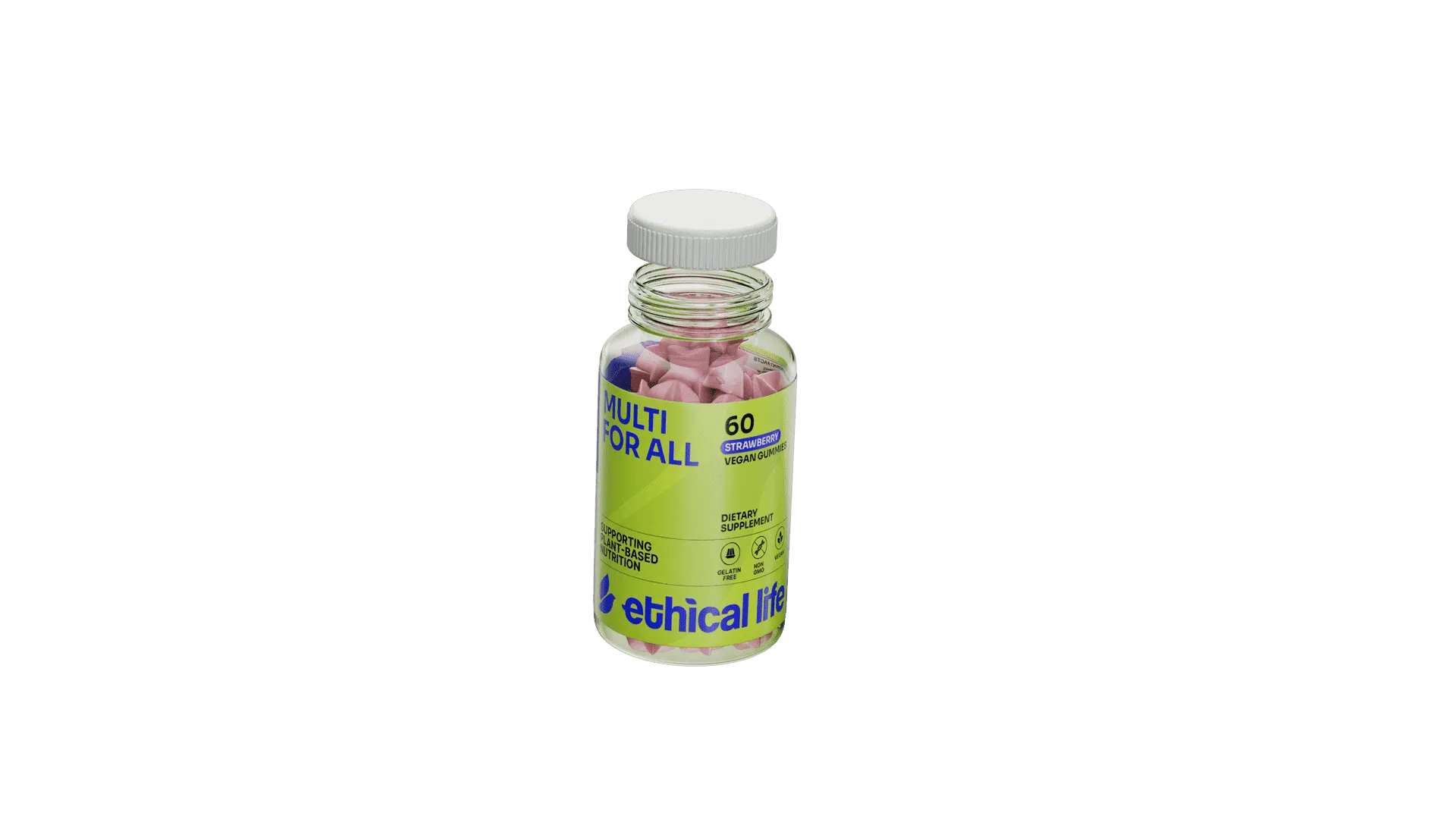
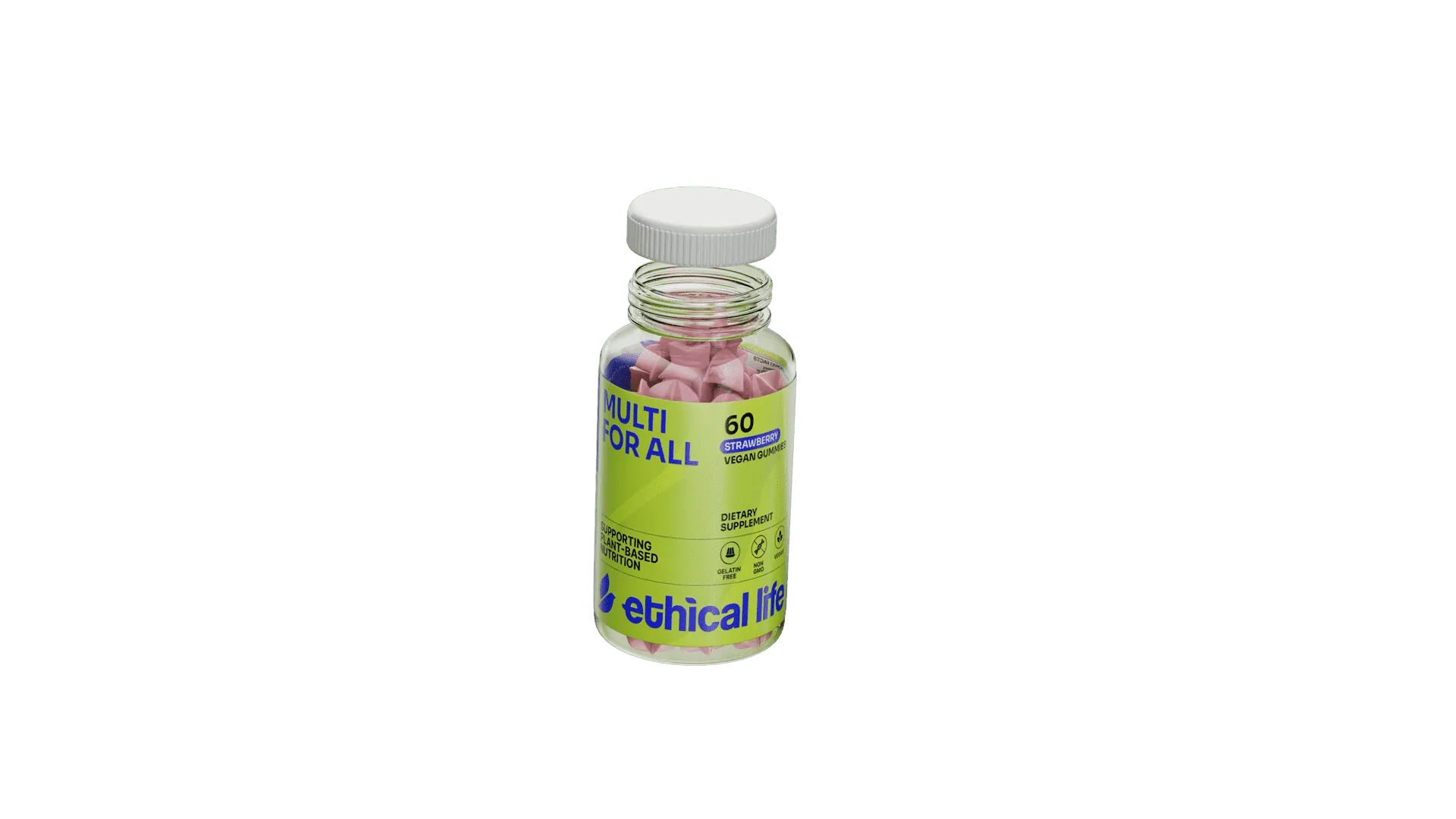
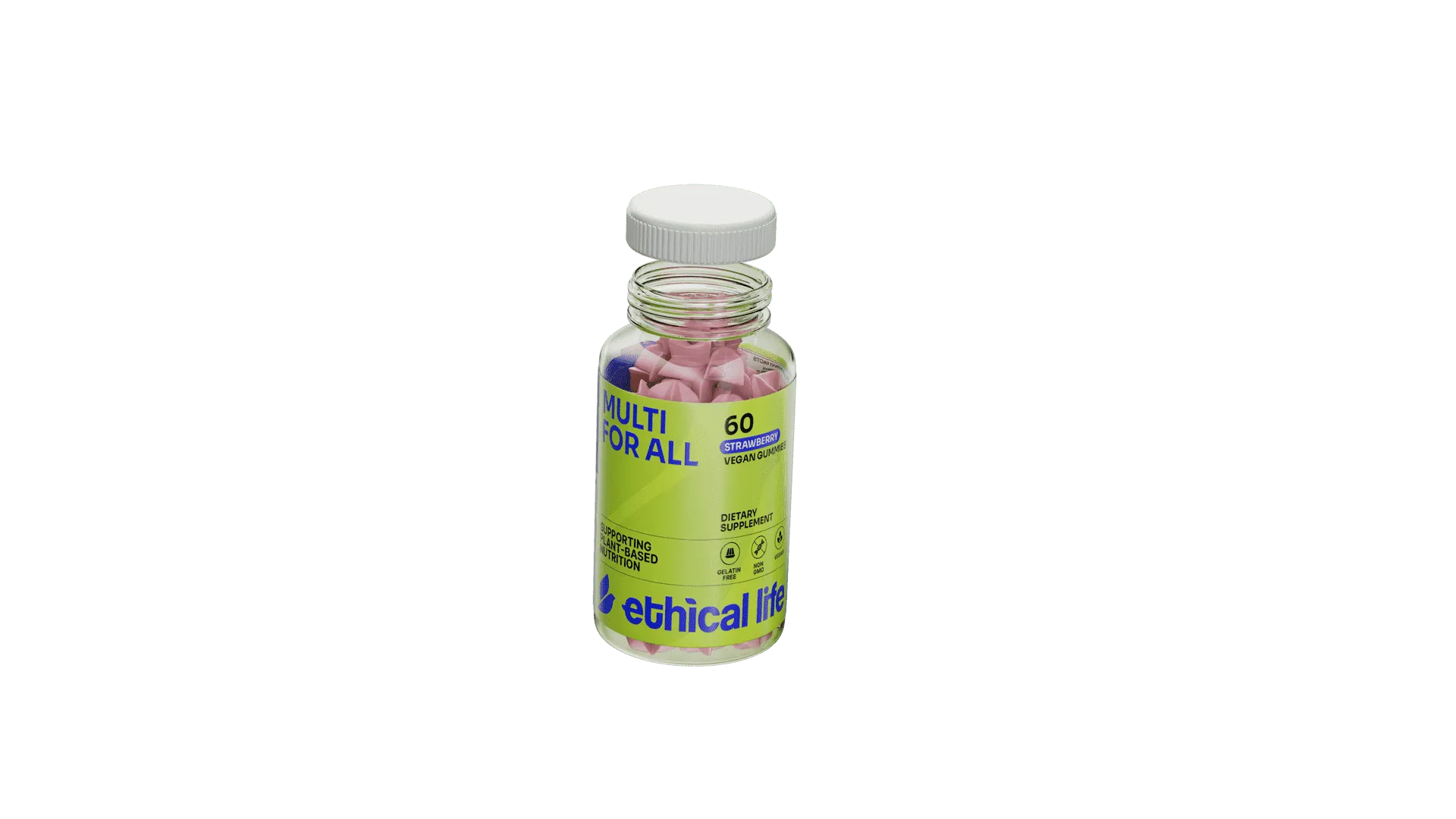
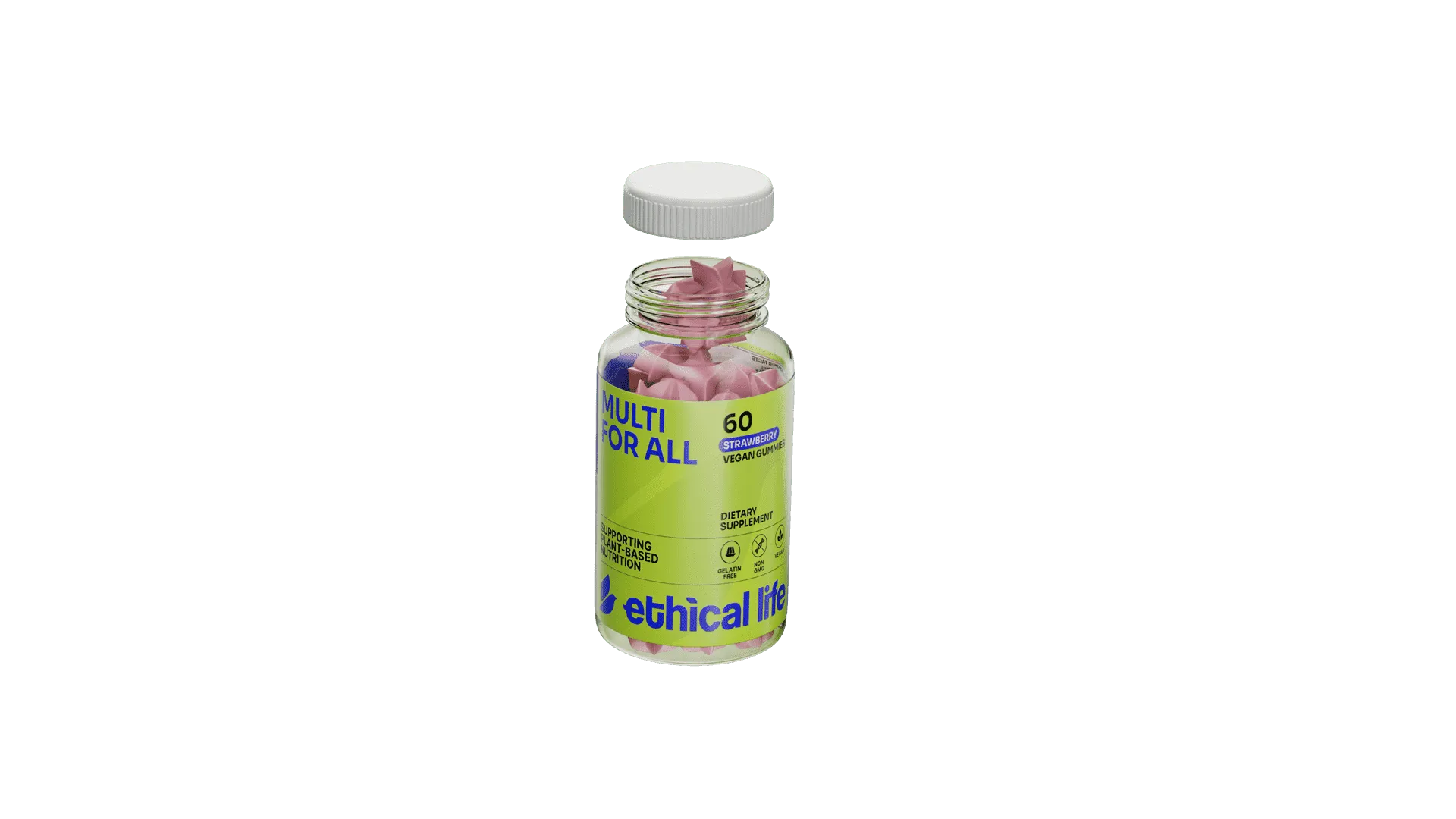
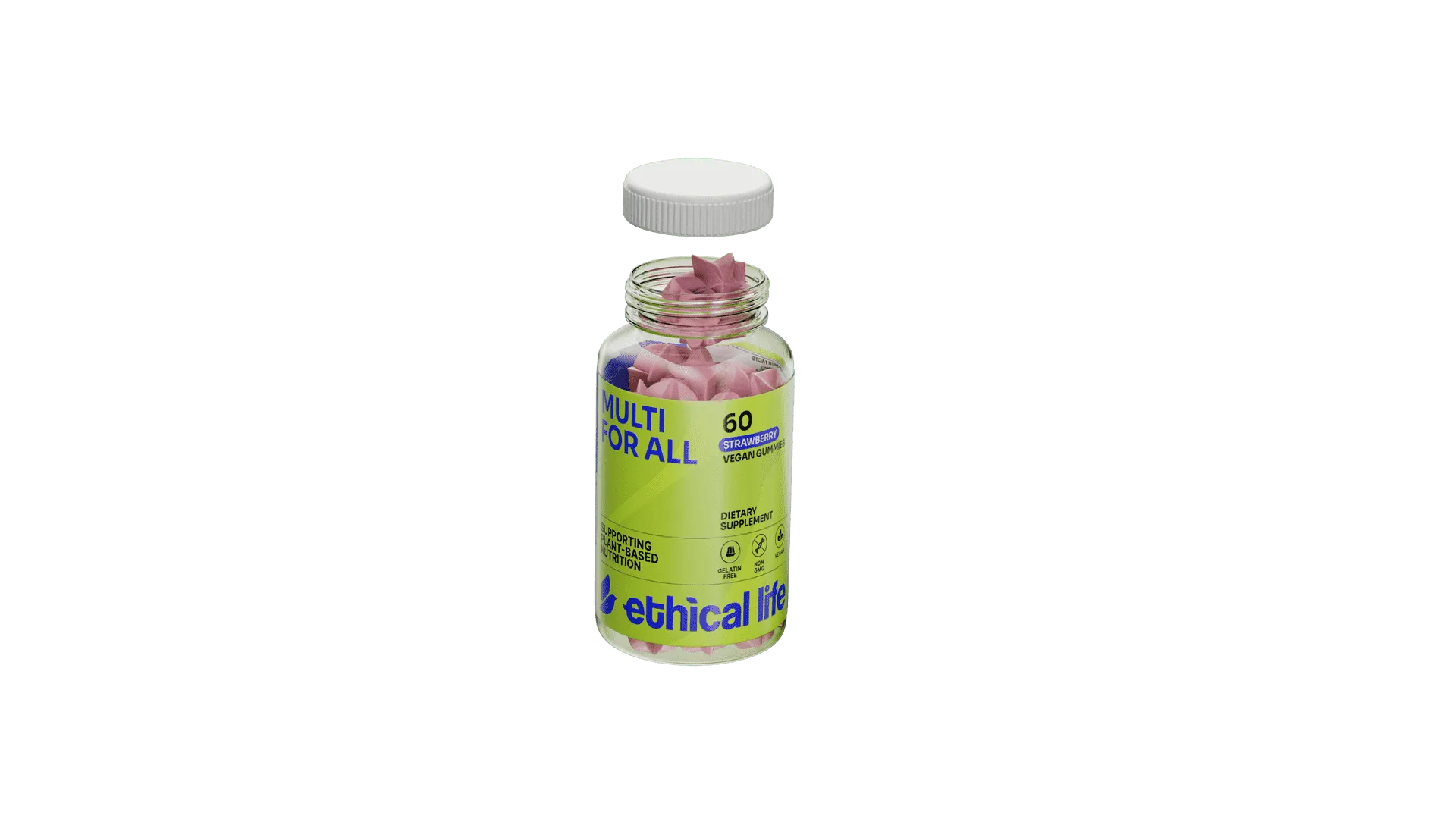
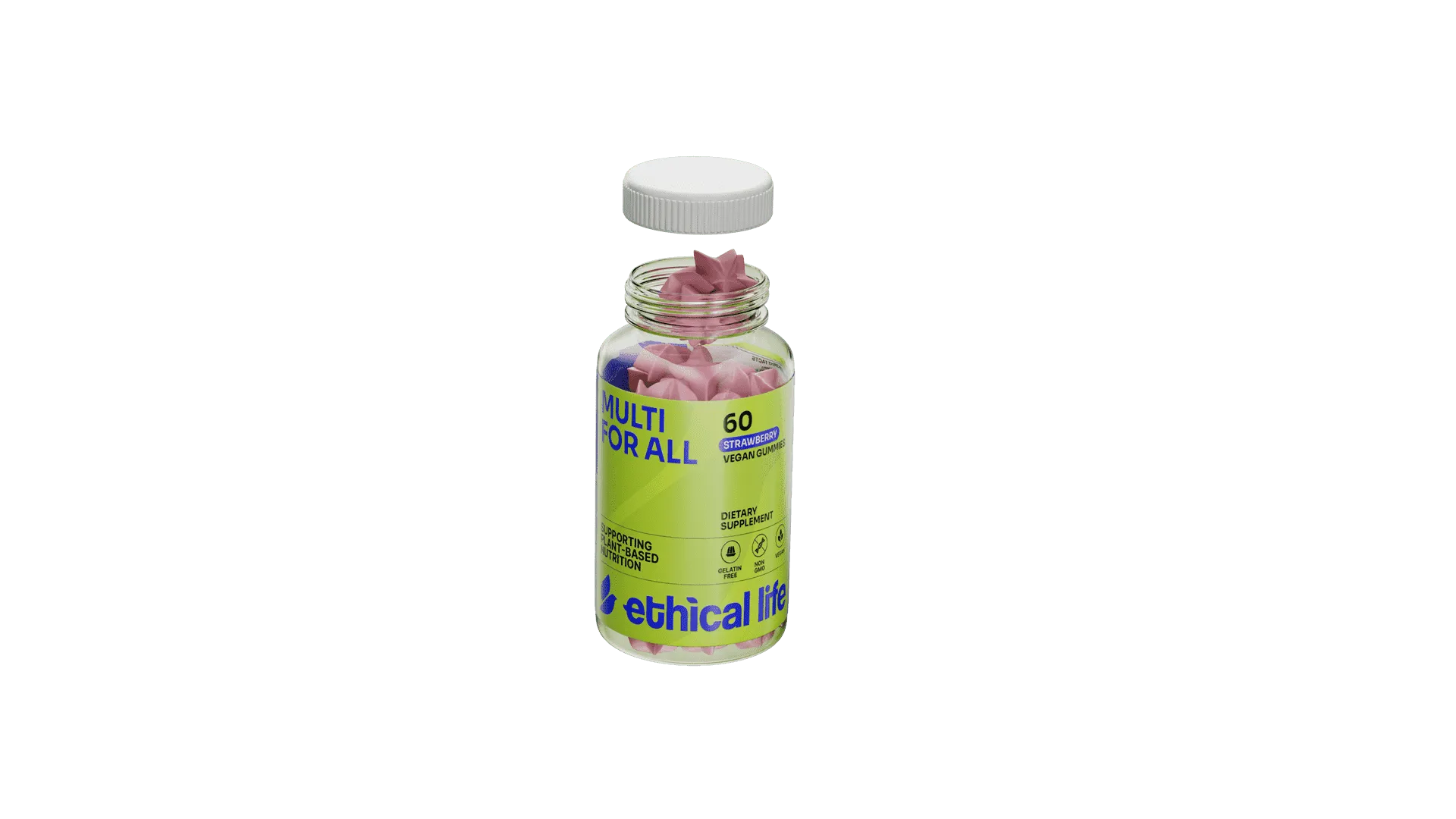
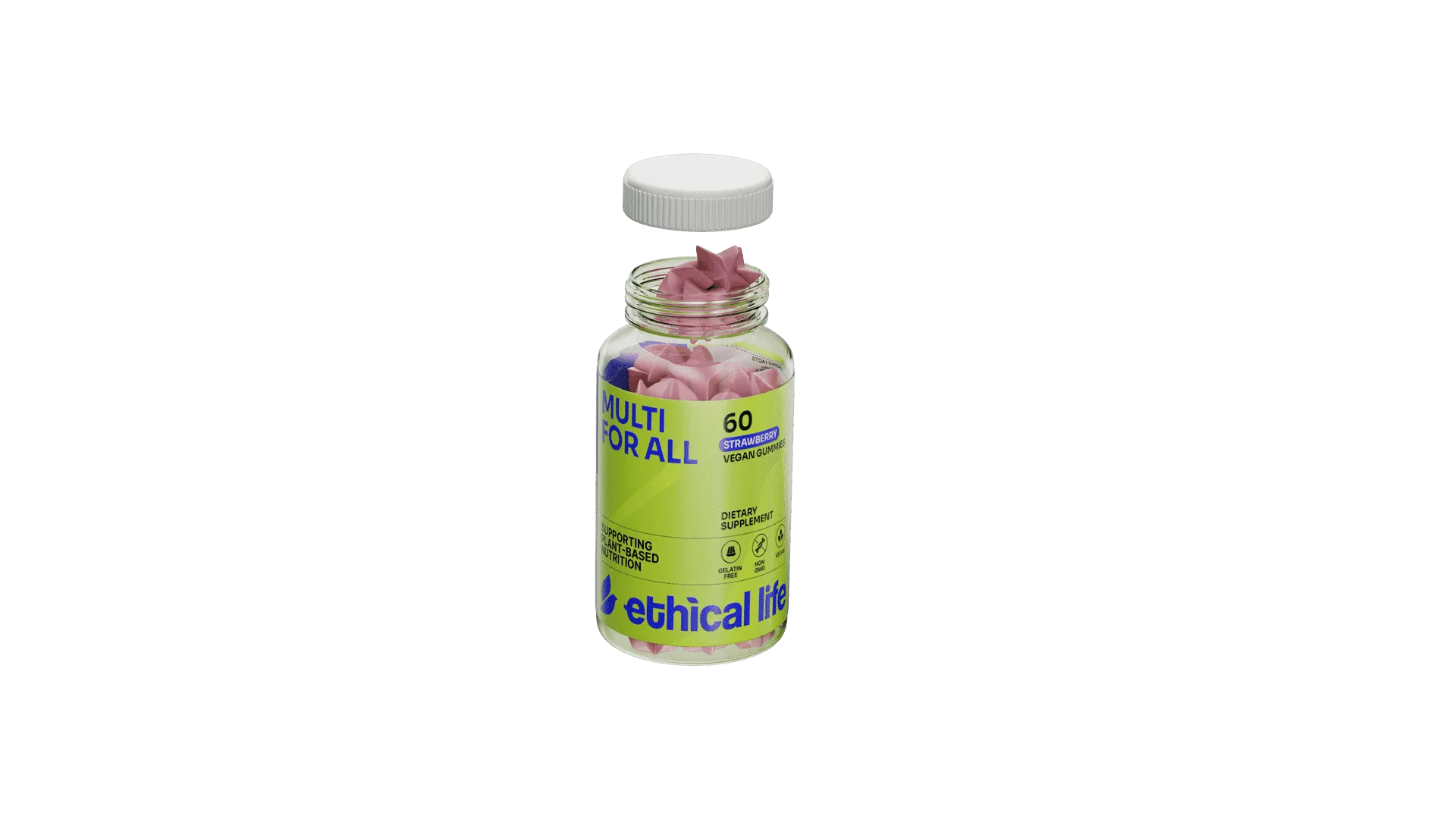

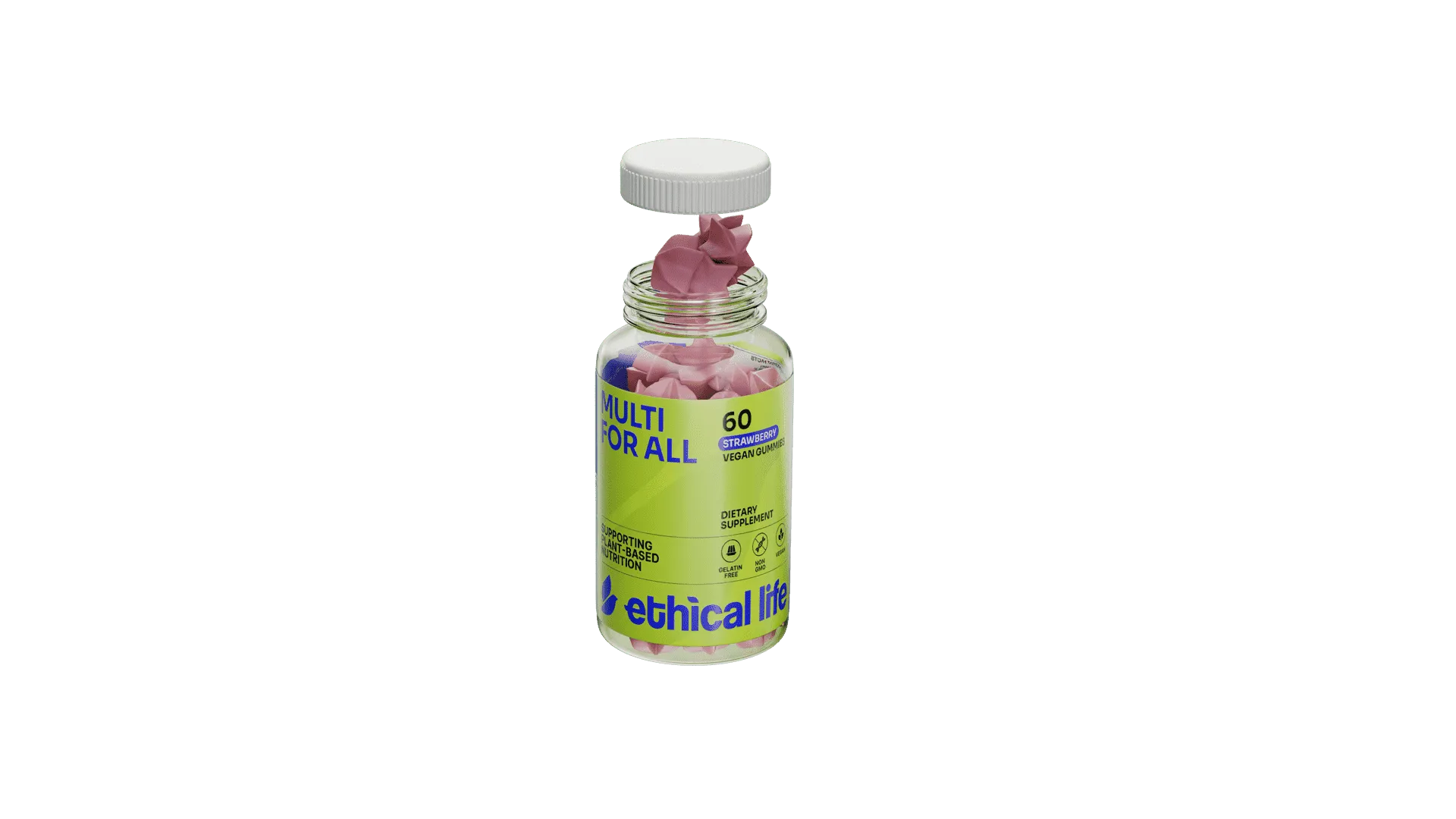
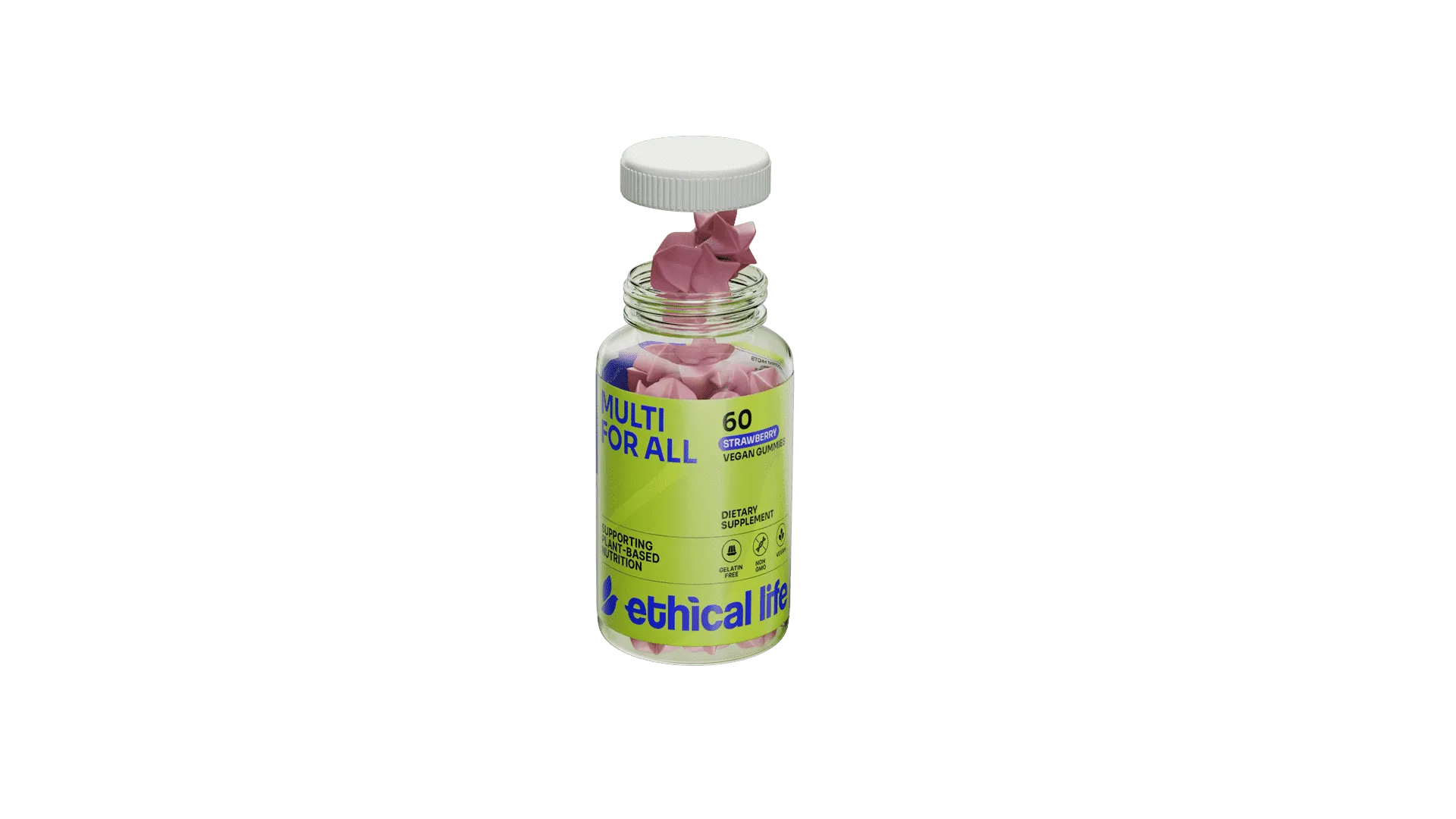
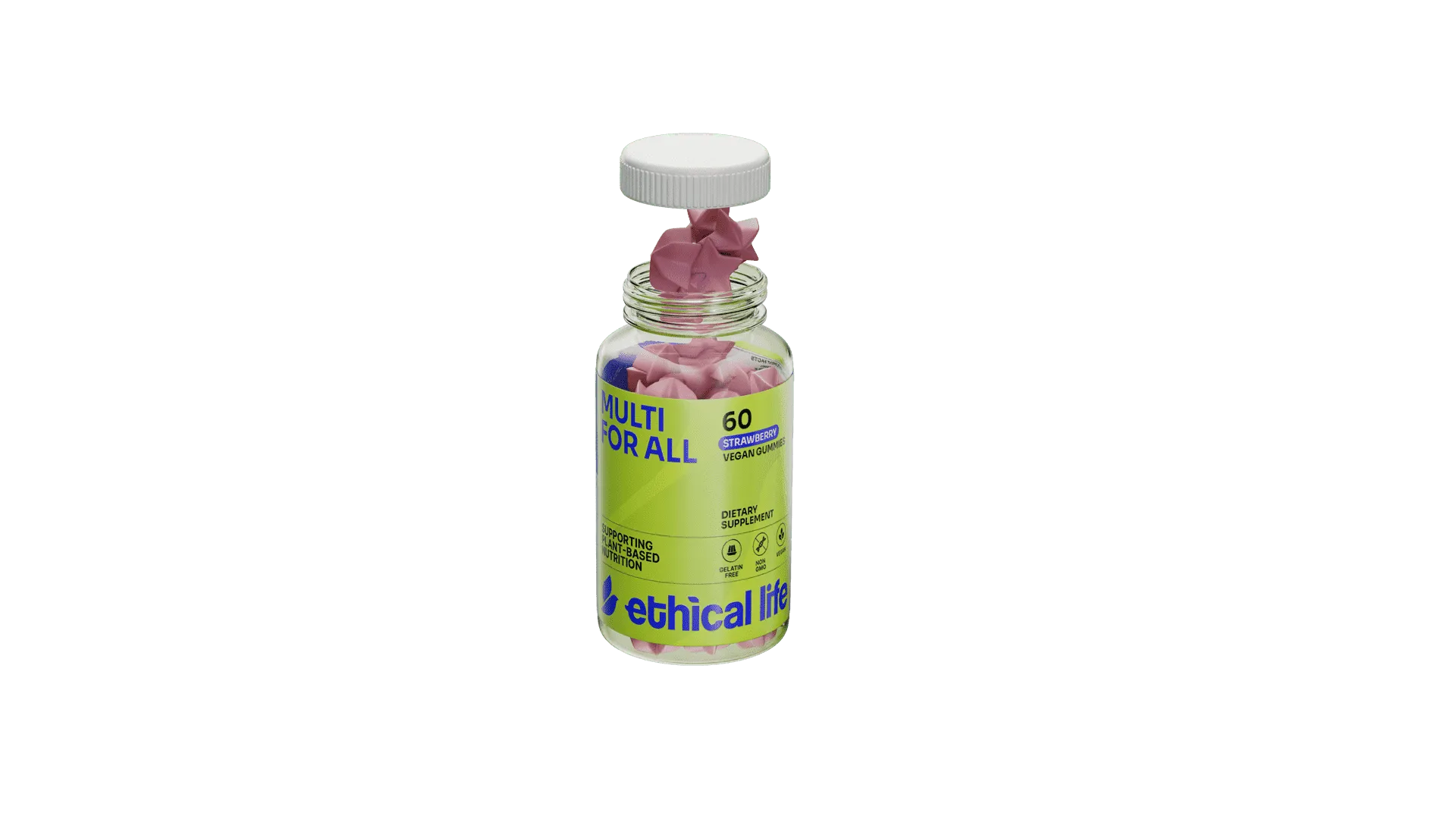
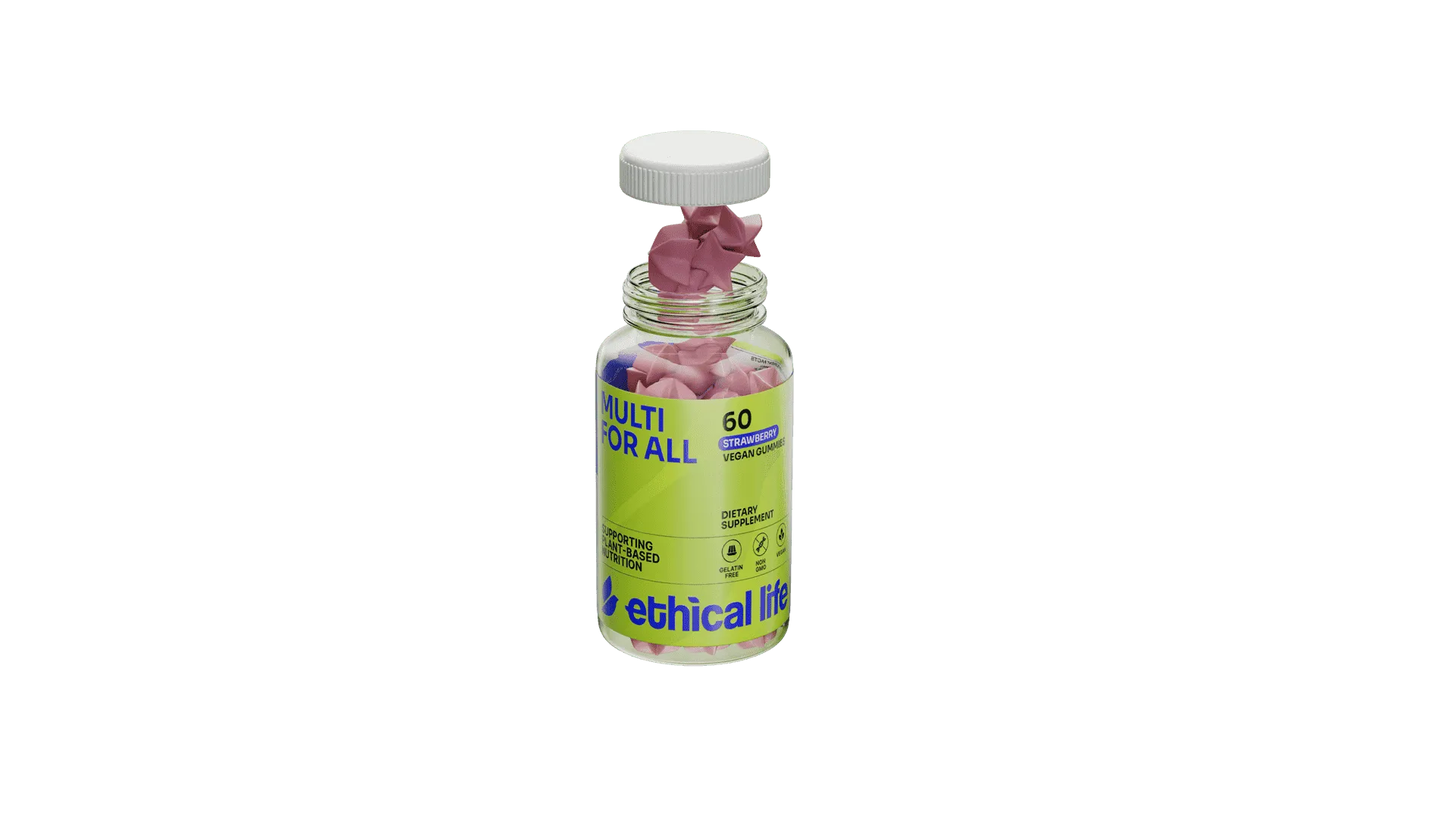



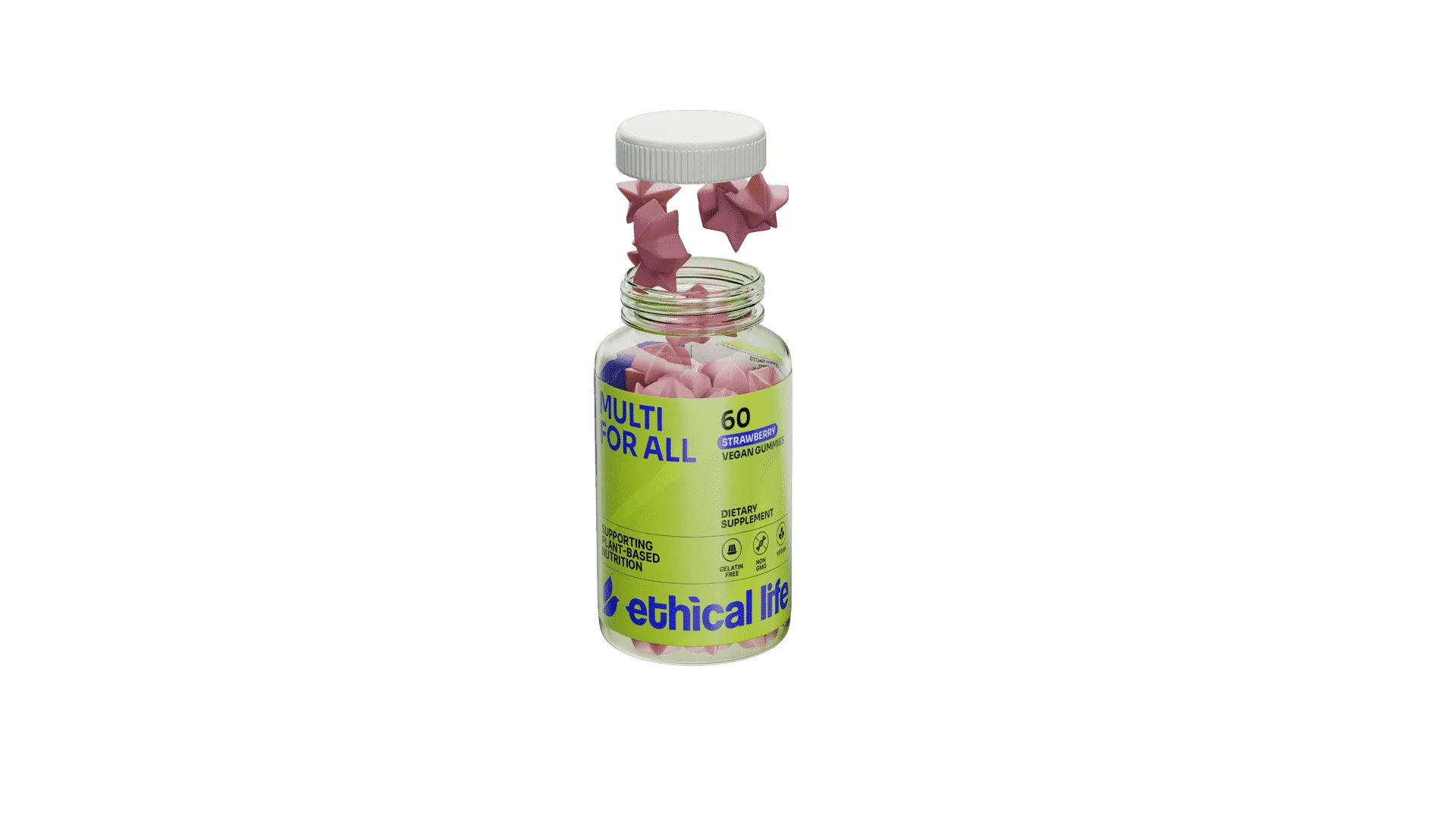


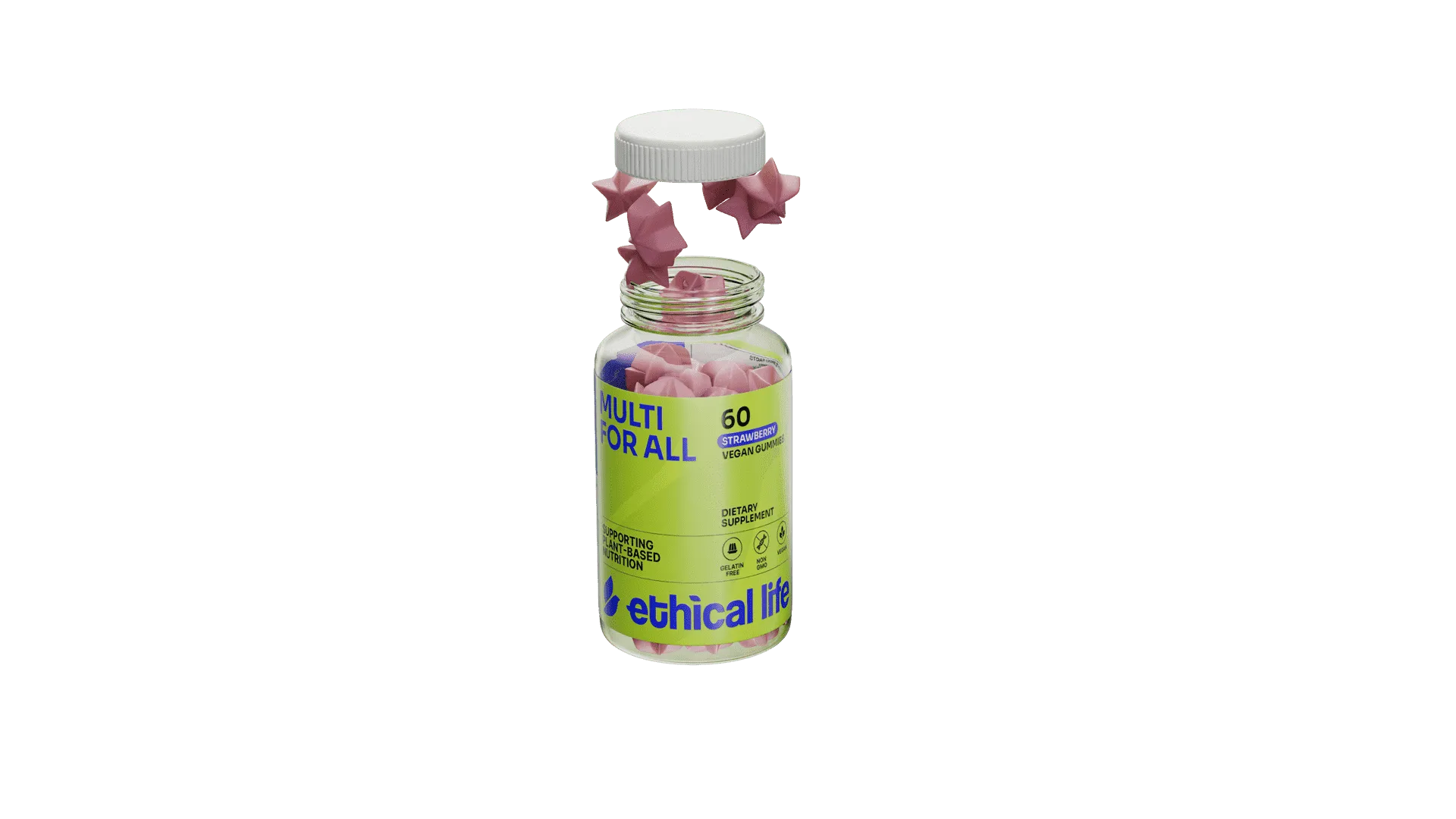
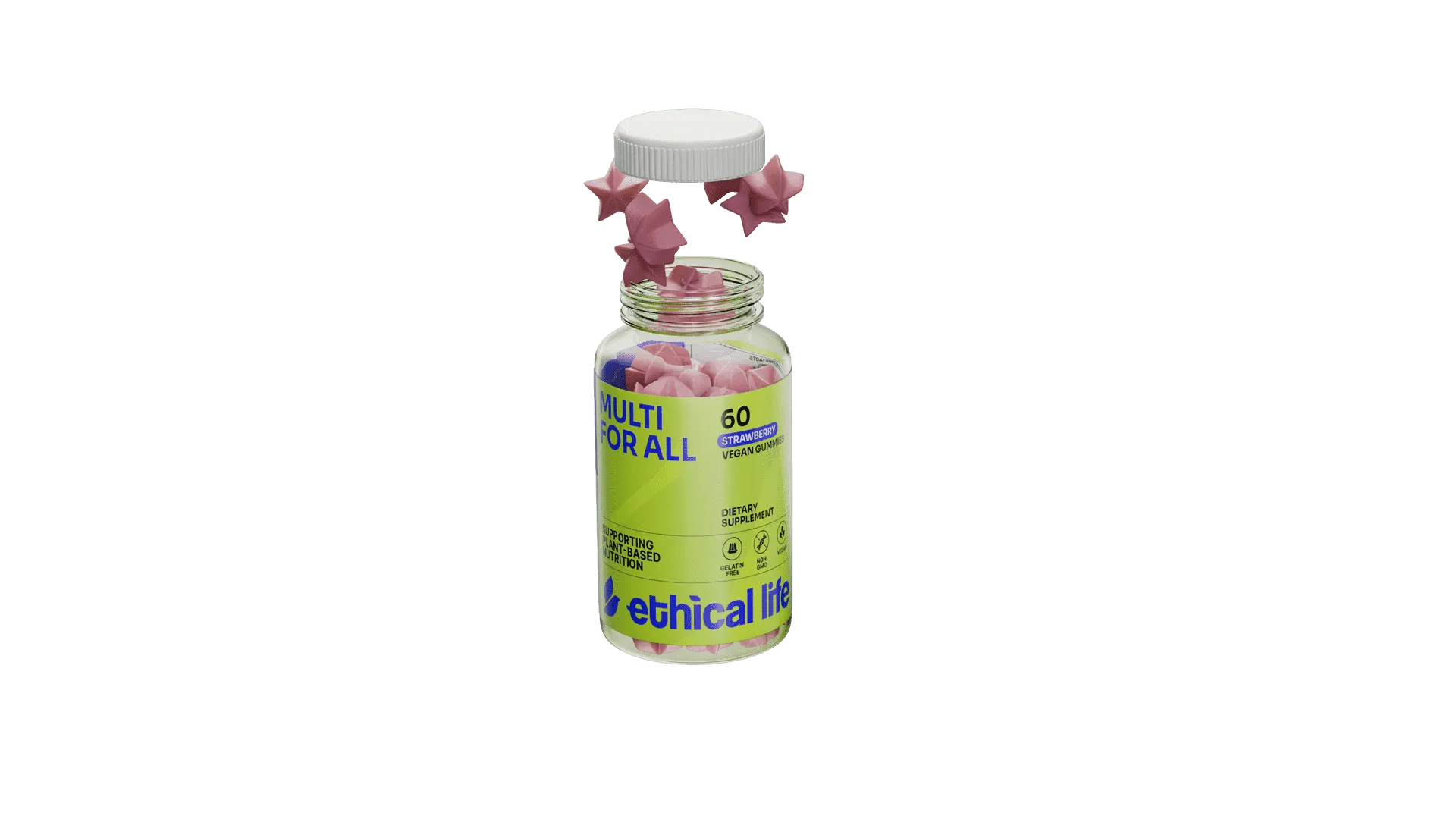
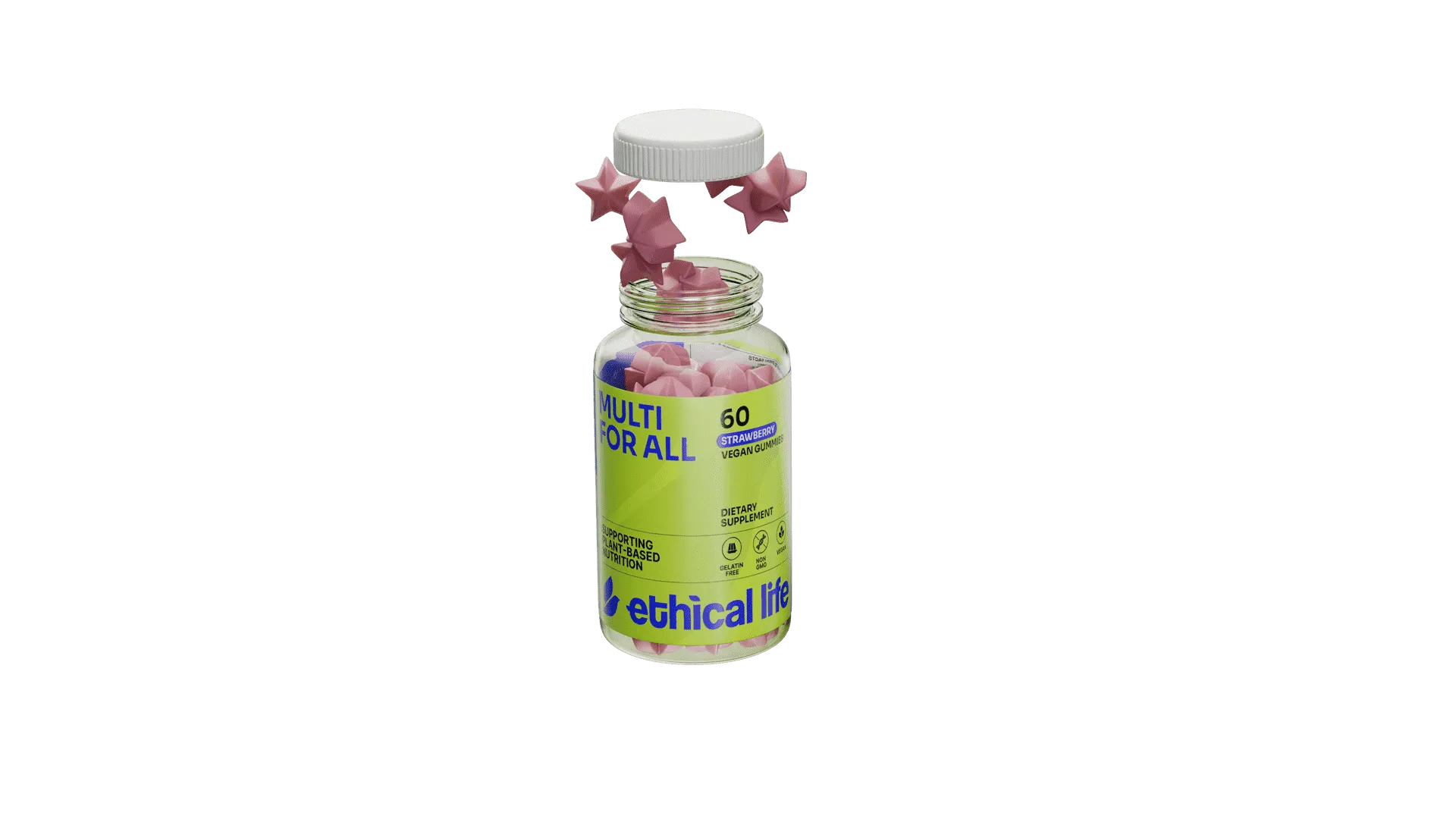
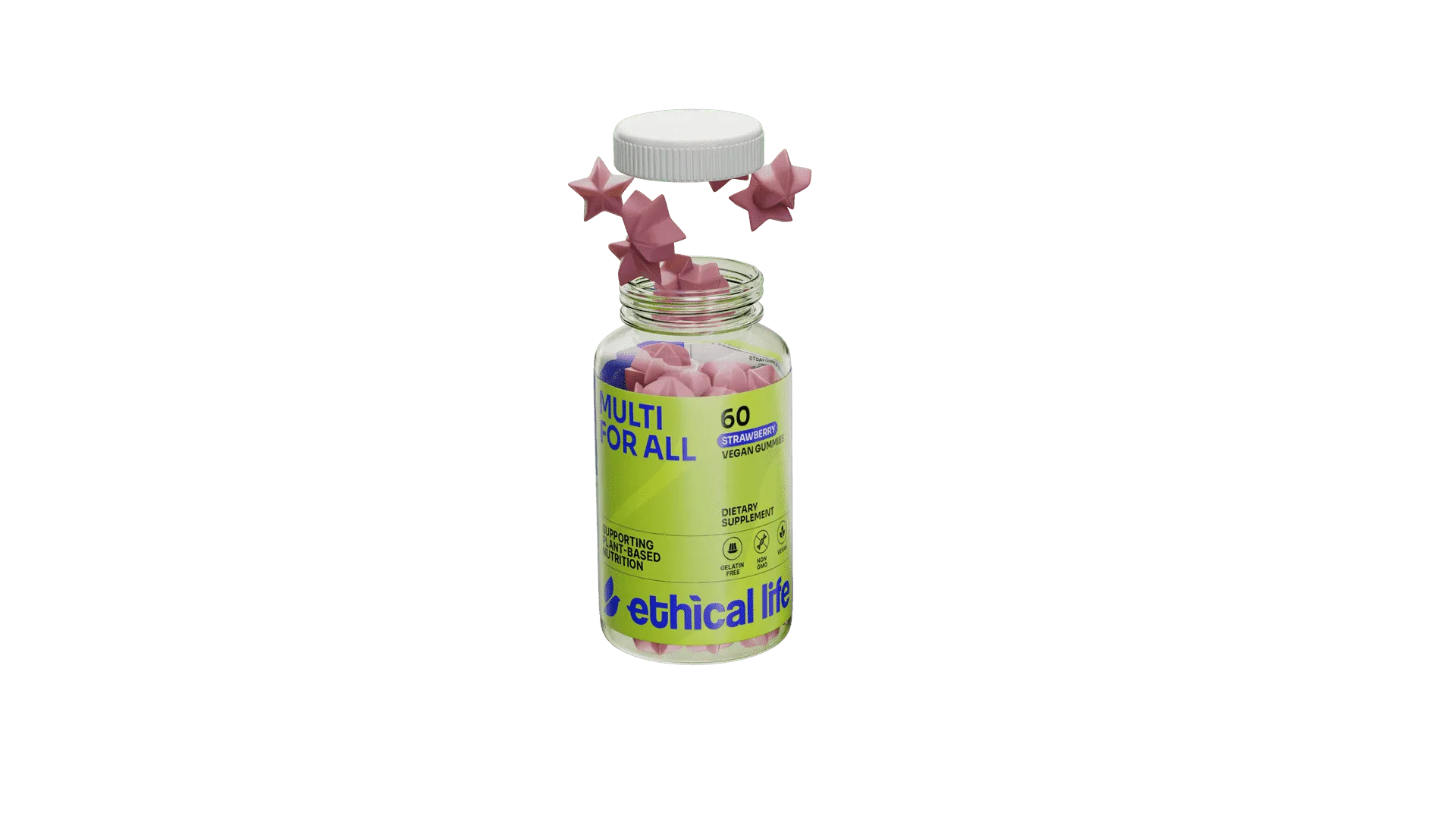
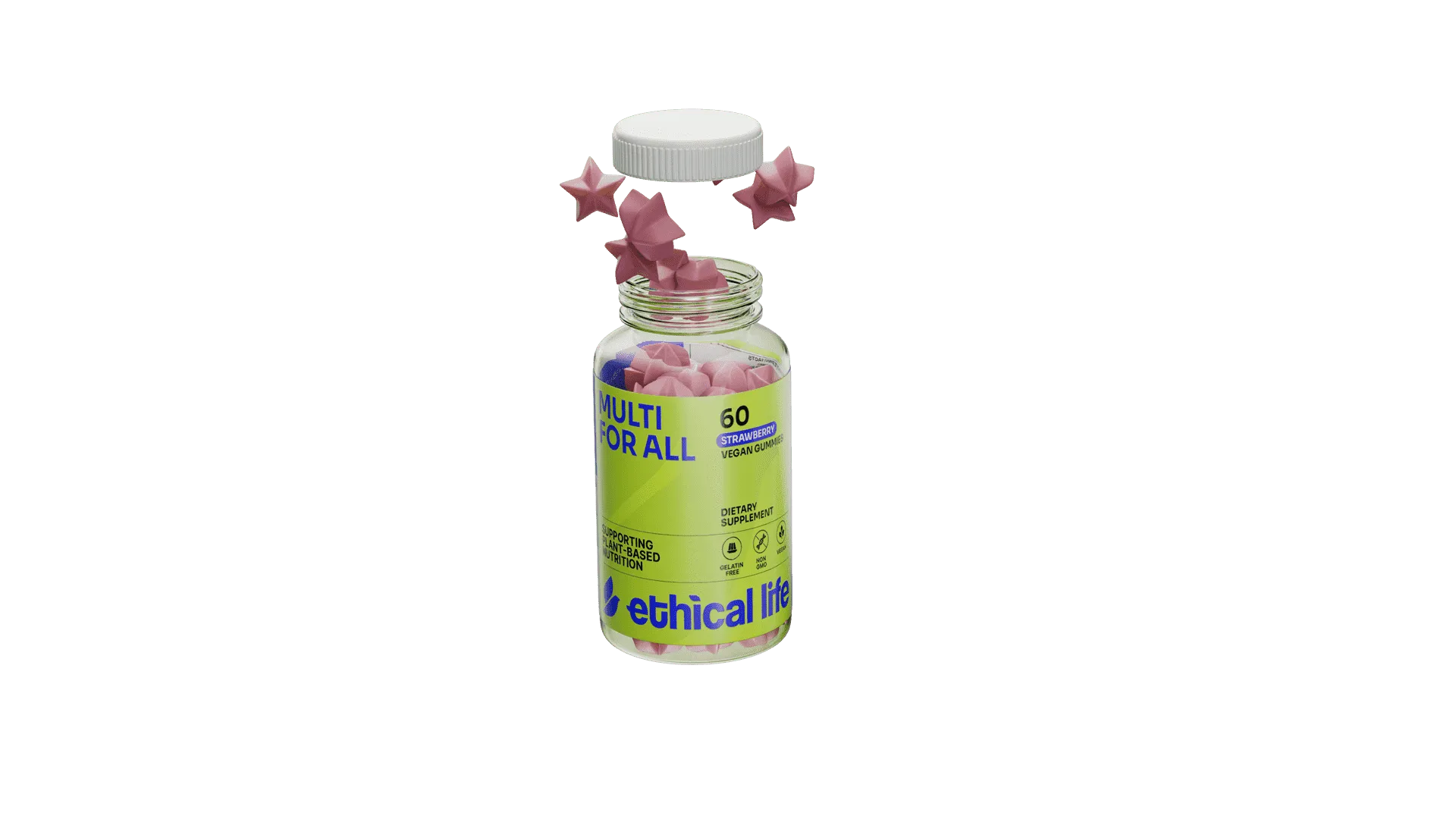
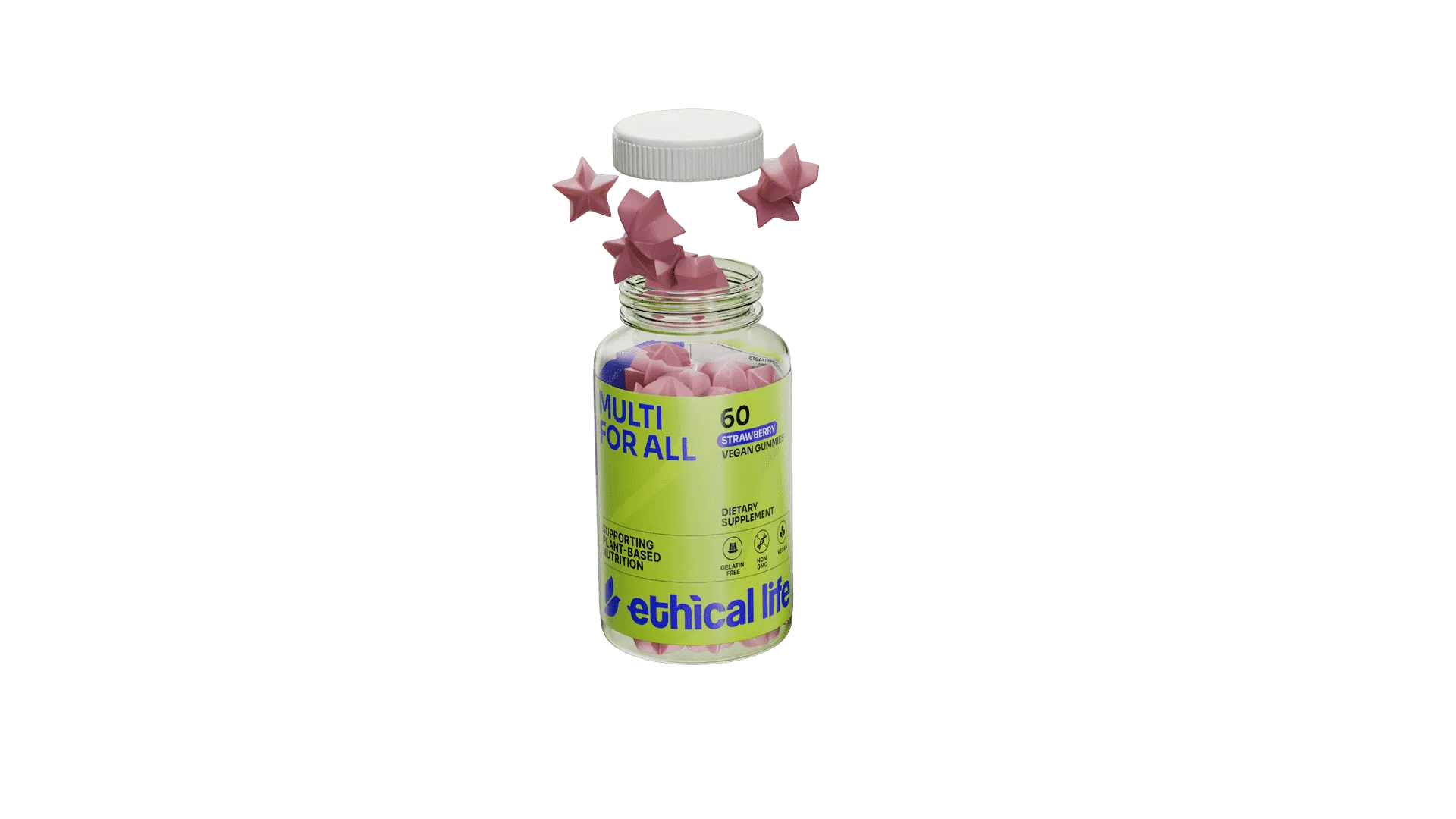
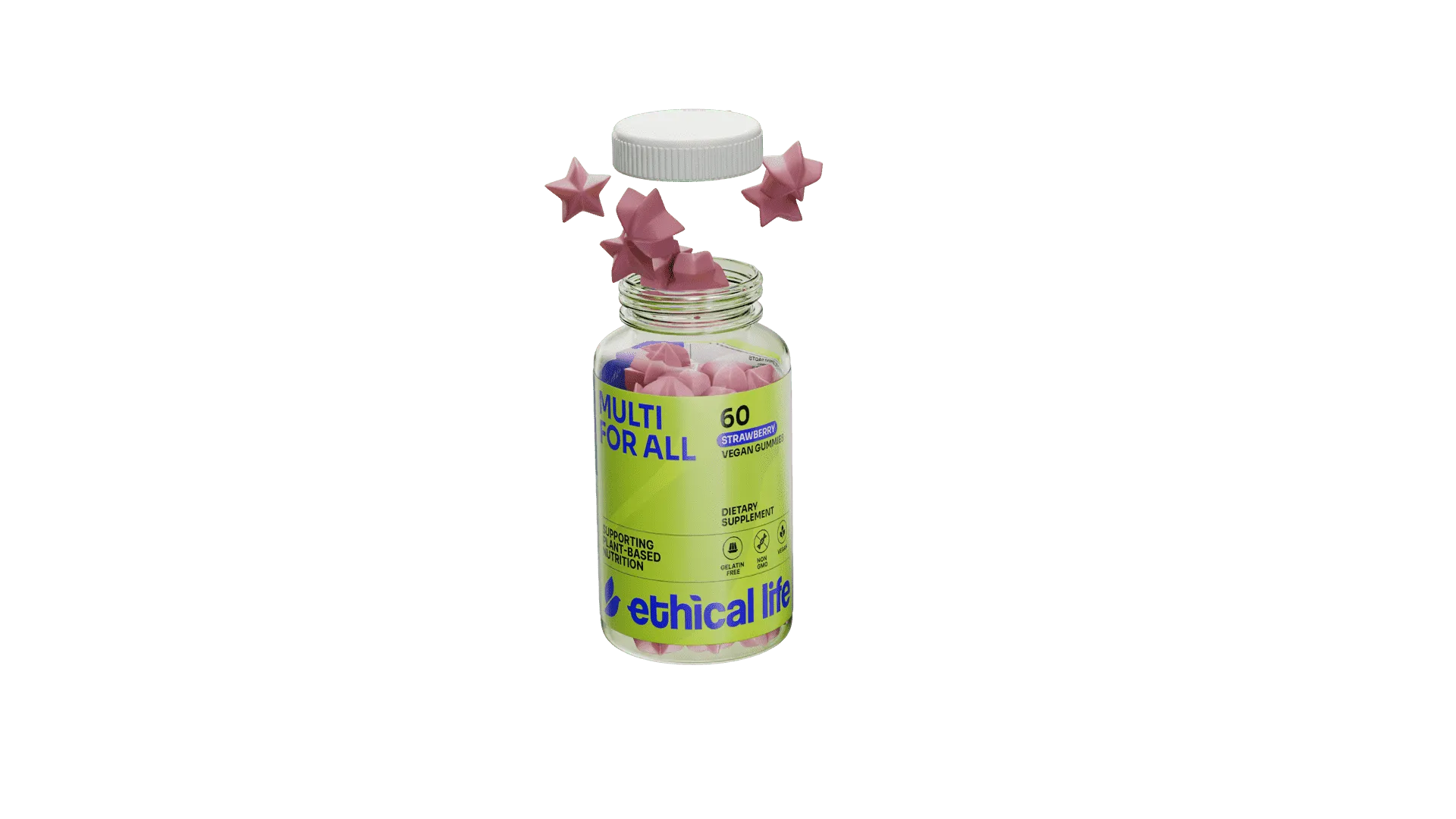
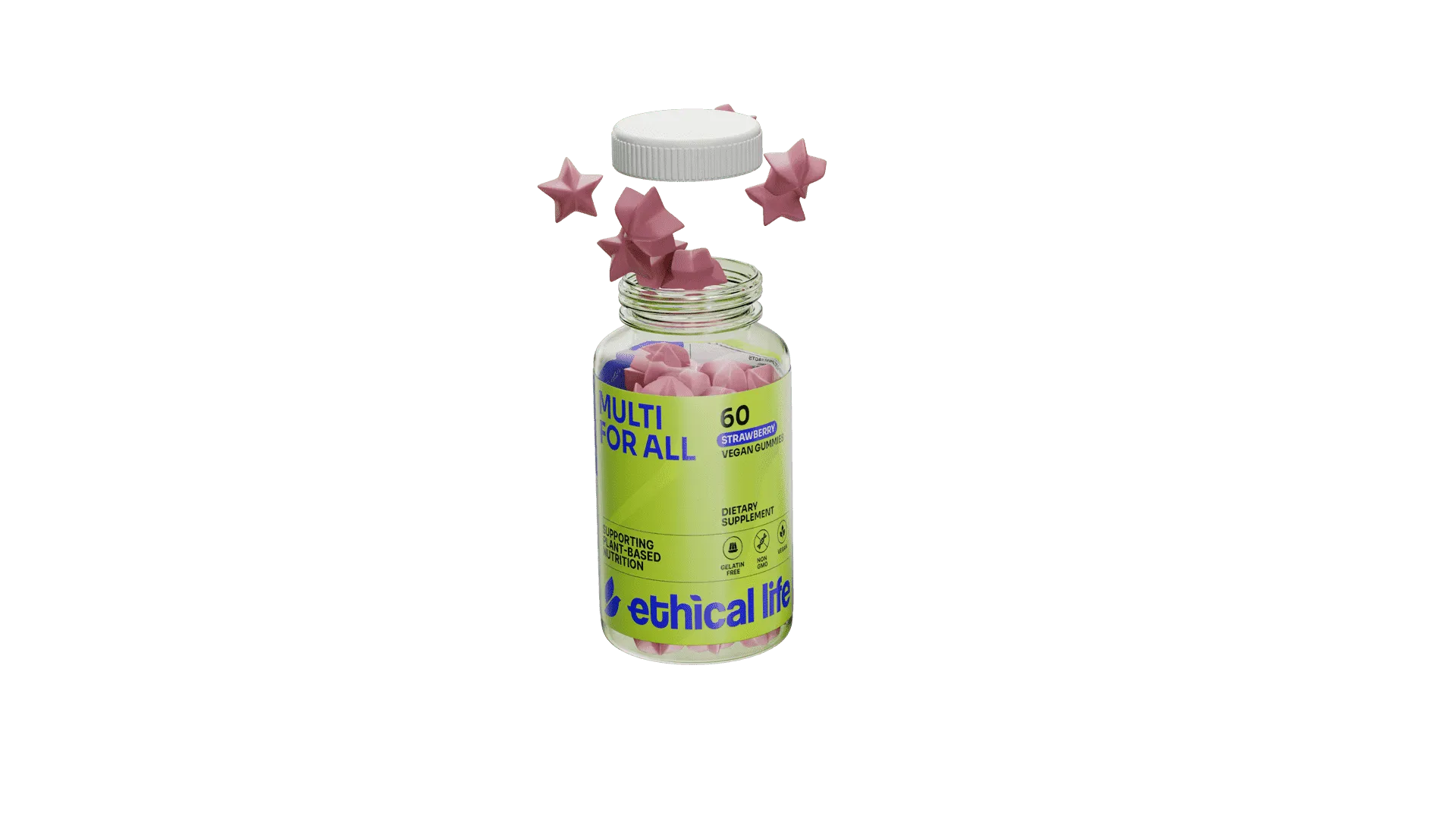
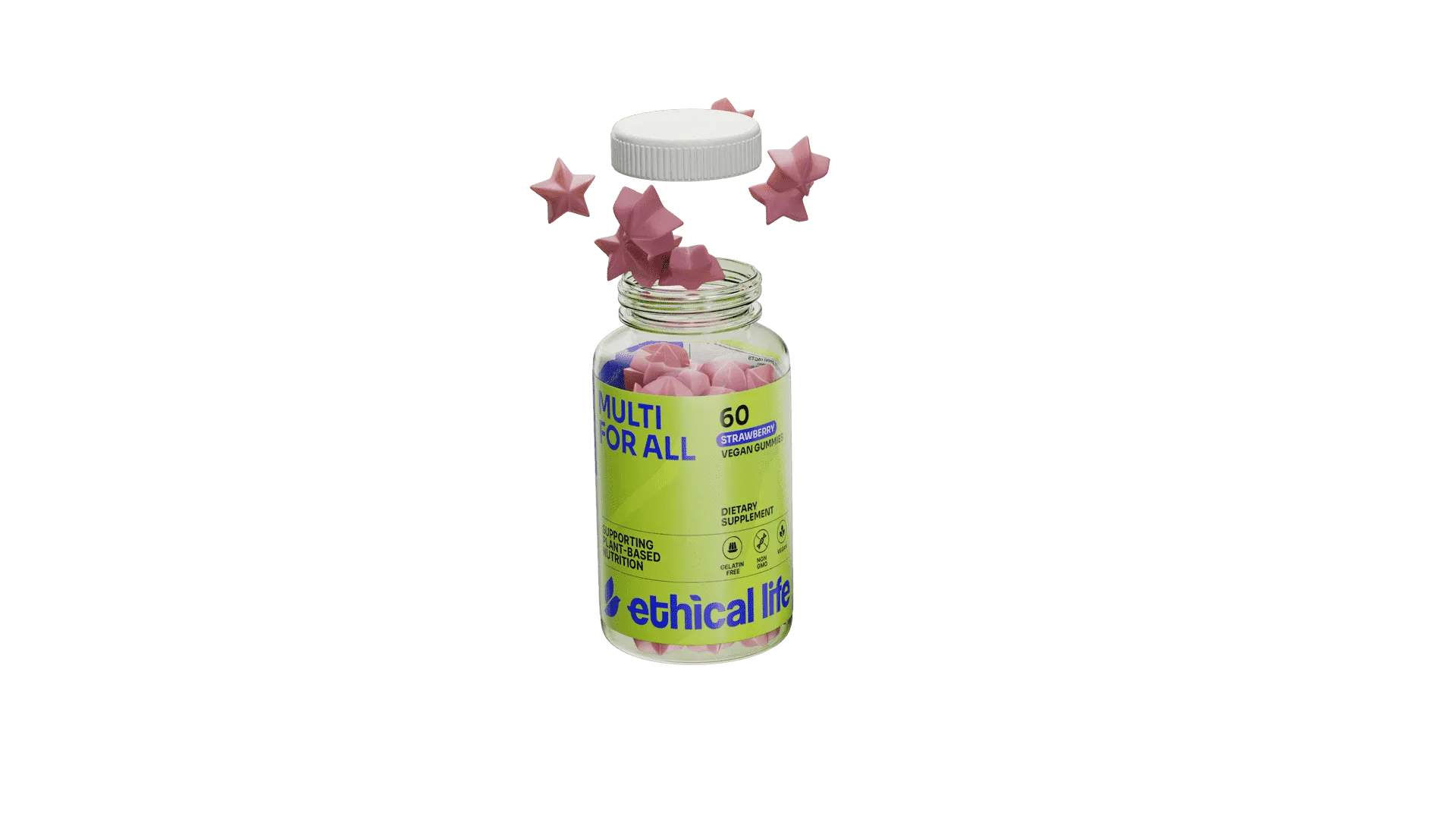
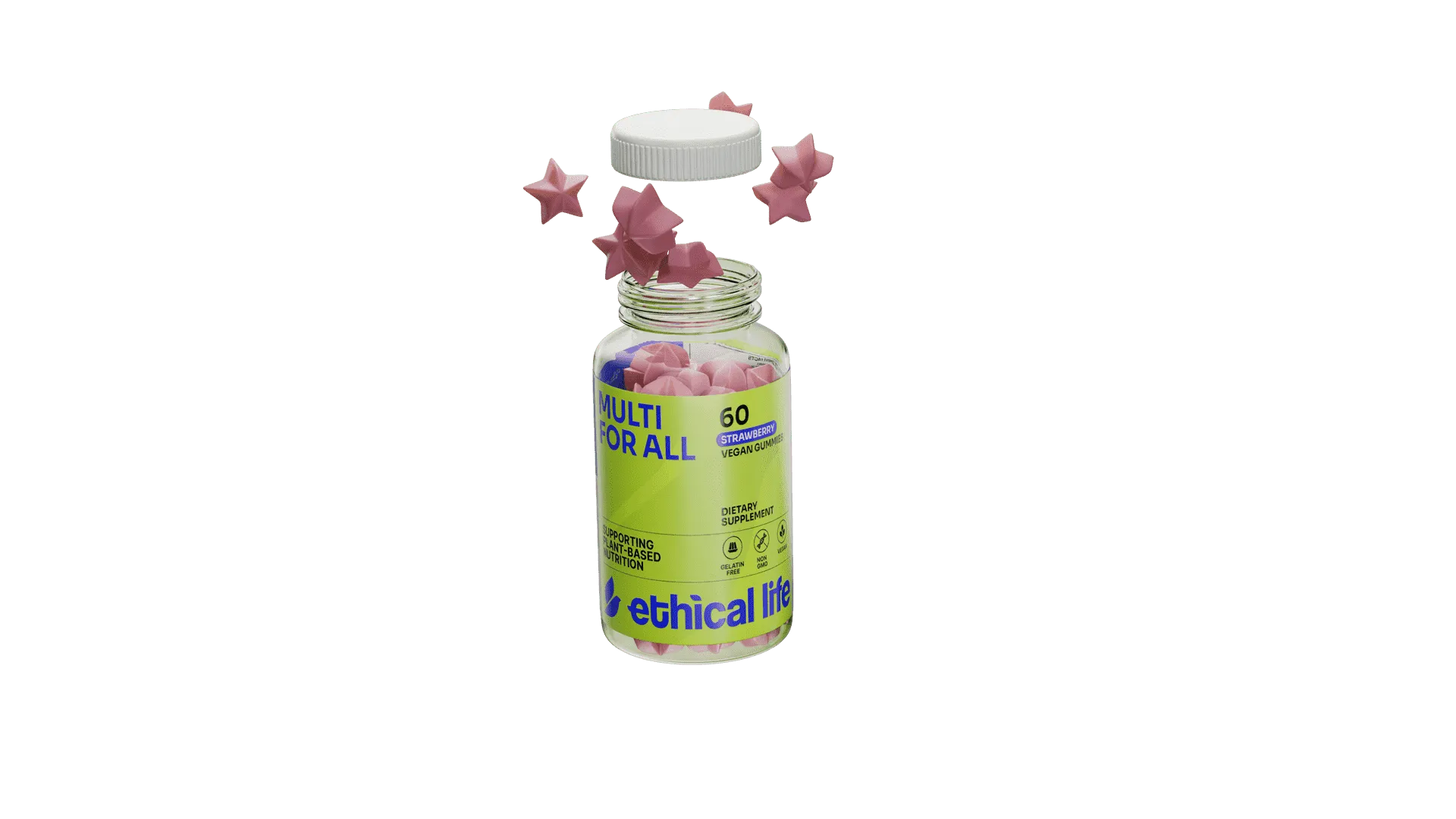
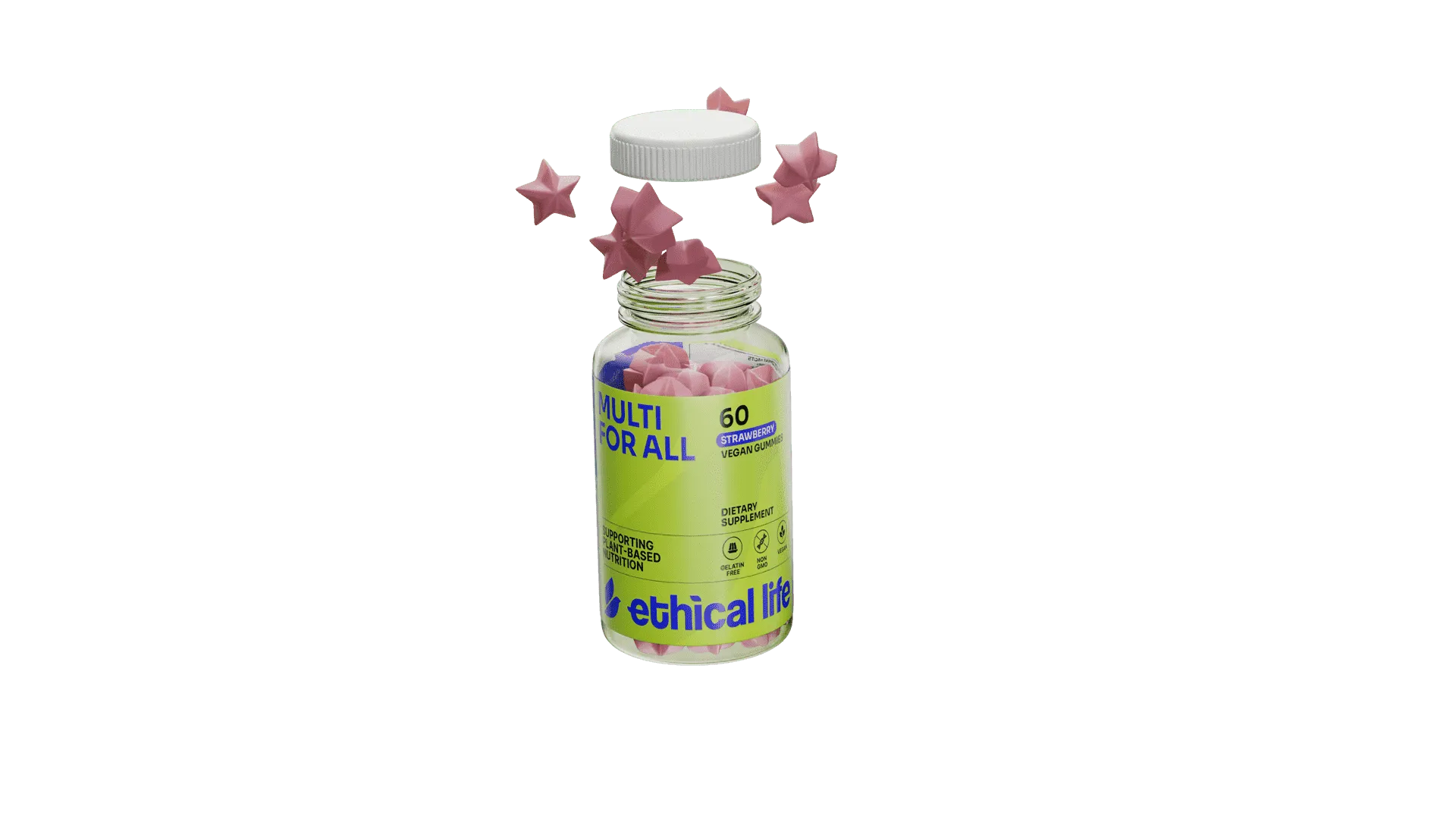
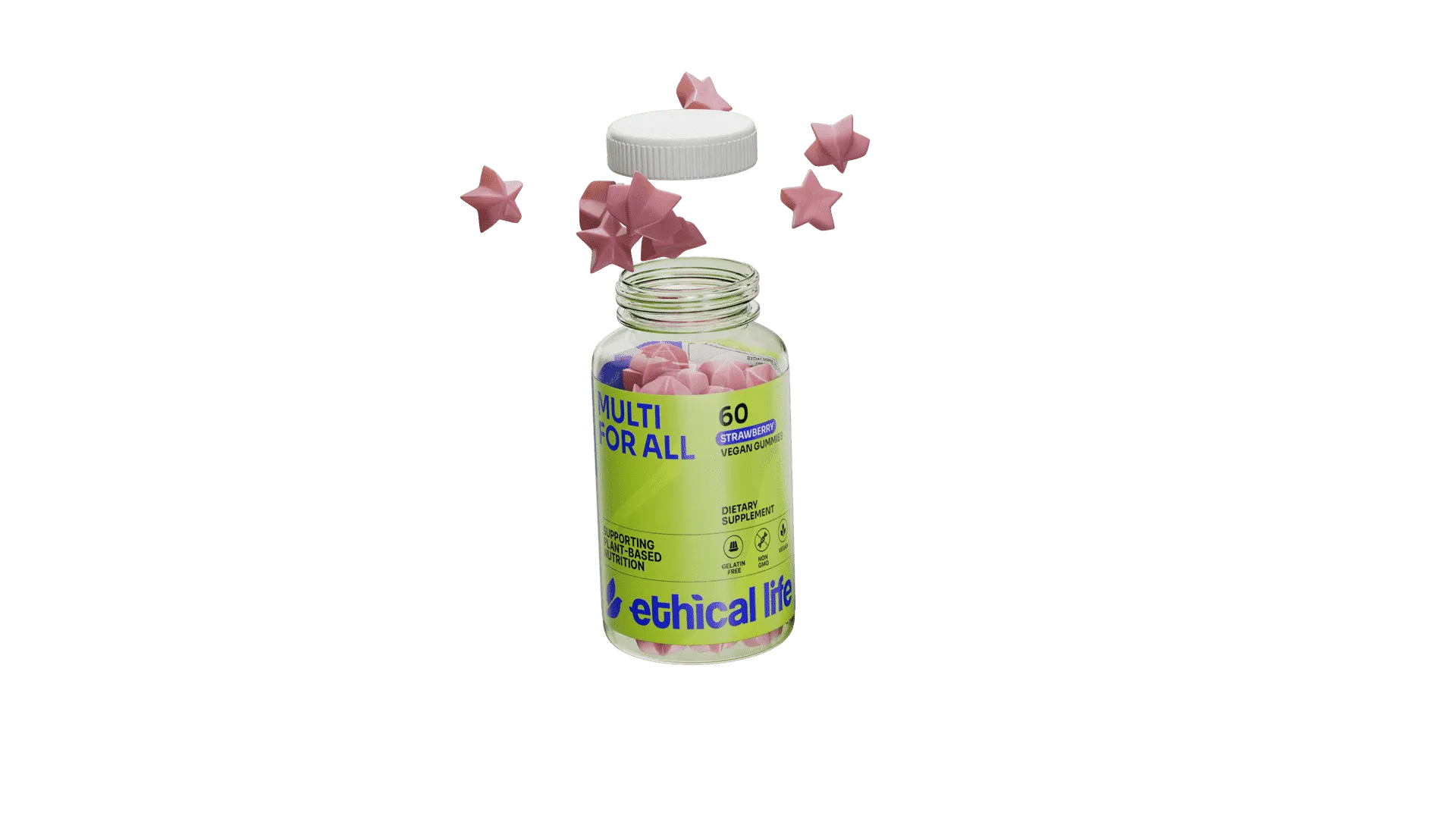
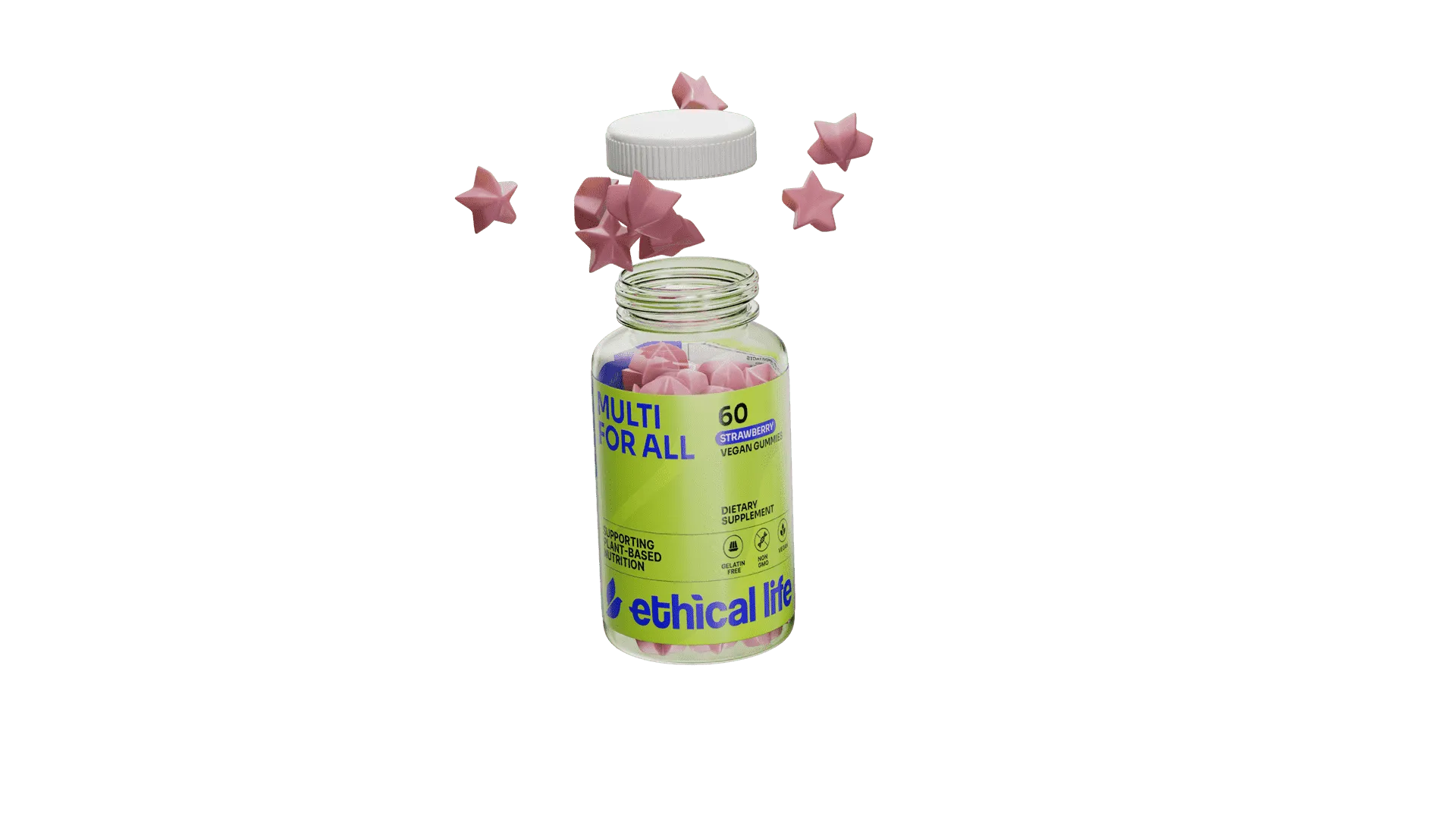

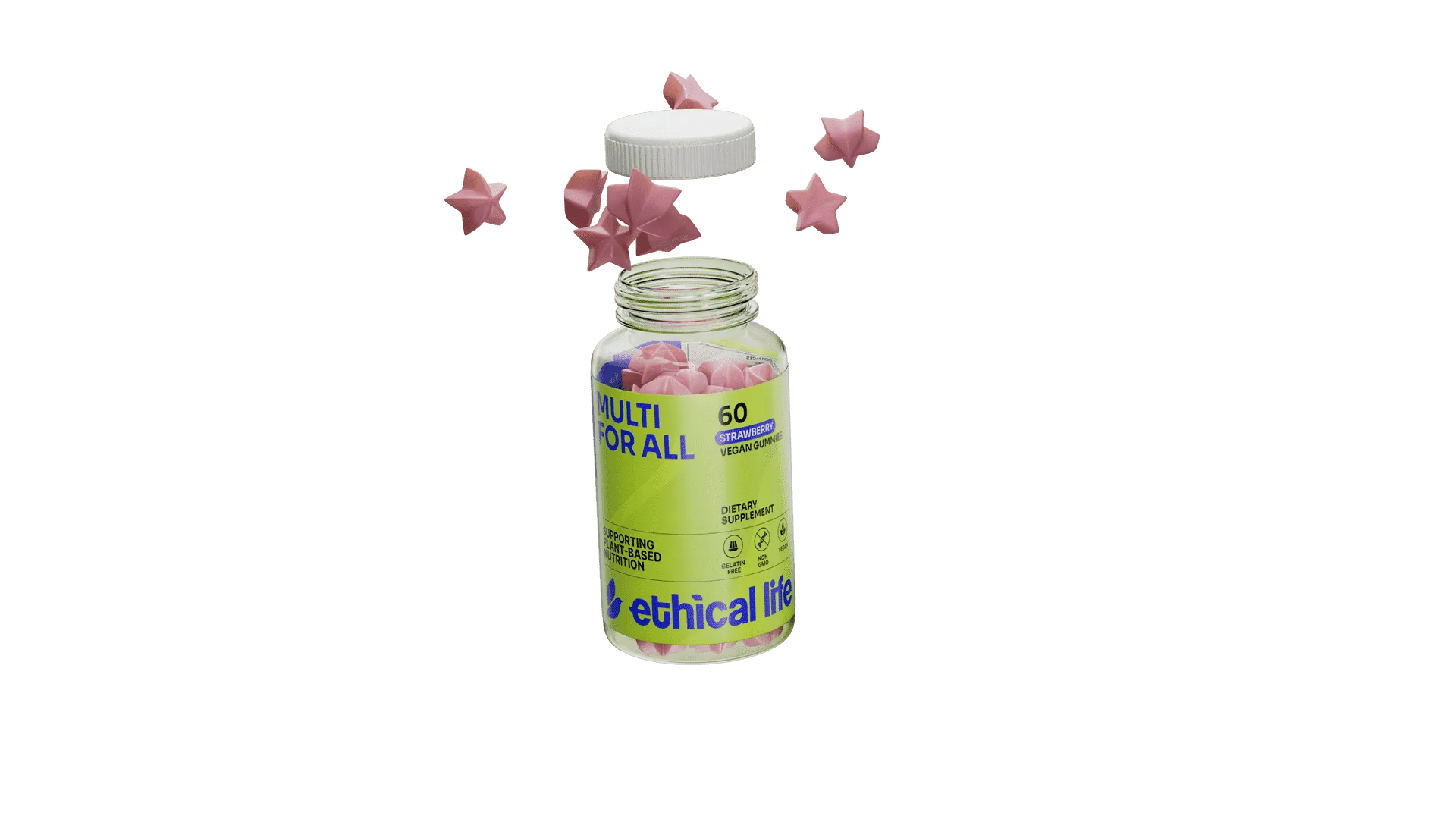
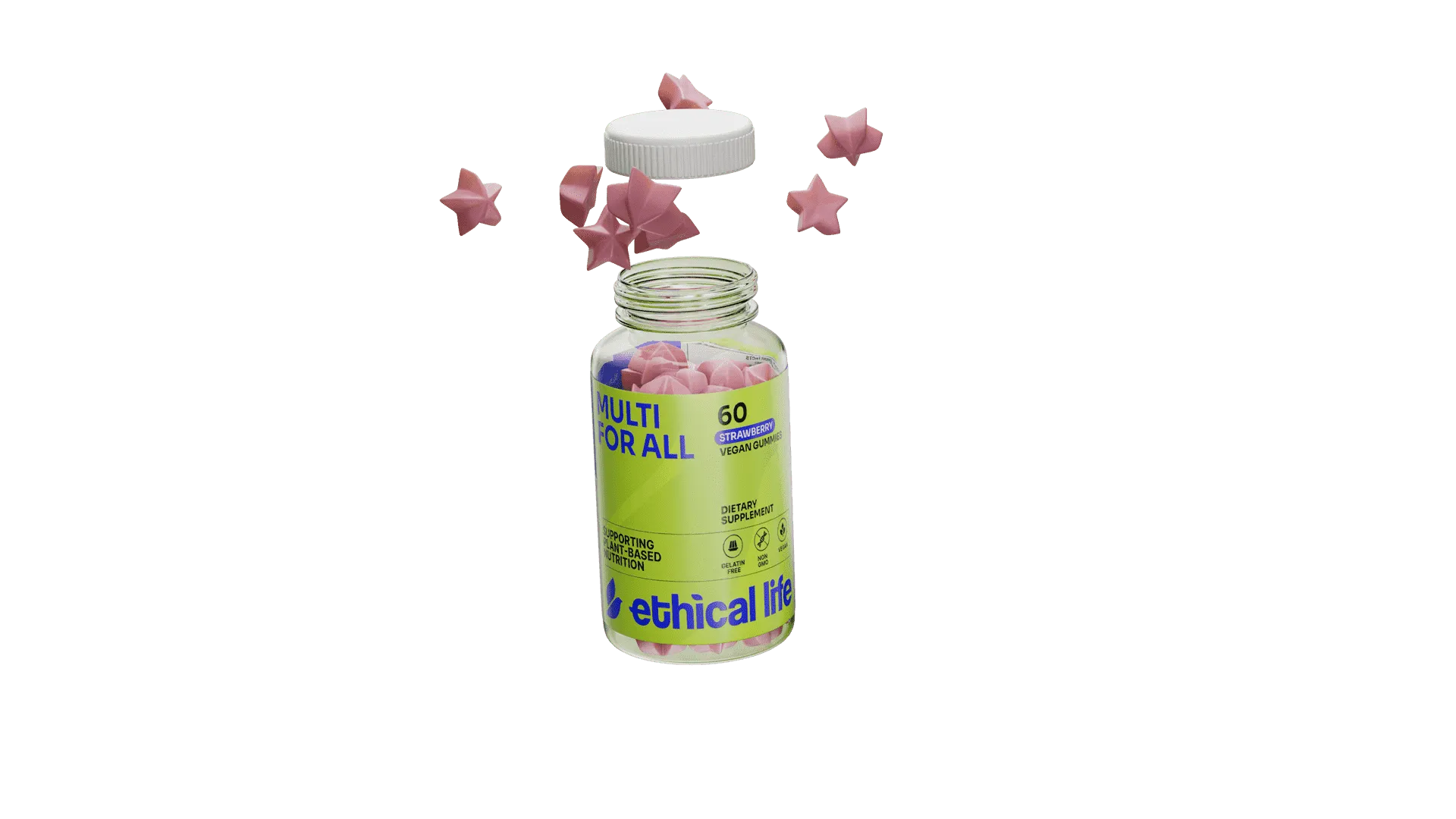
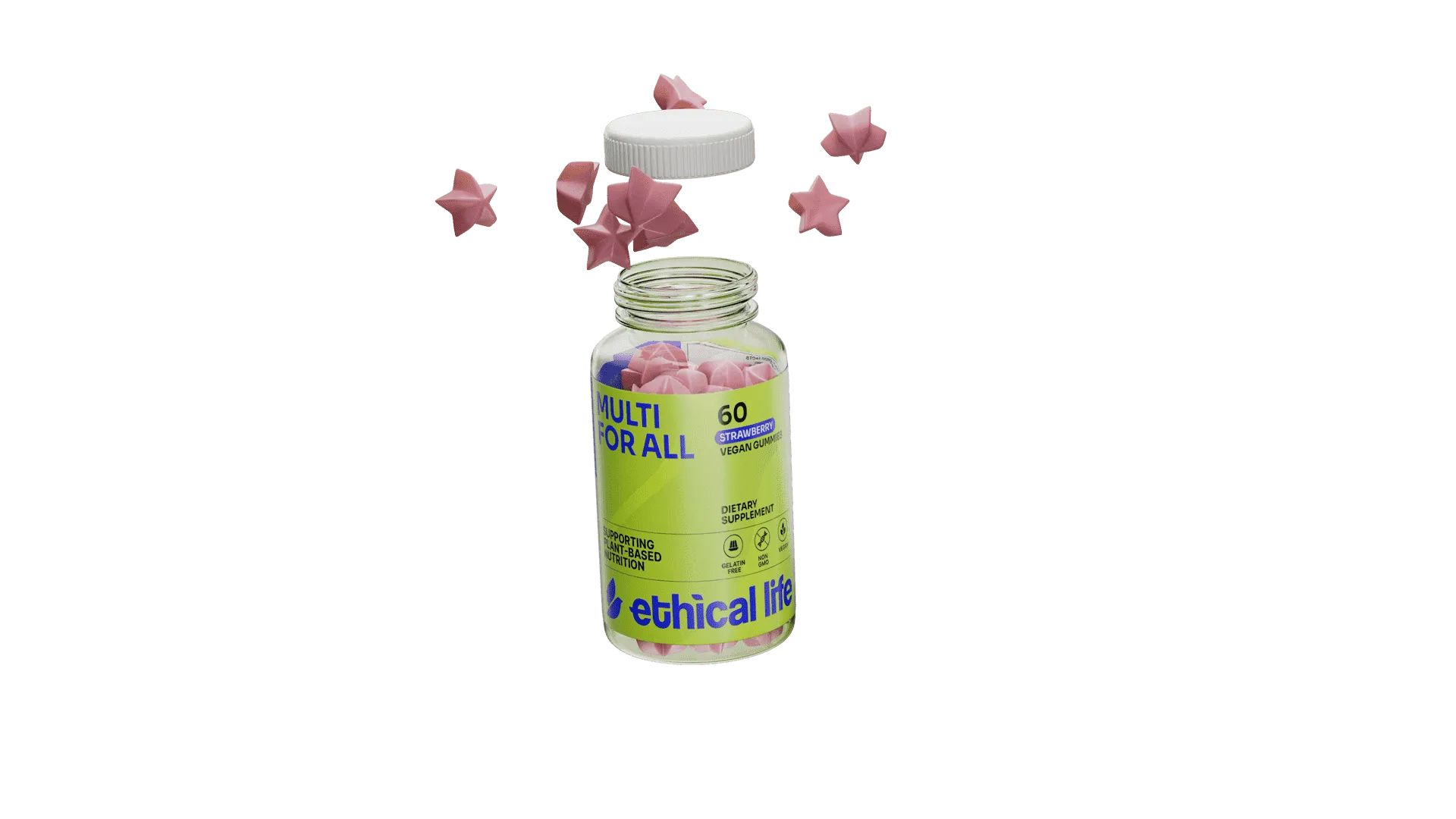

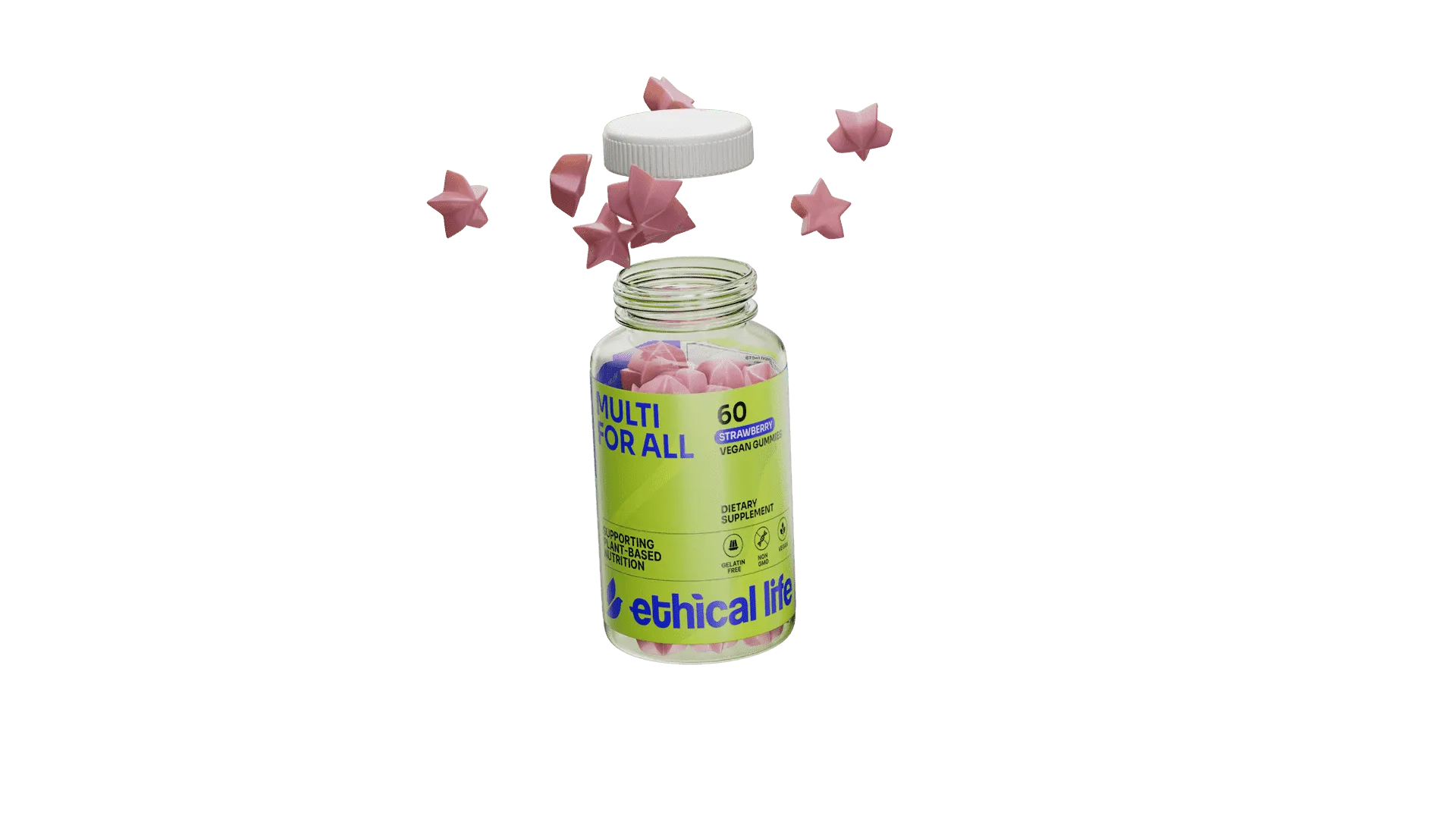
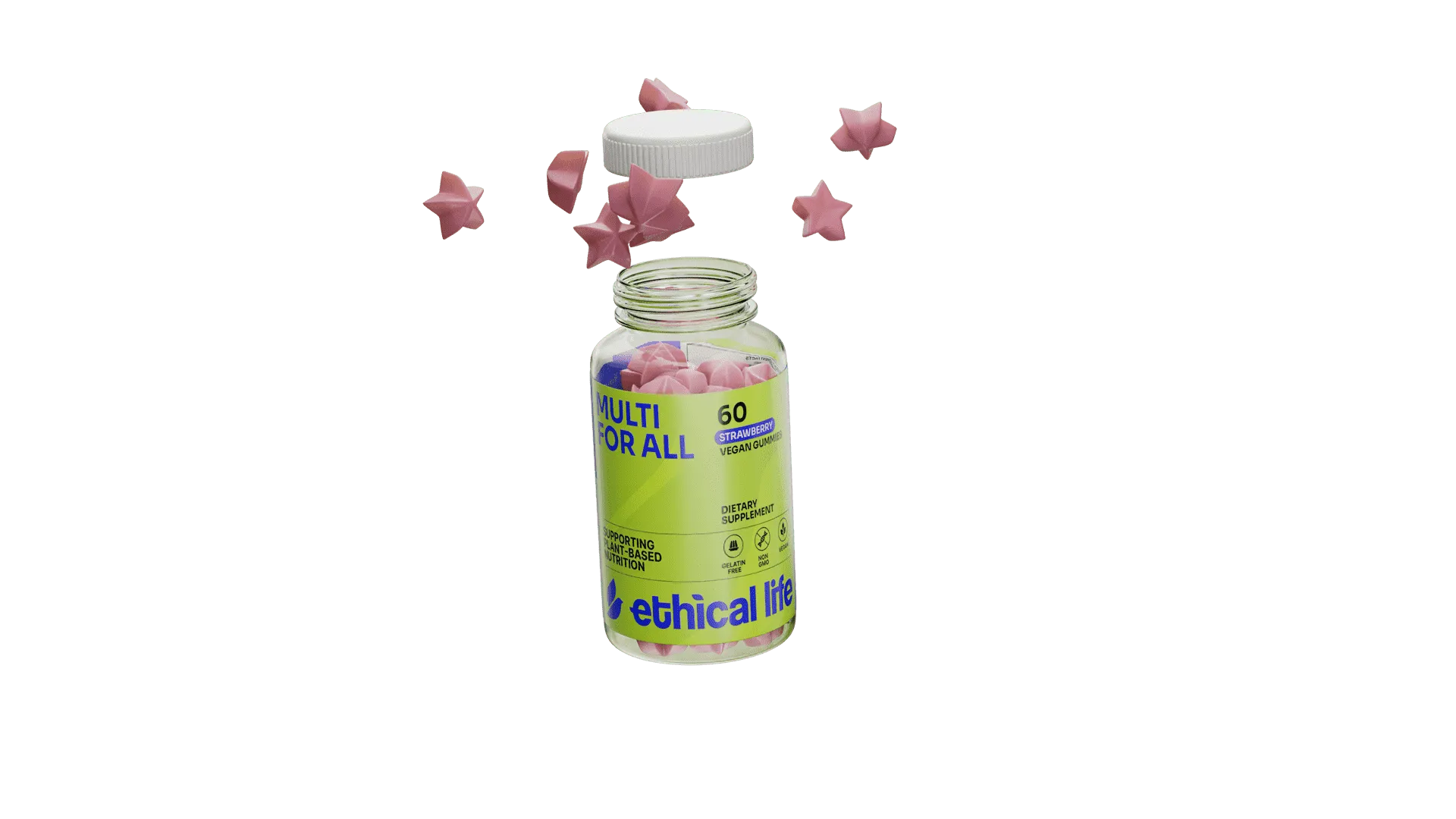
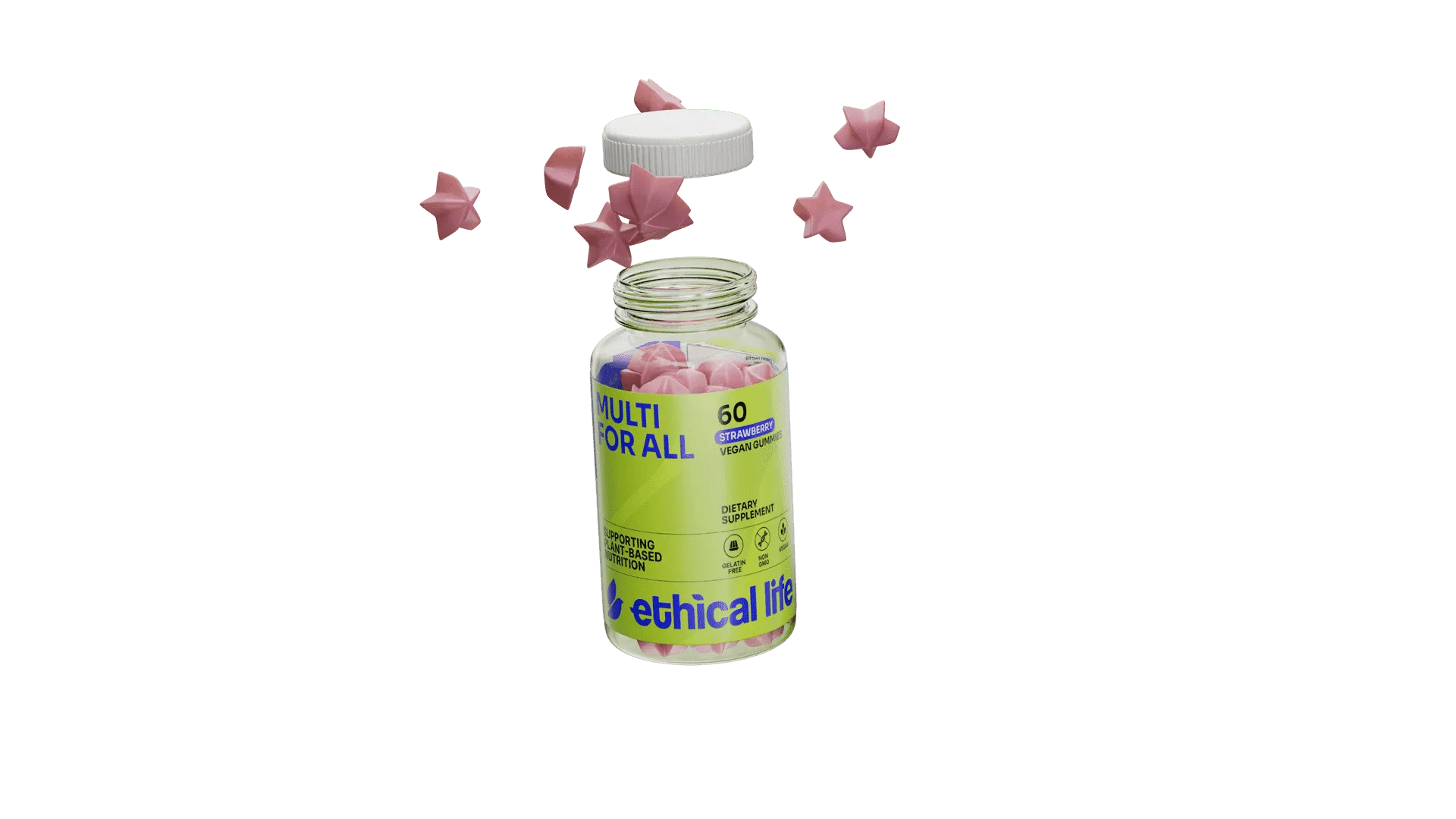
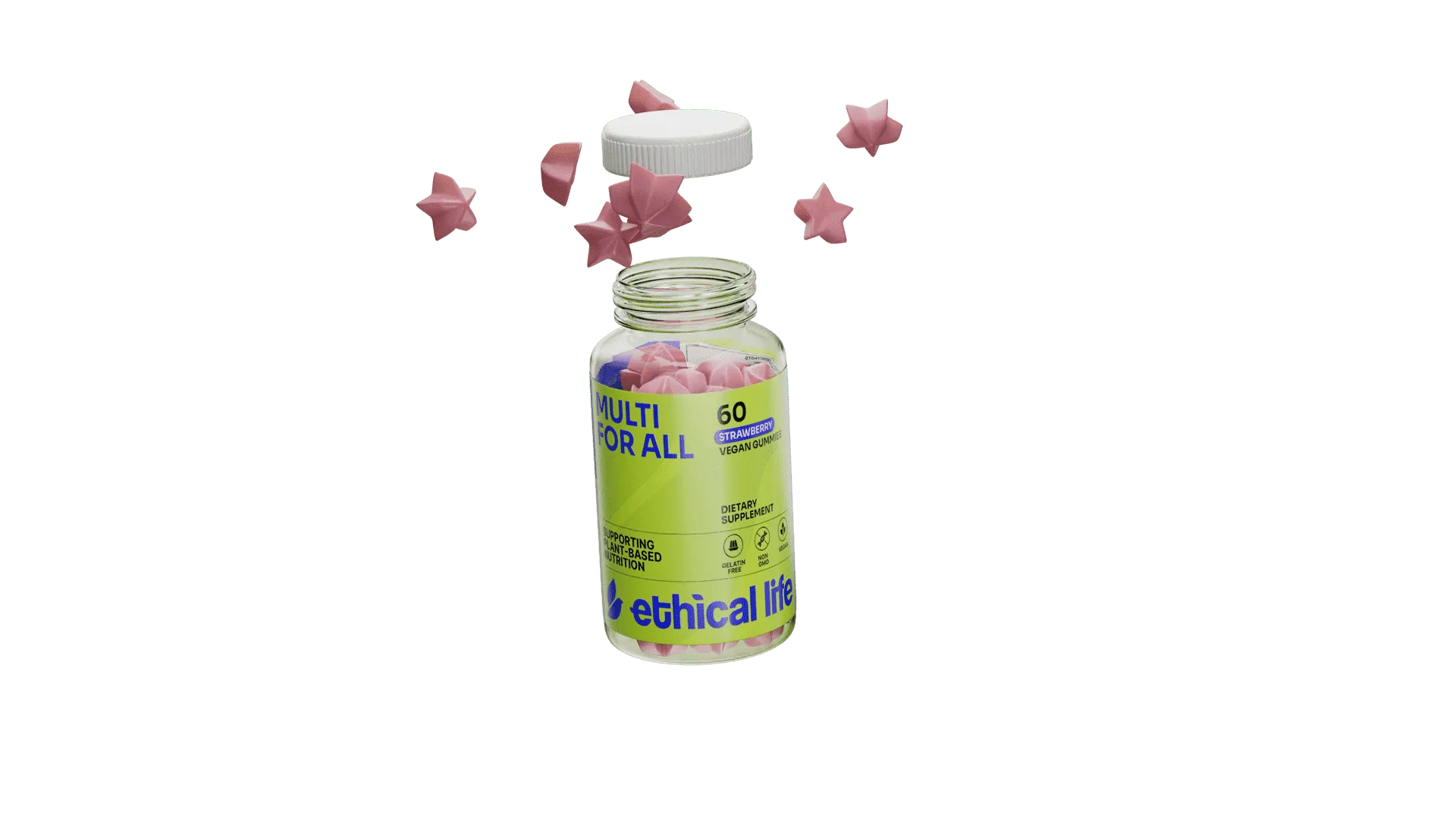
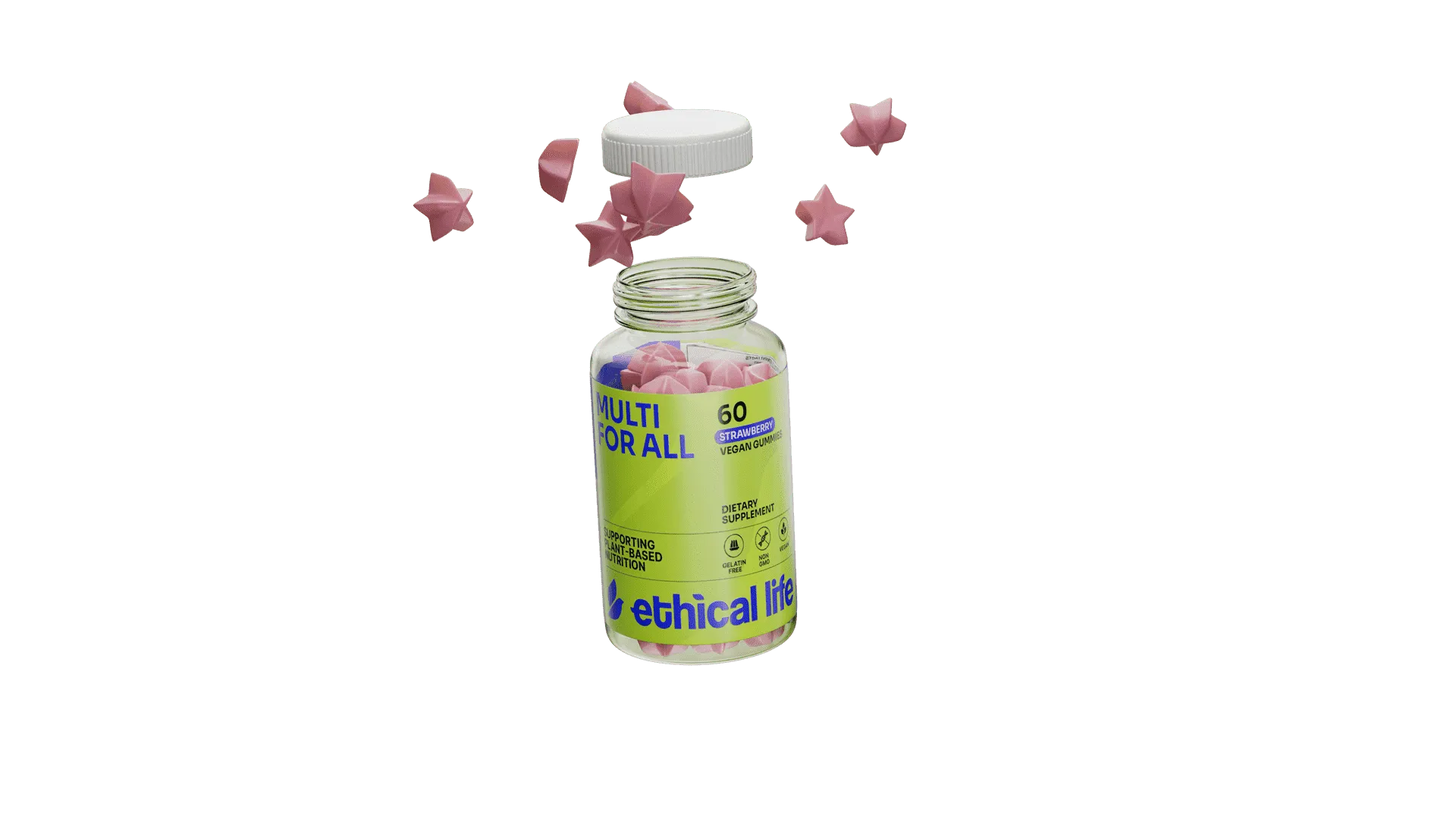
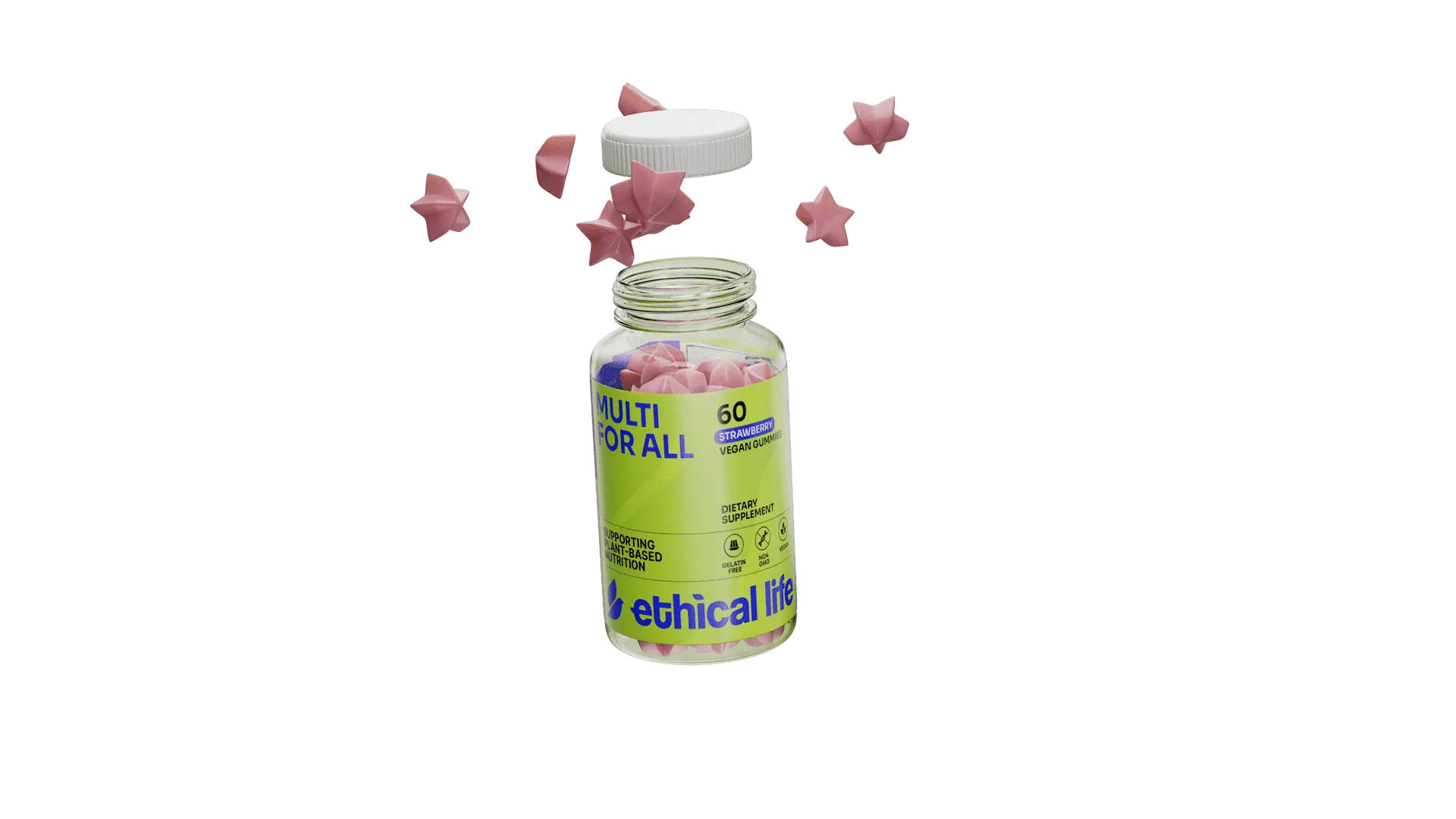
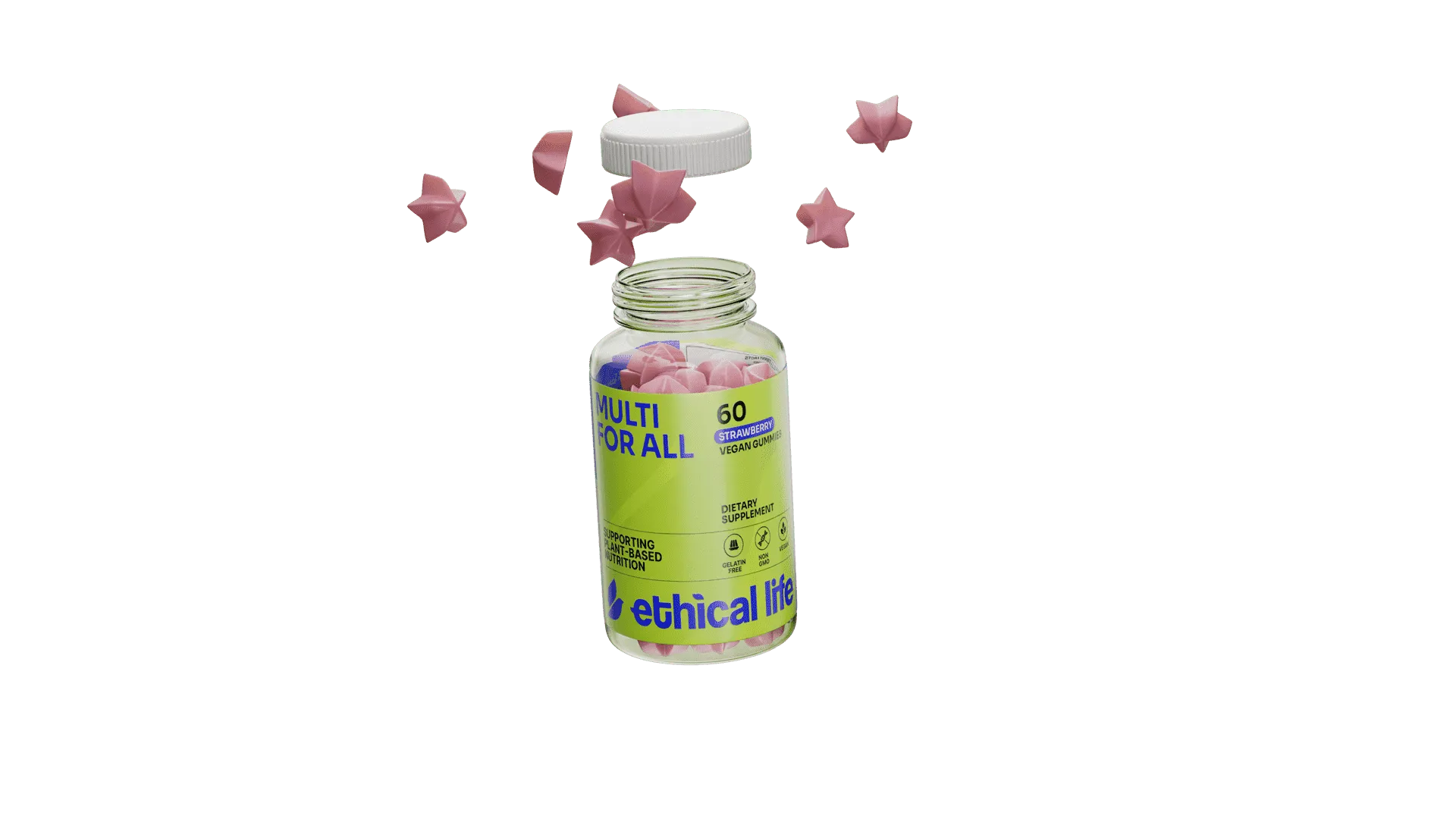
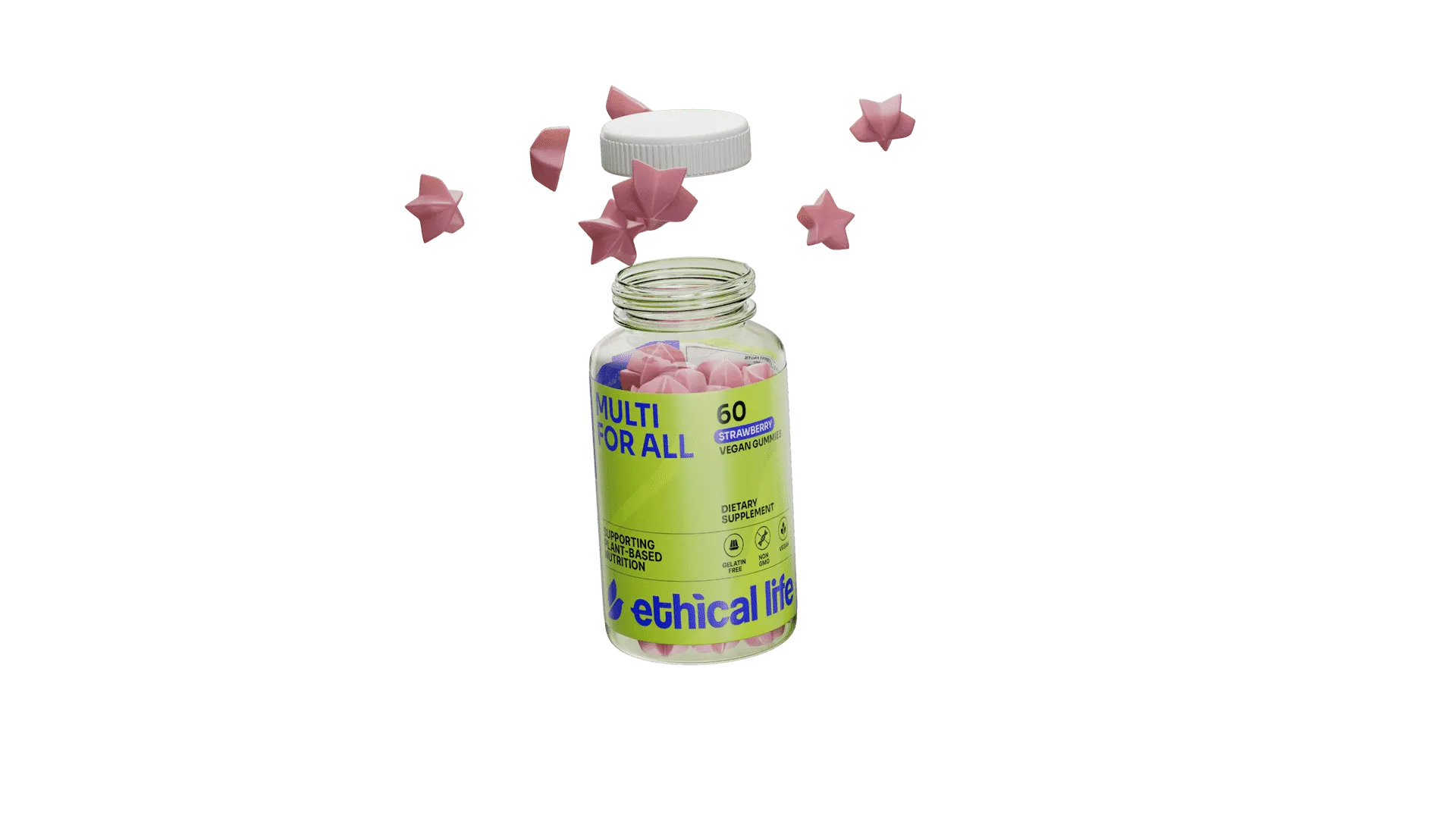
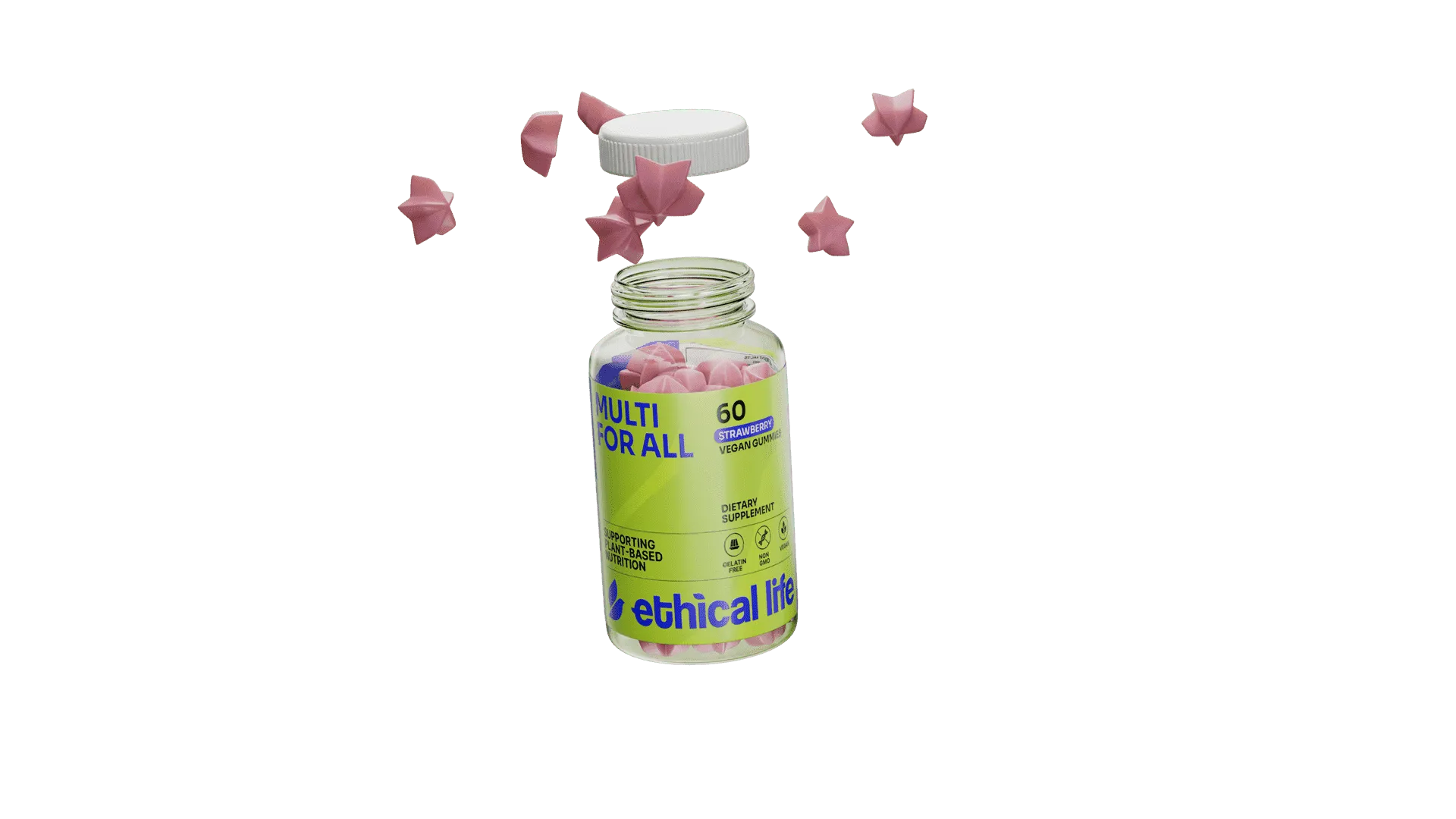
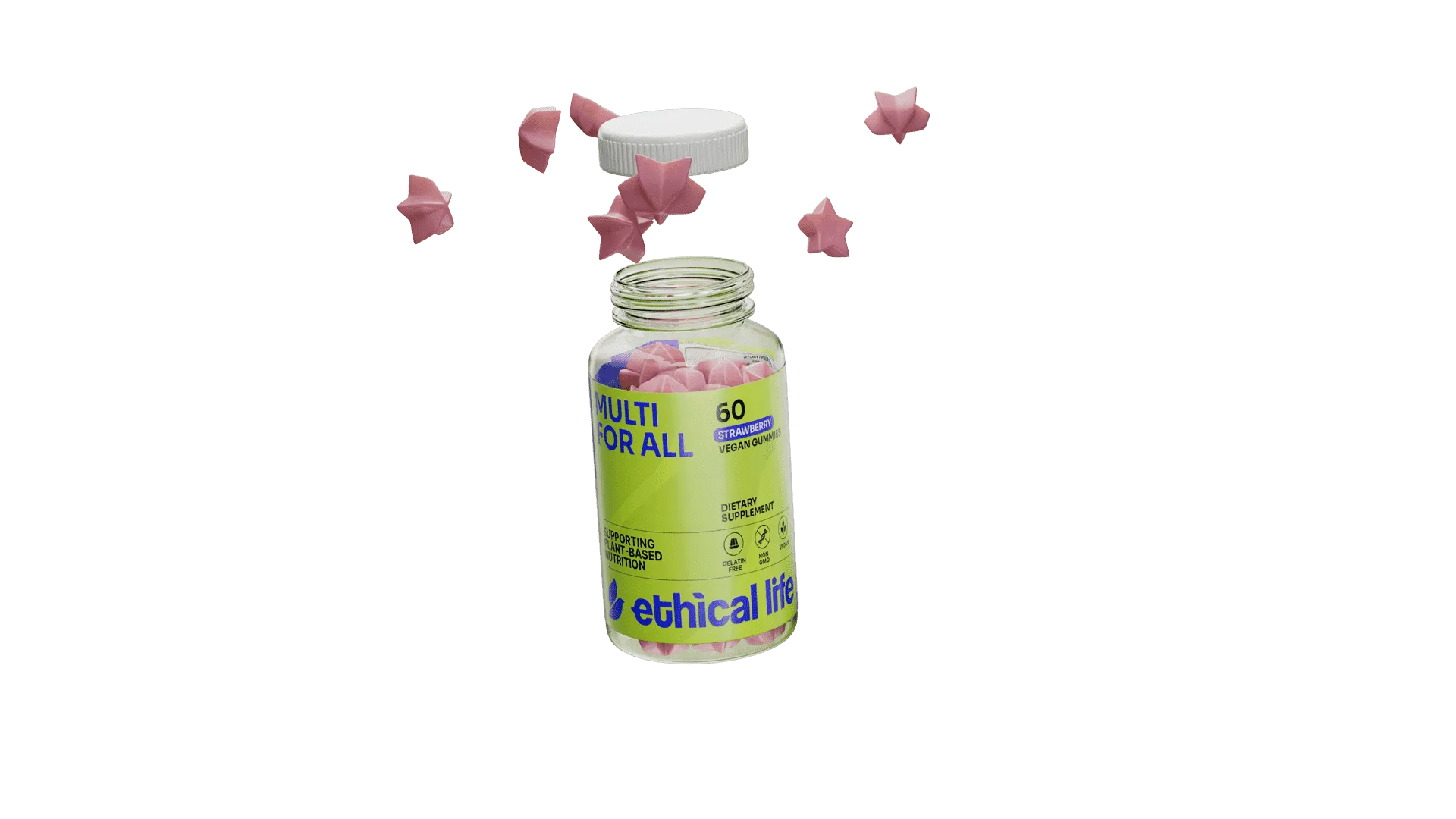
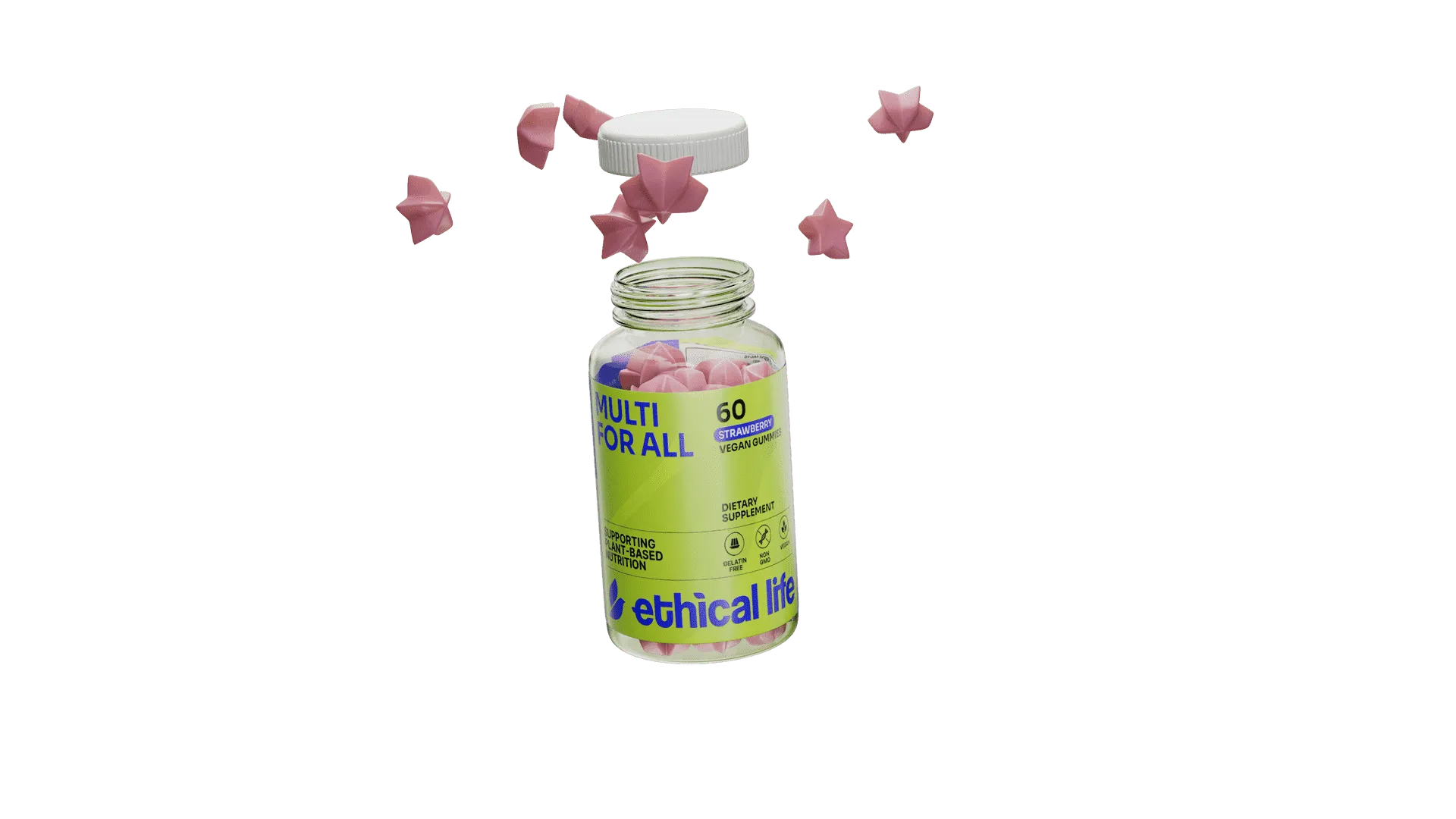
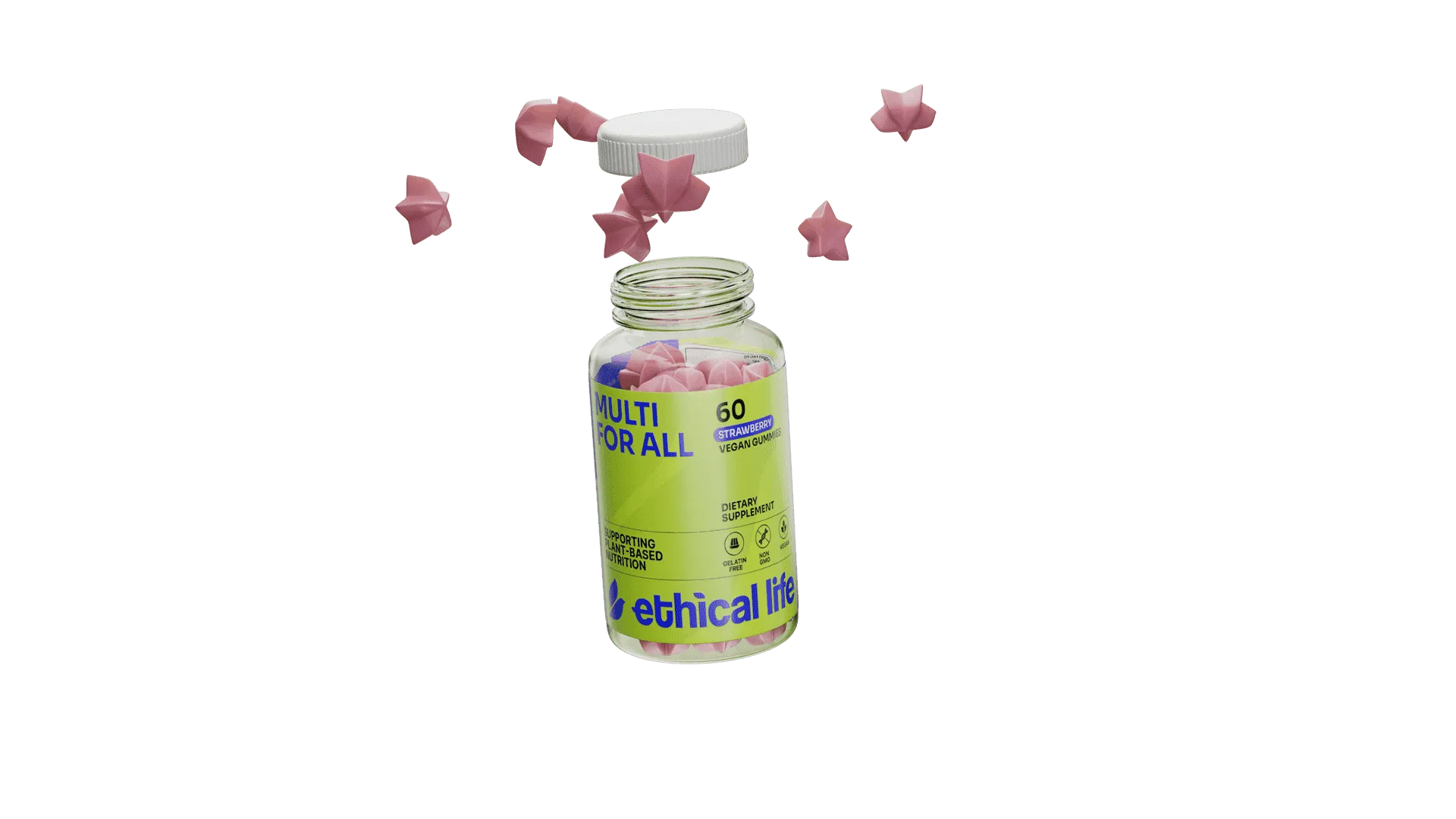
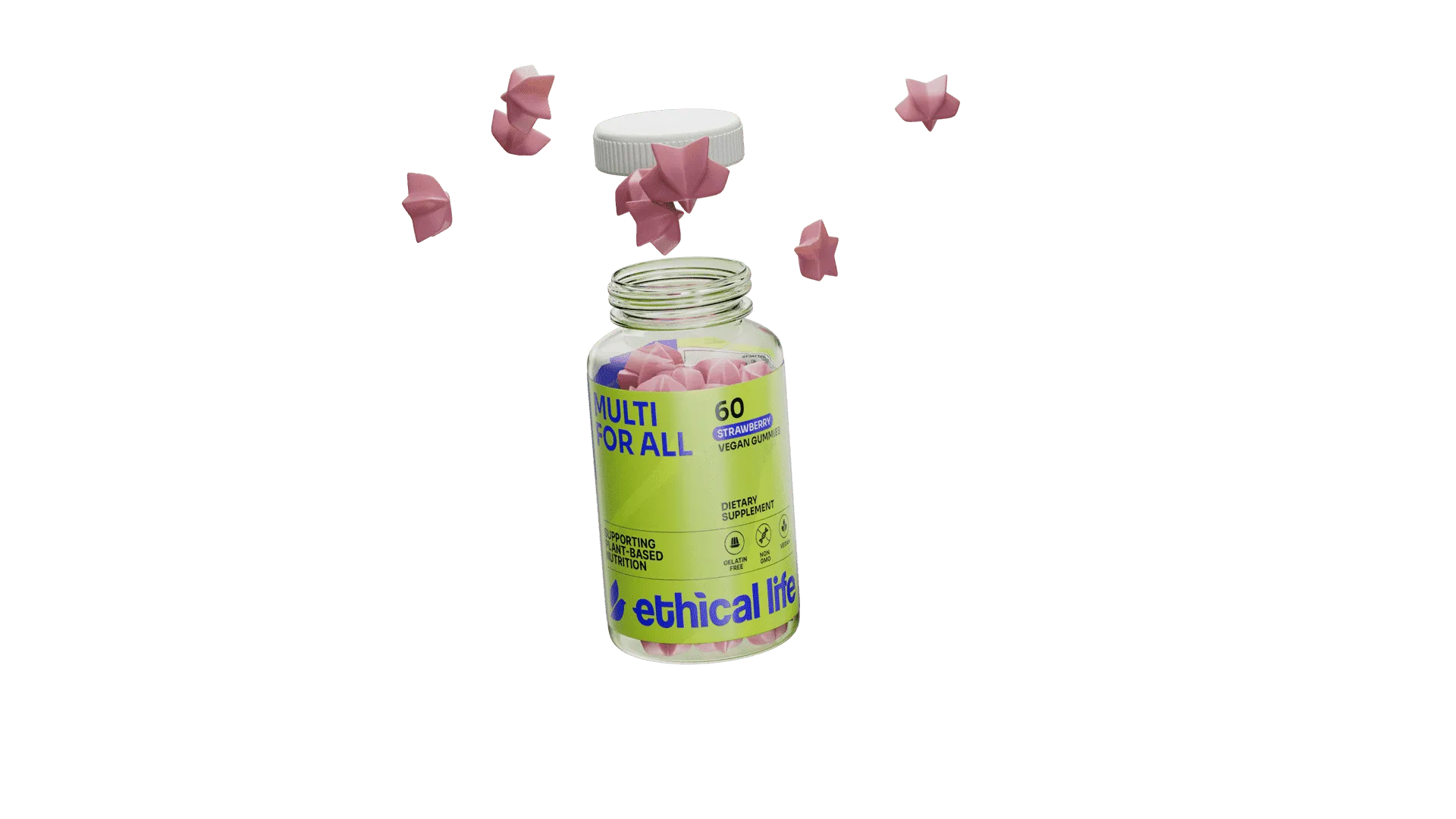
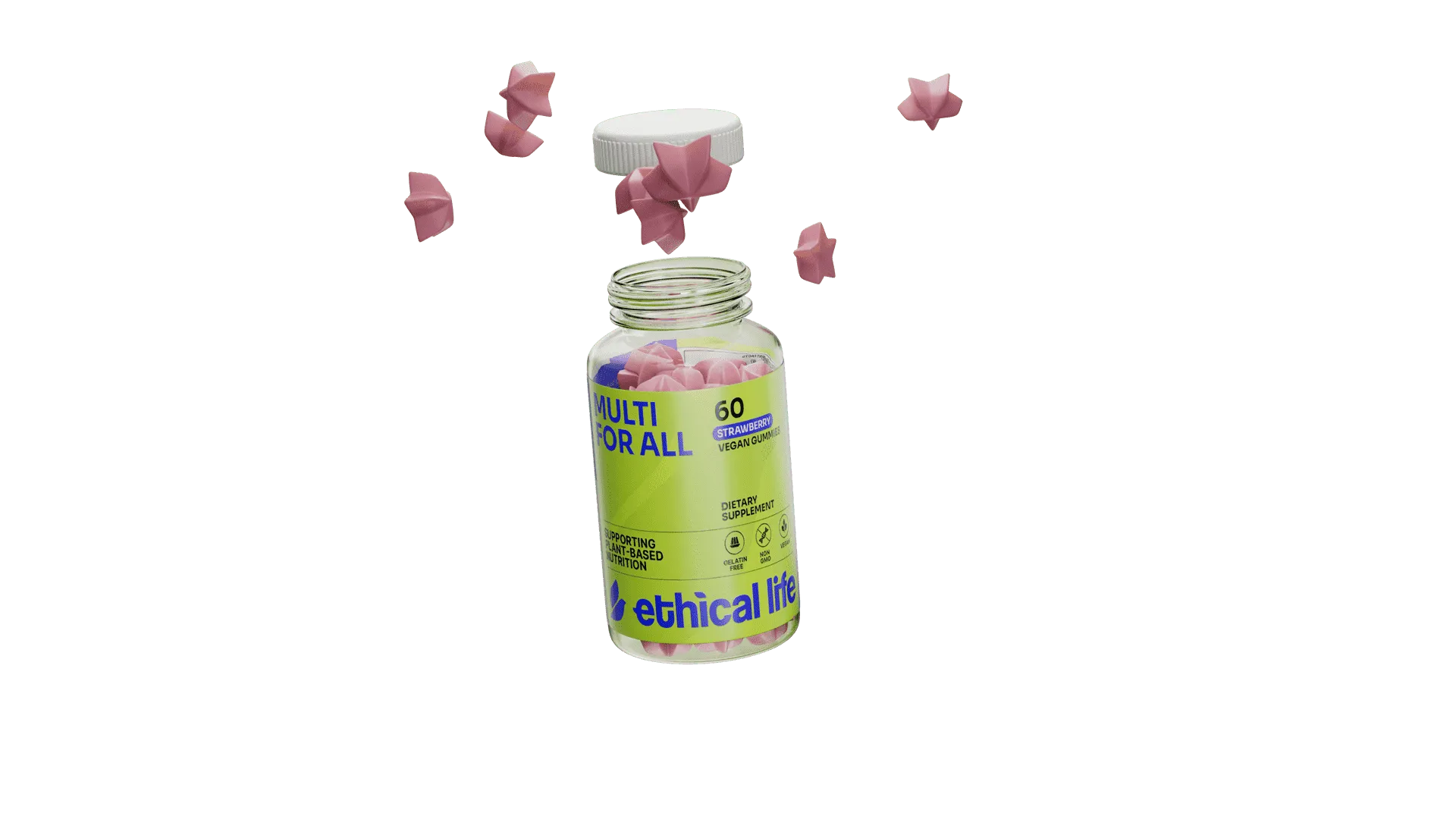
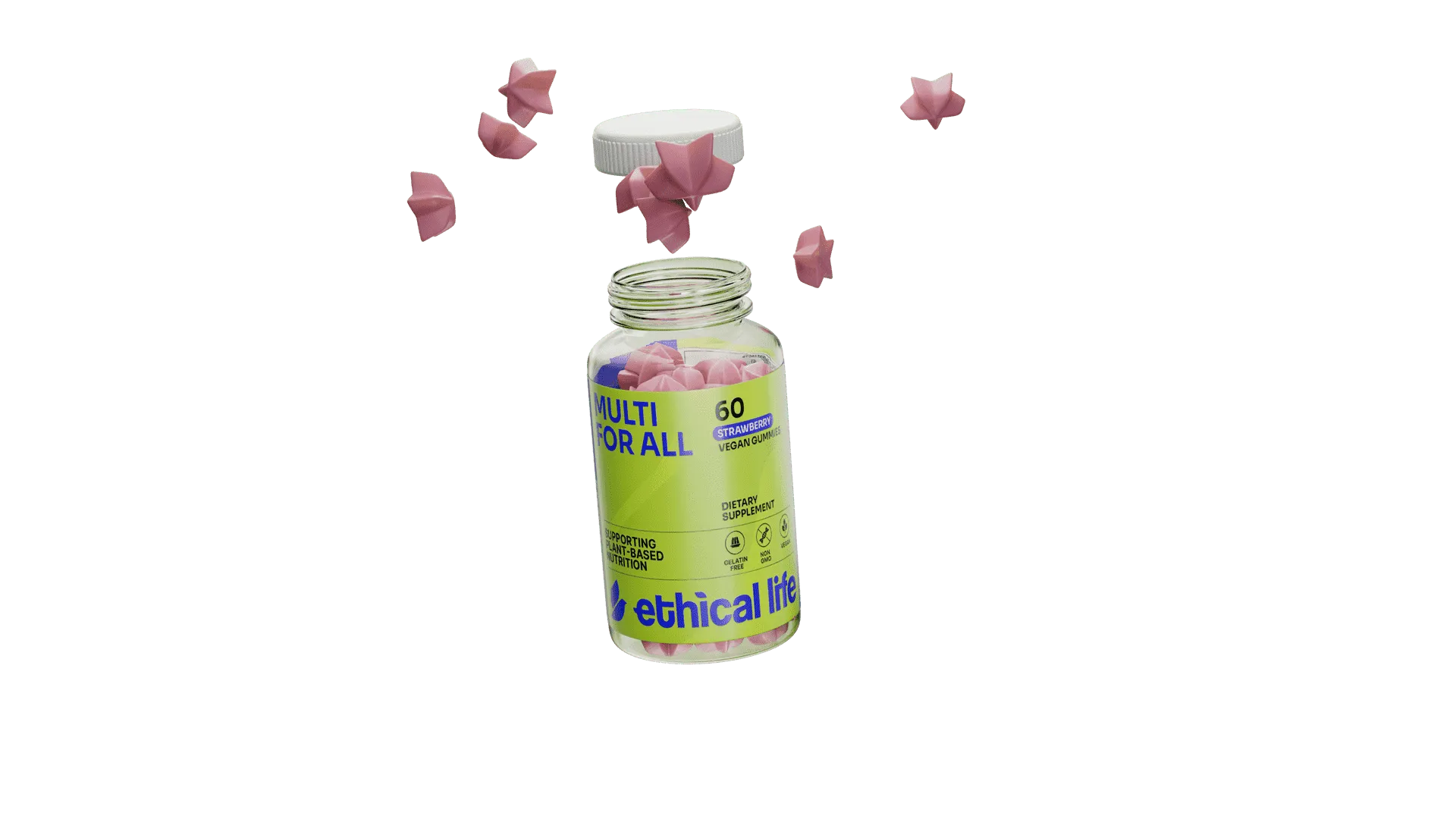
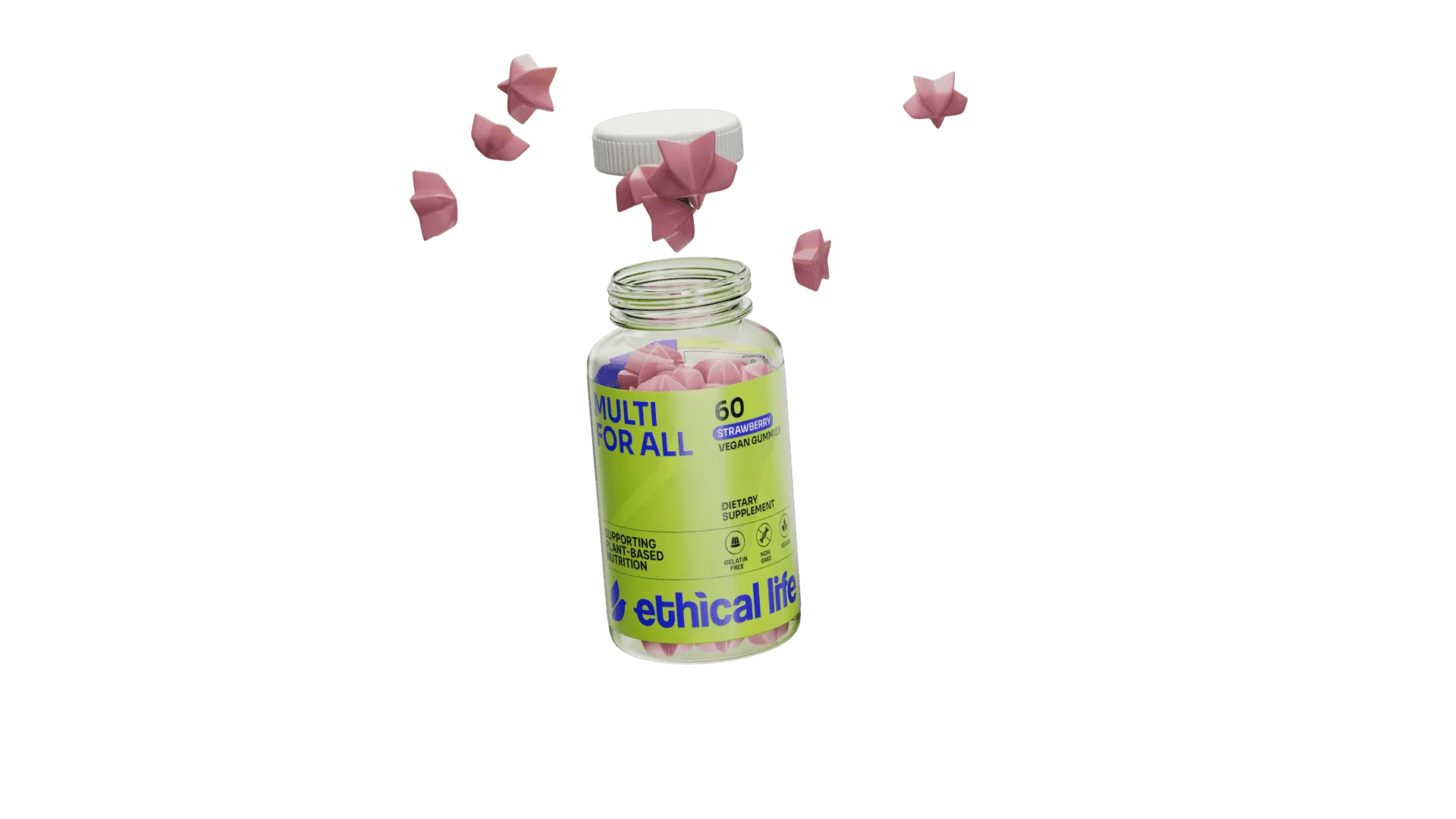
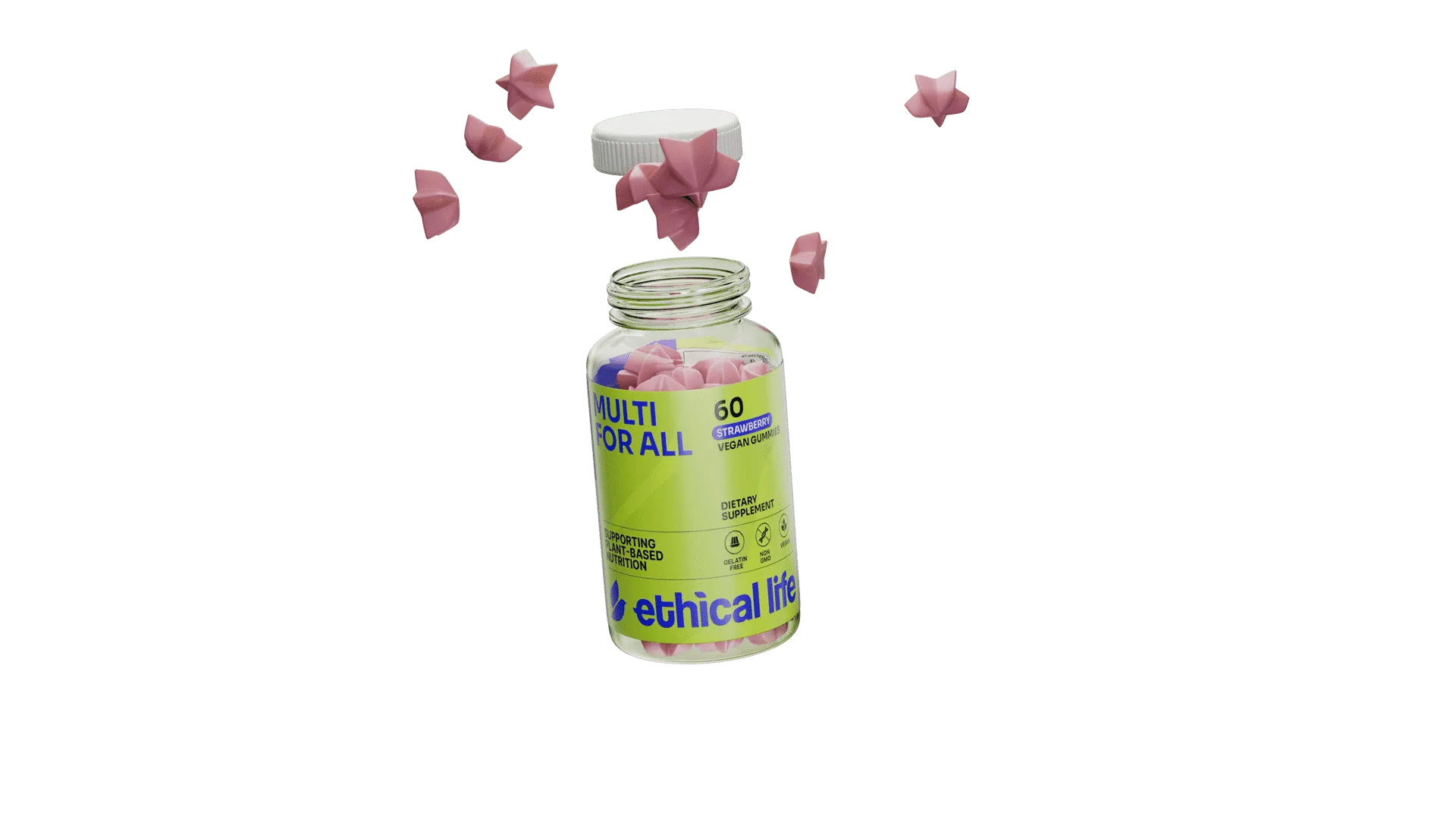
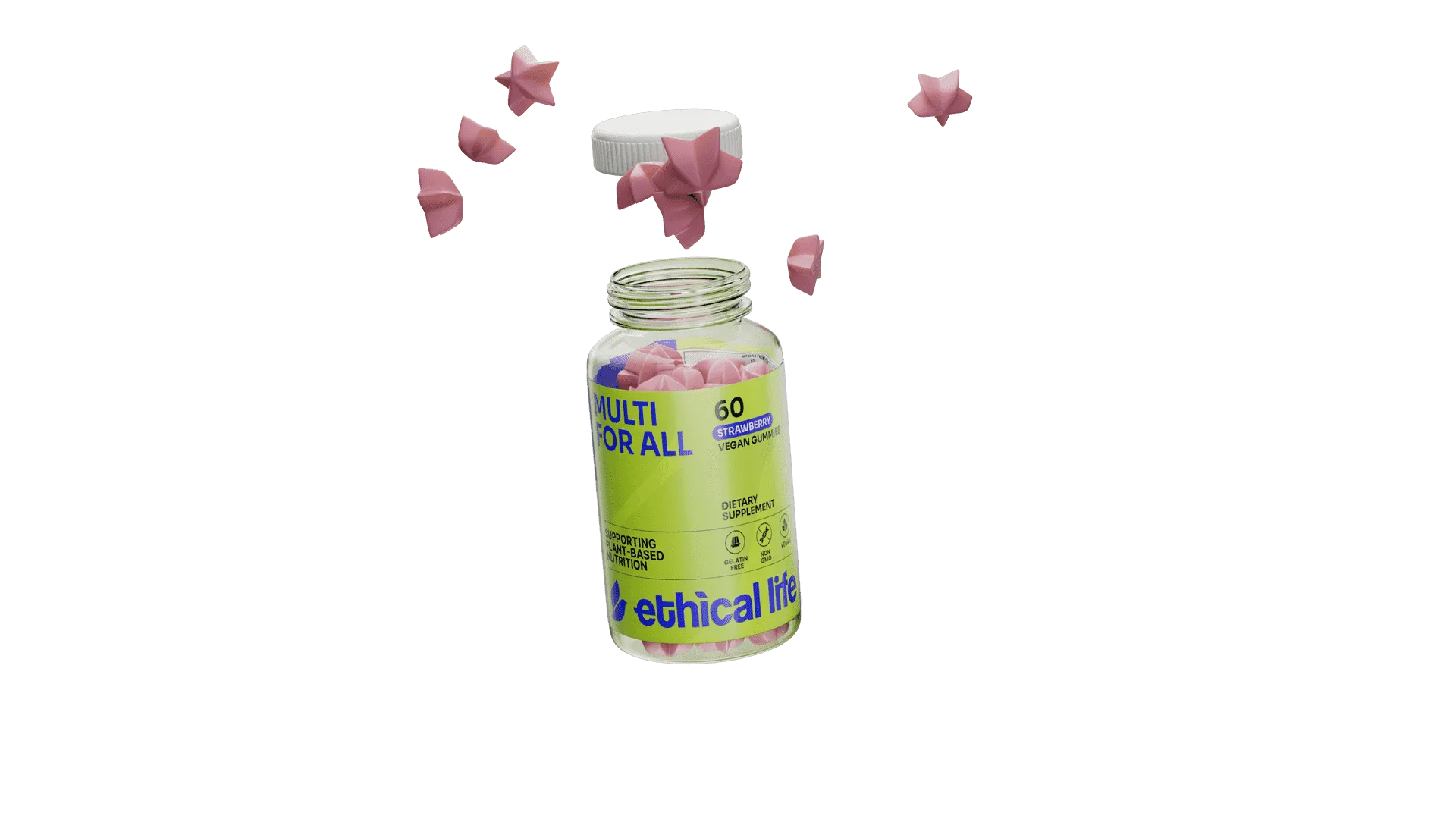
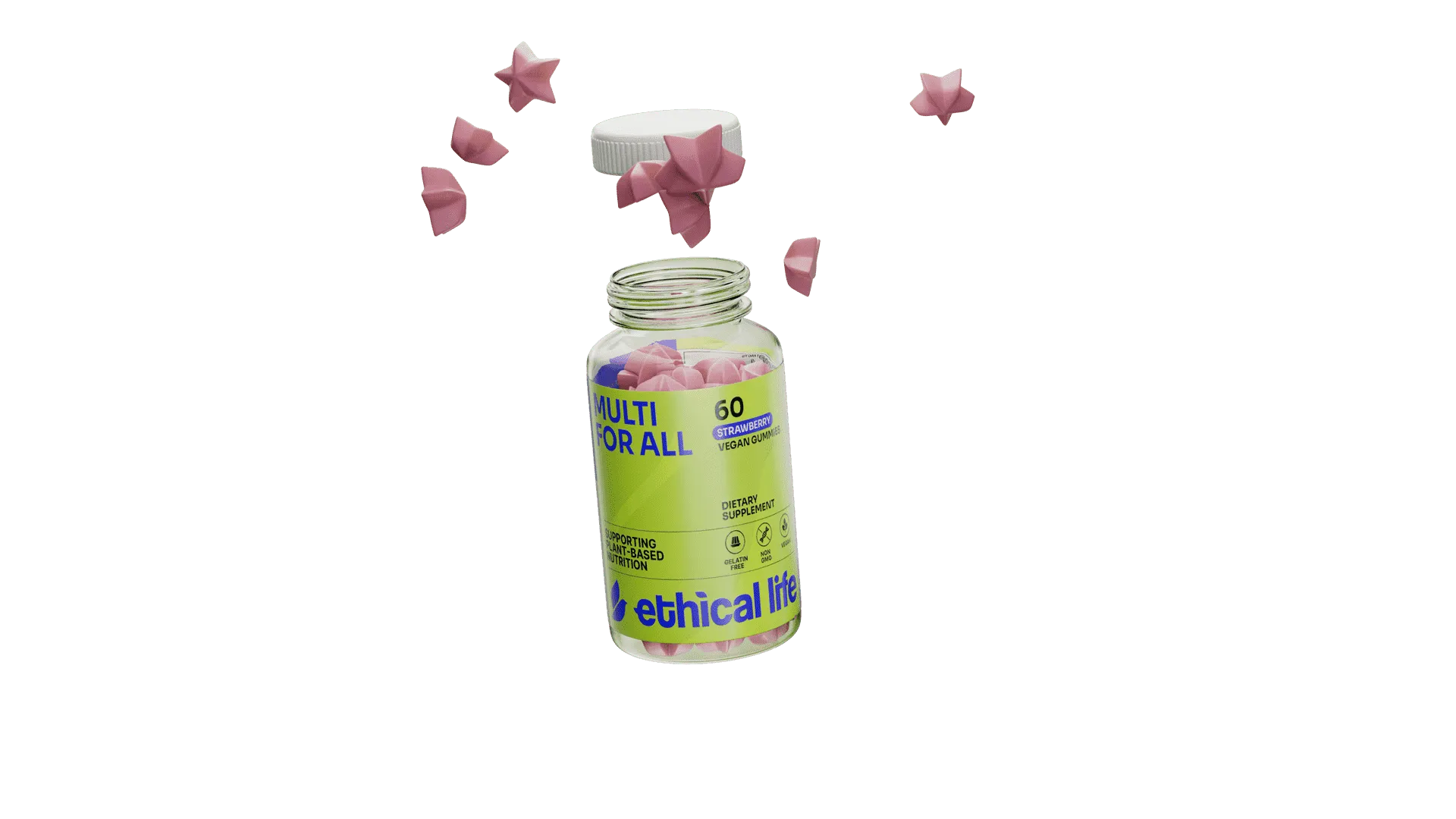
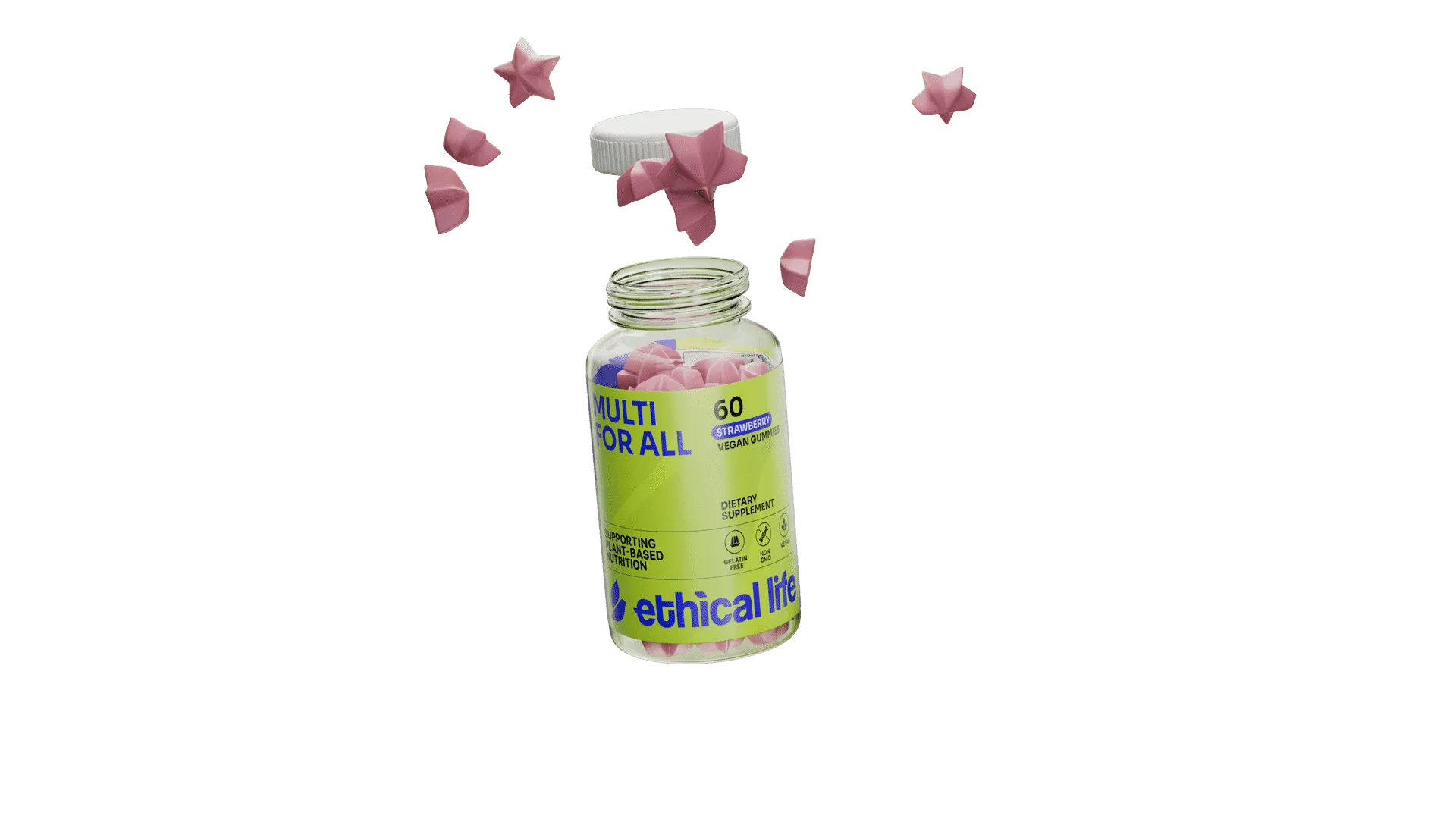
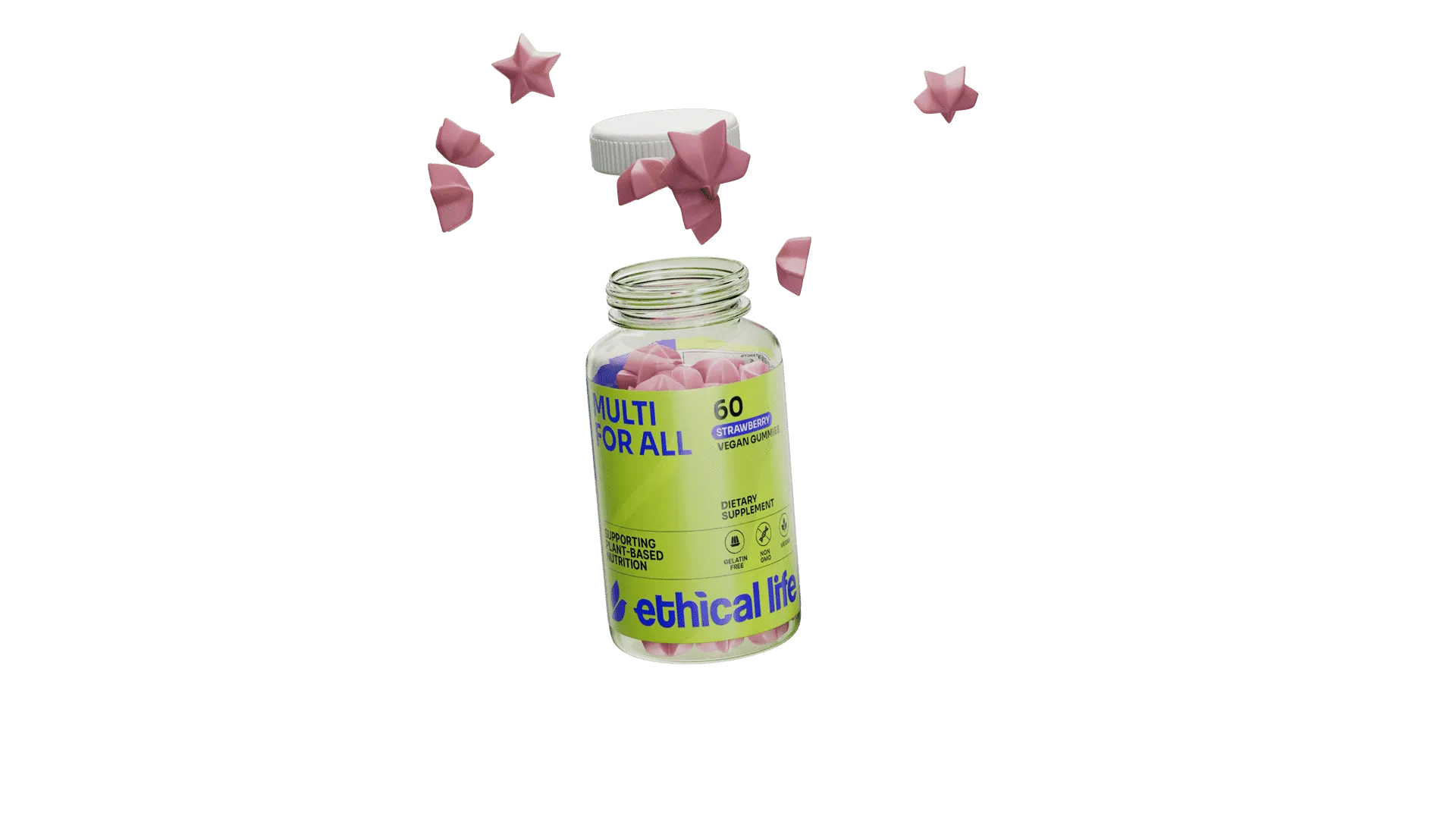
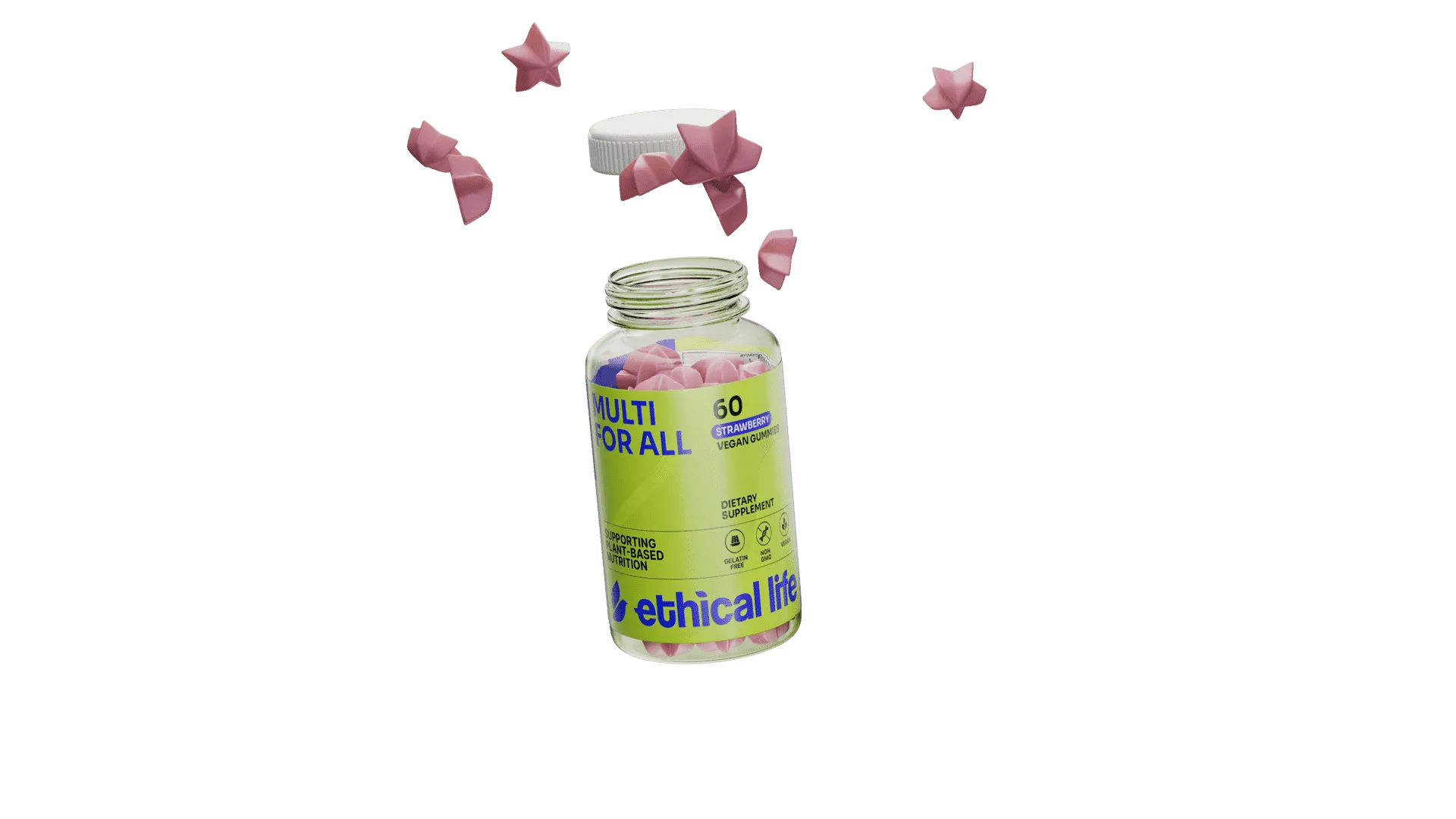
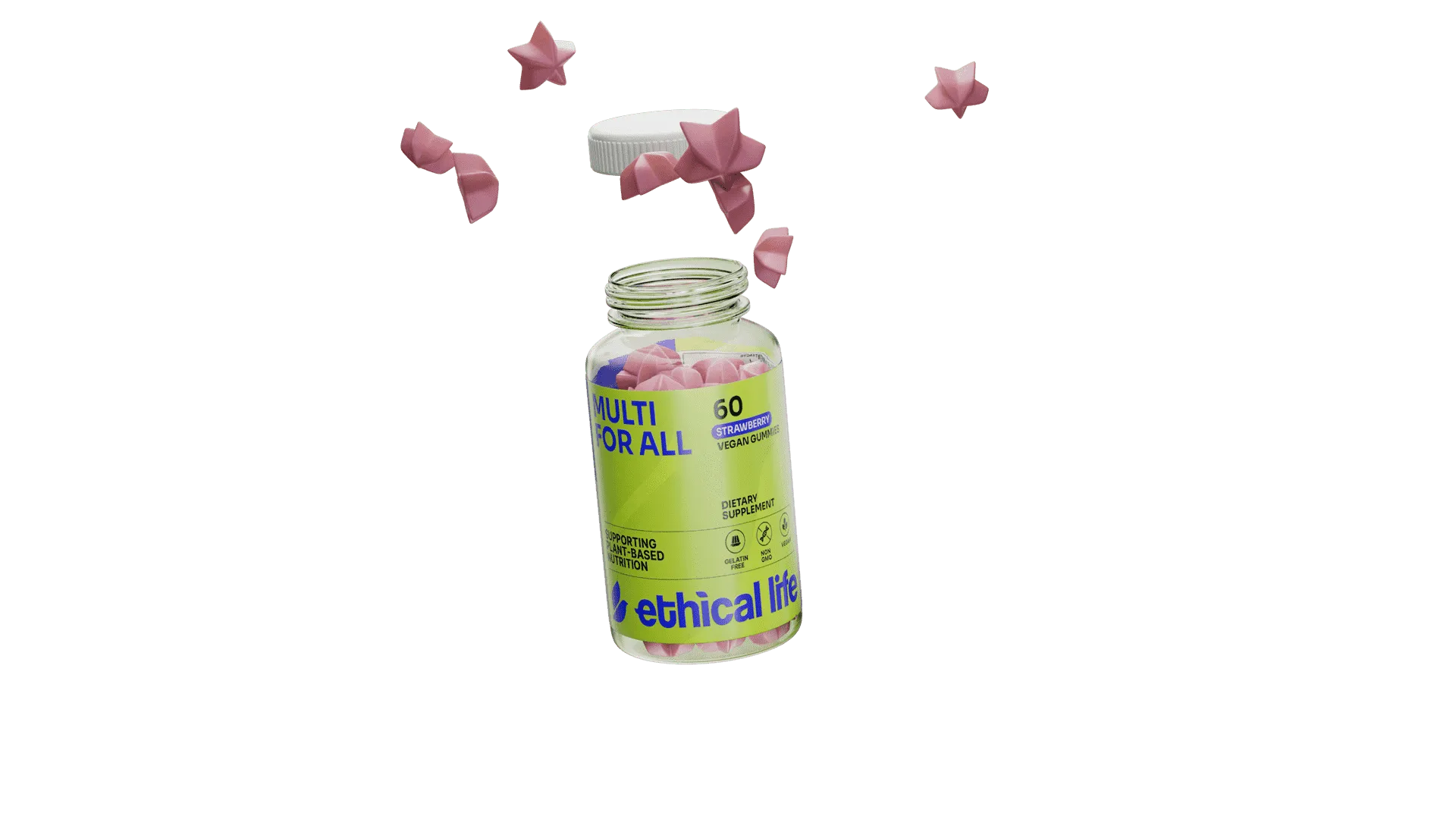
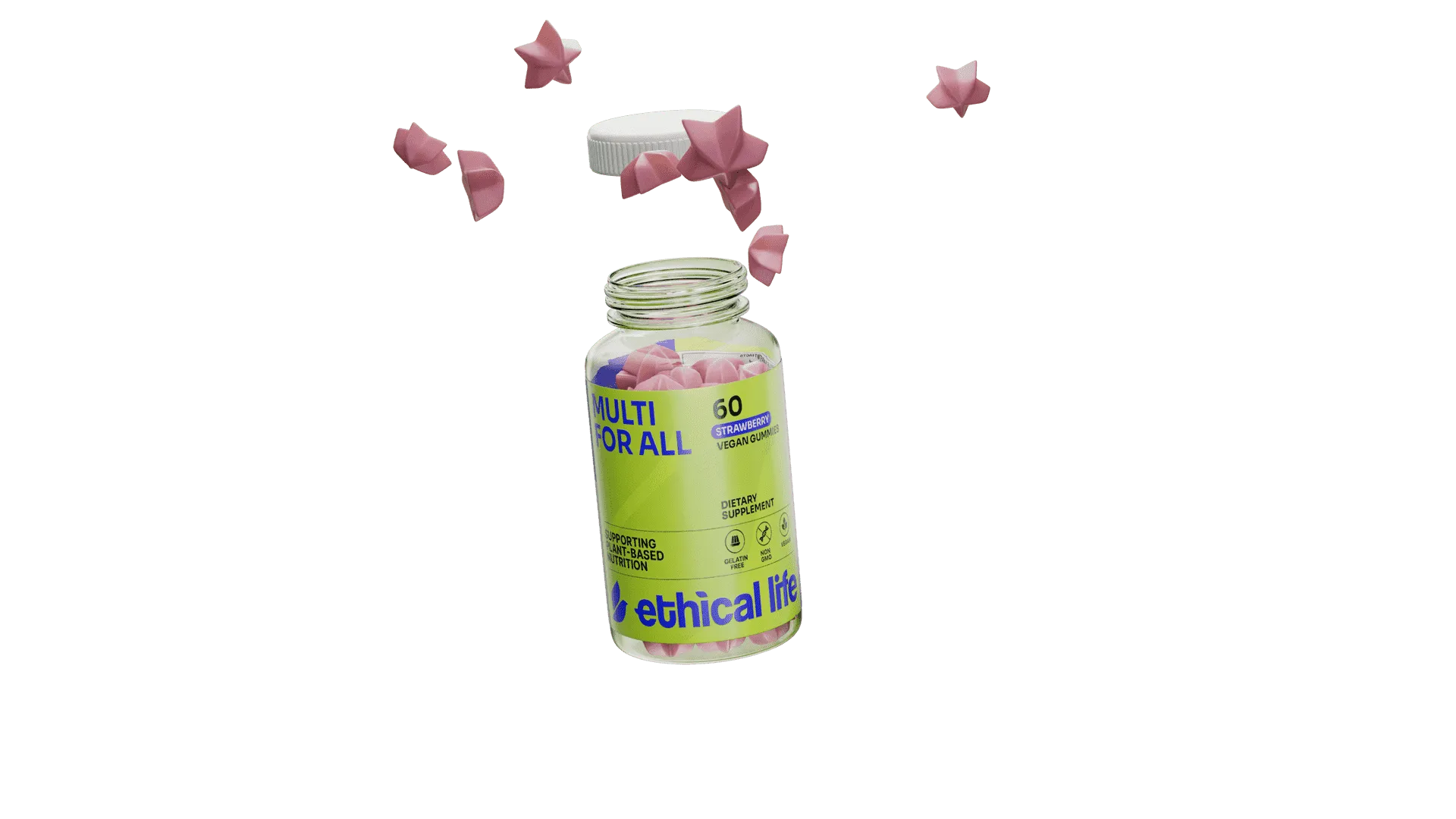


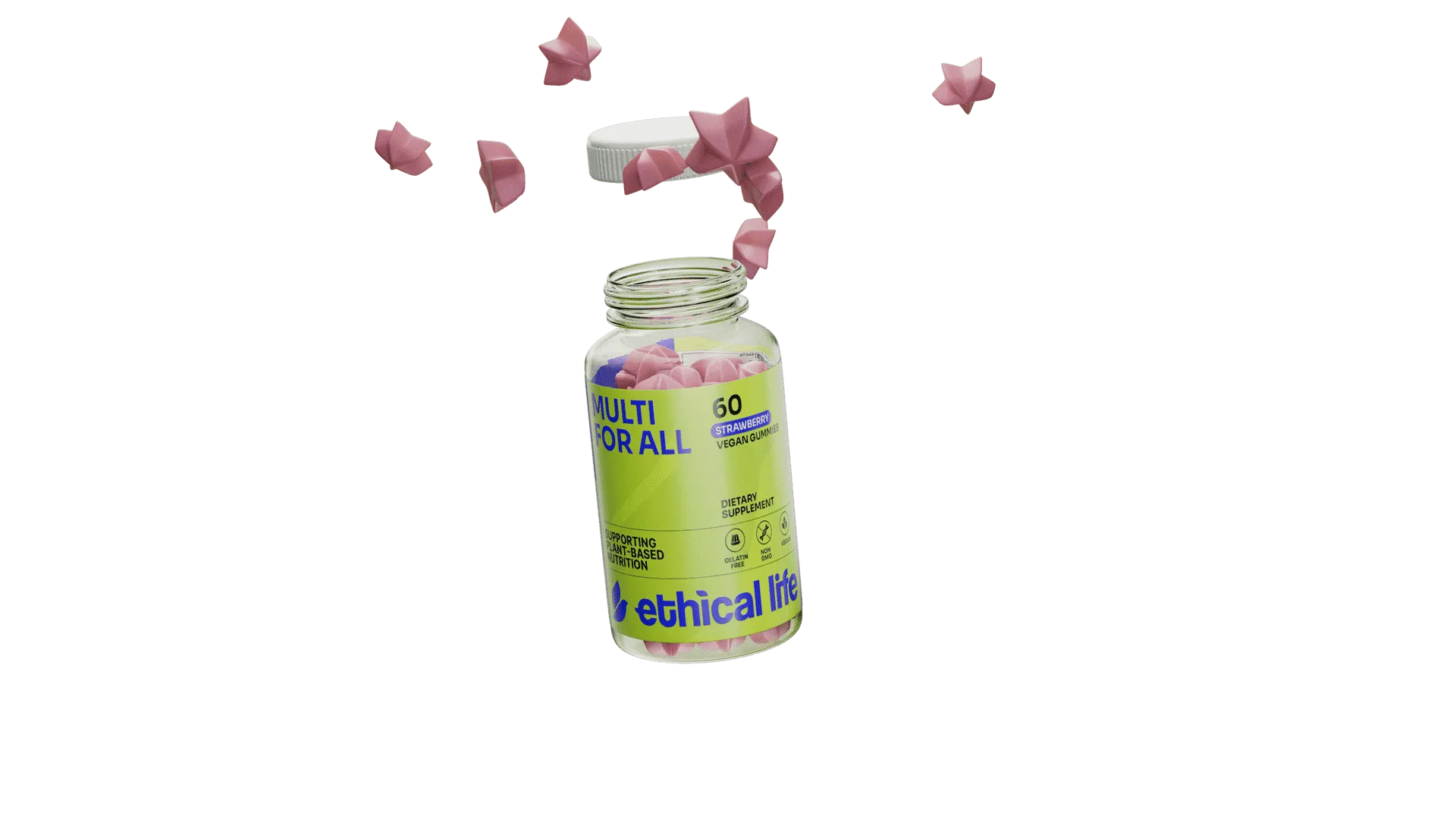

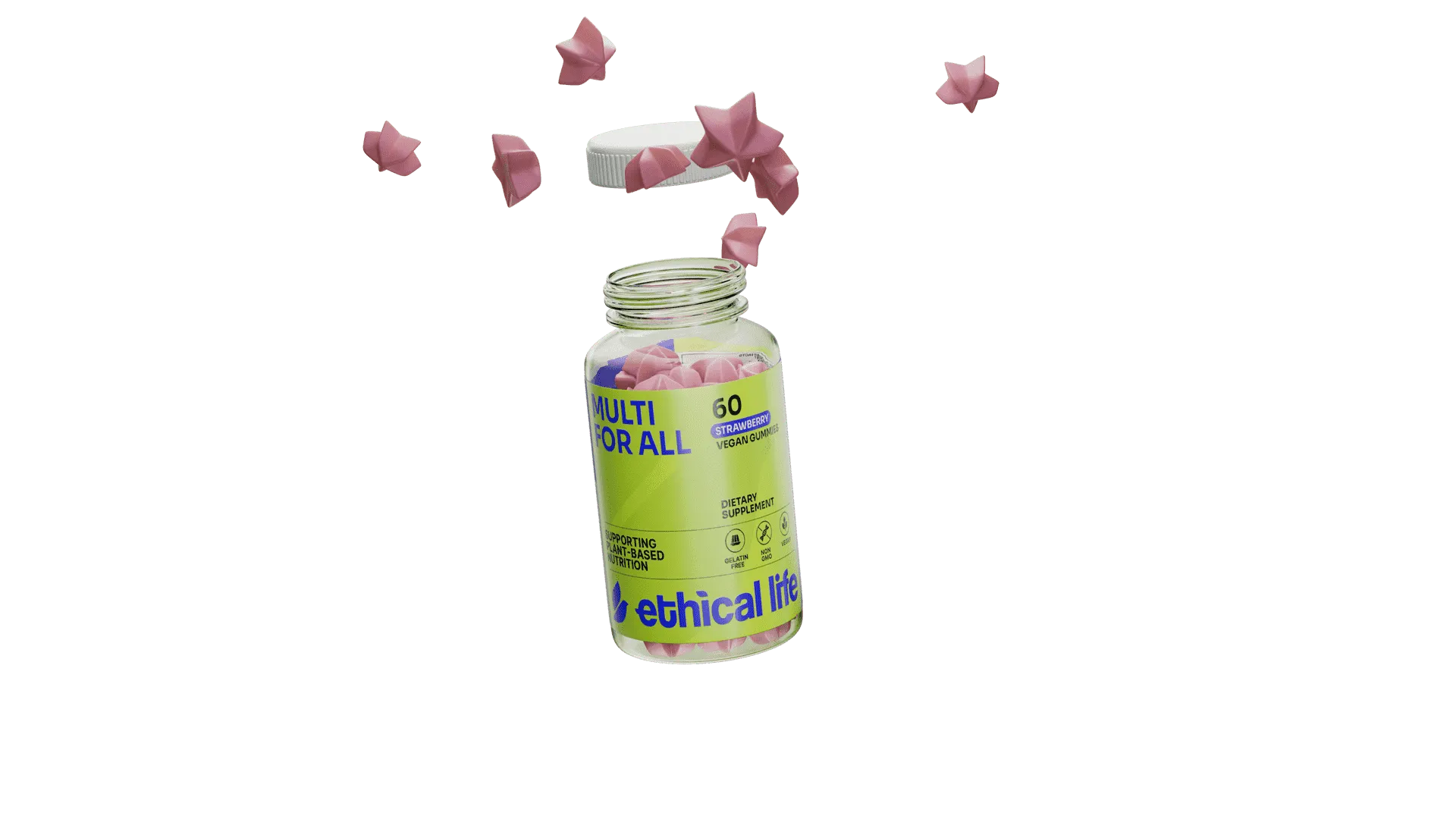
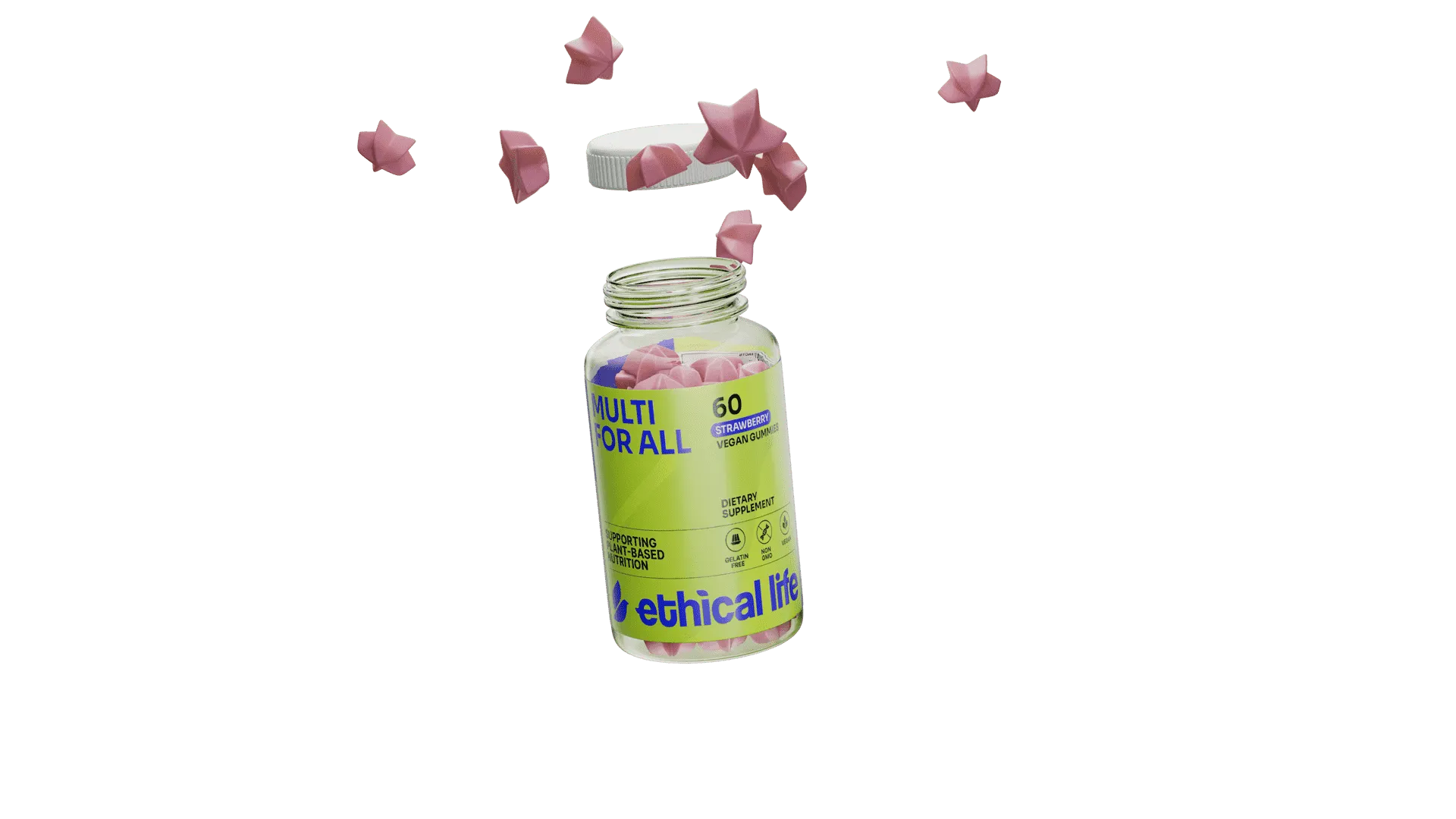
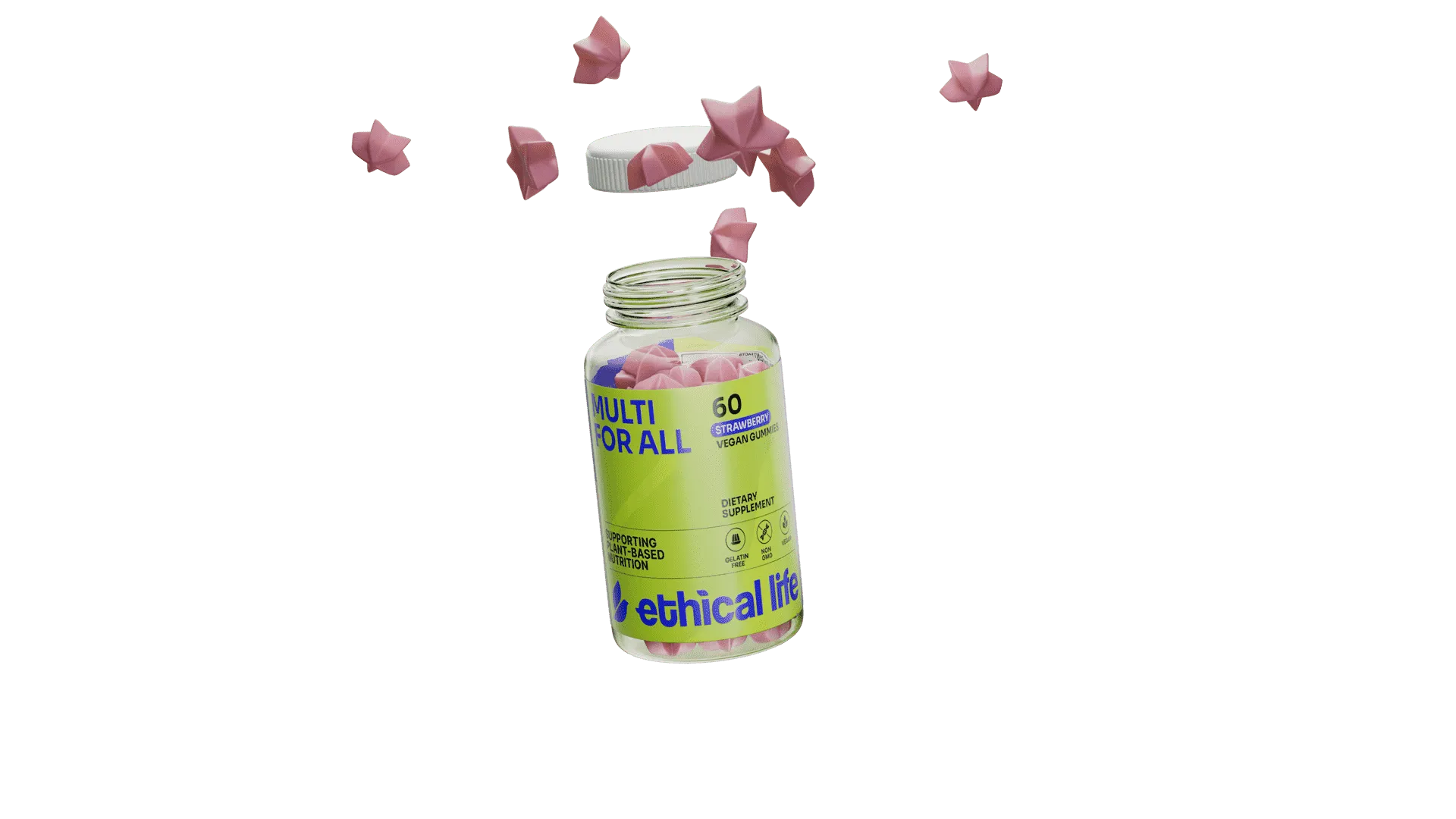
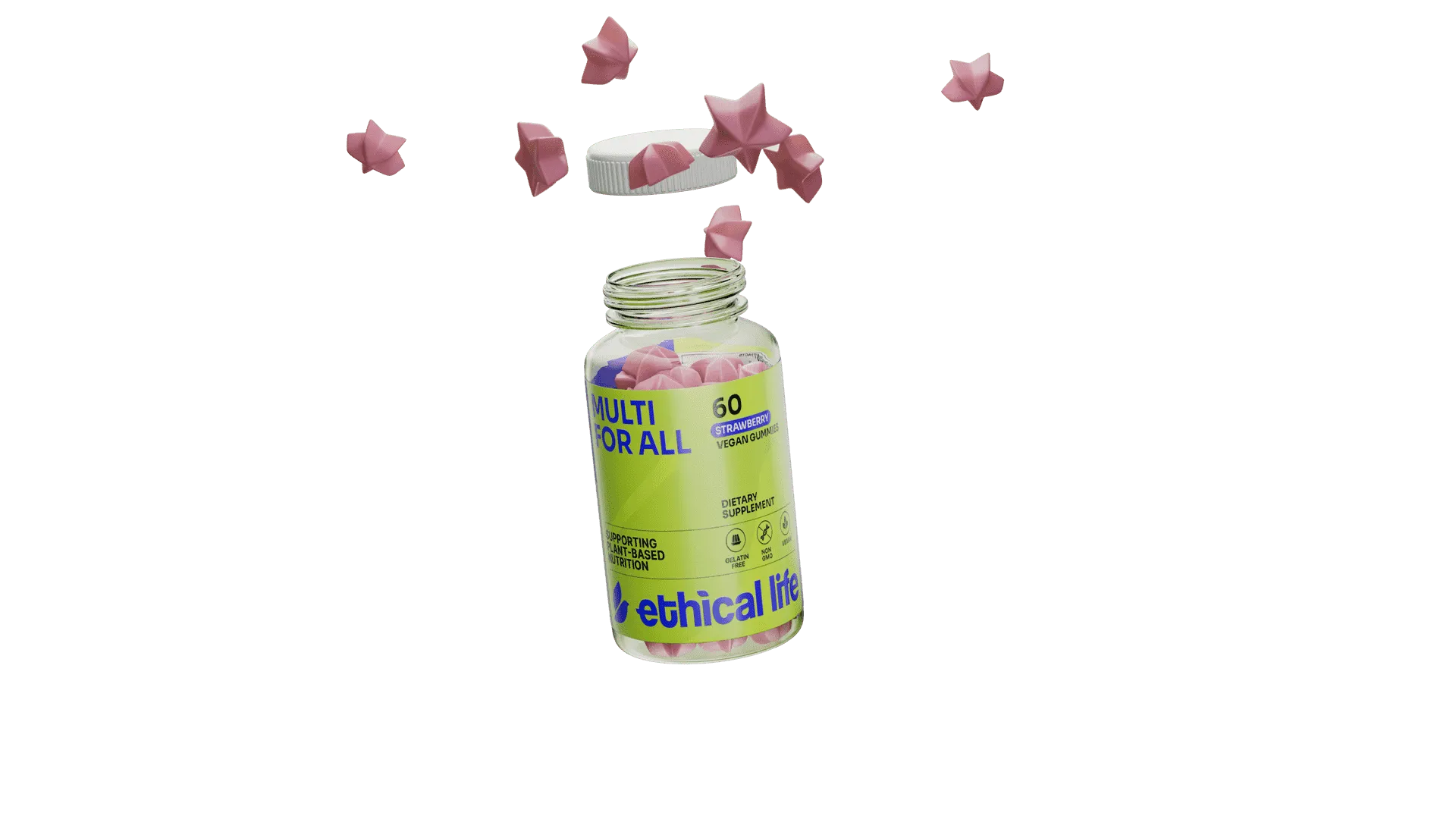
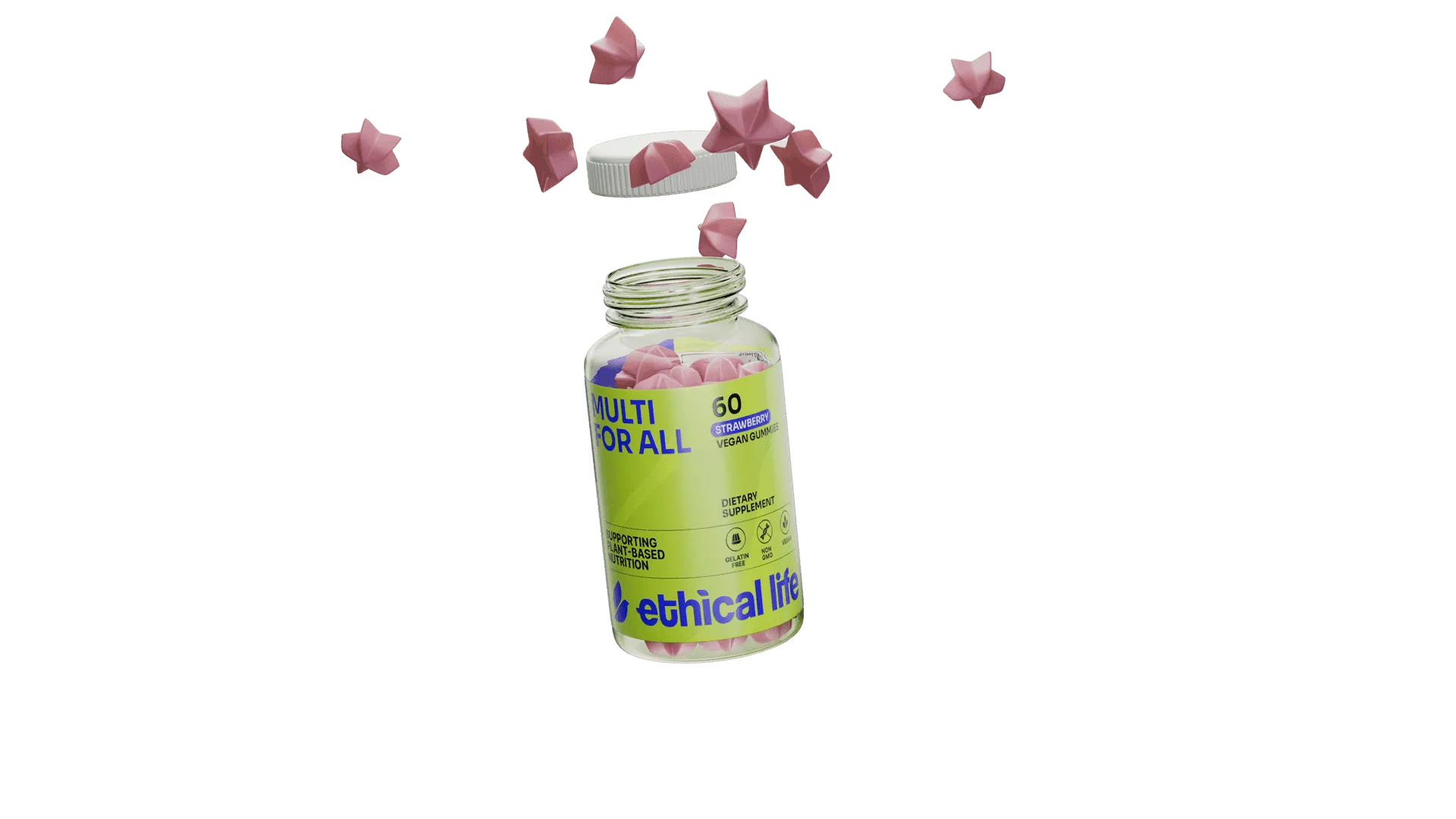
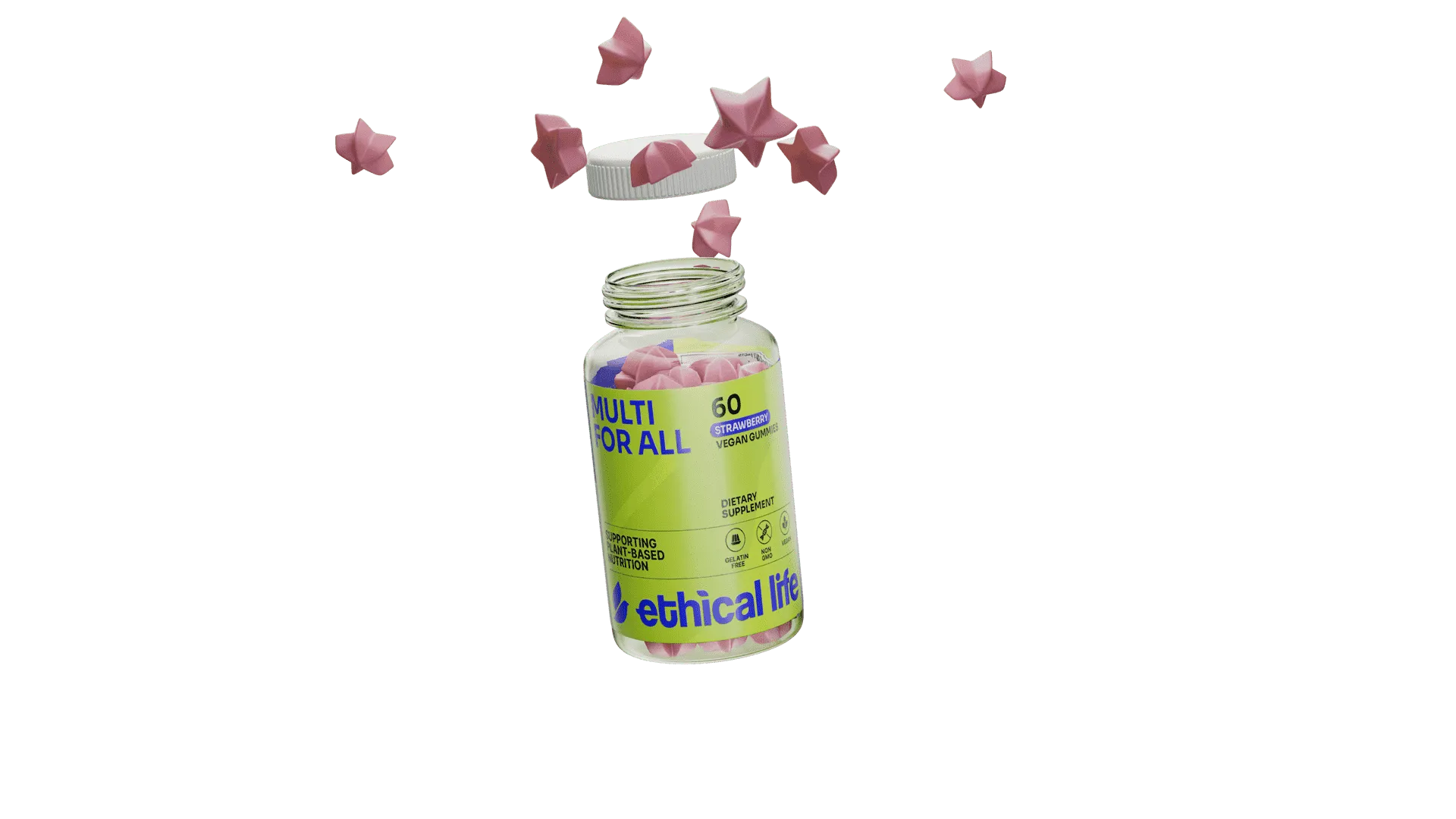
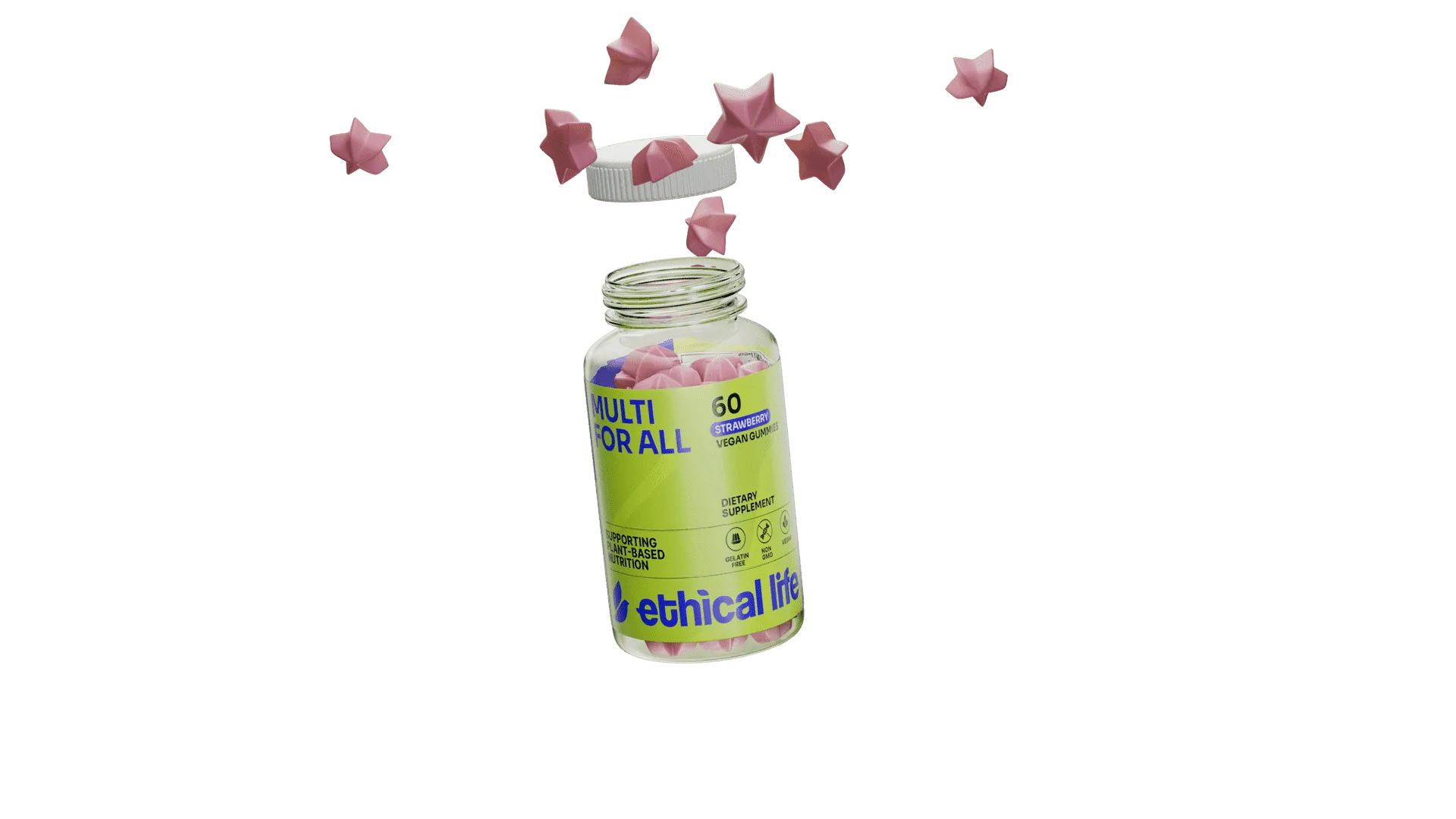

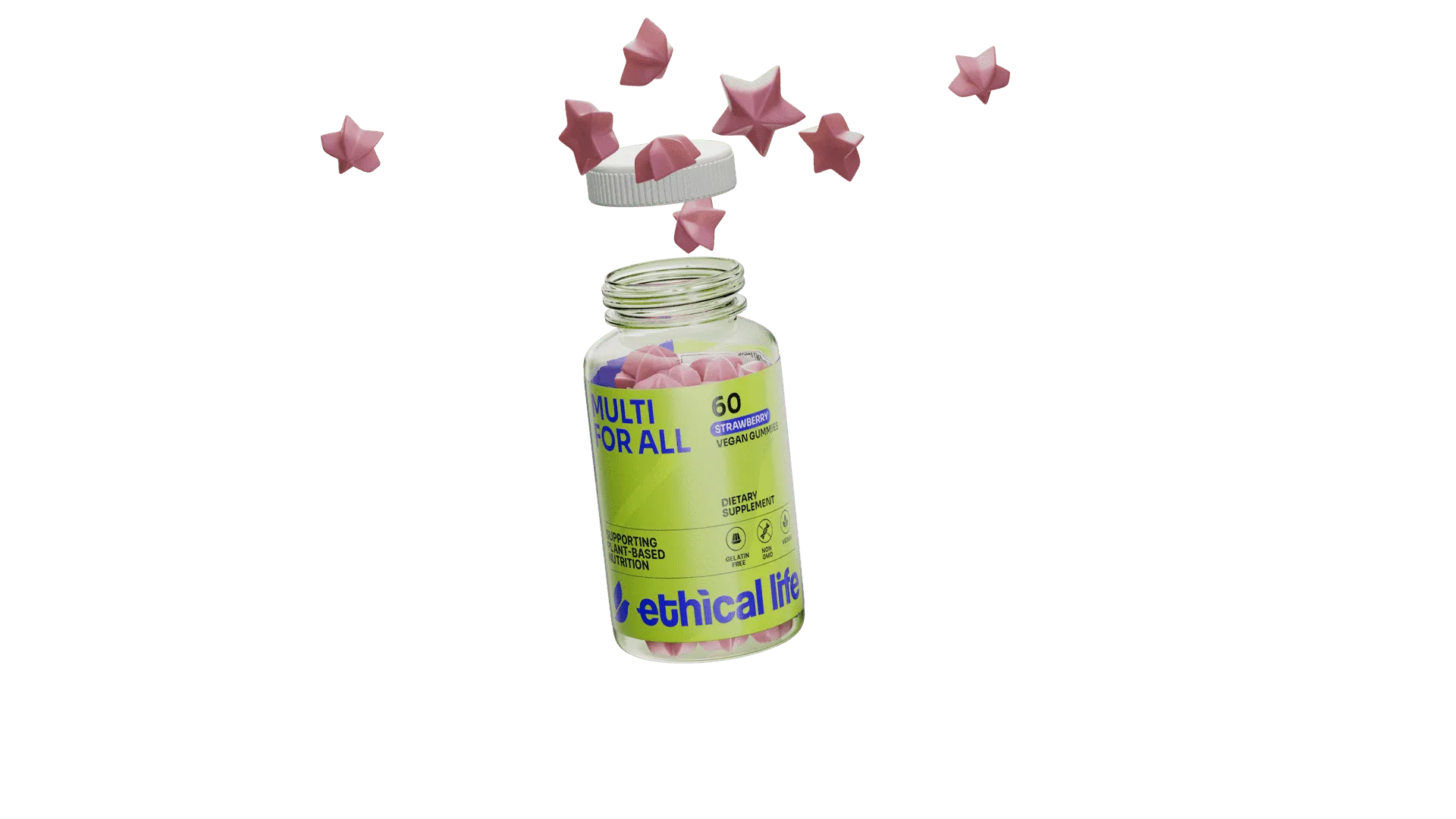
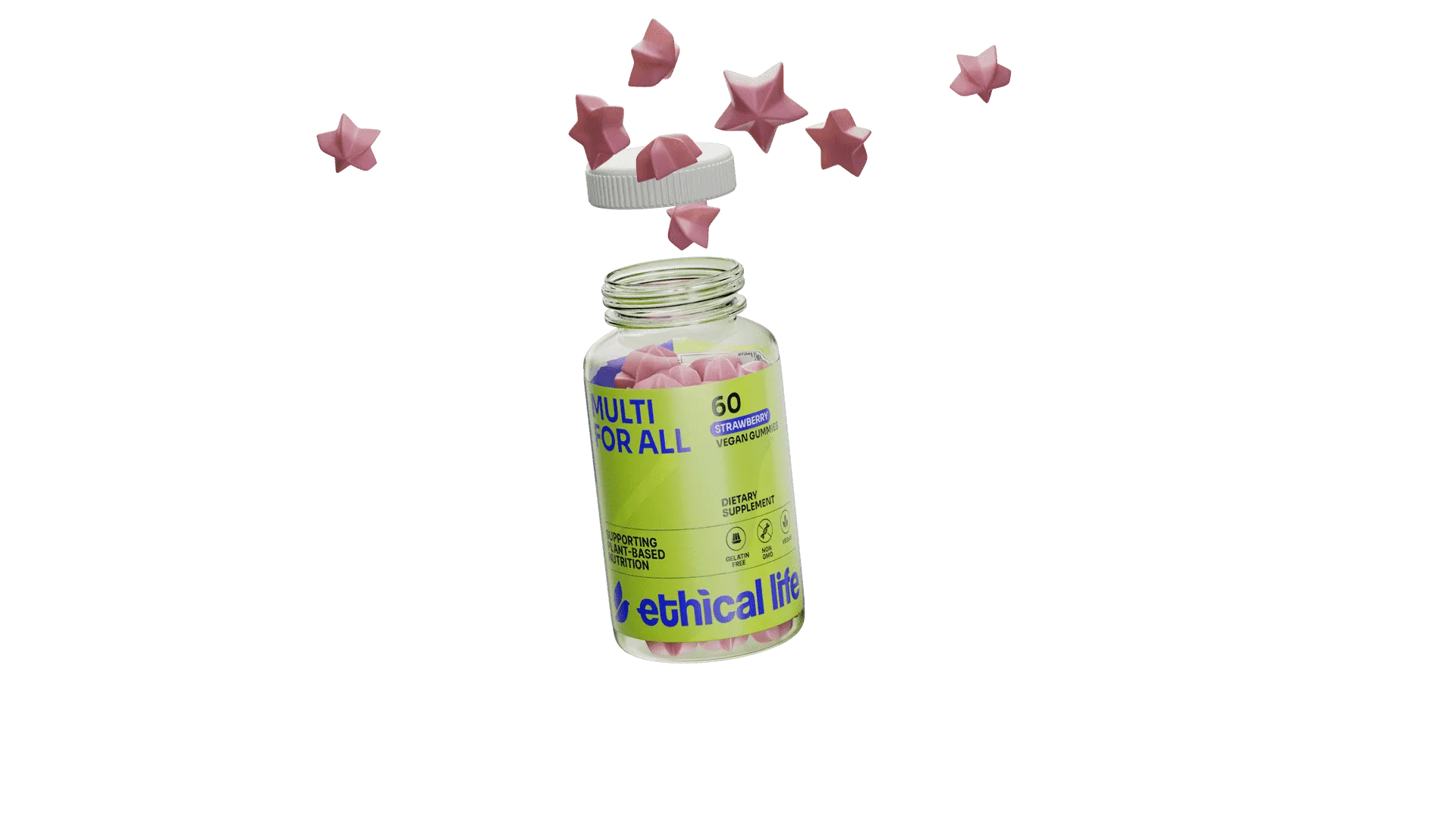
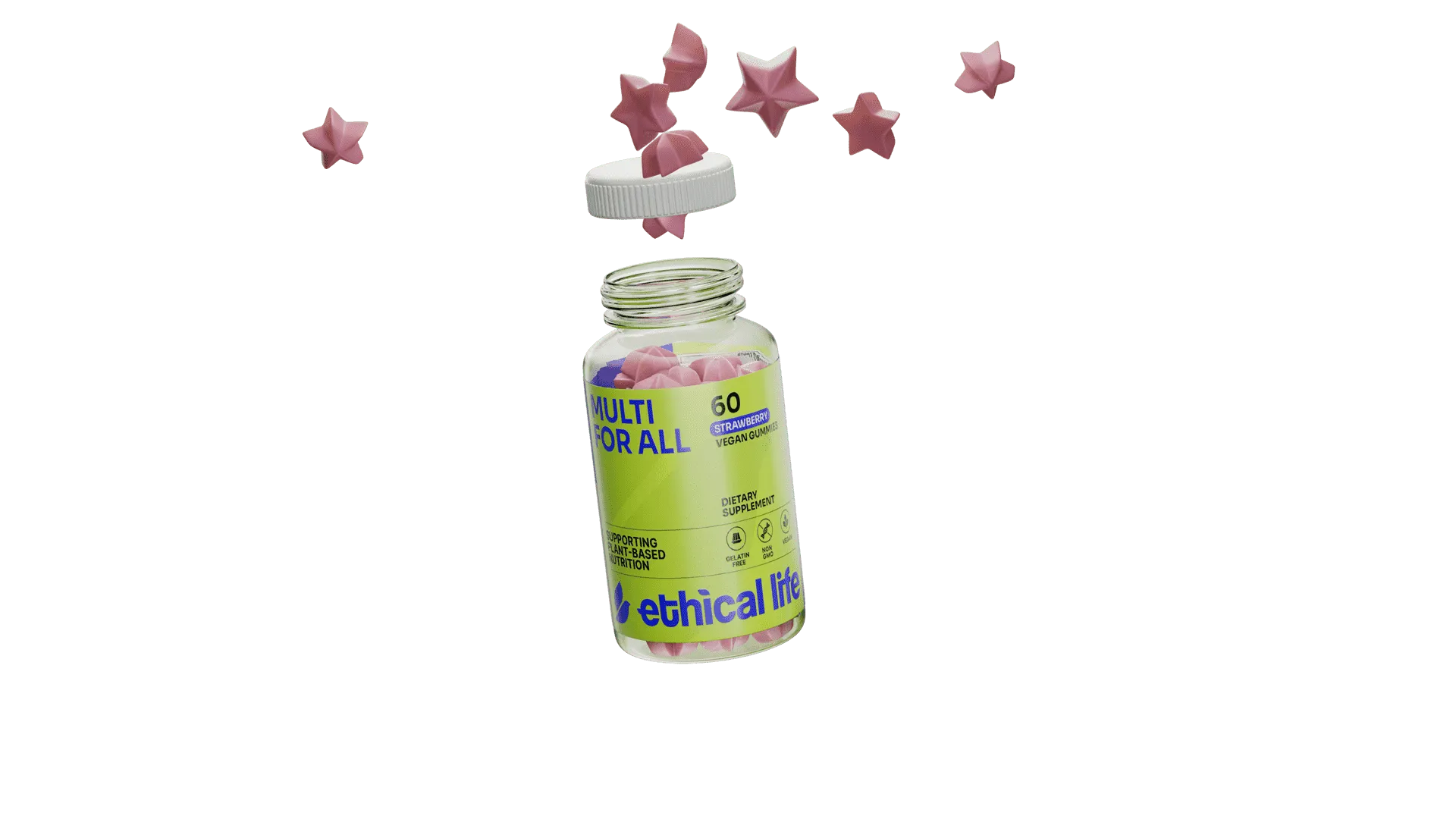
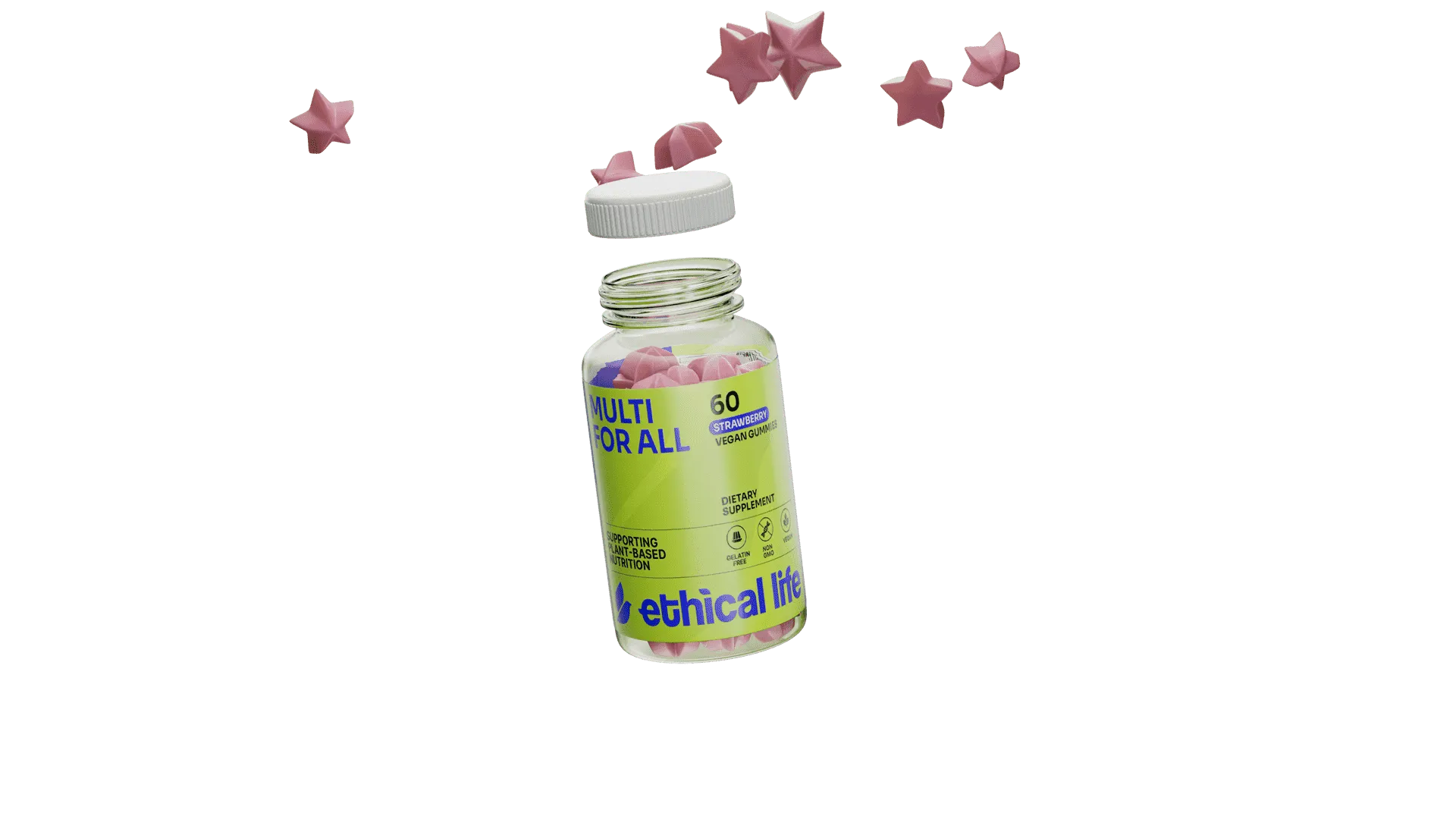
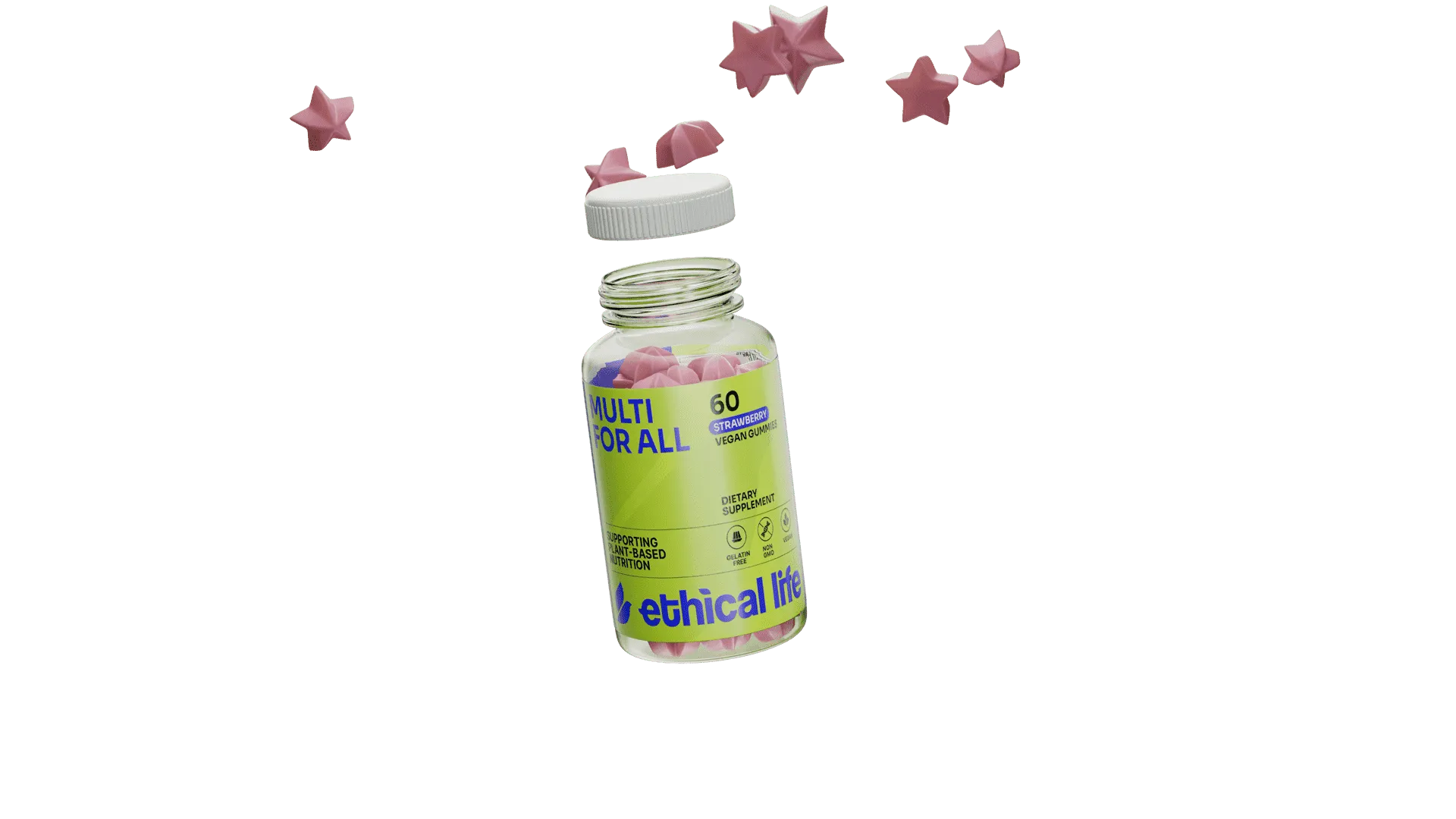
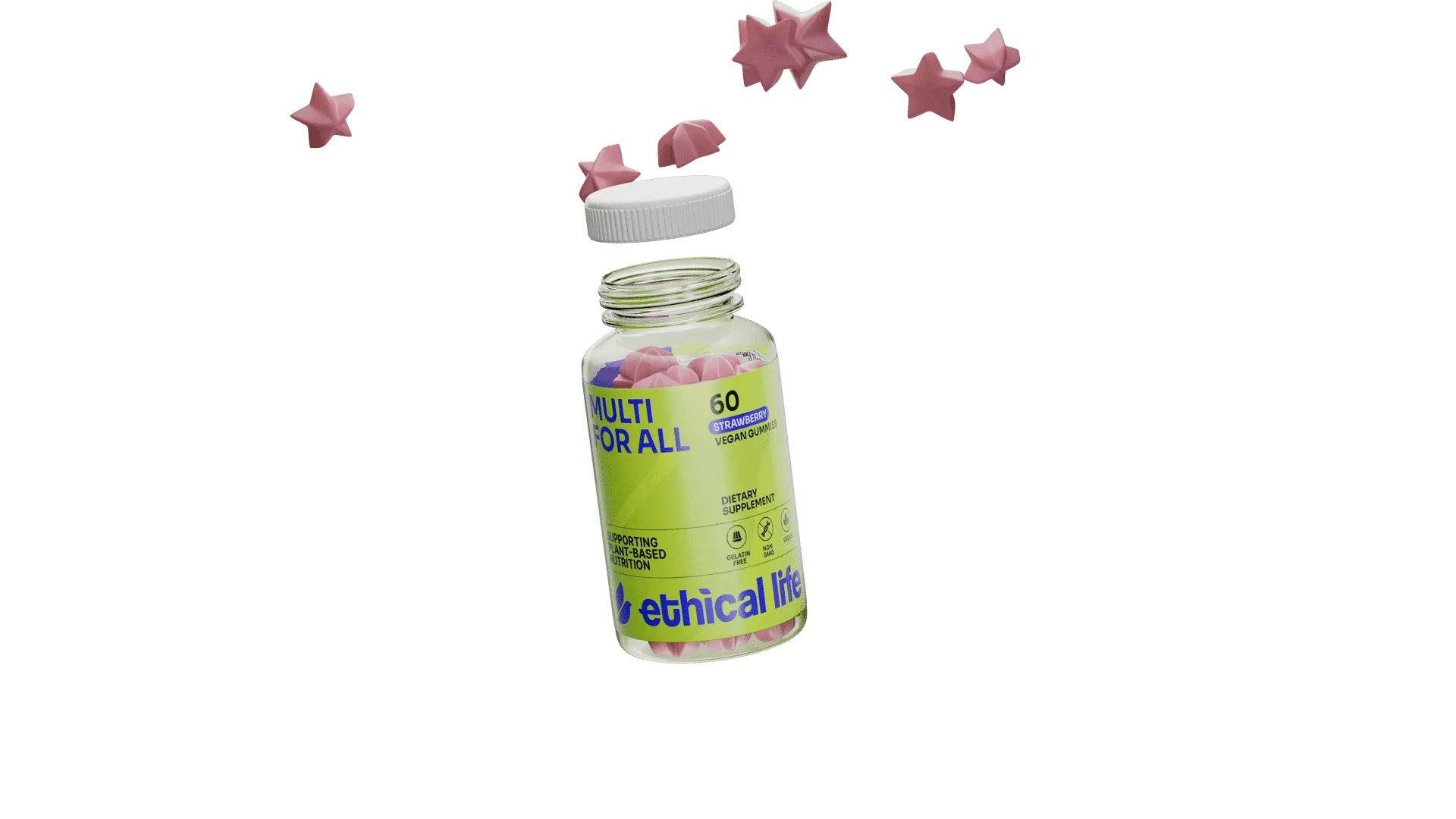
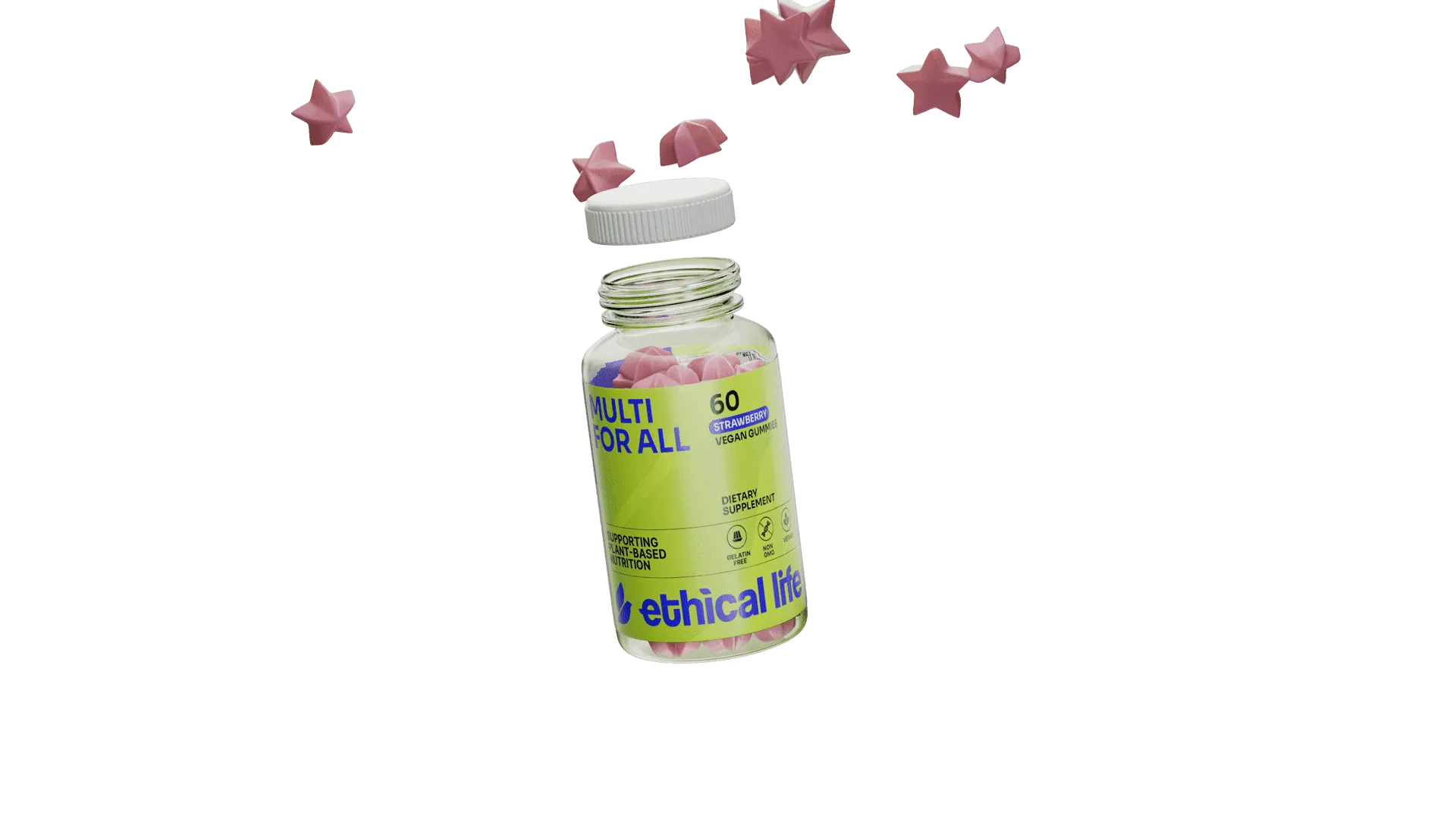
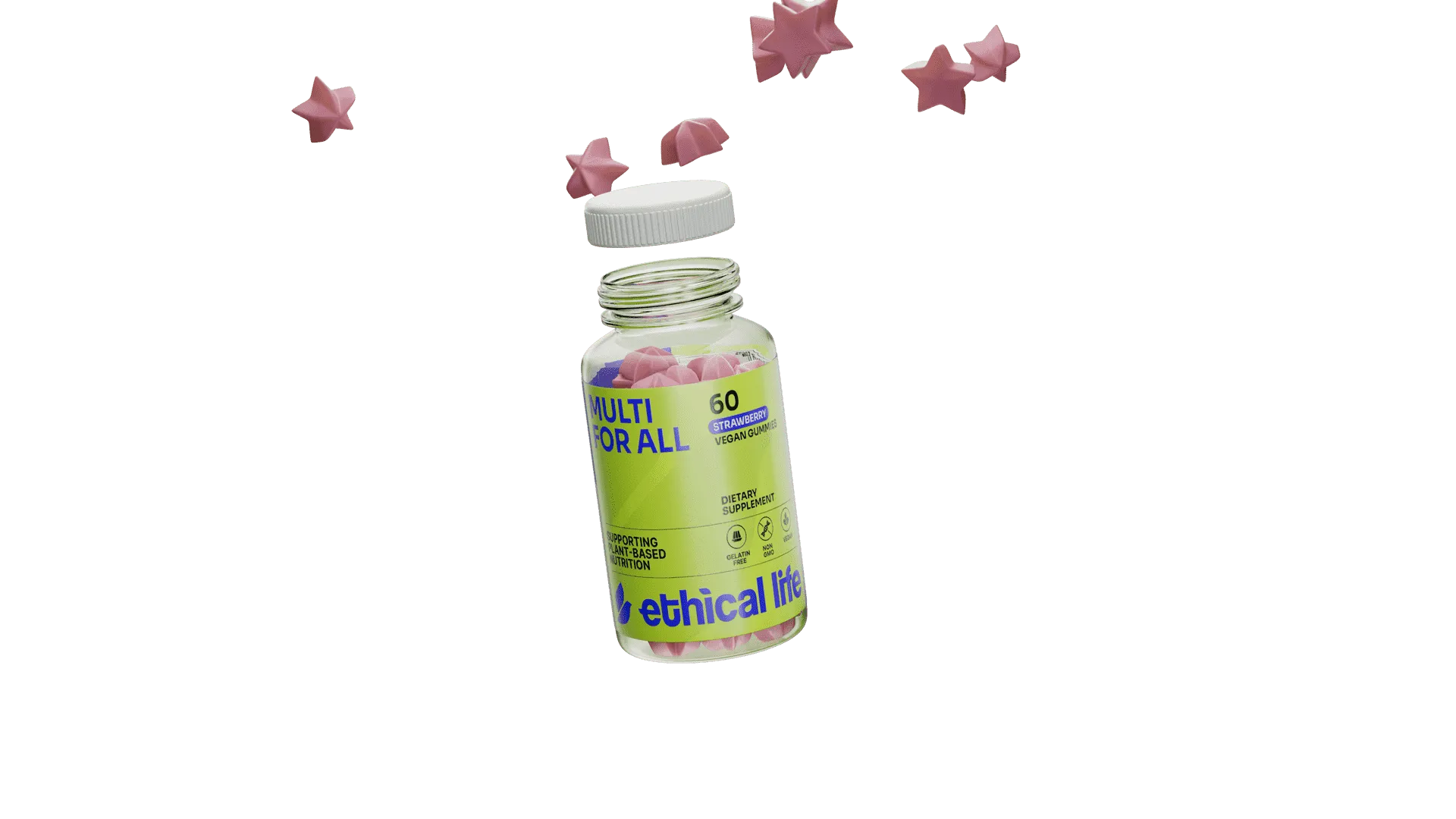
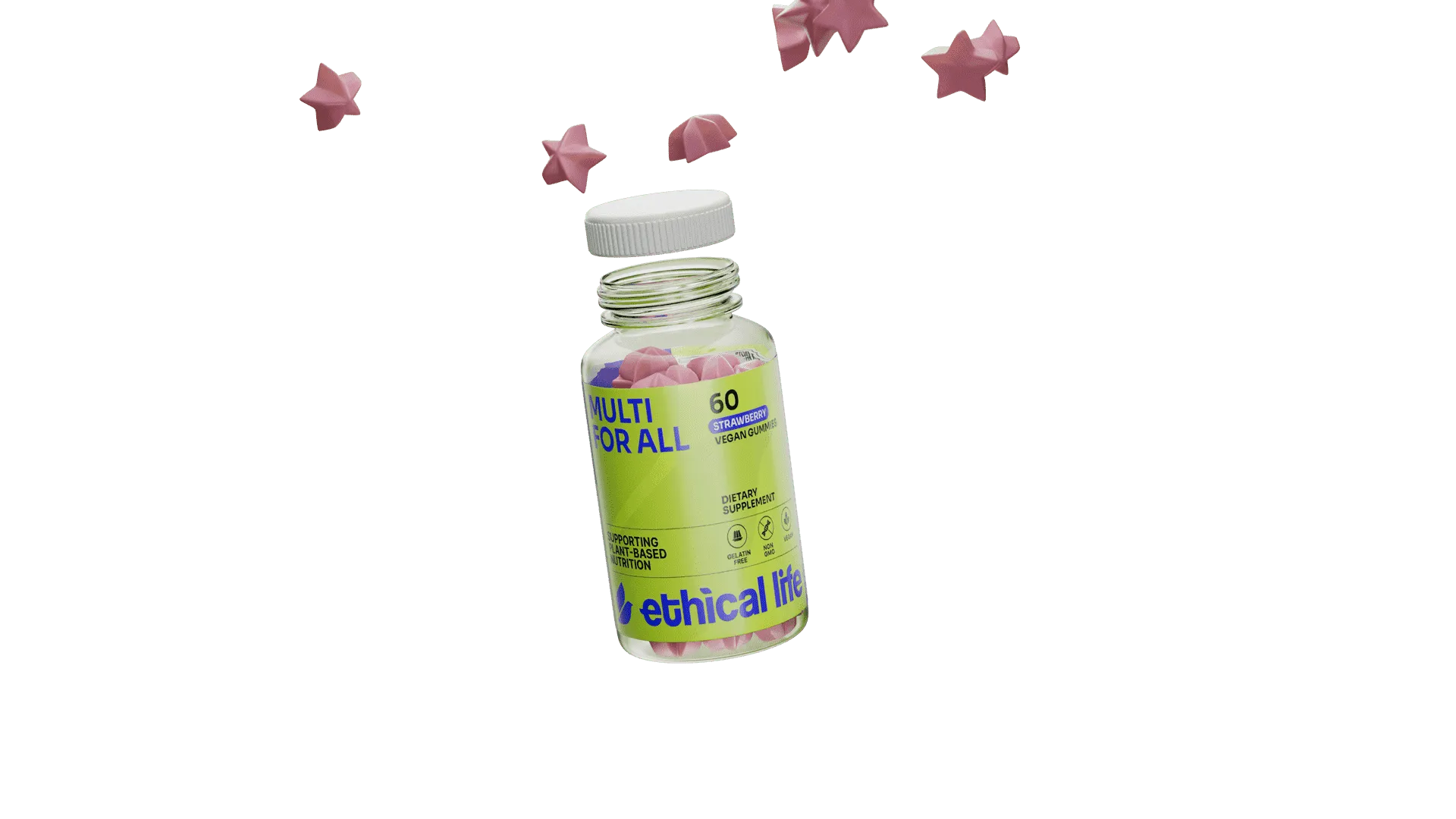
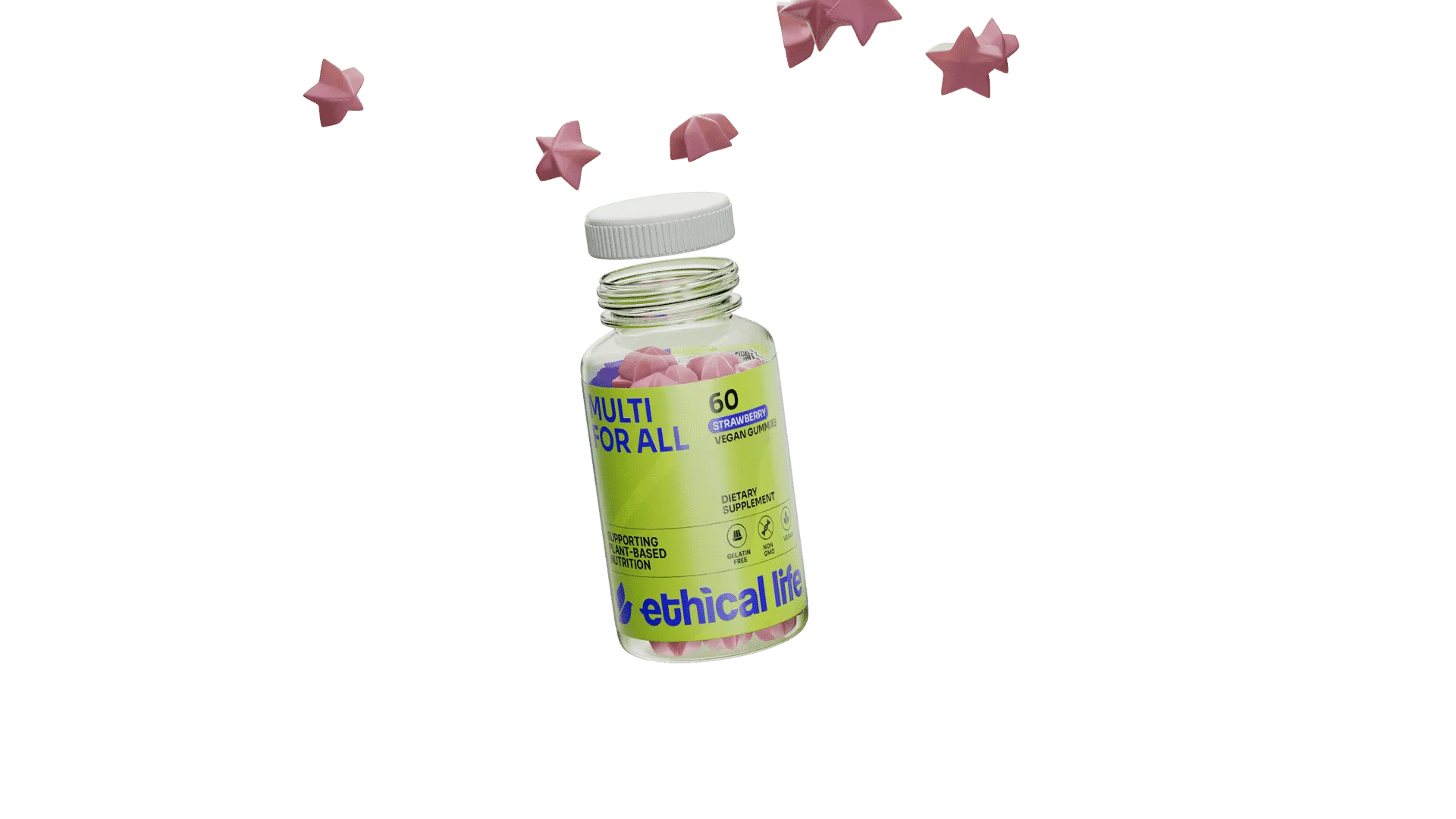
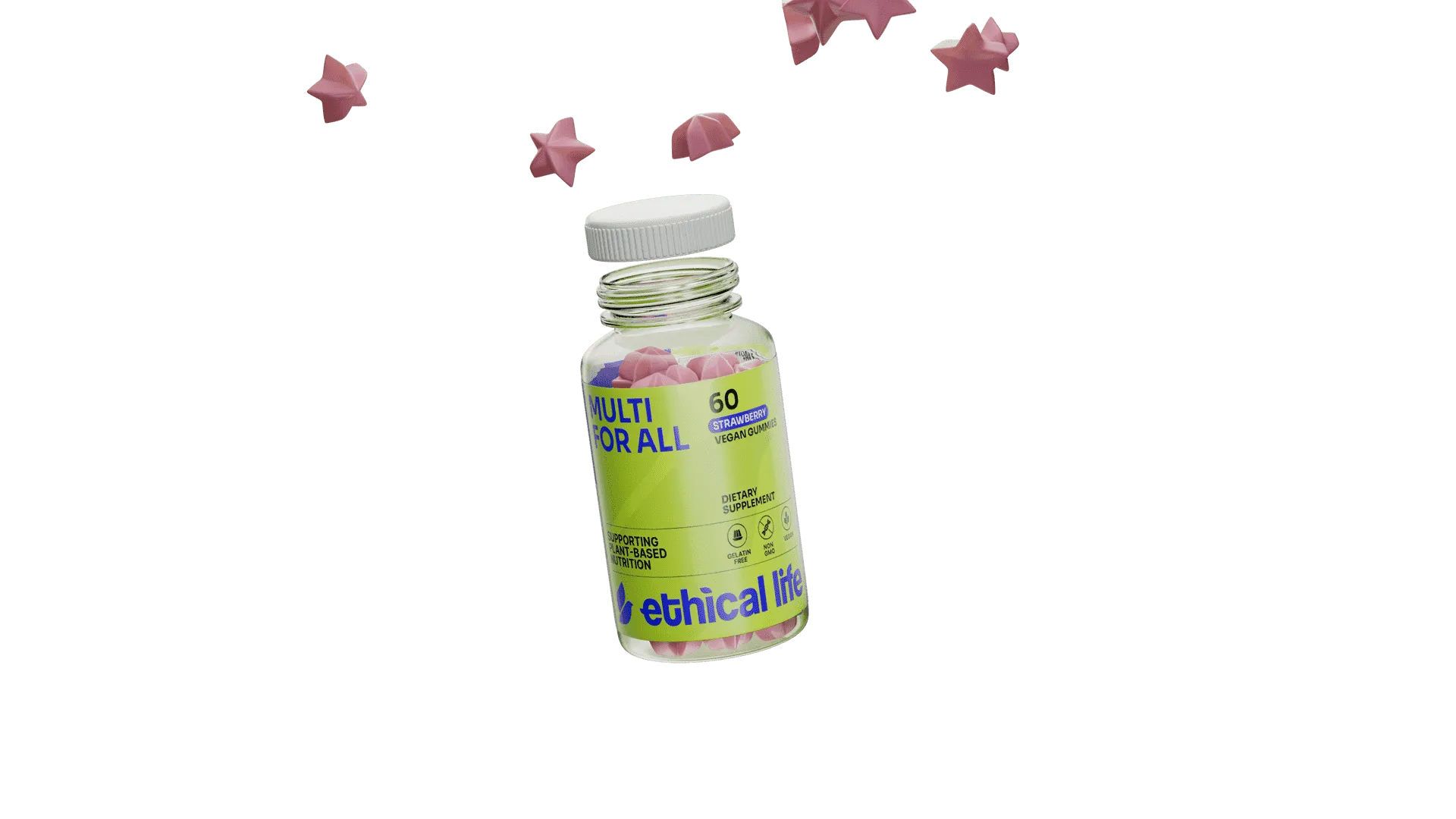
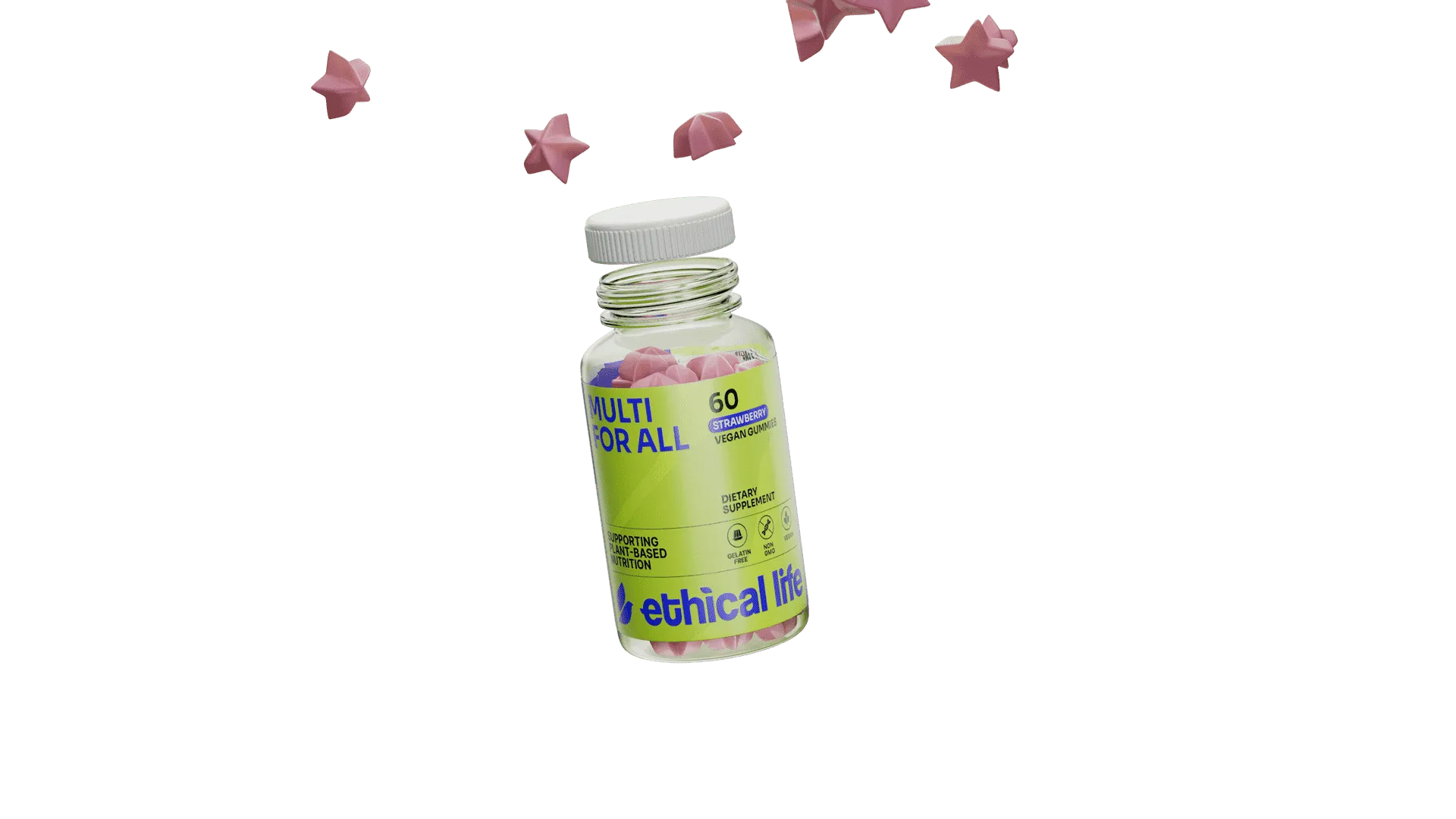
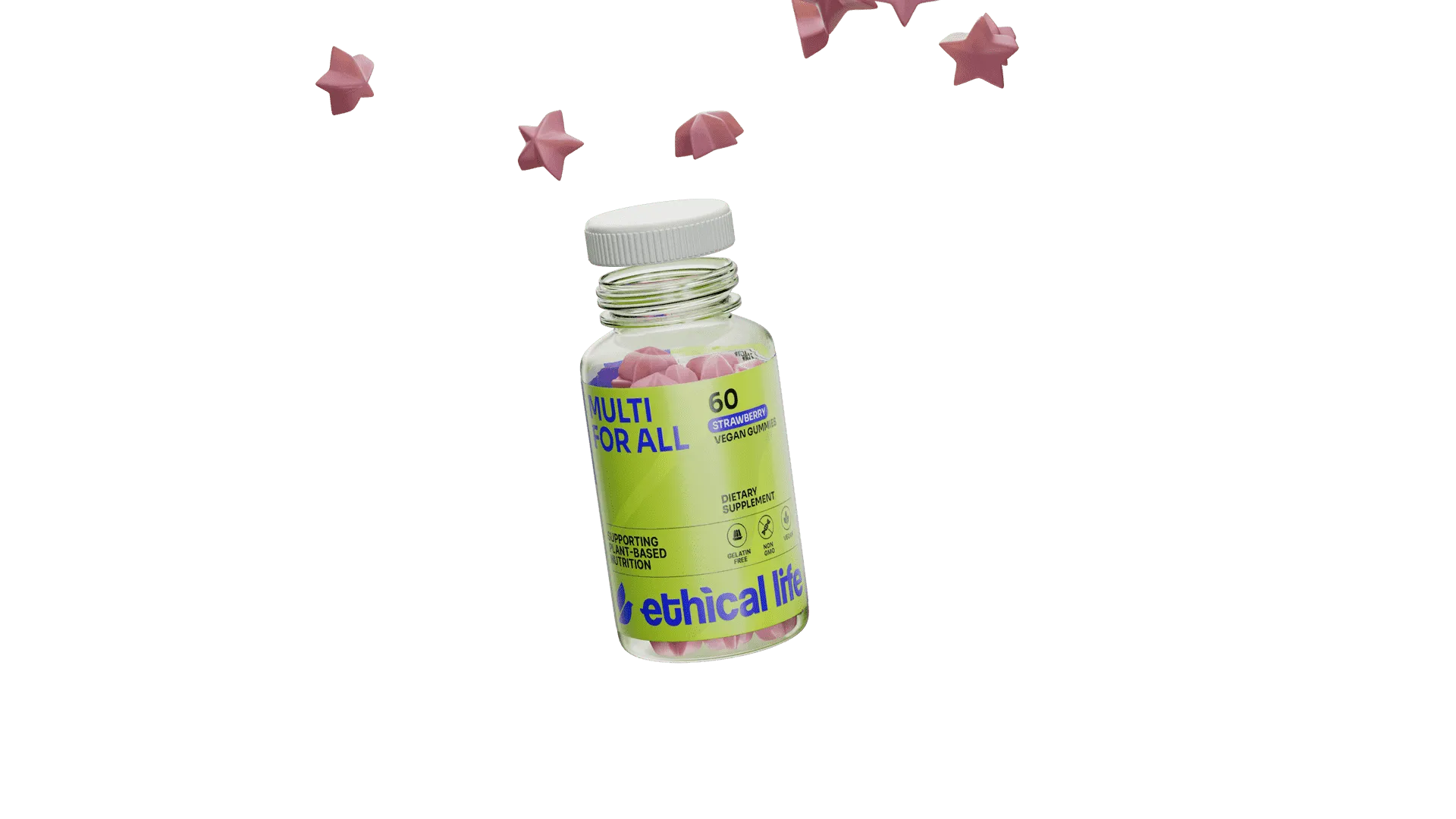
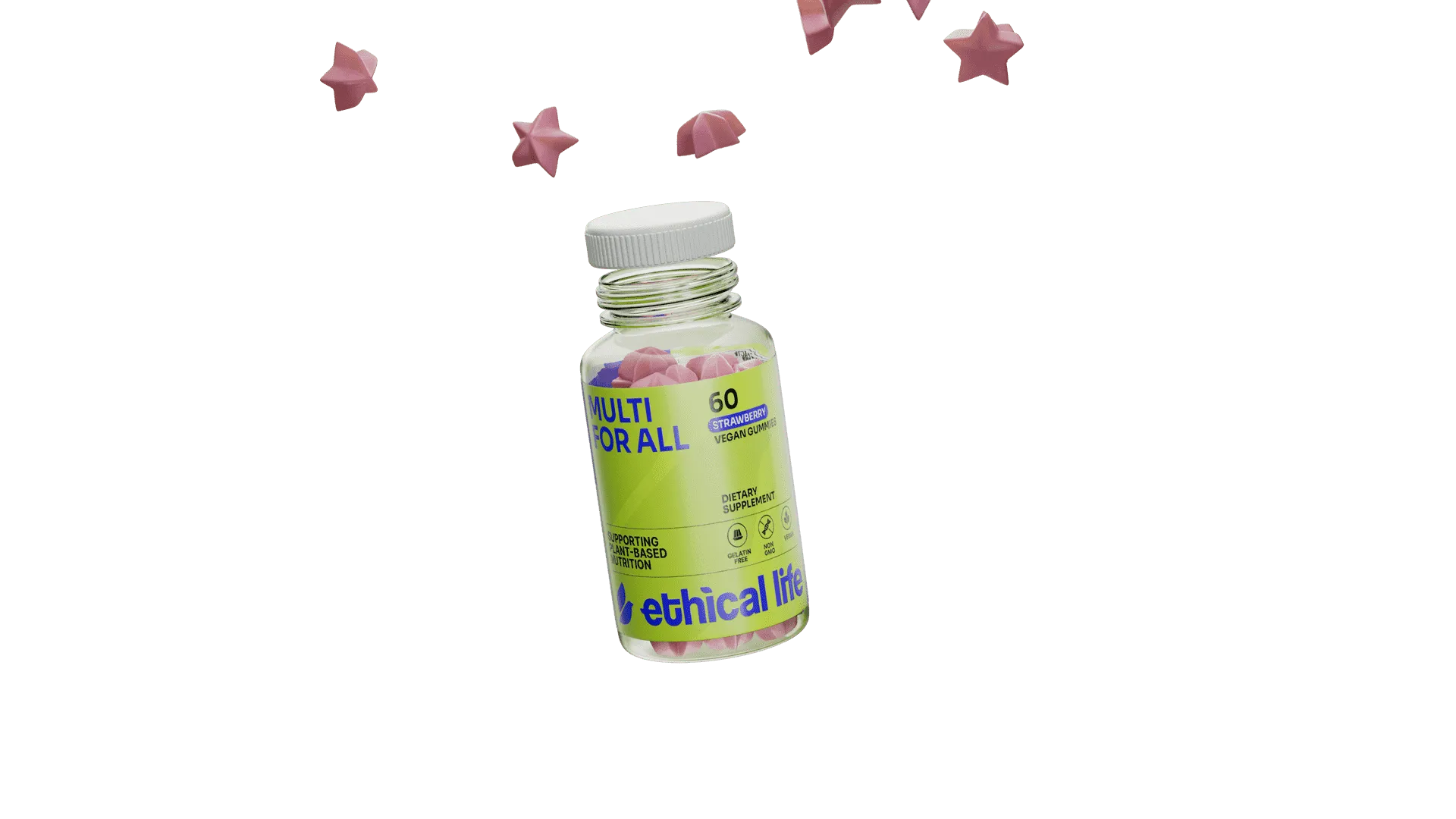
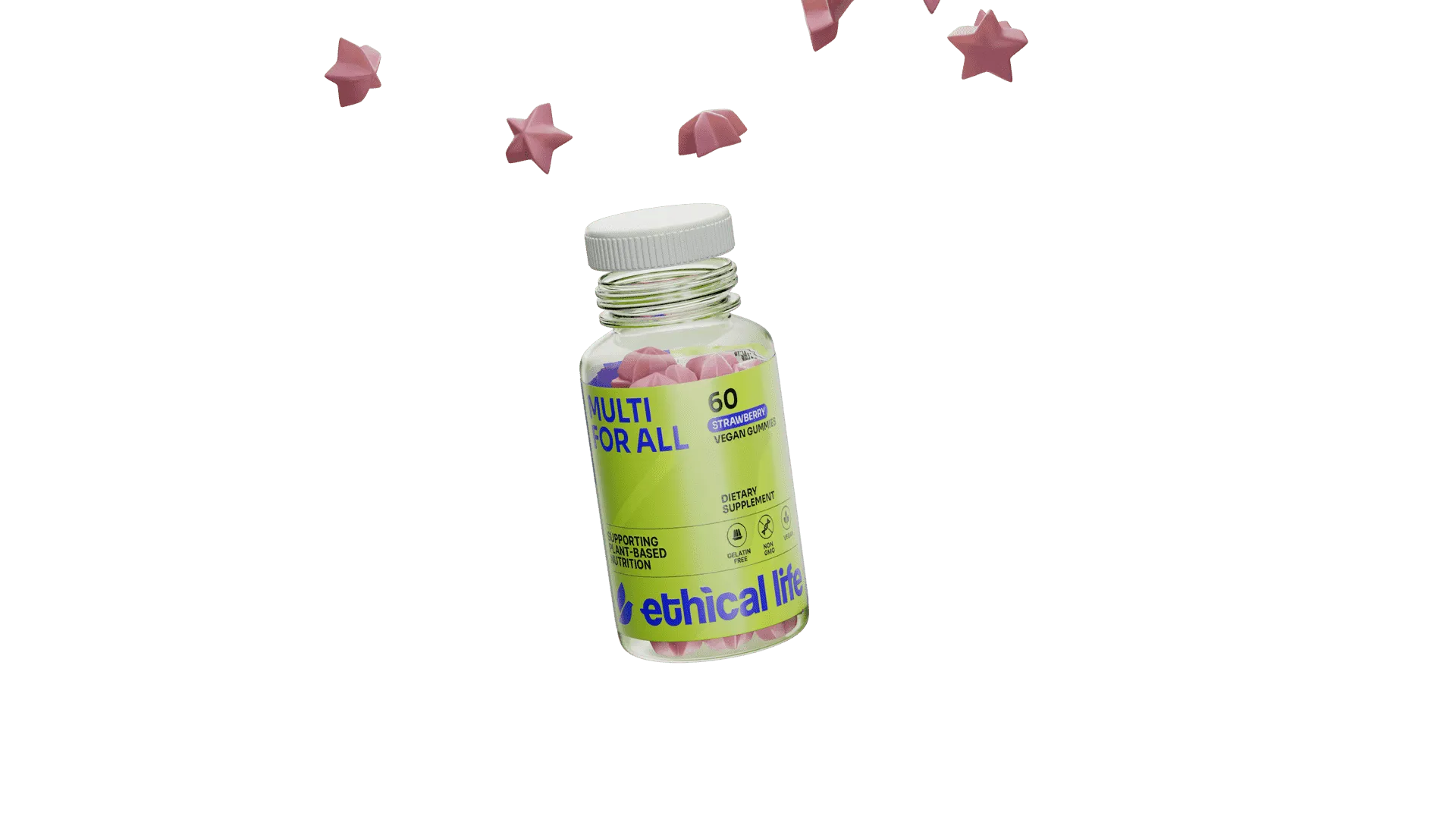
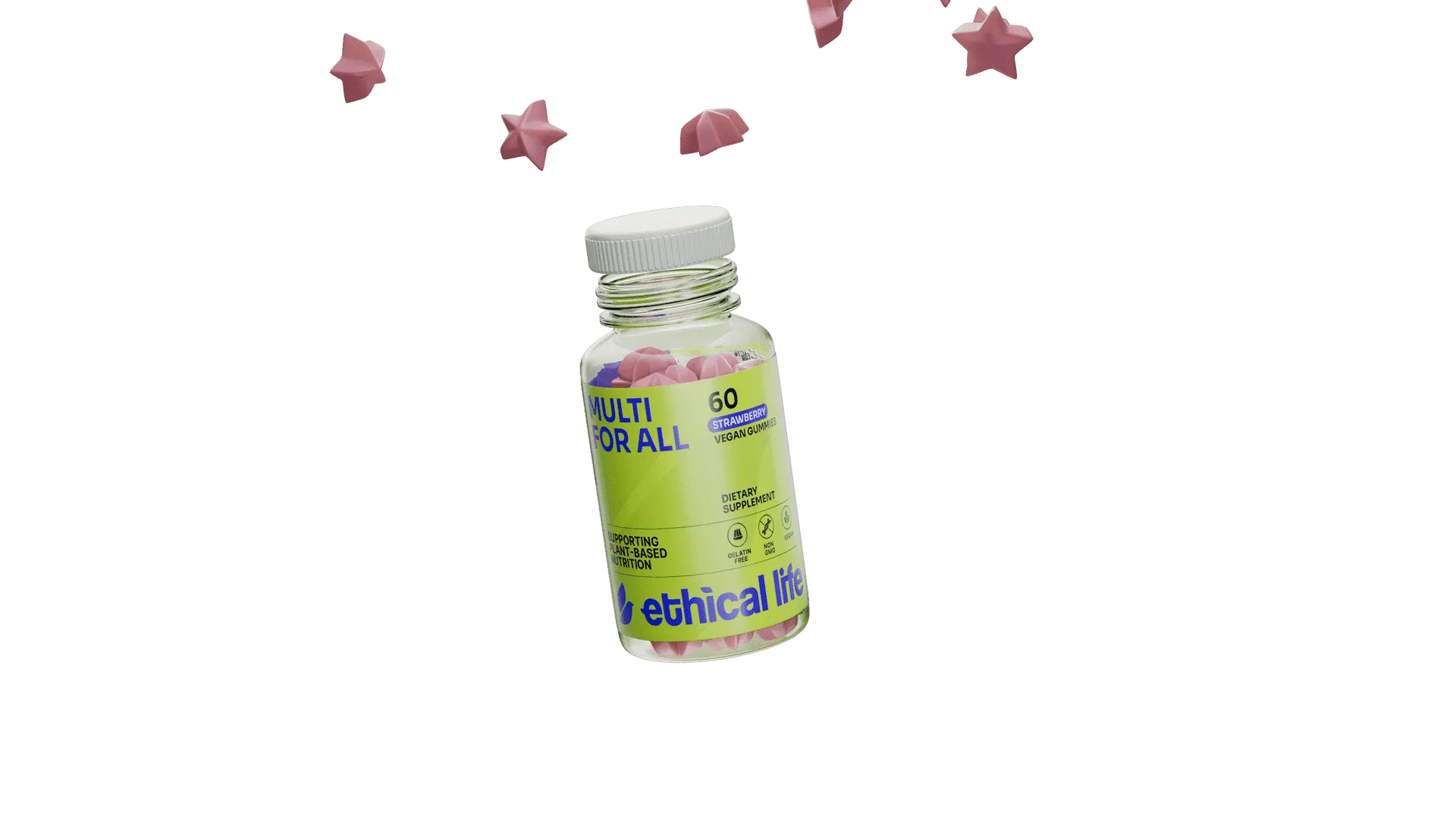
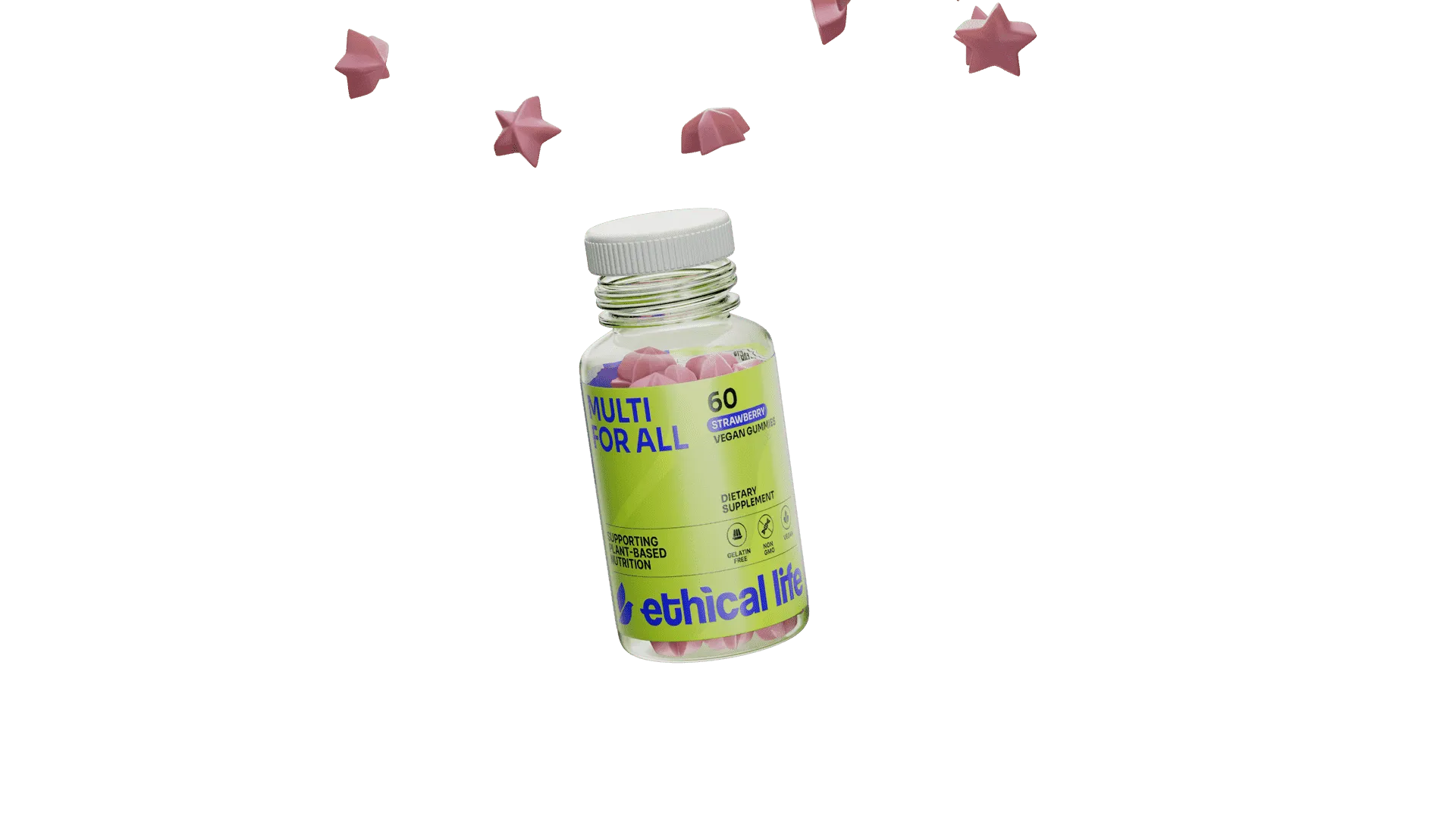
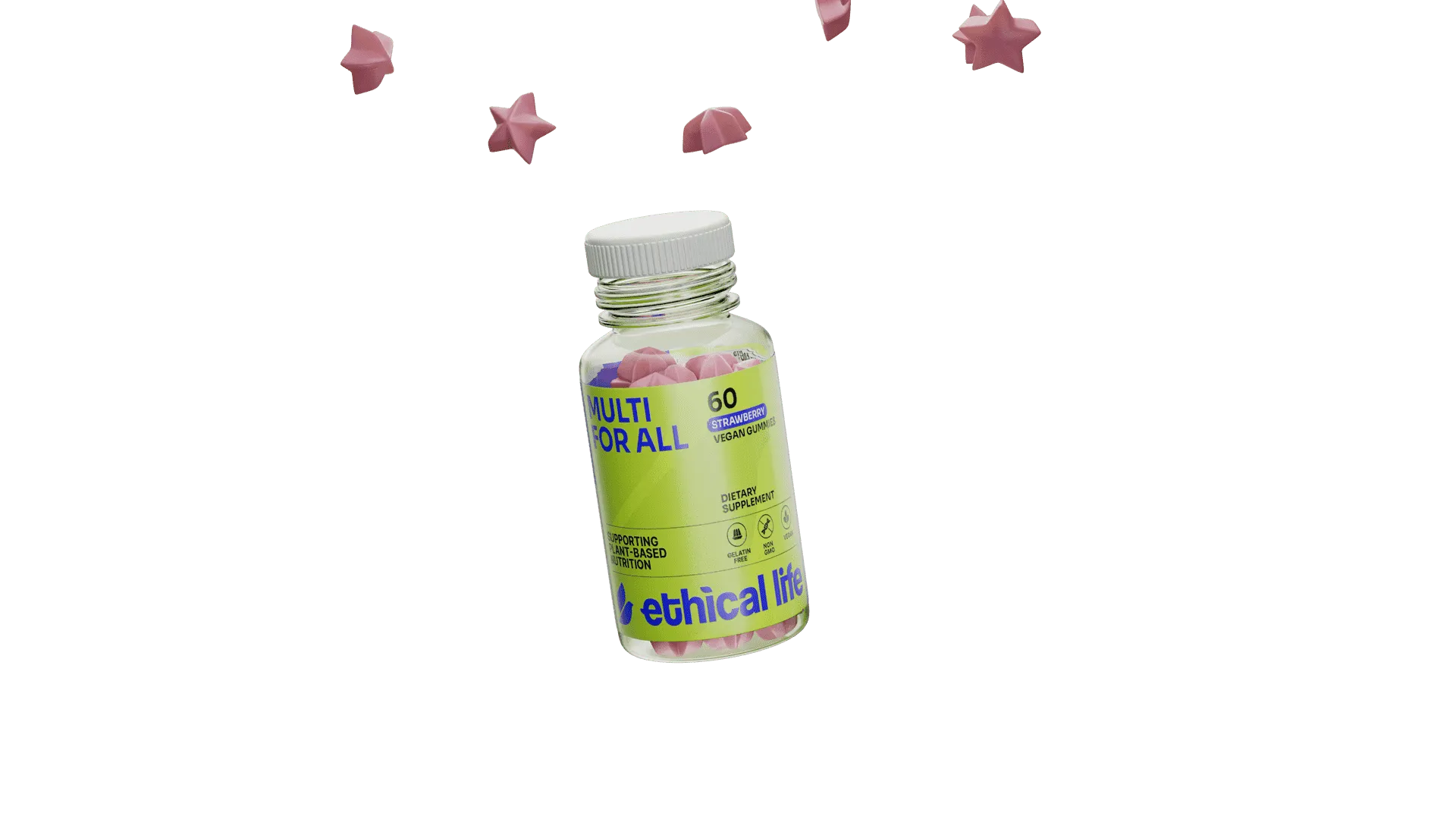
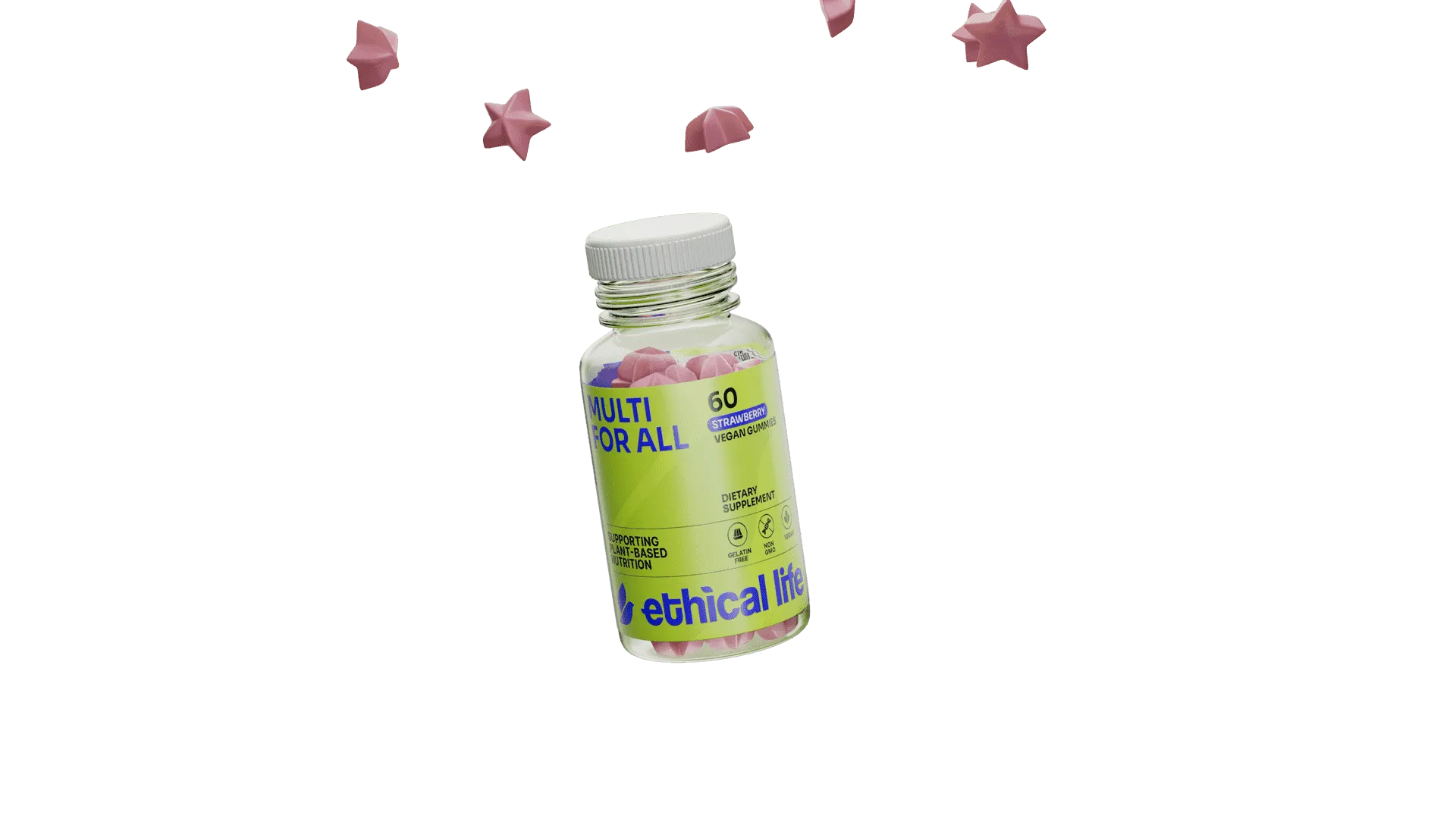
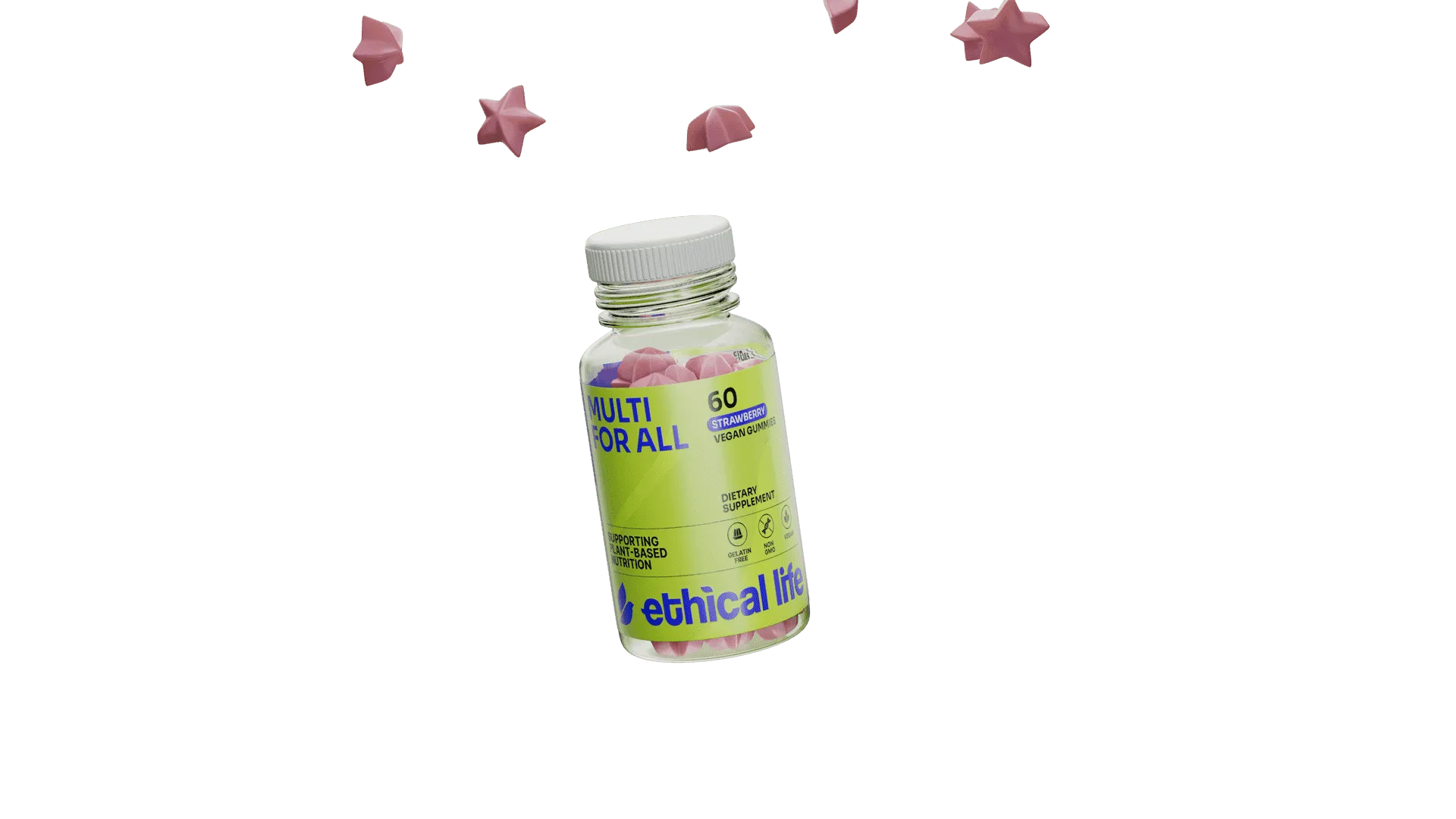
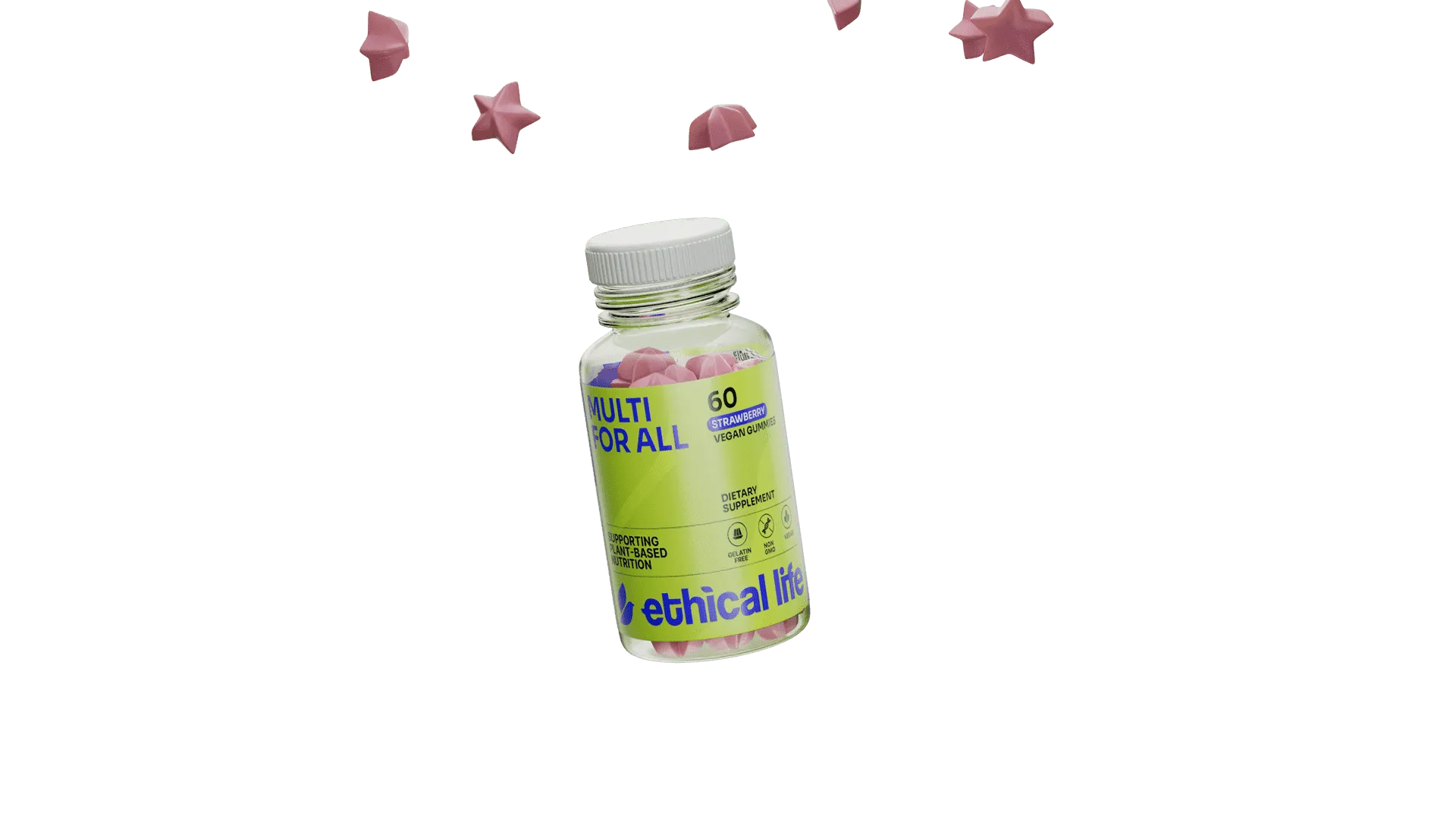
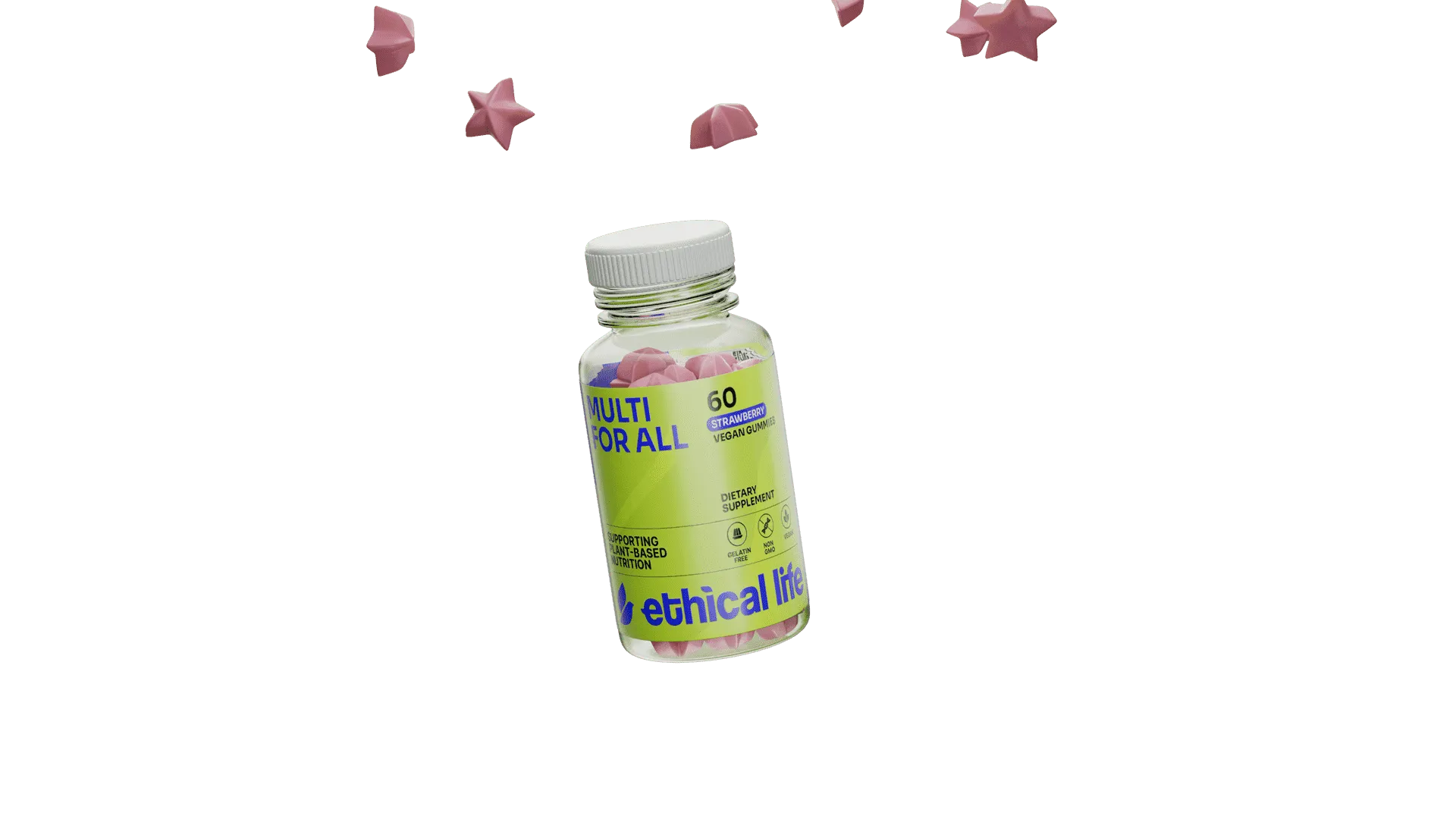
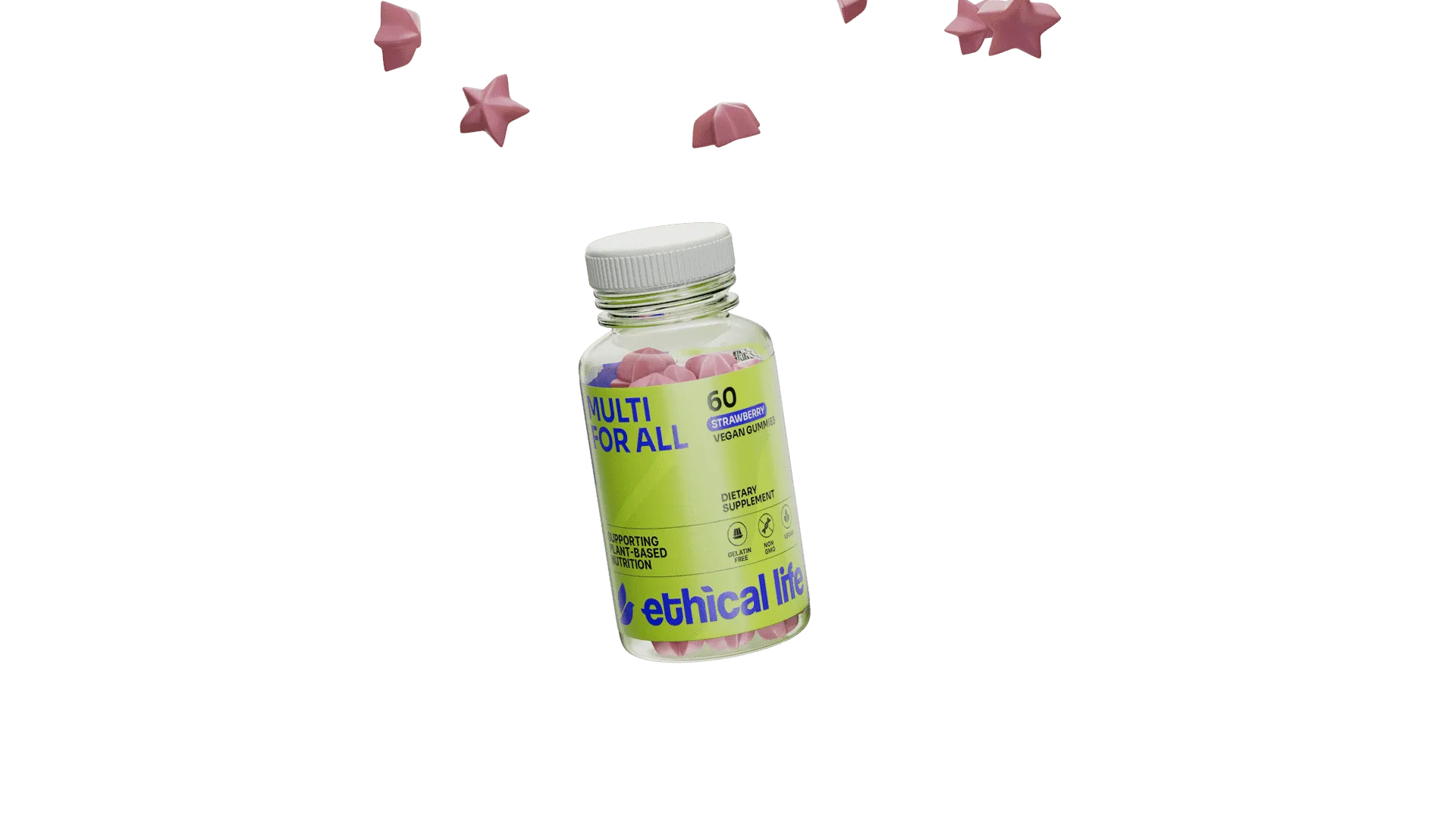
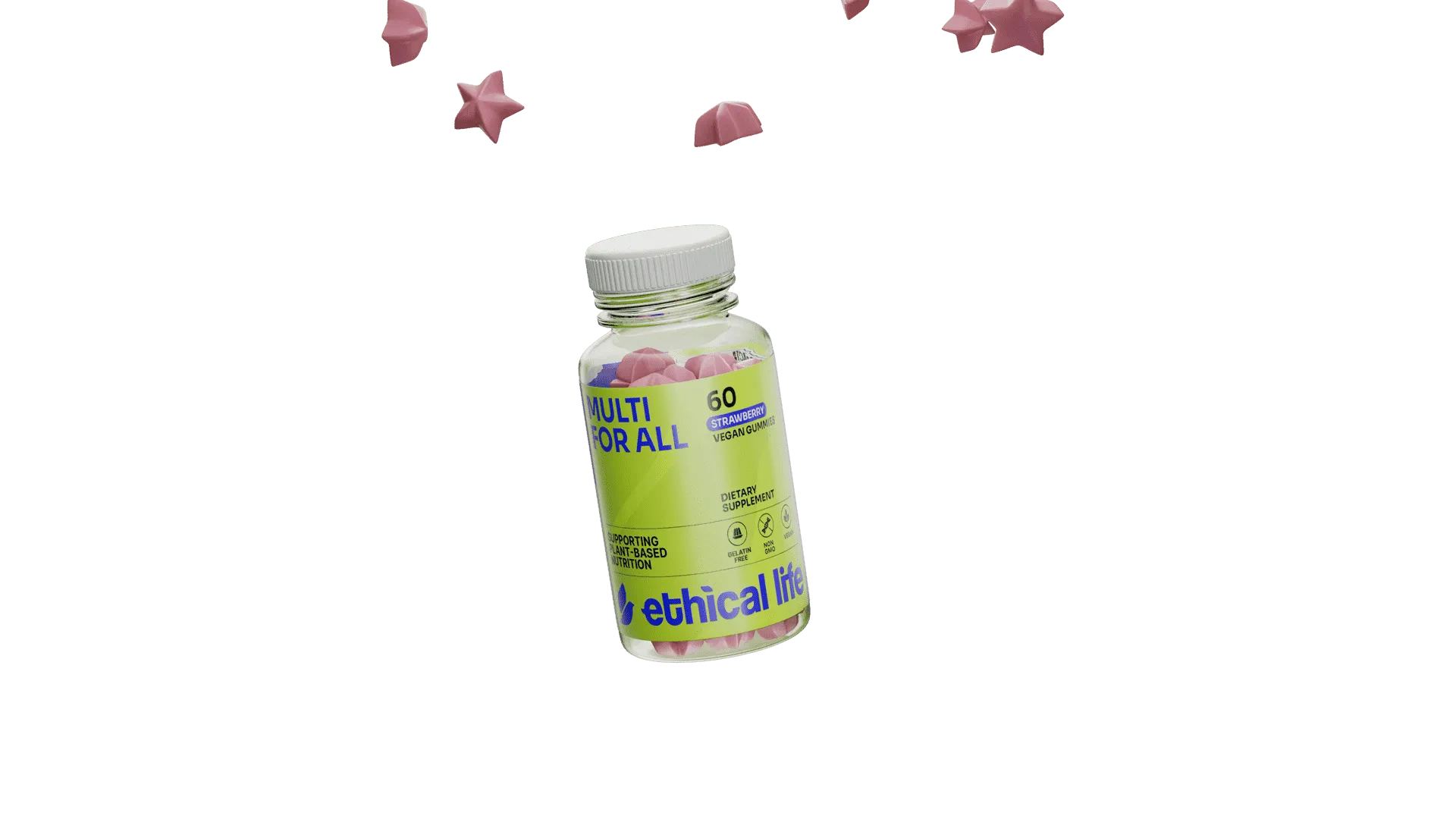
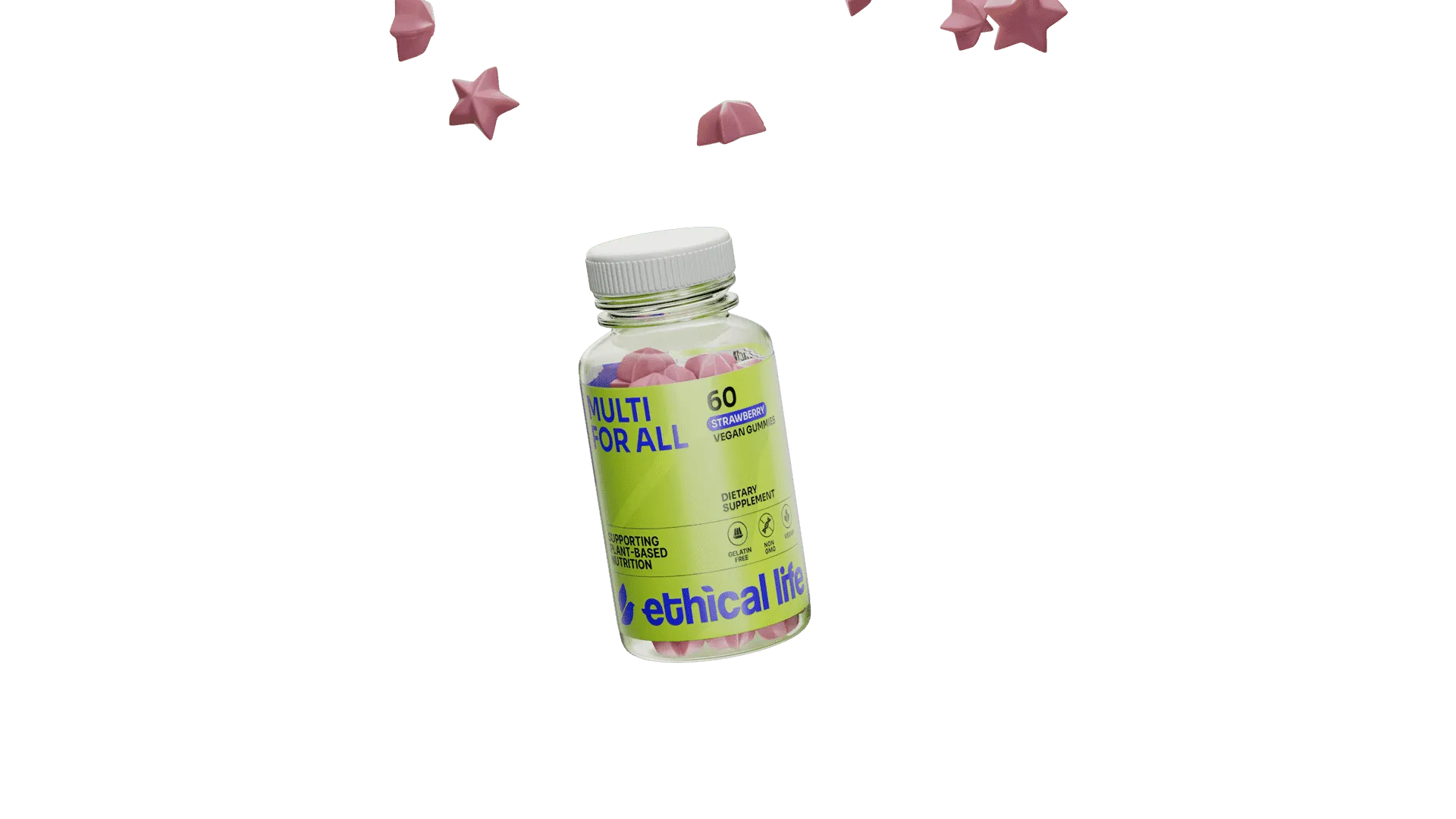
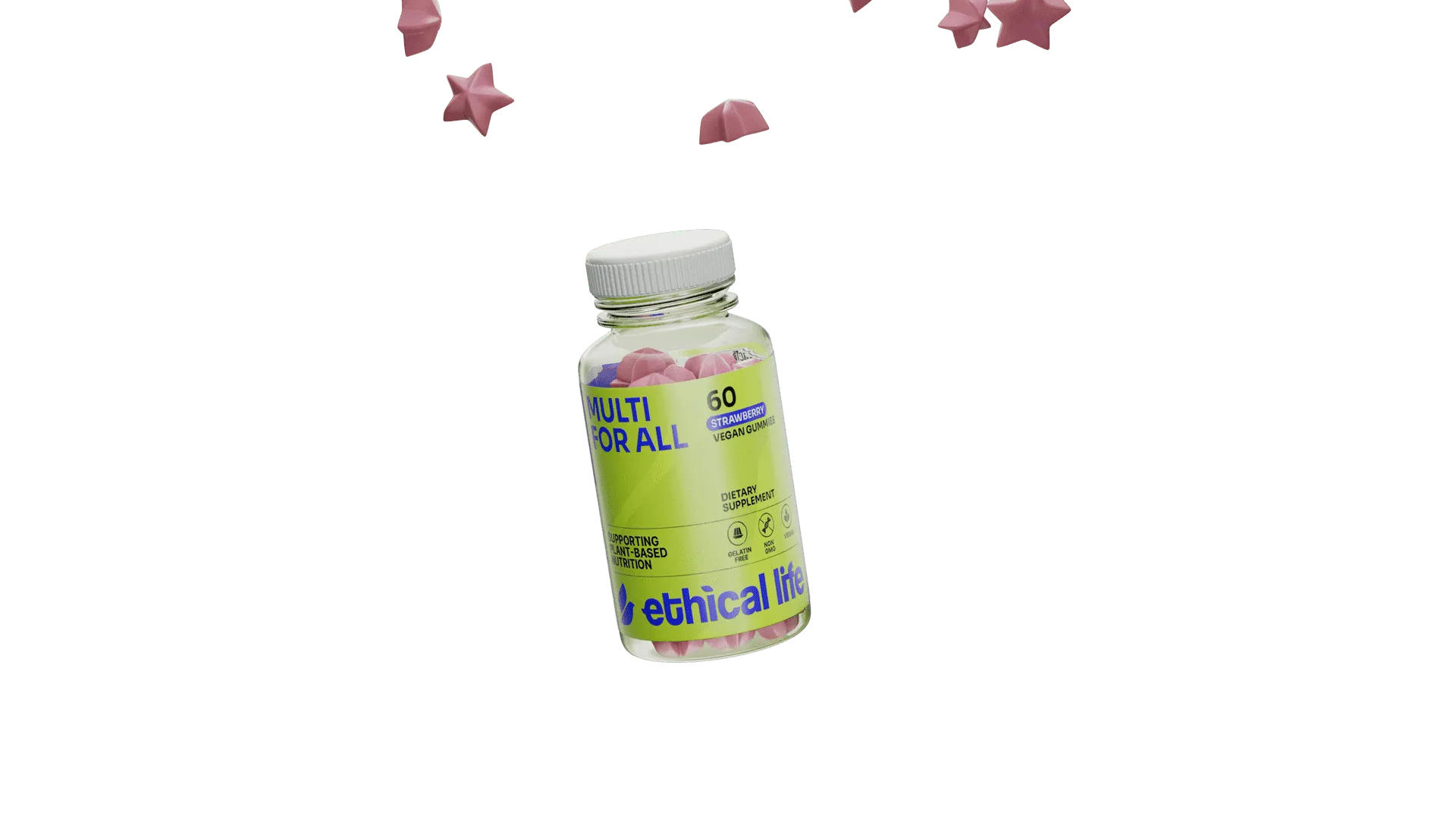
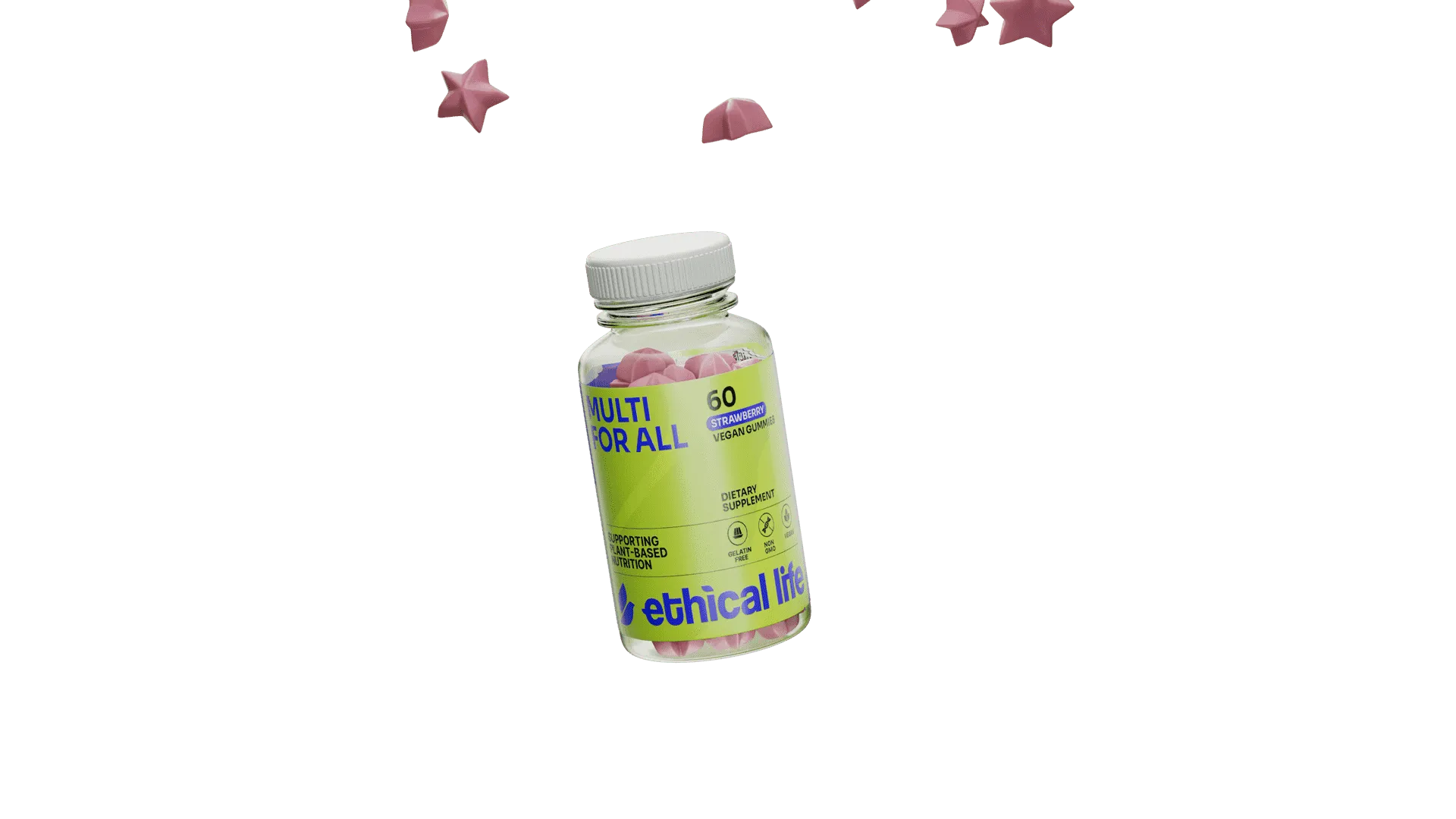
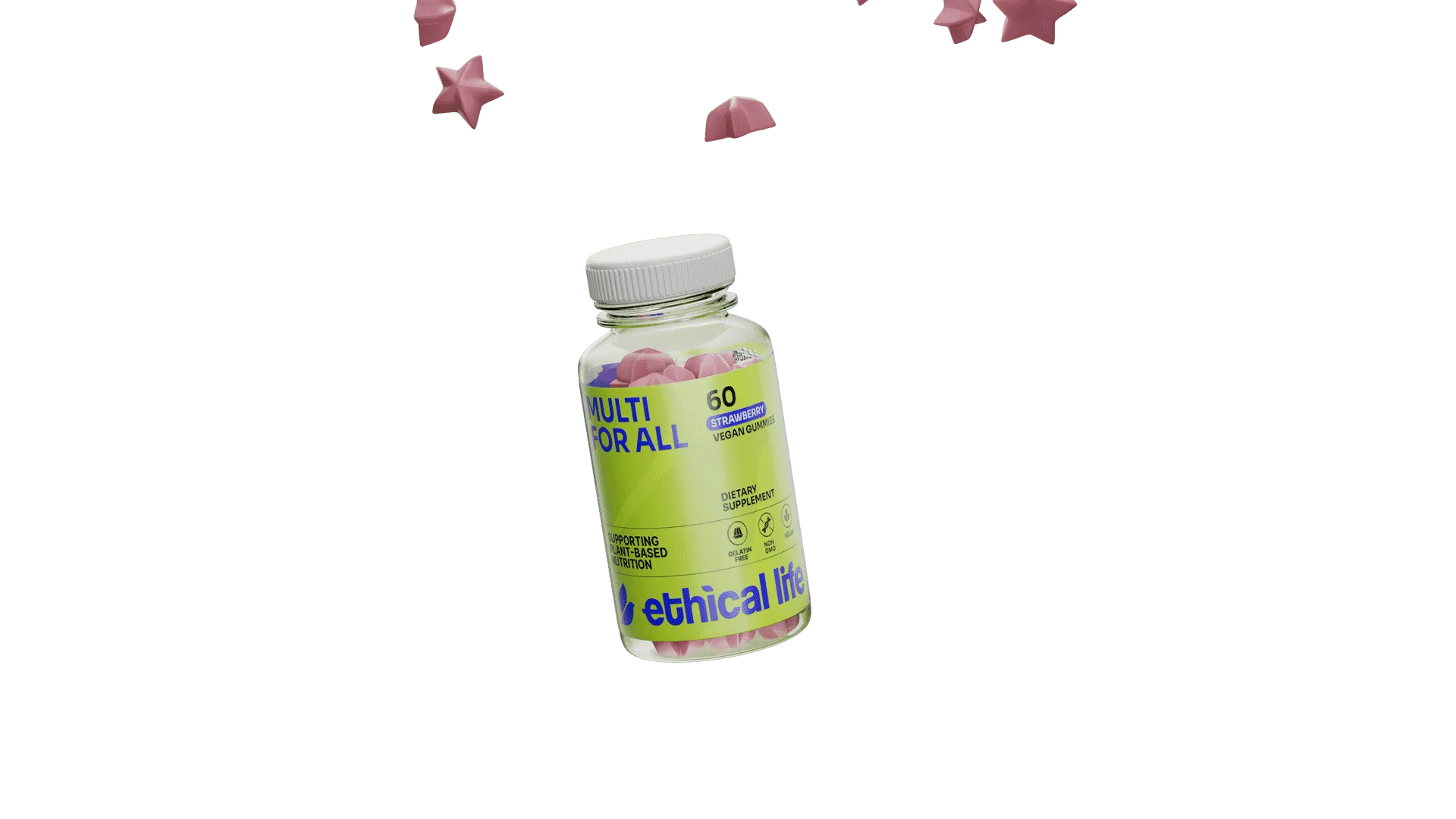
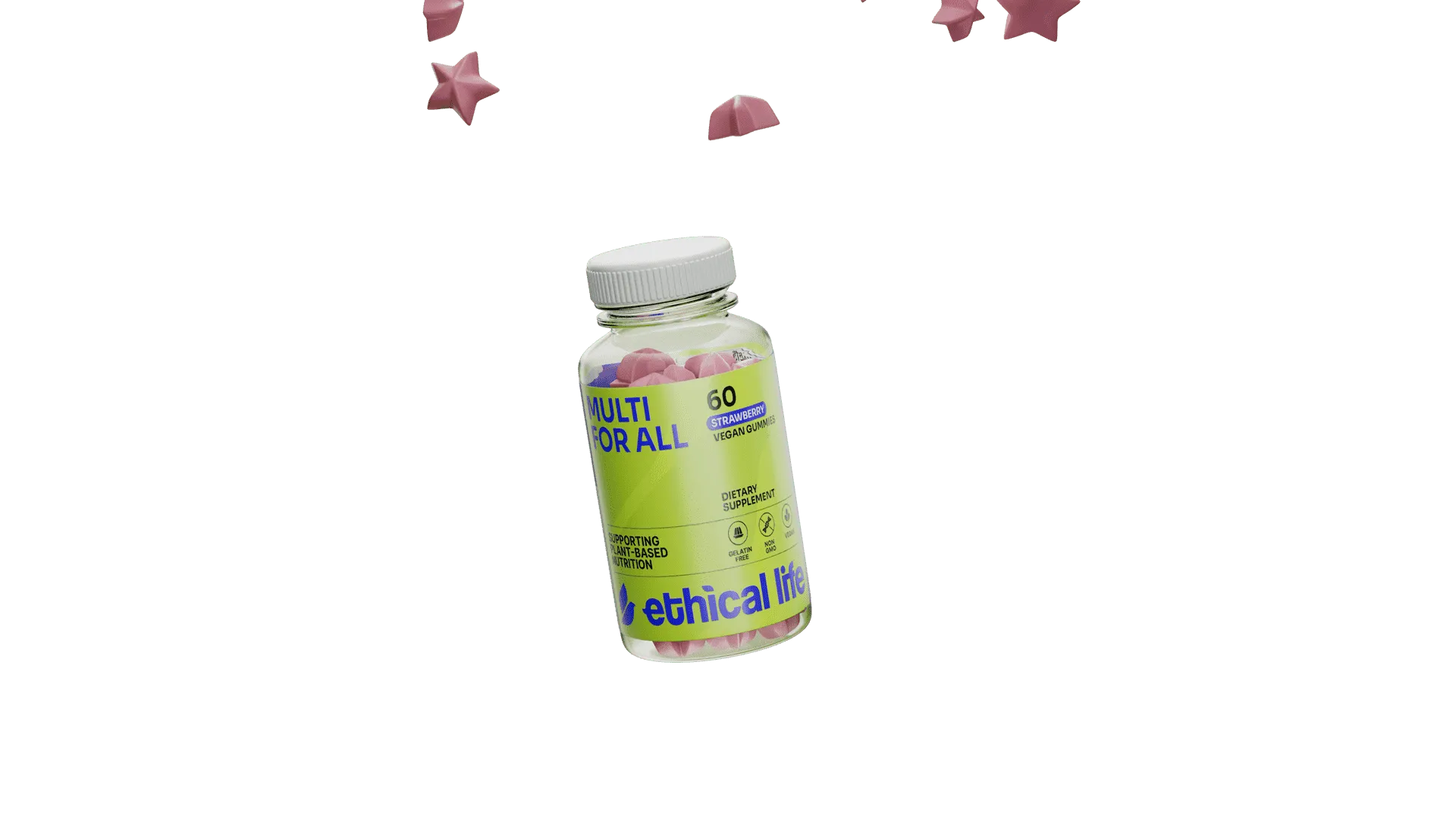
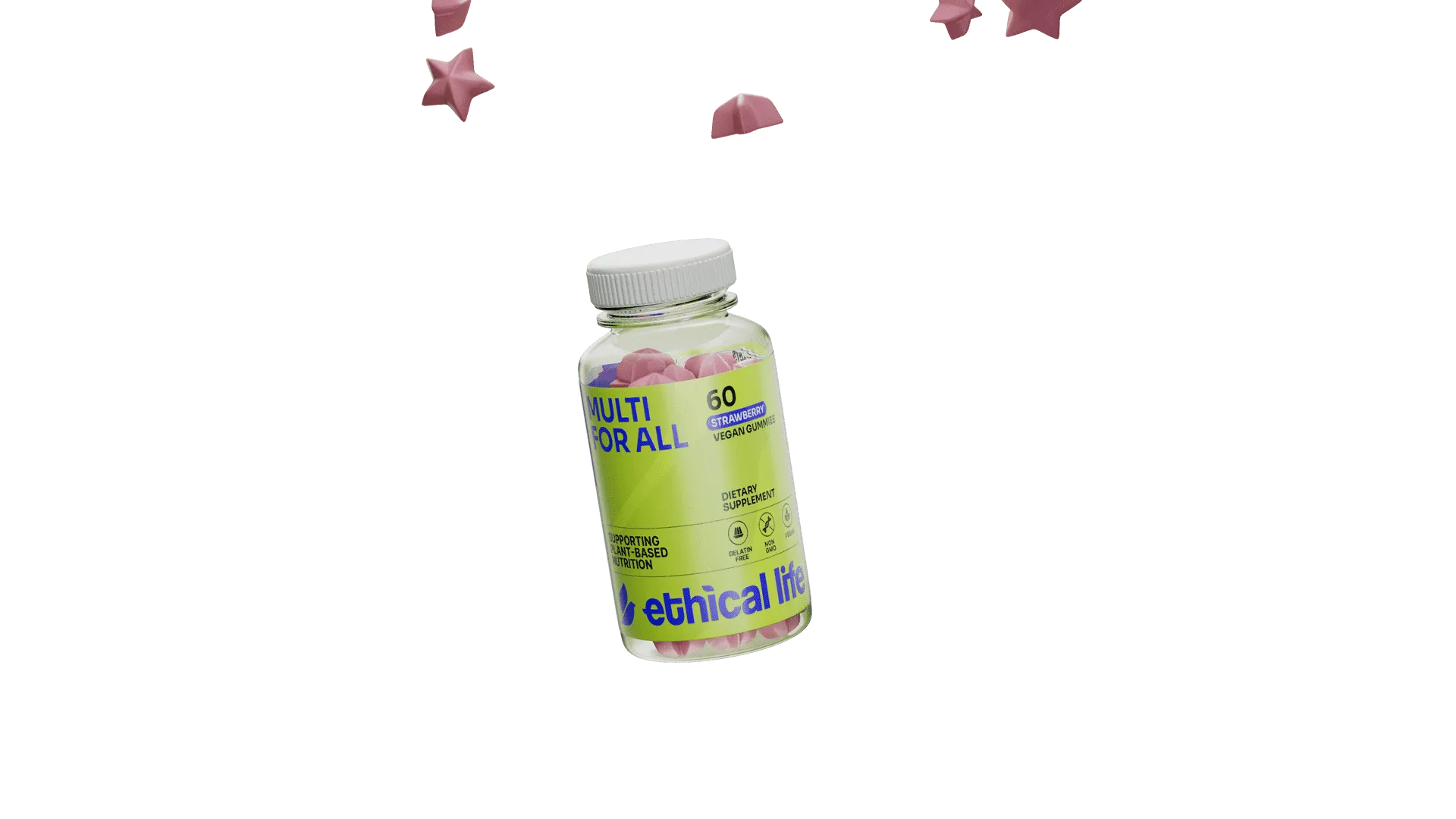
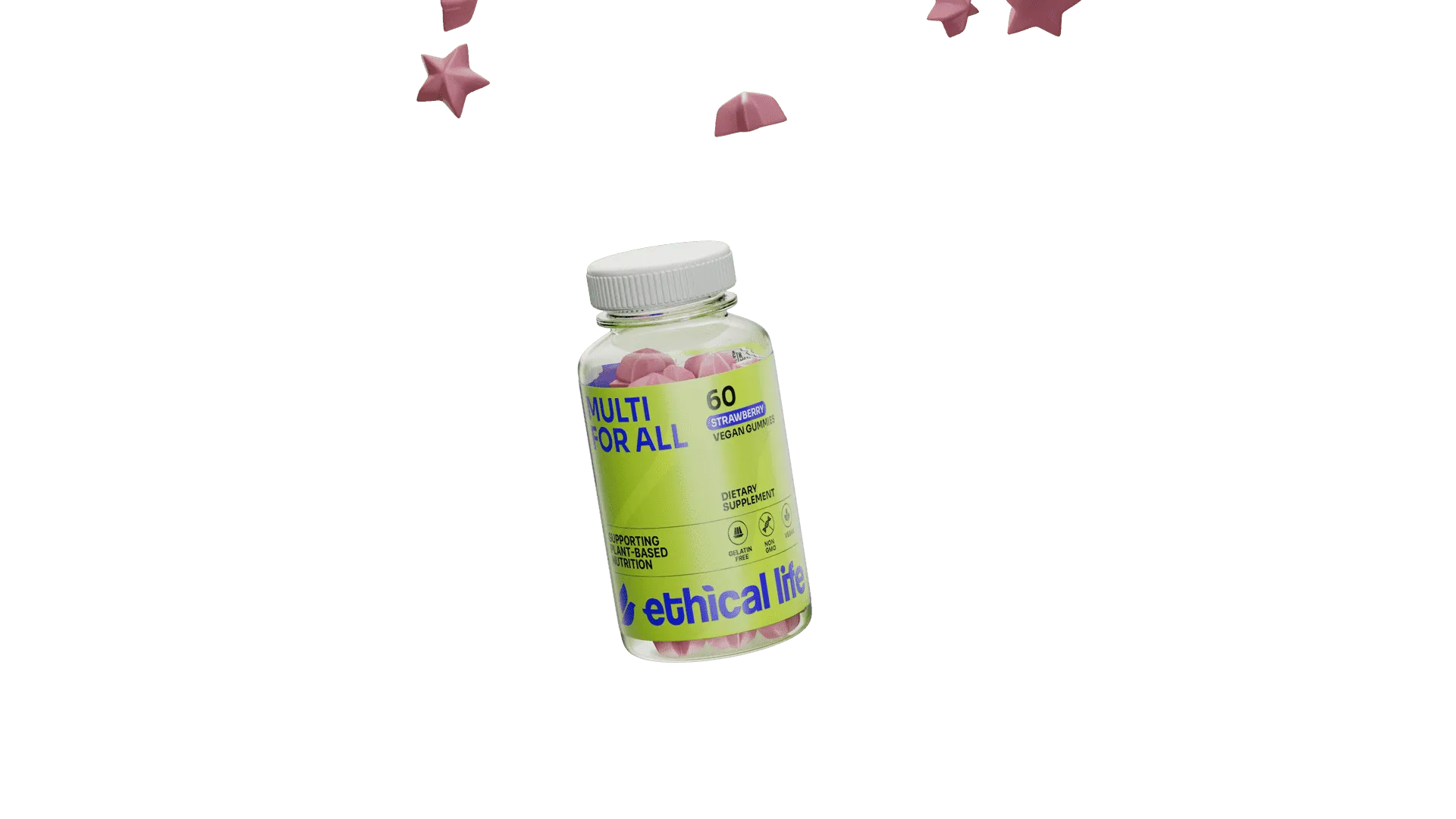
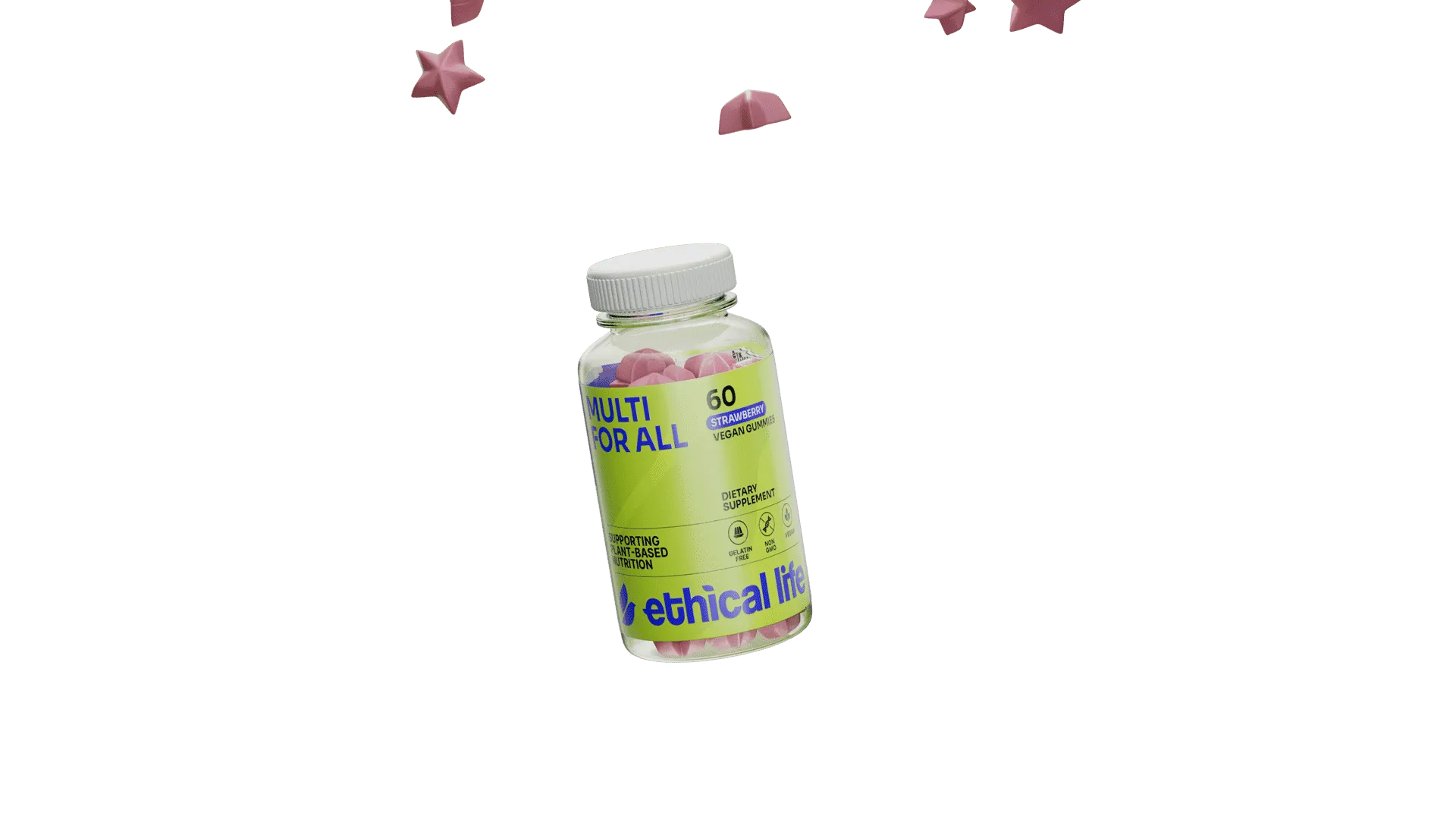

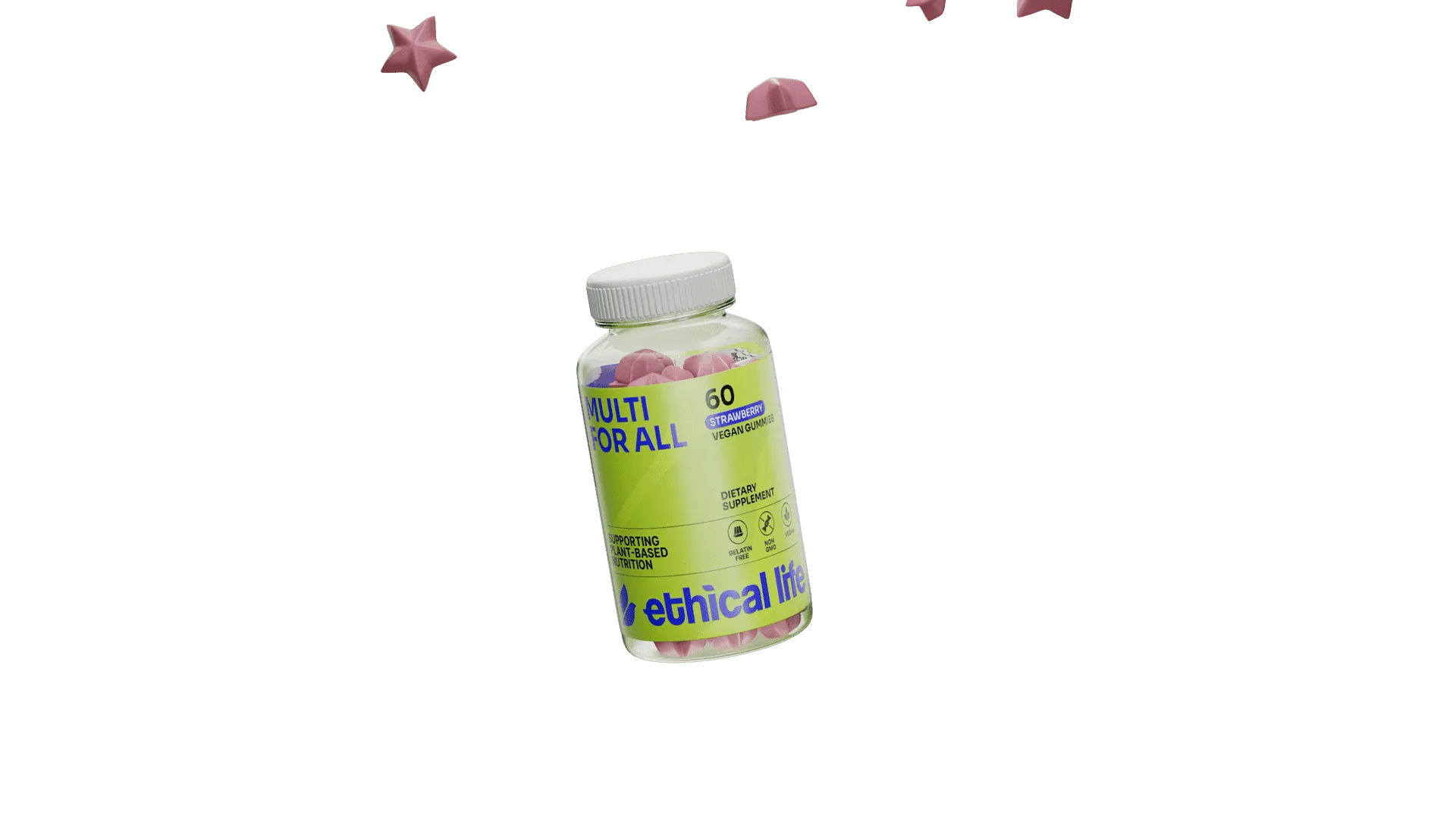

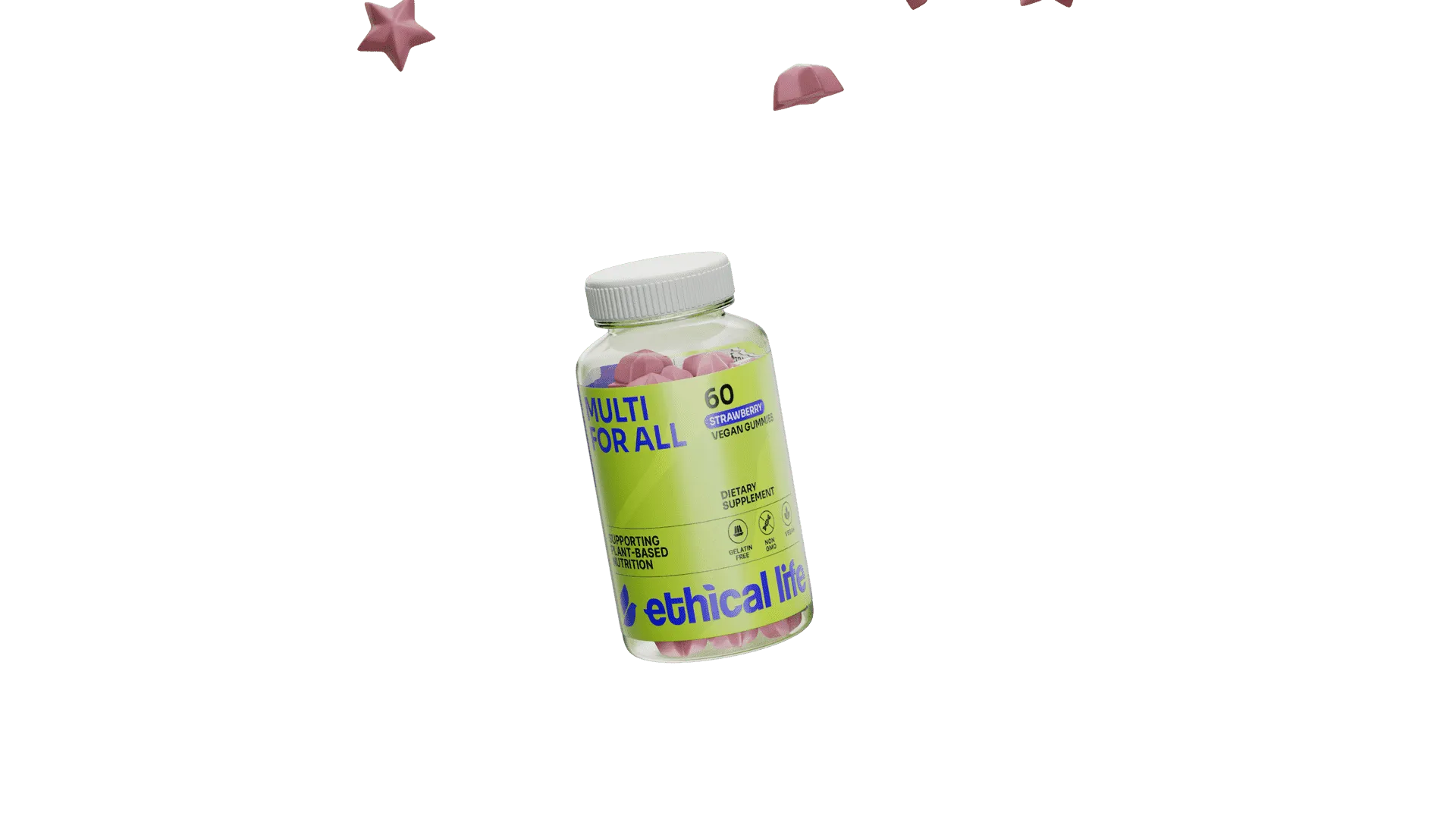
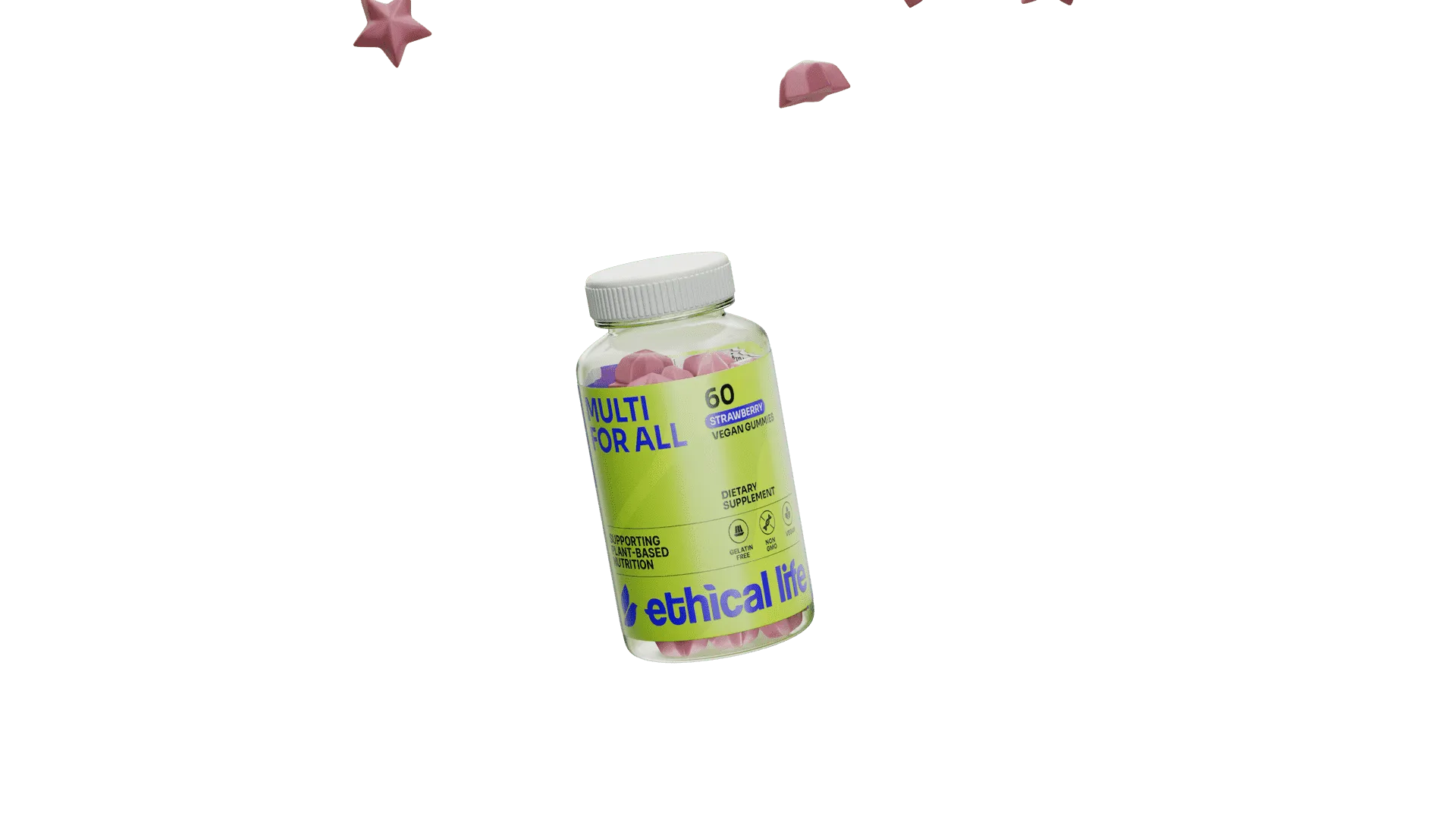
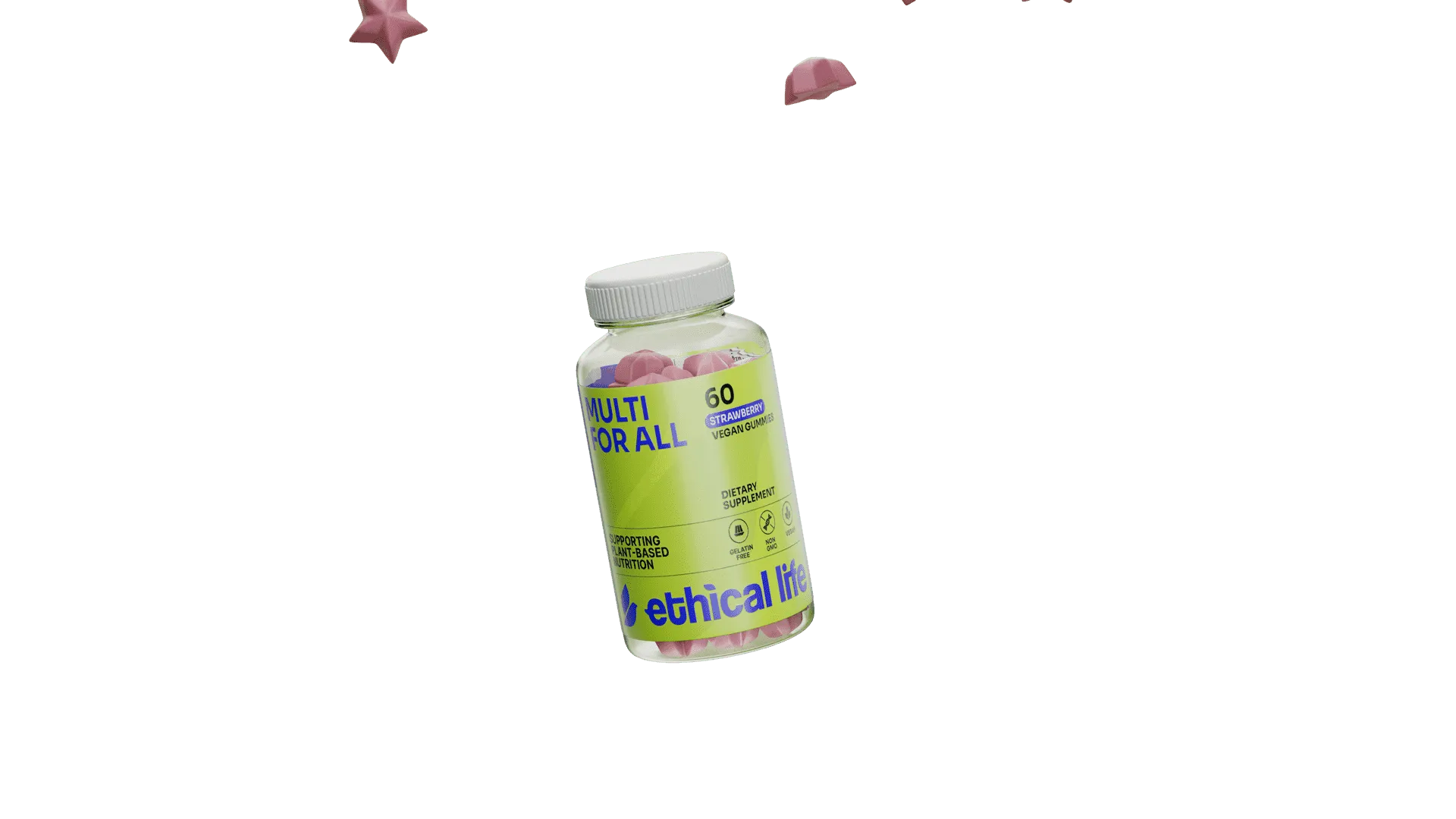






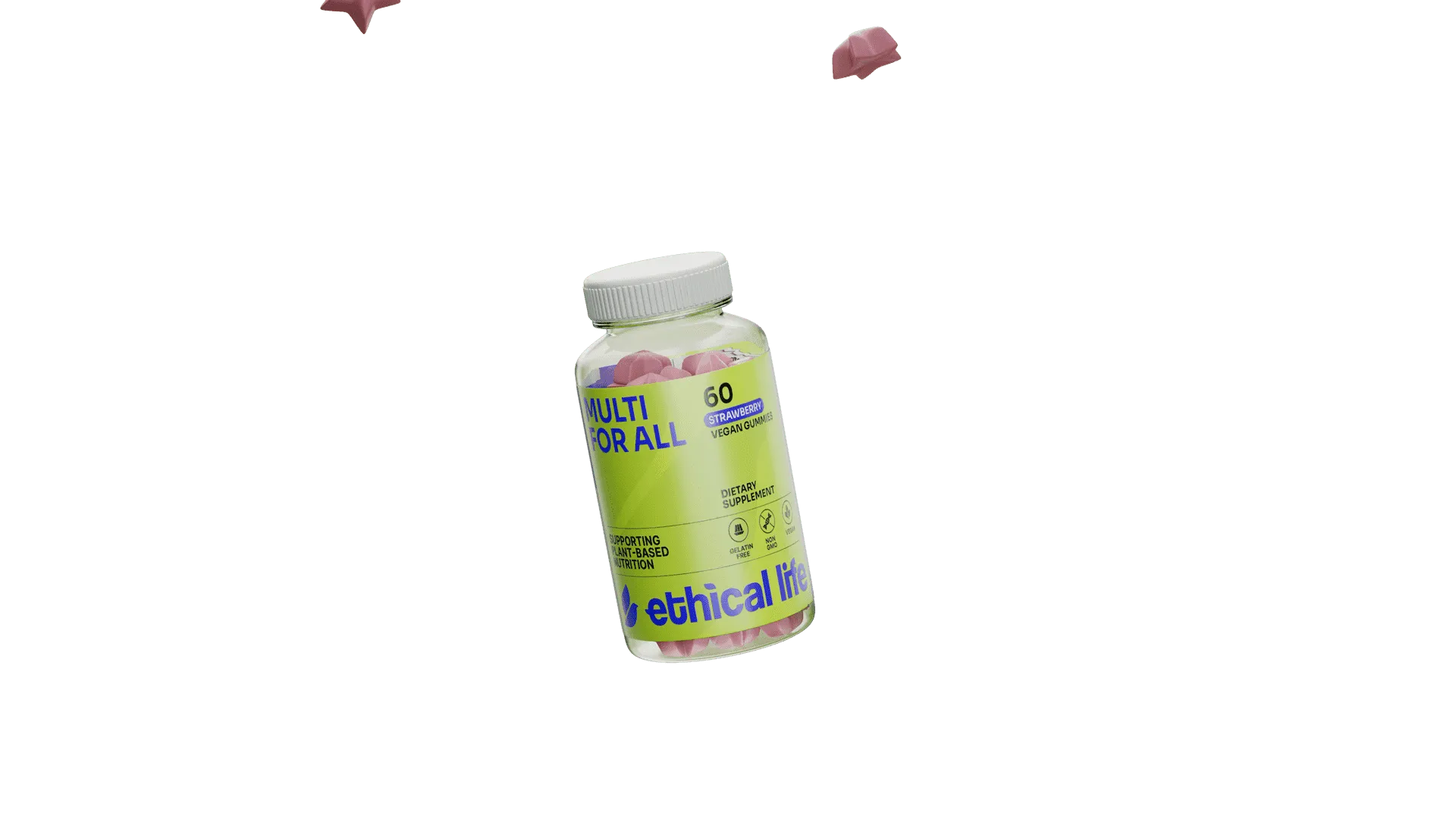
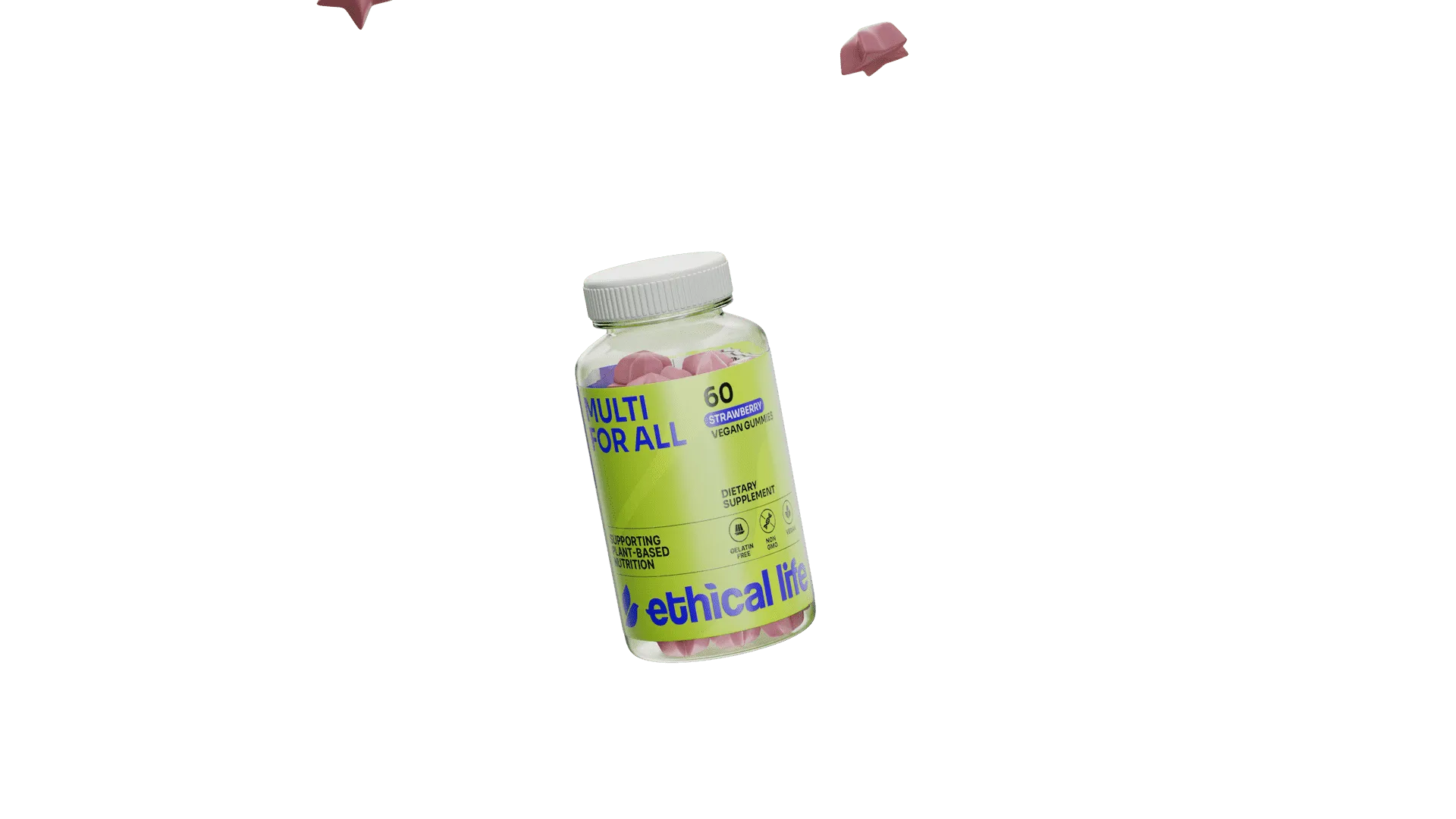
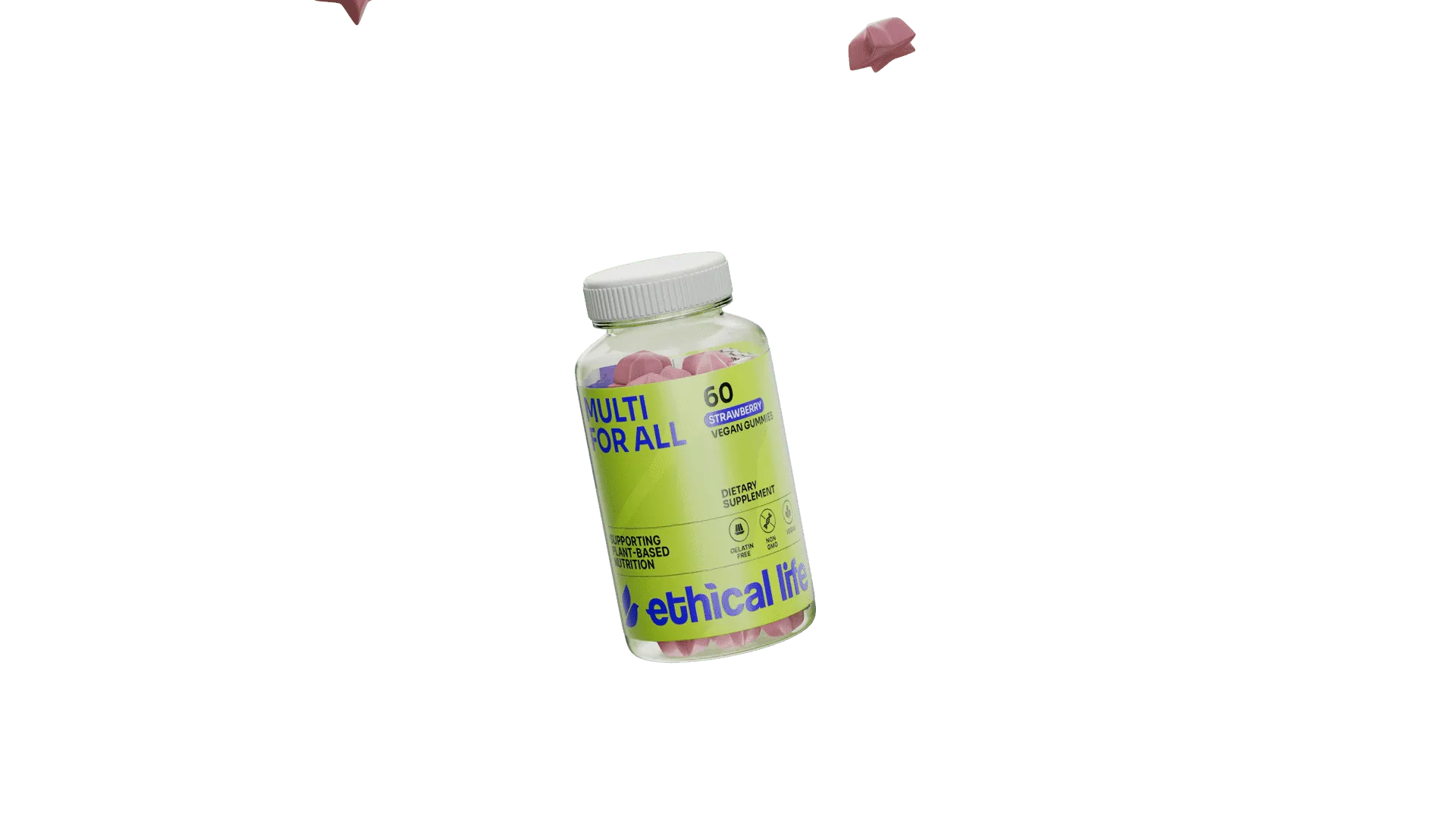
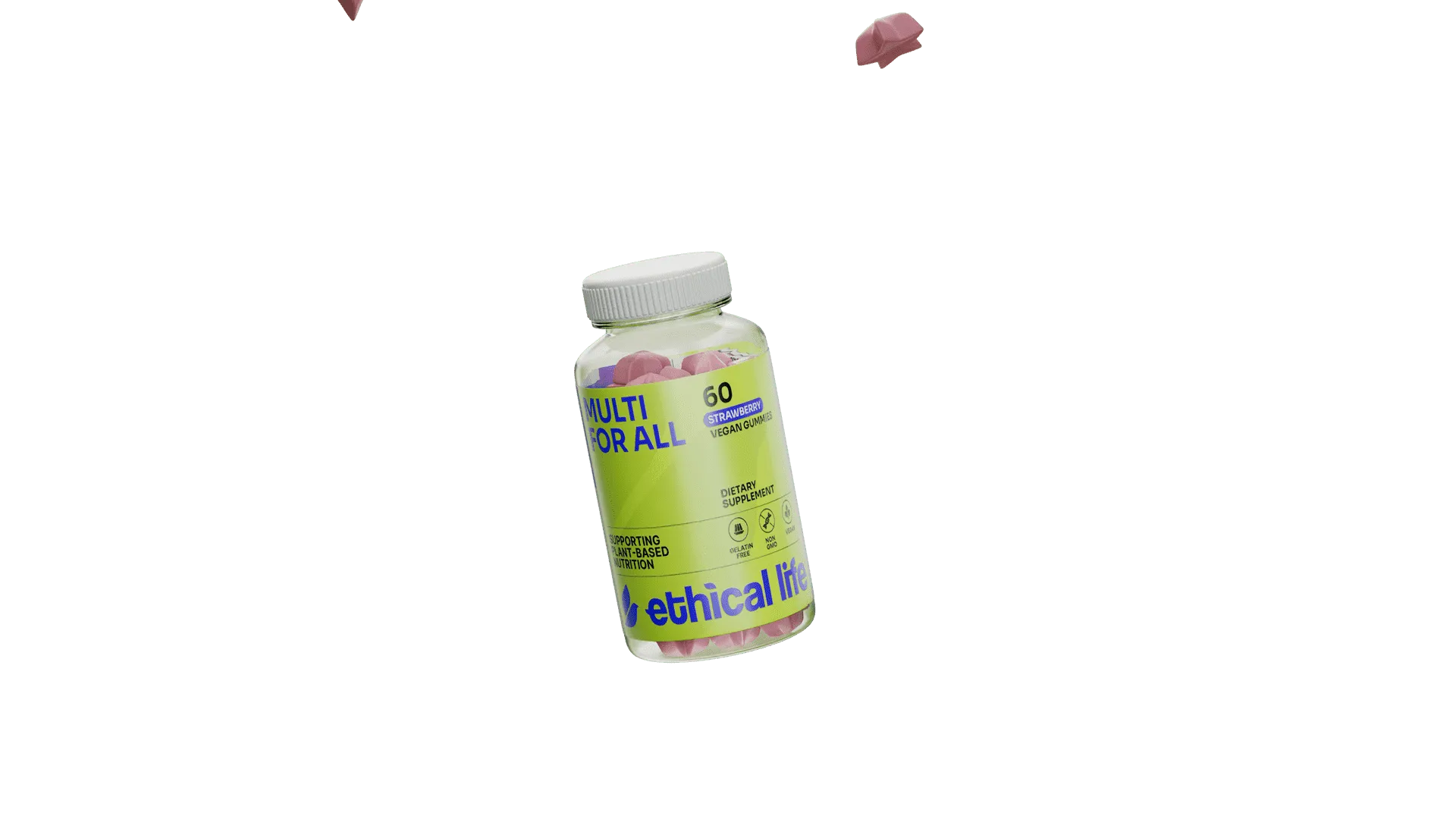
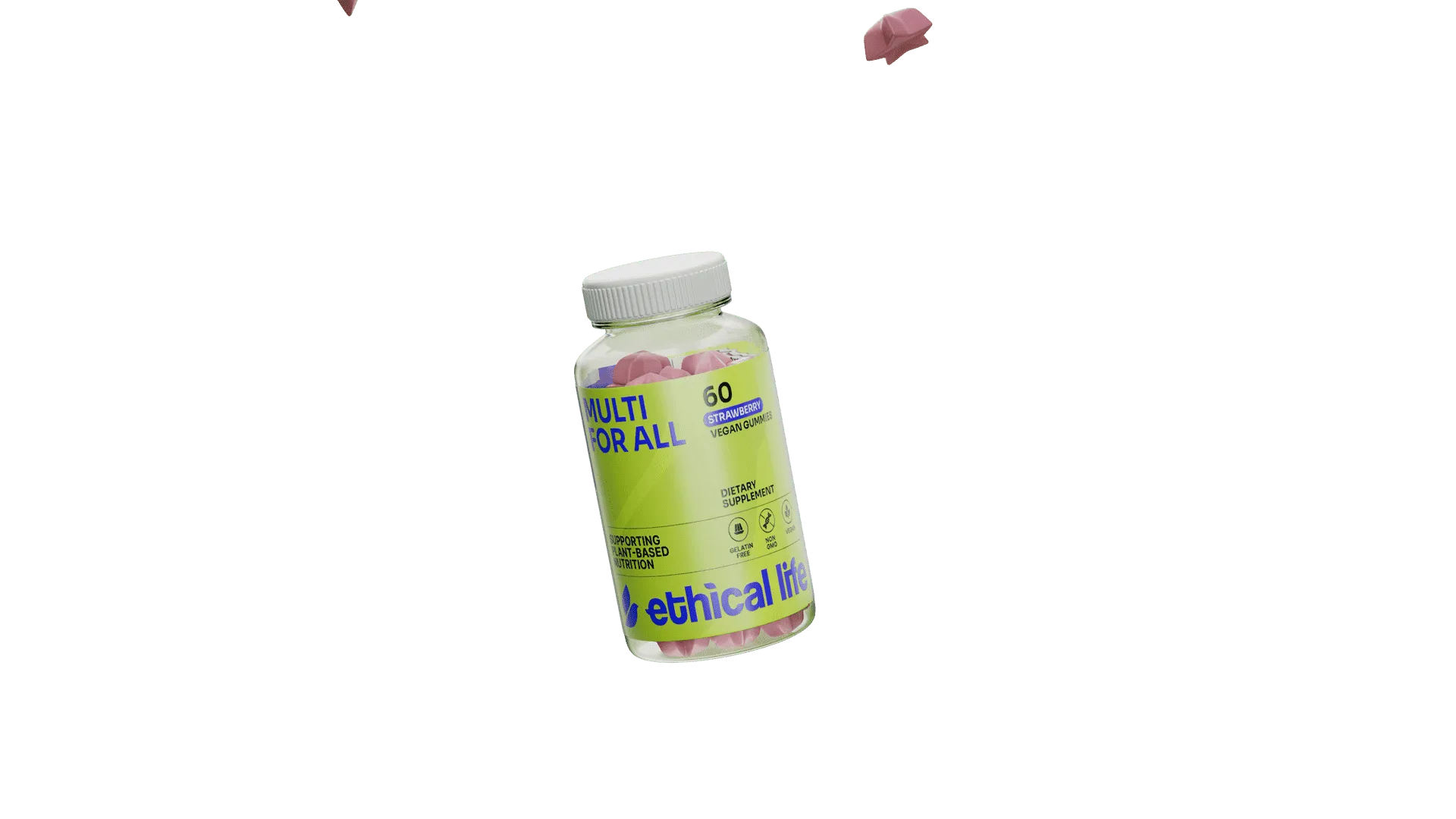
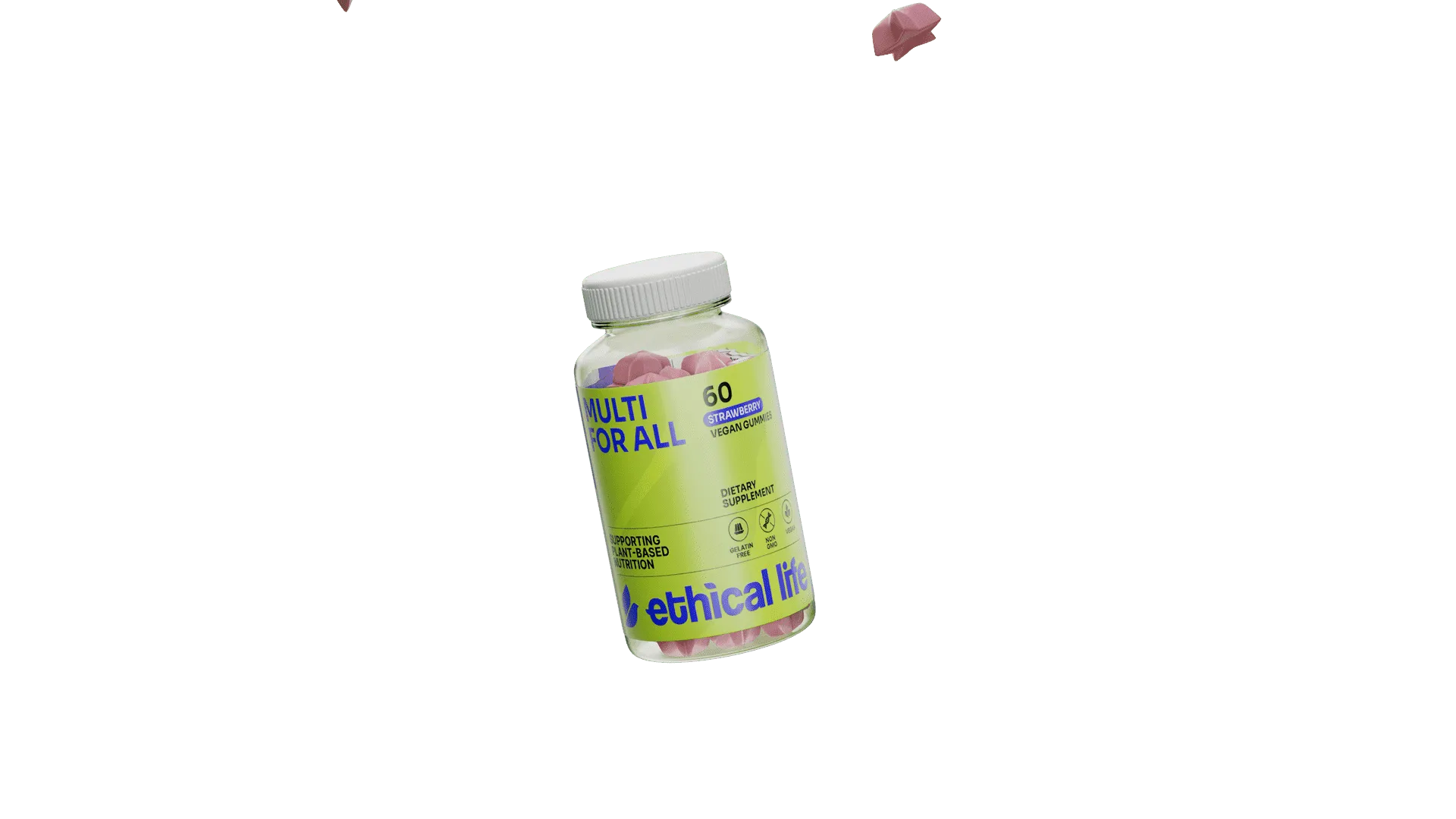
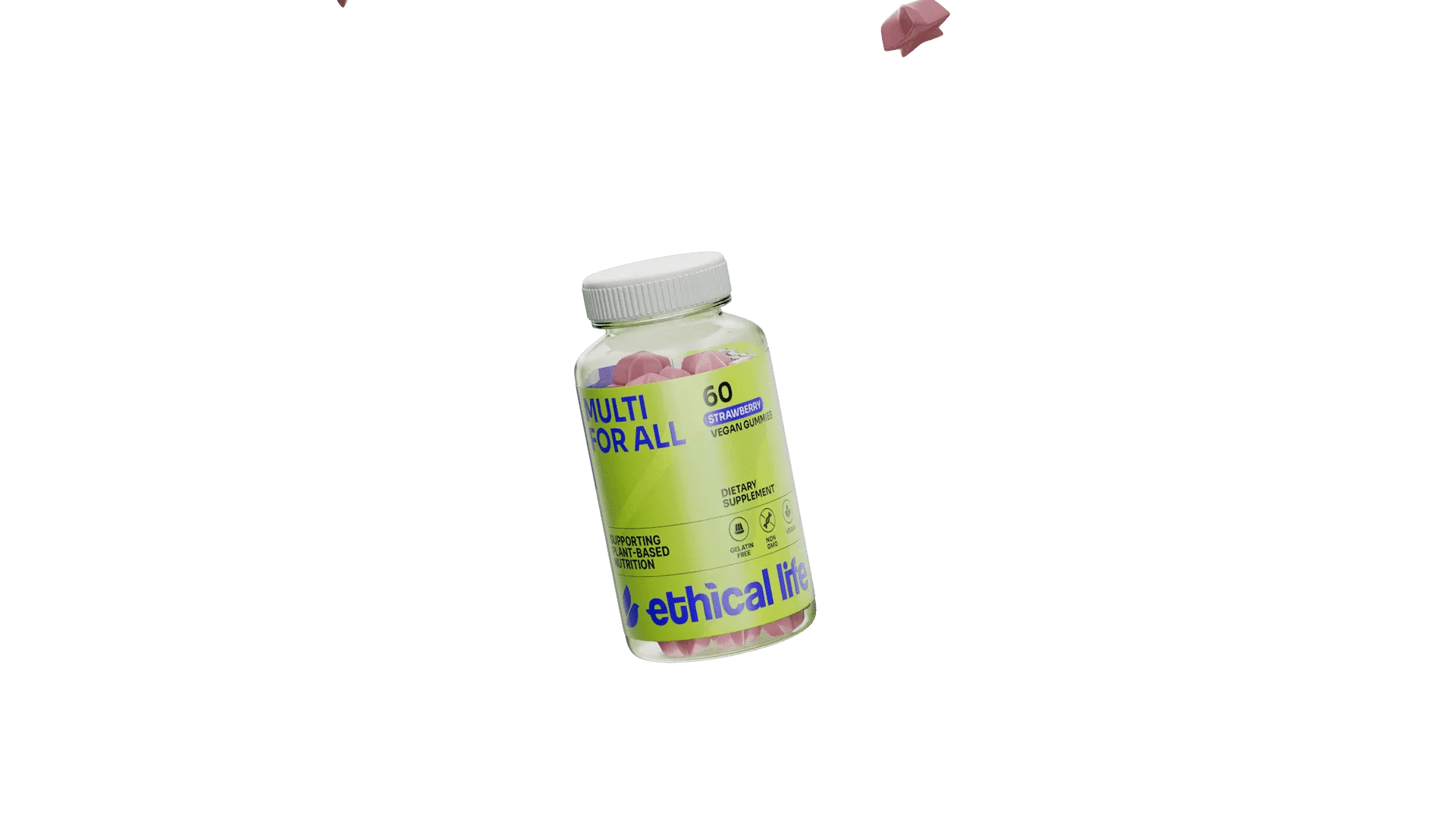
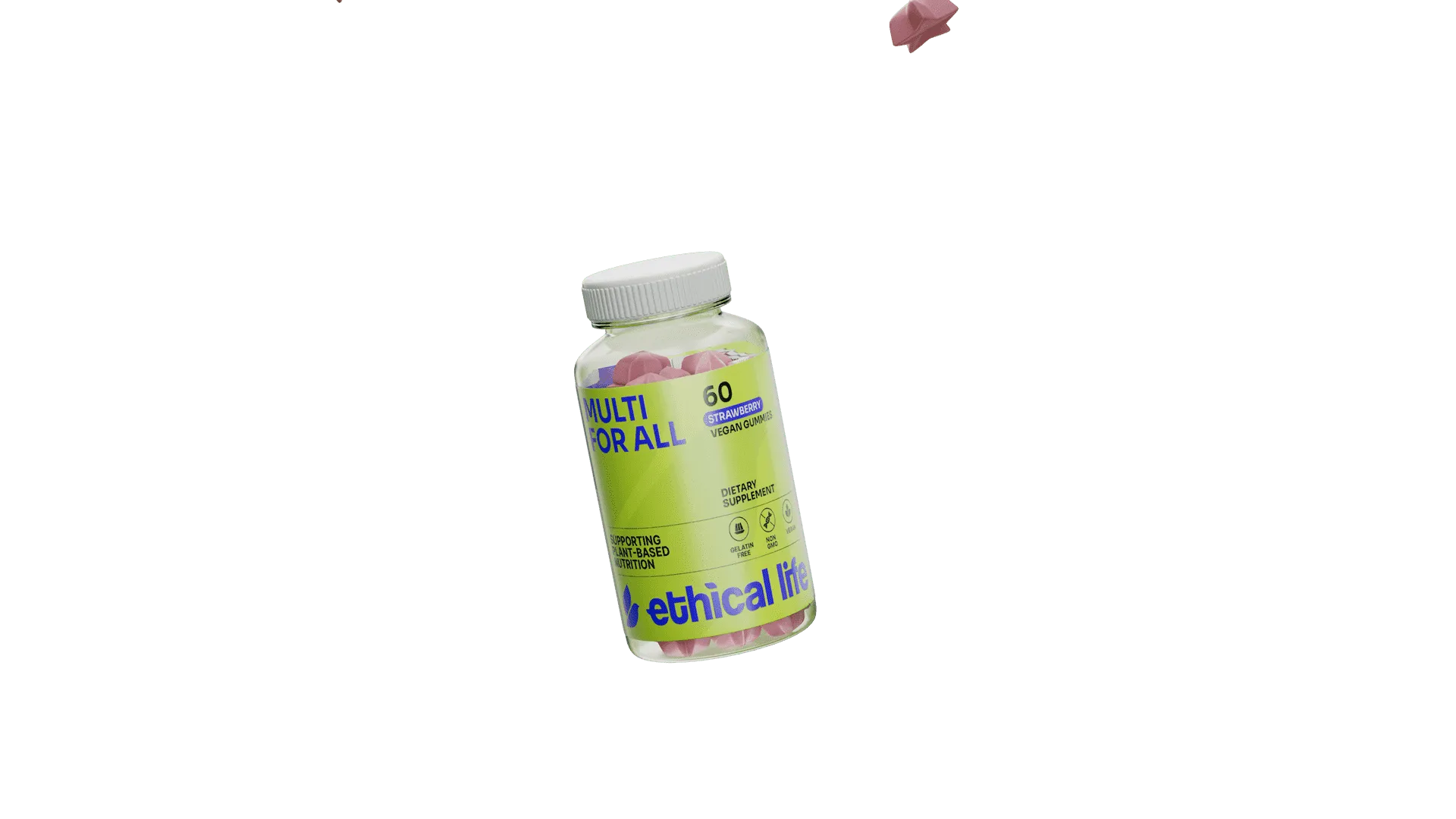
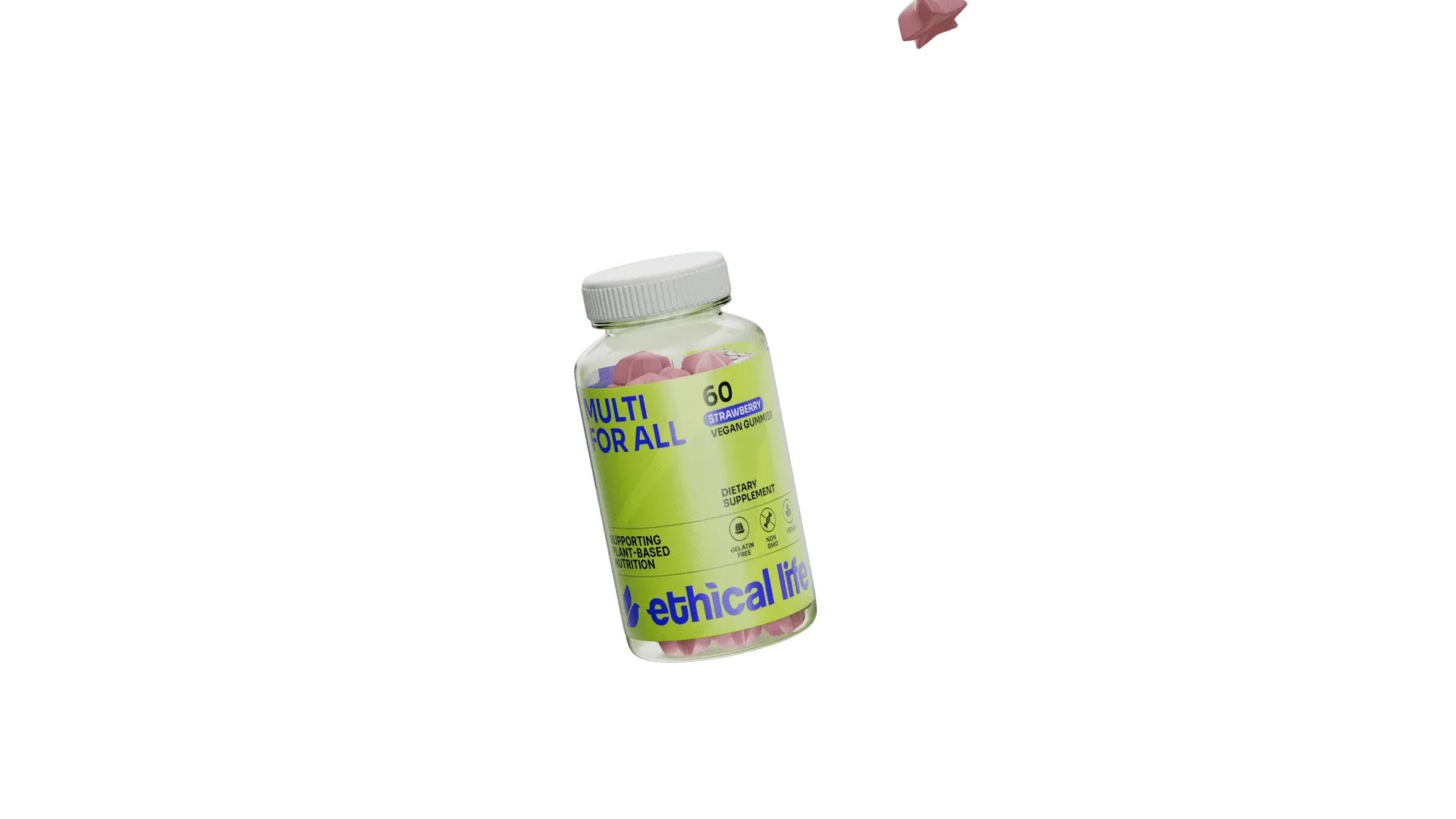
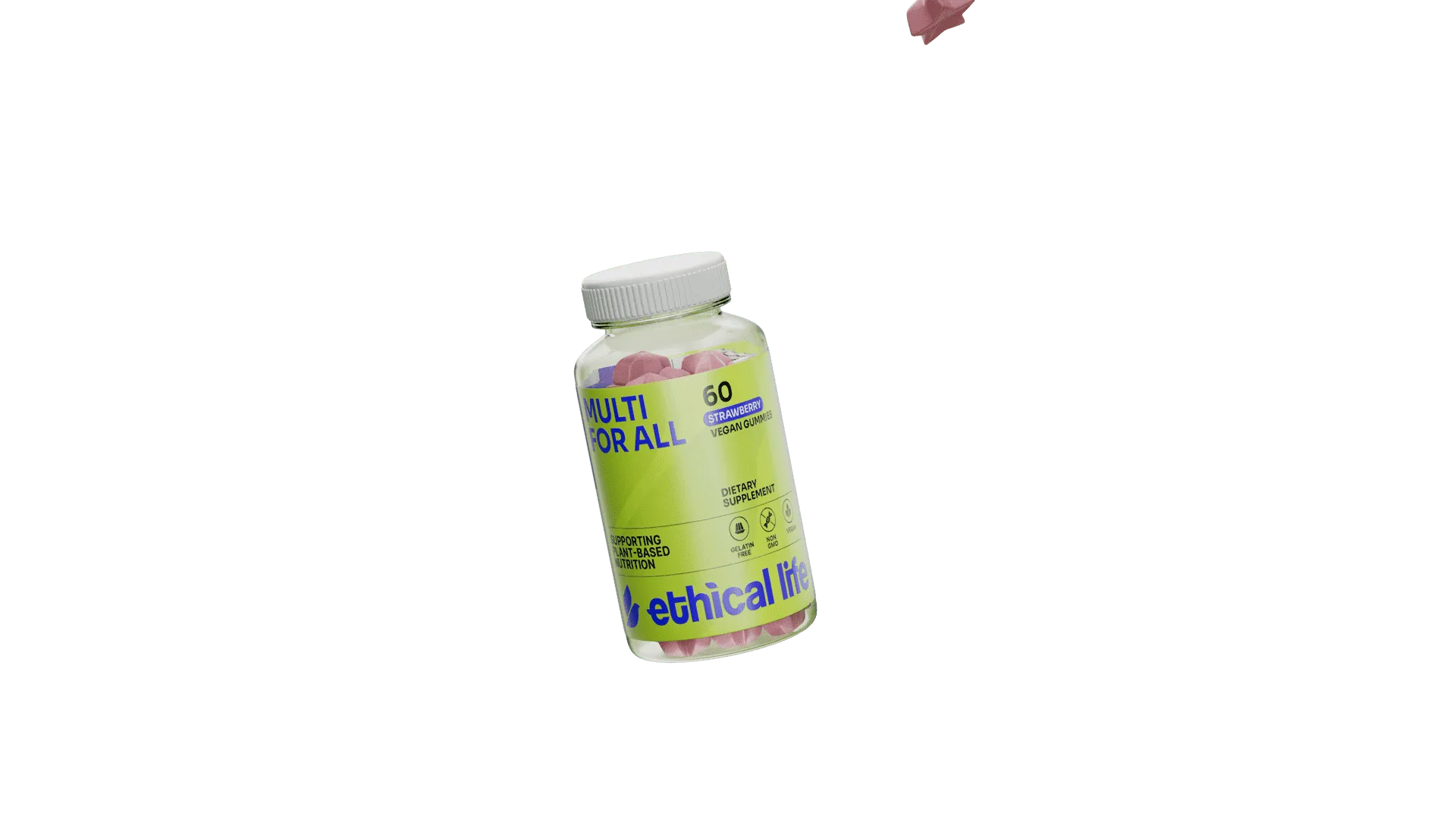
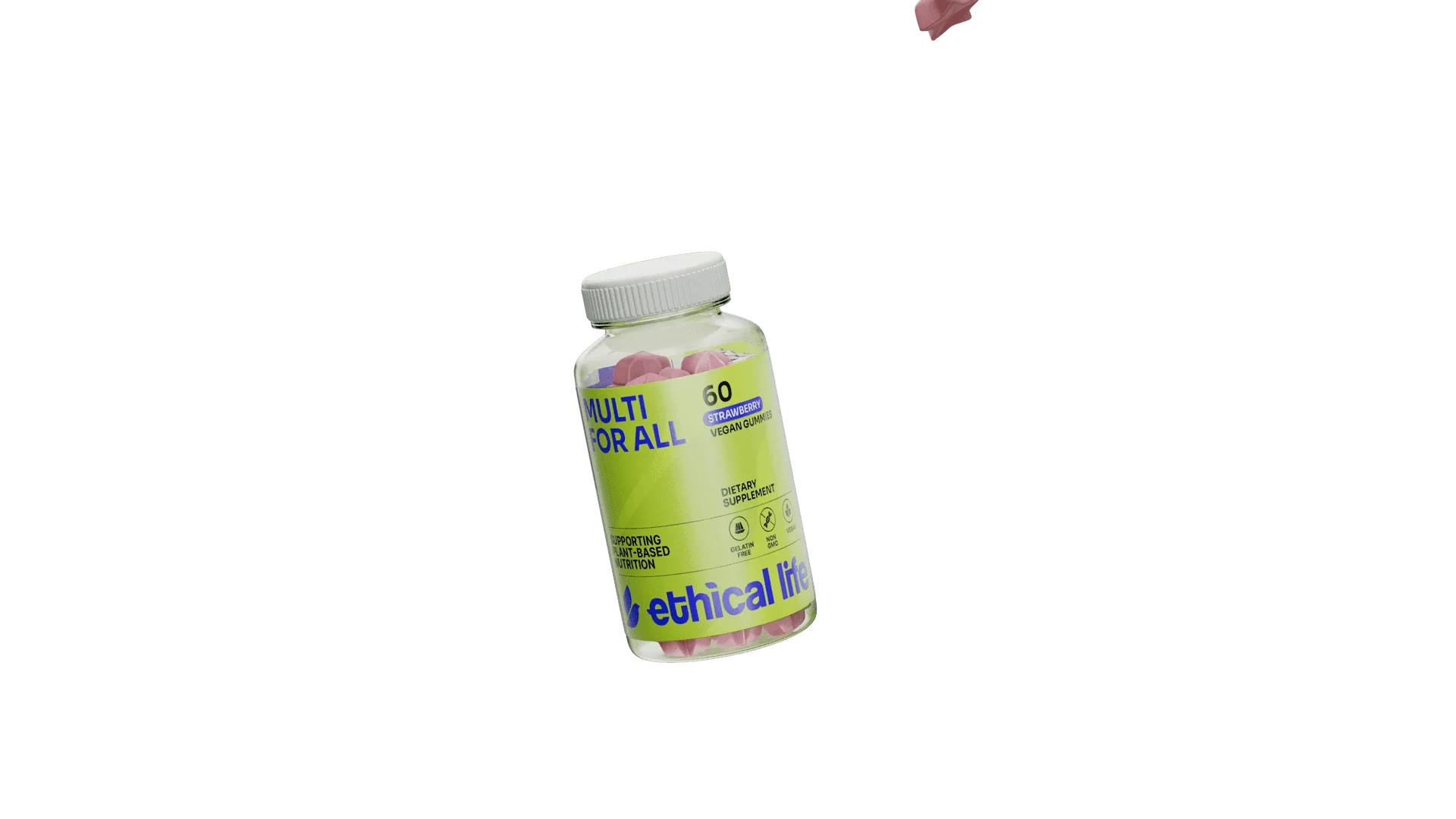
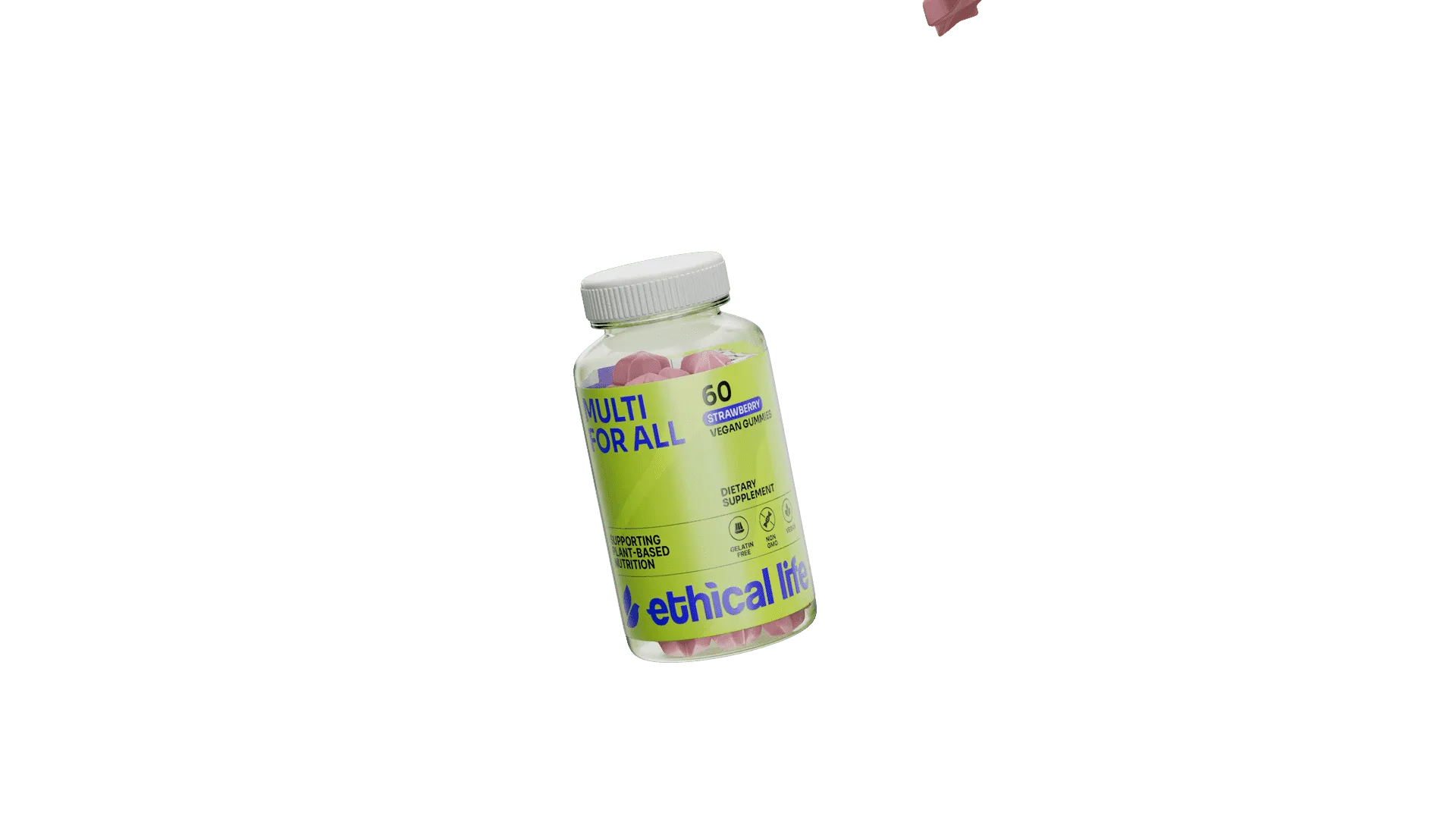
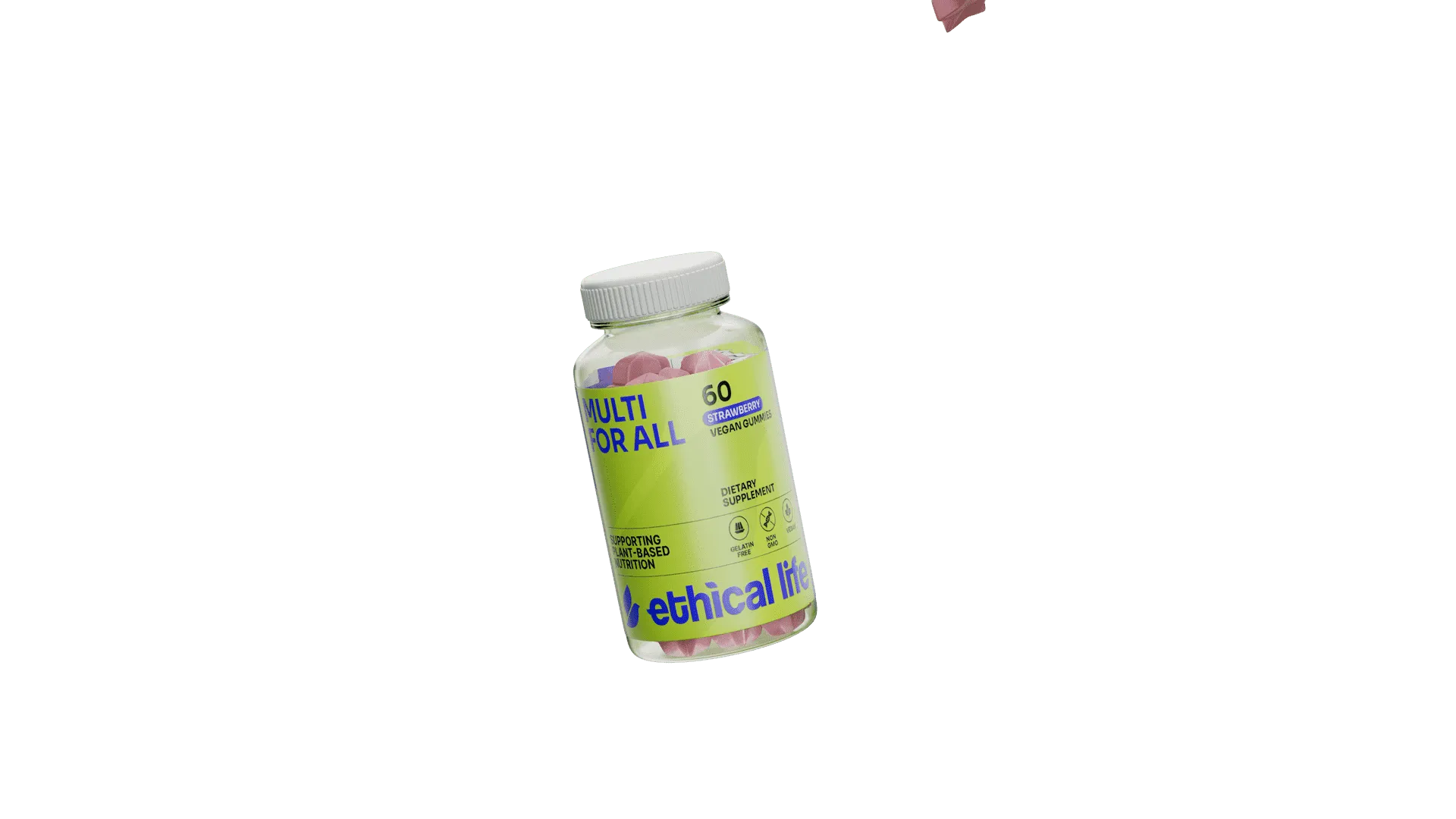
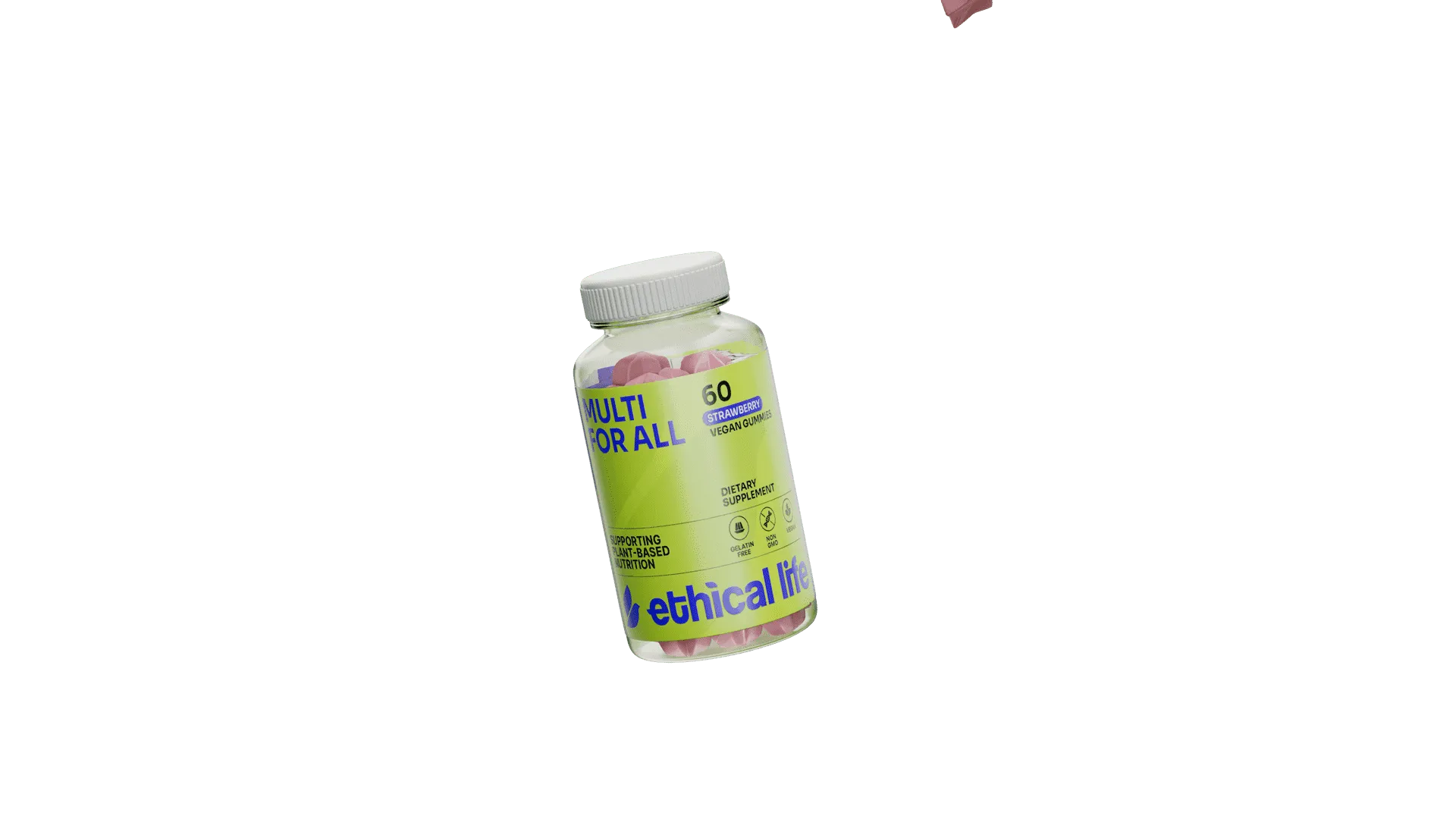
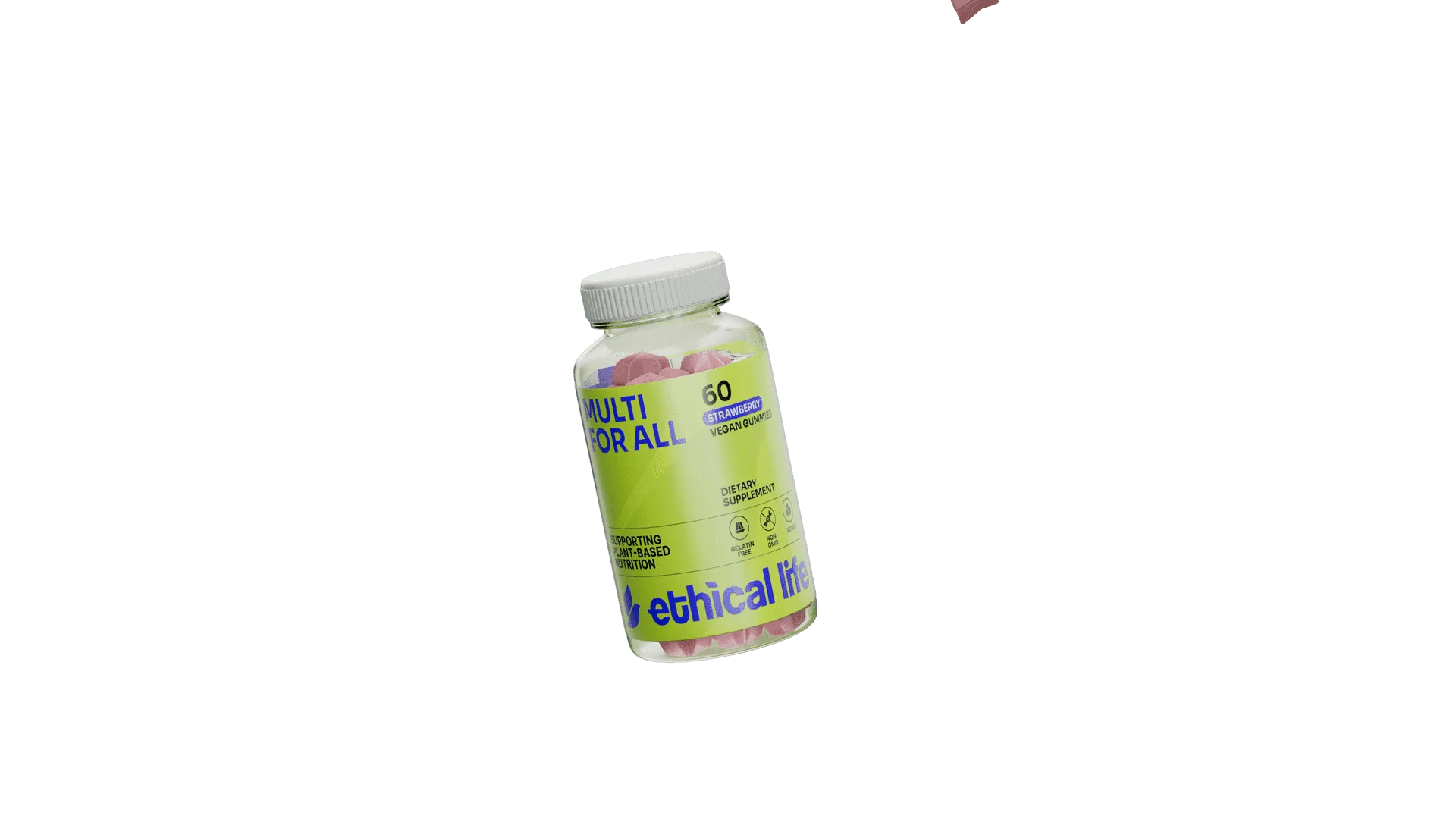
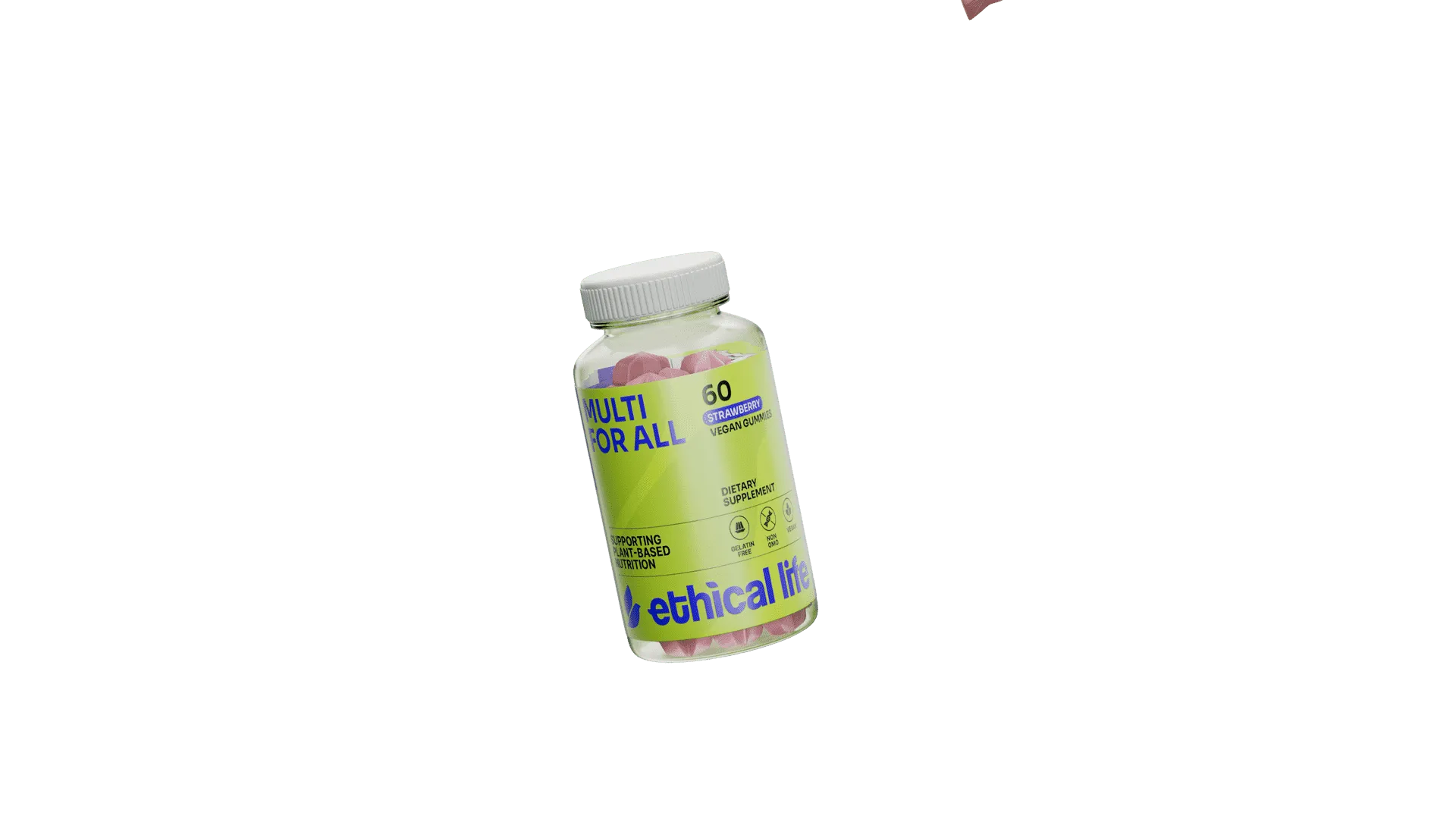
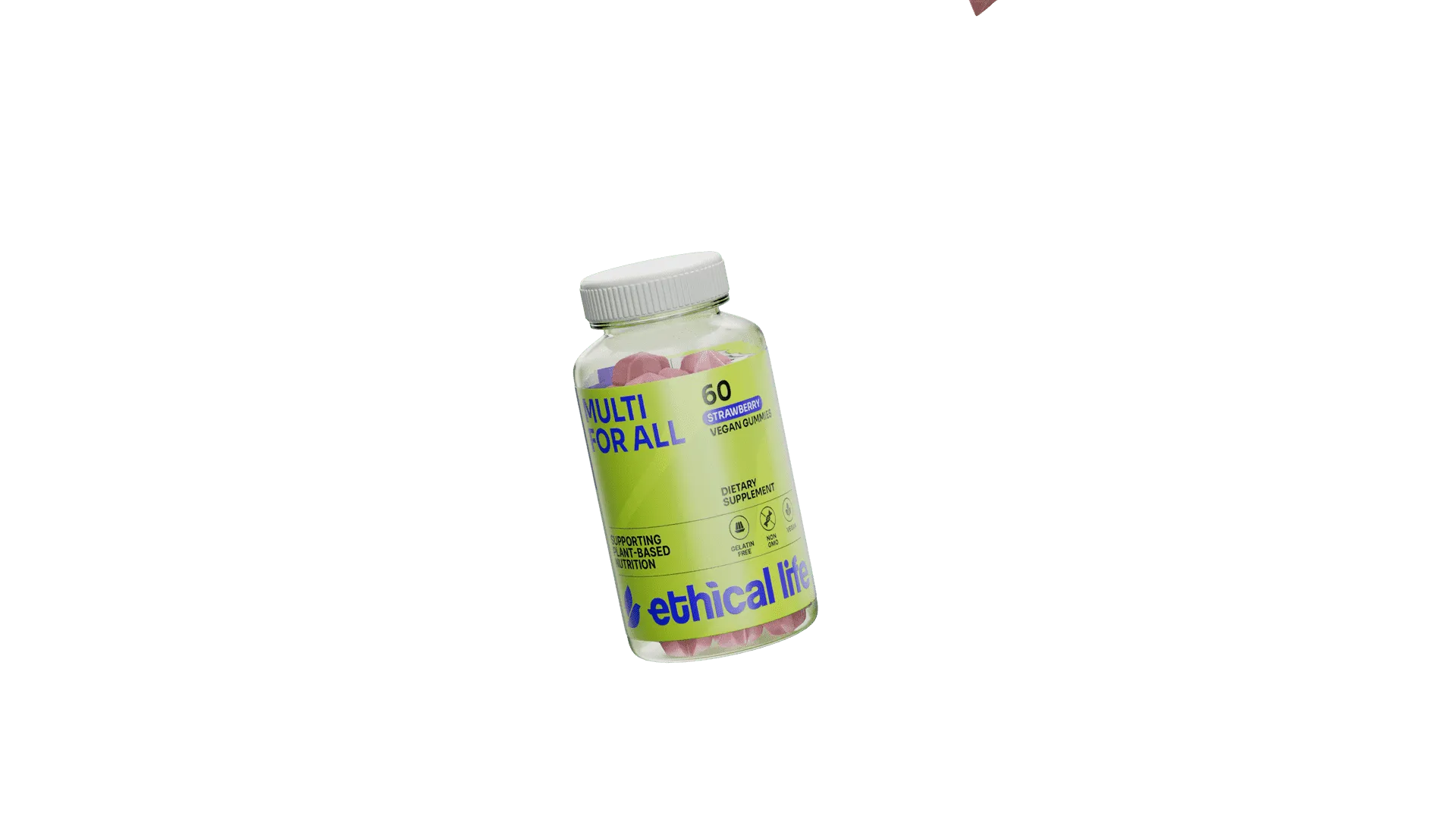
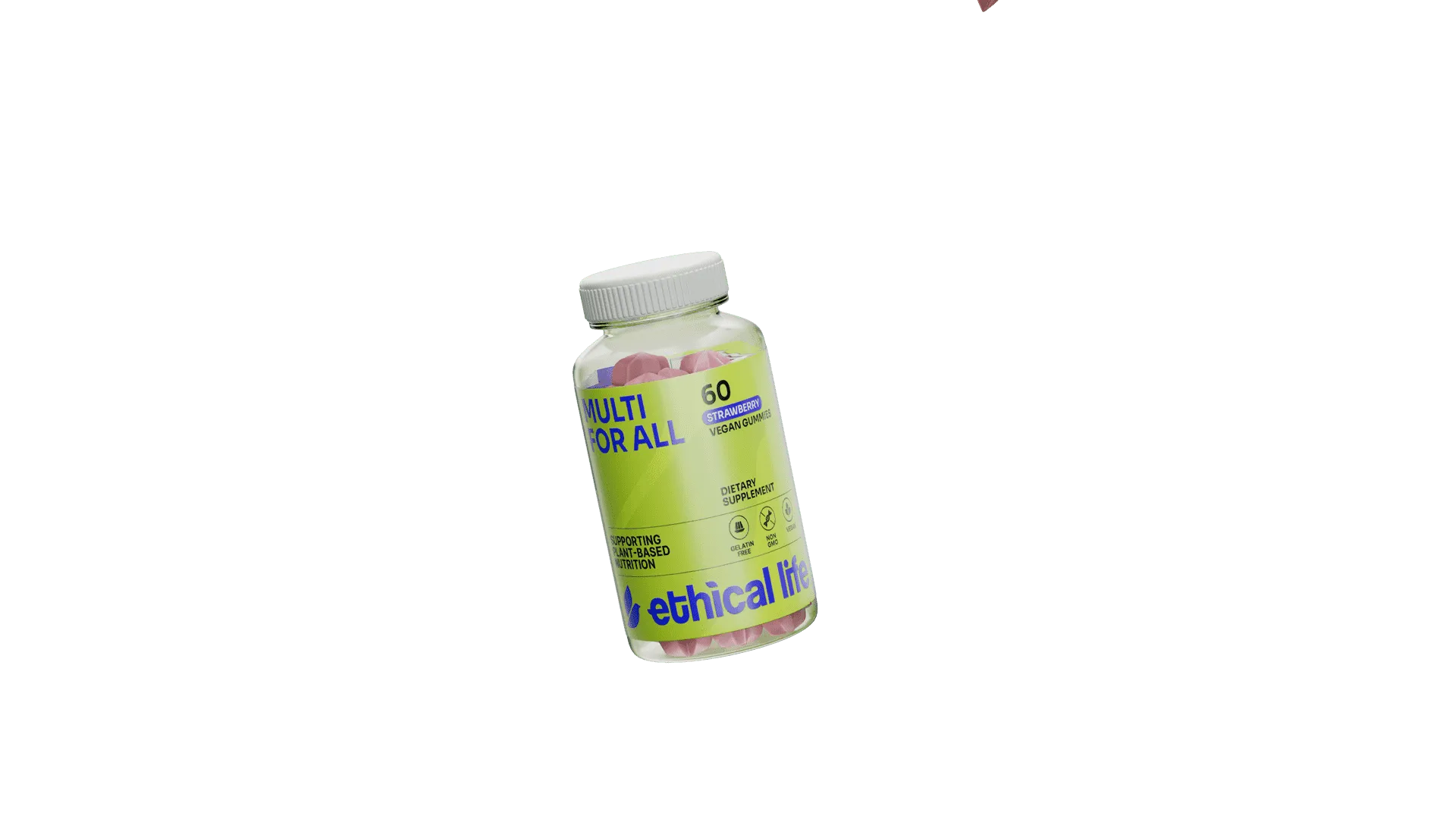


























If you have been searching for the best vitamins for energy, you are probably tired of feeling tired. Maybe you wake up groggy even after a full night of sleep, hit a wall in the afternoon, or feel like coffee is the only thing getting you through the day. Fatigue is one of the most common wellness concerns, and it can affect everything from productivity and mood to exercise, focus, and overall quality of life. The challenge is that many people reach for quick fixes, including energy drinks, caffeine, or single vitamin supplements, without understanding what their body actually needs.
Energy is not created by one nutrient alone. Your body relies on a complex system of vitamins, minerals, hydration, sleep, hormones, blood sugar balance, and cellular function to feel alert and strong. That is why many “energy vitamins” do not work the way people expect. If you are not deficient in a specific nutrient, taking more of it may not make you feel more energized. On the other hand, if your fatigue is connected to a nutritional gap, the right supplement support can make a meaningful difference.
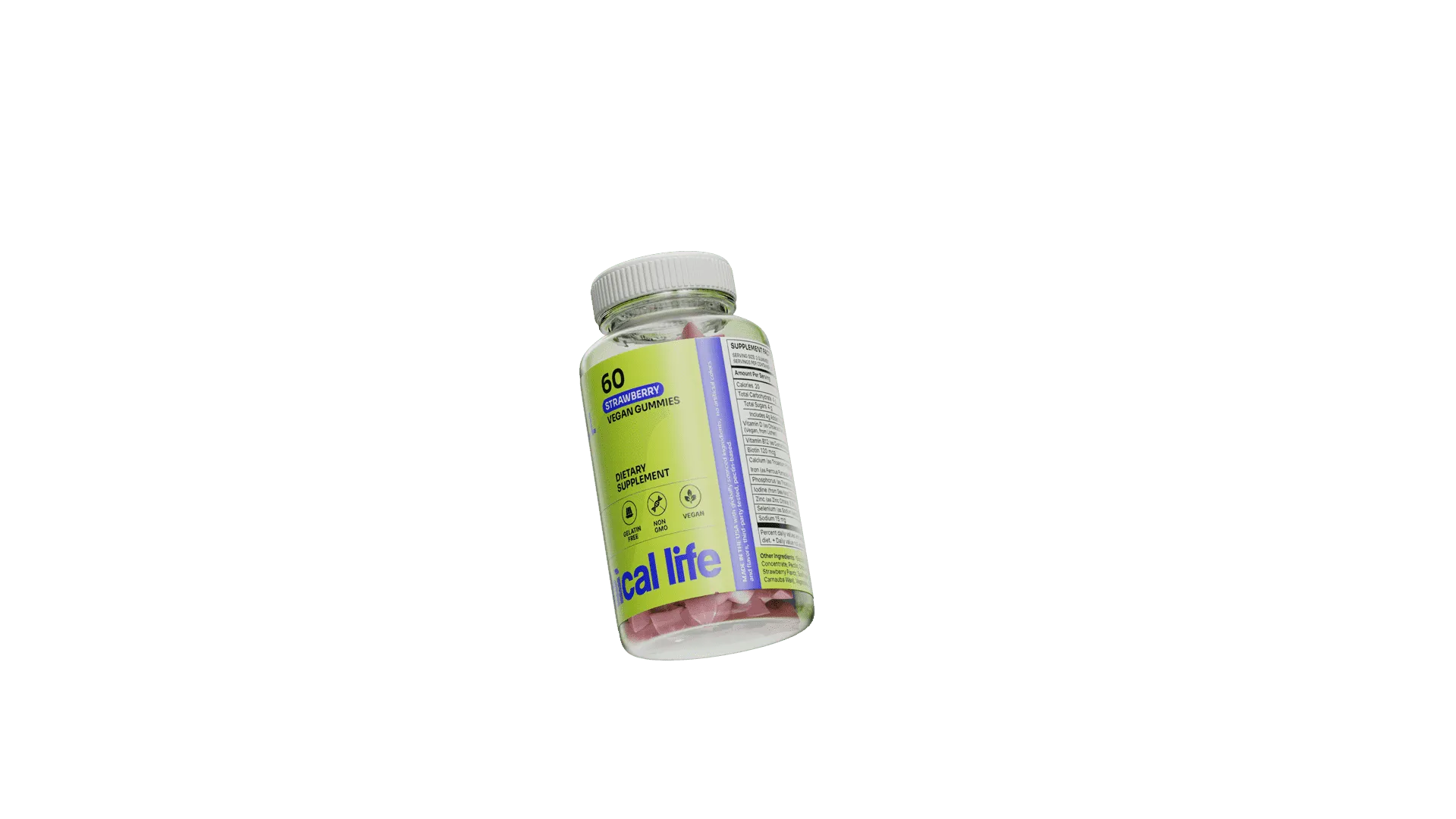
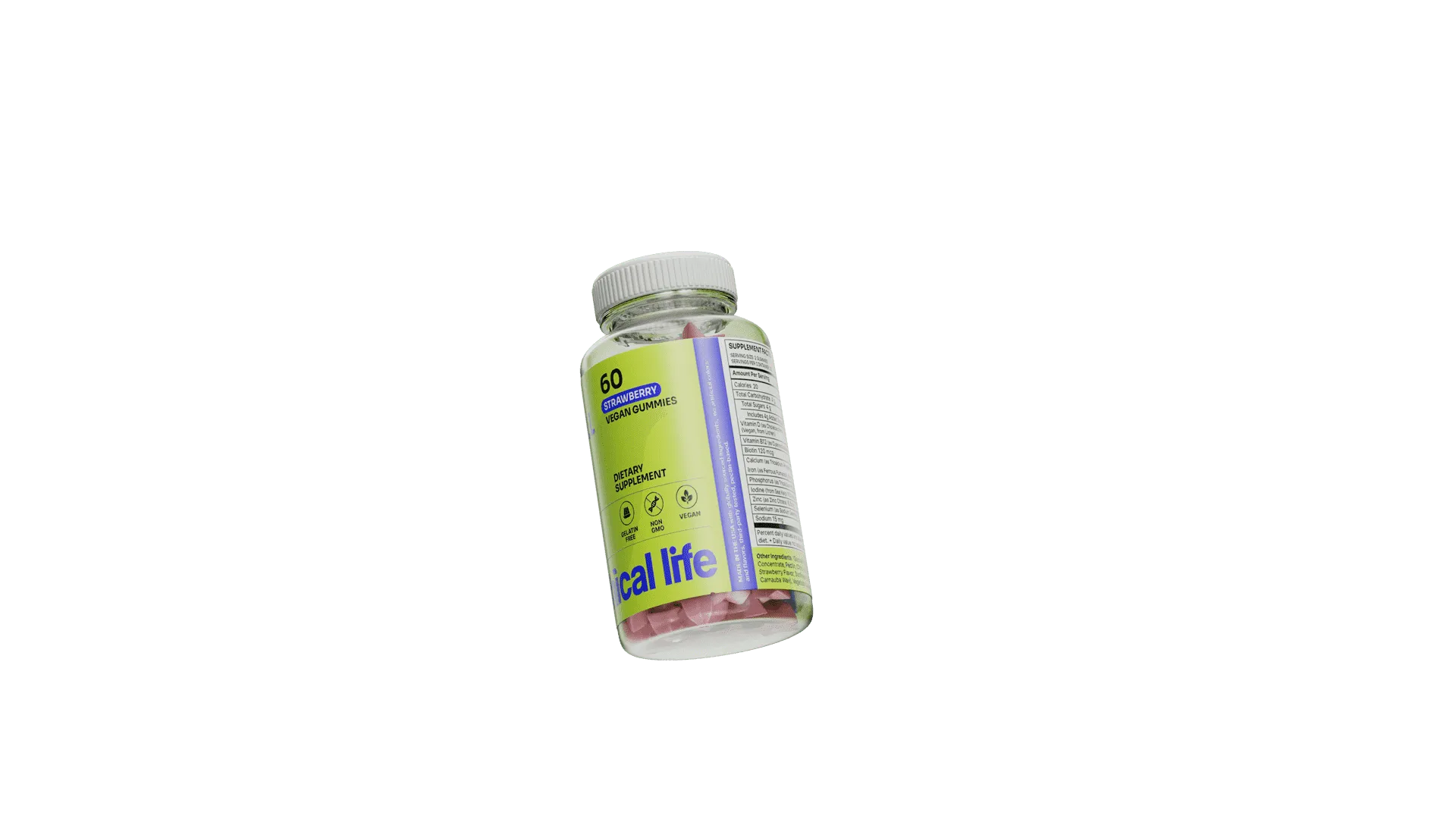
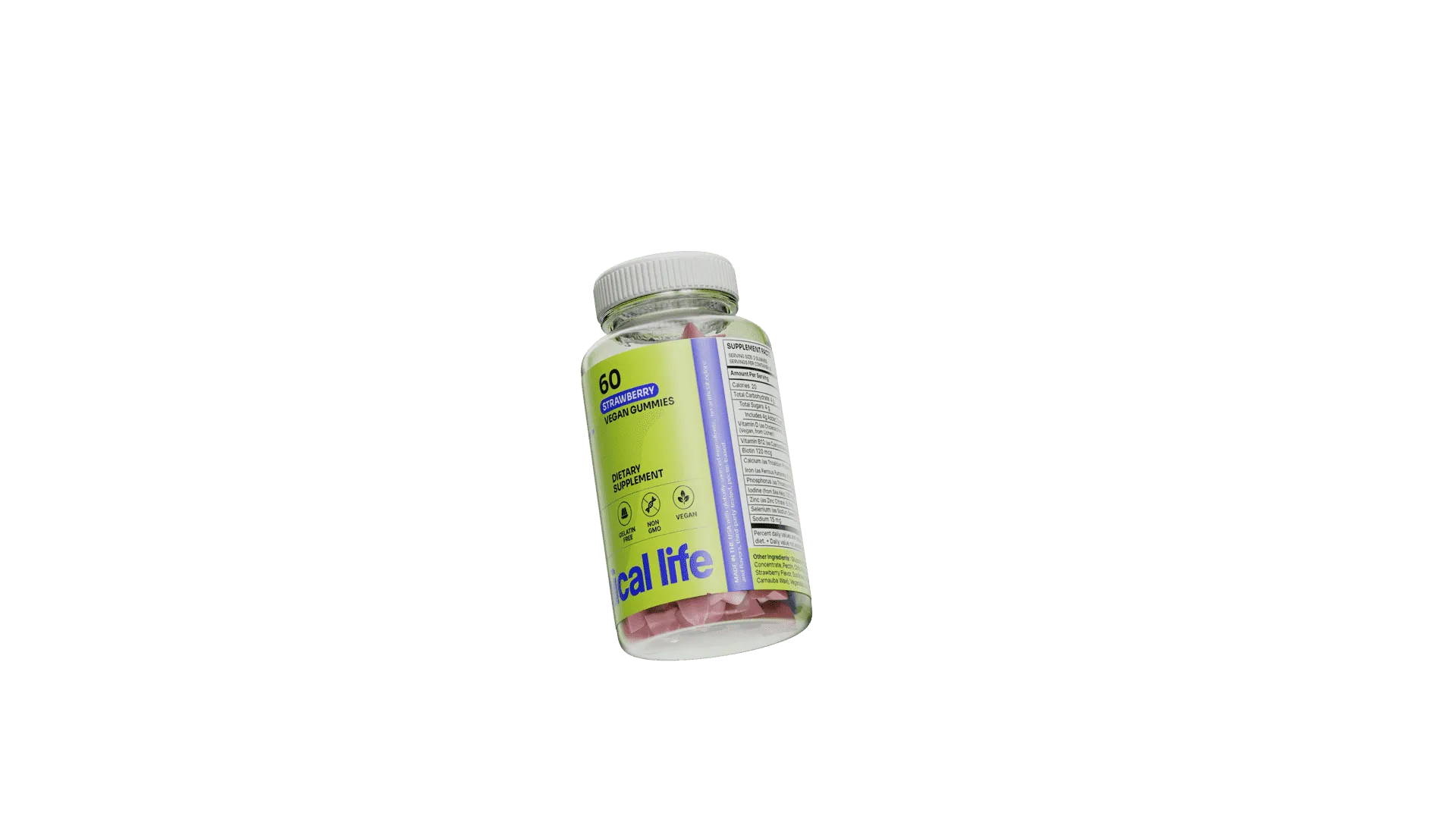
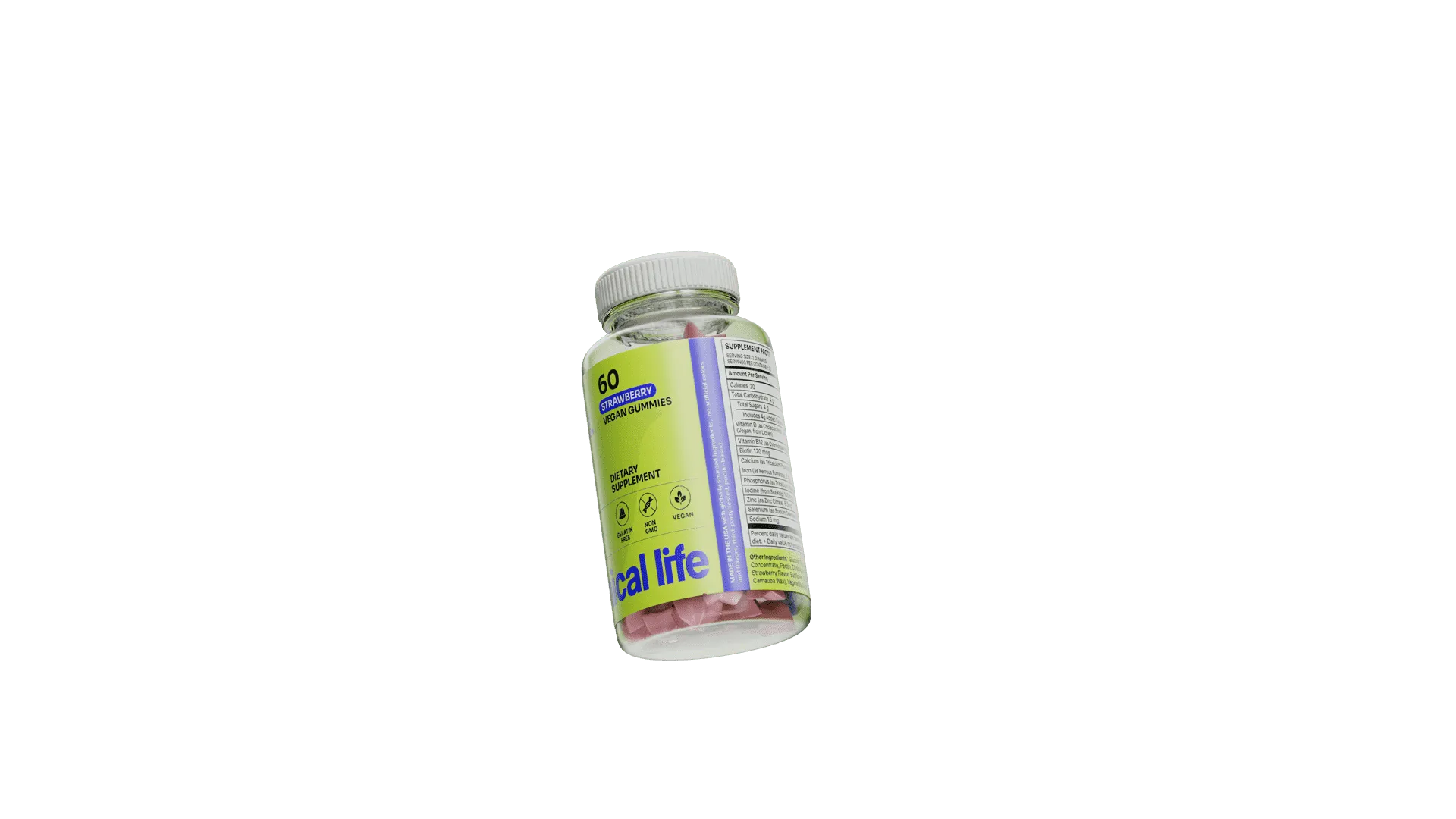
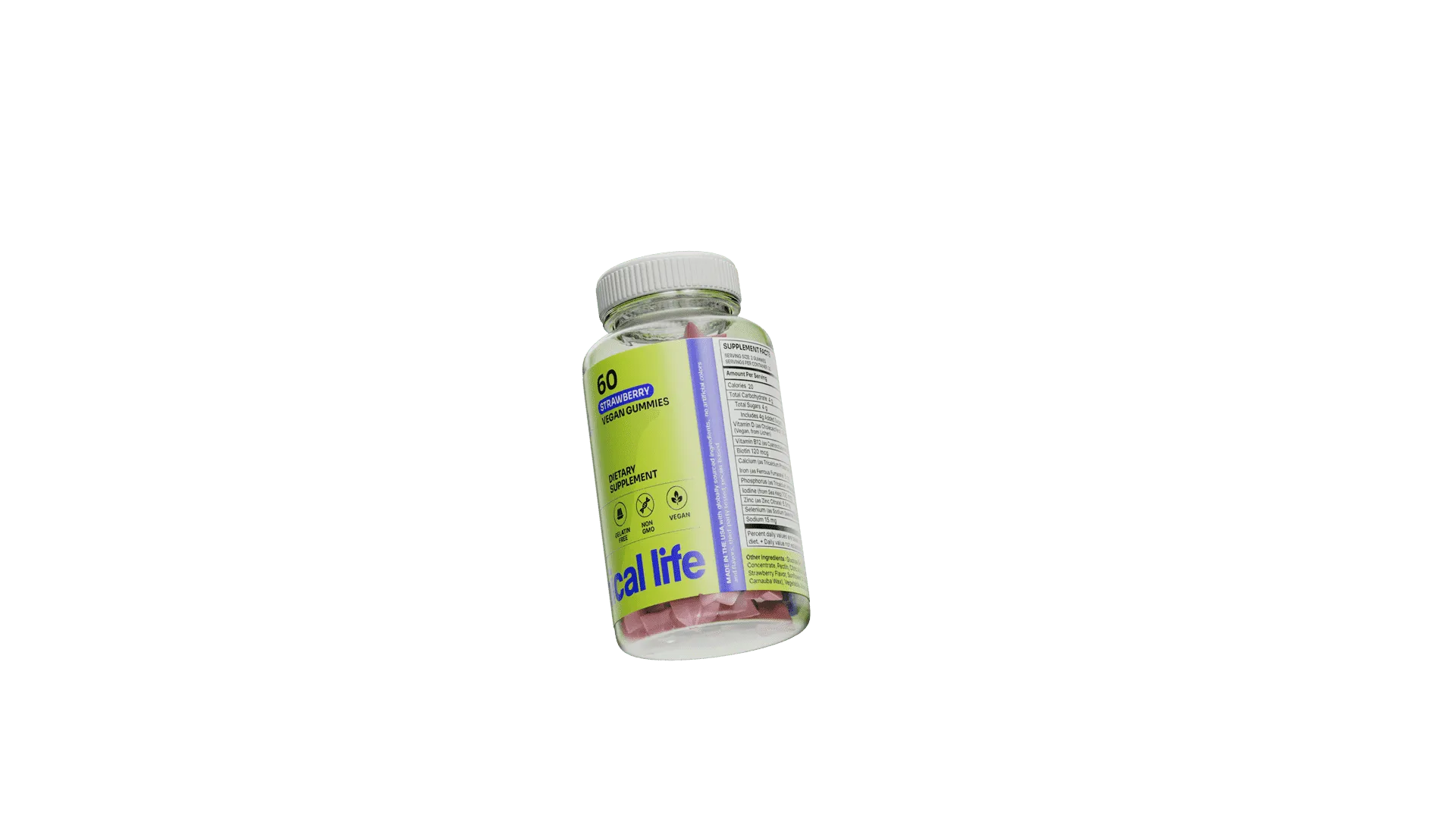
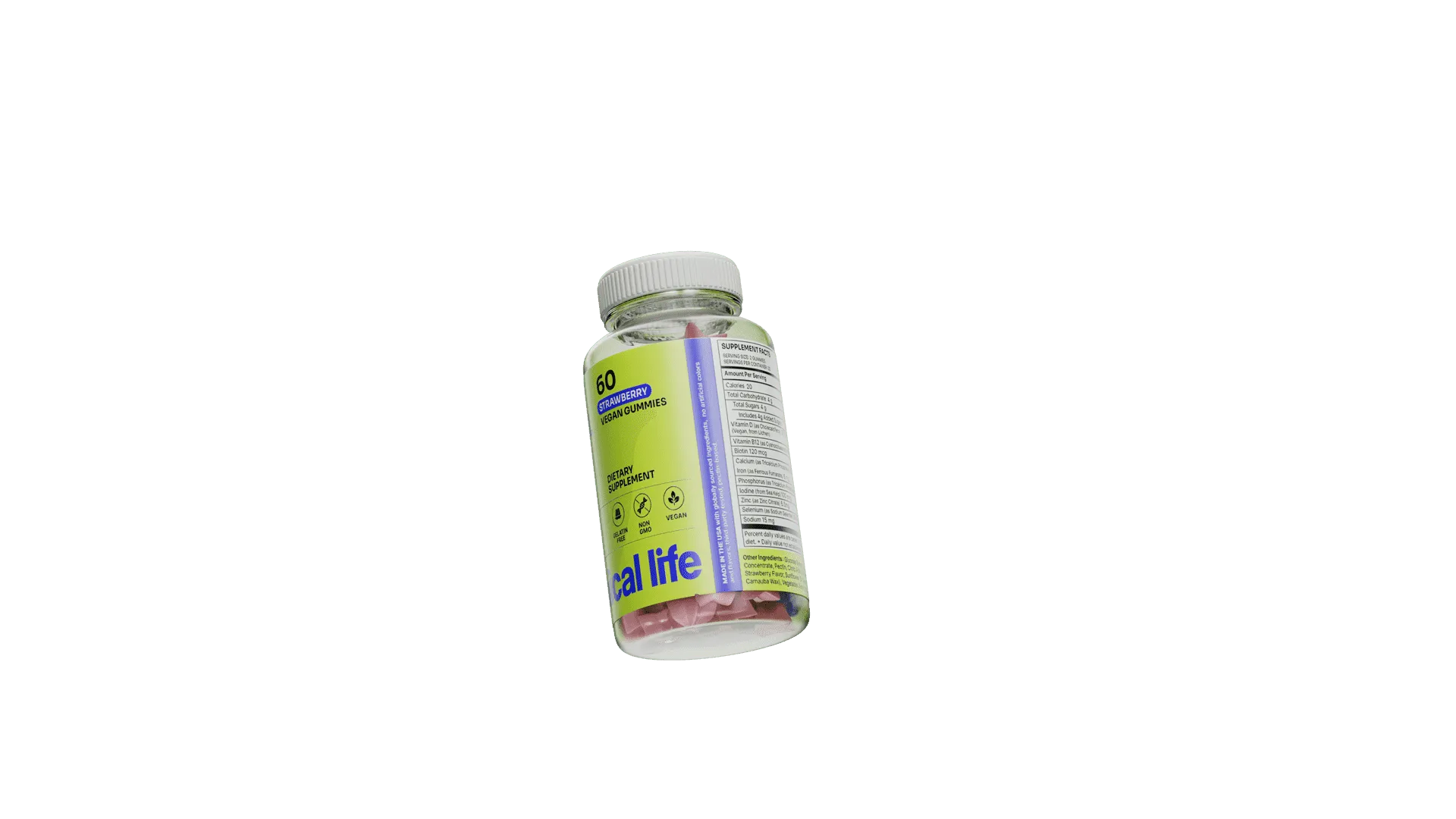
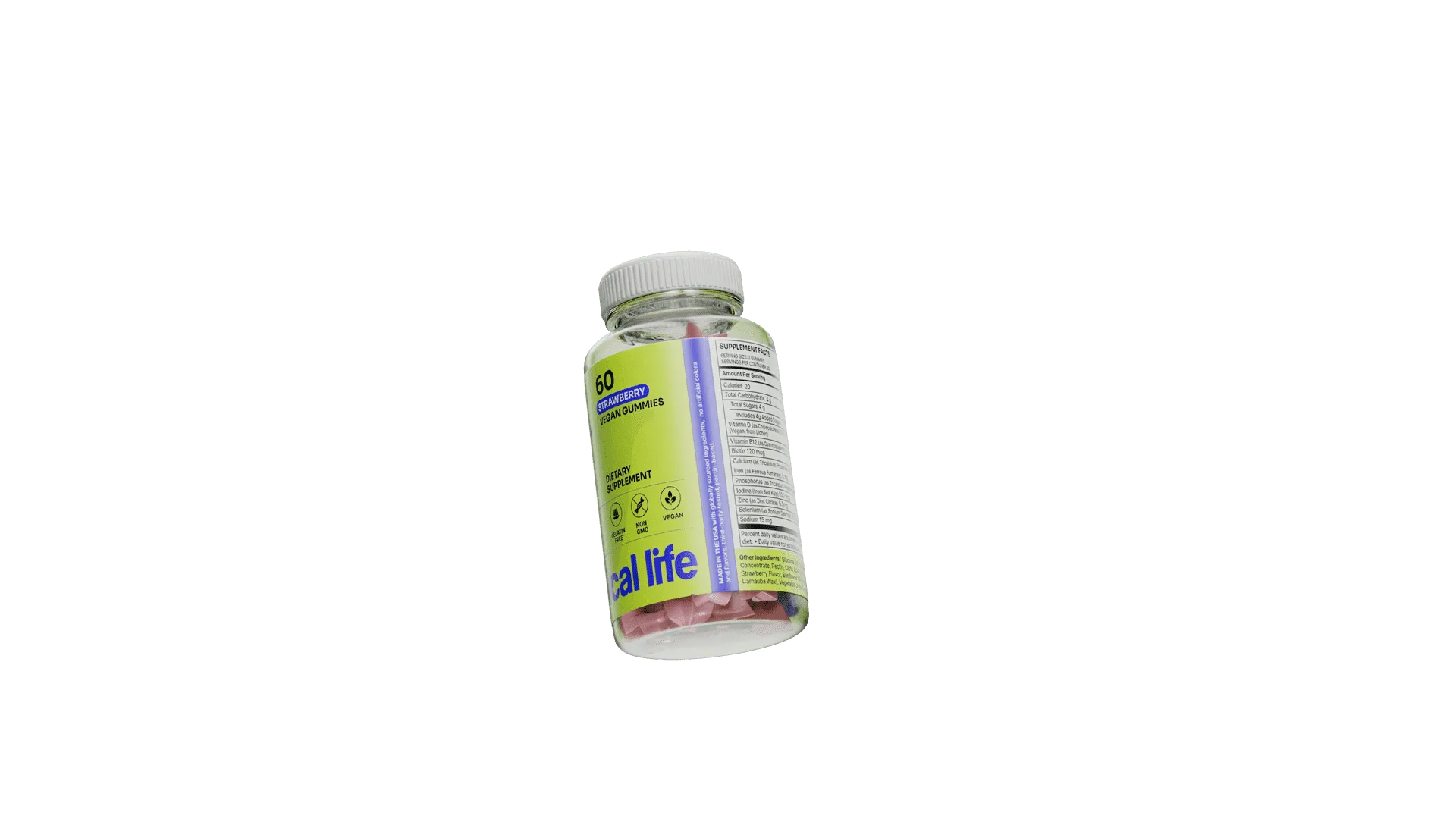
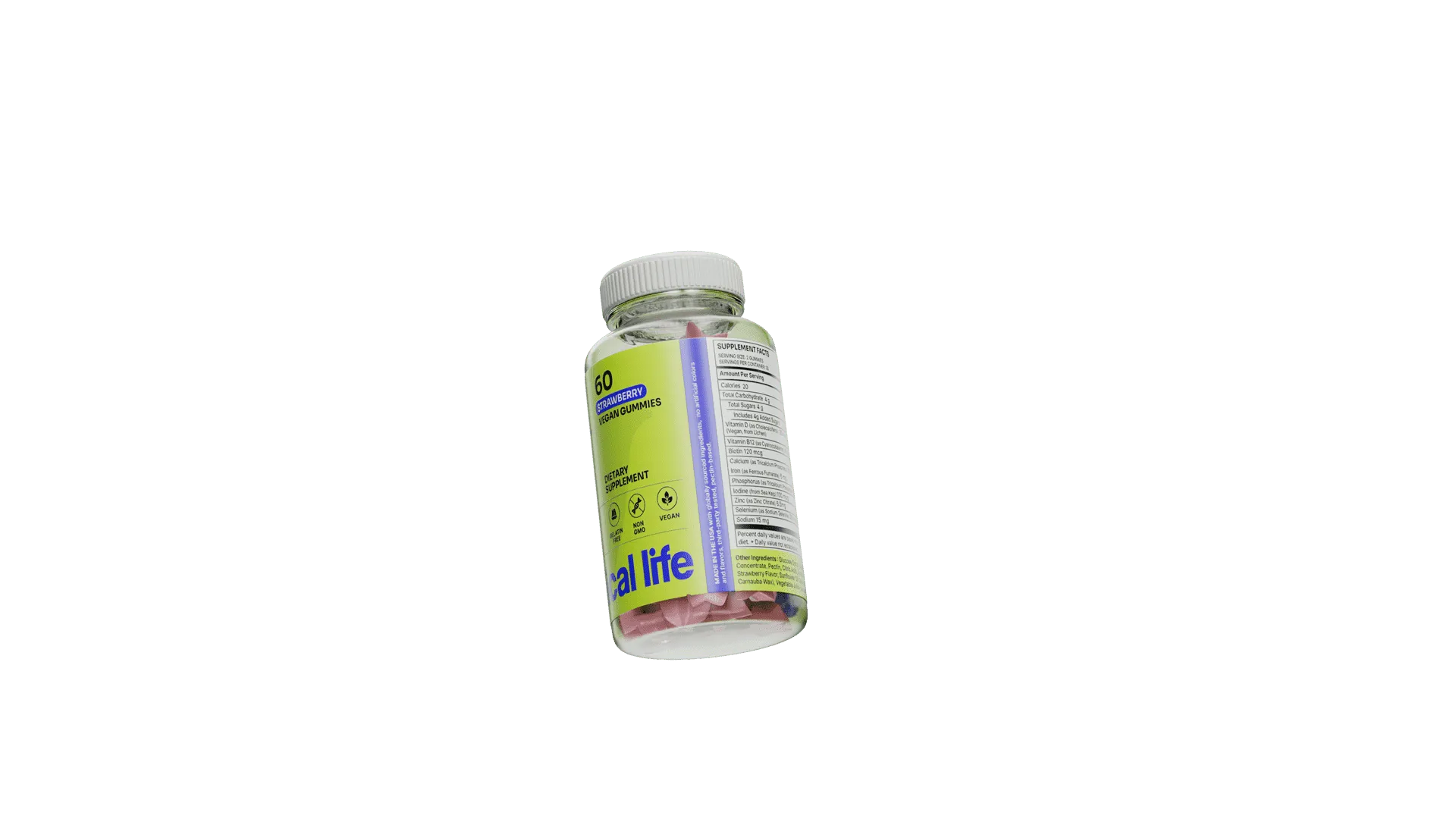
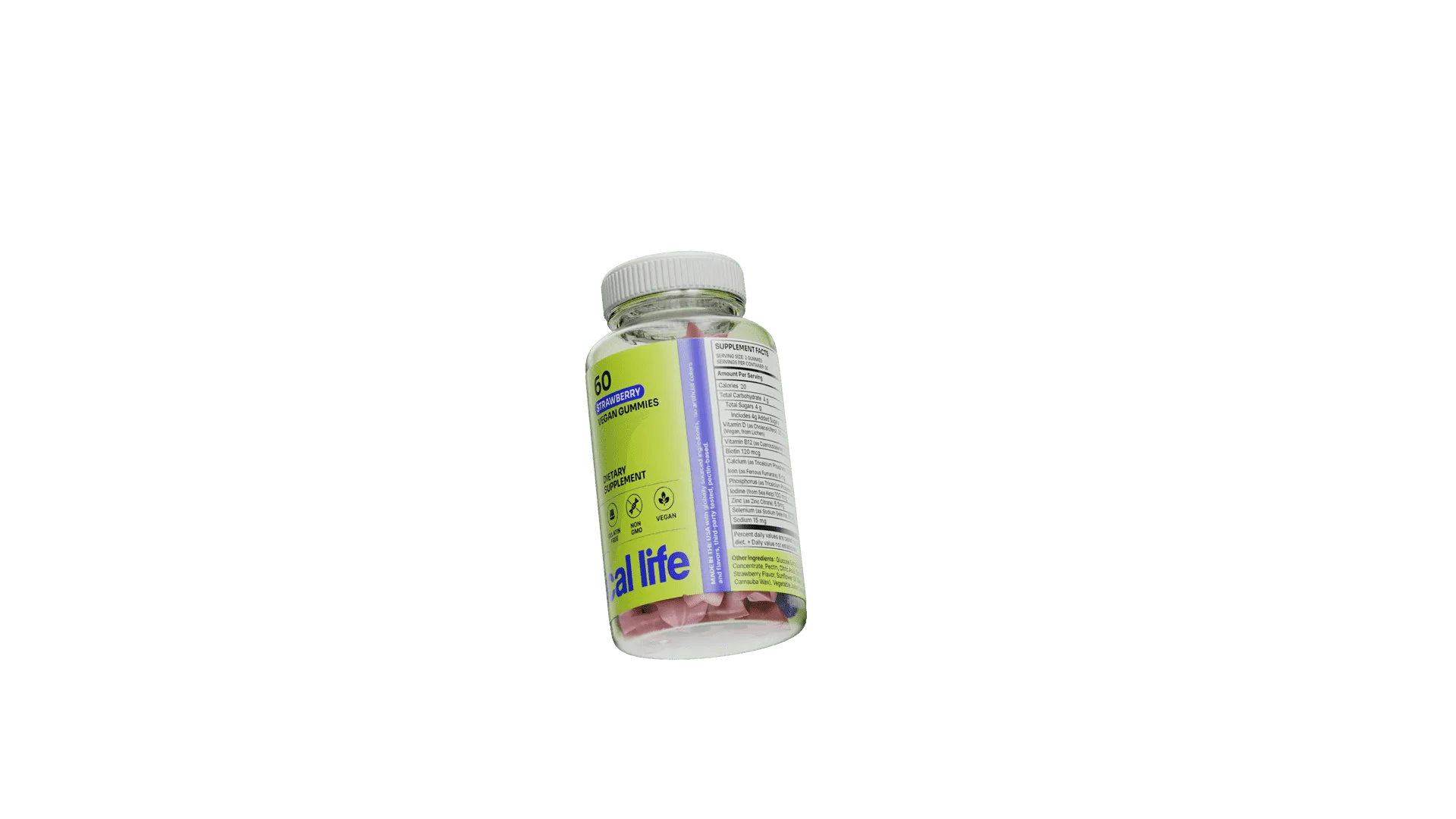
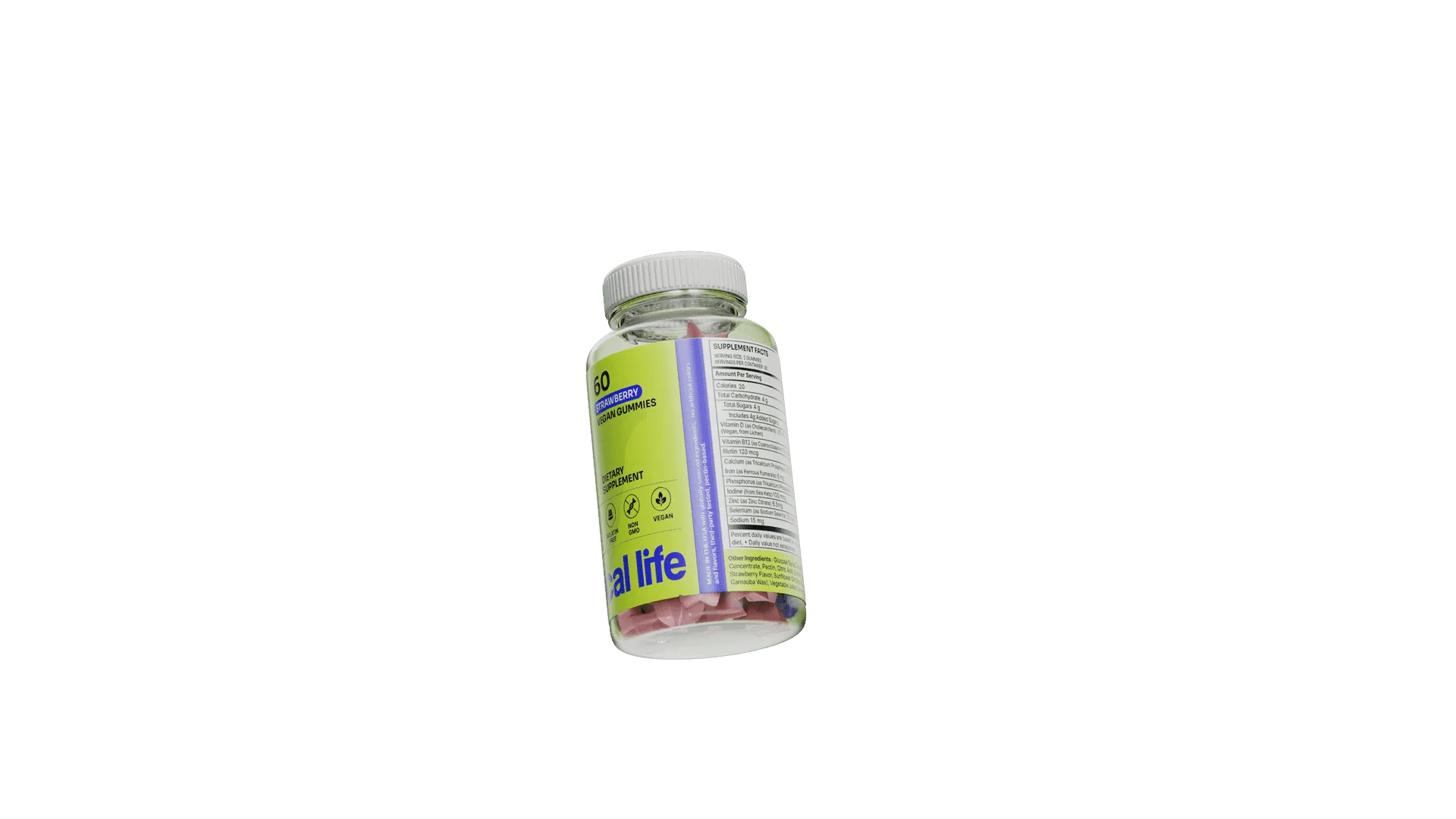
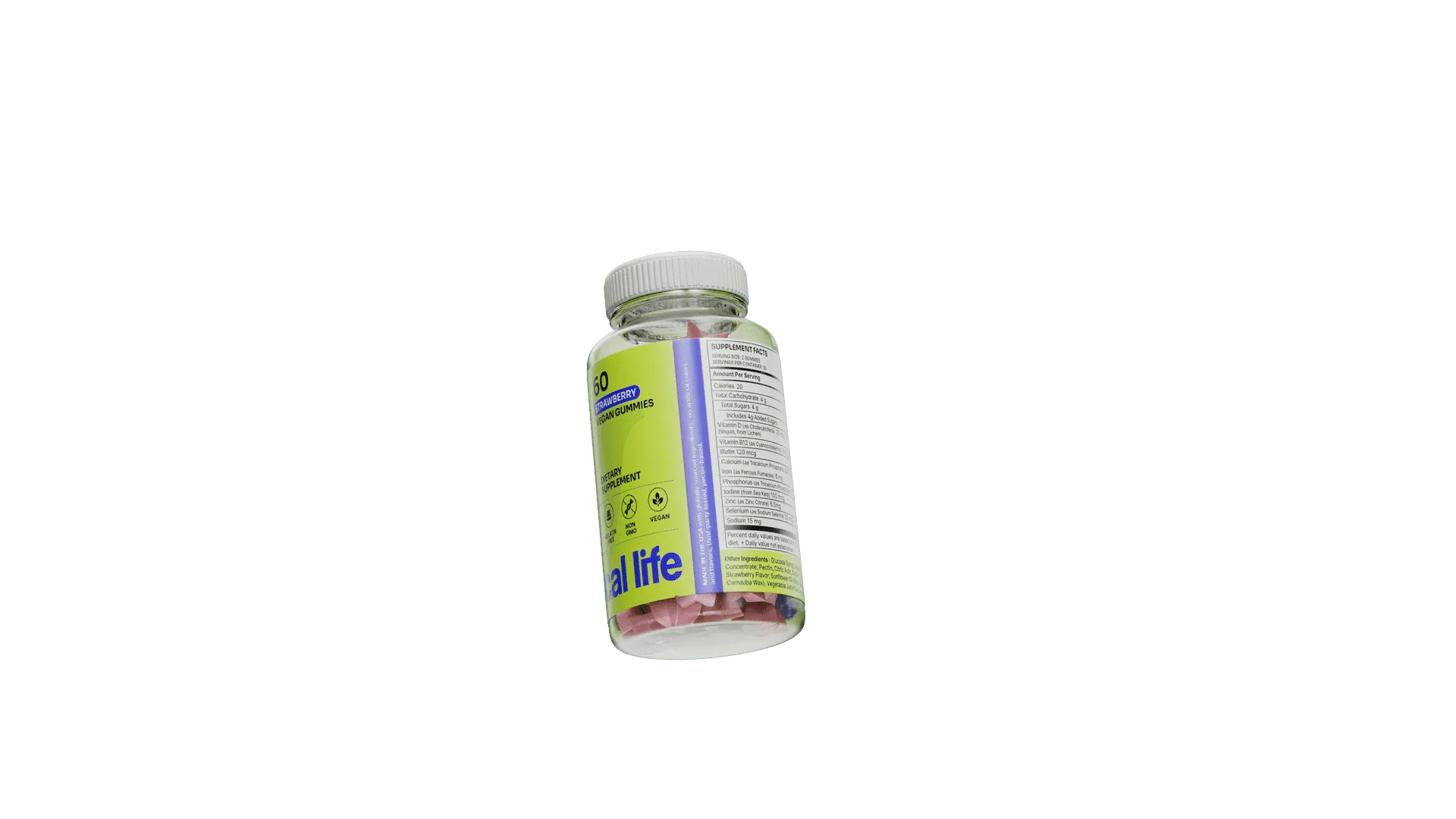
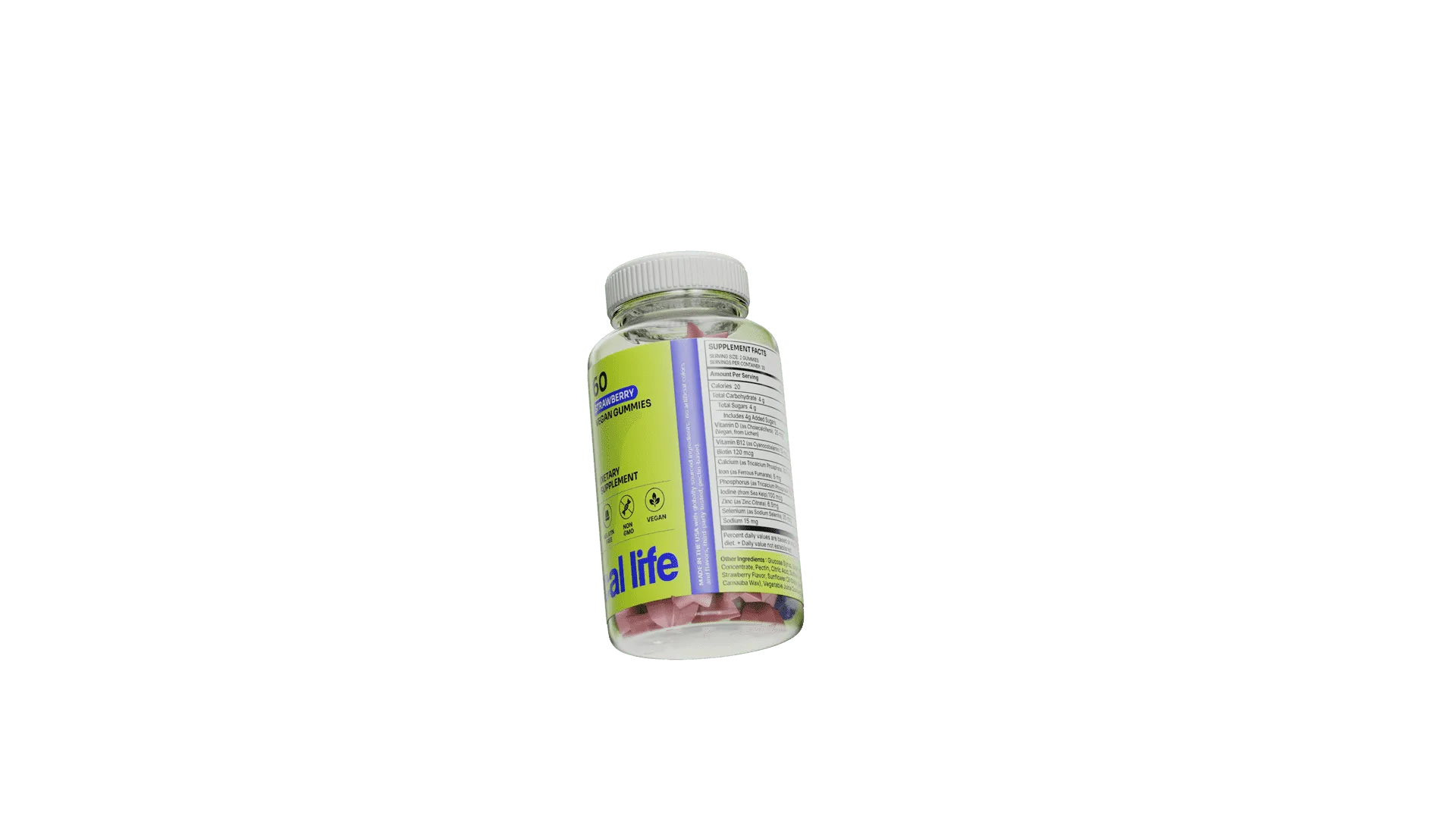
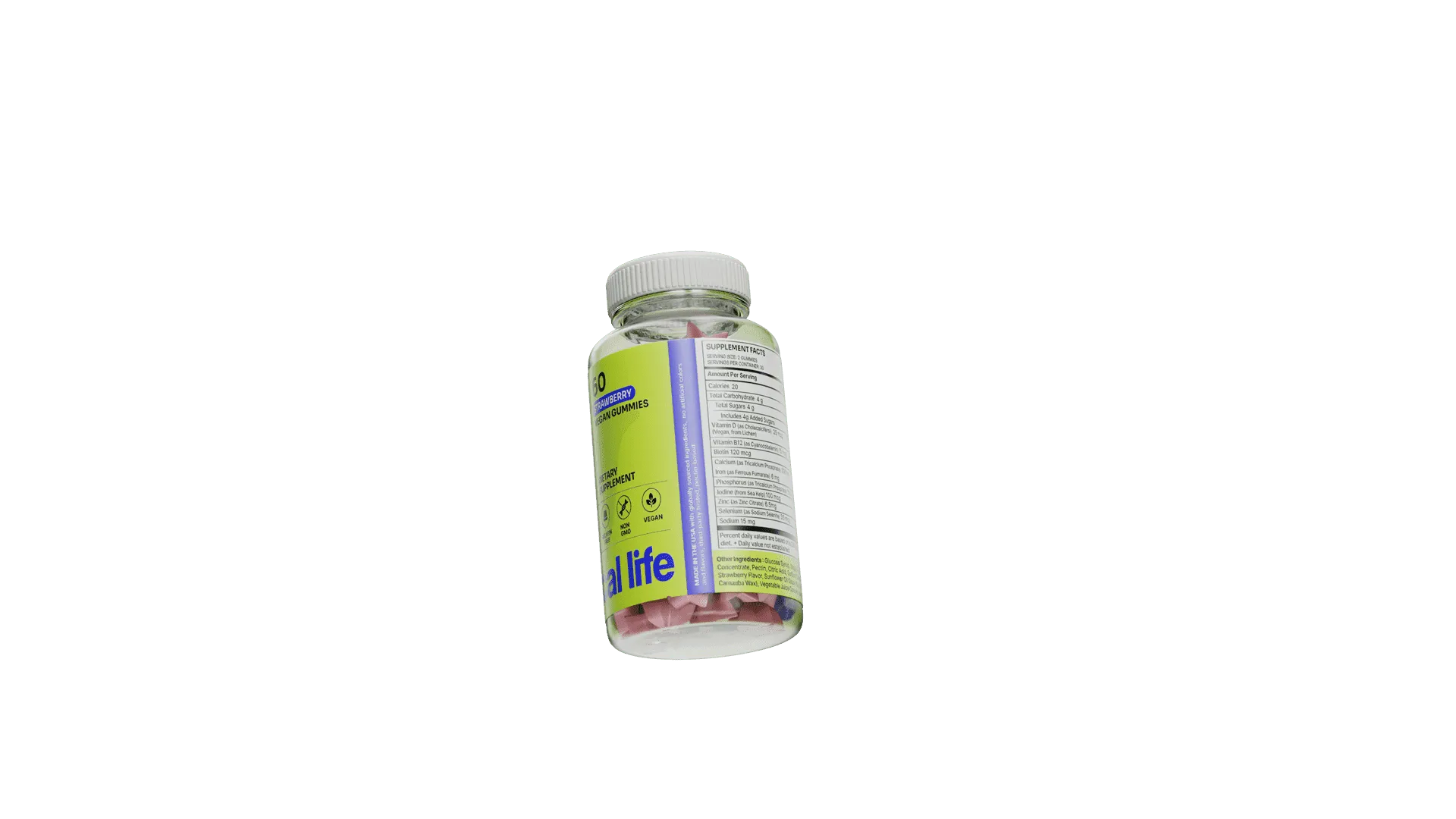
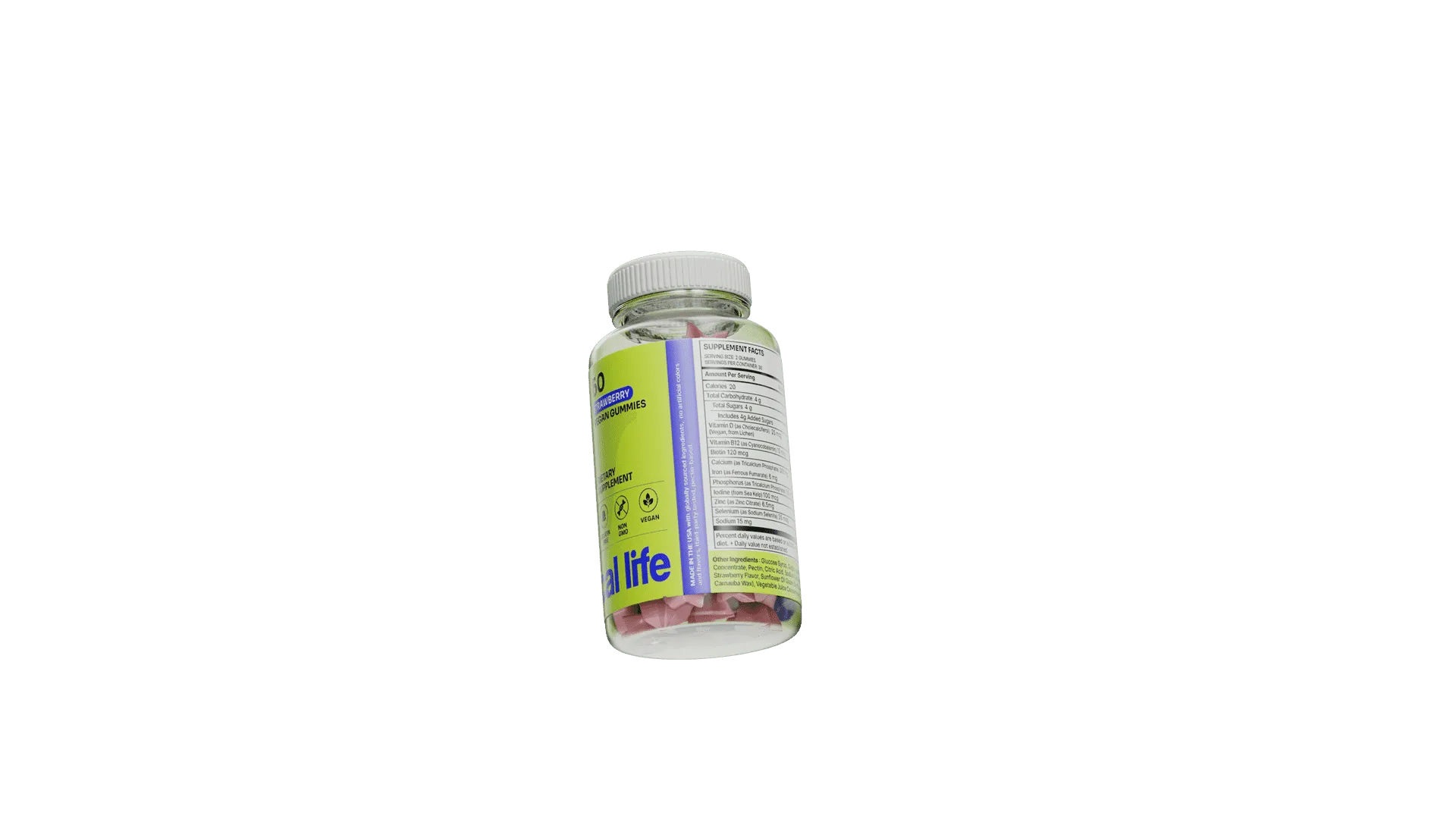
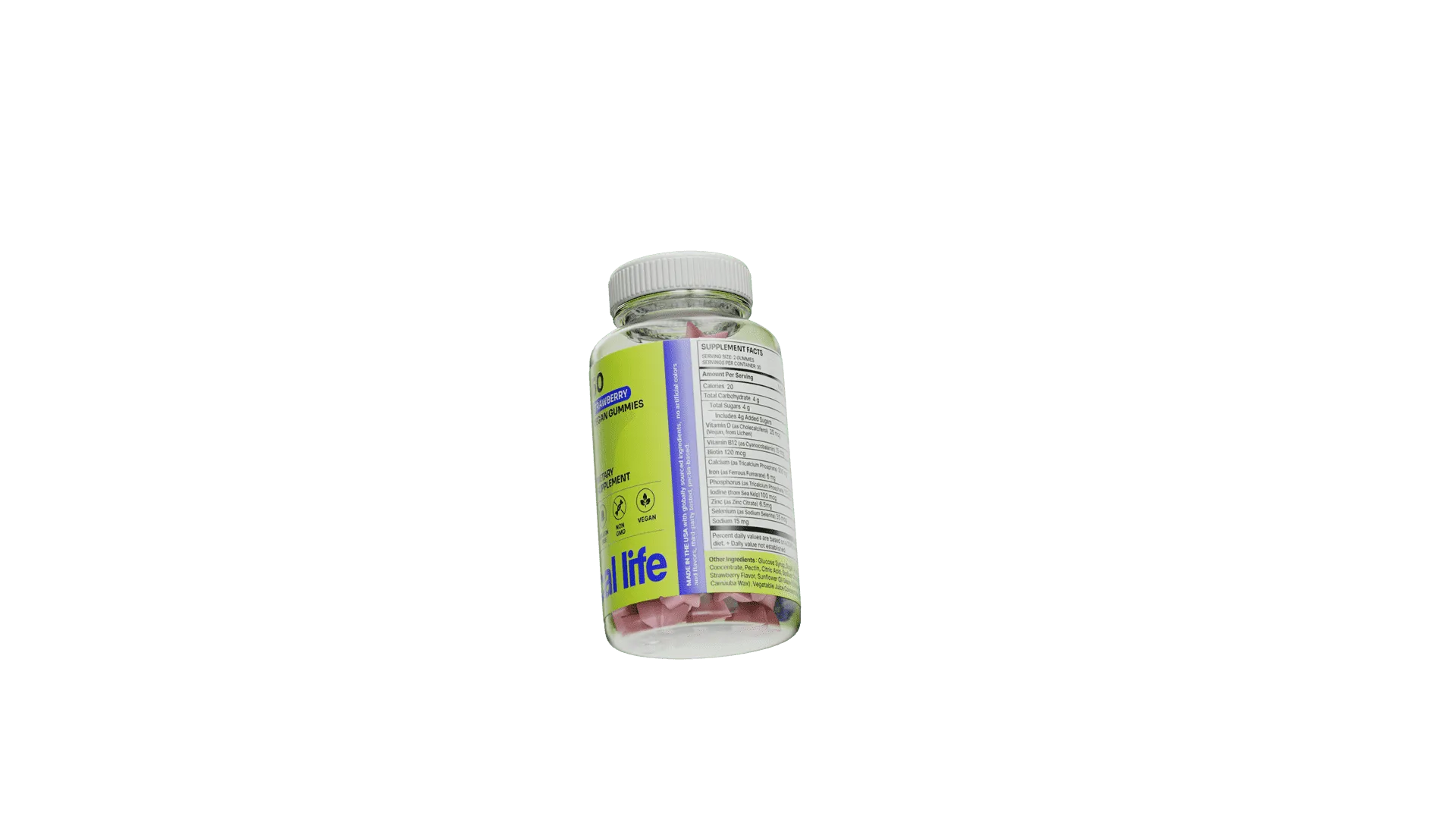
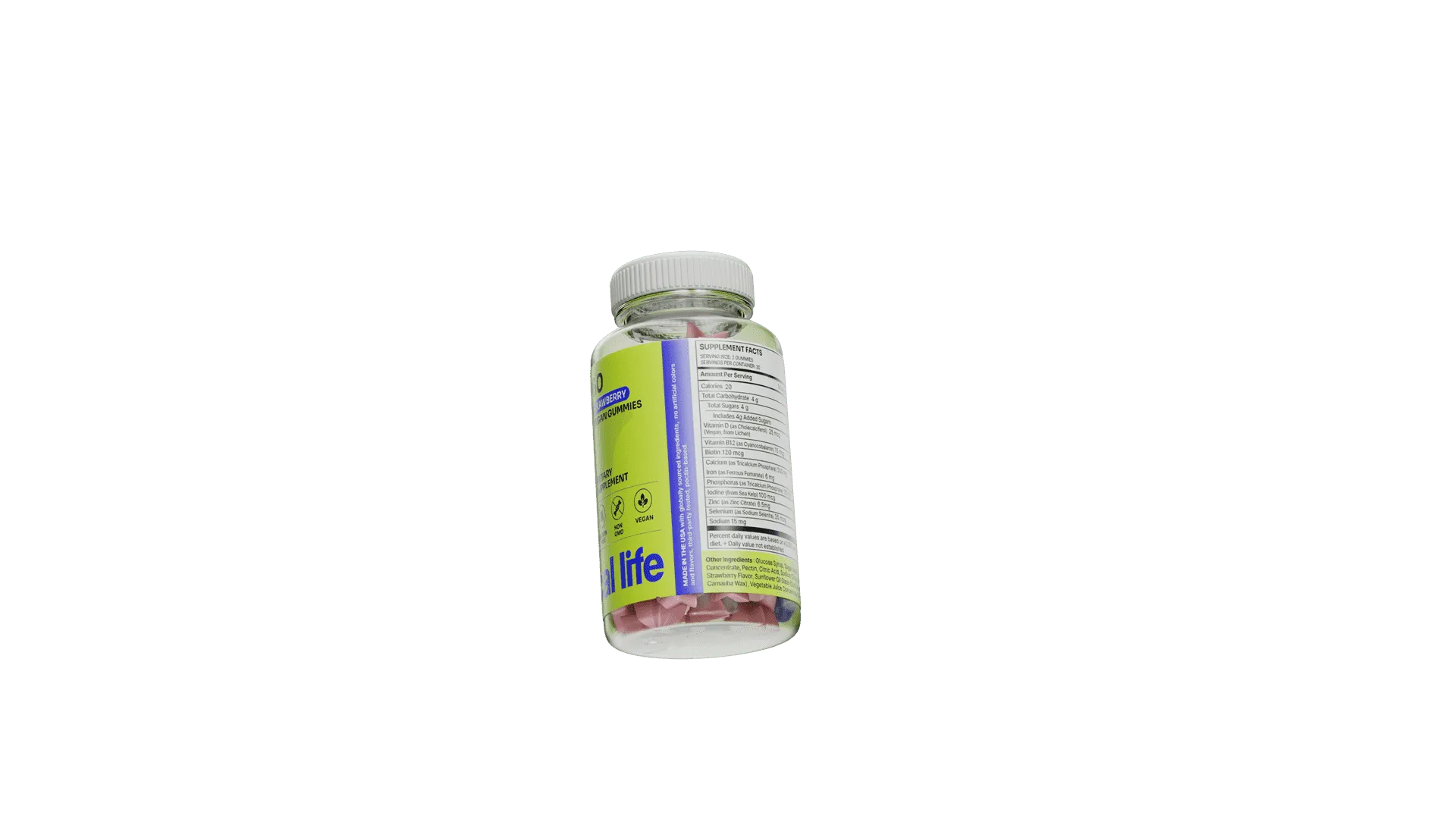
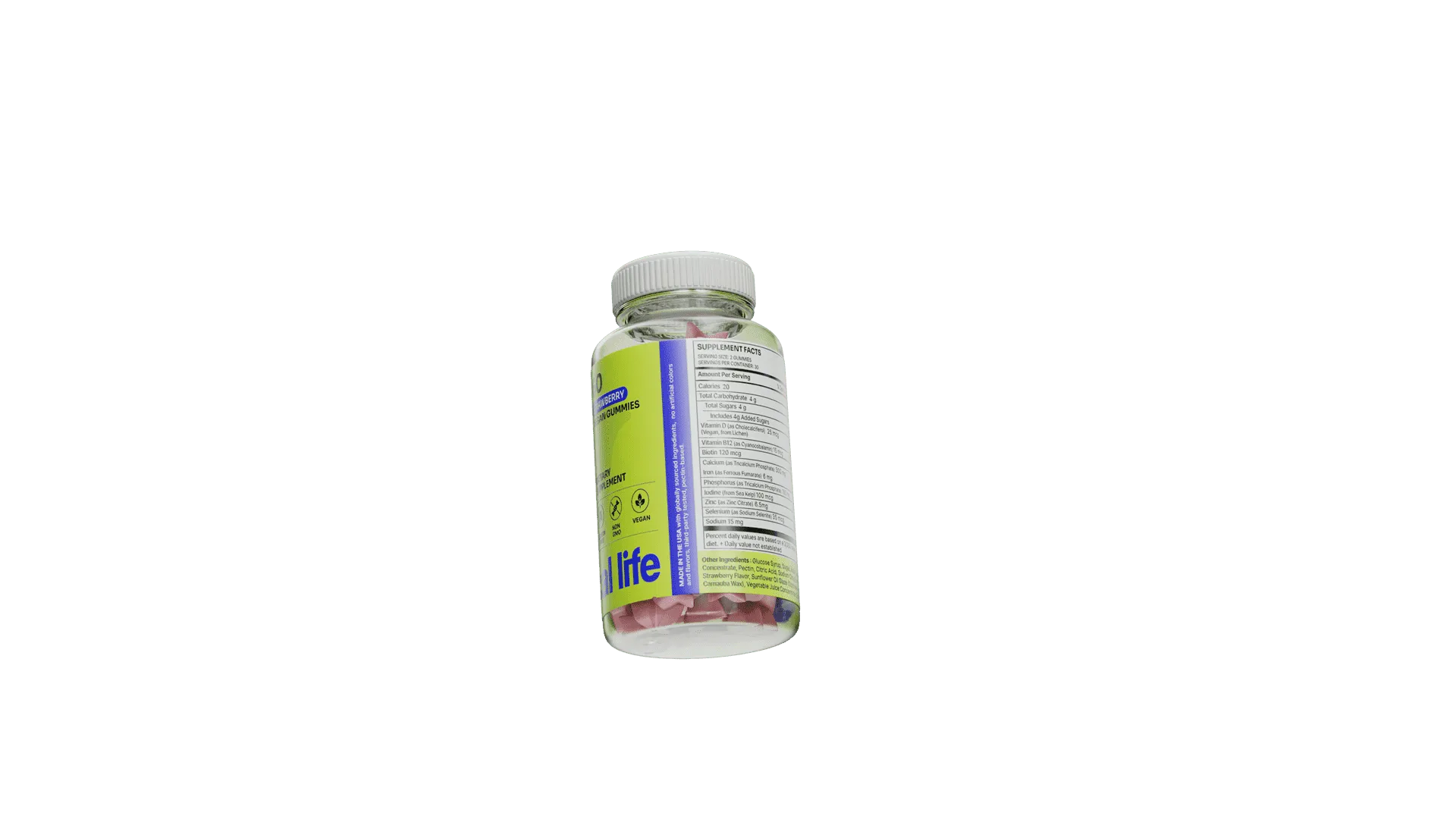
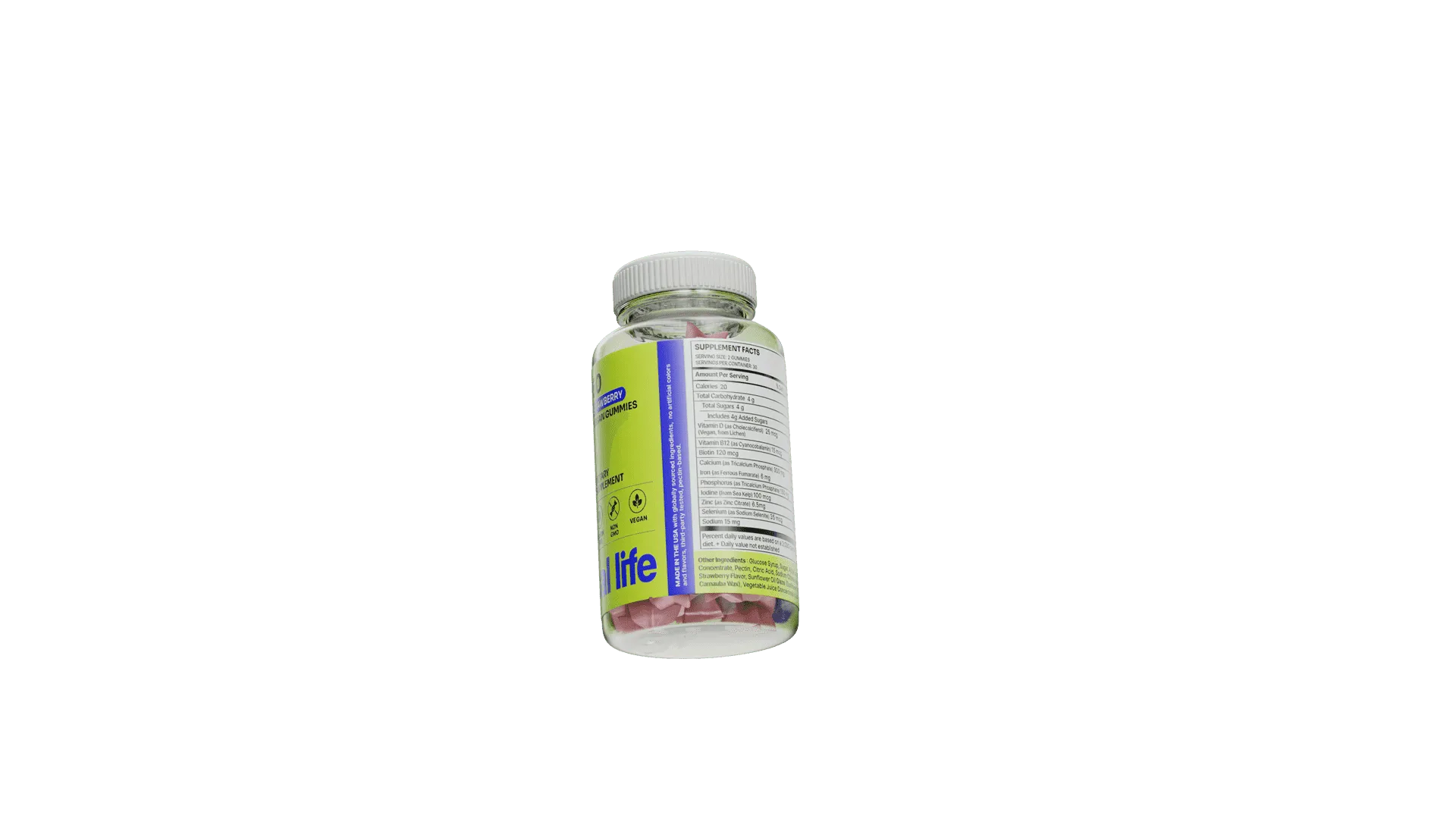
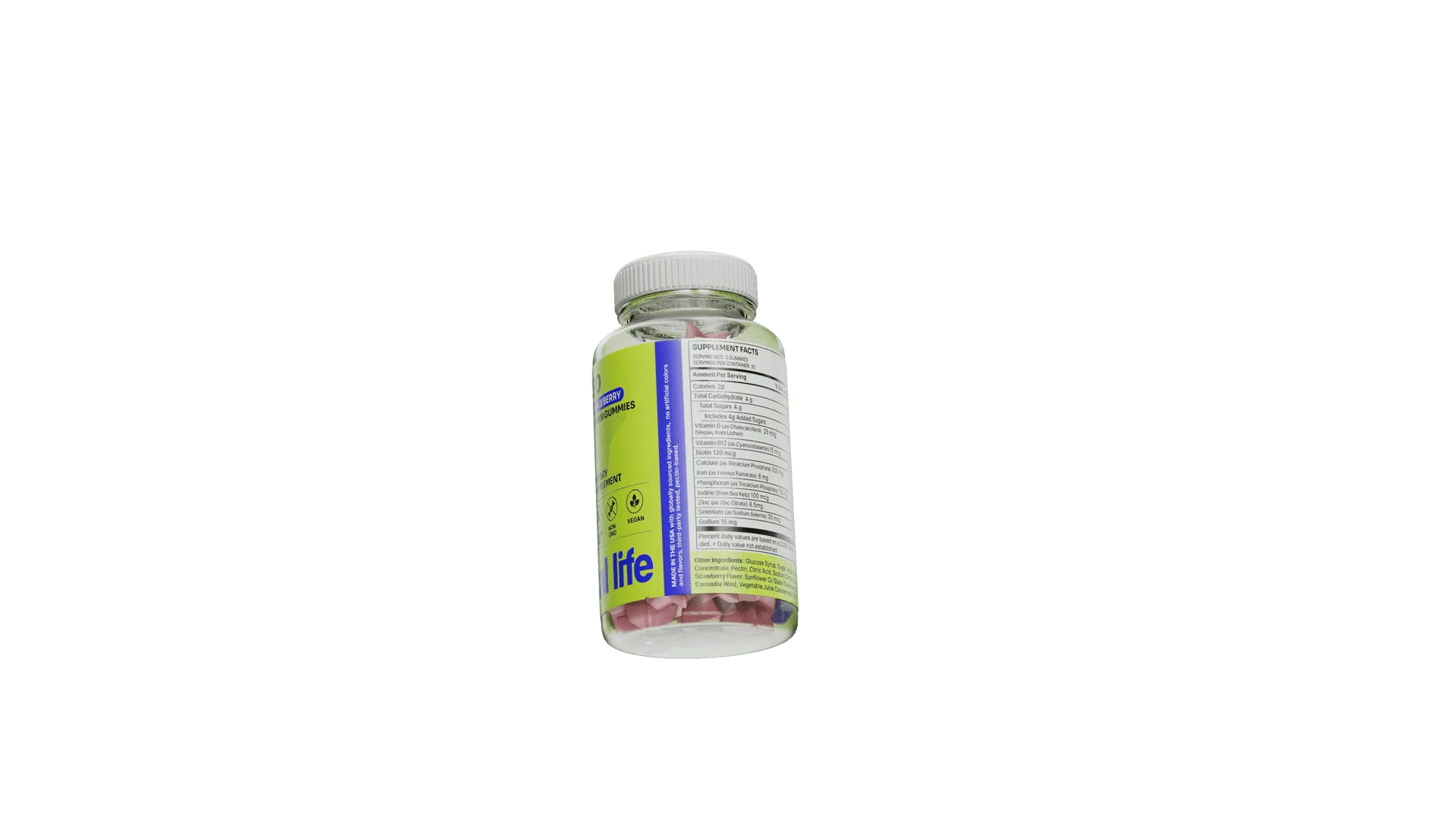
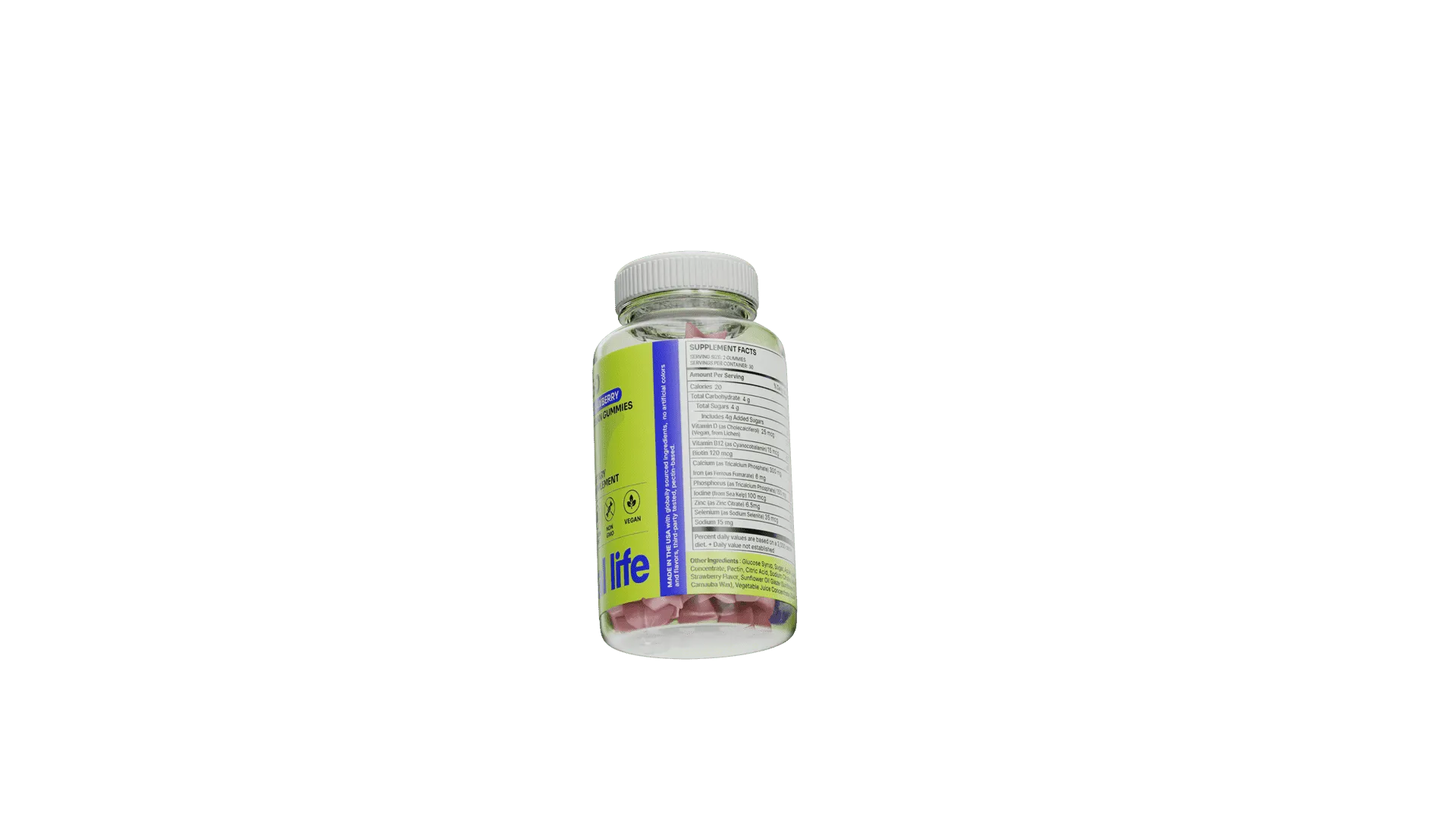
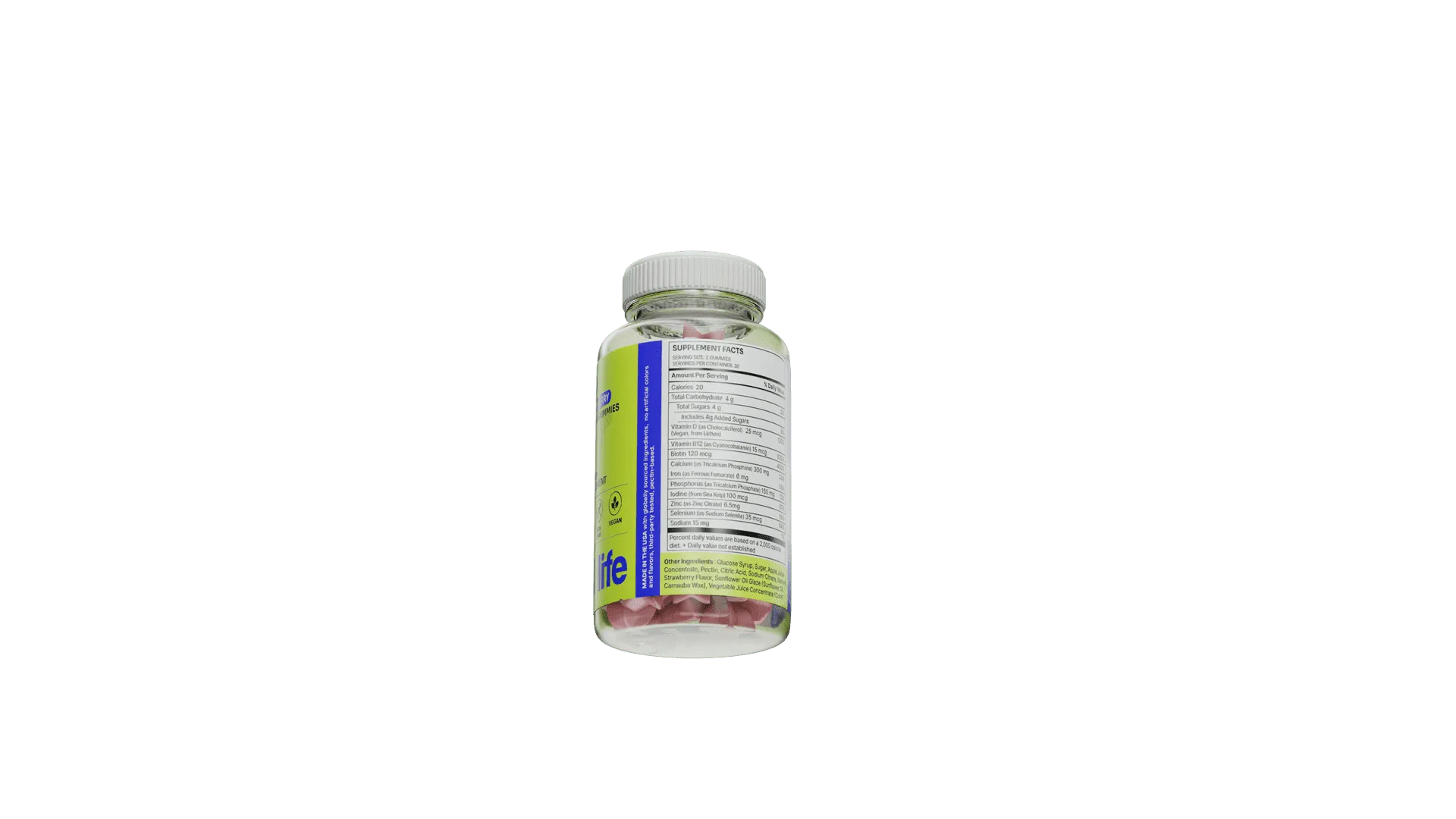
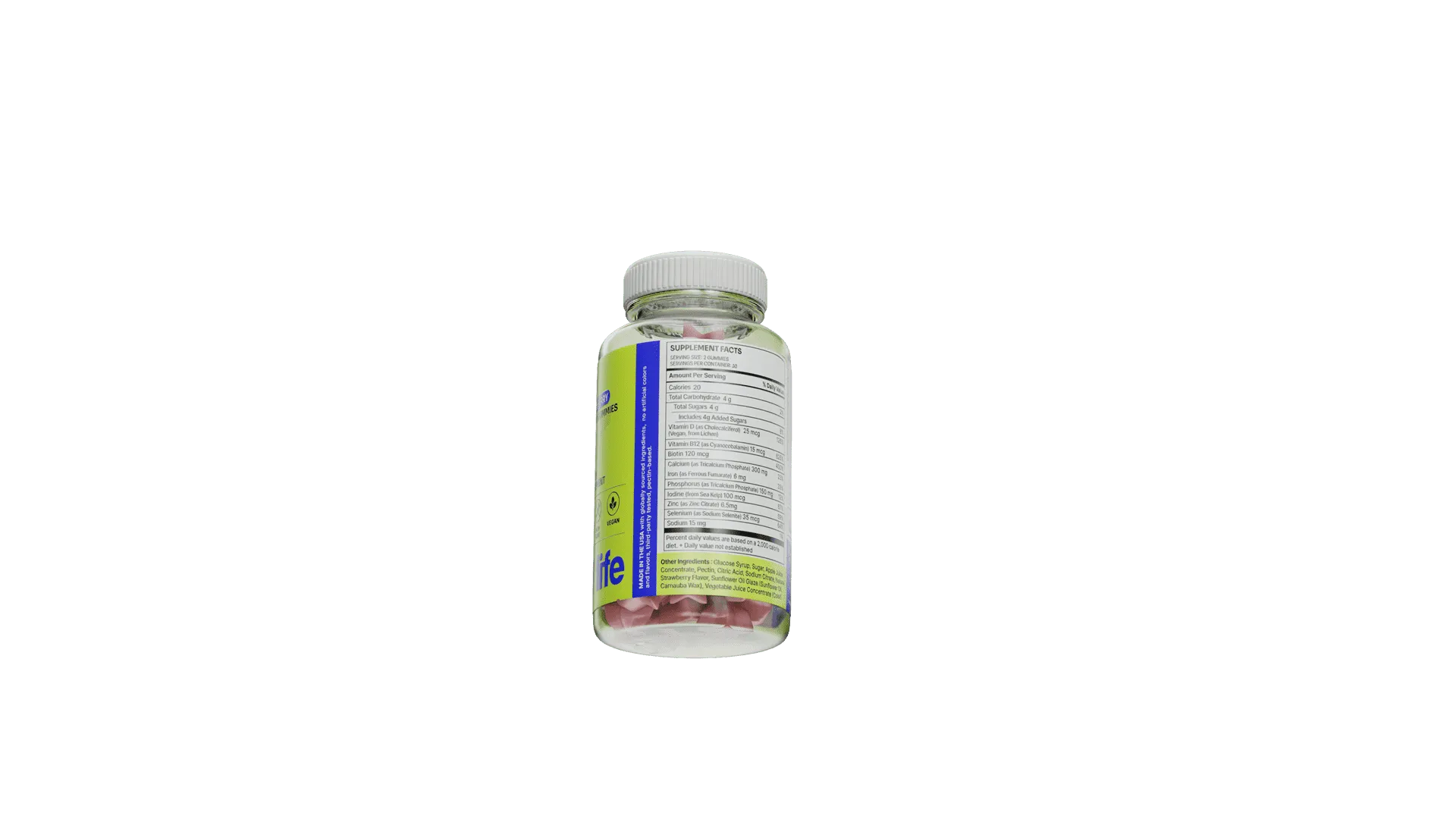
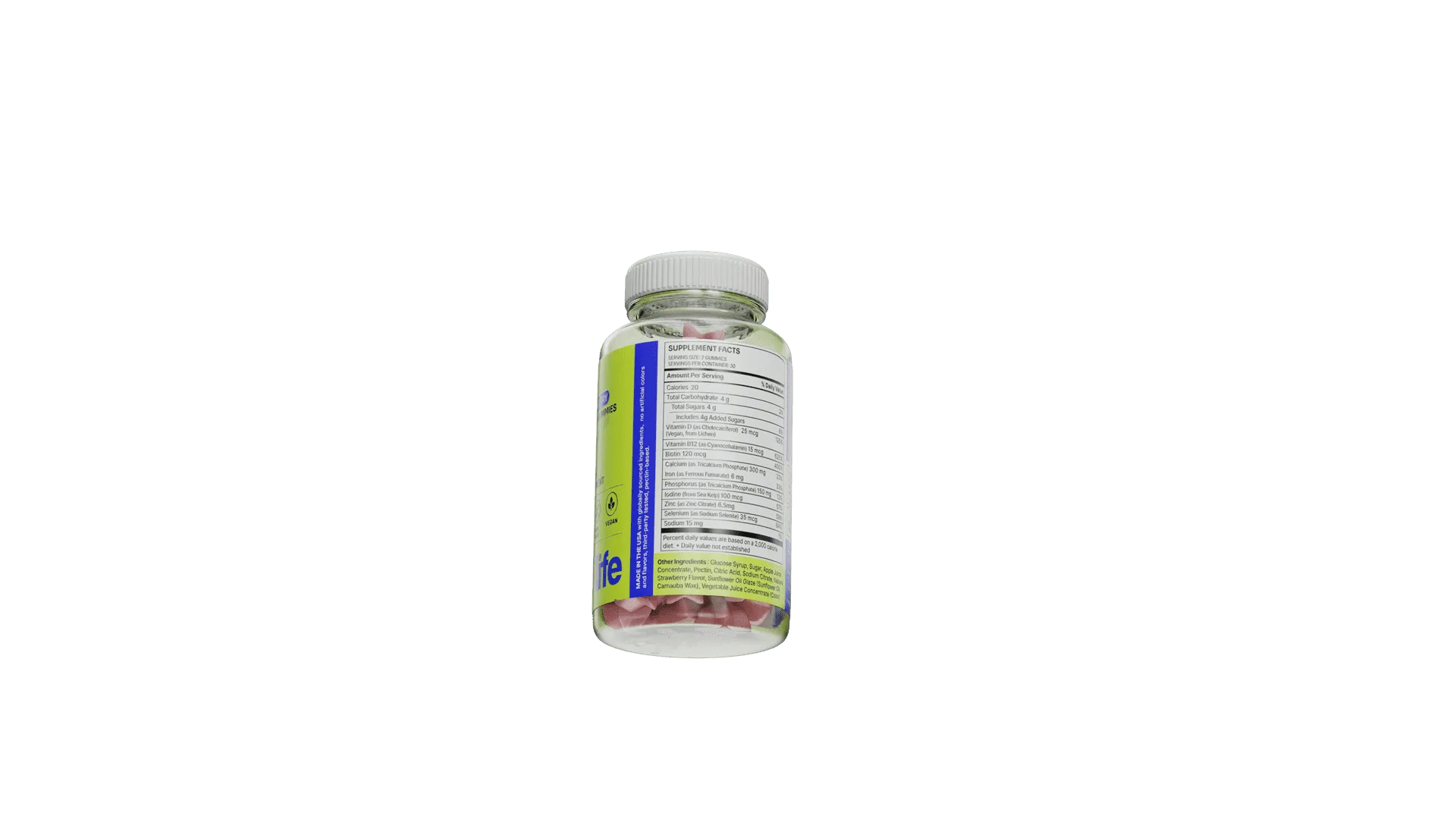
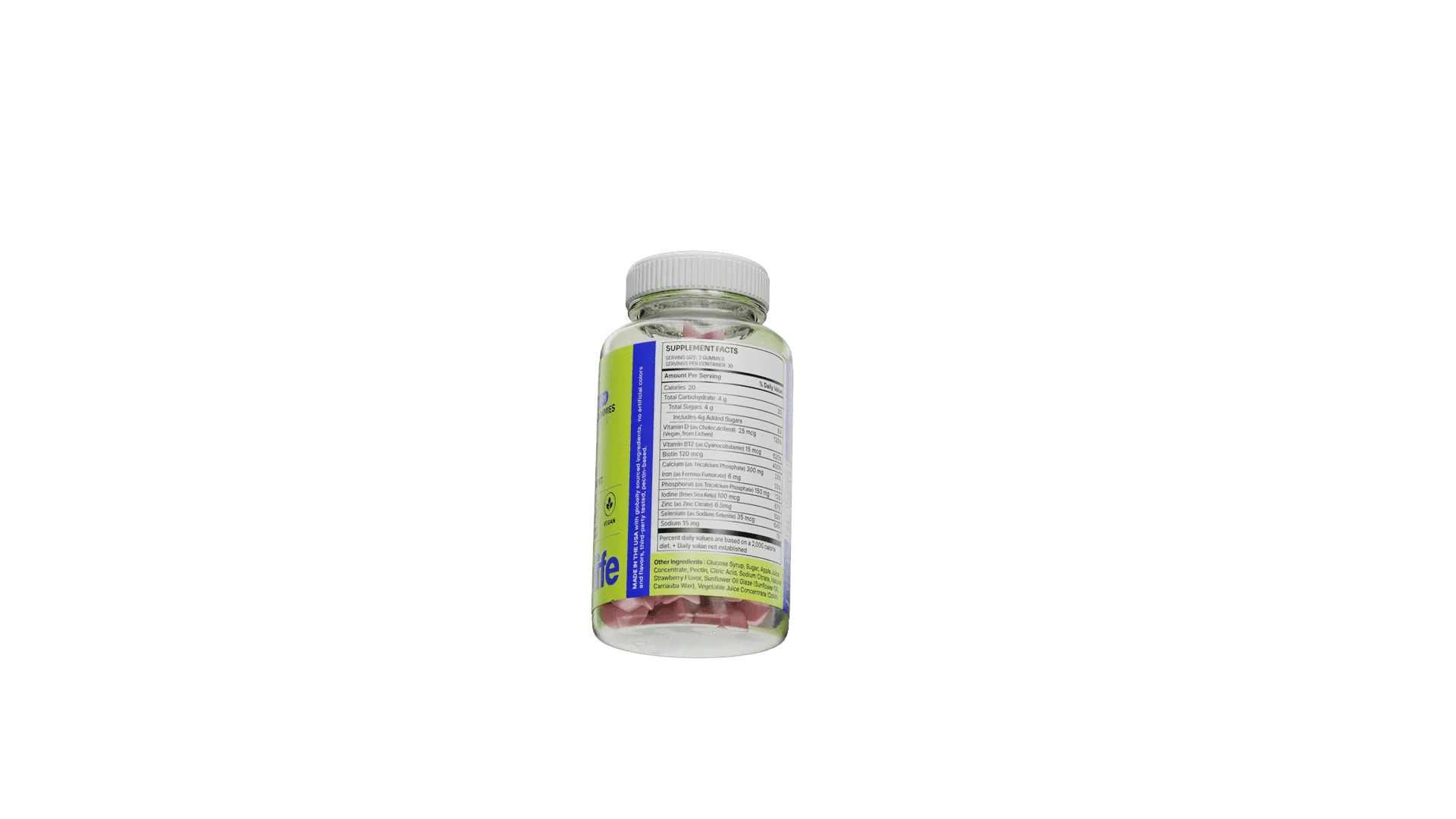
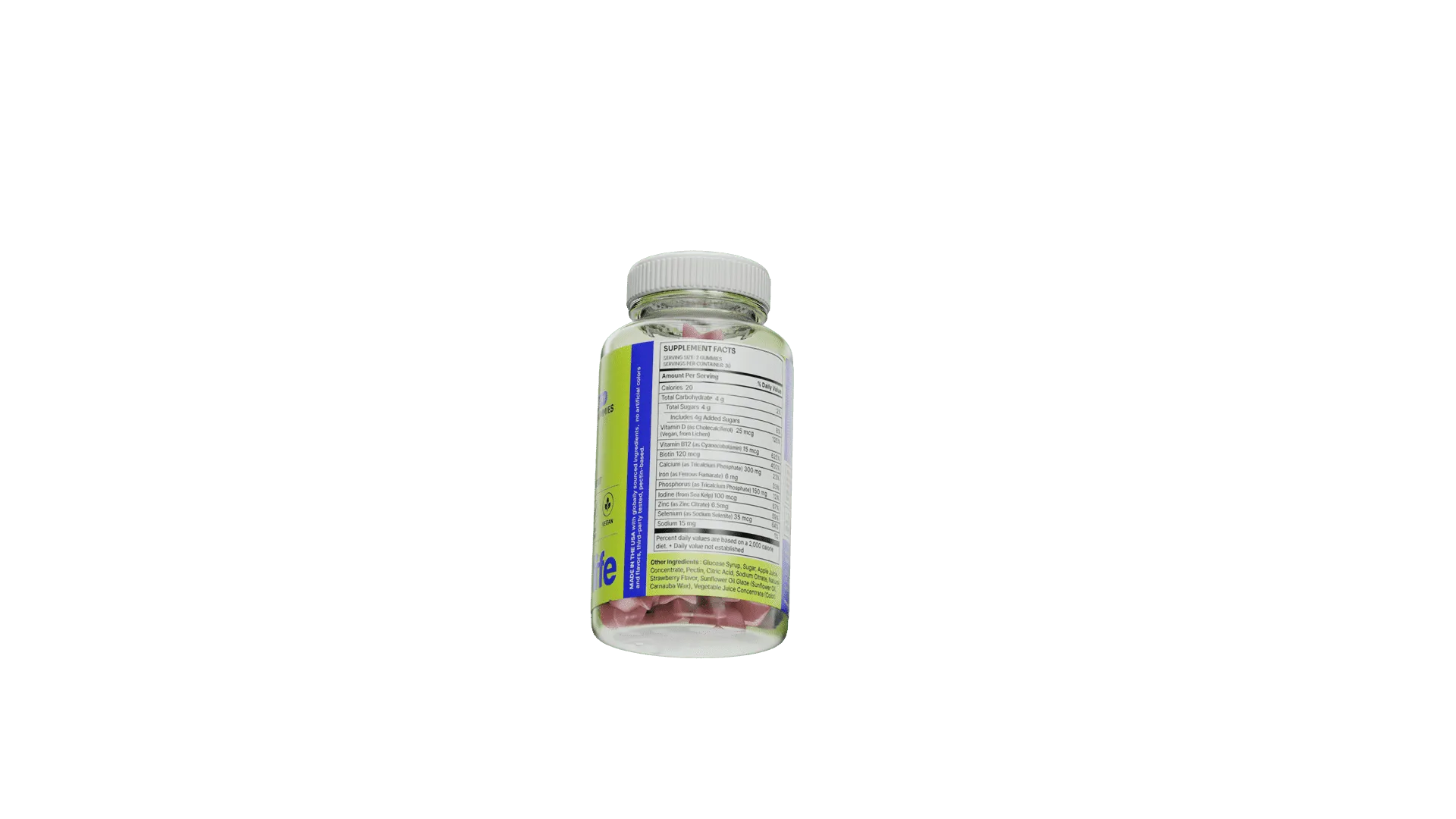
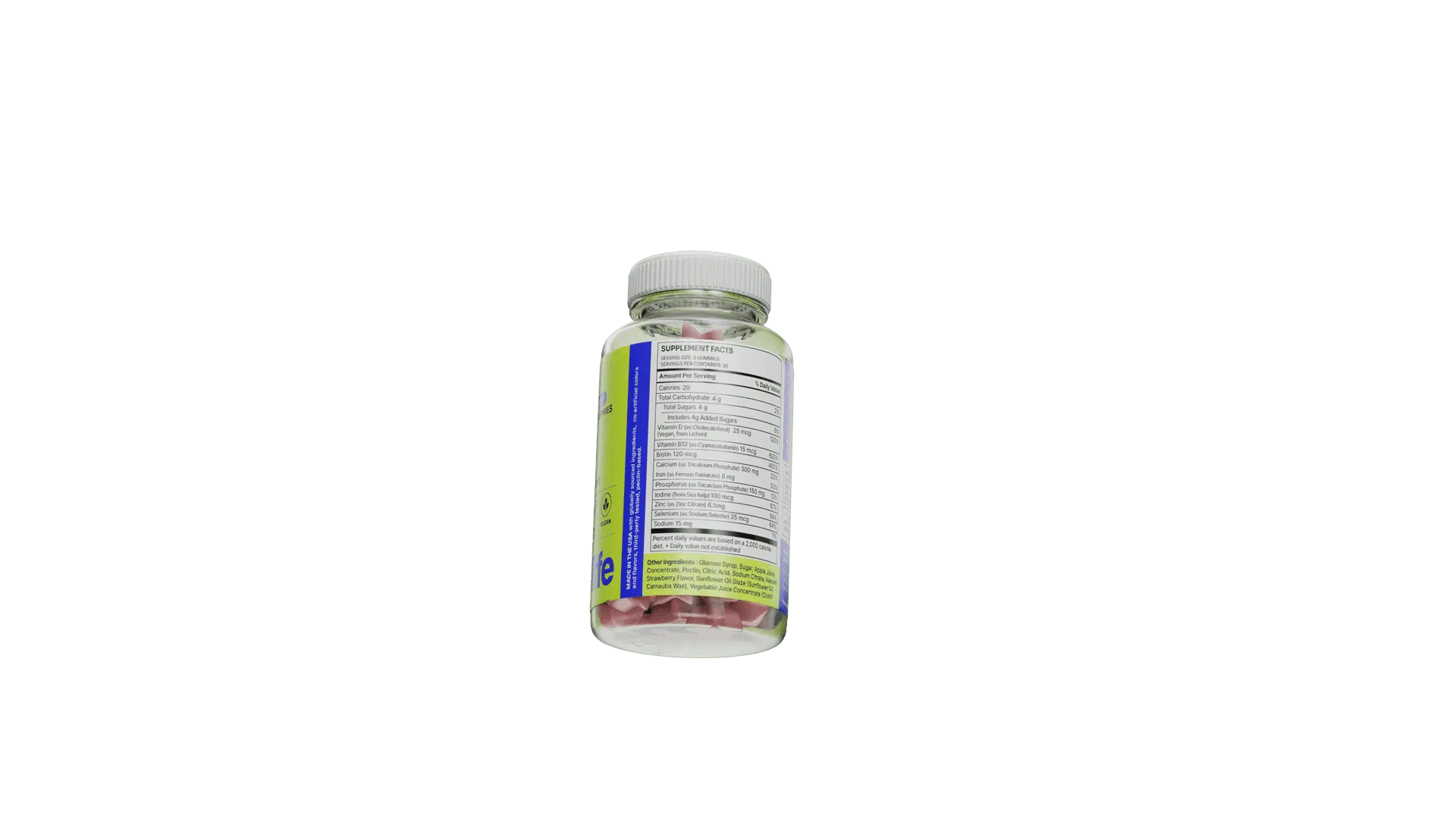
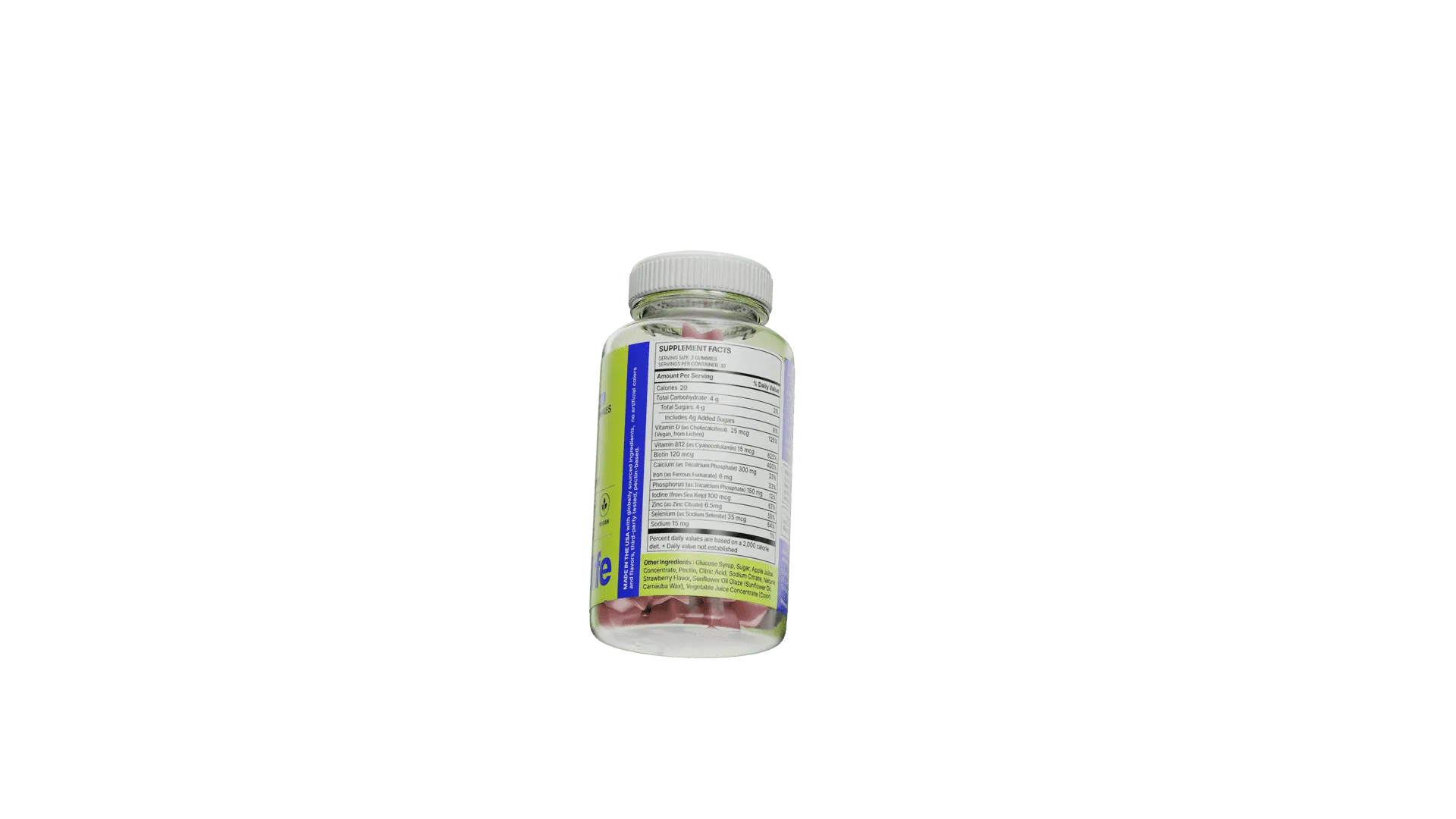
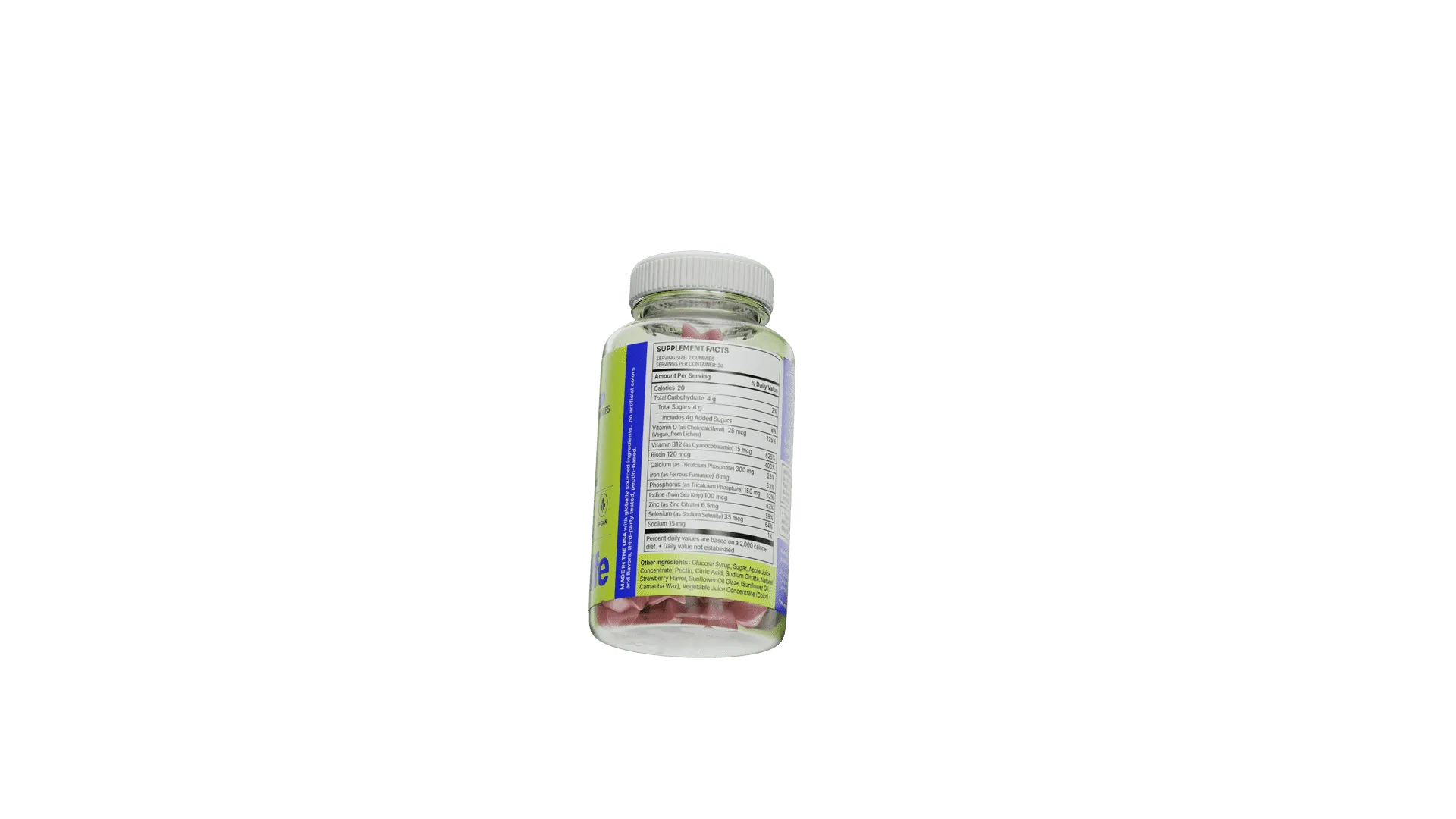
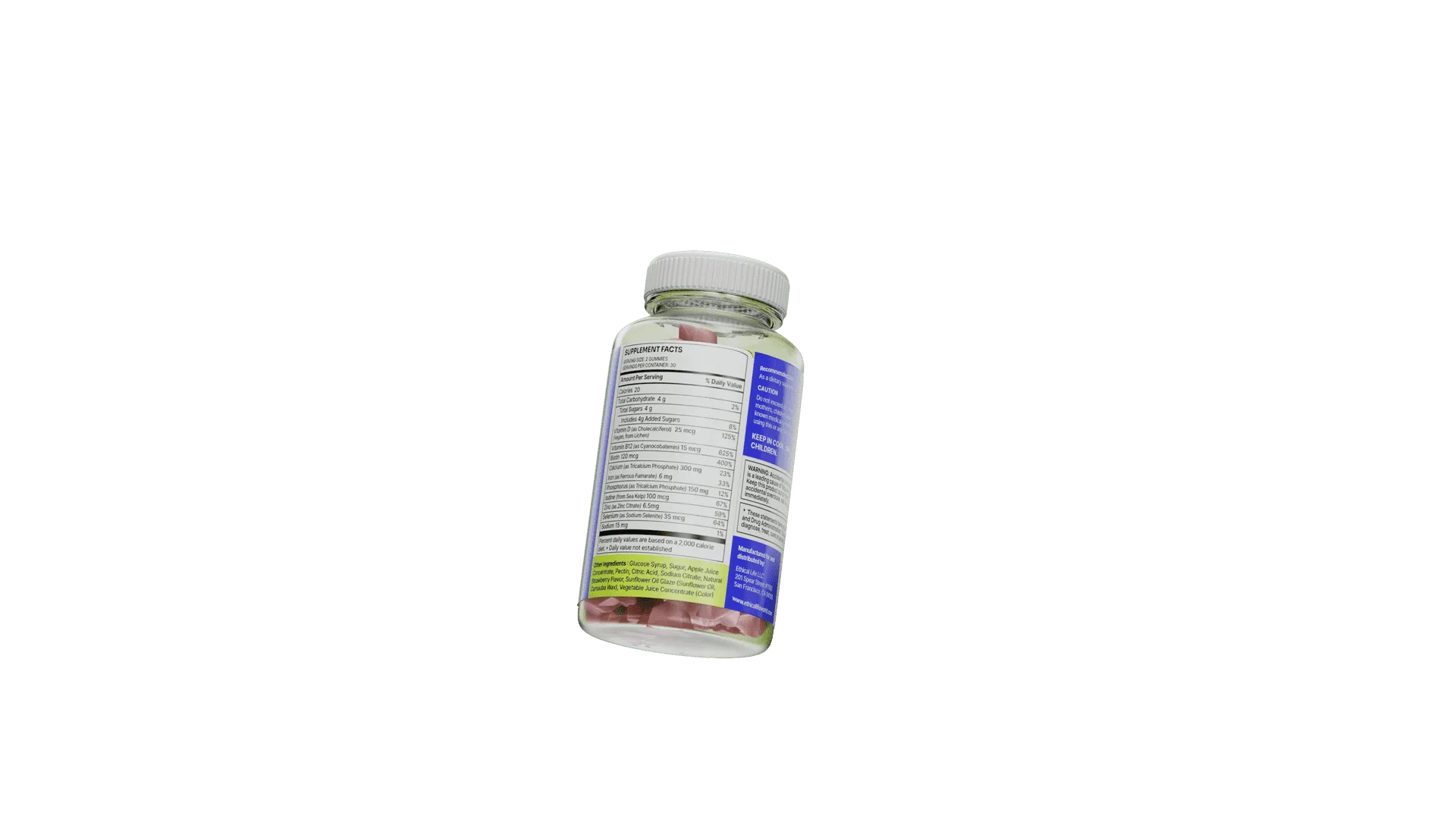
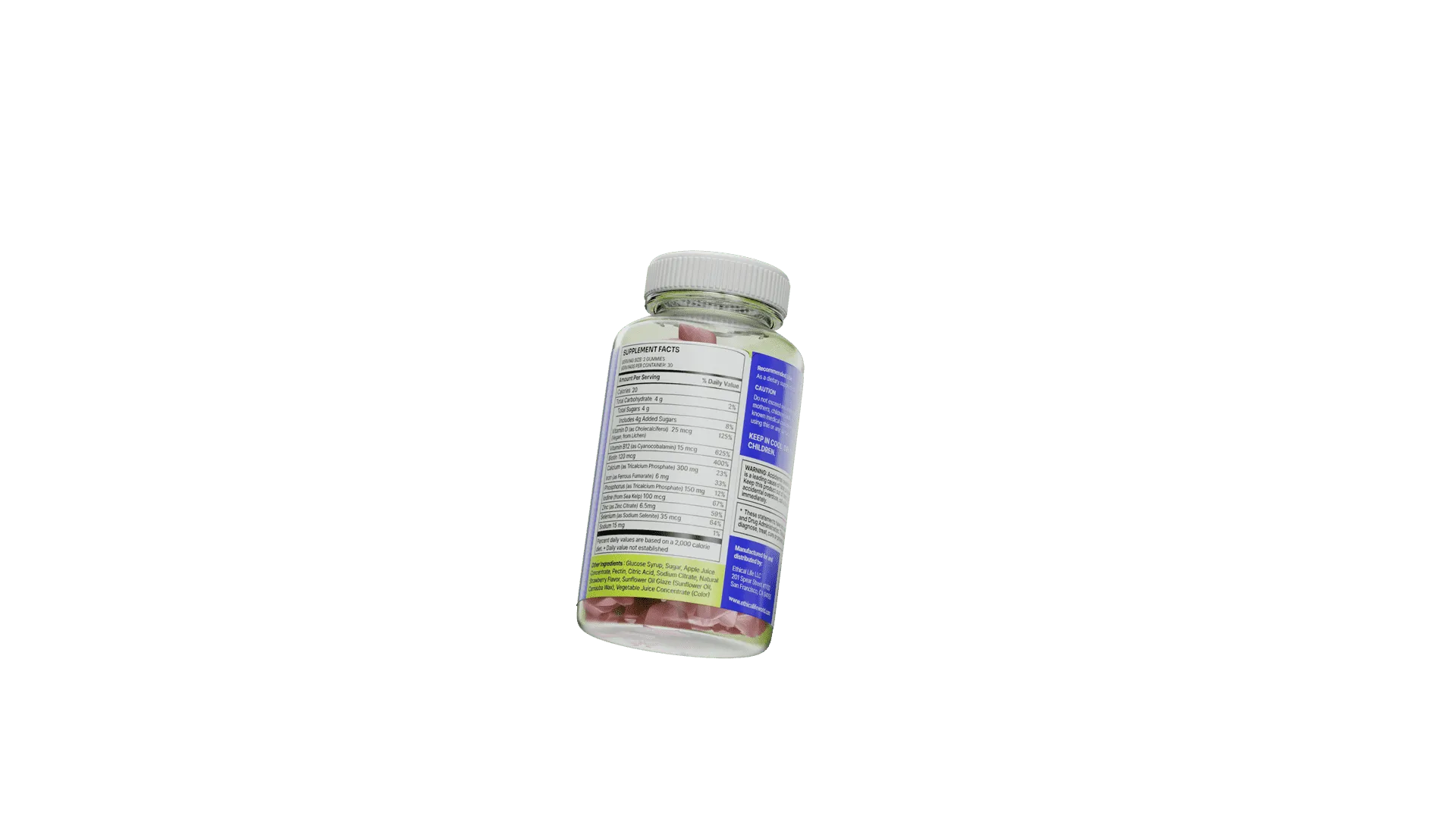
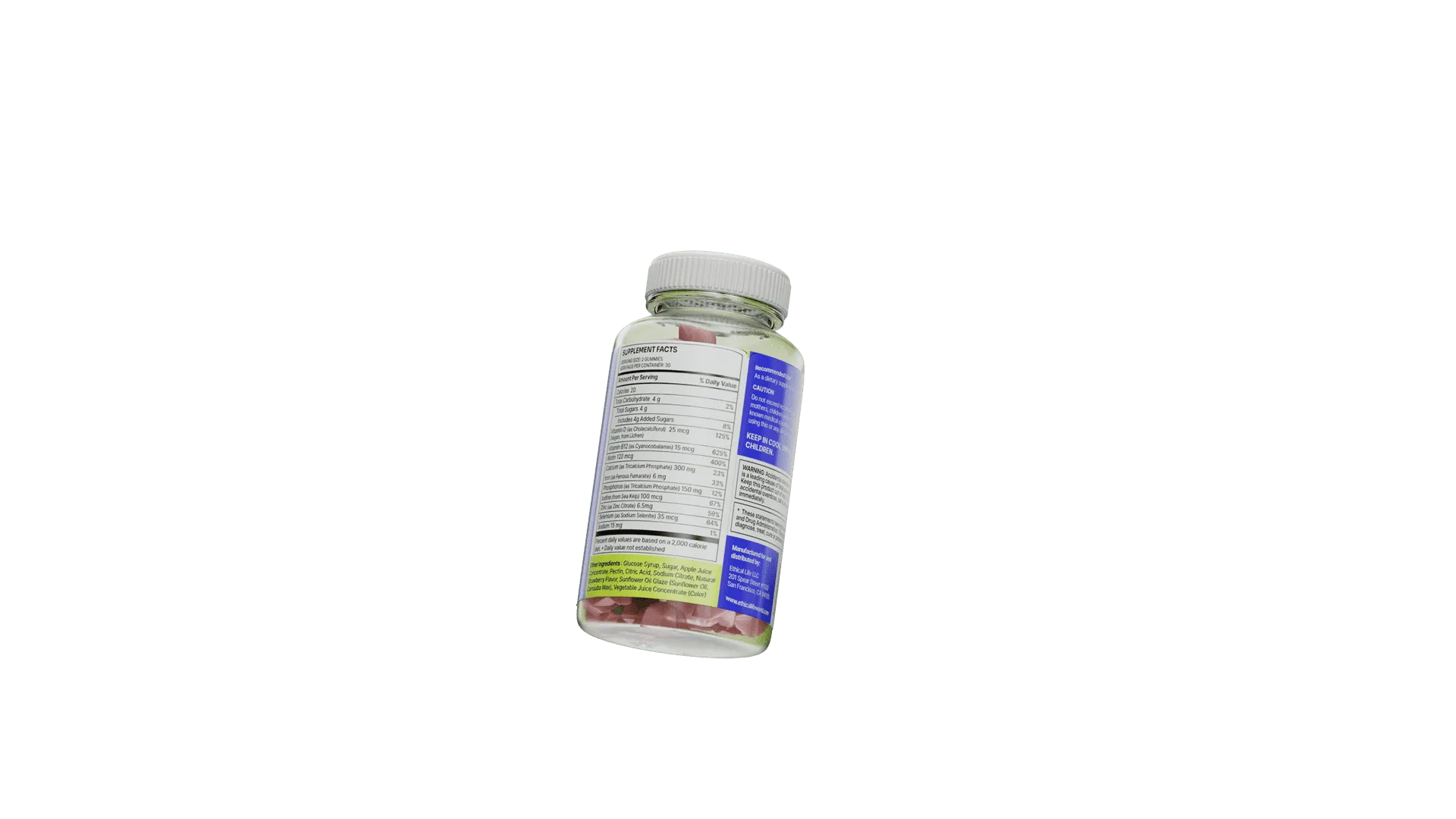
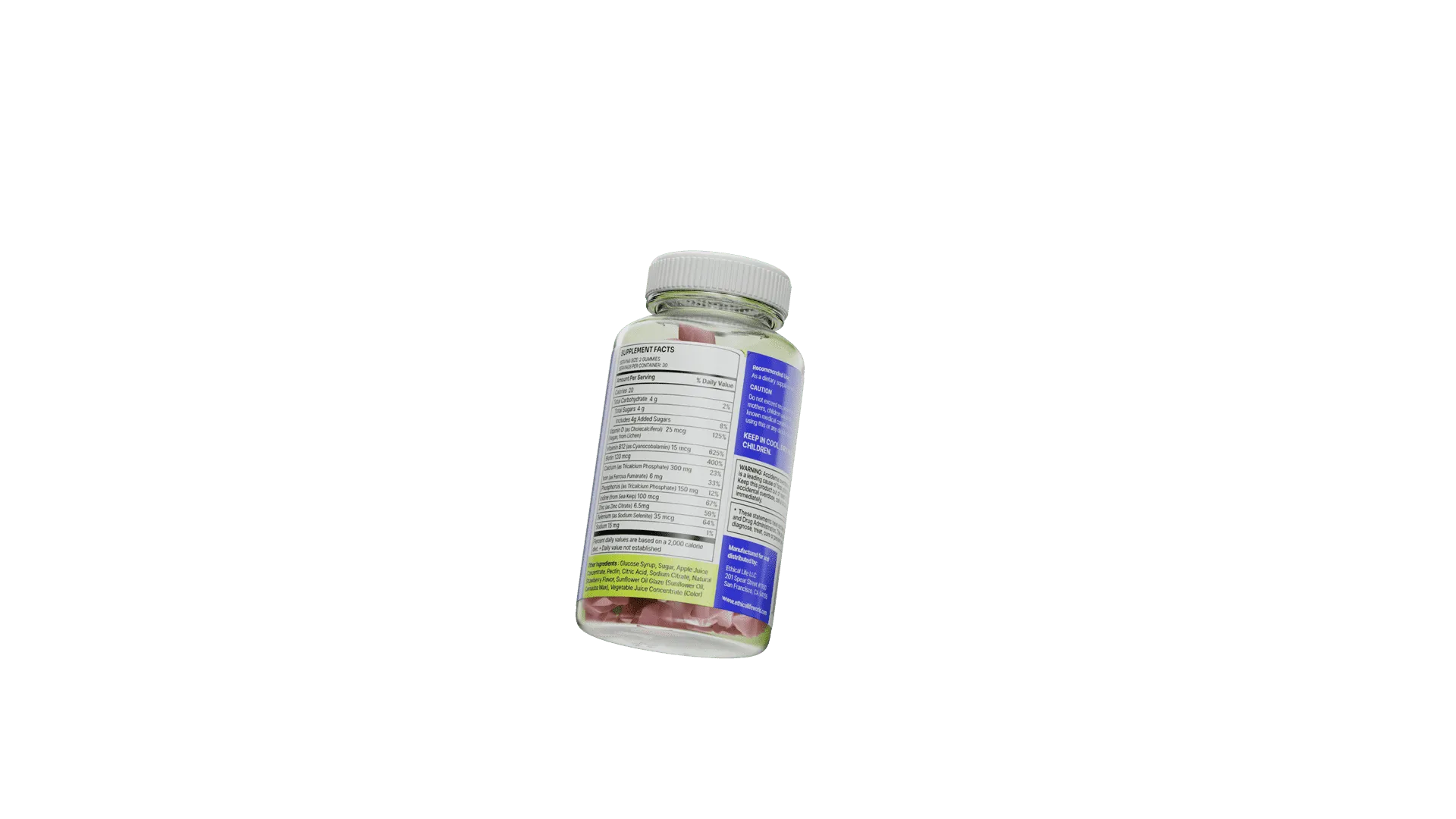
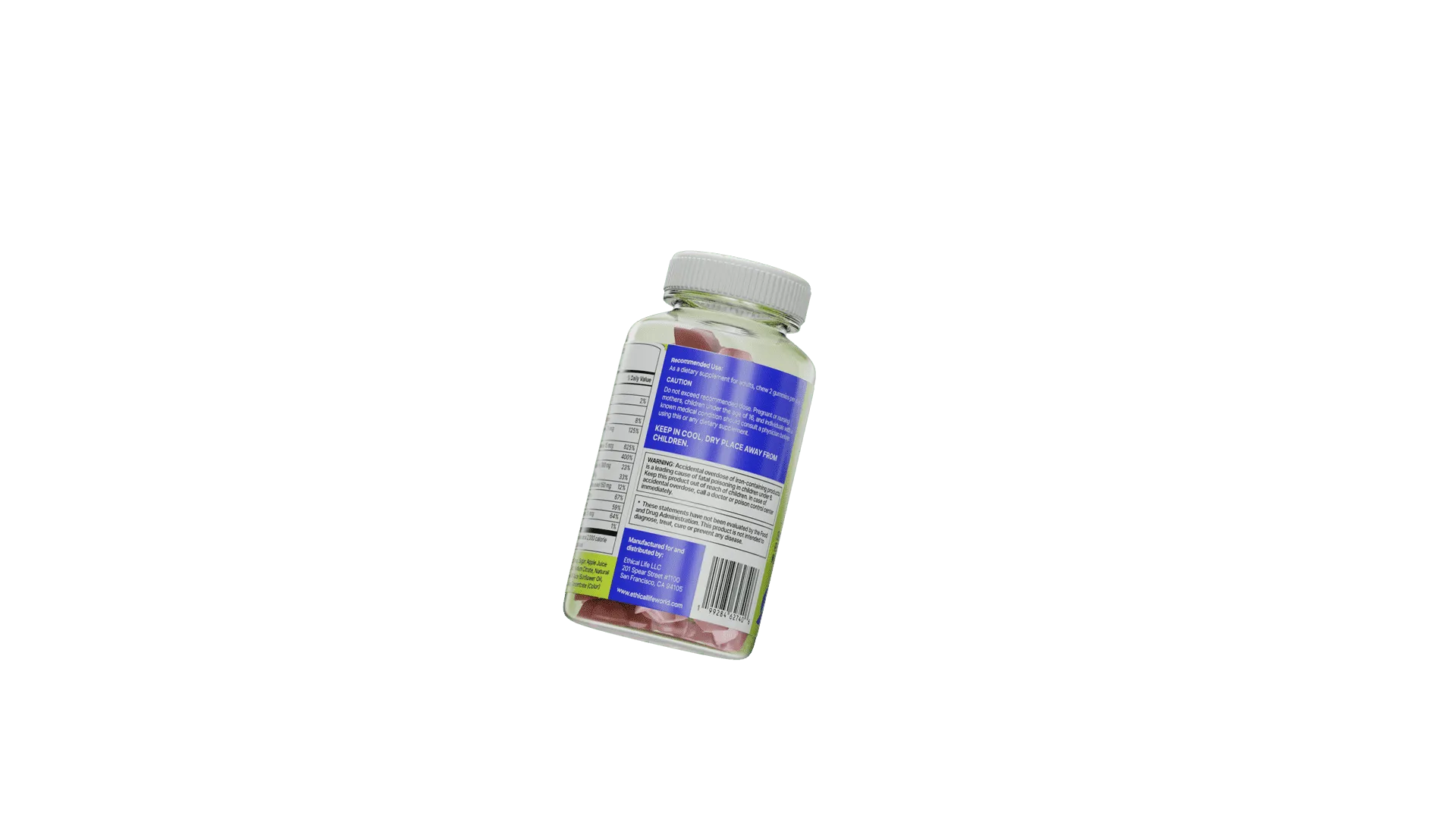
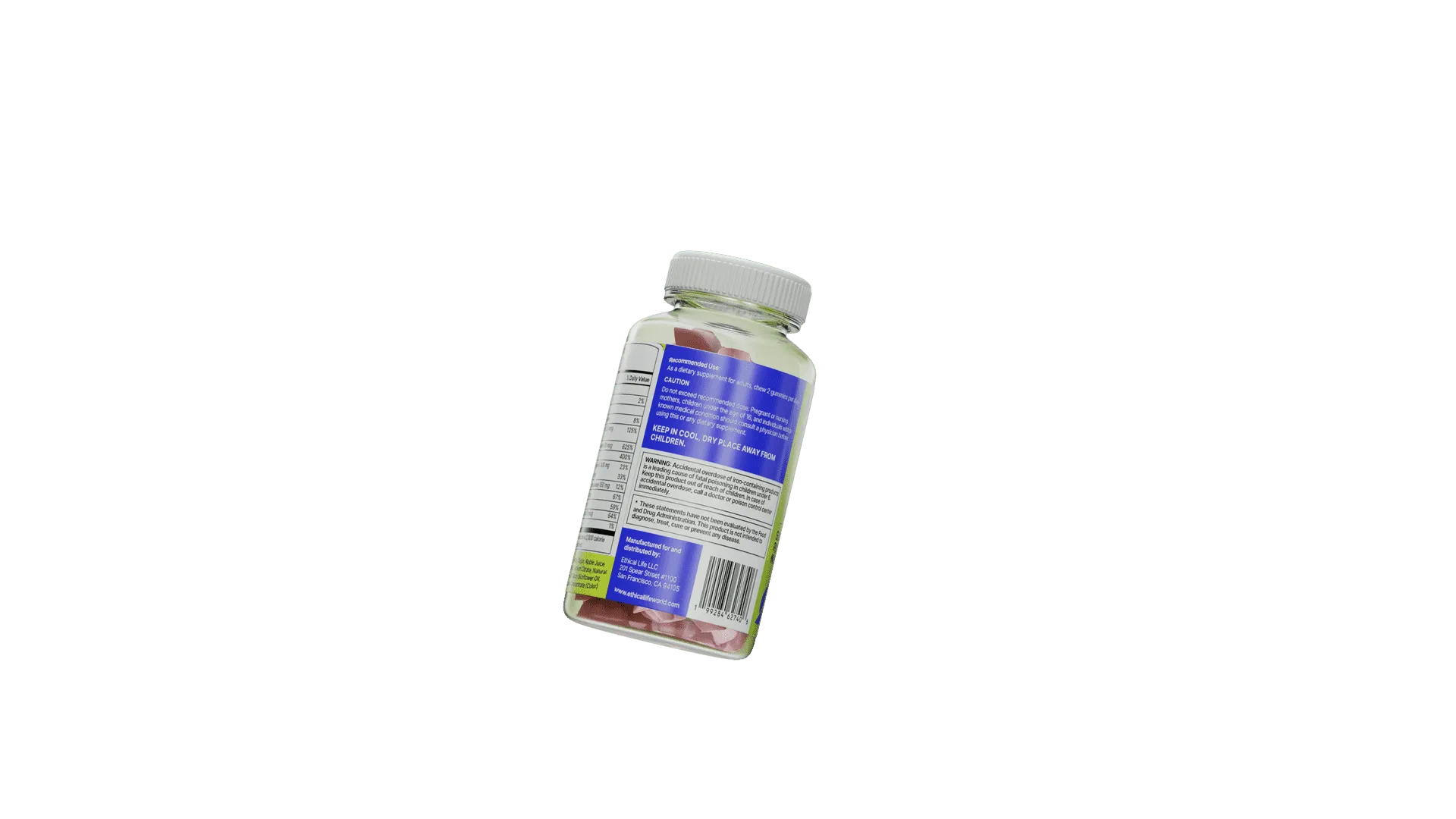
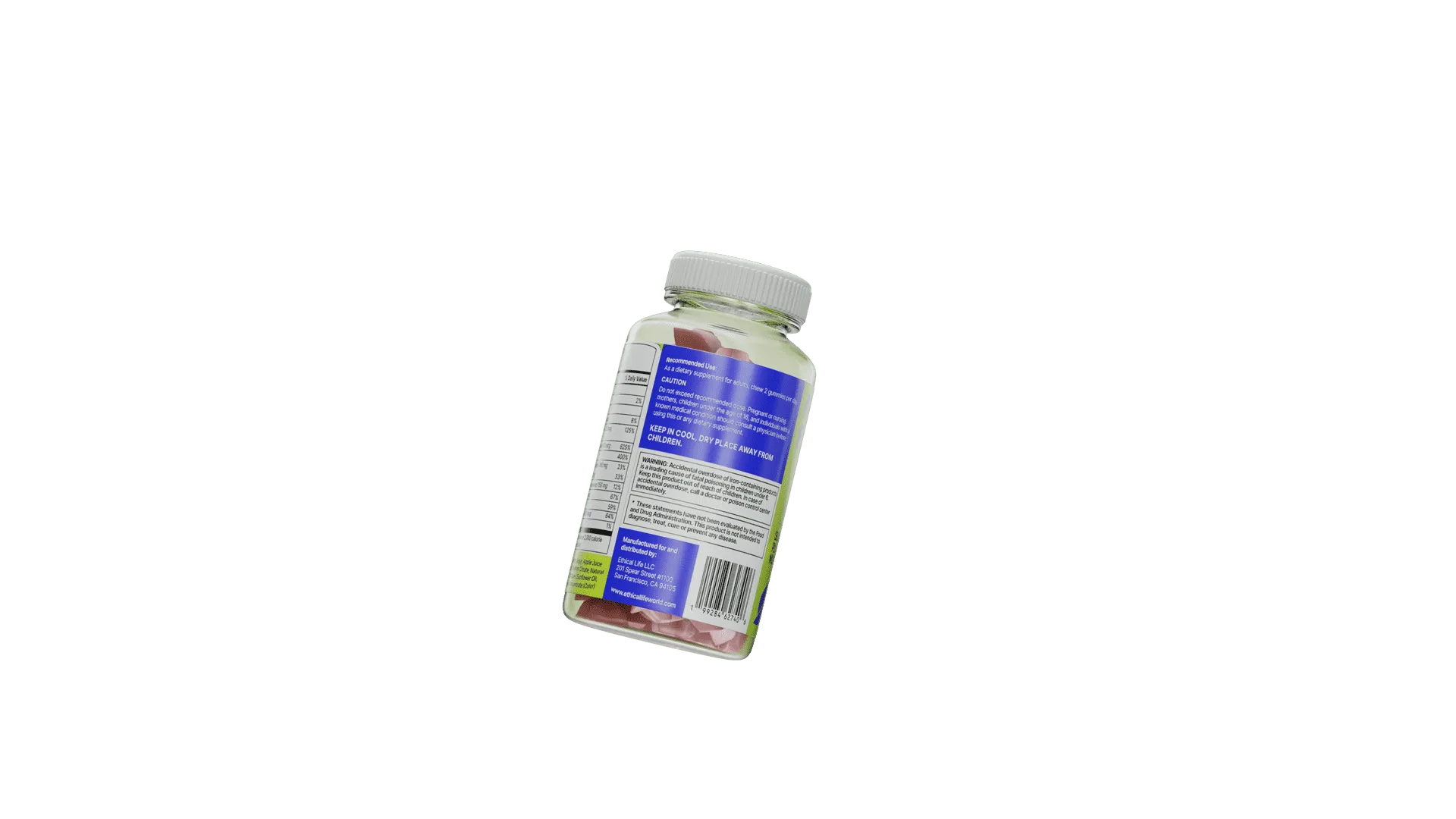
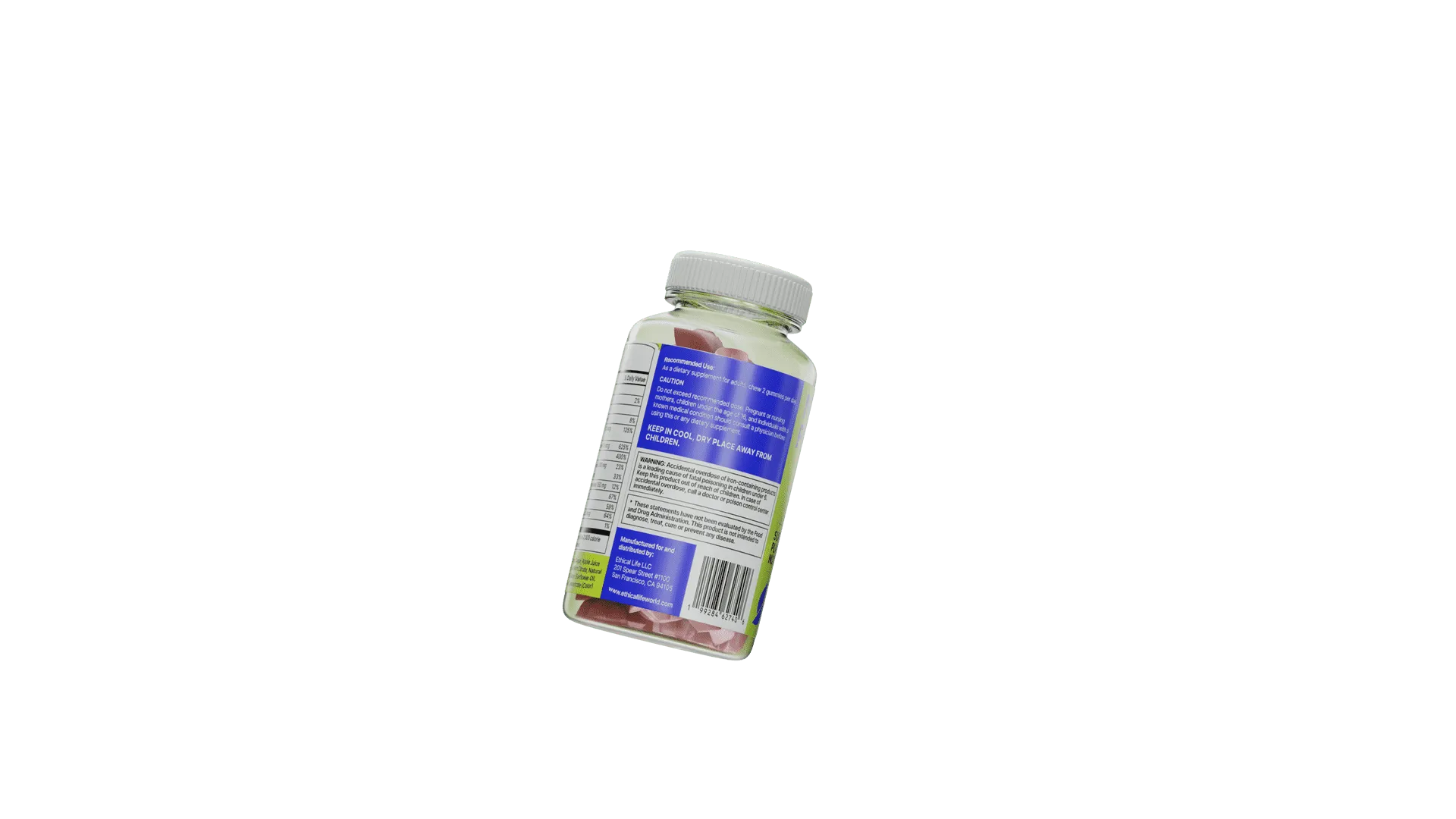
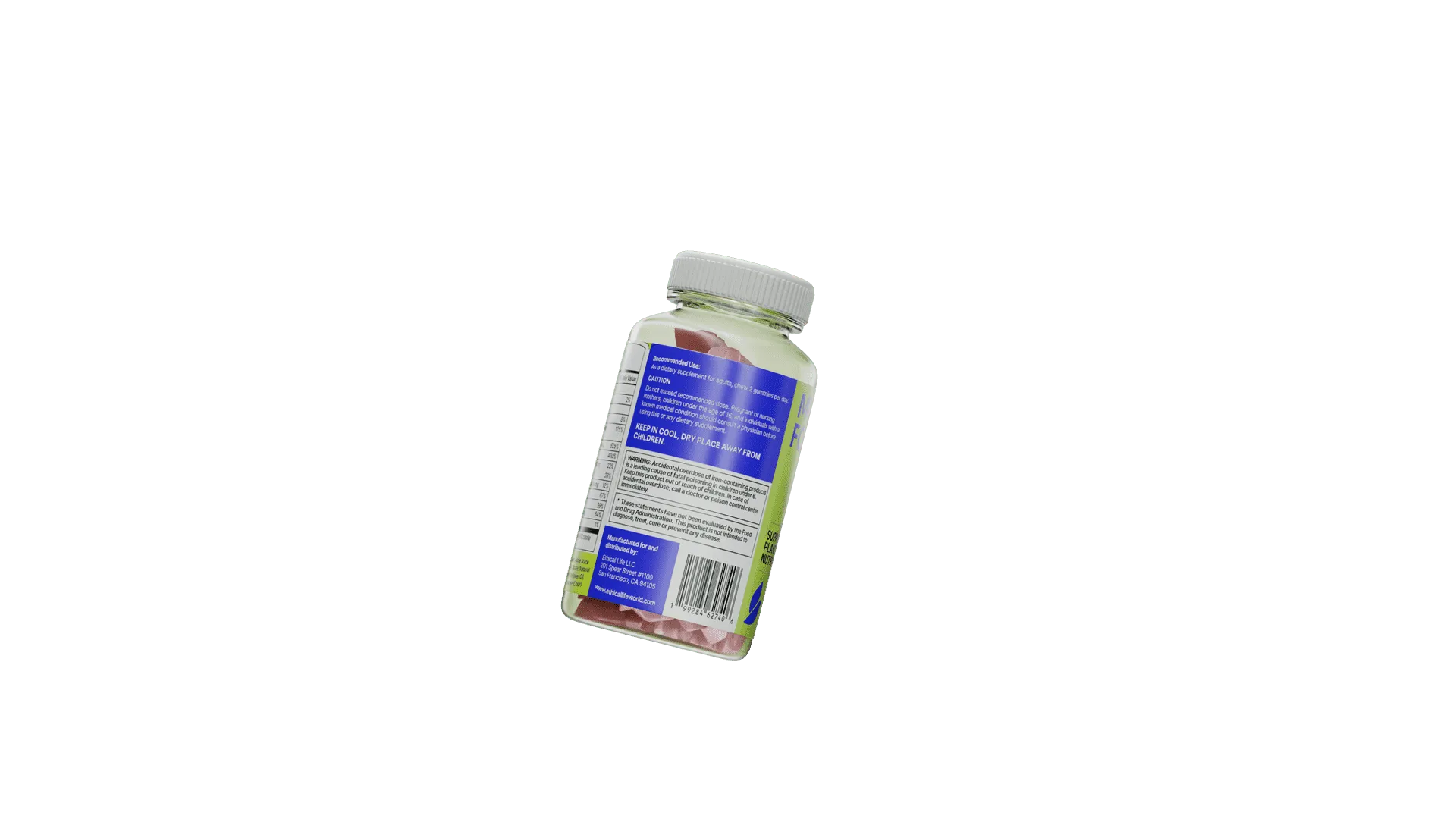
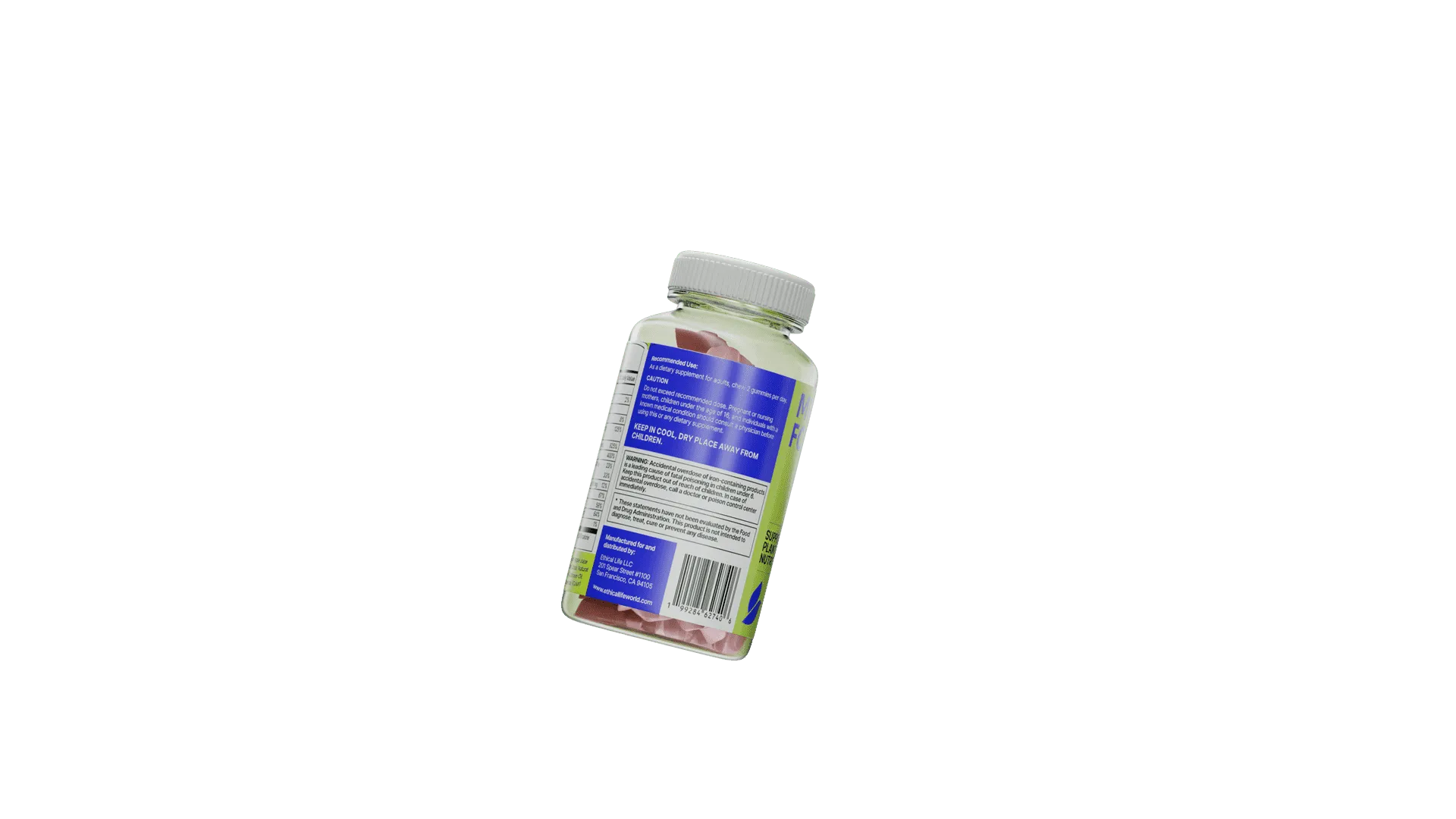
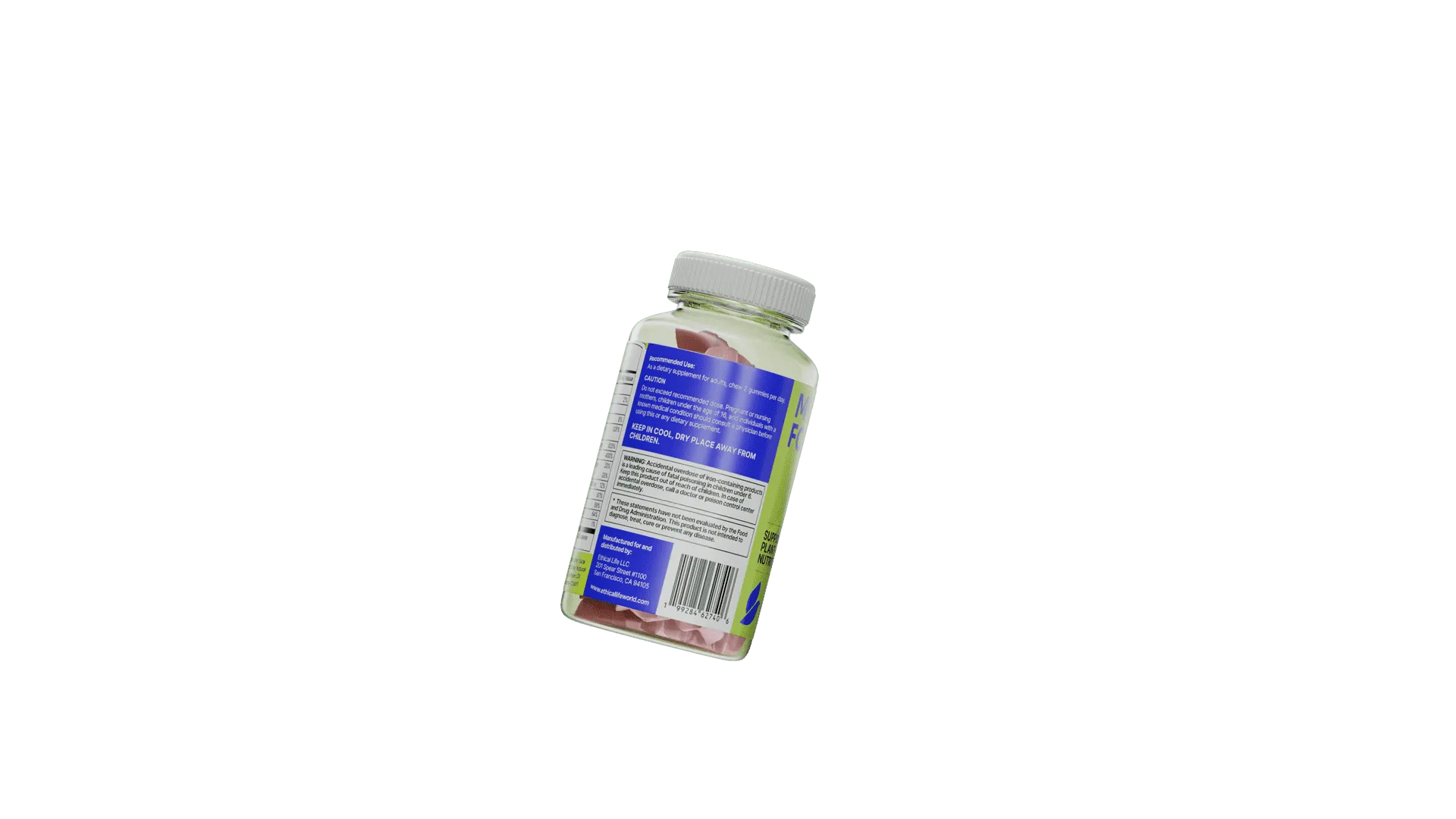
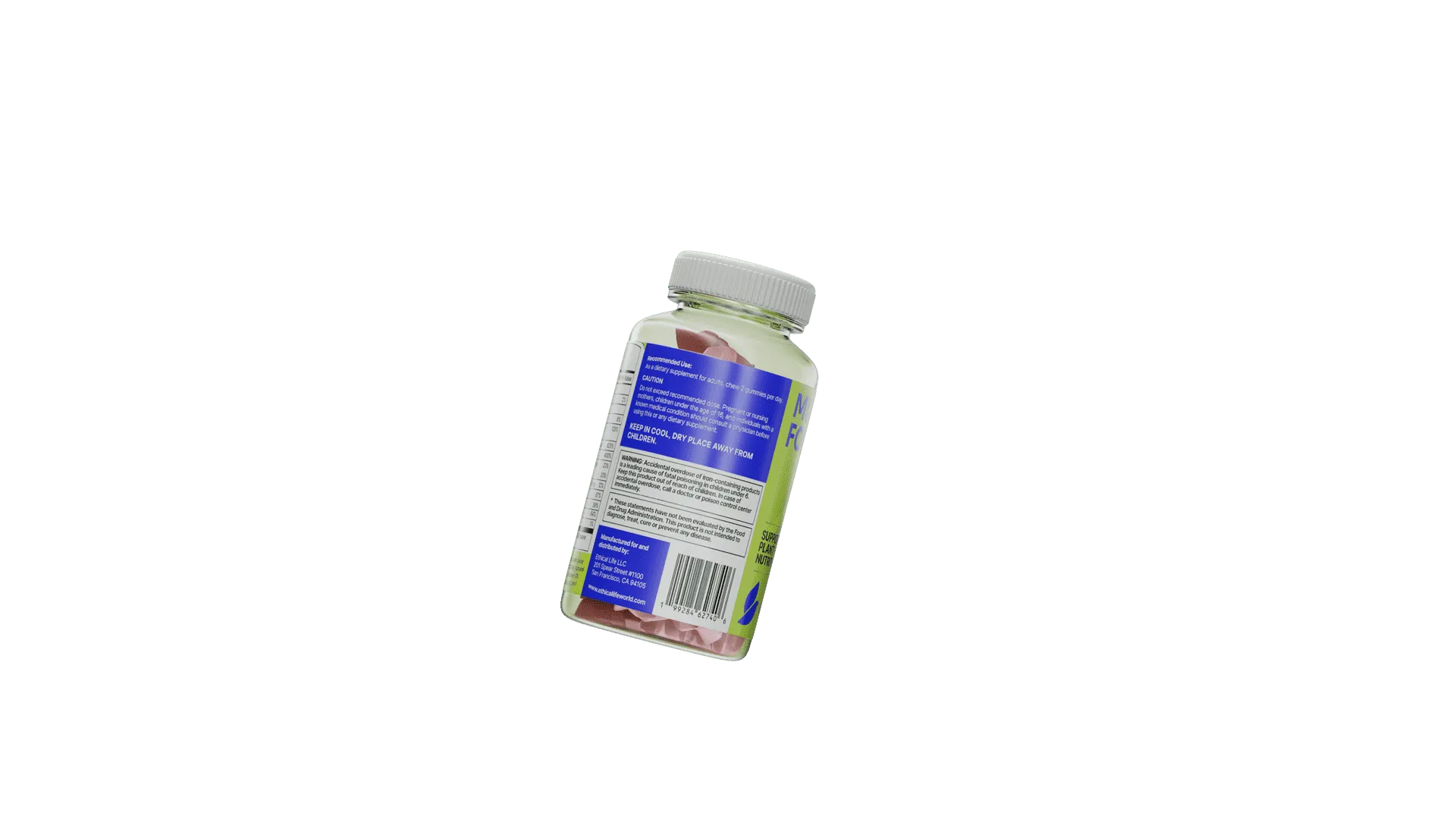
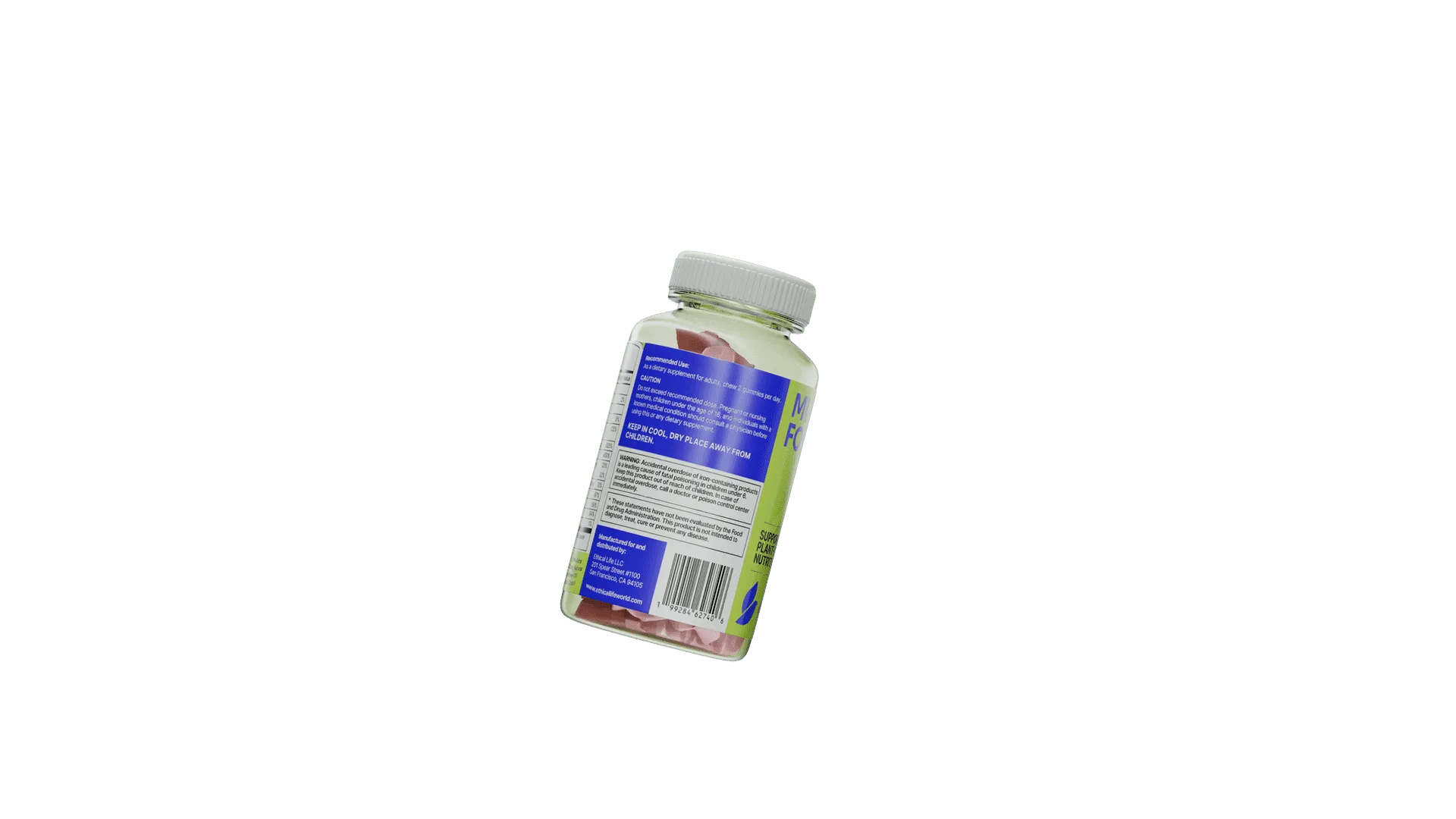
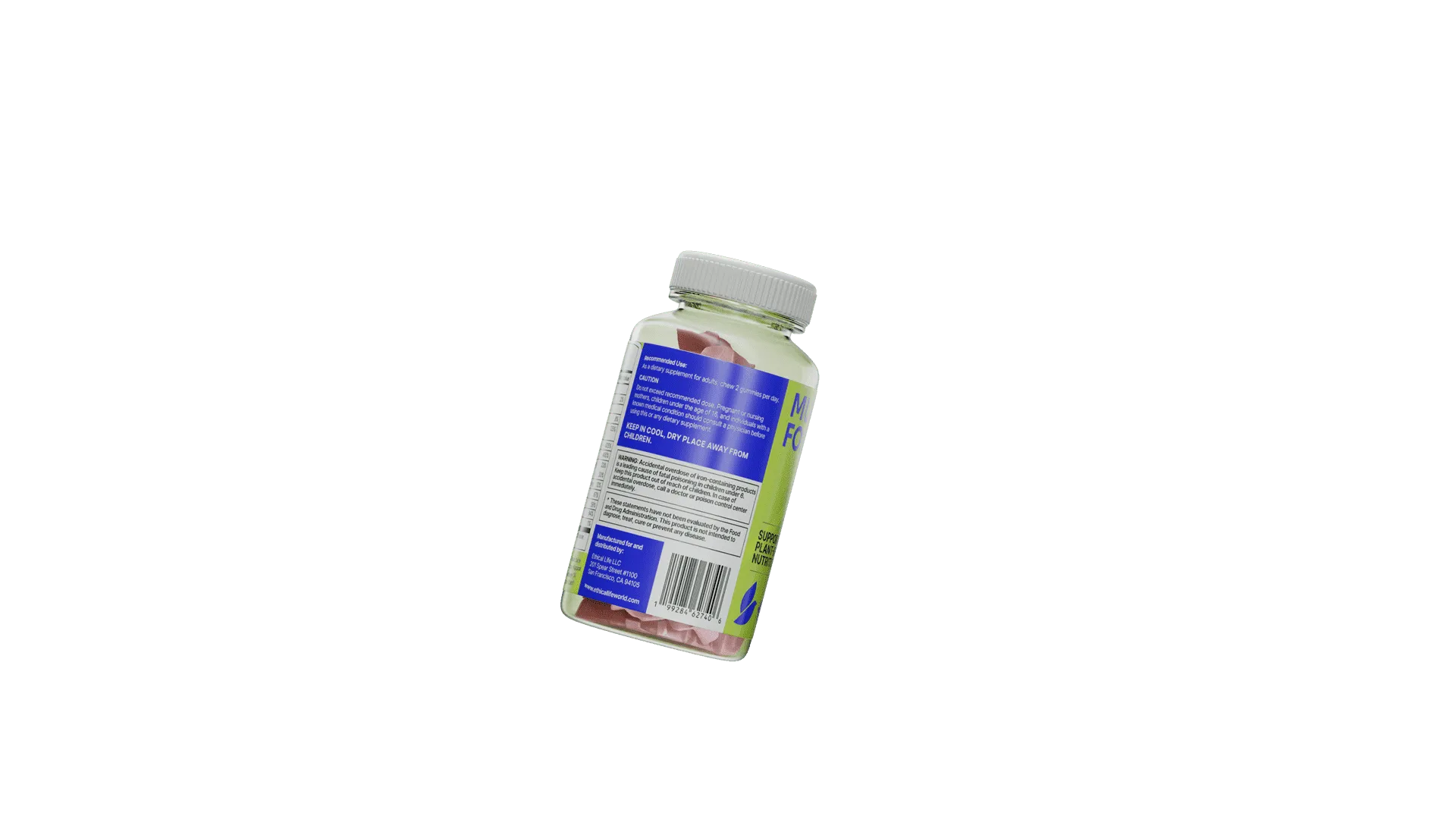
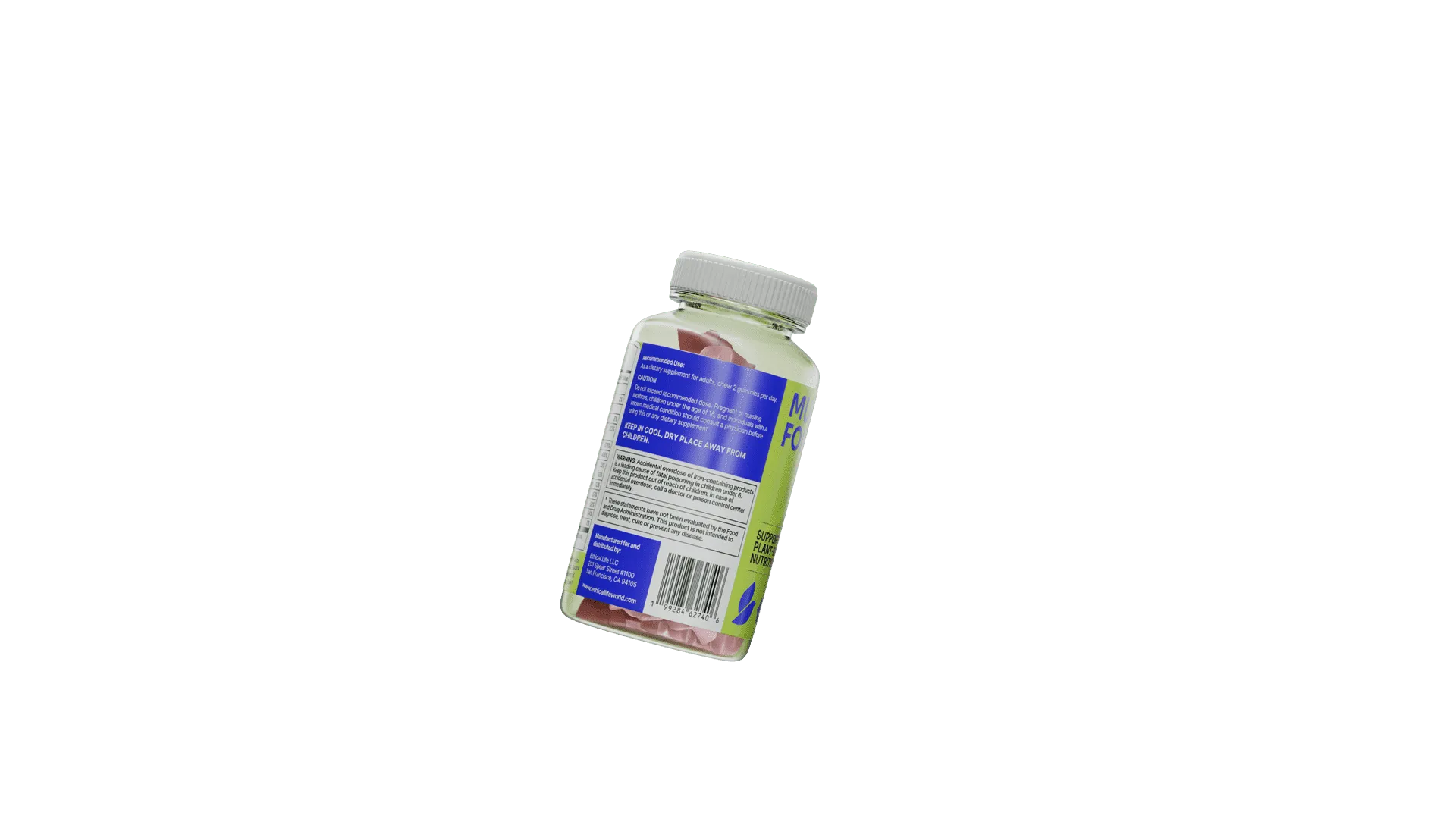
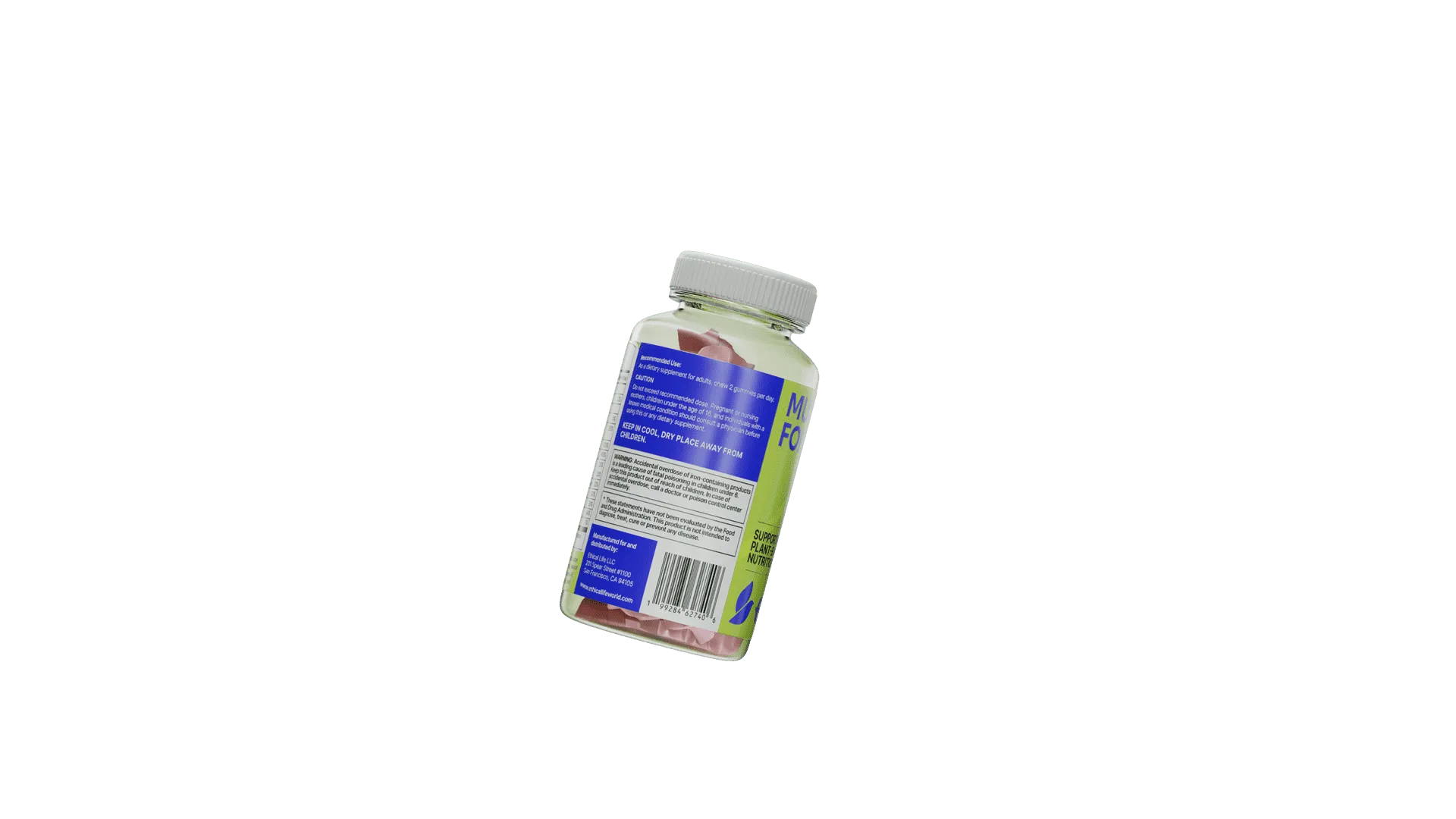
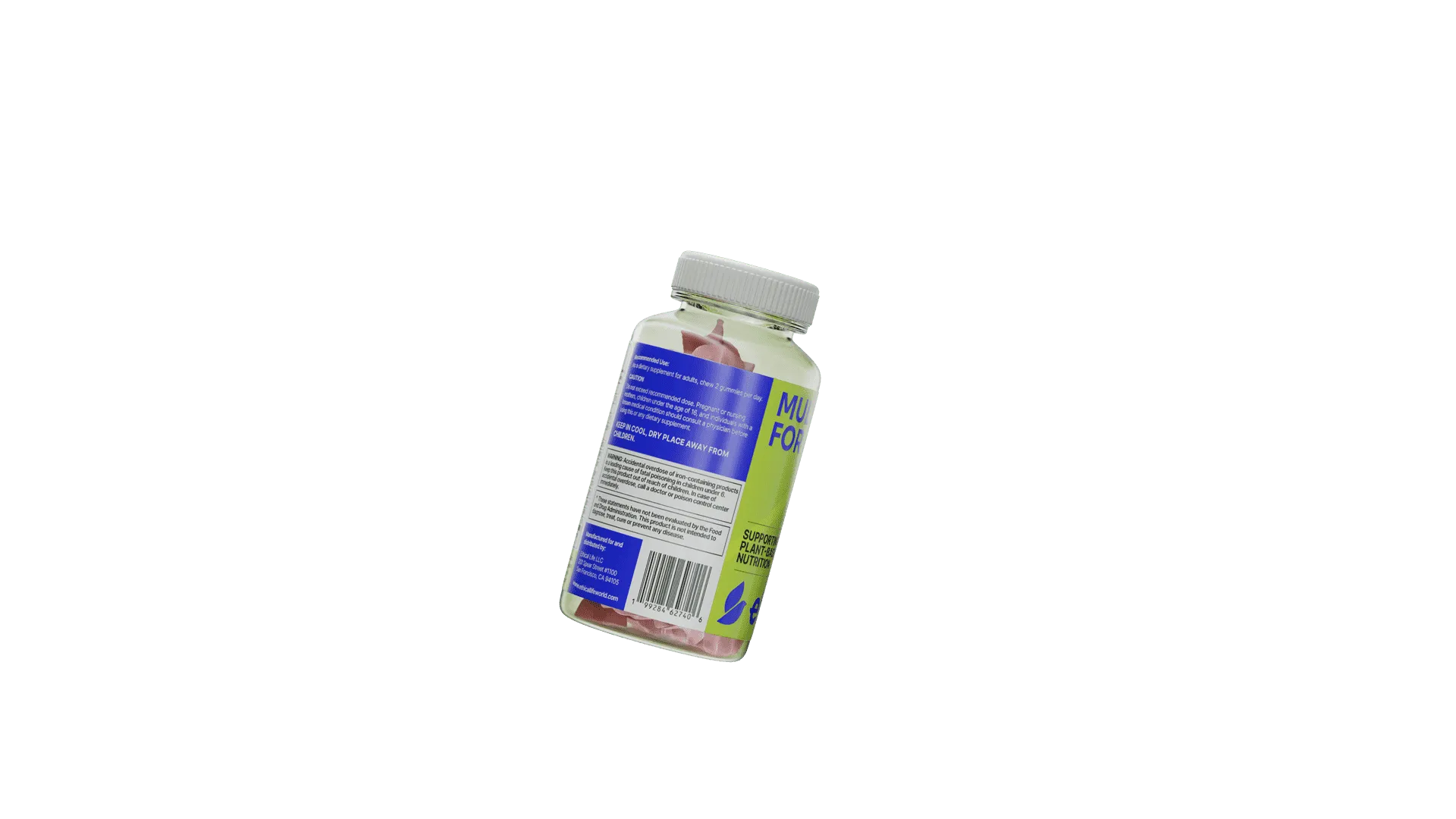
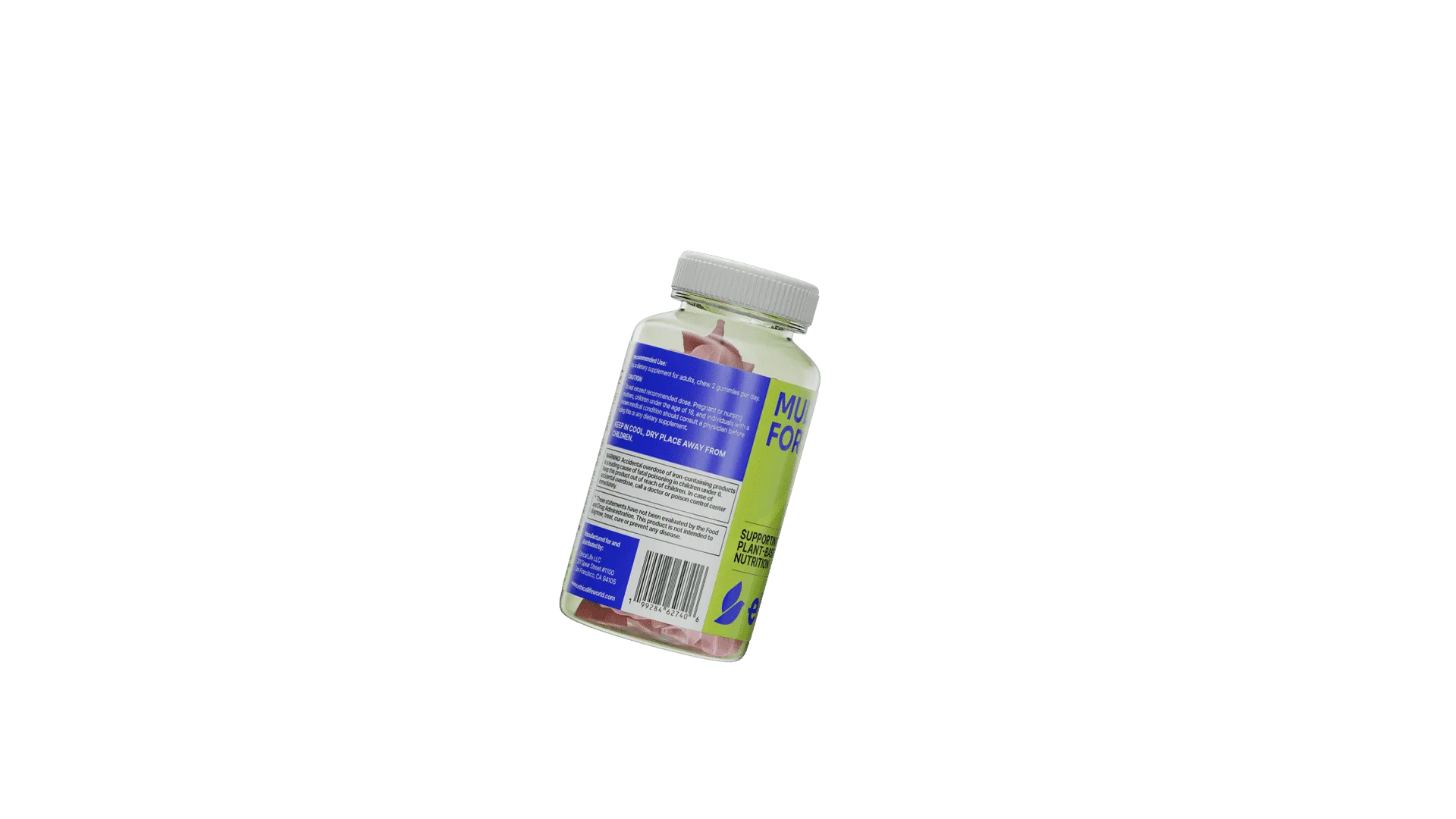
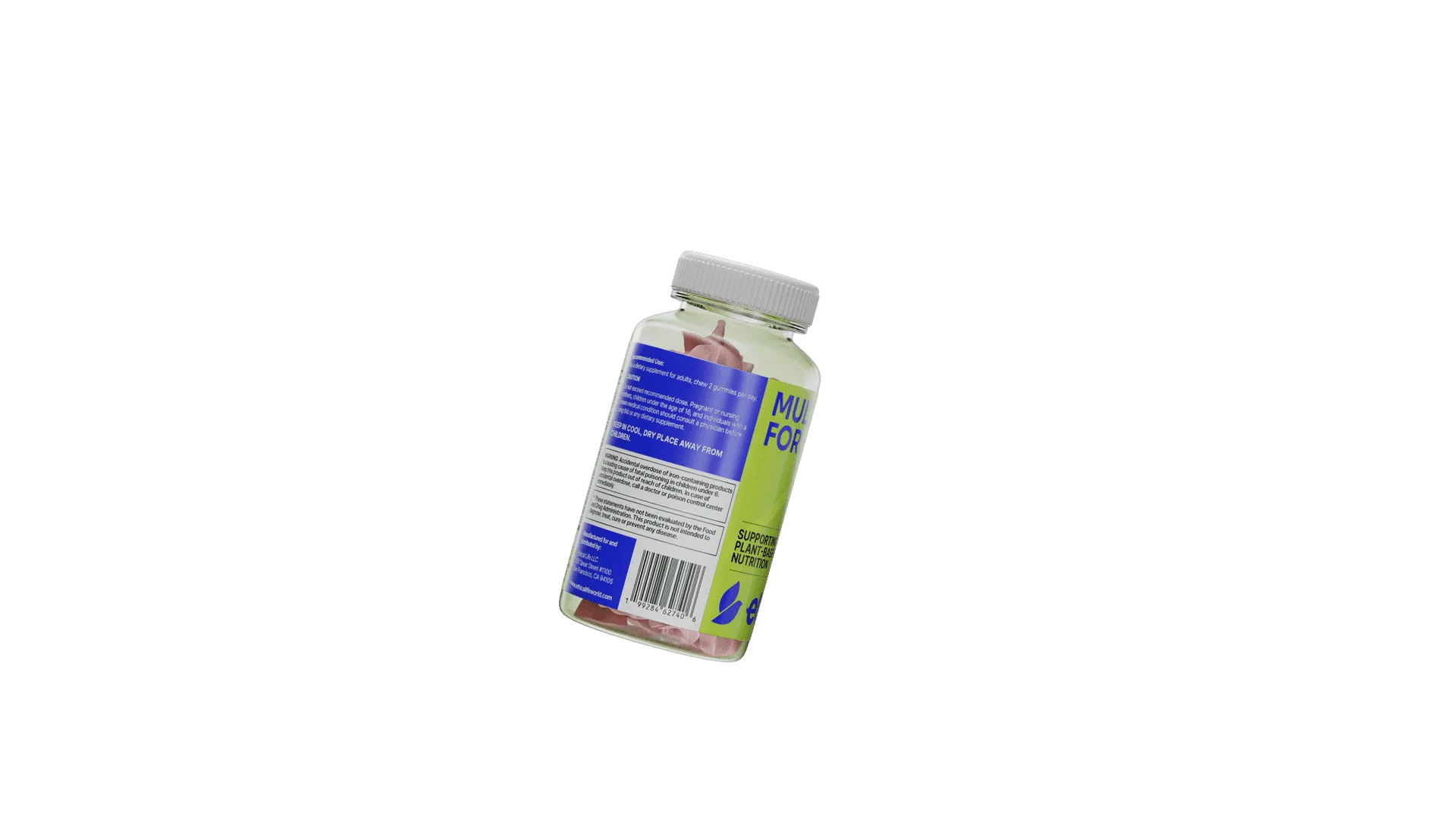
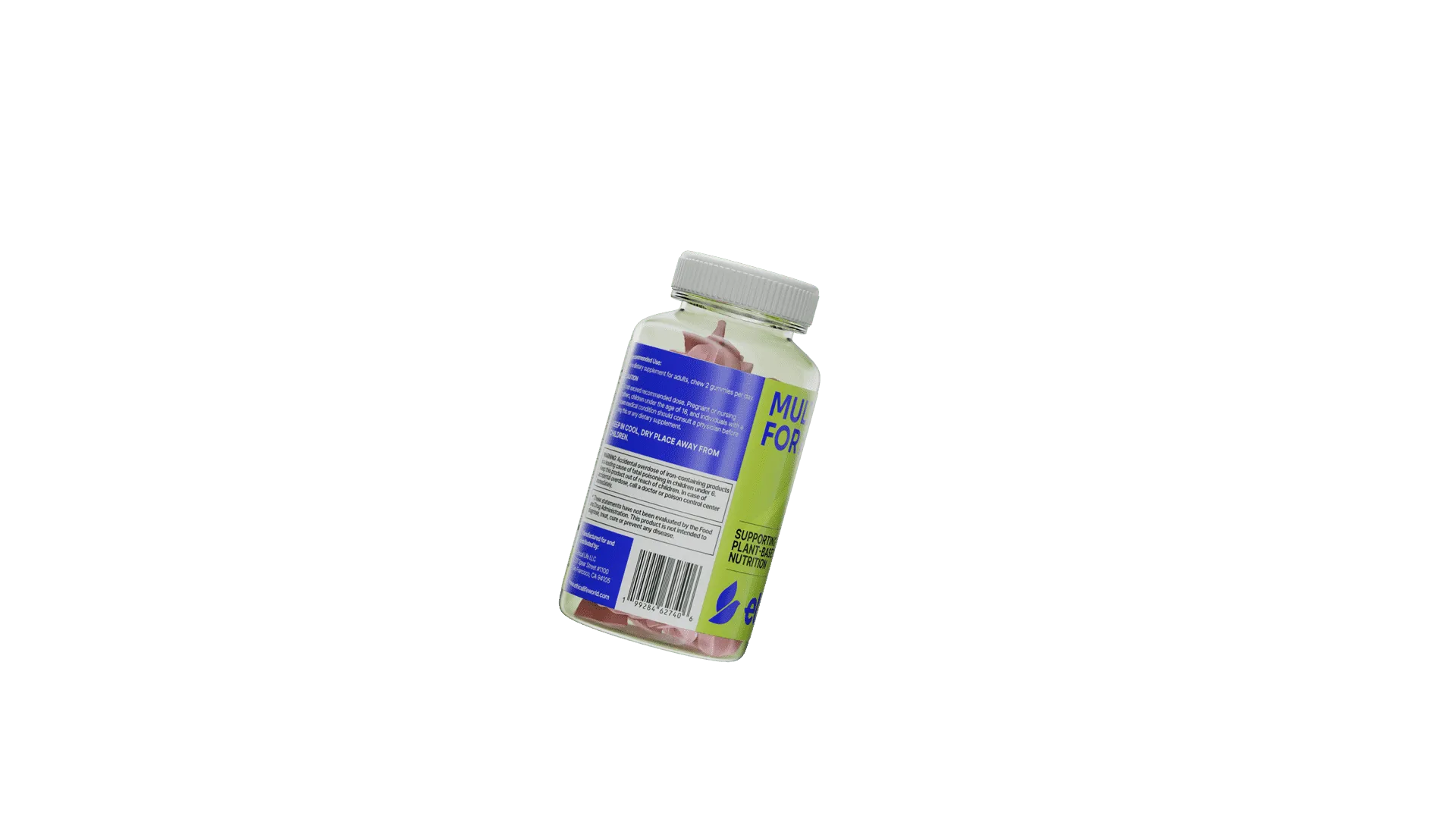
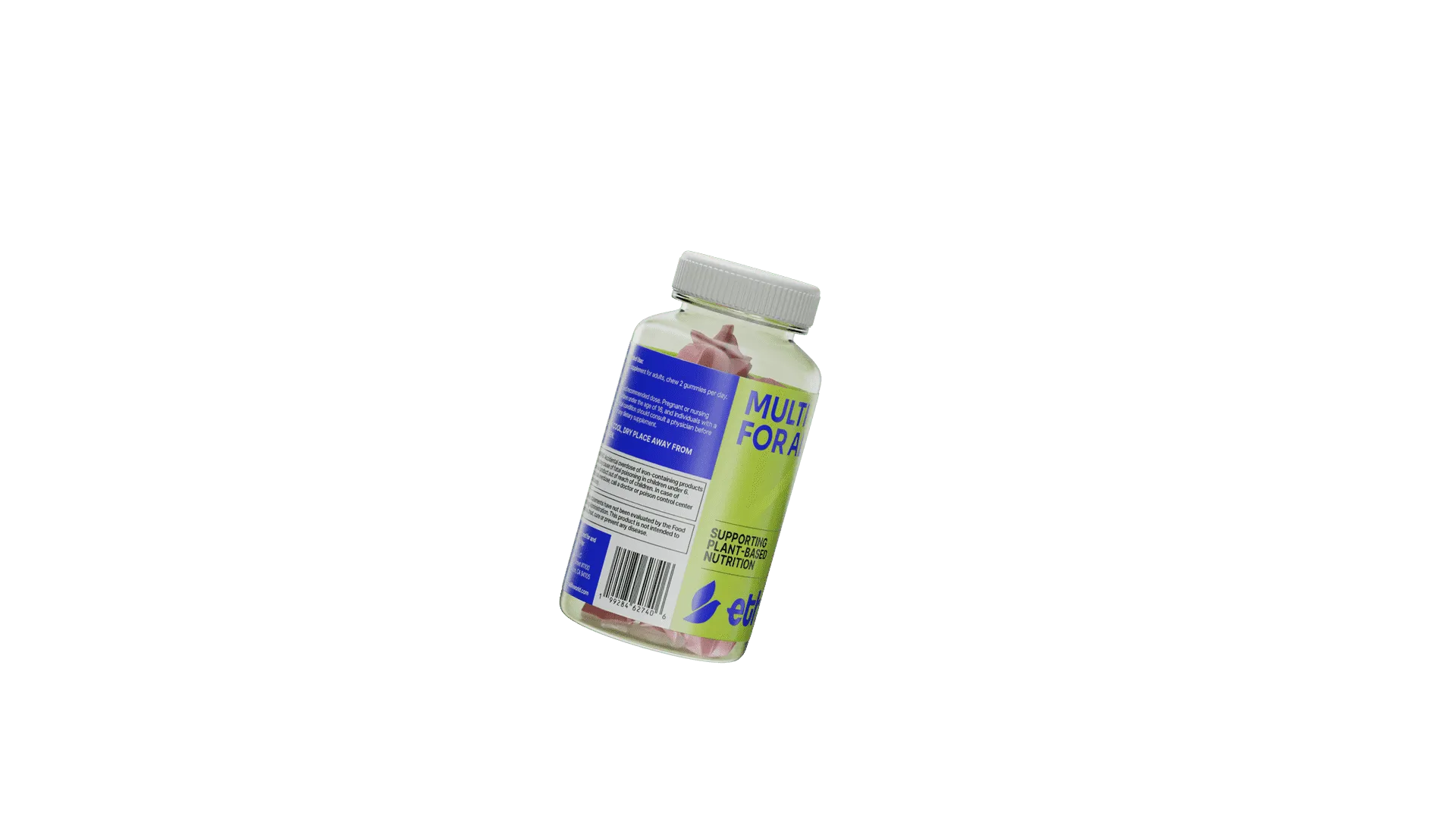
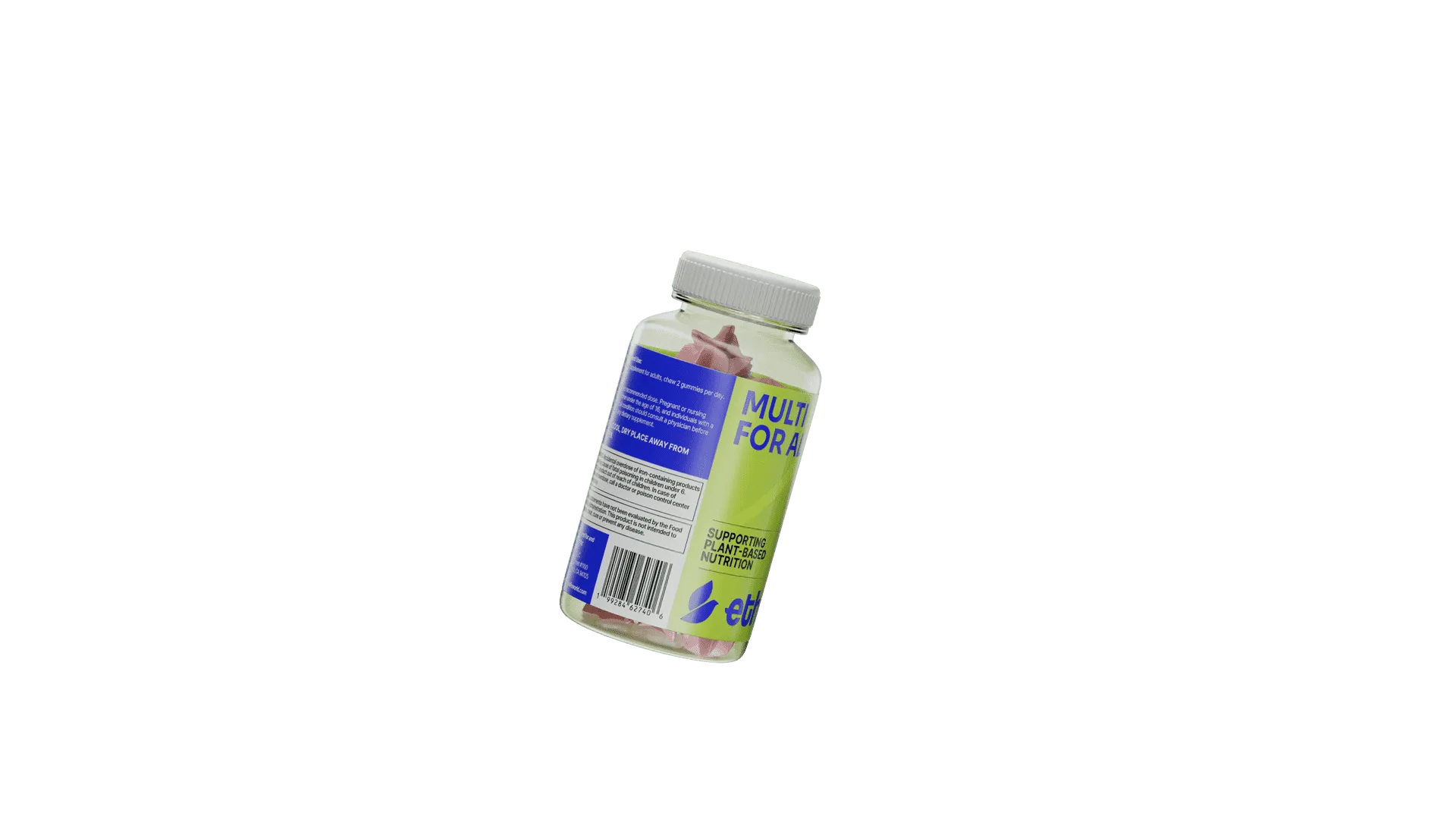
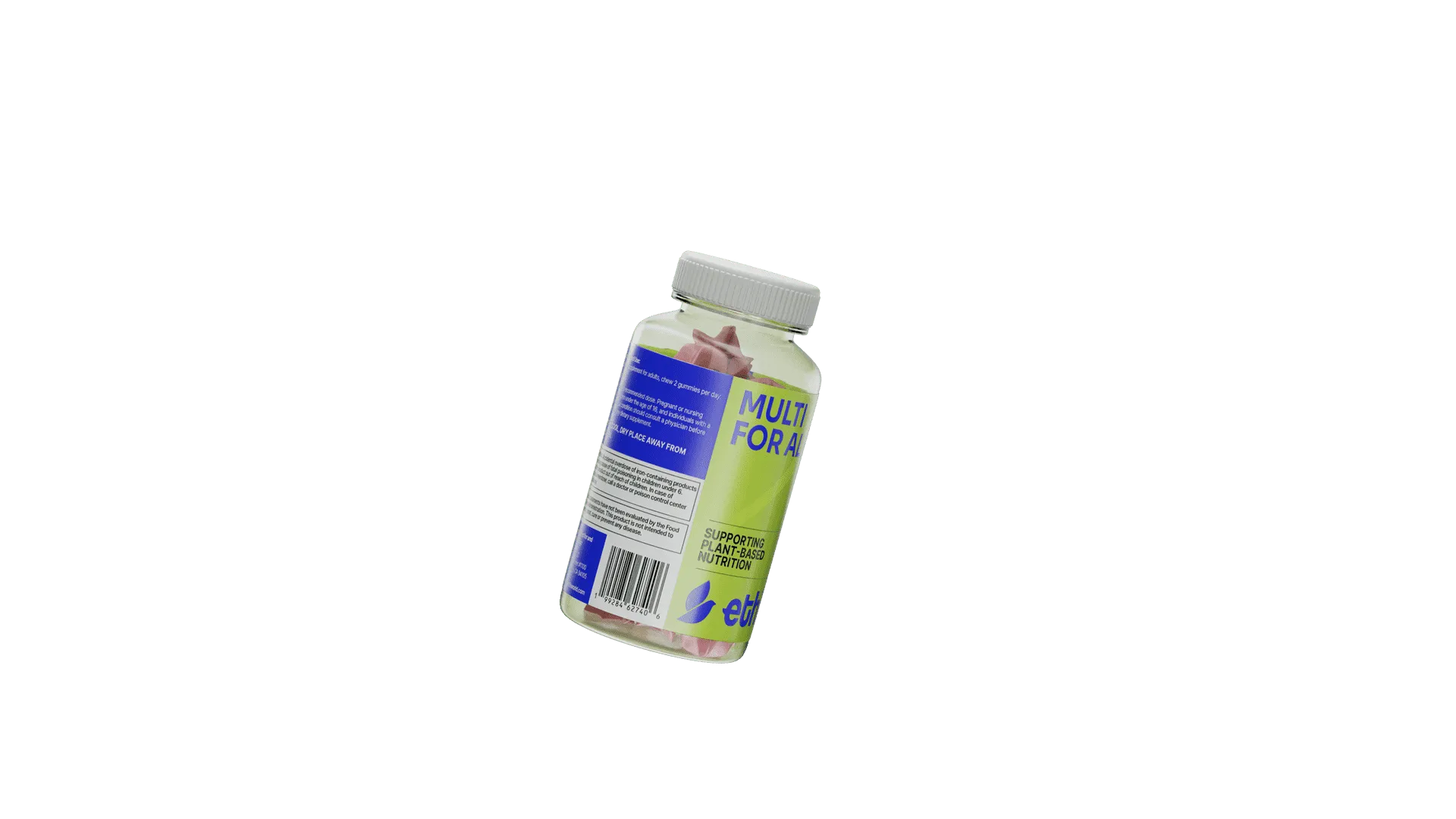
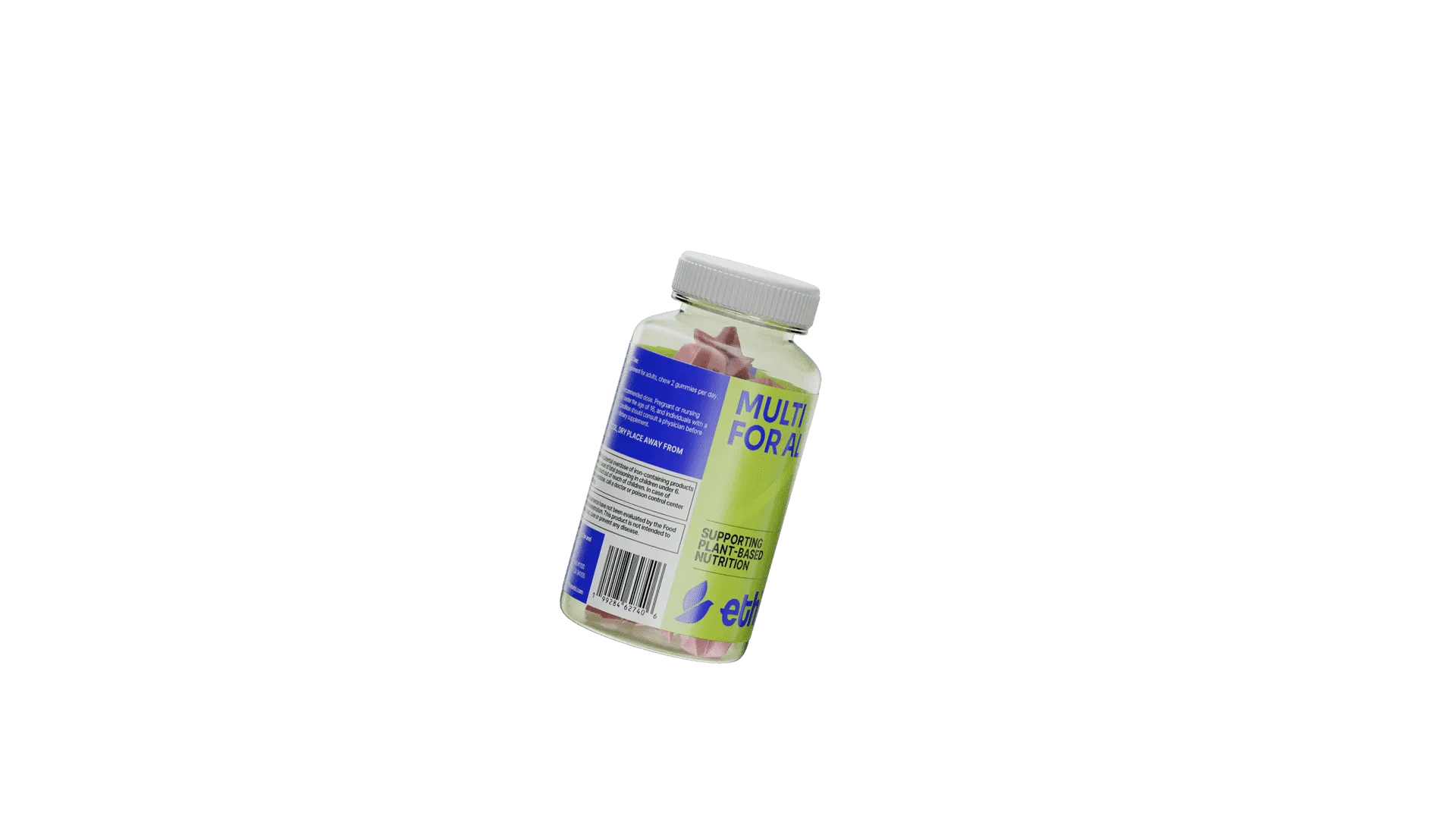
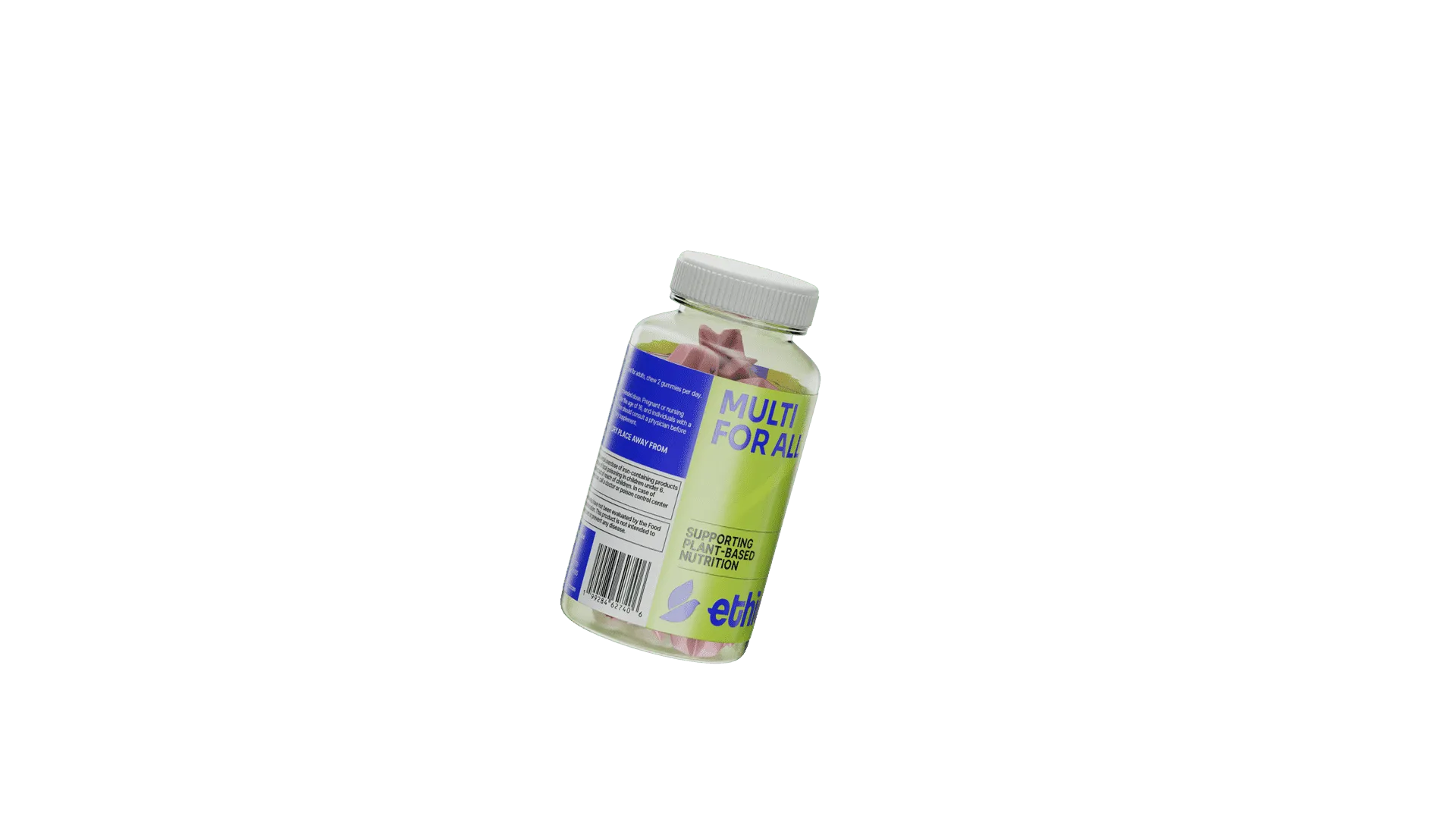
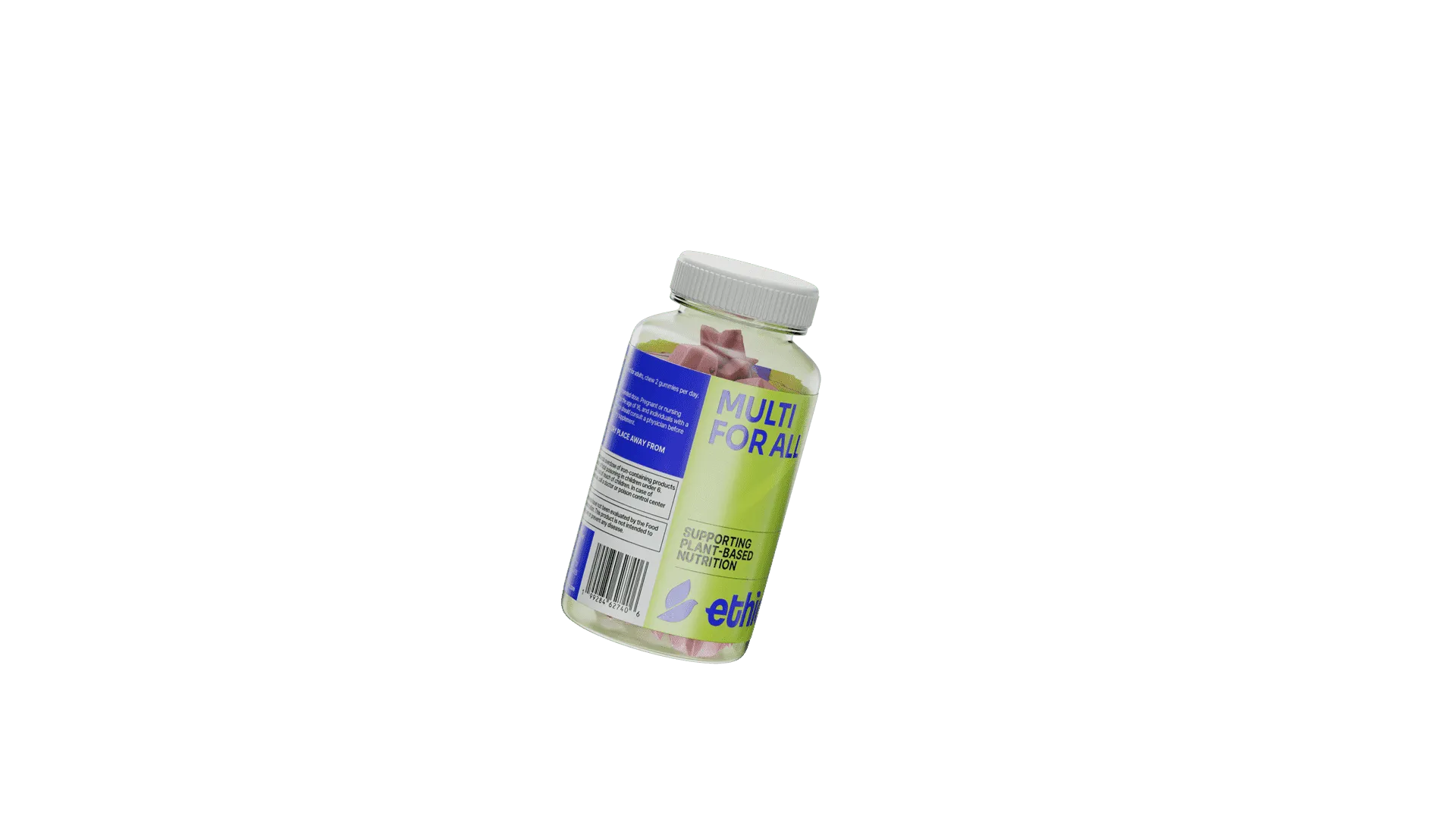
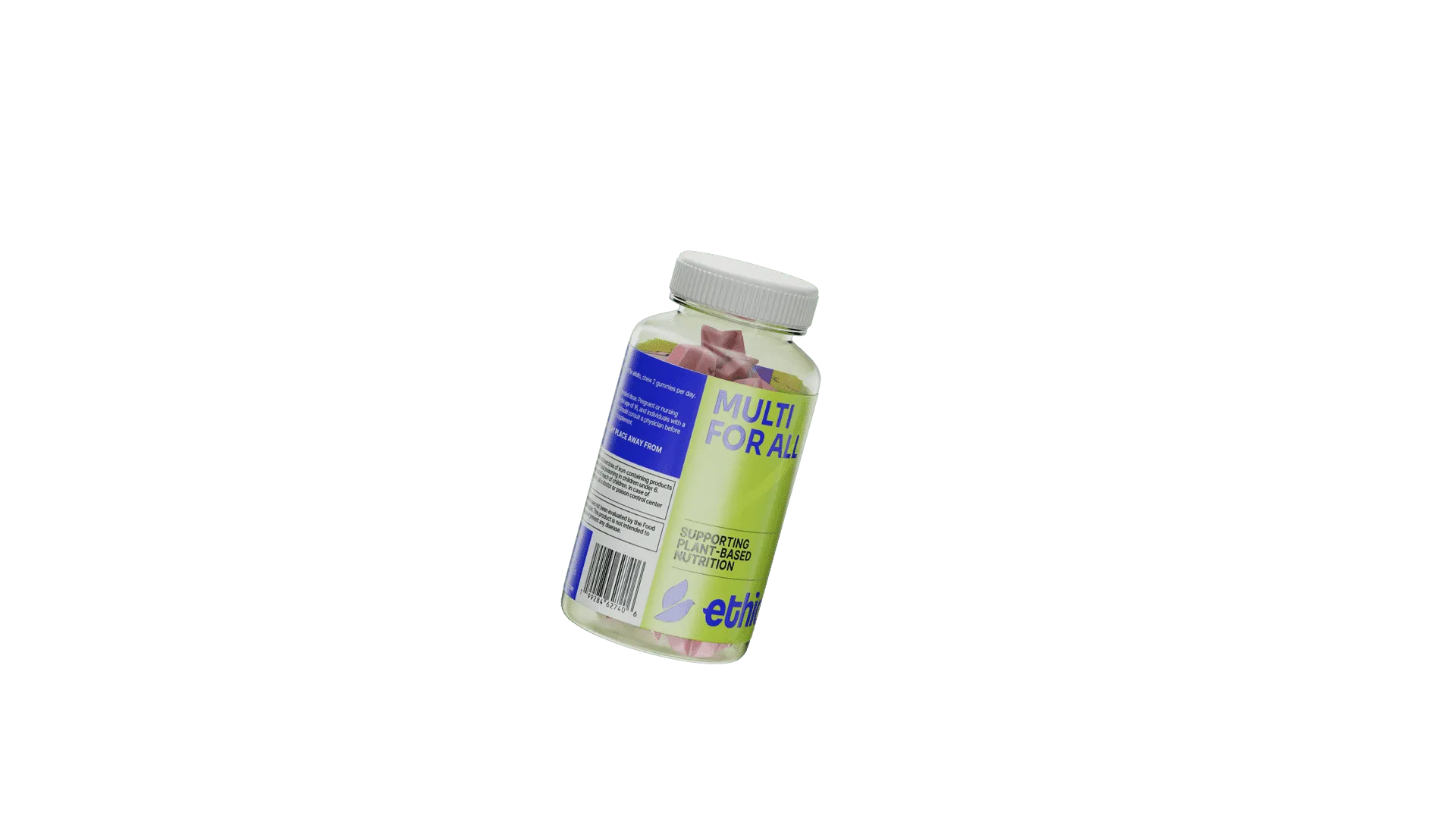
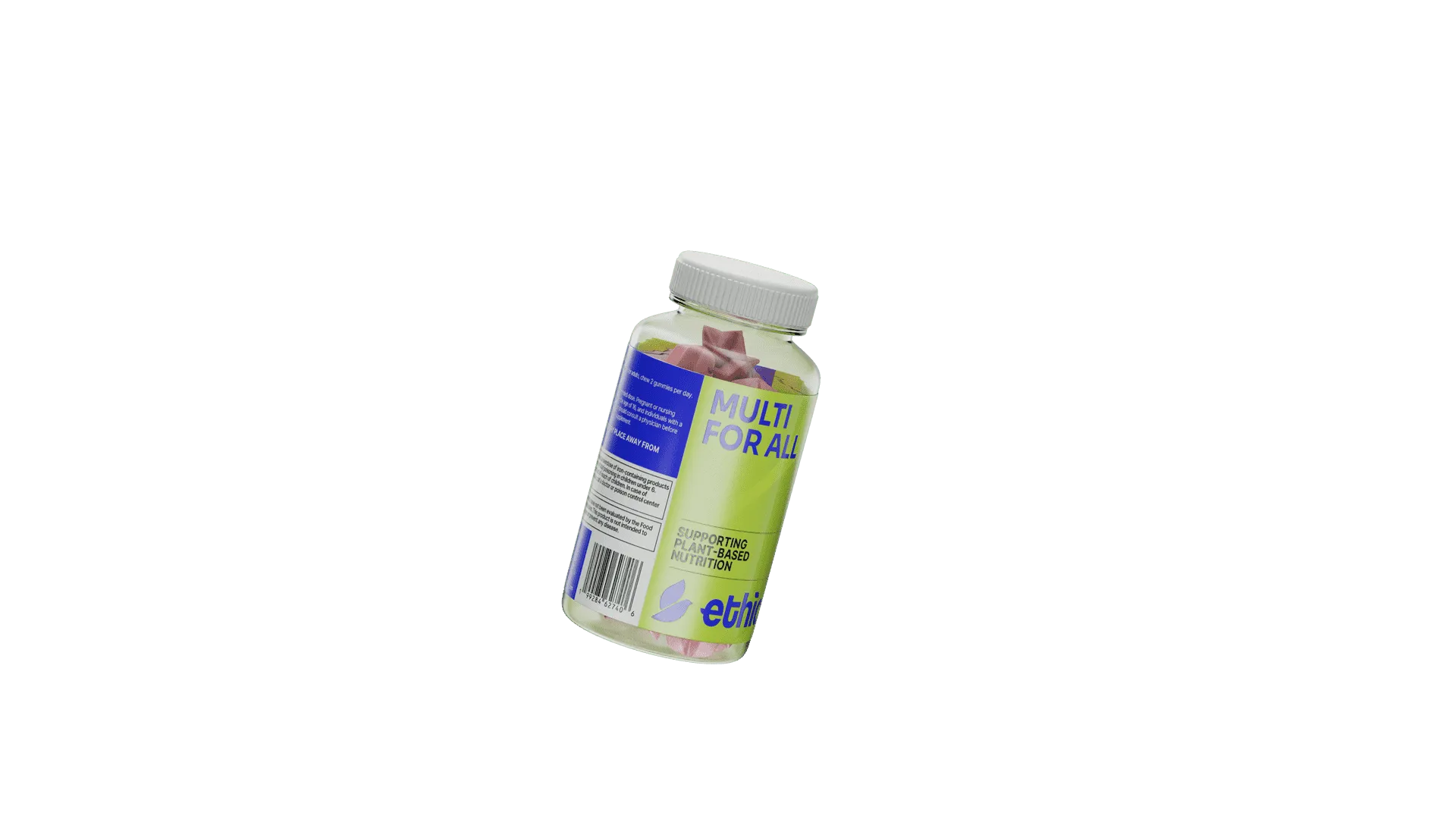
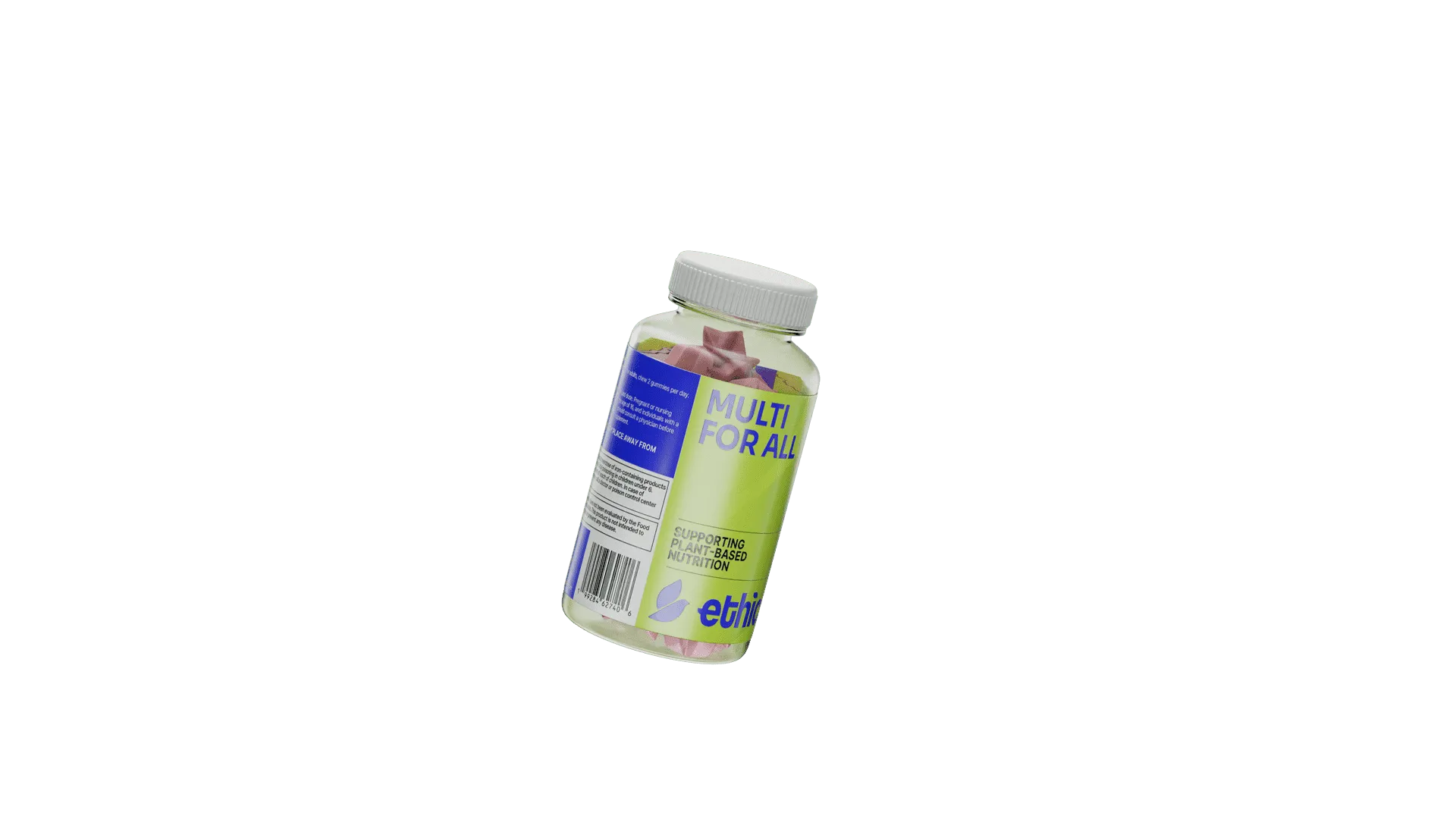
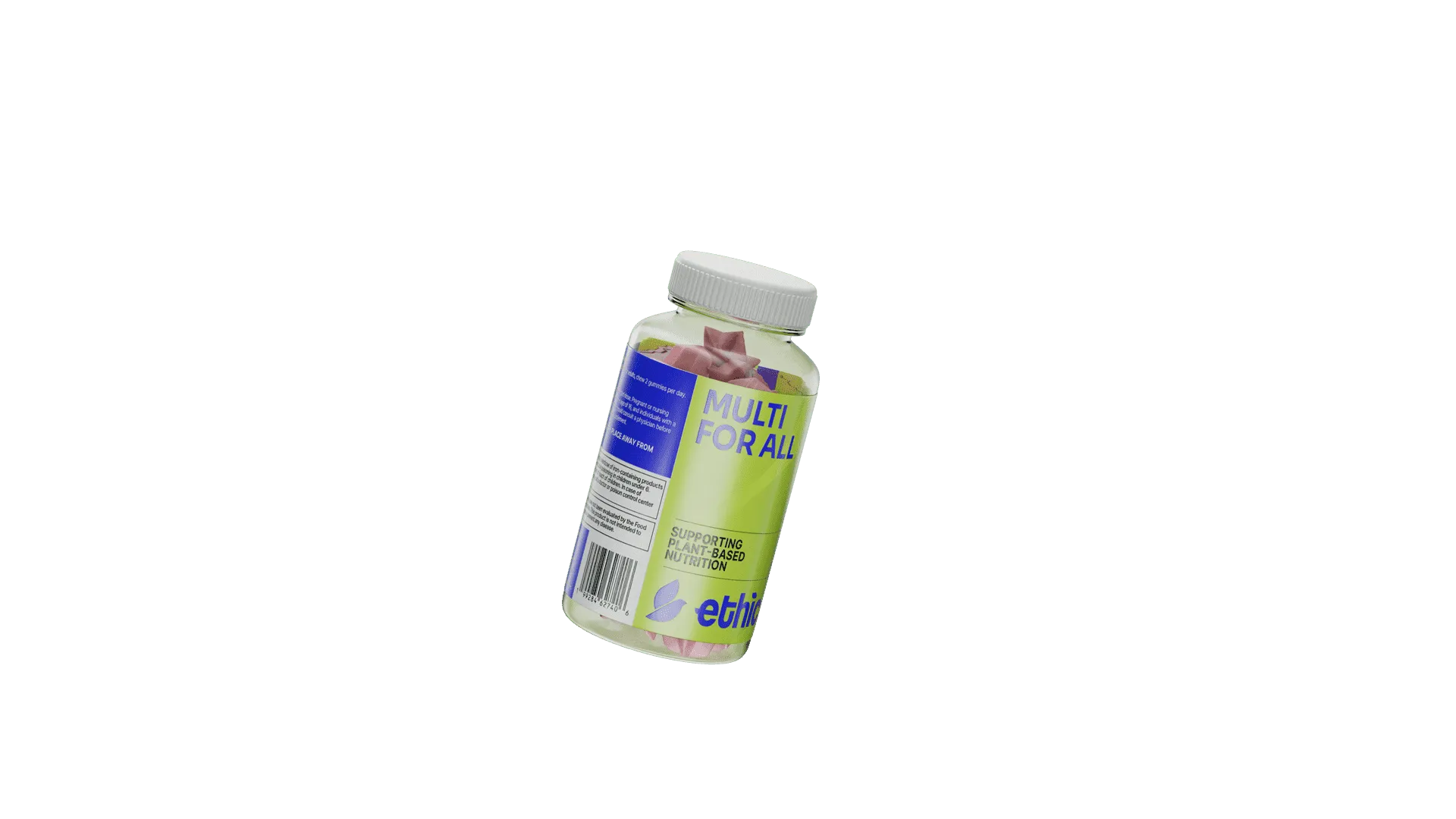
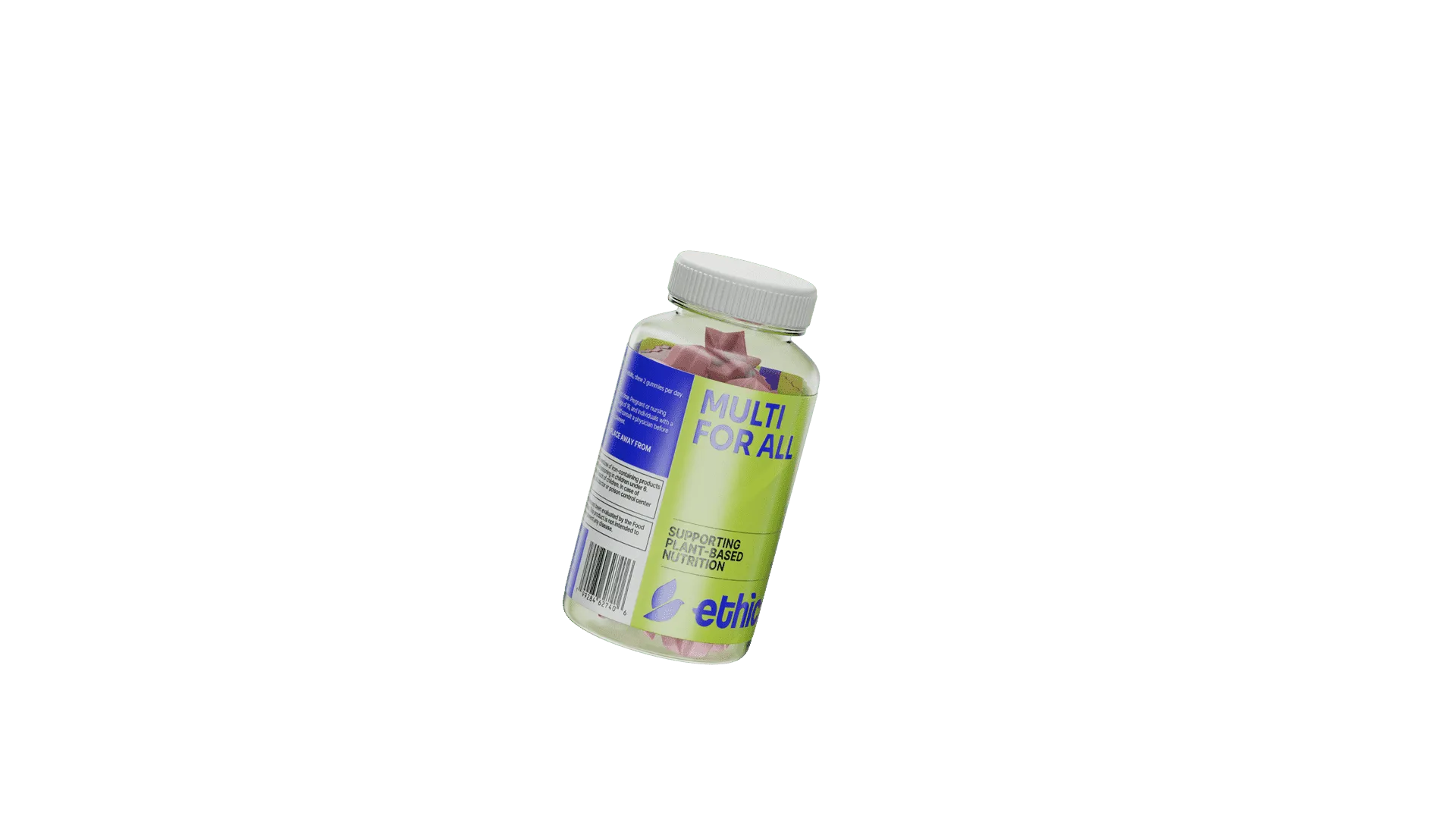
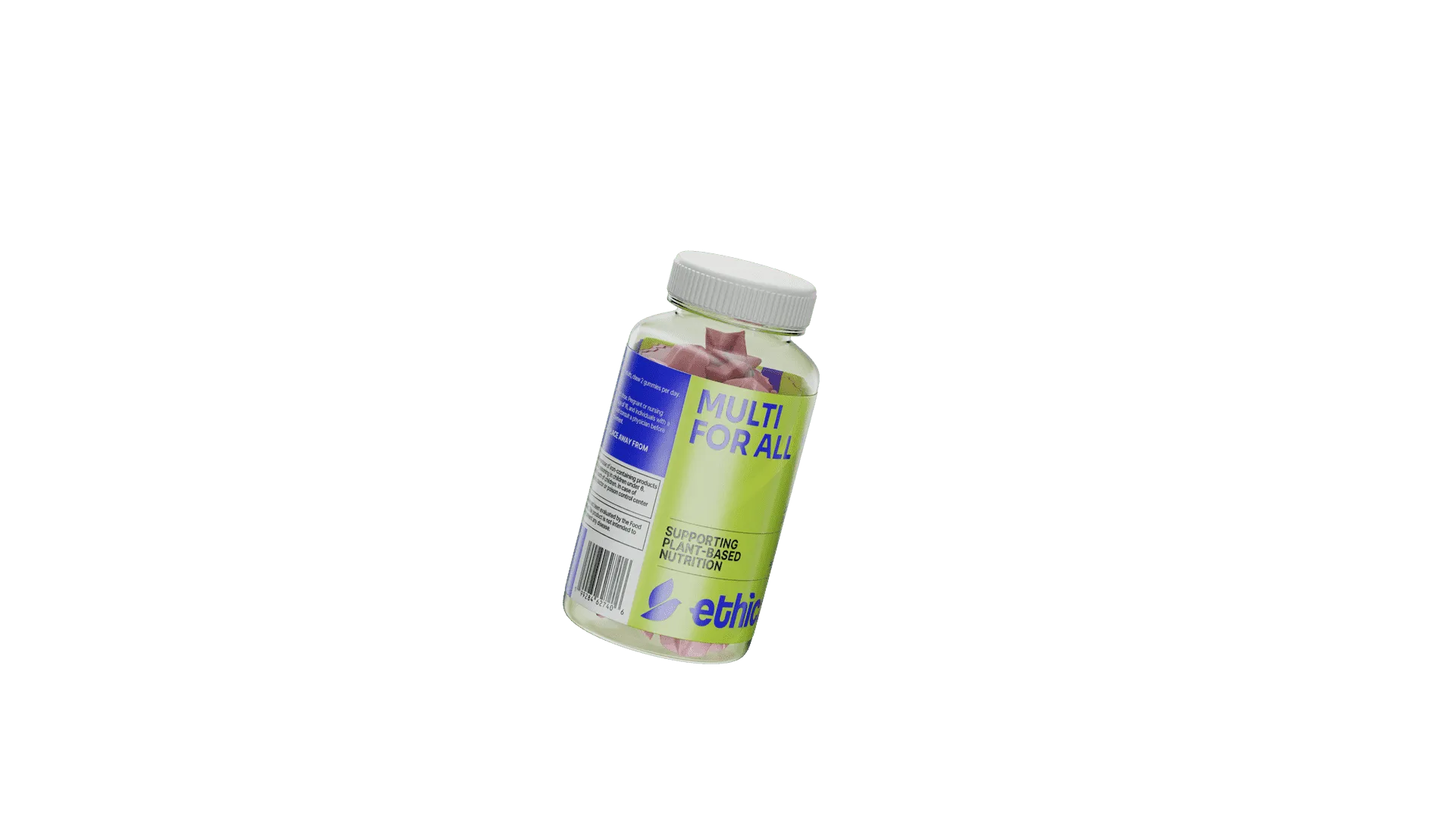
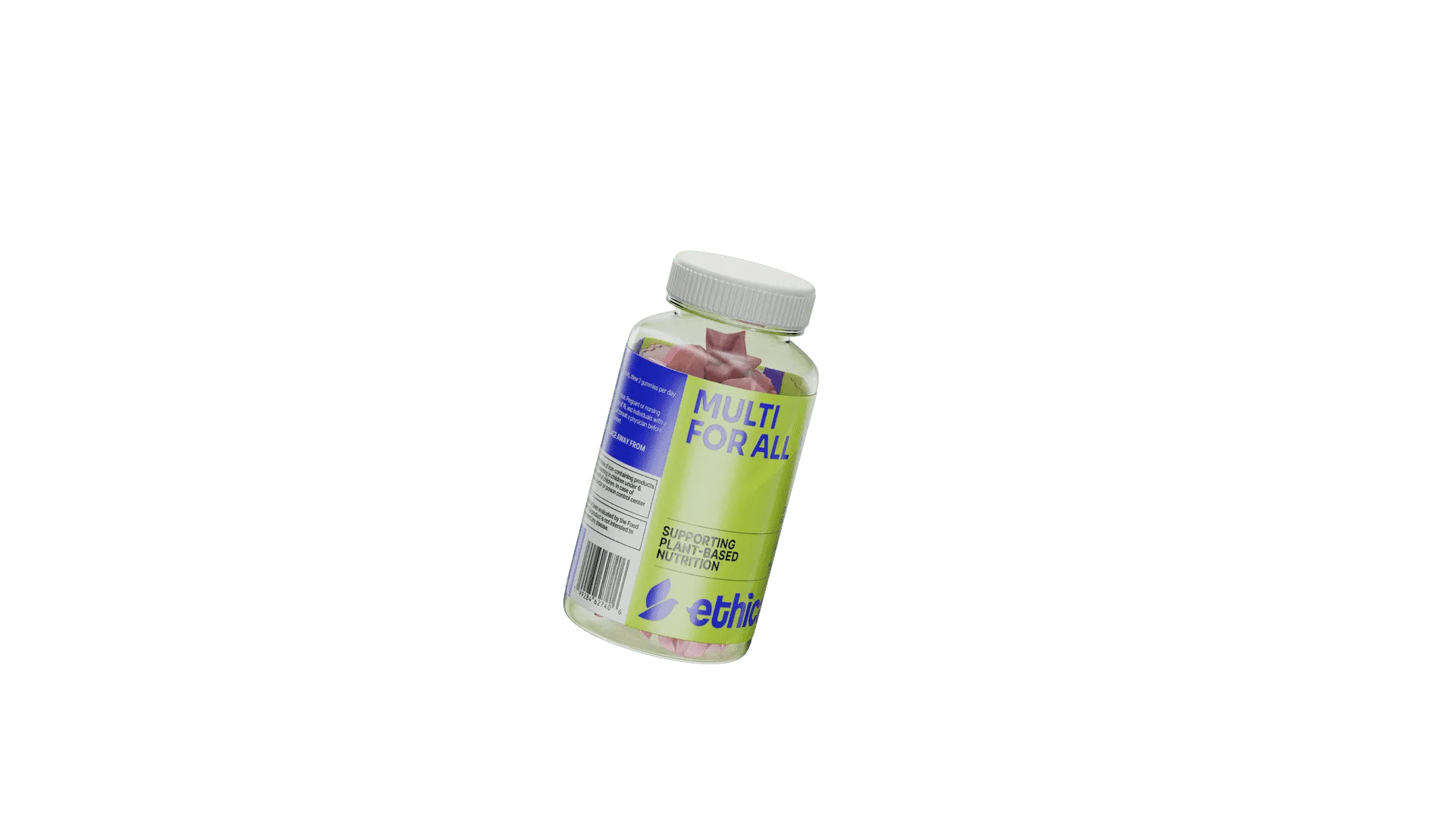
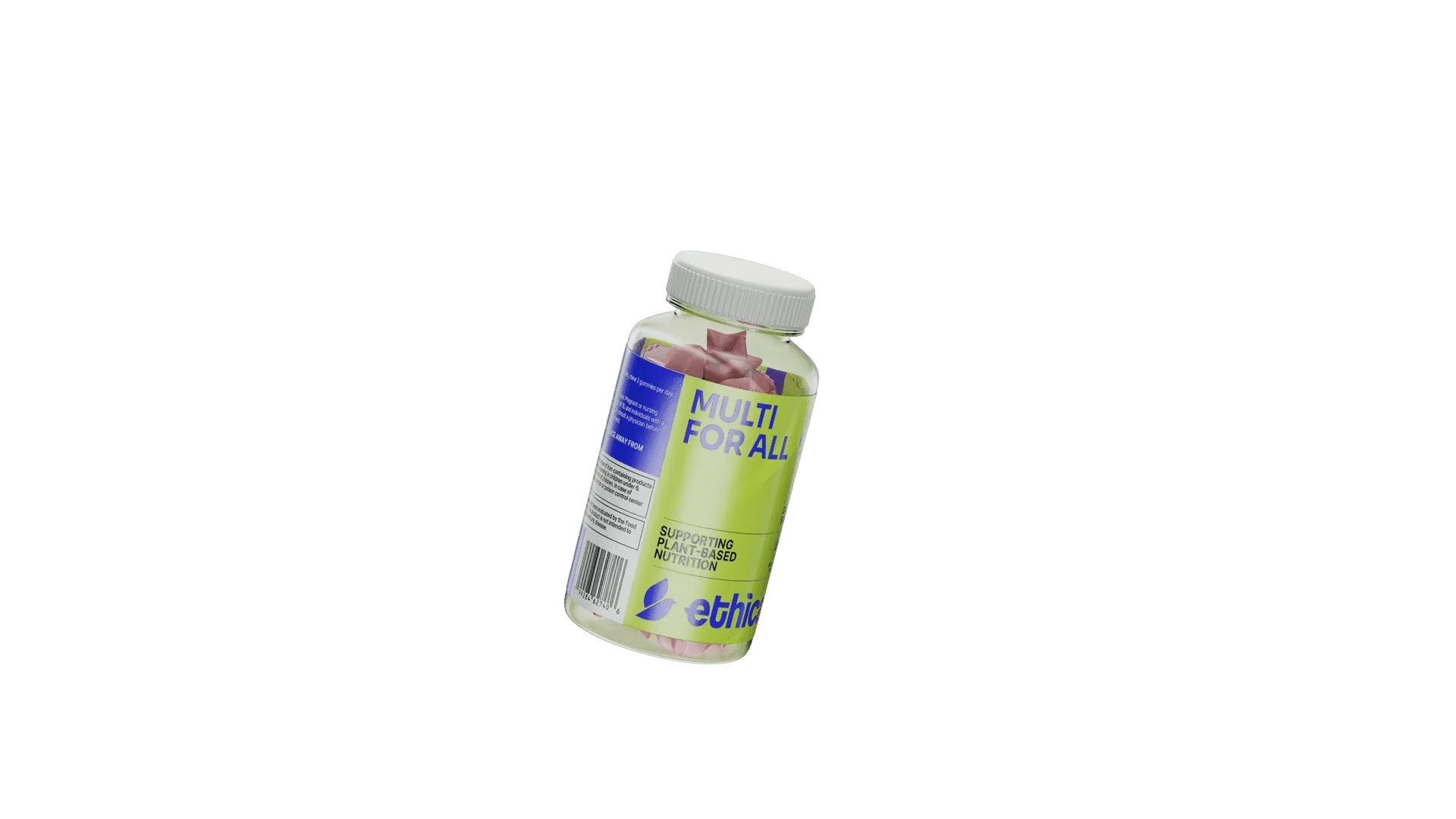
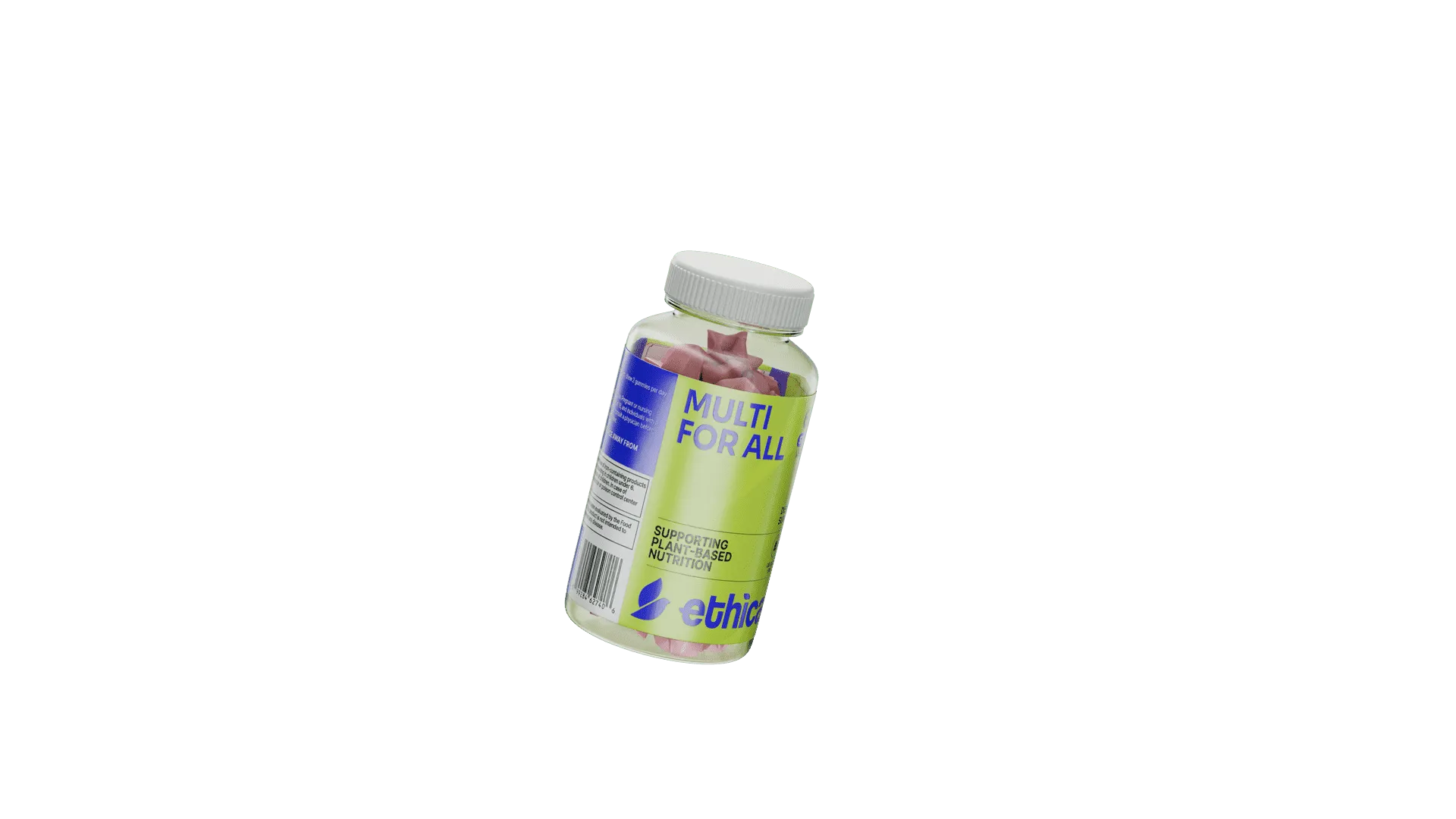
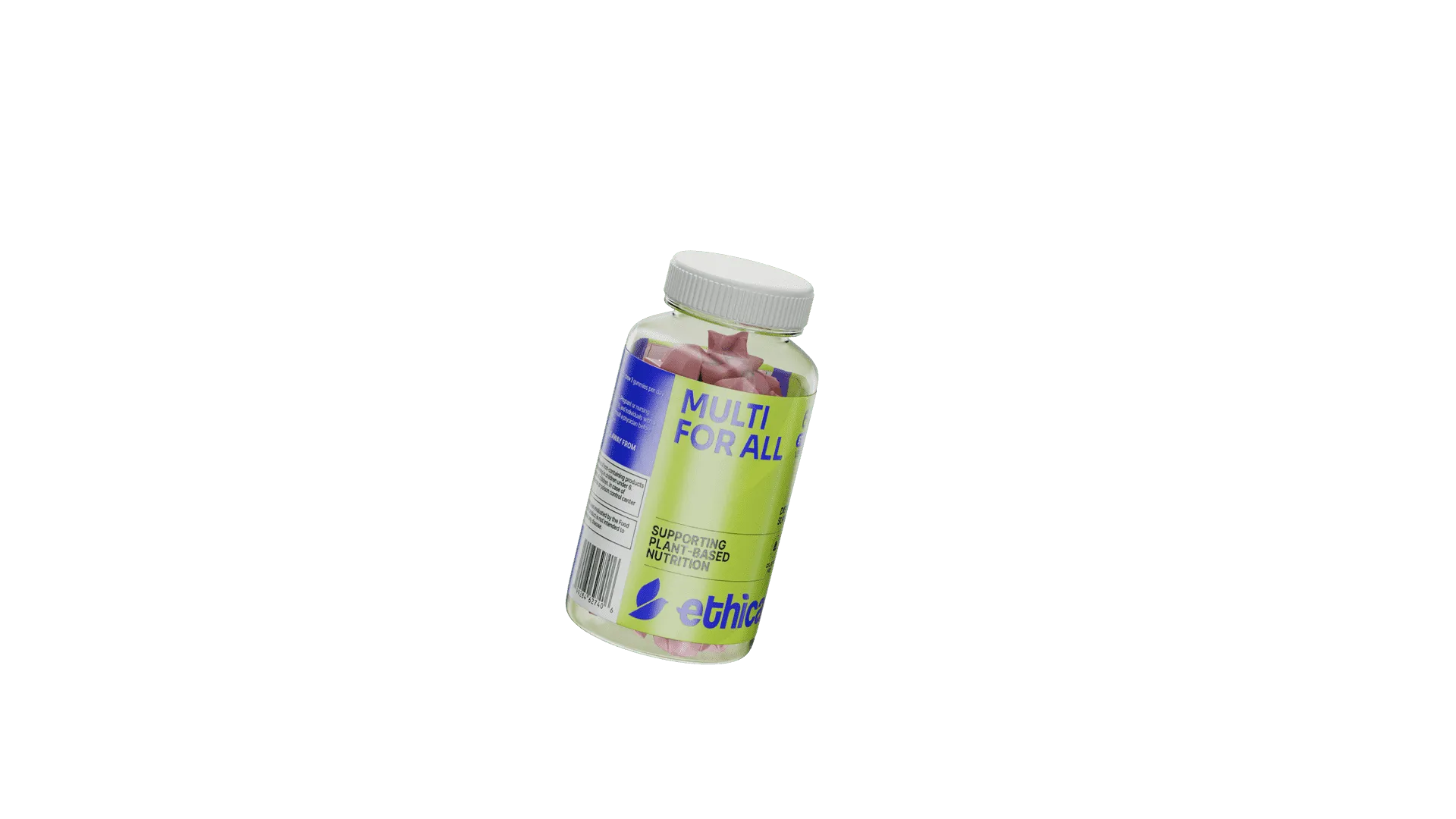
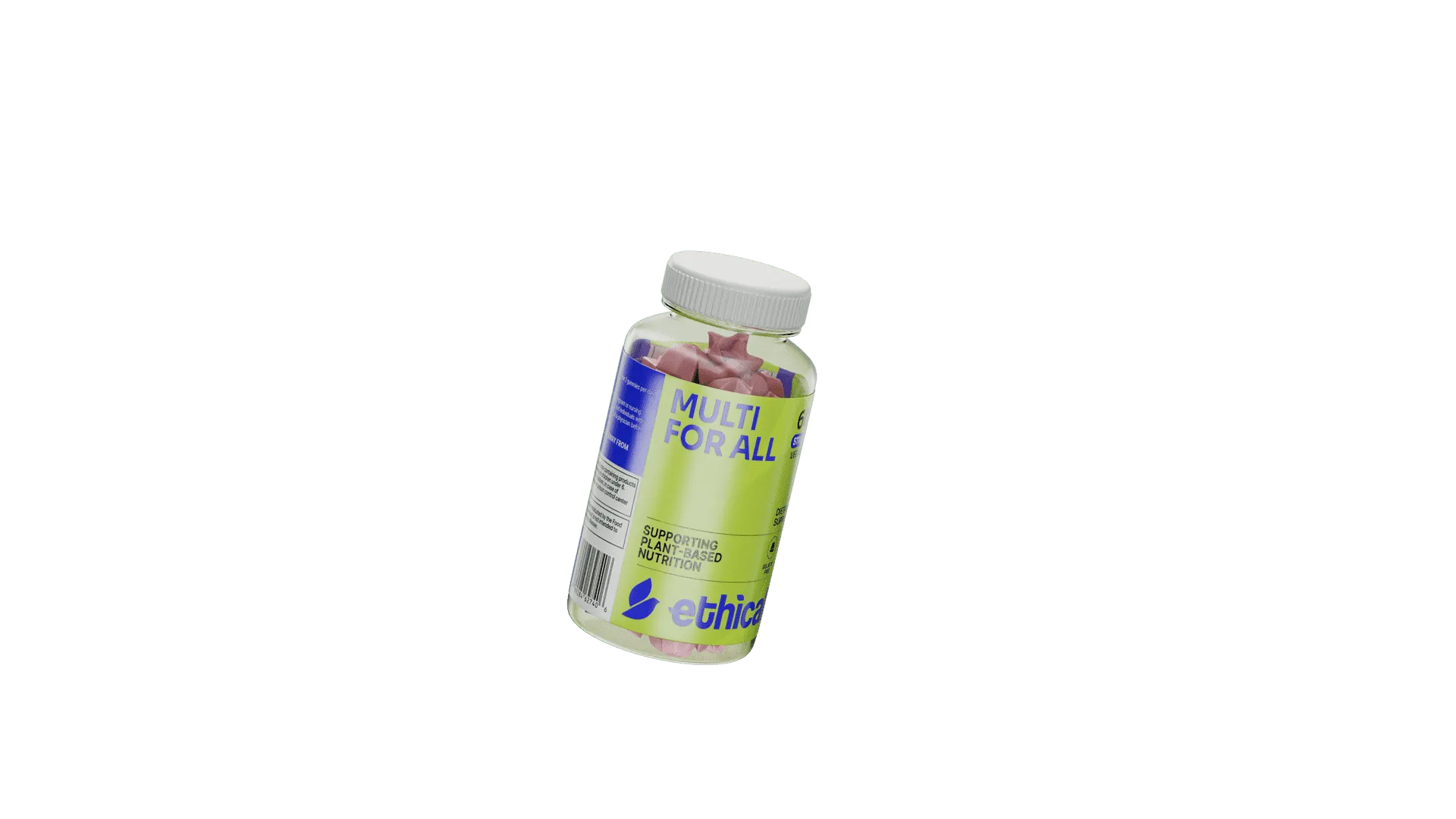
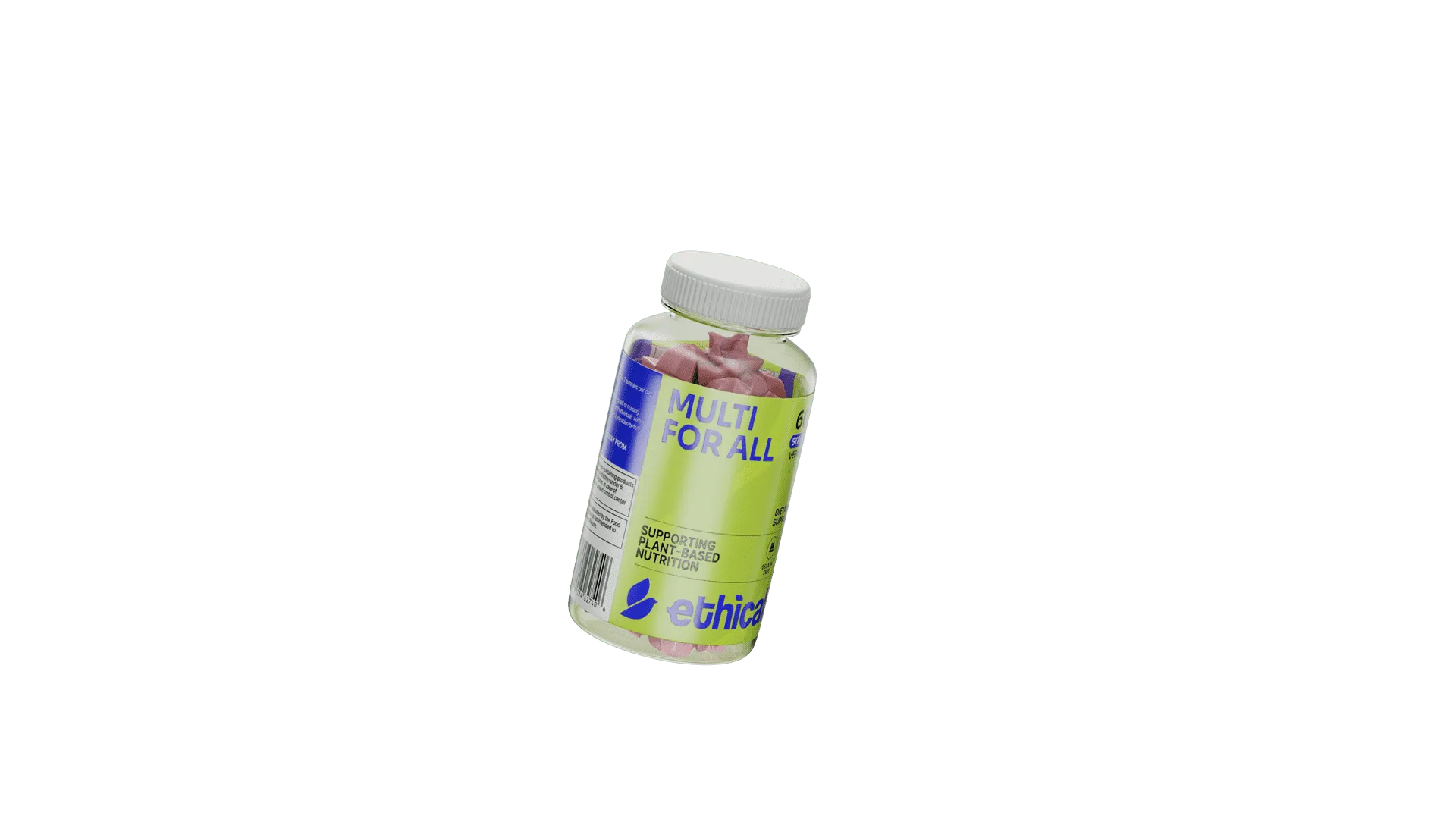
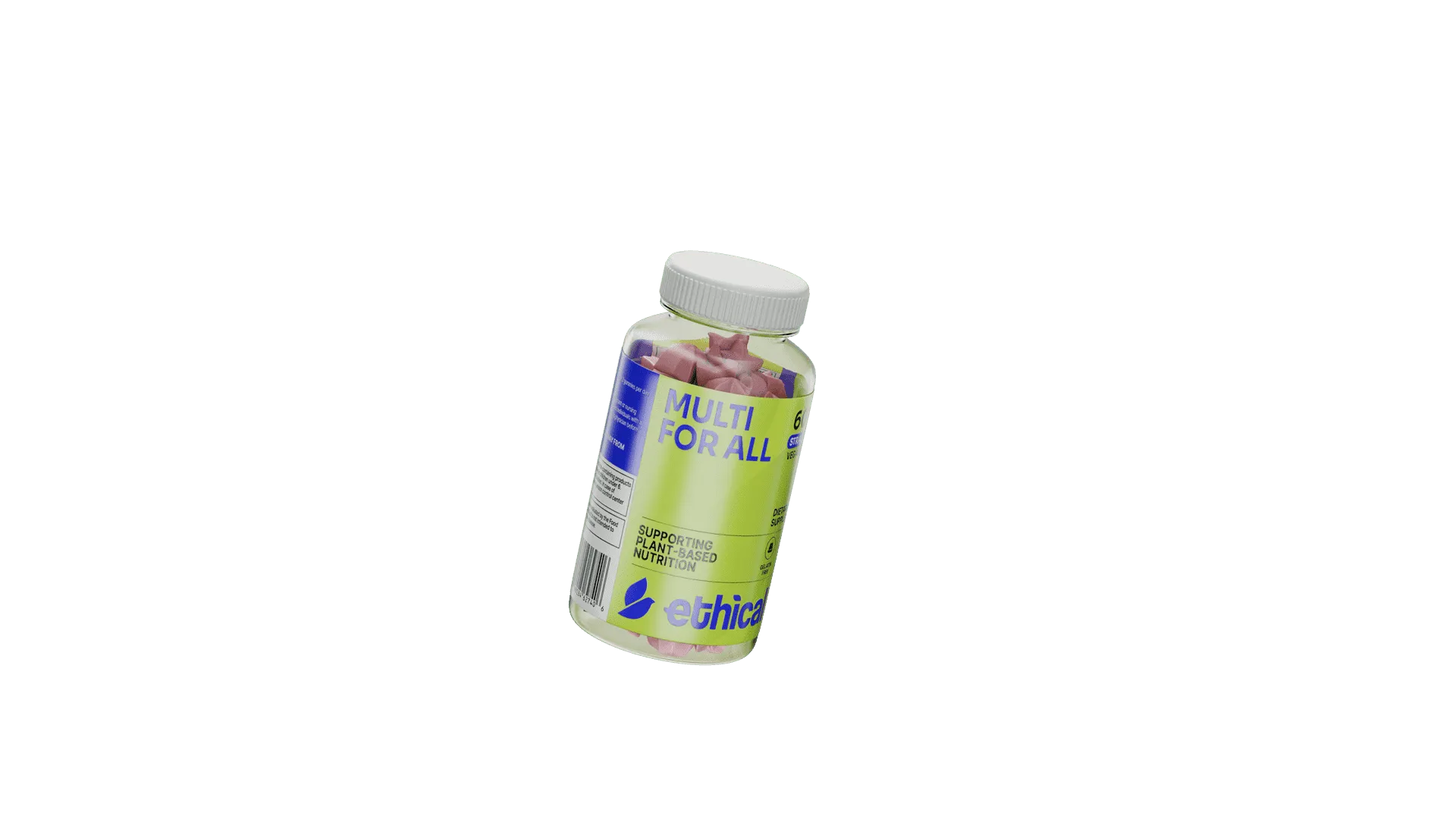
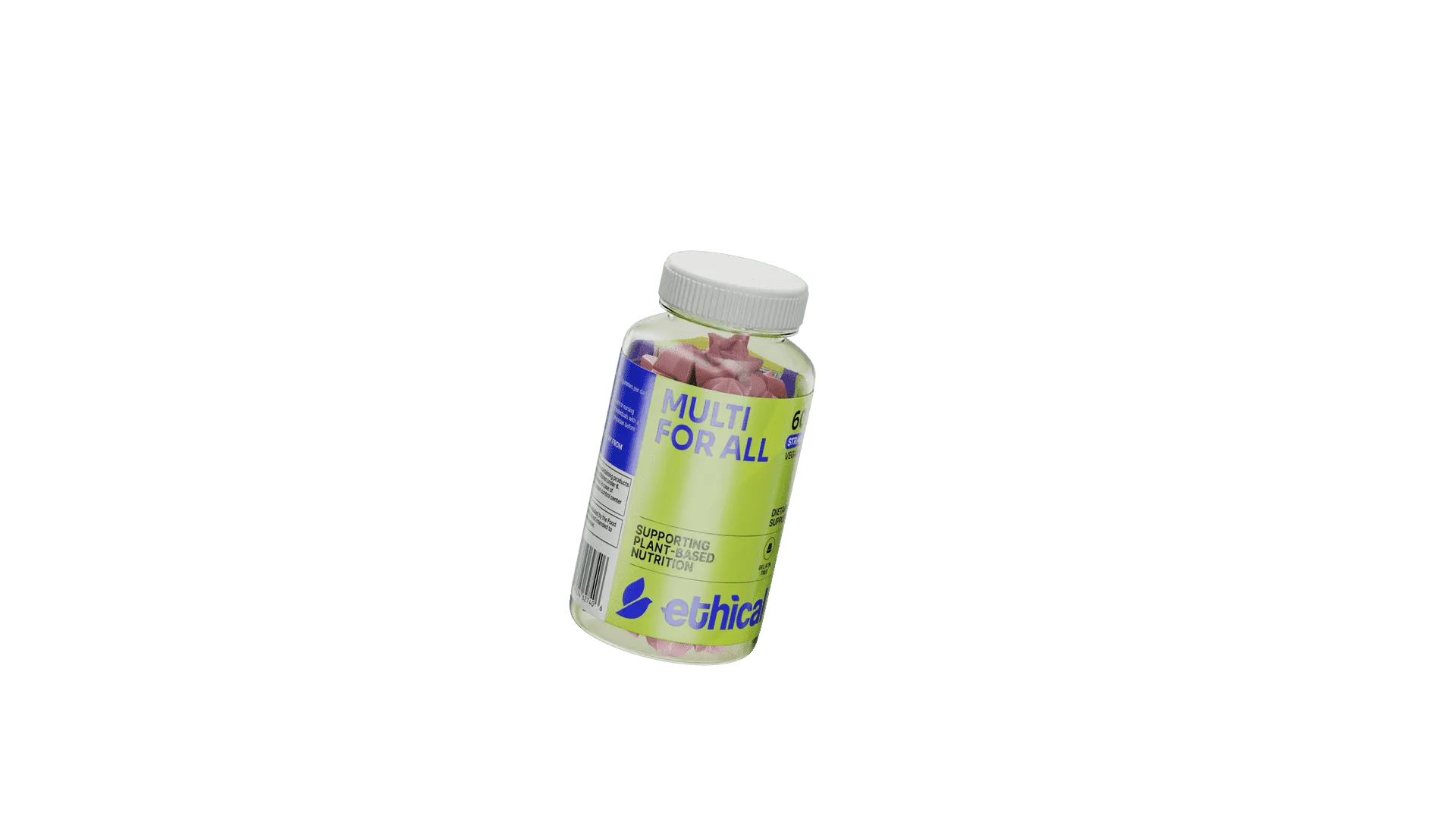
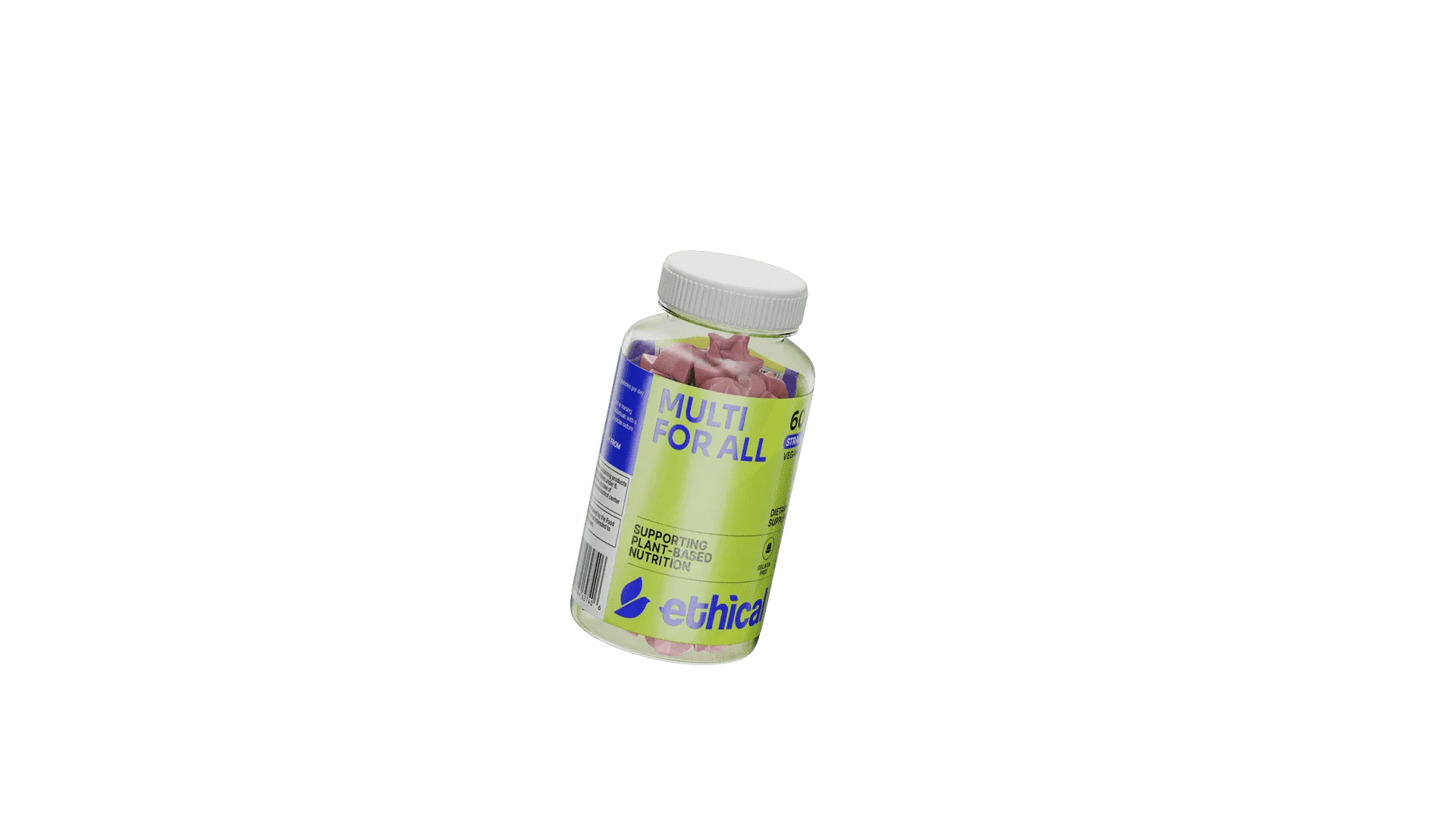
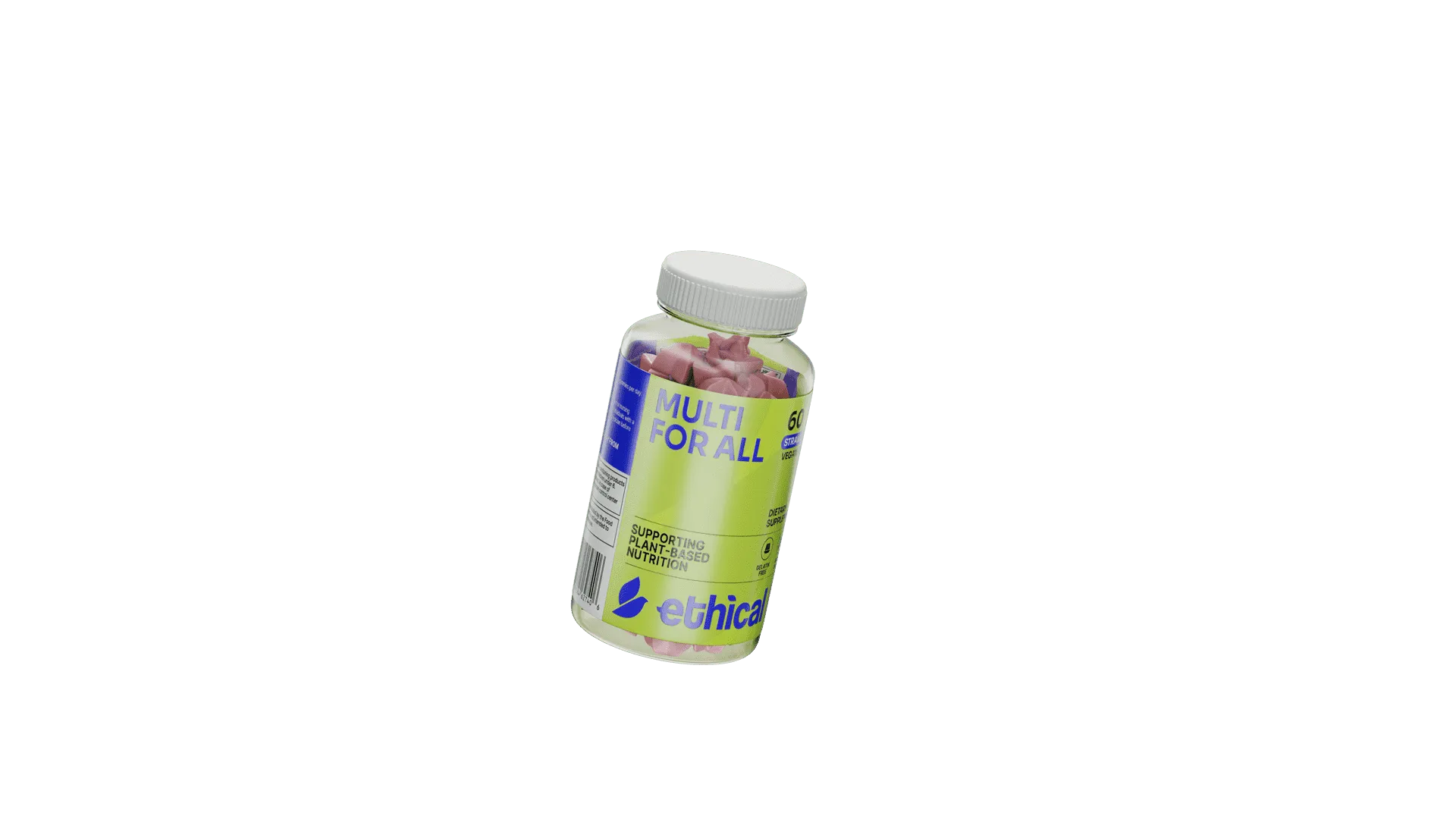
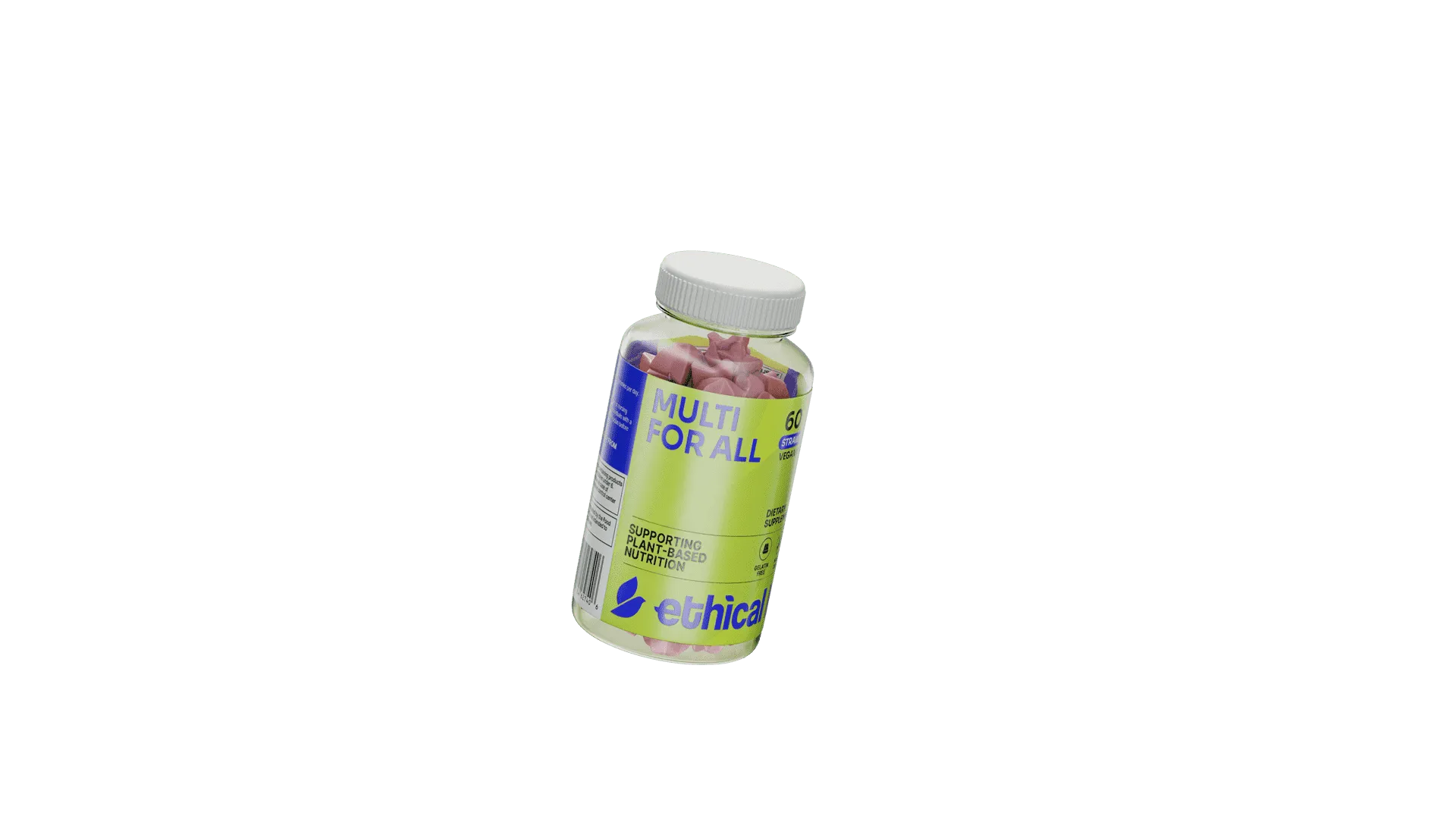
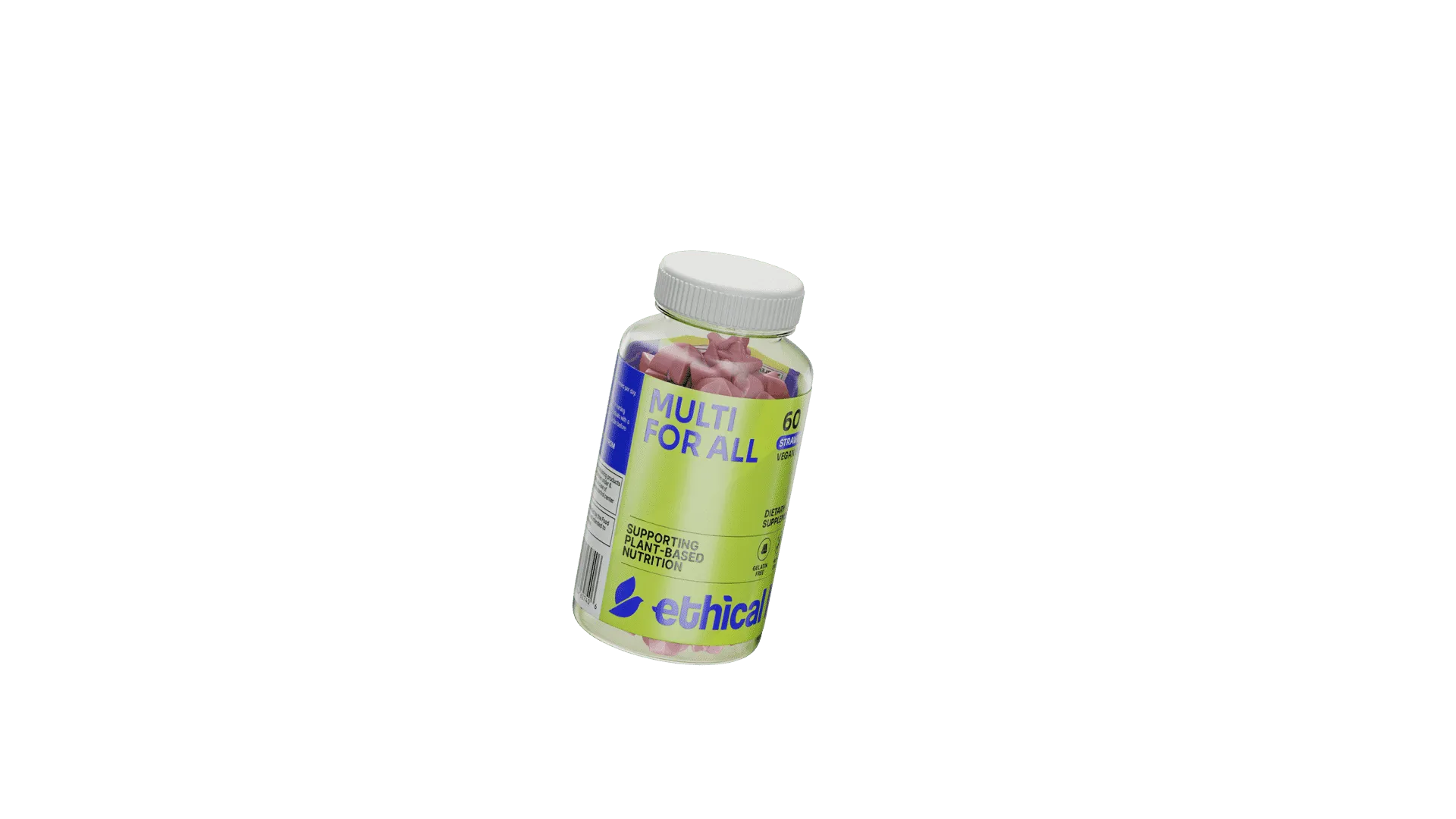
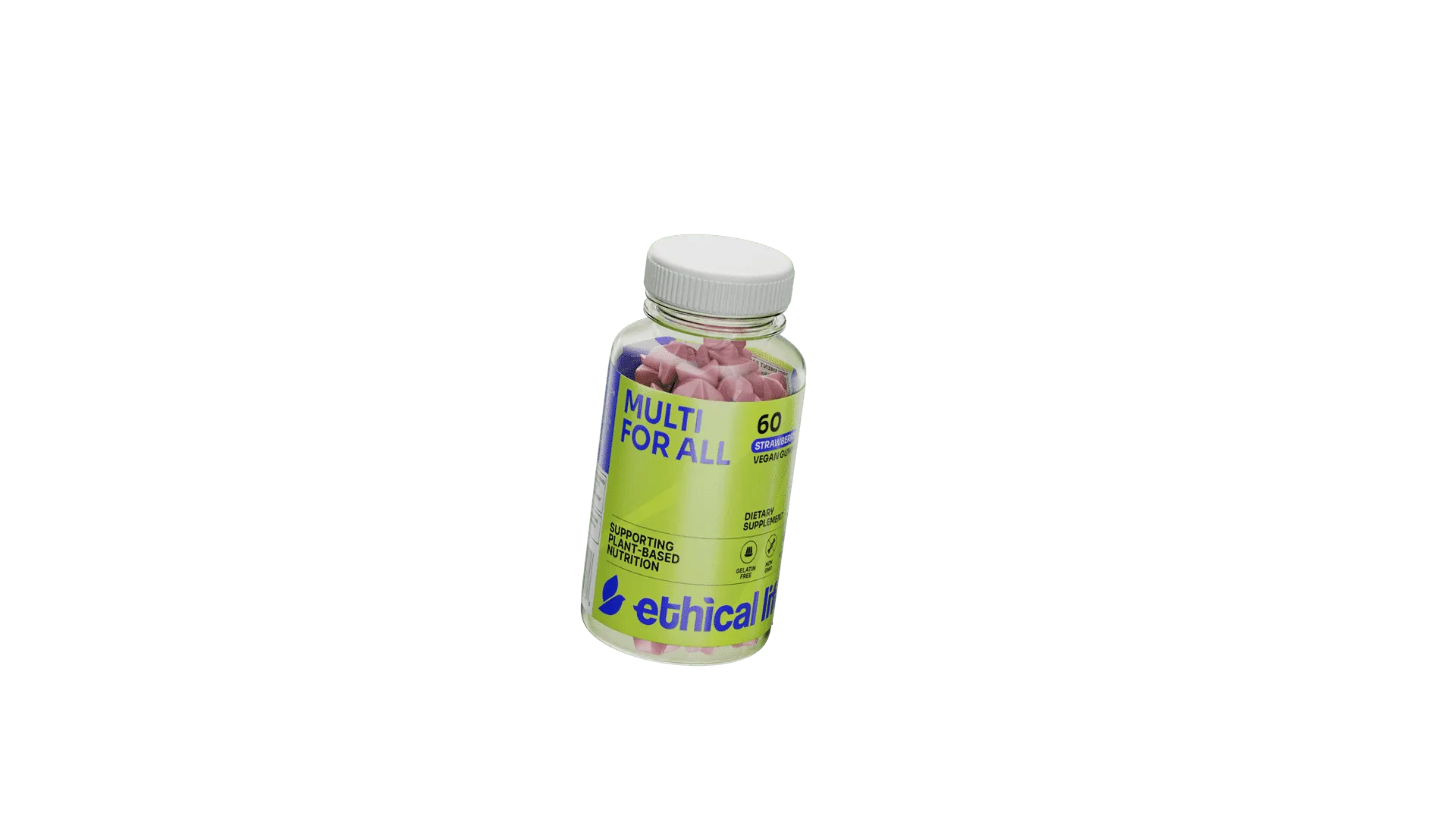
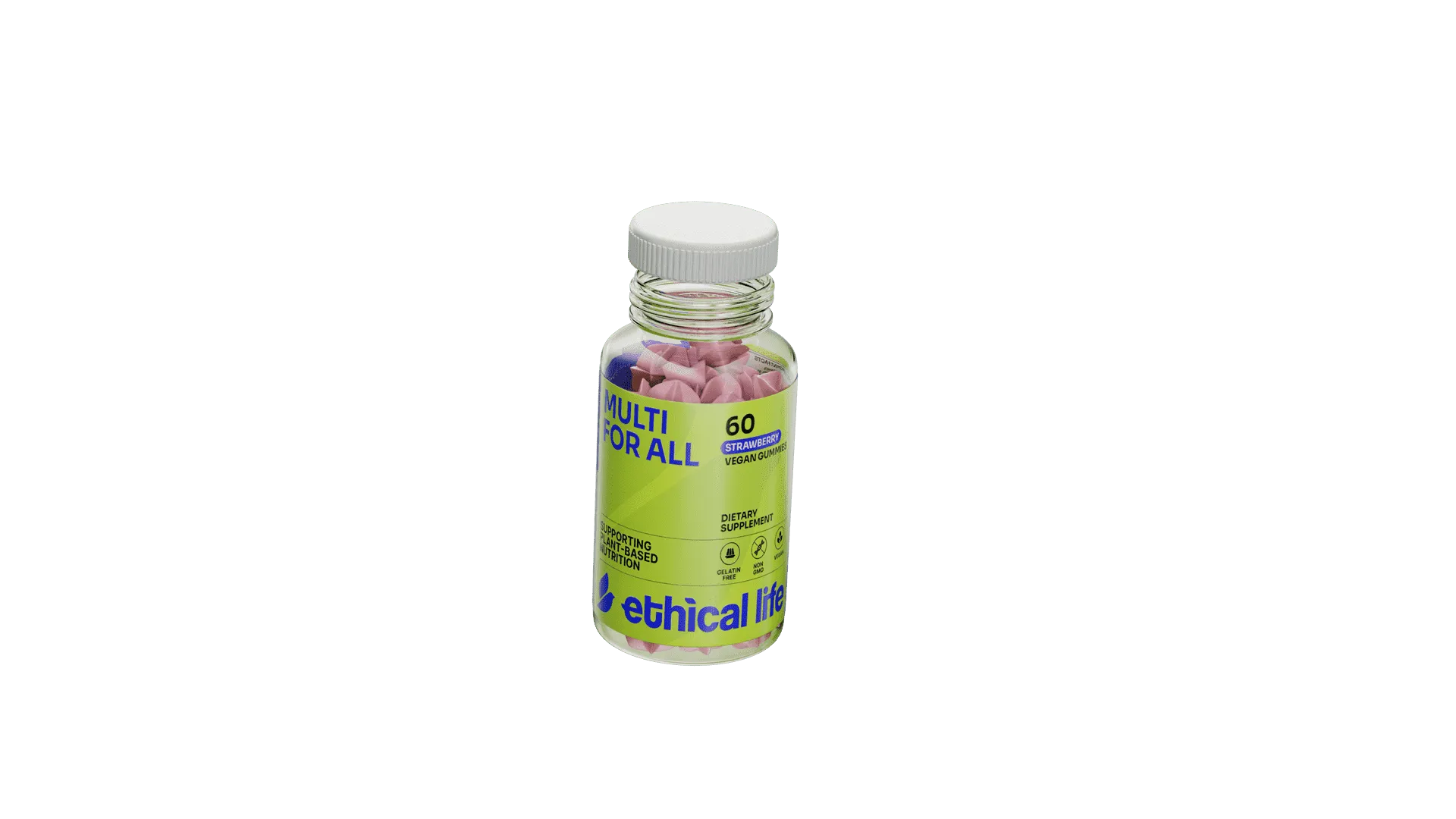
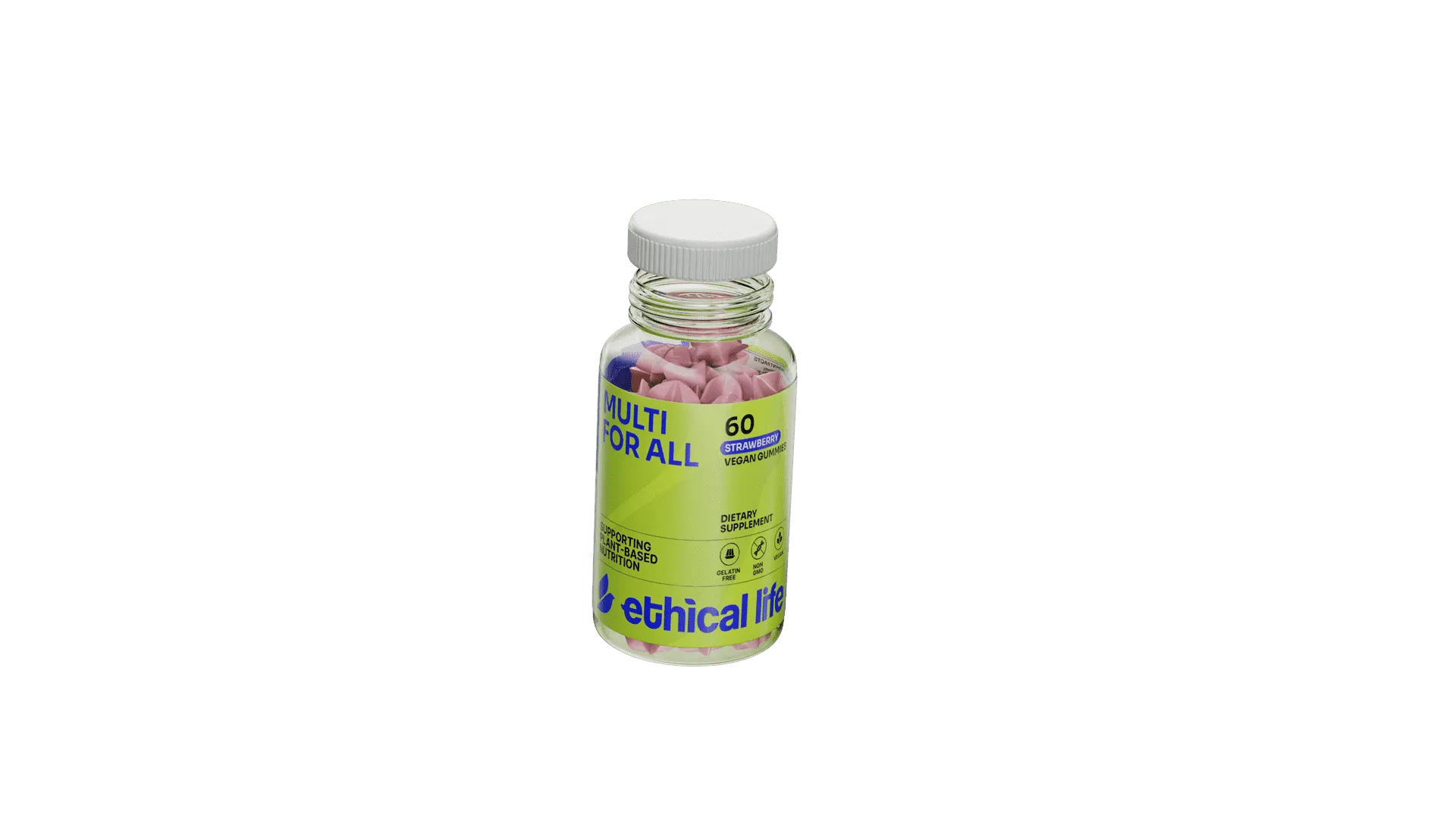
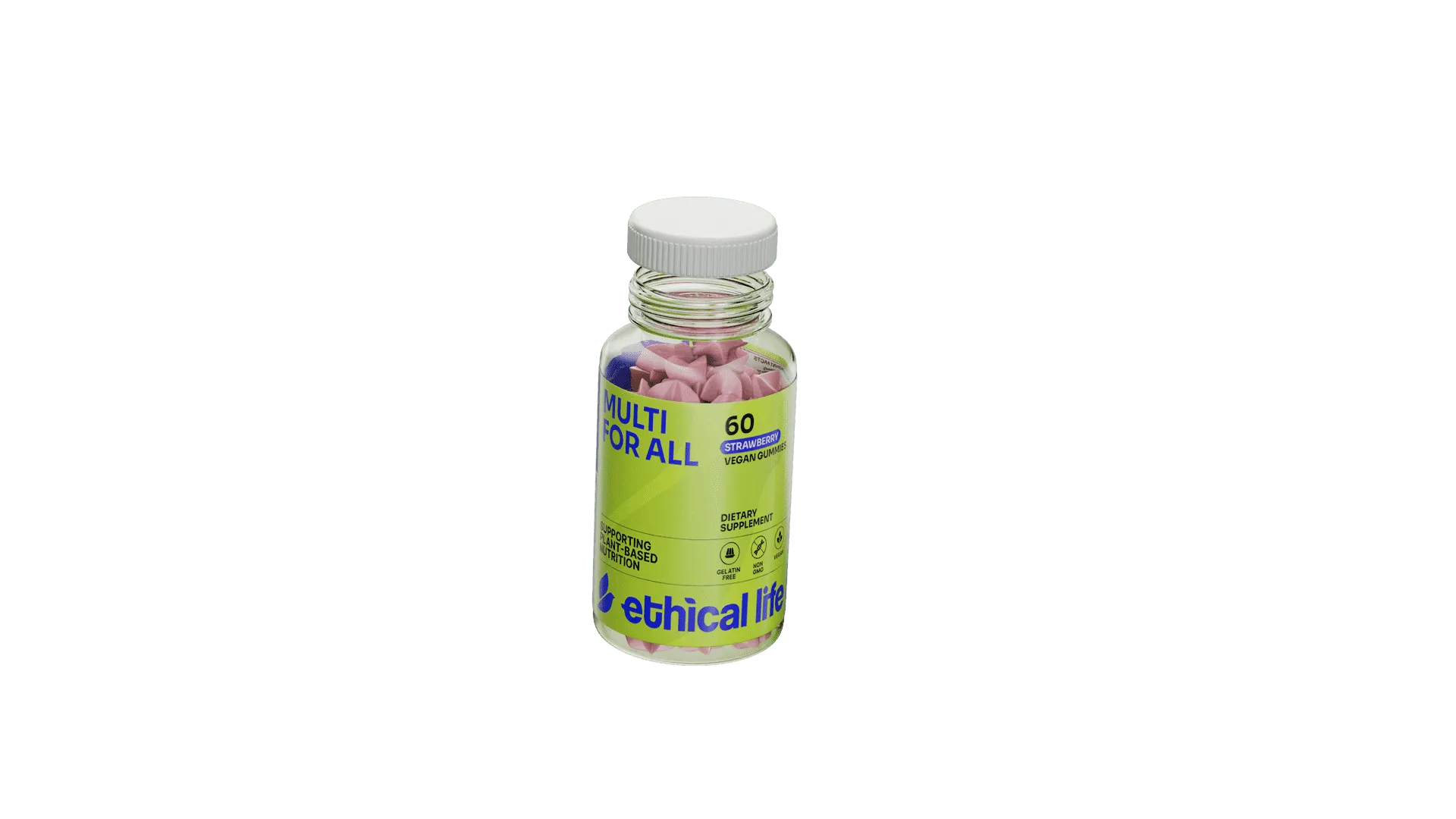
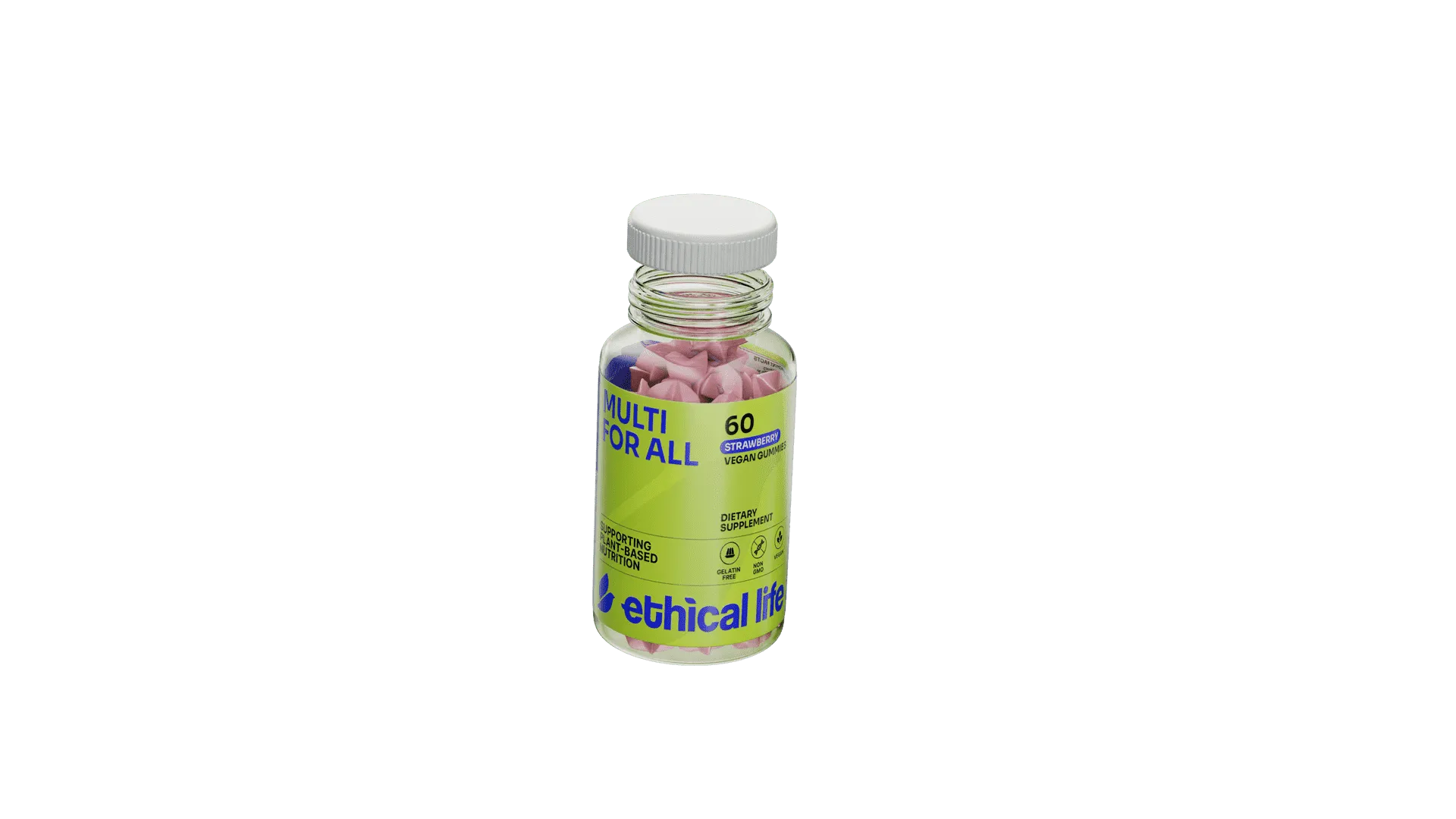
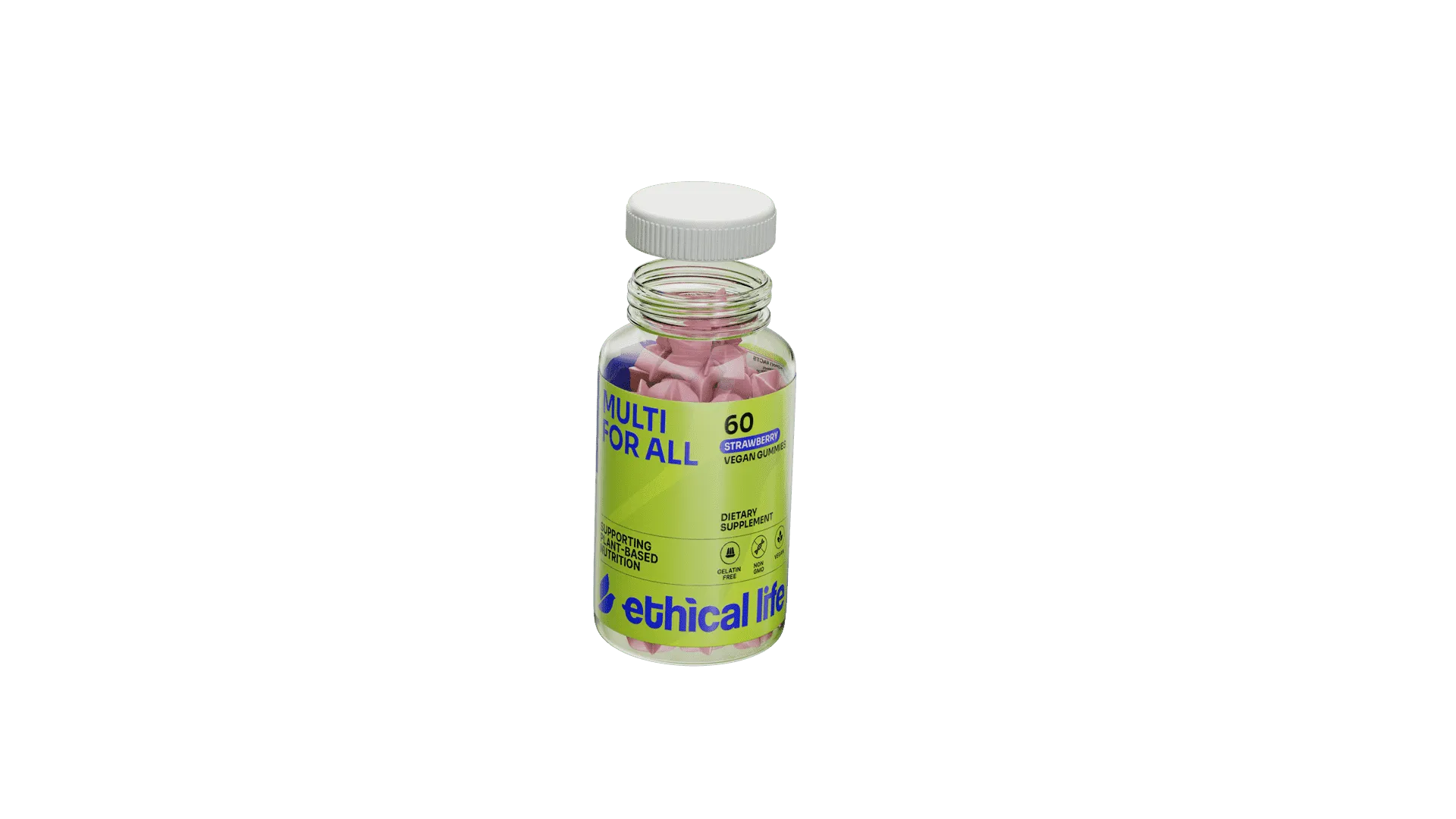
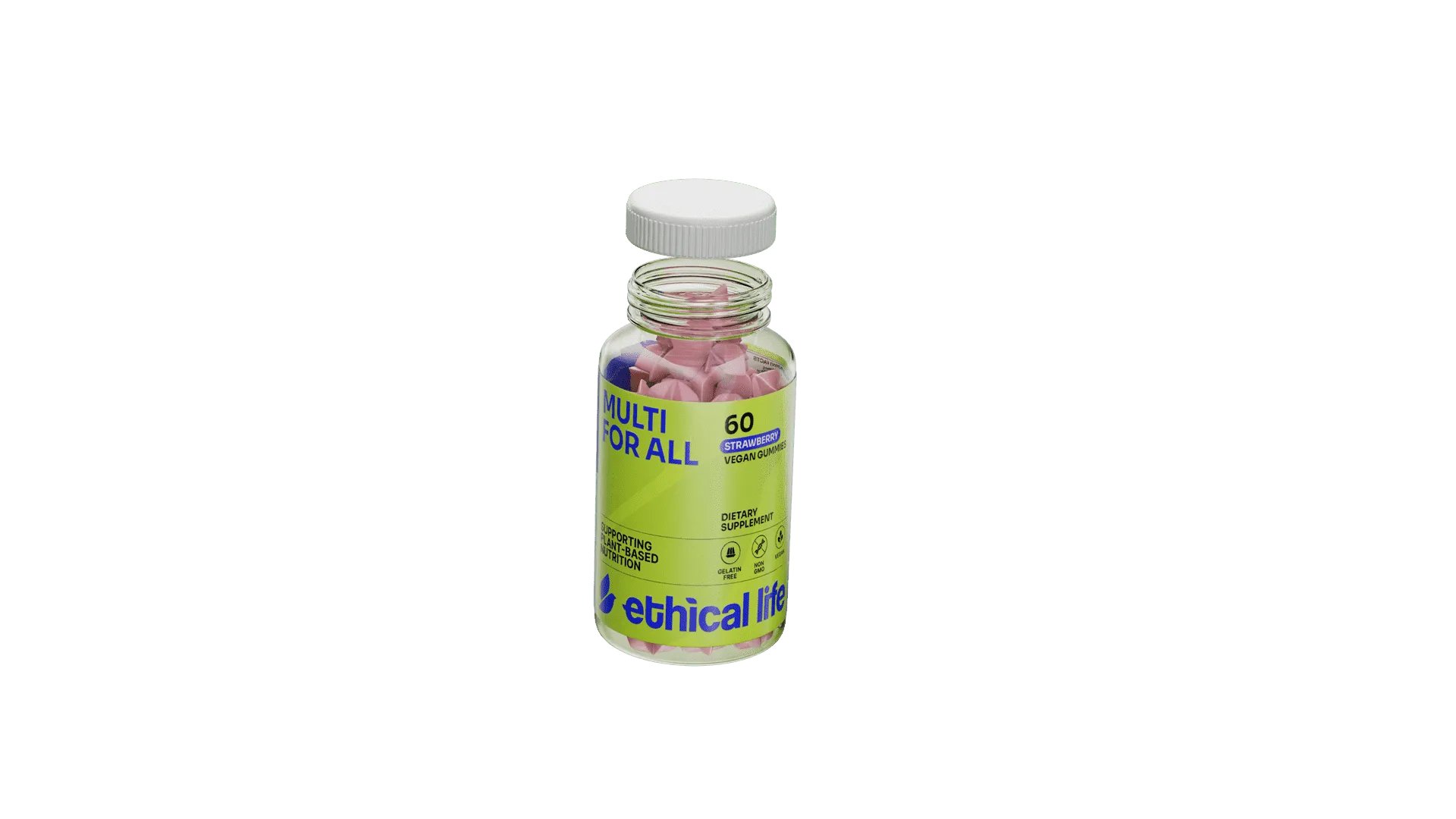
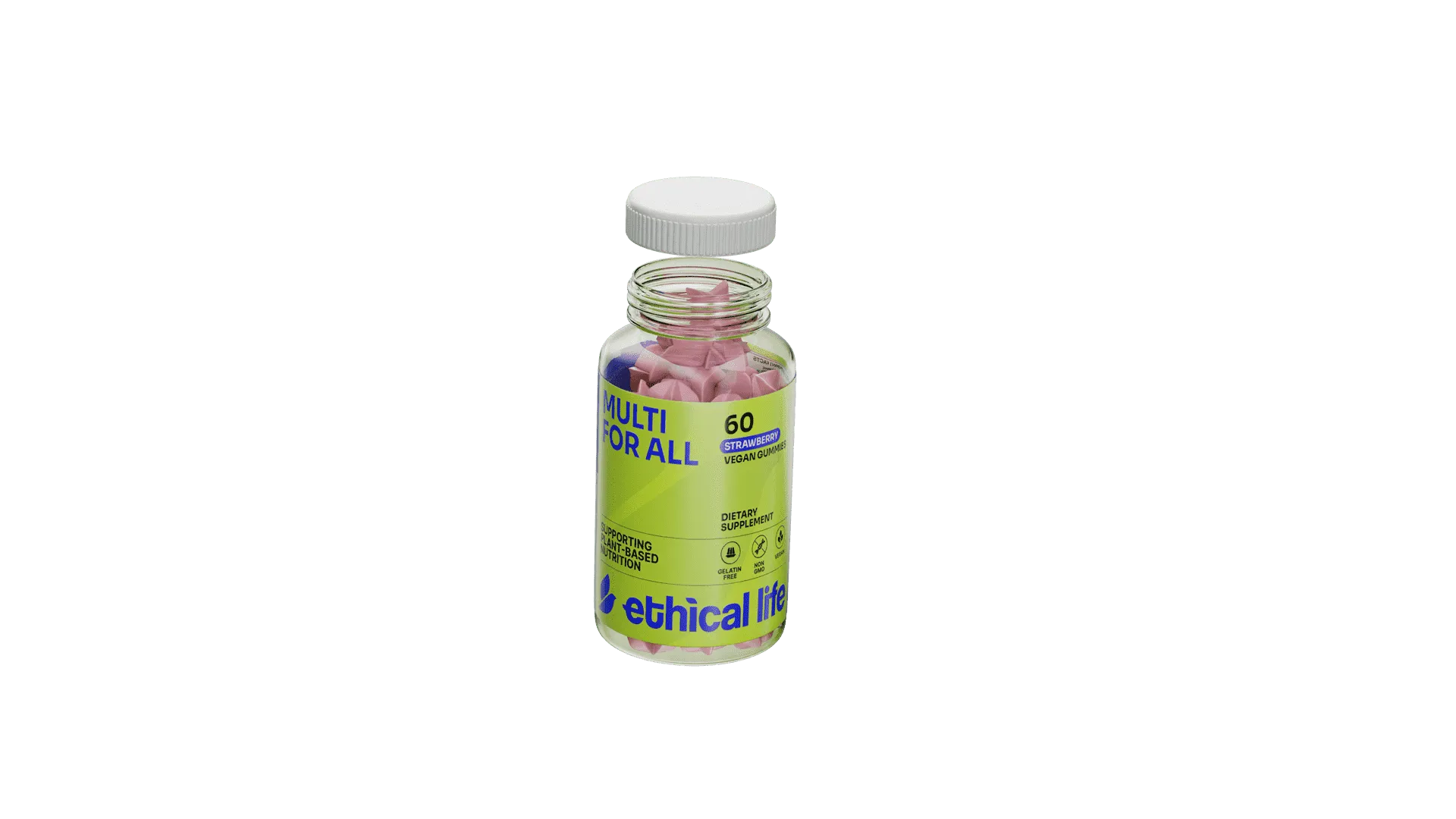
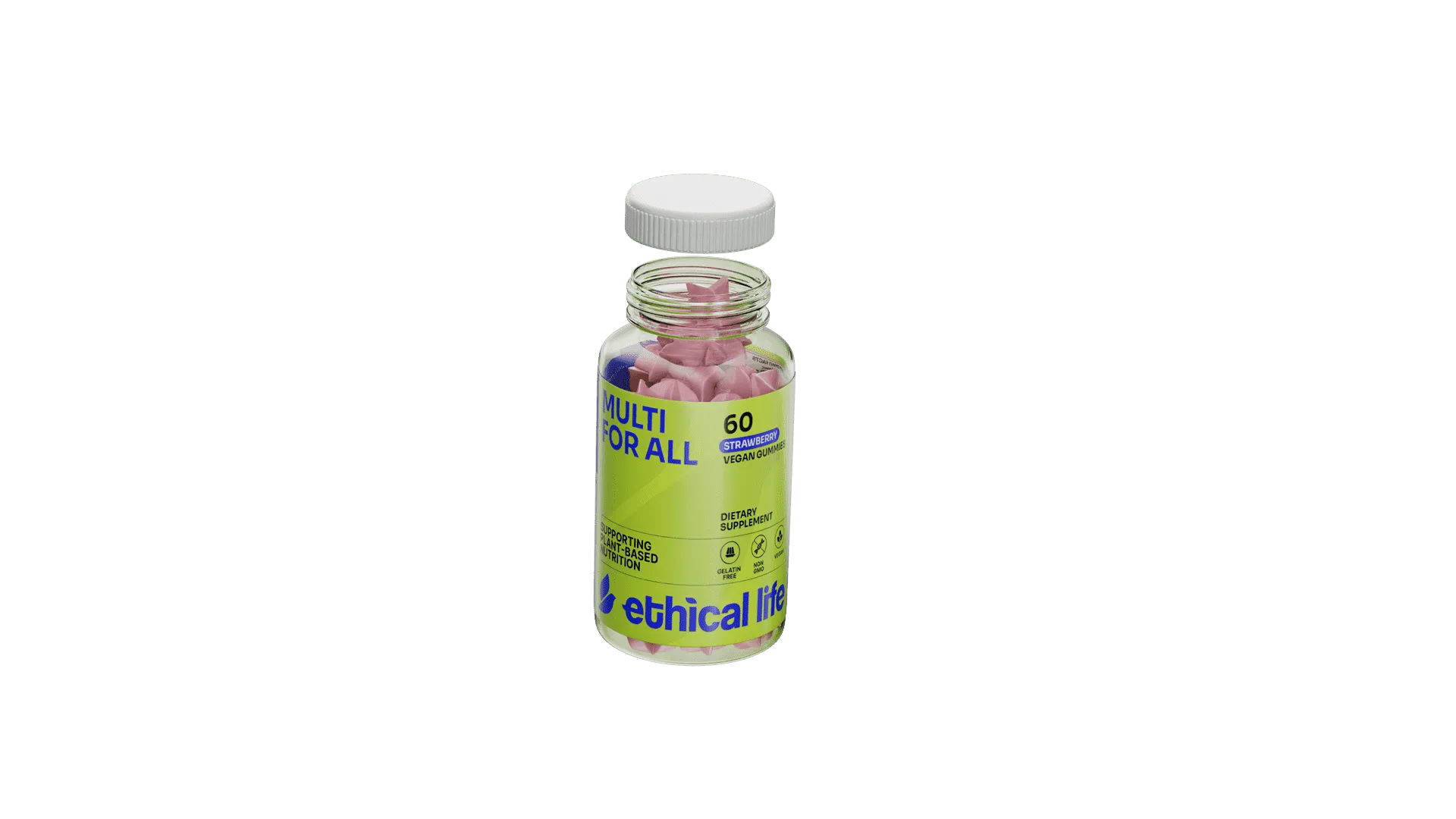
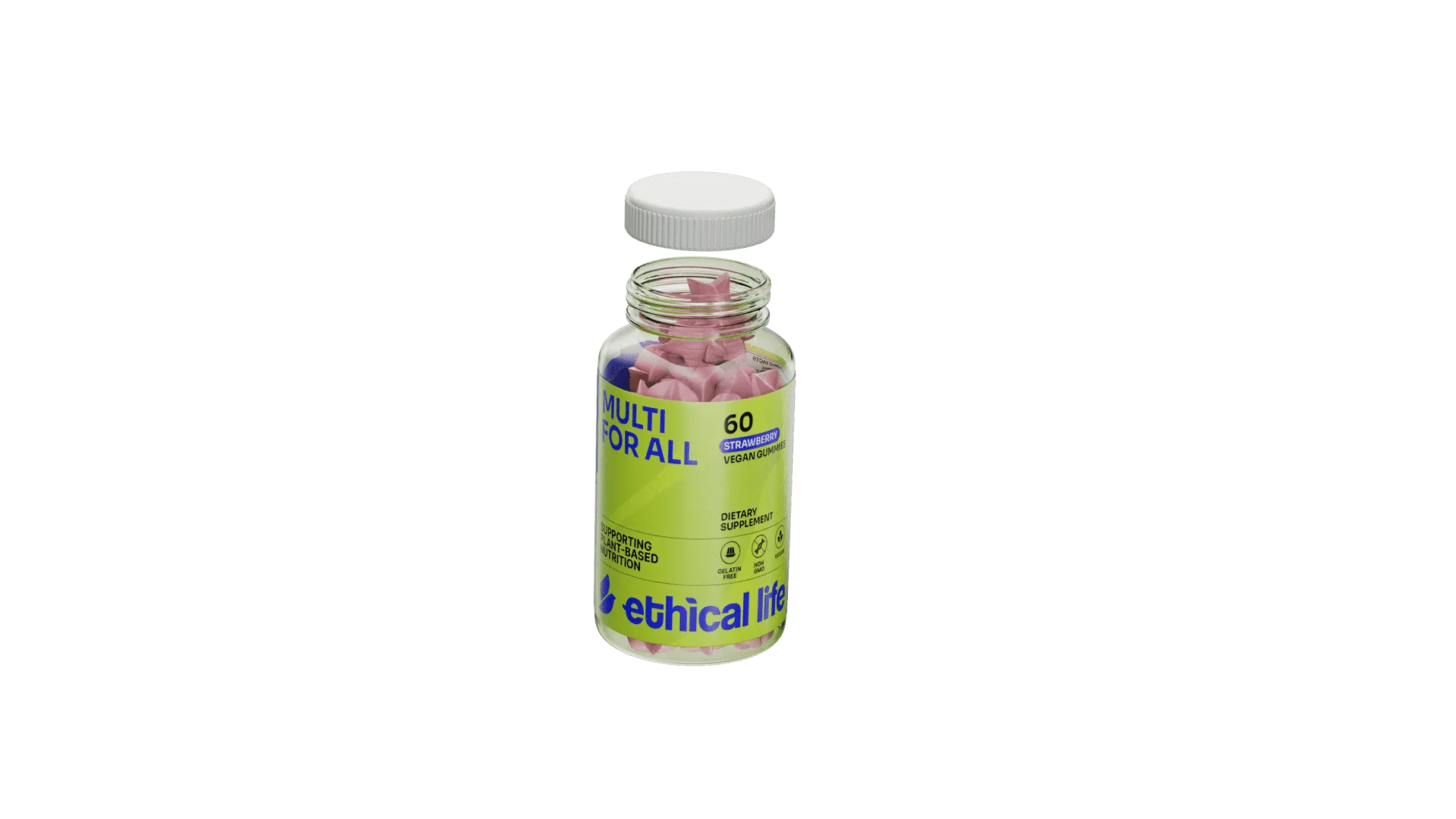
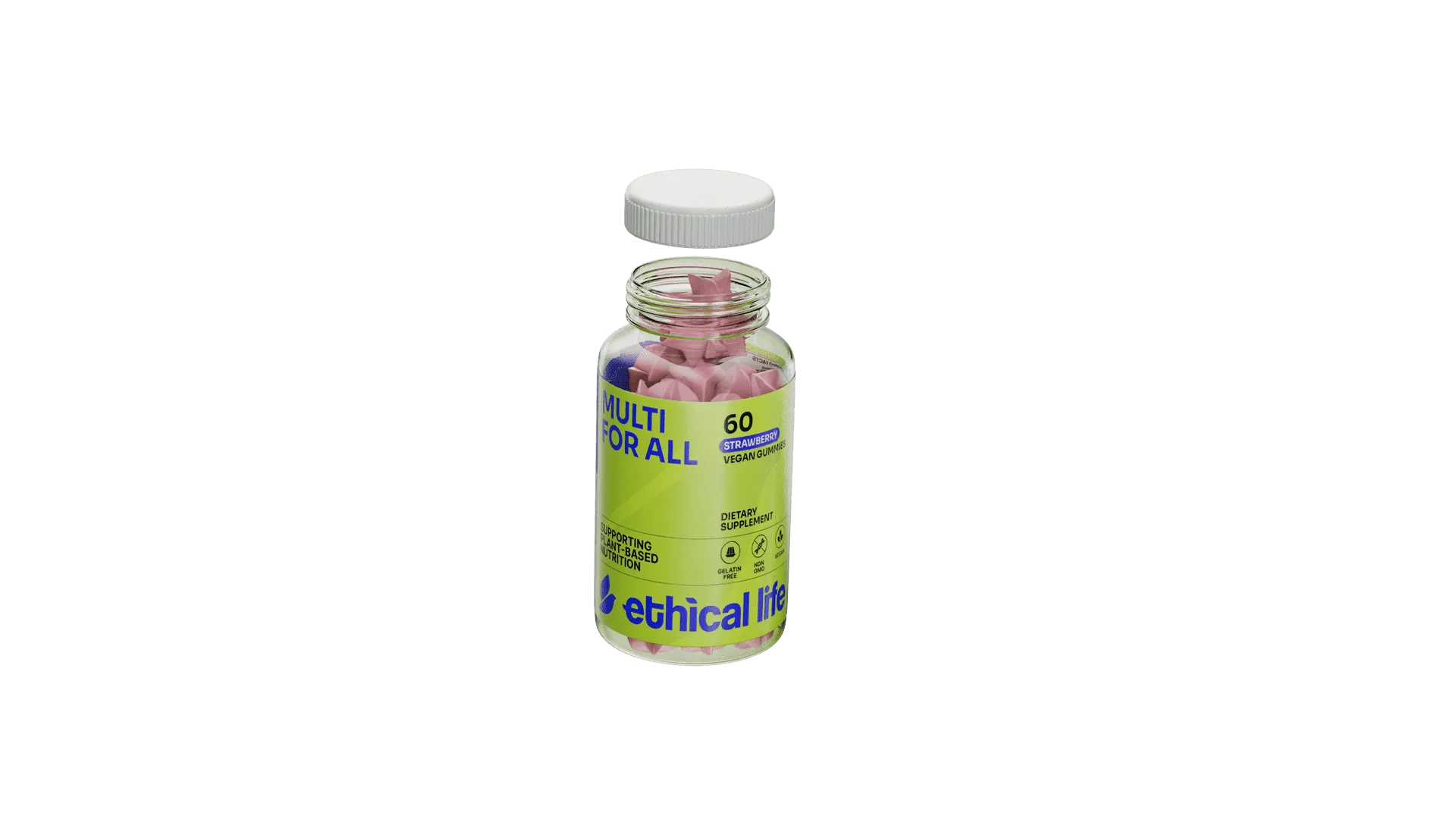
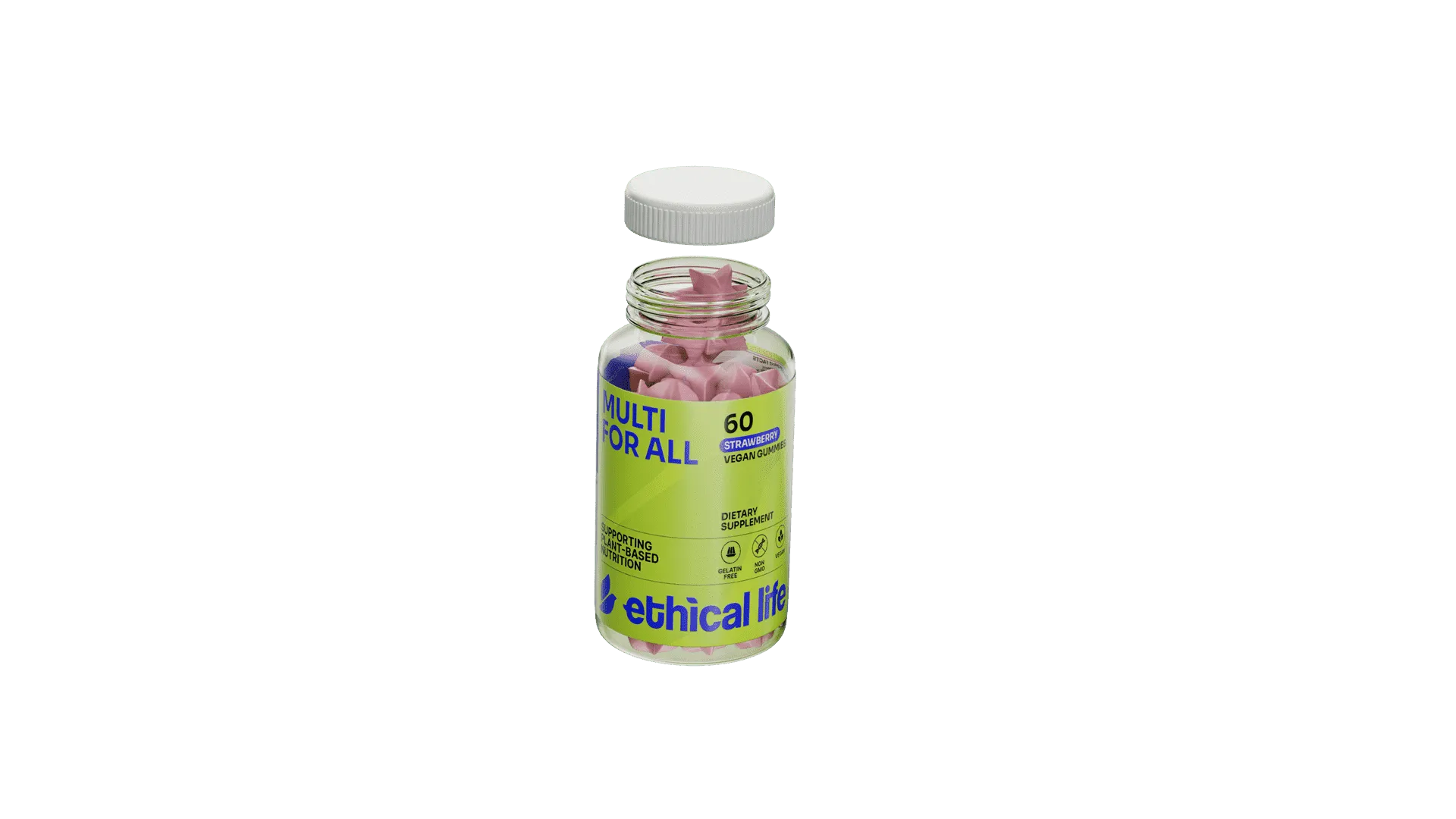
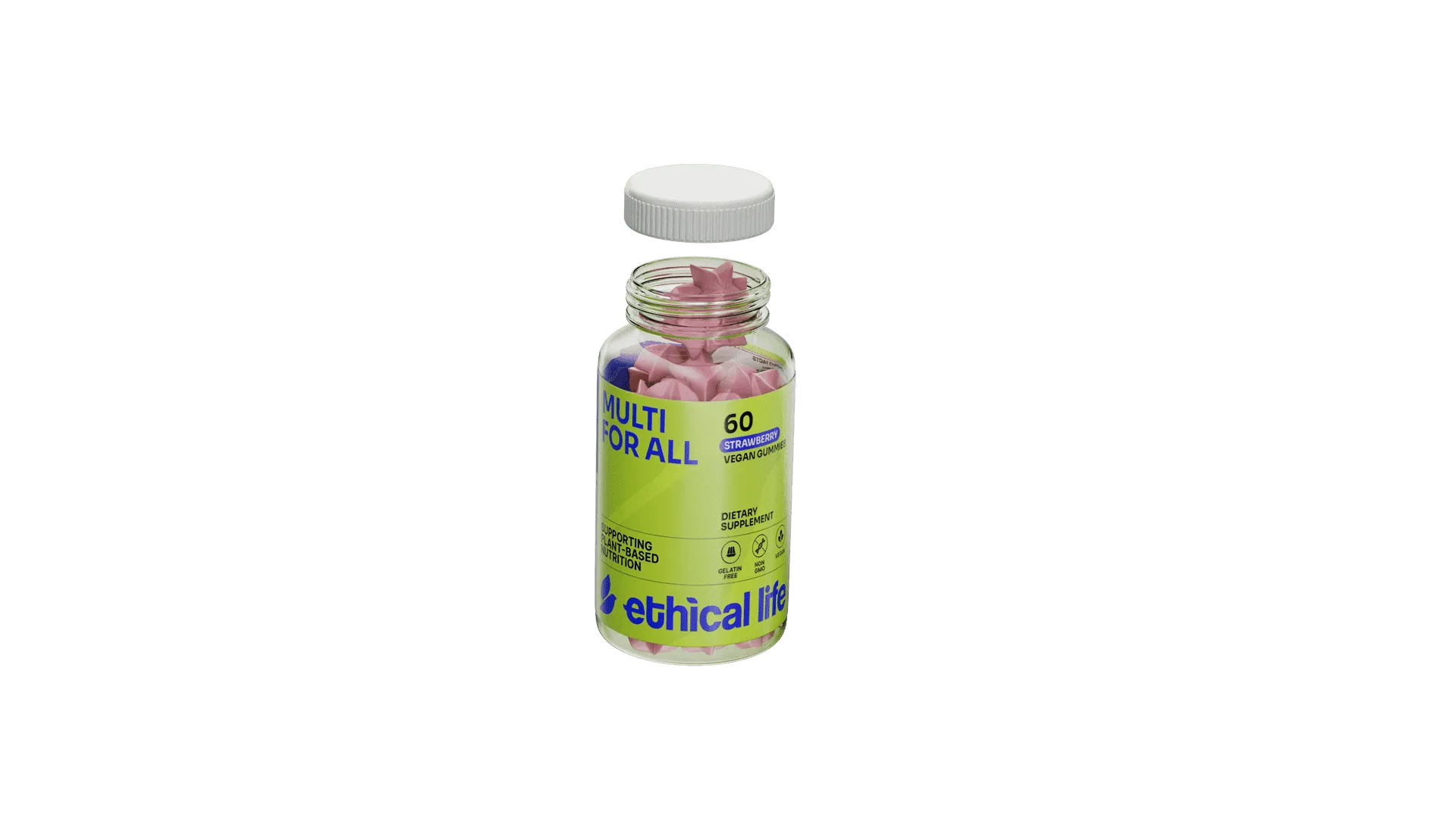
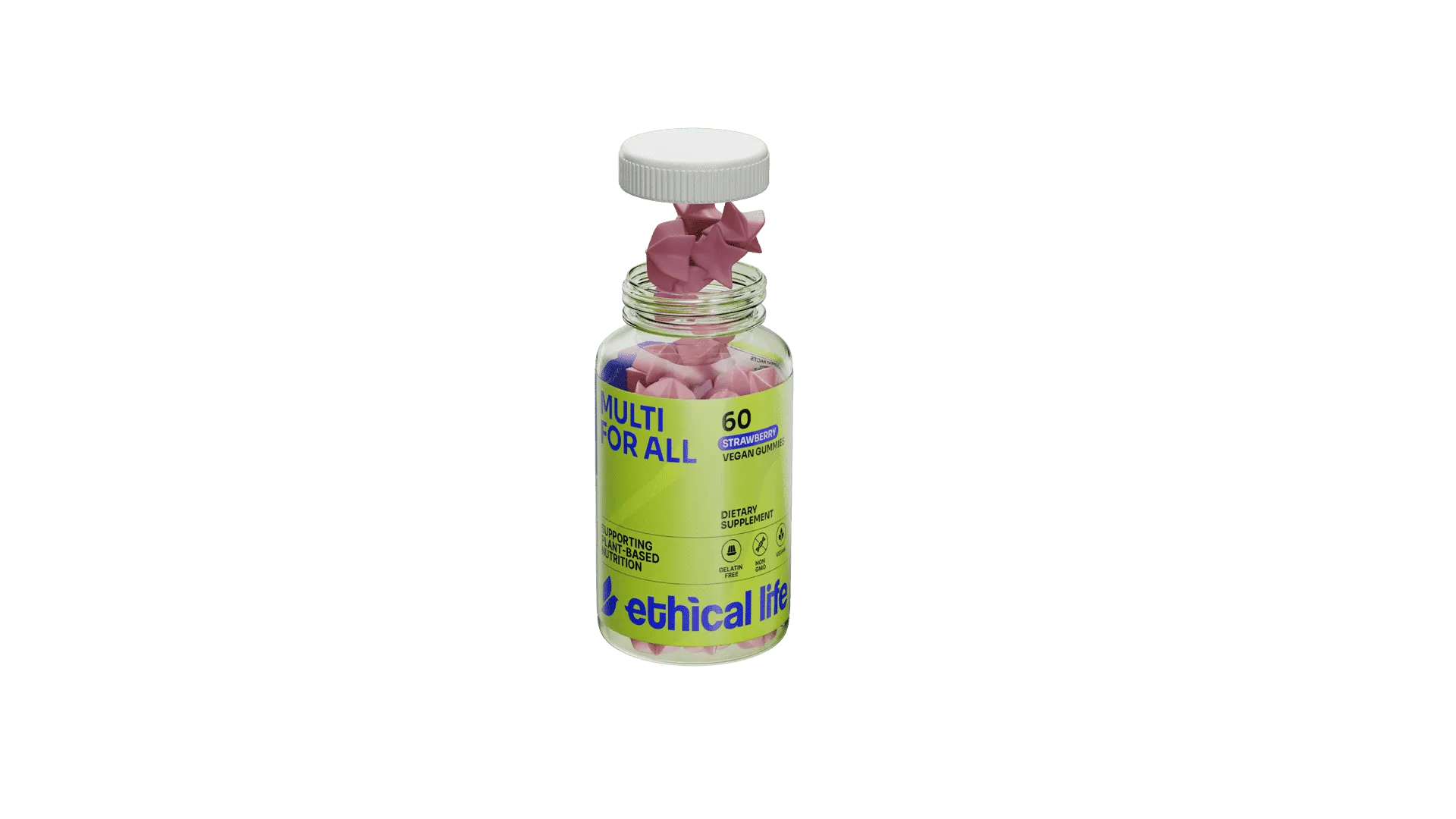
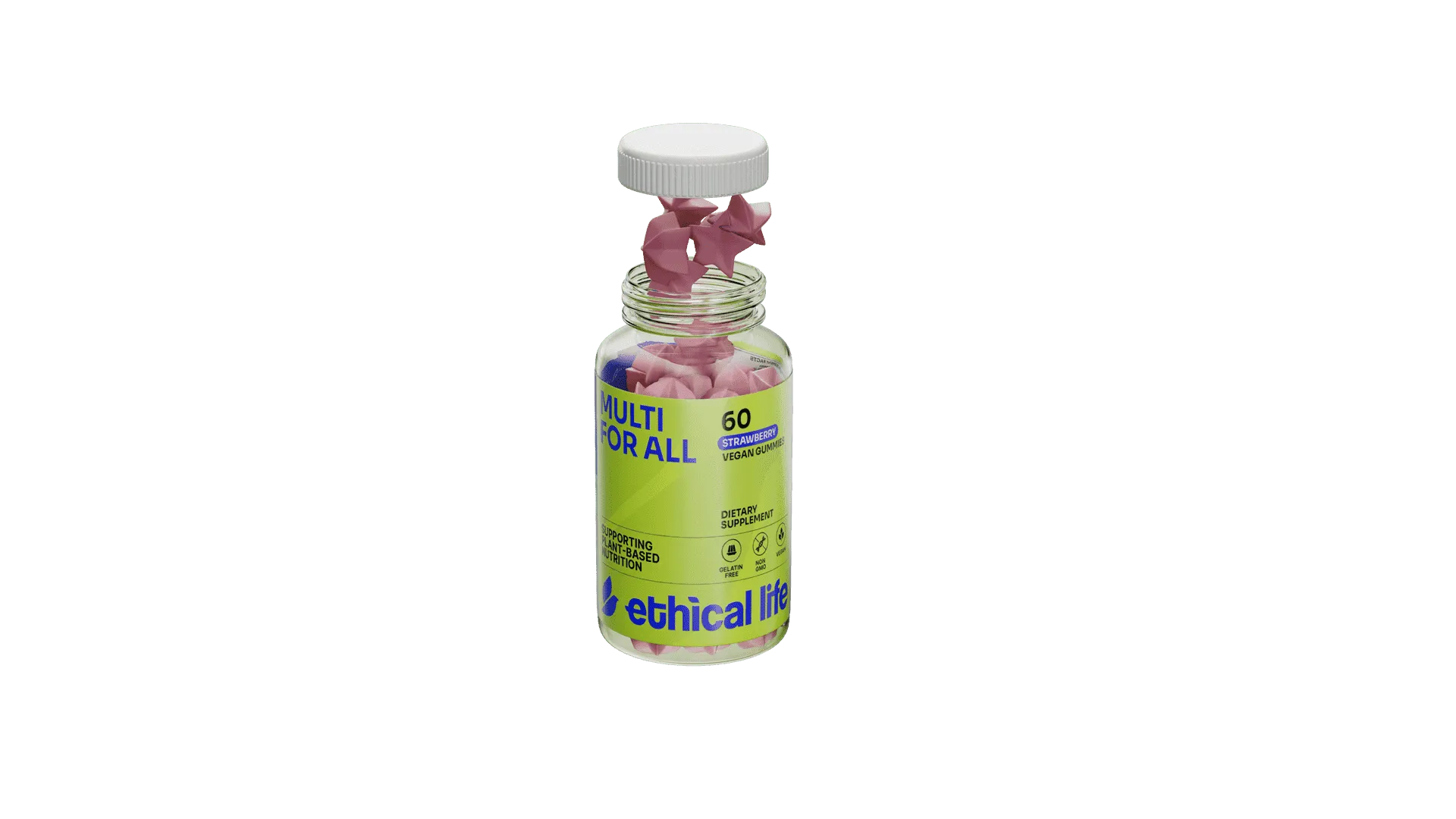
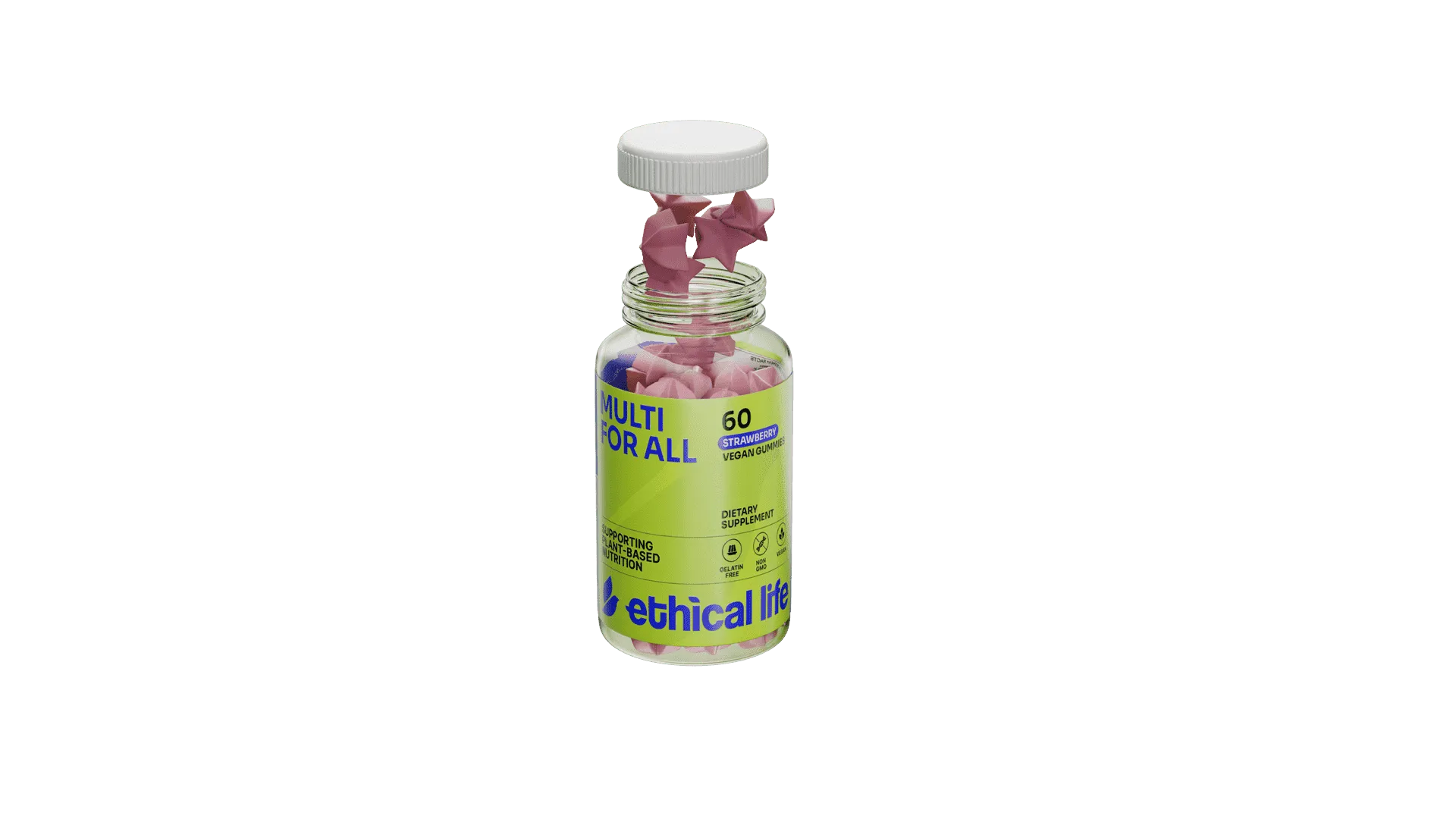
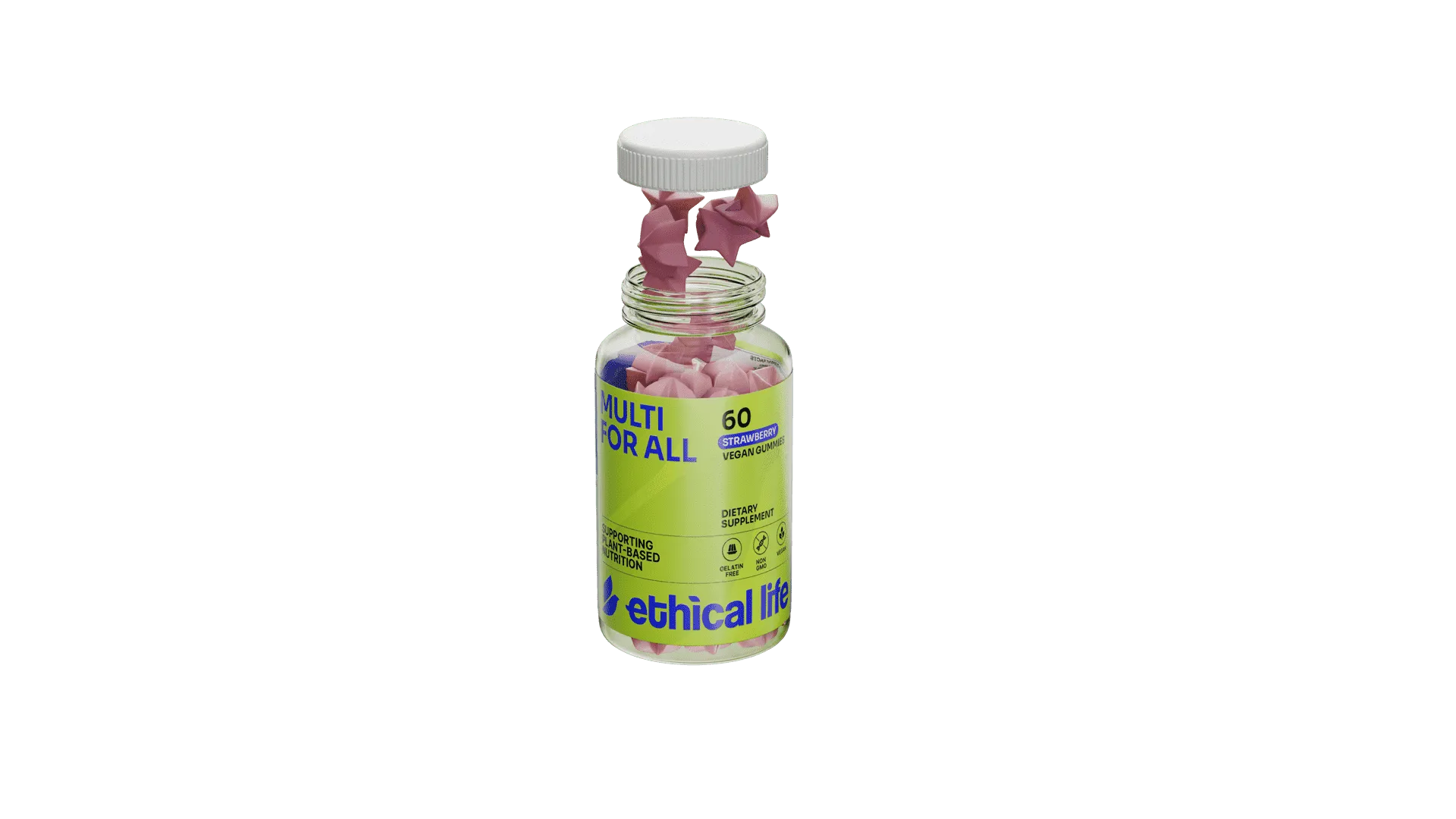
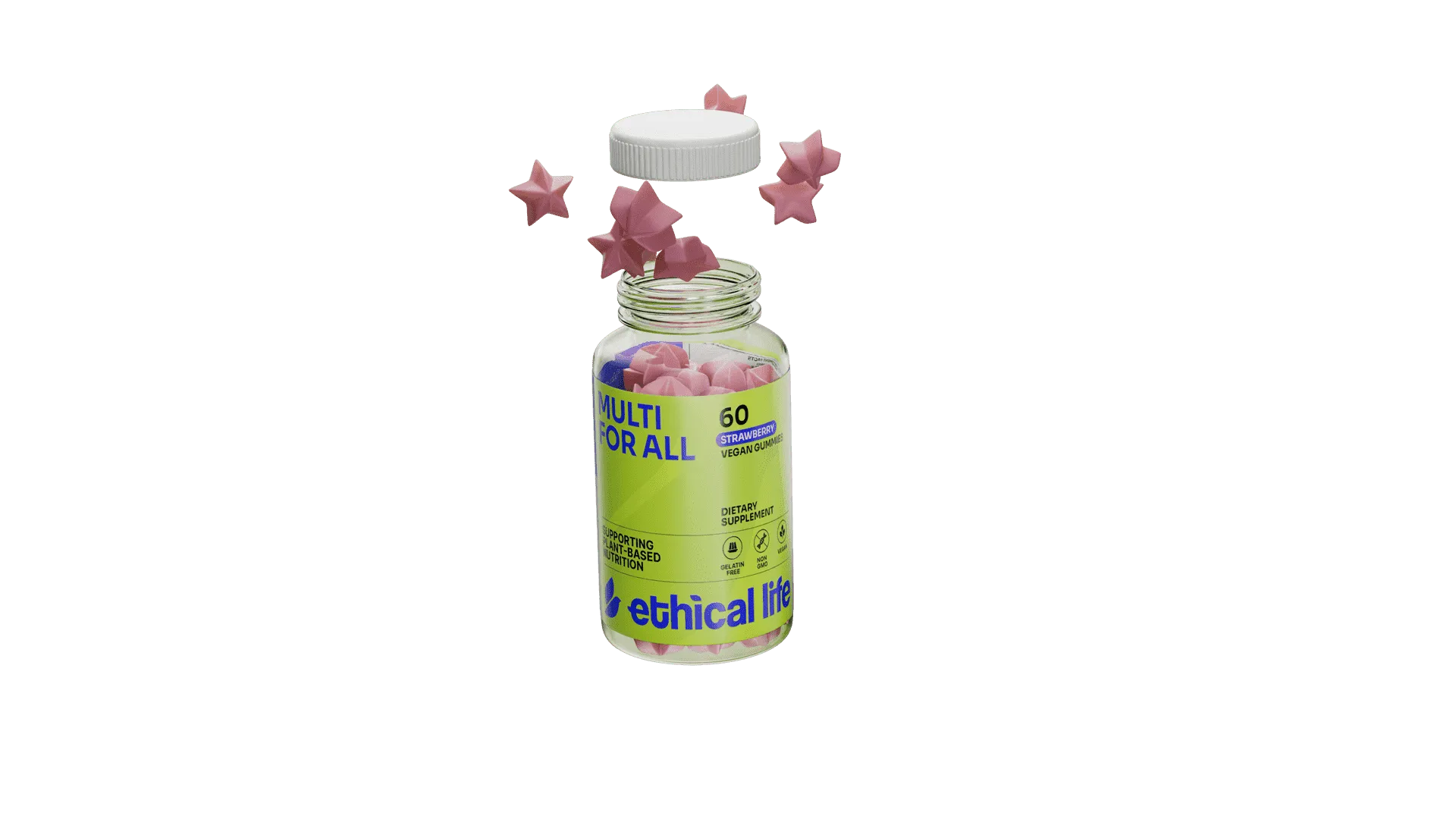
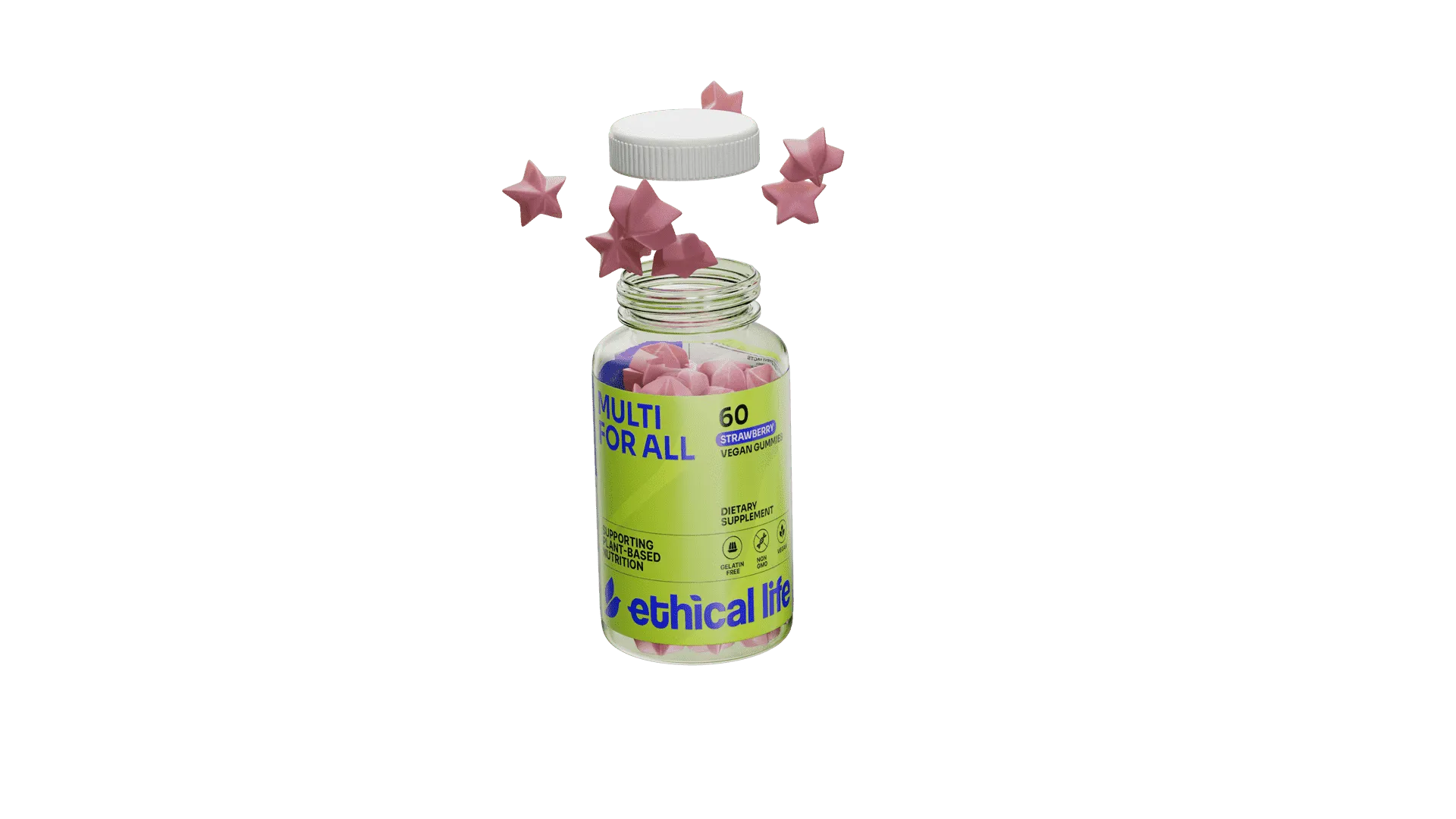
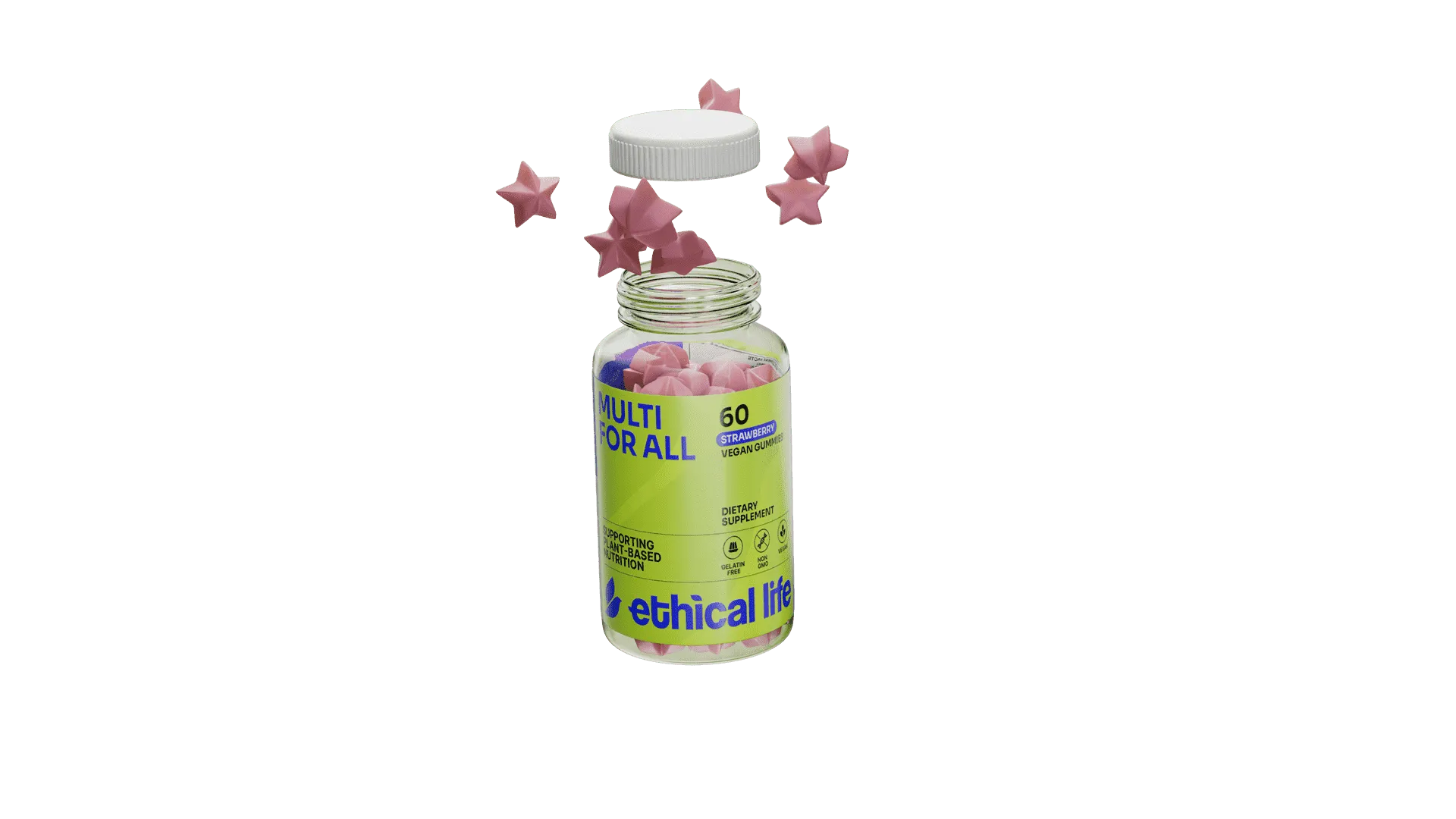
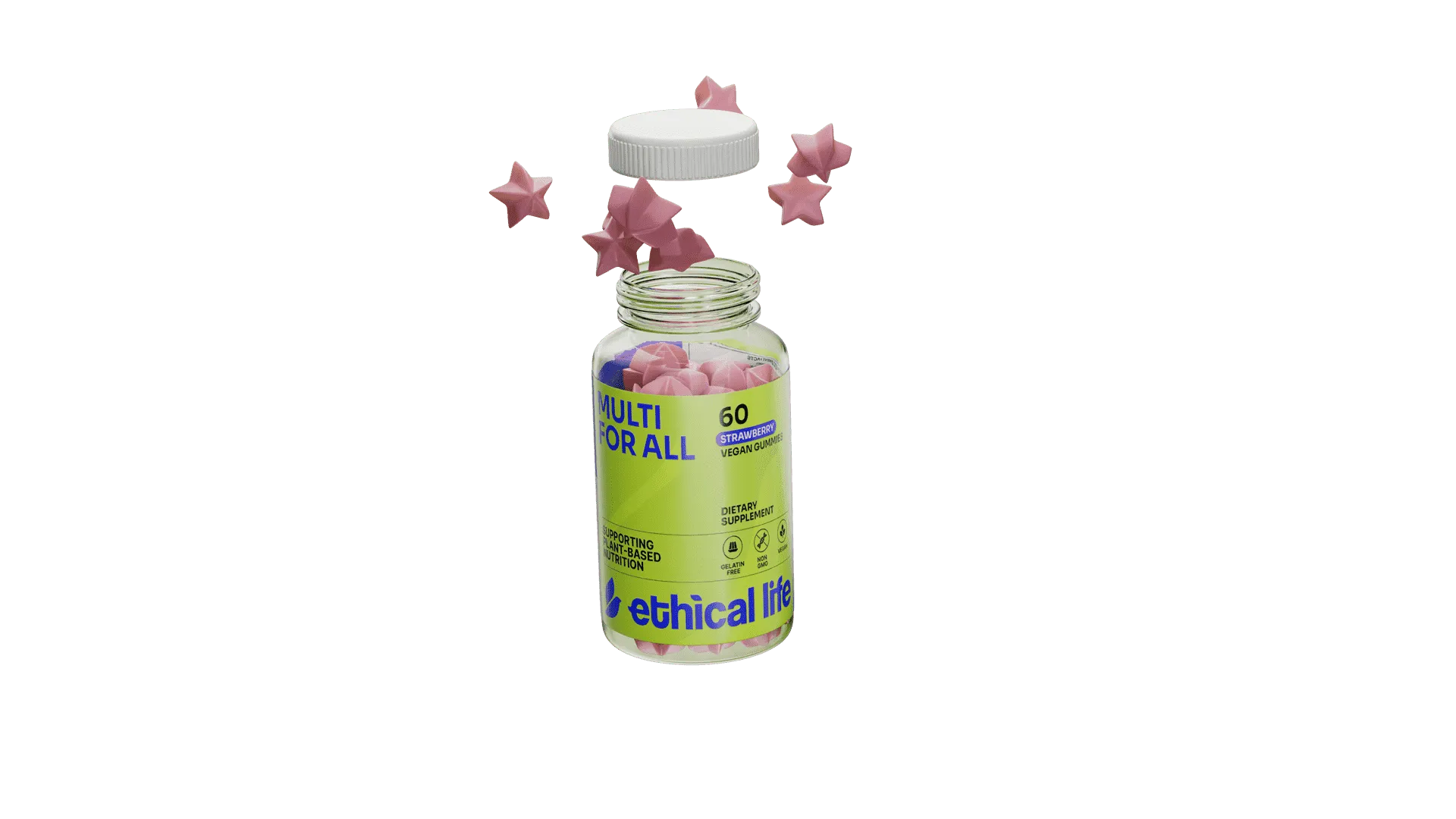
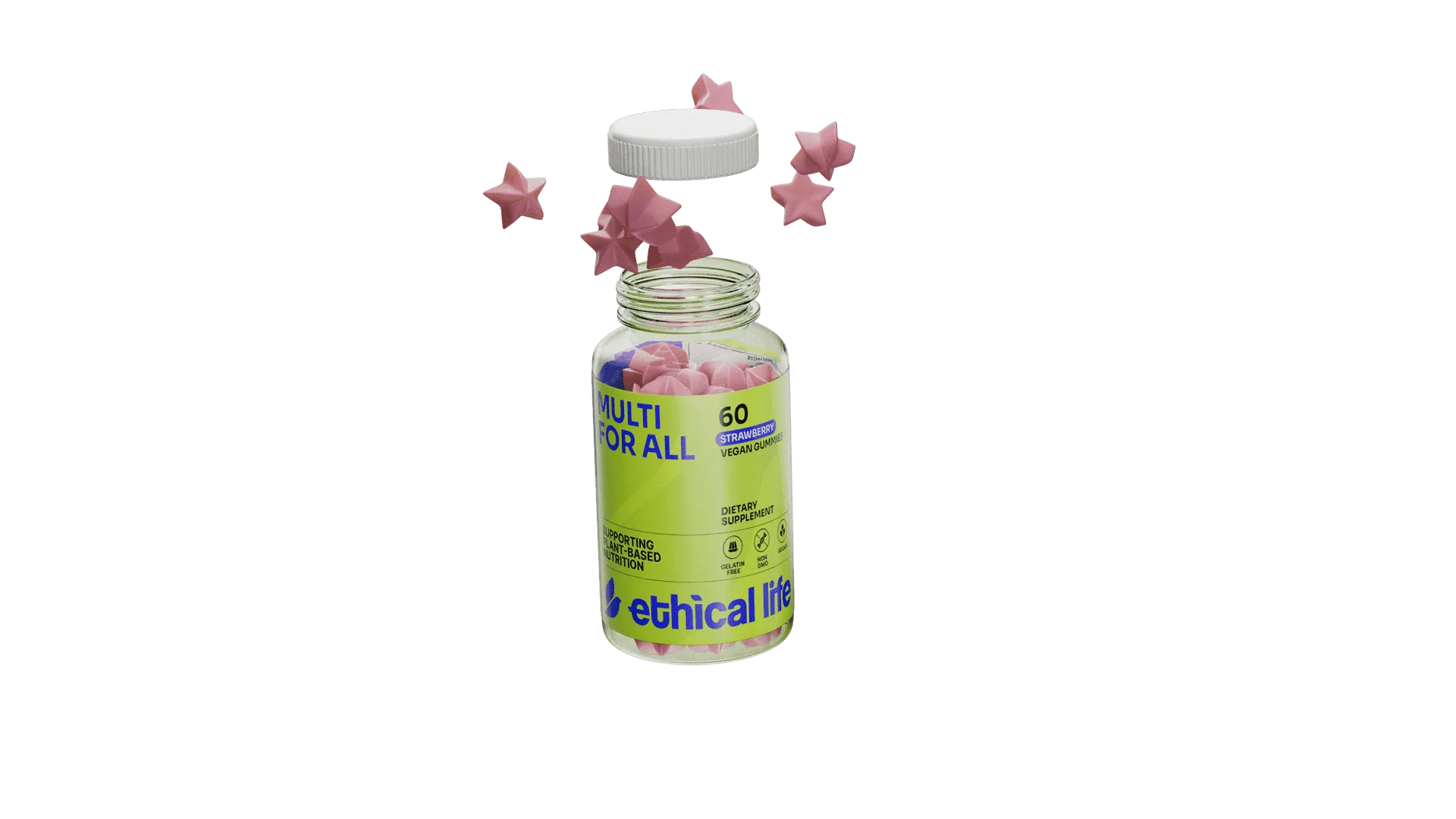
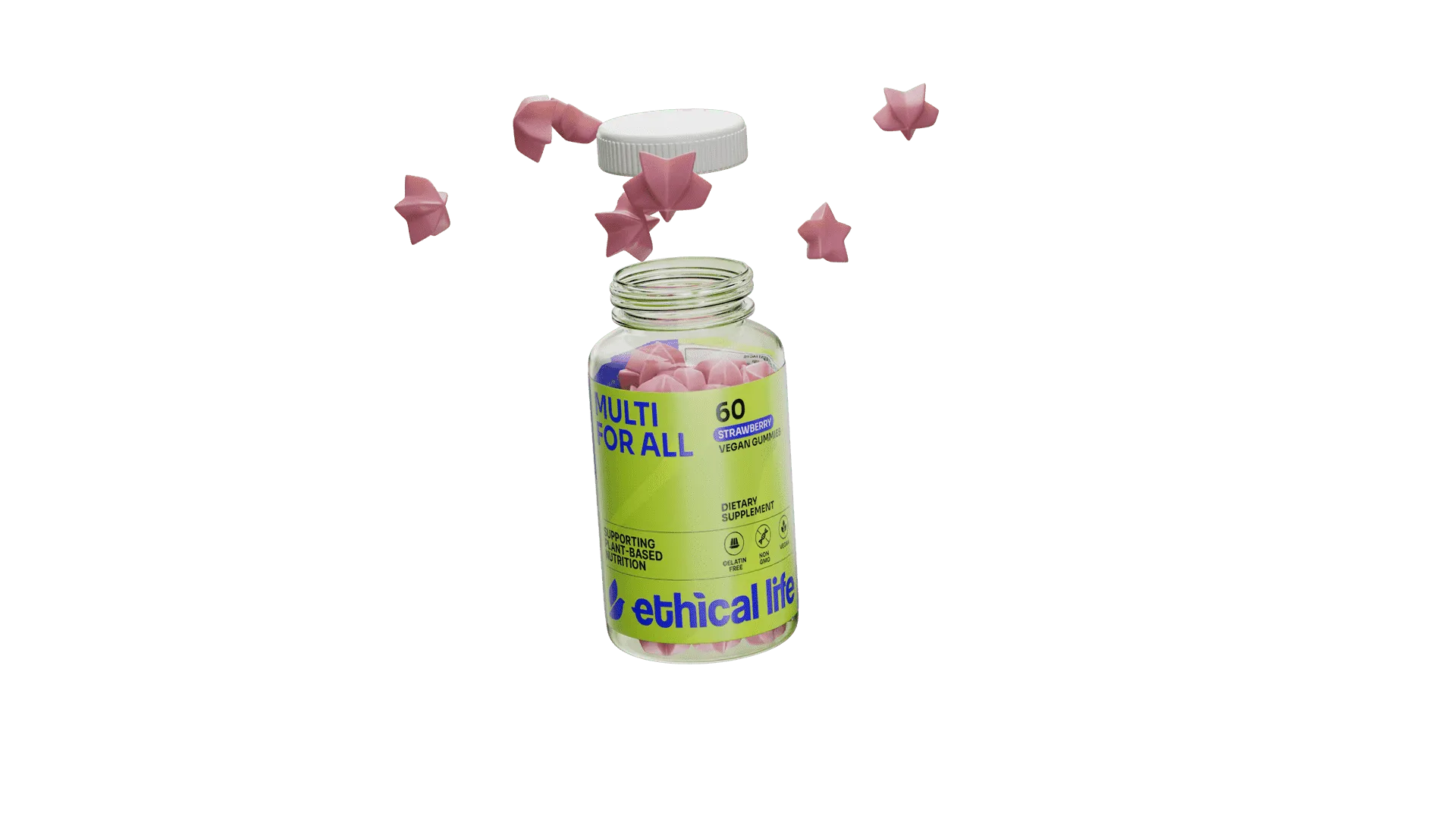
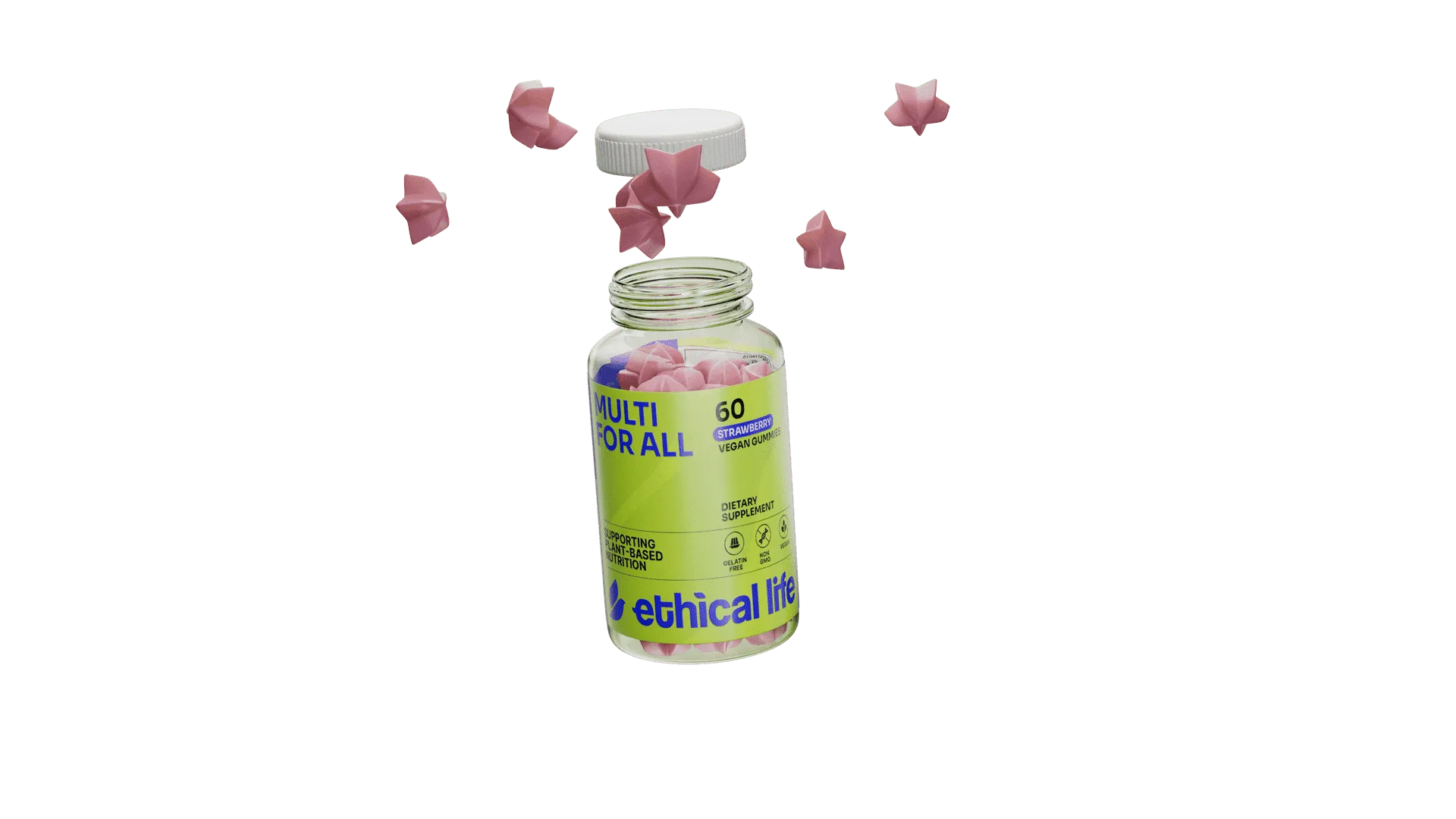
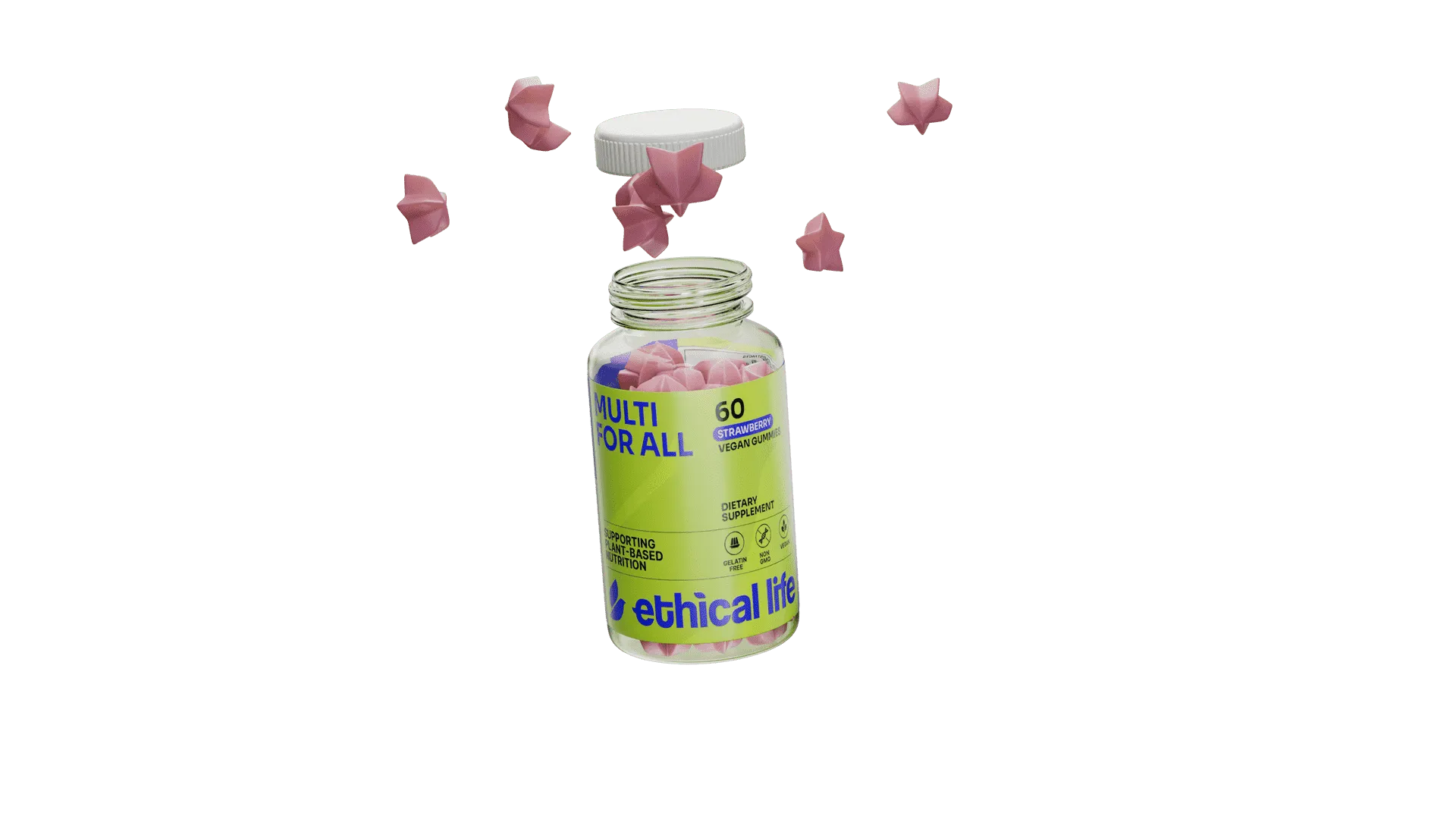
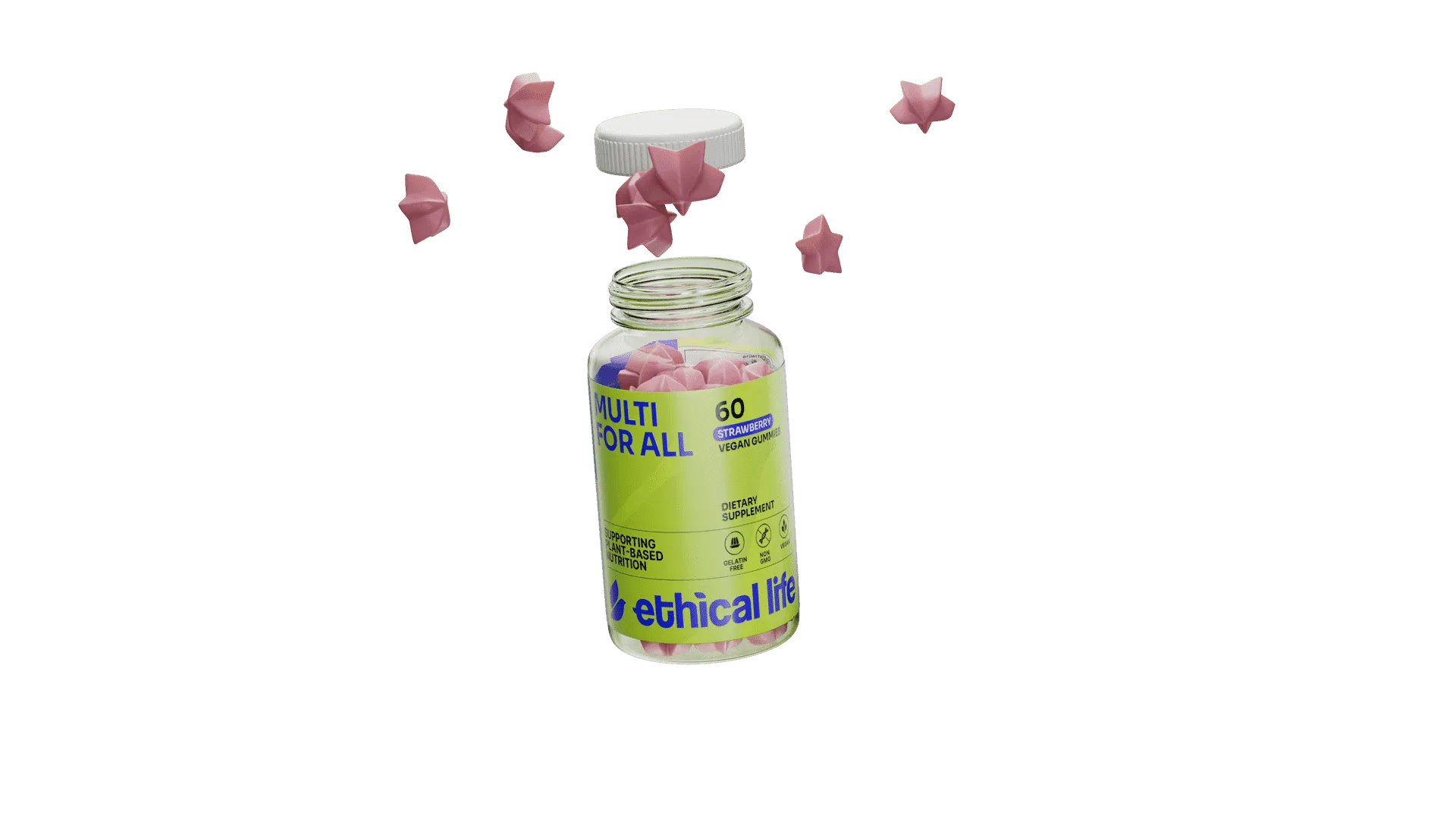
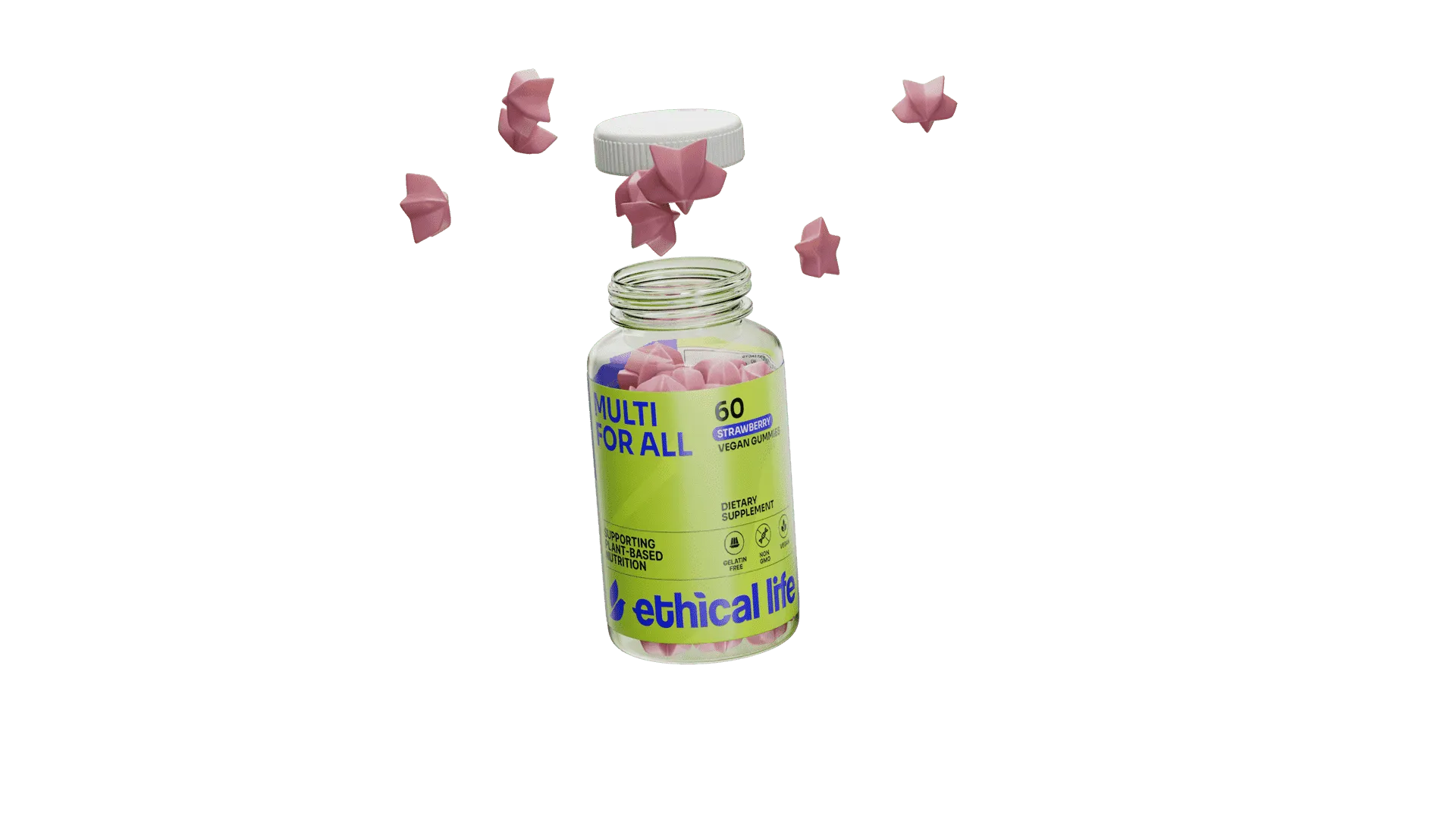
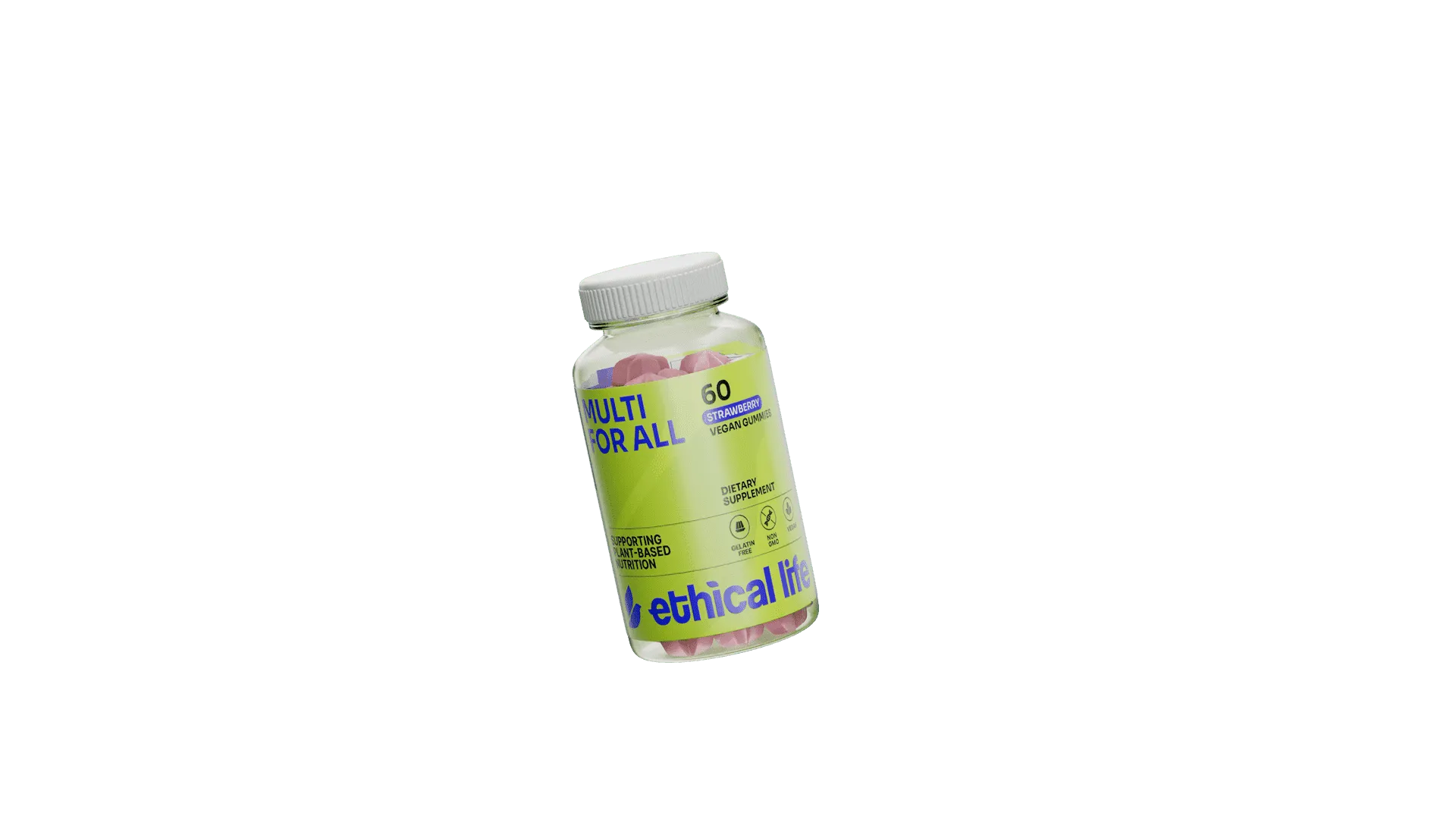
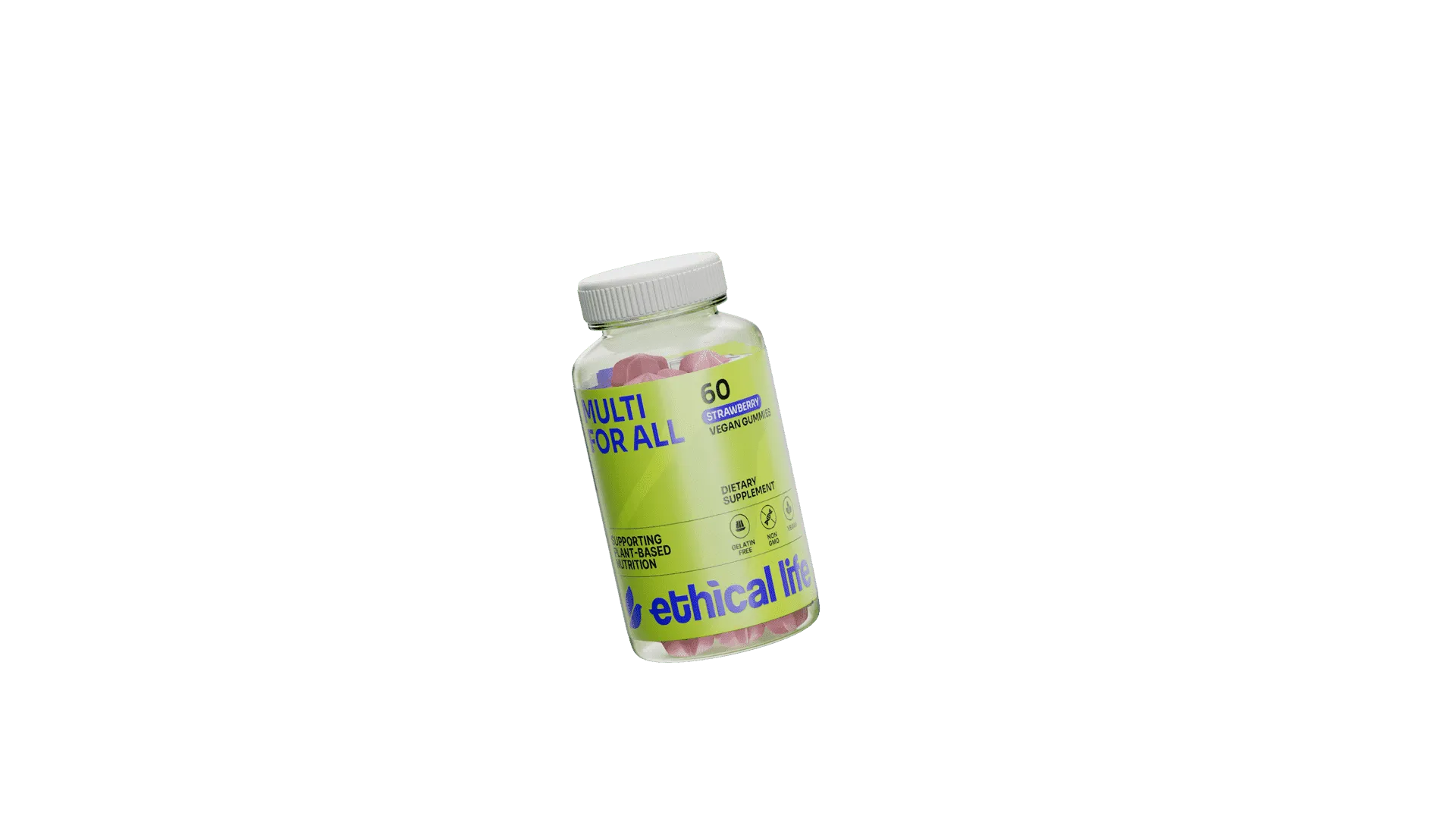
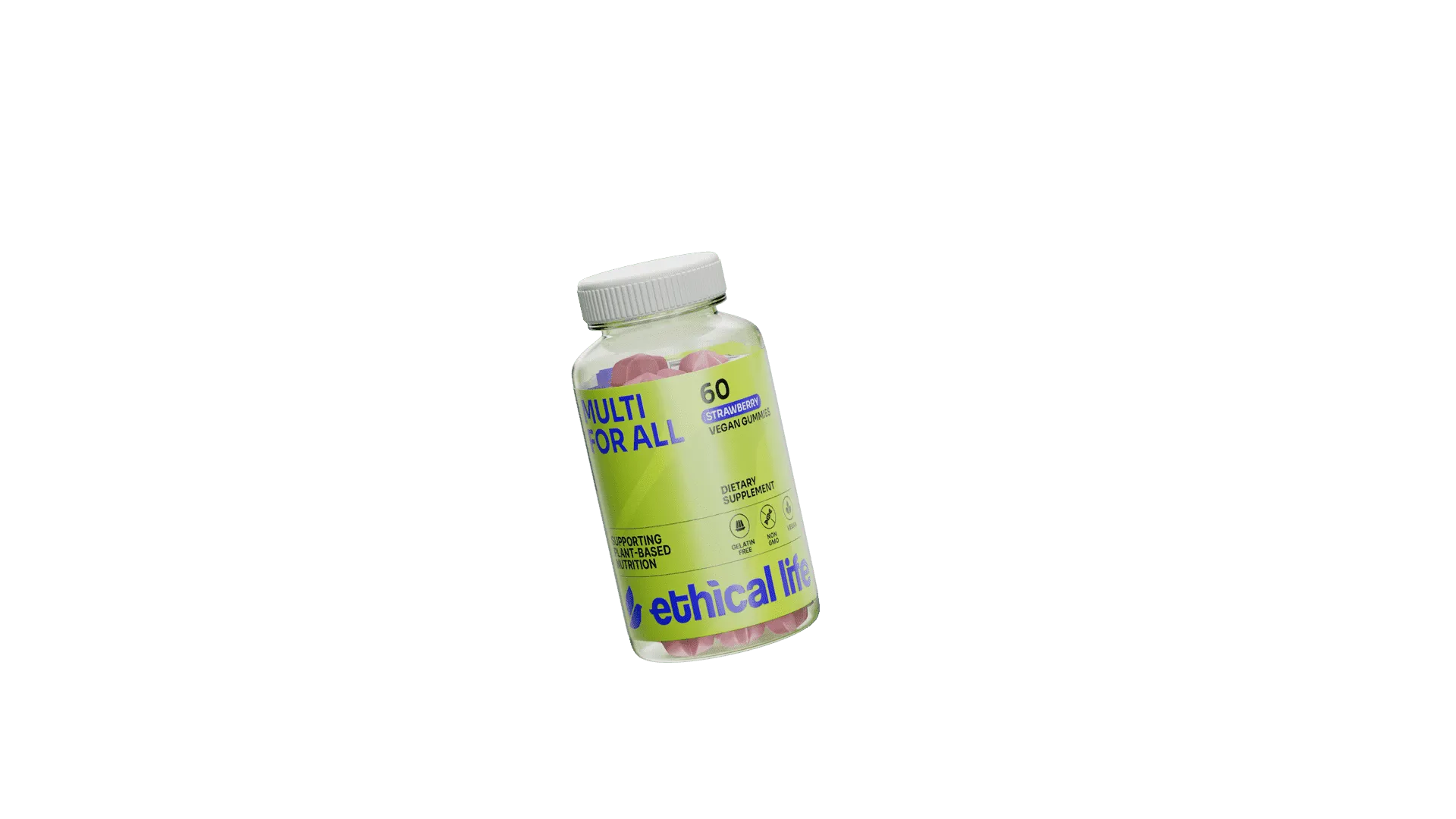
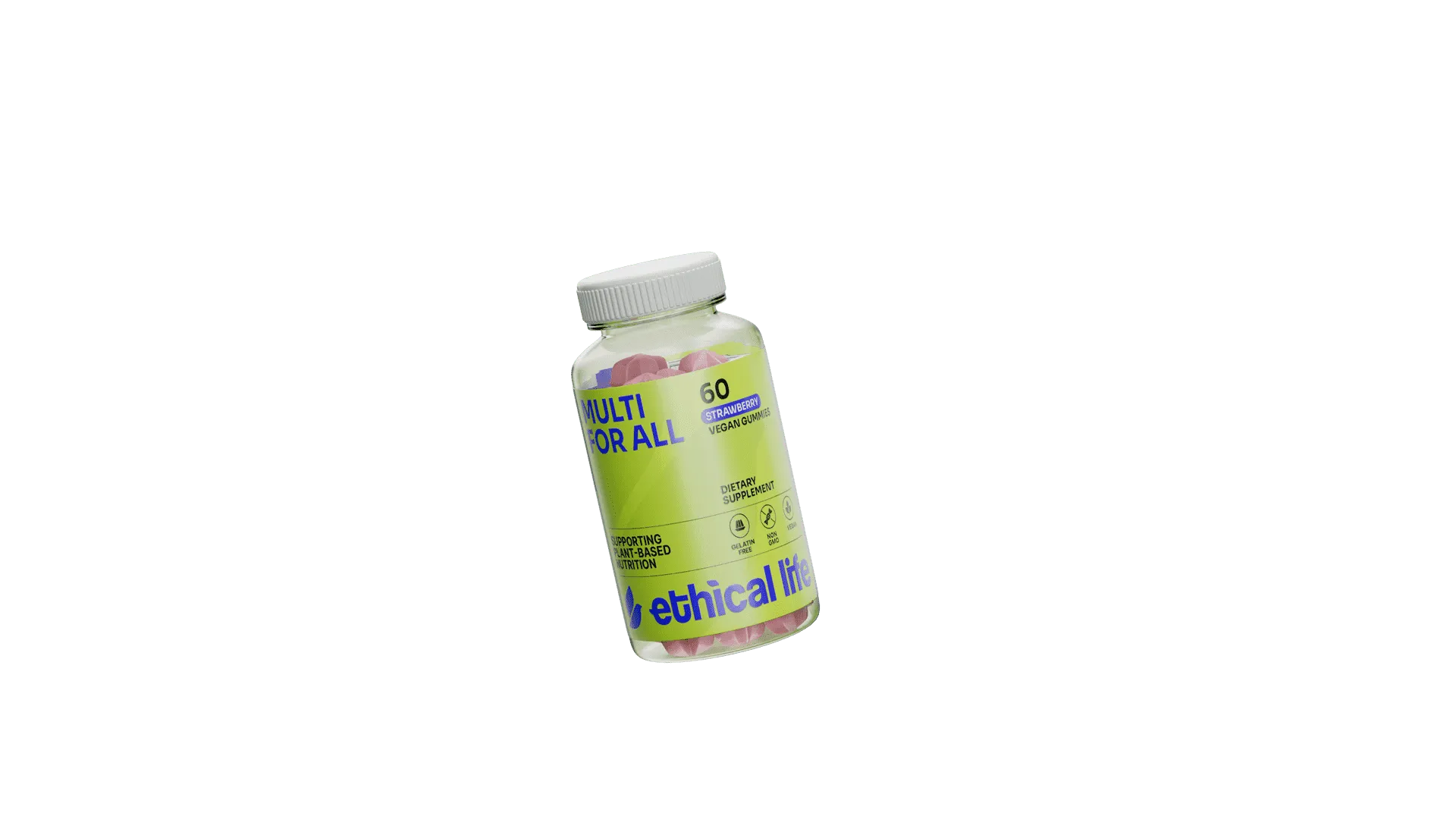
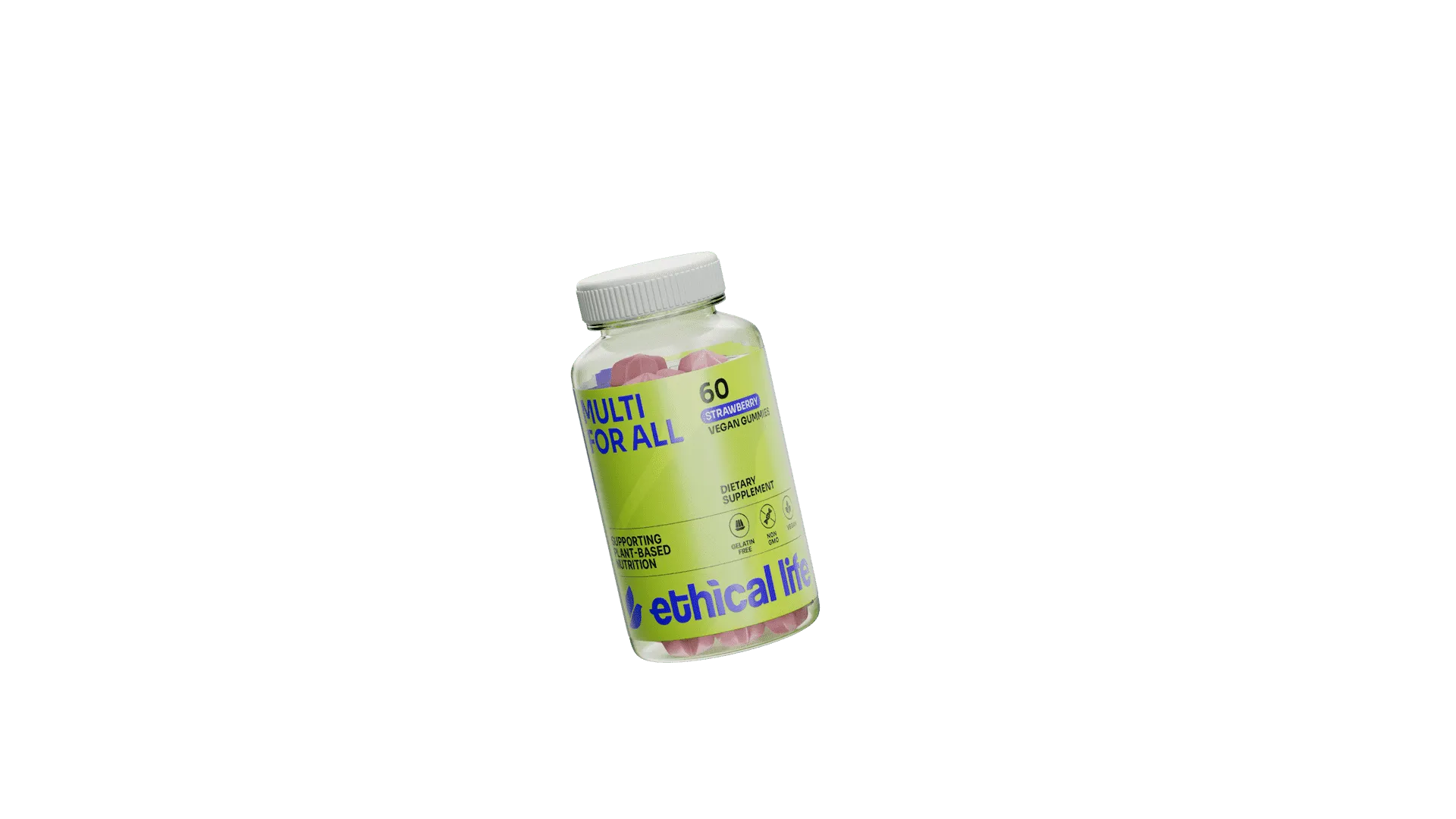
For many people, a high-quality multivitamin can be a practical, well-rounded solution because it helps fill multiple potential nutrient gaps at once. Rather than guessing which single vitamin you may be low in, a multivitamin provides broad nutritional support for daily energy, metabolism, immune health, and overall wellness.
Why Do People Feel Tired All the Time?
Feeling tired is not always caused by one obvious problem. In many cases, fatigue builds slowly due to a combination of lifestyle habits, stress, diet, and nutrient deficiencies. Some people feel exhausted because they are not sleeping well. Others may not be eating enough protein, drinking enough water, or getting enough essential vitamins and minerals.
Common reasons people feel tired include:
- Poor sleep quality
- Chronic stress
- Dehydration
- Low nutrient intake
- Skipping meals
- Blood sugar crashes
- Lack of physical activity
- Too much caffeine
- Iron, vitamin B12, vitamin D deficiencies
- Underlying medical conditions
It is important to remember that fatigue is a symptom, not a diagnosis. If tiredness is severe, ongoing, or paired with symptoms like dizziness, shortness of breath, rapid heartbeat, unexplained weight changes, or persistent low mood, it is best to speak with a healthcare professional. However, for many people, improving daily nutrition is a smart place to start.
How Vitamins Support Energy
Vitamins do not give you energy in the same way calories do. Food provides calories, and calories are the body’s fuel. Vitamins and minerals help your body convert that fuel into usable energy. Think of them as support tools for your metabolism, cells, nerves, muscles, and brain.
For example, B vitamins help your body process carbohydrates, fats, and proteins. Iron helps transport oxygen through the blood. Magnesium supports muscle and nerve function. Vitamin D plays a role in immune health, mood, and overall vitality. When these nutrients are low, your body may not function as efficiently, which can leave you feeling drained.
This is one reason many people feel disappointed after taking a trendy energy supplement. If the product only contains one or two nutrients, but your body needs broader support, the results may be limited.
The Best Vitamins and Minerals for Energy
While no vitamin is a magic solution, several nutrients are closely connected to energy production and fatigue prevention. Here are some of the most important ones to know.
Vitamin B12
Vitamin B12 is one of the most talked-about vitamins for energy, and for good reason. It helps support red blood cell formation, nerve health, and energy metabolism. A B12 deficiency can lead to fatigue, weakness, brain fog, and even numbness or tingling in some cases.
If your B12 levels are already normal, taking extra B12 may not give you a noticeable energy boost. This is one reason why B12 shots or high-dose supplements do not always work for everyone.
B Vitamins
B vitamins work as a team. This group includes thiamine, riboflavin, niacin, pantothenic acid, B6, biotin, folate, and B12. These nutrients help the body turn food into usable energy and support healthy brain and nervous system function.
Because B vitamins are involved in metabolism, they are often marketed as energy boosters. The reality is more specific: they help your body produce energy more efficiently when you are getting enough food and nutrients. If your diet is lacking, supplementing with B vitamins may help support better energy levels over time. A whole food plant based diet will provide most of the Vitamin B the body needs.
Vitamin D
Vitamin D is often associated with bone health, but it also plays a role in immune function, muscle function, and overall wellness. Low vitamin D levels are common, especially among people who spend most of their time indoors, live in areas with limited sunlight, or use sunscreen consistently.
Low vitamin D may contribute to feelings of tiredness, low mood, and muscle weakness. Since vitamin D is not found naturally in many foods, supplementation can be helpful for people who do not get enough through sunlight or diet.
Iron
Iron is essential for helping red blood cells carry oxygen throughout the body. When iron levels are low, the body may struggle to deliver enough oxygen to tissues and muscles, which can lead to fatigue, weakness, shortness of breath, and poor exercise tolerance.
People who may be more likely to have low iron include:
- Women with heavy menstrual cycles
- Pregnant individuals
- Vegetarians and vegans
- Endurance athletes
Iron is important, but it should not be taken casually in high doses unless recommended by a healthcare provider. Too much iron can be harmful. A multivitamin with balanced iron support may be appropriate for some people, while others may need an iron-free formula.
Magnesium
Magnesium supports hundreds of processes in the body, including muscle function, nerve signaling, relaxation, and energy production. Low magnesium intake may contribute to fatigue, muscle cramps, poor sleep, and tension.
Many people do not get enough magnesium from food because modern diets can be low in magnesium-rich foods like leafy greens, legumes, nuts, seeds, and whole grains. Magnesium is not a stimulant, but it may support better energy by helping the body function more smoothly and by promoting healthier sleep quality.
Vitamin C
Vitamin C is best known for immune support, but it also helps with iron absorption and plays a role in antioxidant protection. Since oxidative stress can affect overall wellness, vitamin C can be part of a broader energy-supportive routine. You can get all the vitamin C your body needs from eating varieties of fruits and vegetables.
Why Most Energy Vitamins Do Not Work
Many people buy vitamins expecting an immediate energy boost. When that does not happen, they assume supplements do not work. In reality, the problem is often that expectations do not match how nutrition works.
Most energy vitamins do not work because:
- They only help if you are low in that nutrient
- They are taken inconsistently
- They contain poor-quality ingredients
- They use trendy marketing instead of balanced nutrition
- They ignore sleep, hydration, diet, and stress
- They provide too much of one nutrient and not enough of others
- They are used as a substitute for healthy habits
Why a Multivitamin Can Be a Smarter Solution
Because fatigue can be connected to several nutrient gaps at once, a multivitamin can be a practical option for daily support. Instead of trying to choose one vitamin and hoping it is the right one, a multivitamin offers a broader nutritional foundation.
A great quality multivitamin may support:
- Energy metabolism
- Immune health
- Brain function
- Muscle function
- Bone health
- Nutrient balance
- General wellness
This does not mean every multivitamin is created equally. Some formulas contain unnecessary fillers, low-quality nutrient forms, or unbalanced doses. The best multivitamin is one that is thoughtfully formulated, easy to take consistently, and designed to support real daily wellness rather than quick-fix promises.
What to Look for in an Energy-Supporting Multivitamin
When choosing a multivitamin for energy support, look beyond the front label. Marketing terms can be misleading, so it is important to review the ingredient panel and overall quality.
Consider looking for:
- A broad range of essential vitamins and minerals
- B vitamins for energy metabolism
- Vitamin D for immune and muscle support
- Clean, transparent labeling
- Reasonable nutrient levels
- No exaggerated claims
- A formula that fits your lifestyle and dietary needs
Consistency also matters. Taking a multivitamin once in a while is unlikely to make a meaningful difference. For best results, it should be part of a daily wellness routine that includes balanced meals, hydration, movement, and quality sleep.
Food First, Supplements Second
Supplements are meant to support your diet, not replace it. The foundation of natural energy starts with nutrient-rich foods. A balanced diet gives your body calories, protein, healthy fats, complex carbohydrates, fiber, and phytonutrients that vitamins alone cannot fully provide.
Still, even people who eat well may have nutritional gaps. Busy schedules, limited food variety, stress and dietary restrictions can all affect daily intake. That is where a high-quality multivitamin can provide helpful support.
Lifestyle Habits That Help Vitamins Work Better
If you want vitamins to support your energy, it is important to create the right environment for them to work. Supplements are most effective when paired with healthy daily habits.
To support better energy naturally:
- Sleep 7 to 9 hours when possible
- Drink water throughout the day
- Eat a well balanced whole food plant based nutrition
- Avoid relying on caffeine as your main energy source
- Move your body regularly
- Get sunlight when appropriate
- Manage stress with simple routines
- Eliminate highly processed foods
- Take supplements consistently
Small habits can add up. You do not need a perfect routine to feel better. You need a sustainable one.
FAQ
Do vitamins give you instant energy?
No. Vitamins do not work like caffeine or energy drinks. They support the body’s natural energy processes over time, especially when fatigue is connected to a deficiency or nutrient gap.
Why do I still feel tired after taking vitamins?
You may still feel tired if your fatigue is caused by poor sleep, stress, dehydration, low calorie intake, blood sugar imbalance, or an underlying health condition. You may also be taking a supplement that does not match your body’s actual needs.
Is B12 the best vitamin for energy?
B12 is important for energy metabolism and red blood cell formation, but it is not always the answer. It may help if you are low in B12, but extra B12 may not increase energy if your levels are already normal.
Can a multivitamin help with fatigue?
A multivitamin may help support energy if your fatigue is related to general nutrient gaps. It provides a broader range of vitamins and minerals than a single-nutrient supplement, making it a practical daily wellness option.
How long does it take for vitamins to improve energy?
It depends on the person, the nutrient, and the severity of the deficiency. Some people may notice changes within a few weeks, while others may need more time and consistent daily use.
Should I talk to a doctor about fatigue?
Yes, especially if fatigue is severe, long-lasting, or comes with other symptoms. A healthcare professional can help identify whether your tiredness is related to nutrition, sleep, hormones, anemia, thyroid function, or another medical concern.
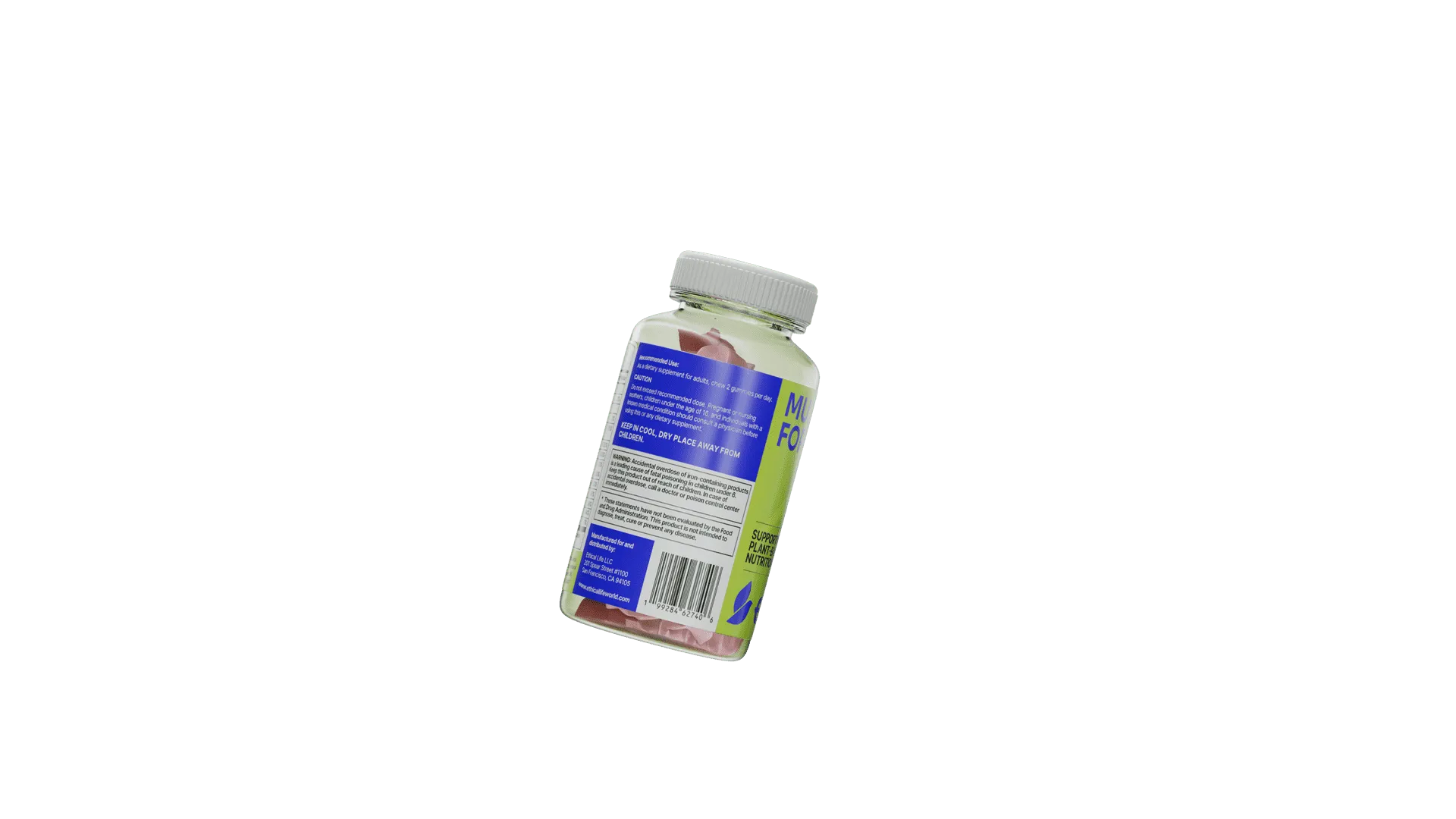
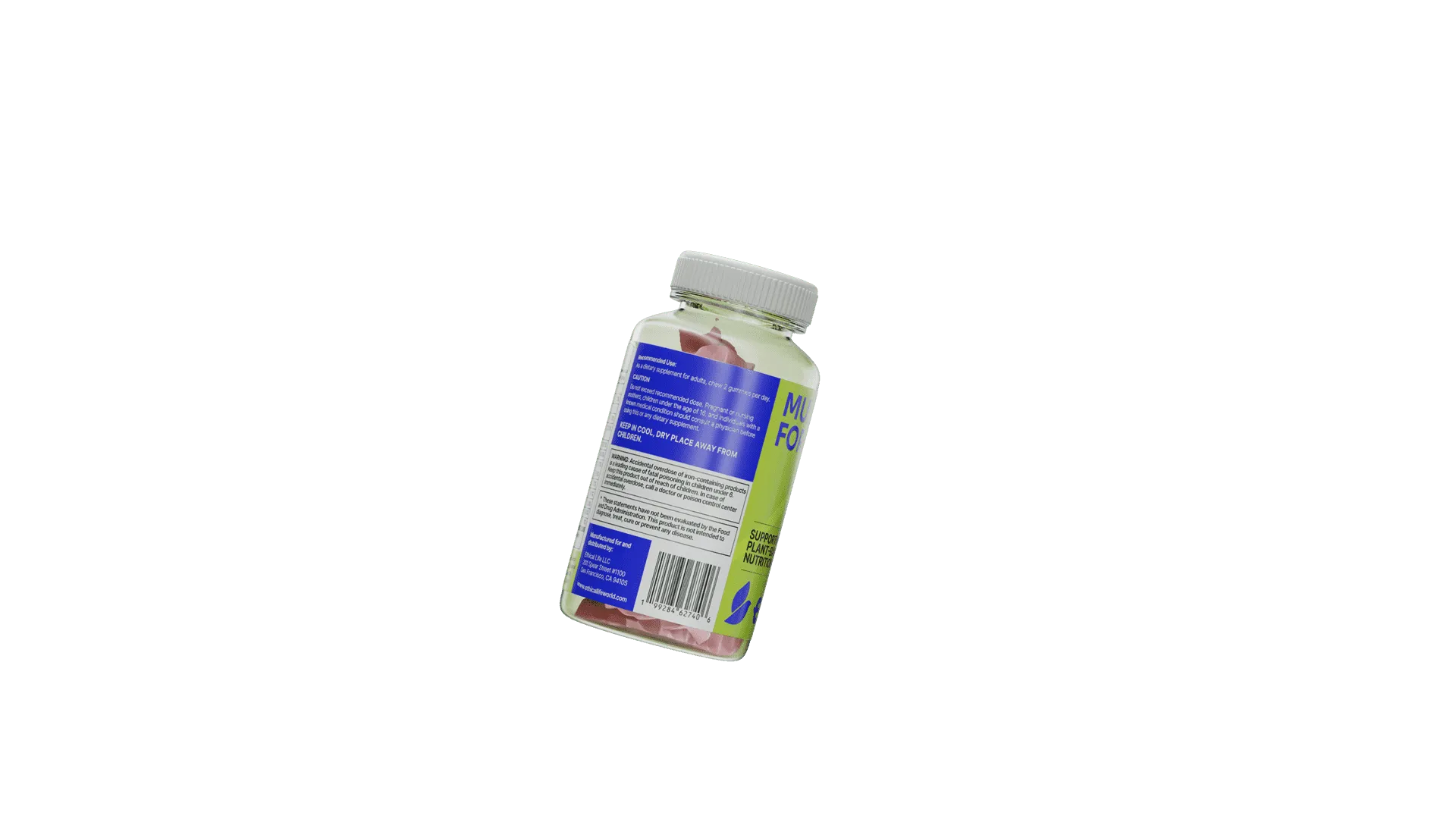
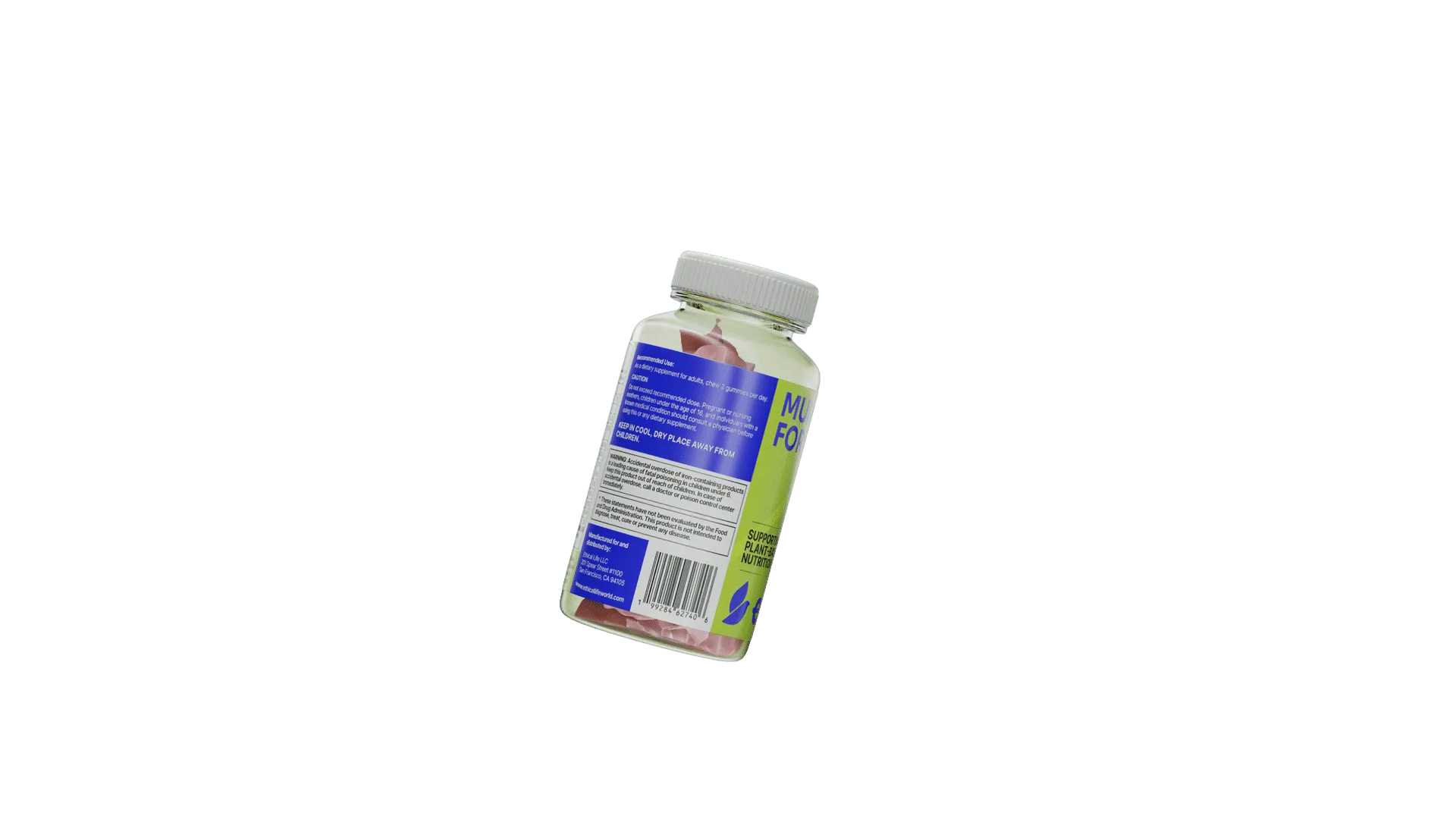
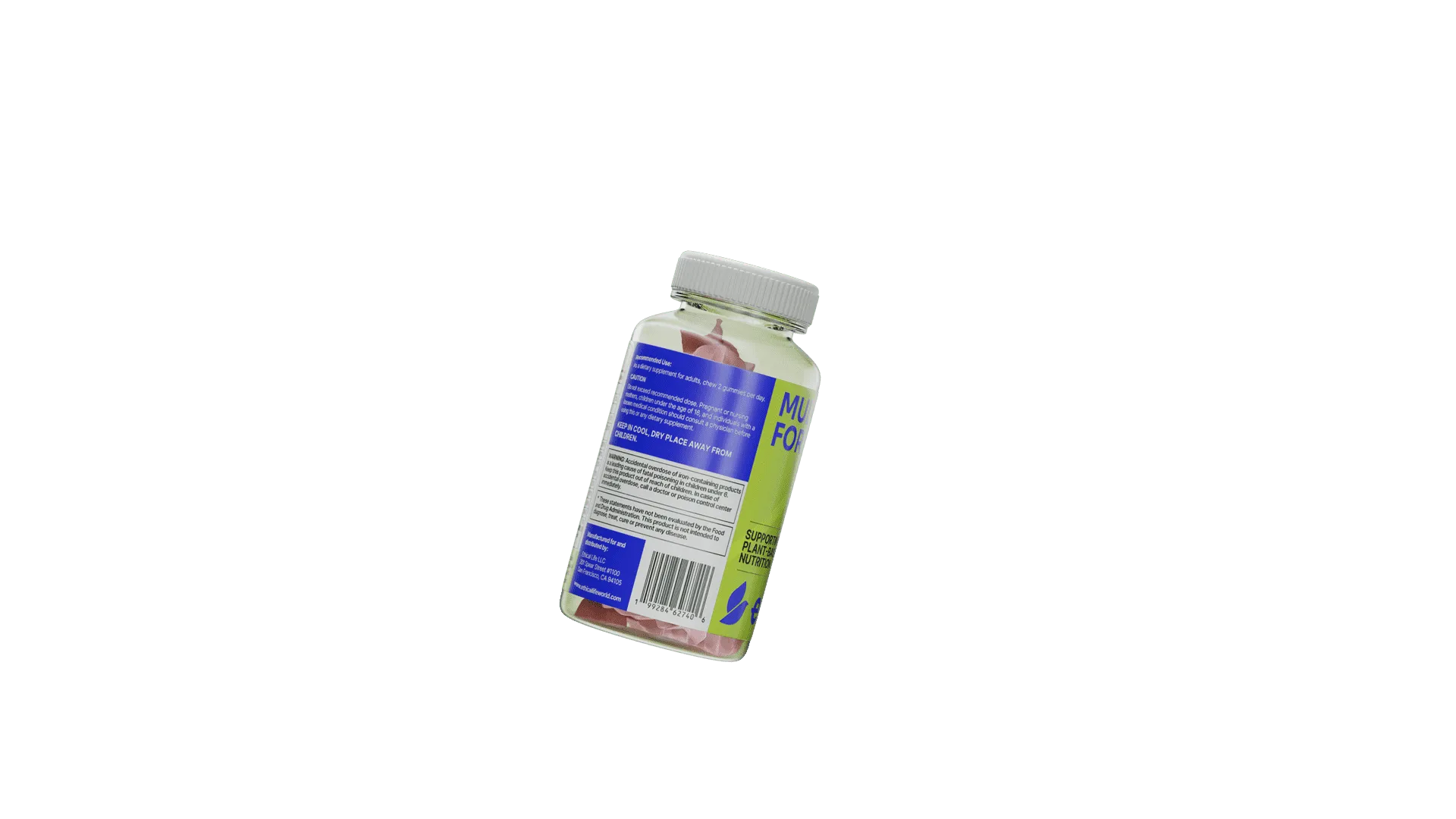
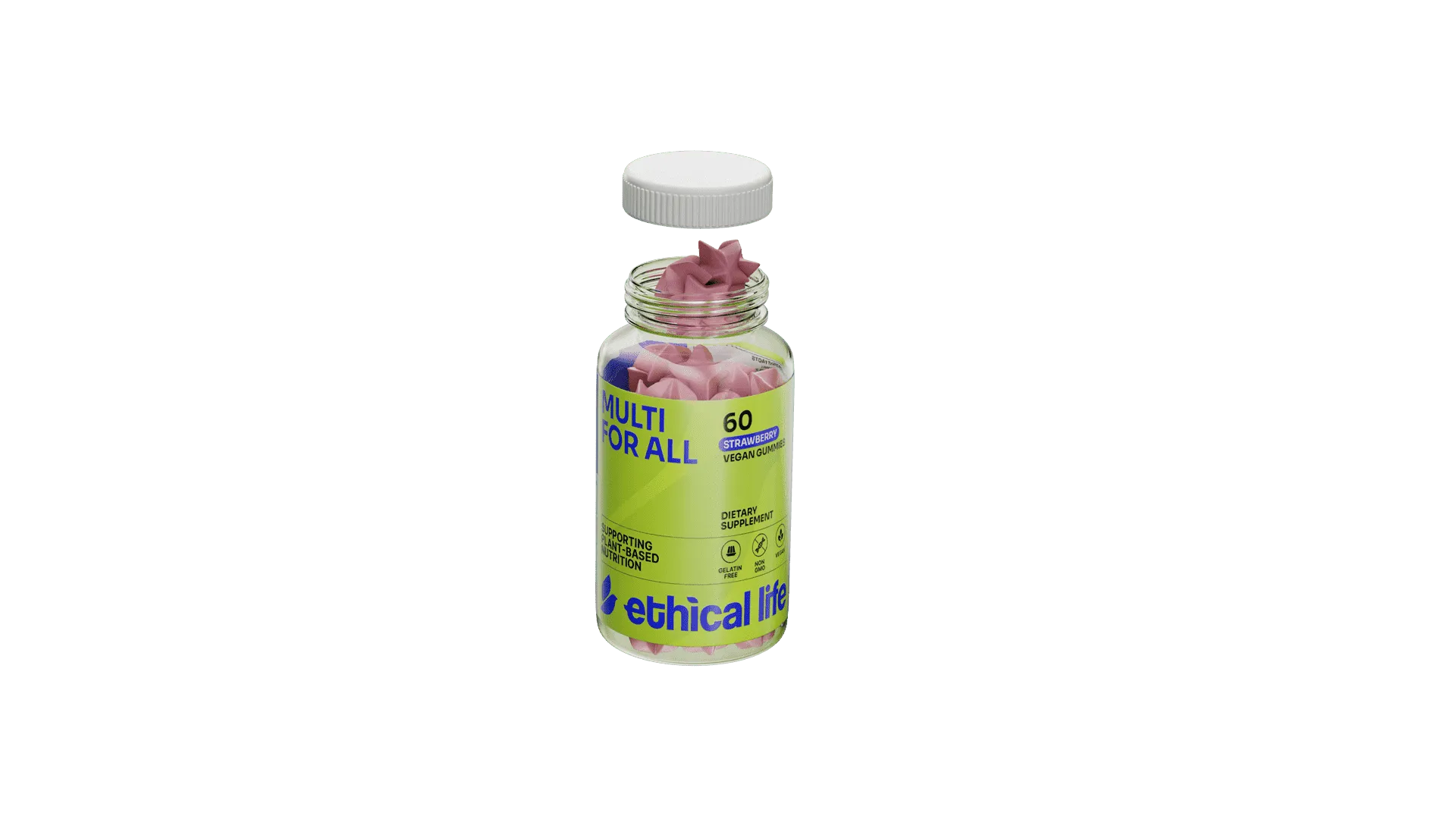
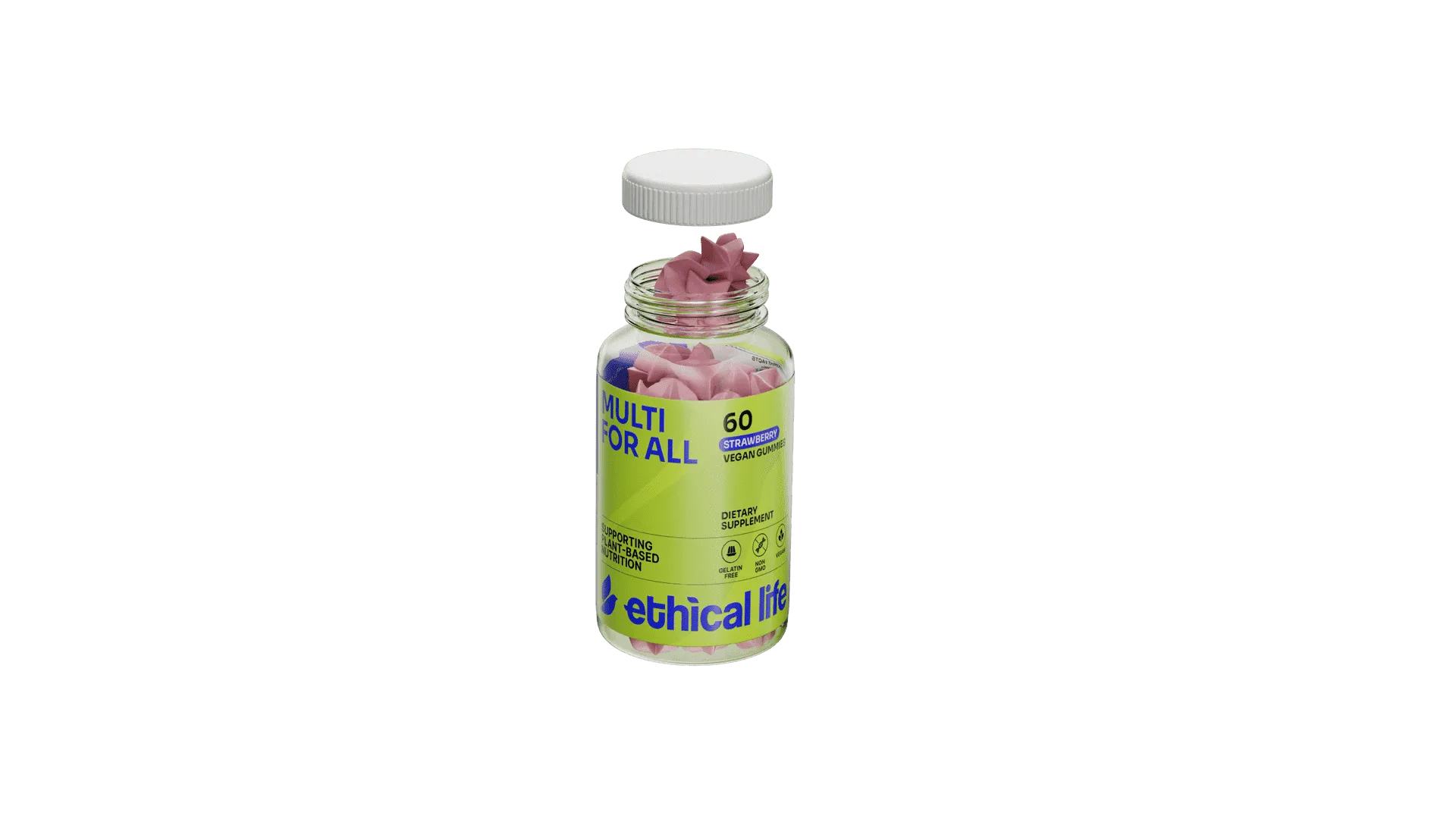
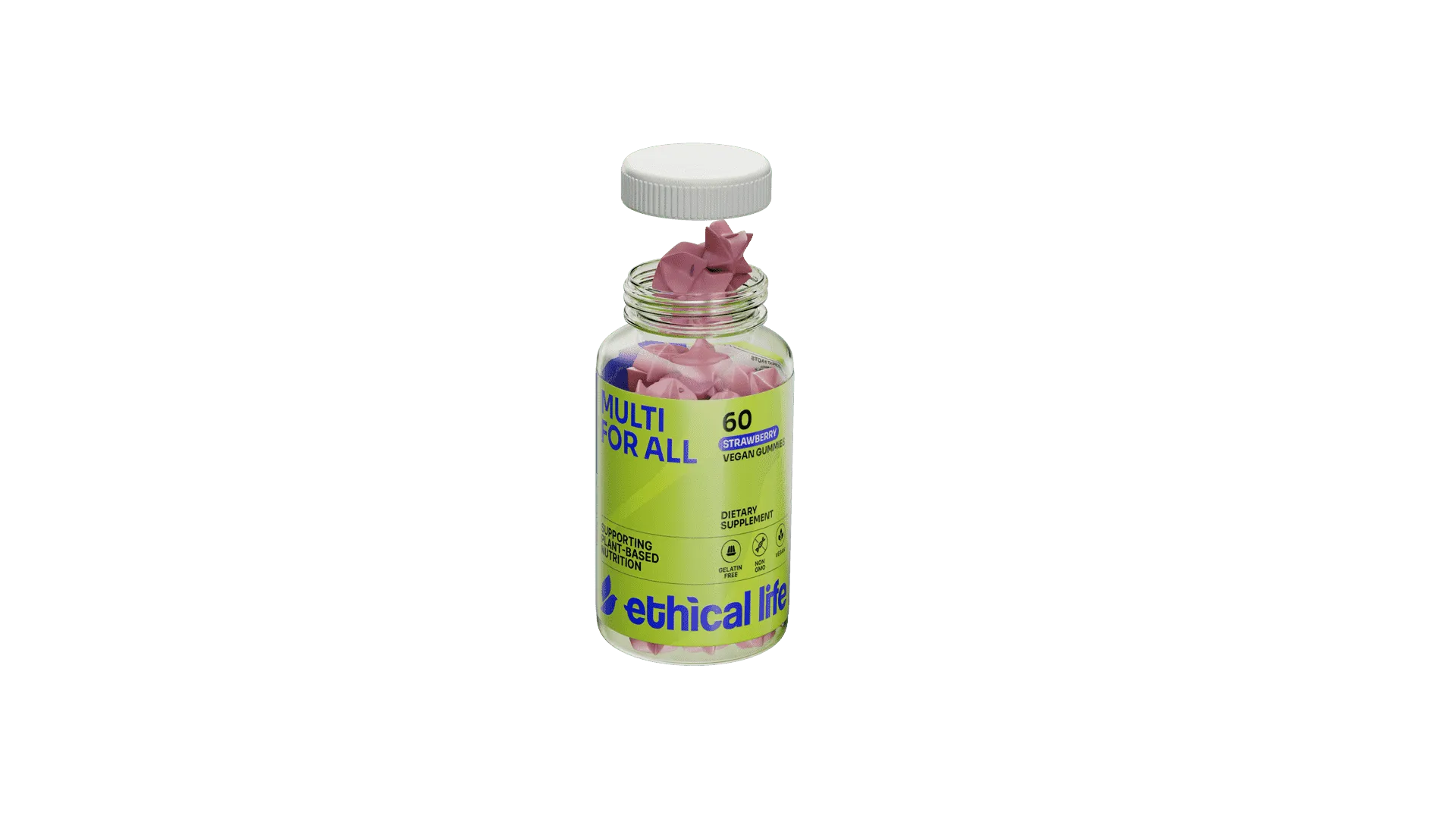
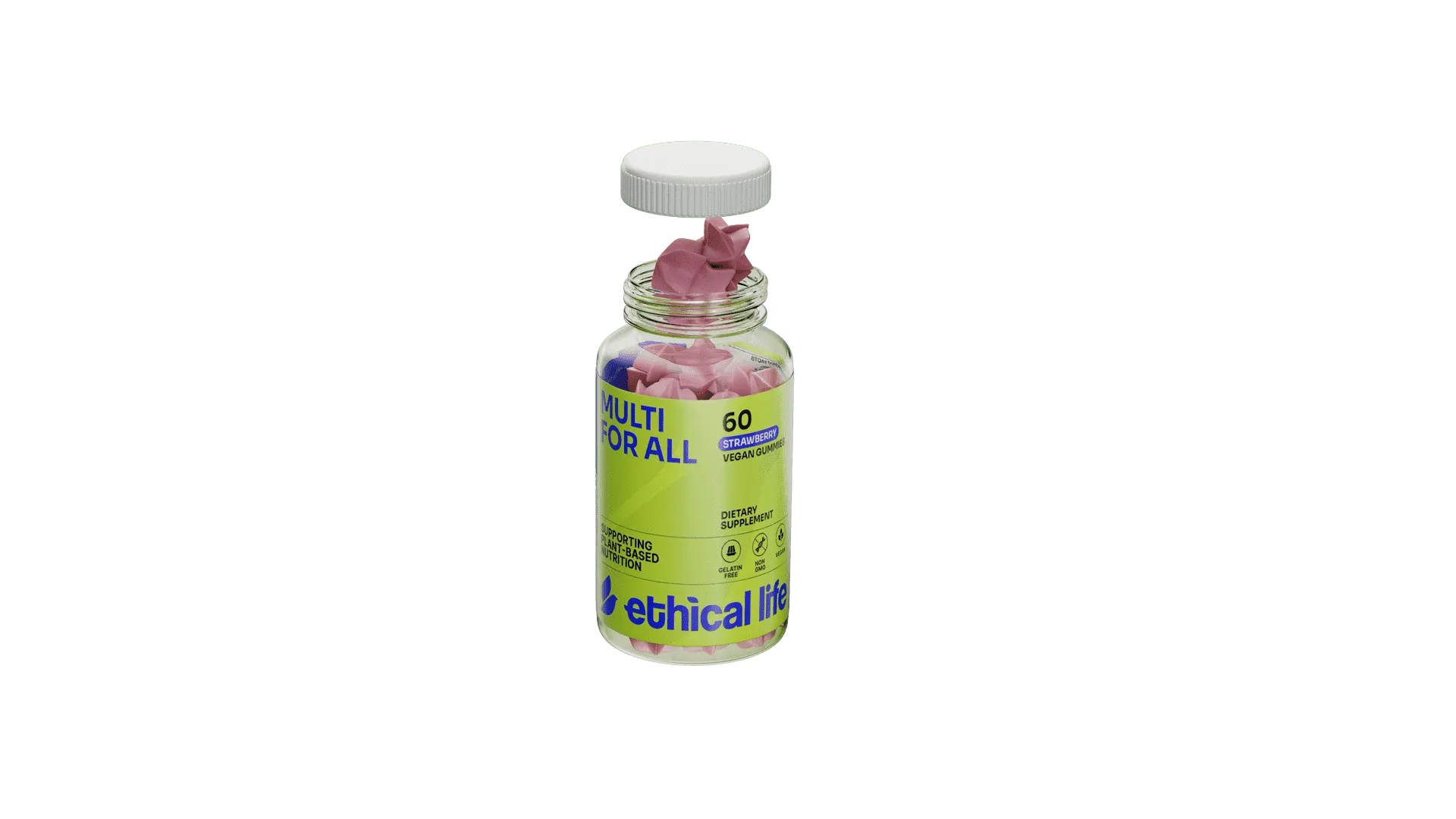
Support Your Energy With Ethical Life
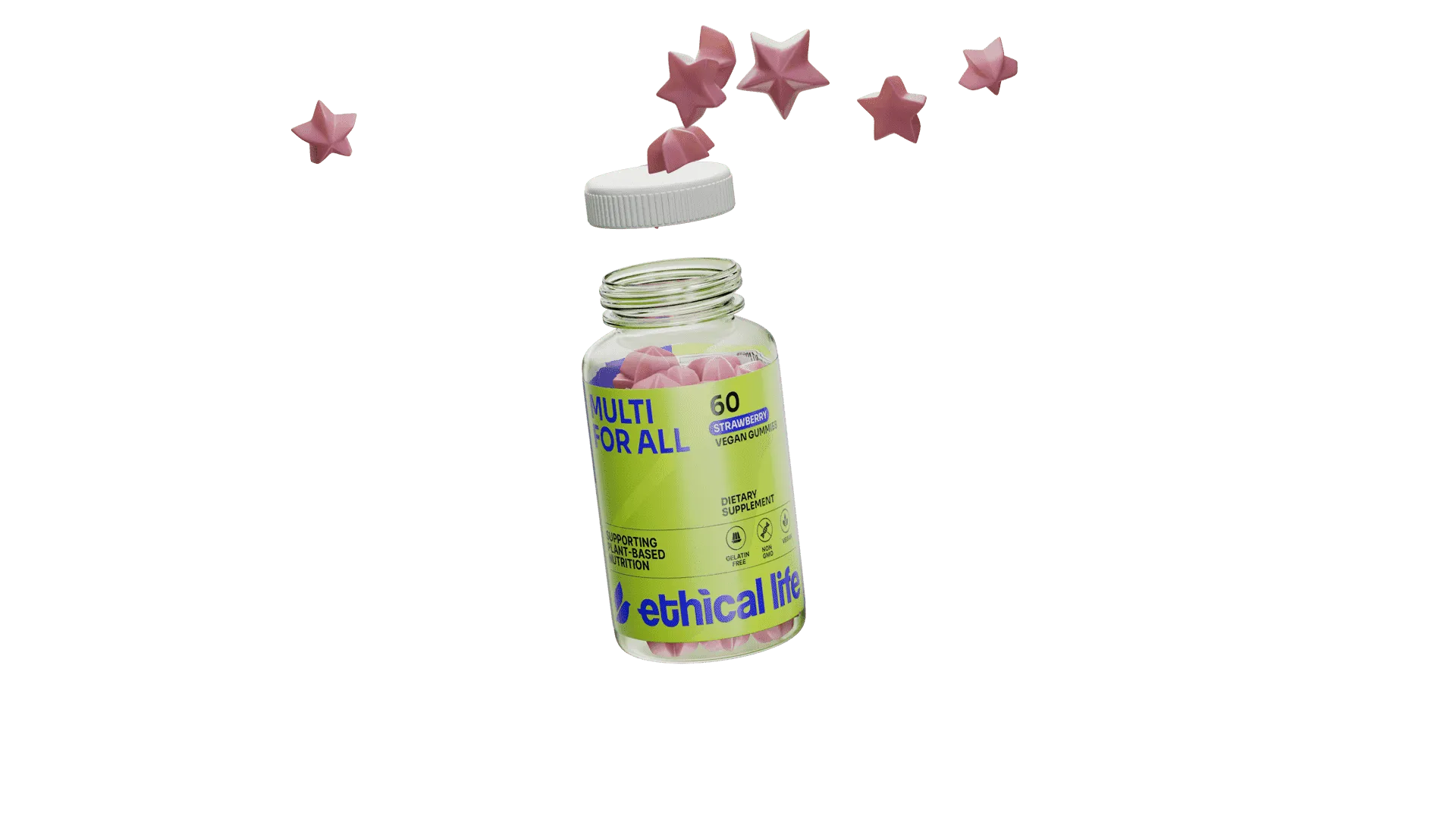
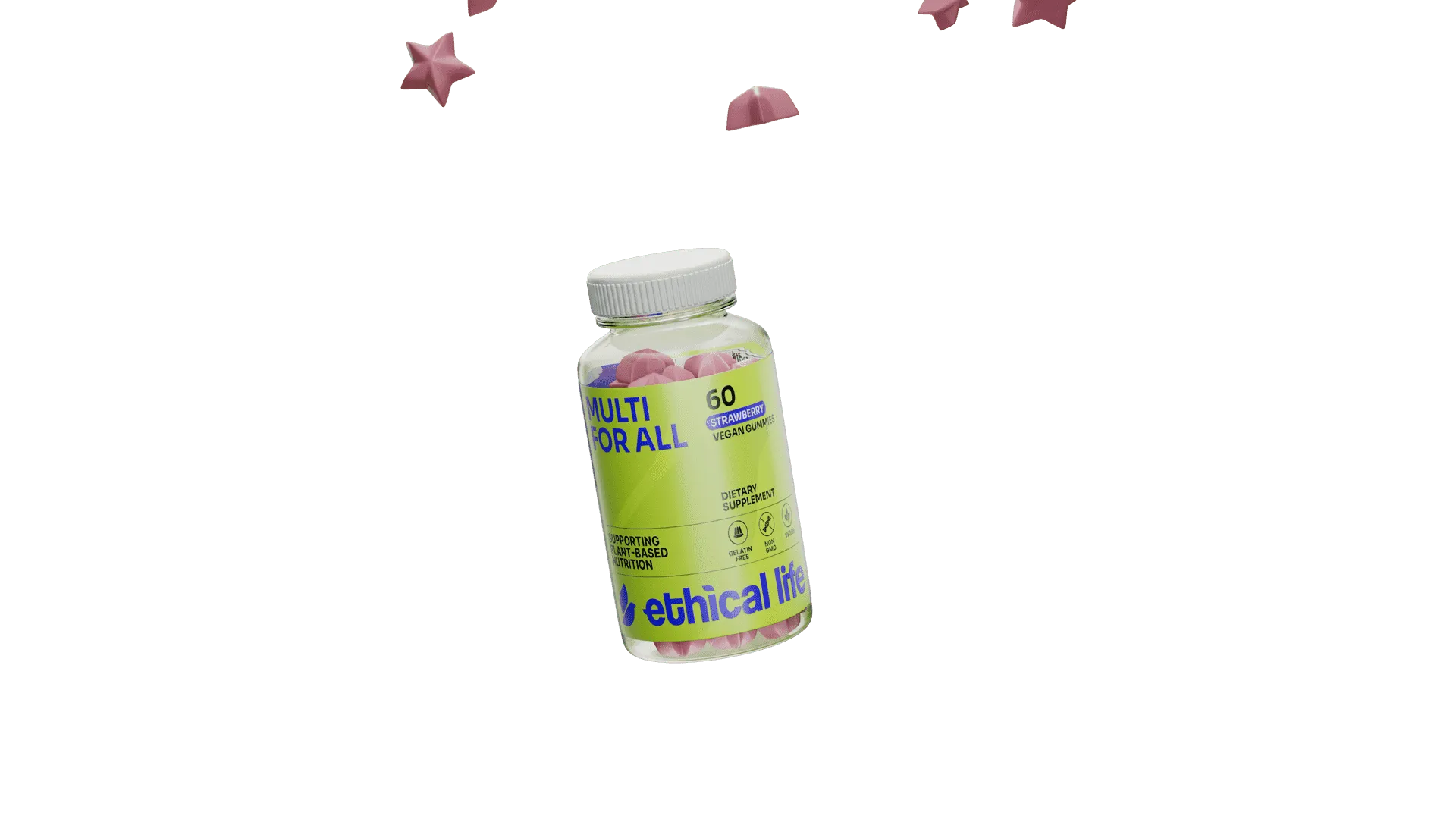
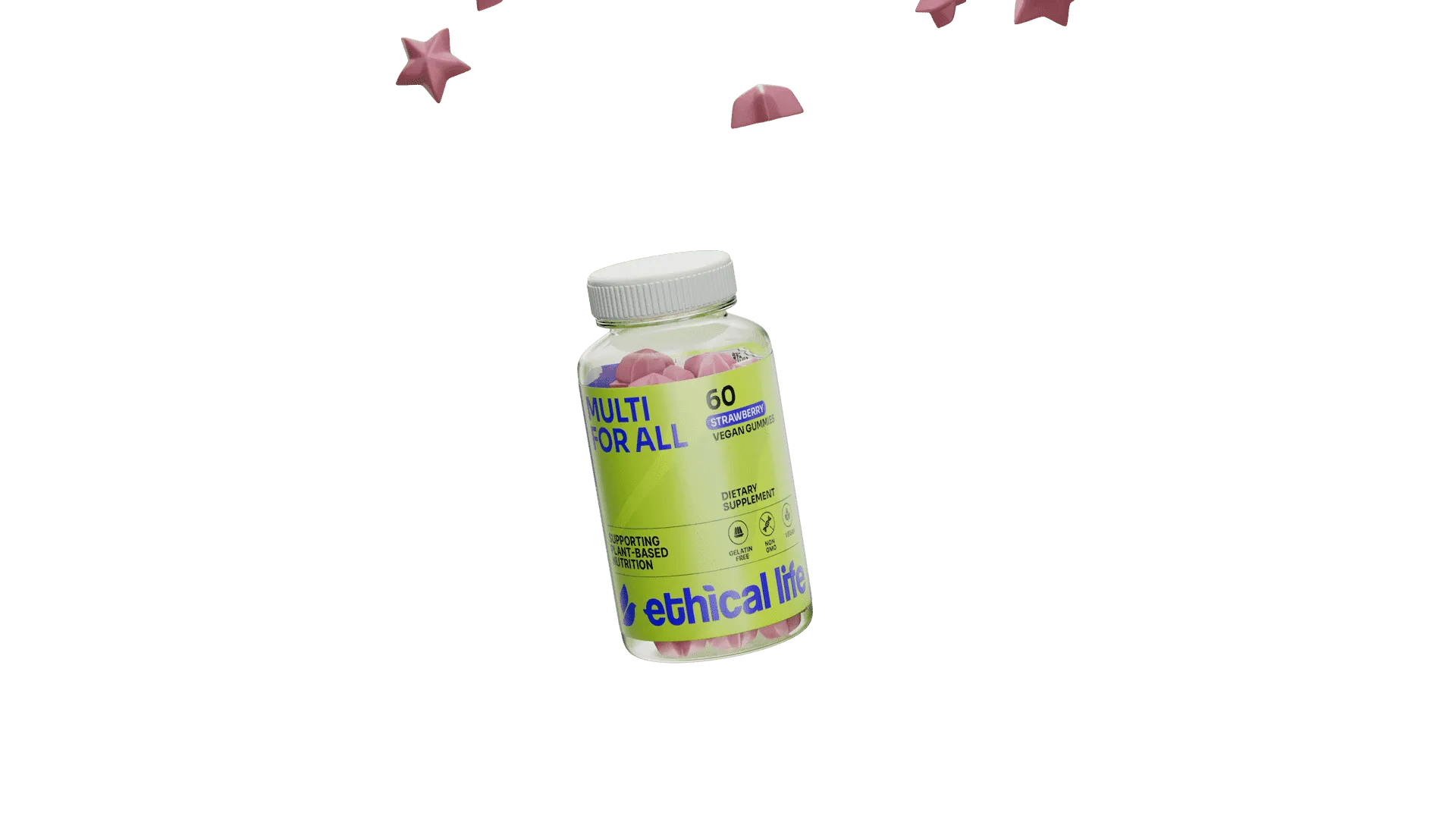
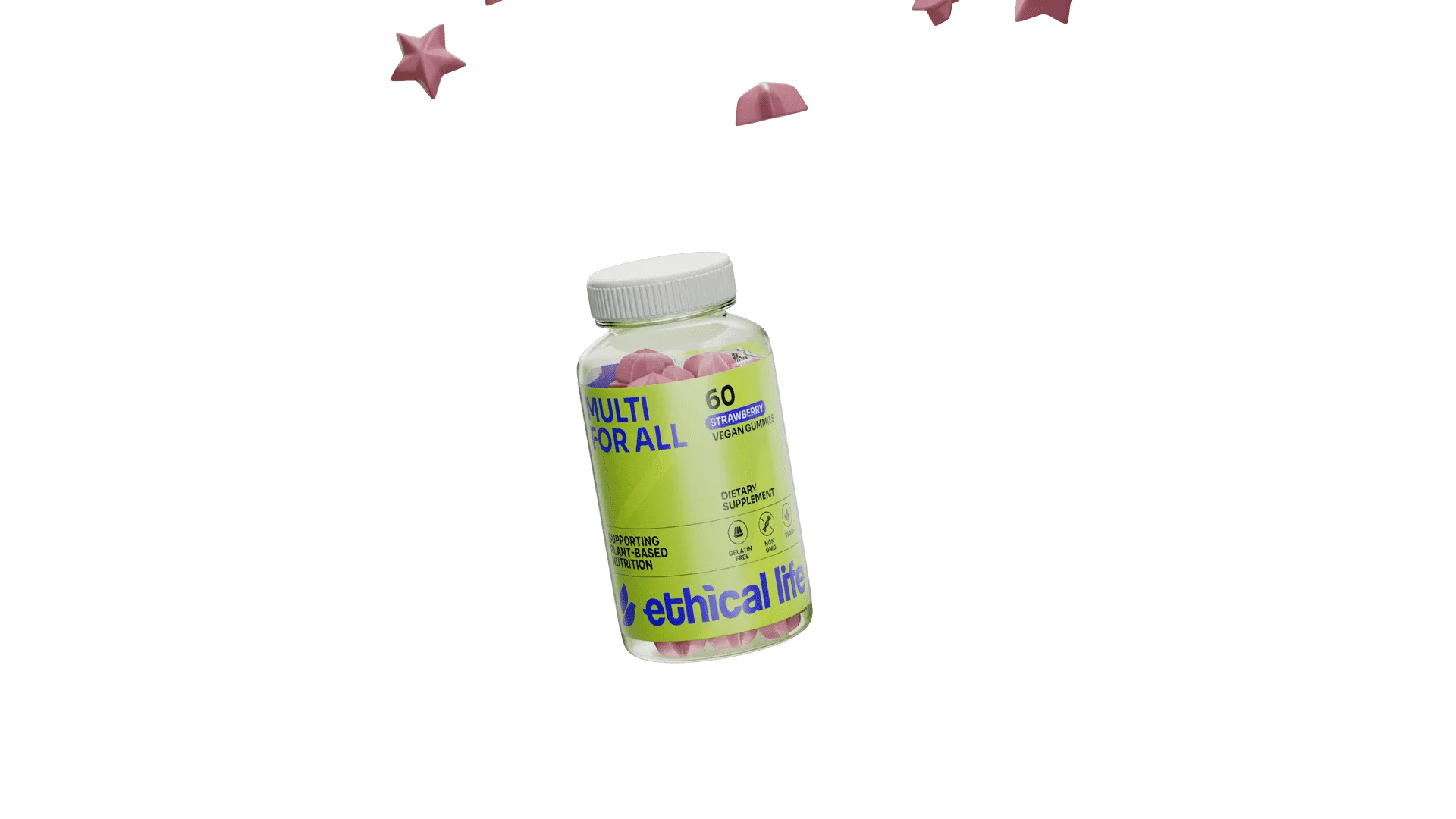
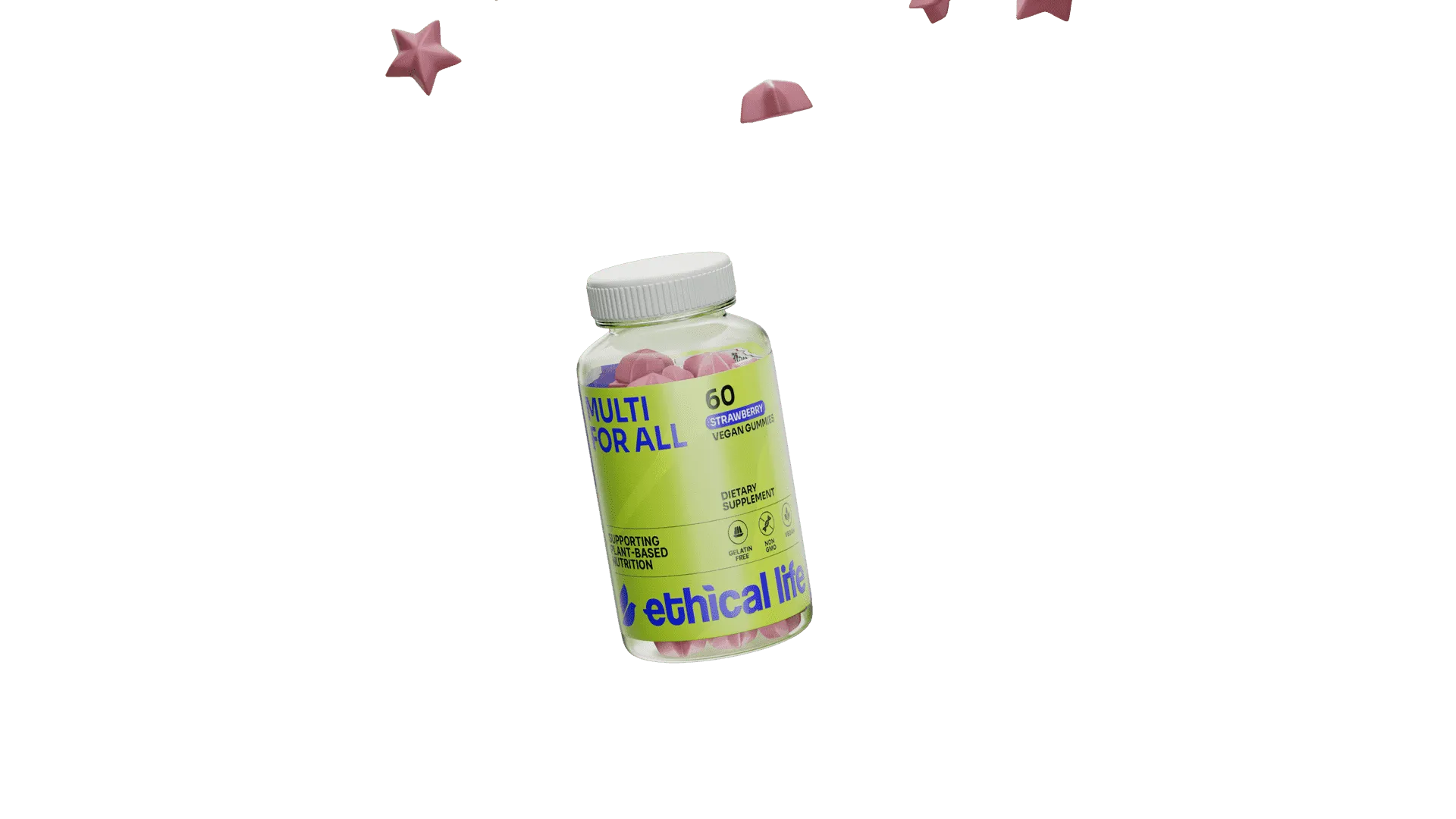
Feeling energized starts with giving your body the daily support it needs. While no supplement can replace sleep, hydration, balanced meals, and healthy habits, the right multivitamin can help fill nutritional gaps and support your body’s natural energy systems. Ethical Life is committed to helping people make thoughtful wellness choices with products designed for everyday health and vitality. Explore Ethical Life today and discover daily support that fits your wellness routine.

Published on June 18, 2026
Back to blog