Frequently Asked Questions About Calcium
What does calcium do for the body?
Beyond building strong bones and teeth, calcium is a vital electrolyte that triggers muscle contractions across skeletal, smooth, and cardiac tissues. It facilitates nerve signaling, regulates vascular tone and blood pressure, acts as a critical cofactor in blood clotting, and functions as an intracellular messenger allowing cells to respond to hormonal signals.
What are the signs of calcium deficiency?
Early signs of calcium deficiency (hypocalcemia) include muscle cramps, numbness or tingling in the fingers and toes, fatigue, brittle nails, and tooth decay. In severe cases, it can progress to abnormal heart rhythms, involuntary muscle spasms, or seizures. Chronic low intake may silently deplete bone density for years before acute symptoms appear.
Can you have too much calcium?
Exceeding the Tolerable Upper Intake Level, 2,500 mg/day for adults under 50 and 2,000 mg/day for those over 50, can cause hypercalcemia. Symptoms include excessive thirst, frequent urination, nausea, abdominal pain, confusion, and an elevated risk of kidney stones. Fortified foods and supplements can combine to push intake above the UL without the person realizing it.
How can I improve calcium absorption?
Pairing calcium-rich foods with adequate vitamin D is the most evidence-based strategy, since calcitriol drives active calcium transport across the intestinal lining. Exploring the benefits of vitamin D shows how closely these two nutrients depend on each other. Choosing low-oxalate vegetables like kale and bok choy over high-oxalate options like spinach, and avoiding high-calcium meals alongside high-phytate or high-sodium foods, meaningfully improves the fraction of calcium that reaches circulation.
What foods are highest in calcium?
Excellent plant-based sources include low-oxalate greens (bok choy, broccoli, kale), fortified soy drinks, fortified orange juice, calcium-set tofu, and fortified breads. Spinach contains substantial calcium on paper, but its high oxalate content limits fractional absorption to approximately 5.1%, making it a poor calcium source despite its nutritional reputation (NIH research on calcium intake and plant-based sources).
Calcium earns its standing as an essential mineral not just because of what it builds, but because of what it sustains every moment. It works constantly. Every heartbeat, every muscle contraction, and every nerve signal crossing a synaptic gap depends on the tight regulation of that 1% of total body calcium circulating outside the skeleton.
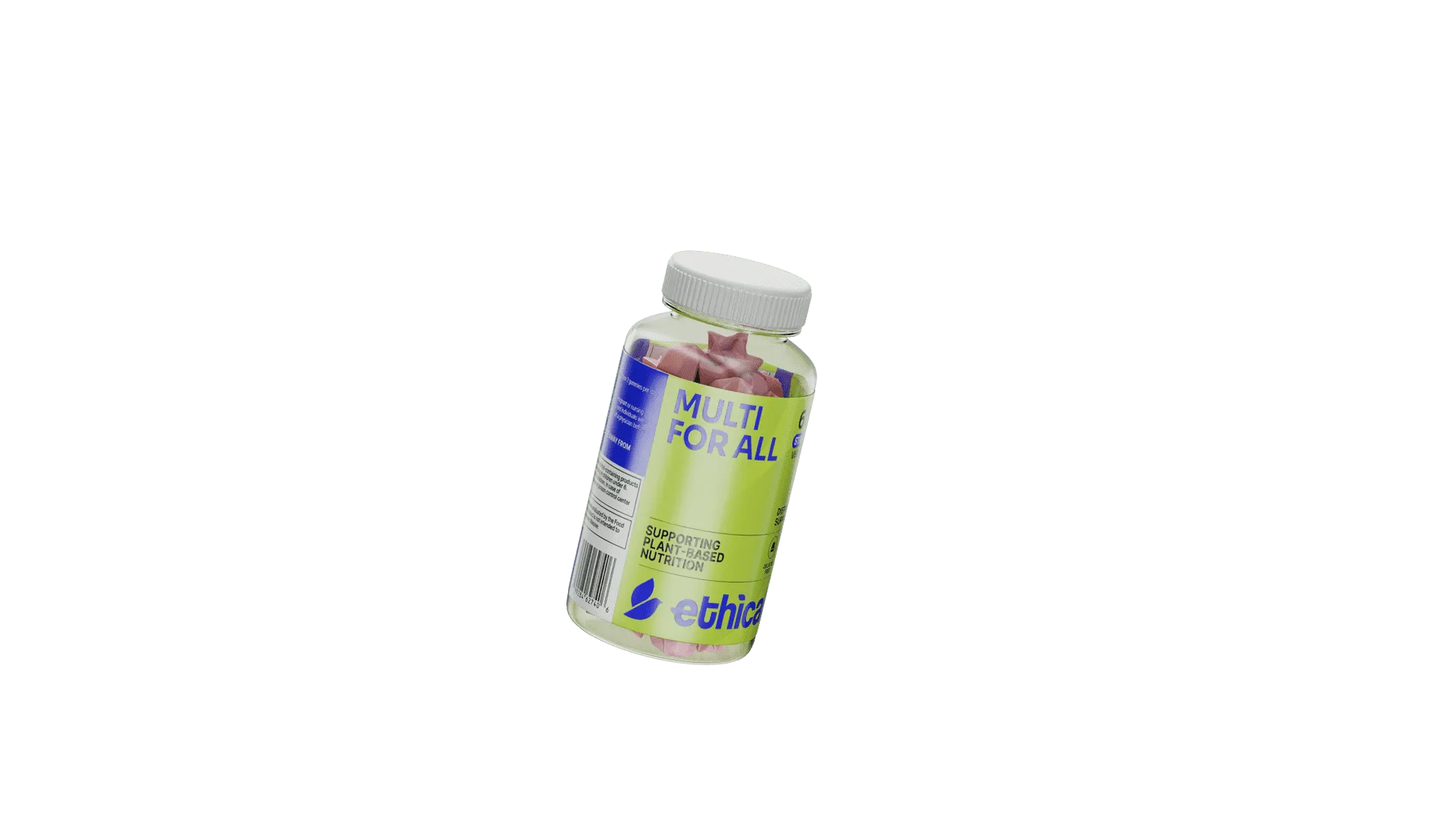
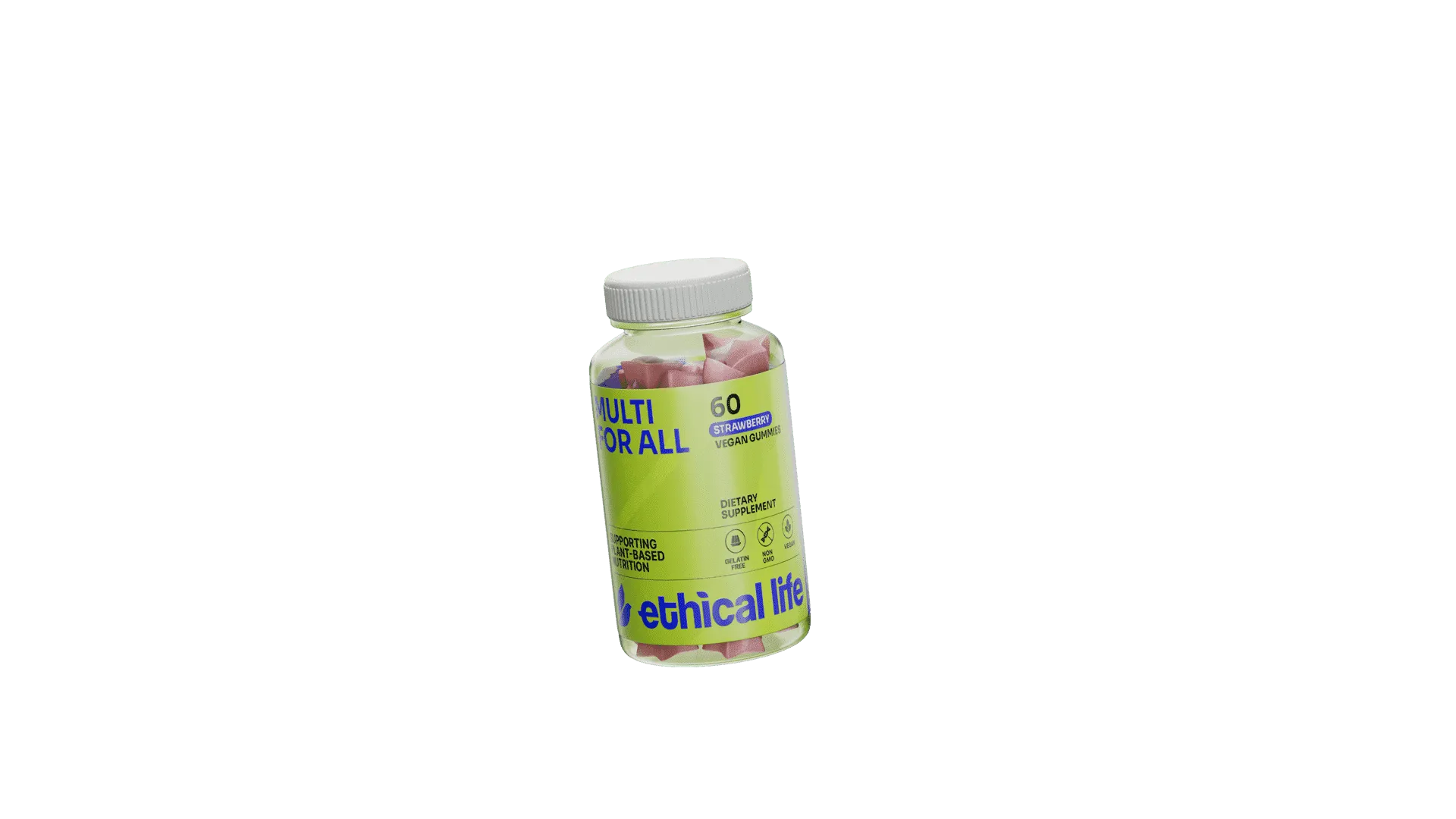
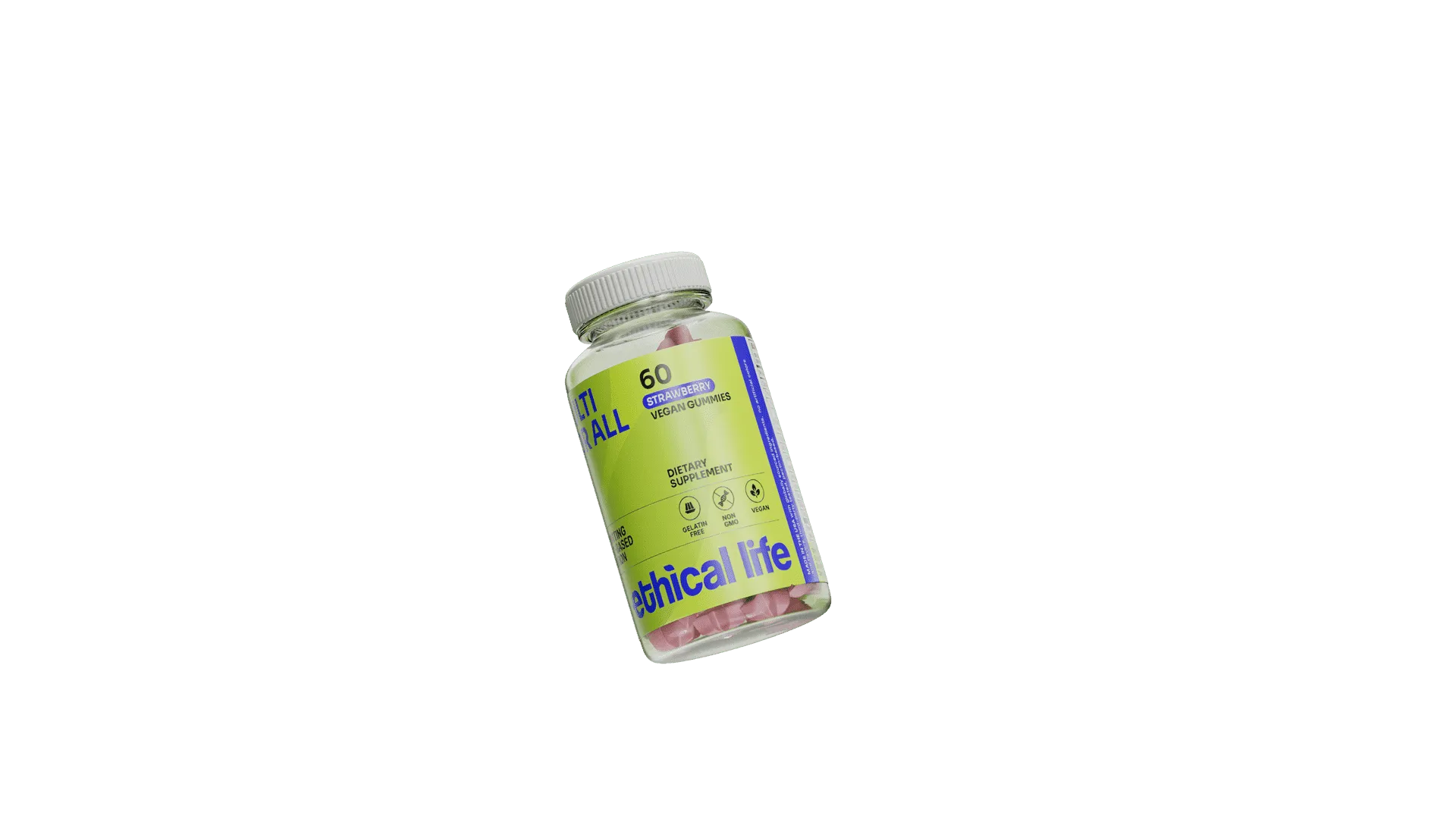
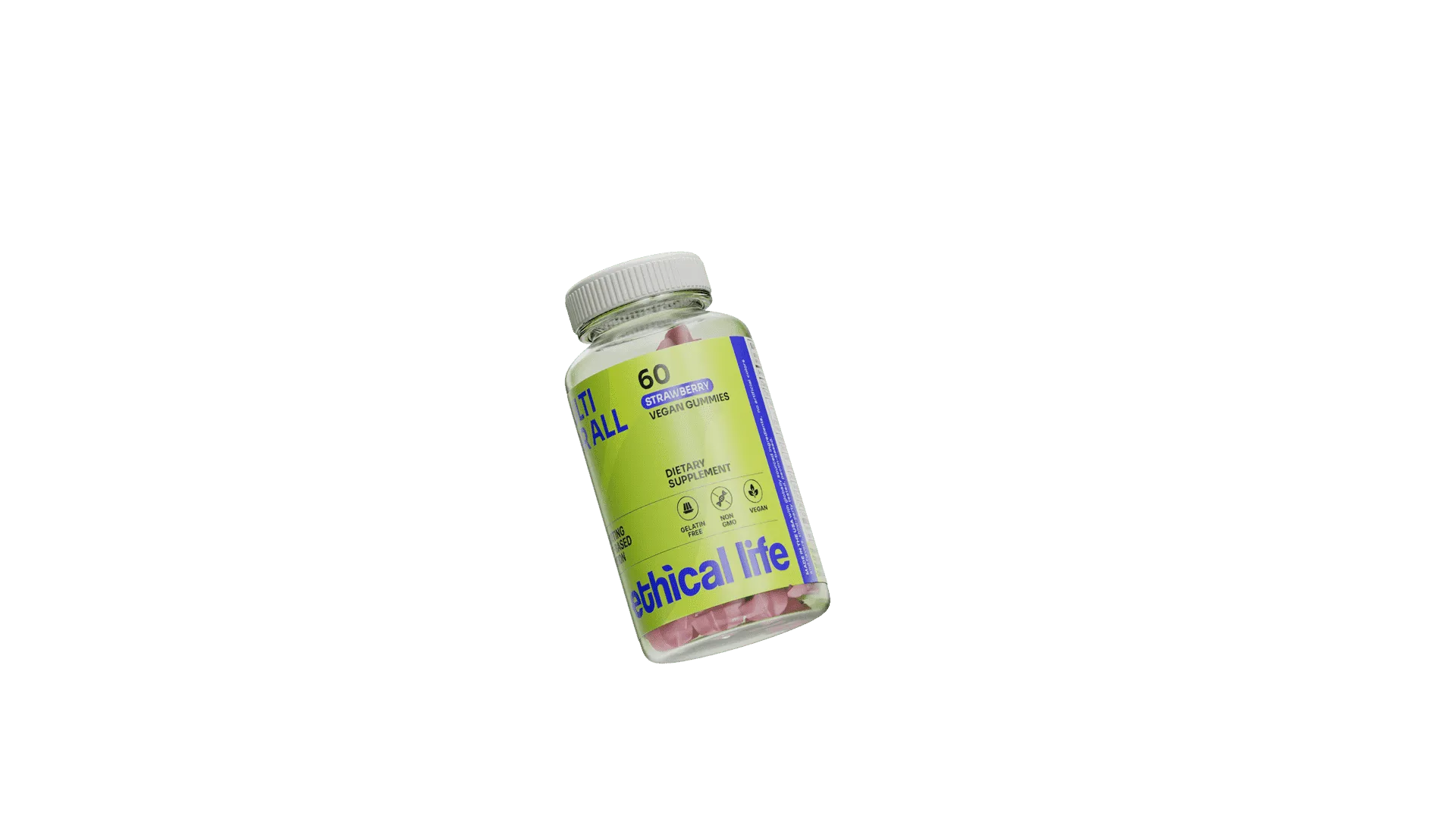
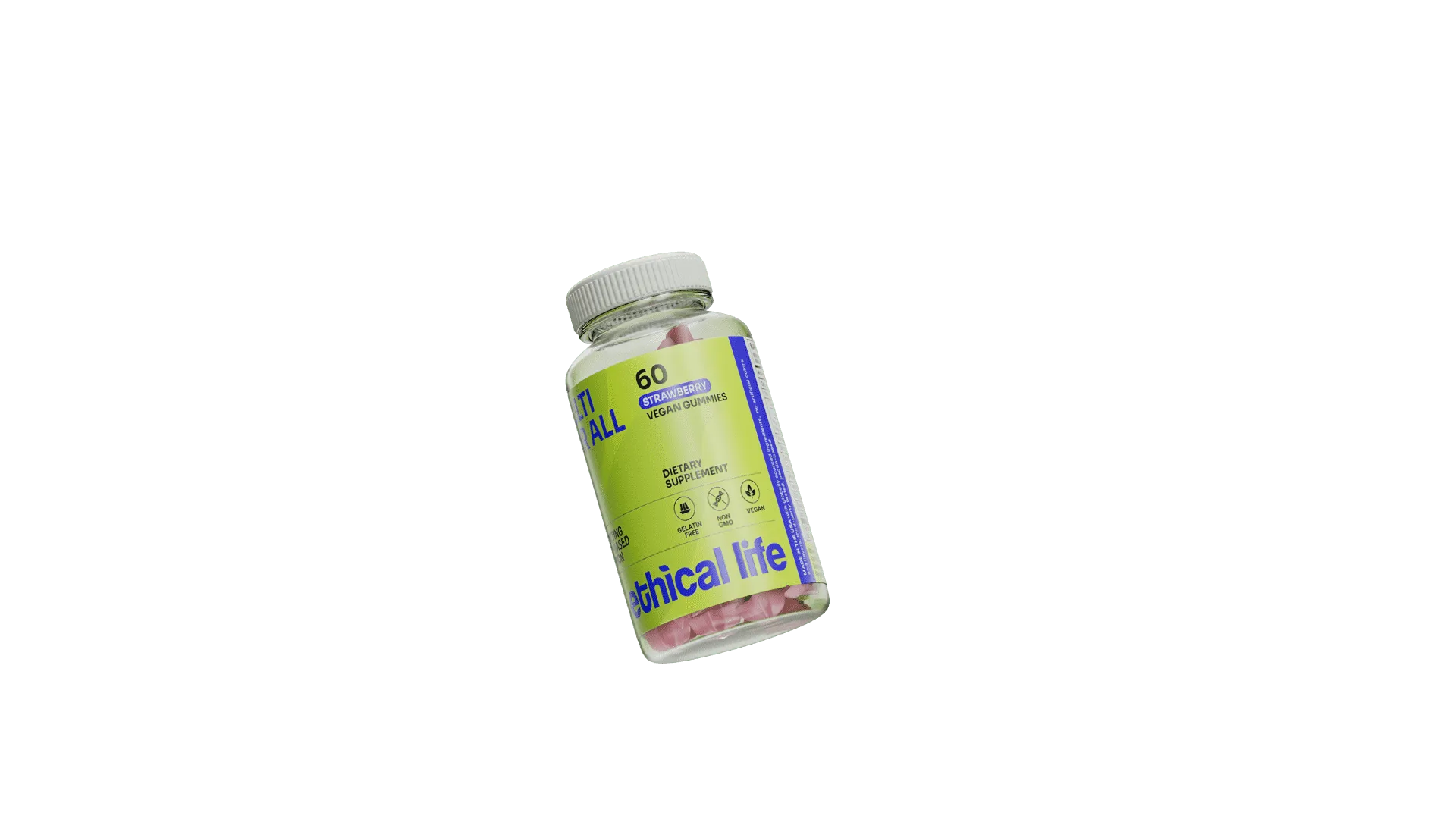
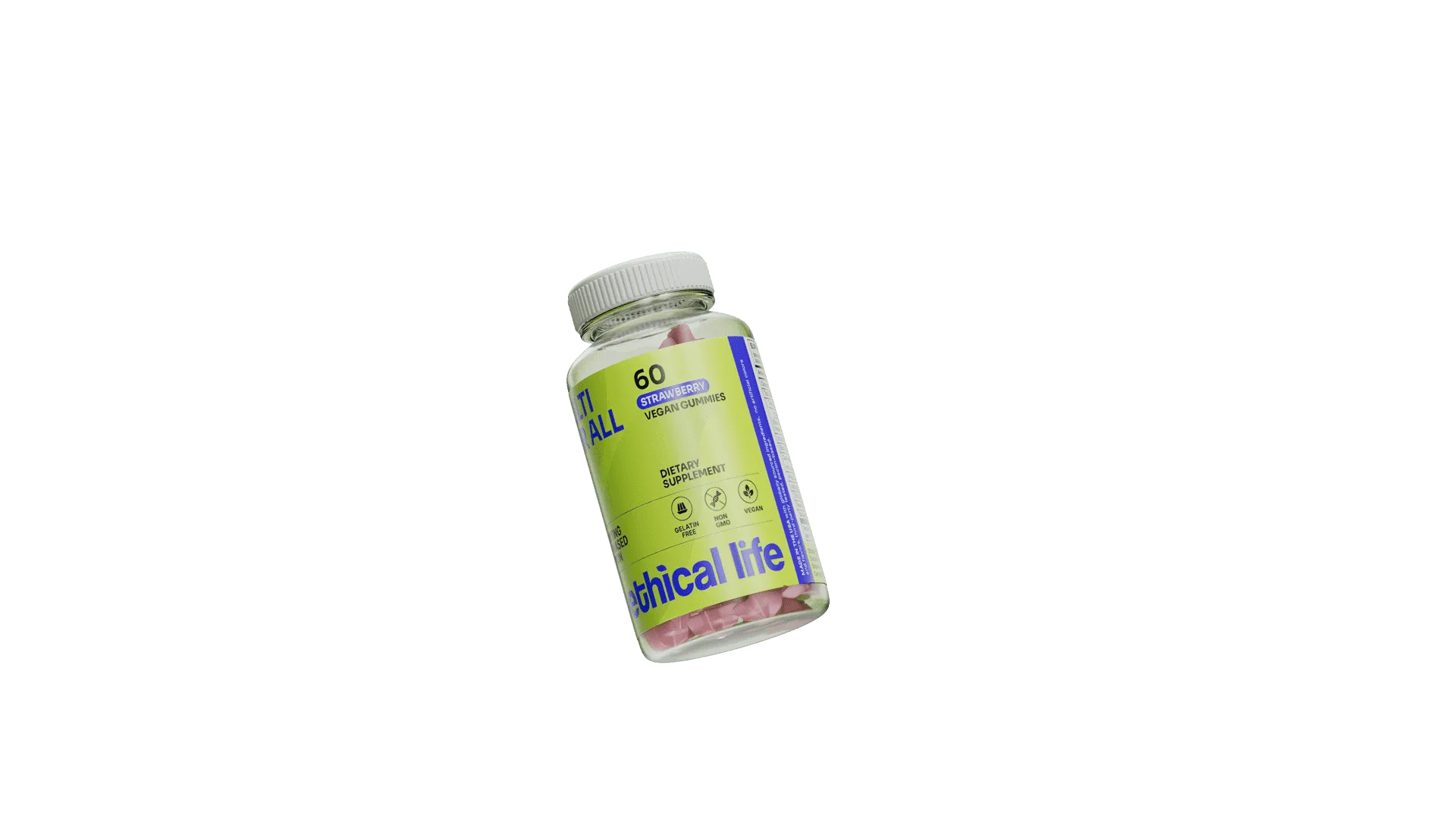
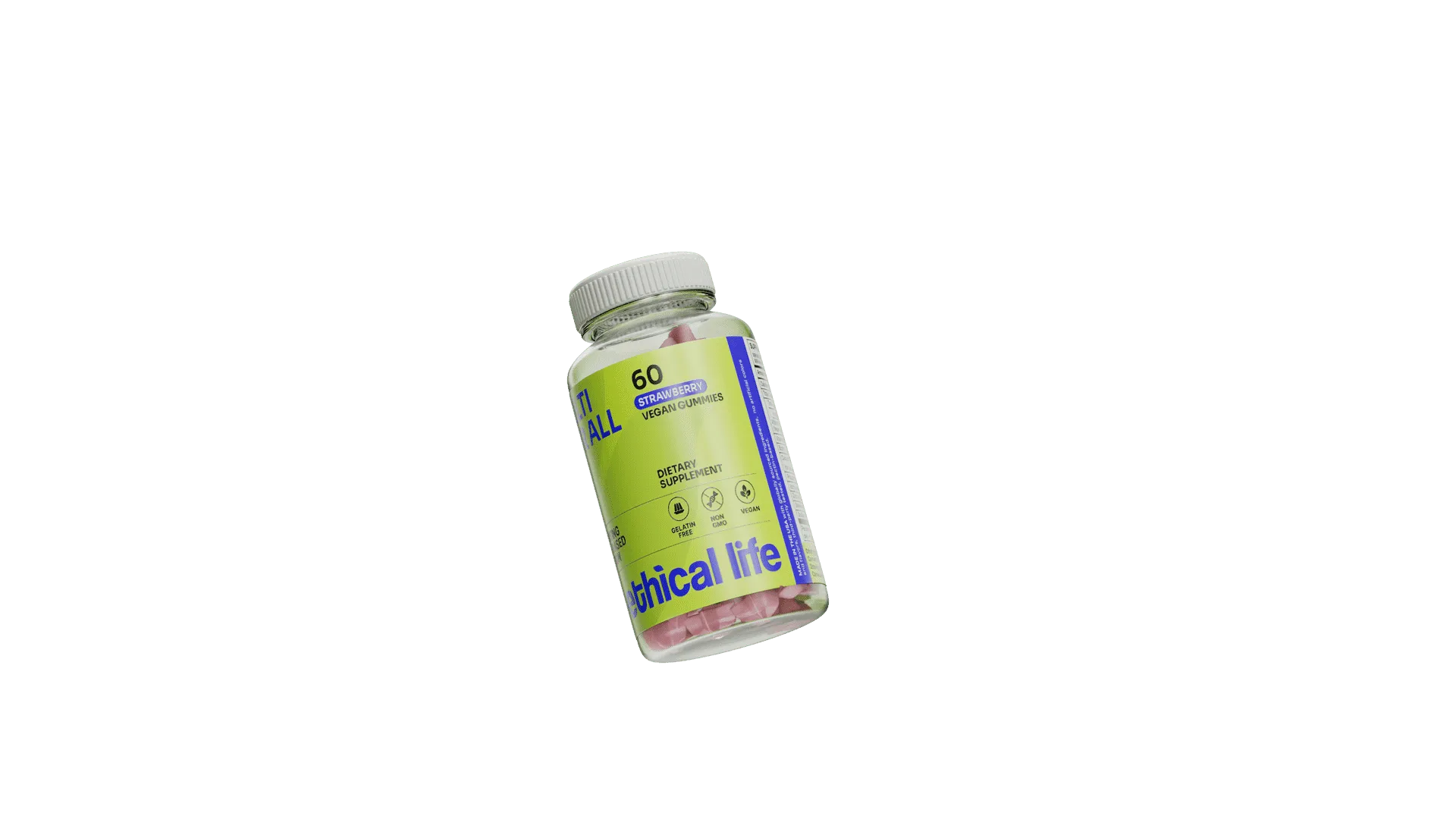
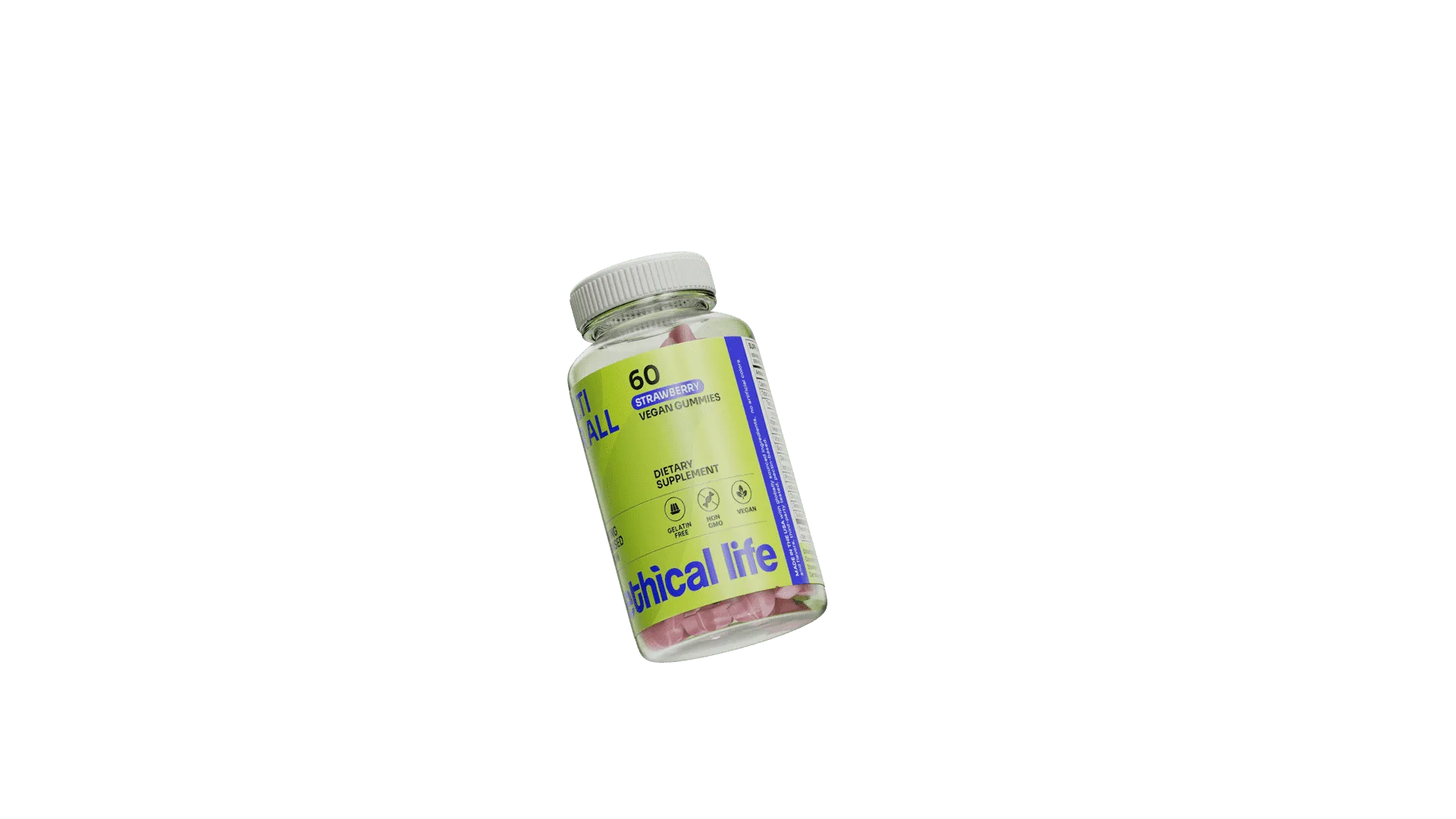
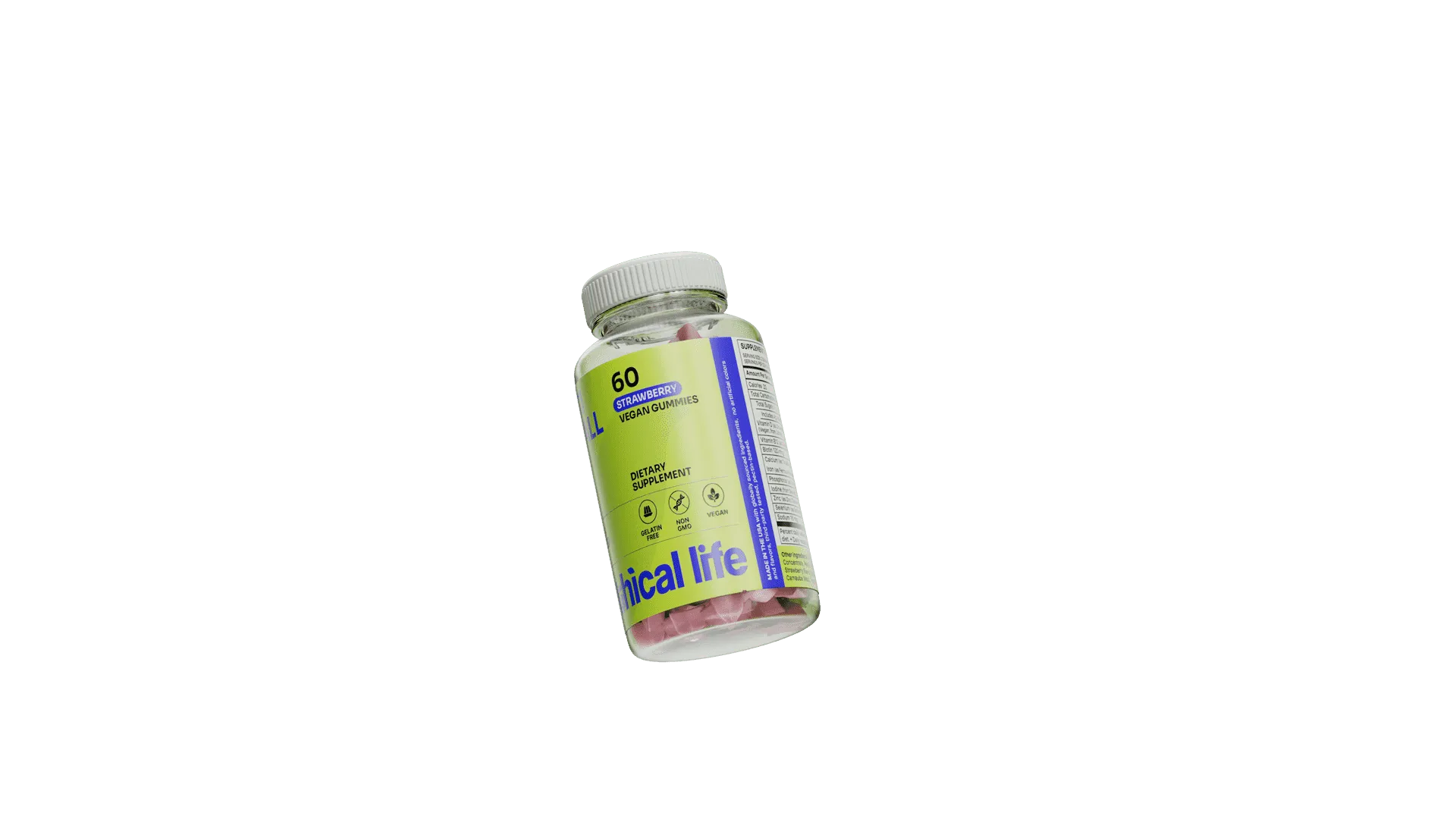
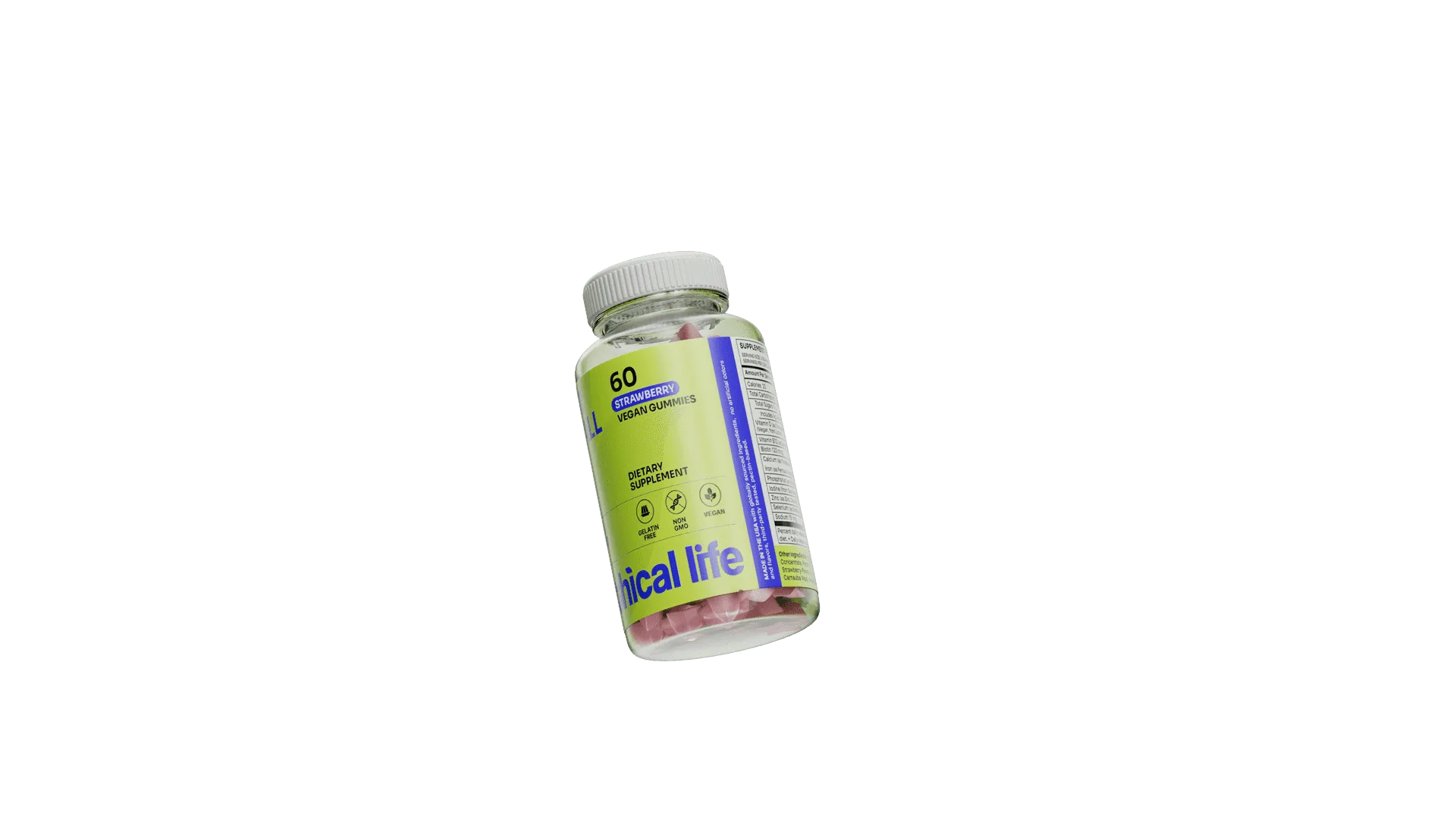
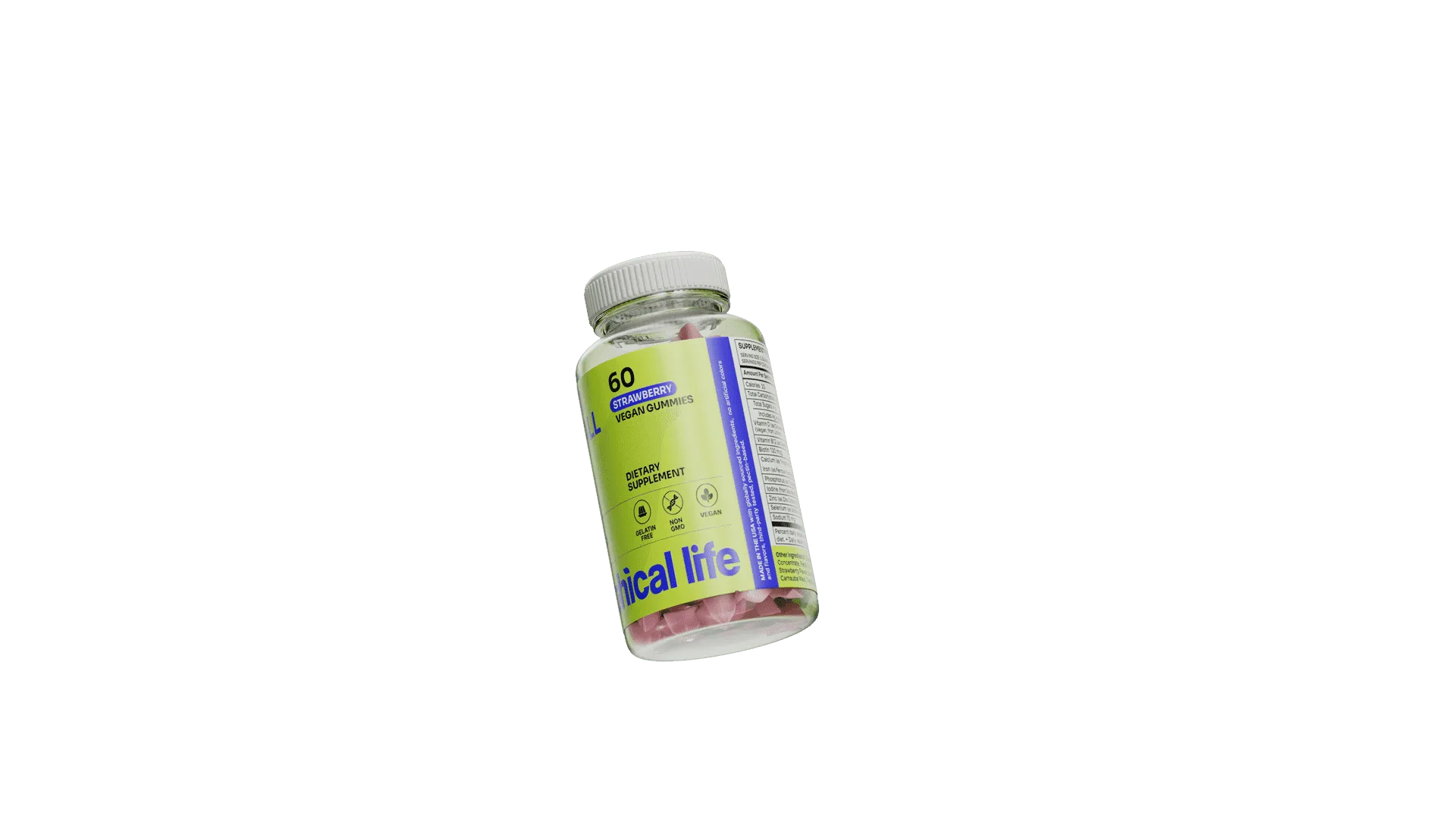
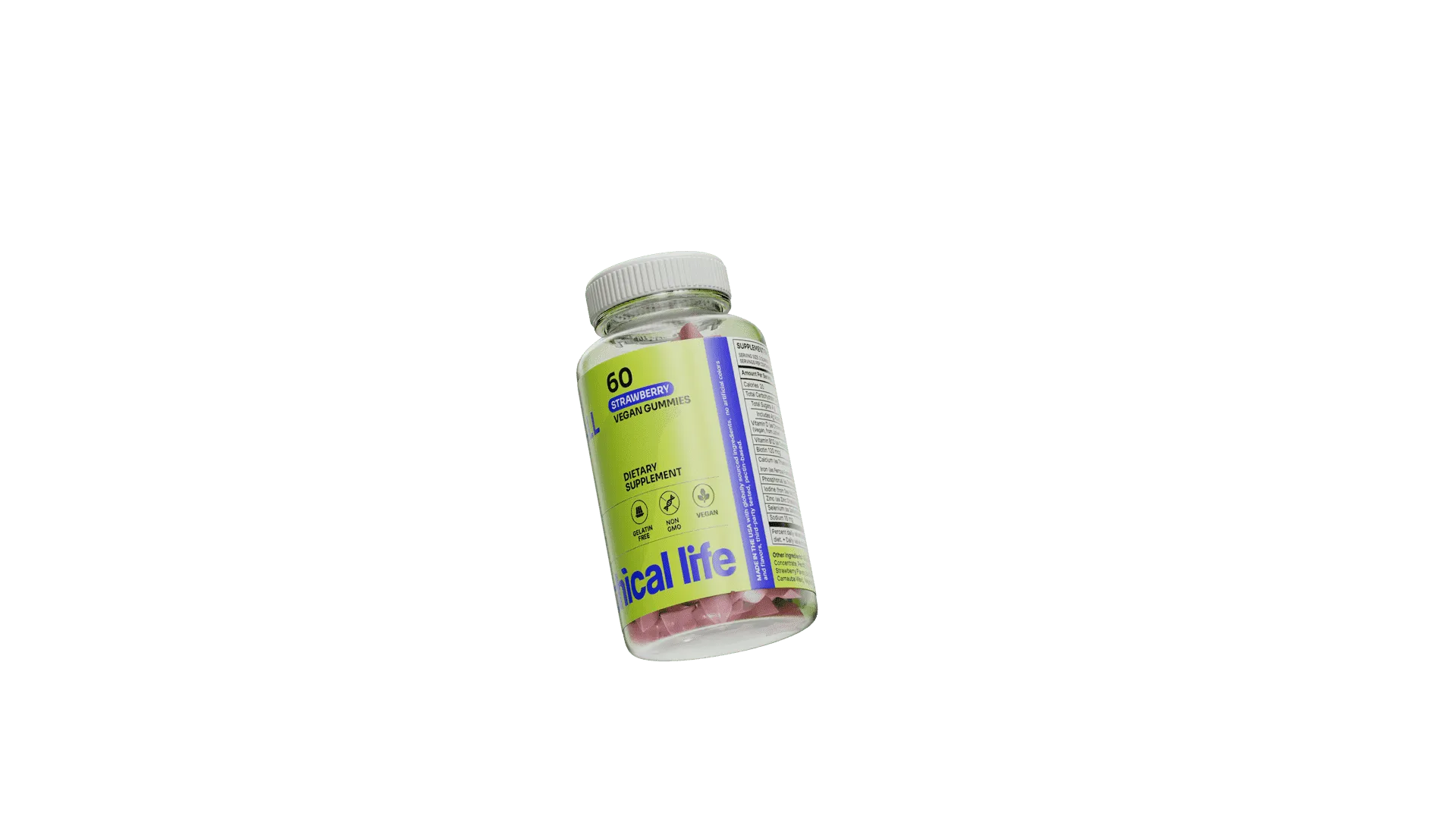
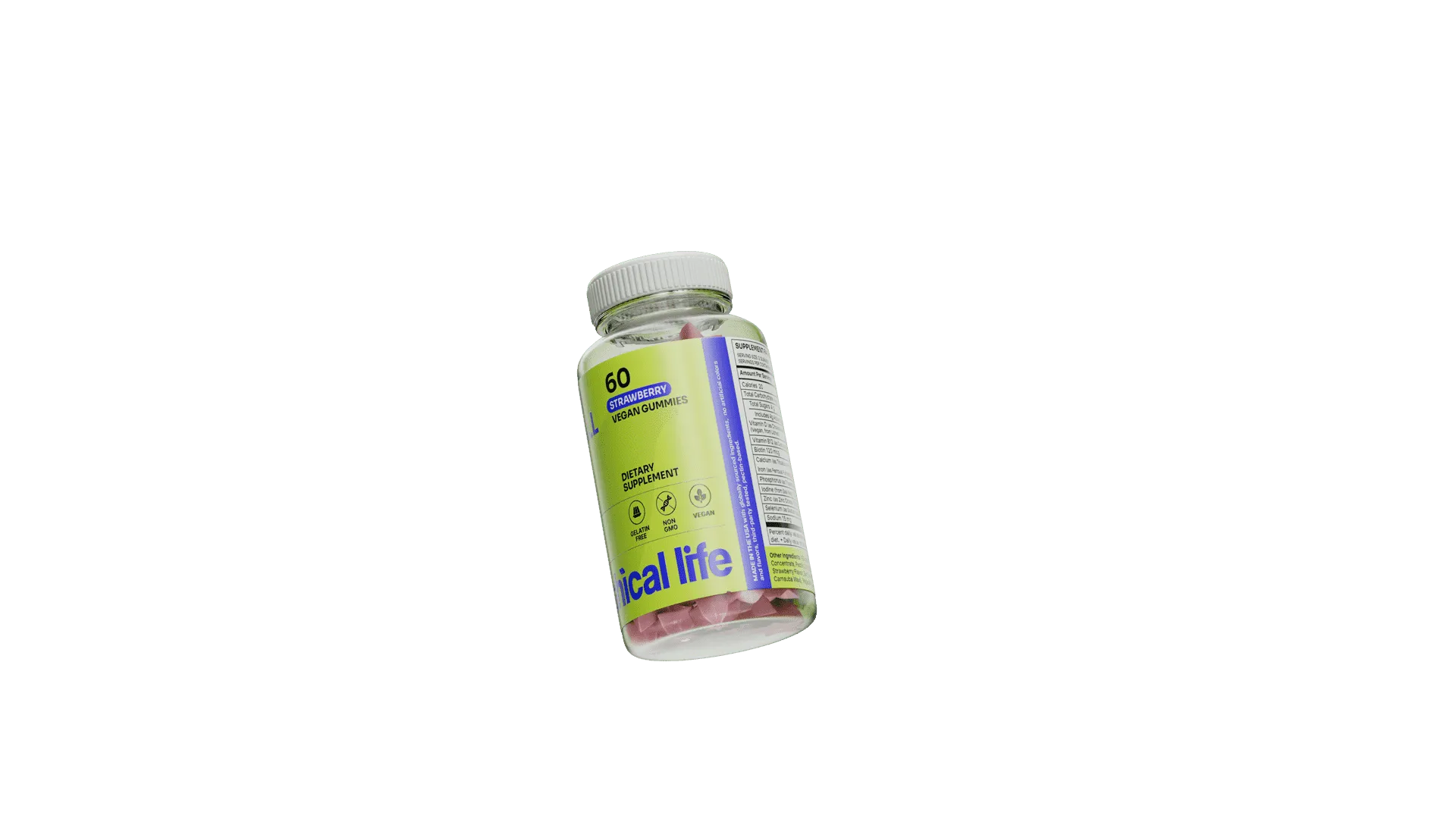
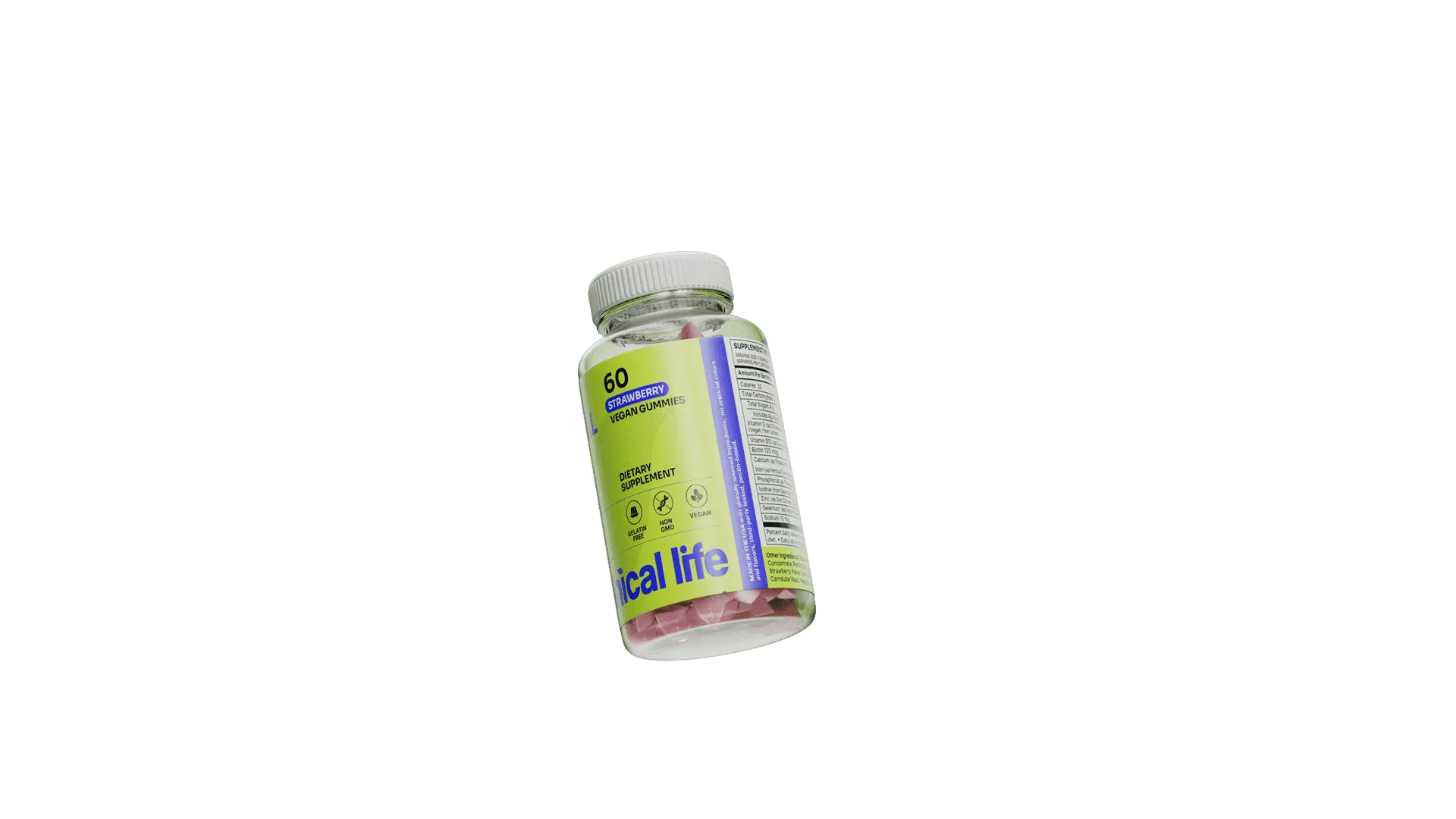
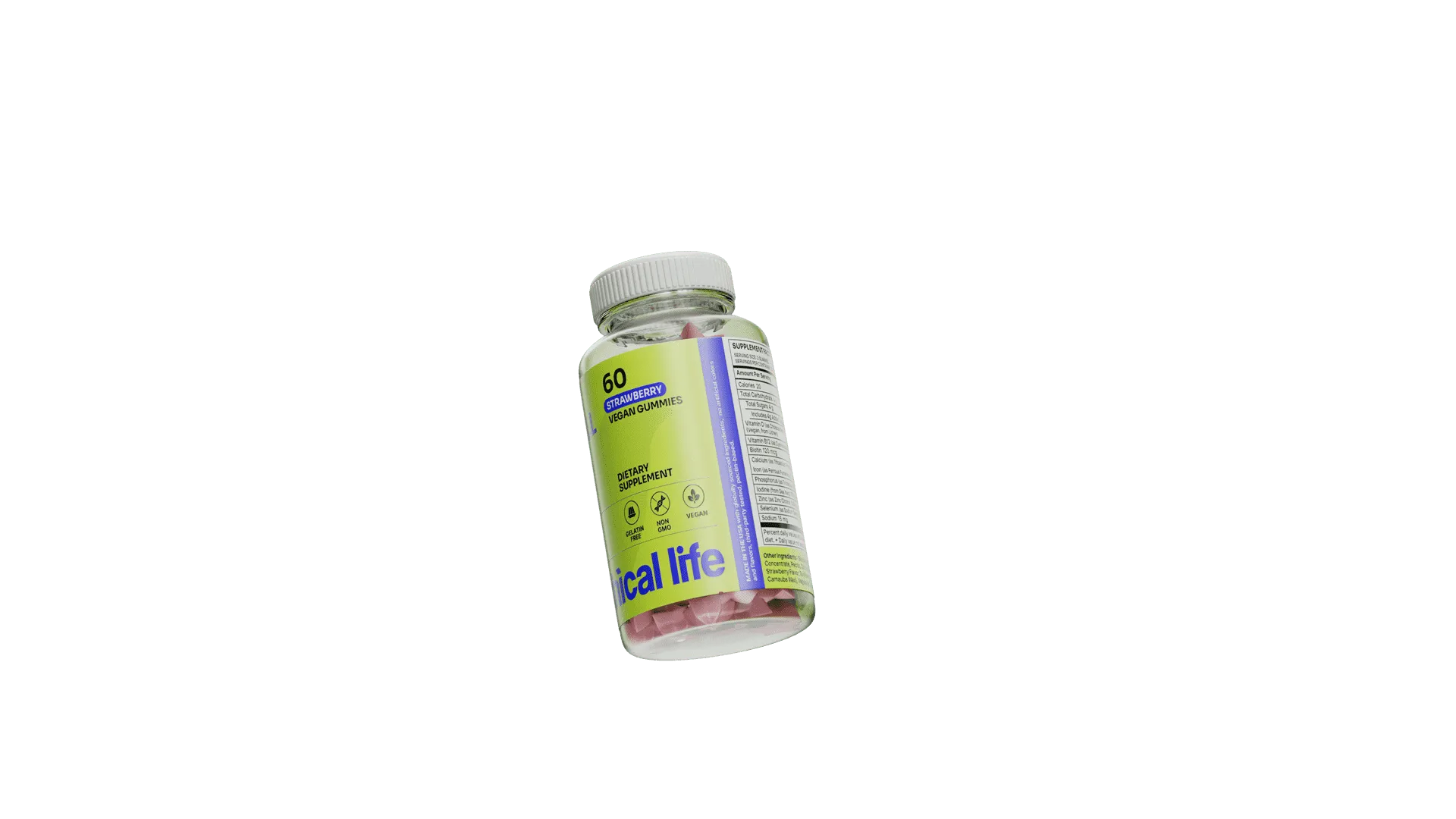
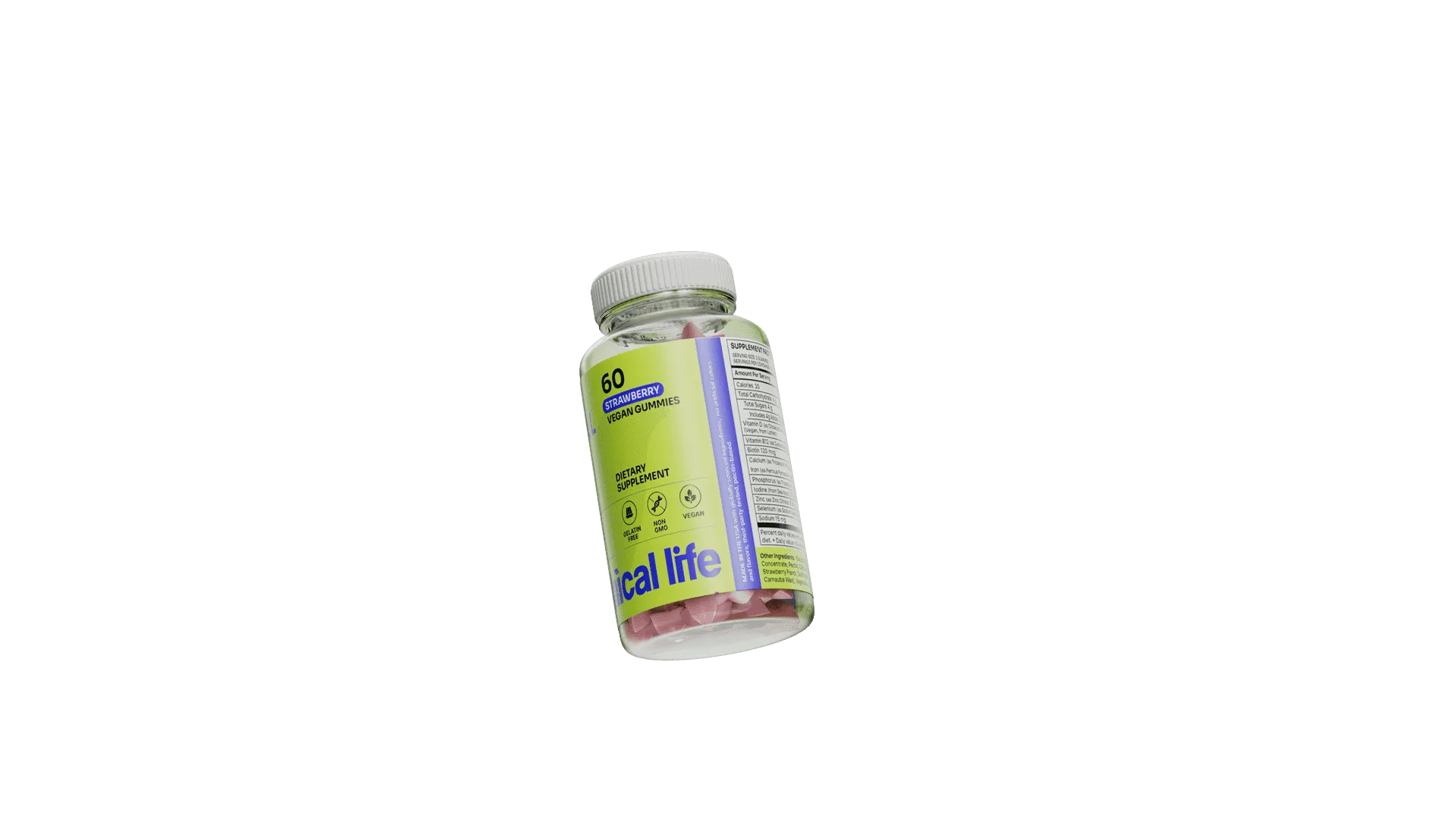
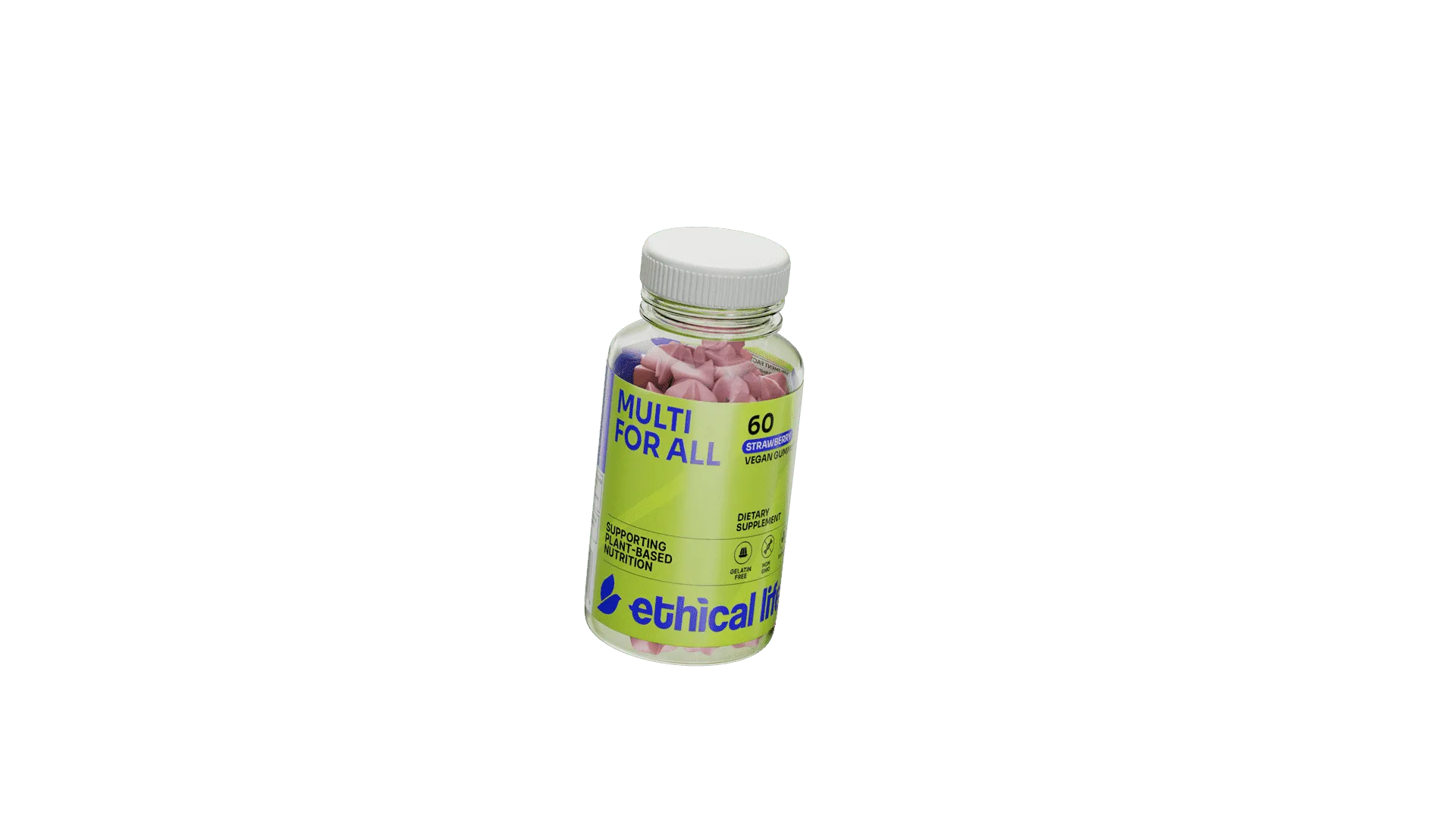
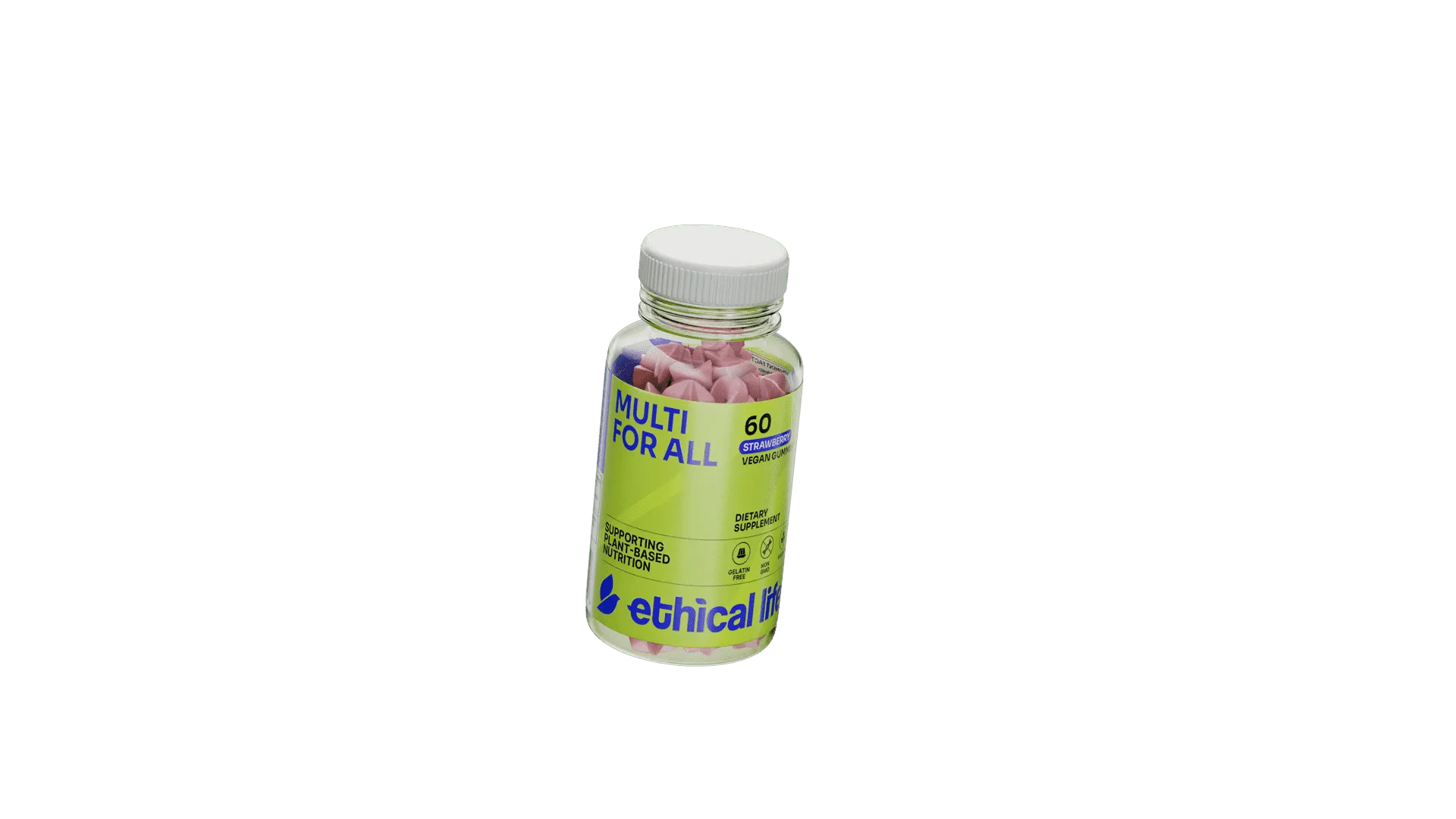
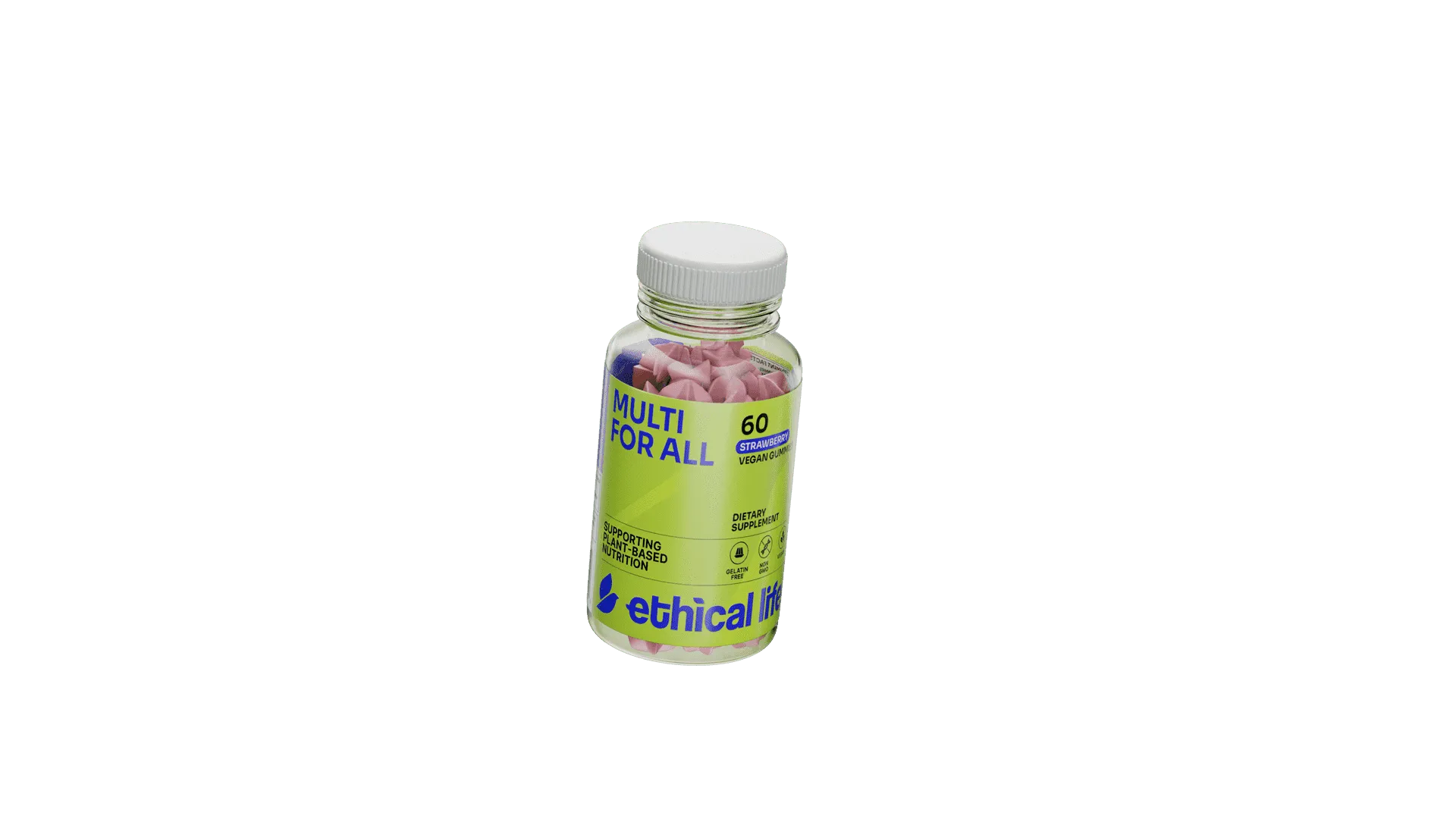
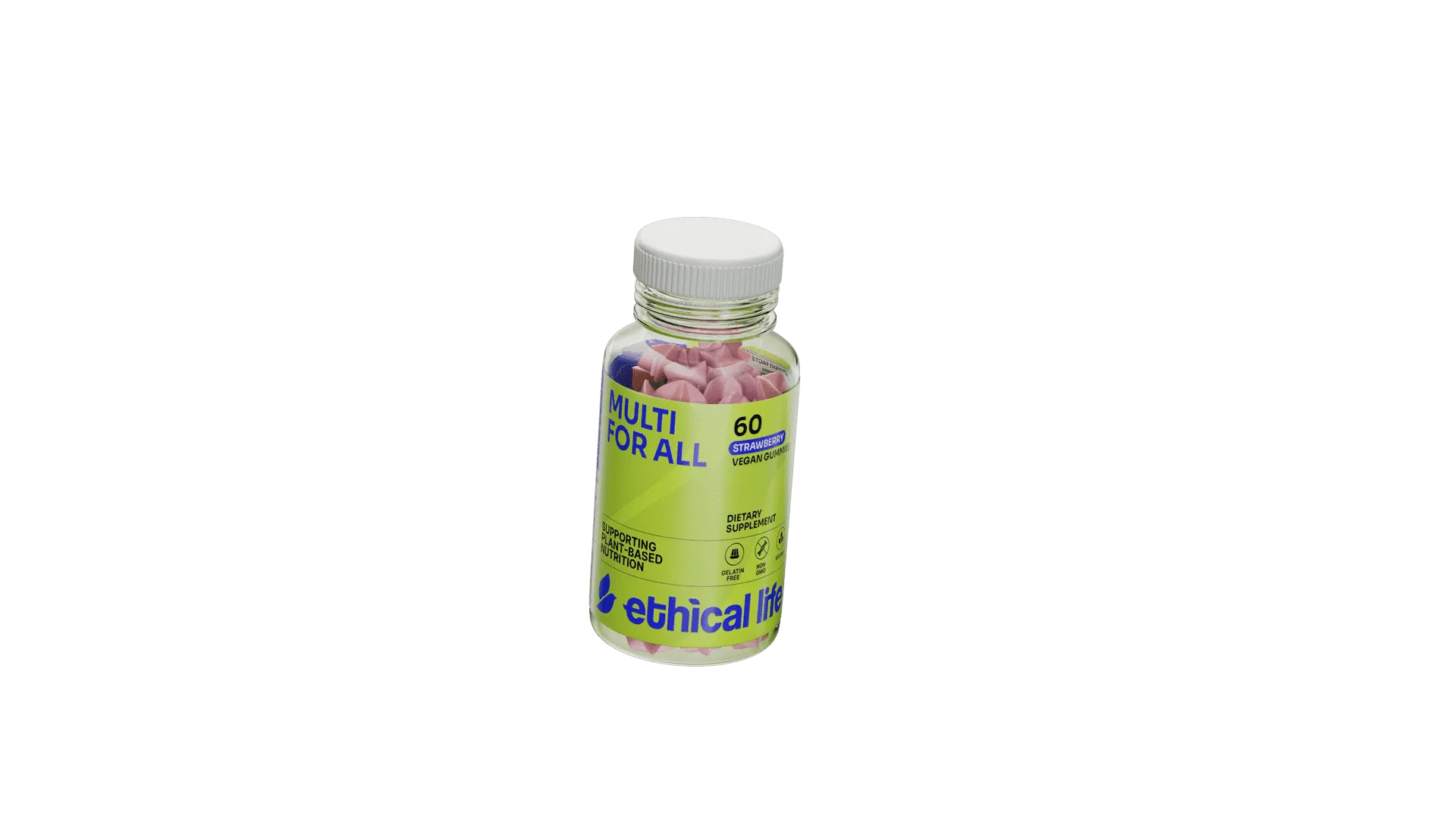
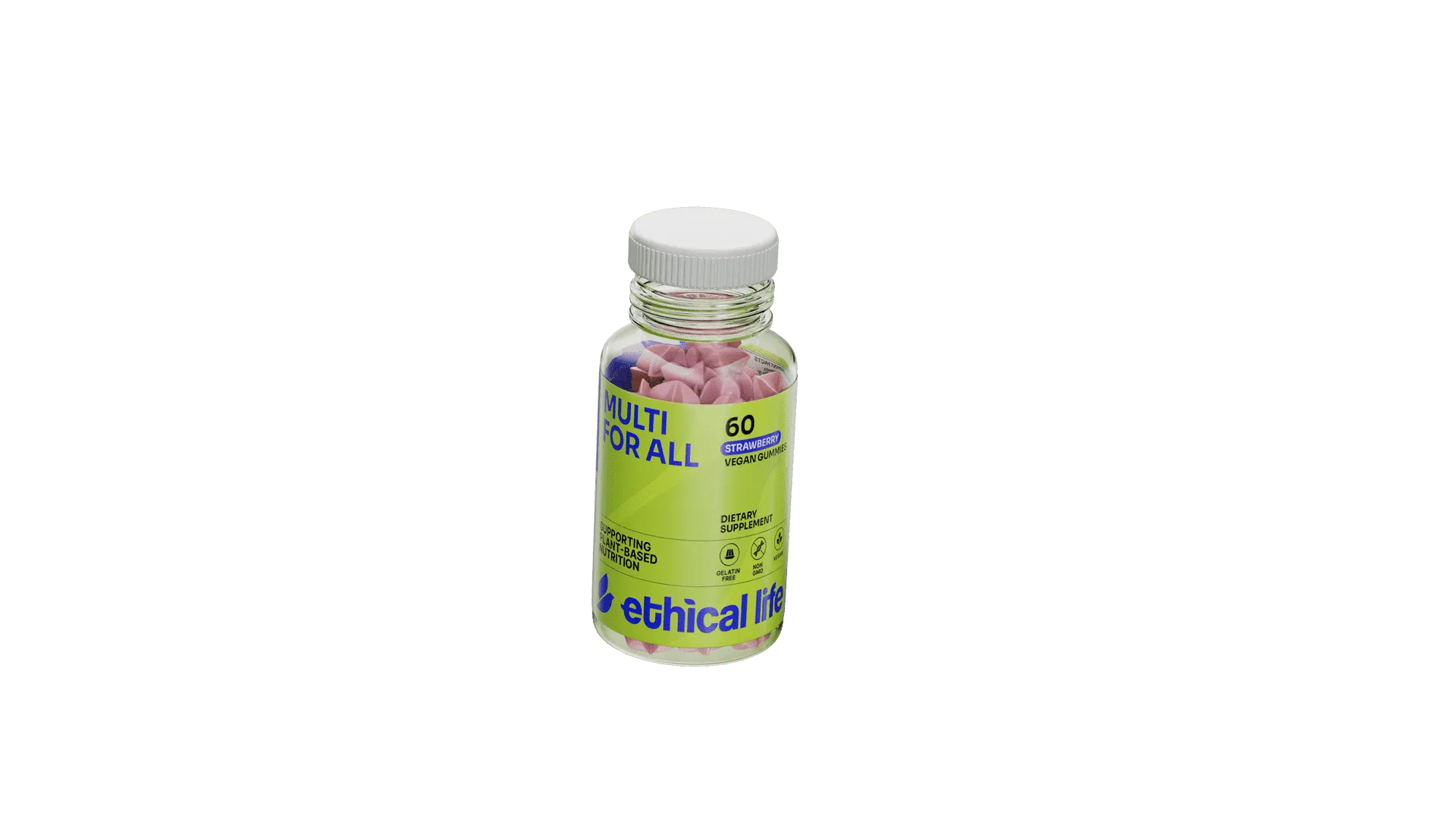
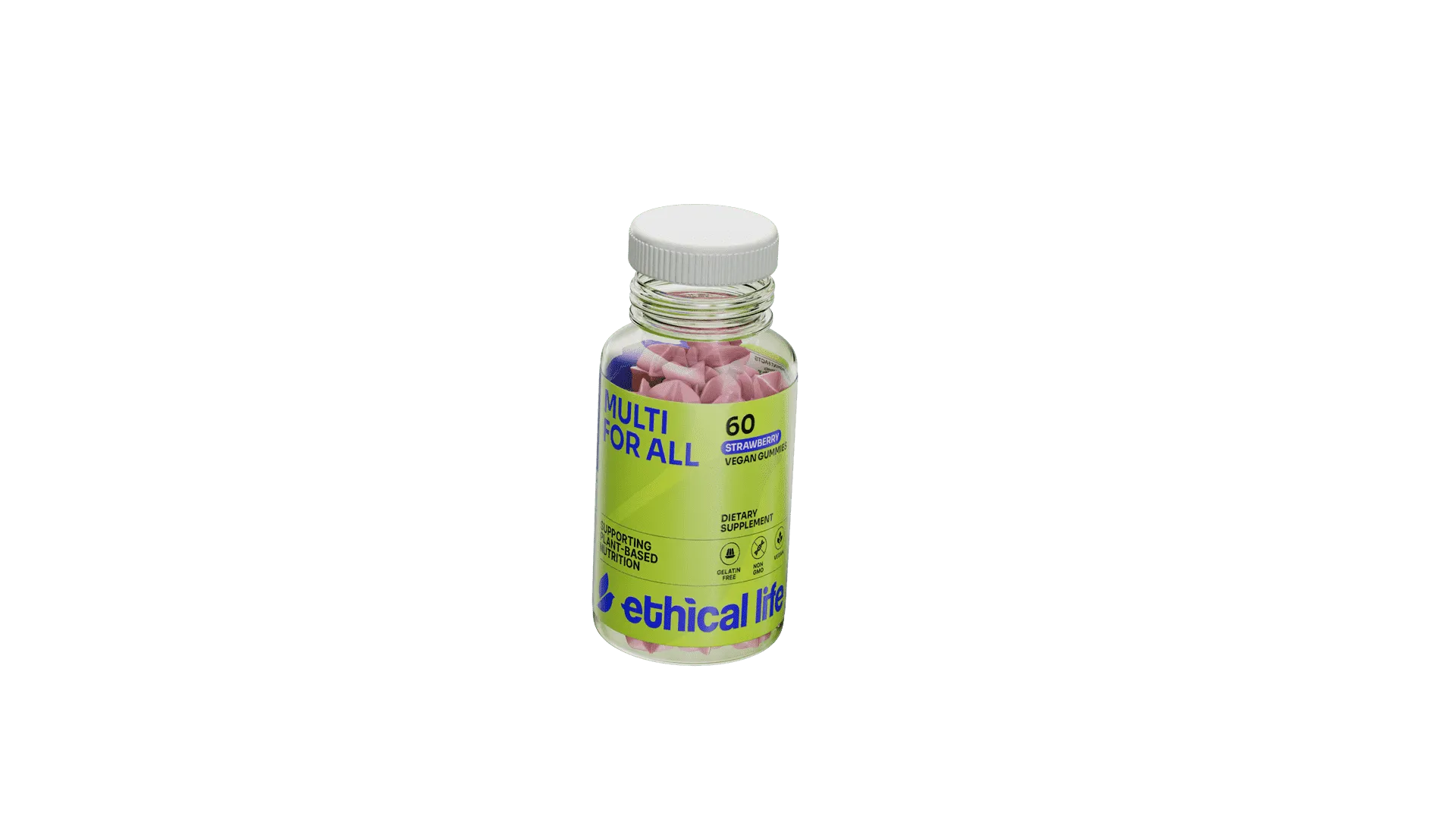
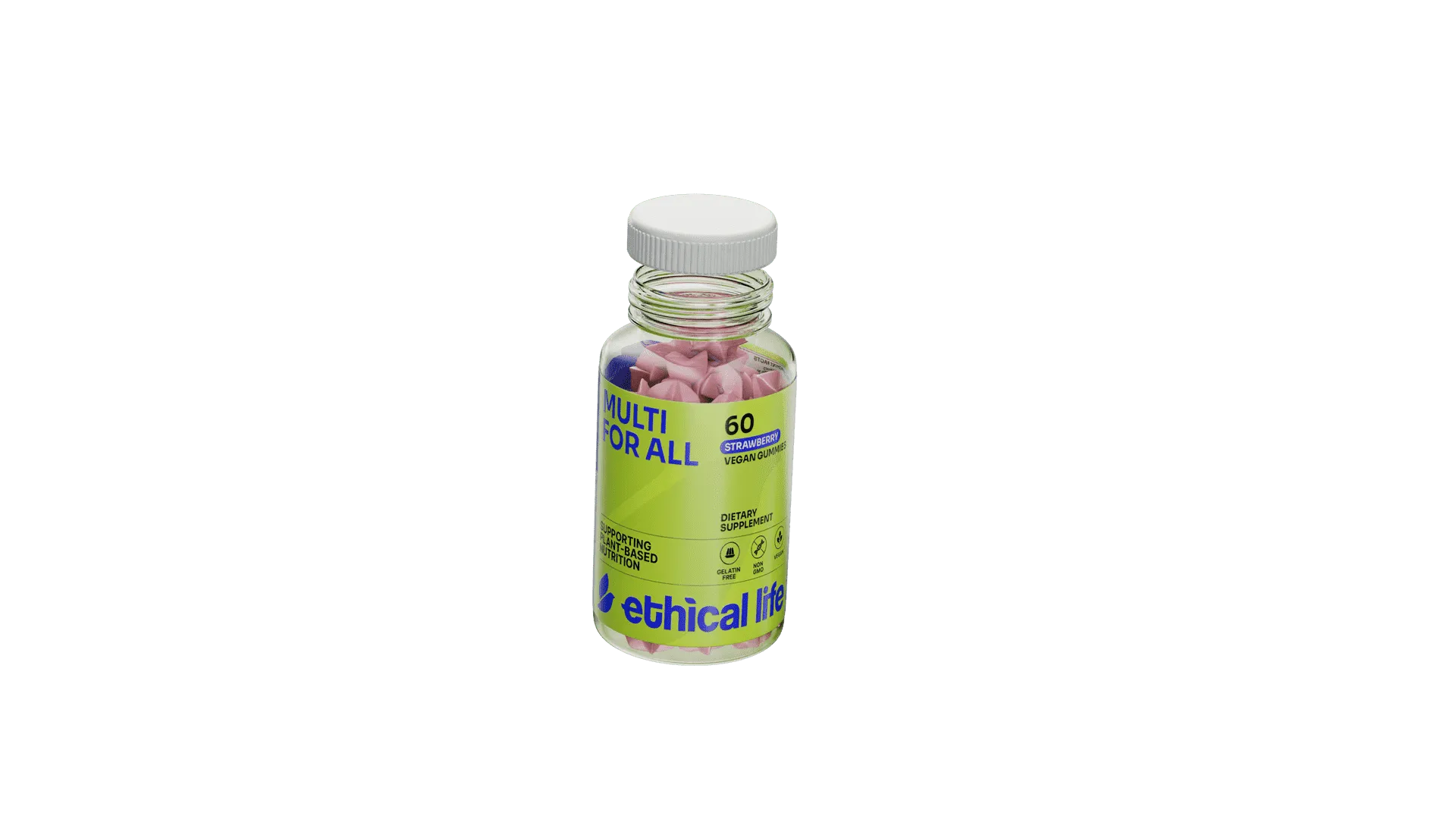
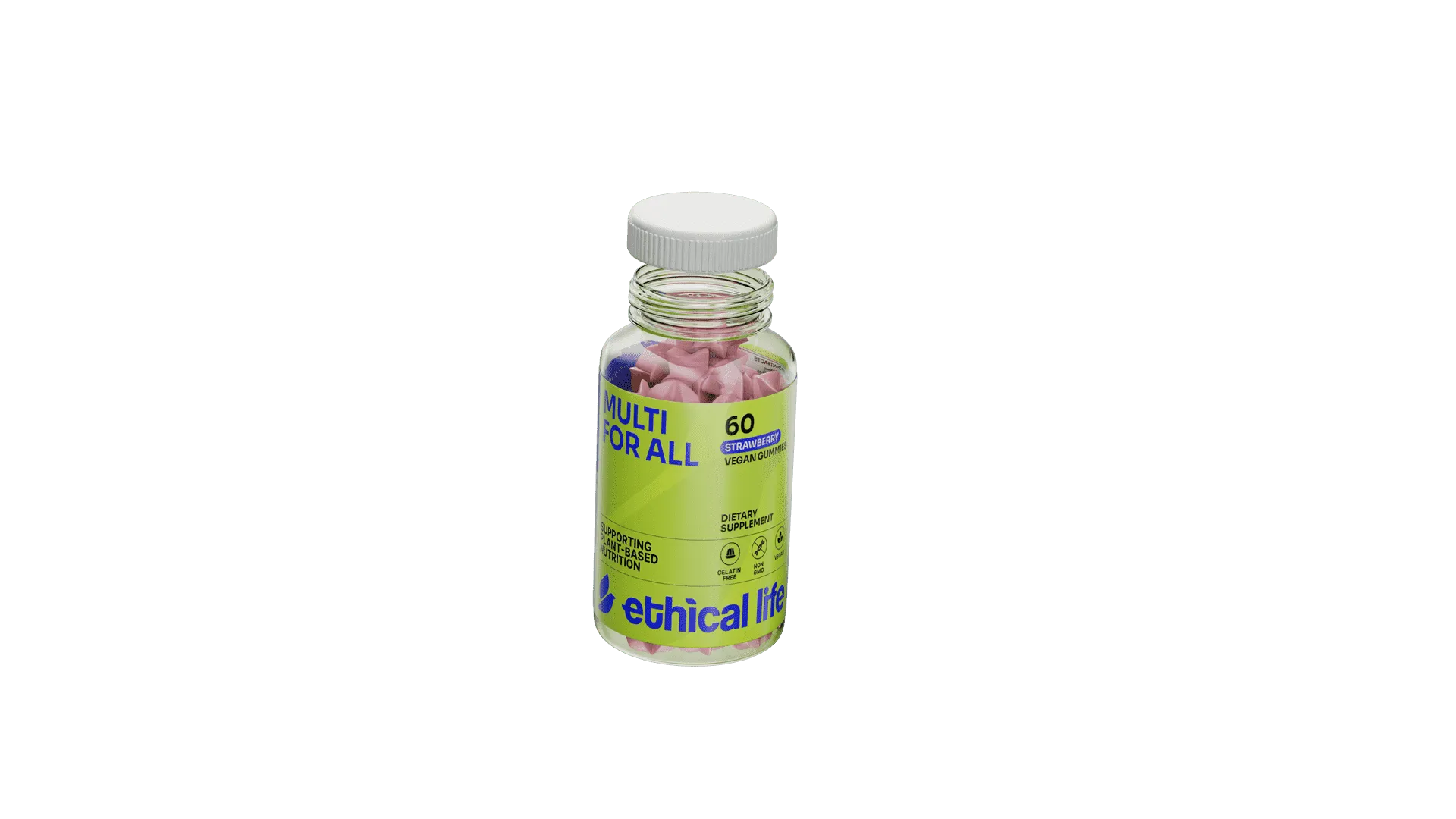
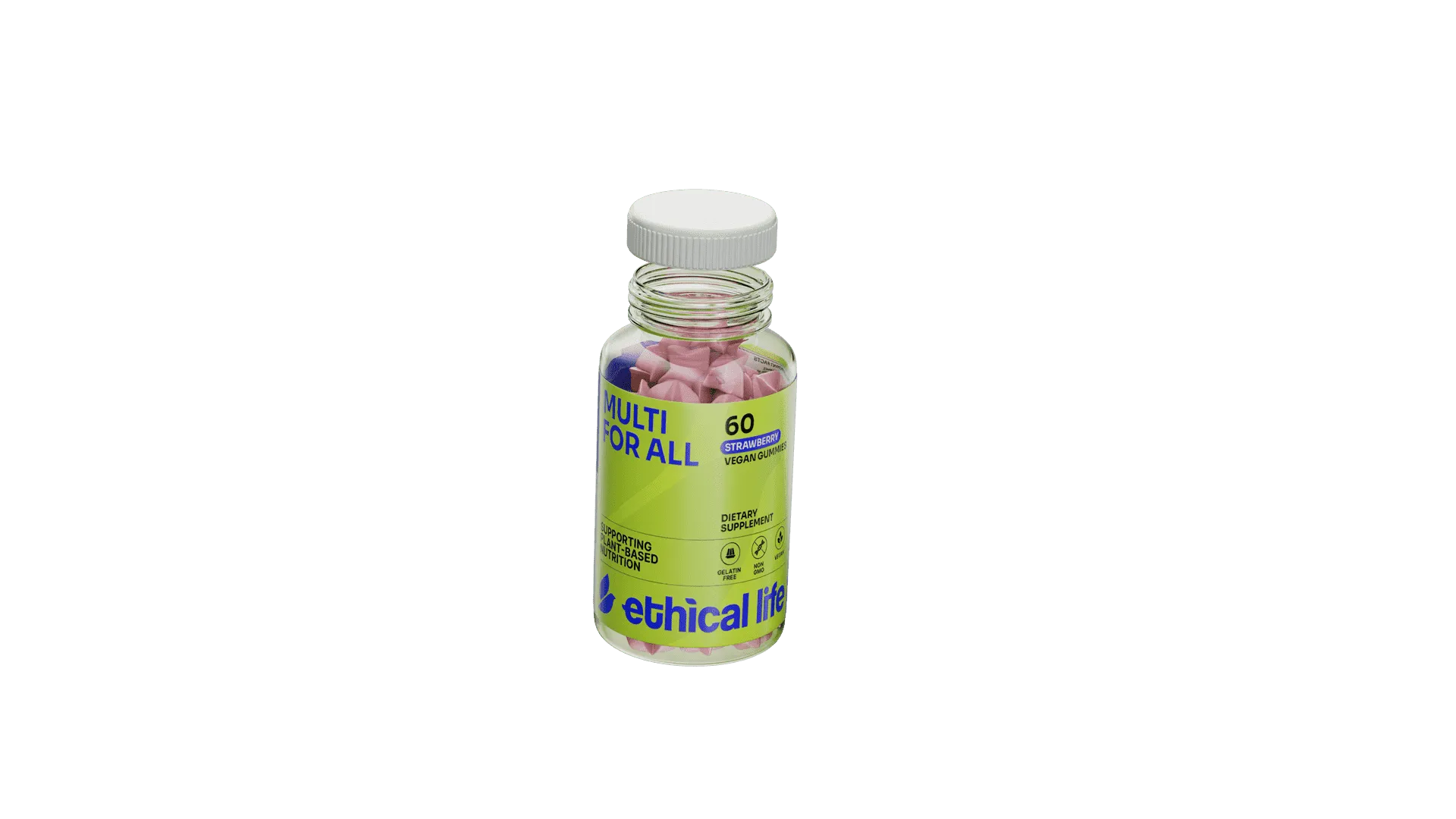
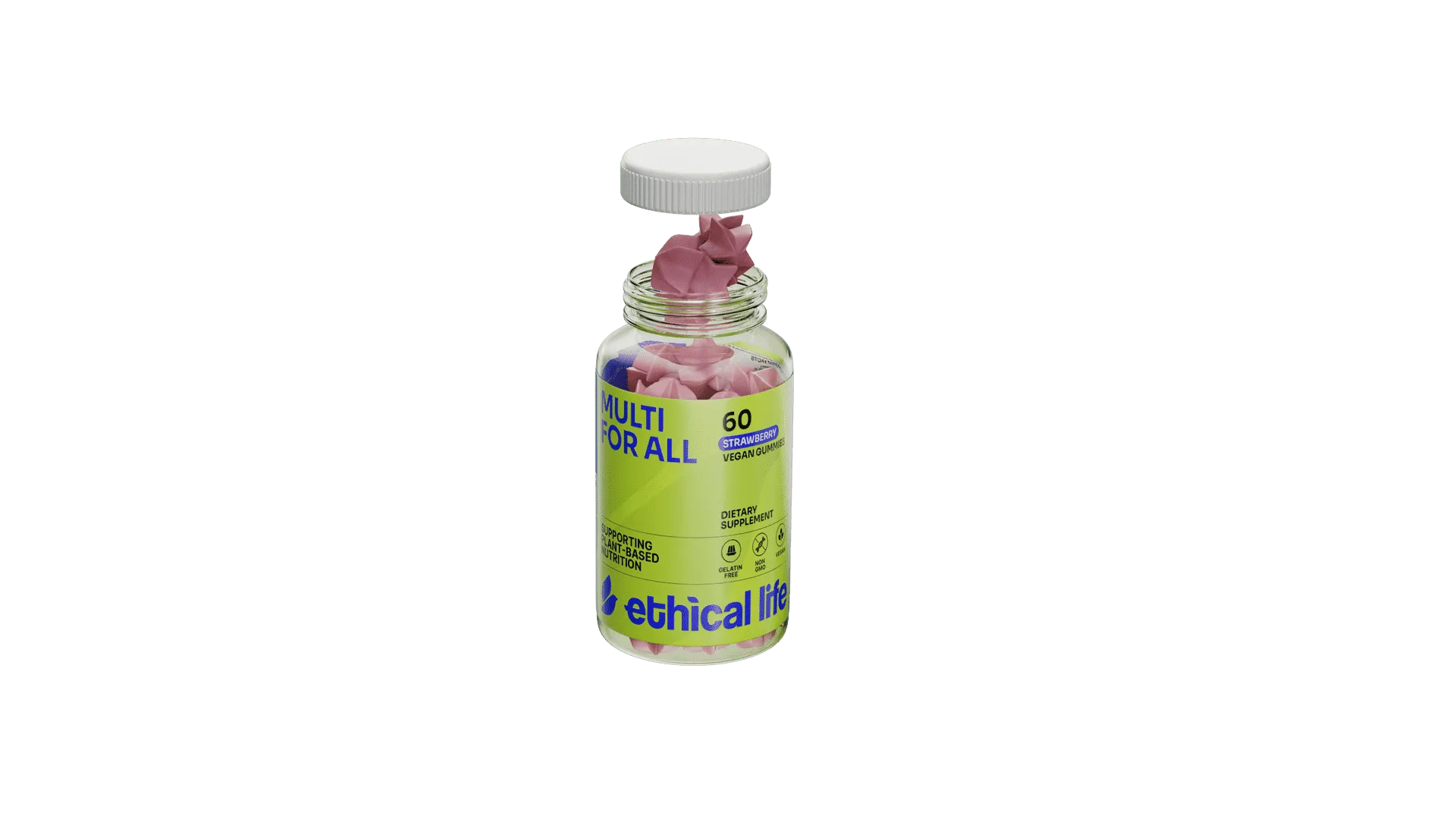
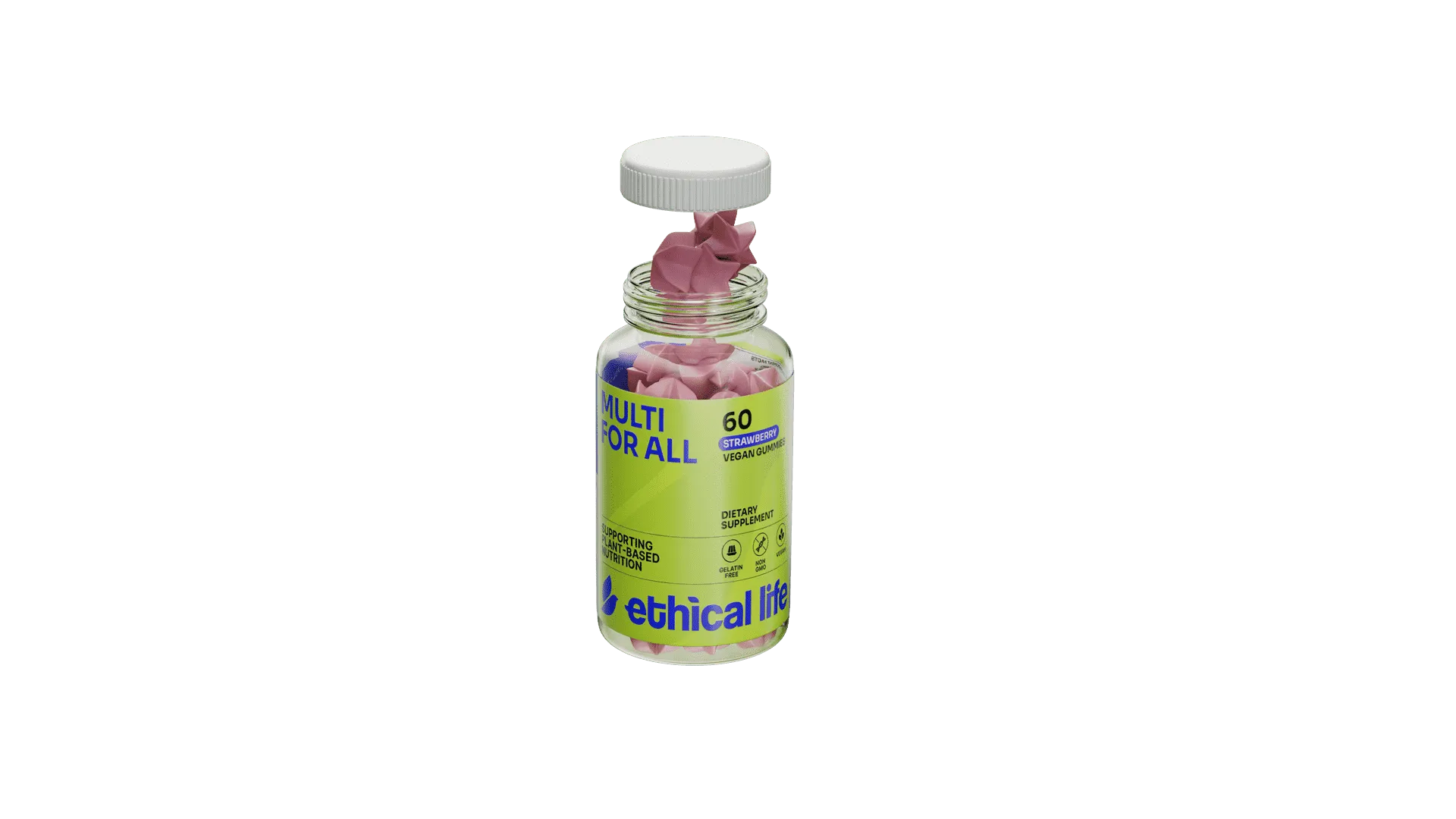
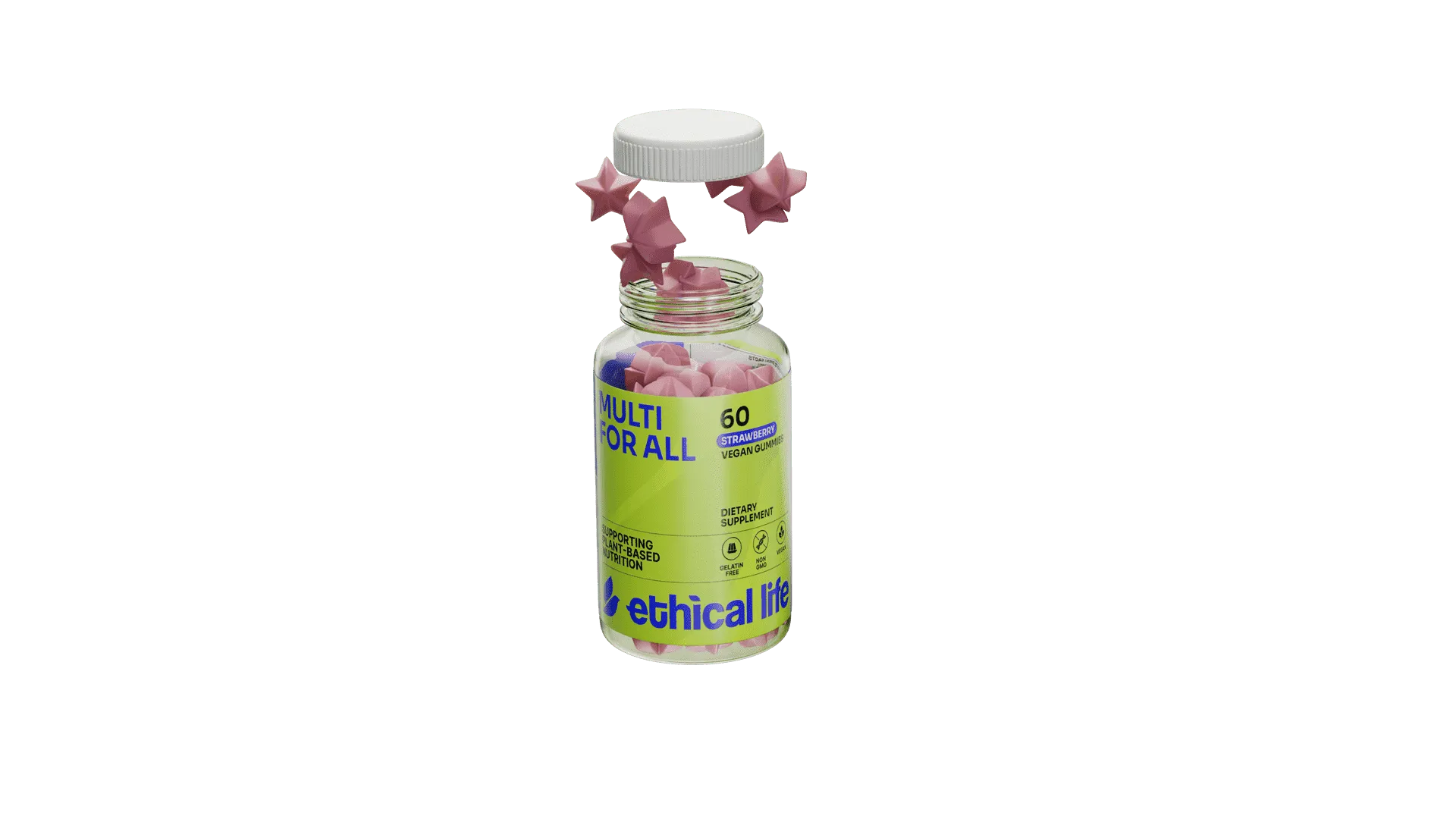
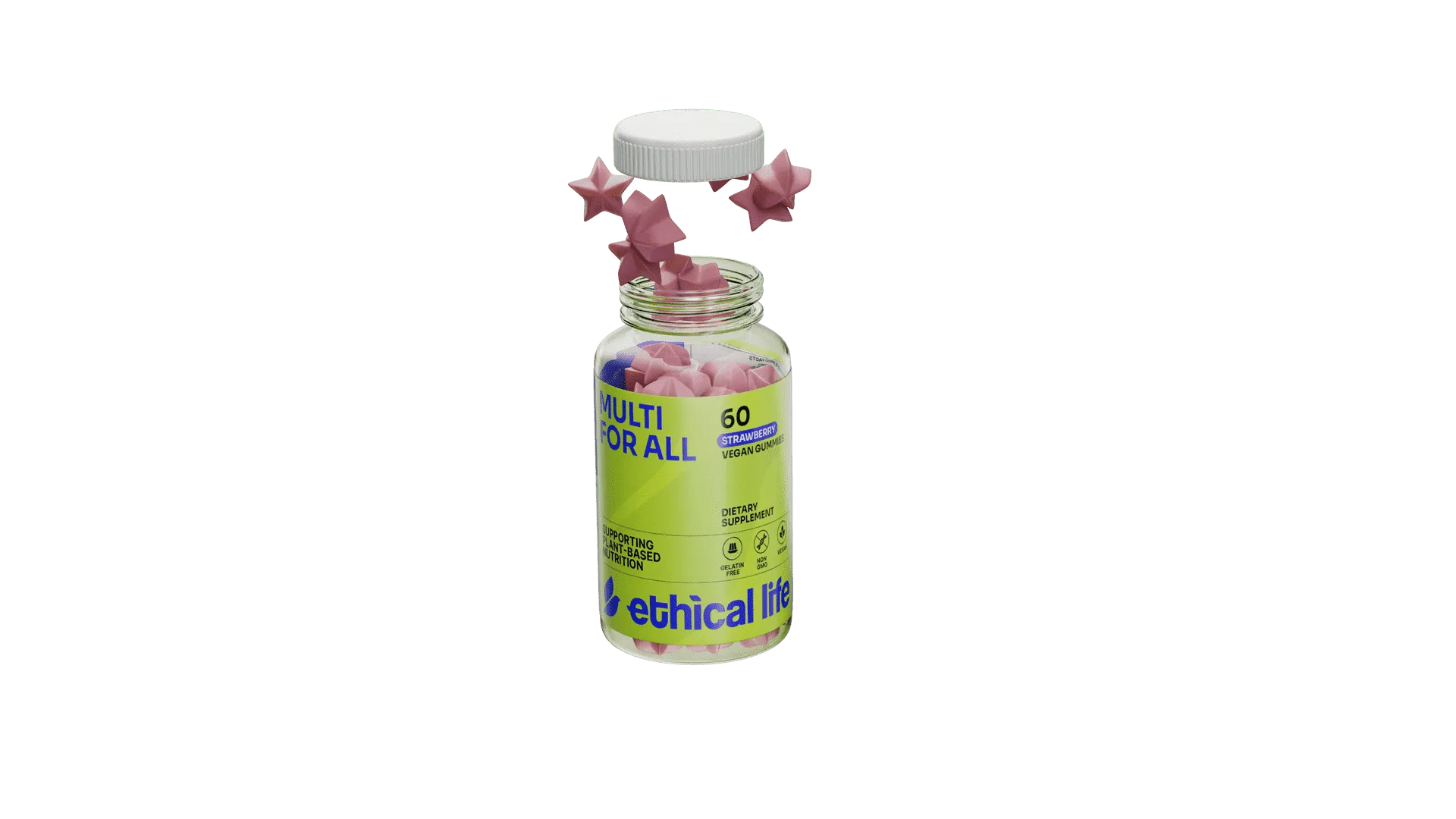
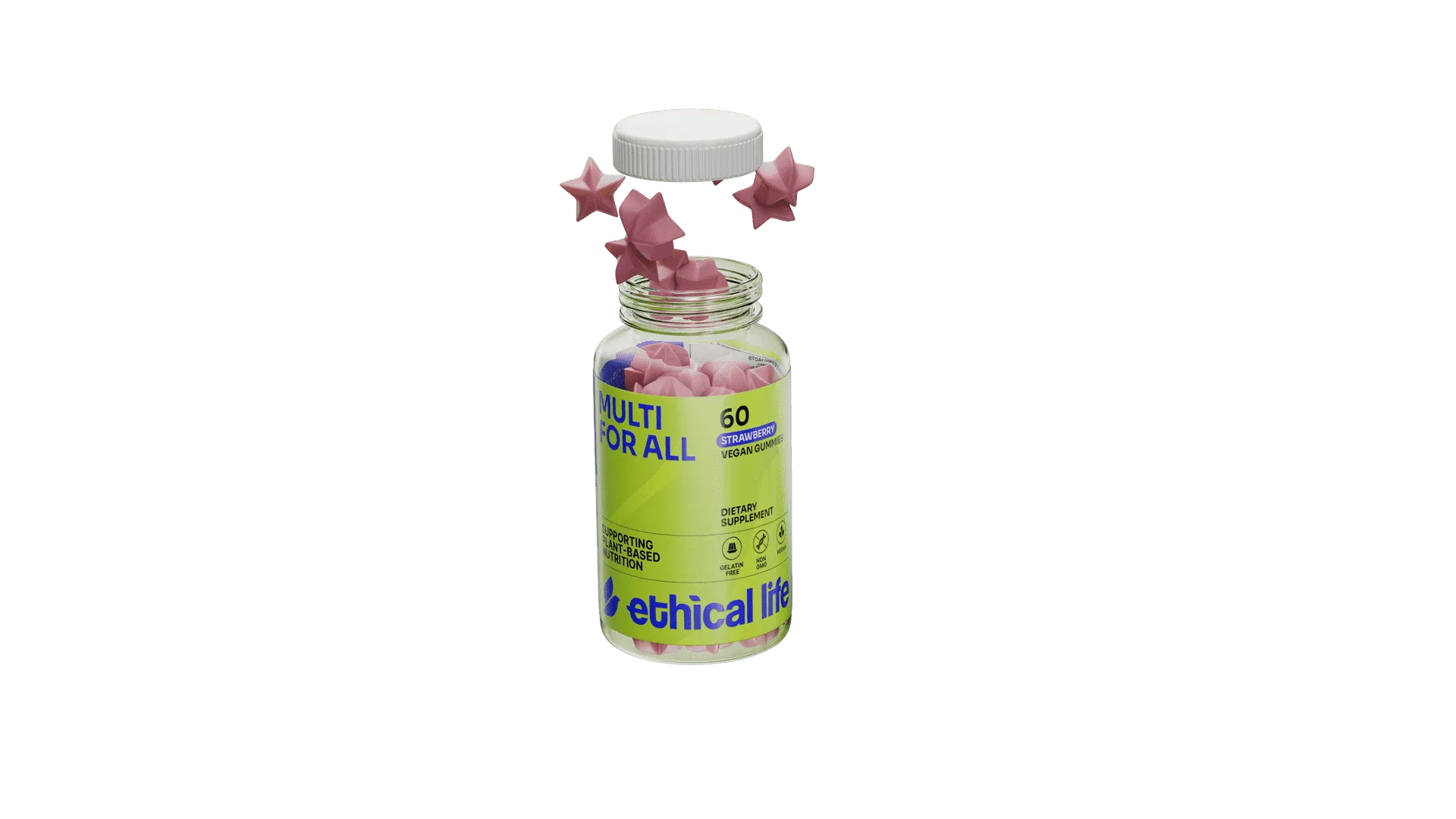
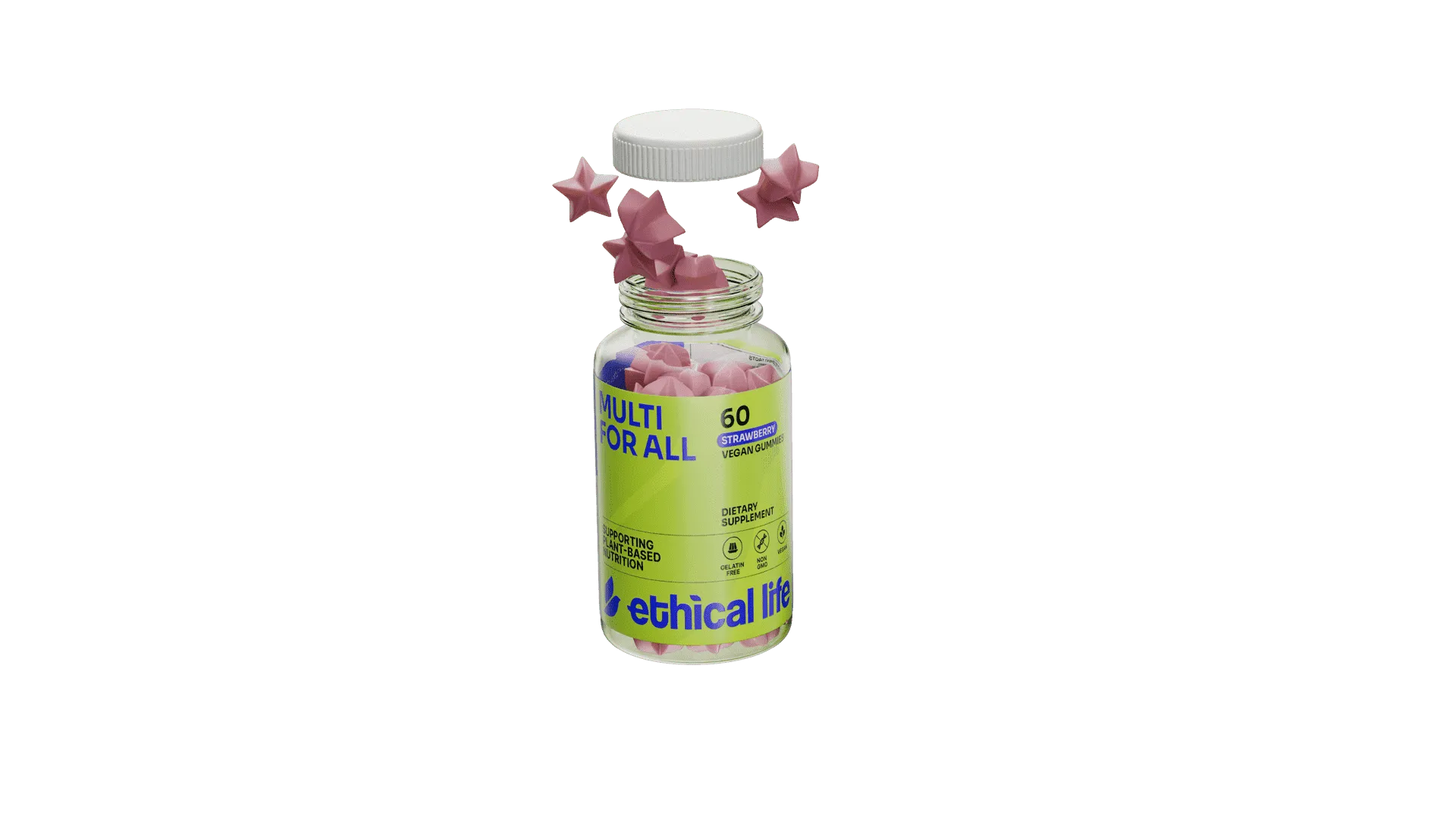
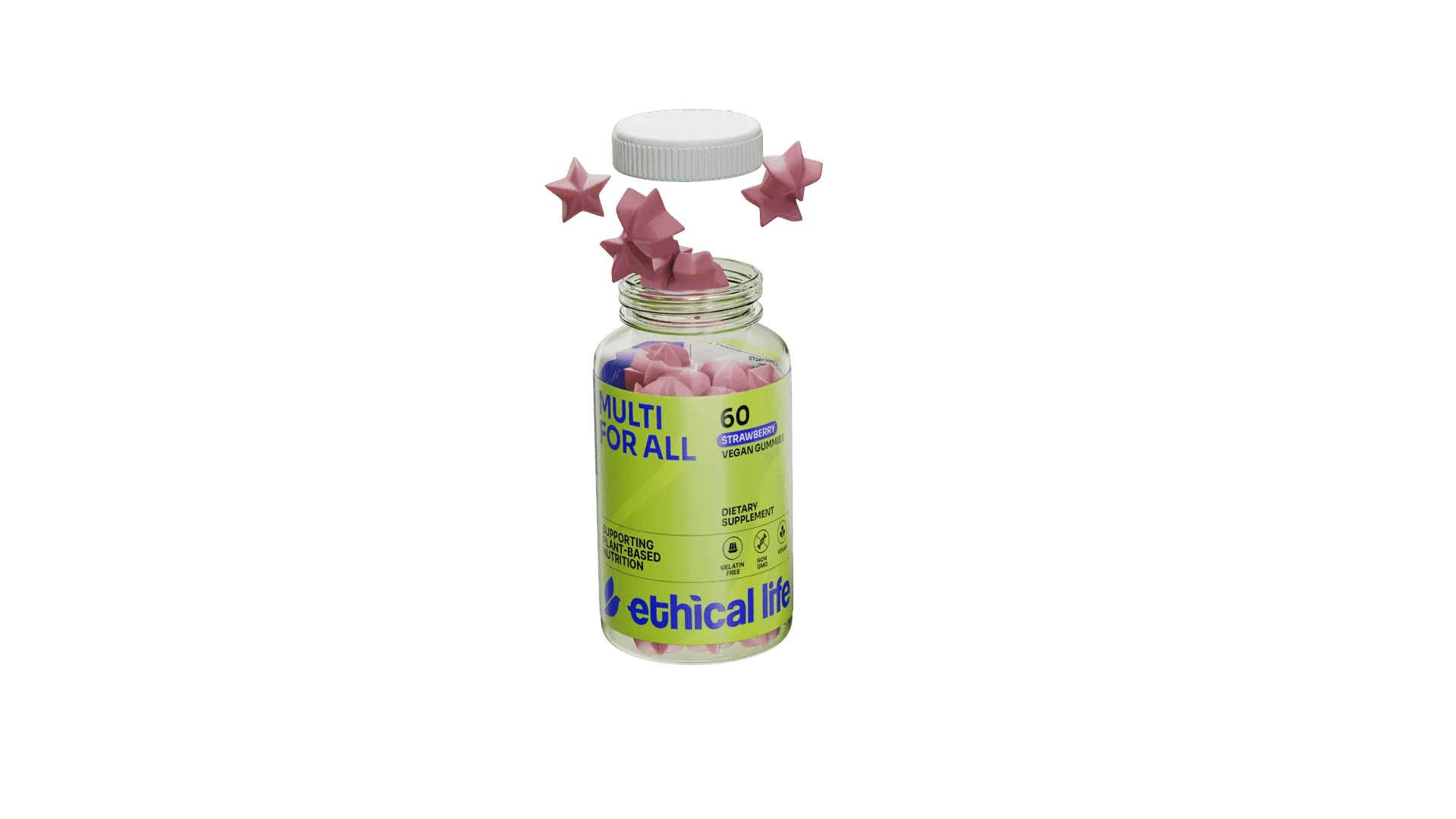
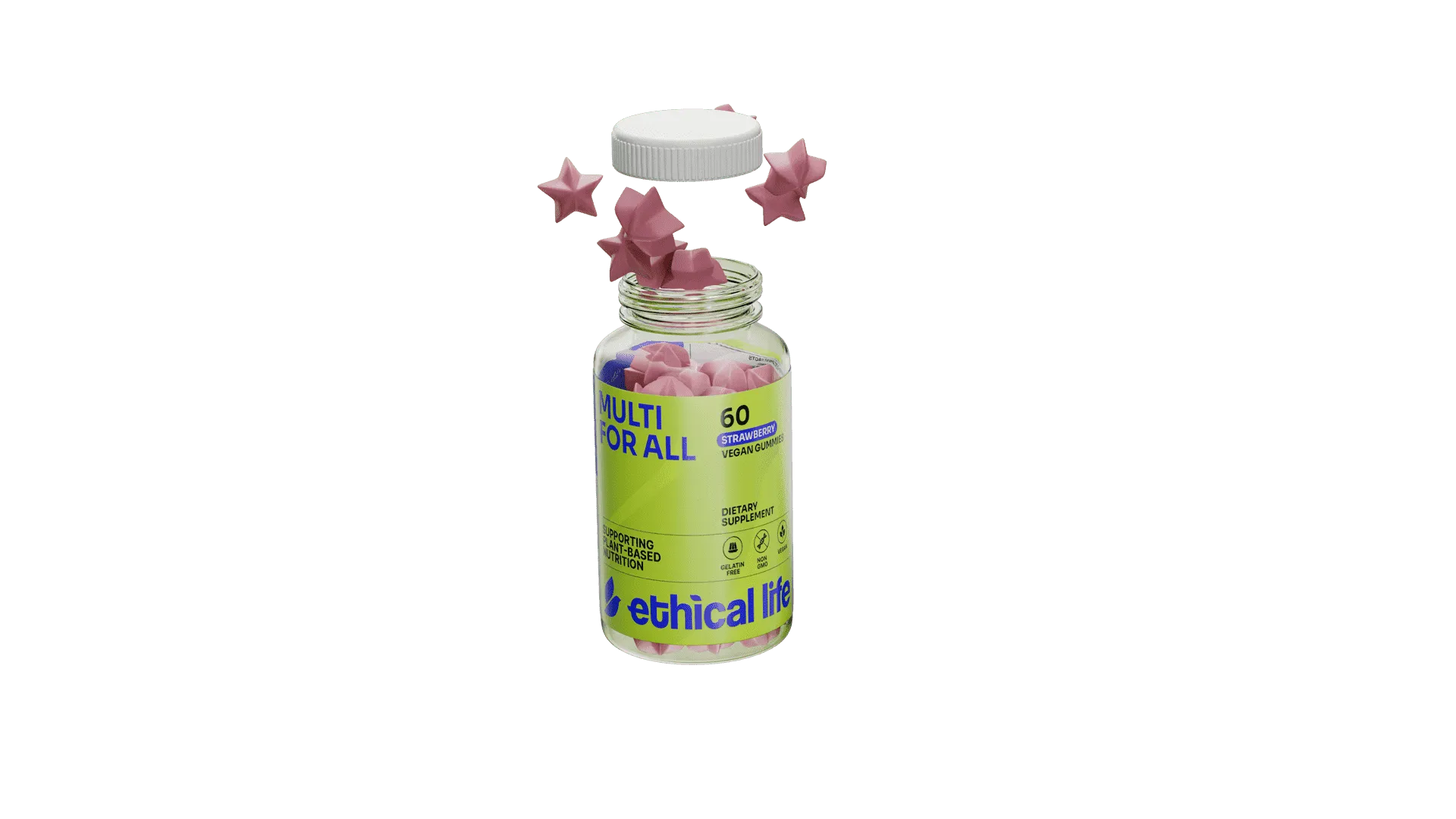
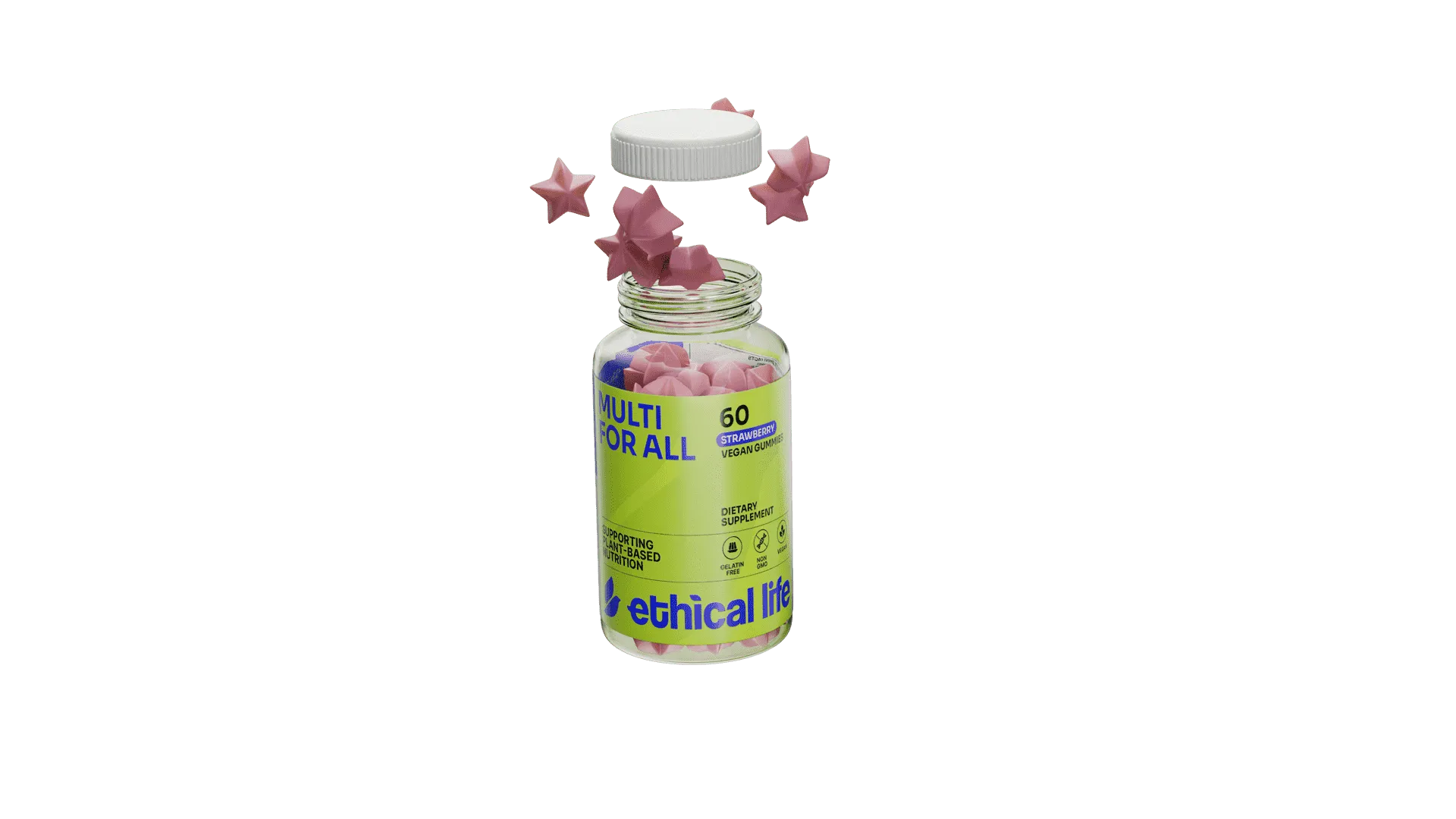
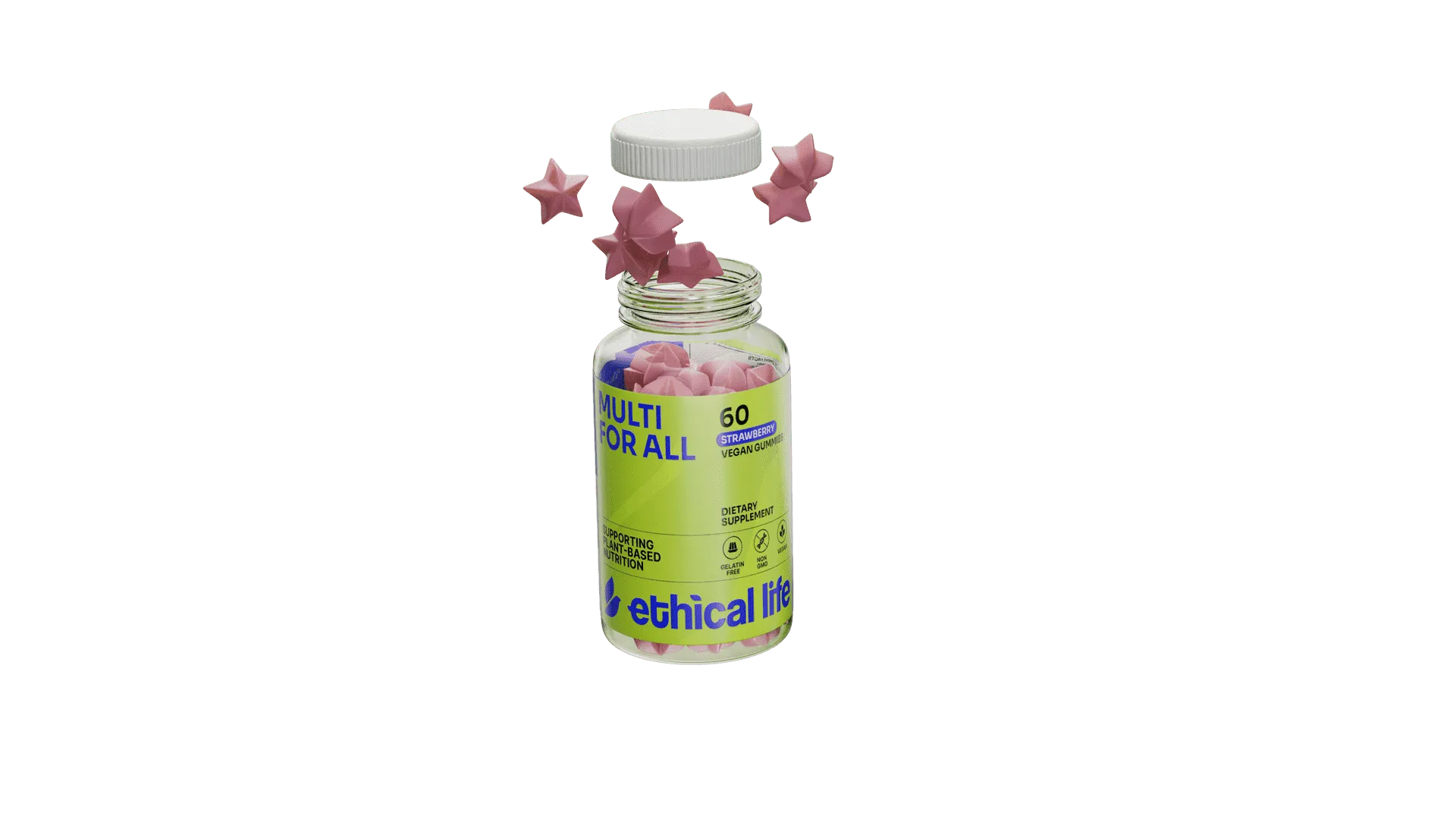
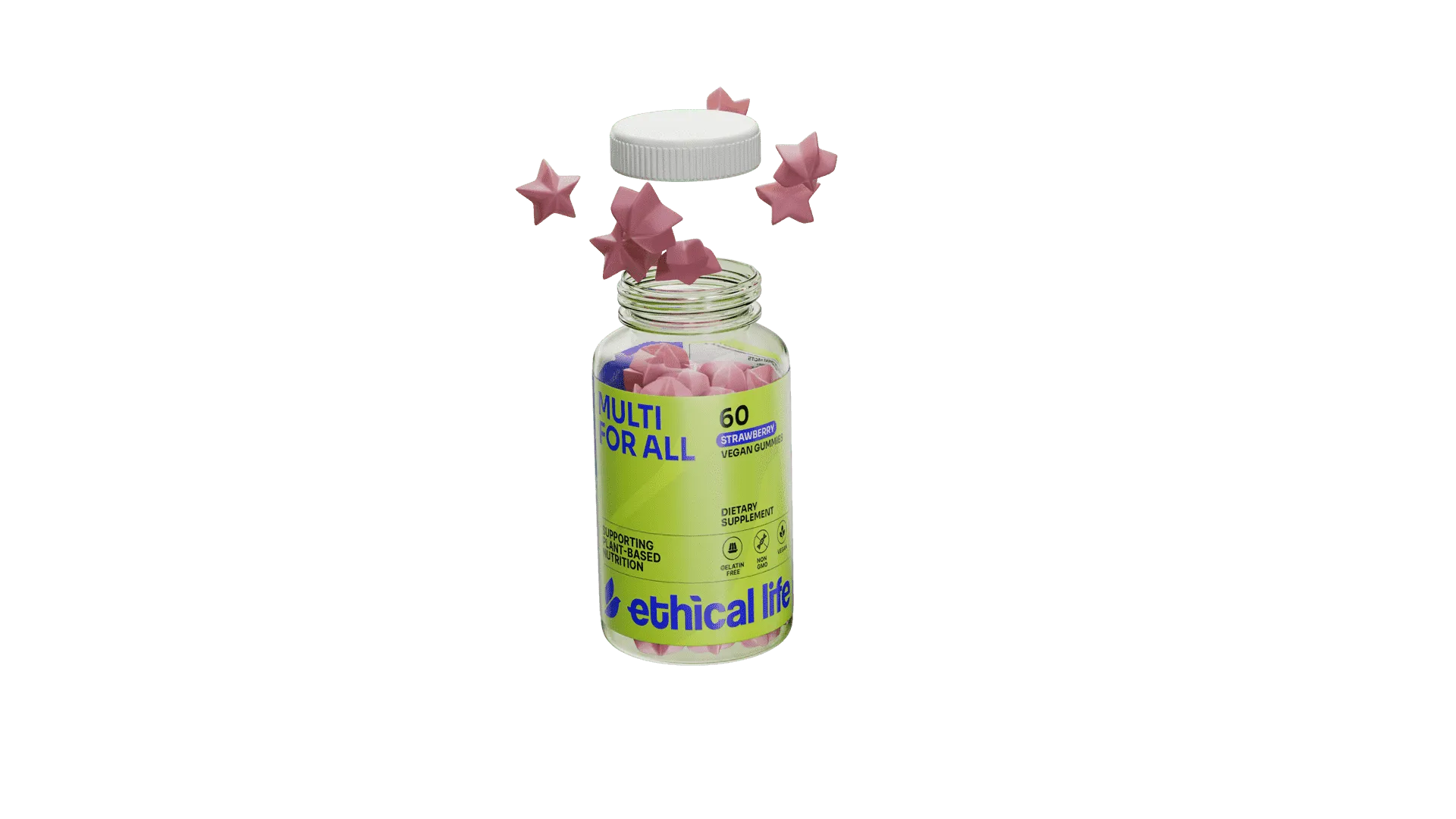
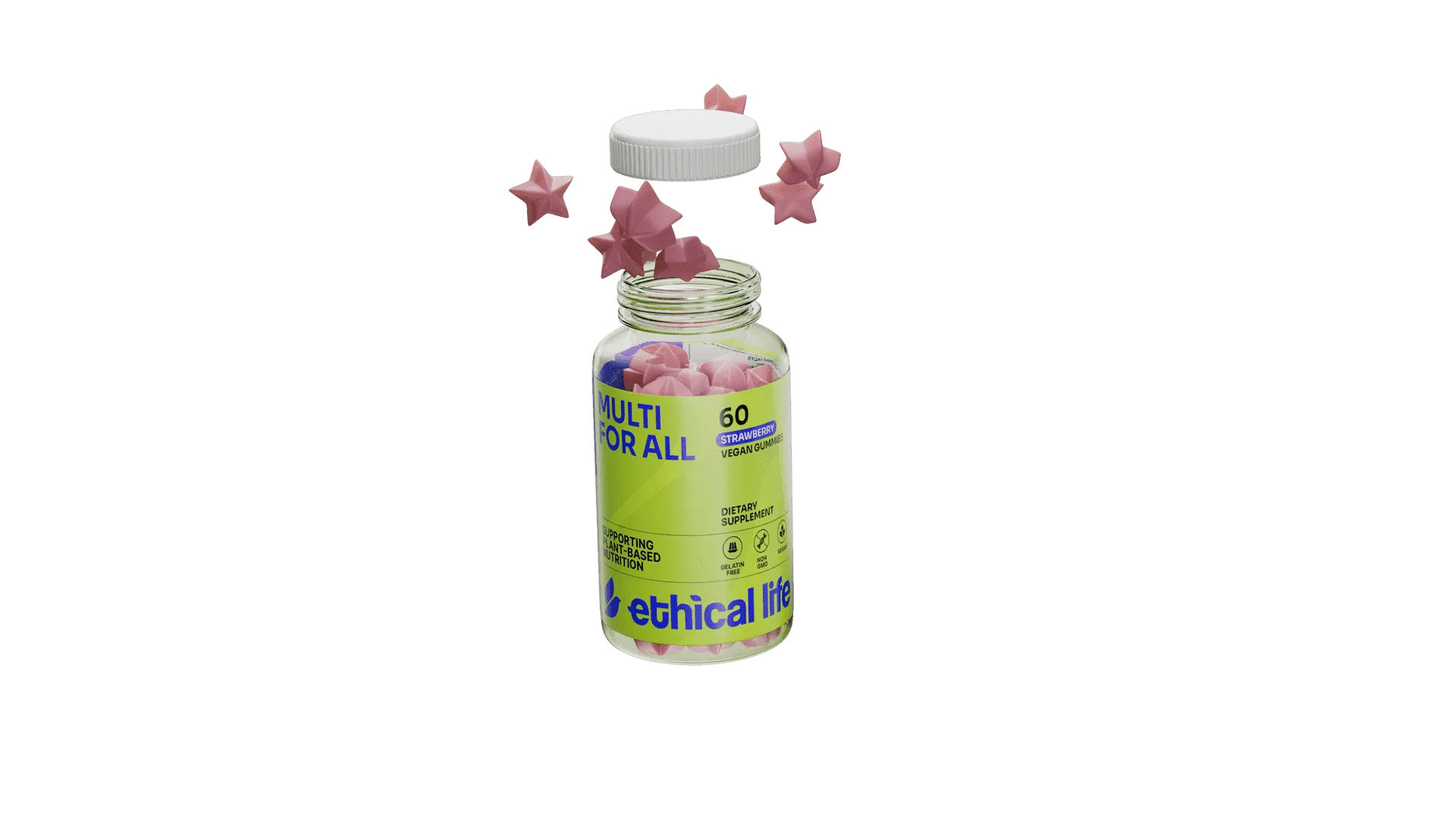
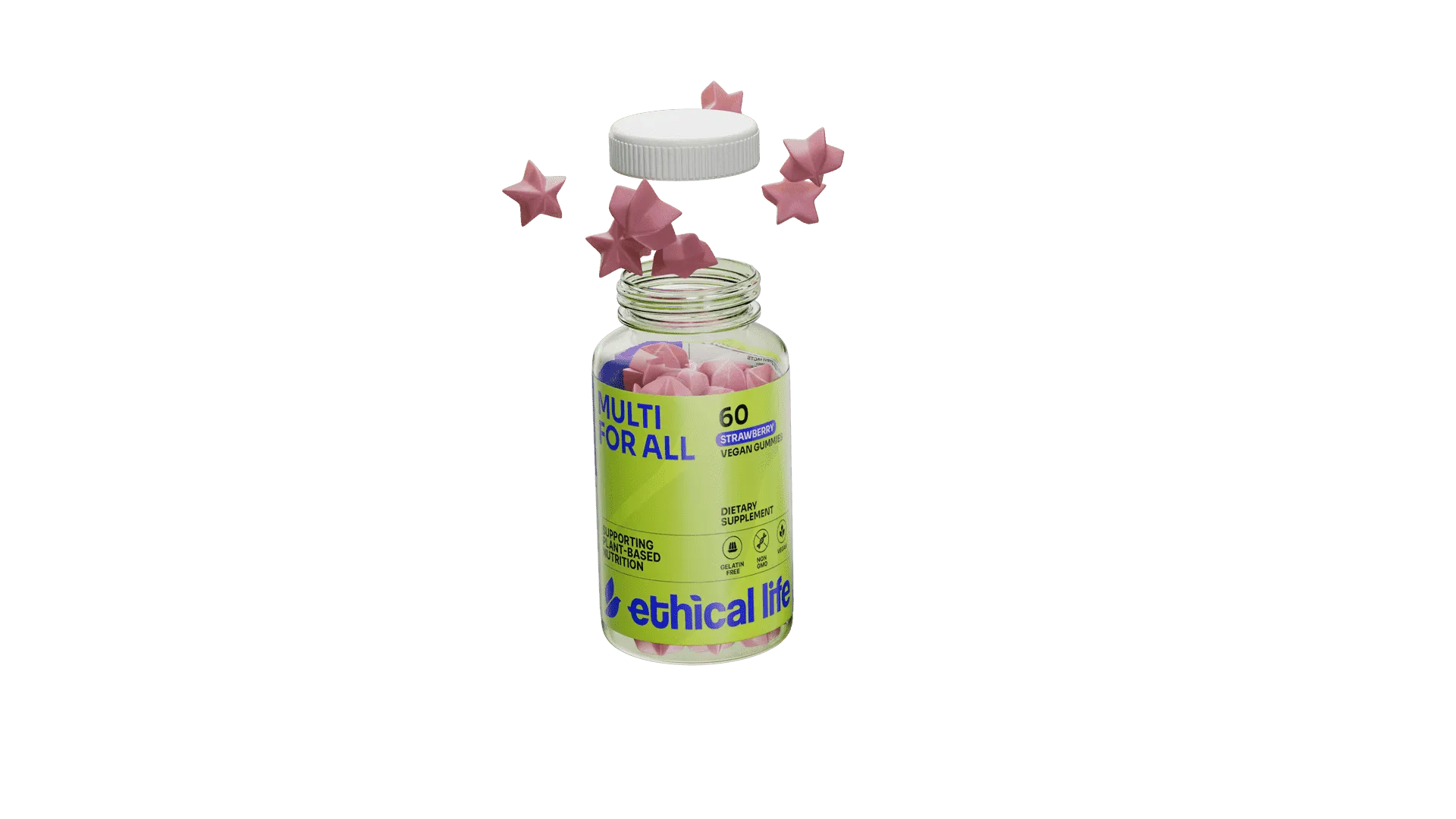
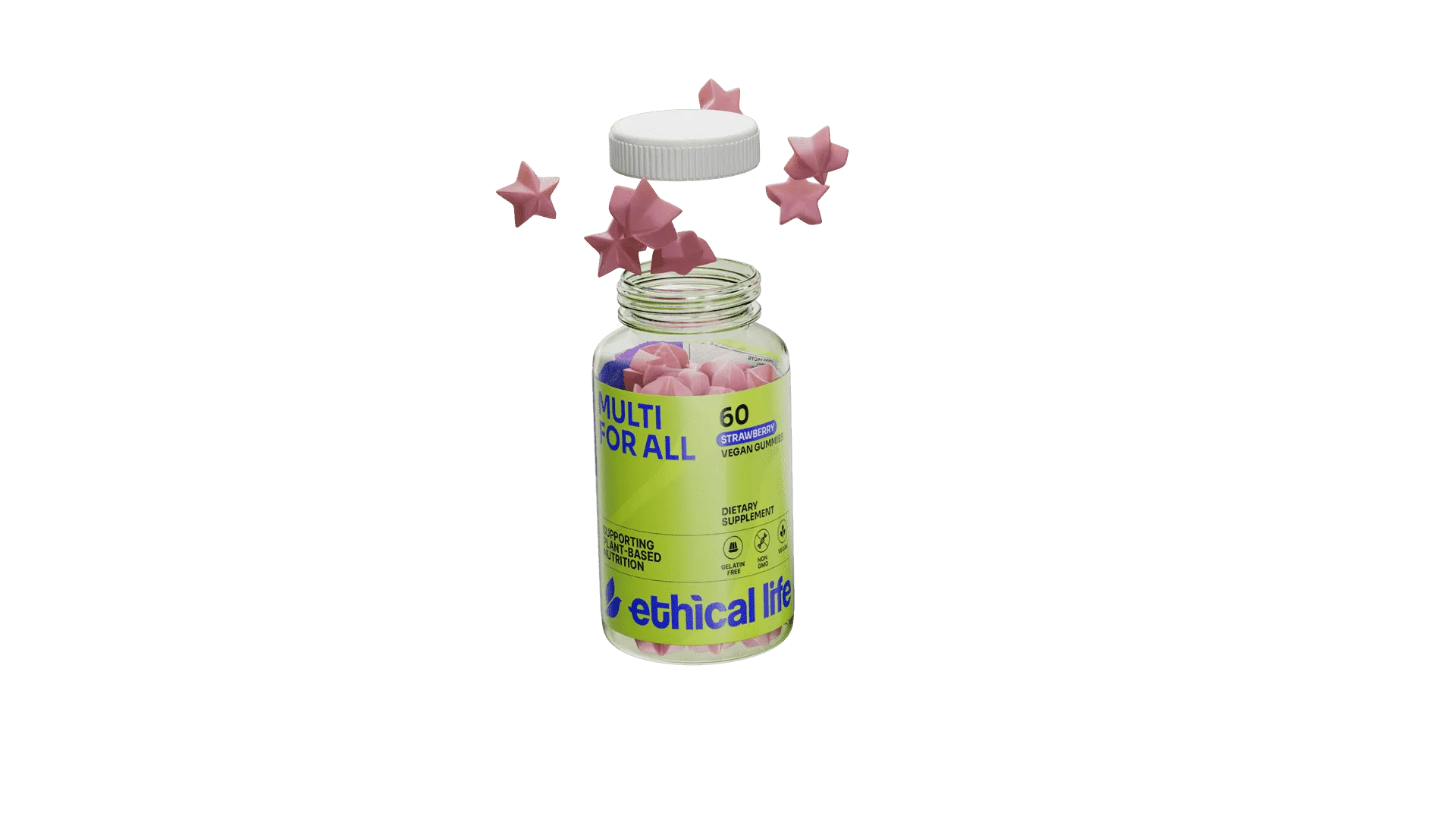
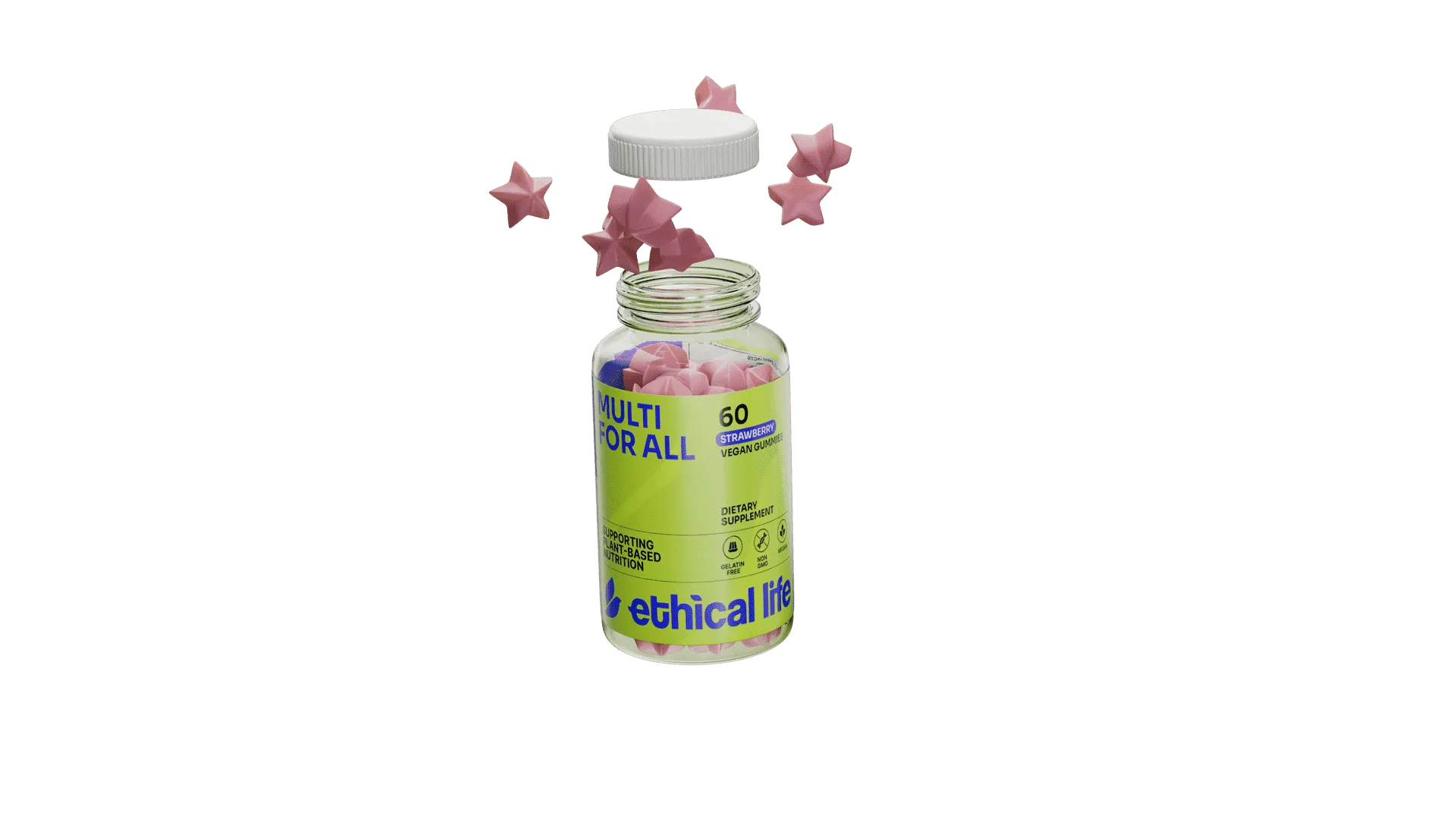
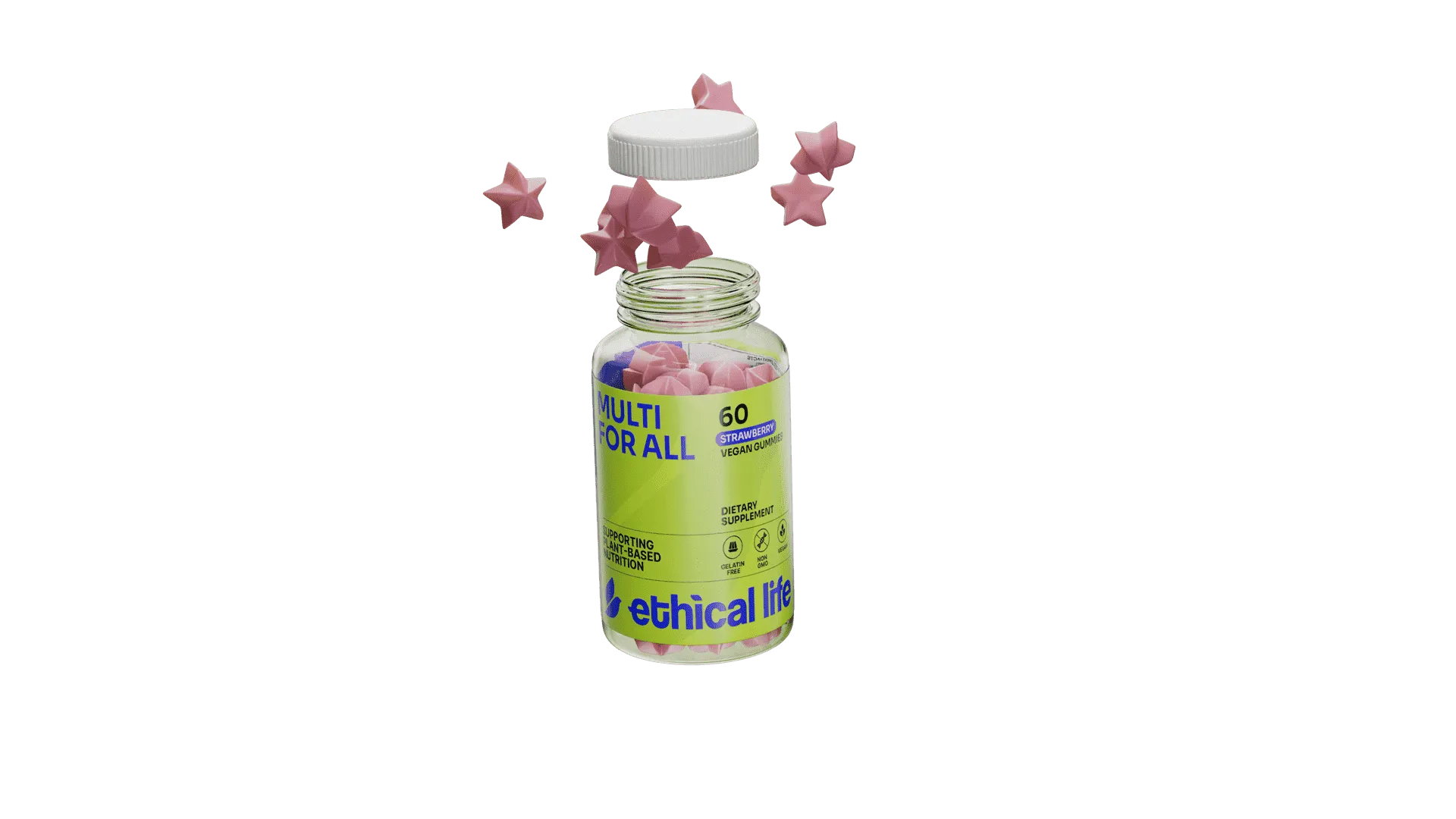
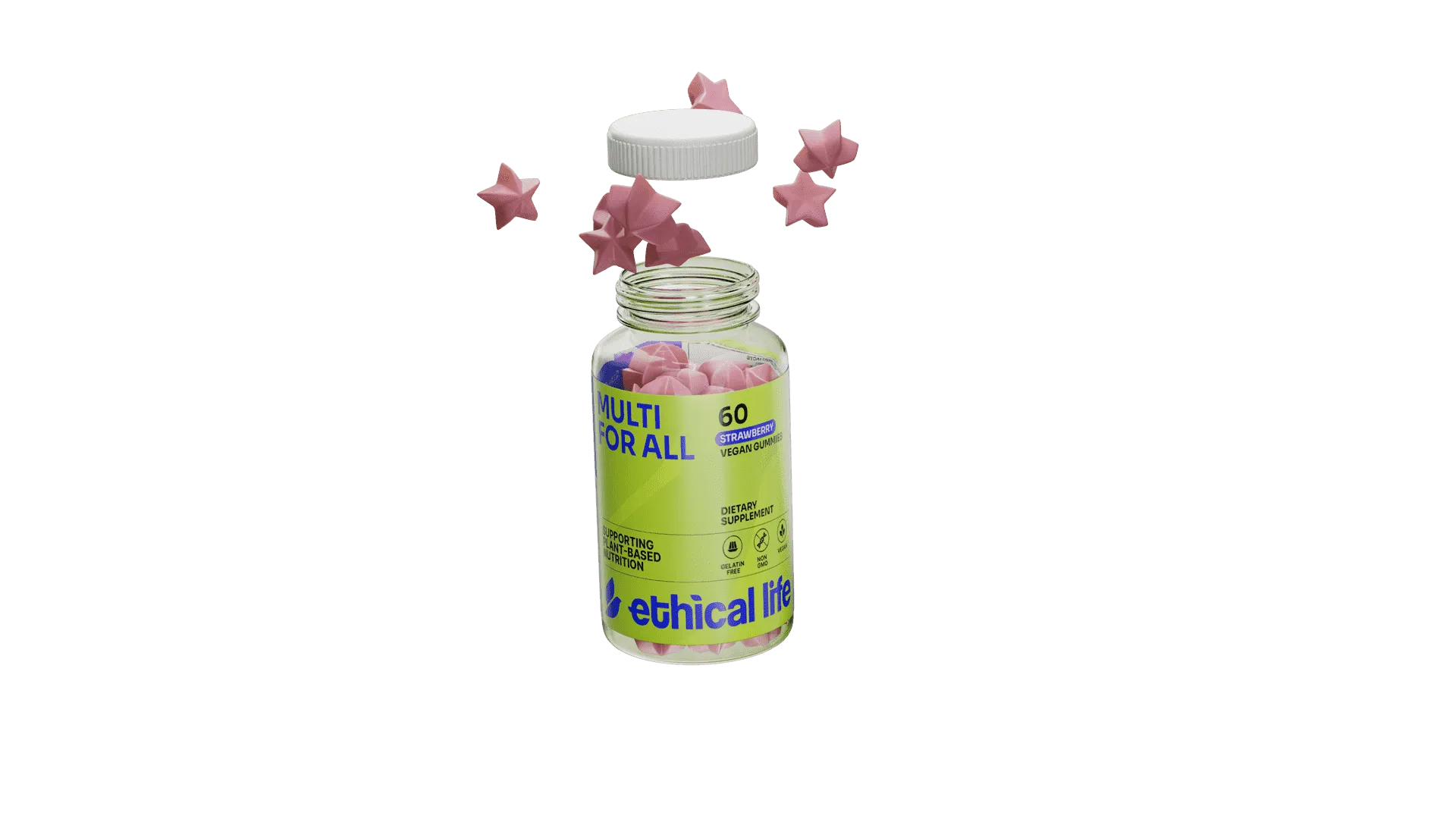
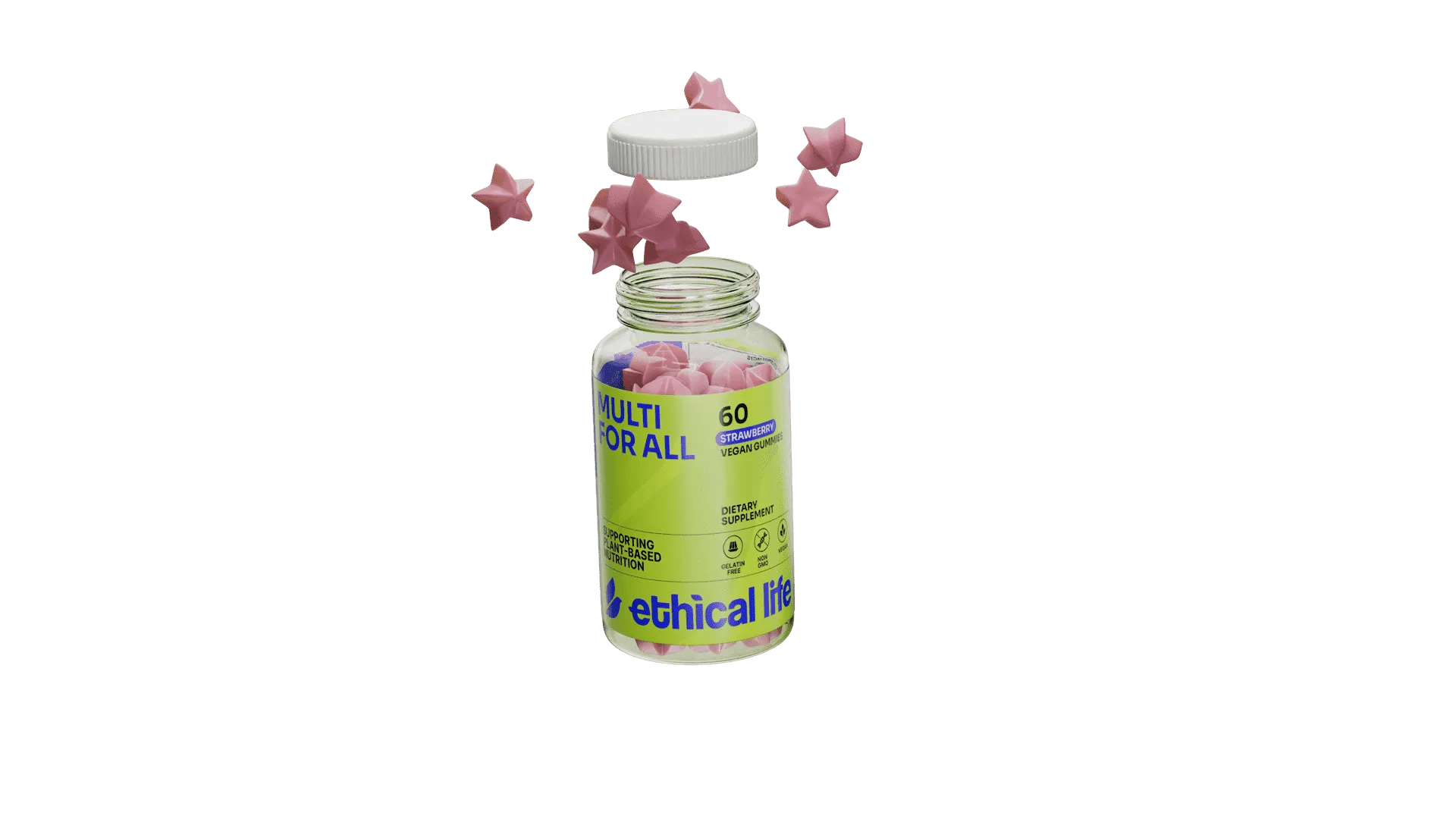
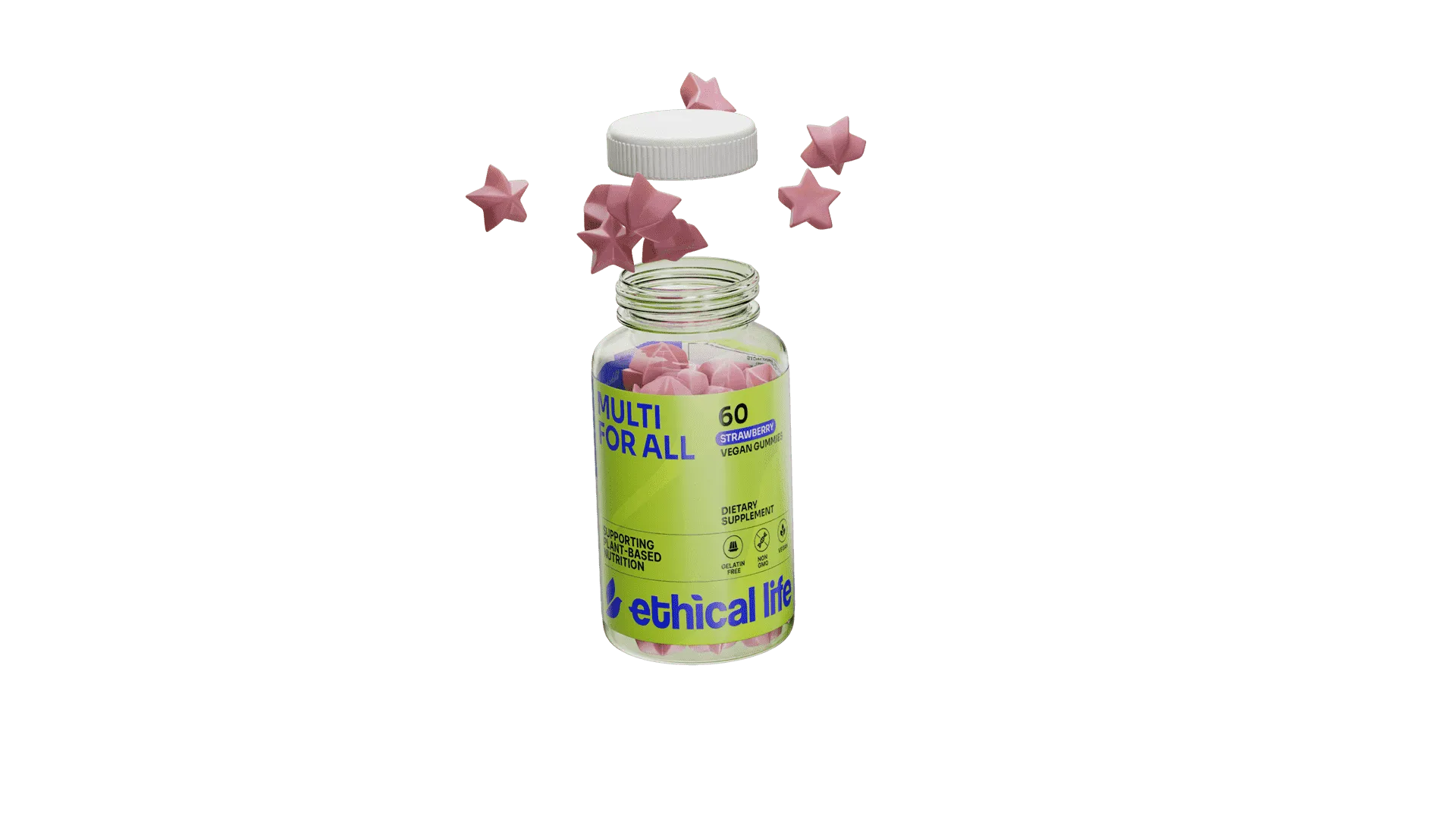
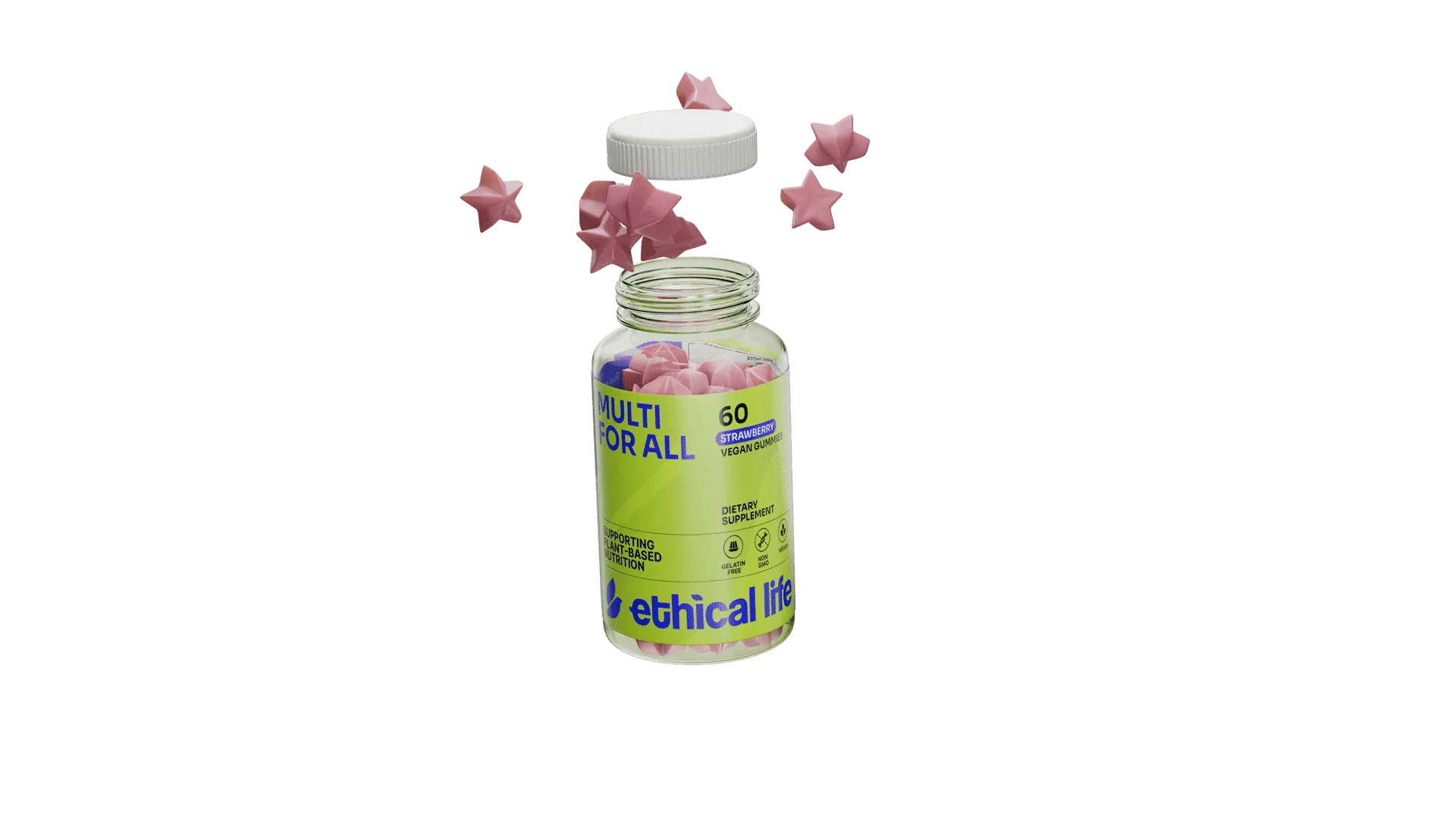
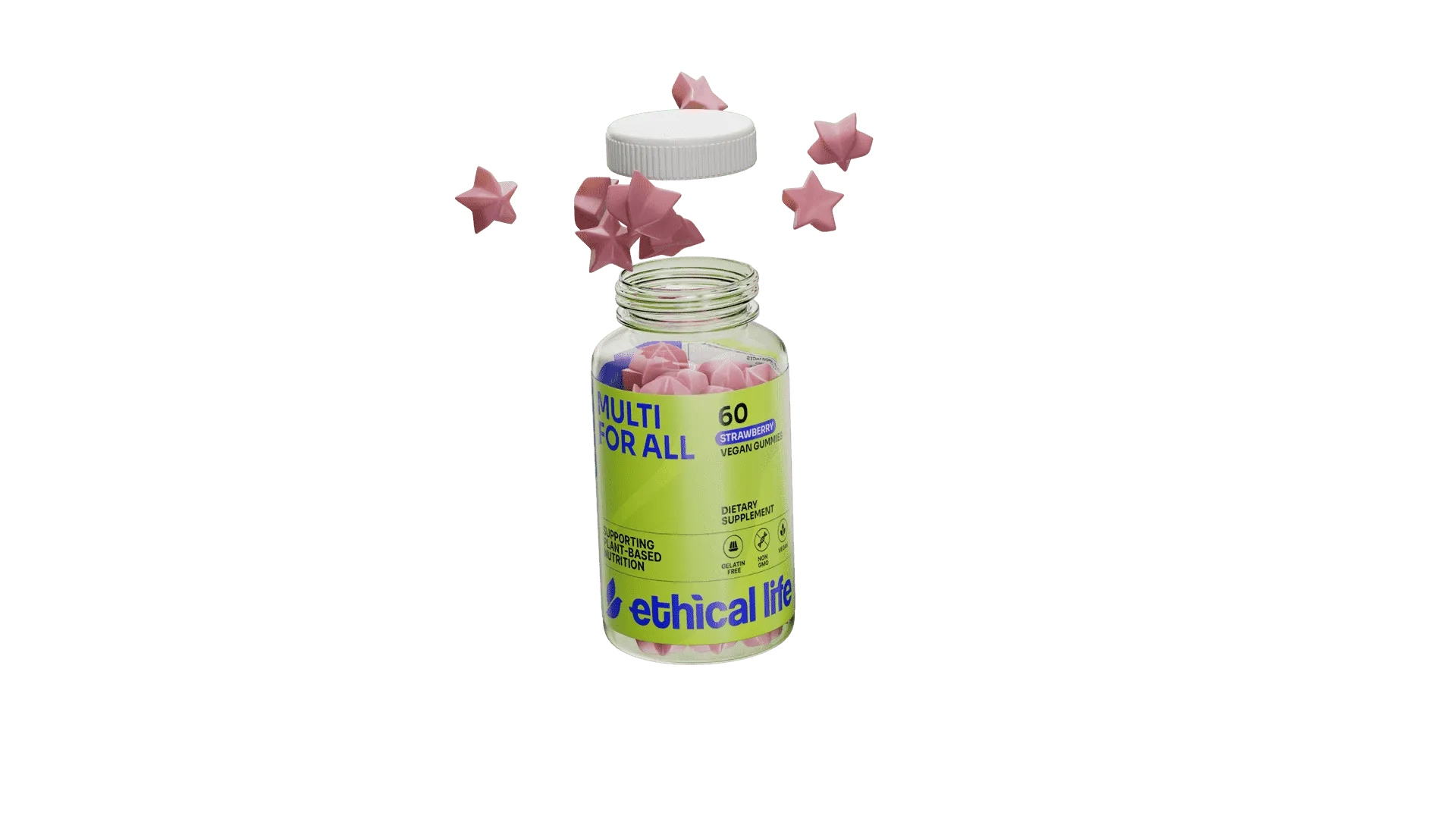
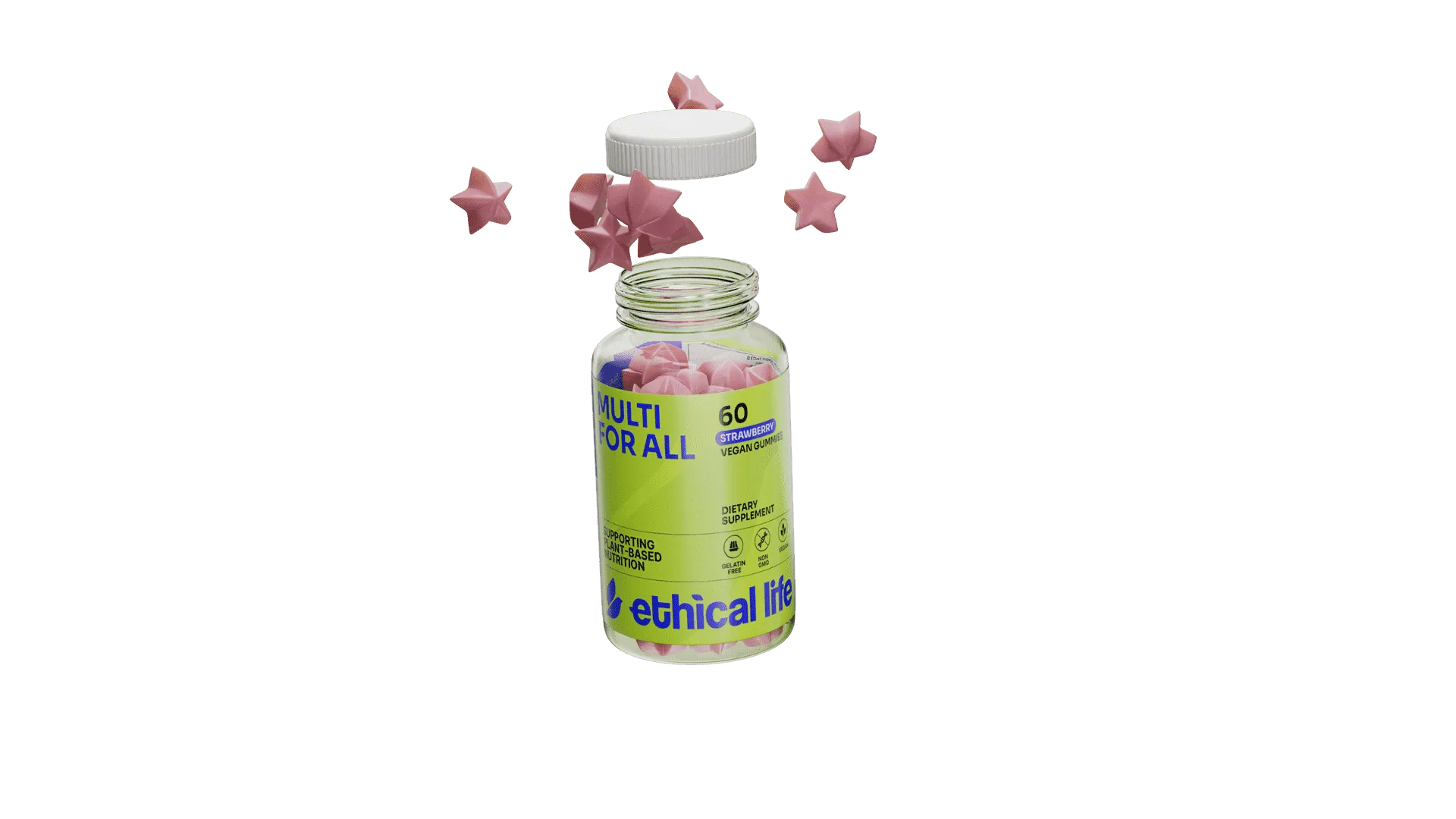
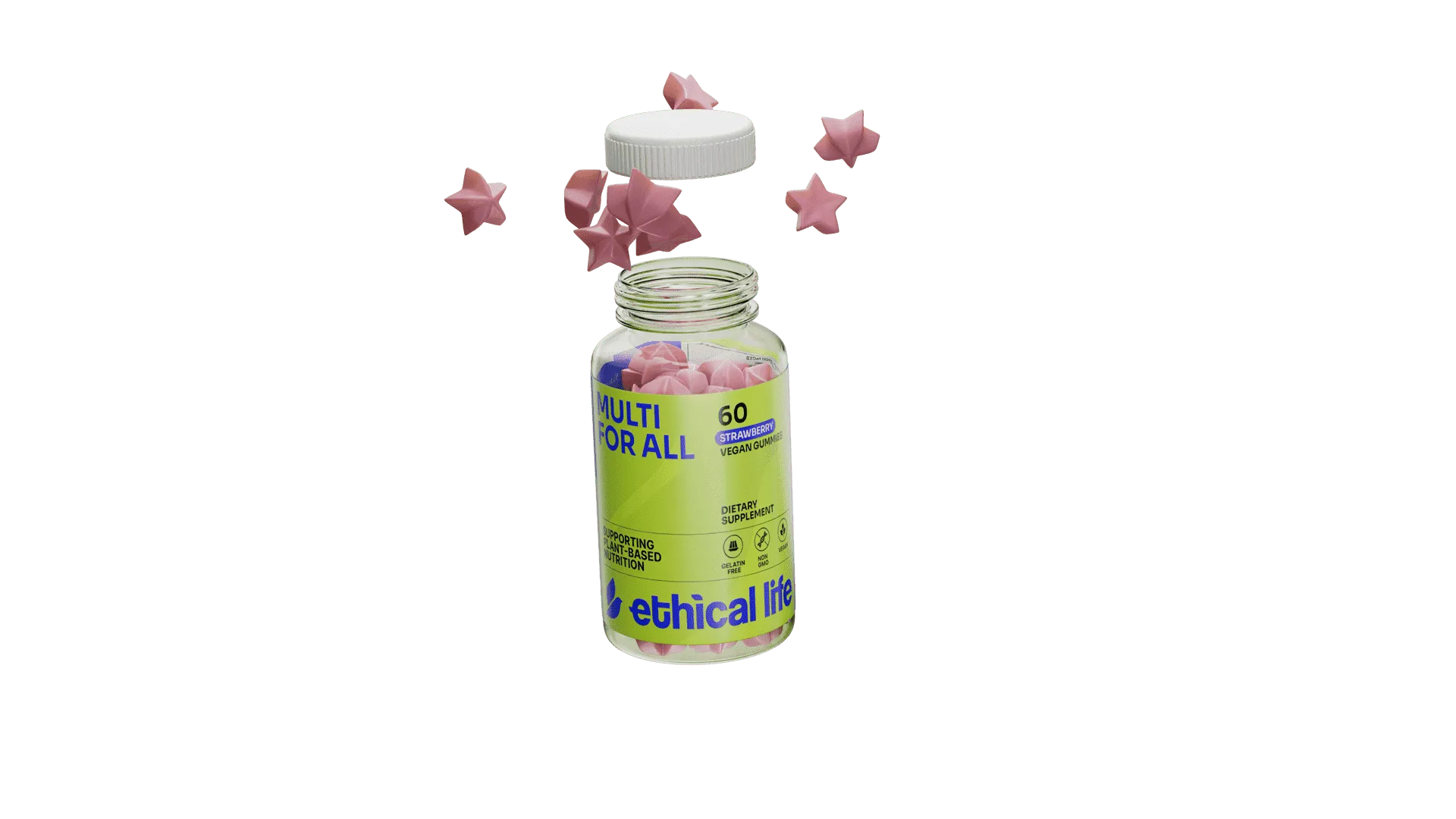
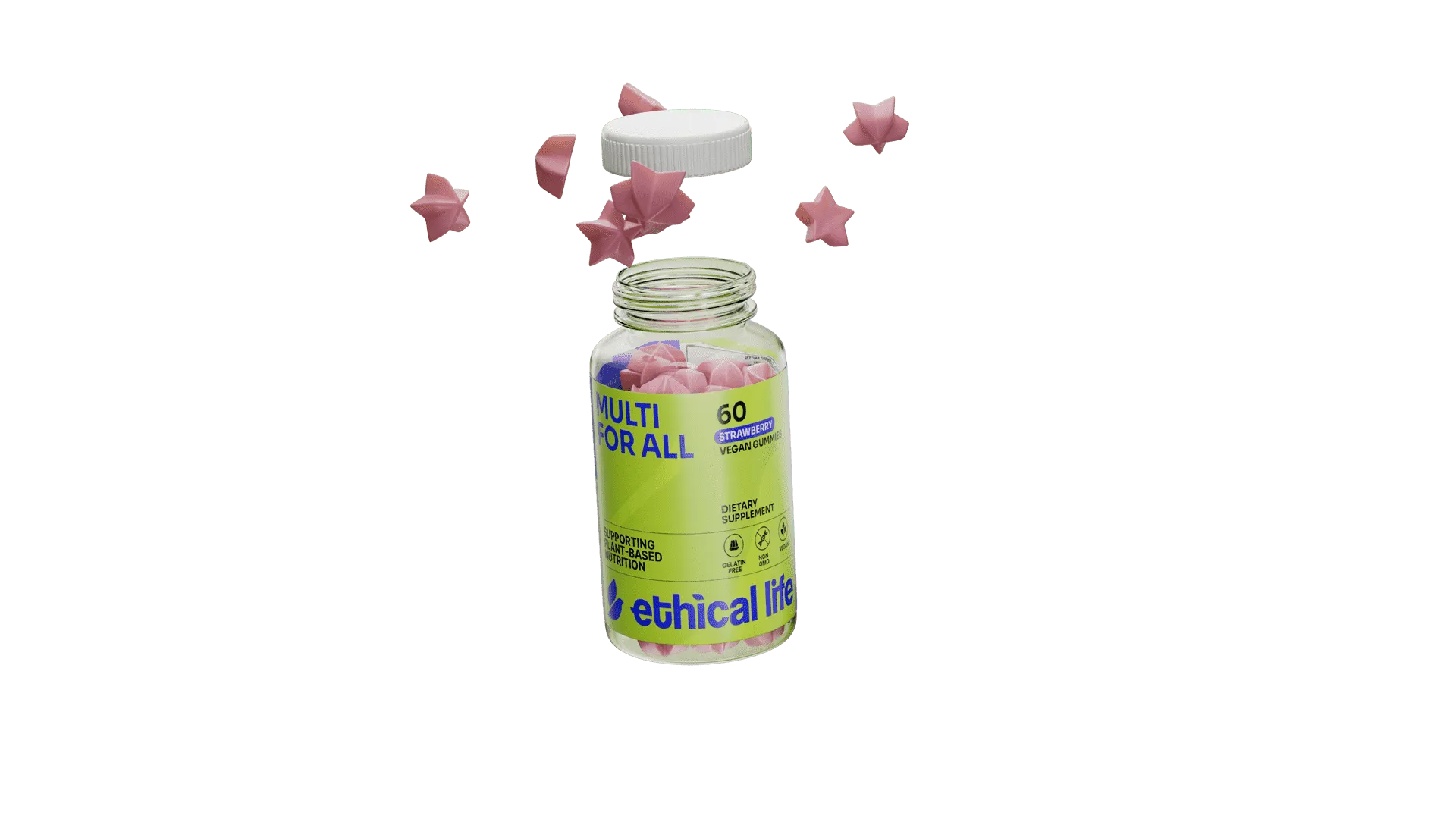
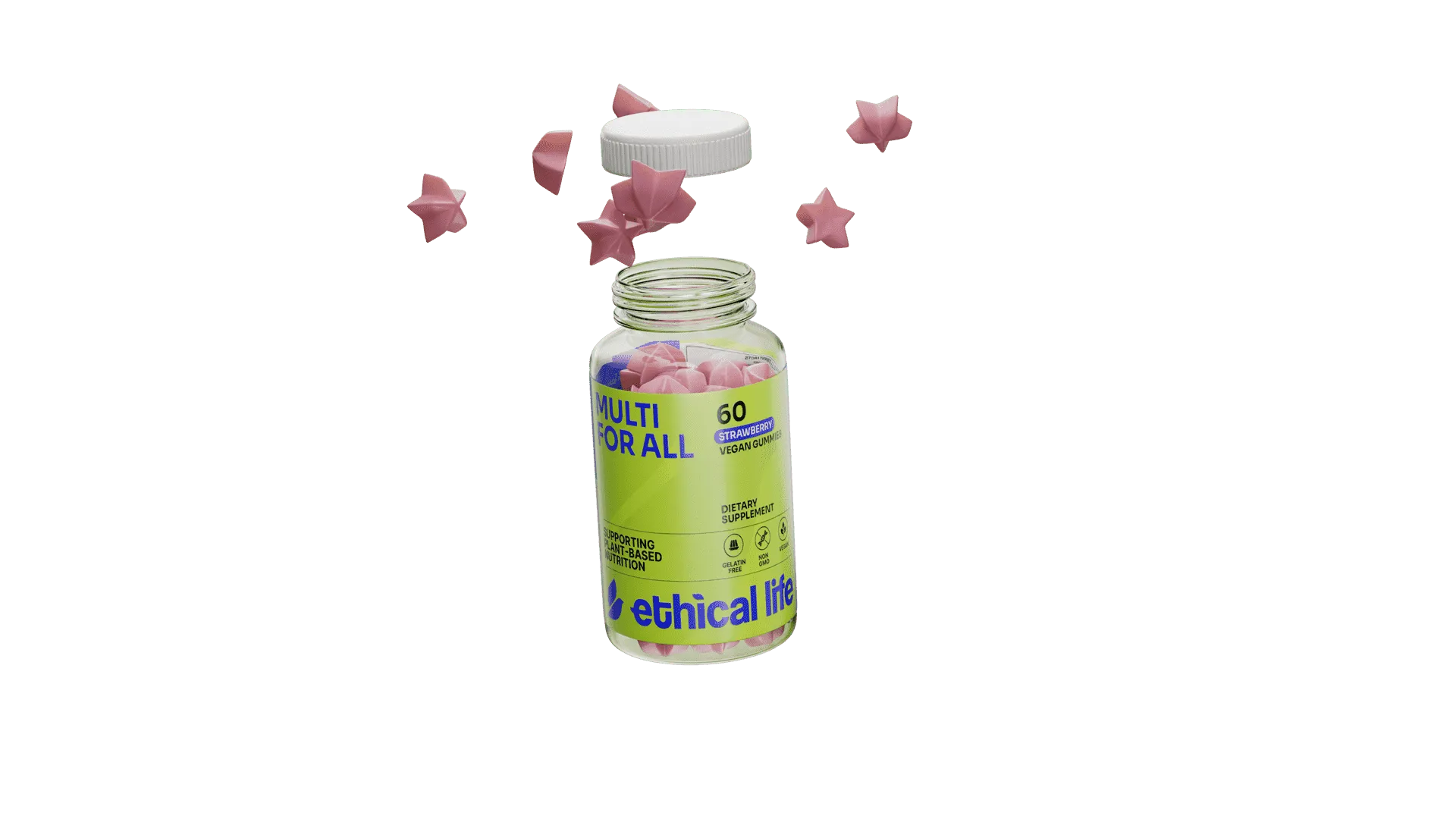
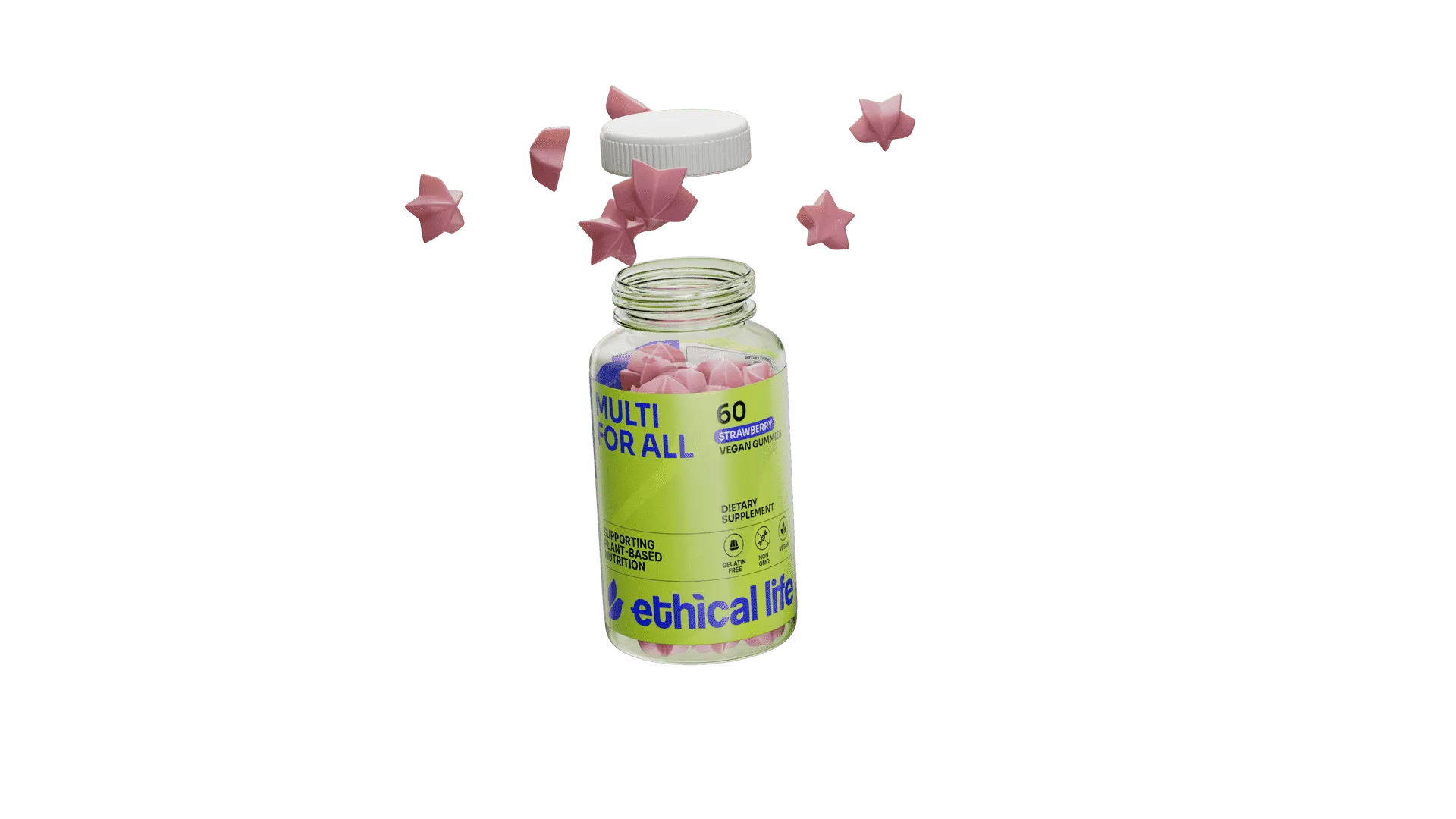
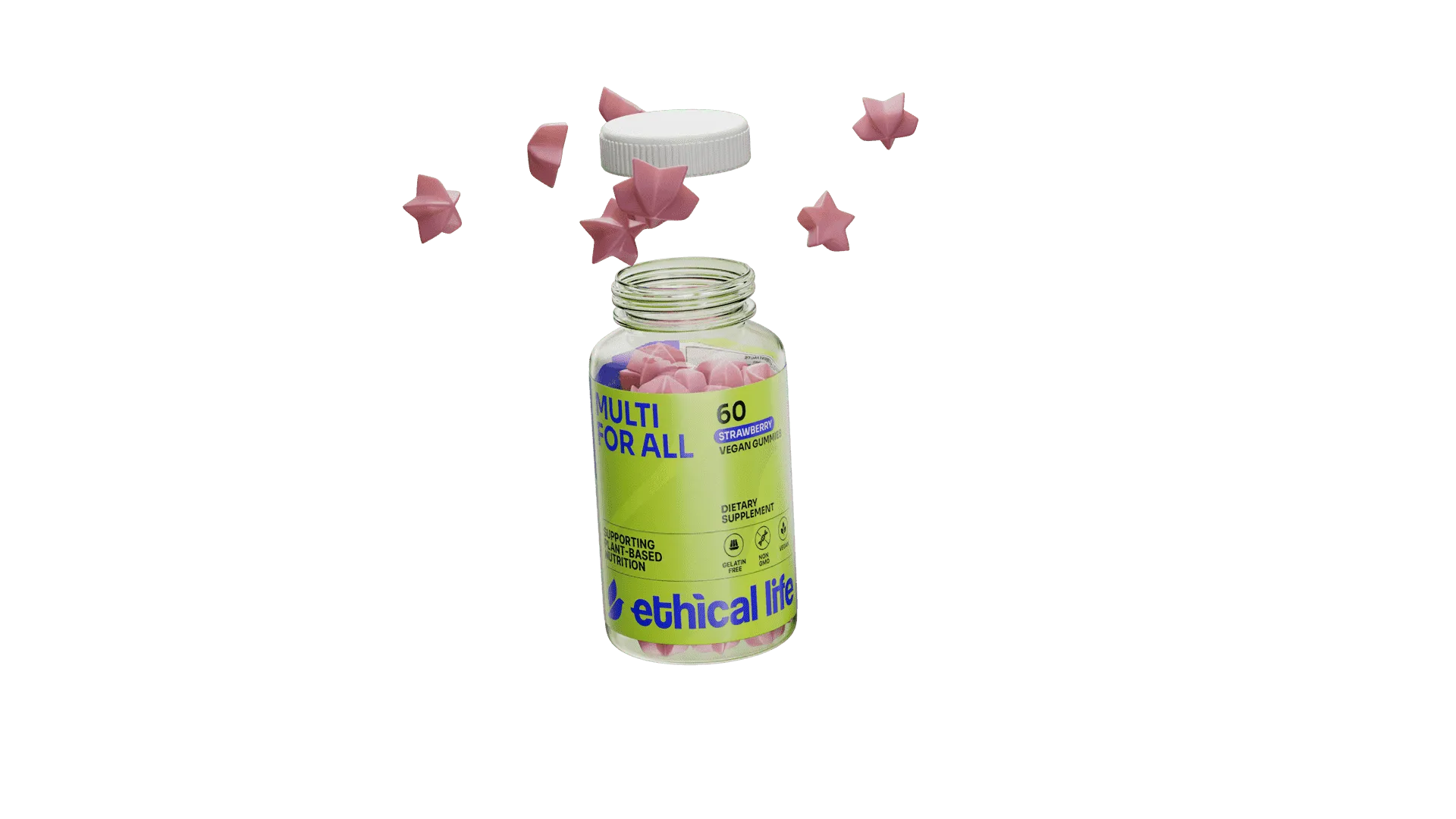
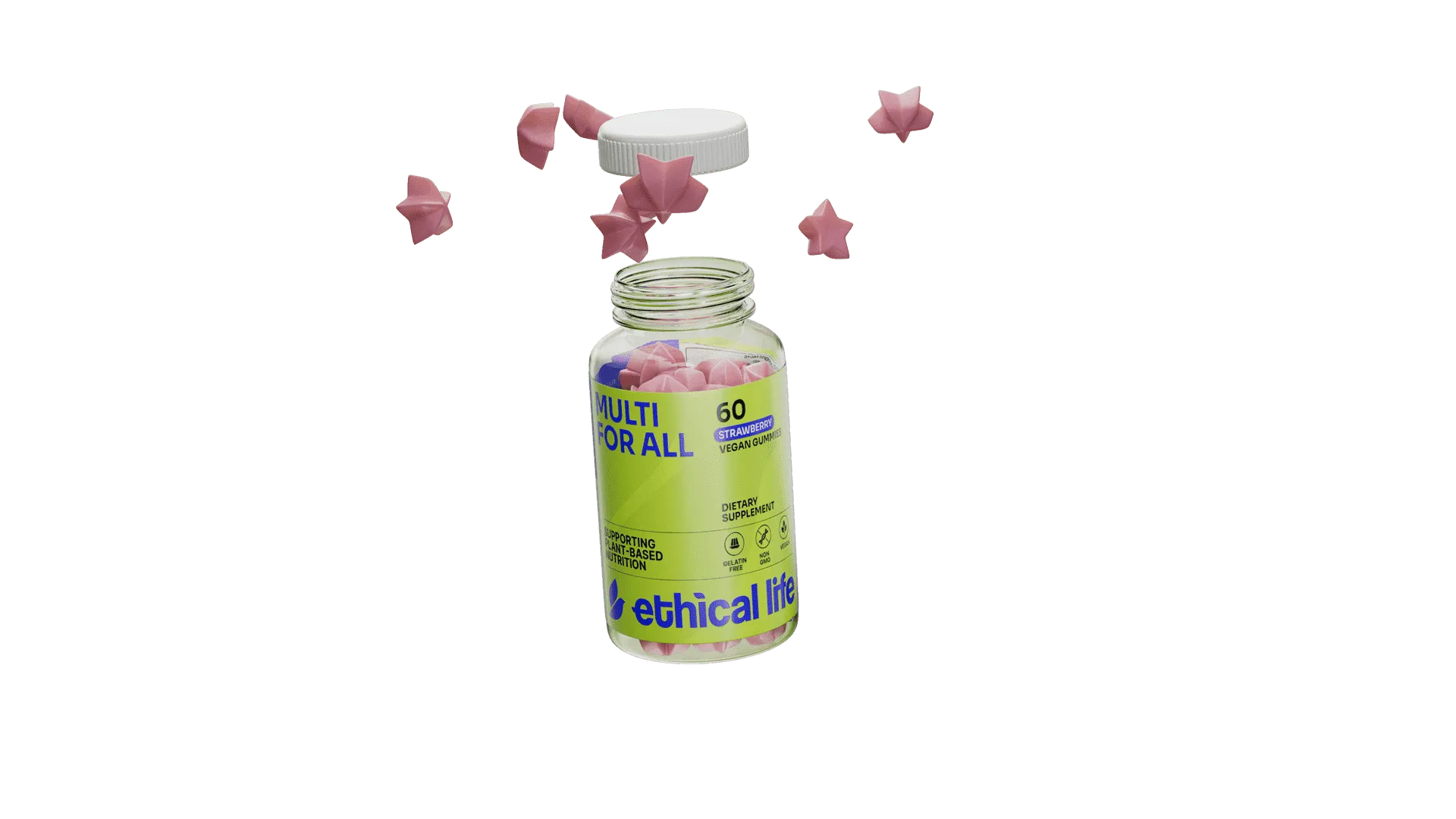
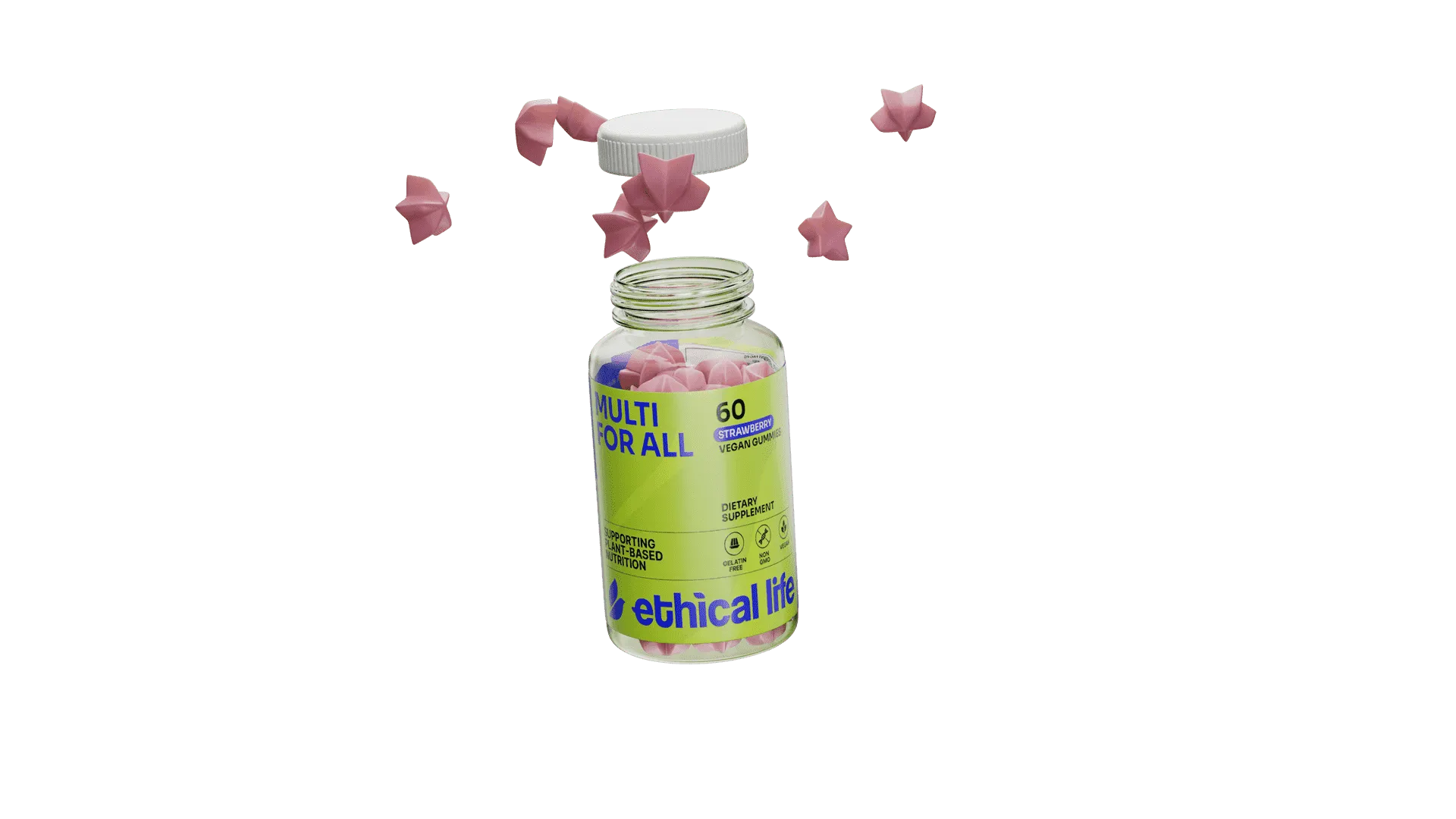
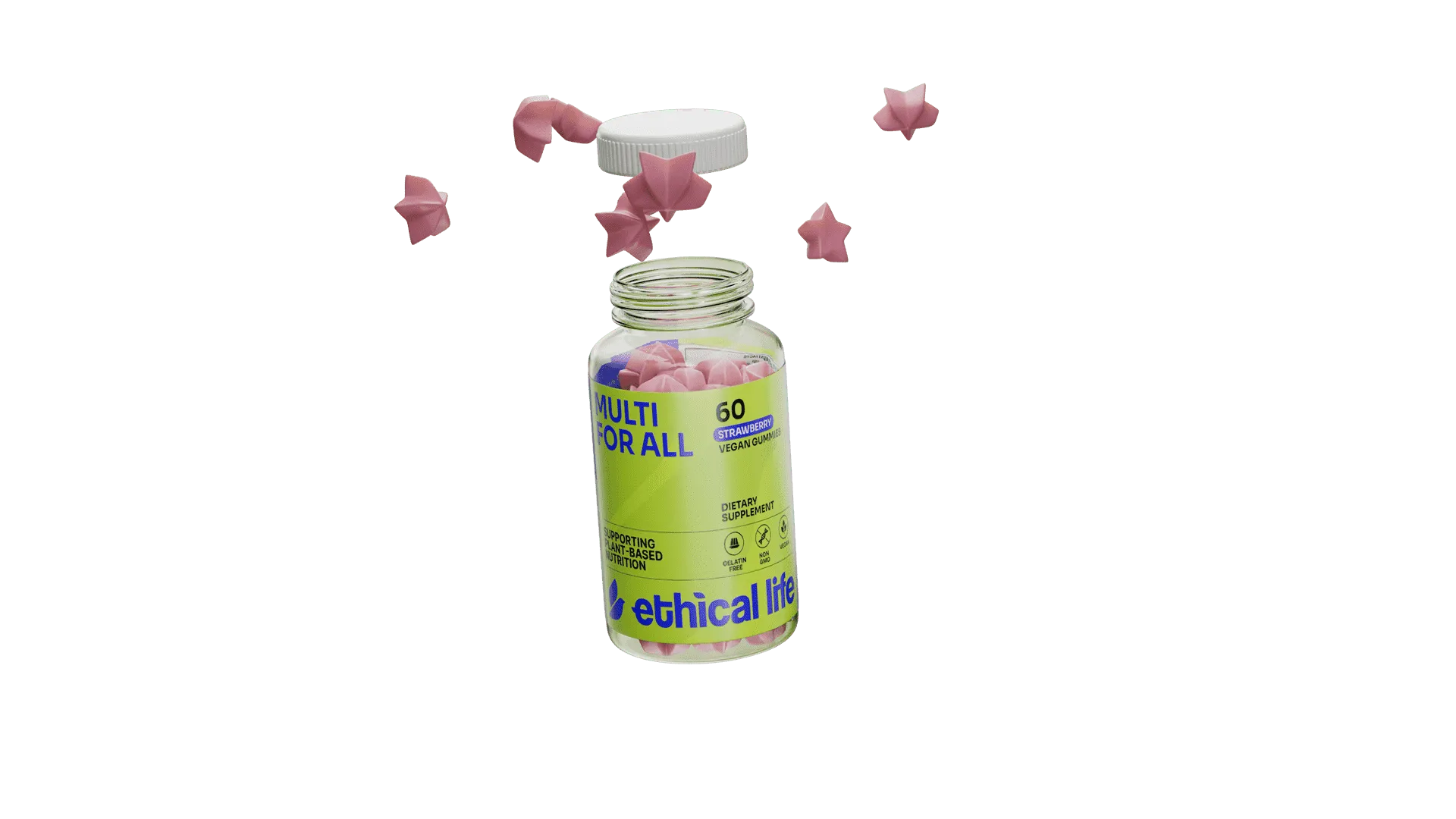
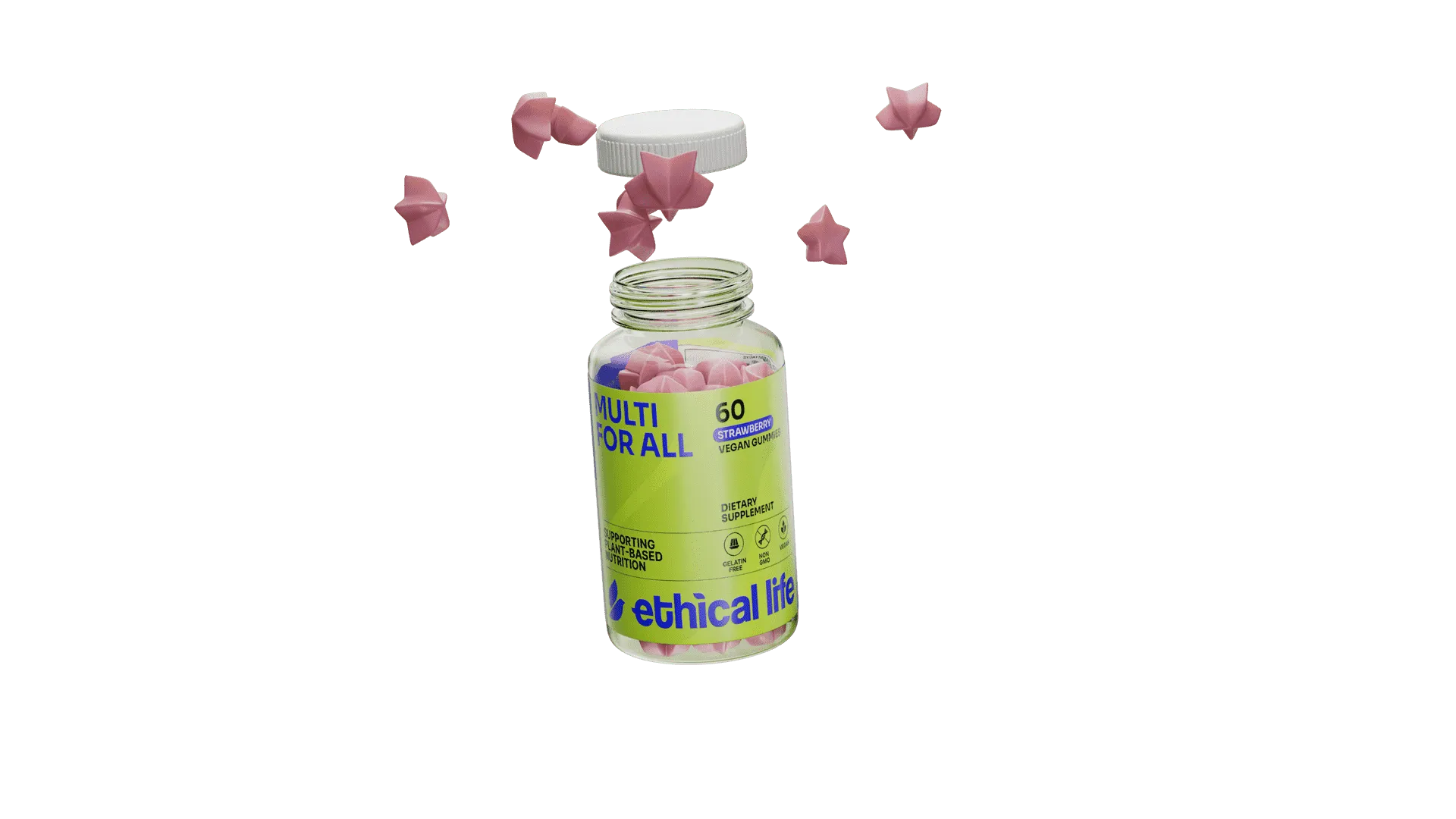
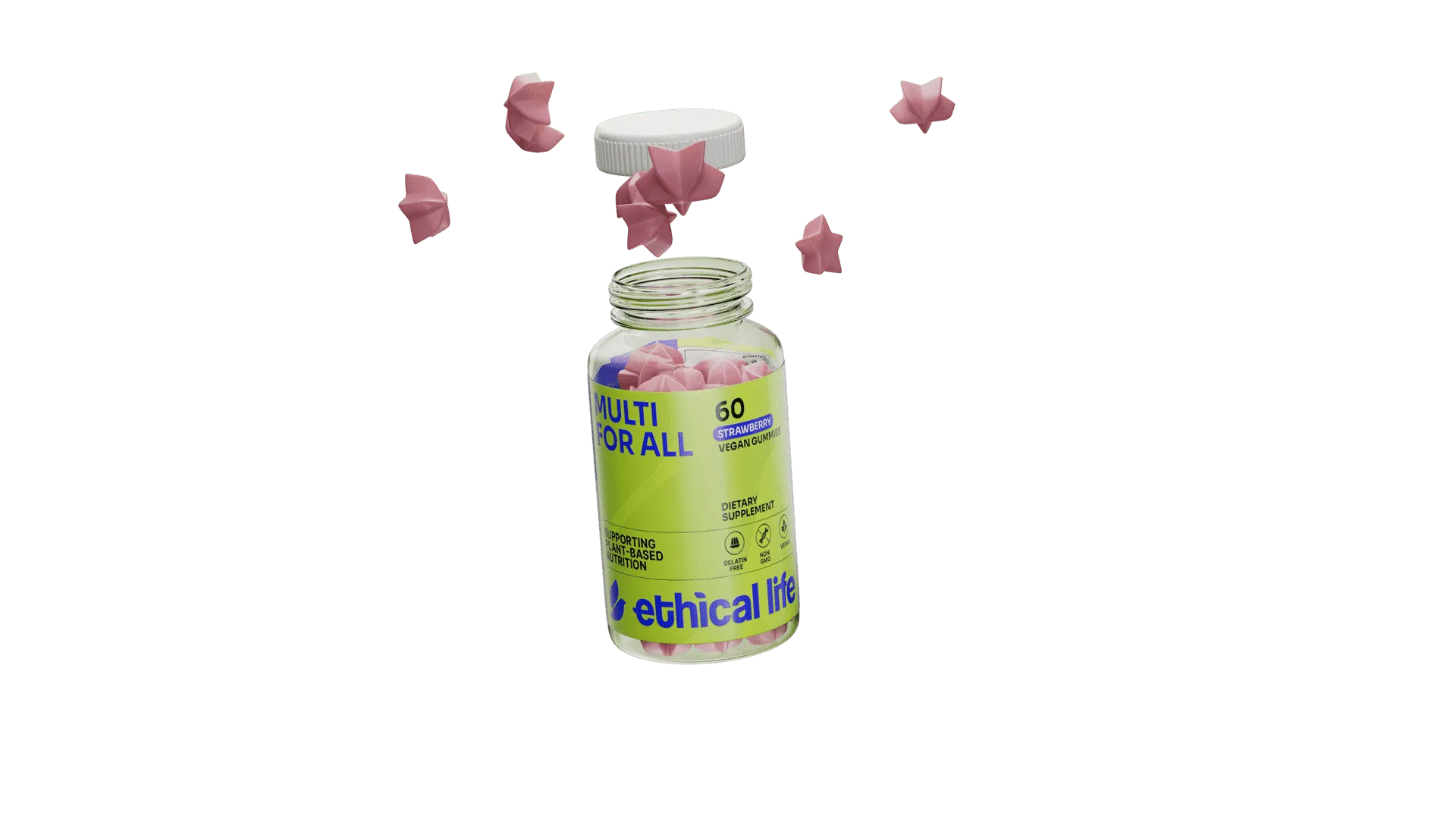
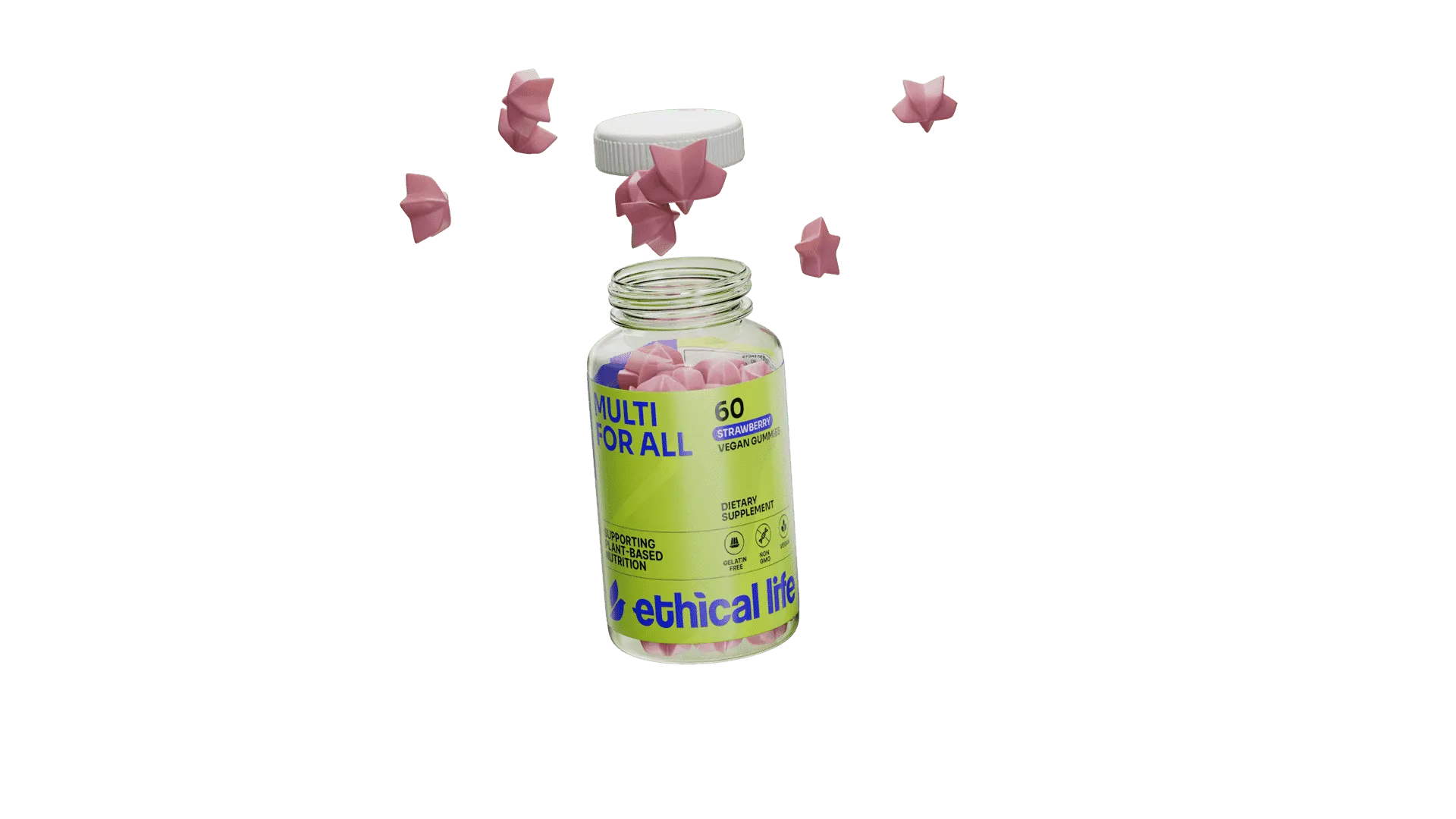
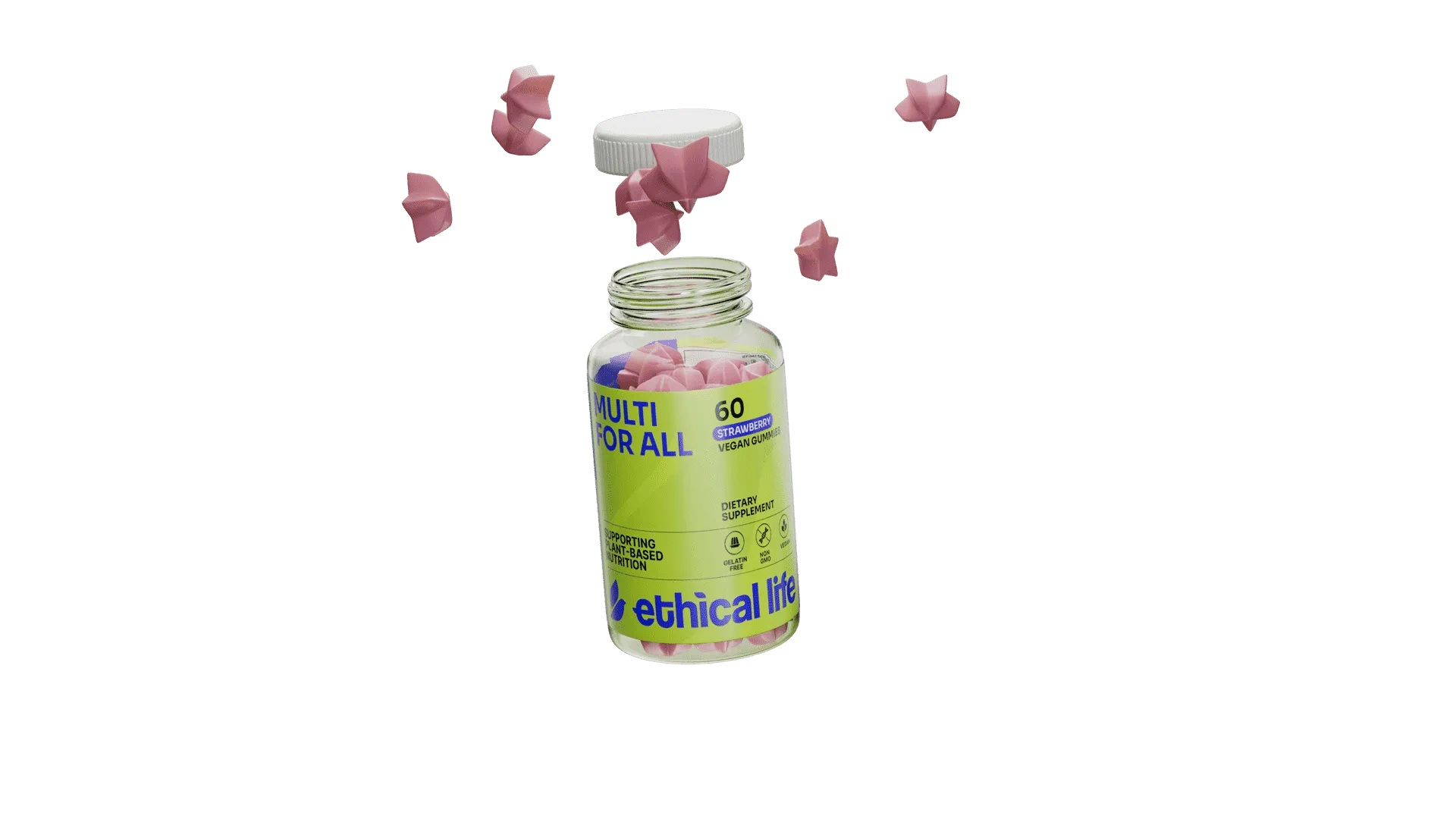
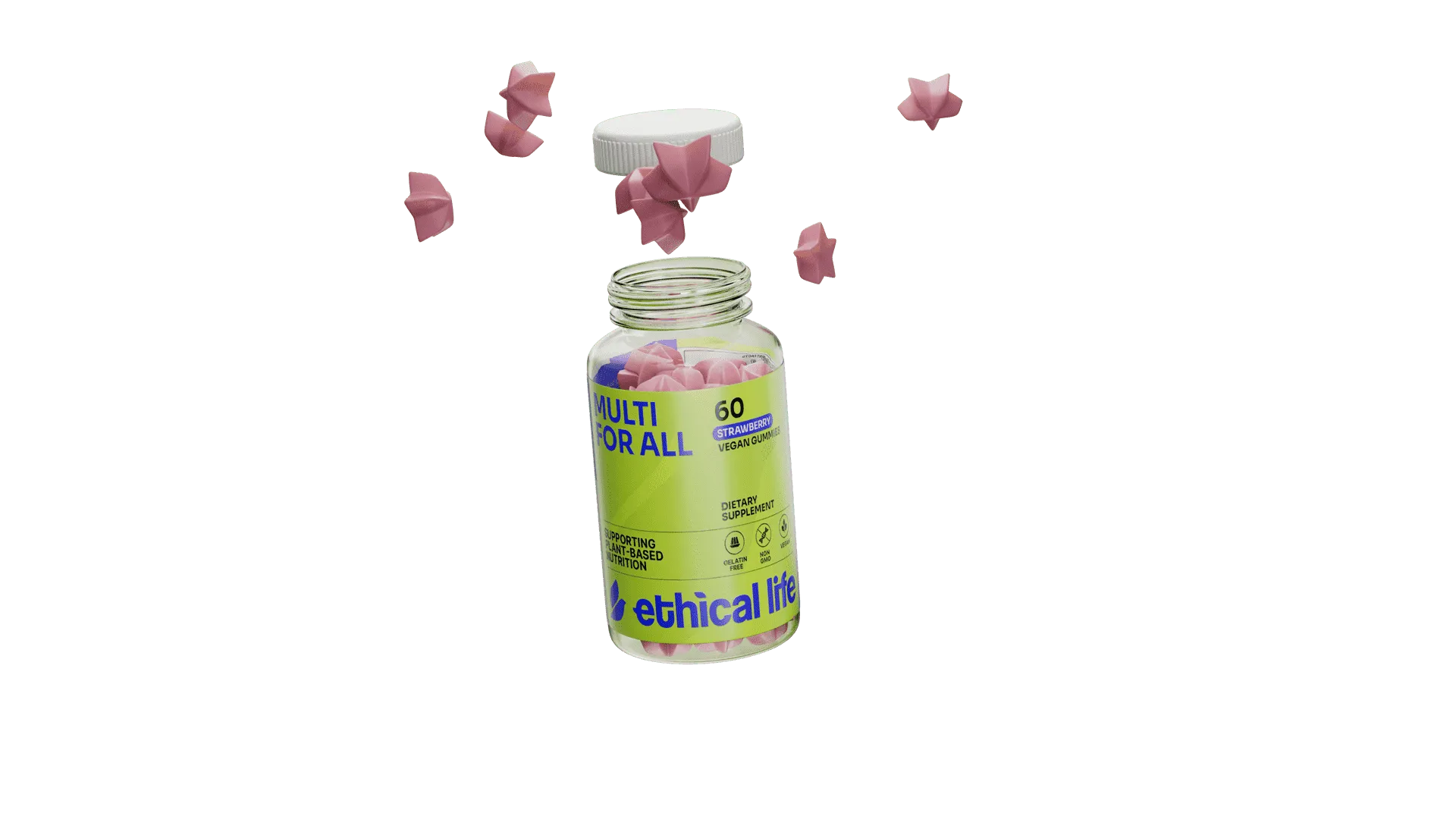
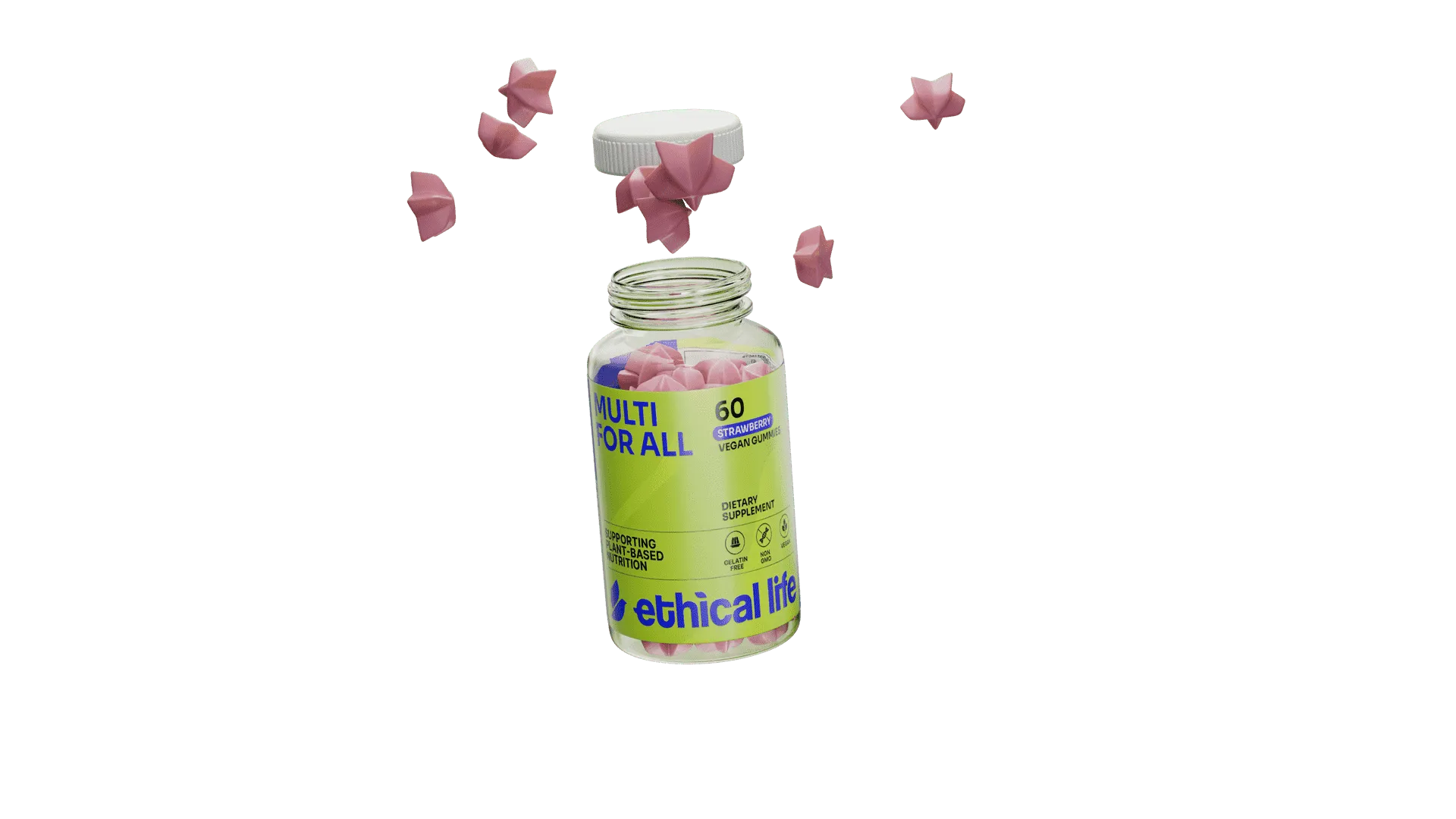
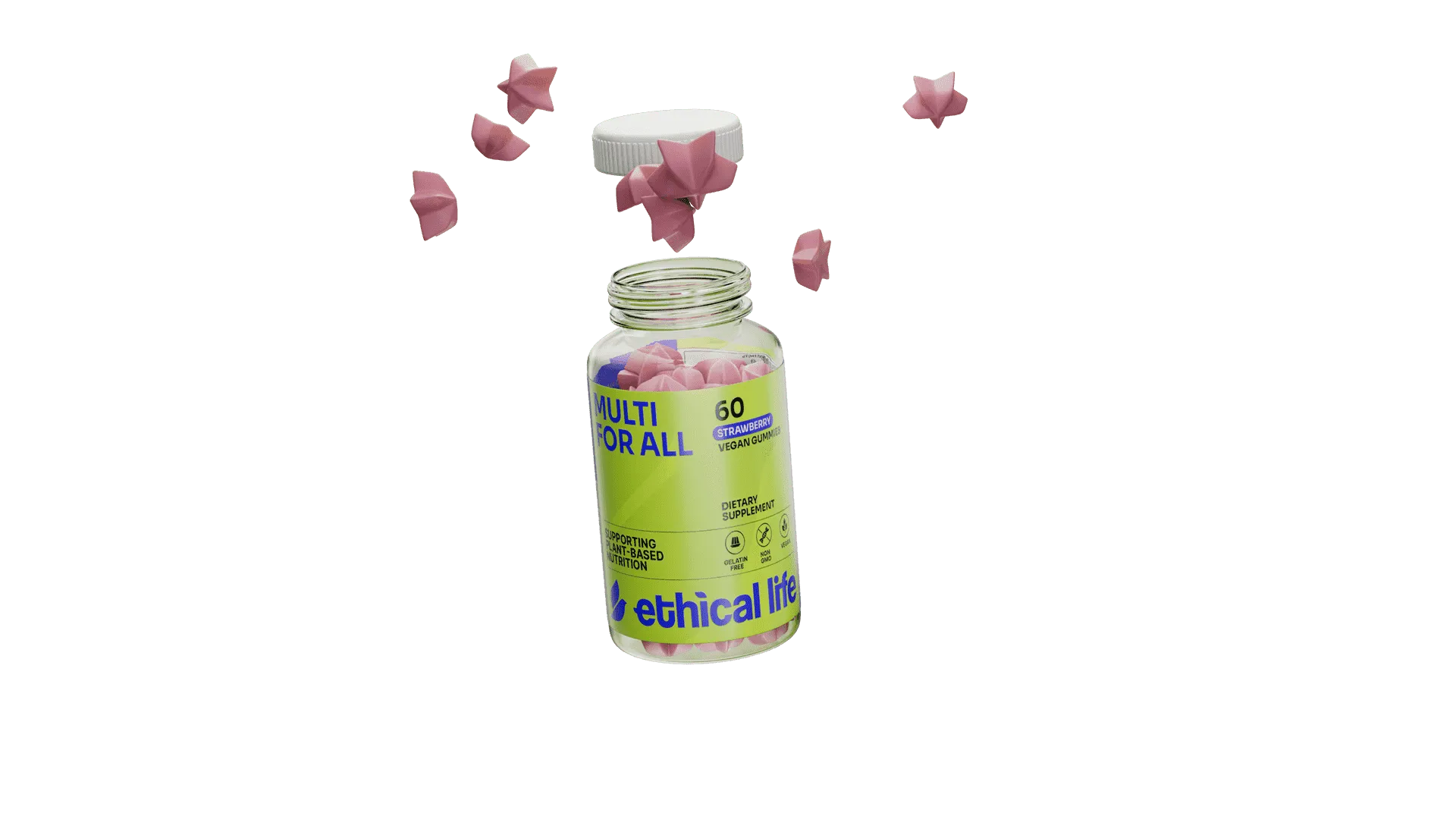
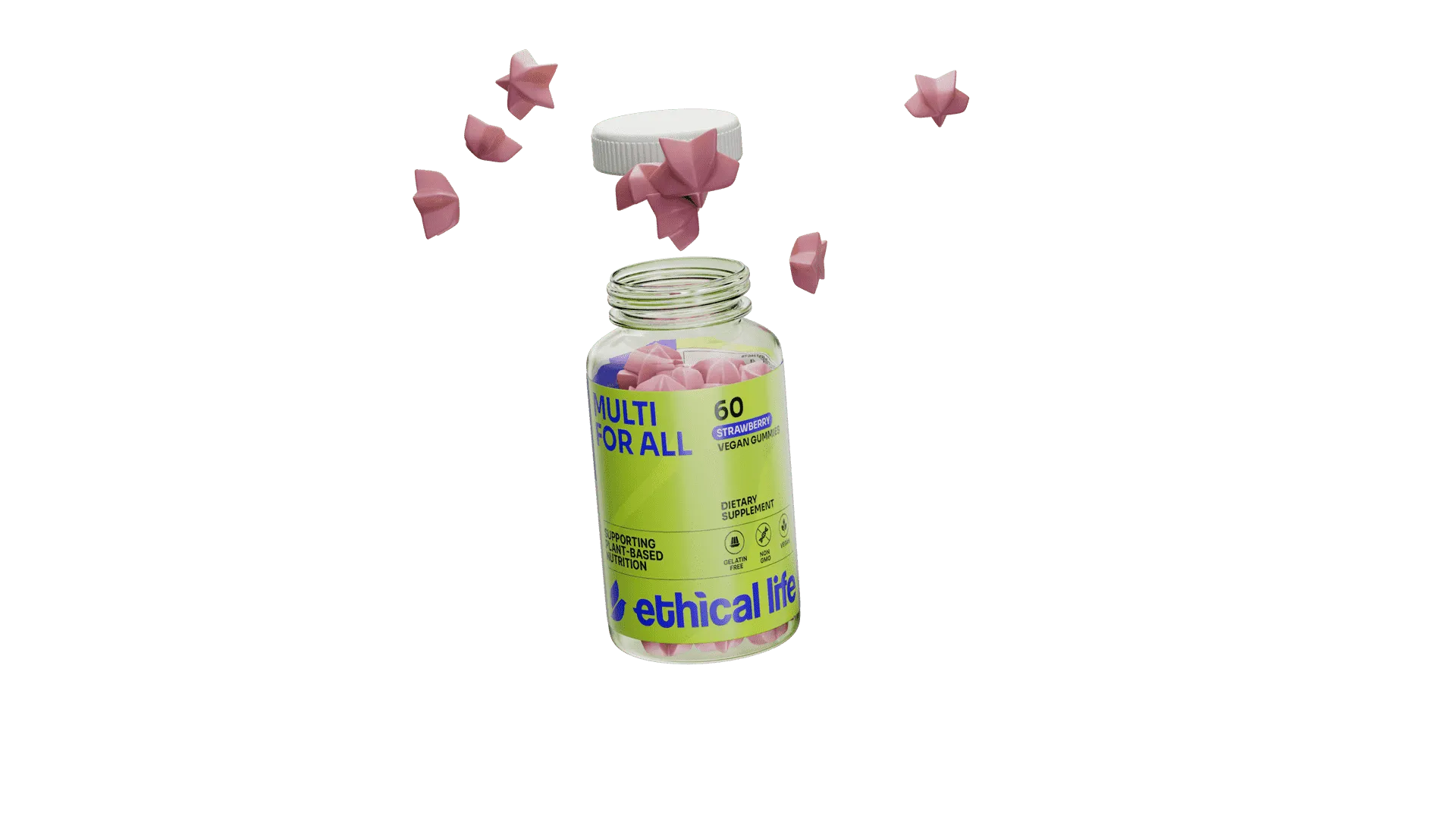
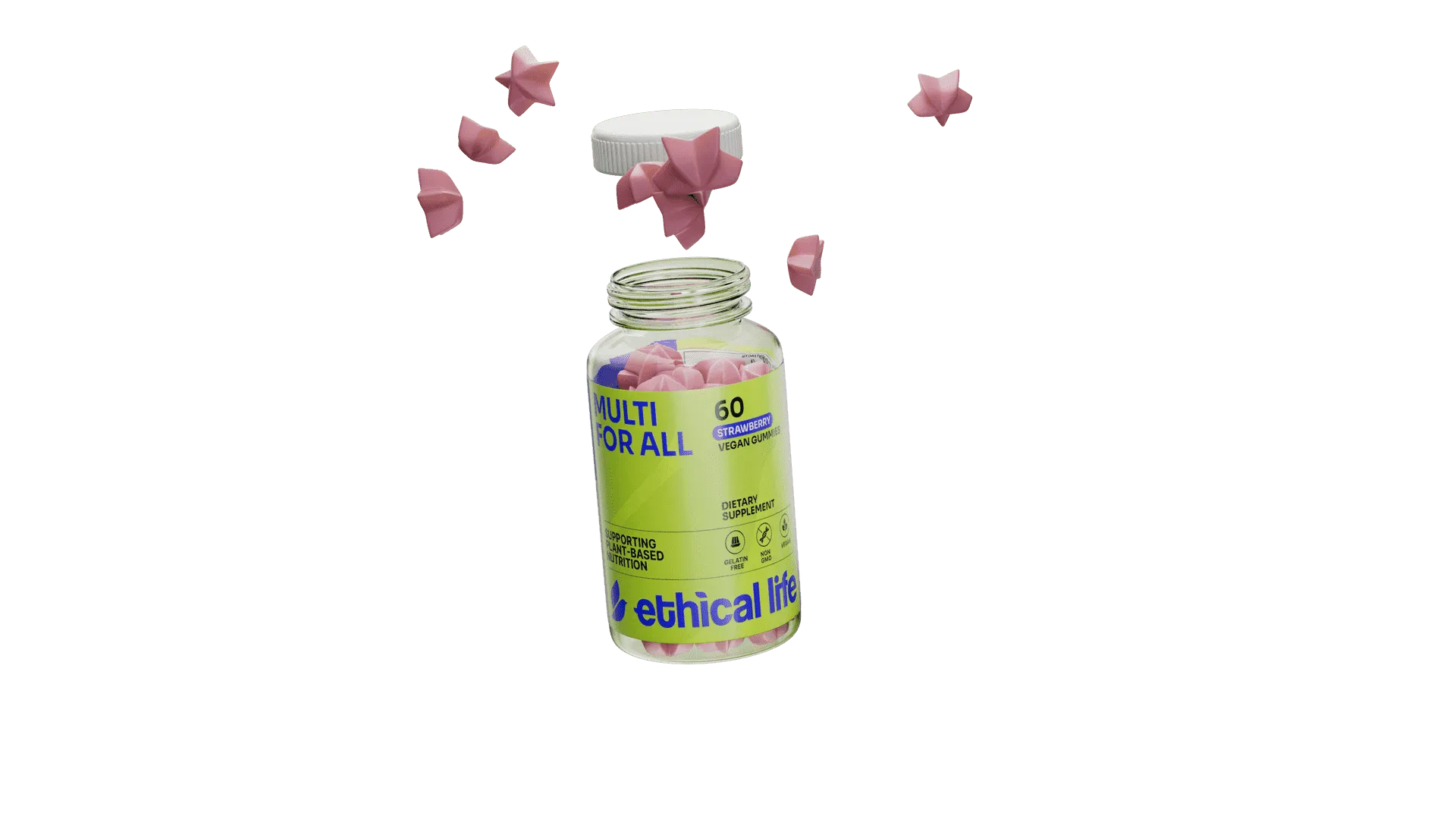
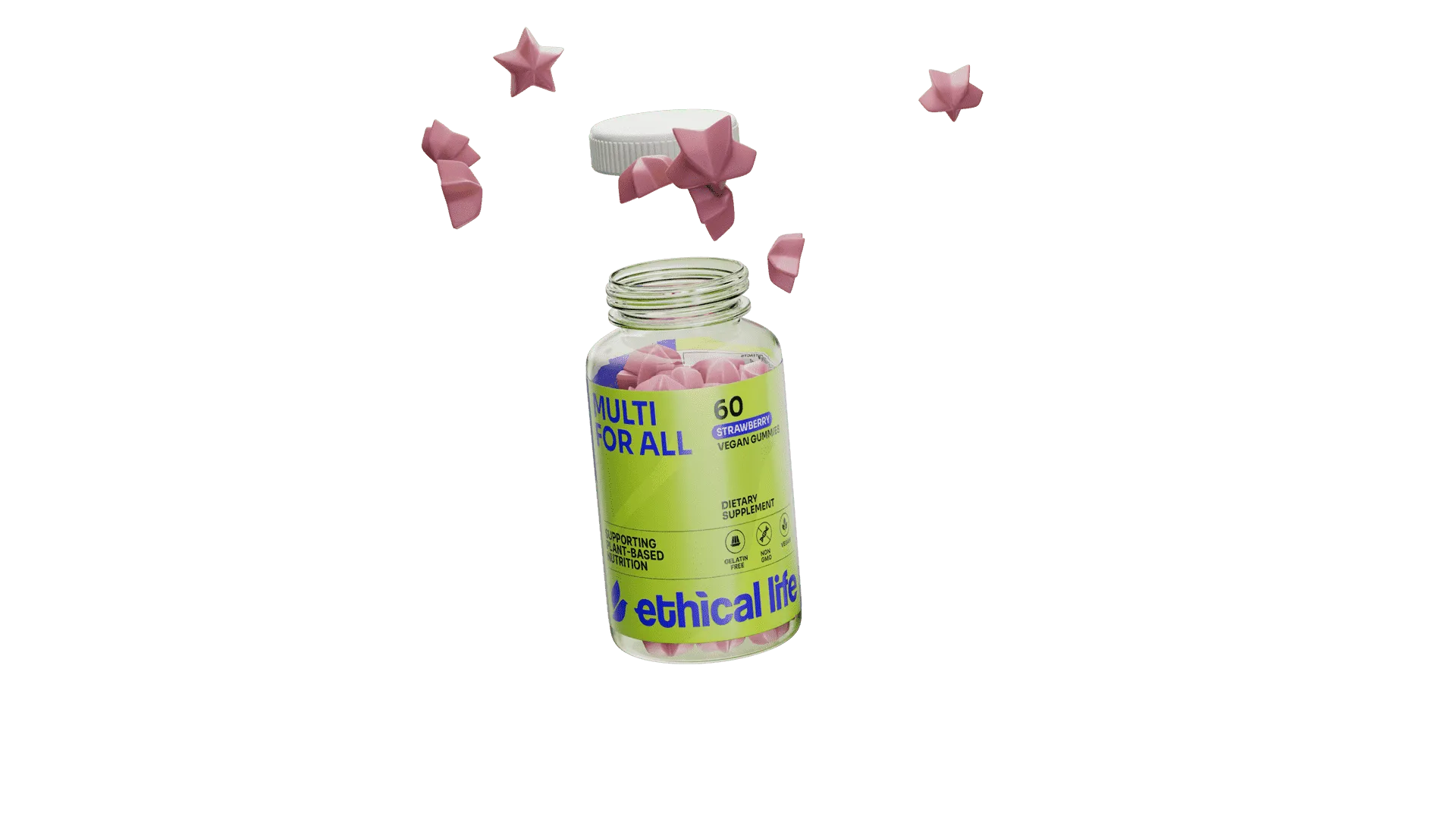
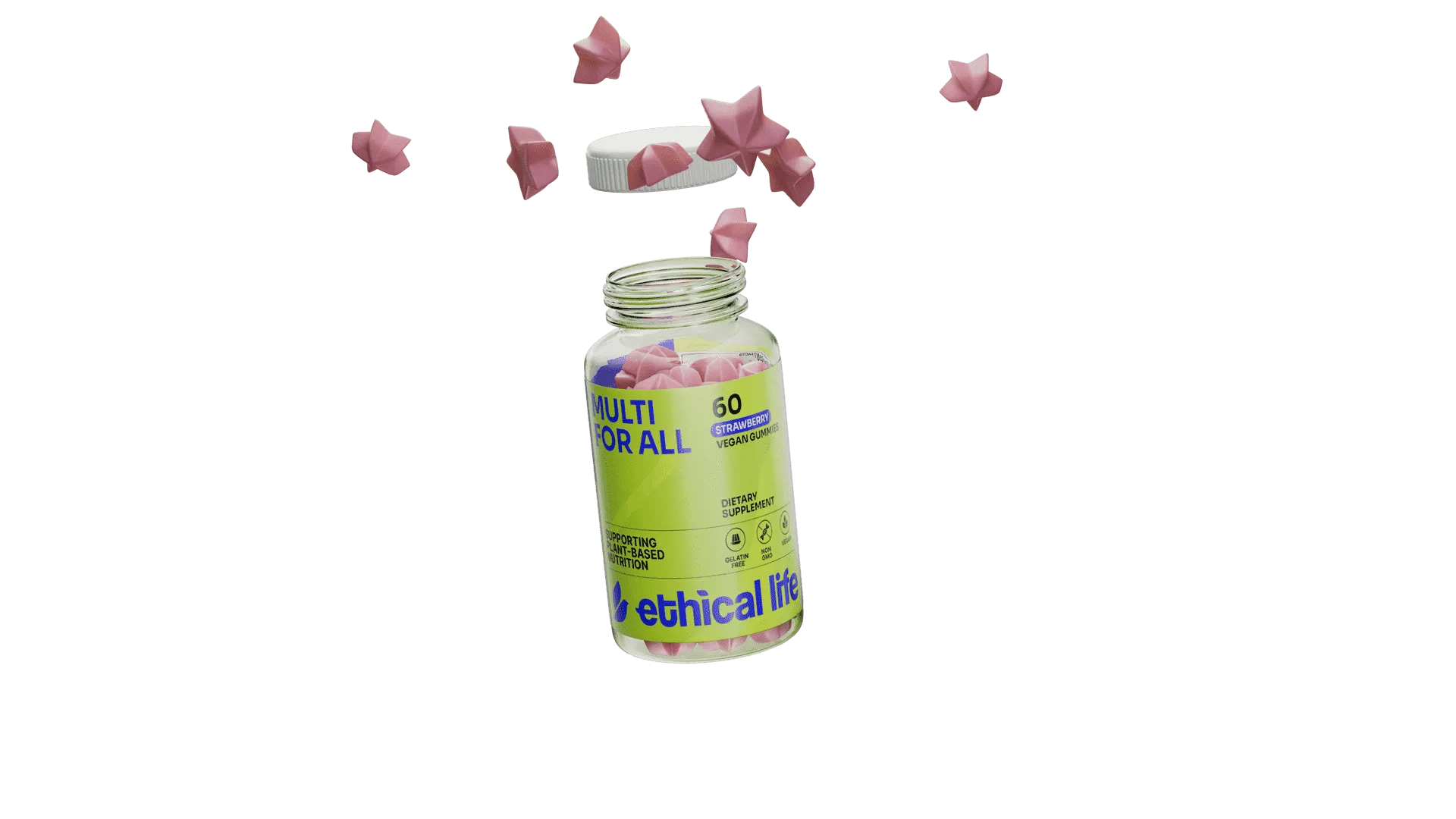
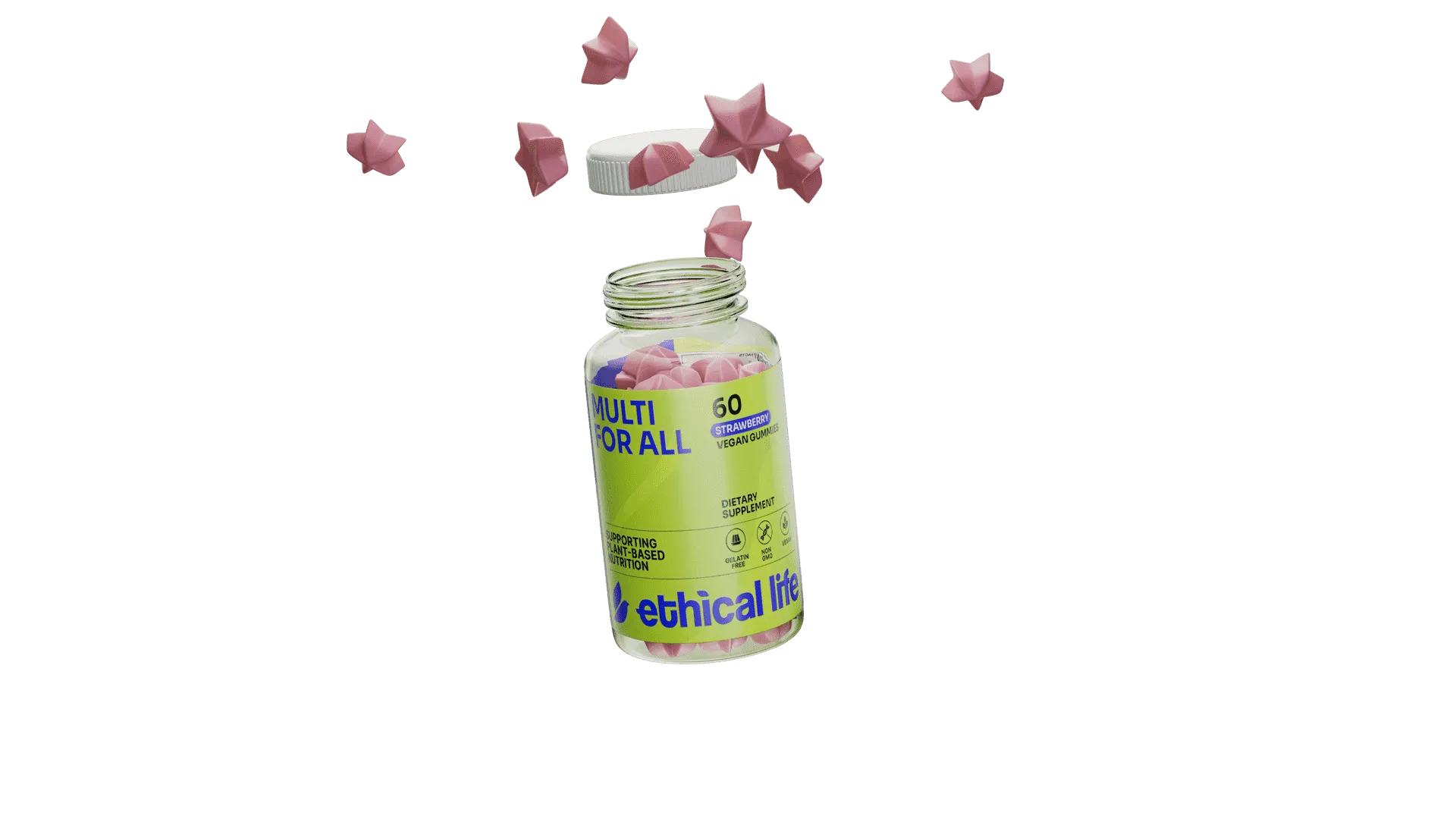
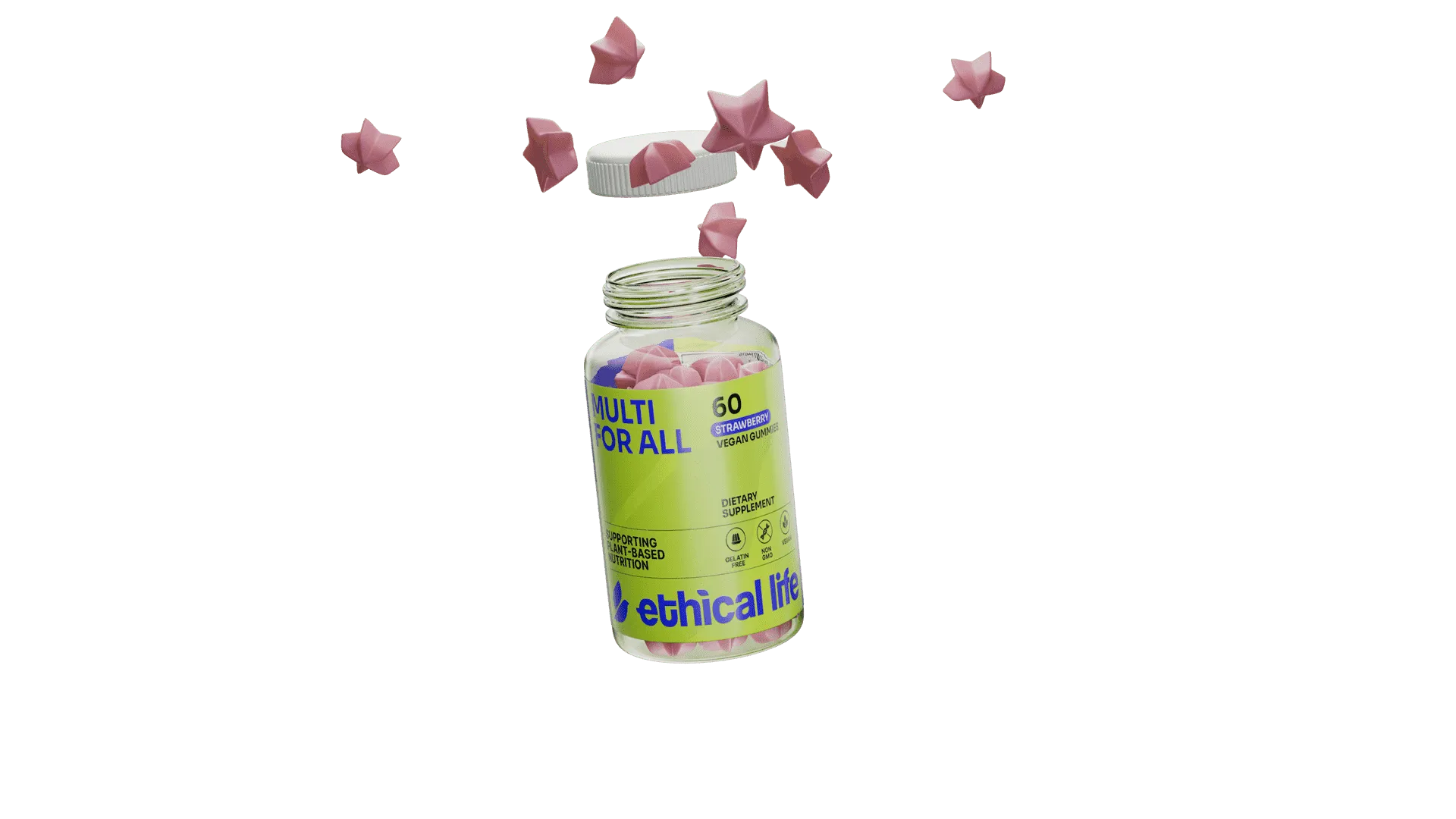
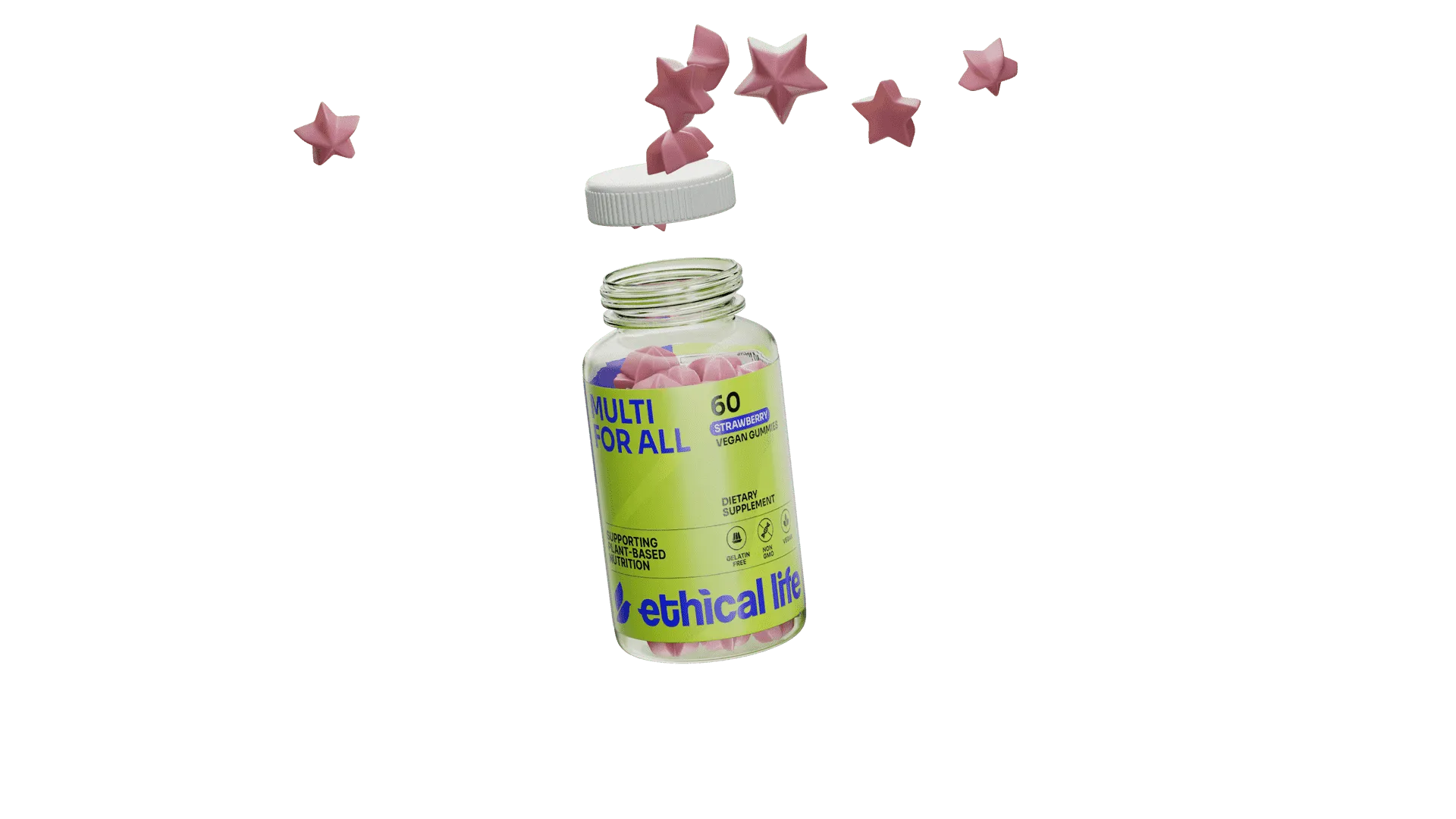
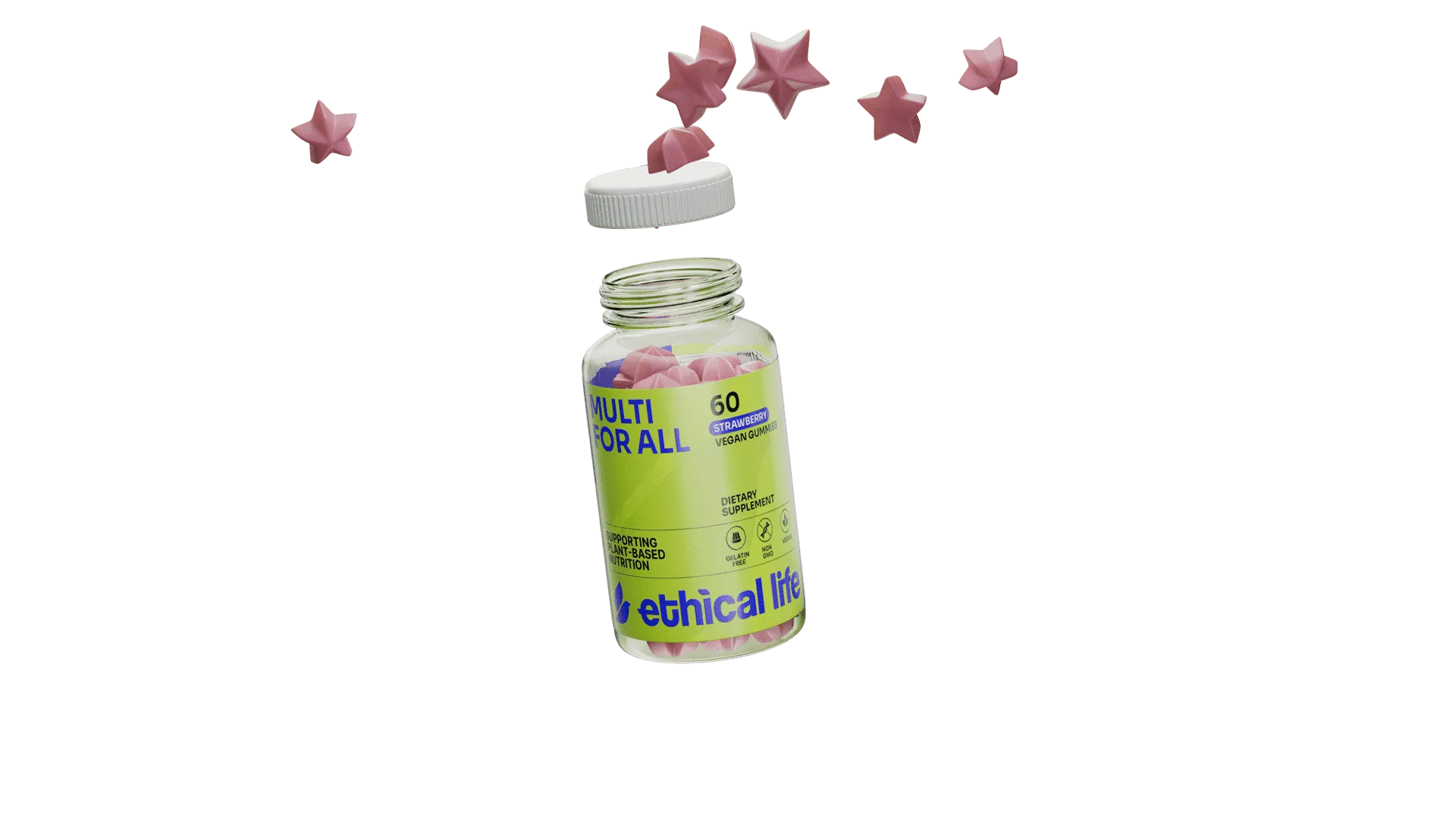
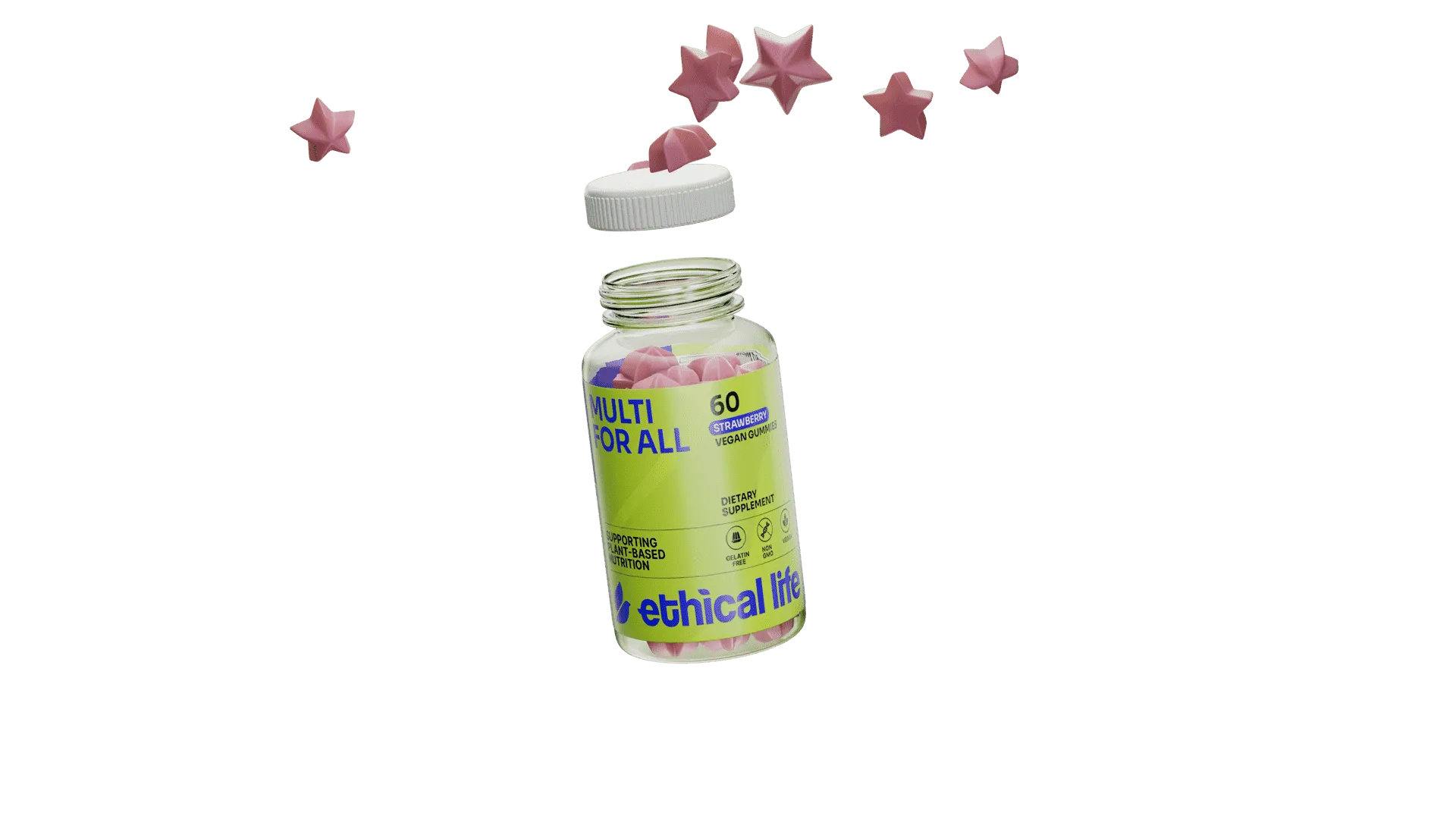
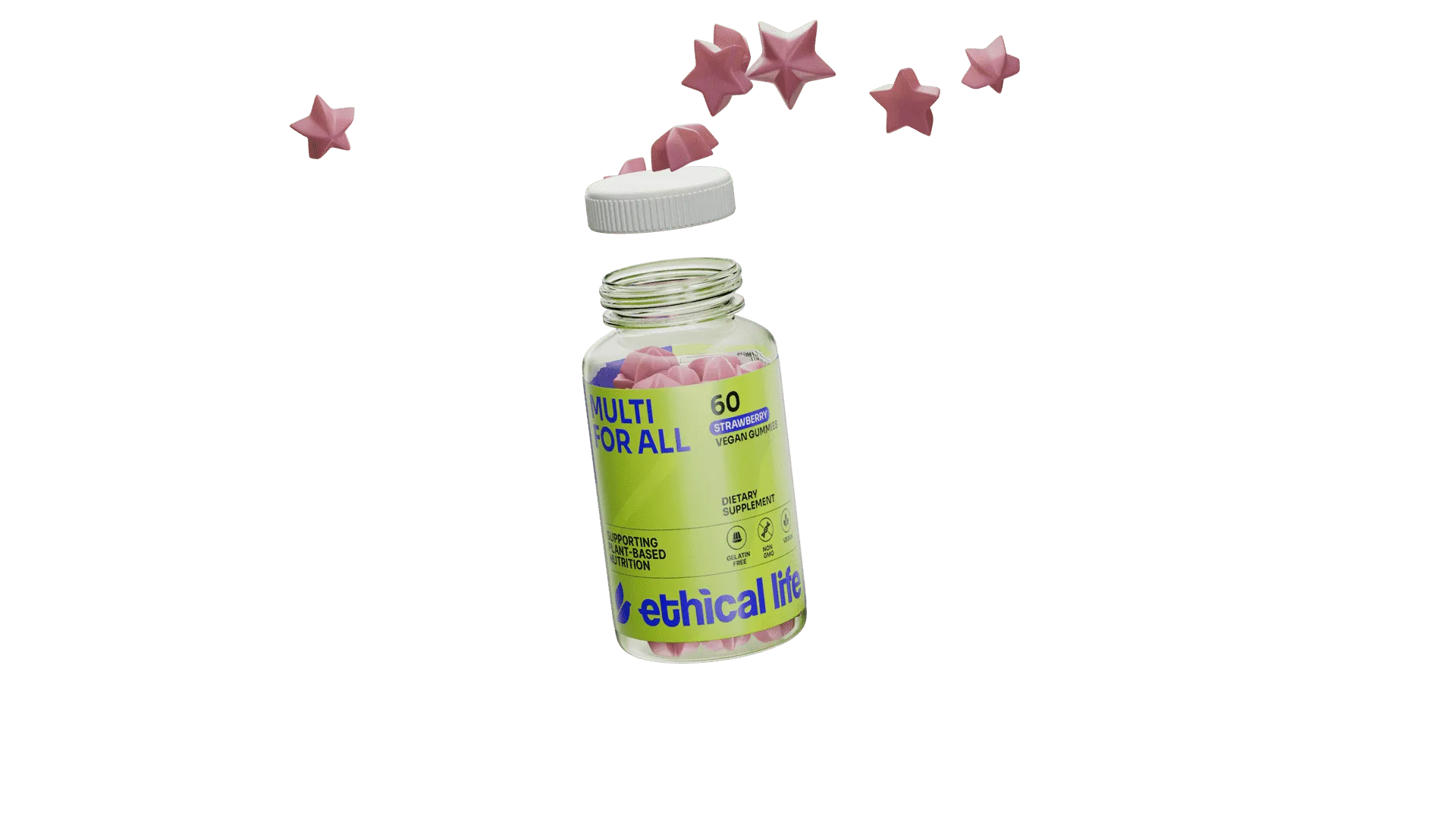
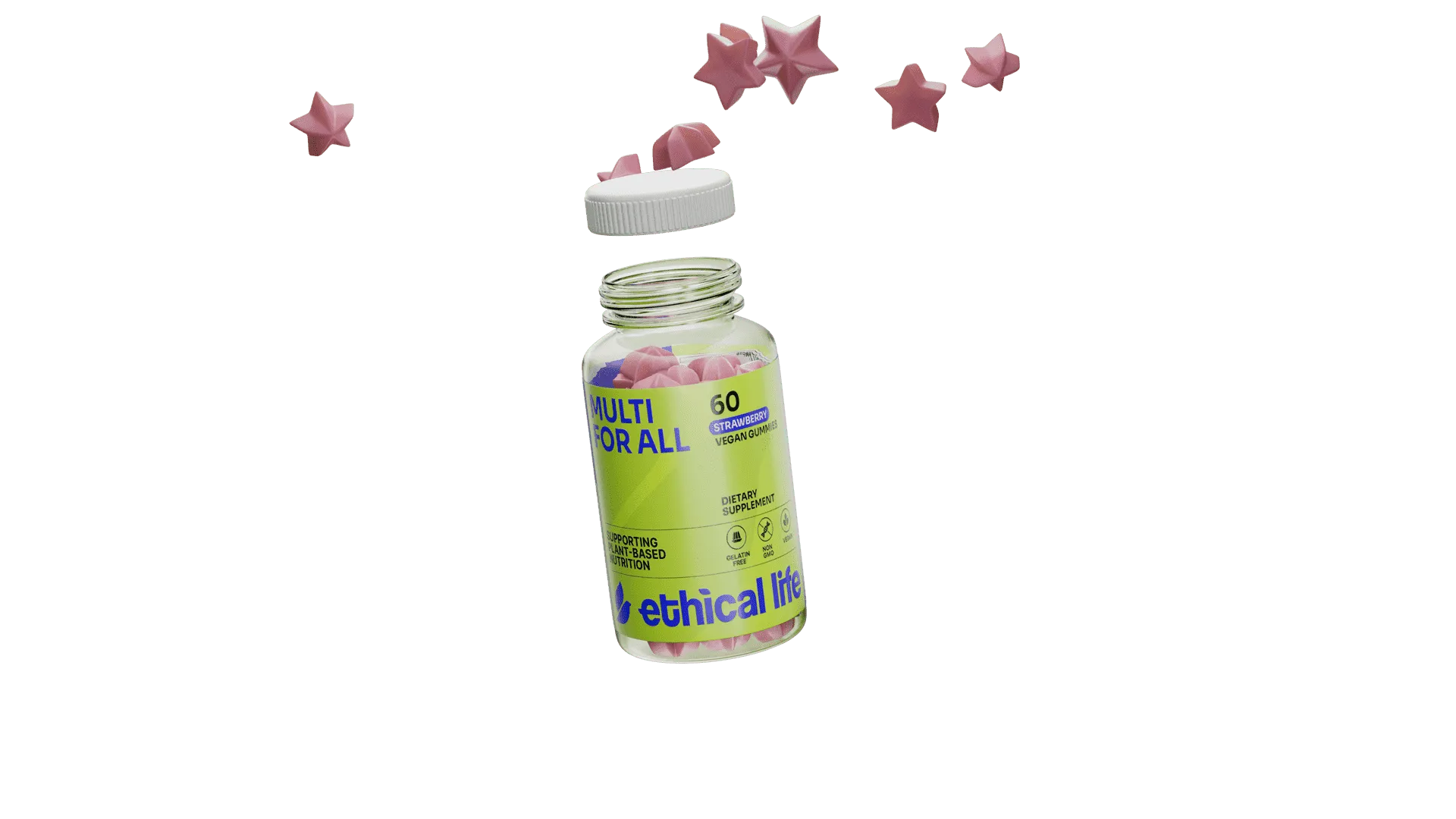
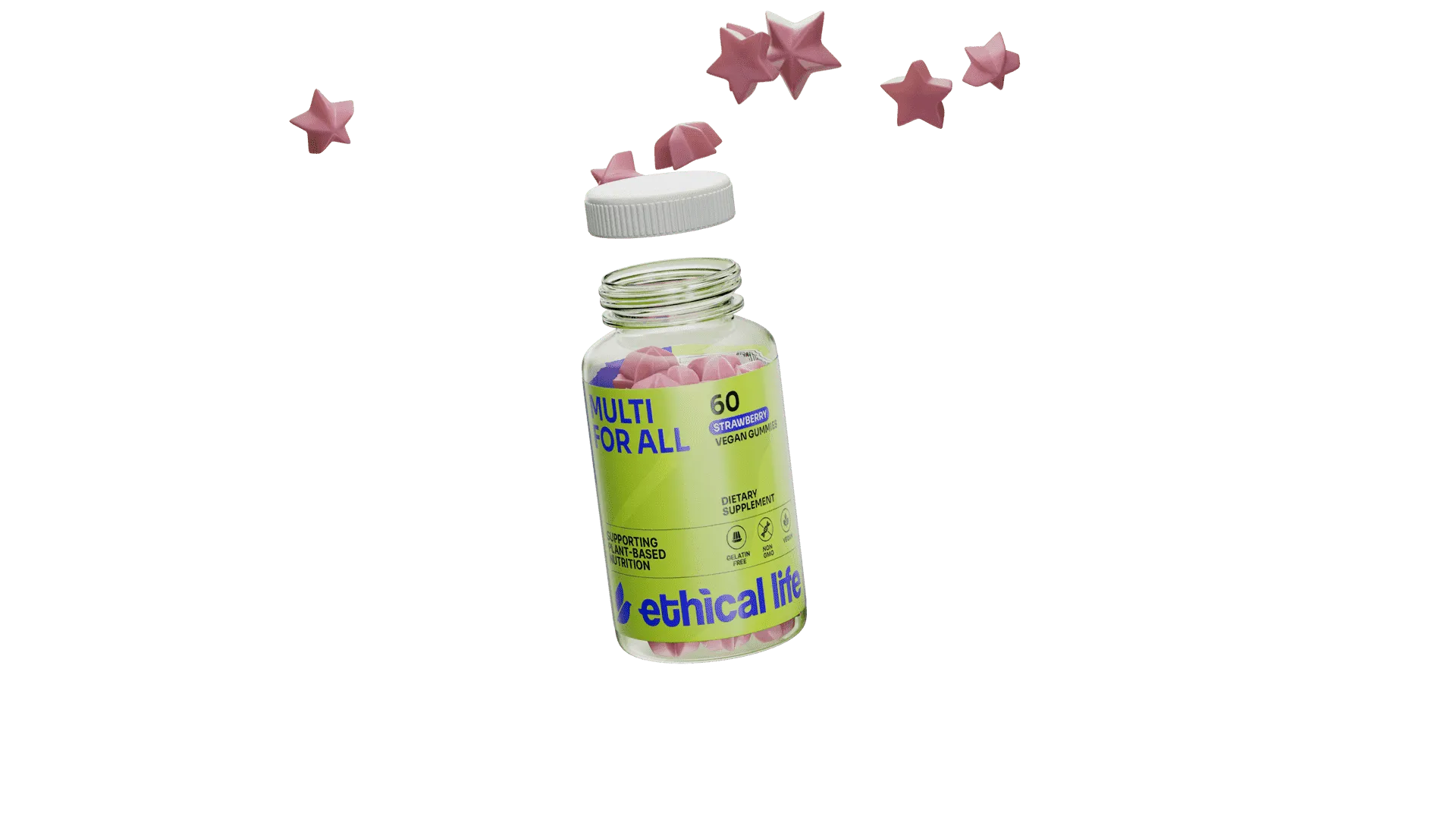
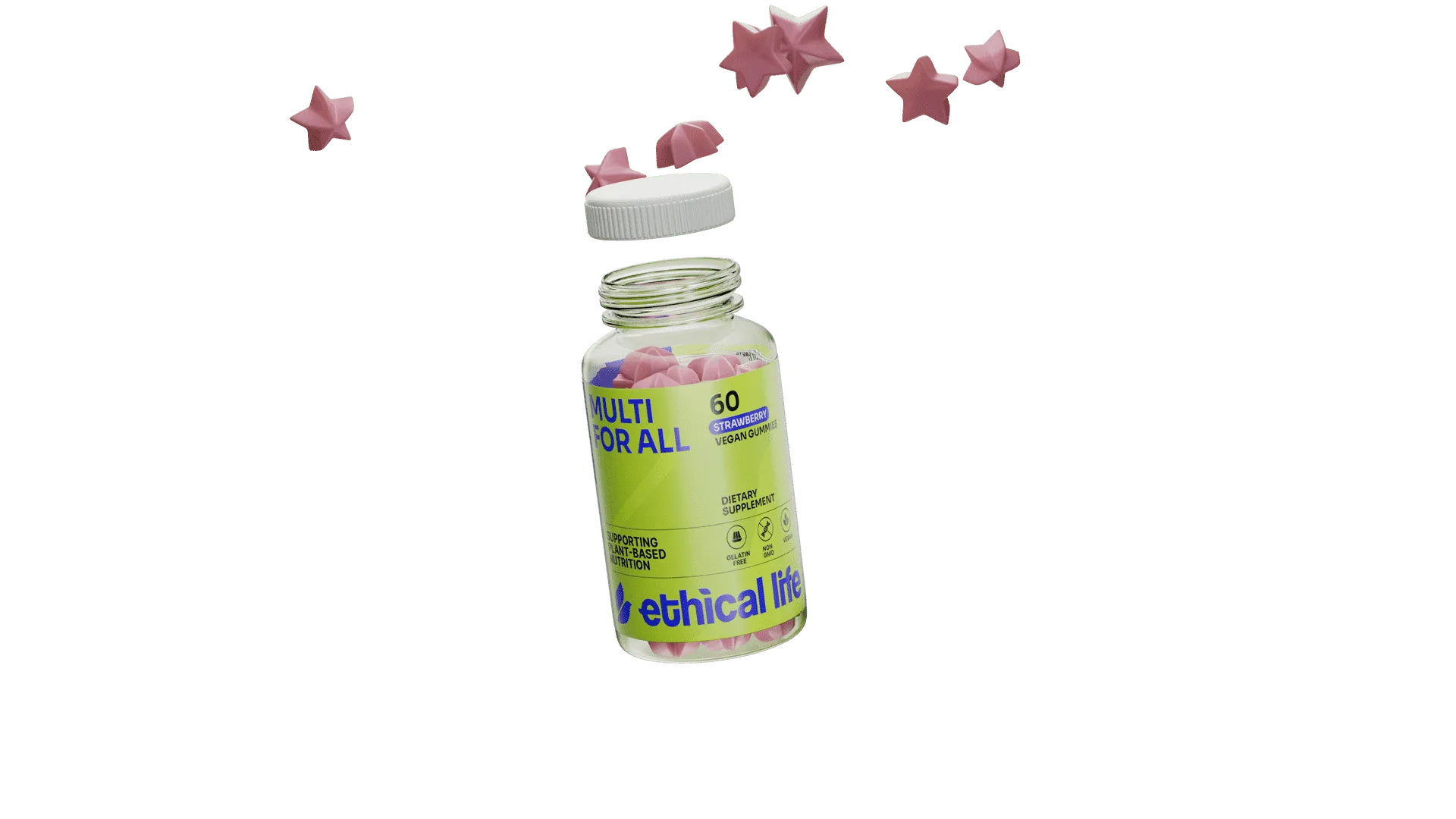
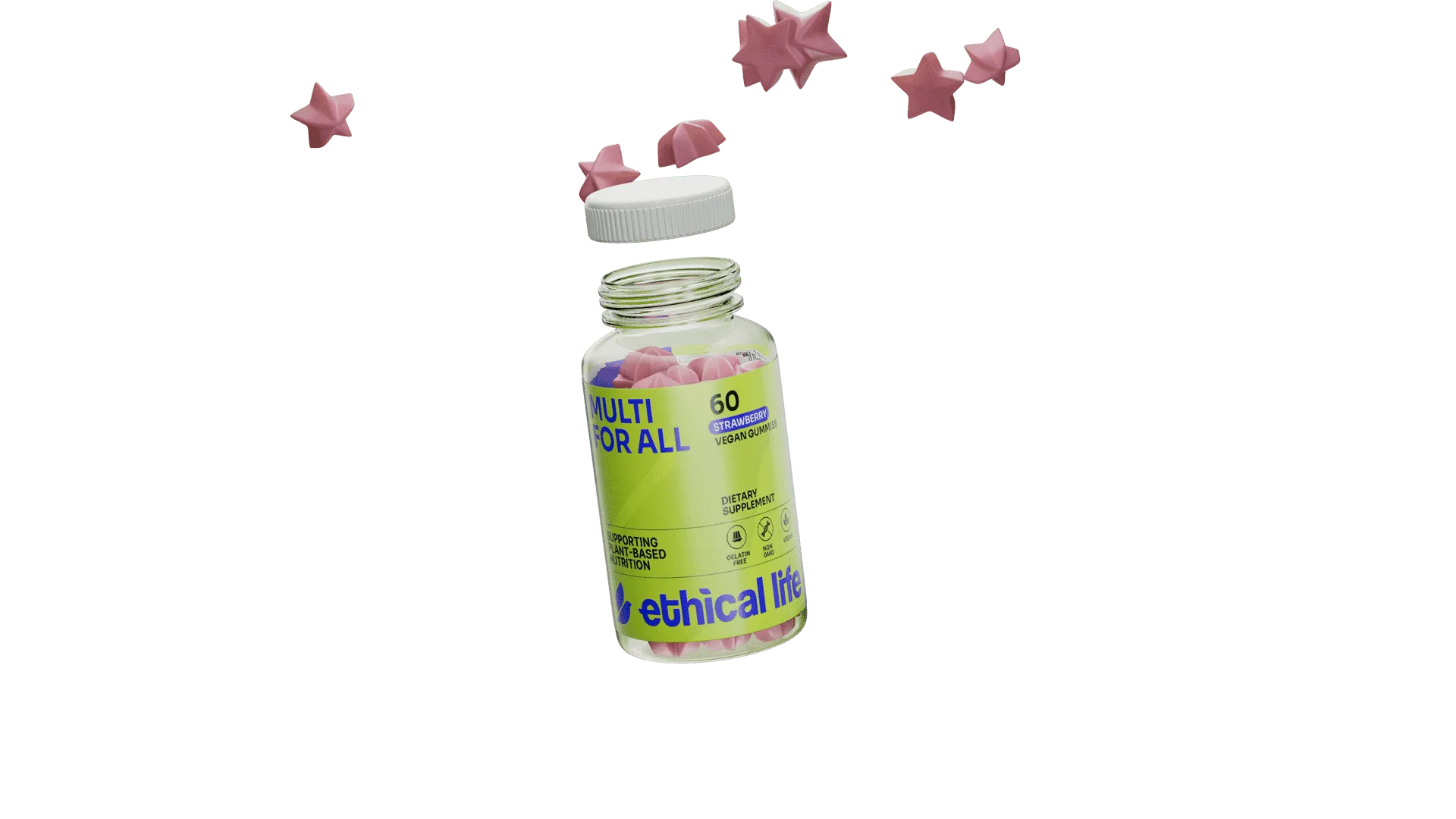
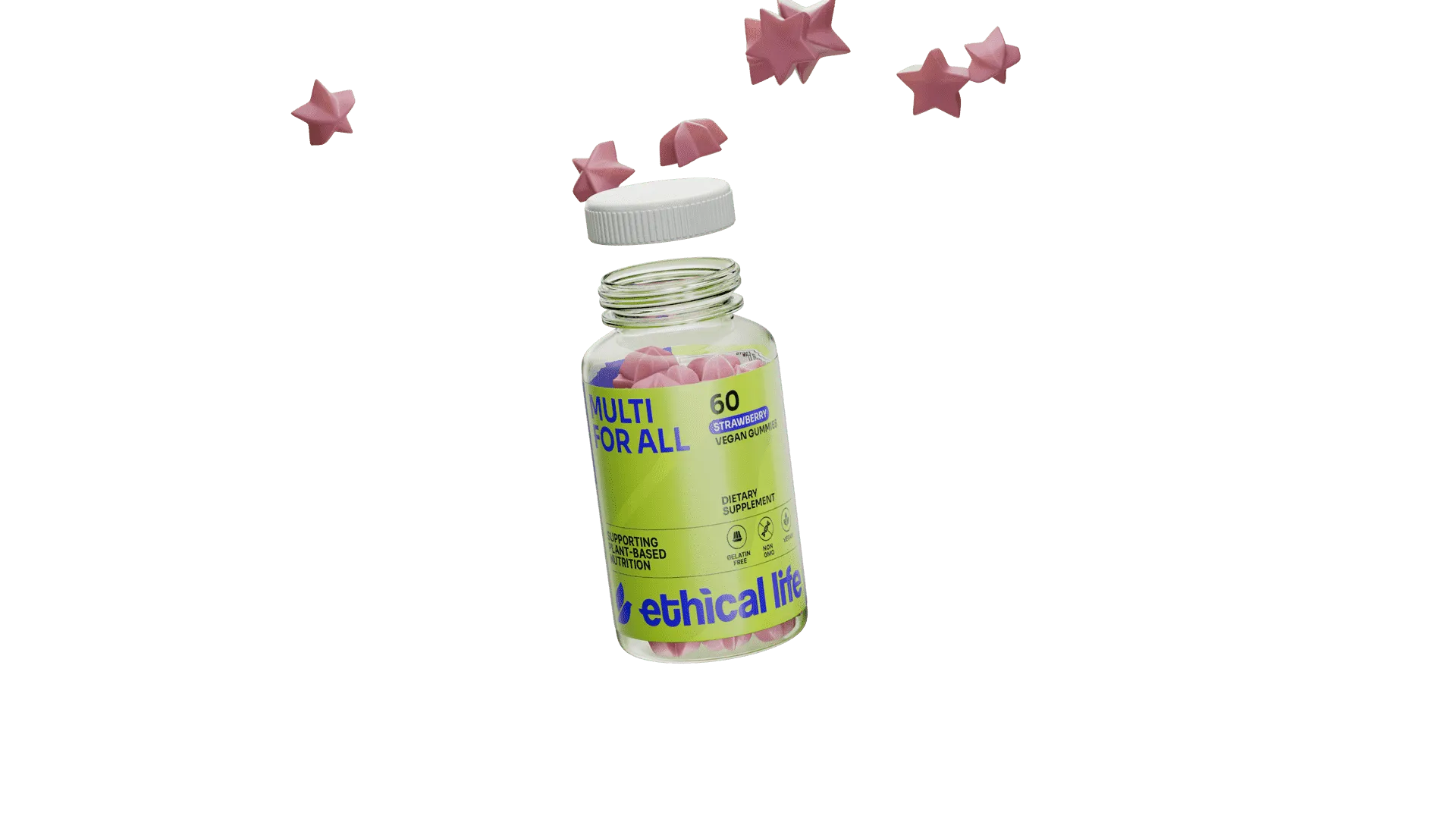
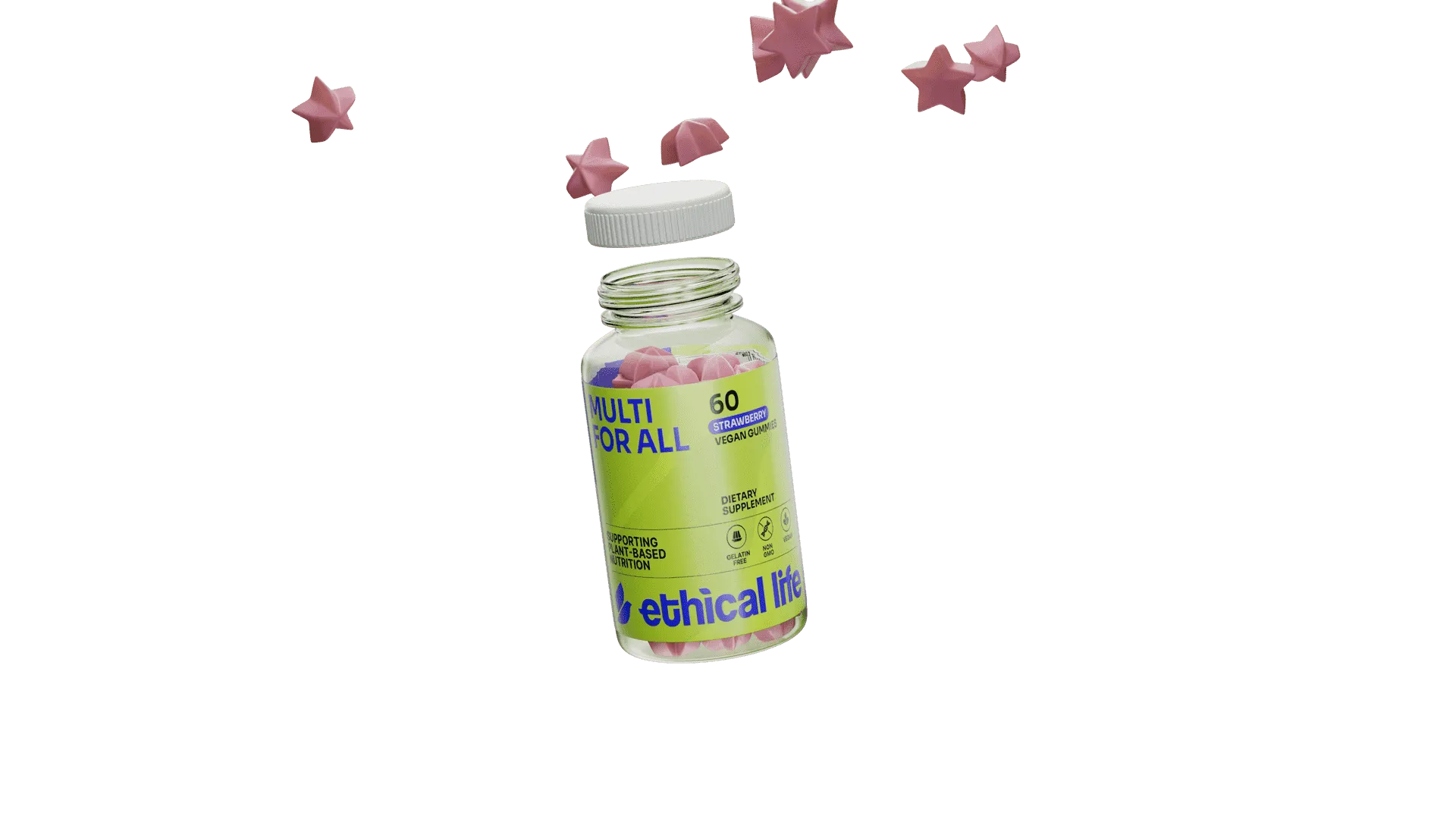
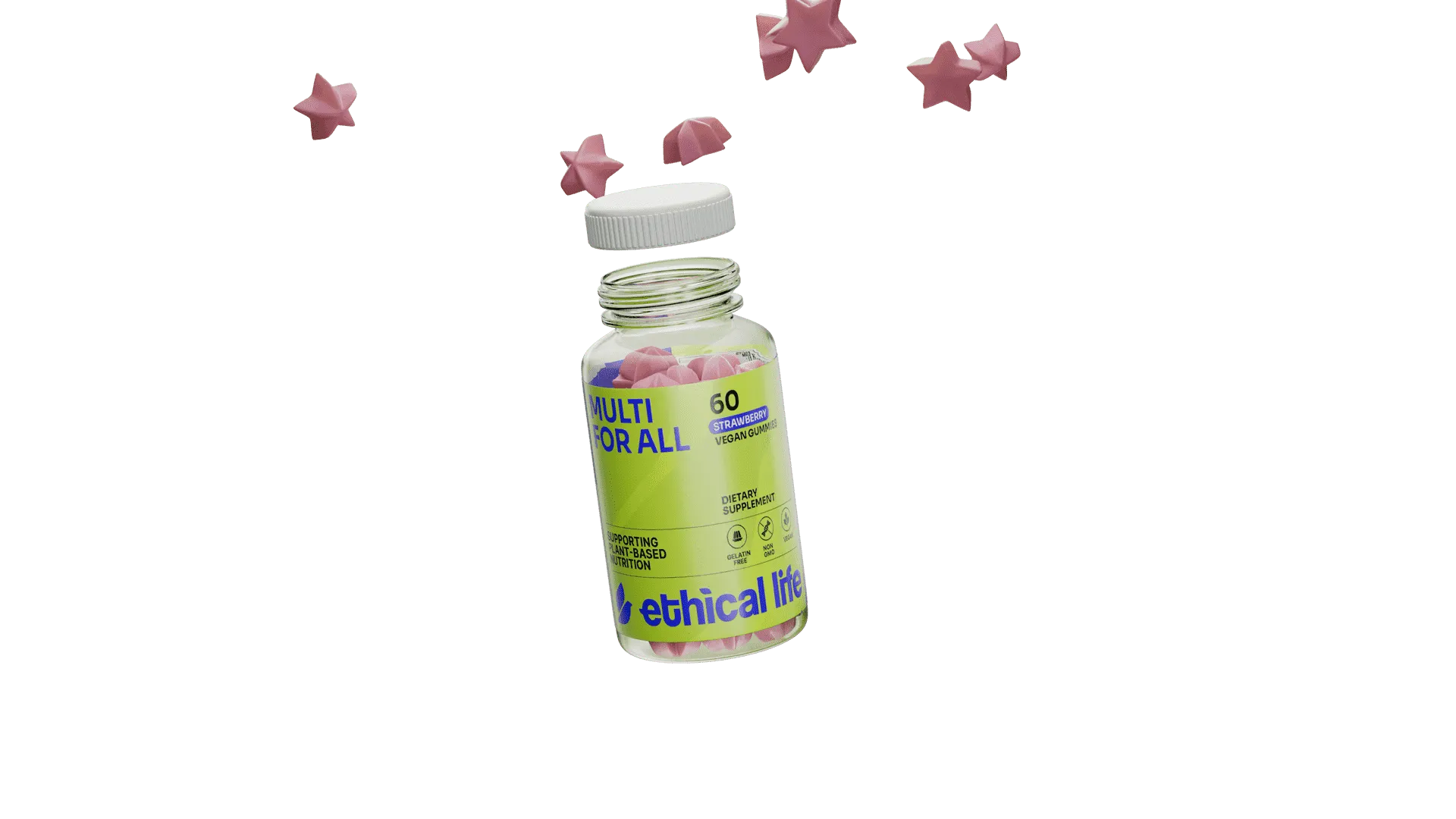
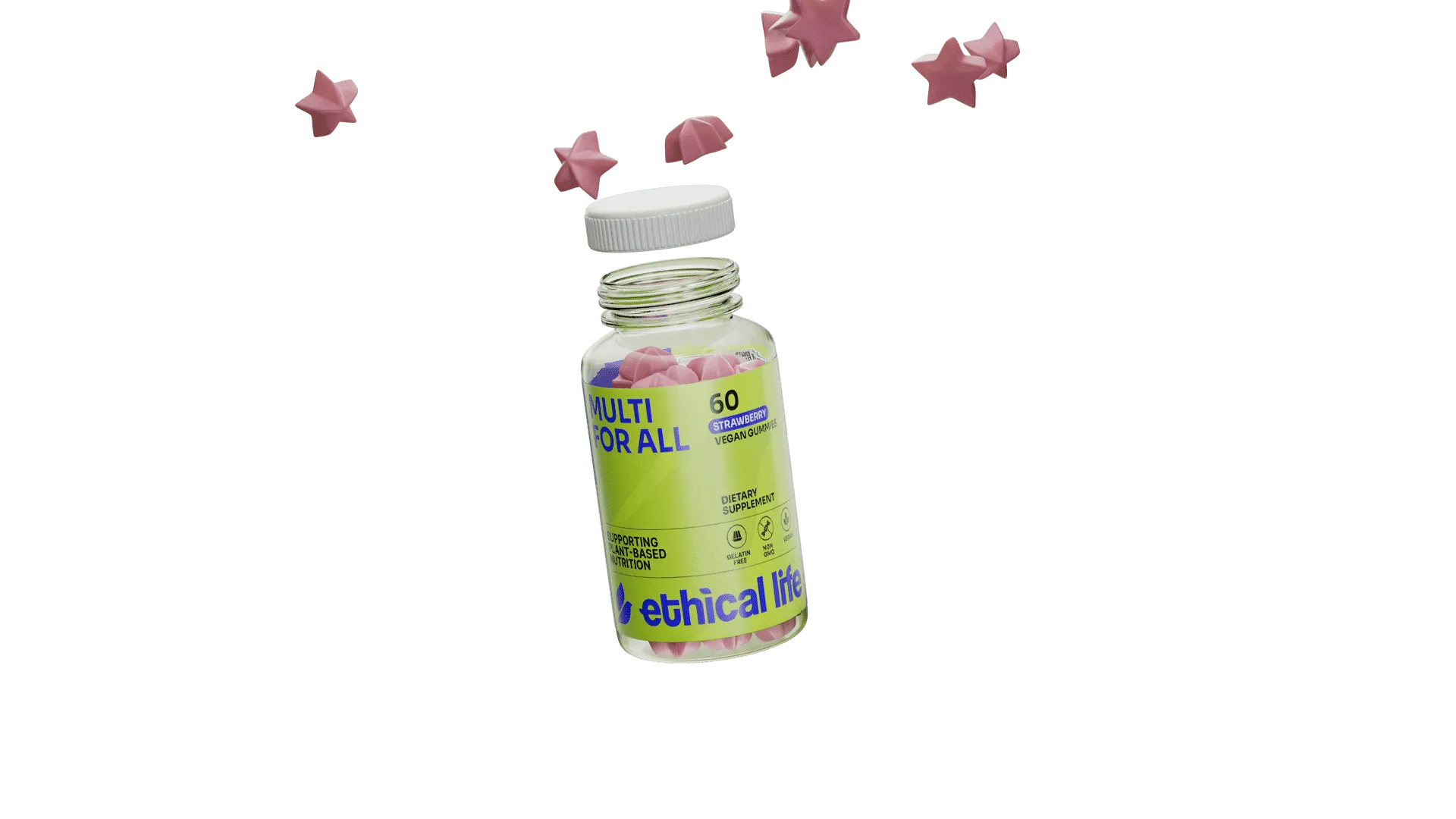
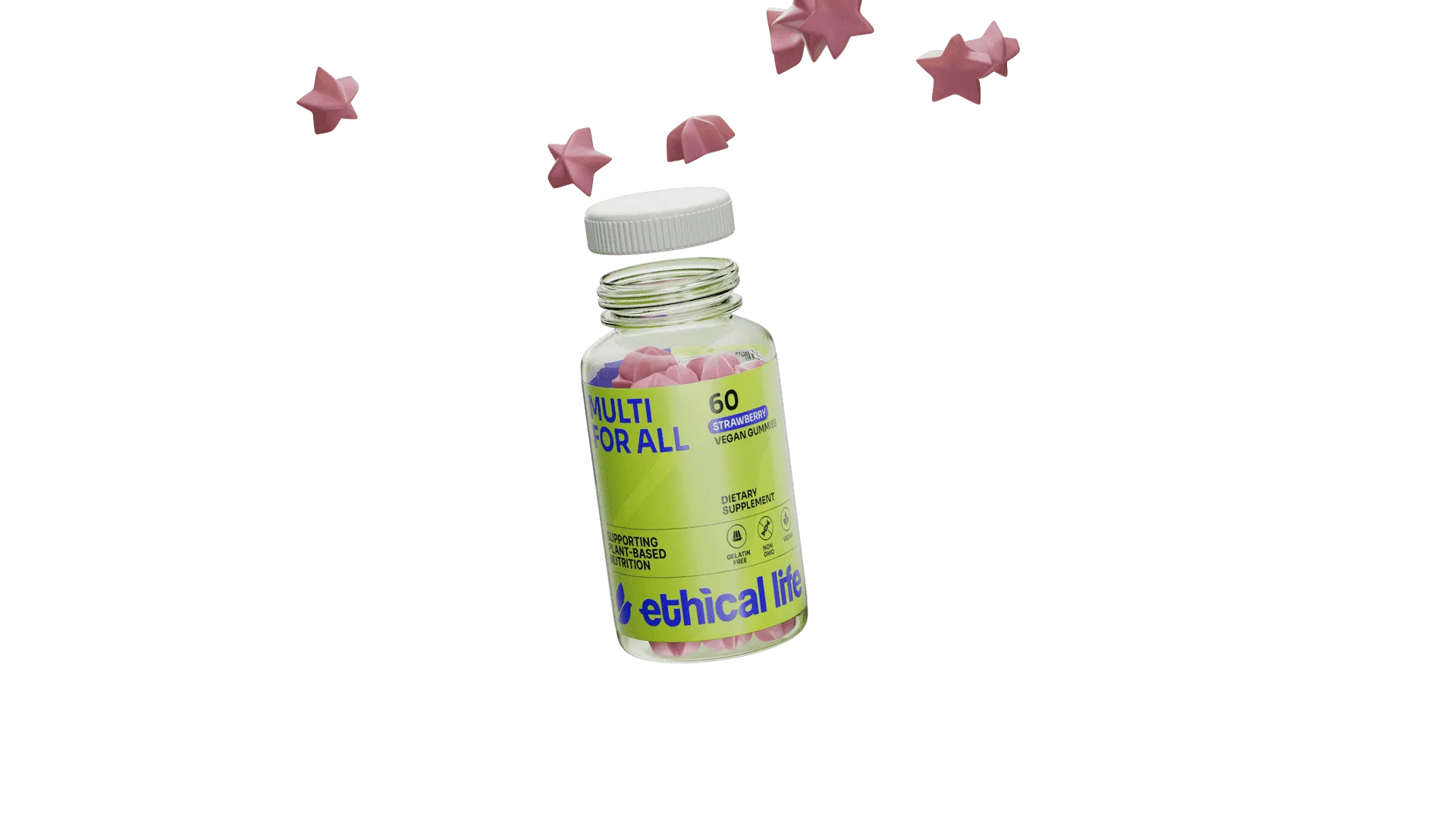
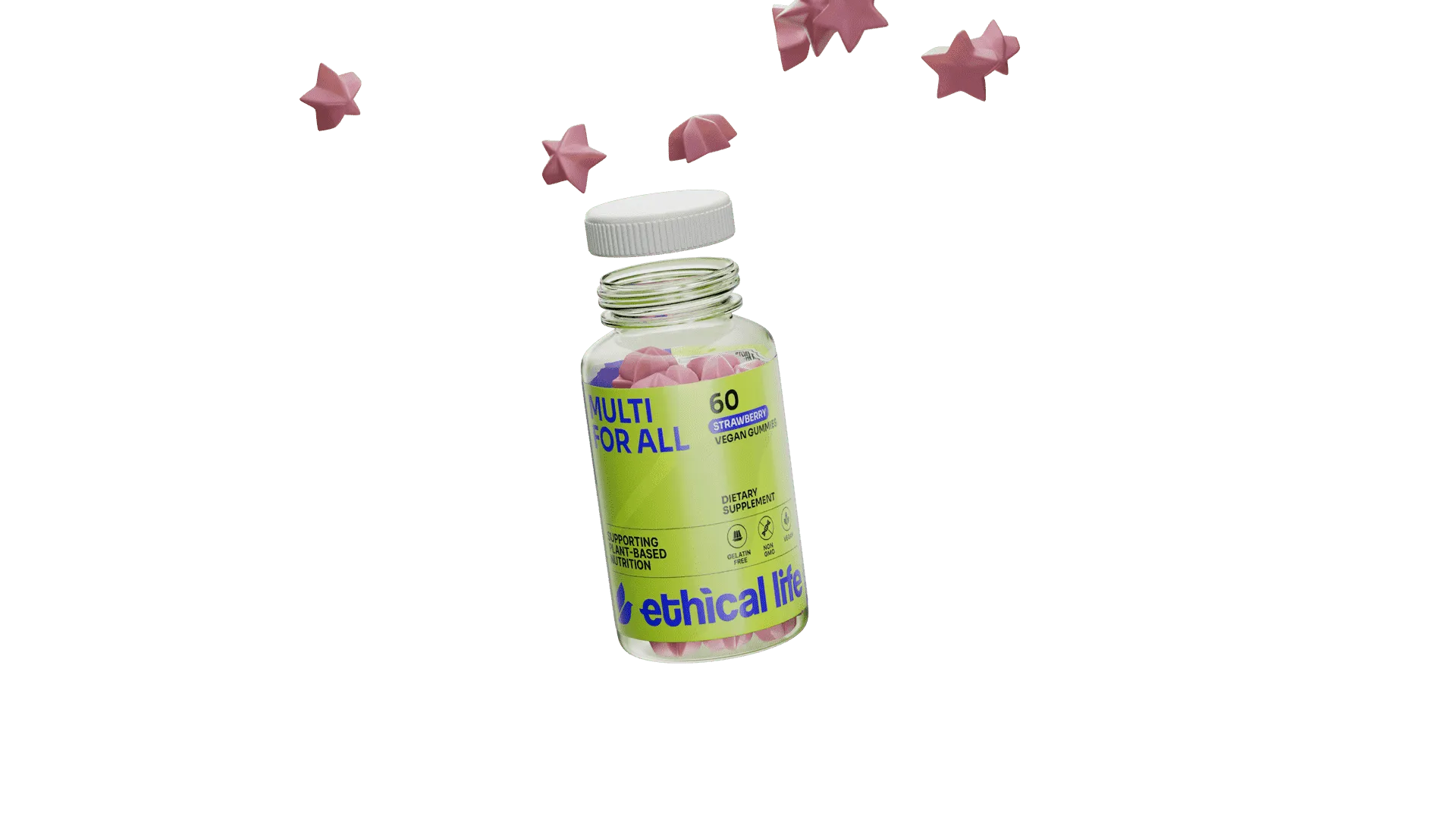
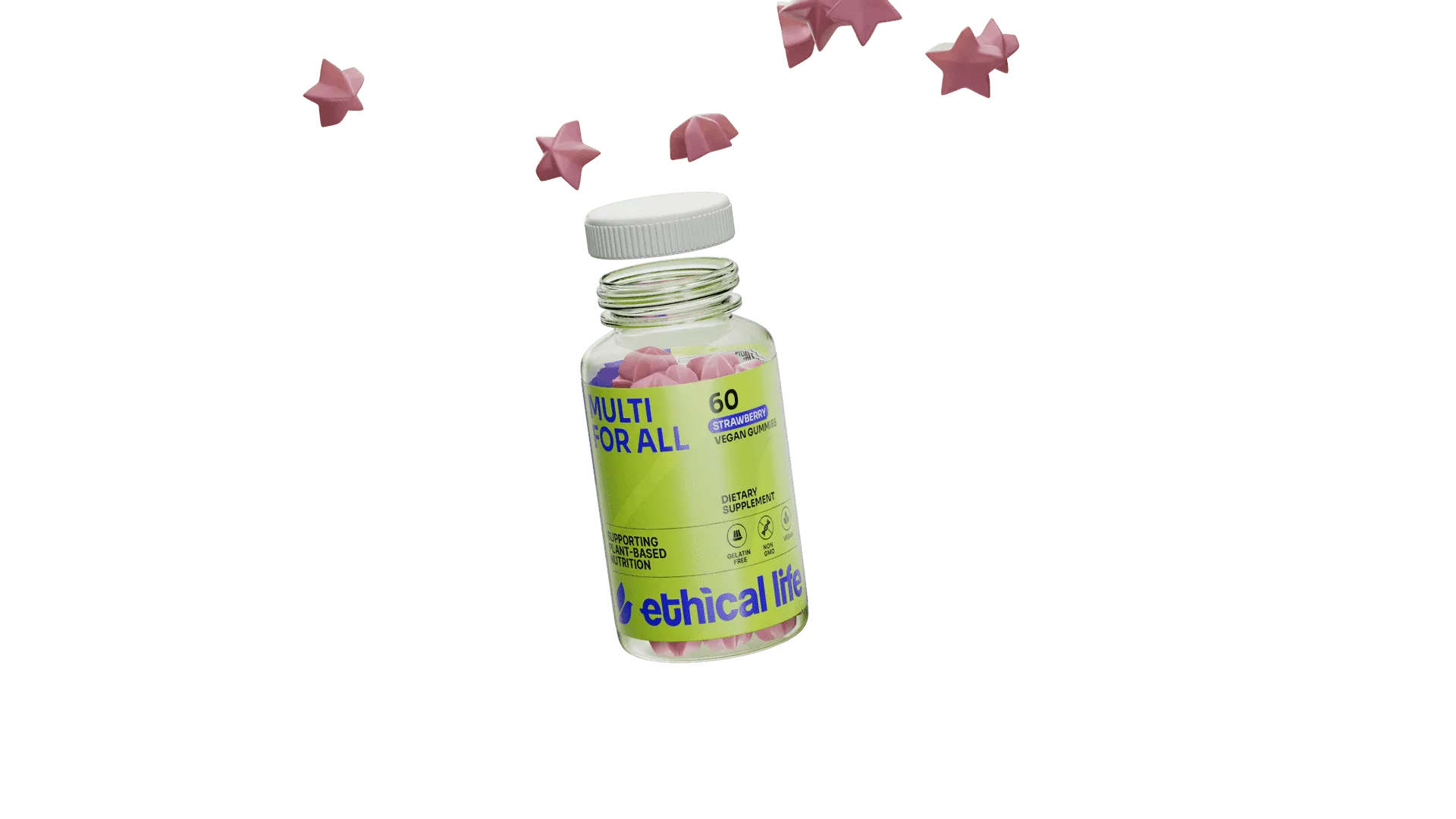
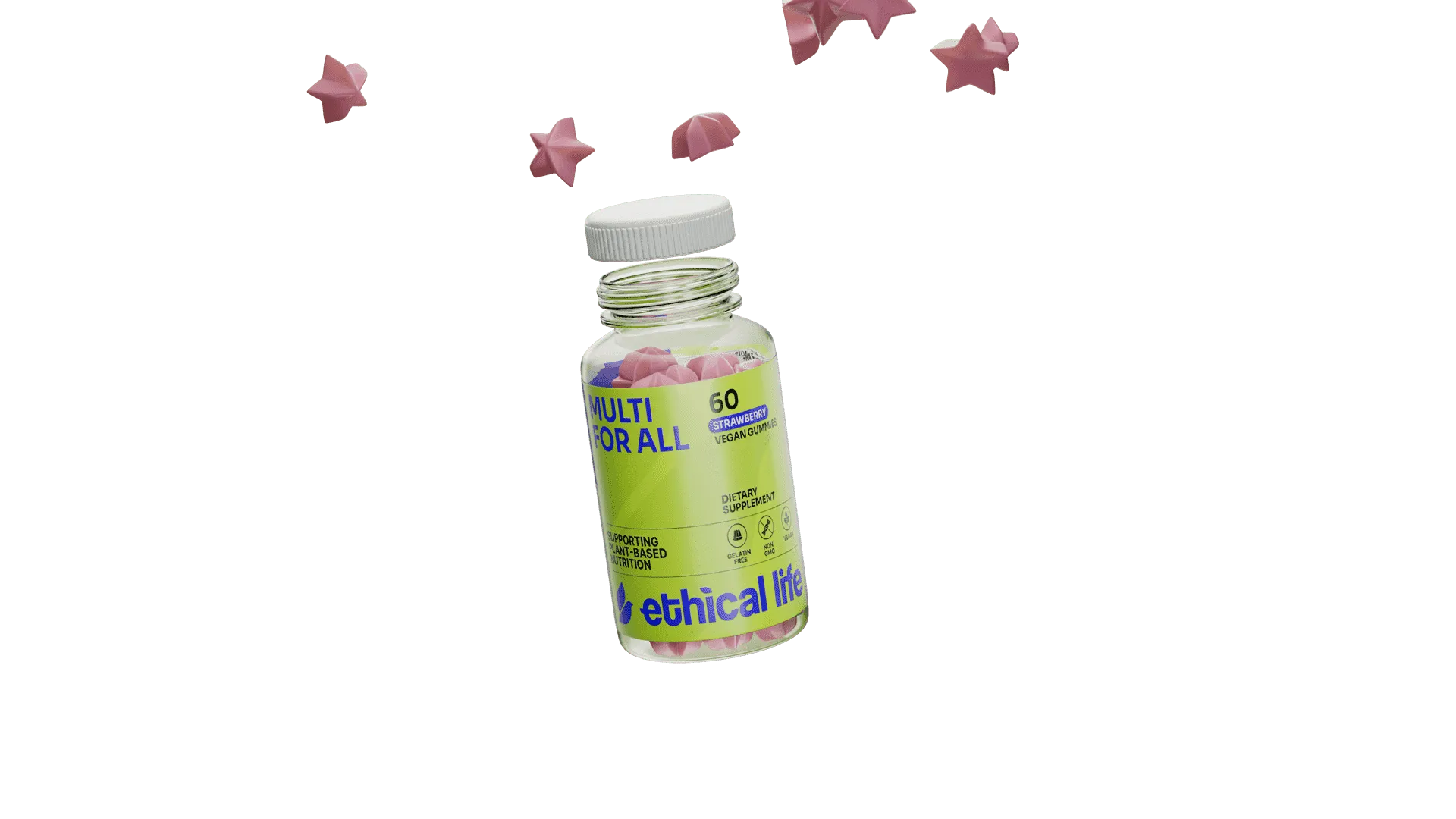
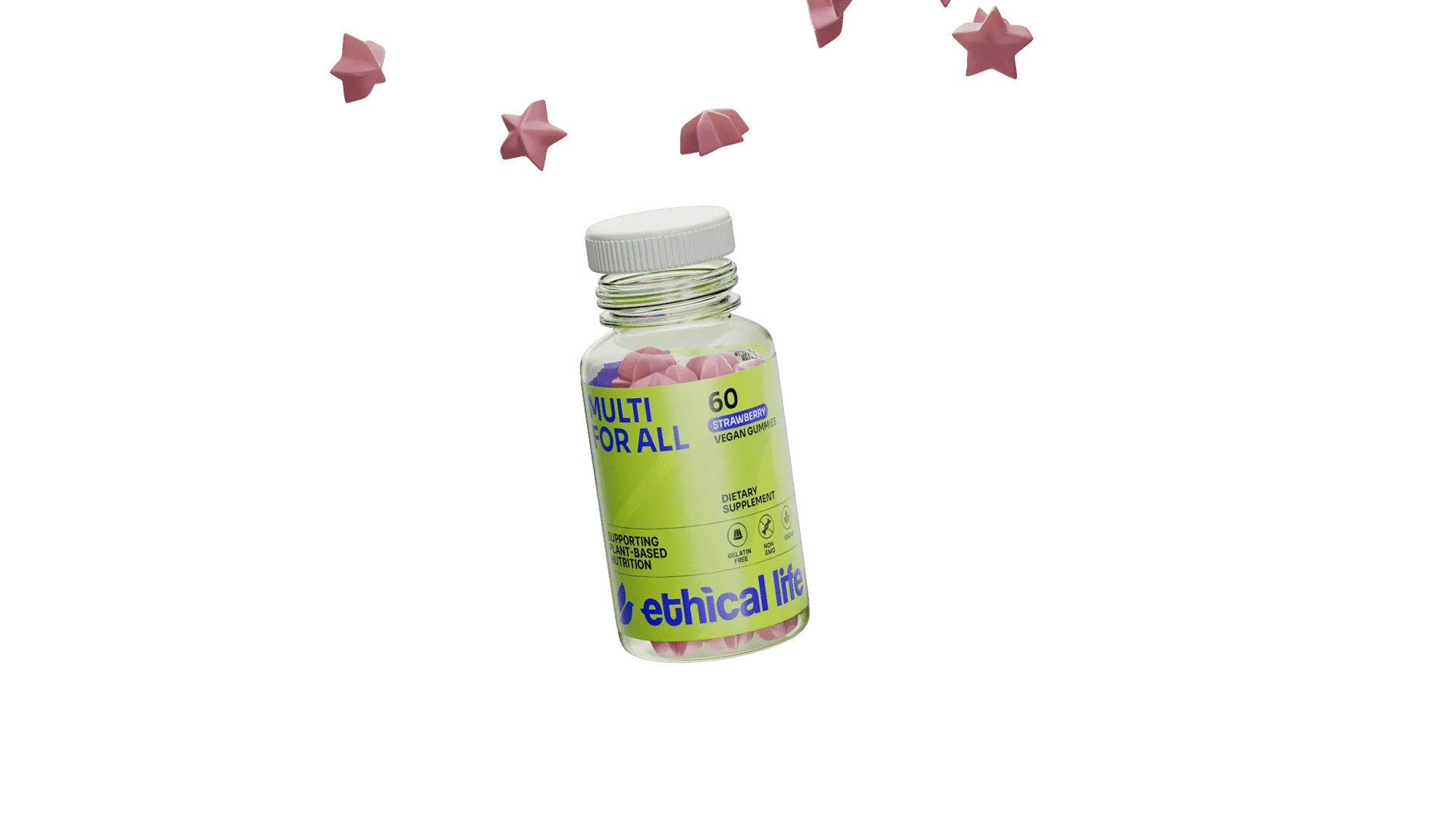
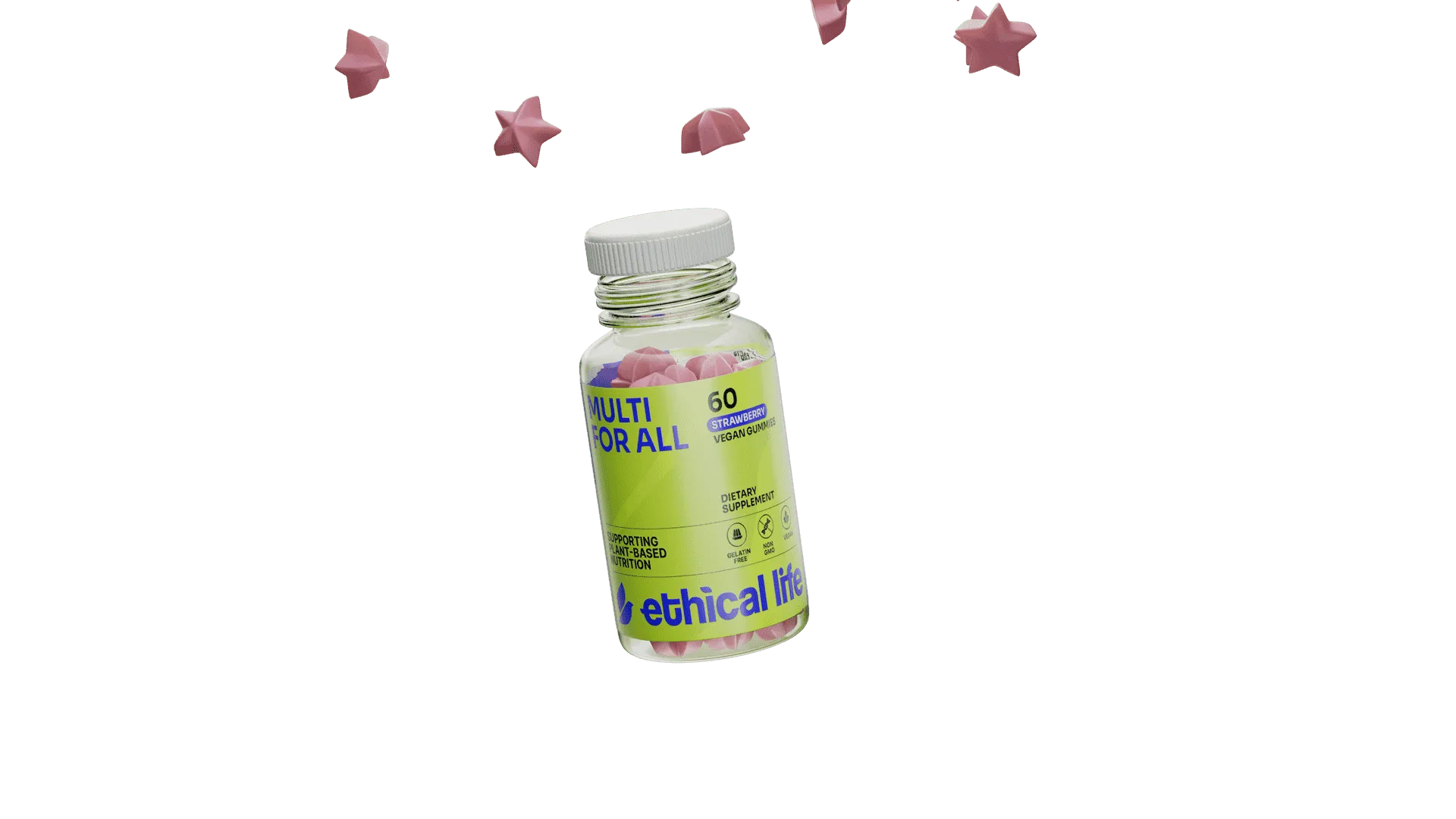
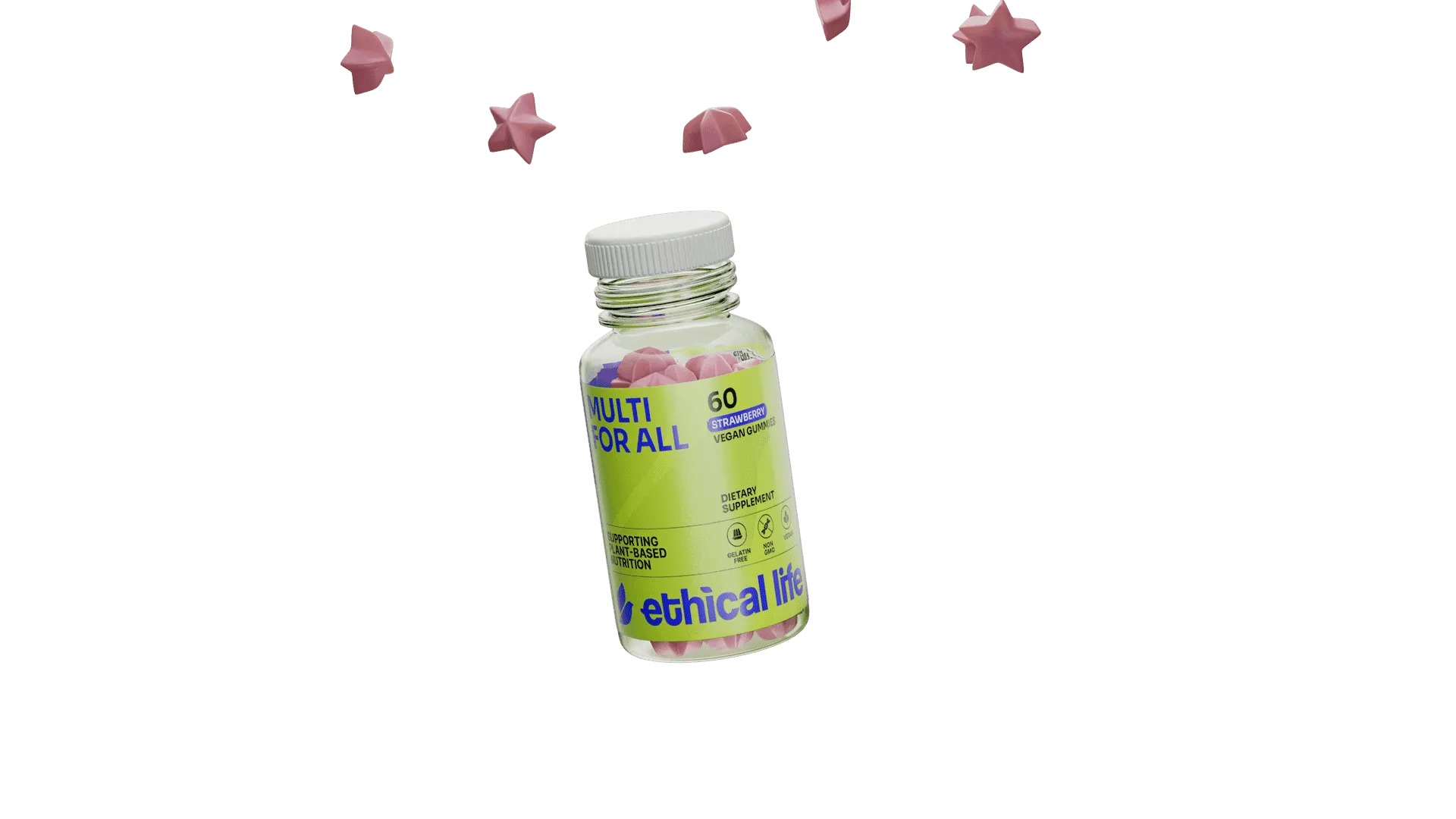
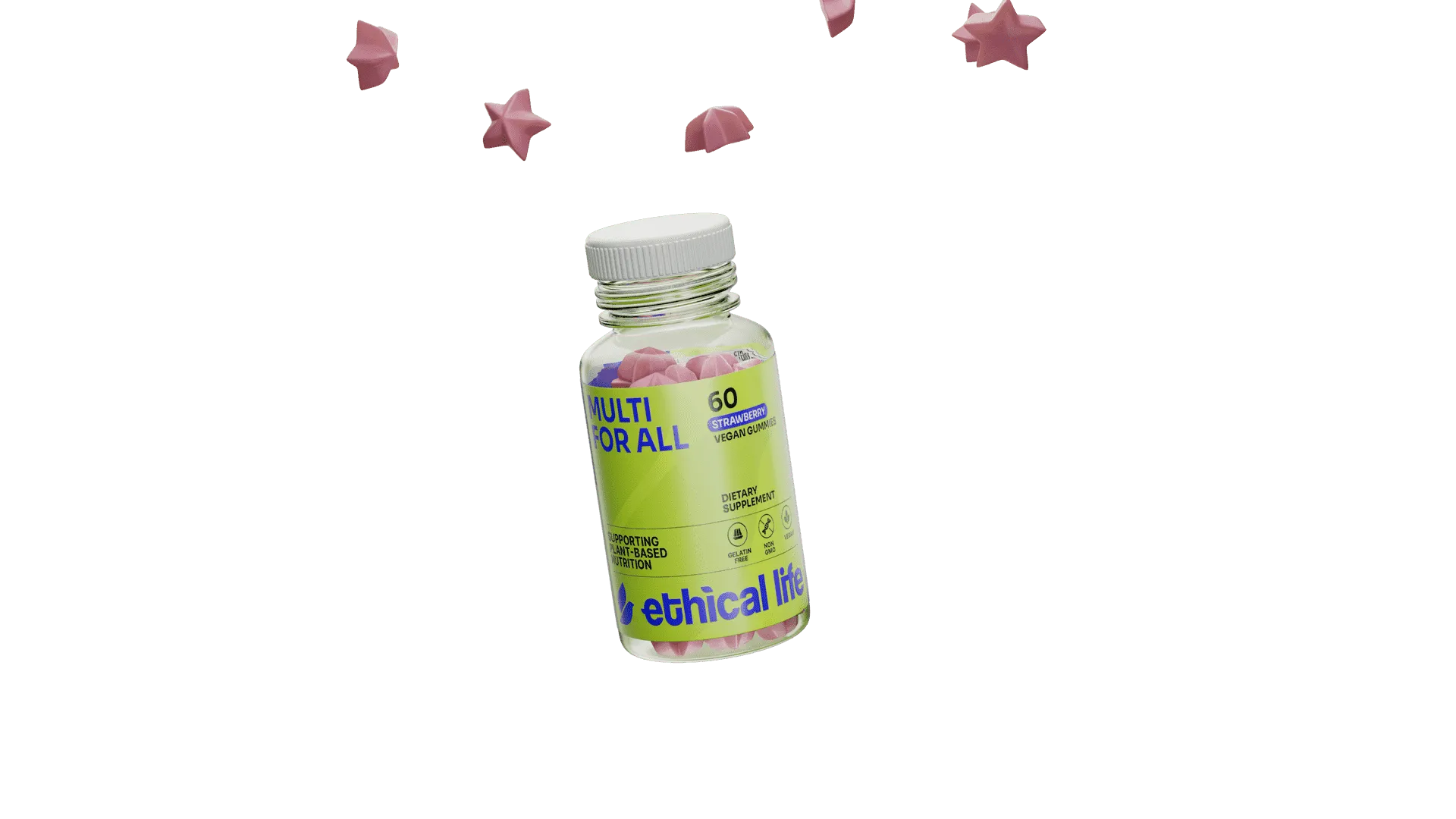
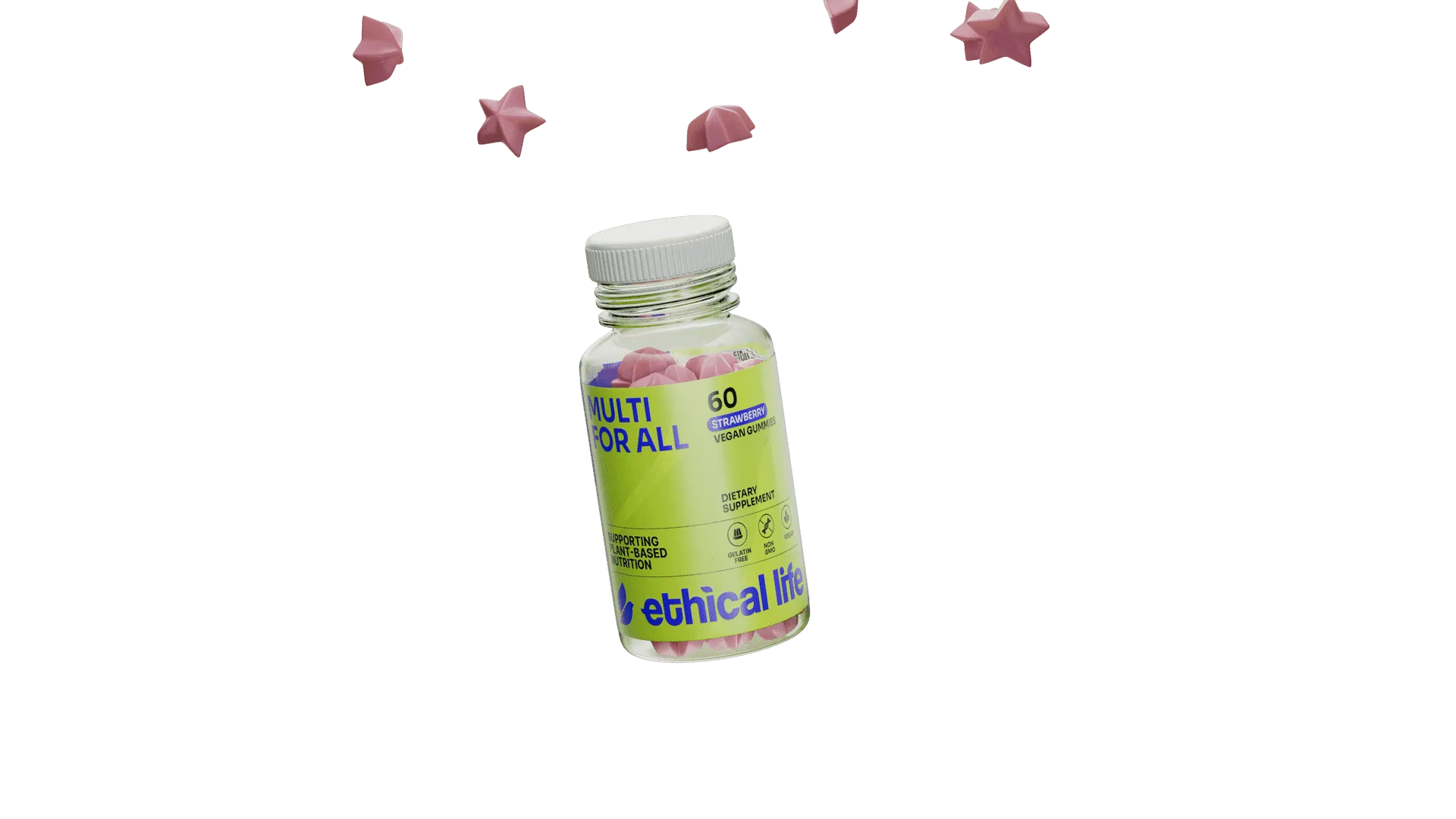
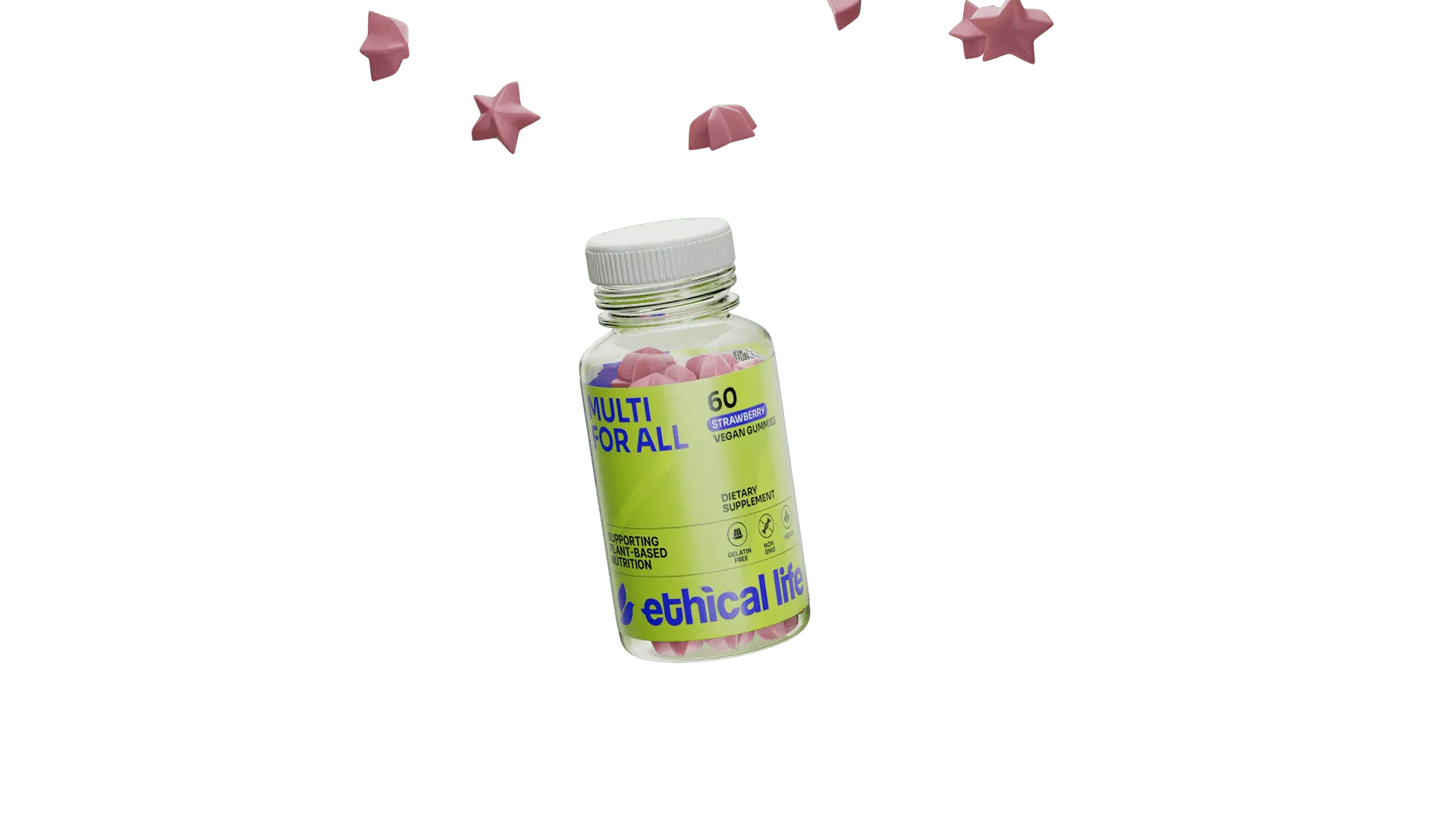
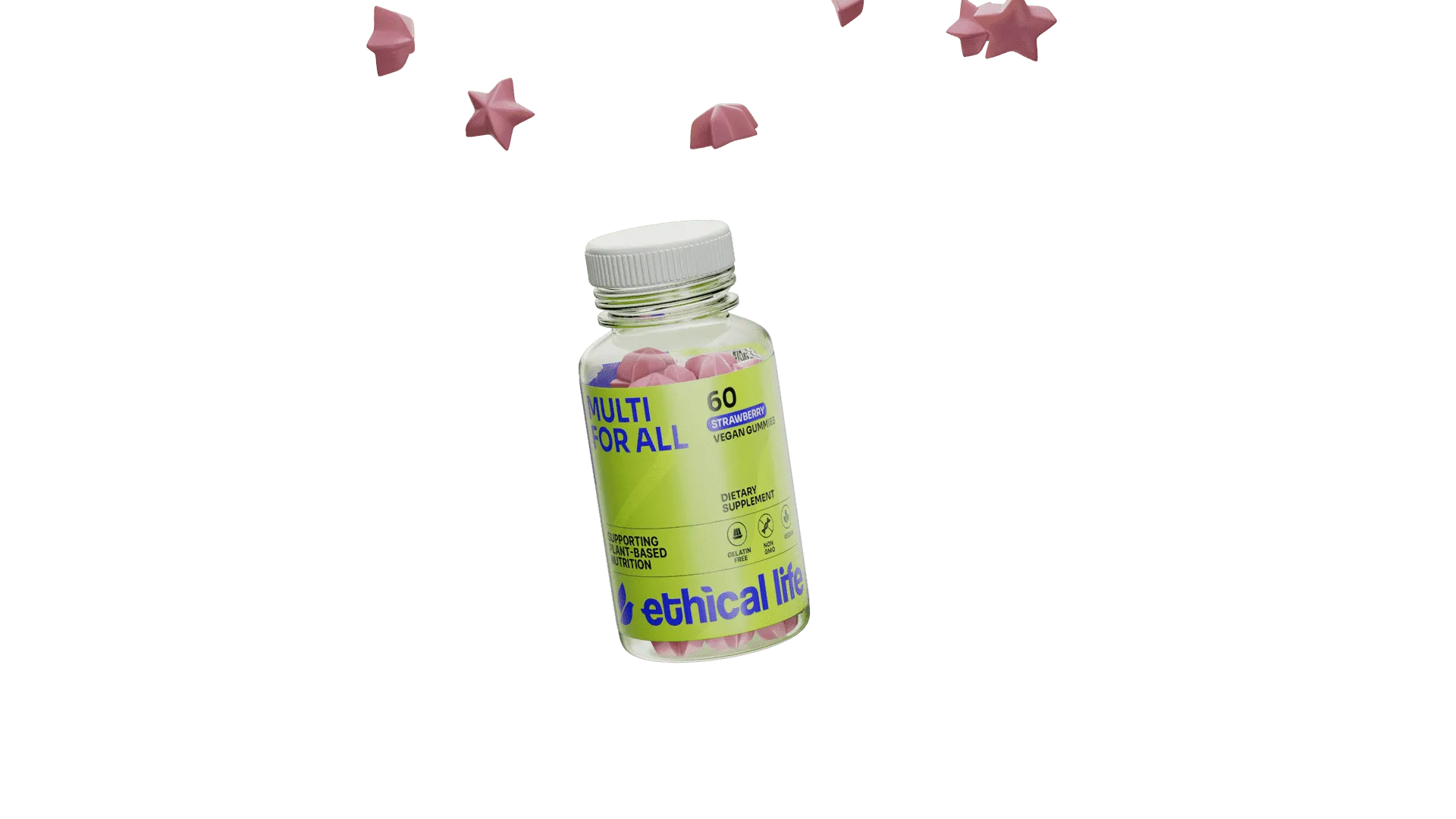
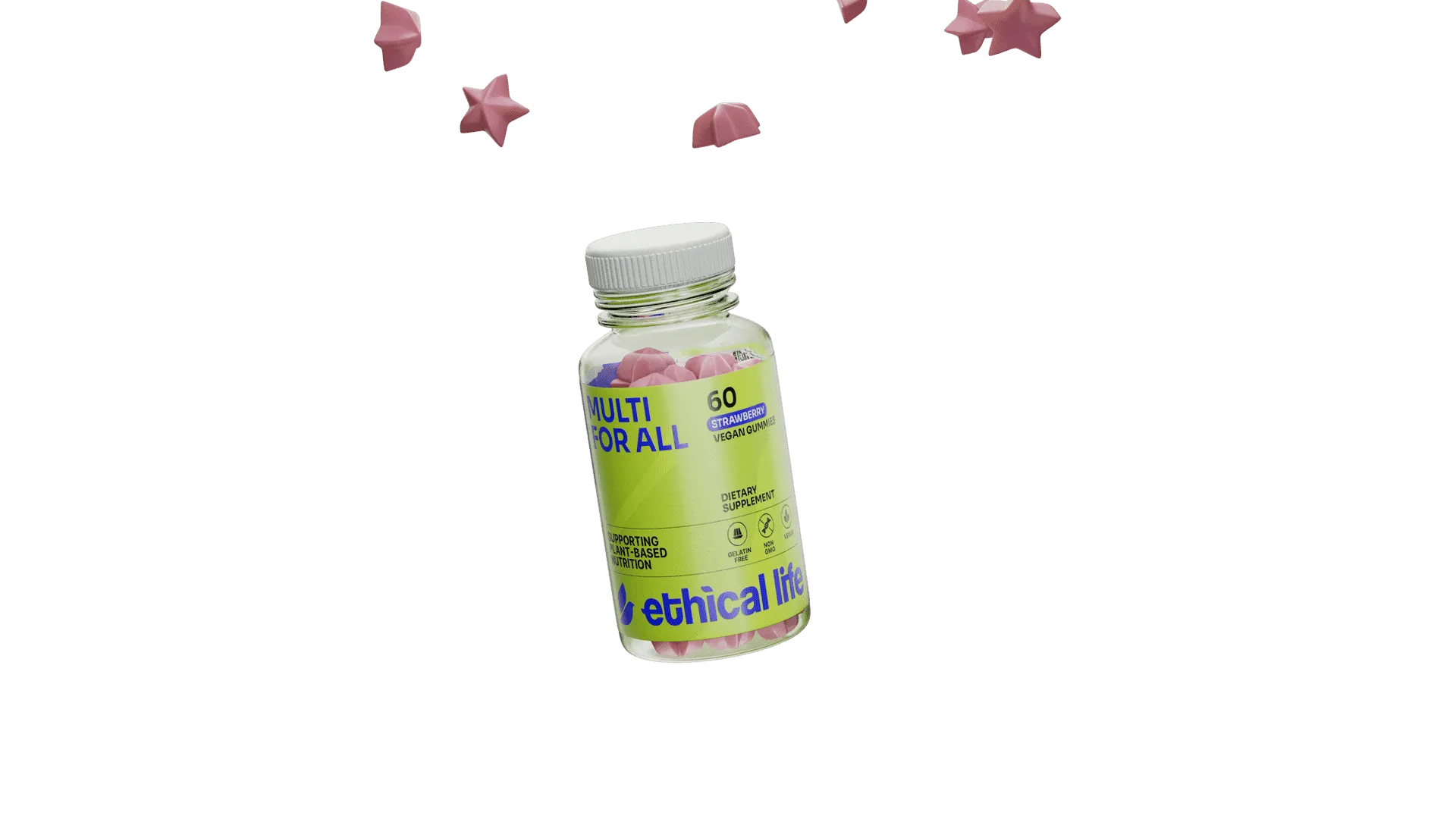
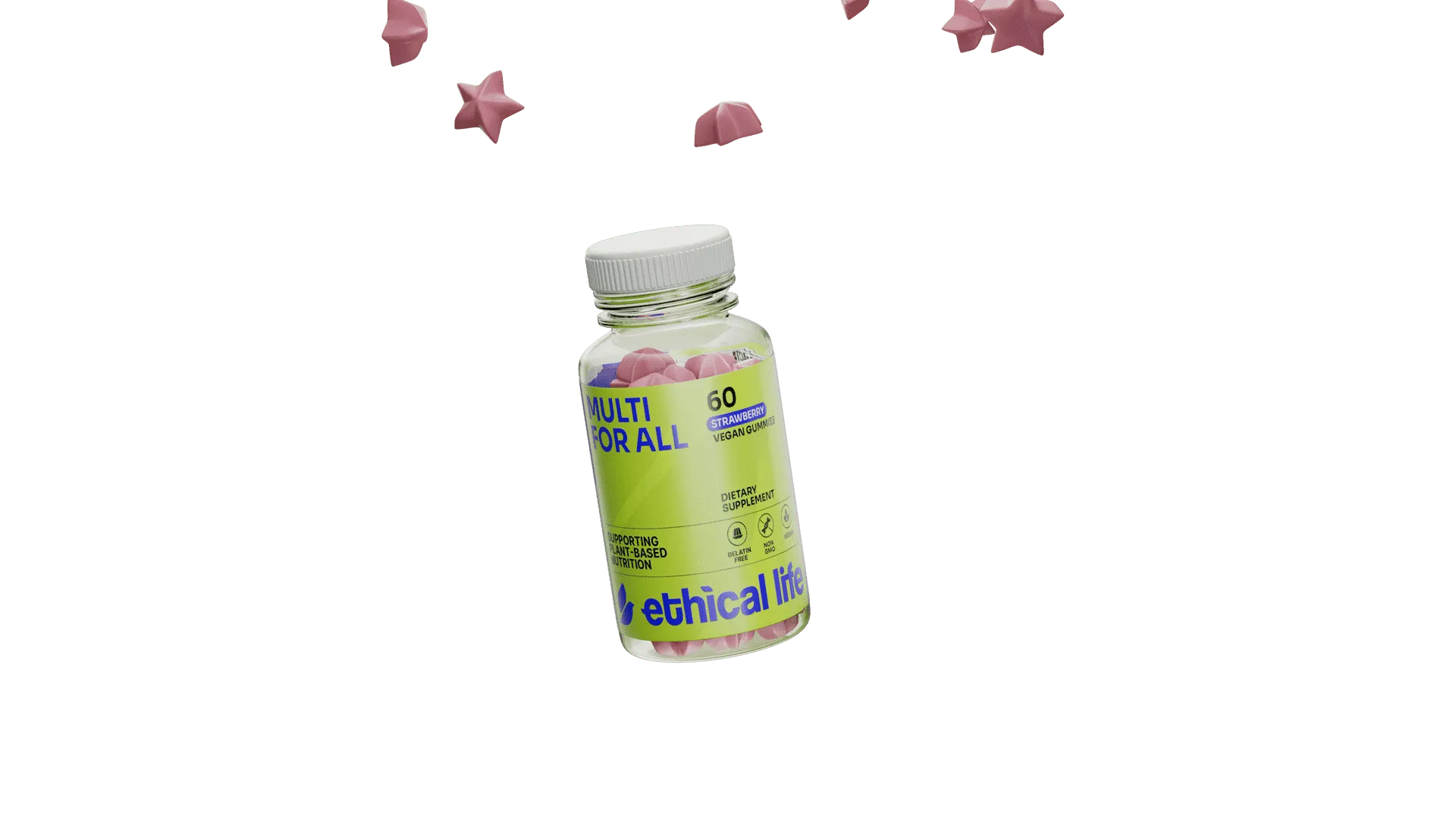
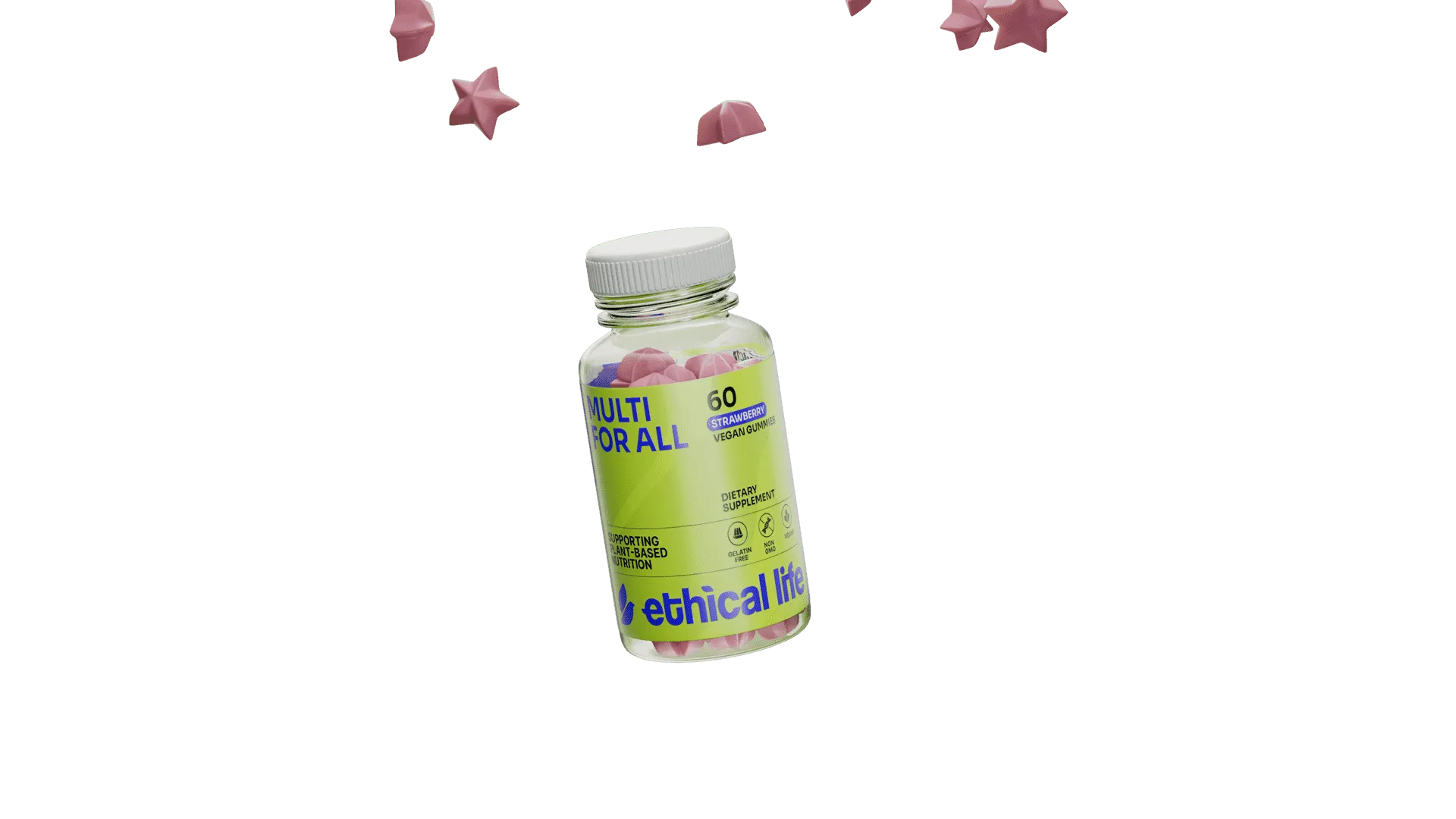
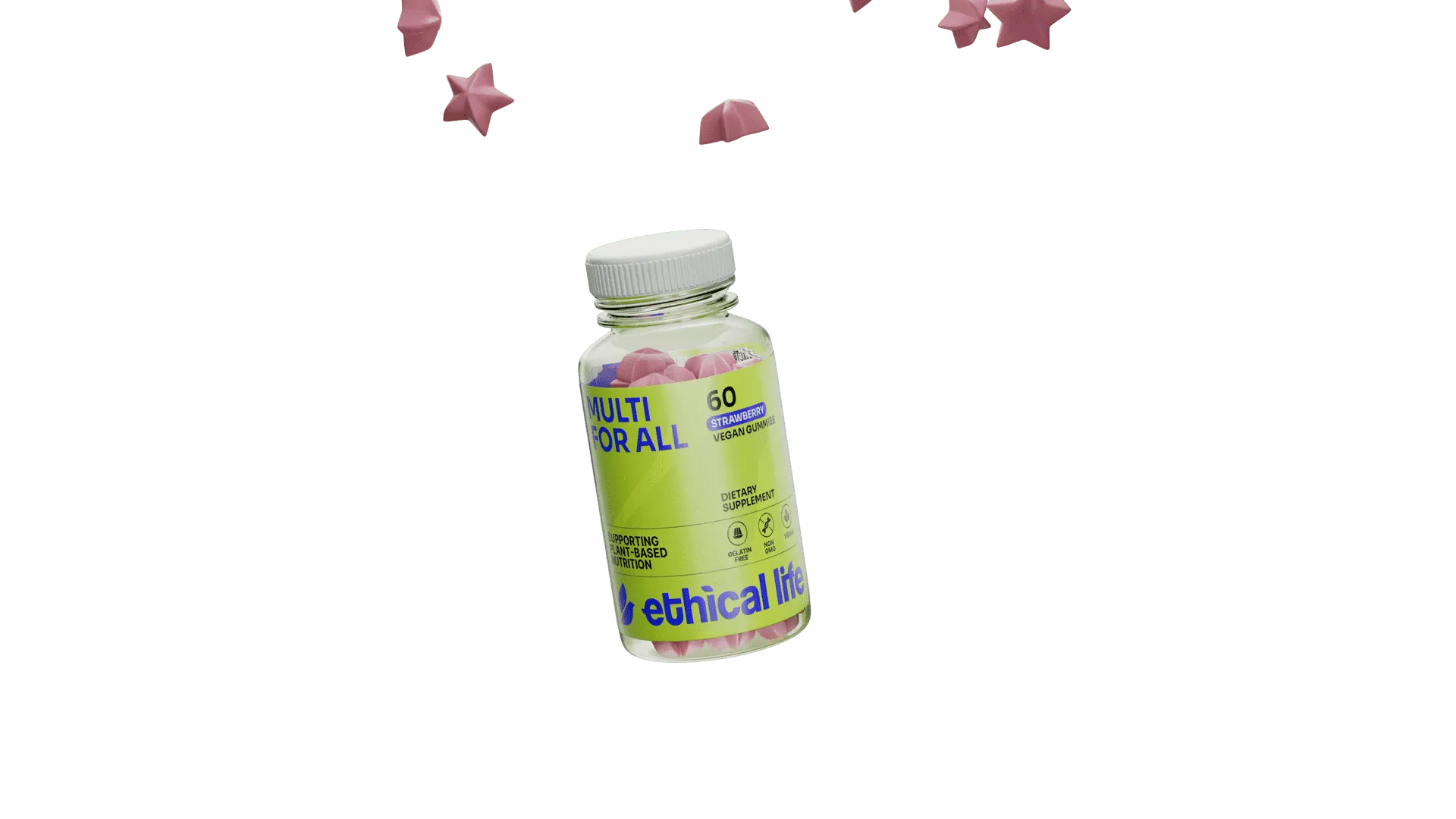
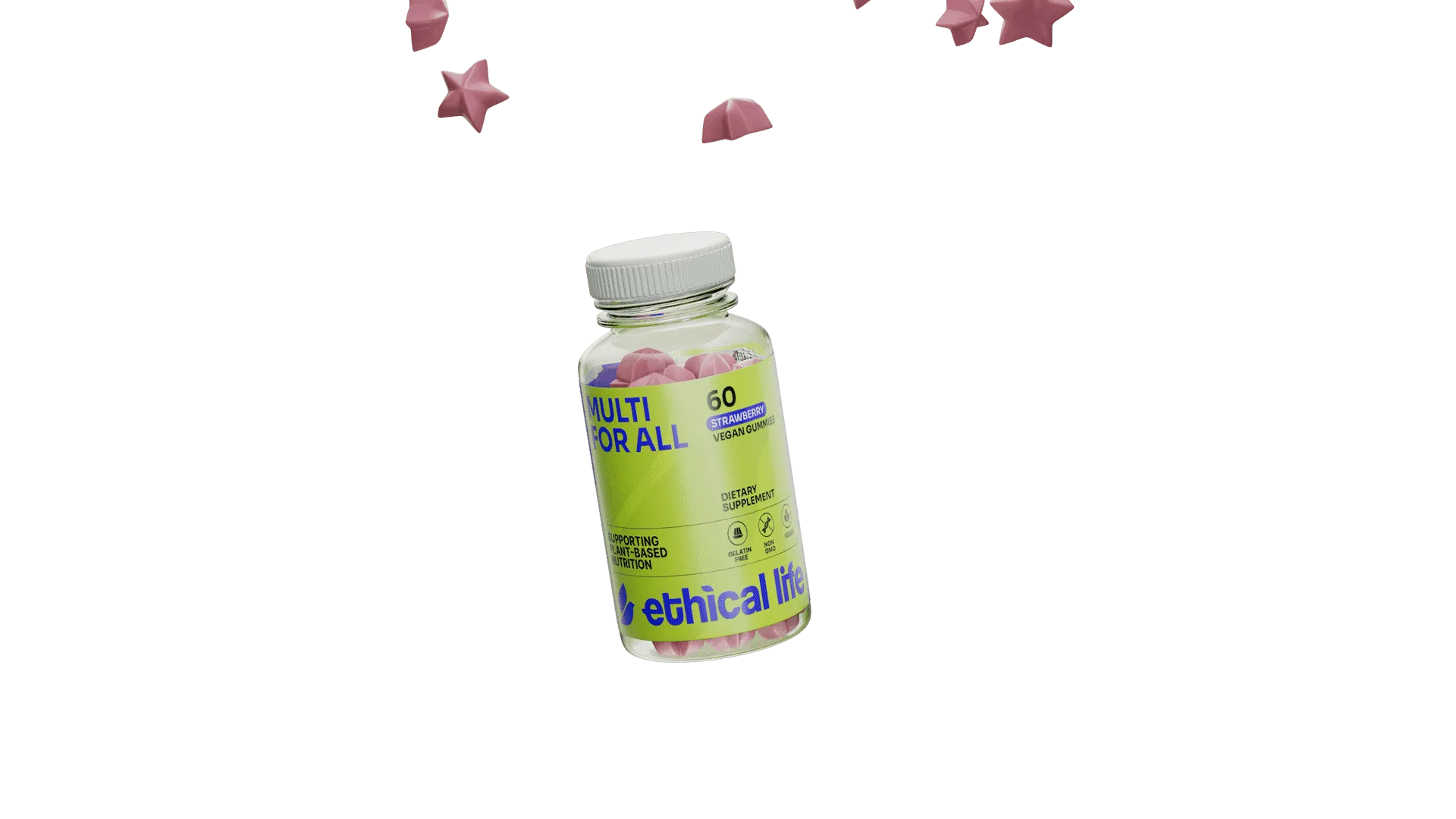
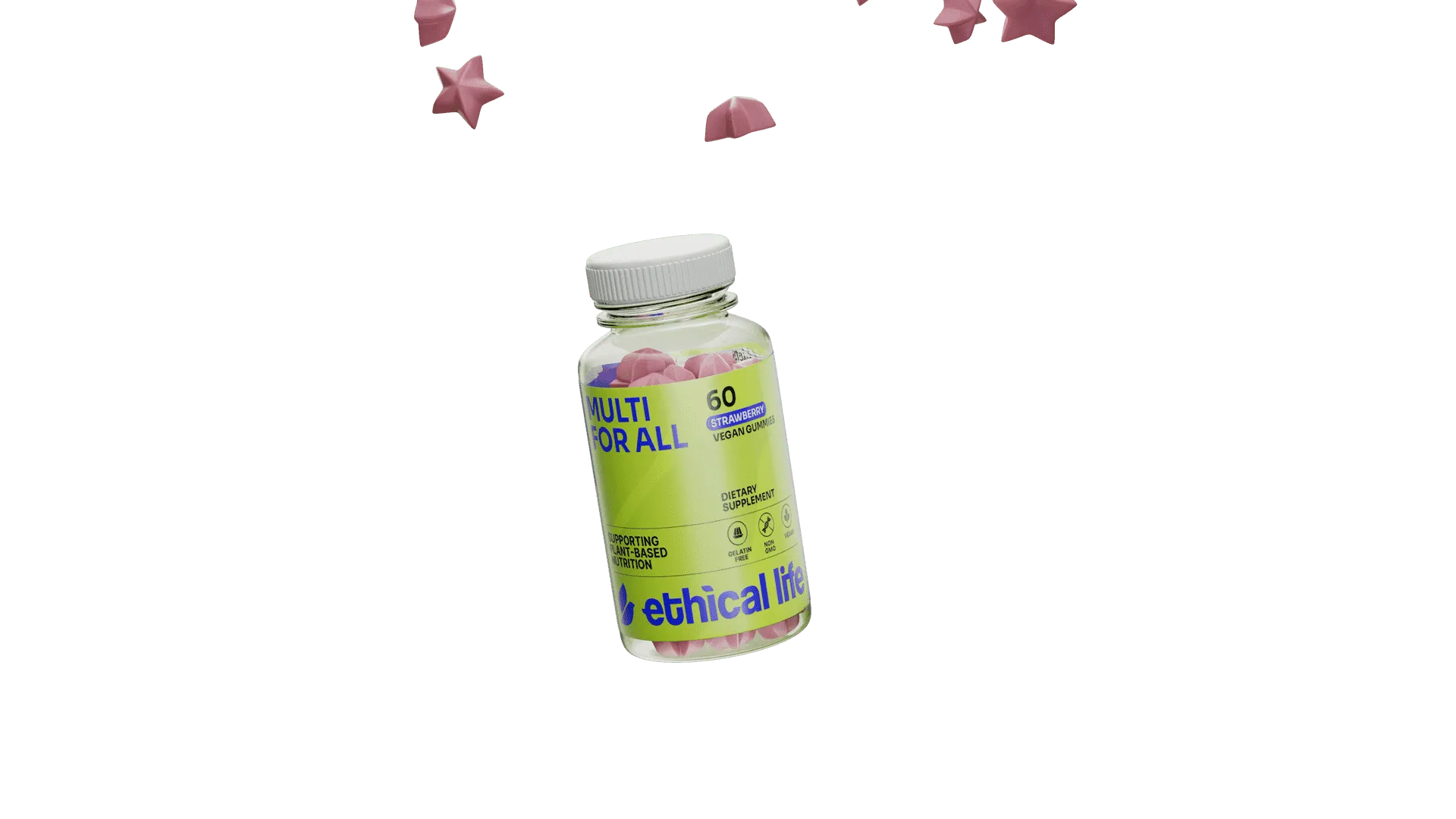
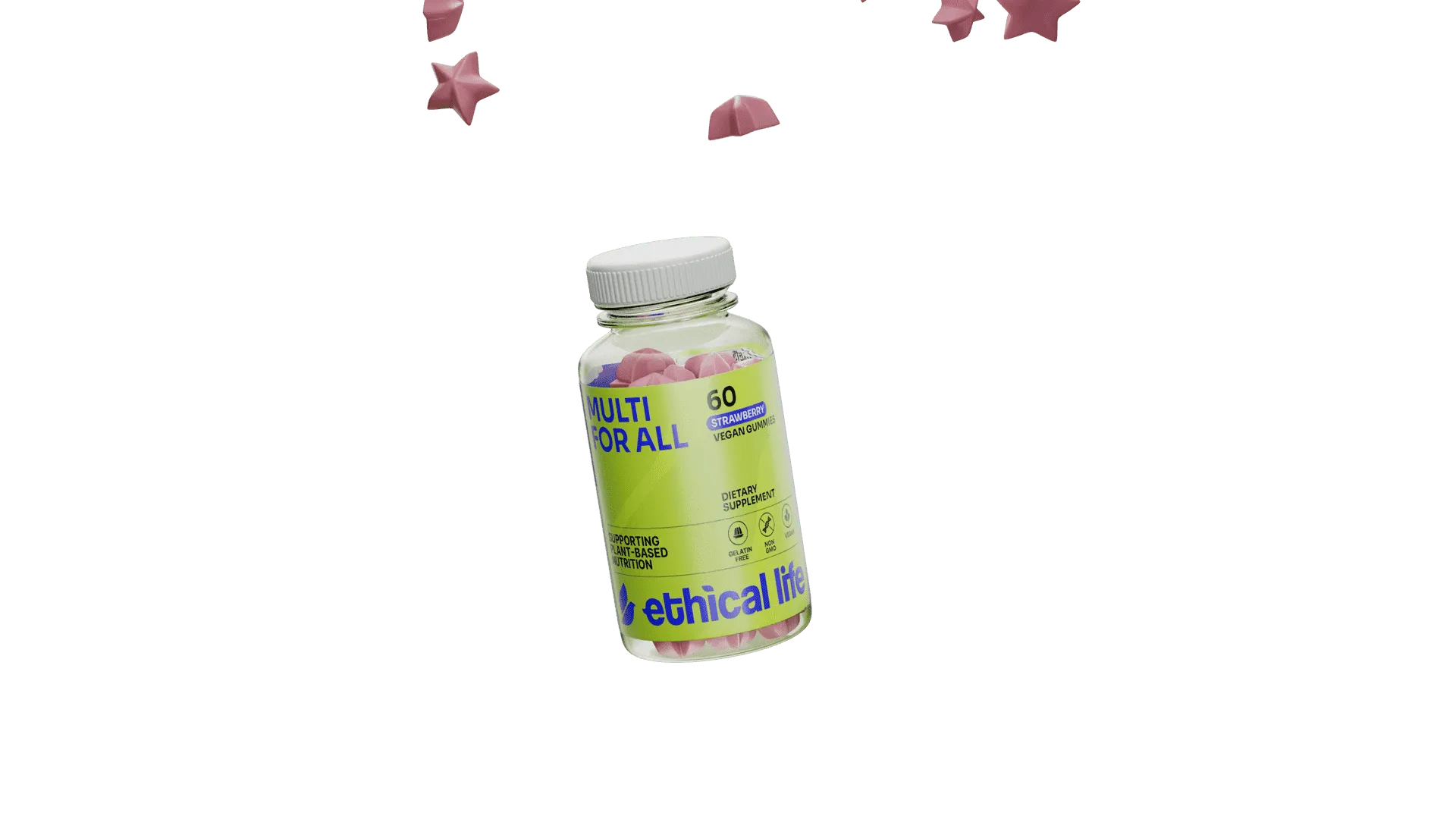
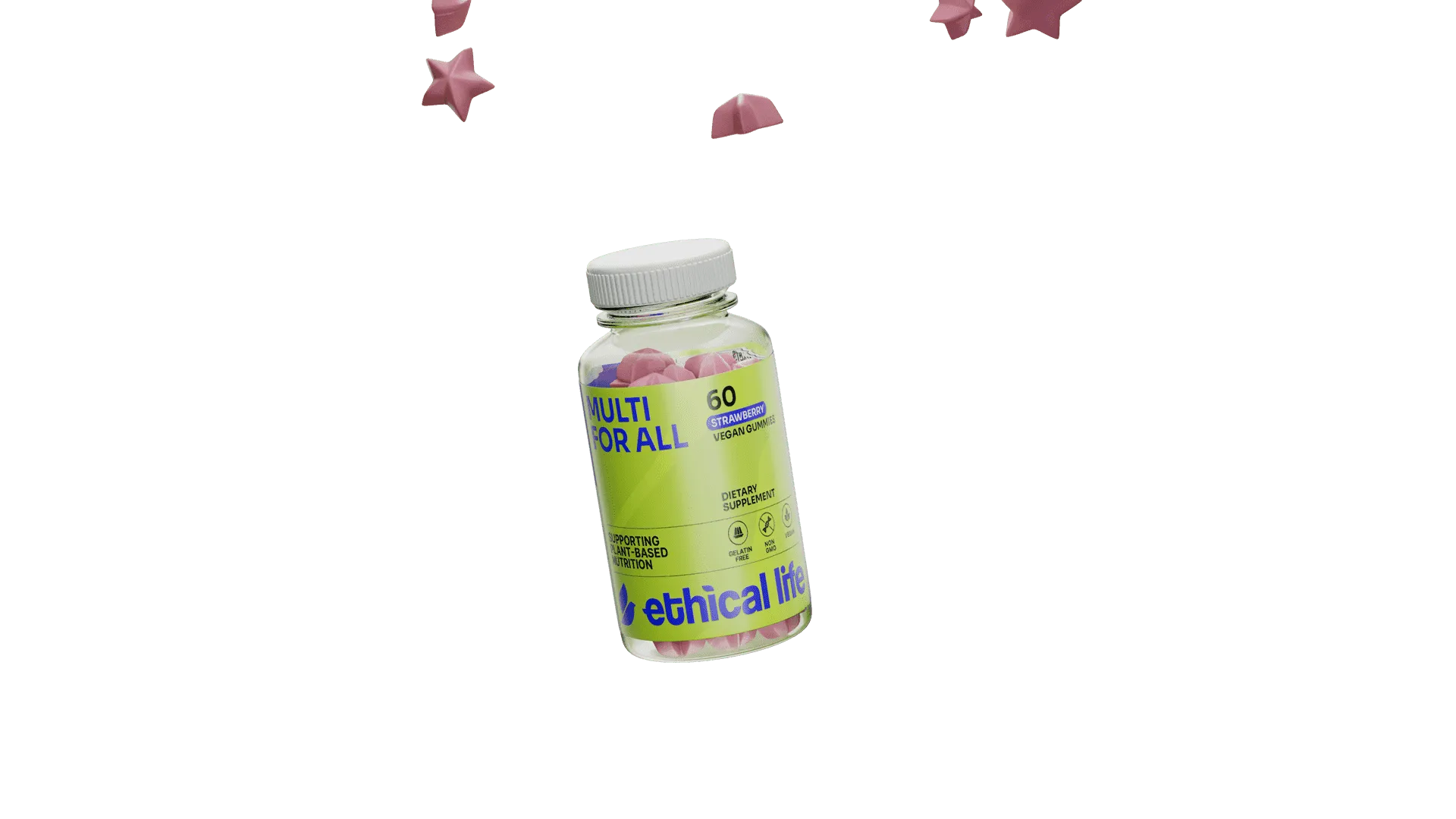
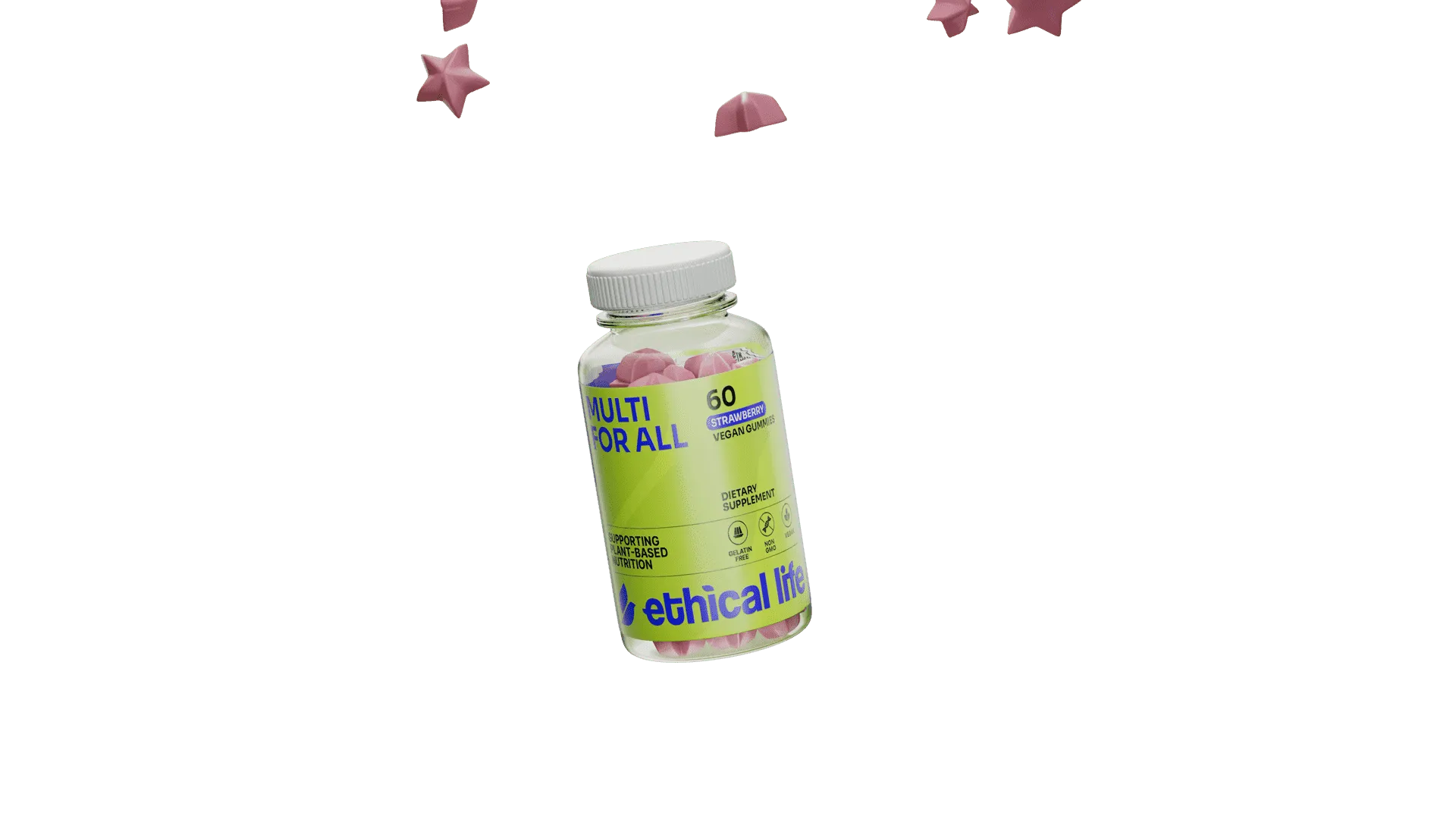
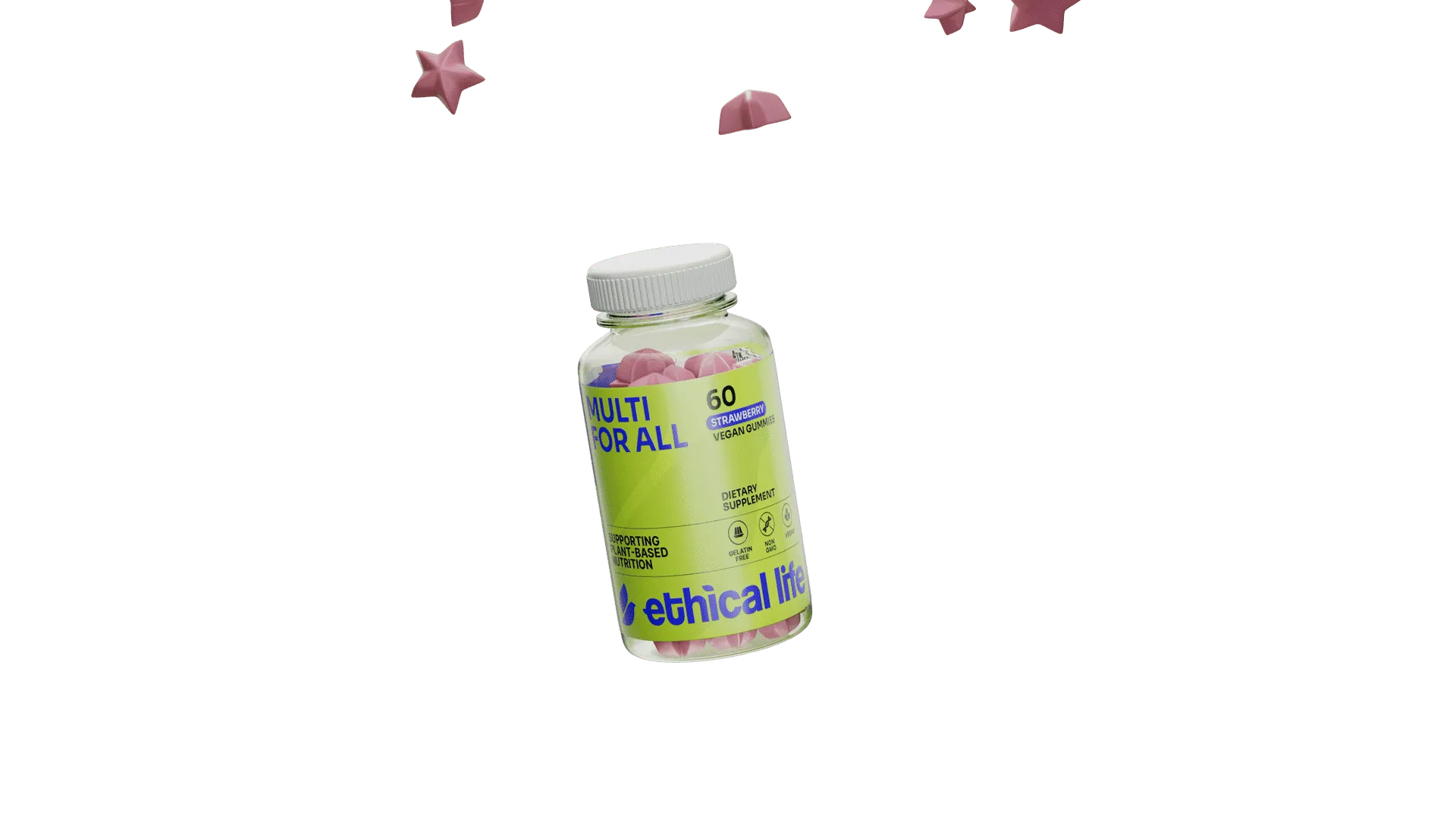
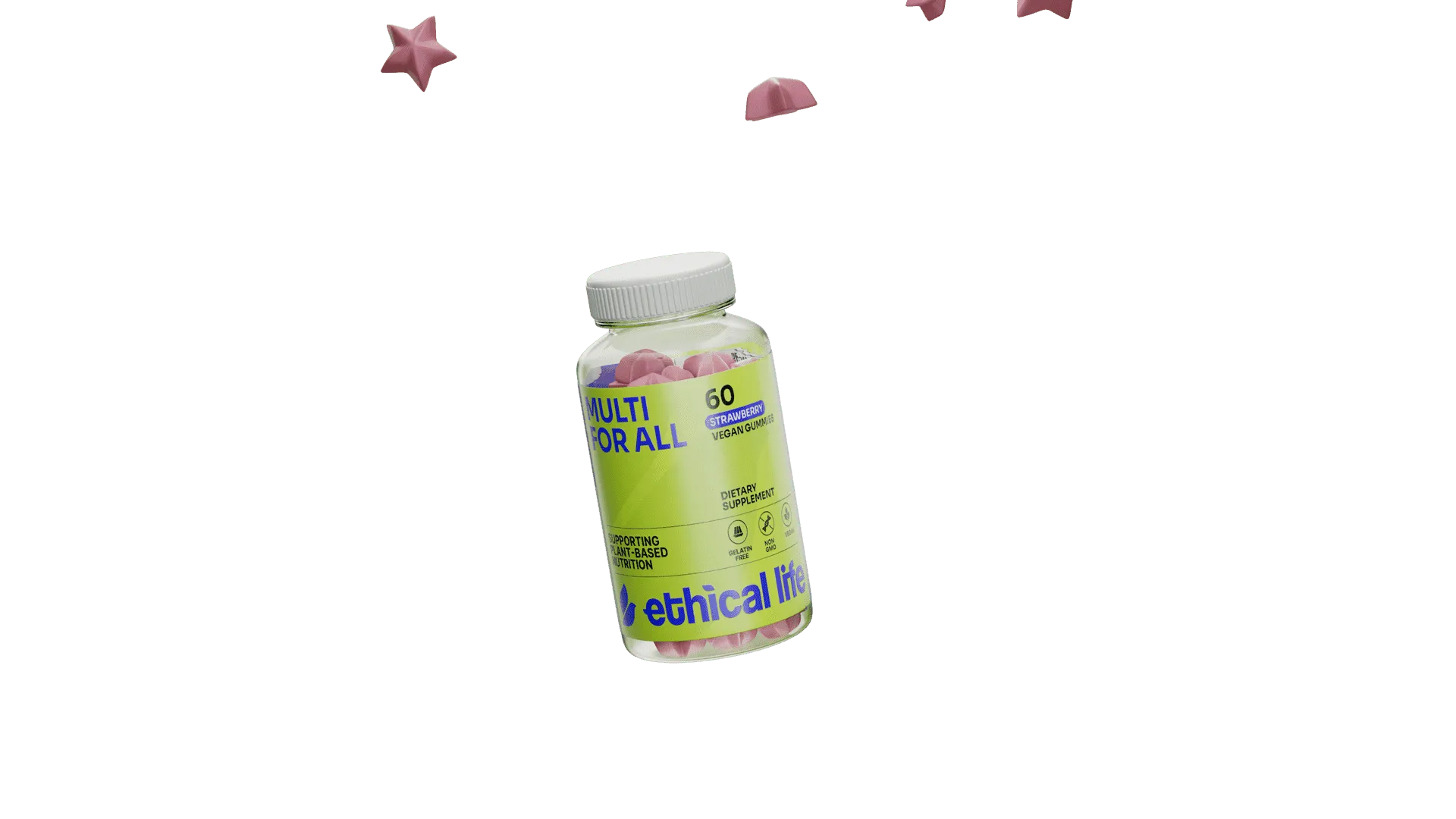
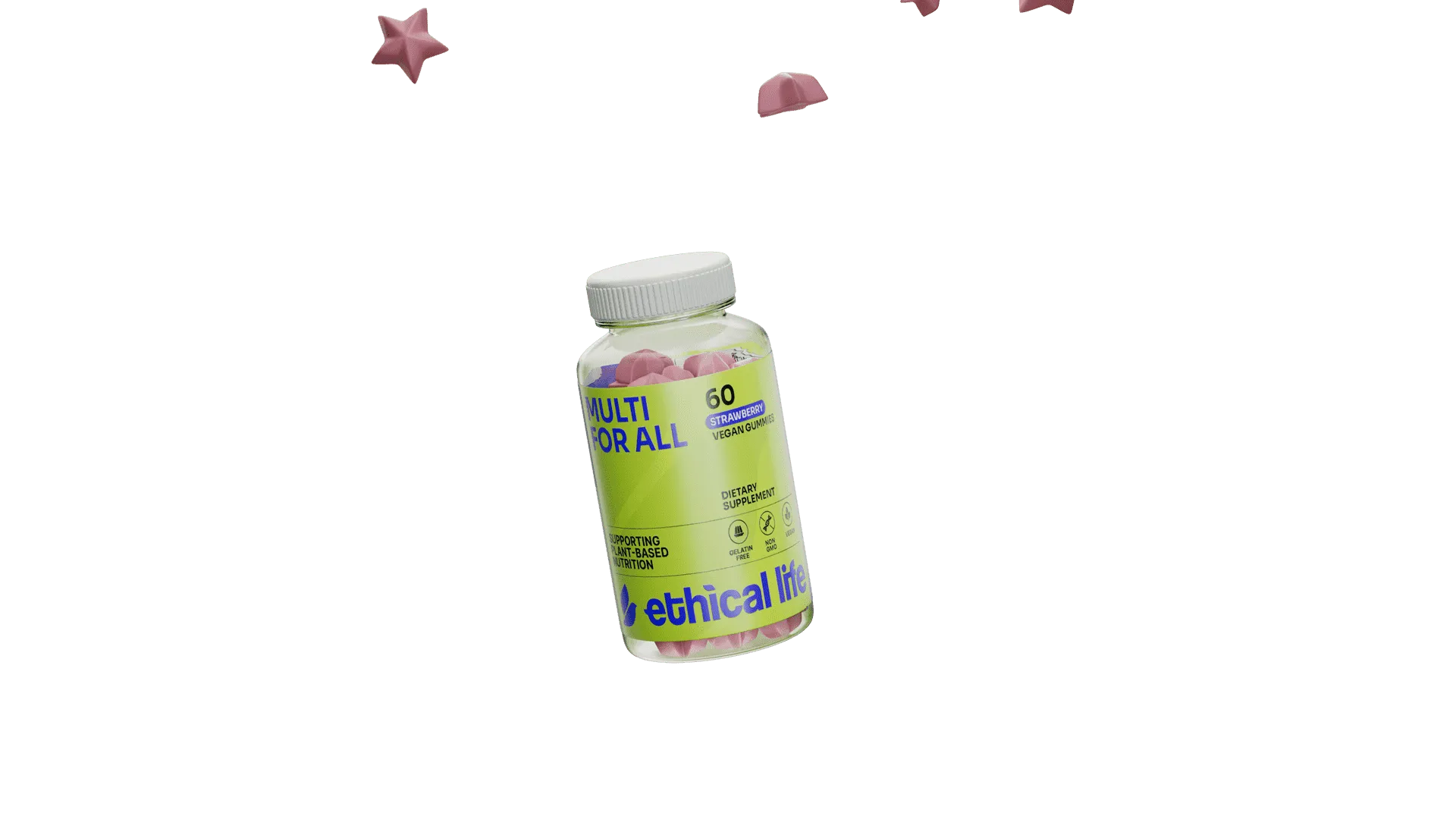
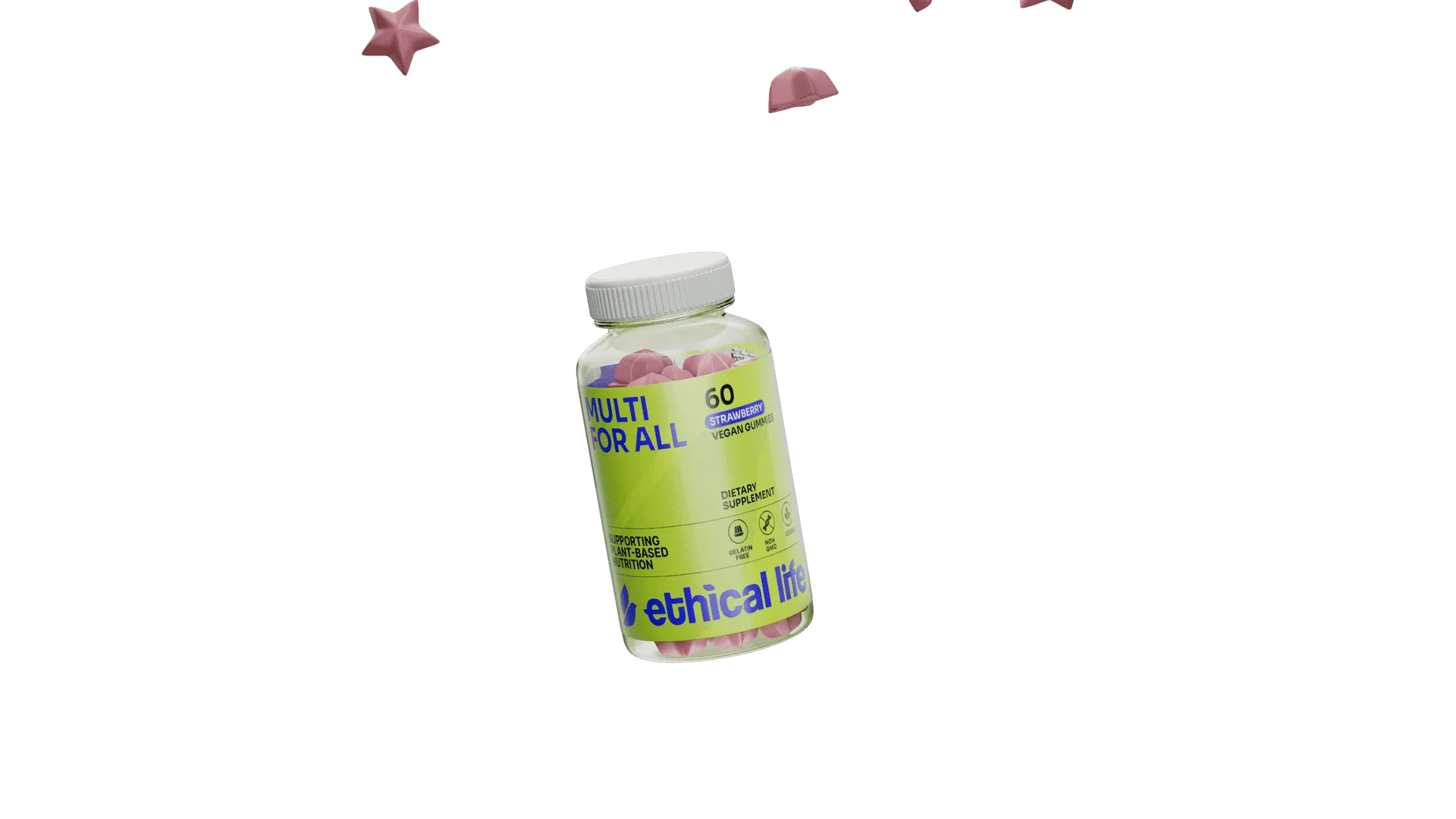
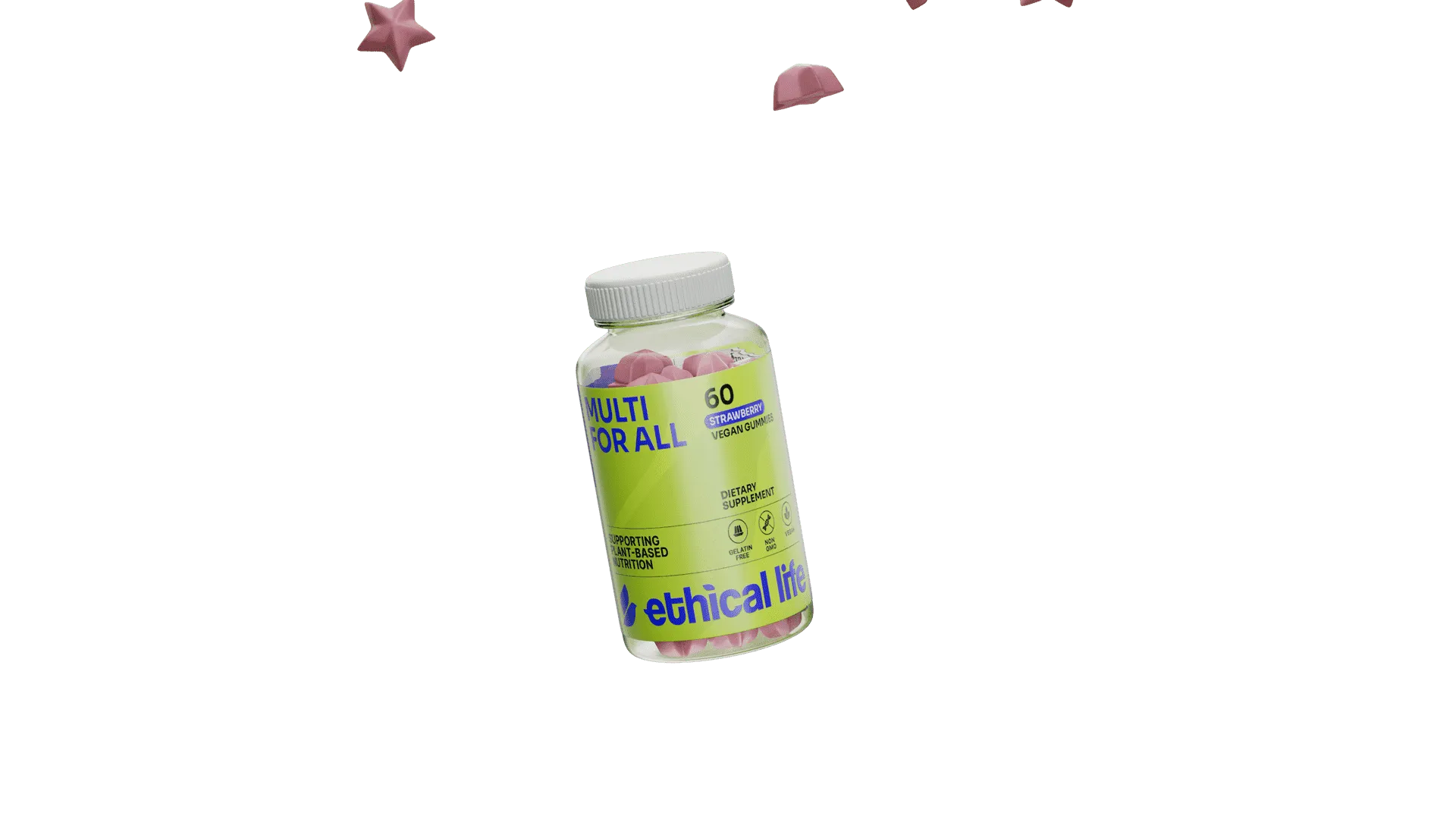
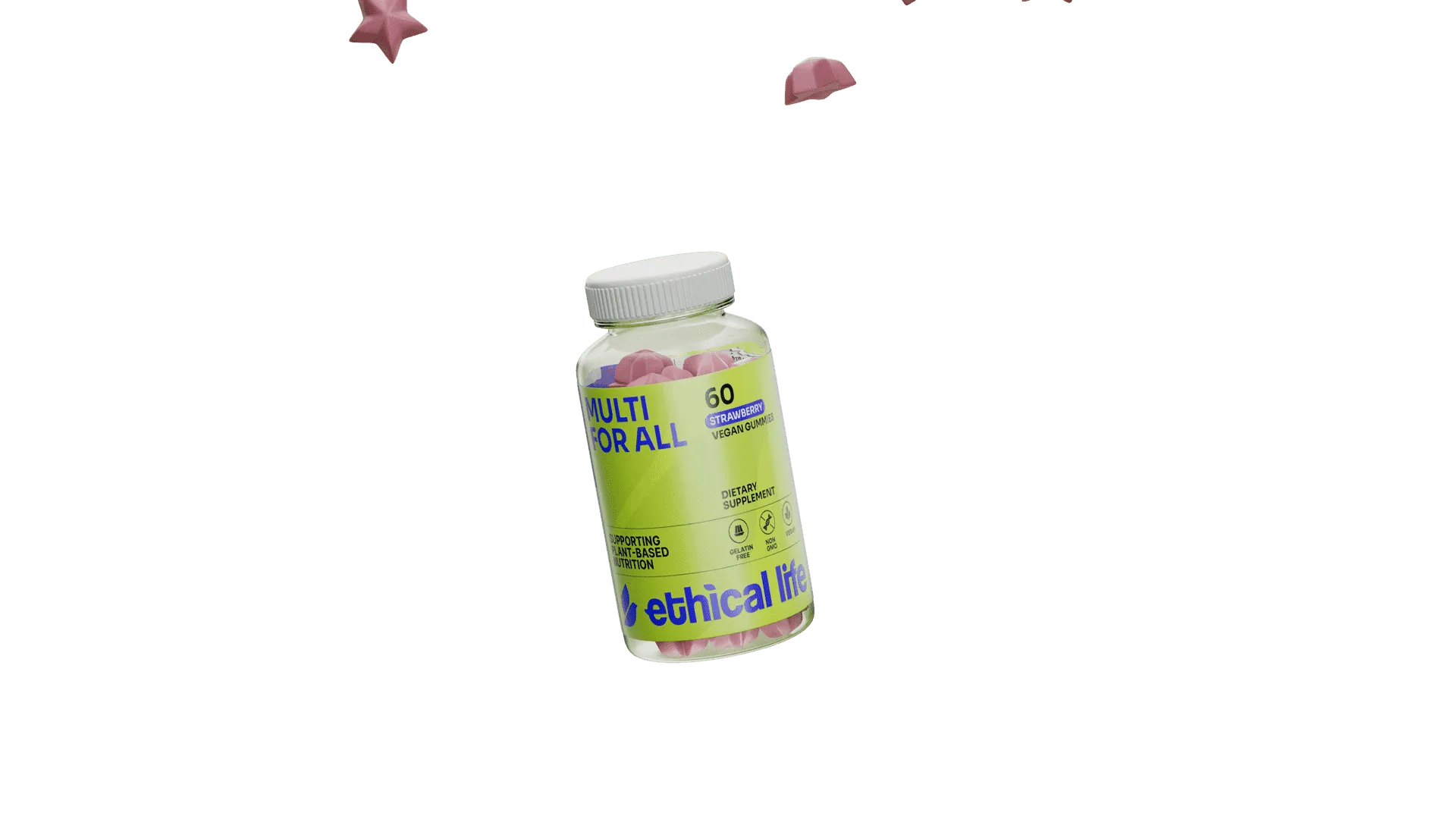
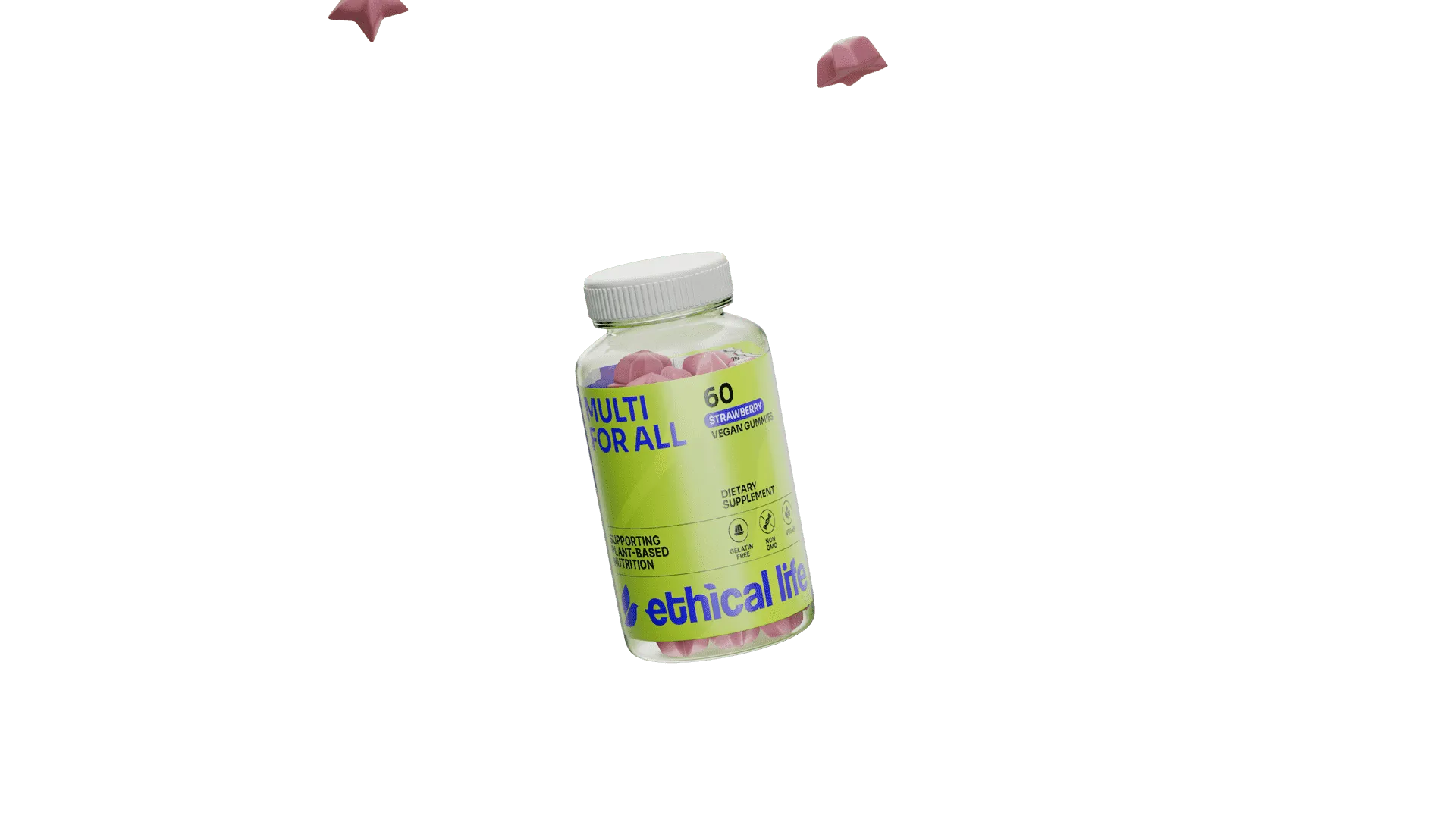
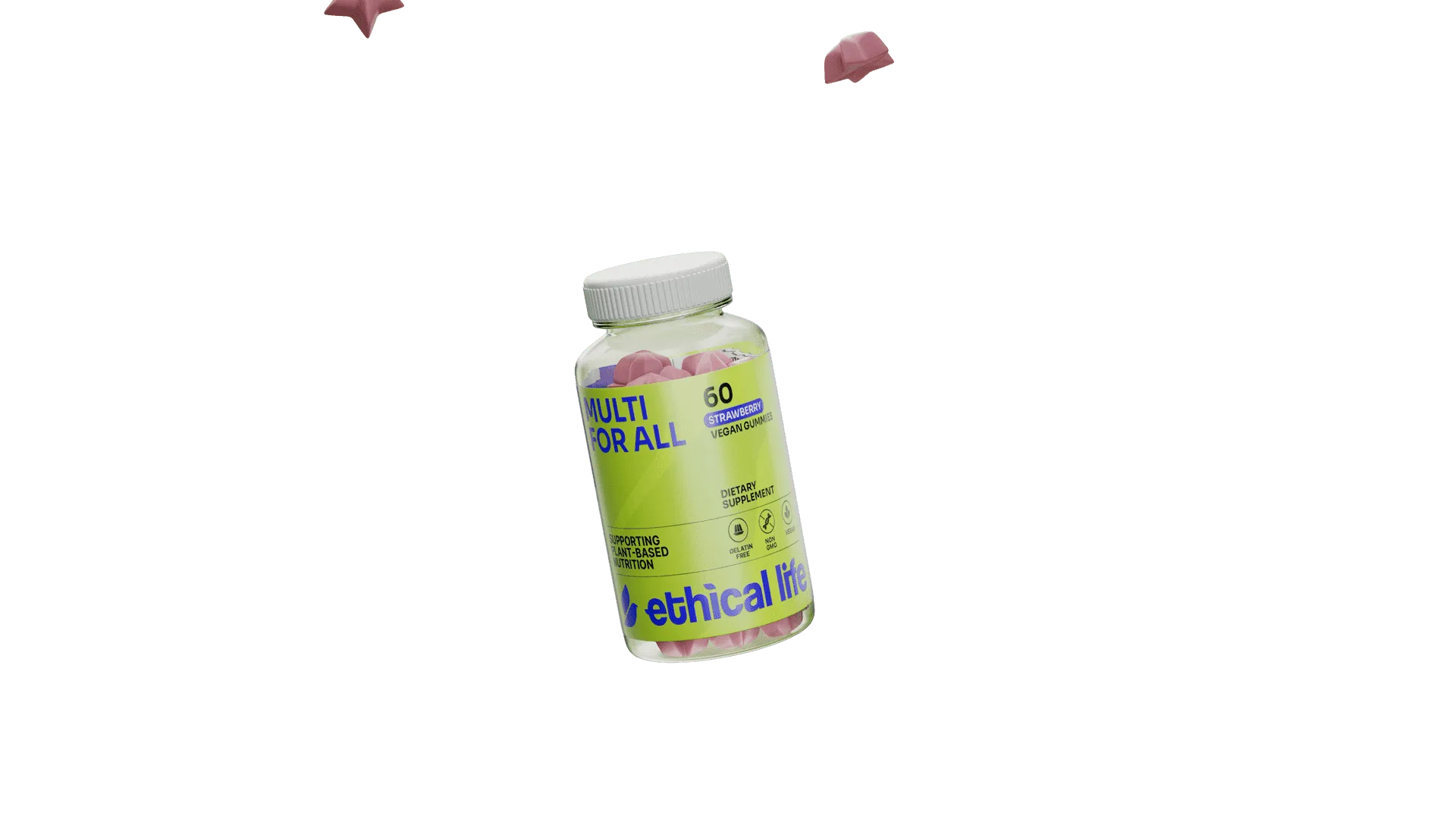
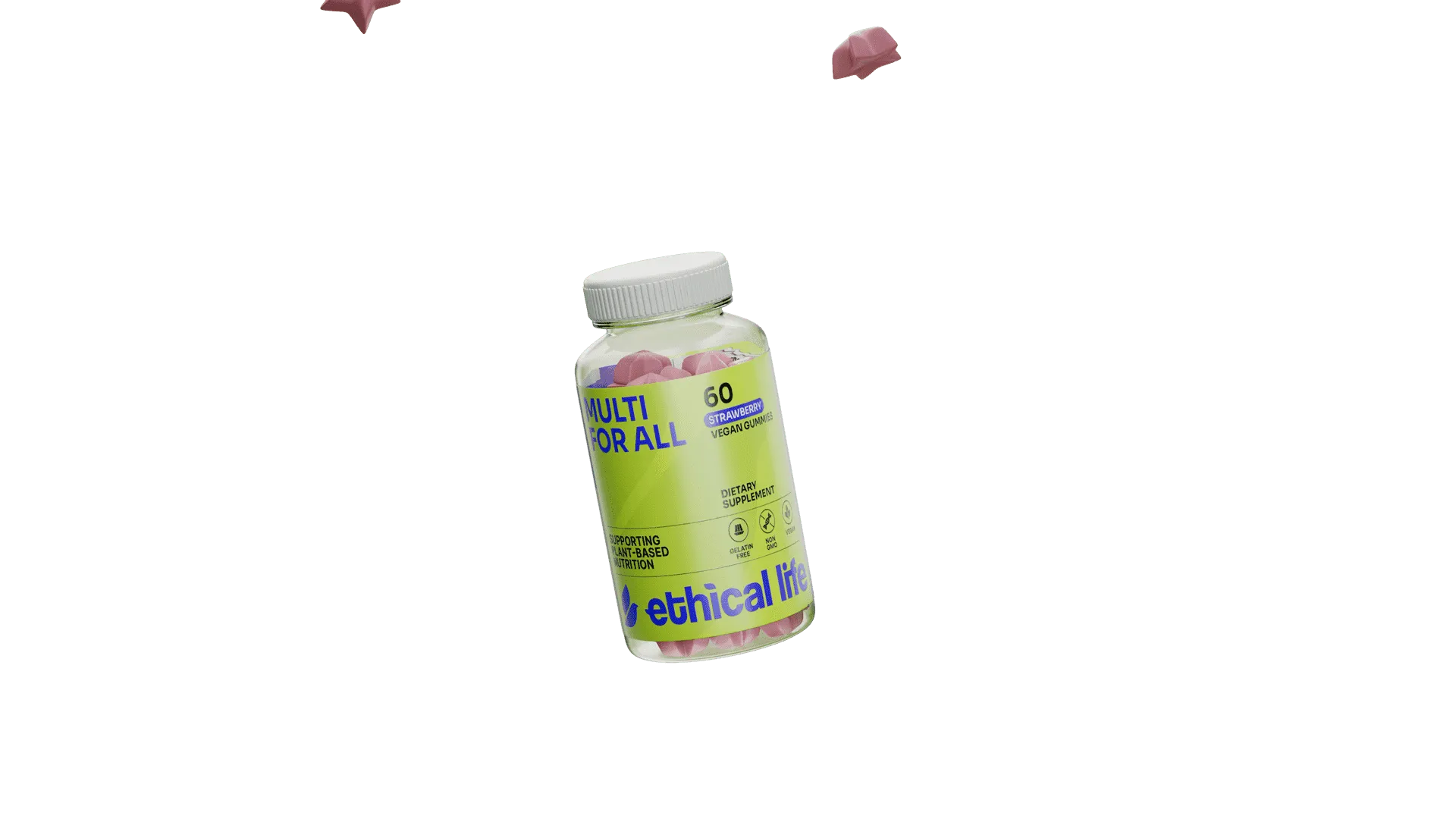
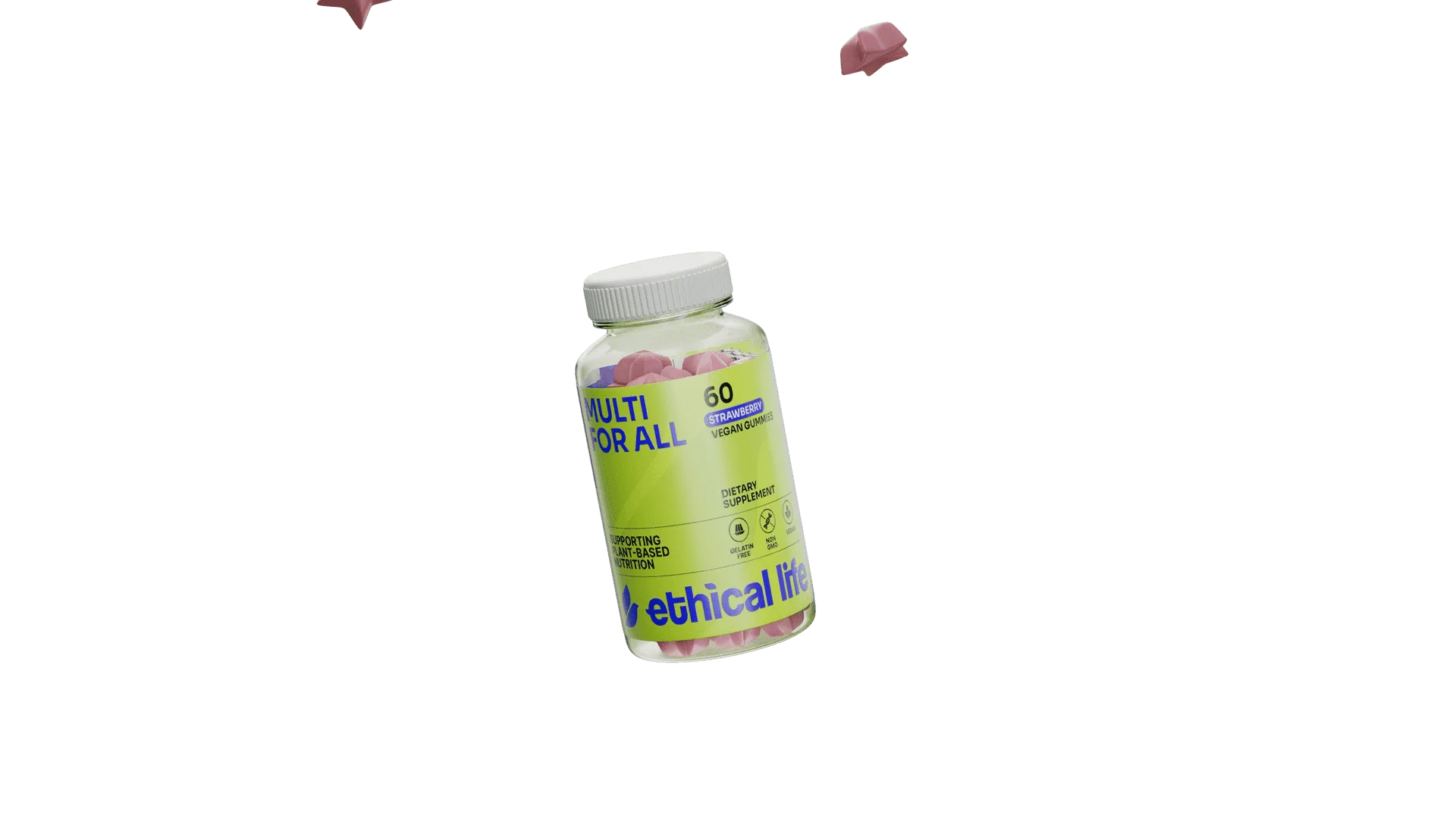
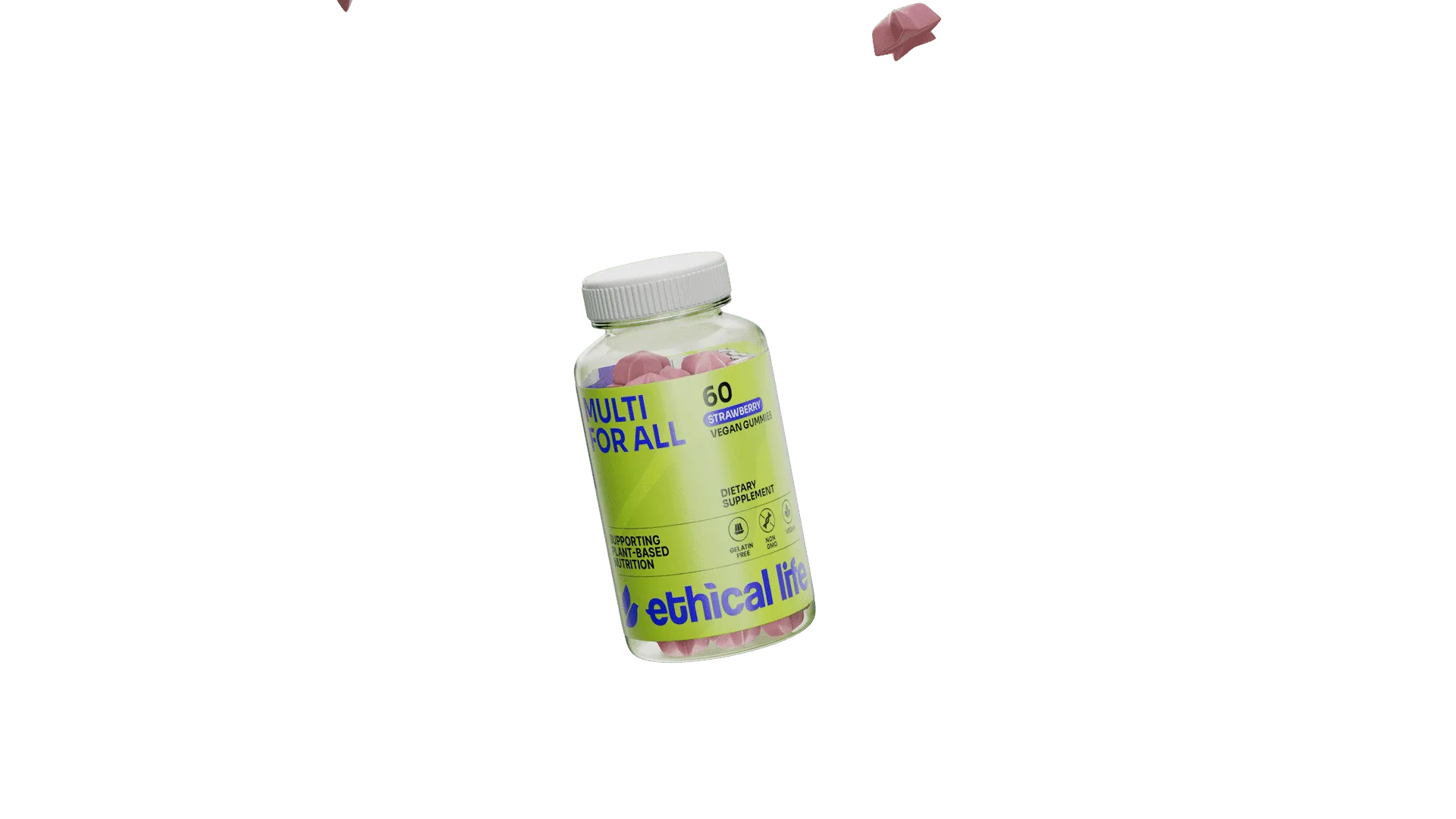
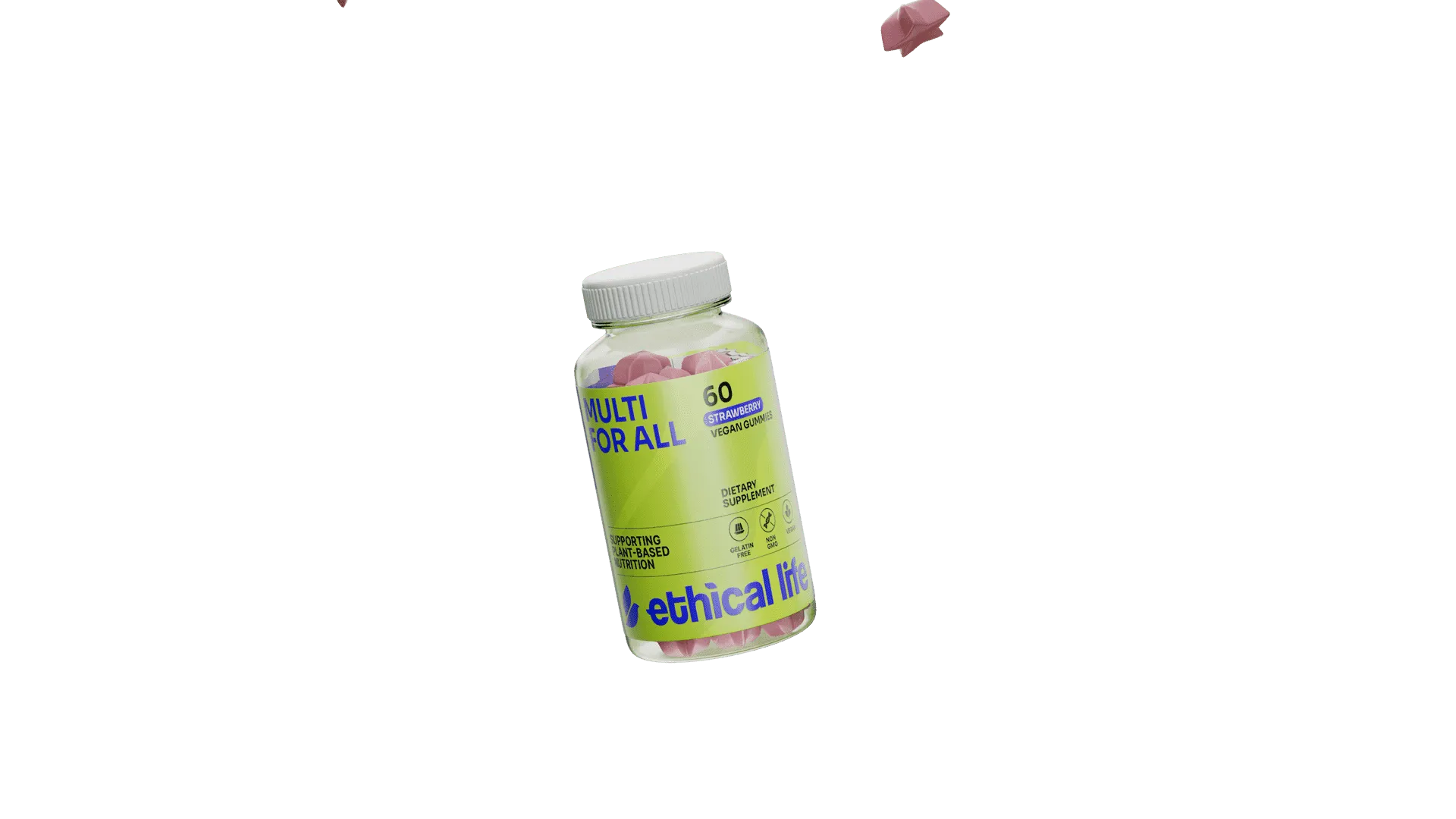
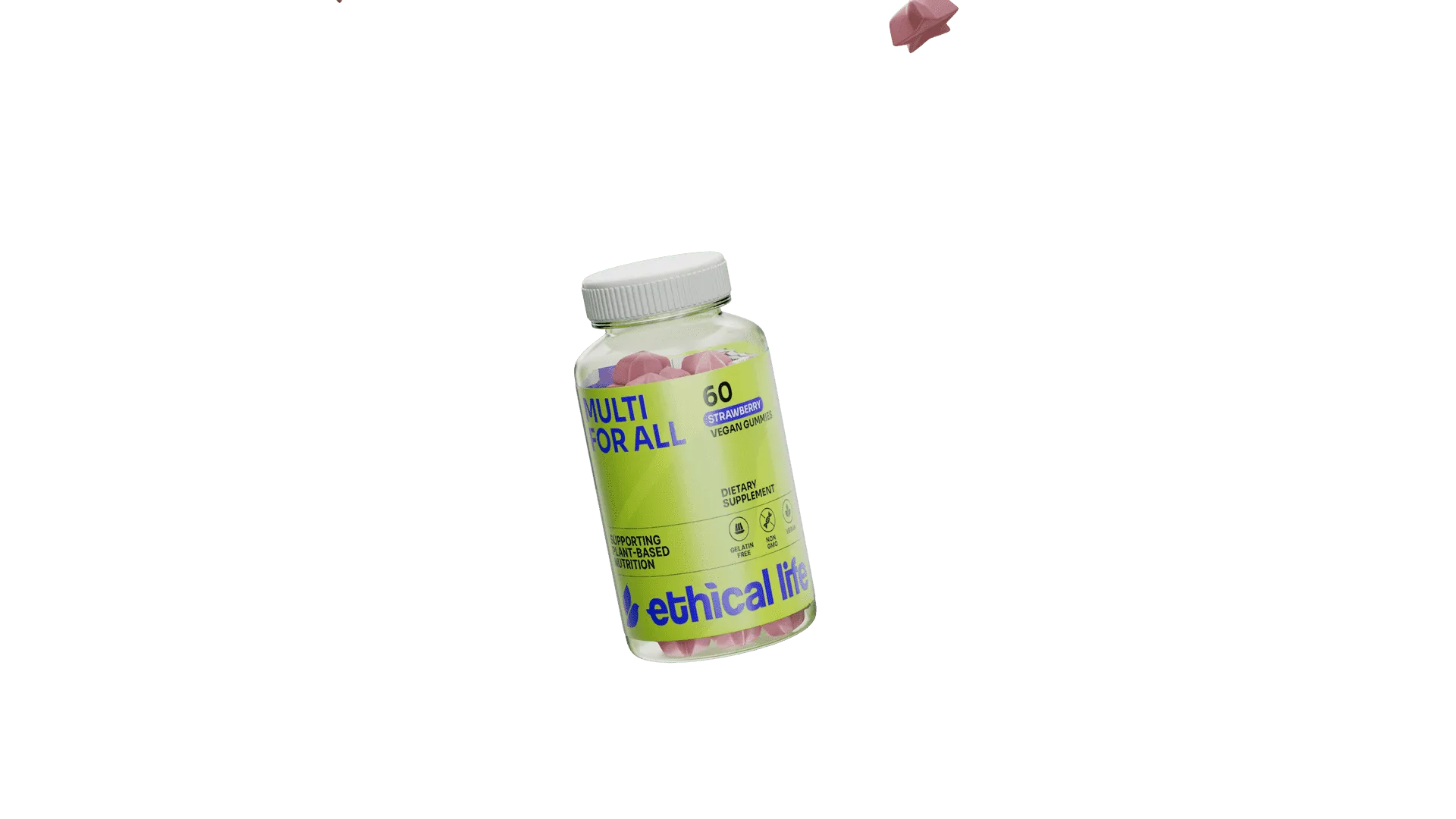
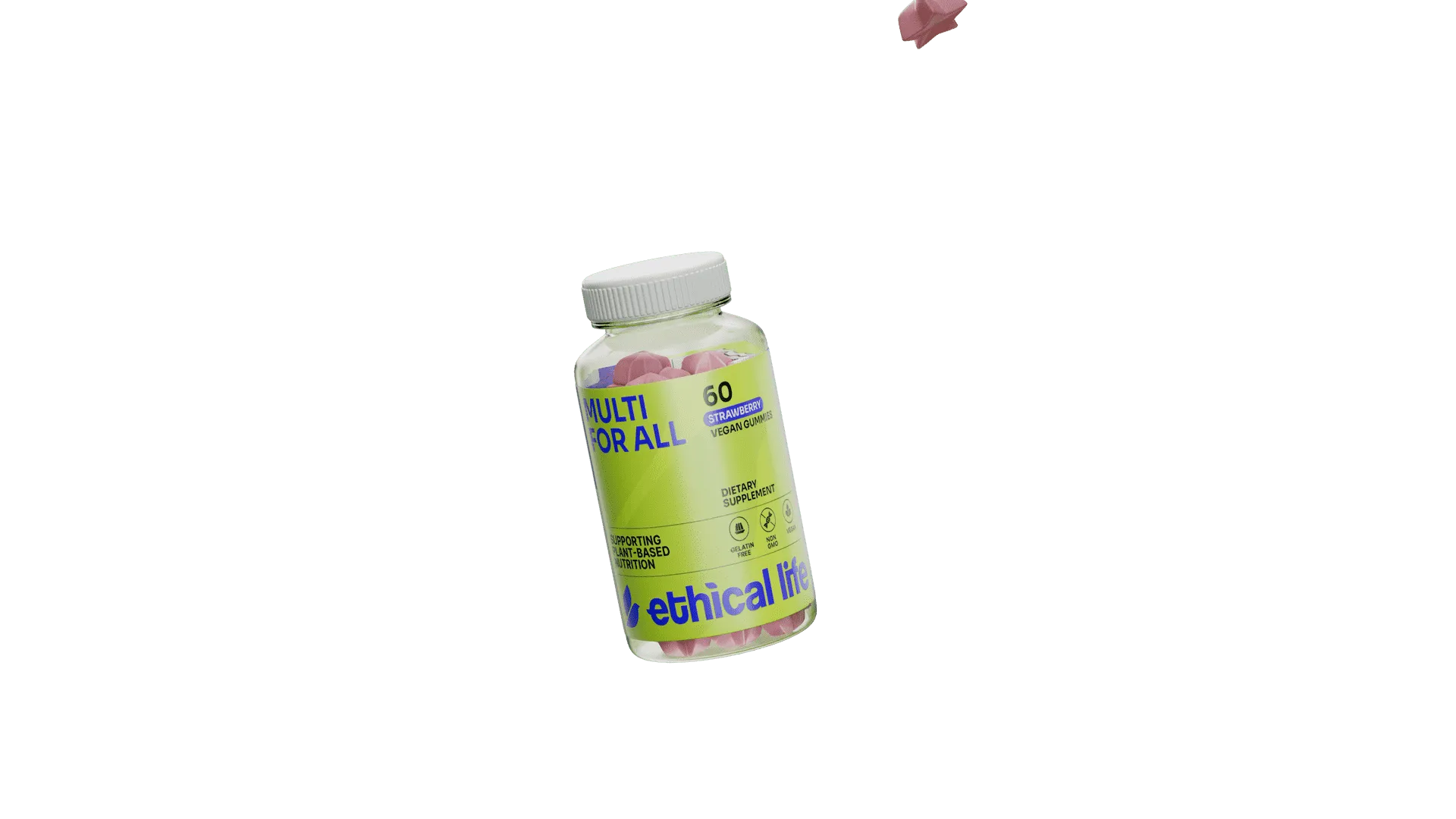
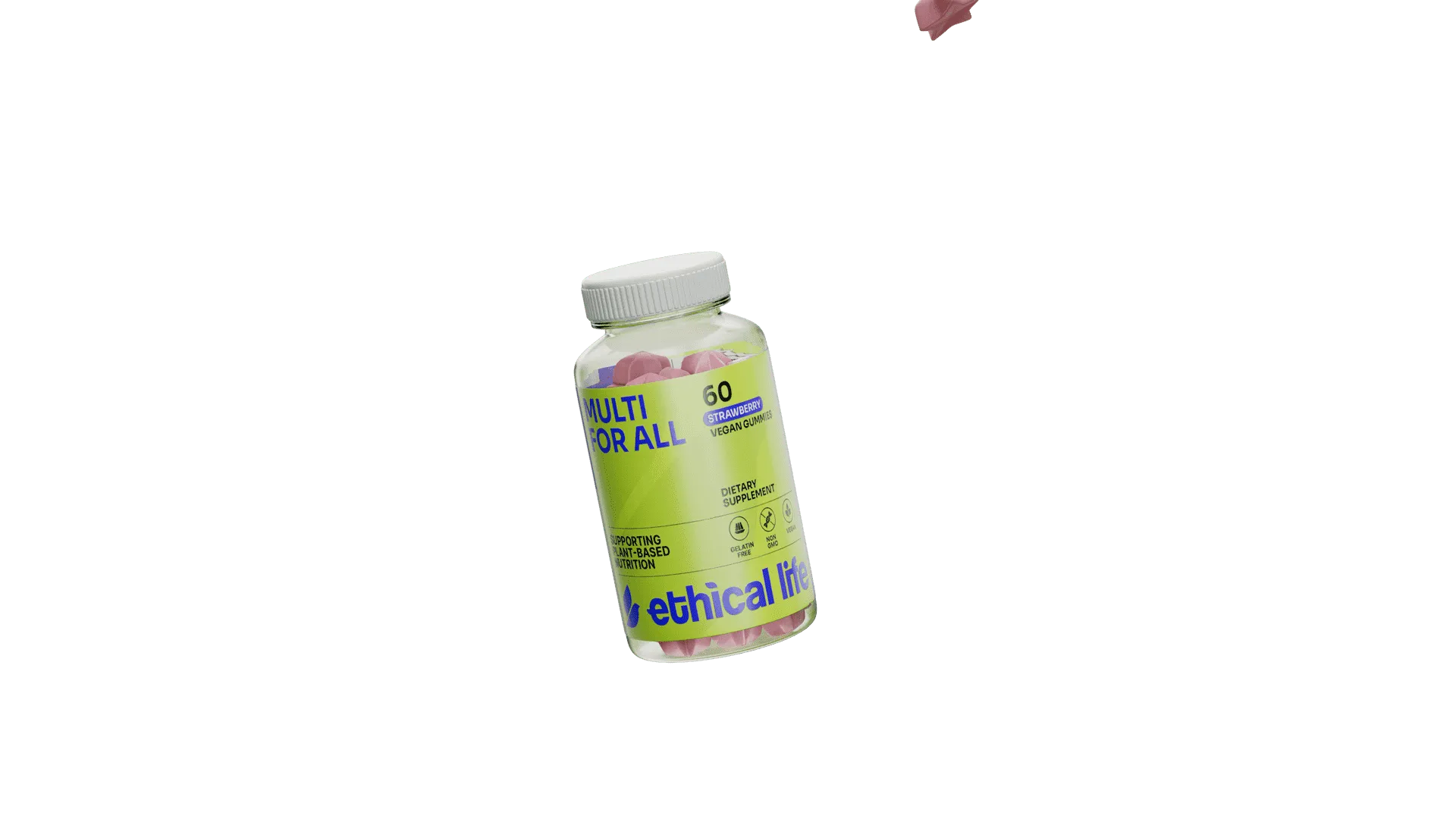
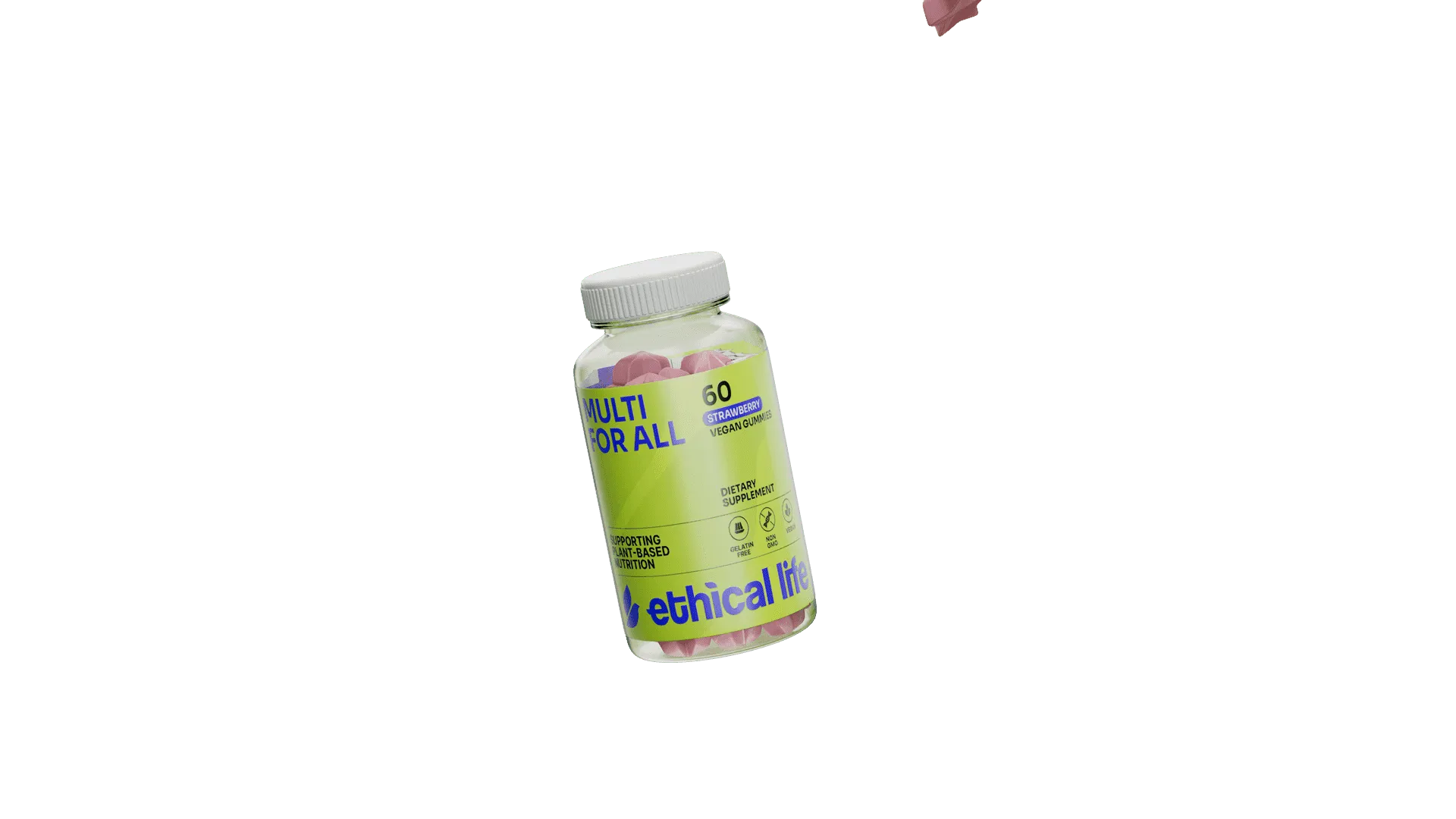
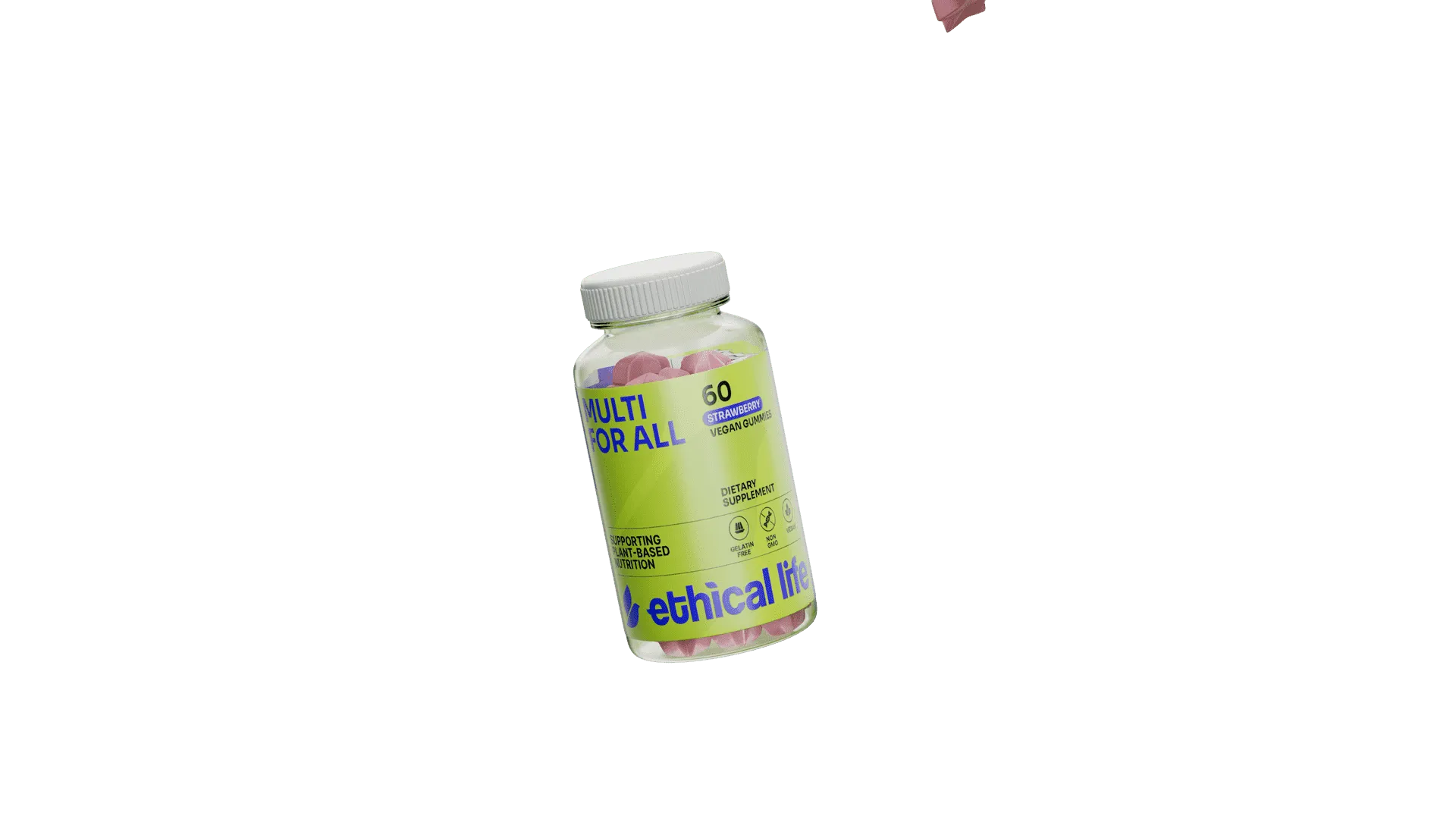
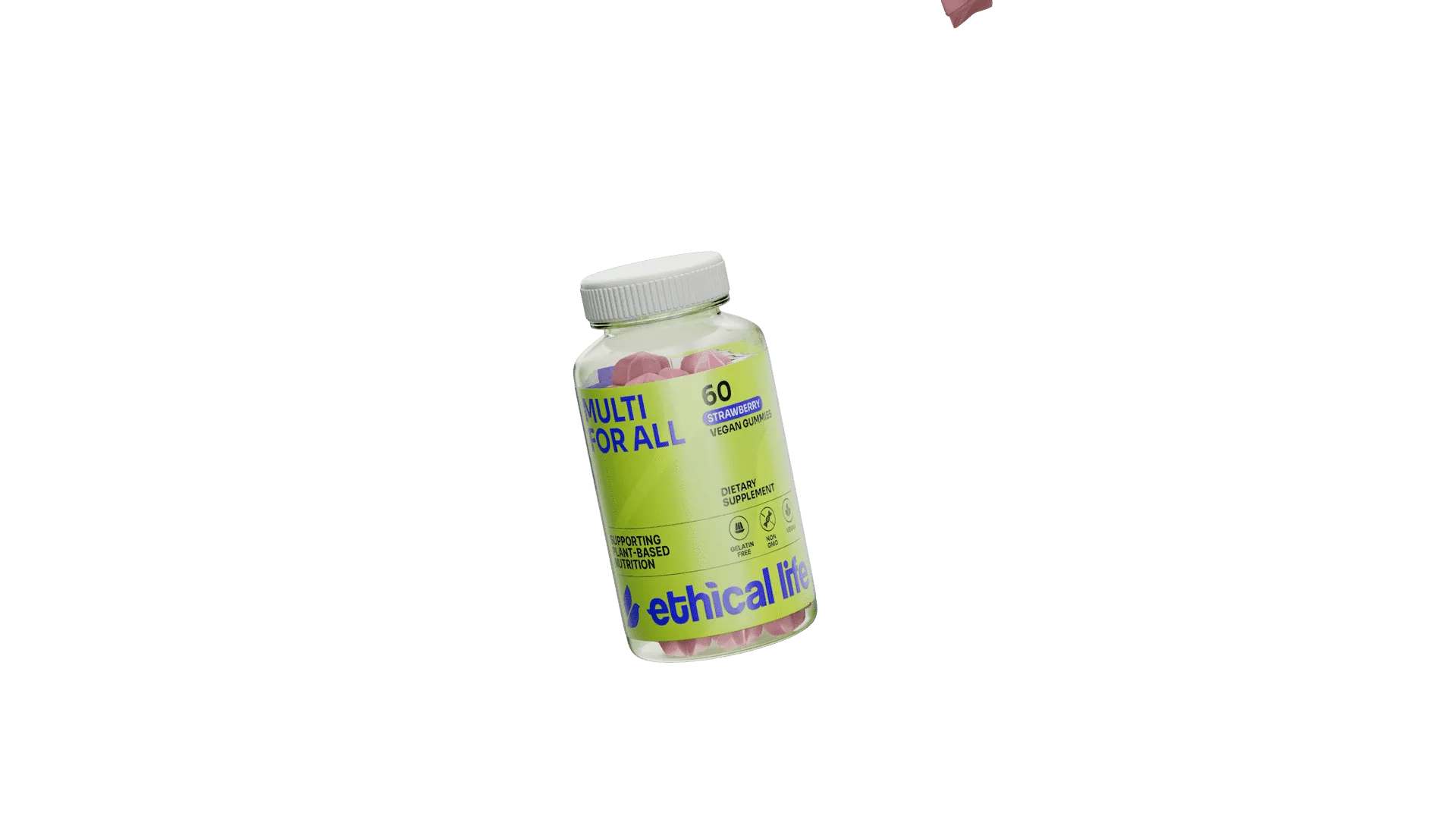
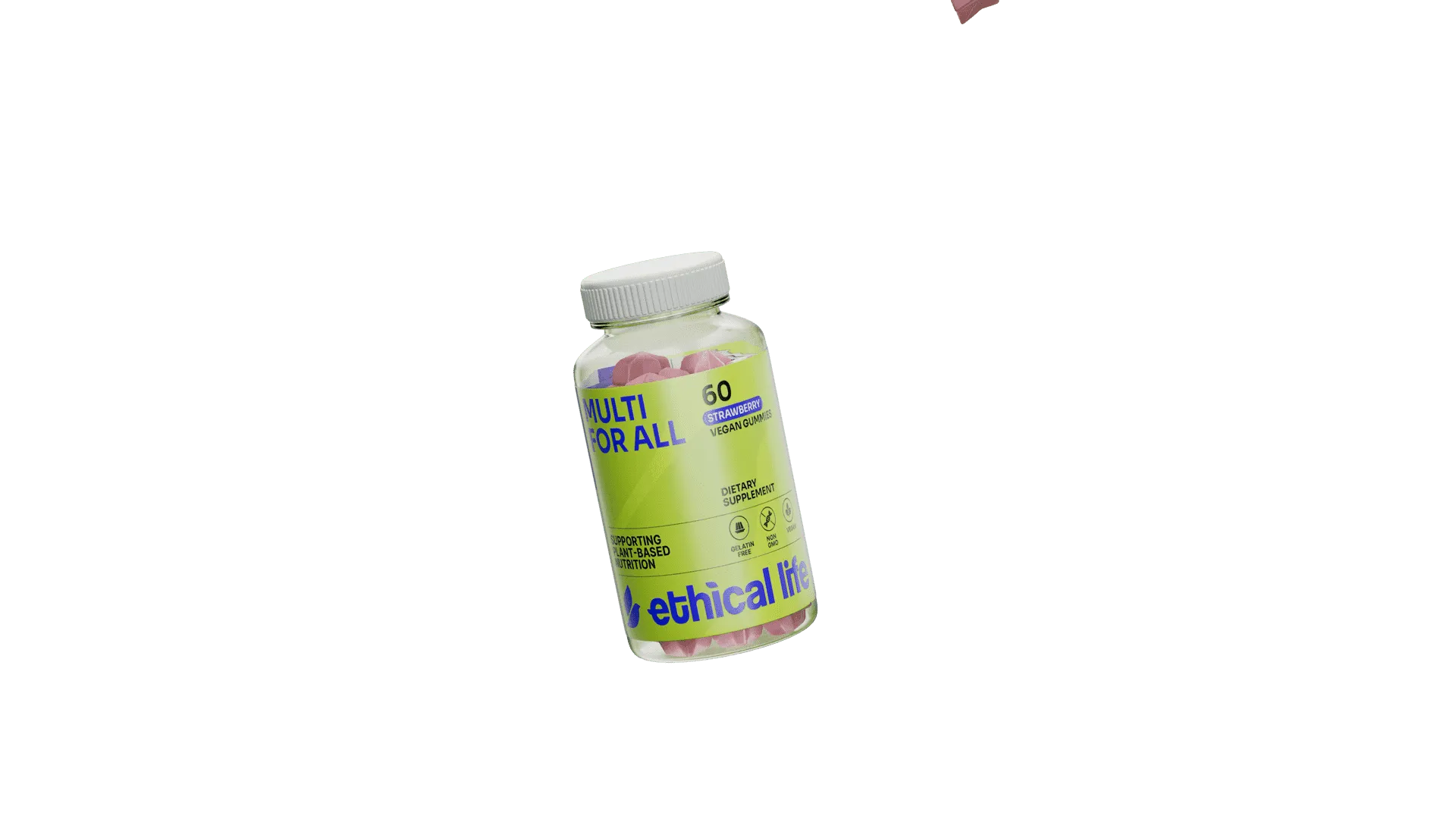
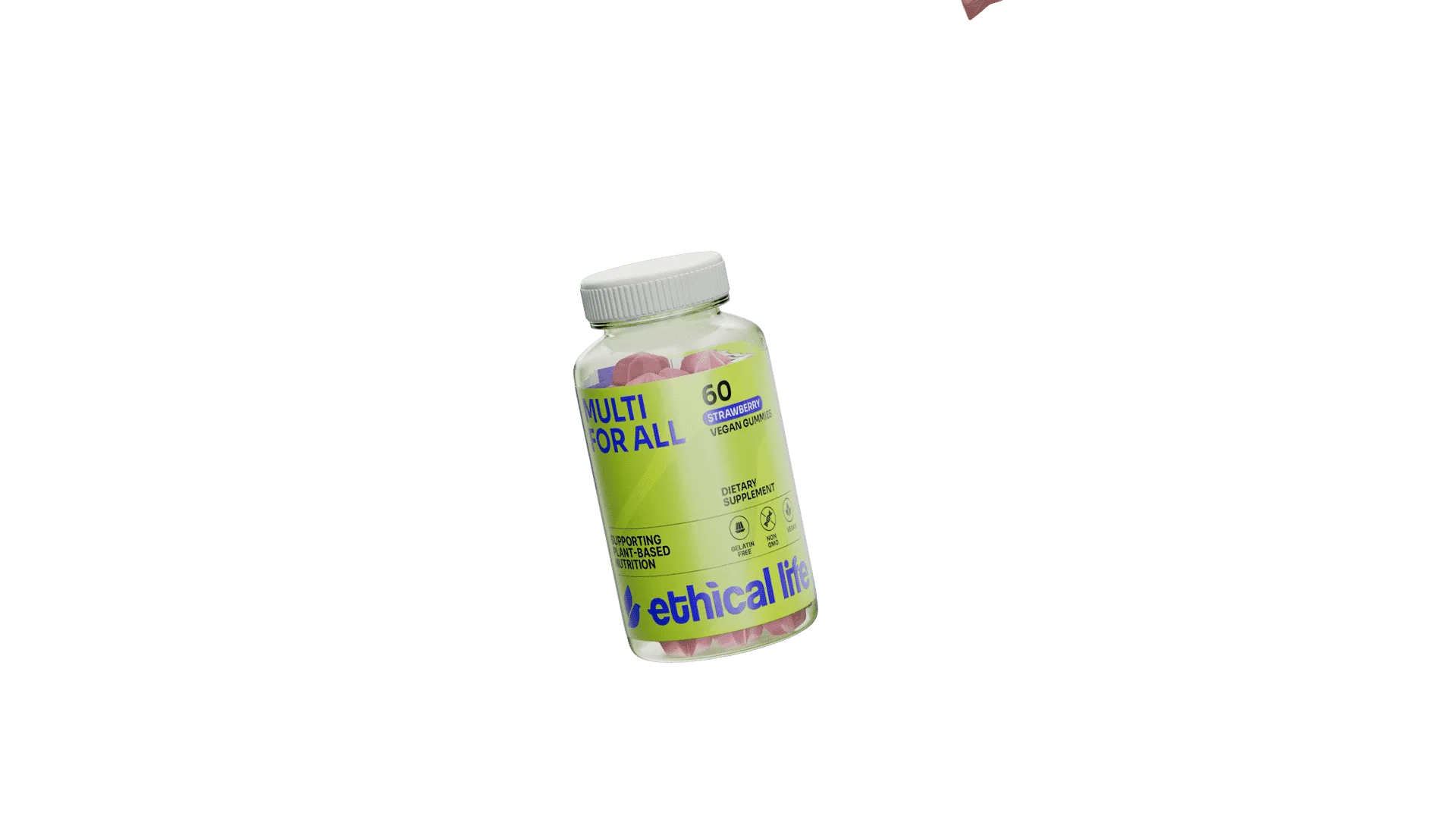
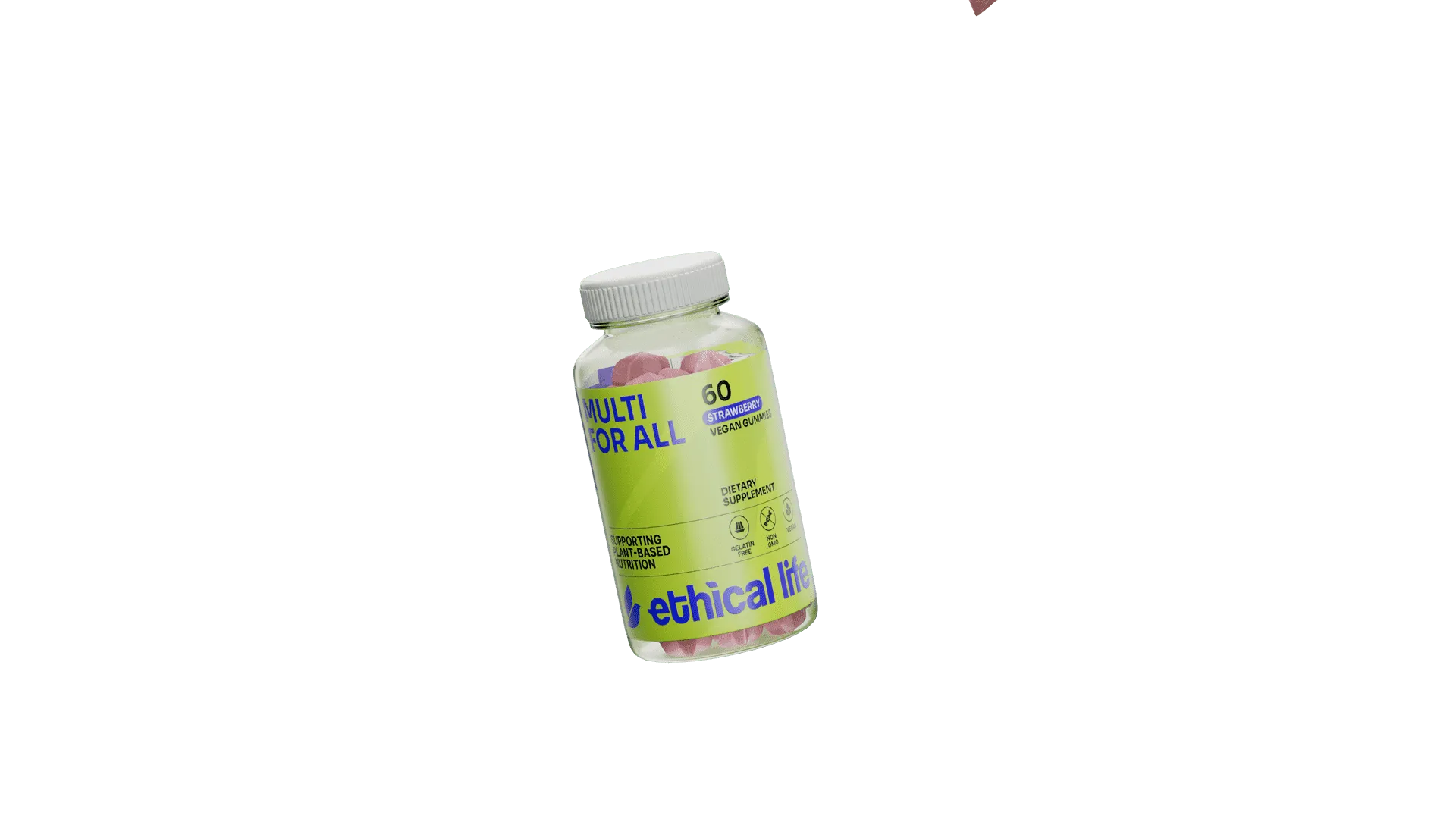
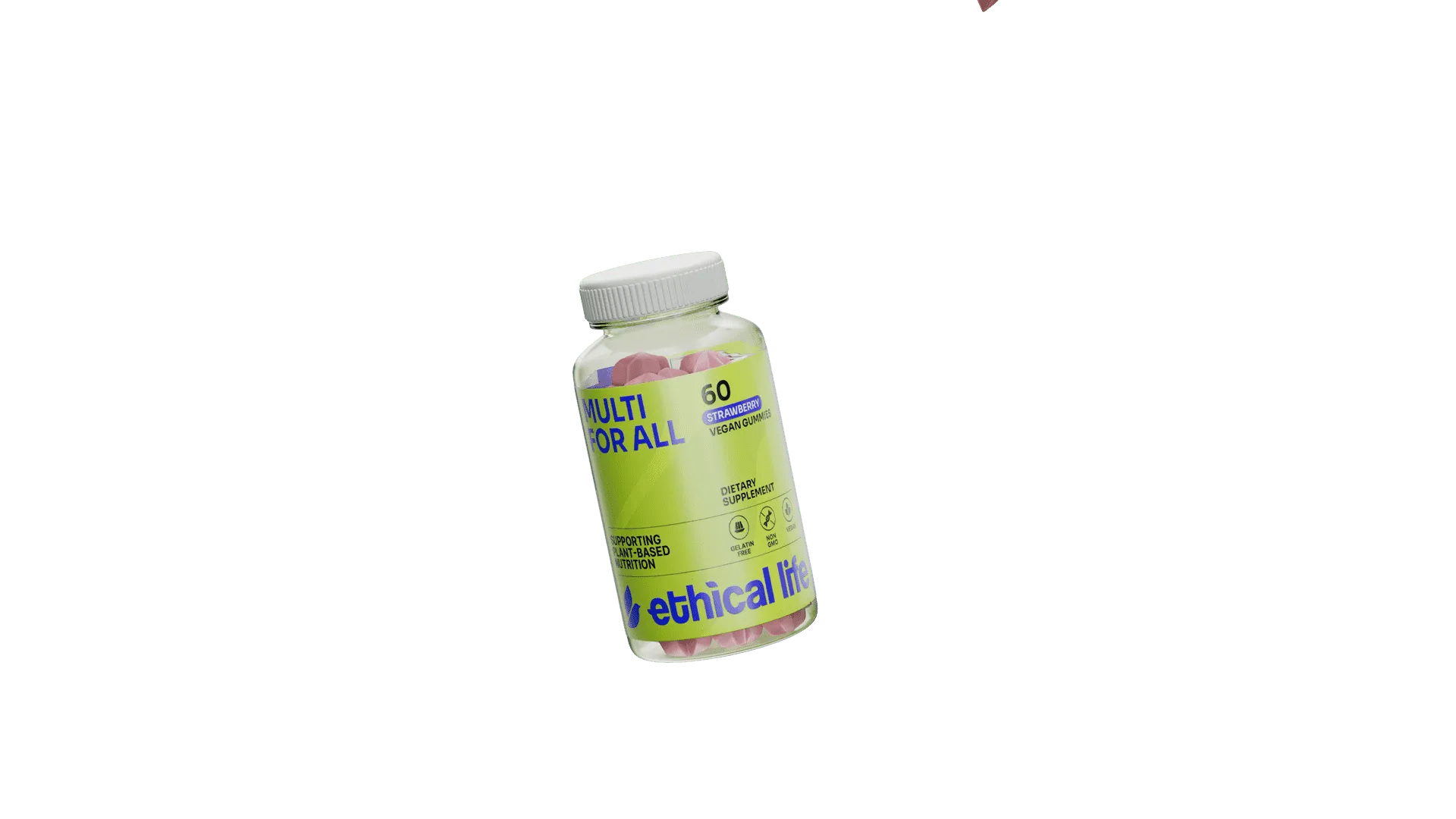
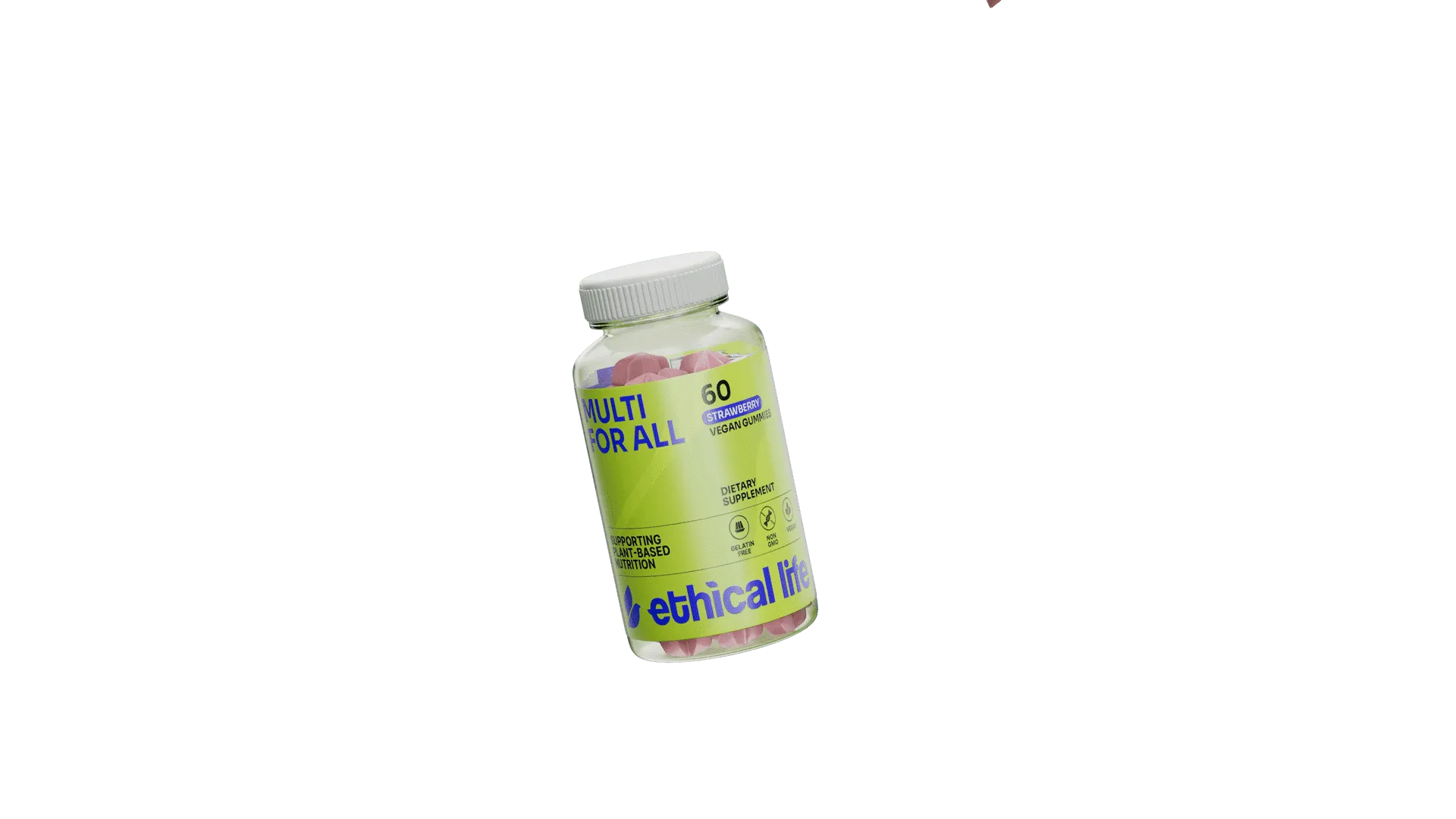
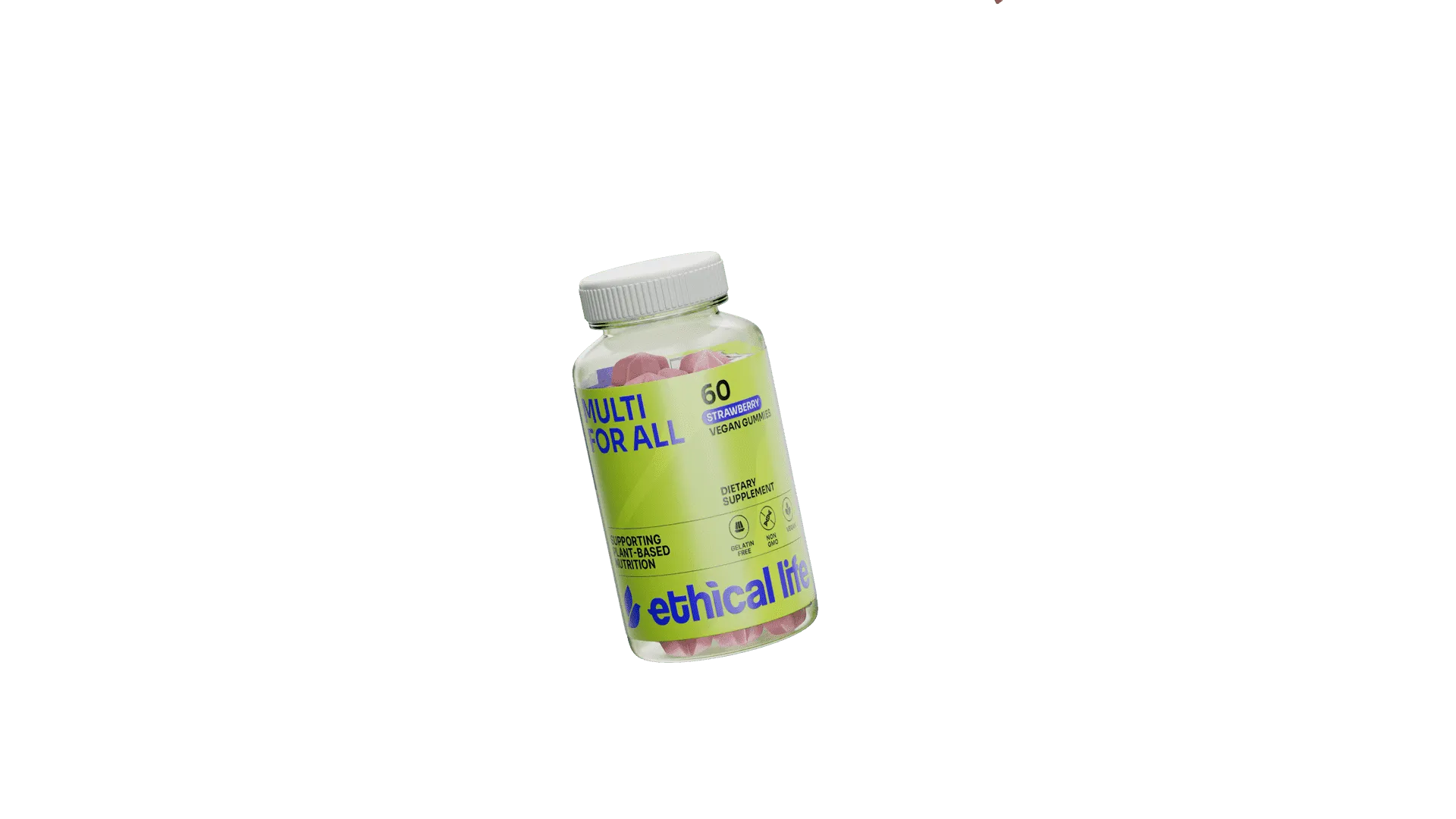
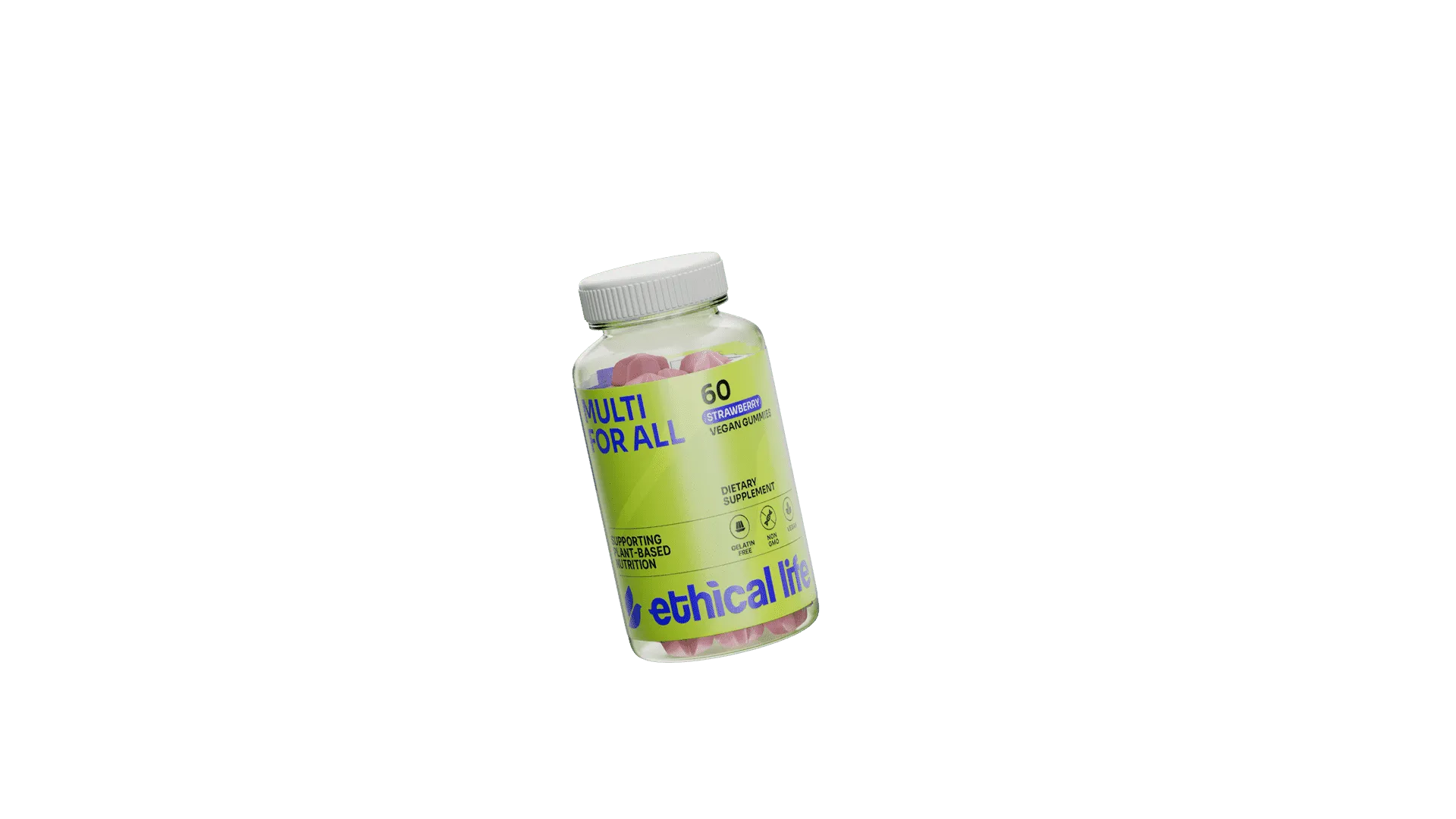
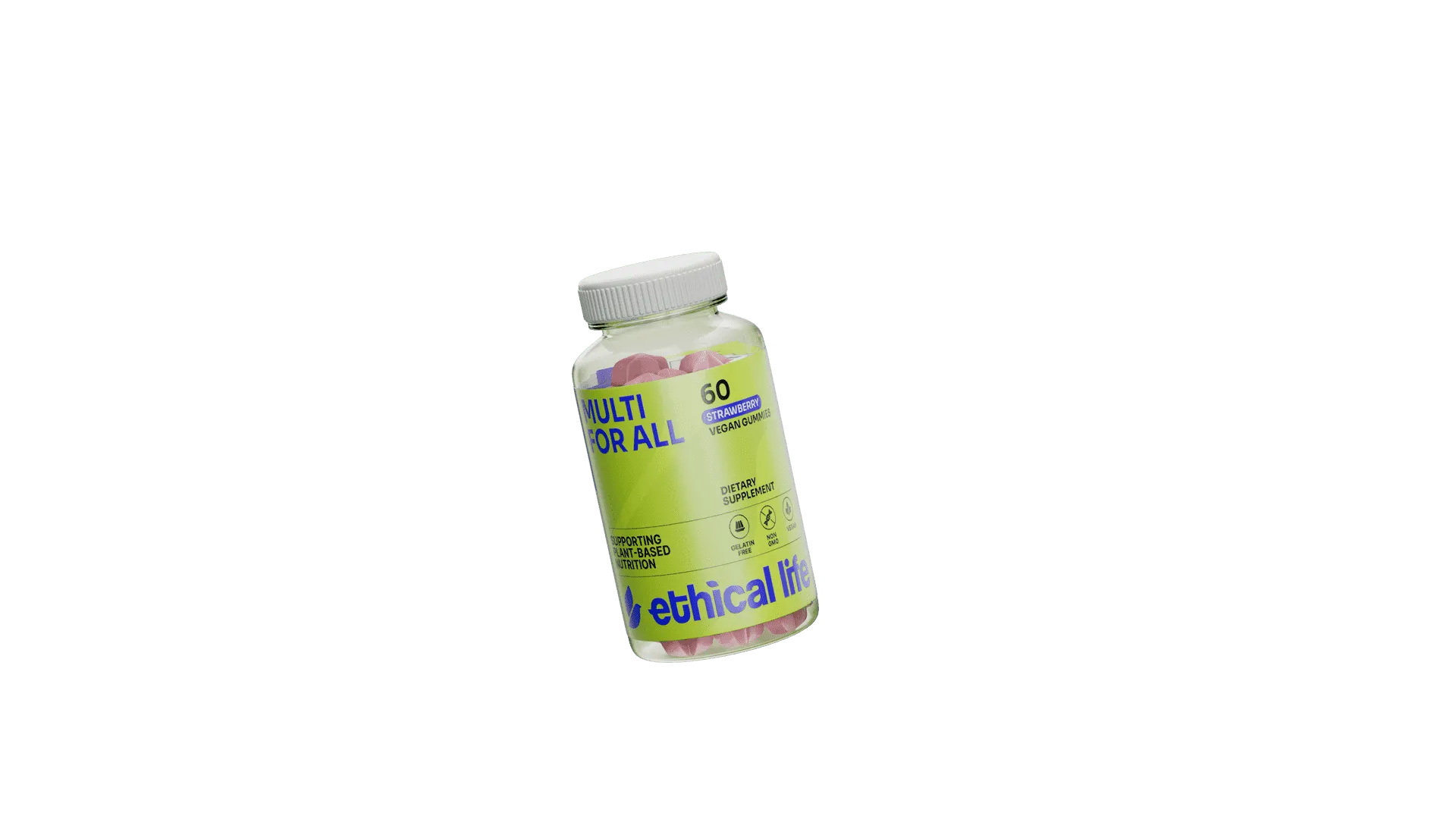
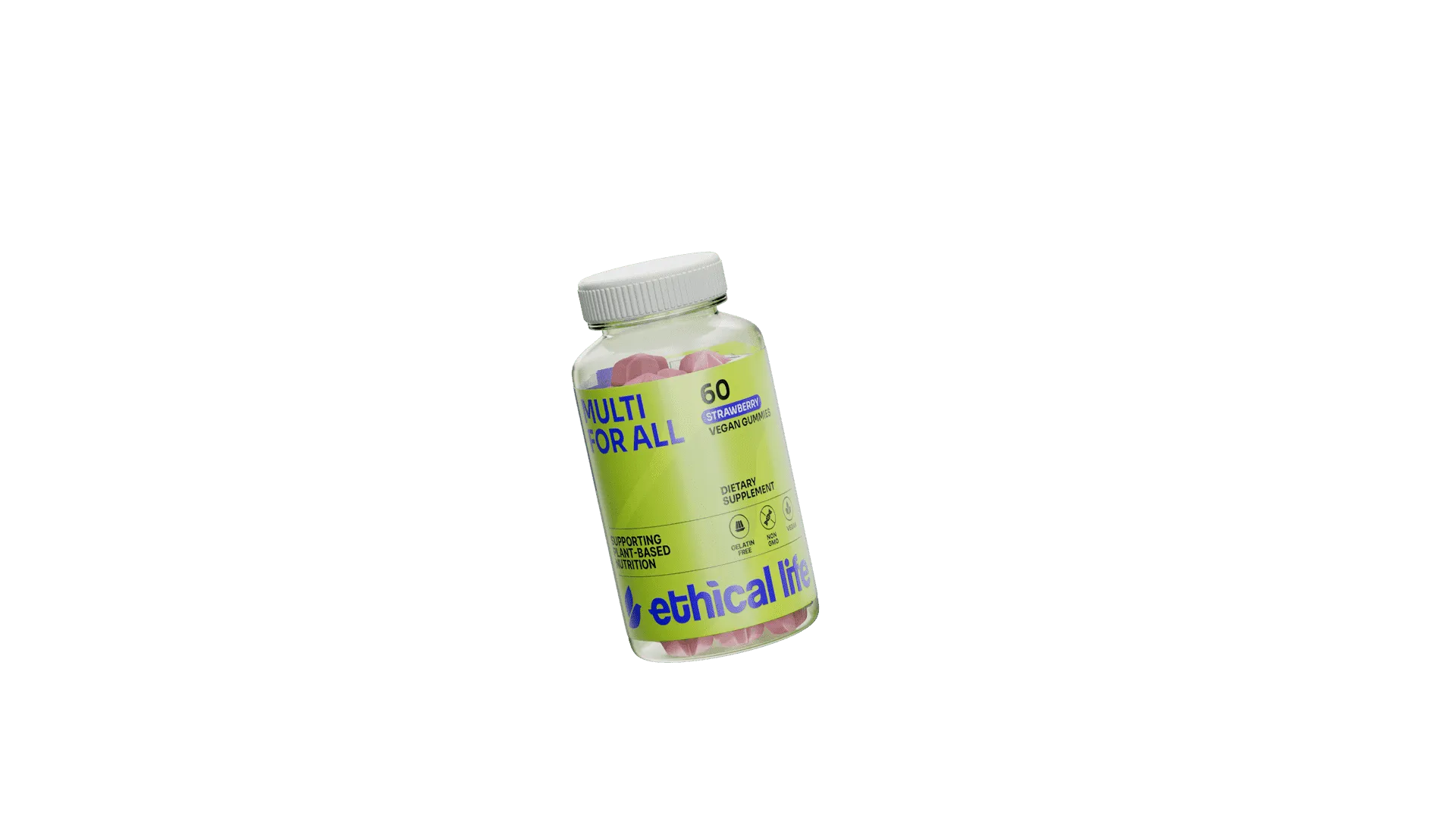
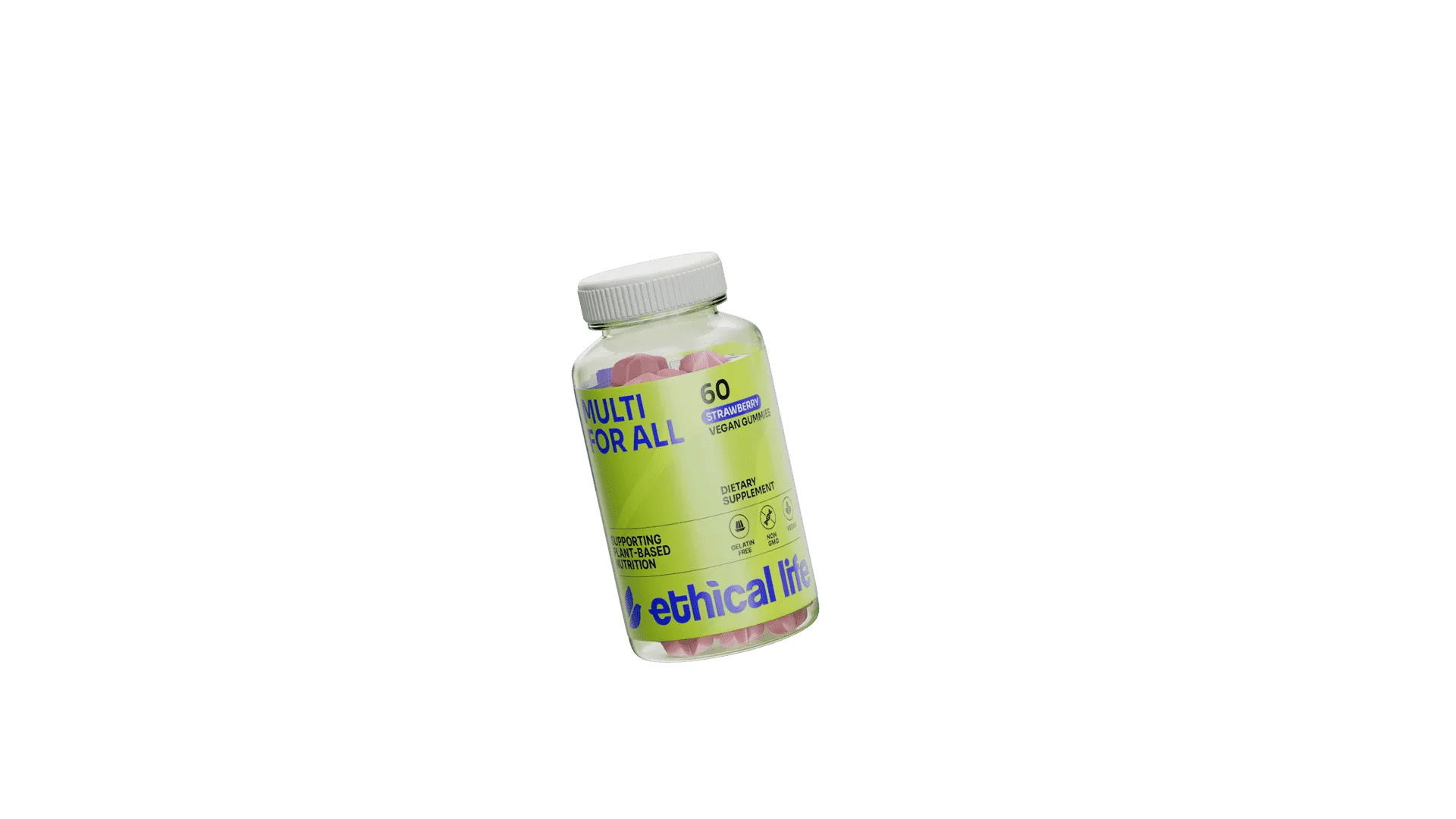
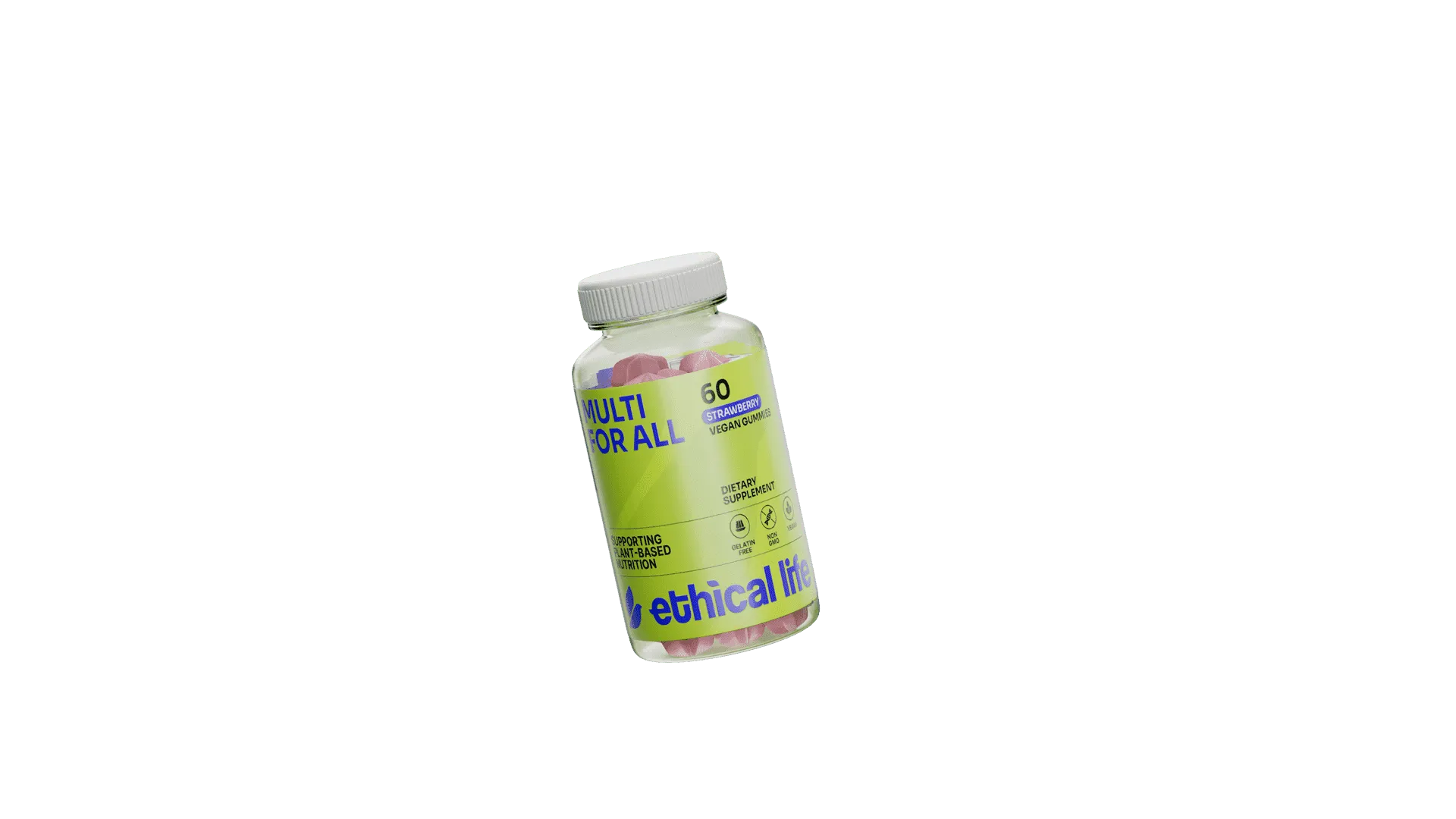
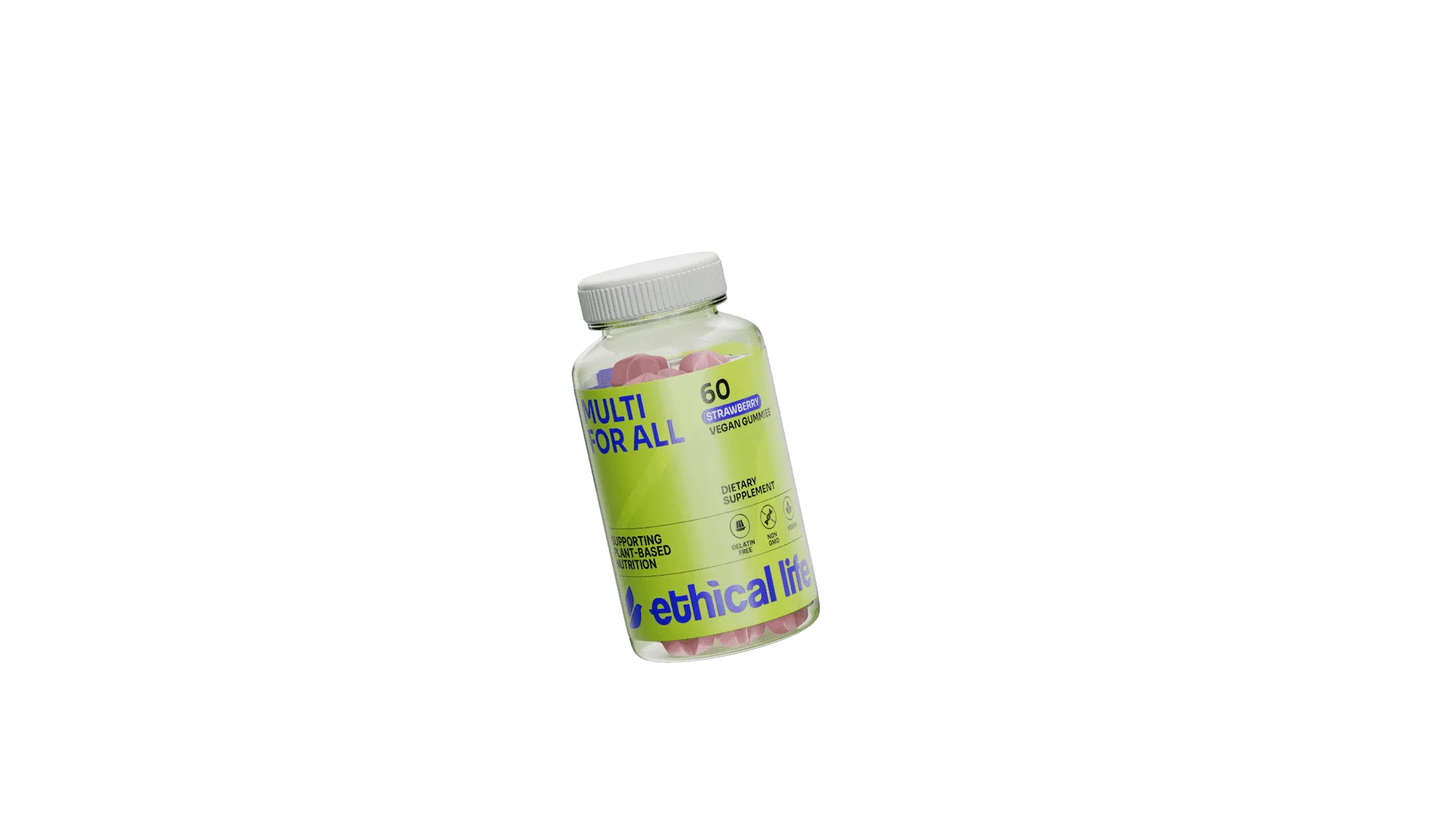
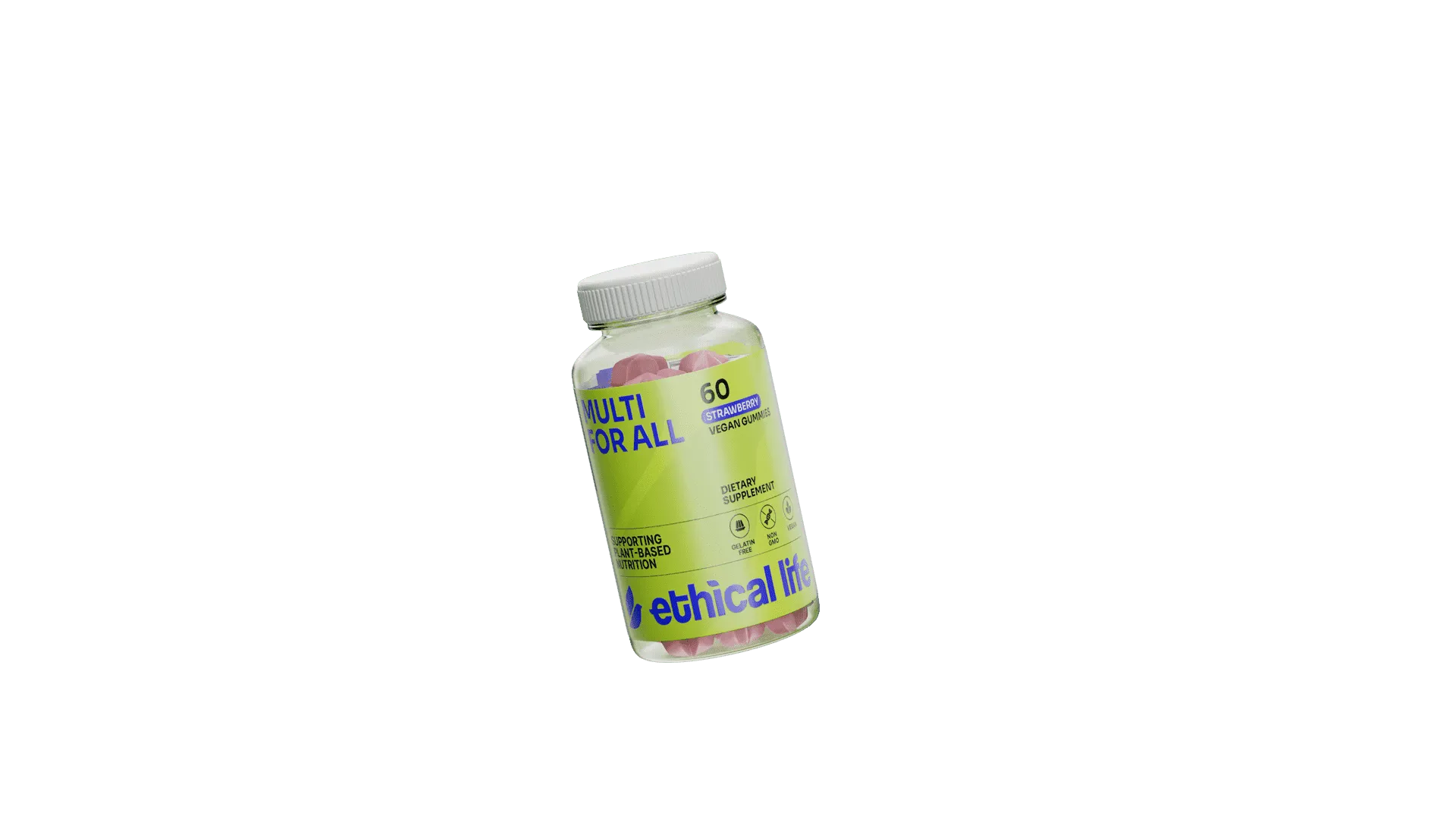
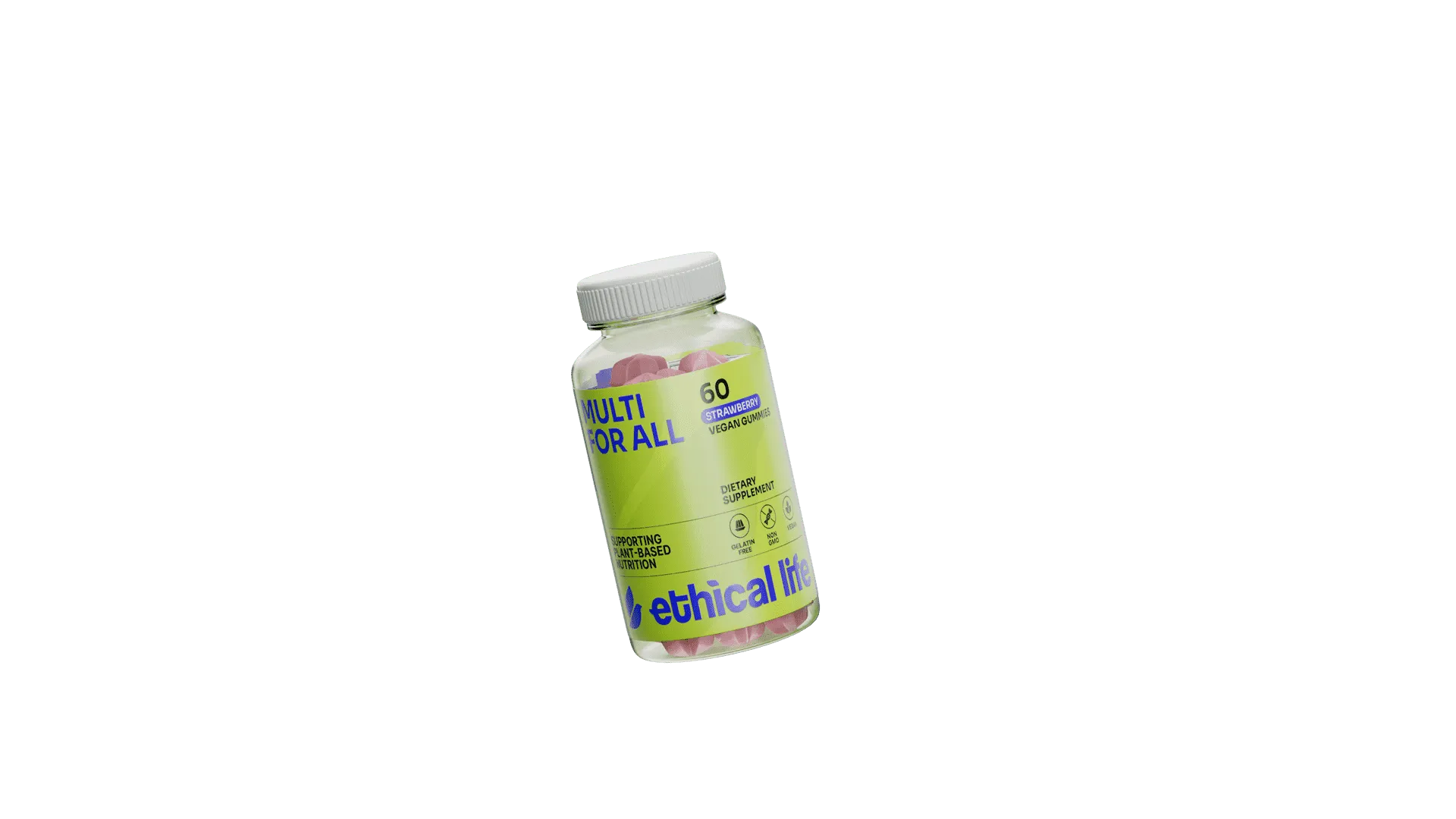
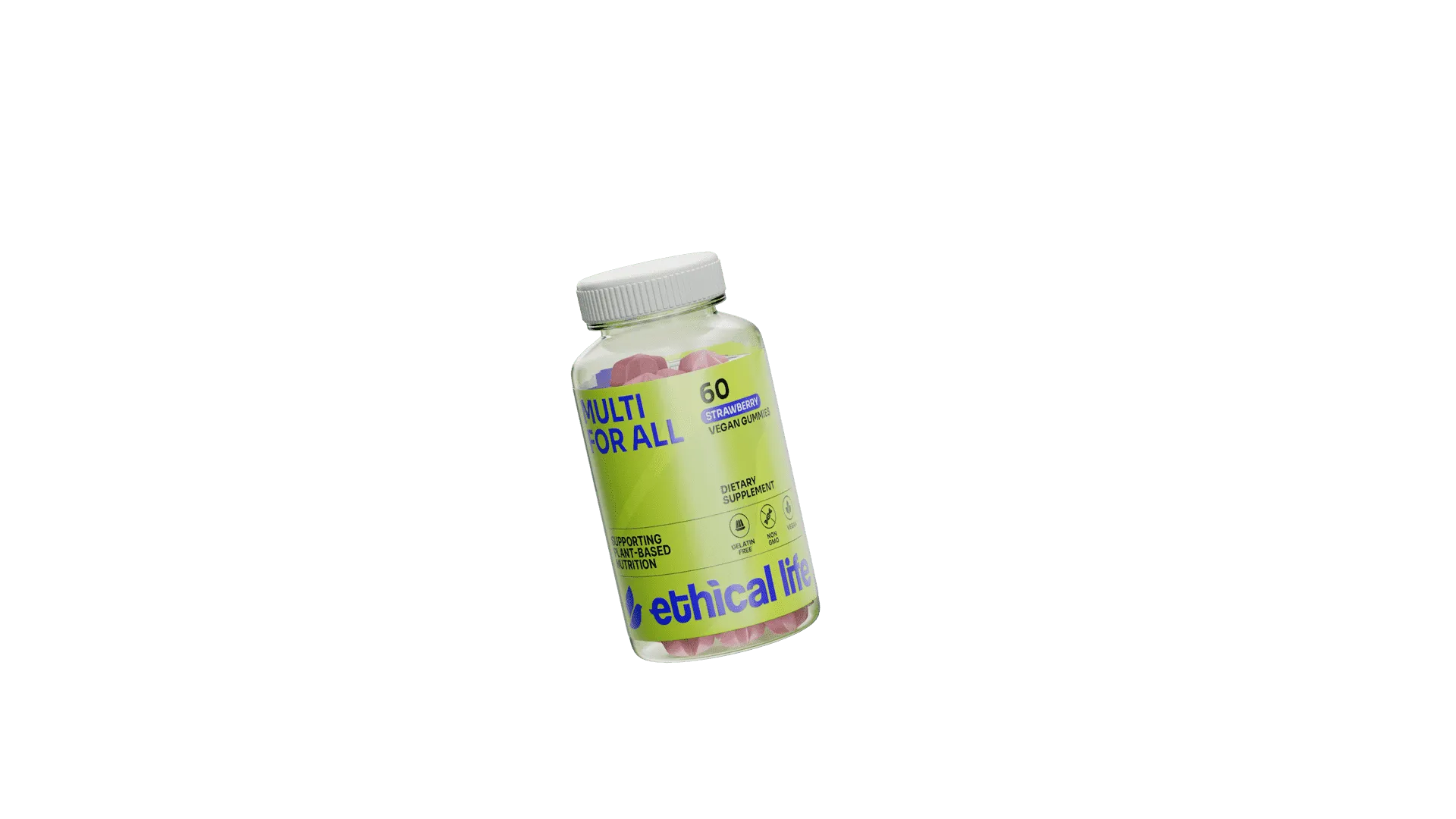
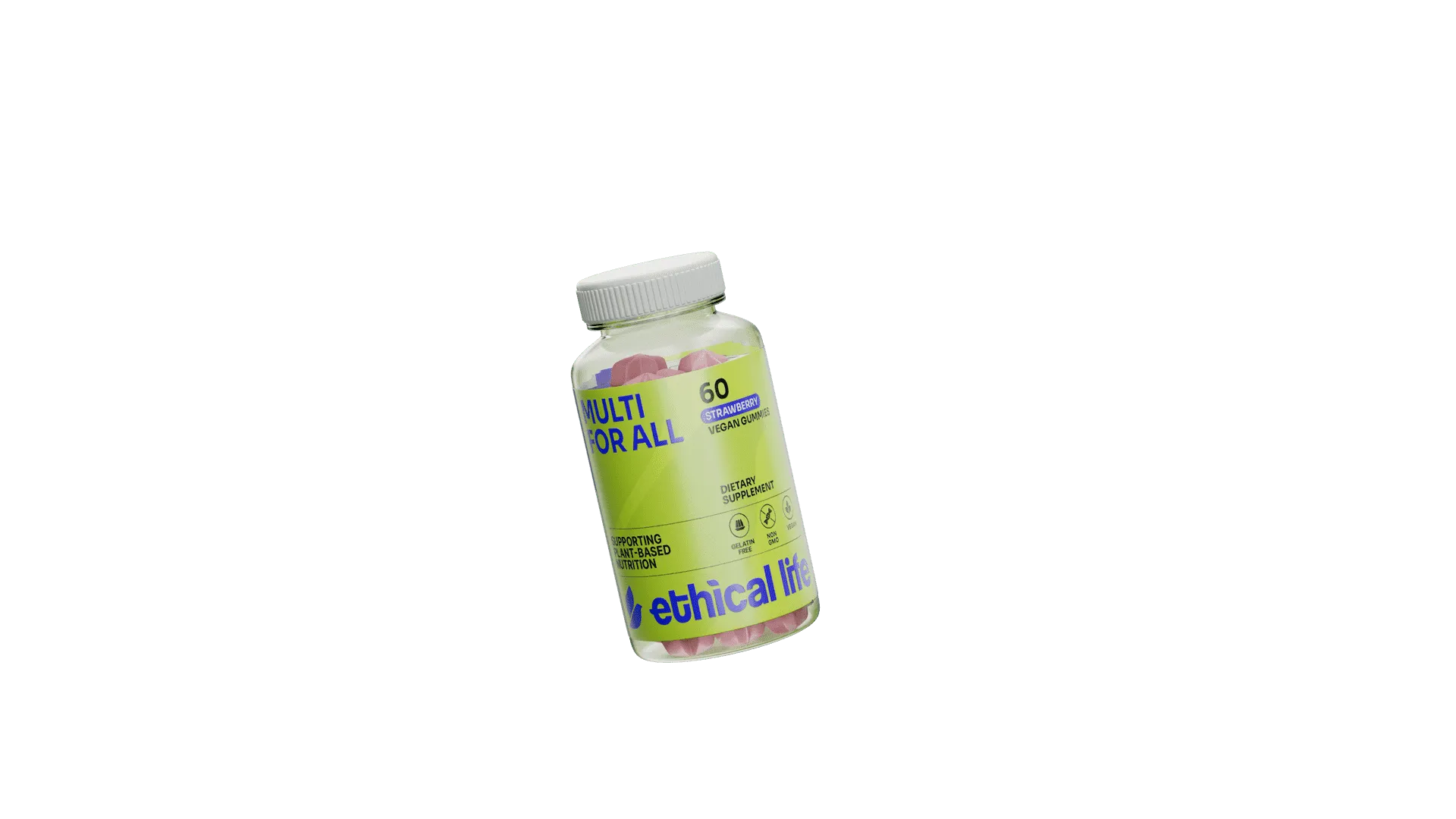
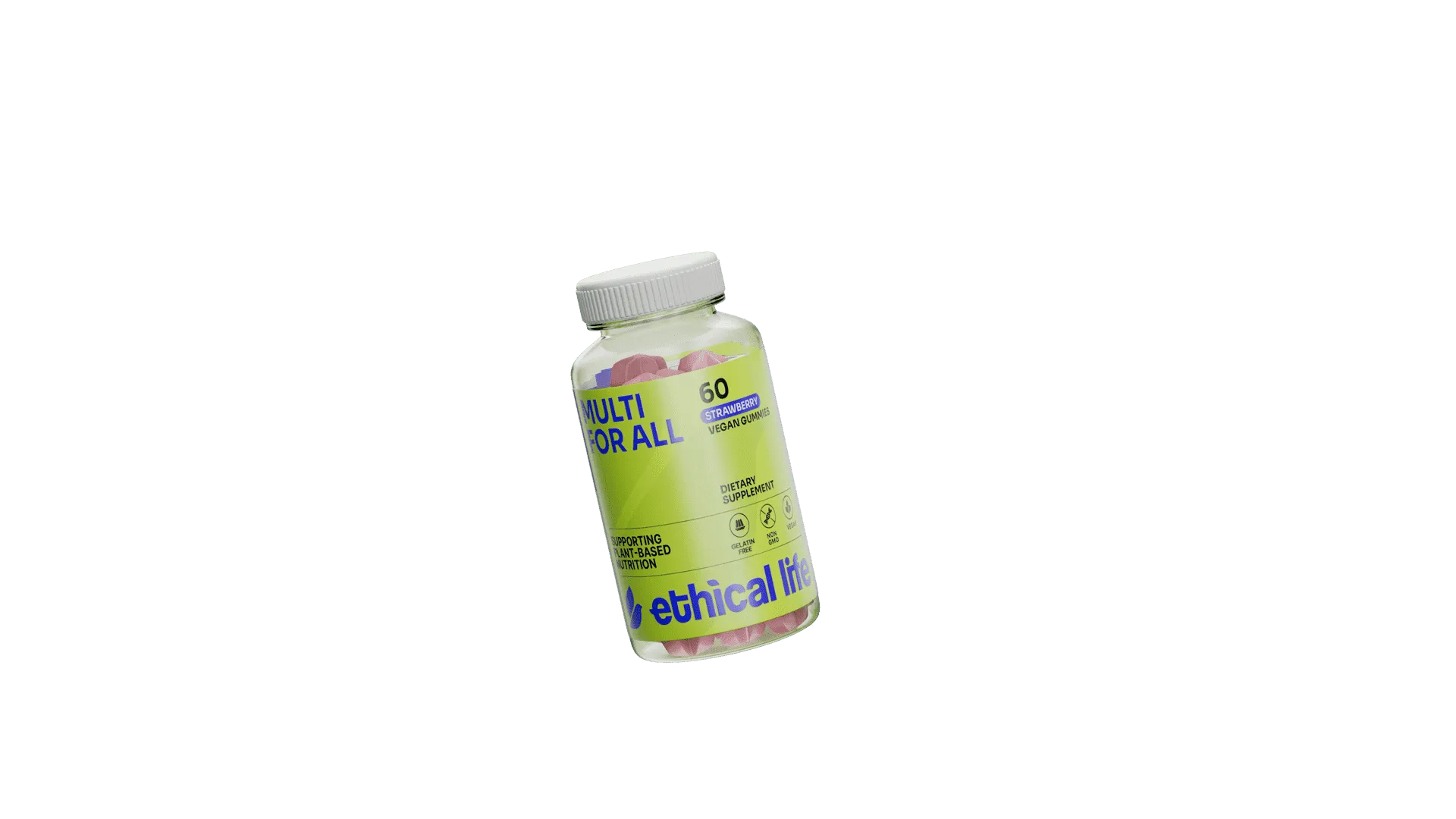
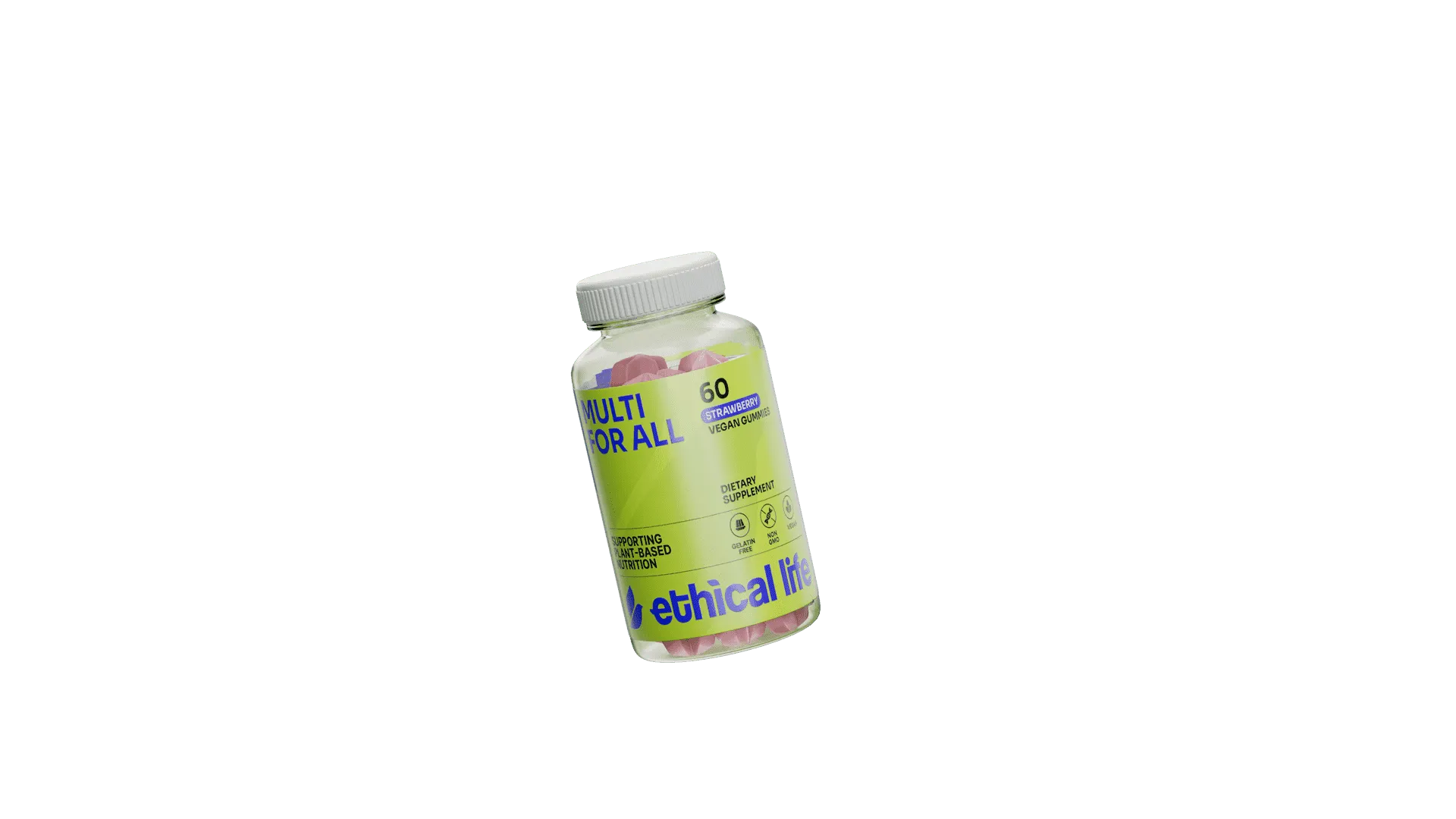
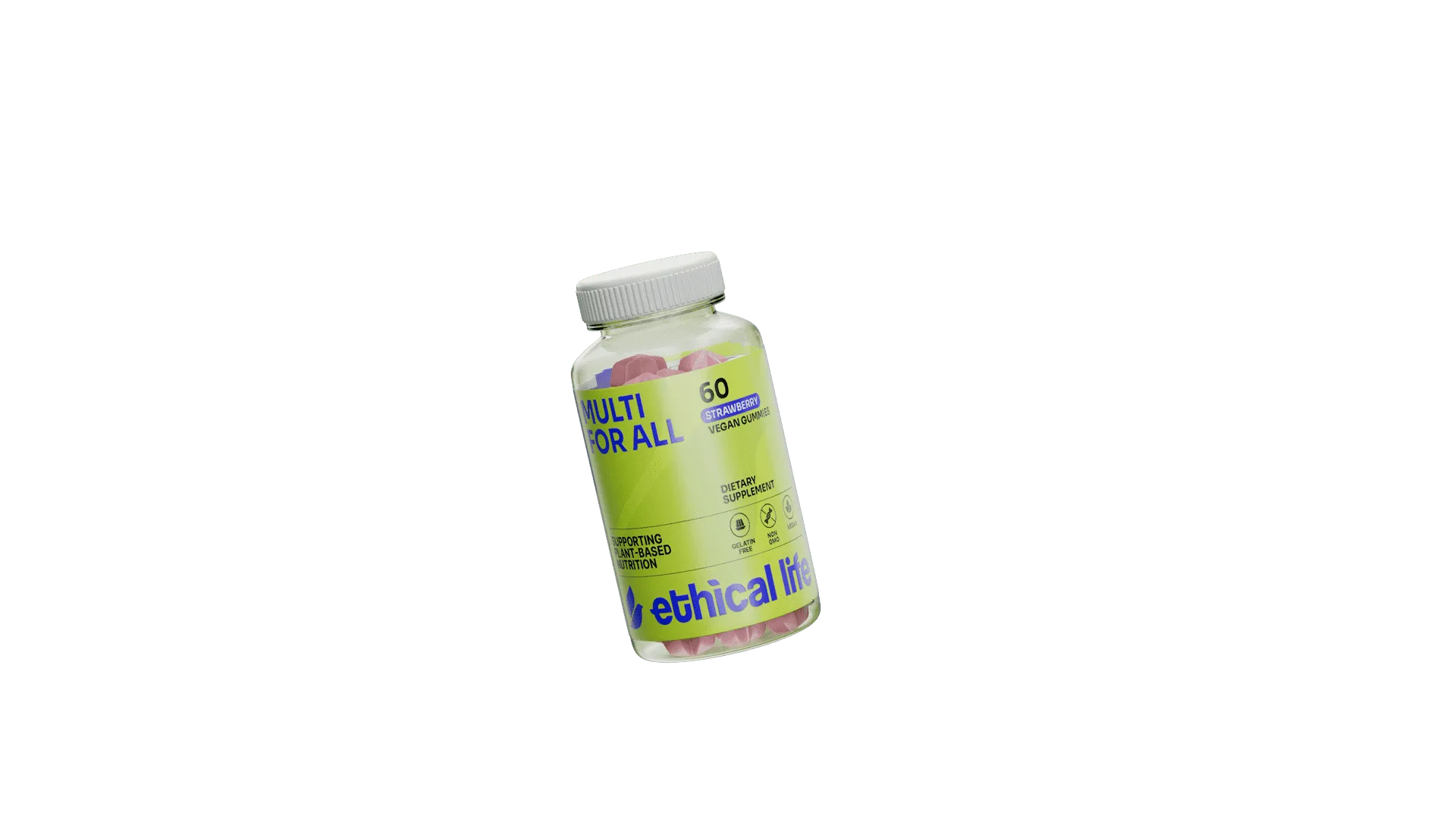
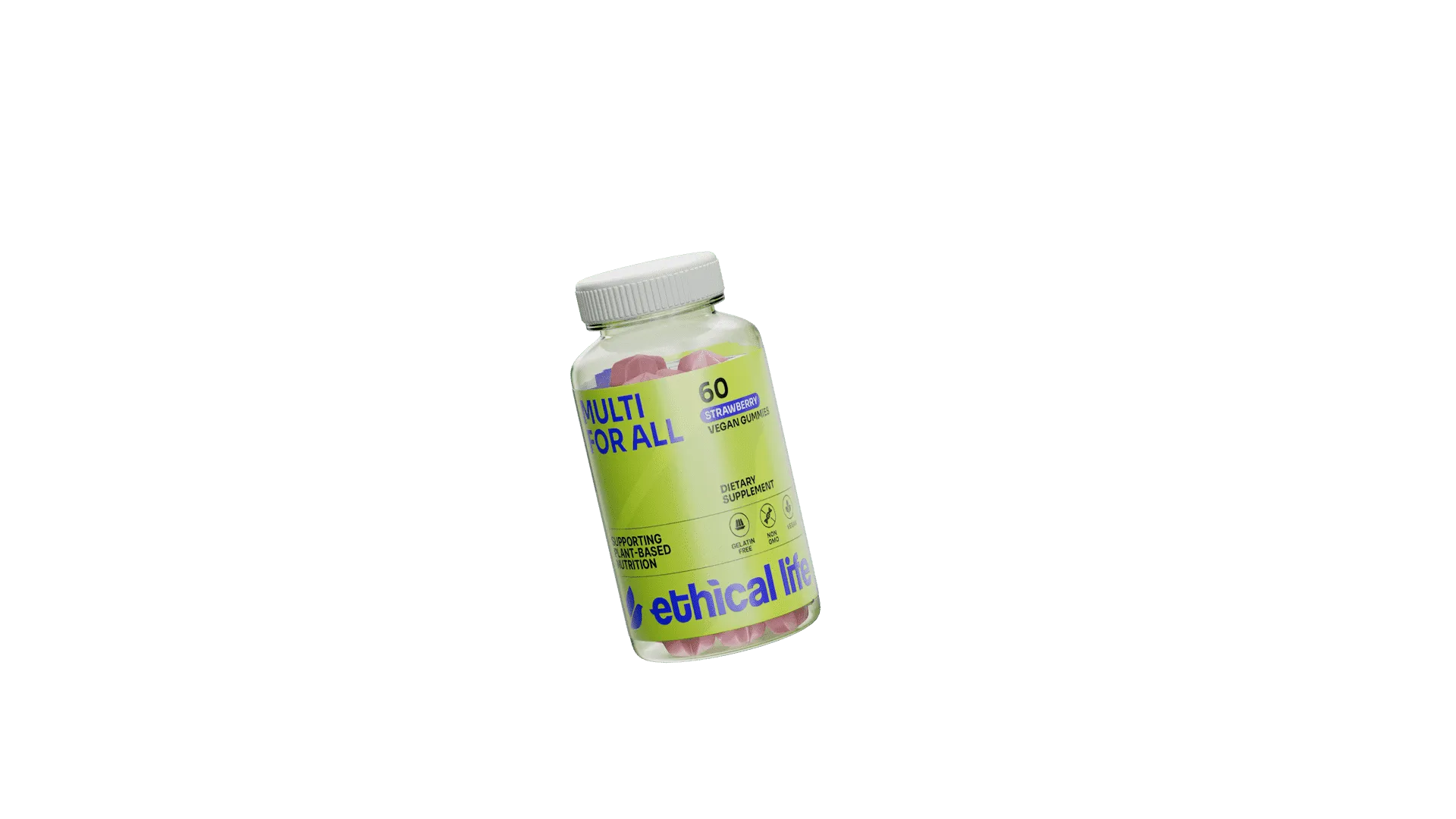
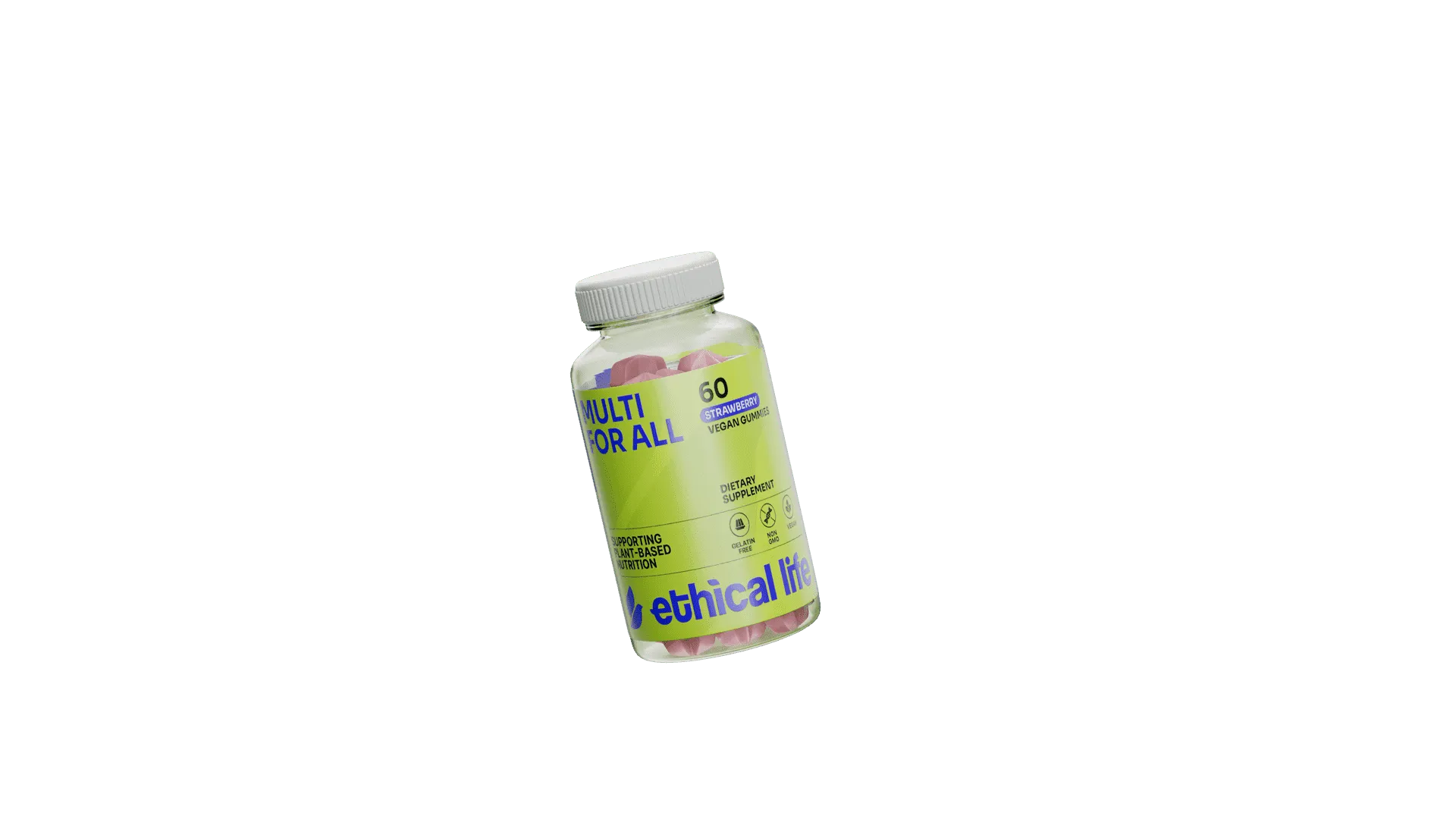
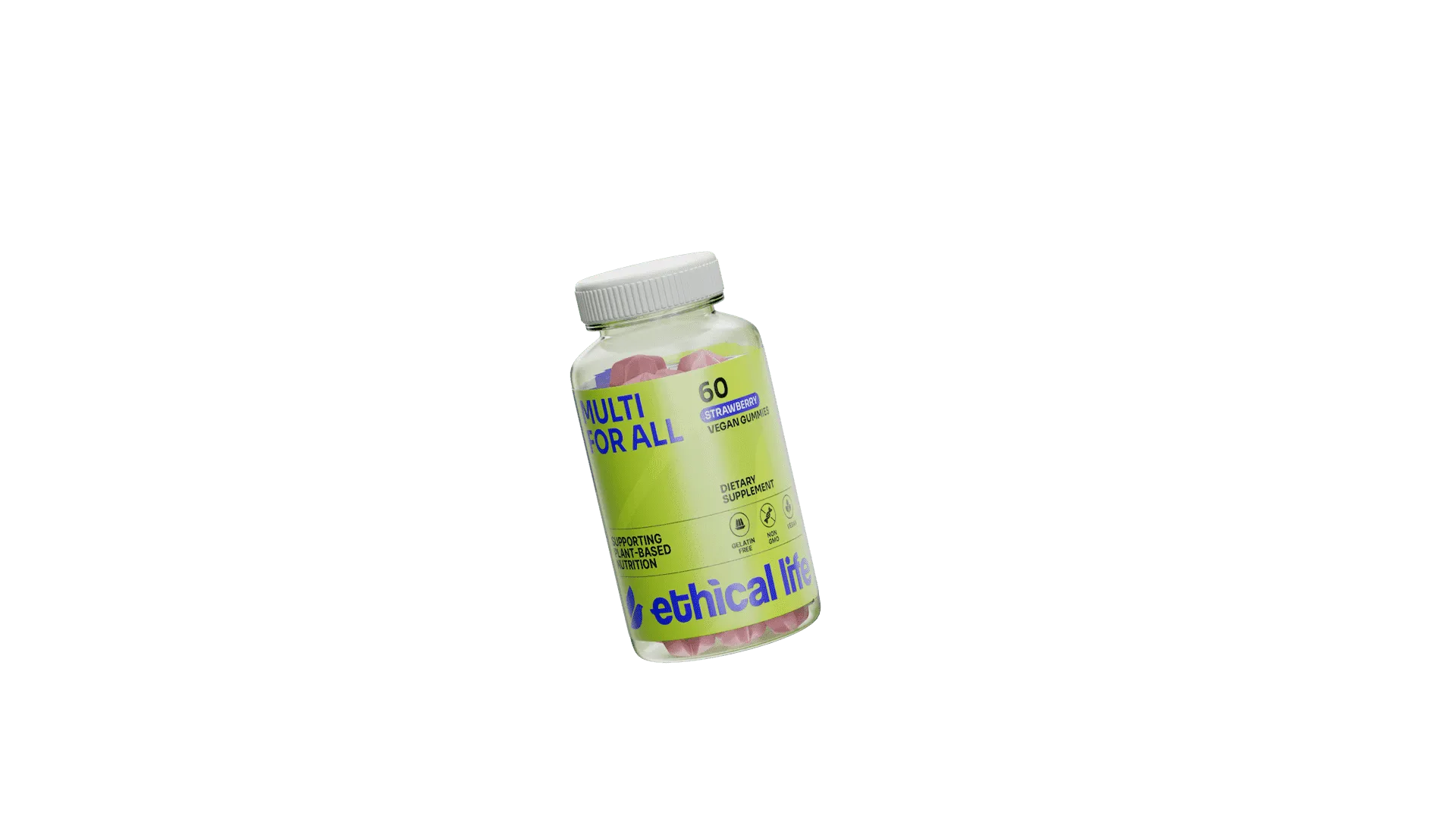
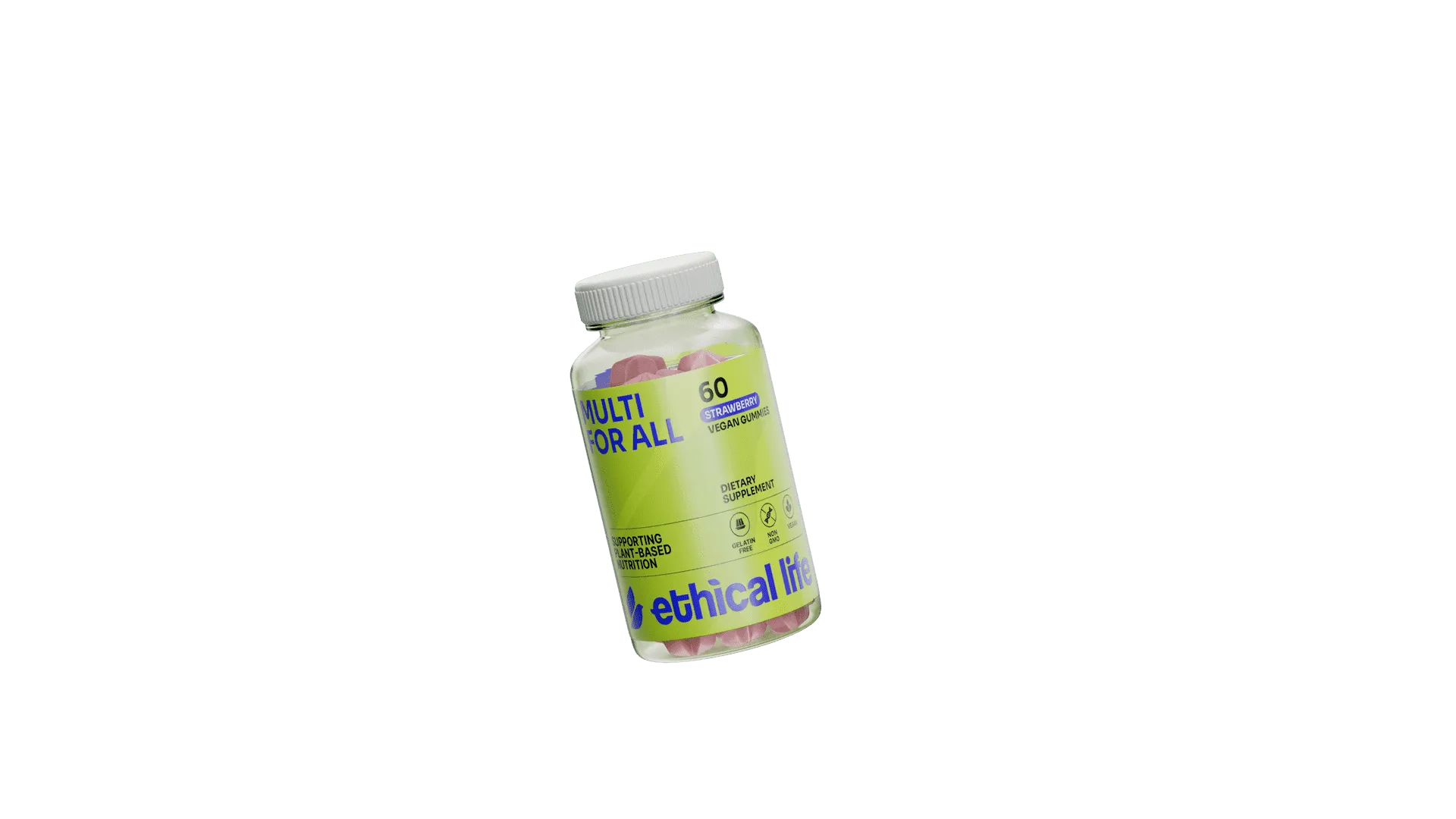
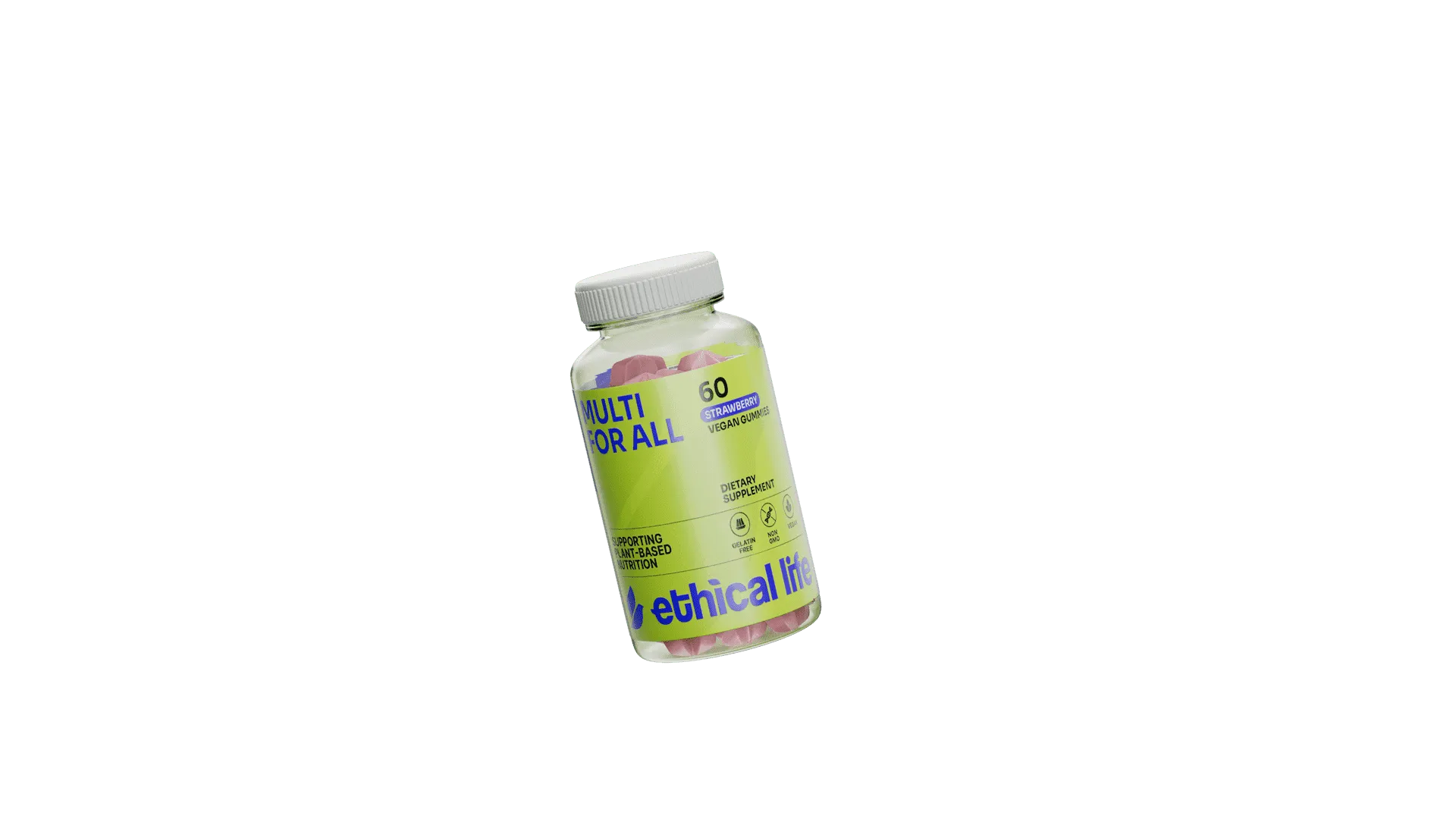
Dietary choices that consistently support that supply, such as low-oxalate greens, fortified plant foods, and strategic supplementation when needed, do more than protect bone density. They keep the system running. When selecting daily supplements to fill nutritional gaps, looking for vegan alternatives to gelatin ensures your health choices remain entirely cruelty-free and aligned with your values: because what a supplement is made of matters as much as what it contains.
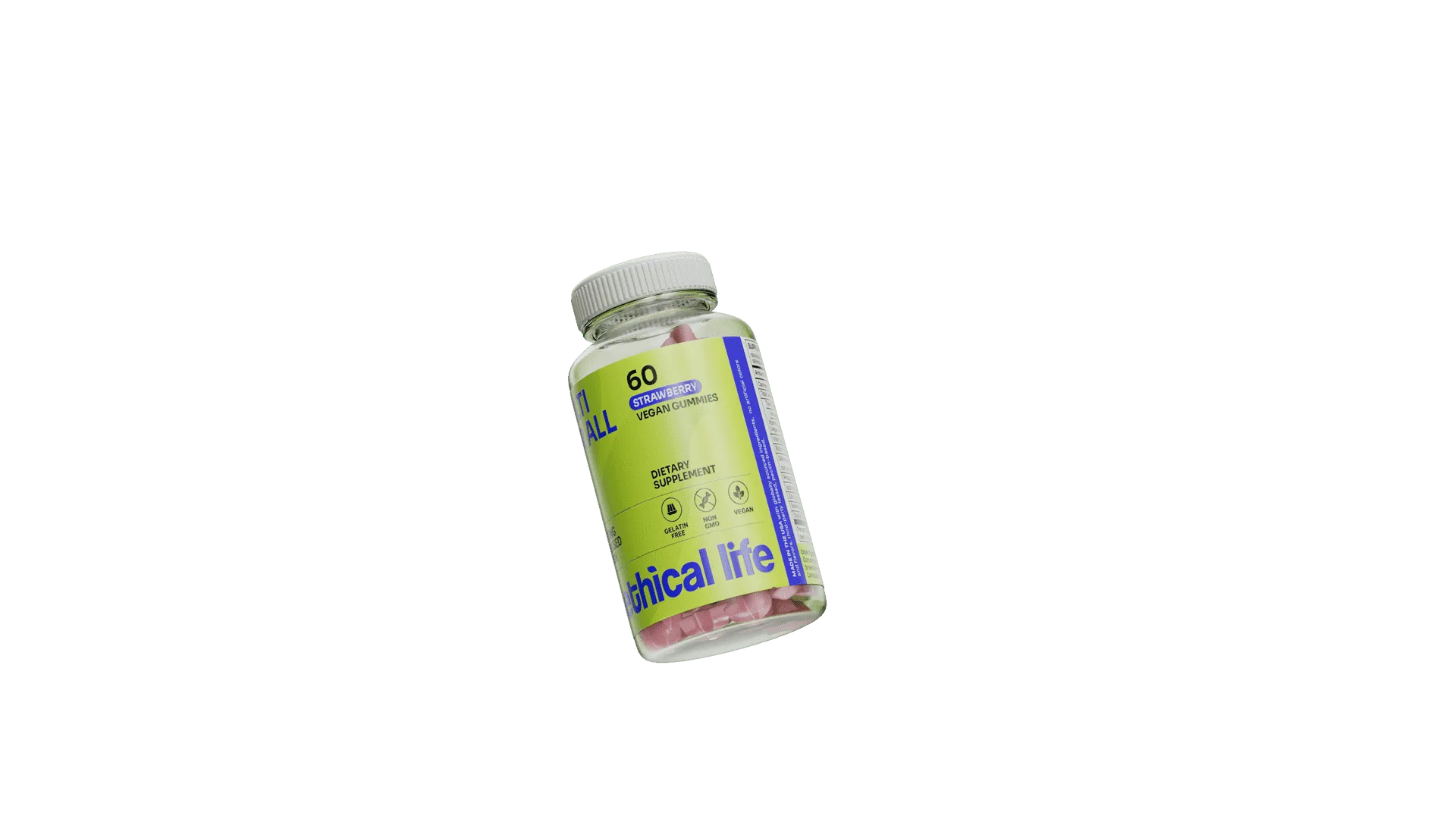
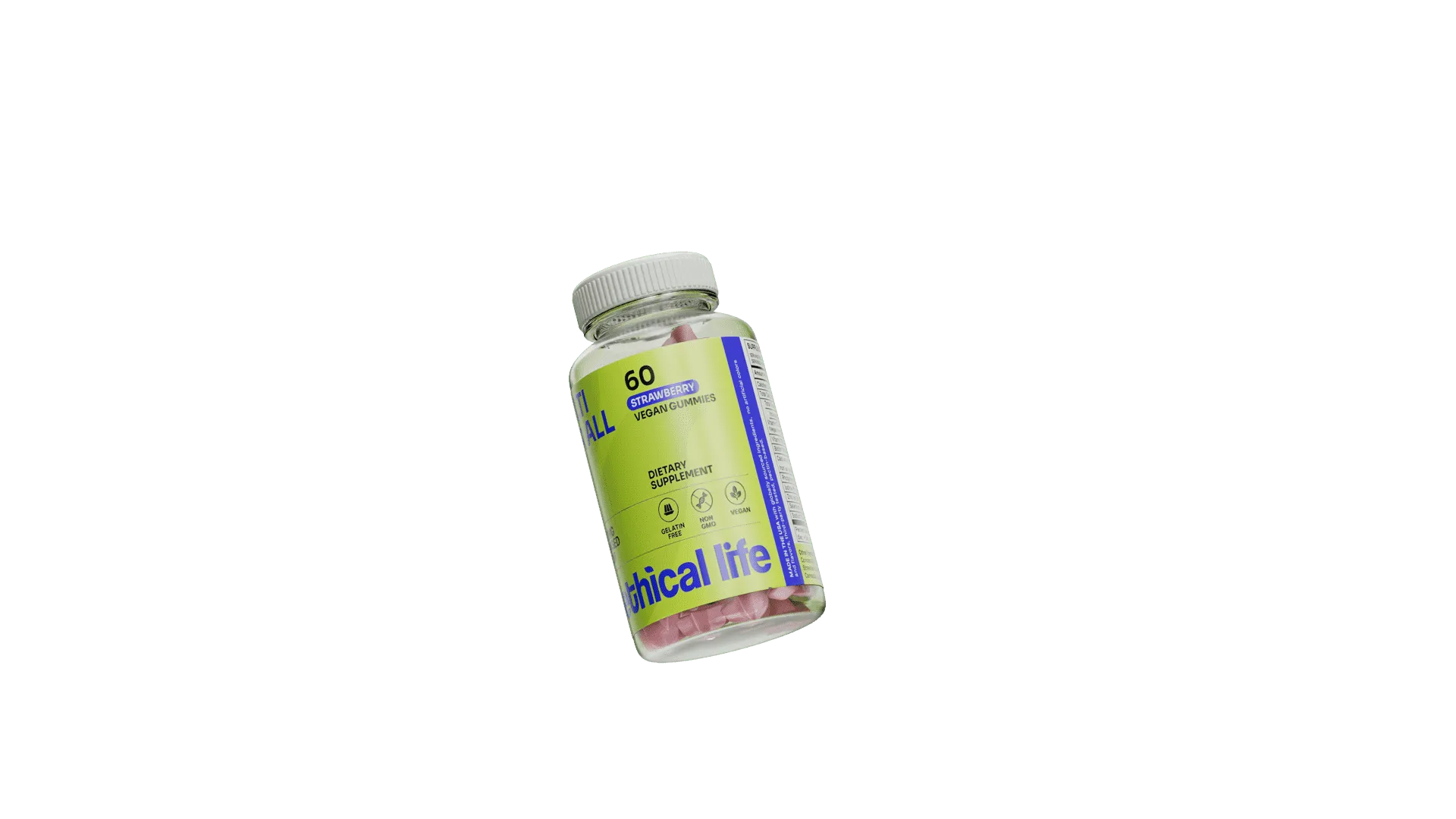
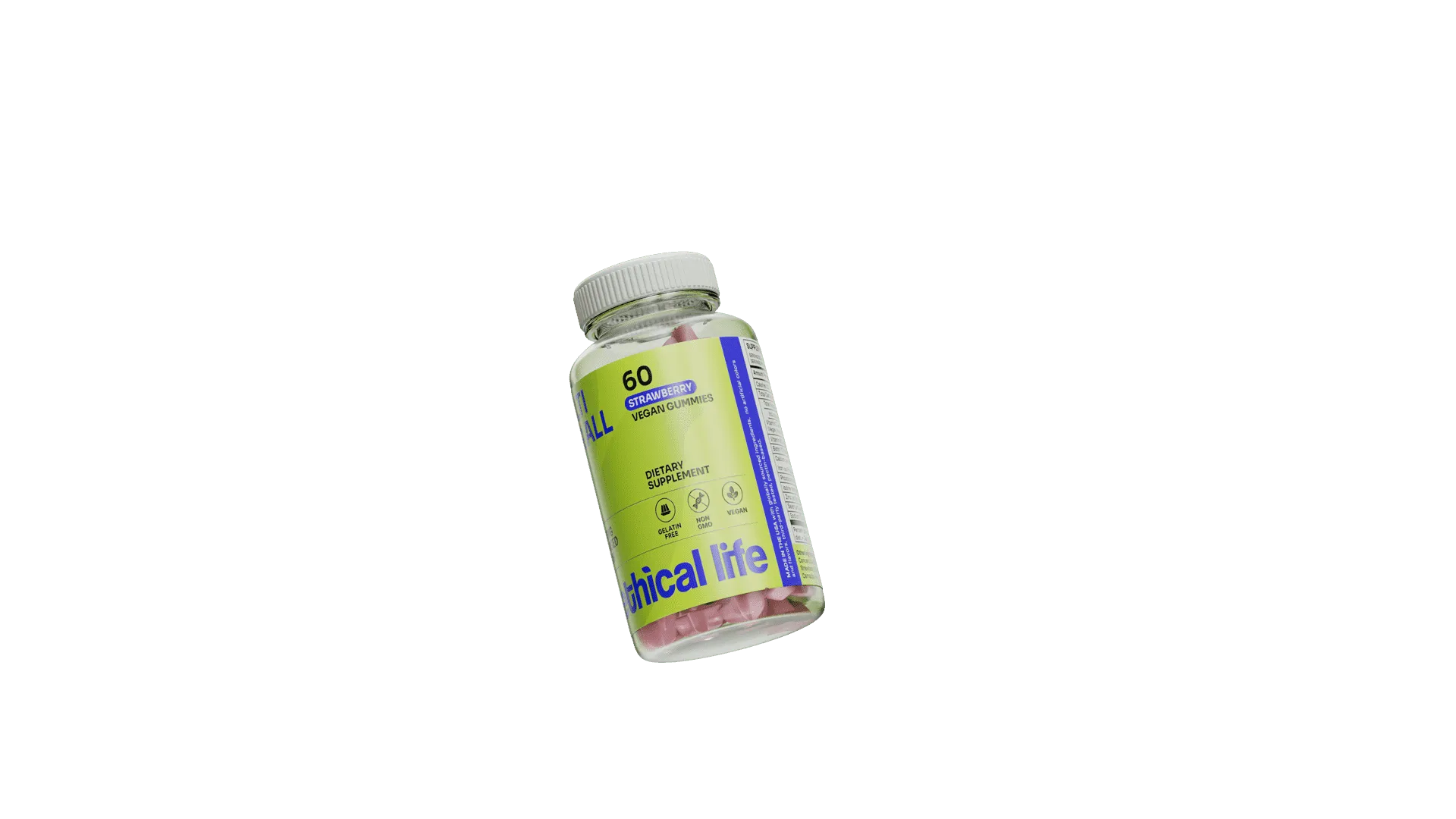
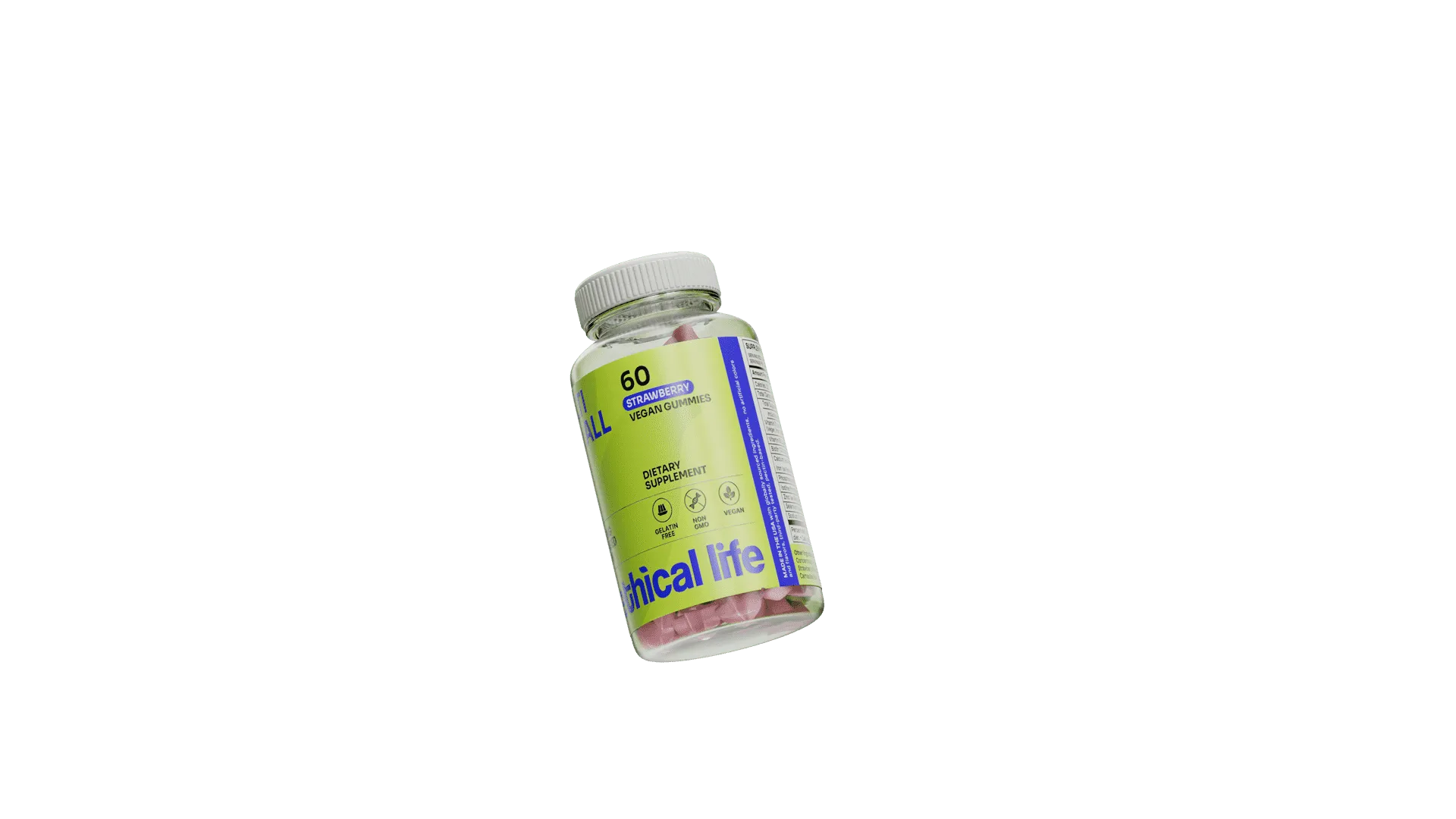
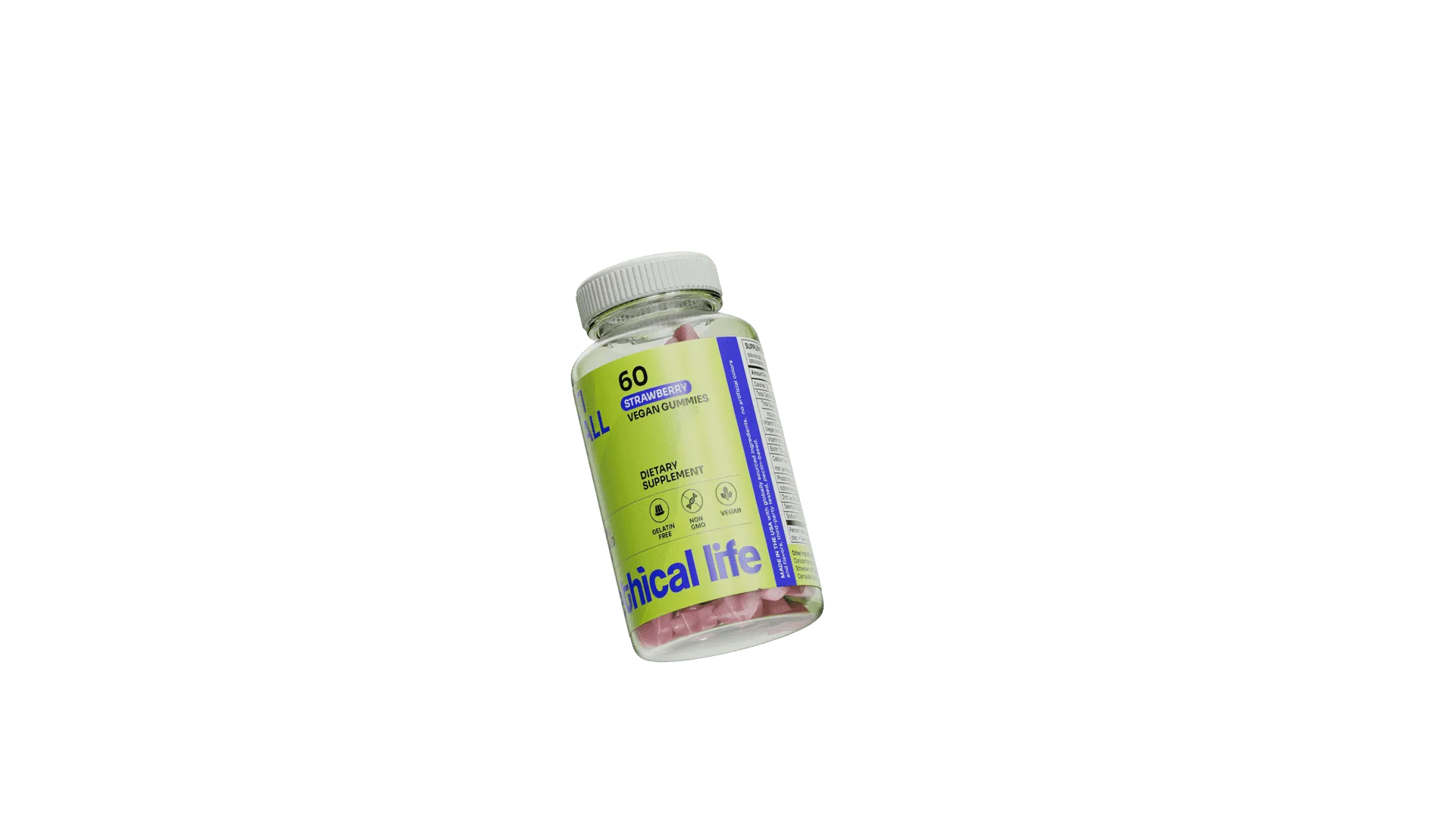
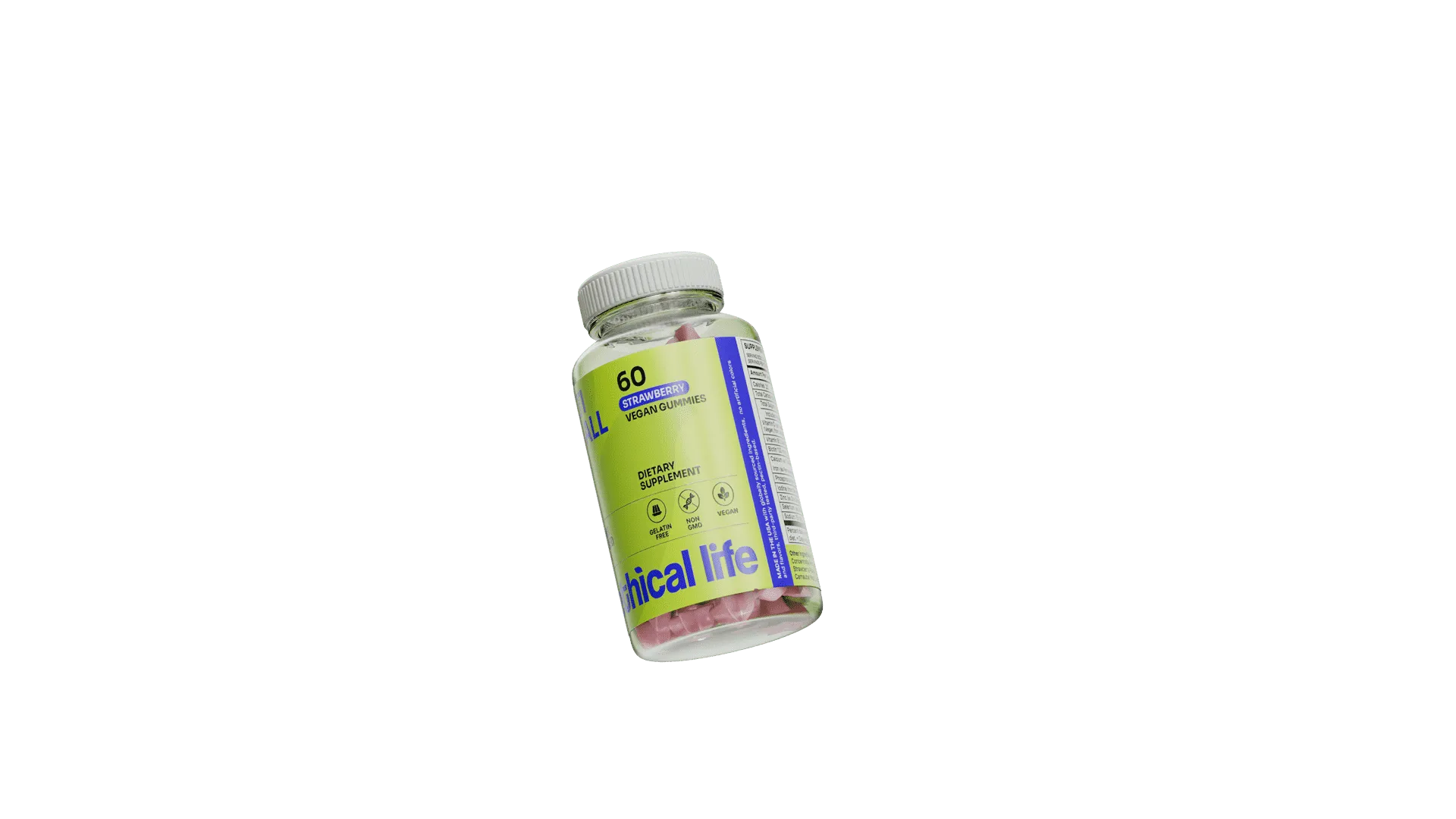
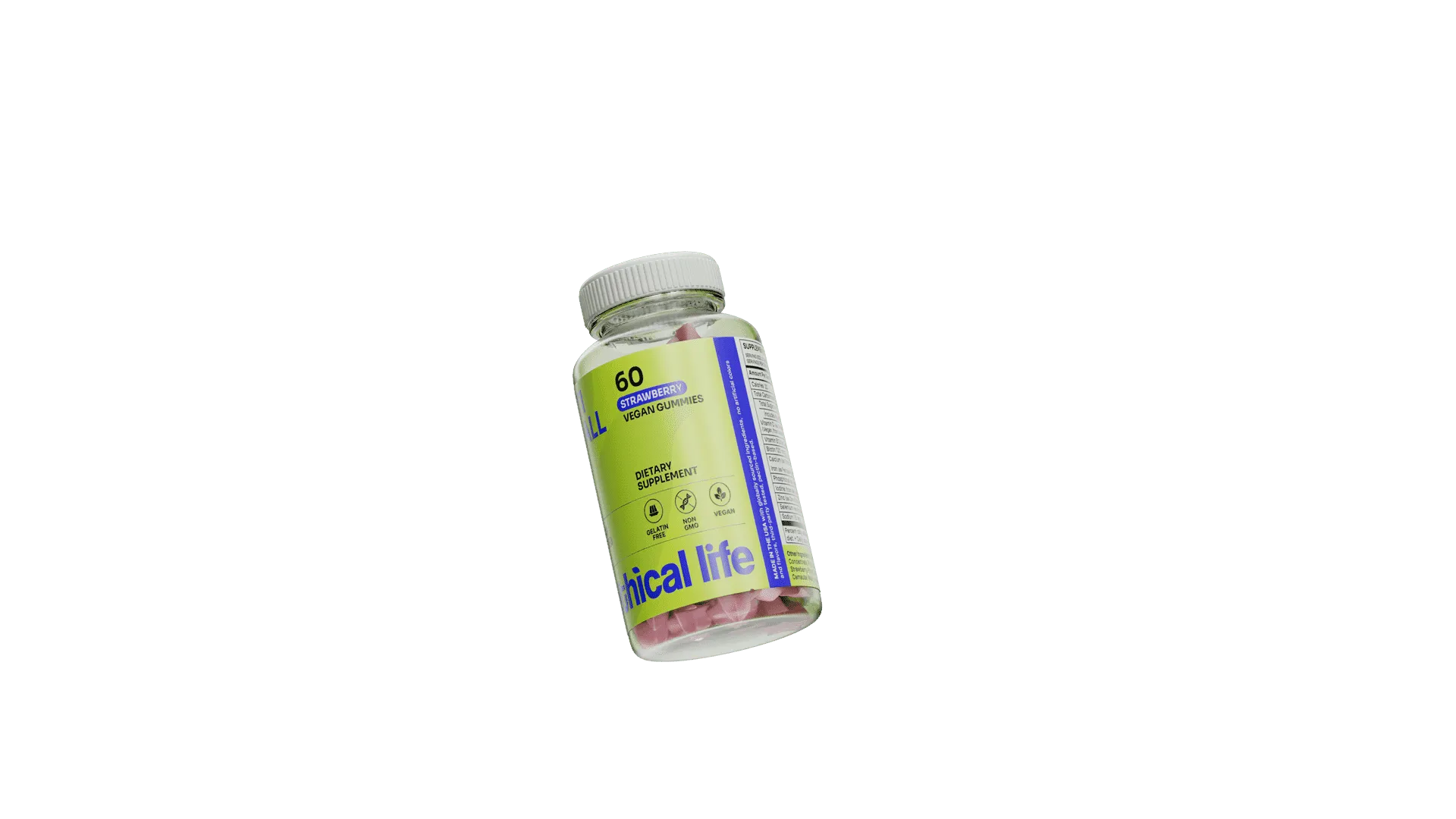
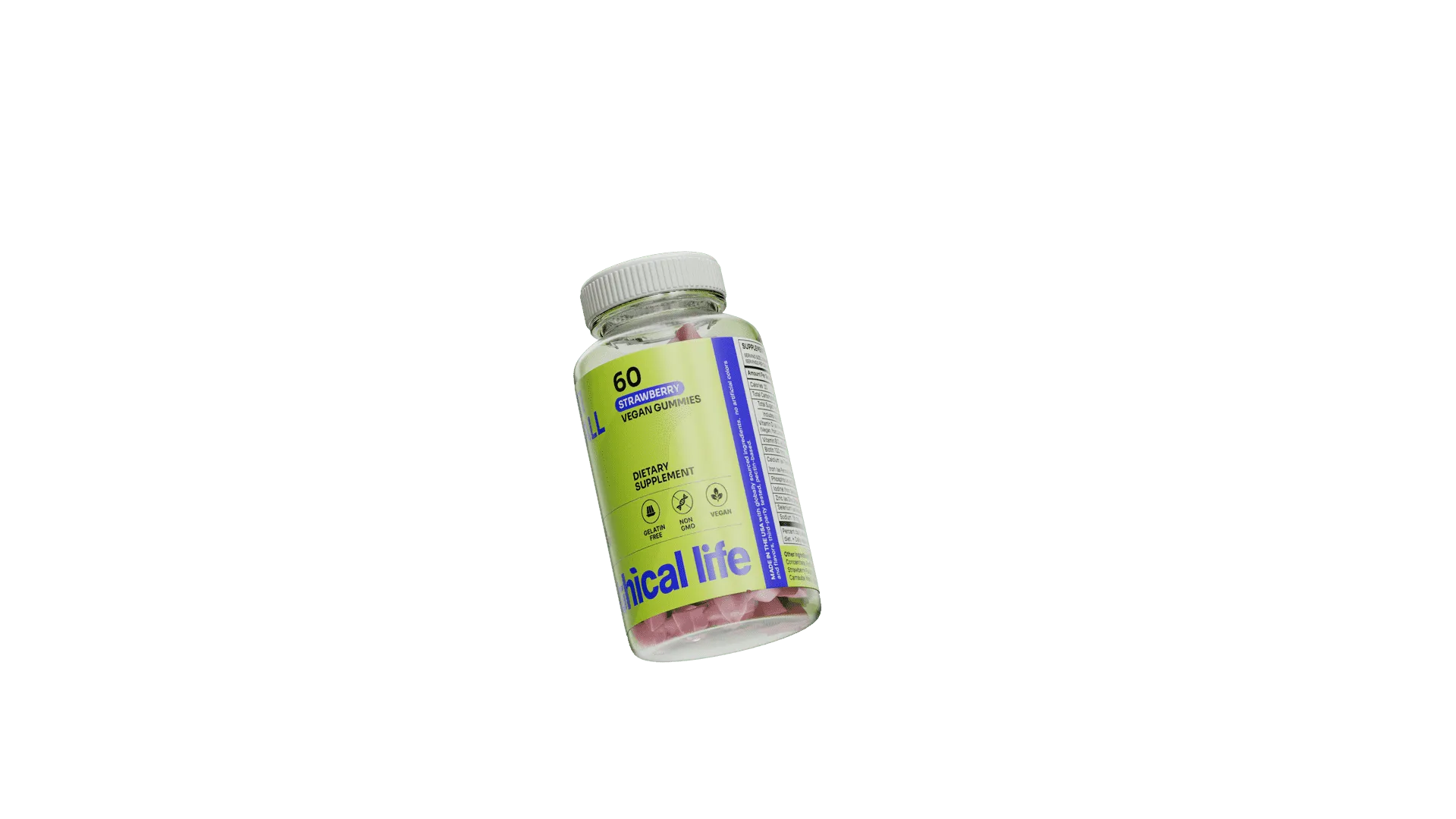
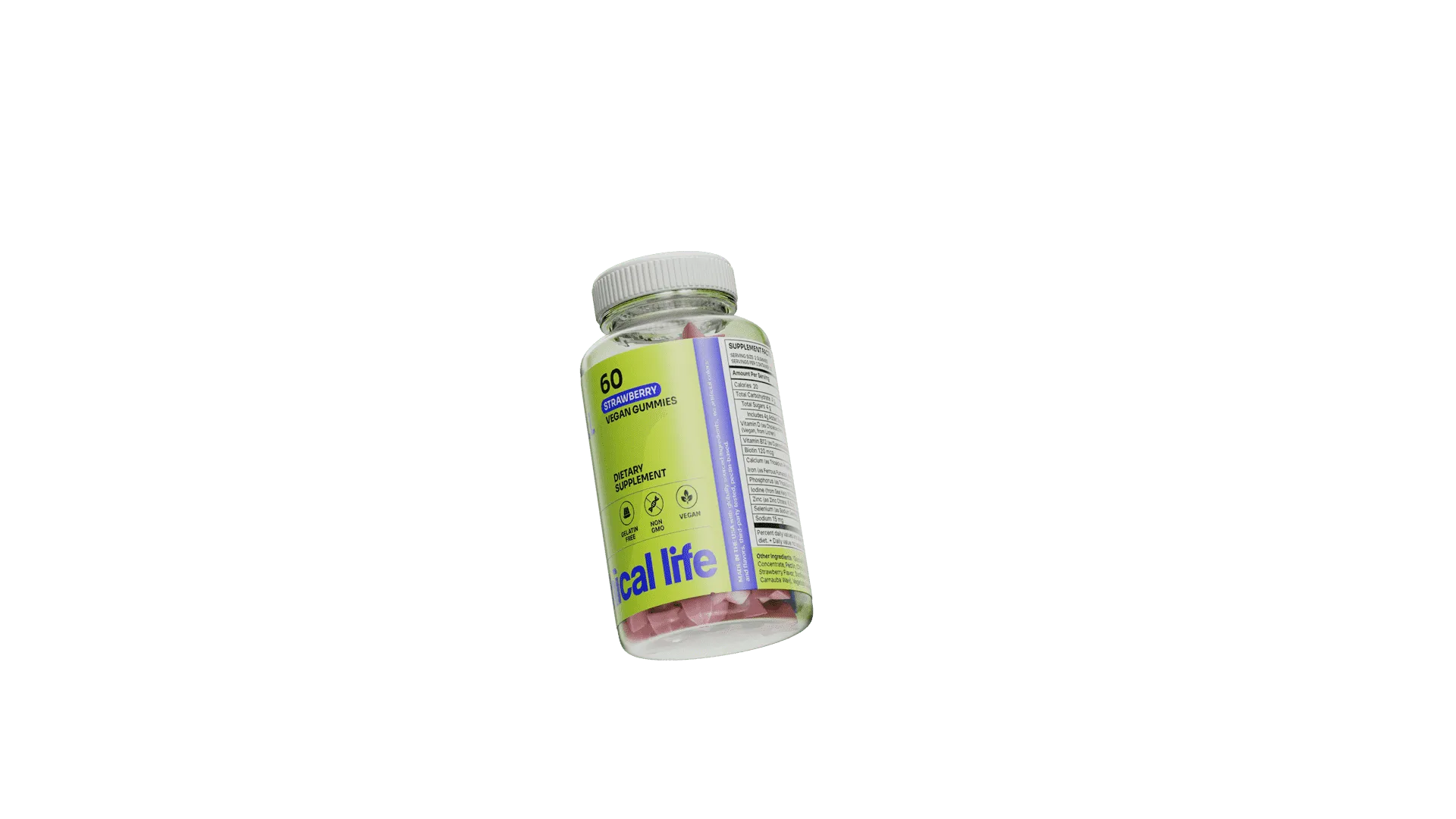
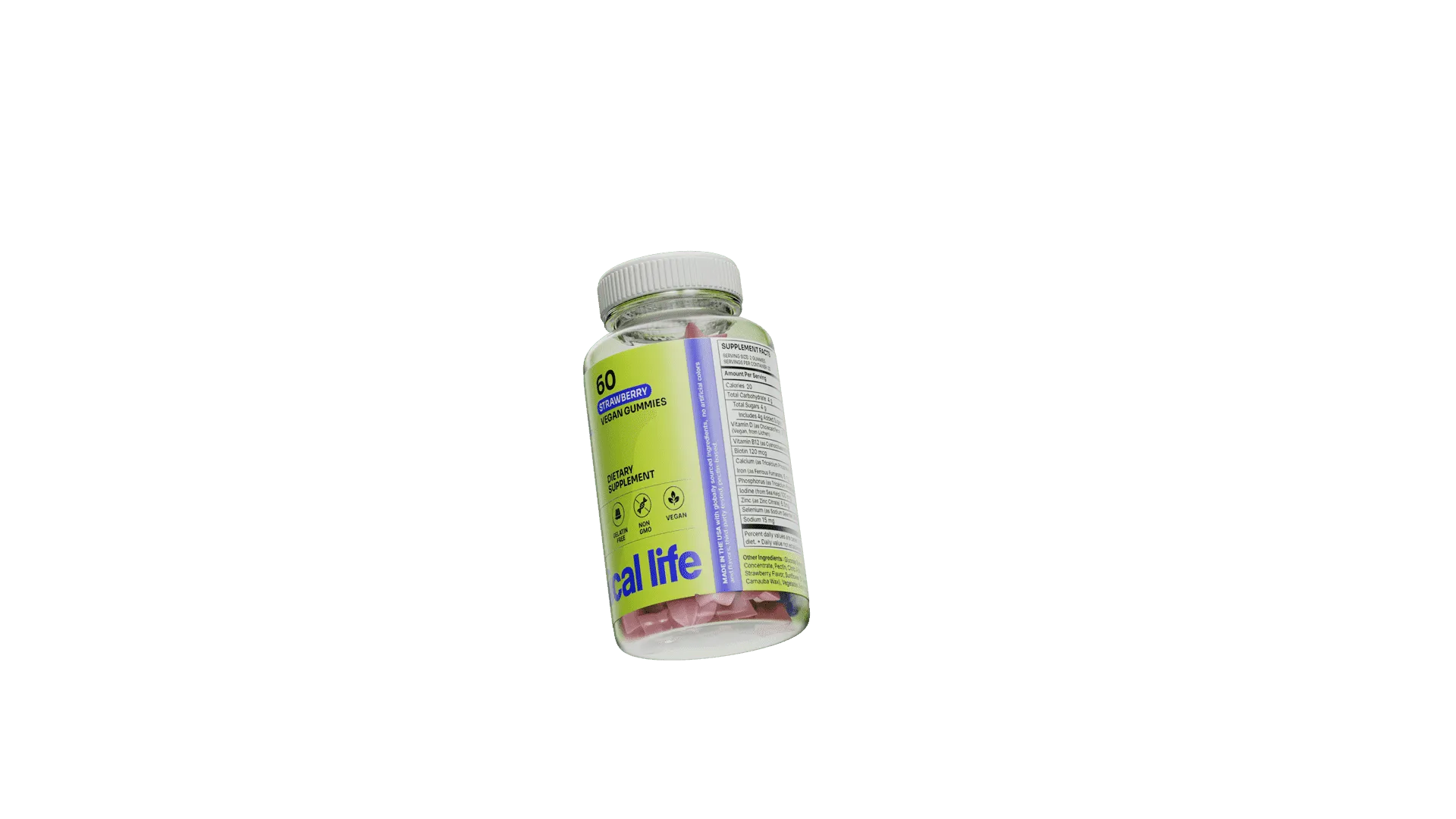
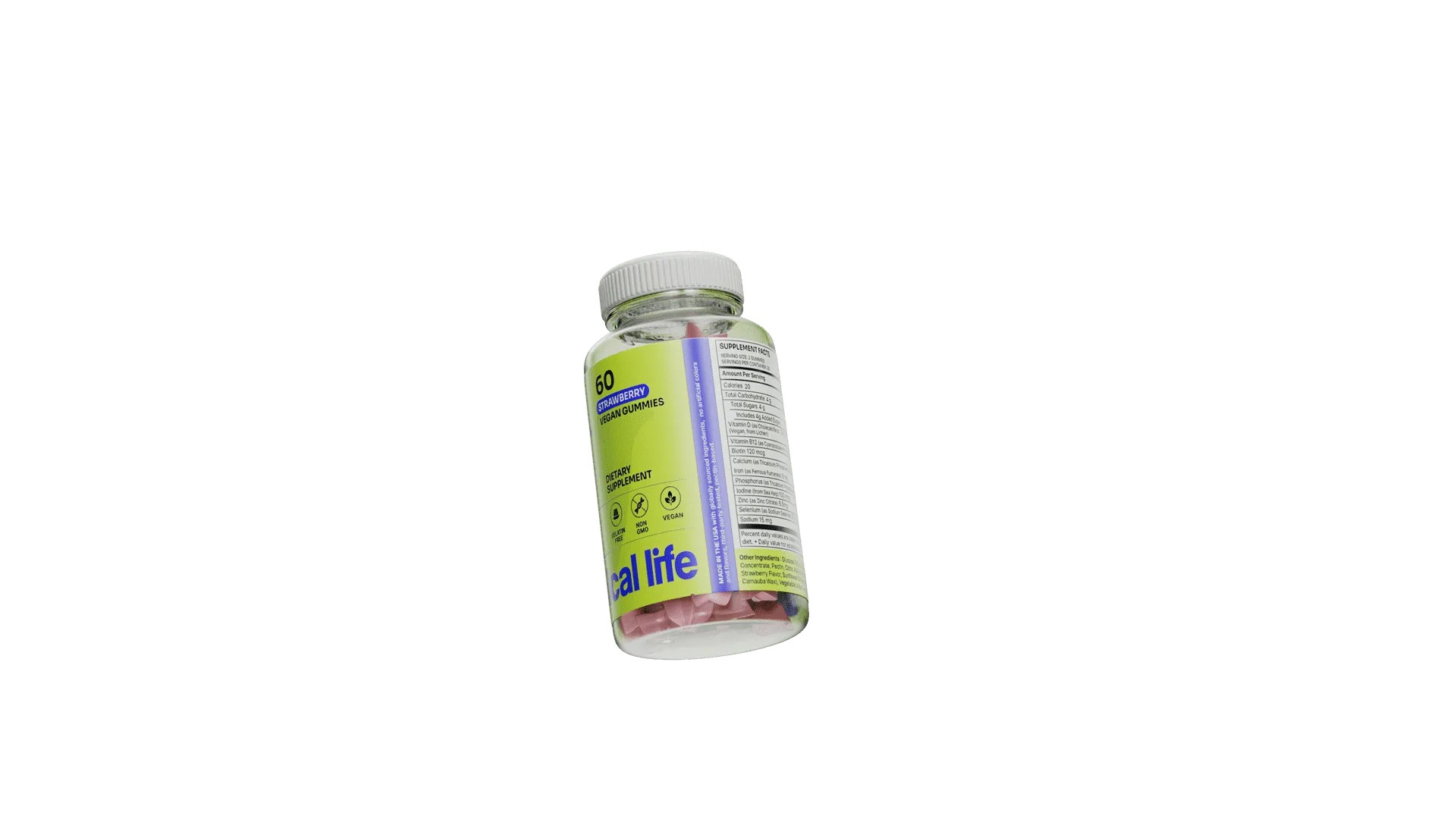
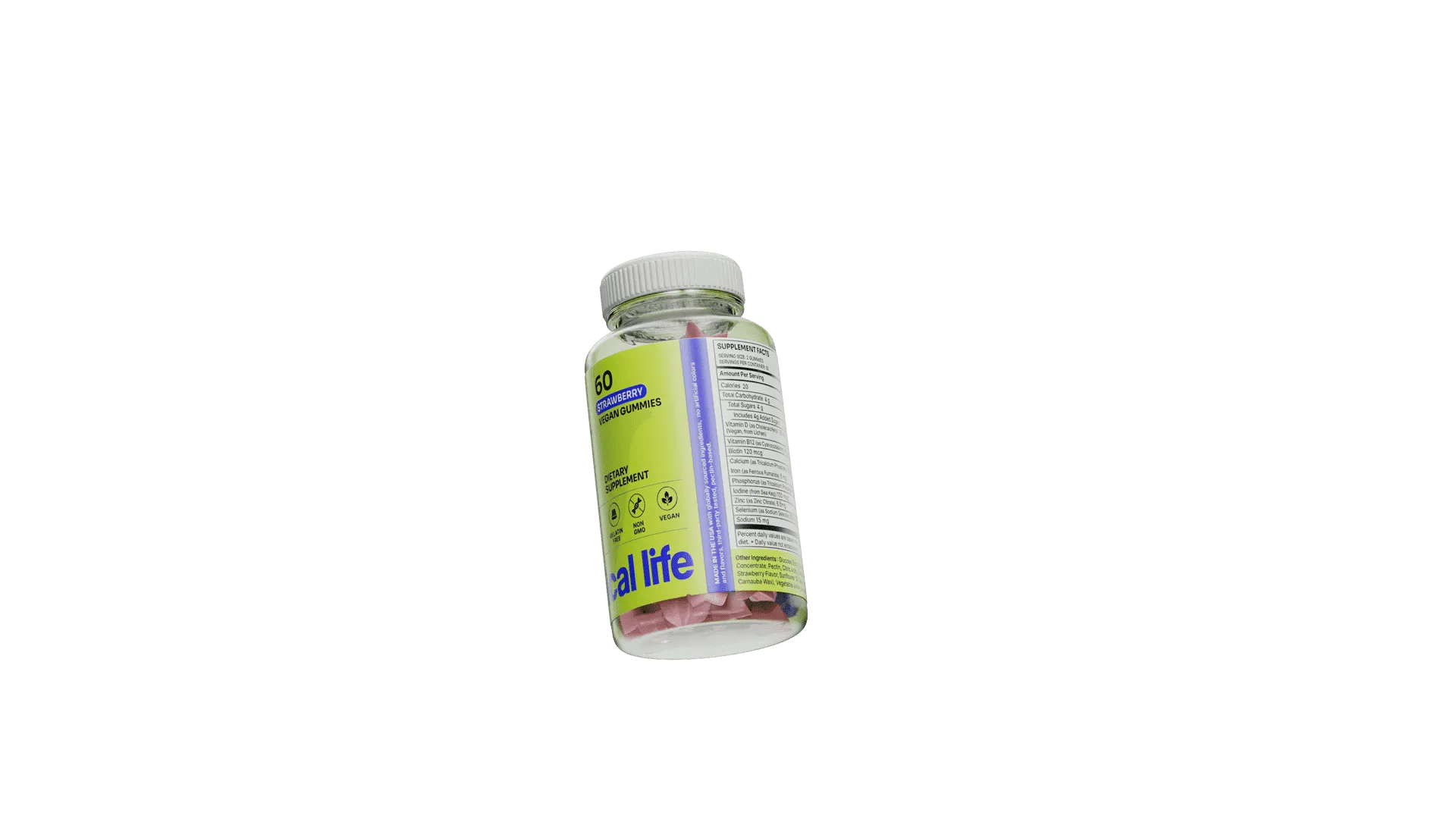
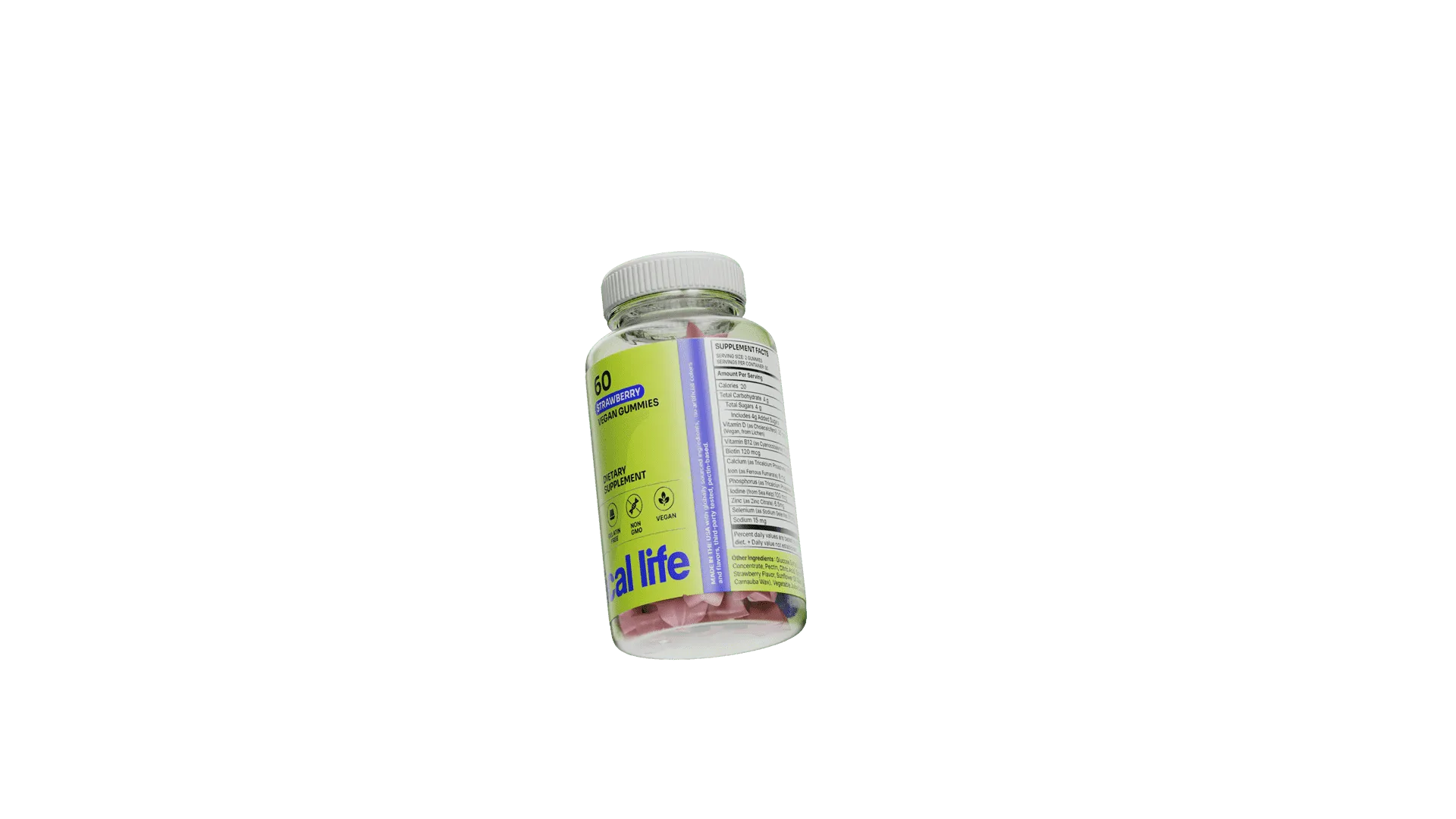
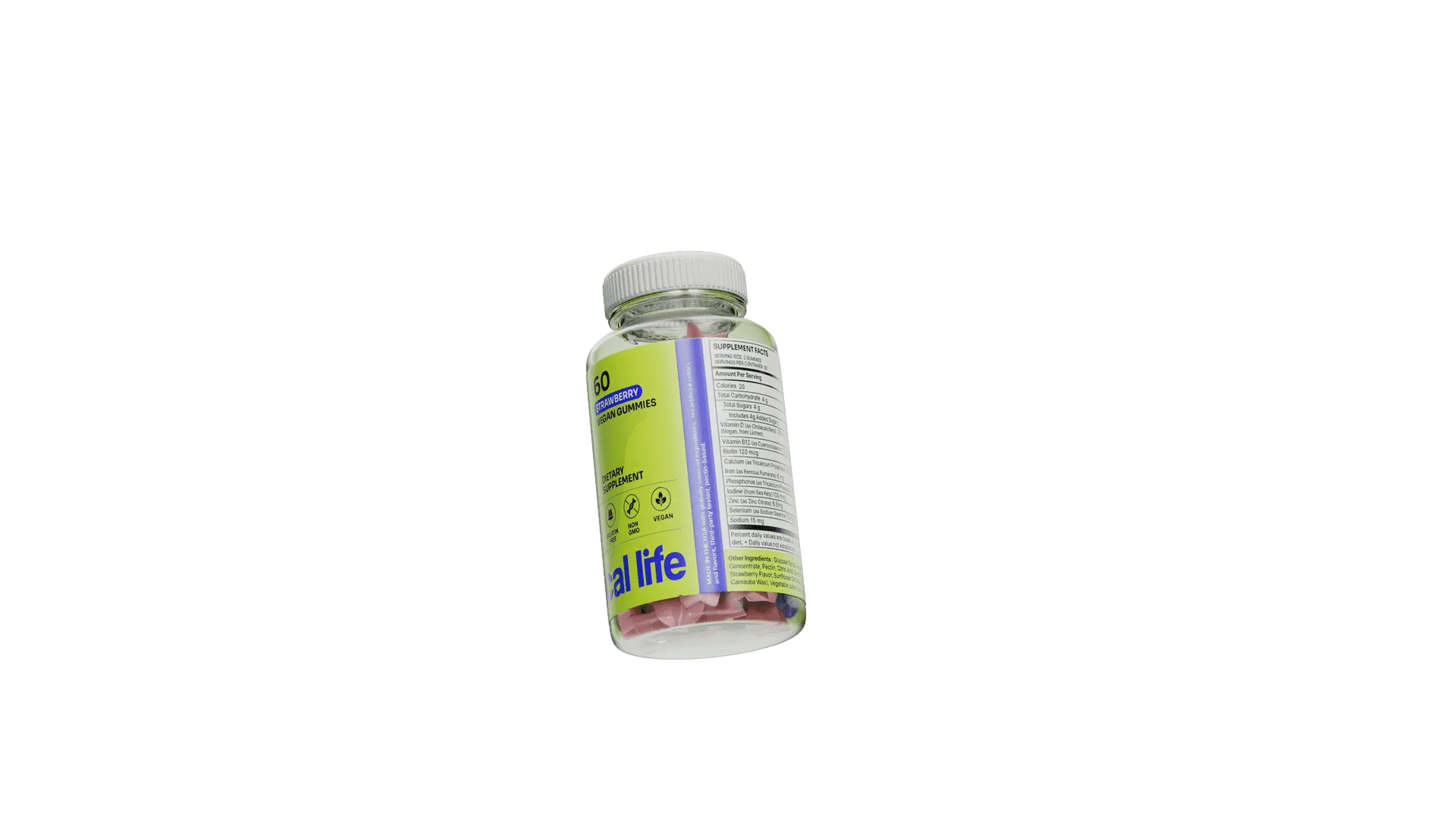
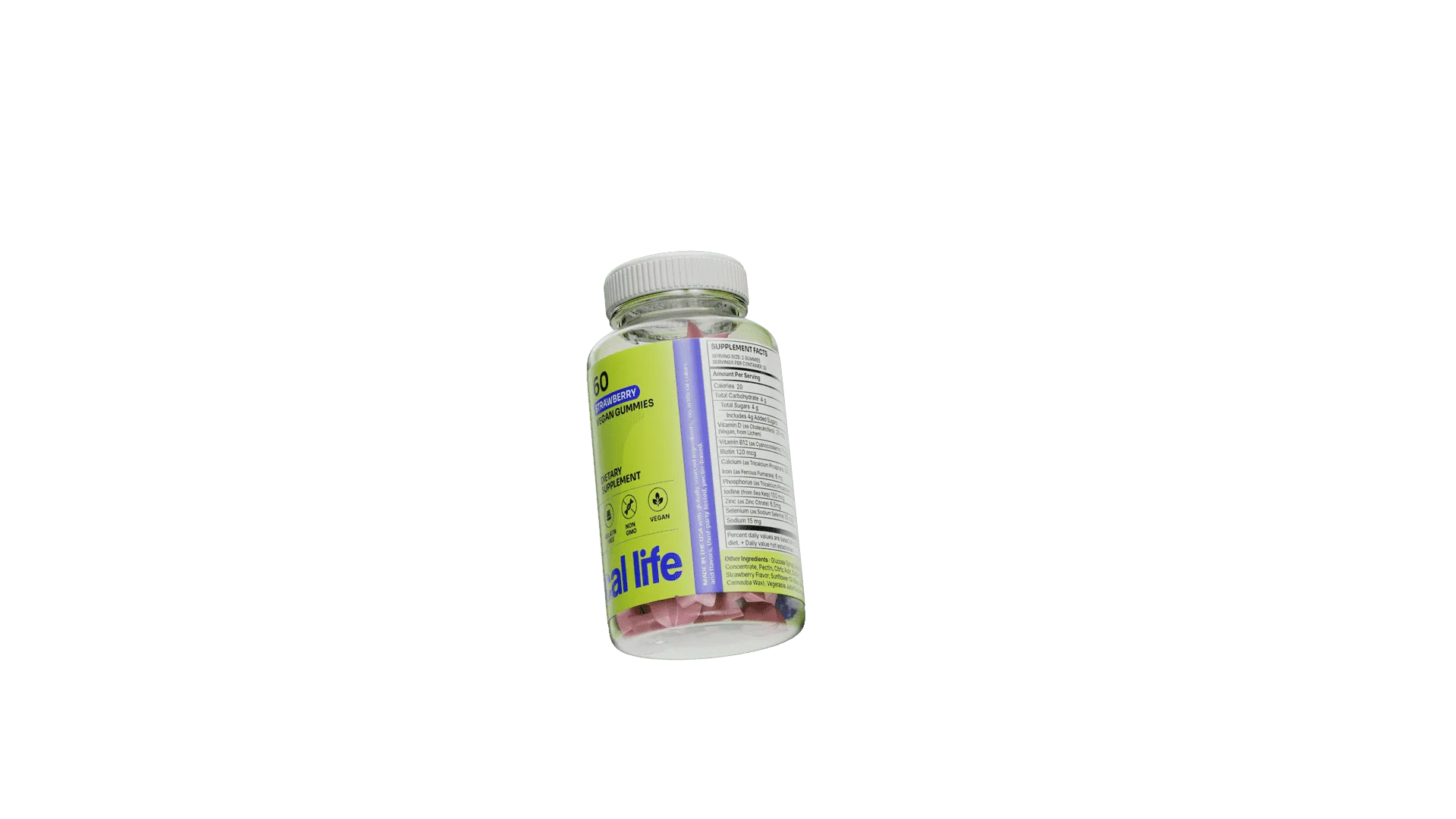
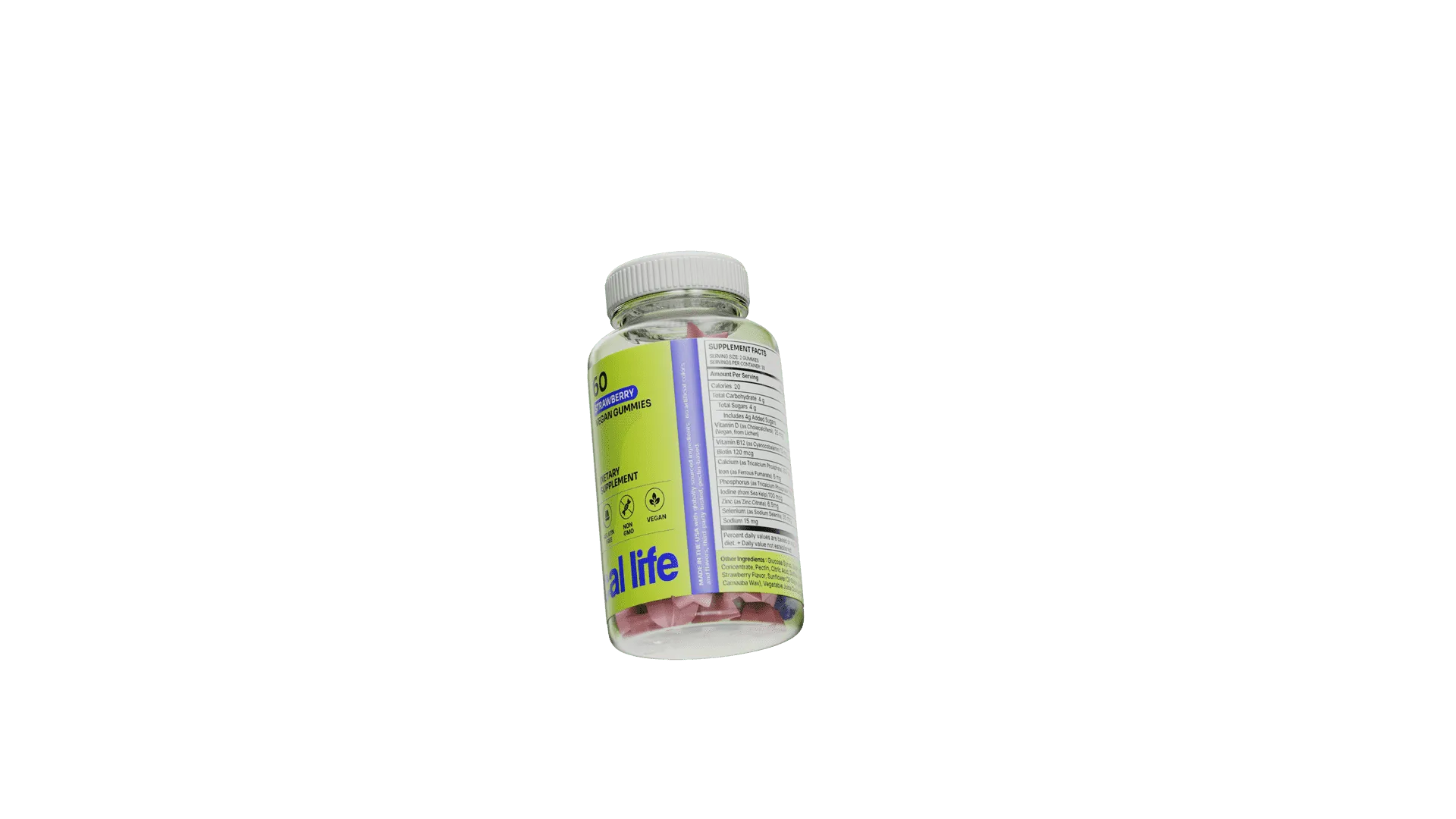
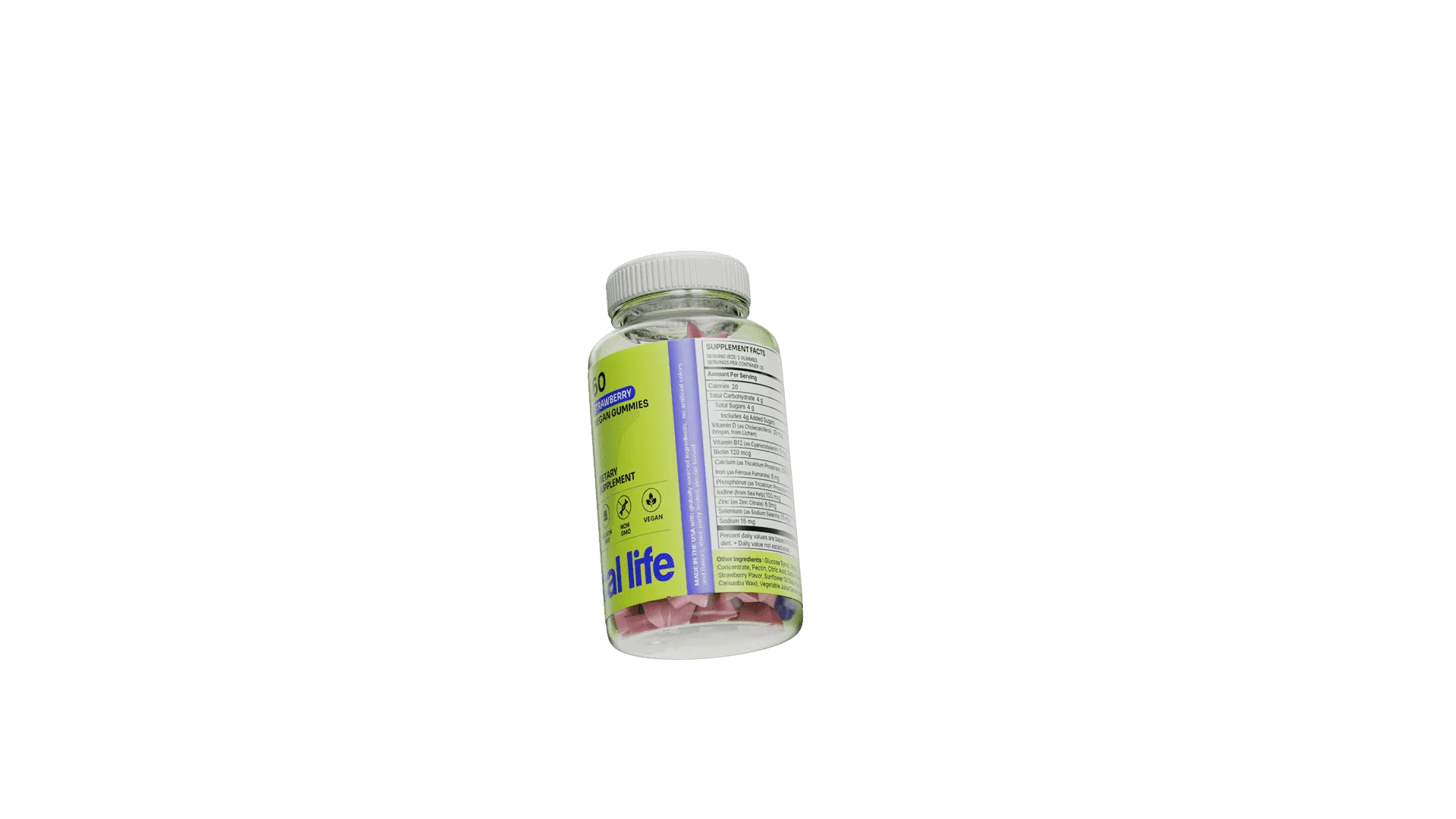
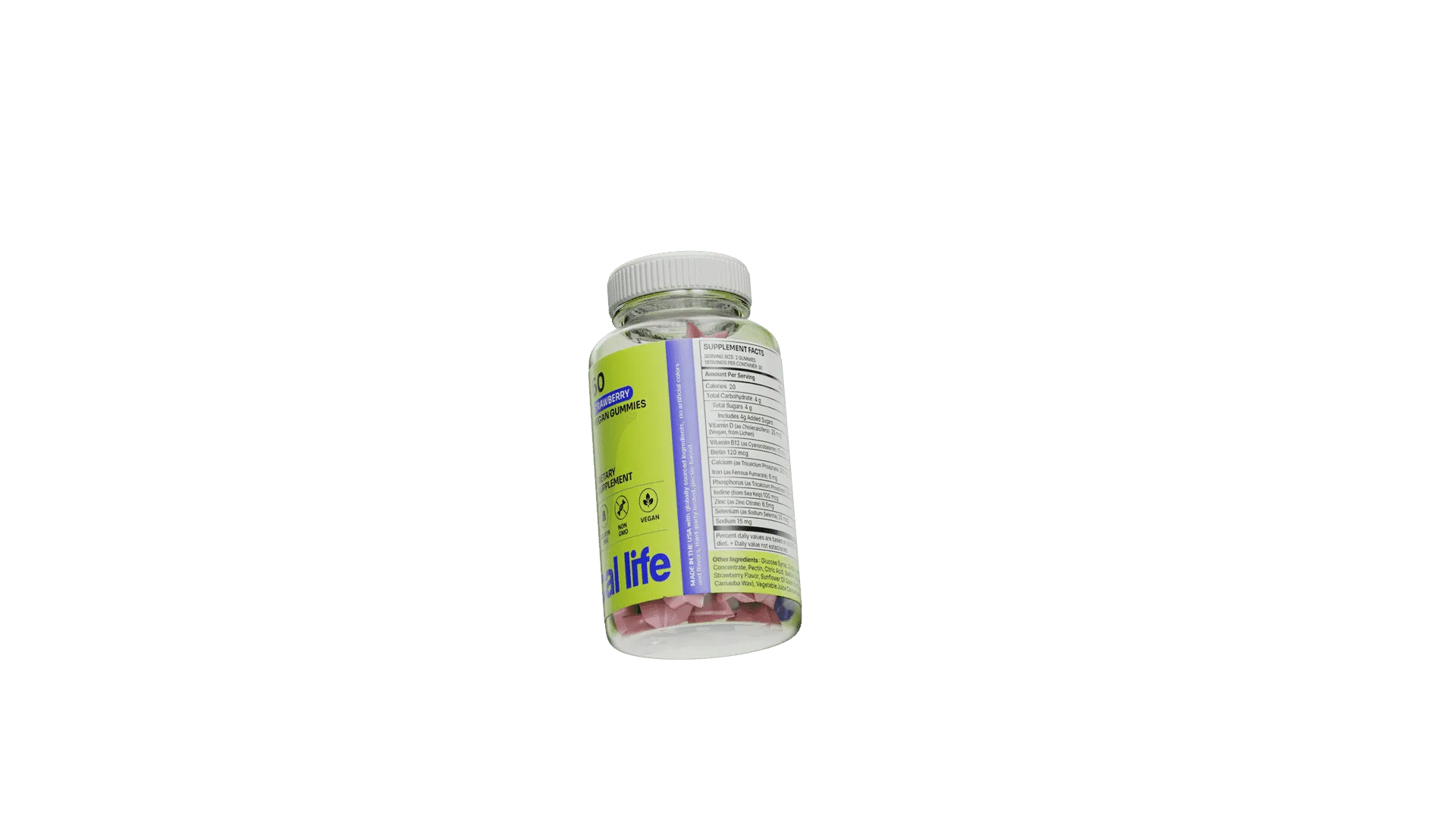
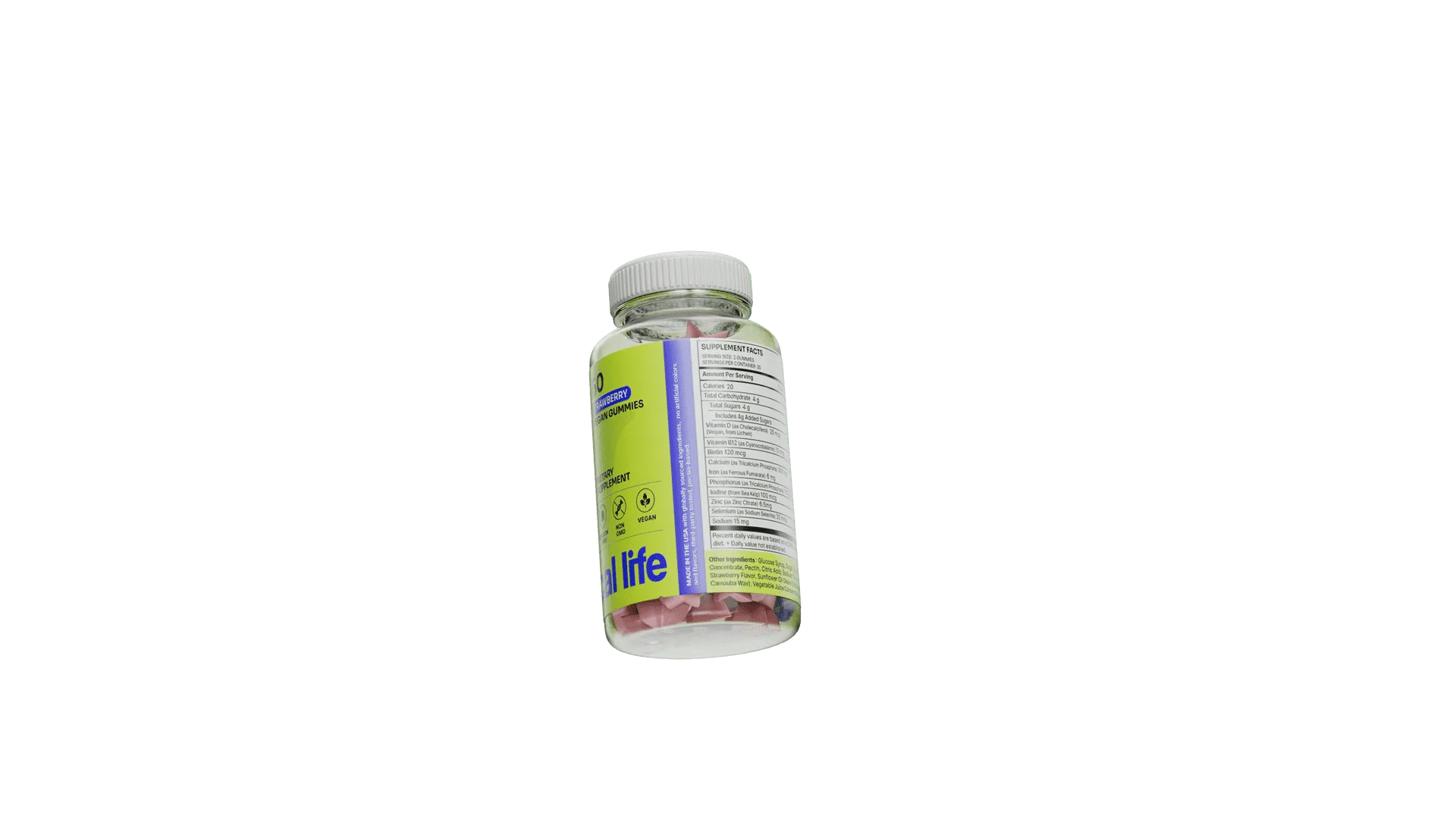
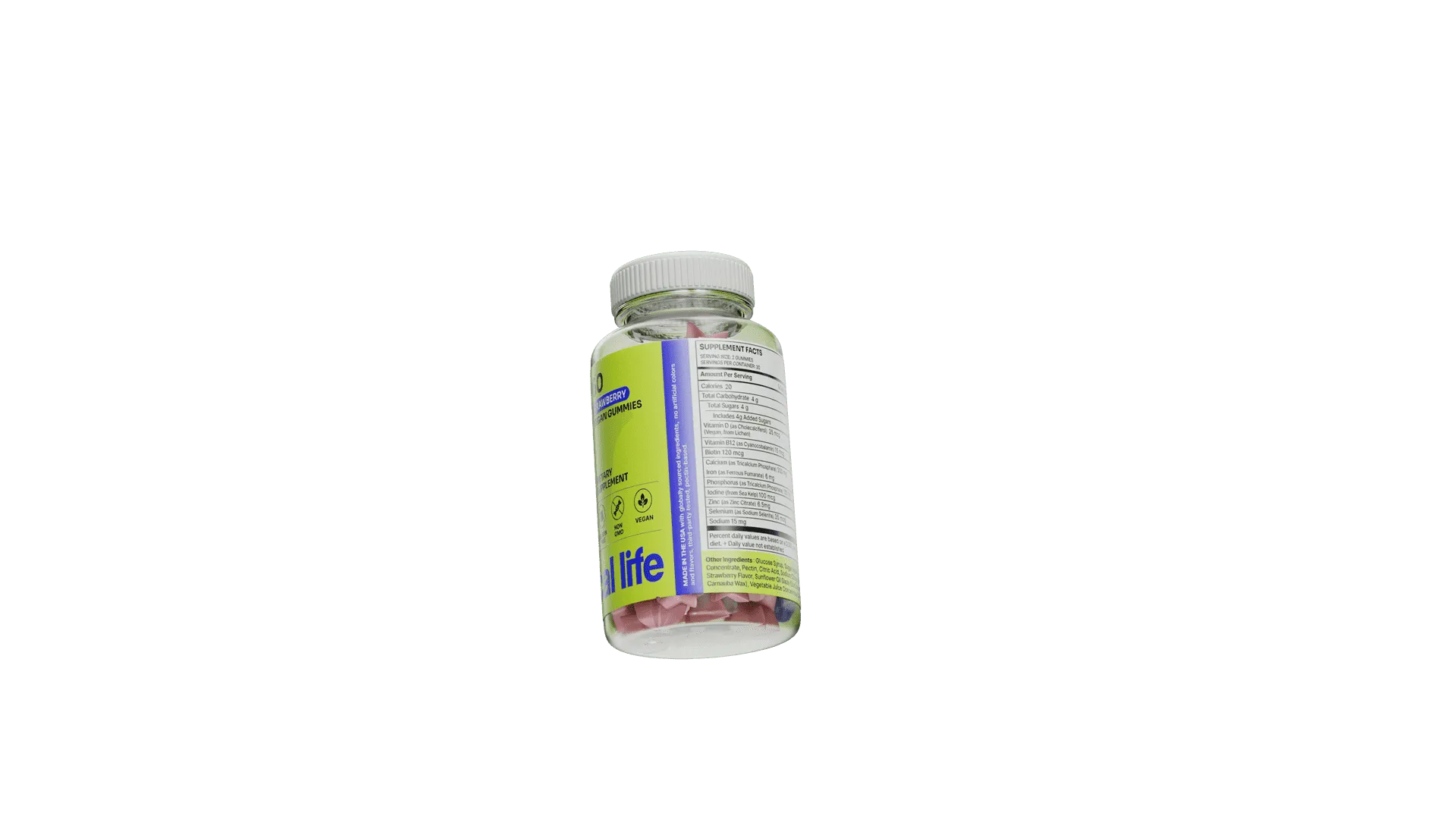
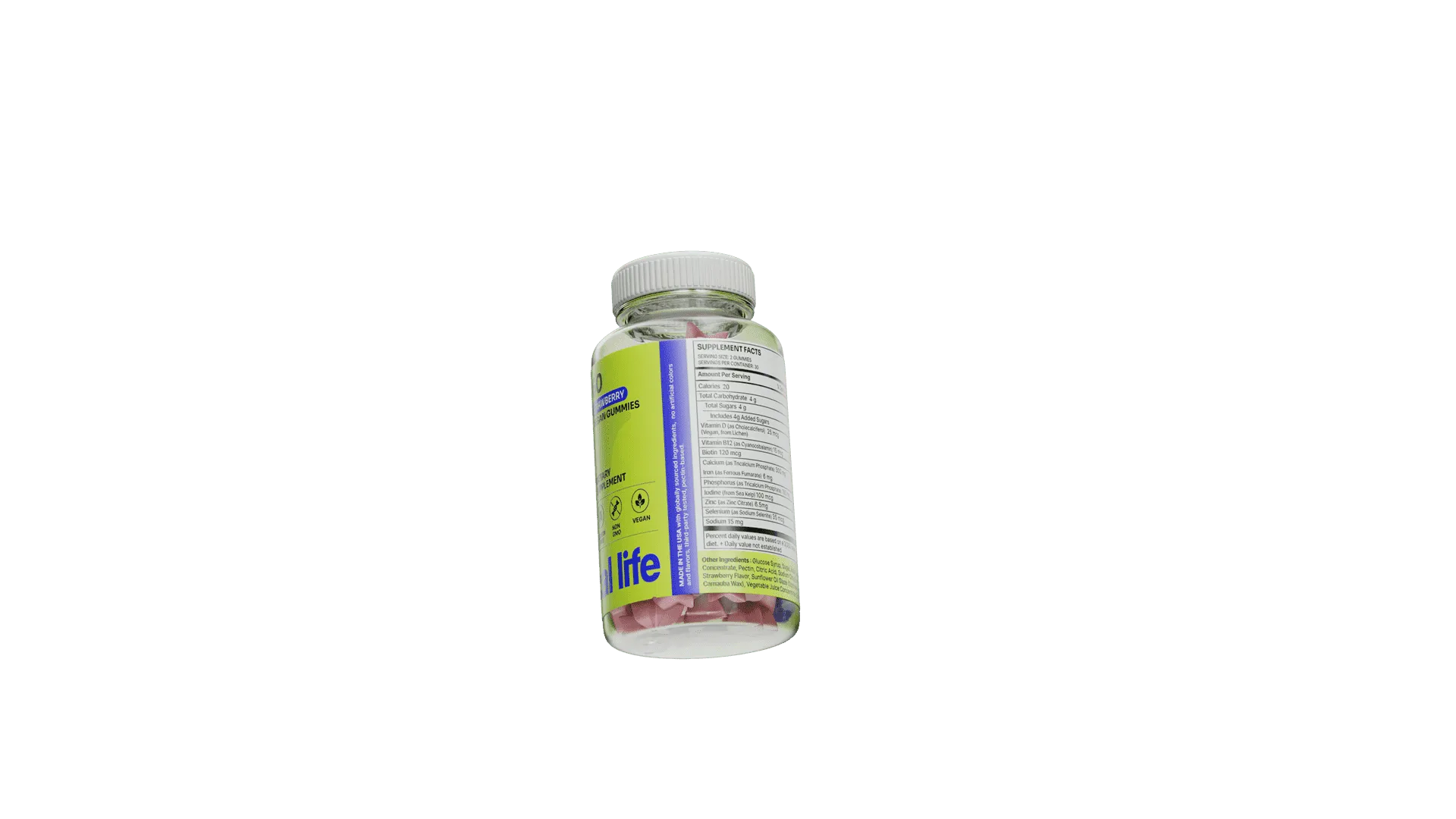
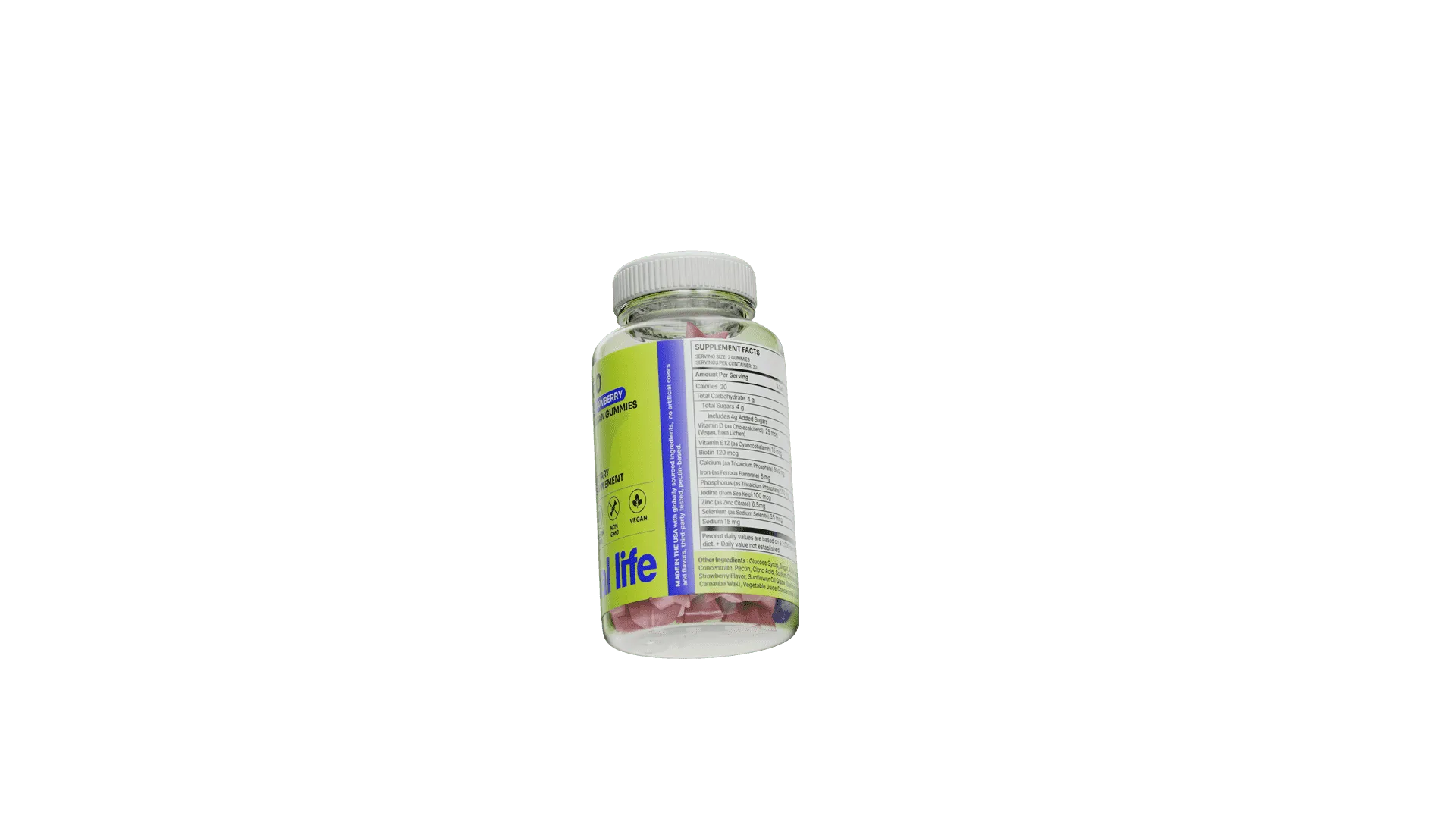
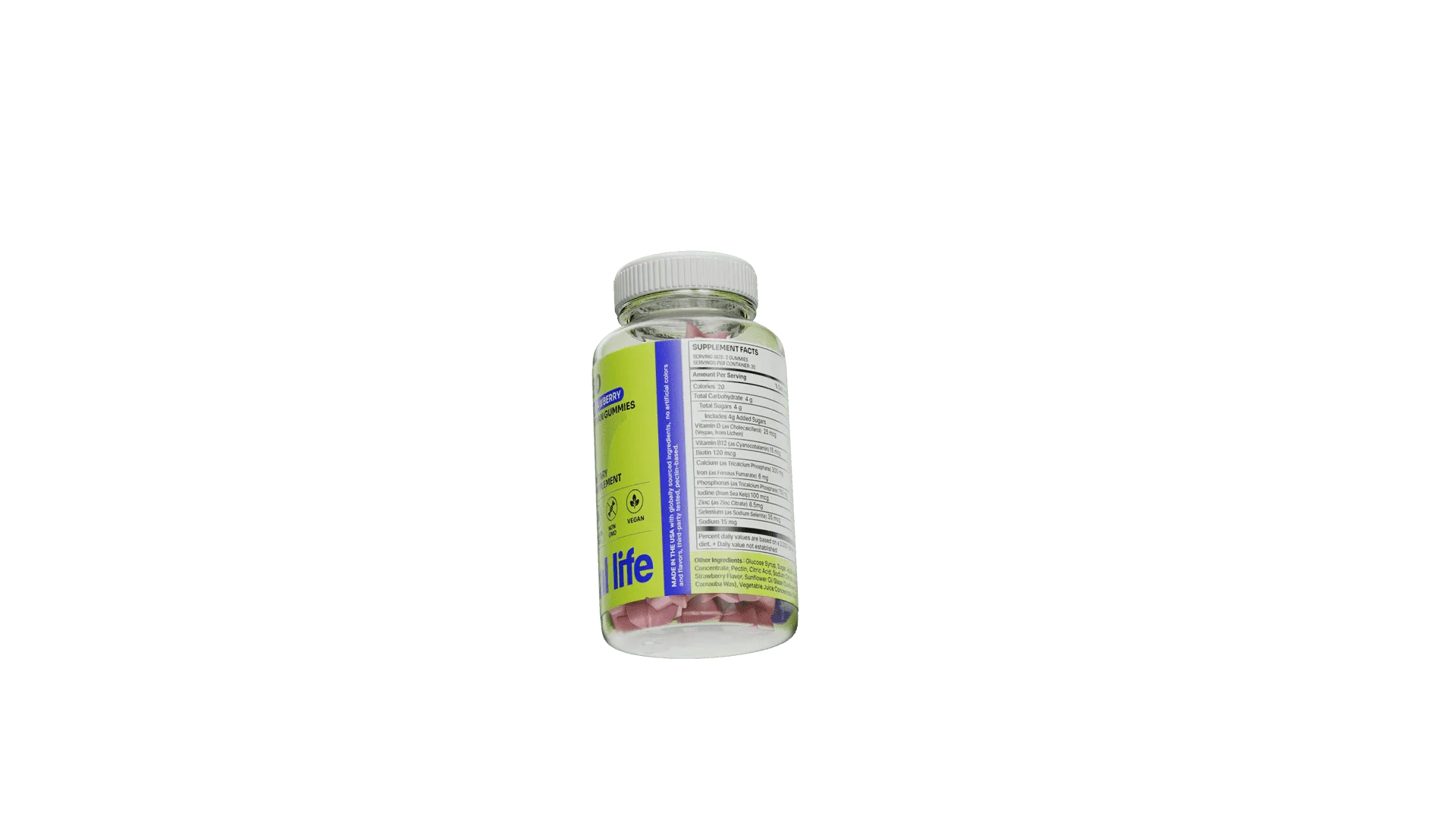
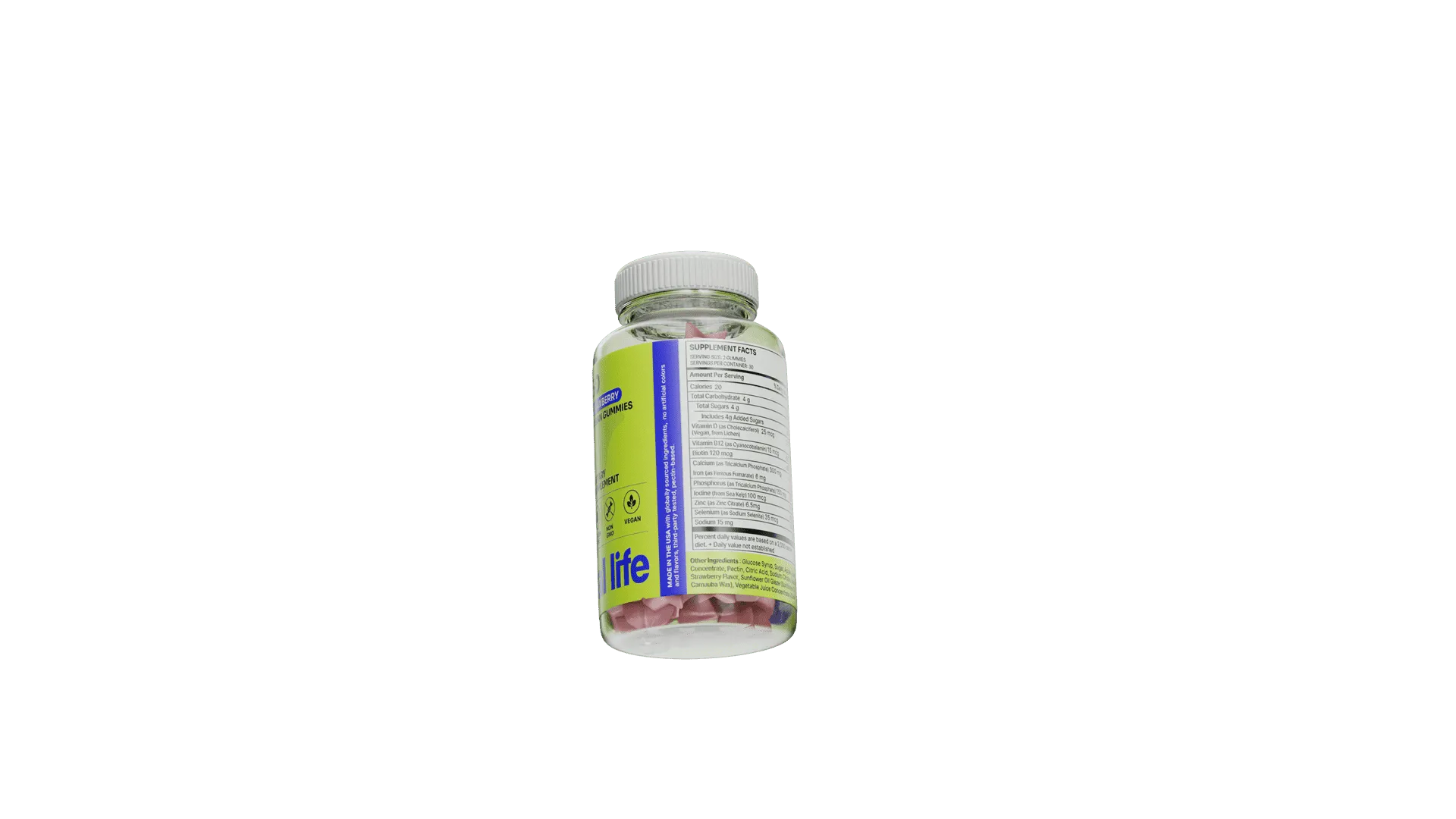
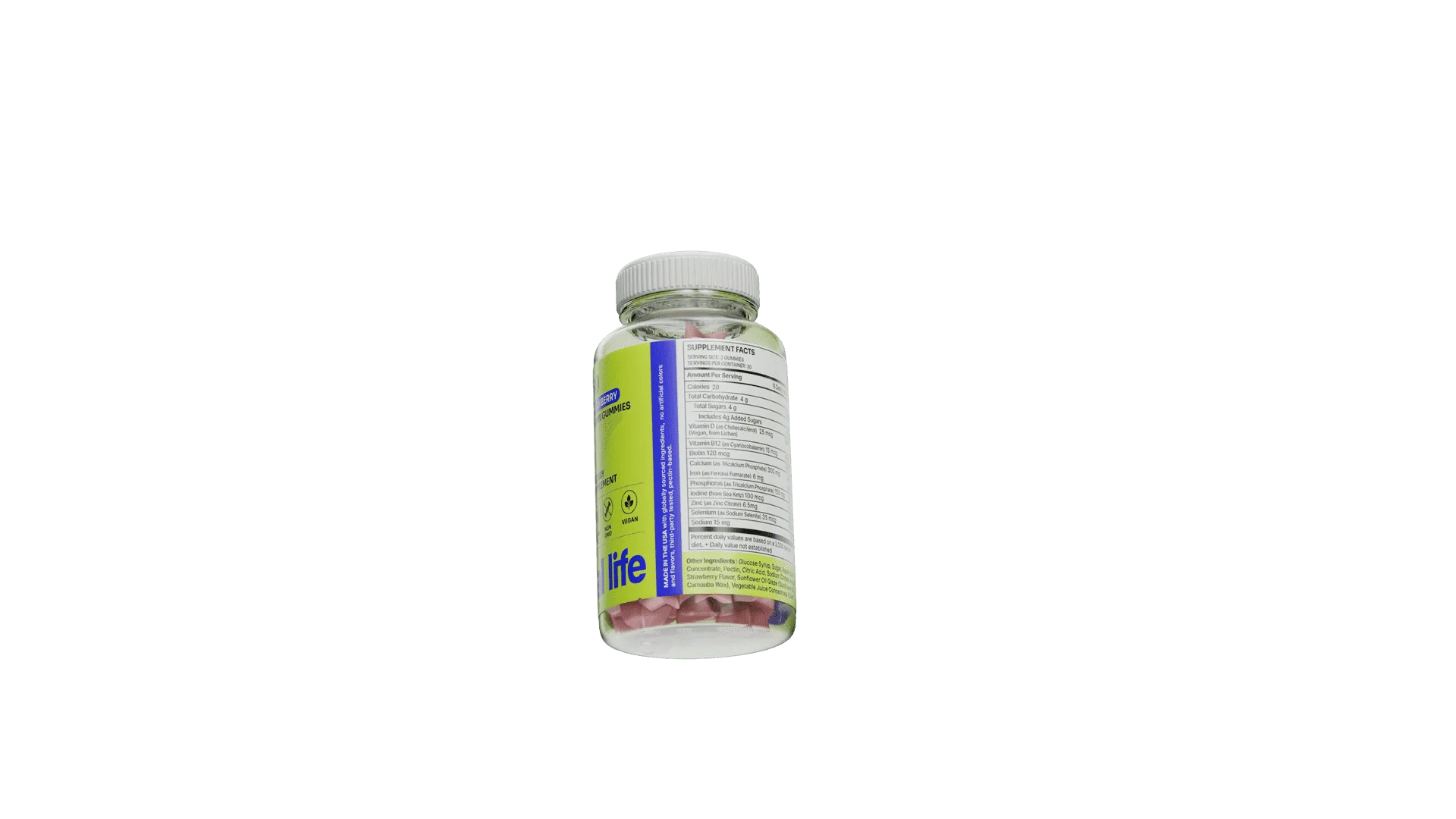
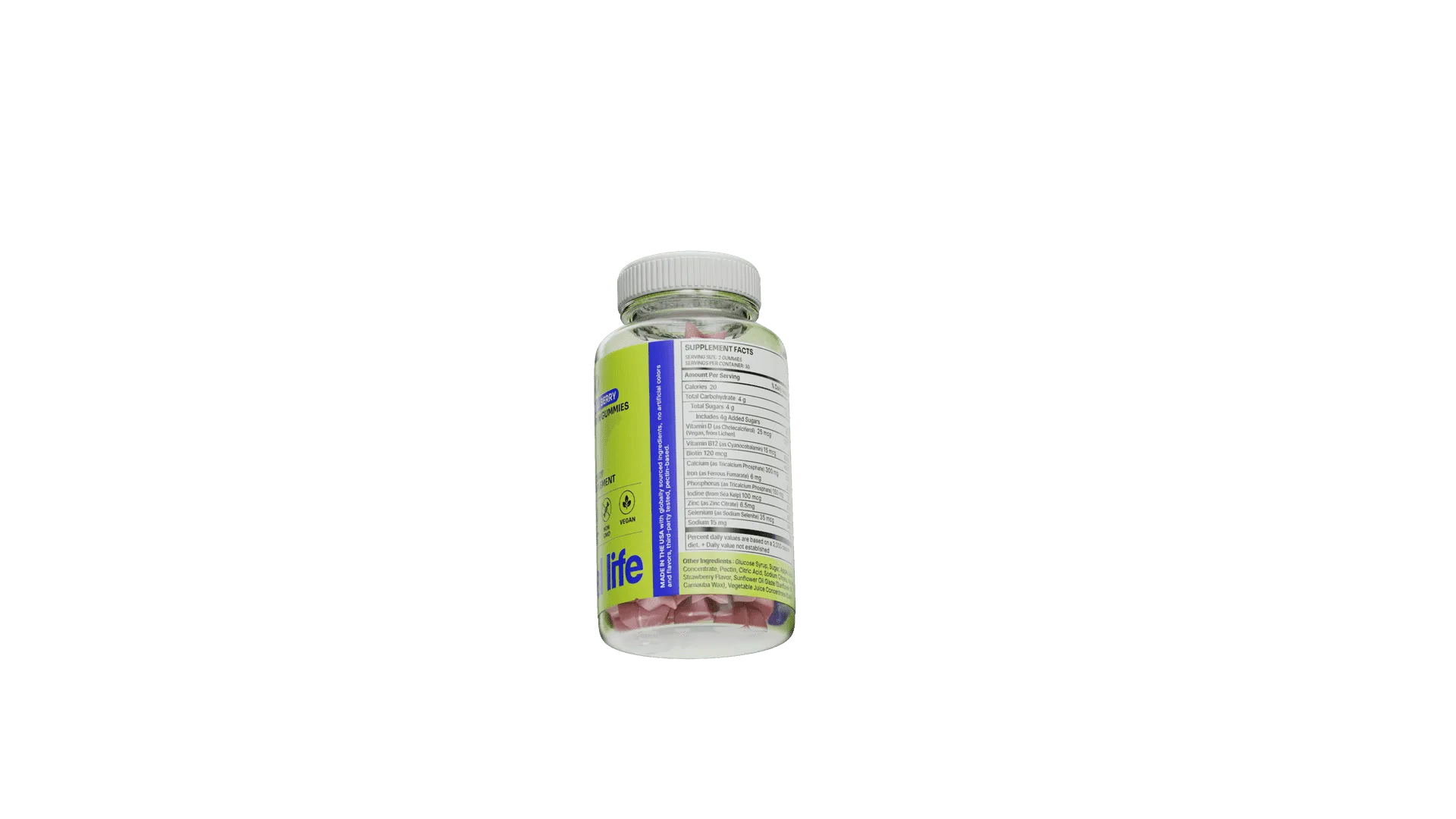
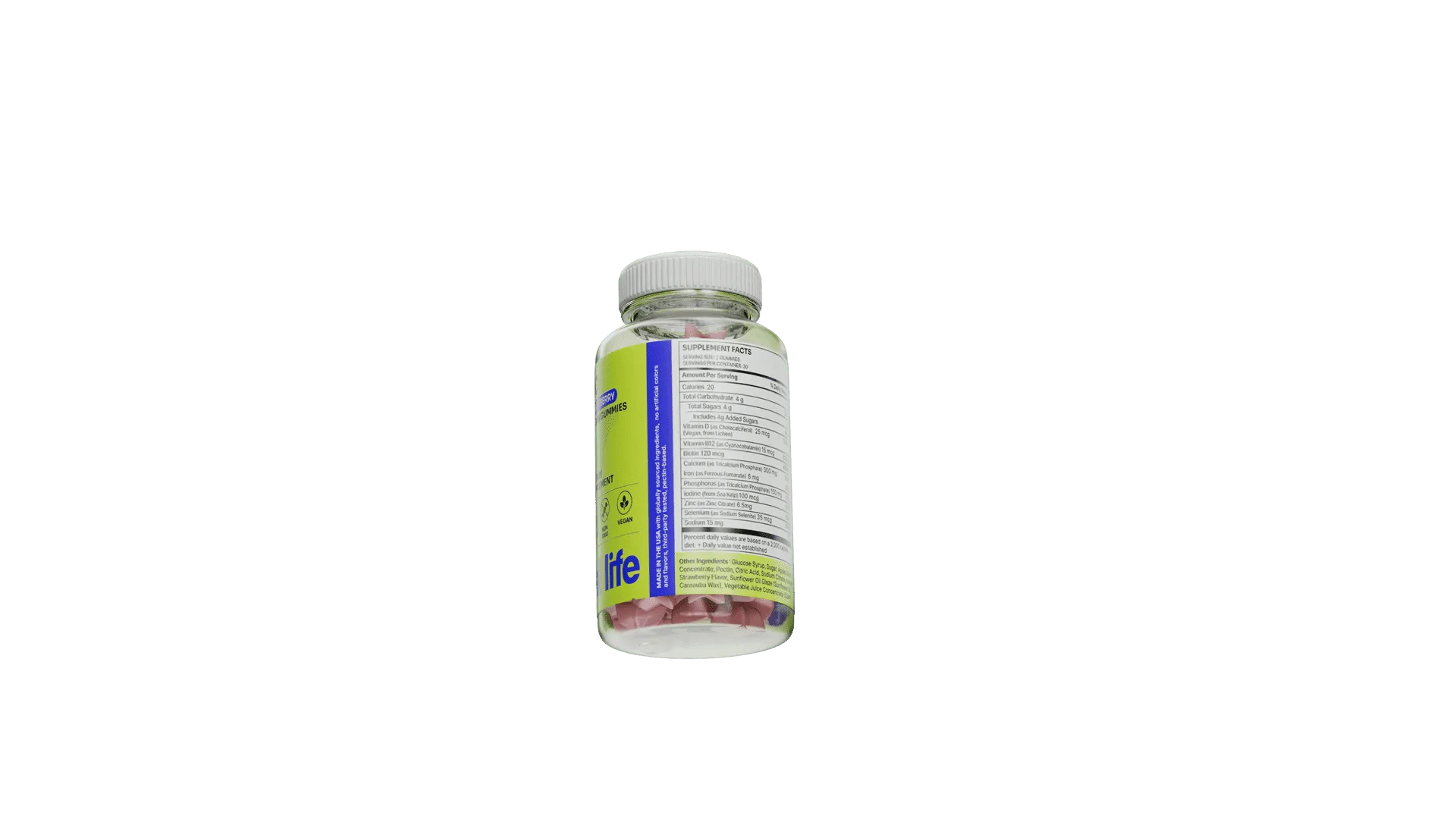
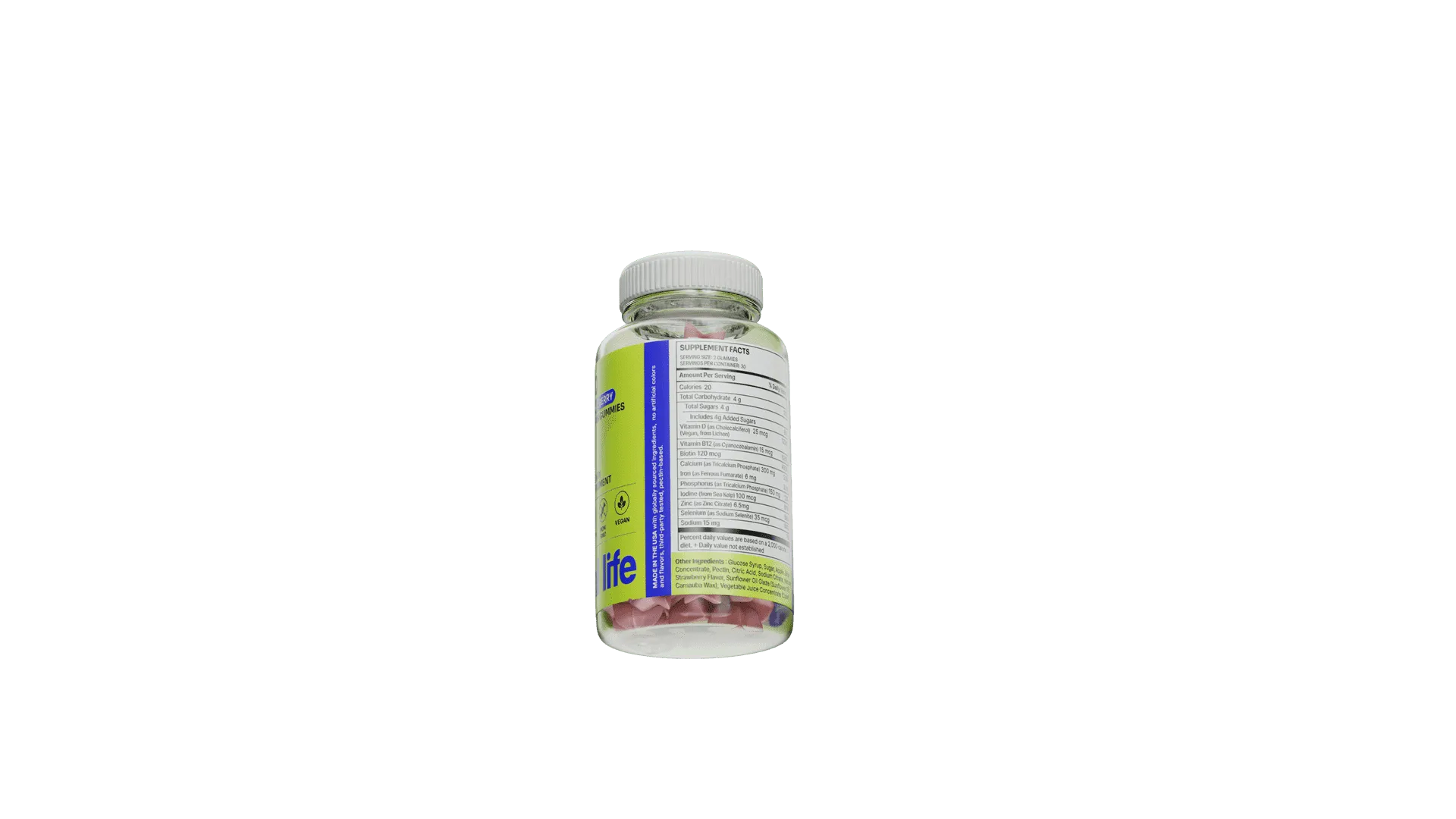
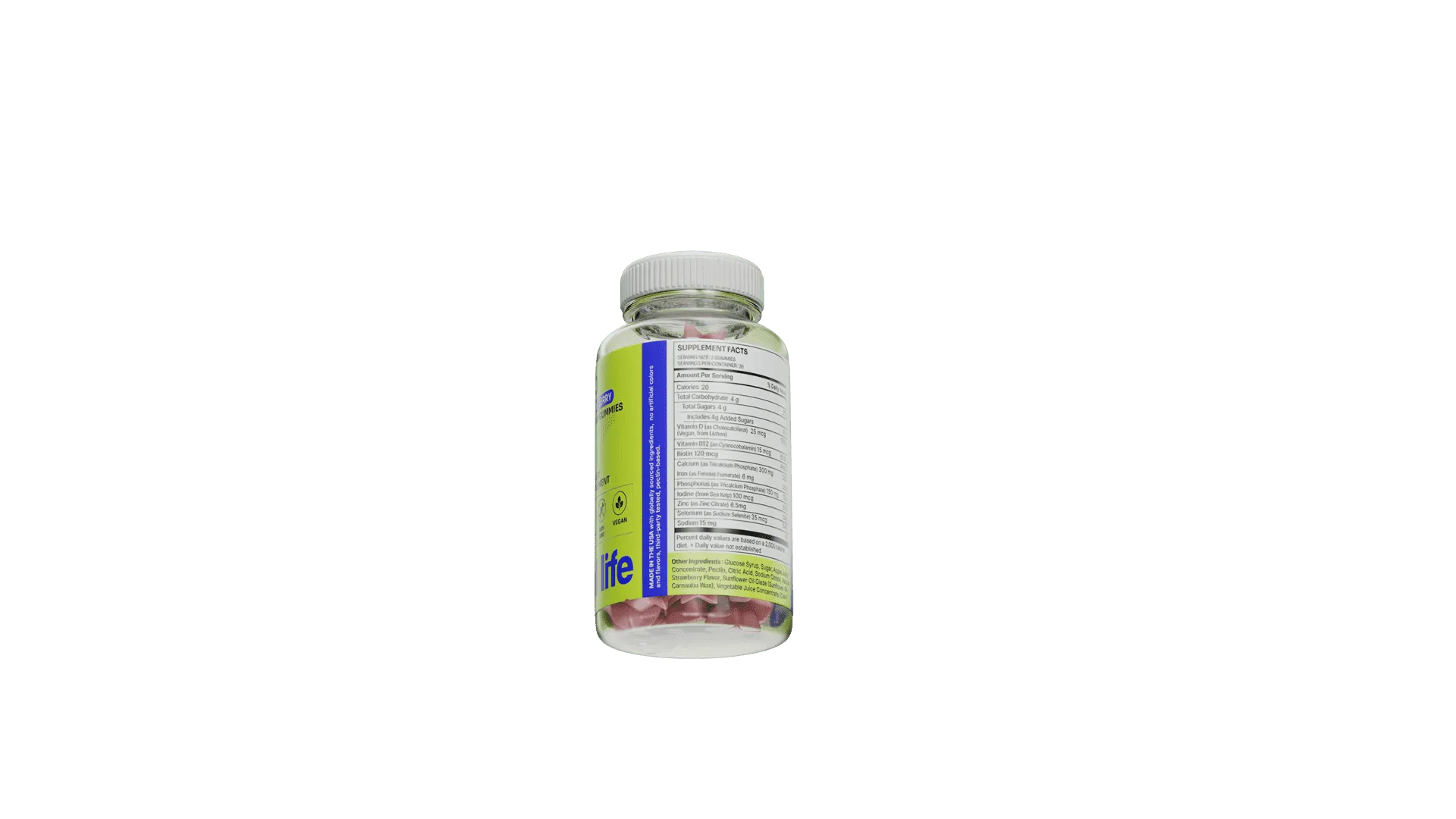
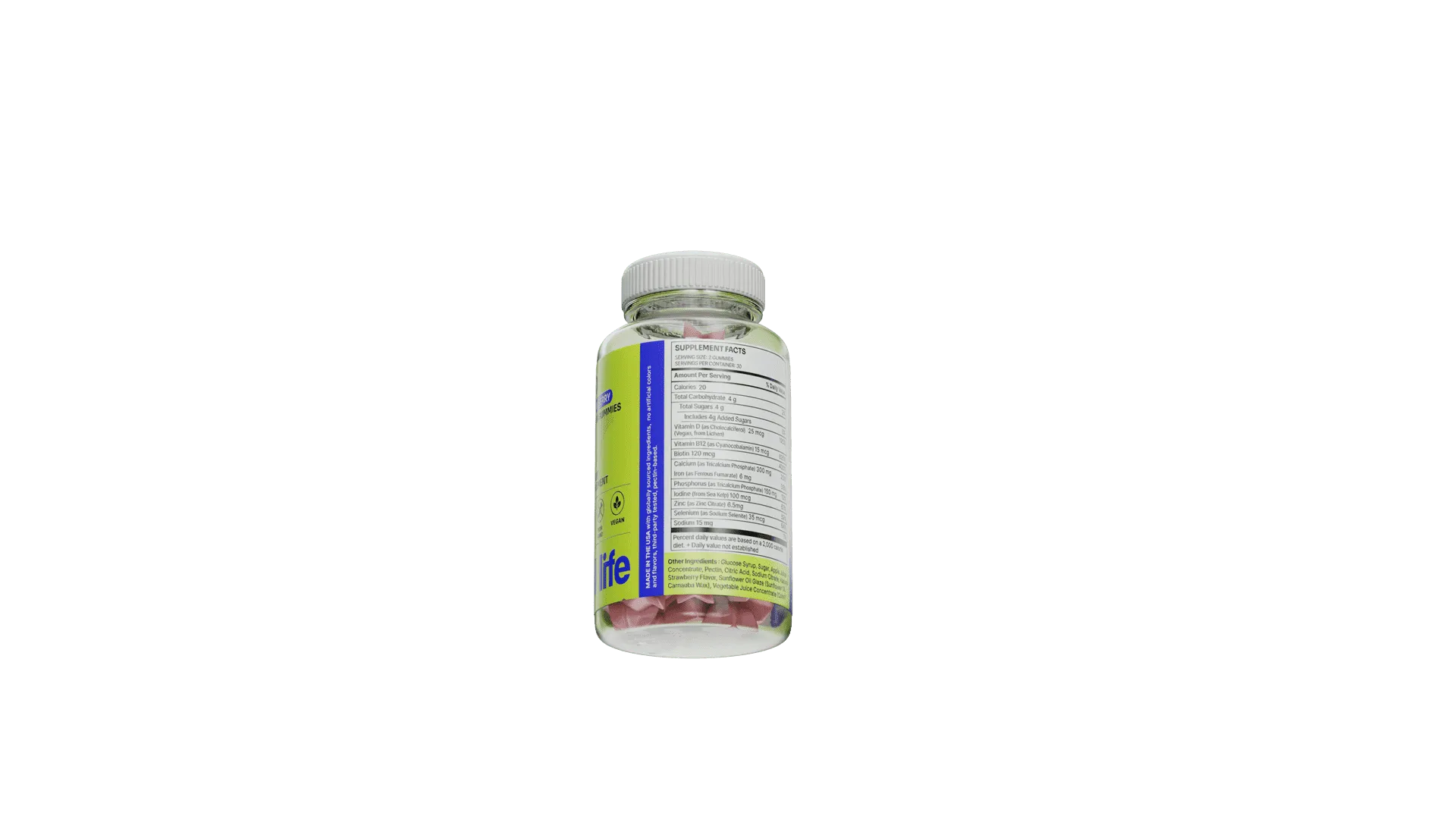
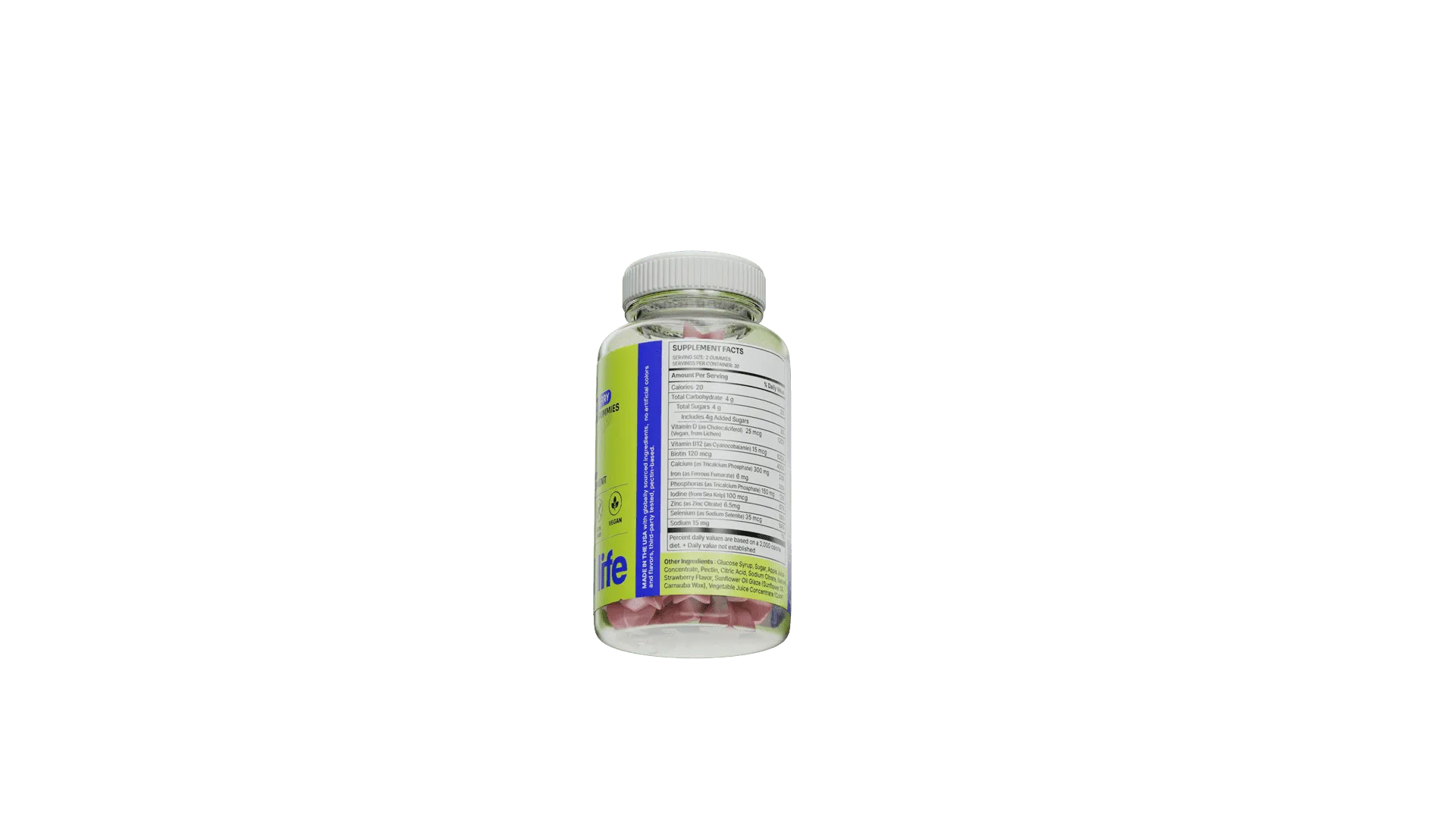
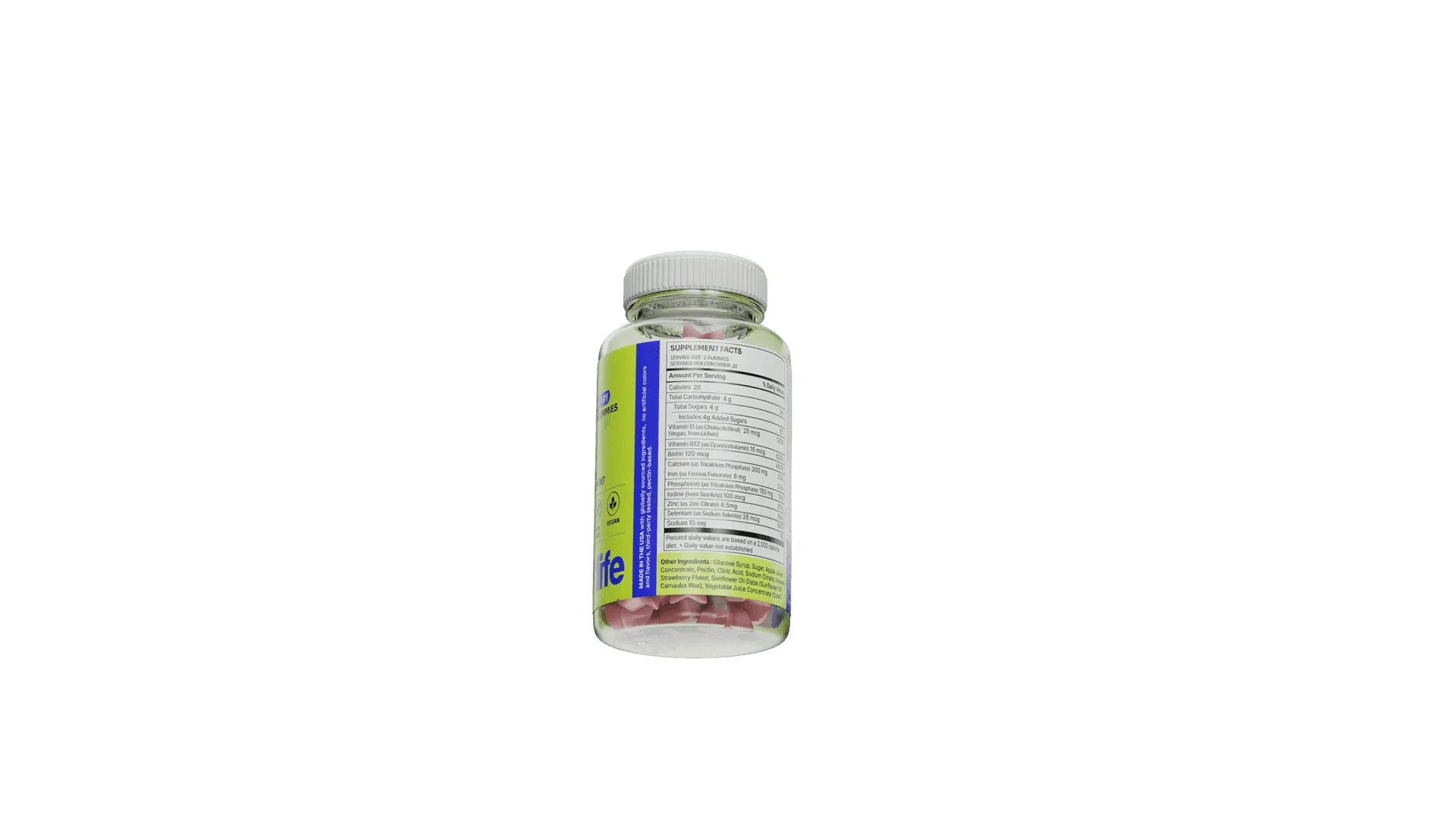
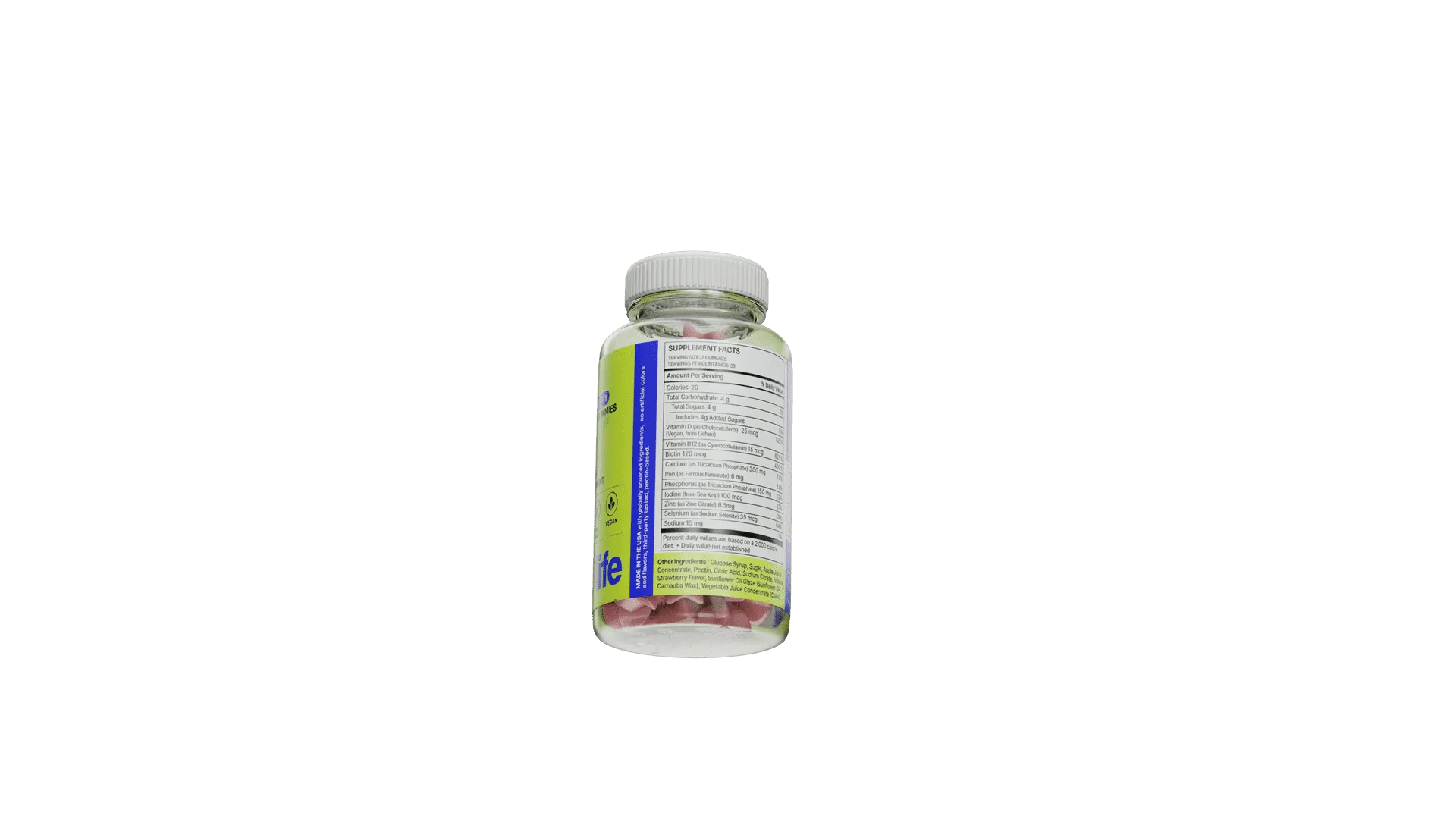
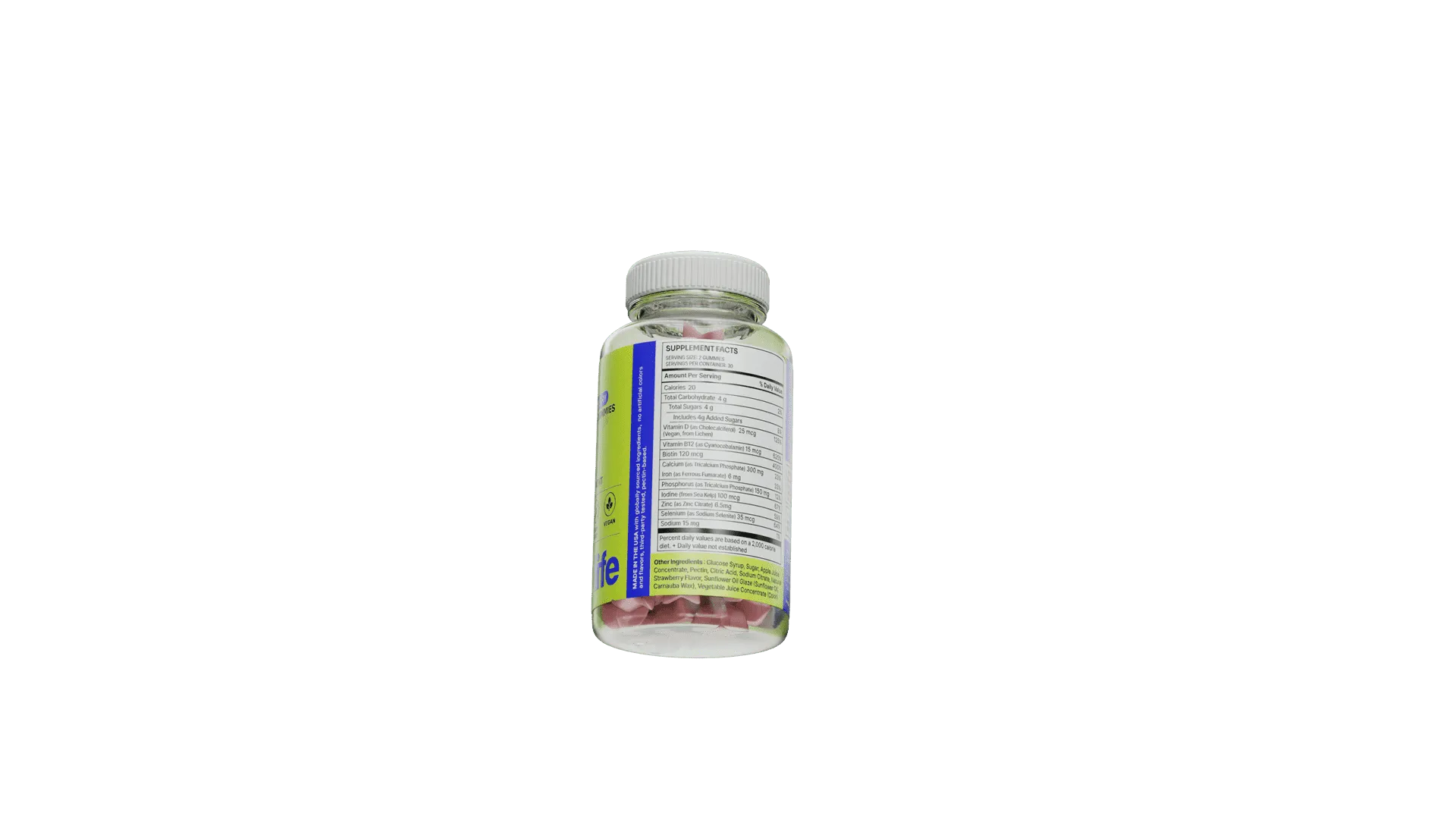
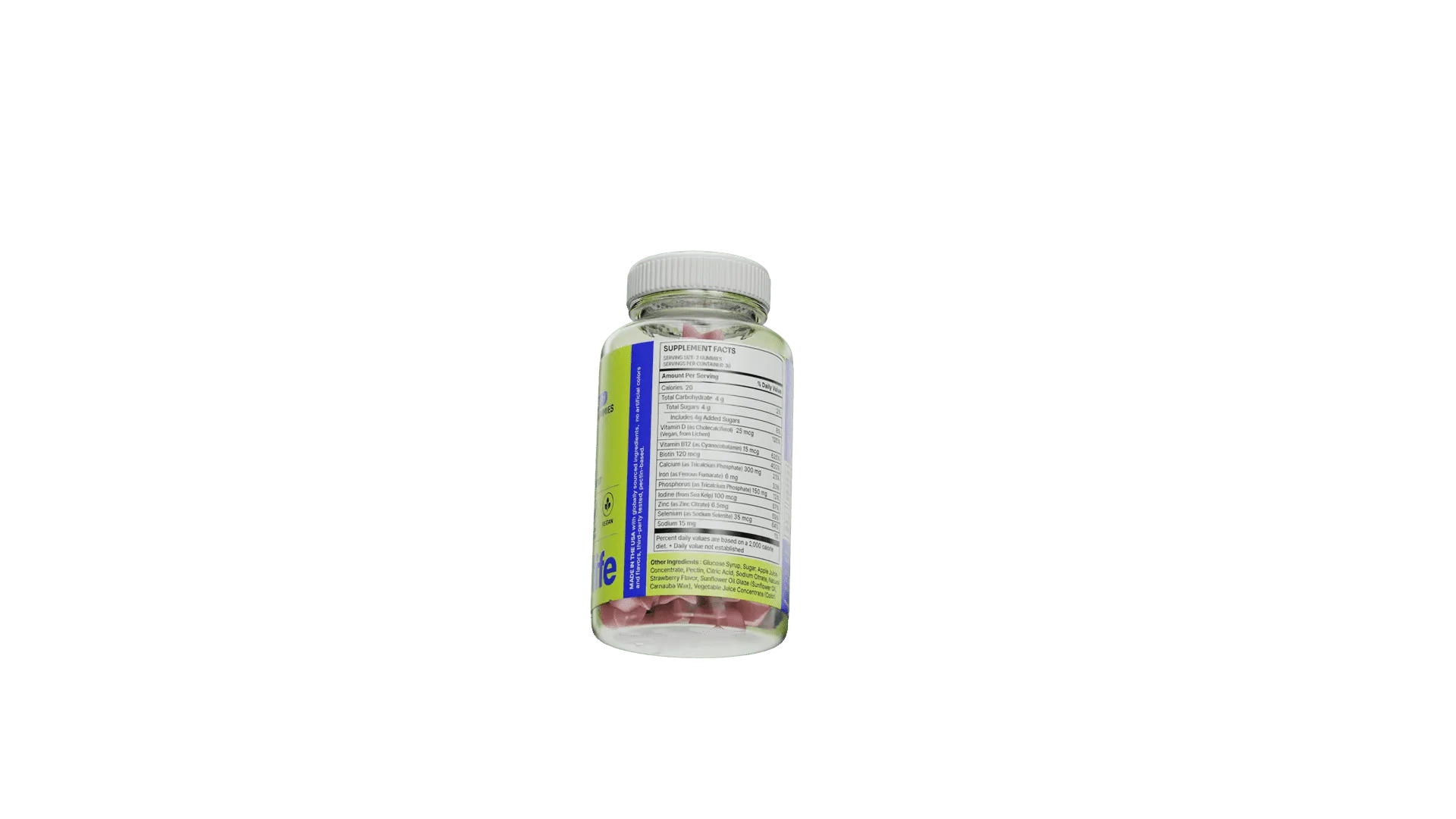
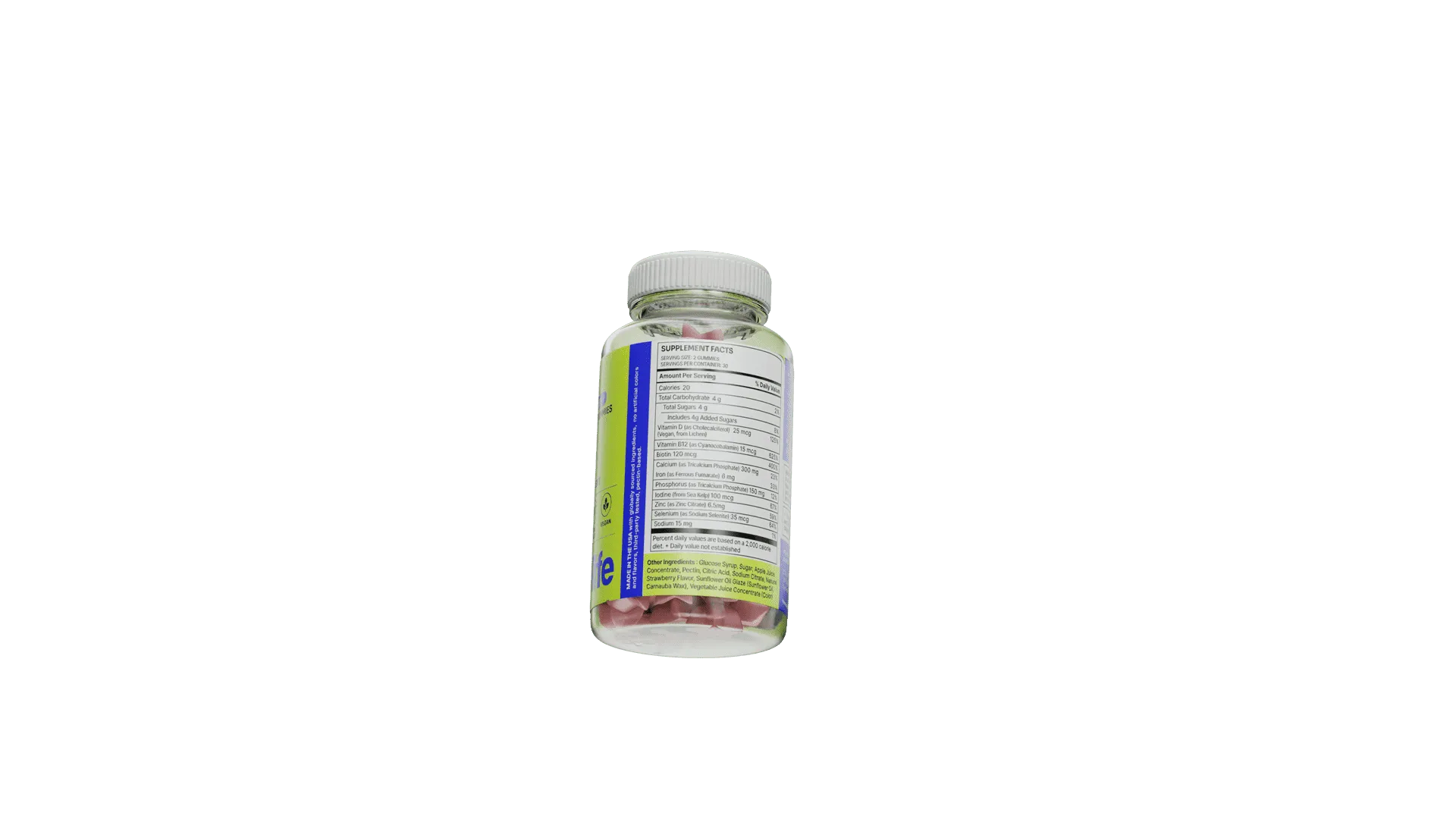
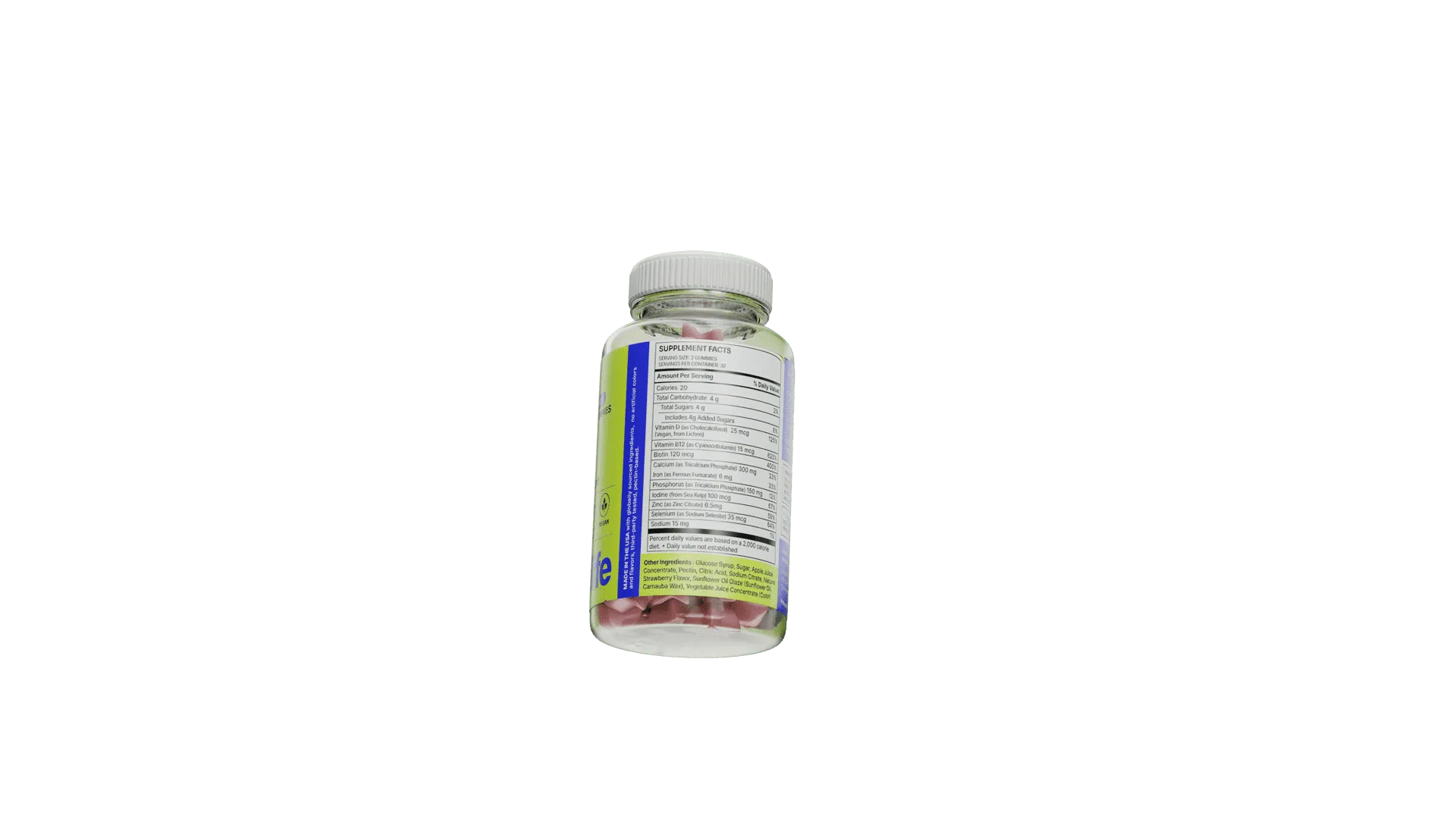
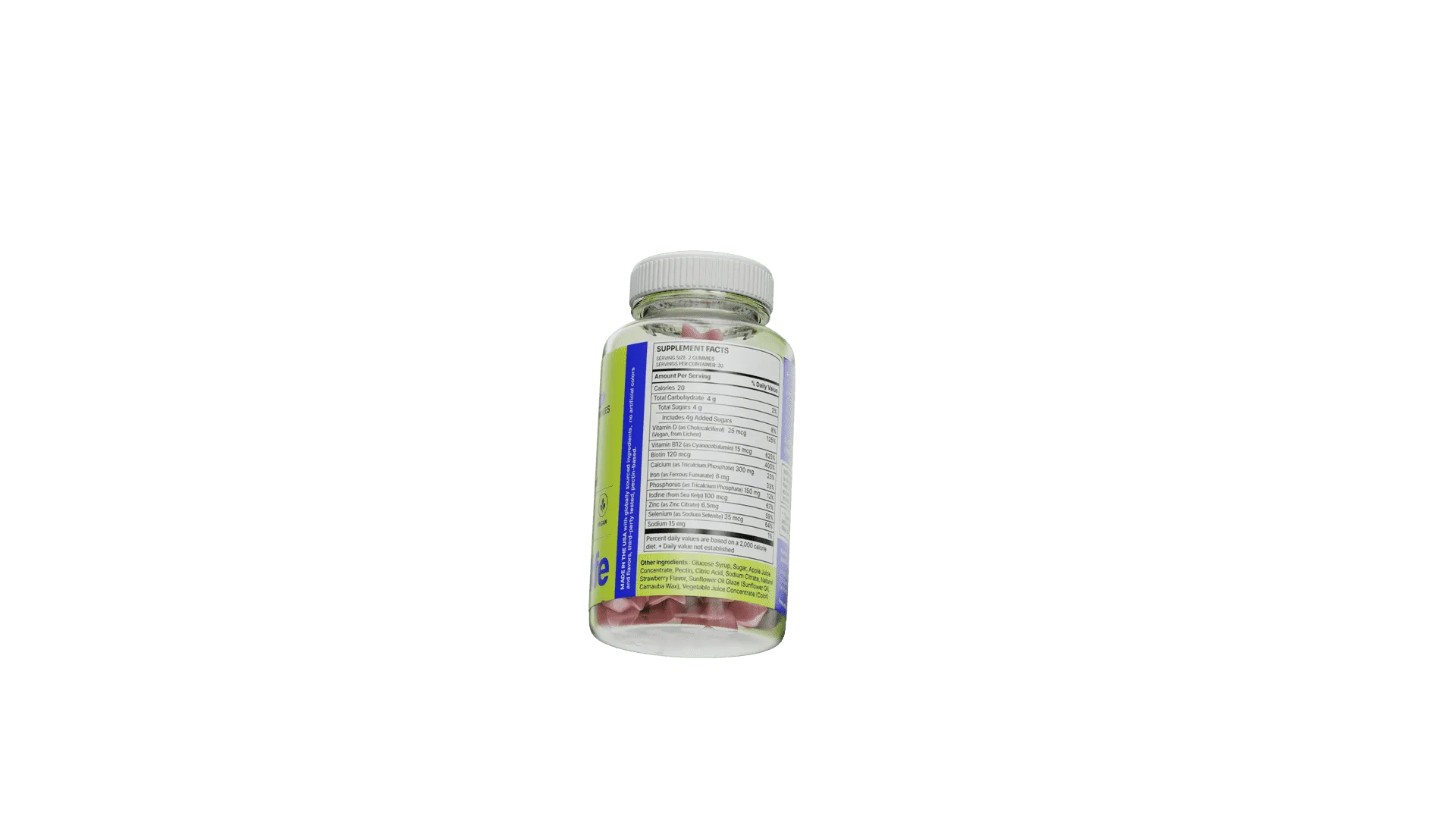
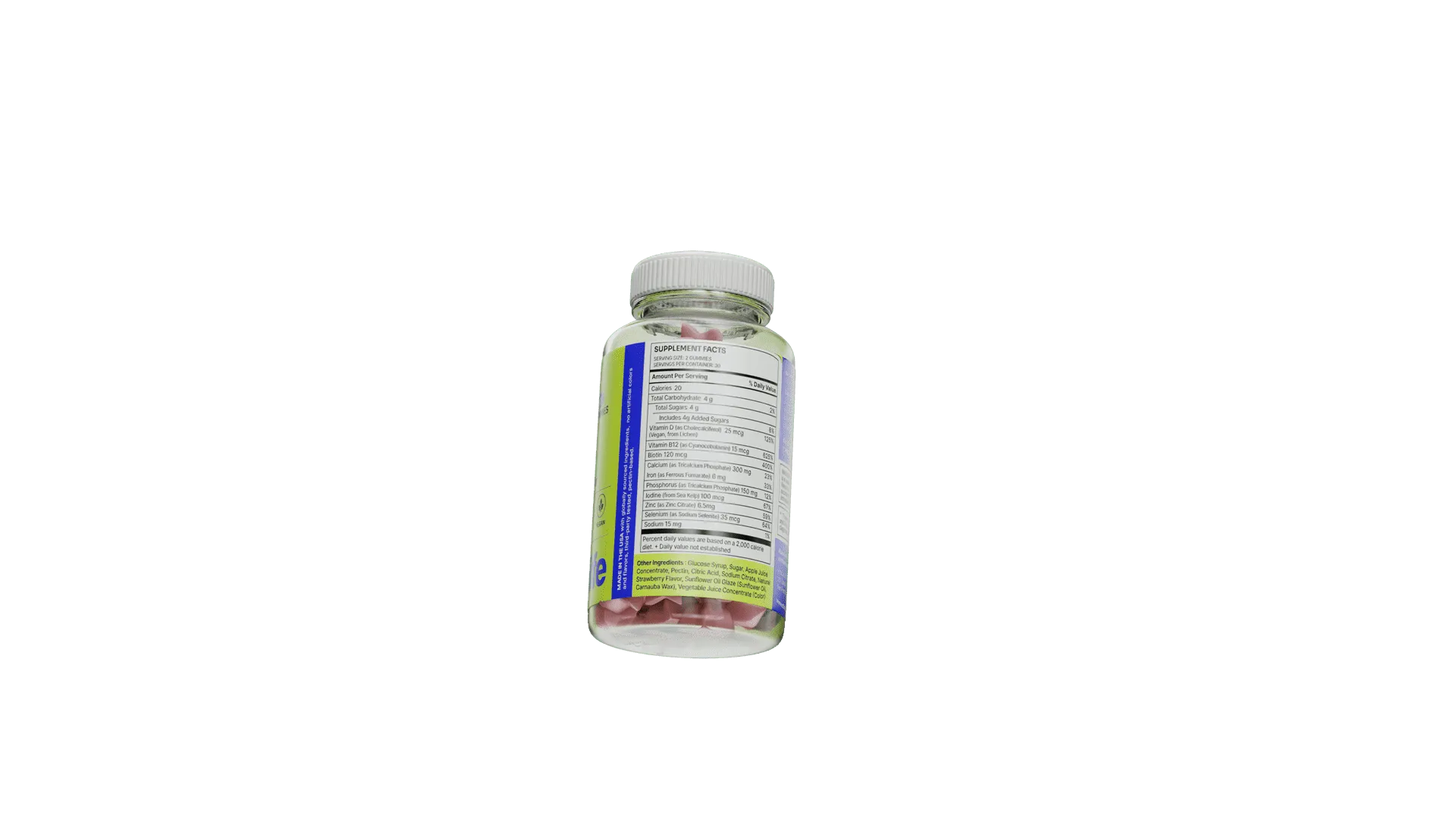
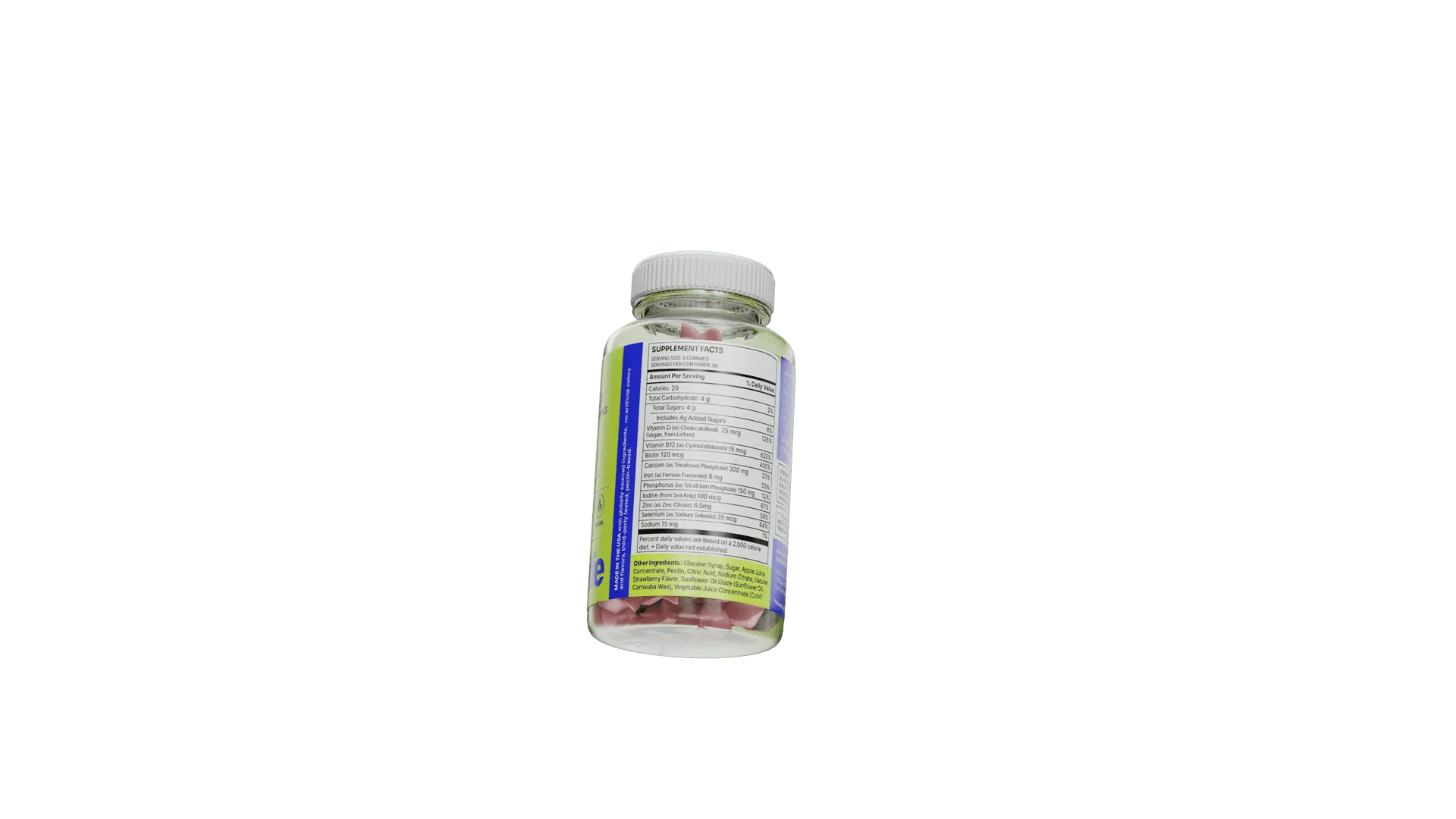
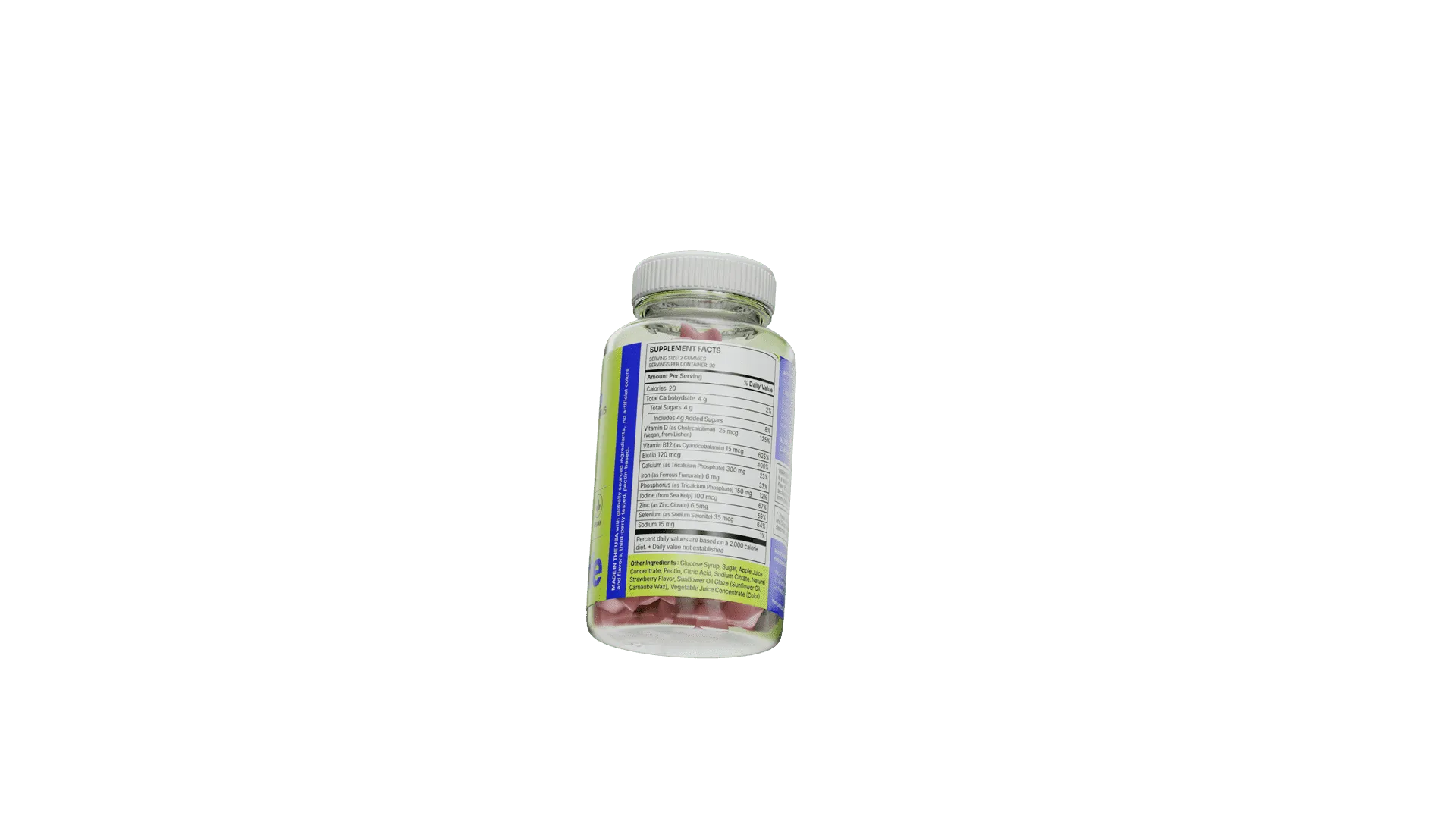
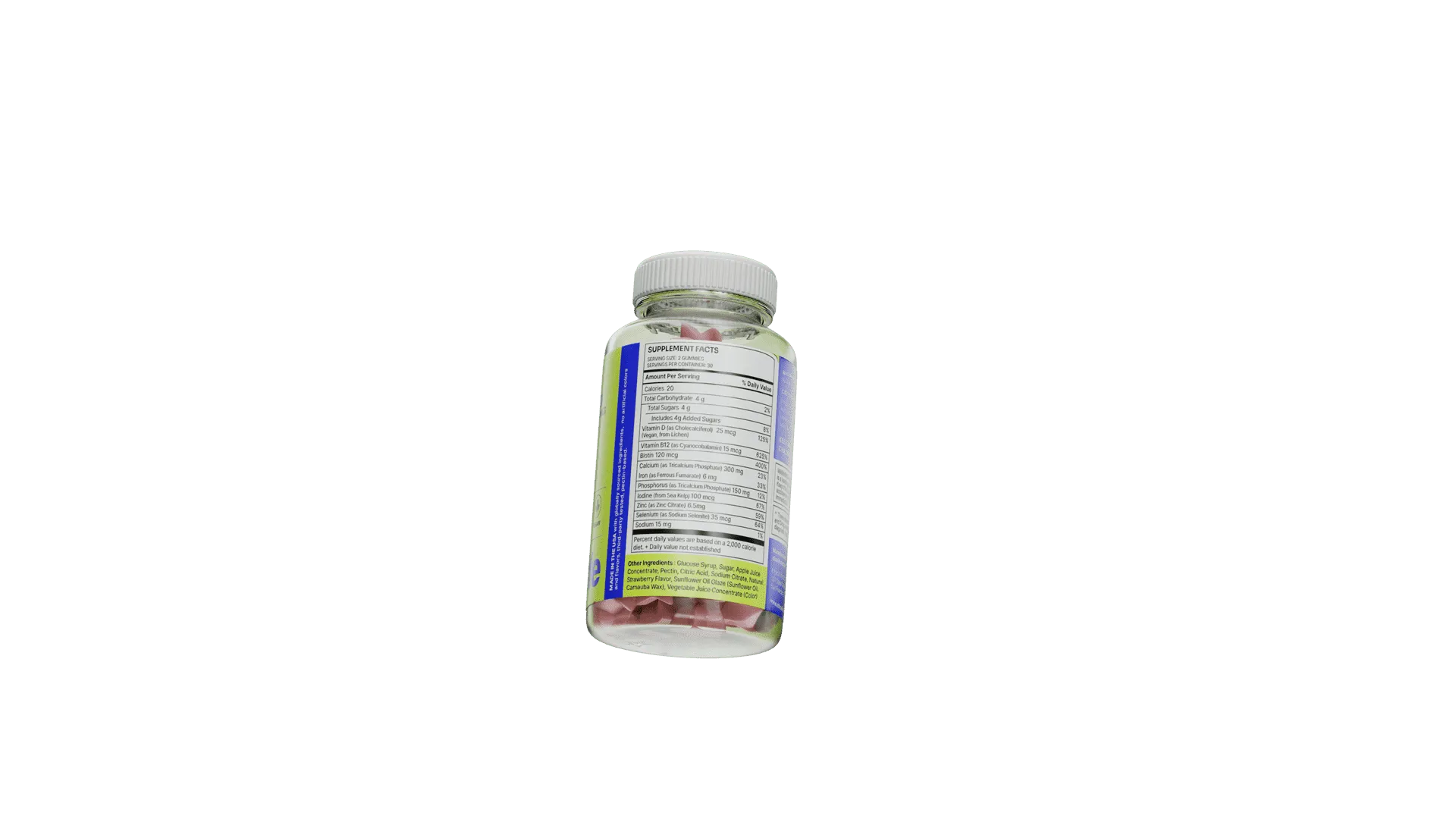
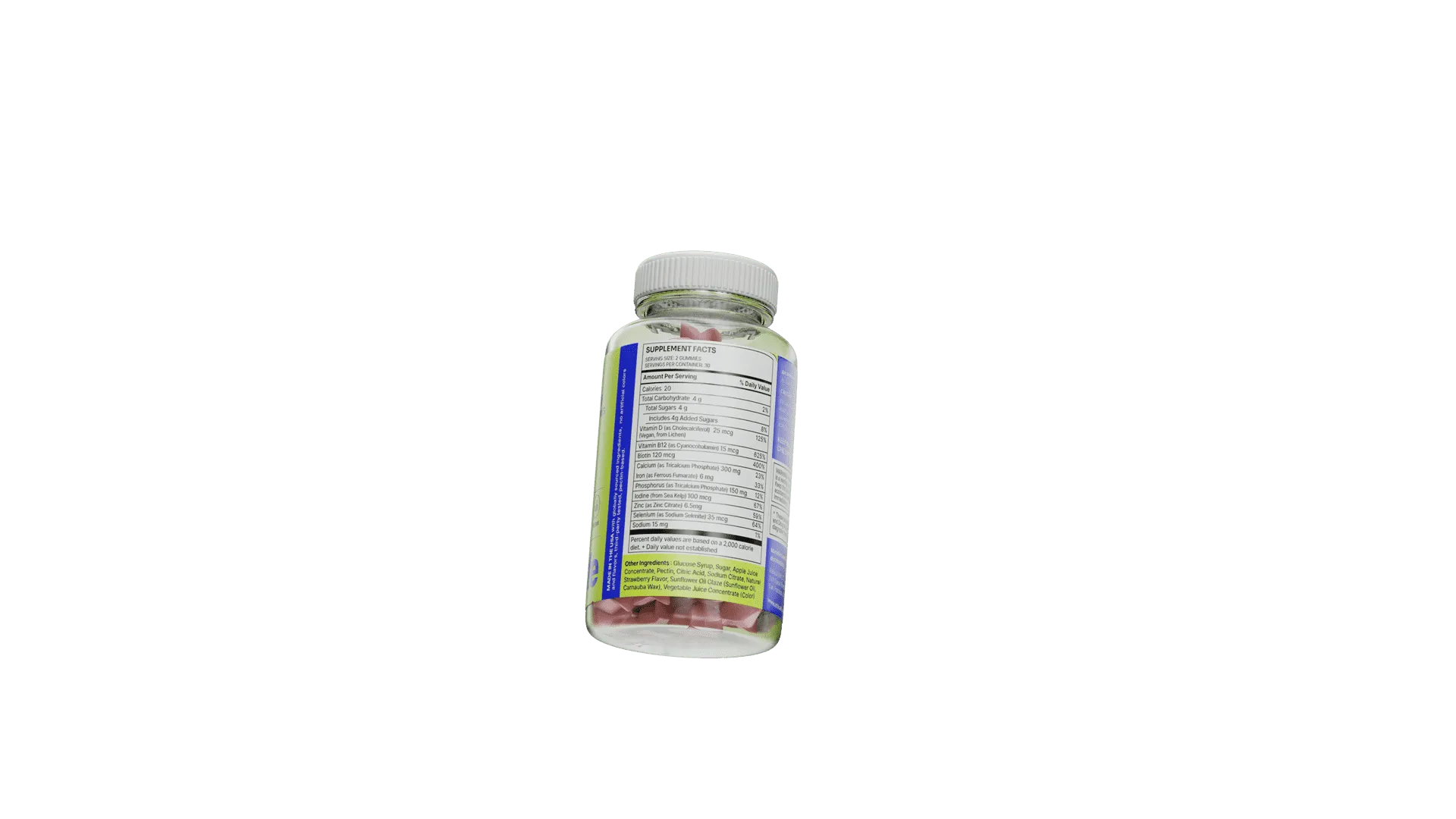
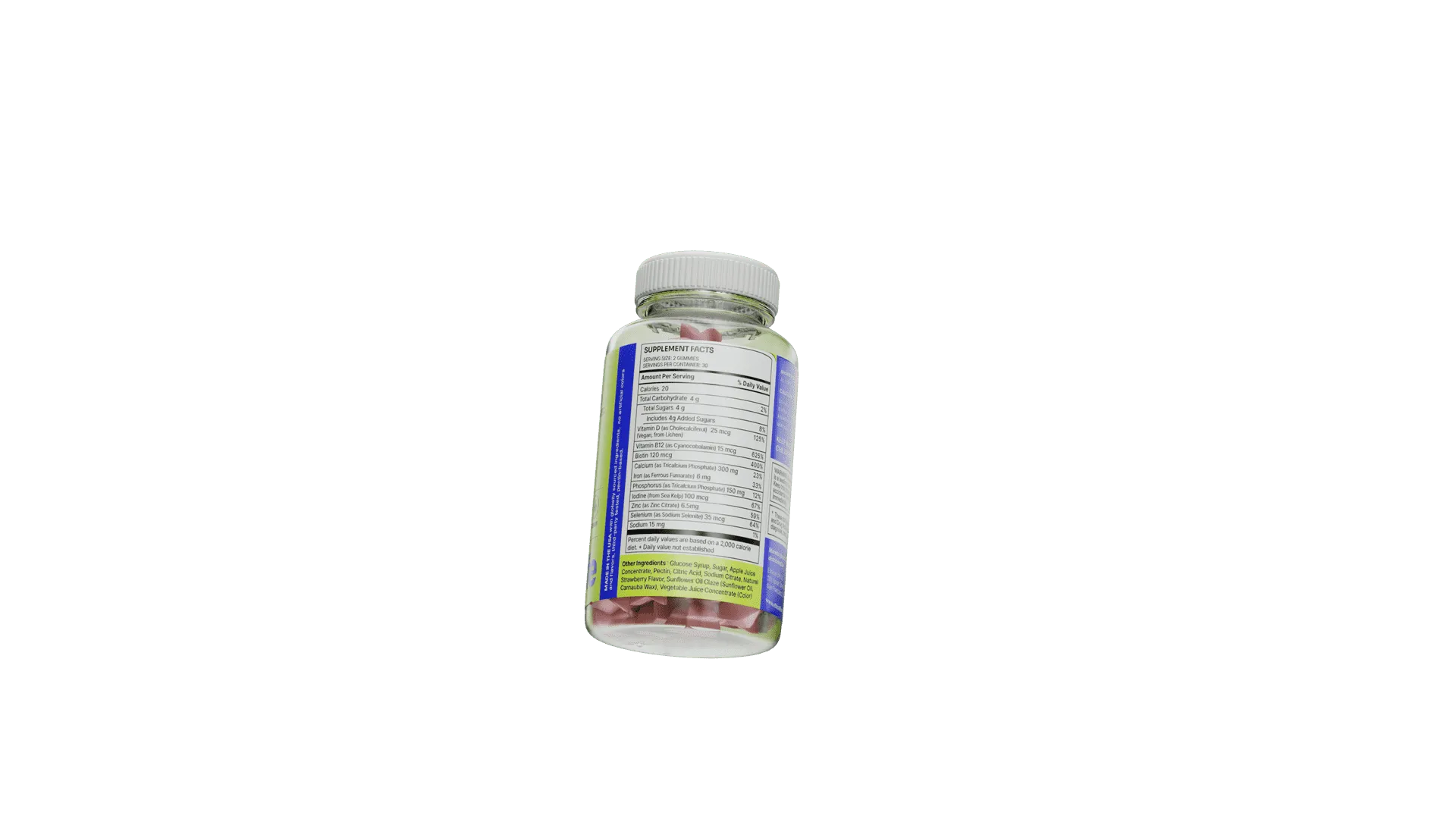
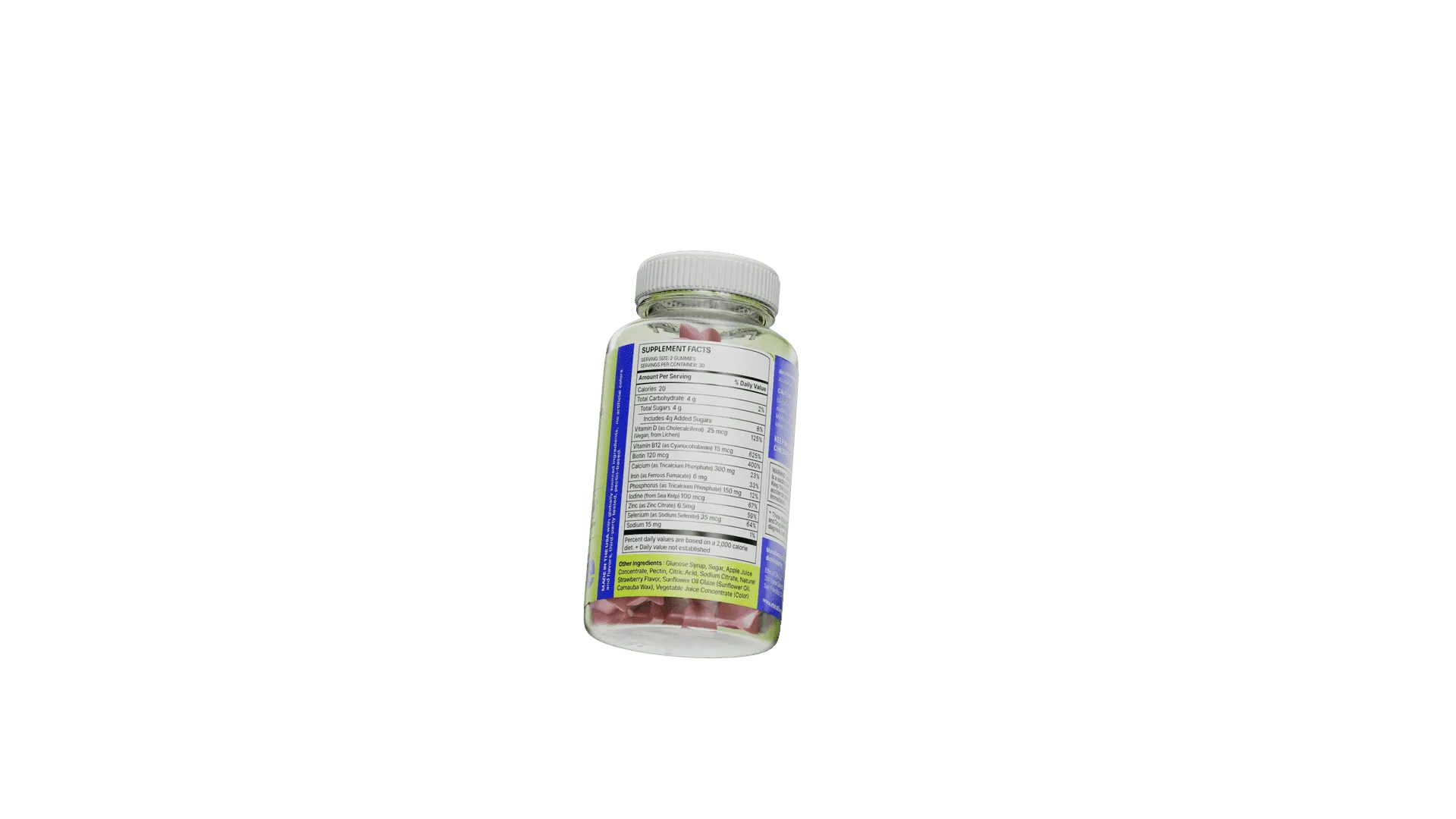
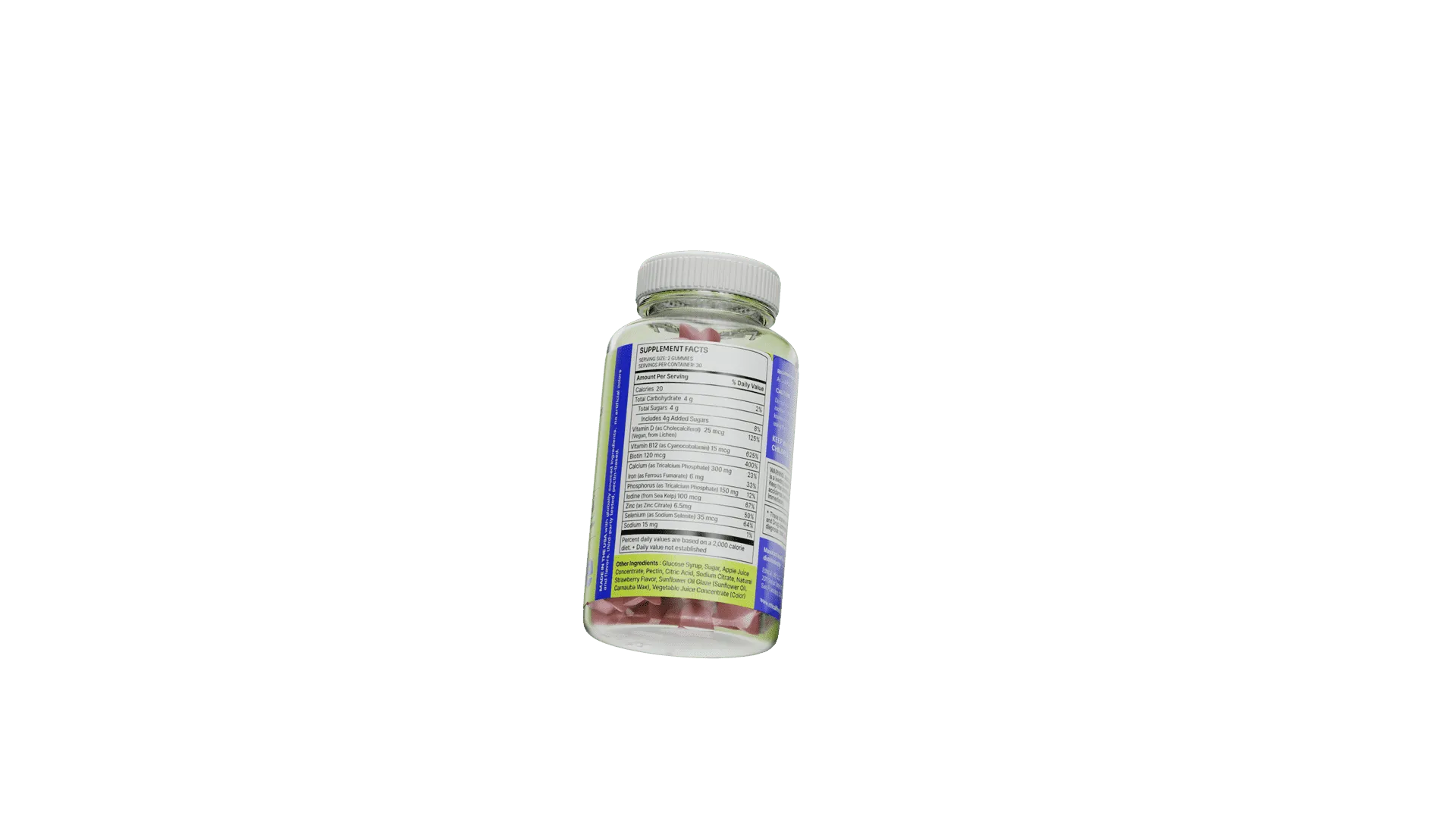
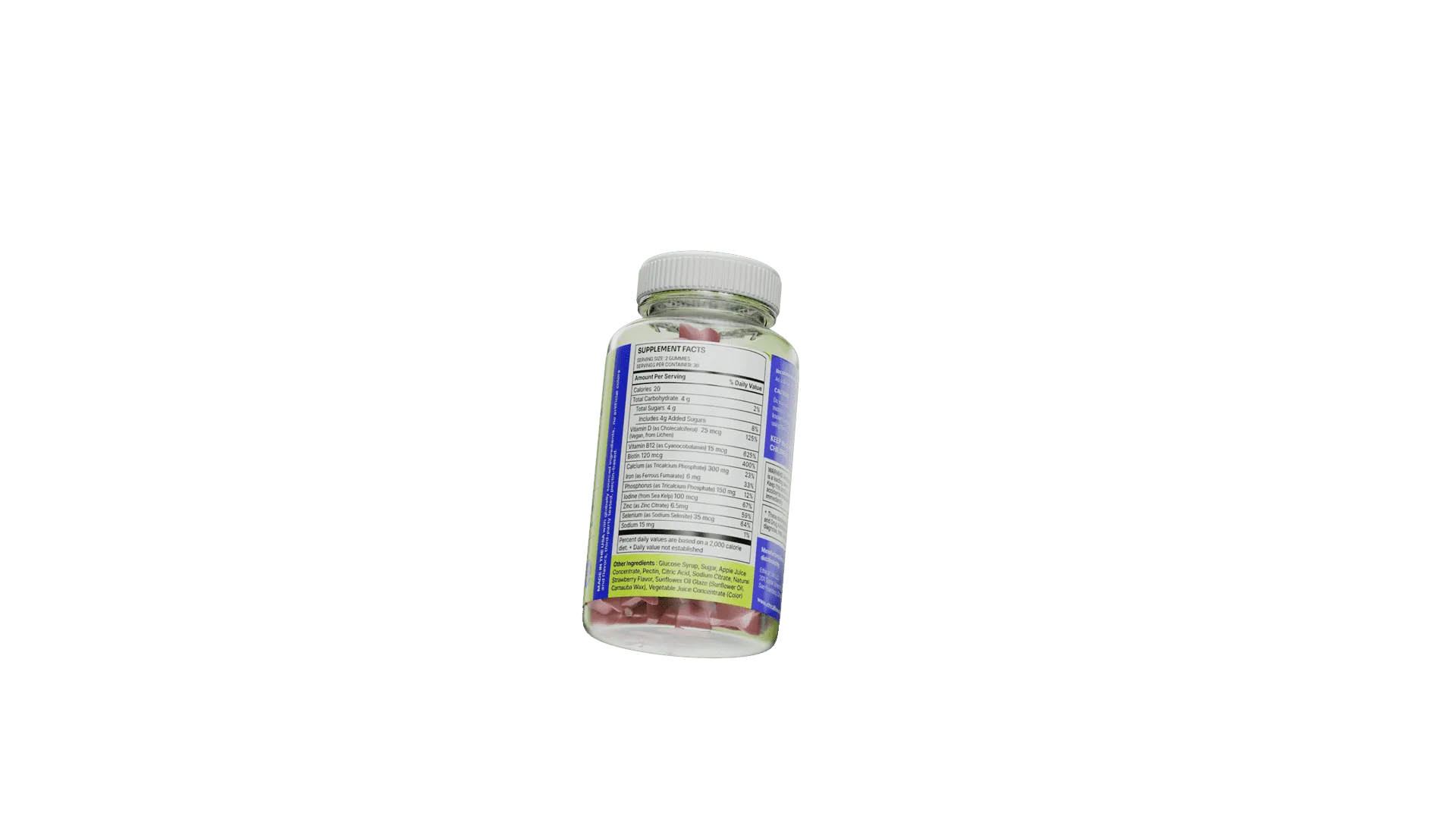
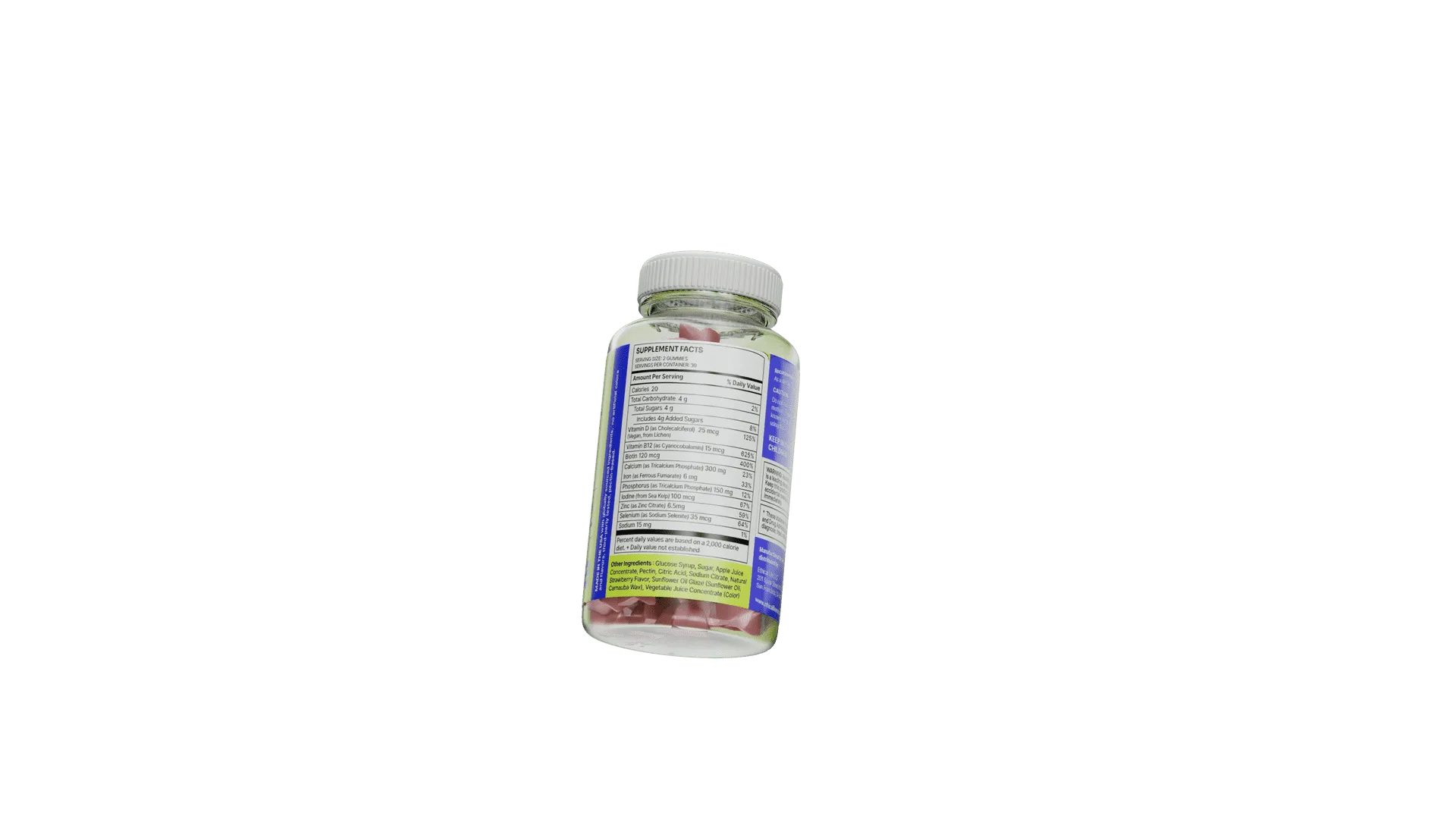
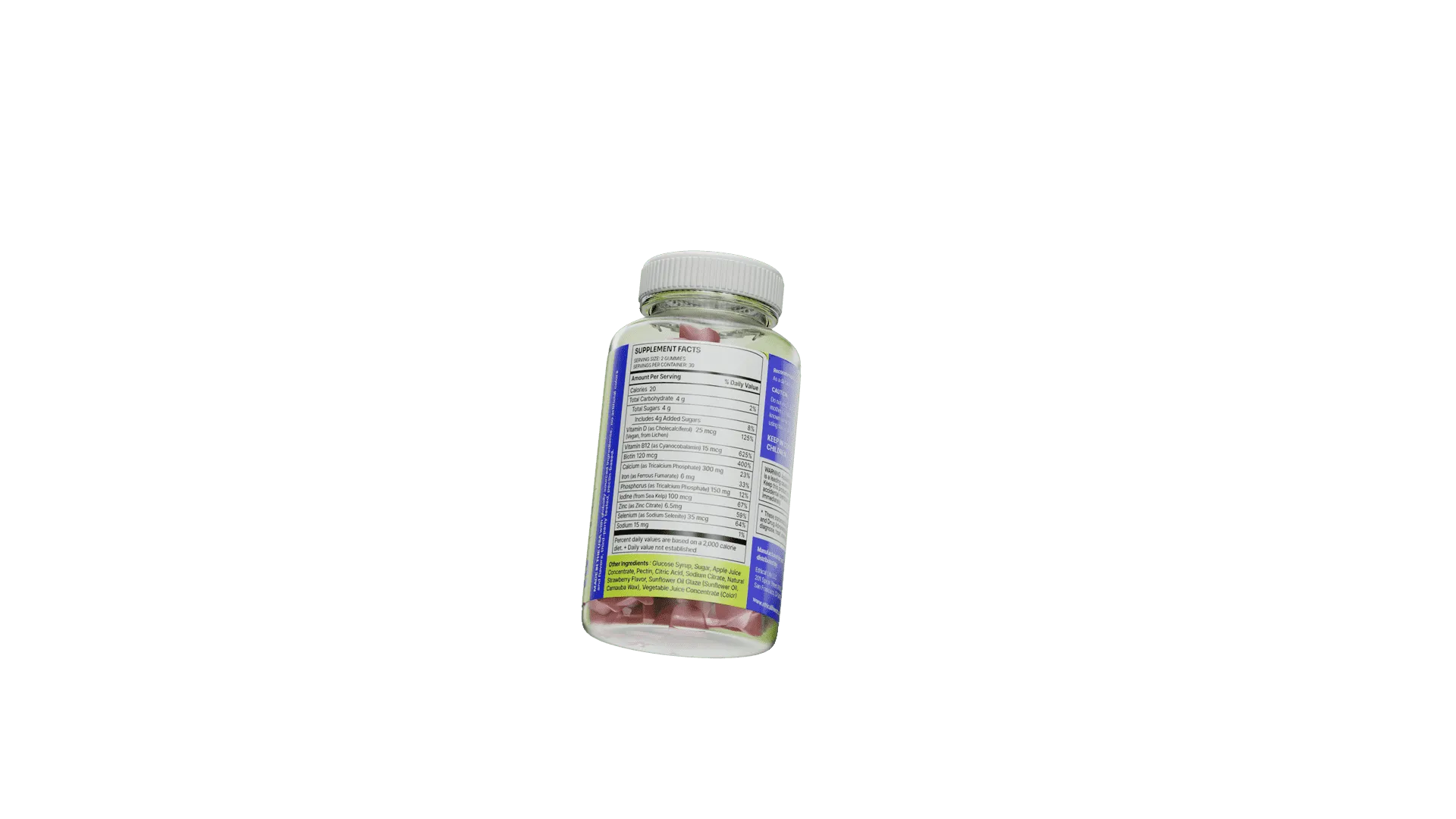
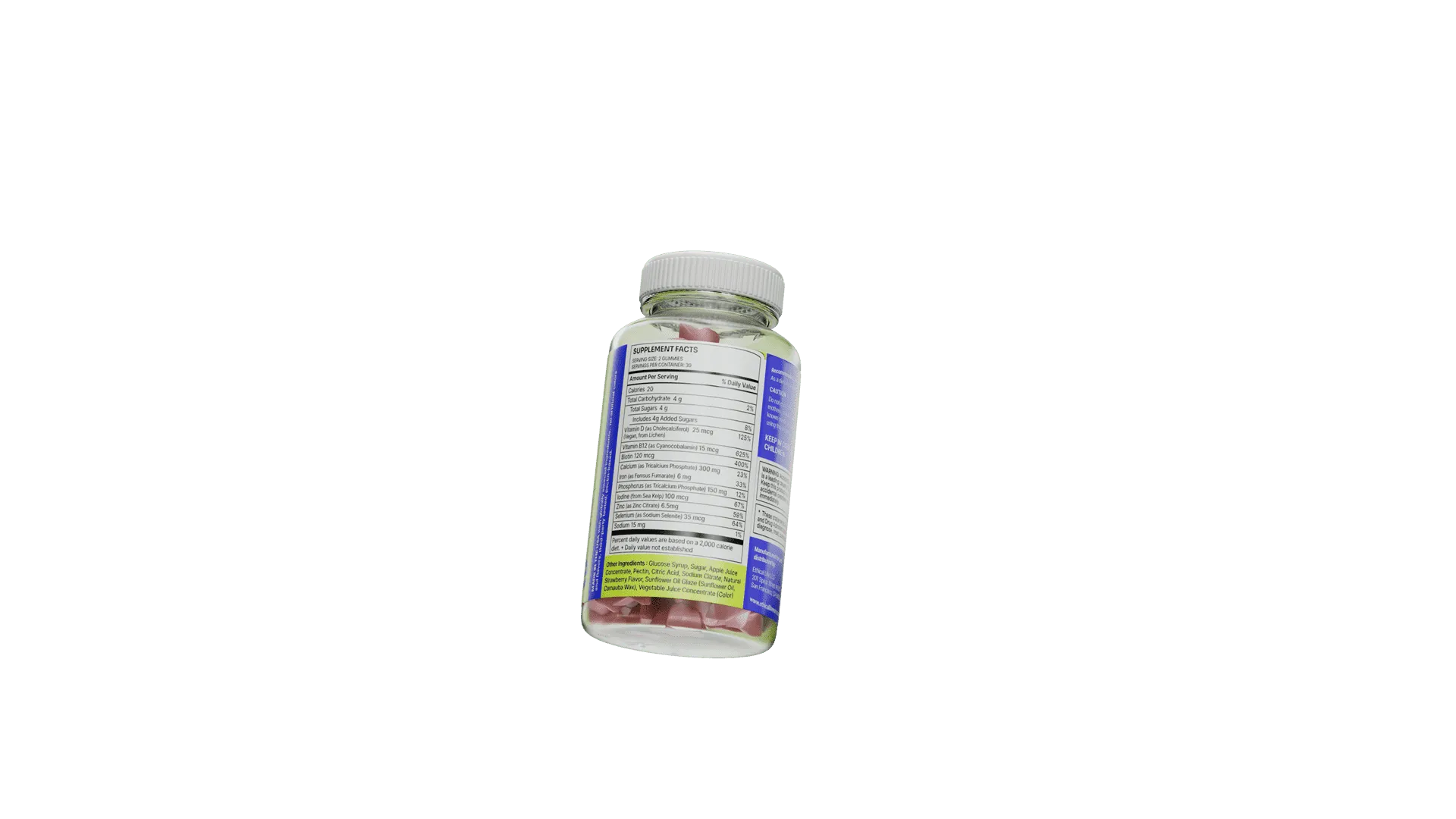
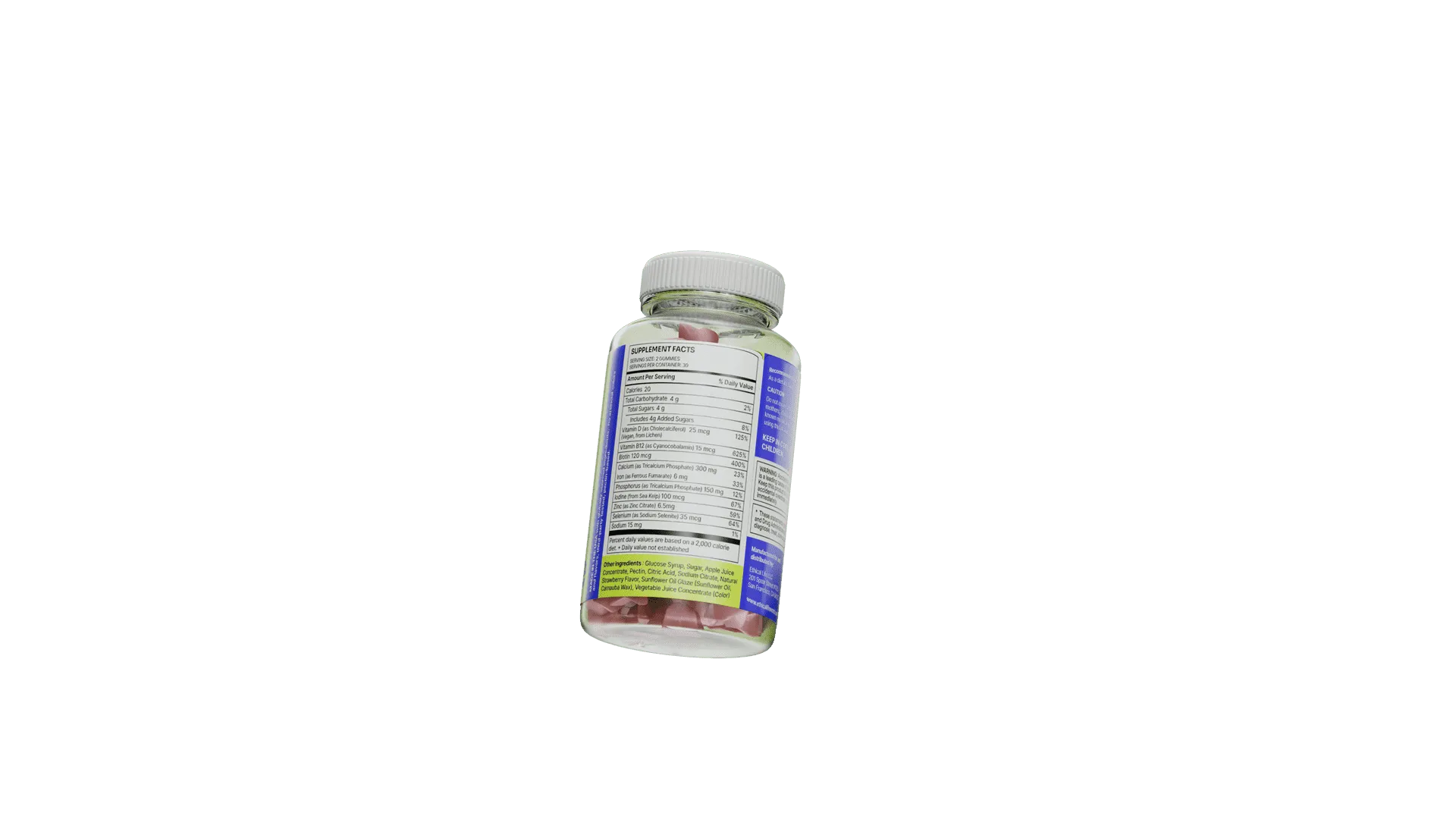
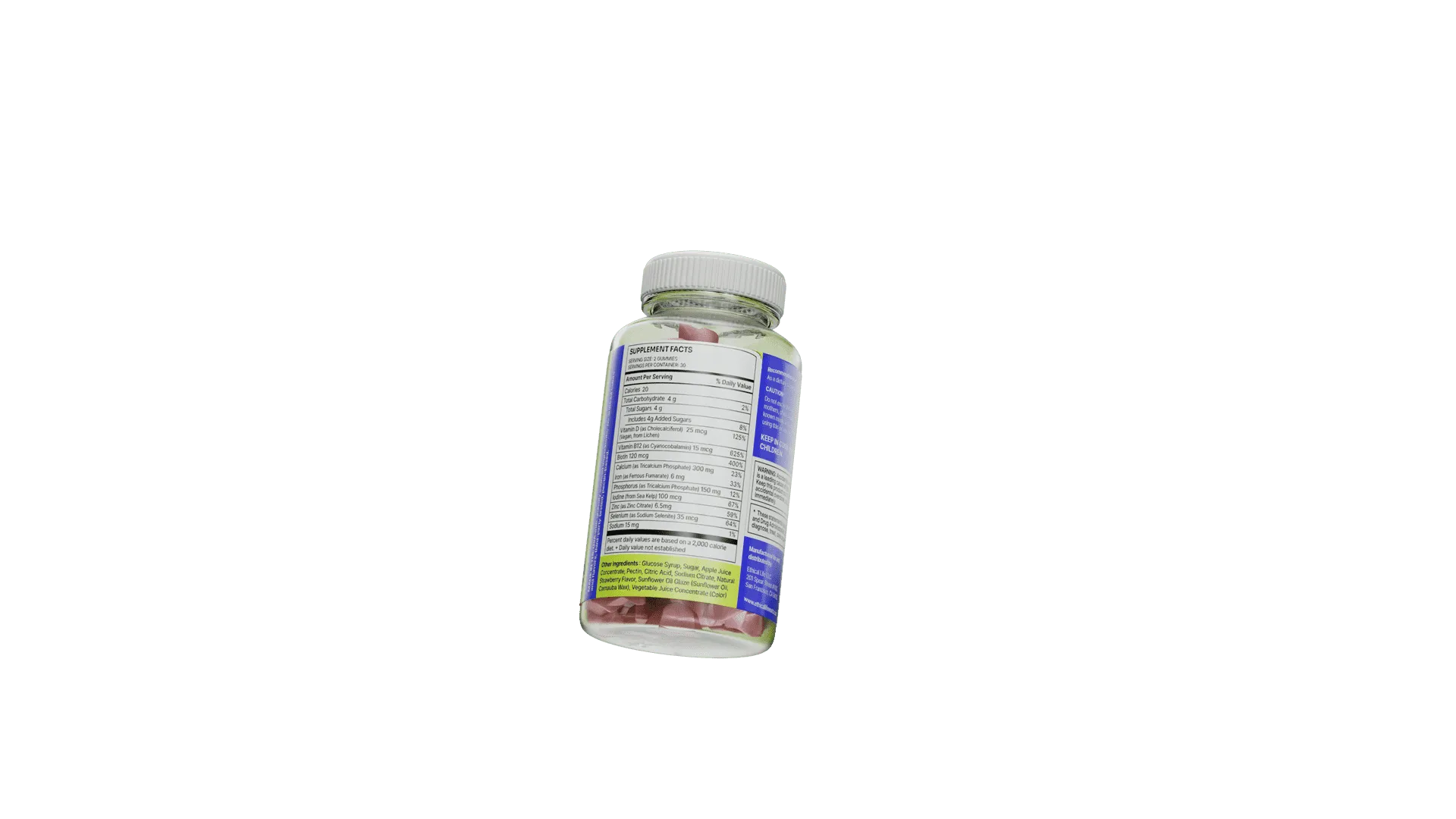
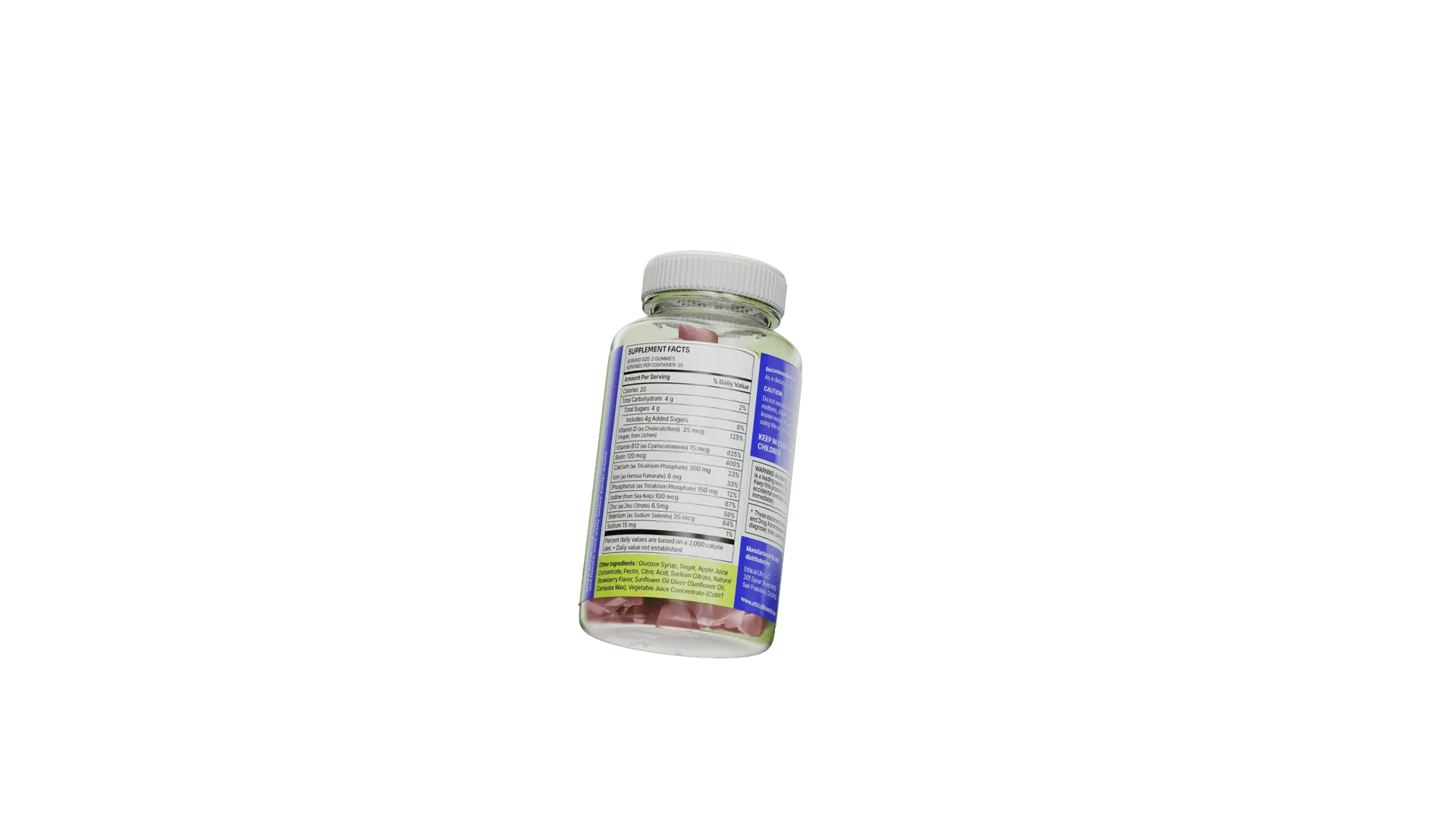
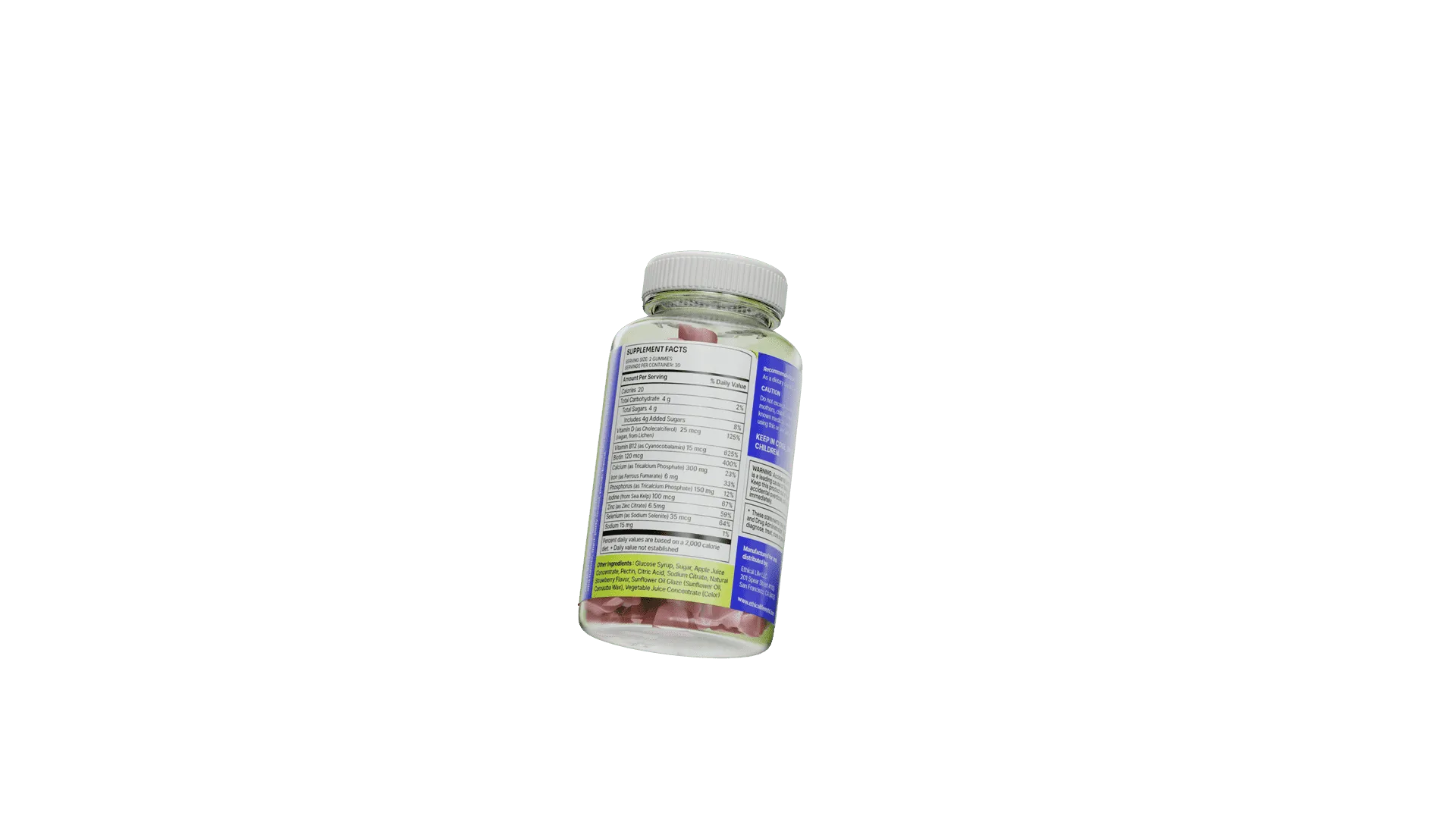
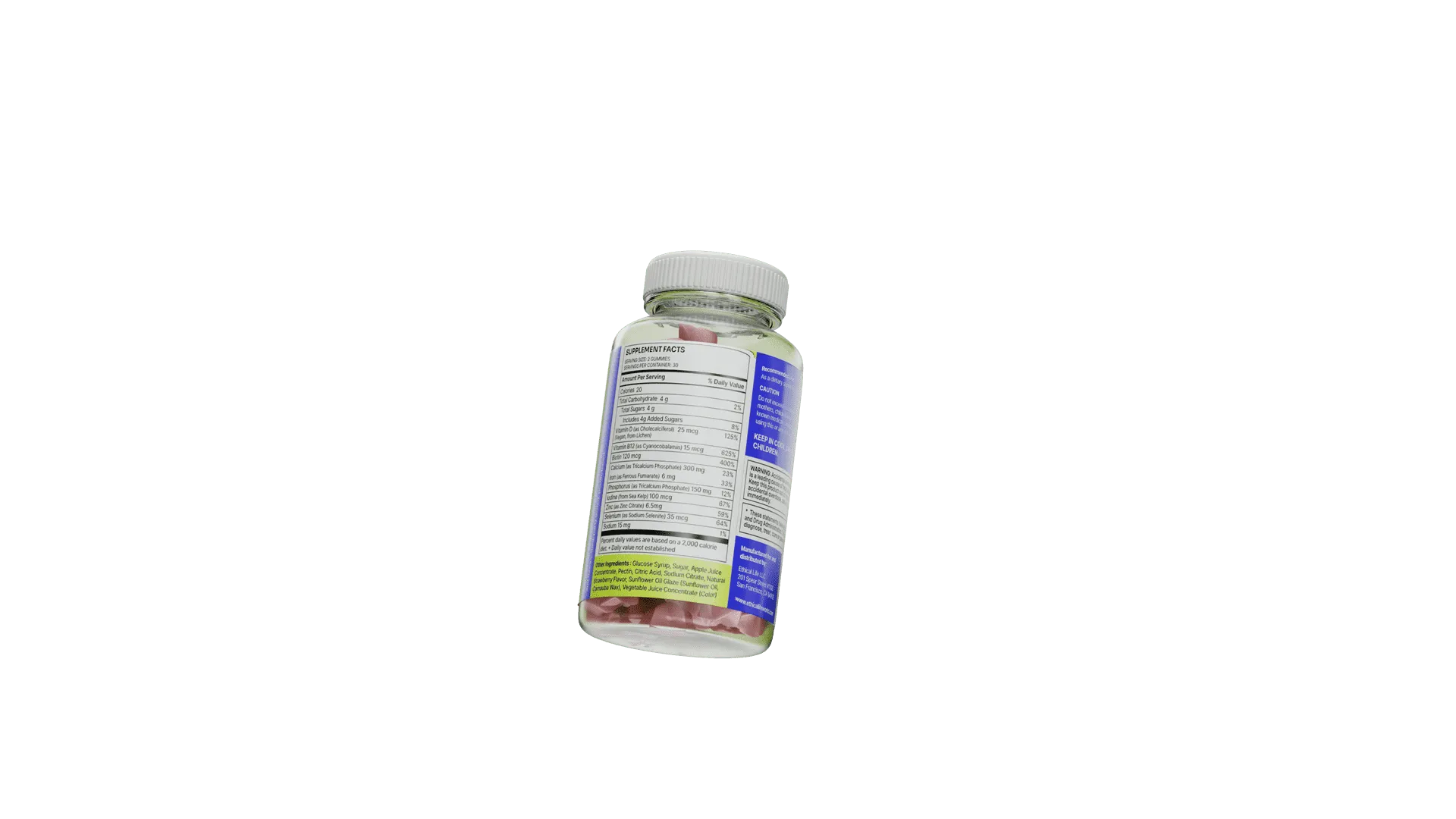
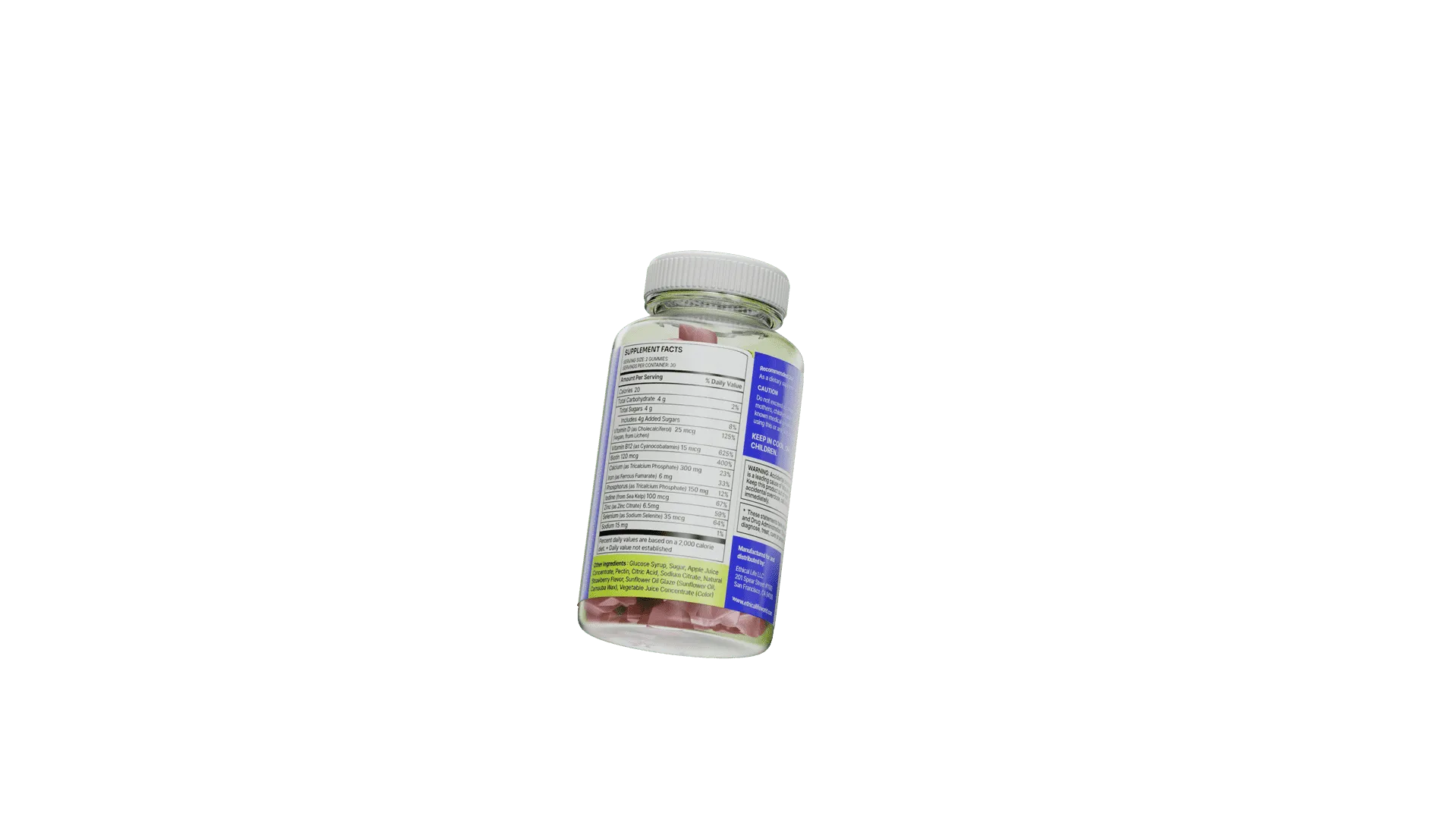
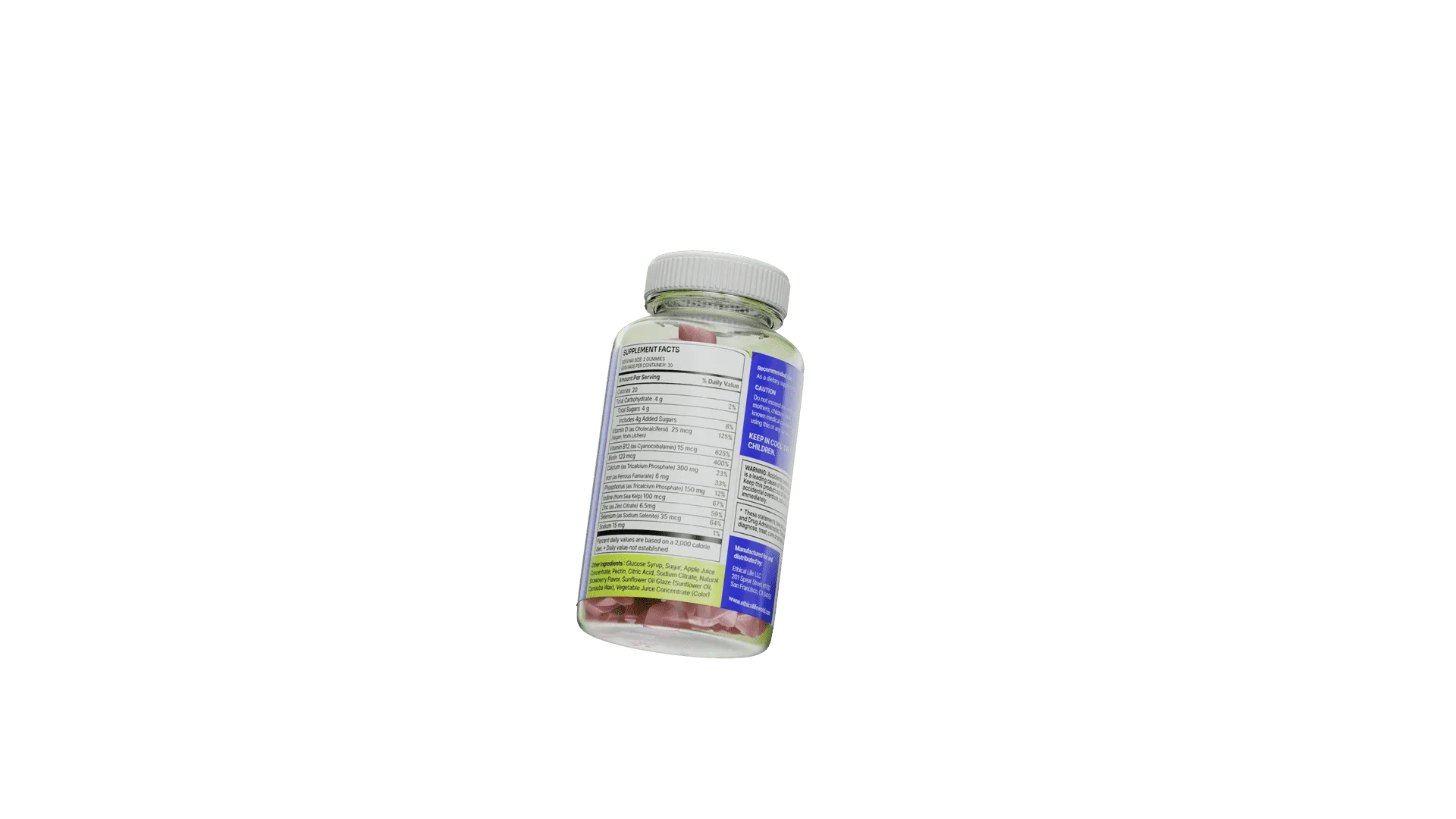
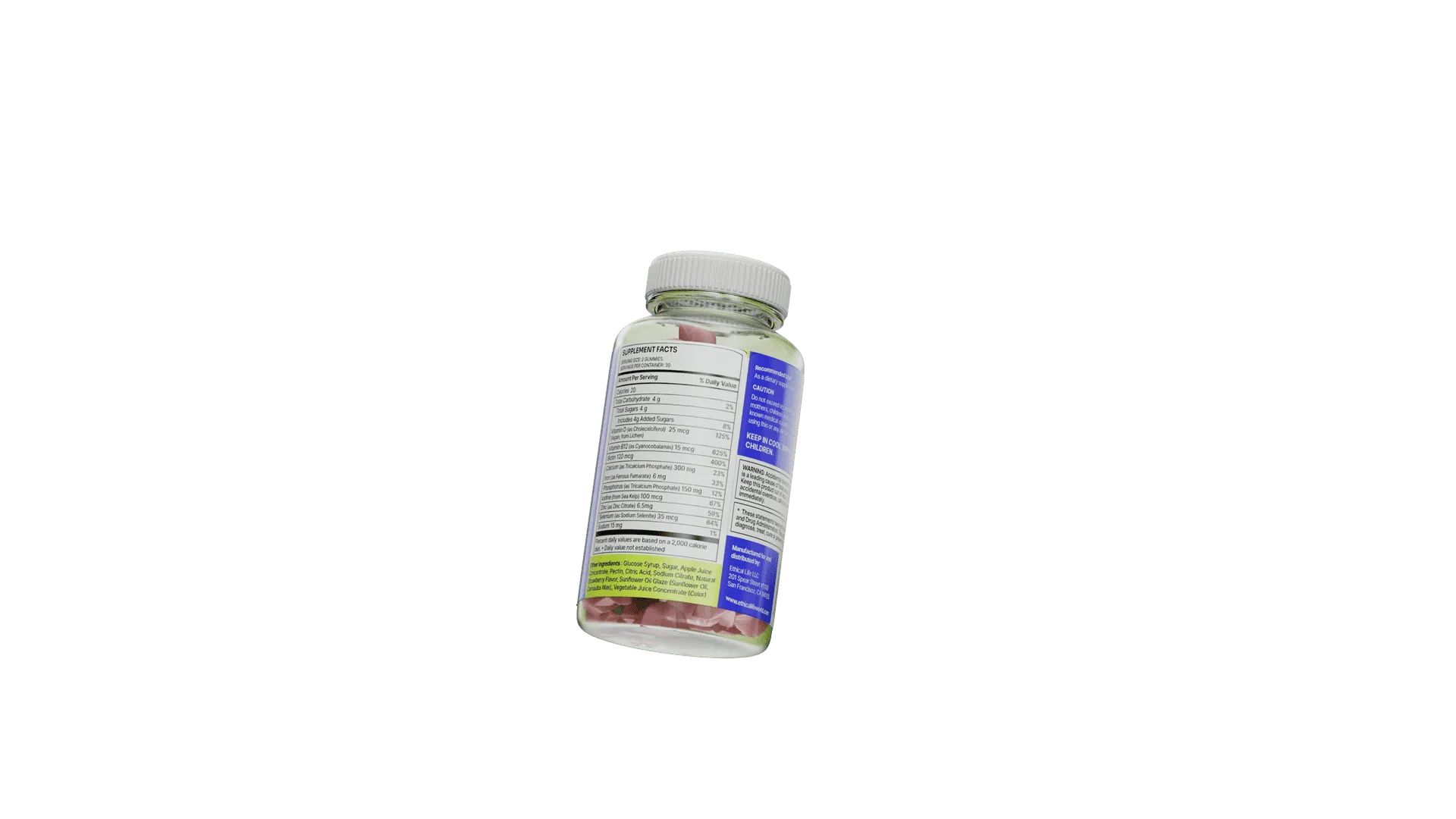
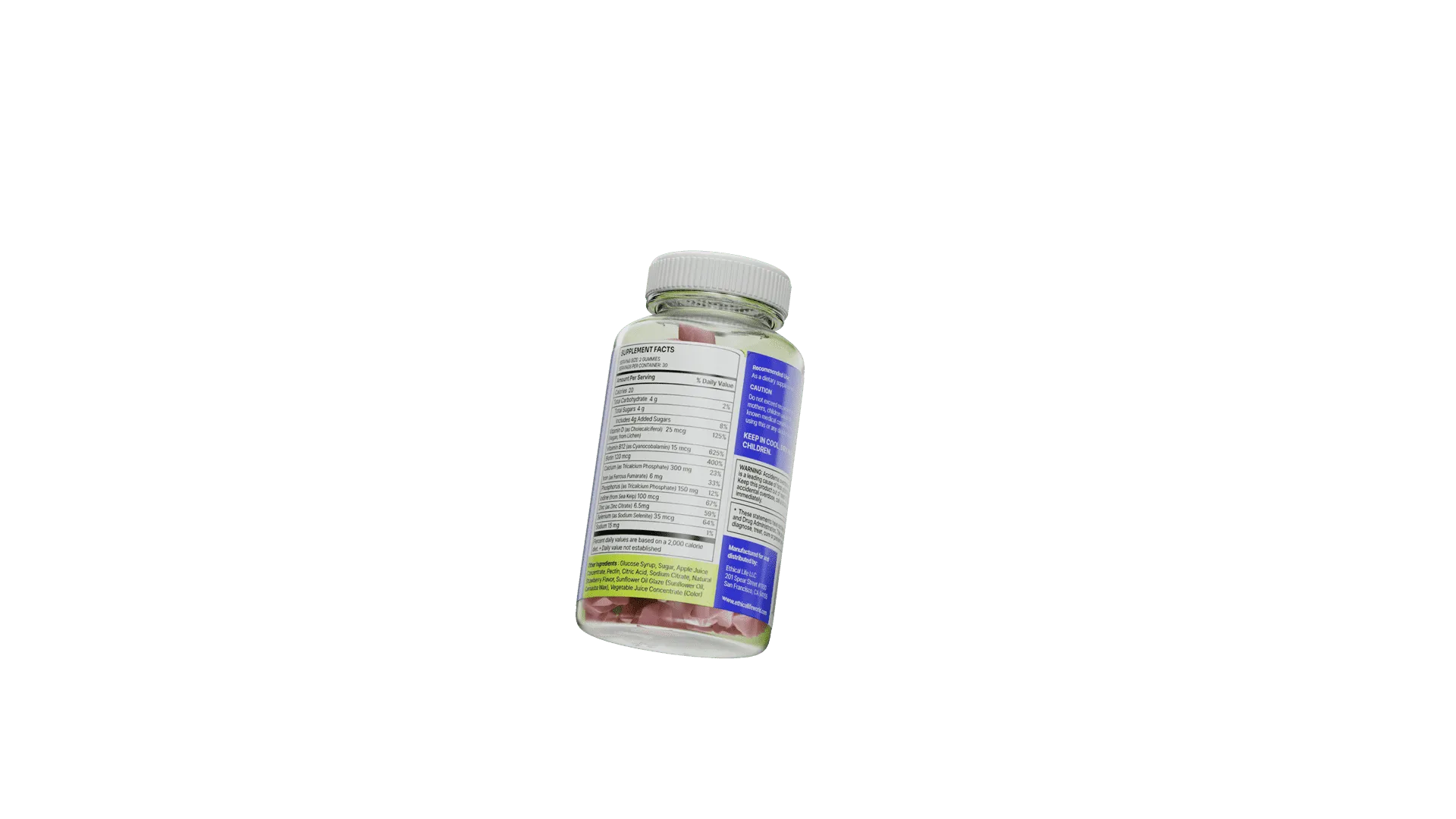
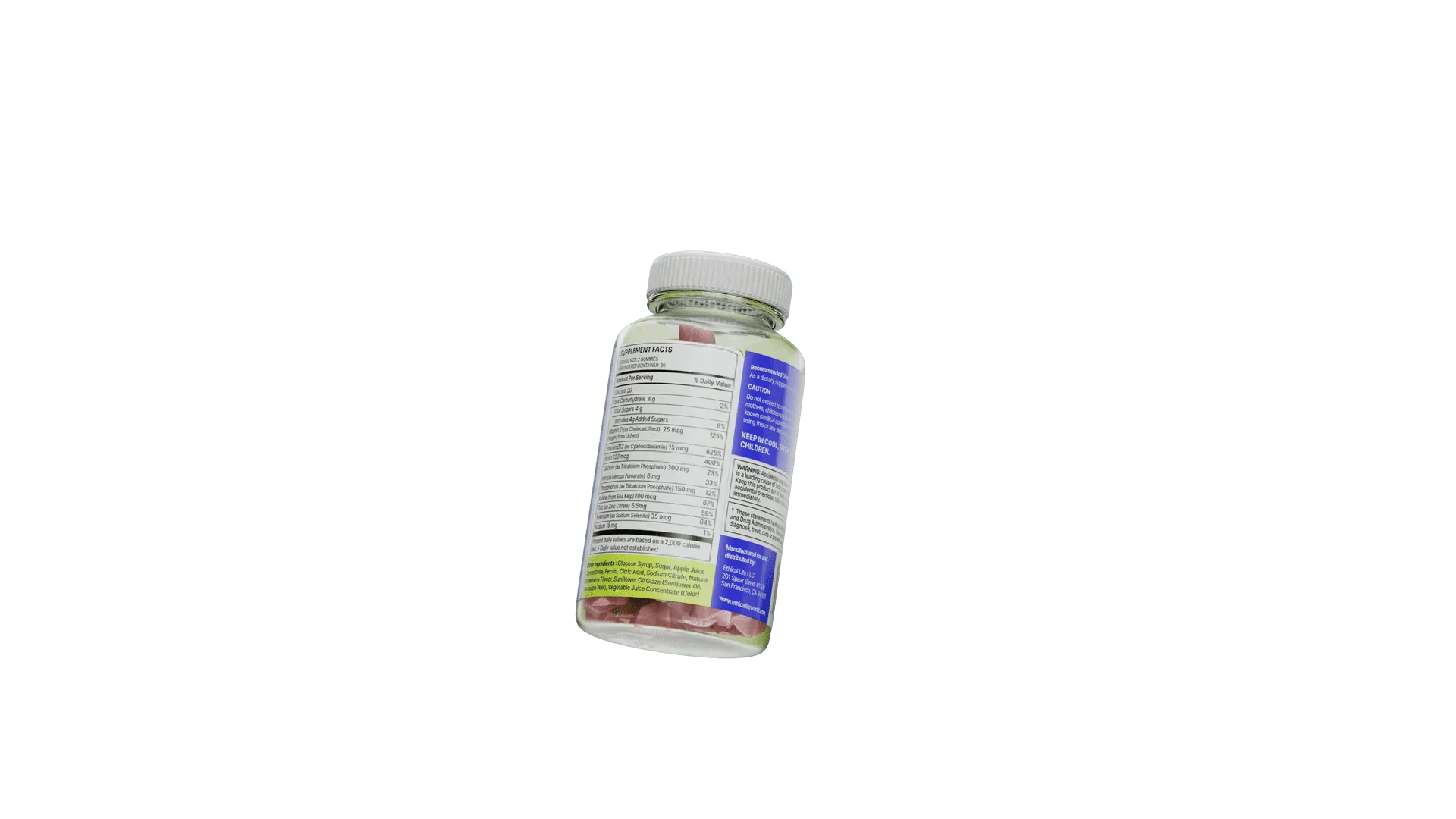
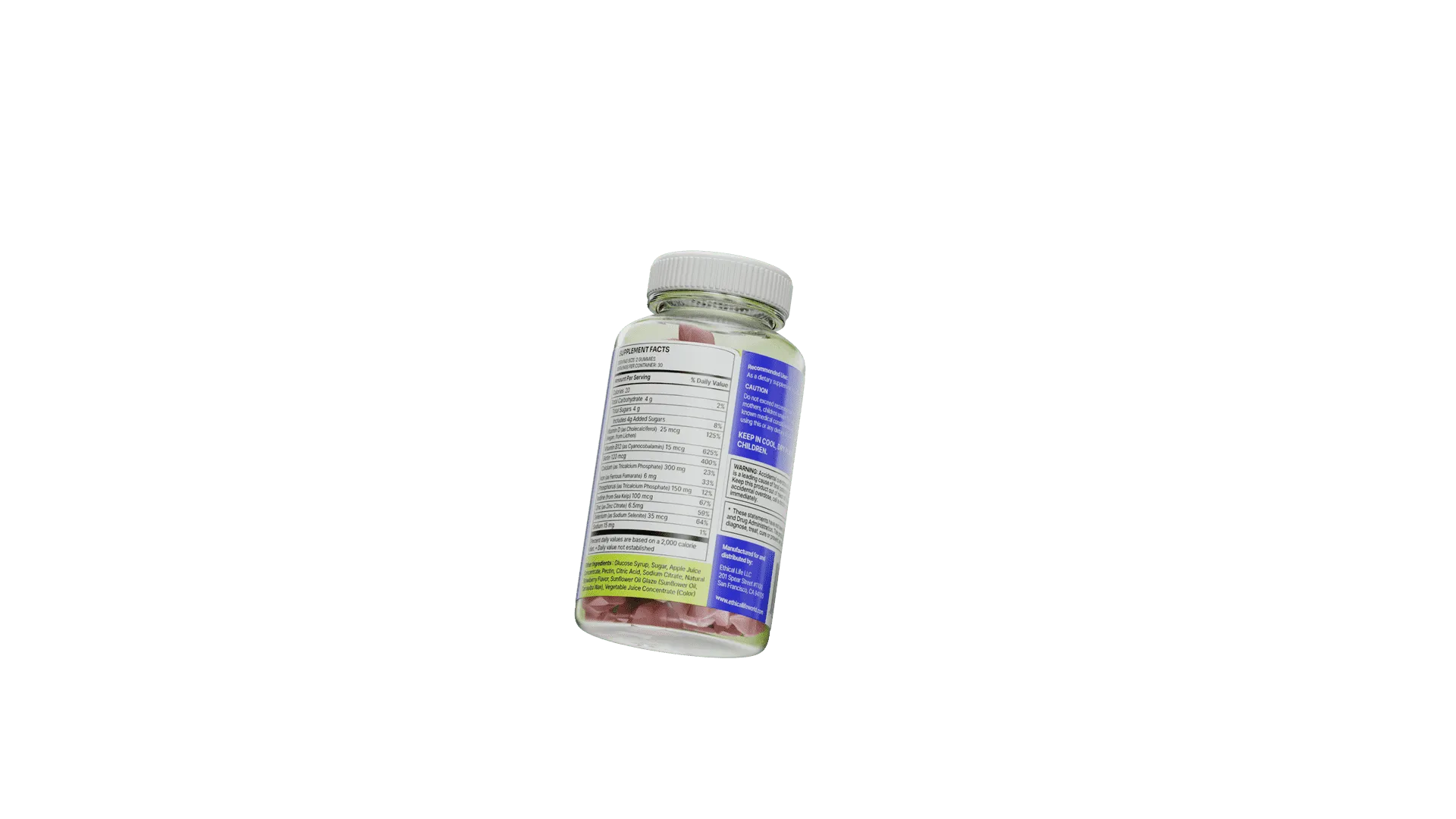
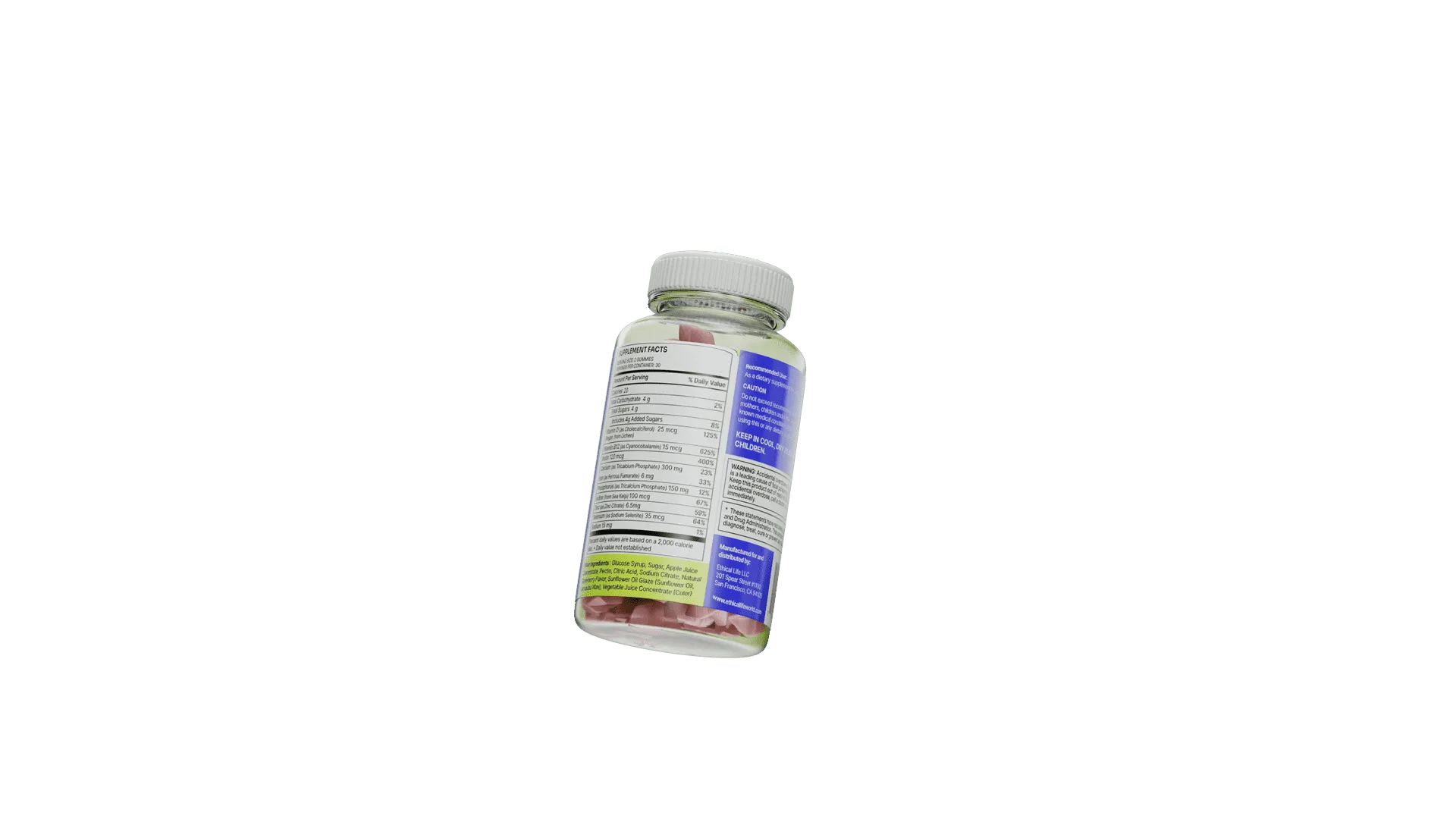
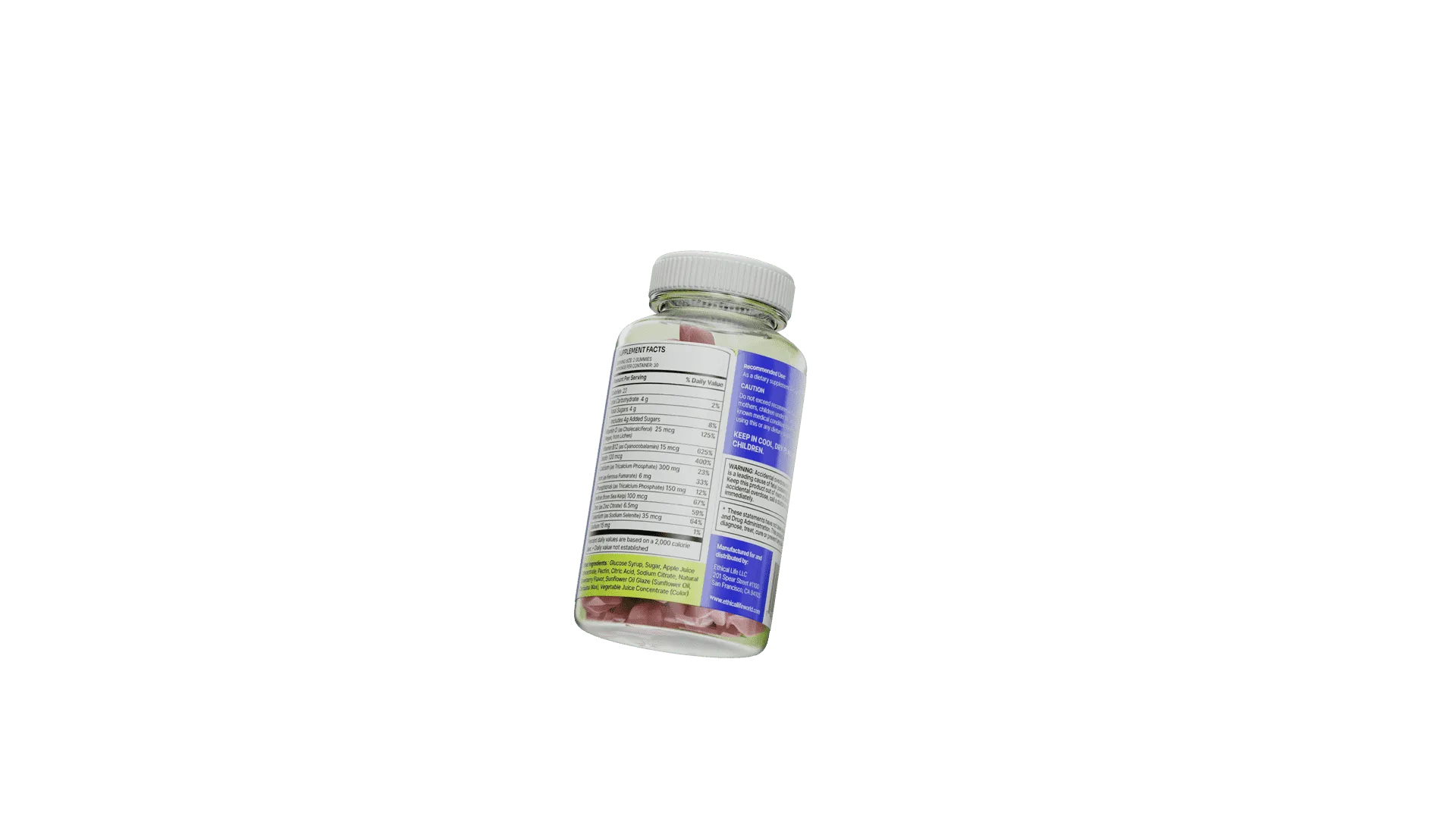
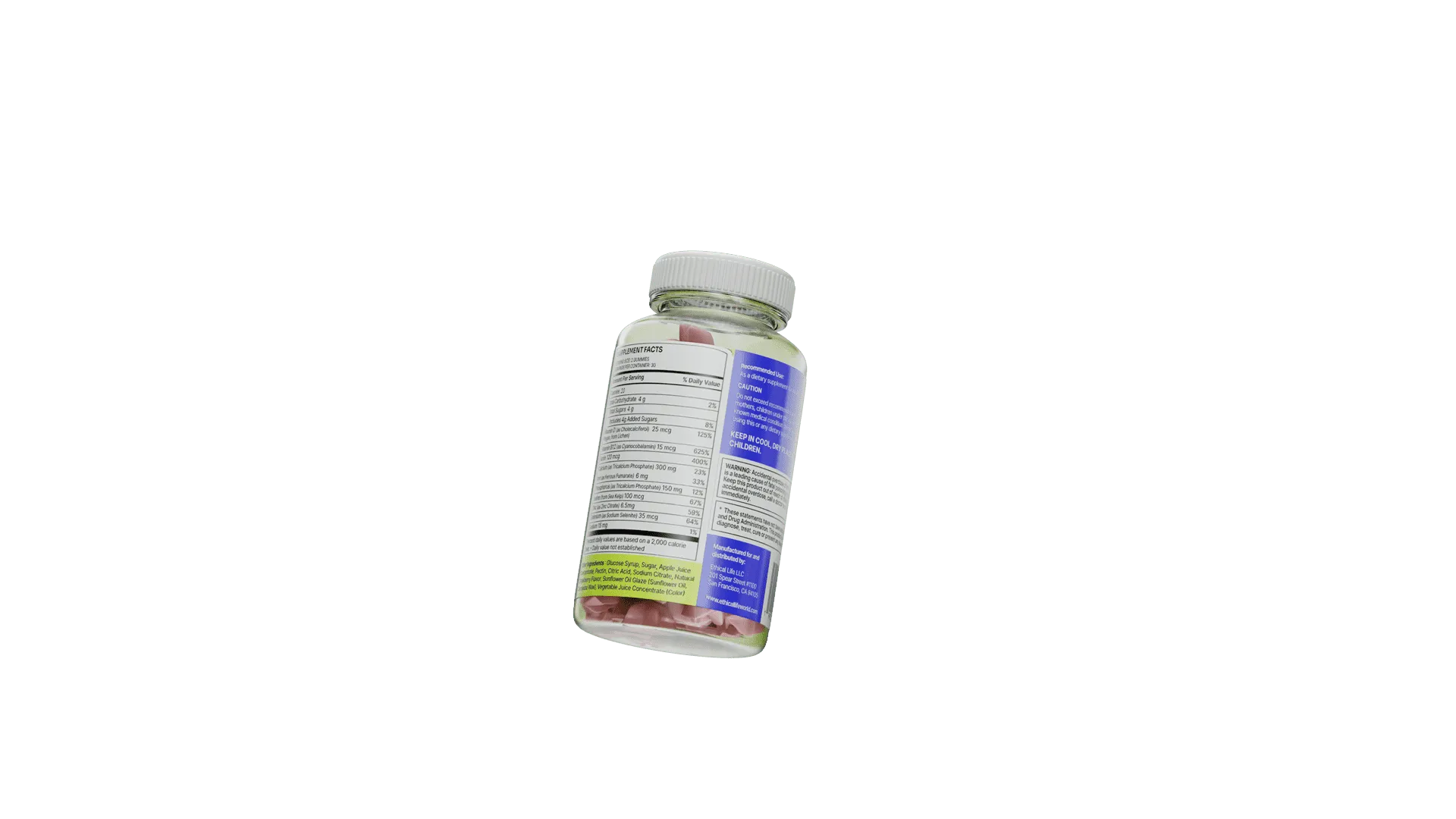
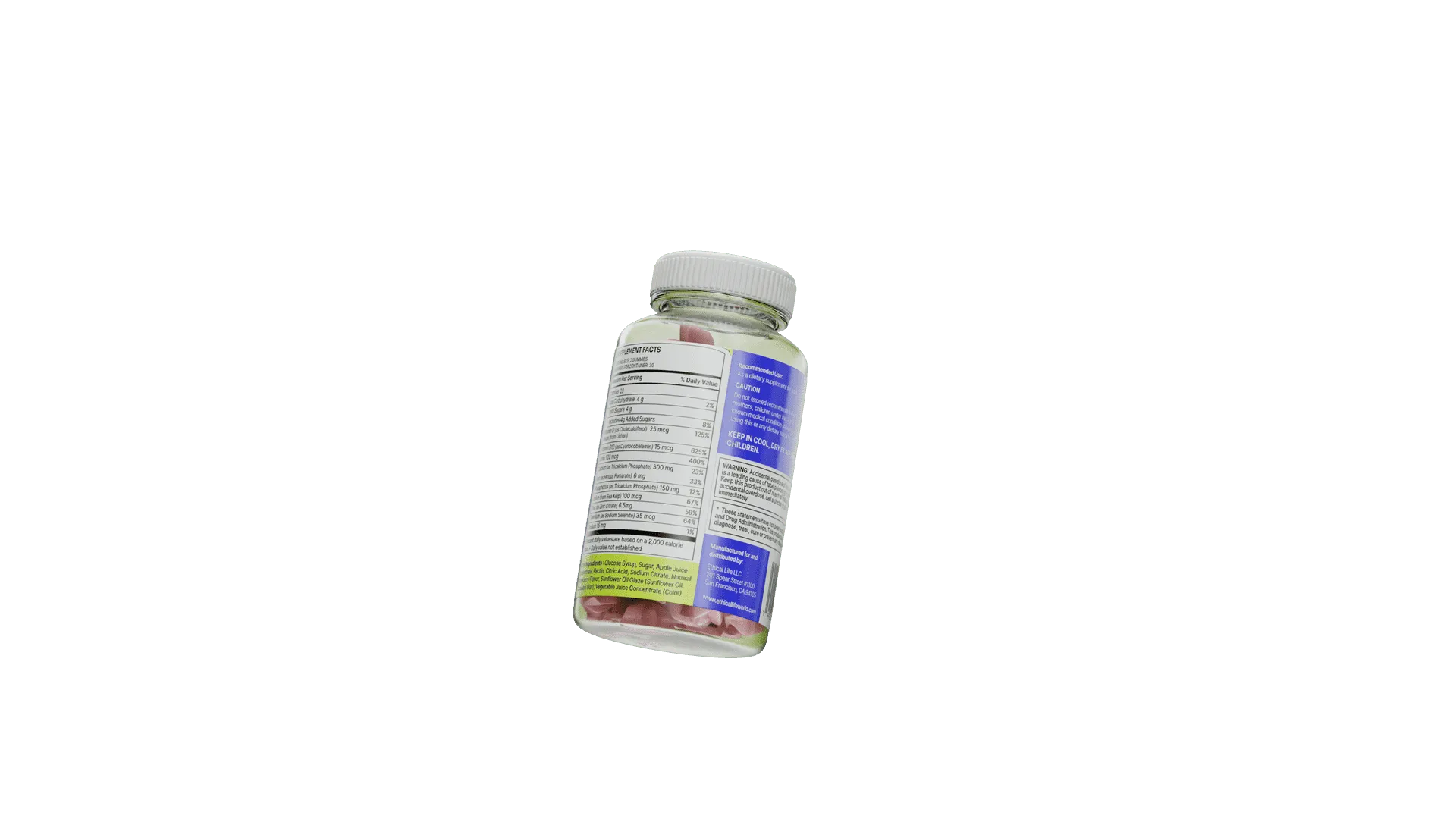
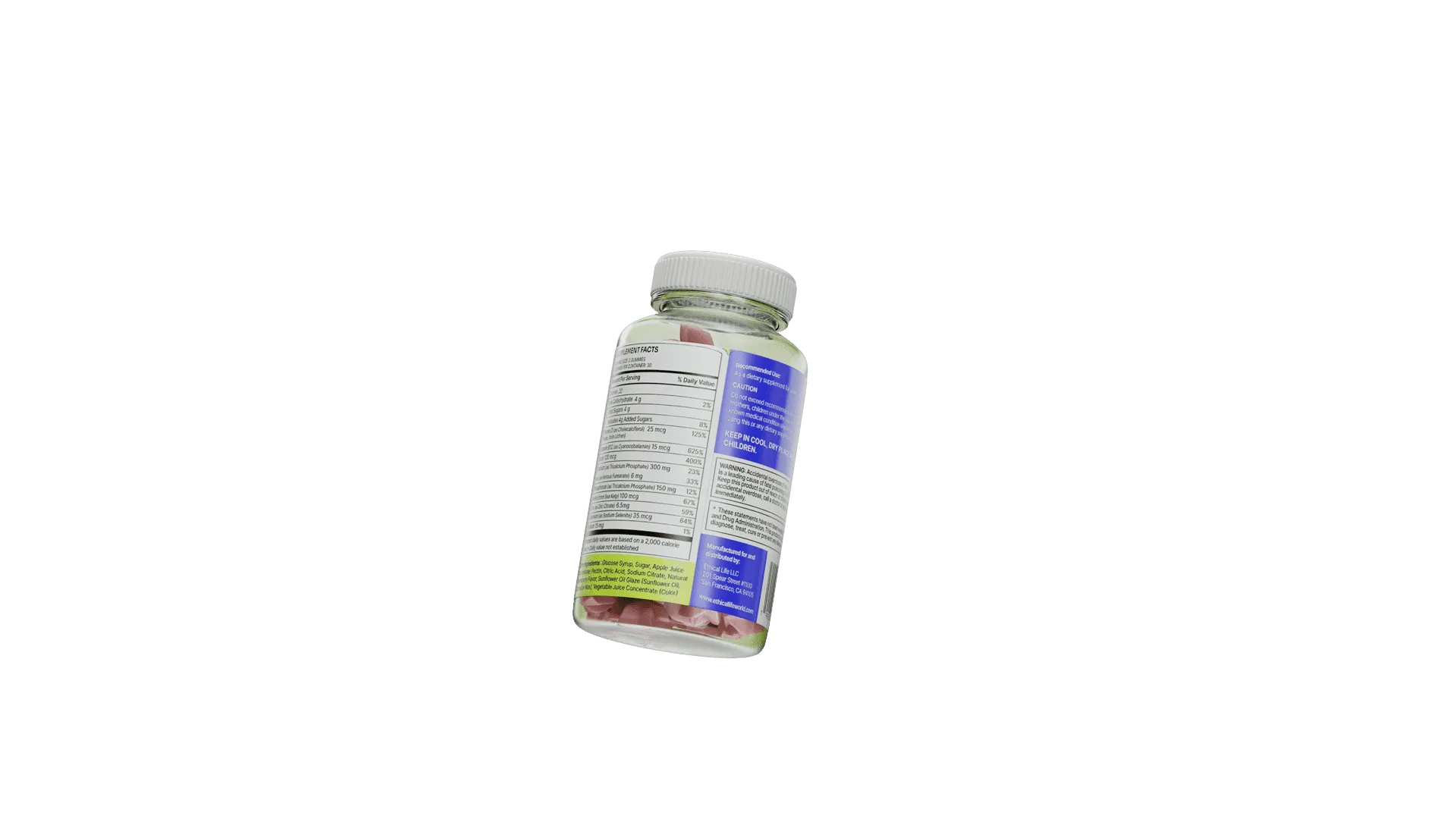
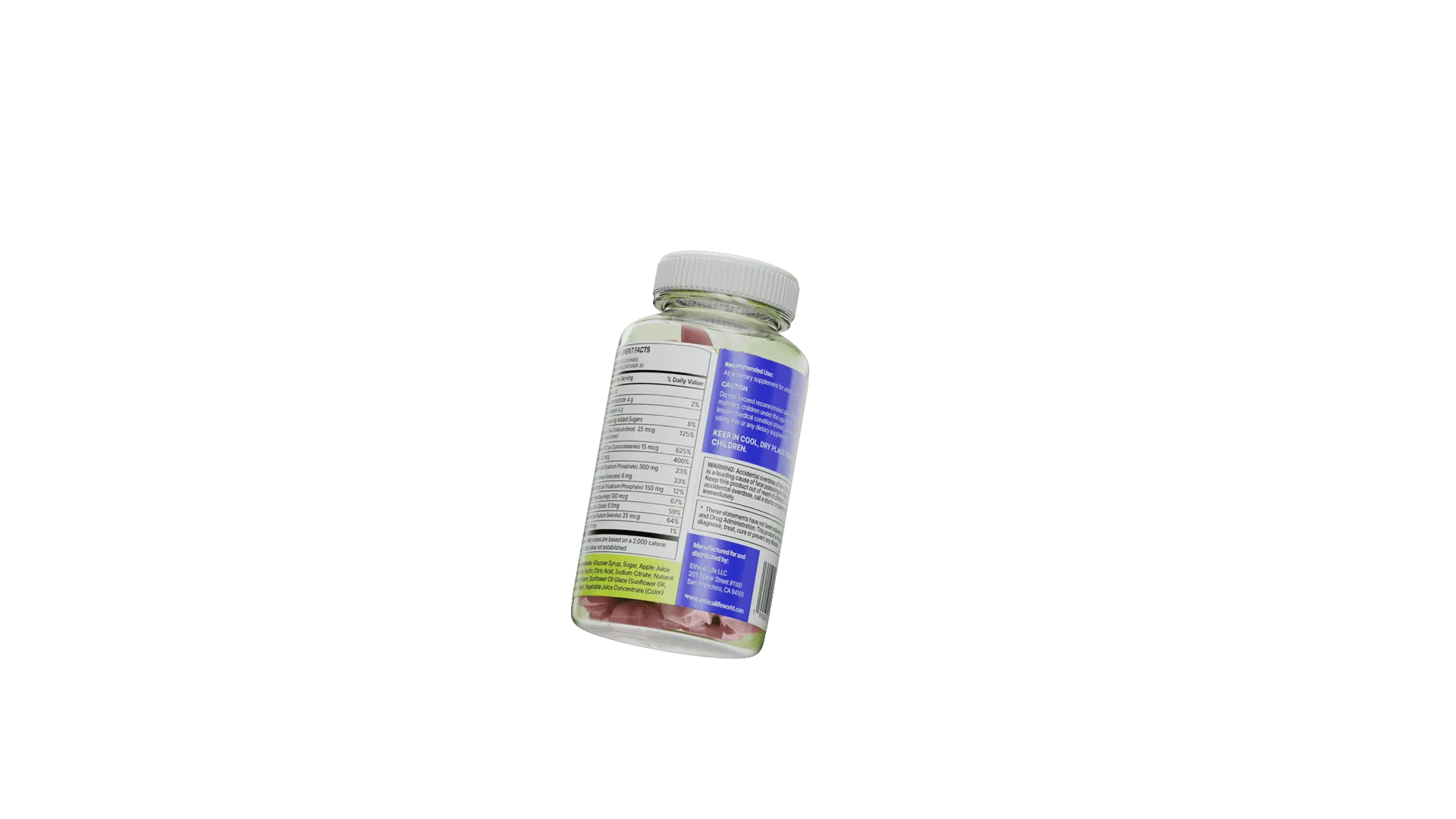
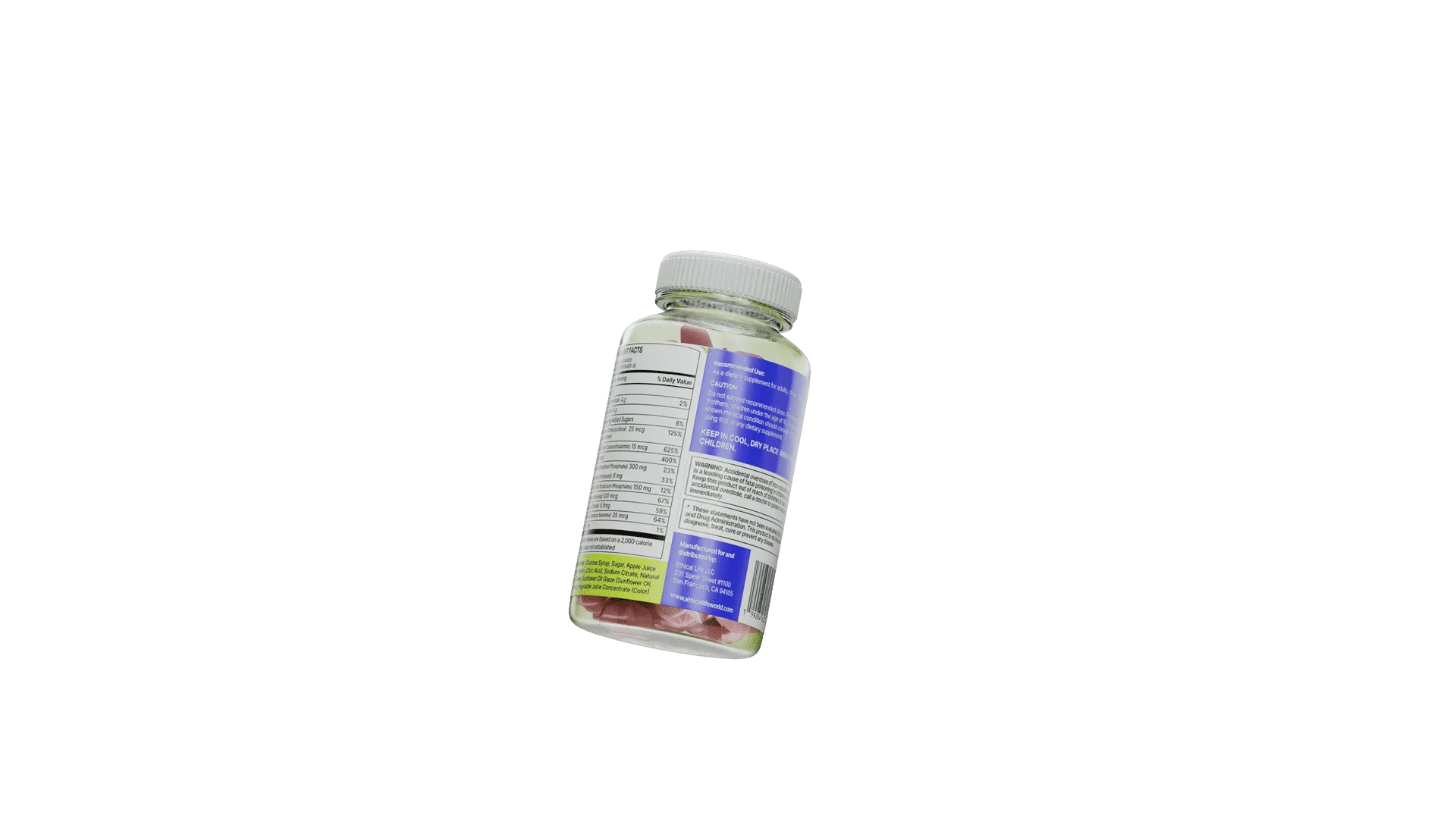
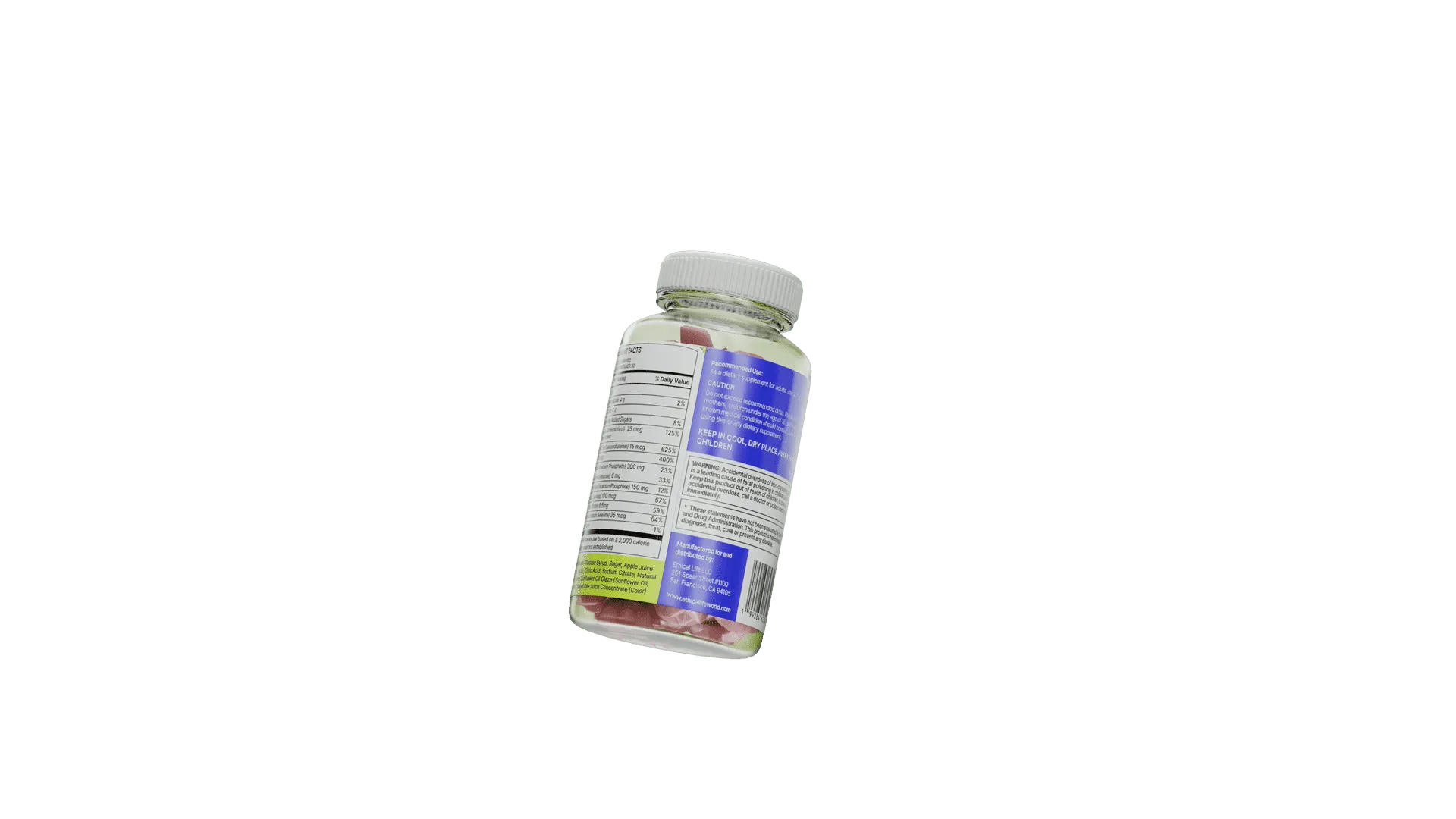
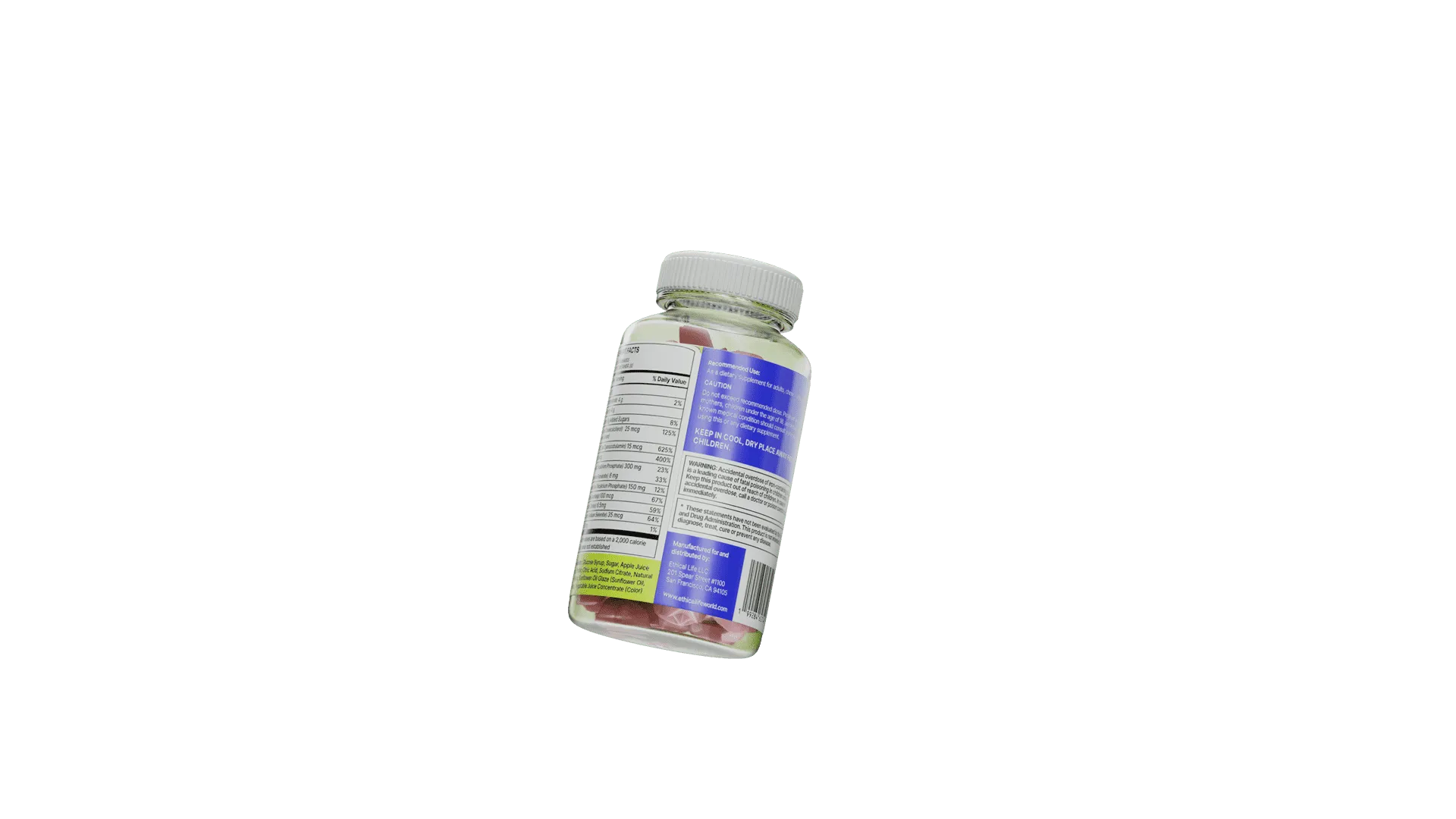
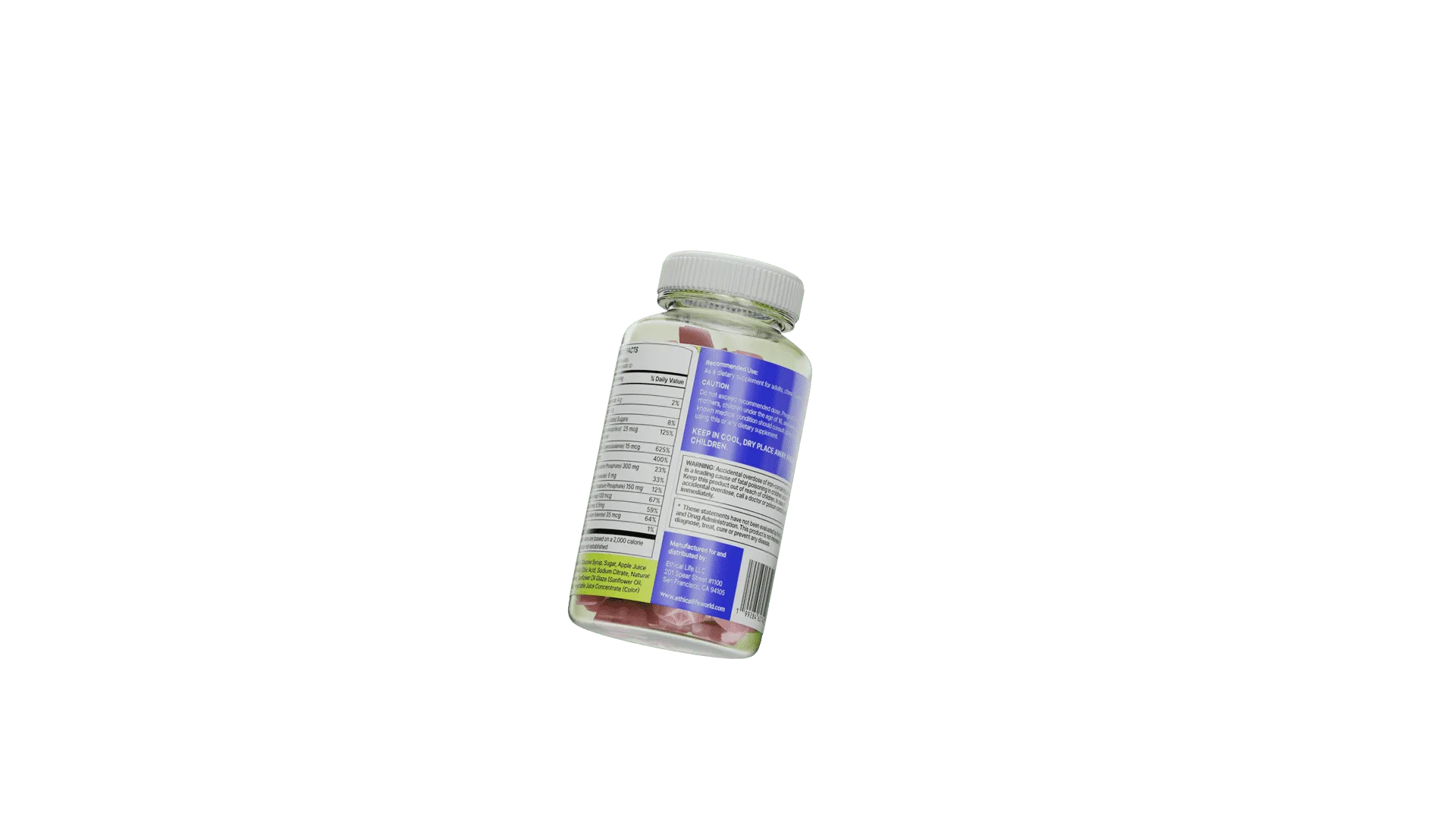
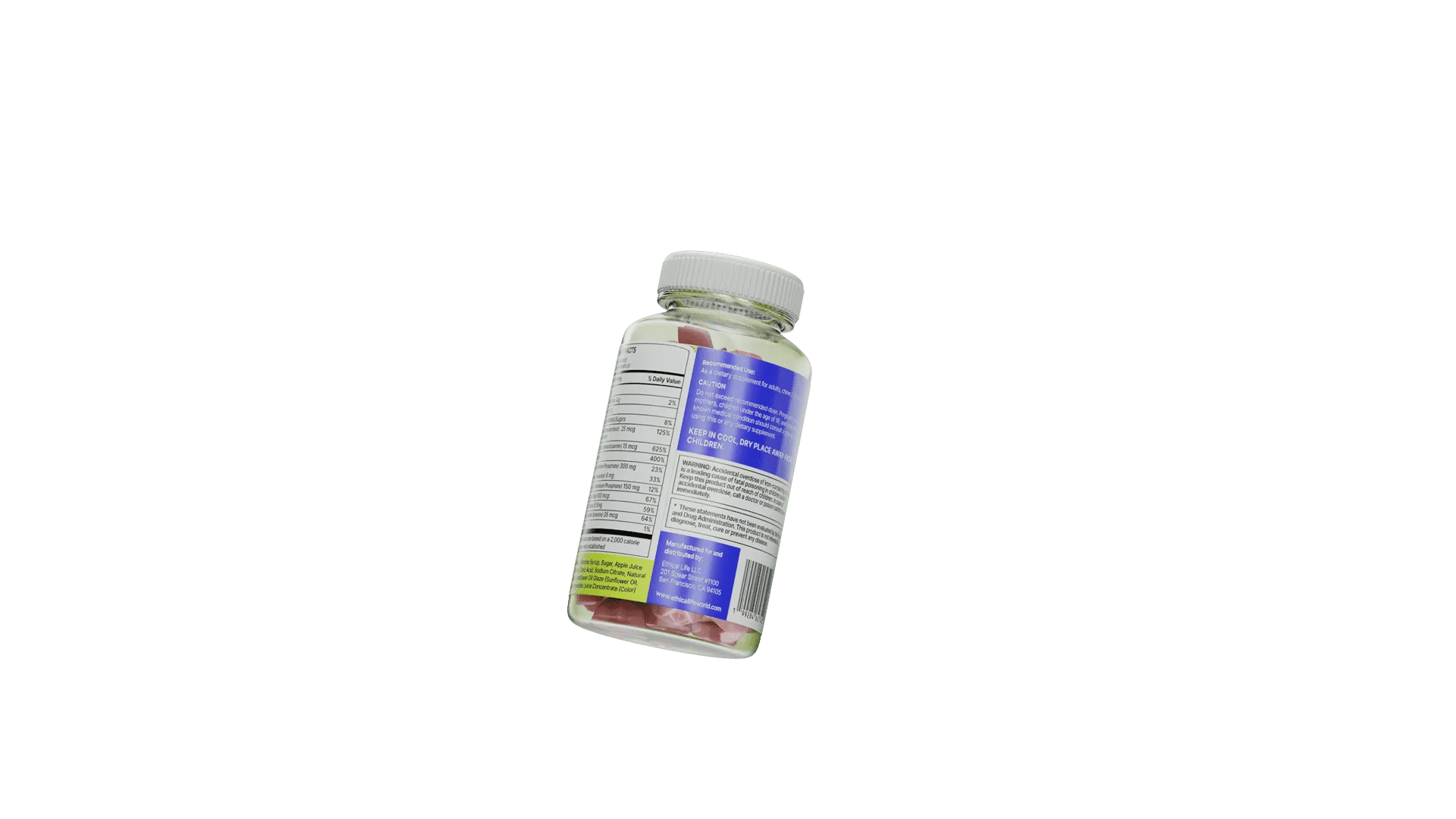
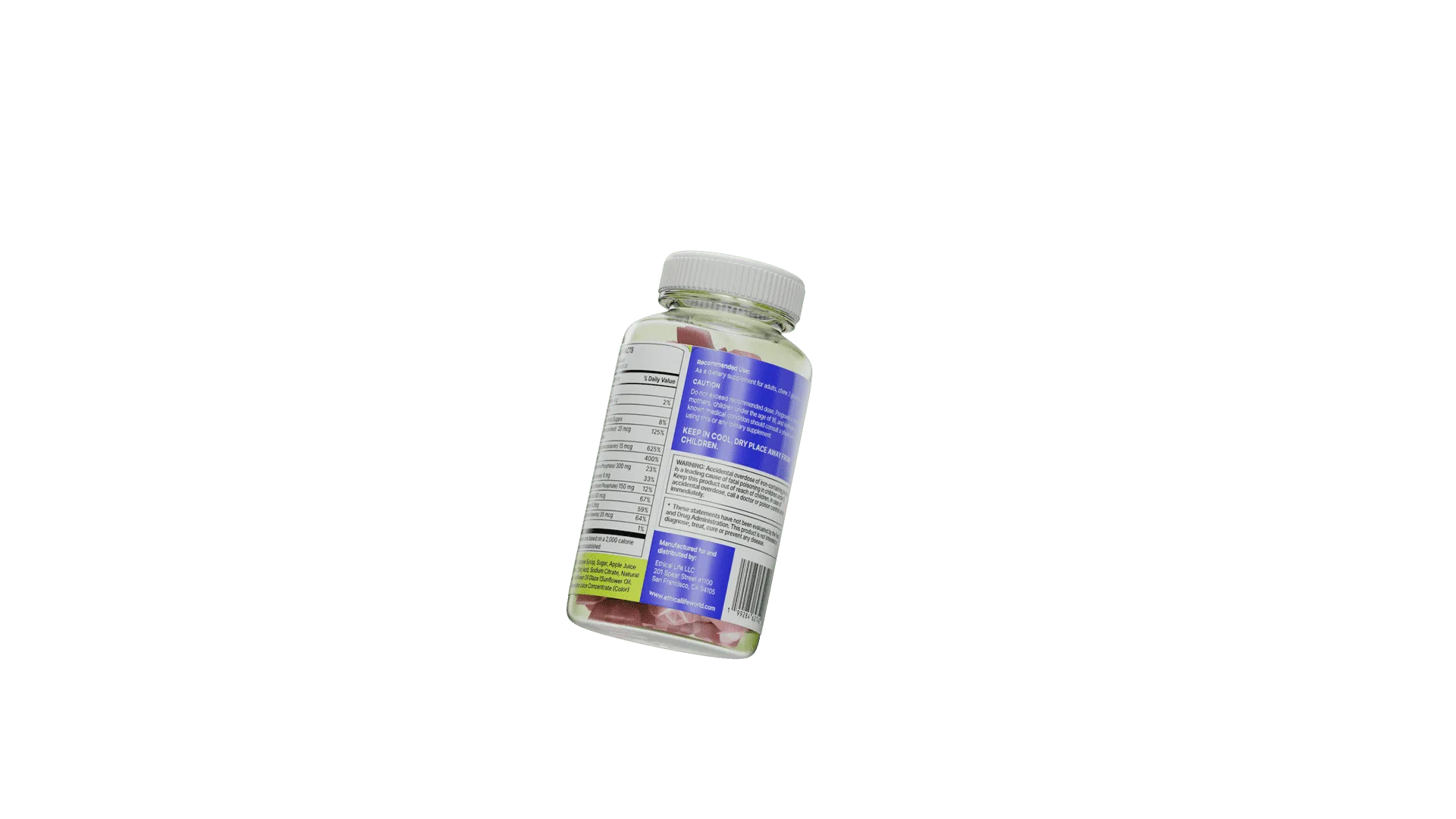
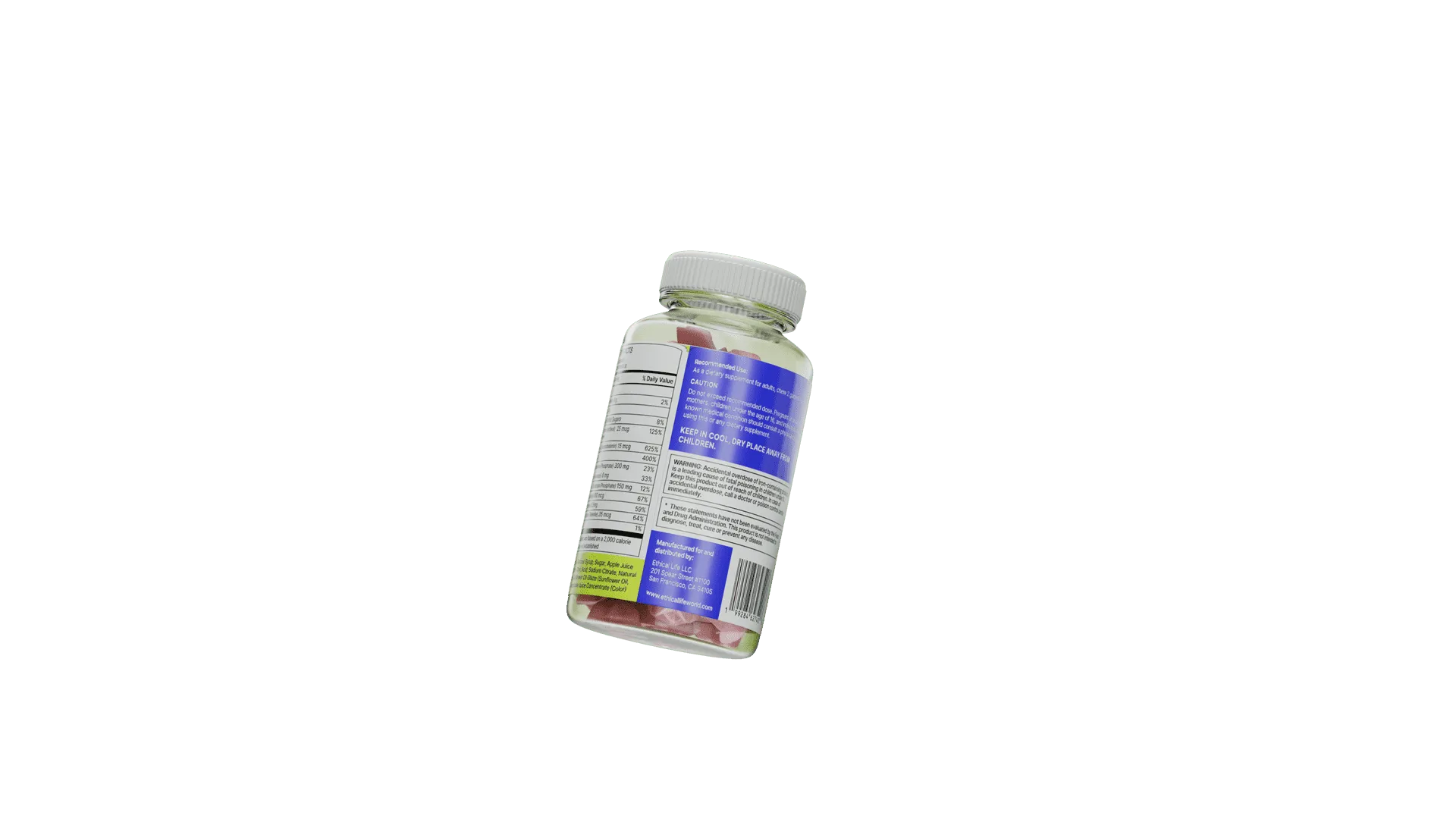
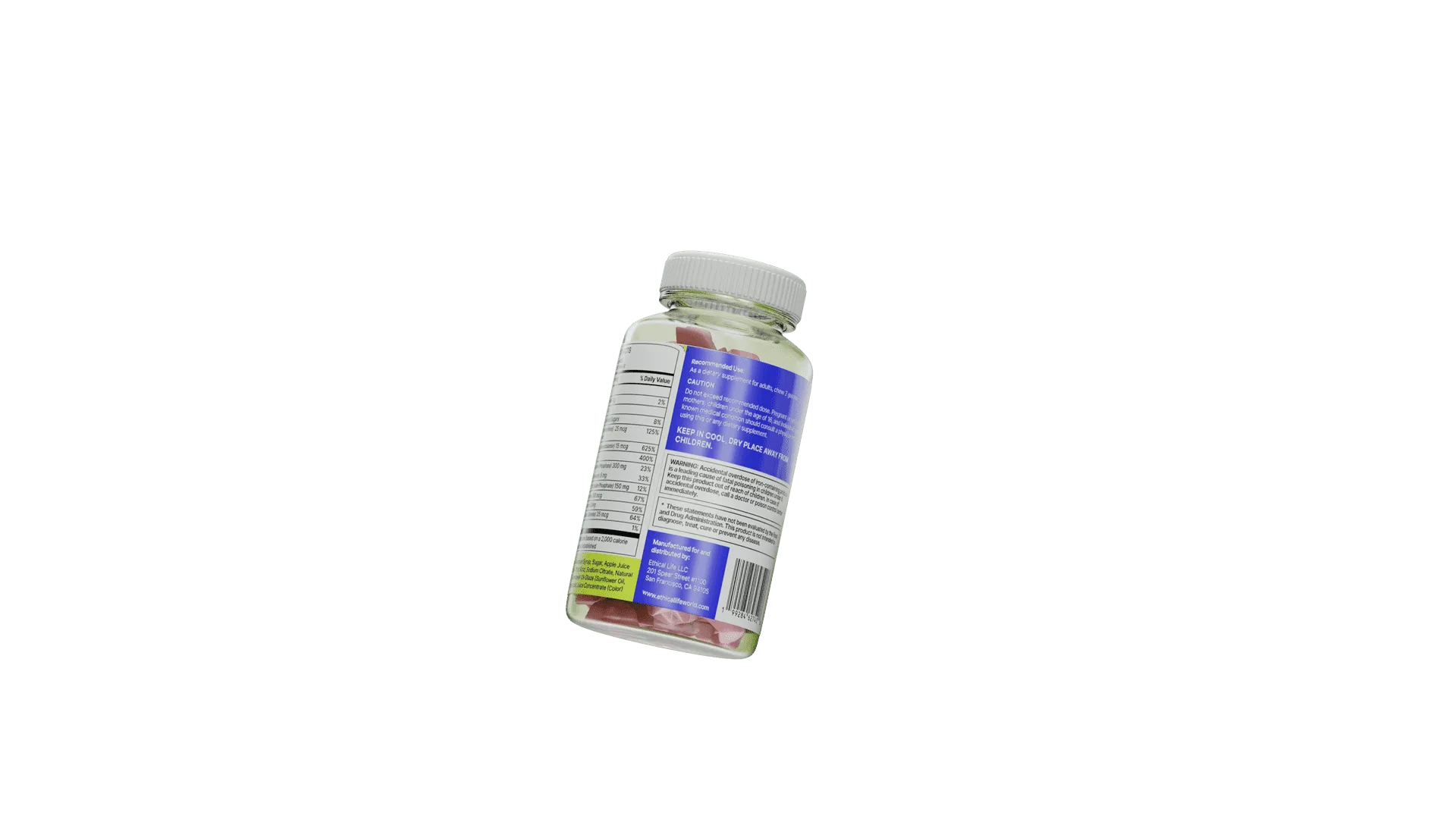
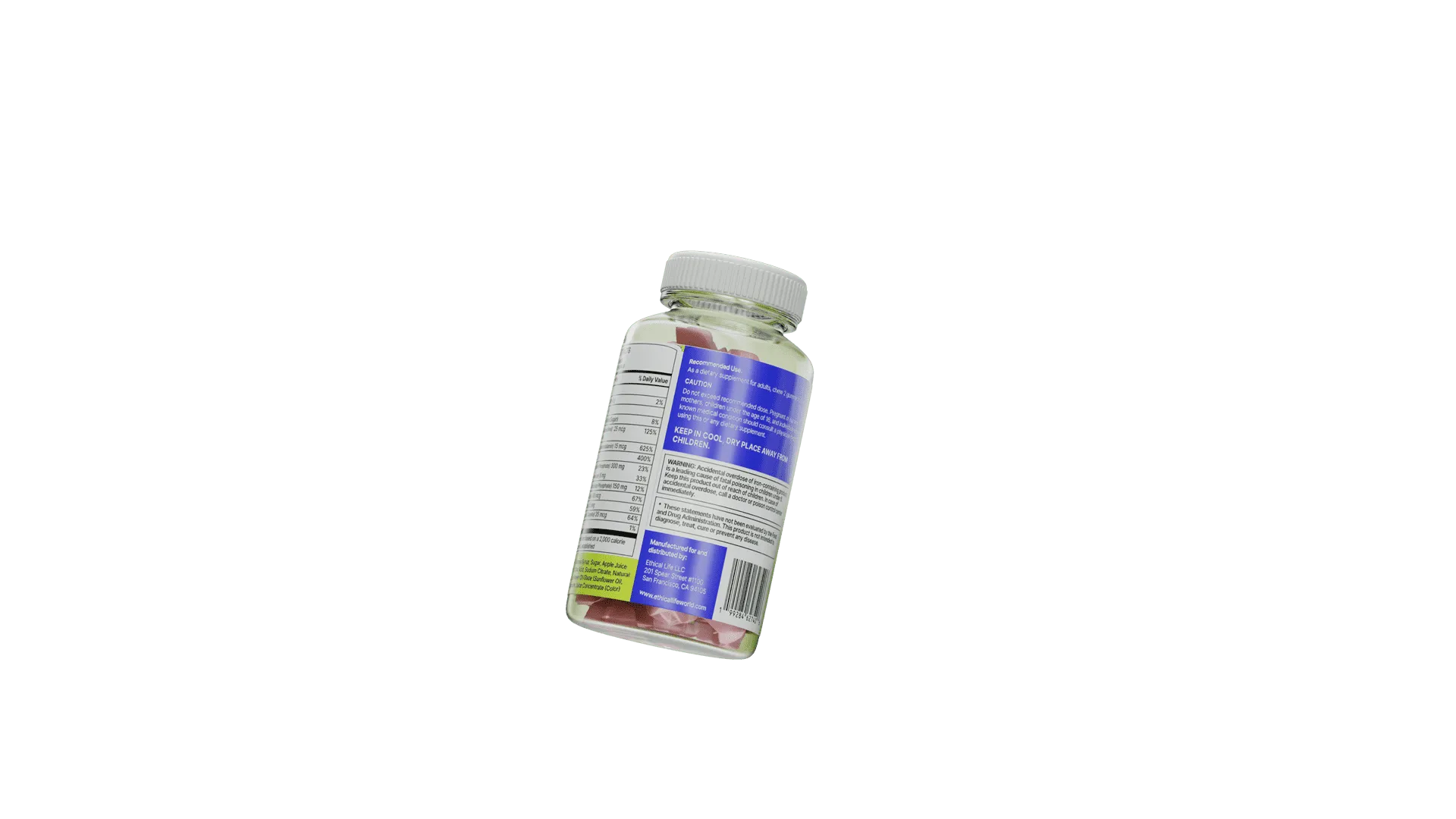
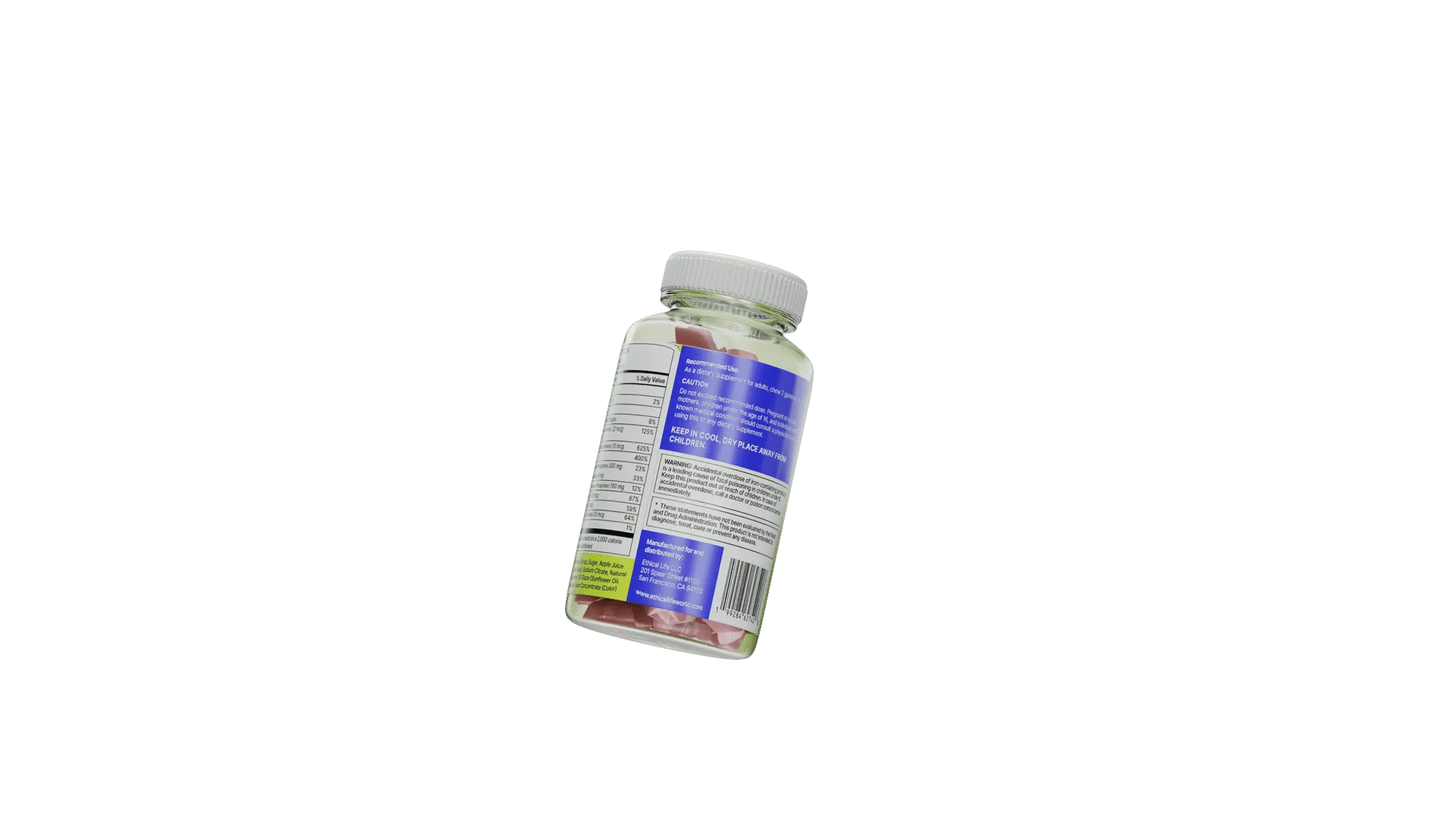
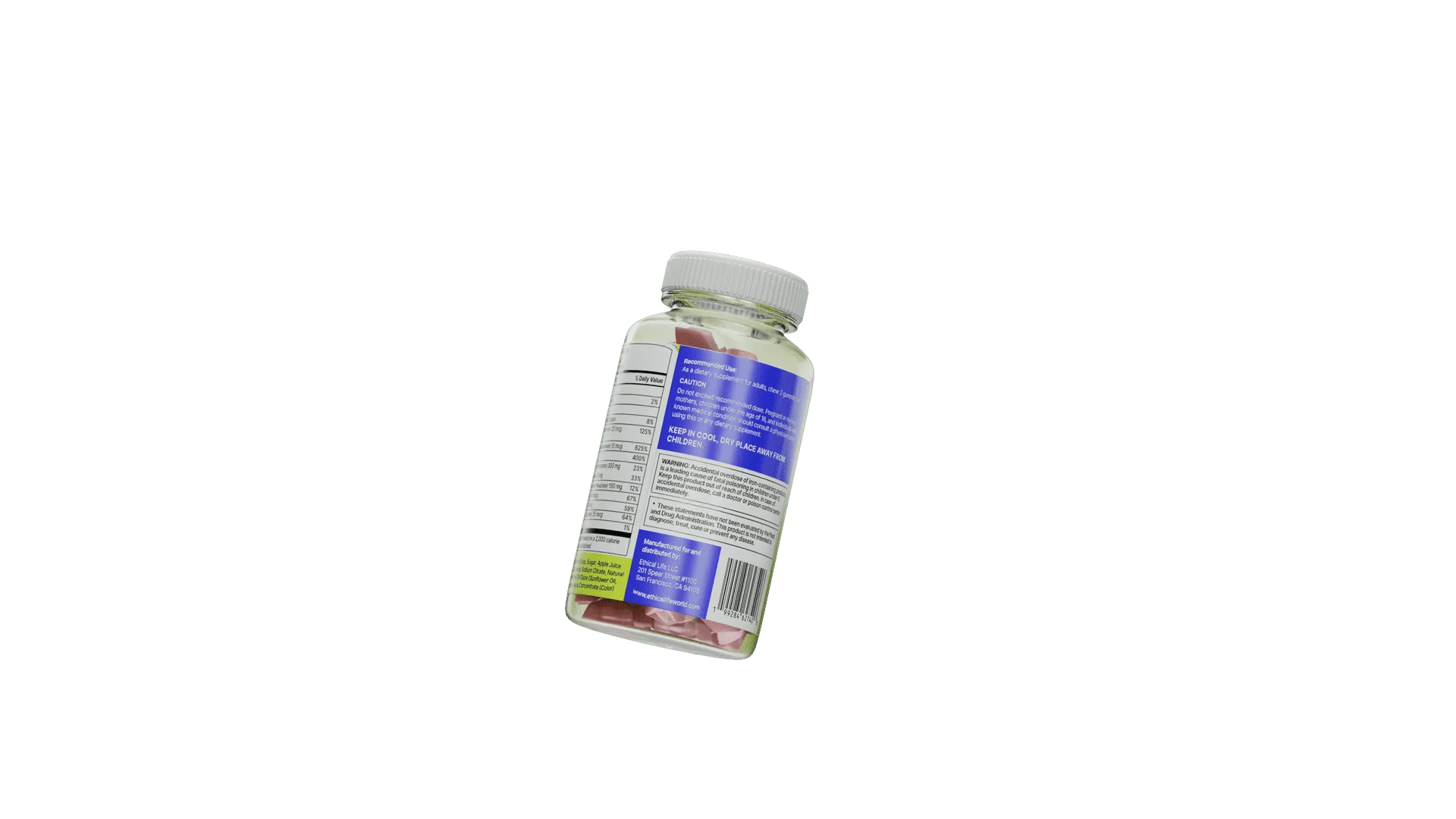
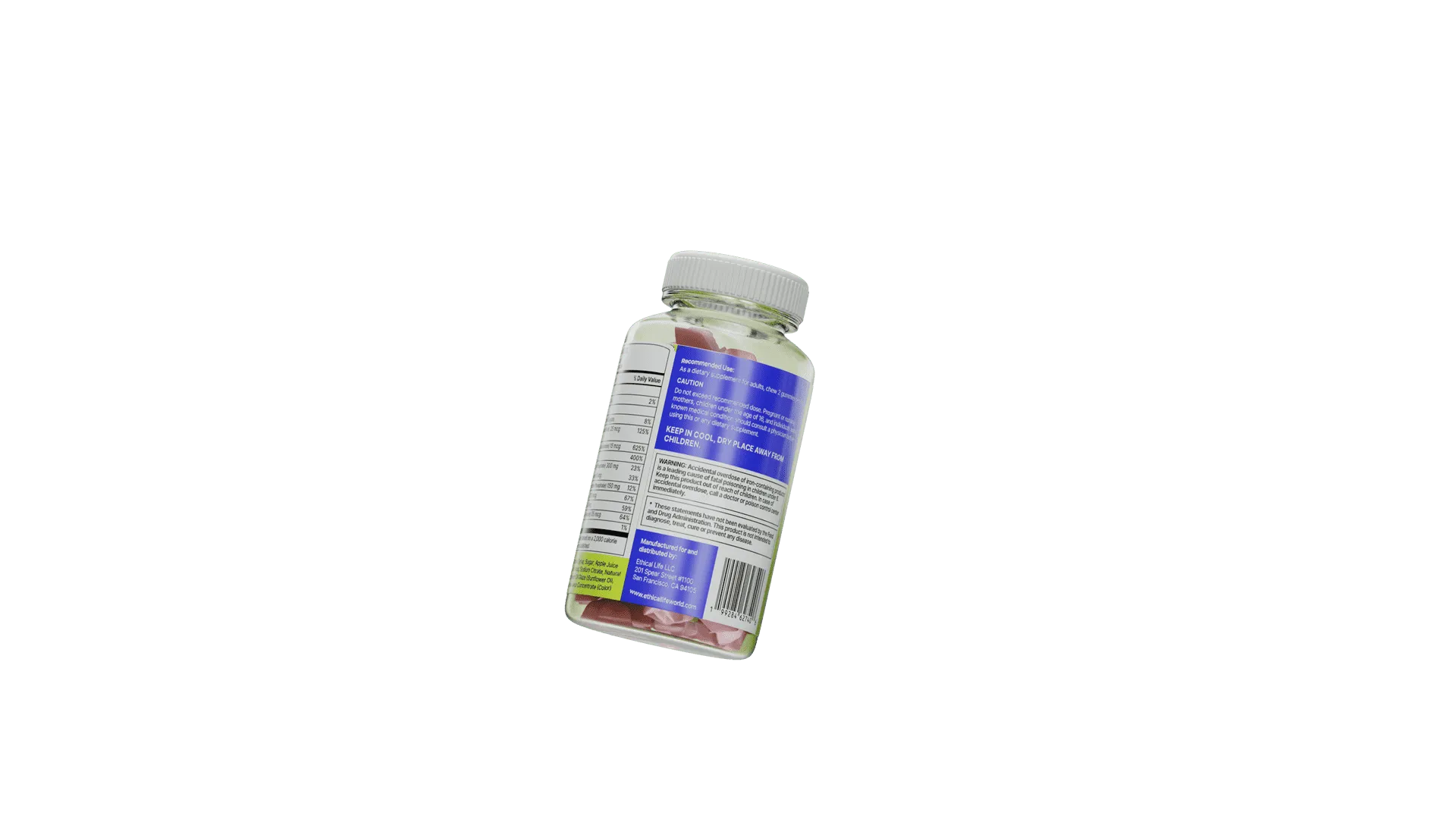
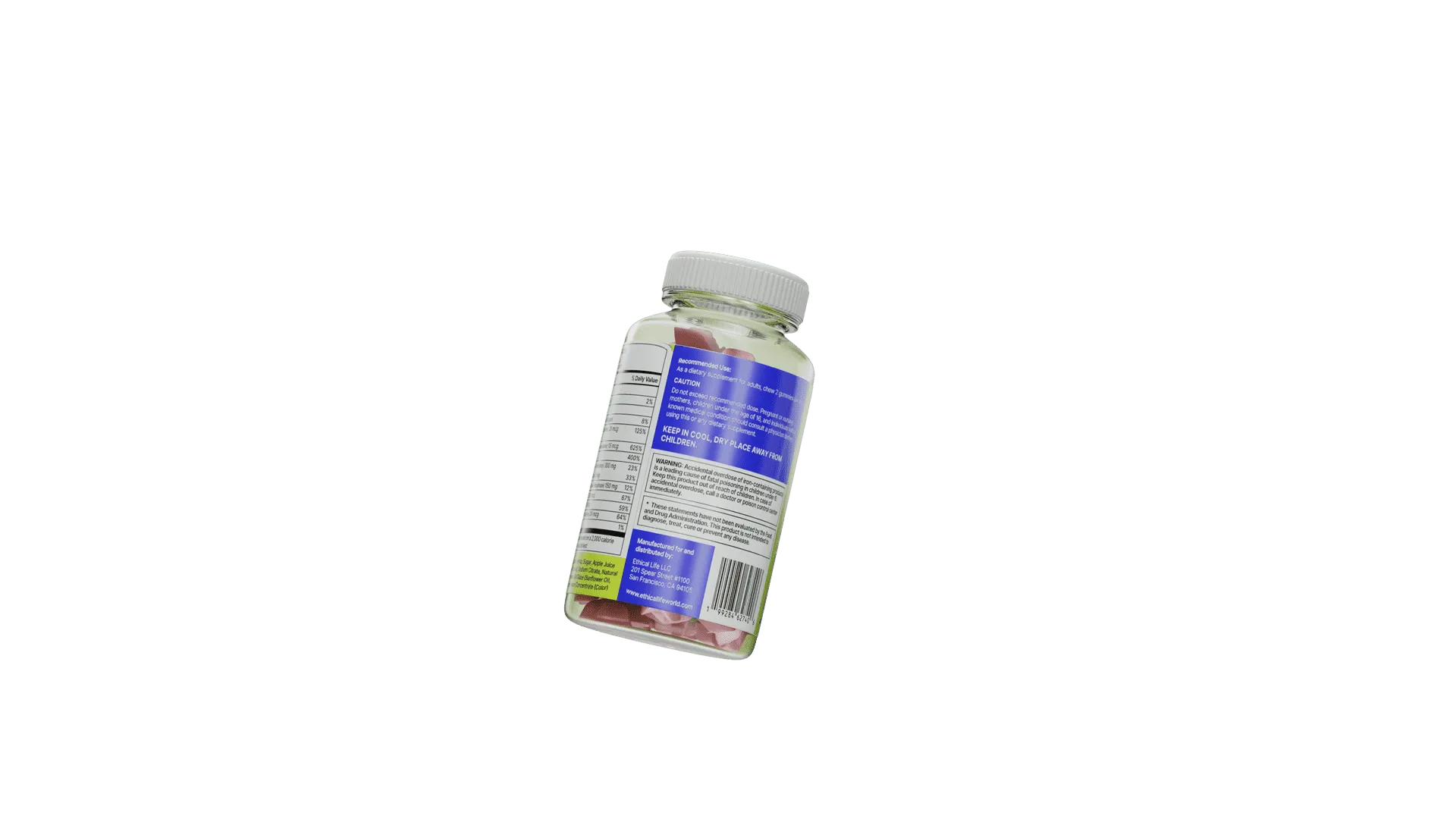
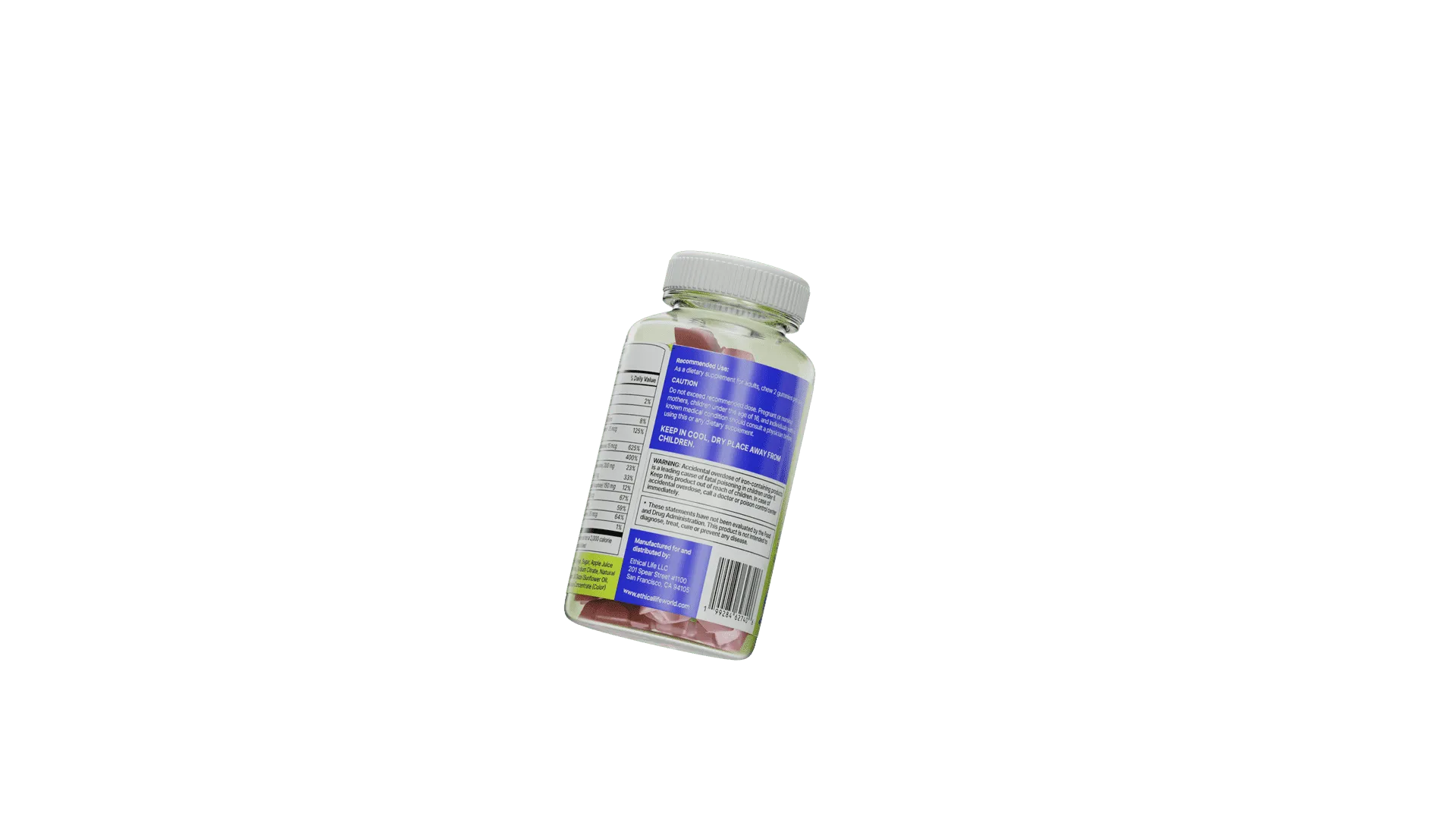
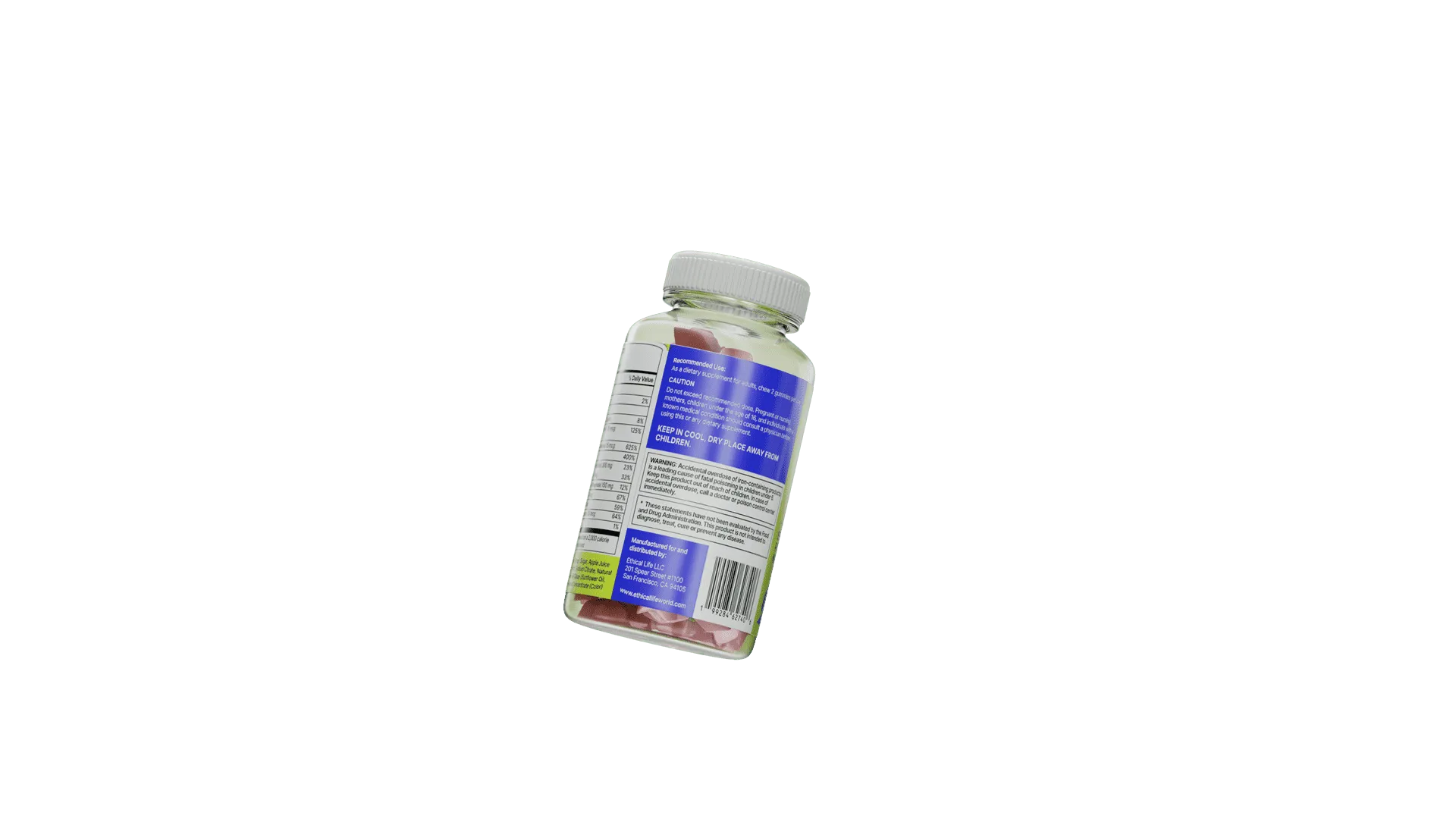
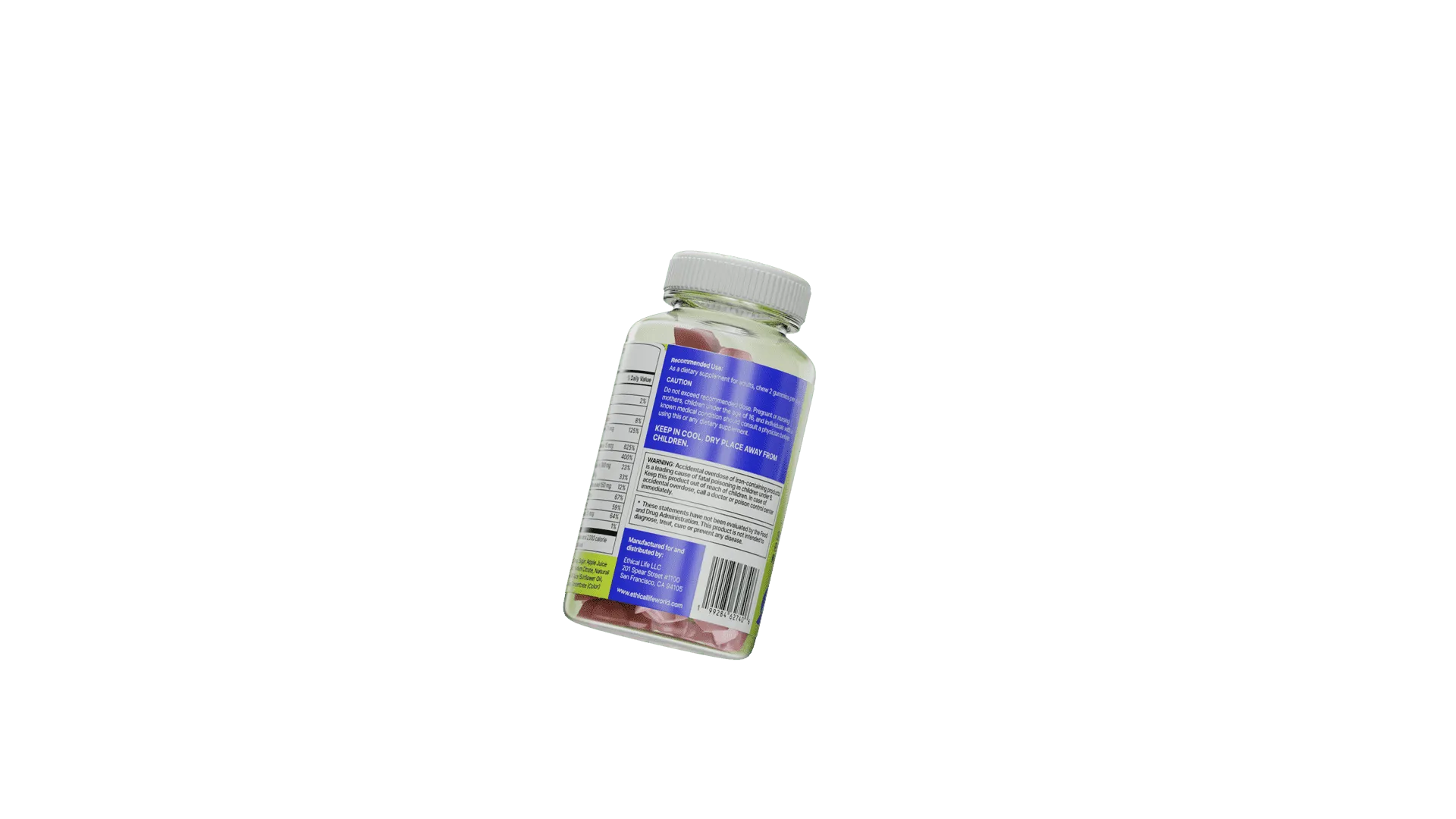
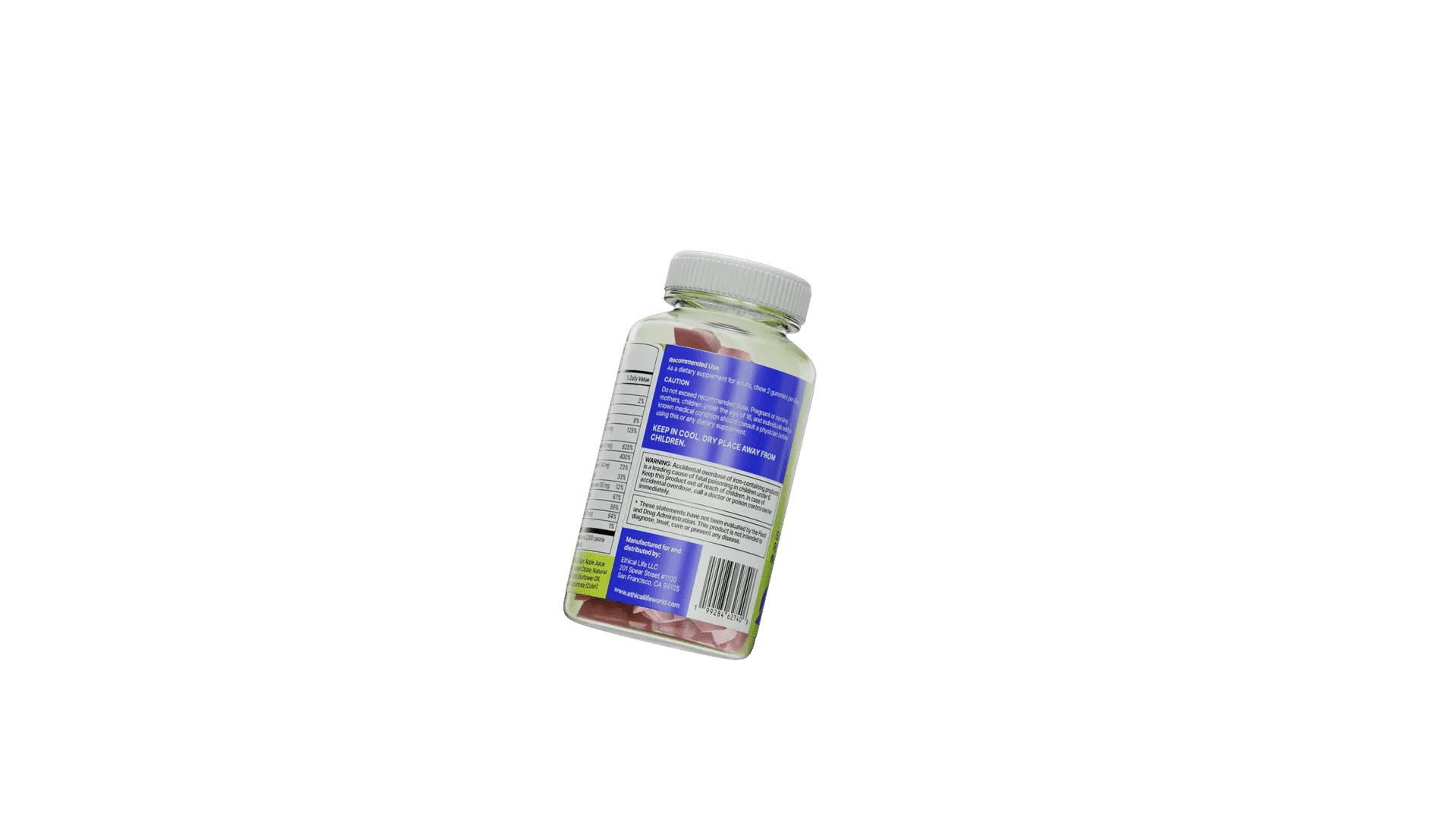
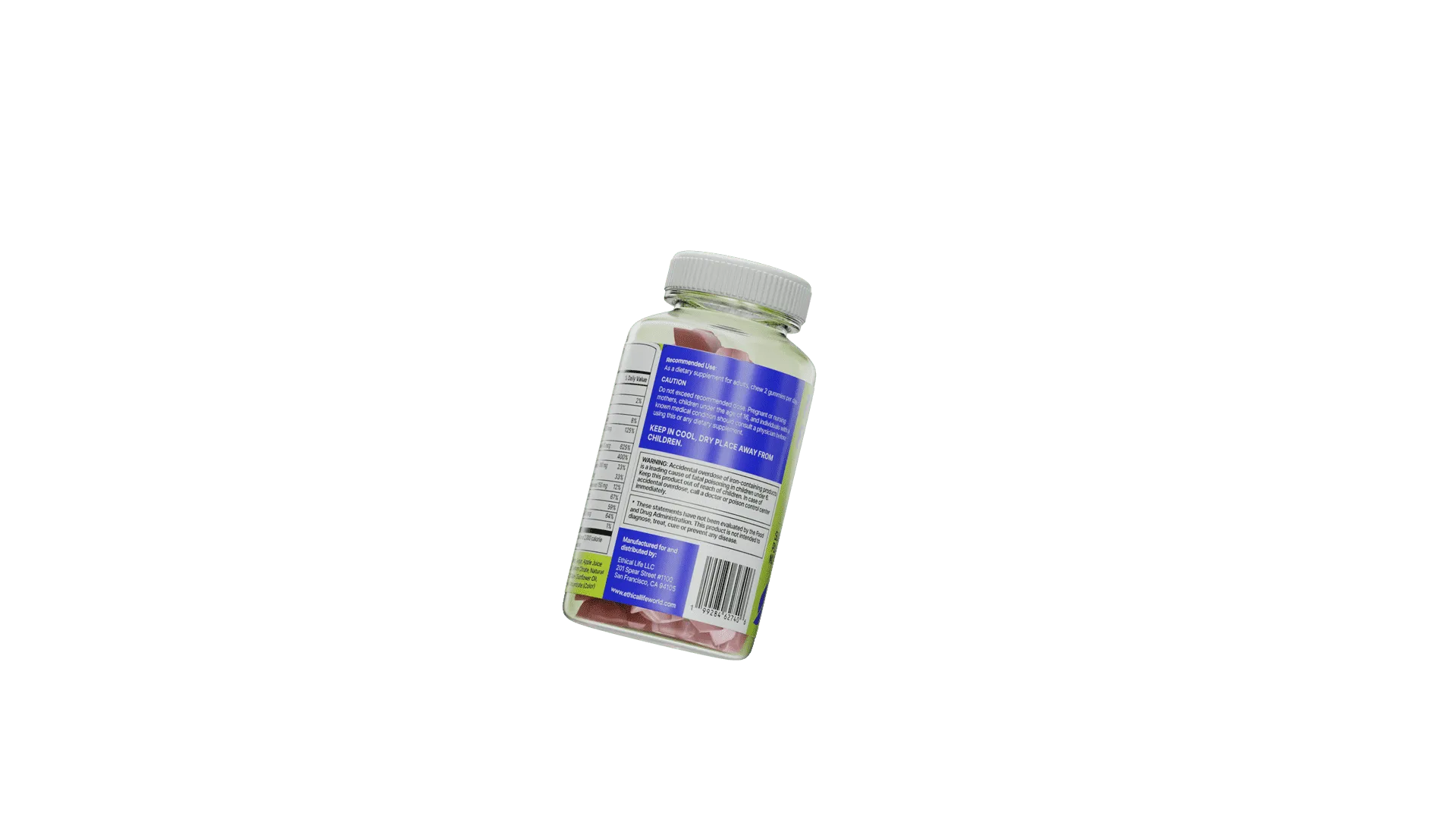
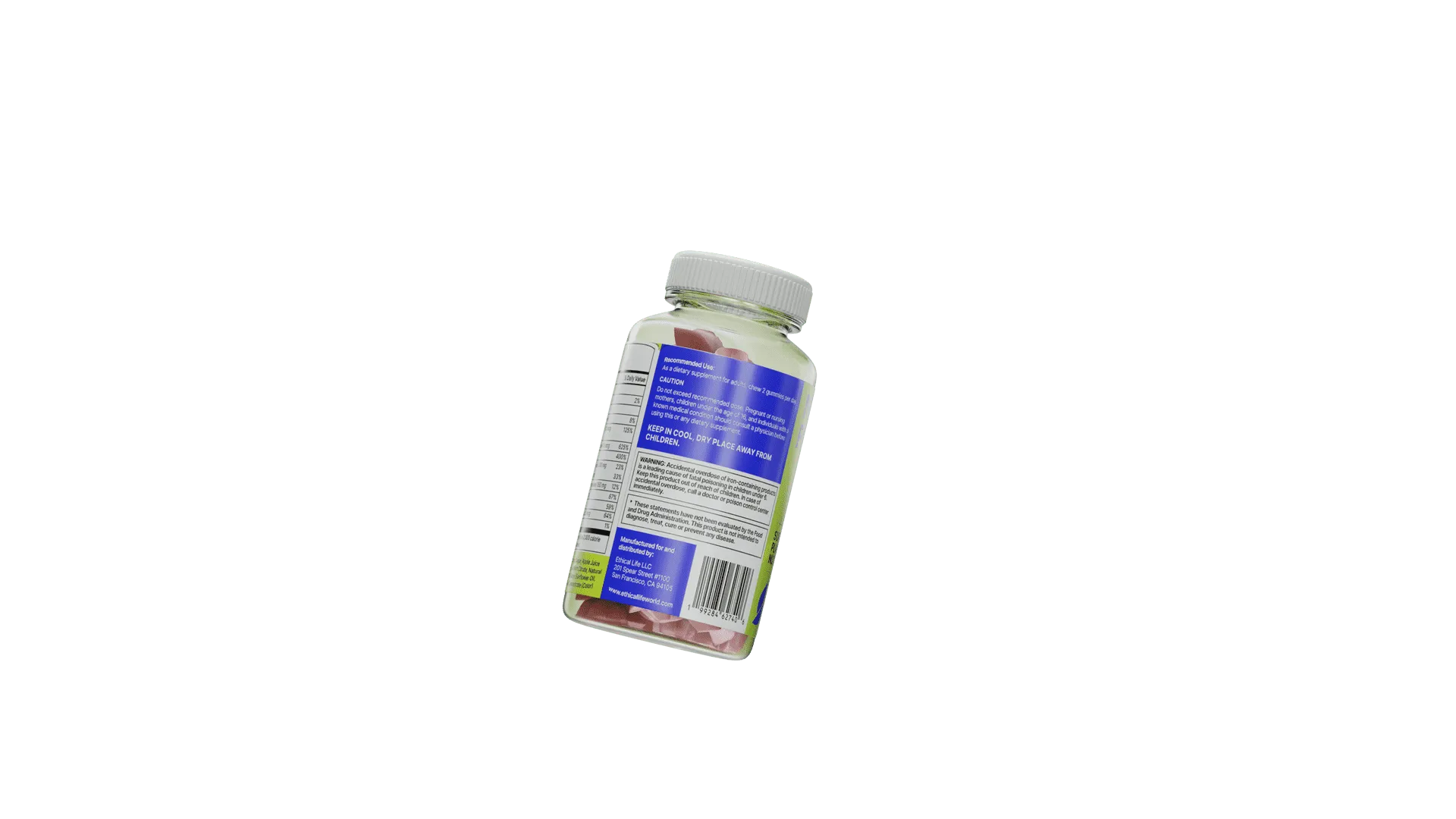
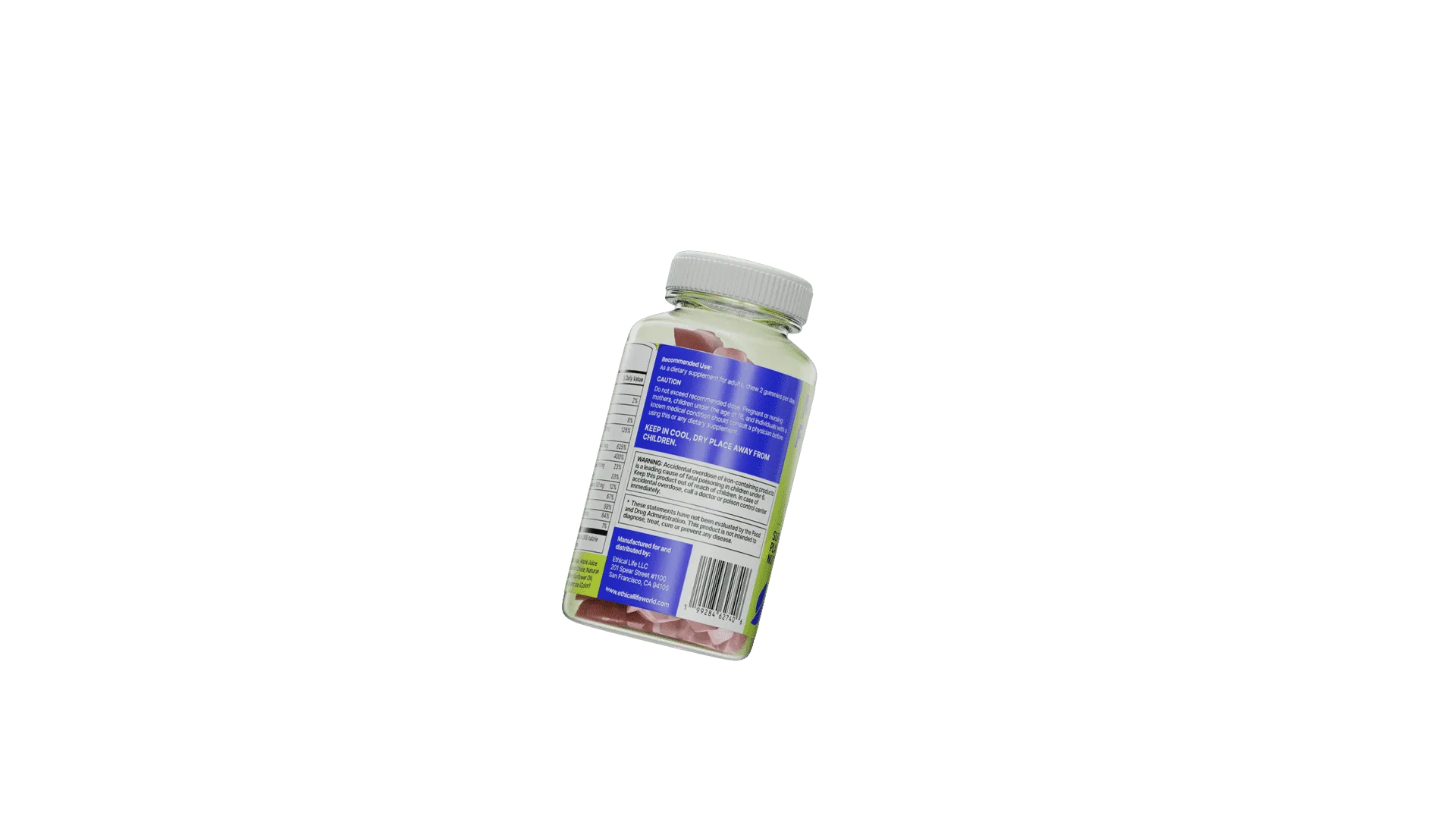
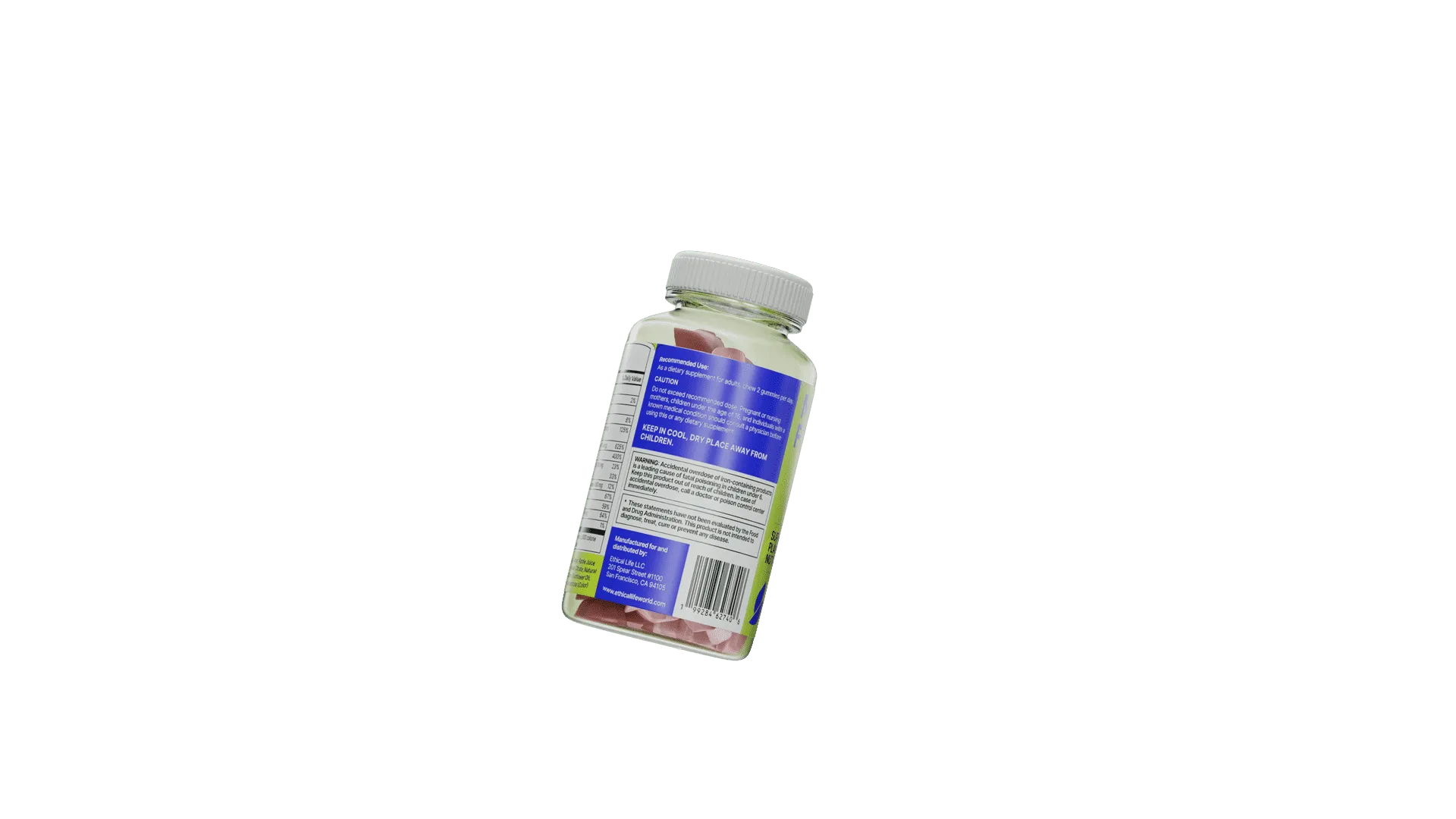
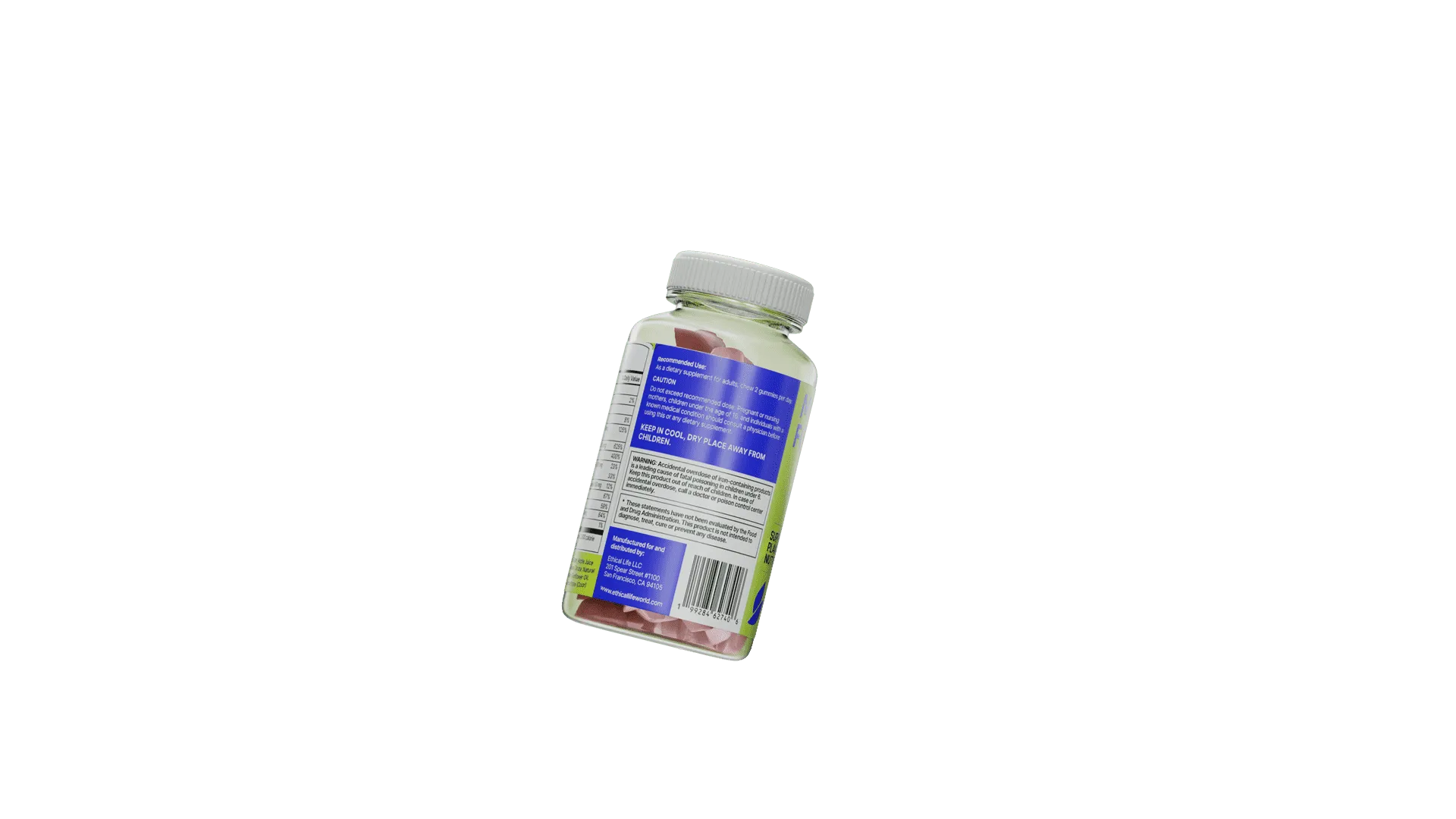
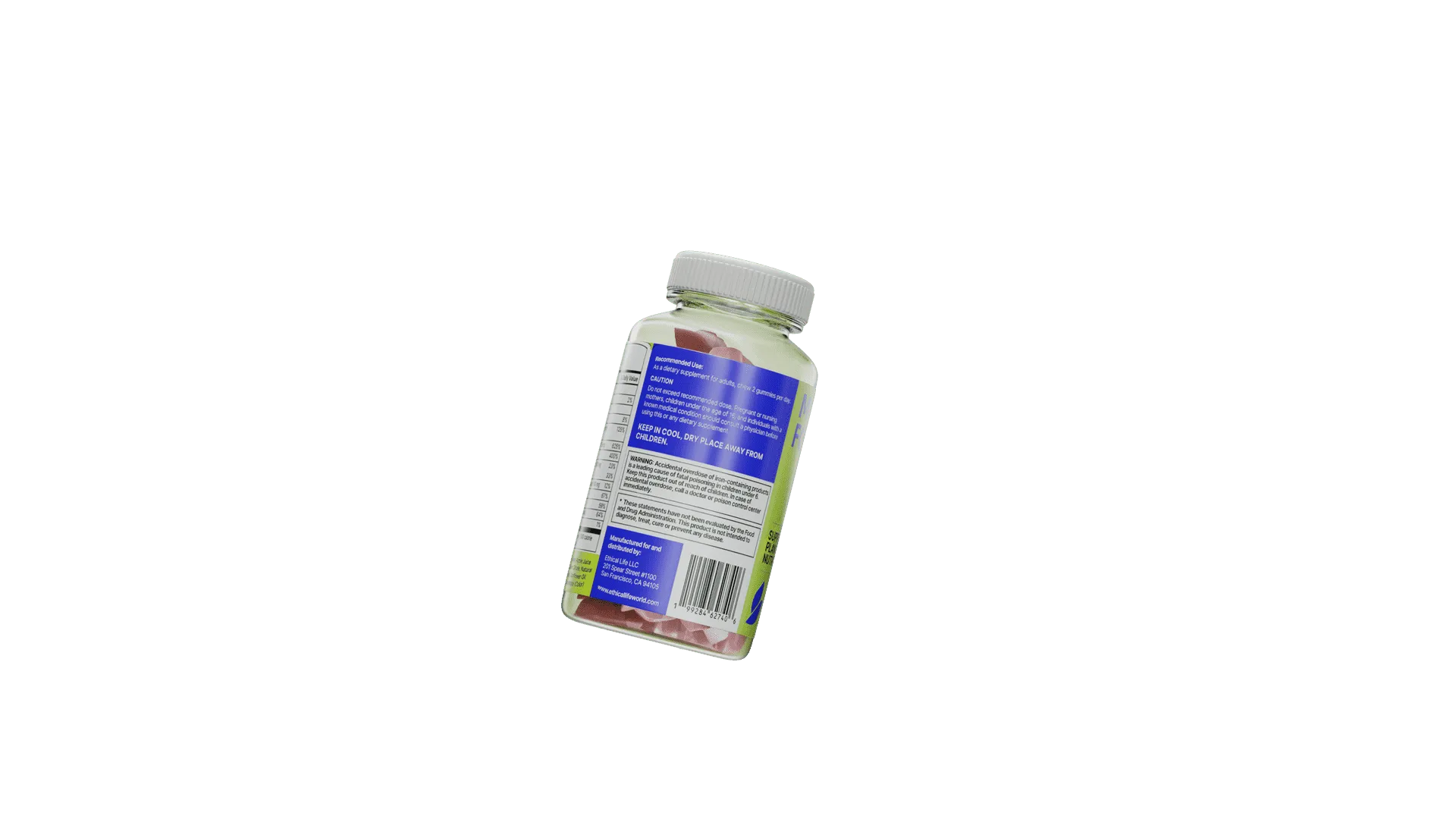
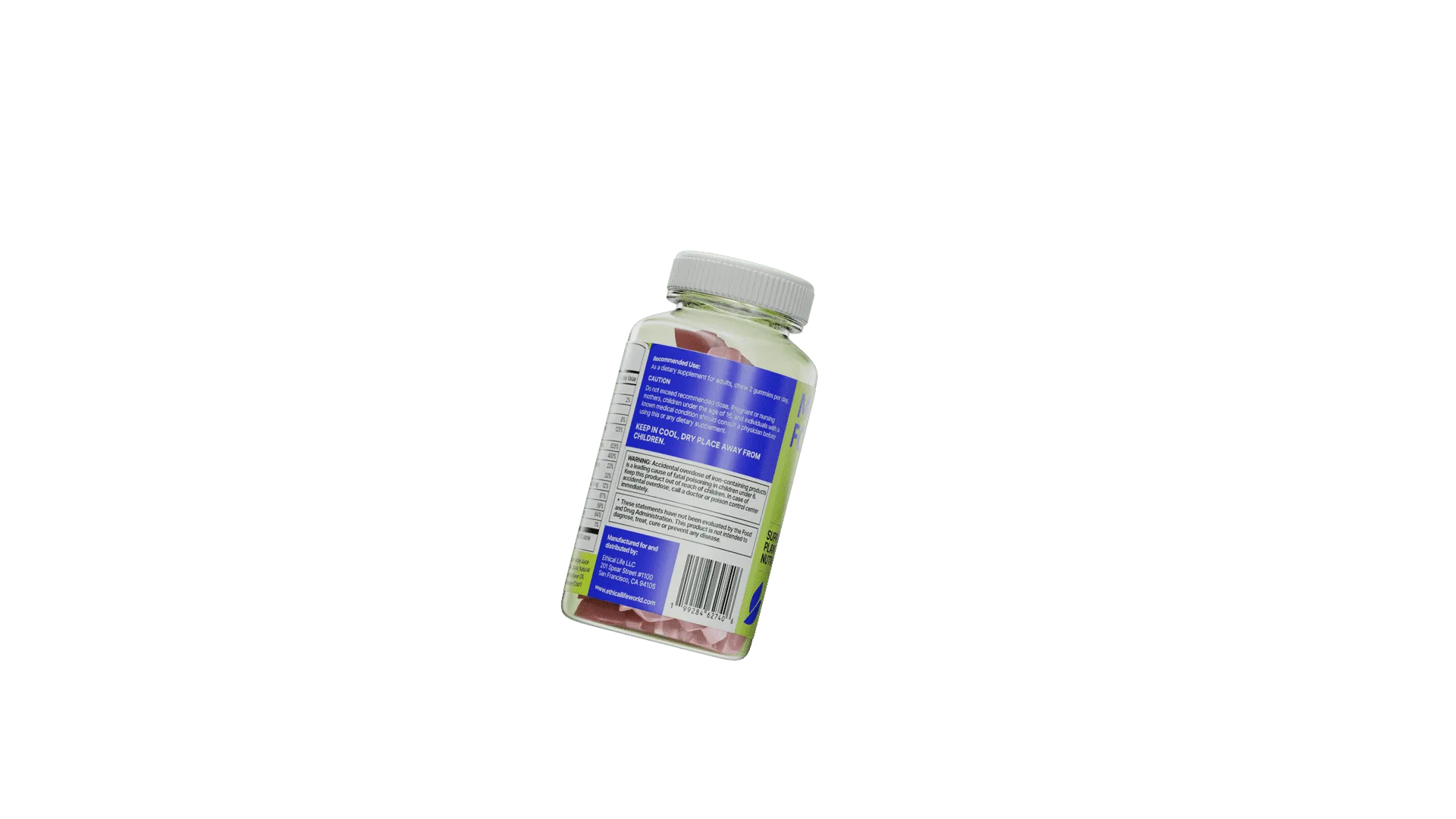
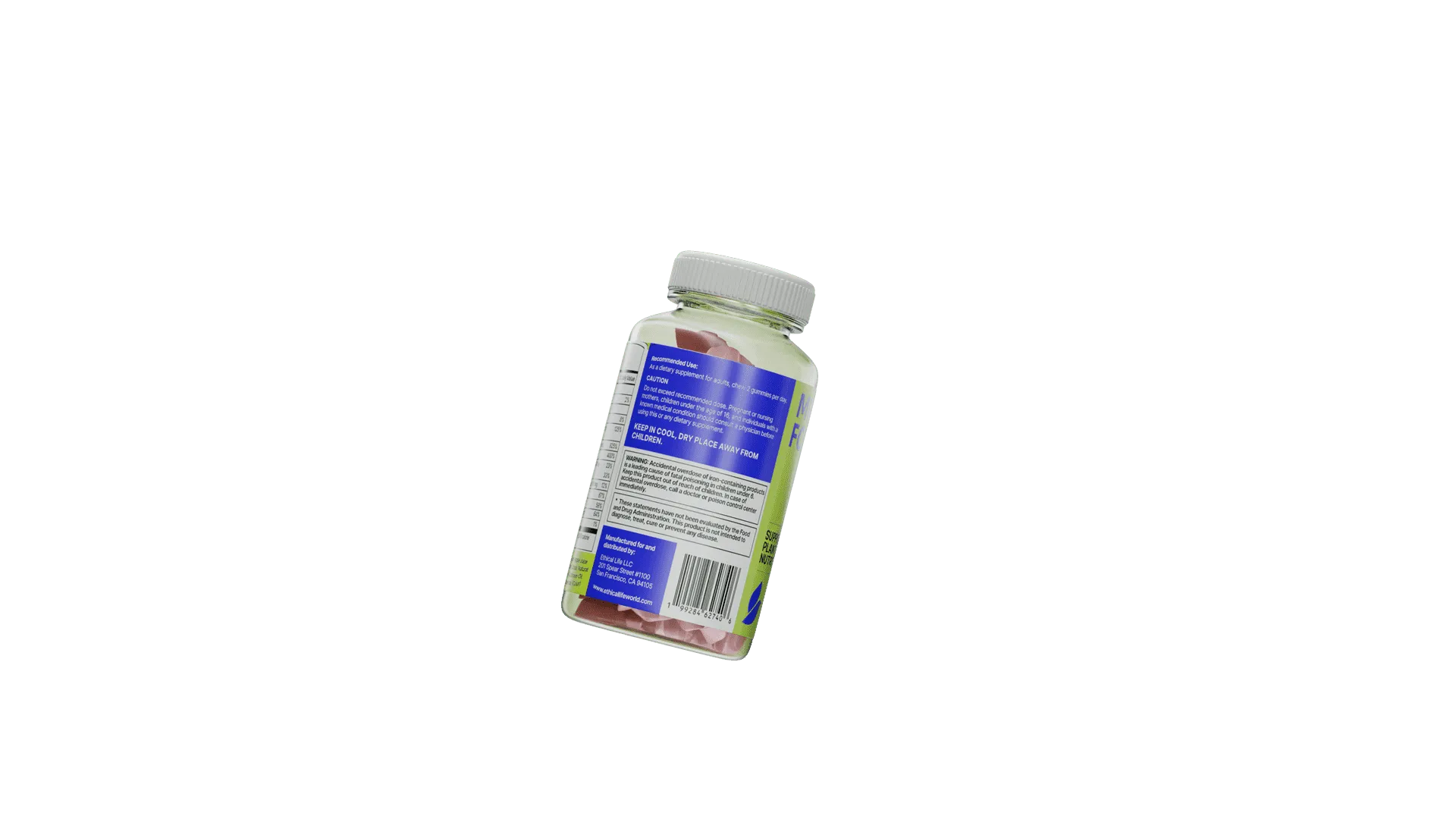
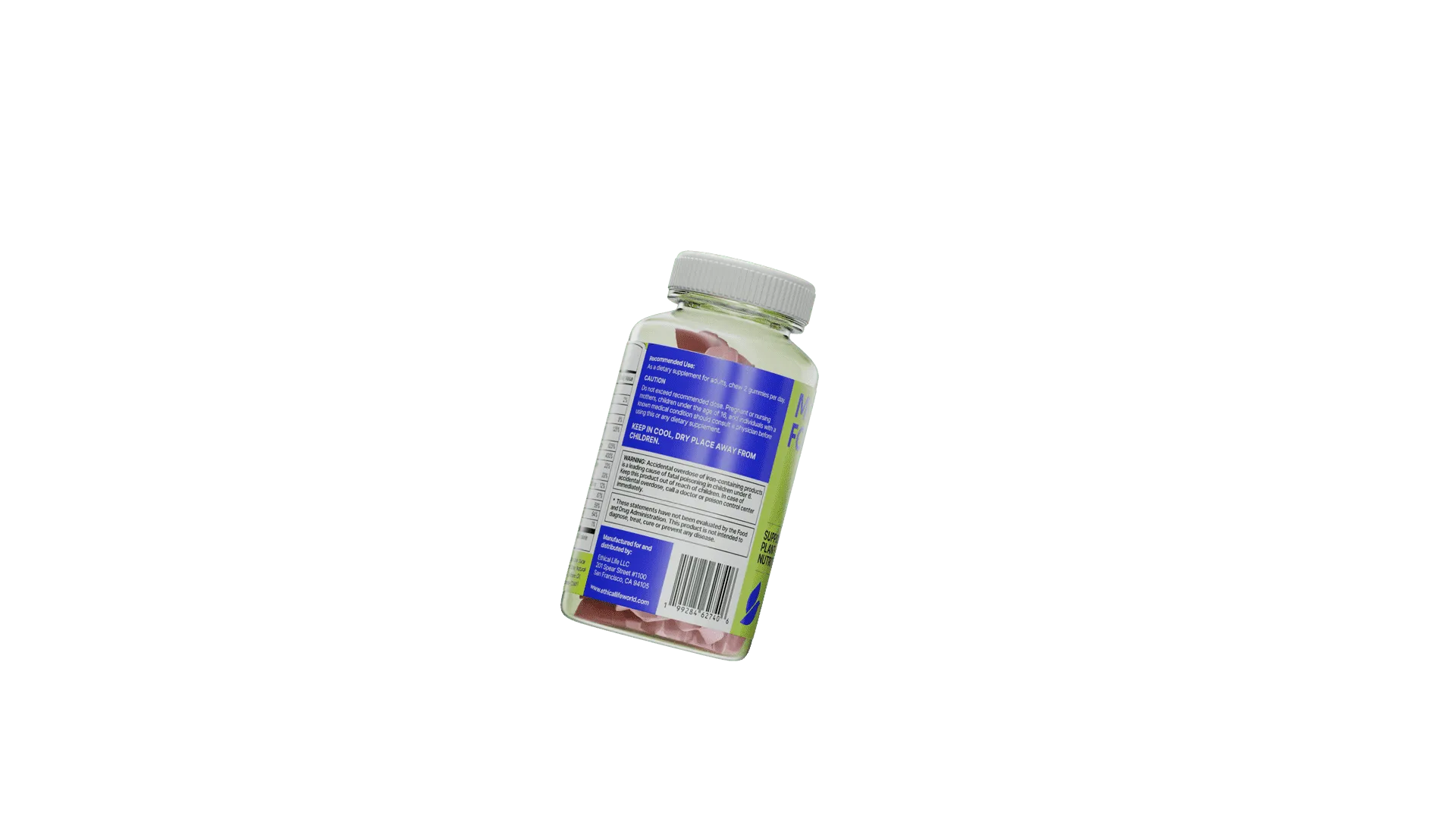
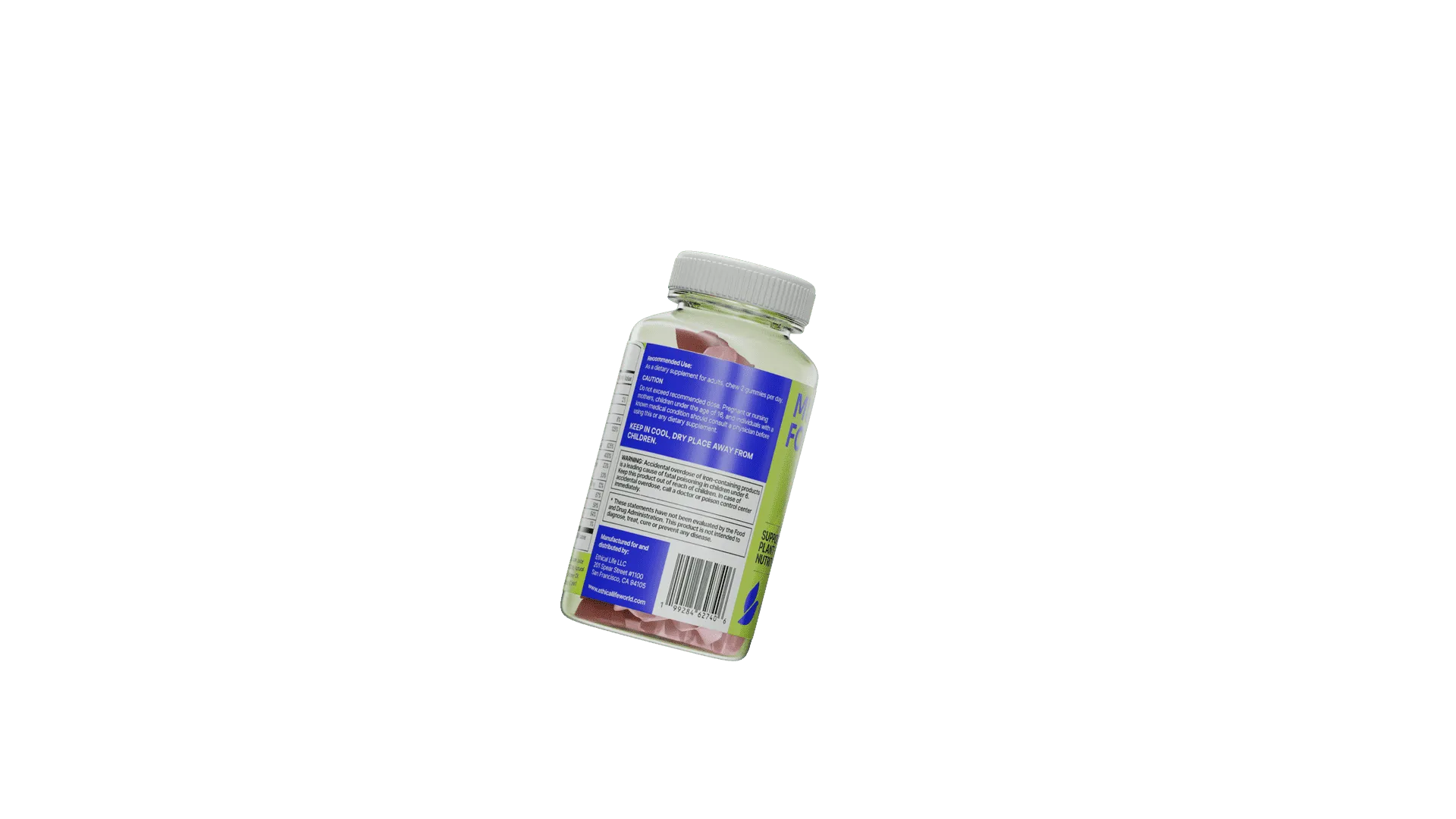
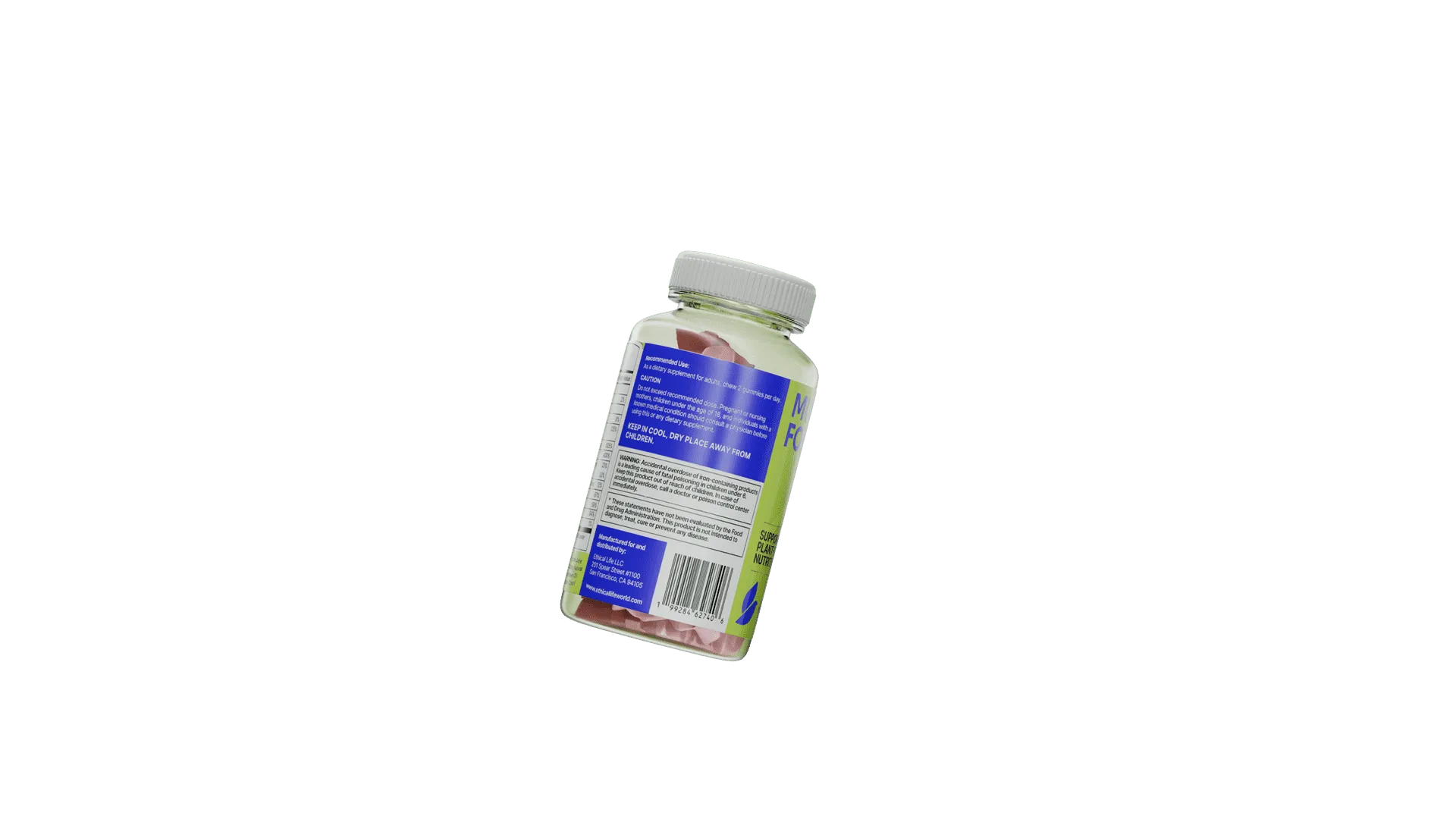
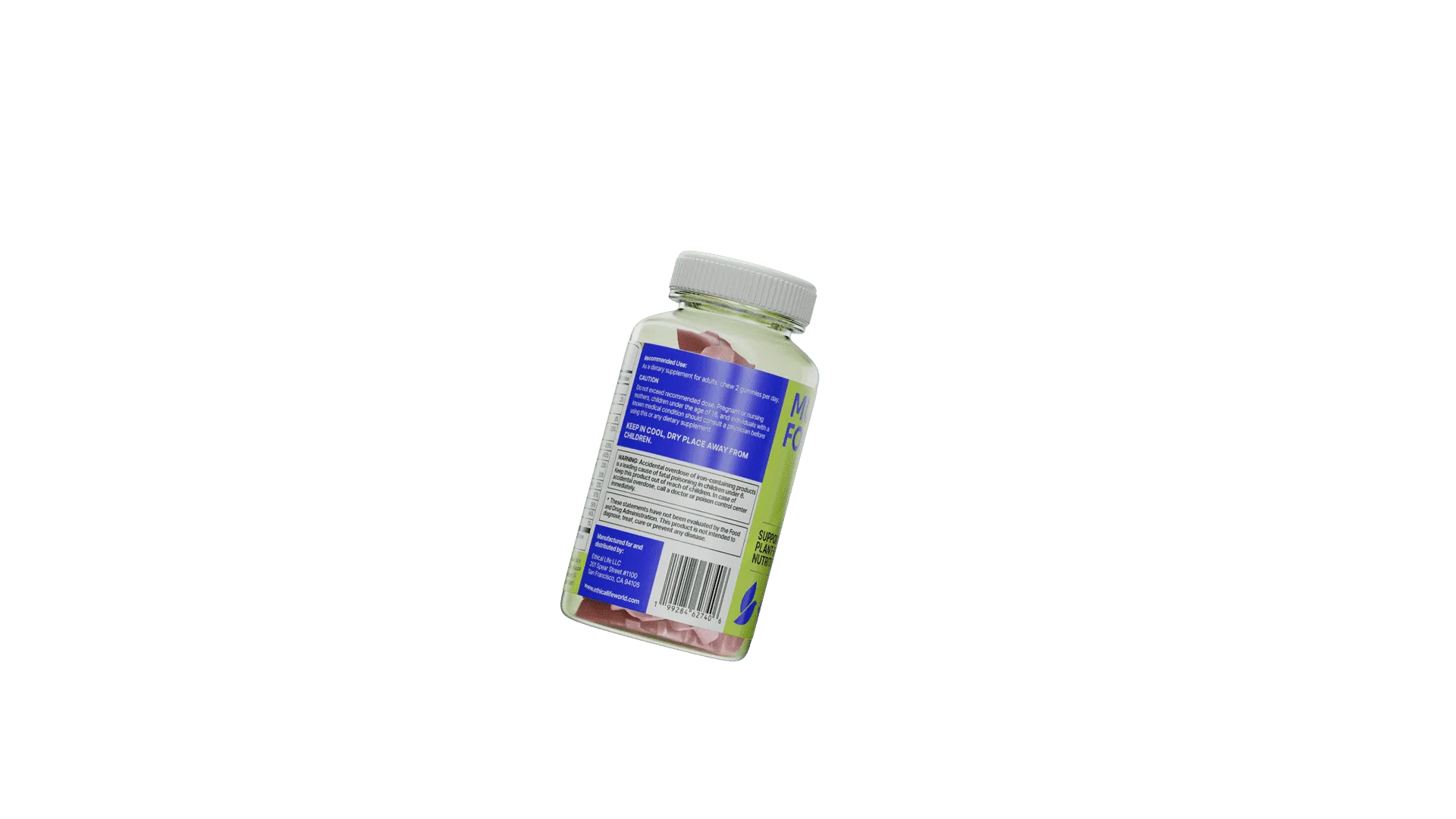
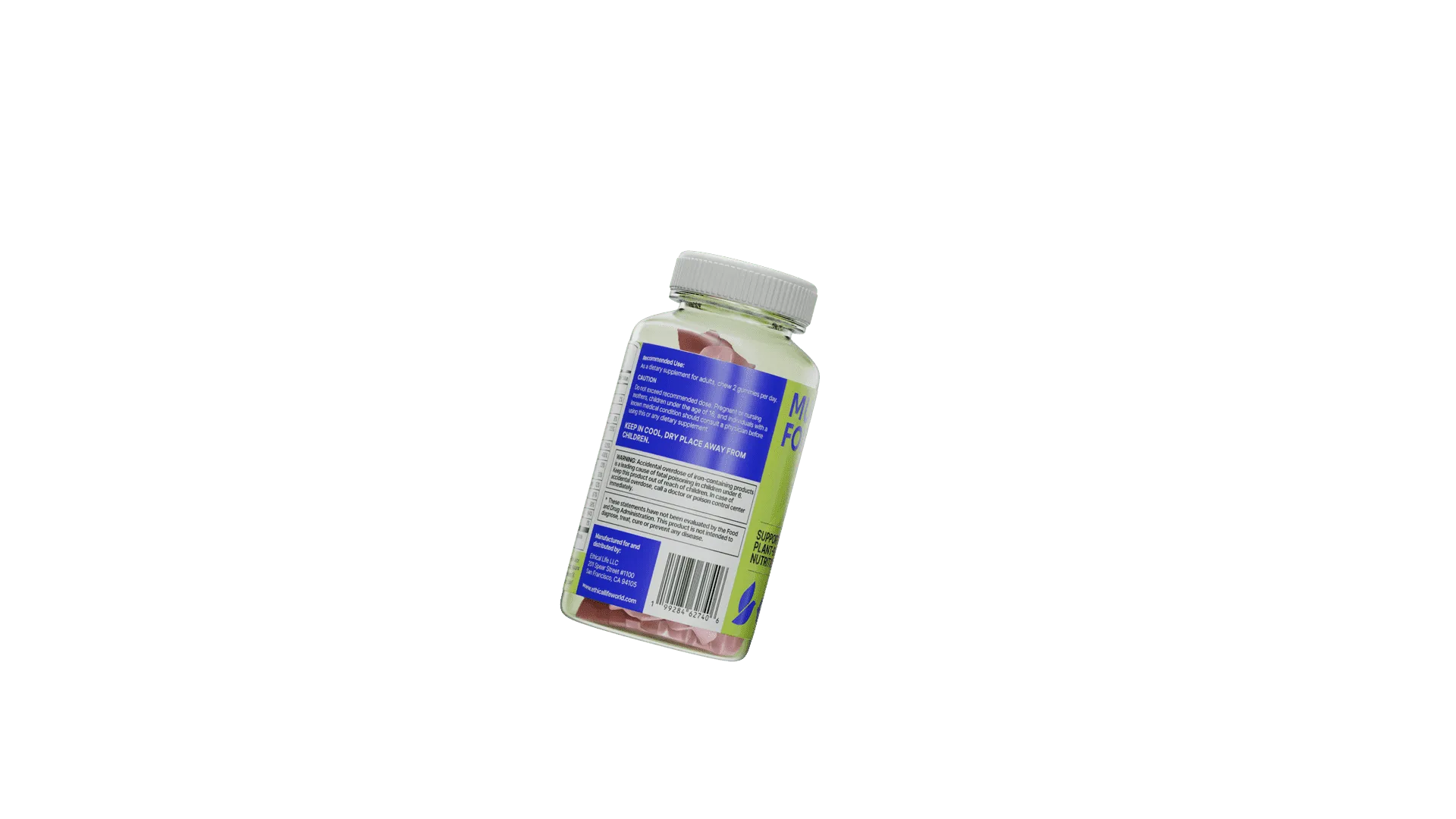
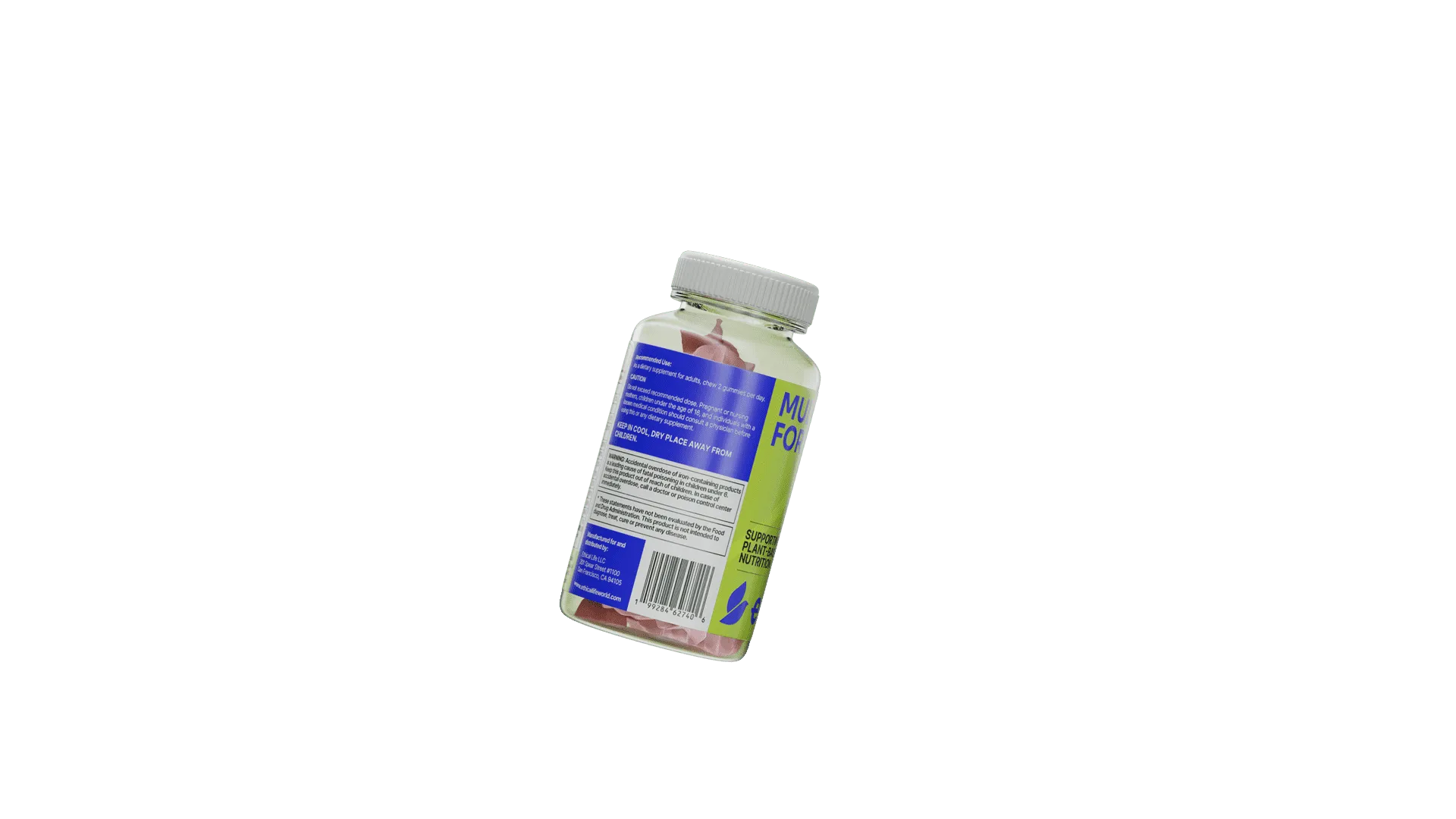
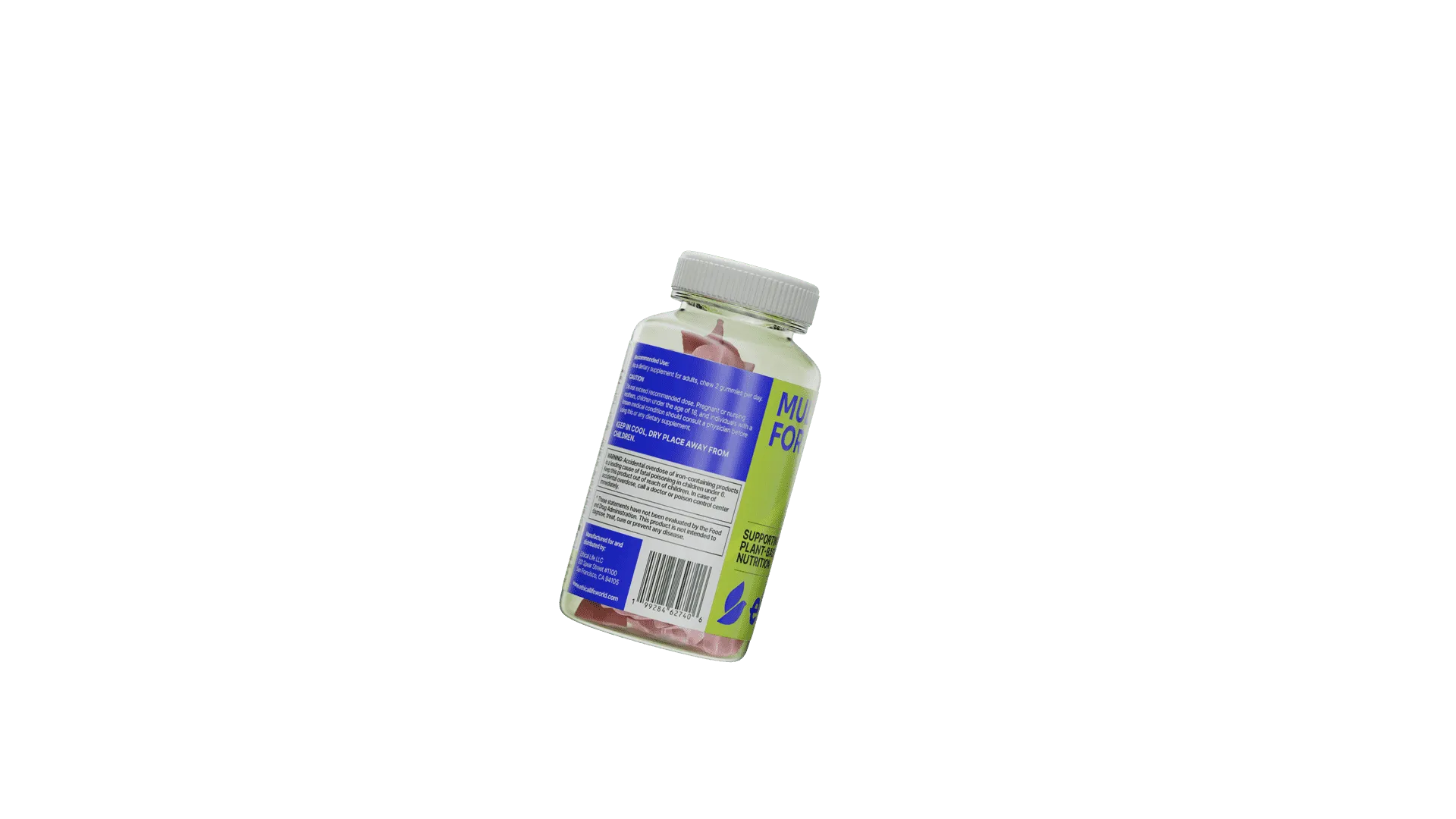
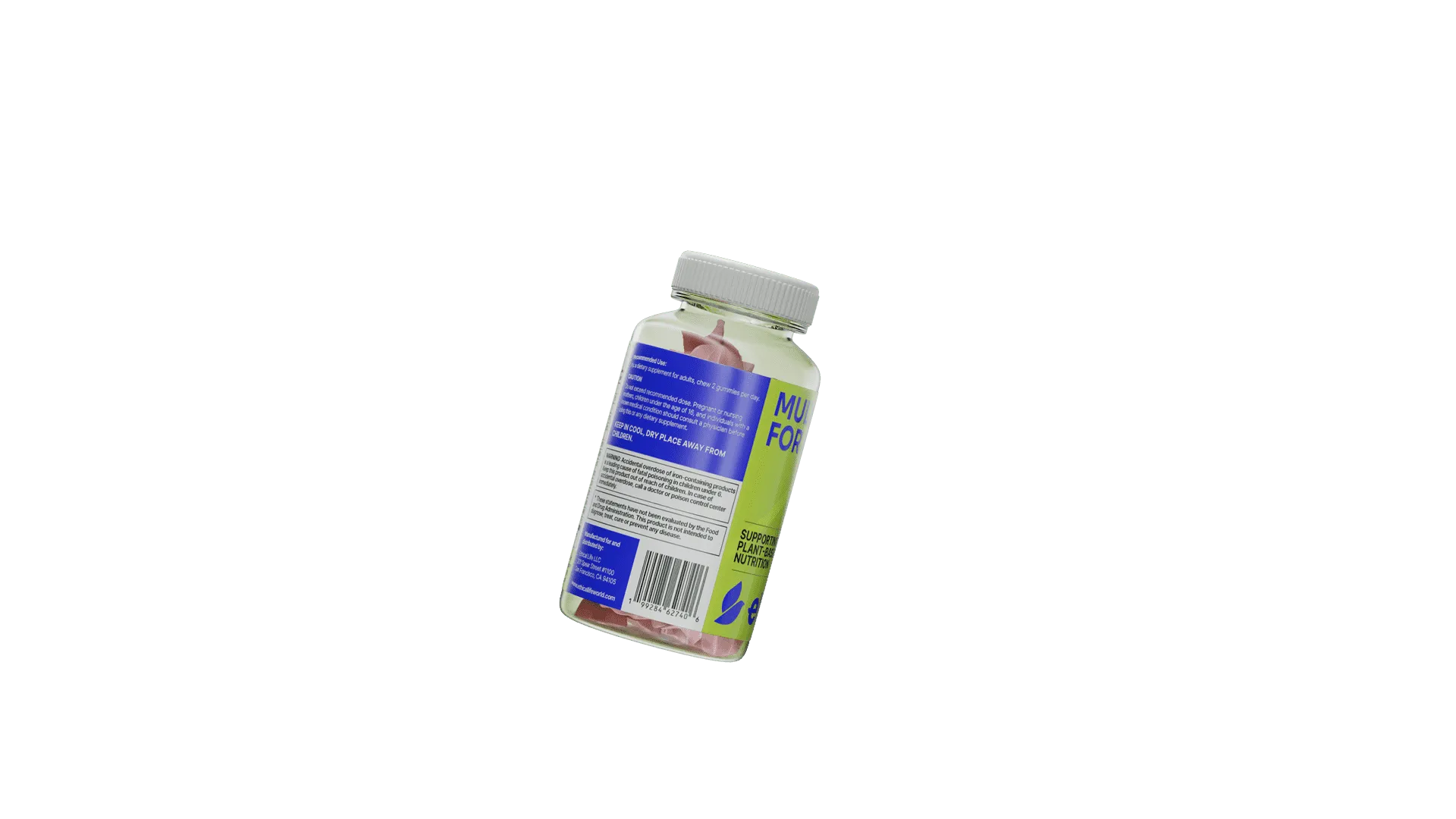
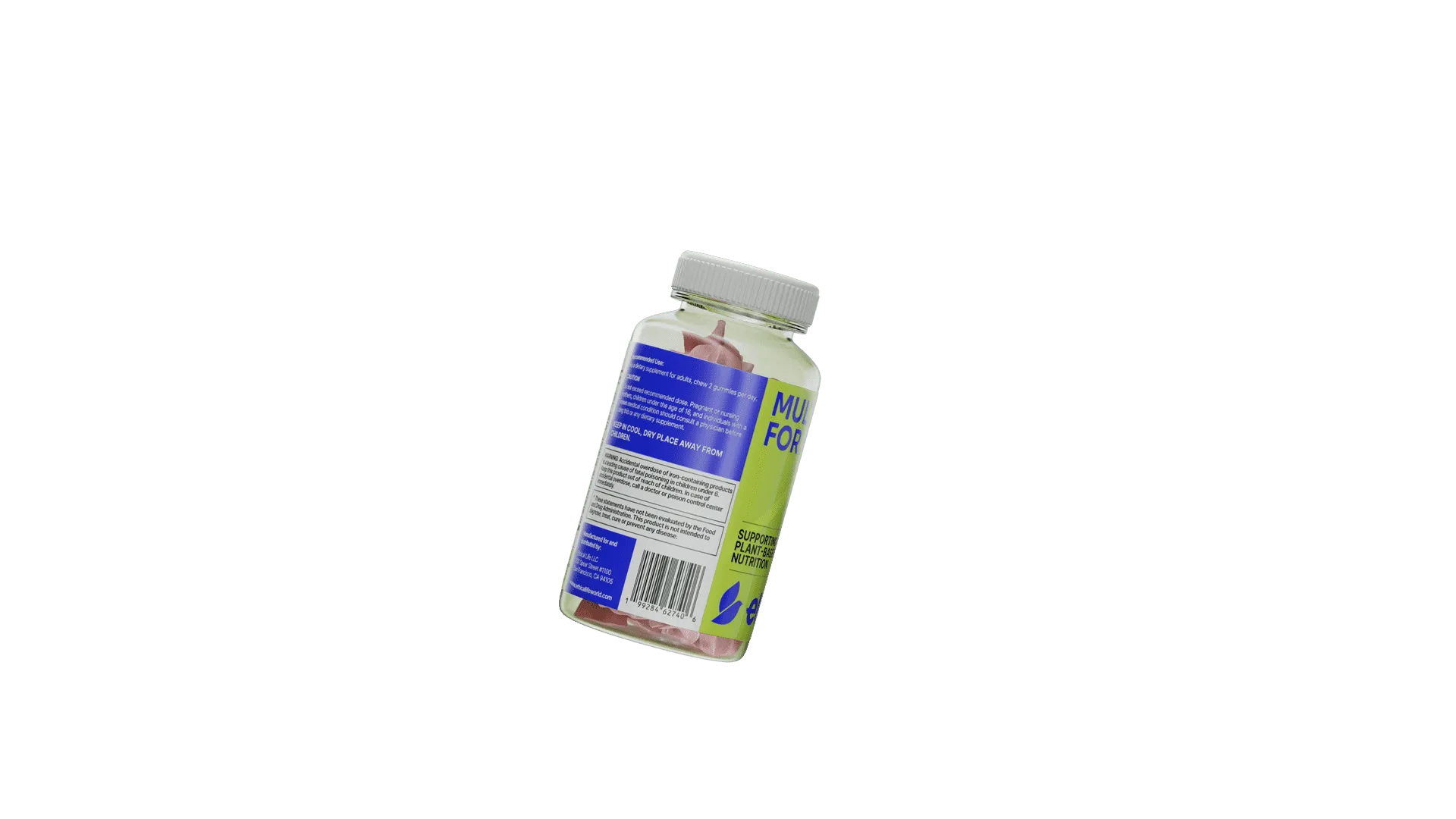
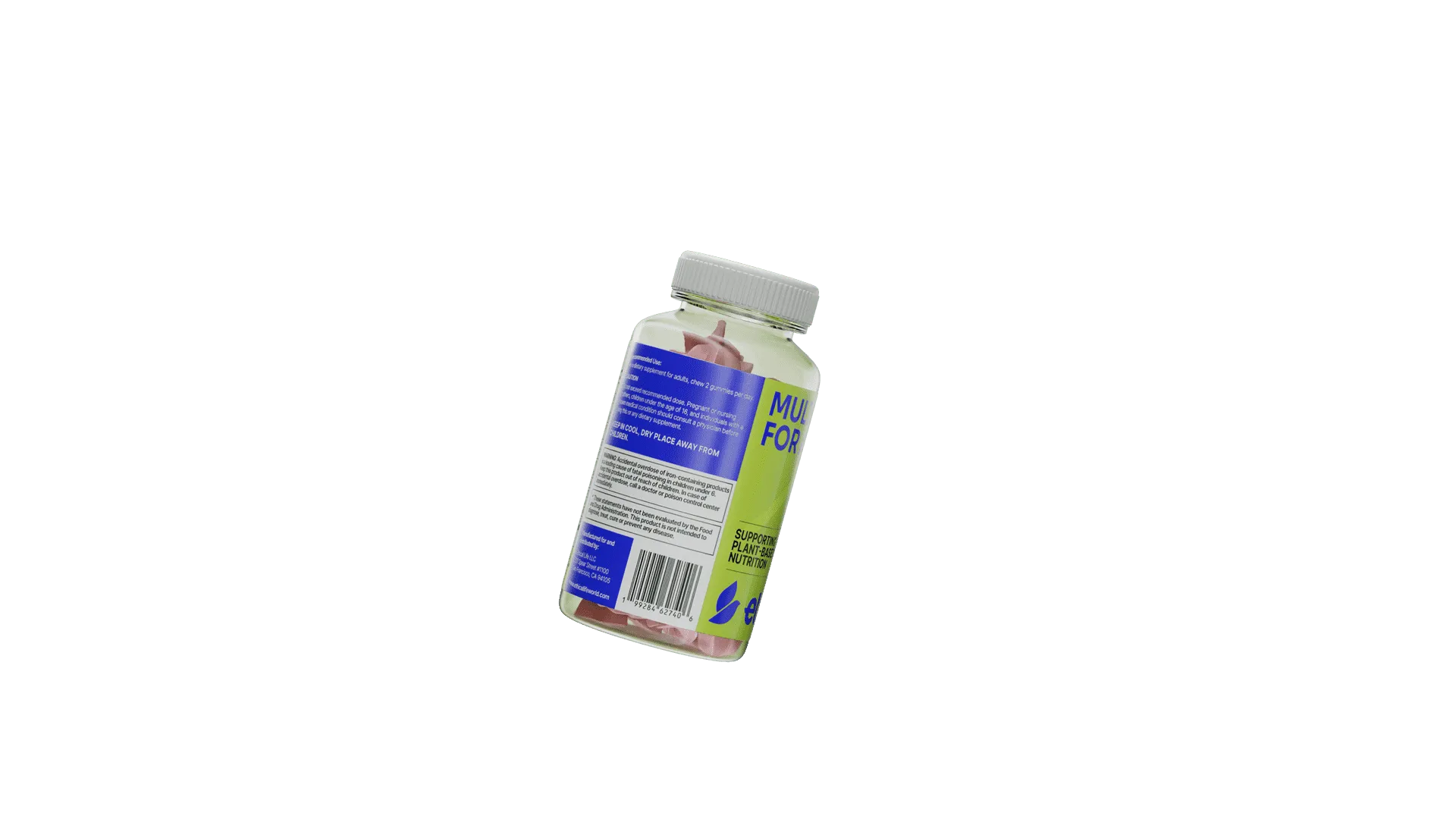
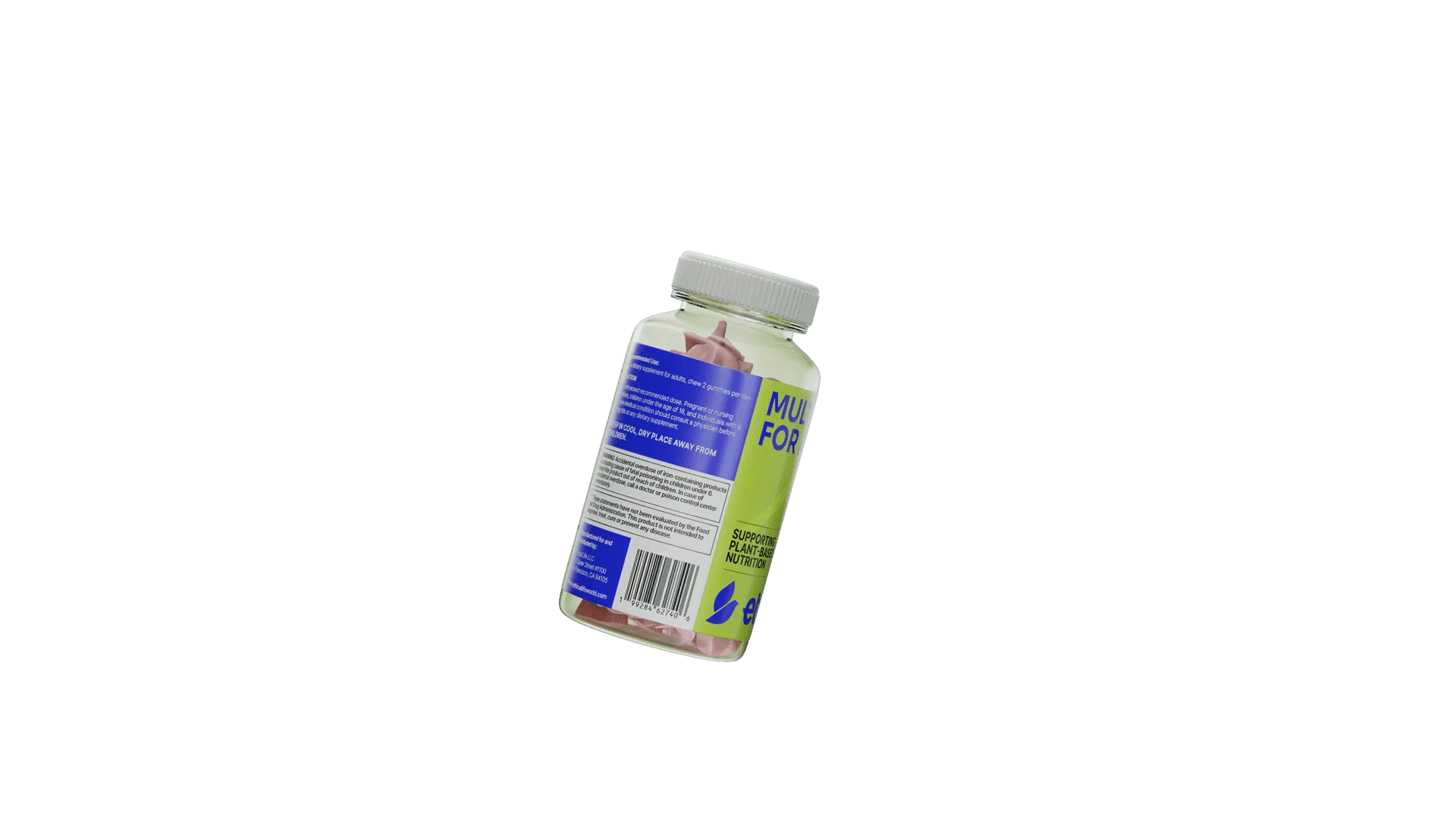
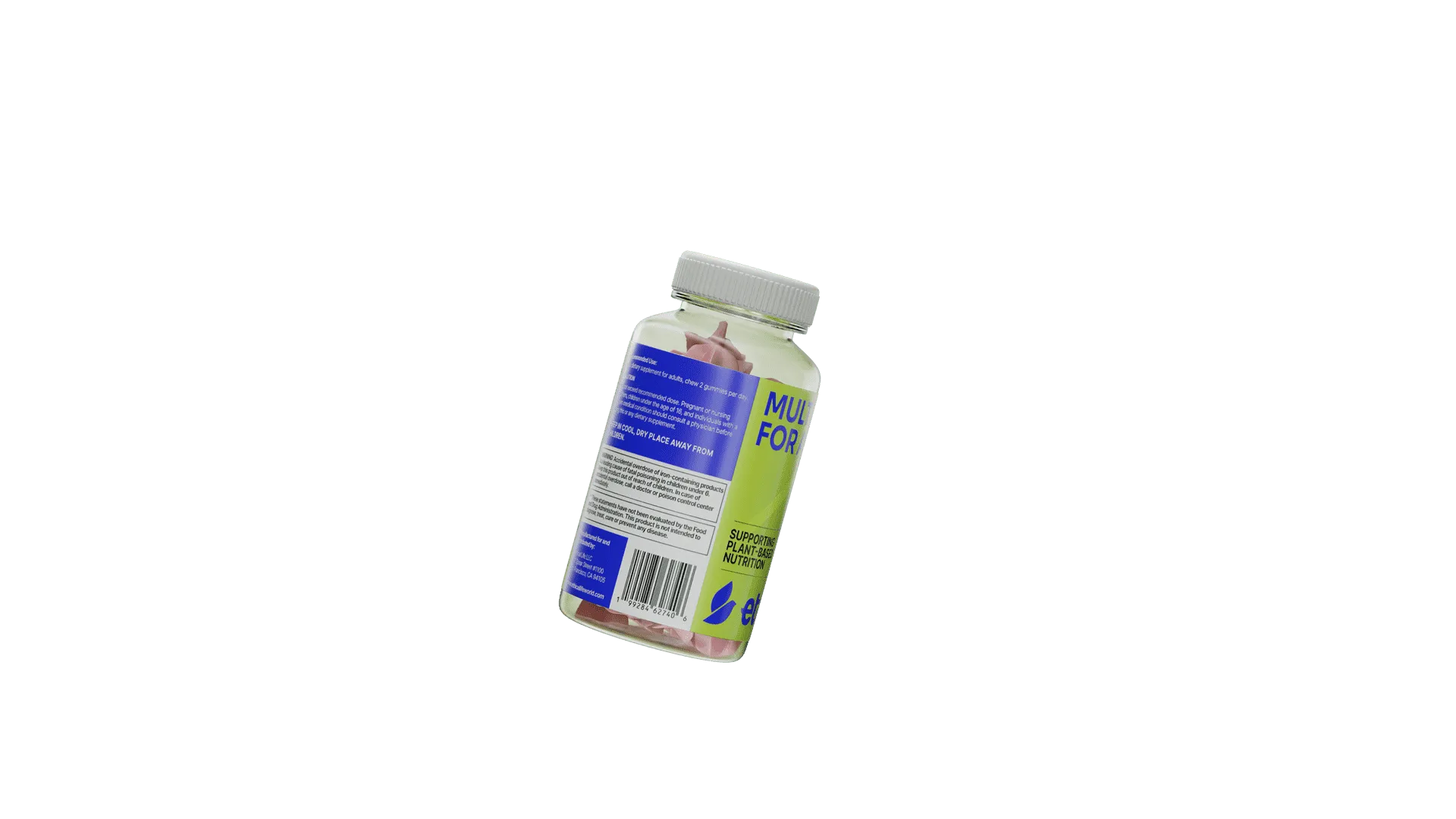
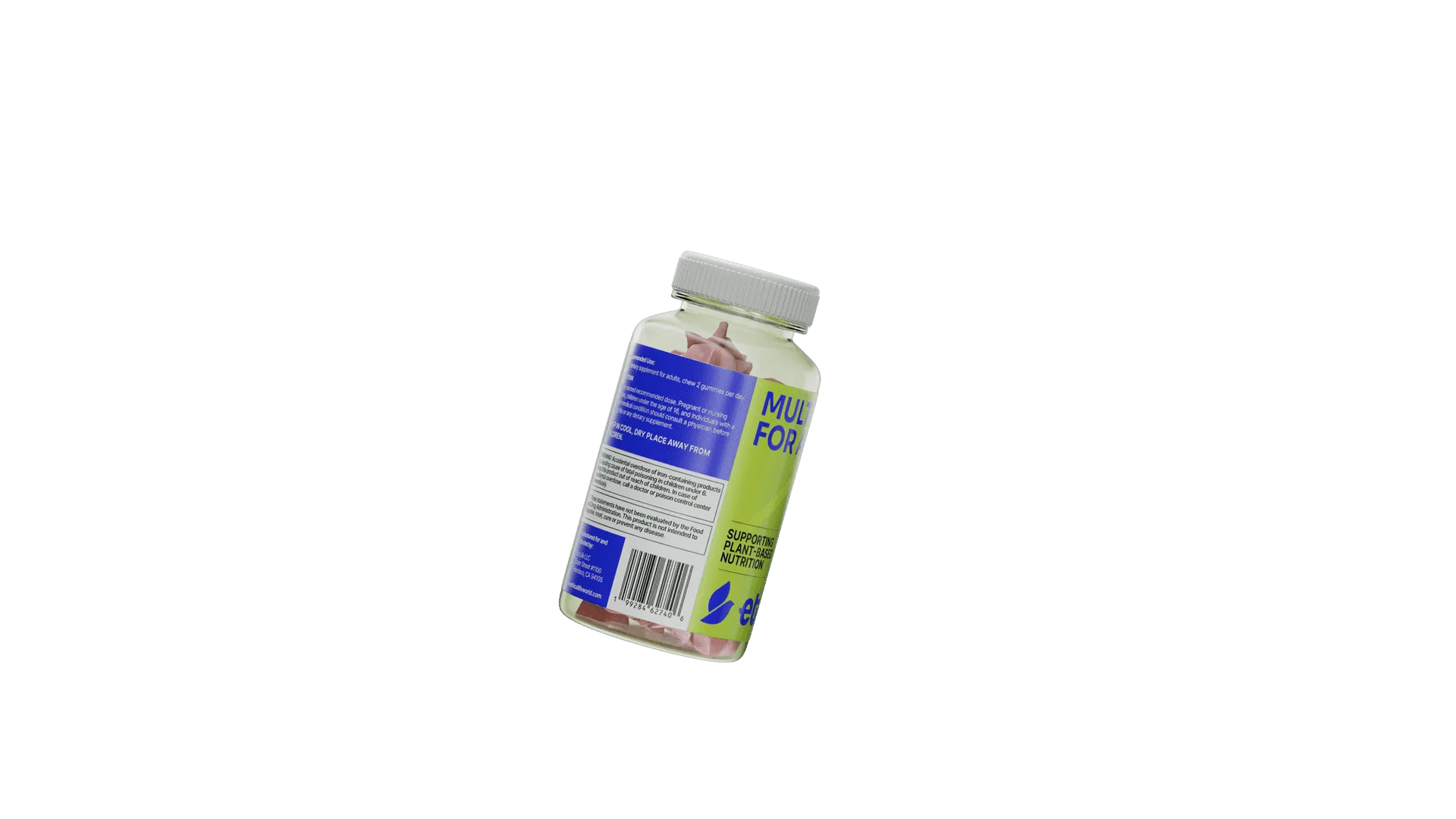
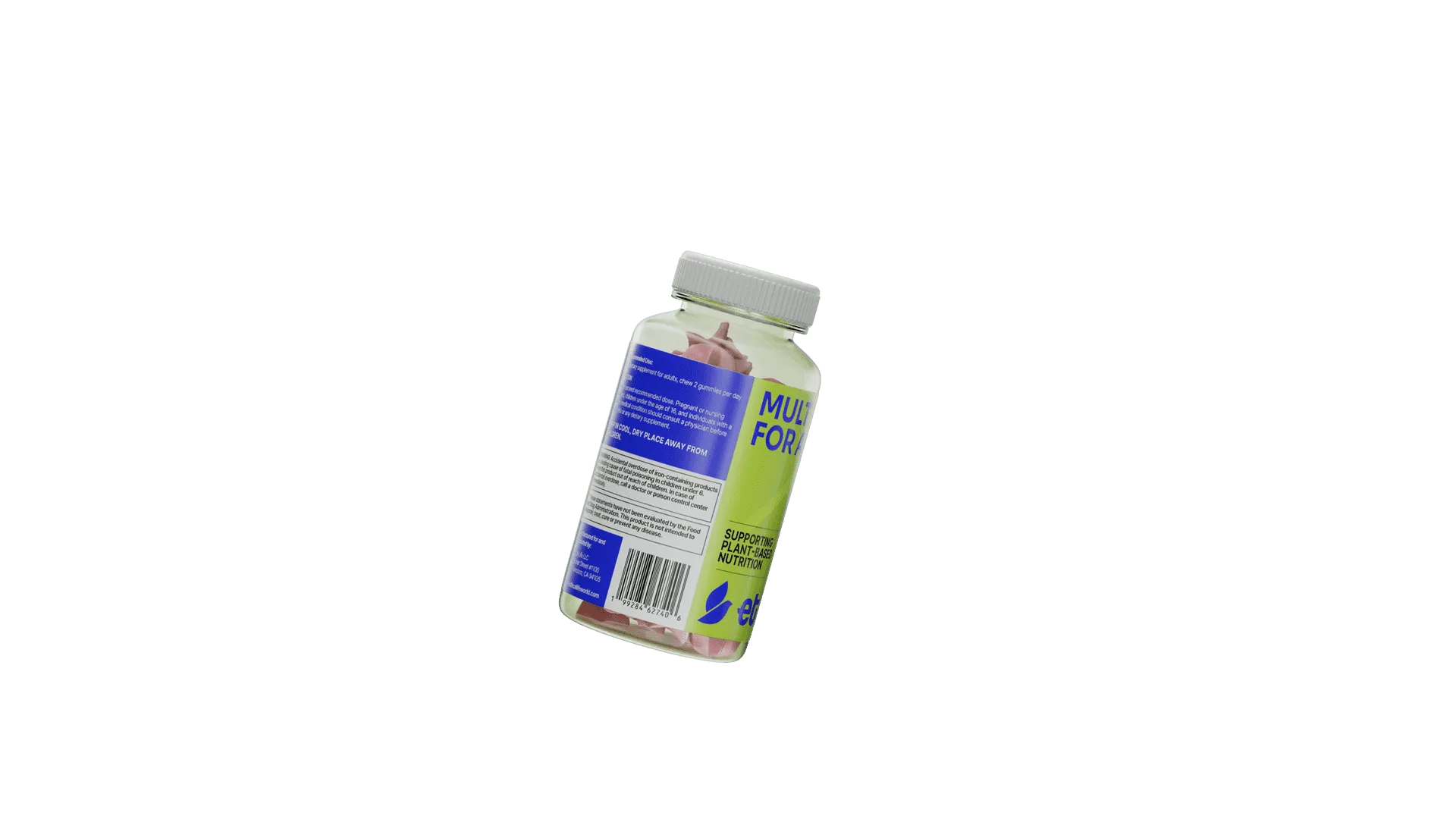
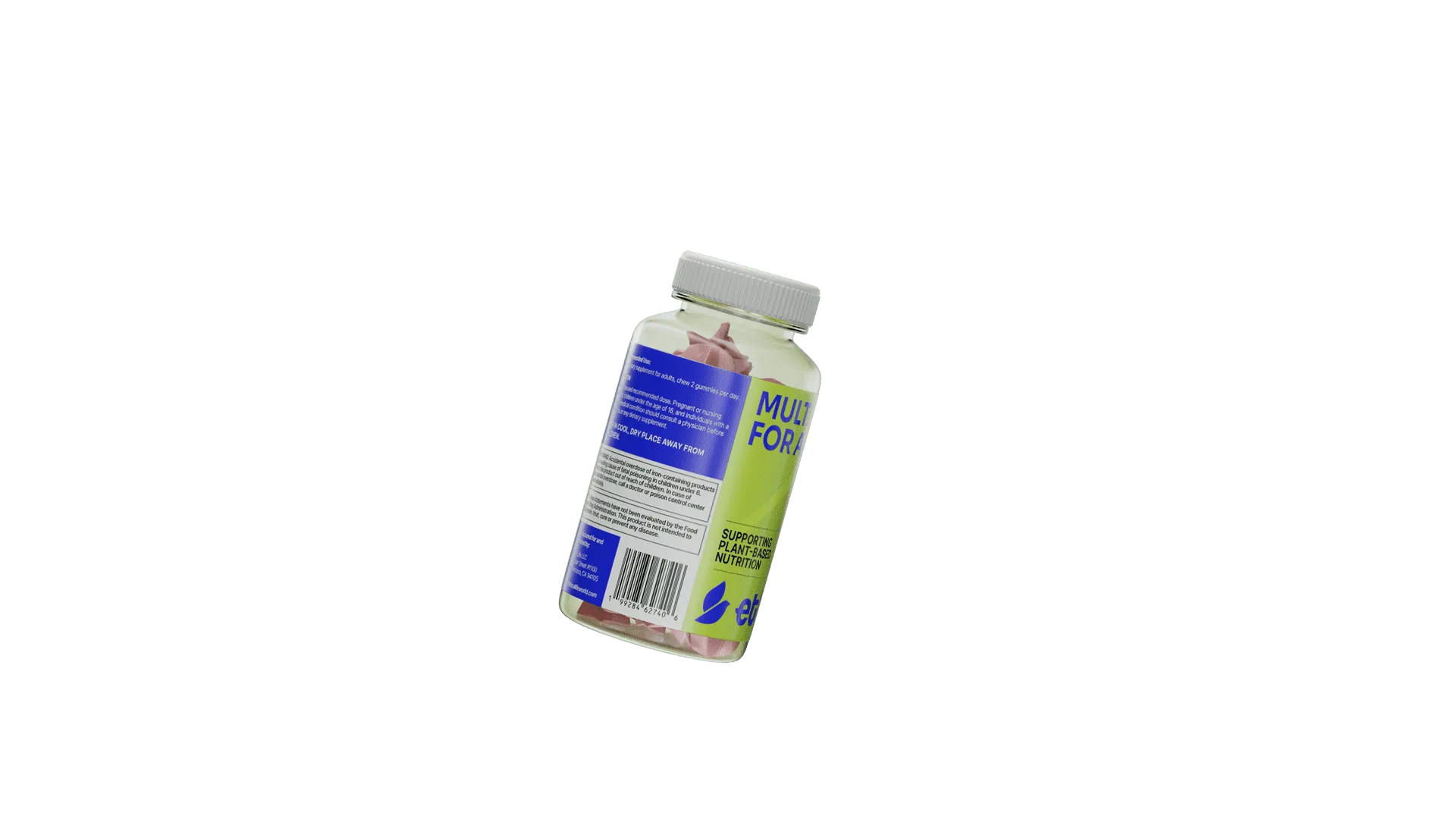
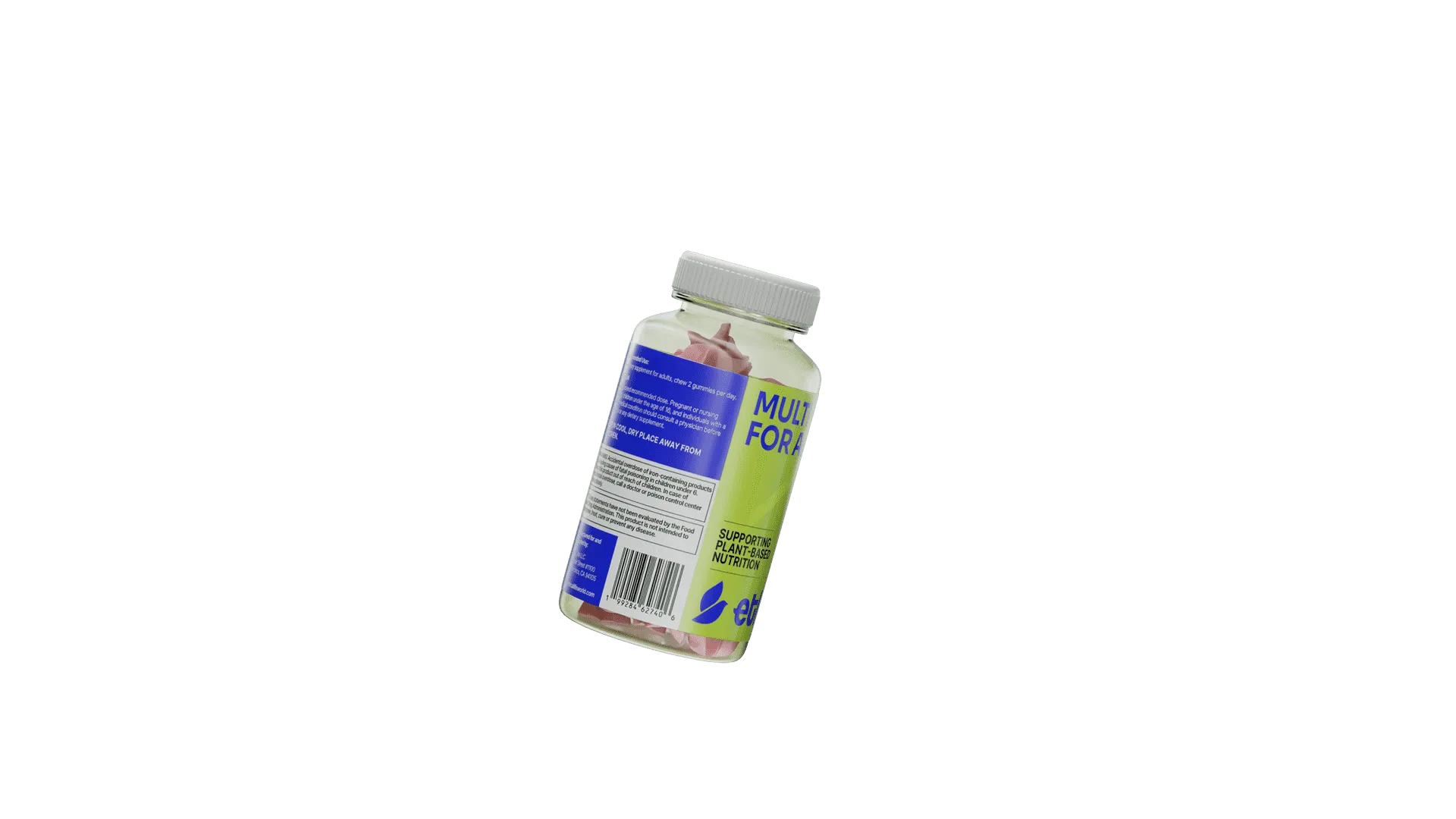
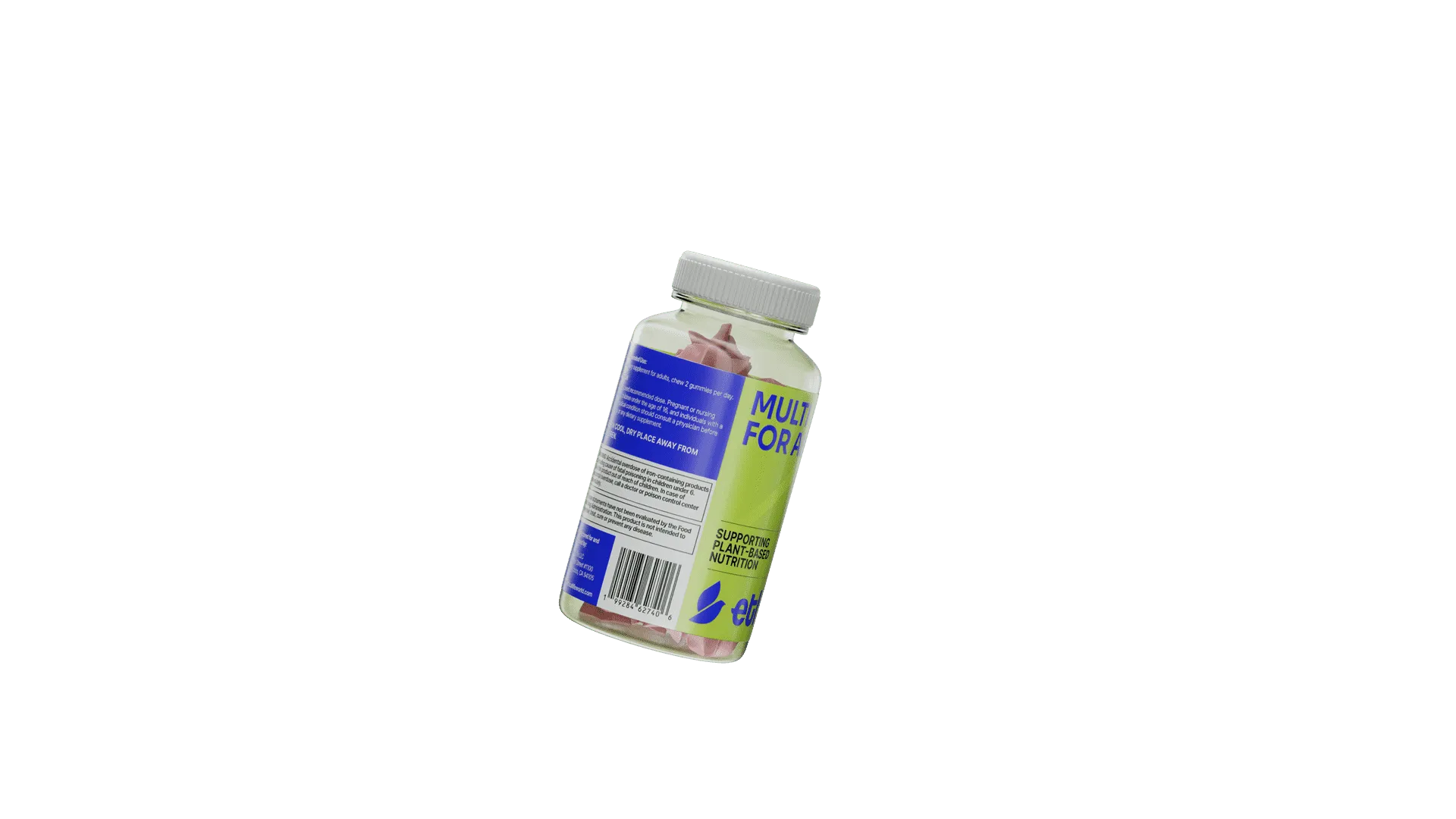
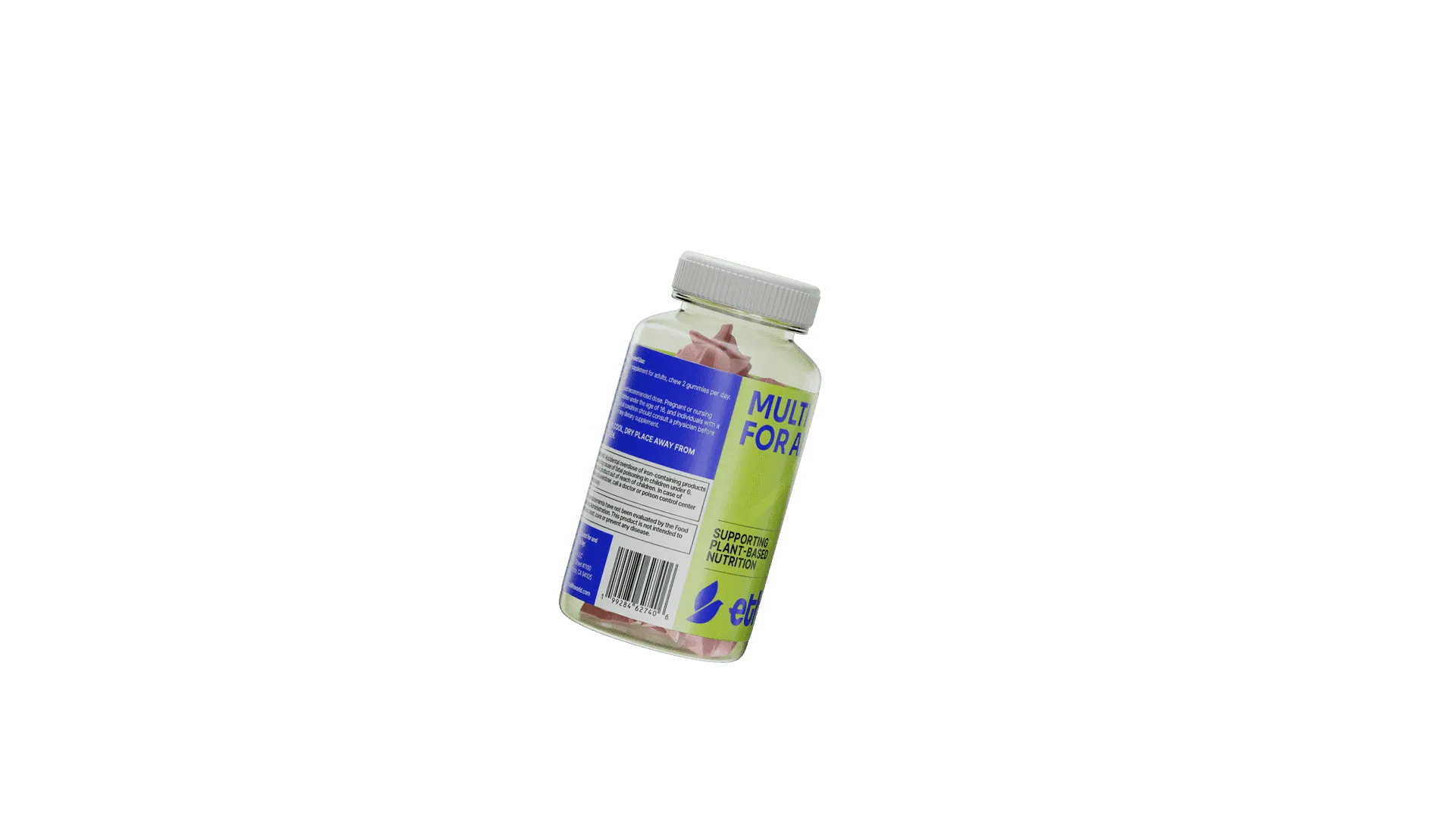
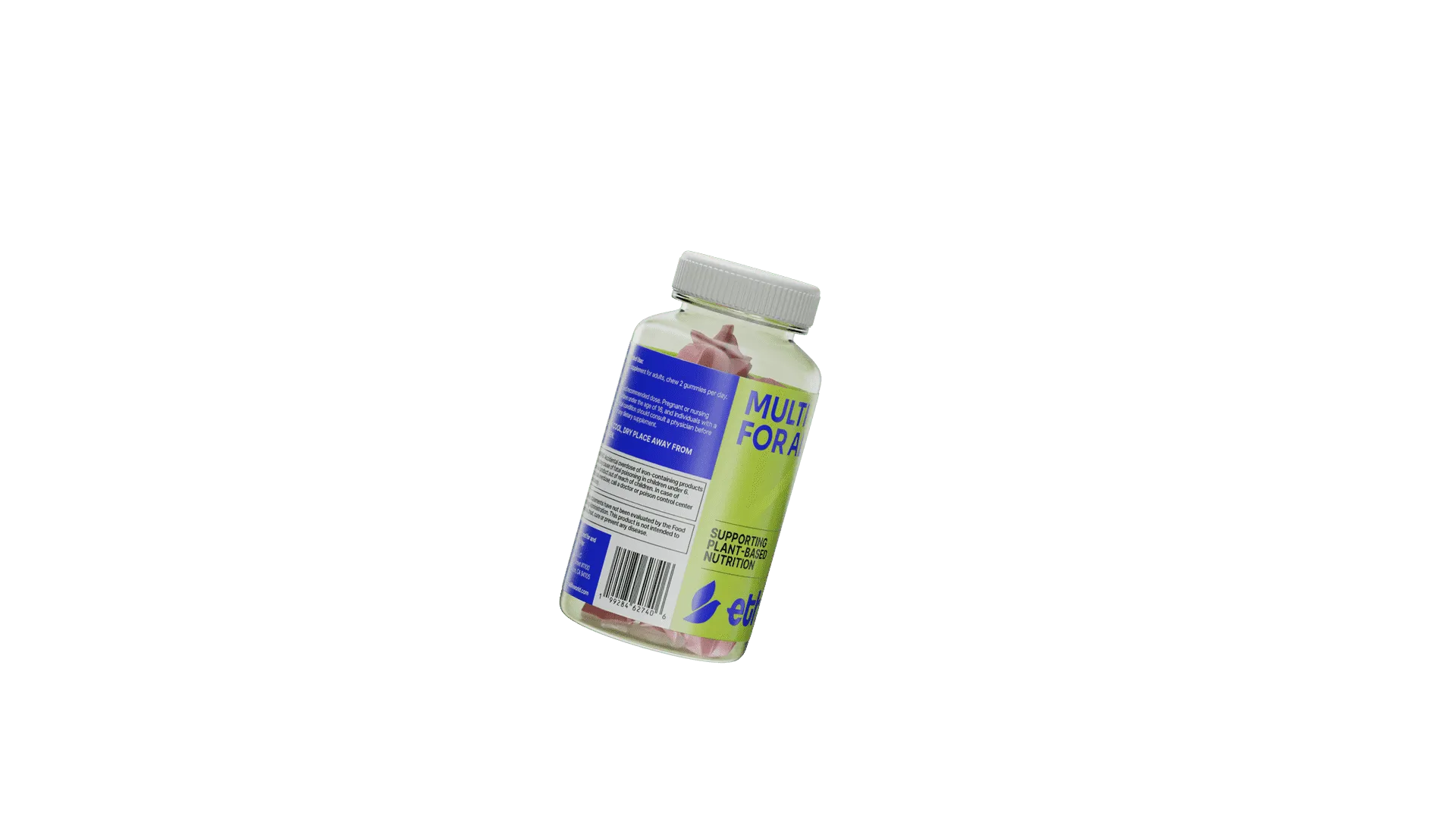
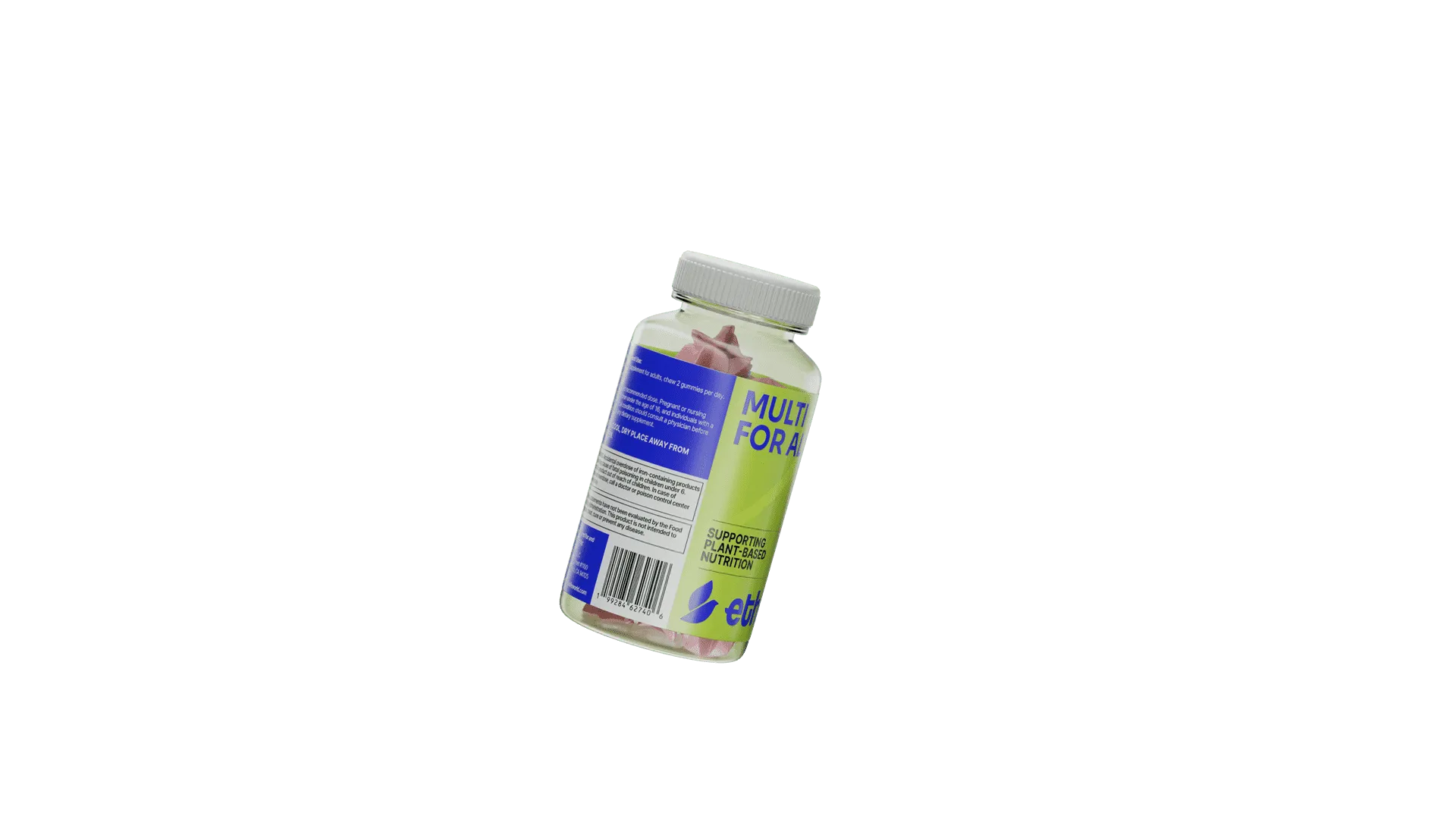
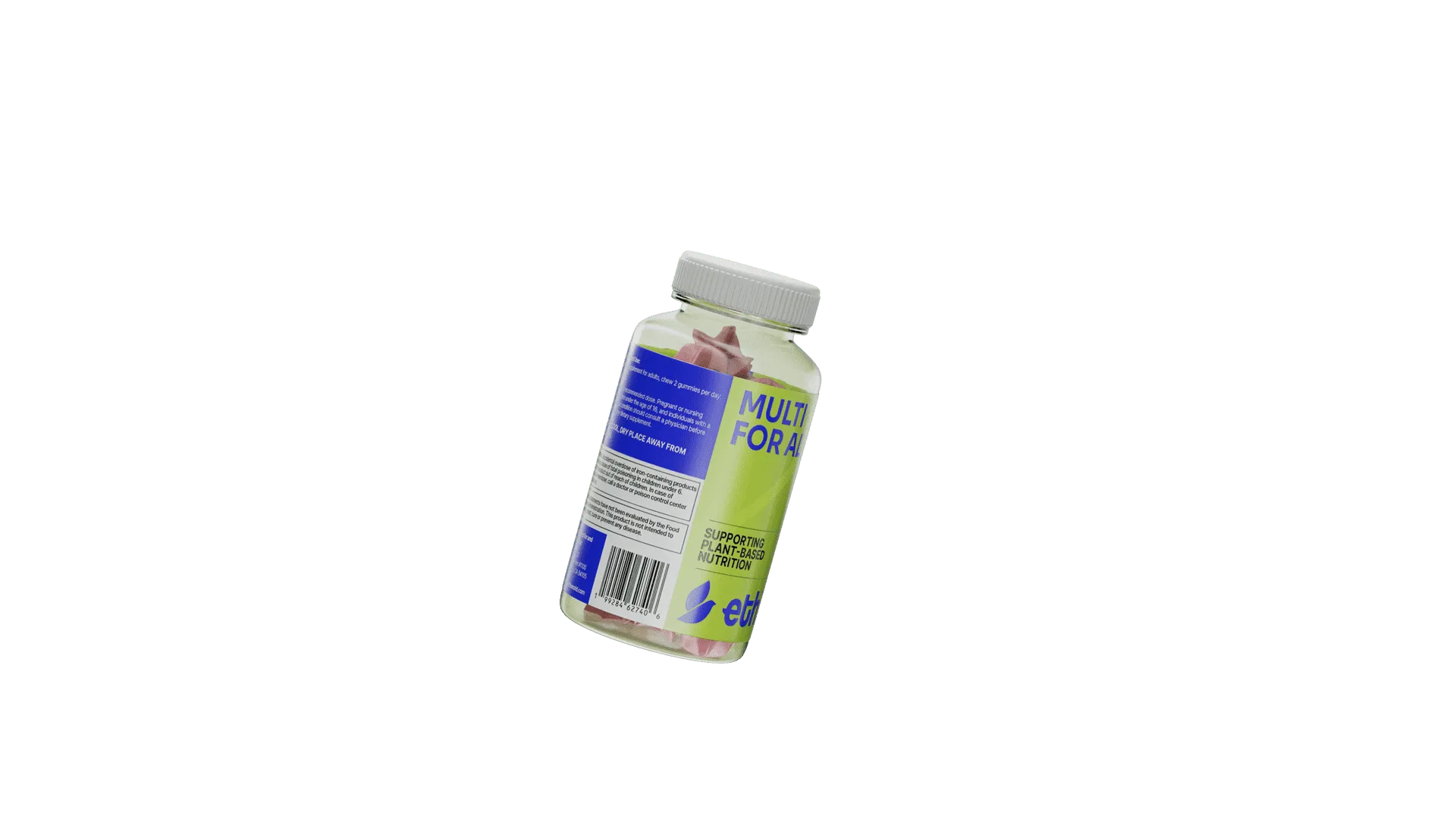
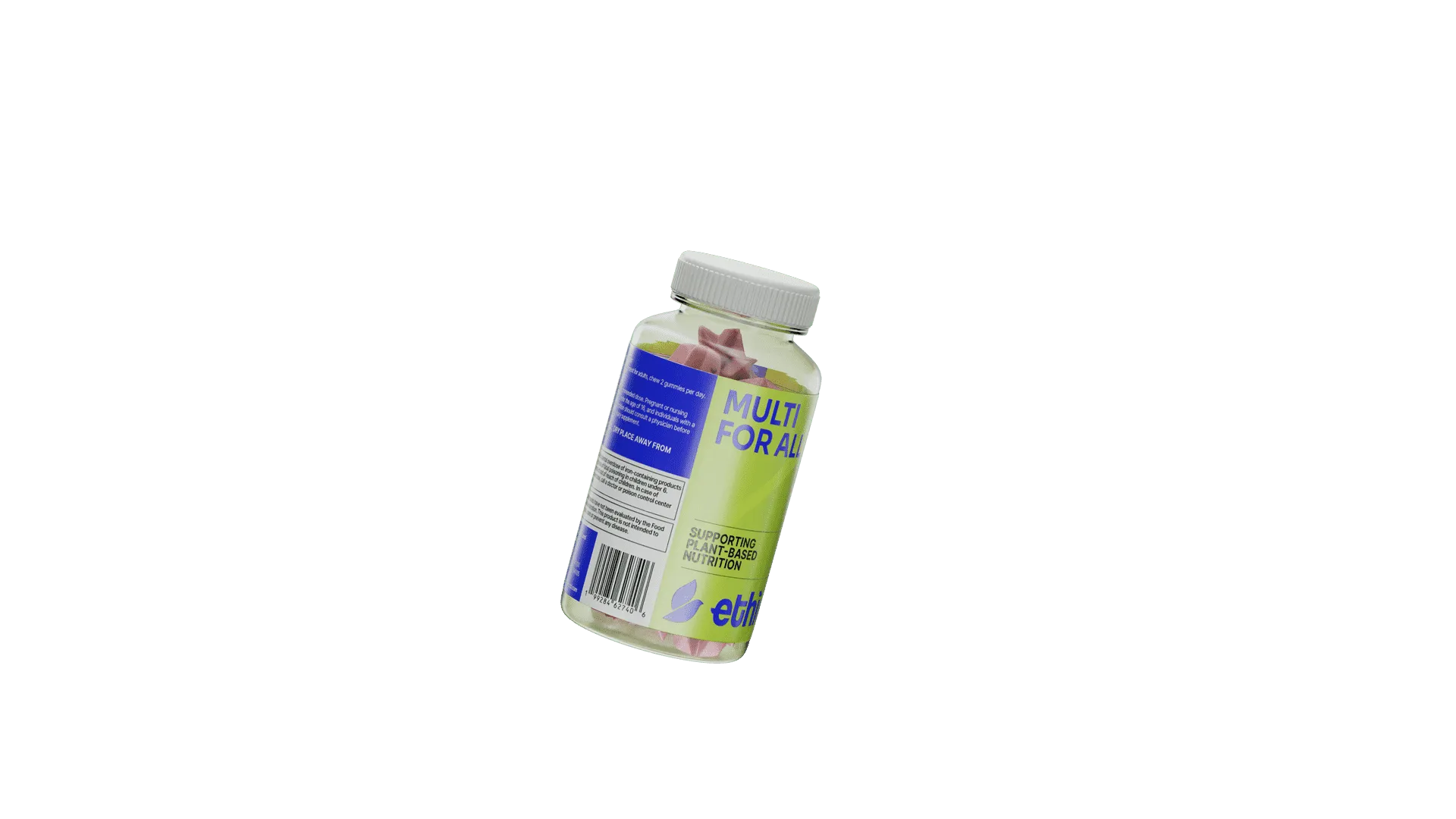
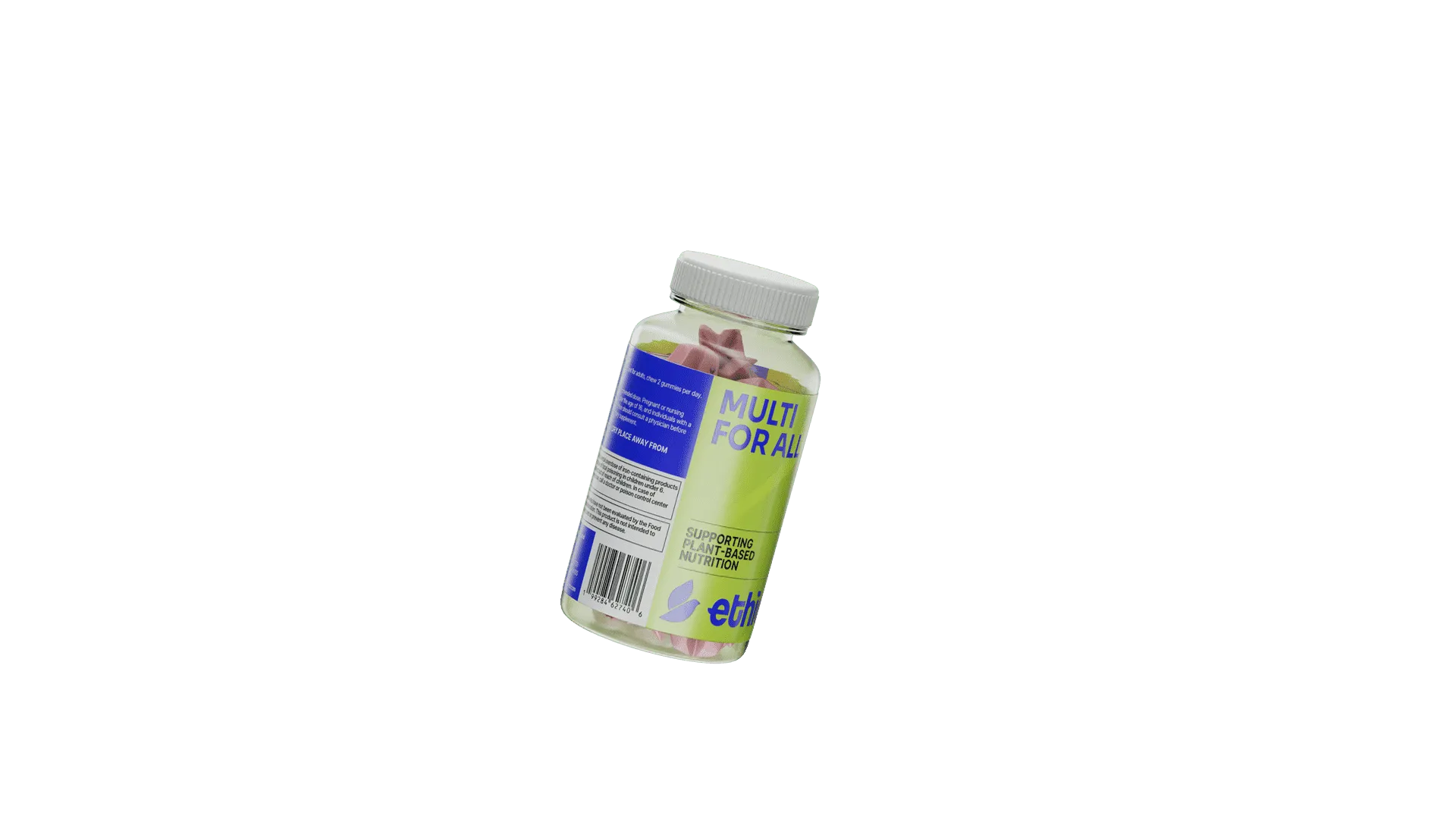
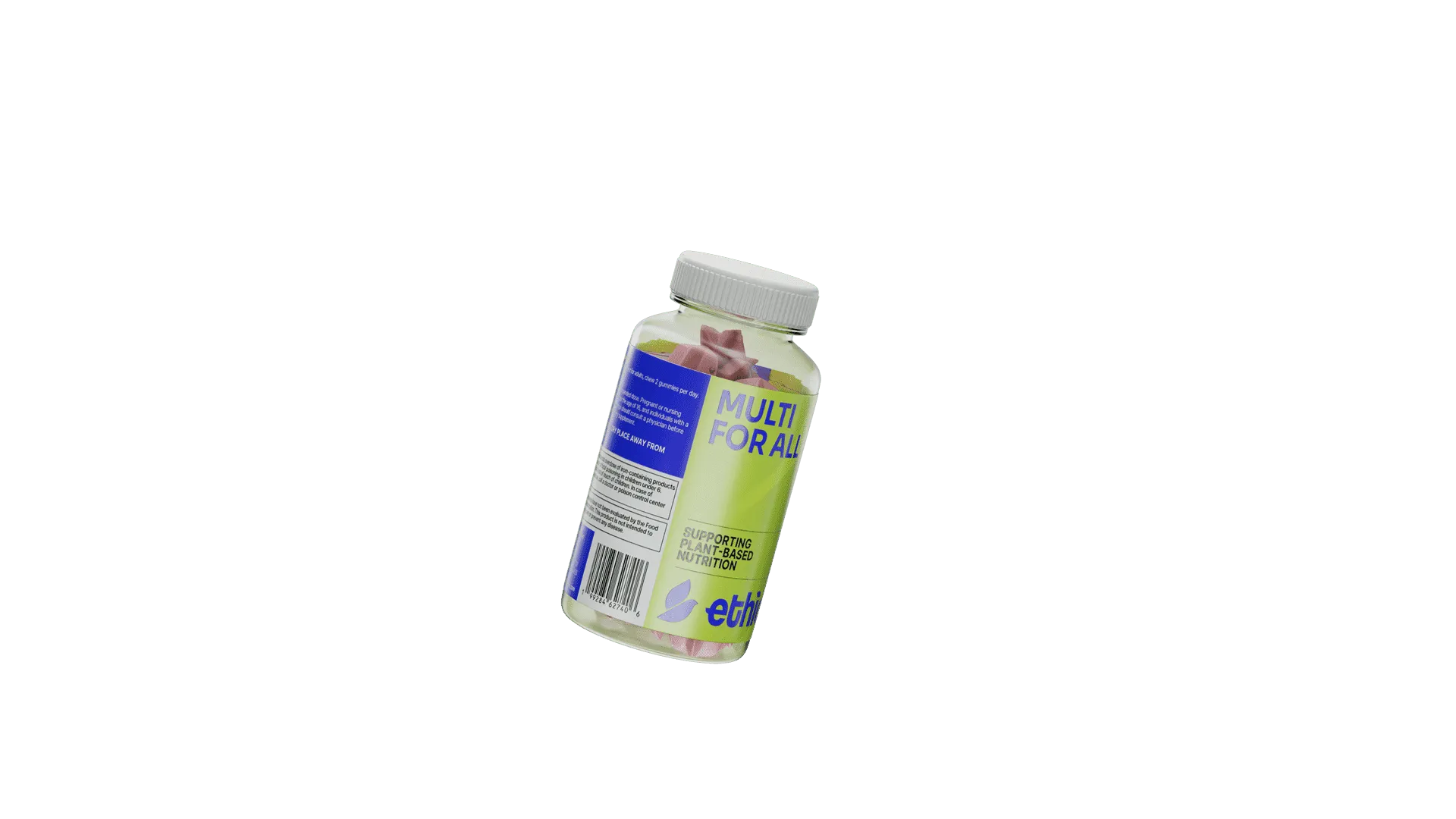
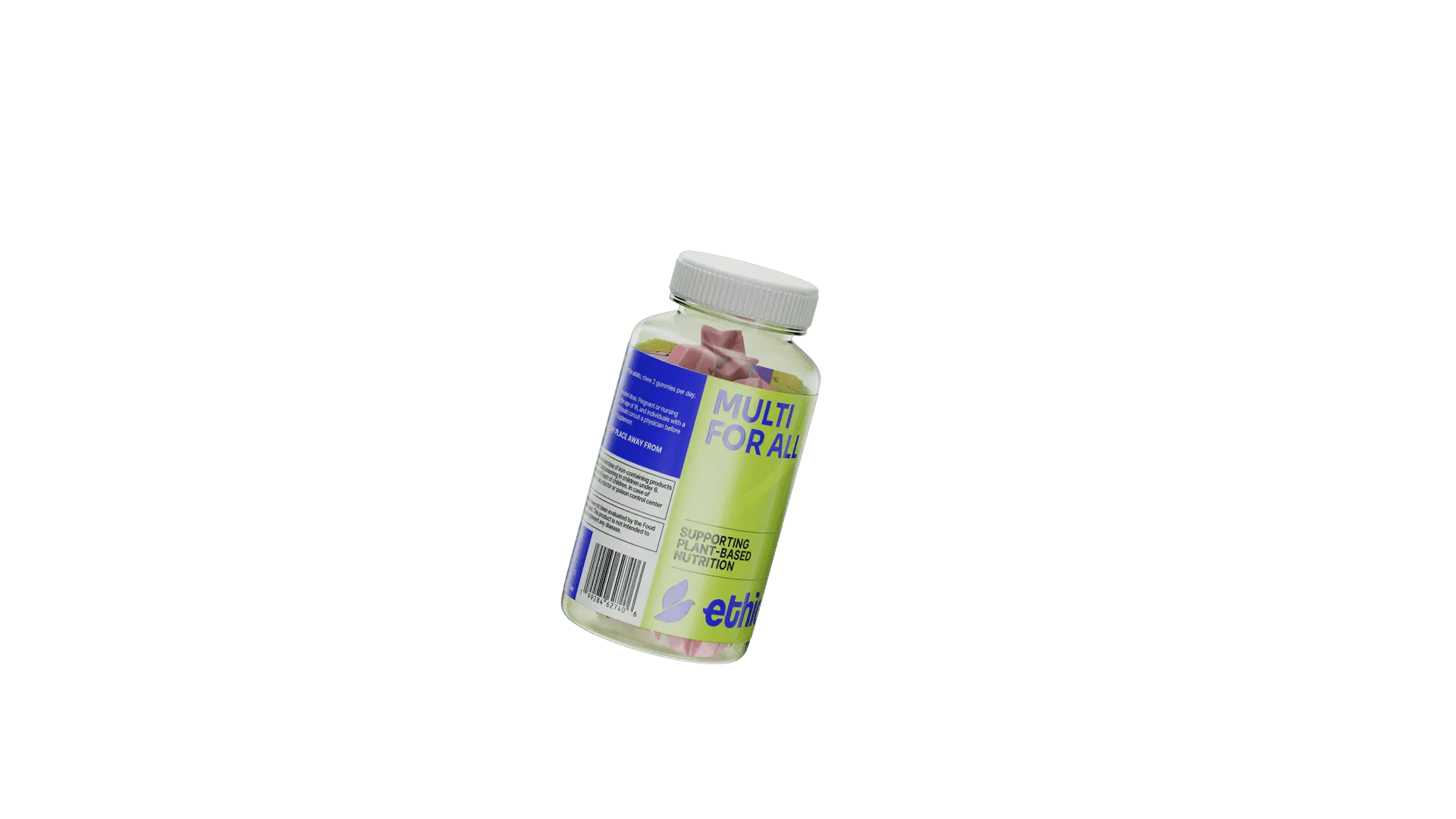
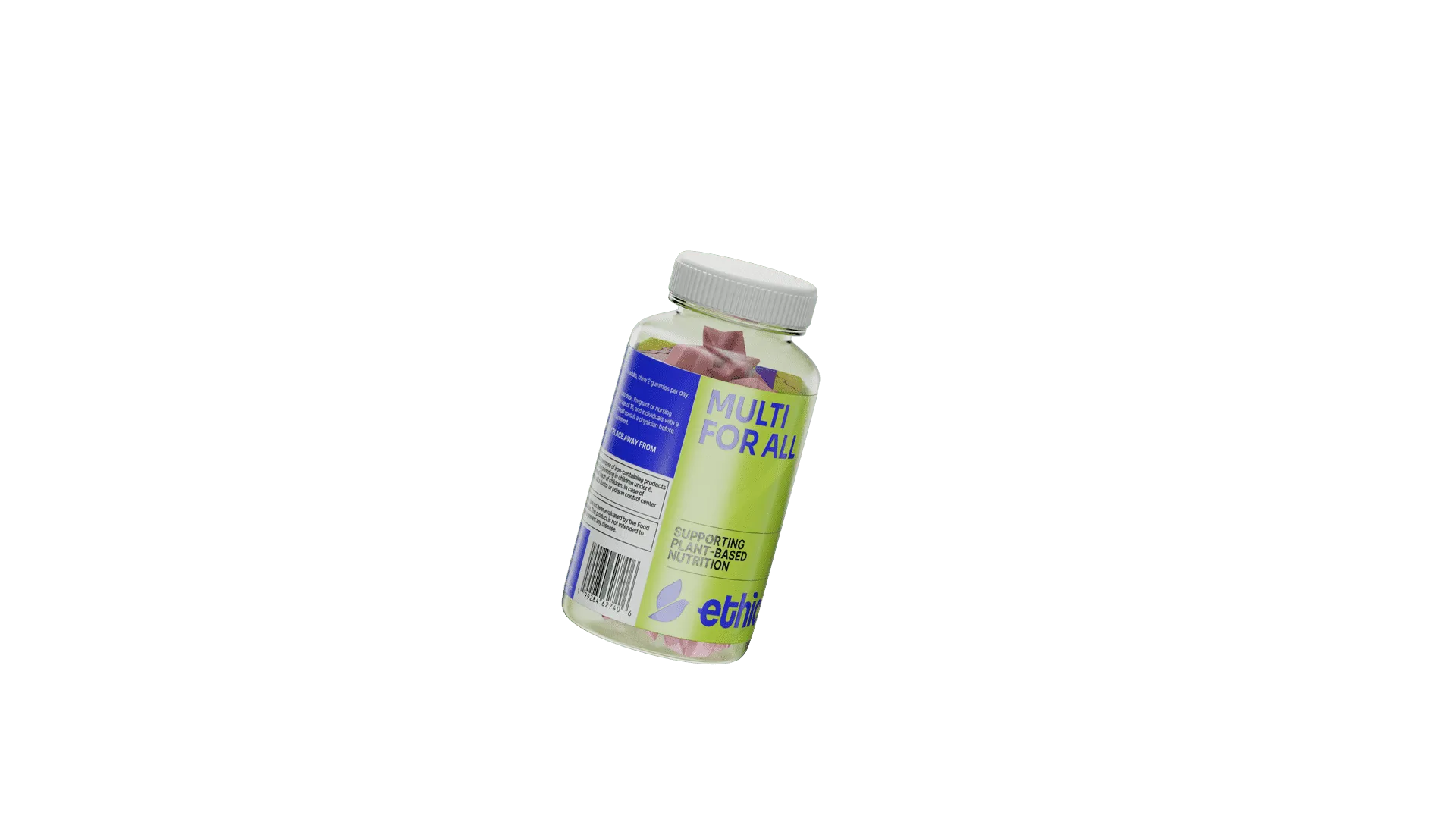
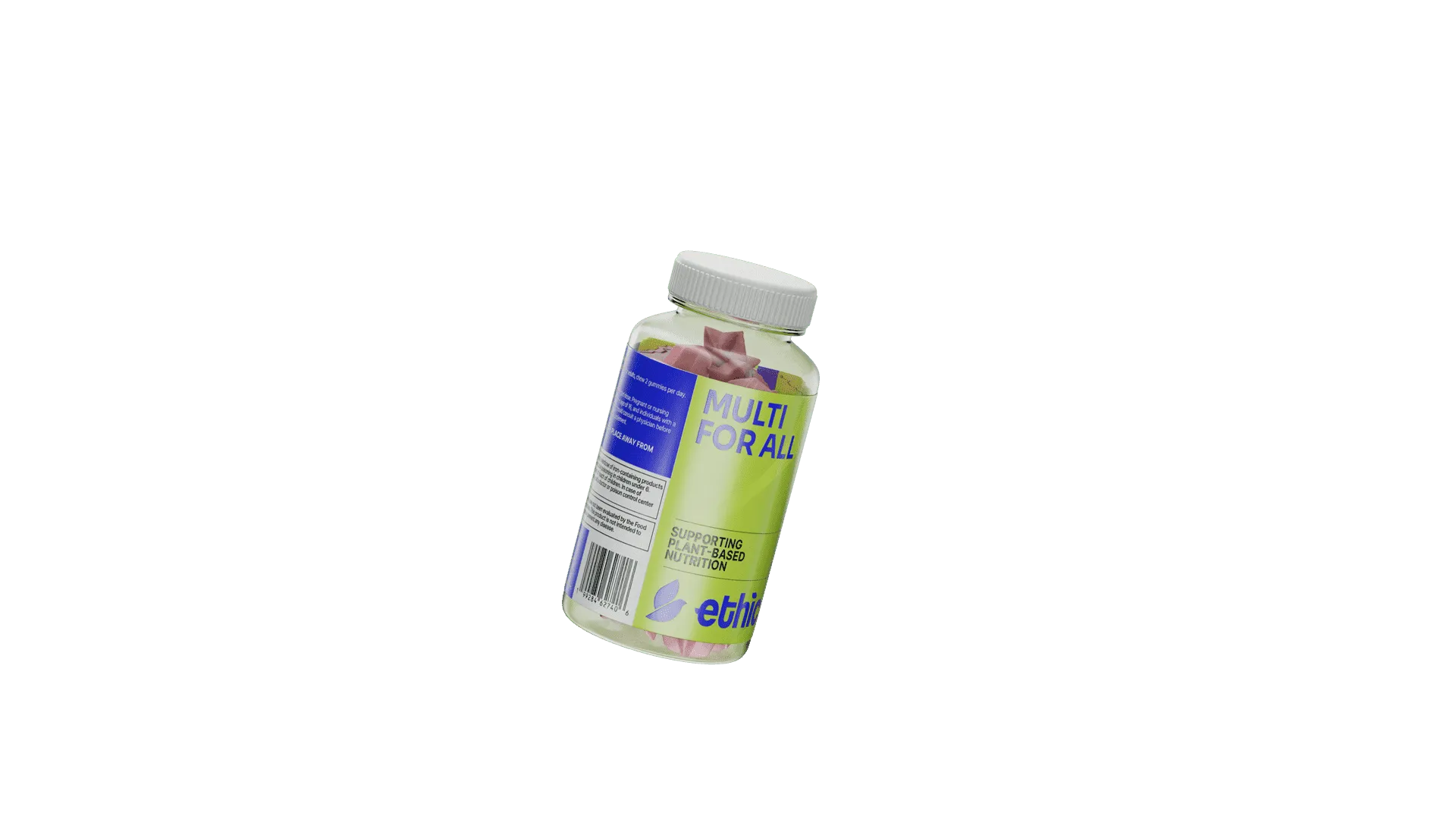
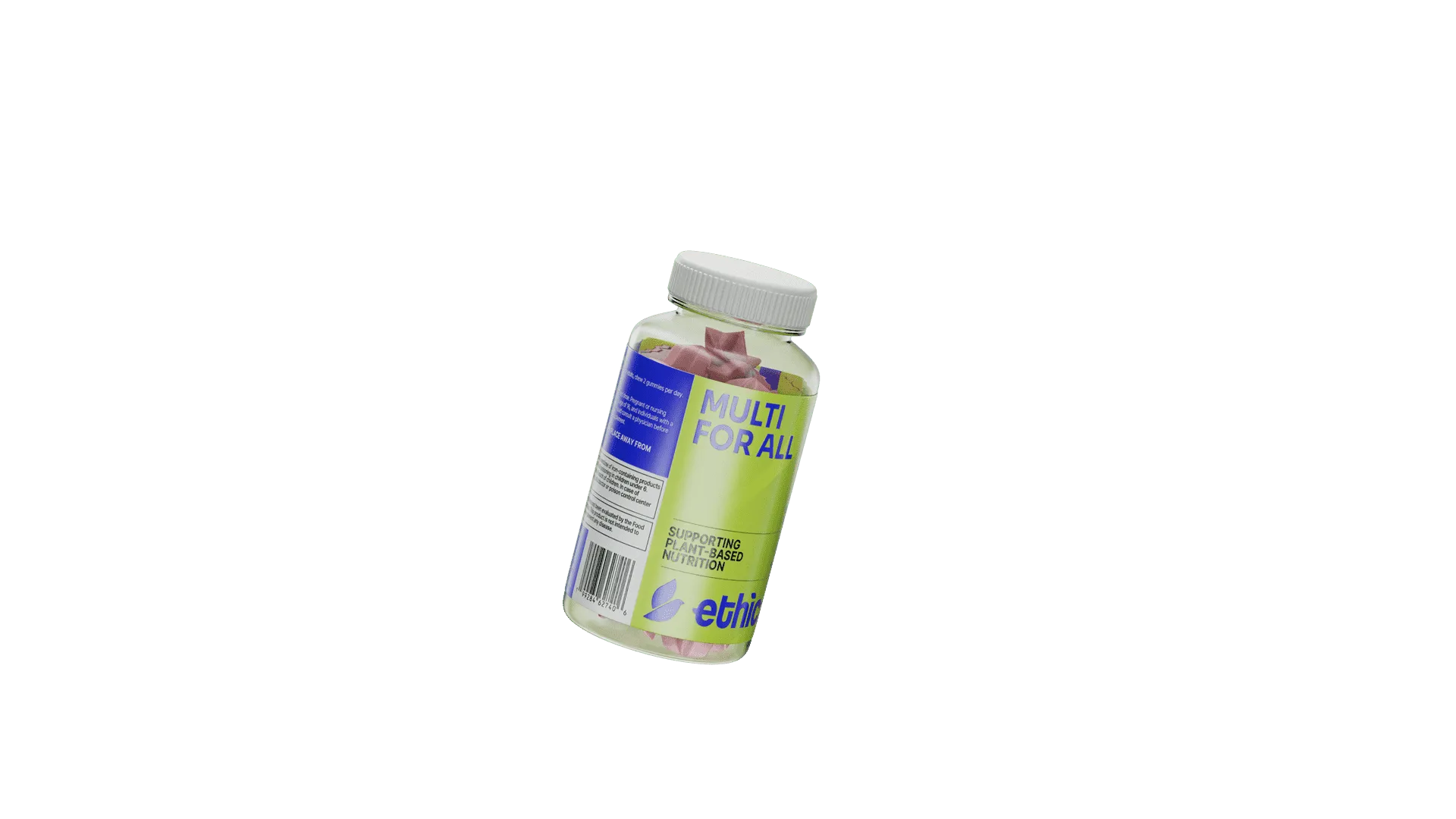
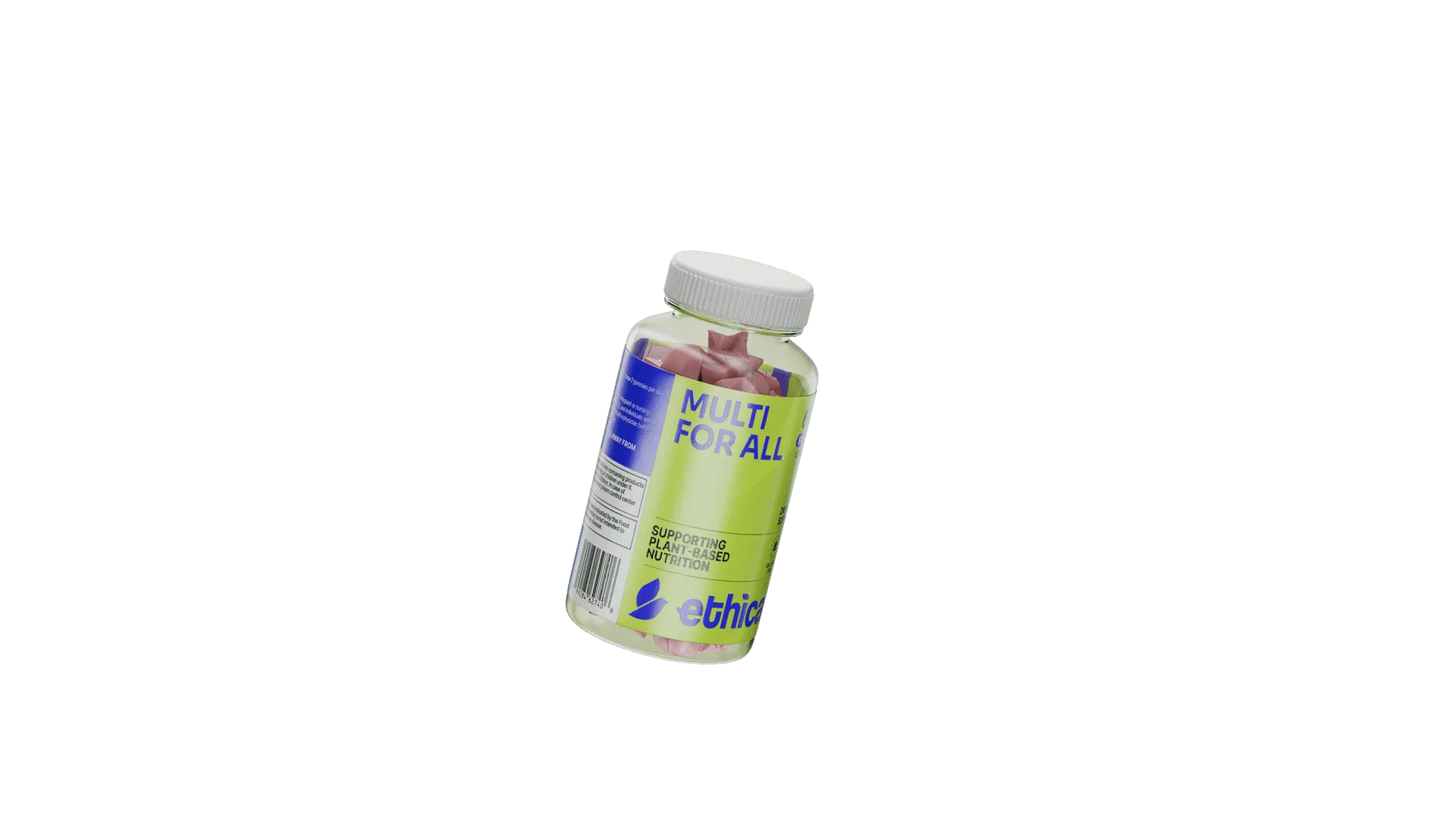
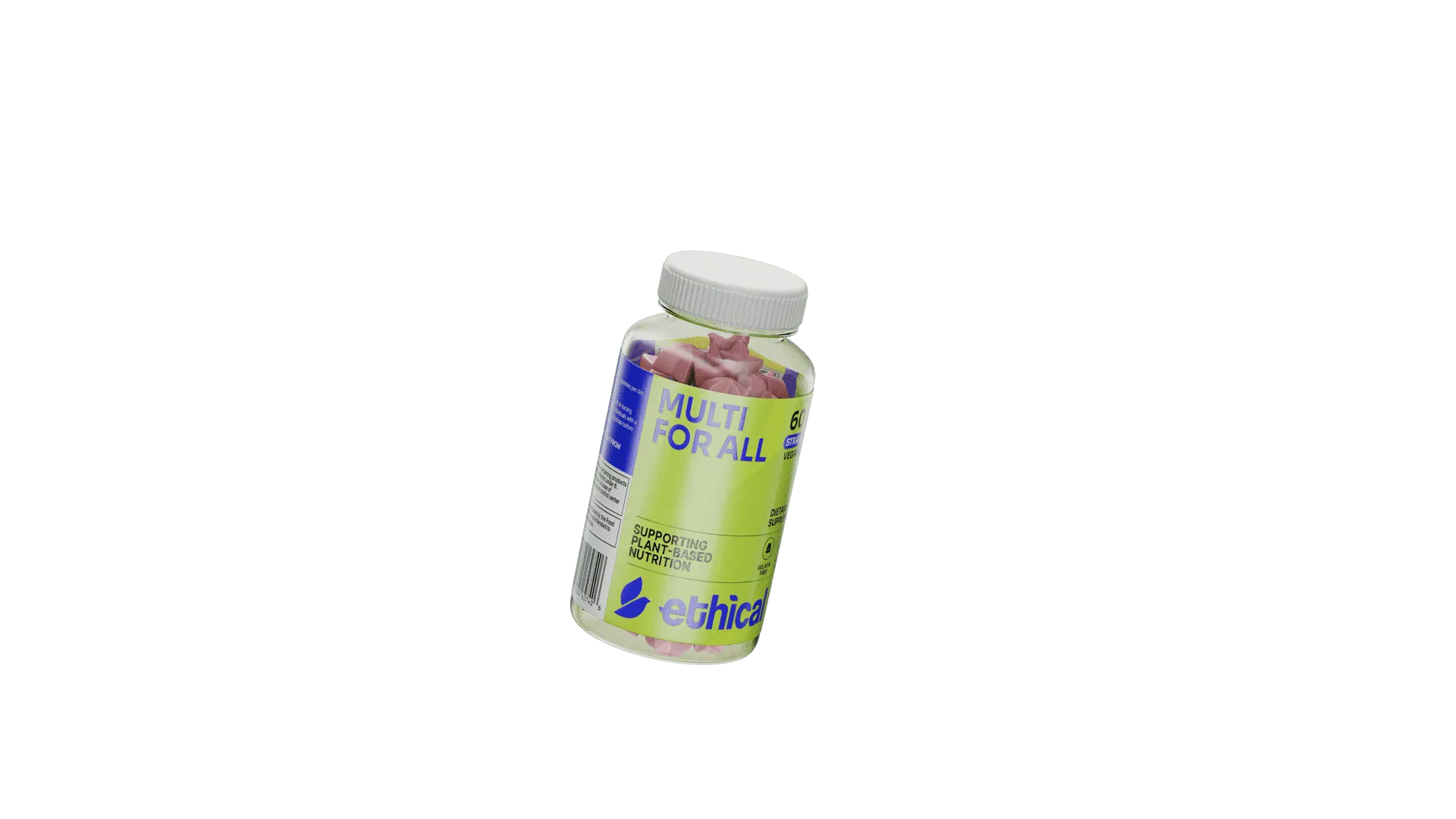
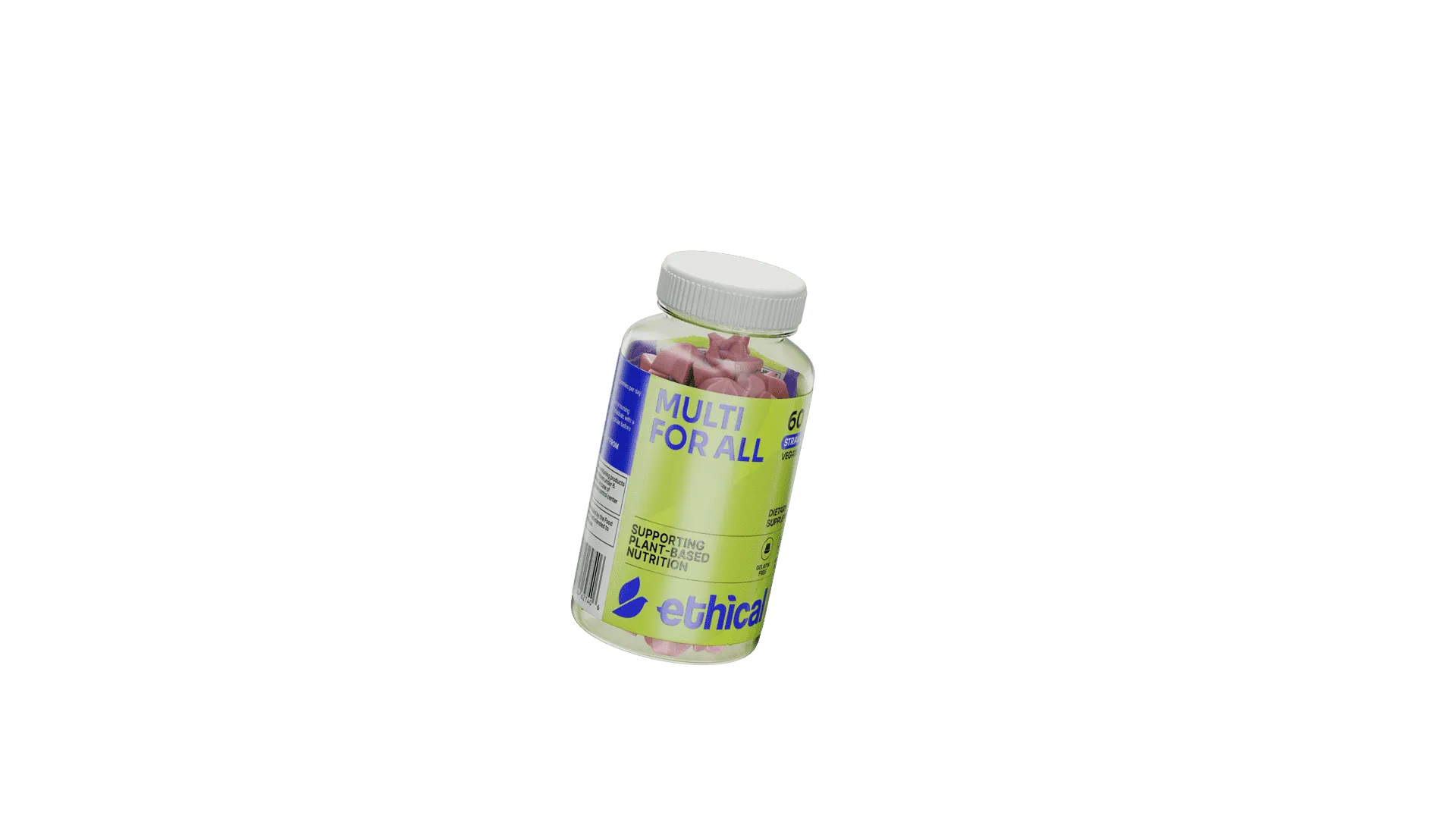
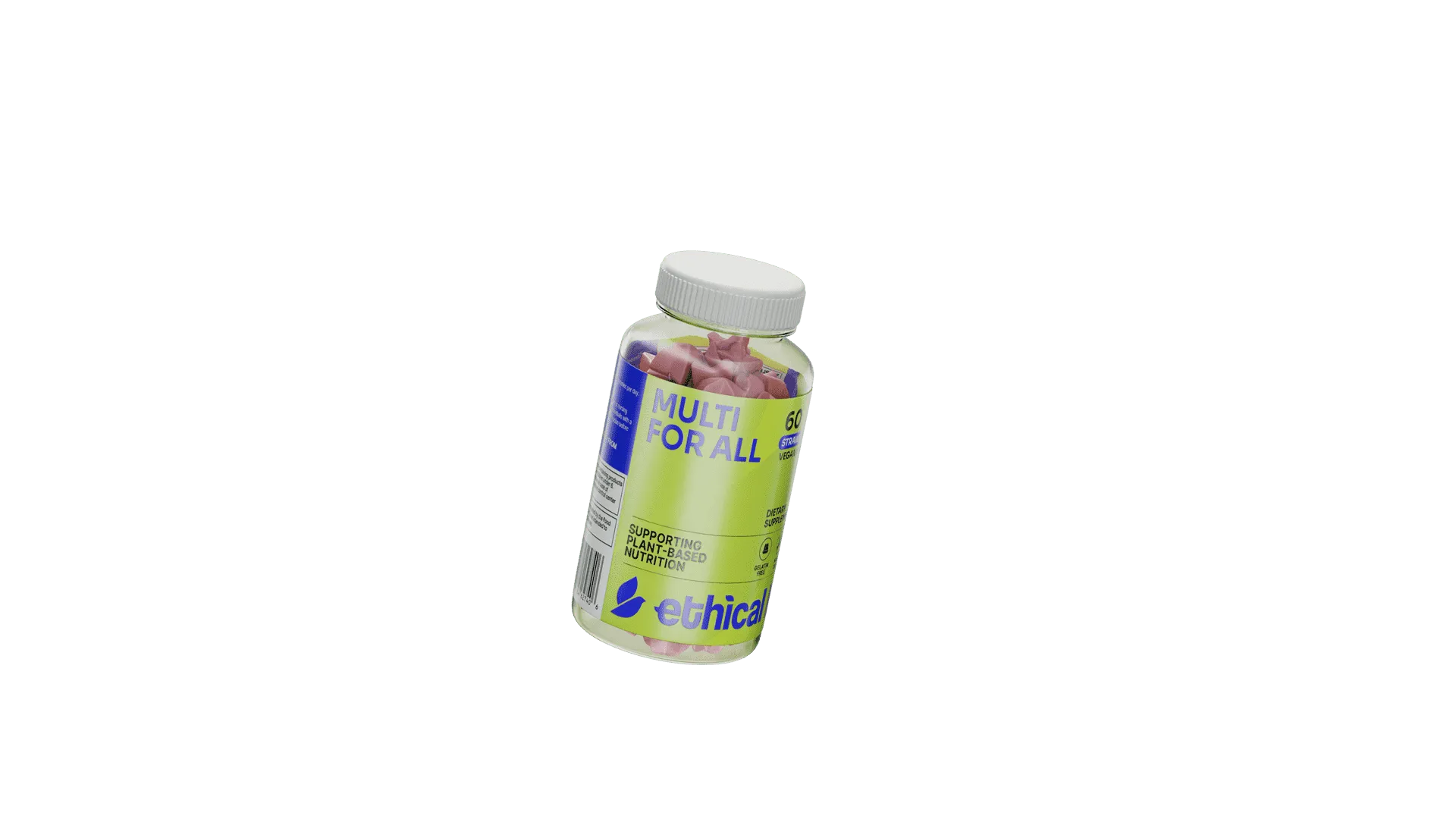
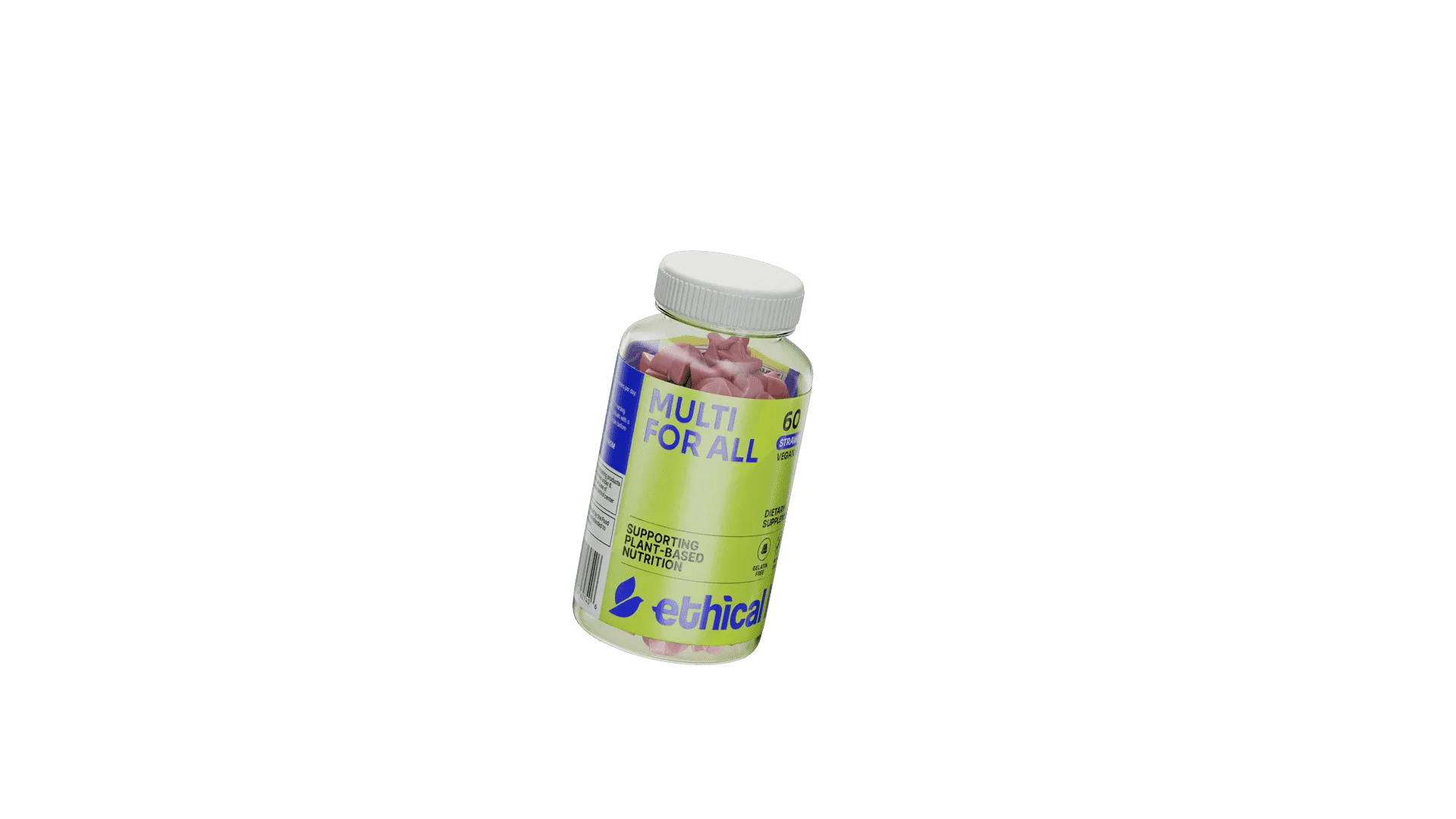
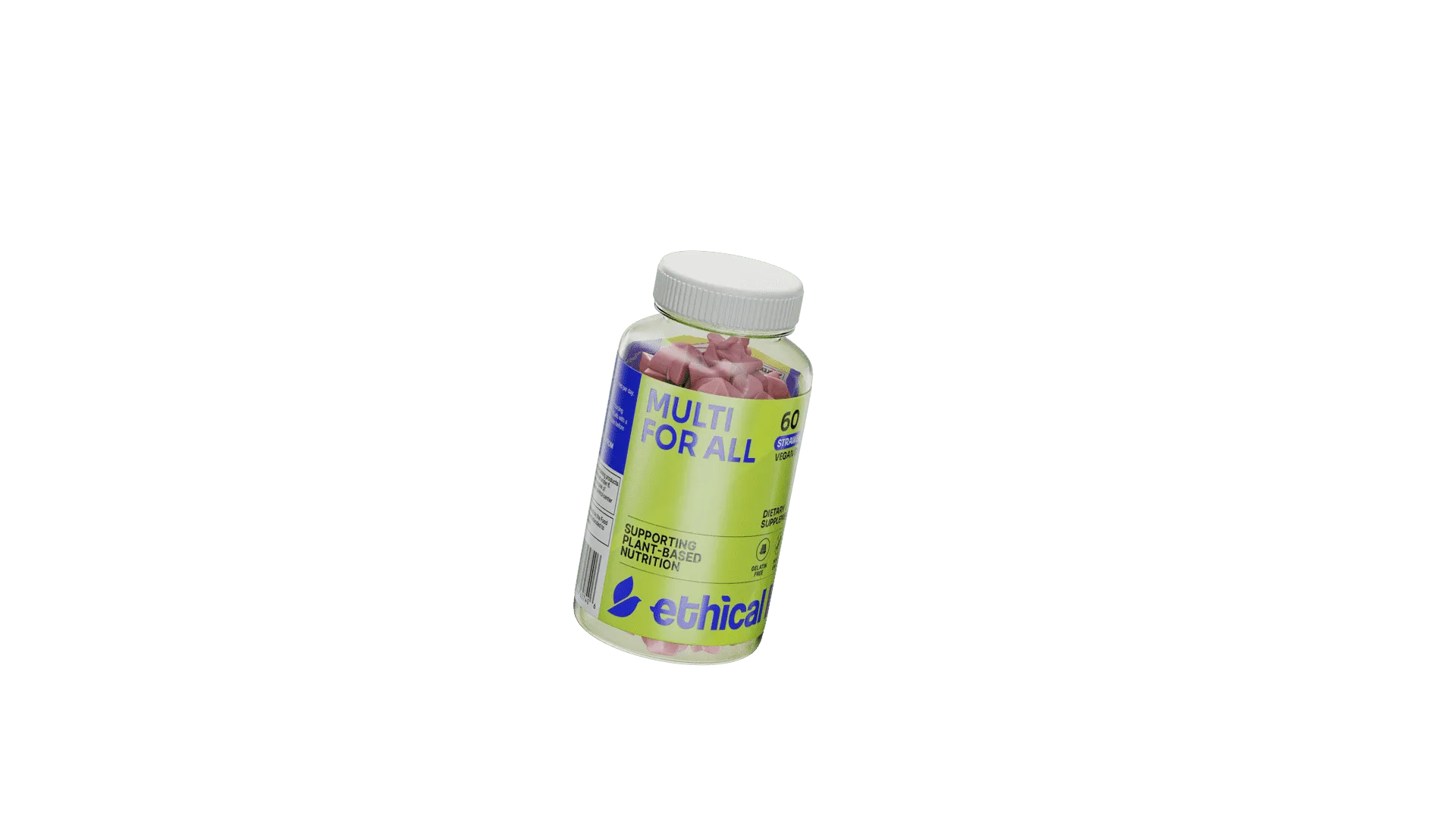
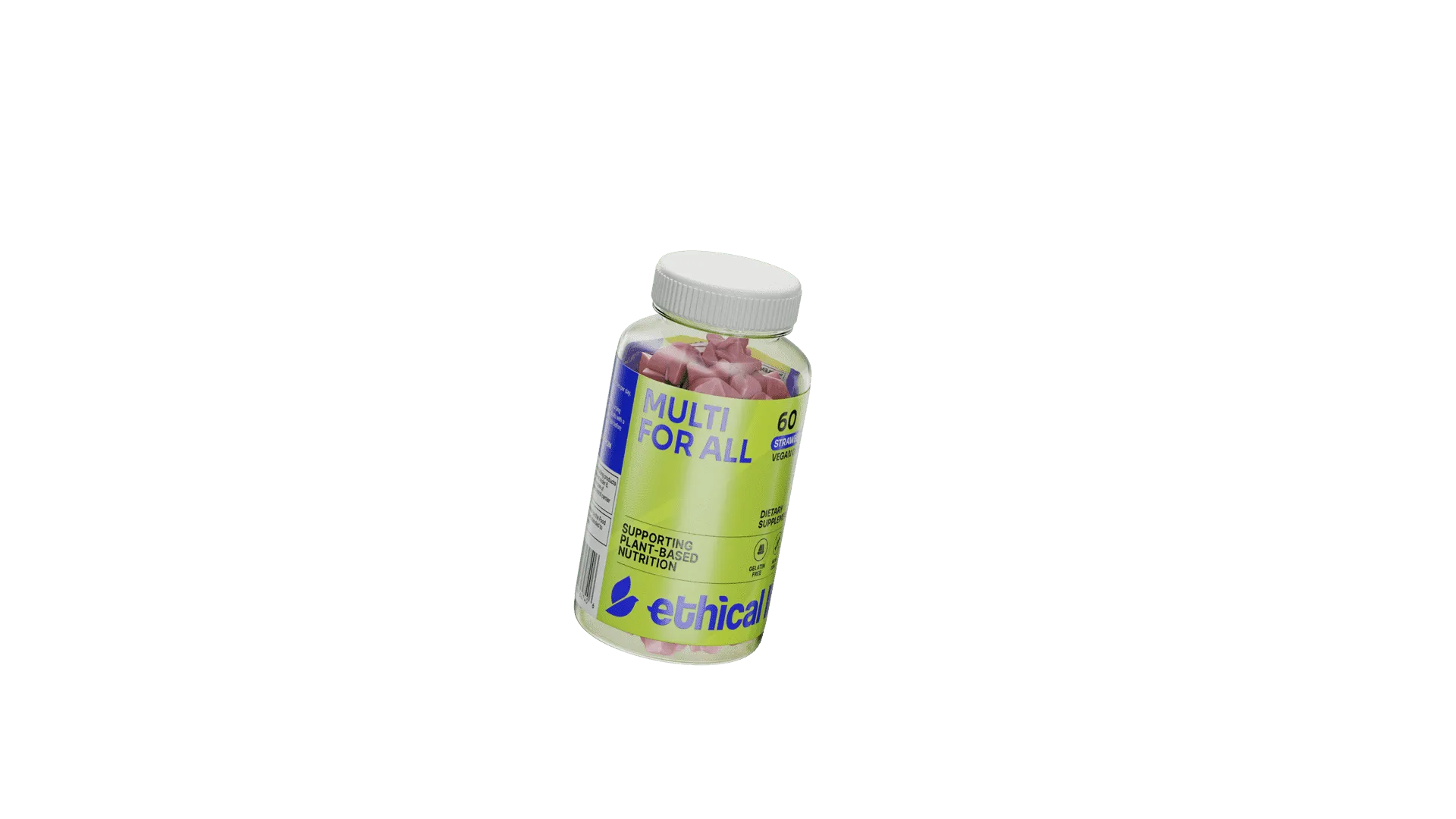
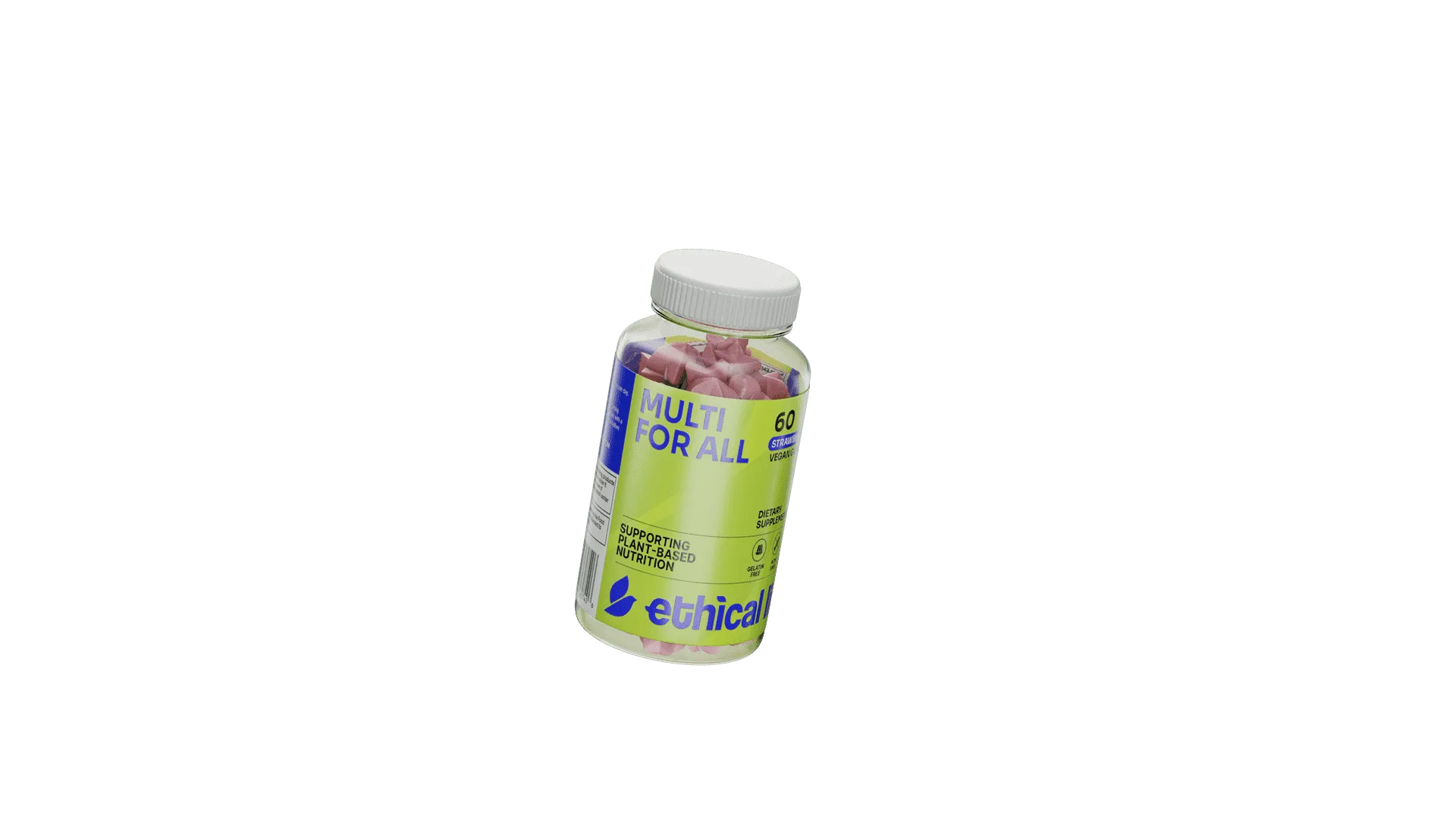
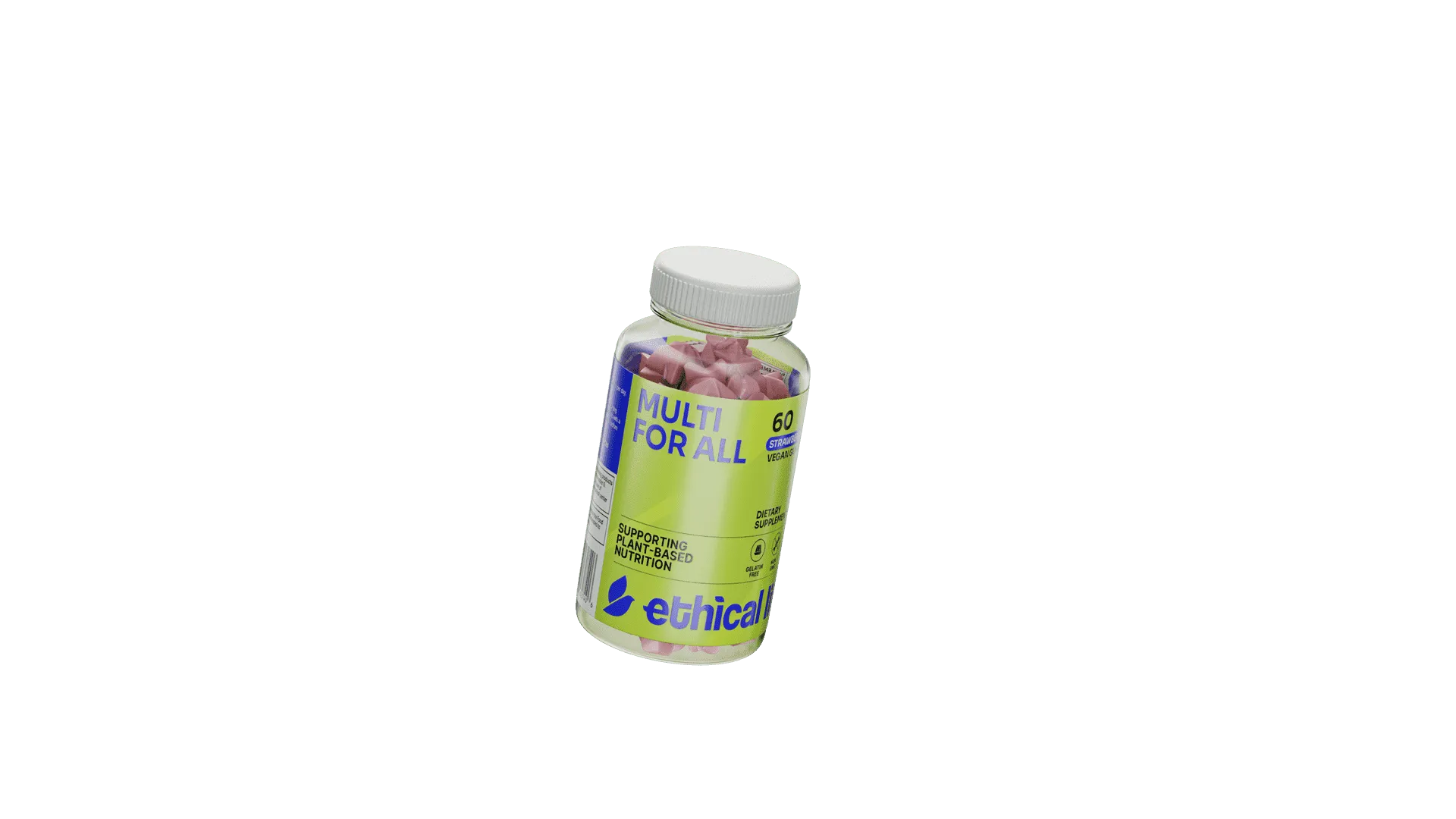
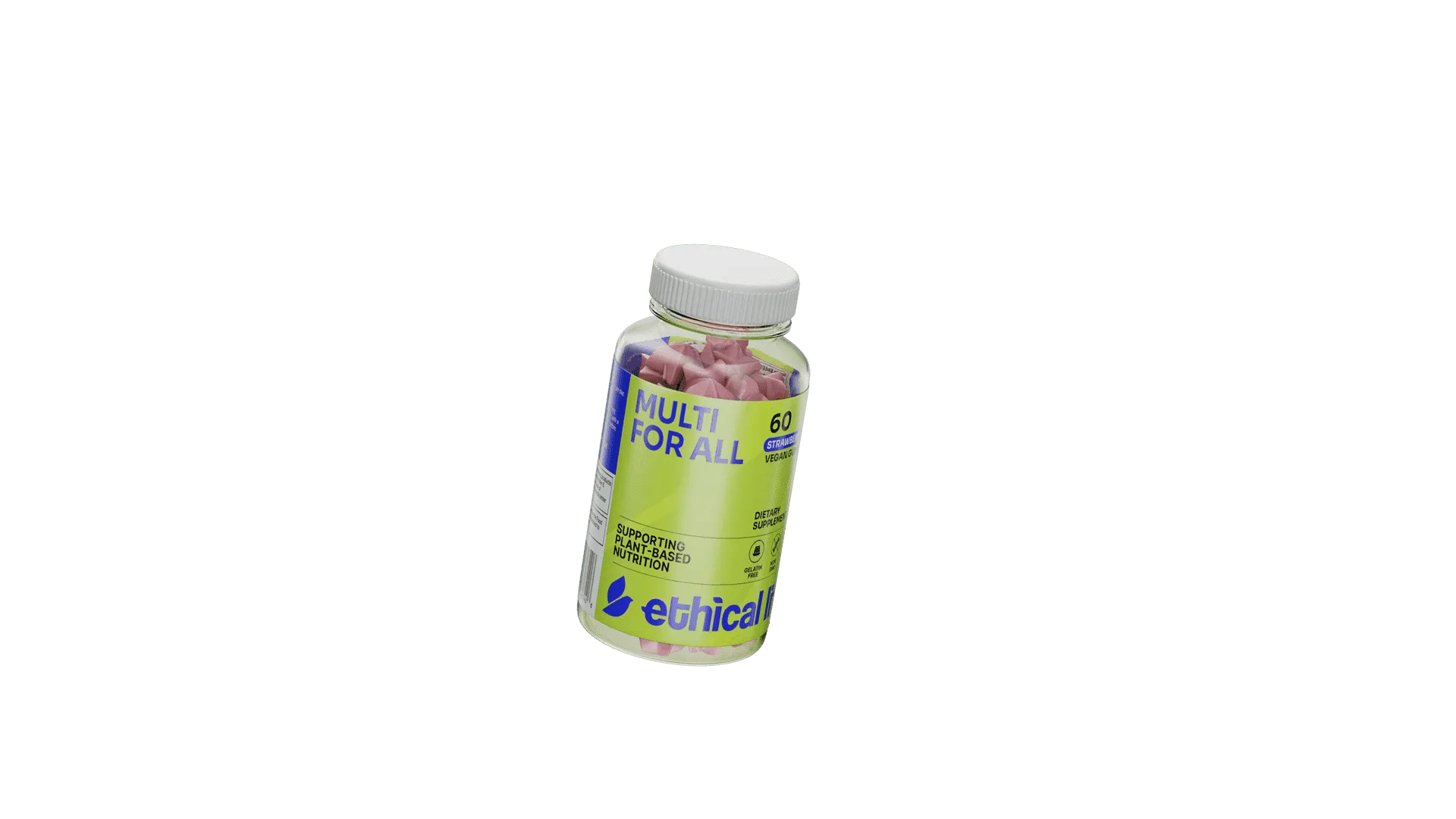
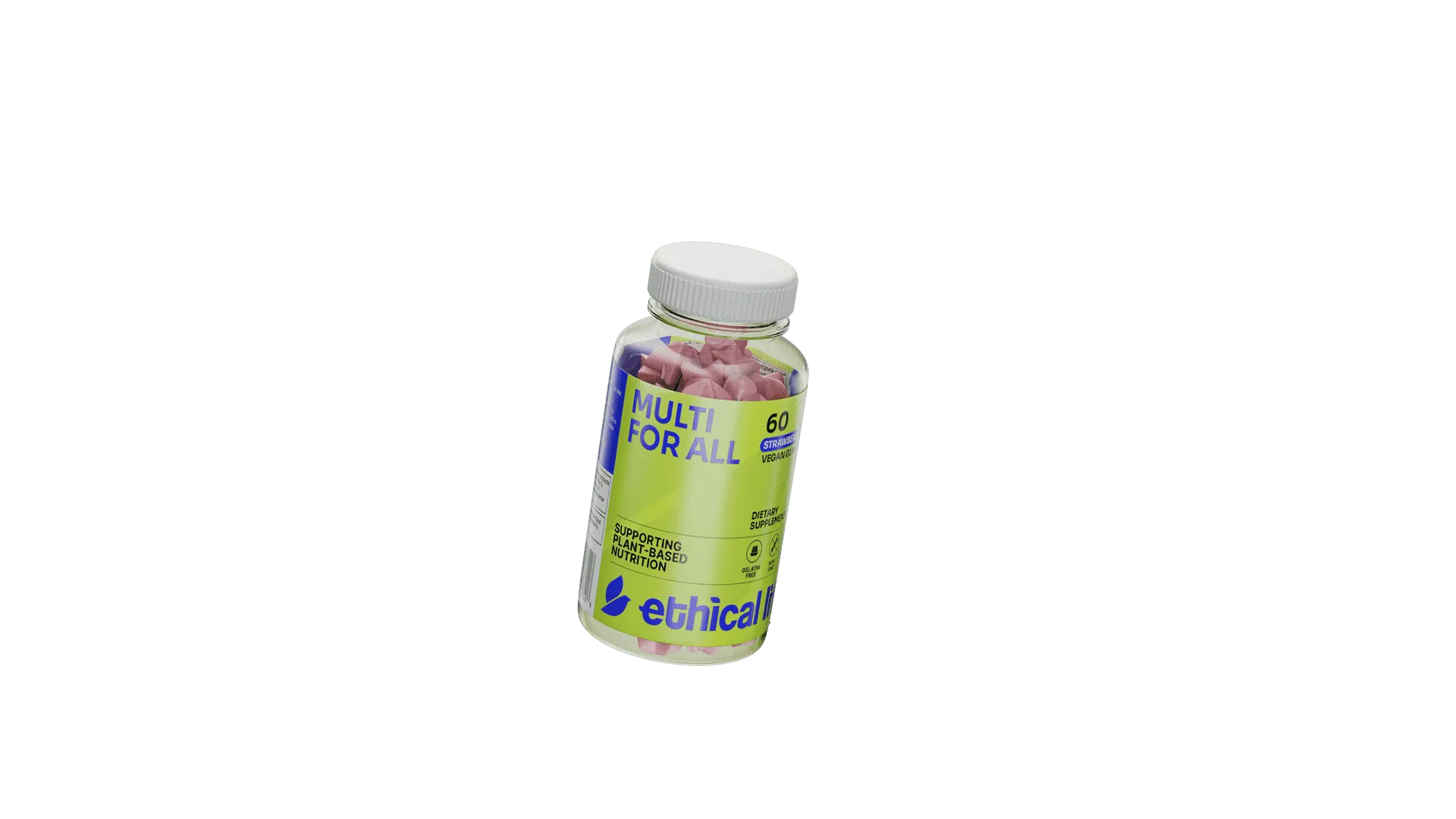
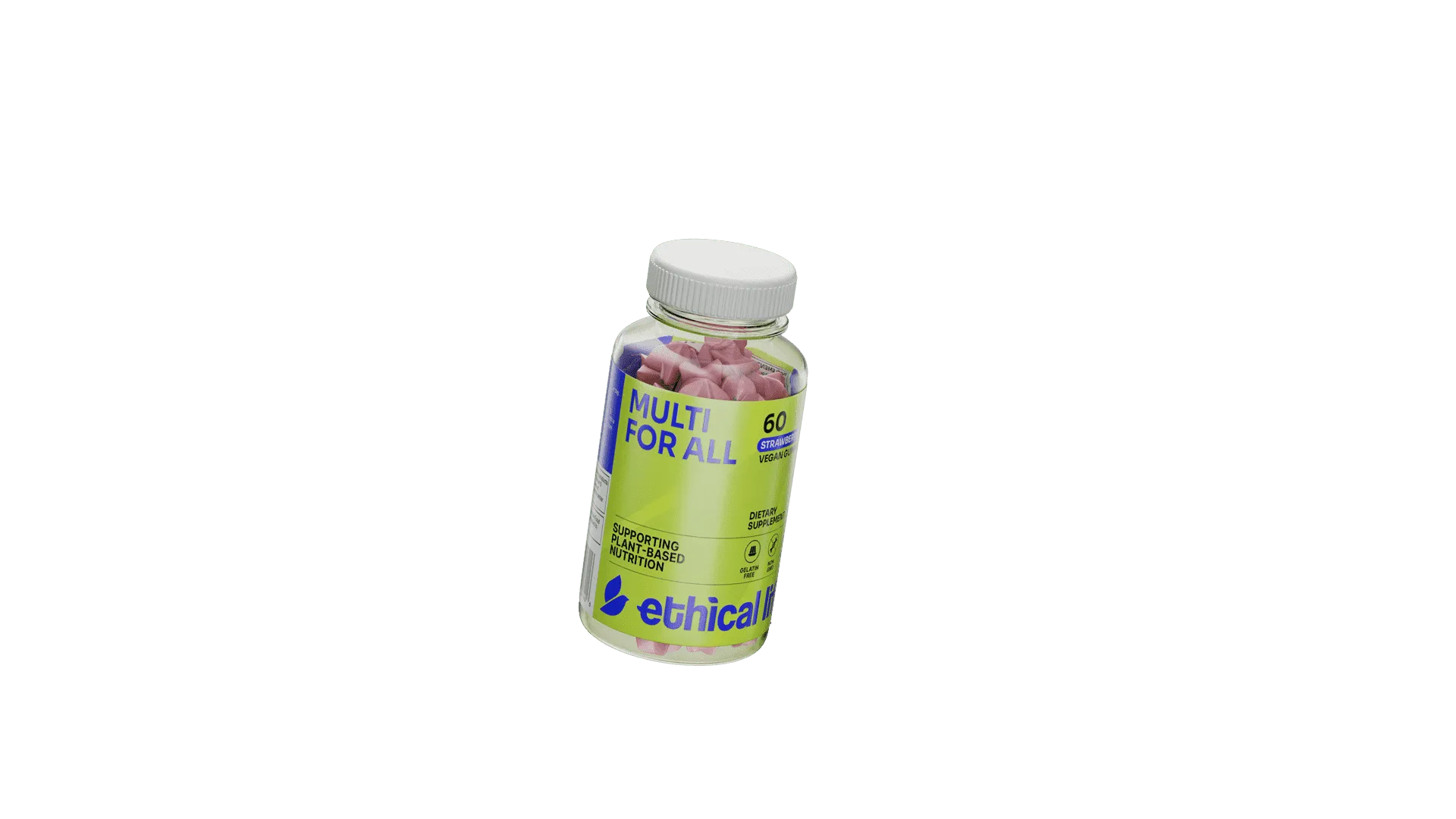
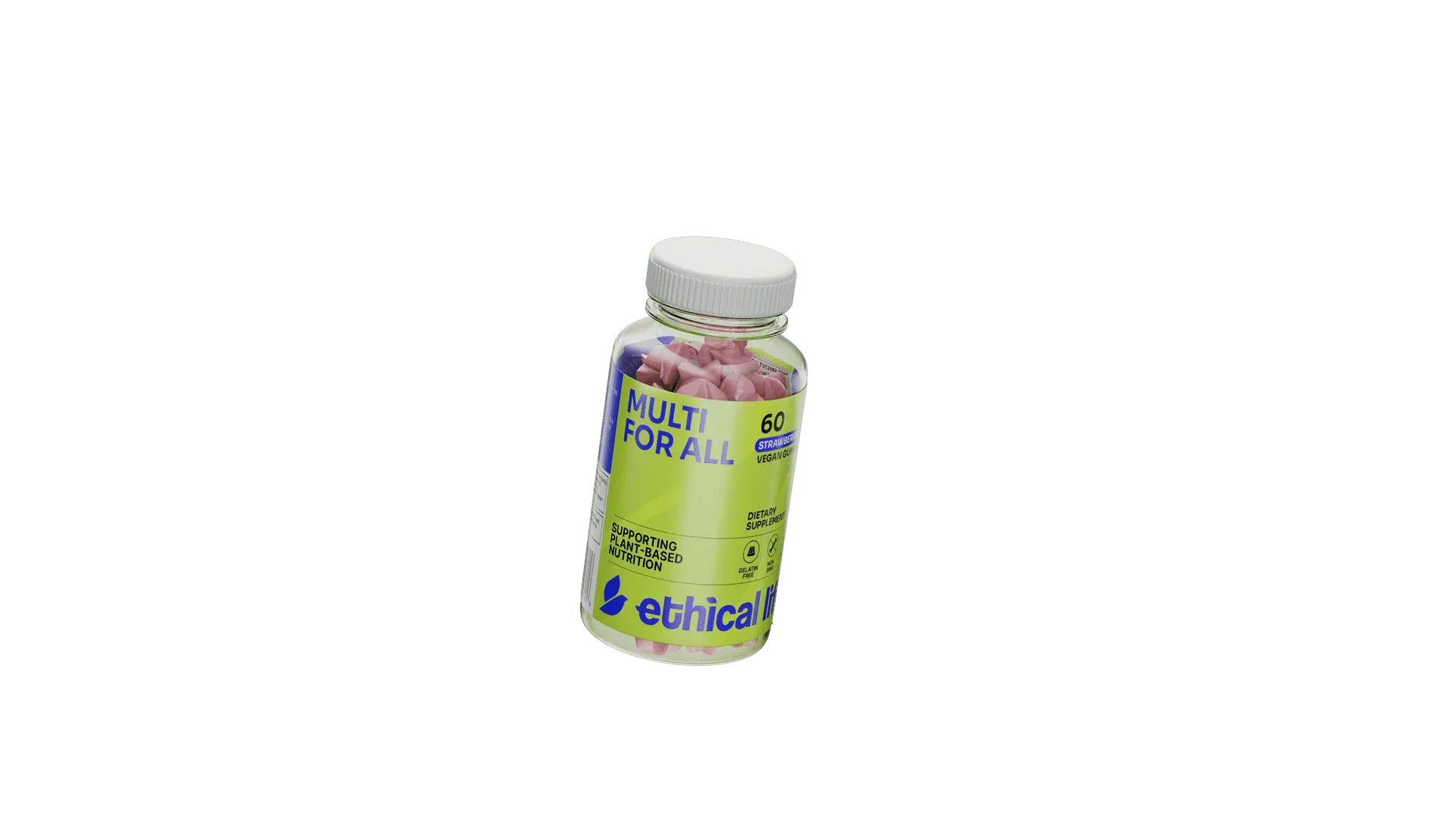
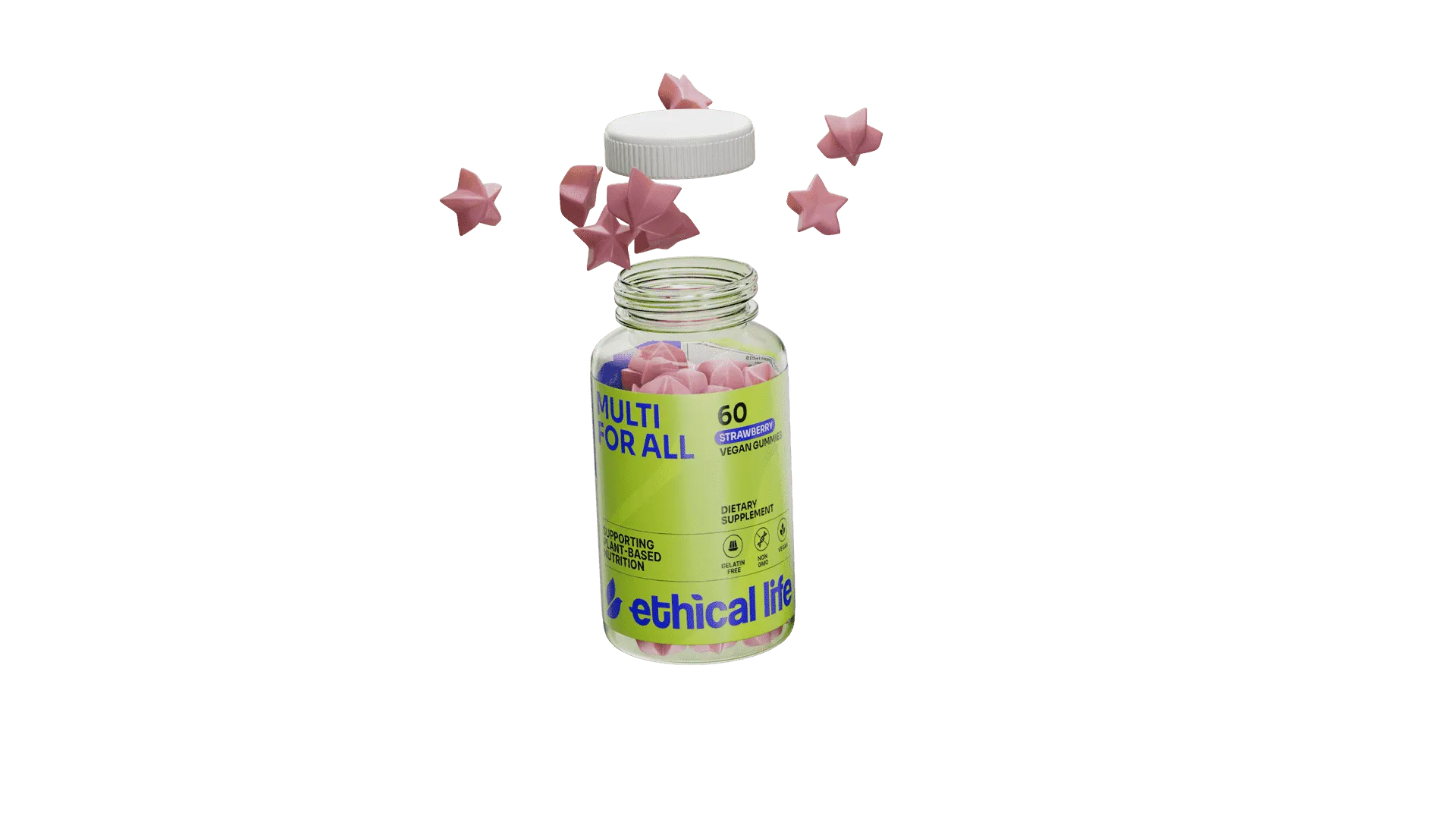
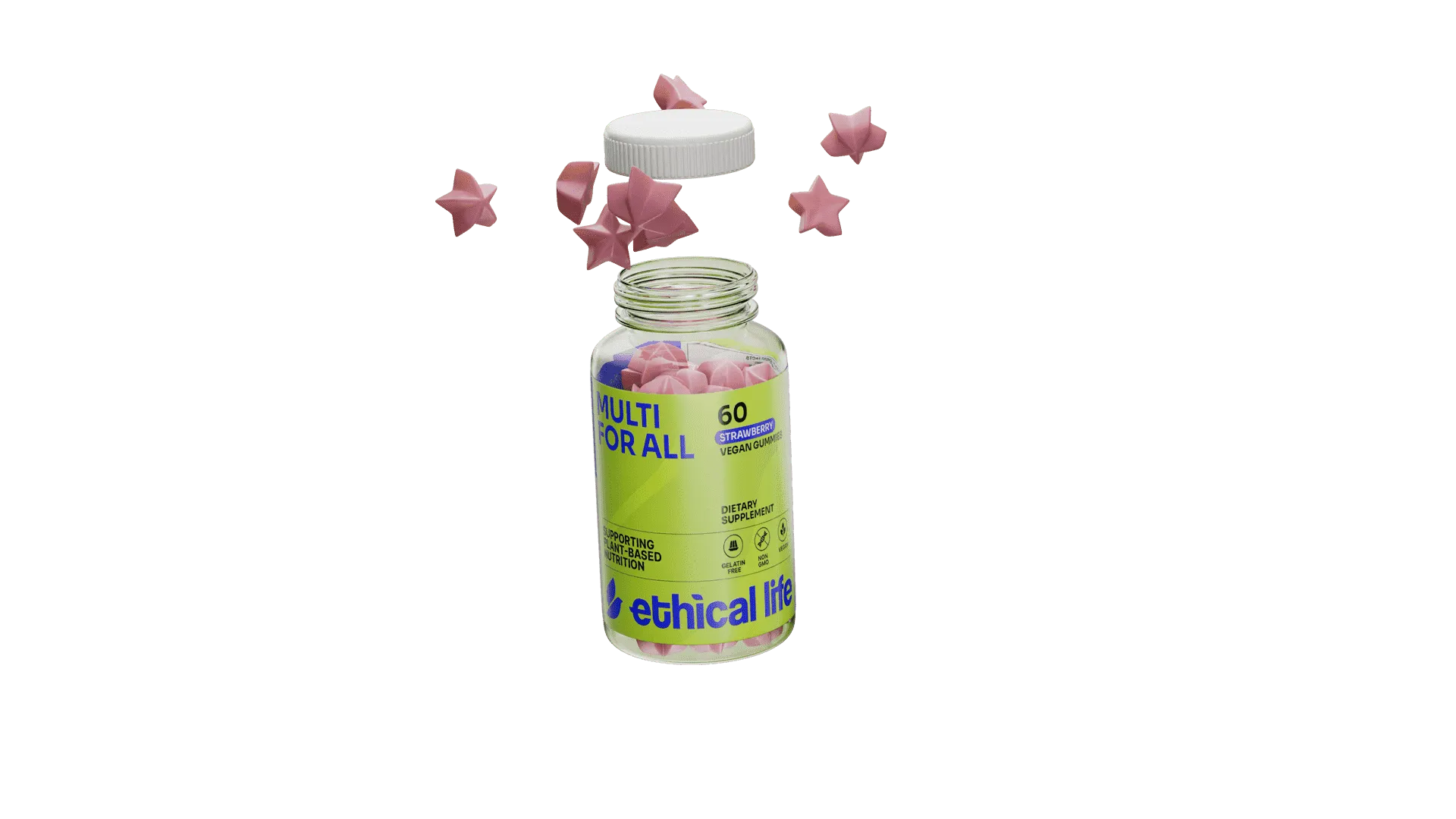
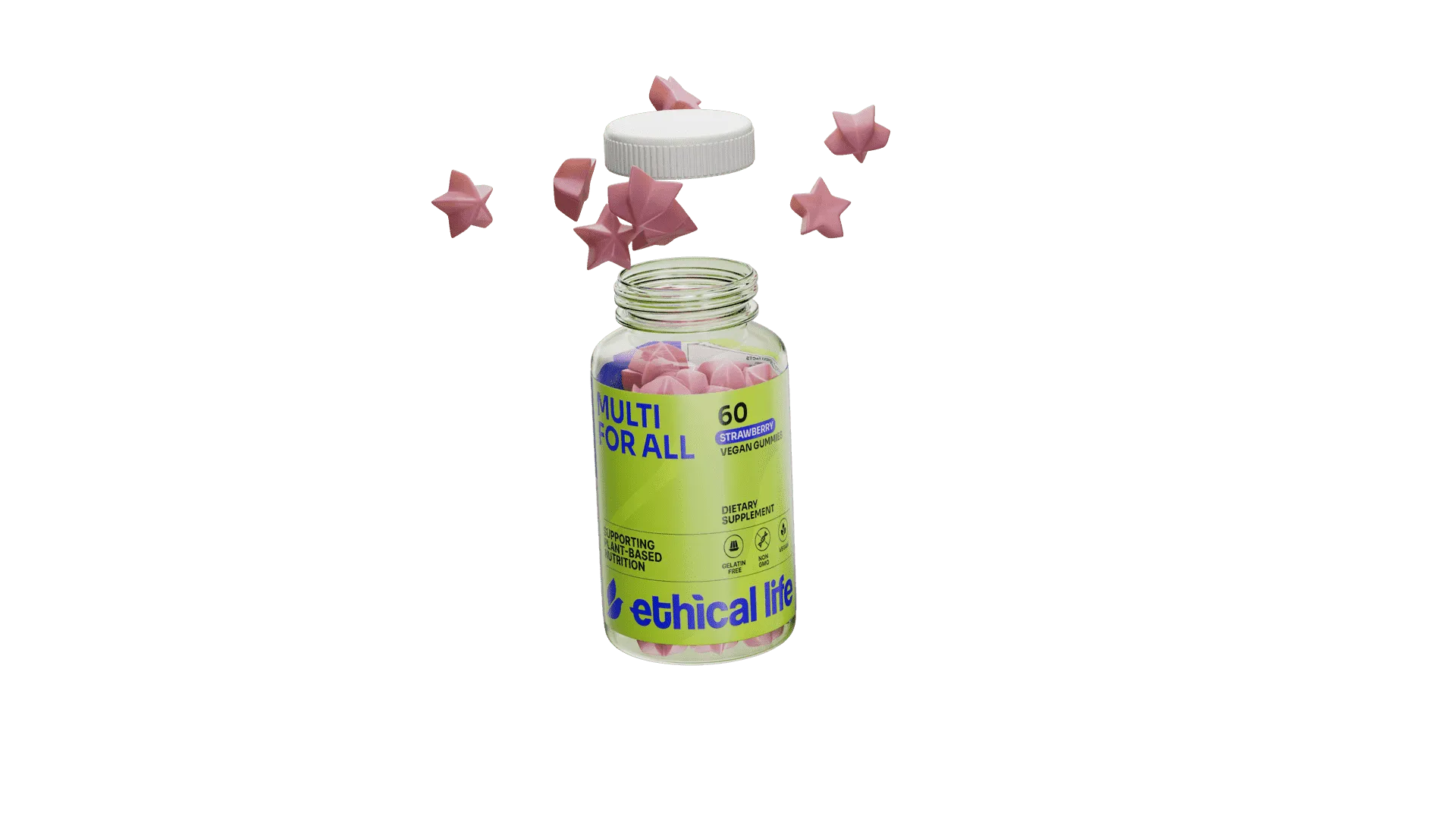
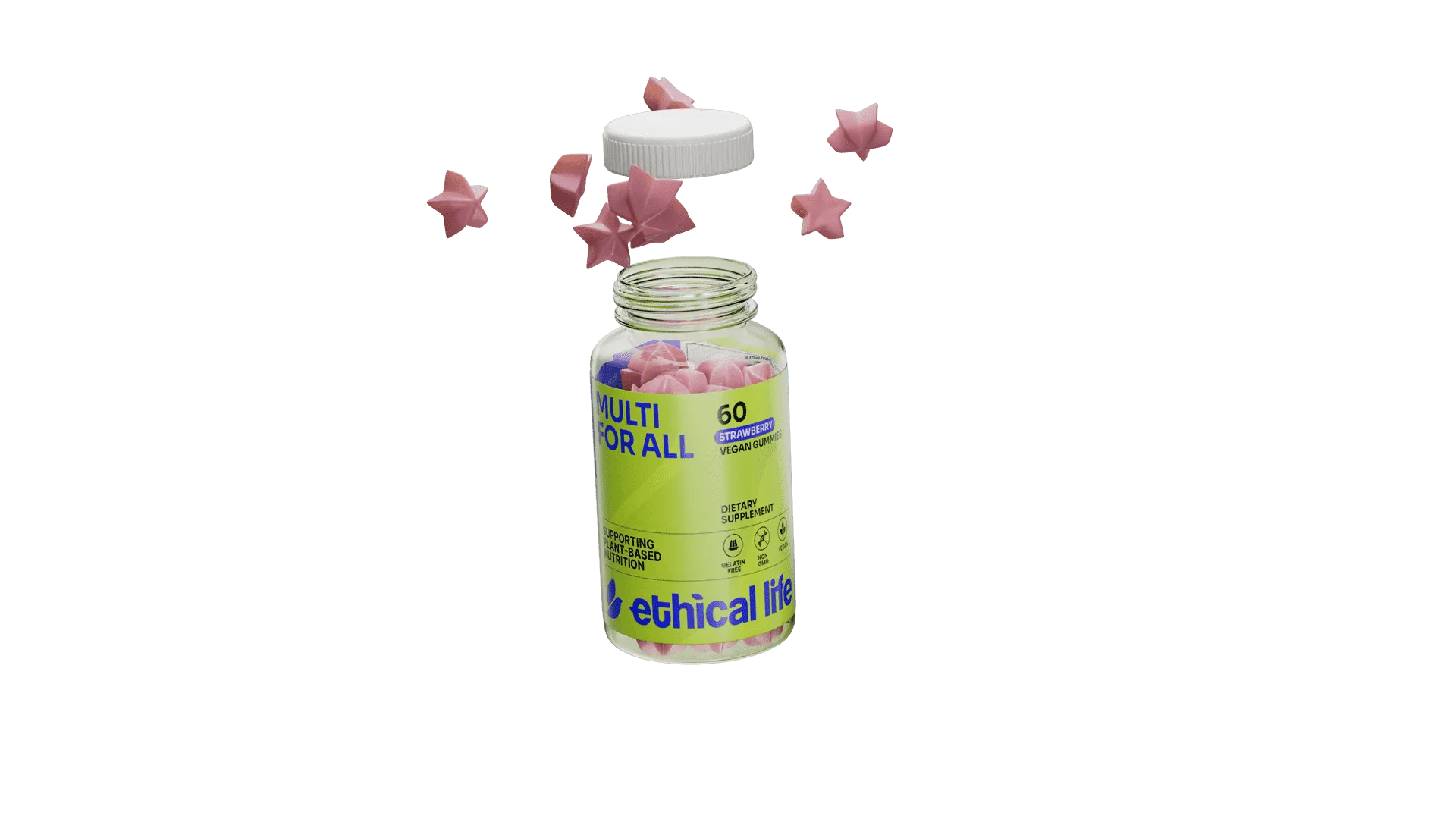
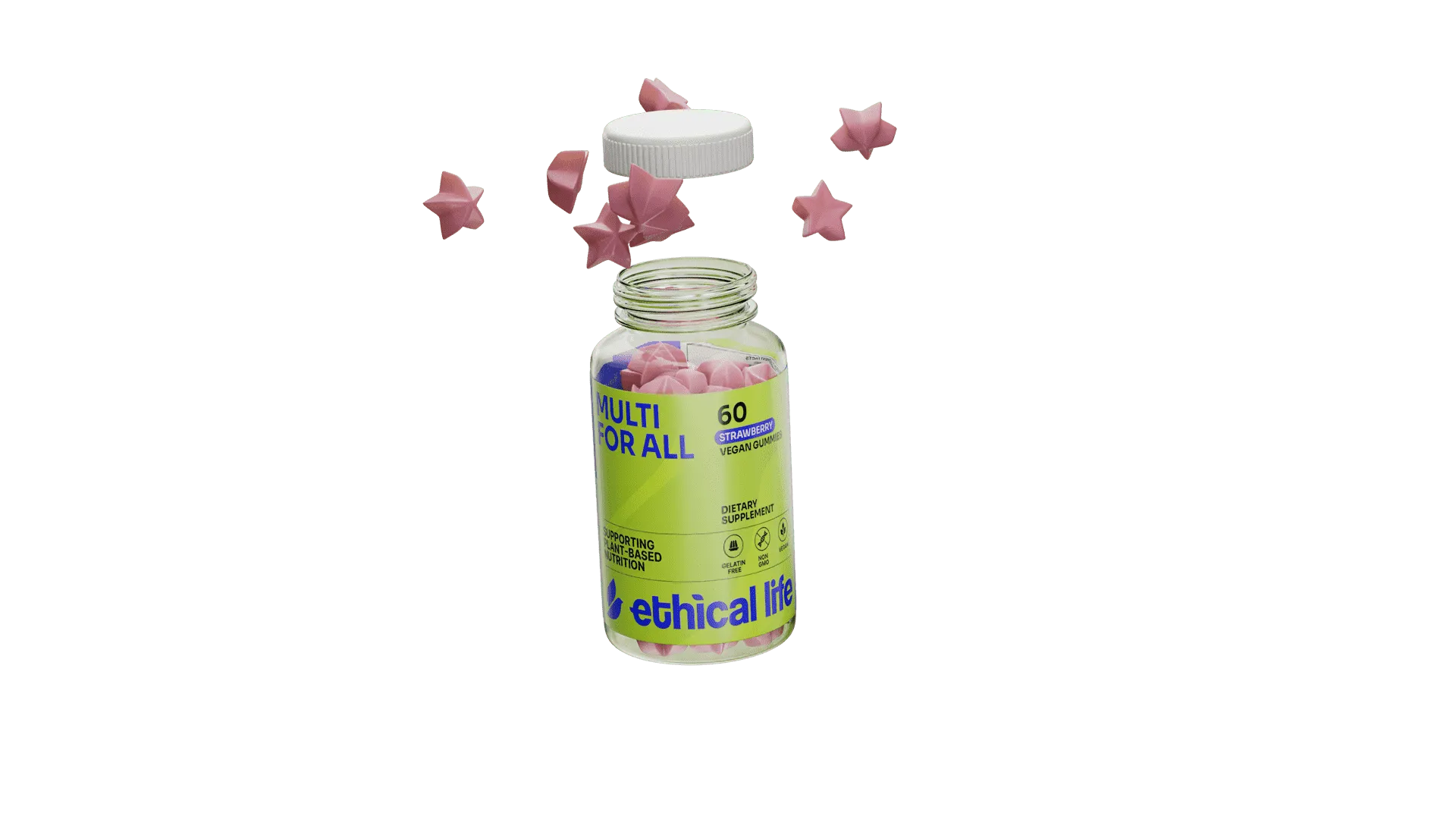
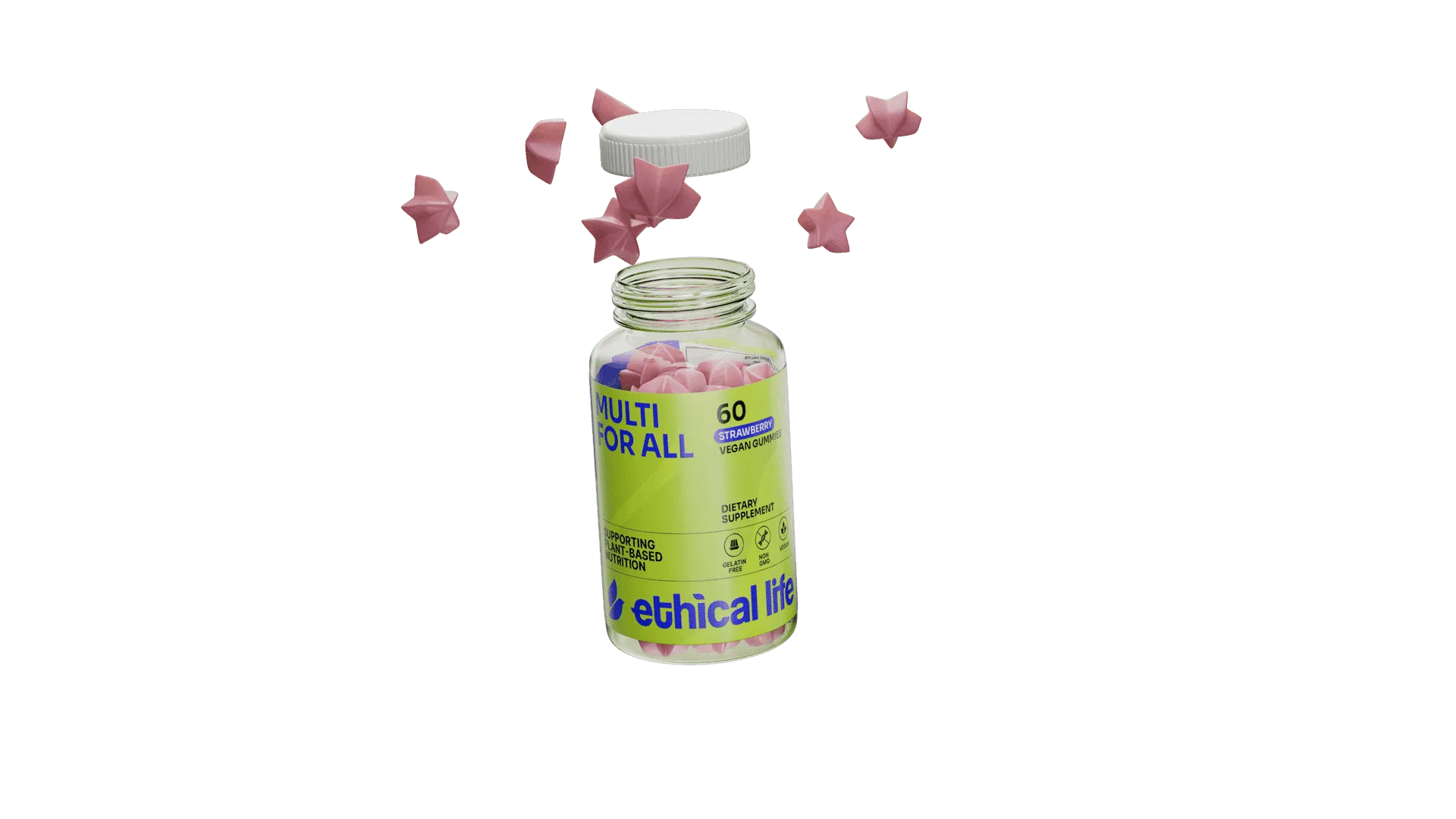
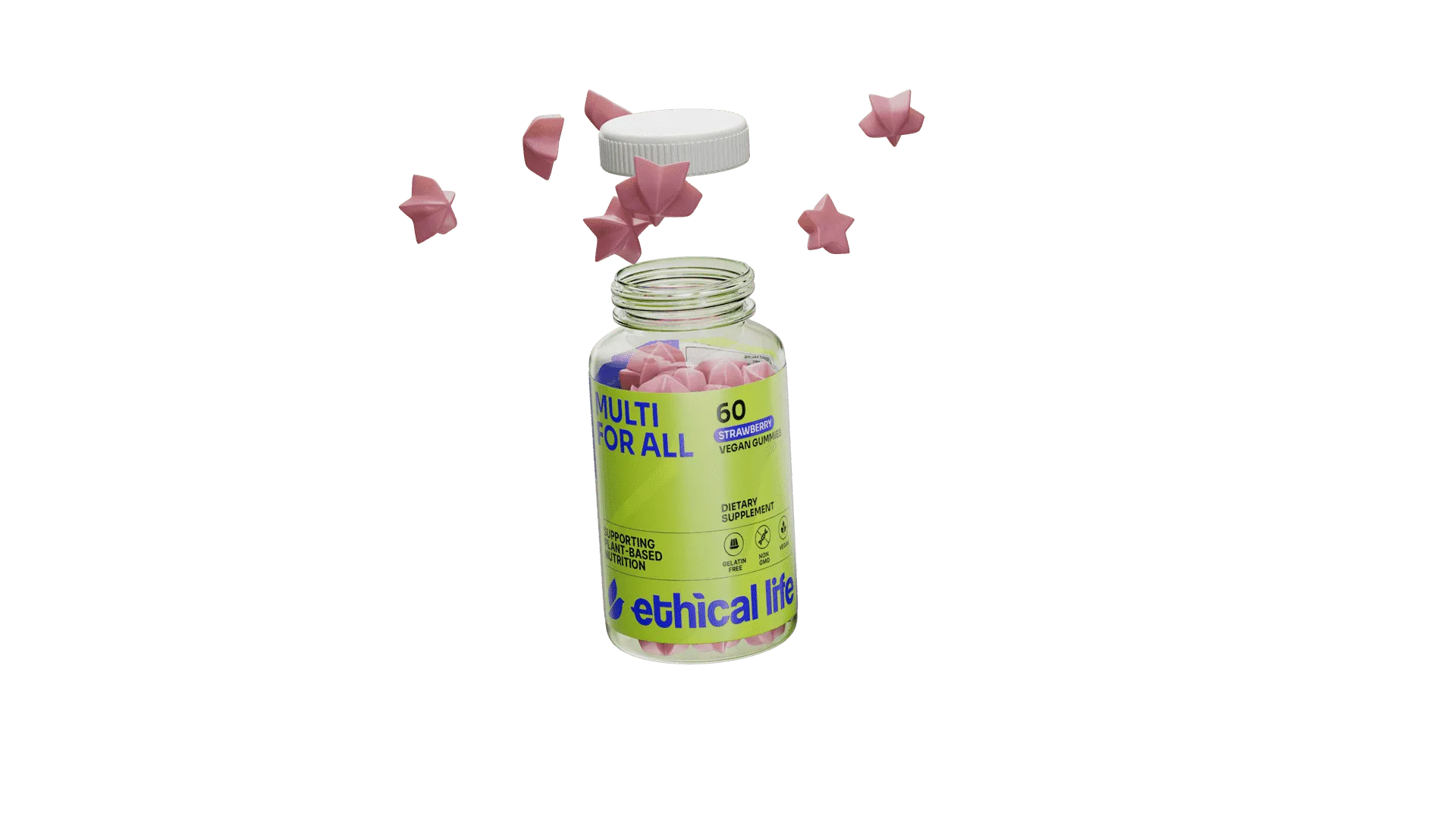
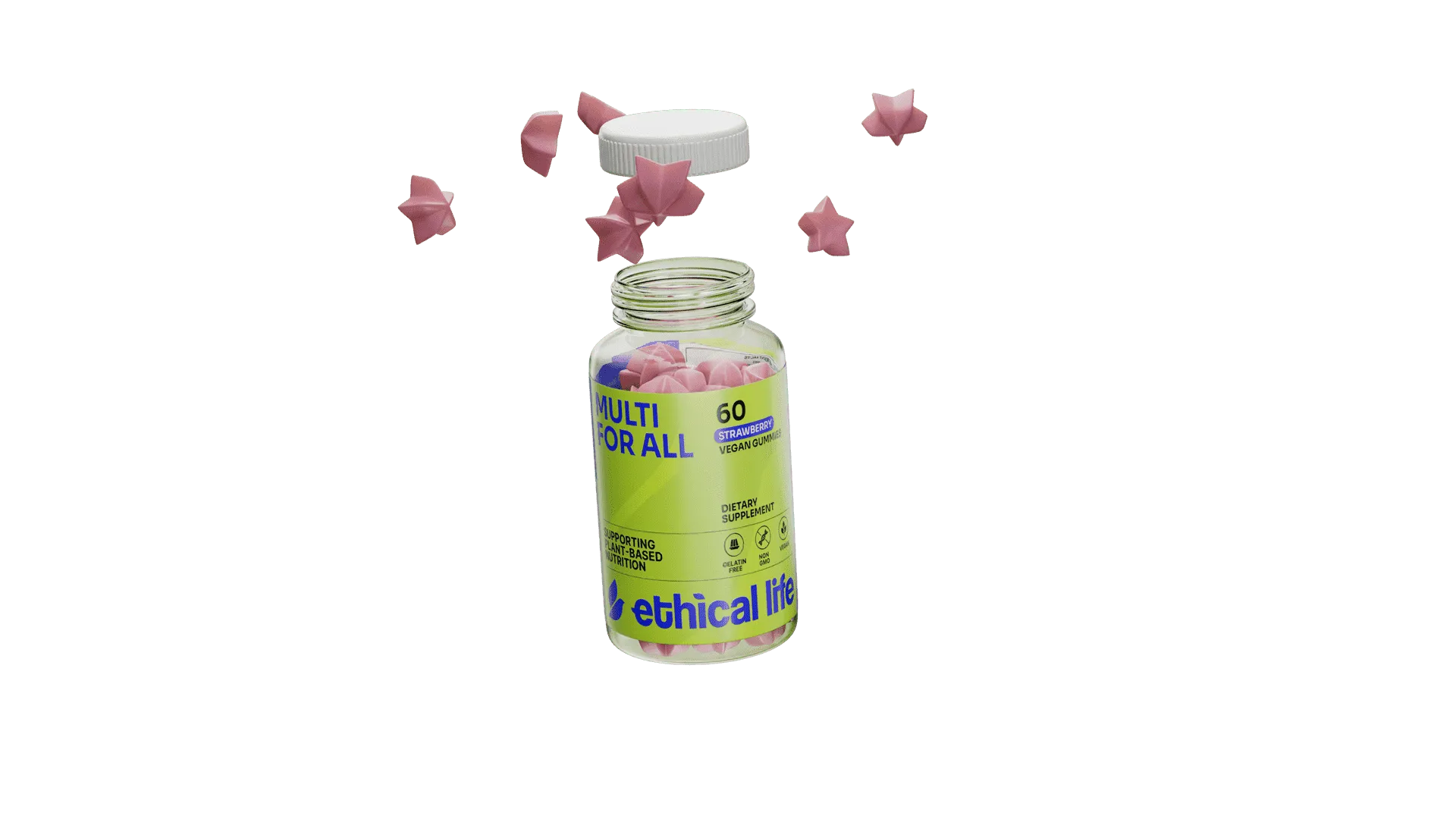
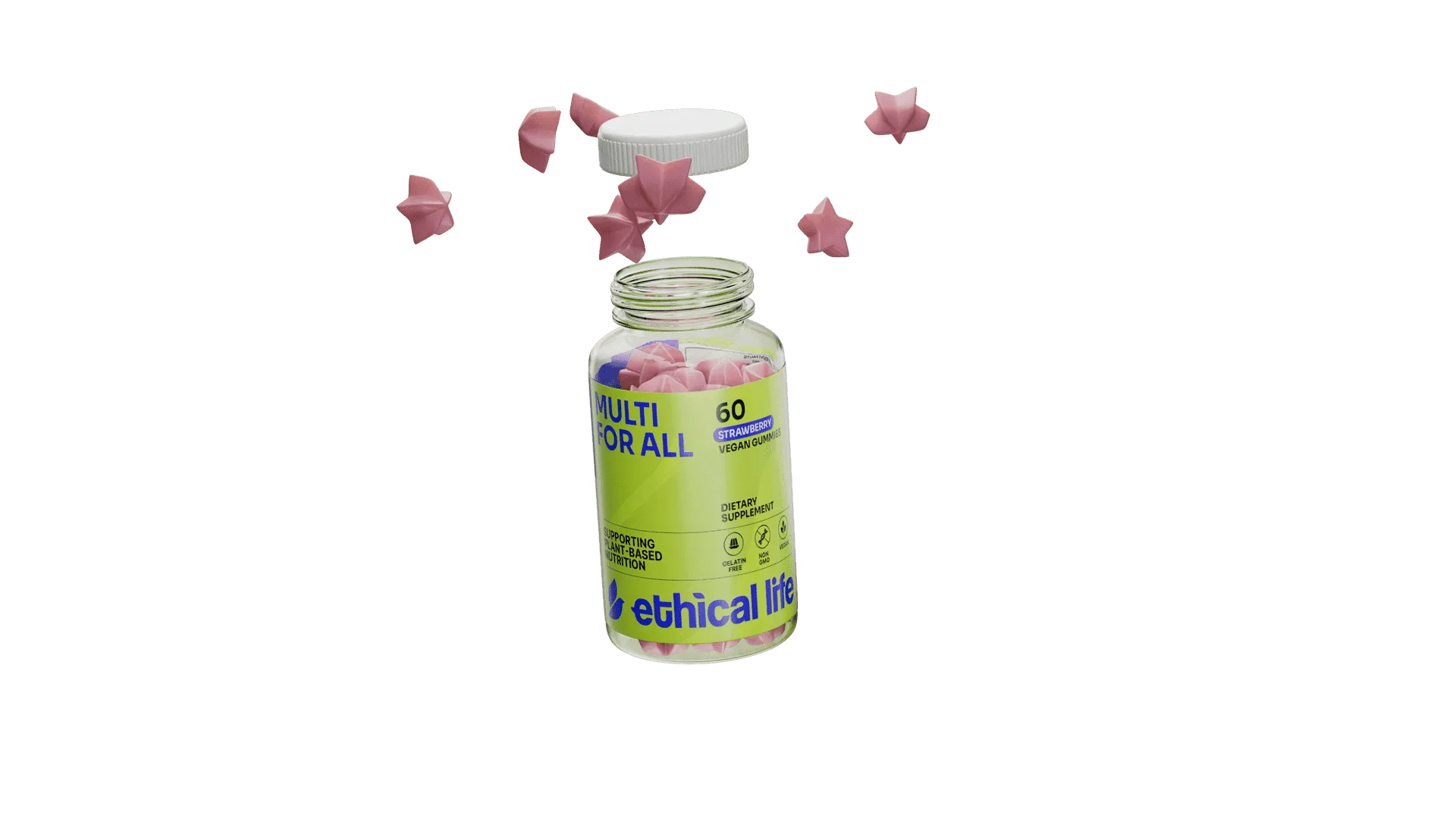
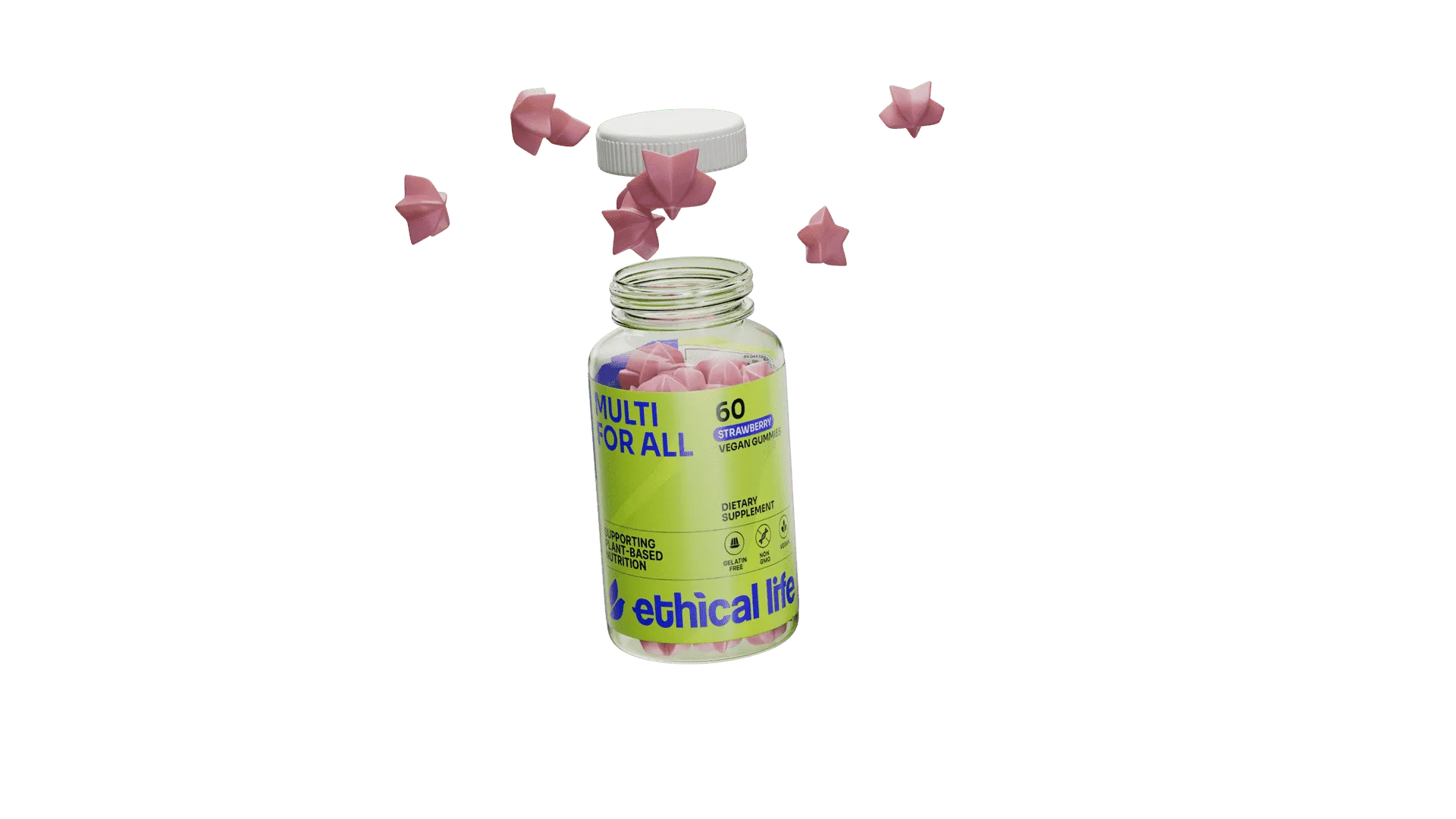
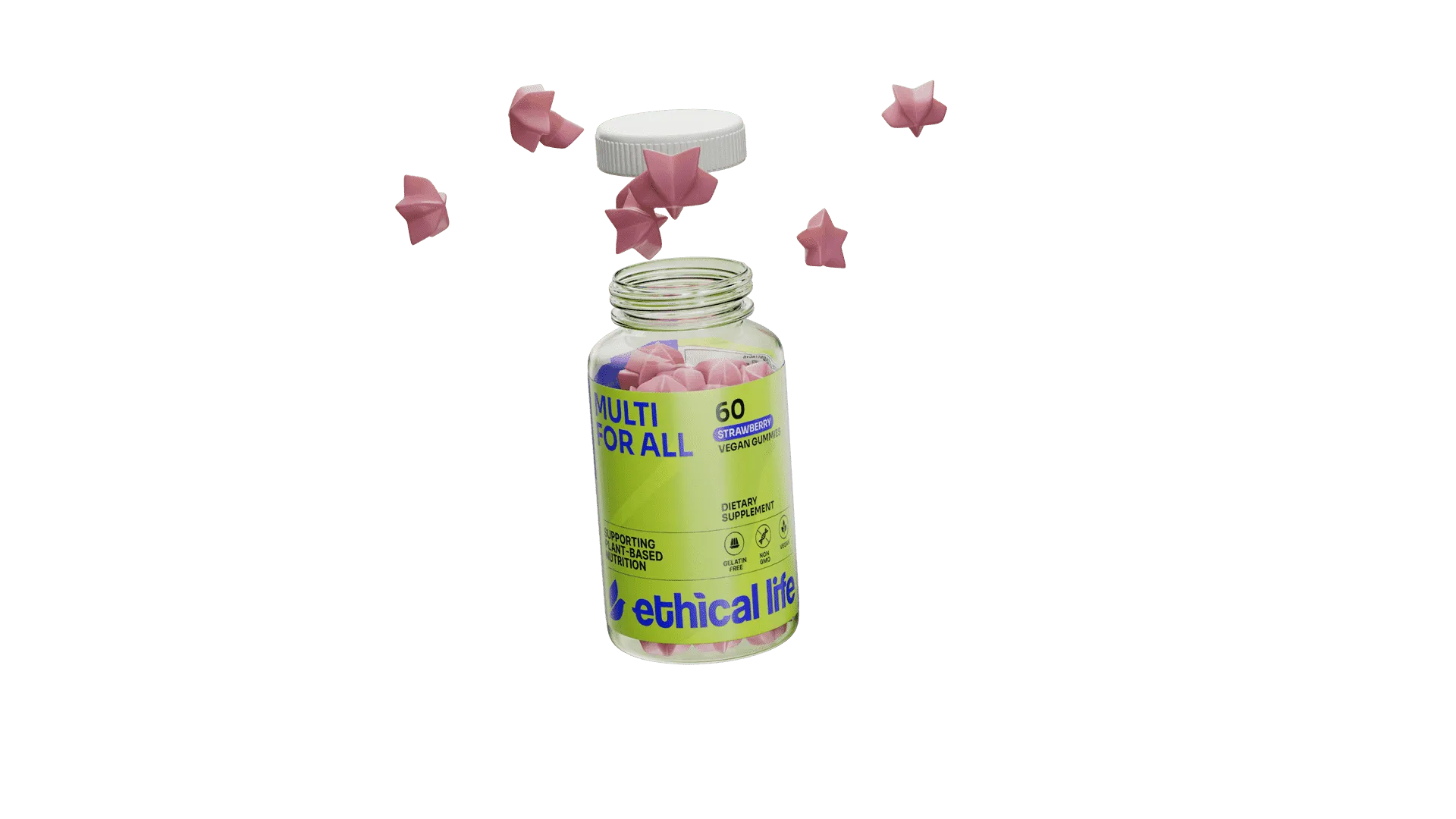
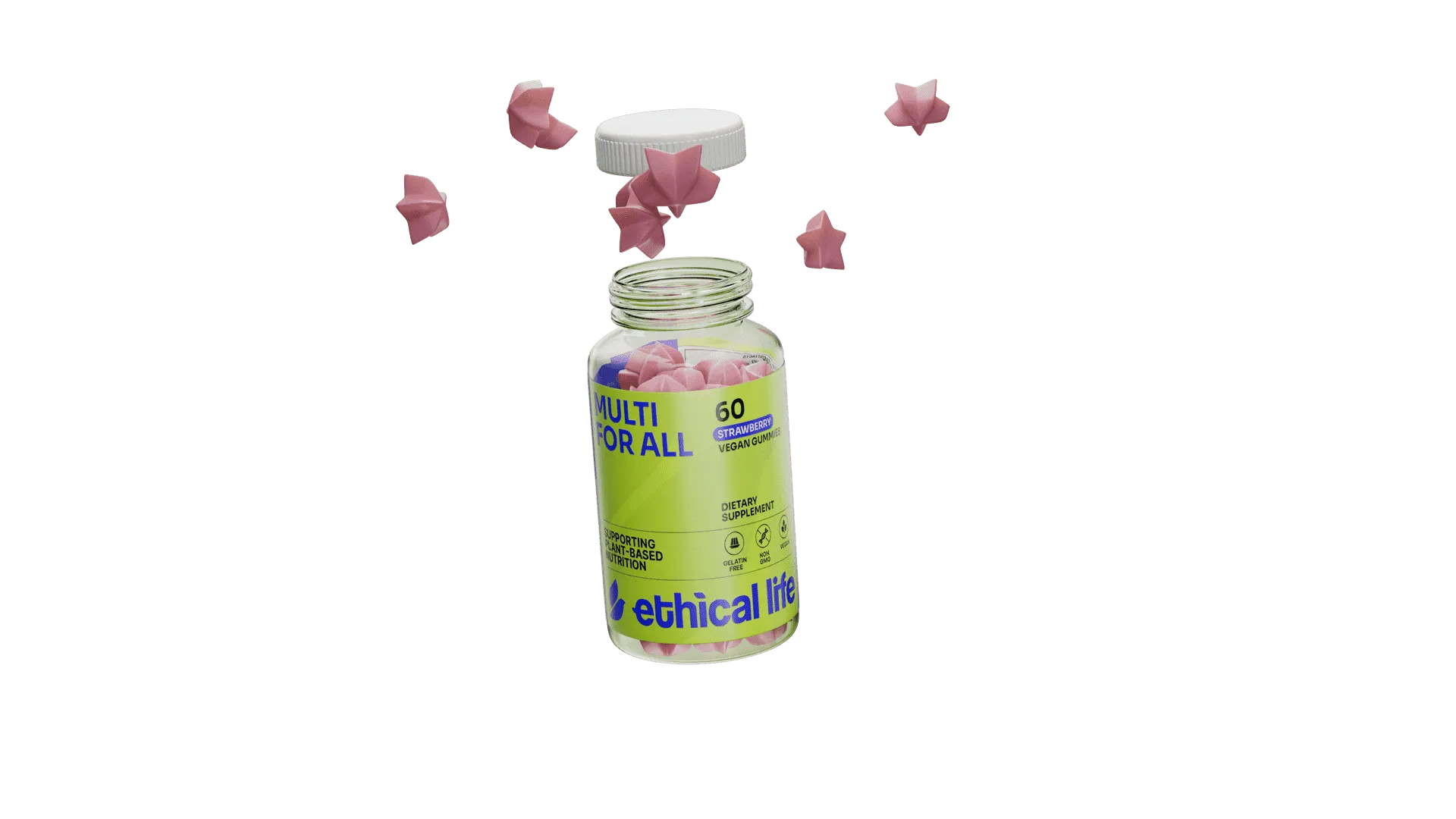
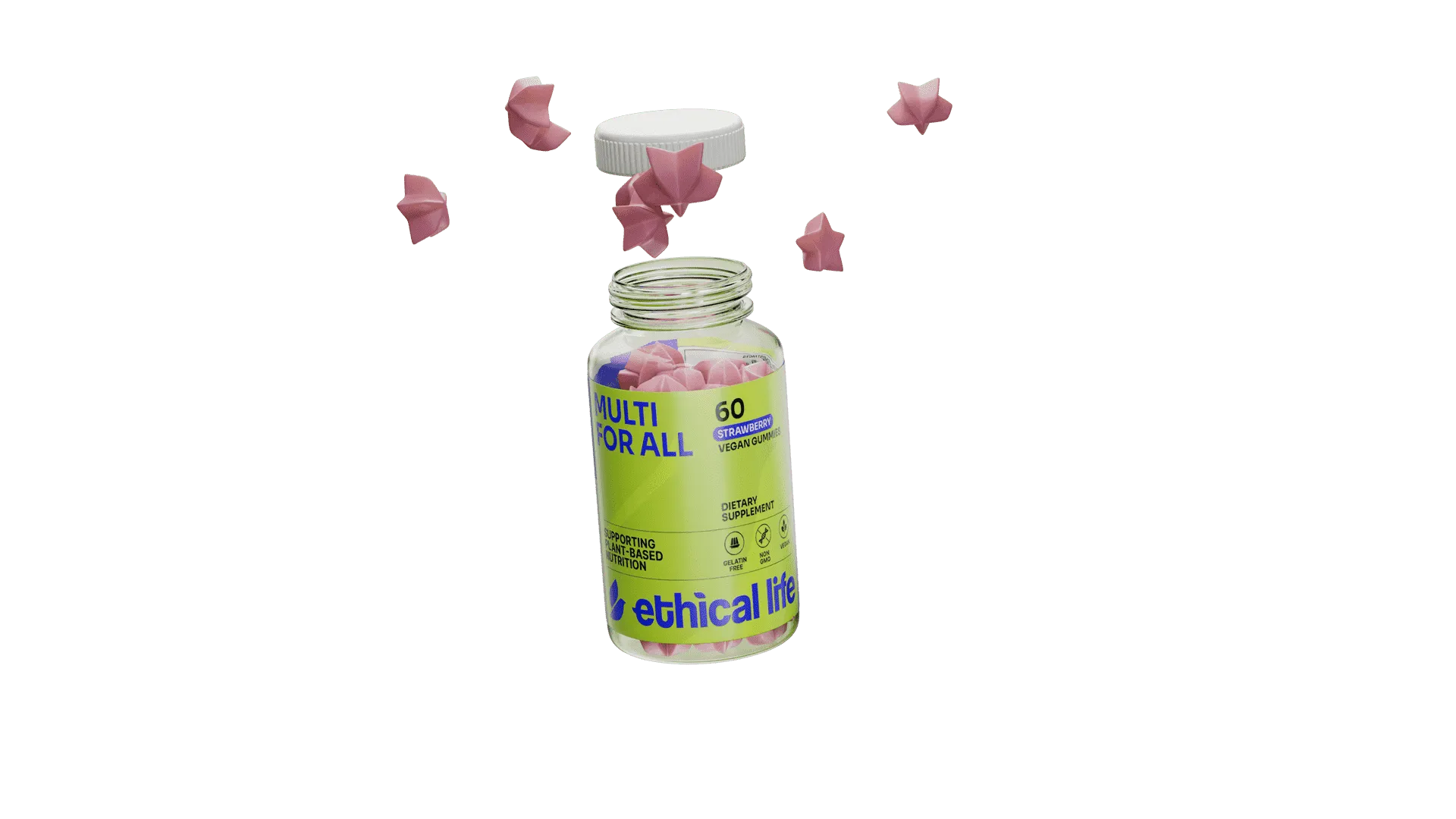
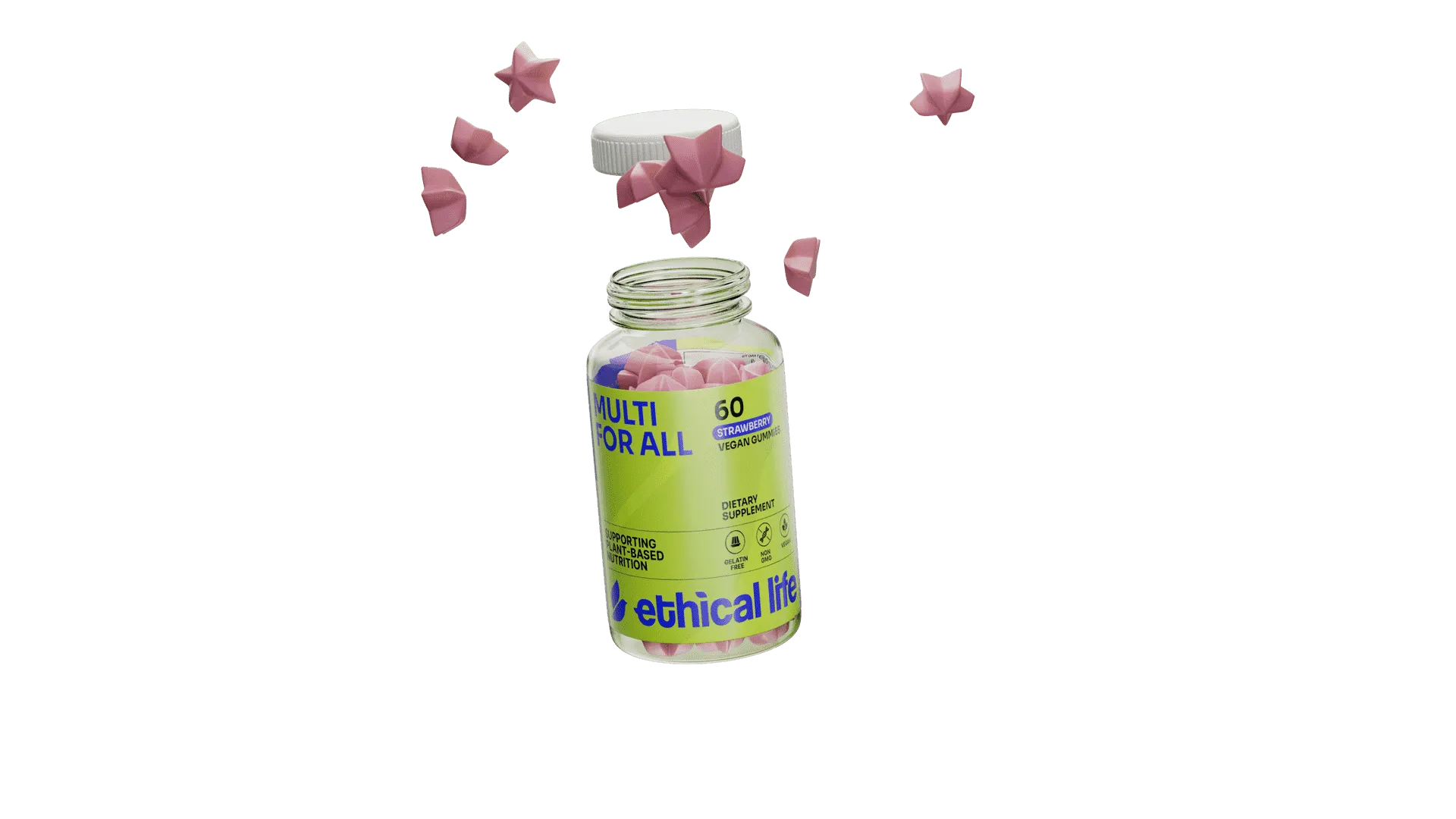
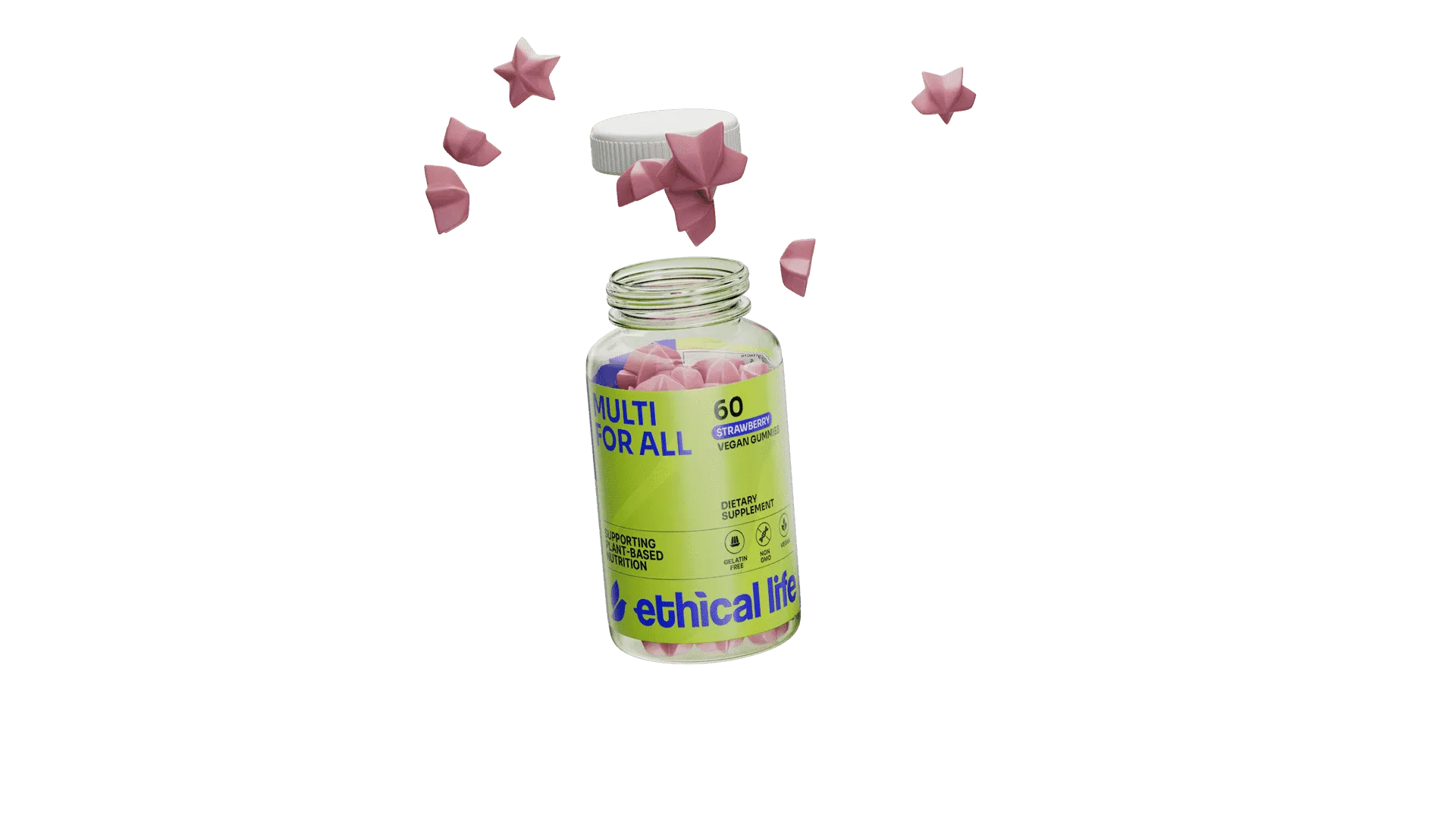
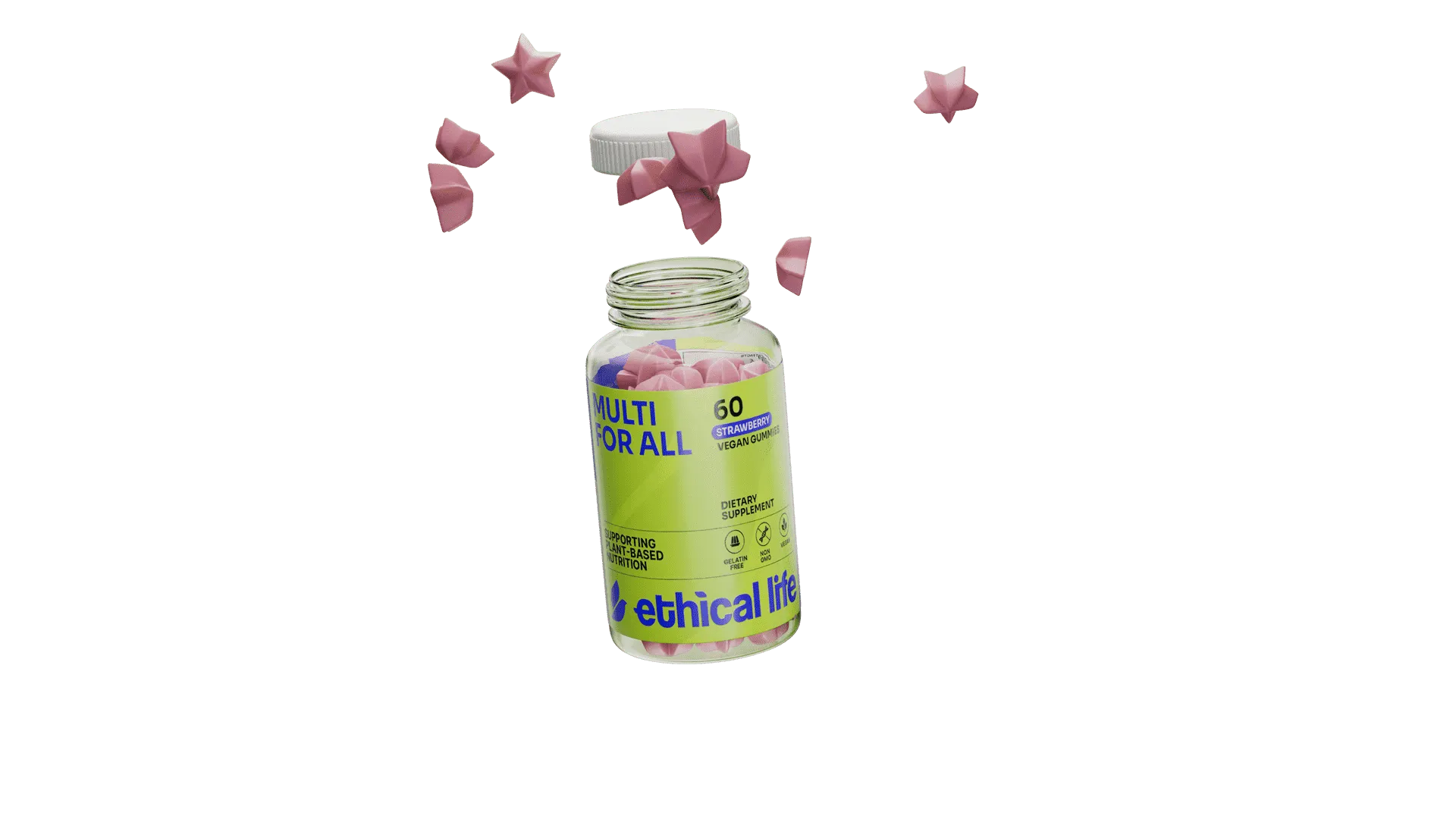
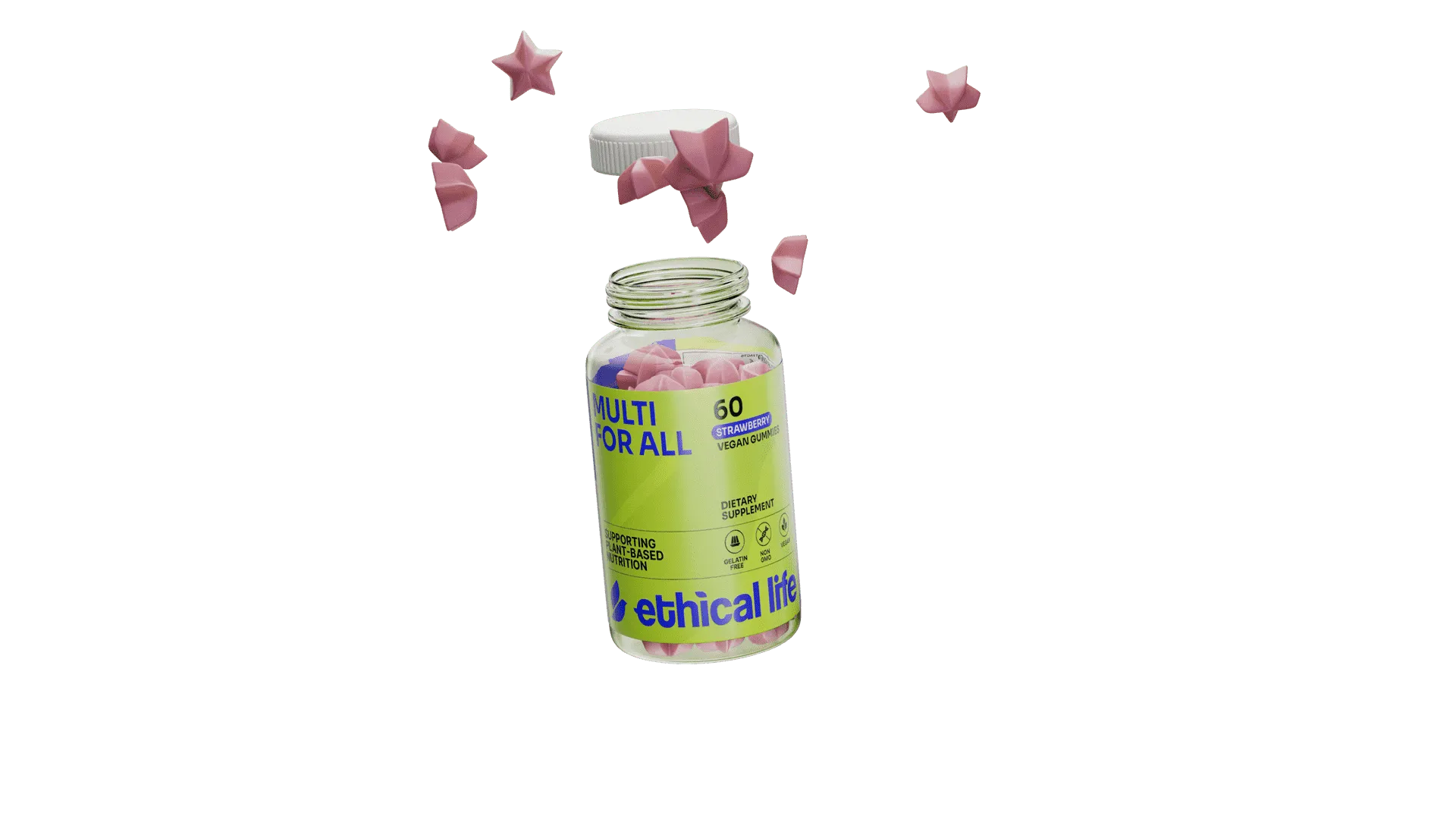
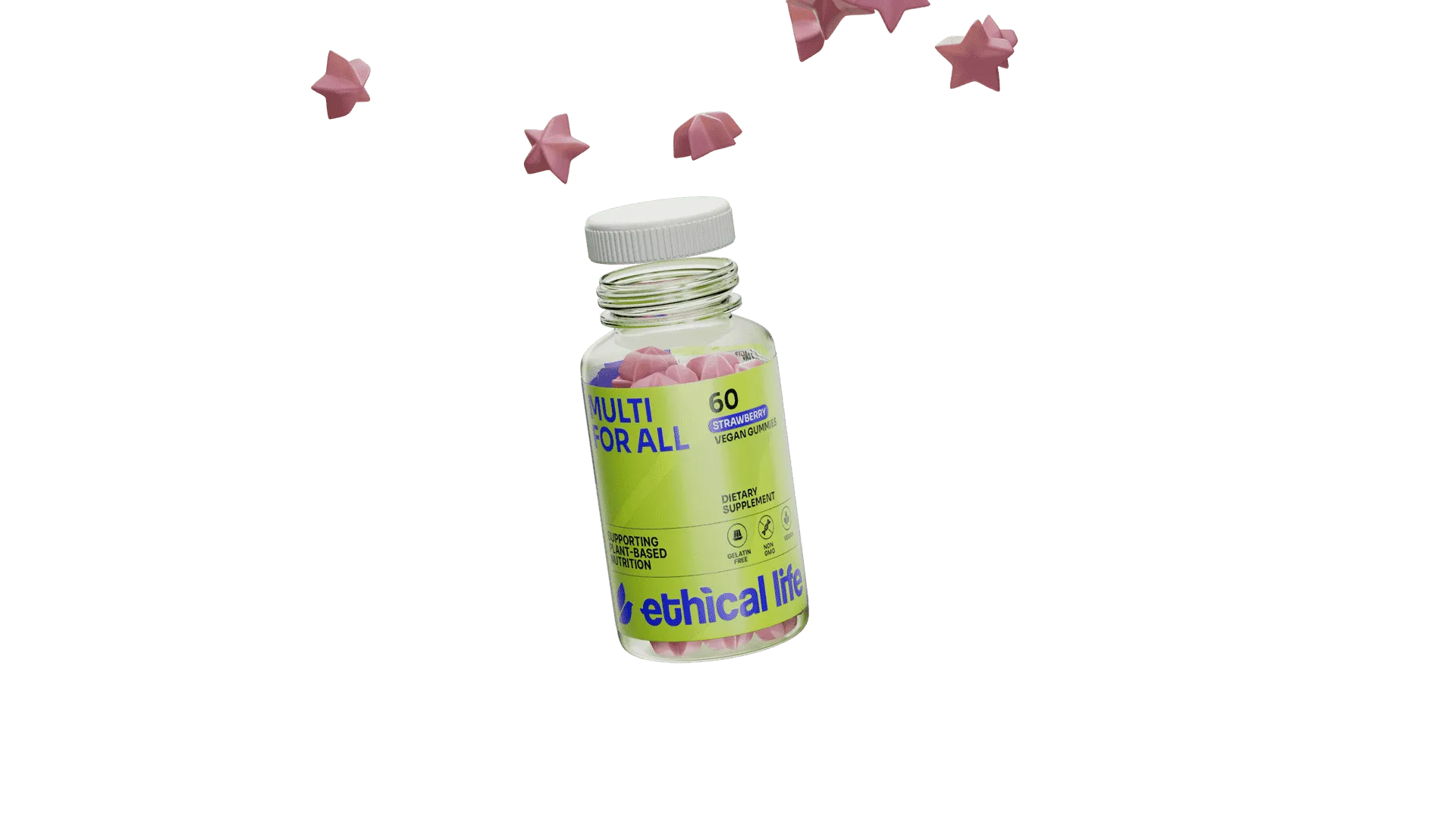
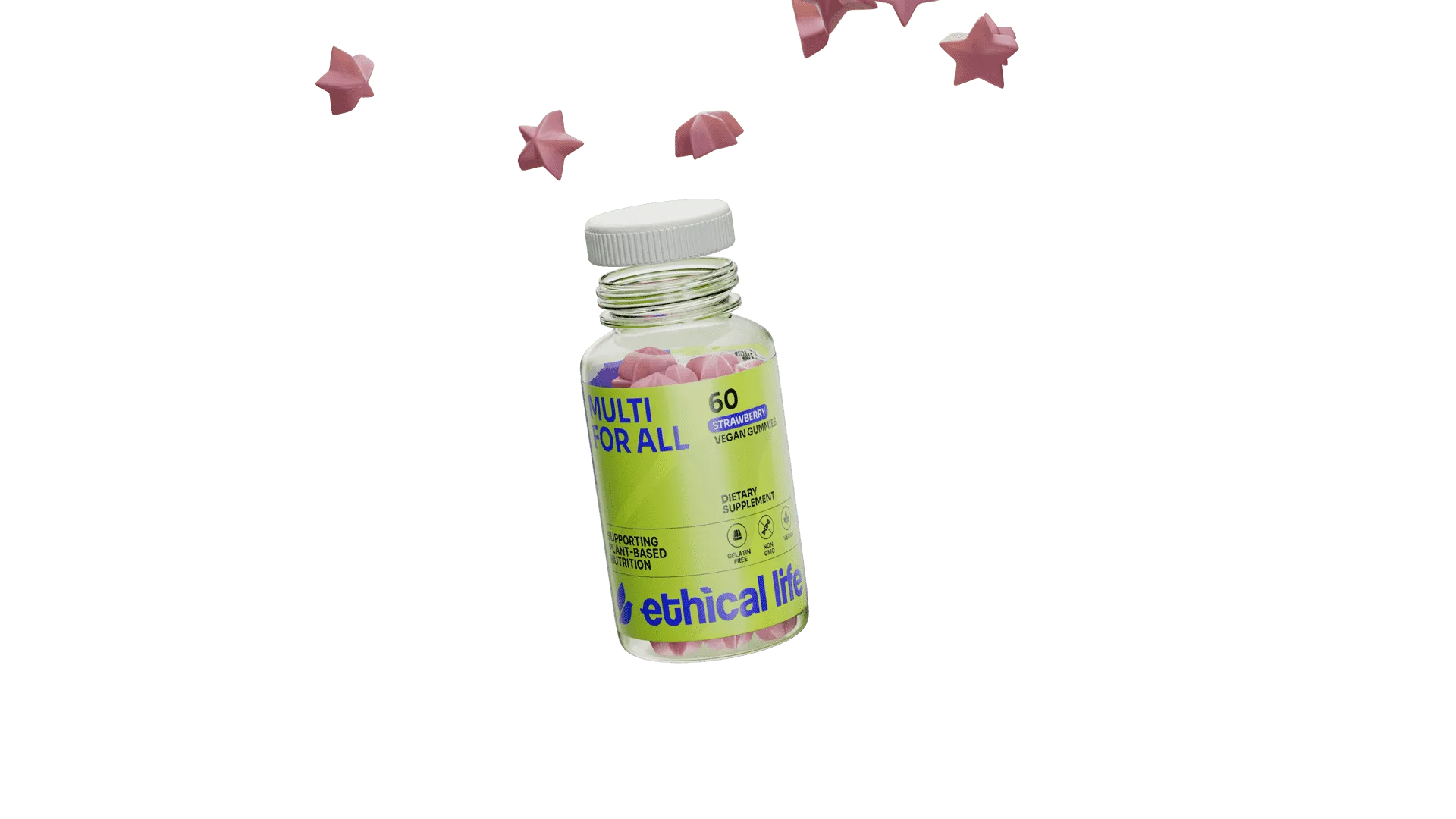
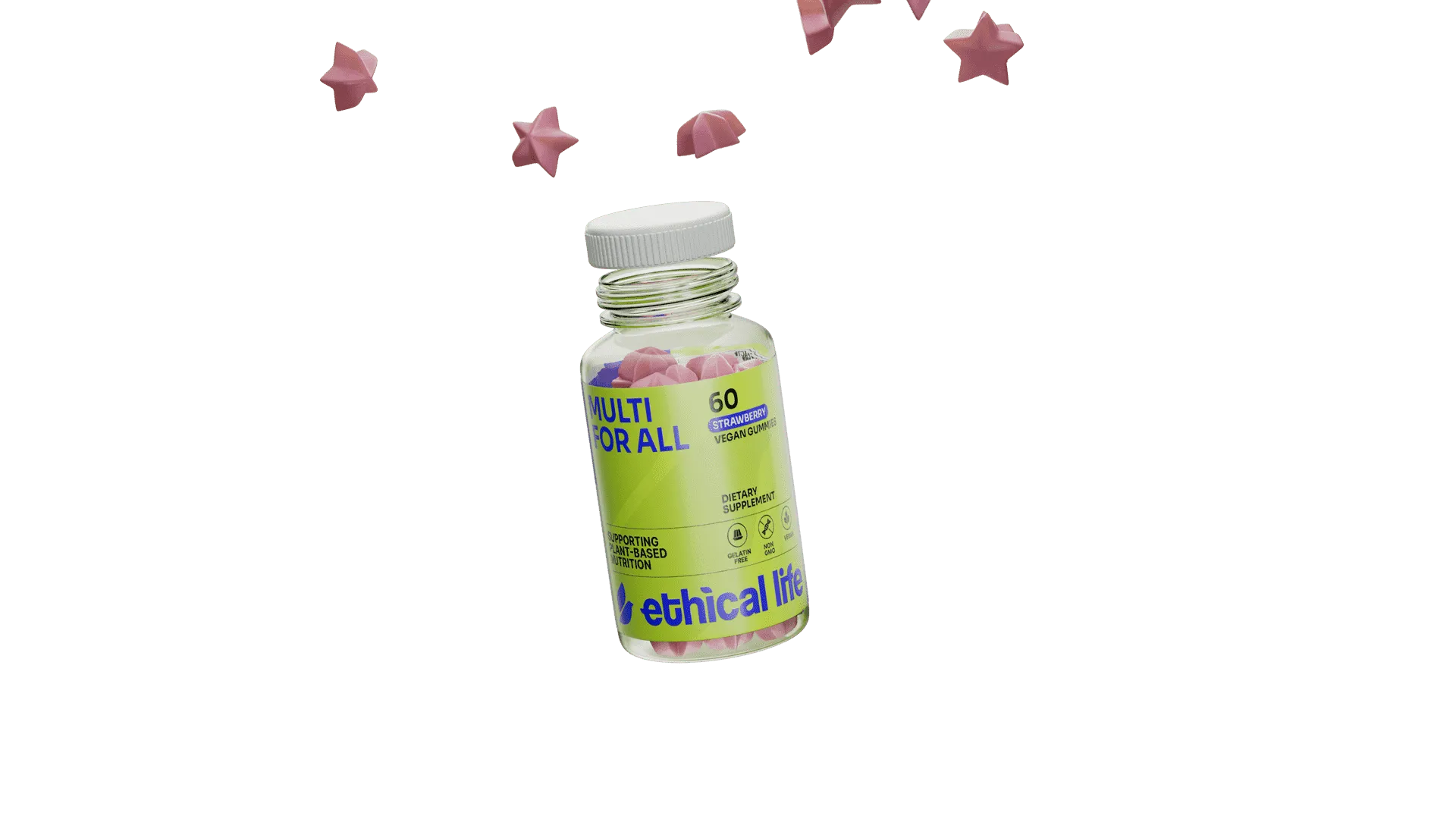
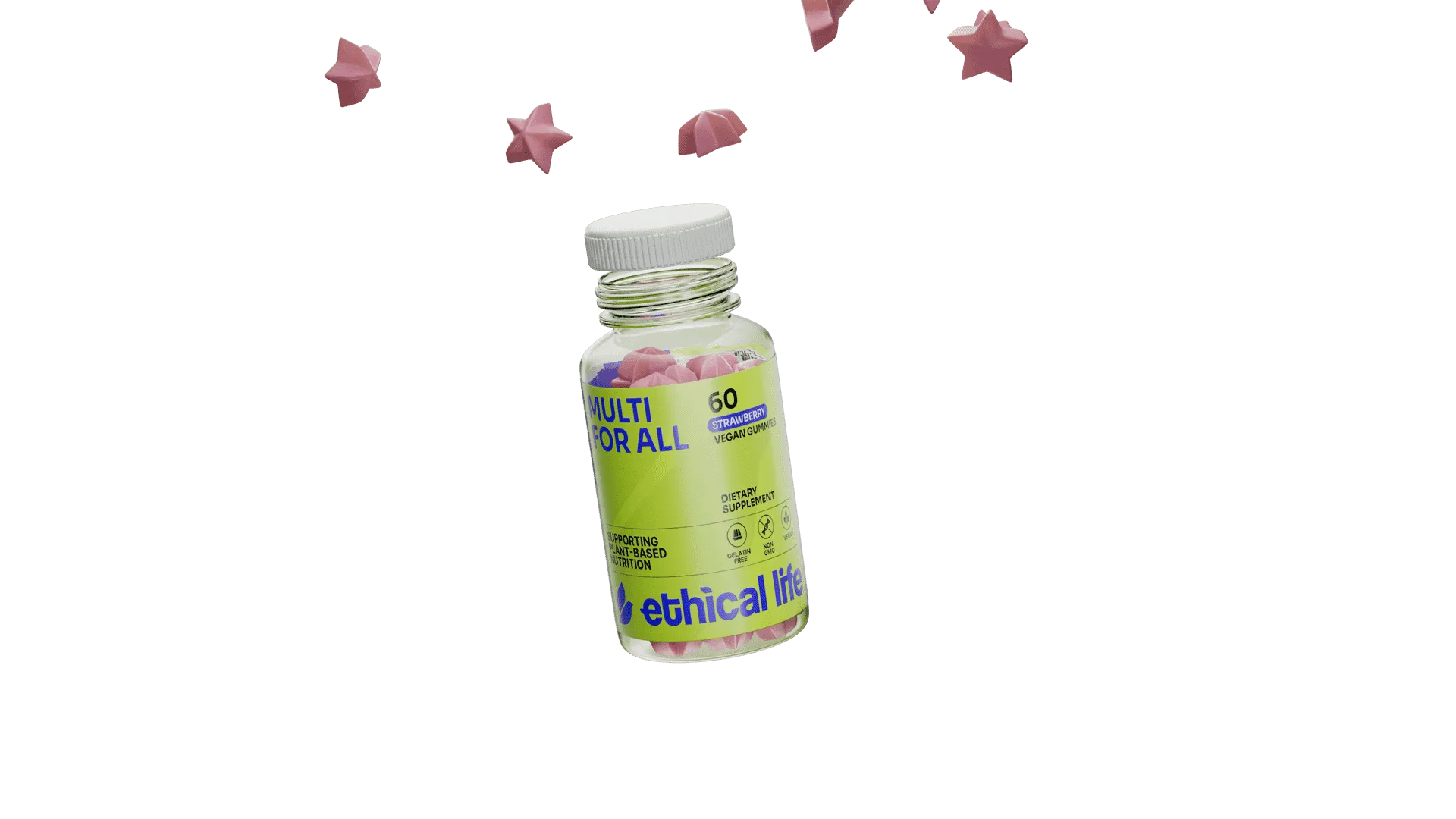
Ready to support your lifelong health with clean, plant-based nutrition? Explore our essential guide to plant-based nutrition or try Ethical Life’s pharmacist-formulated vegan gummies today. Made in the USA, third-party tested, and 100% pectin-based, because your daily wellness should never compromise your ethical values.