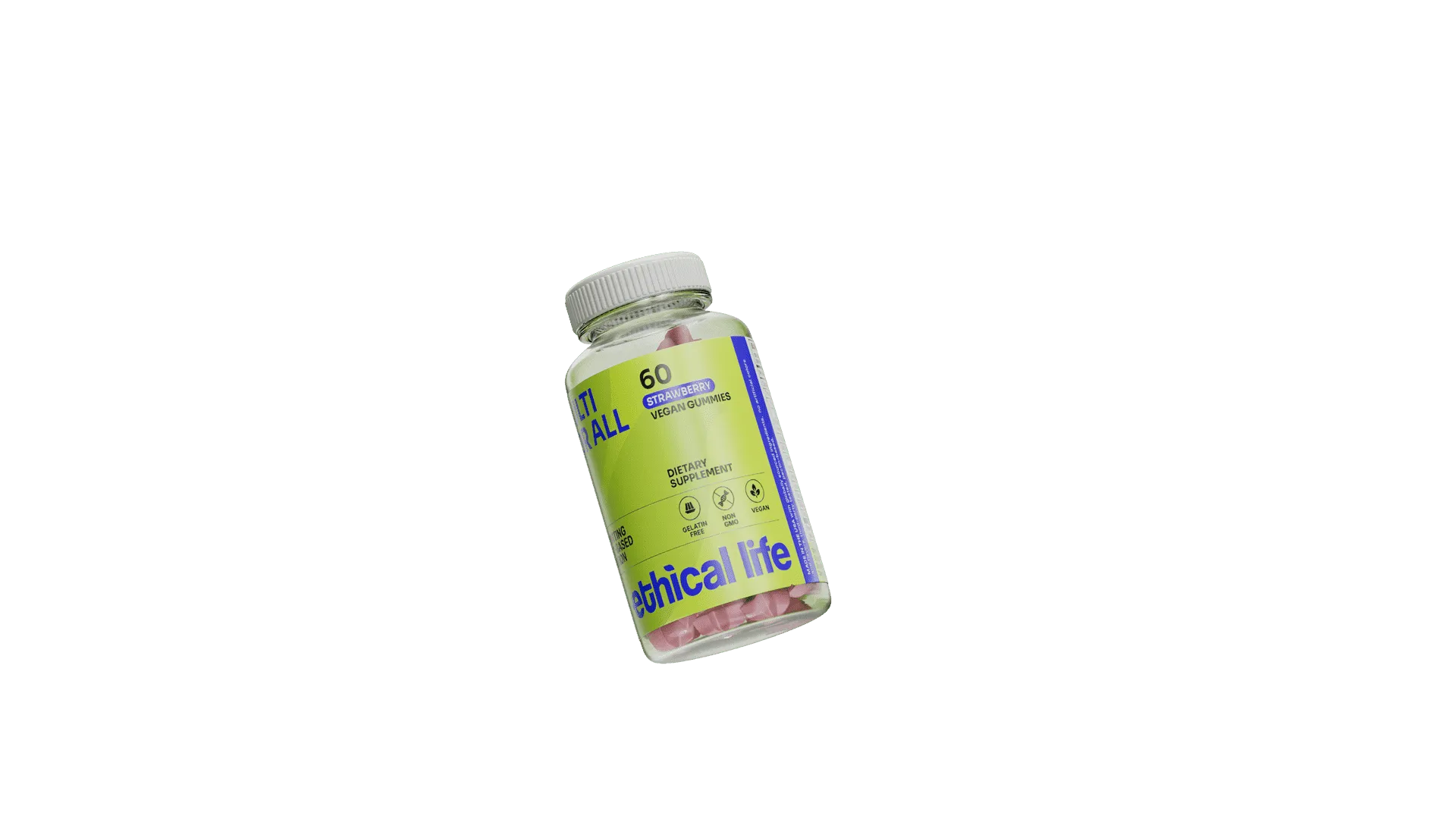
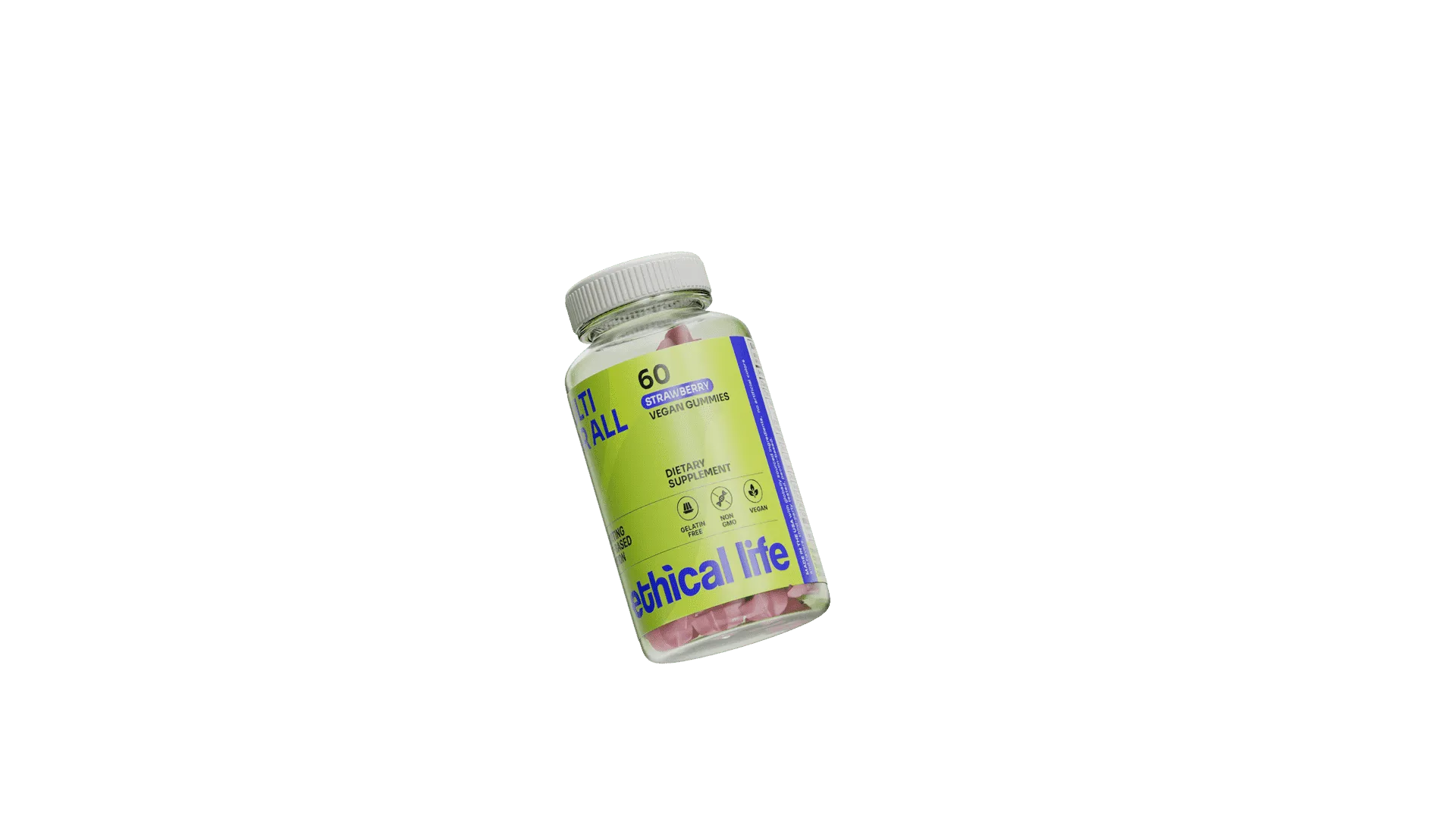
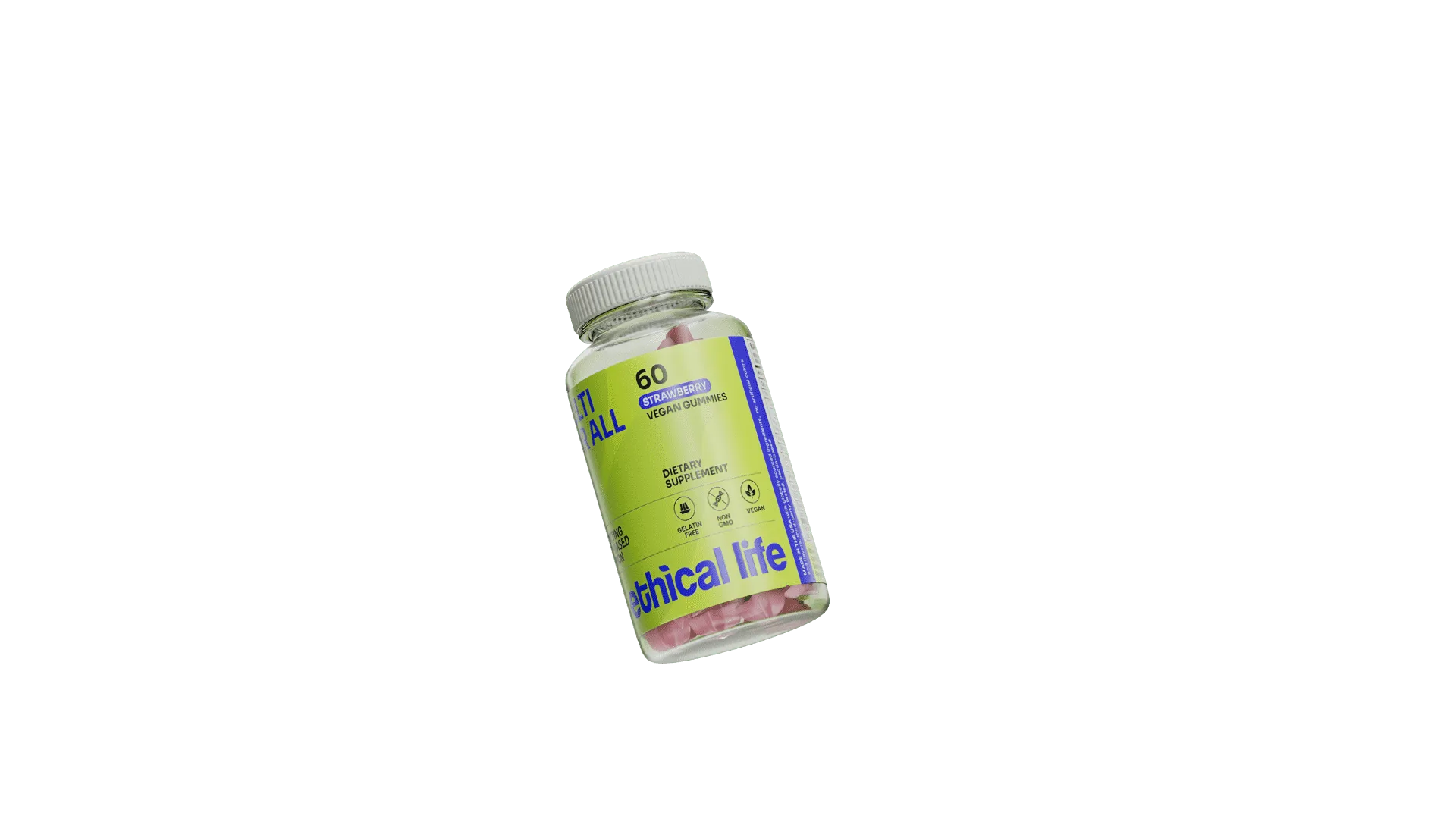
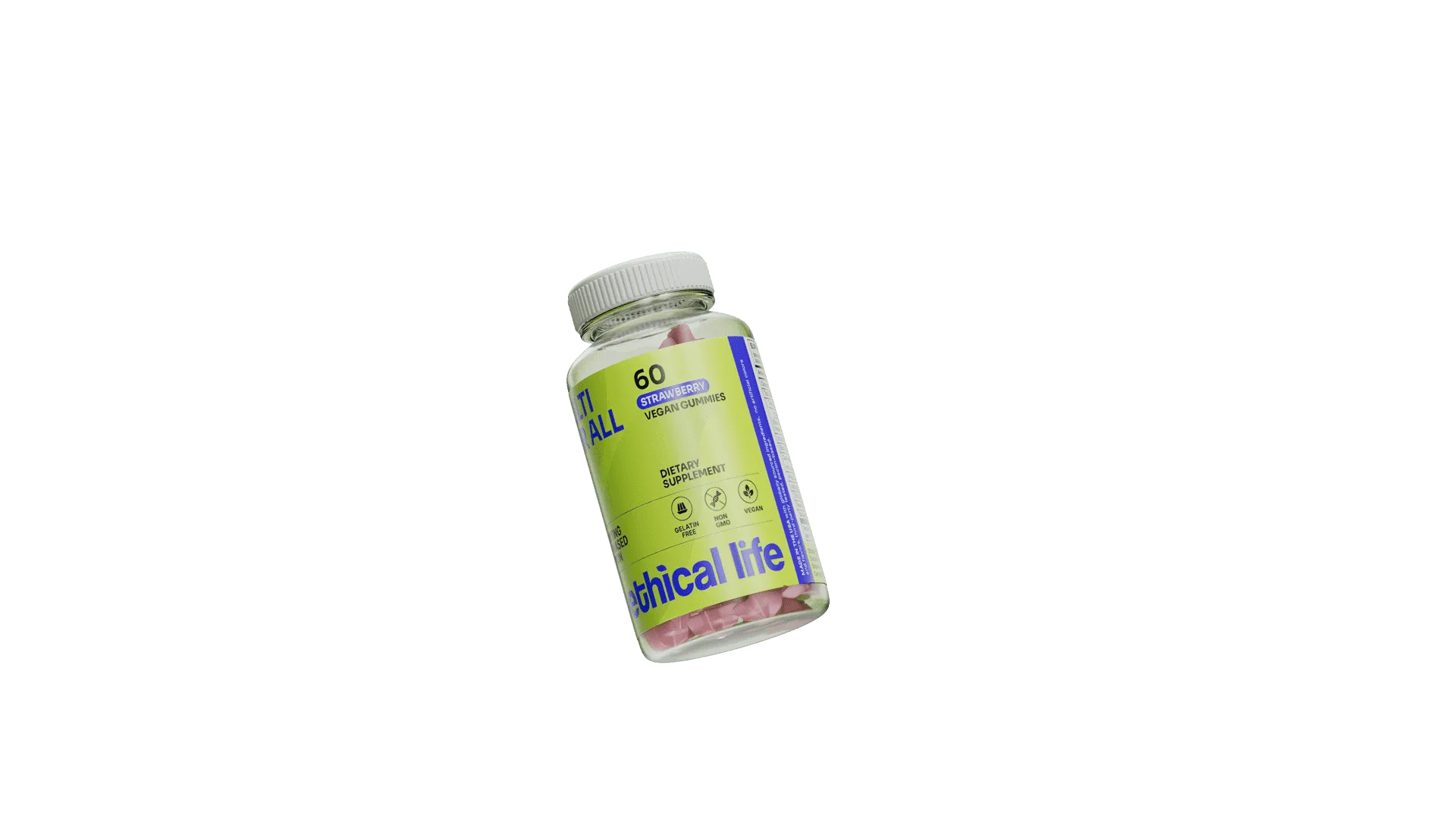
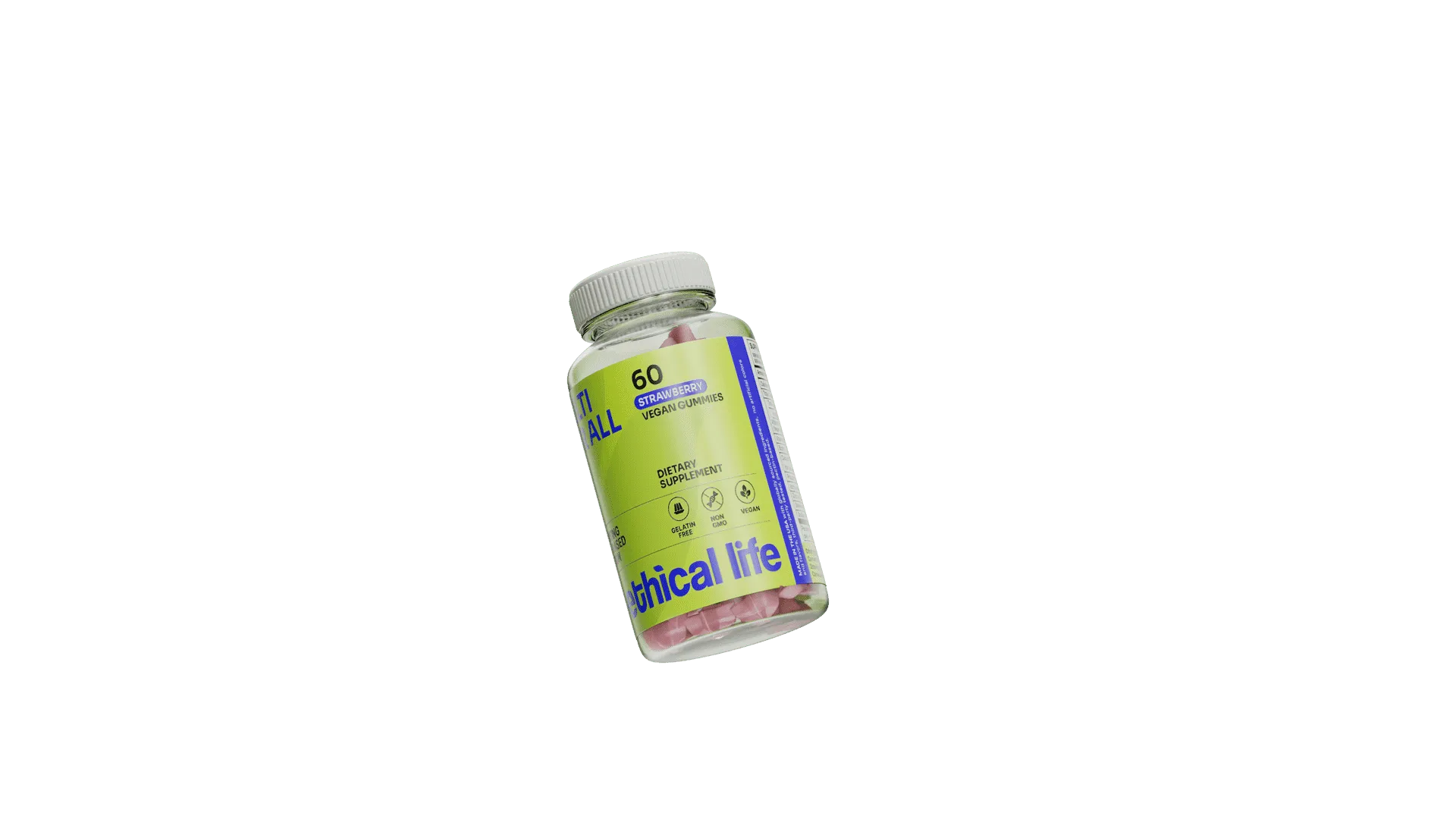
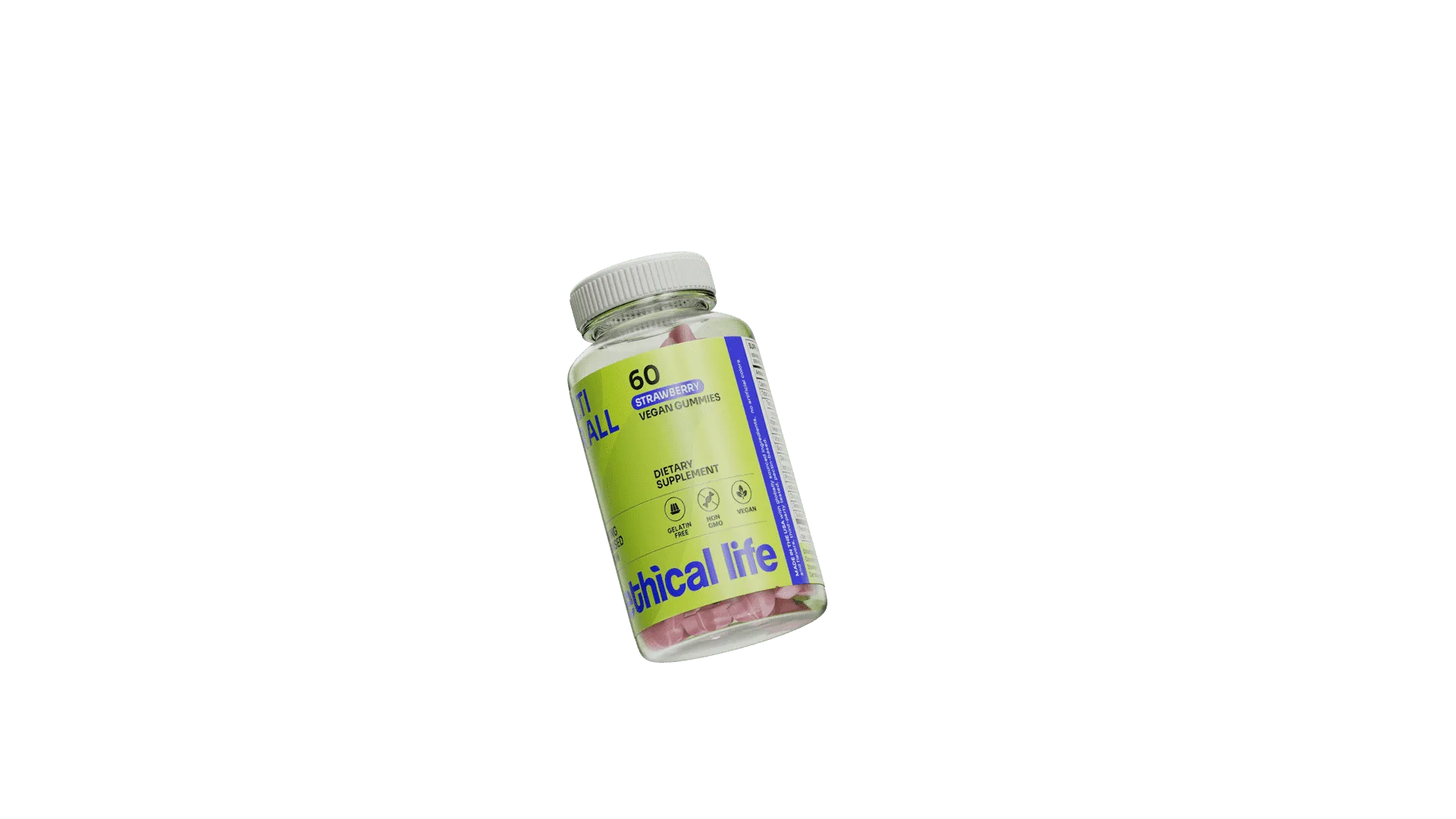
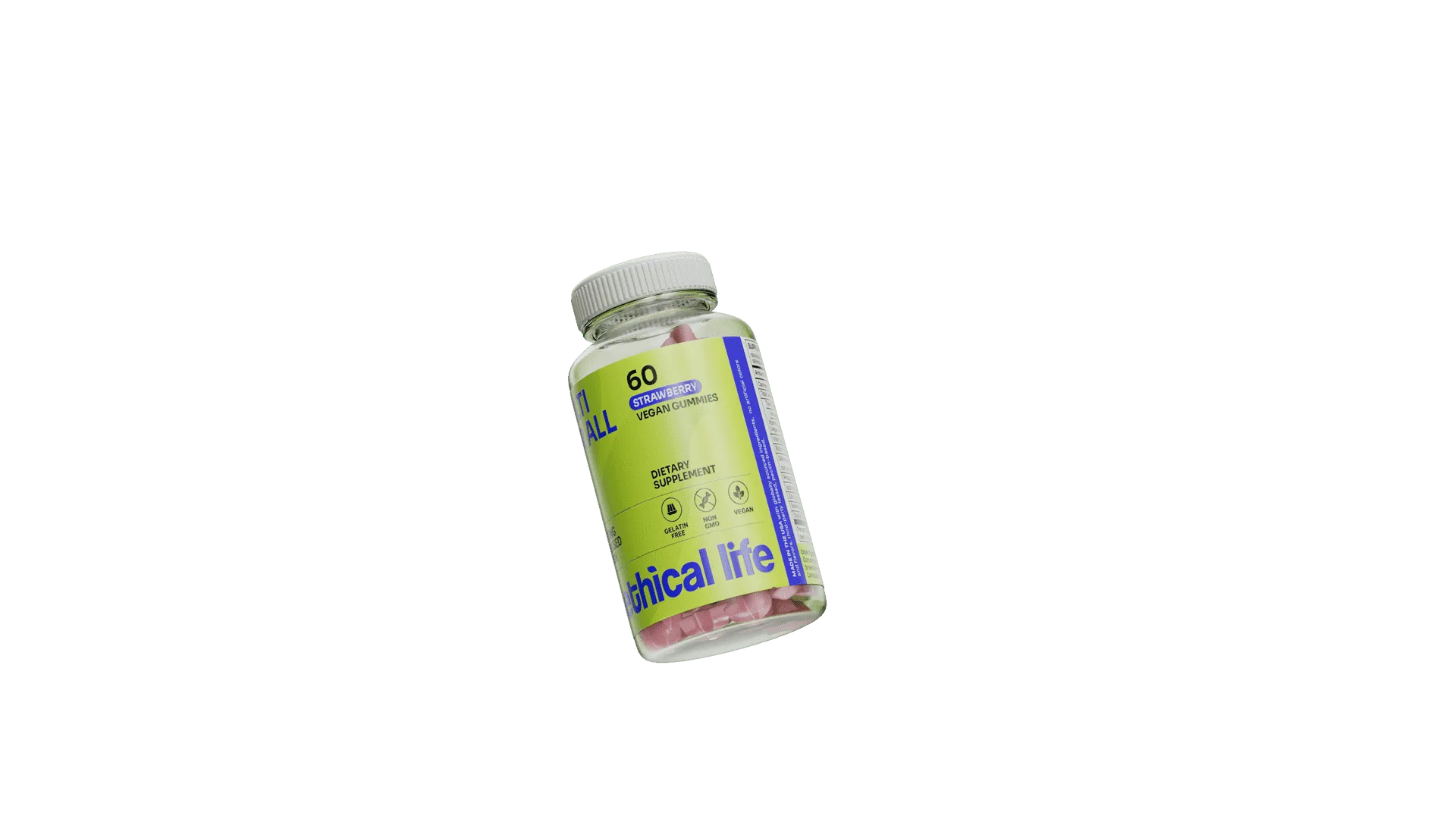
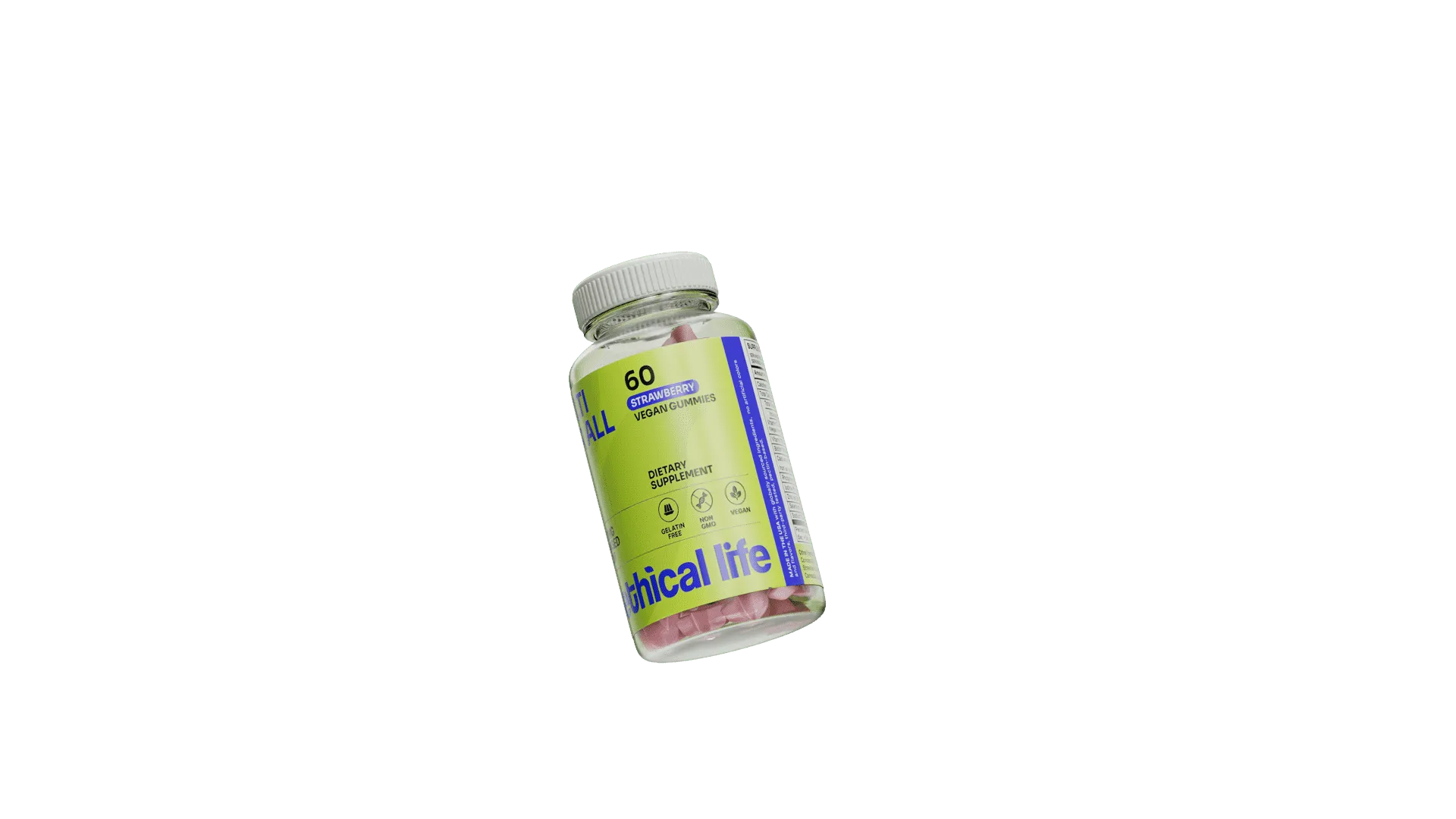
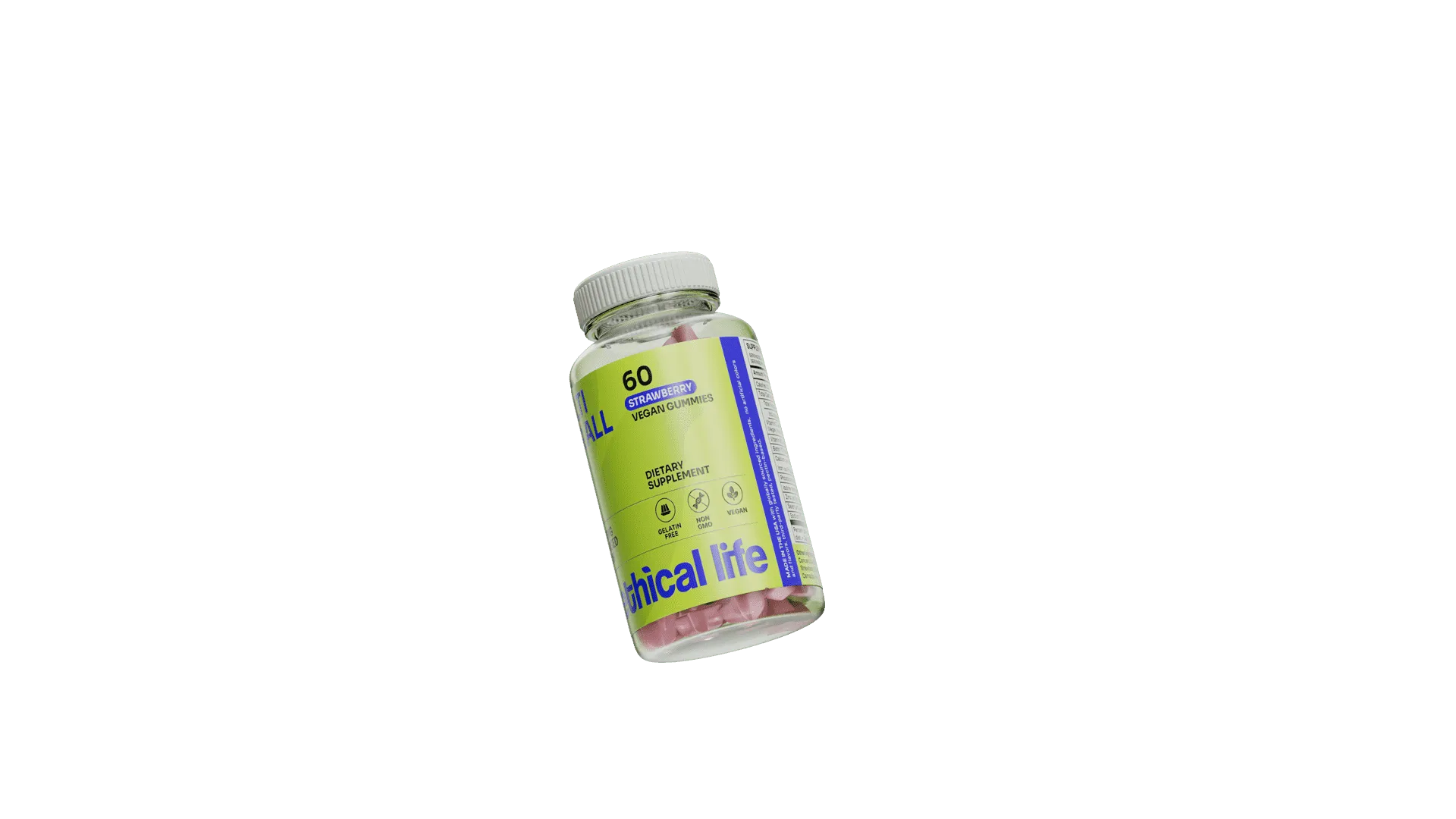
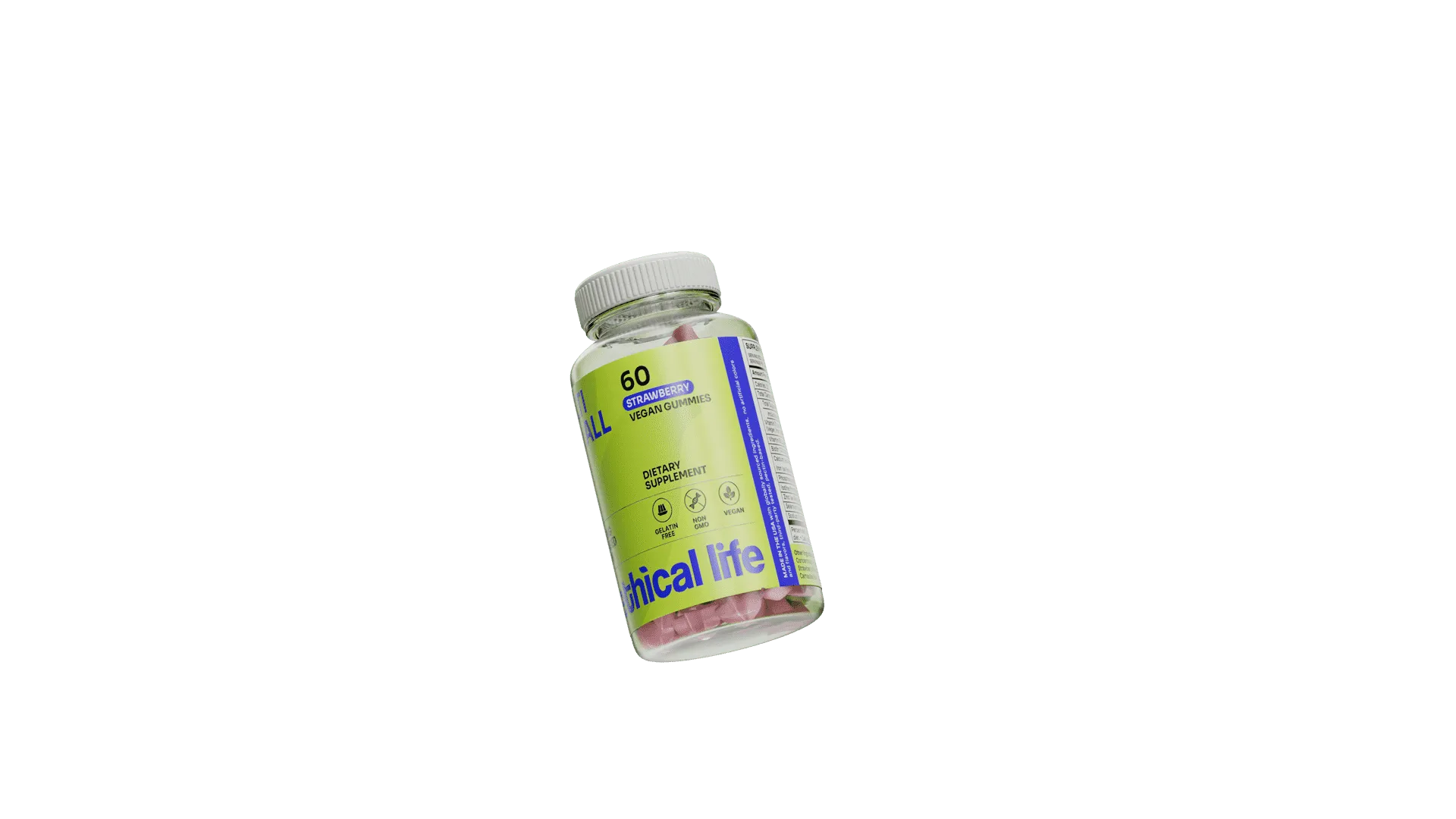
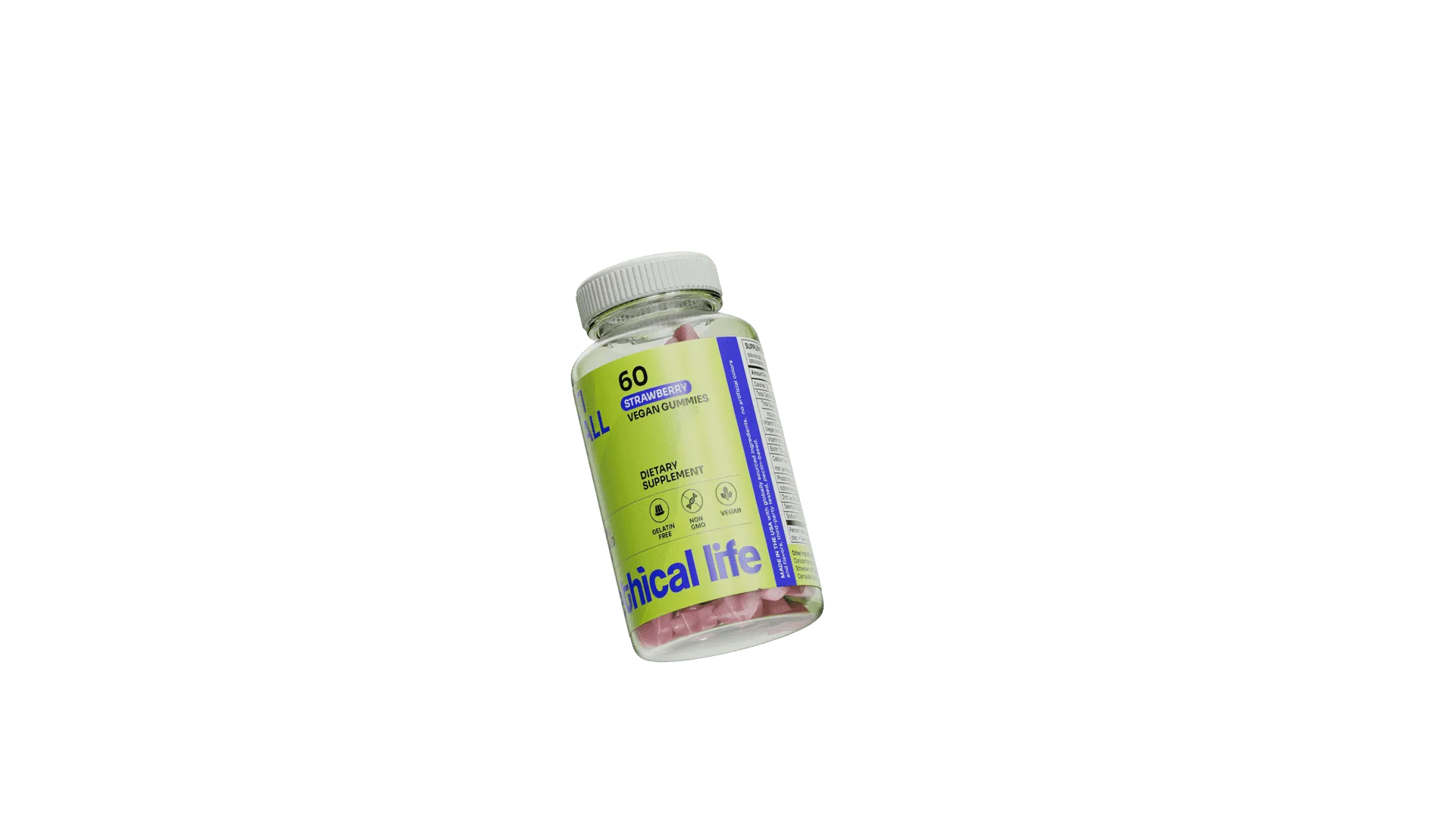
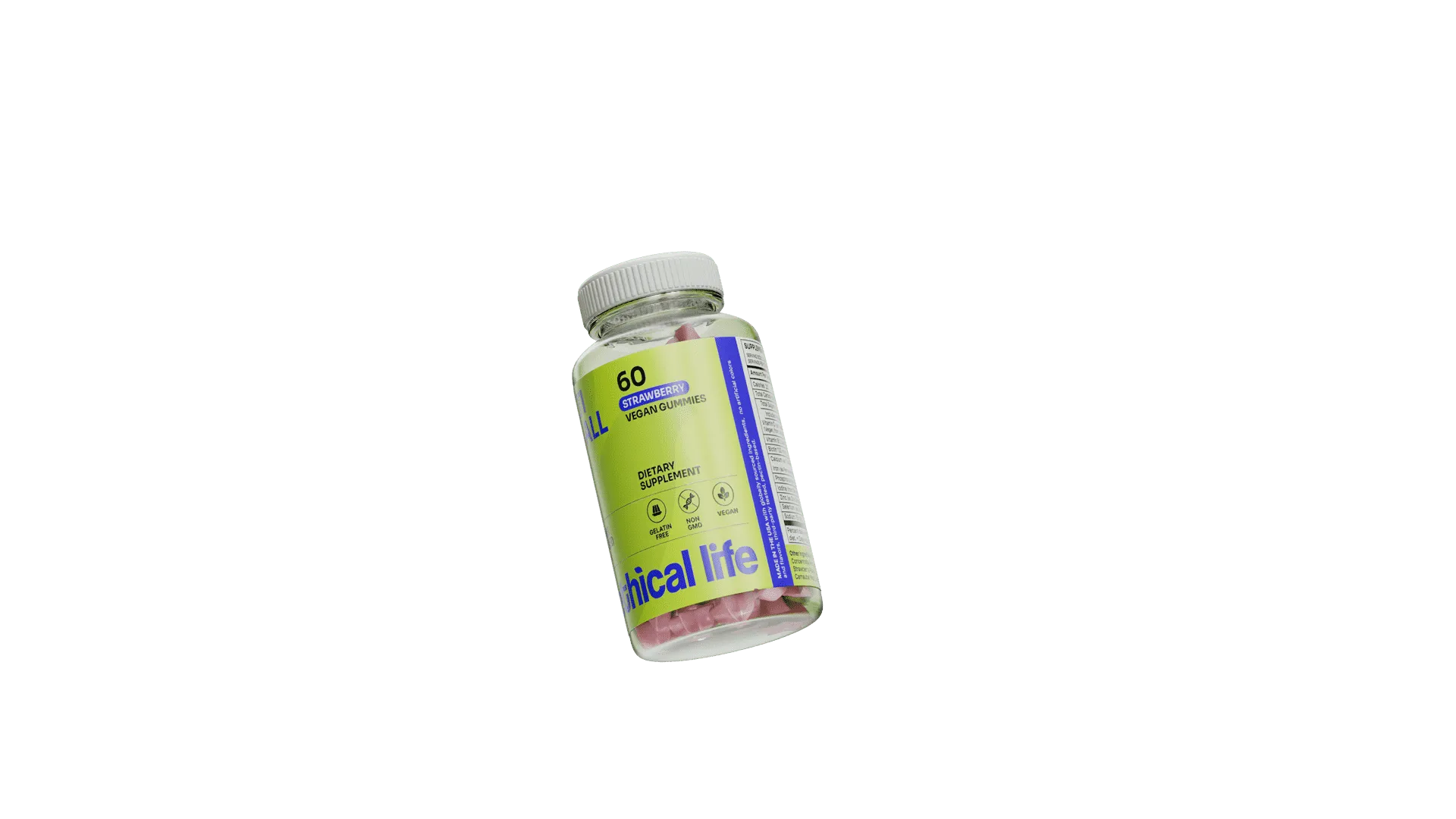
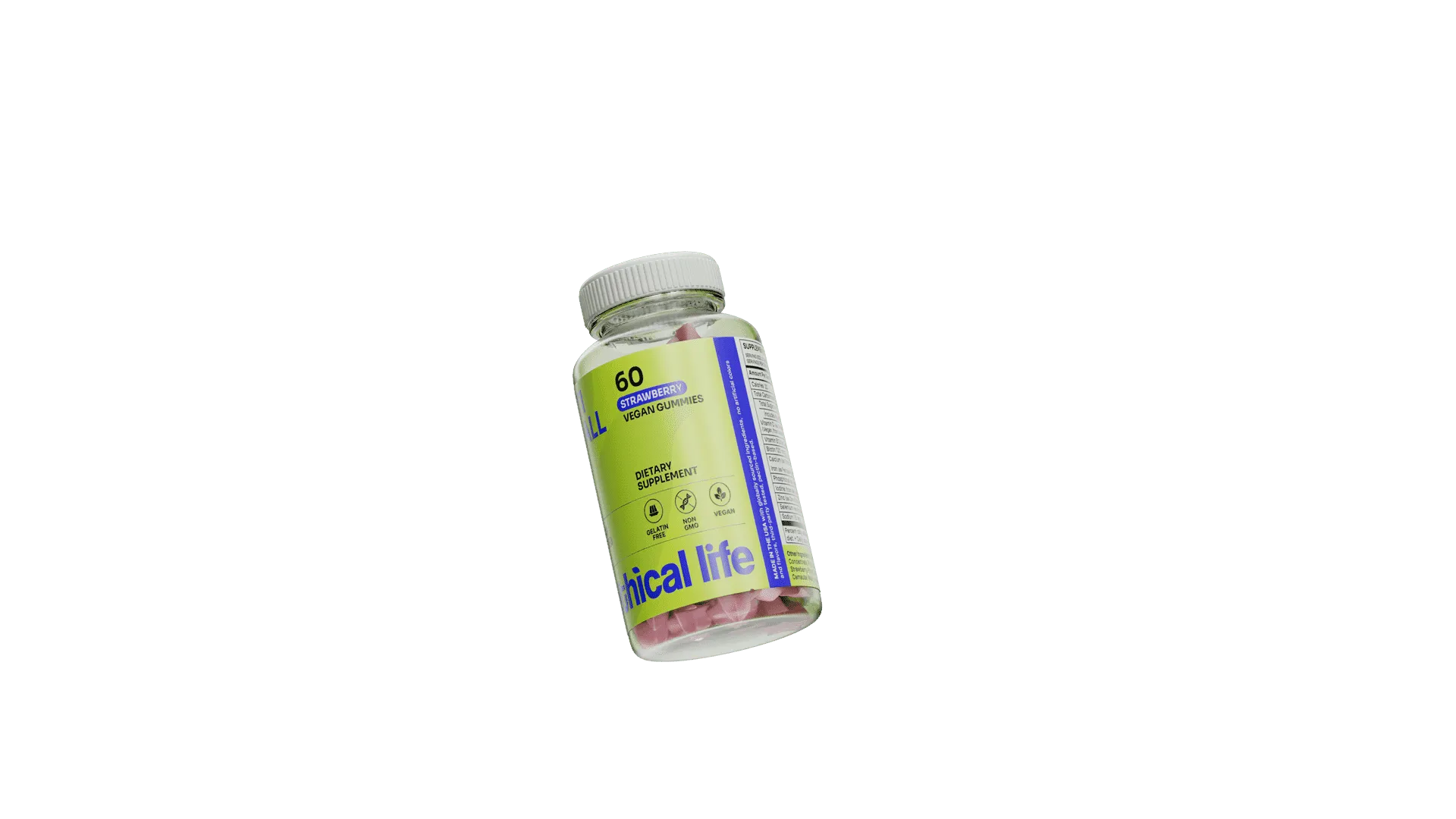
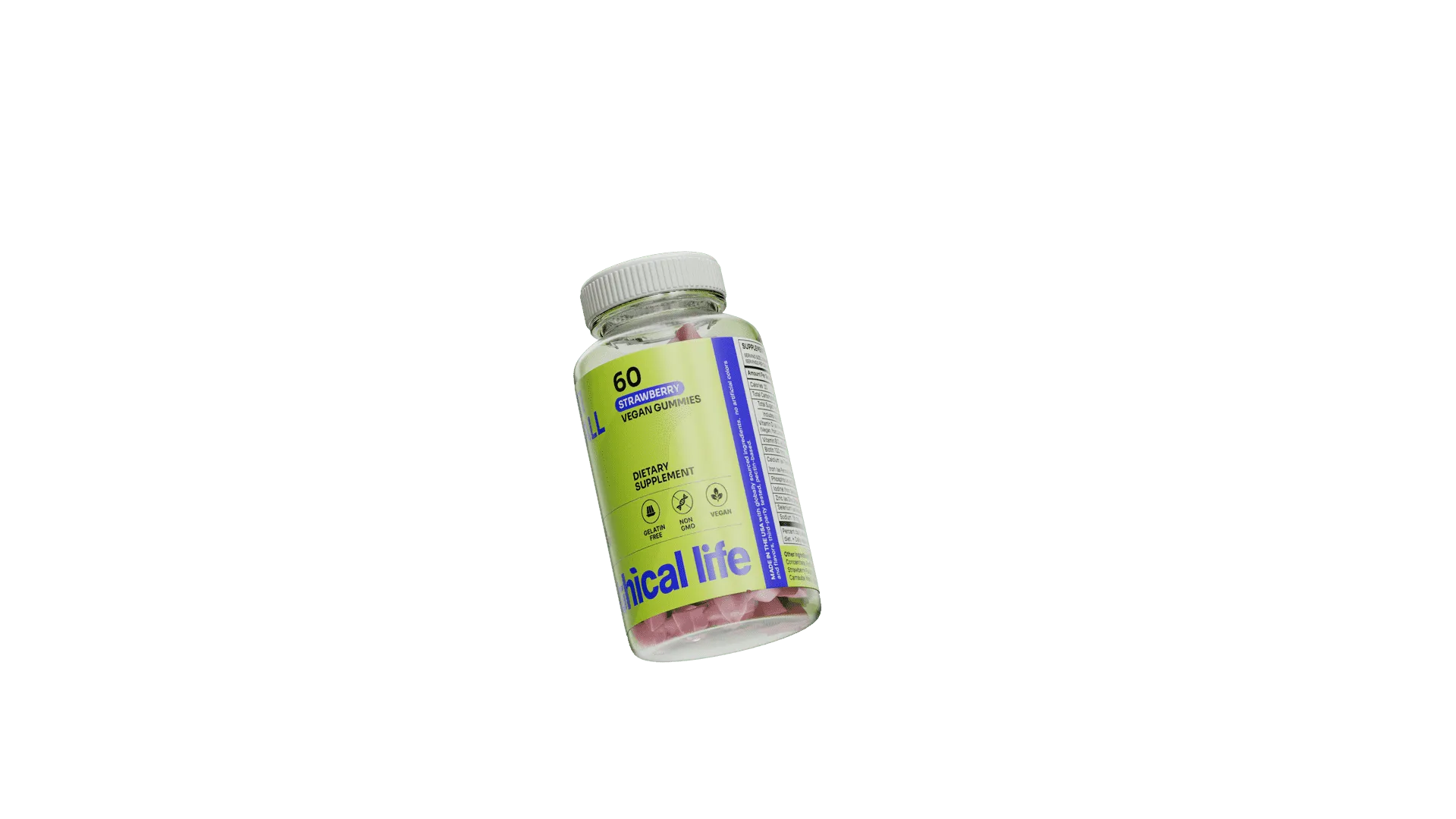
Looking for a clean, delicious way to secure your daily B12? Ethical Life’s Multi For All vegan multivitamin gummies are pharmacist-formulated, pectin-based, non-GMO, and made in the USA. They are designed to support your daily energy levels and protect nerve health without any artificial junk or added sugar. Try them today for just $31.49 / month or save with our $89.97 / 3 months plan!
How B12 Deficiency Is Diagnosed and Treated
Diagnosis is more complicated than ordering a single blood test and reading the number. Several layers of testing and clinical judgment are often required to arrive at an accurate picture. One test is rarely enough.
Total serum B12 is the standard first-line screening tool, but it carries a meaningful blind spot: up to 30% to 40% of symptomatic patients present with normal or borderline serum levels, according to NIH PMC research on B12 diagnostic accuracy. In the United States, a serum B12 below 180 to 200 pg/mL is generally diagnostic of deficiency, while levels between 180 and 350 pg/mL fall into a borderline zone that requires further investigation. Relying on serum B12 alone risks missing a substantial portion of people who are functionally deficient deep within their nervous system, particularly those with pernicious anemia whose anti-intrinsic factor antibodies skew the assay result.
When serum B12 falls in the borderline range, measuring methylmalonic acid (MMA) and homocysteine provides a more accurate picture of intracellular B12 status. Elevated MMA is highly specific for B12 deficiency; it accumulates when the methylmalonyl-CoA mutase enzyme stalls for lack of its B12 cofactor. Homocysteine elevation is less specific (it also rises in folate deficiency), but in combination with MMA, it substantially strengthens the diagnostic case. These functional markers frequently reveal deficiency in patients whose serum B12 appears acceptable on paper.
High-dose oral supplementation at 1,000 to 2,000 µg daily is equally effective to intramuscular (IM) injections for correcting serum B12 levels in most patients, according to NIH StatPearls and multiple clinical reviews. The mechanism is passive diffusion: at very high oral doses, a small percentage of B12 absorbs directly through the intestinal mucosa without requiring intrinsic factor, which is sufficient to restore levels over time. For patients with severe deficiency, acute neurological symptoms, or confirmed malabsorption where oral therapy cannot be relied upon, IM injections of 1,000 µg of cyanocobalamin or hydroxocobalamin remain the priority treatment to prevent irreversible damage.
Because lab tests can mislead, particularly in pernicious anemia patients where anti-intrinsic factor antibodies produce false-normal B12 readings in up to 25% of cases, the clinical consensus holds that physical and neurological symptoms must take priority over lab values when establishing a diagnosis. A patient presenting with classic neurological signs and a borderline serum B12 should be treated, not observed and retested.
For mild to moderate deficiency without neurological involvement, high-dose oral supplements are highly effective and far more accessible than injection therapy. For severe cases, especially those presenting with subacute combined degeneration, significant peripheral neuropathy, or cognitive decline, immediate intramuscular therapy is critical. Delaying treatment in these cases risks damage that may not fully reverse even after B12 levels normalize.
“If this is untreated, potentially irreversible neurological damage and life-threatening anemia develop.” (National Academies Press study NBK114302)
The Silent Risks of Untreated B12 Deficiency
The consequences of prolonged deficiency extend well beyond fatigue. The damage can be permanent. Left unaddressed, low B12 can permanently alter neurological function, compromise blood health, and, in pregnant women, affect fetal development in ways that cannot be undone.
Subacute combined degeneration (SCD) of the spinal cord is the most serious consequence of prolonged B12 deficiency. It involves progressive demyelination of the dorsal and lateral columns of the spinal cord, producing ascending weakness, loss of proprioception, ataxia, and, in advanced cases, permanent paralysis. What makes SCD particularly alarming is that it can develop in patients who show no signs of anemia; the neurological damage can run ahead of the hematological picture entirely. Early treatment can halt progression, but damage that has already accumulated may be only partially reversible, even with aggressive B12 restoration.
Without adequate B12, the bone marrow produces abnormally large, structurally immature red blood cells, a condition called megaloblastic anemia. These cells cannot carry oxygen effectively and have a shortened lifespan, compounding the anemia over time. Normal hemoglobin levels for adult males range from 14 to 18 g/dL, and for adult females from 12 to 16 g/dL, according to the National Academies Press study NBK259. Significant deviation from these ranges, particularly when accompanied by enlarged cells on a blood smear, warrants immediate investigation for B12 or folate deficiency.
Maternal B12 deficiency during pregnancy carries consequences that extend beyond the mother. According to a PMC study on plant-based B12 intake and pregnancy outcomes, deficiency is associated with low birth weight, preterm birth, and severe developmental and neurological damage in infants. The fetal nervous system depends on adequate B12 for proper myelination during critical developmental windows, and those windows cannot be reopened after they close. For pregnant women following a plant-based diet, proactive supplementation is not a precaution: it is a clinical necessity.
Waiting for symptoms to become severe before taking action is a genuinely risky strategy. The progressive stages of deficiency, from depleted hepatic stores to elevated MMA and homocysteine, to macrocytic anemia, and finally to neurological damage, can unfold over years without obvious warning. Maintaining optimal B12 levels through consistent daily nutrition and supplementation is far simpler than managing the consequences of prolonged deficiency.
“I’m a doctor of pharmacy, certified plant-based nutritionist with over 30 years of experience, and vegan for 12 years. Caring for others has taught me one thing: living an ethical life is not only possible but is absolutely thriving! Small daily choices shape our lifelong health, the lives of animals, and our planet.” – Sepideh, Pharm.D., founder of Ethical Life