How to Get Enough Biotin

Food Sources & Supplements

As a pharmacist and certified plant-based nutritionist with over 30 years of experience, I often see people seeking ways to support their hair, skin, and daily energy; biotin is consistently one of the first nutrients they ask about. With so much conflicting information circulating online, it is prudent that you do your homework on biotin food sources before reaching for a supplement. Evidence matters. This guide outlines which plant-based foods deliver meaningful amounts of this vitamin, when diet alone may fall short, and how to evaluate supplements safely.

Biotin (vitamin B7) is a water-soluble B-complex vitamin, and the way it functions inside your cells is worth understanding before you make any decisions about your intake. Think of biotin as a construction foreman: it does not build anything directly, but without it, the workers on the floor cannot execute their jobs. It coordinates the work. Specifically, it serves as an essential cofactor for five key carboxylase enzymes that drive the metabolic pathways responsible for processing fatty acids, amino acids, and glucose, according to the NIH Bookshelf review on biotin. Because biotin is water-soluble, your body does not stockpile it the way it does fat-soluble vitamins; consistent dietary intake is not optional; it is the mechanism. To see how biotin works alongside other essential nutrients in a daily formula, explore the ethical life vegan gummies ingredients for a pharmacist-curated breakdown of how each component contributes to daily metabolic health.

Those five carboxylase enzymes each govern a distinct metabolic pathway, and the downstream effects are more tangible than most people realize:

  • Fatty Acid Synthesis: Biotin helps build the lipid barriers that protect and hydrate your skin; when levels are inadequate, that barrier begins to degrade, which is why perioral and periorbital rashes are among the earliest visible signs of deficiency.
  • Amino Acid Metabolism: It supports the enzymatic breakdown of proteins into their constituent building blocks, which are the raw materials your body uses to produce keratin for hair and nails.
  • Glucose Production: Biotin facilitates the conversion of dietary carbohydrates into usable cellular energy, contributing directly to the metabolic homeostasis that keeps your energy levels stable throughout the day.

Best Food Sources of Biotin

Biotin is often assumed to be hard to get on a plant-based diet, which does a disservice to the many people eating this way. Excellent plant-based options exist, and they are more attainable than most people assume. They are highly effective. Sweet potatoes are among the most concentrated plant sources: a single cooked medium sweet potato delivers a meaningful contribution toward the 30 mcg daily adequate intake for adults. Avocados, almonds, sunflower seeds, and nutritional yeast round out a biotin-rich diet that requires no animal products. Whole grains and legumes also contribute, though in smaller amounts per serving.

One detail worth knowing about absorption: the biotin in whole plant foods sits inside a natural food matrix, so eating a variety of sources across the day, such as sweet potatoes, nuts, sunflower seeds, avocado, and legumes, is the most reliable way to support steady intake.

Dietary restrictions can complicate consistent intake even when someone is eating well. While intestinal microbiota do synthesize biotin endogenously, the NIH notes that dietary intake remains the primary mechanism for maintaining adequate levels; gut synthesis alone is not a fail-safe safety net. The picture becomes more complicated during pregnancy and lactation, when accelerated maternal metabolic demands can produce marginal deficiency even in women eating a varied diet. For those navigating plant-based eating and wanting expert pharmacist guidance on balancing daily nutrient intake safely, the vegan vitamin FAQ covers these questions in practical detail.

Is Biotin from Food Enough?

For most healthy adults eating a varied diet, food alone can cover the 30 mcg daily adequate intake. But exceptions are common. “Most healthy adults” is a narrower category than it sounds, and several contingencies shift the calculus considerably:

Dietary Restrictions

Individuals following strict plant-based diets or those managing gastrointestinal conditions that impair absorption, such as Crohn’s disease, celiac disease, or post-surgical short bowel syndrome, may find it genuinely arduous to hit their daily targets with consistency.

Increased Metabolic Demand

Pregnant and lactating women experience accelerated biotin catabolism, a process that can deplete circulating levels faster than dietary intake replenishes them. The NIH identifies this as a group for whom a reliable supplemental safety net is clinically warranted.

Medication and Lifestyle Factors

Chronic alcohol consumption and prolonged use of certain medications, anticonvulsants and antibiotics in particular, can impair both biotin absorption from food and its endogenous synthesis by gut bacteria, creating a compounding deficit over time.

Pharmacological Interactions

This third scenario illustrates a critical pharmacological interaction. Someone taking a long-term anticonvulsant for seizure management is not going to resolve a developing biotin shortfall by adding more almonds to their diet. The interaction is pharmacological, not nutritional, and it requires a different response than a dietary adjustment.

Biotin Supplements: What to Look For

Not all biotin supplements are formulated with the same rigor, and the dosing market in particular has become genuinely disordered. Over-the-counter products in the U.S. routinely contain 5,000 to 10,000 mcg per serving, doses that are 166 to 333 times the established daily adequate intake for adults. There is no clinical evidence that these concentrations produce better outcomes for hair, skin, or nails in healthy individuals who are not deficient. More is not always better. When evaluating a supplement, four criteria matter:

Balanced Dosages

Avoid mega-doses in the 5,000 to 10,000 mcg range, which far exceed daily requirements and carry documented risks of laboratory test interference, per a PMC study on biotin and laboratory interference. A temperate, science-backed dose delivered within a well-rounded multivitamin is a more defensible choice for daily wellness.

Clinically Validated Ingredients

Look for formulas developed by licensed healthcare professionals, such as pharmacists or registered dietitians, who can account for nutrient interactions and appropriate dosing thresholds rather than simply maximizing label numbers.

Clean, Plant-Based Sourcing

Choose supplements that avoid animal-derived binders, artificial colorants, and synthetic fillers, particularly if your dietary choices are plant-based.

Quality Manufacturing

Verify that the product is manufactured in a cGMP-compliant facility in the USA and has undergone independent third-party testing for purity and potency: not just label claims, but verified batch results that confirm what is present in each serving.

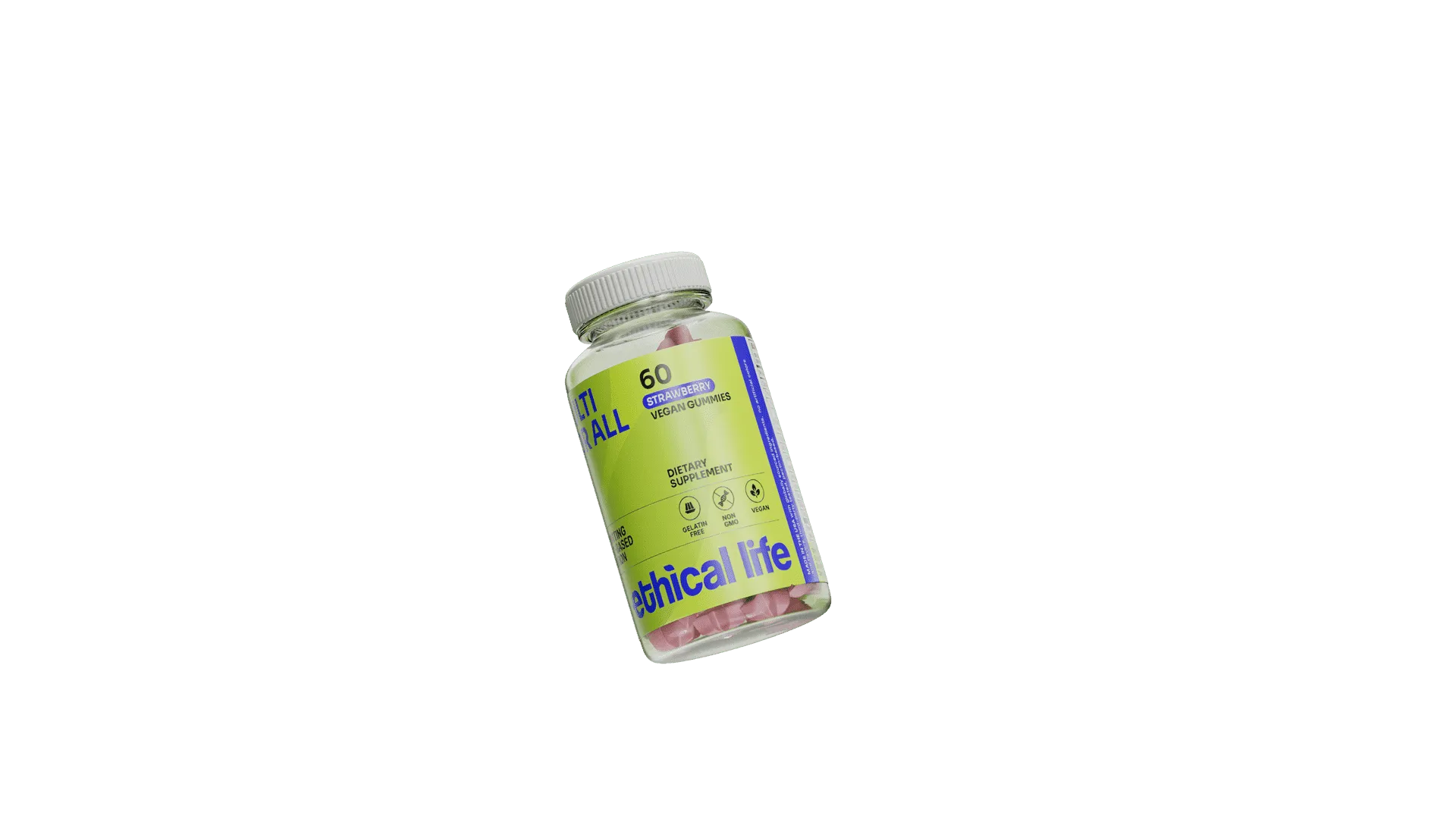
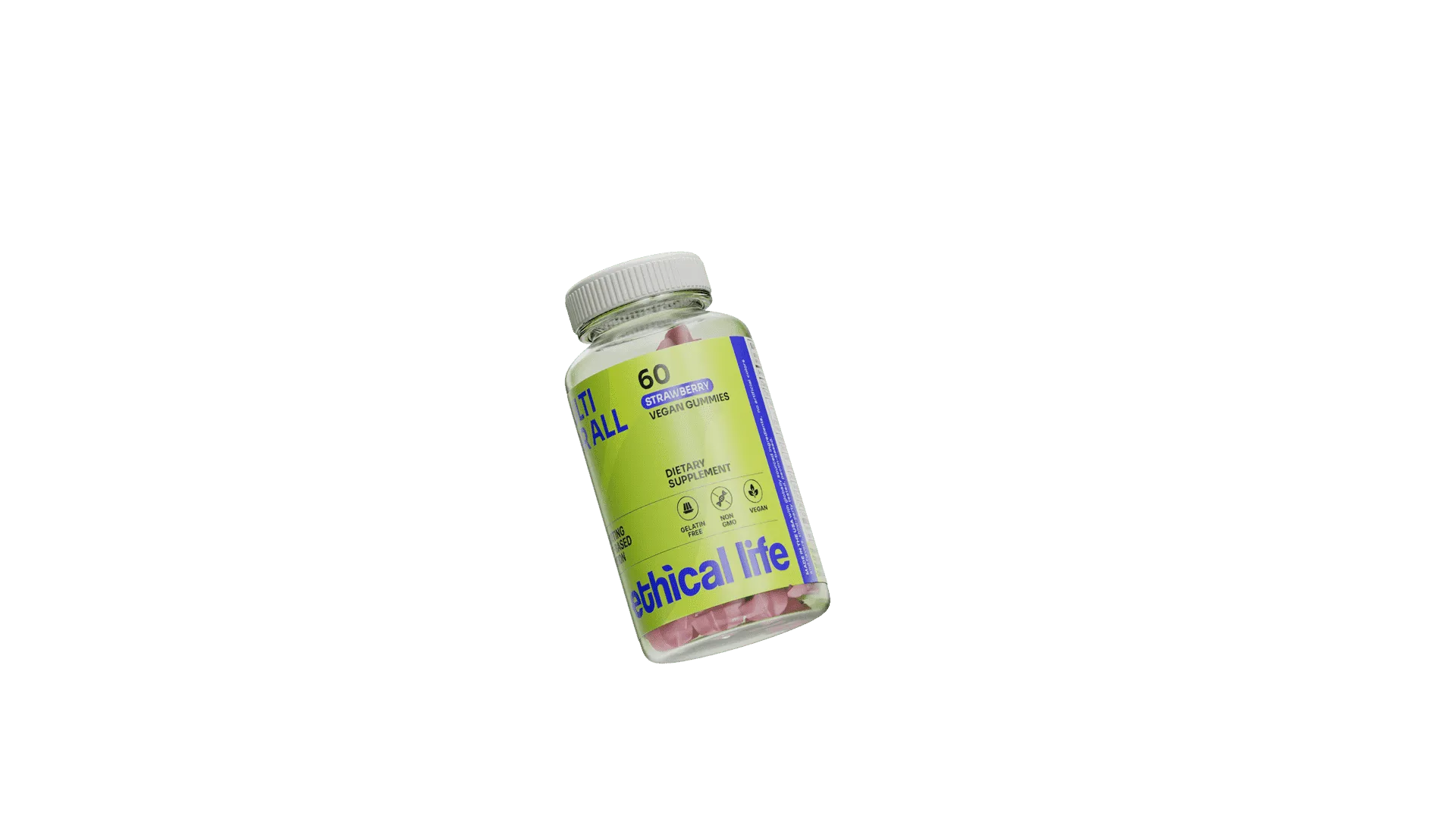
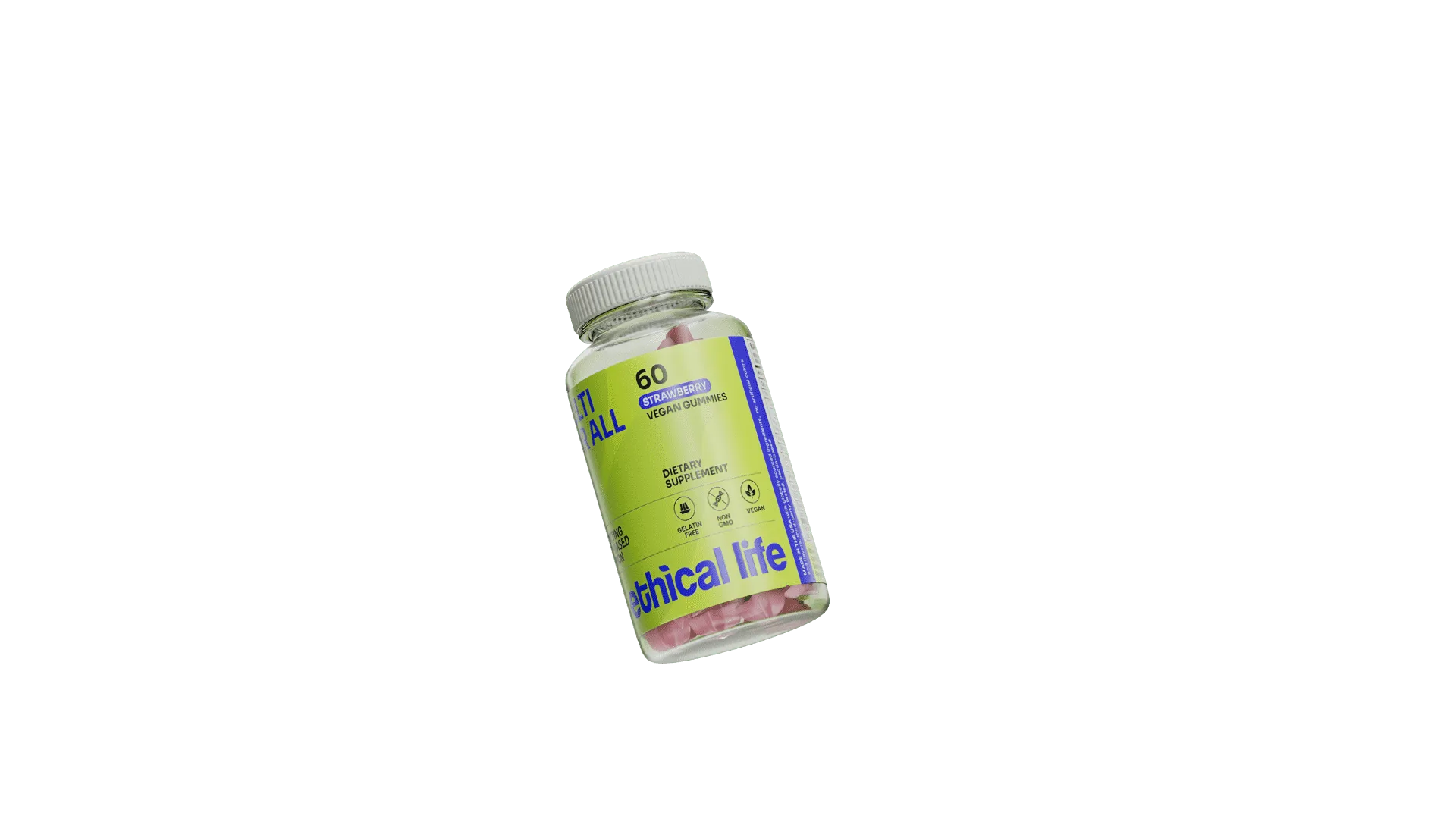
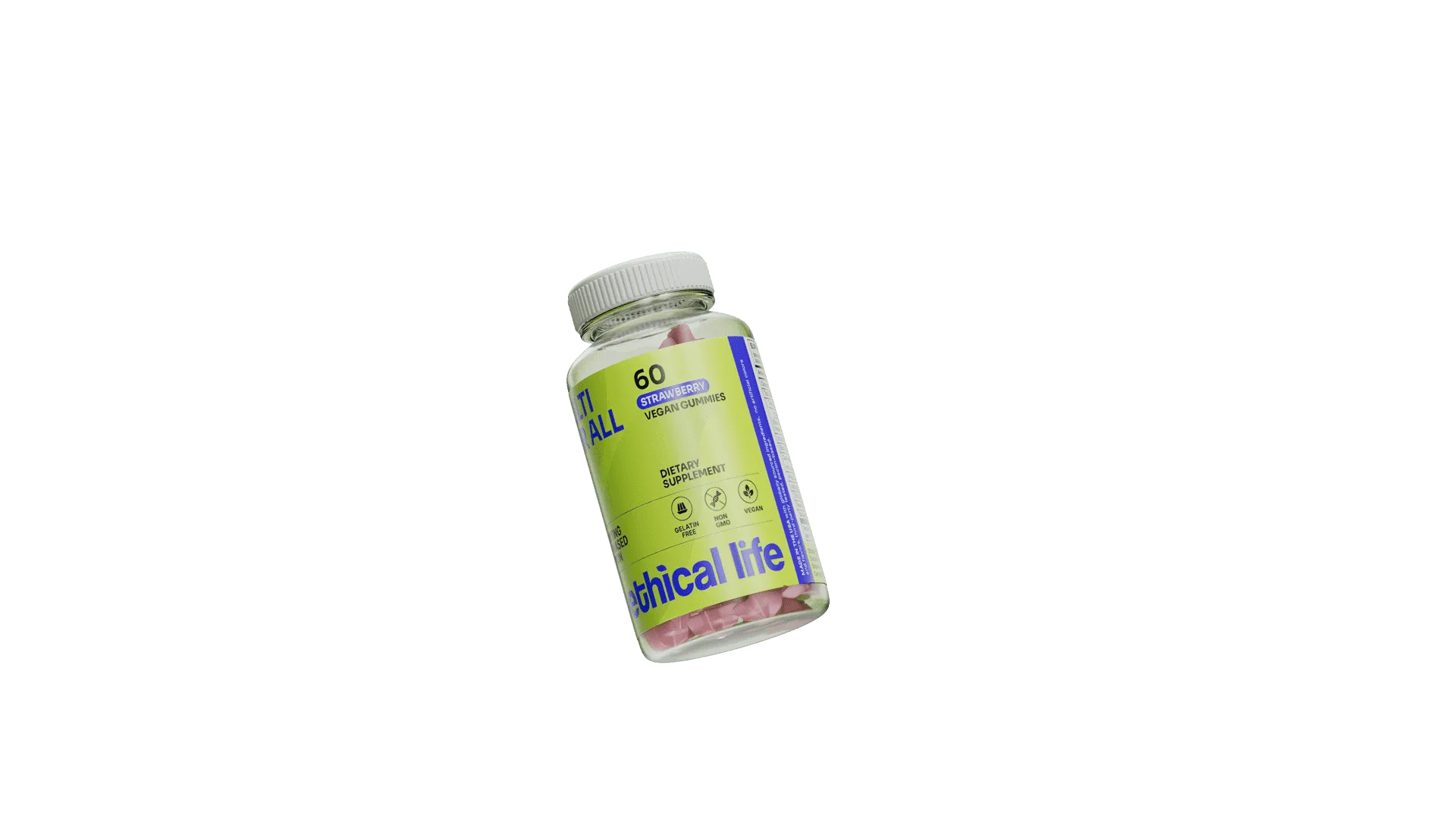
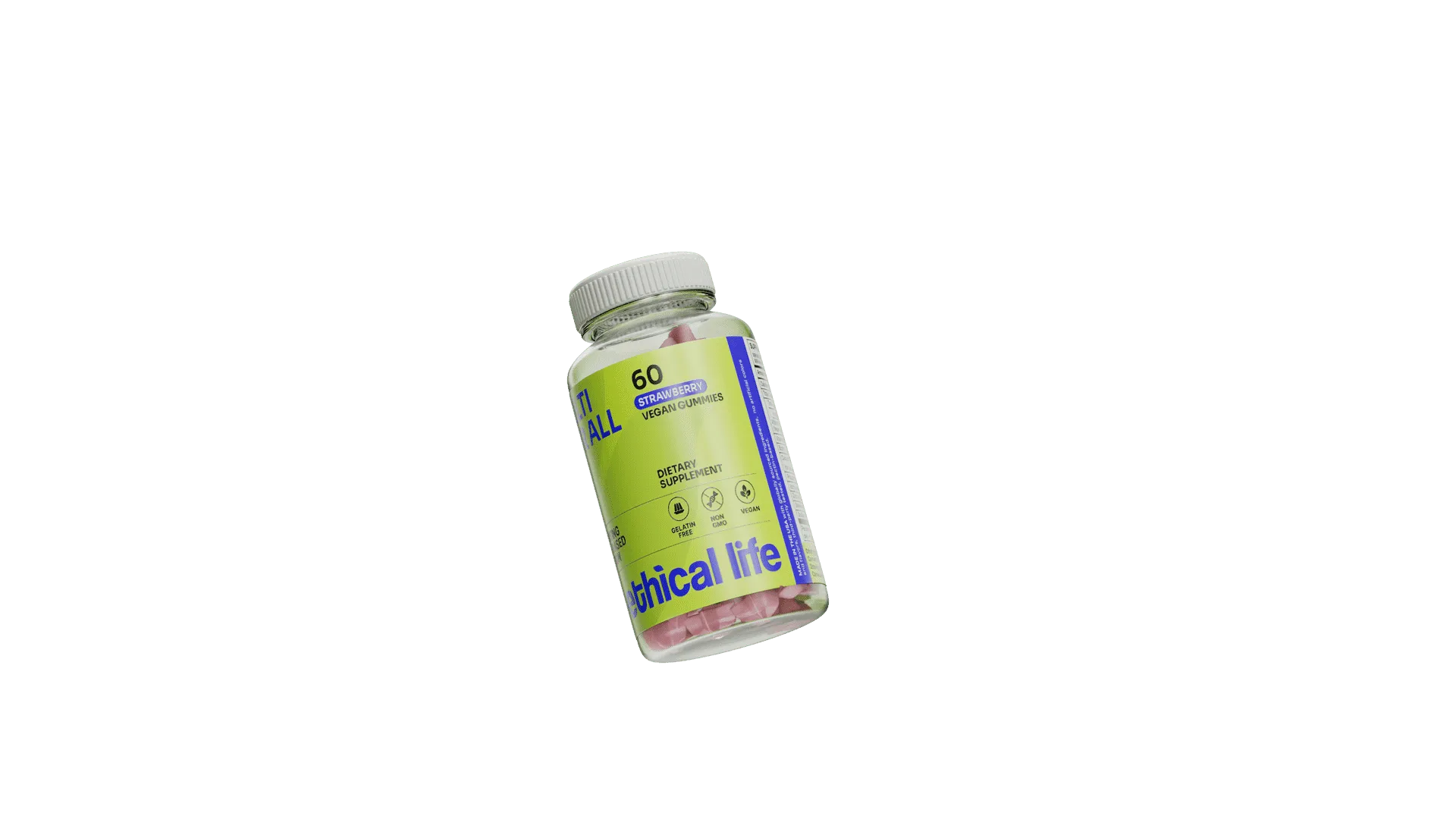
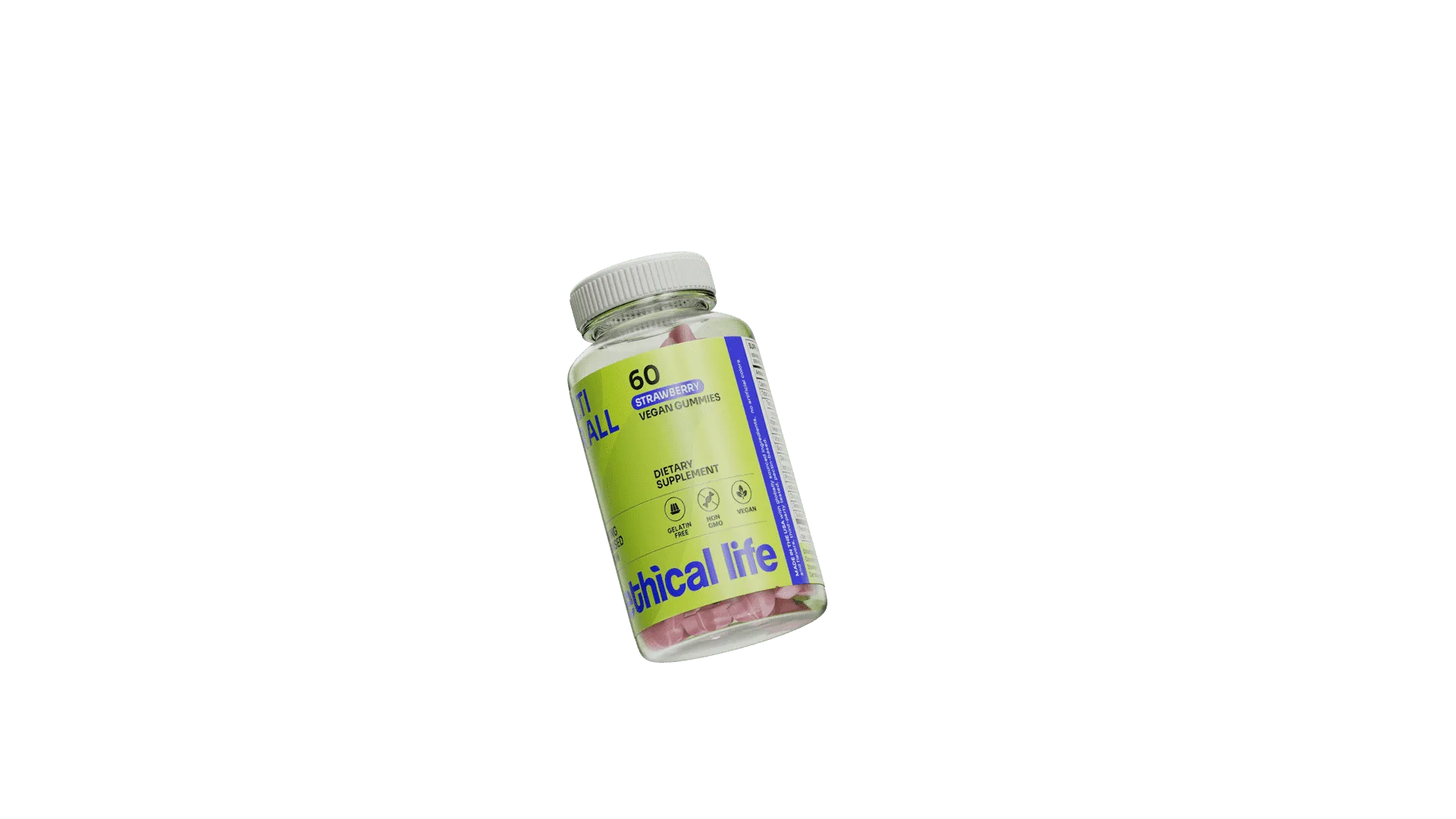
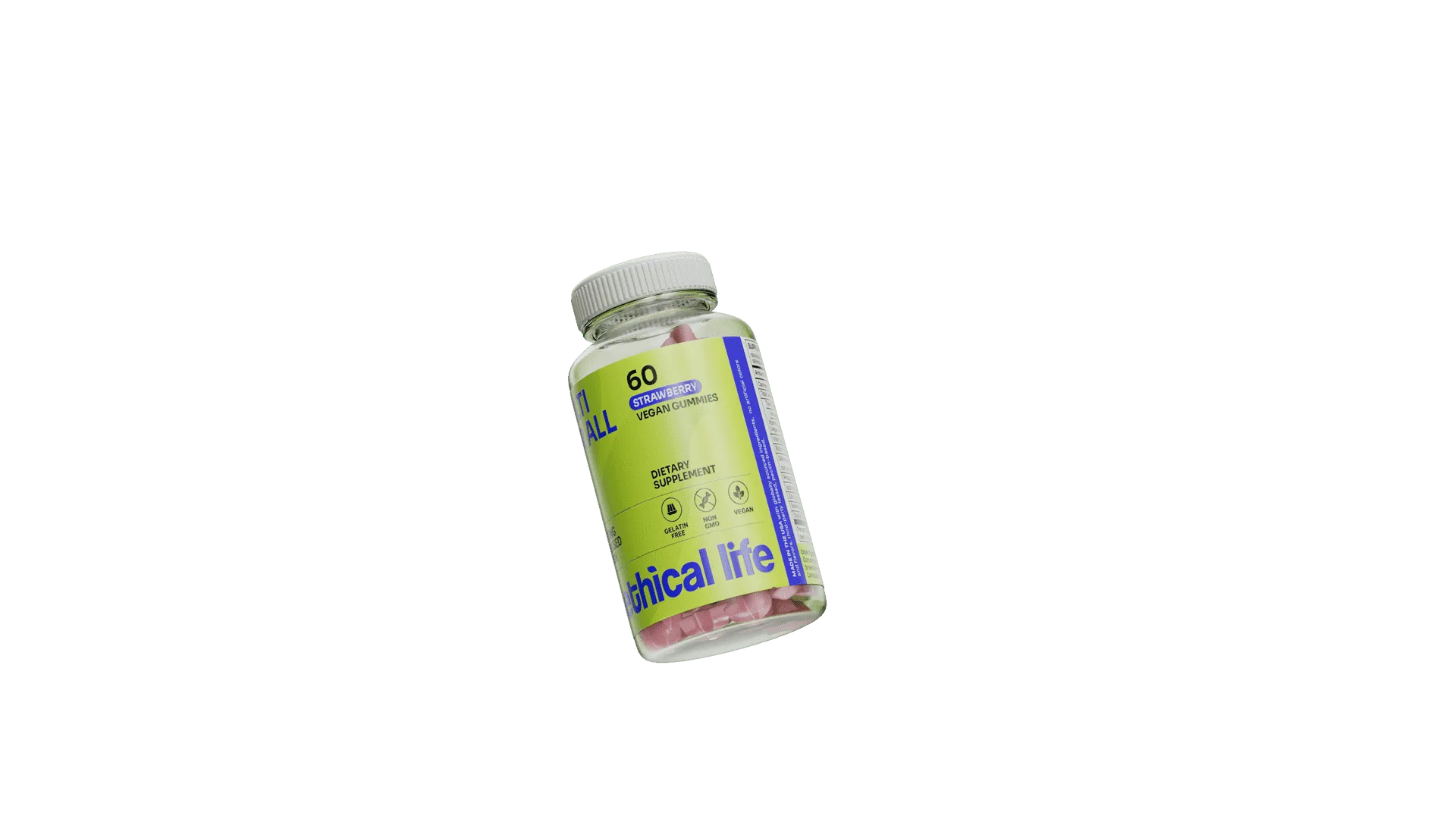
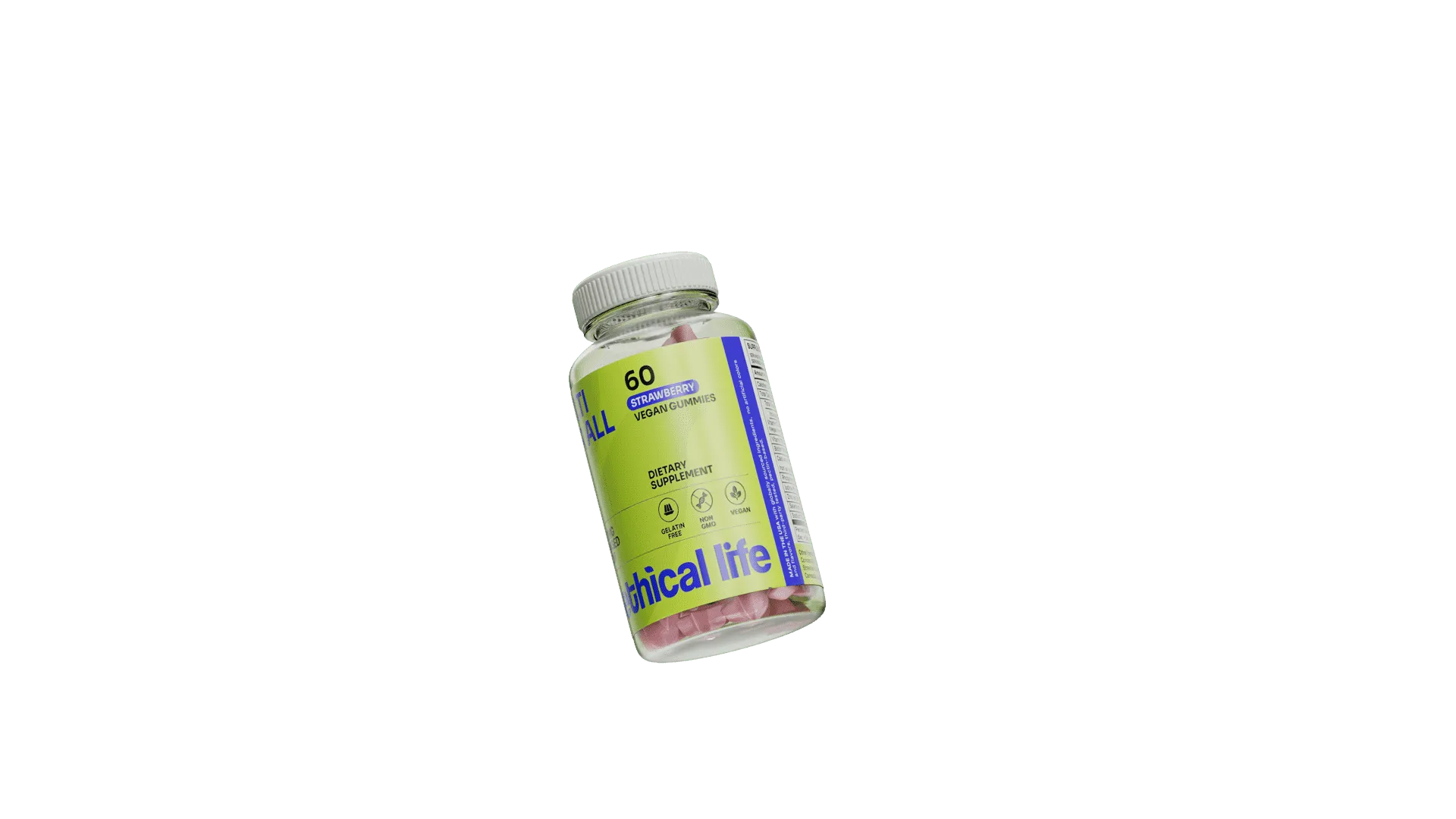
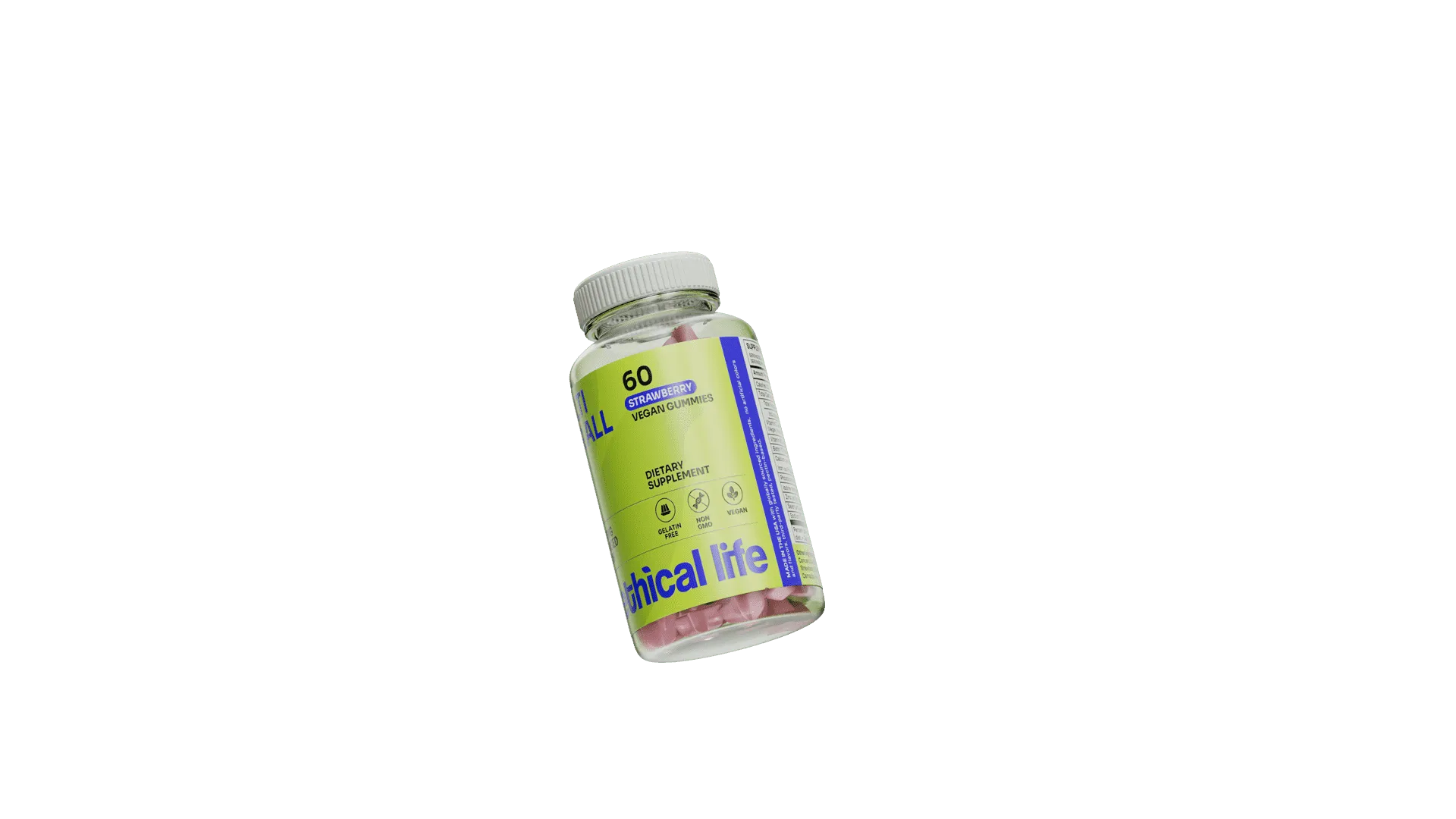
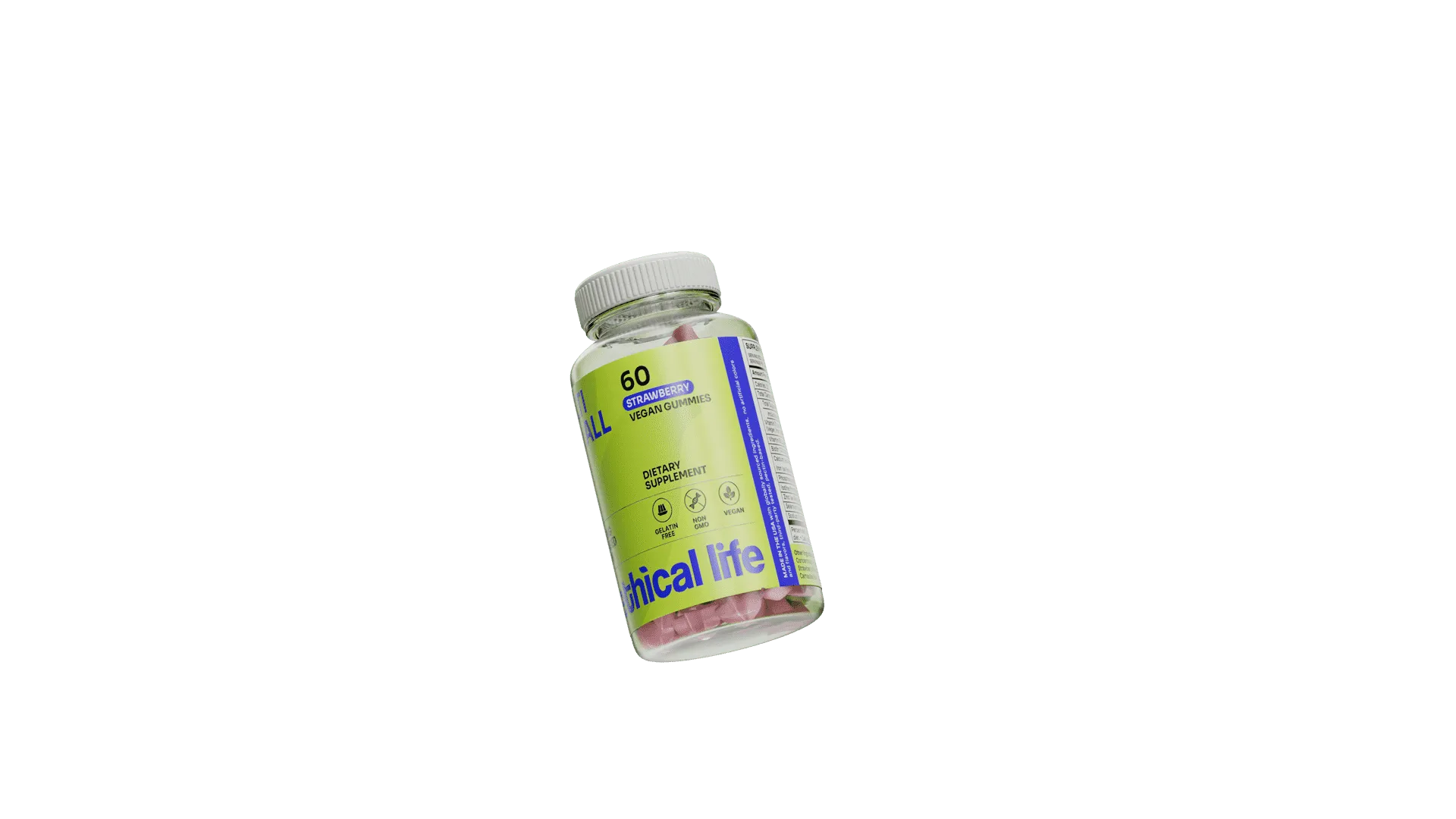
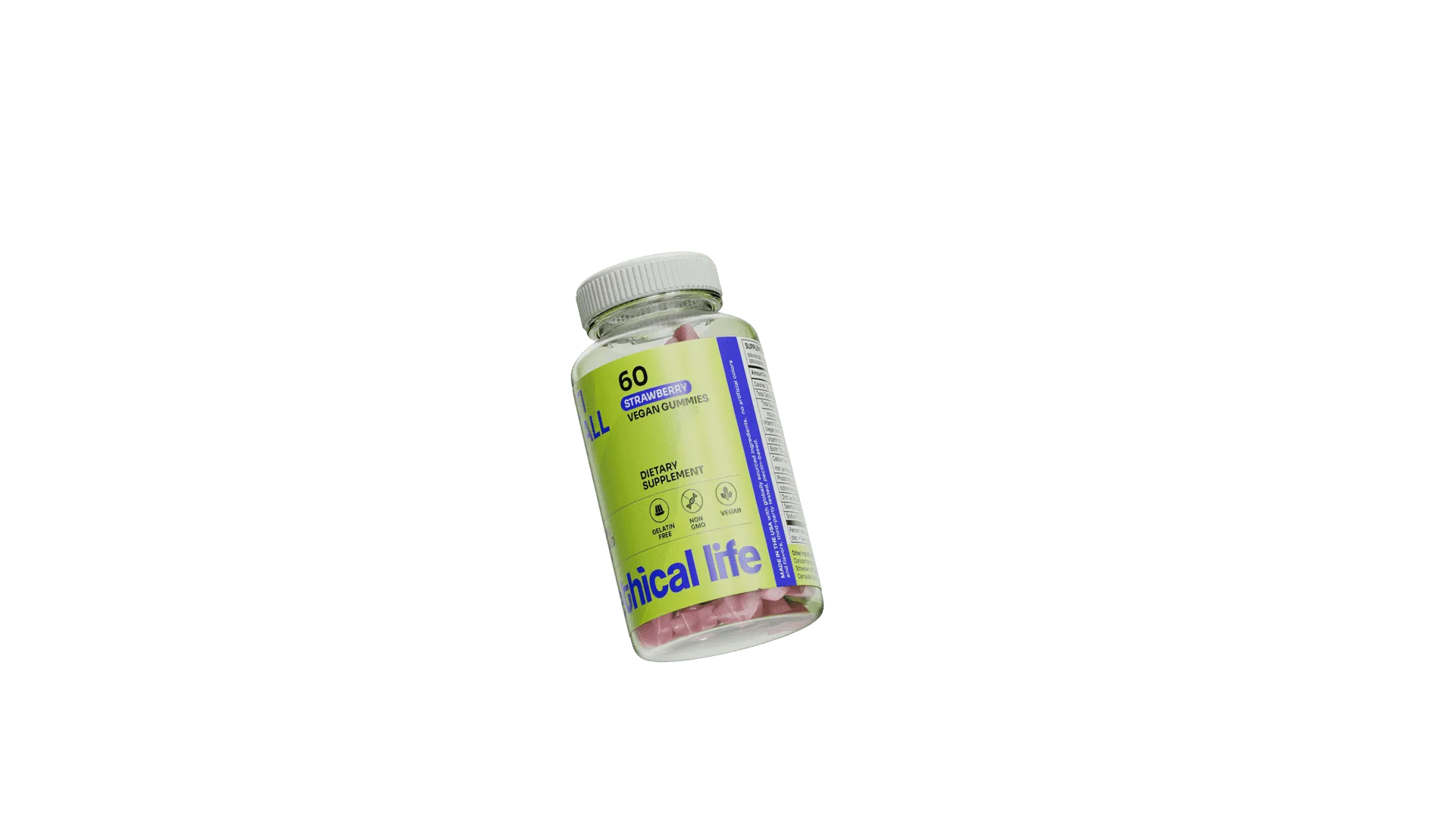
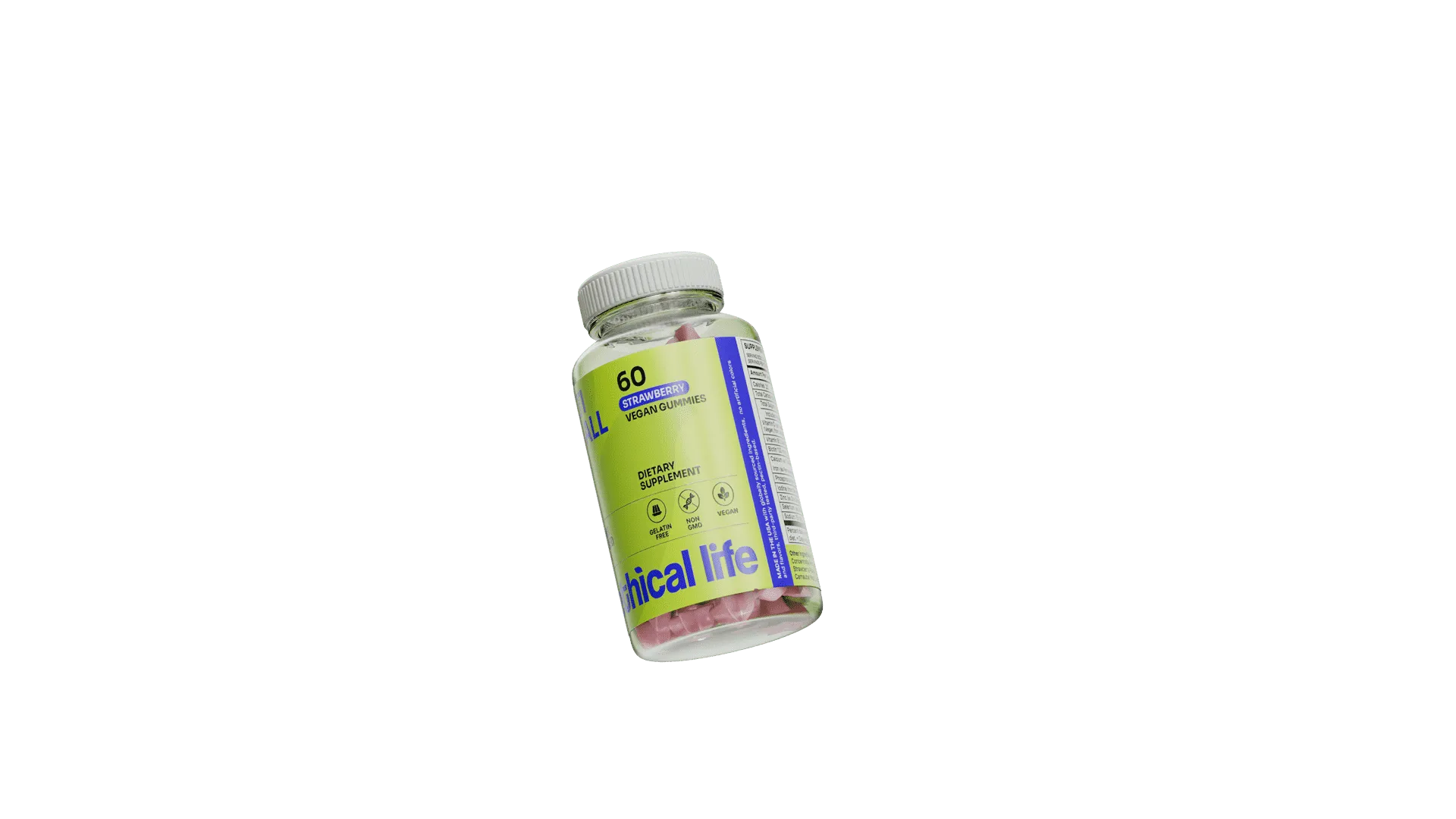
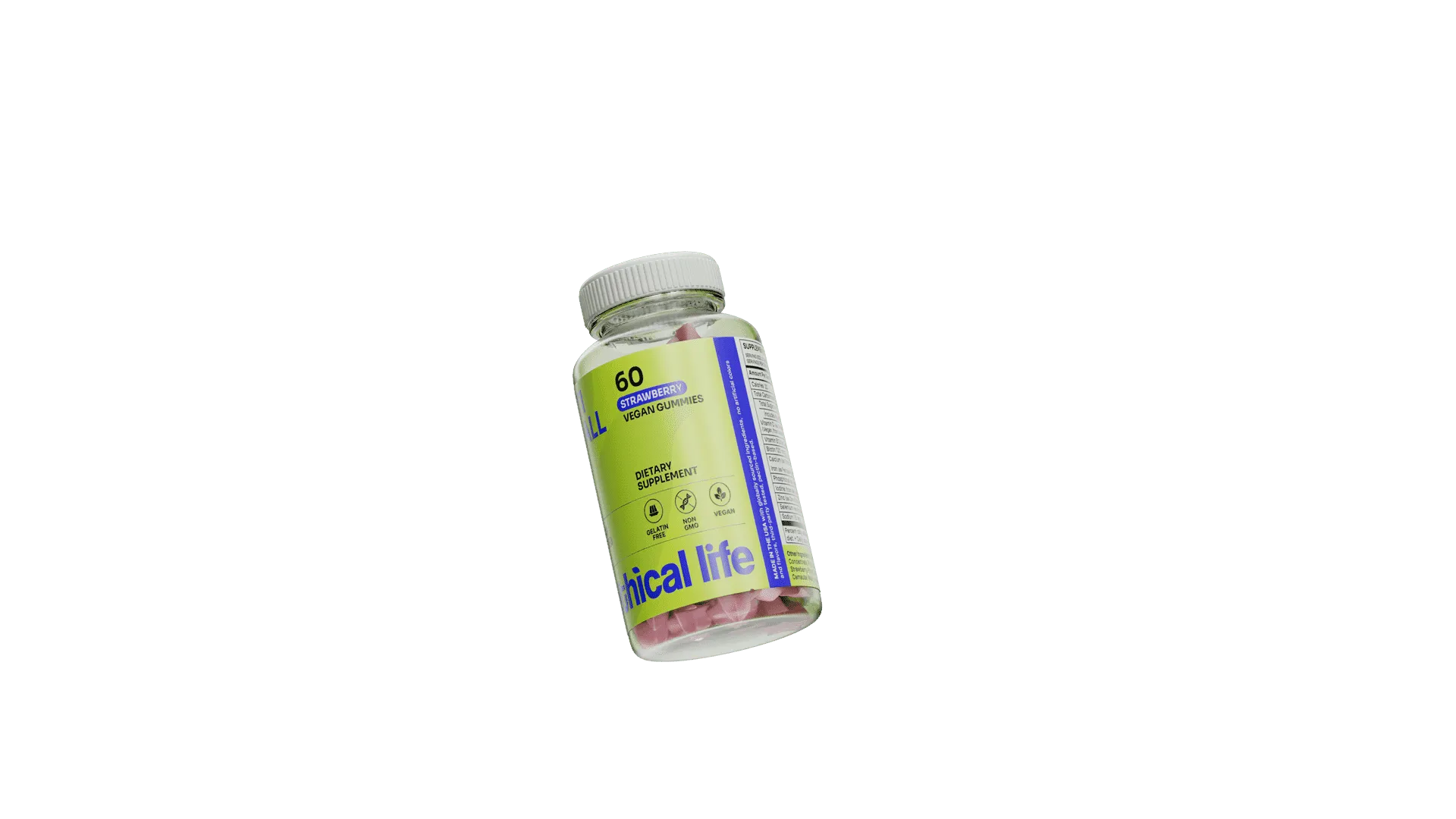
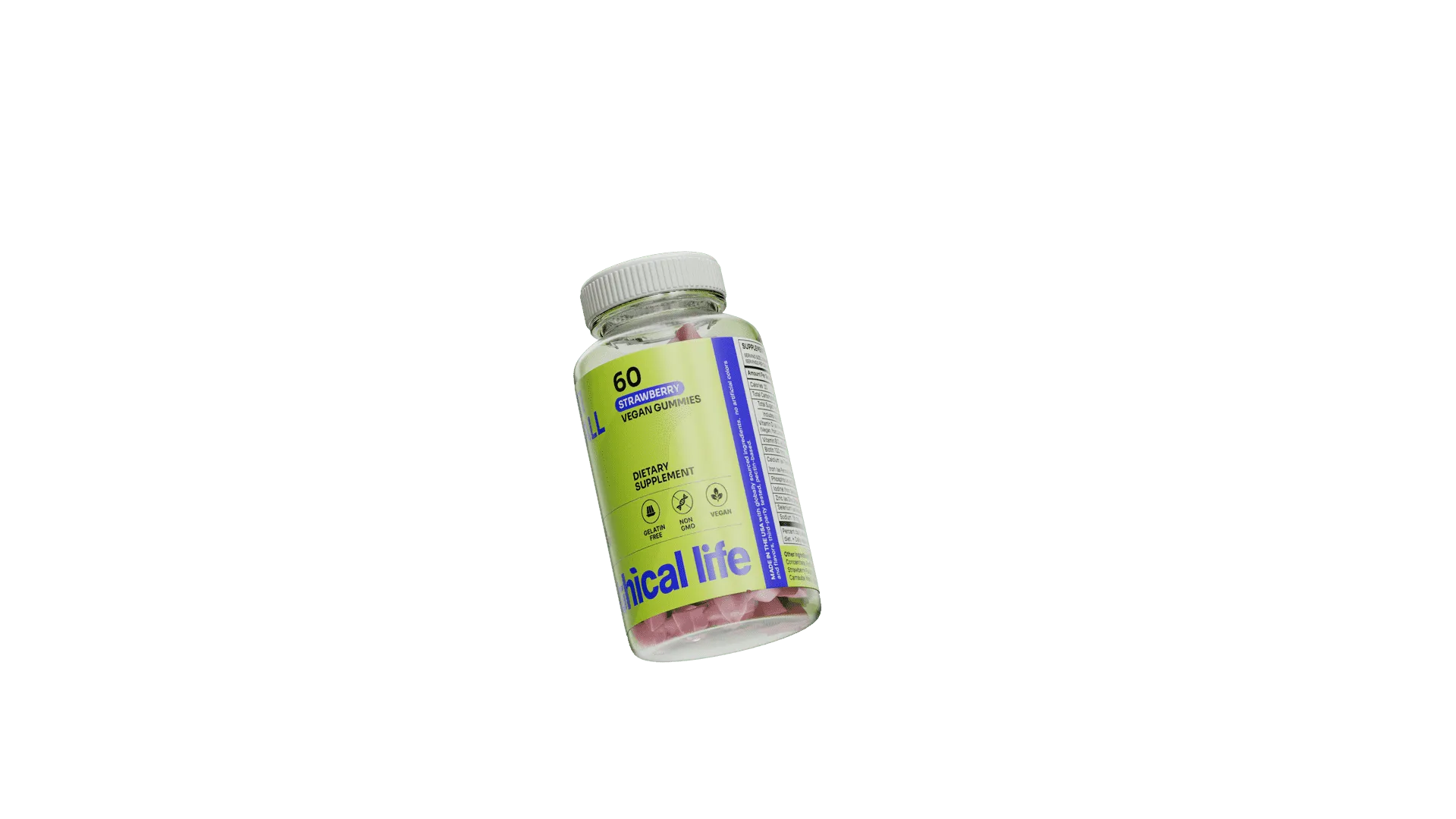
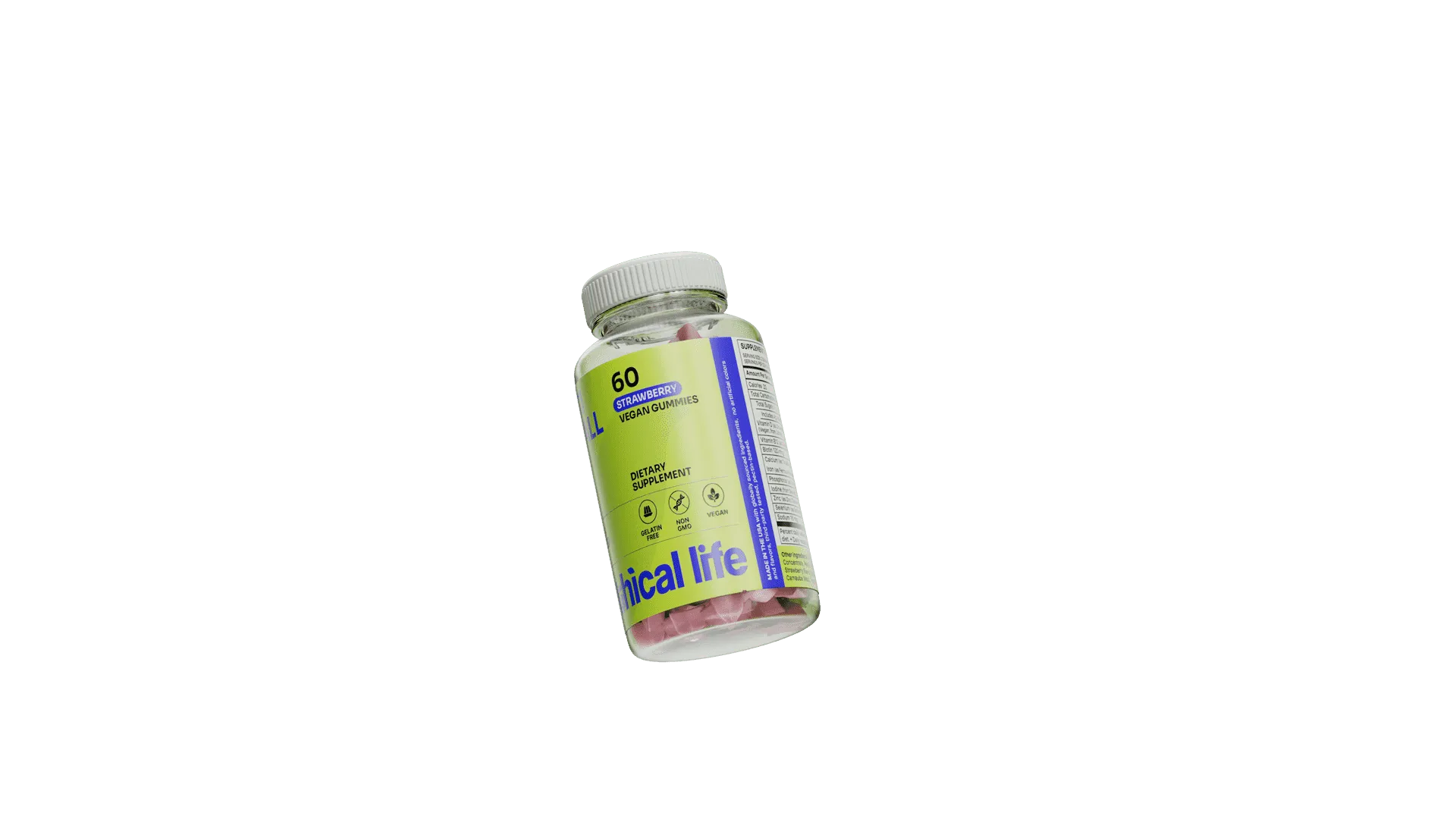
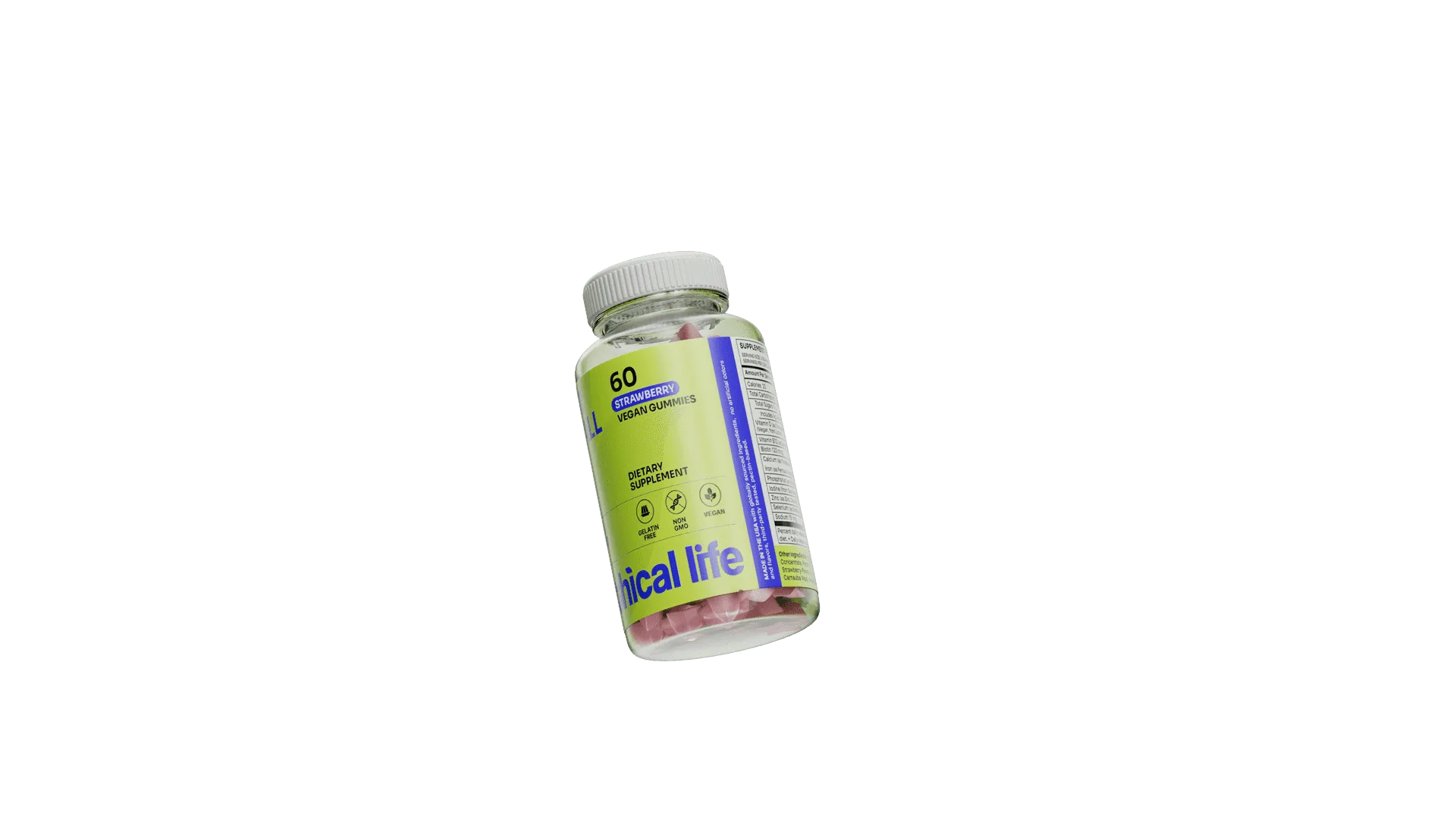
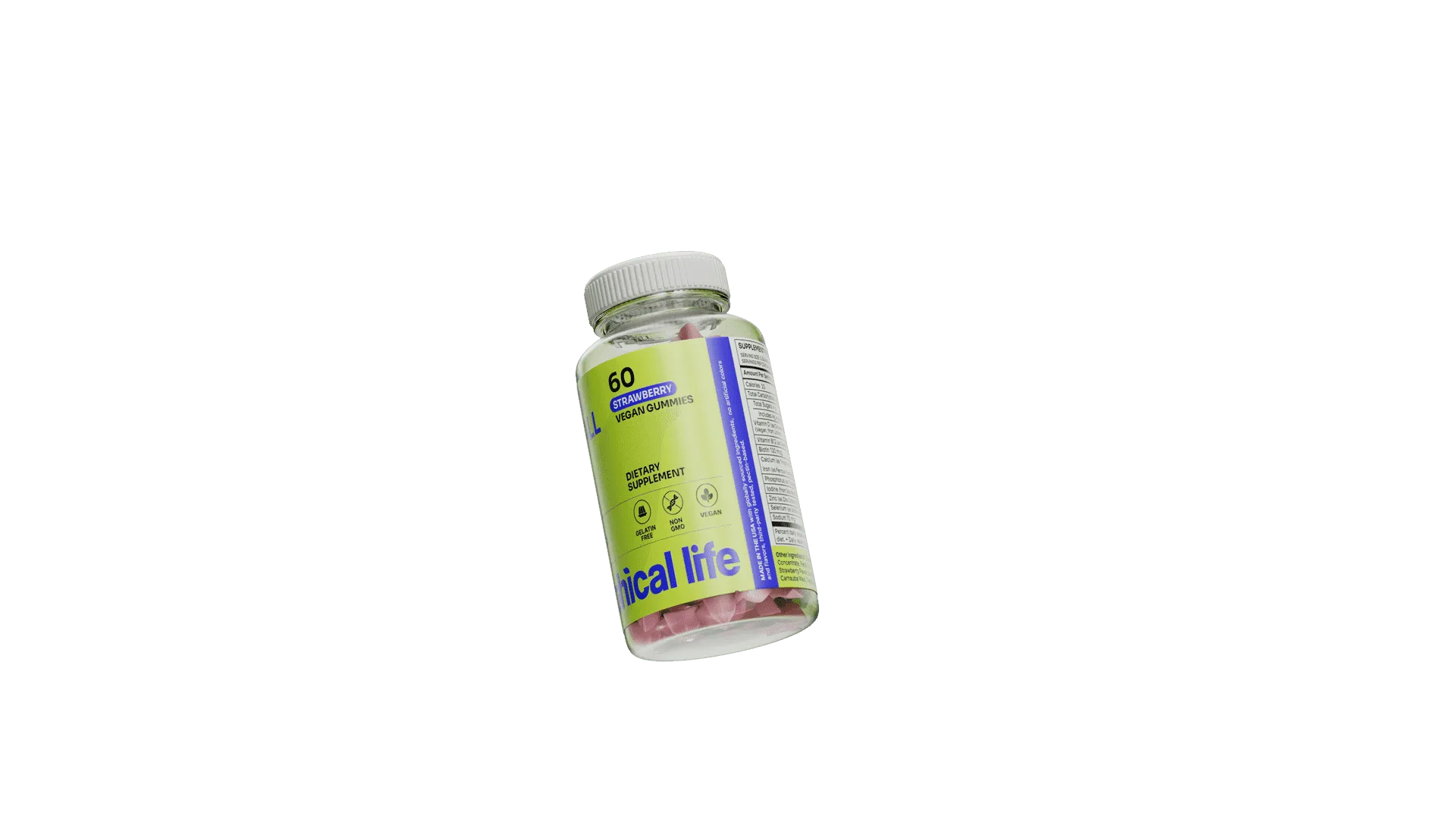
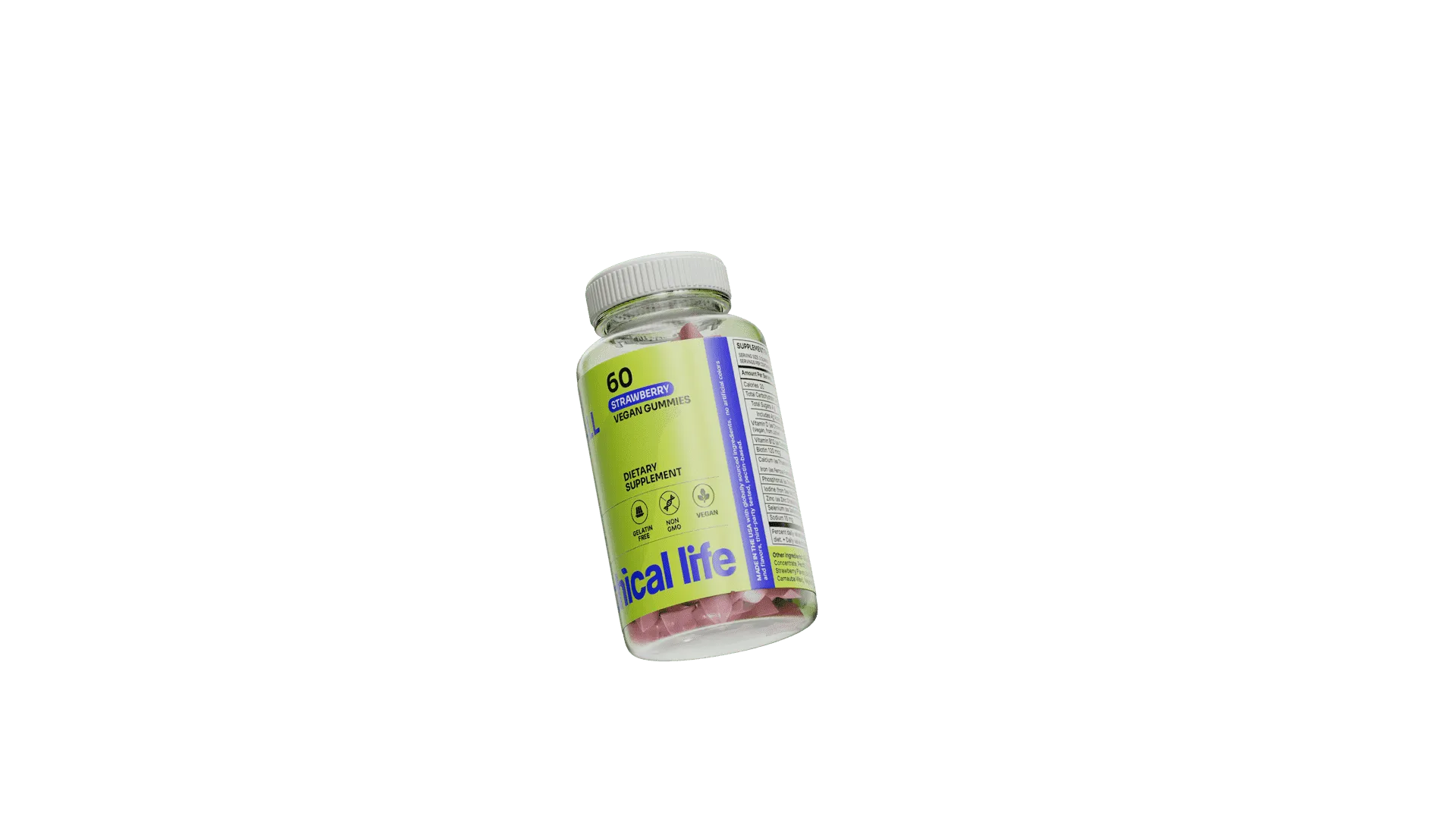
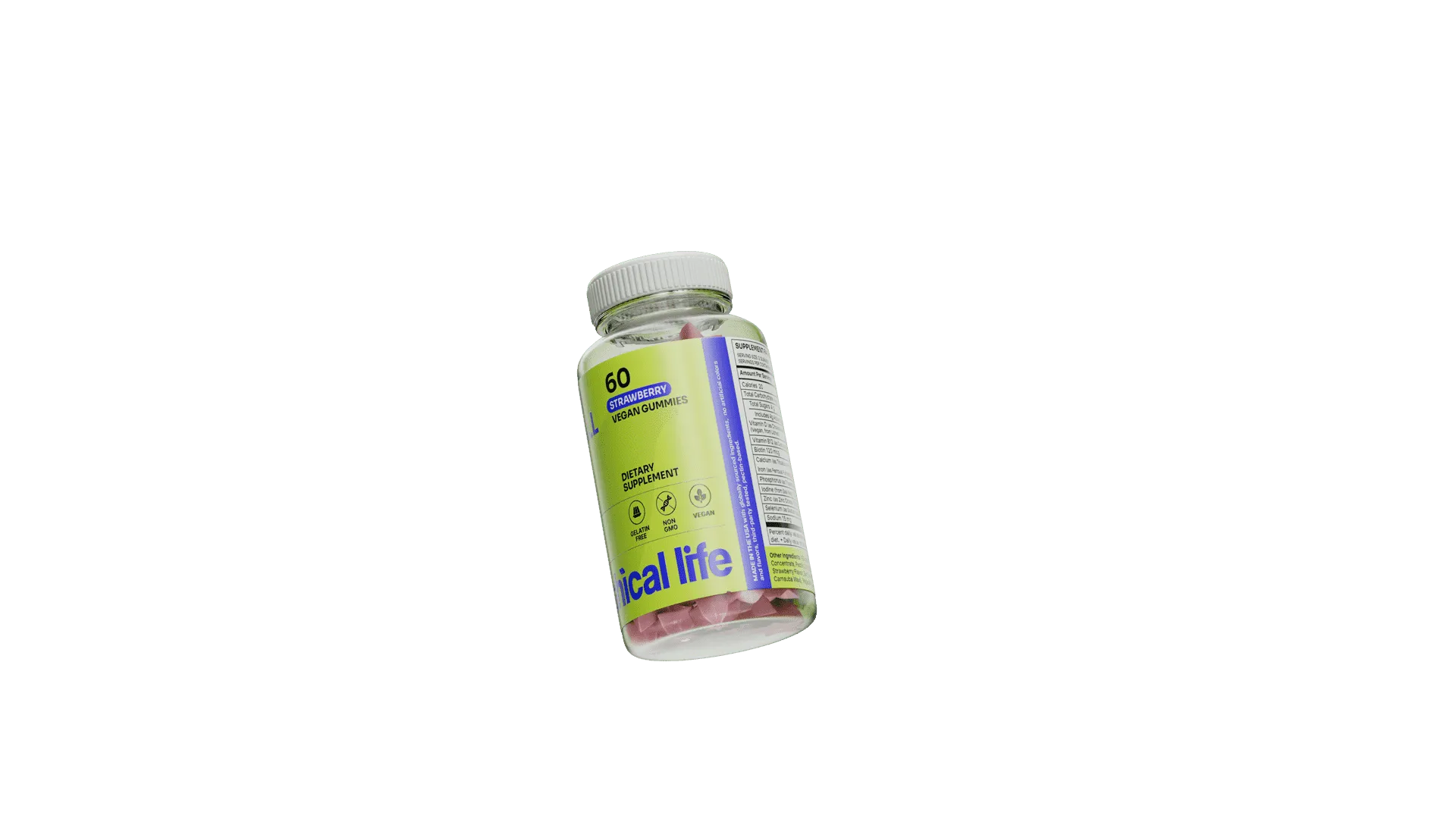
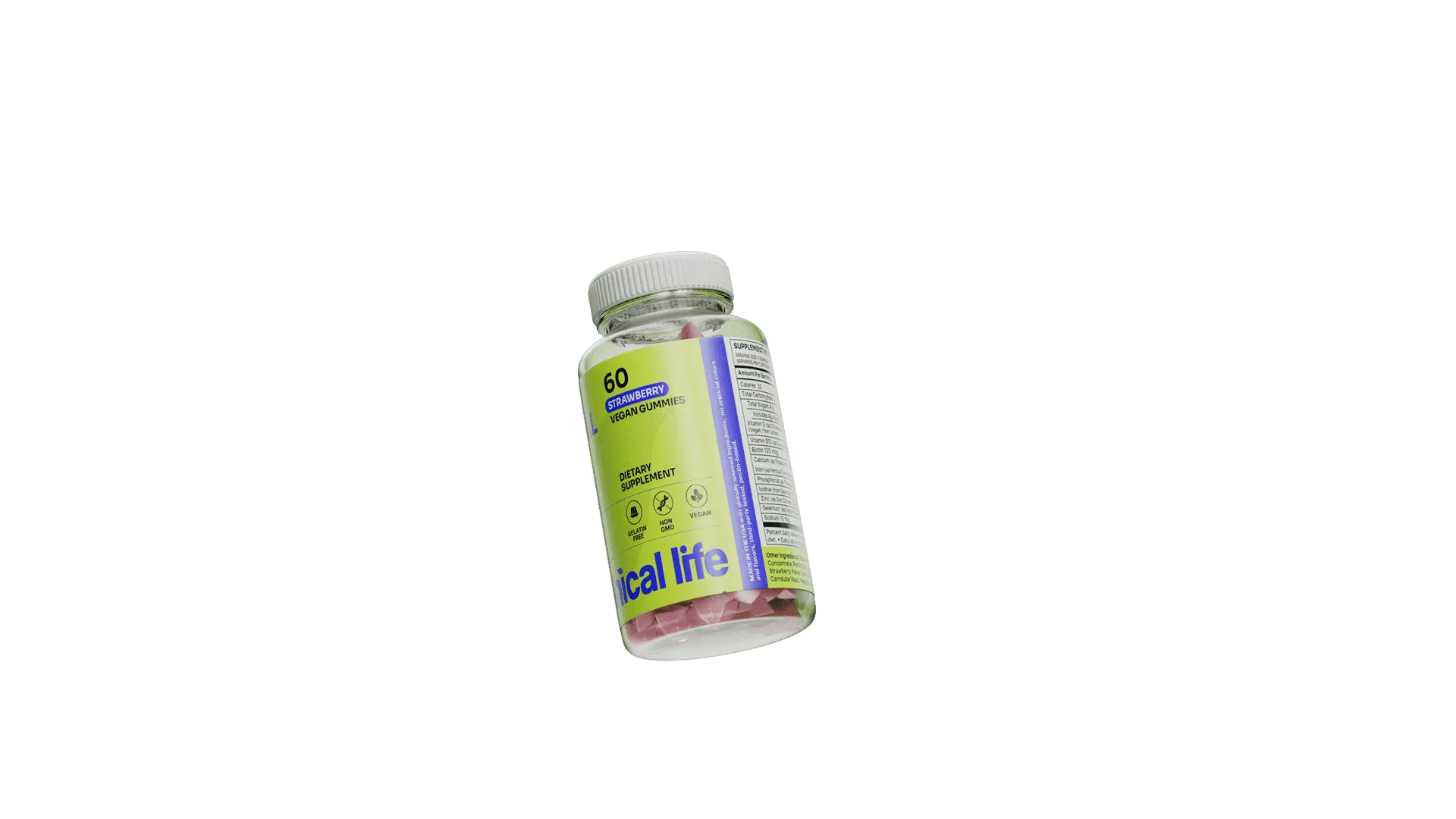
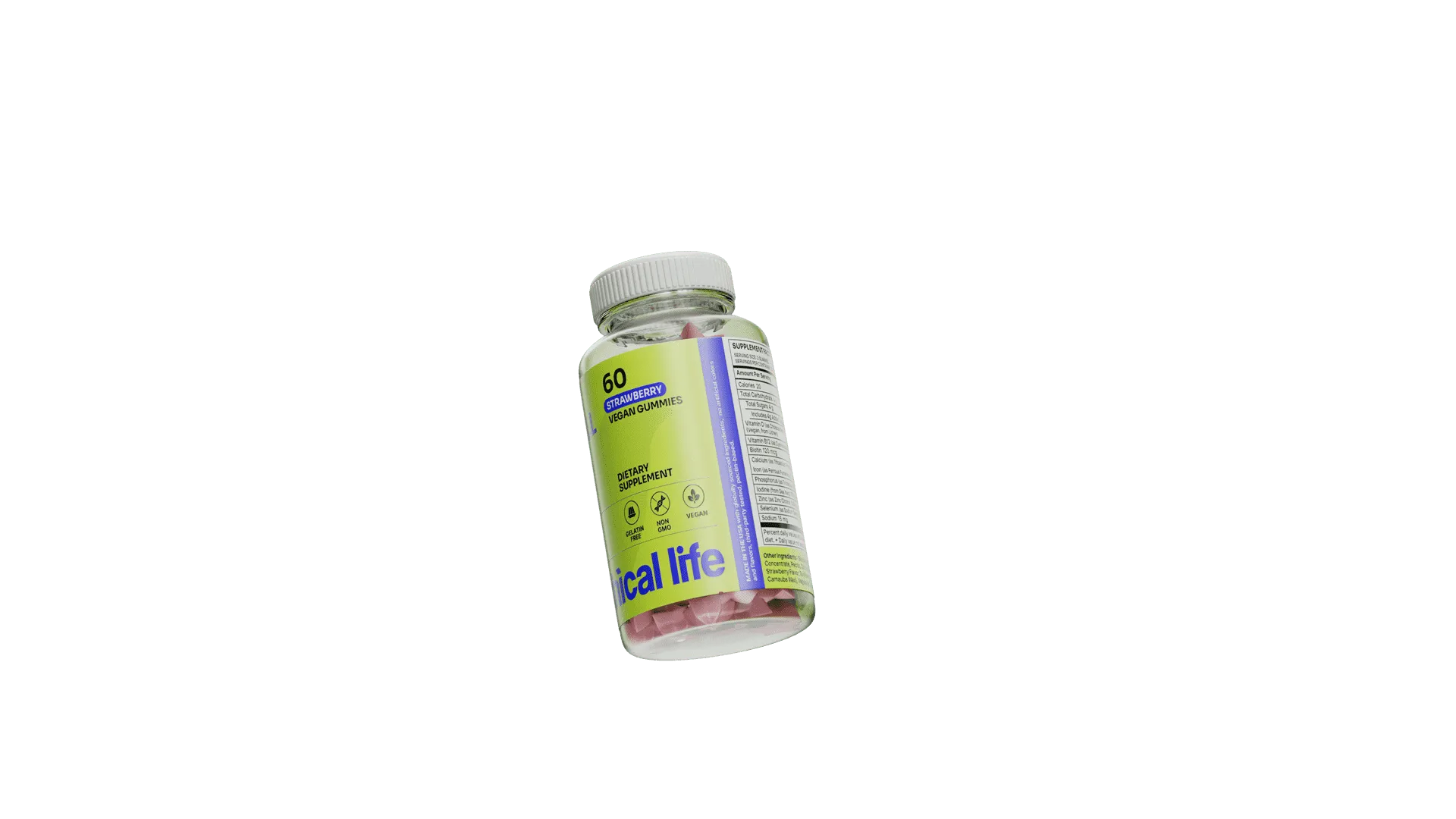
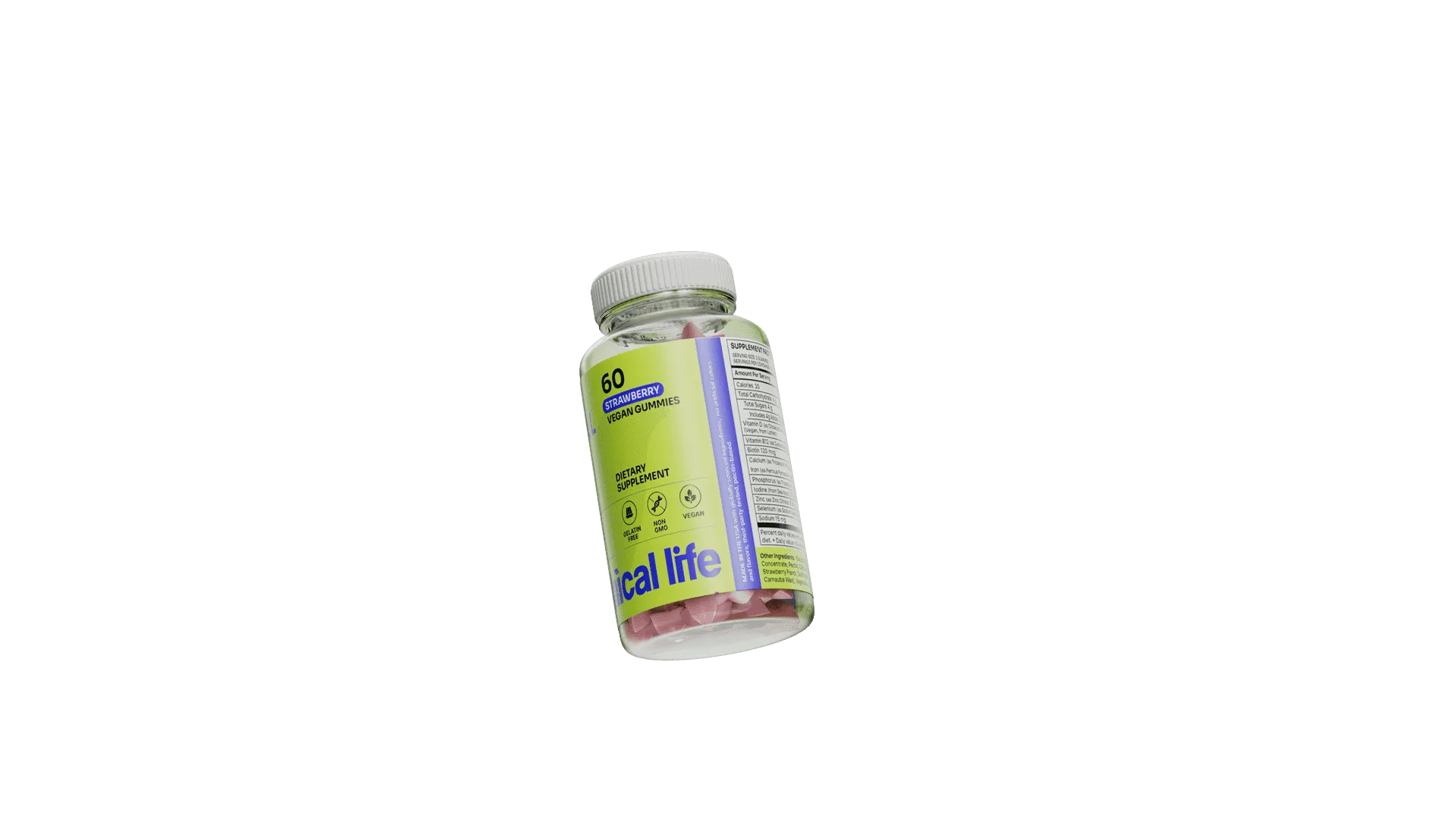
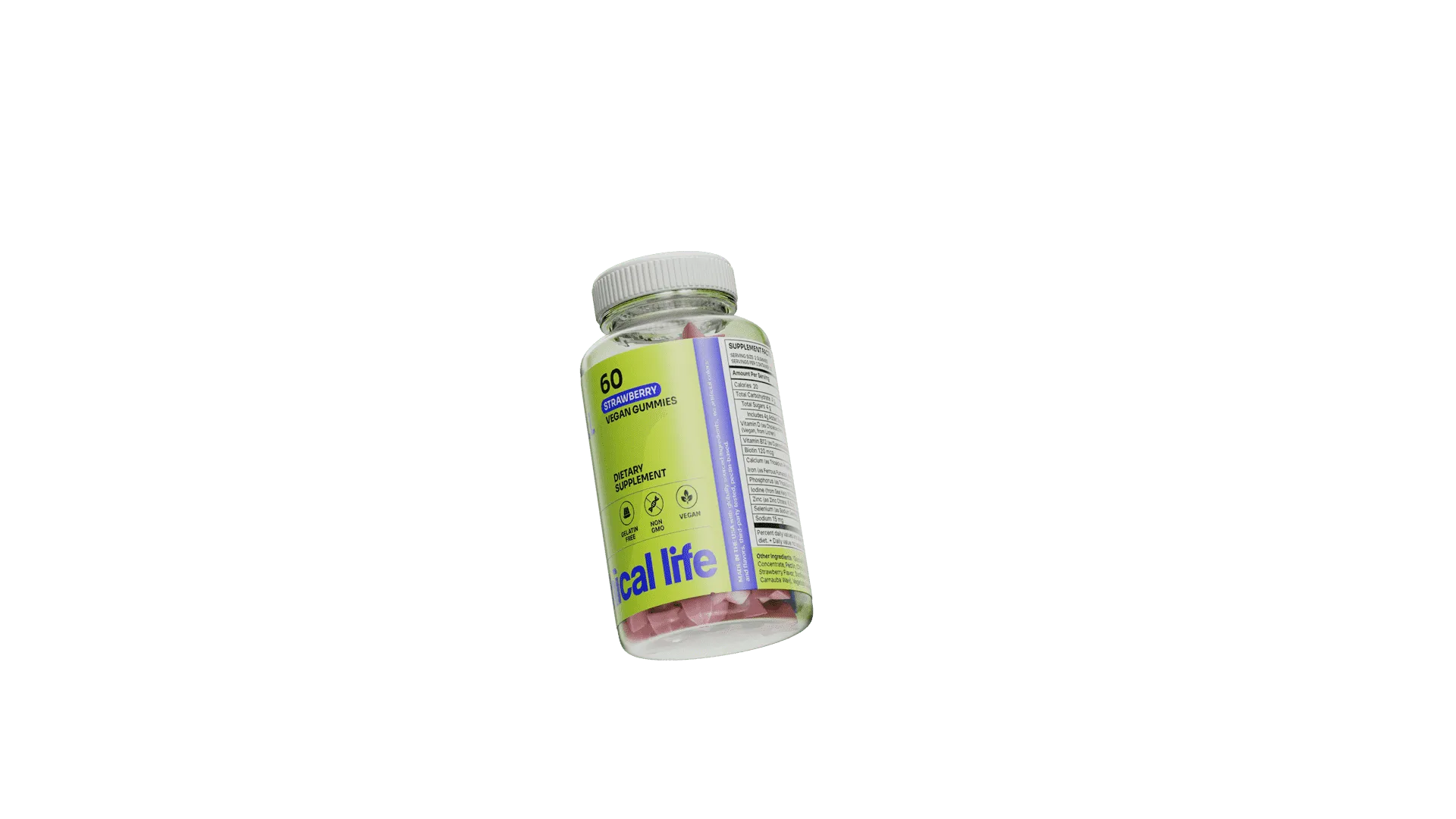
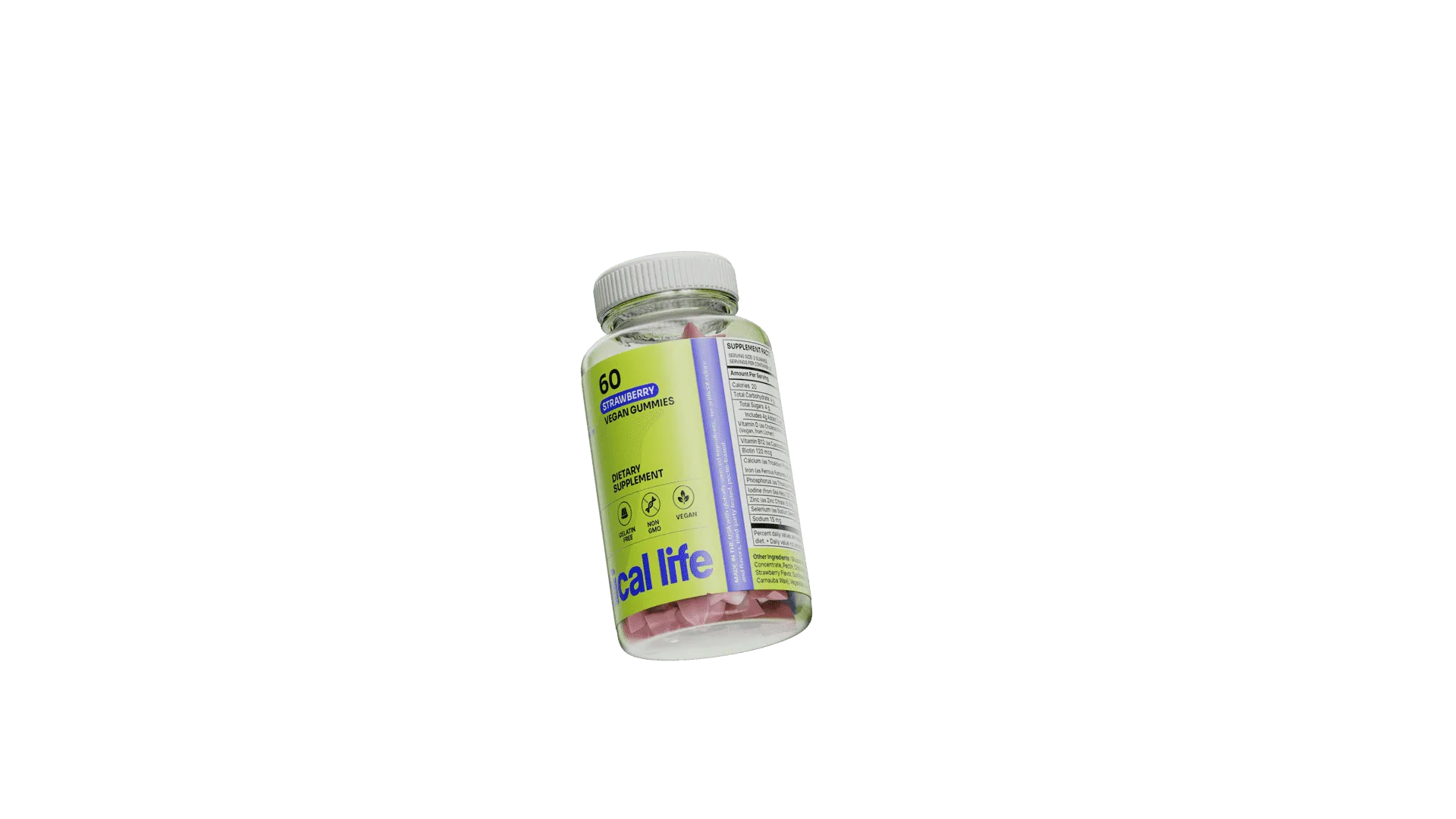
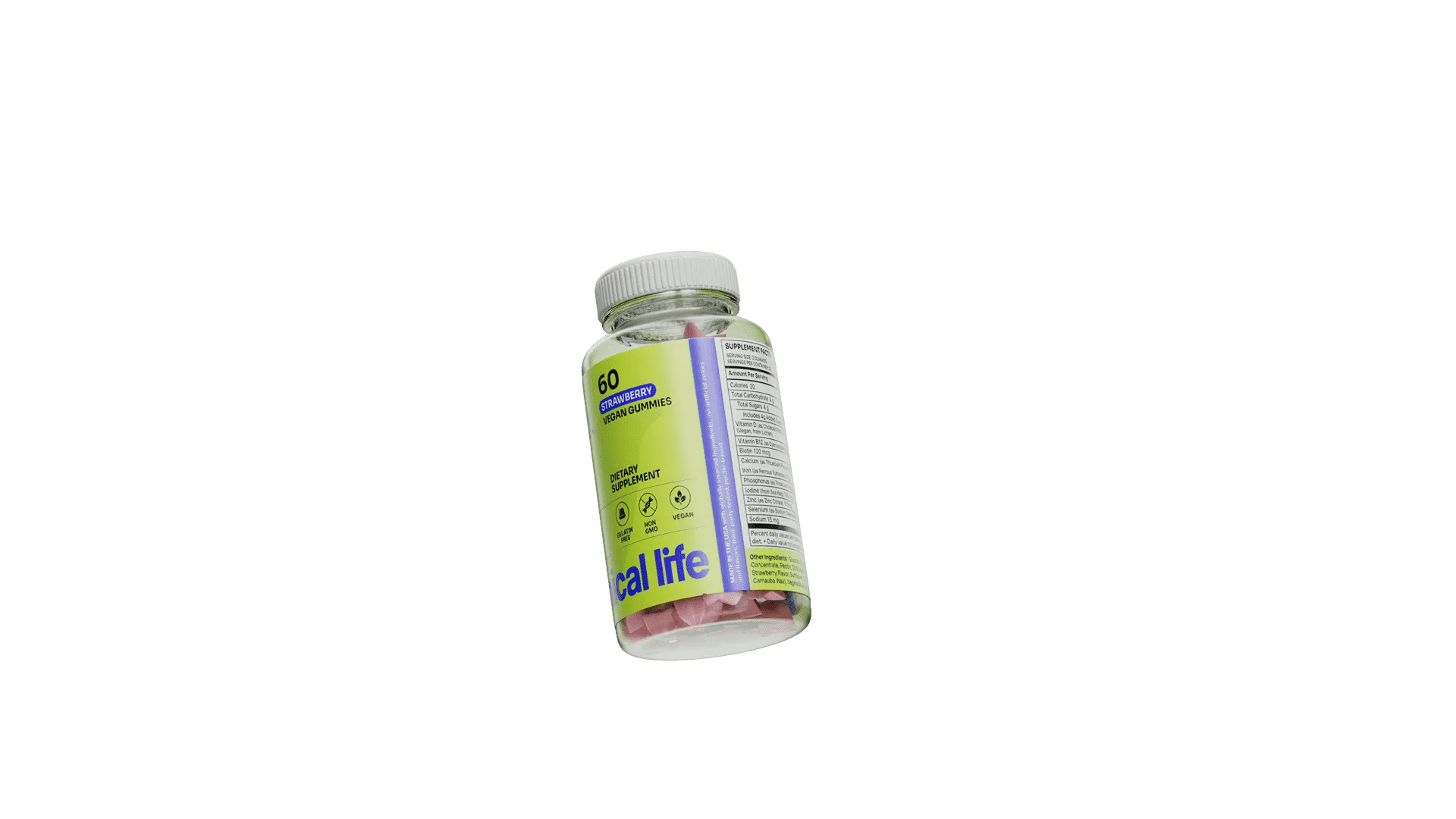
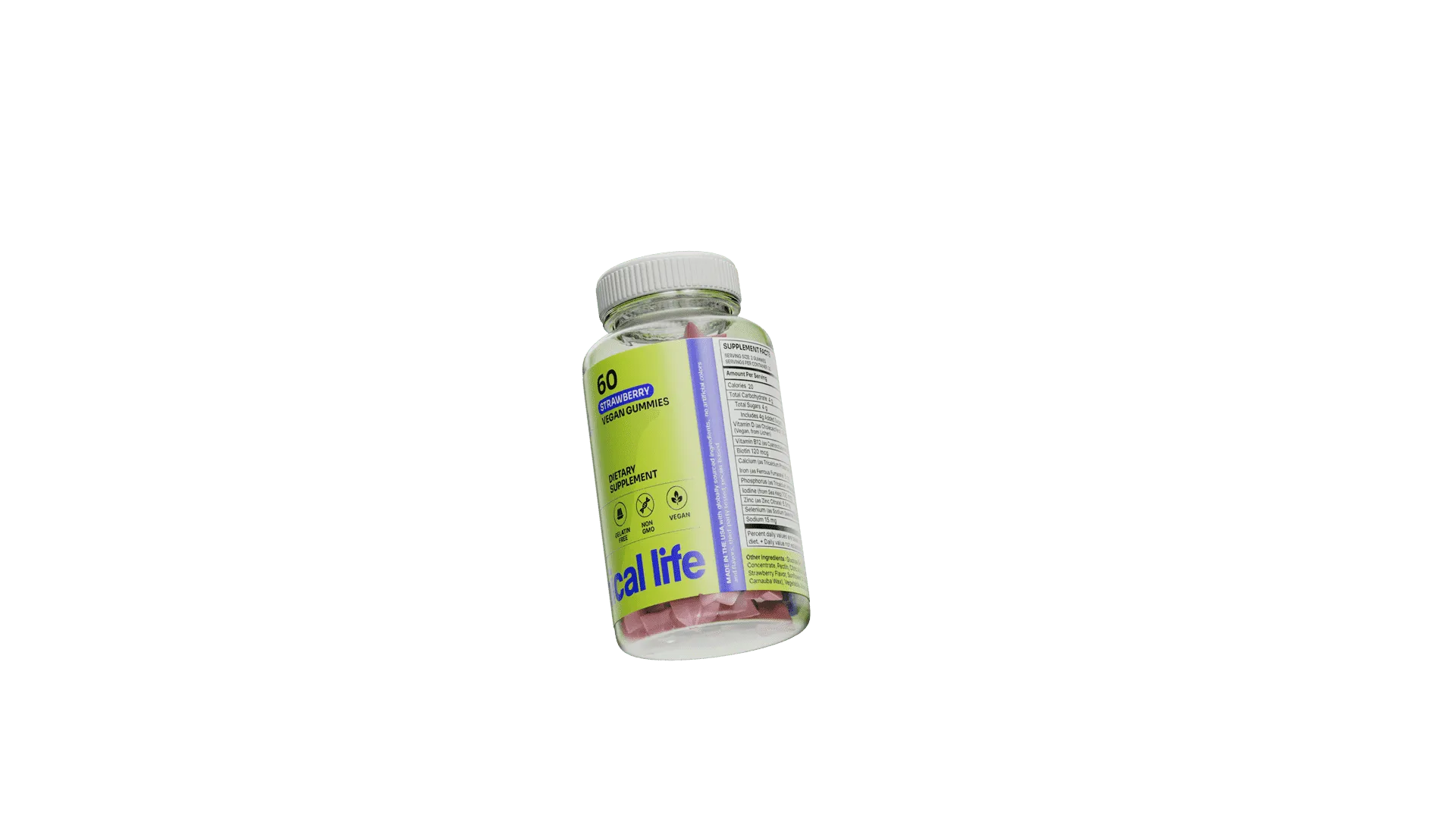
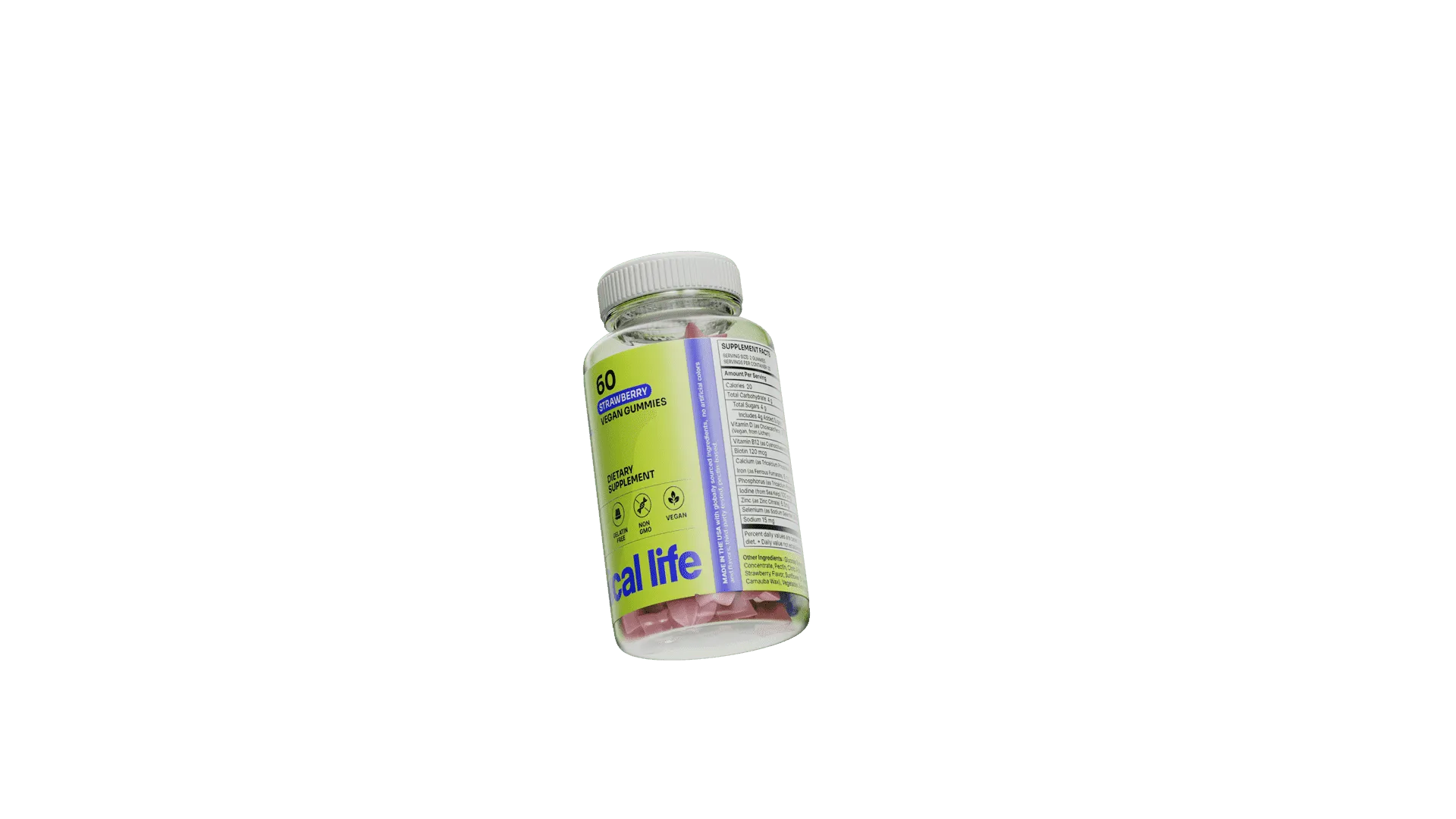
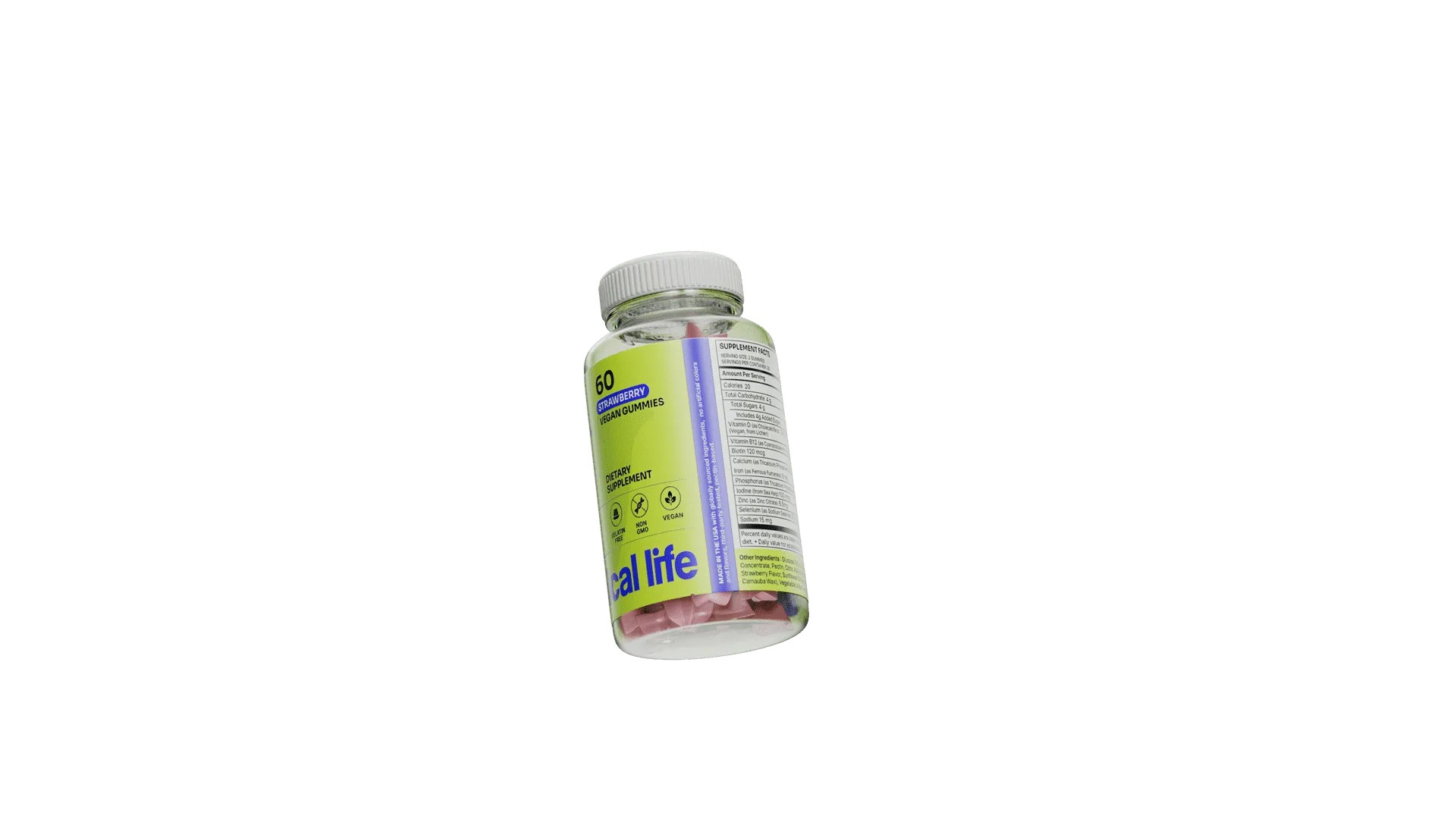
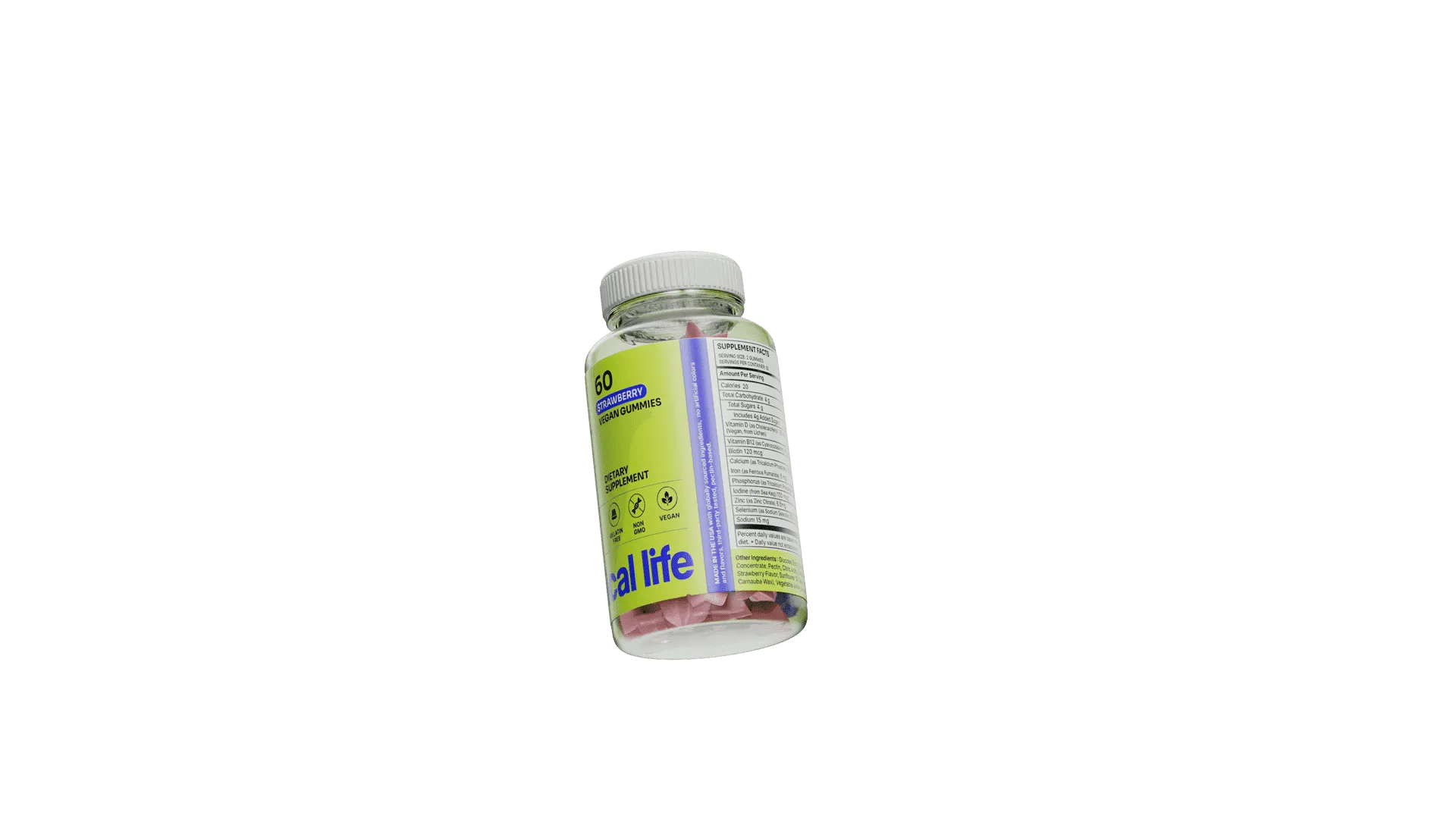
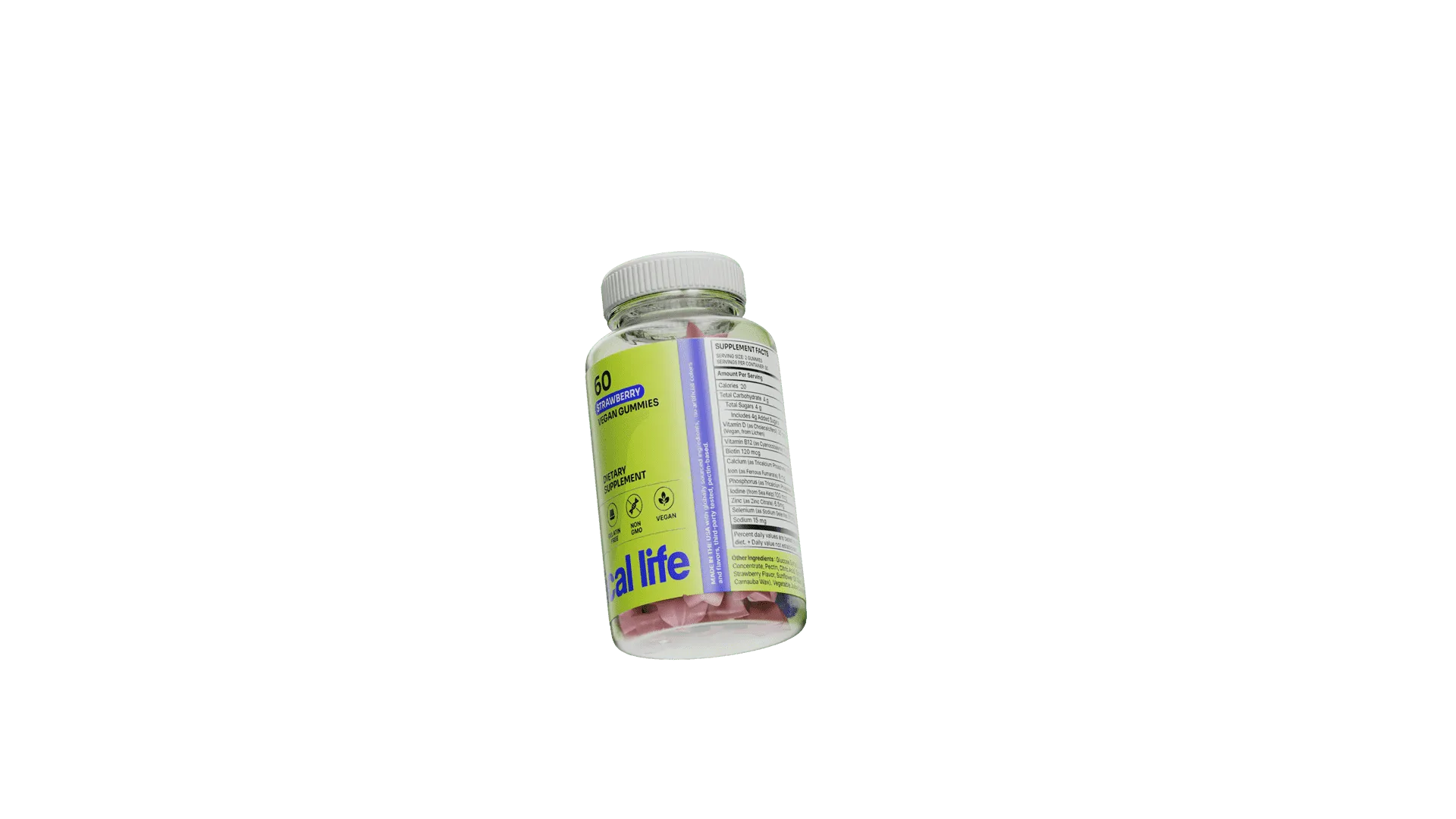
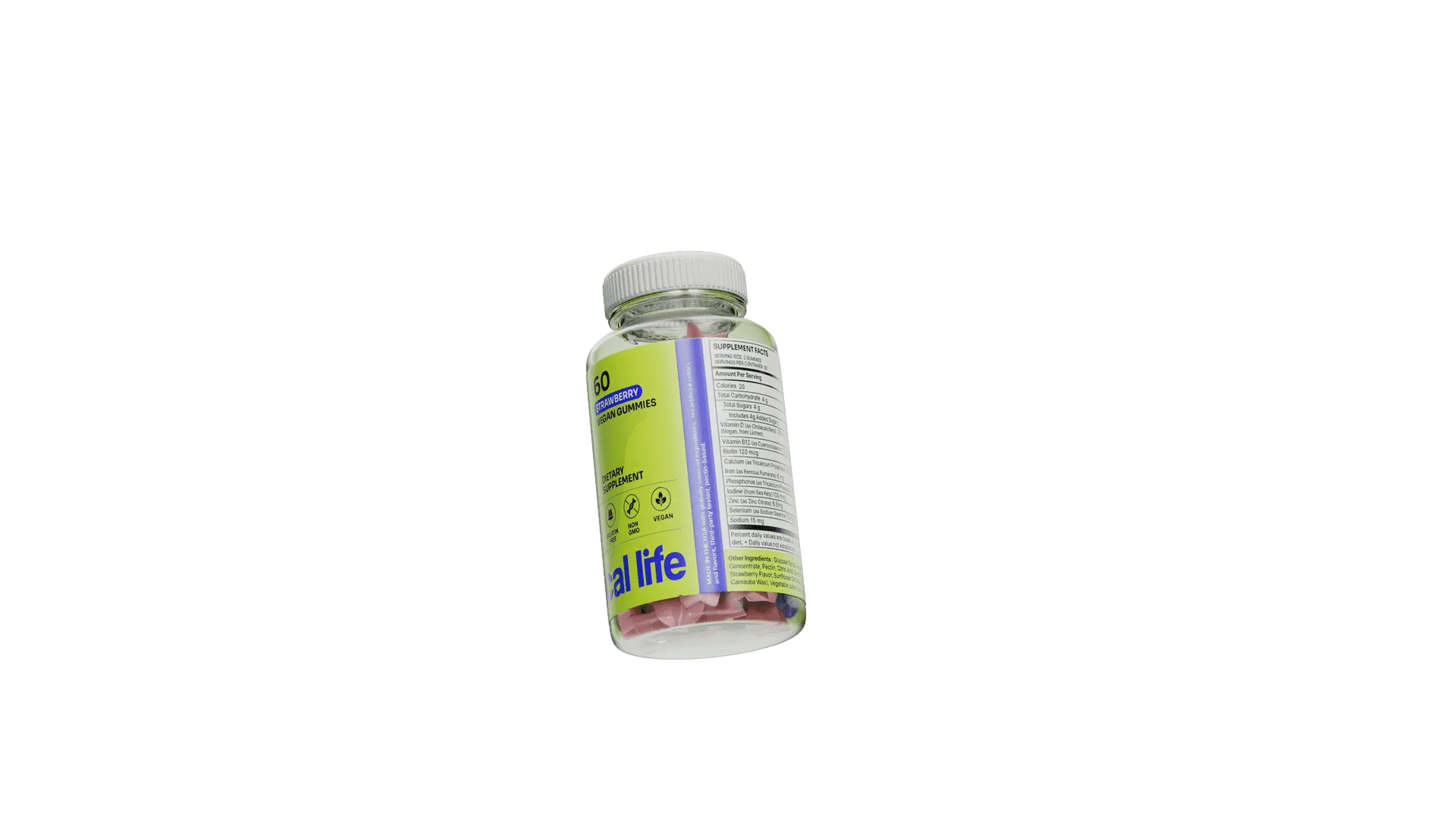
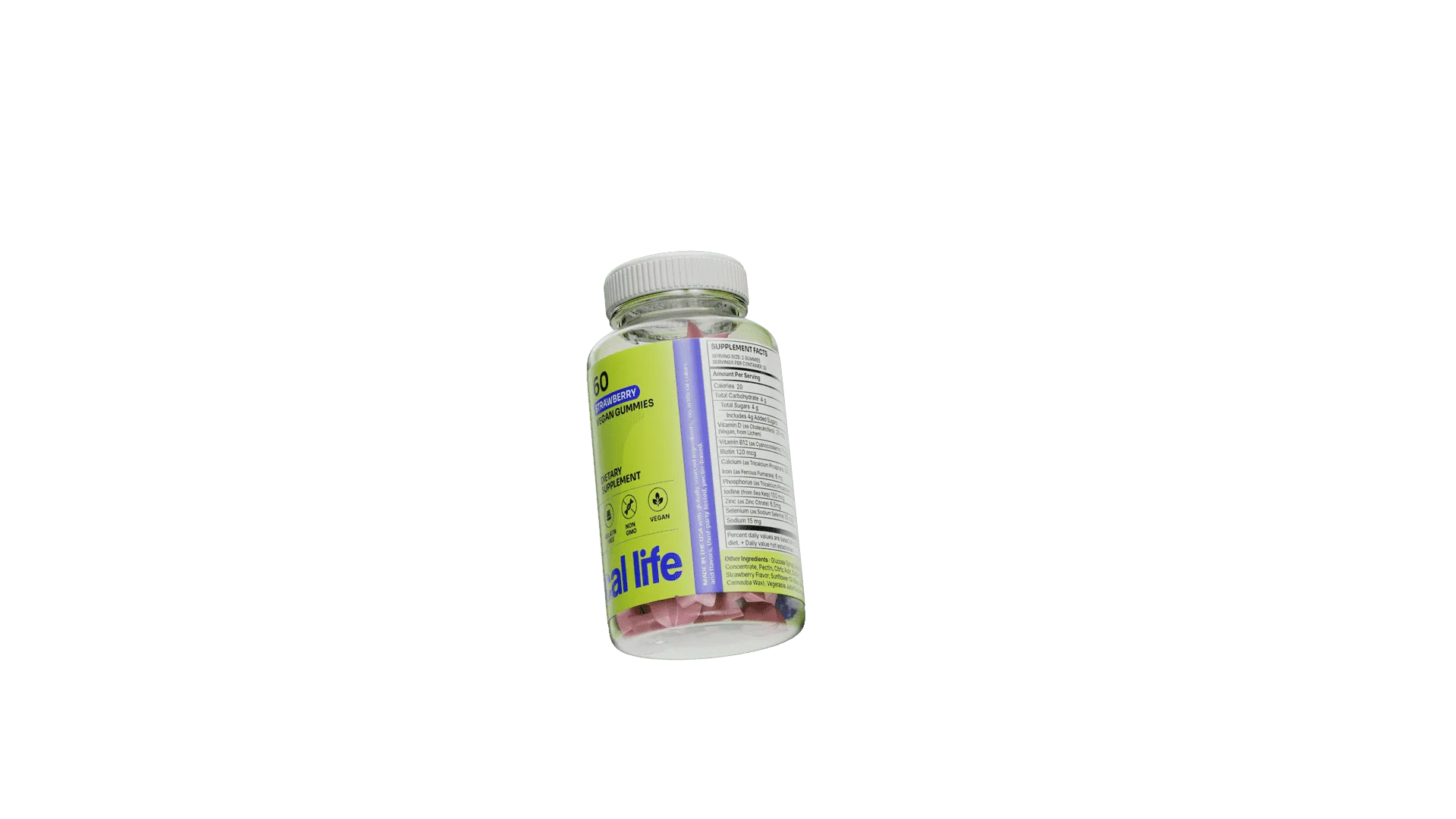
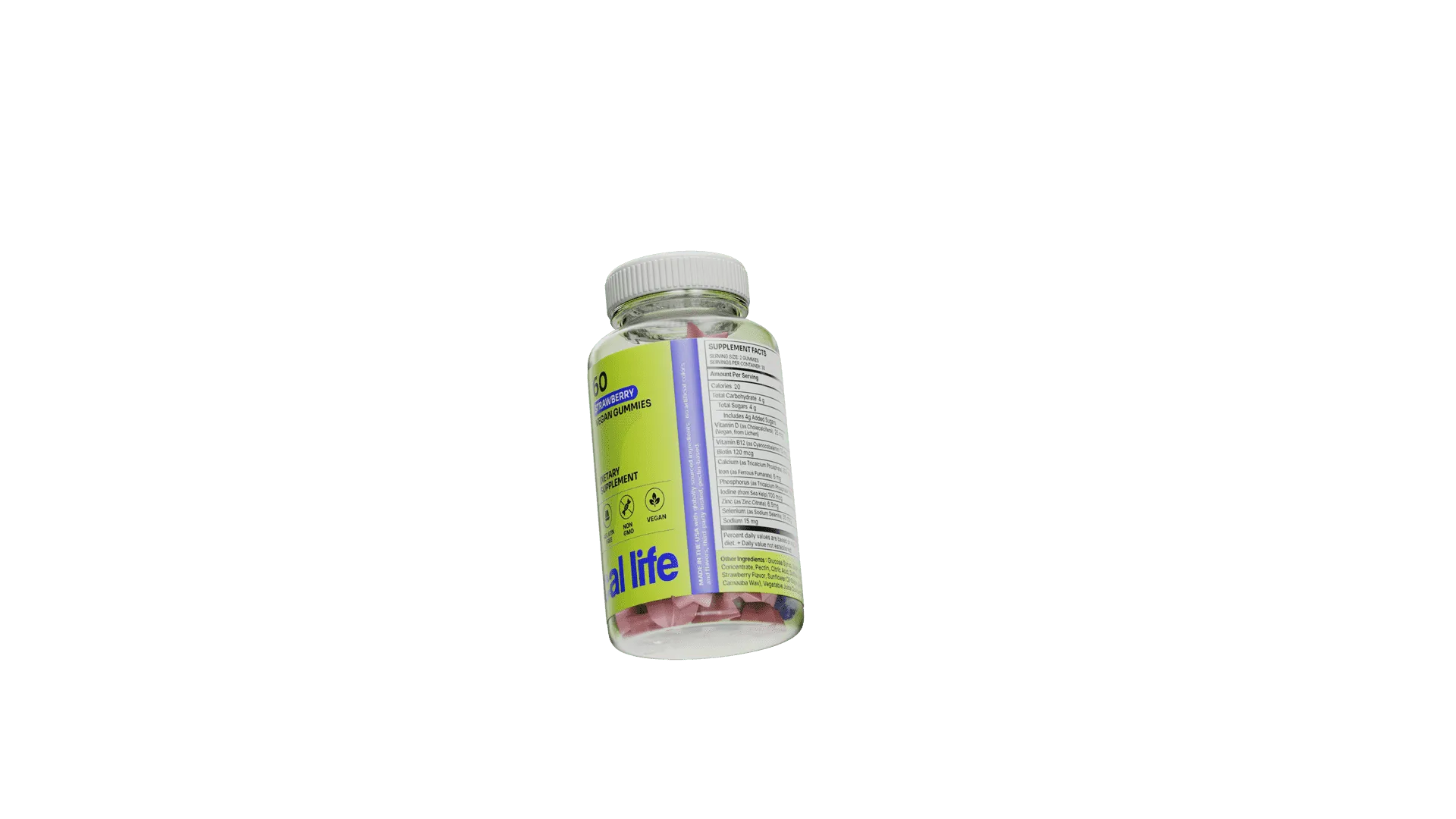
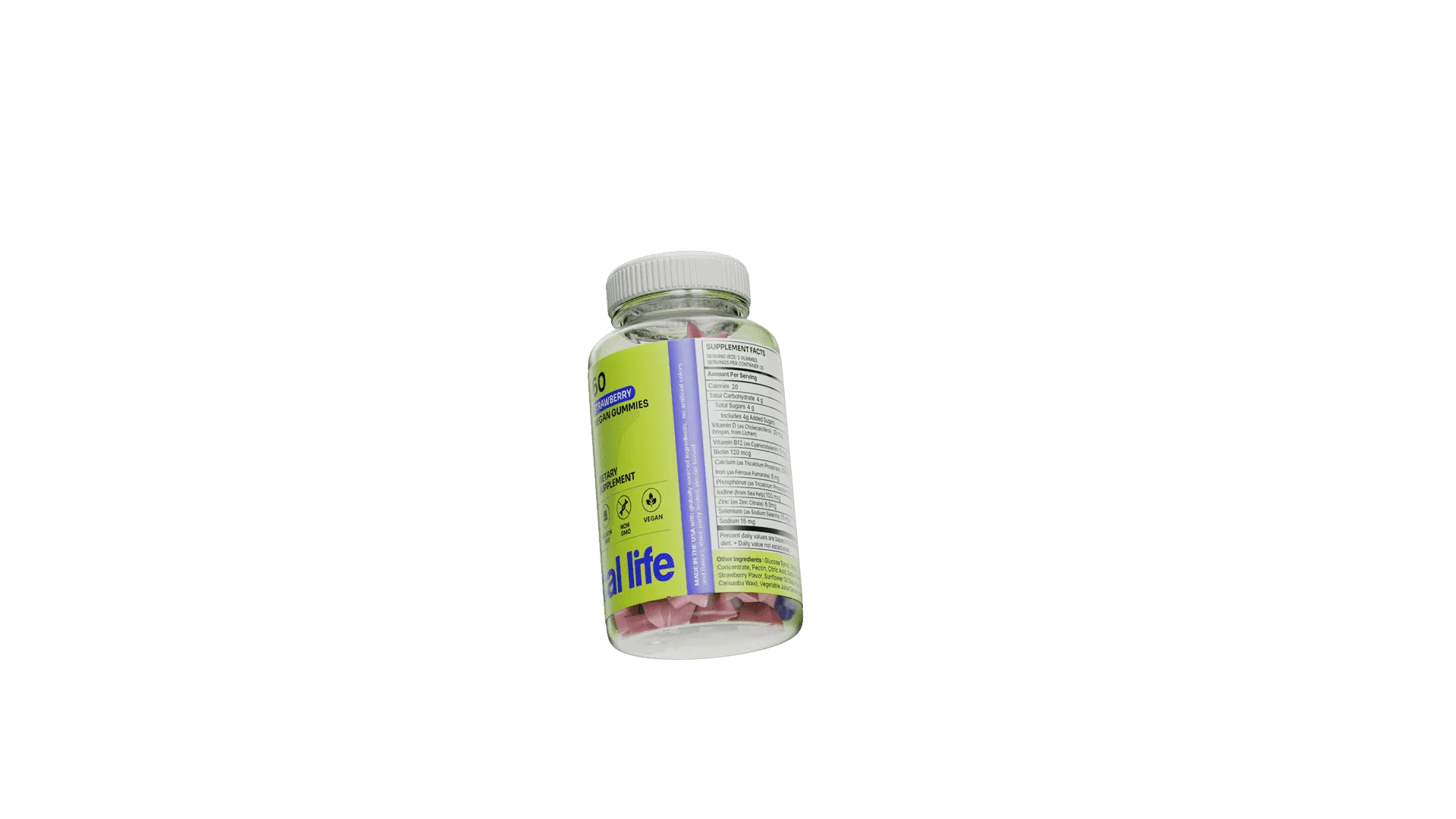
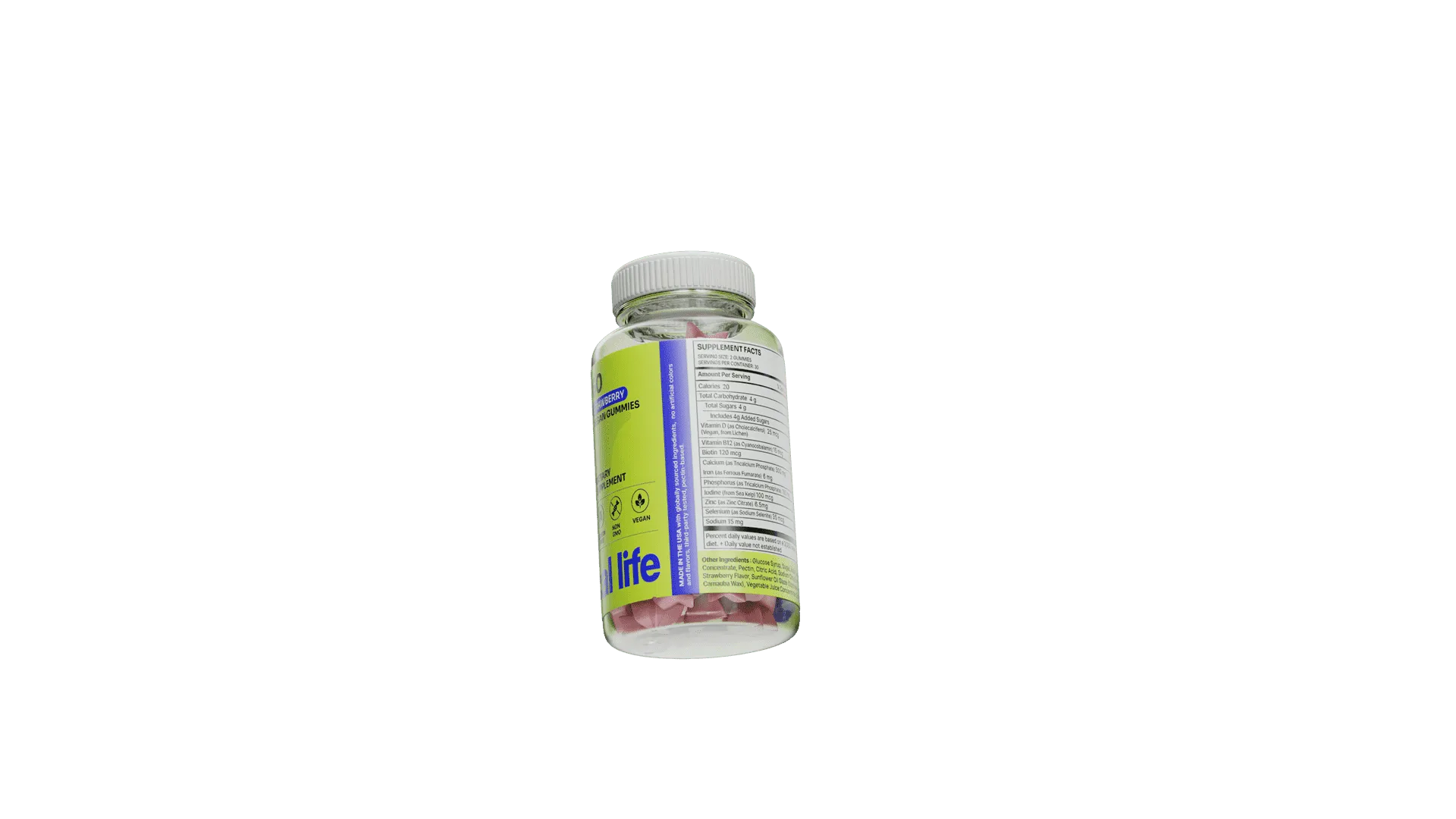
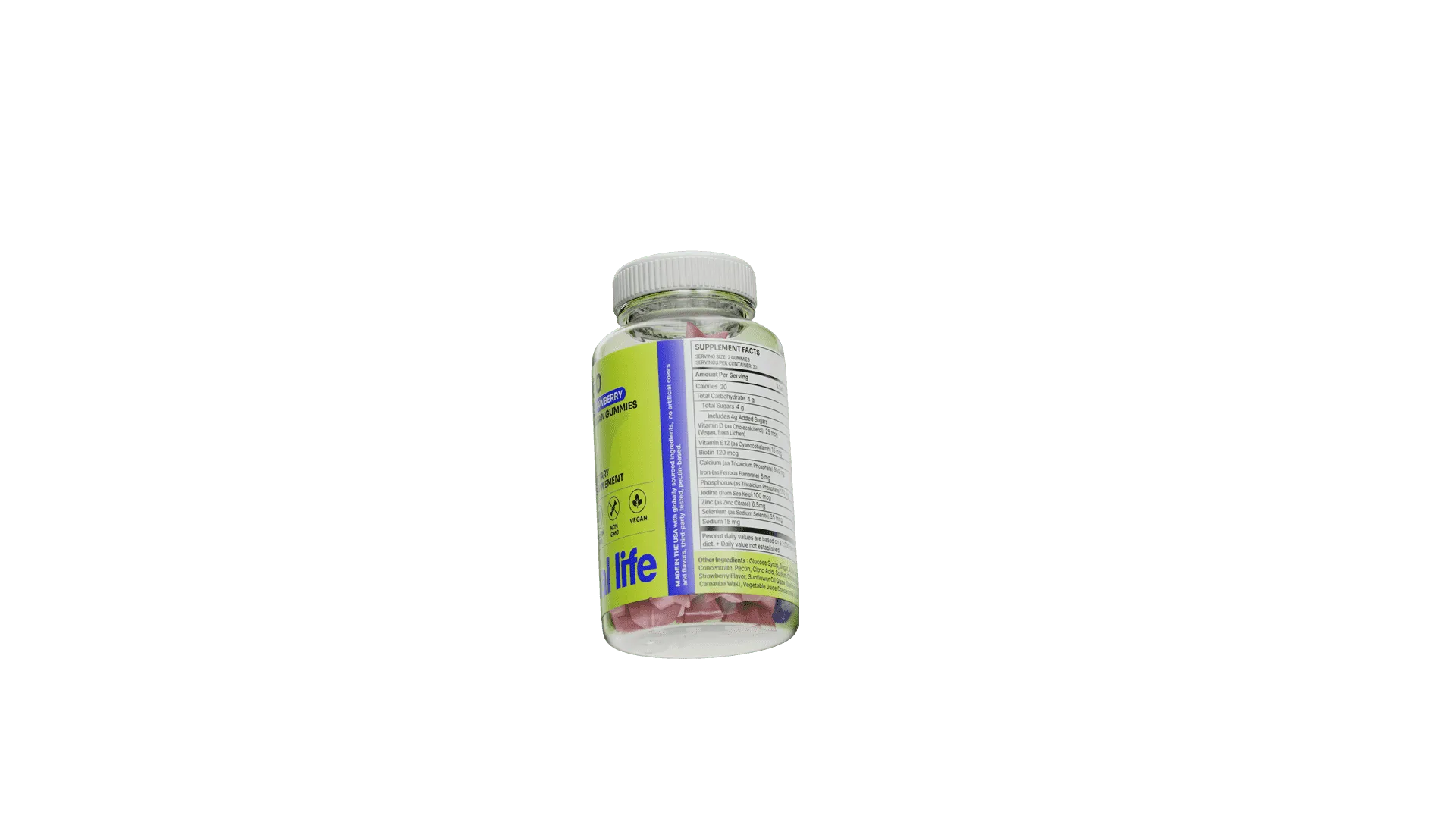
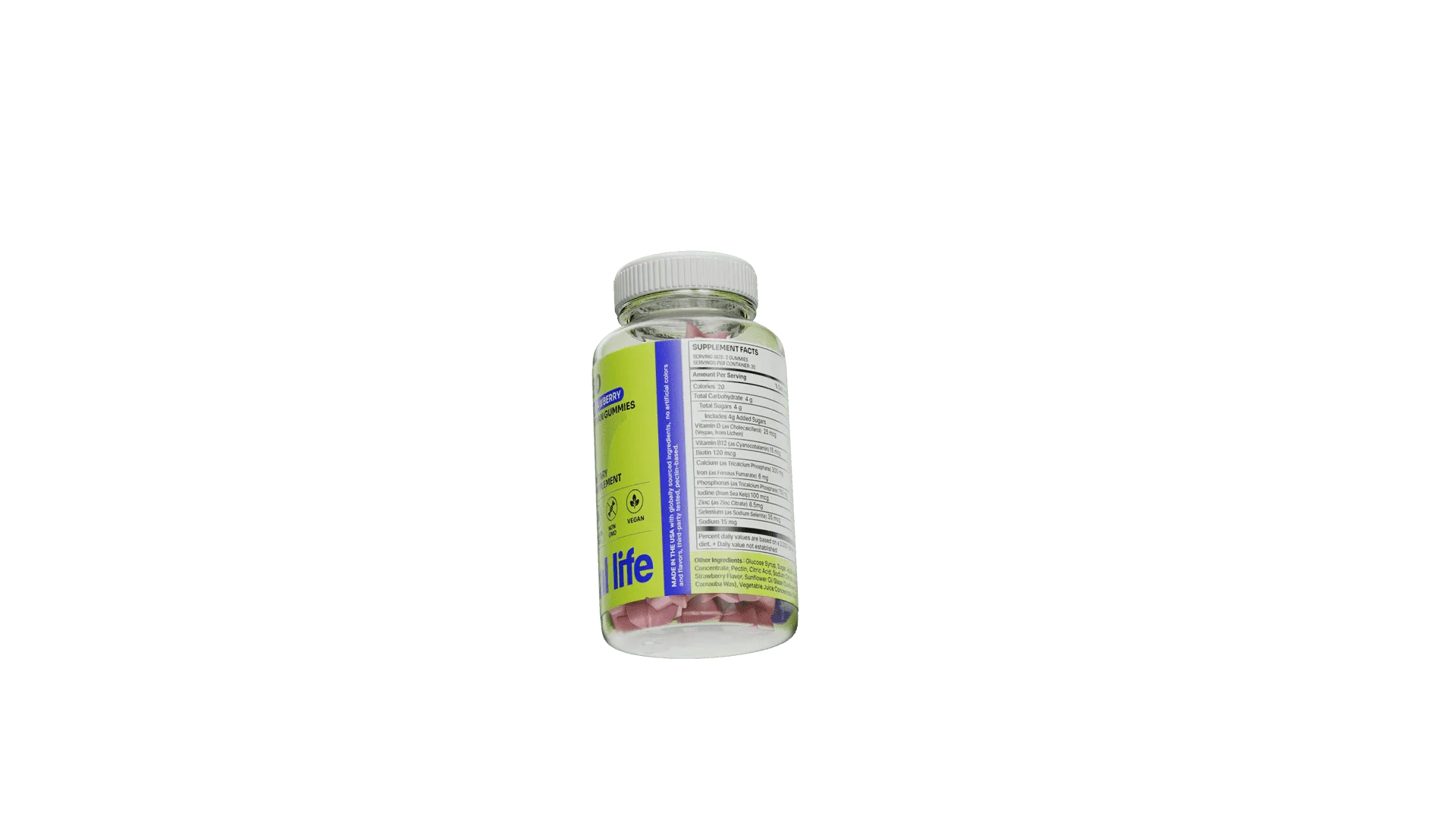
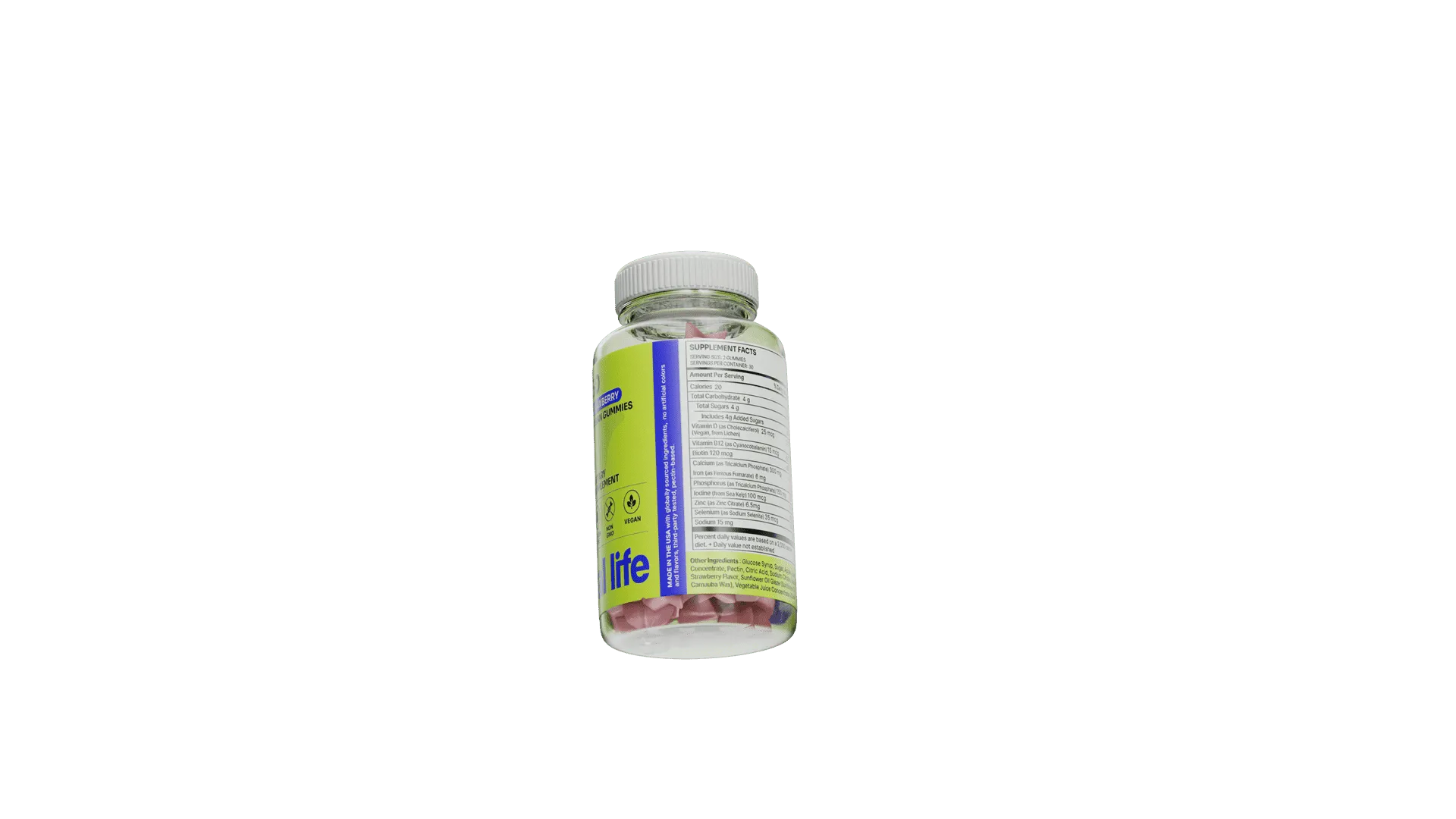
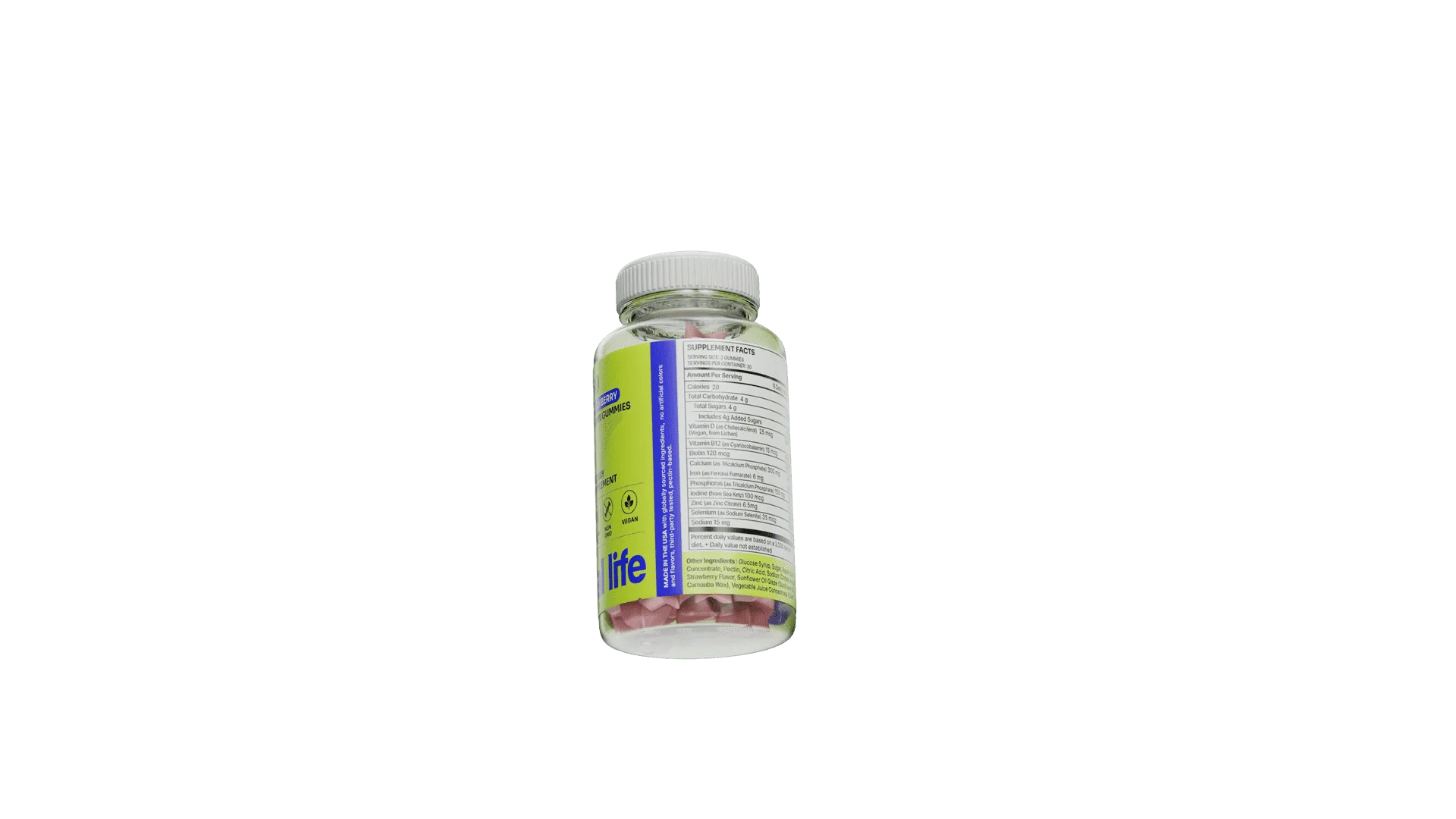
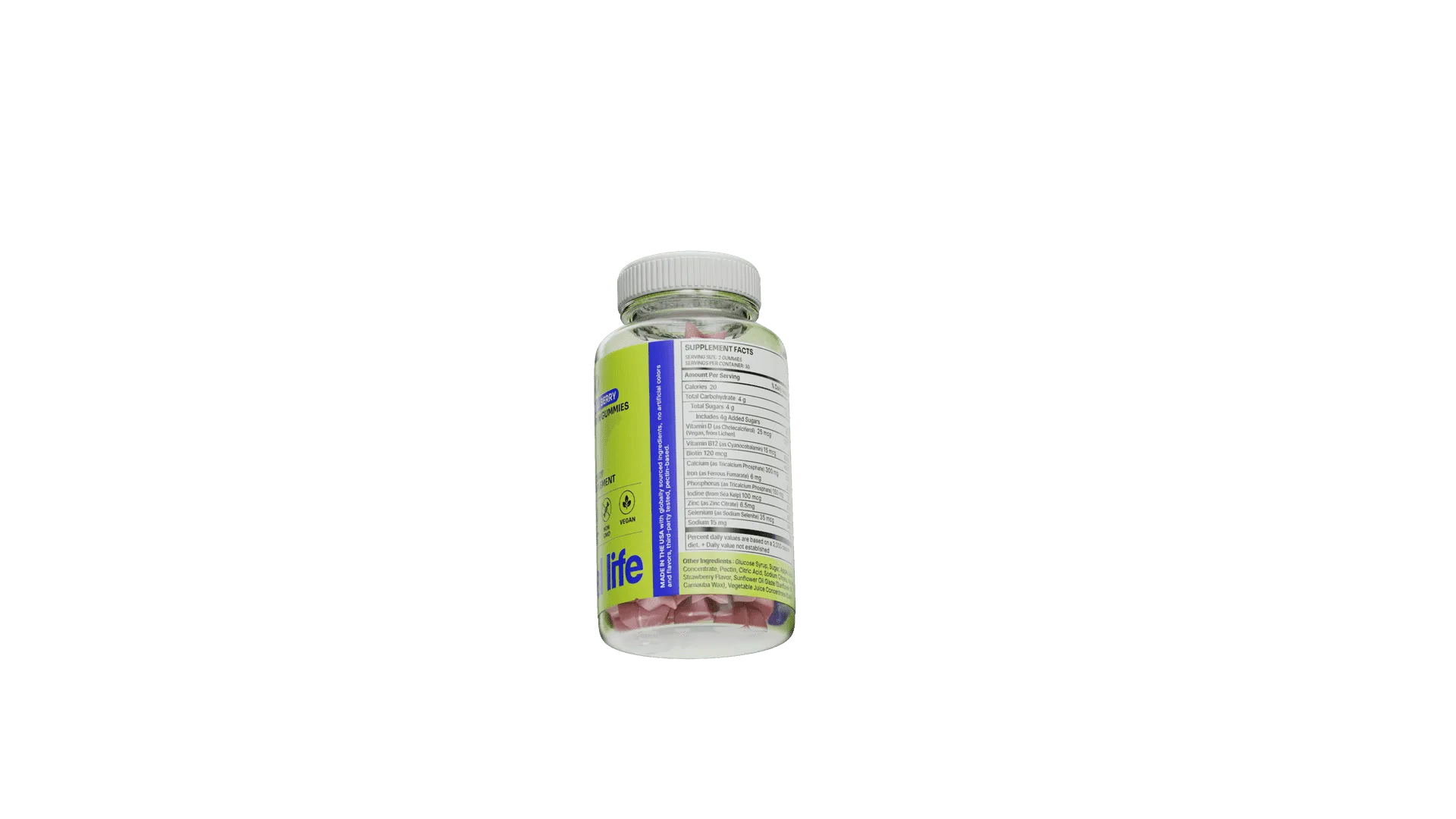
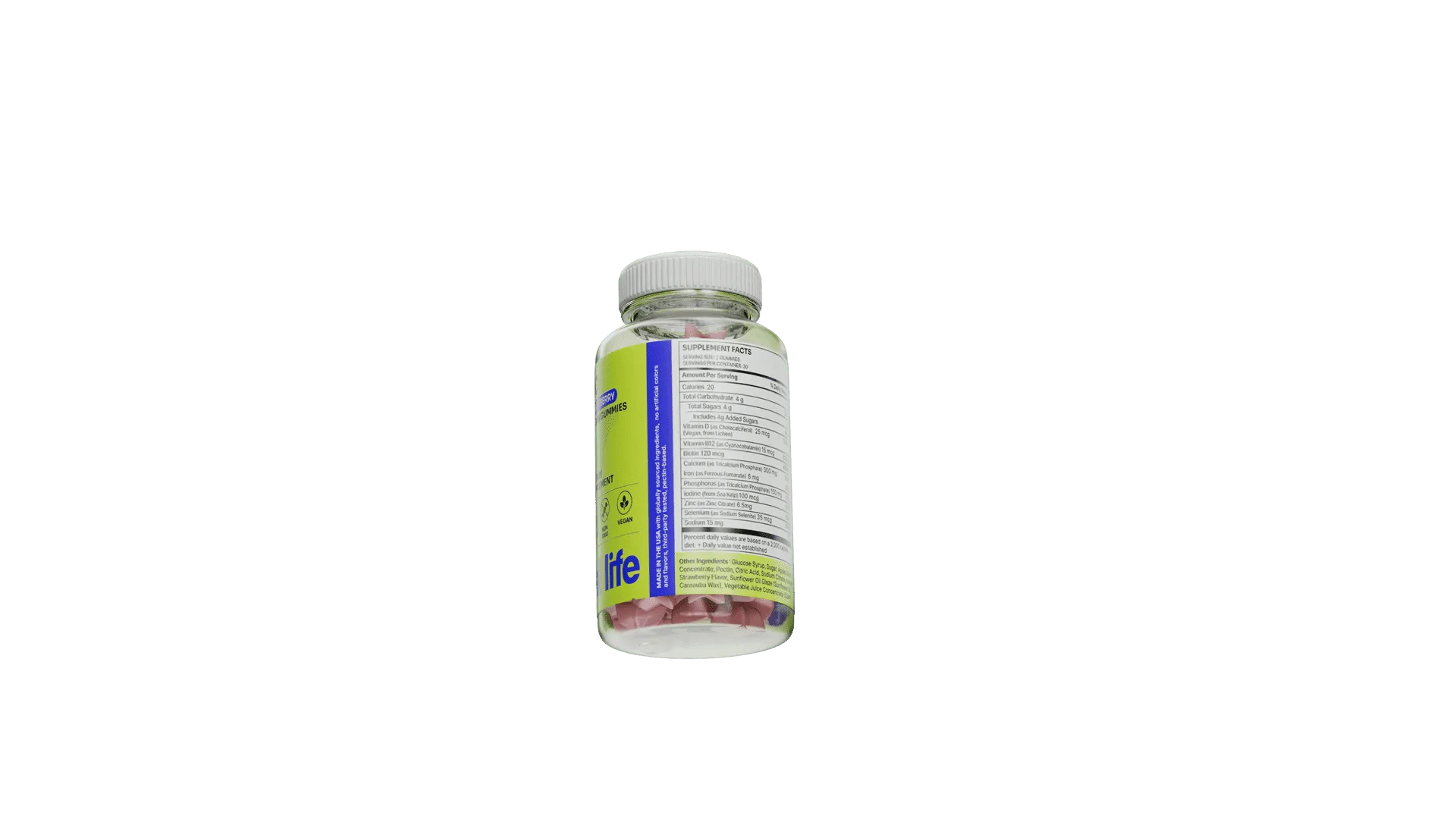
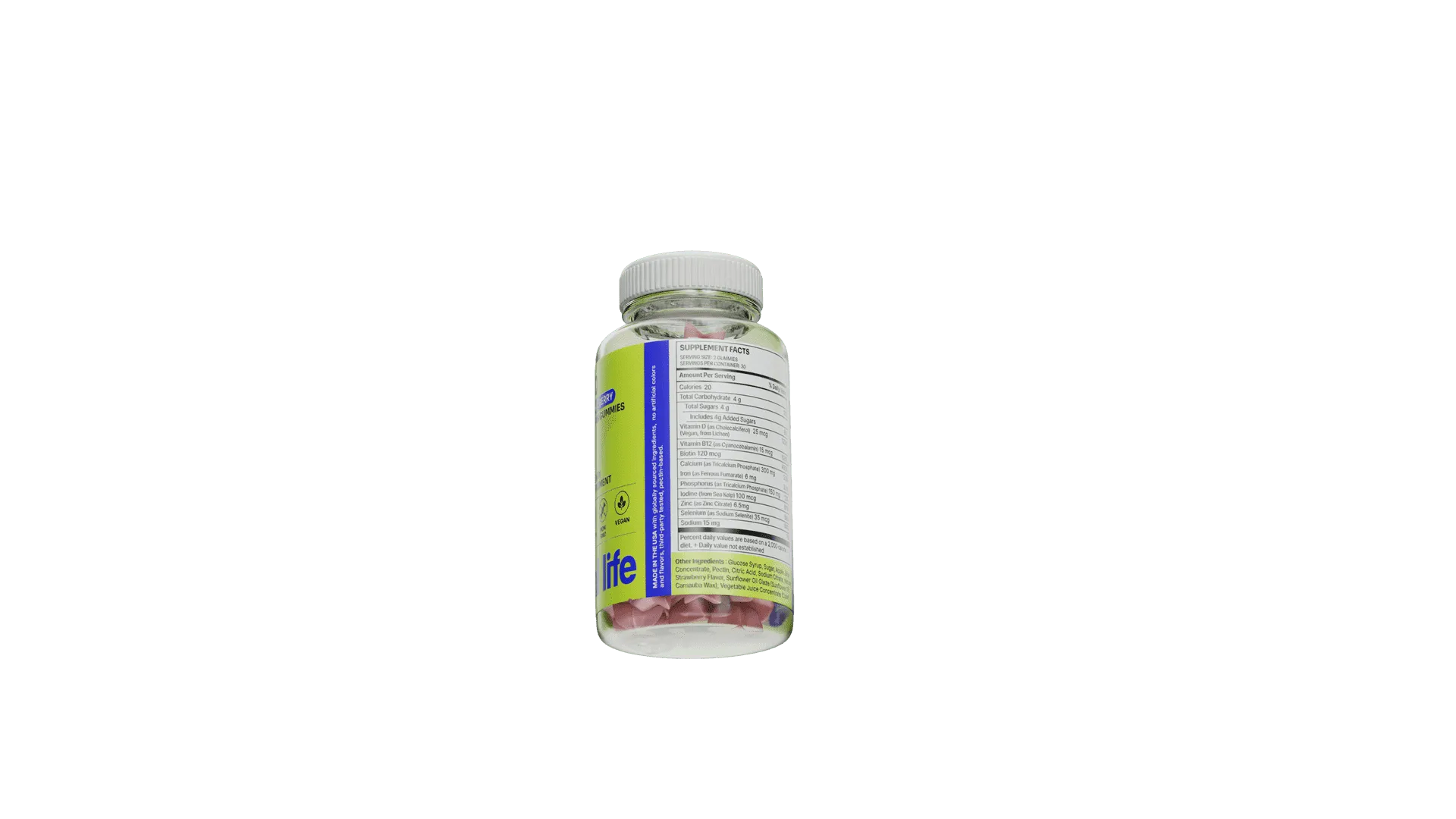
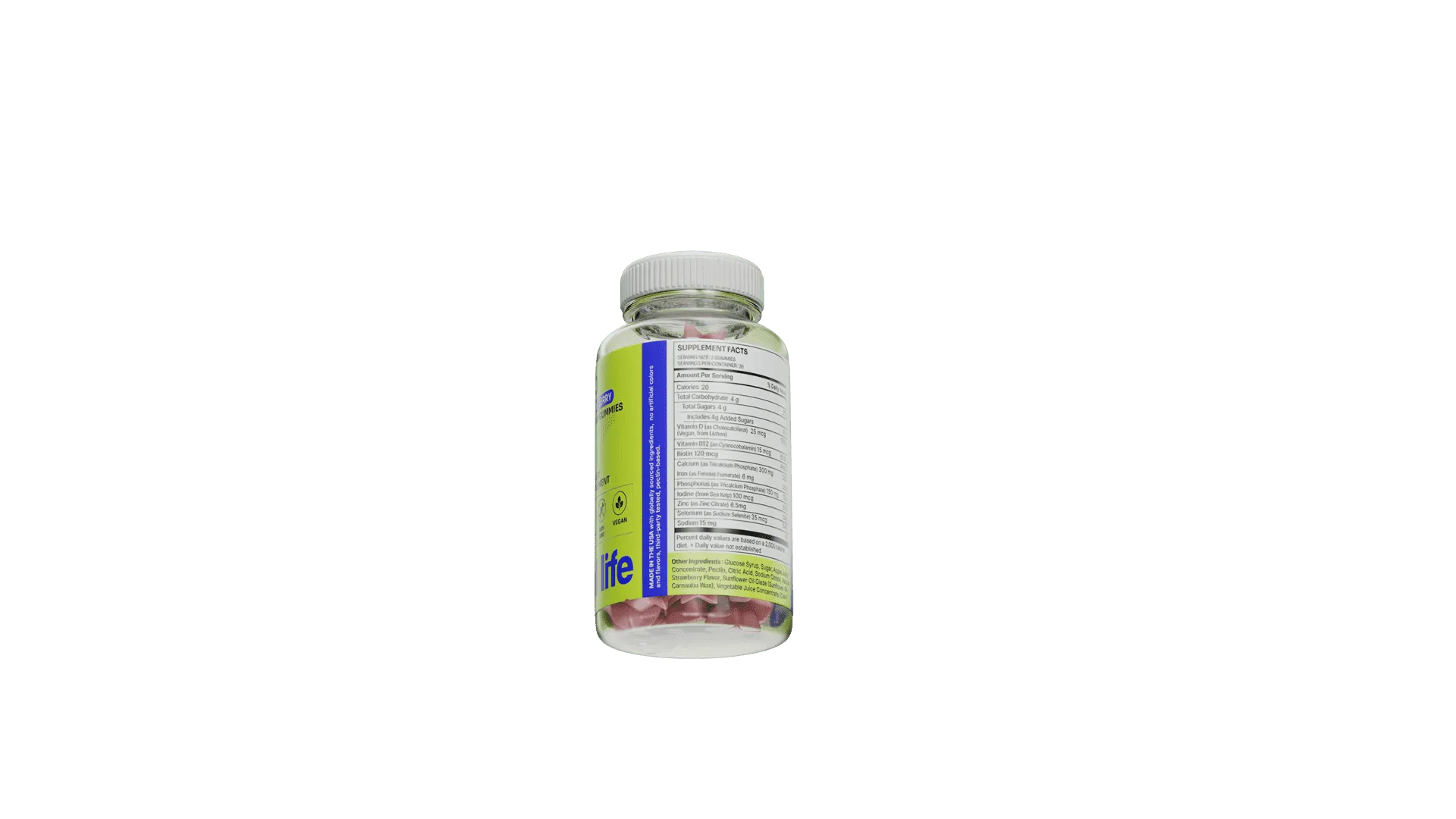
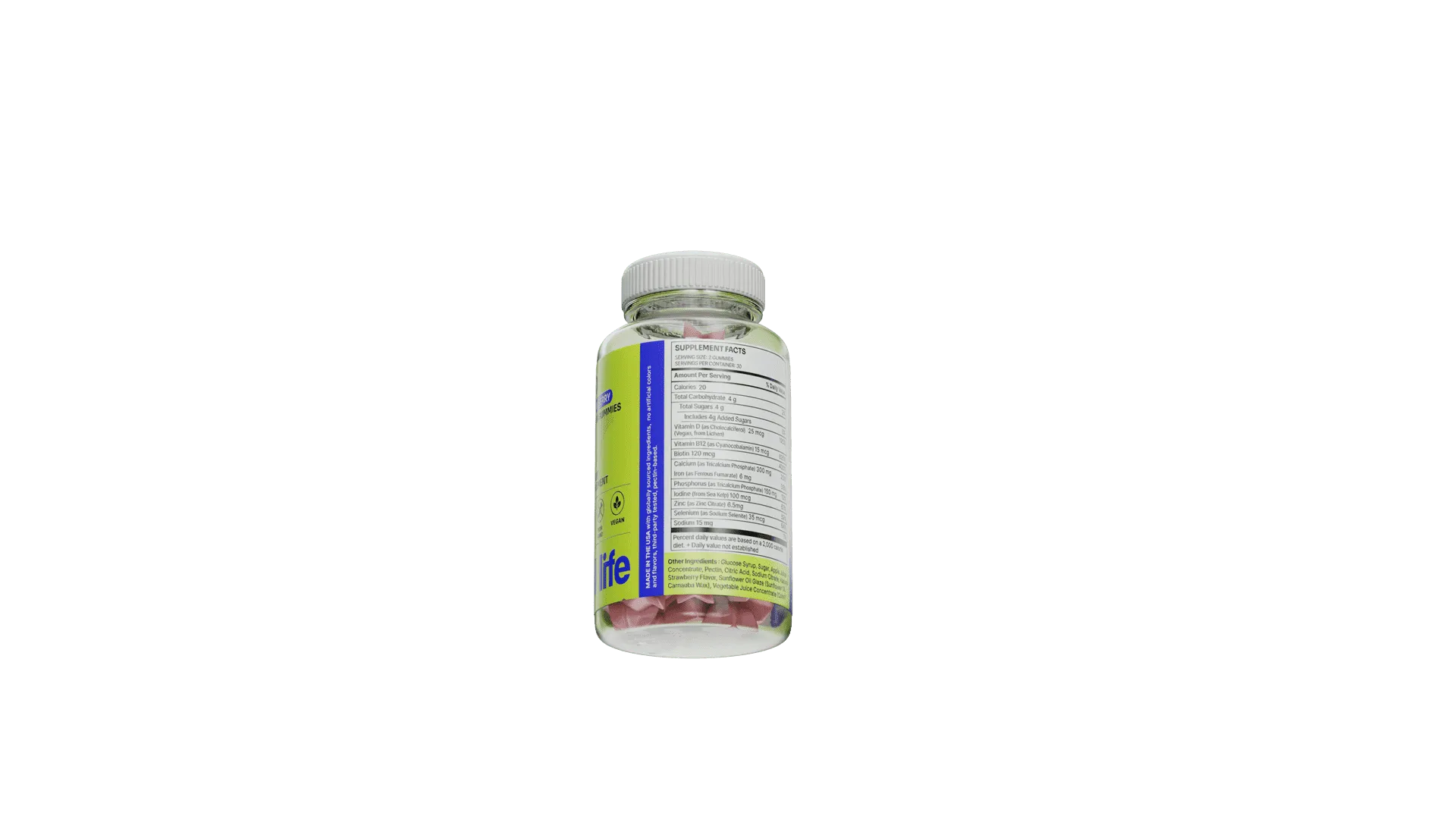
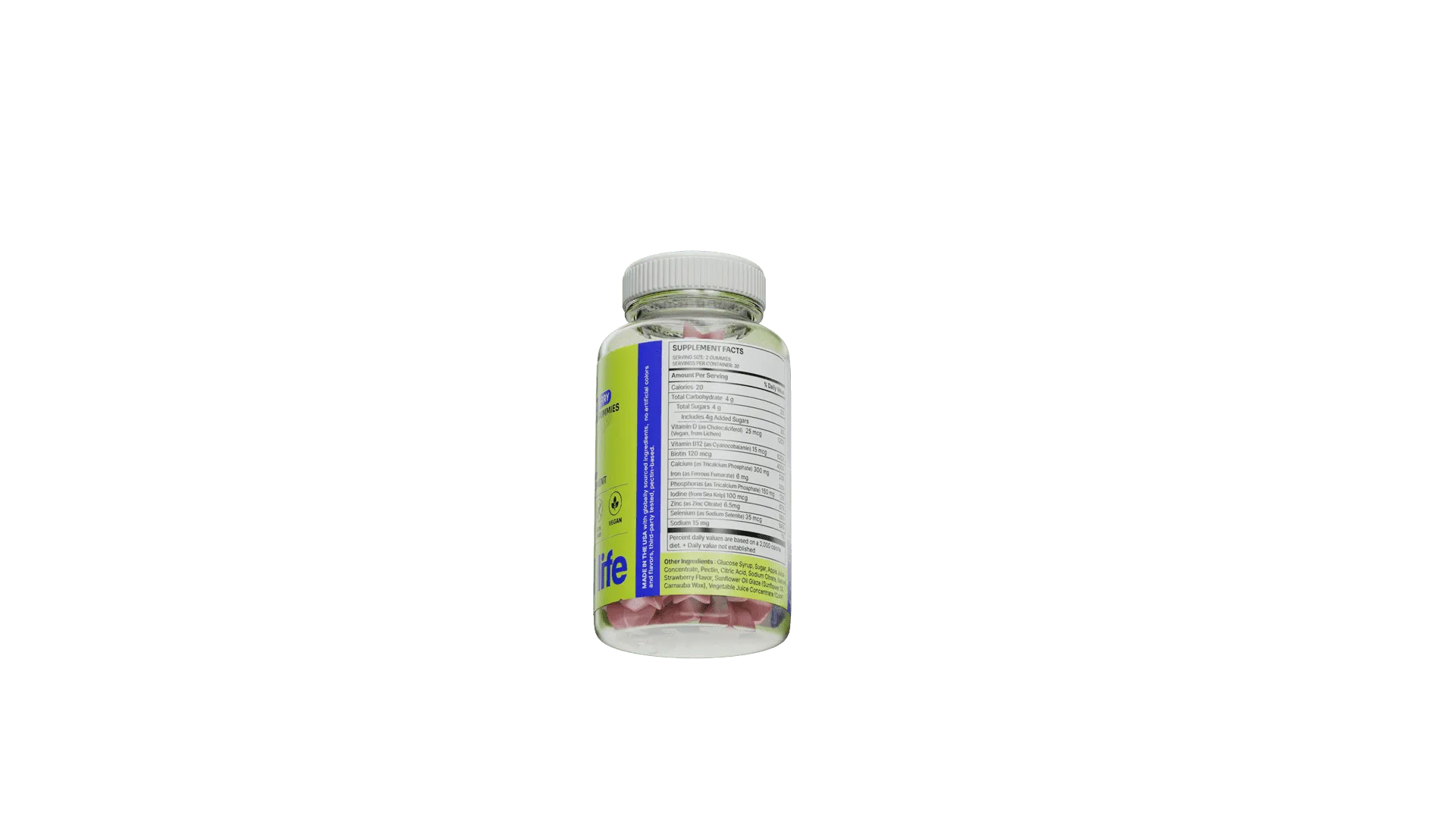
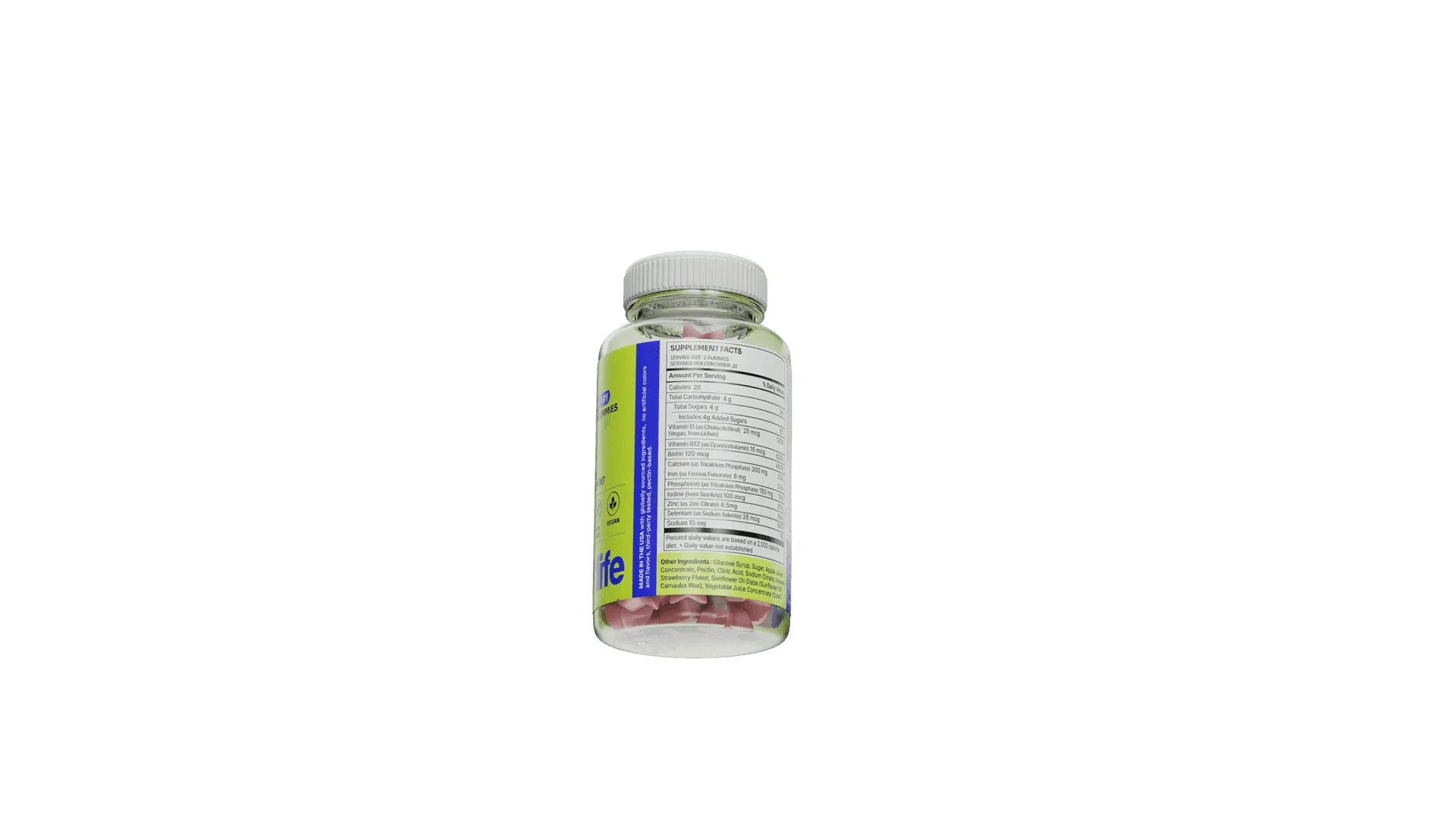
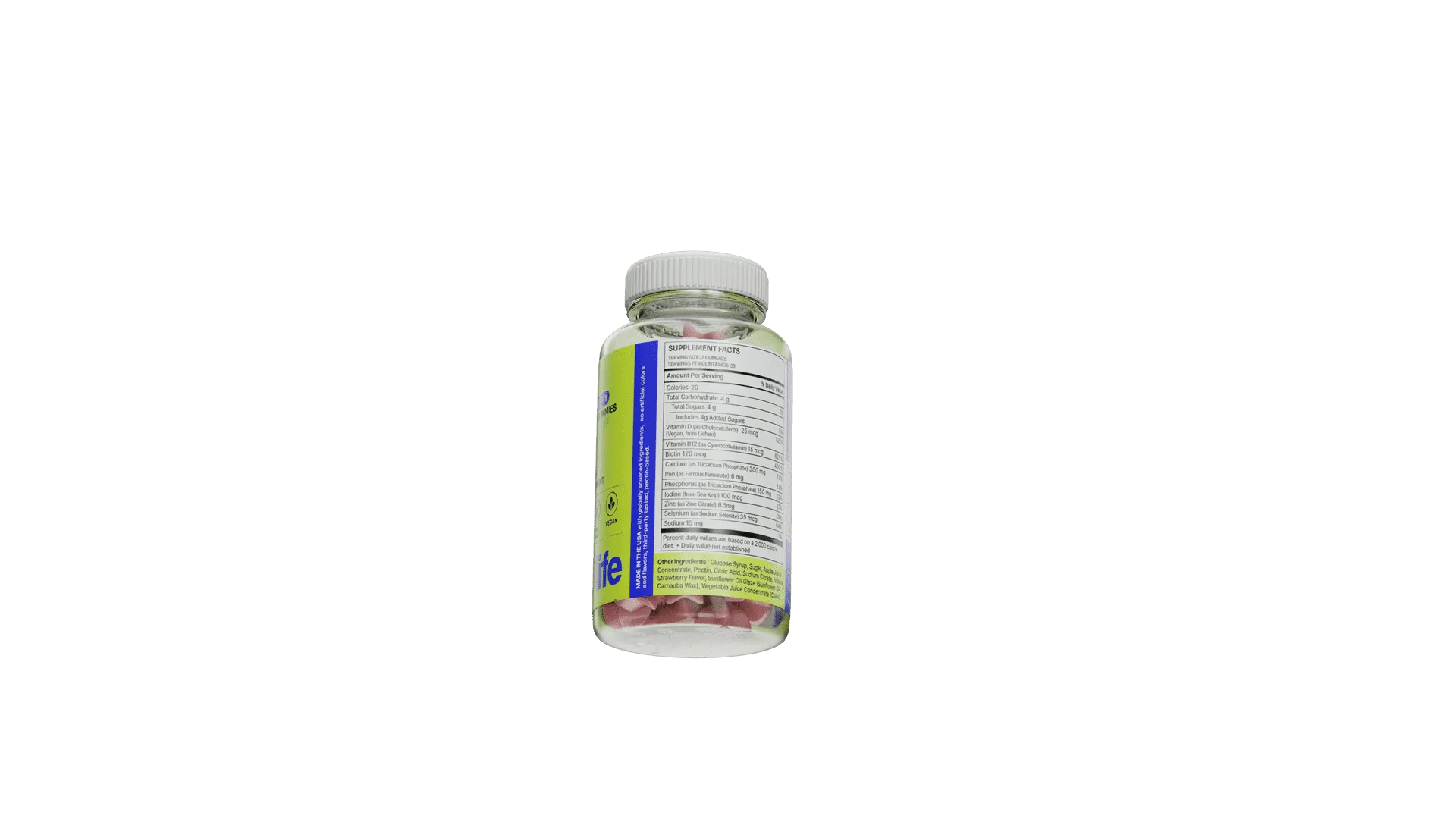
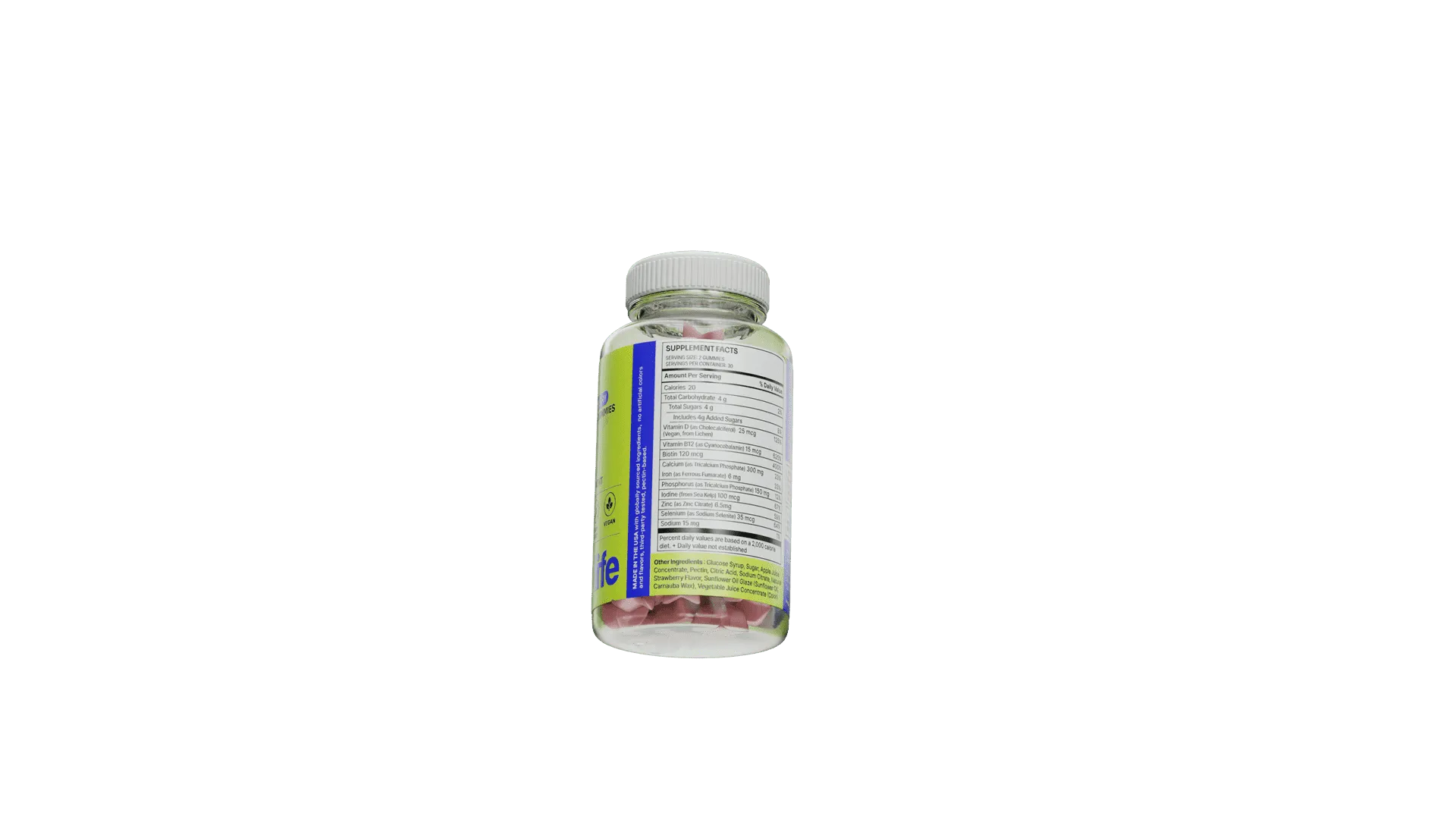
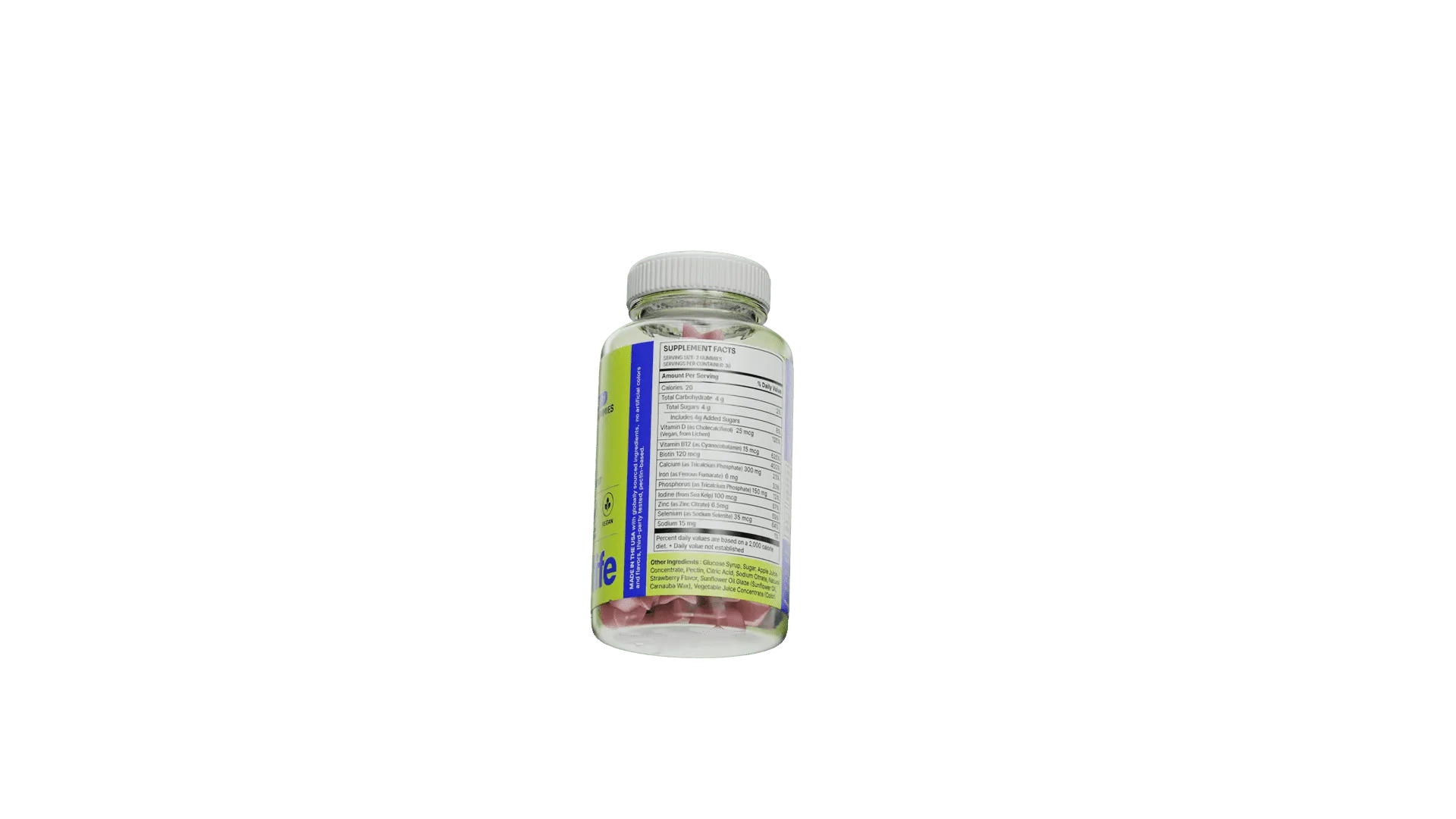
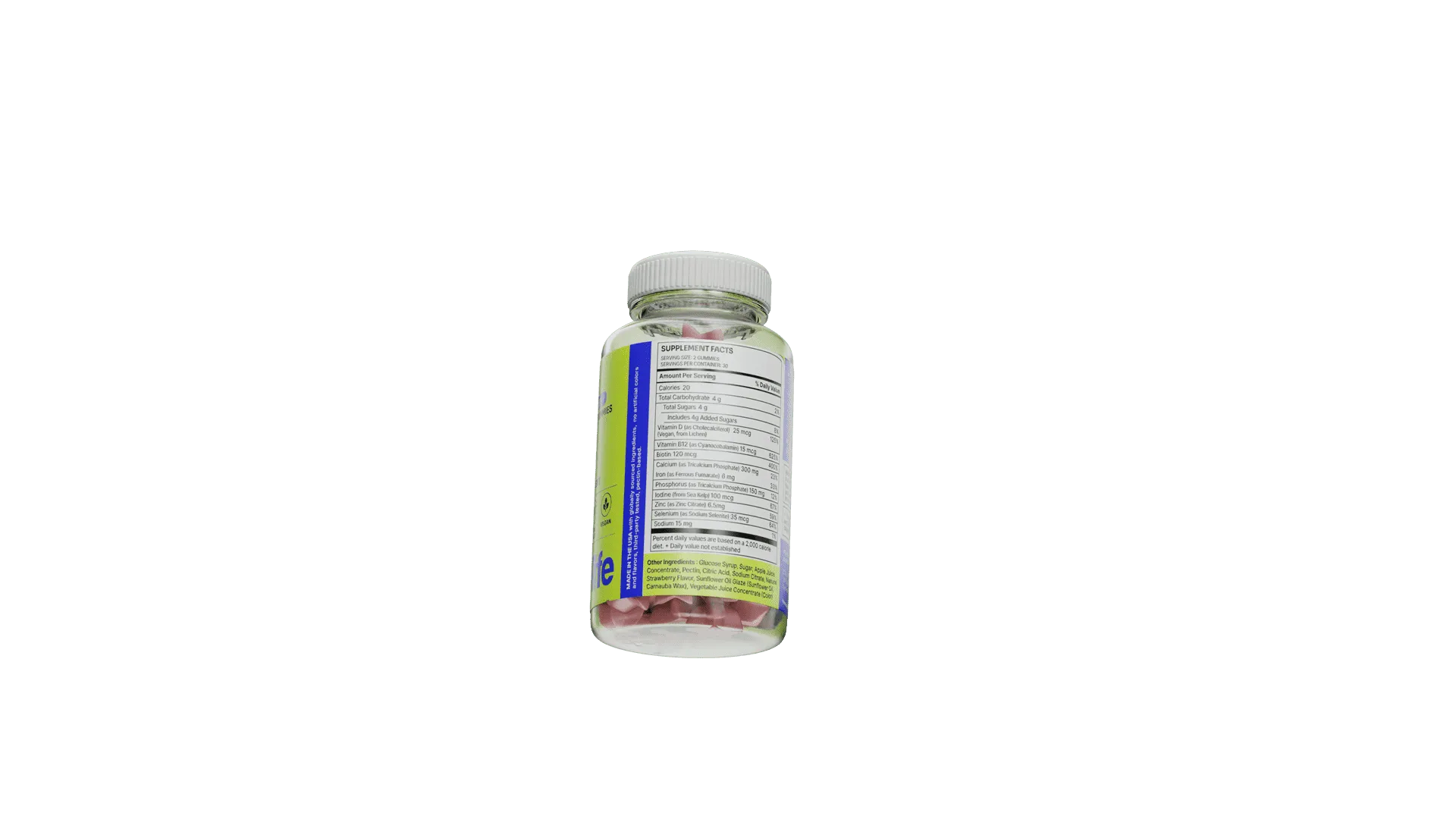
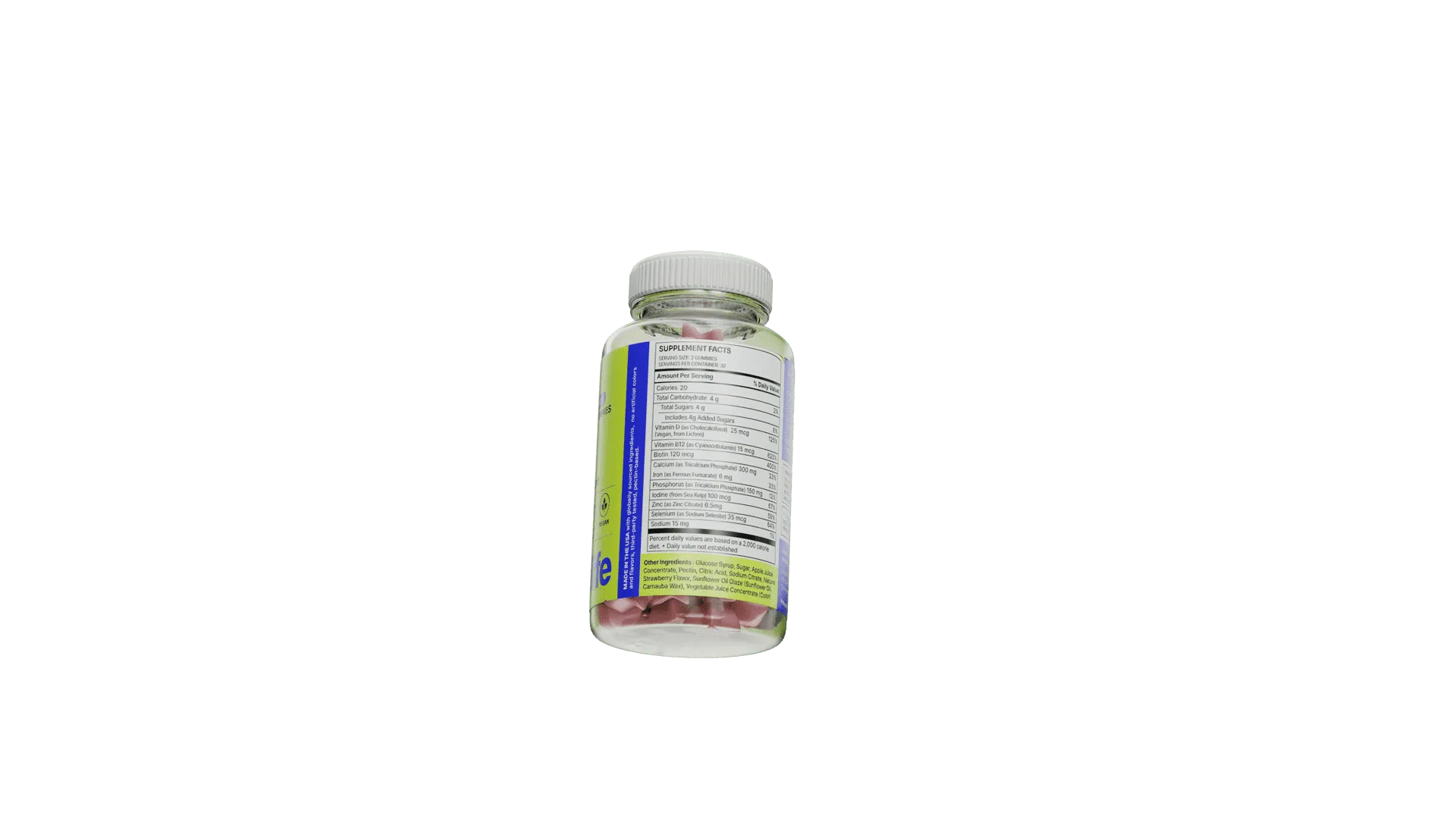
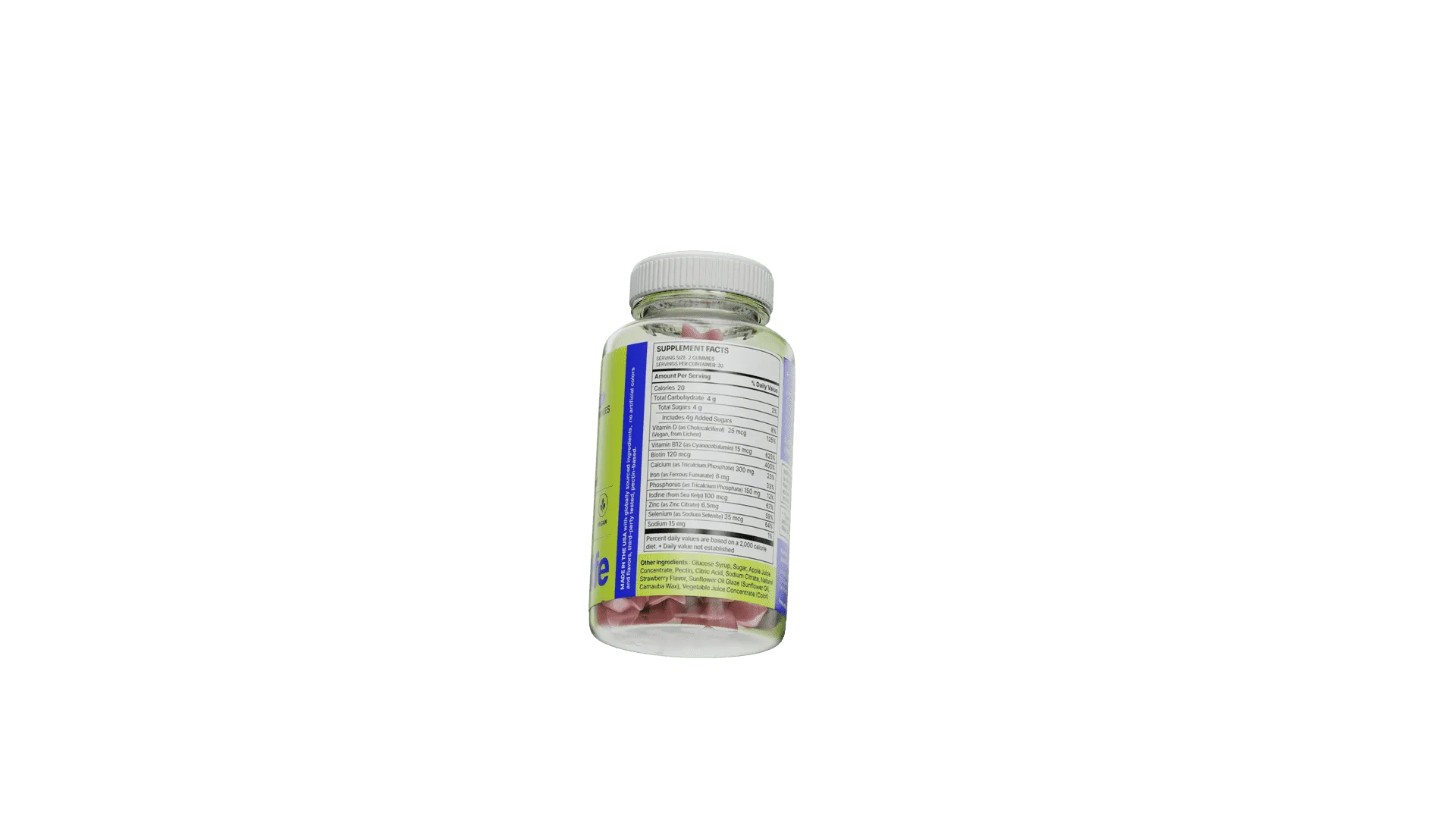
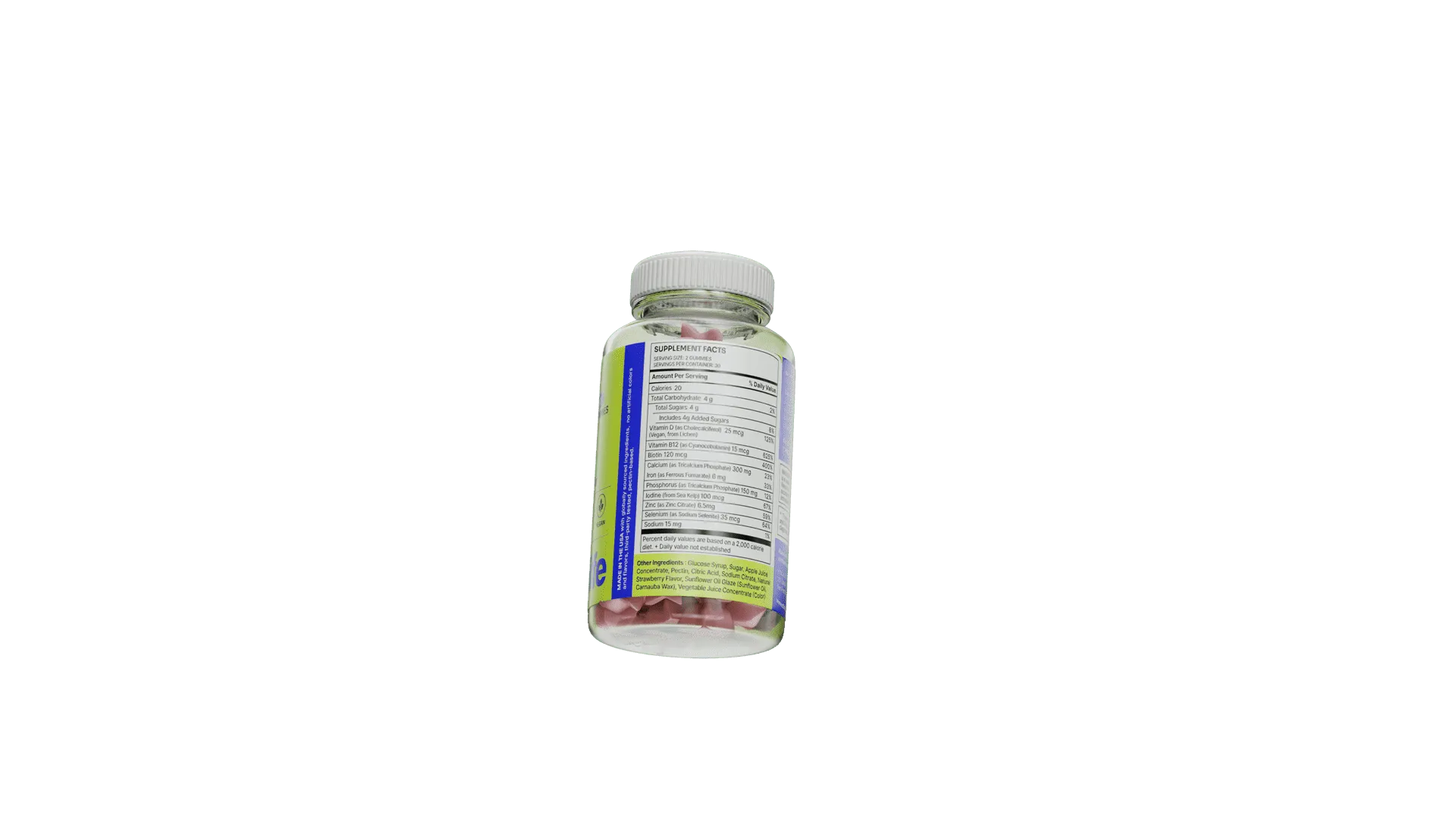
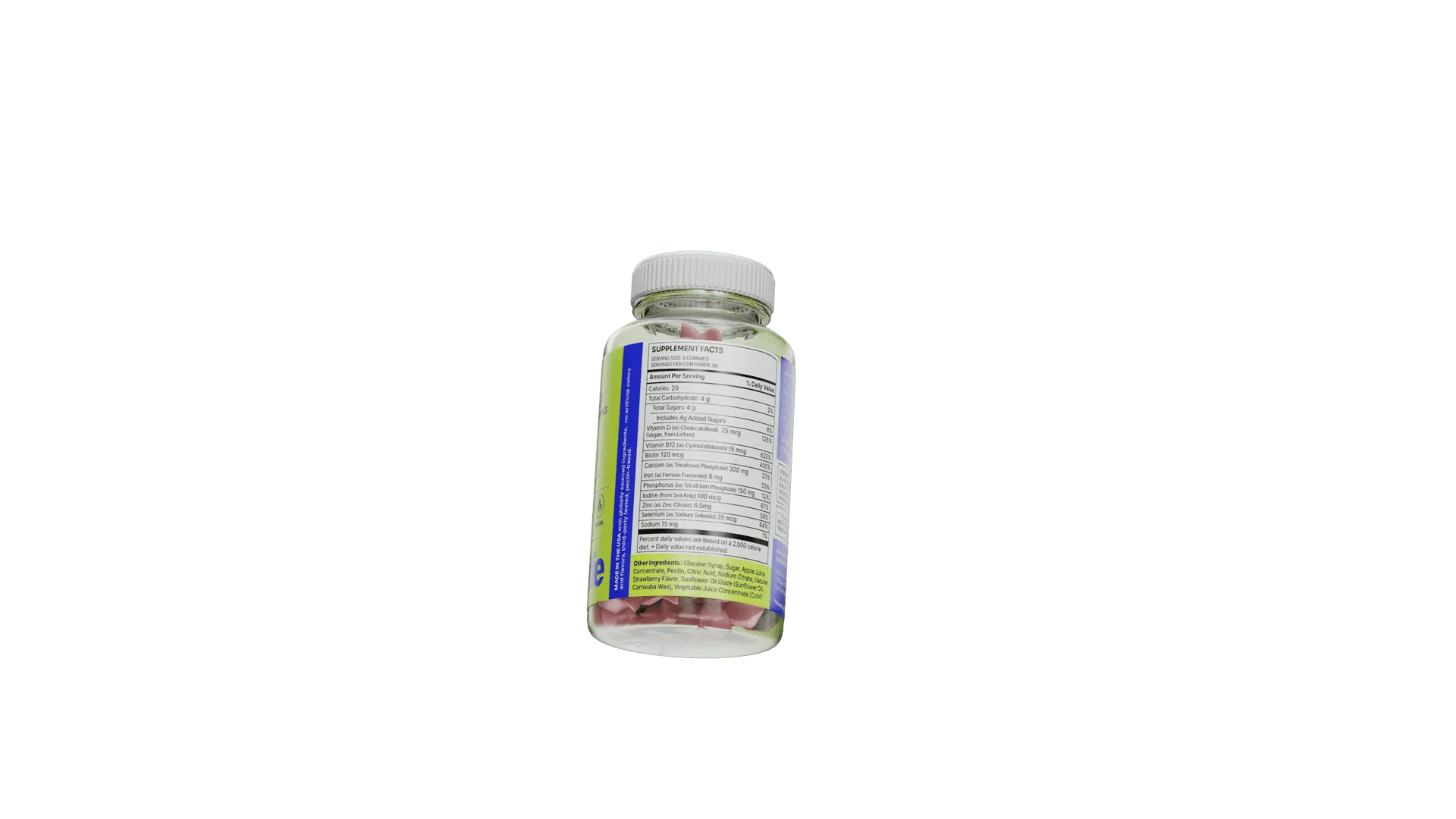
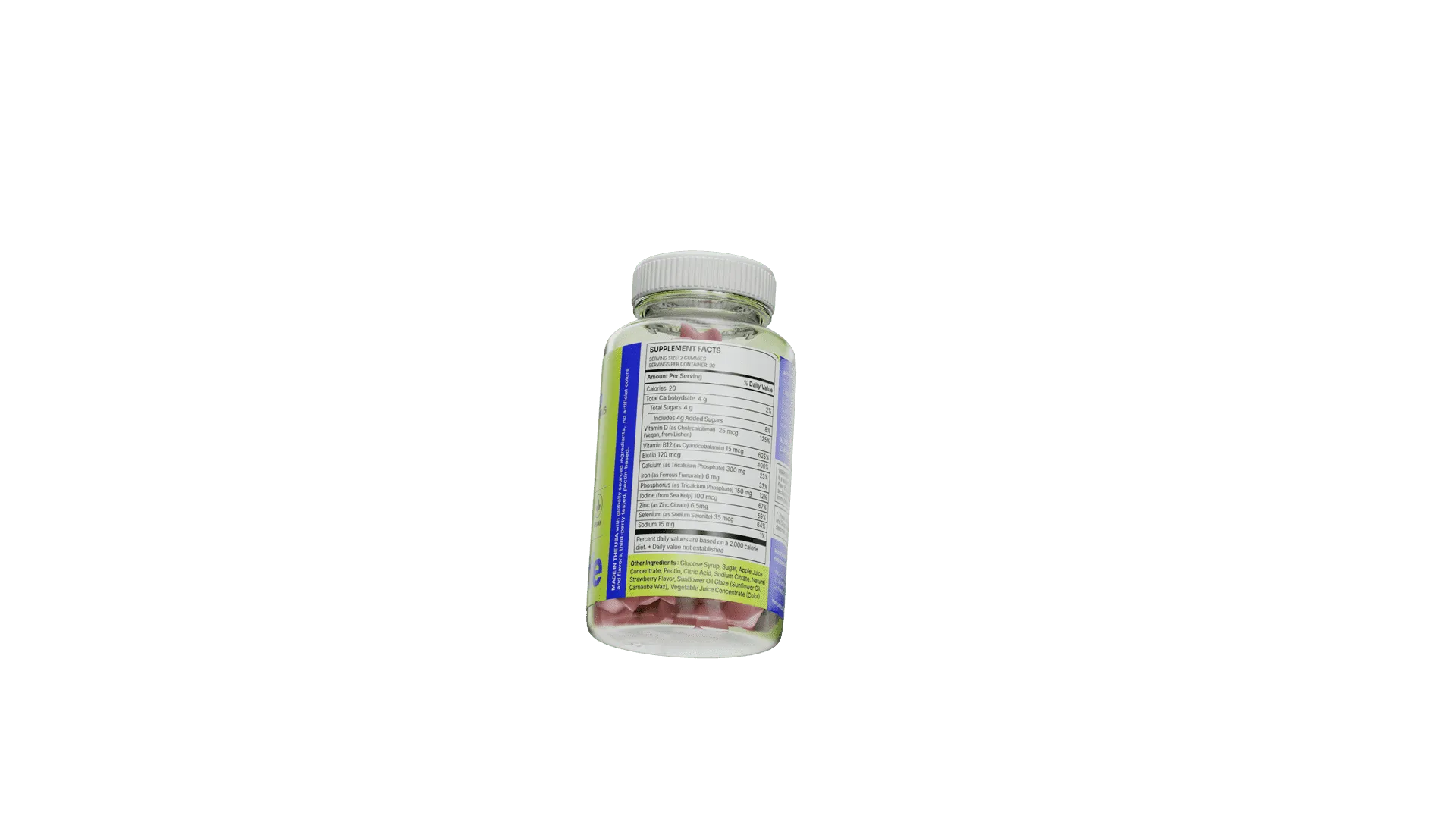
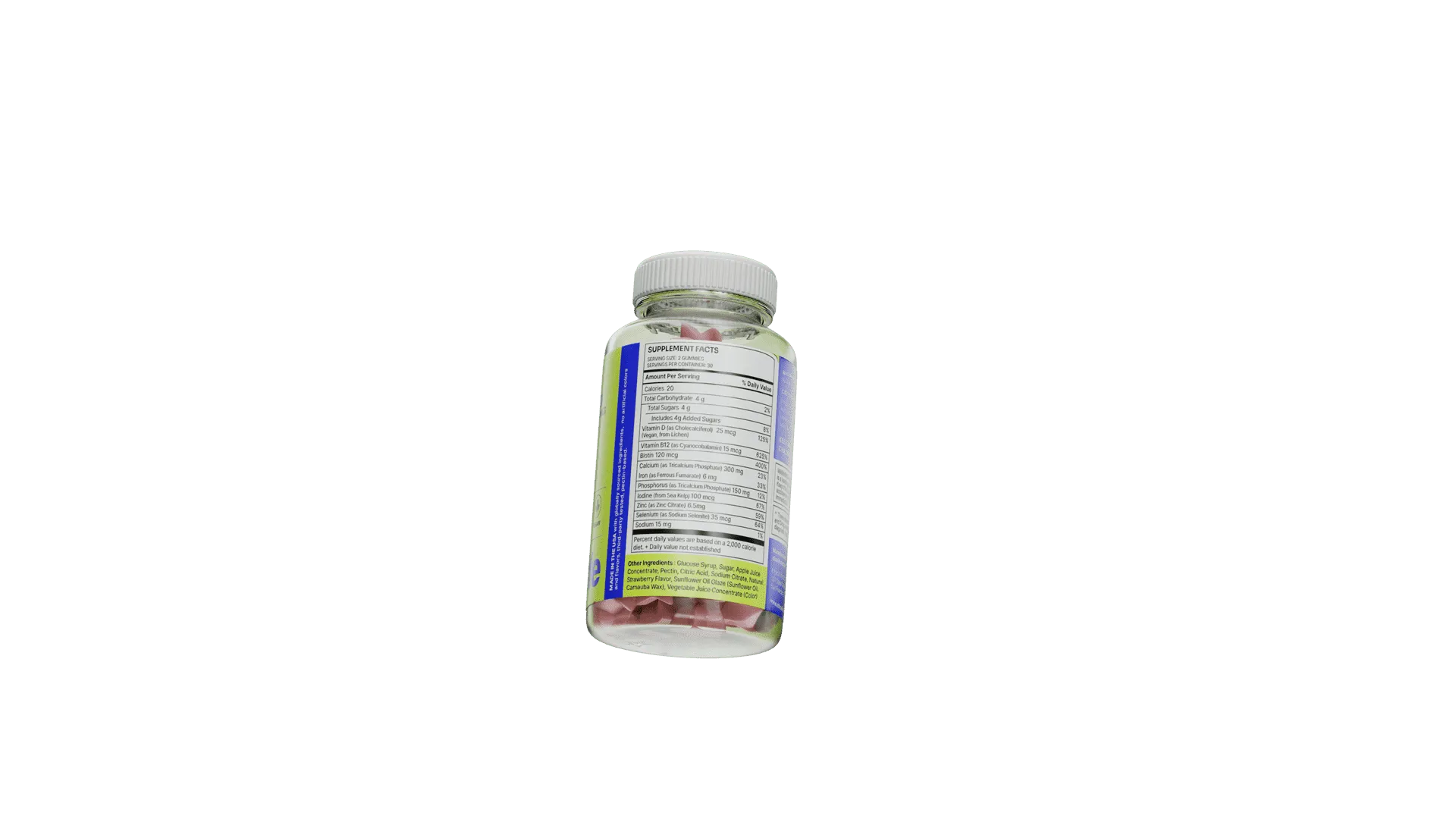
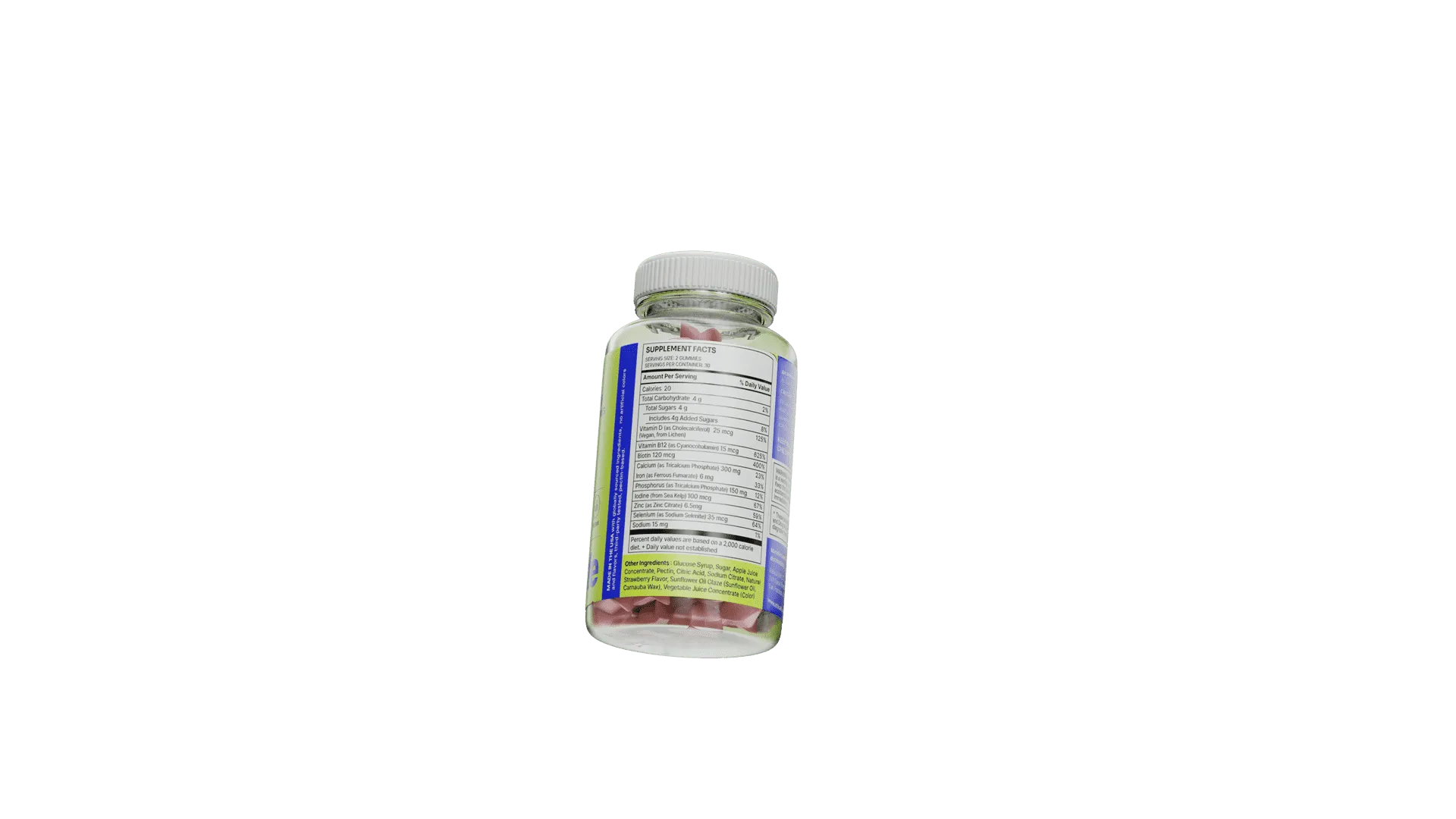
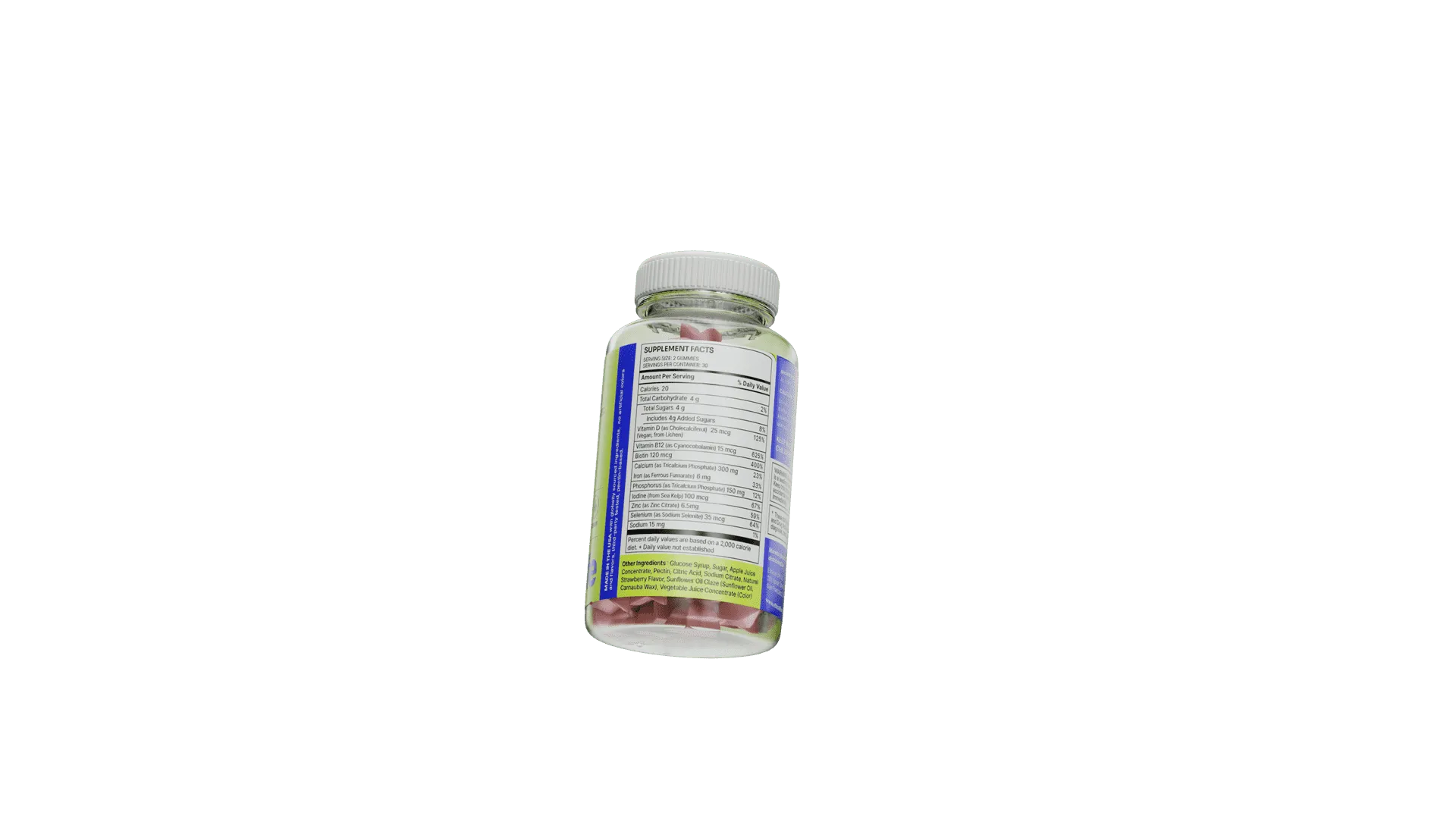
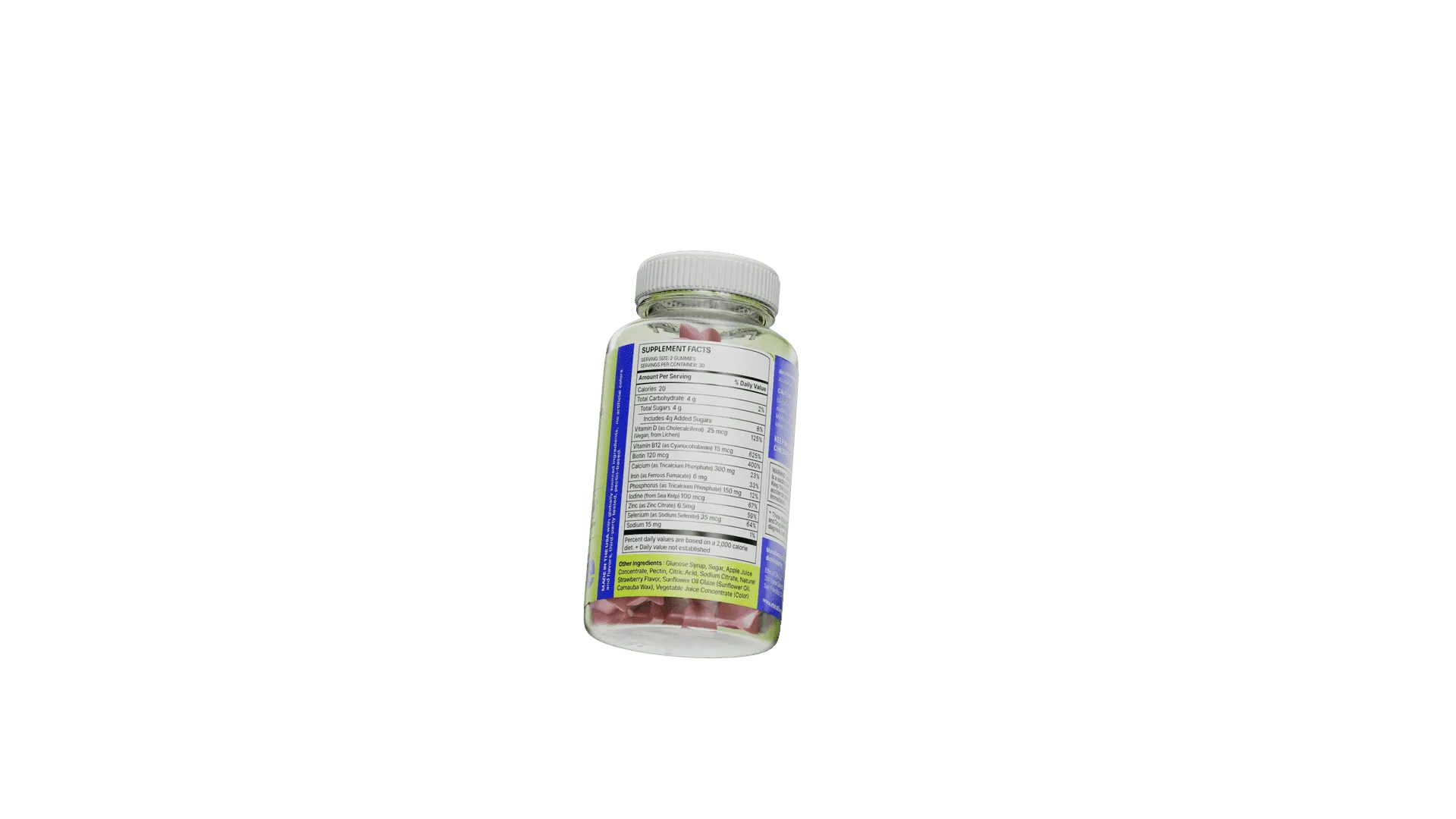
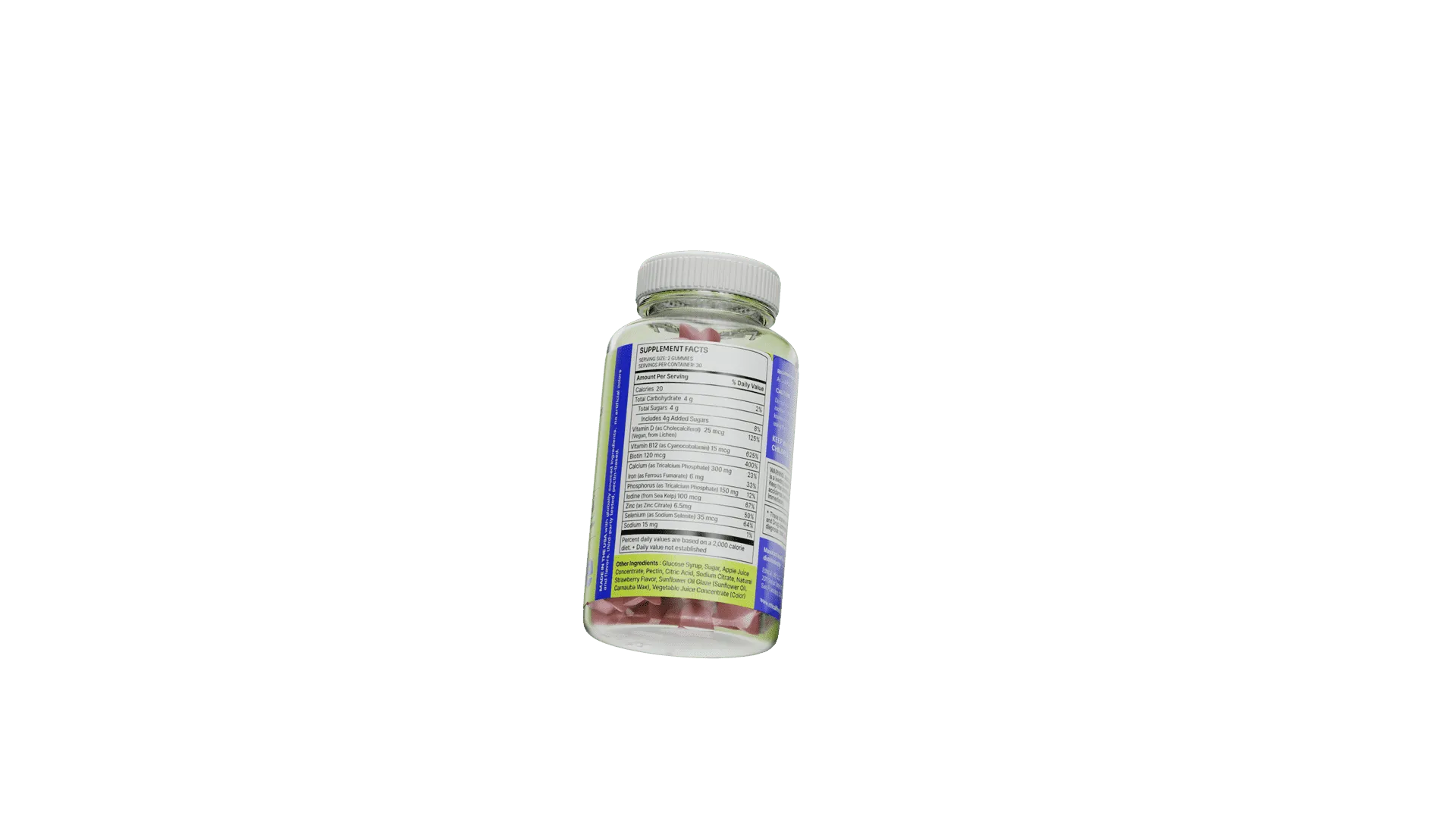
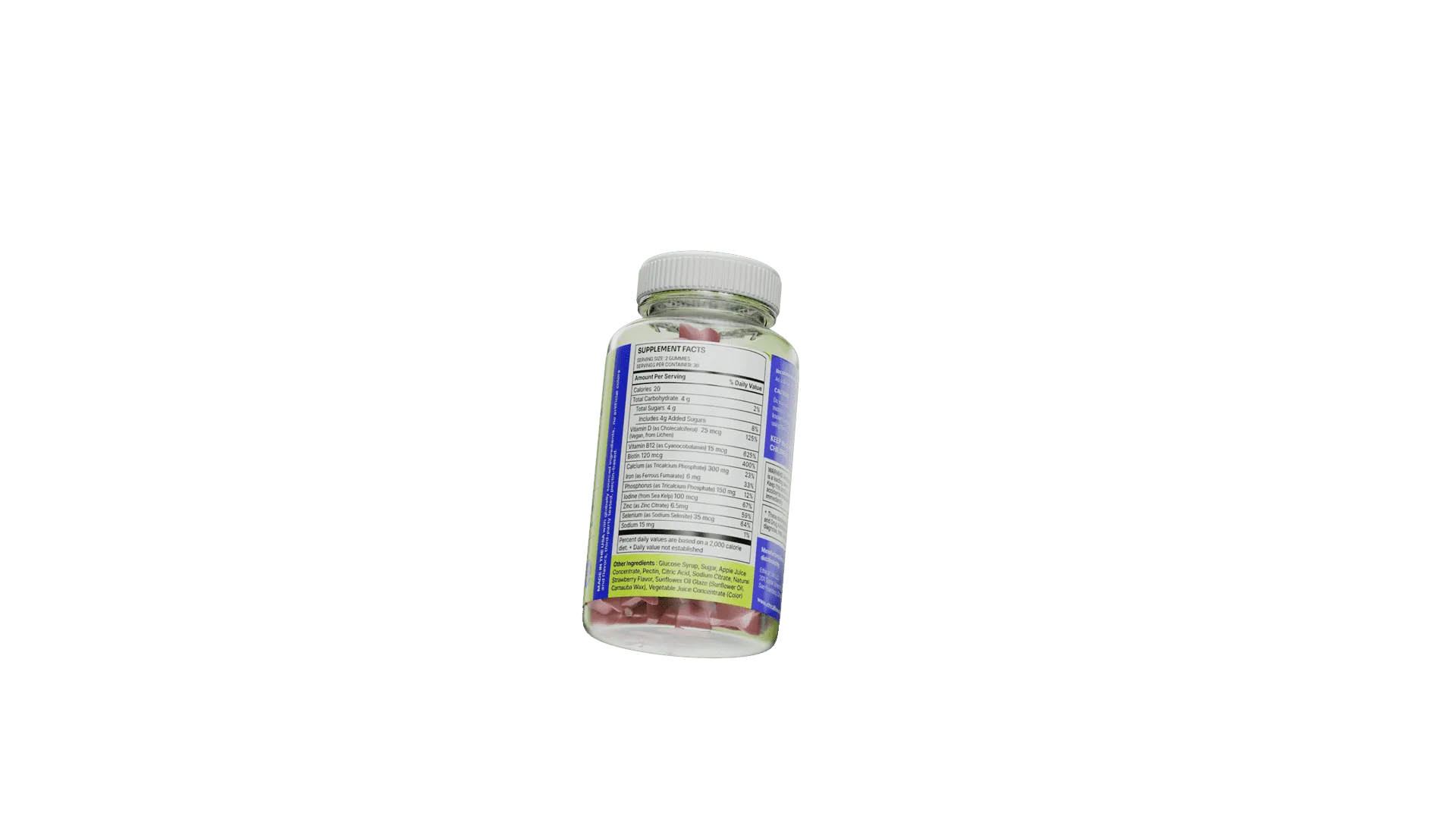
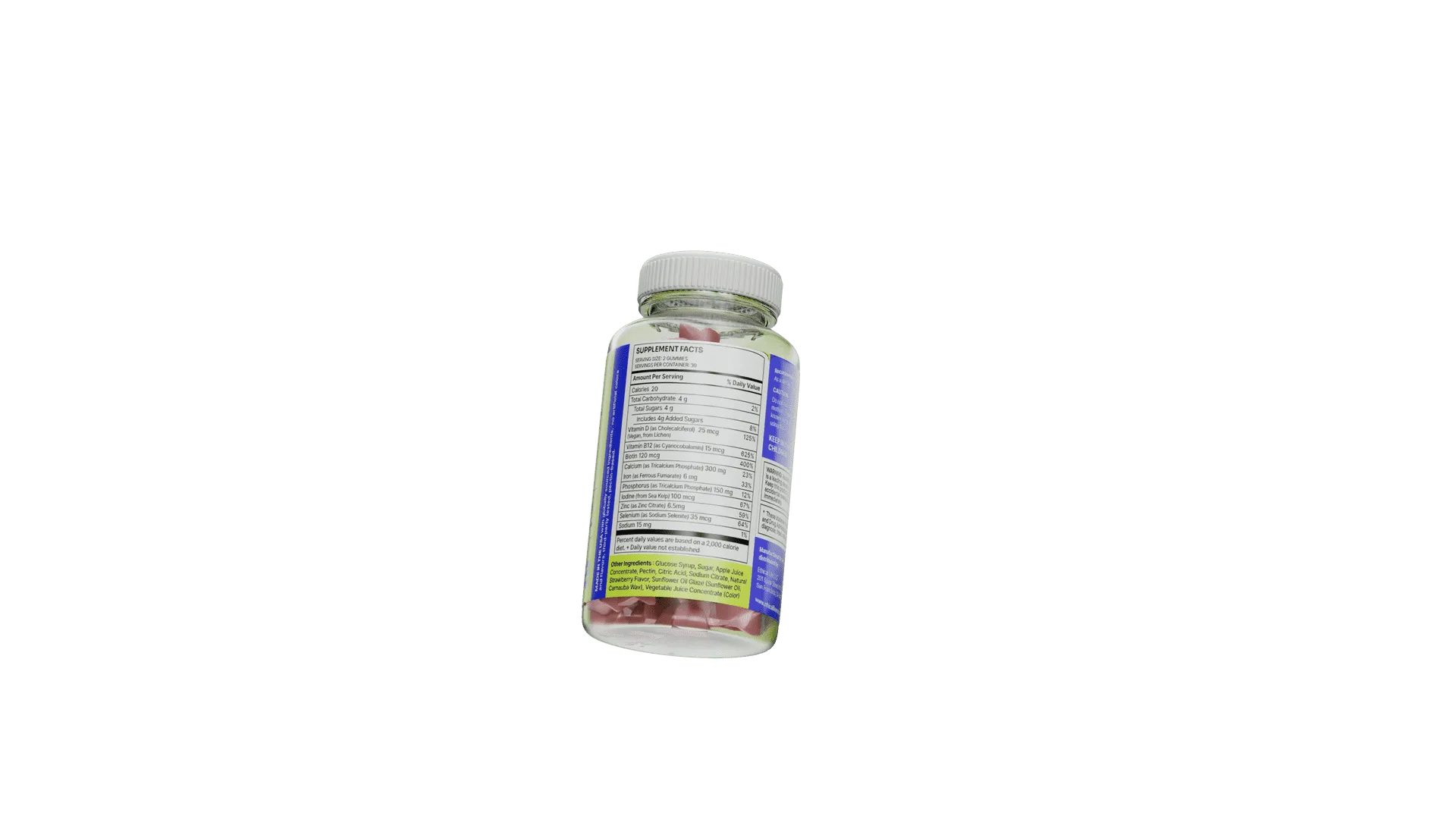
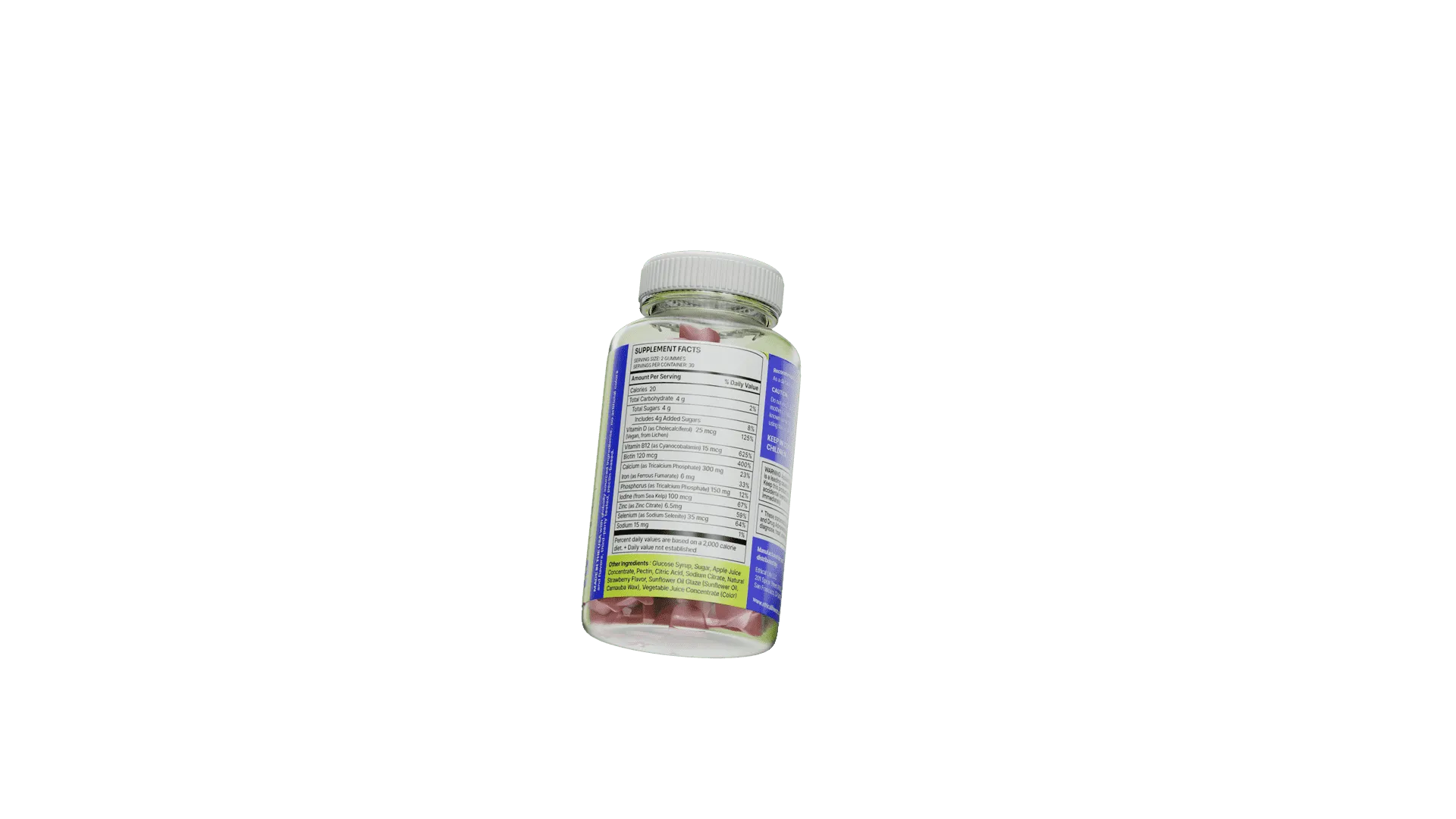
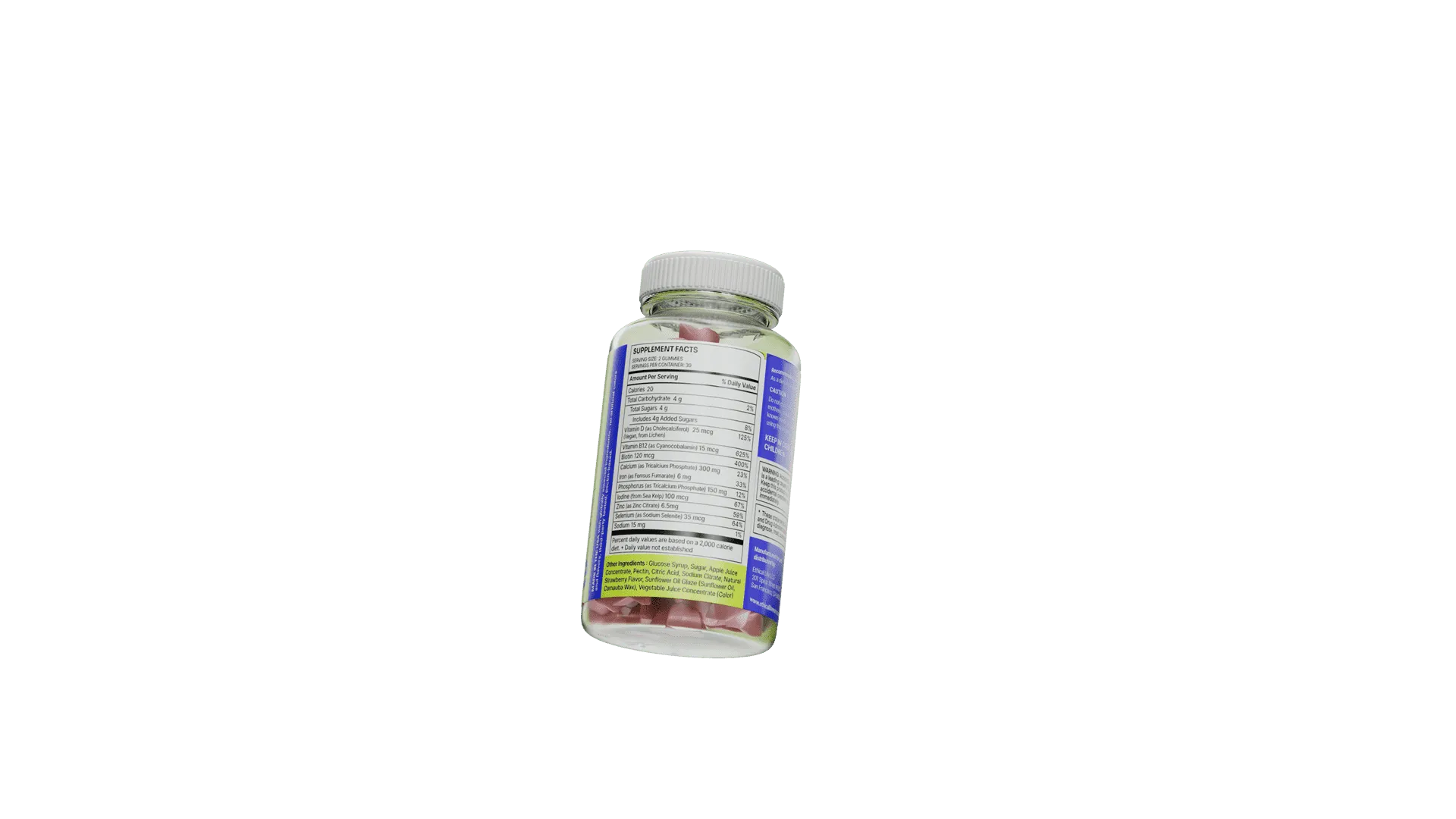
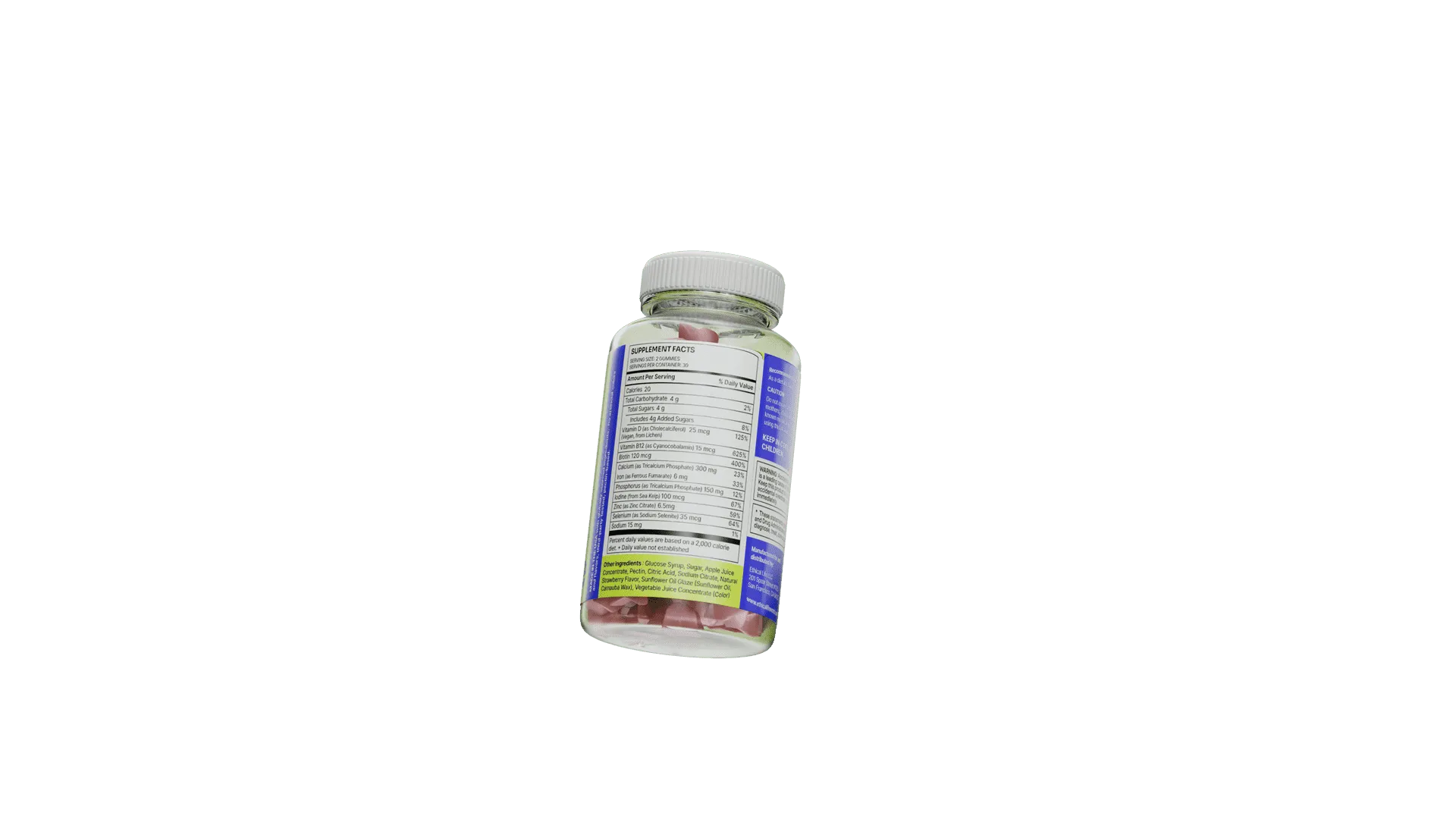
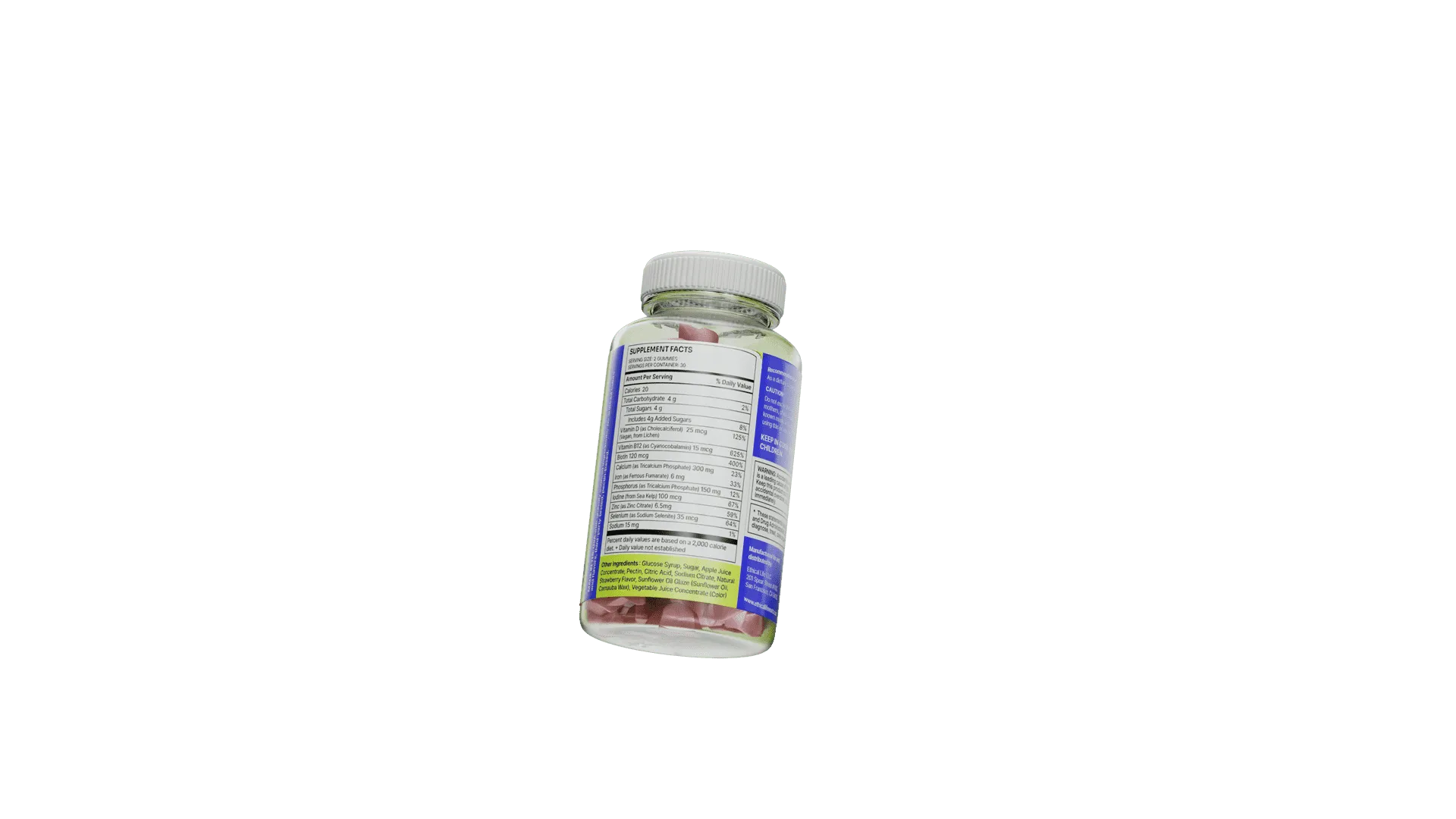
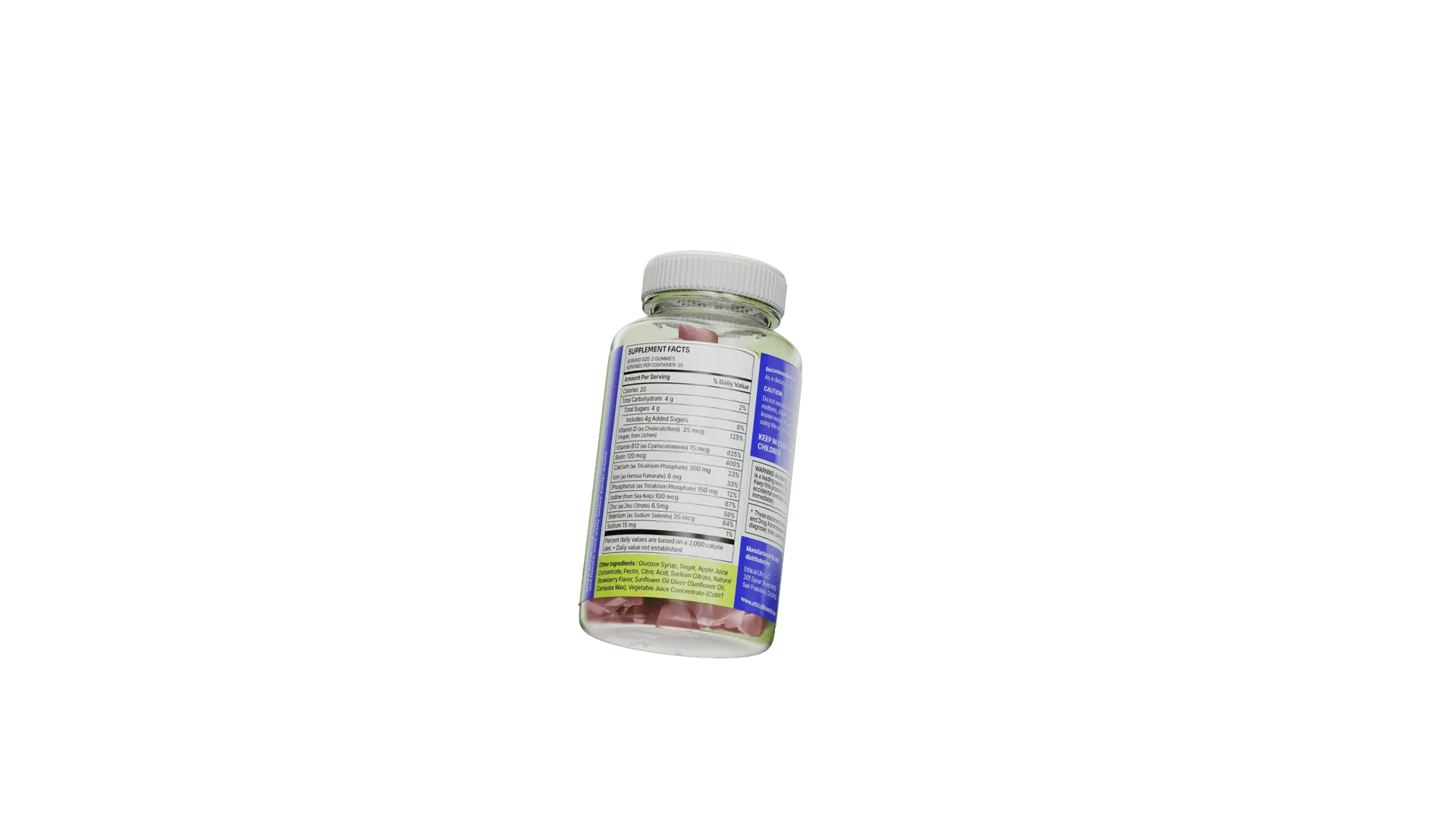
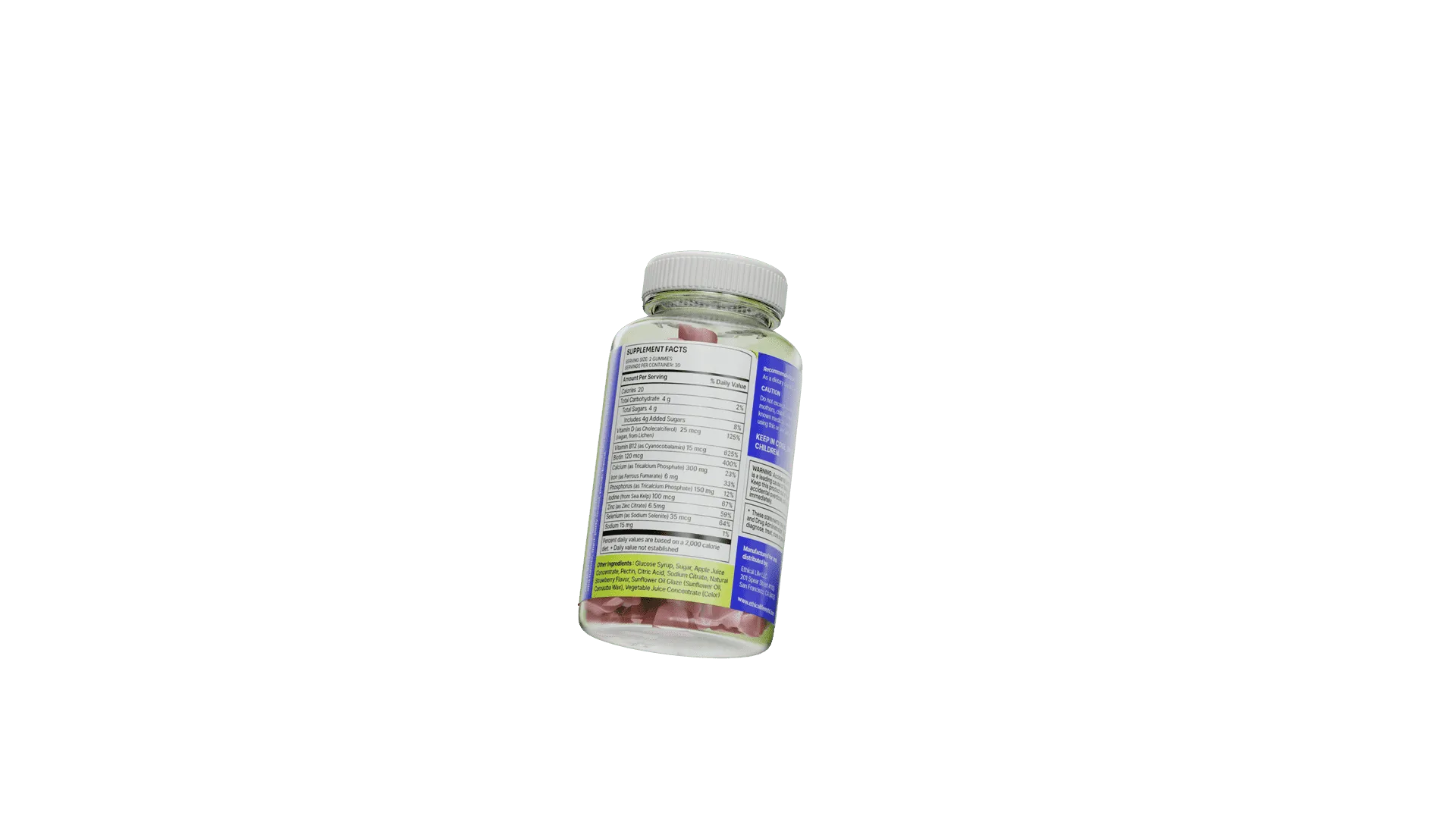
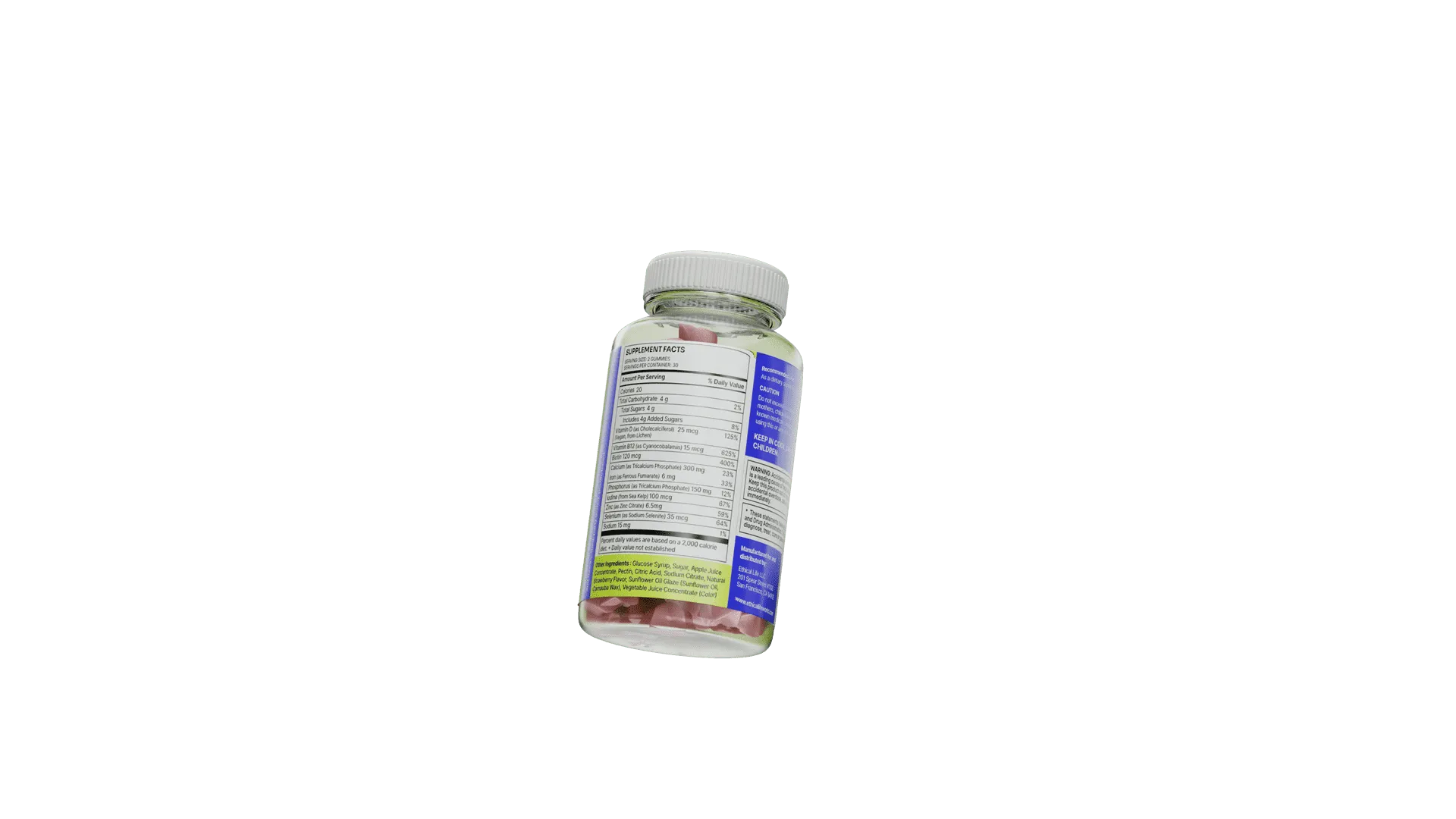
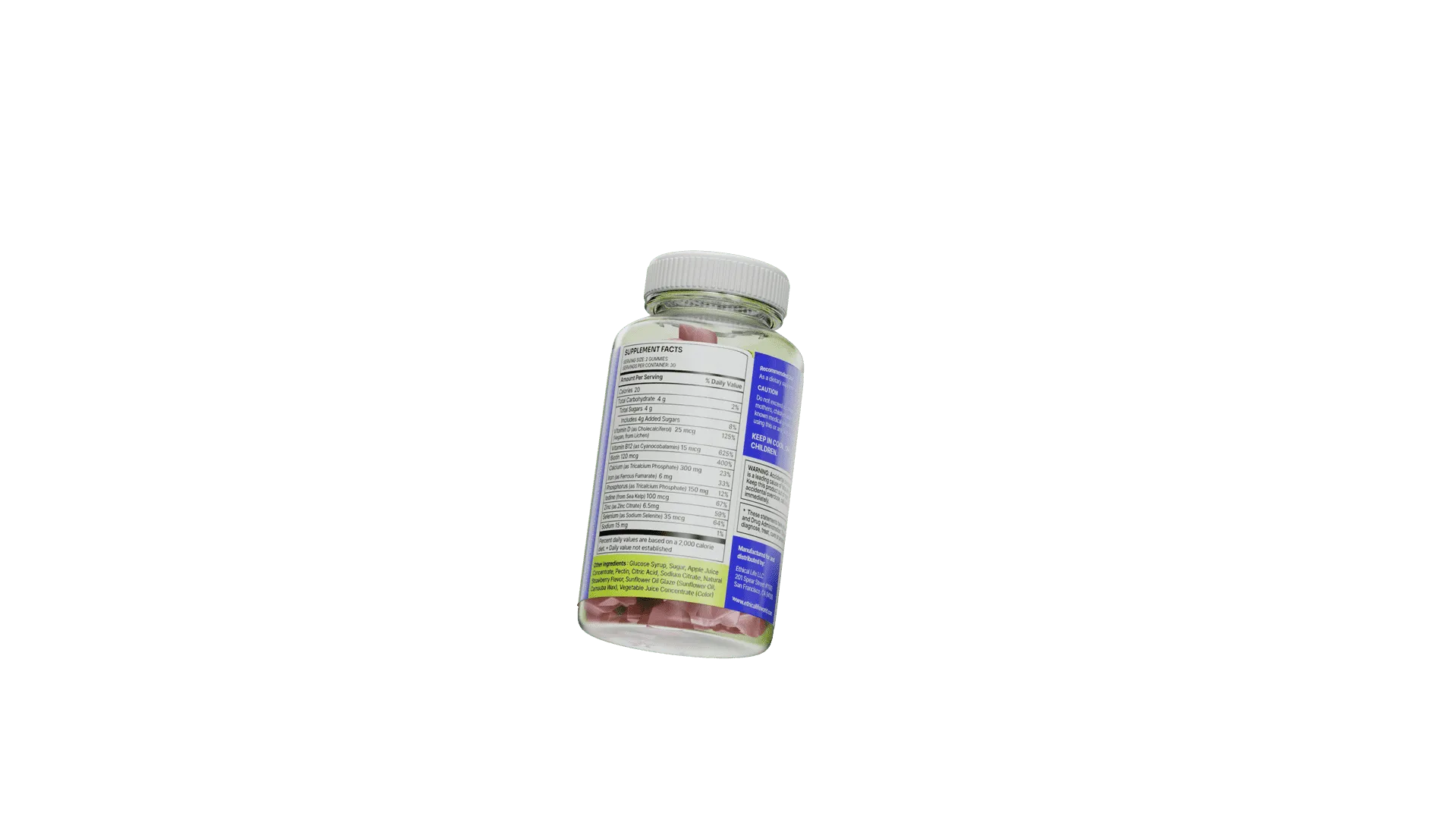
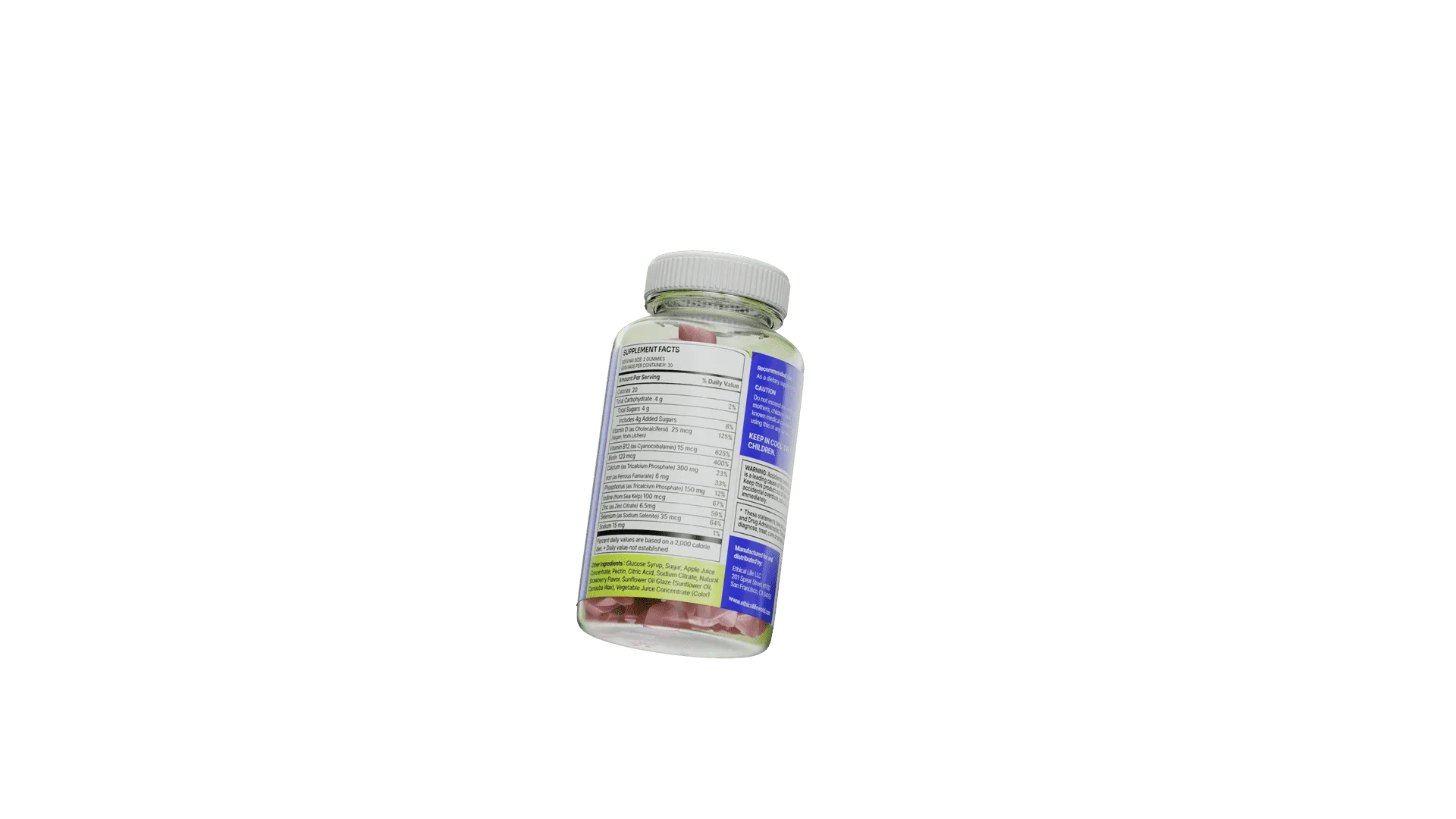
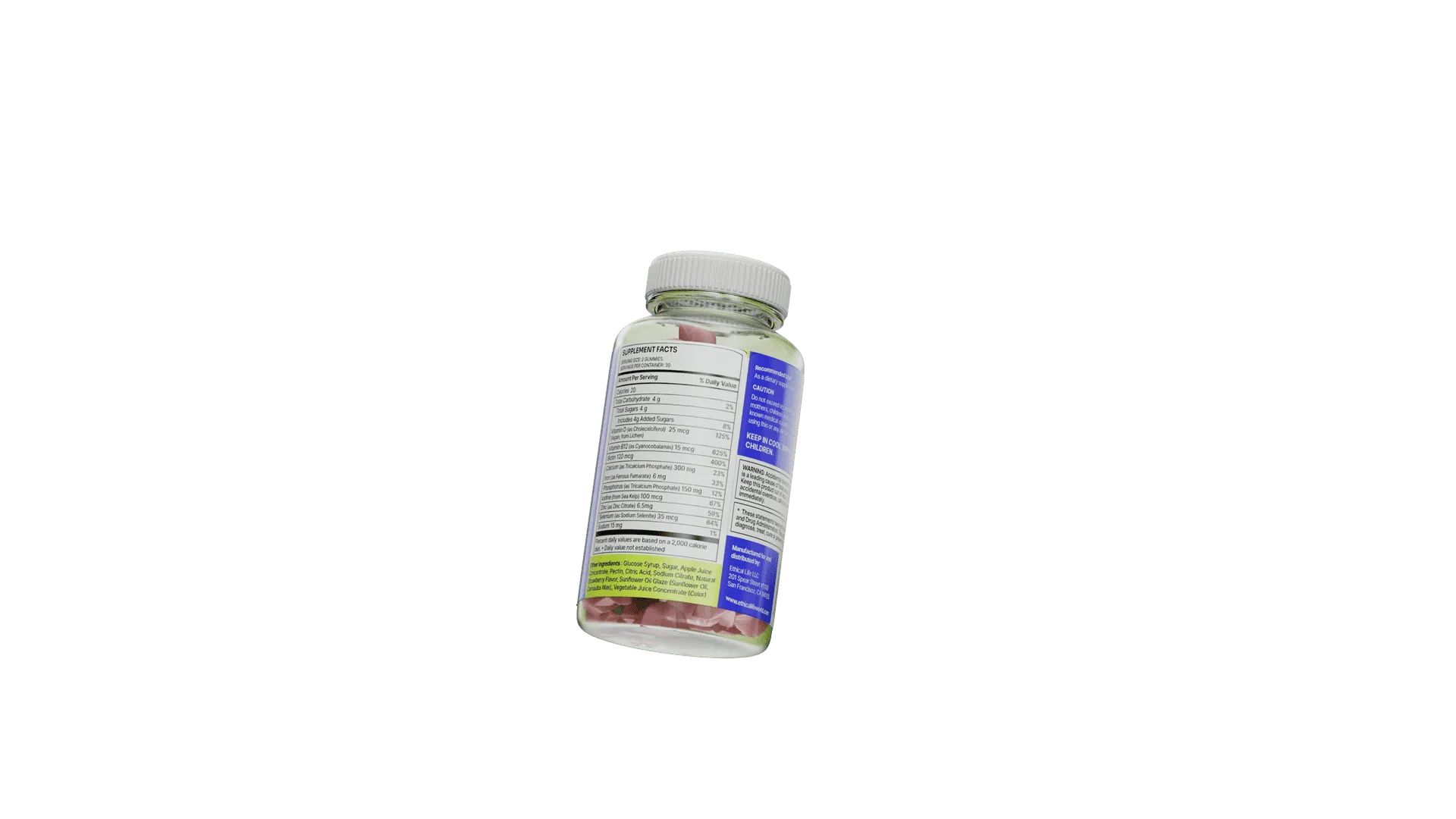
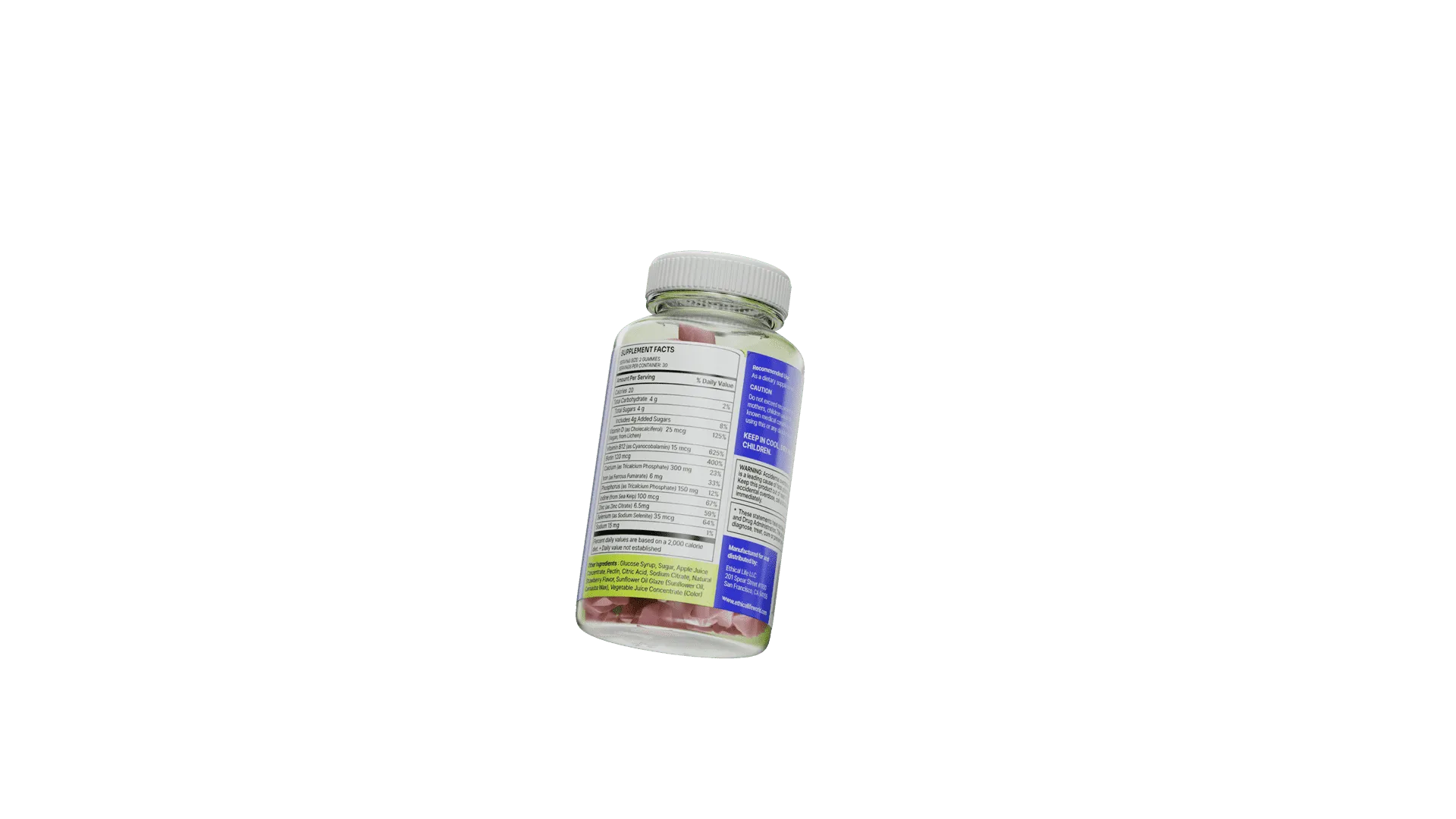
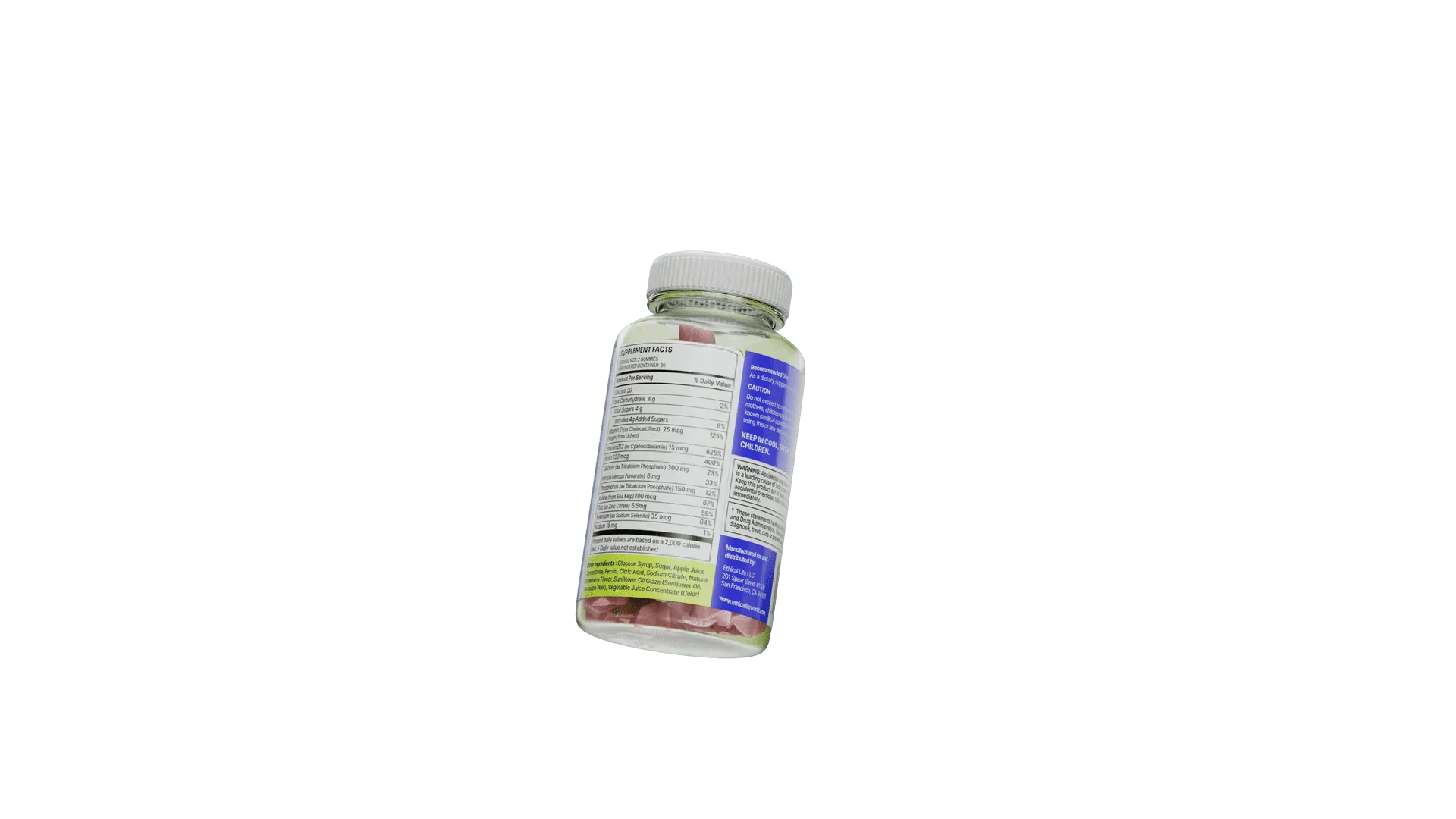
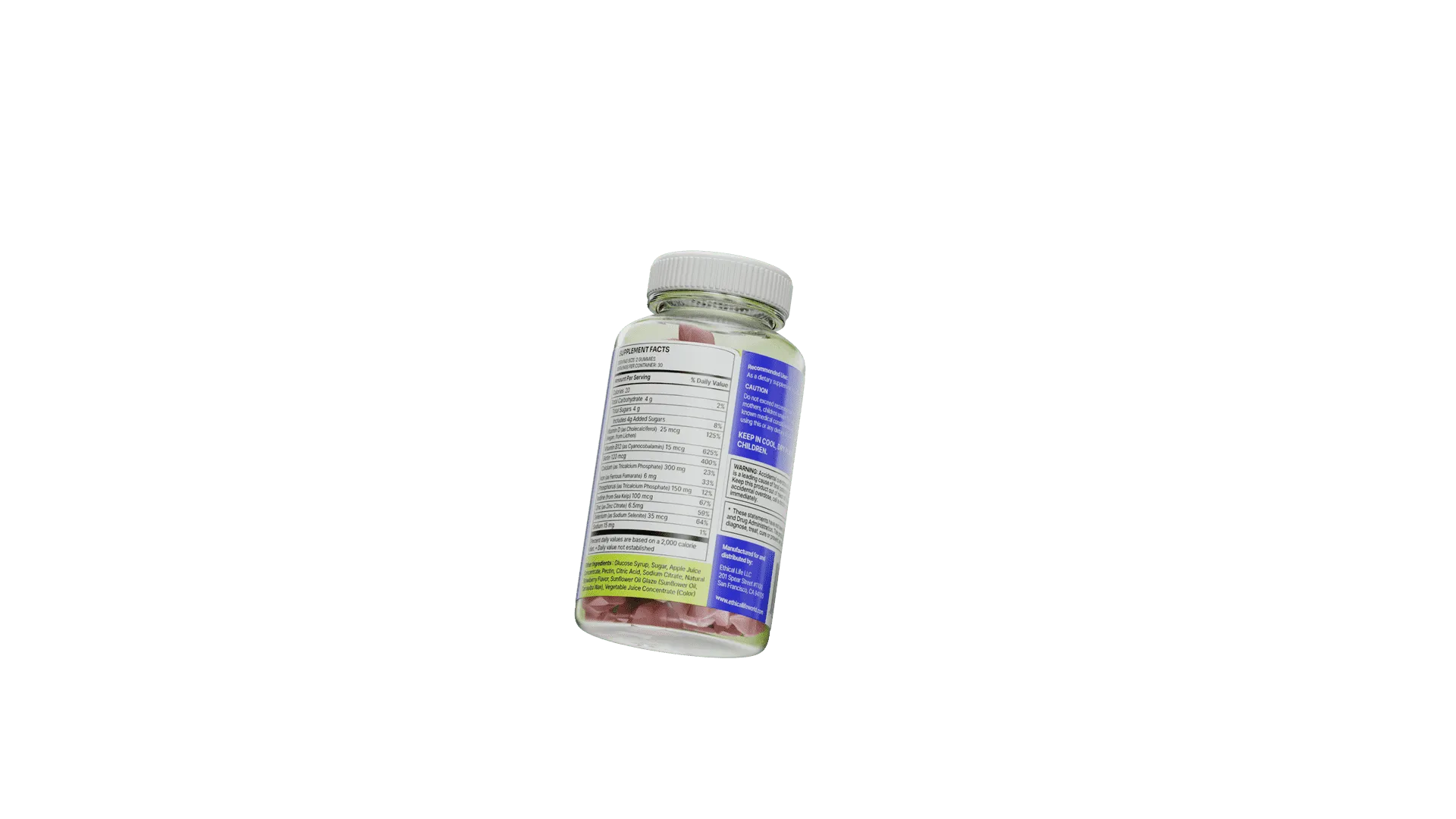
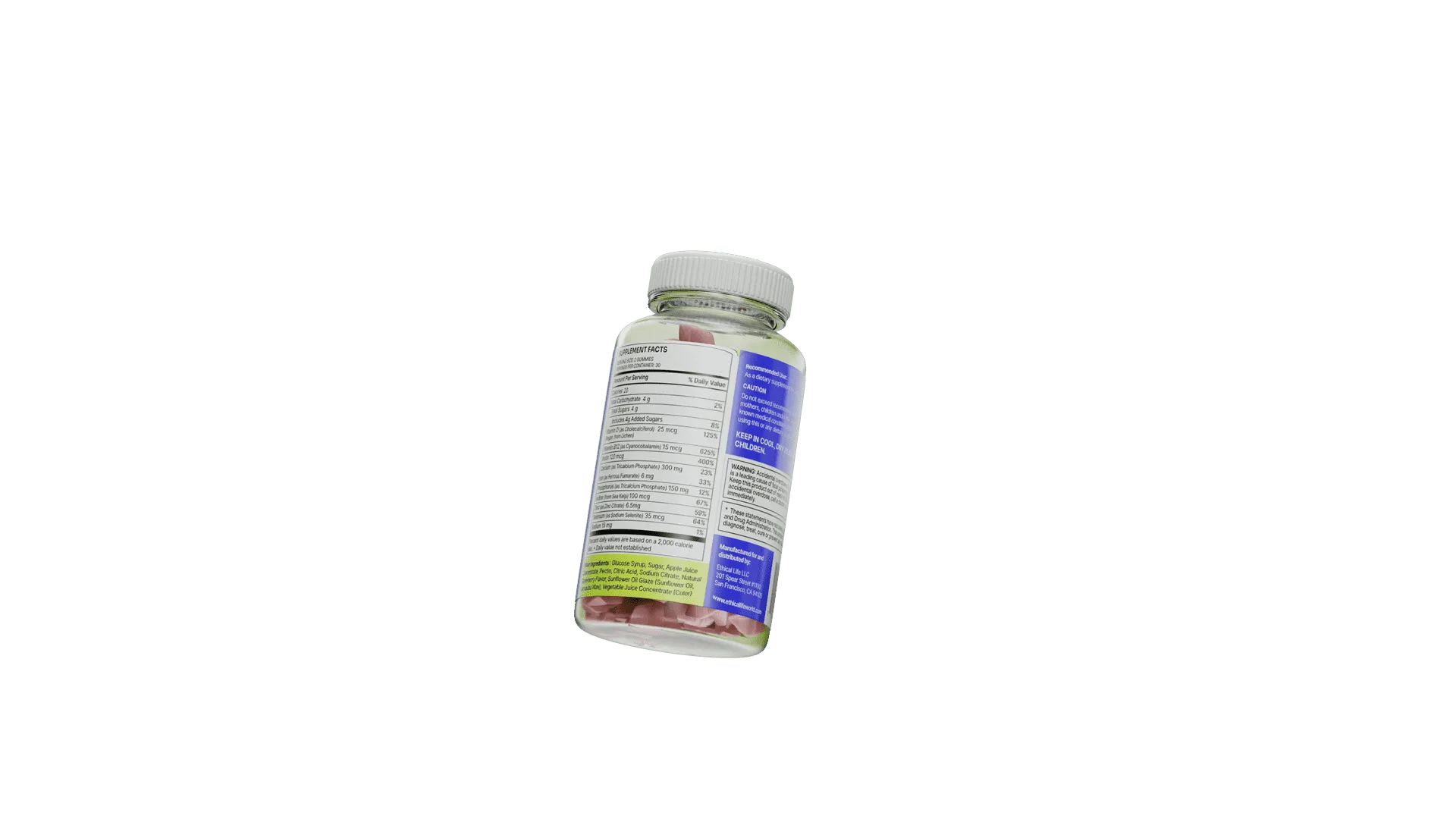
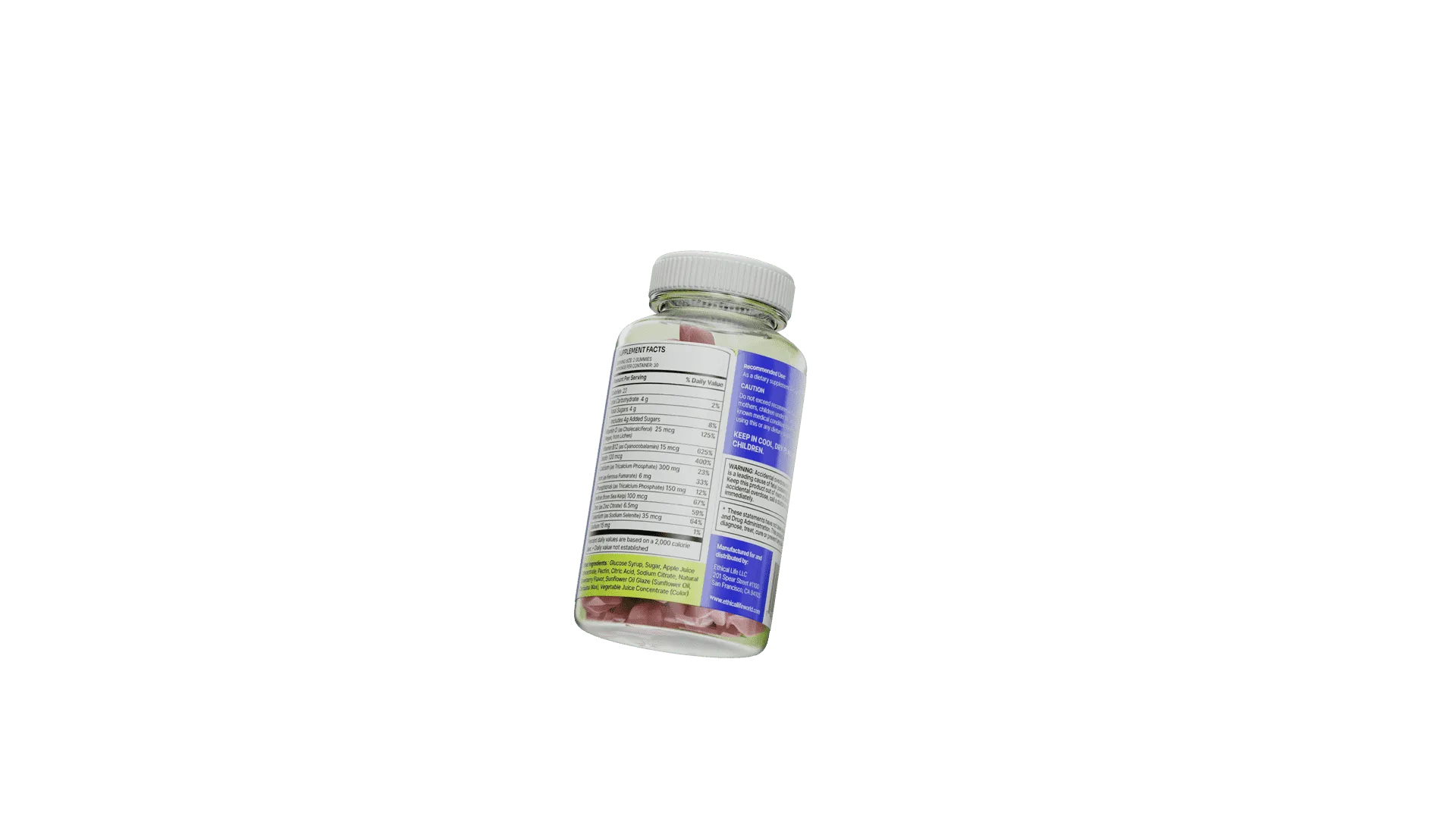
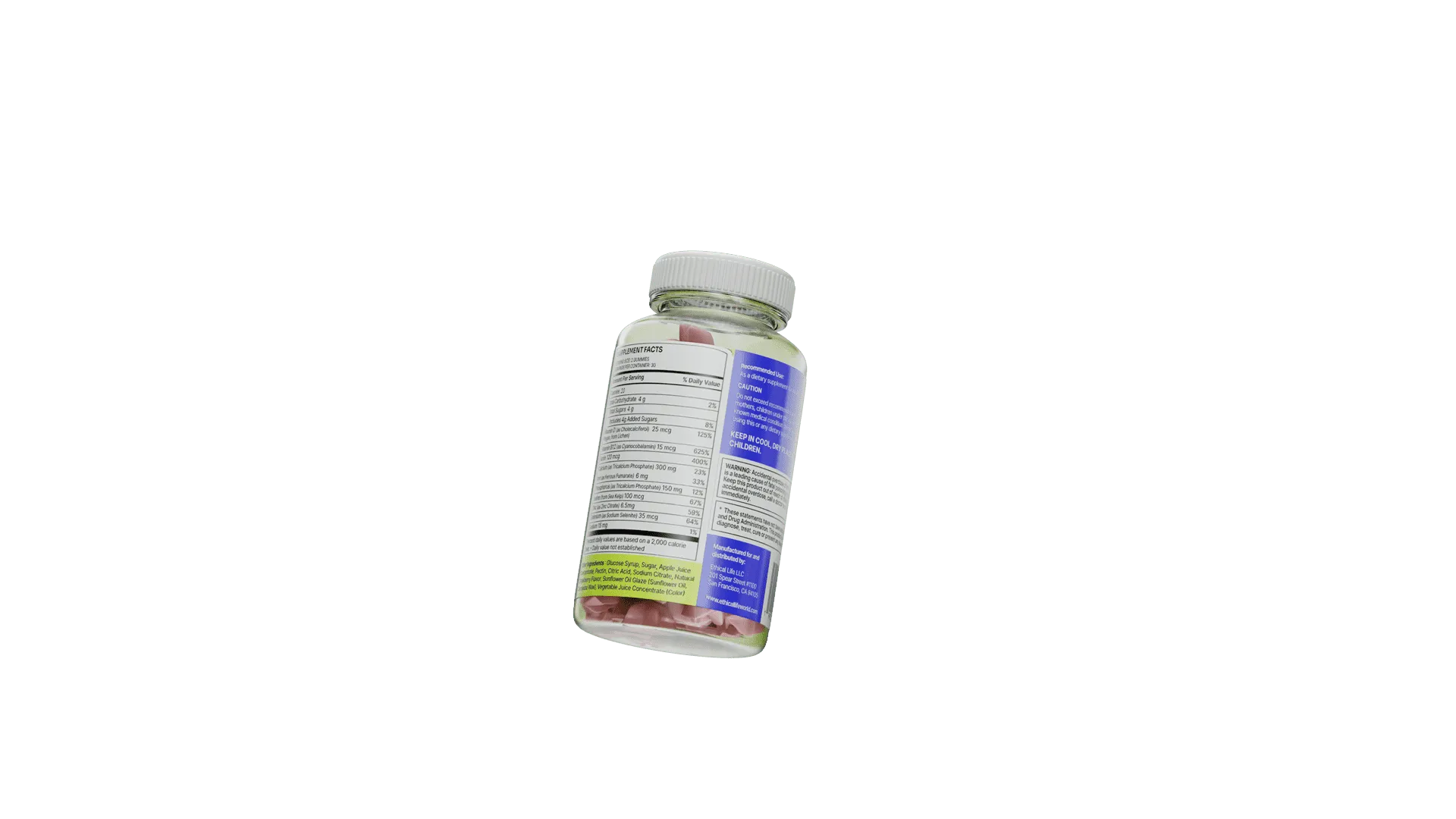
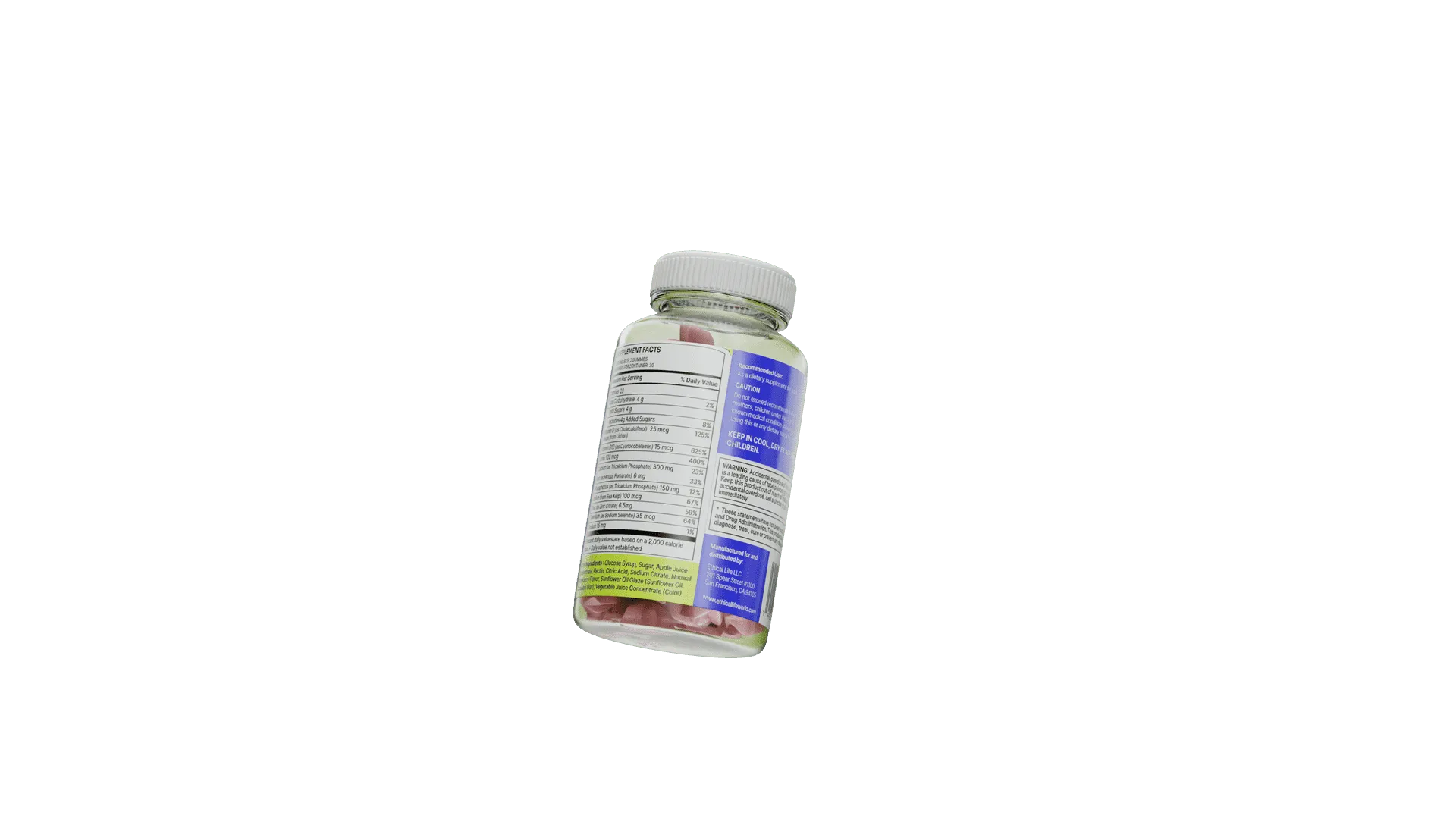
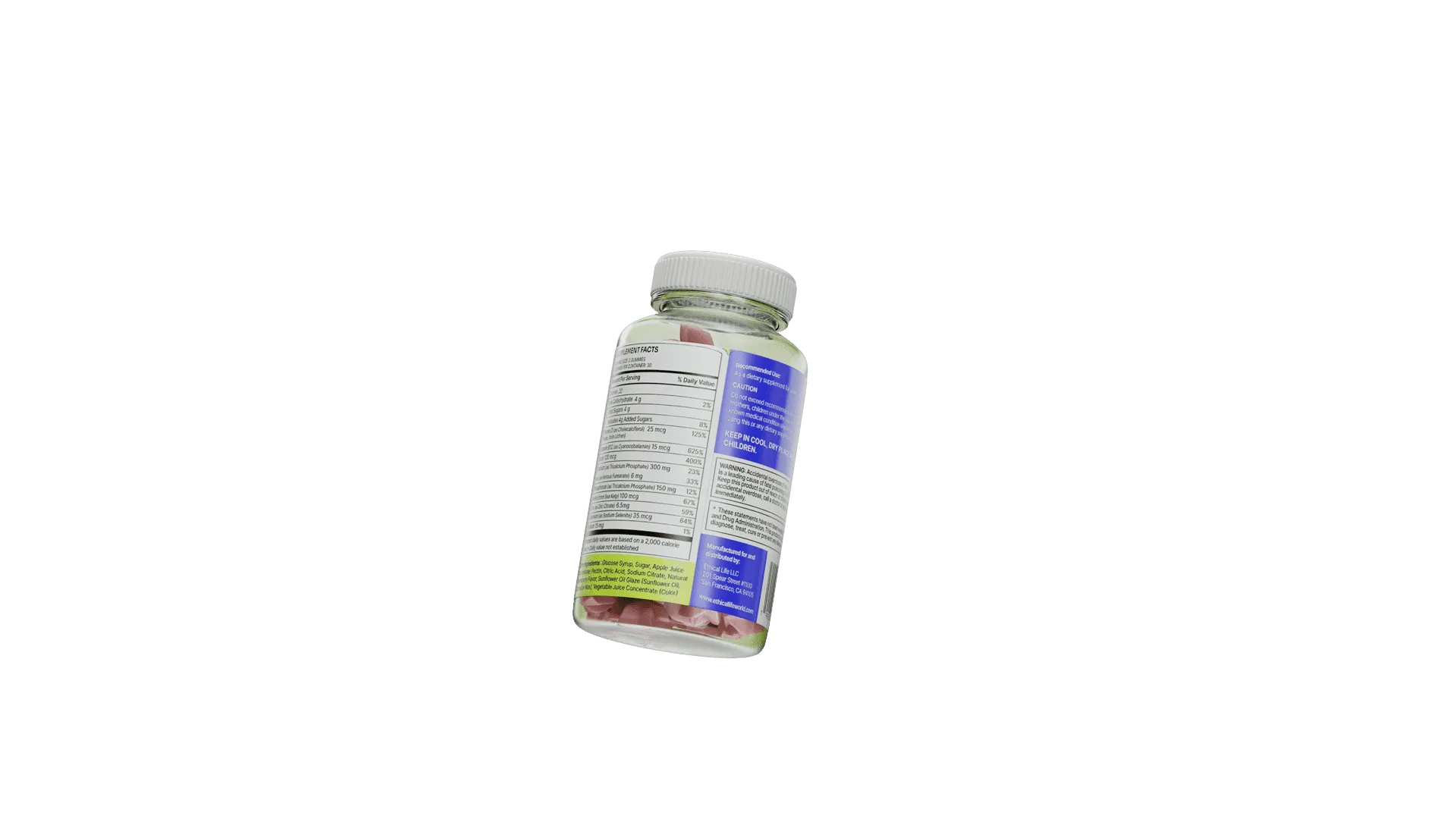
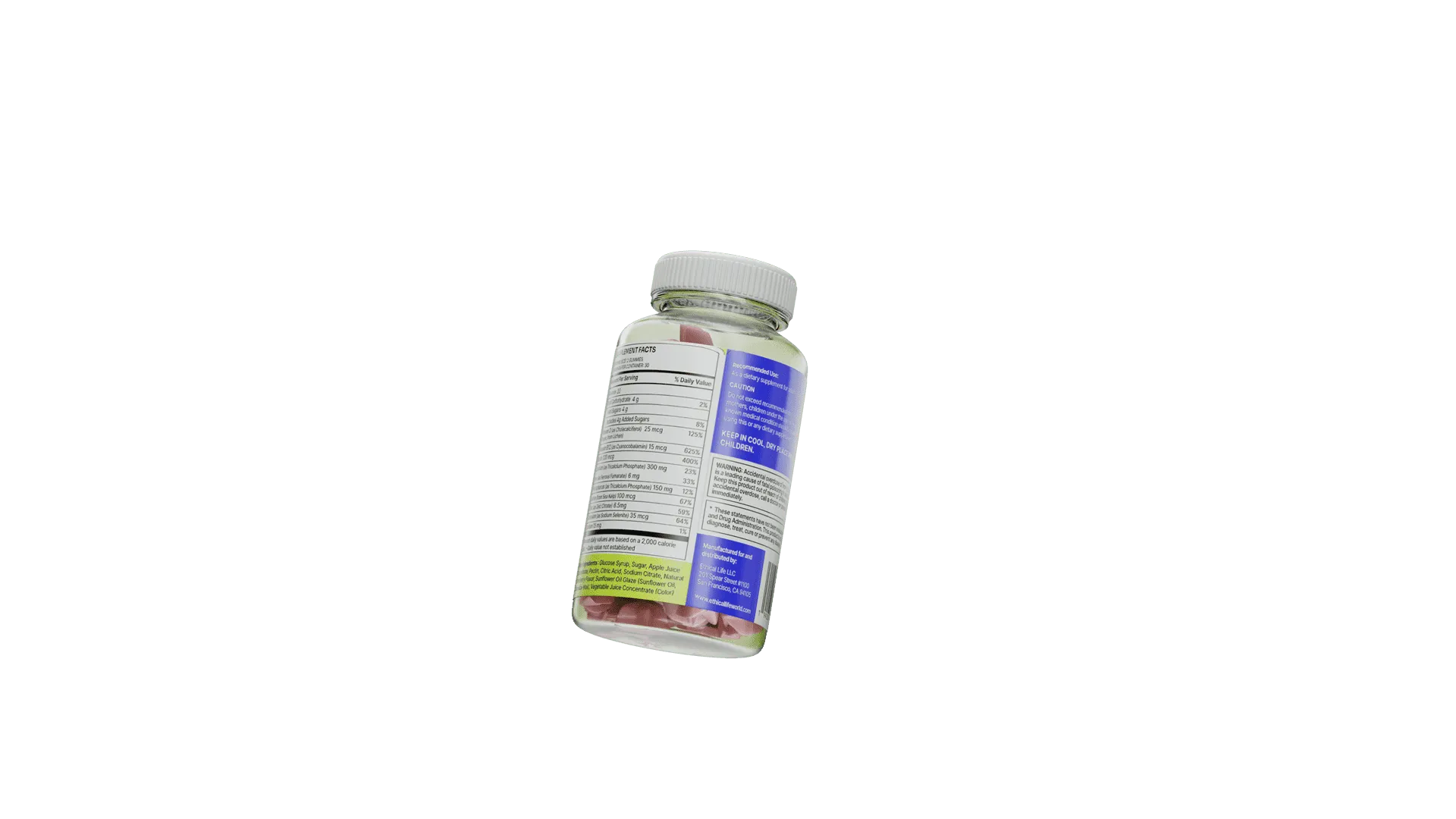
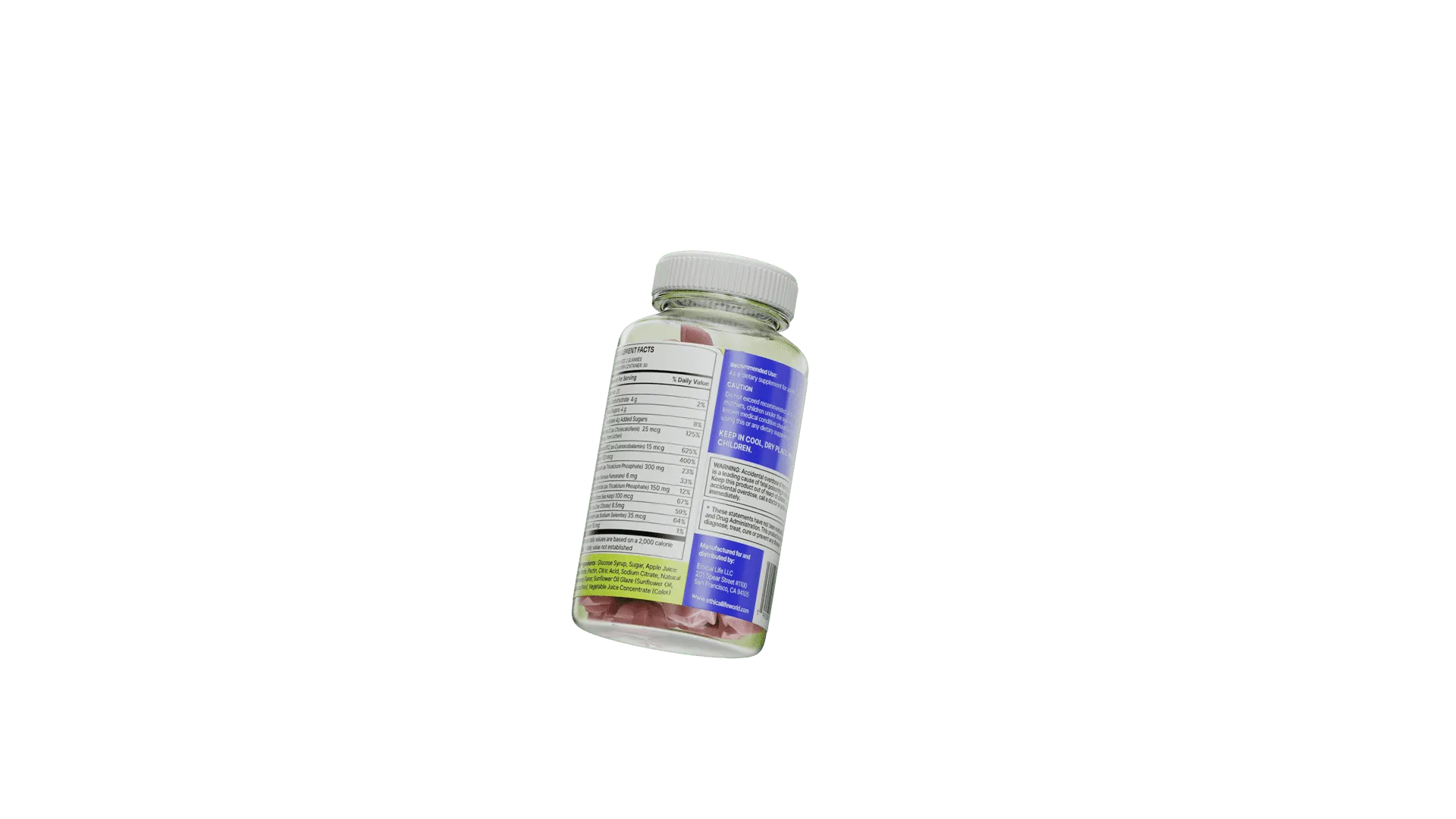
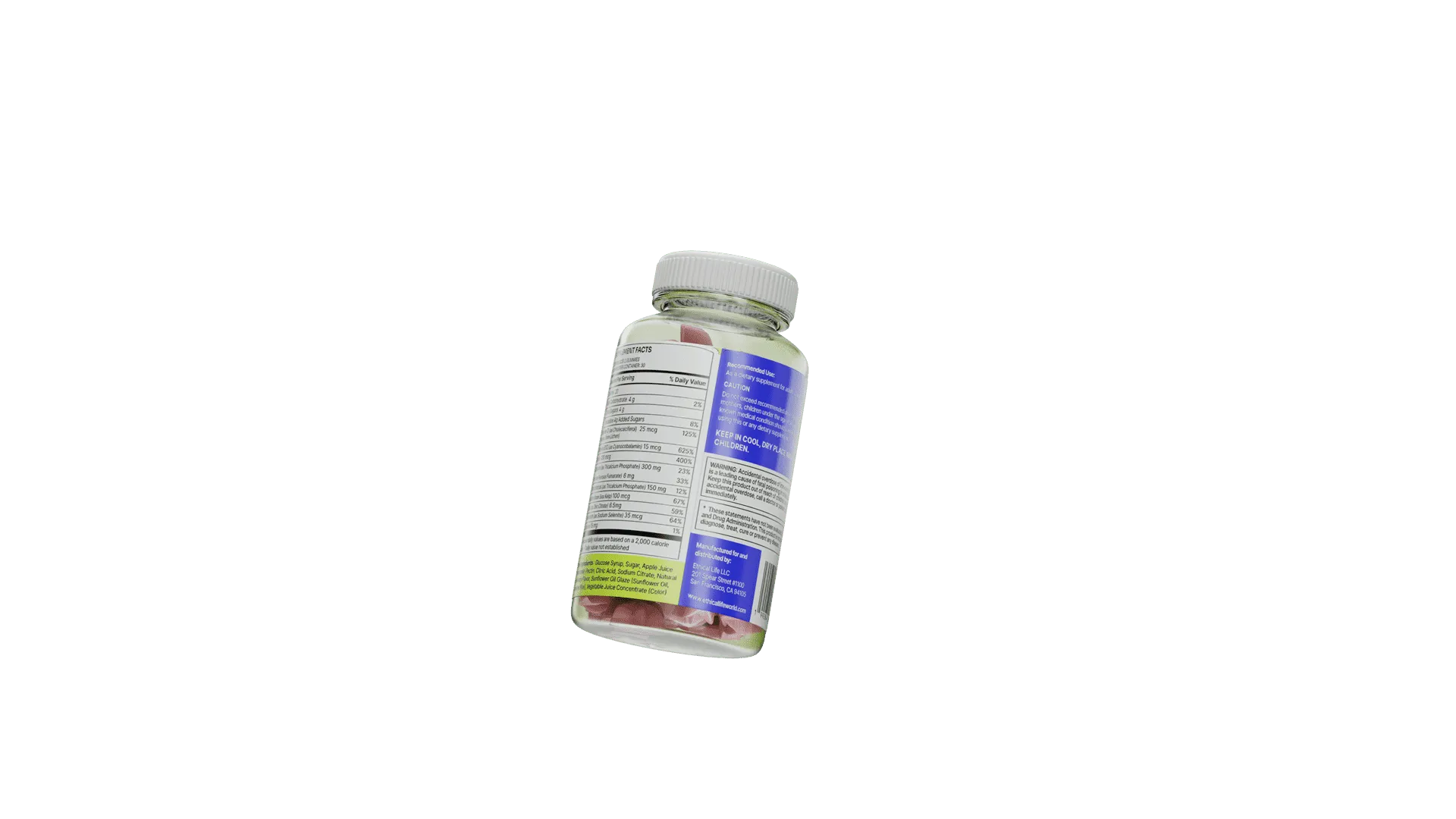
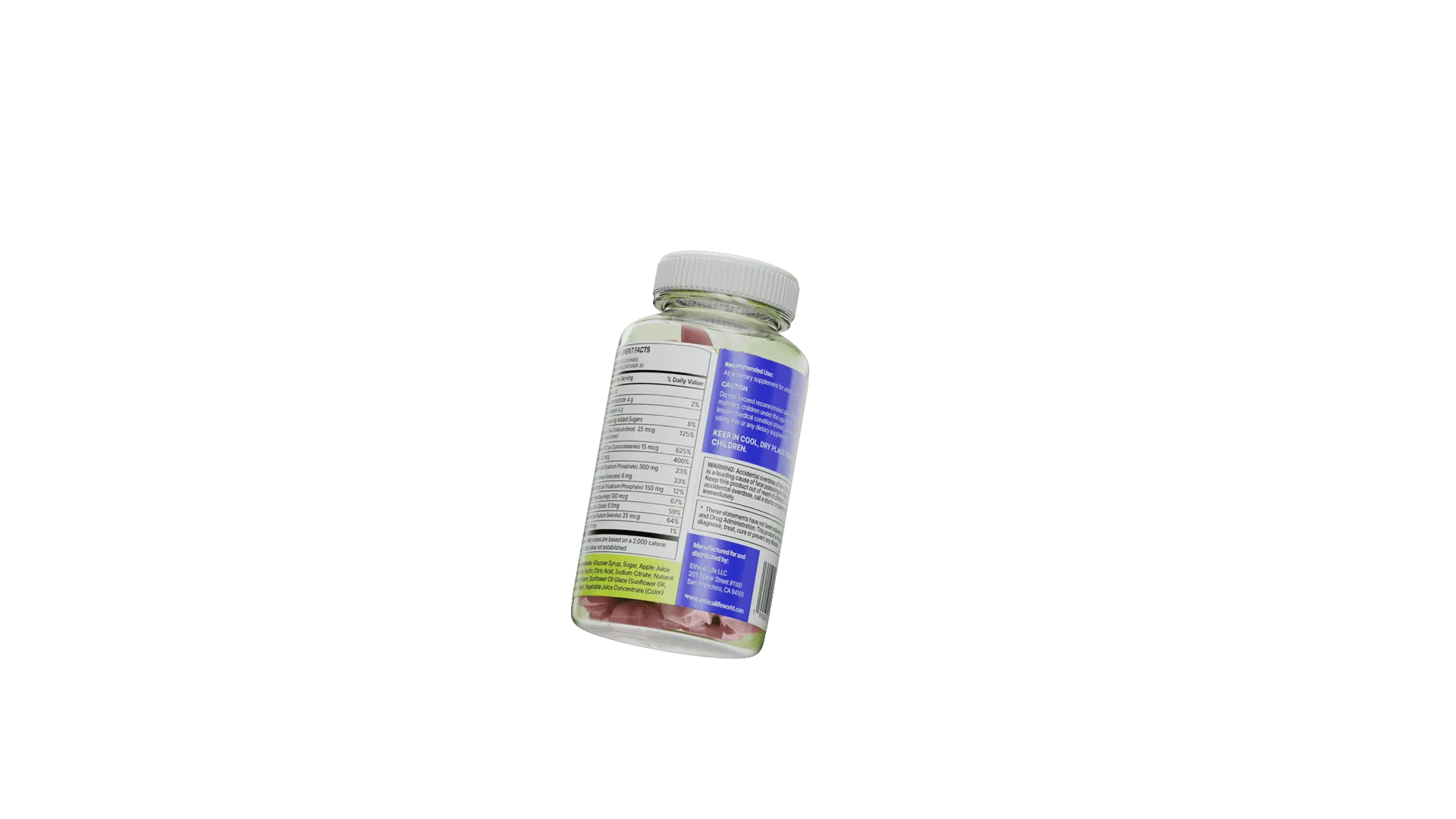
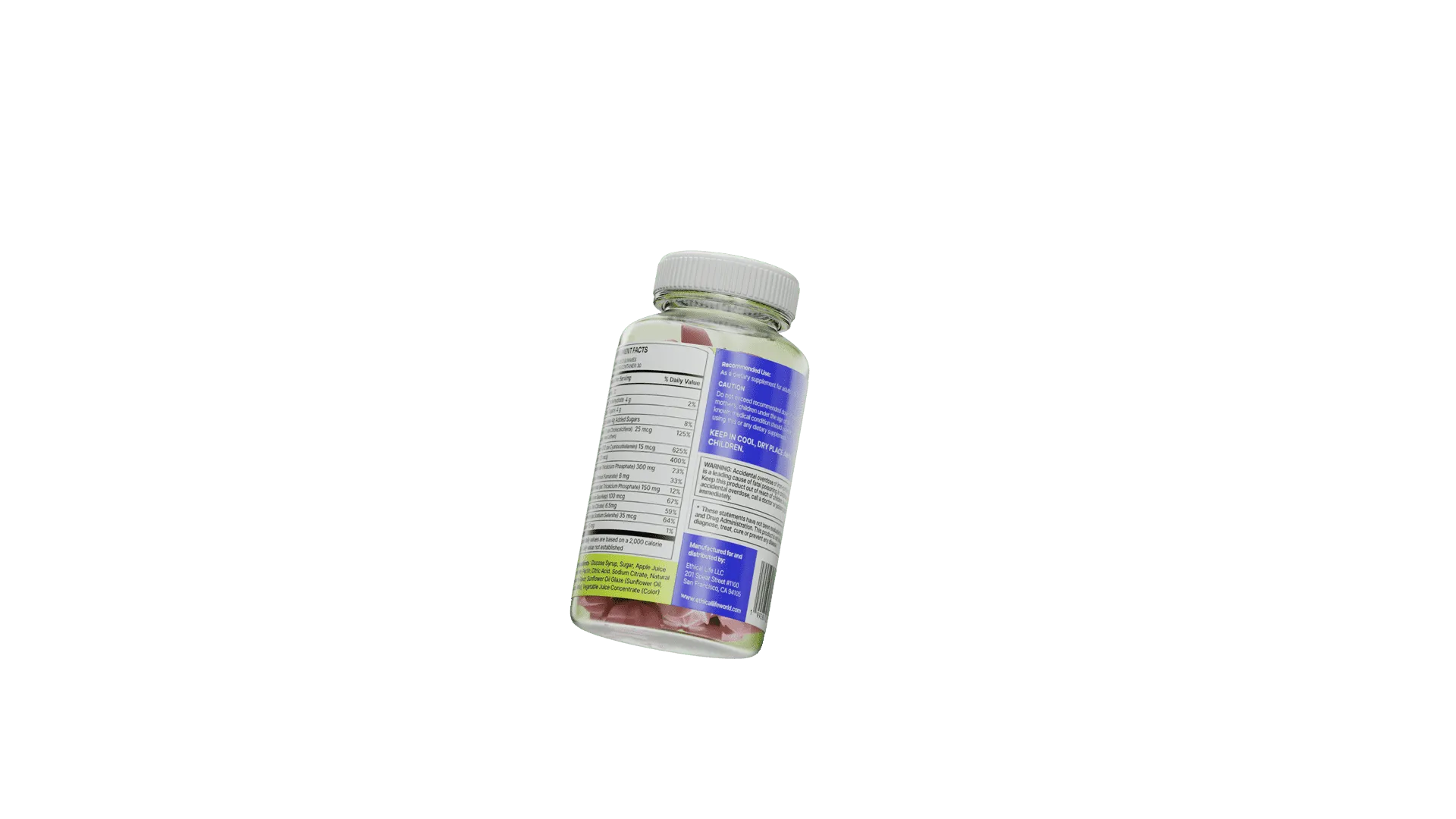
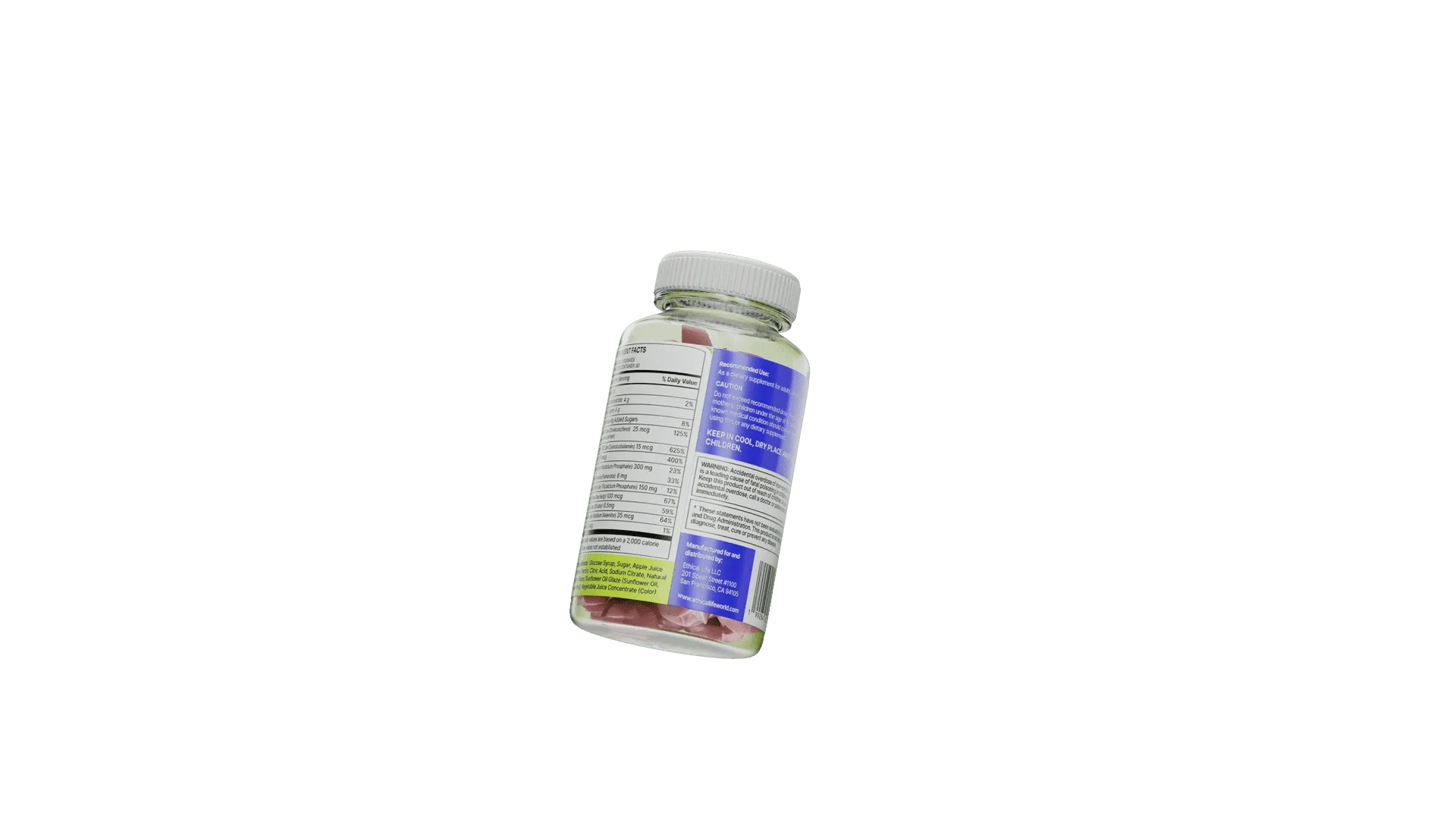
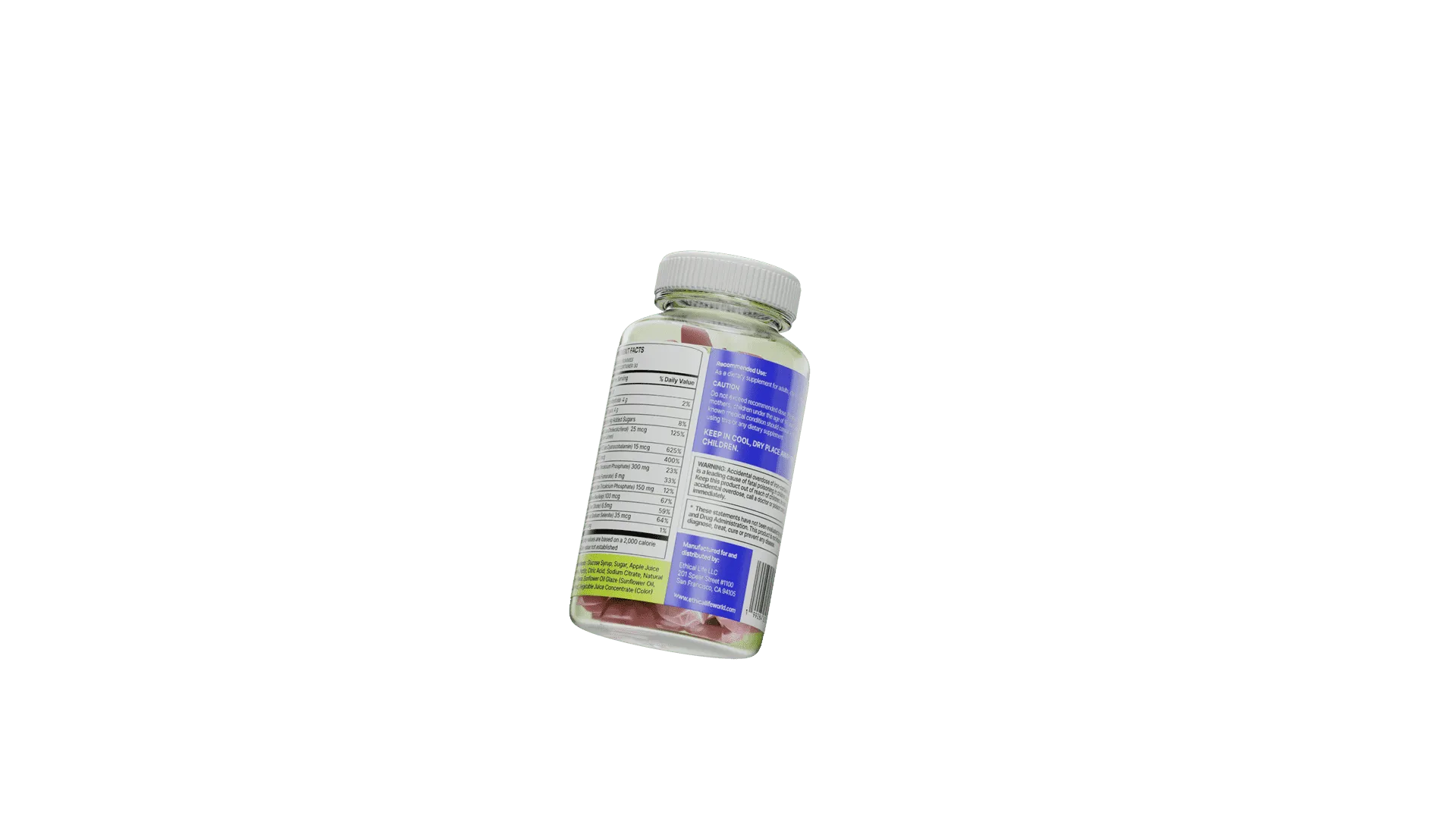
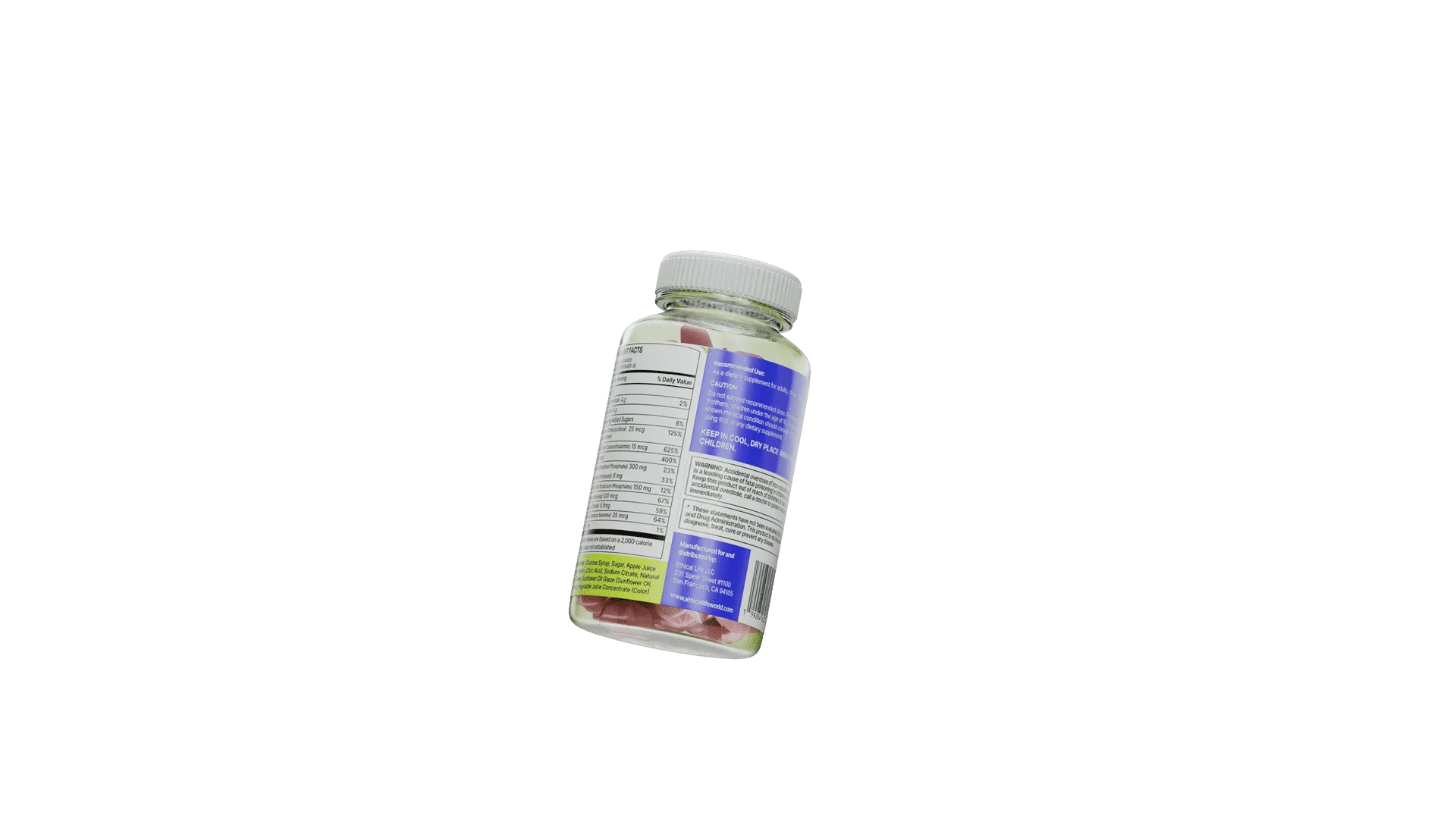
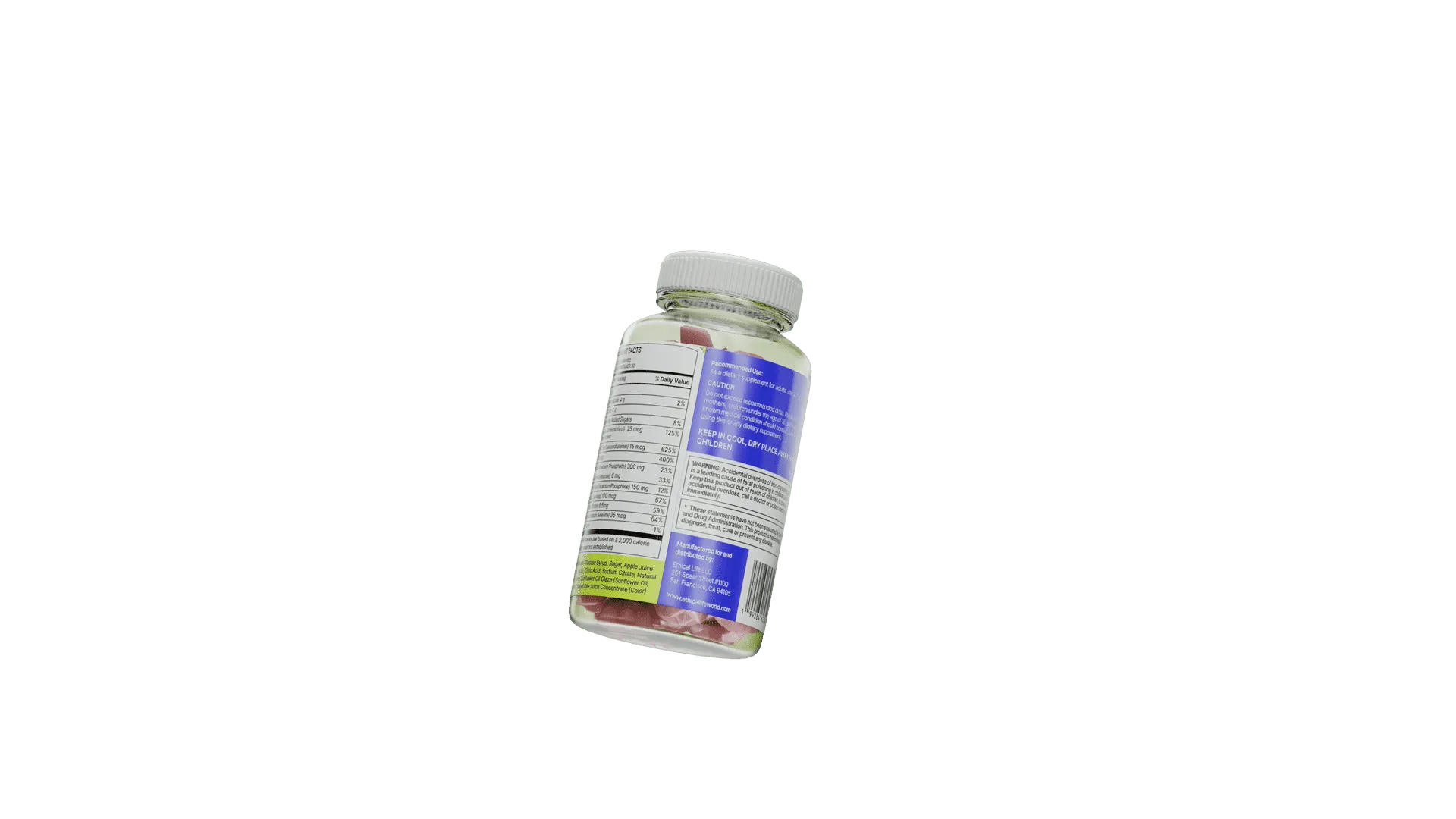
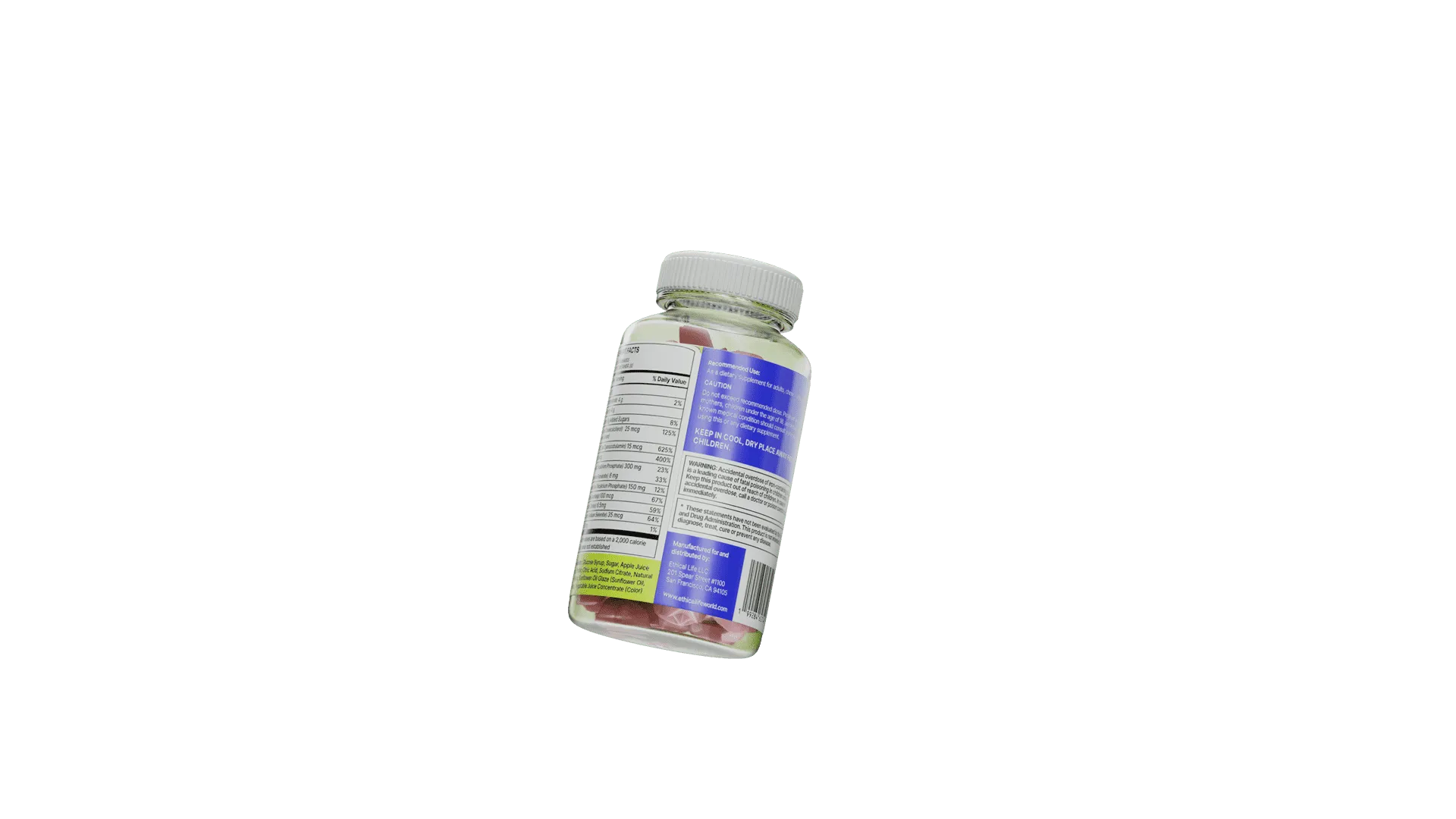
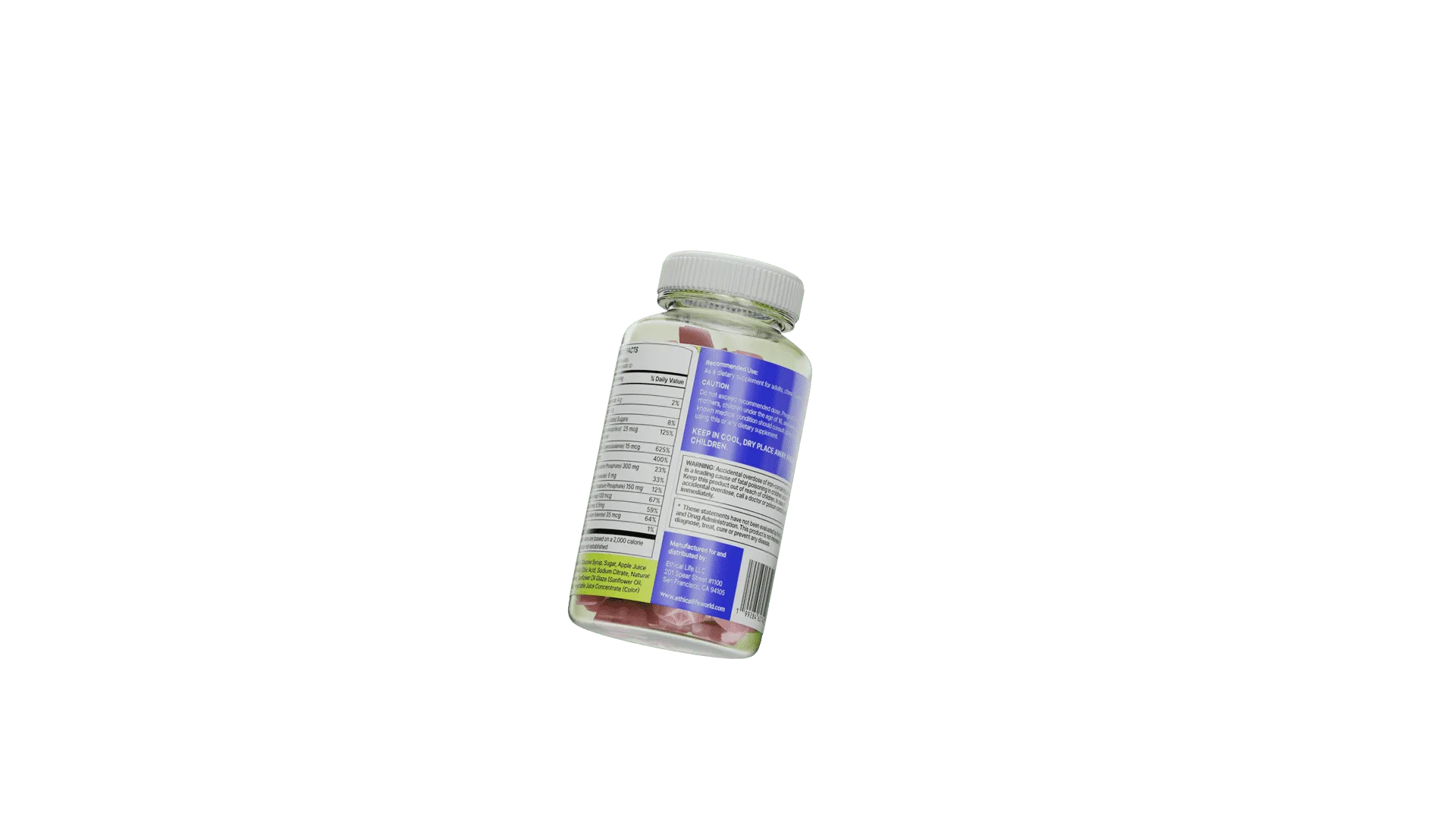
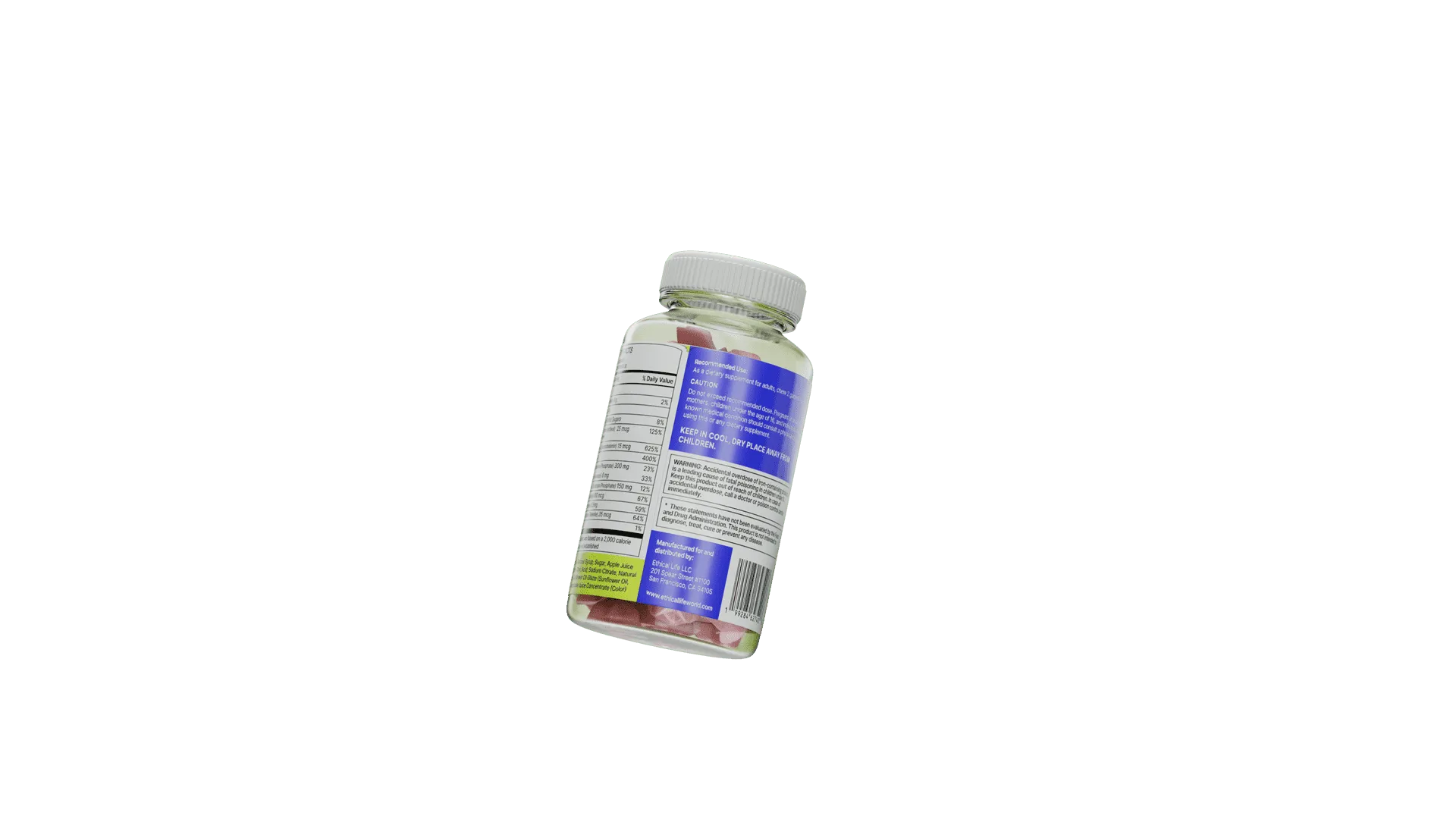
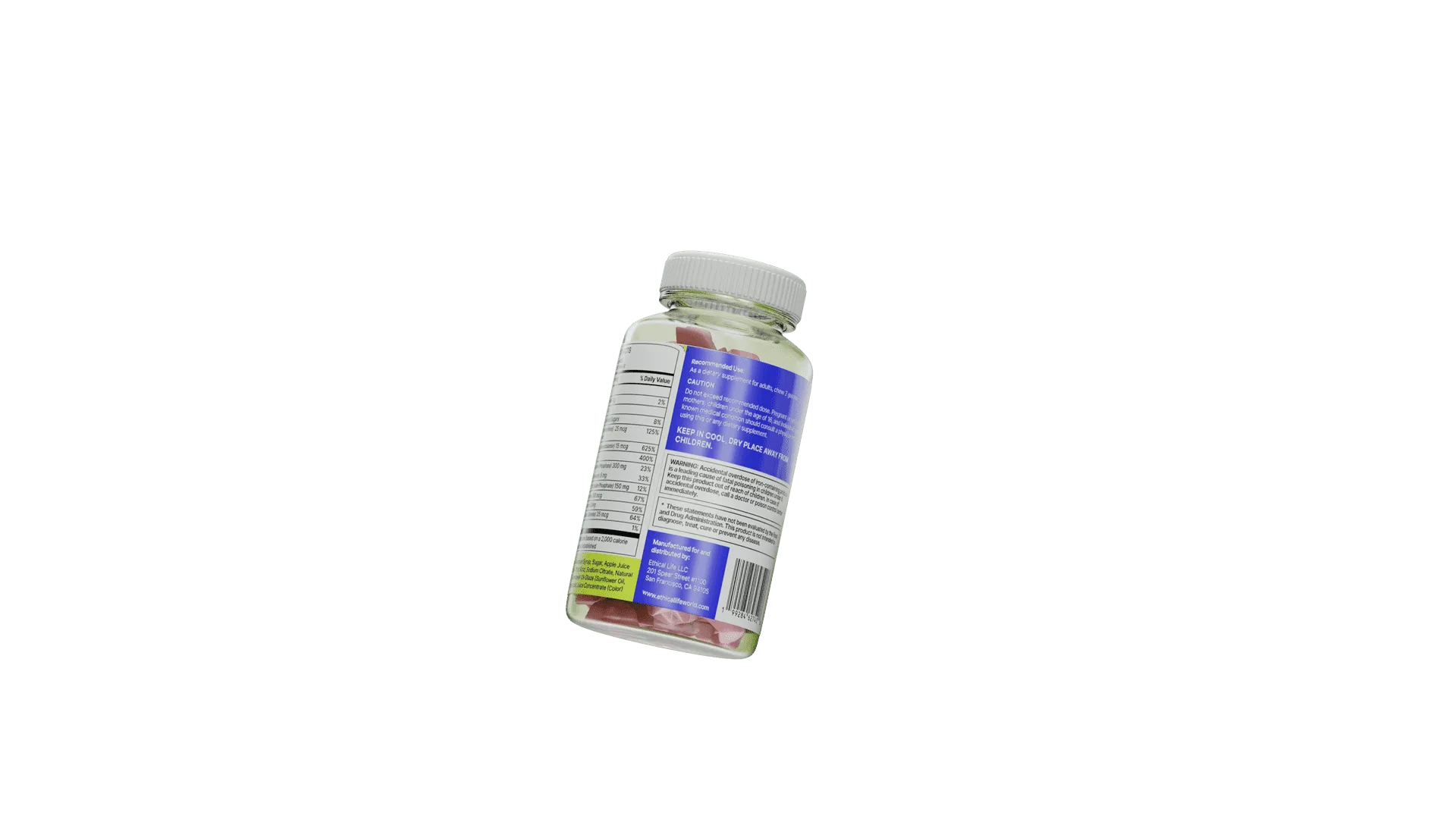
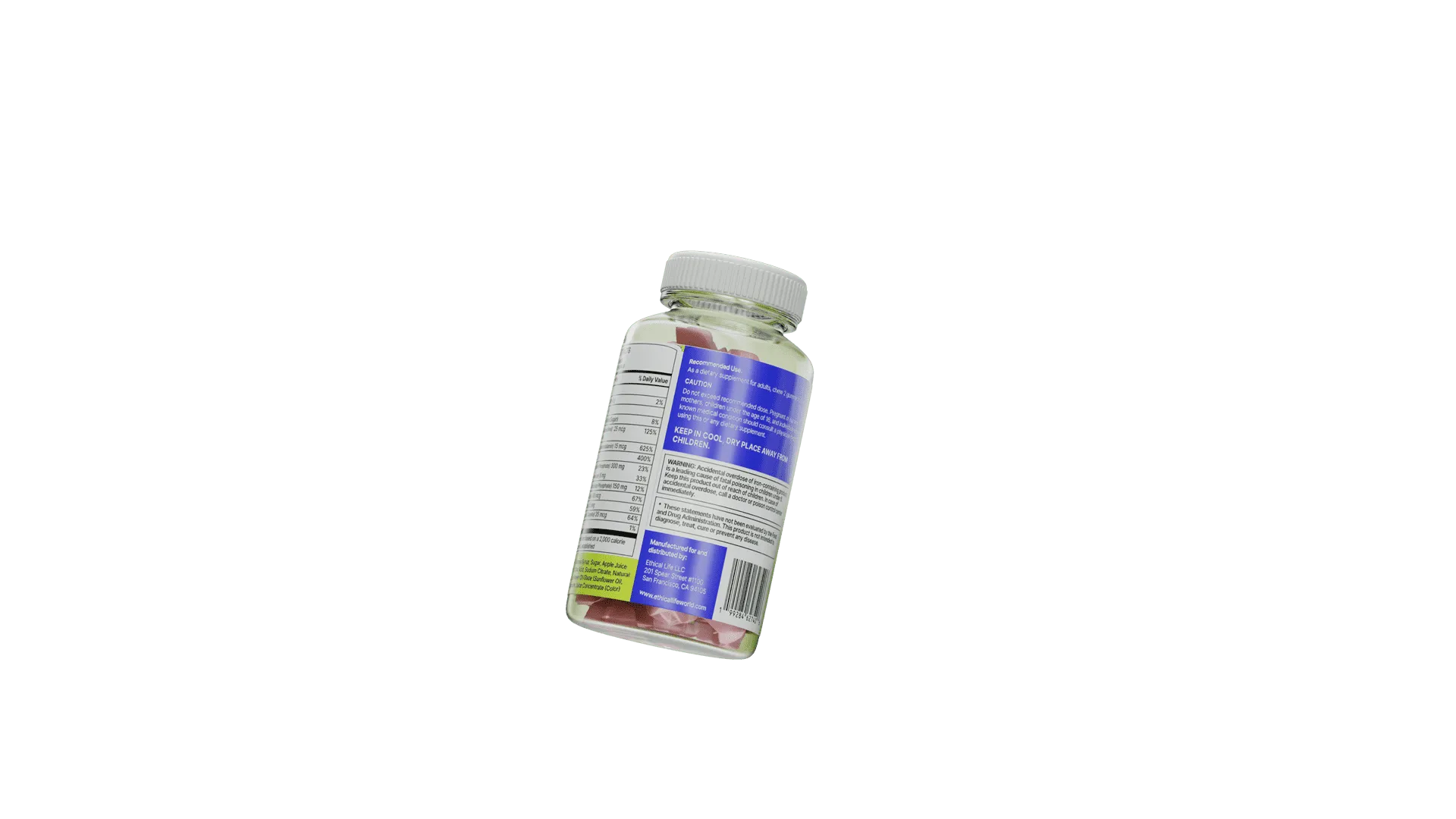
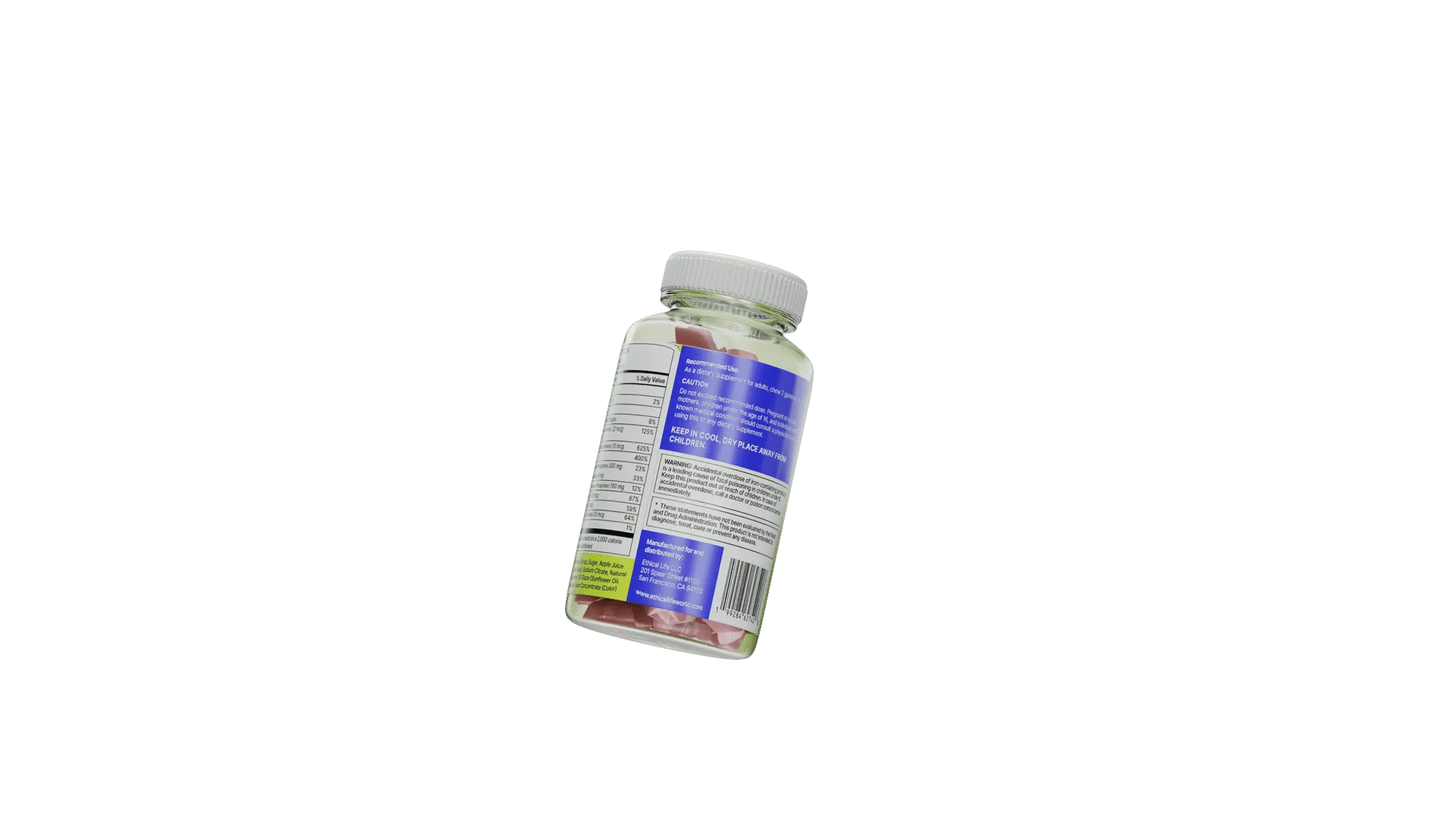
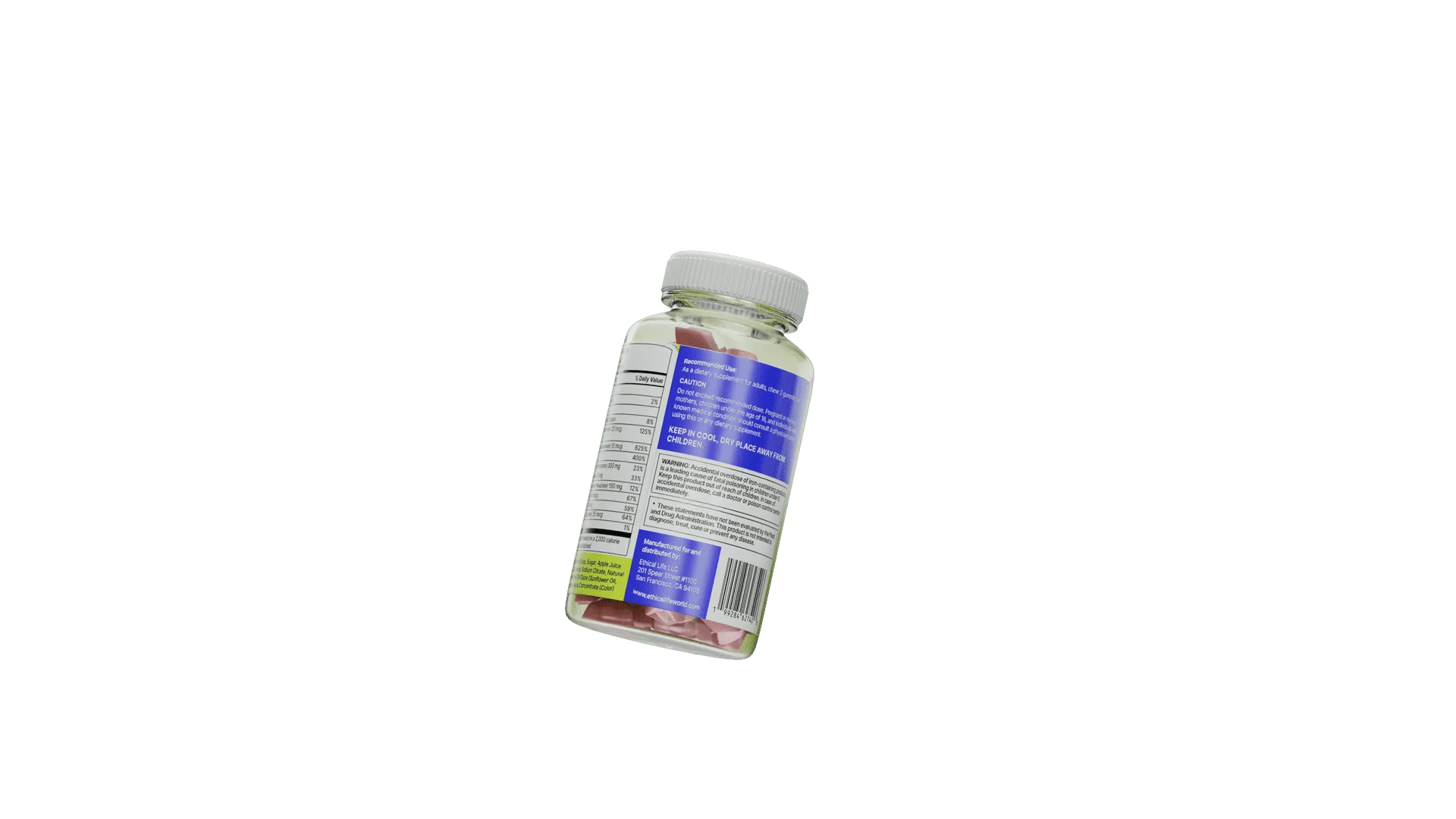
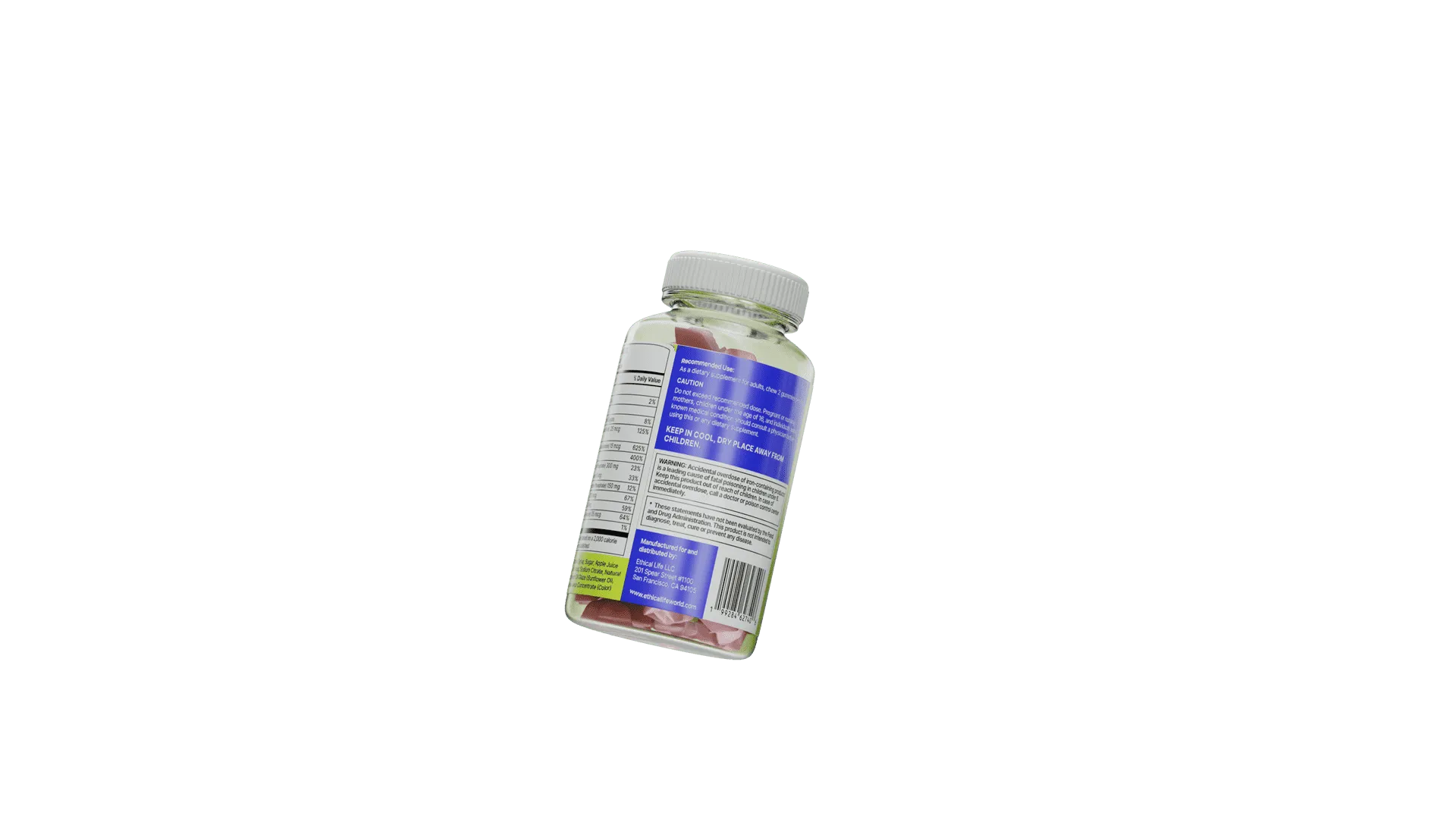
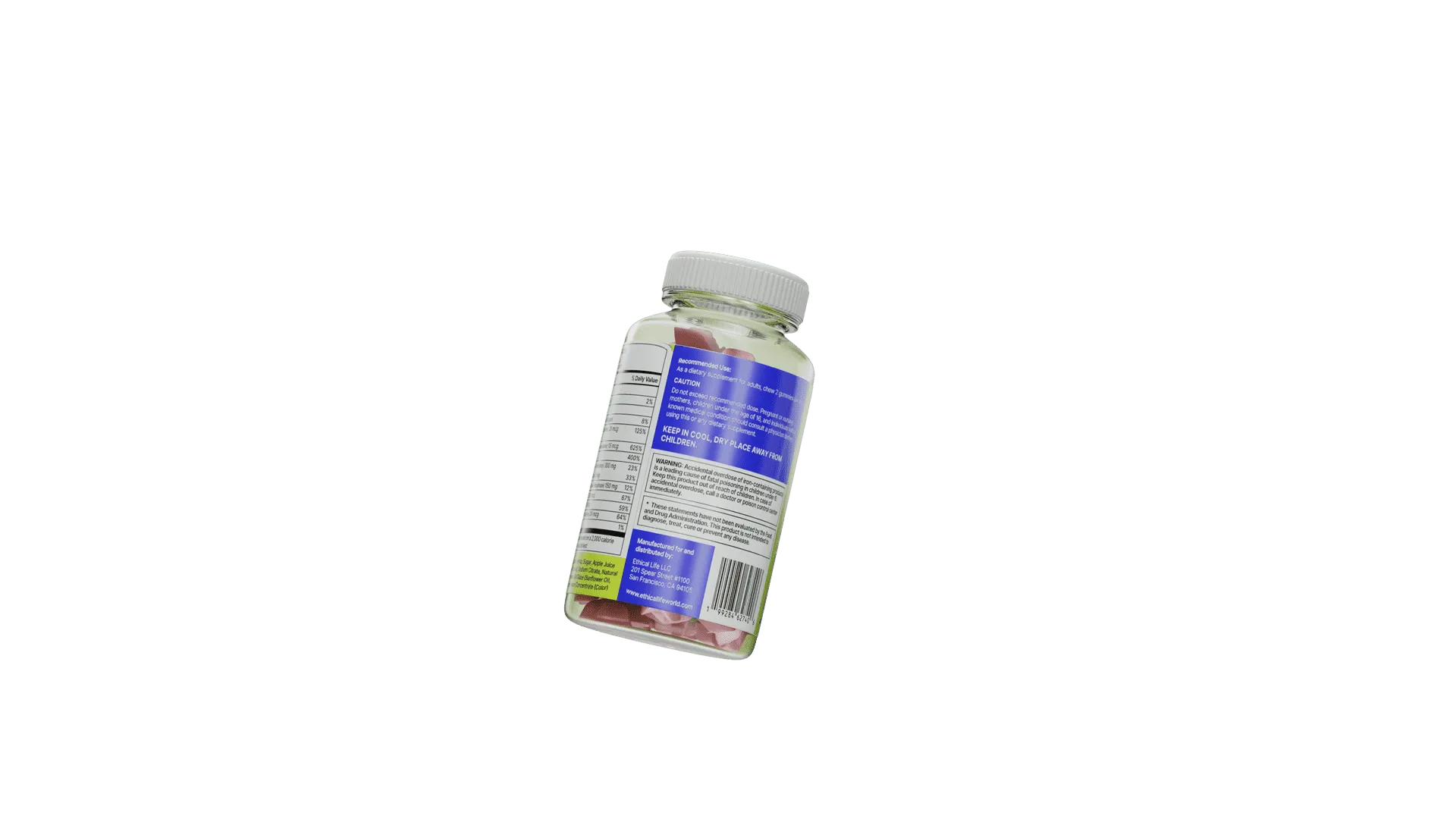
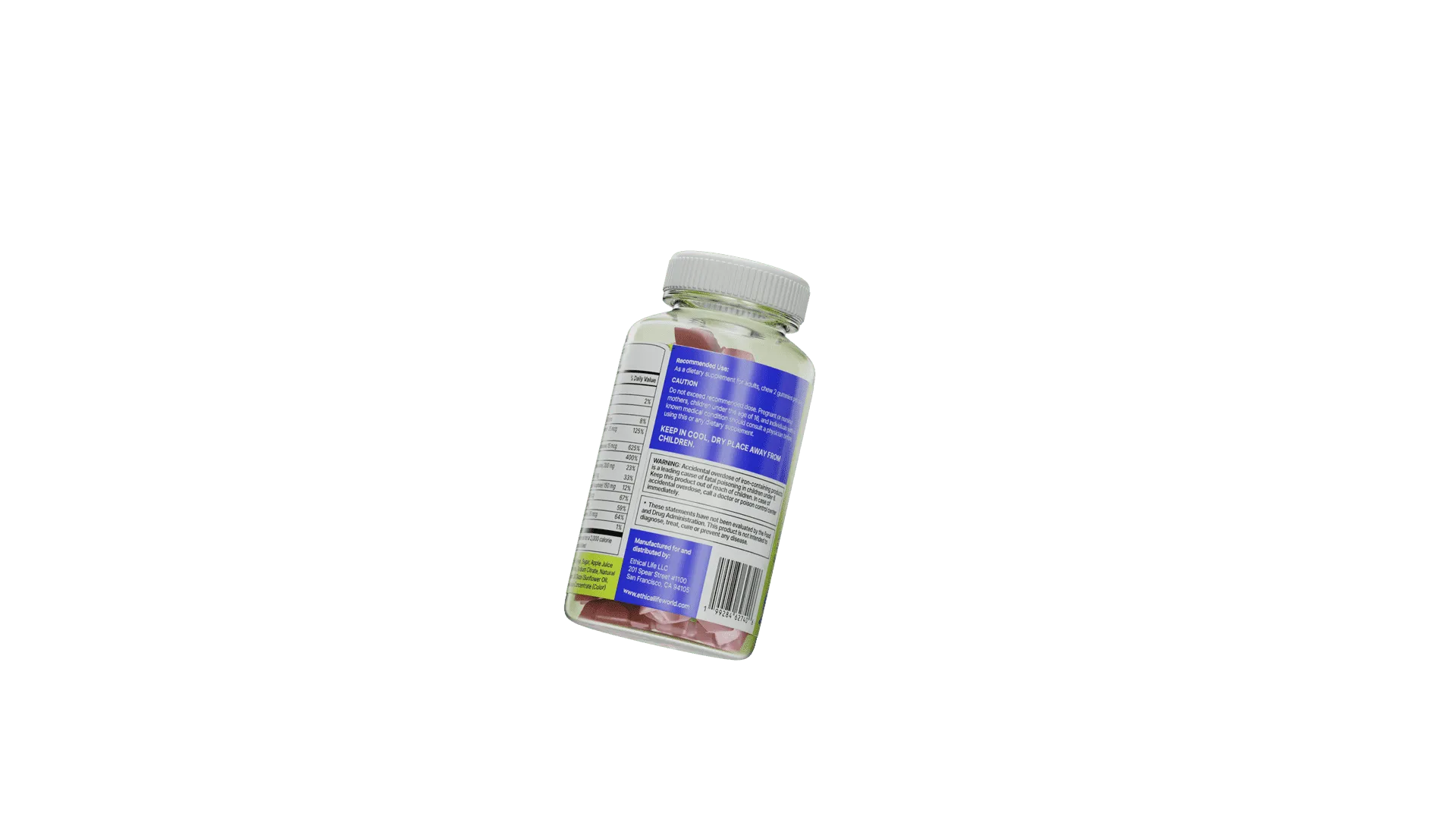
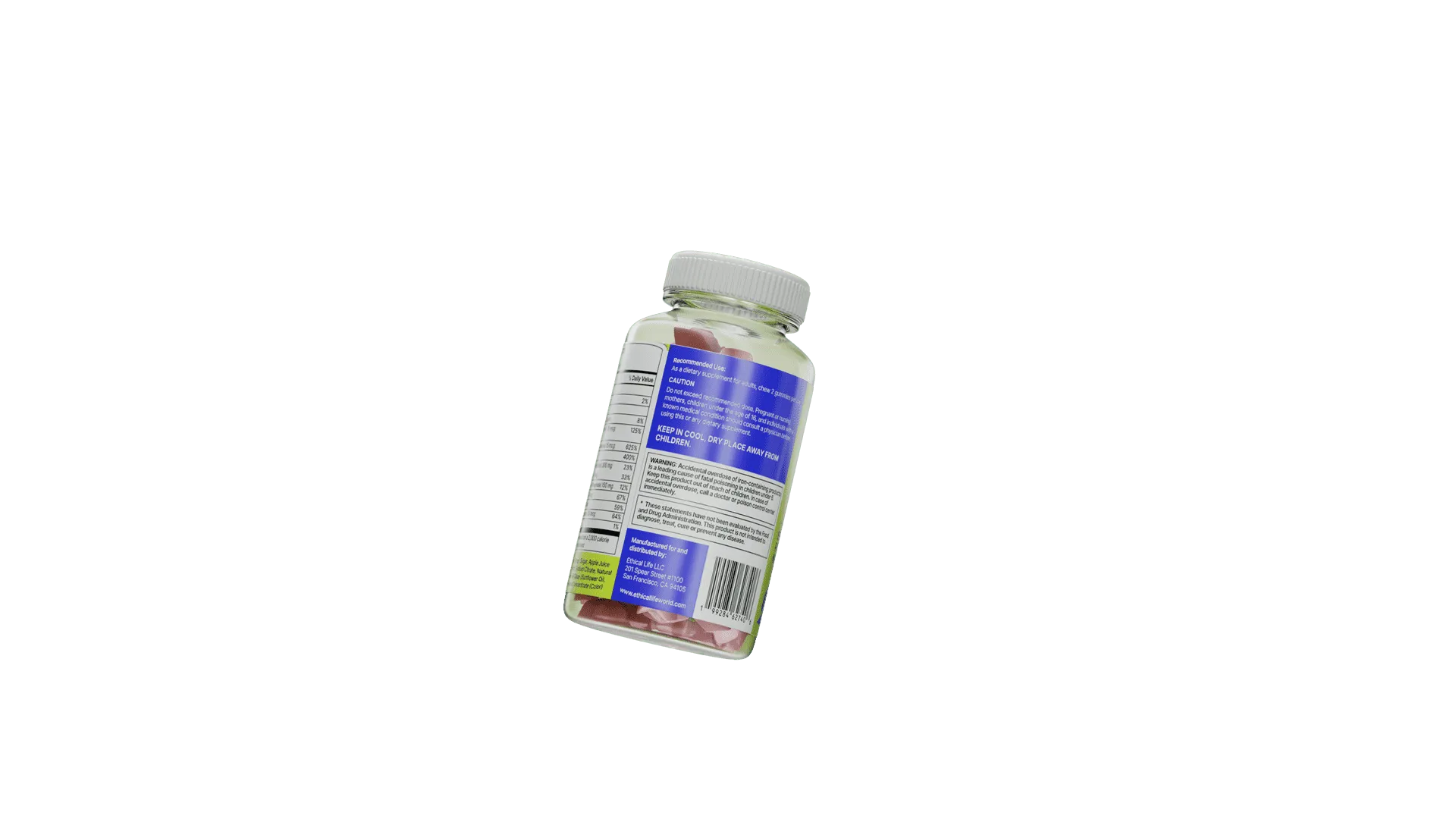
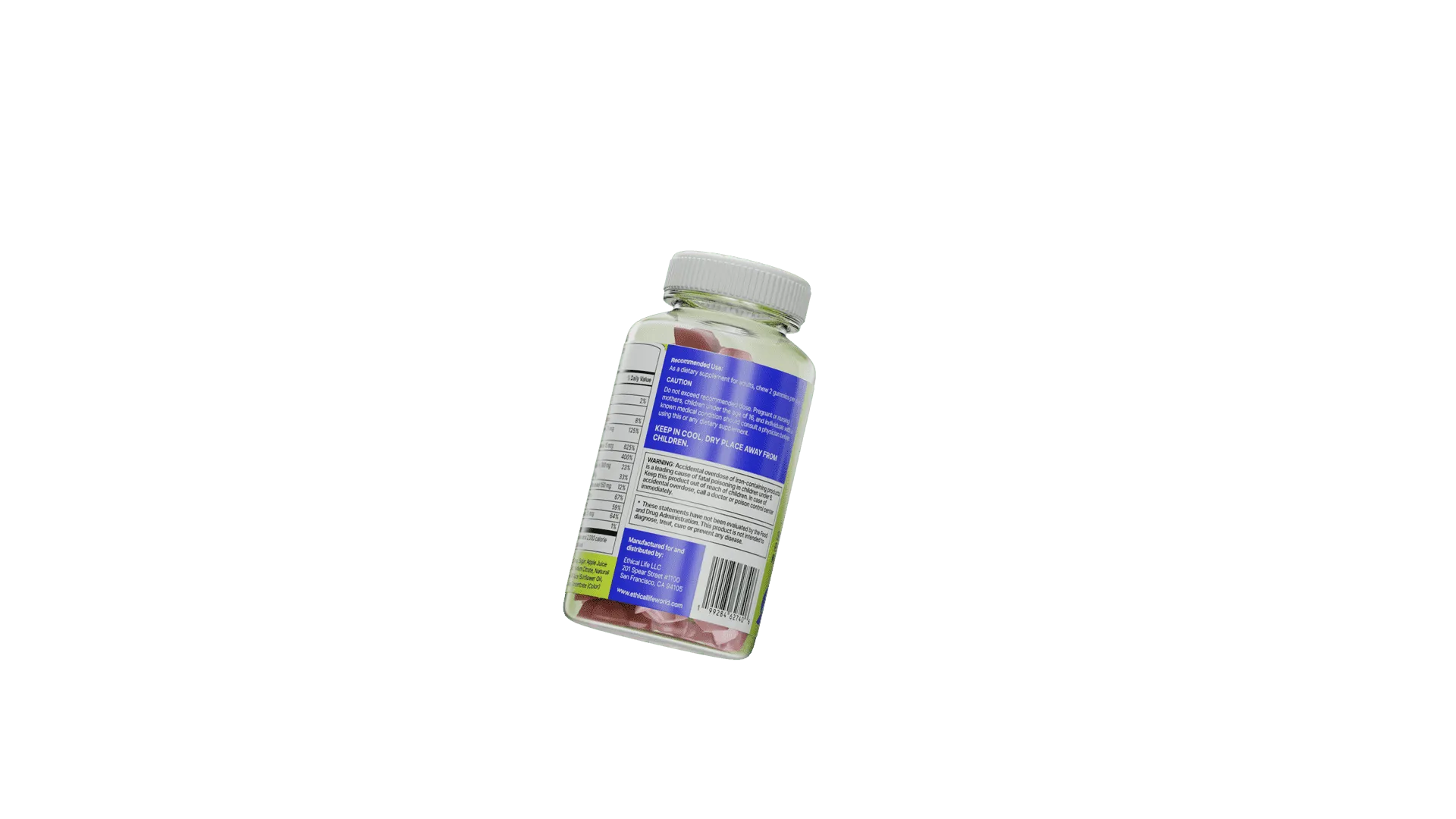
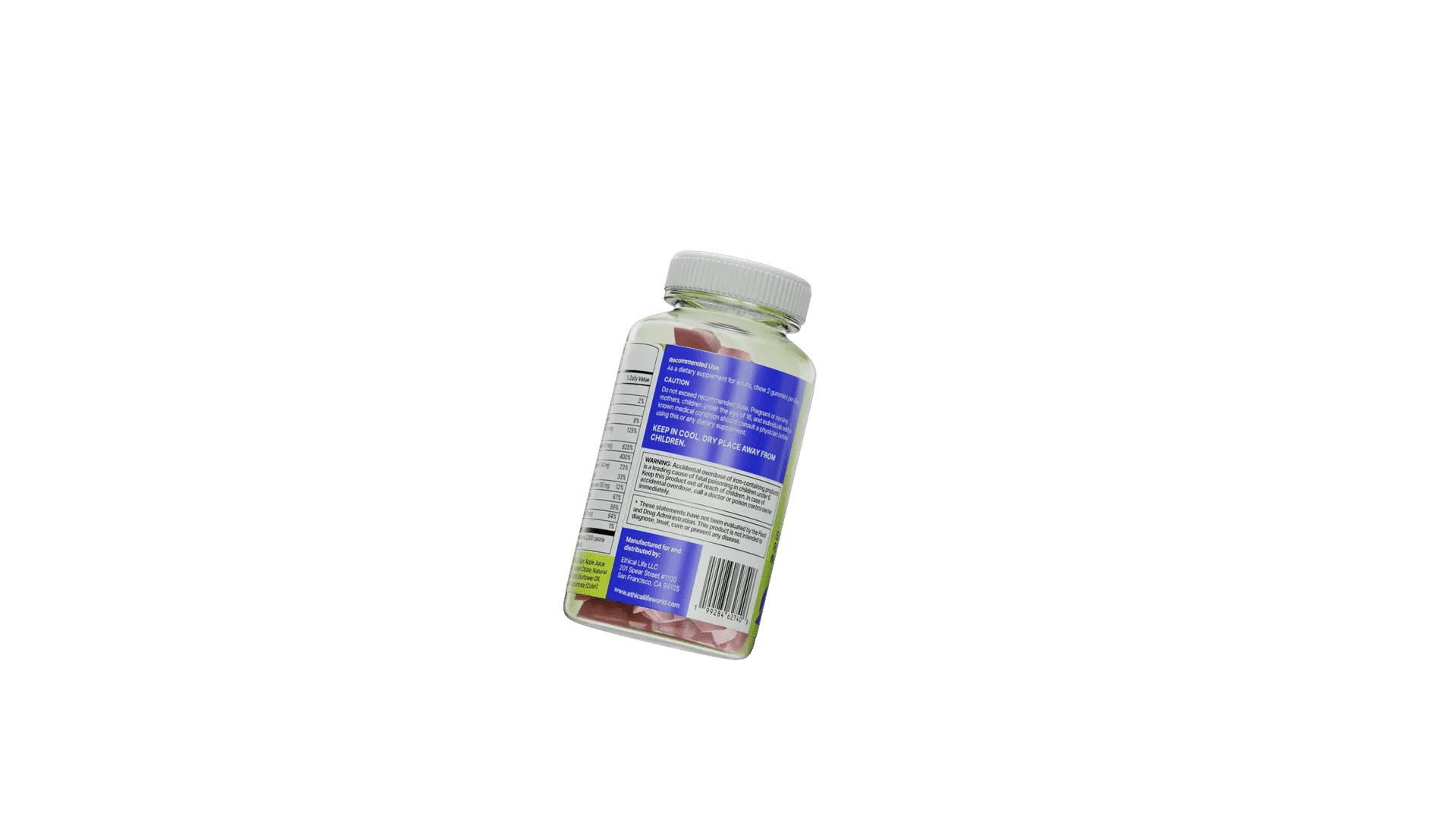
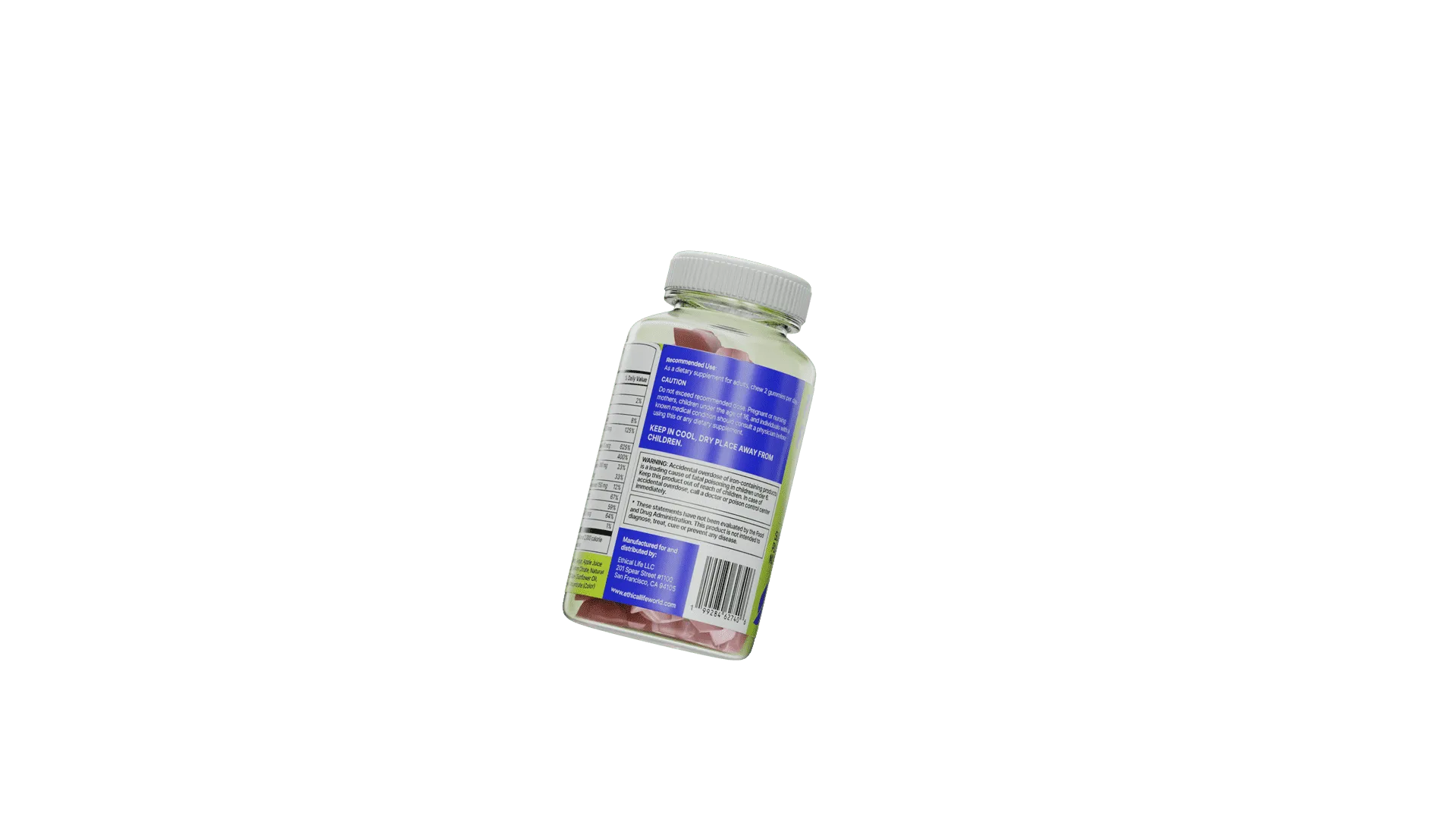
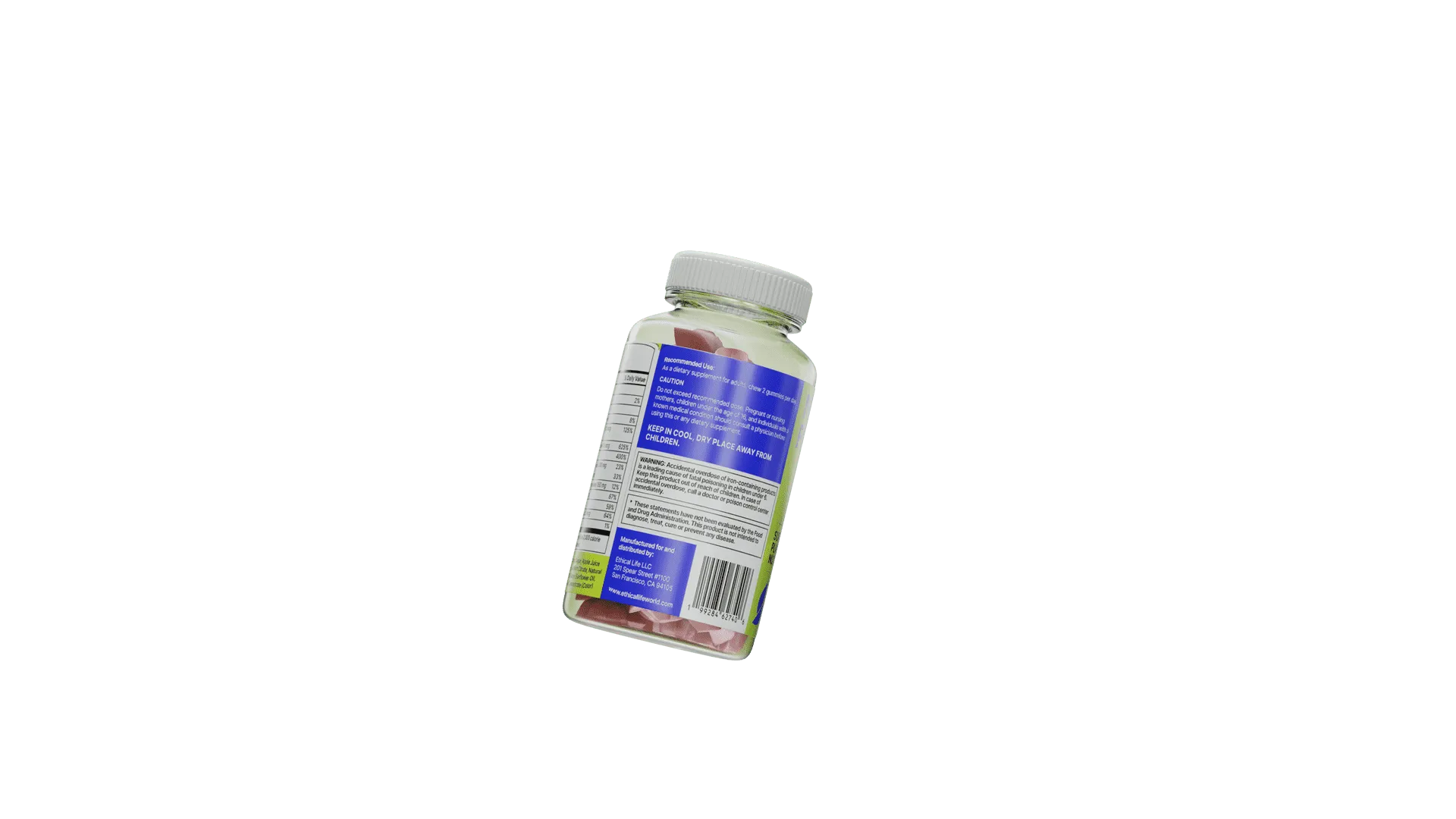
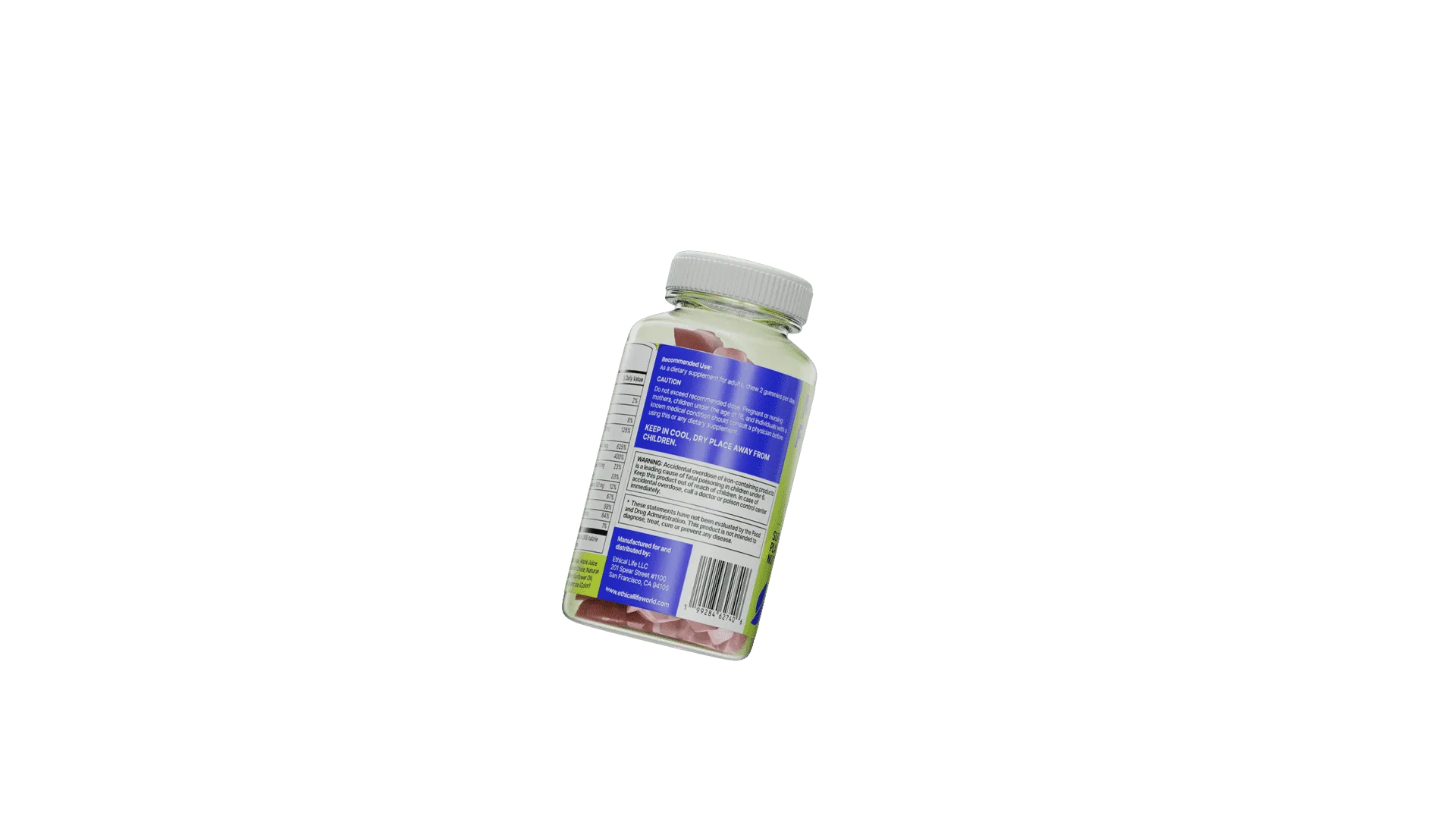
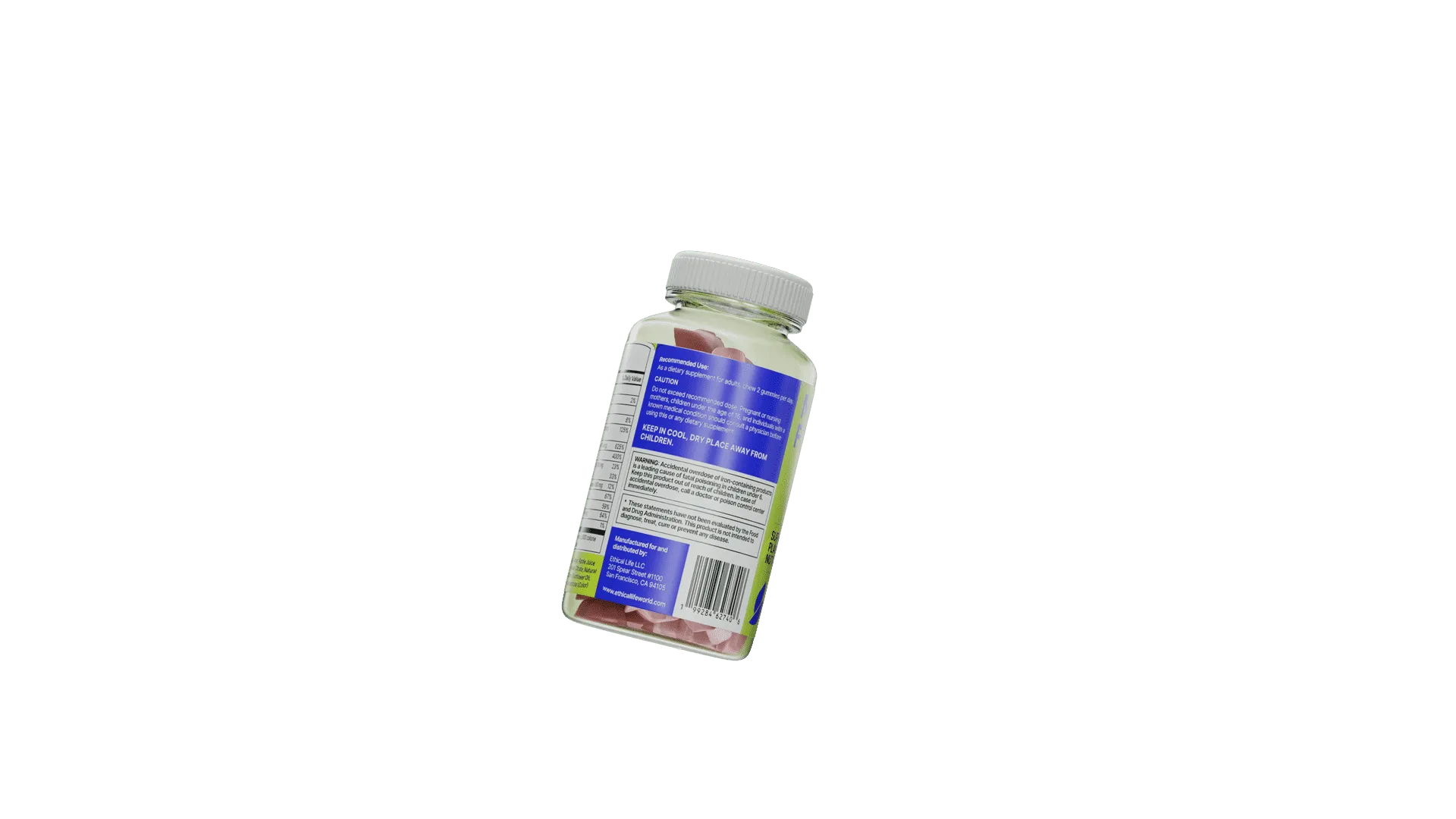
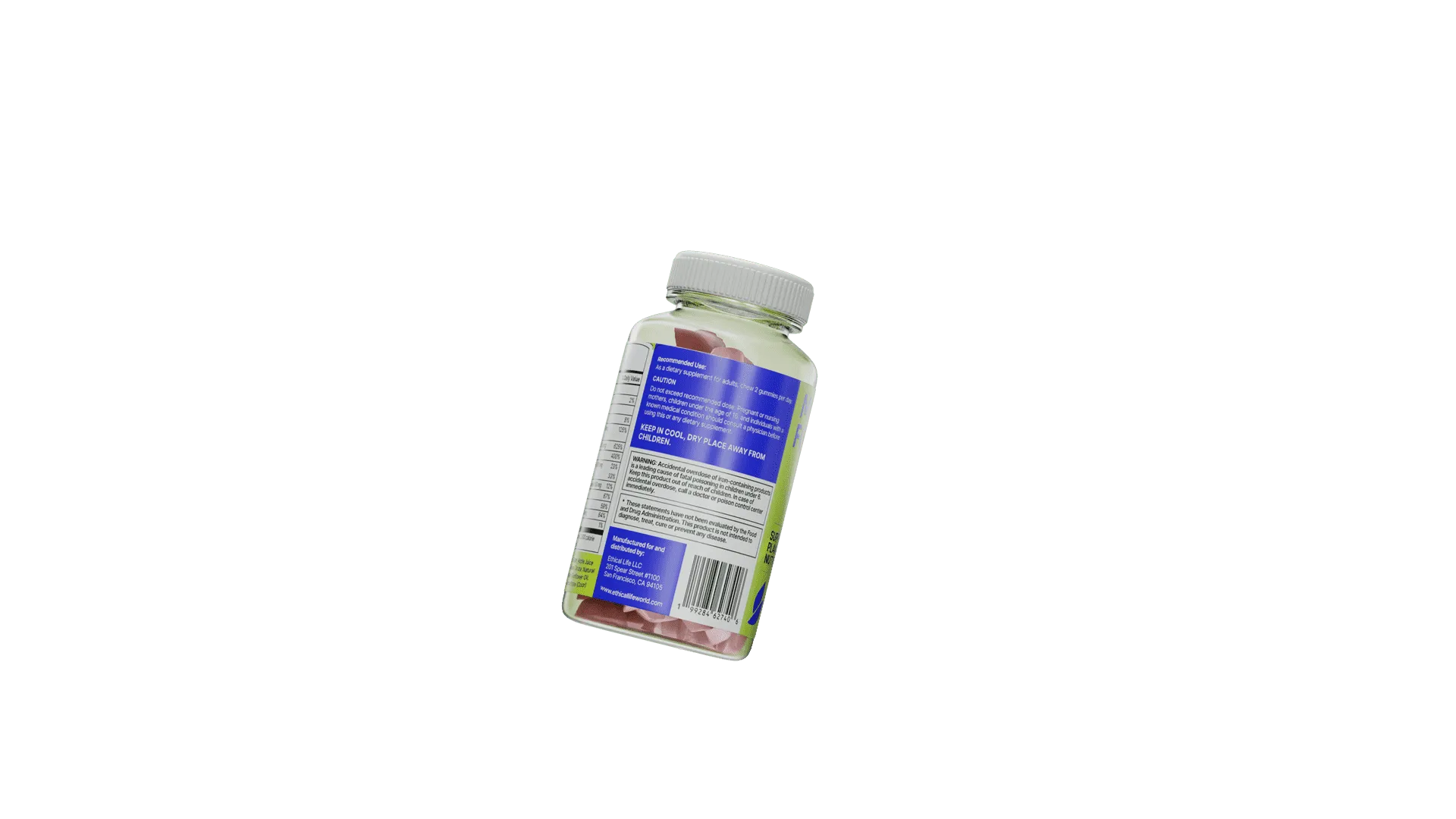
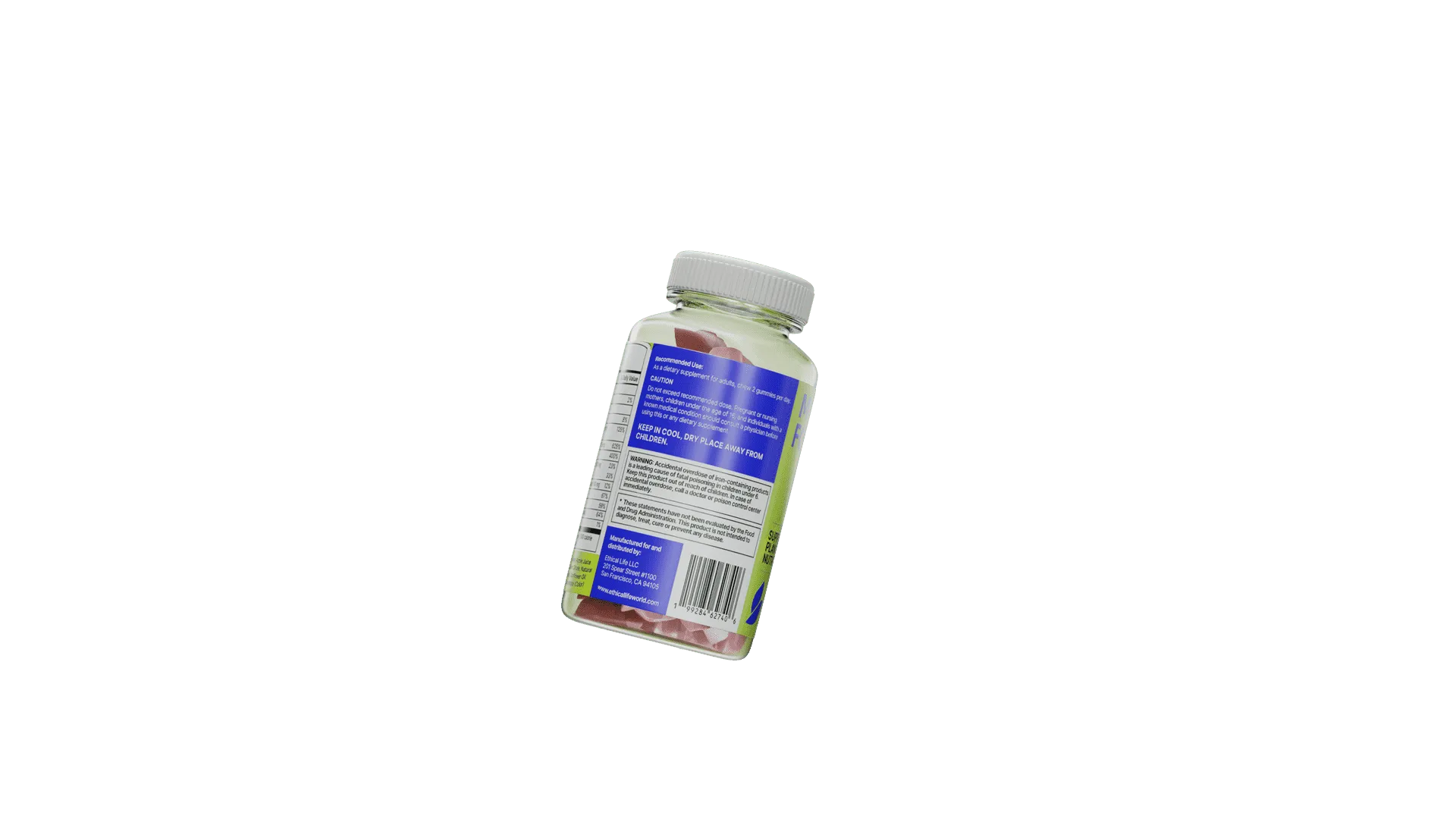
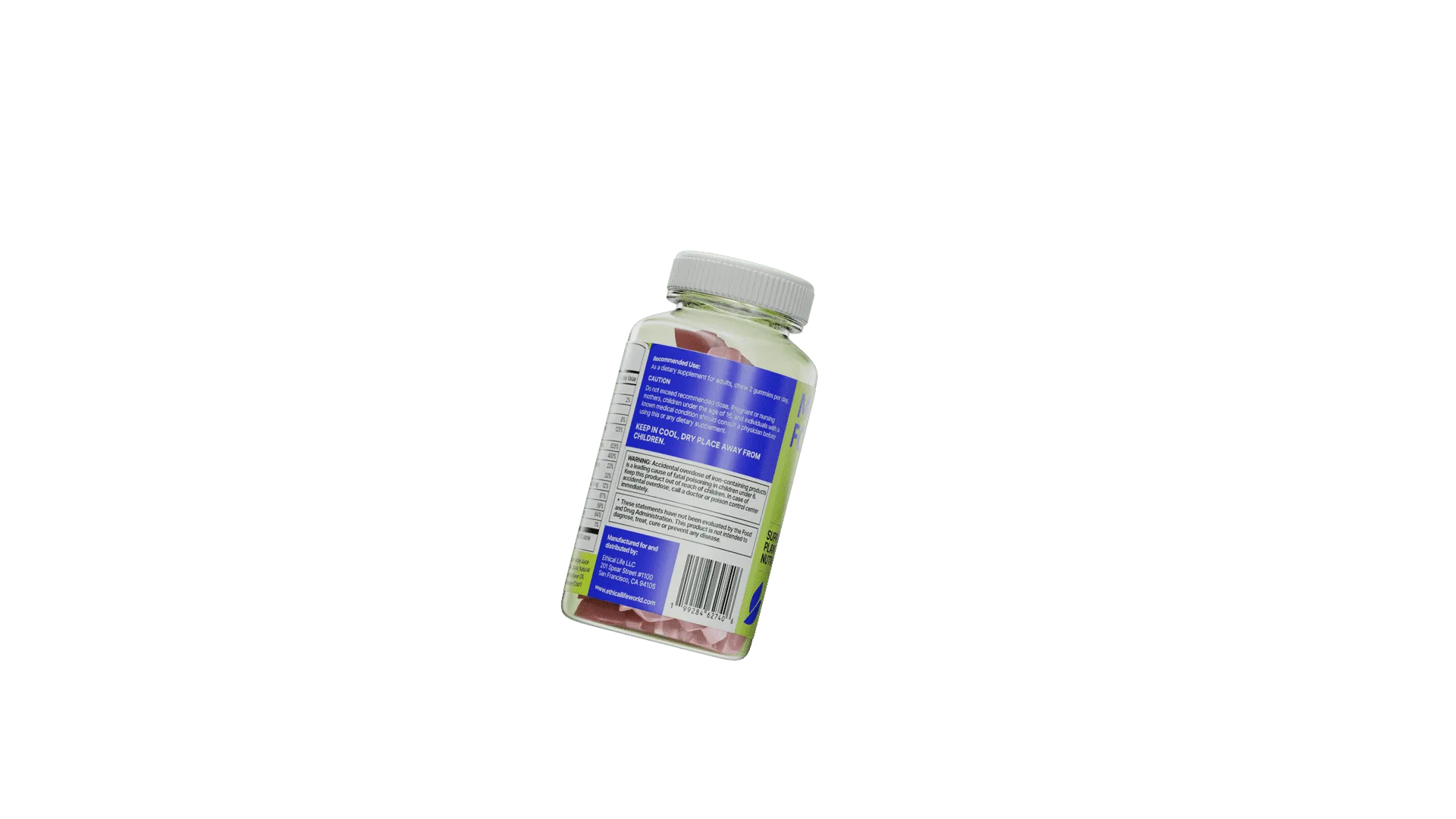
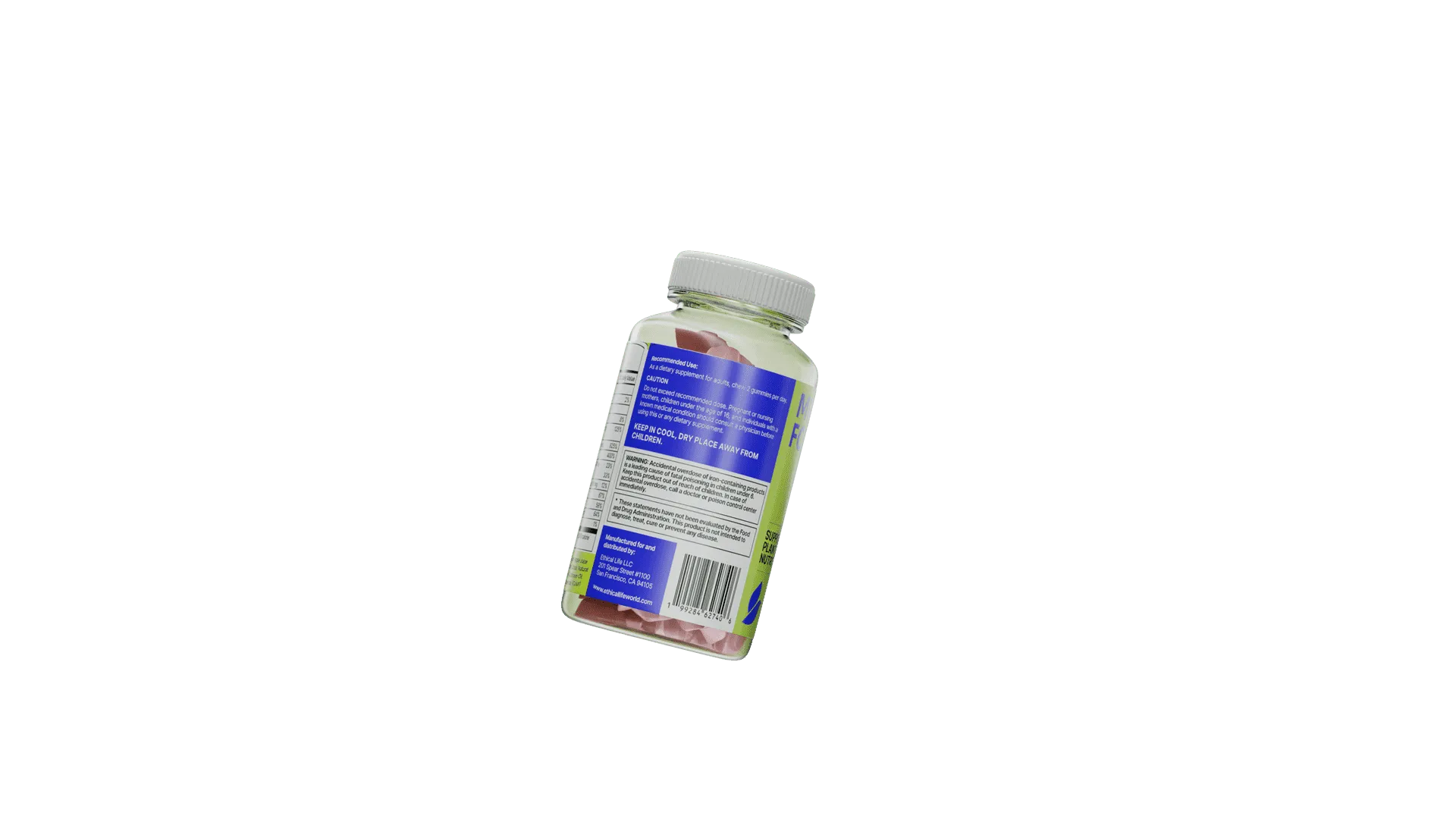
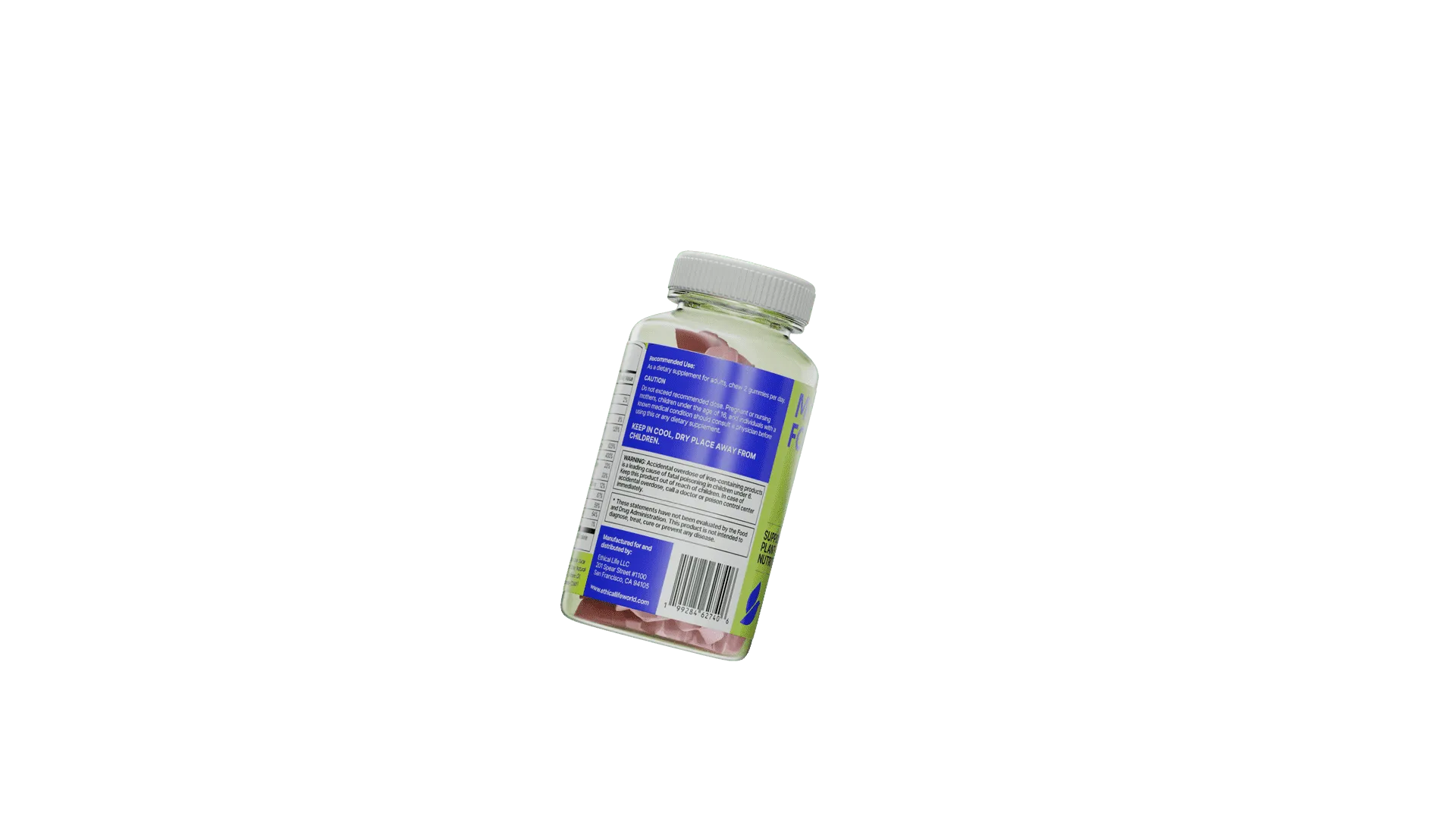
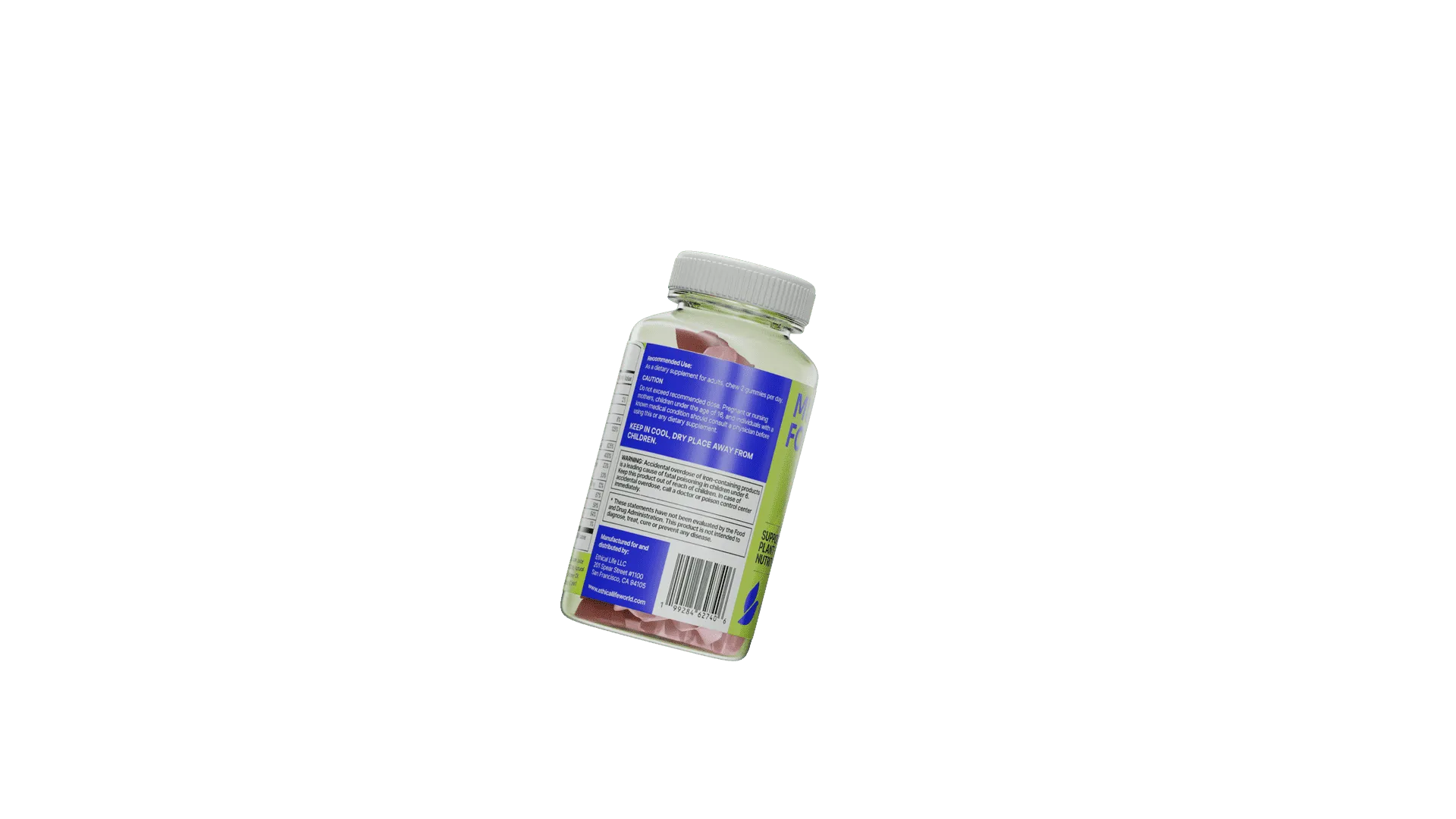
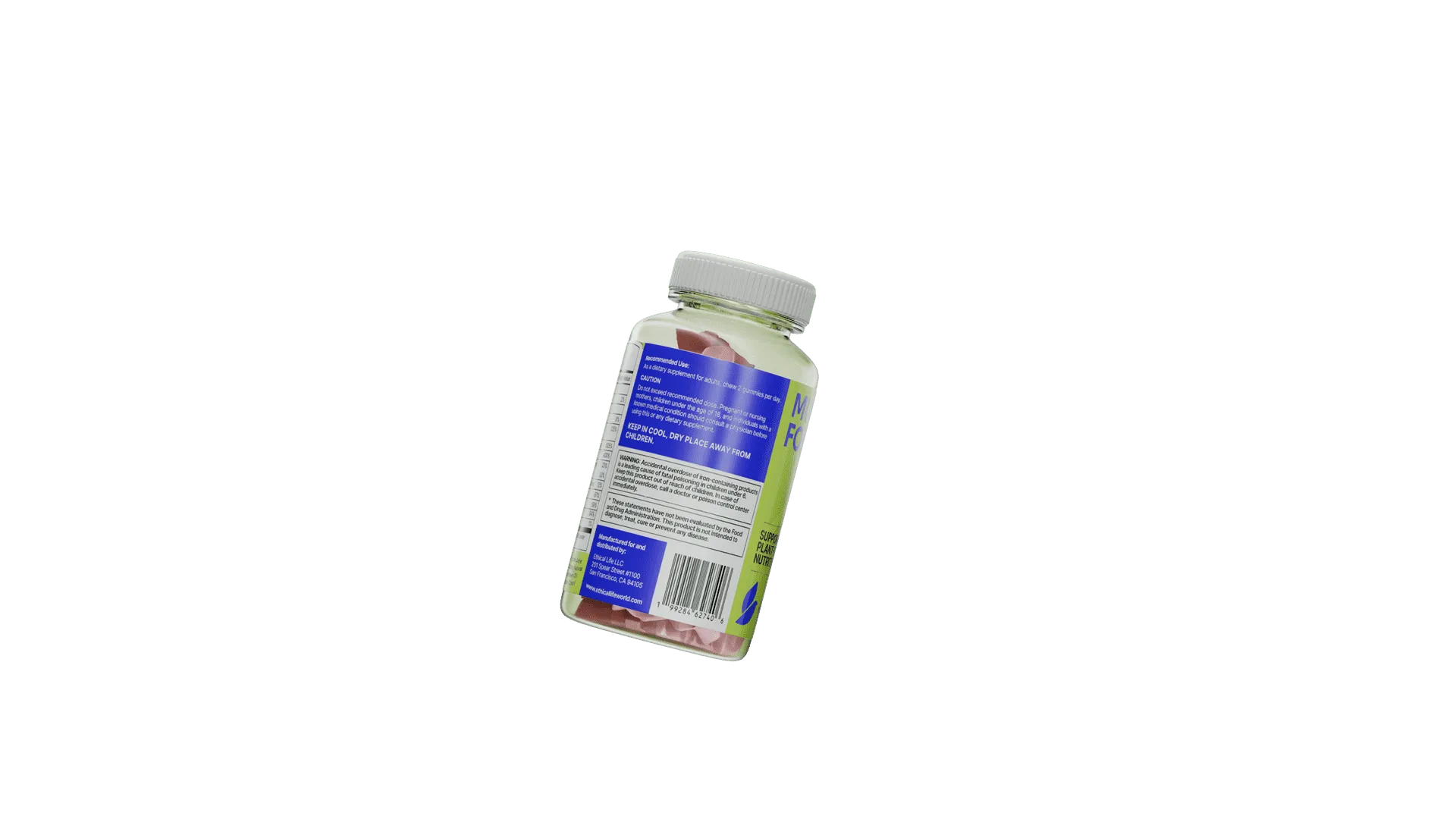
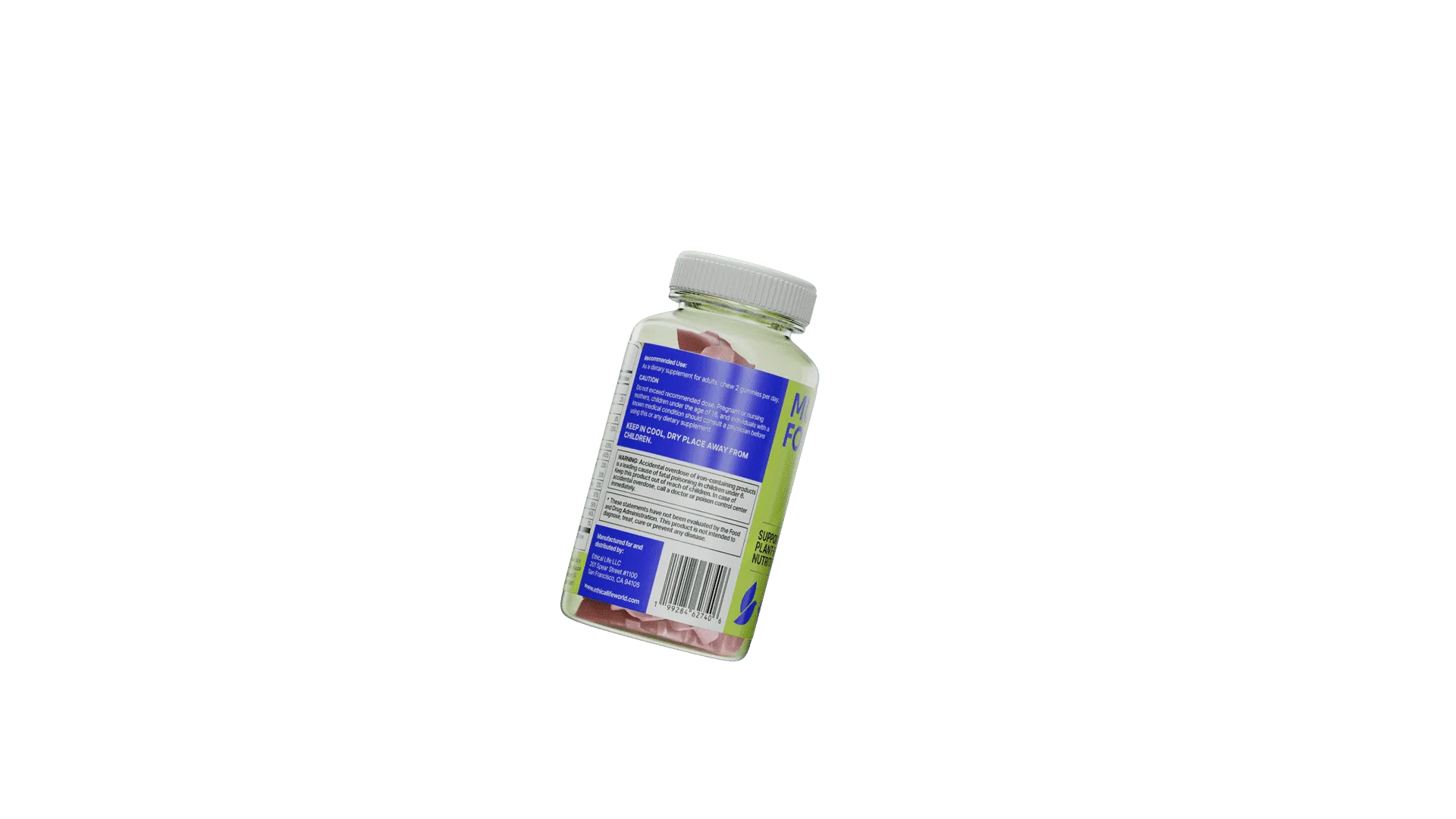
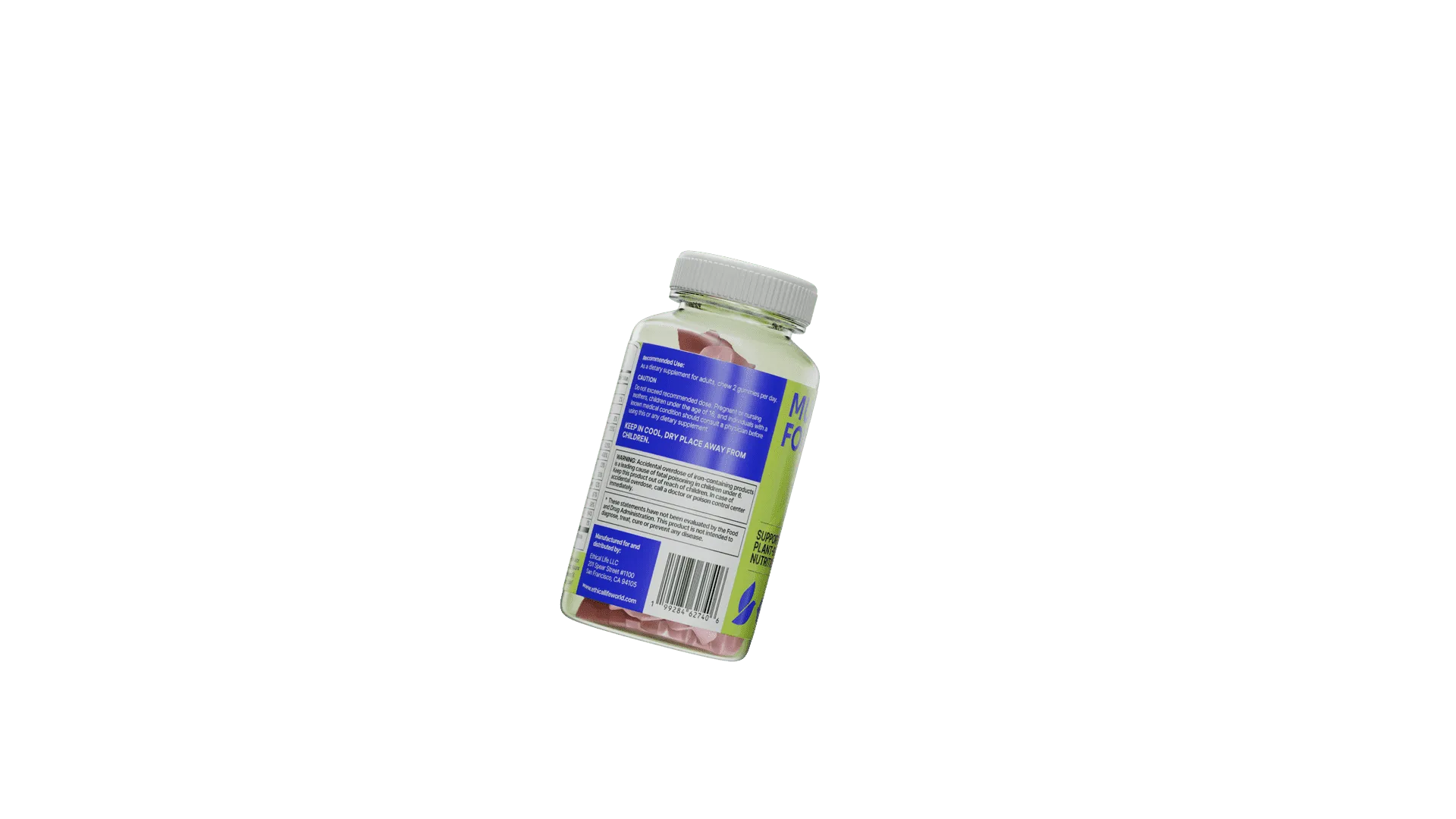
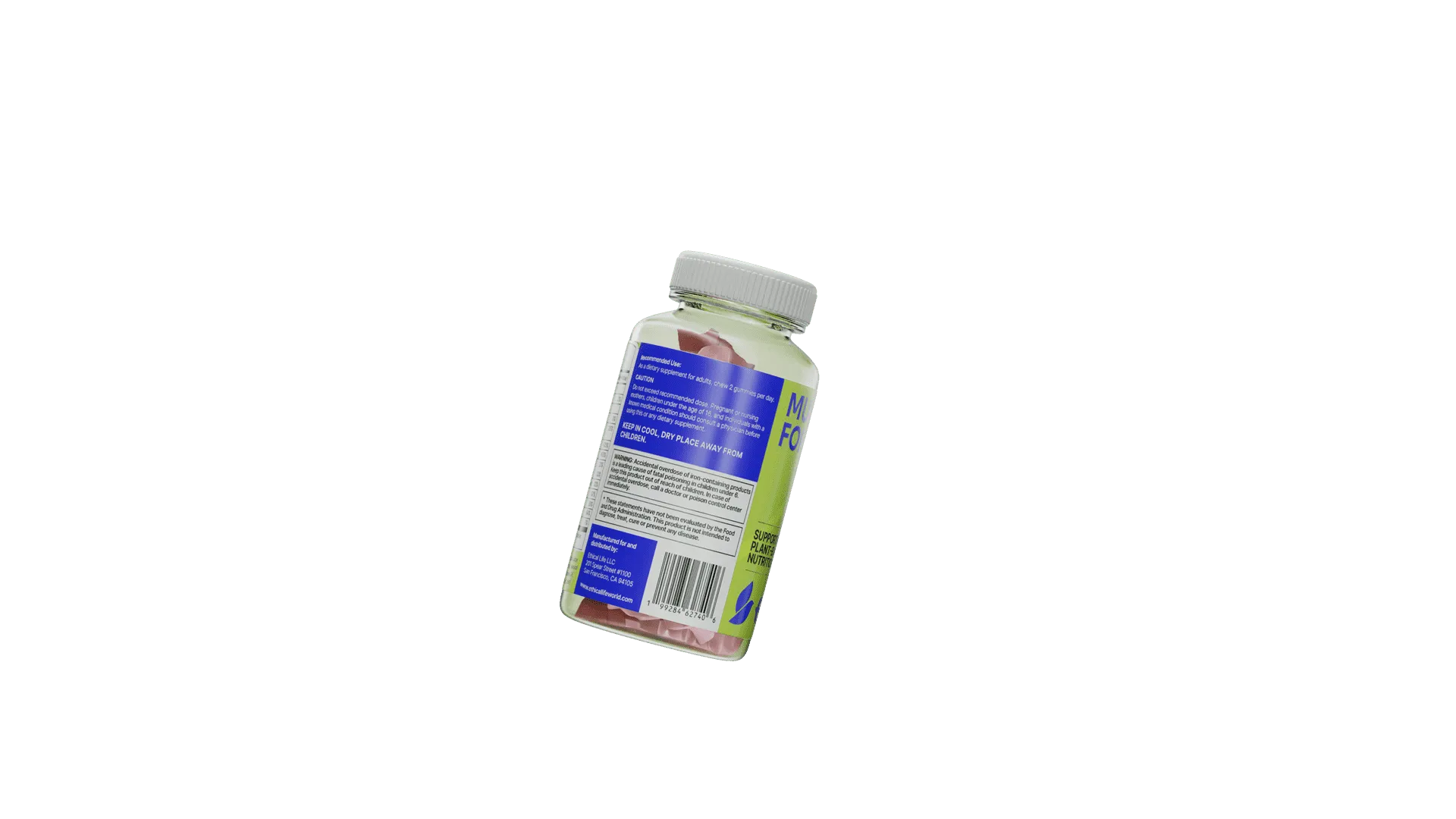
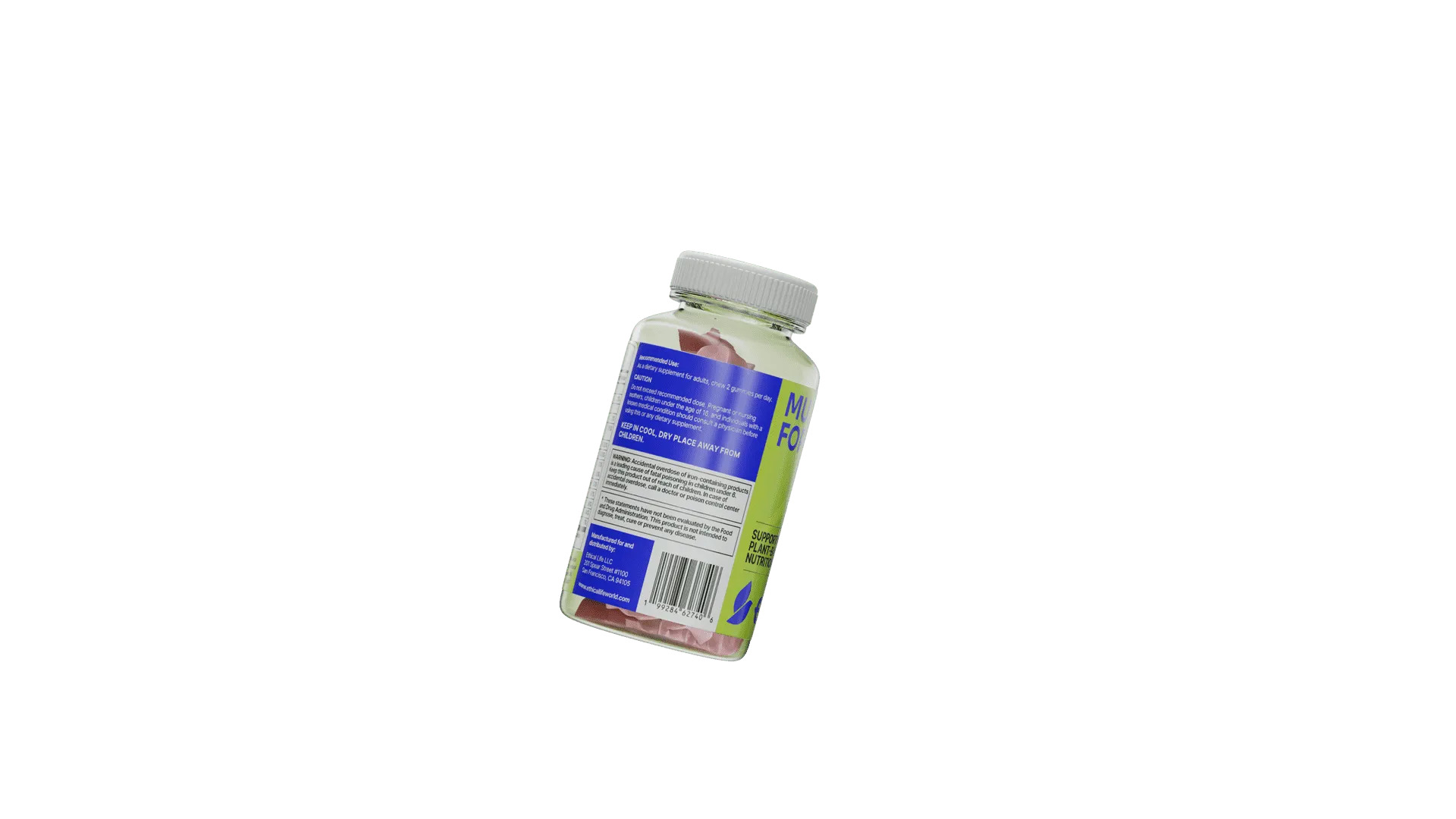
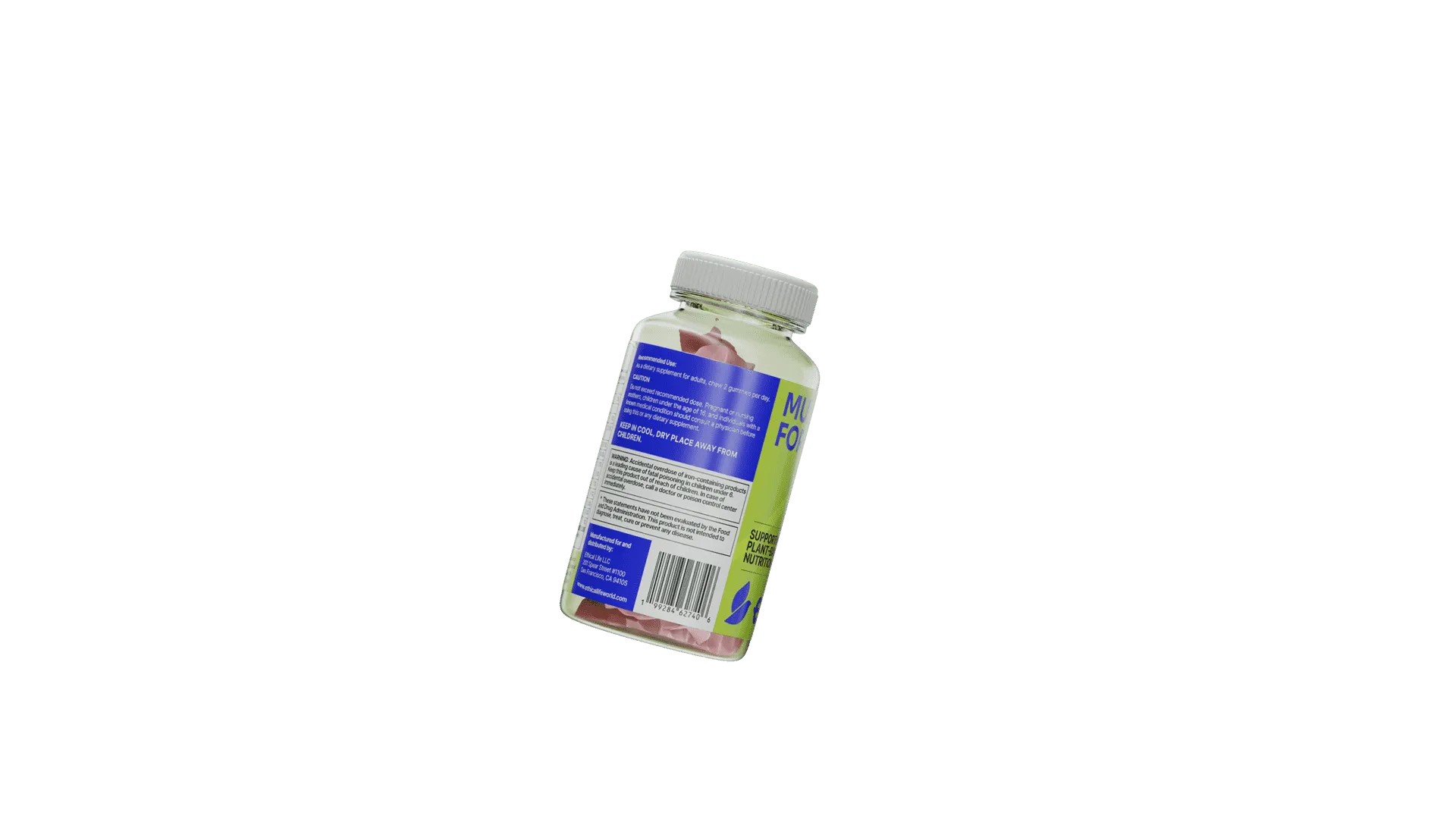
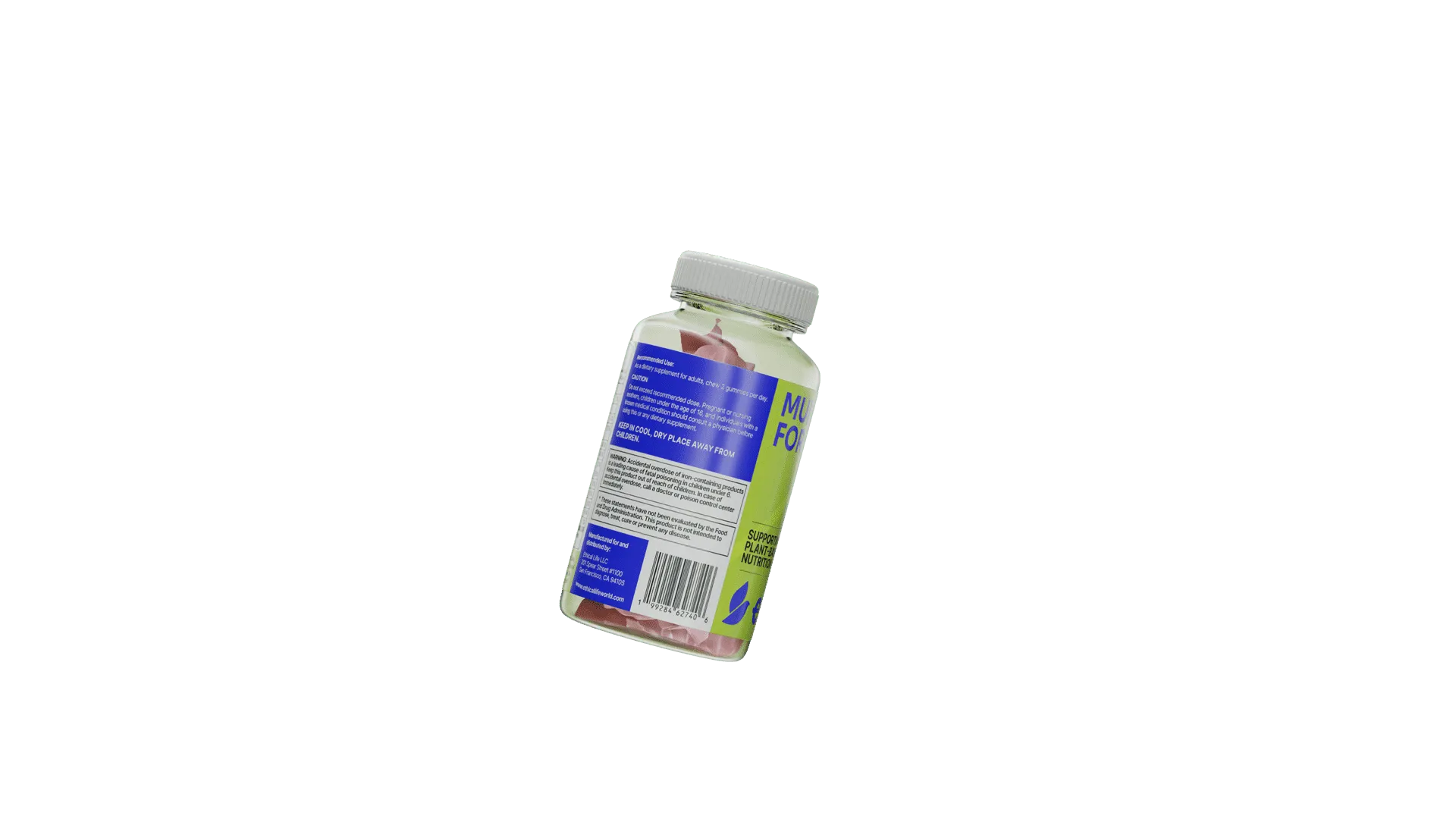
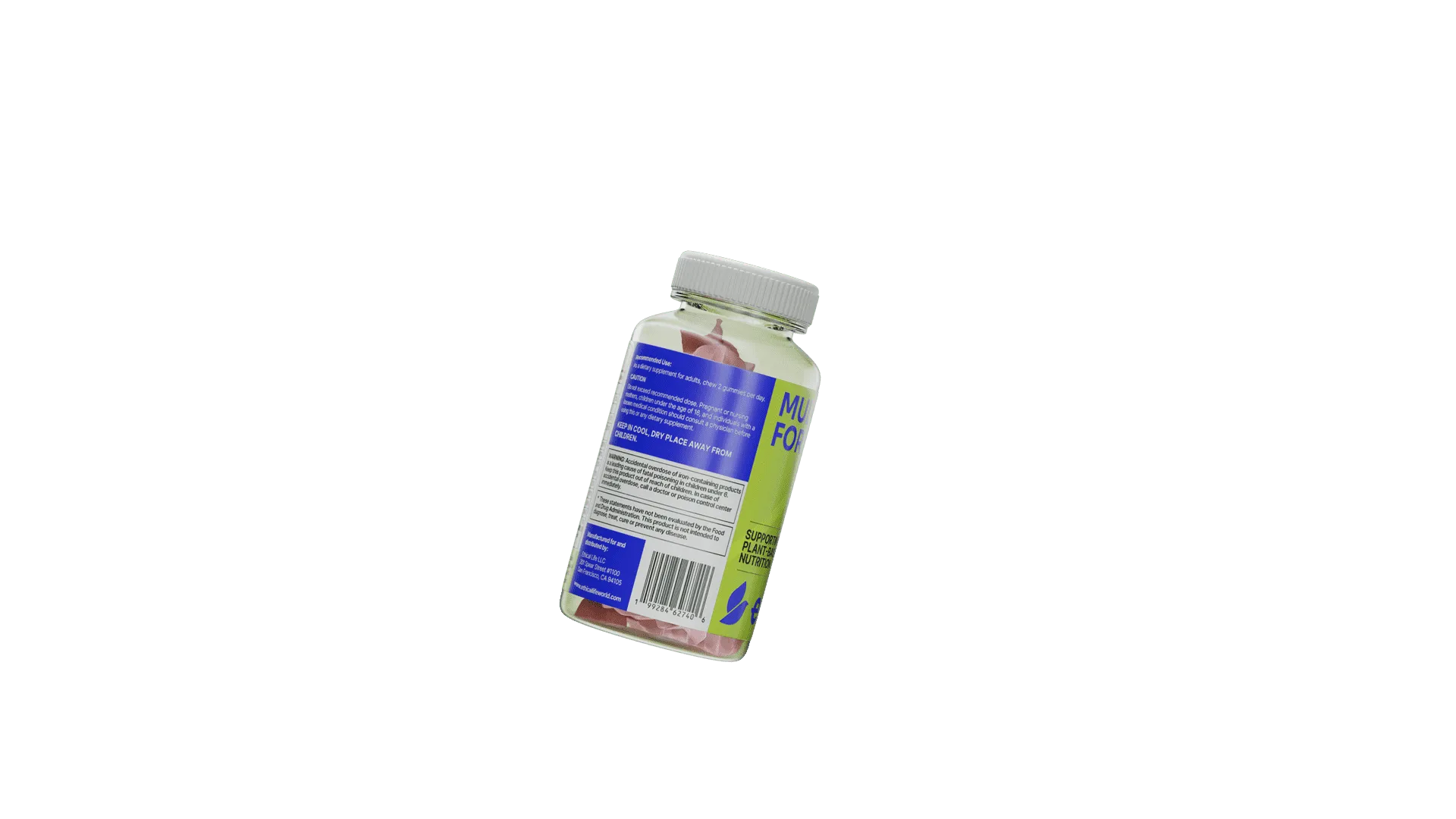
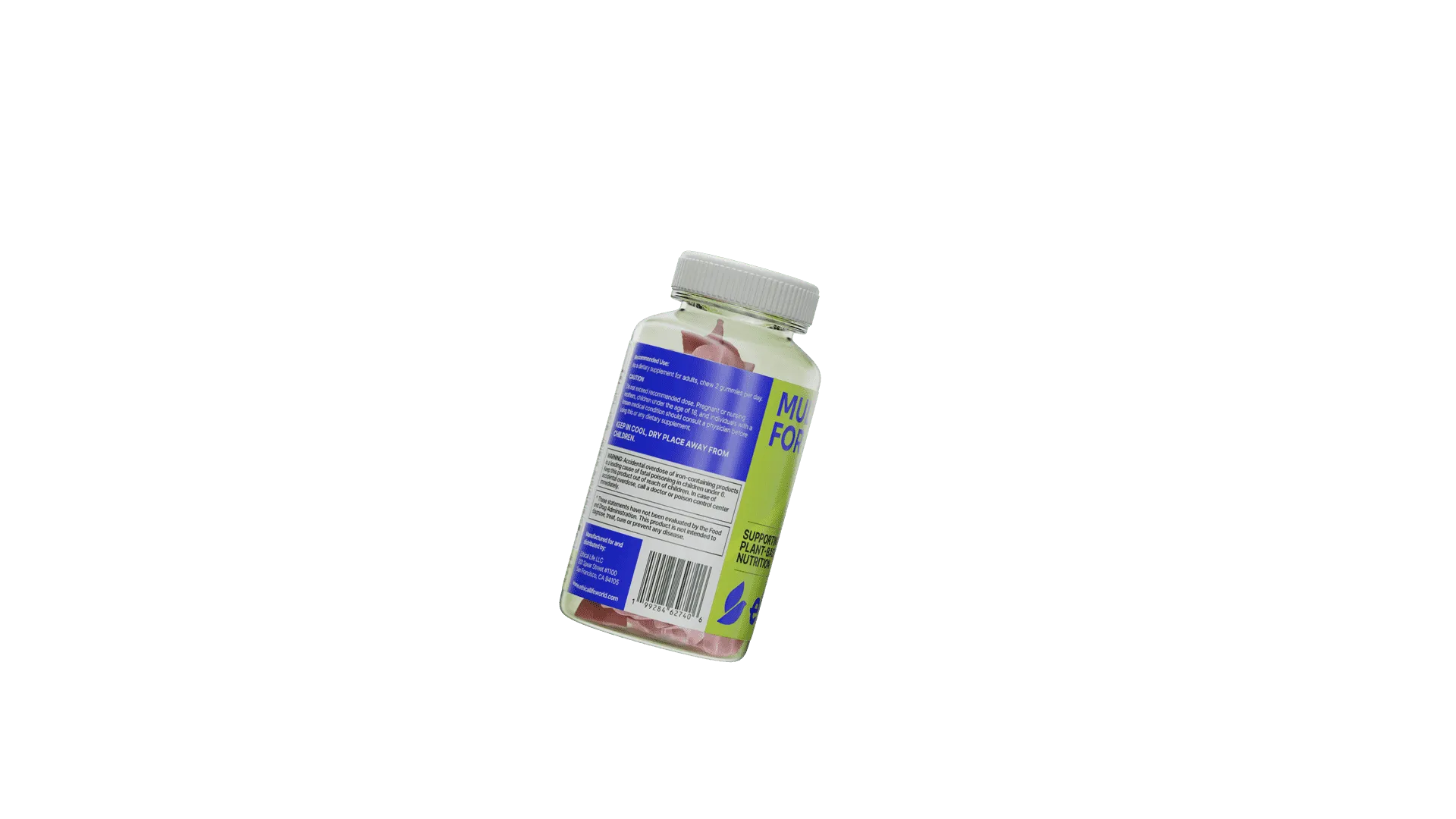
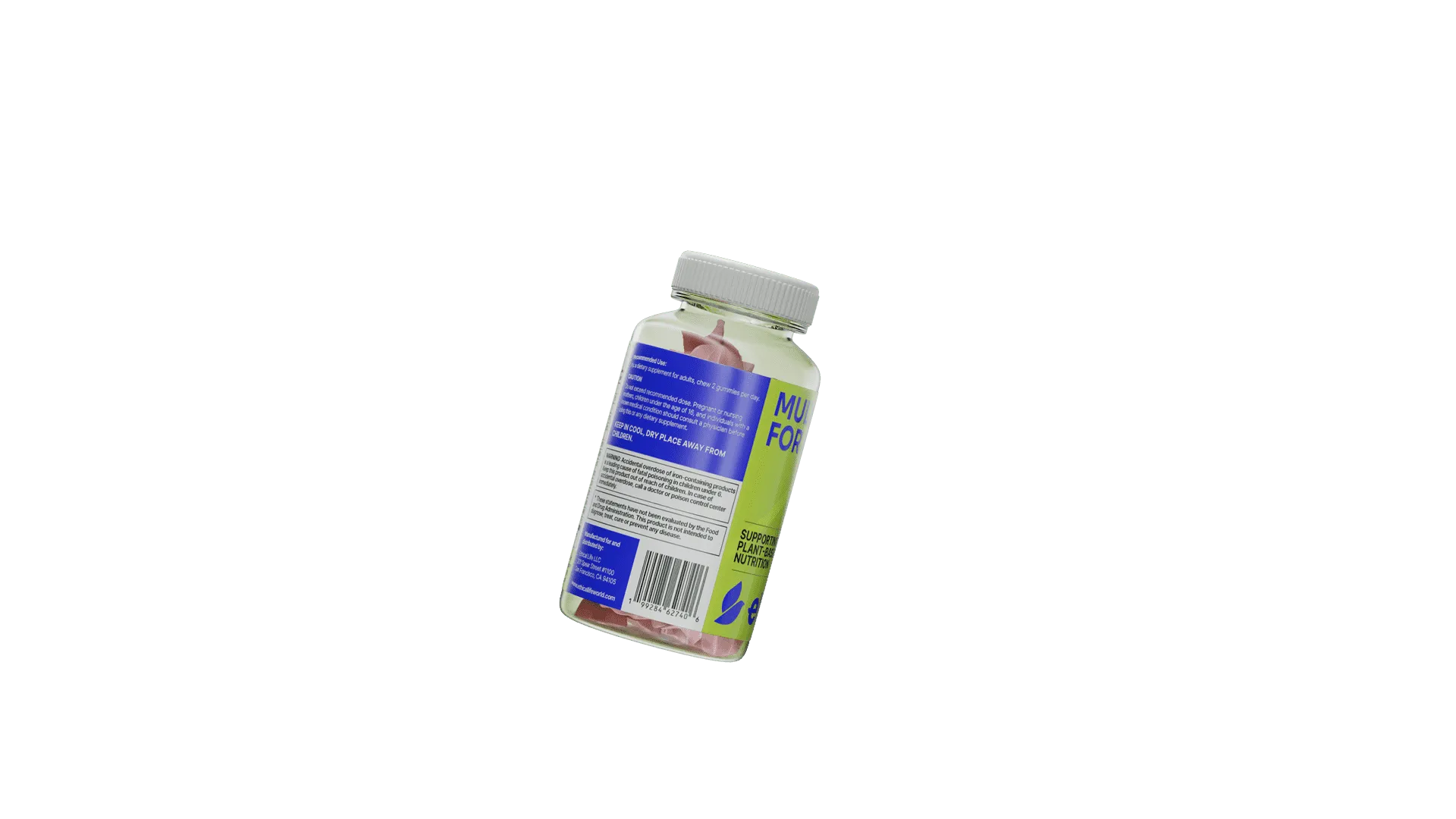
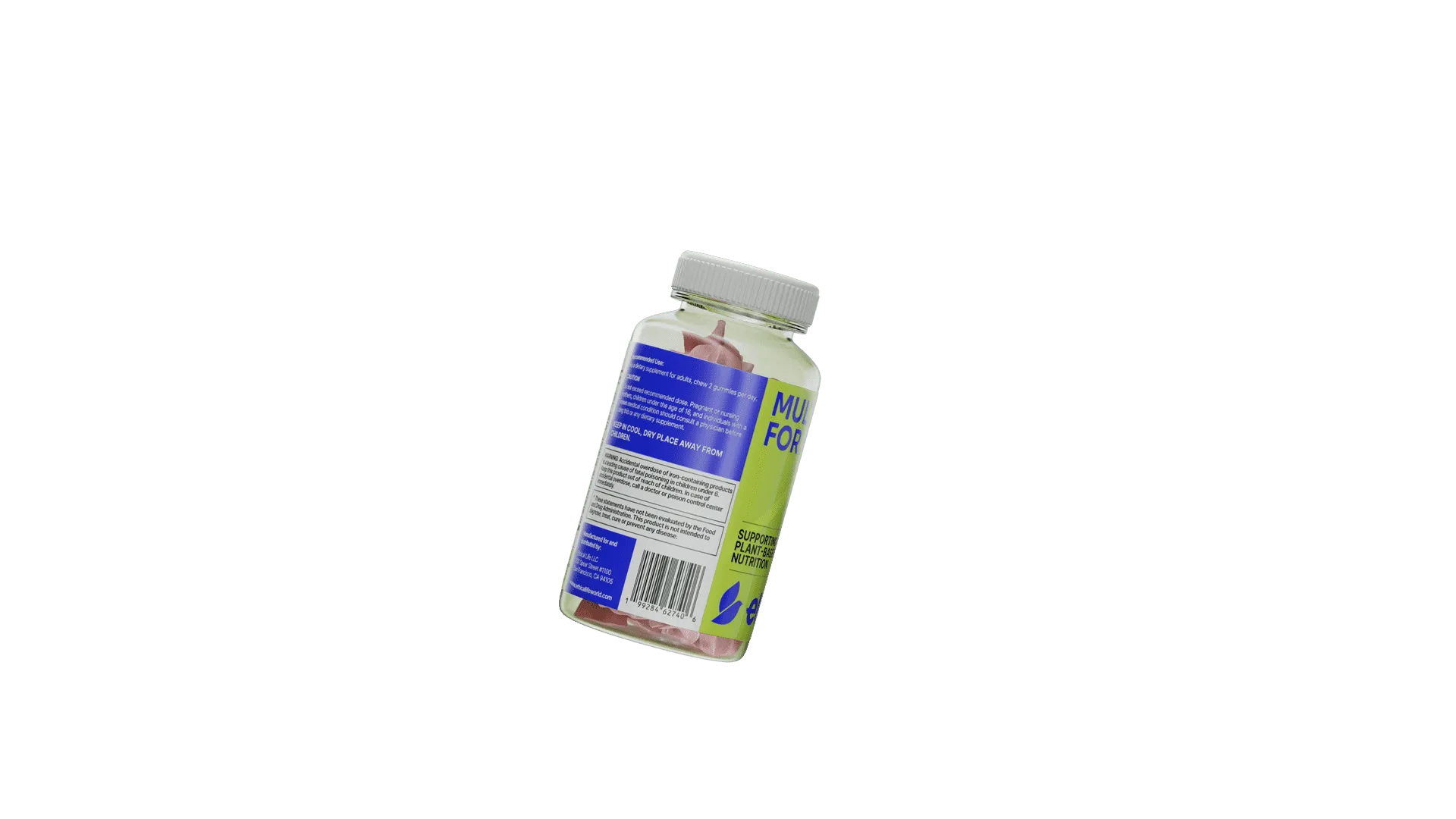
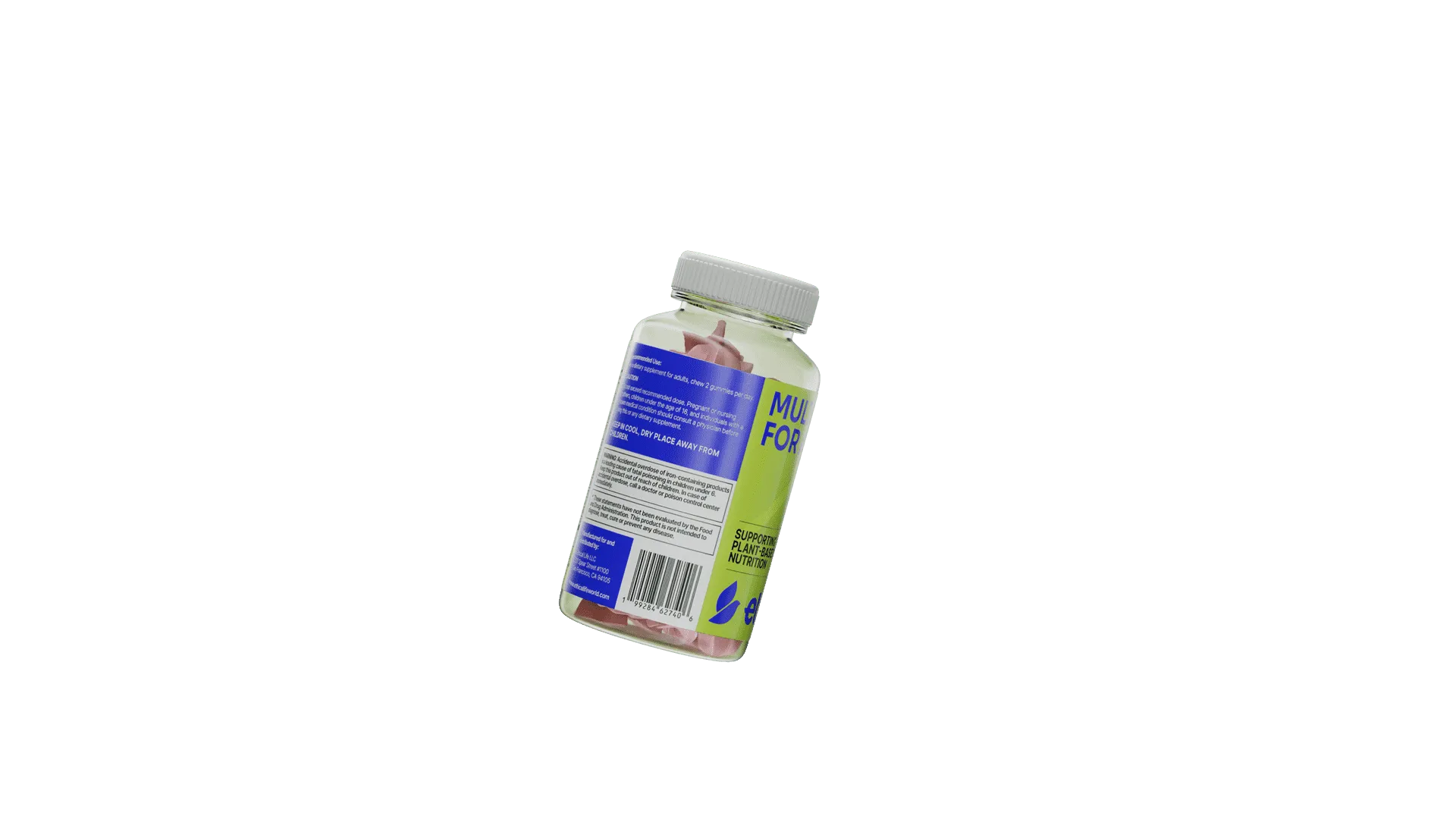
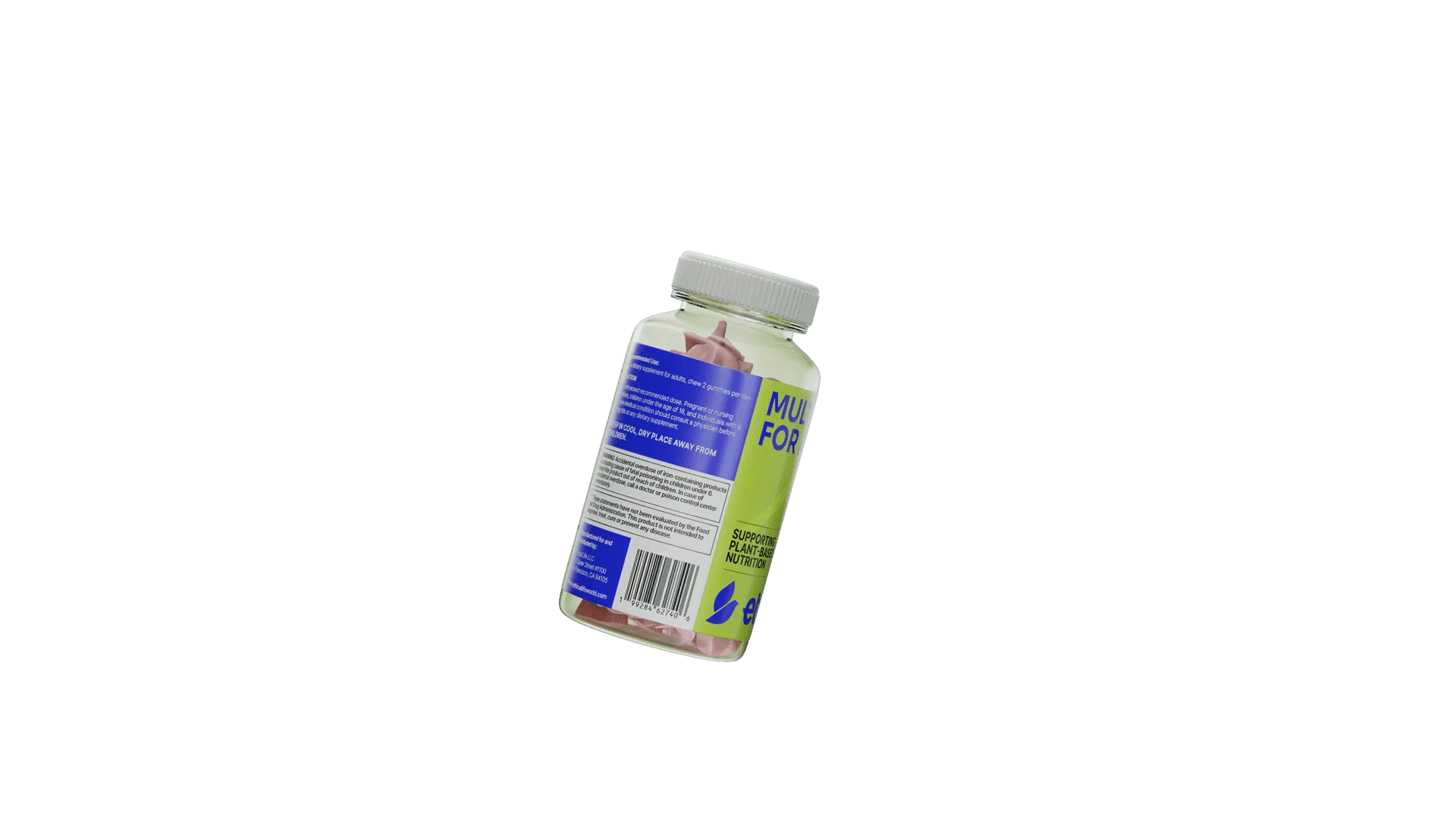
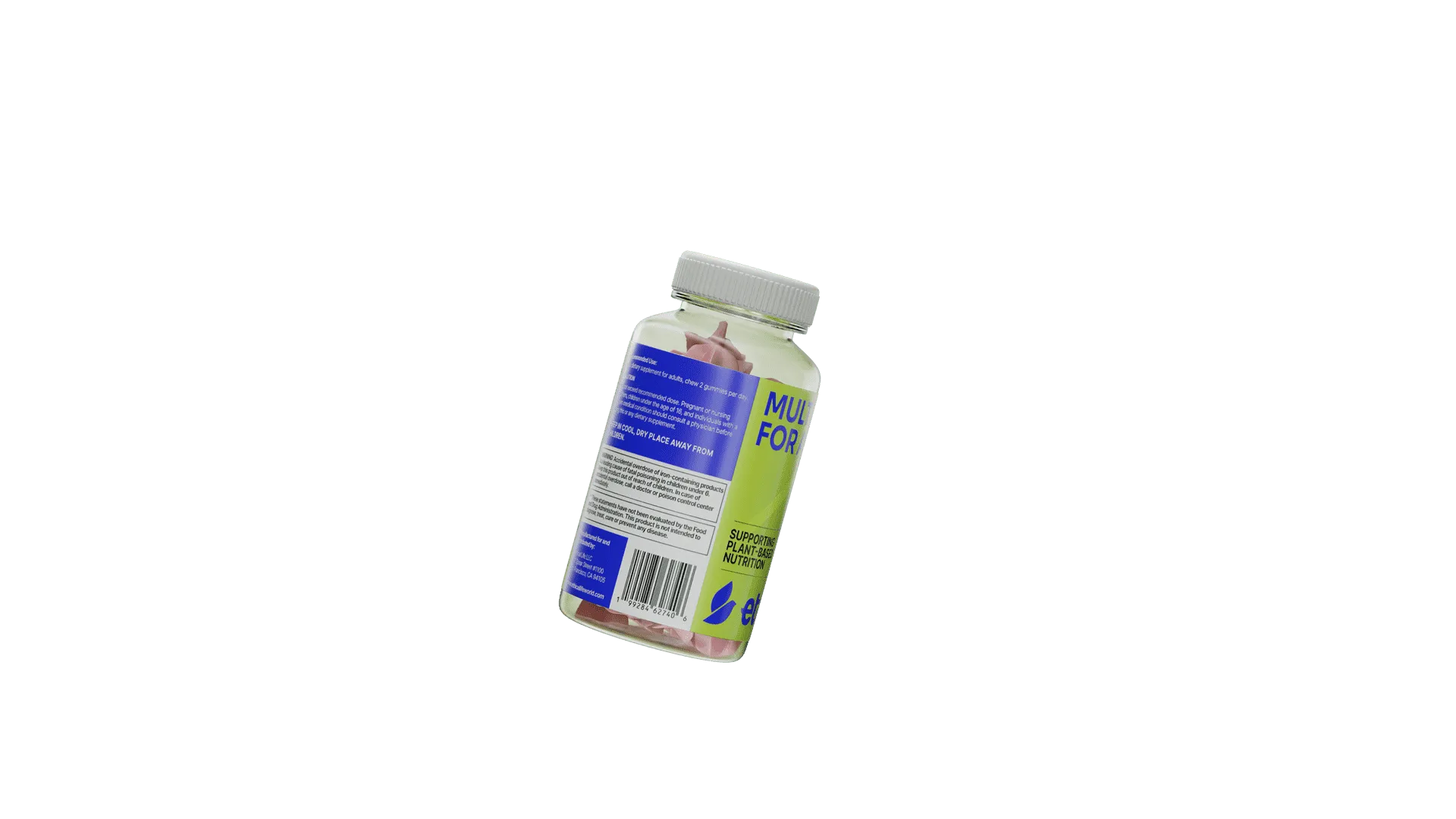
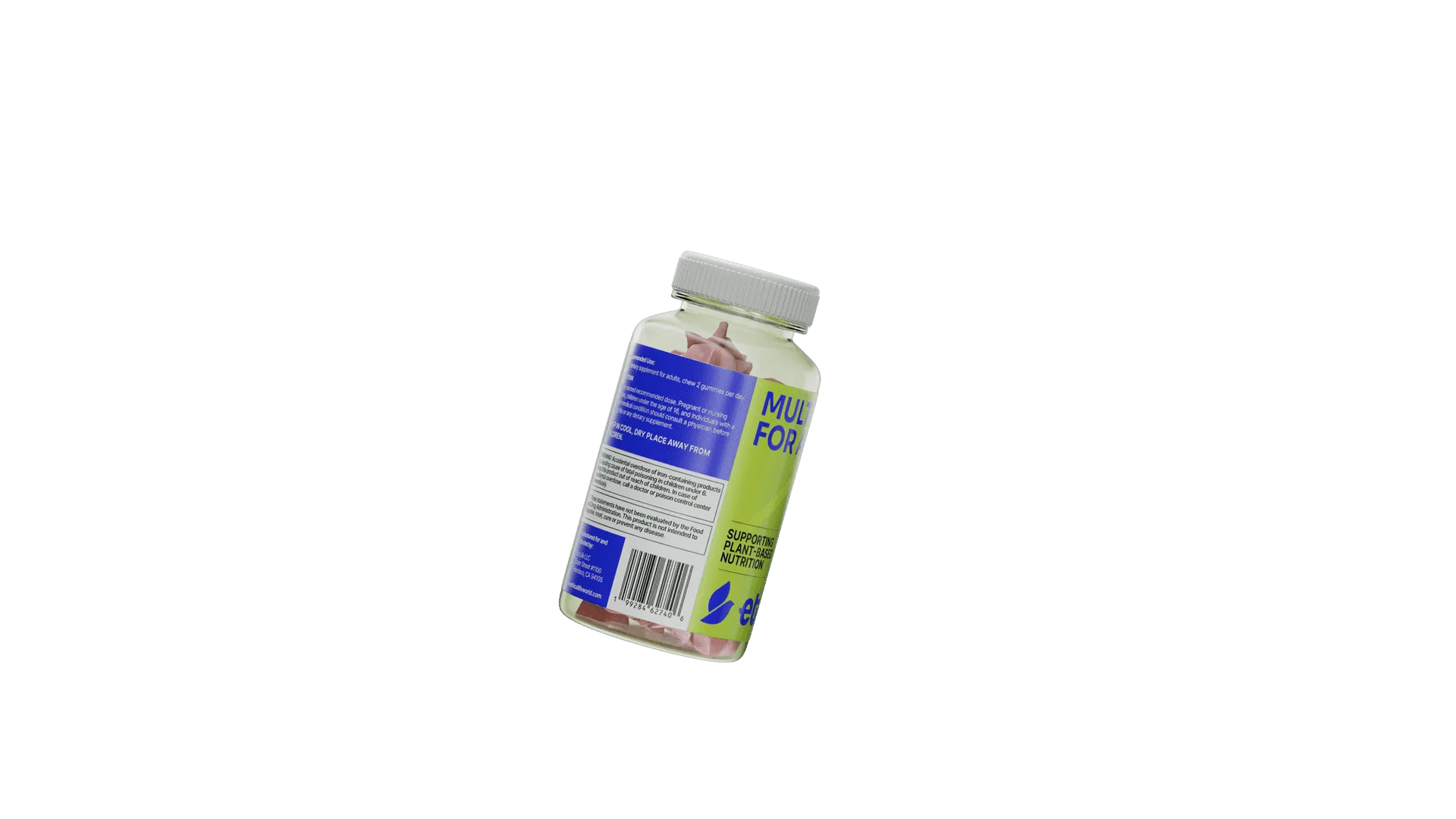
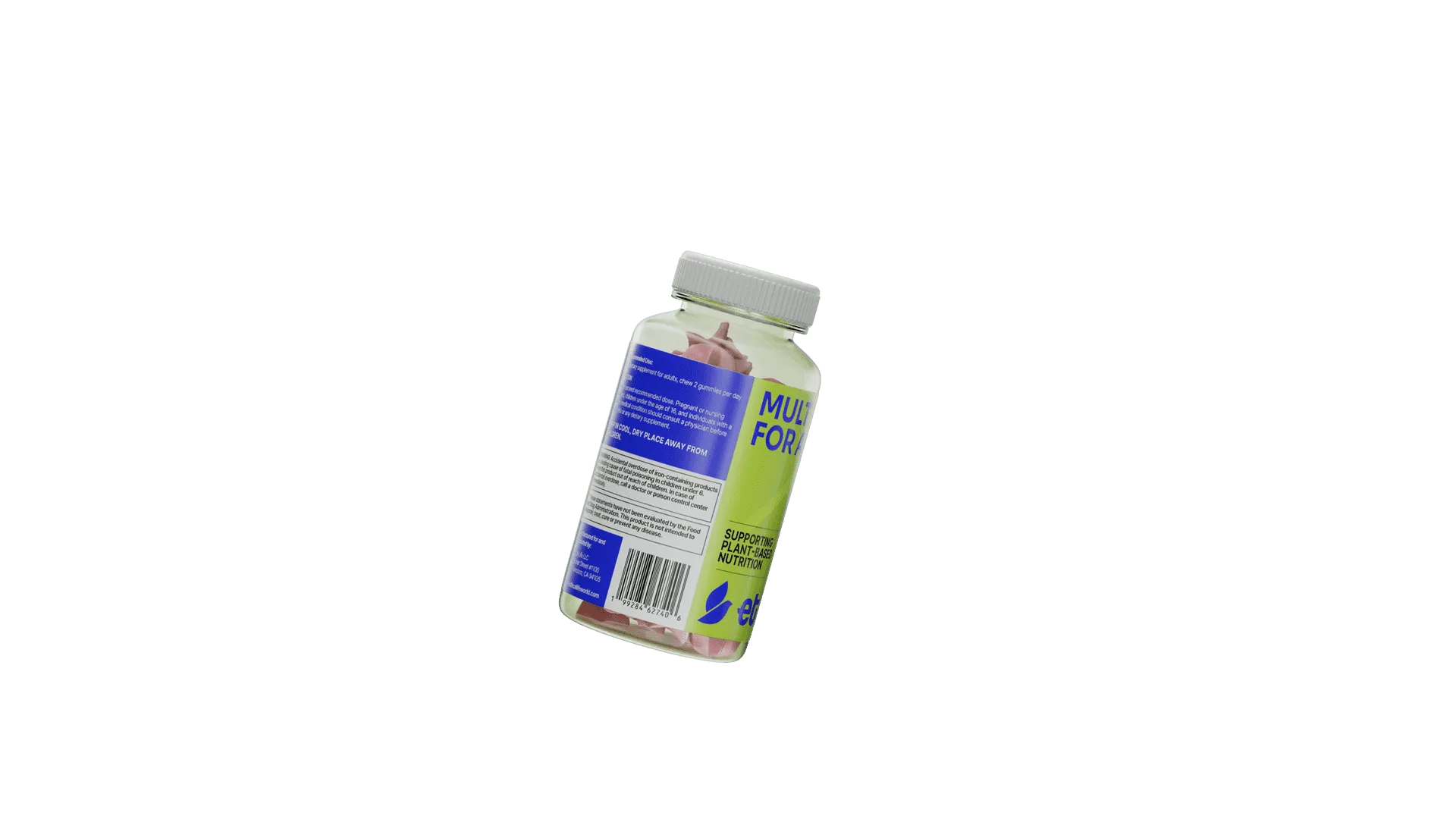
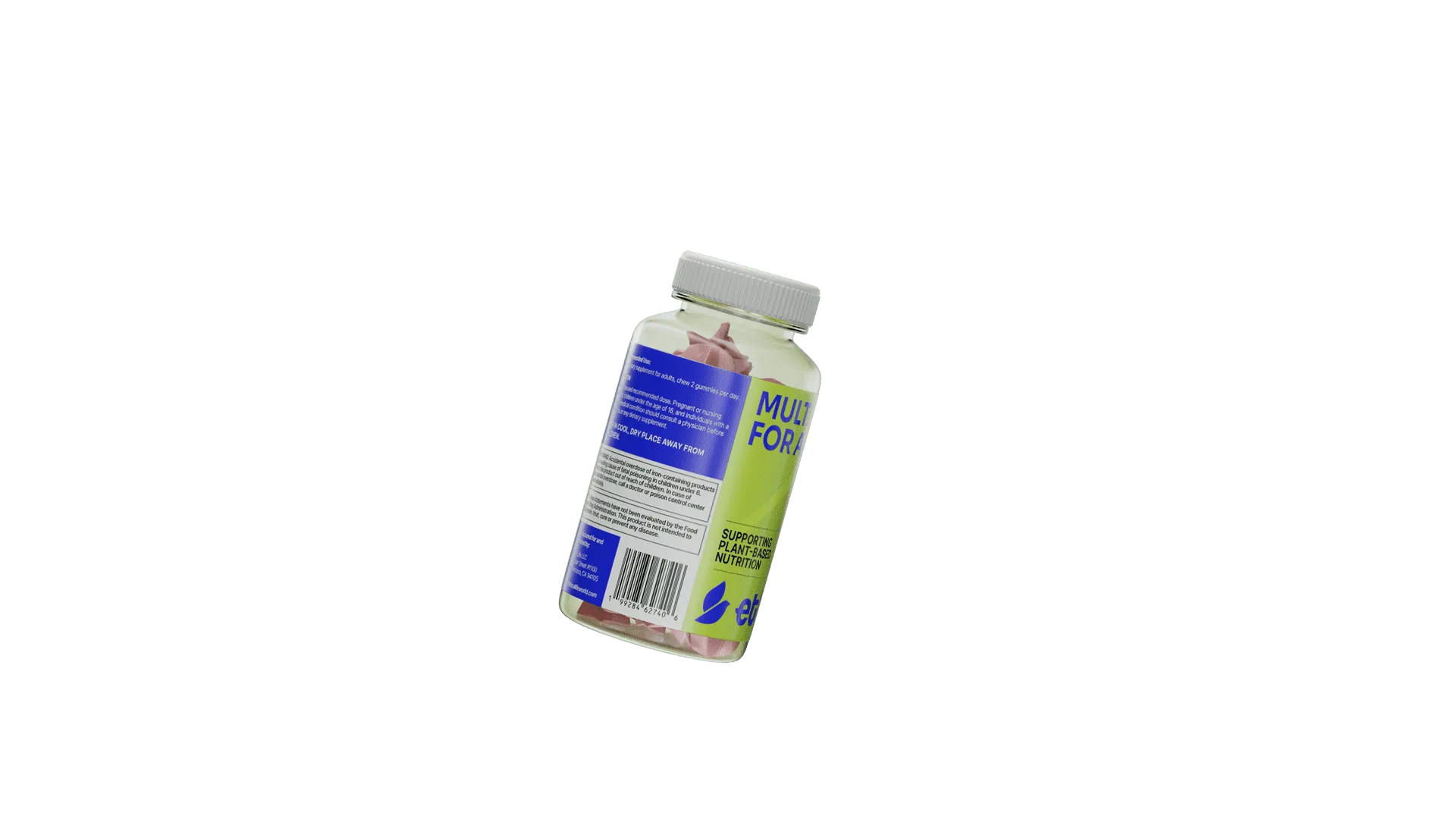
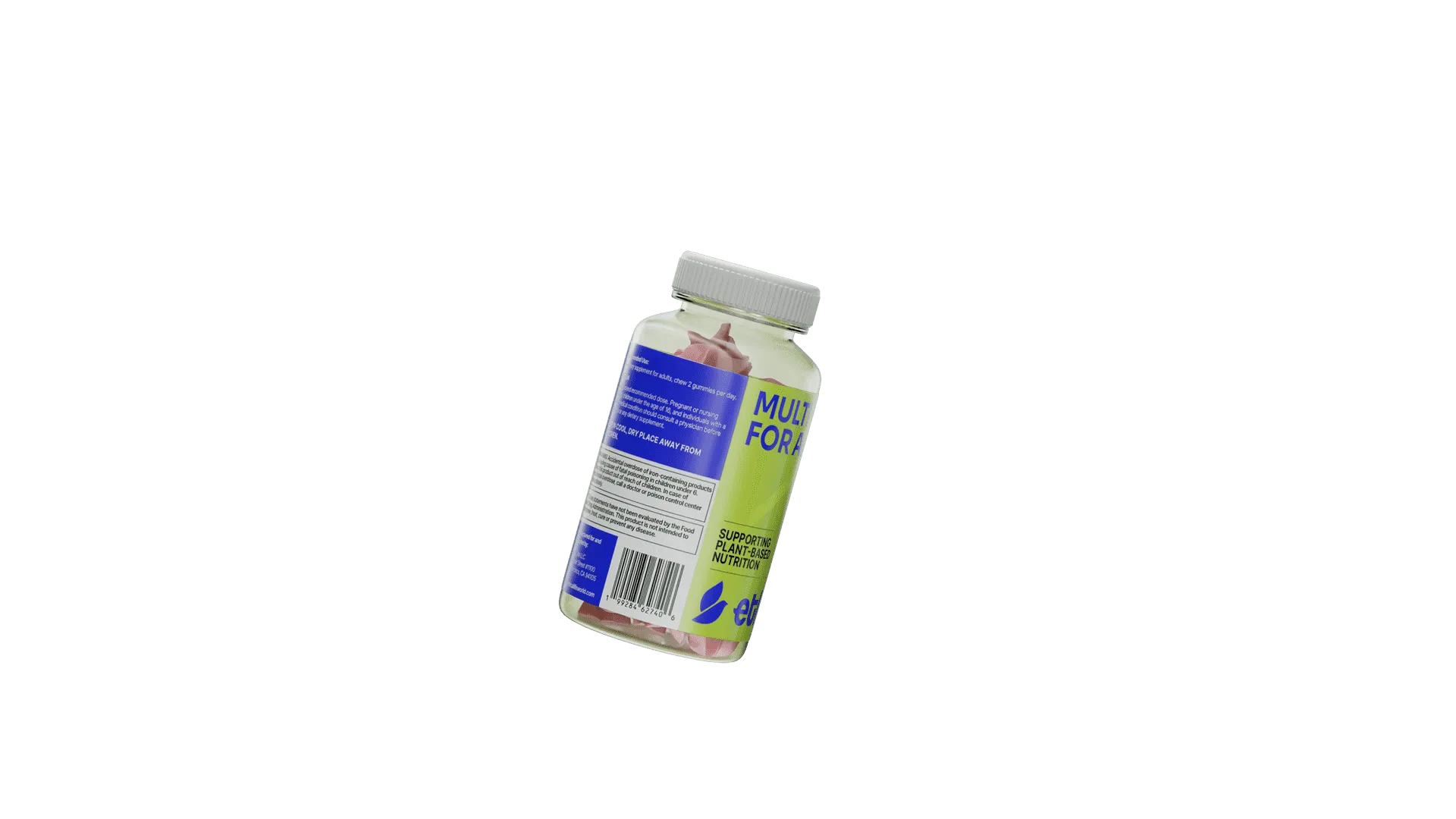
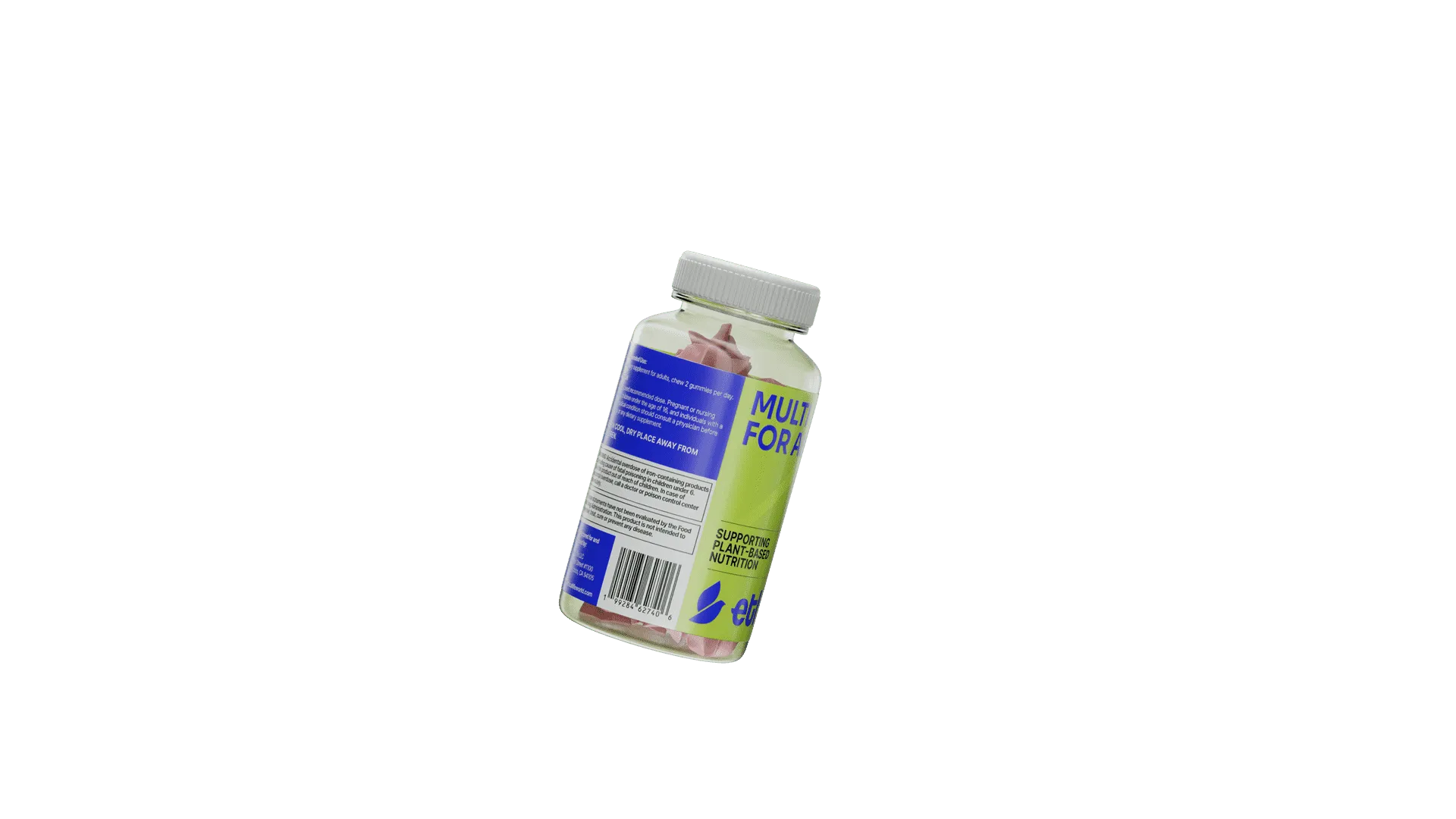
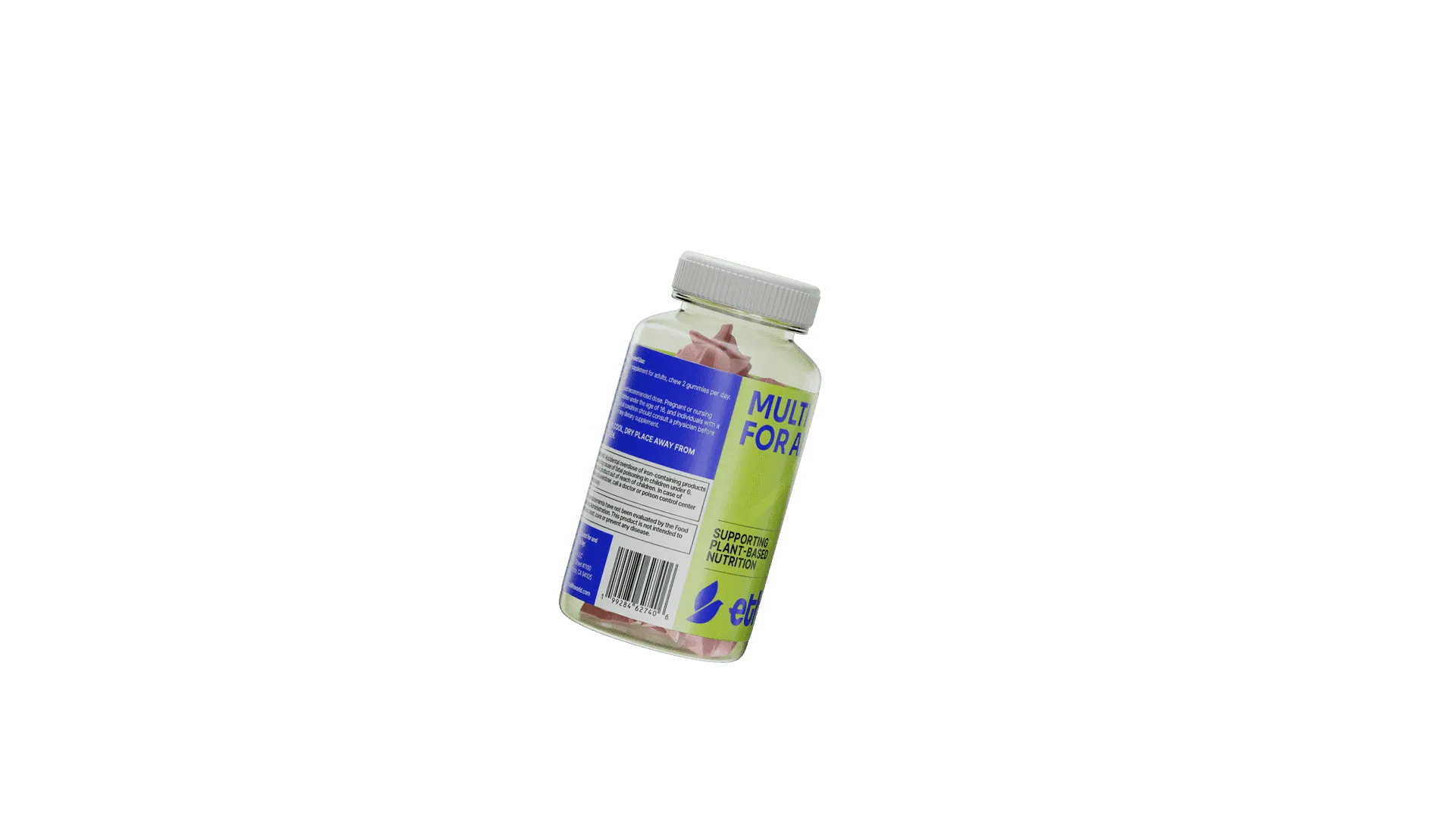
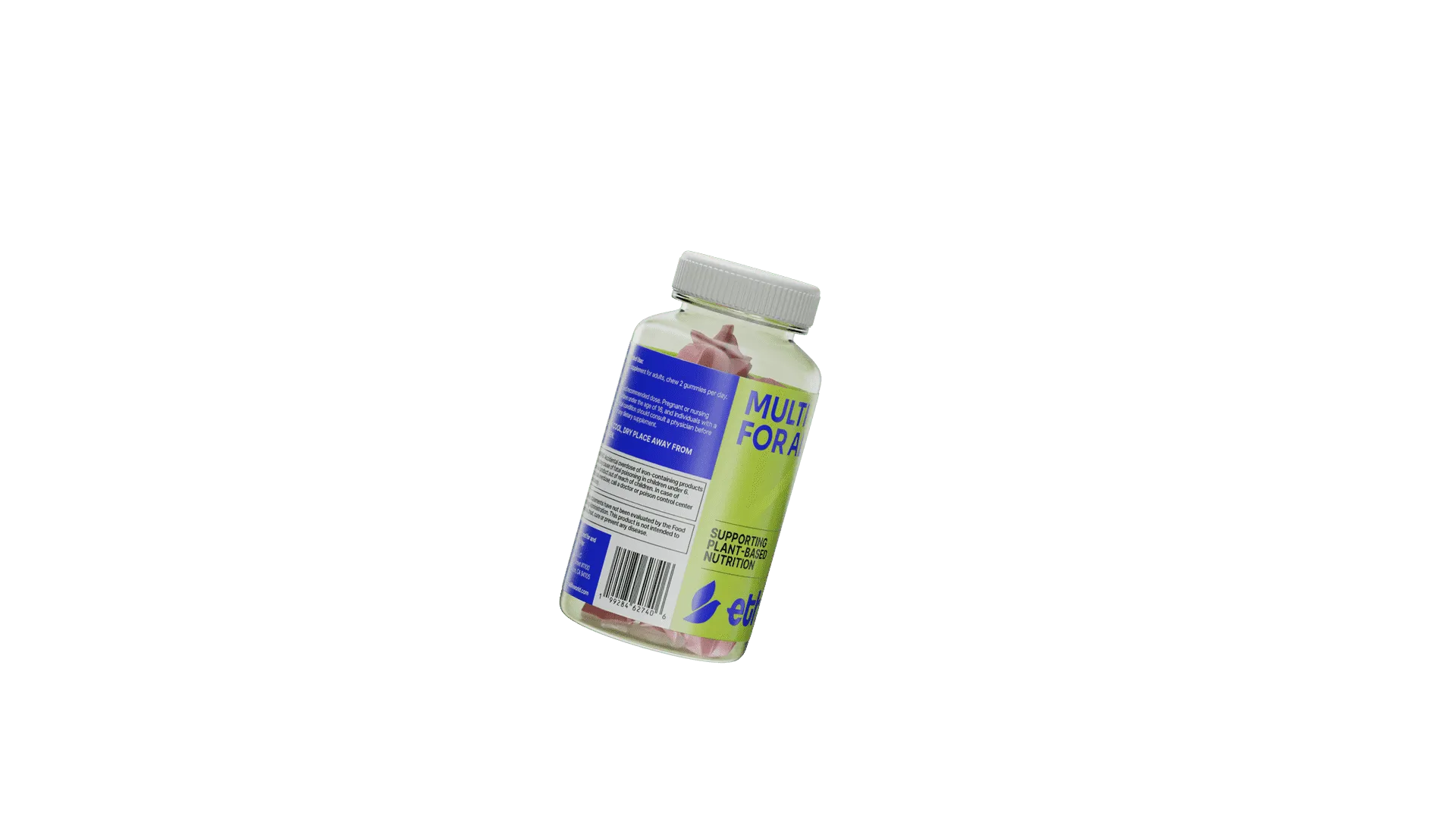
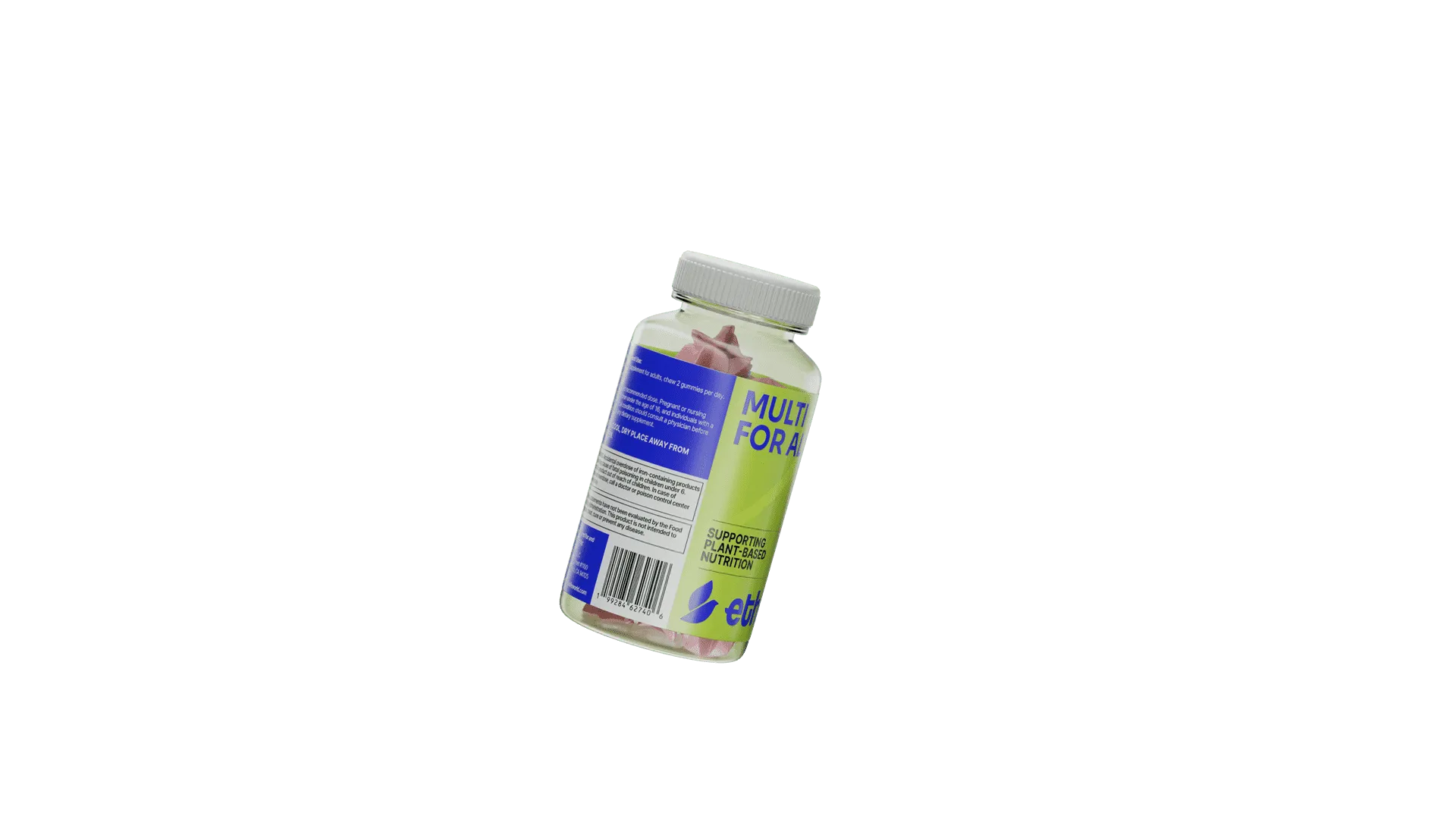
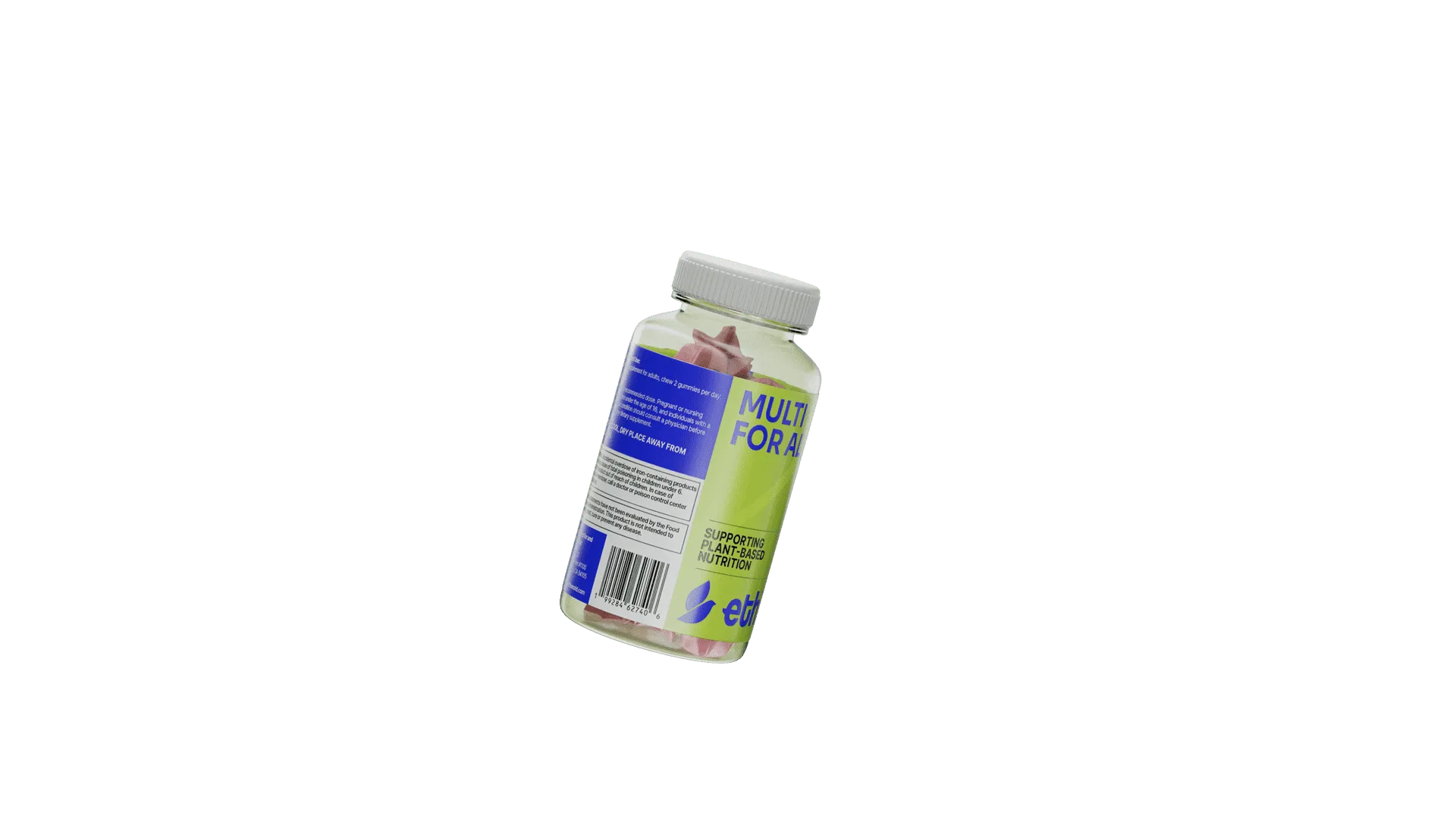
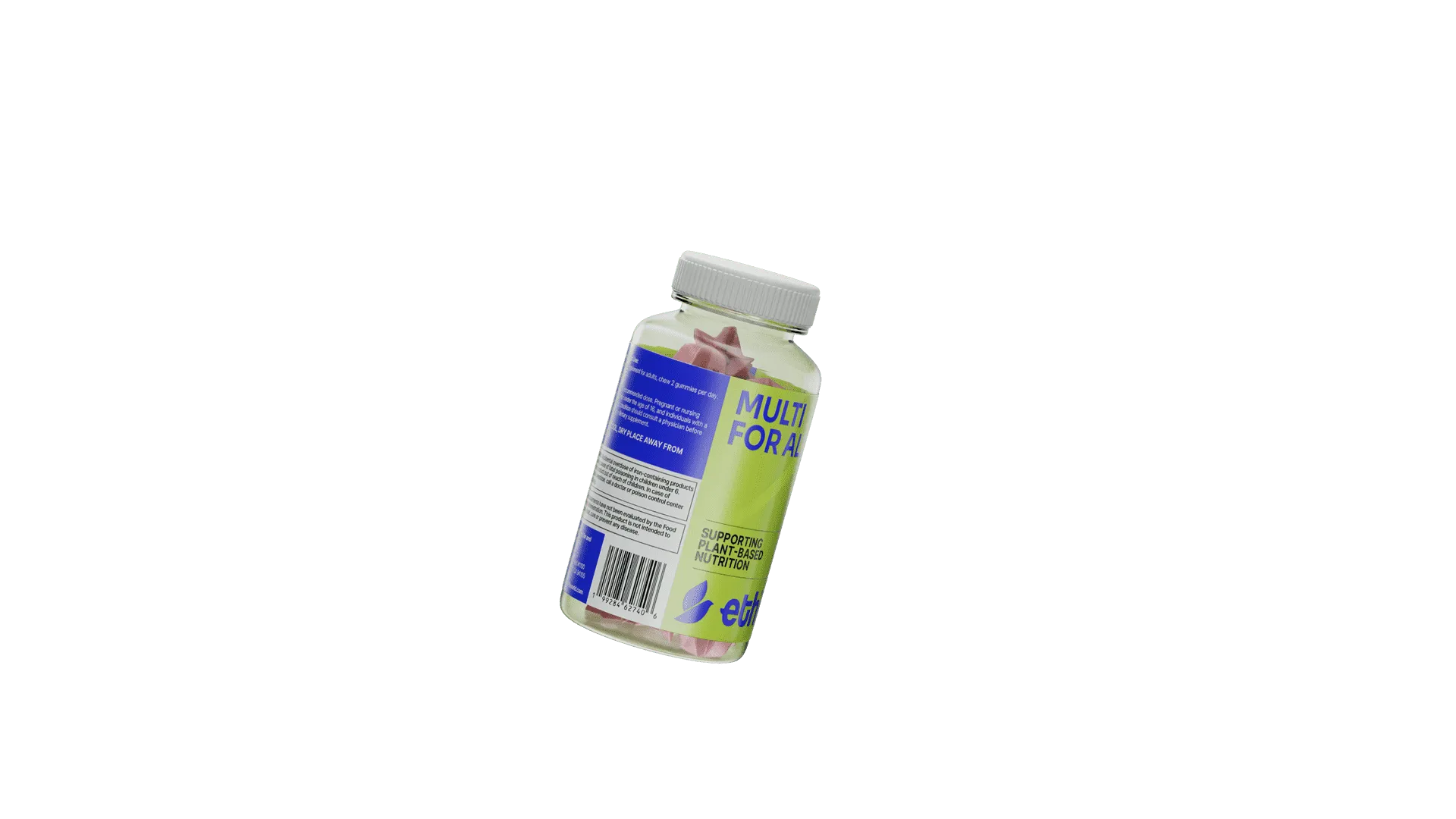
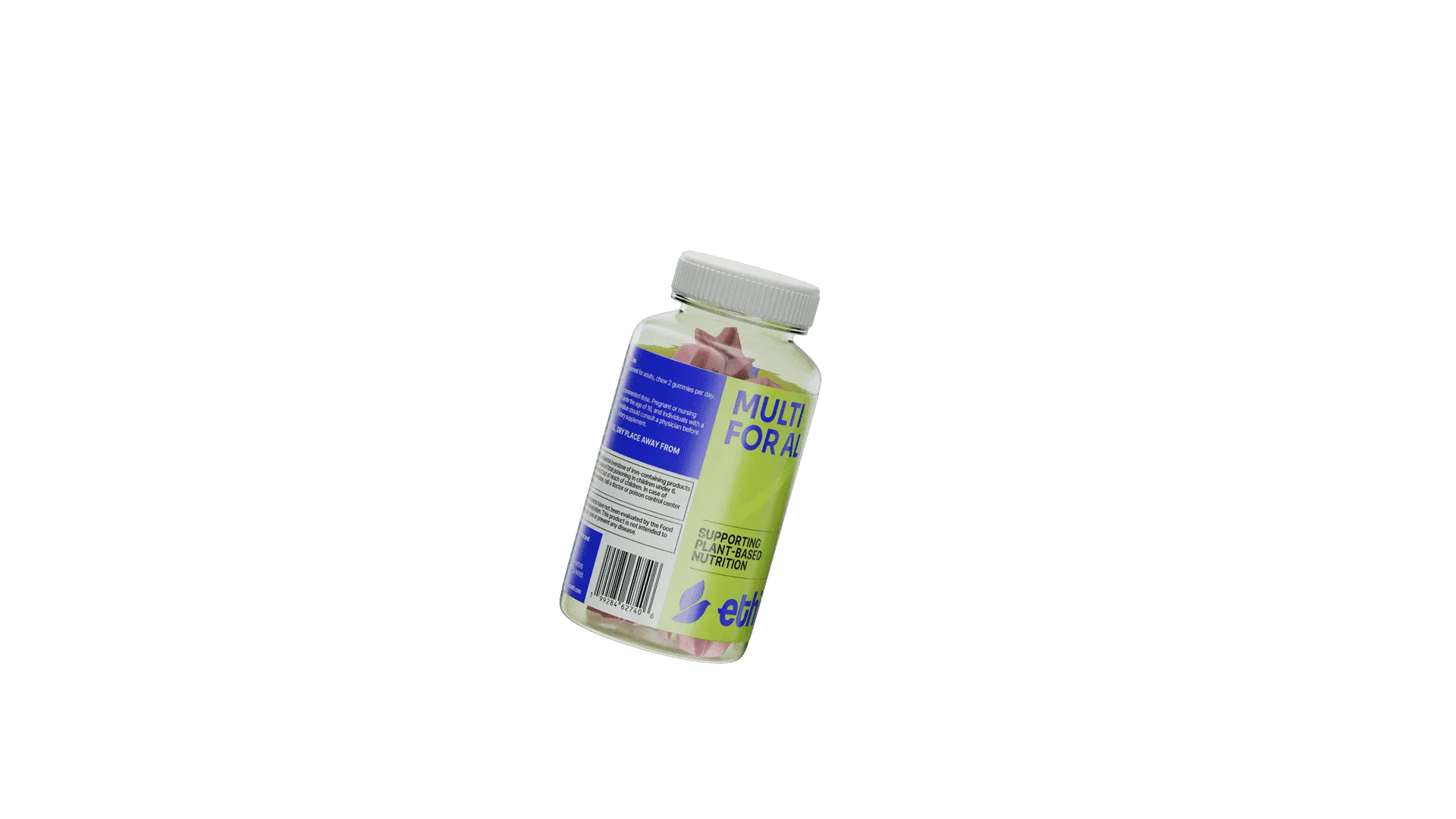
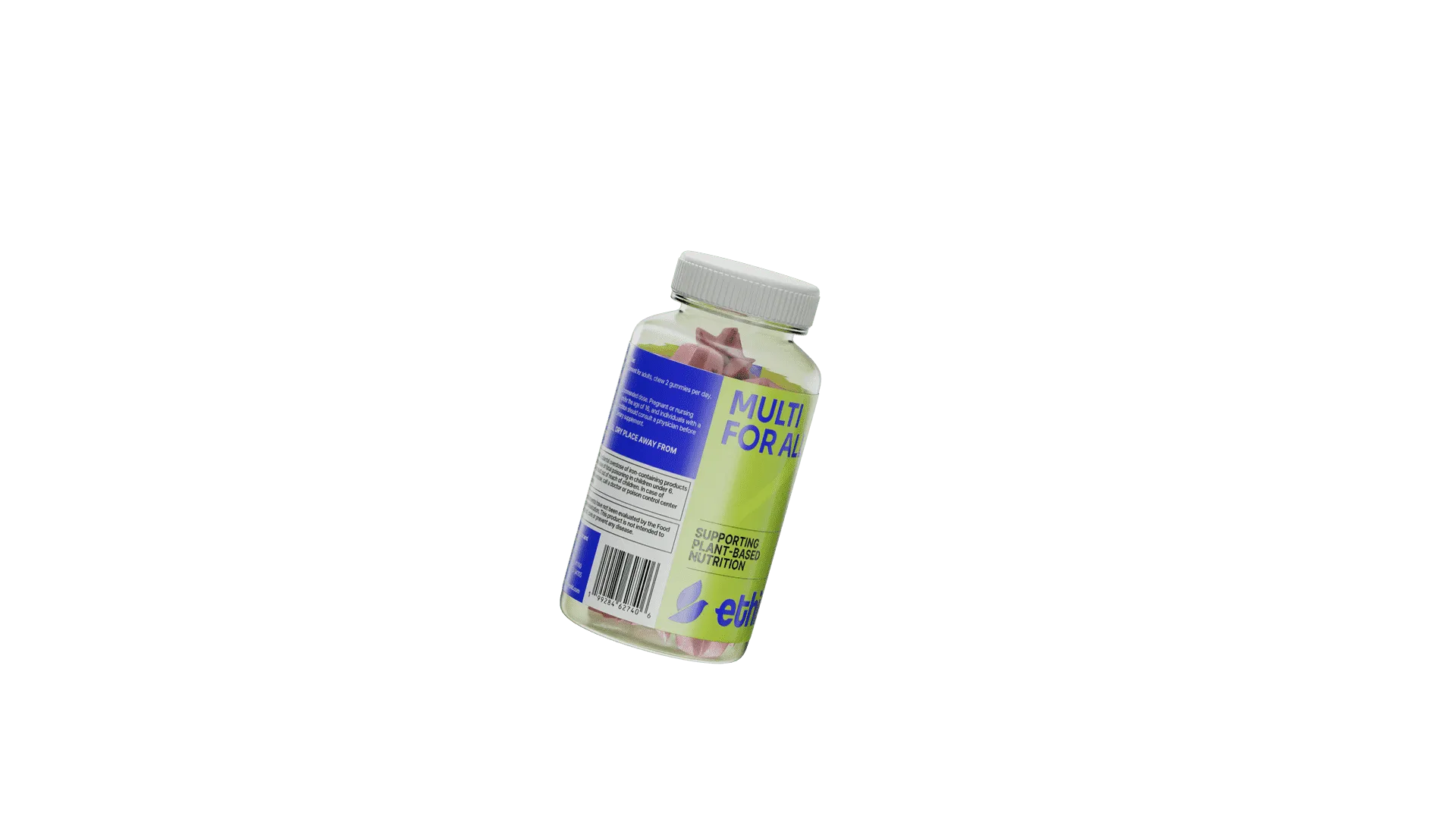
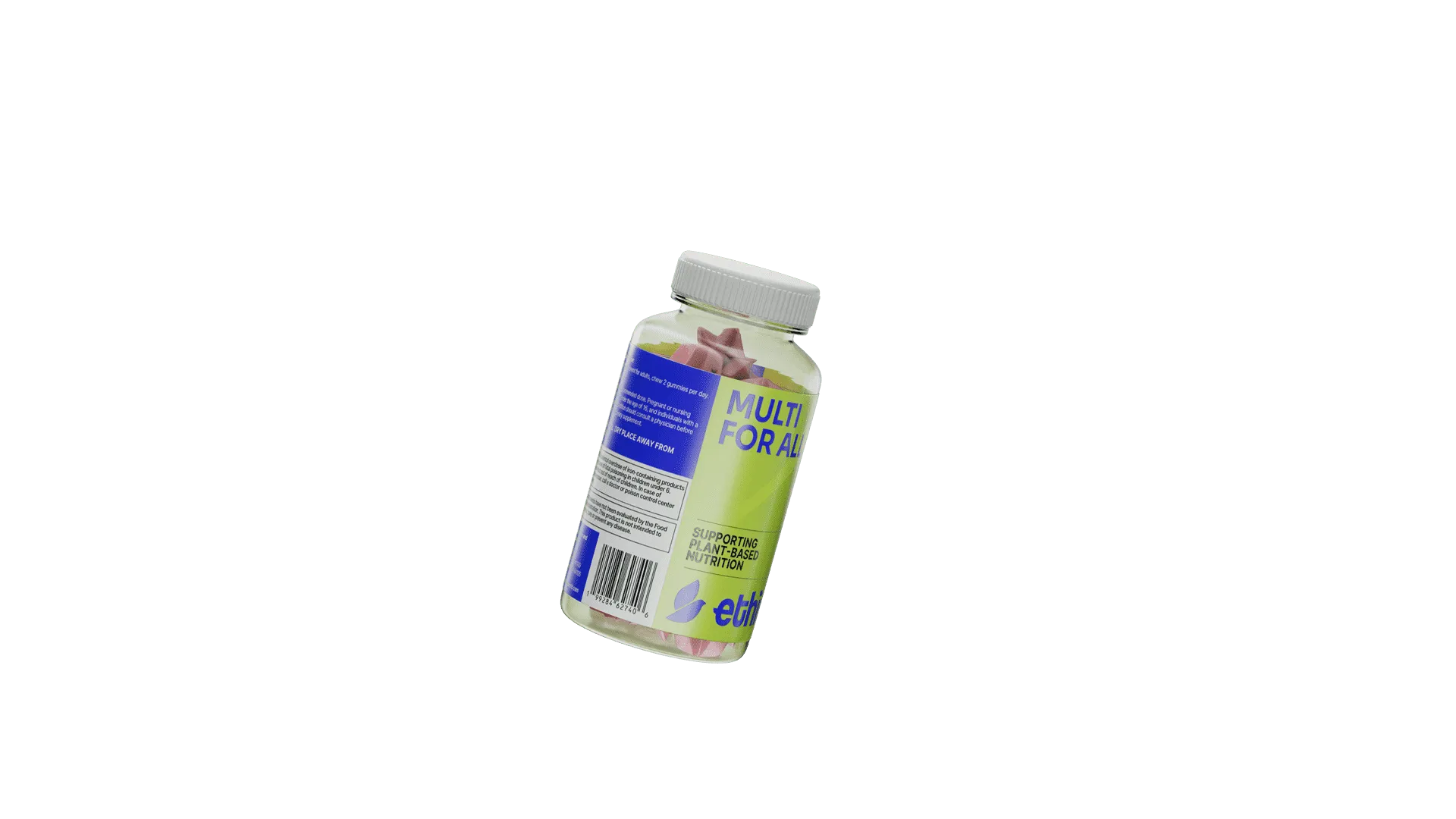
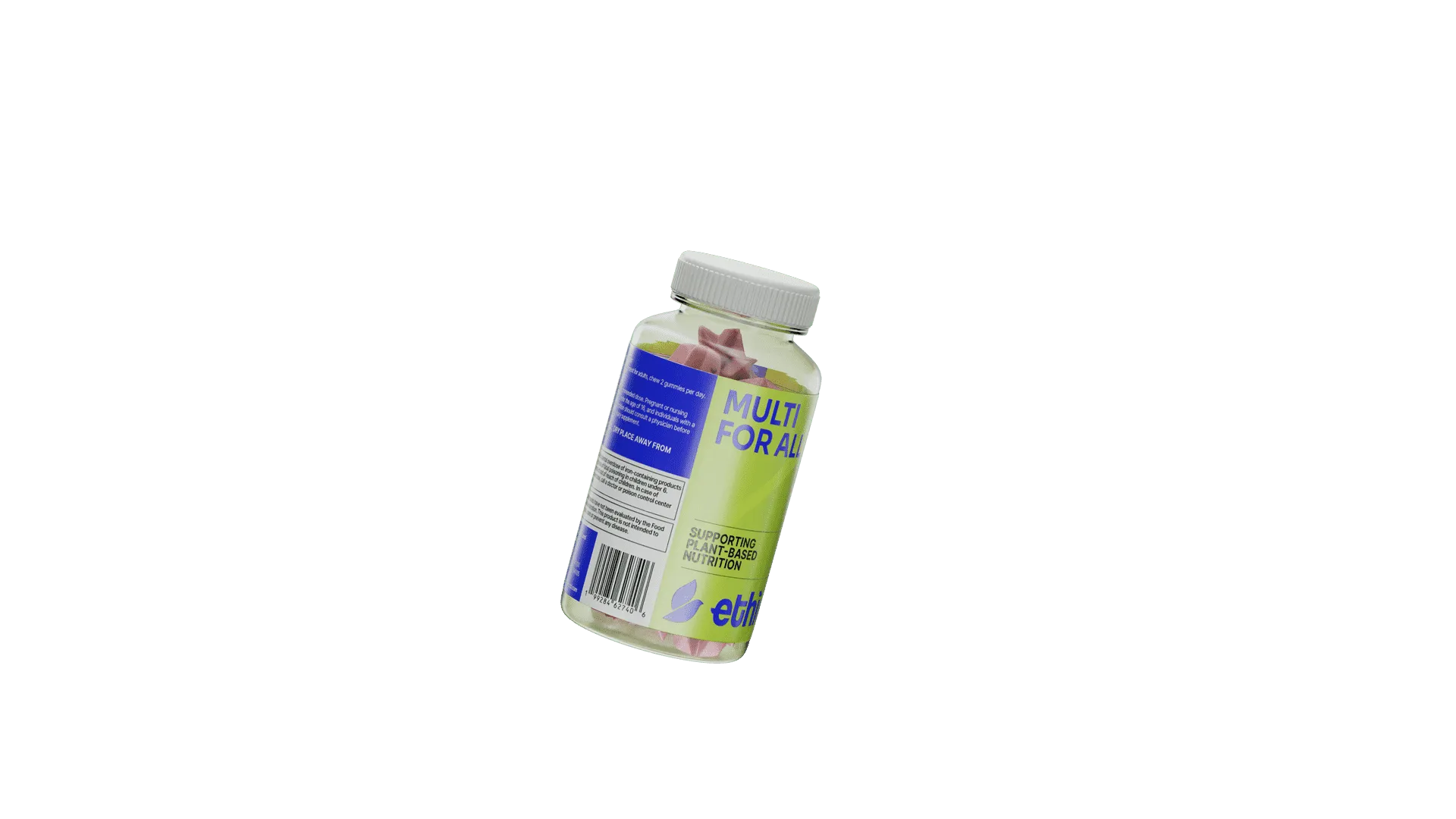
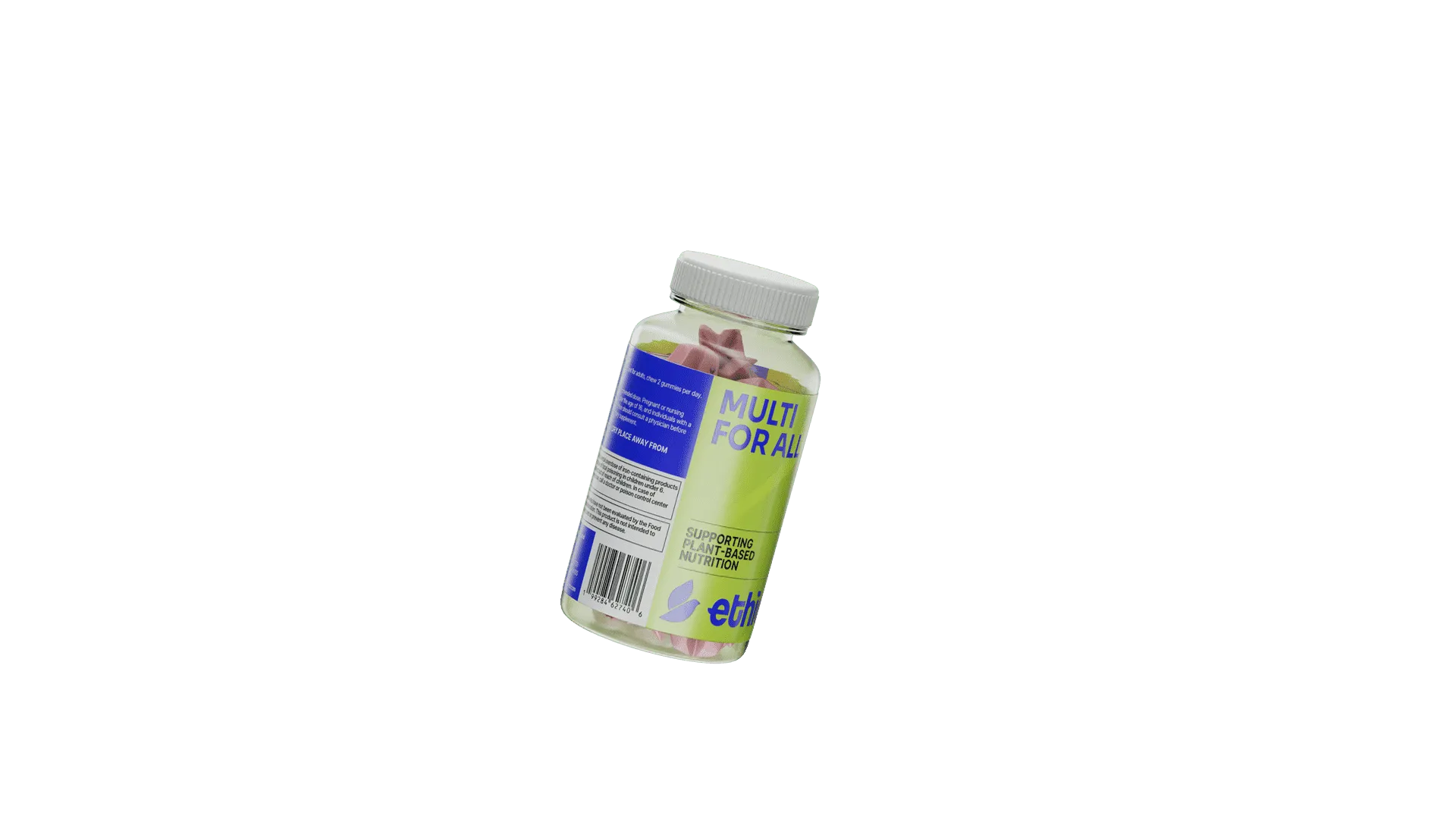
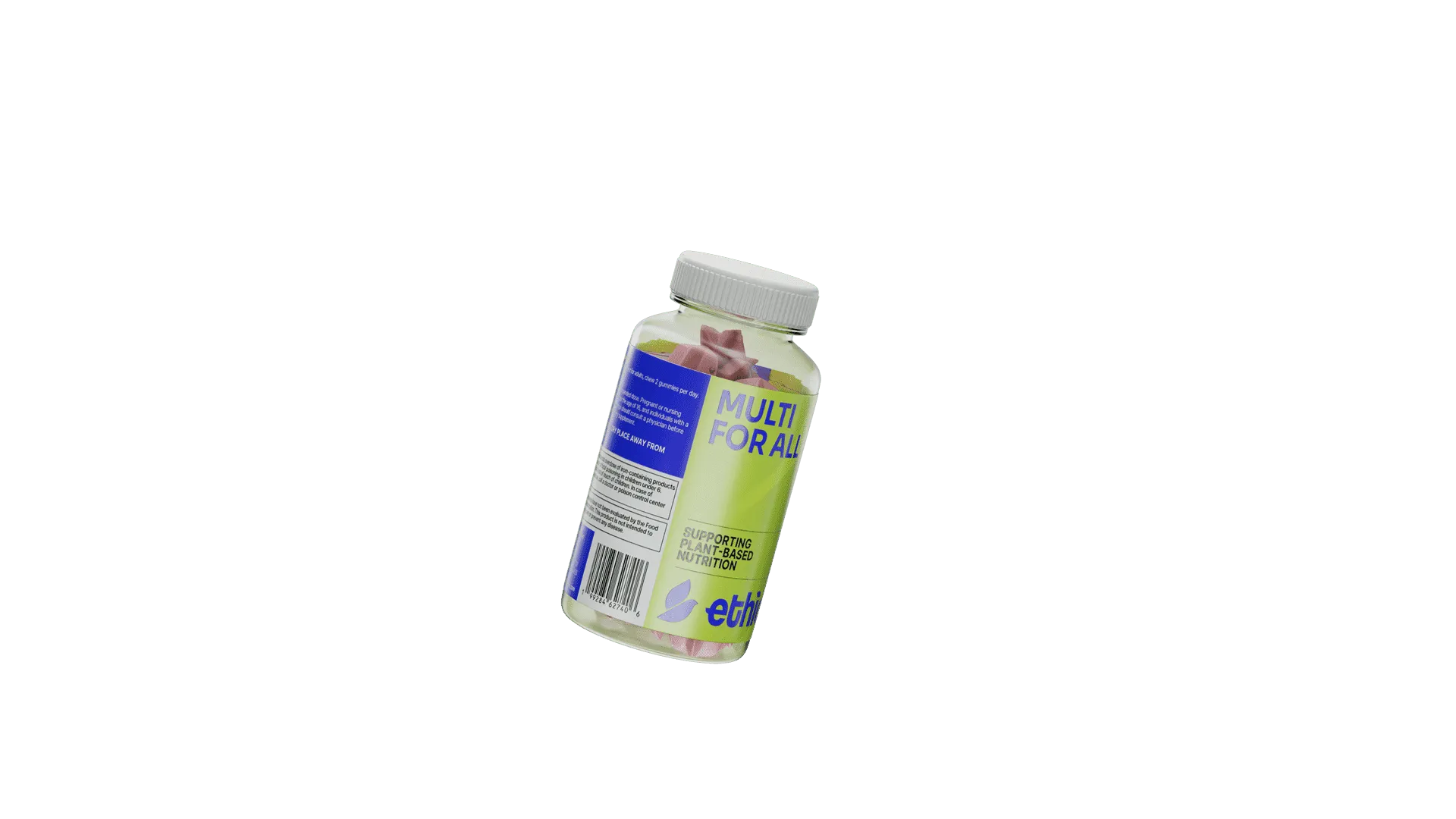
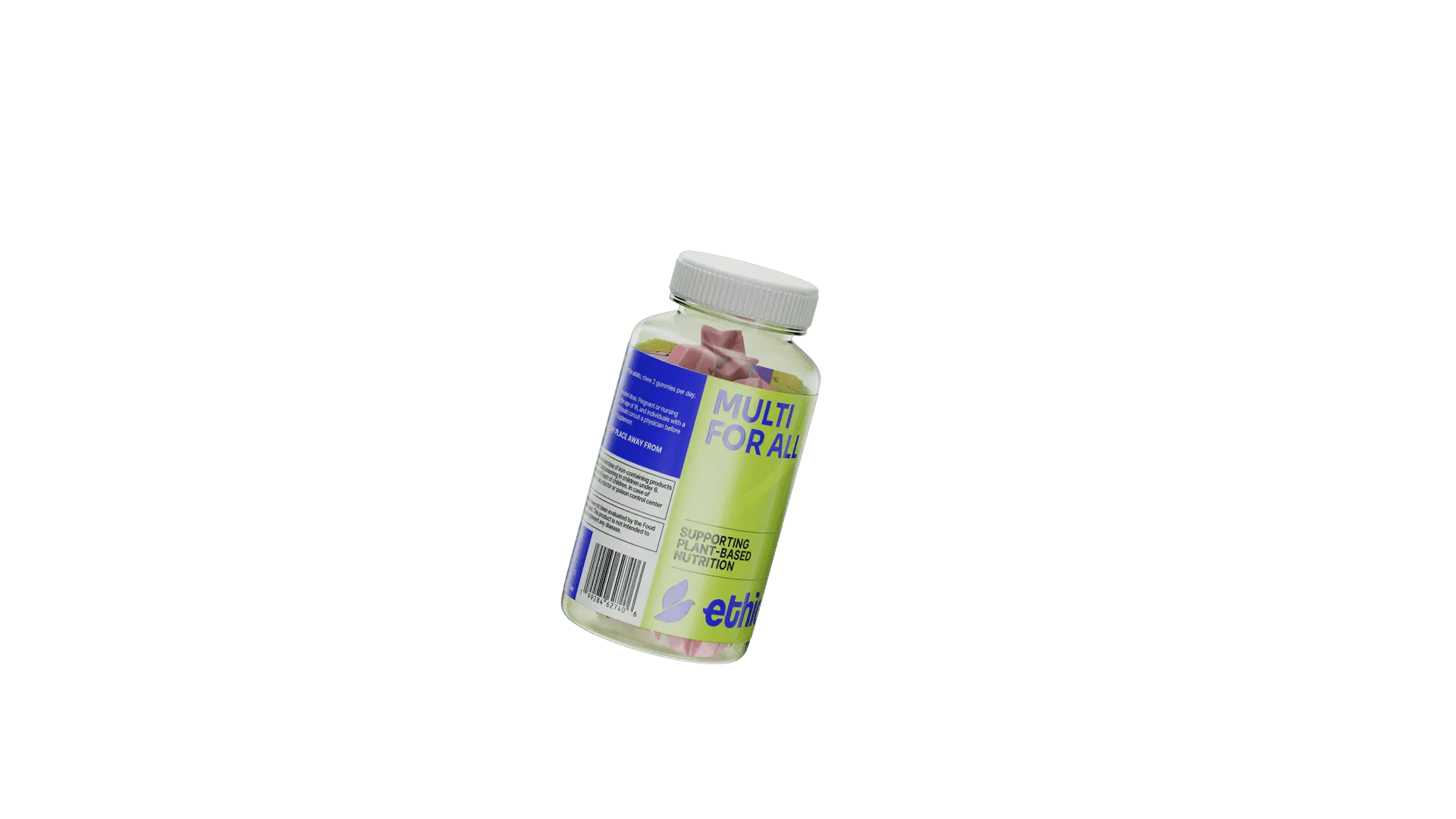
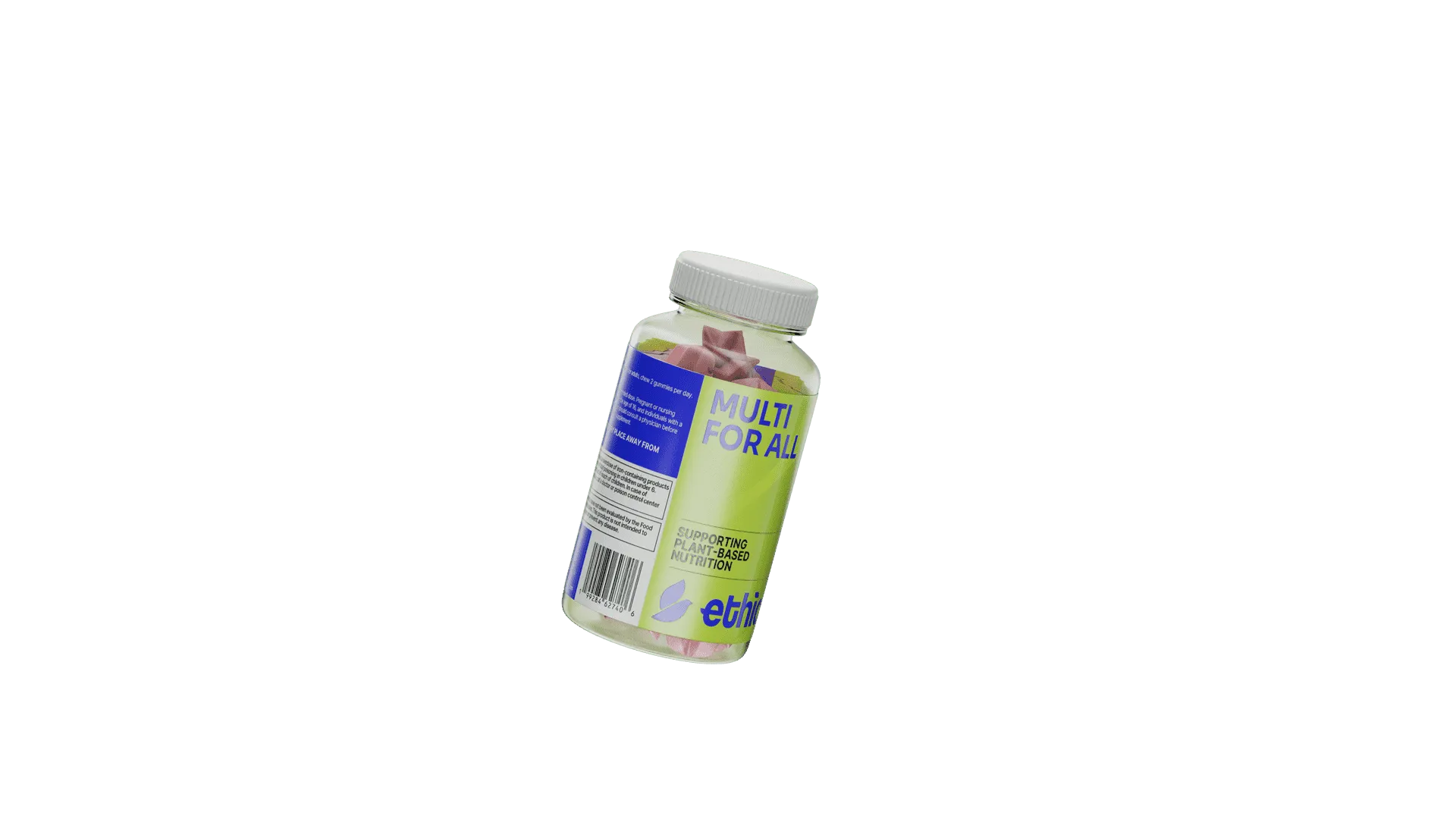
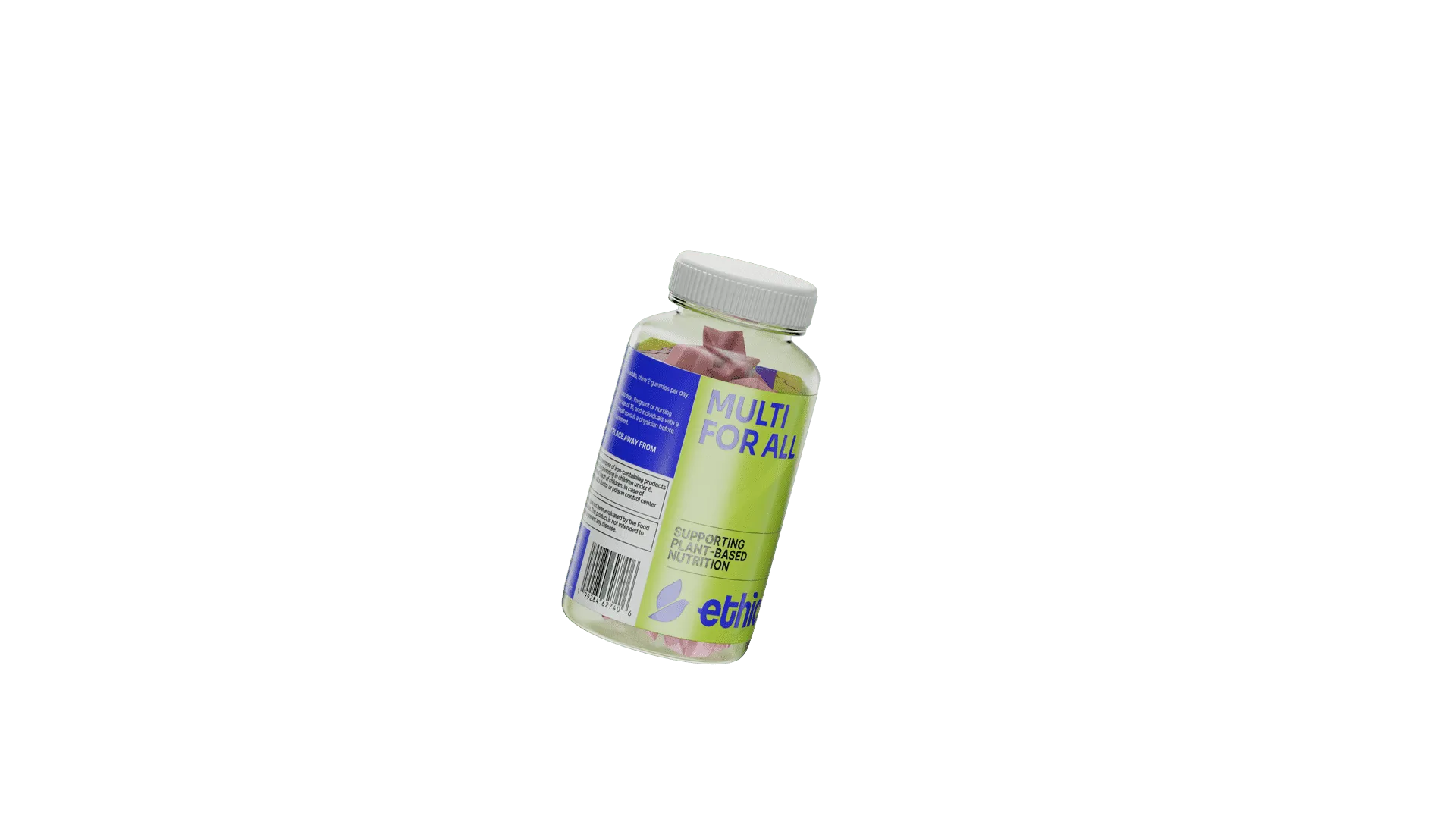
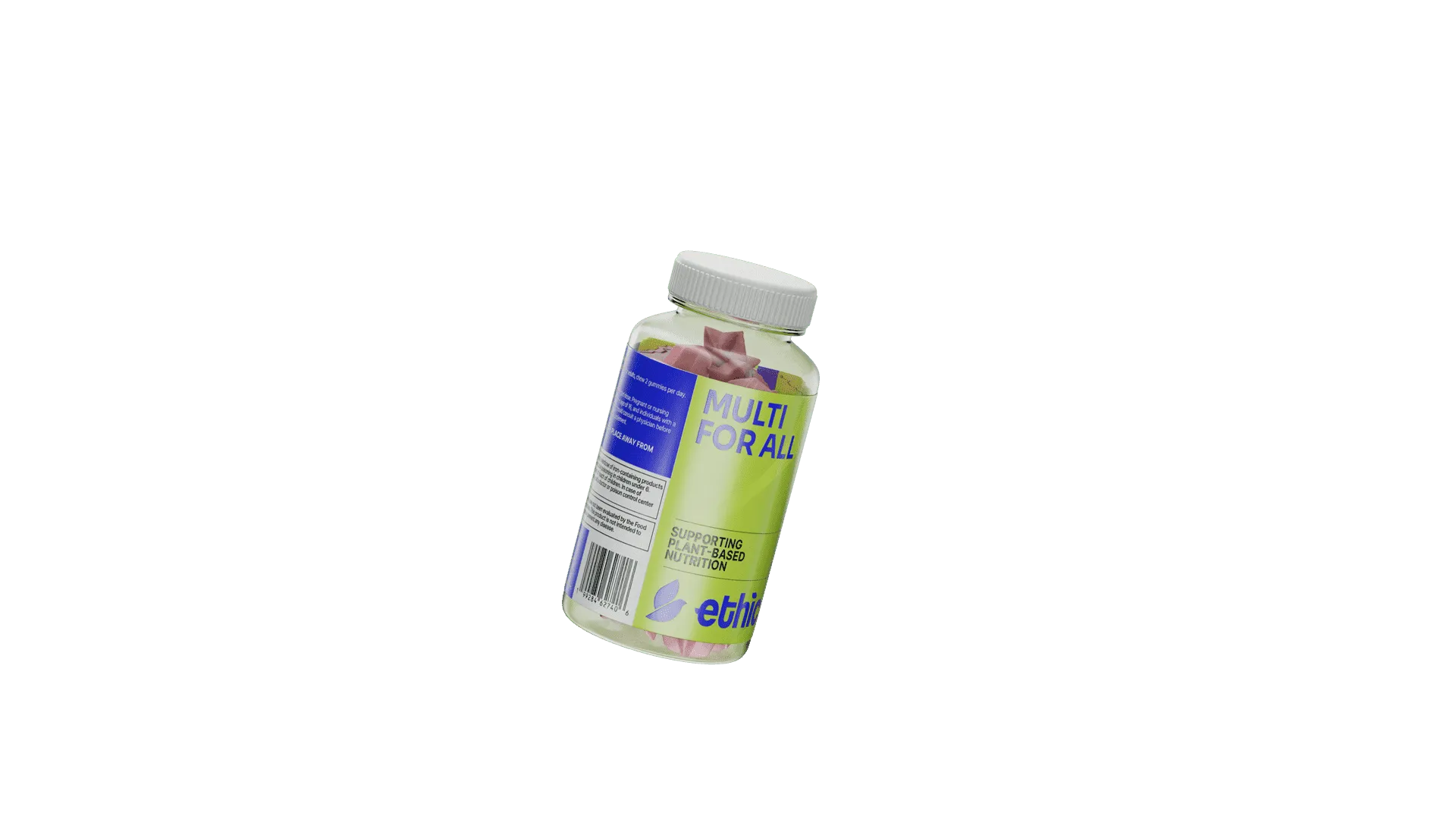
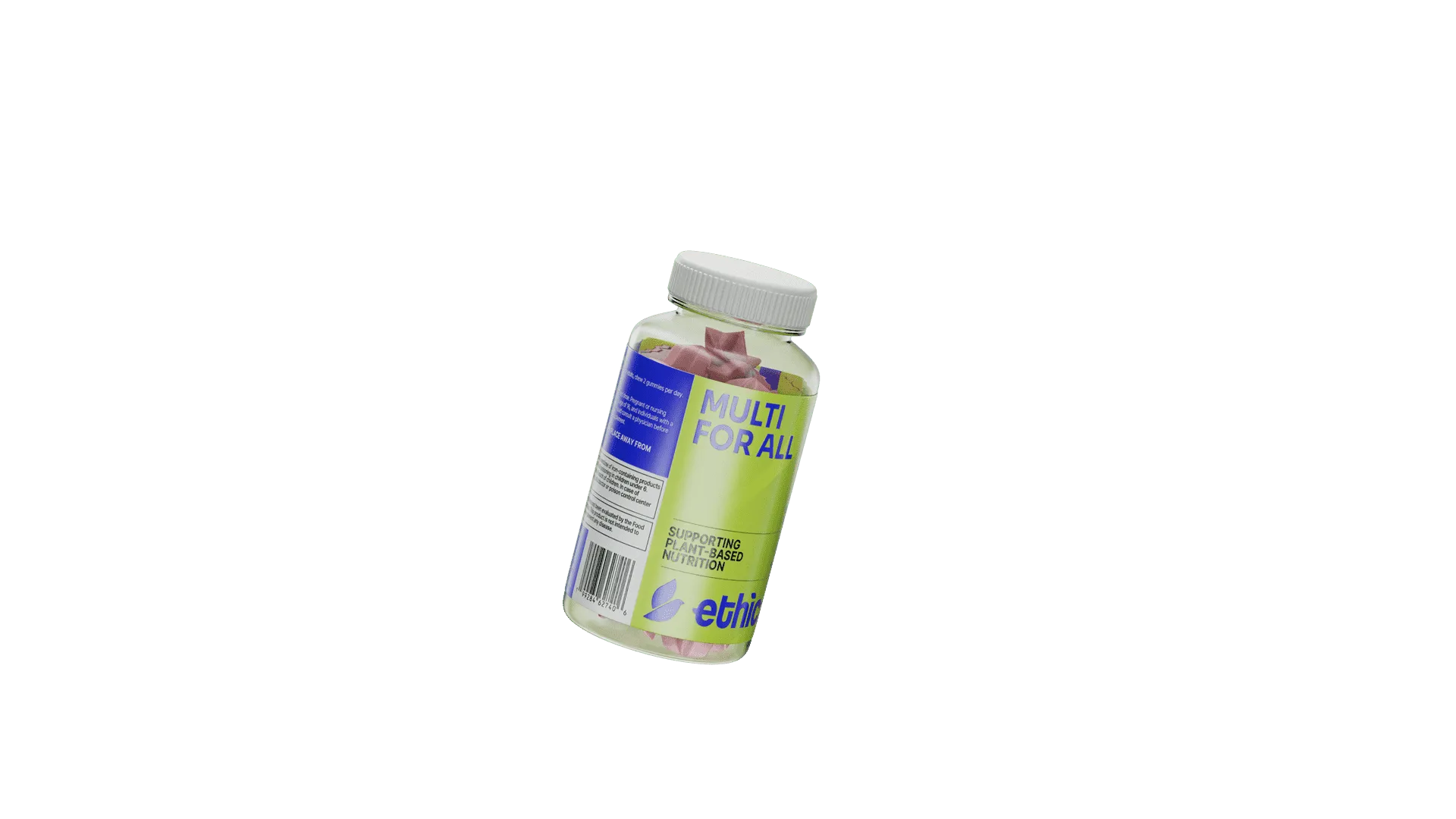
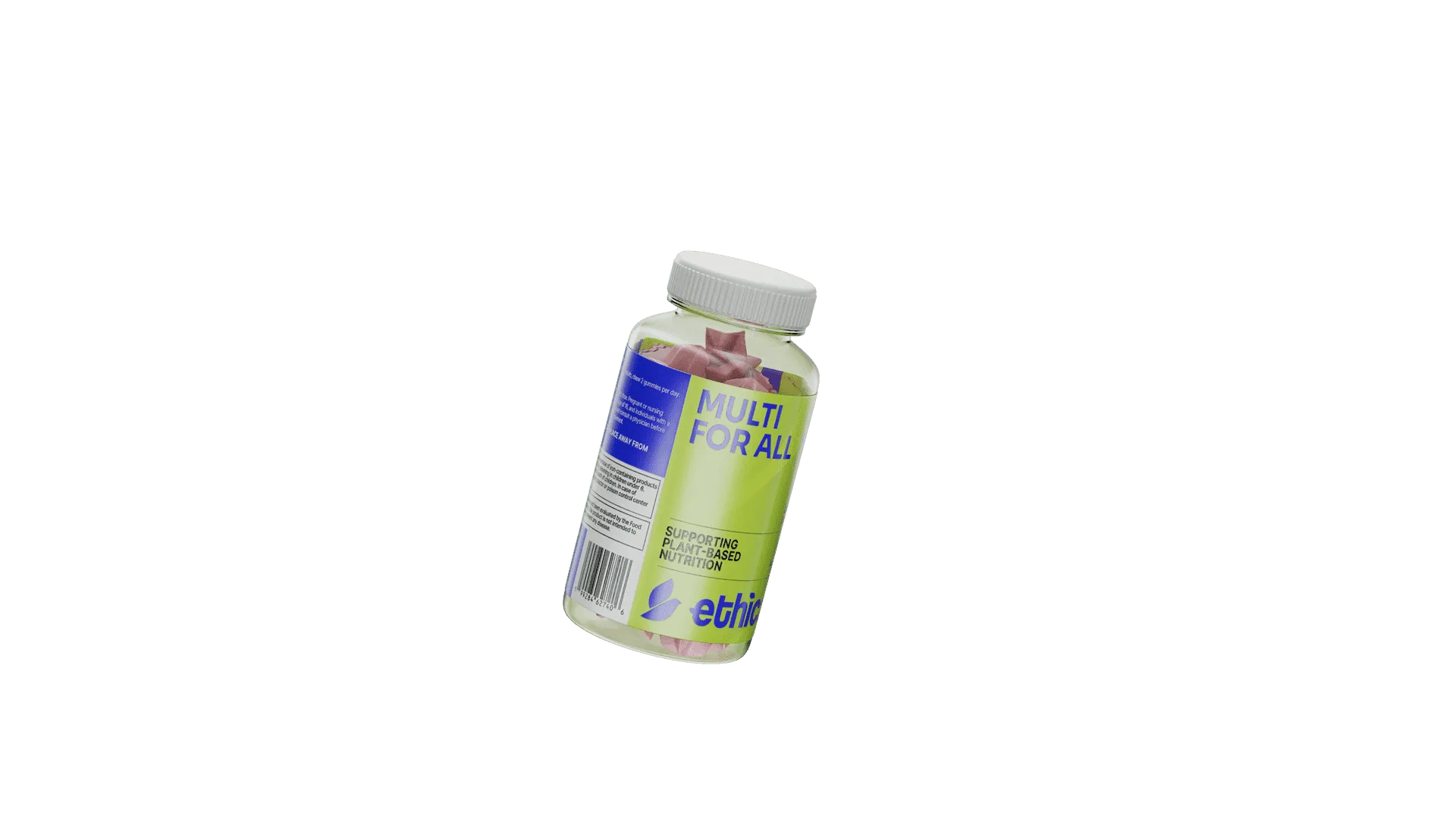
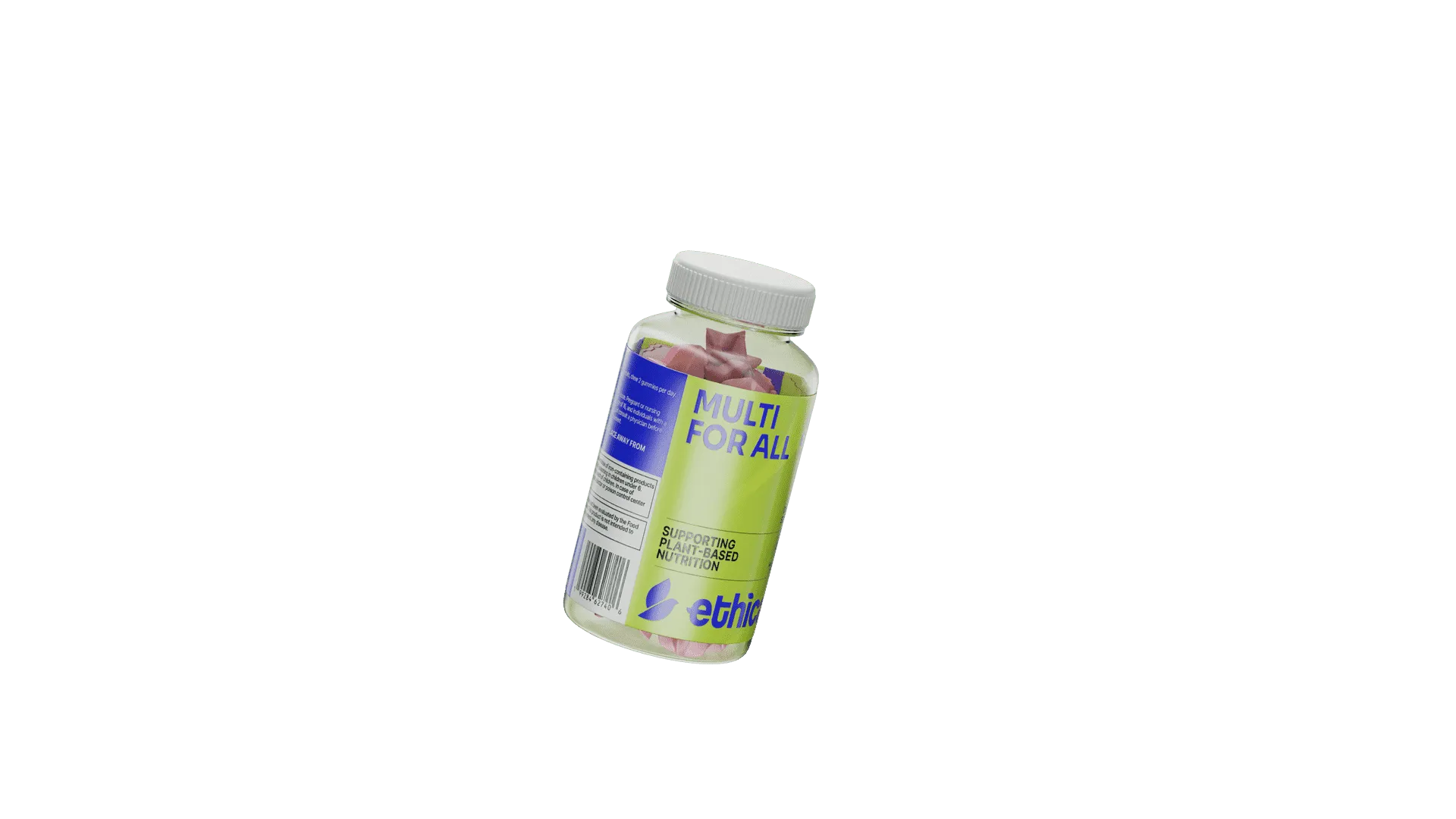
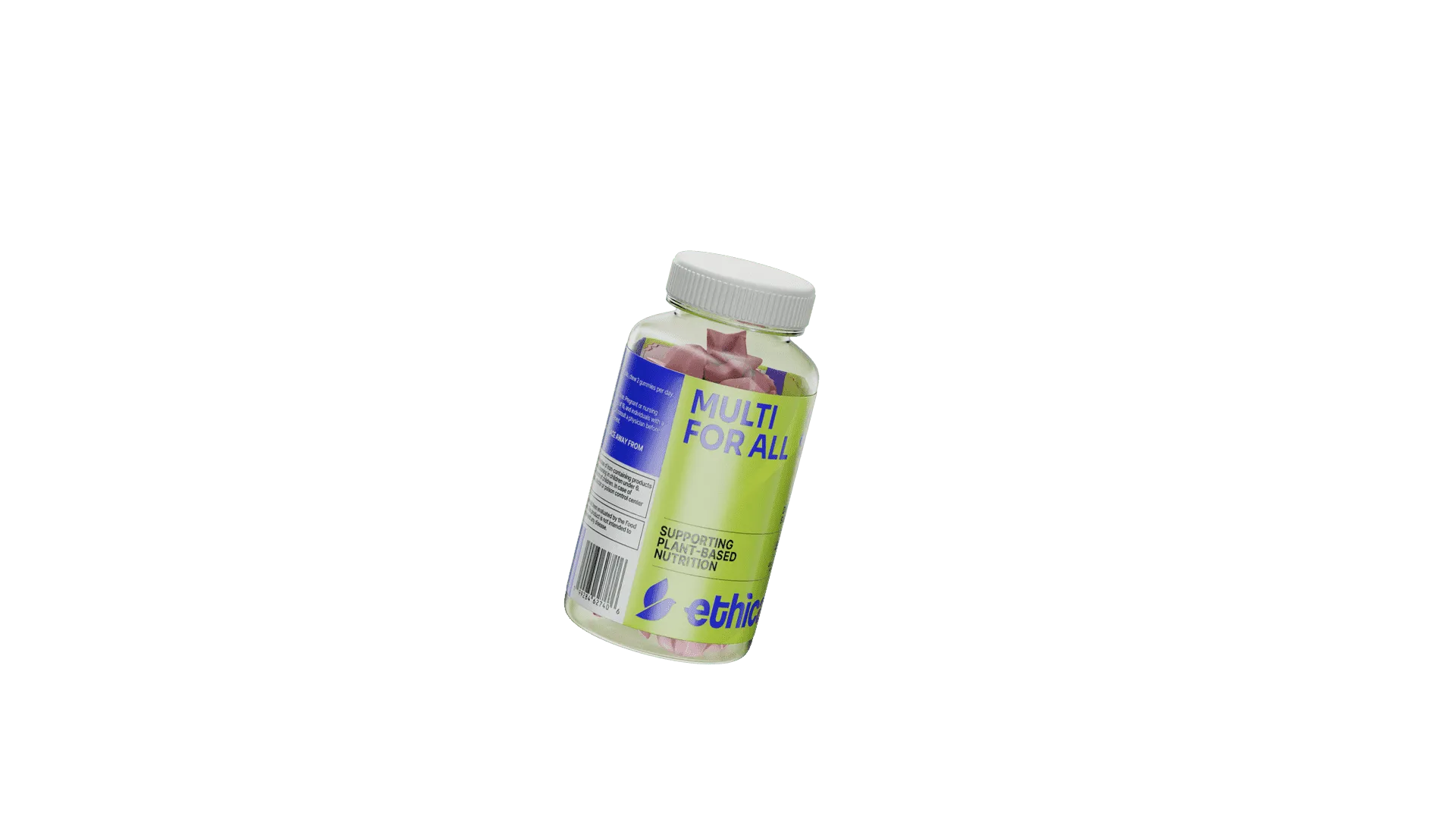
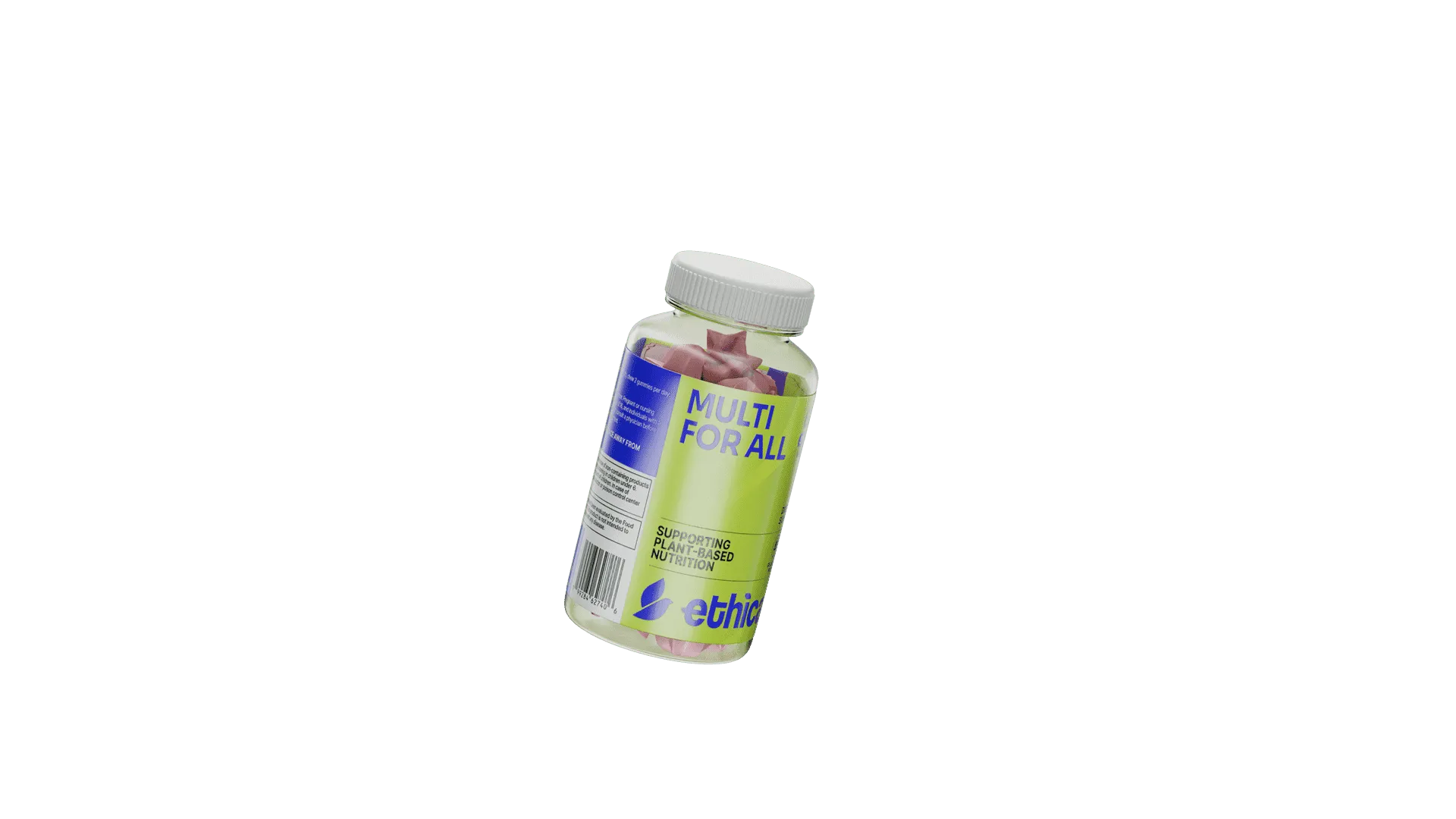
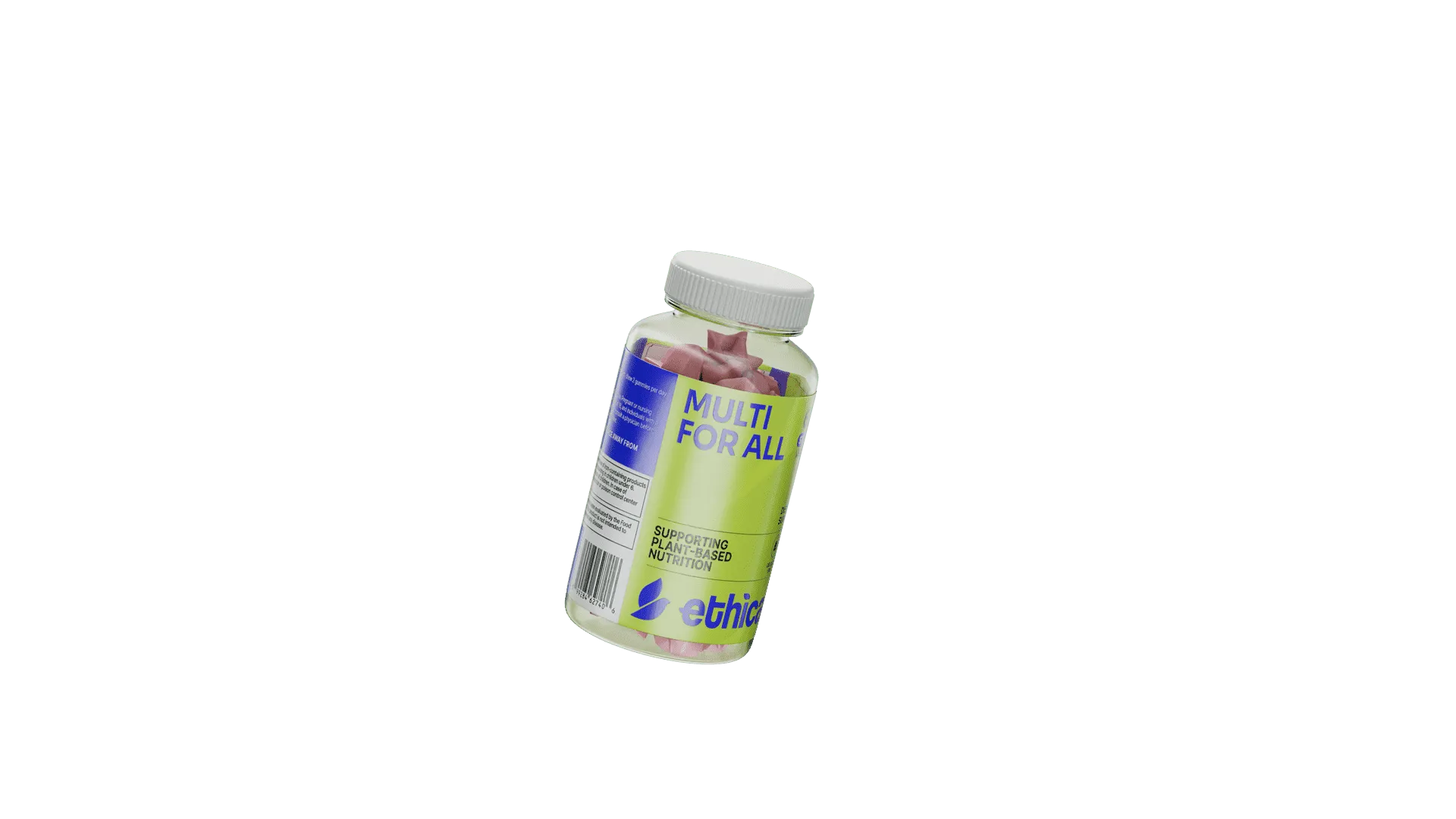
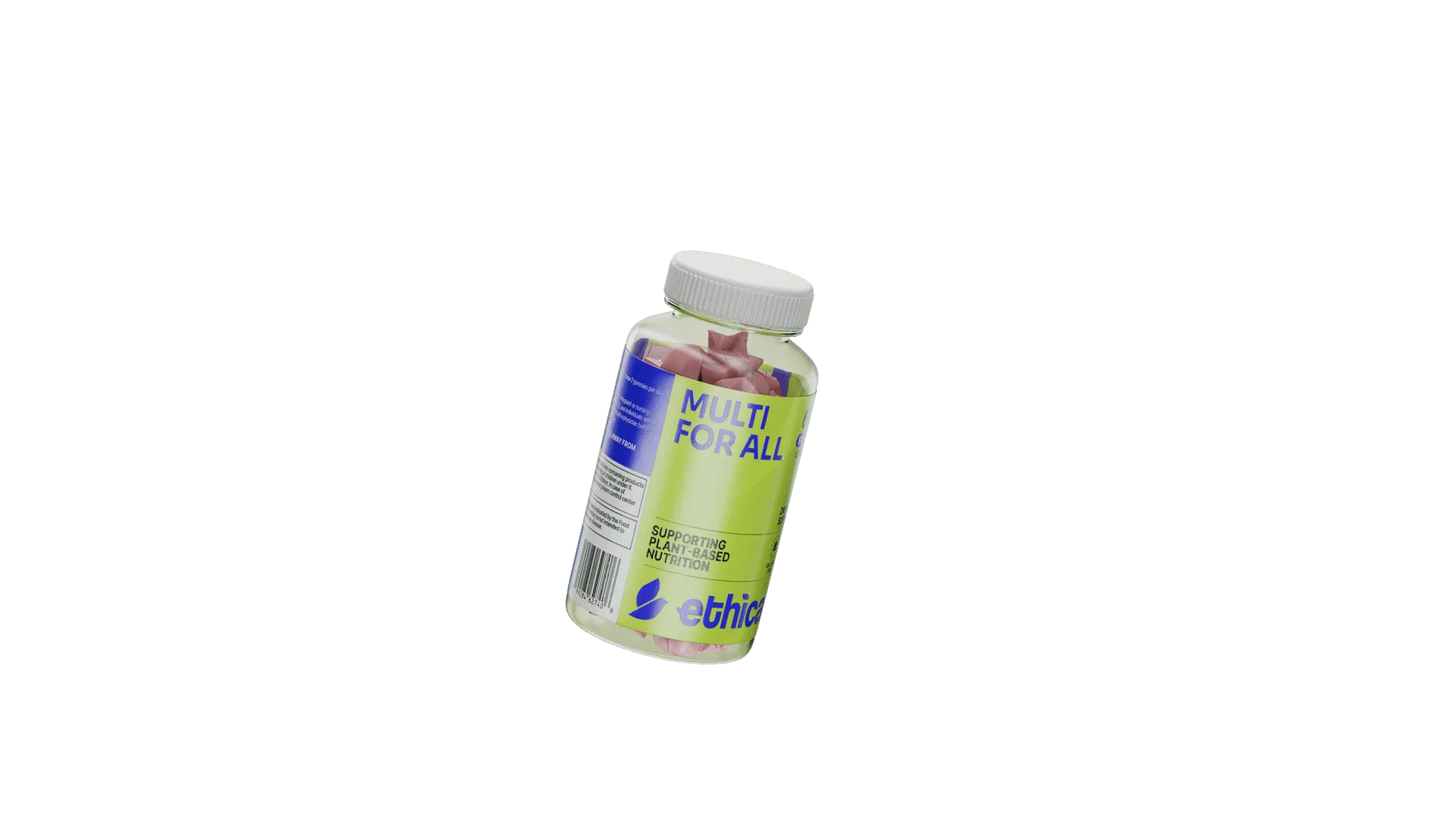
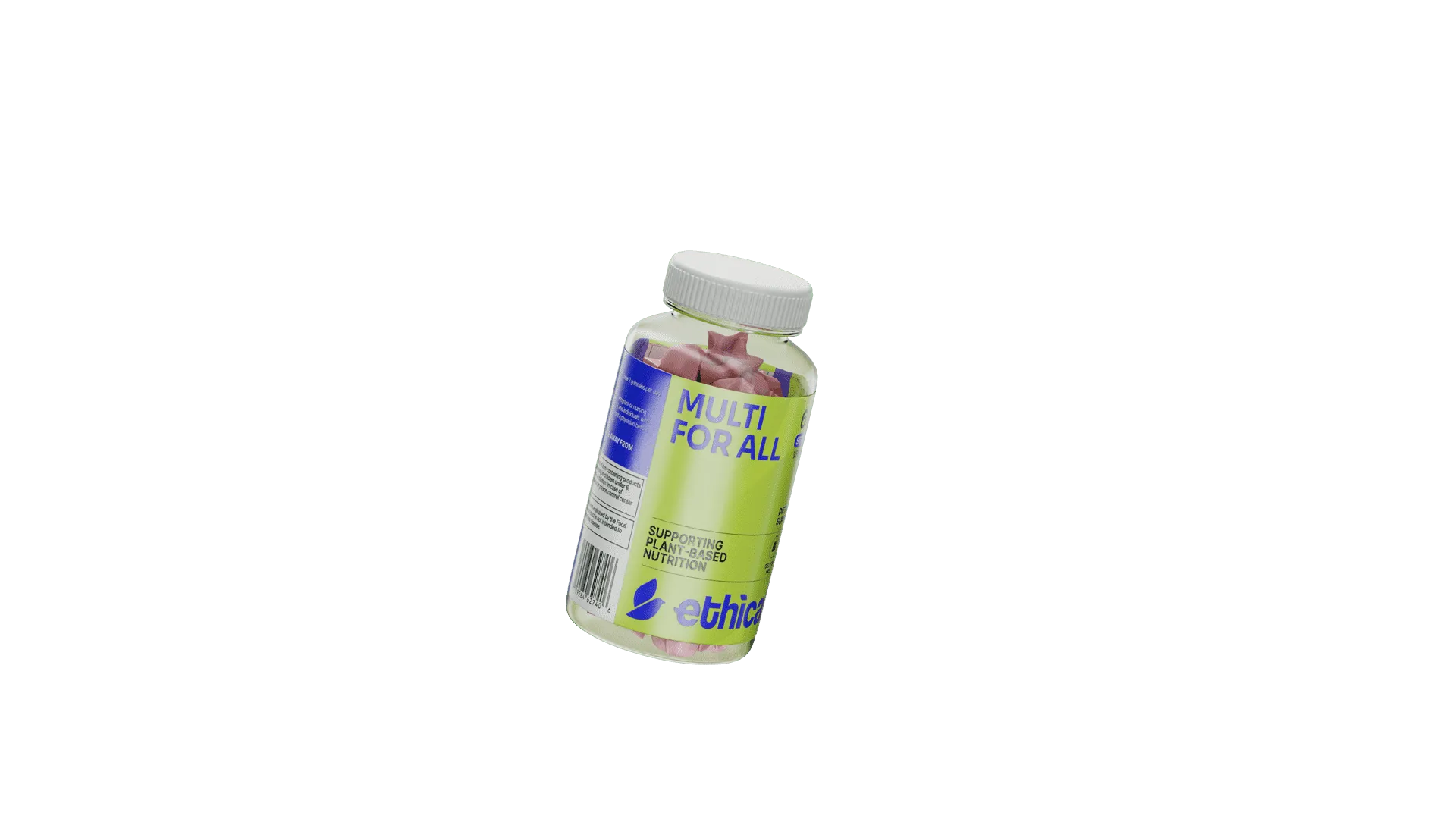
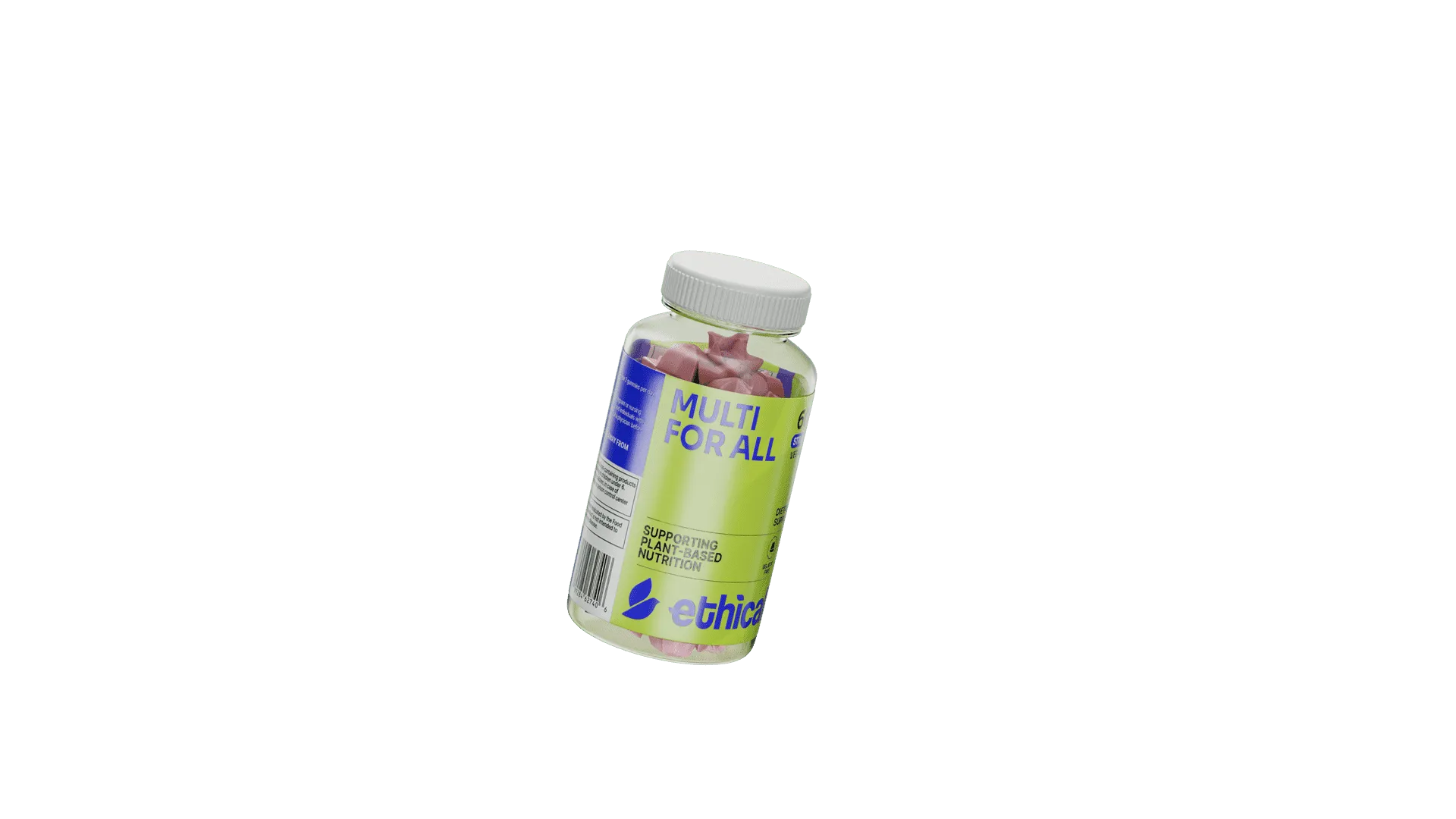
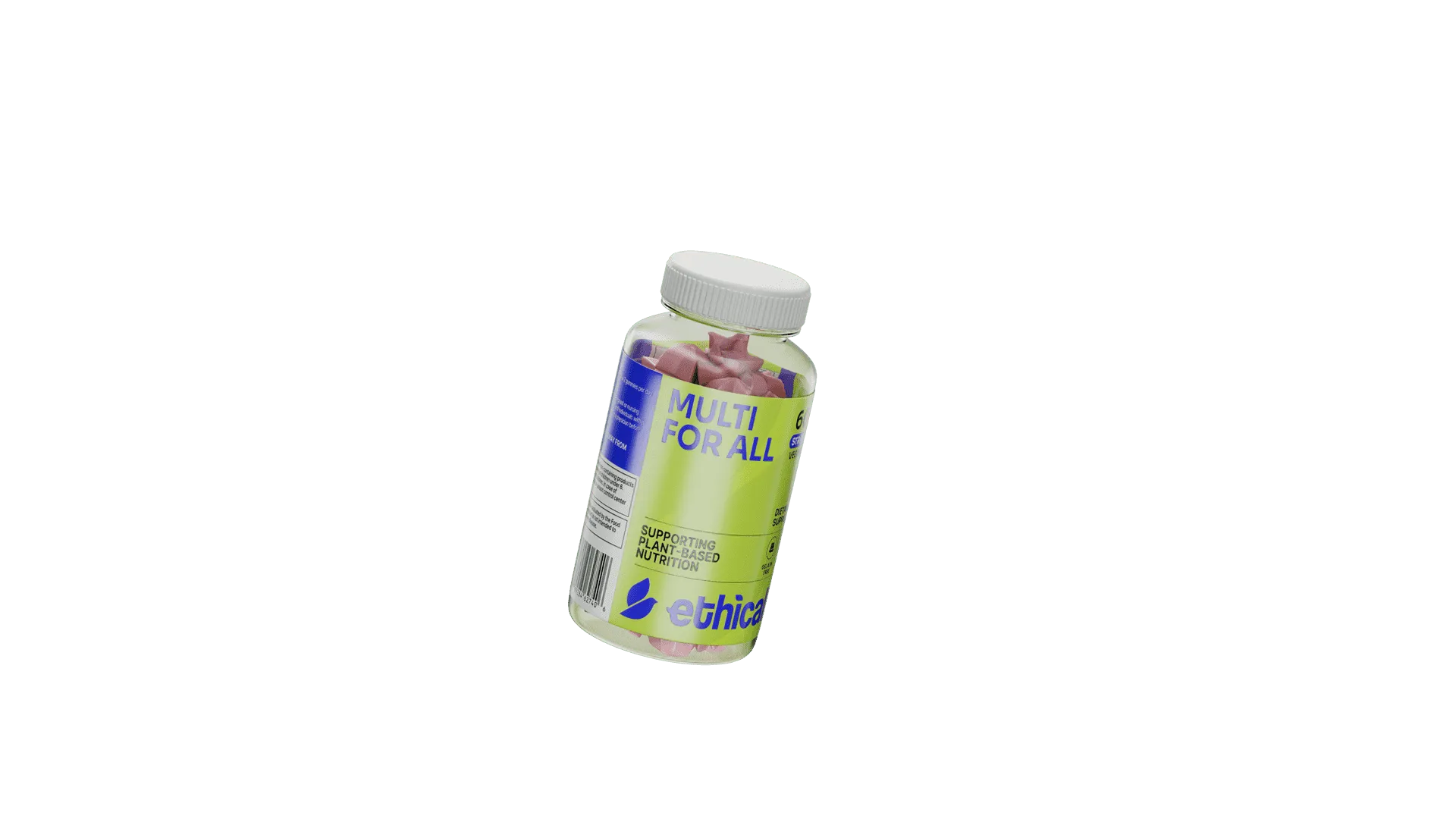
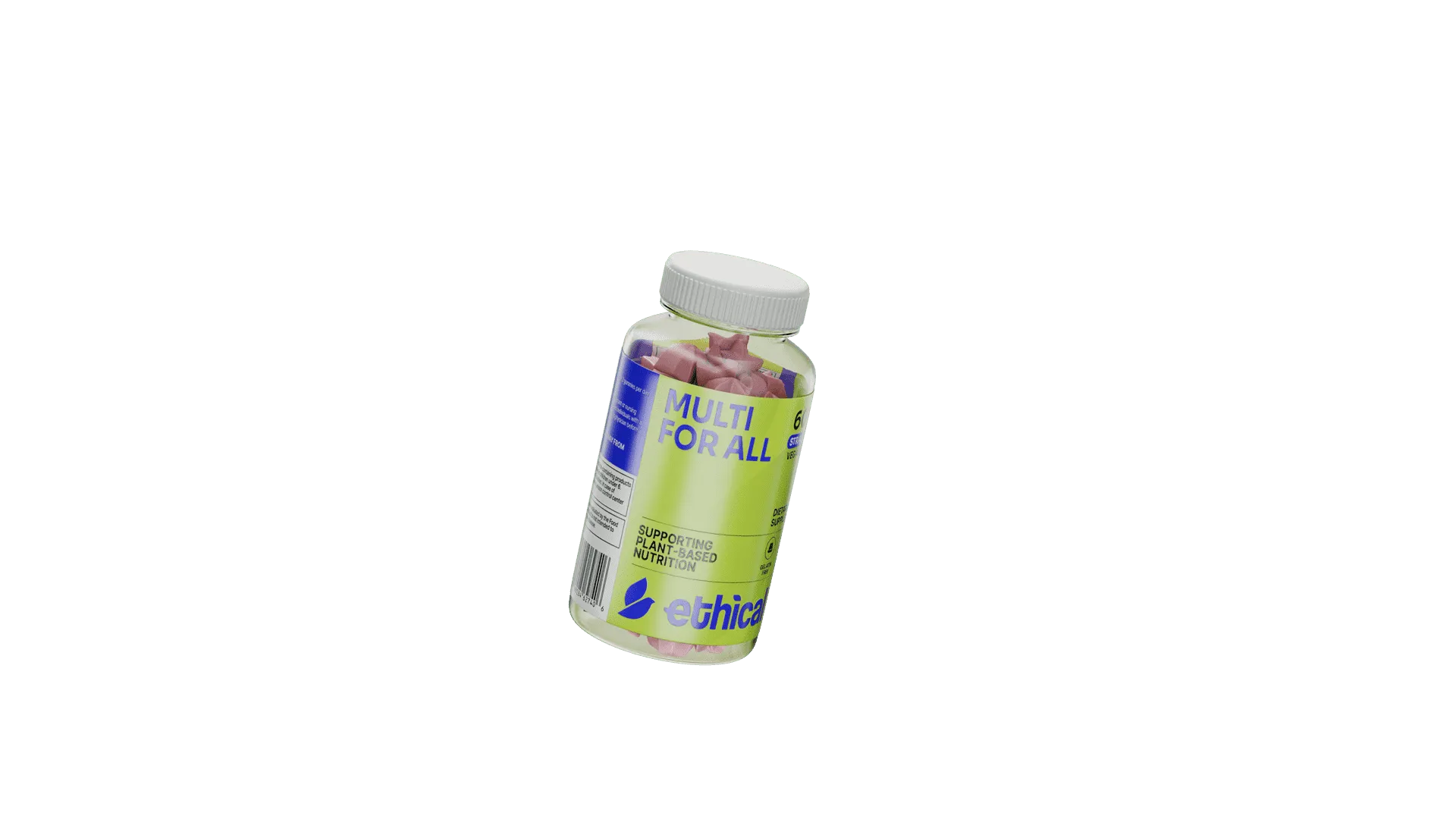
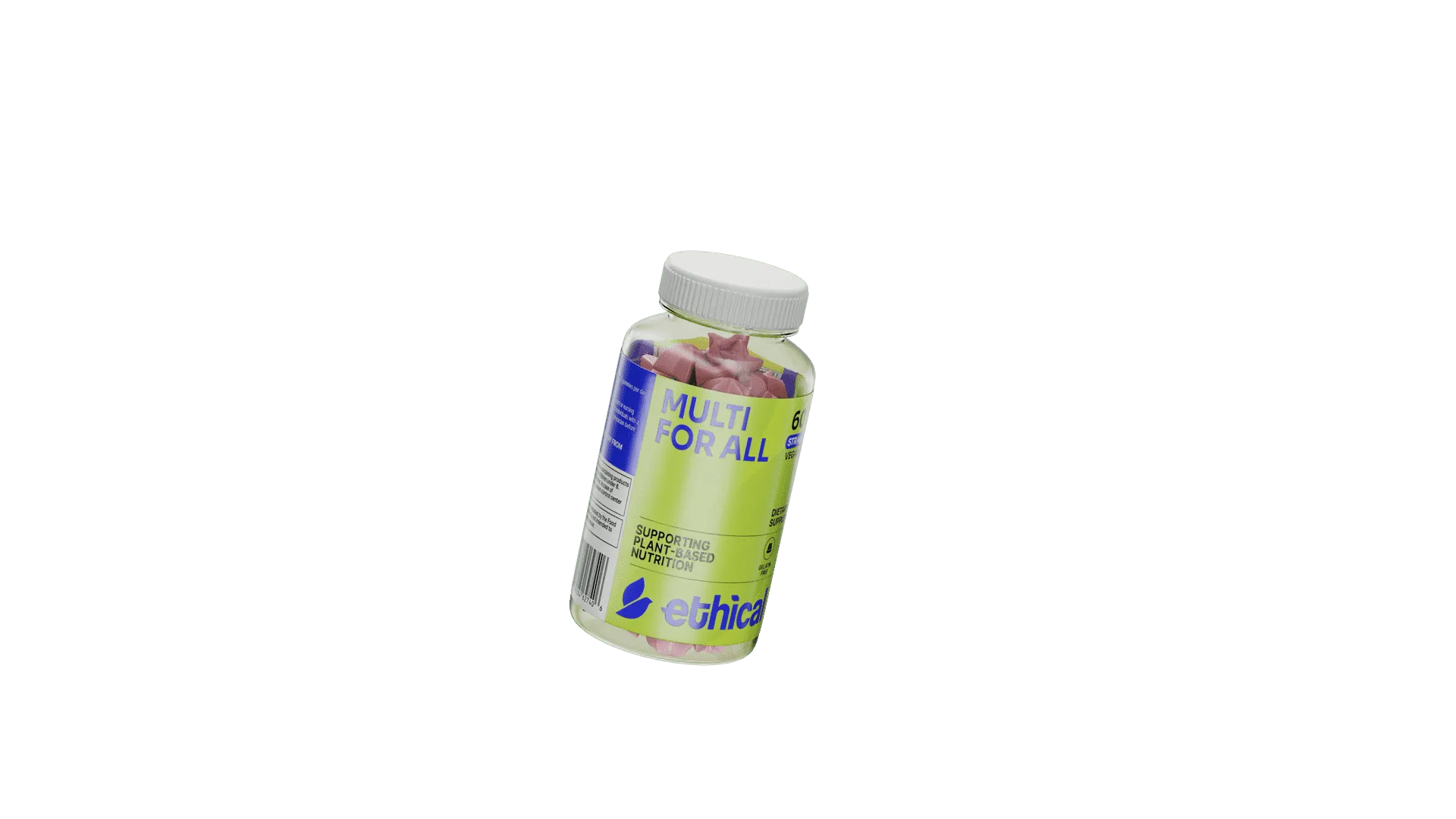
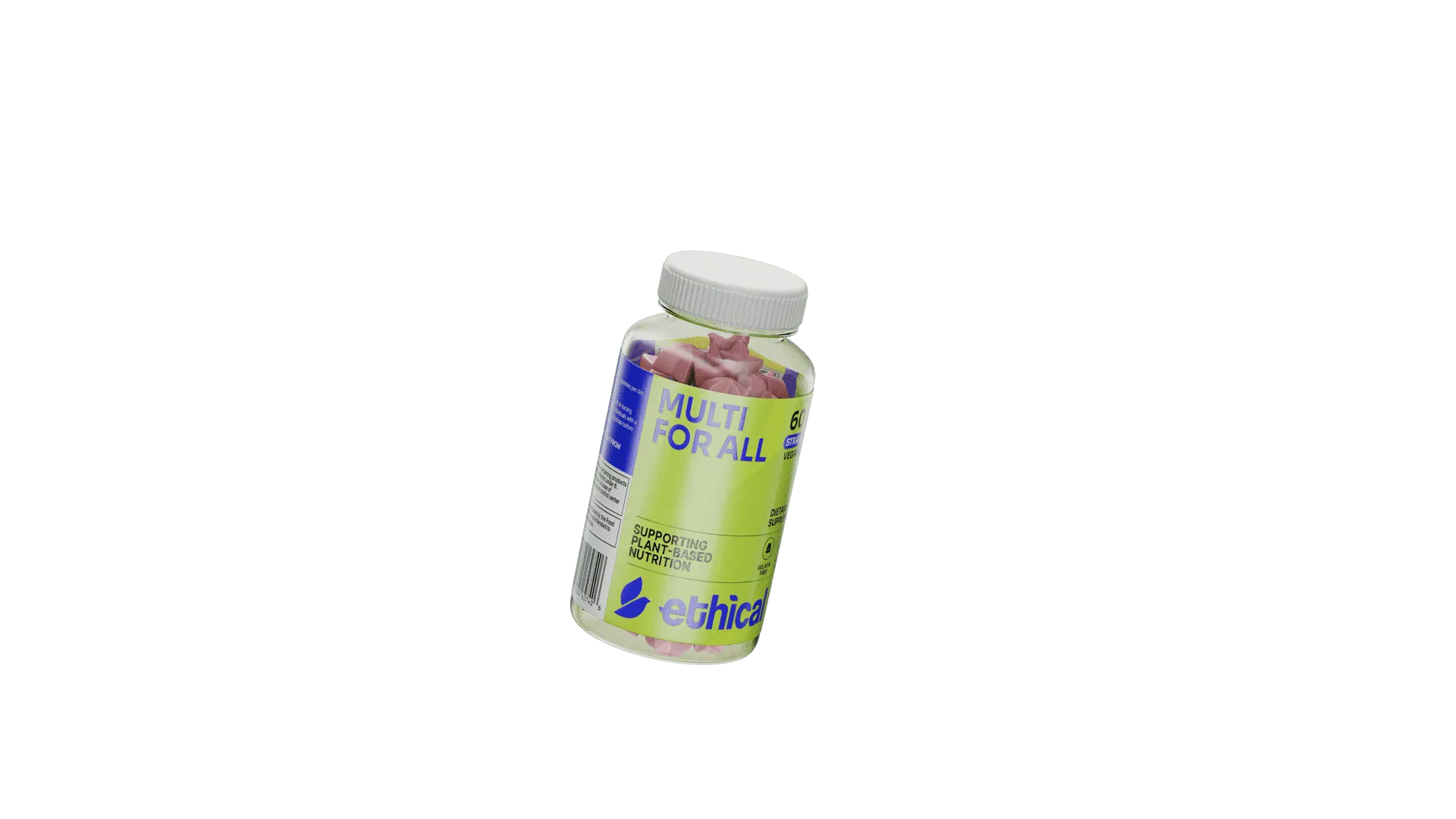
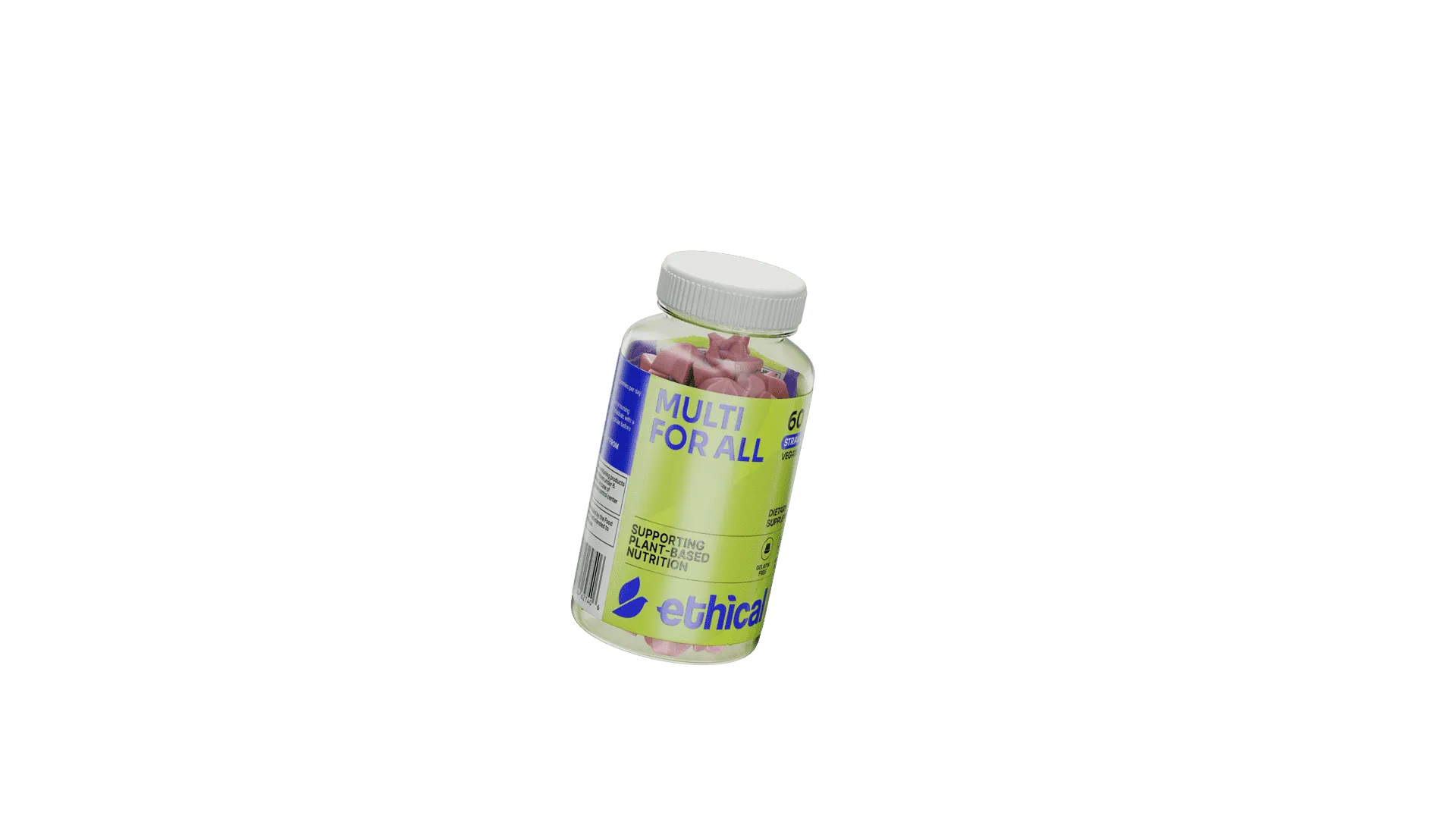
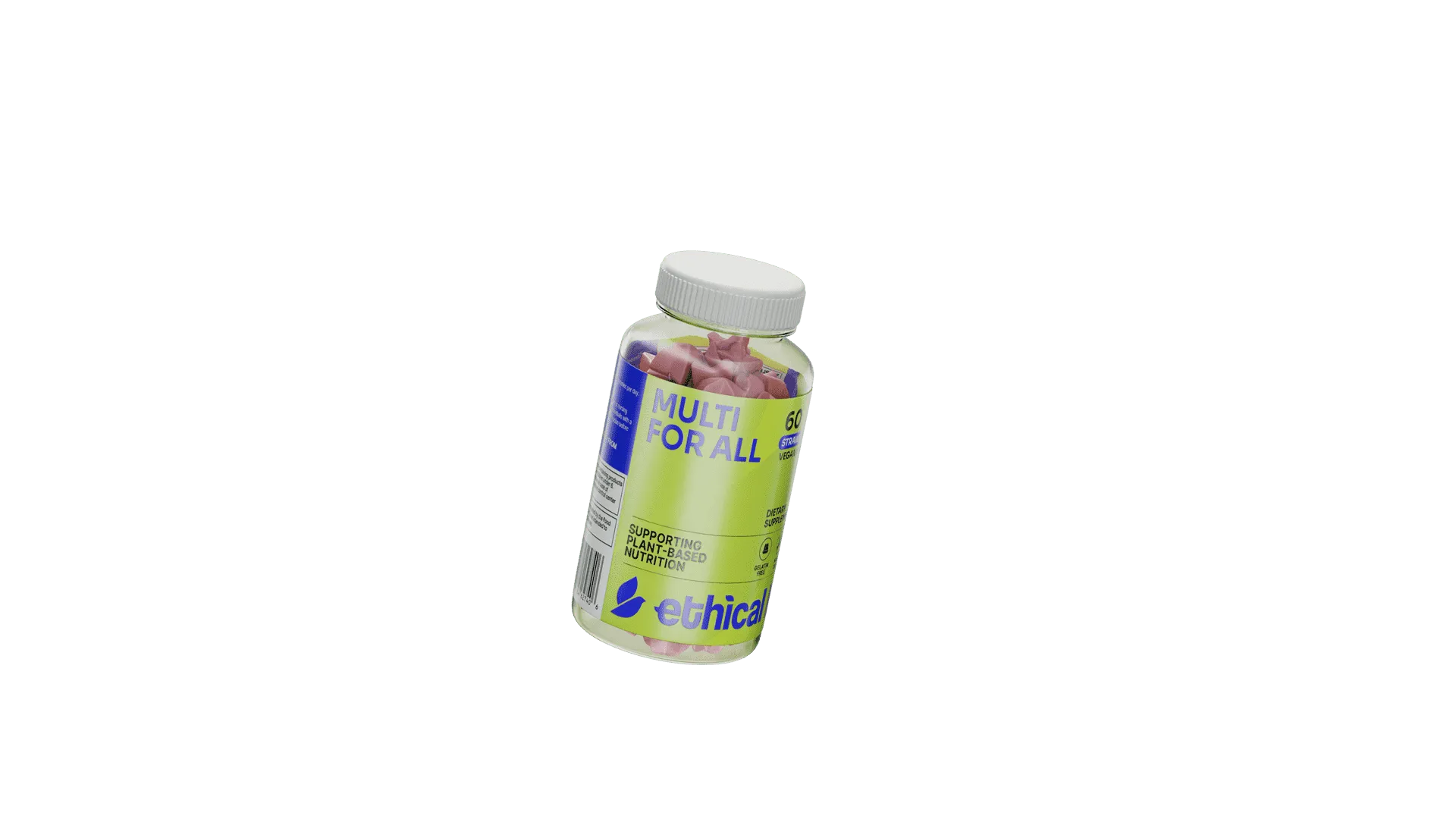
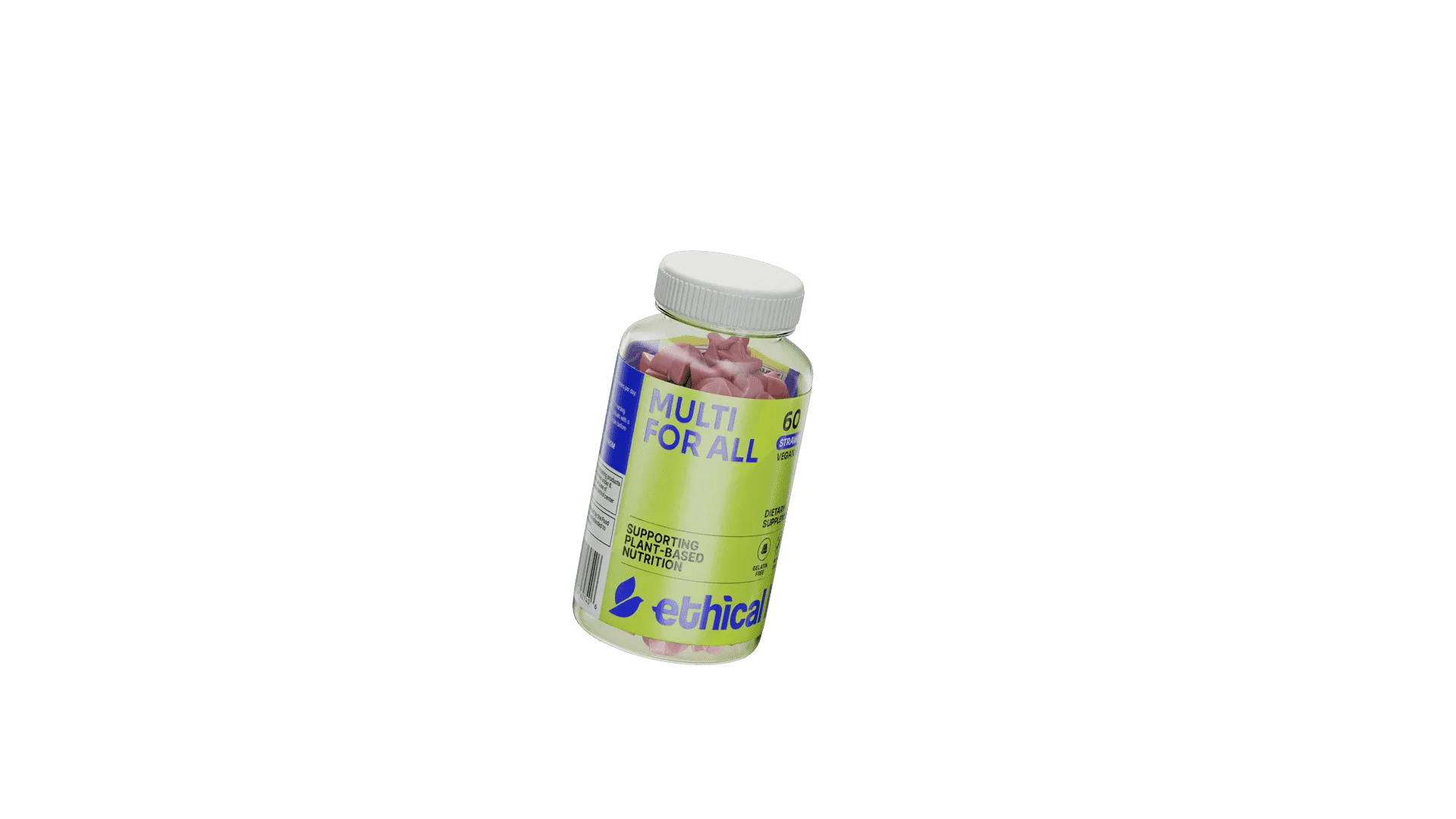
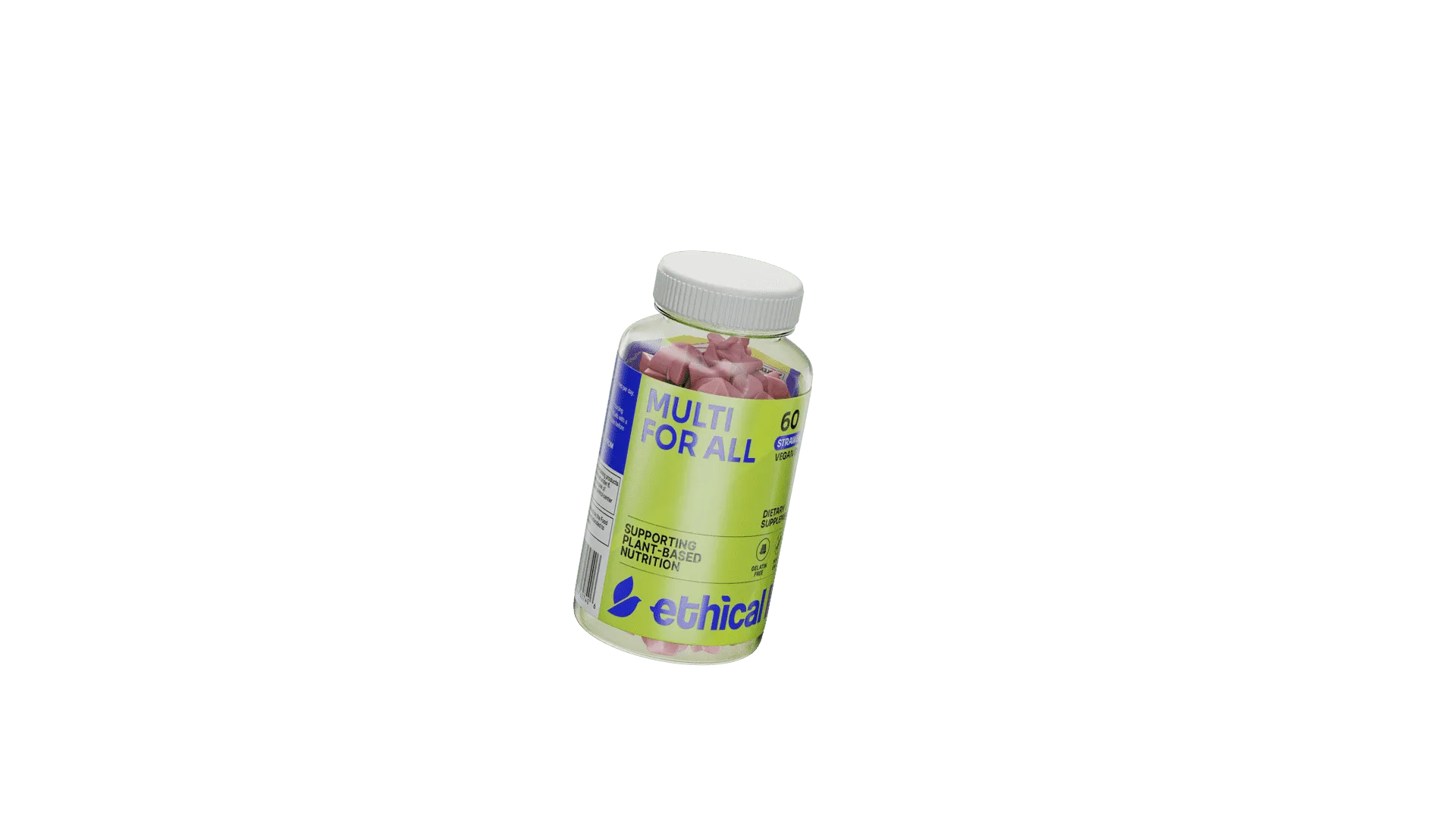
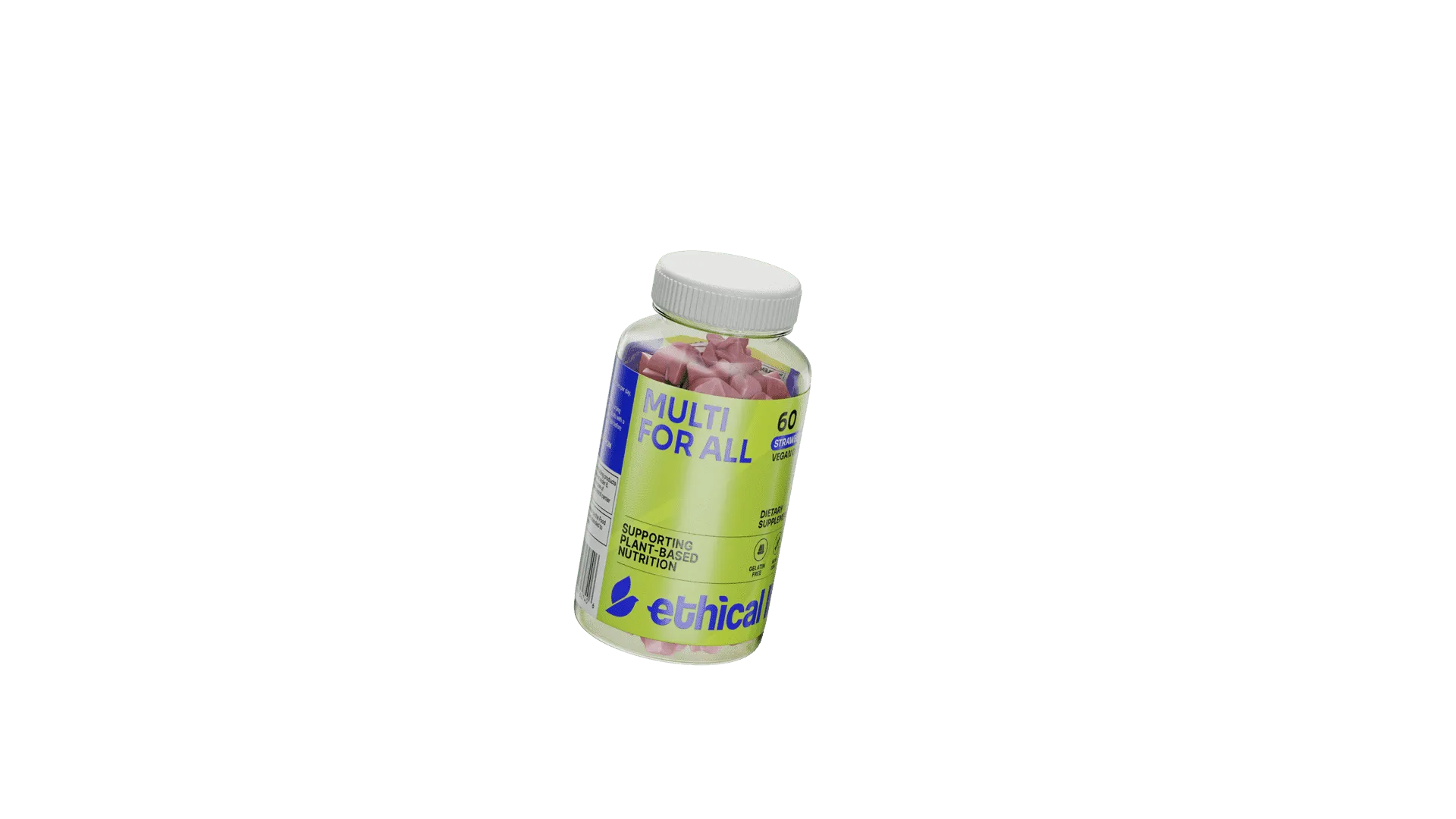
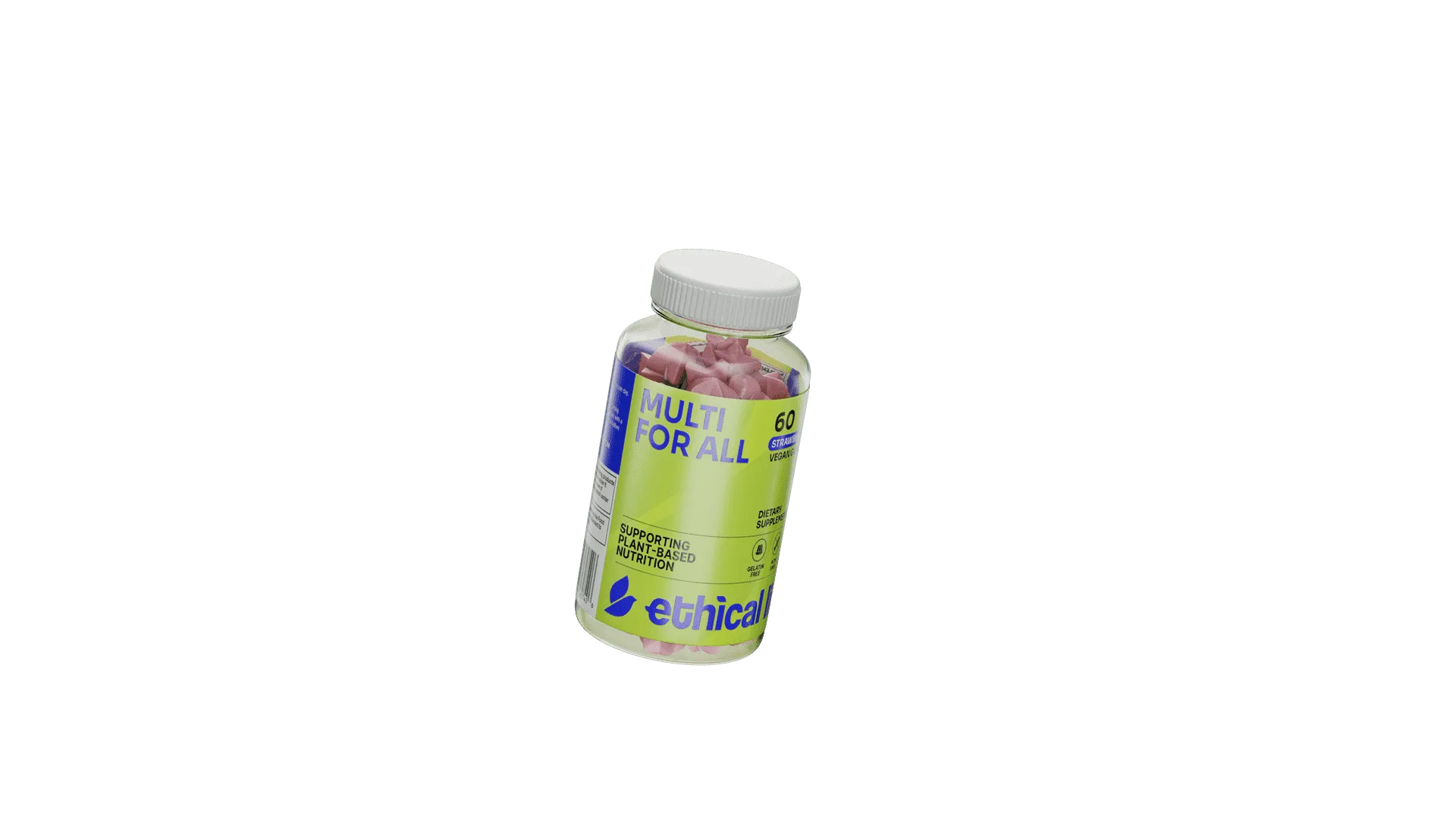
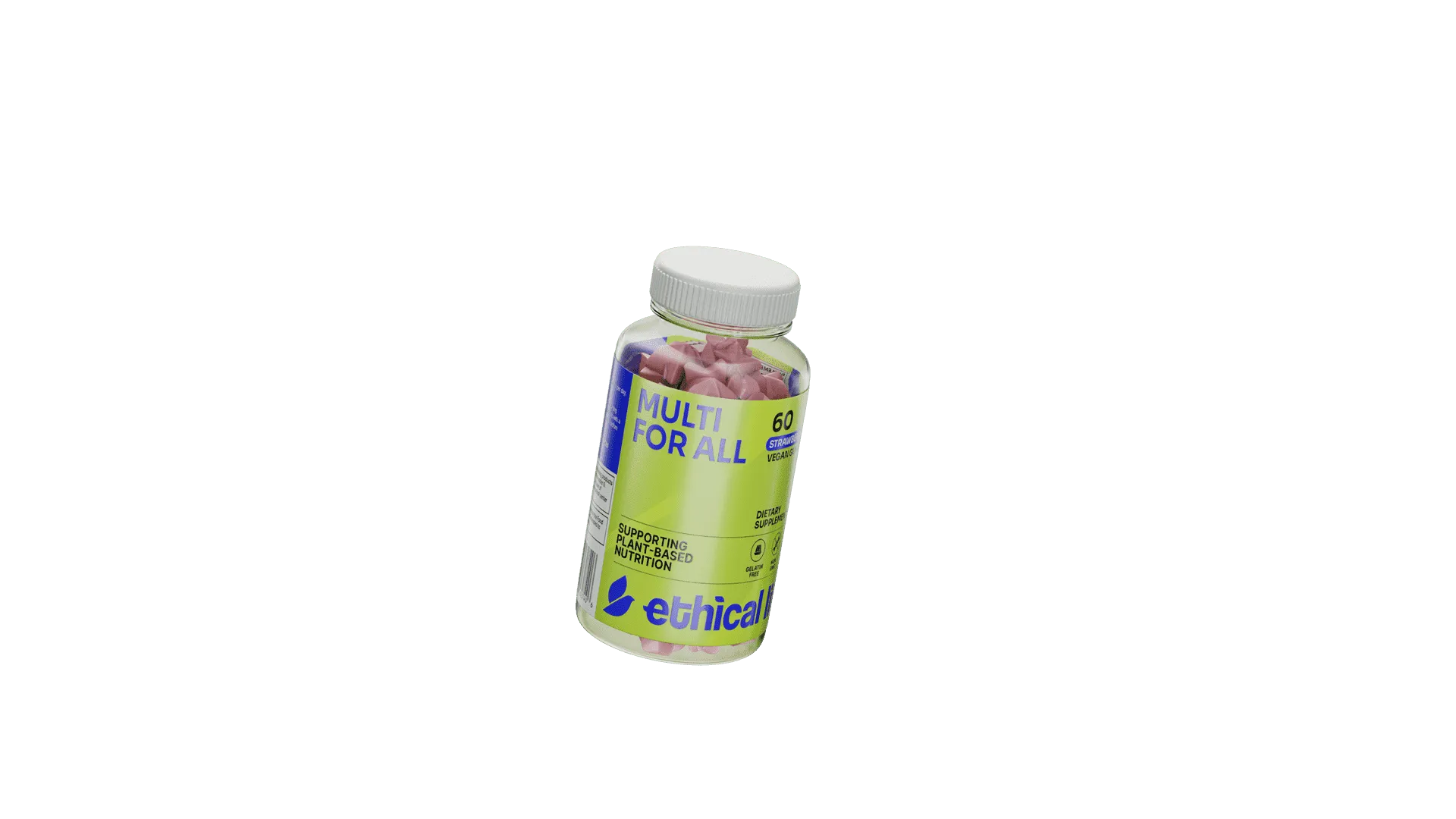
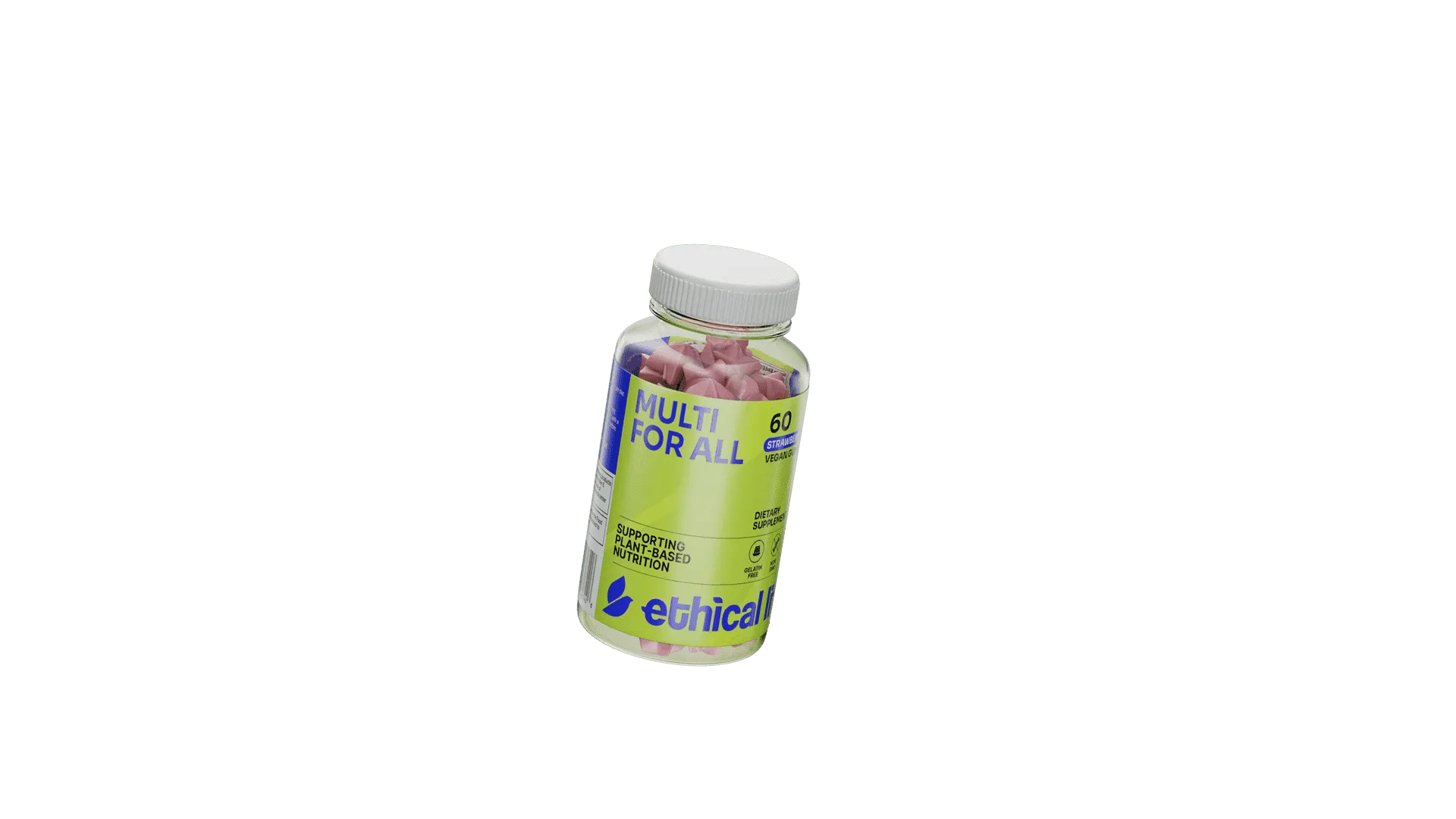
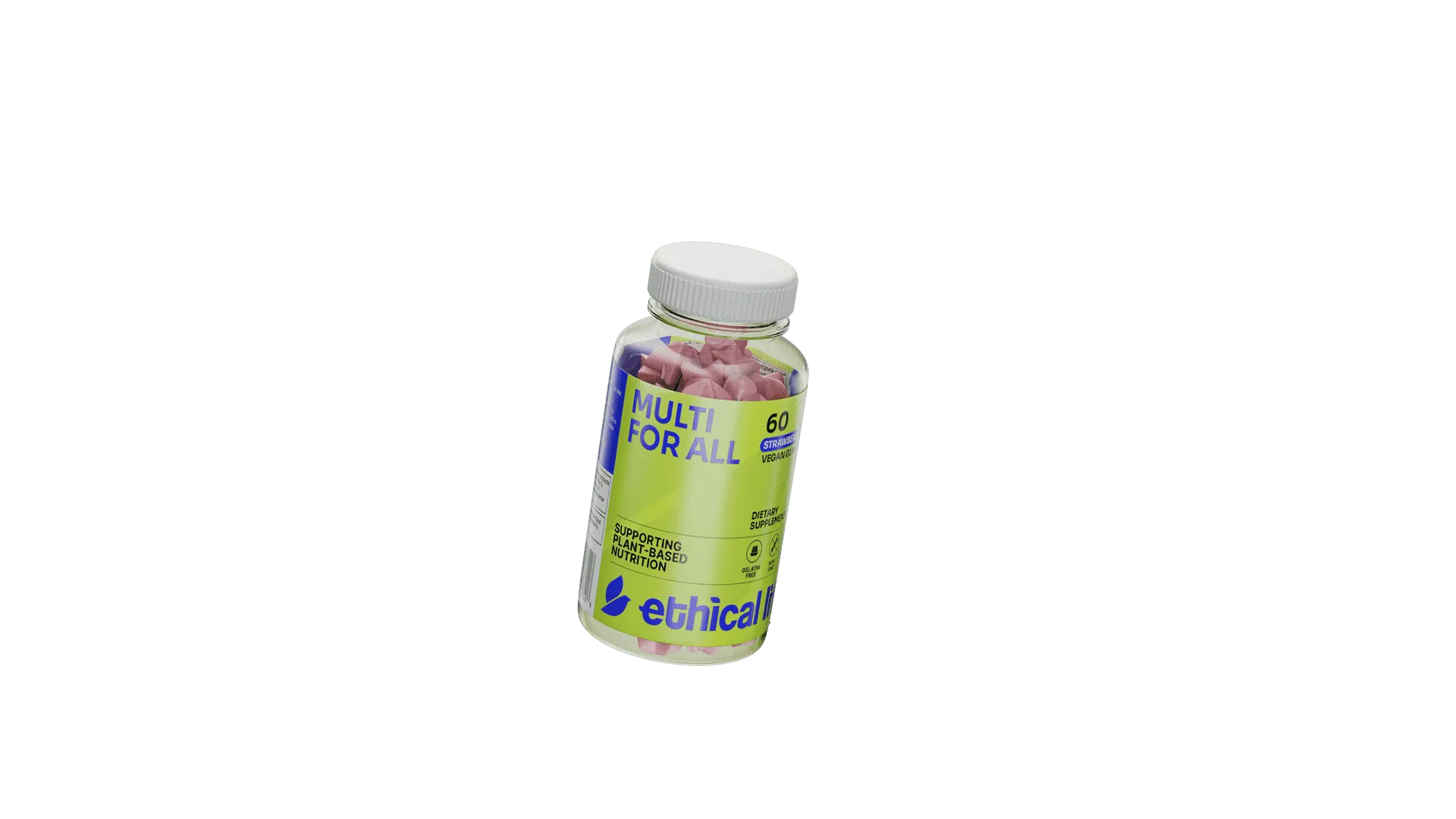
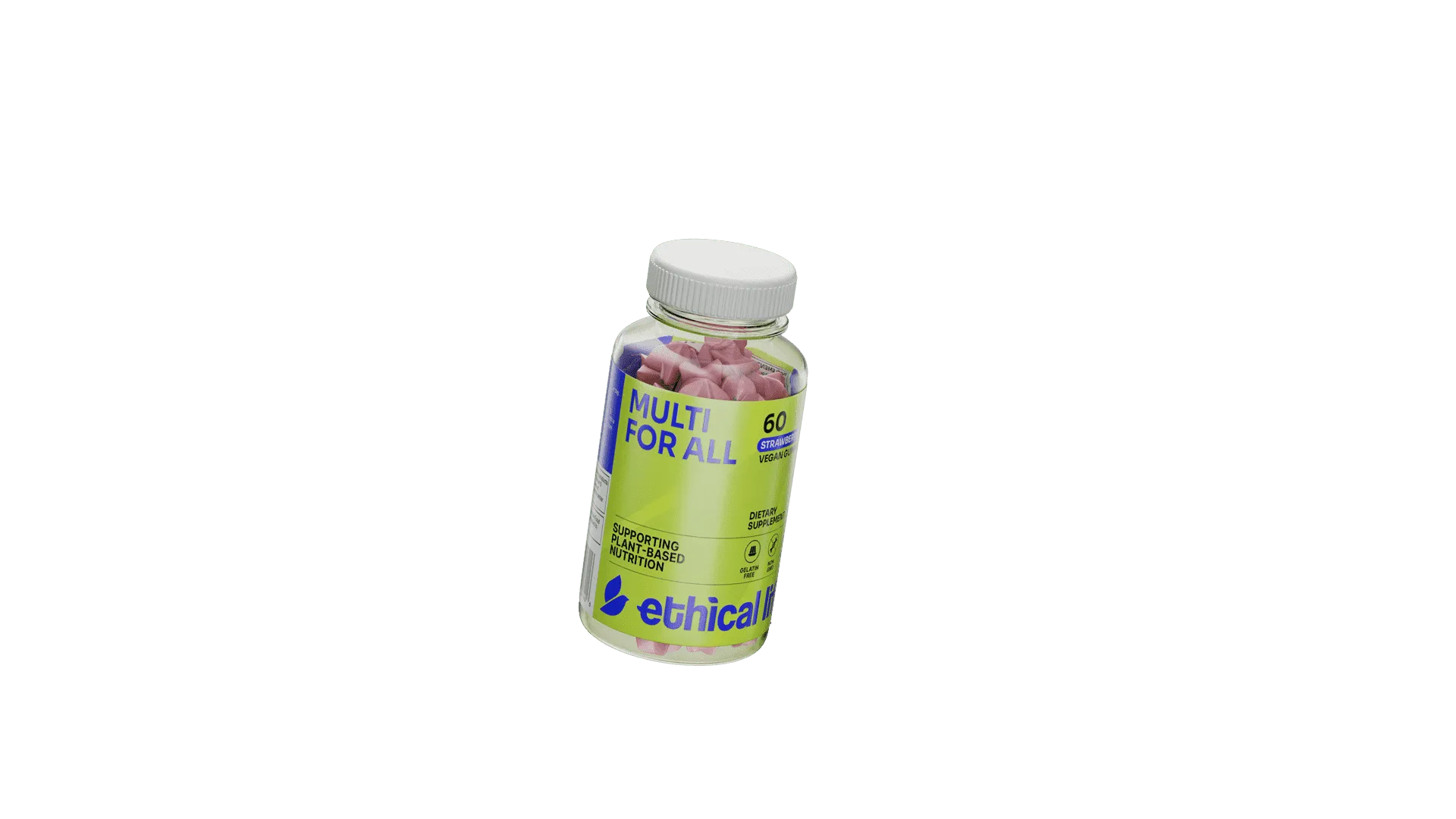
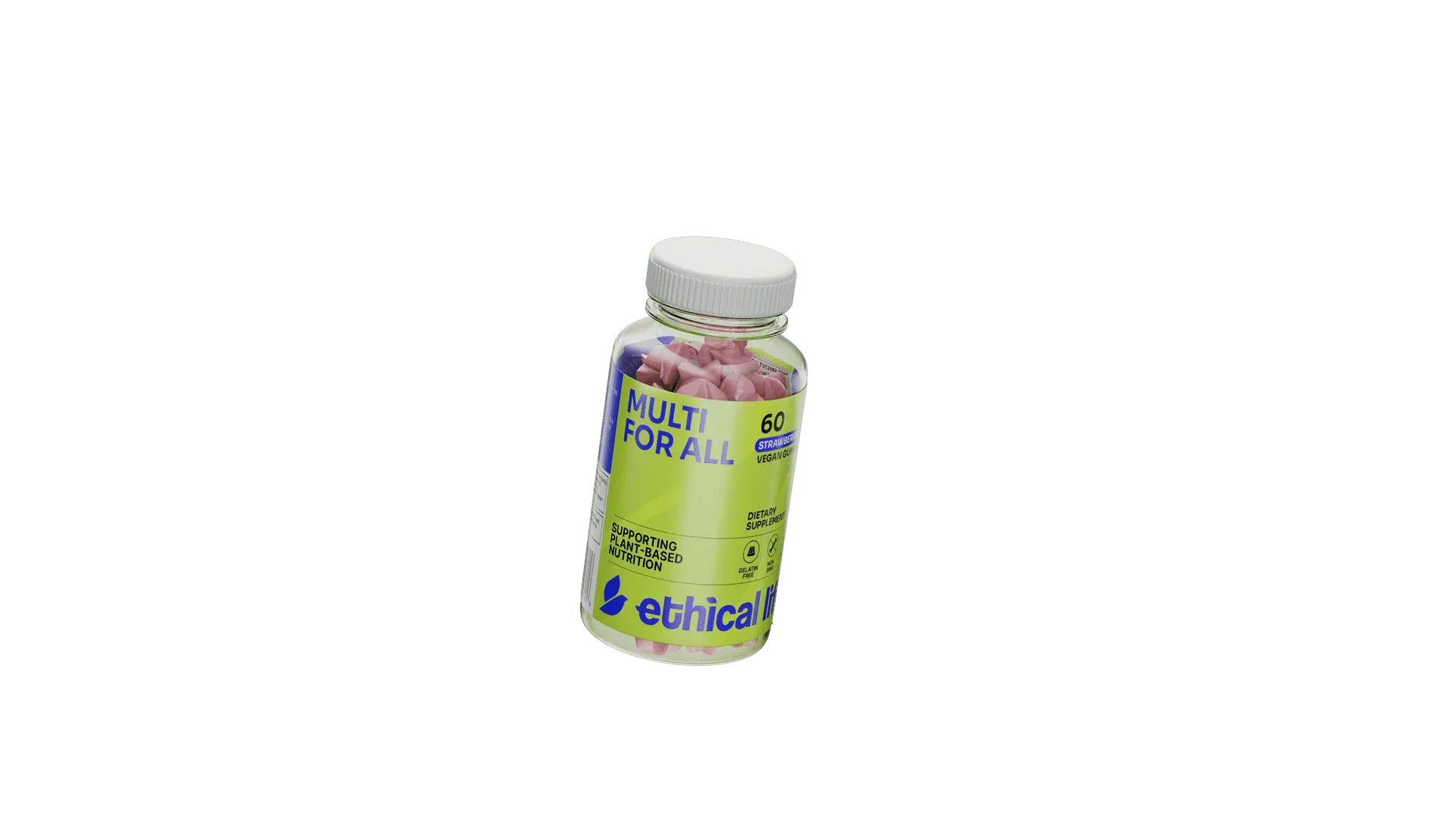
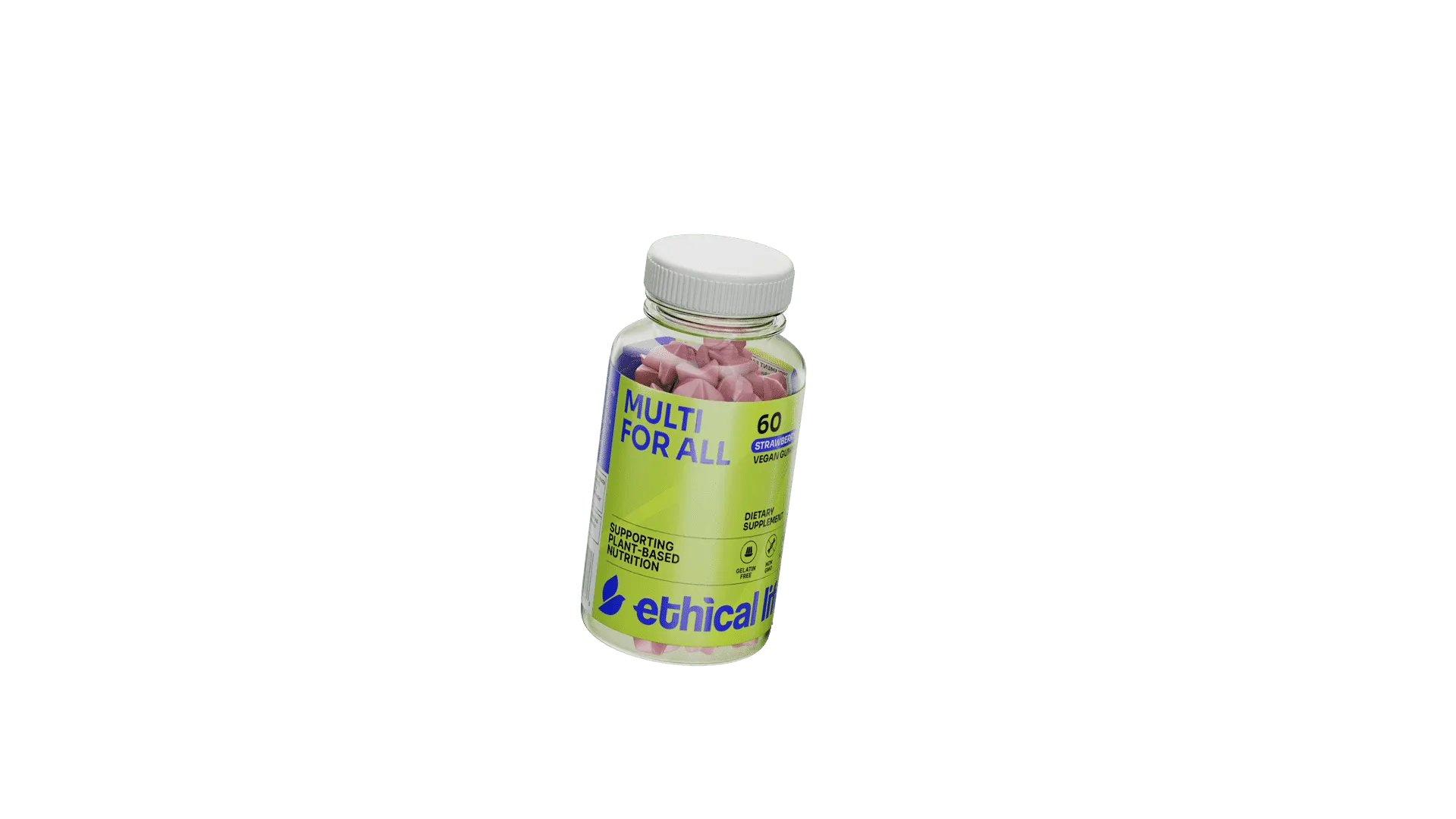
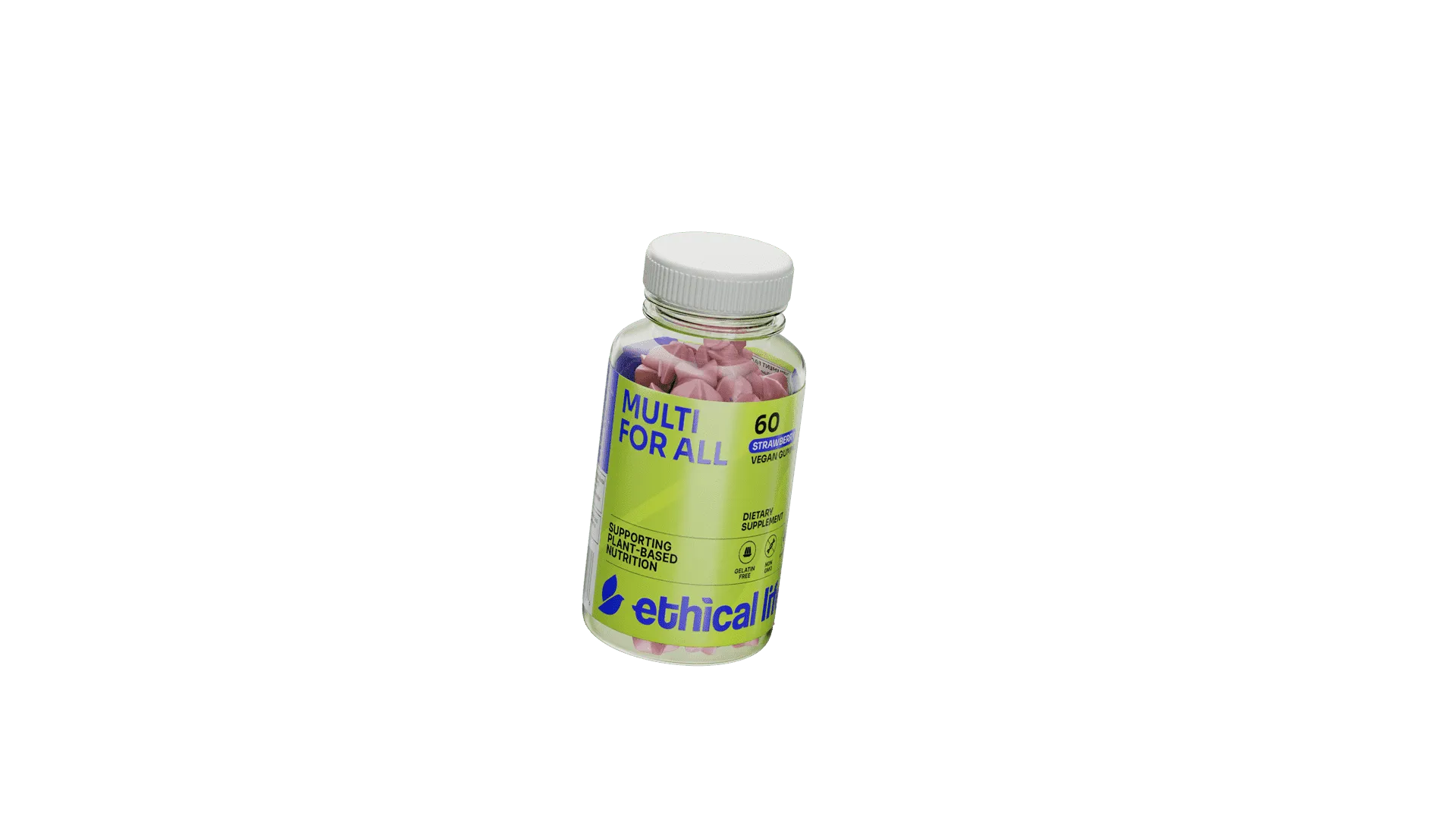
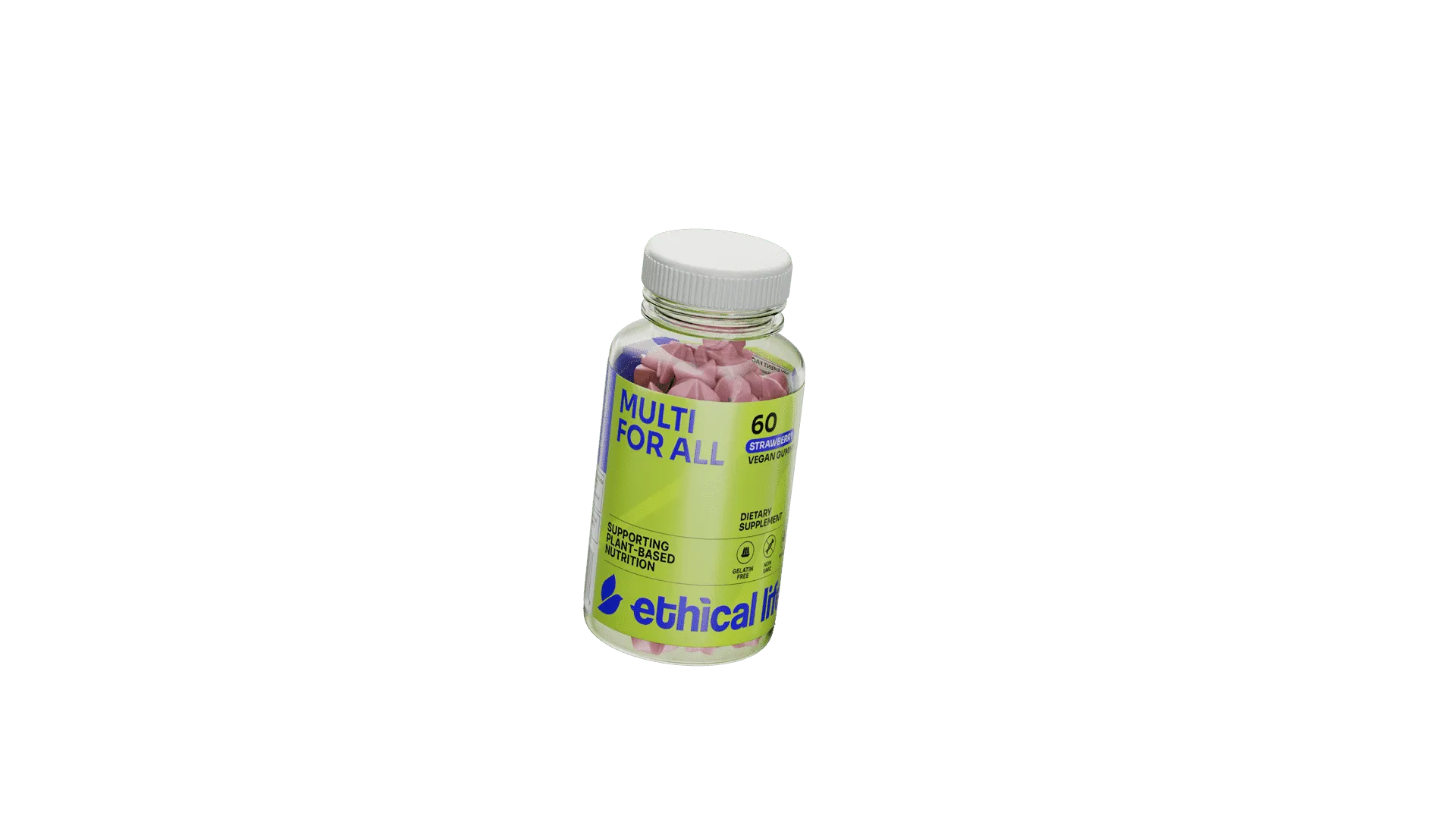
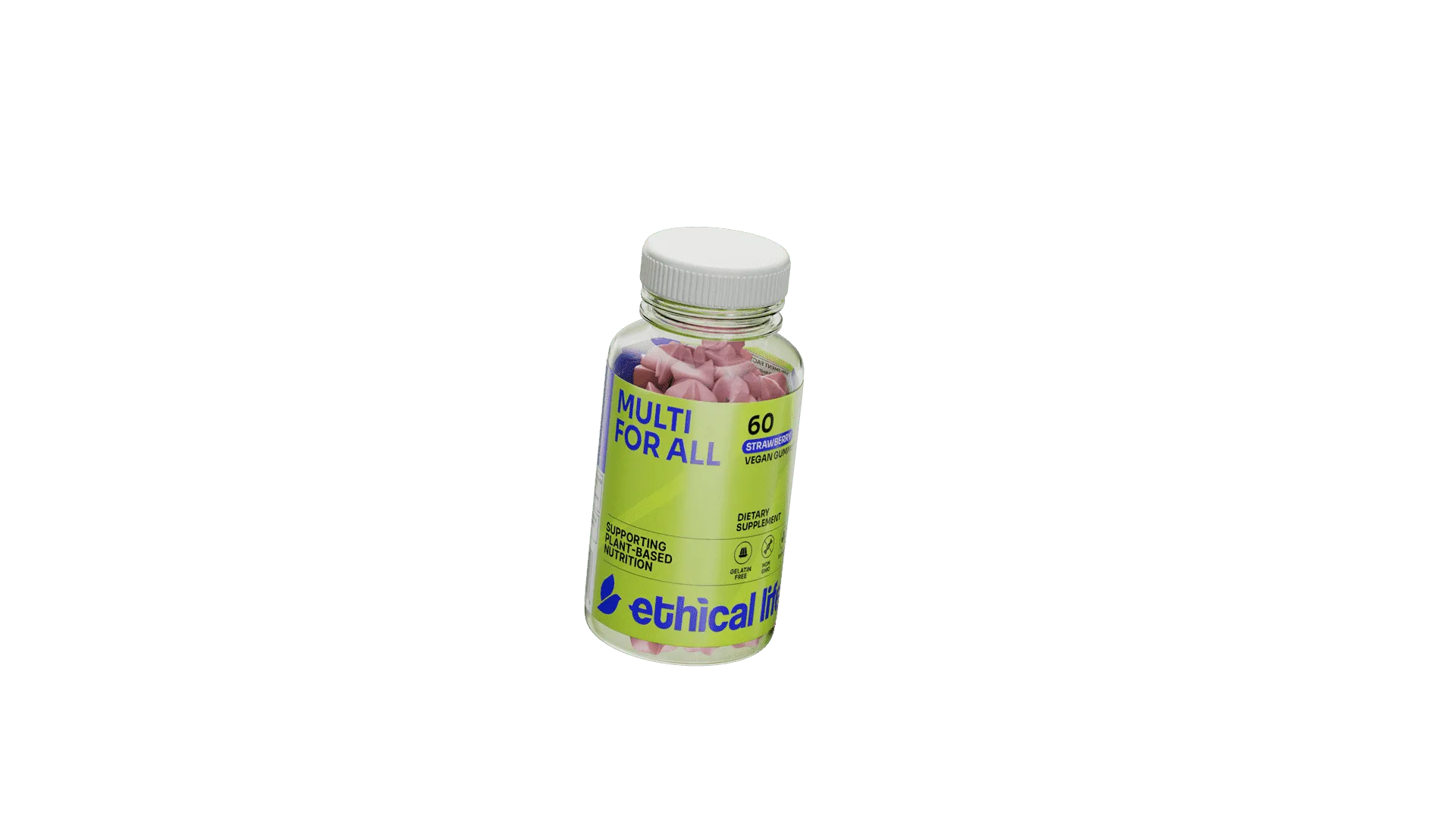
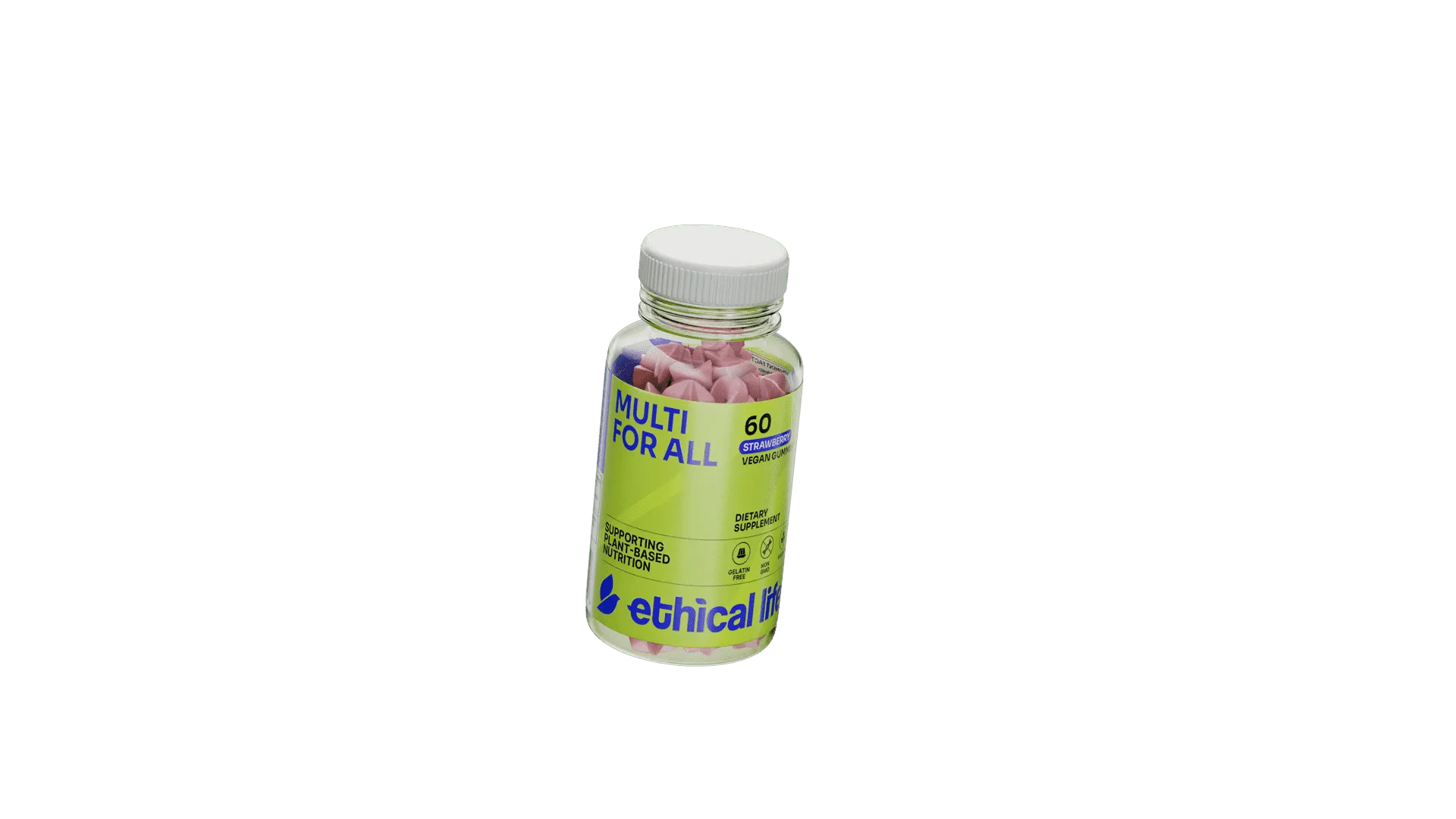
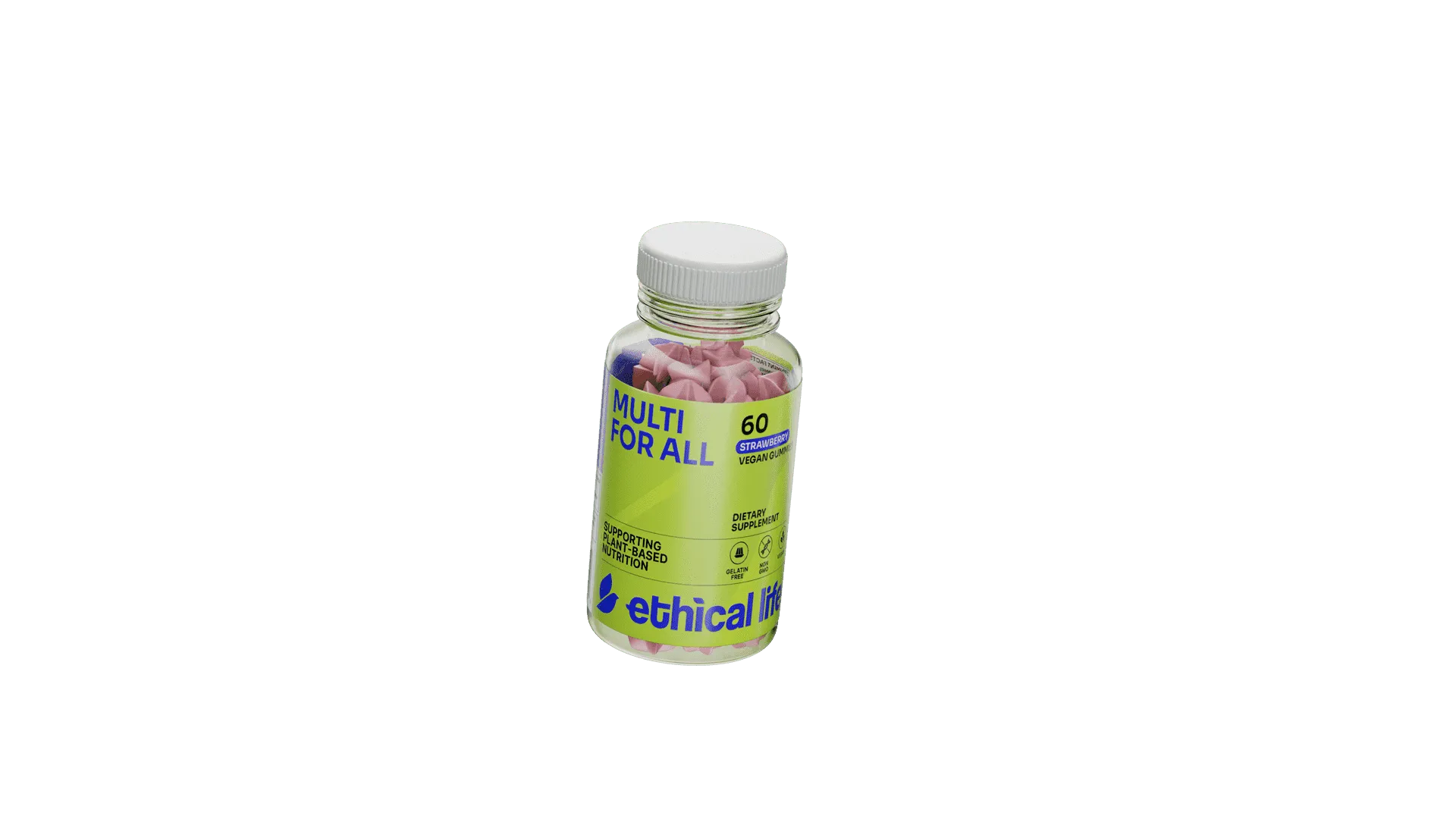
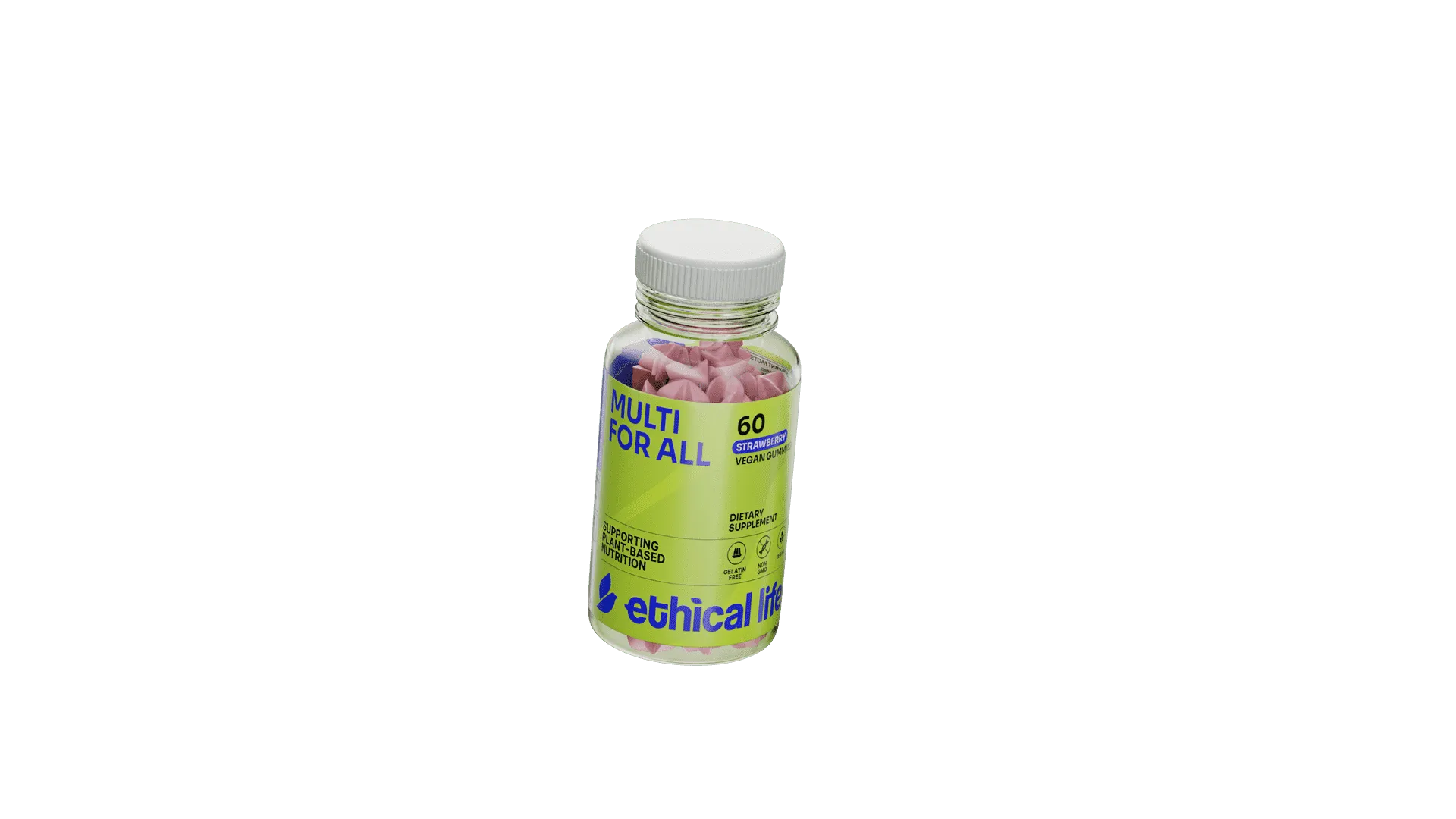
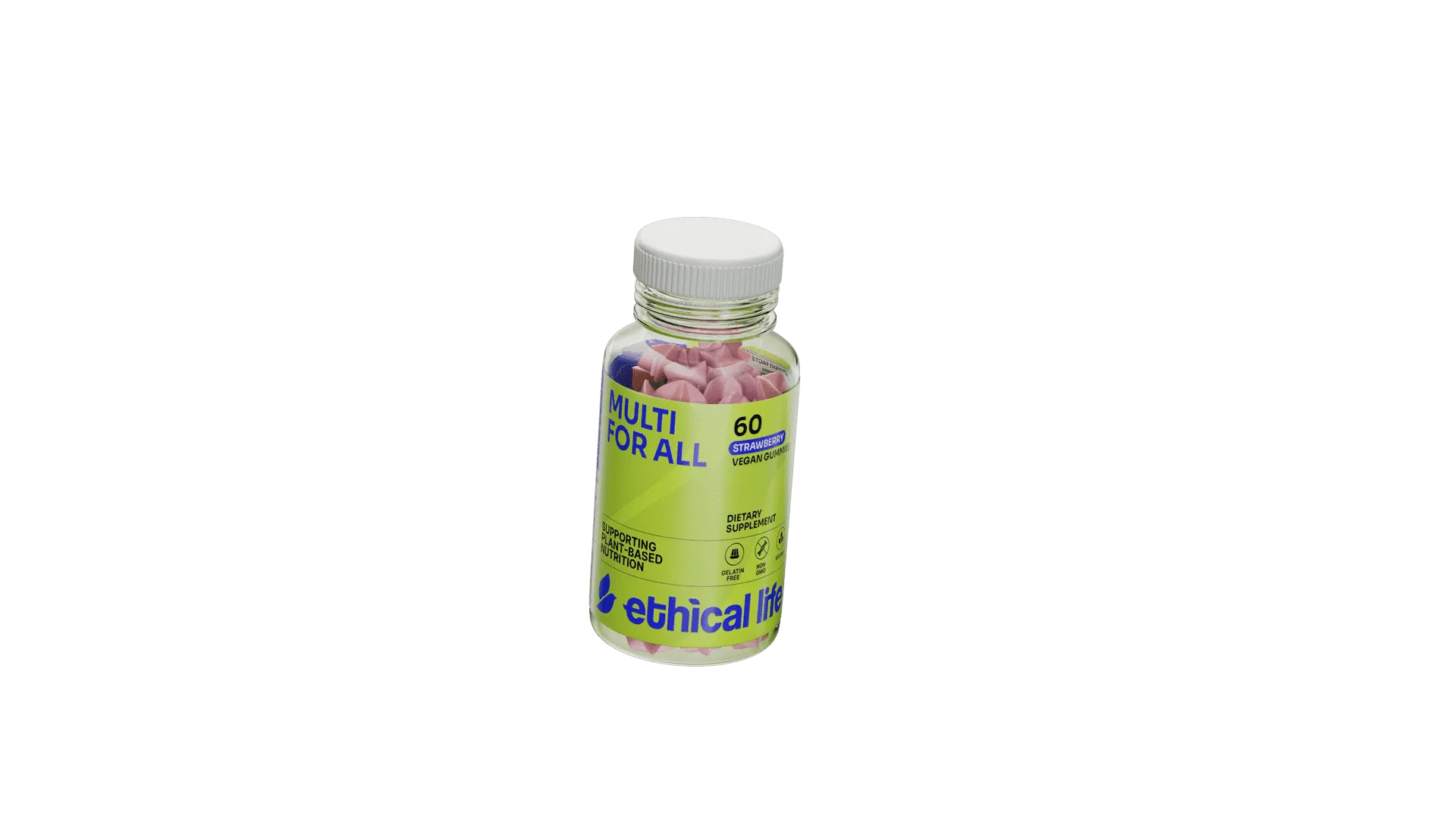
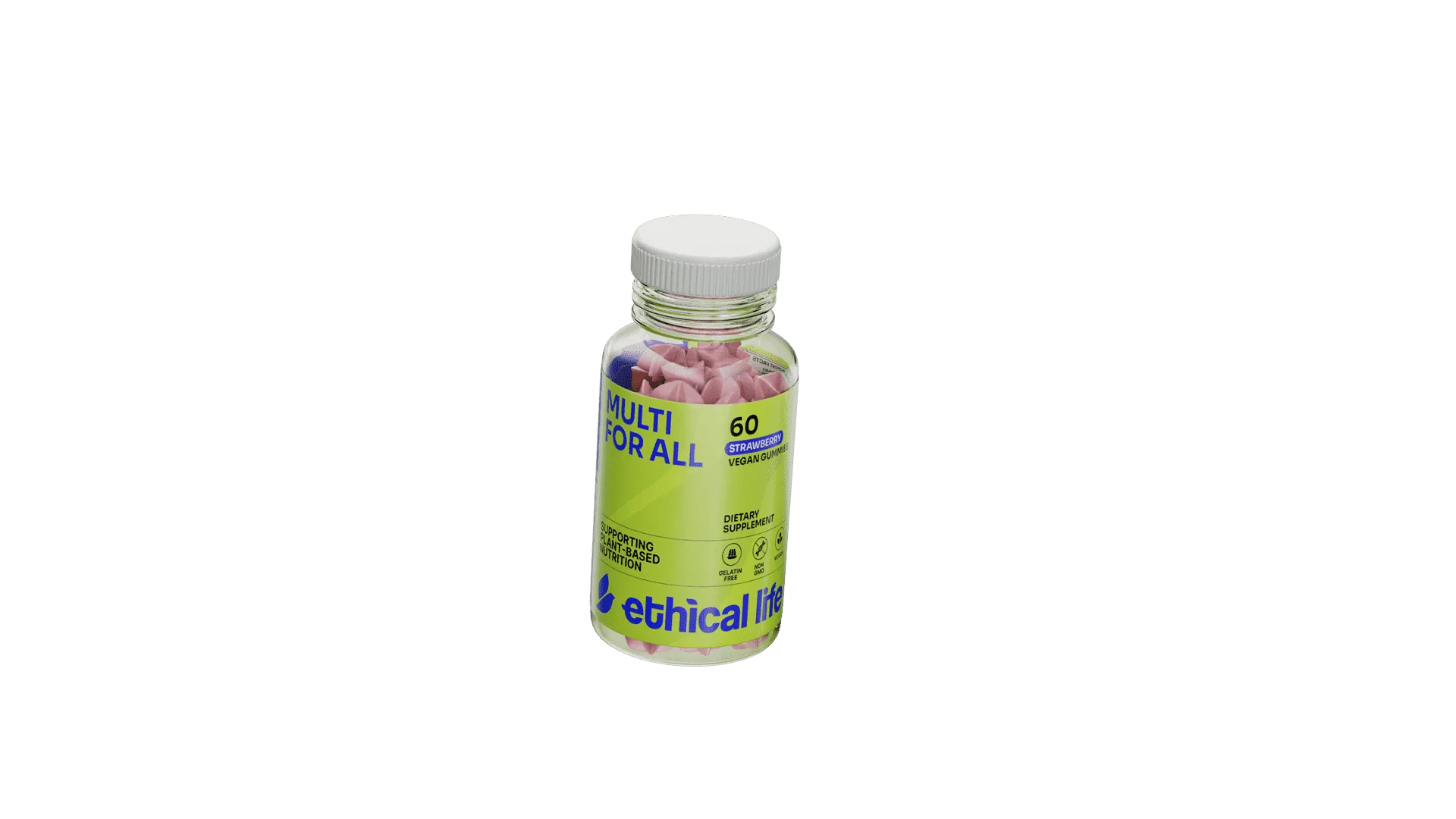
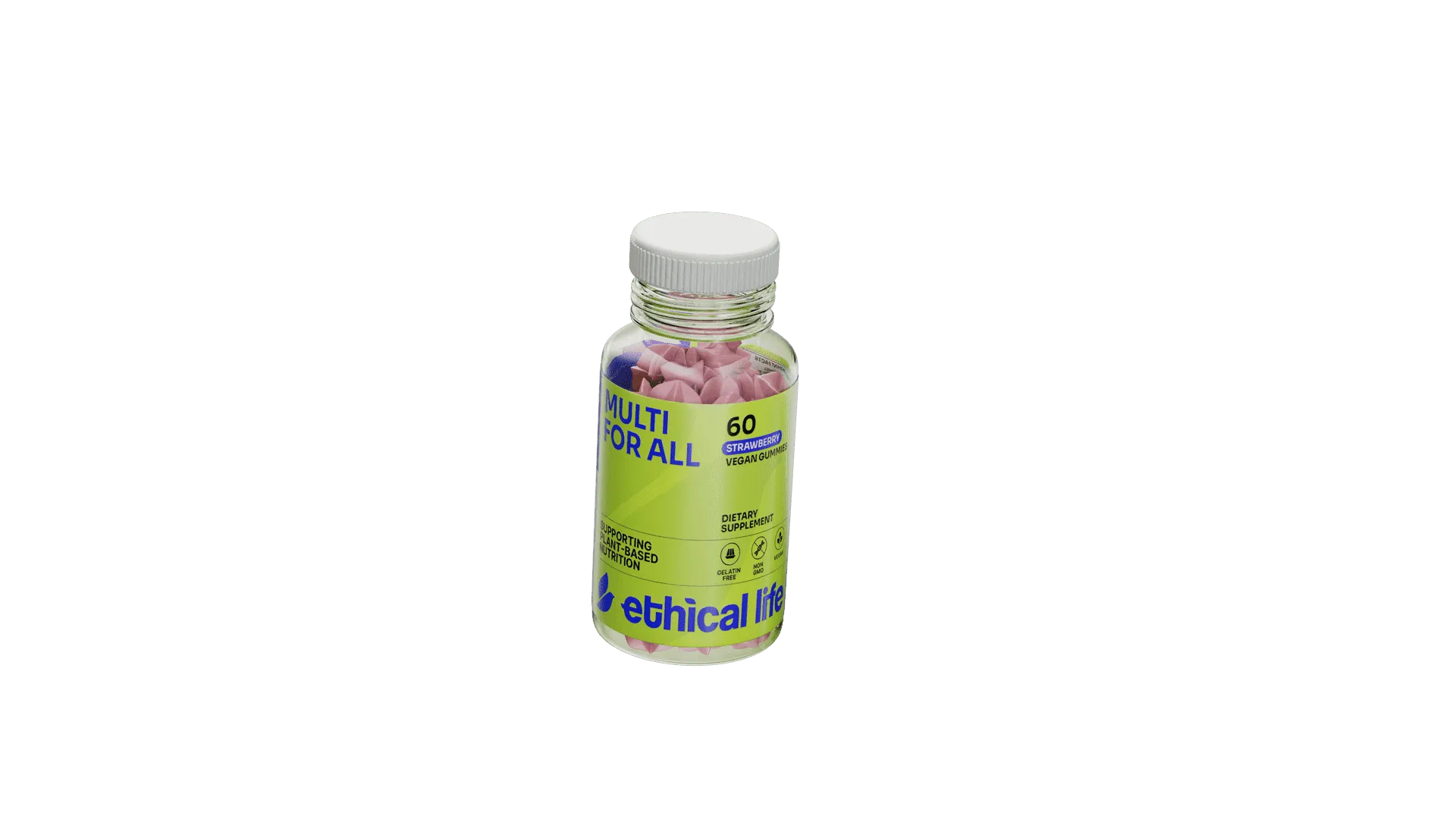
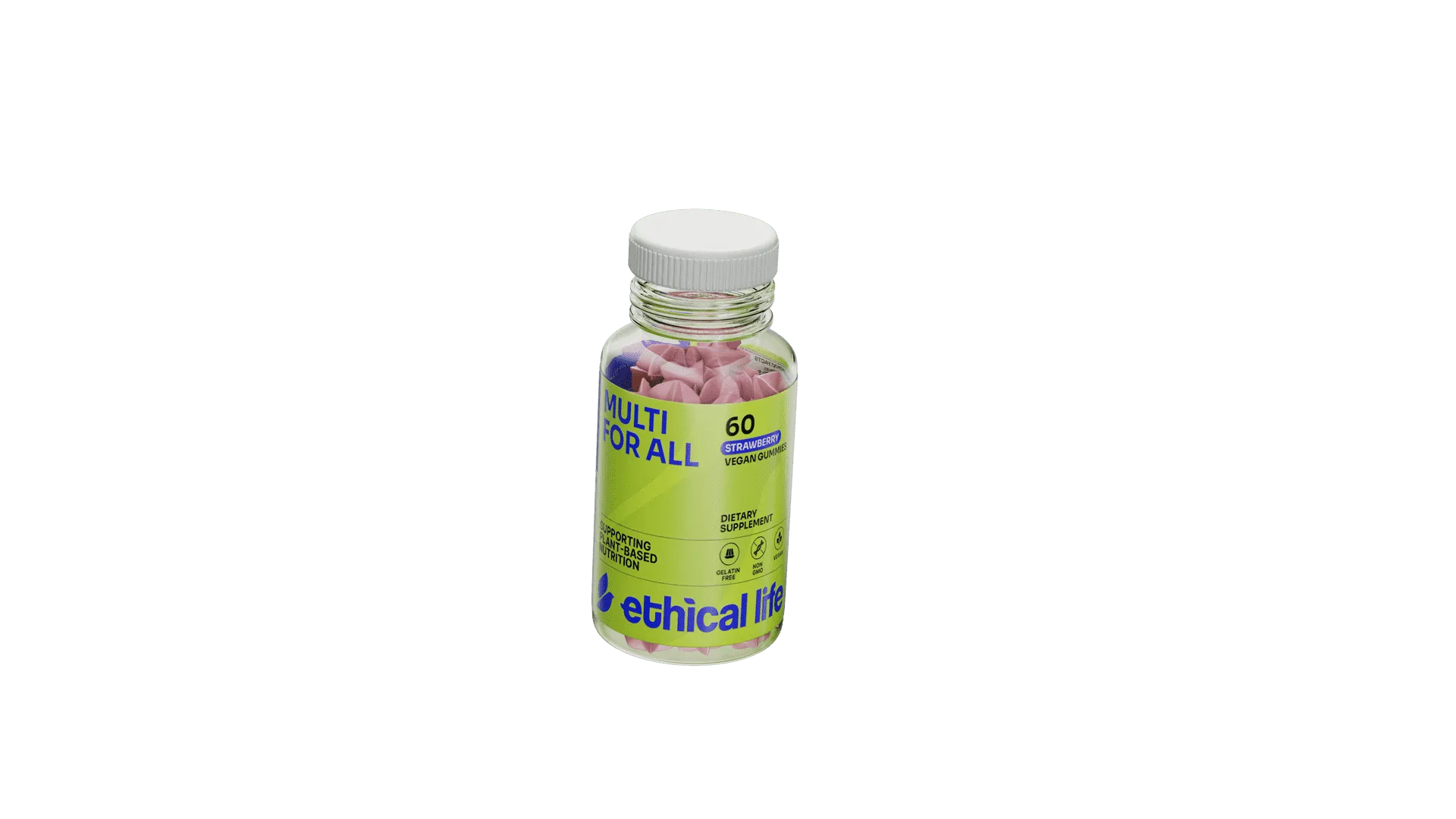
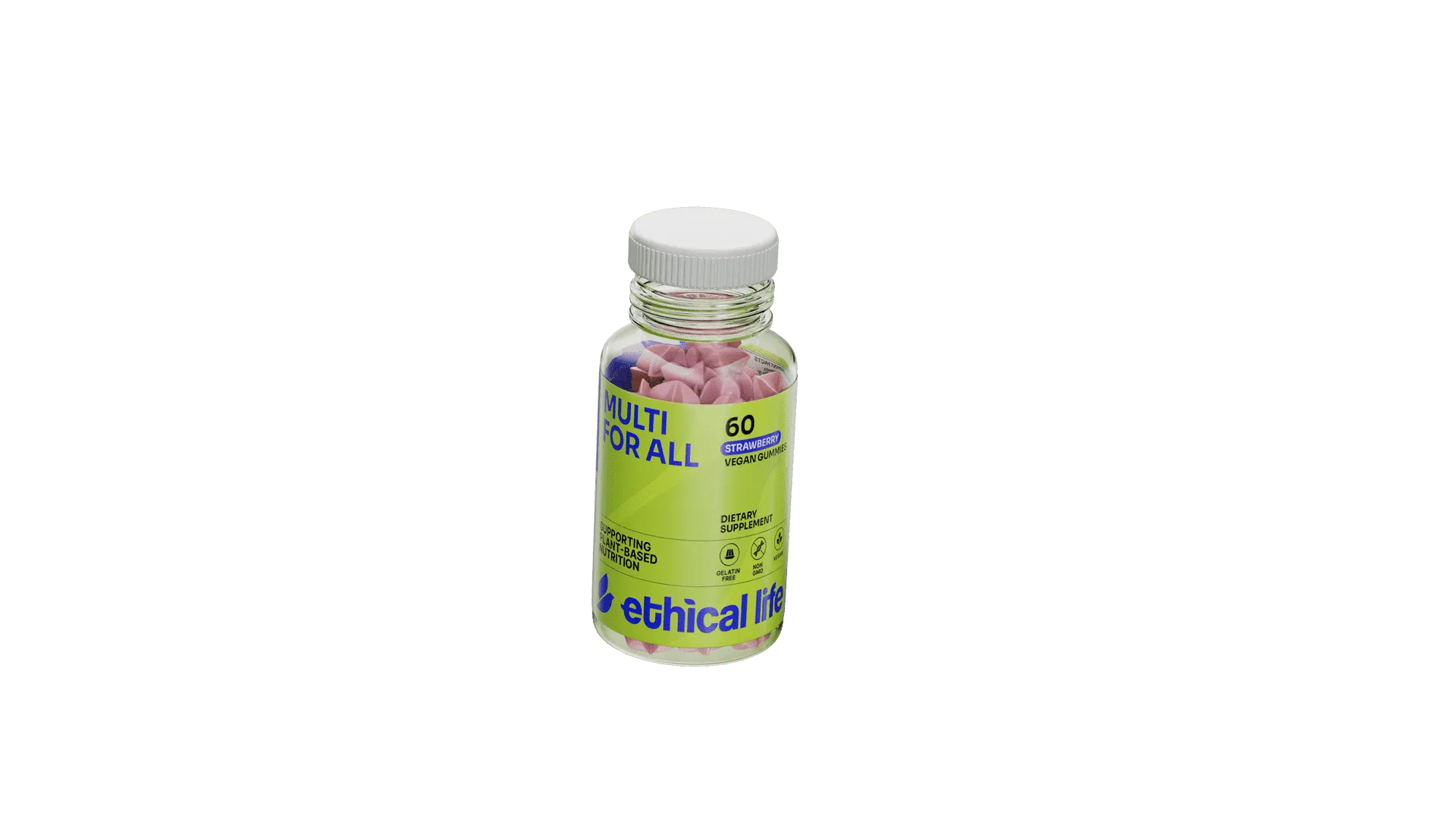
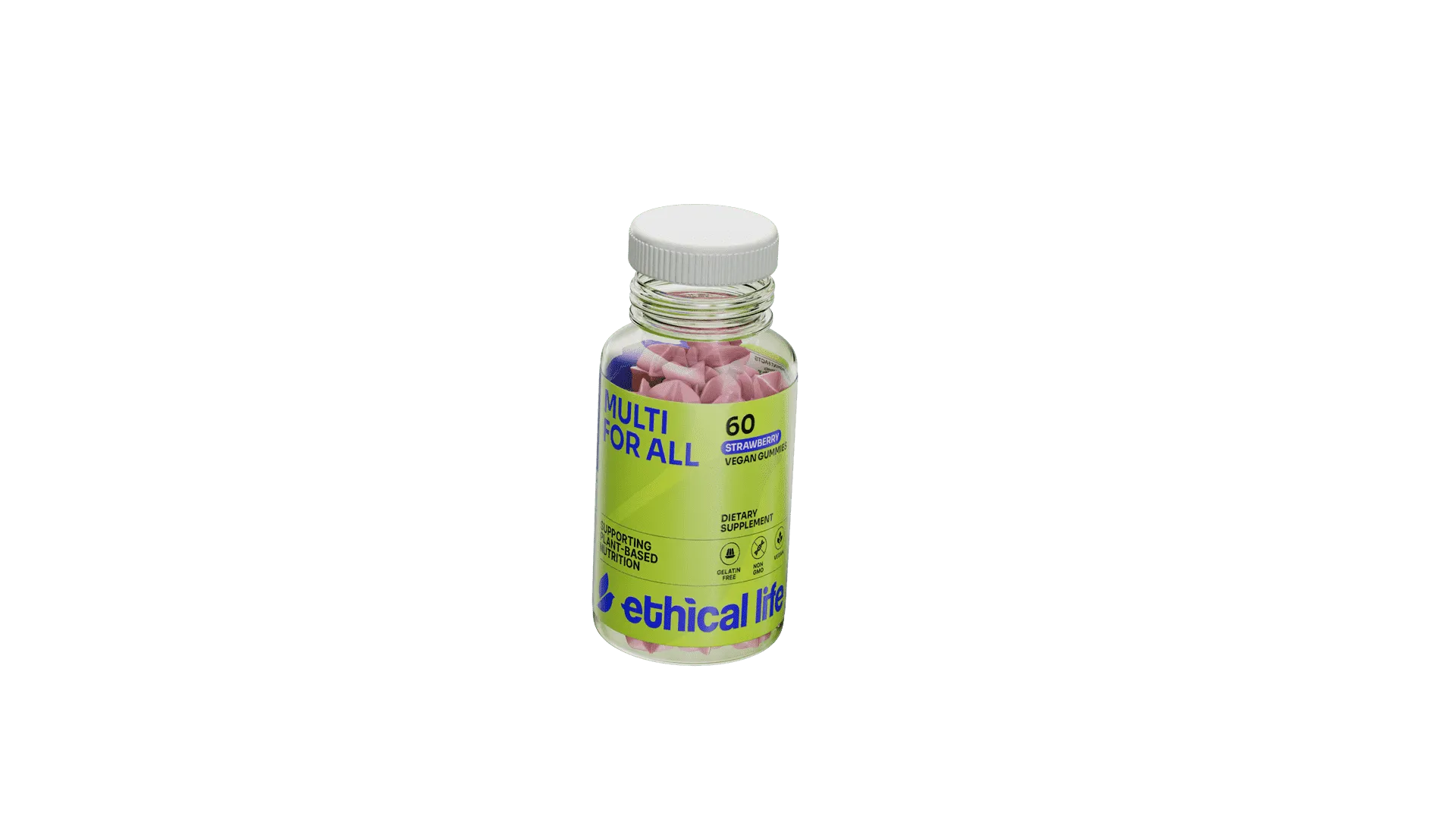
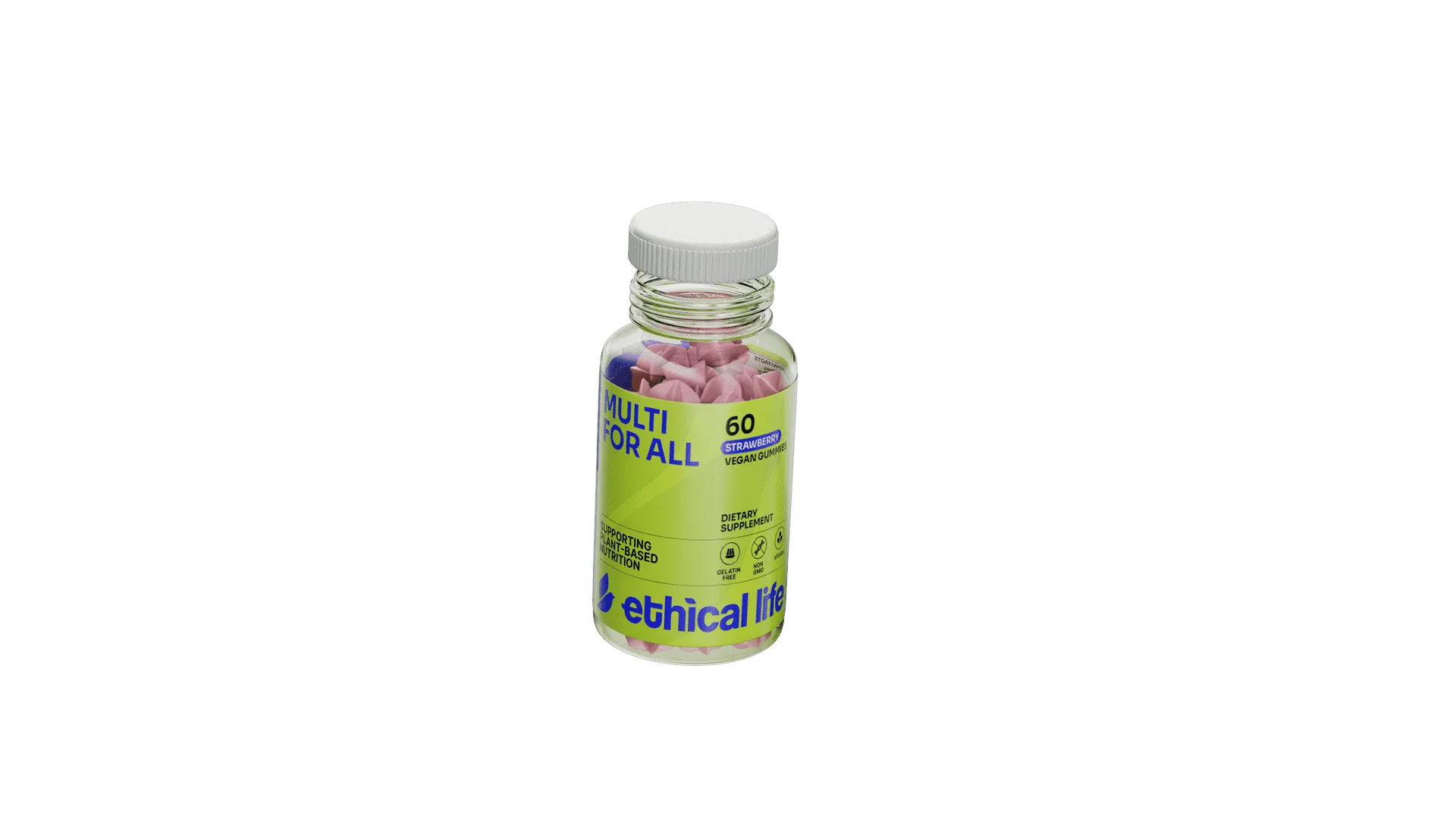
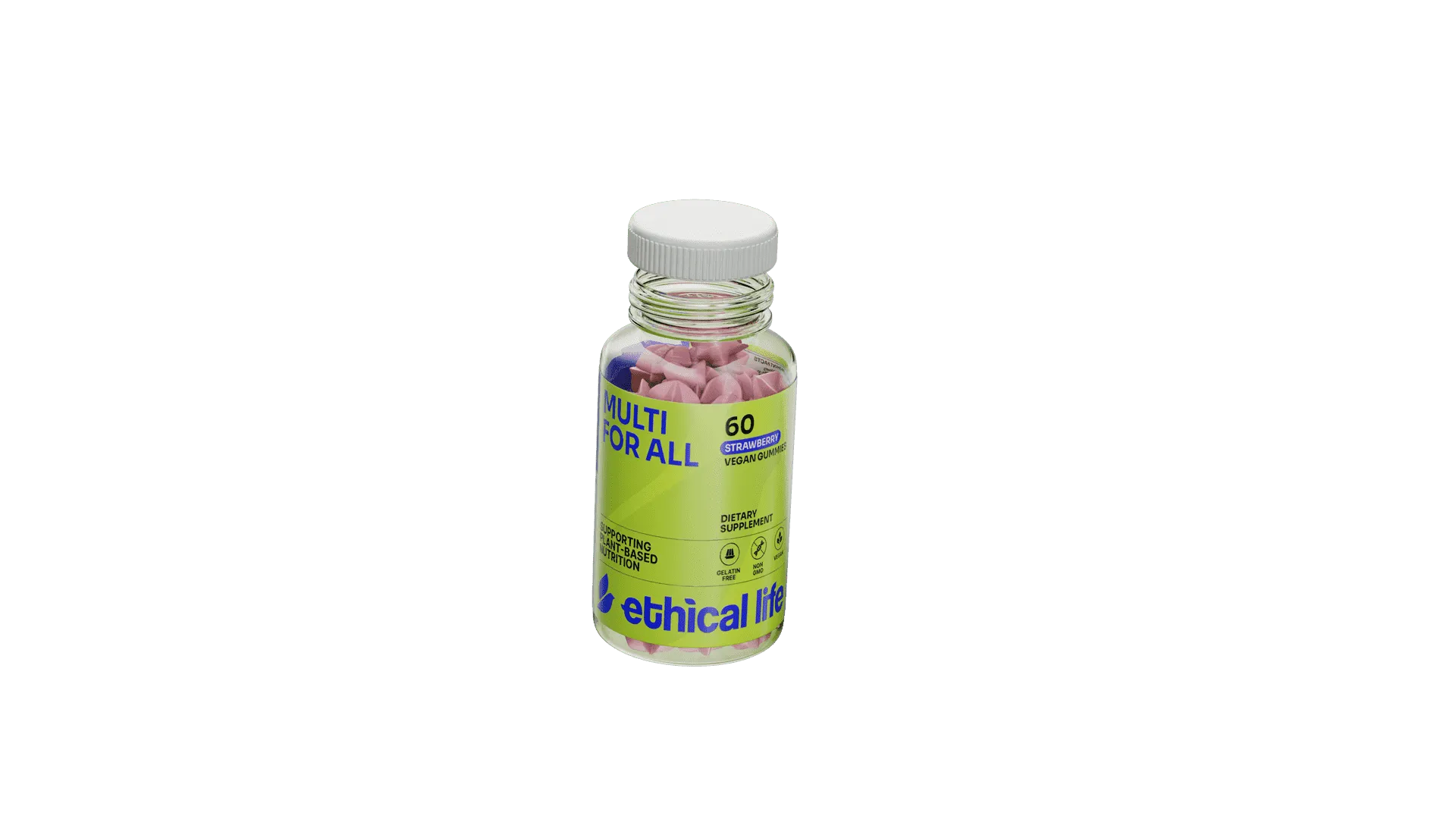
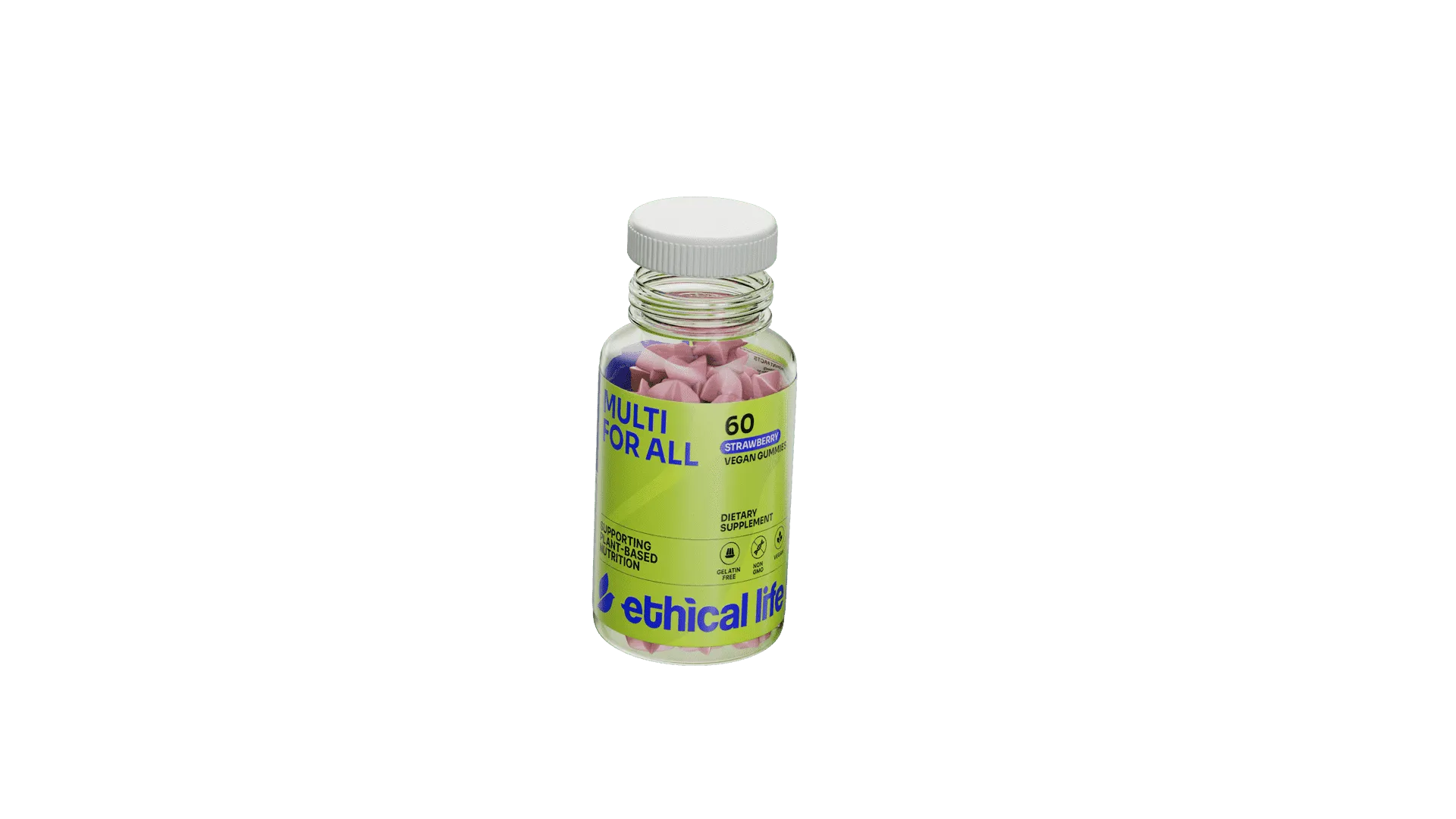
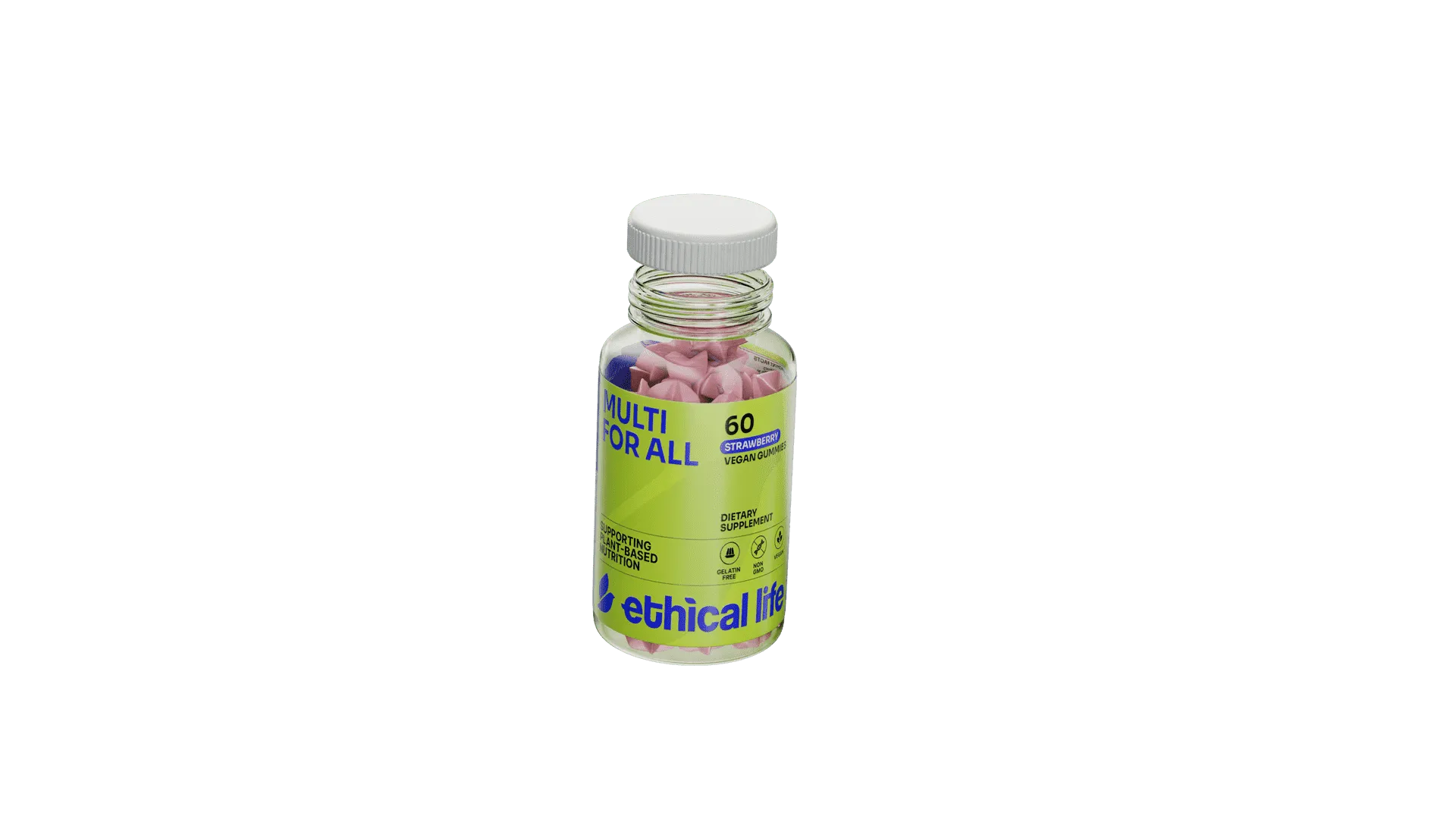
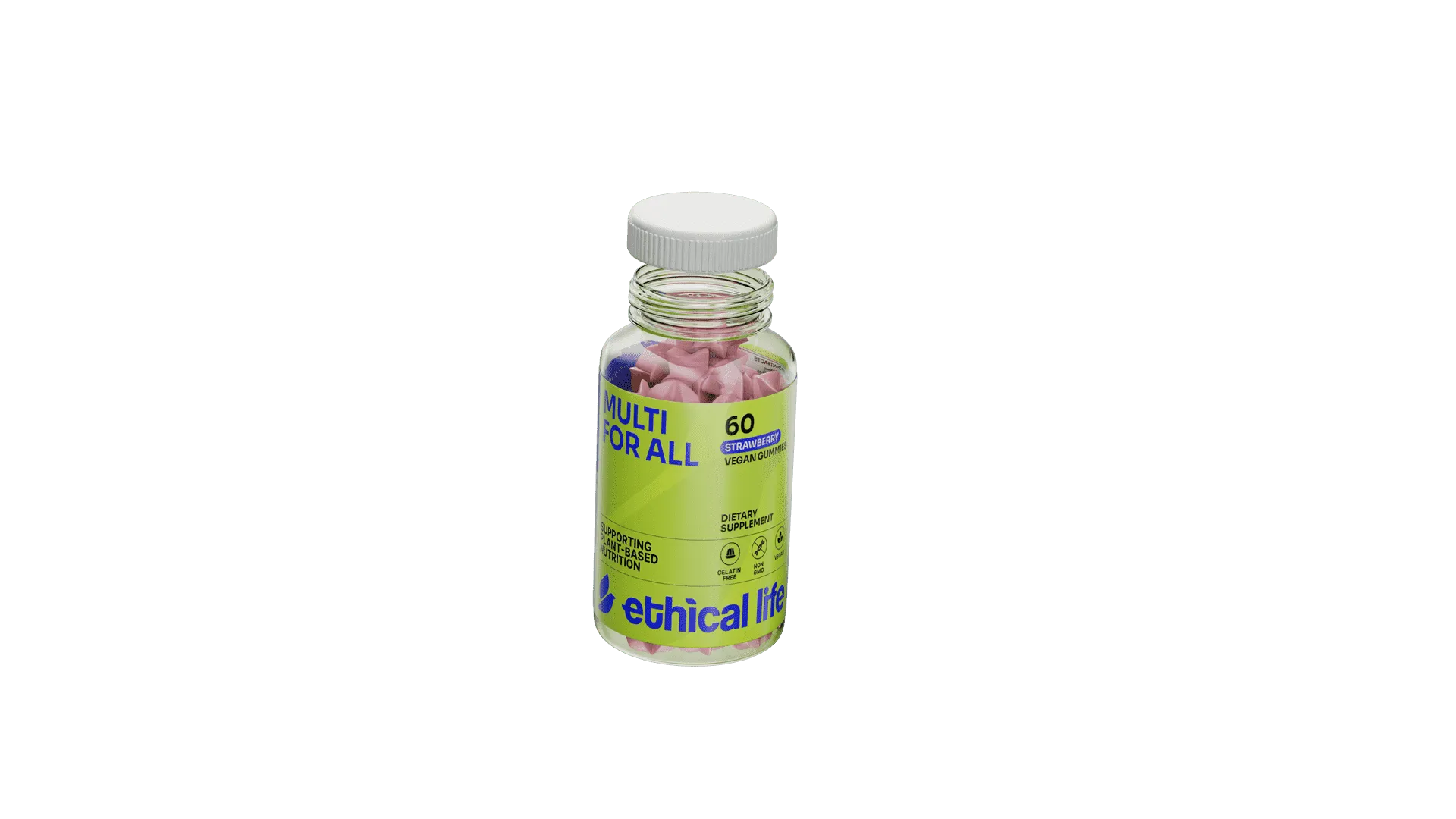
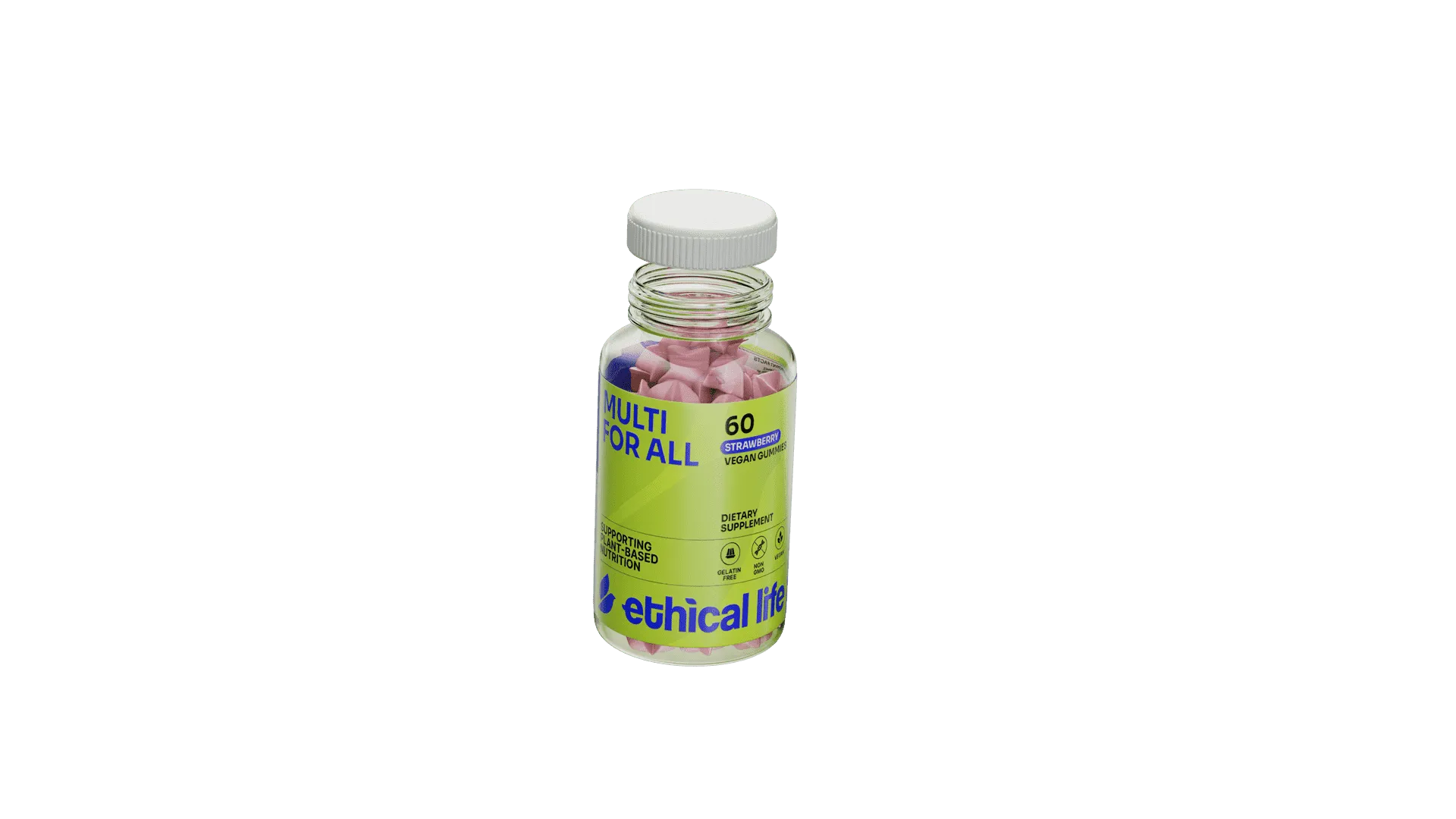
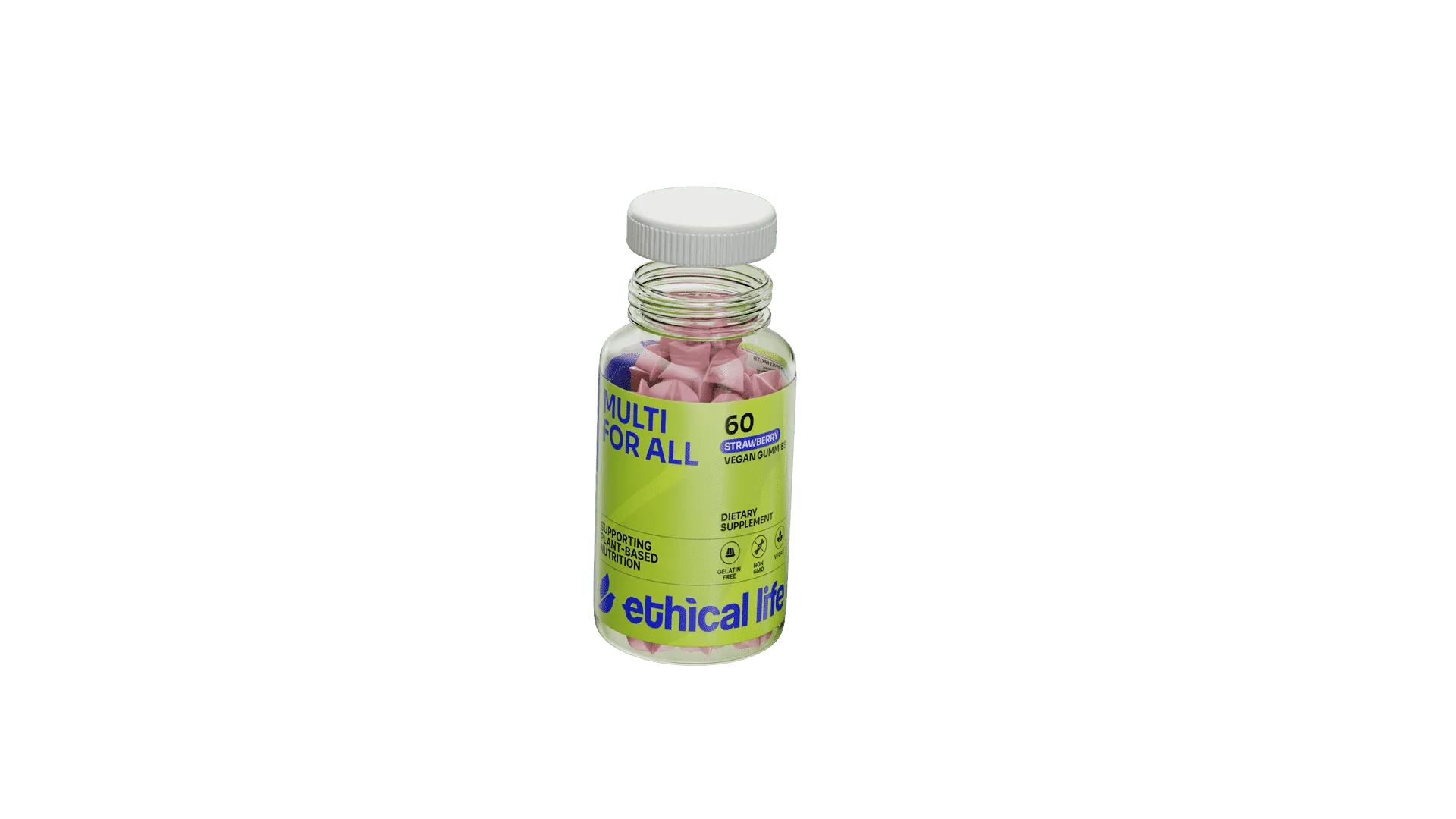
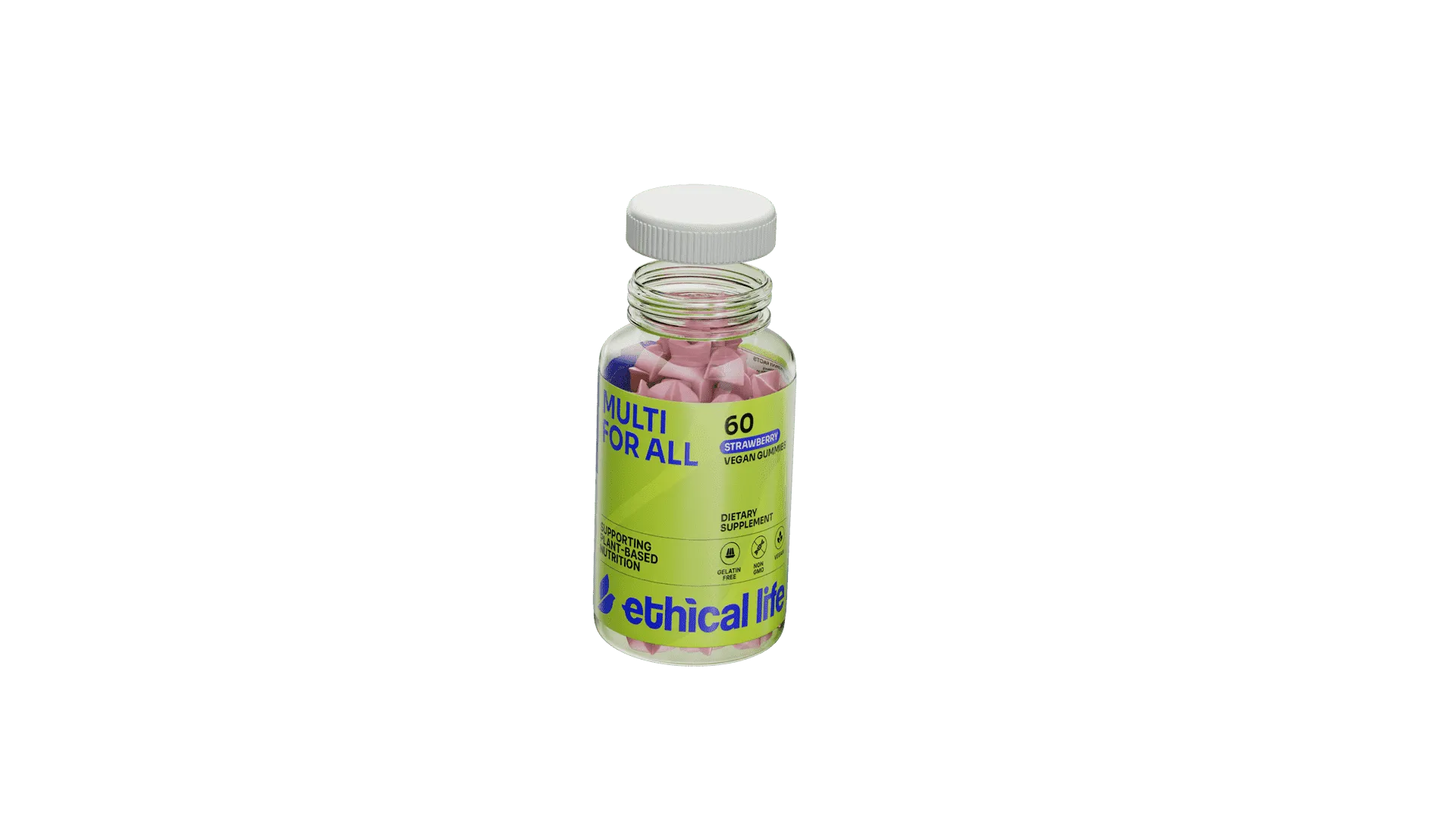
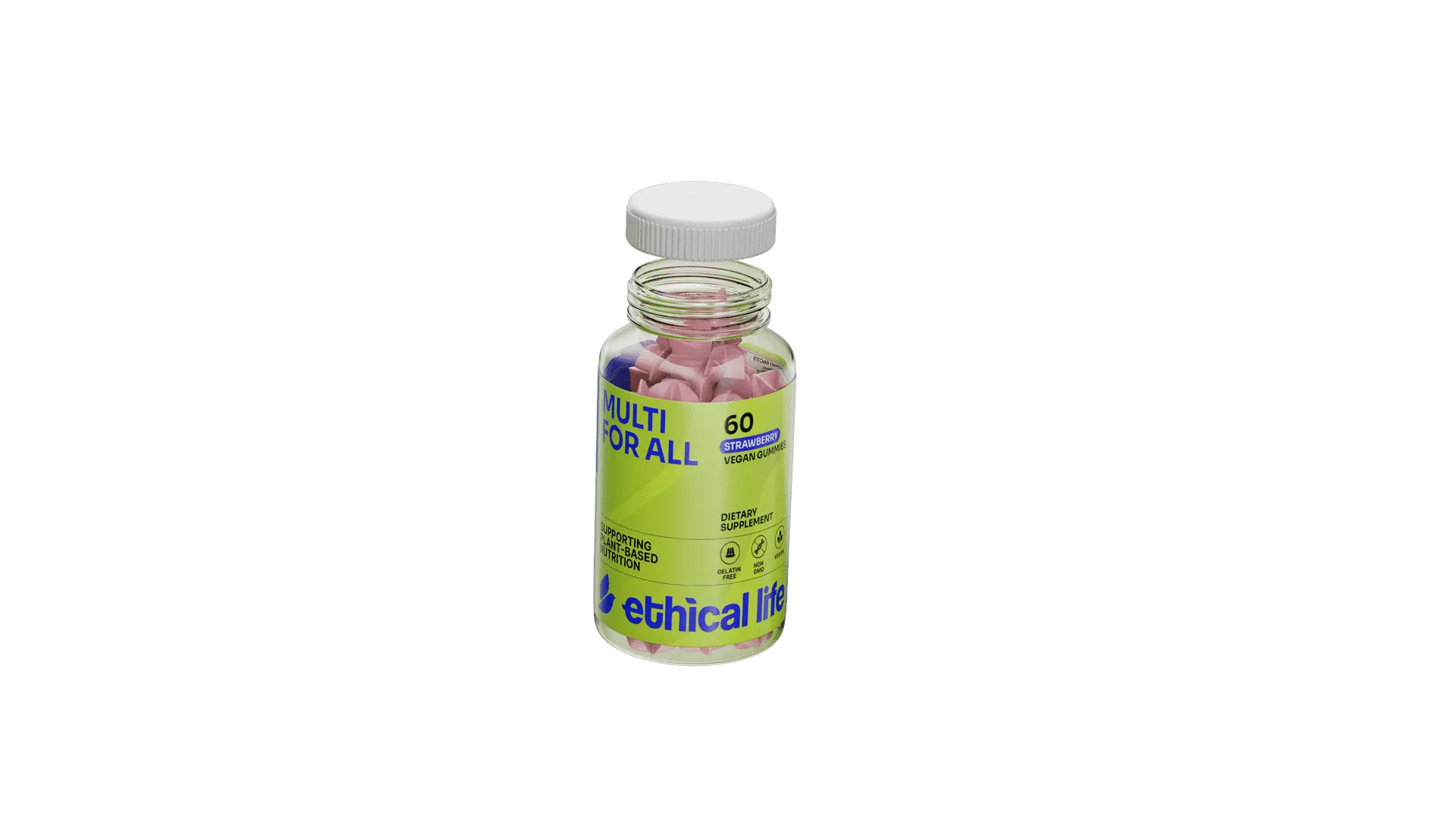
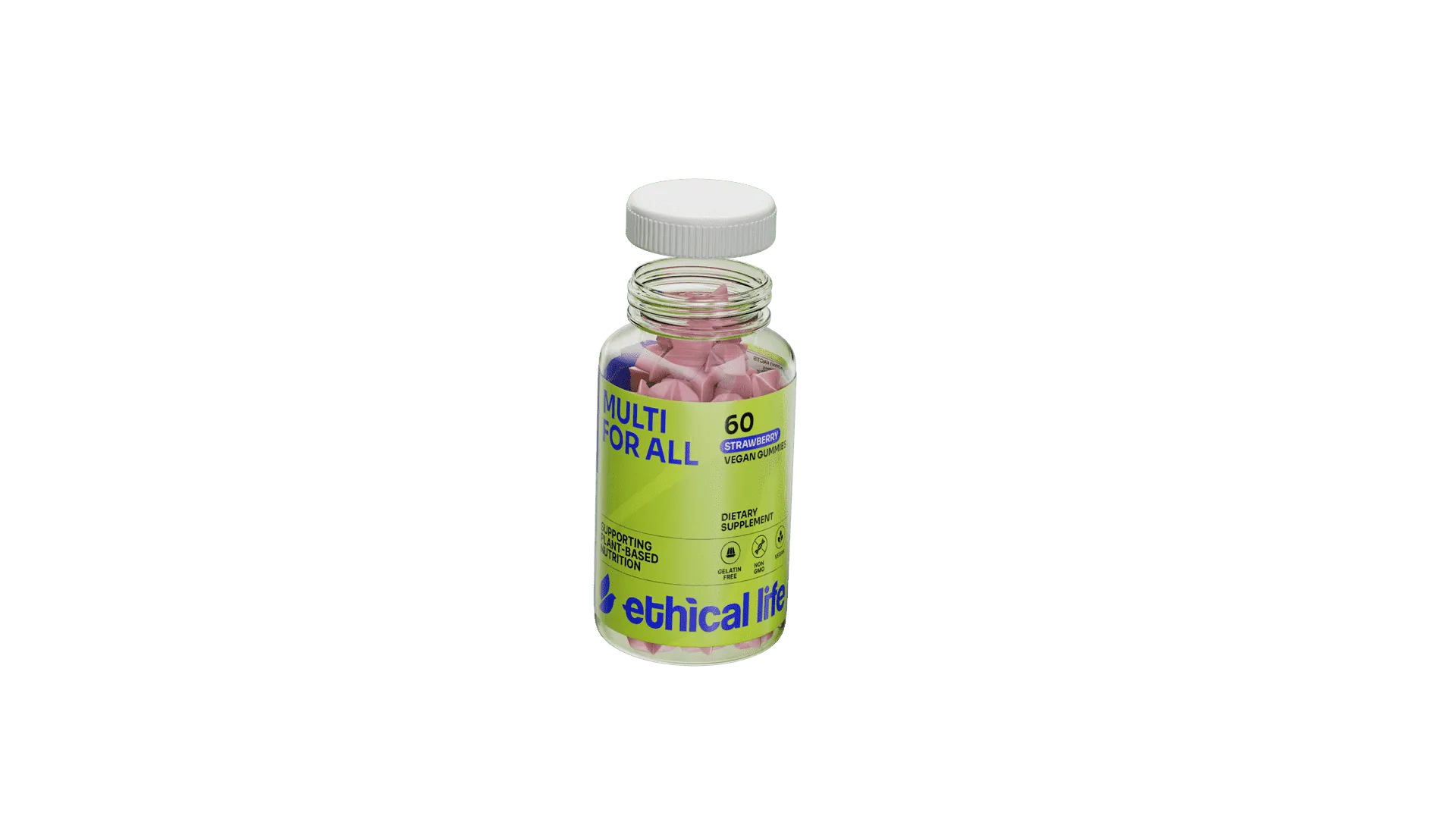
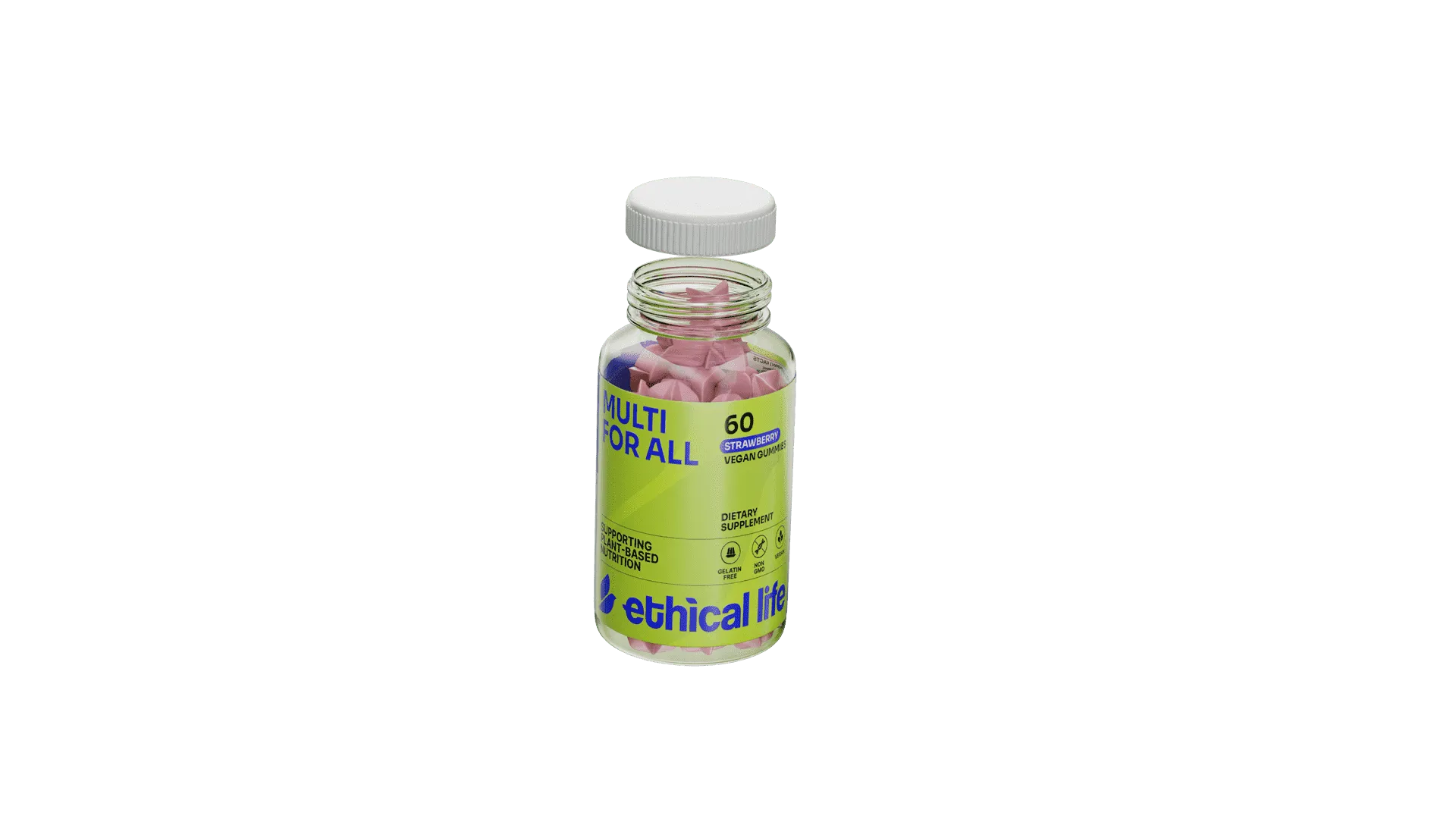
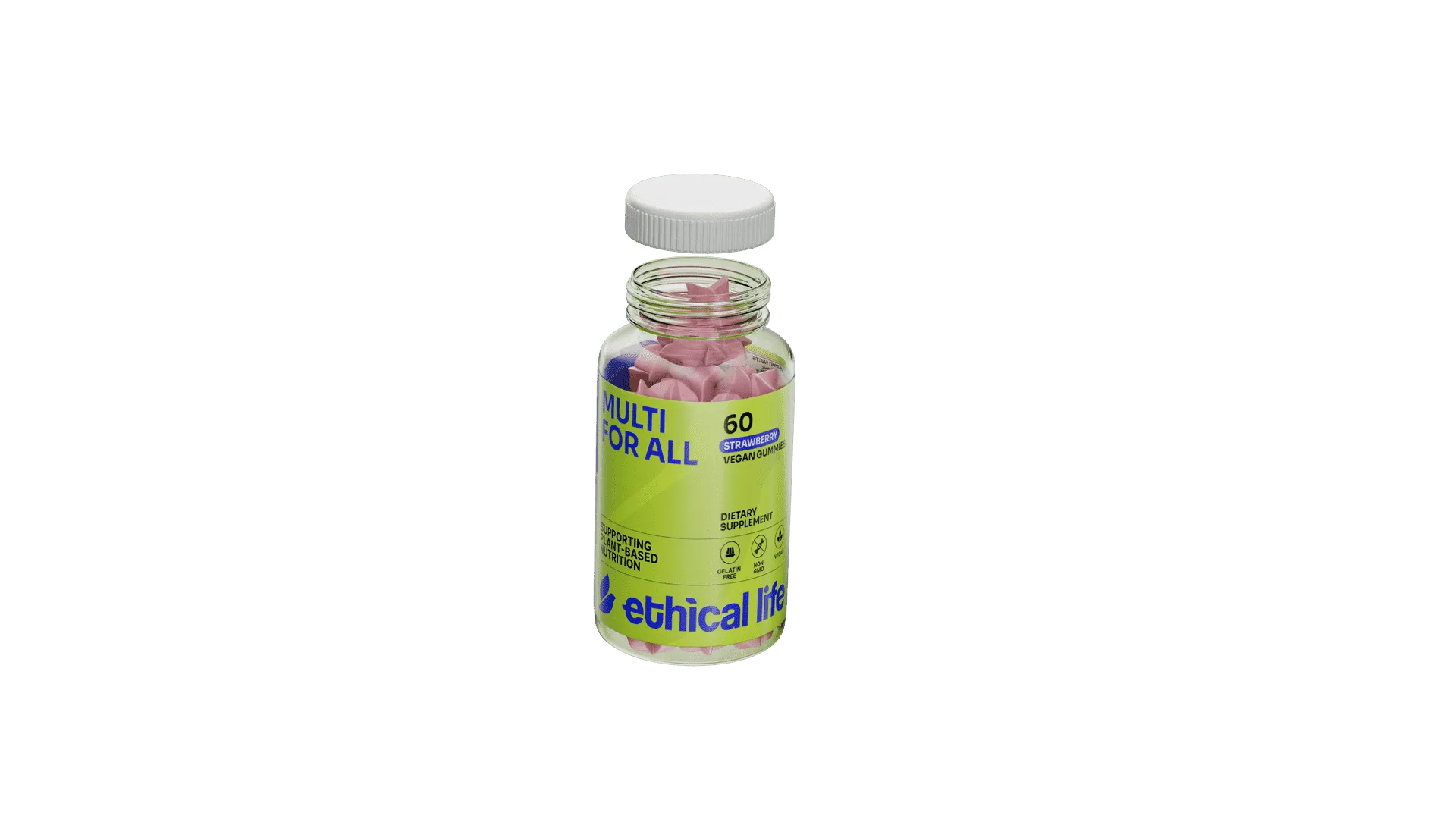
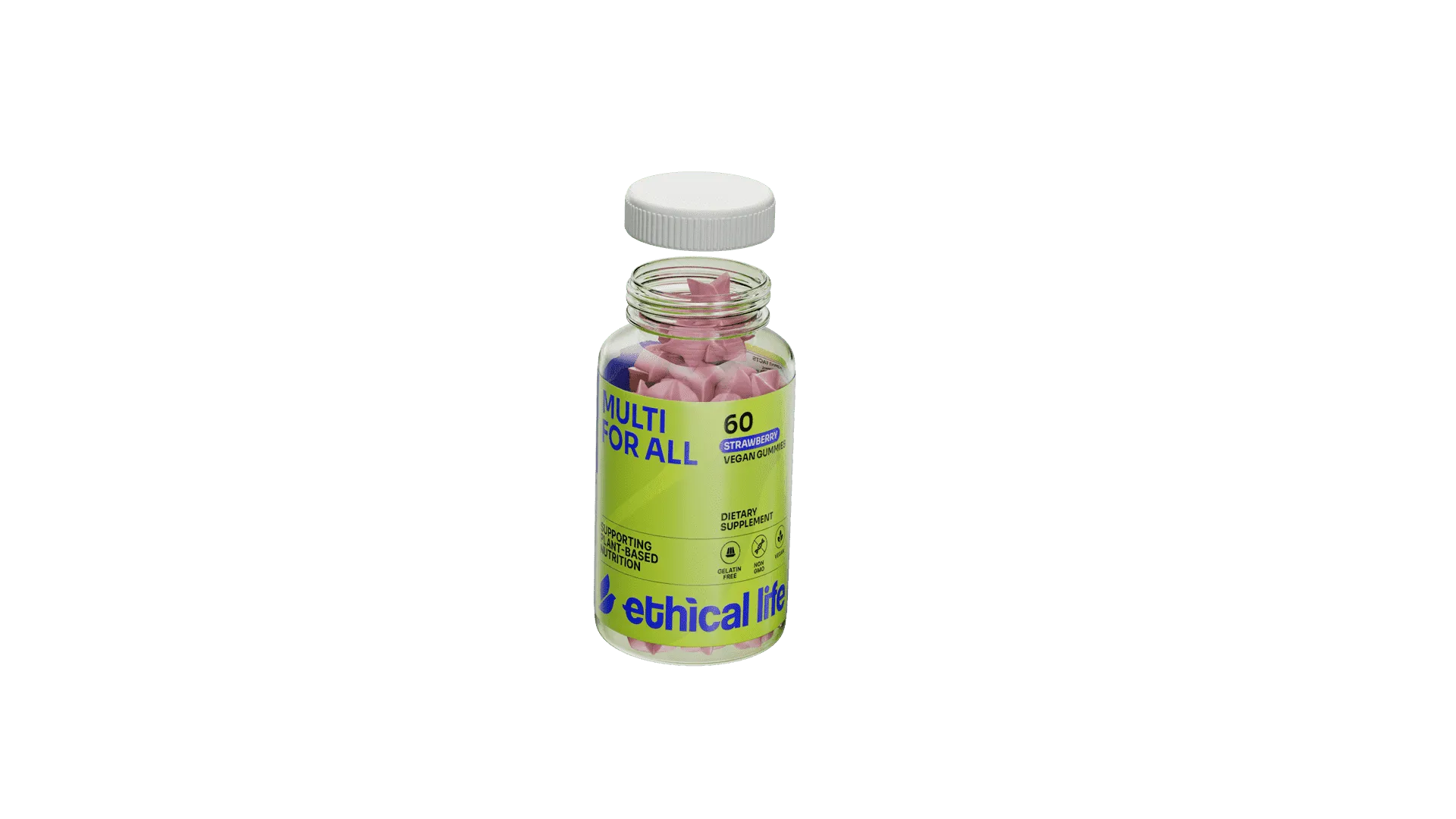
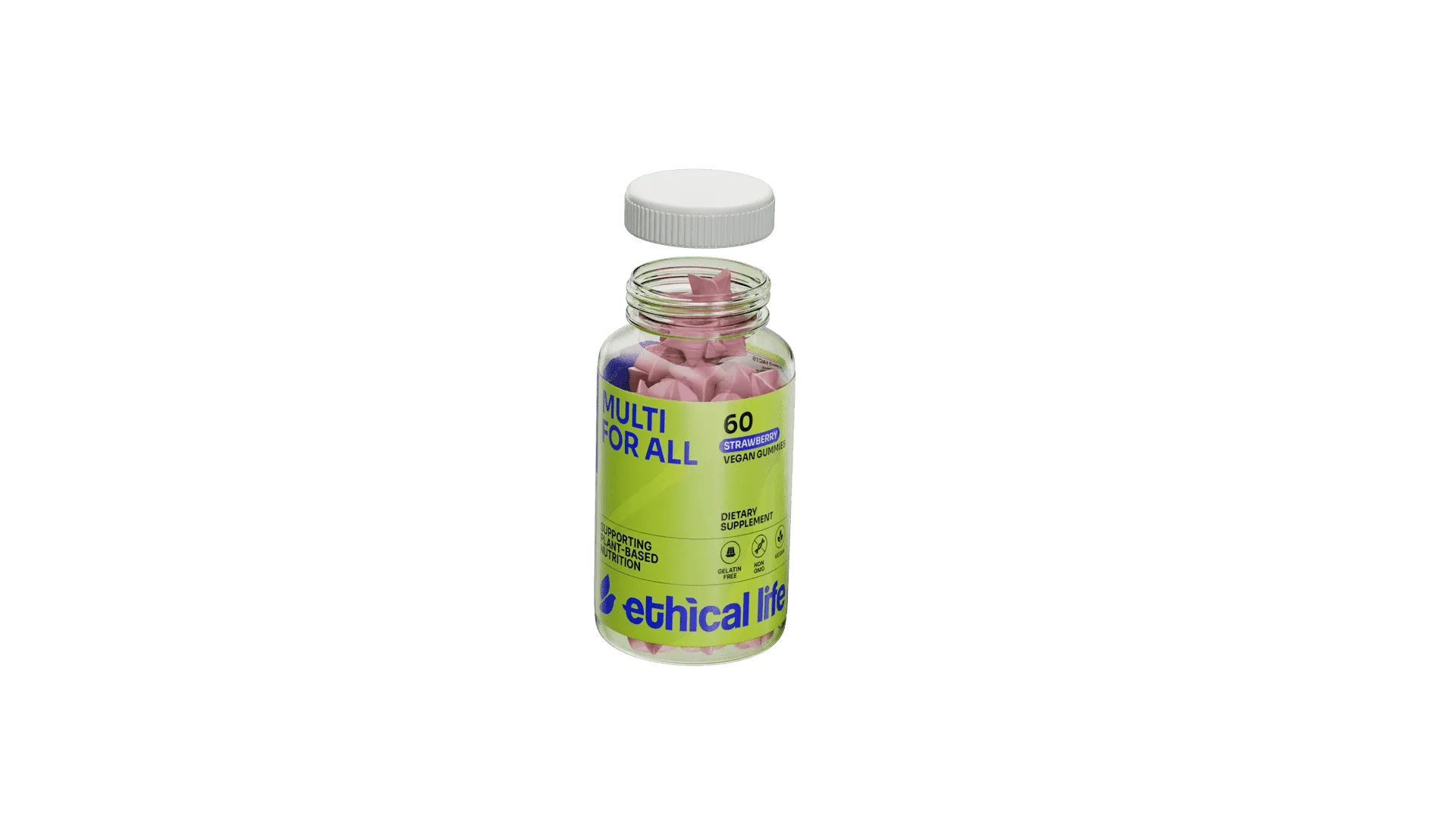
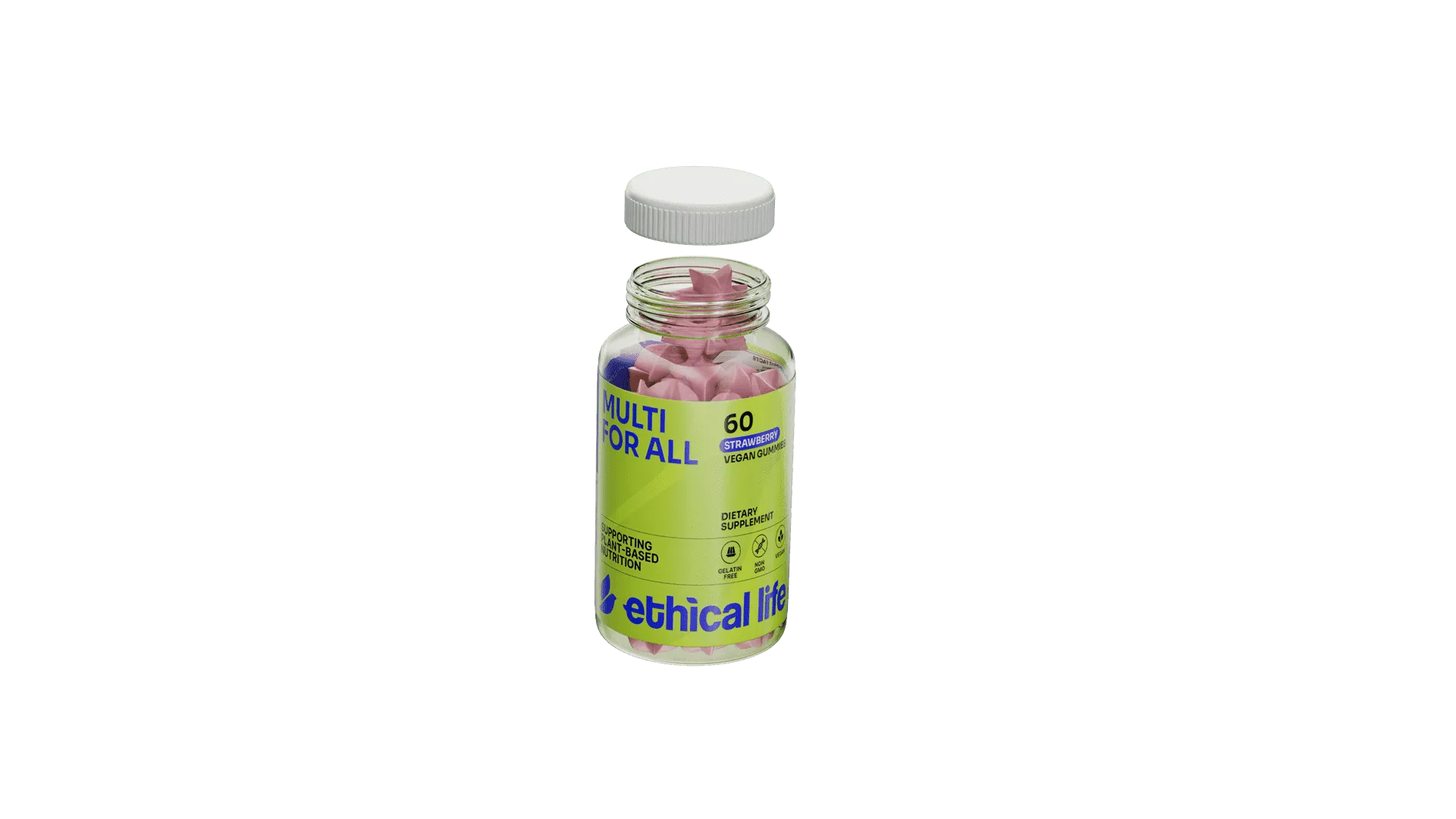
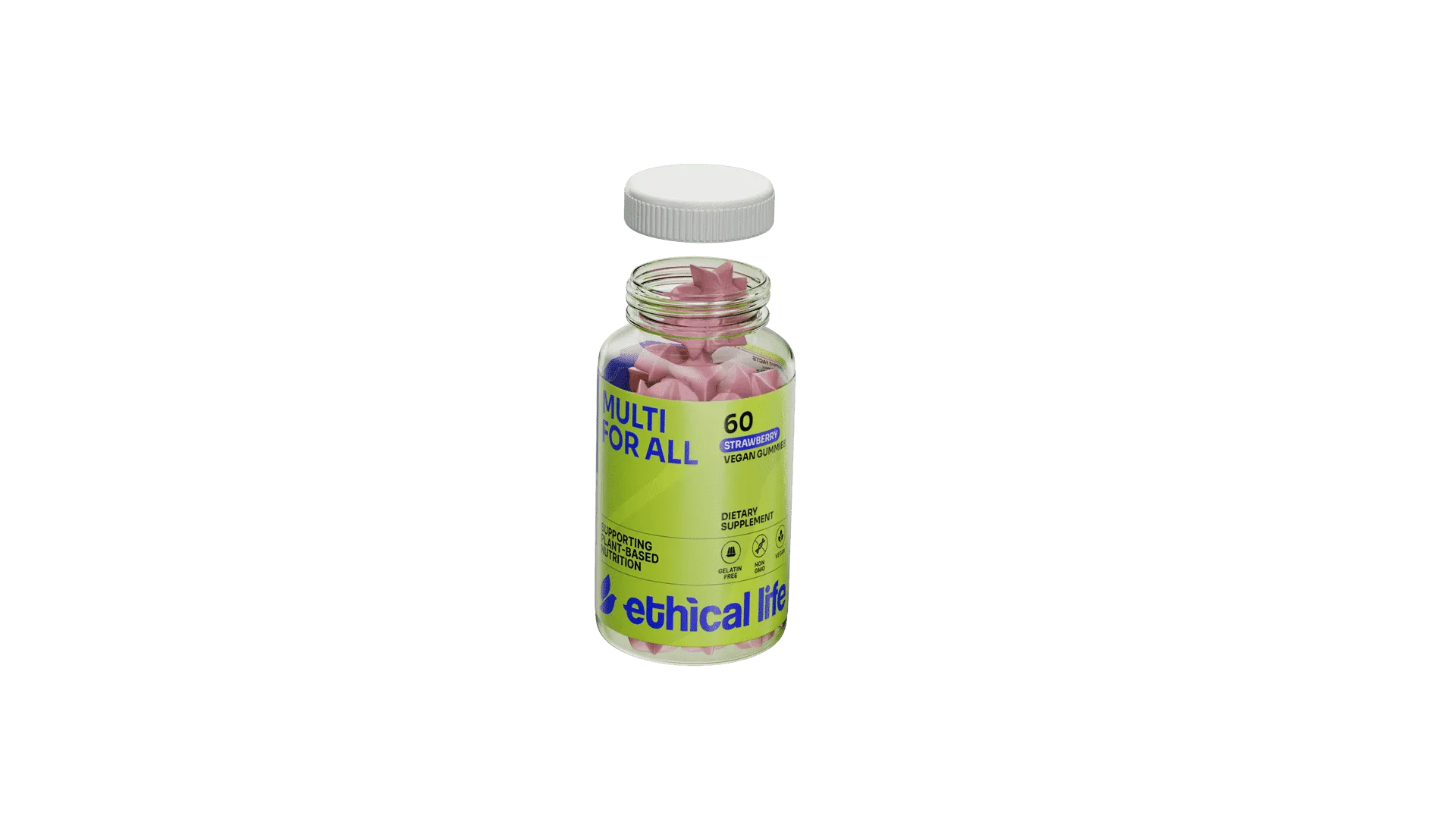
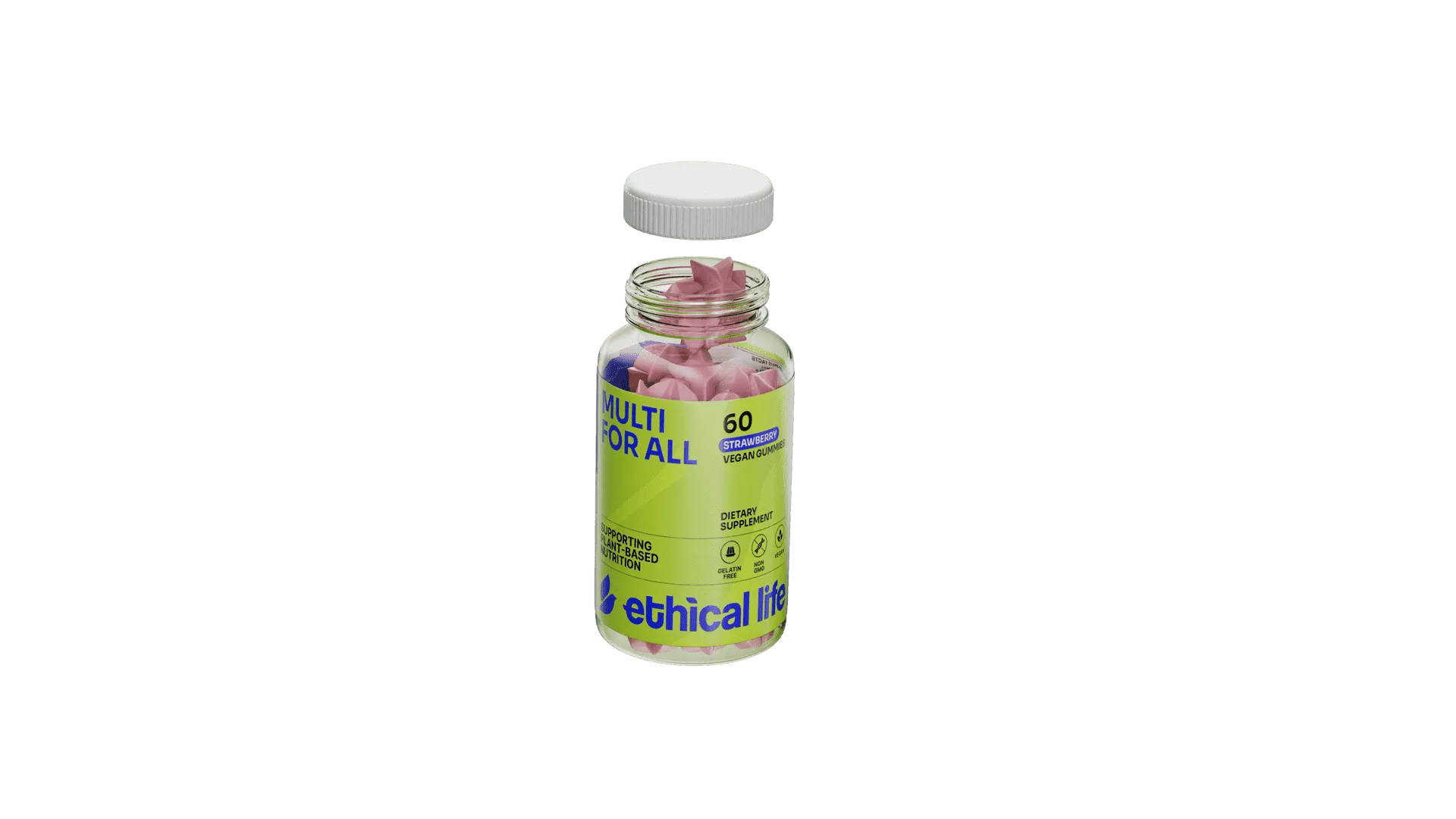
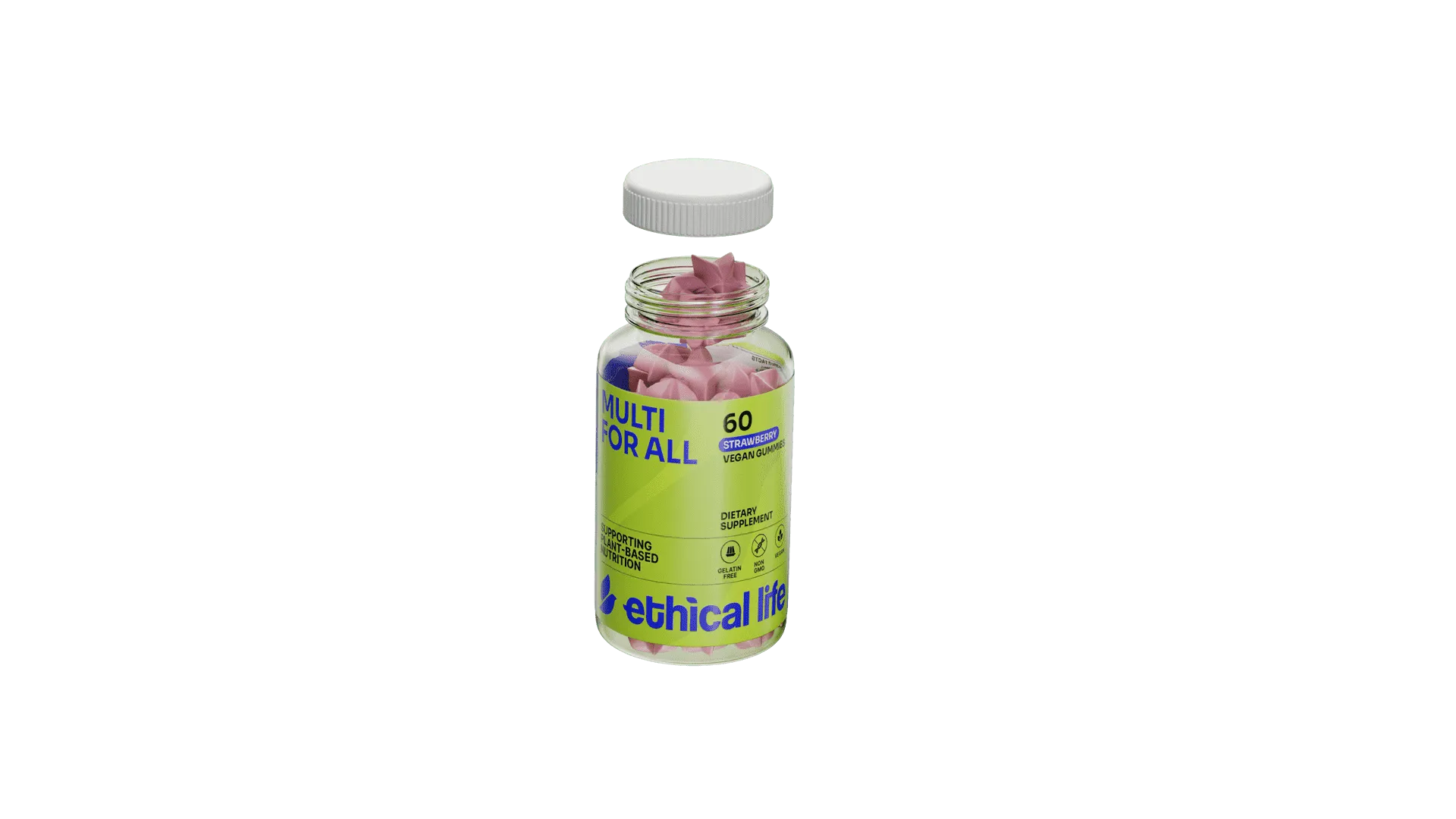
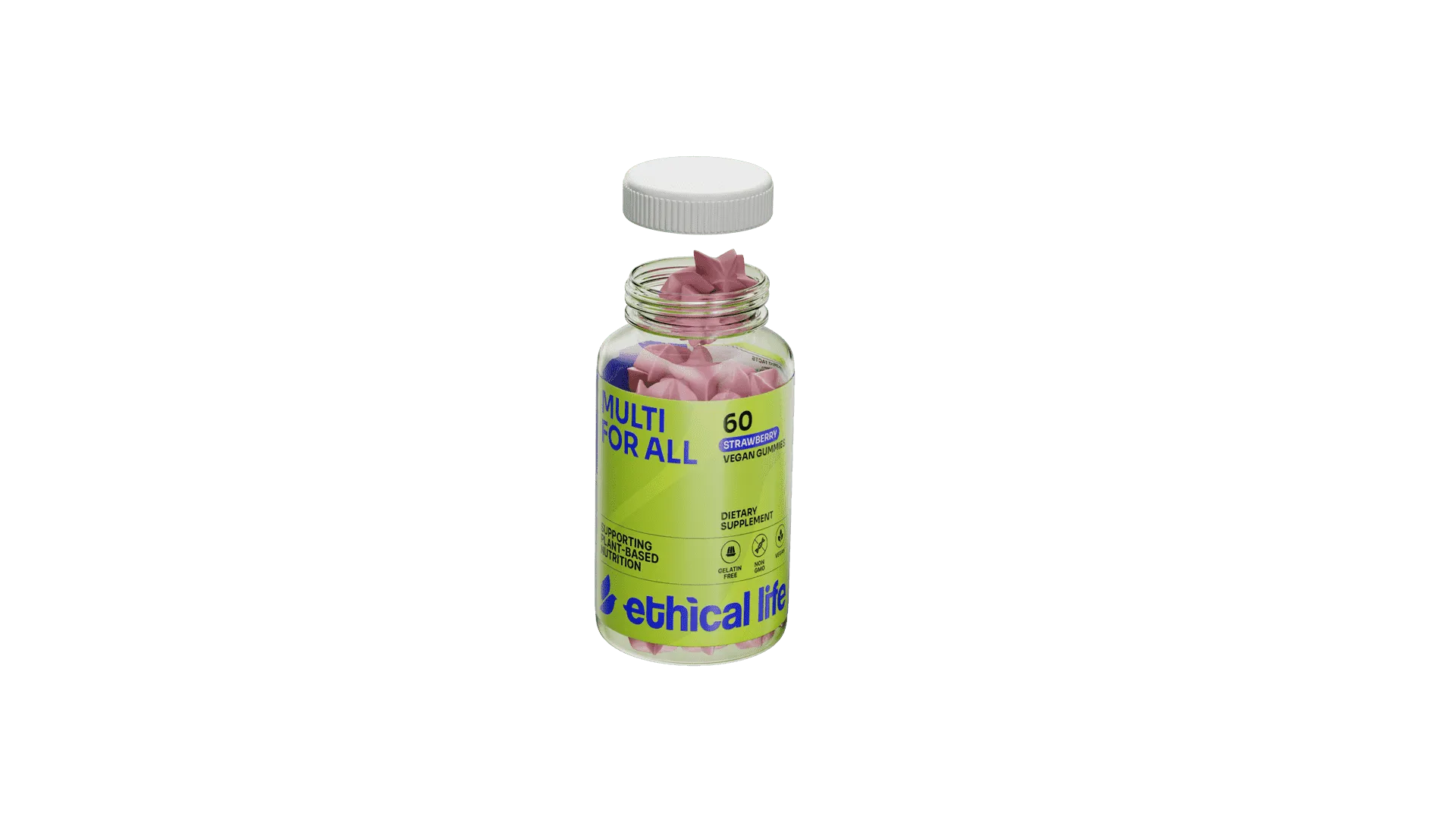
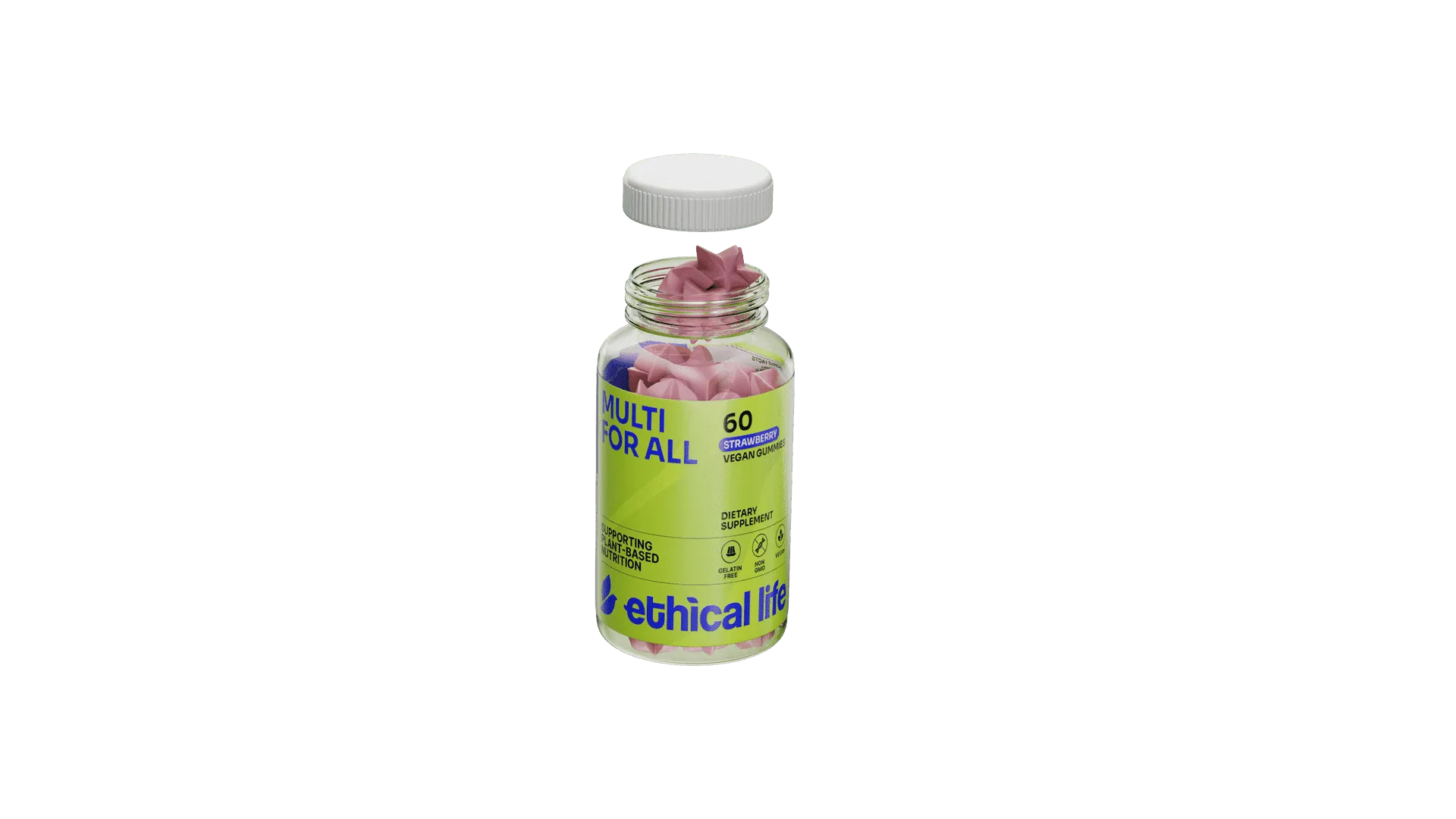
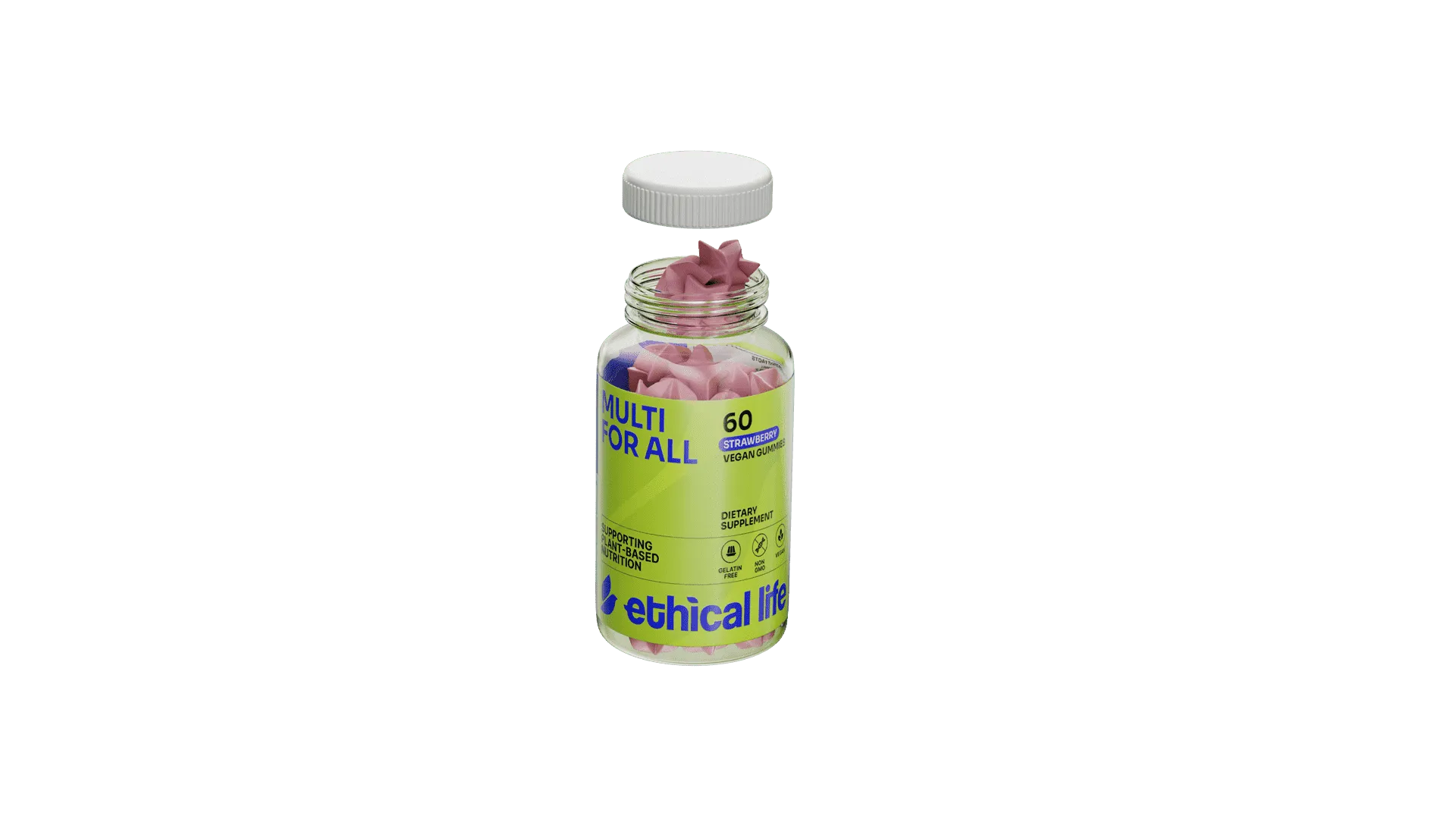
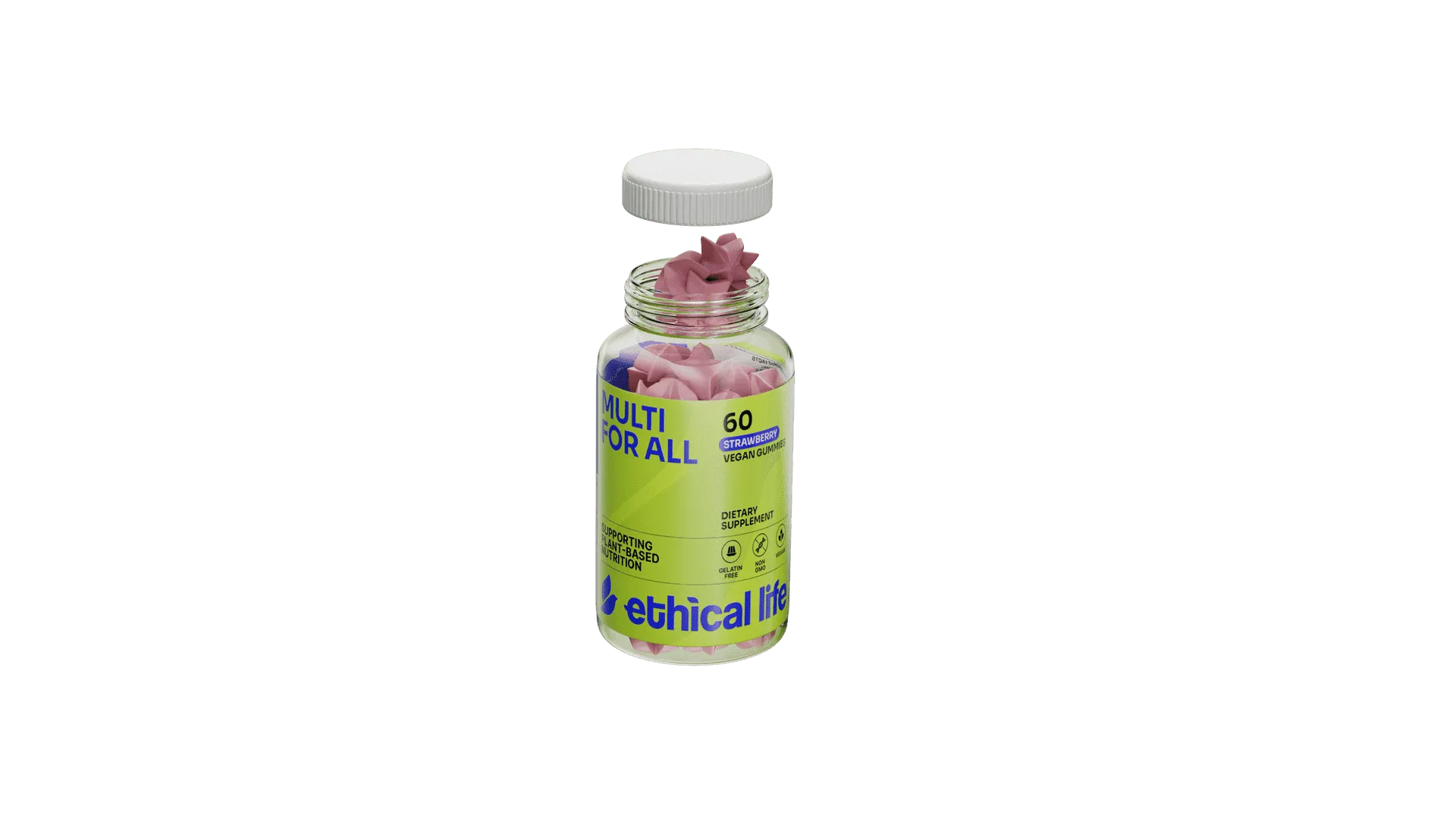
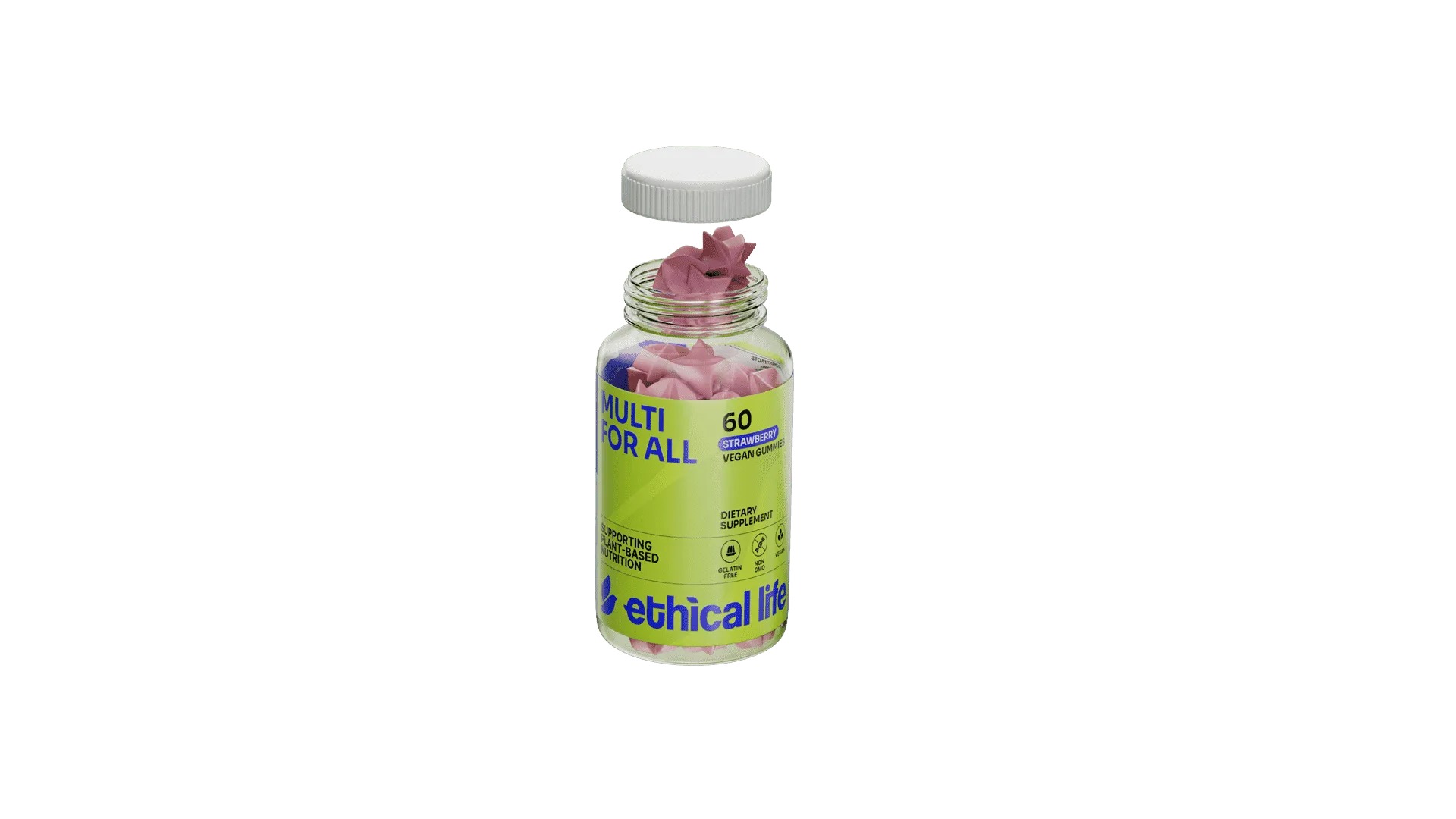
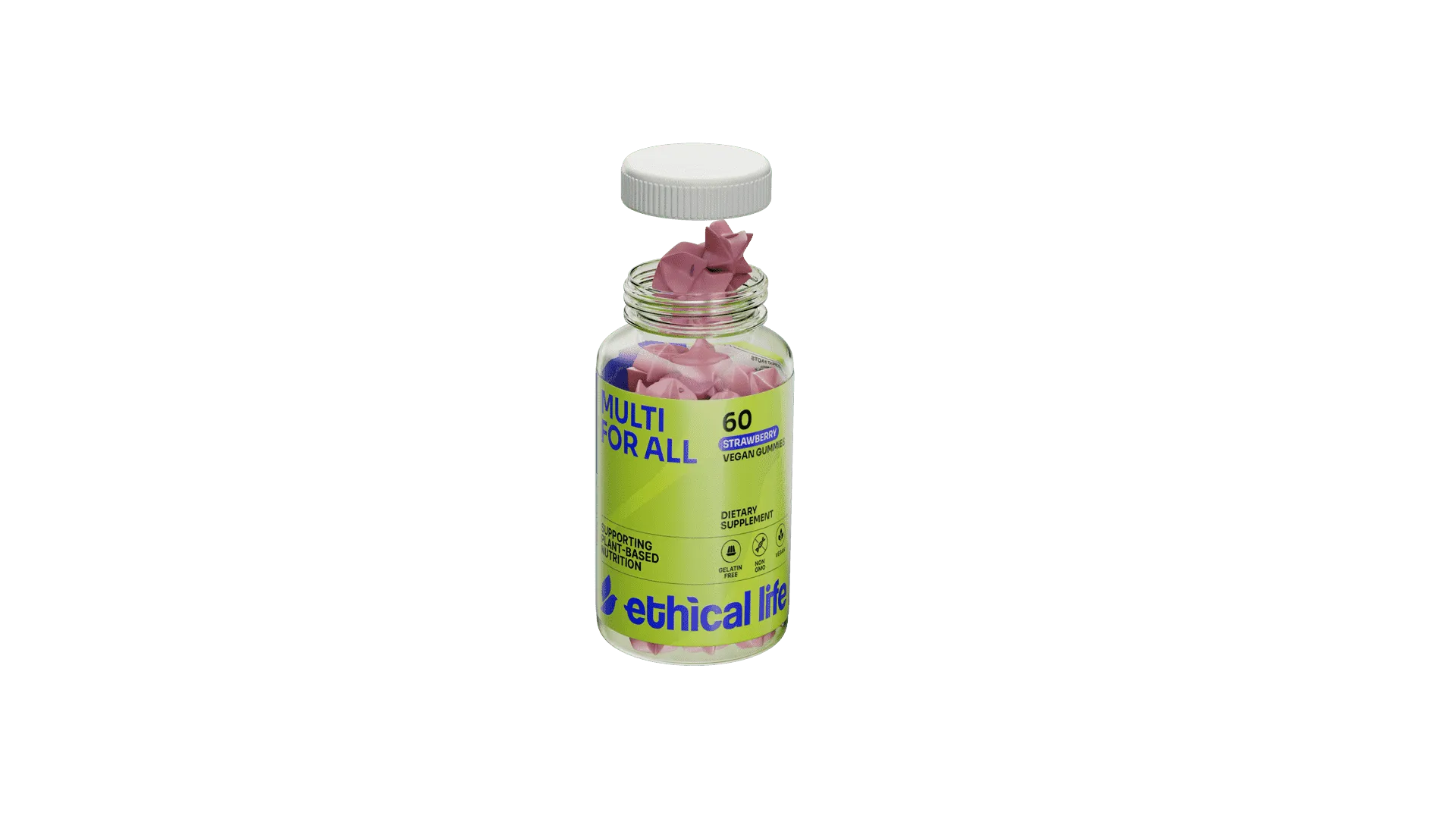
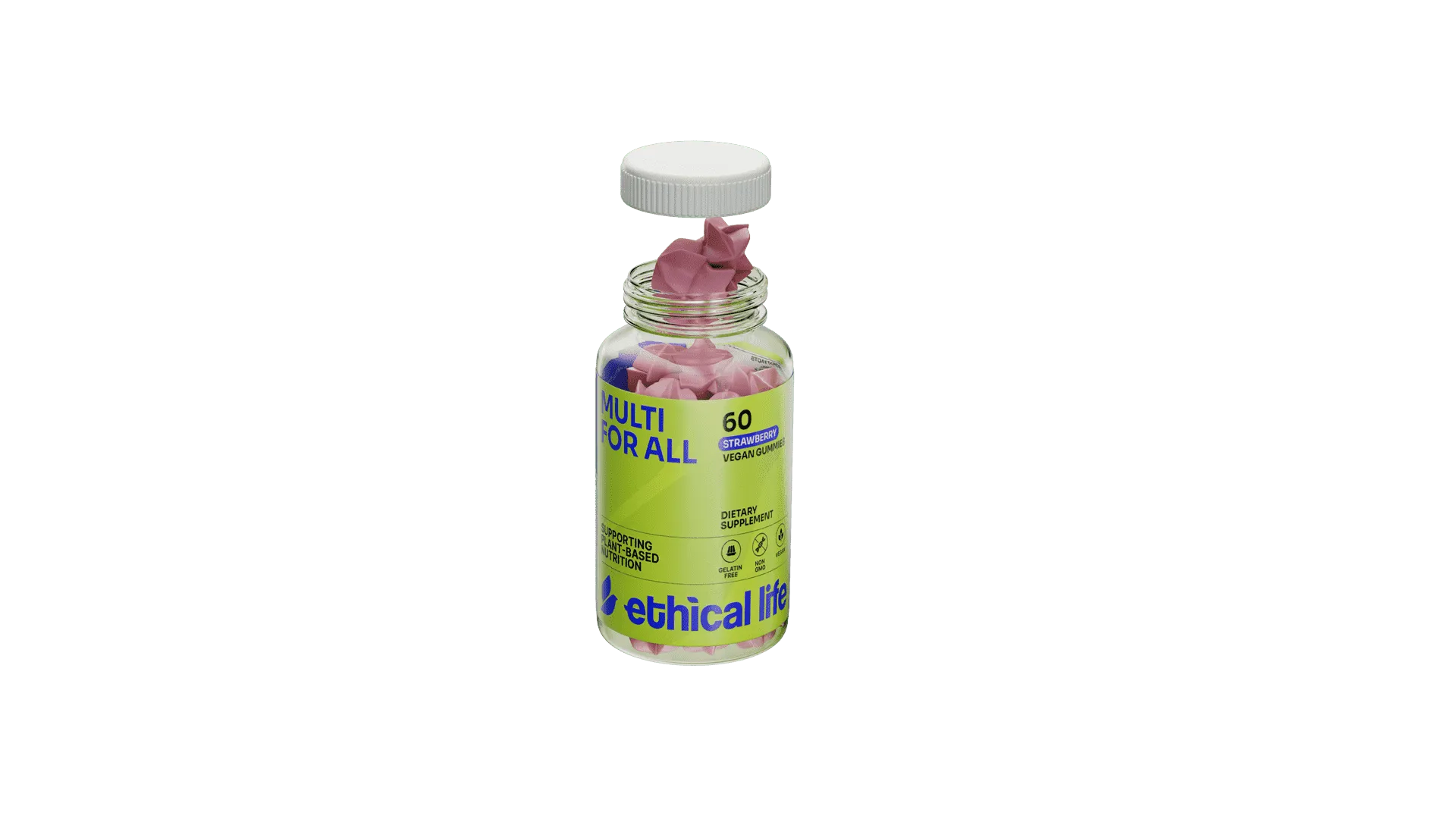
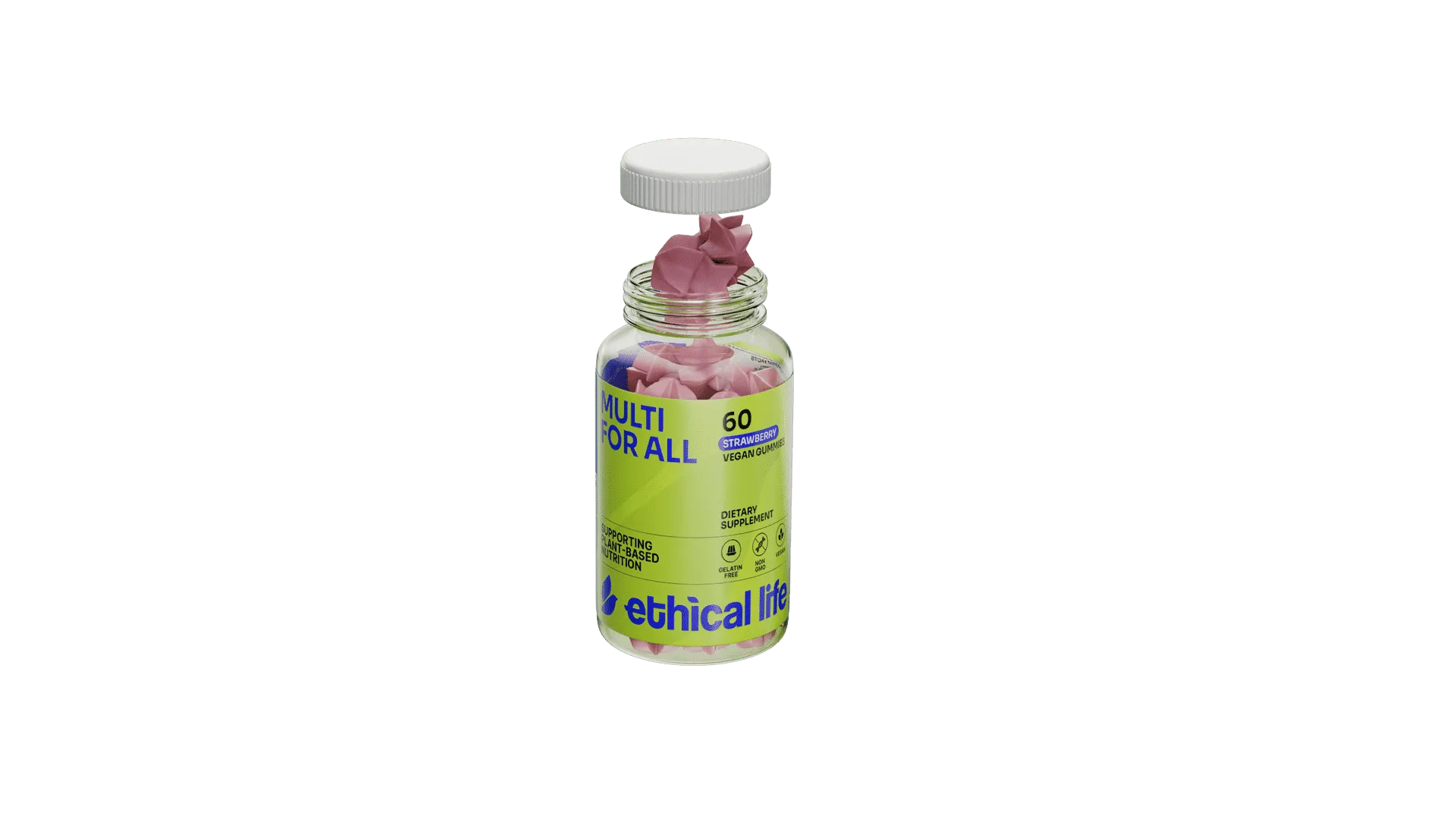
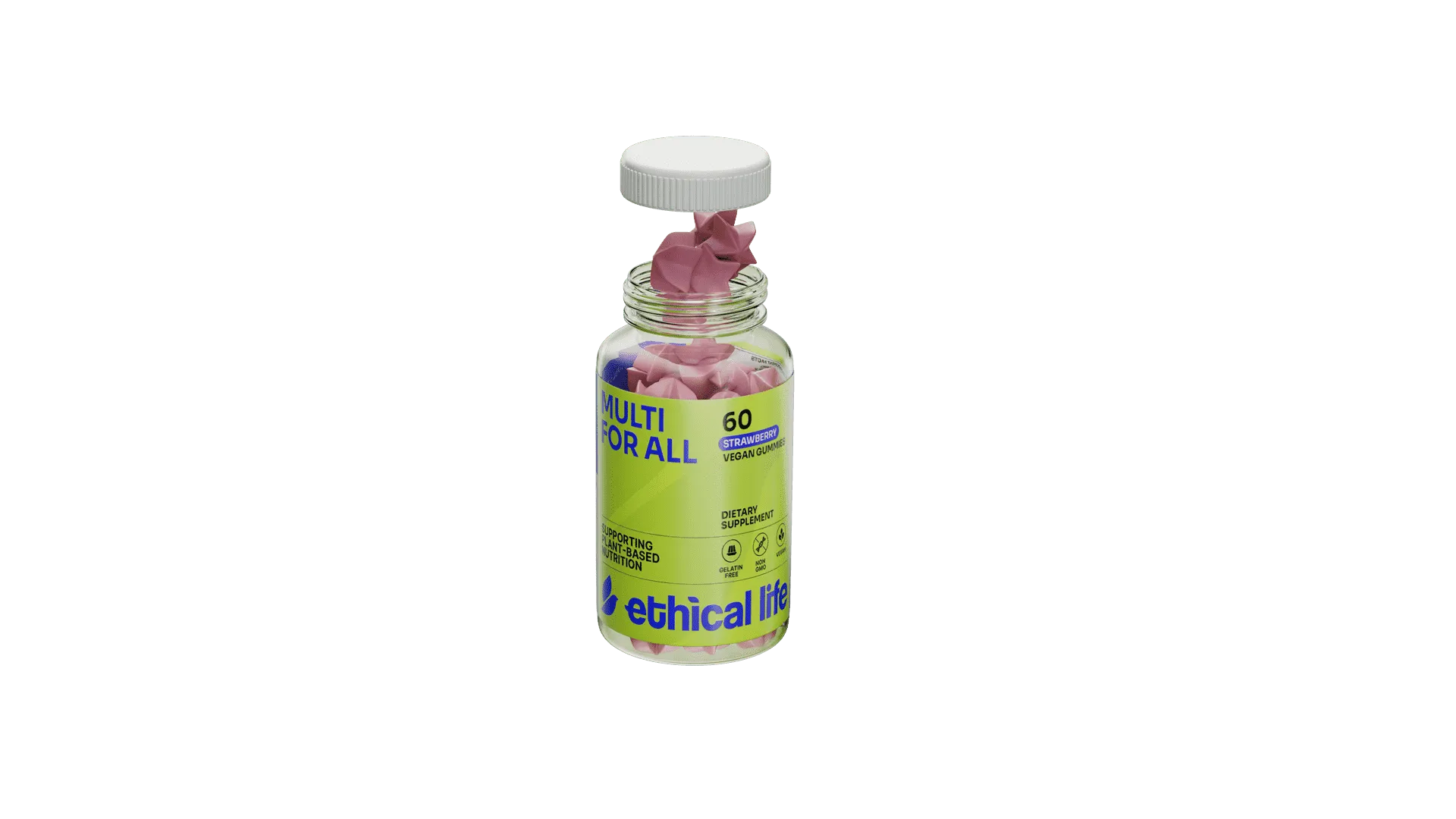
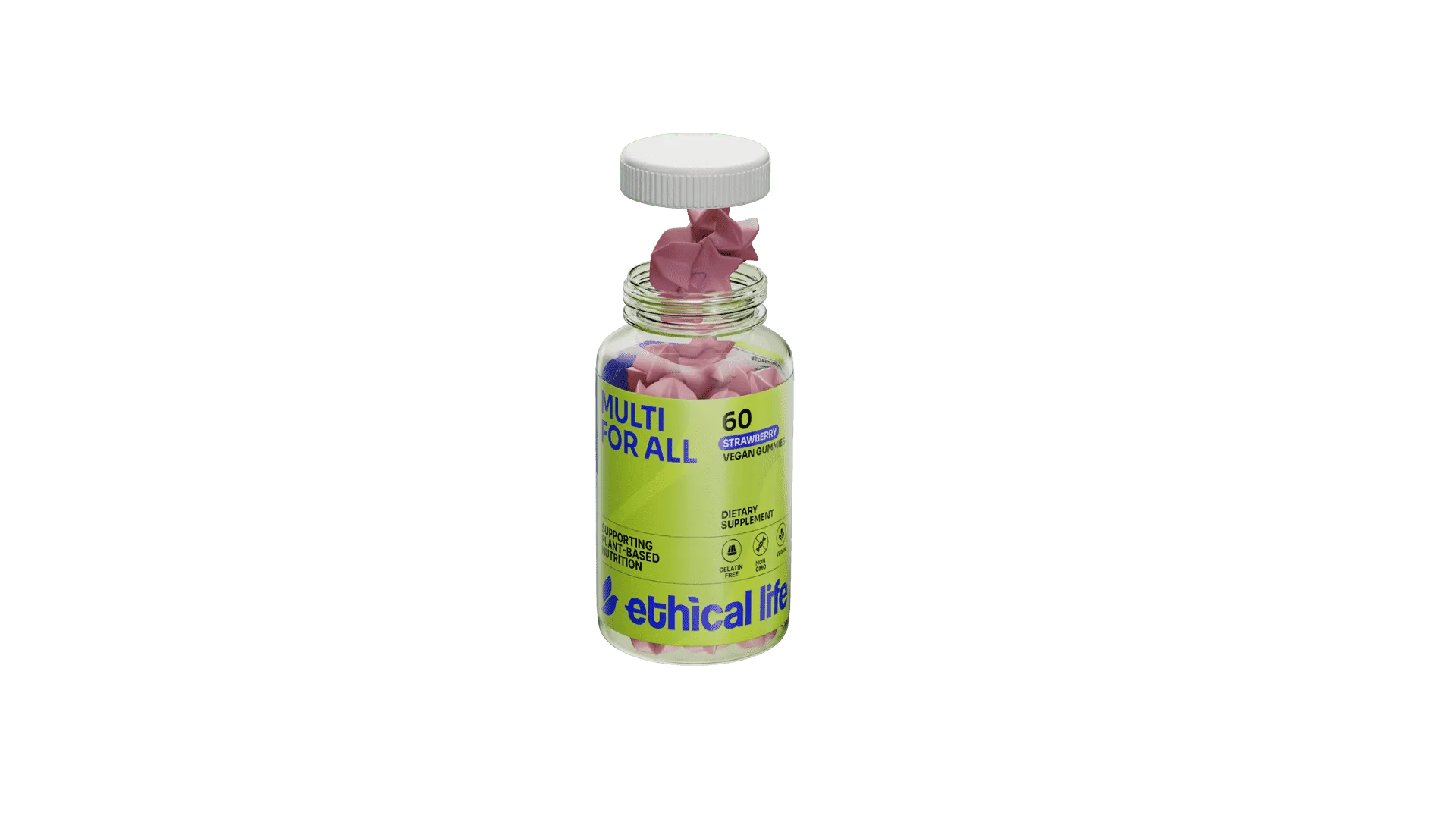
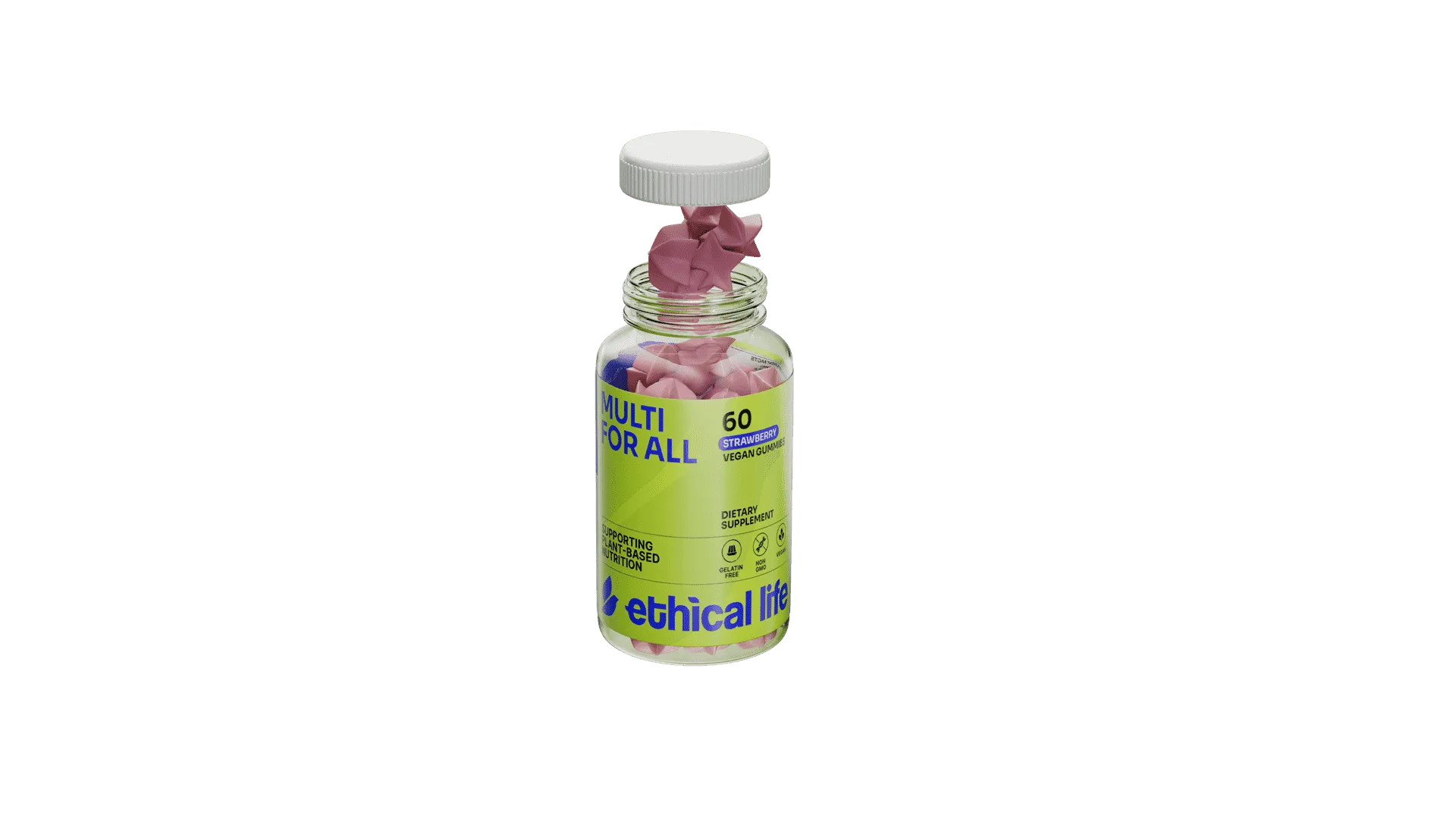
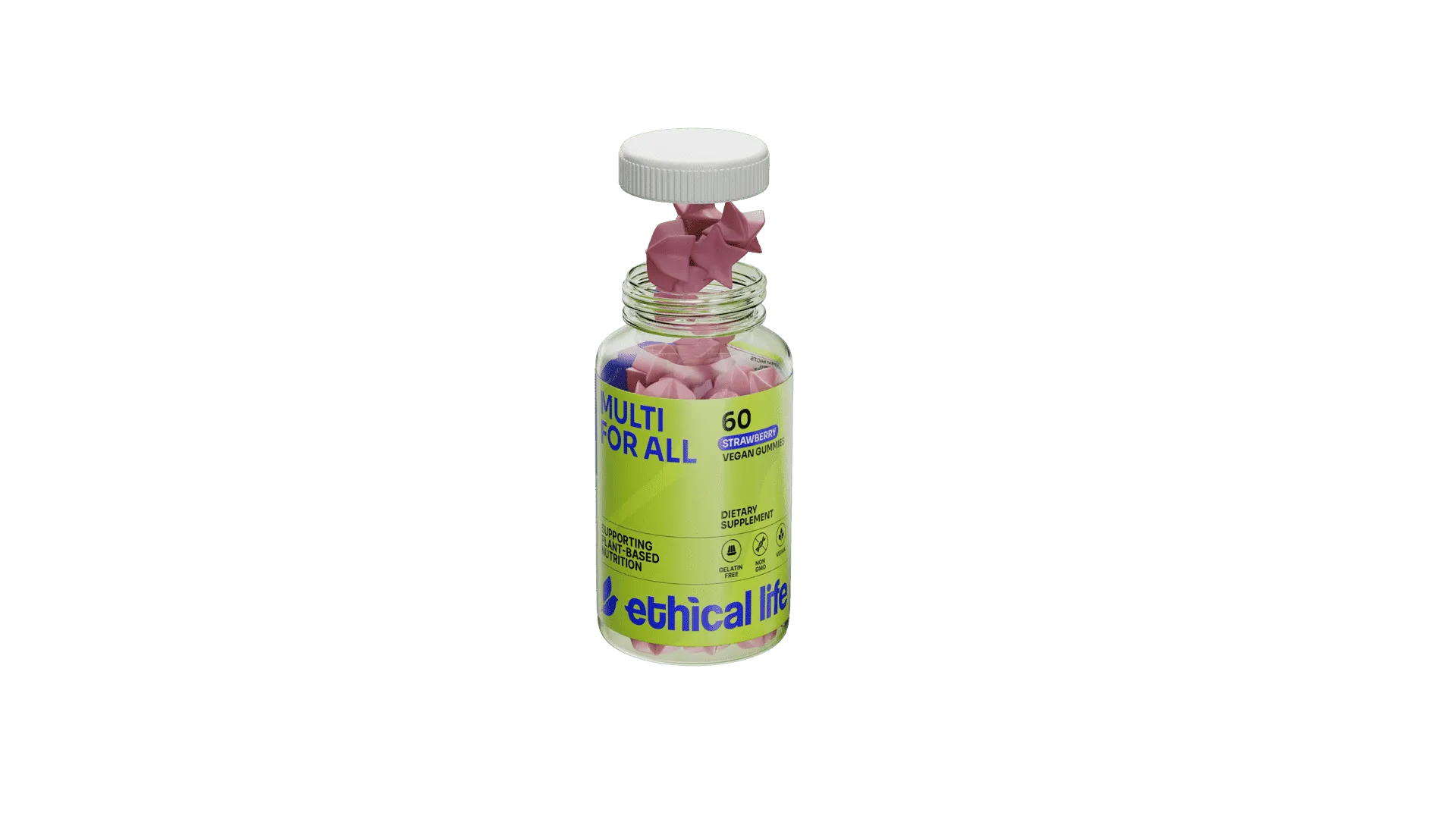
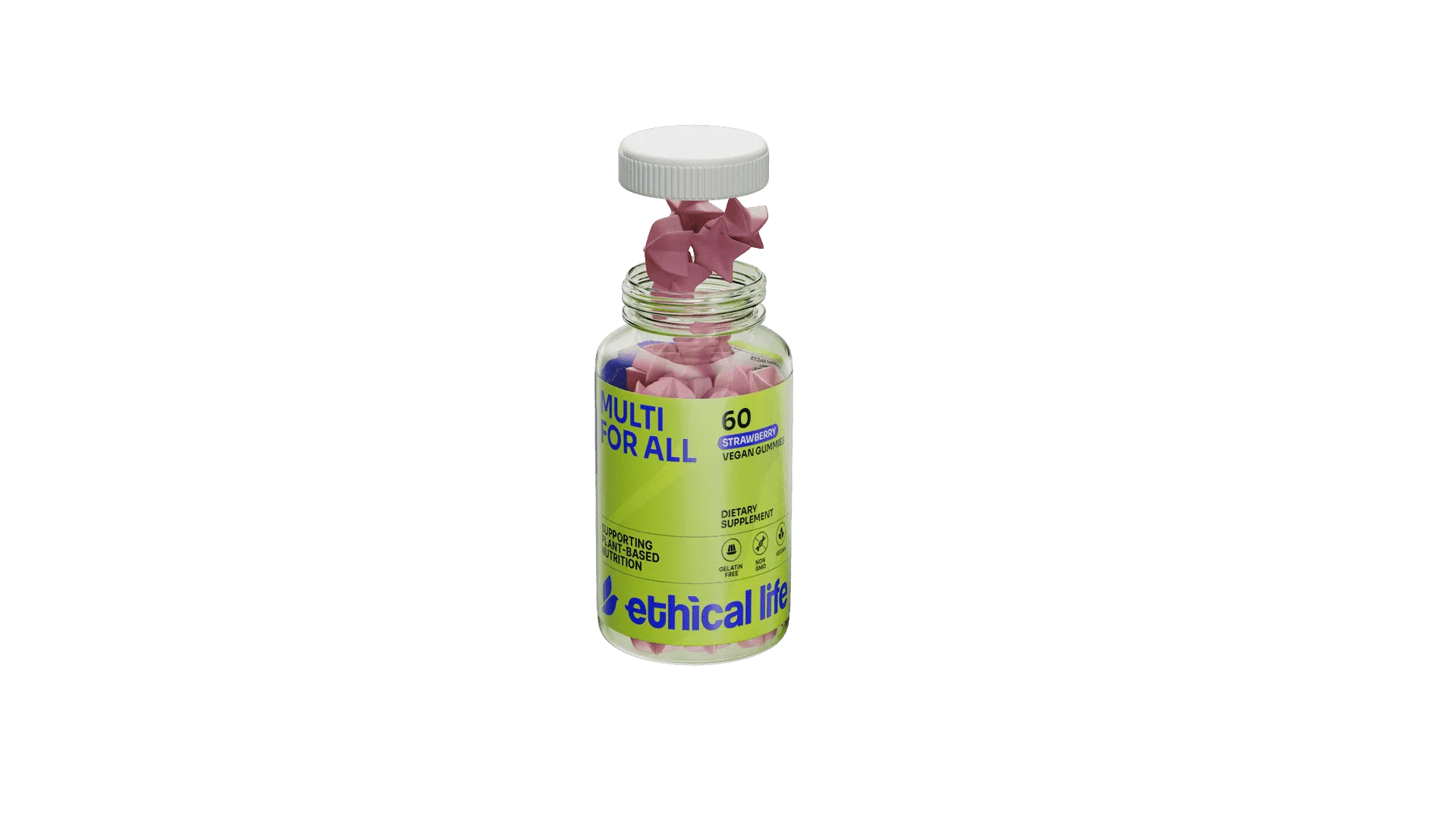
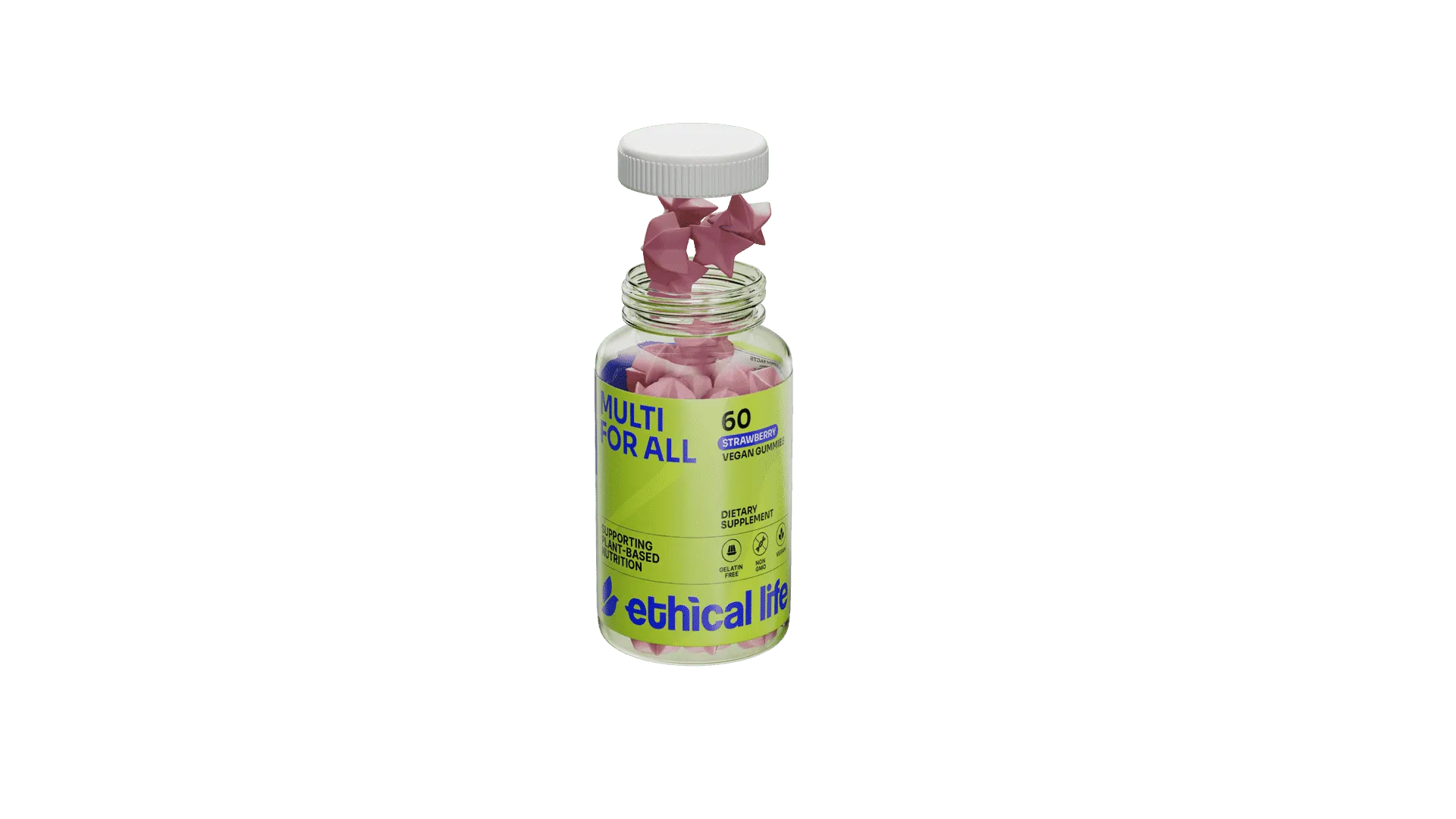
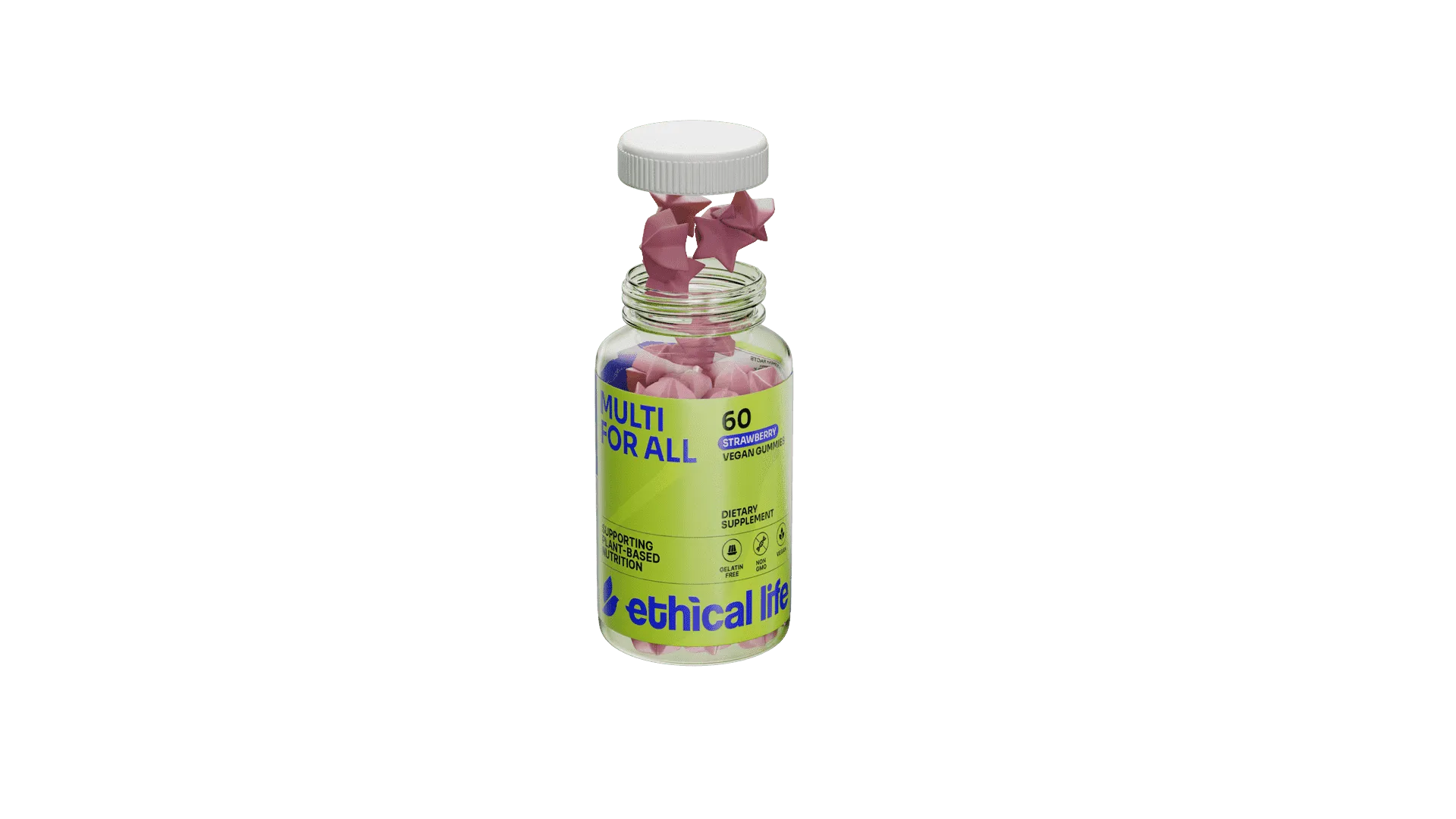
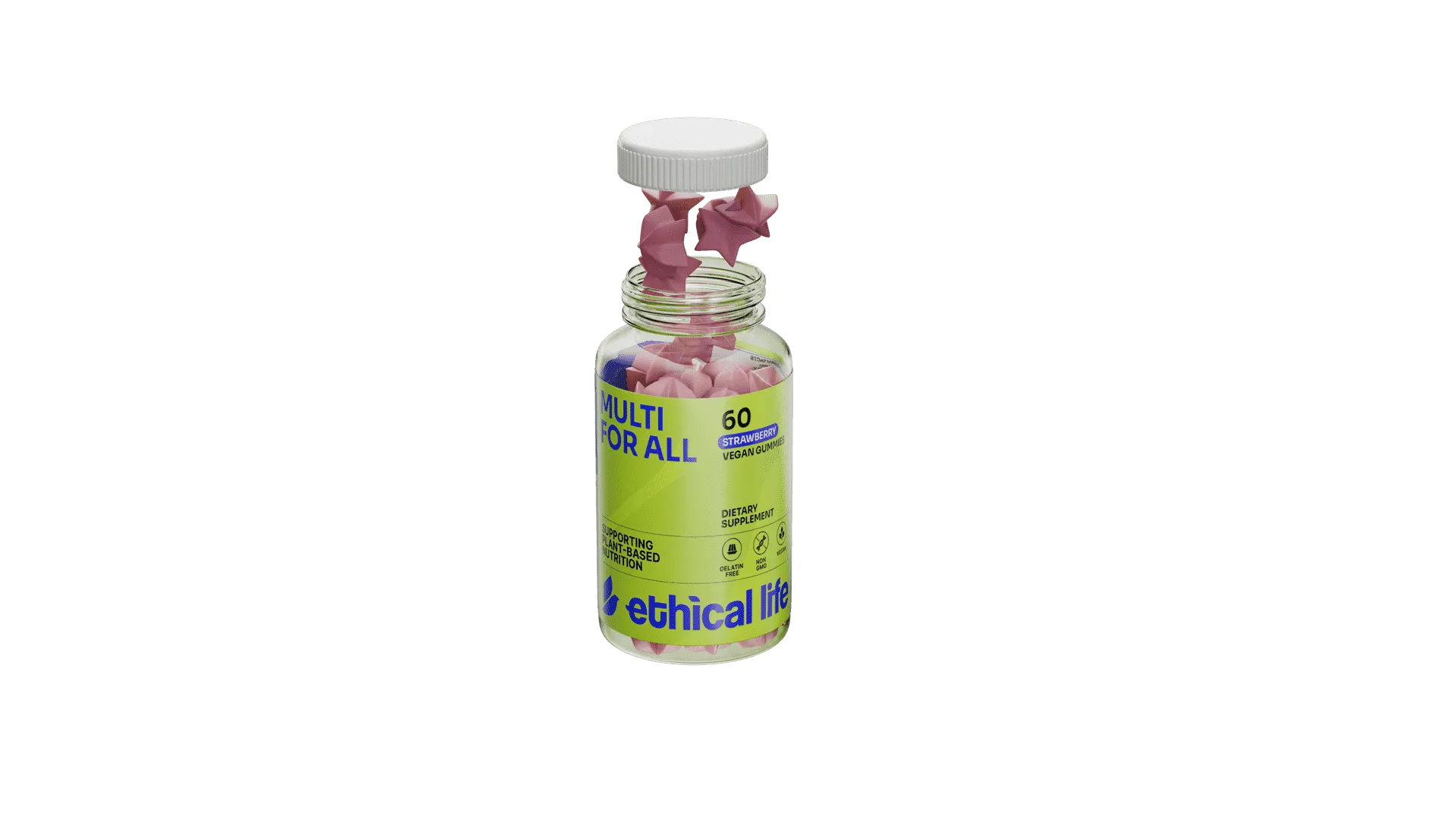
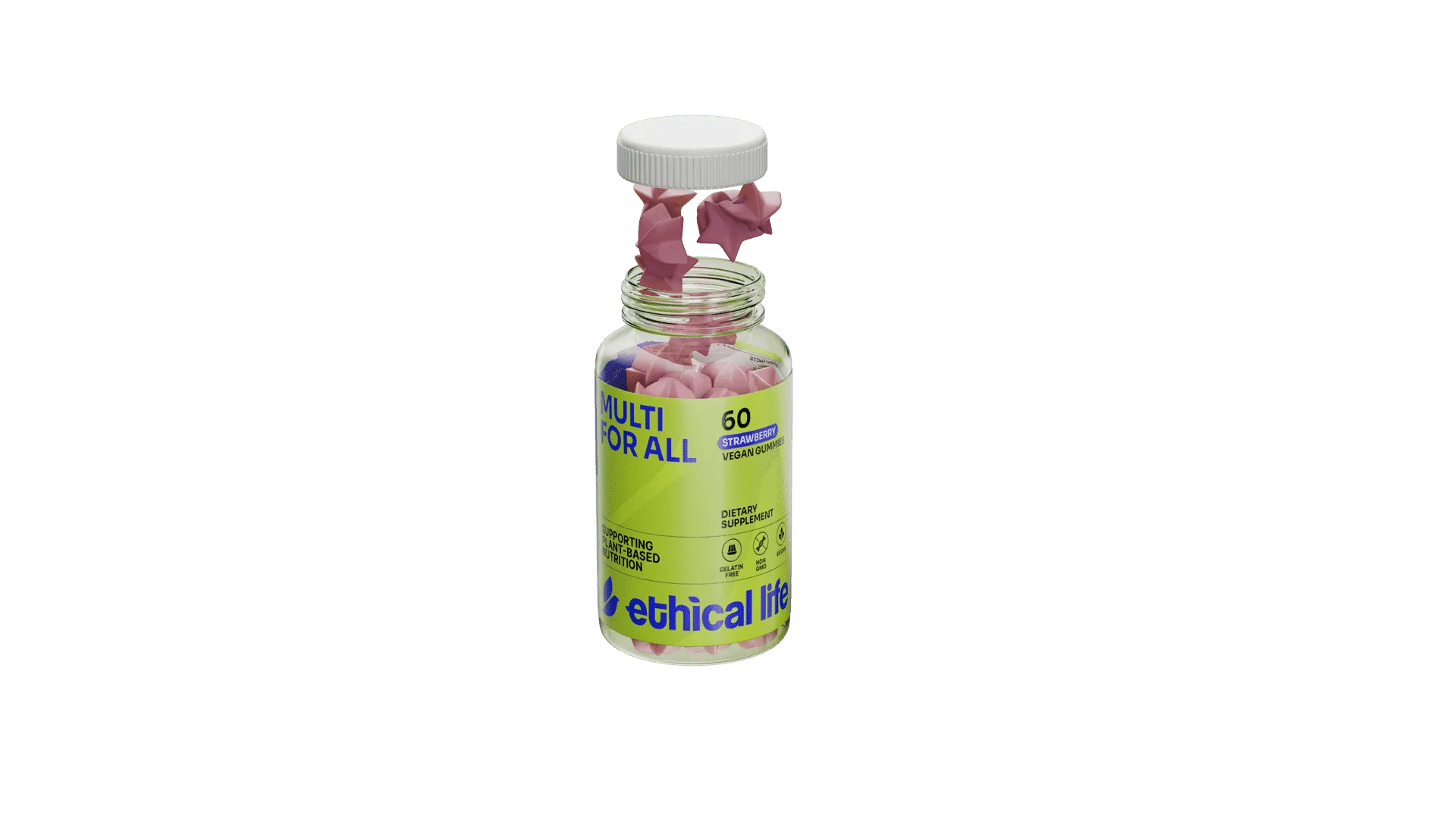
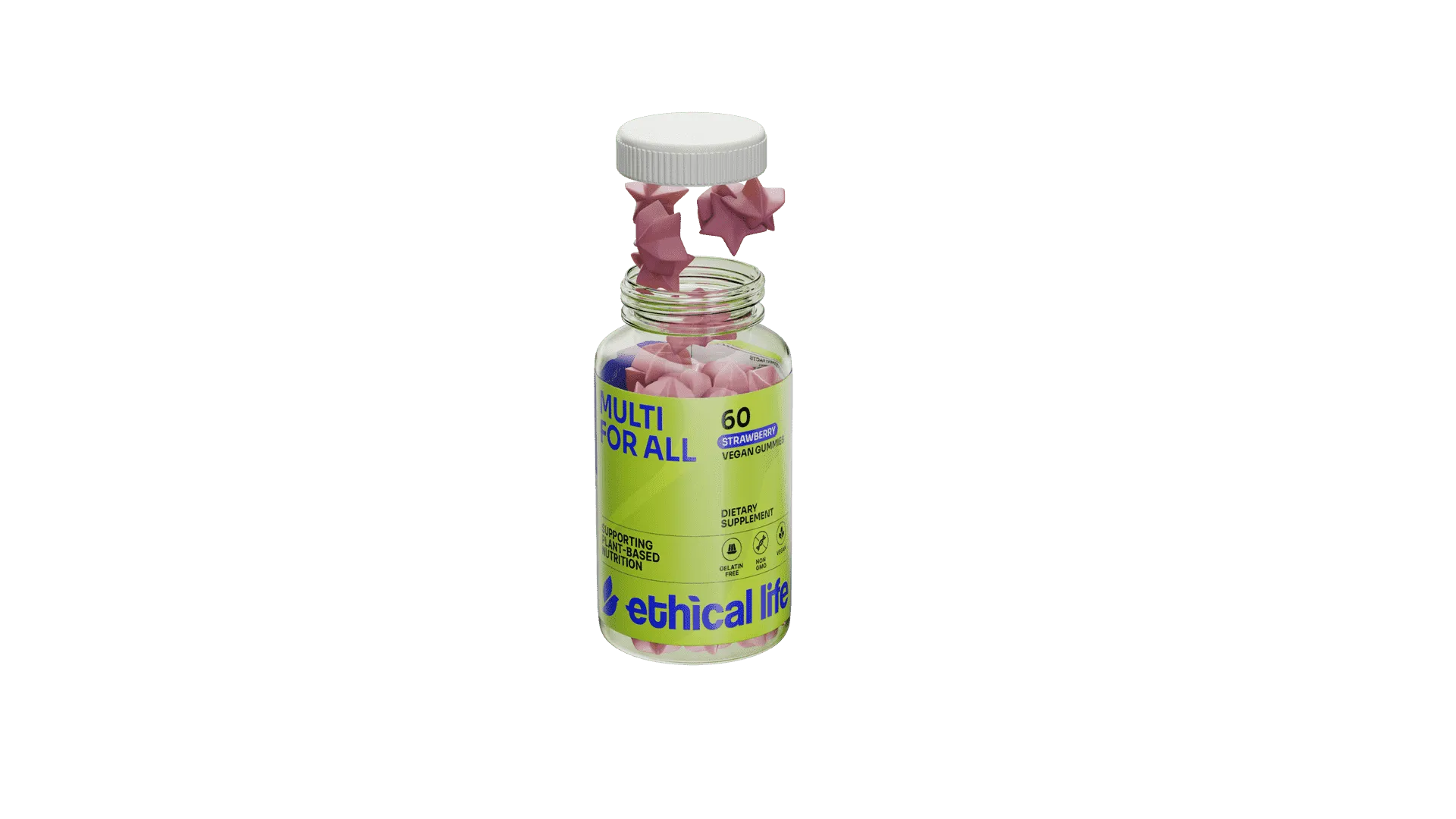
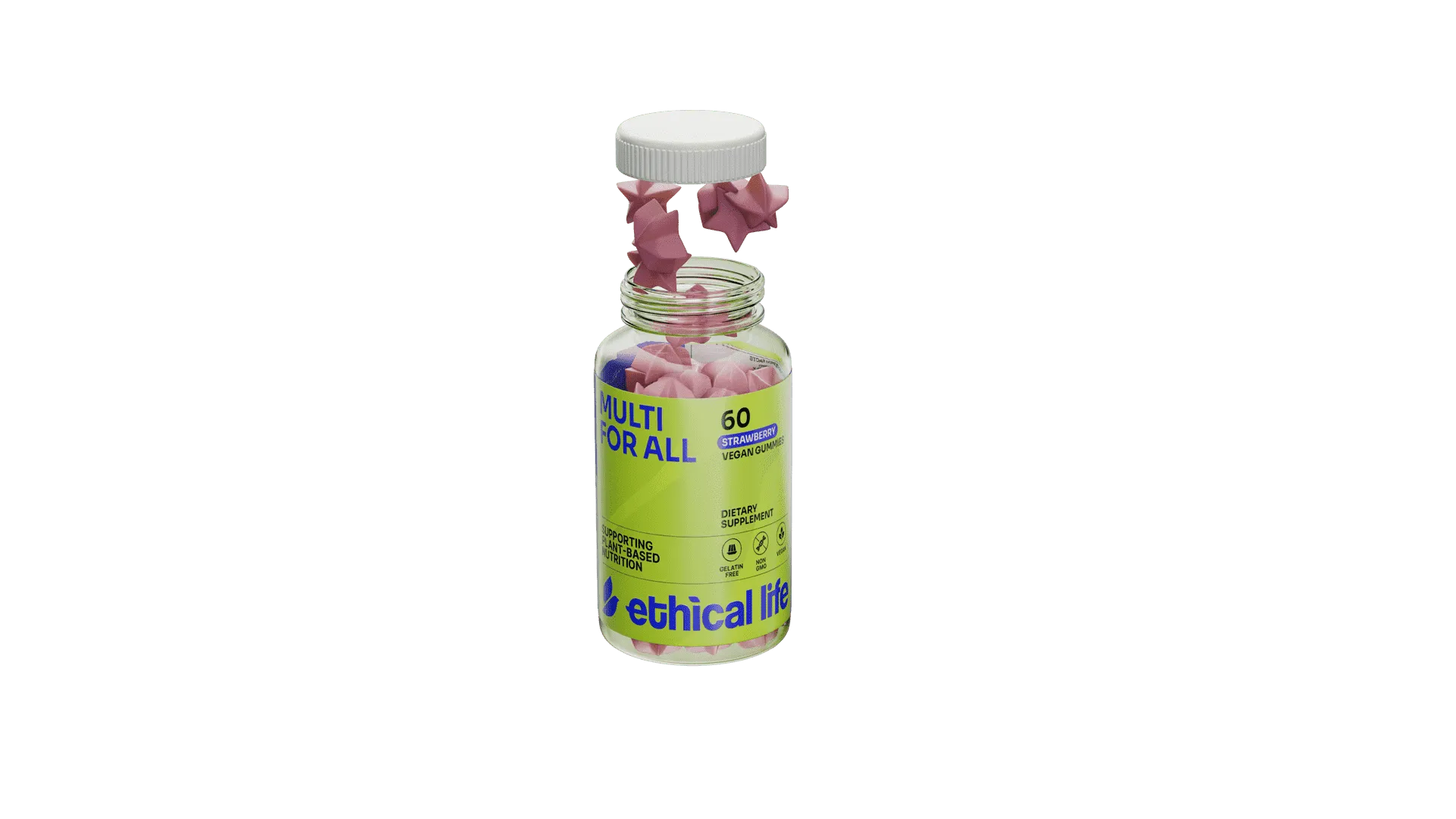
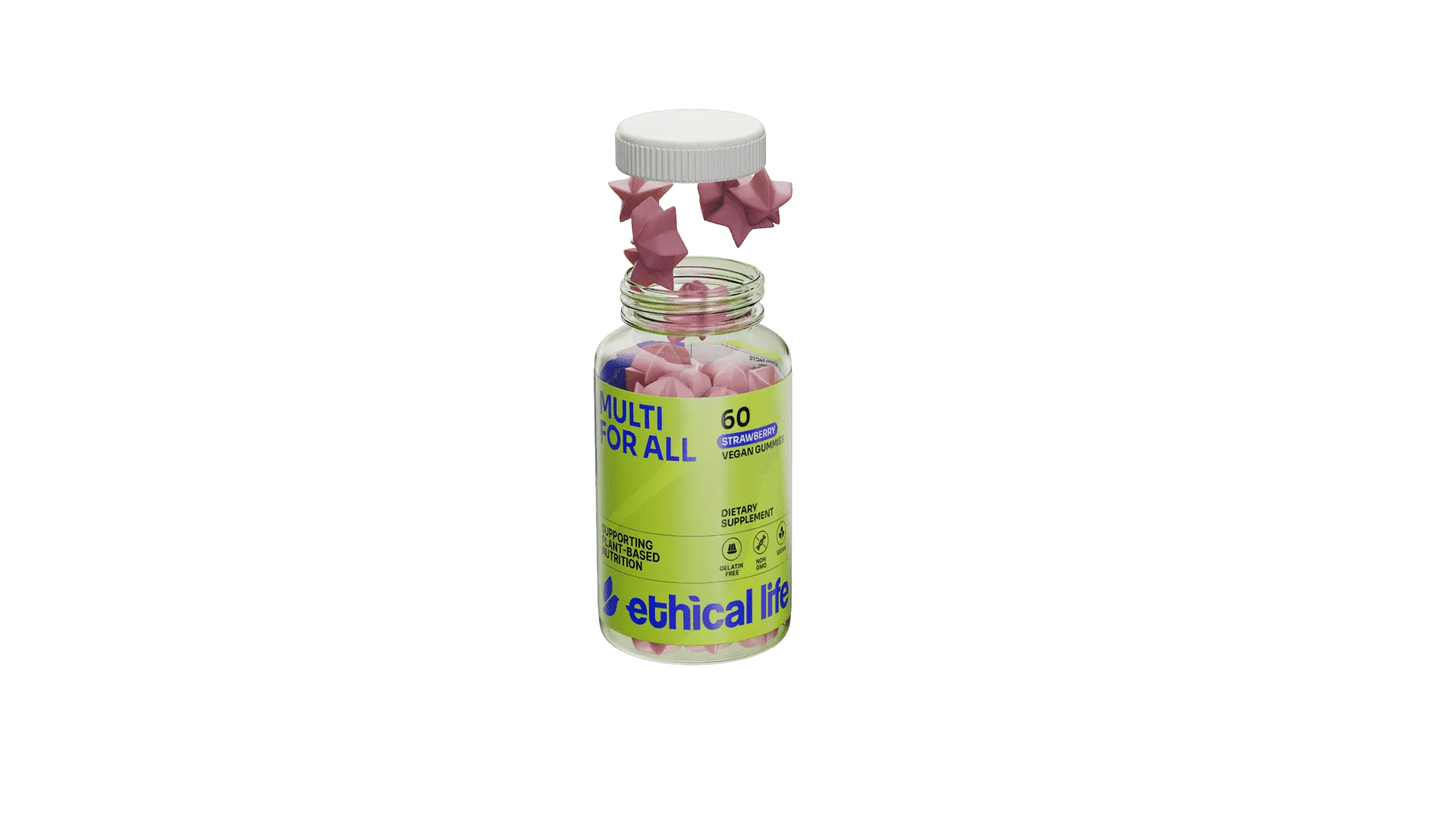
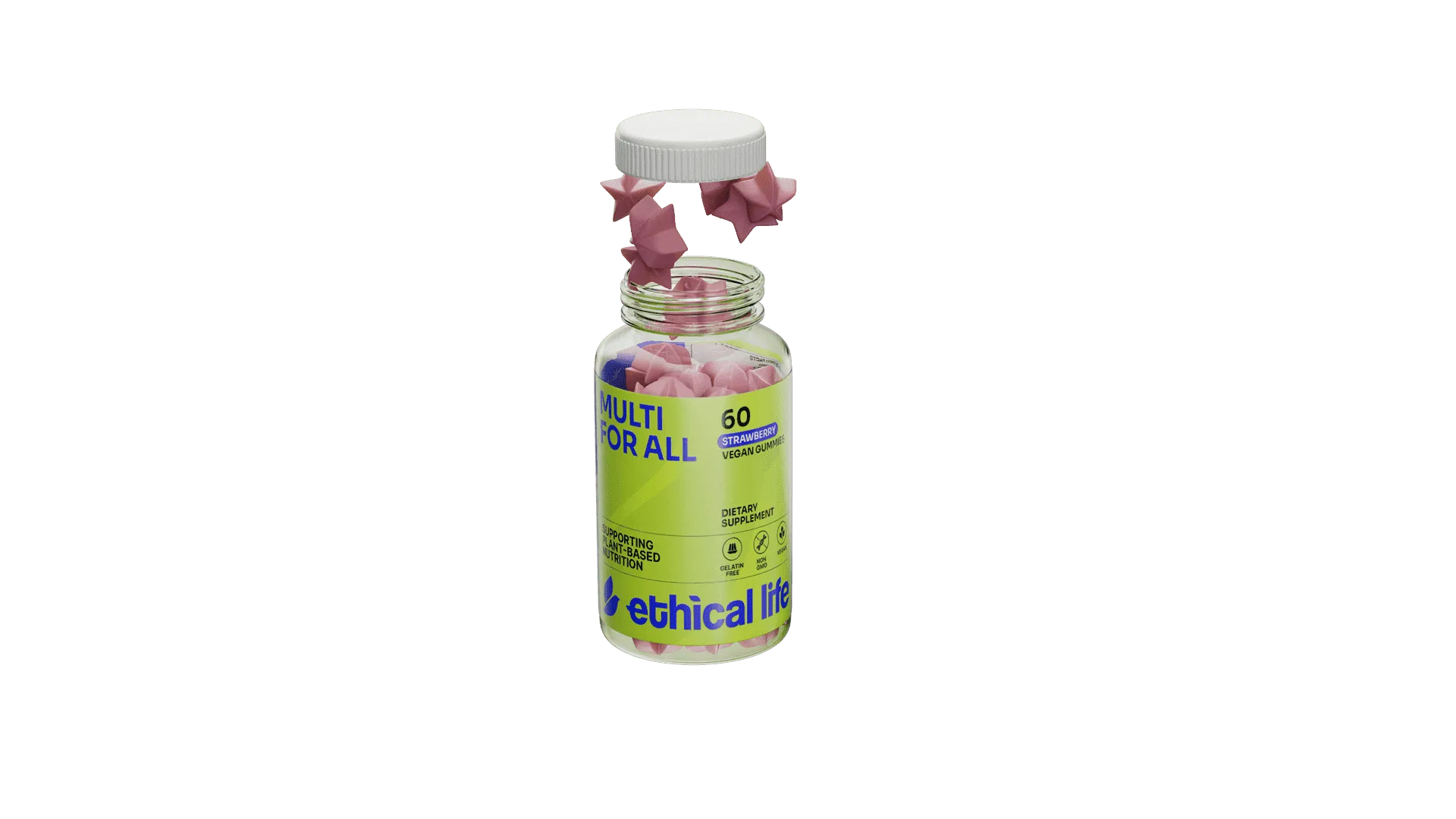
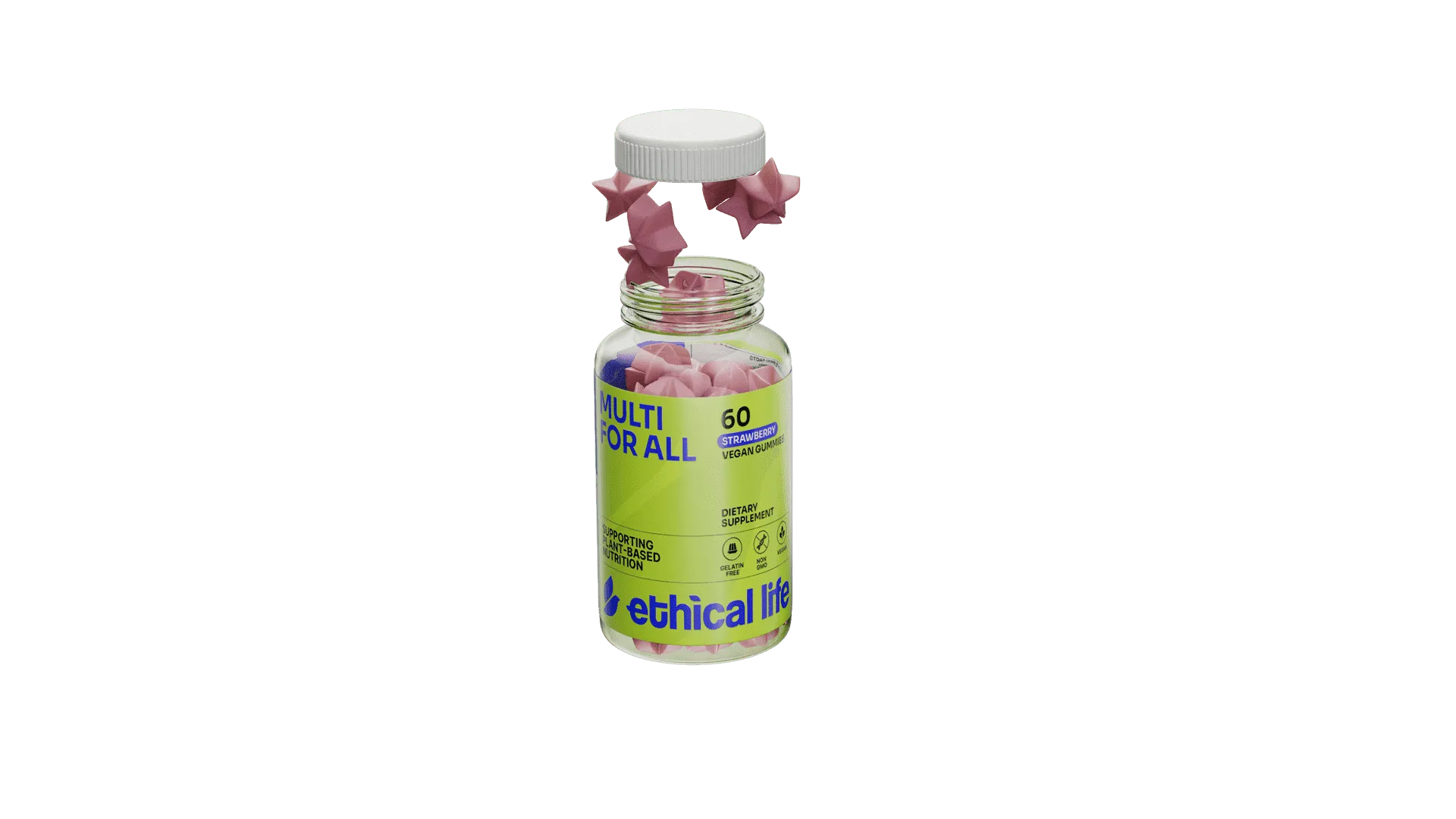
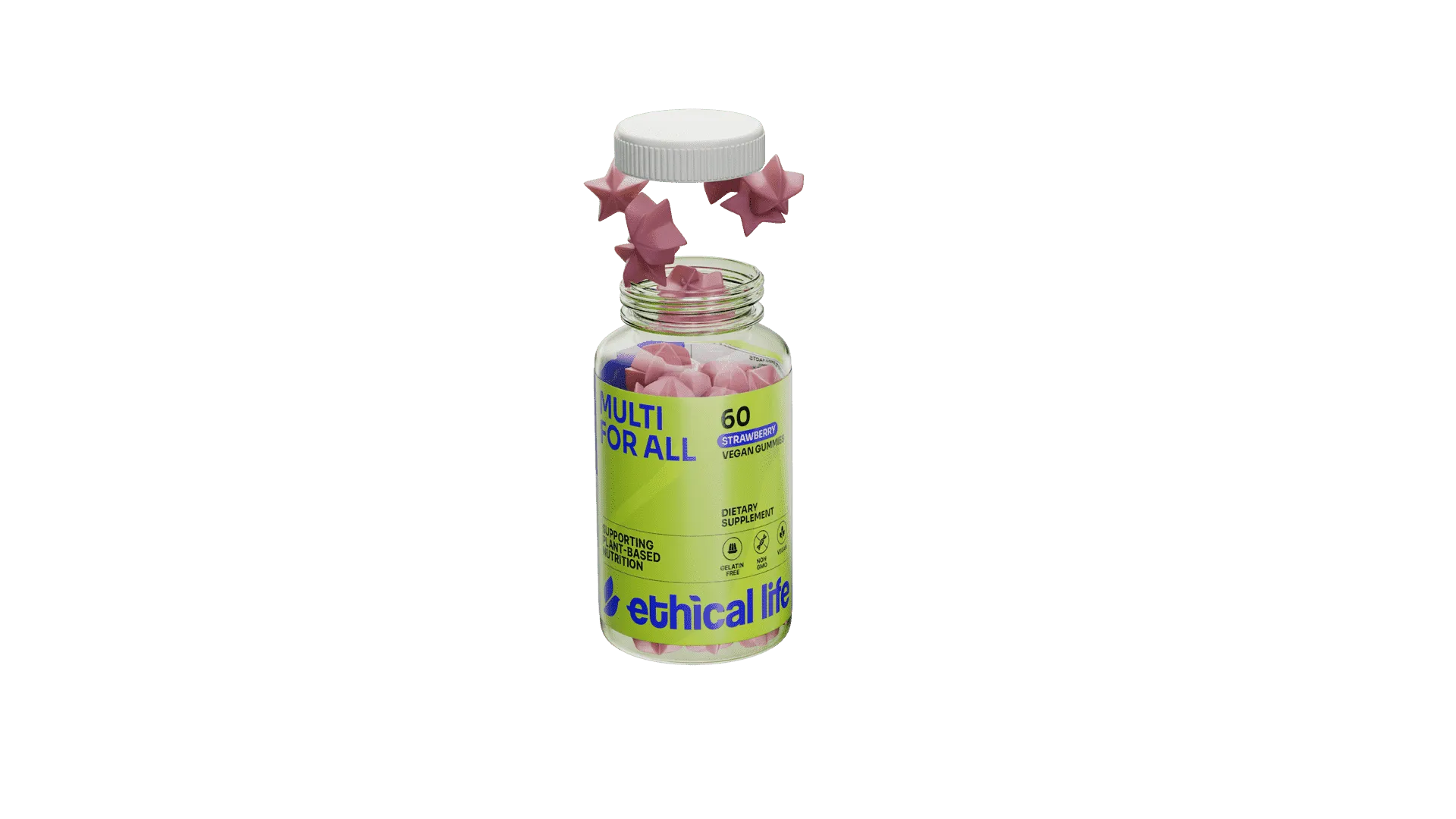
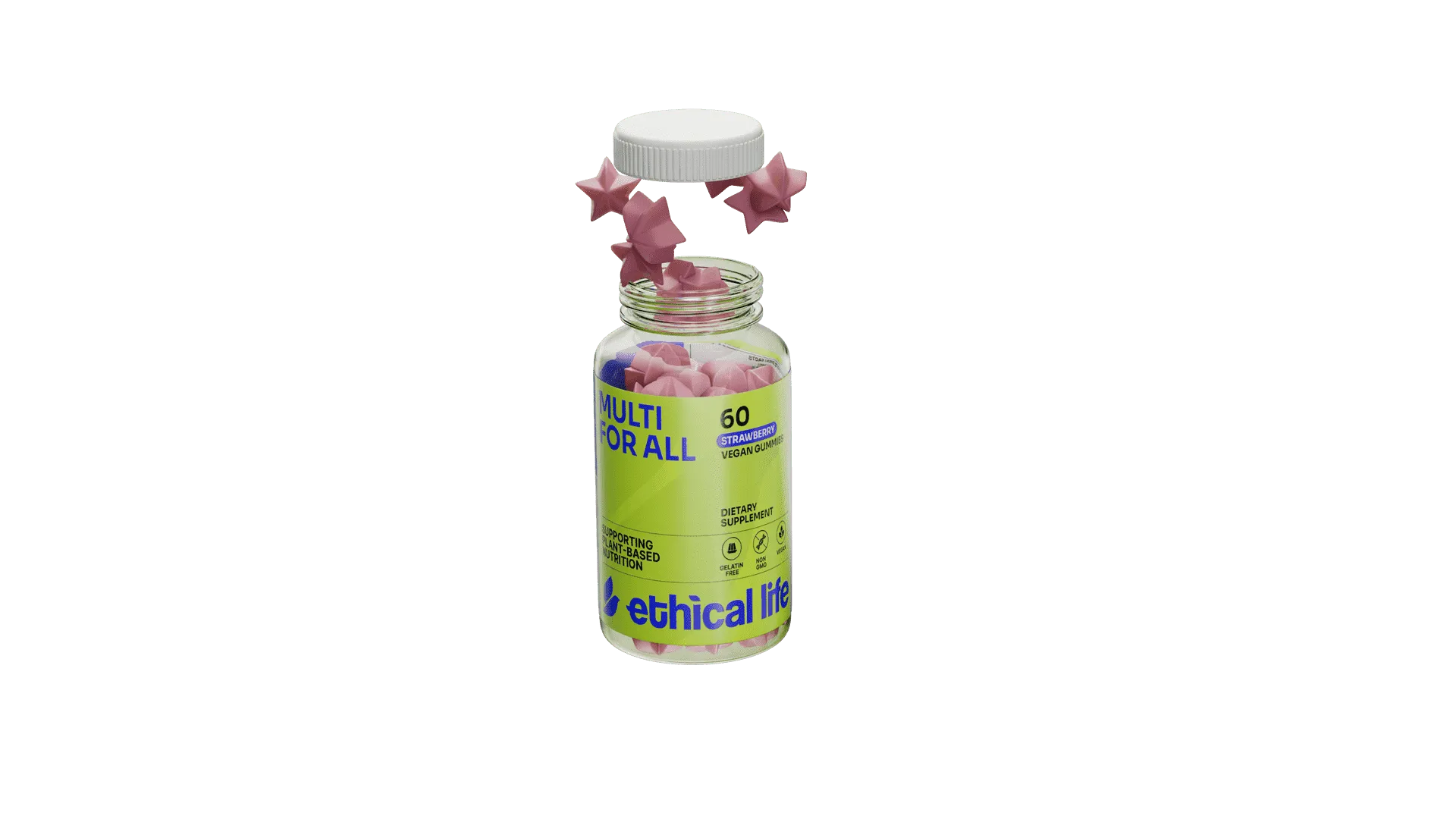
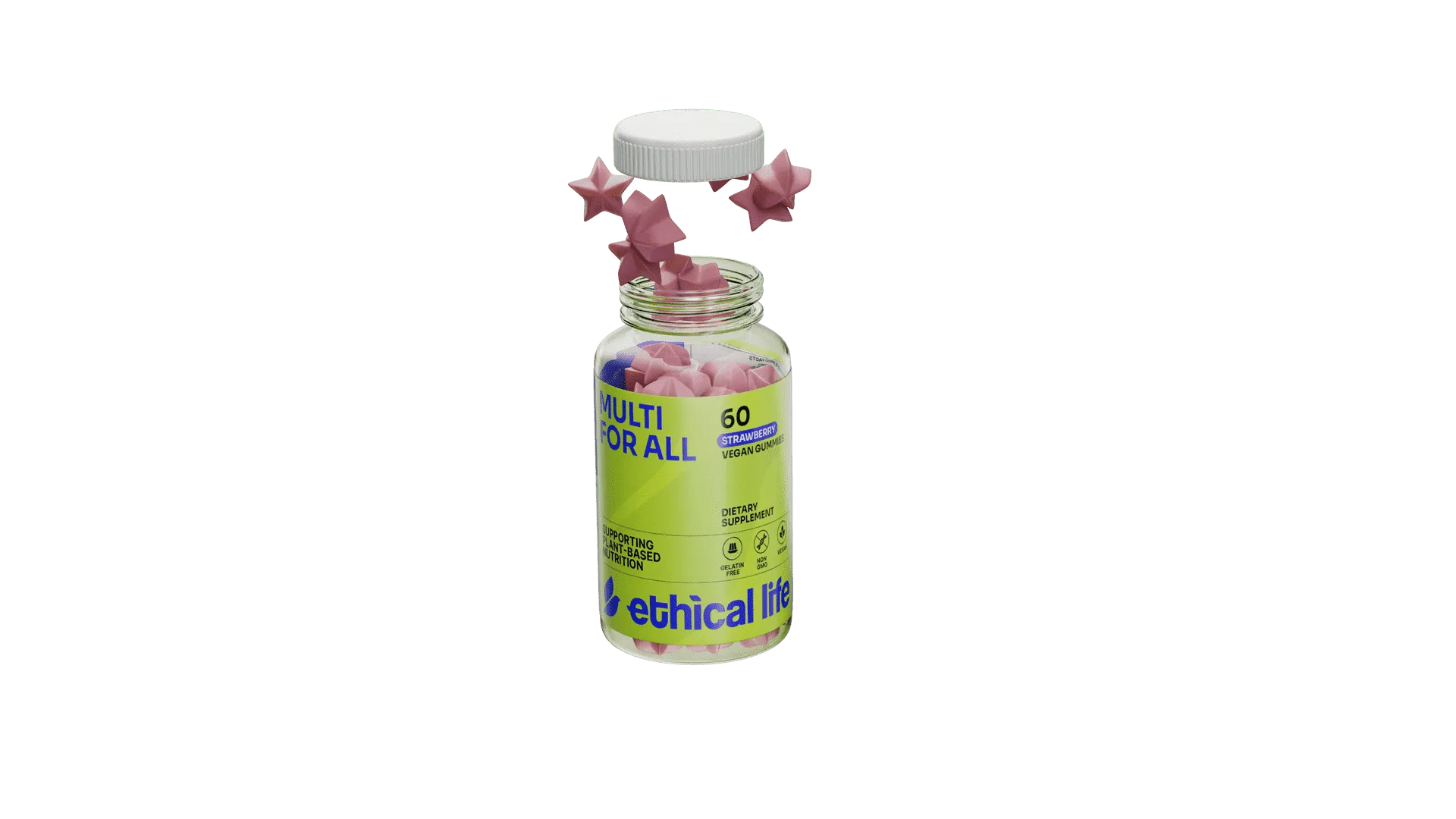
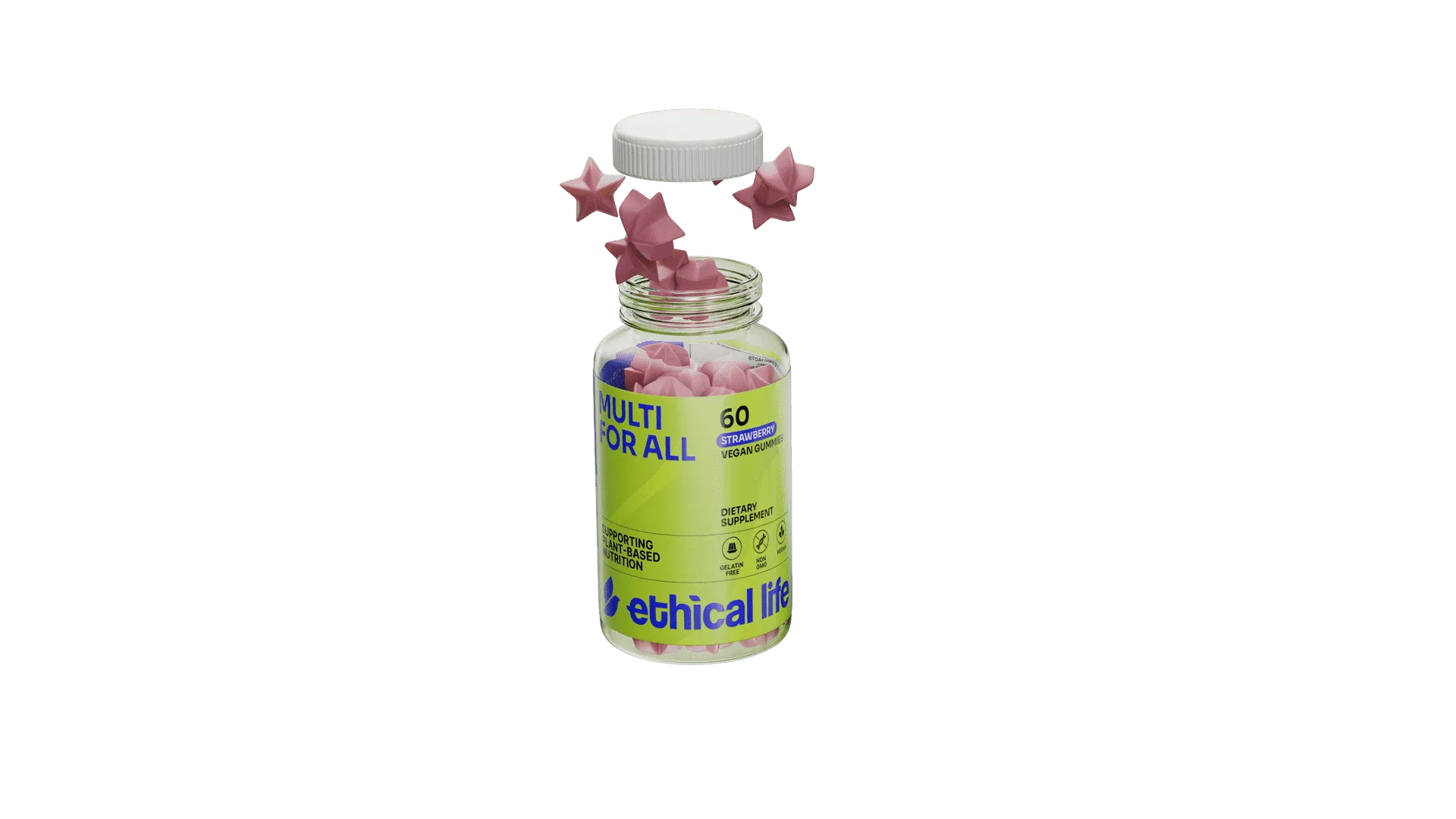
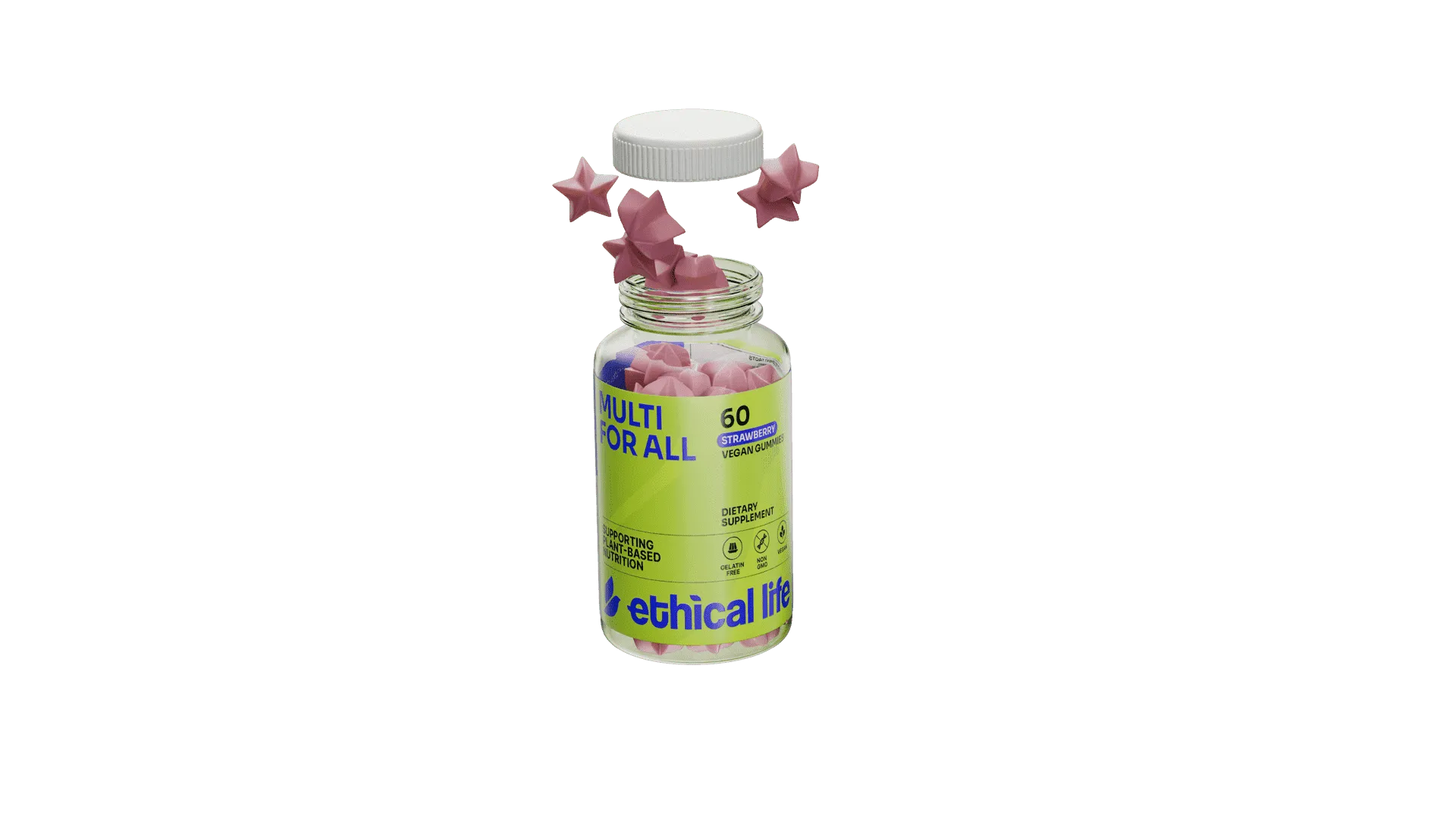
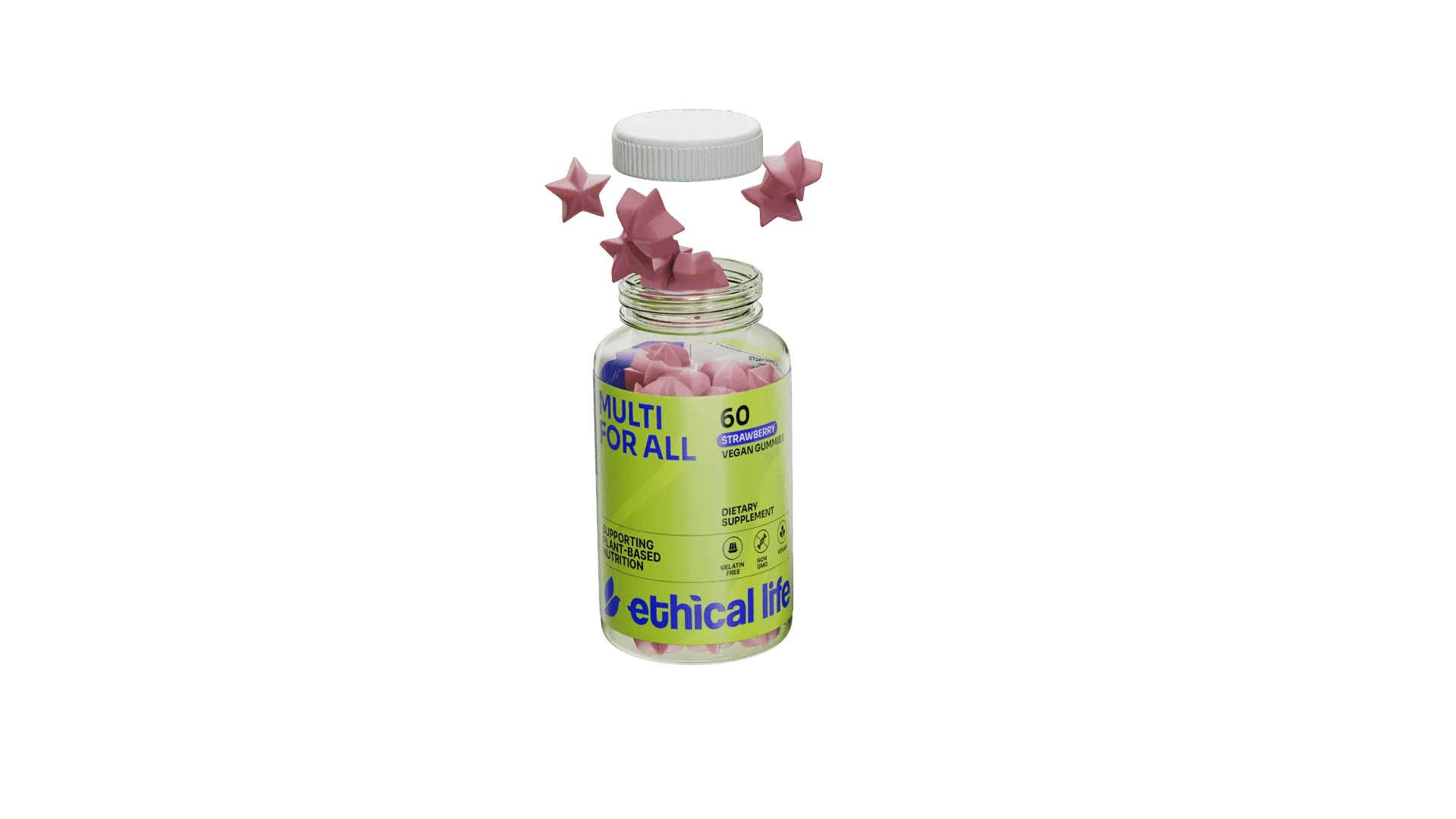
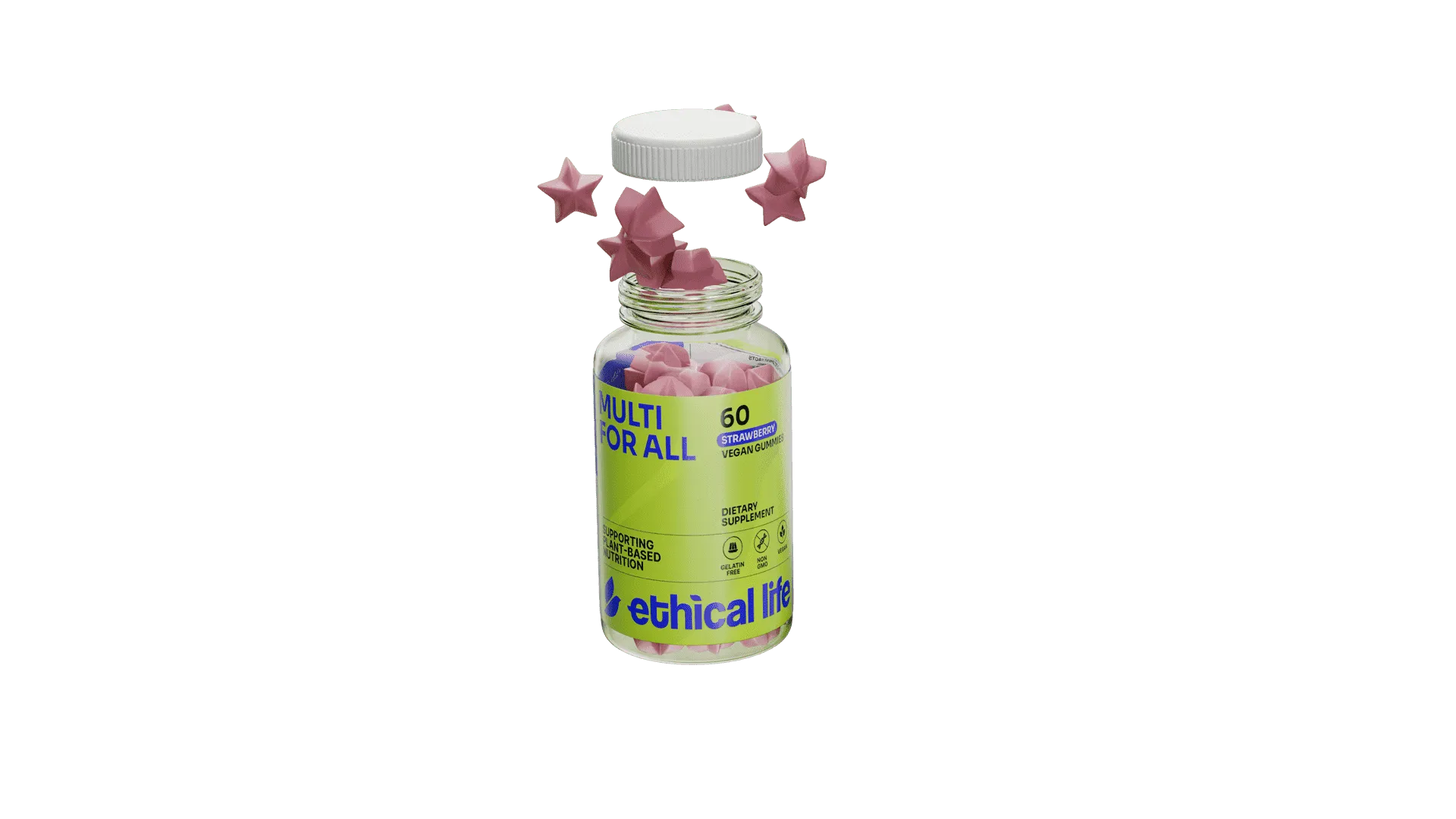
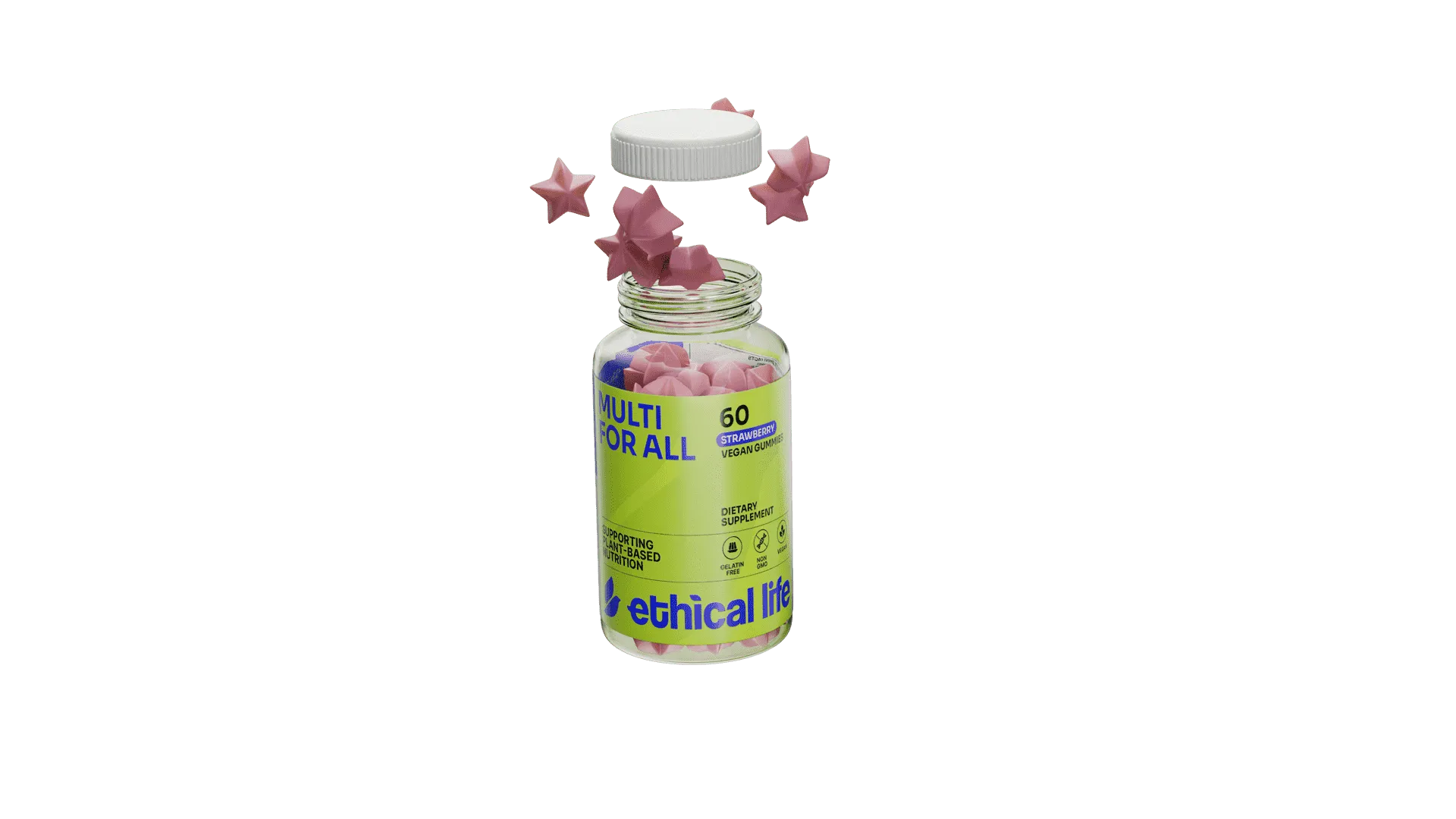
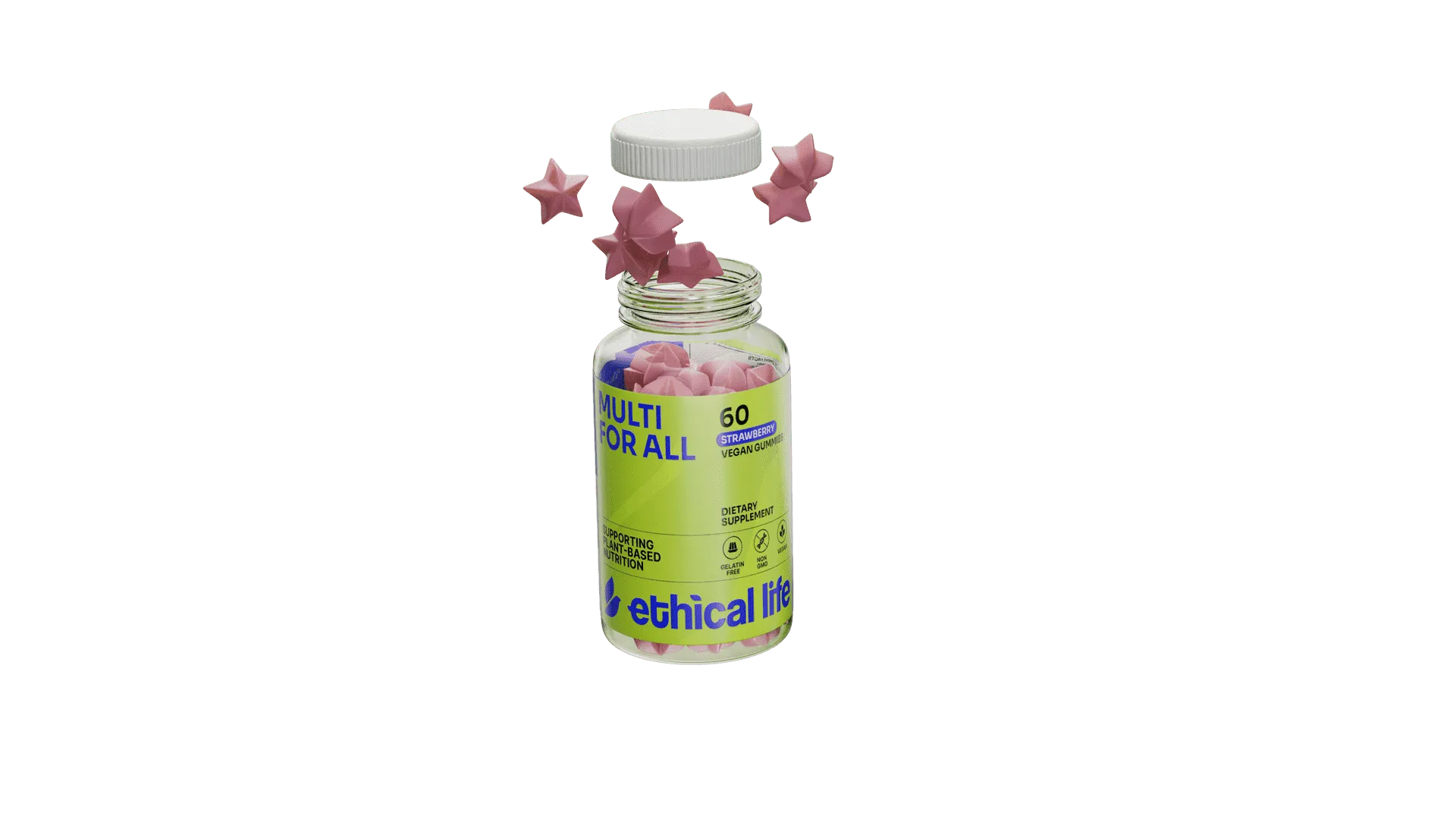
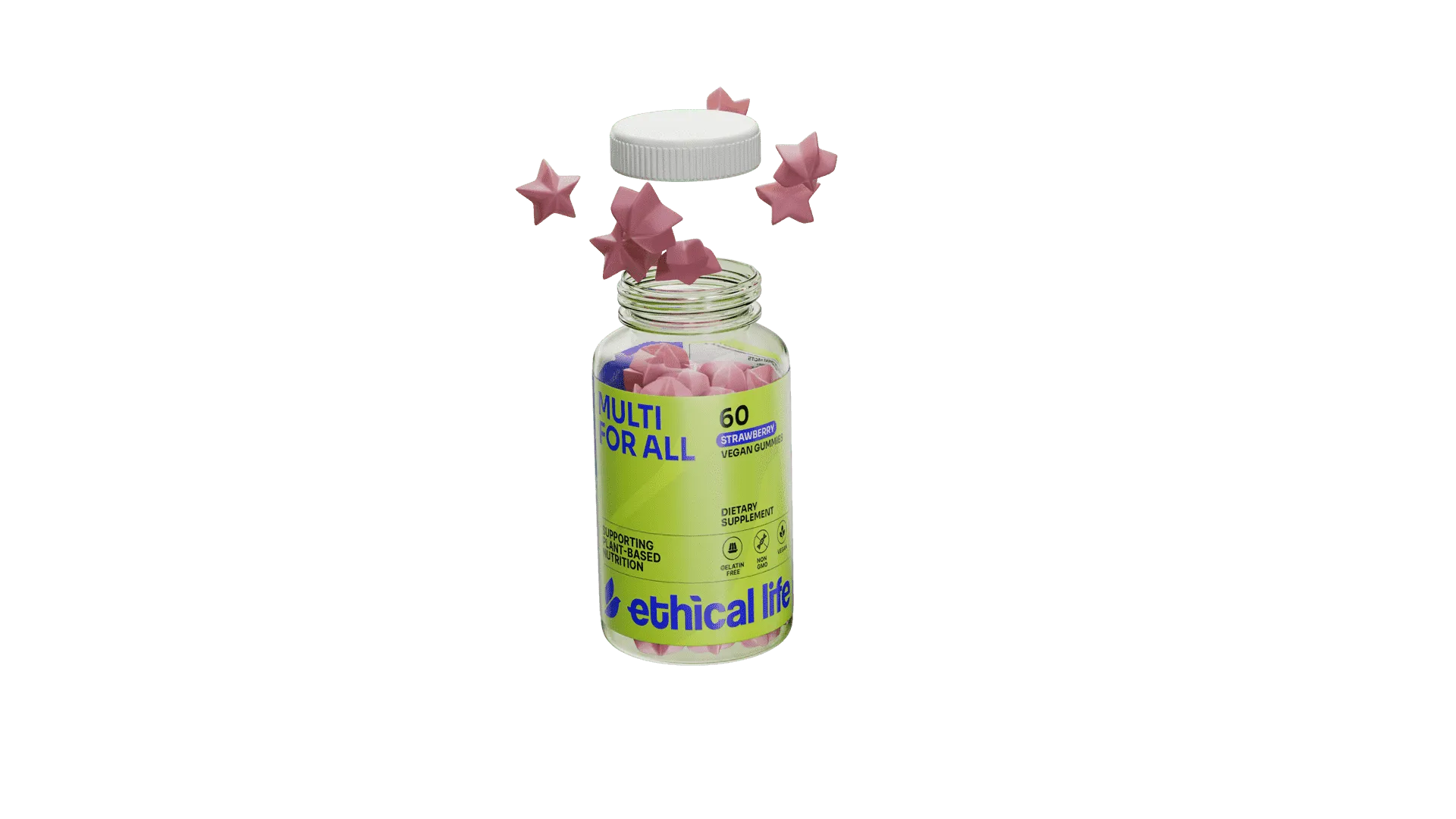
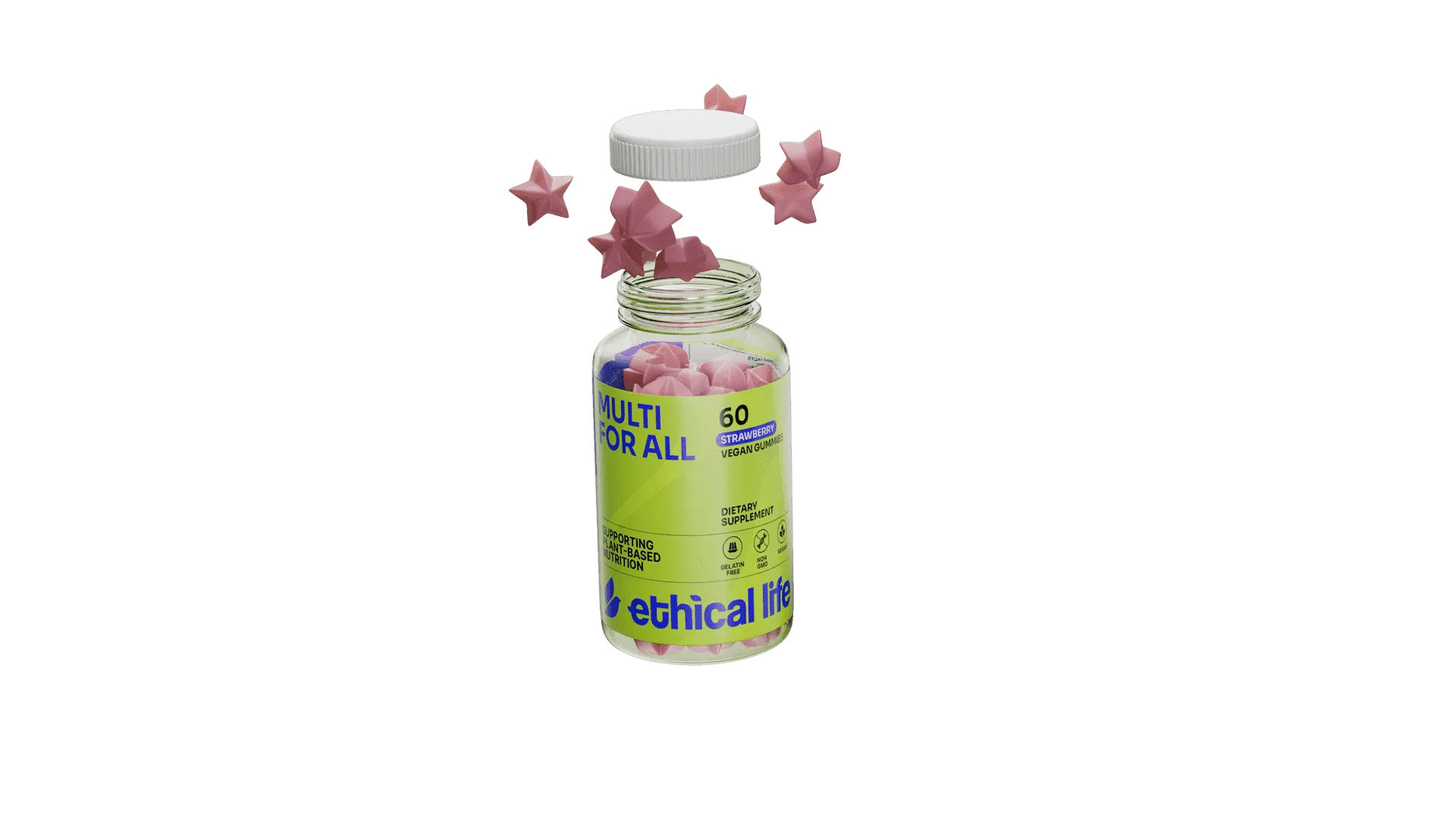
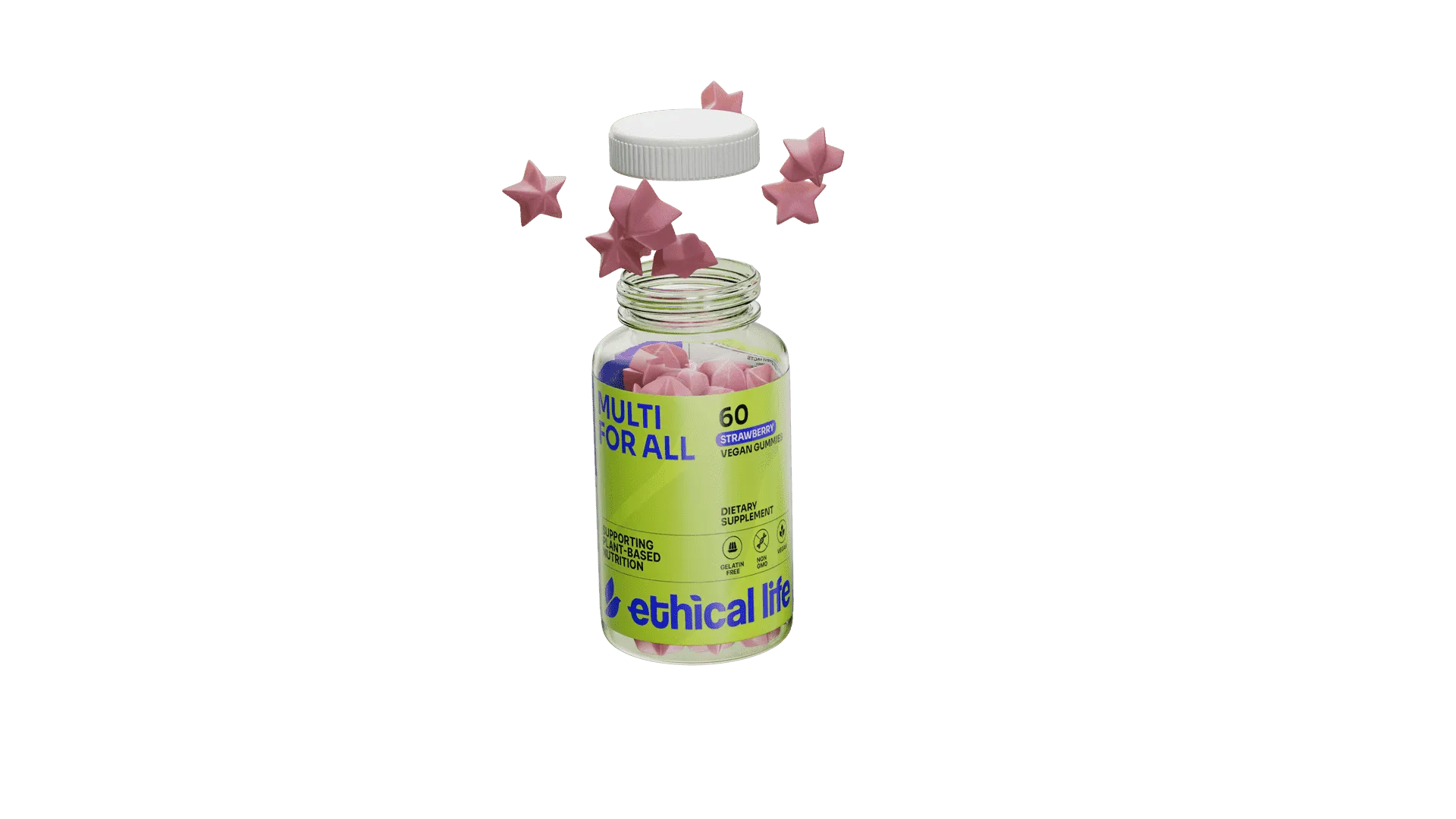
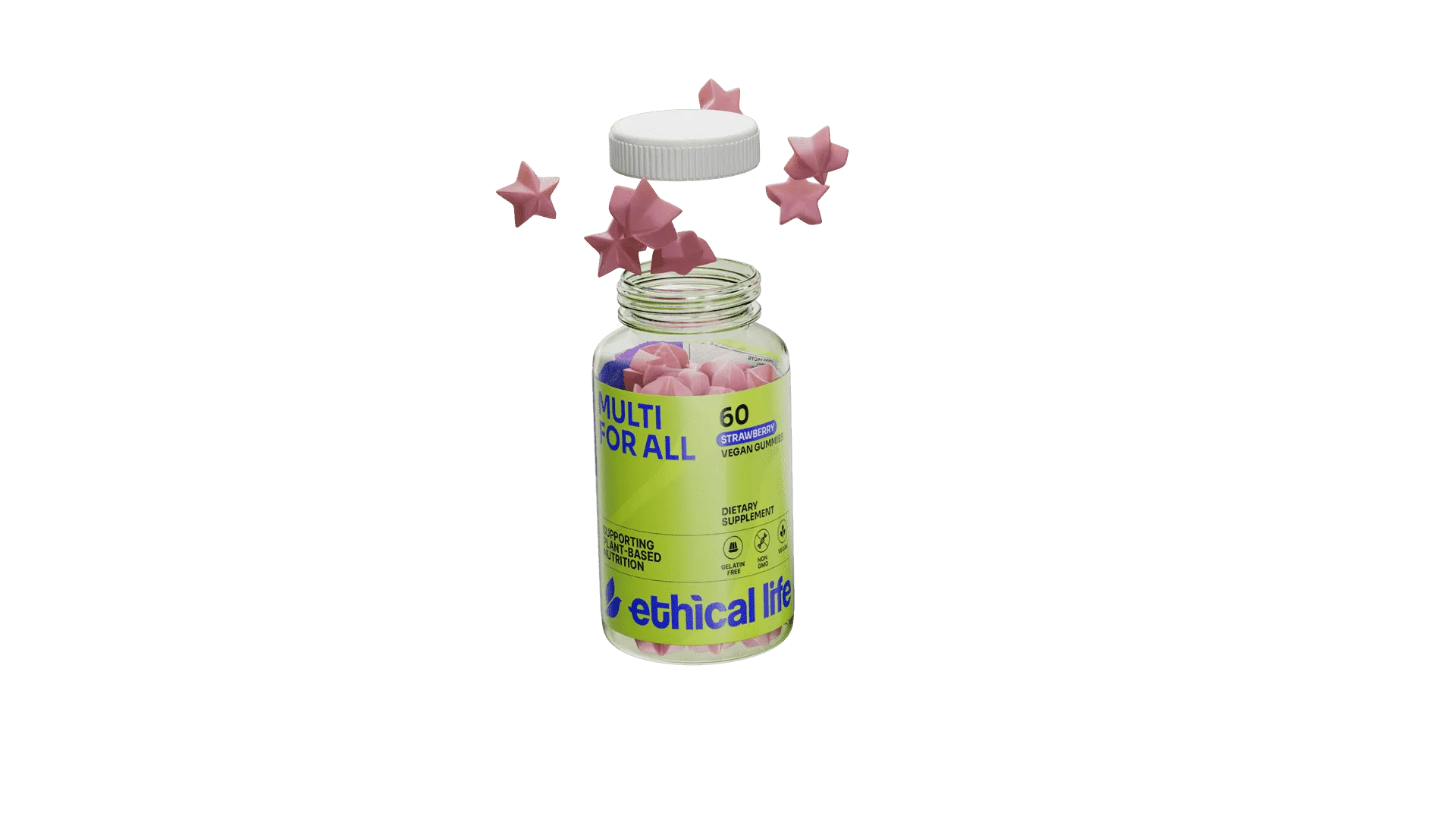
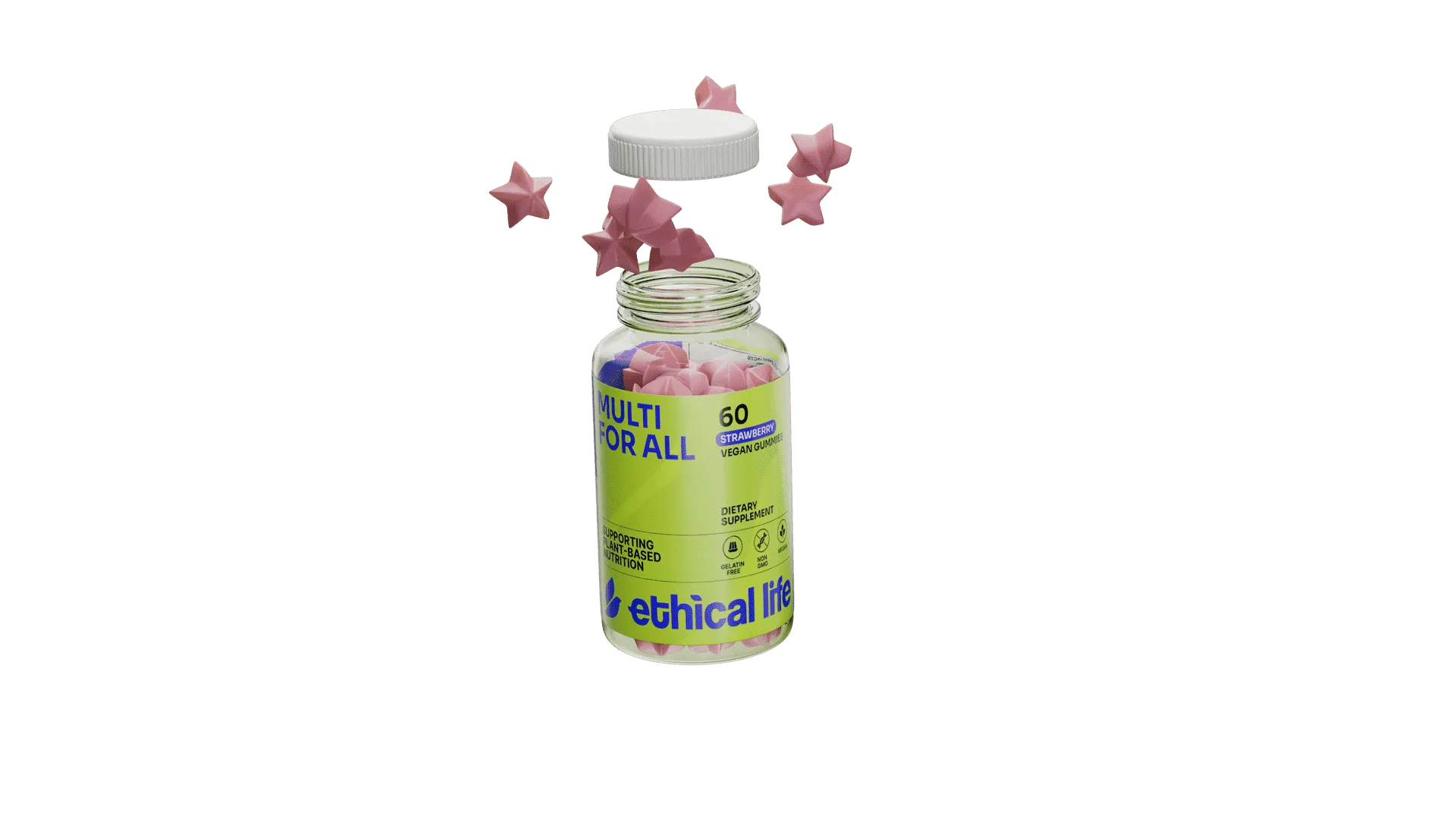
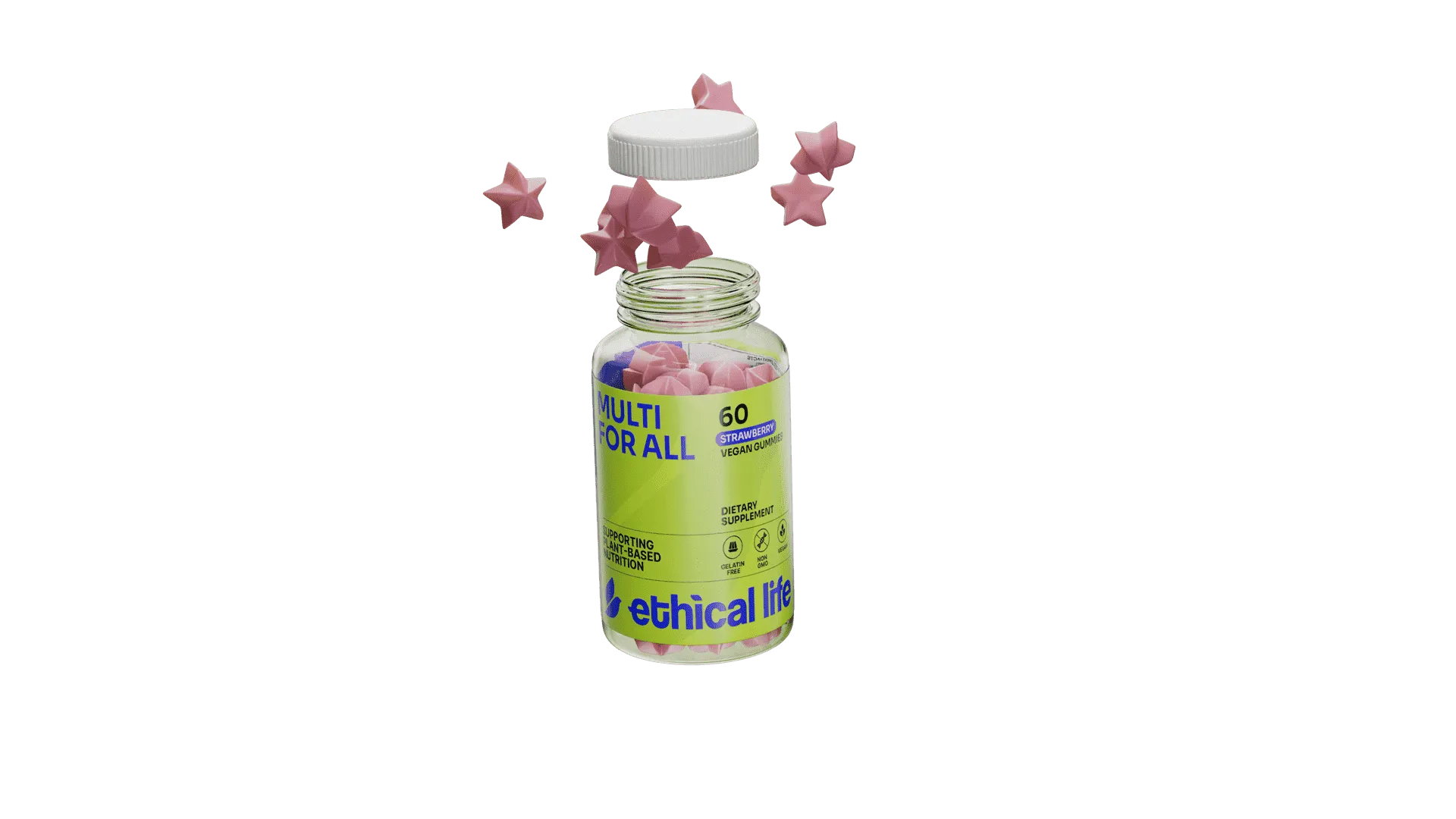
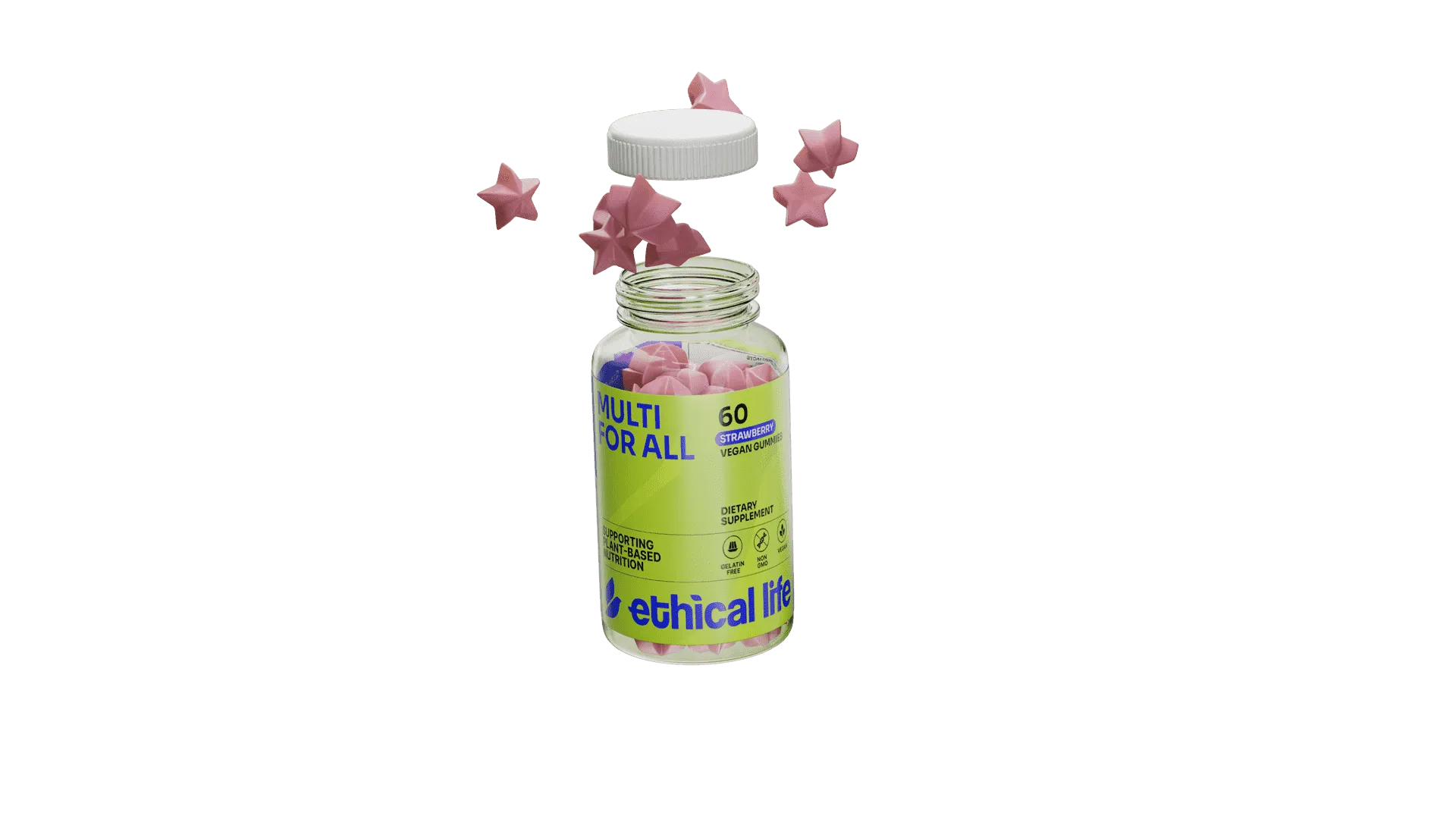
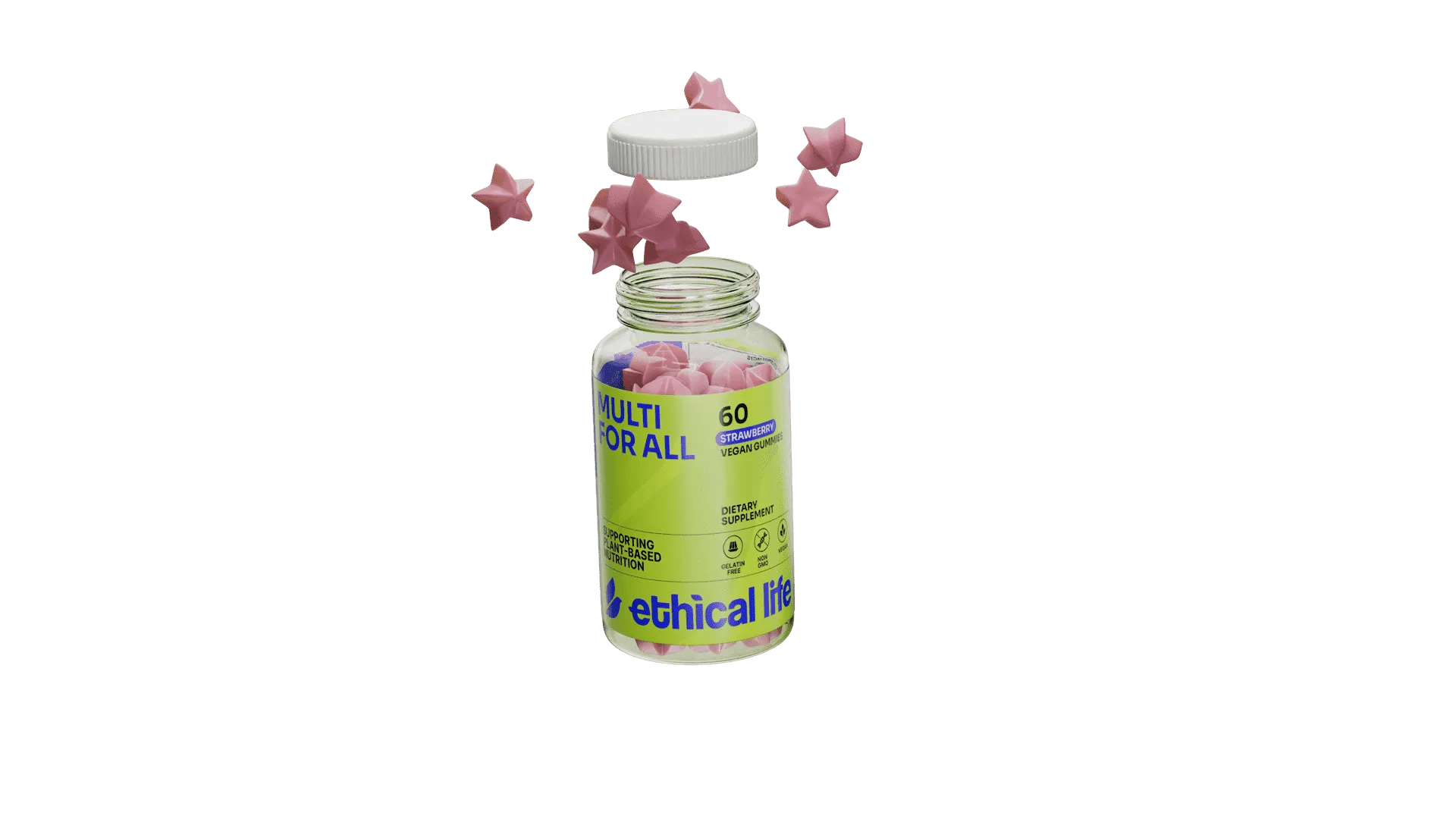
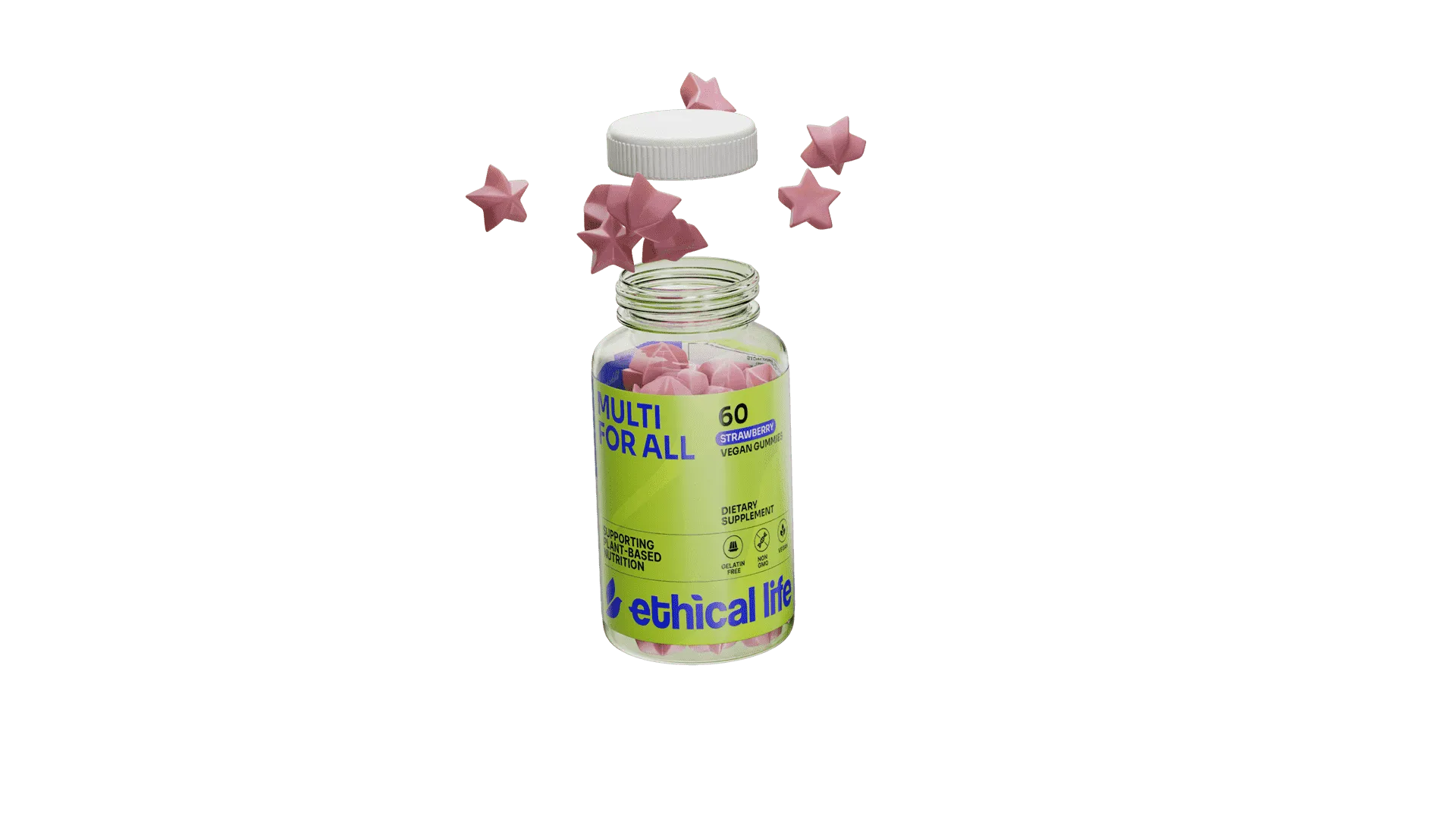
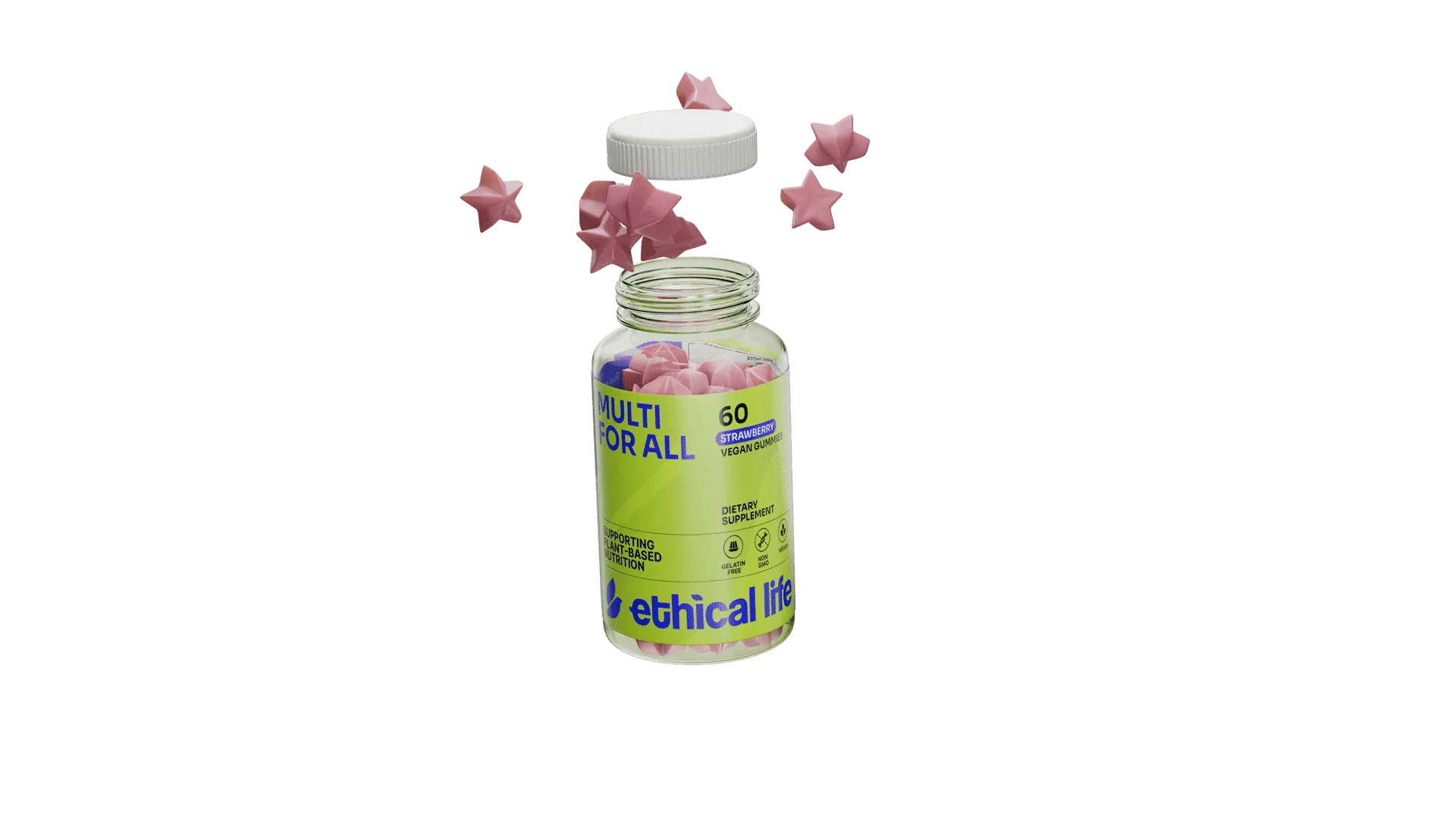
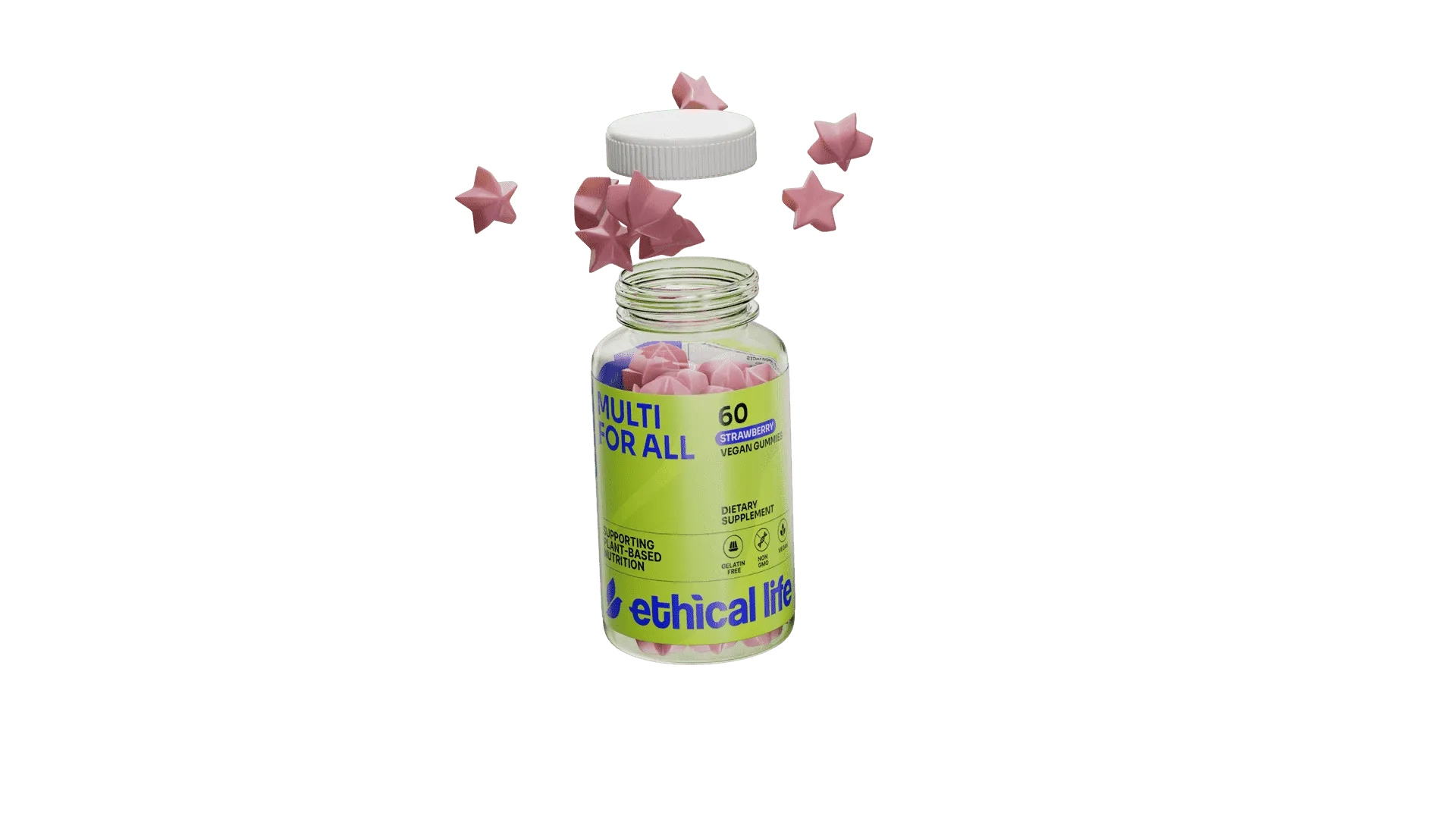
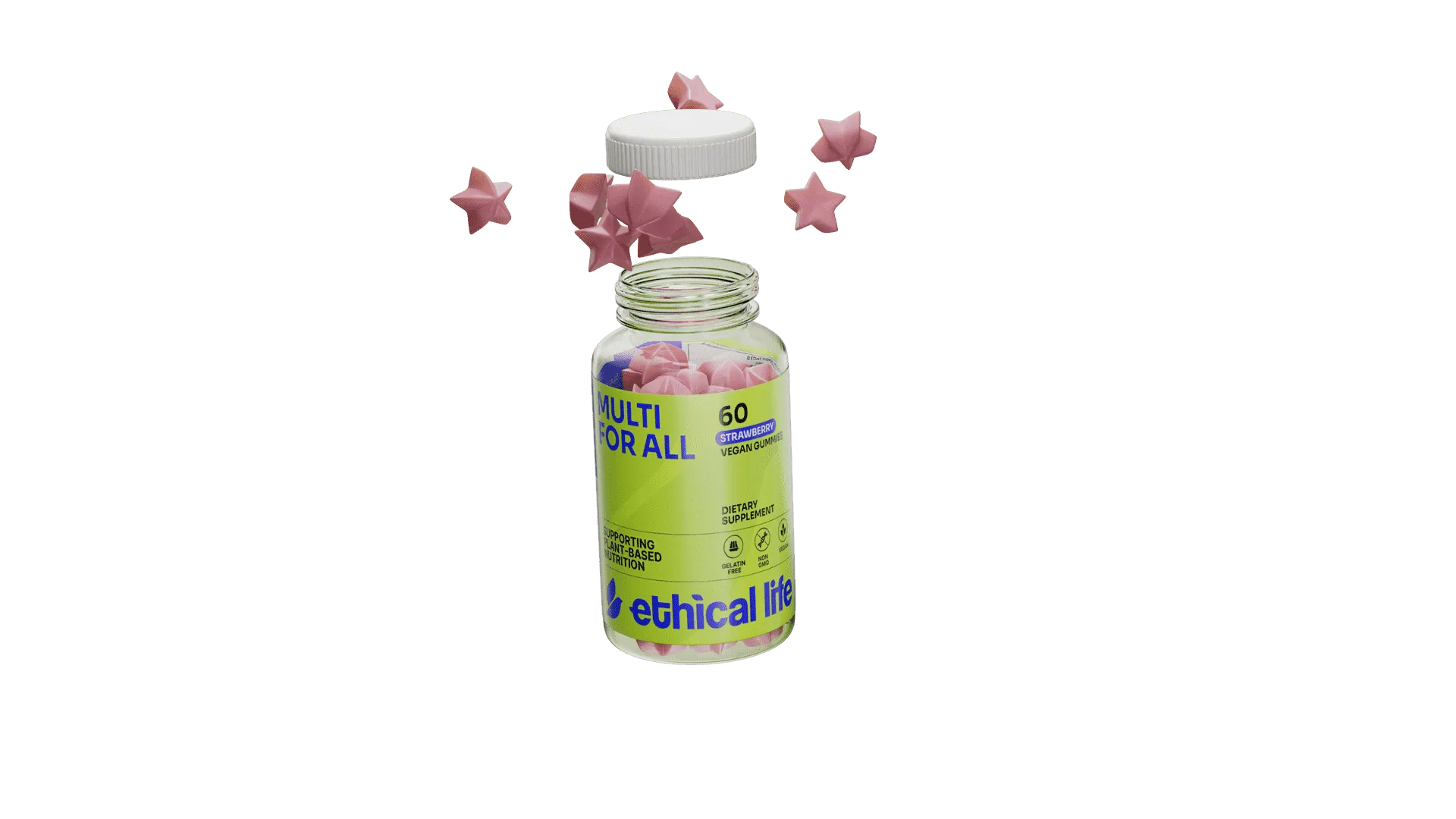
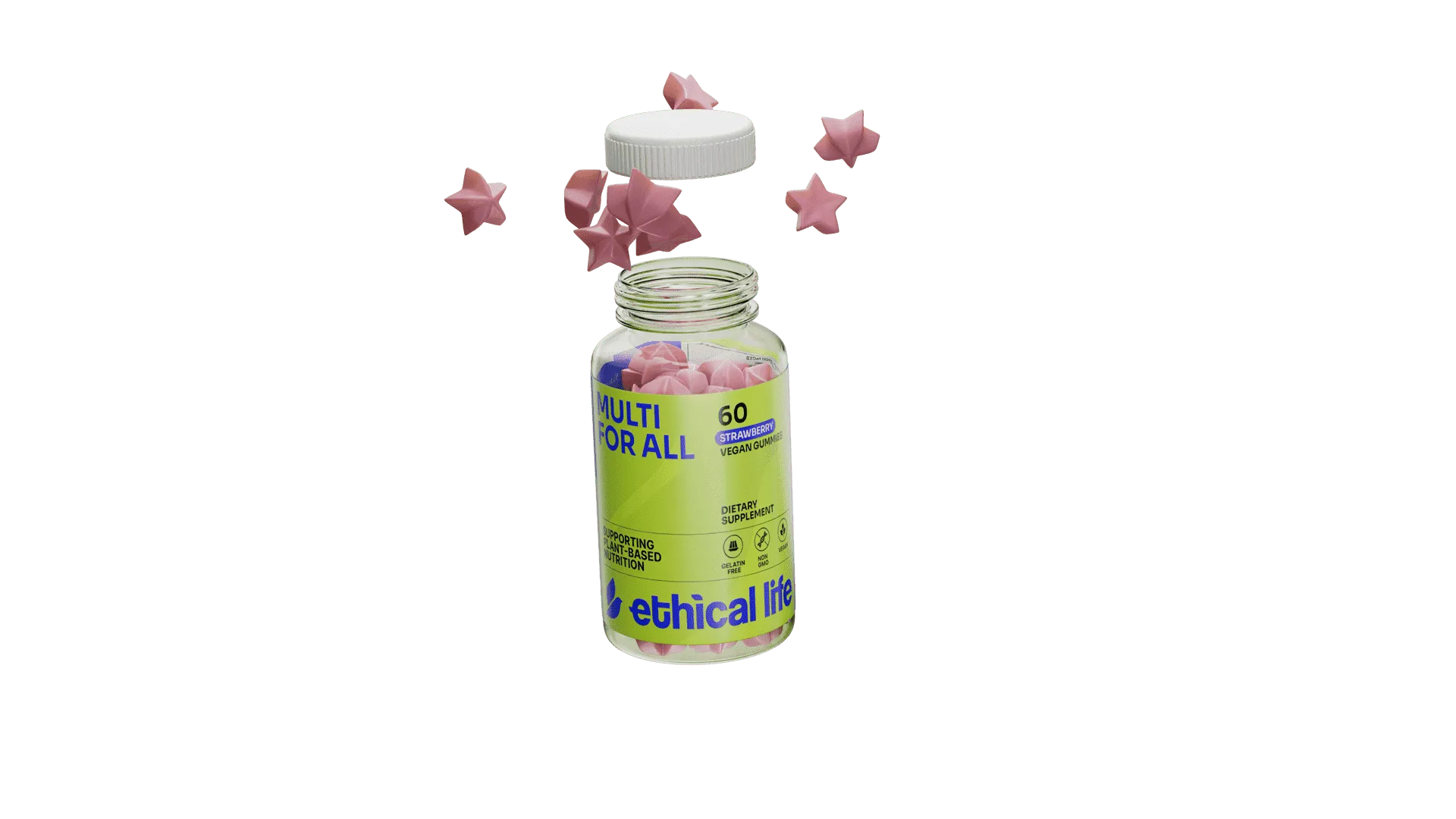
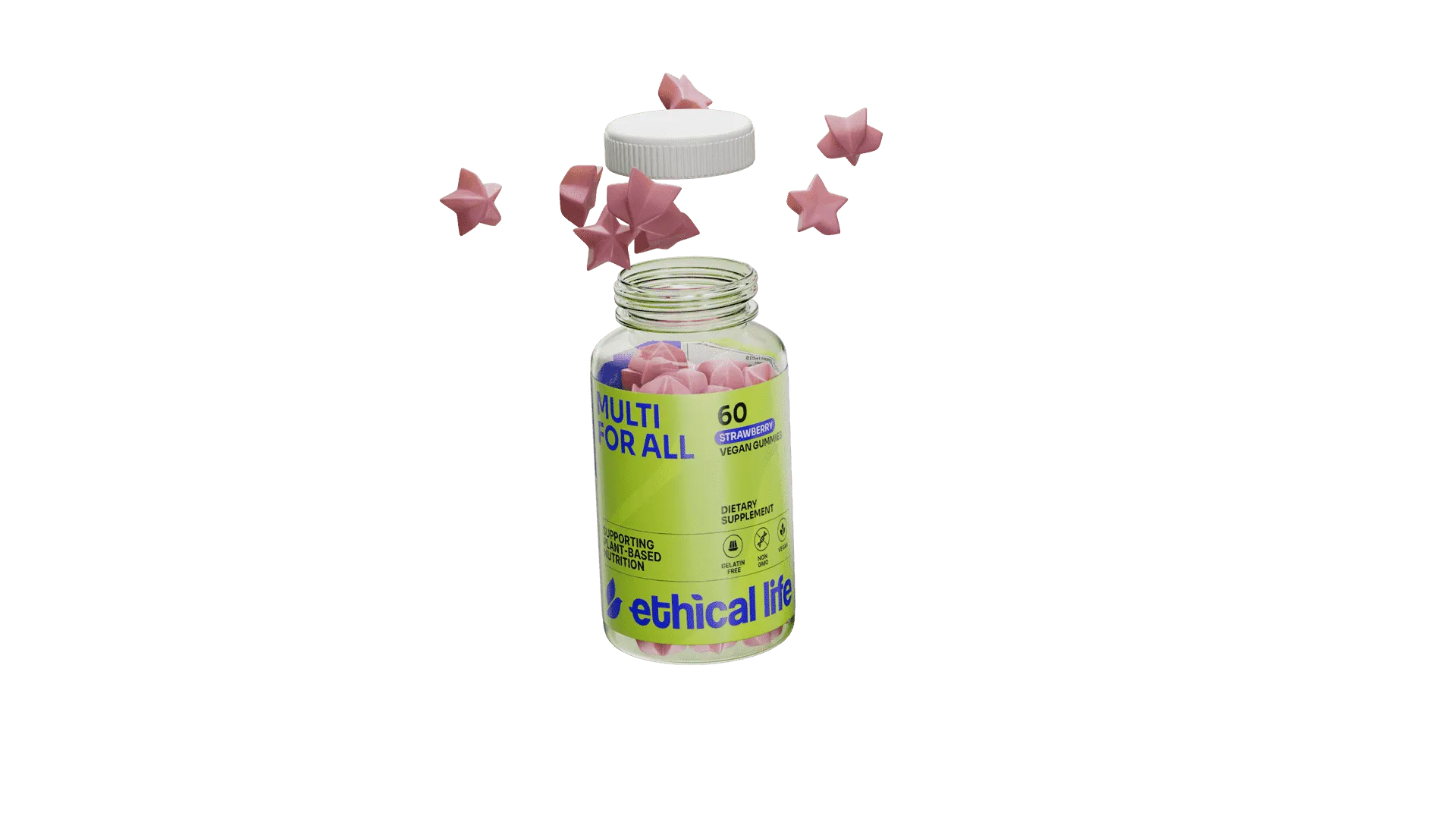
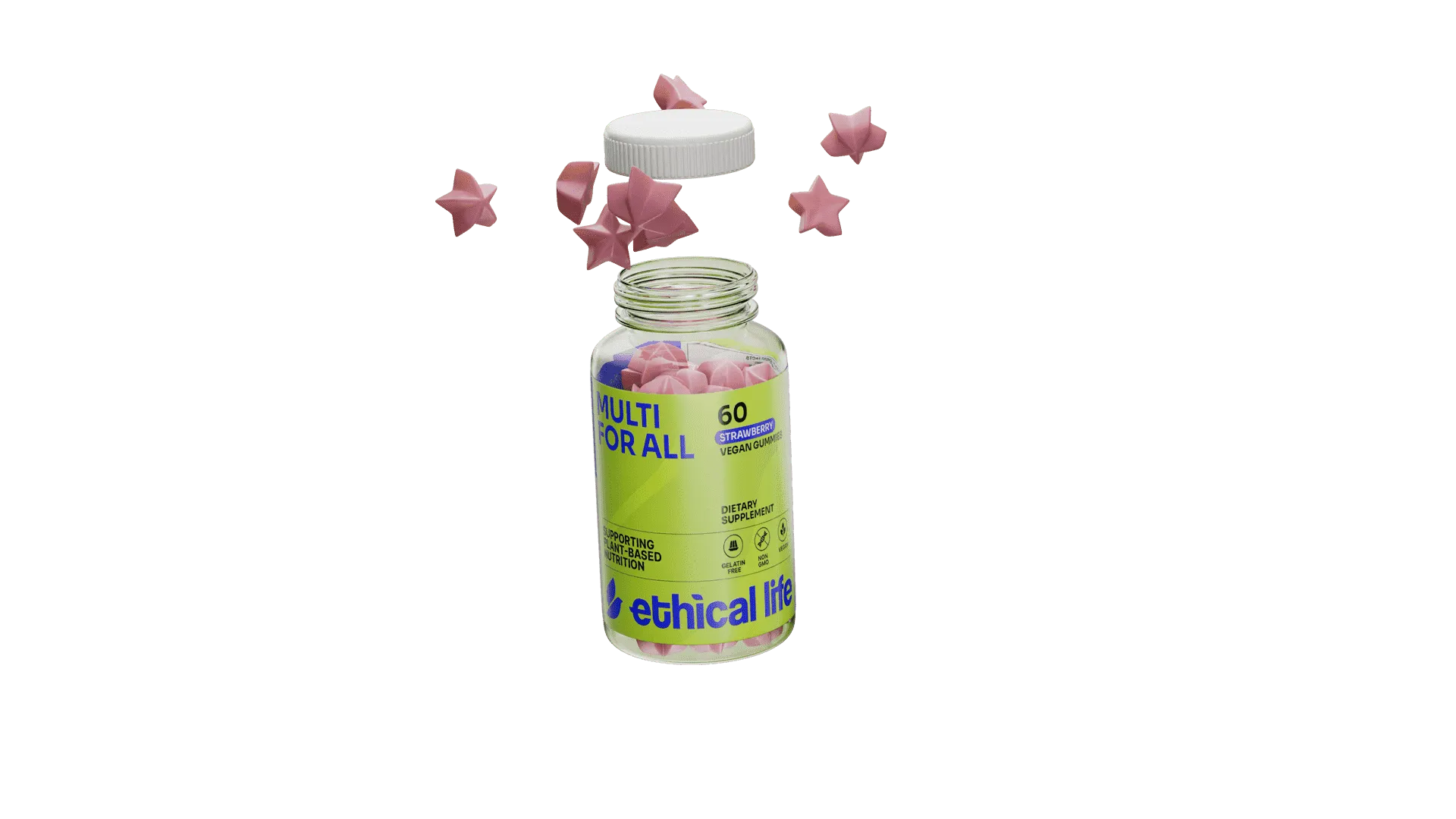
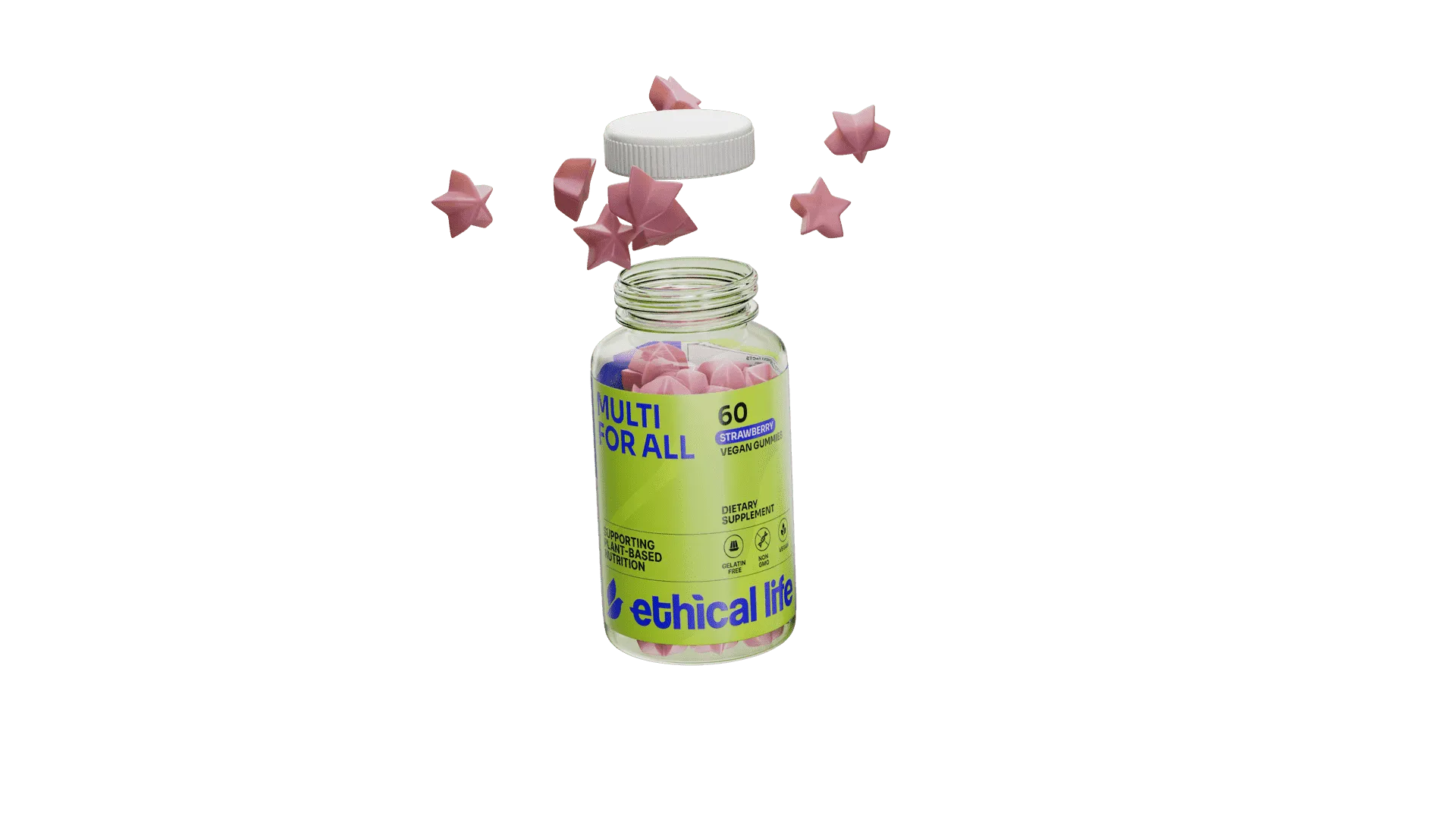
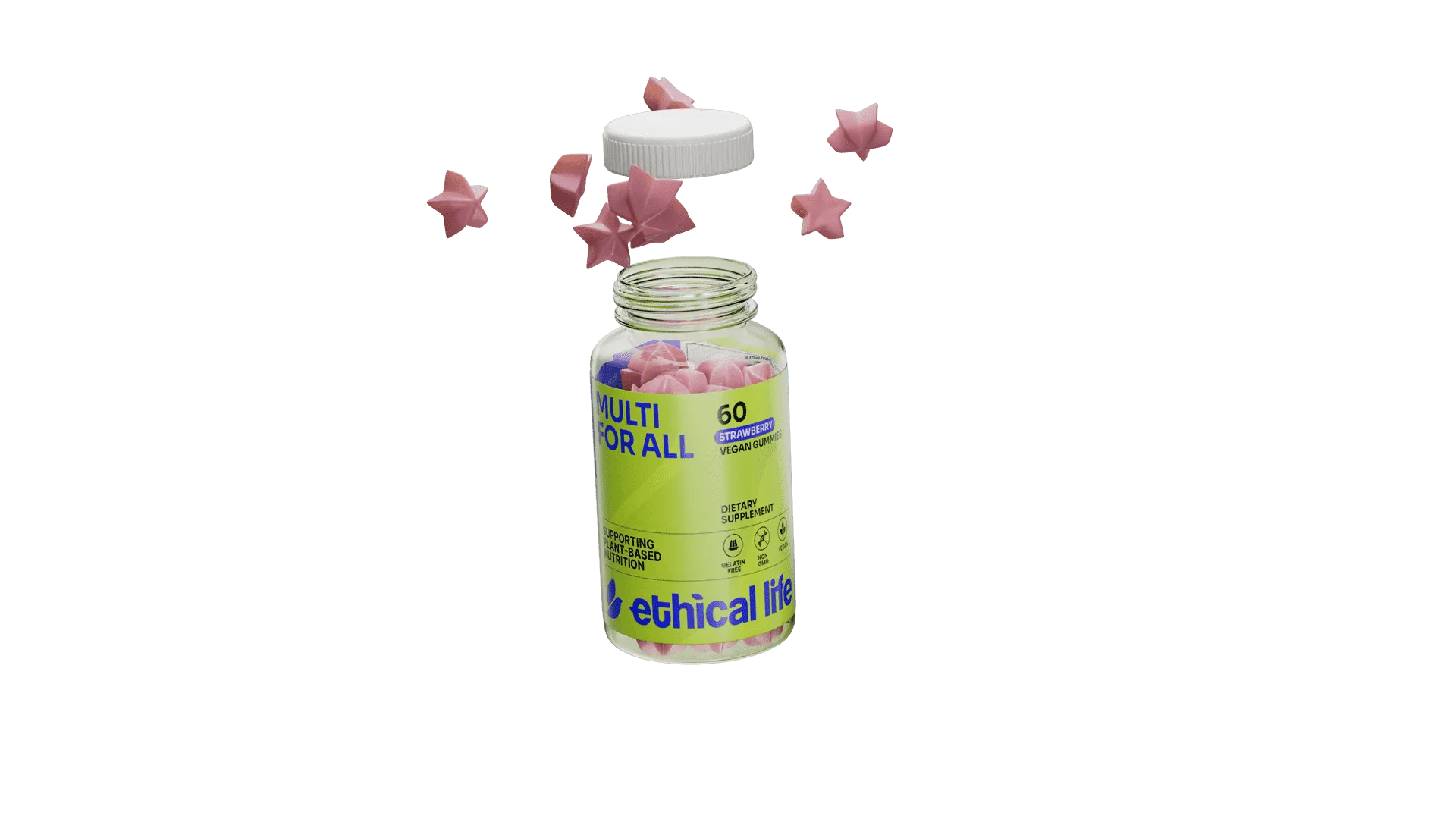
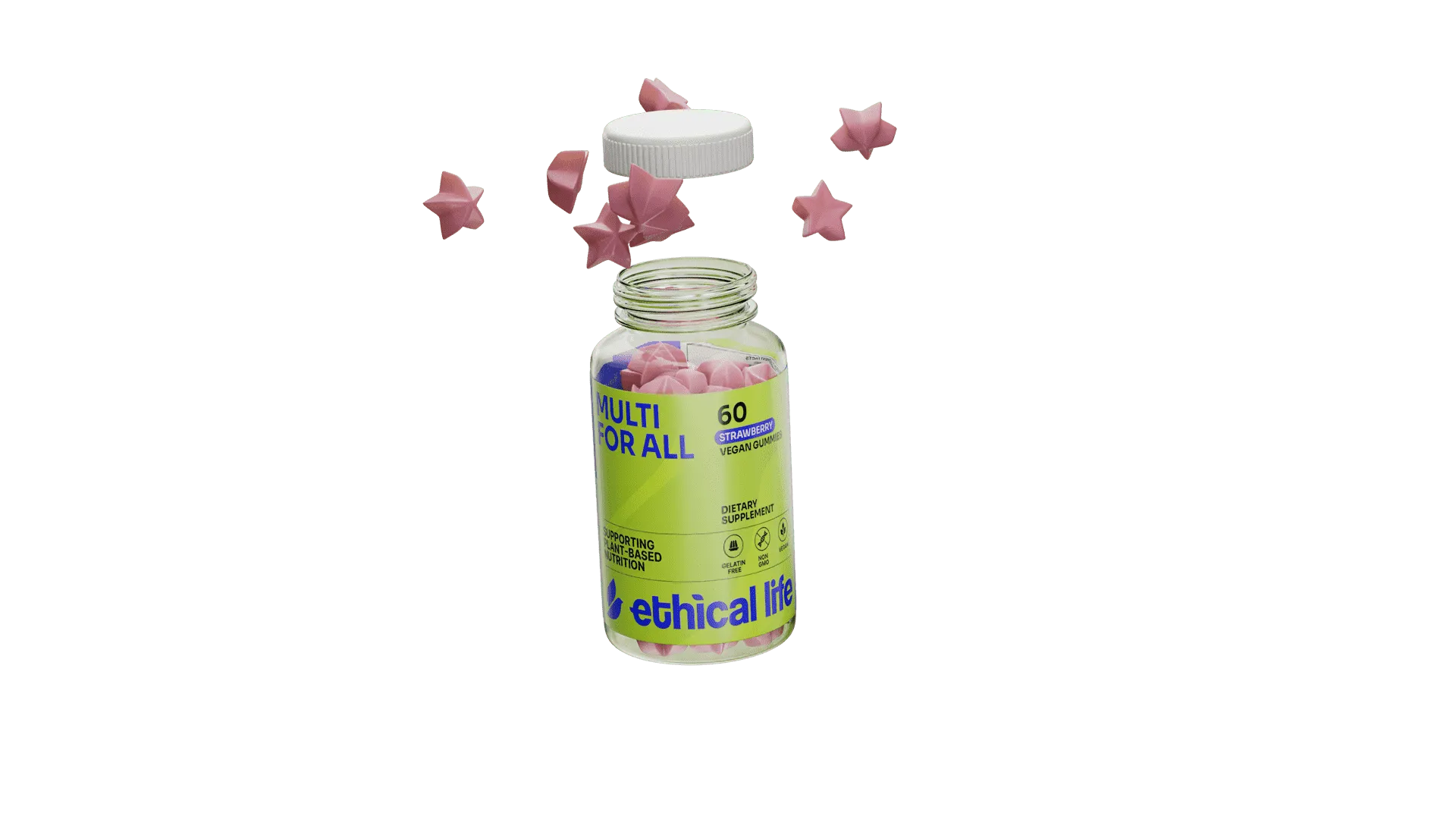
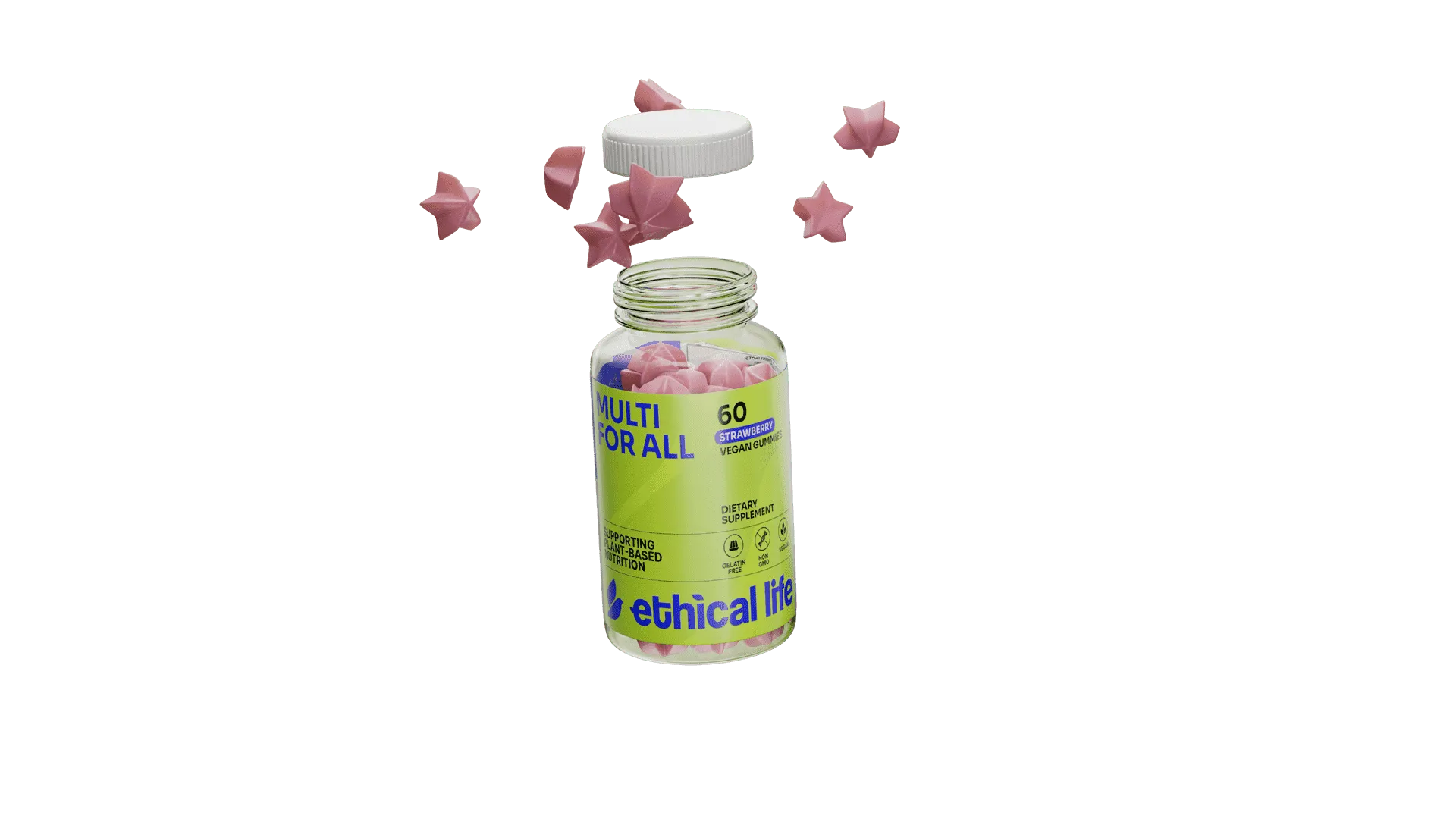
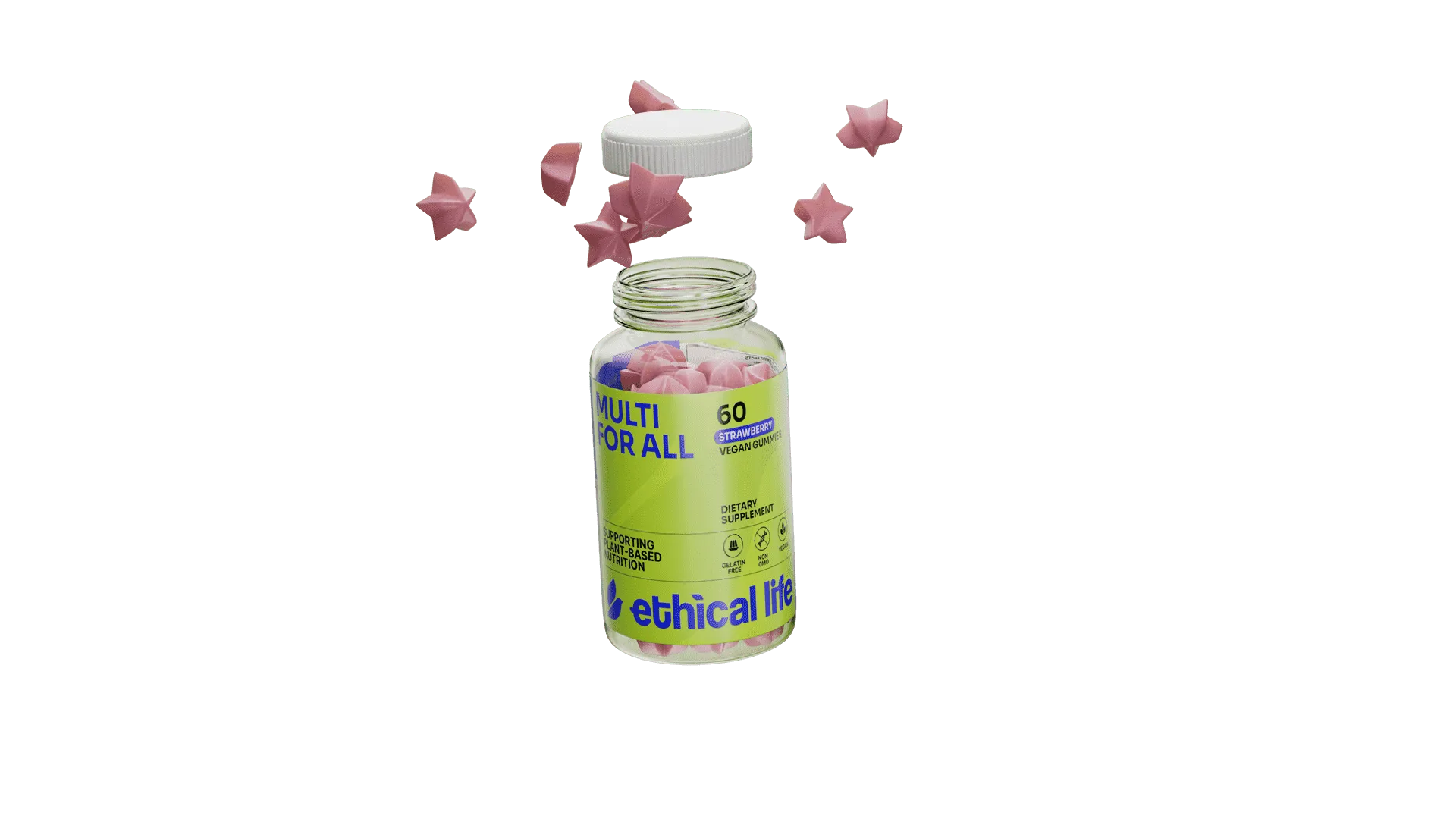
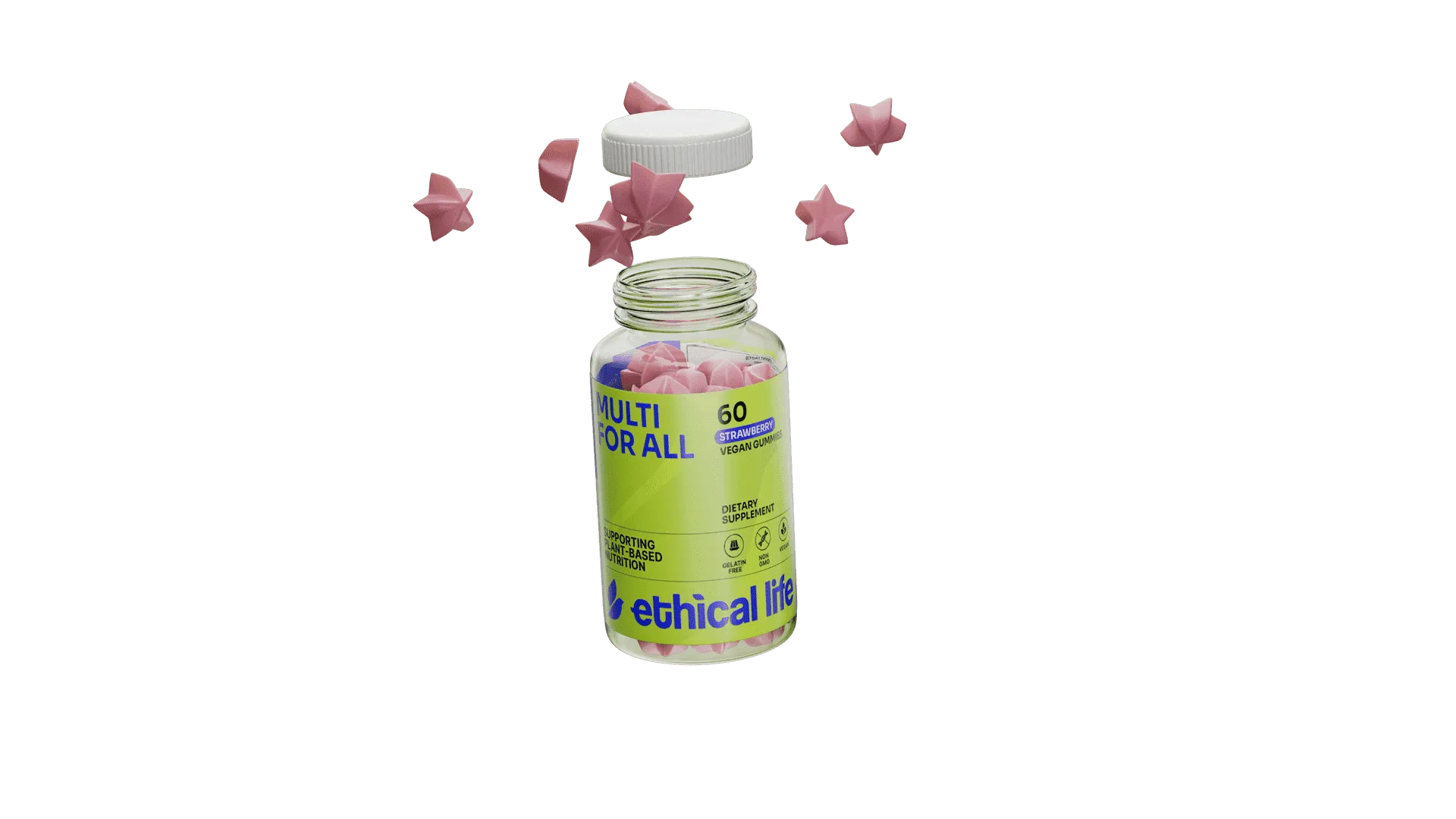
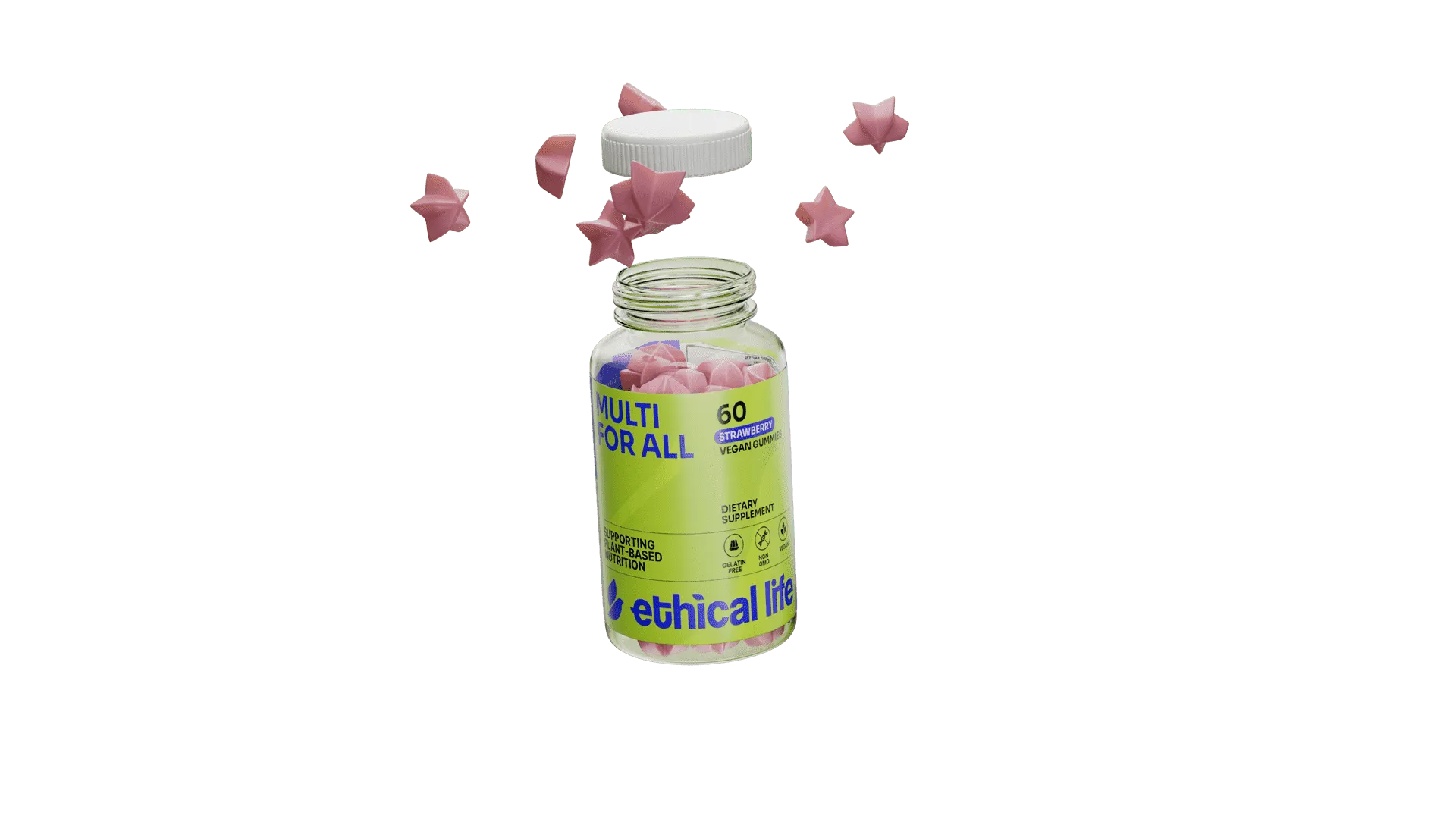
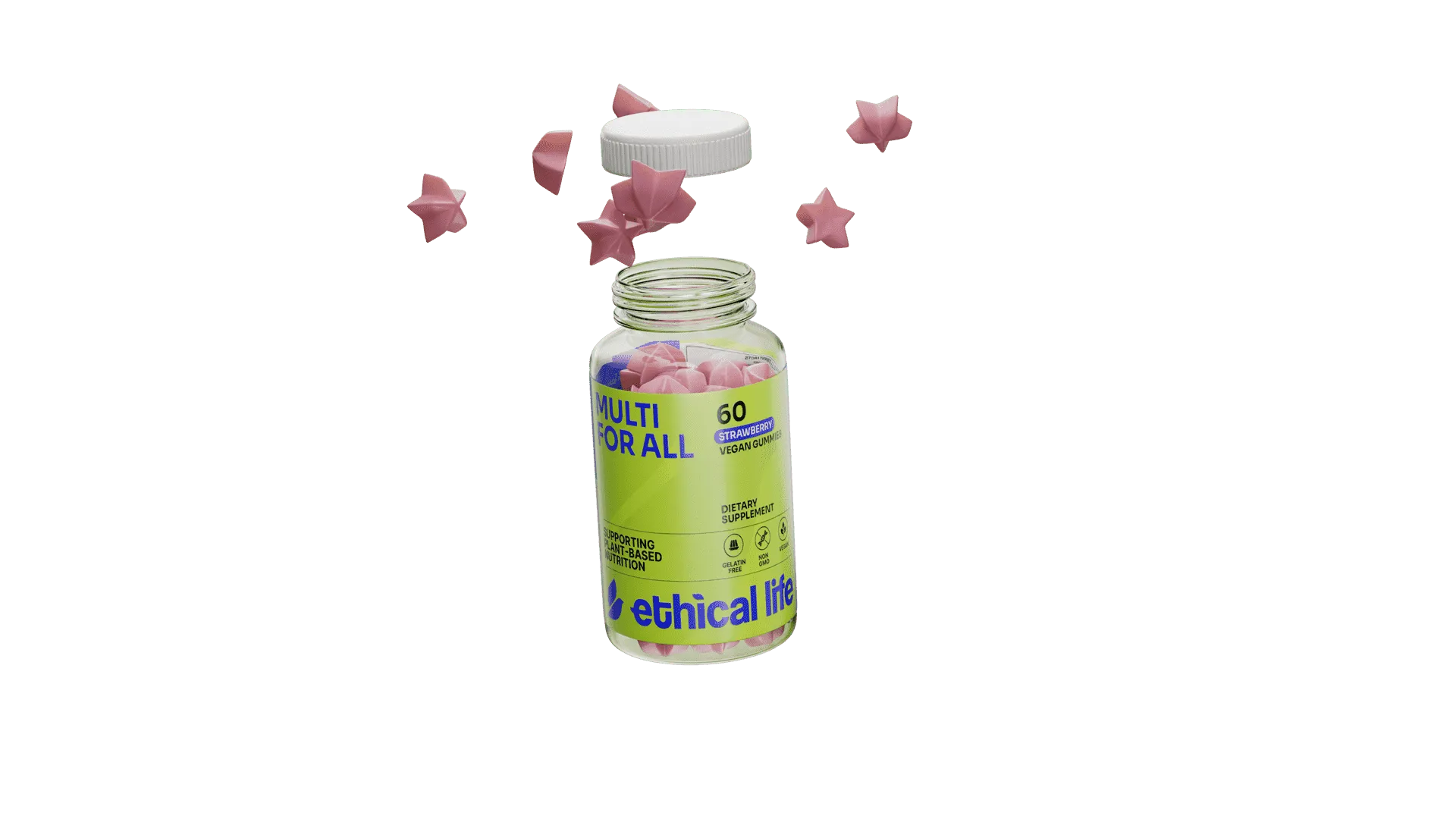
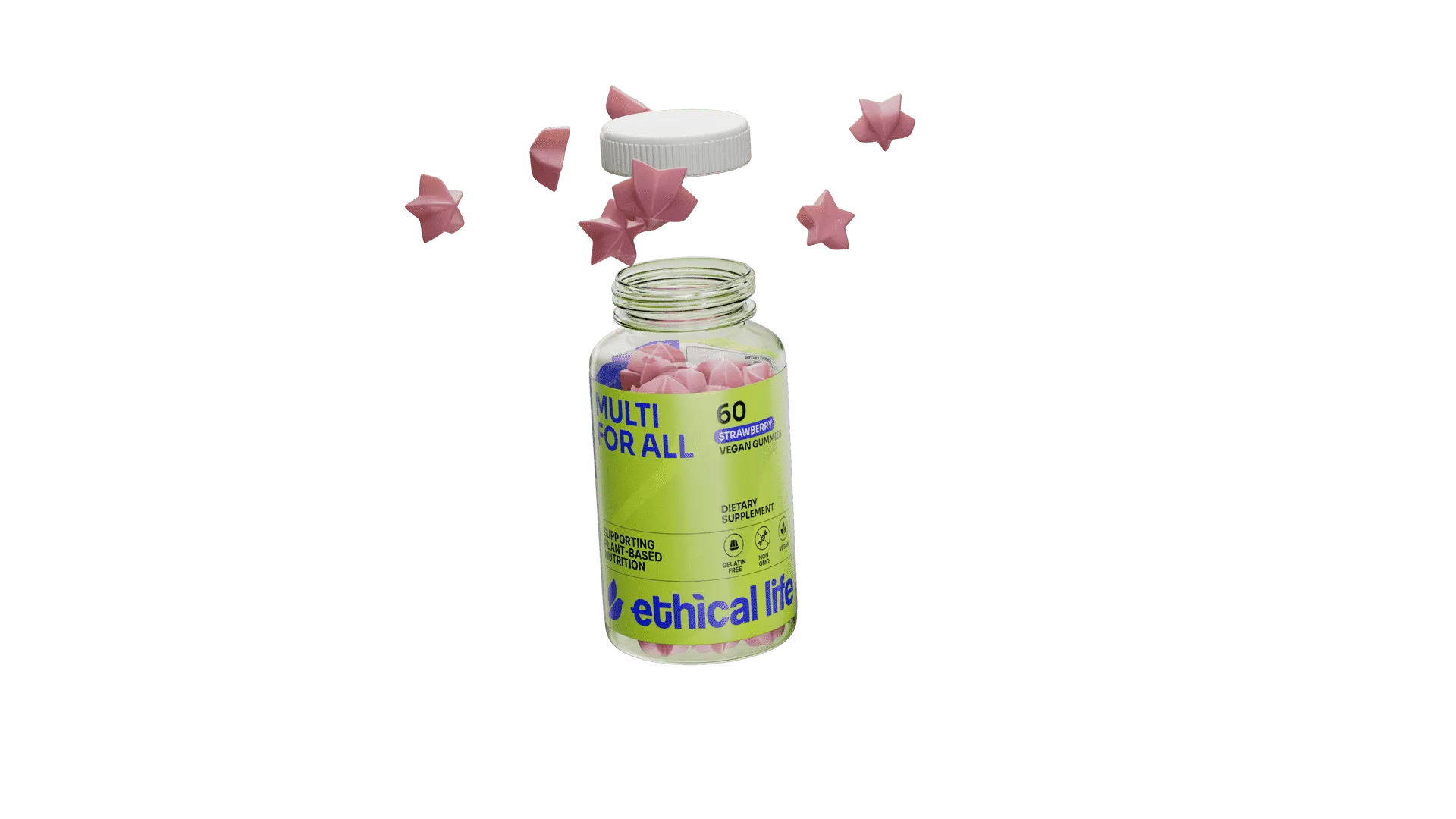
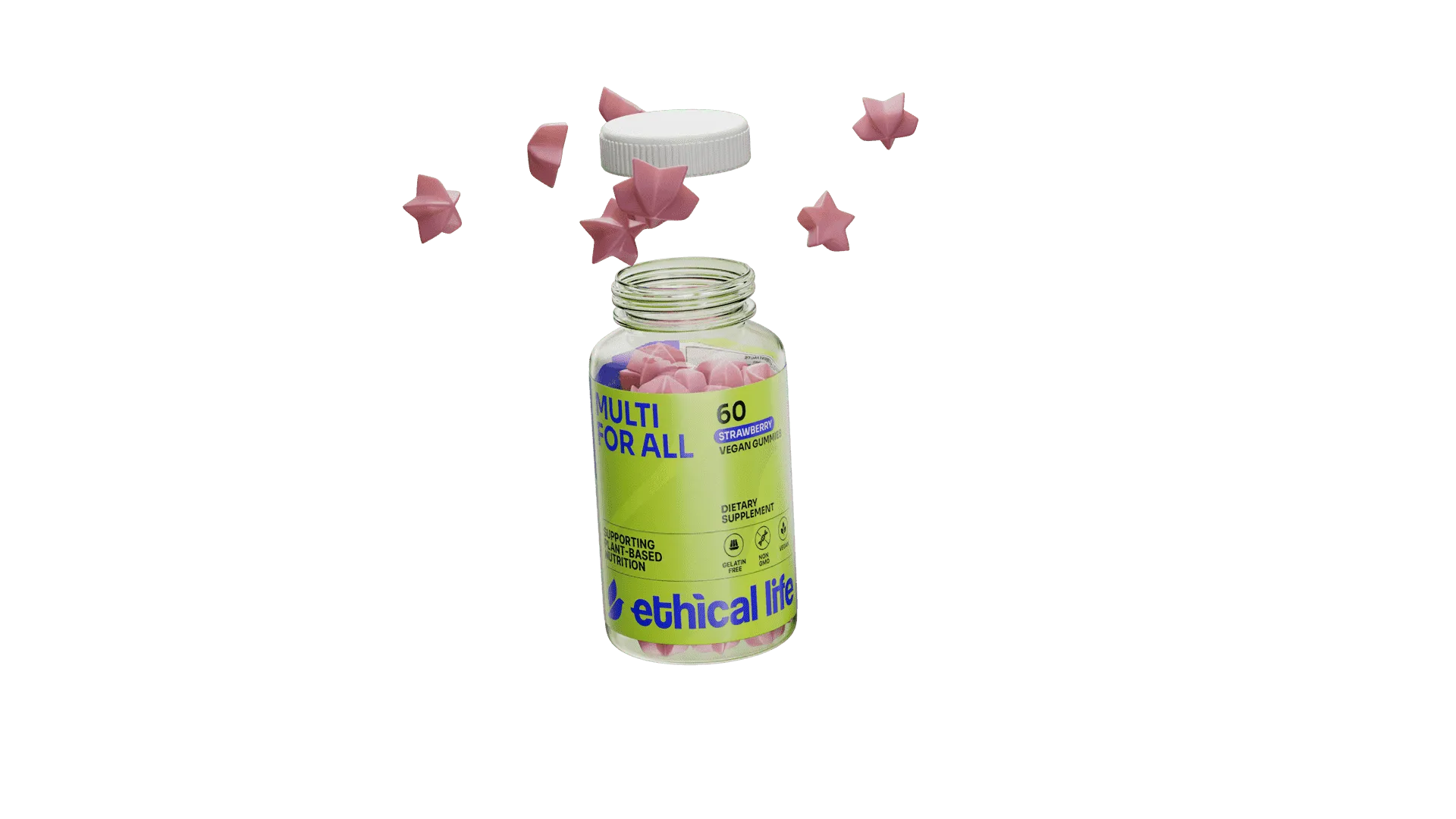
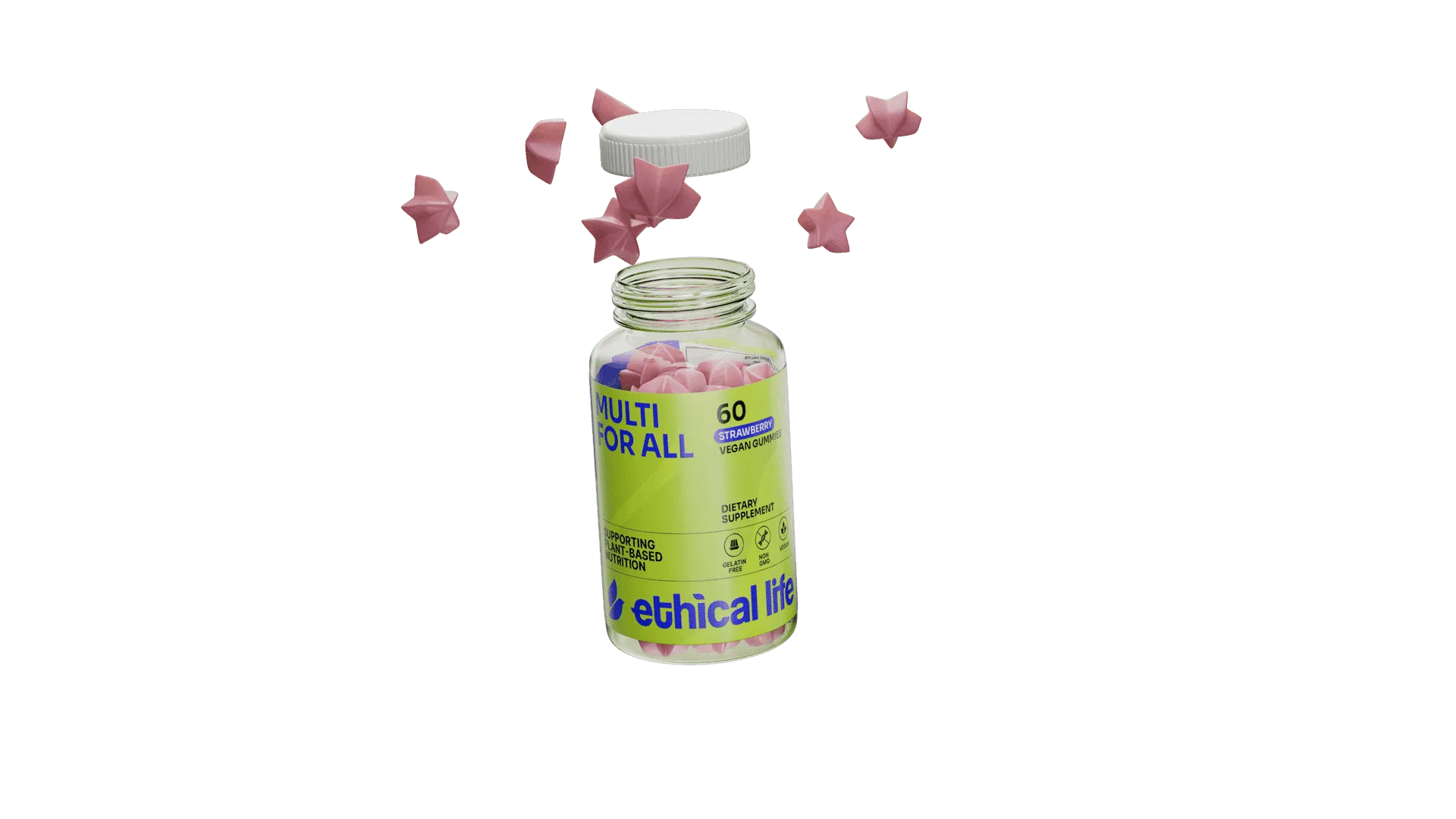
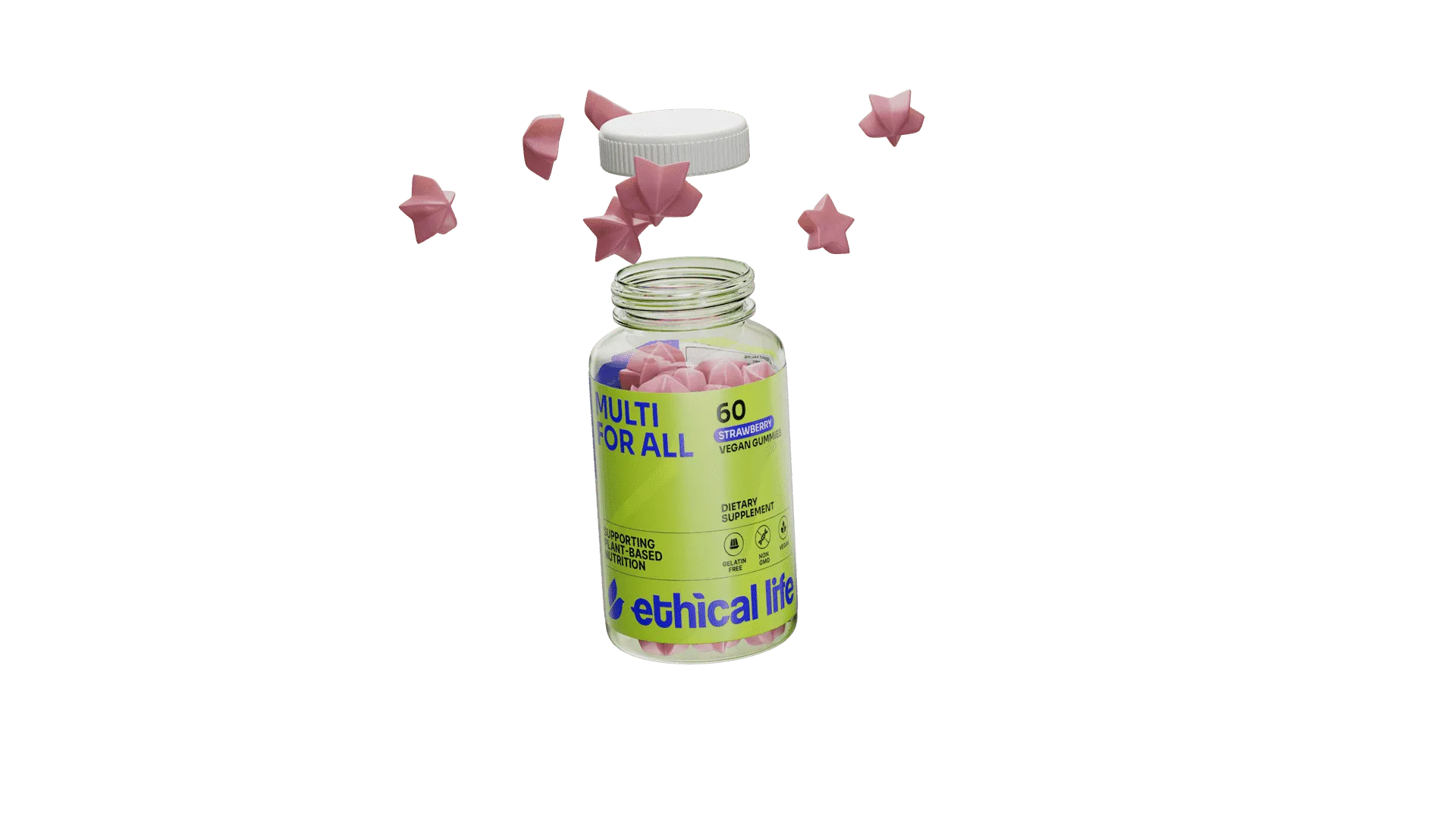
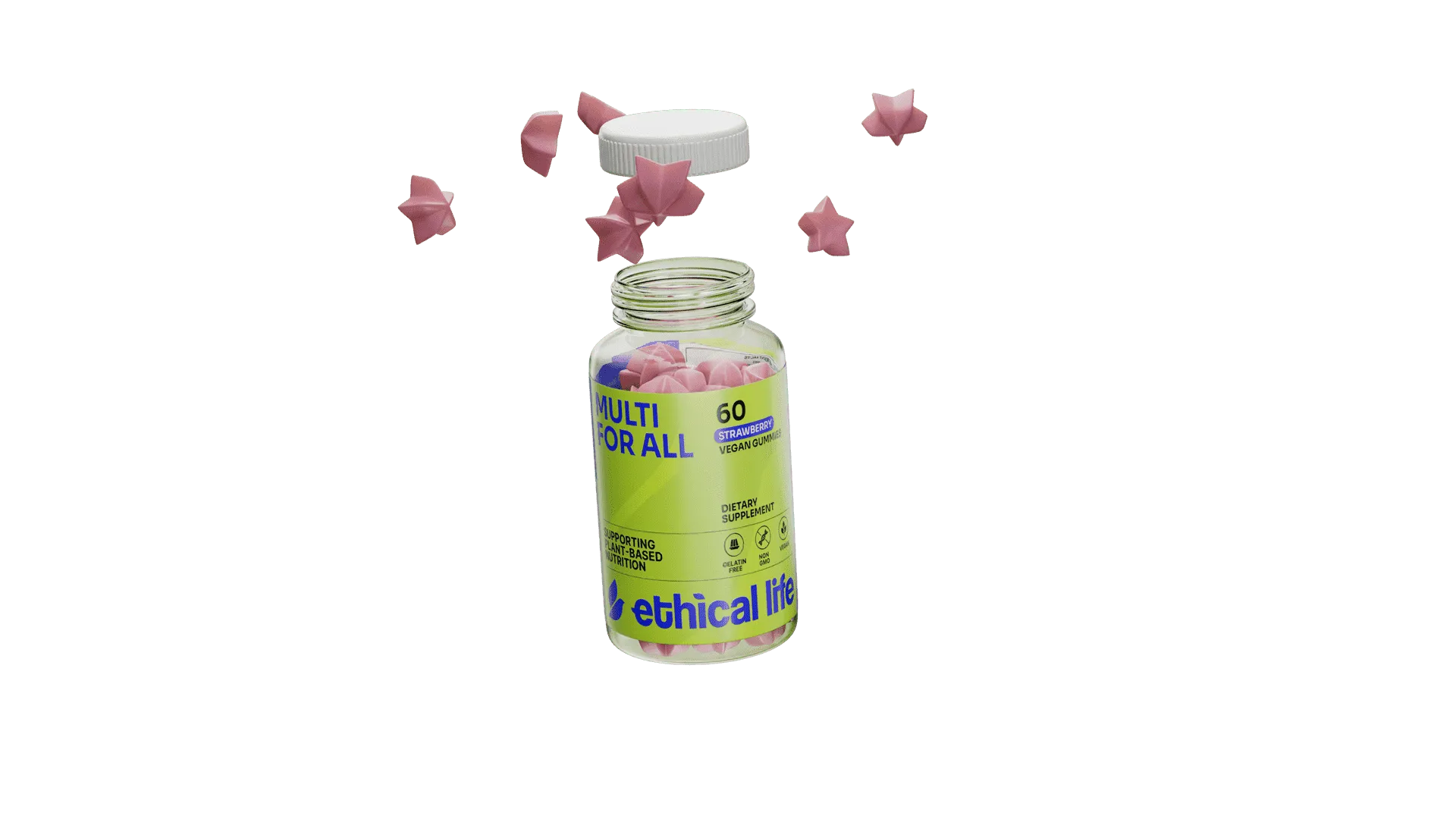
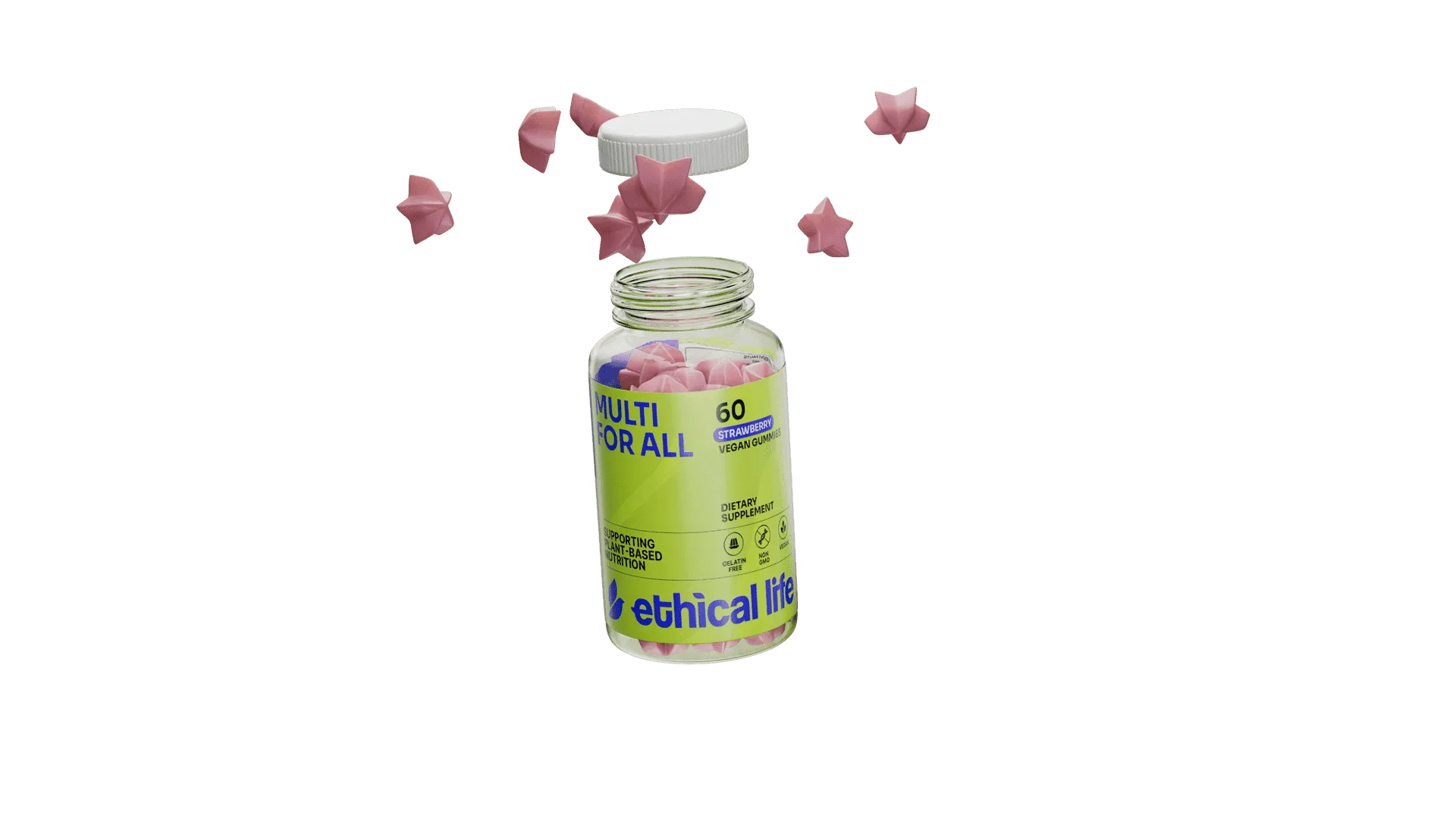
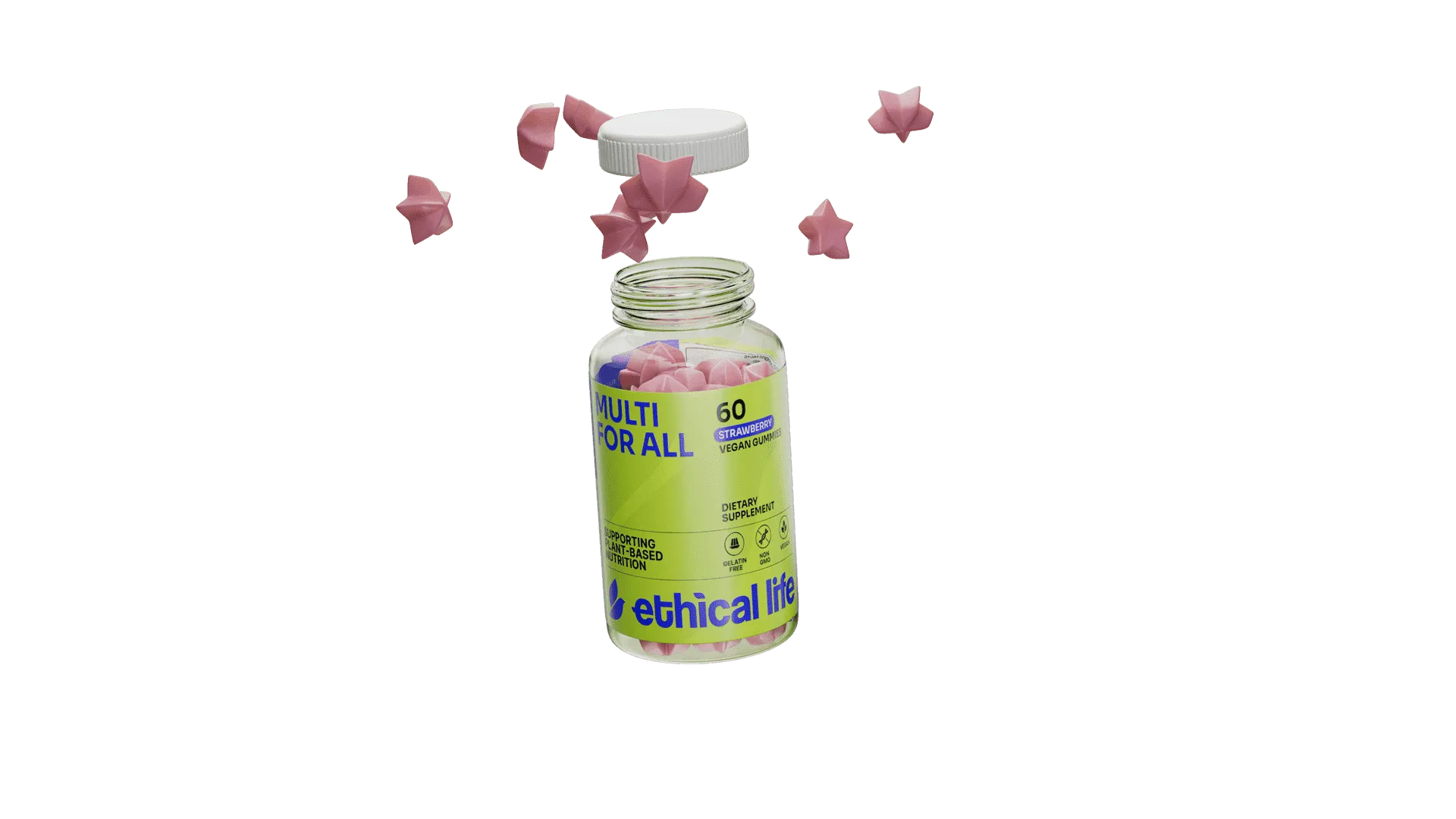
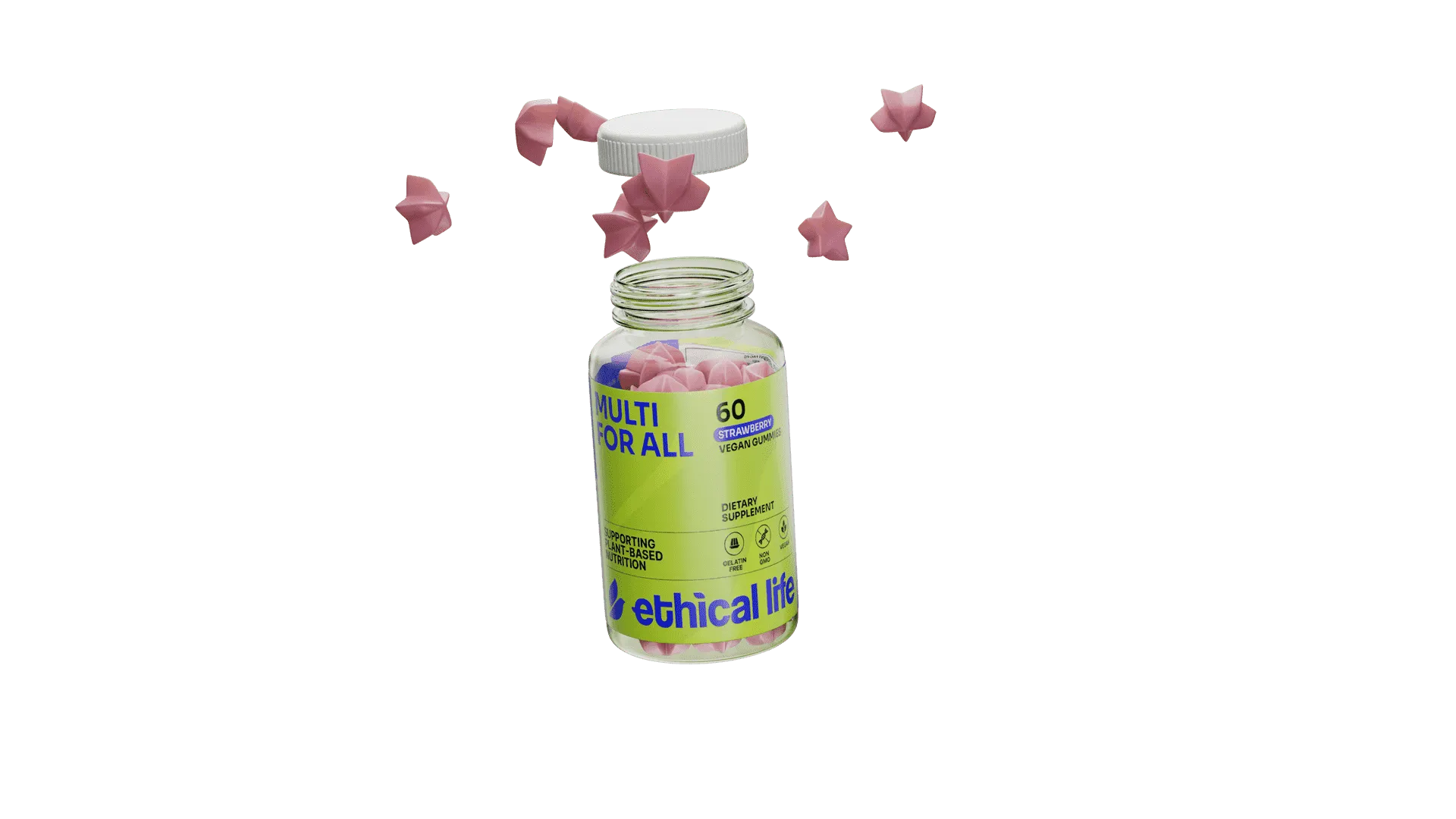
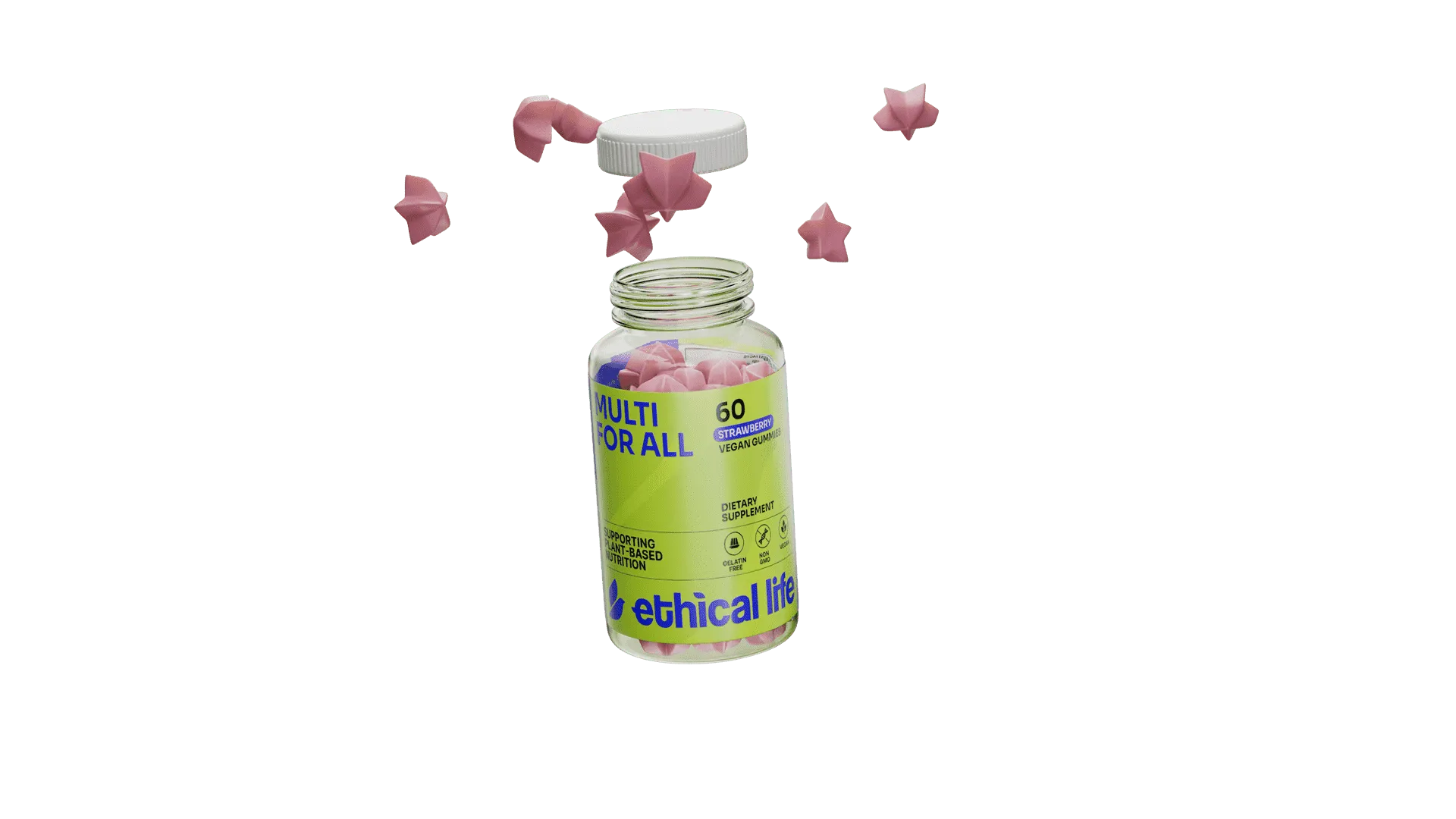
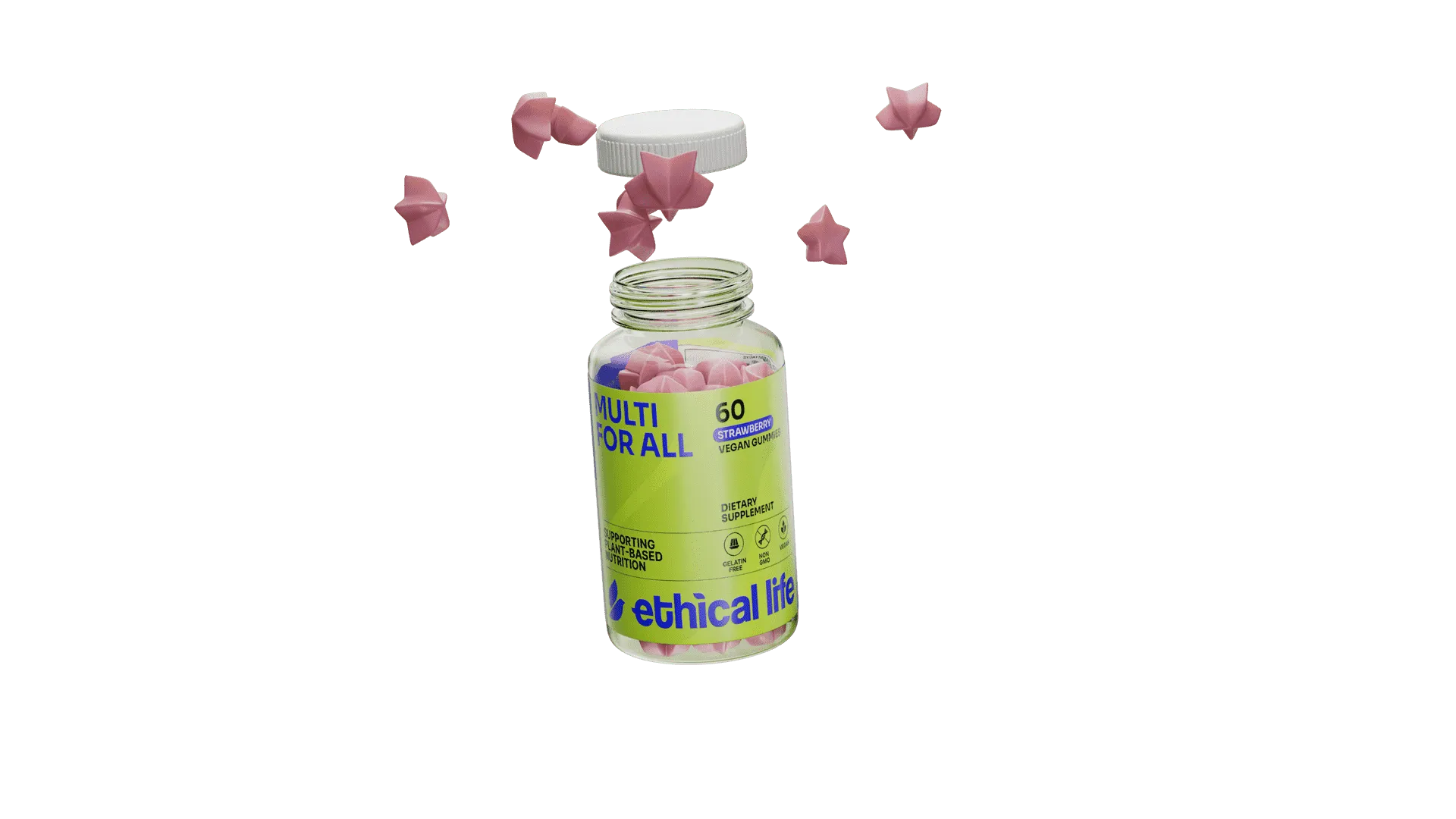
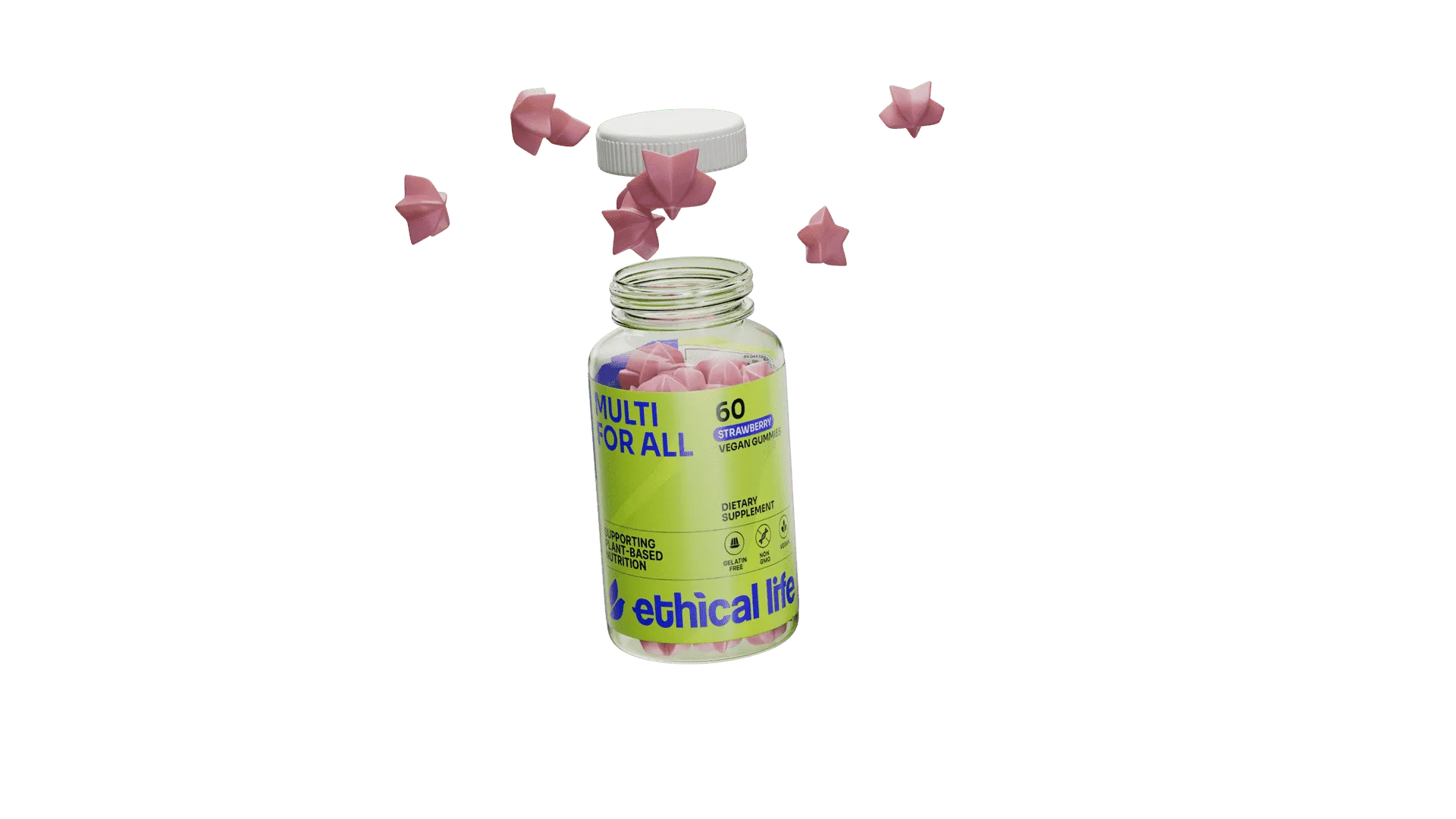
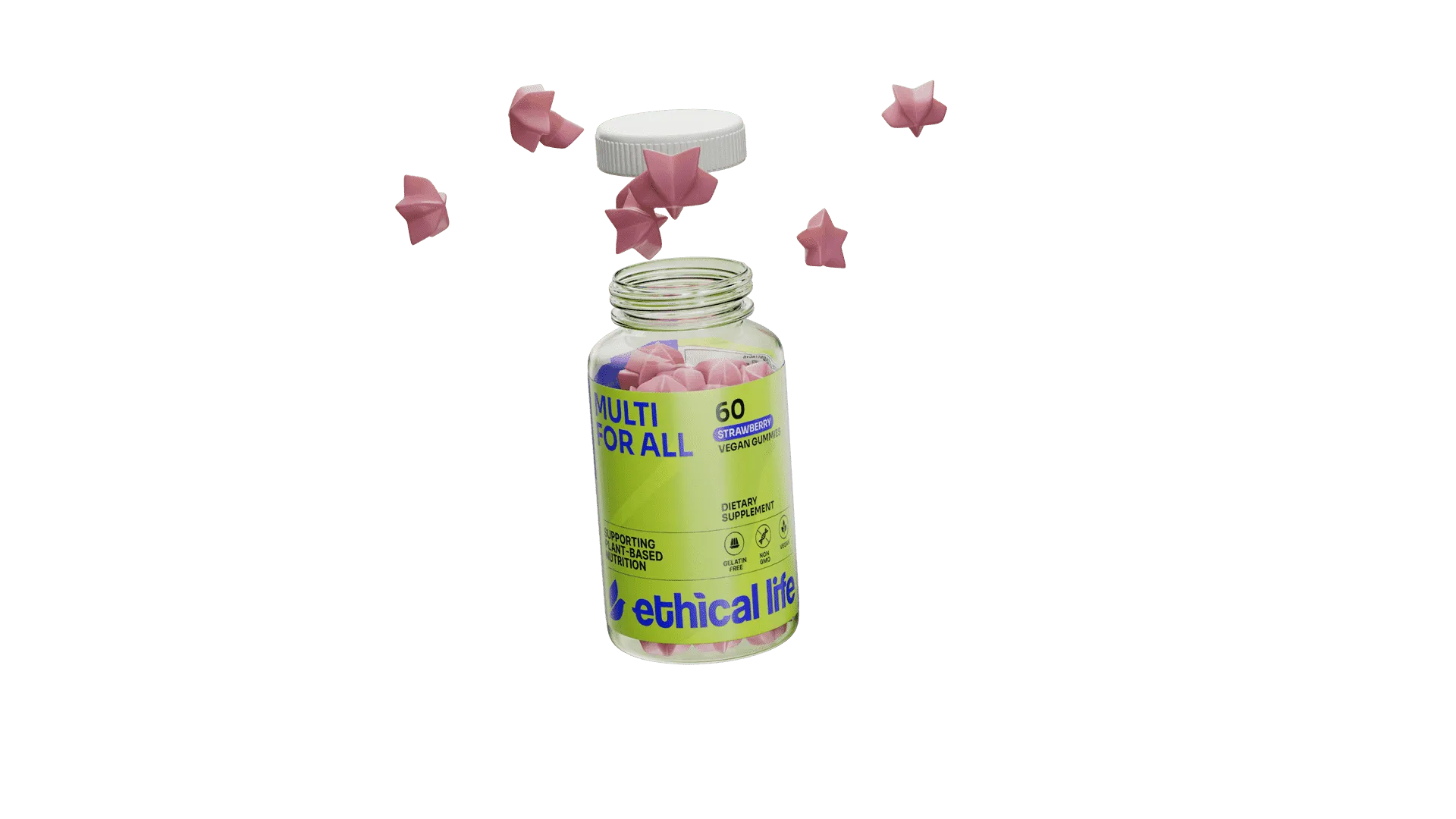
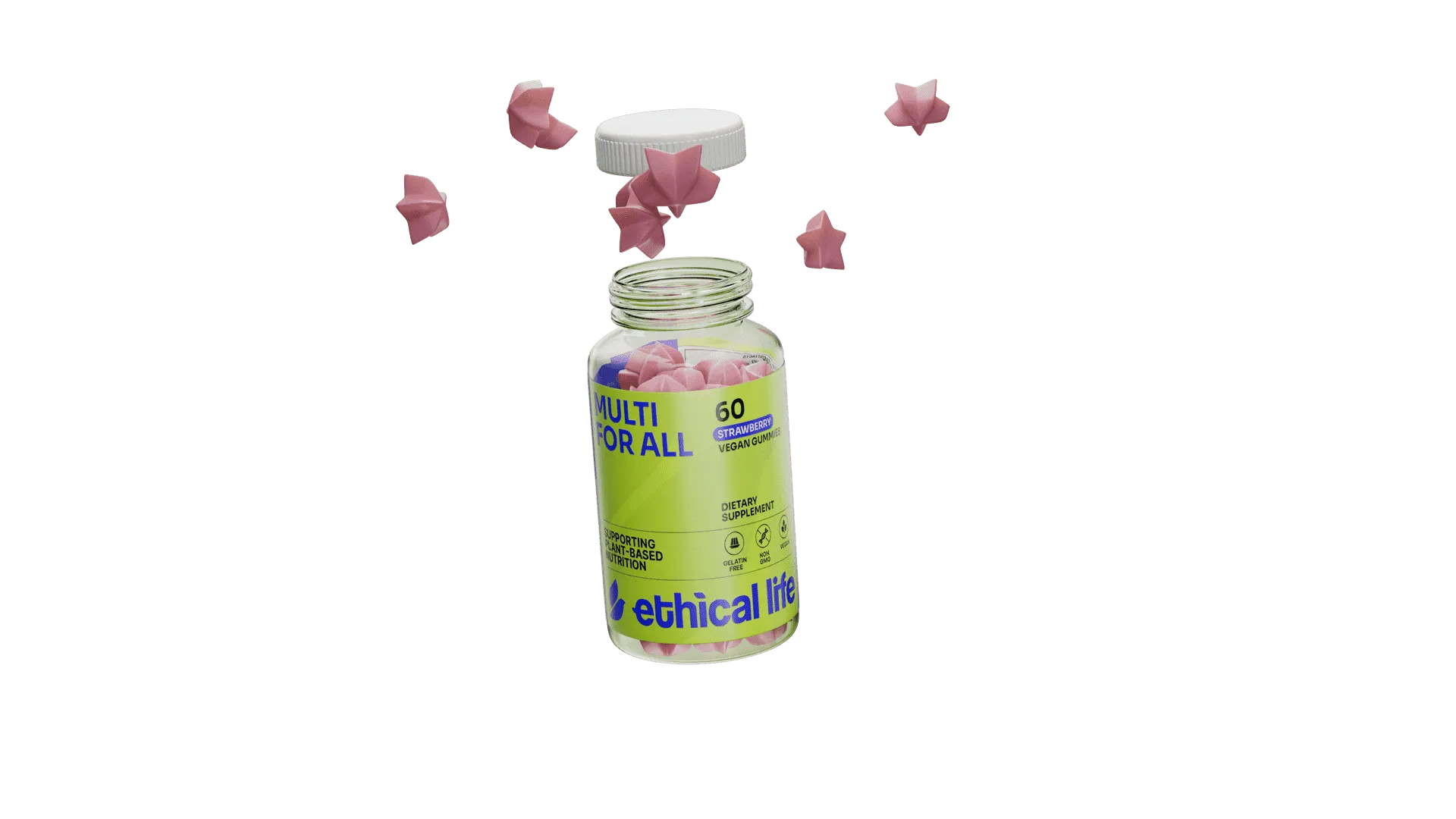
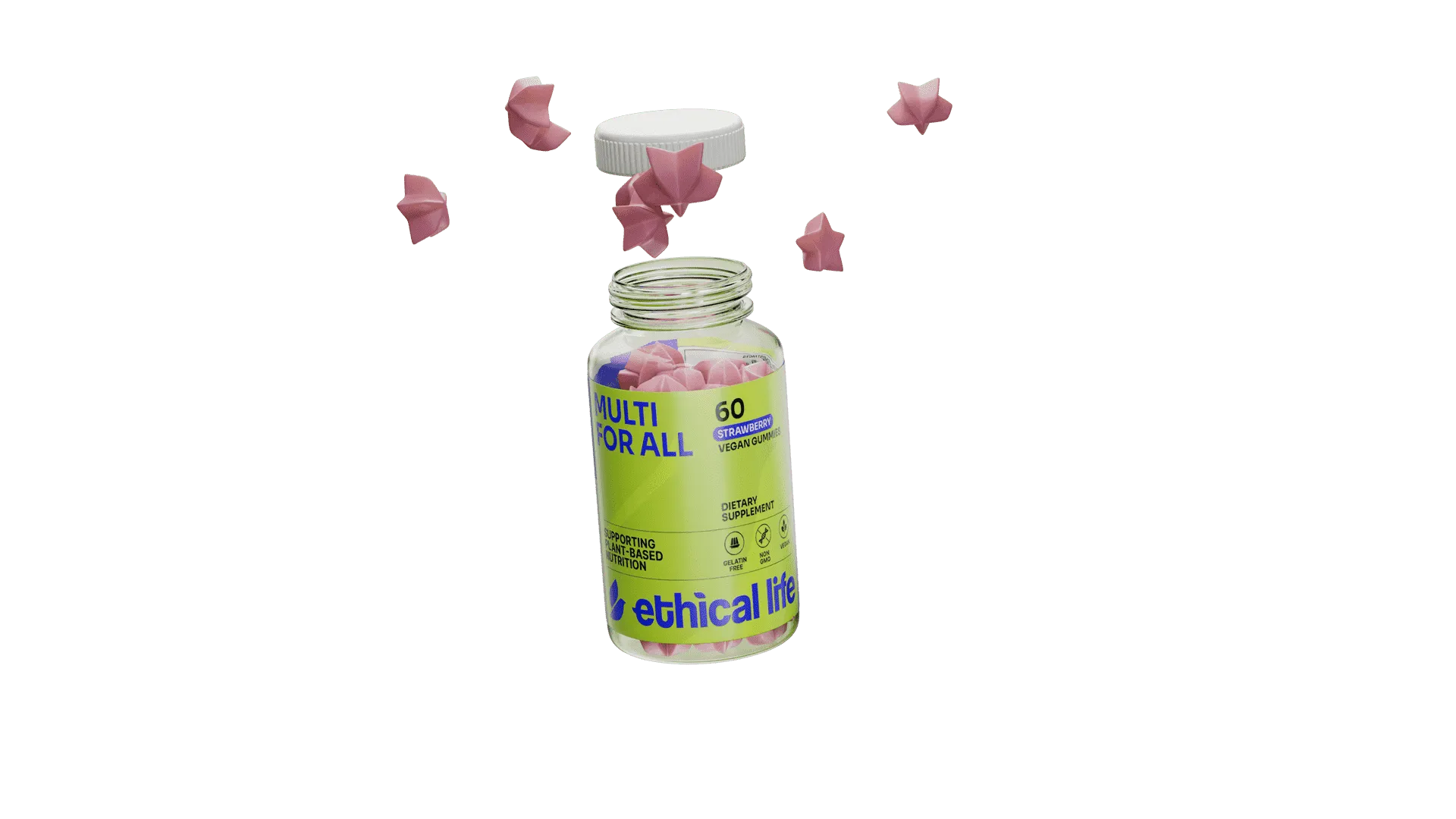
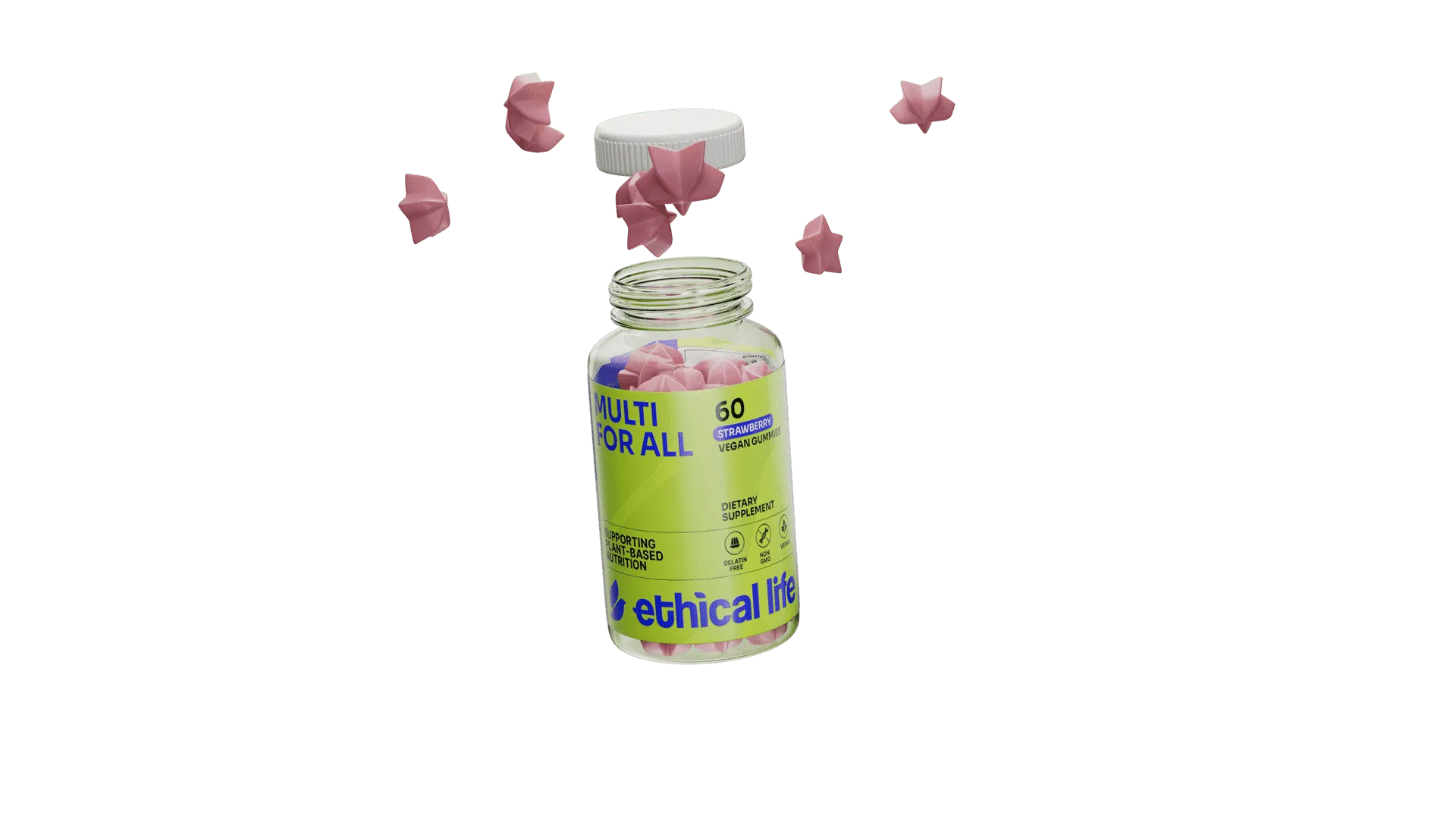
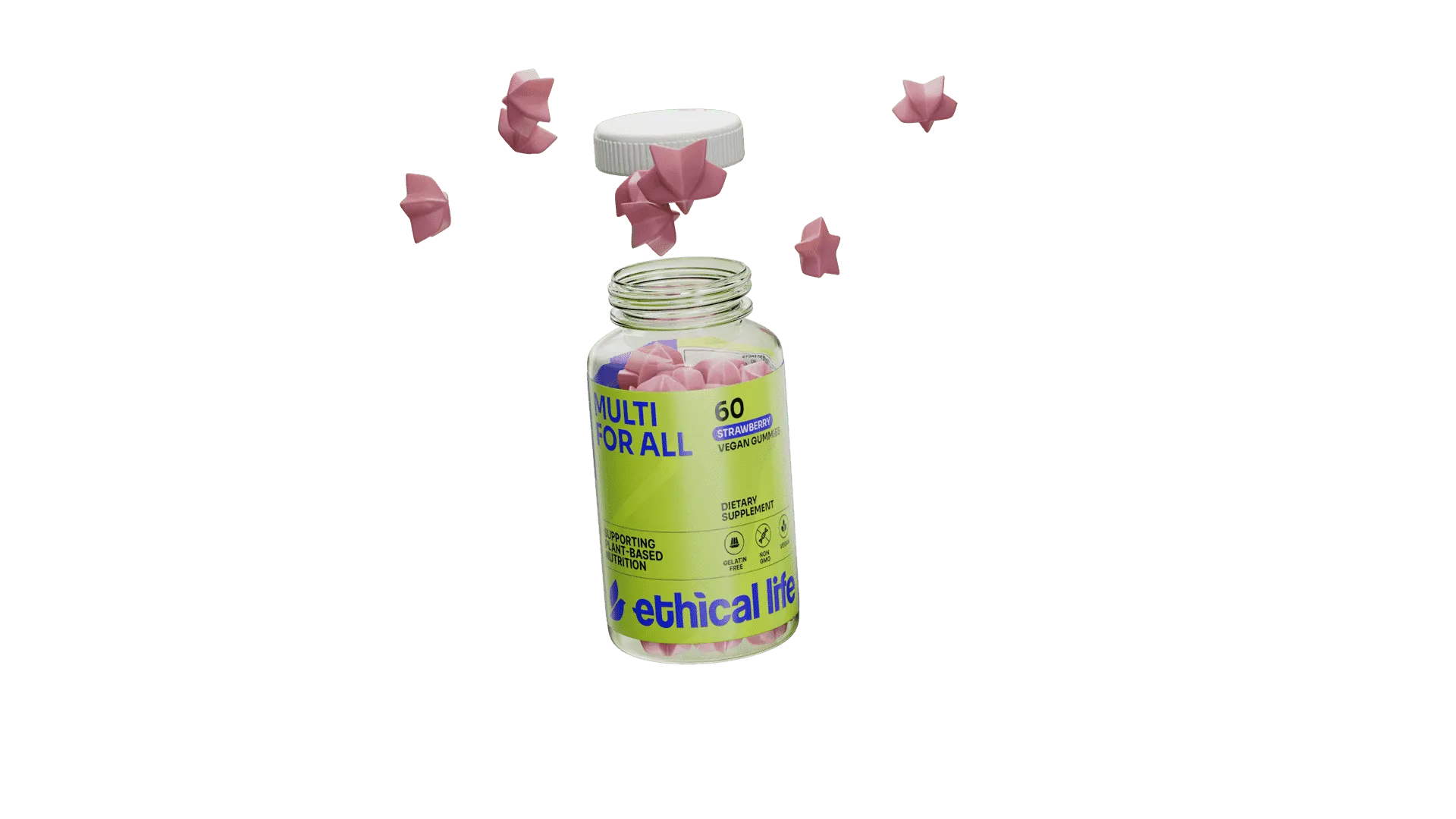
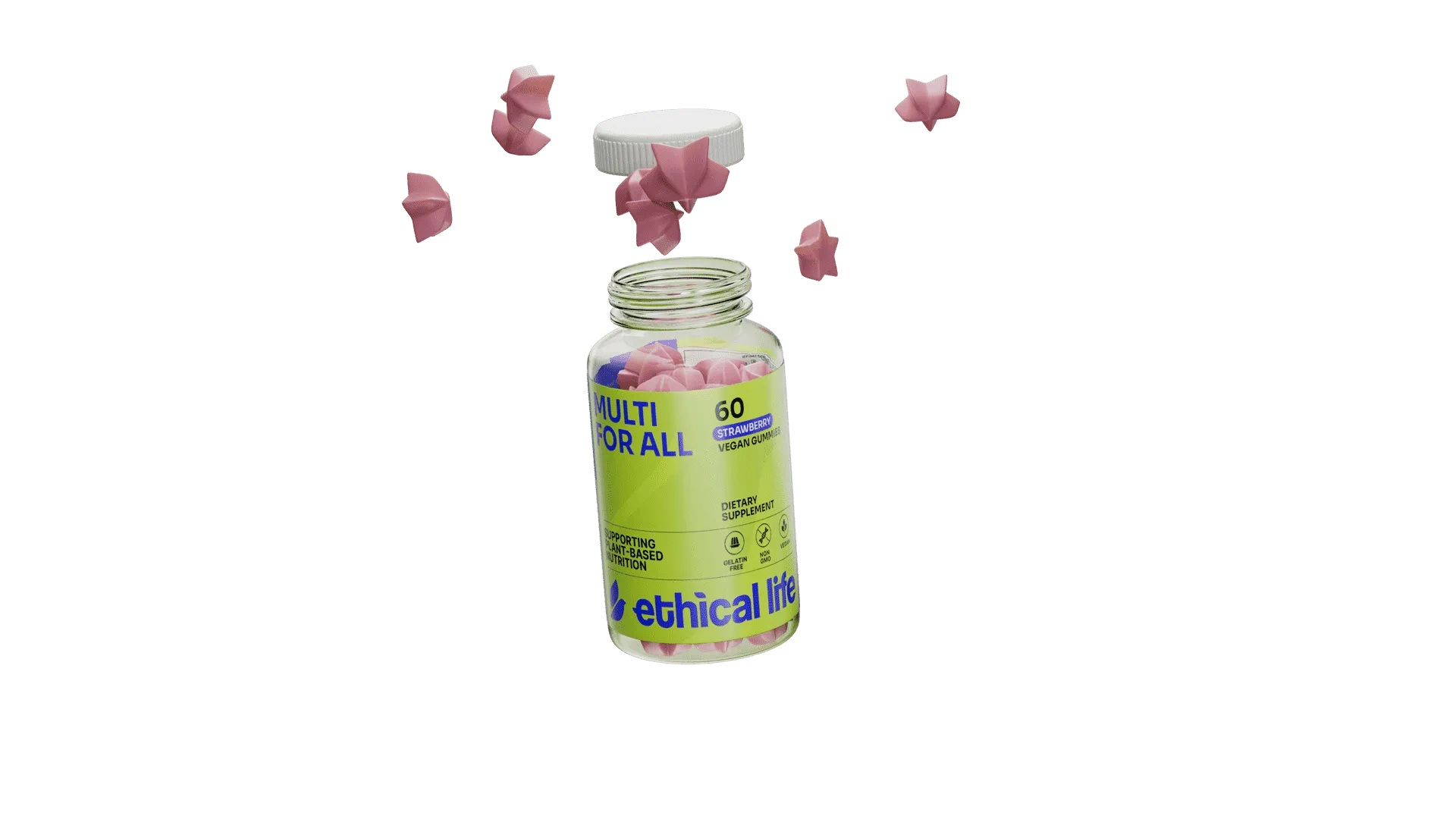
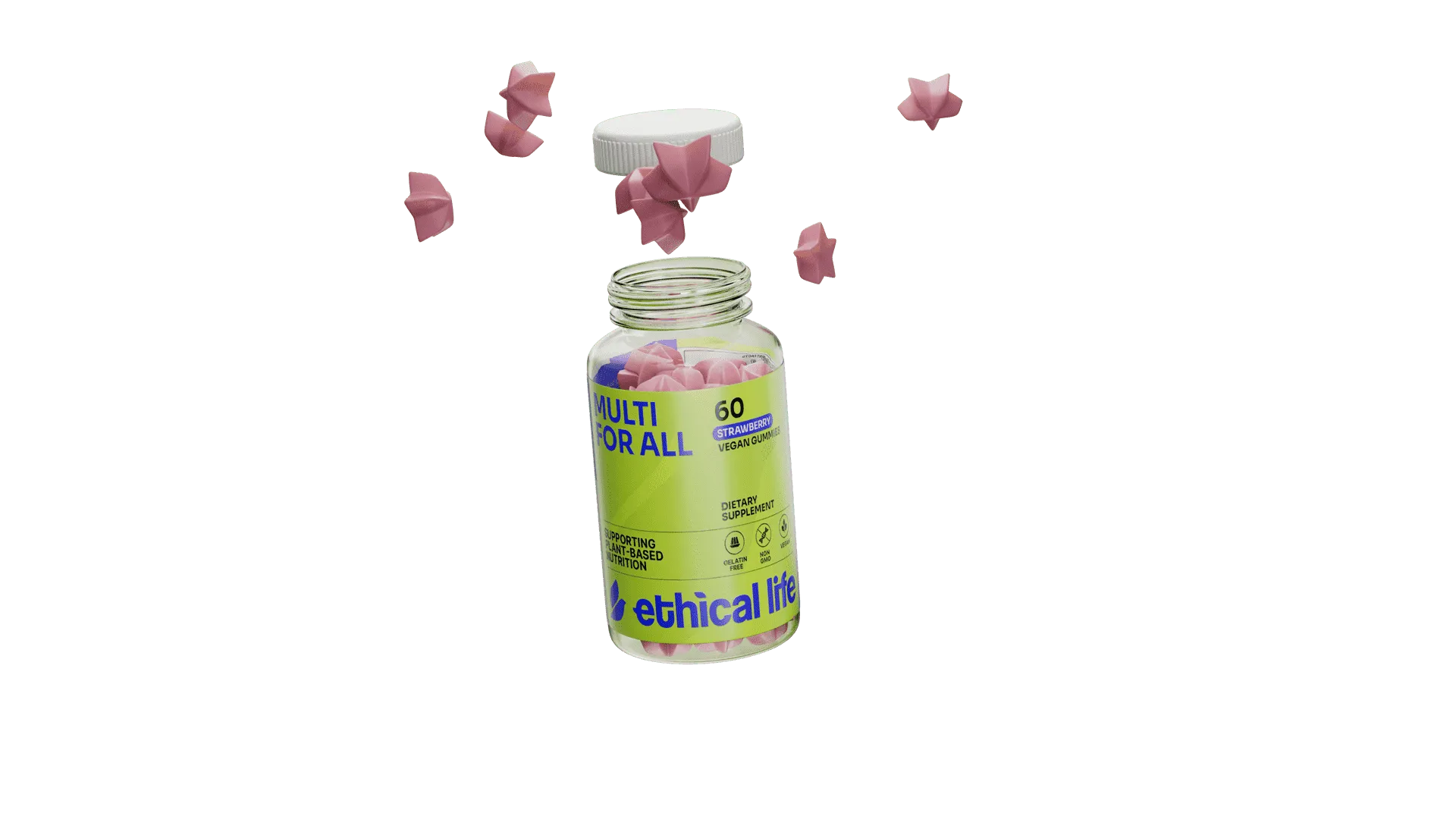
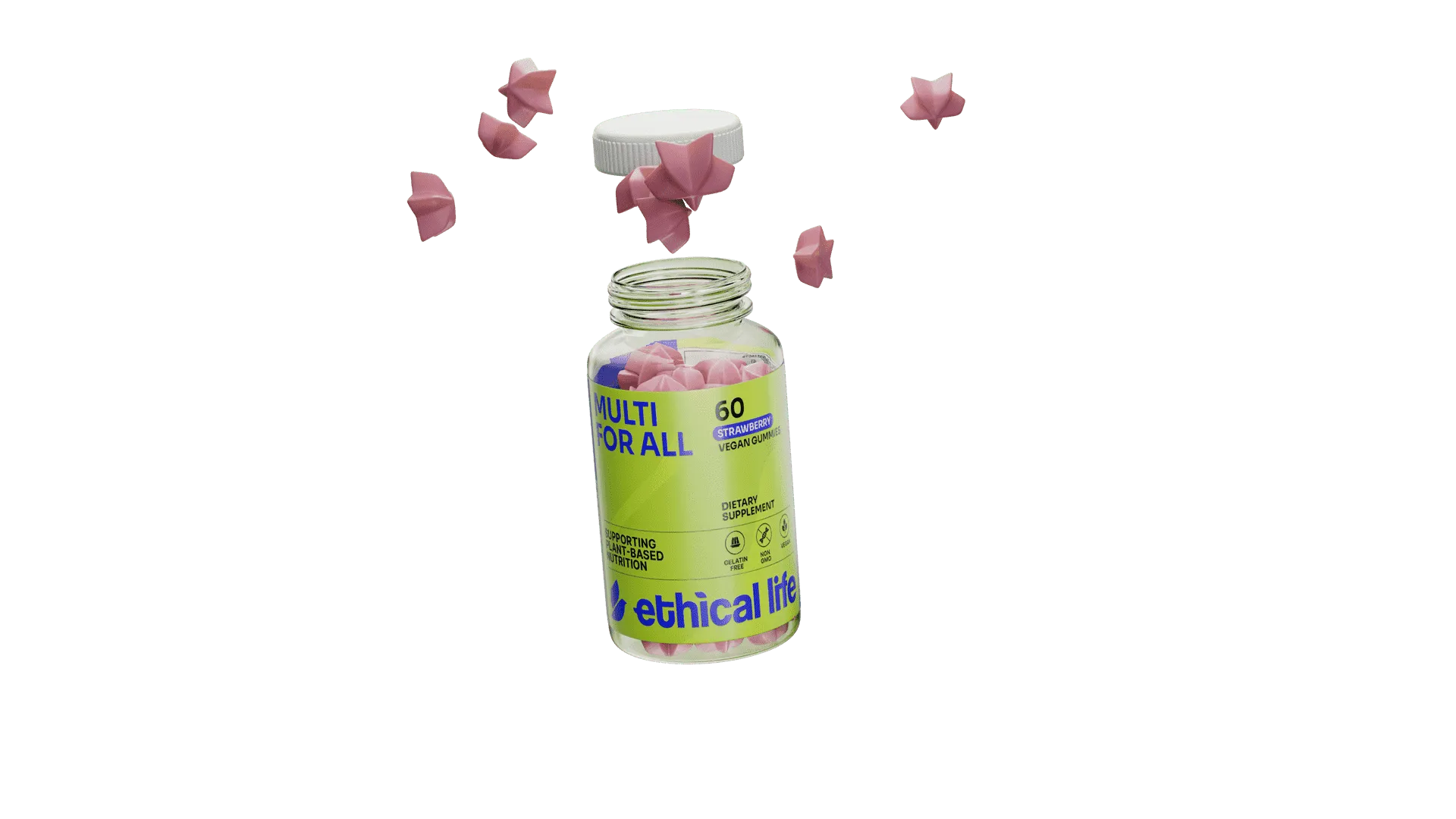
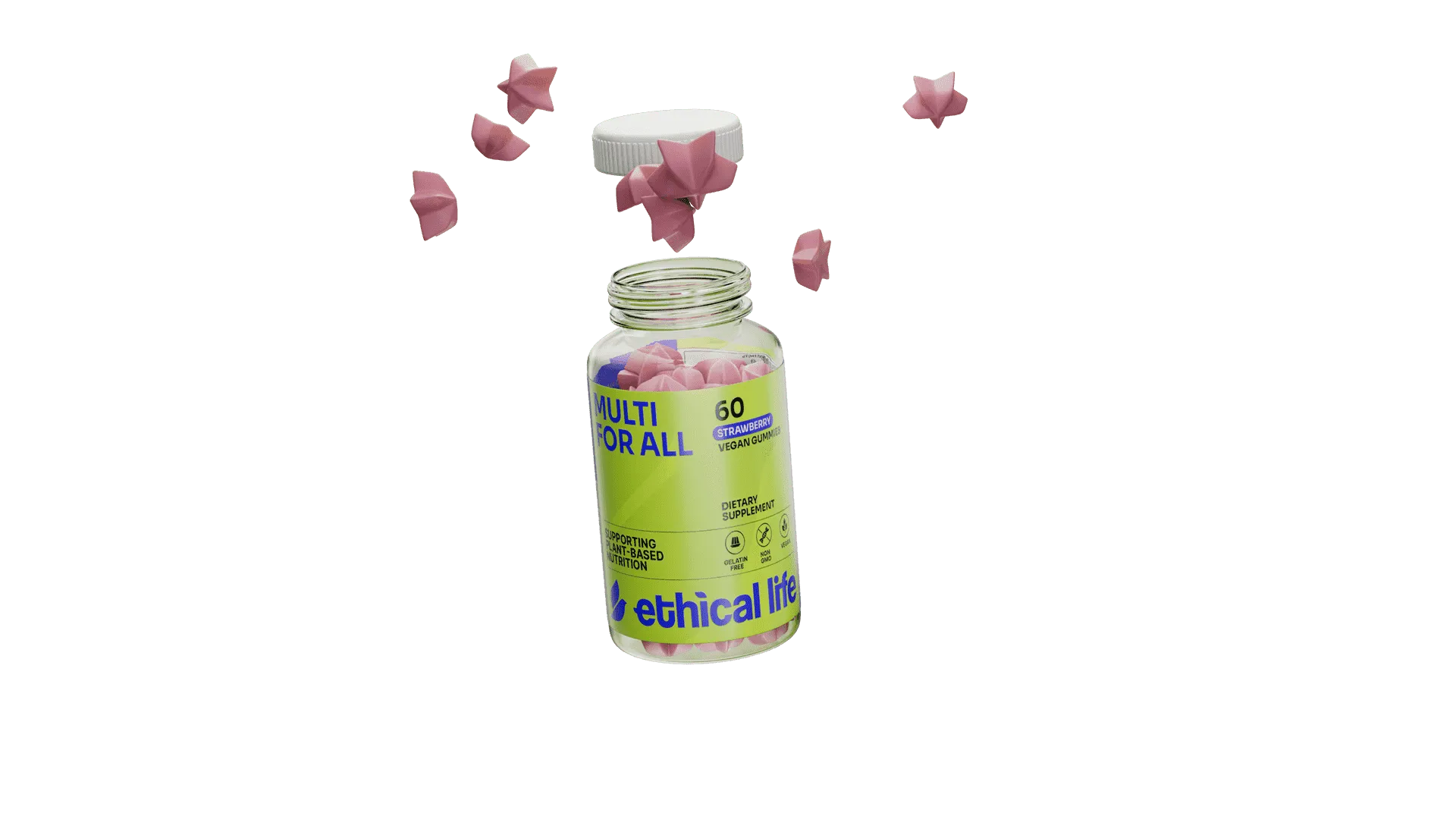
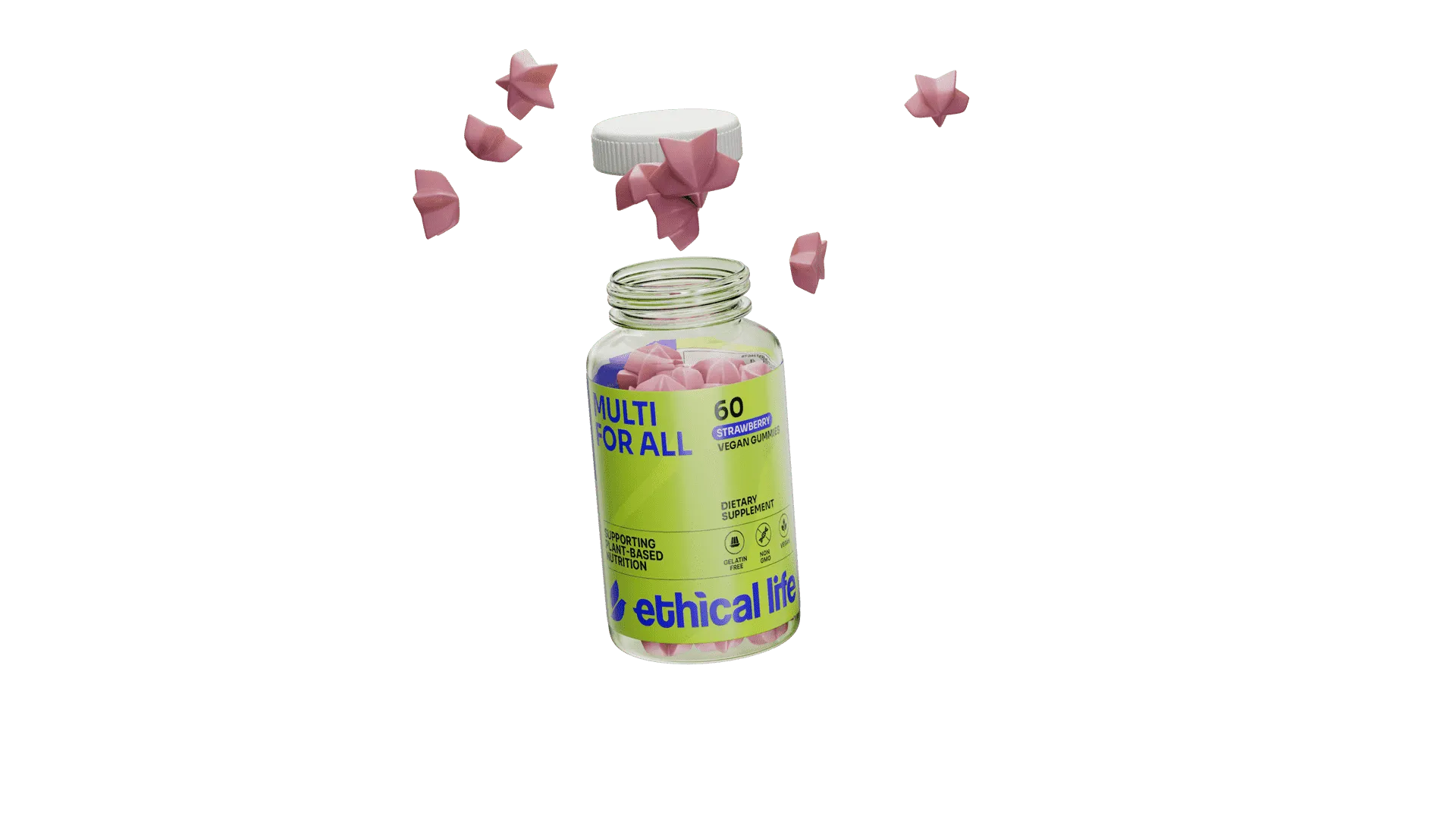
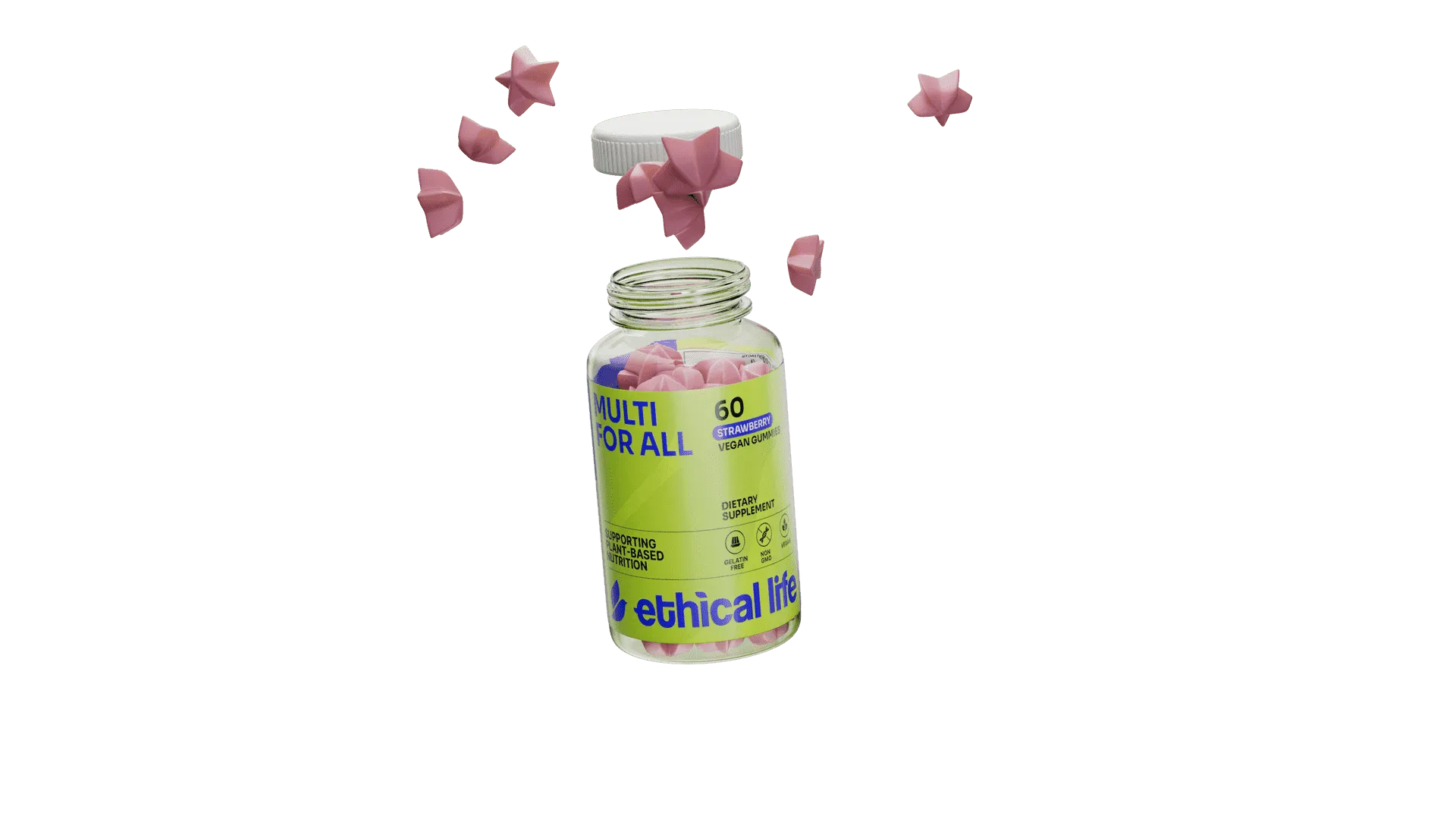
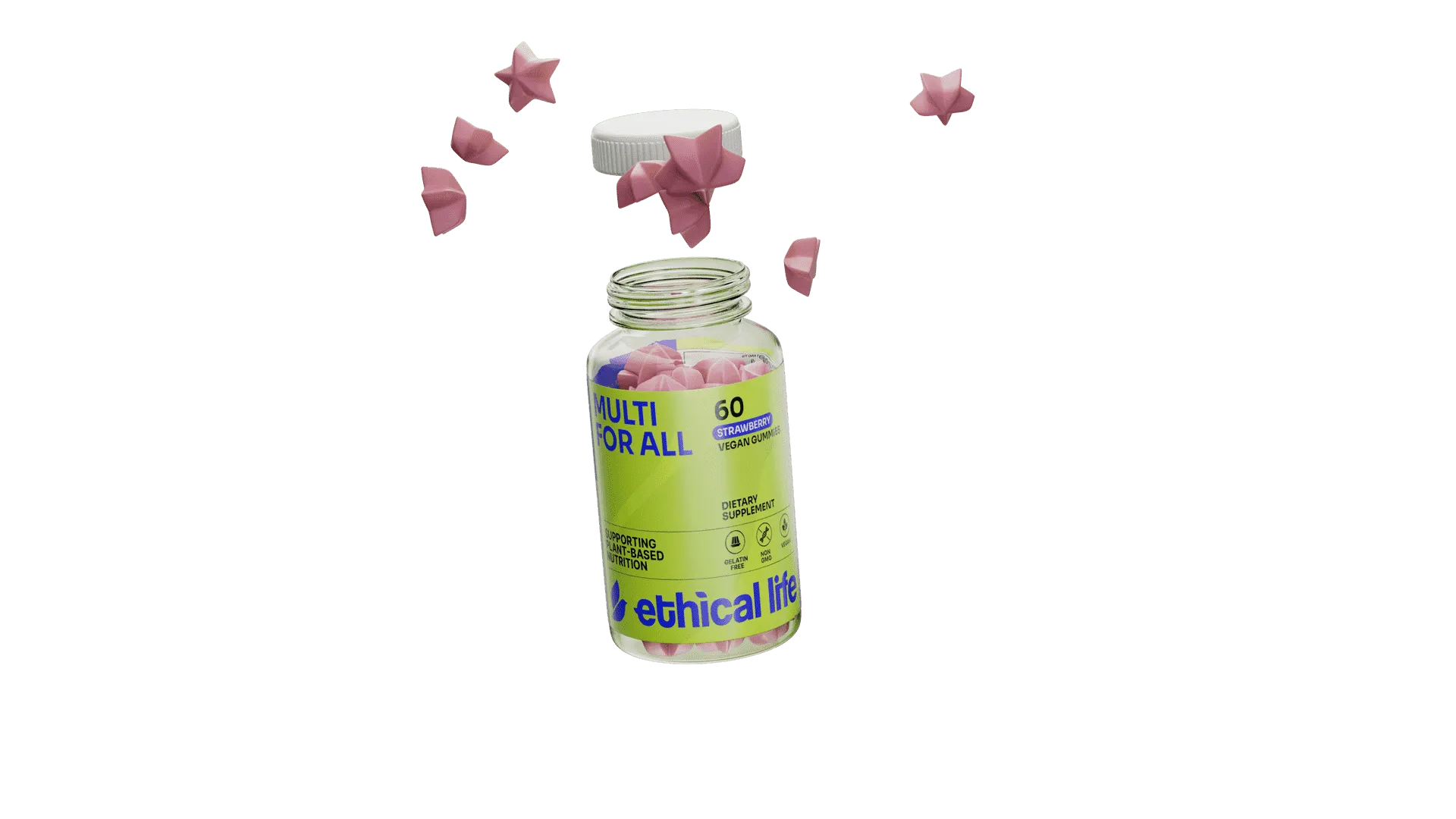
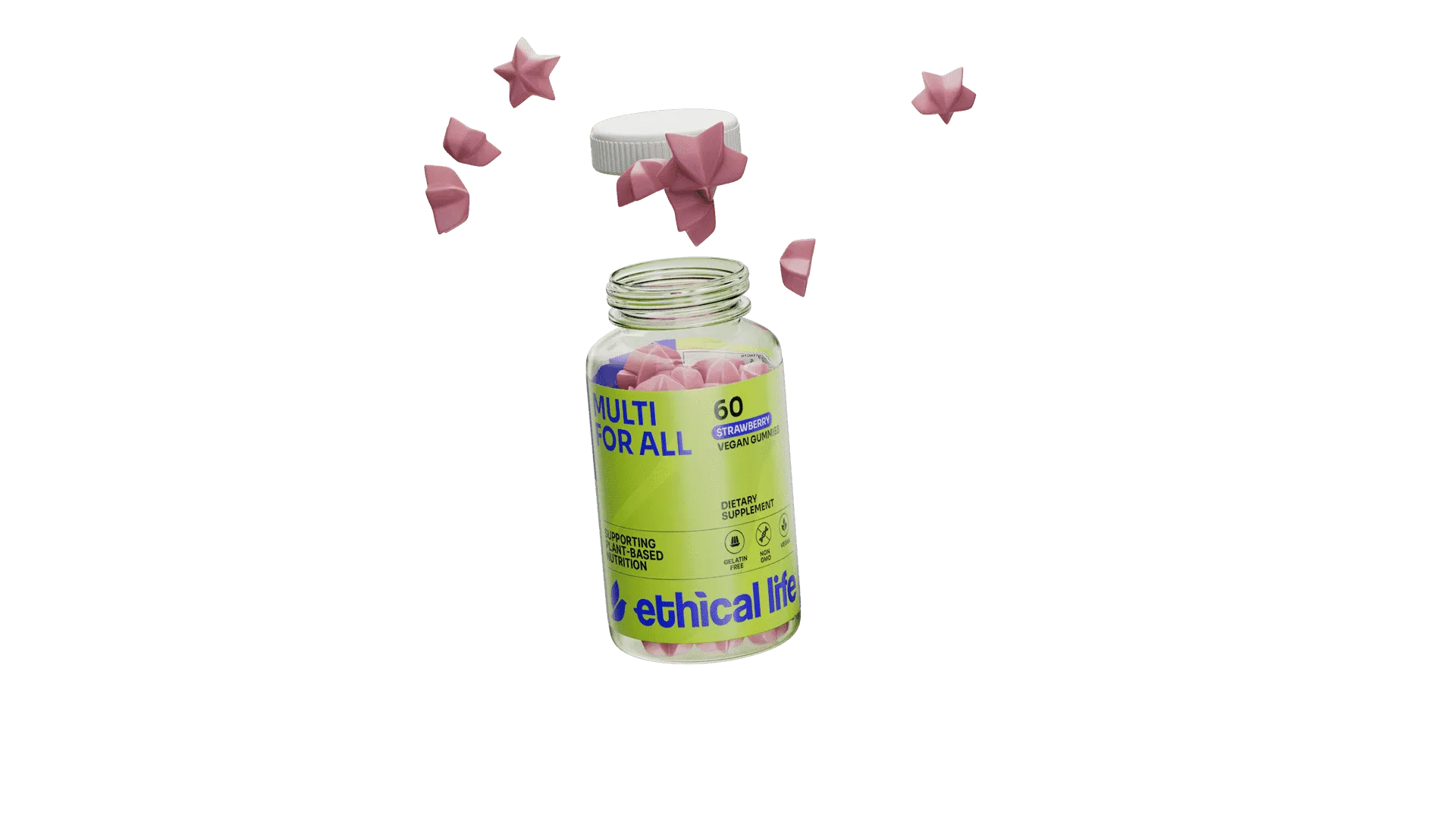
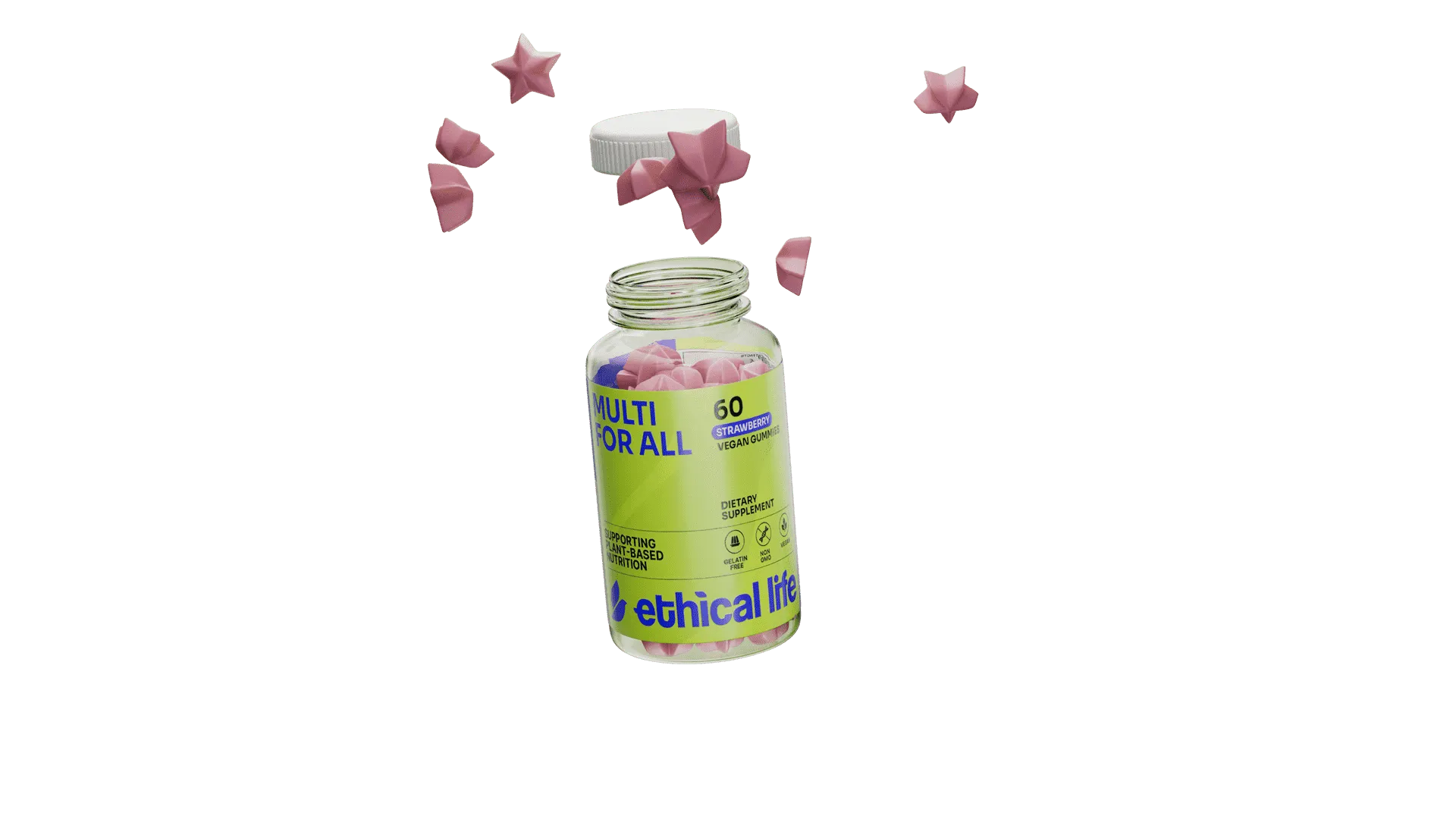
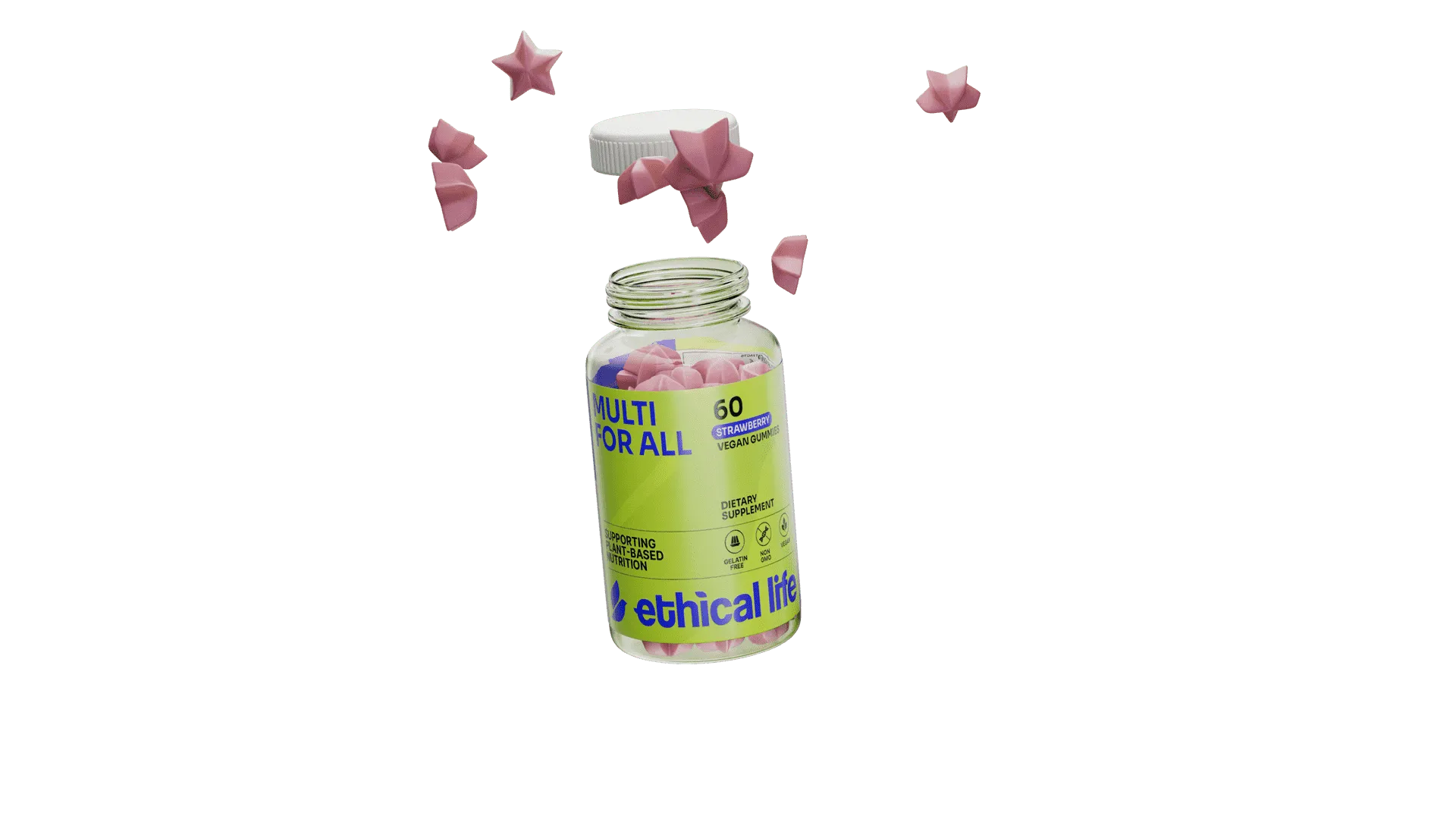
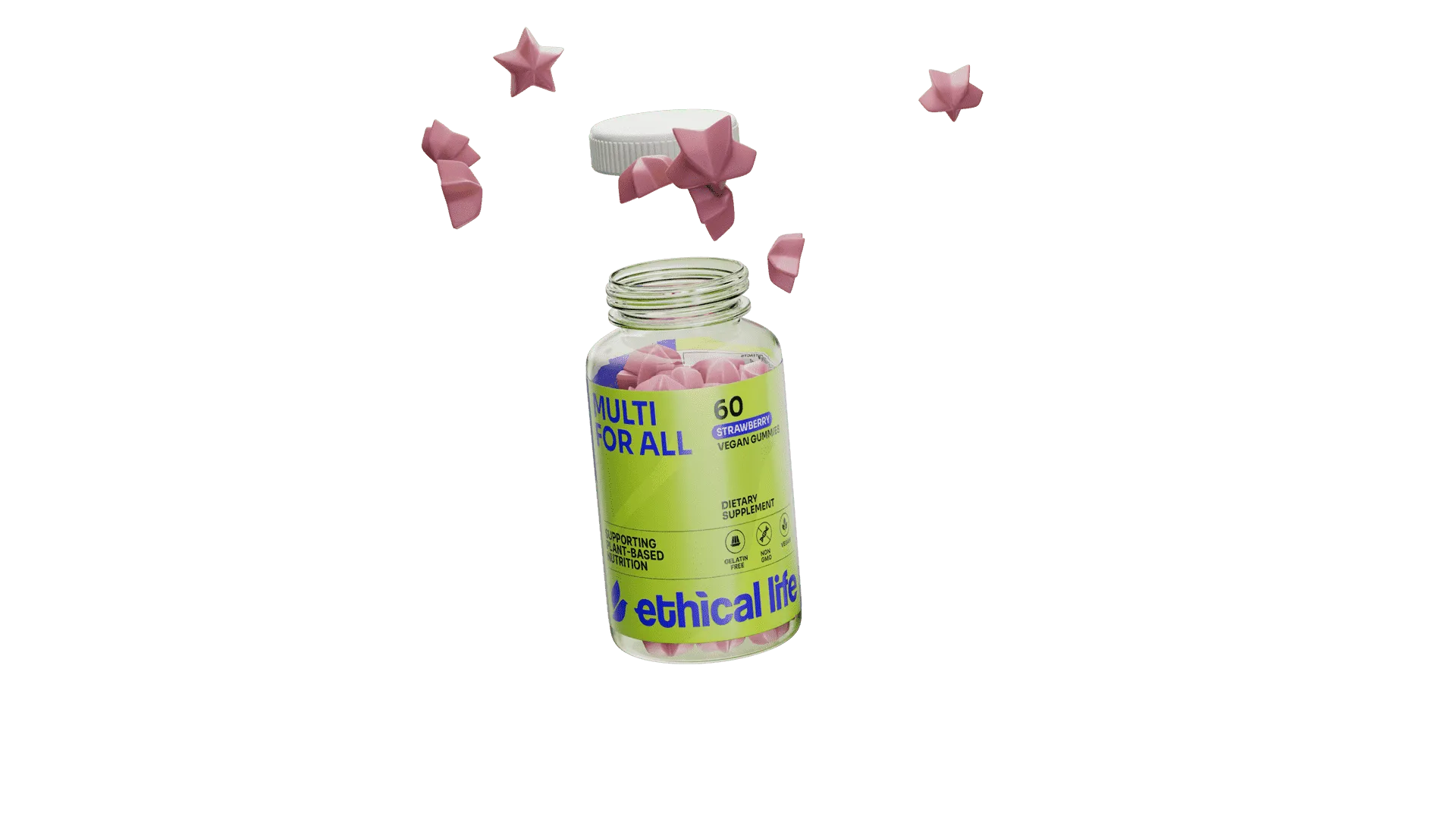
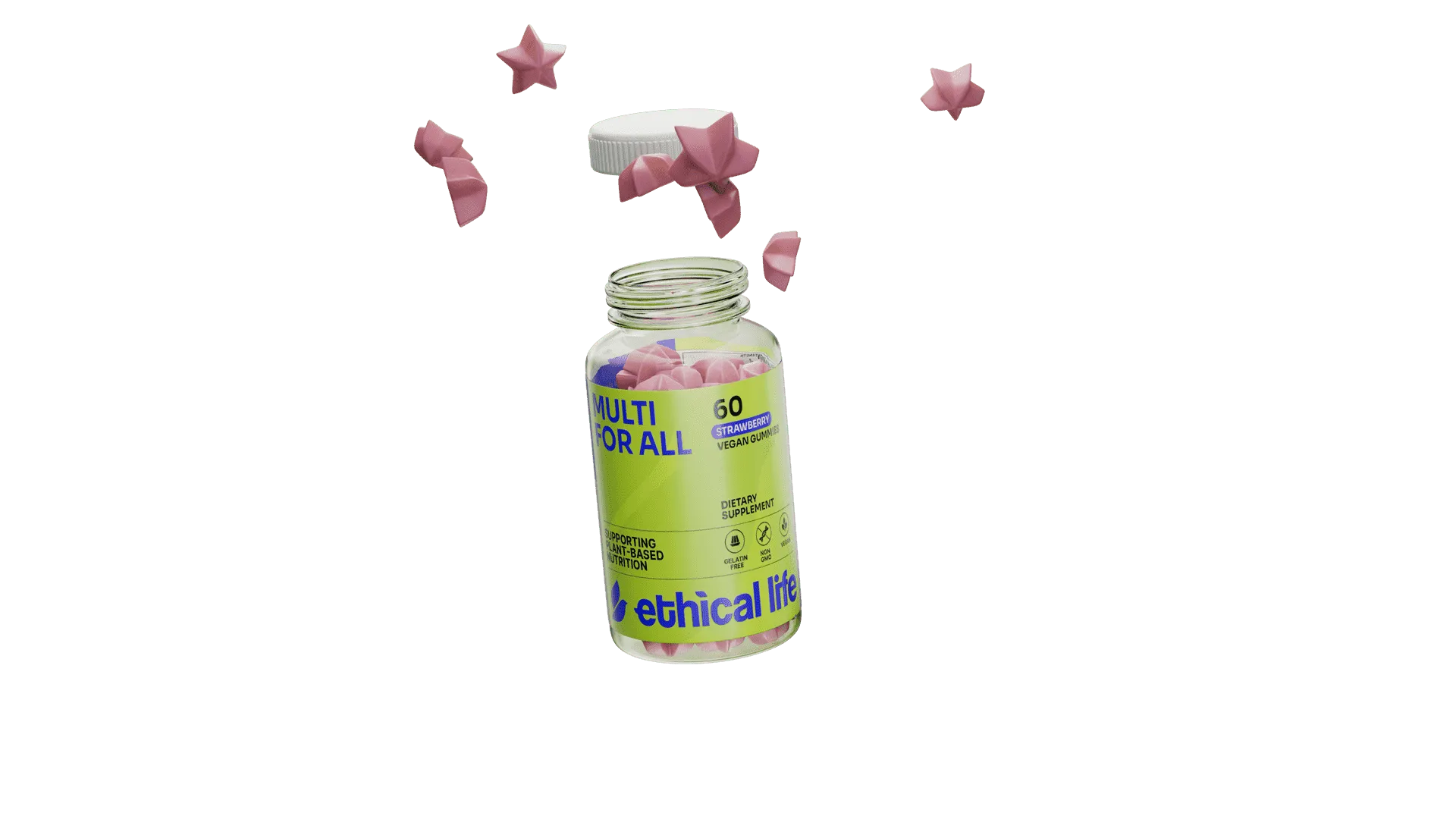
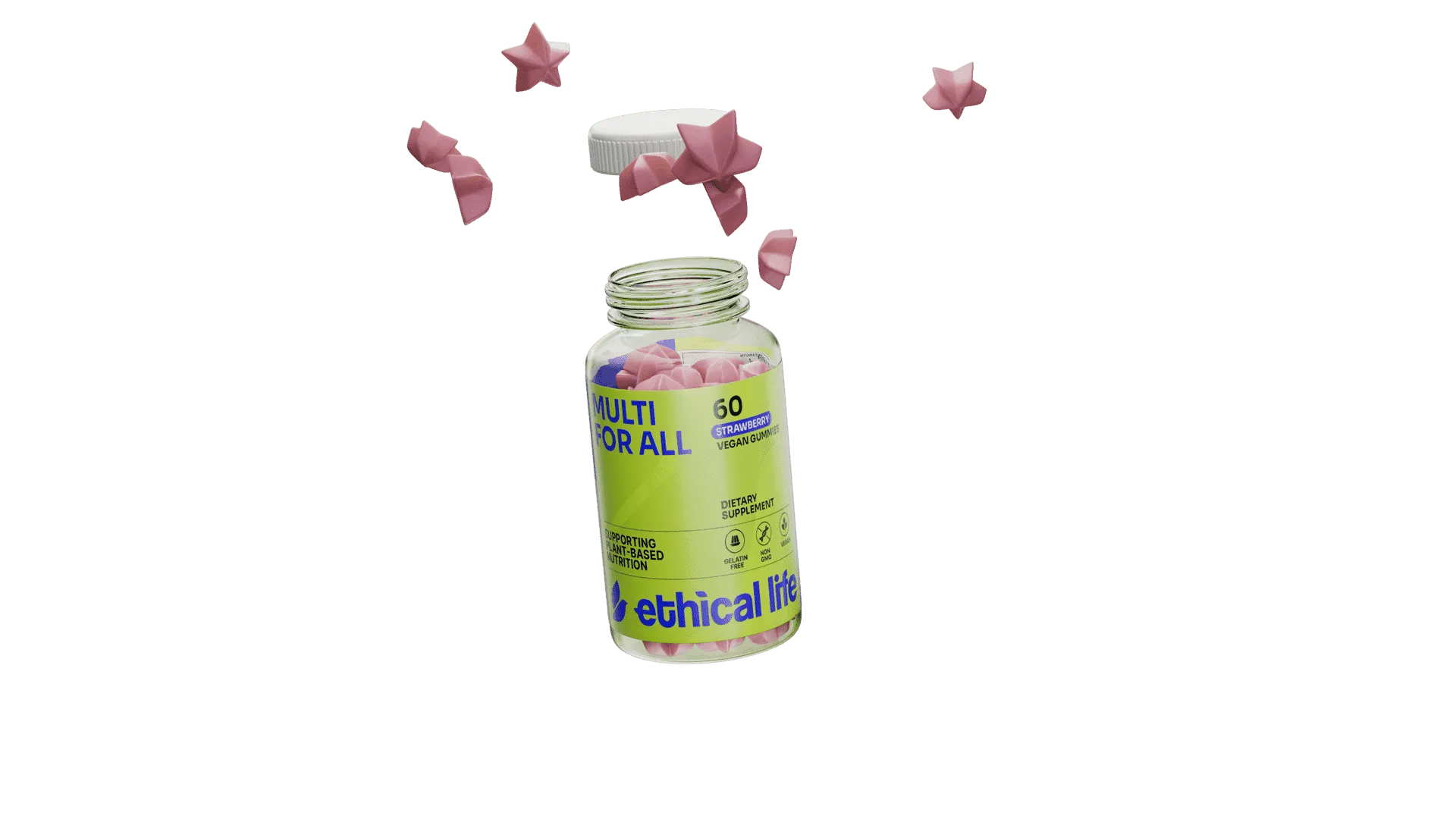
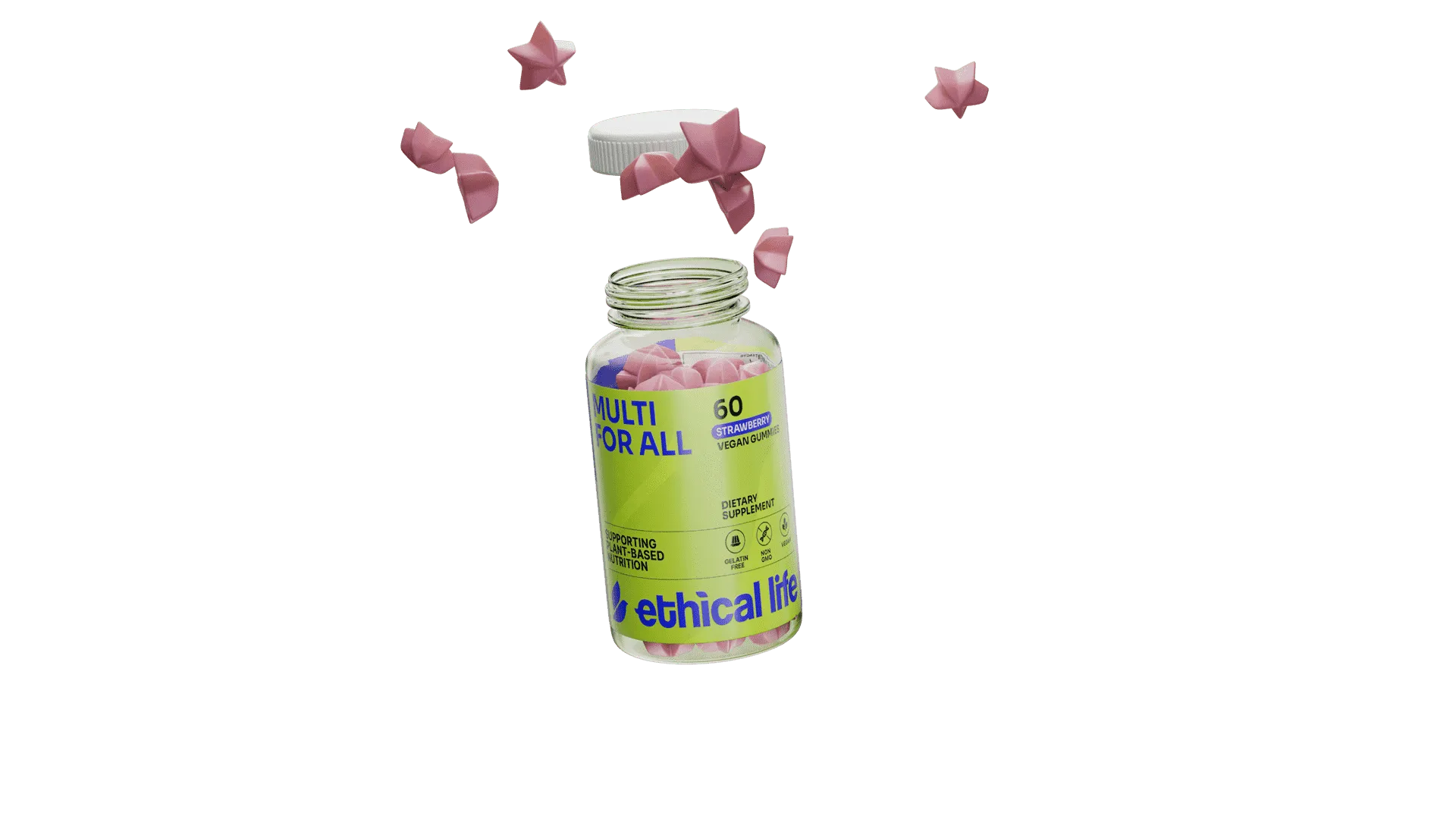
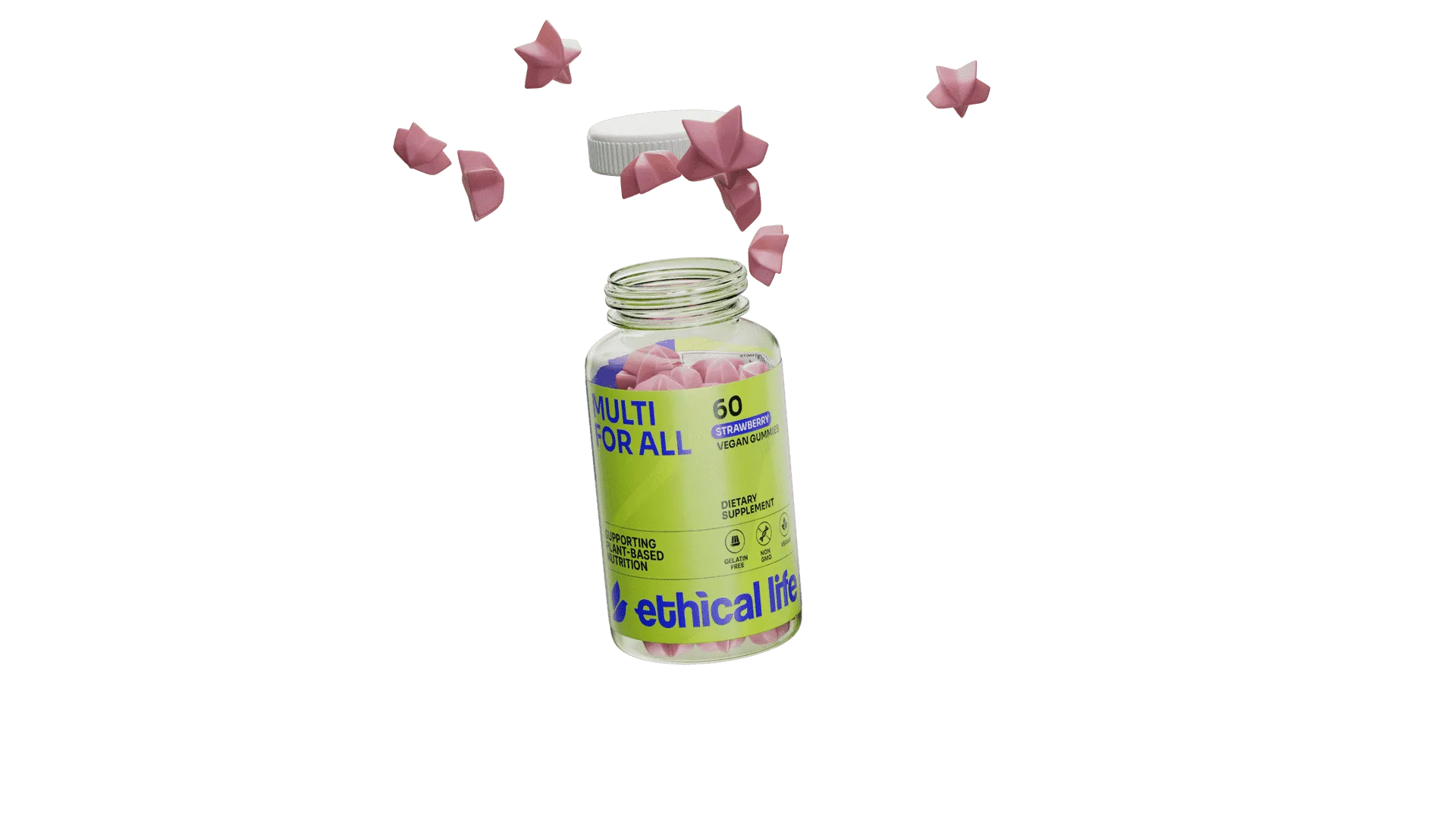
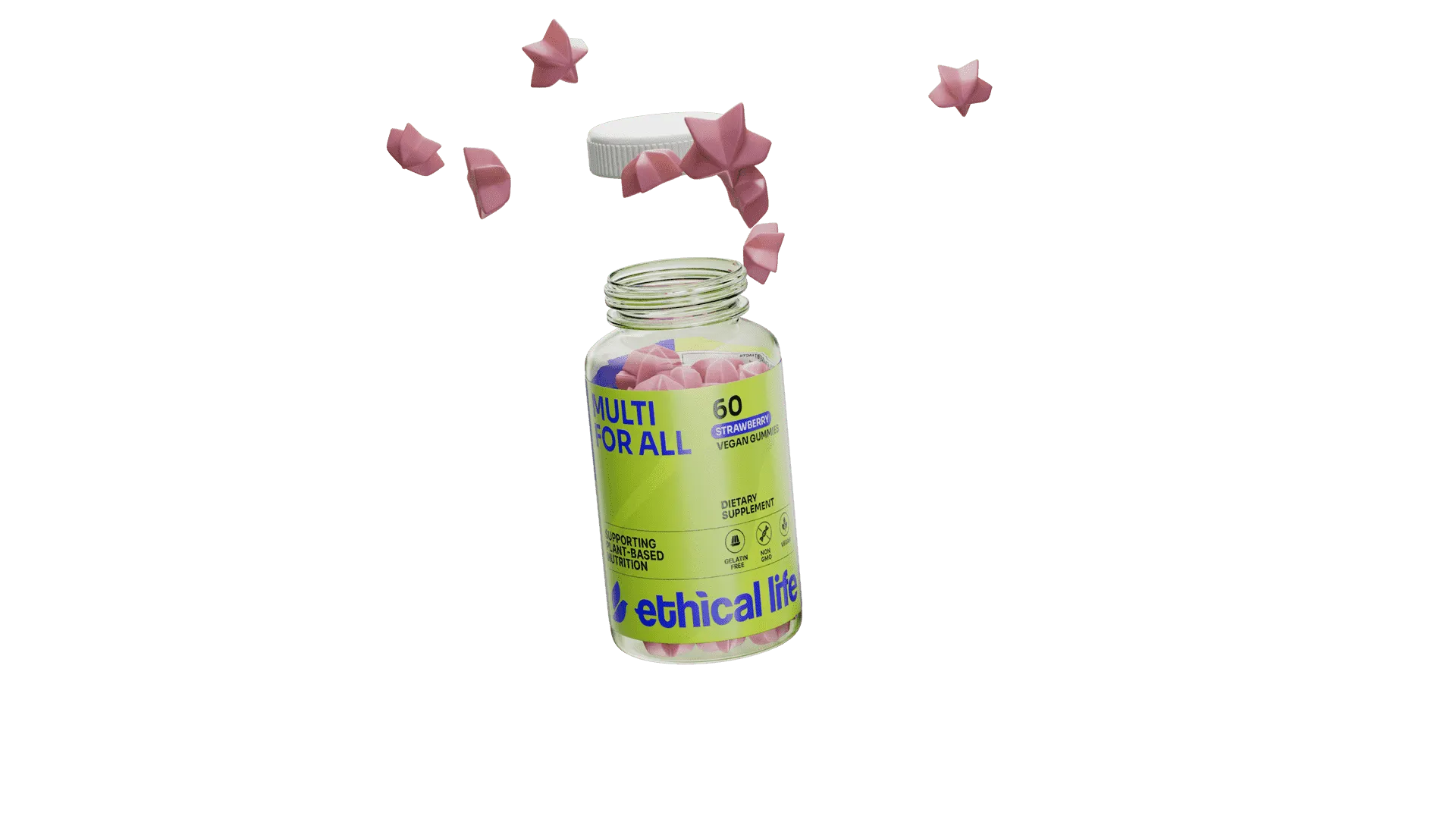
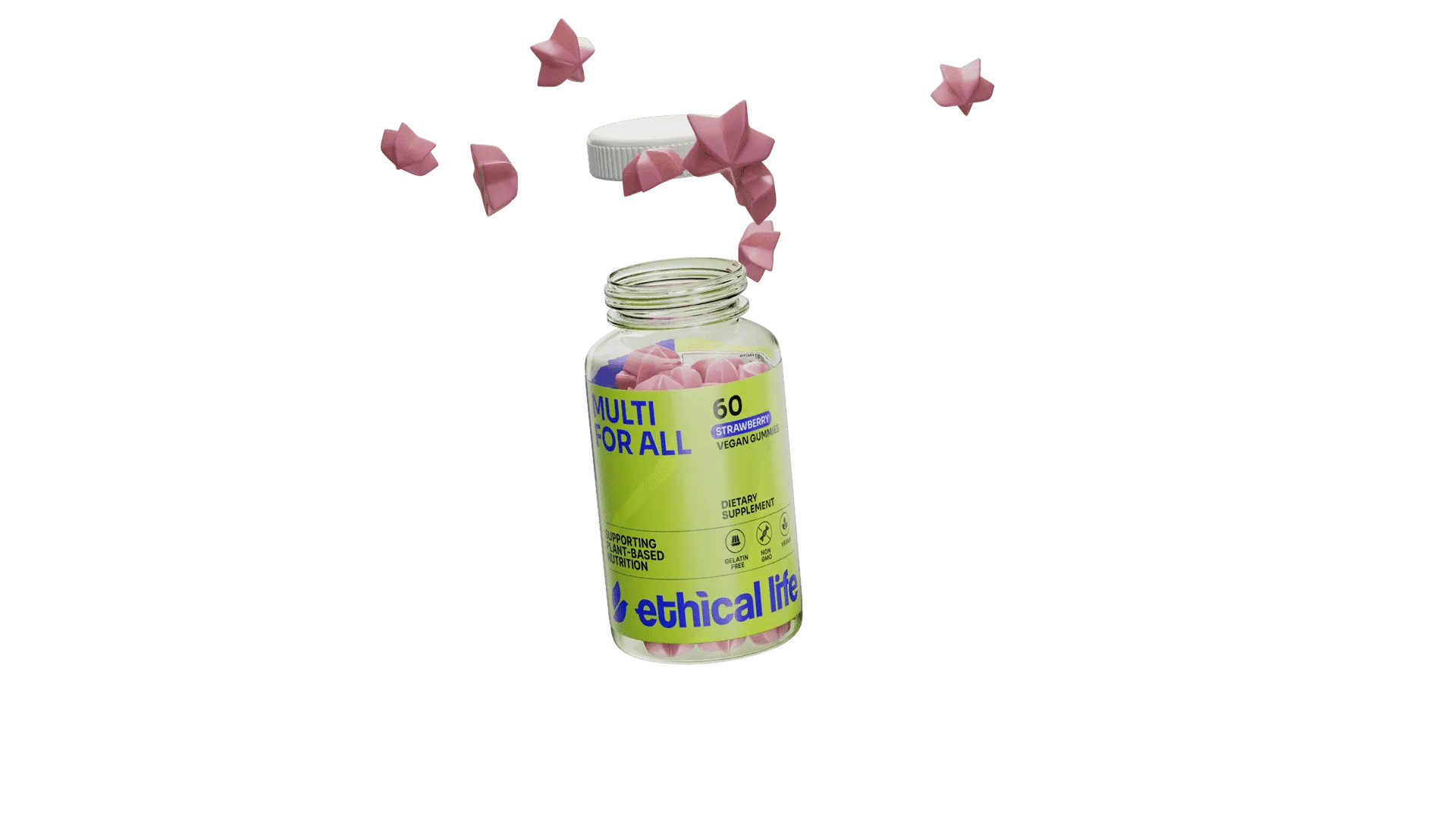
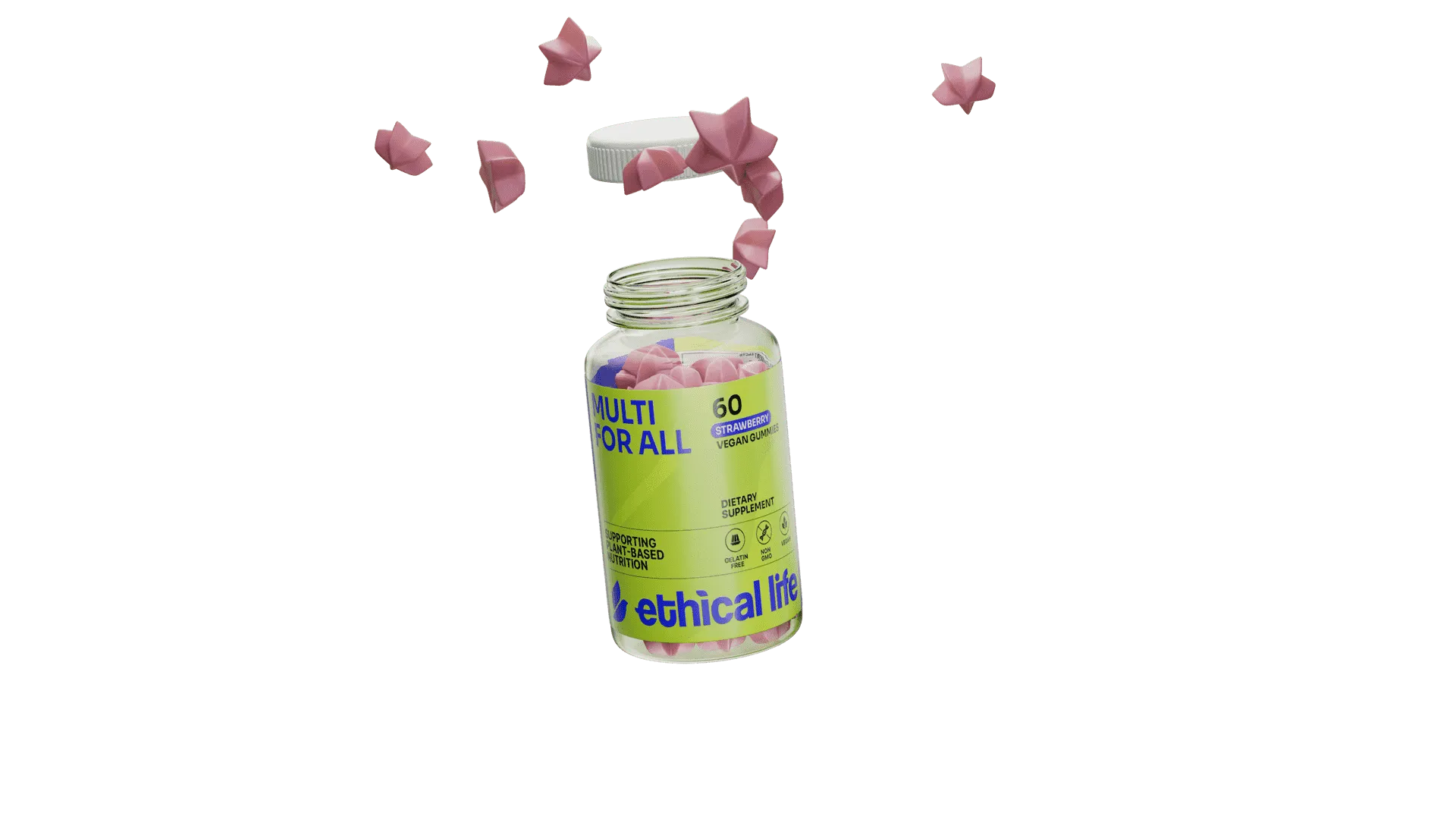
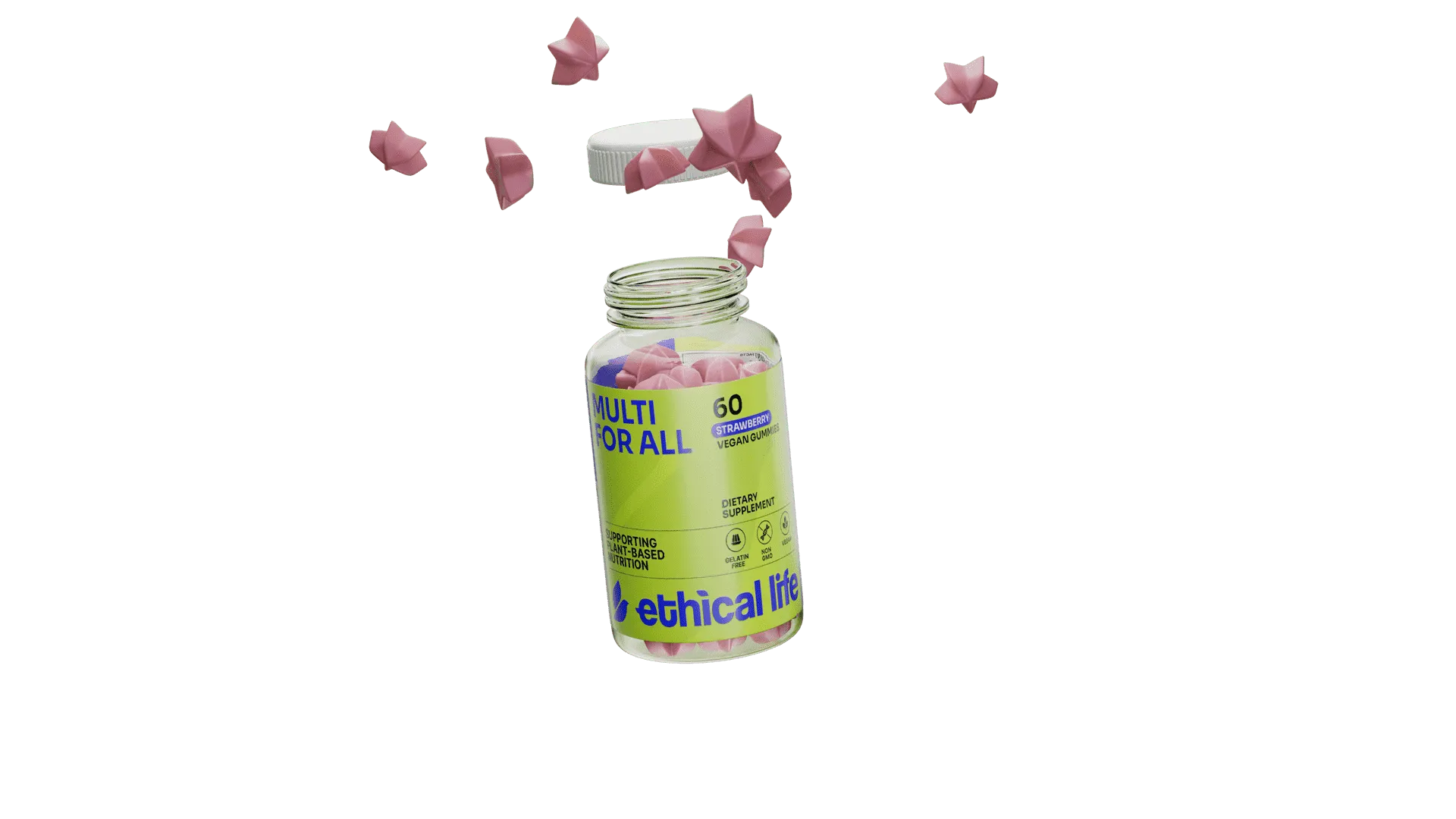
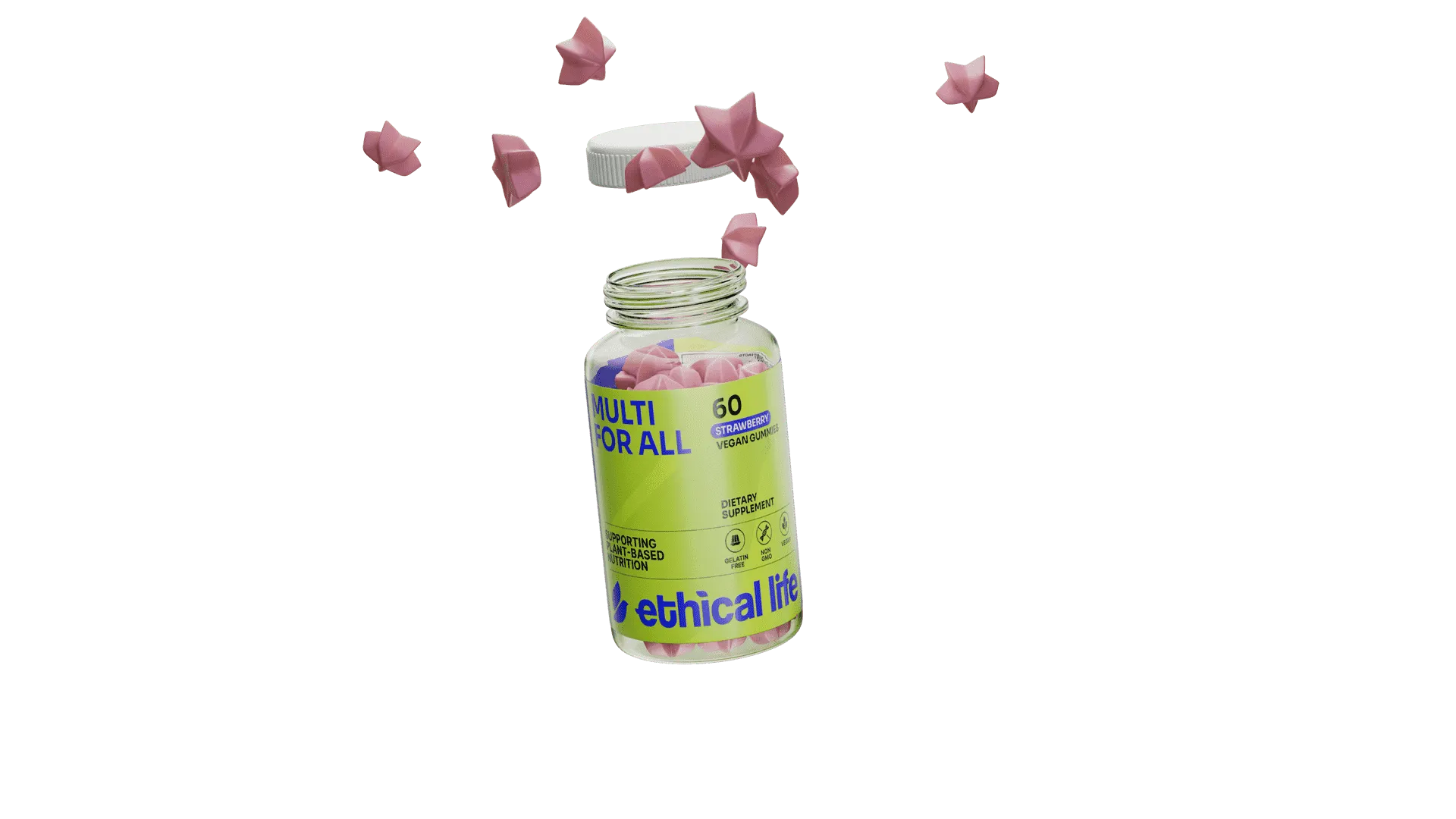
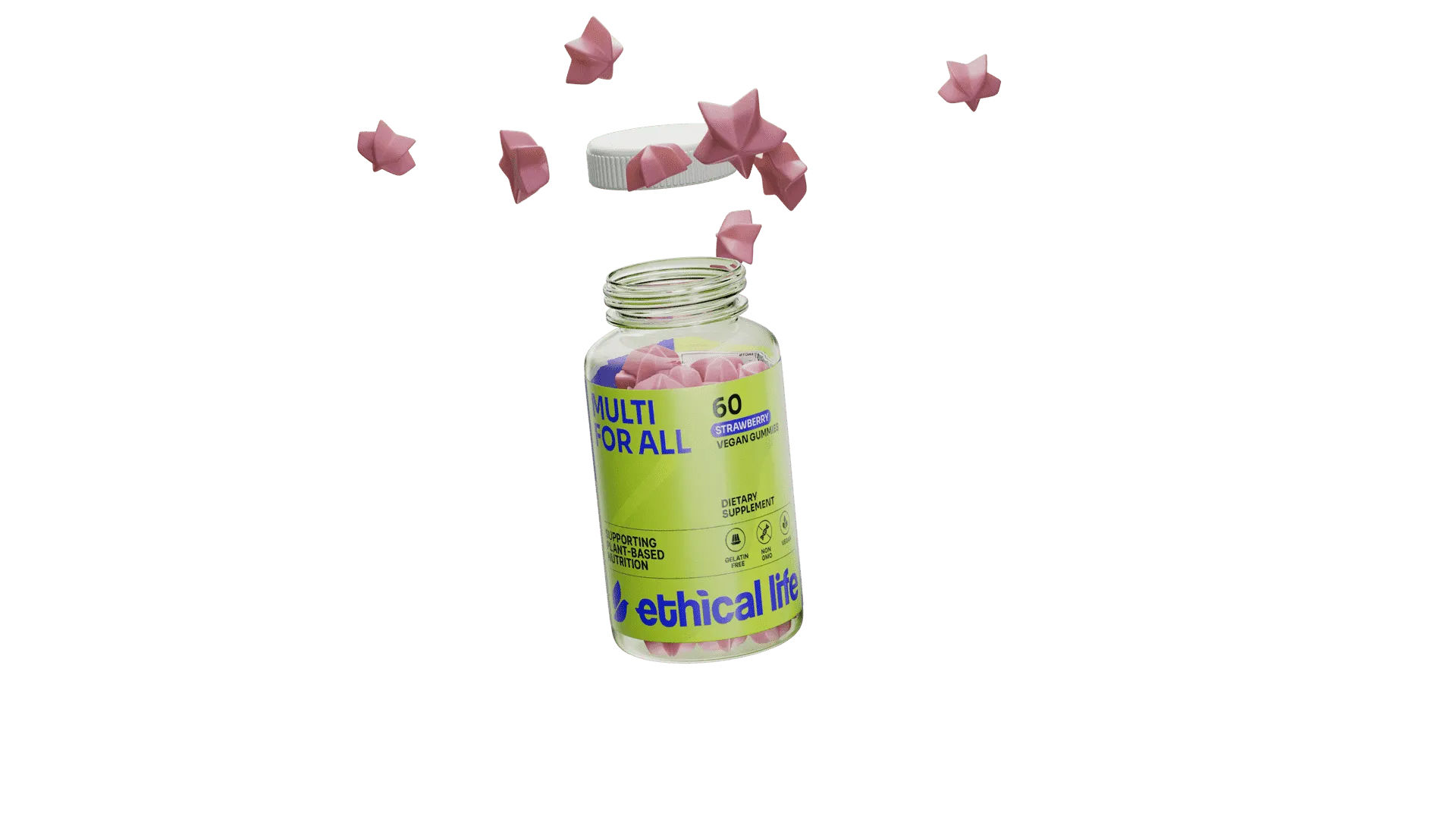
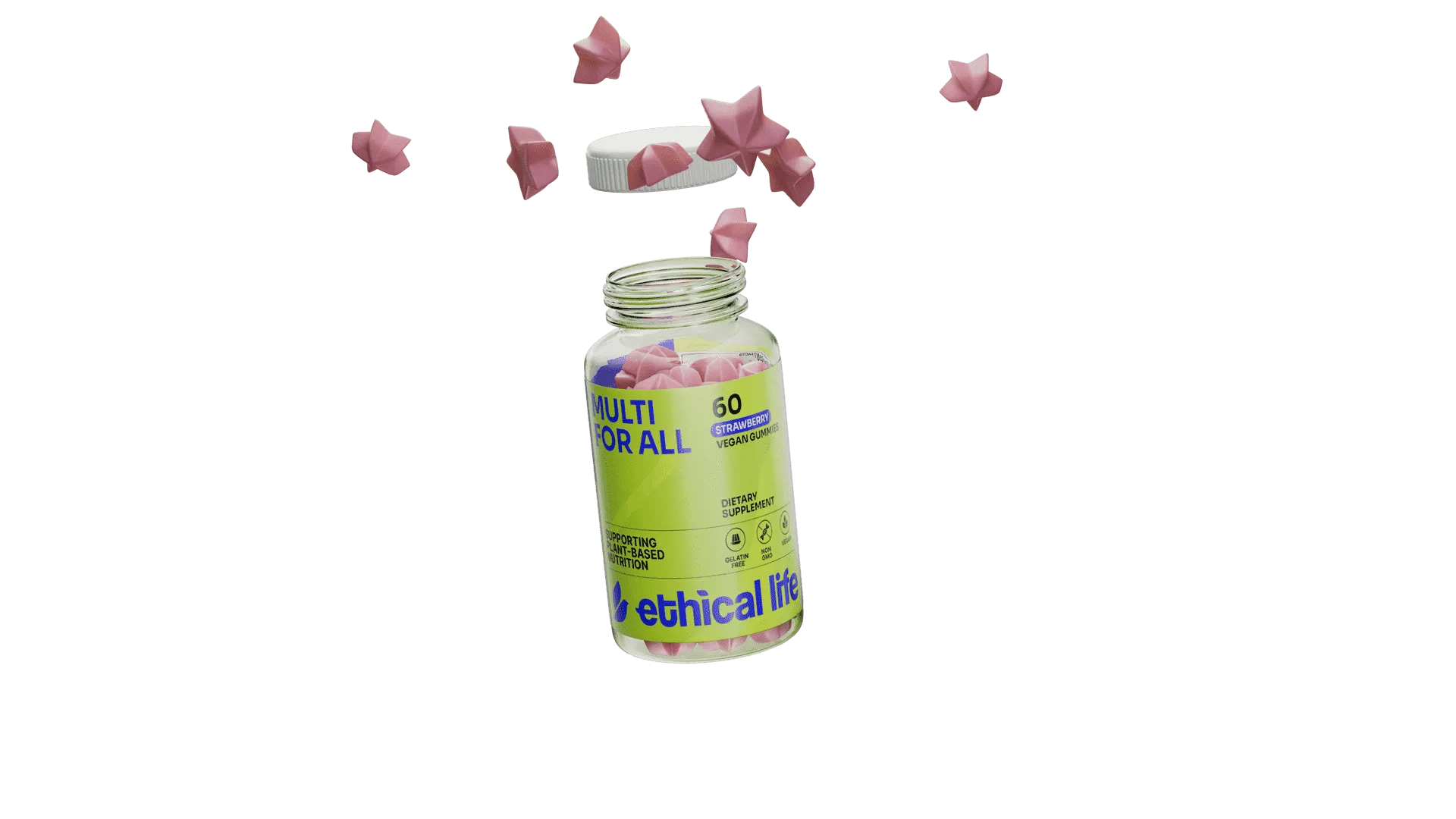
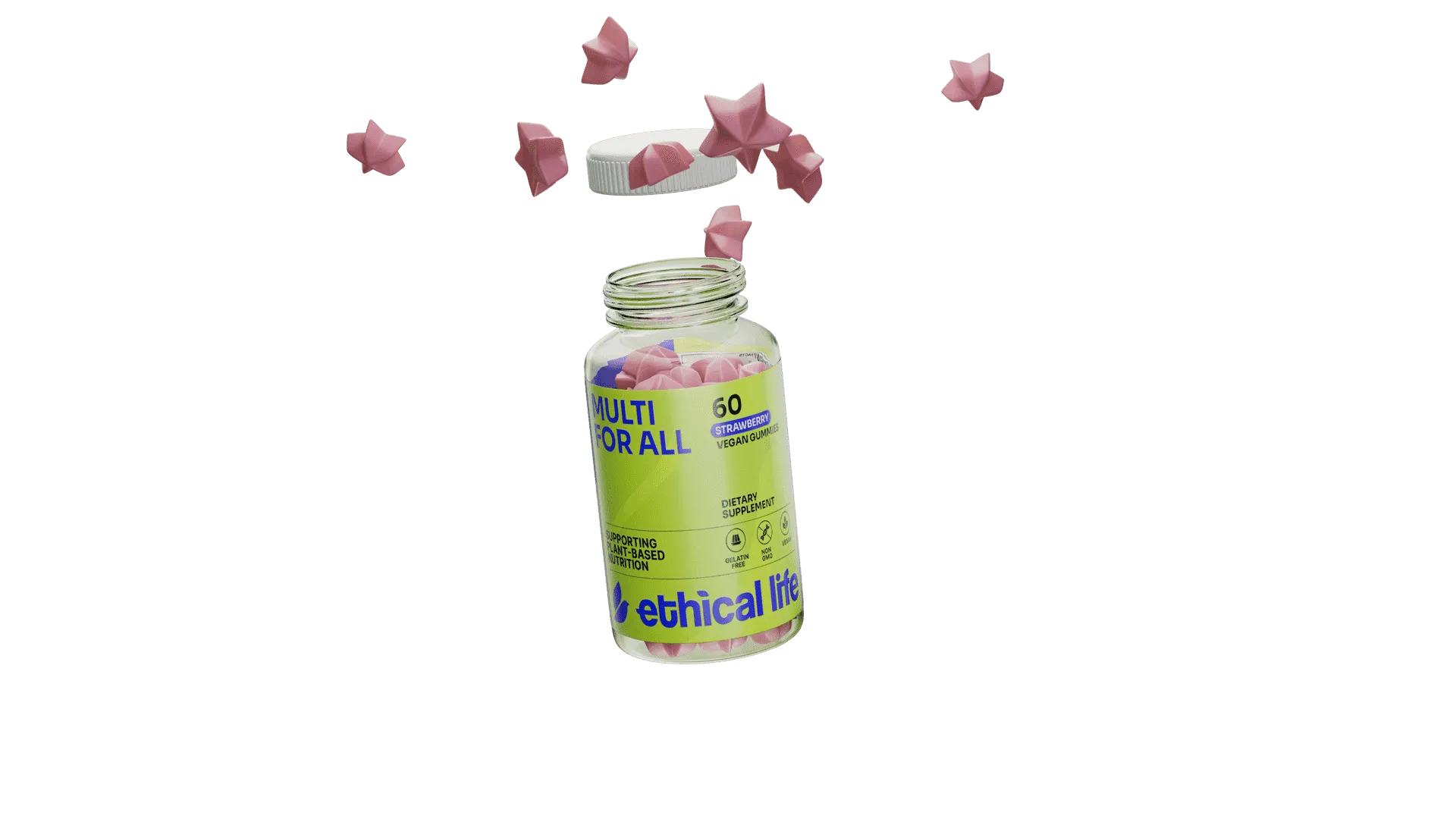
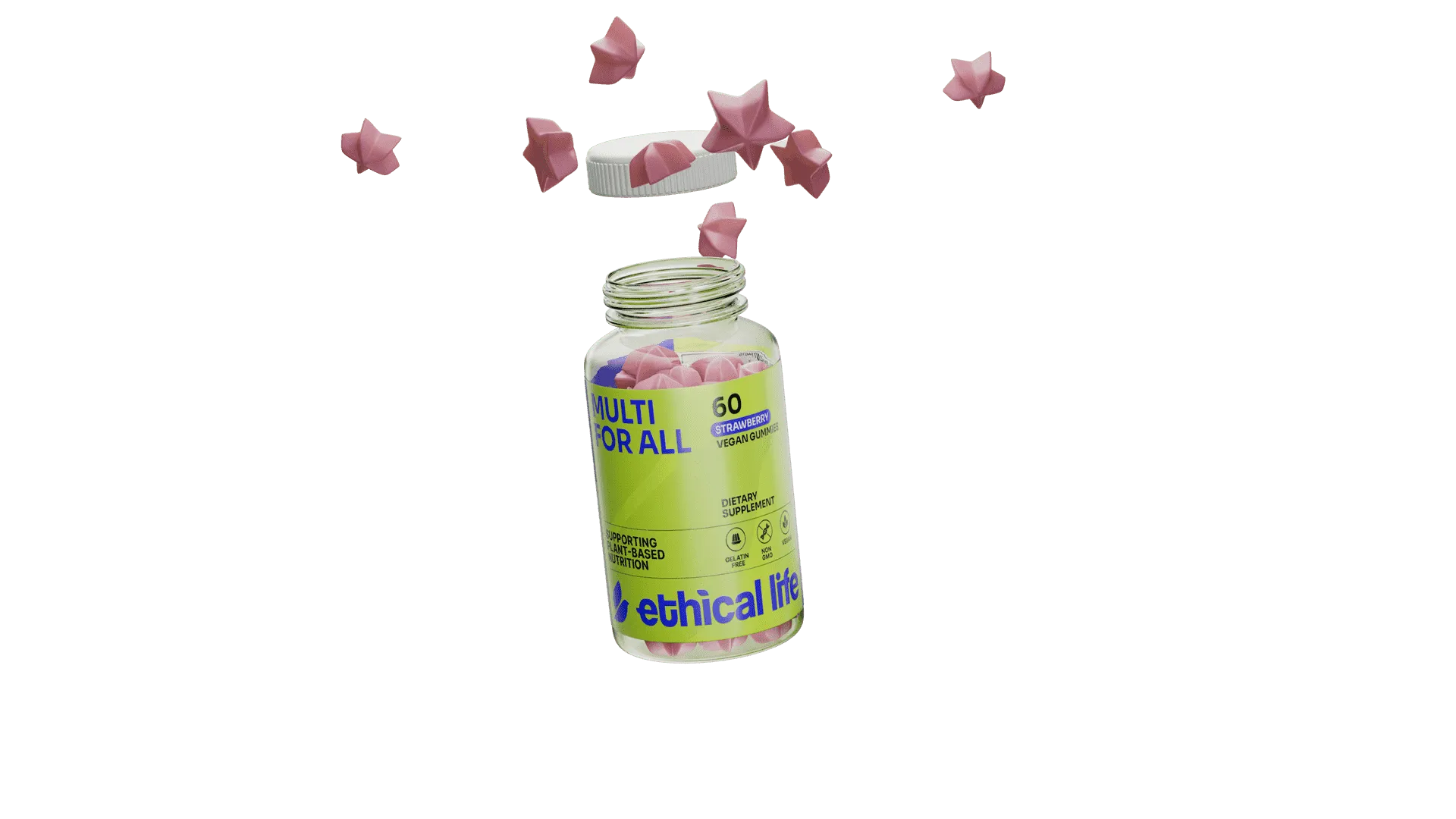
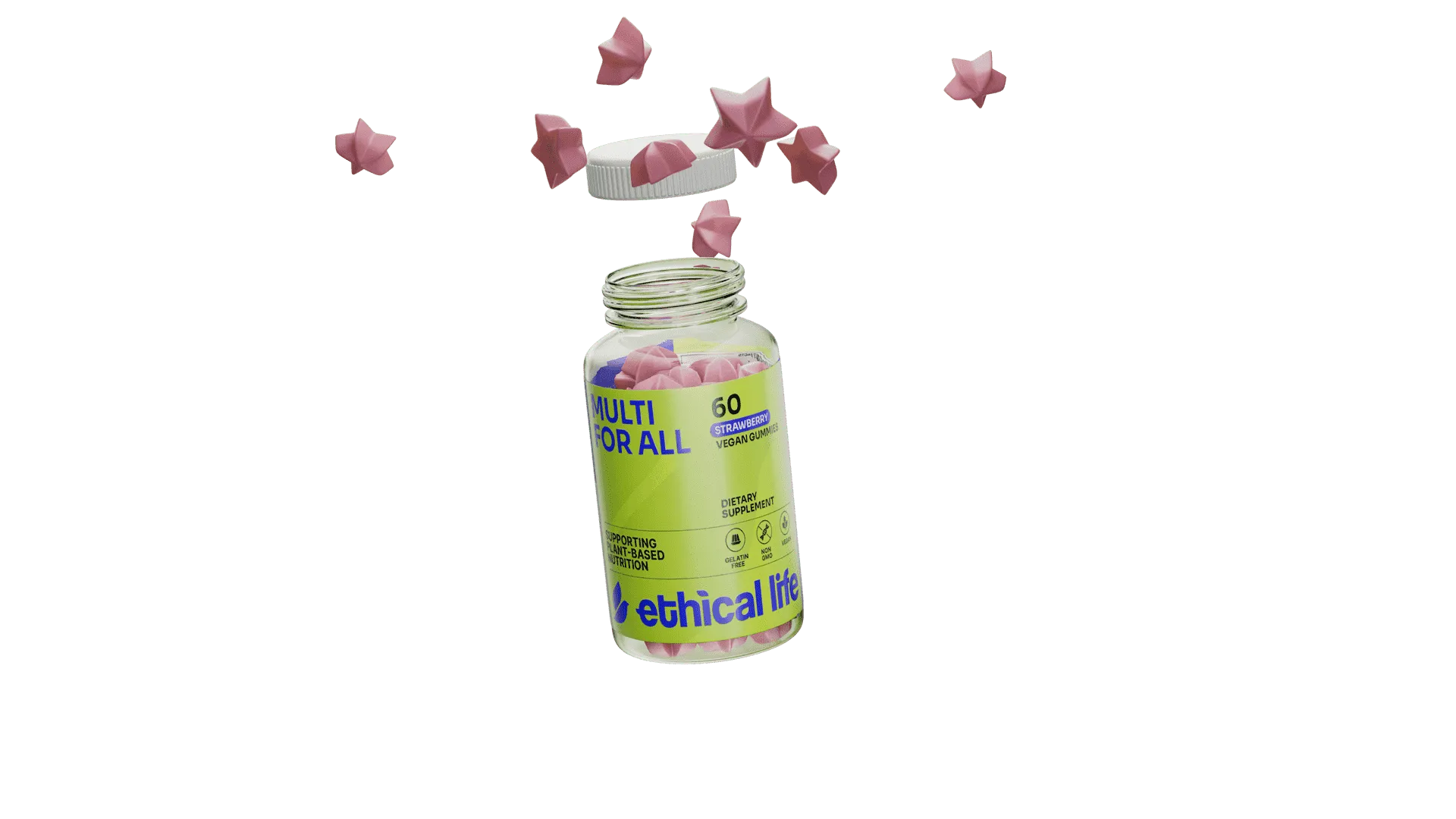
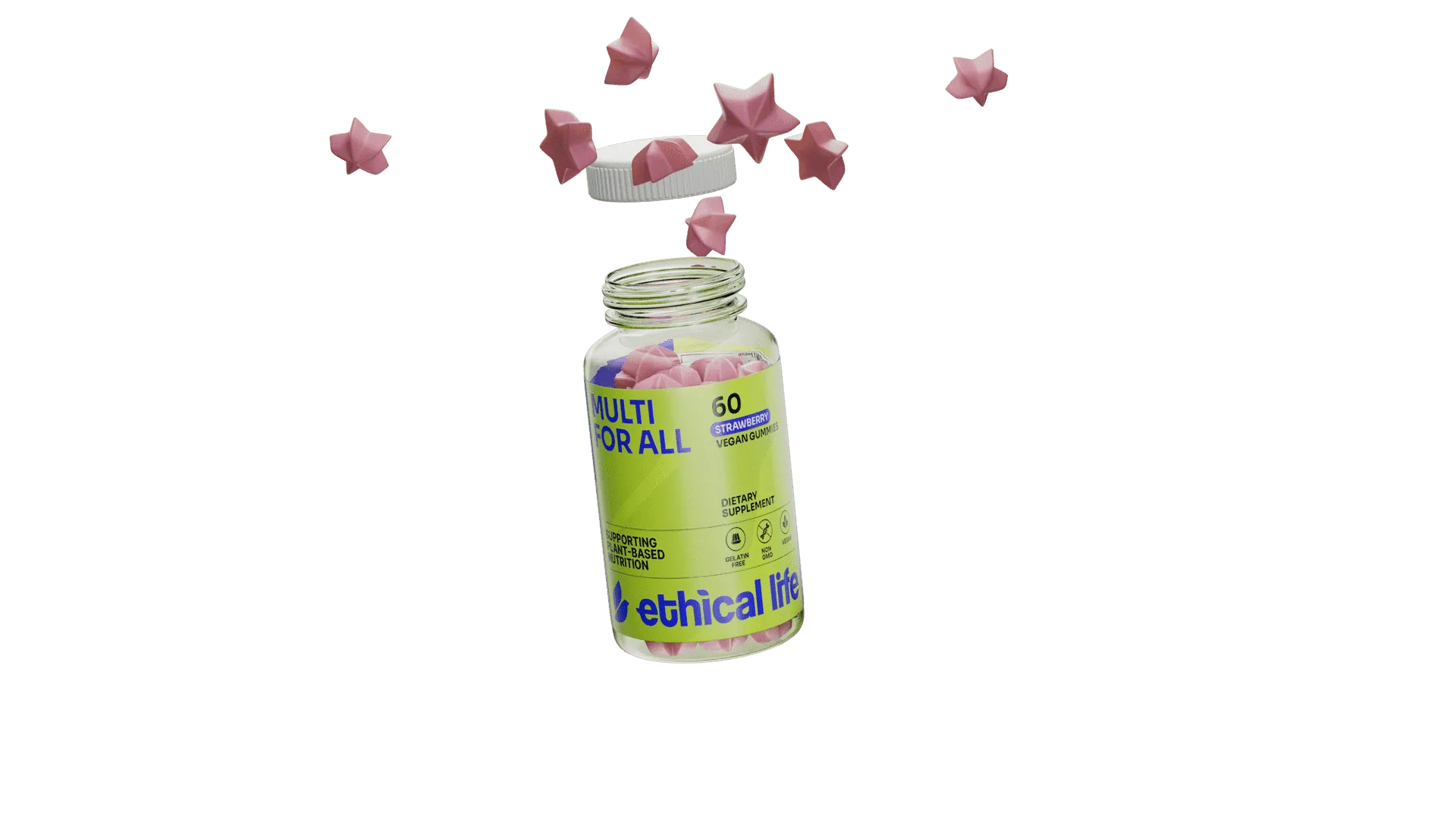
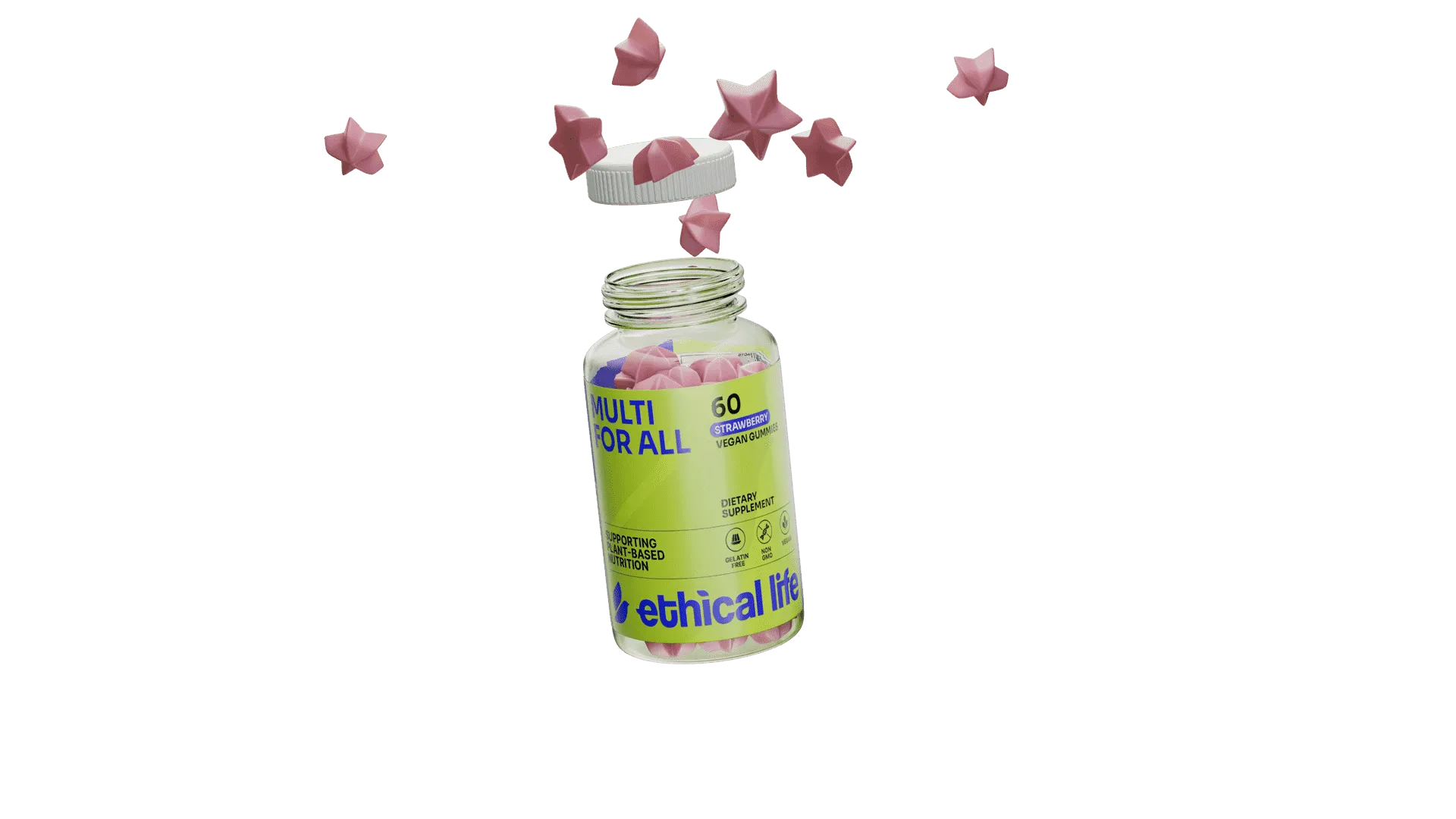
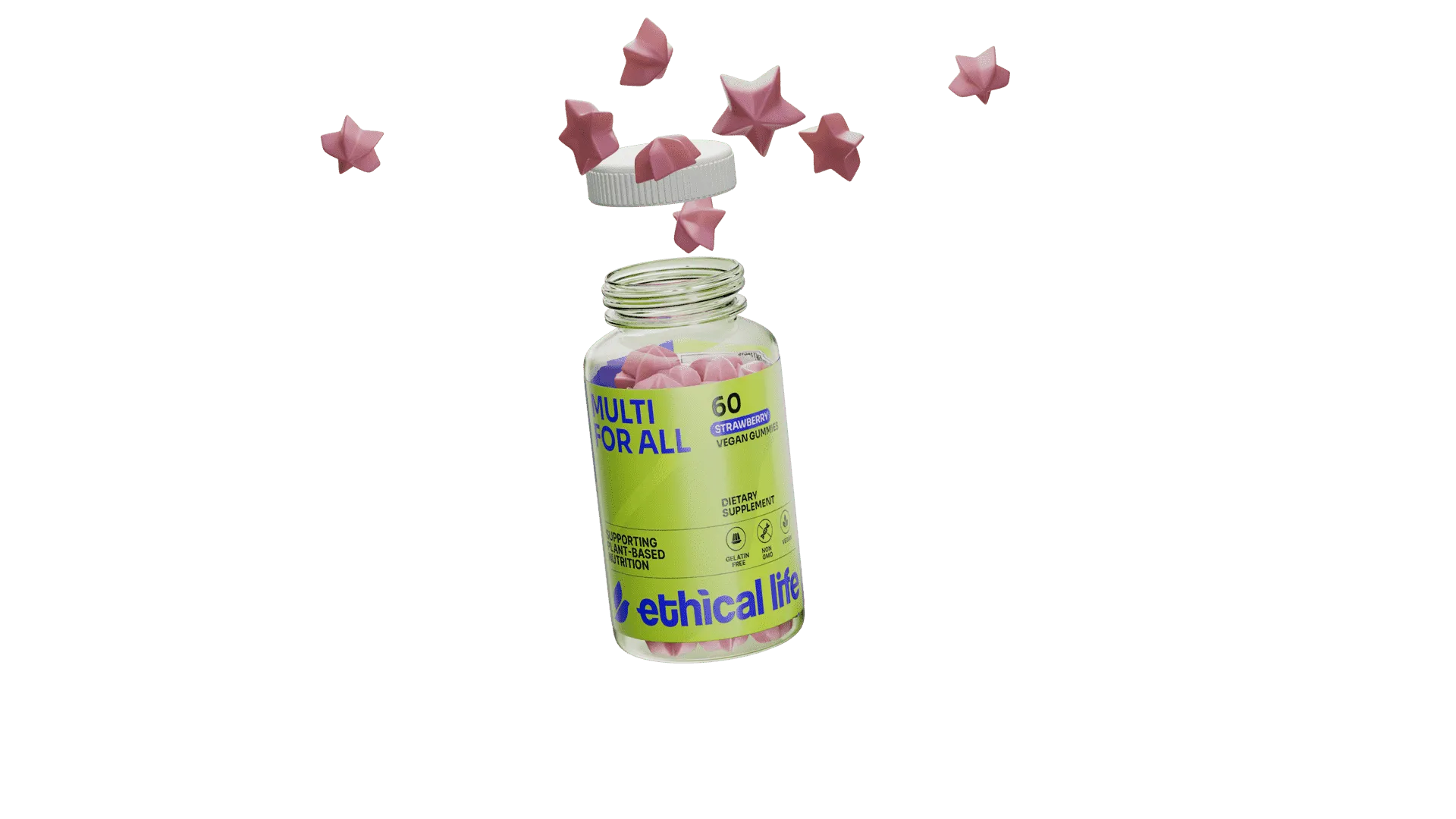
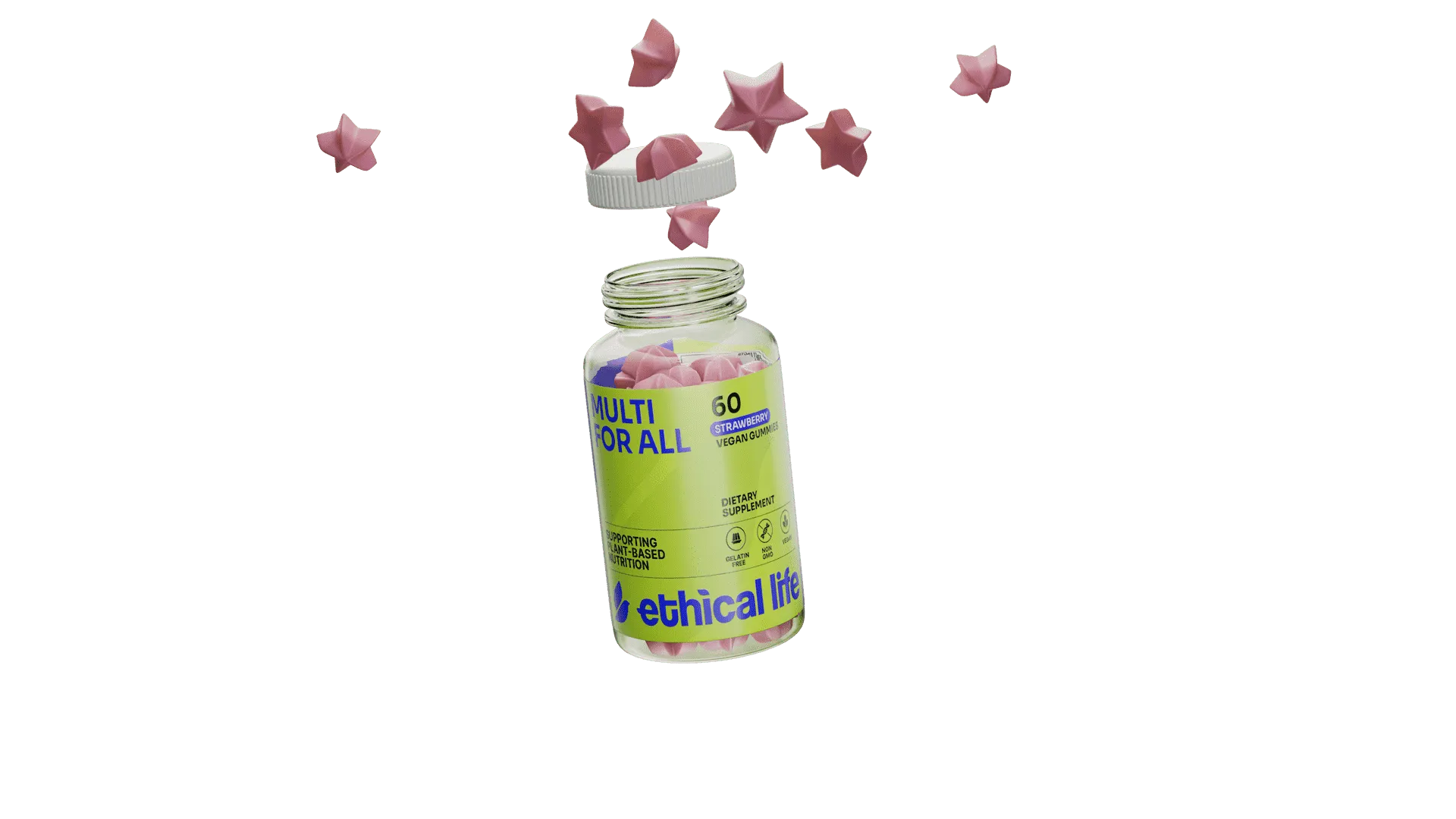
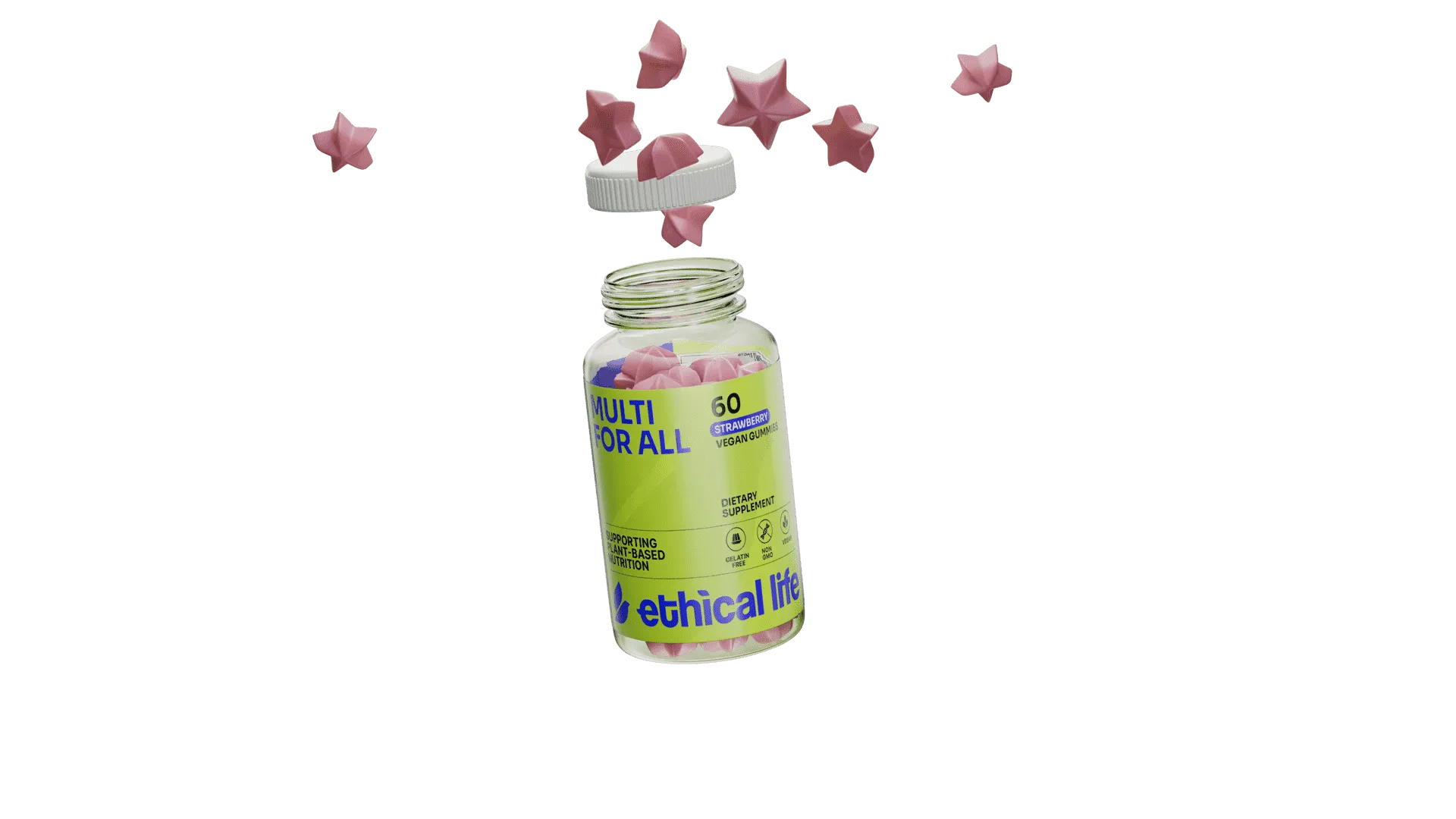
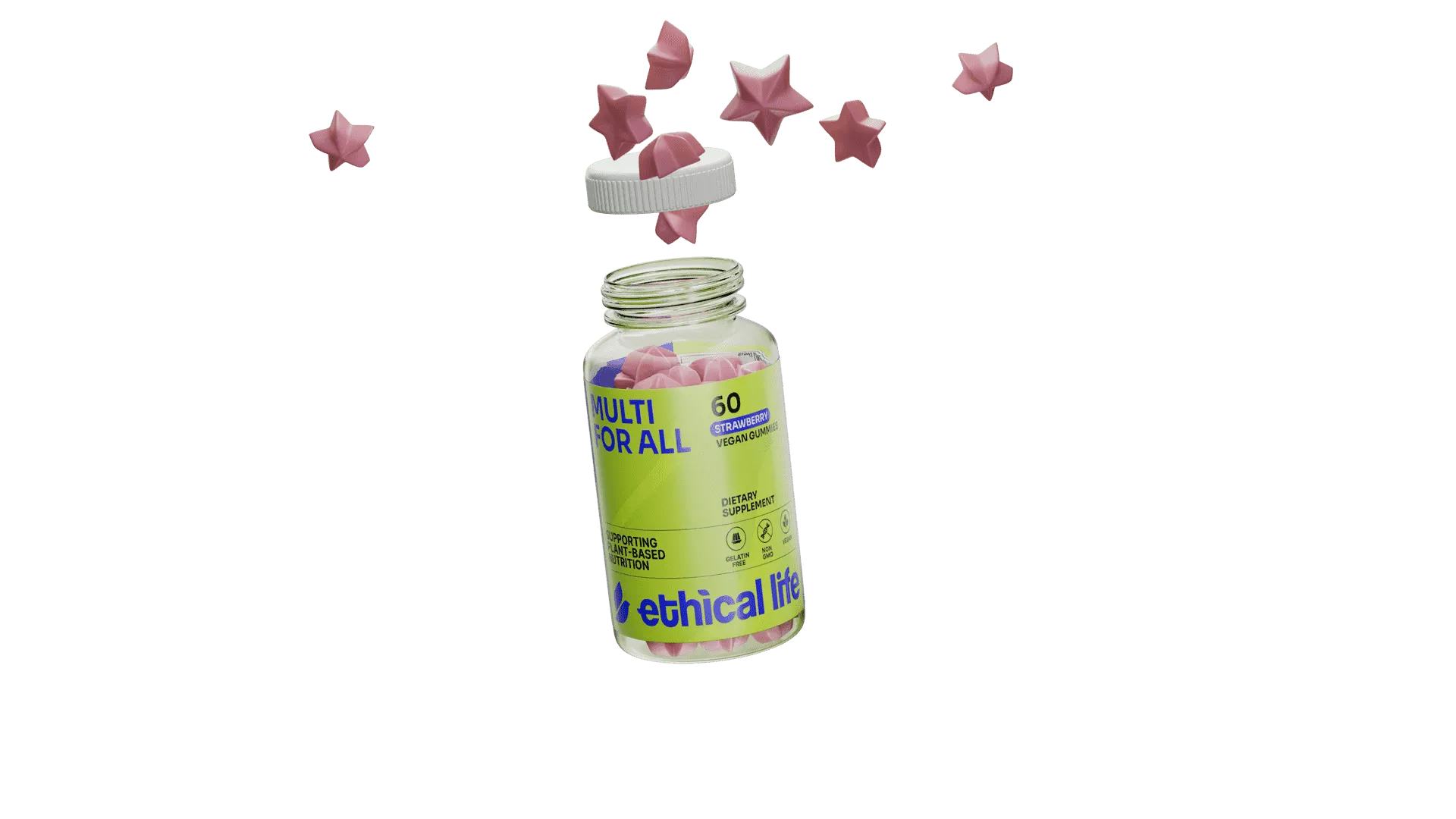
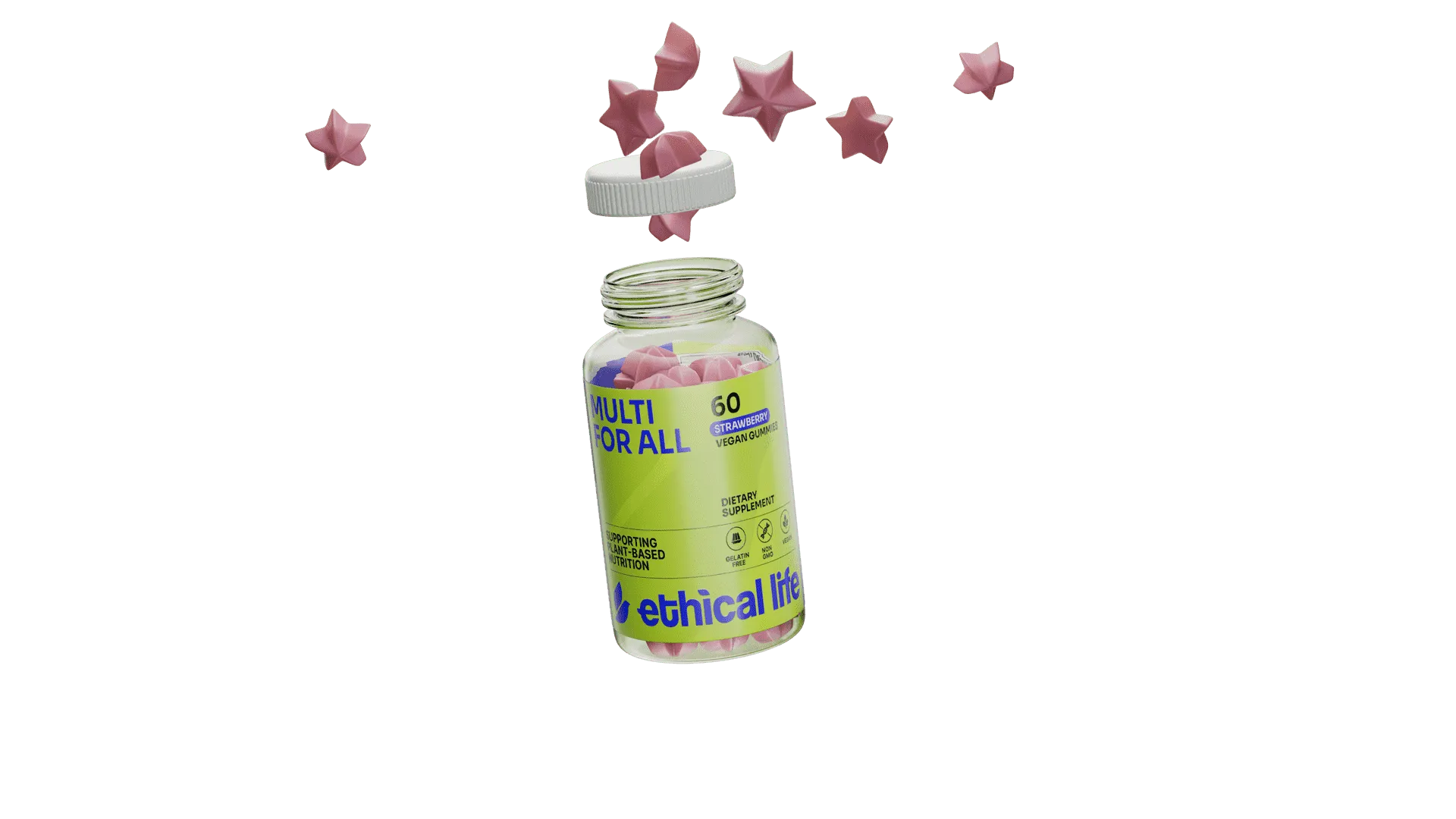
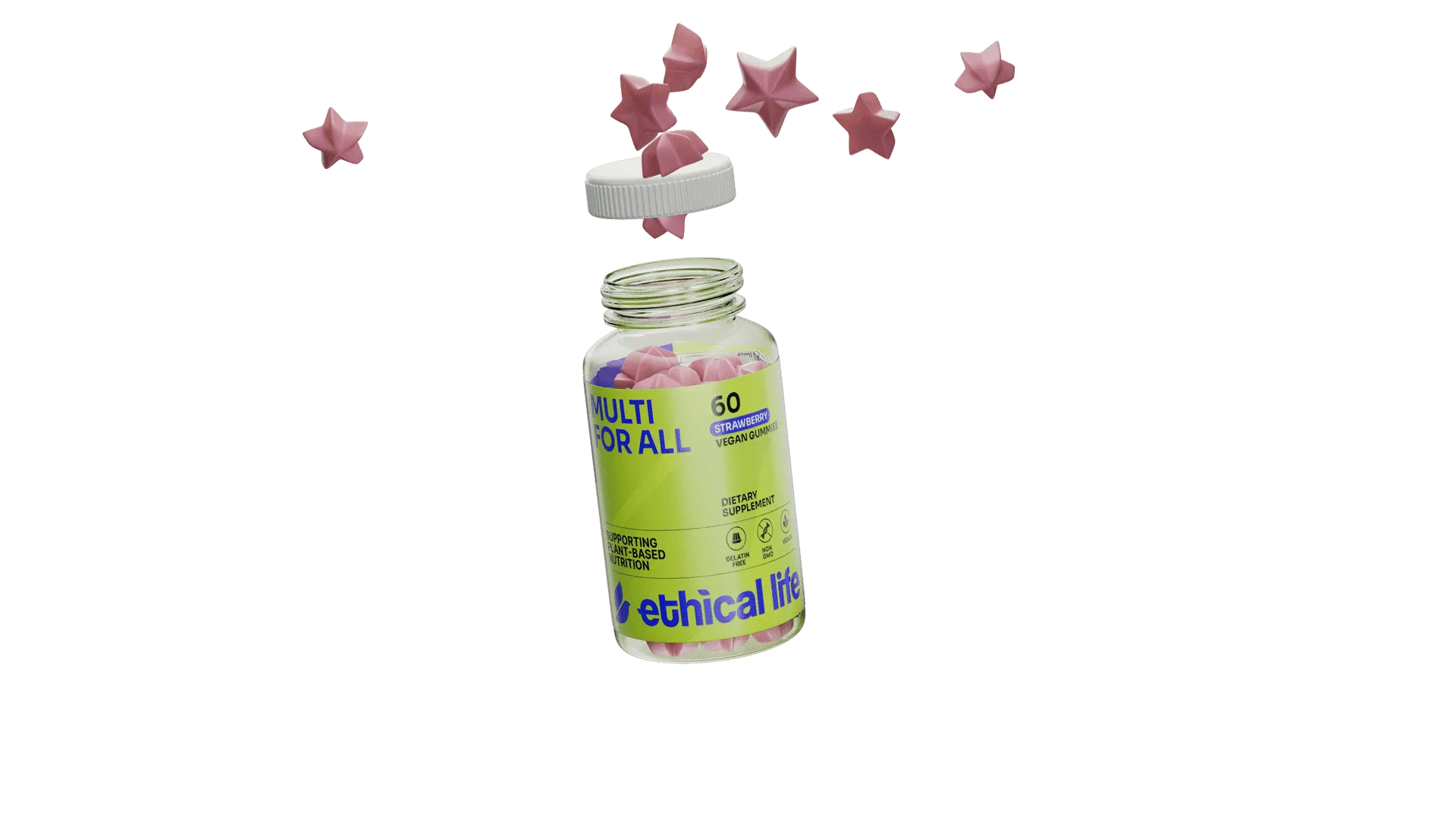
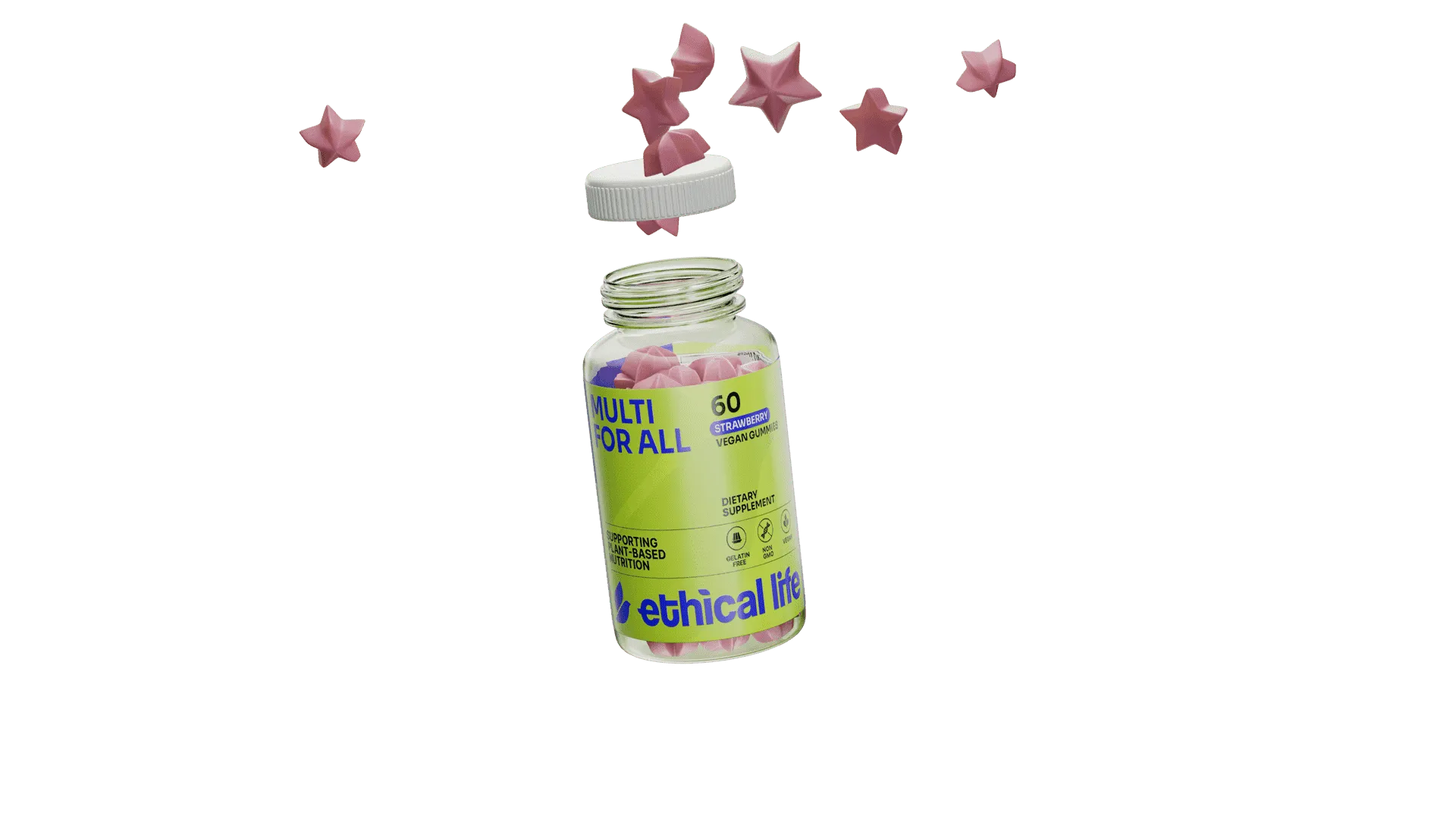
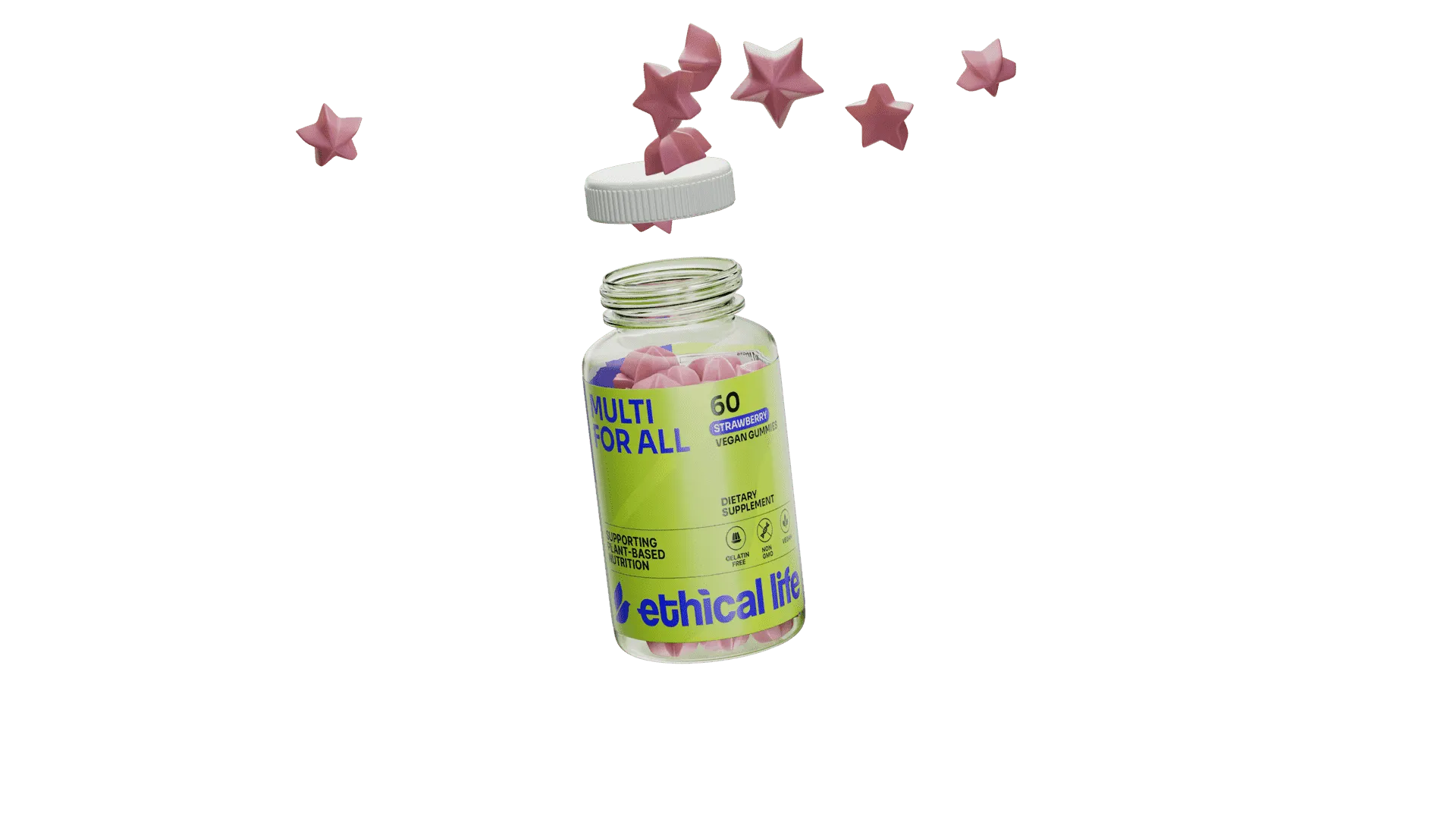
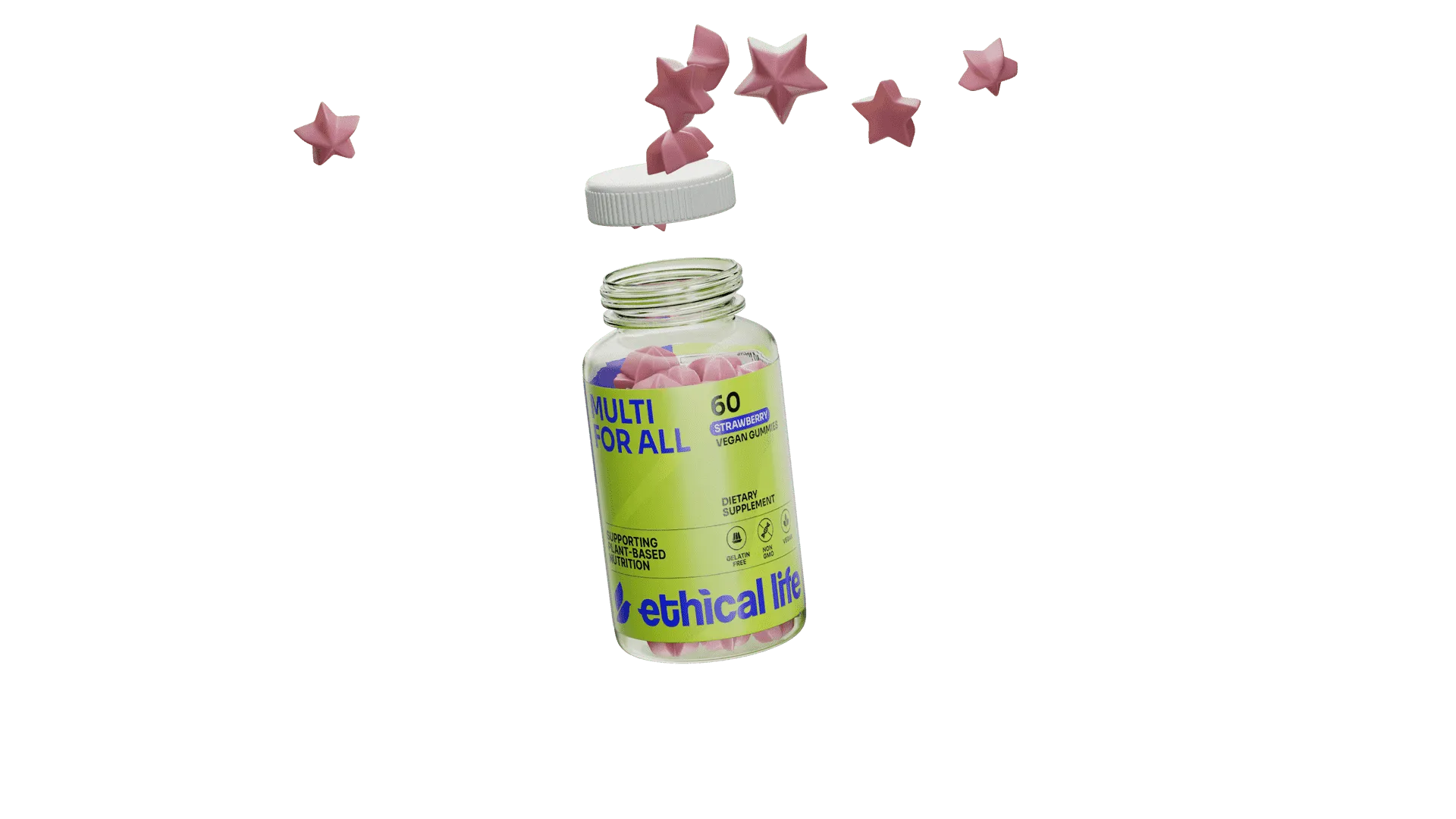
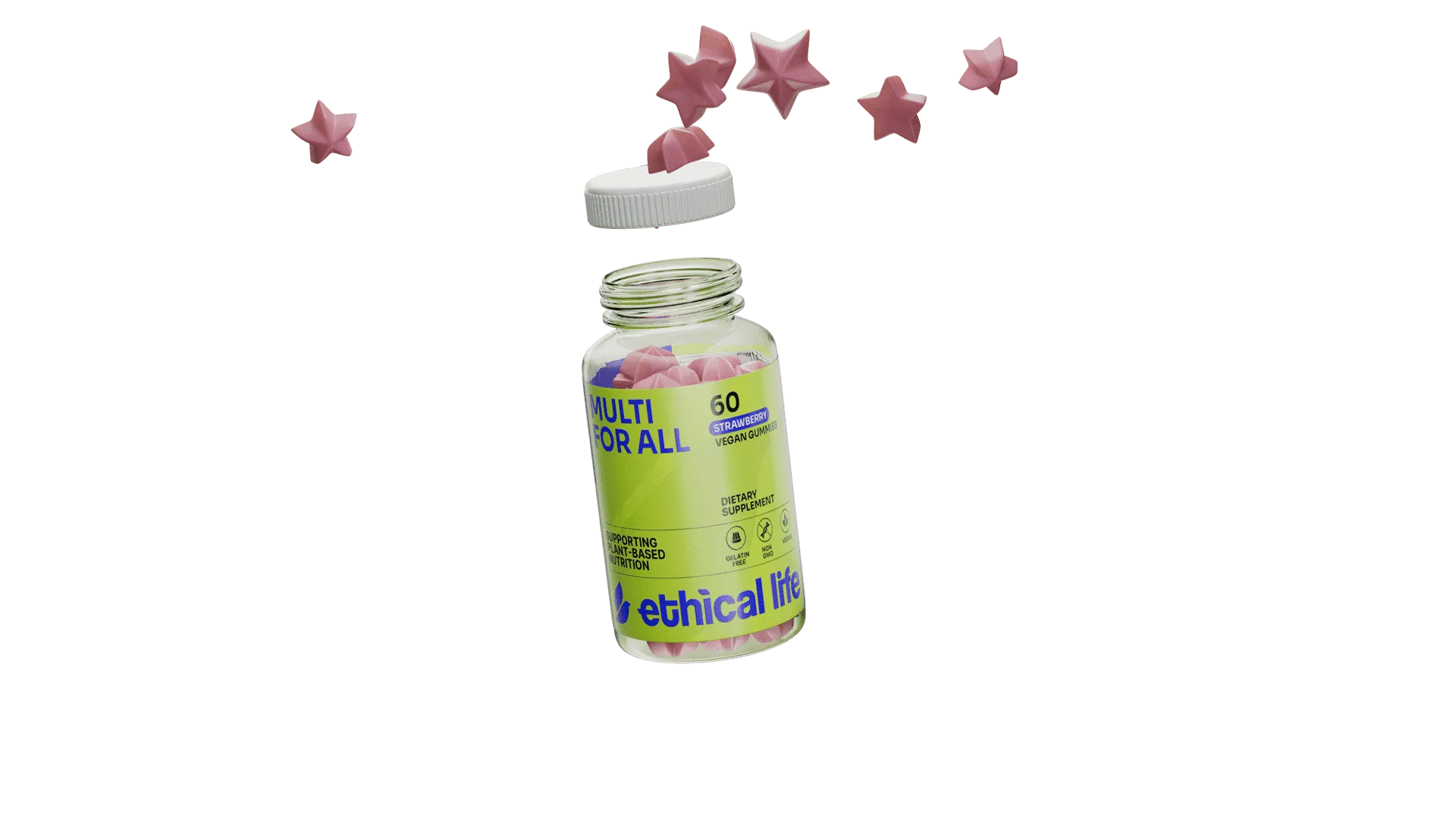
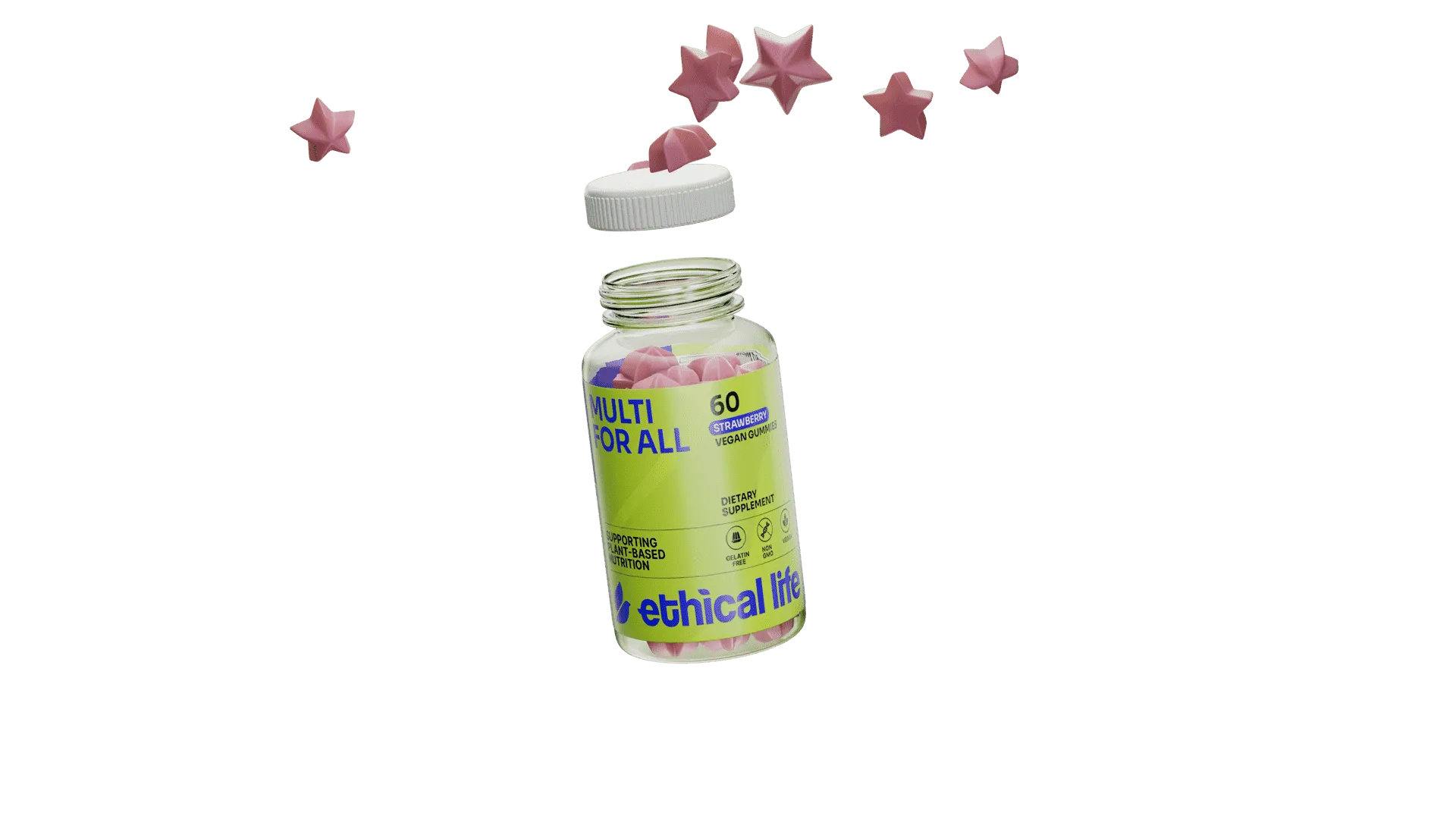
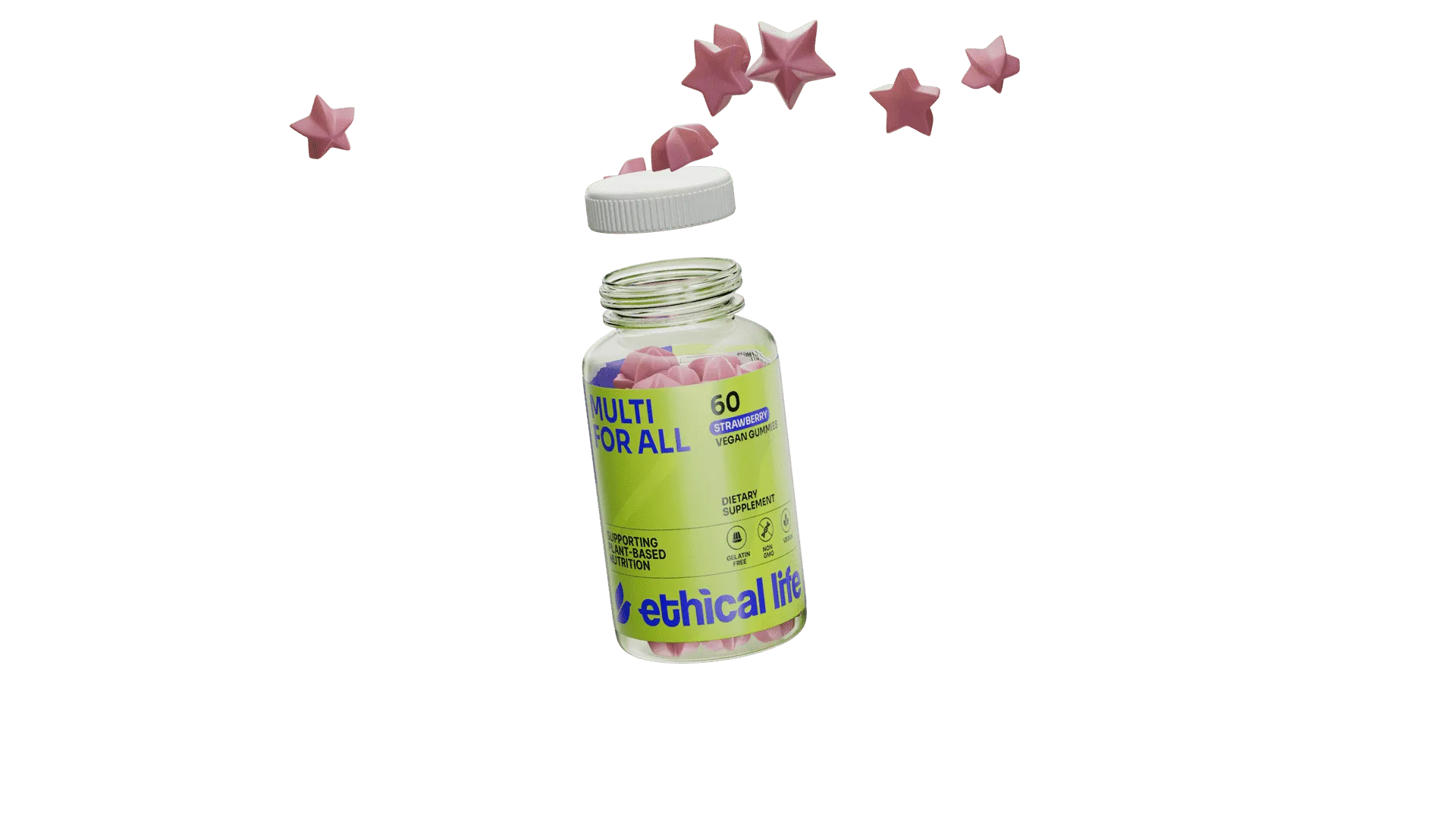
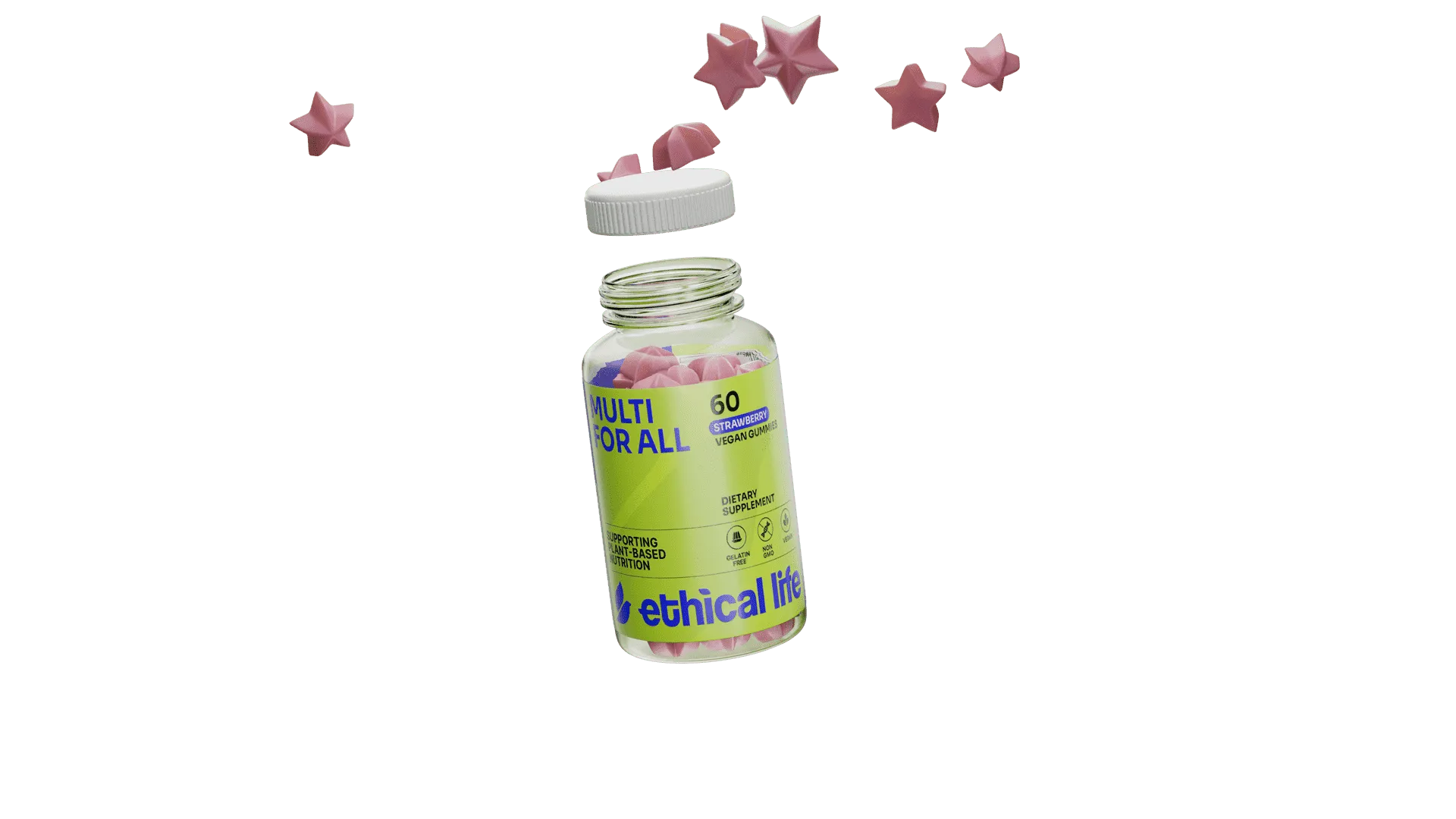
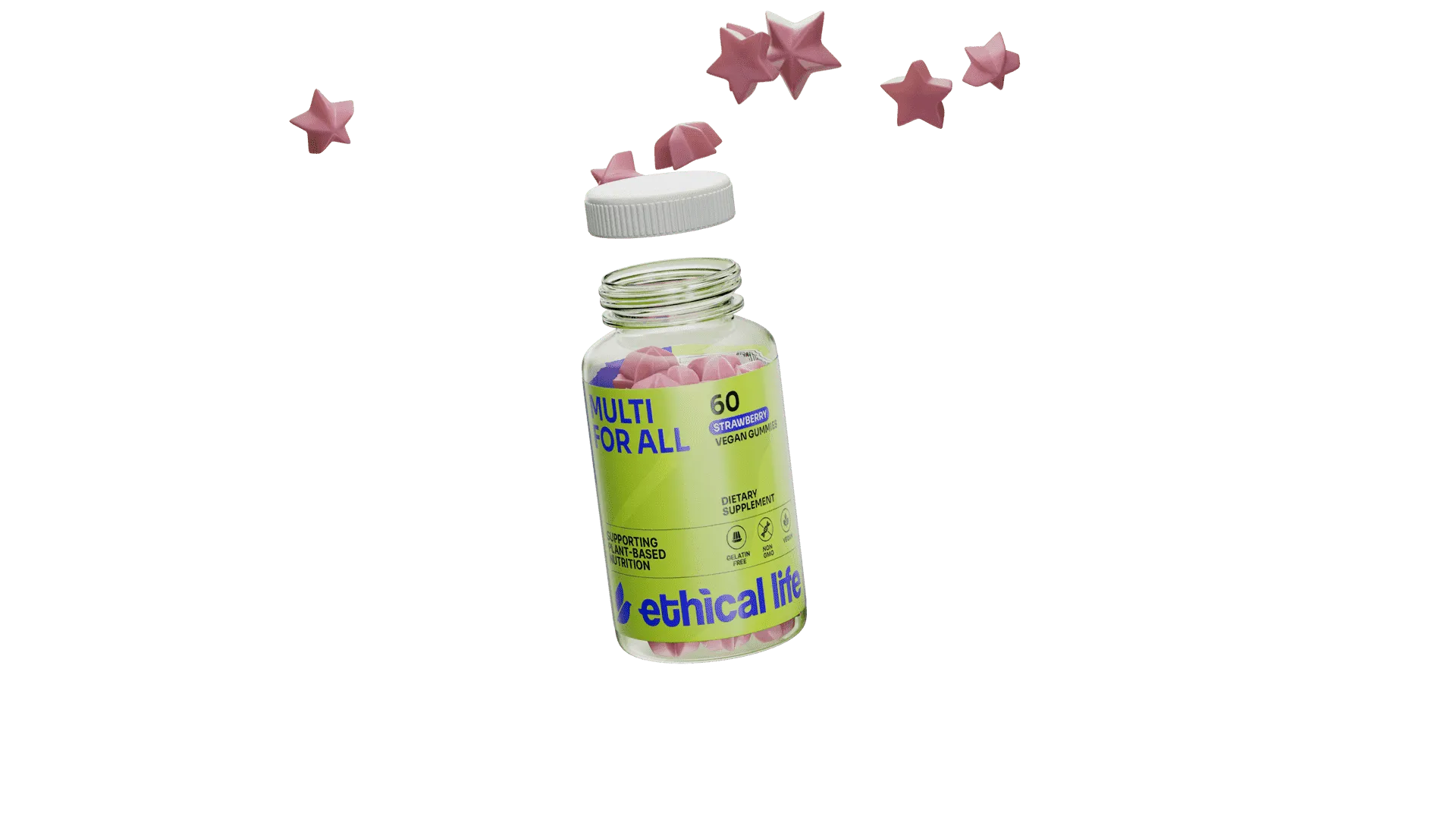
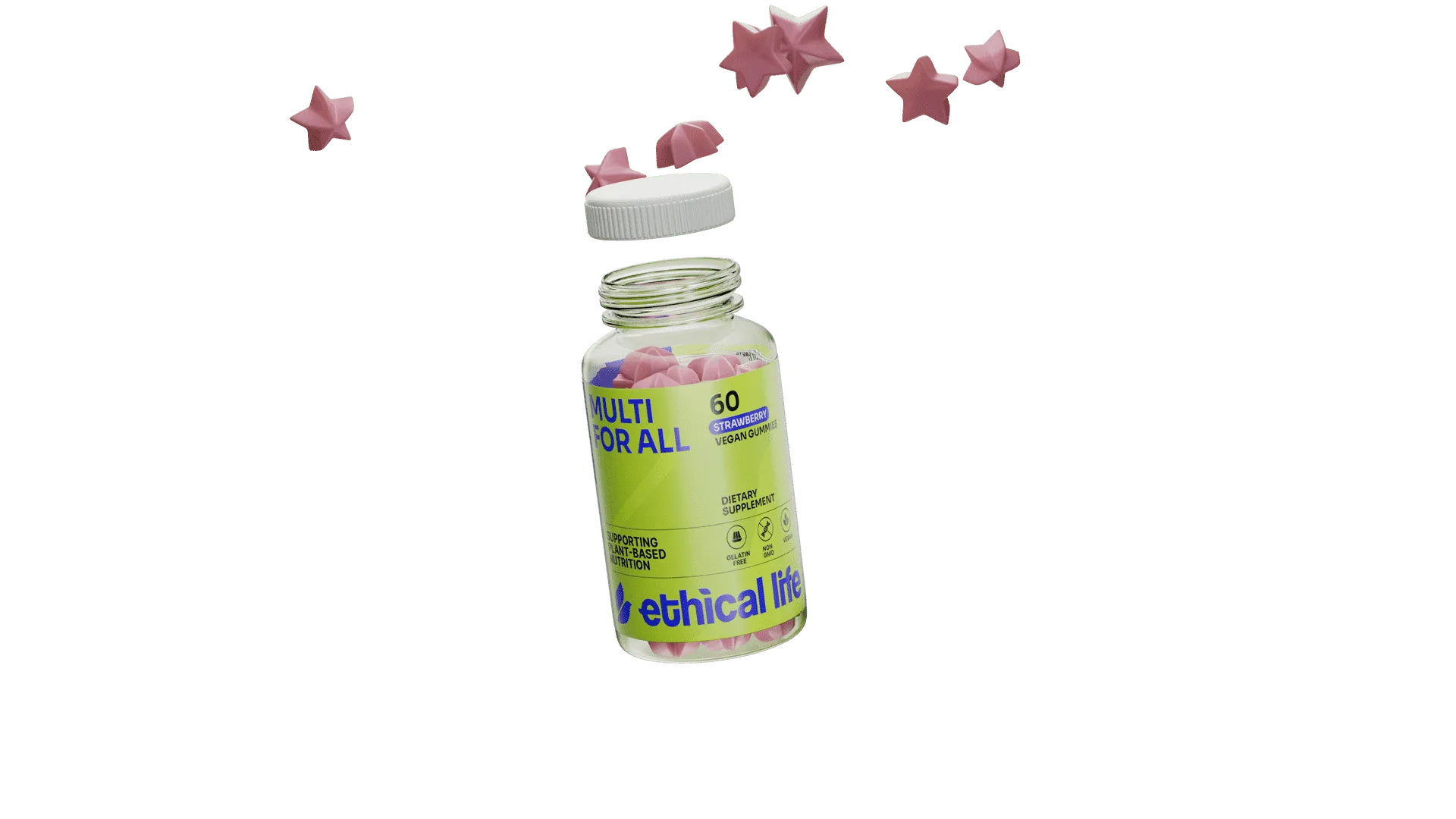
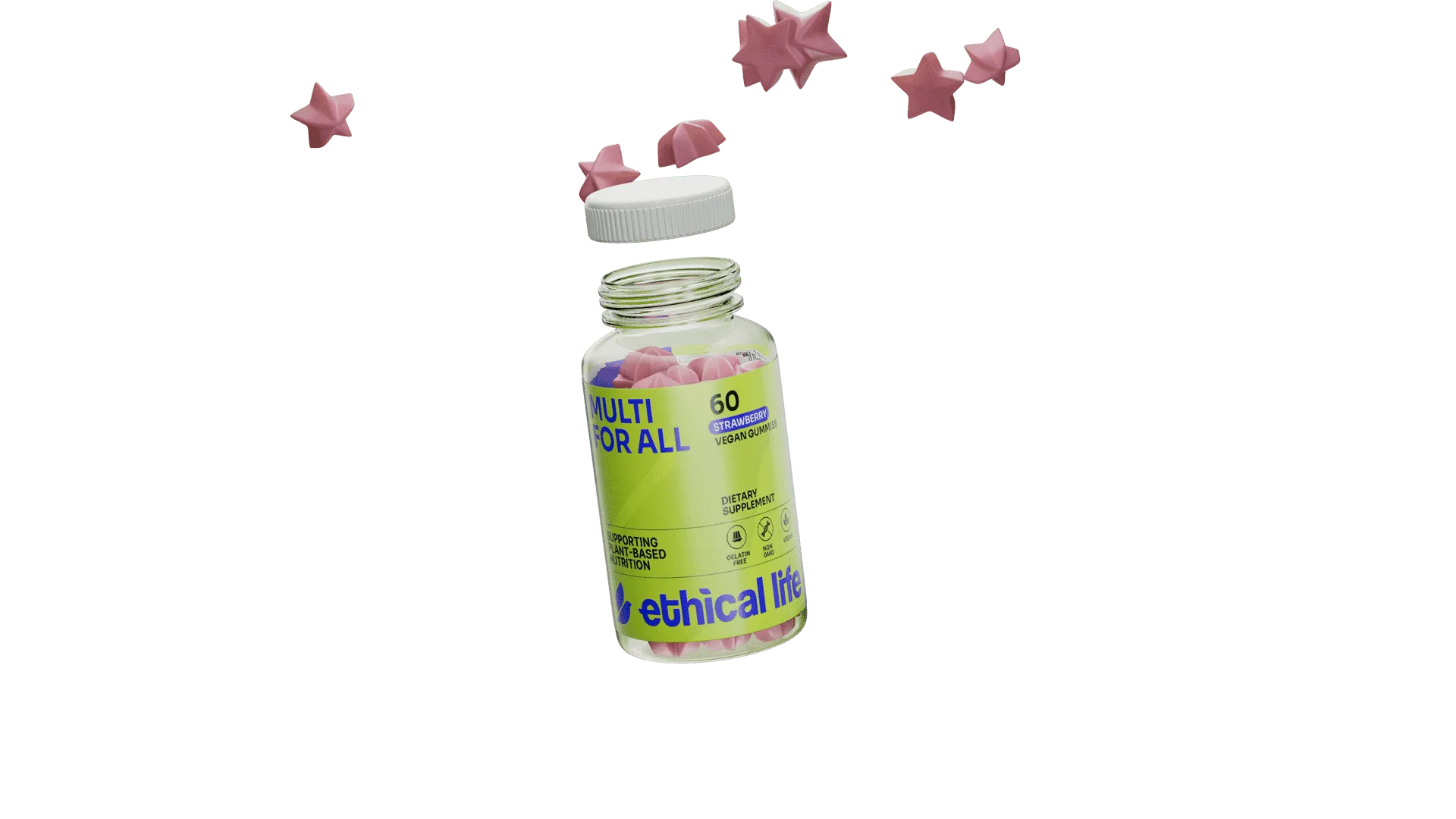
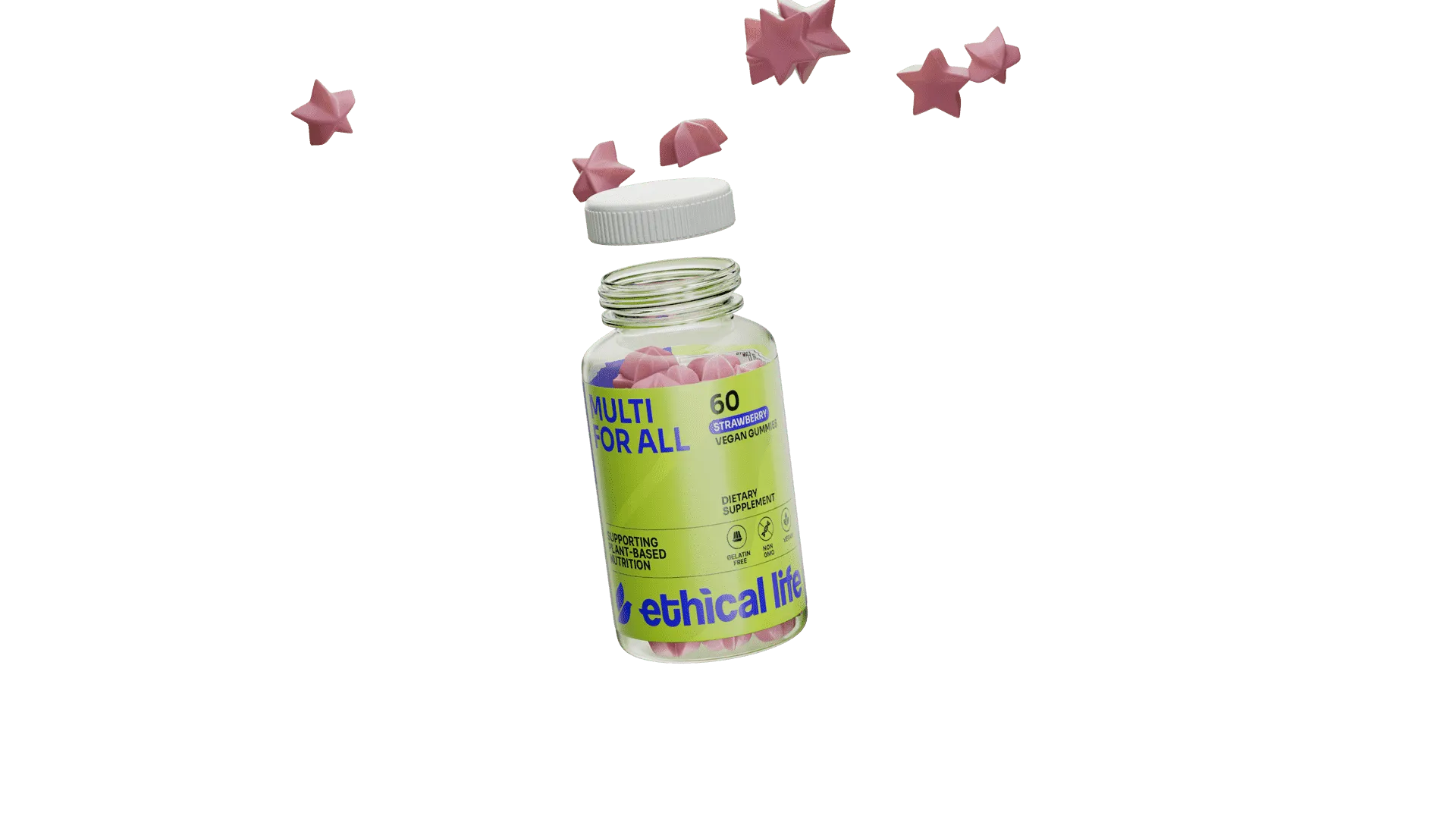
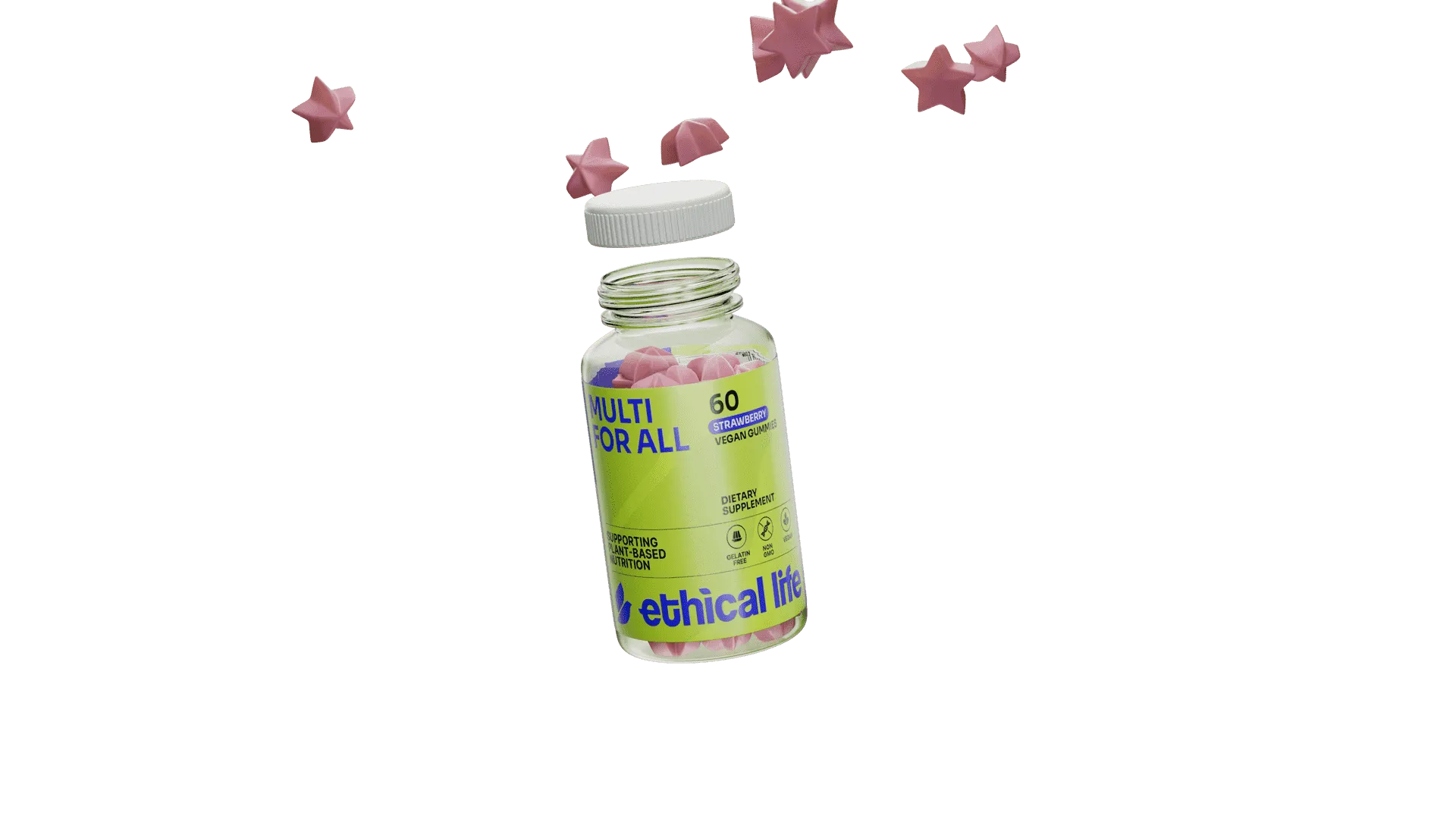
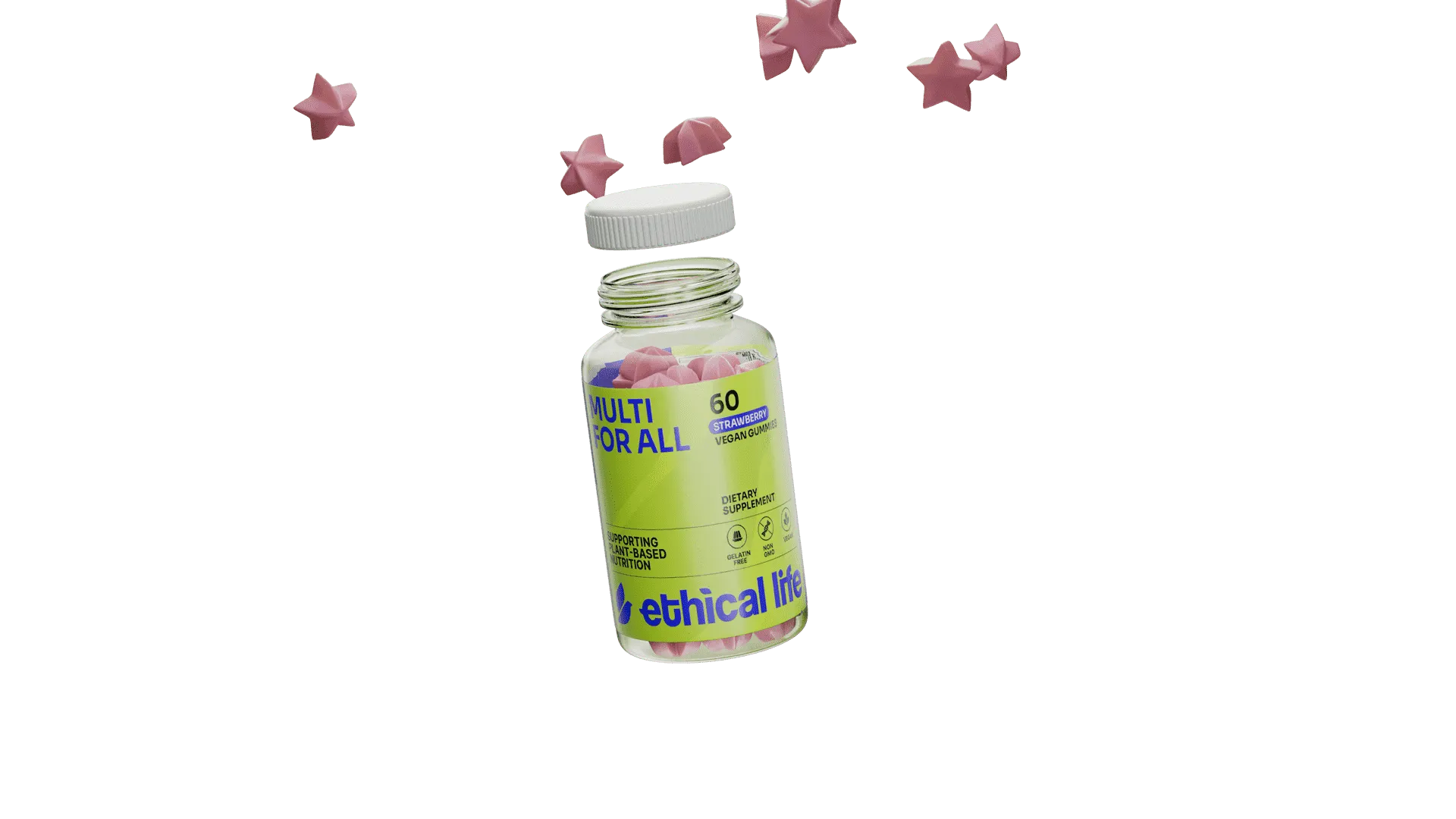
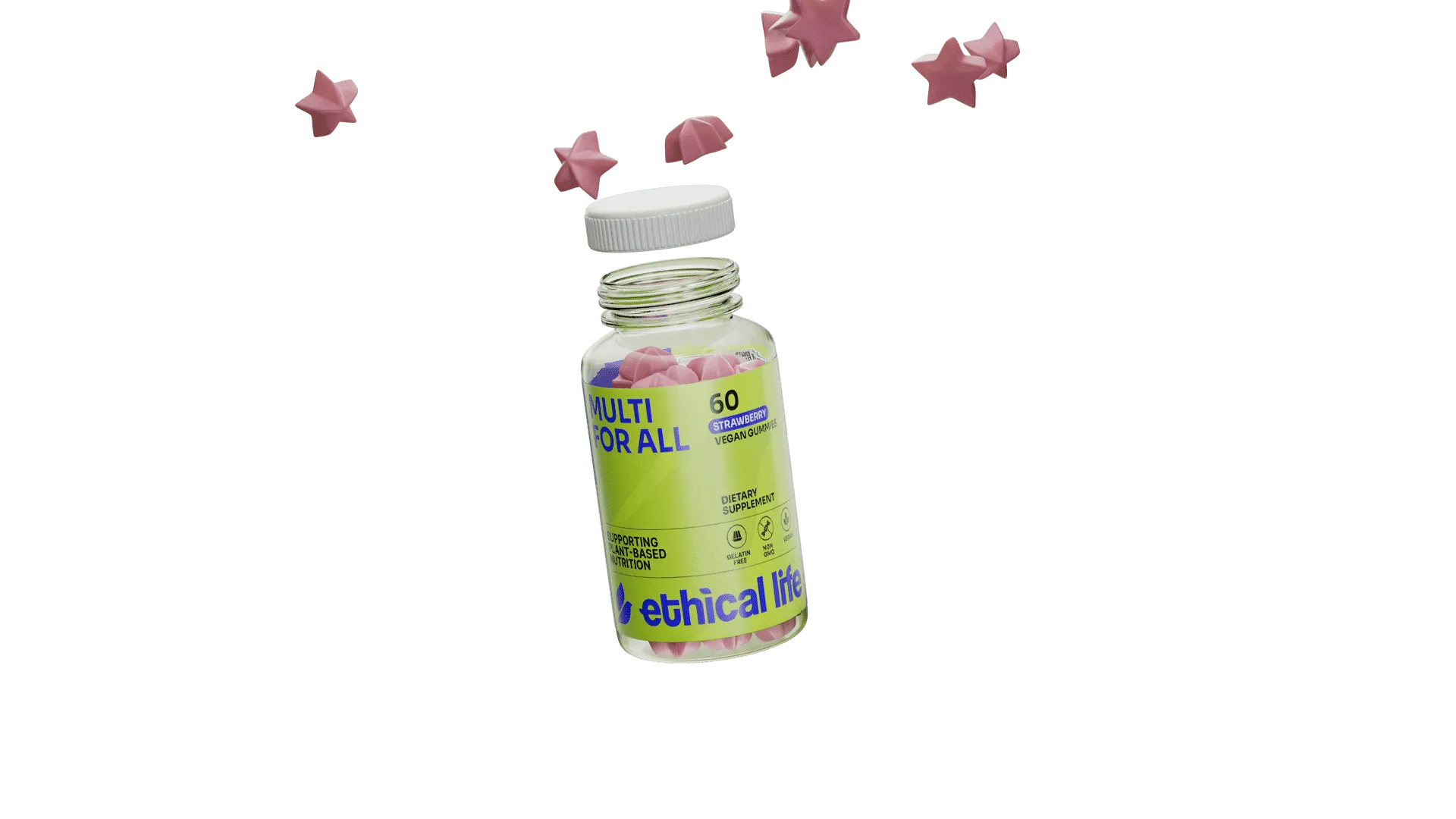
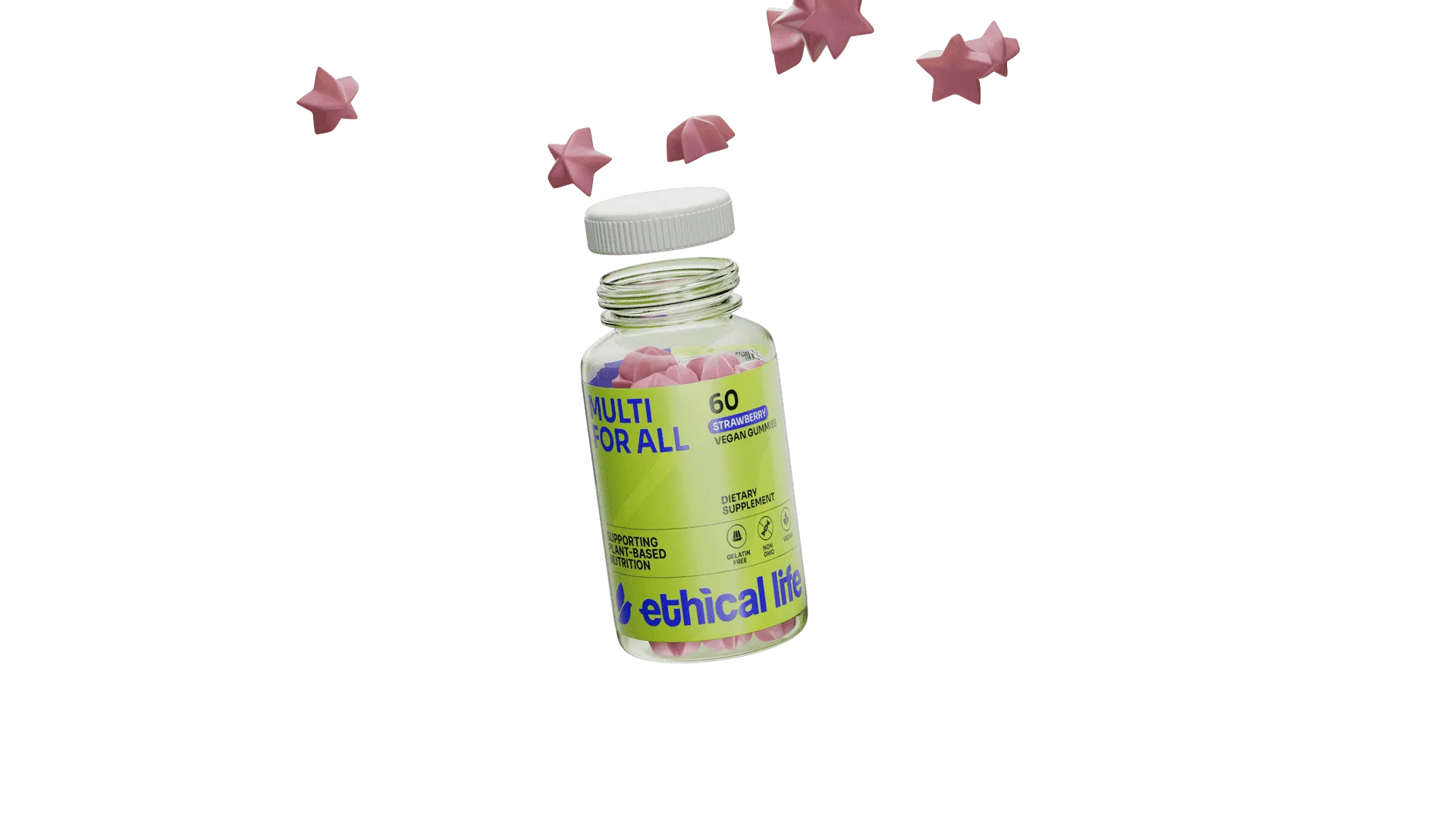
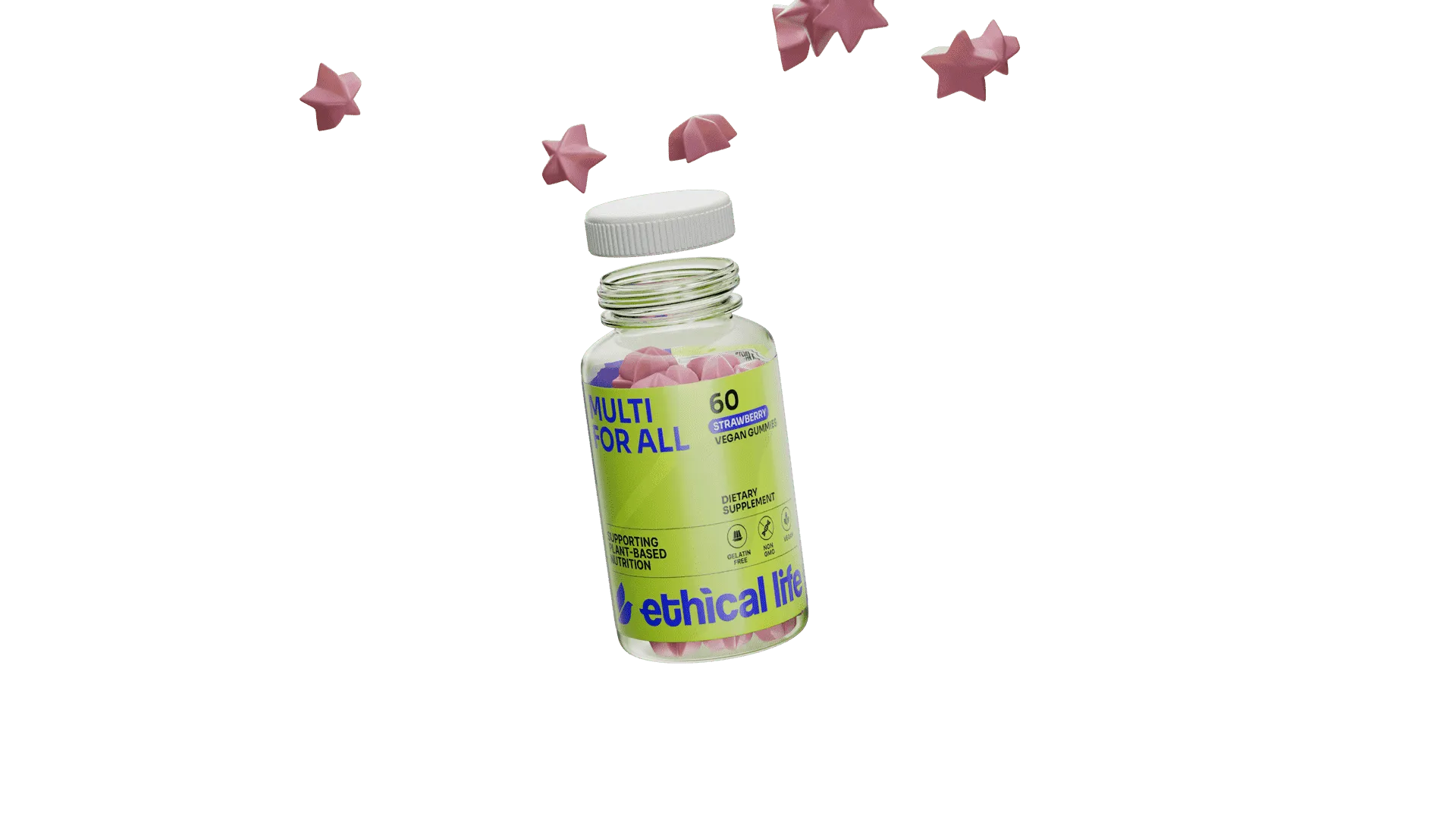
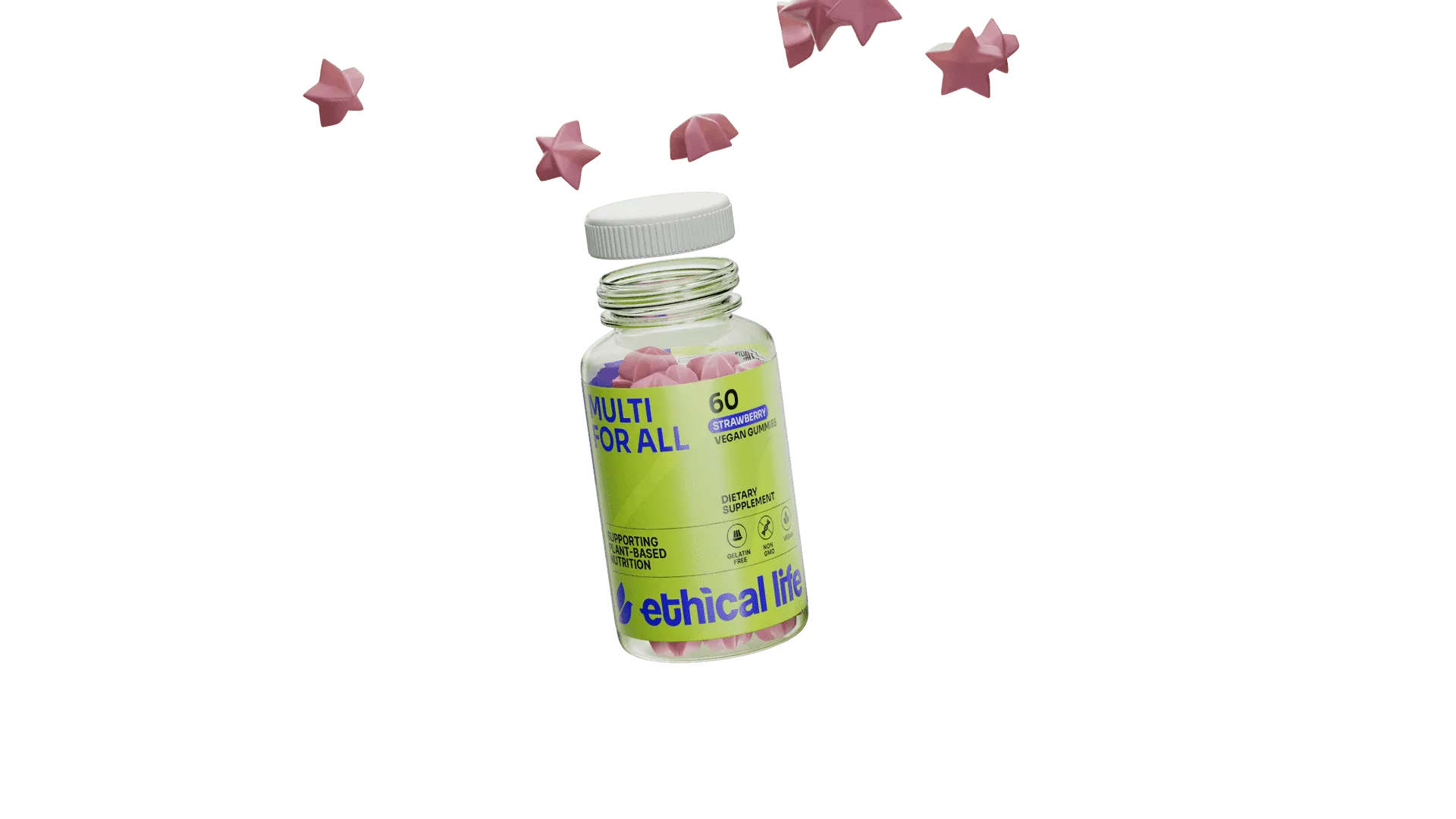
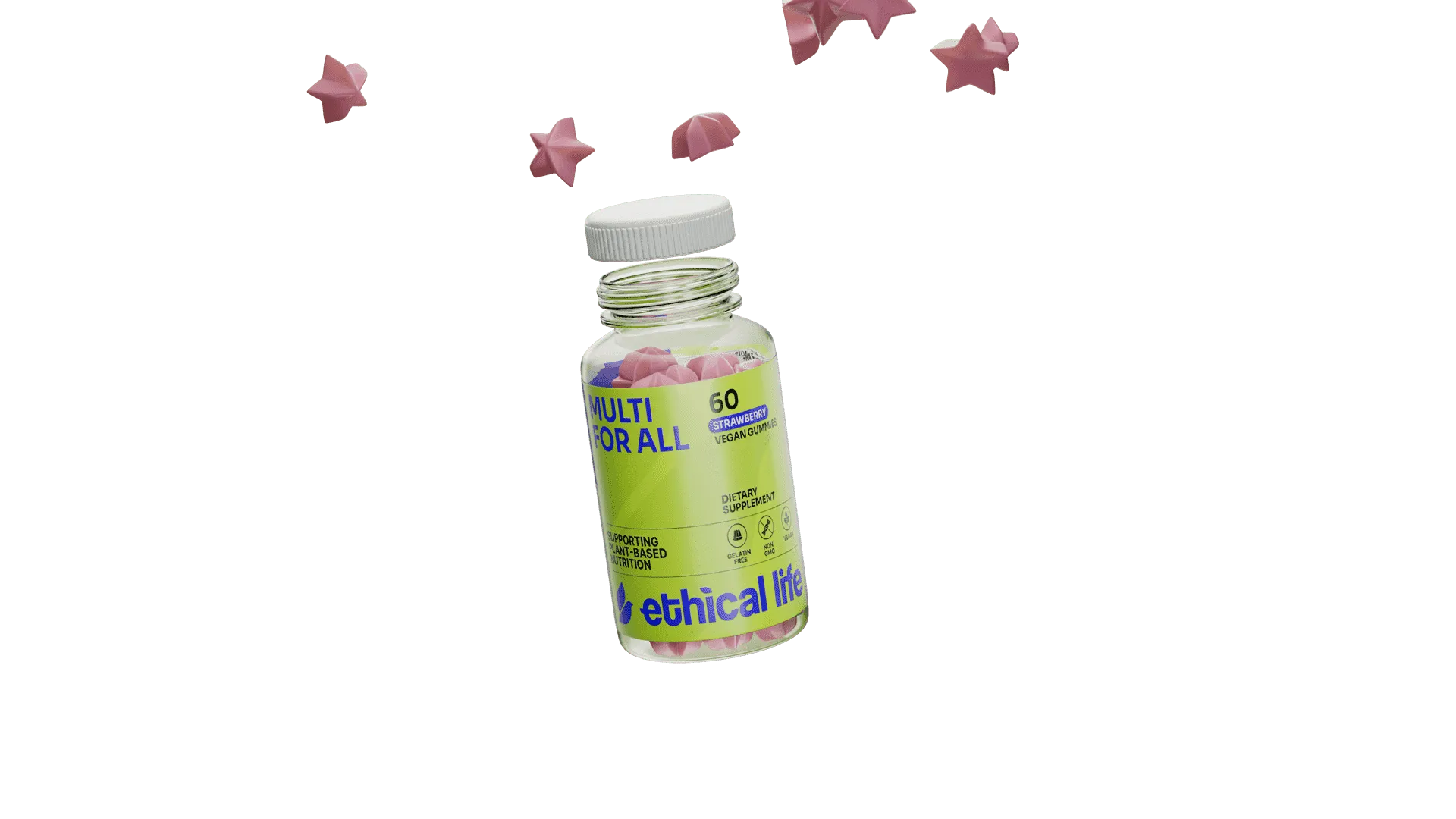
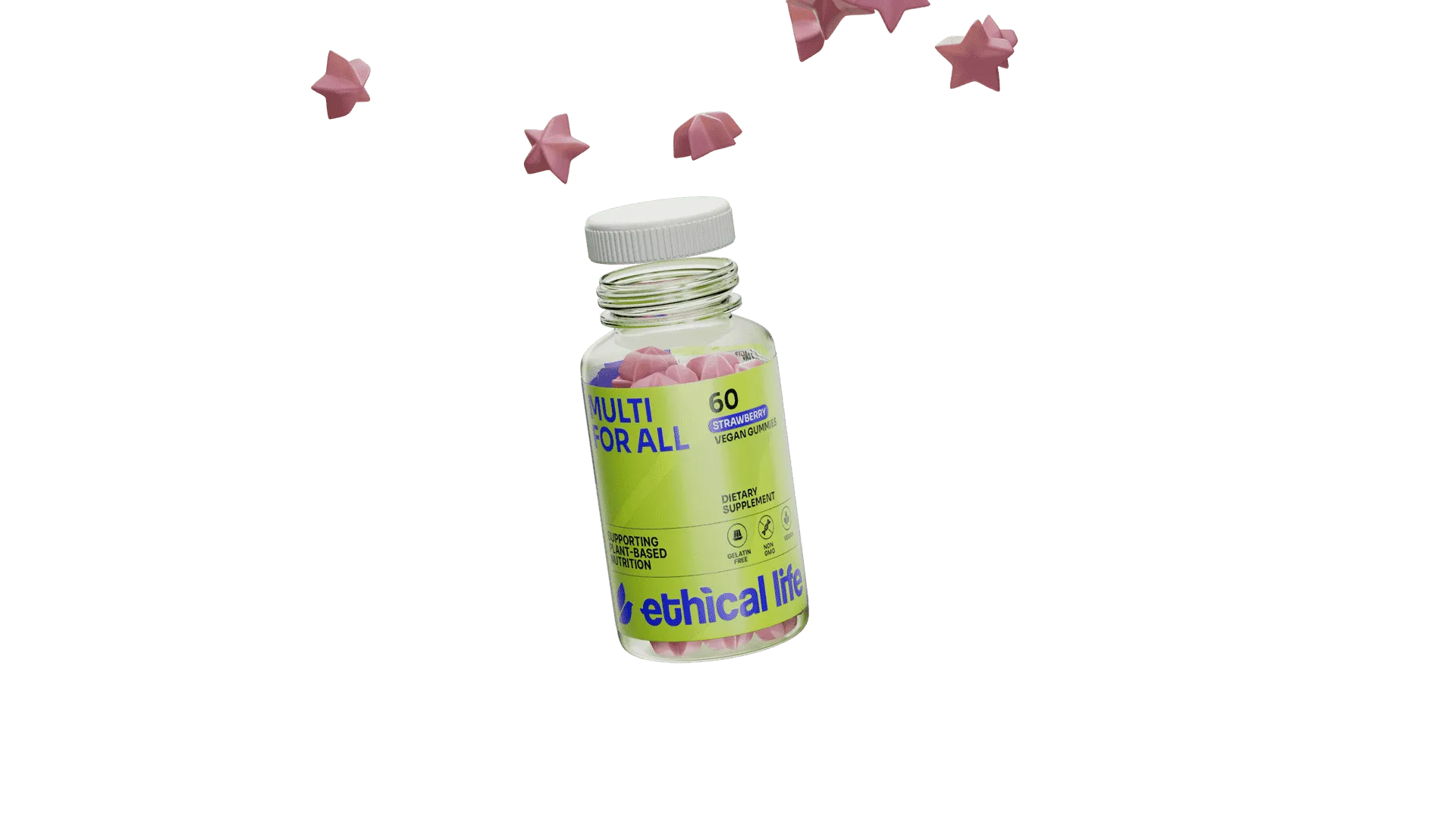
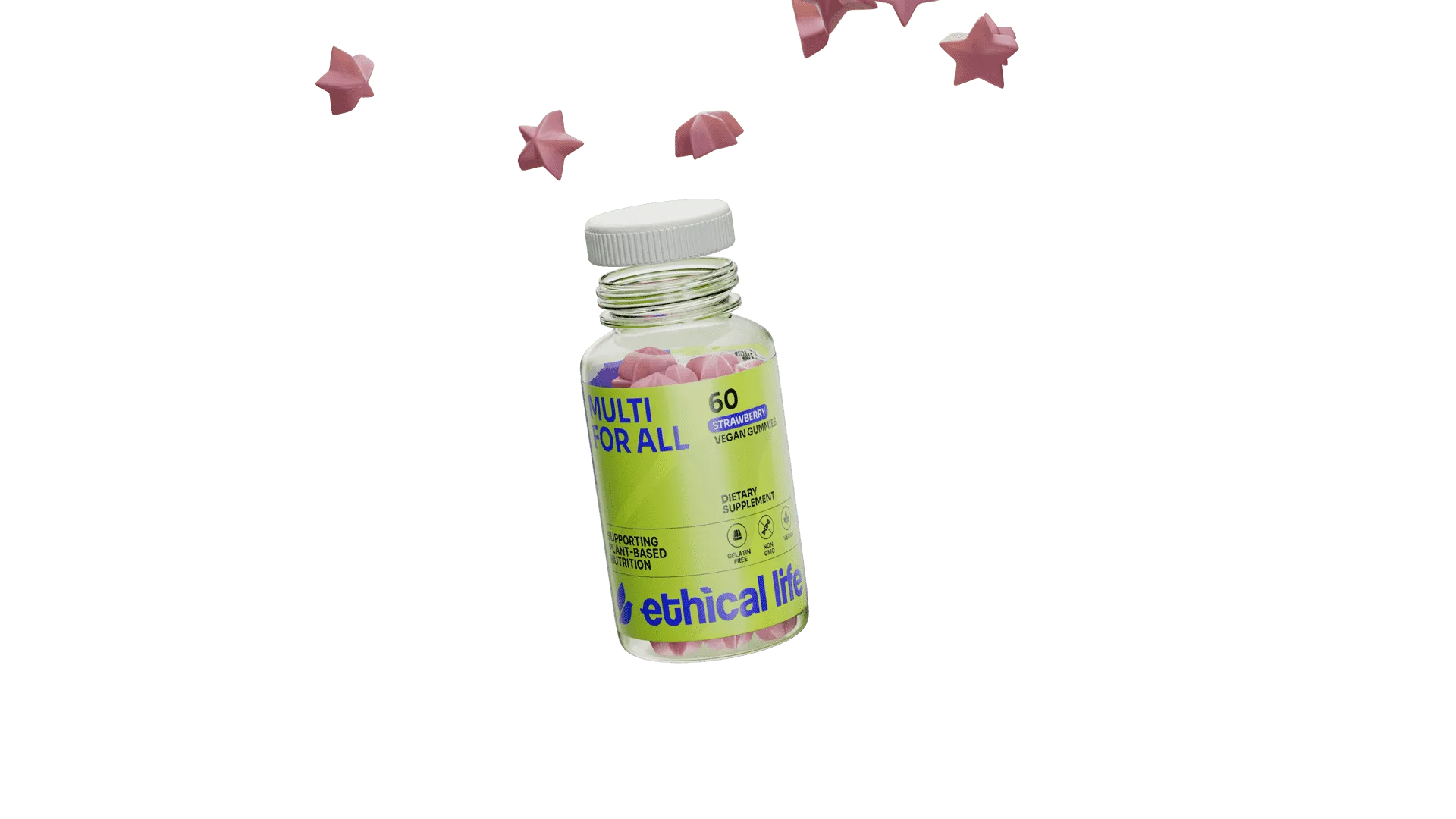
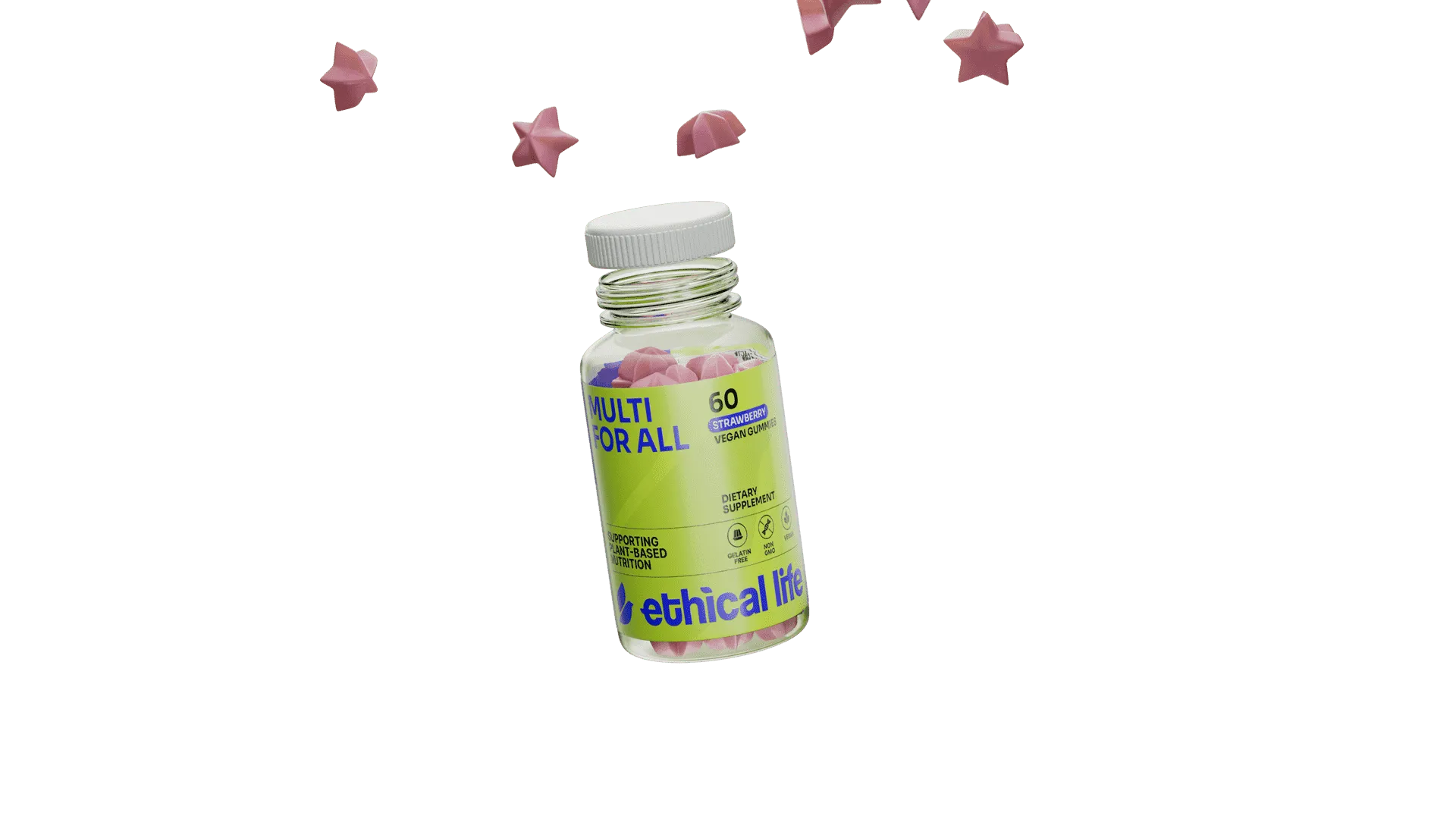
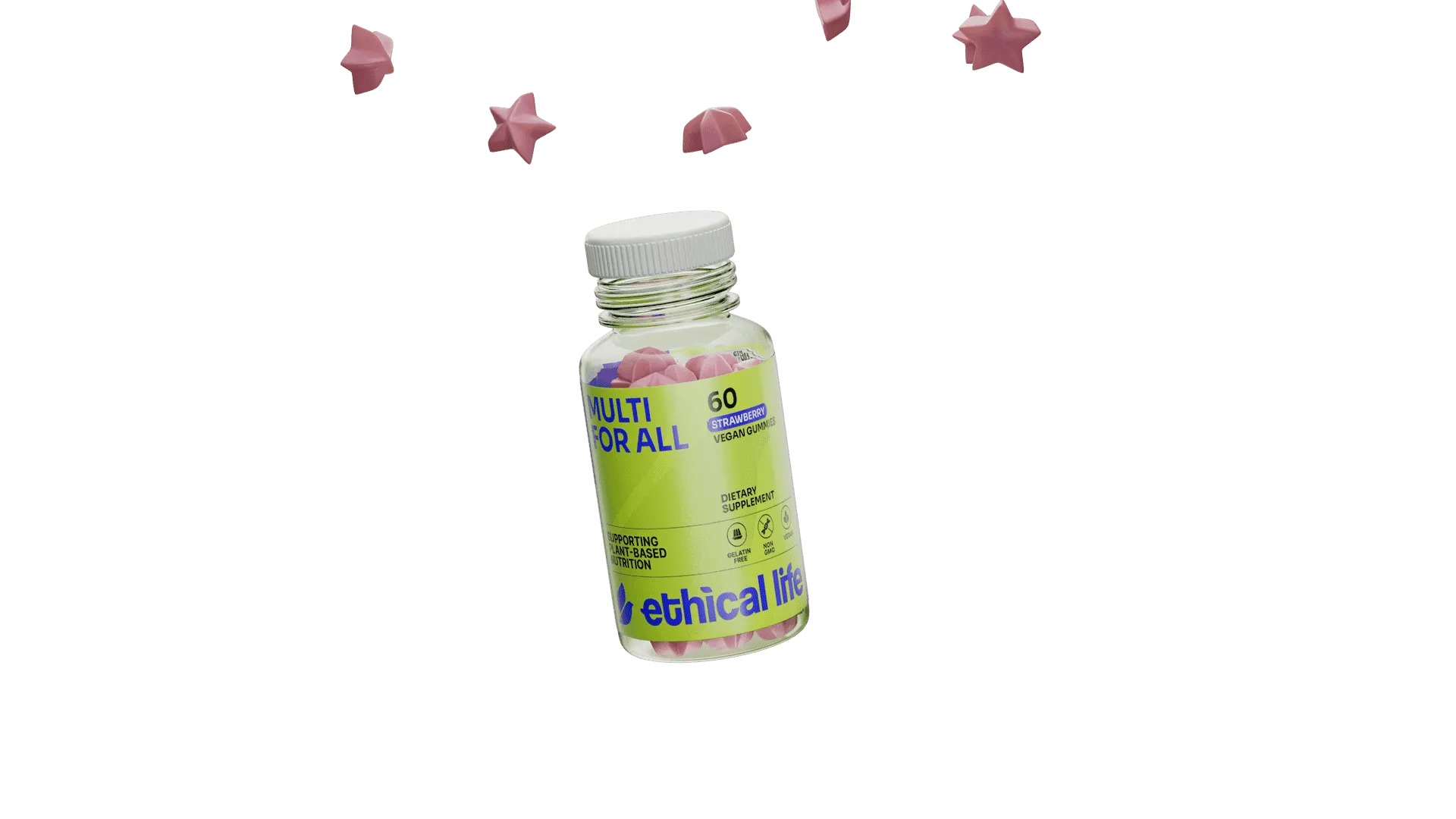
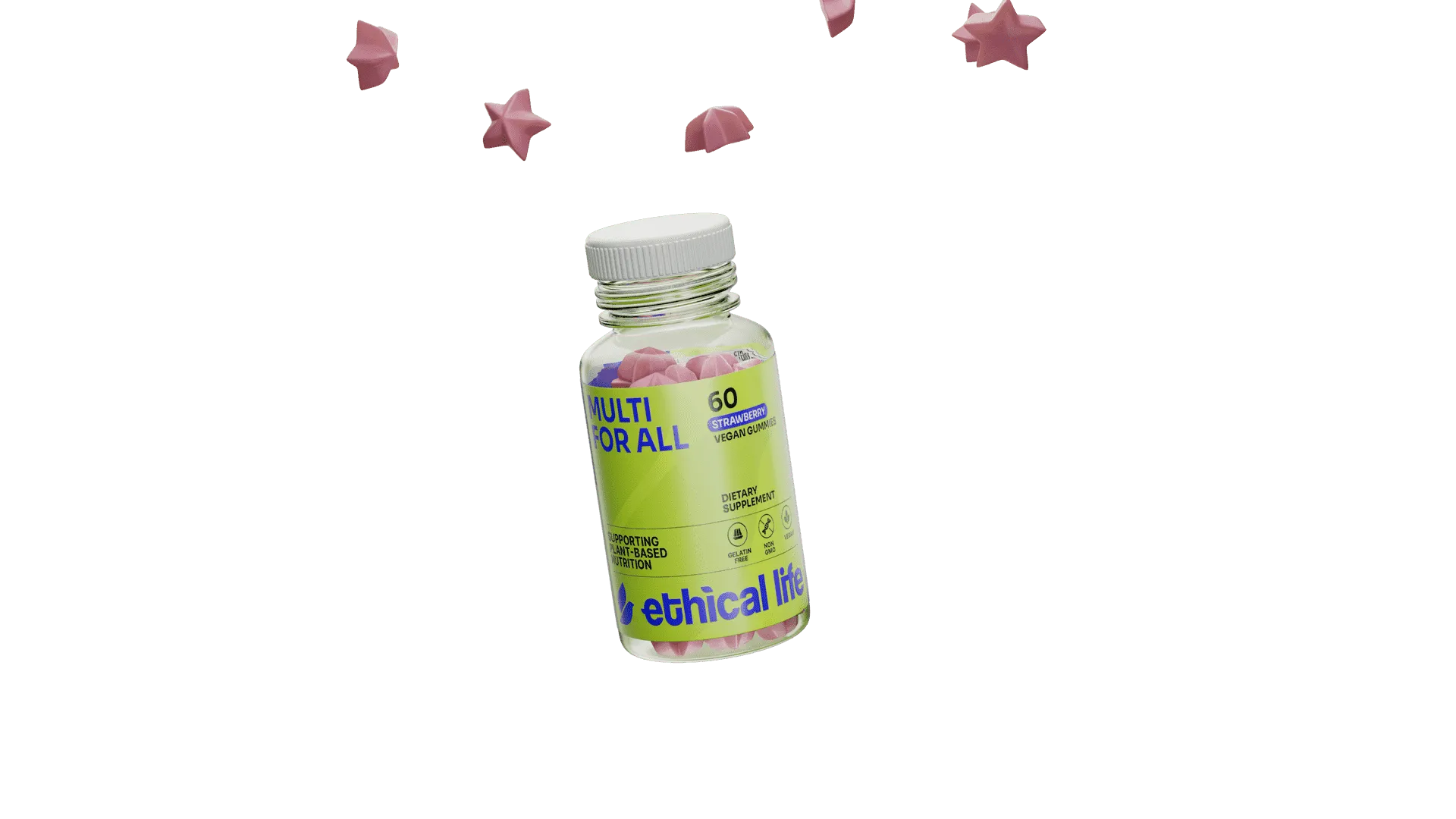
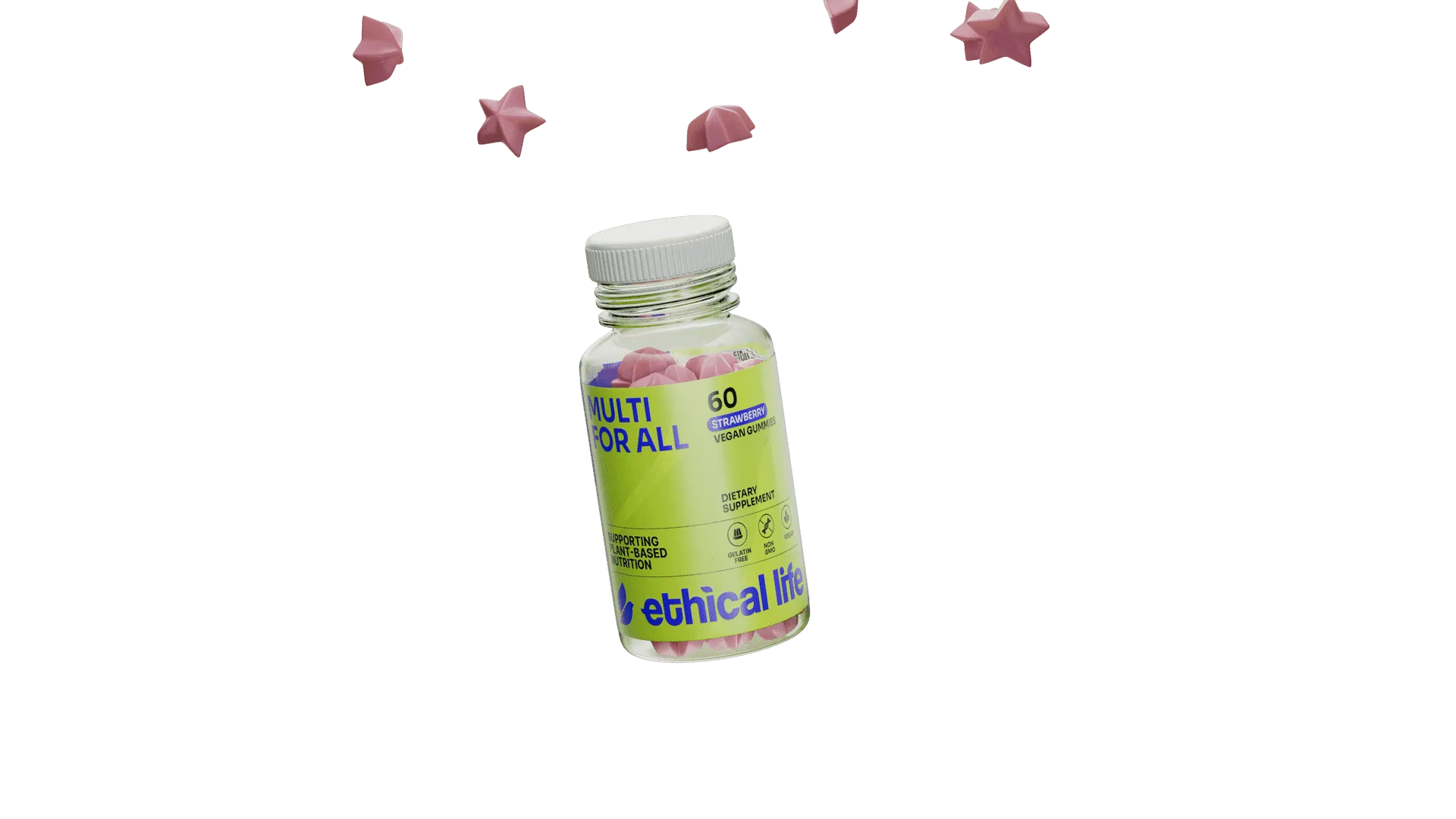
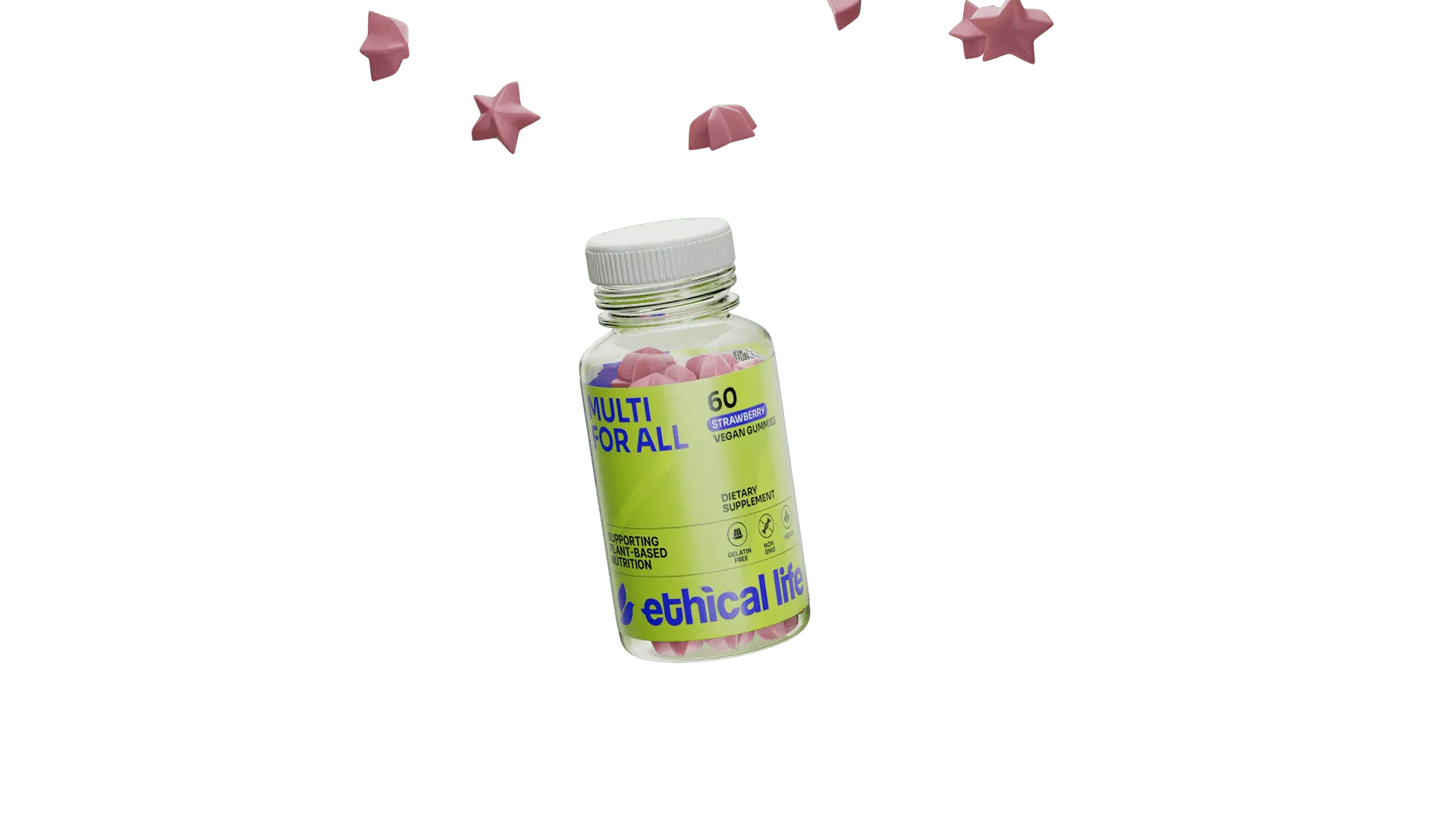
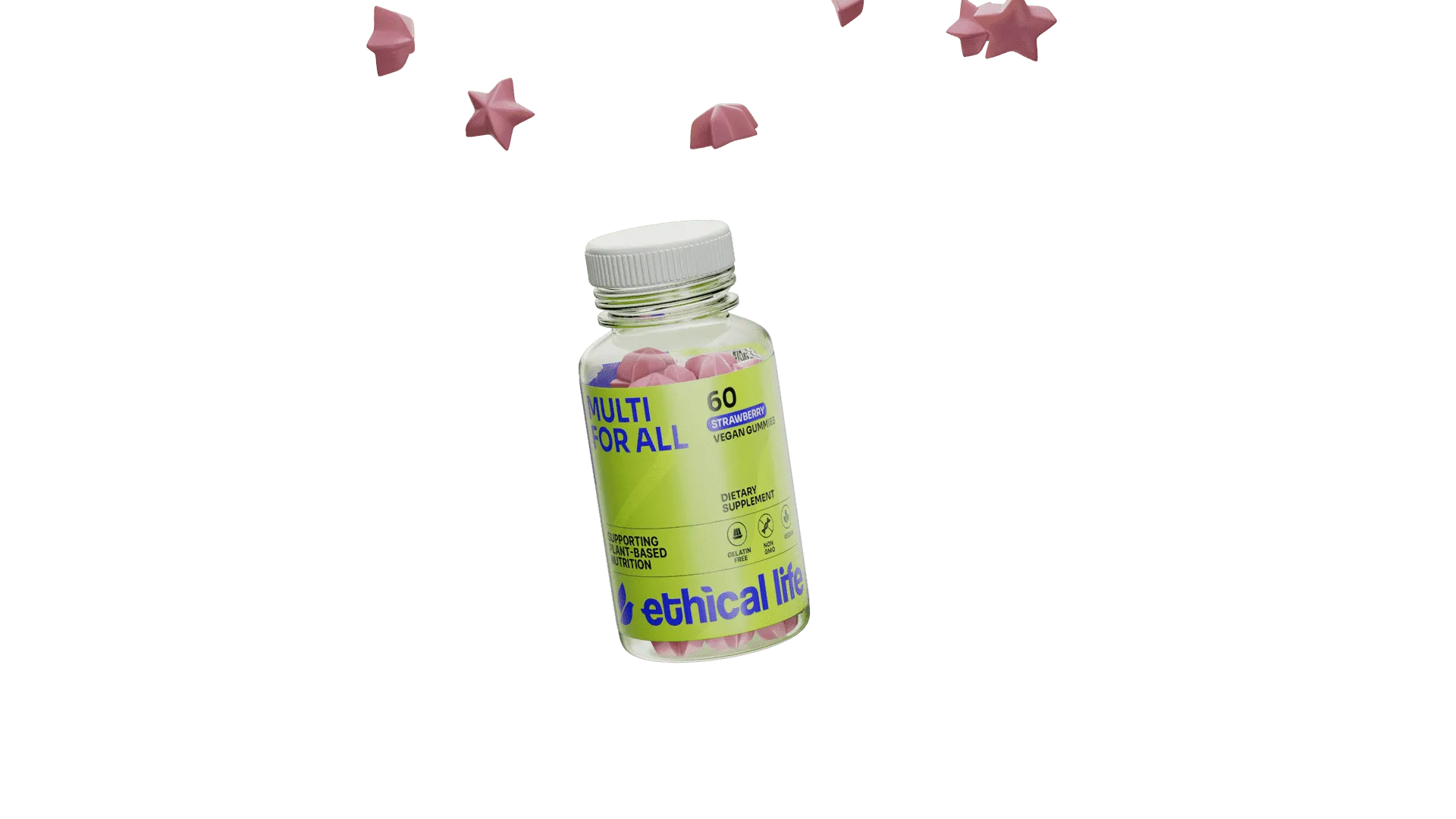
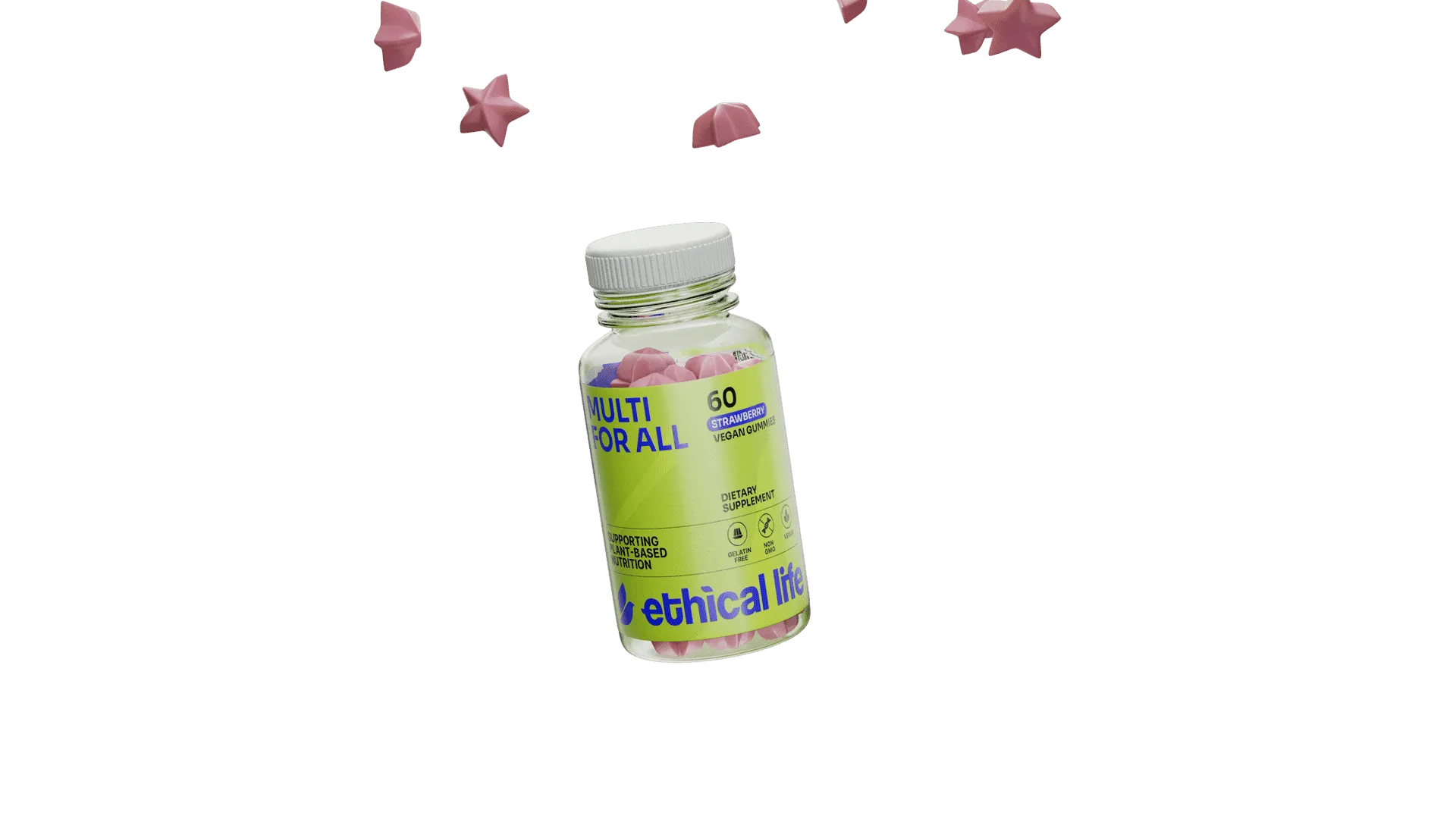
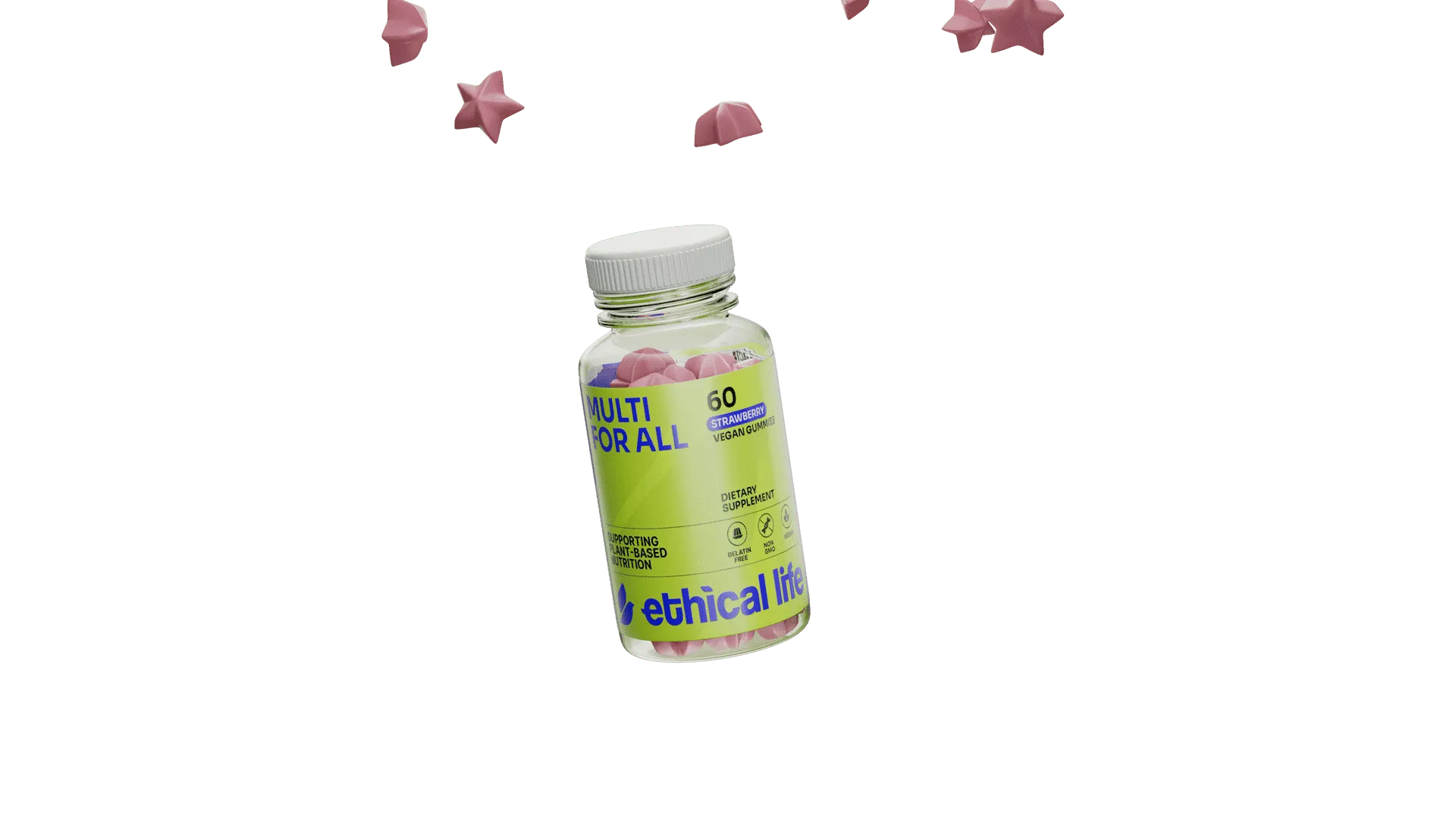
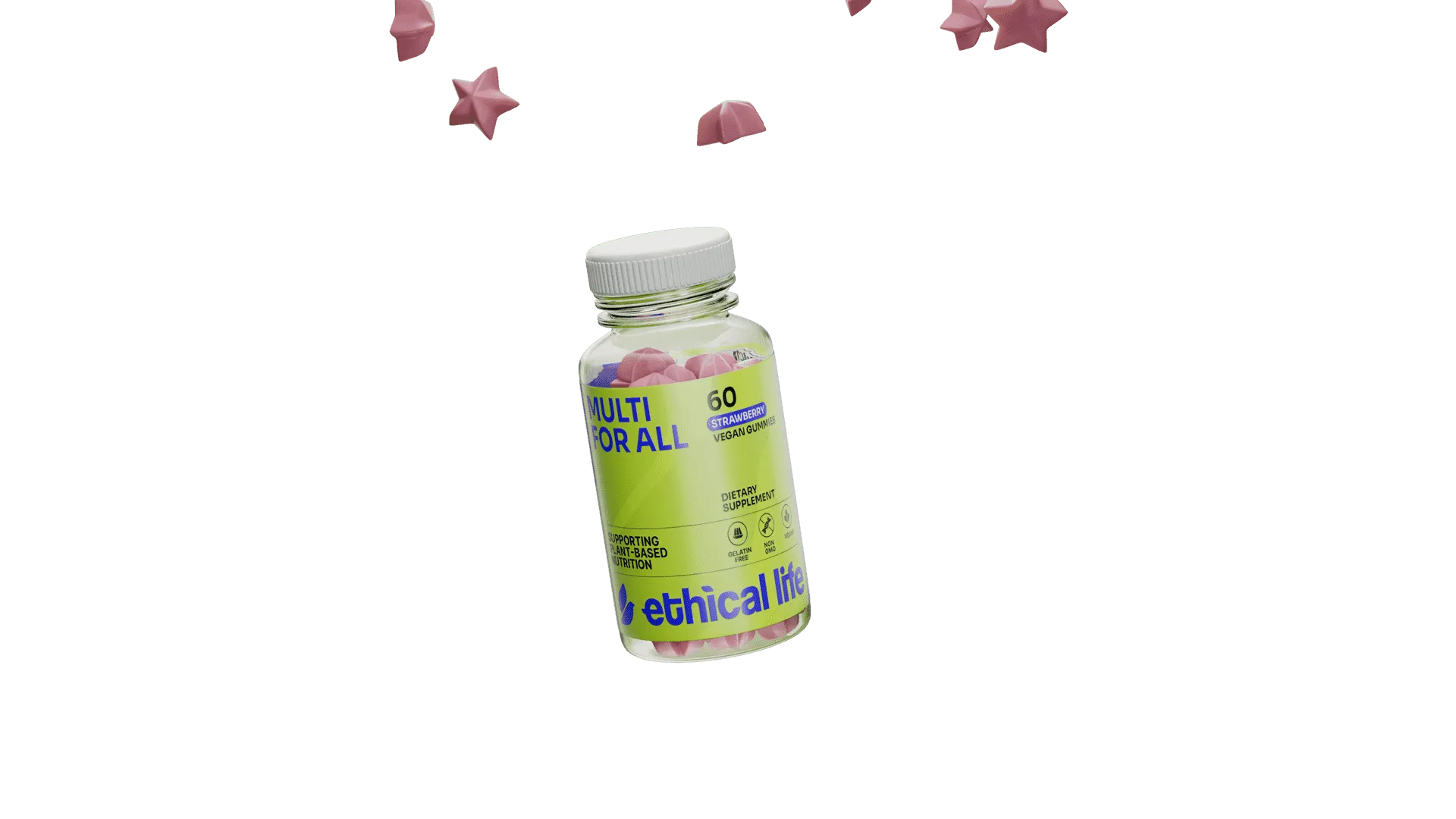
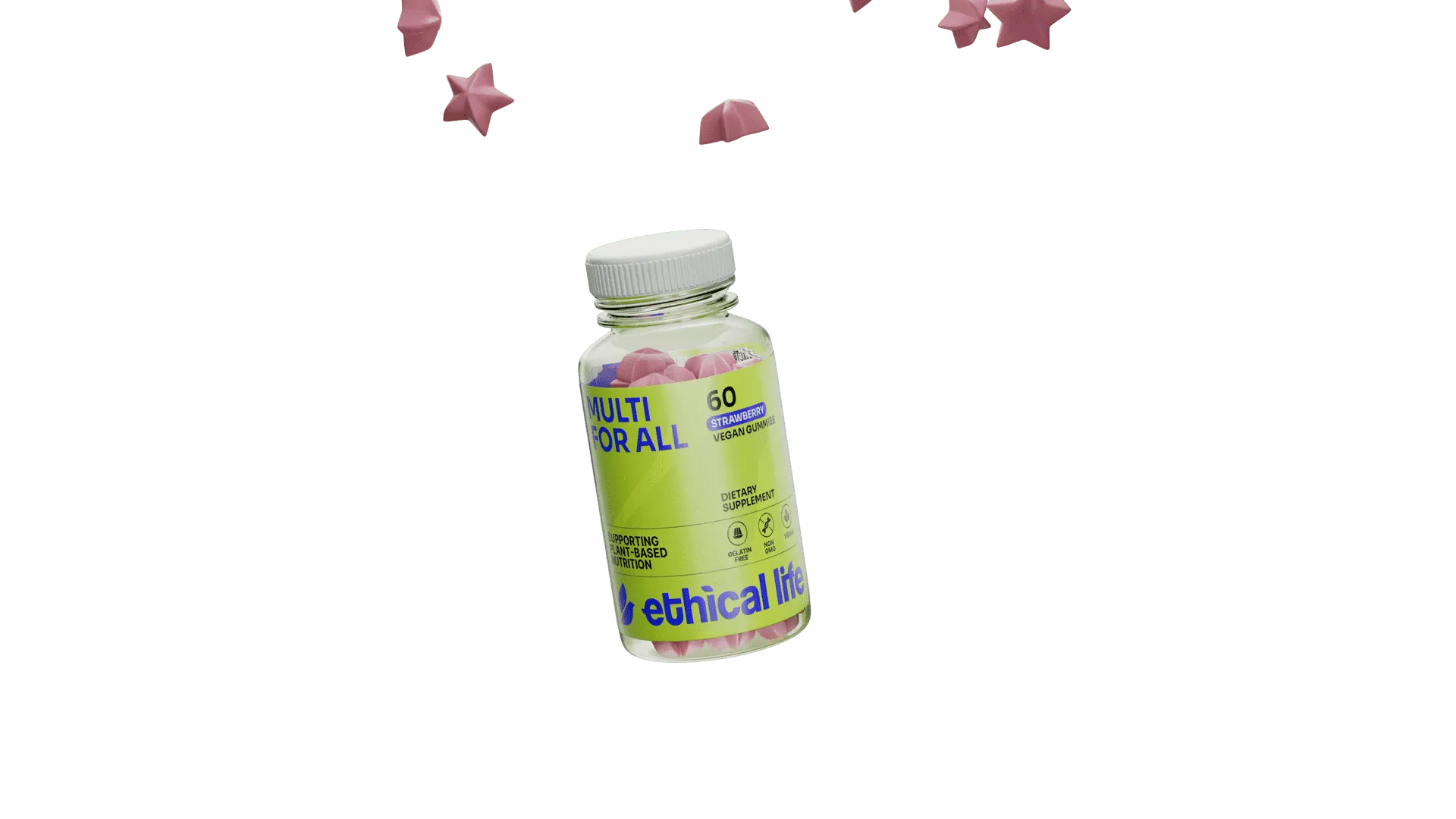
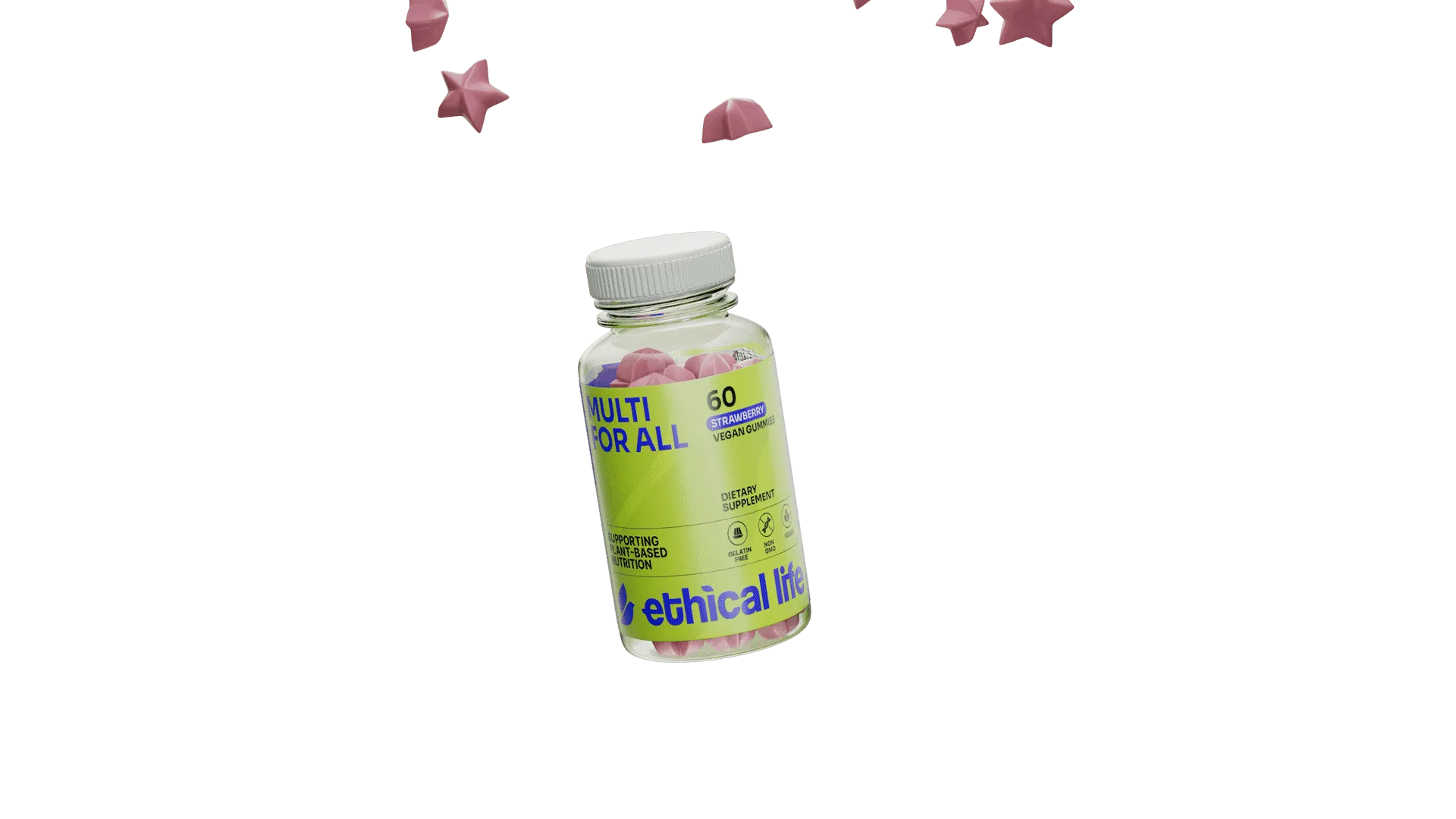
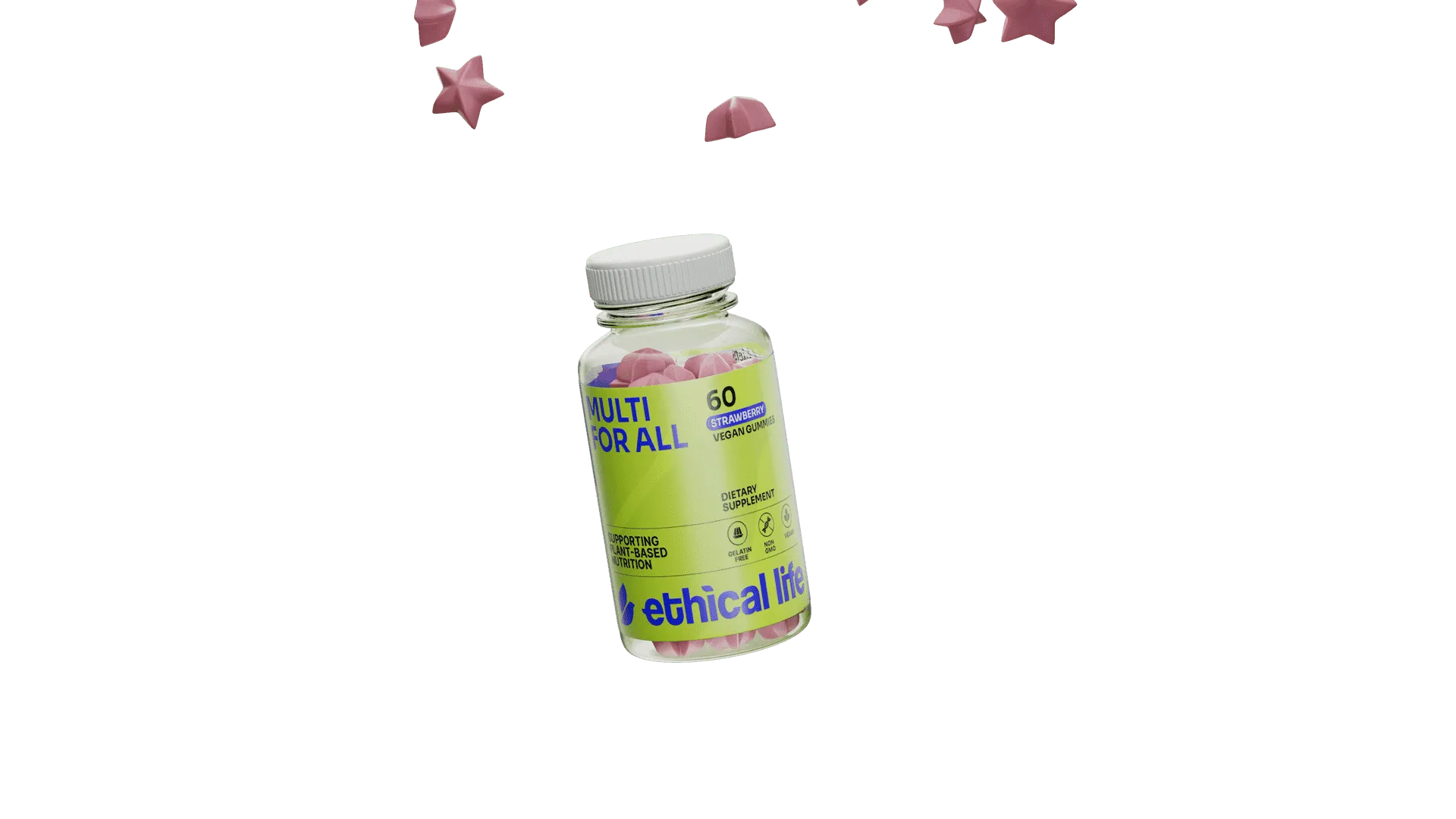
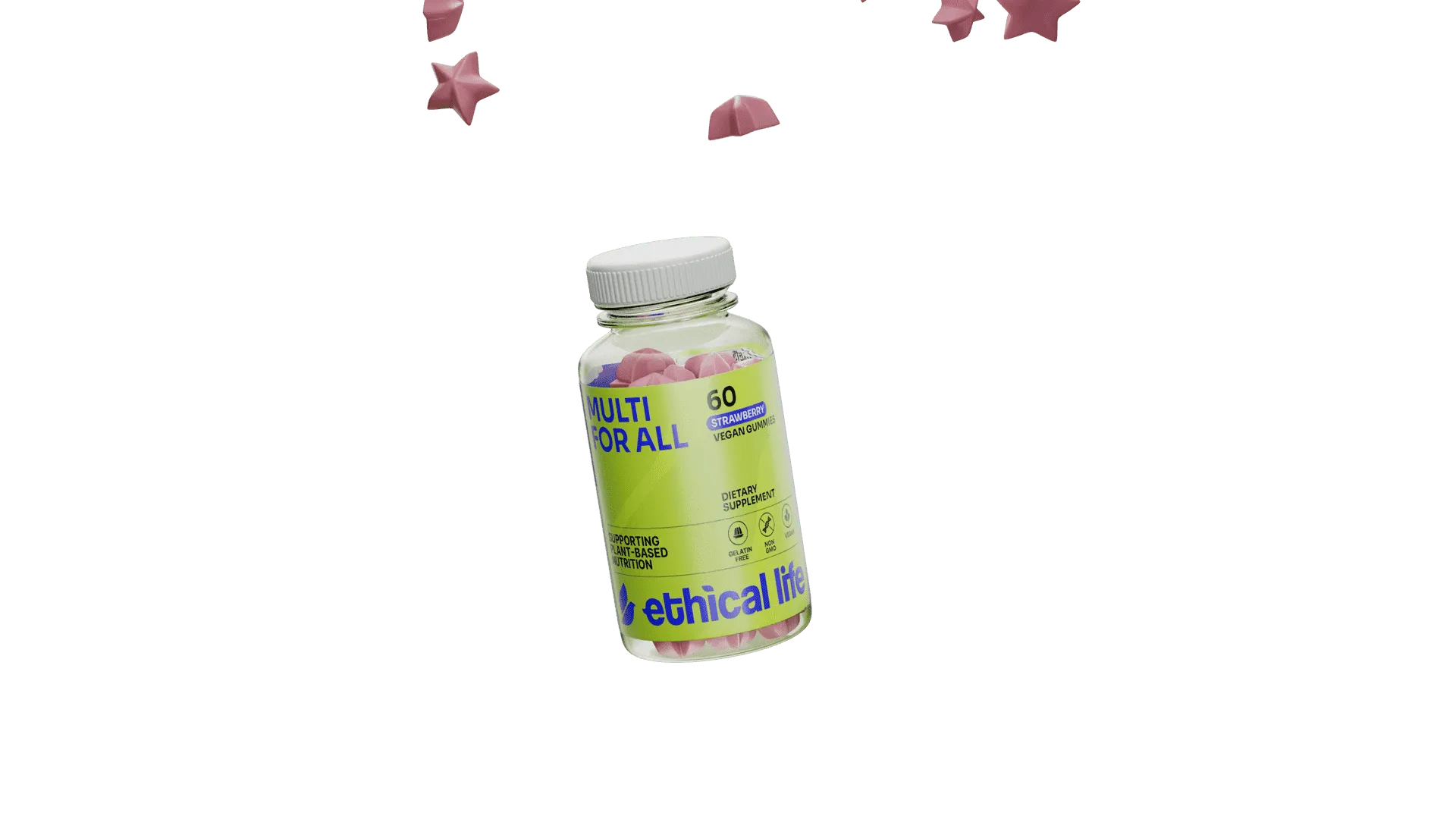
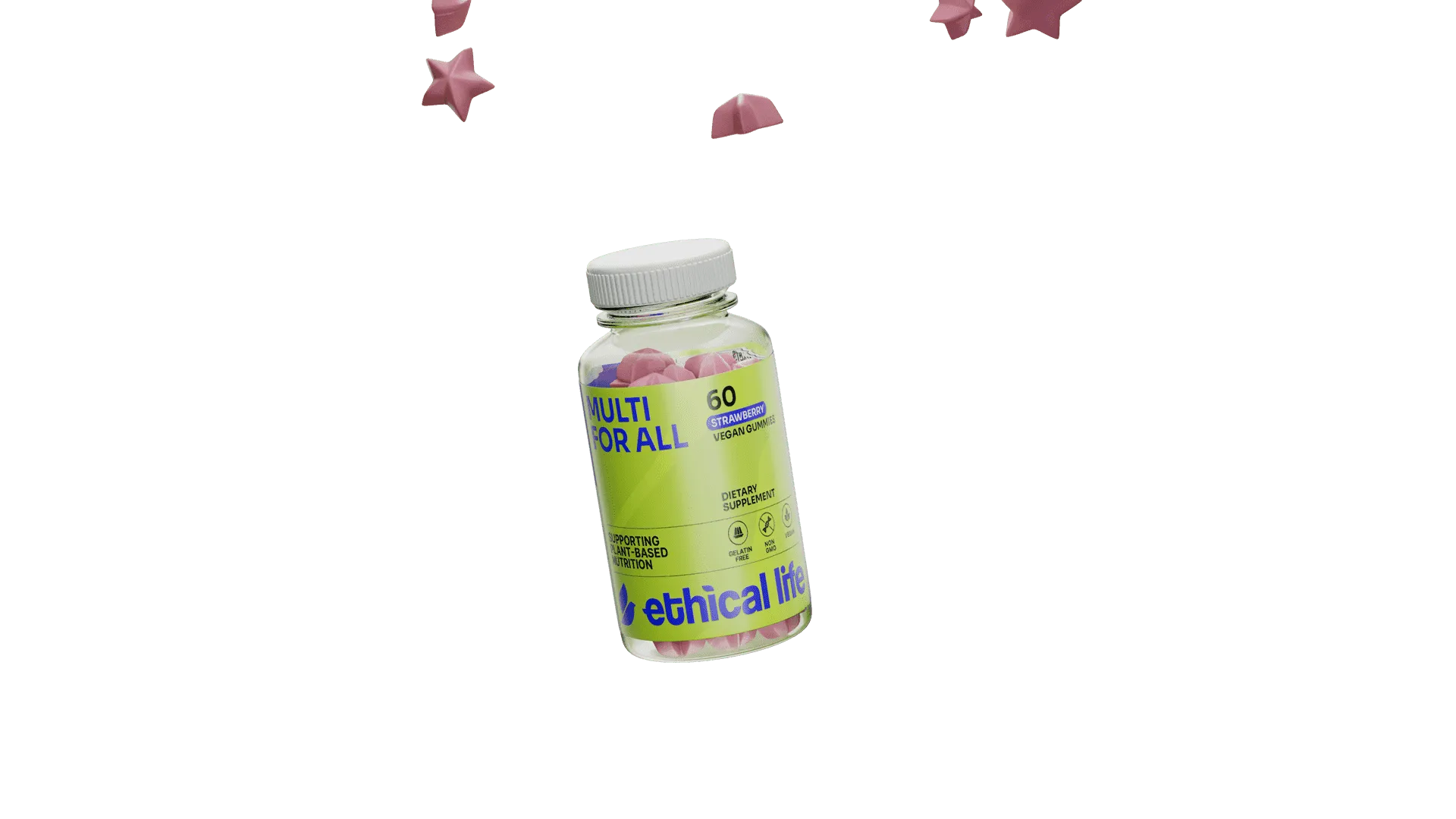
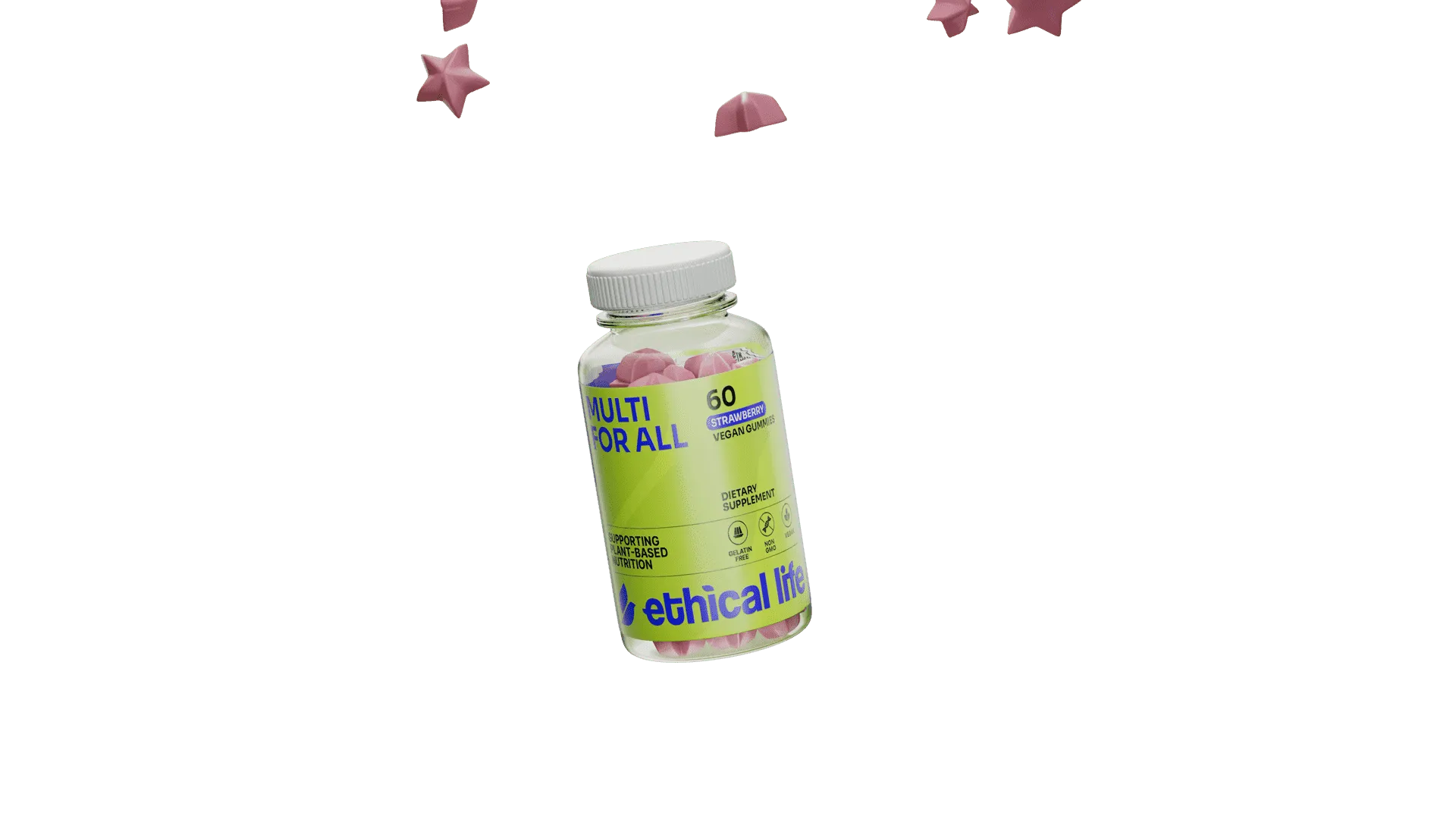
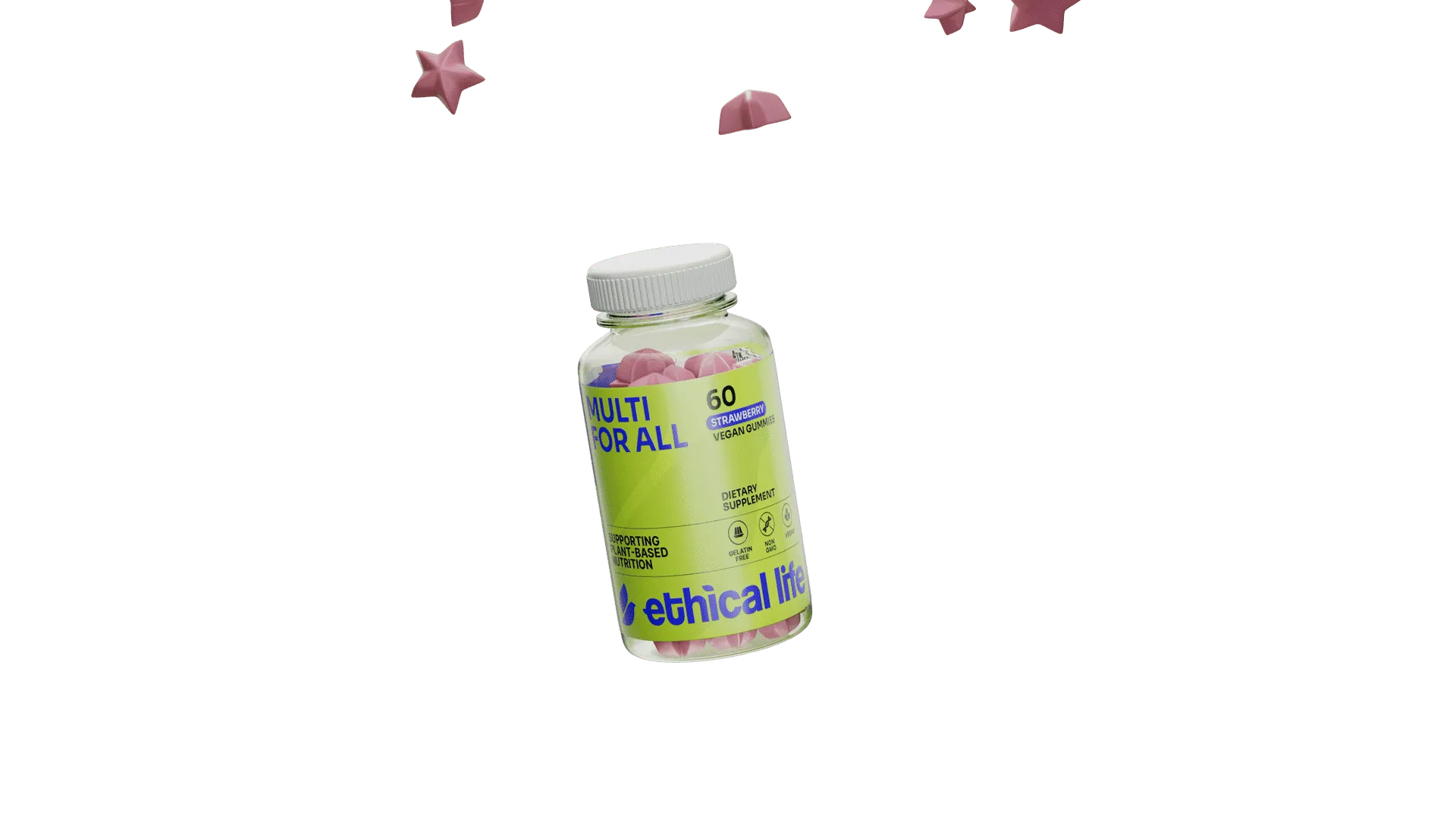
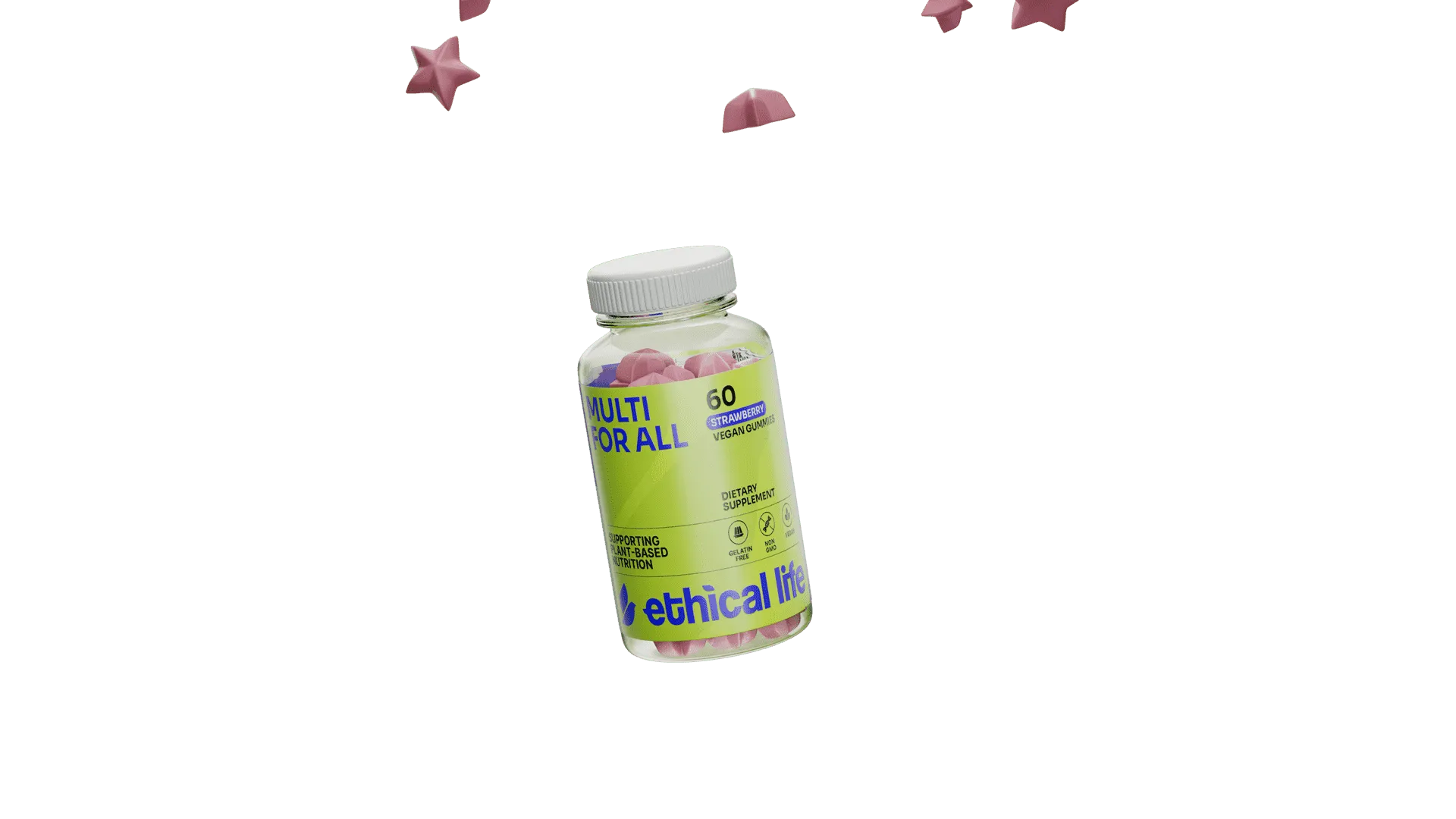
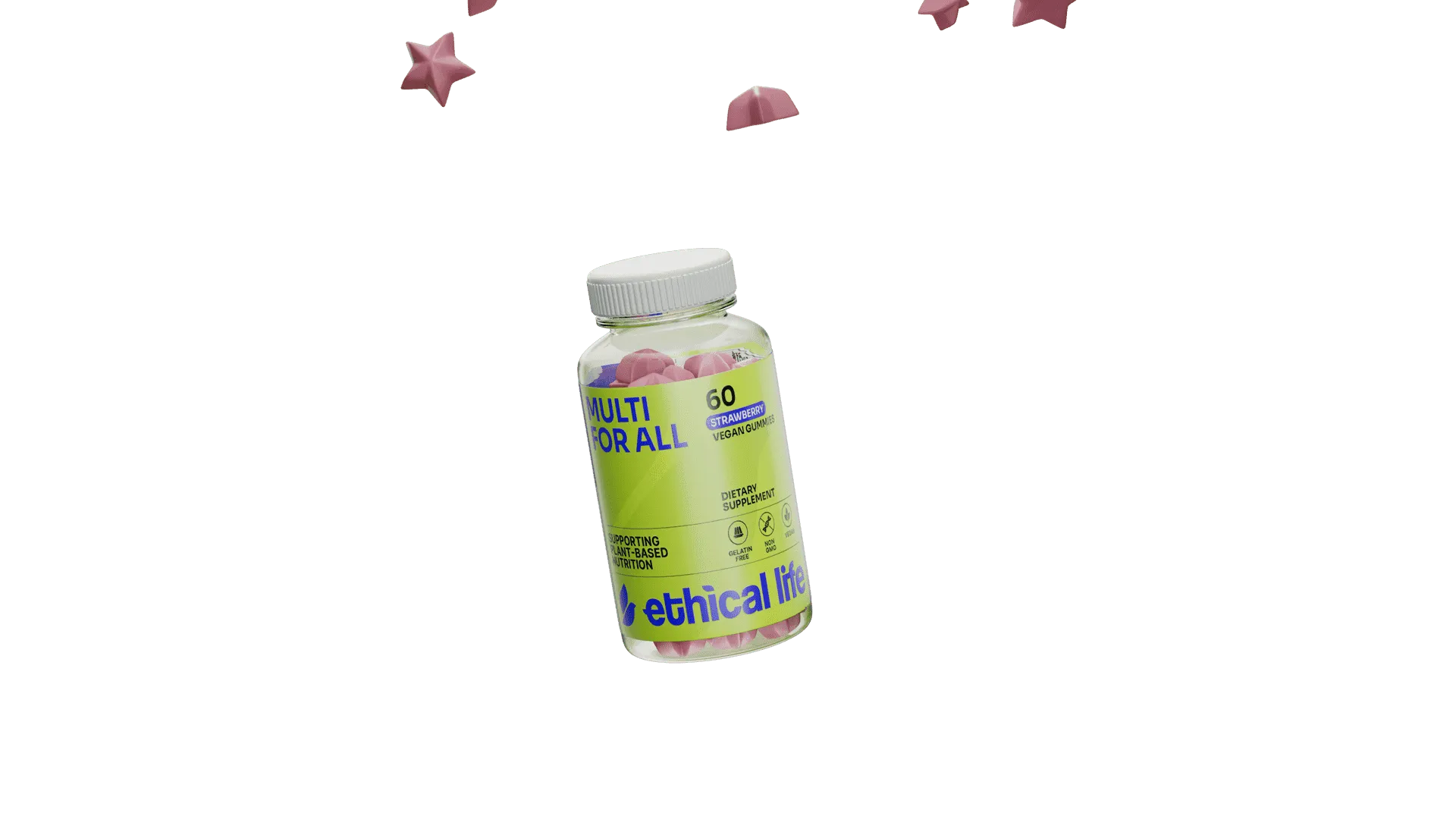
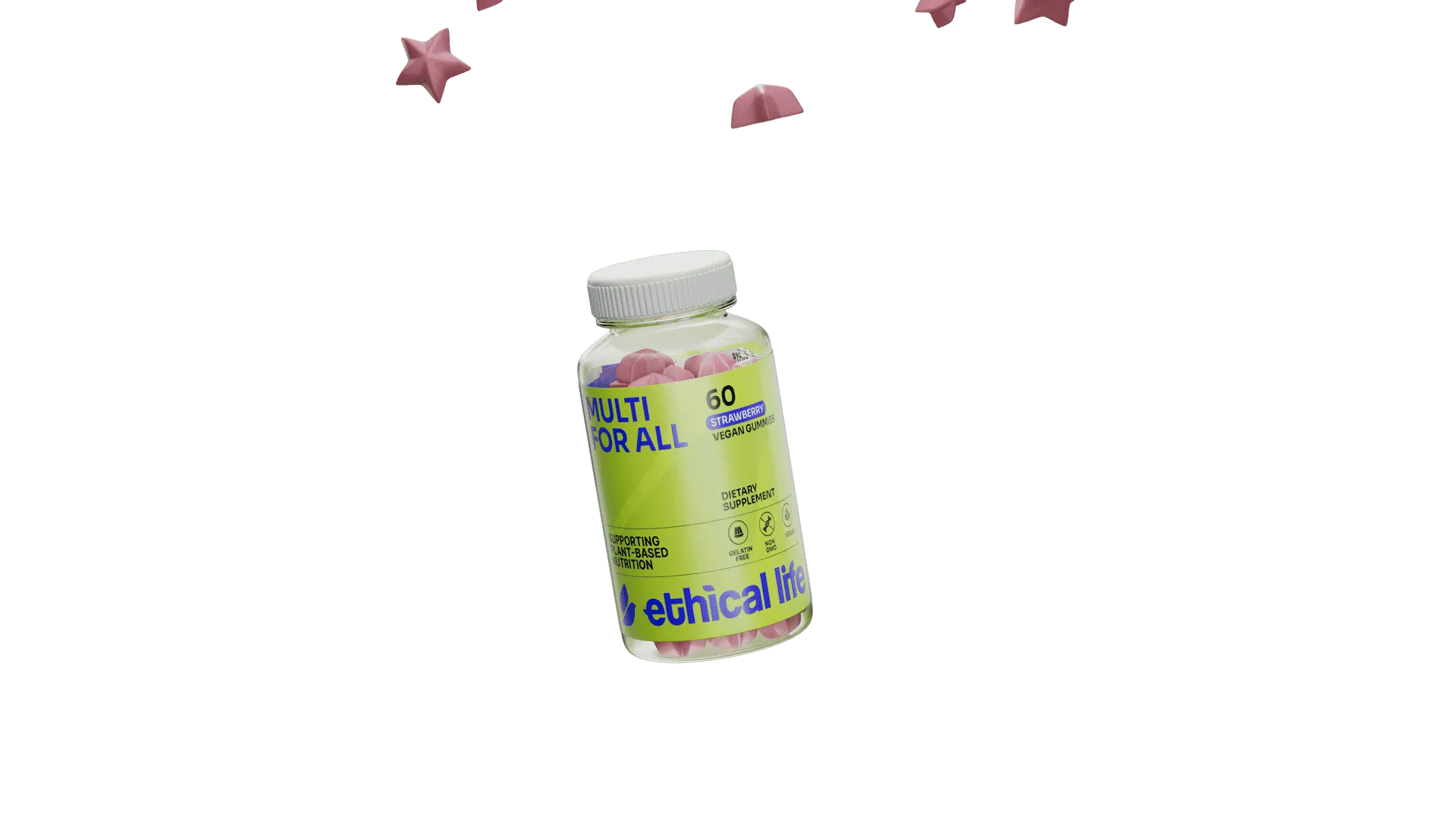
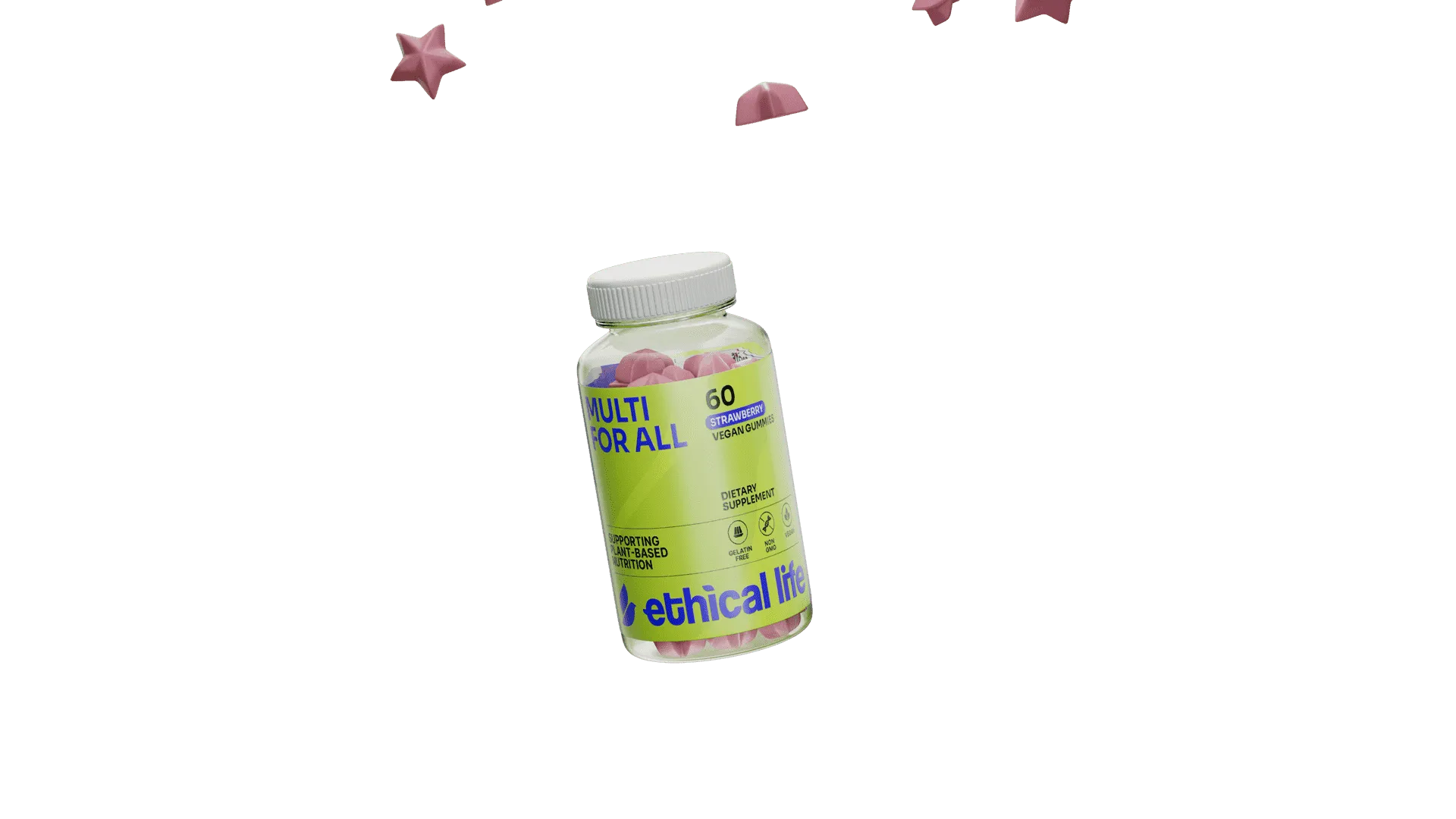
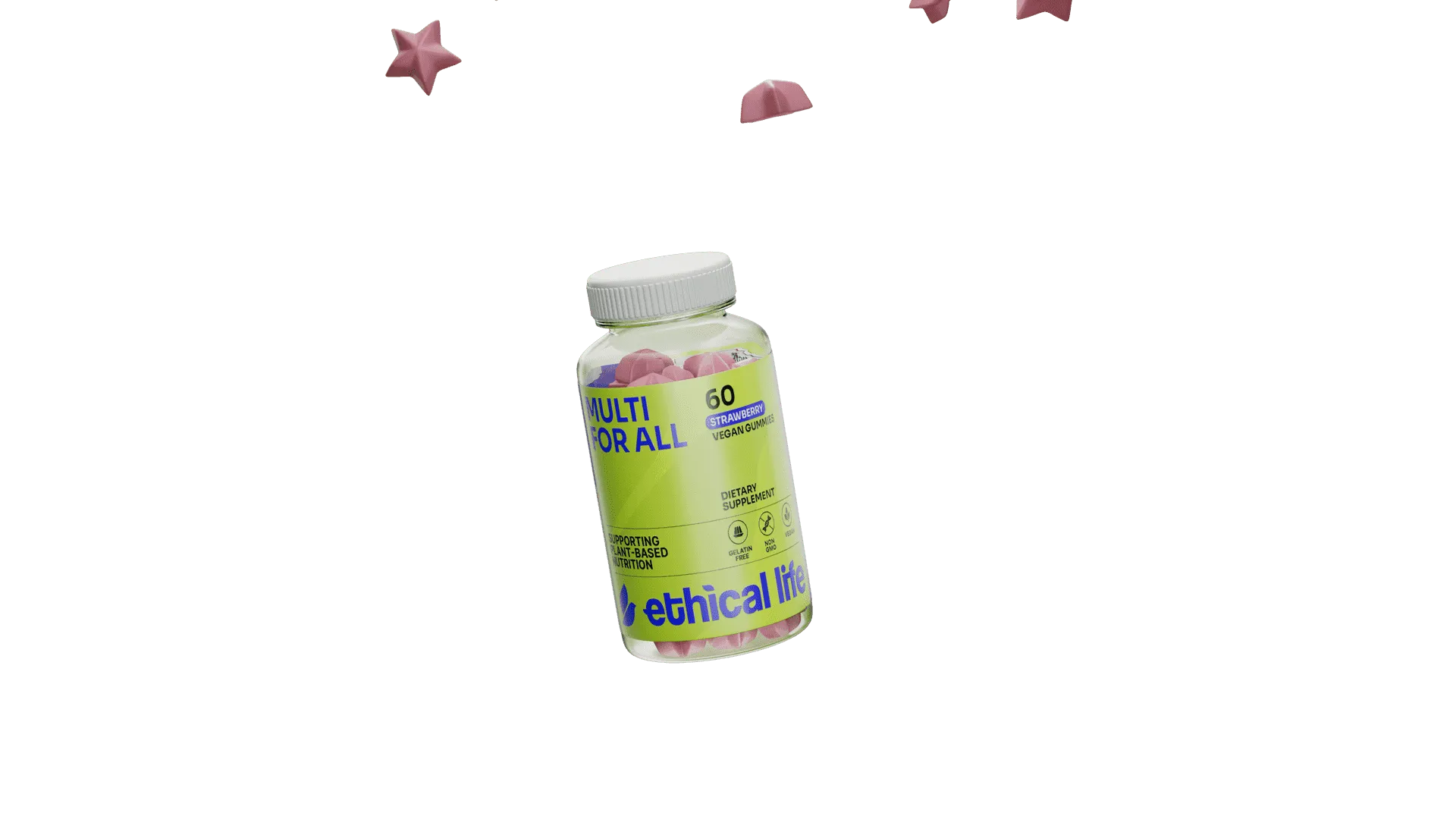
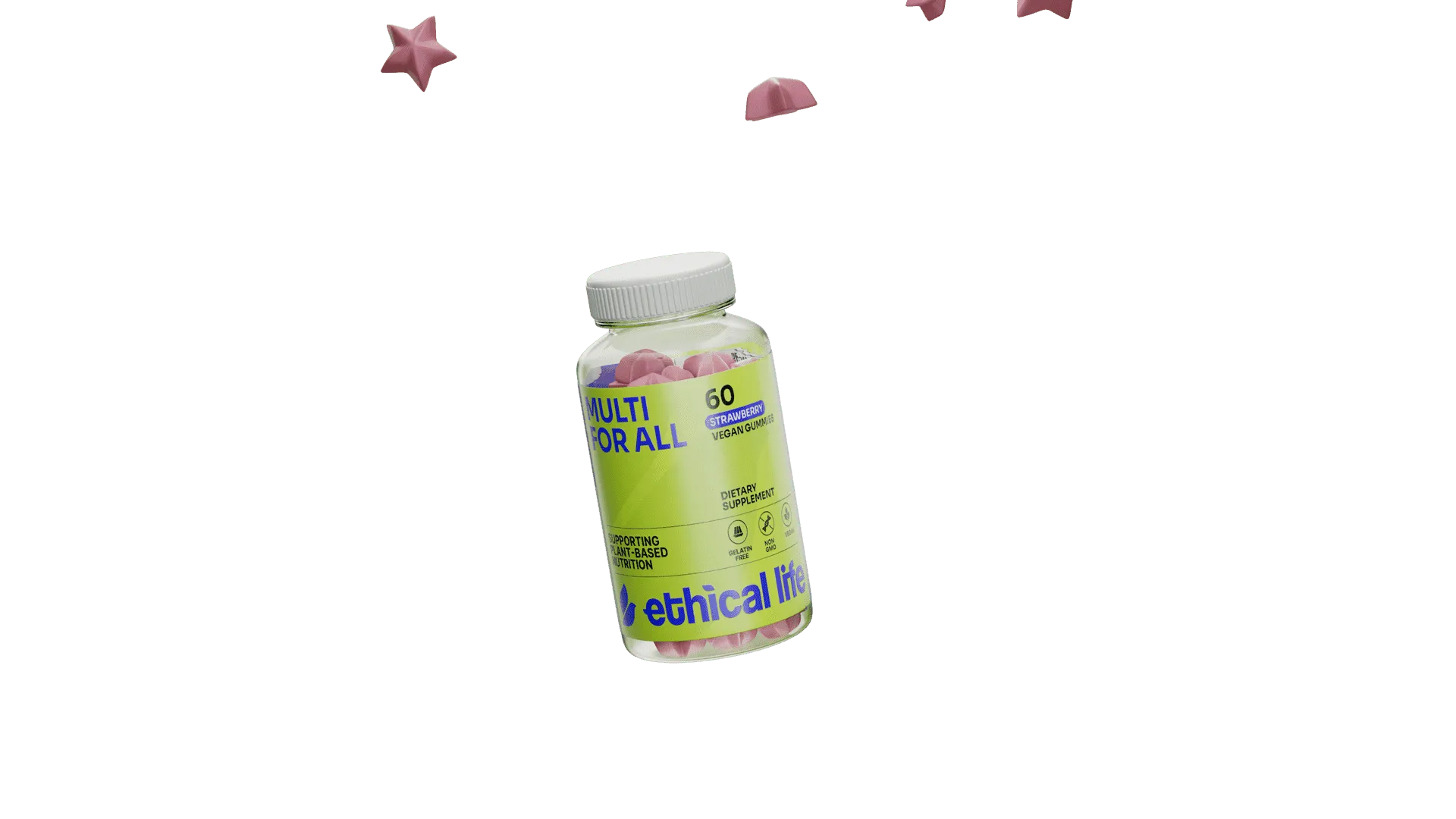
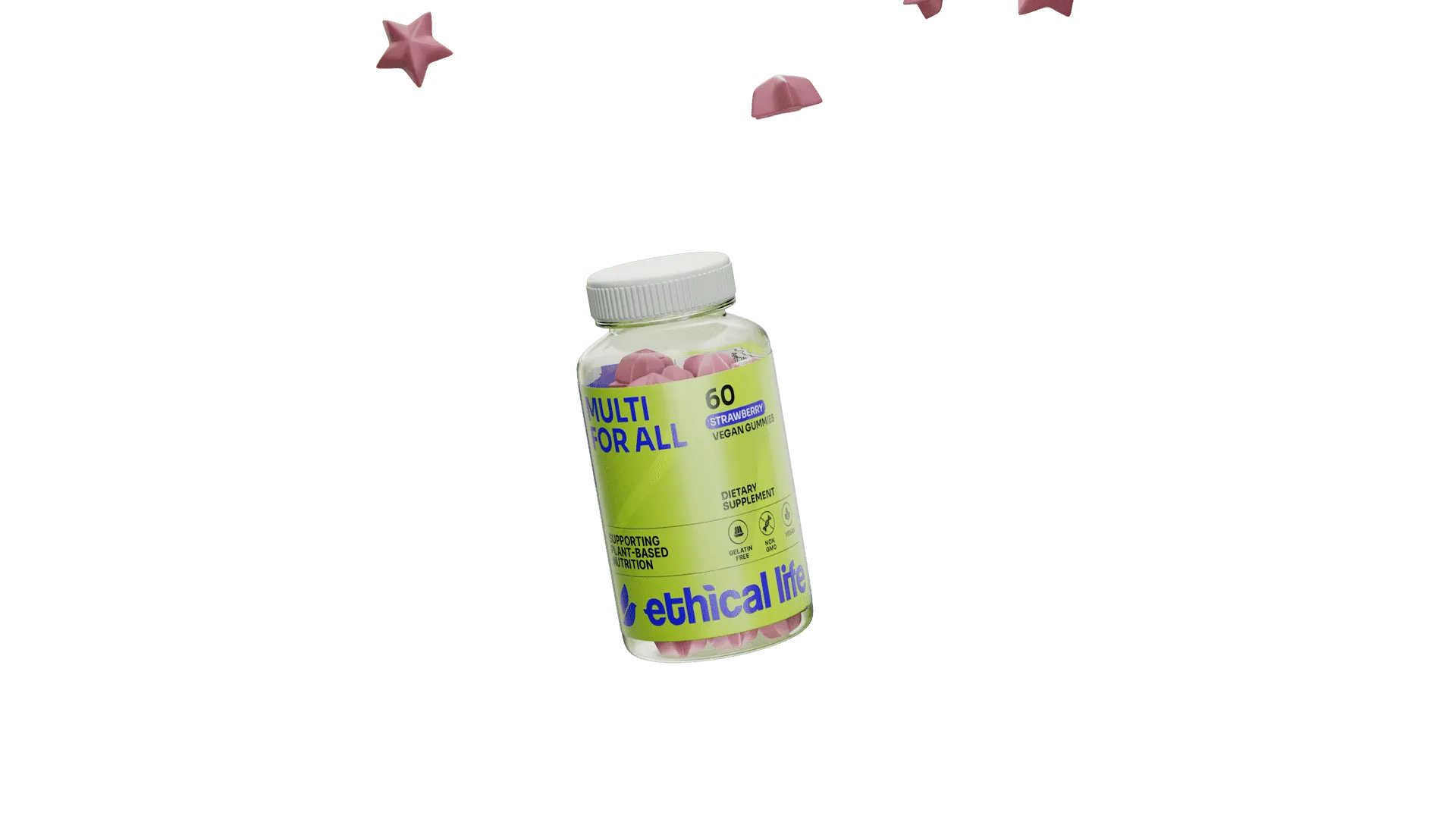
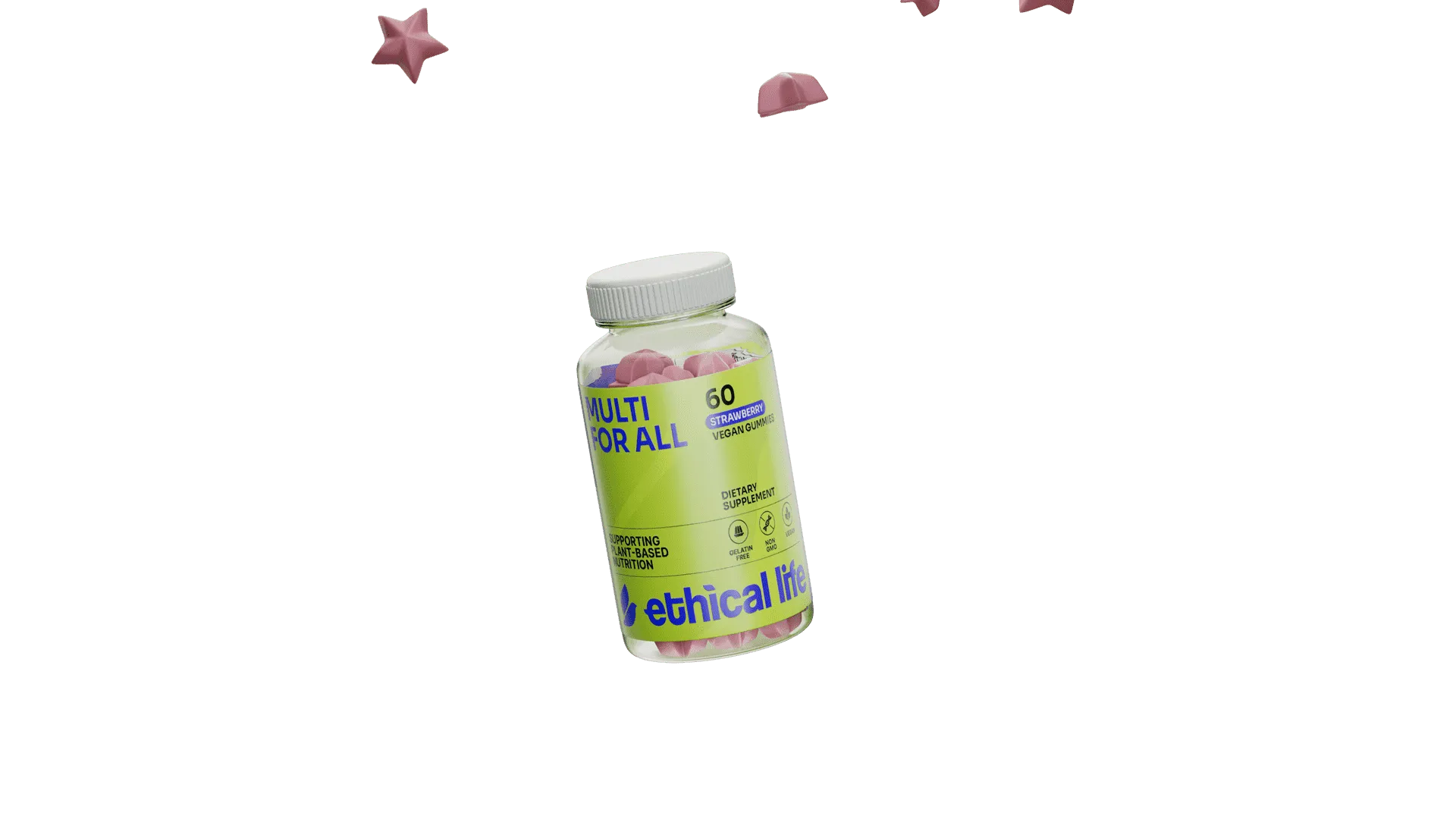
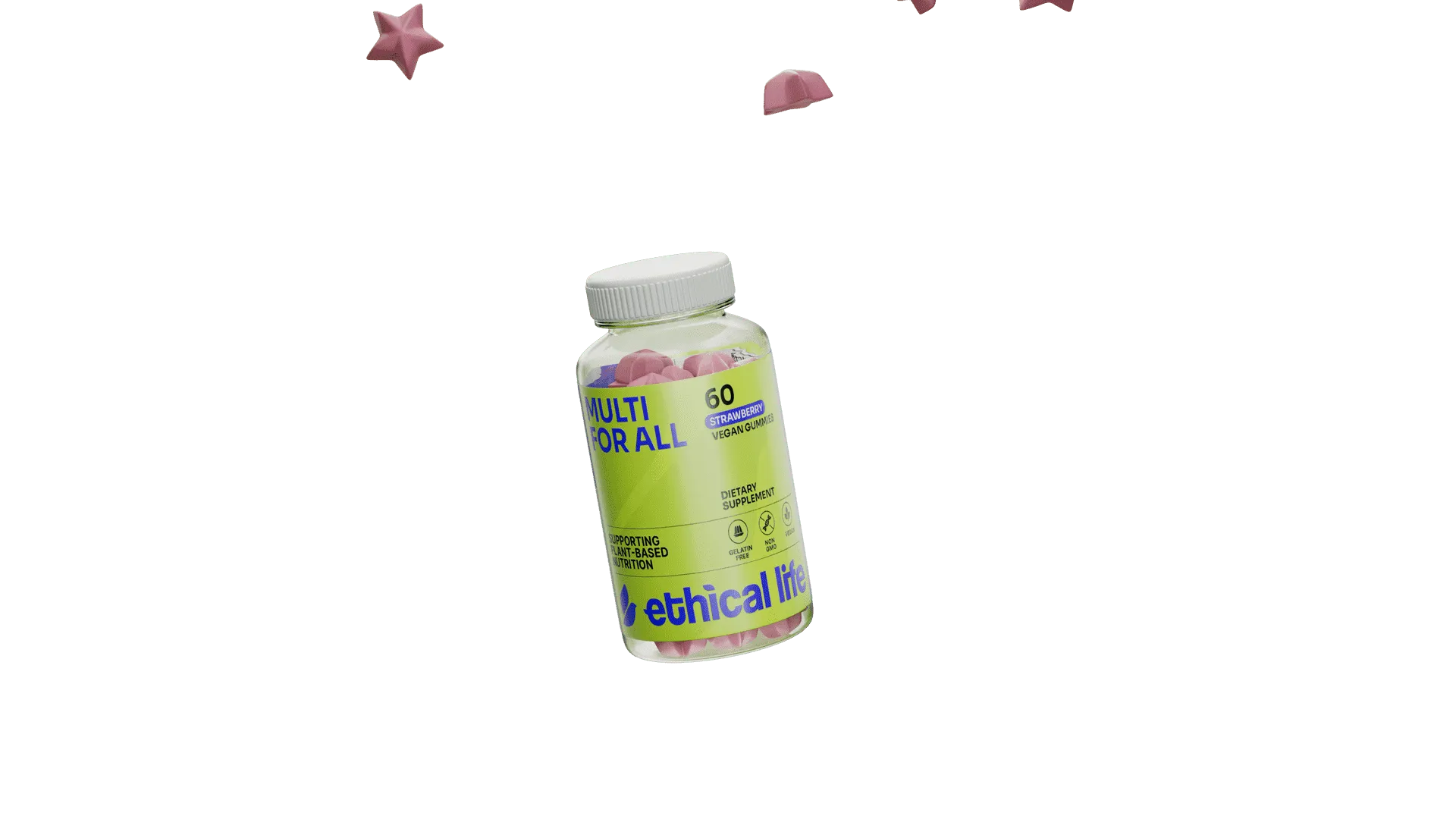
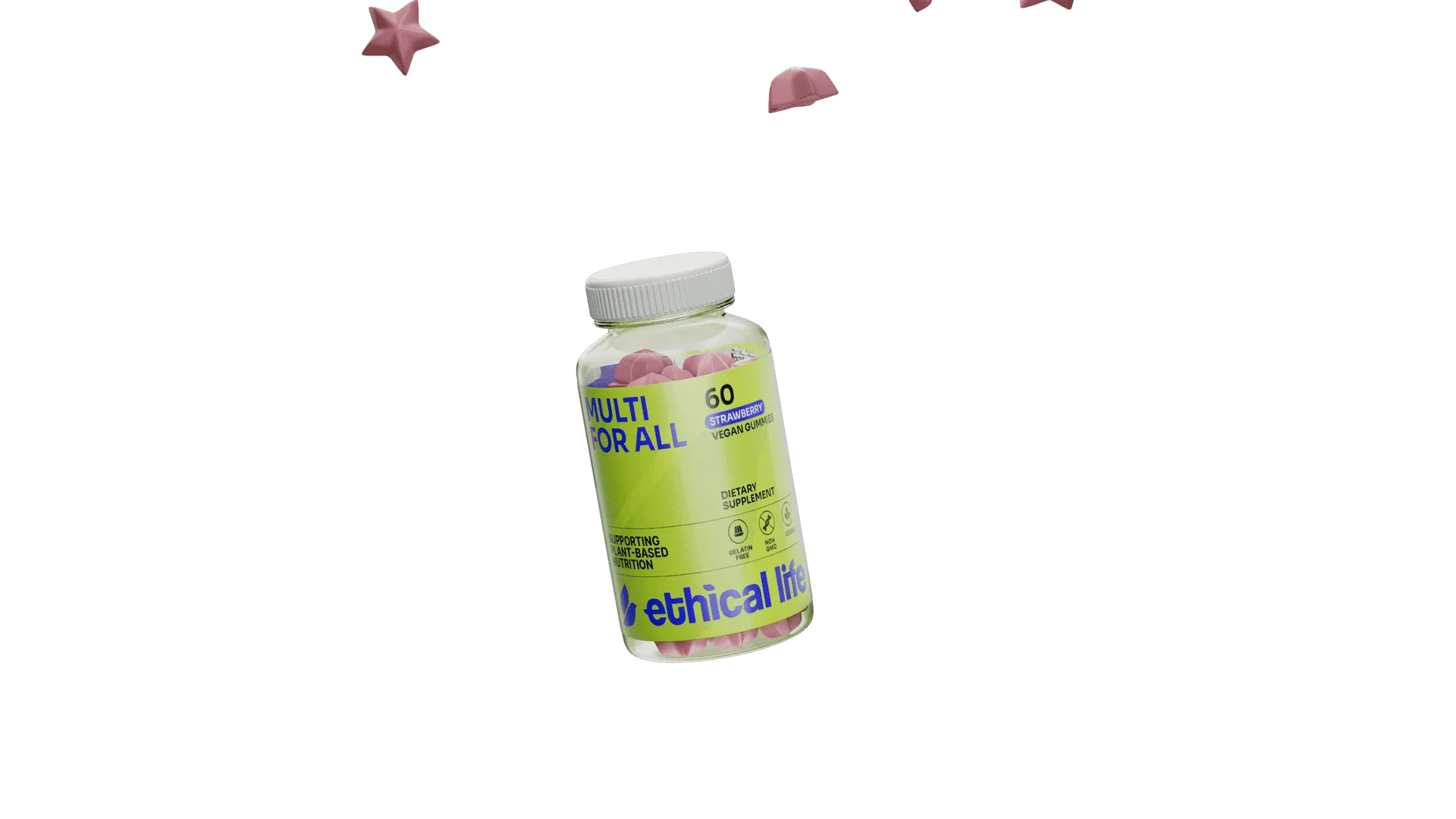
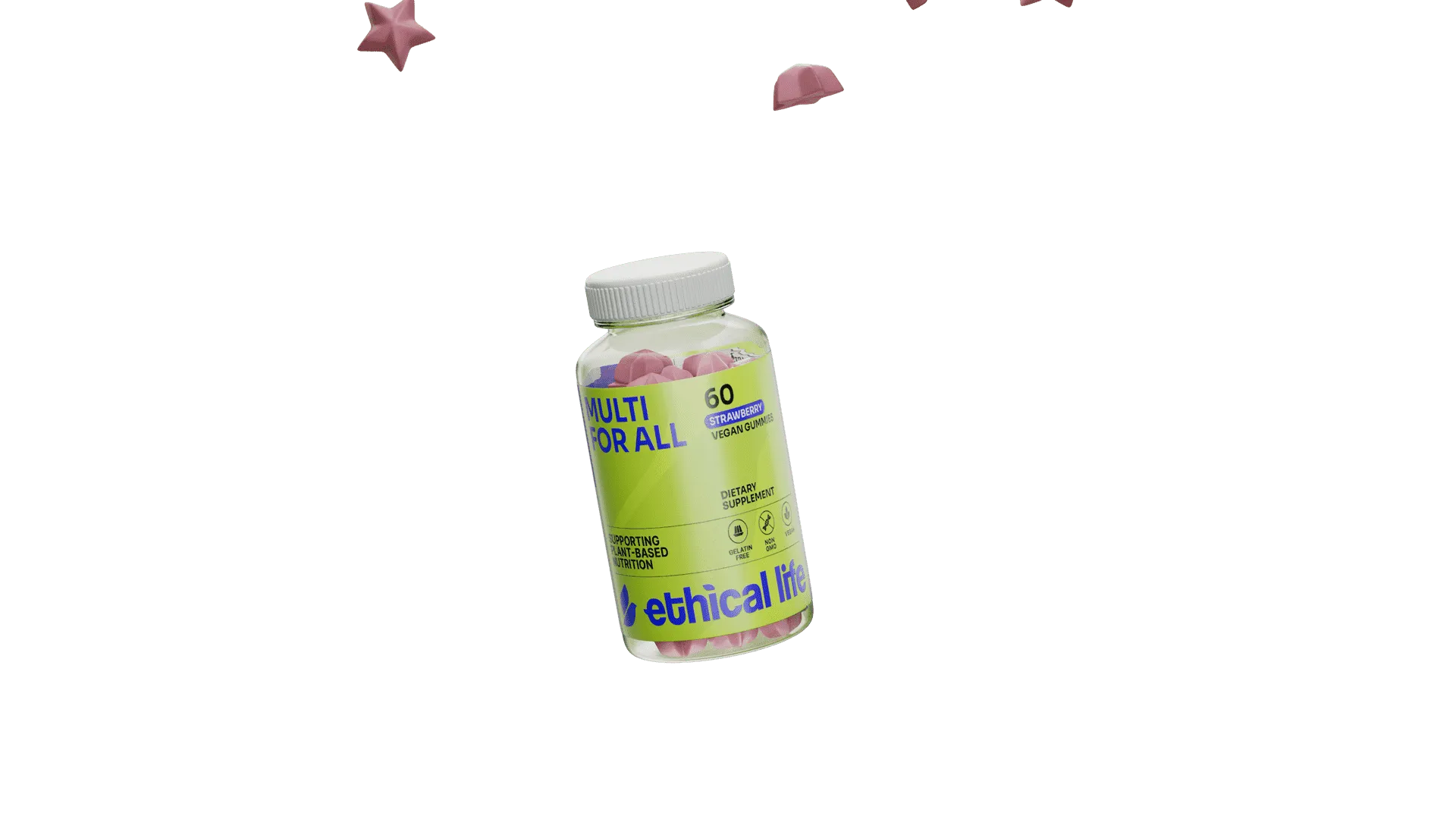
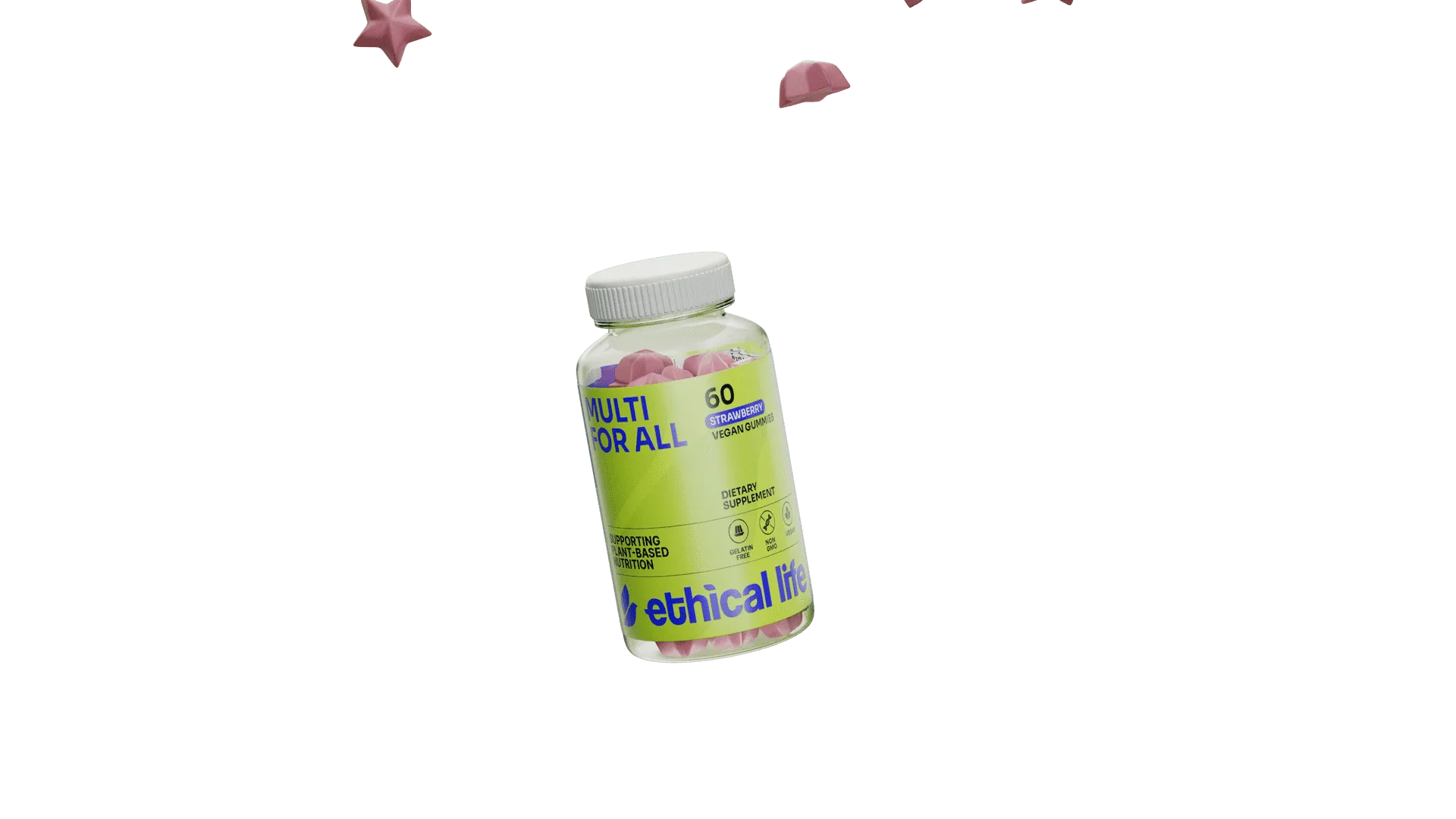
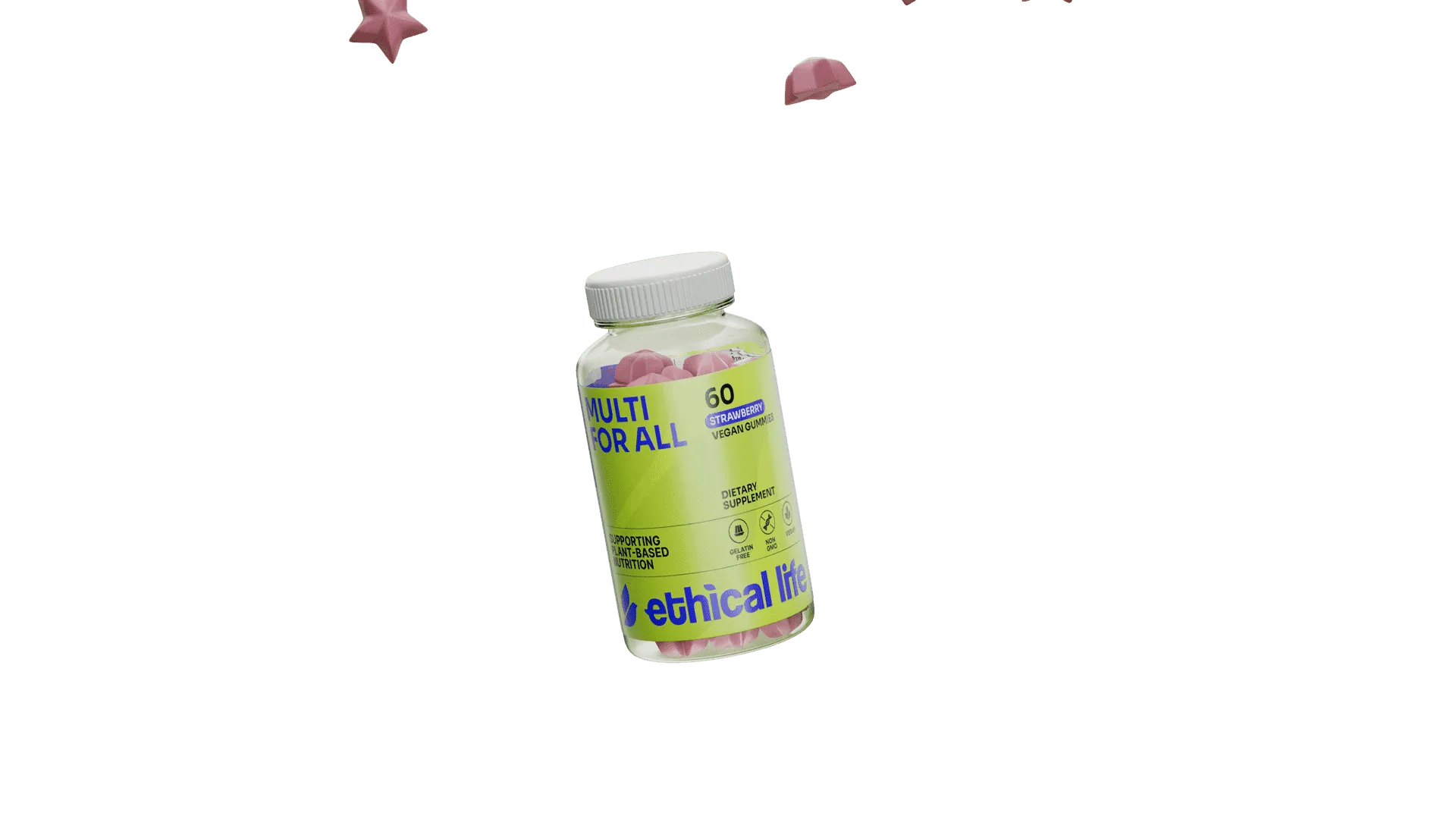
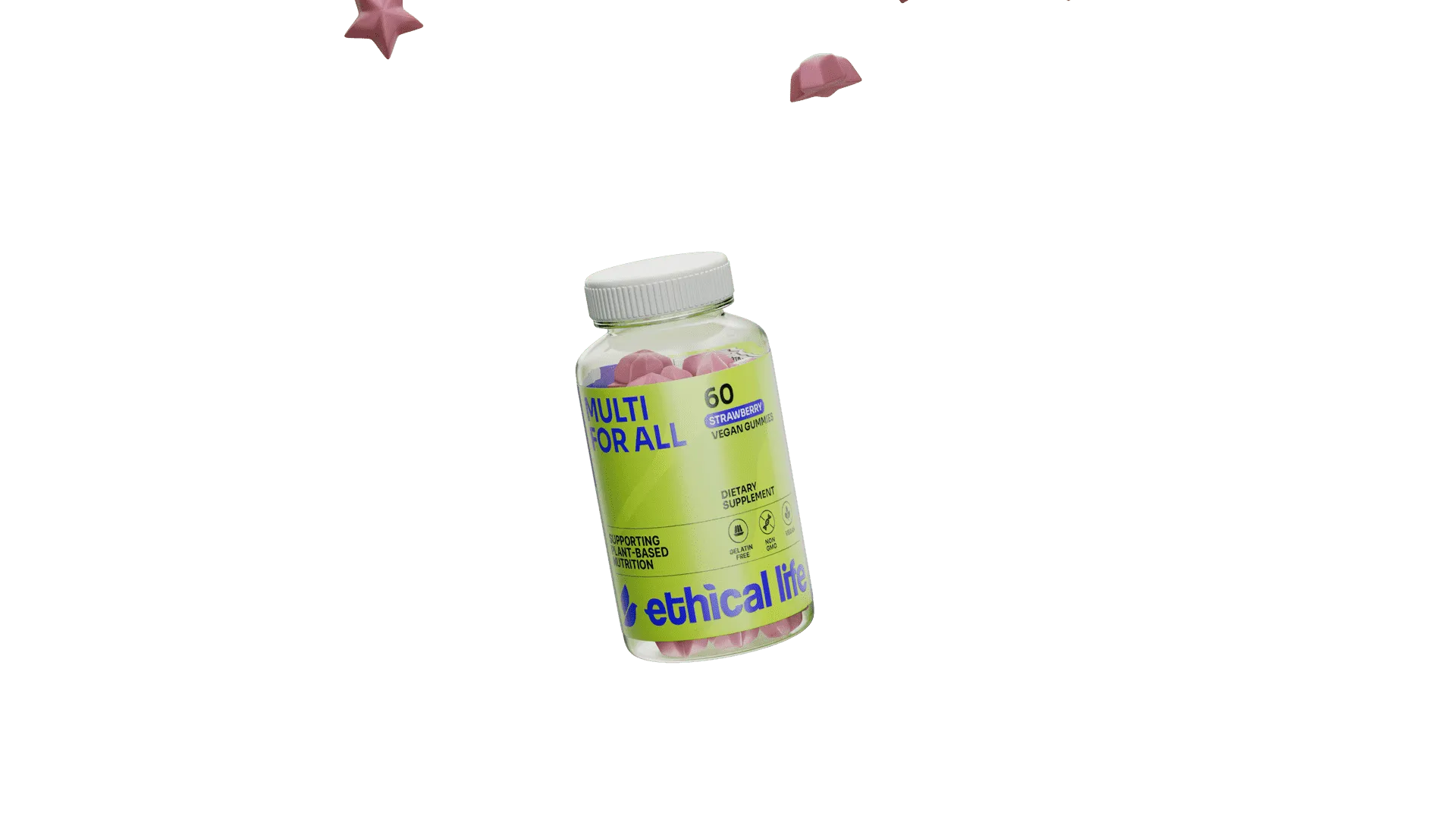
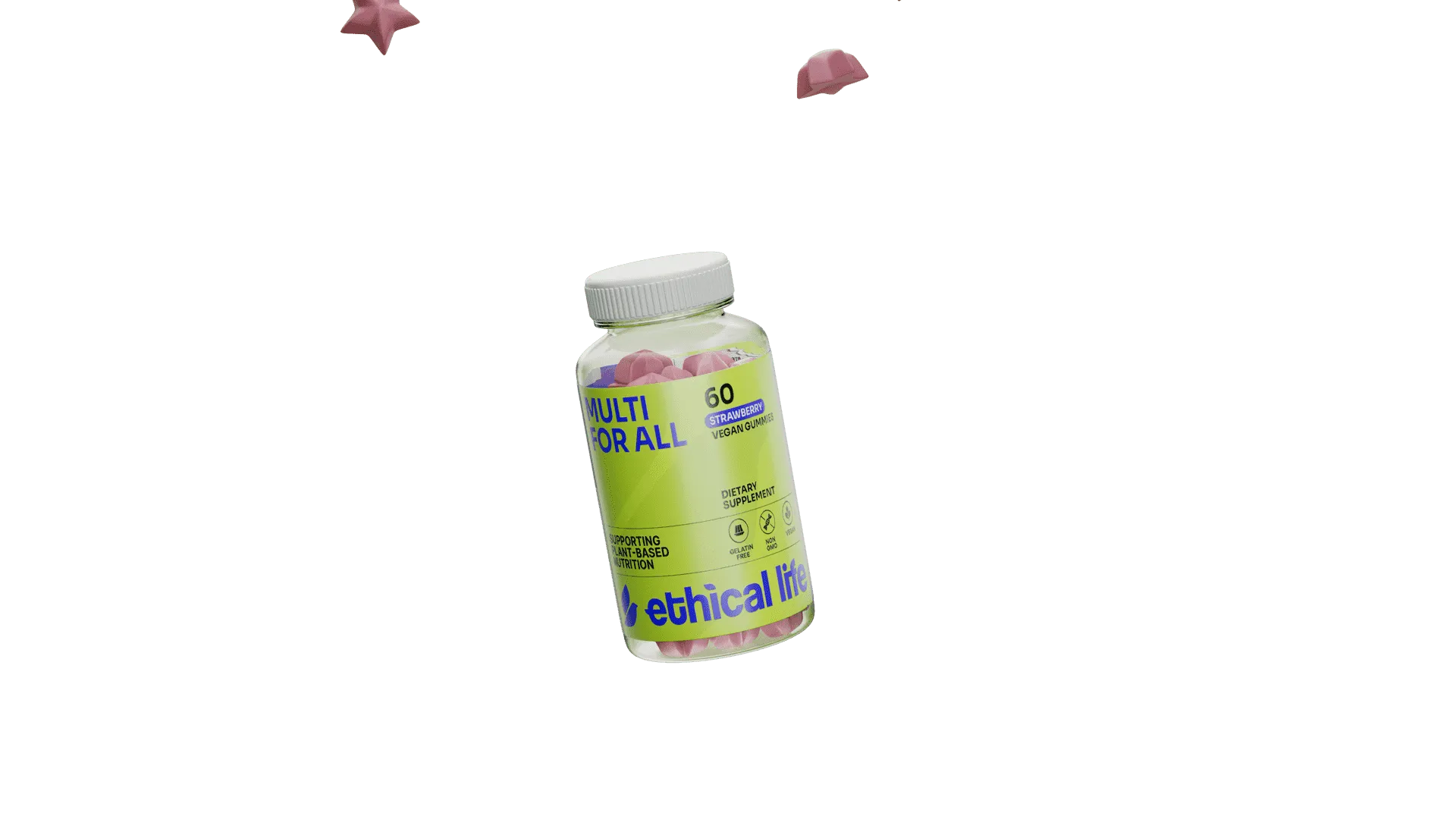
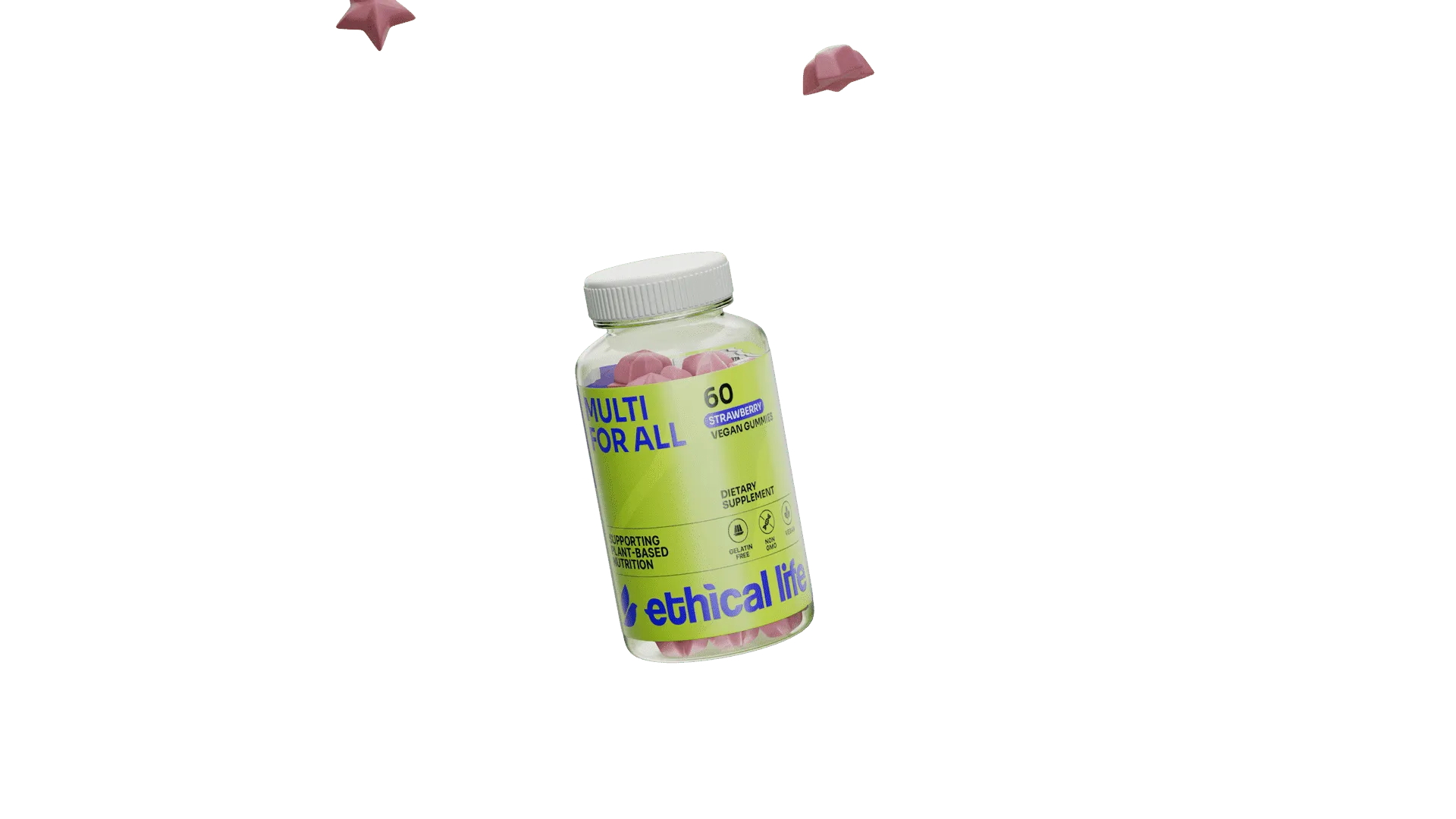
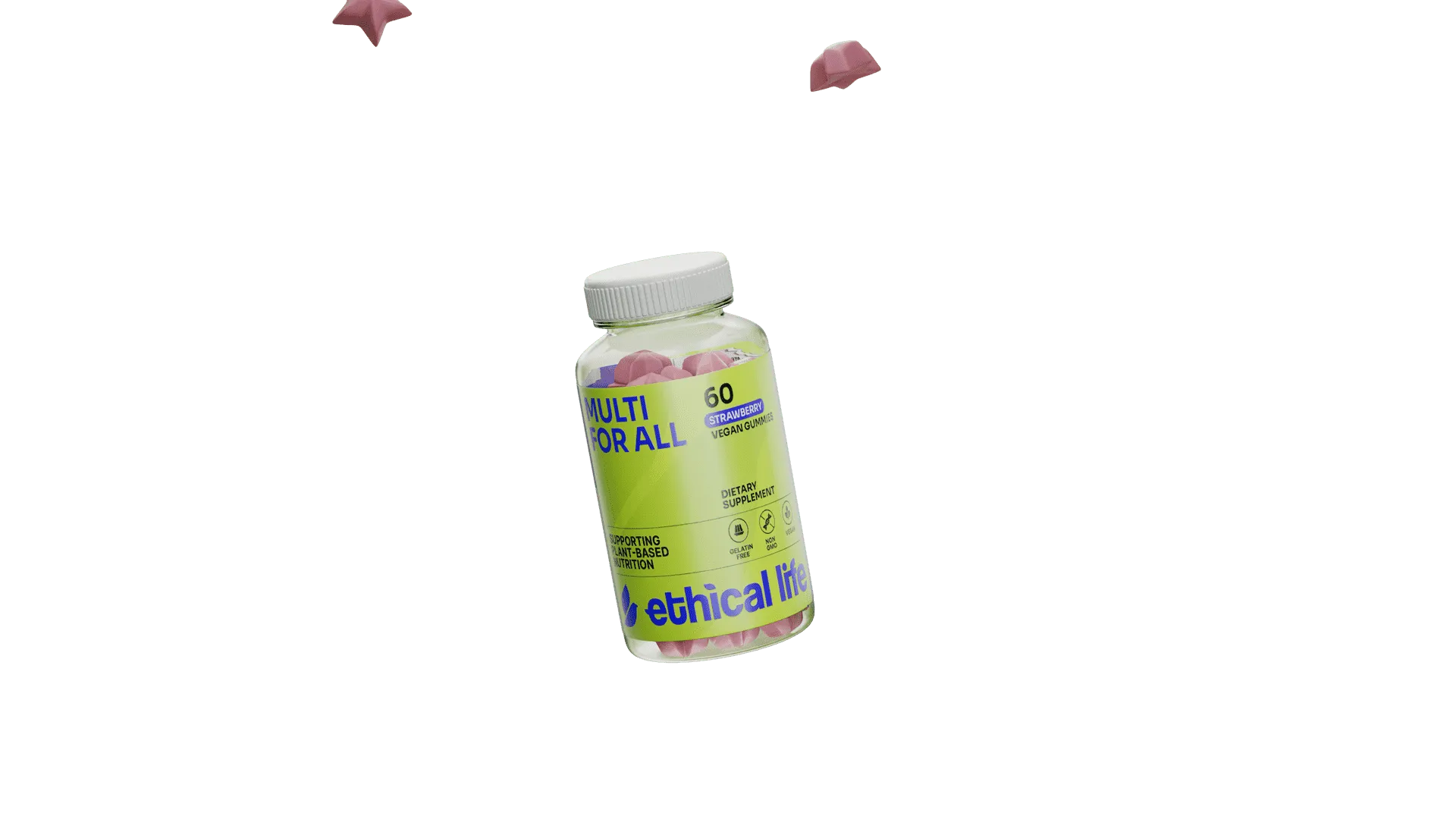
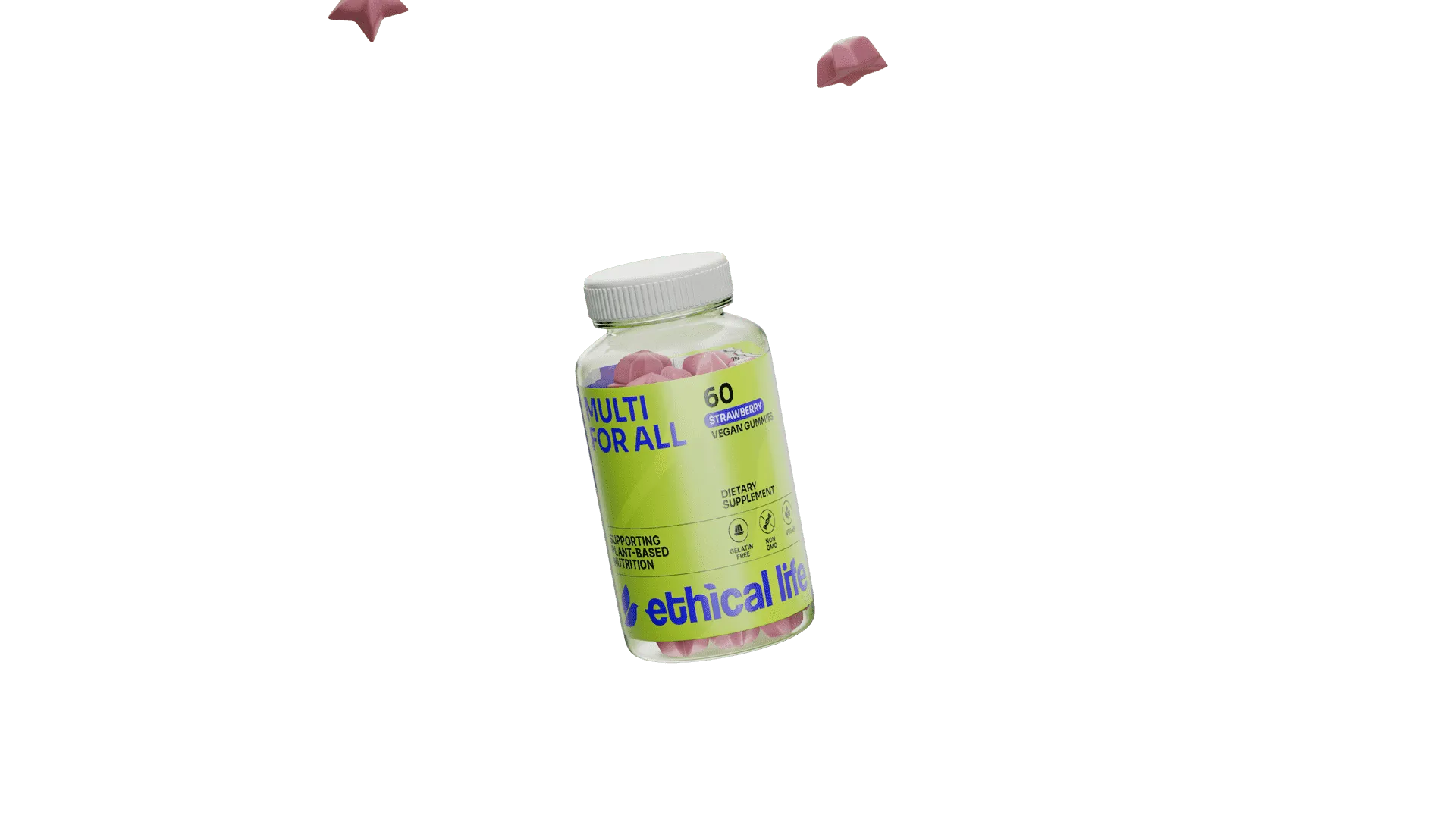
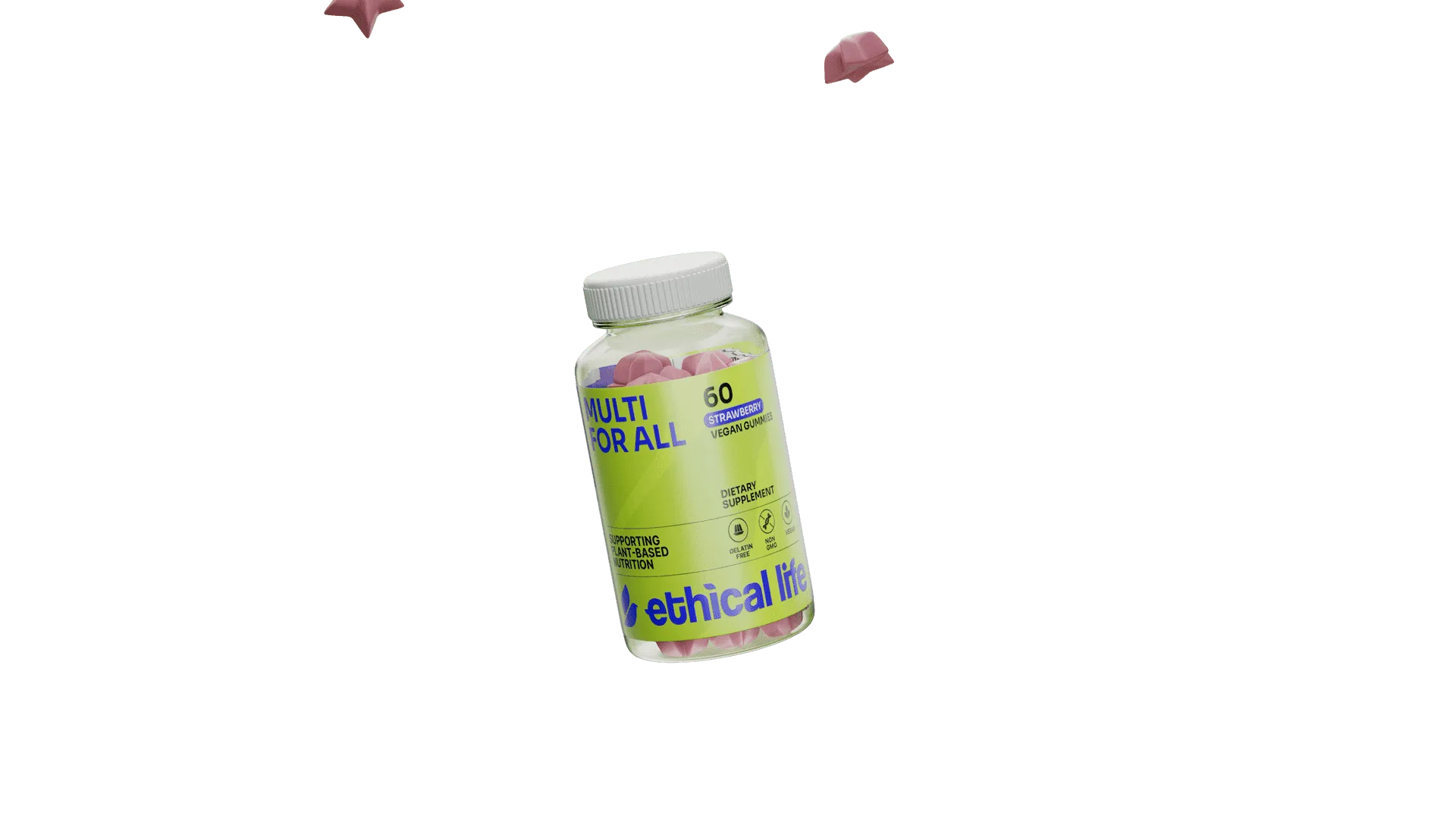
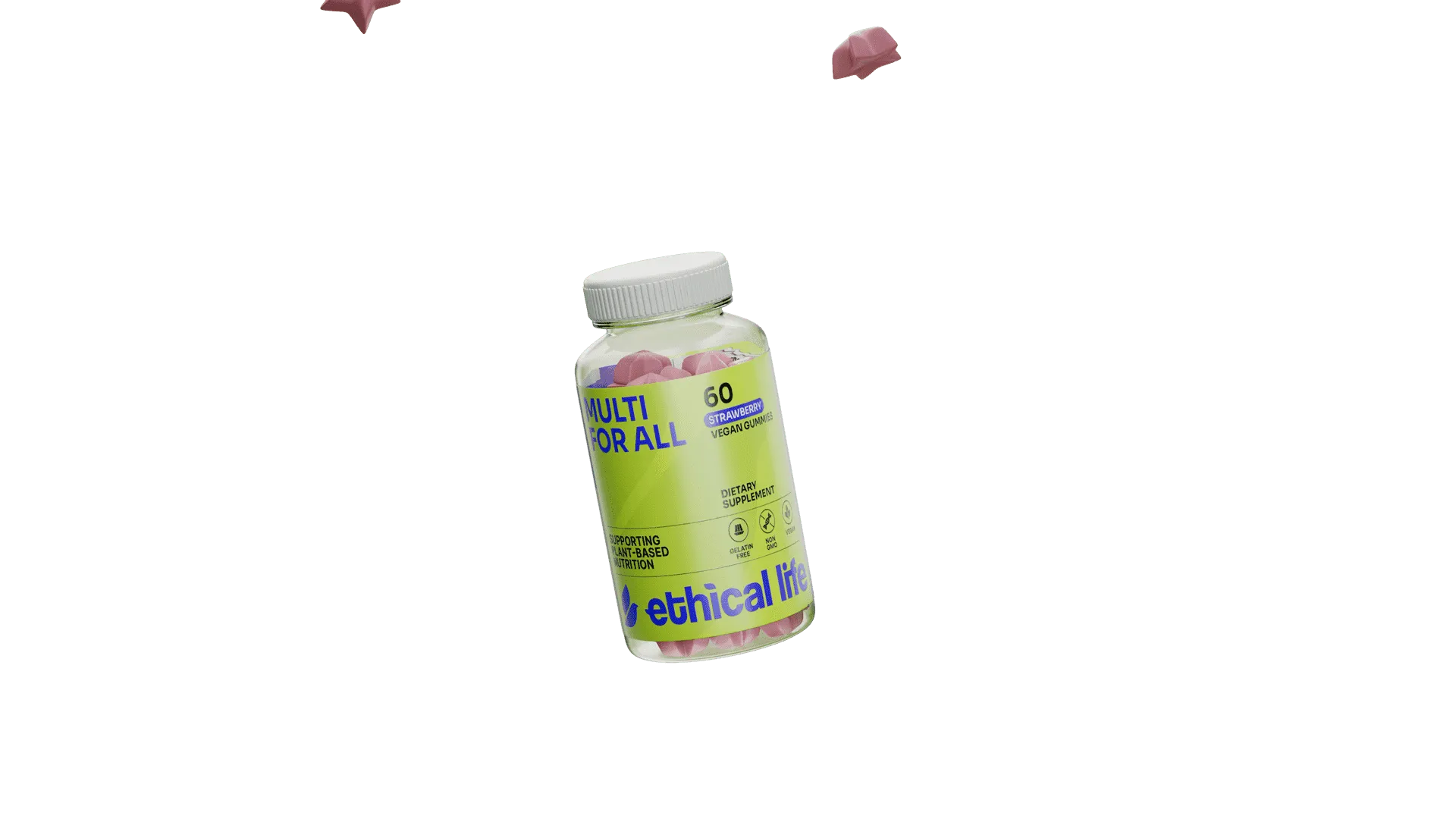
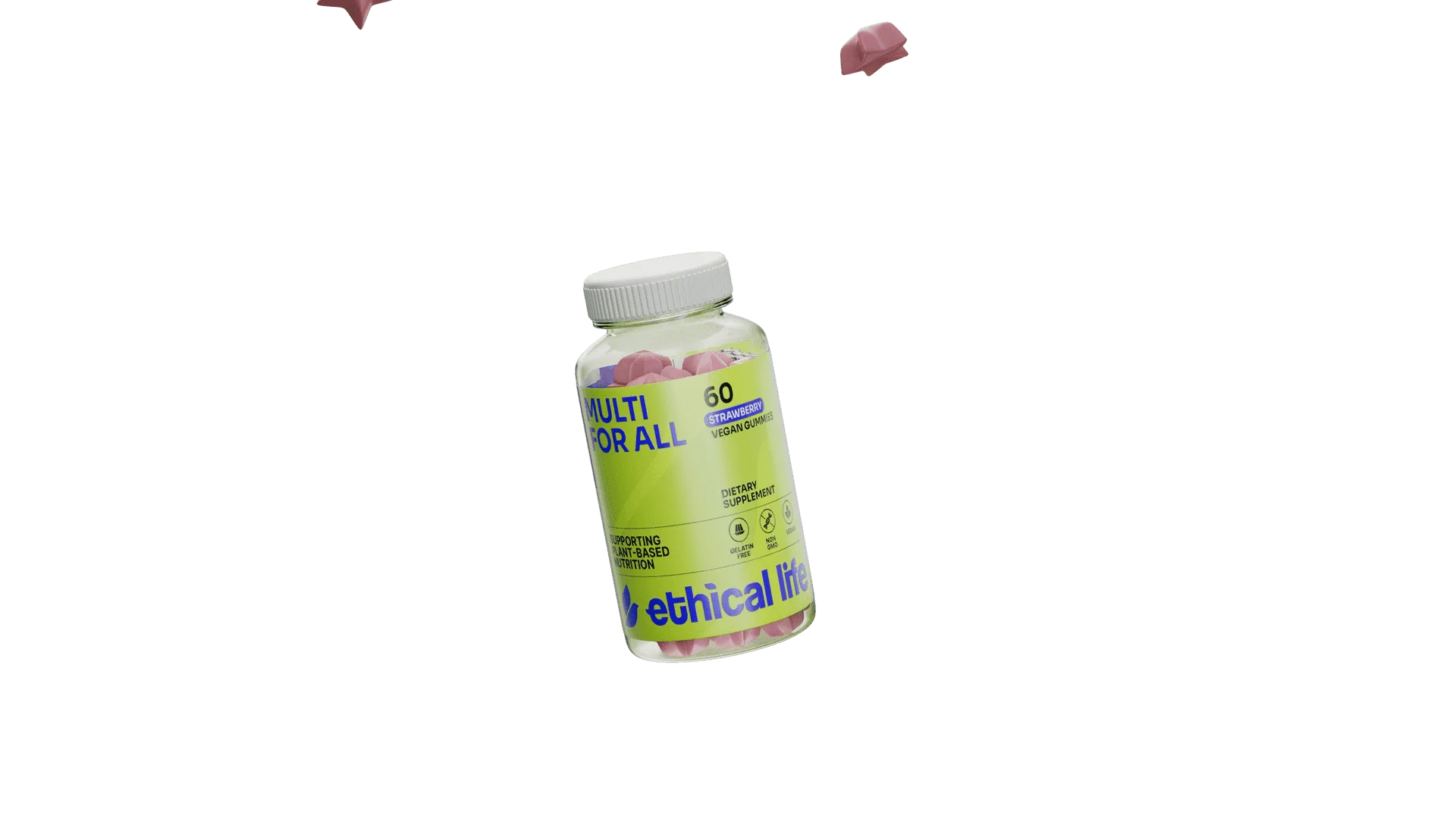
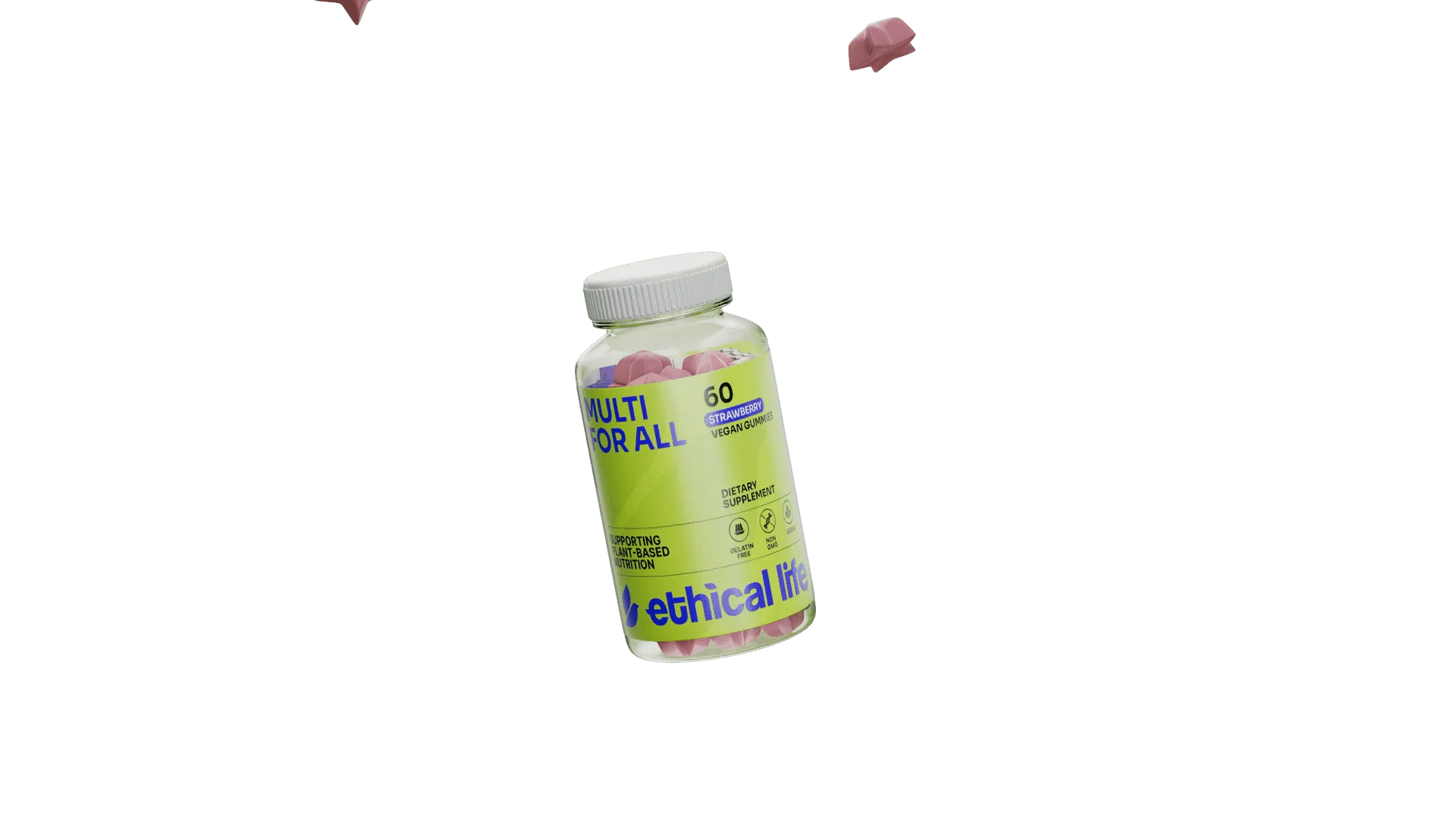
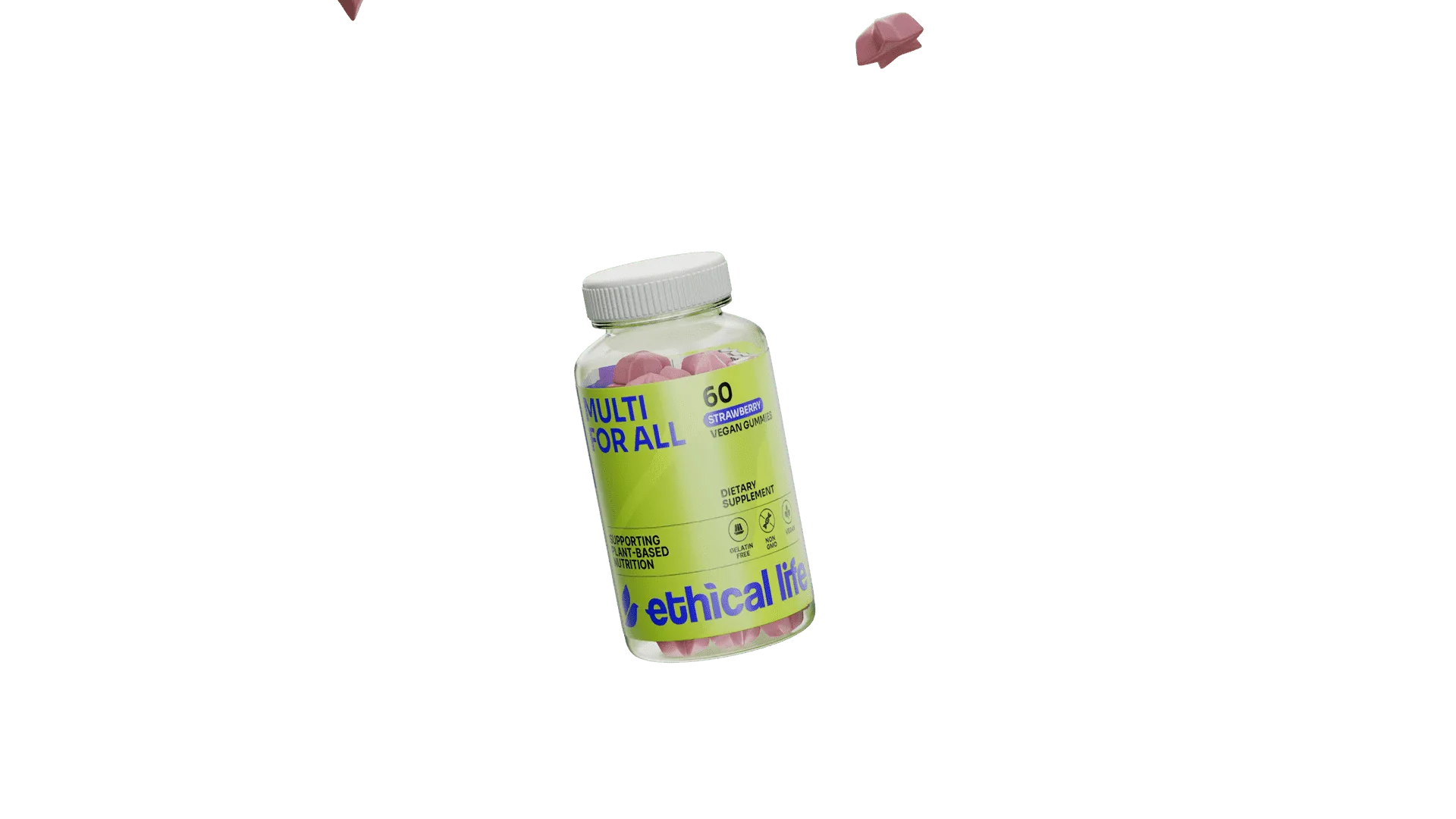
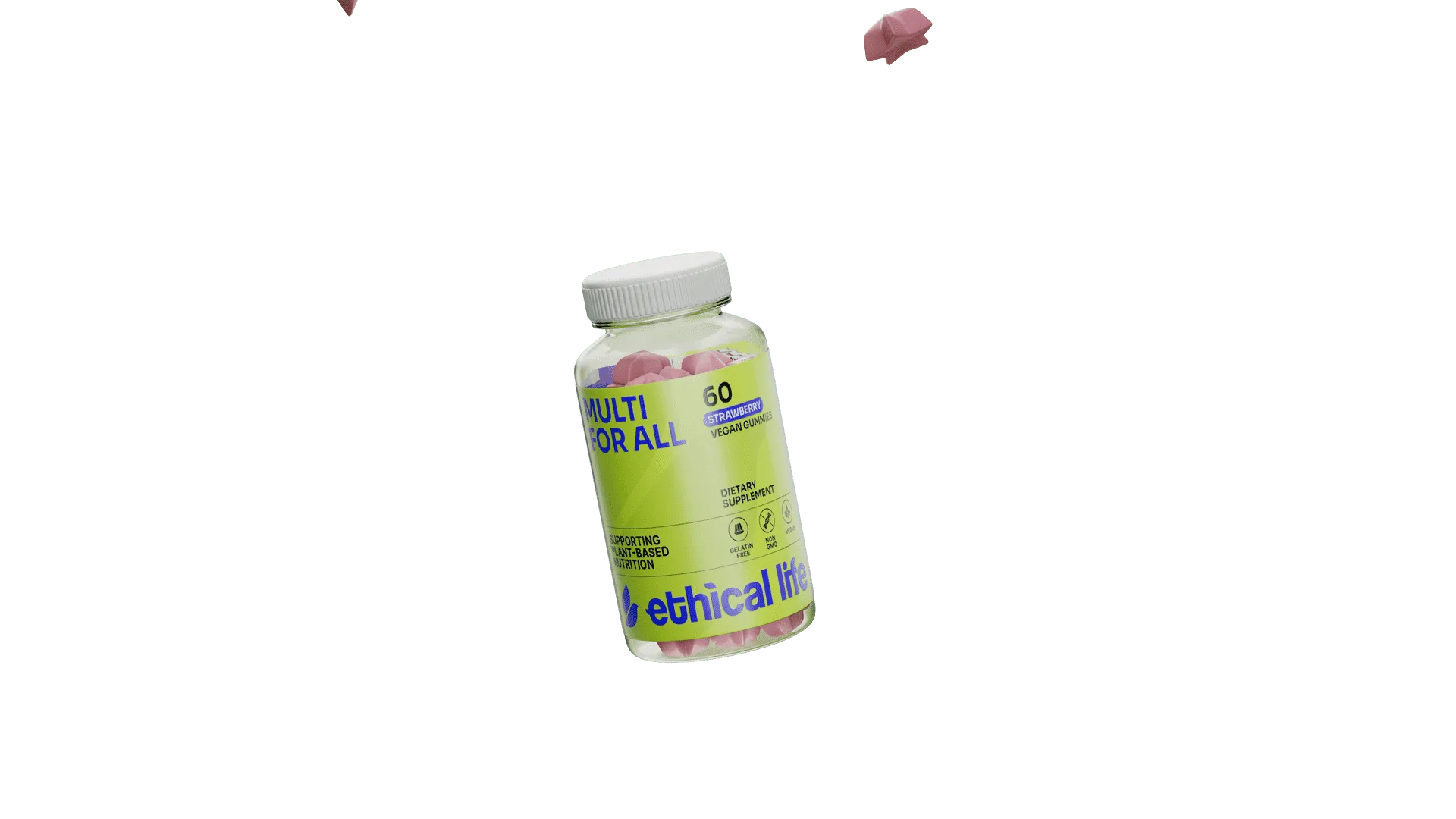
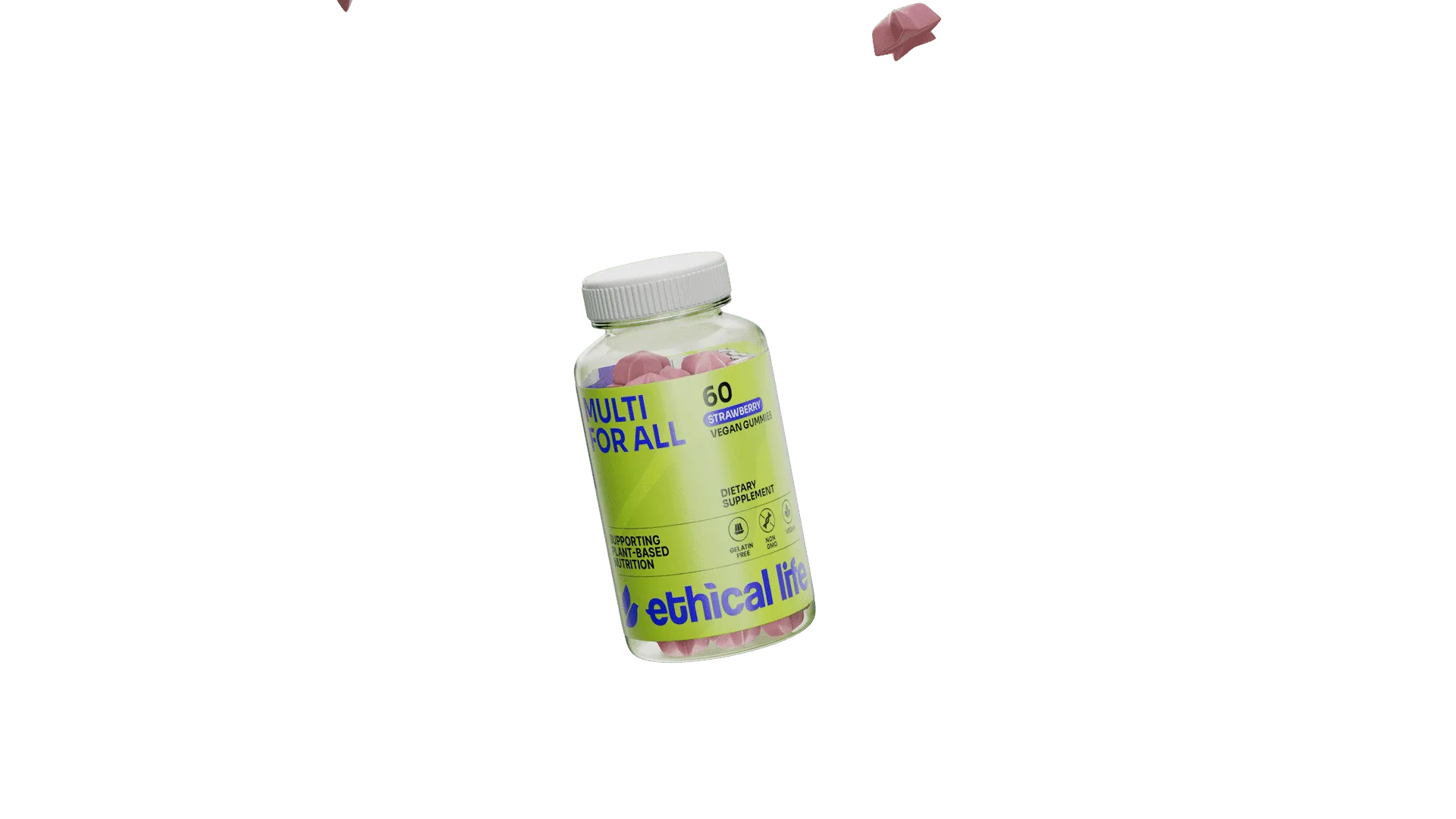
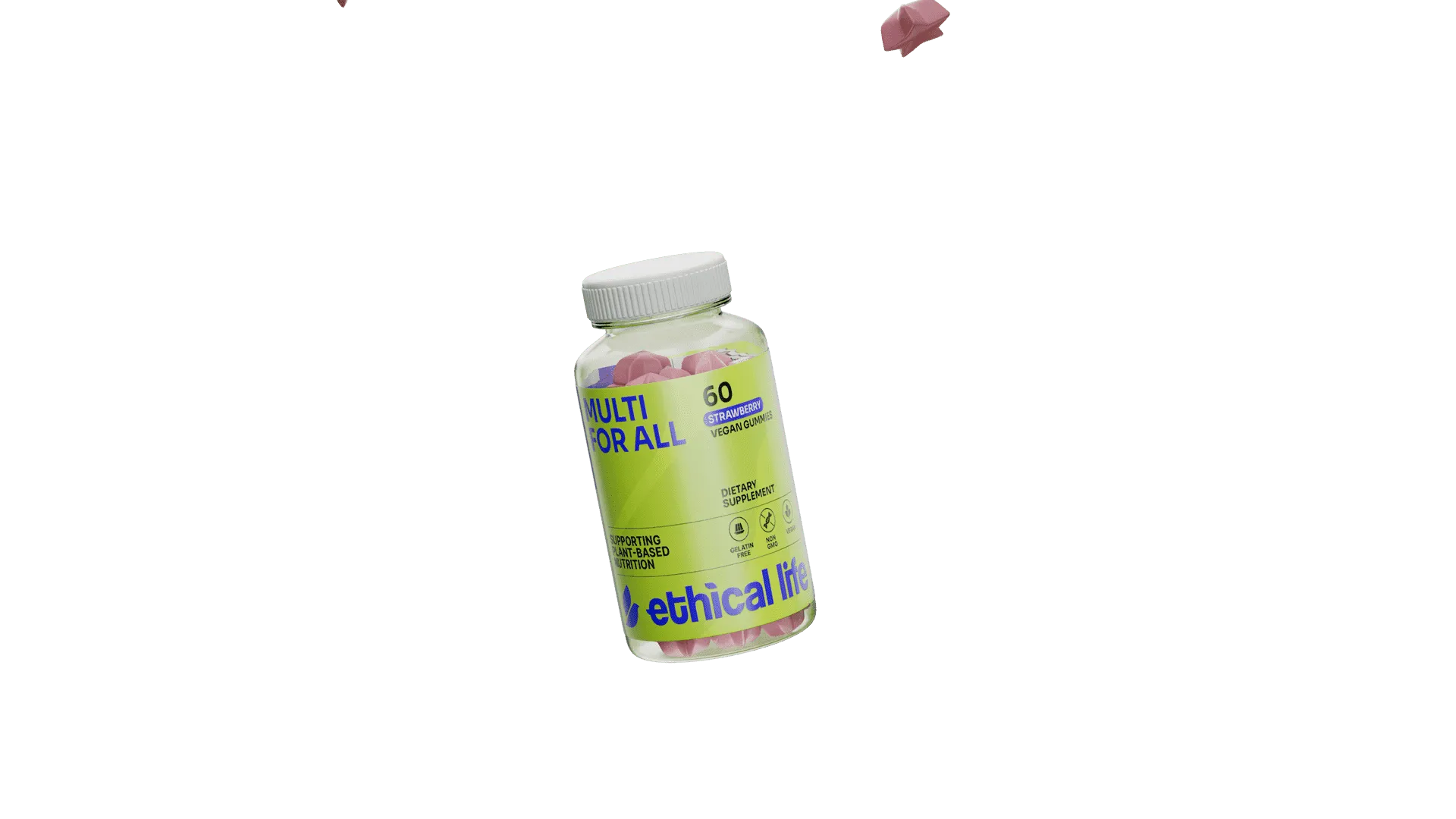
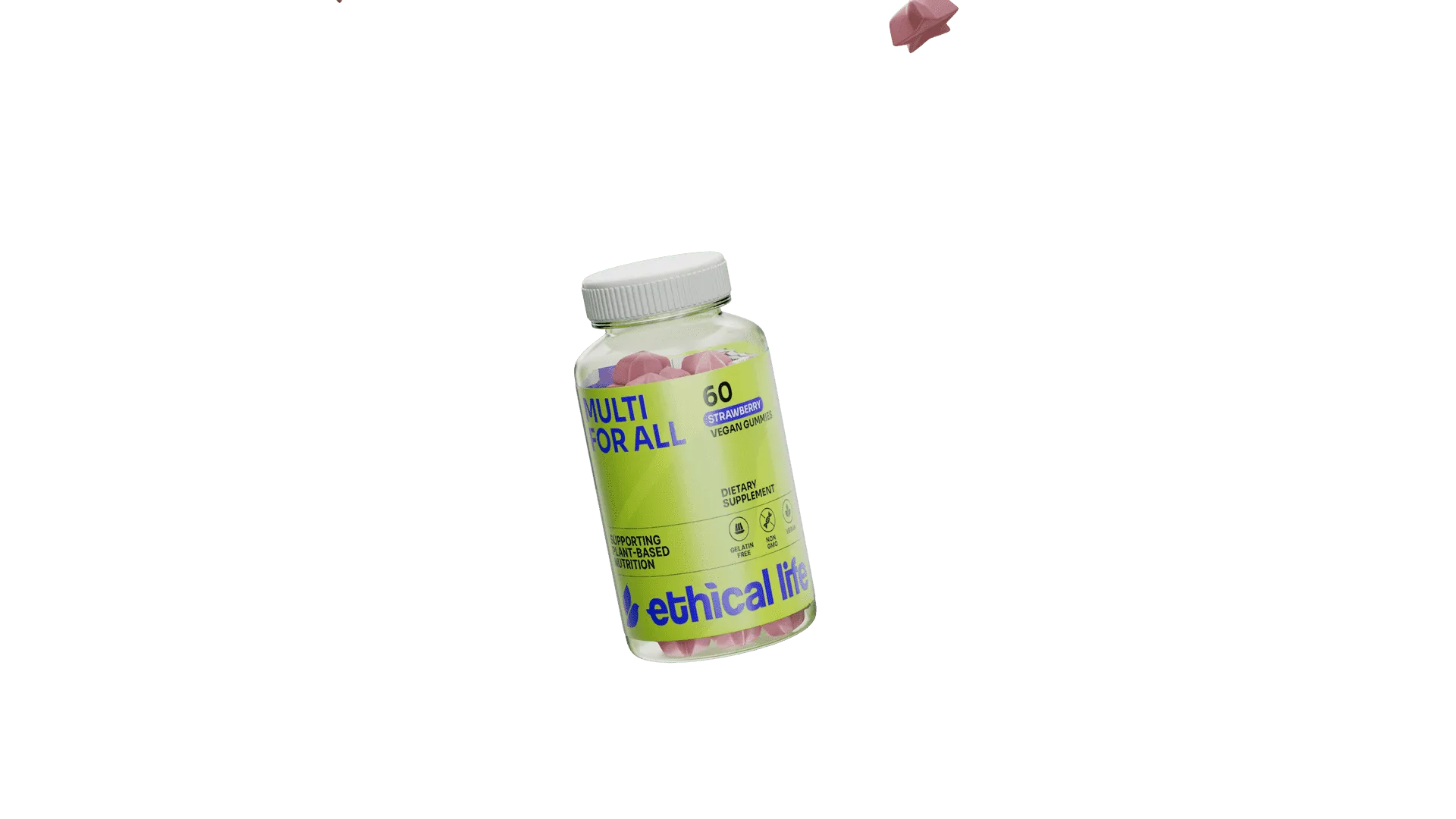
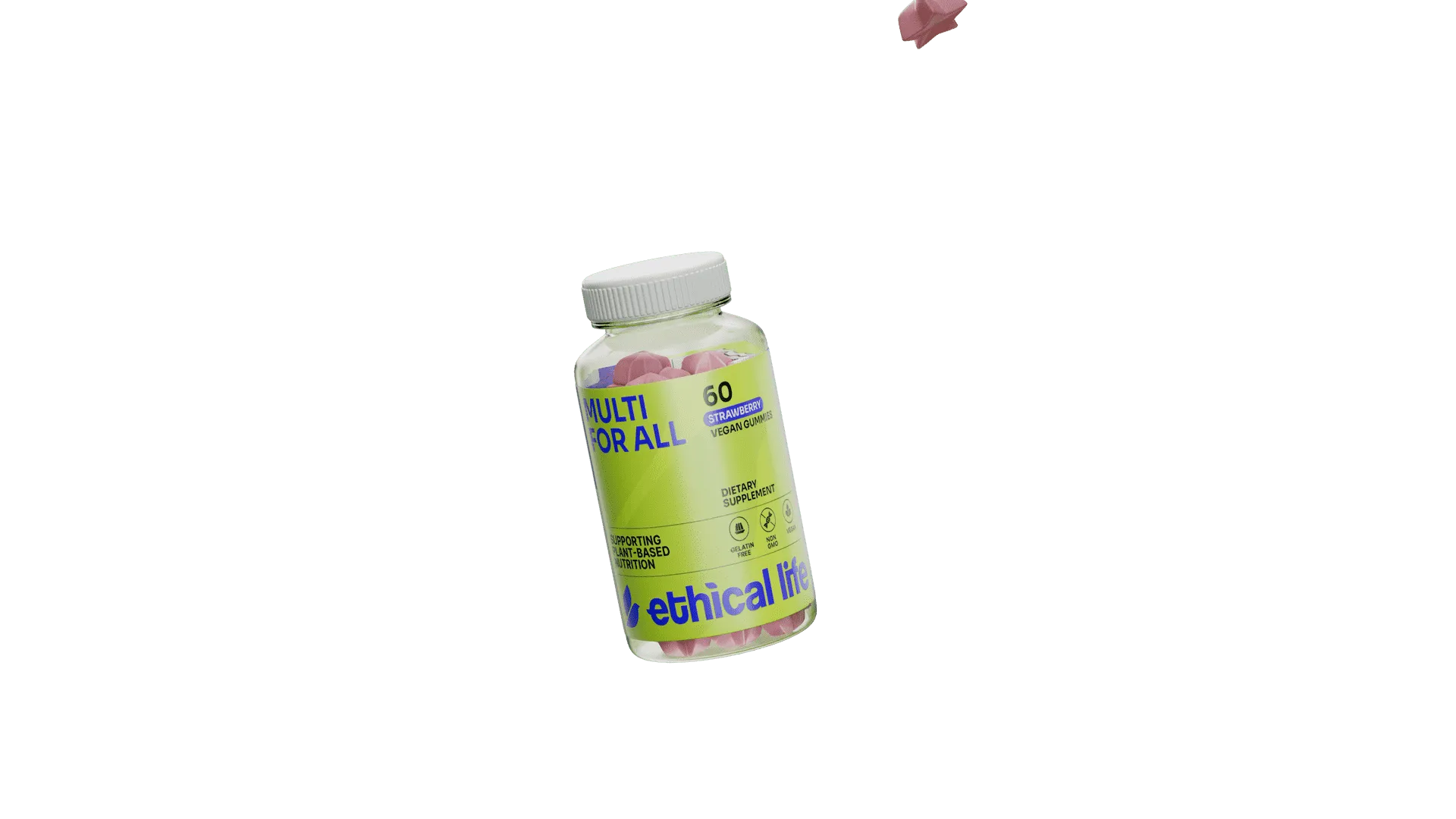
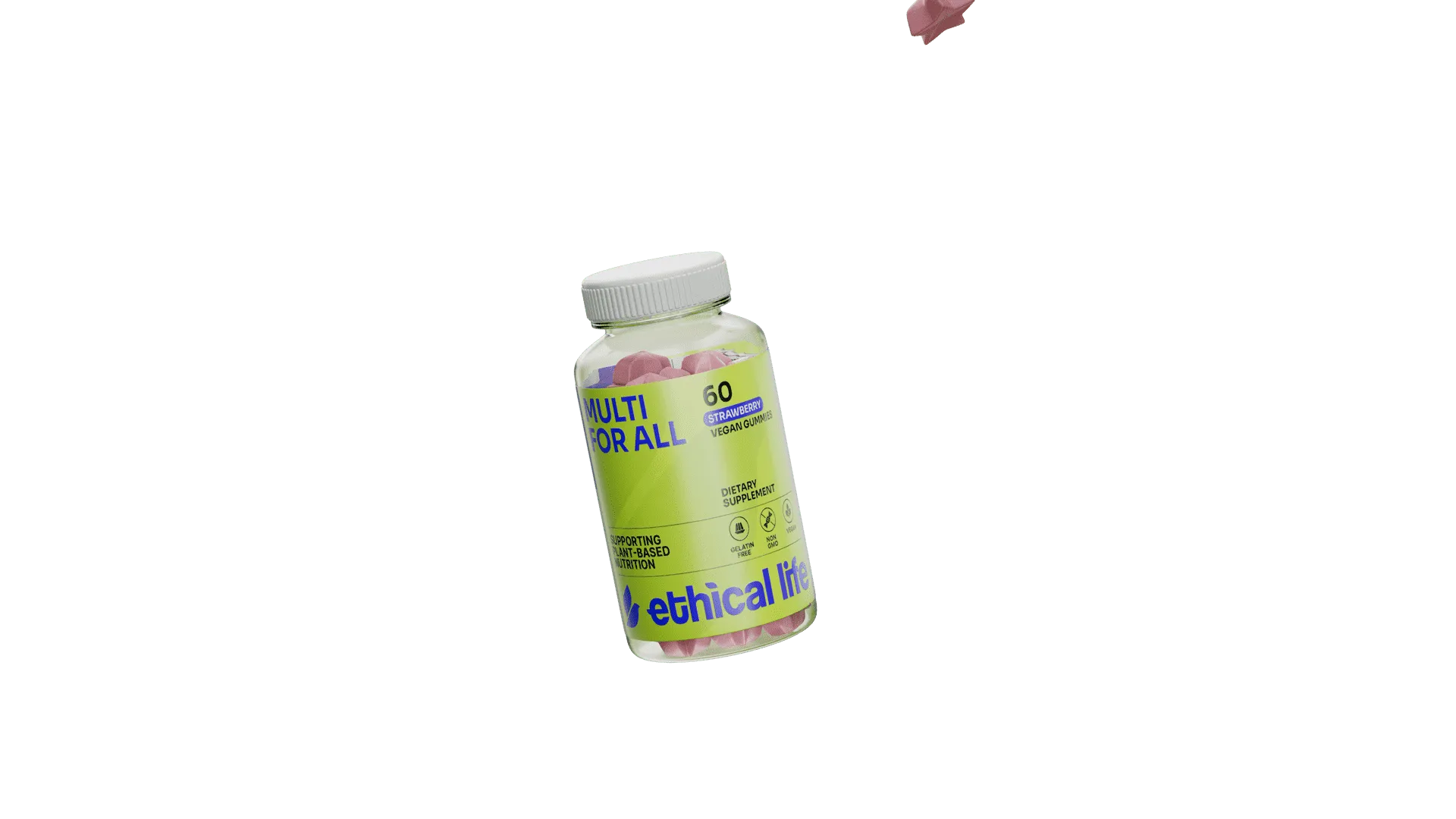
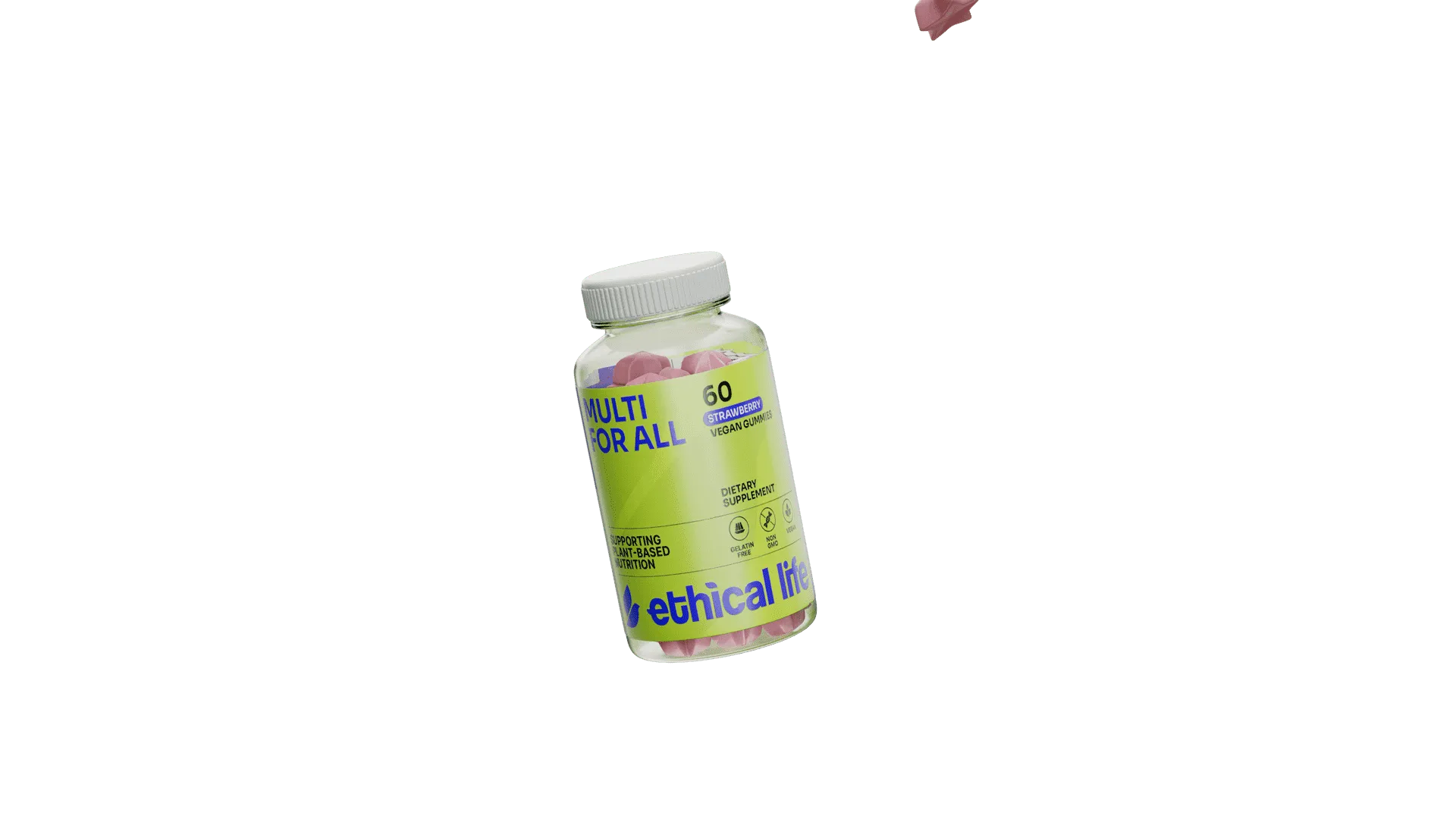
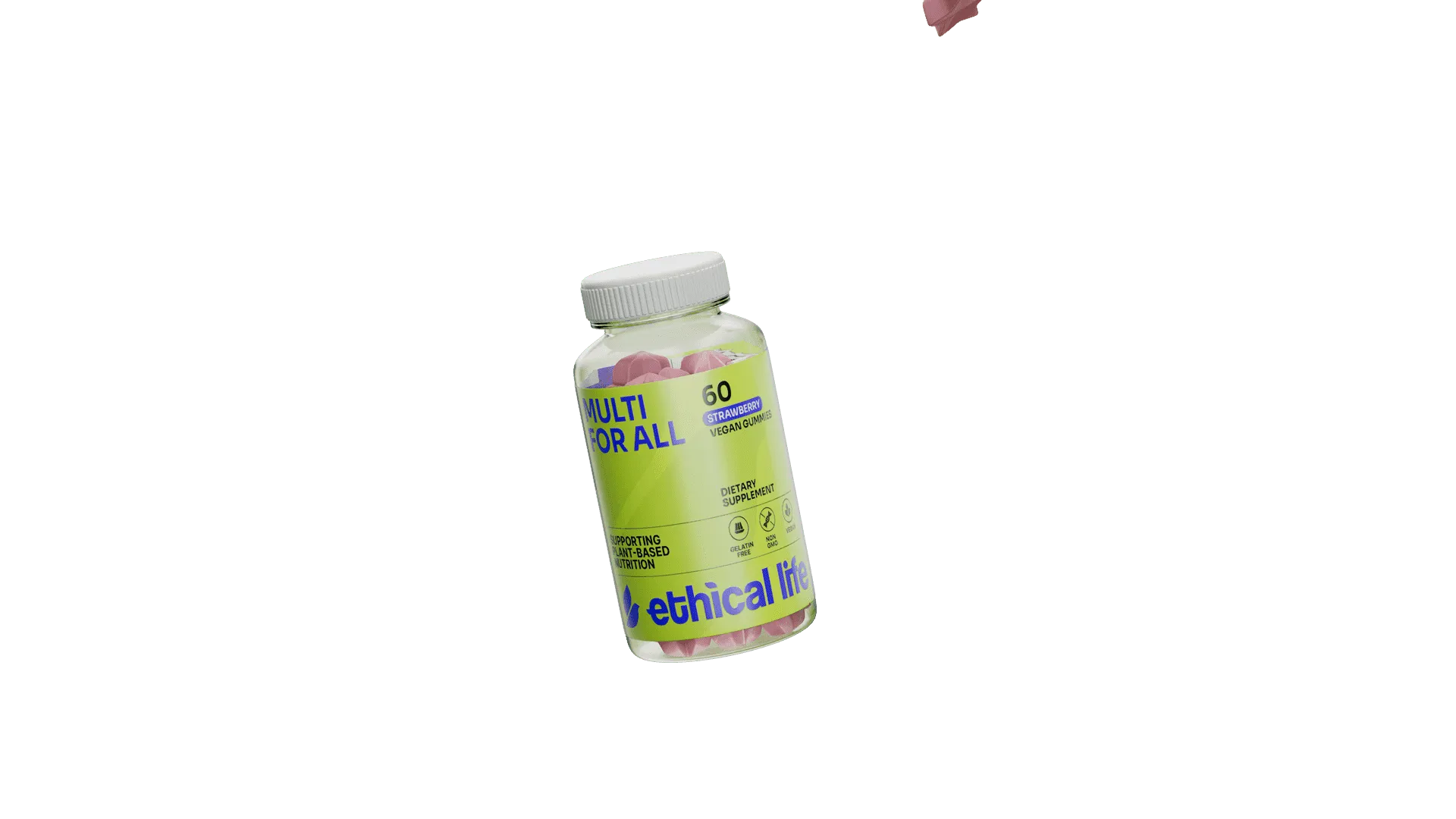
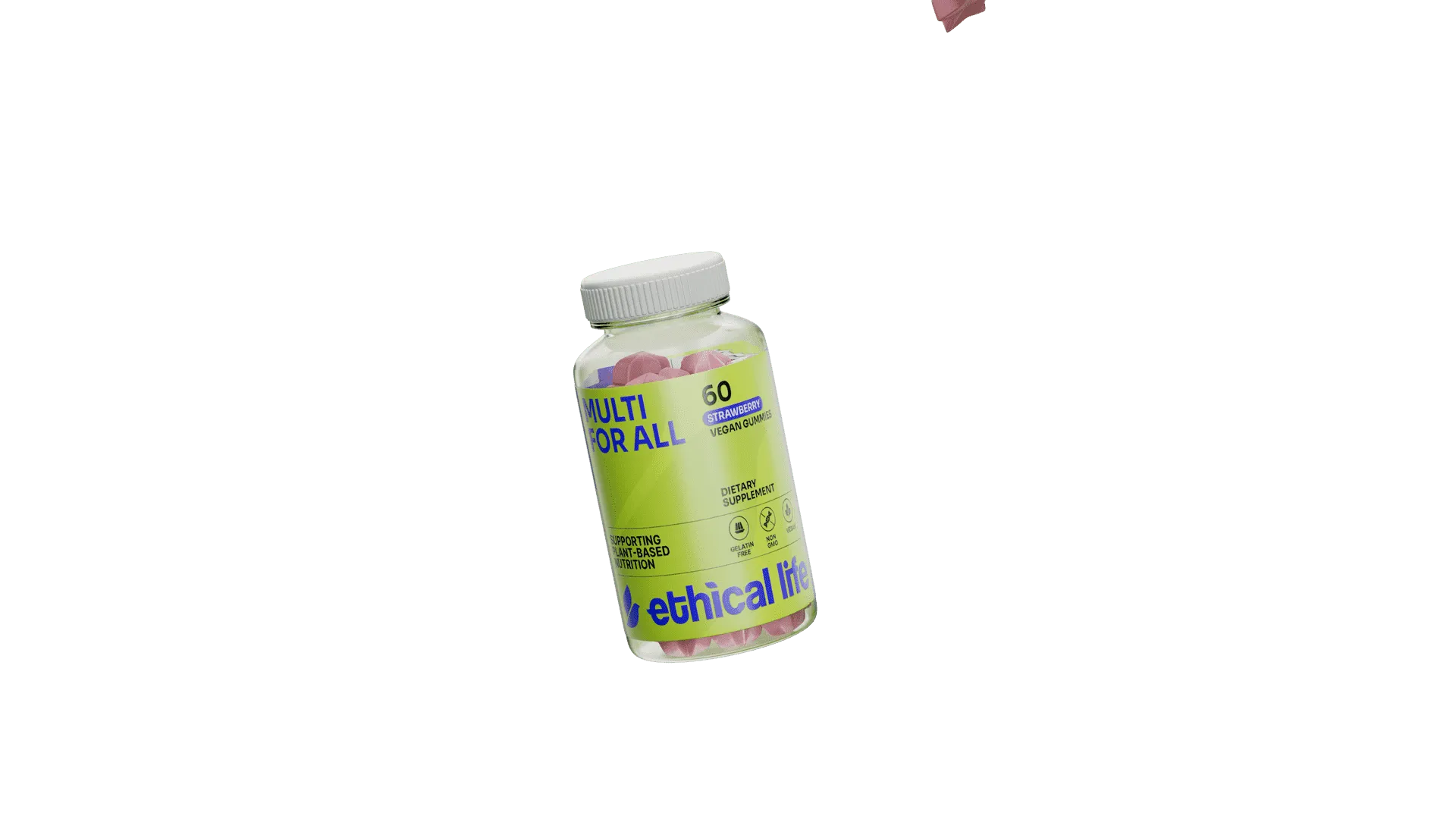
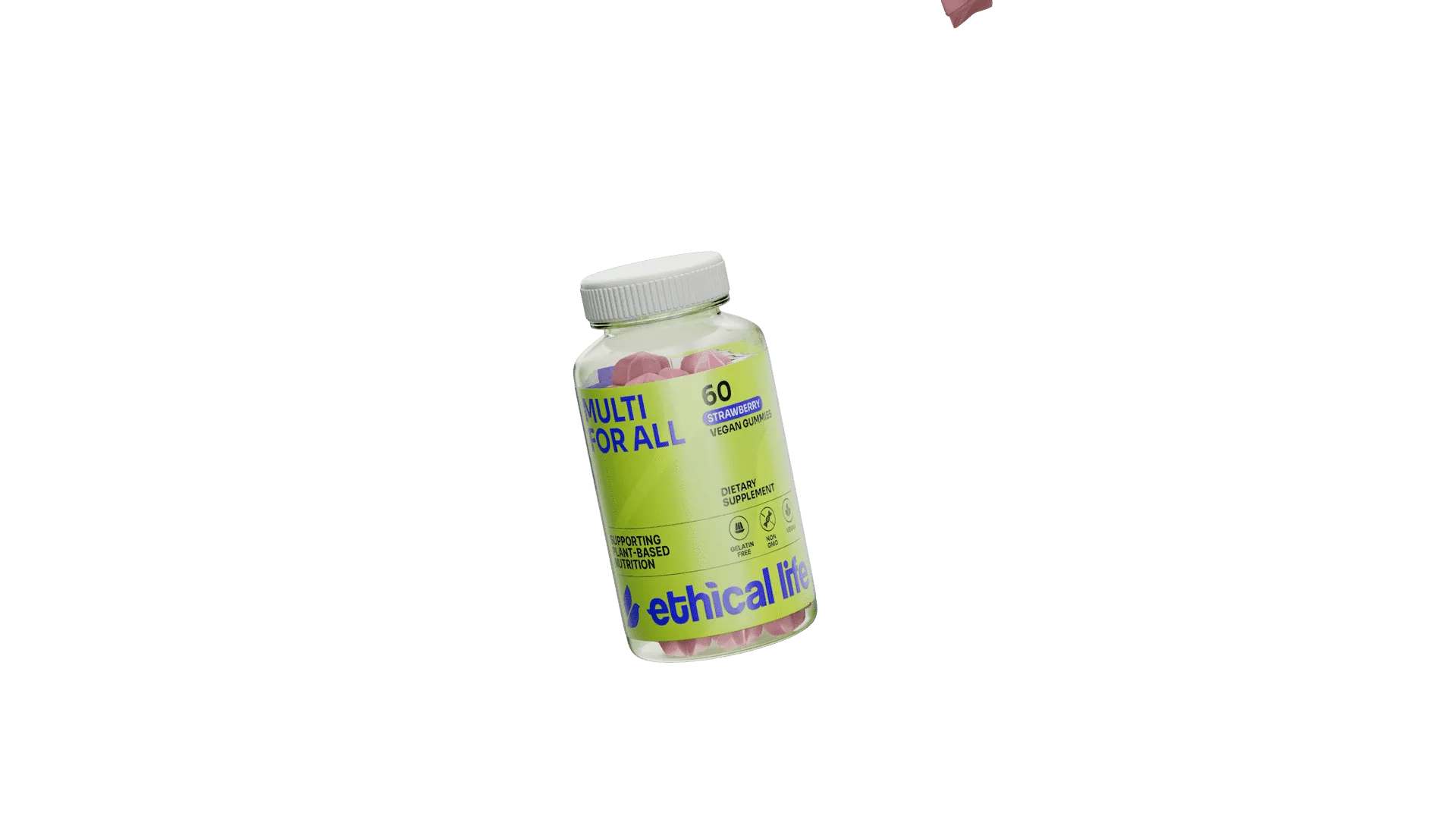
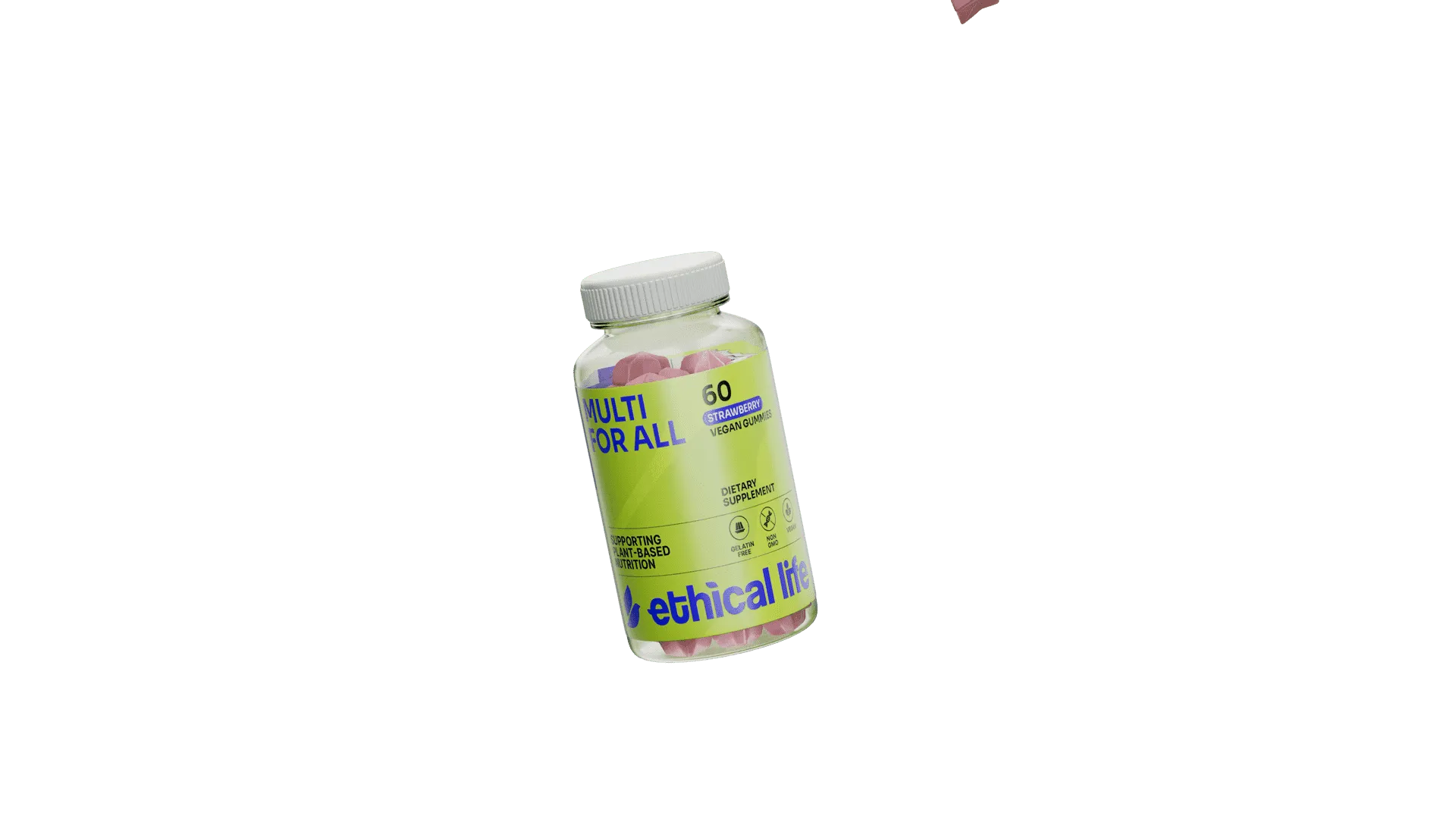
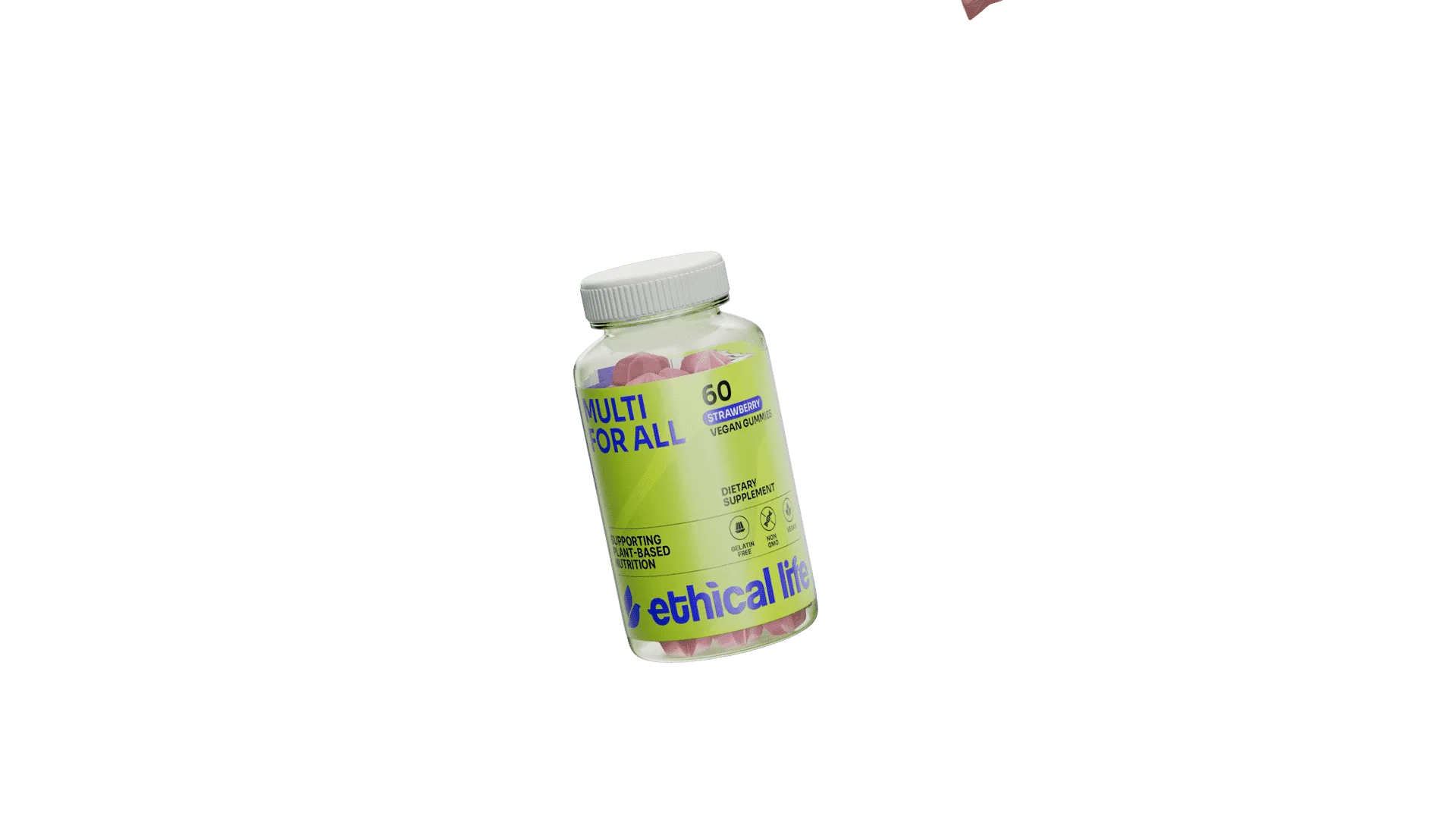
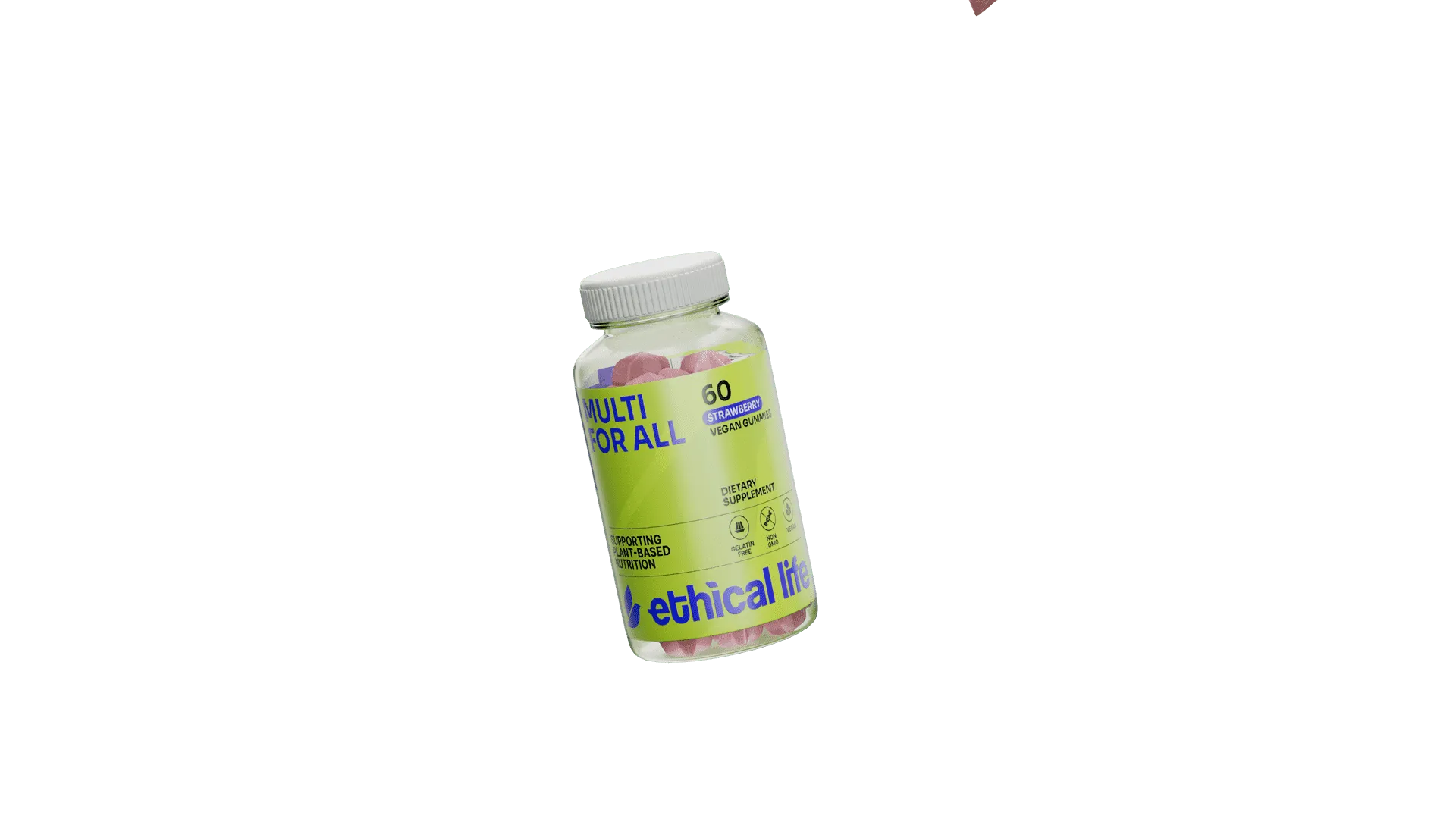
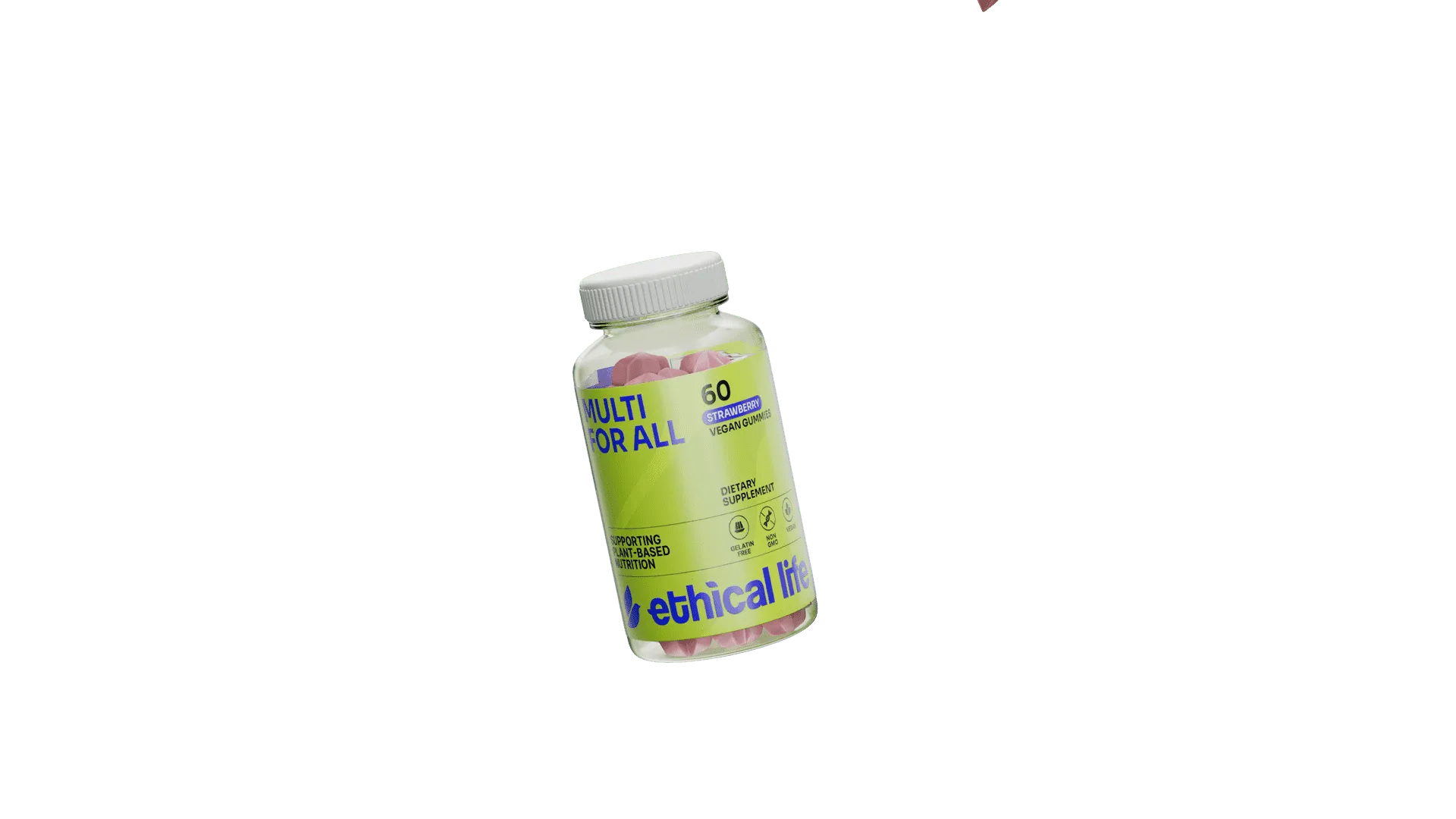
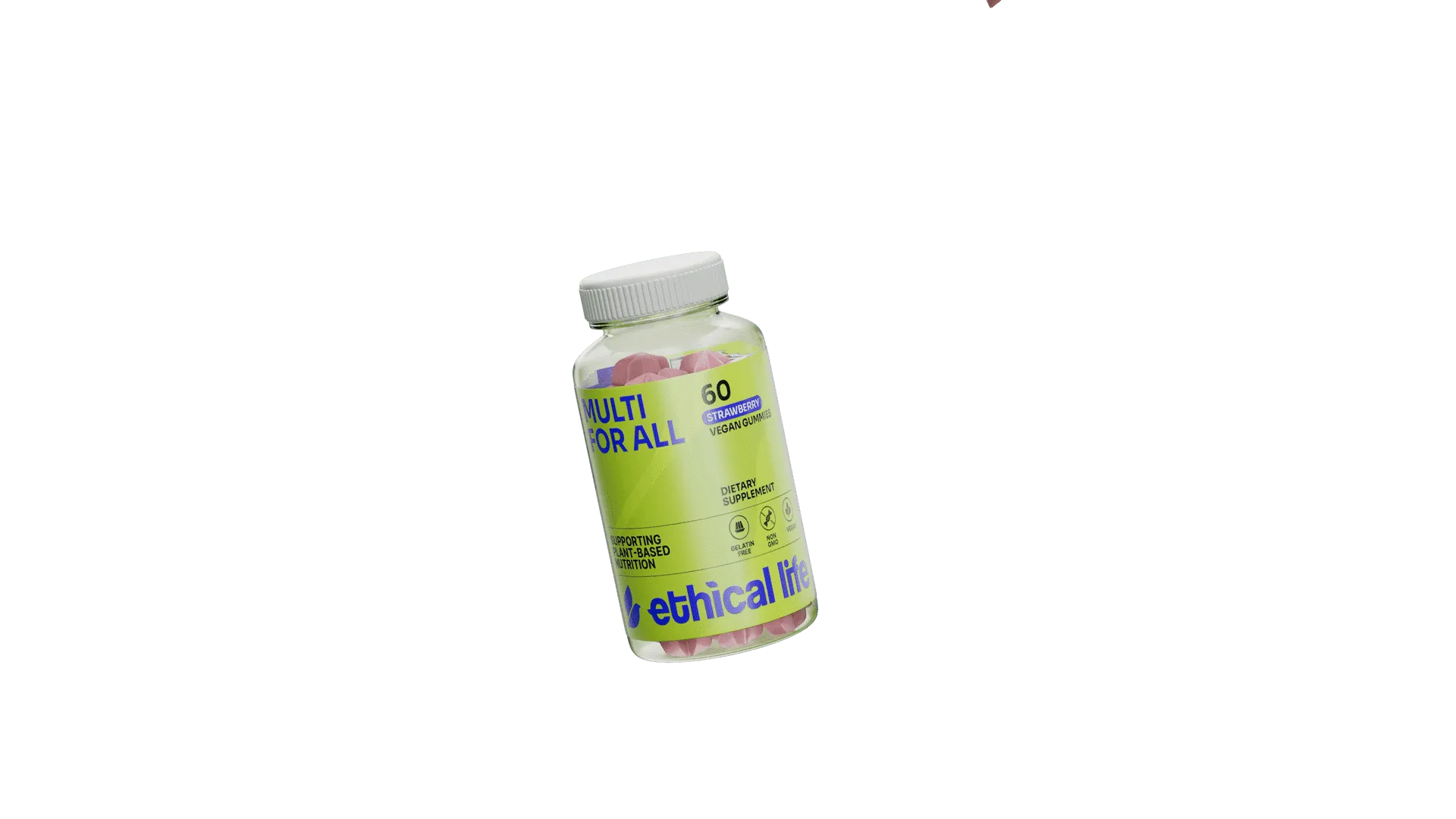
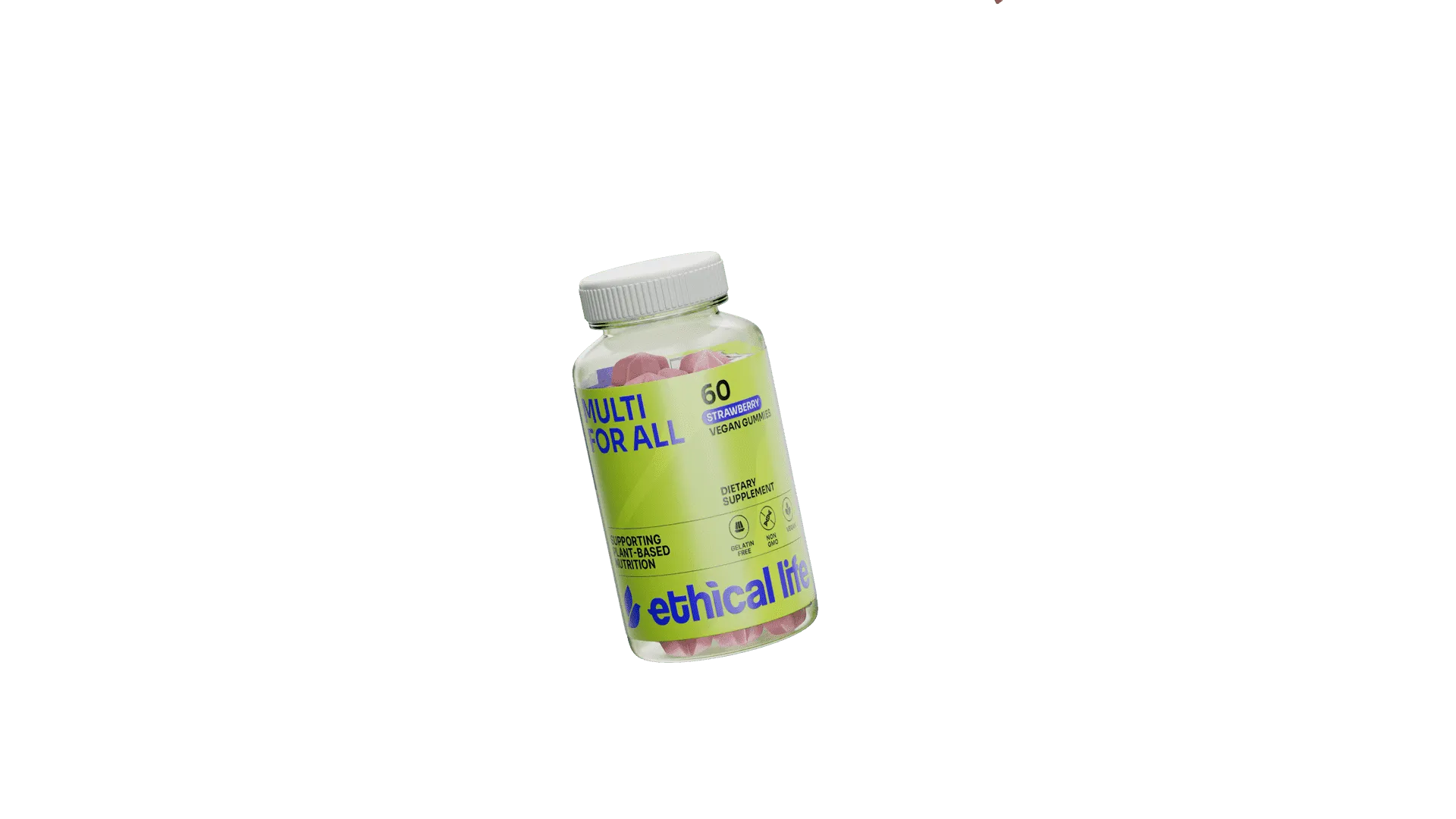
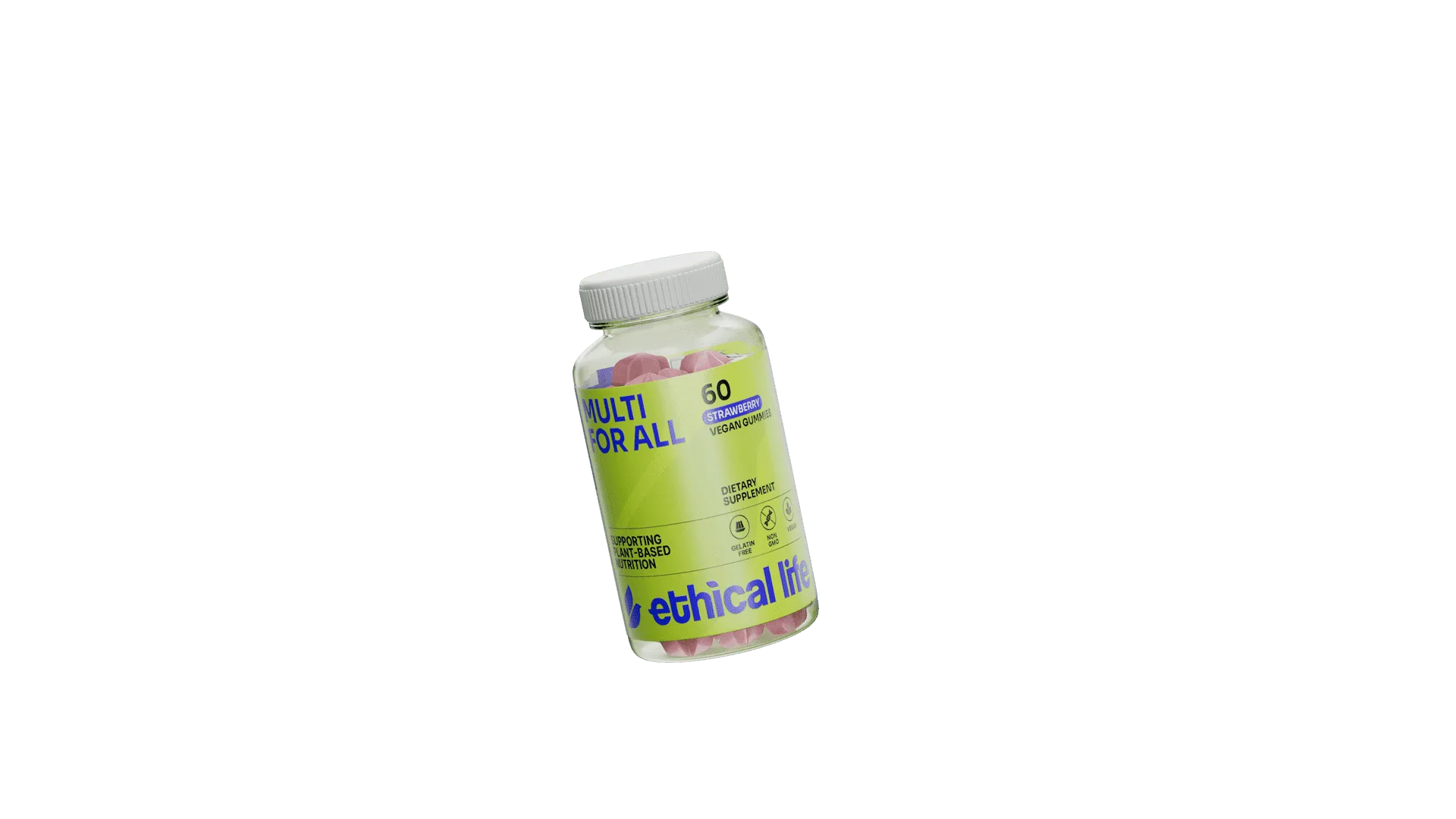
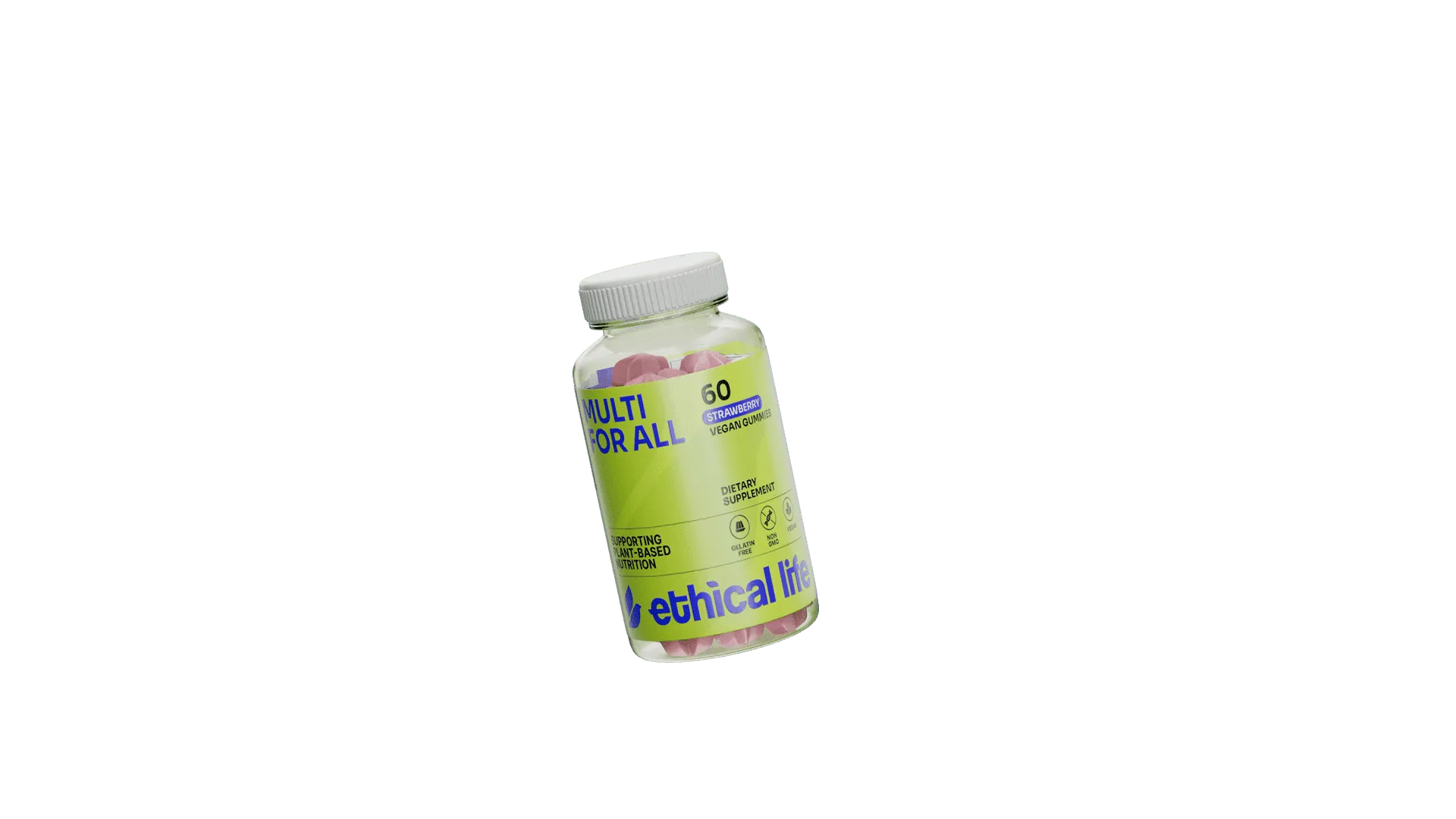
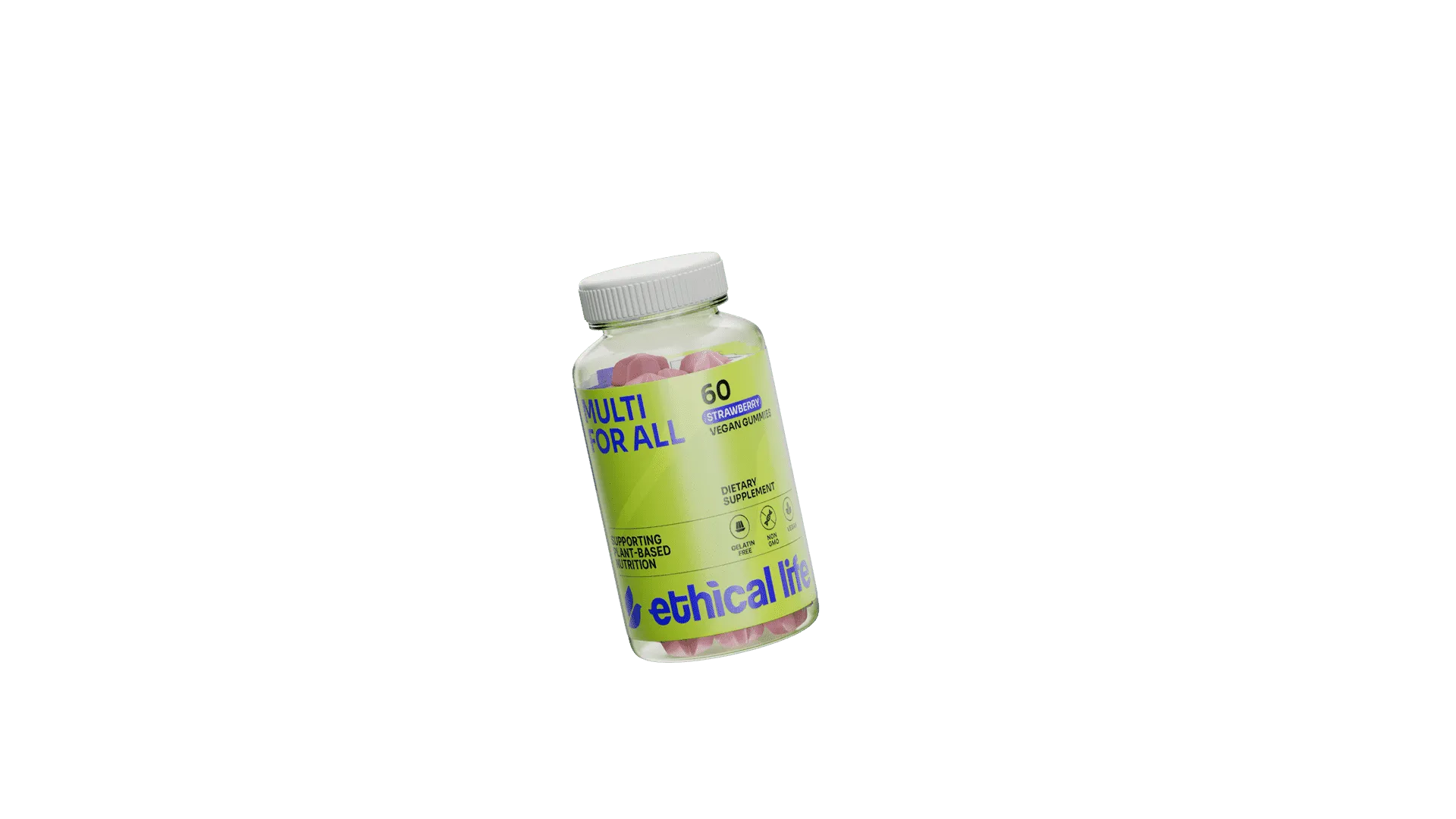
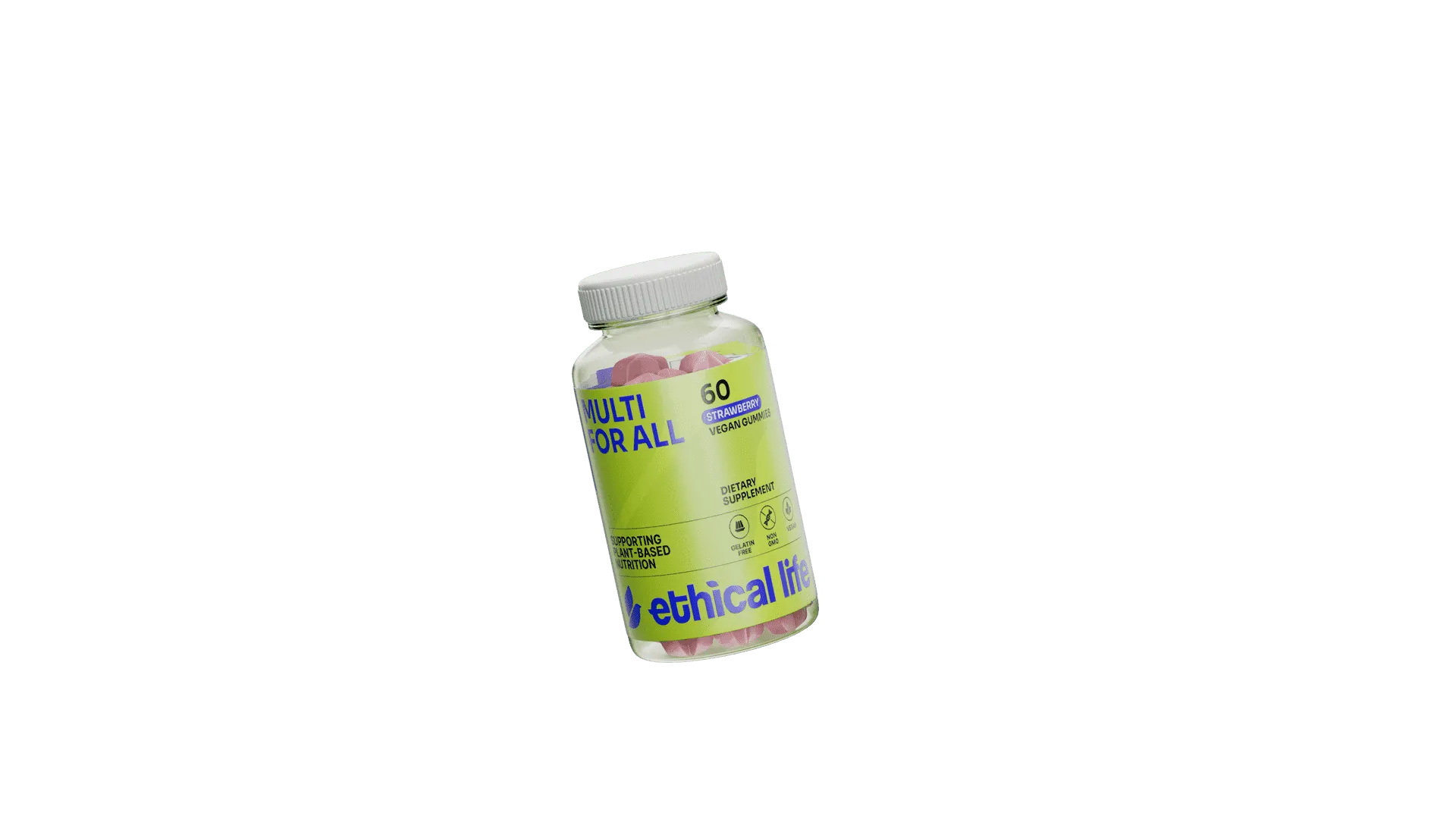
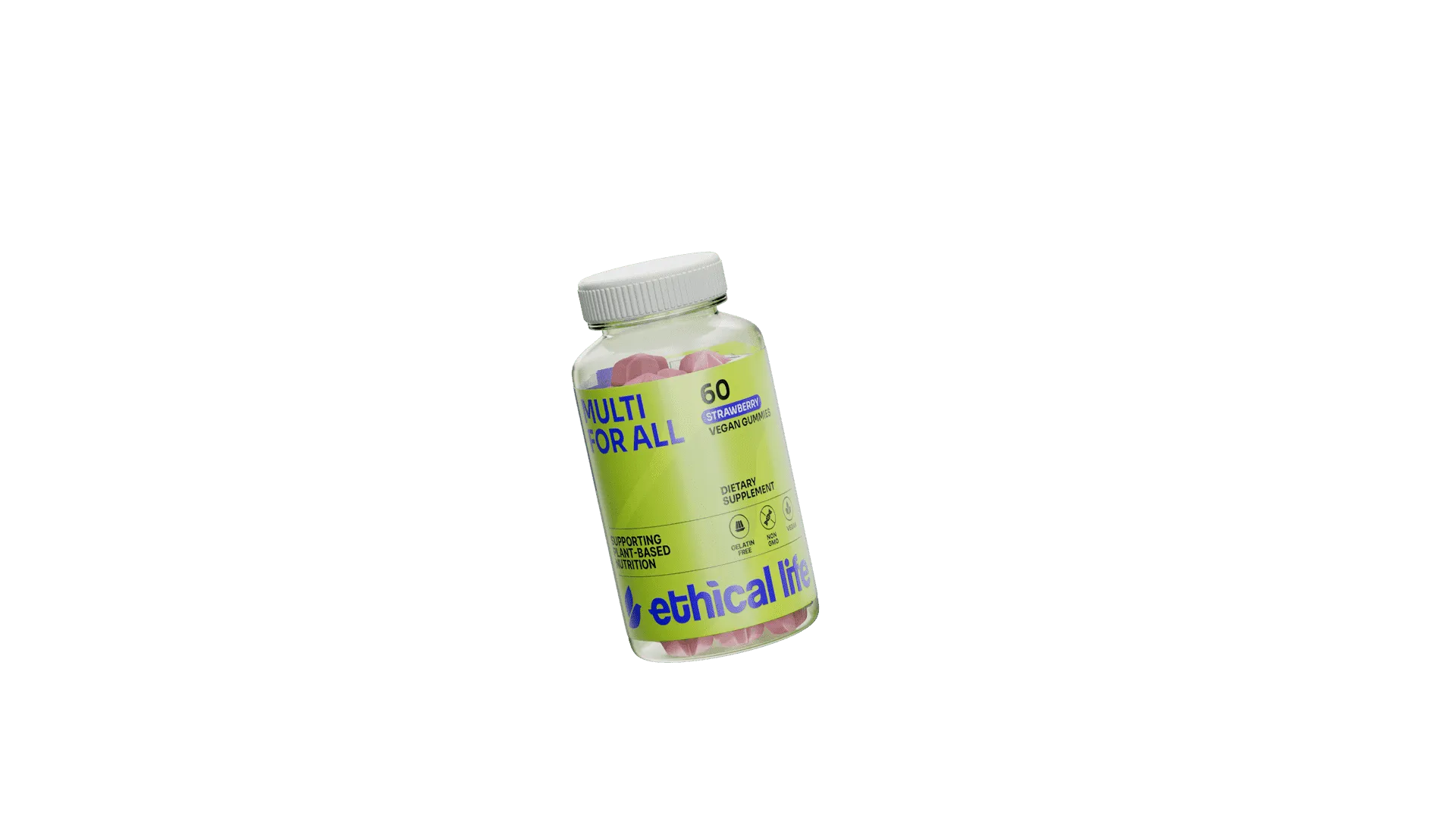
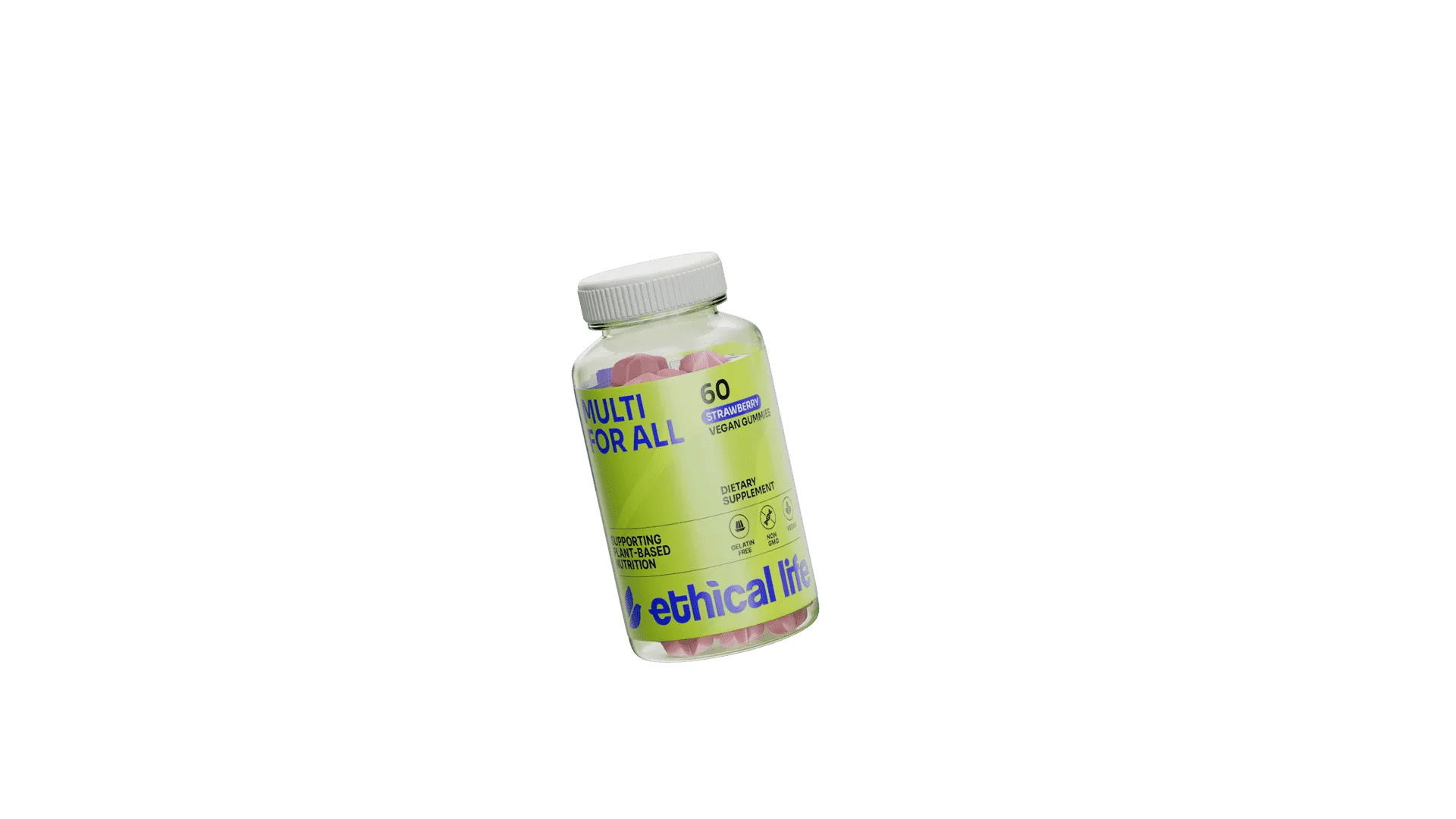
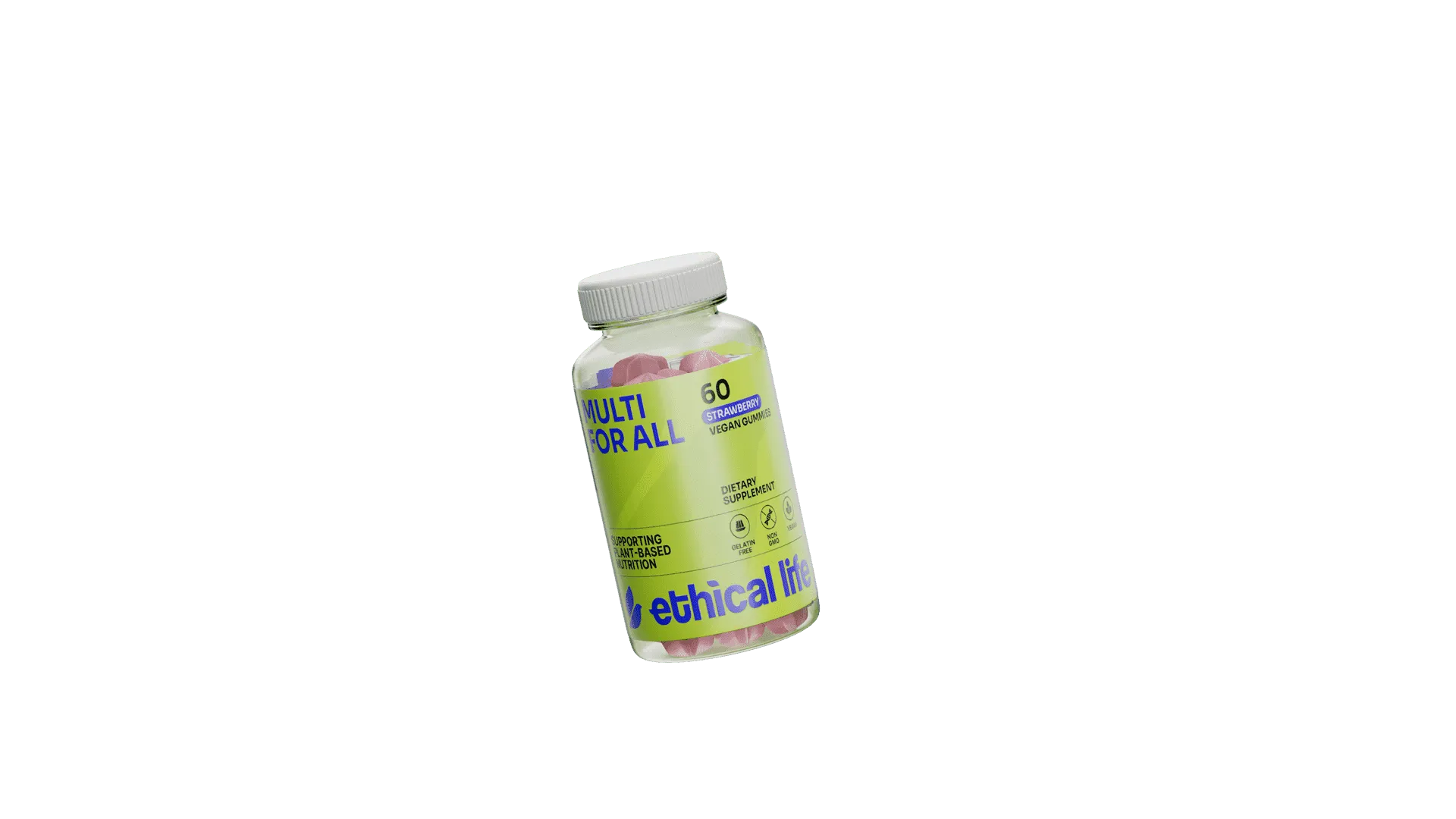
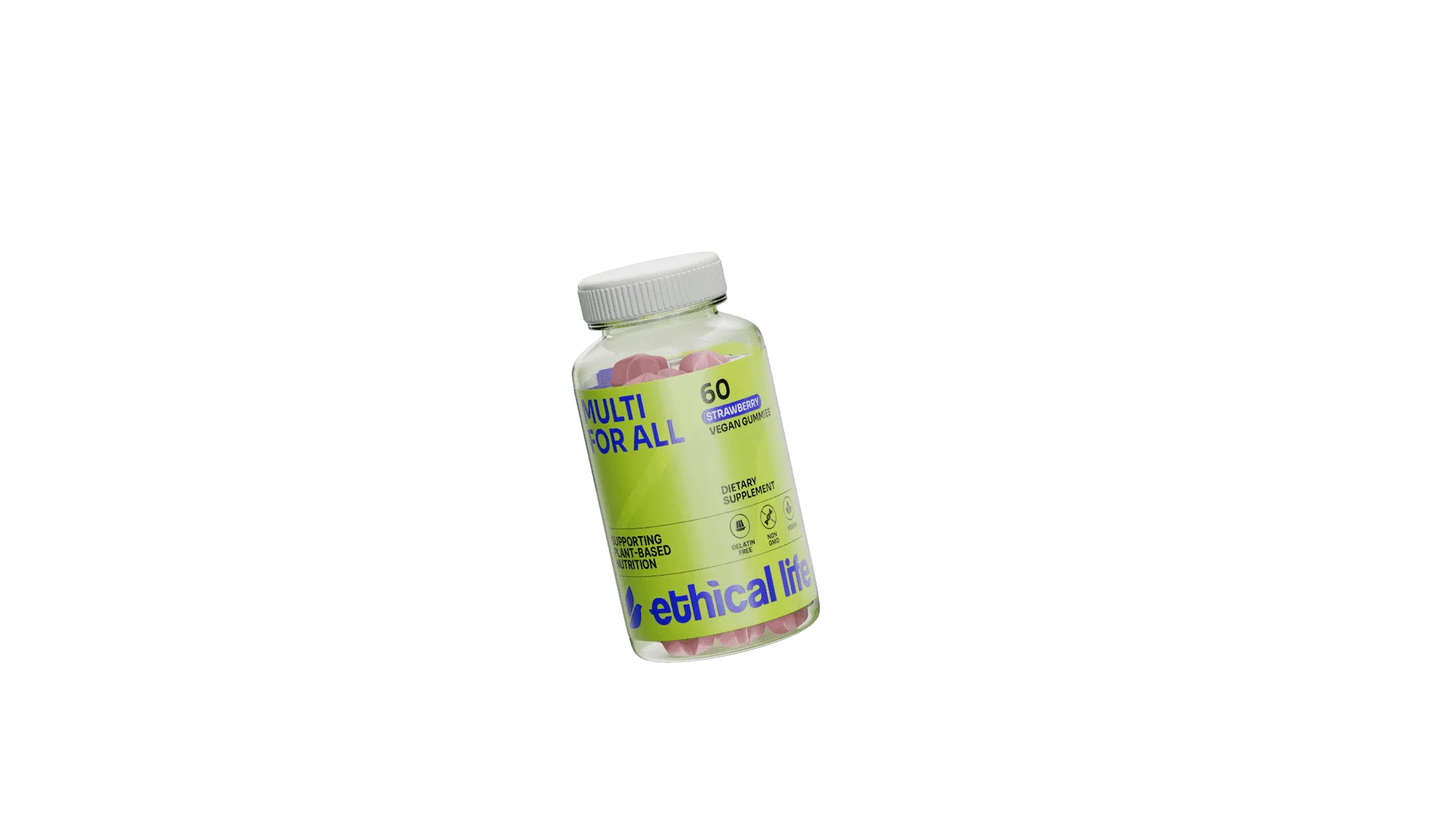
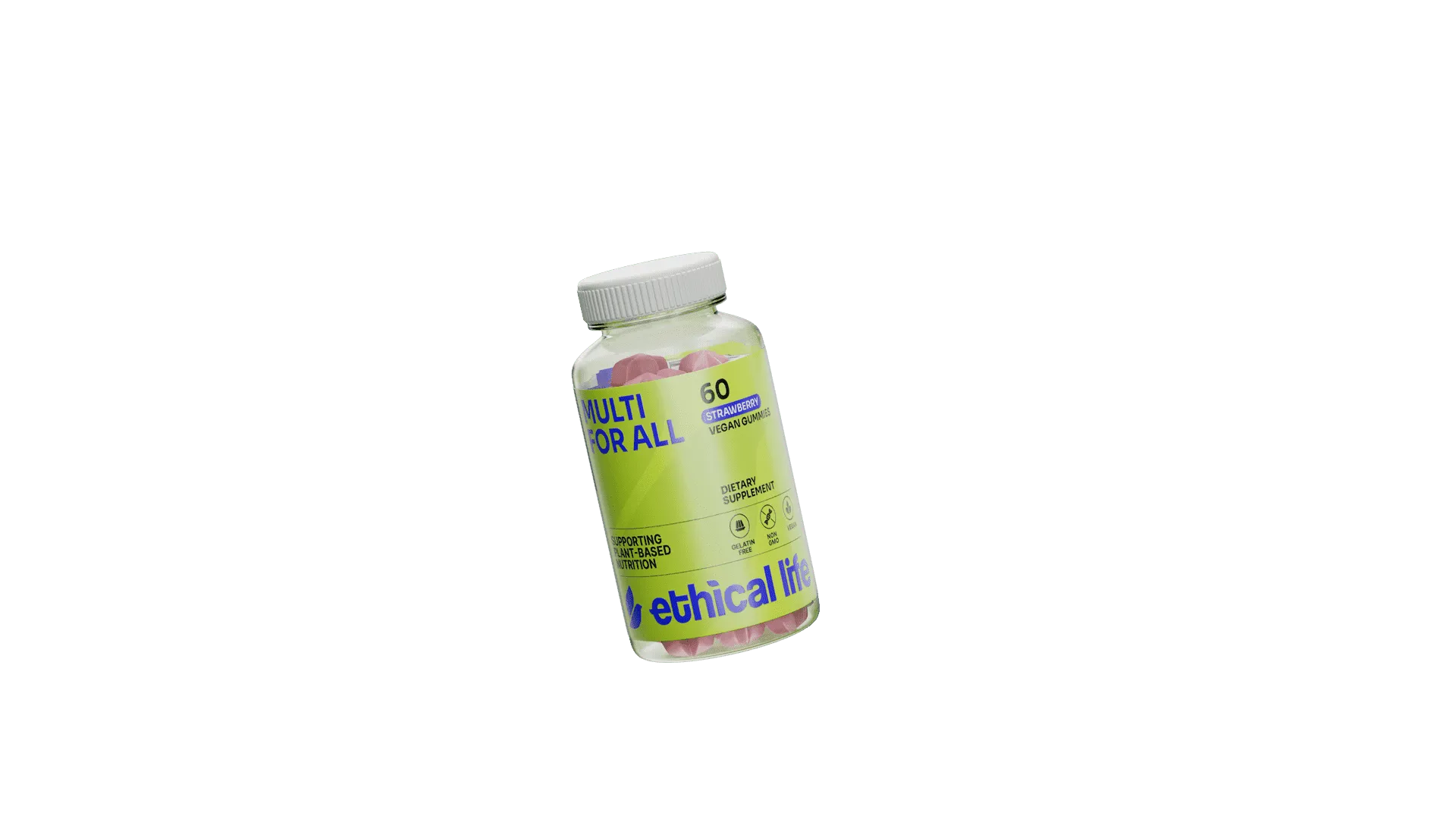
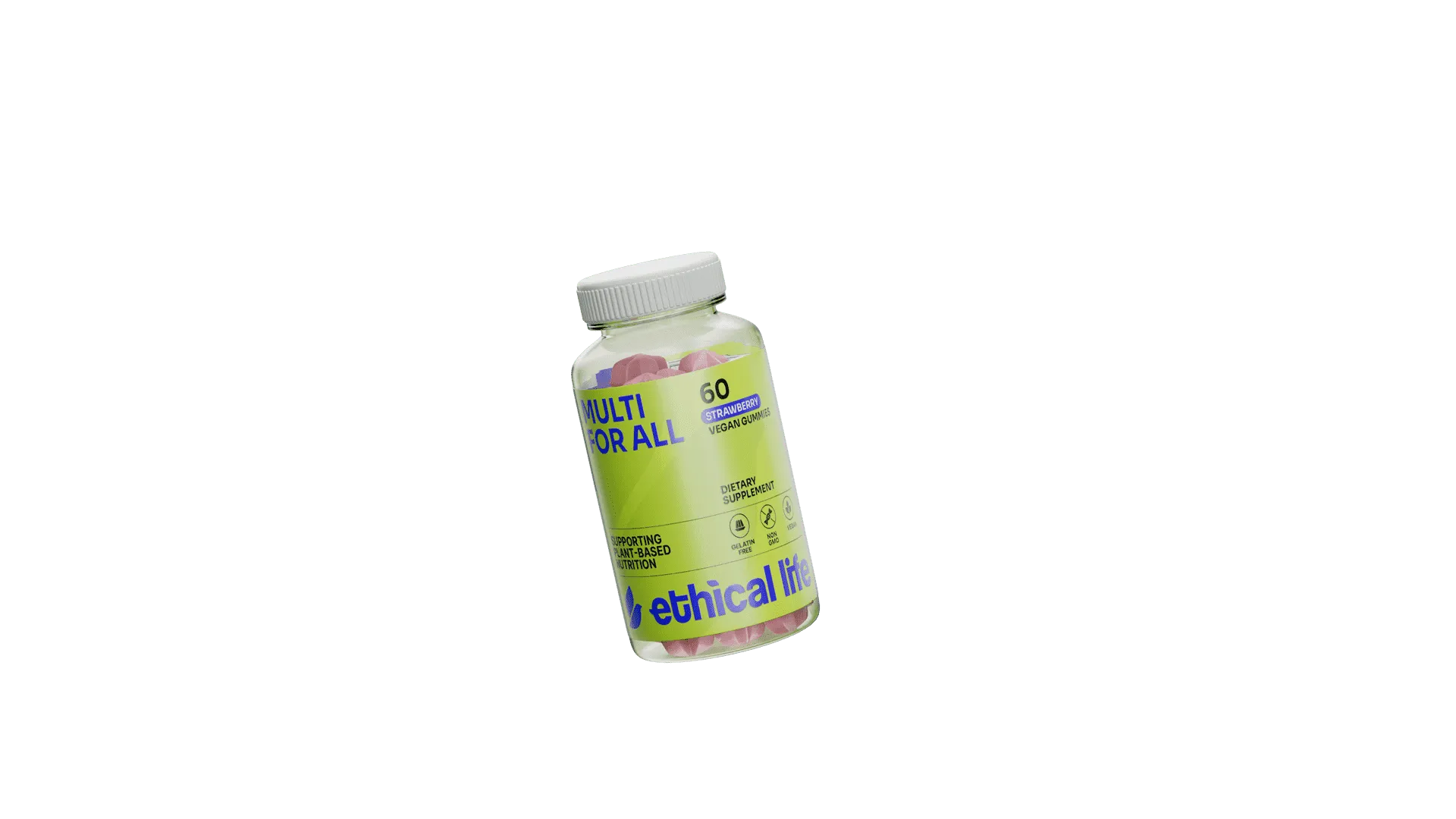
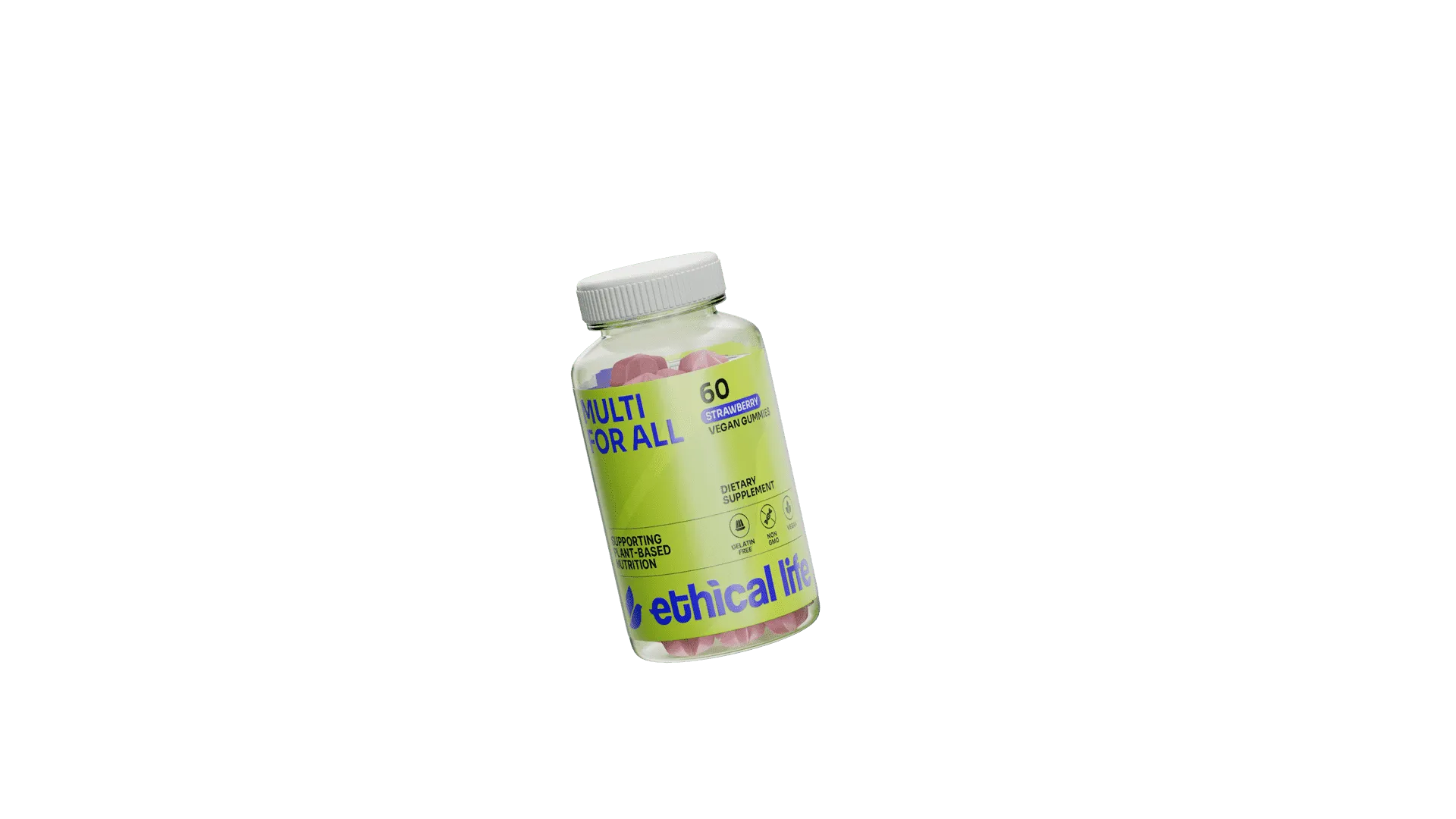
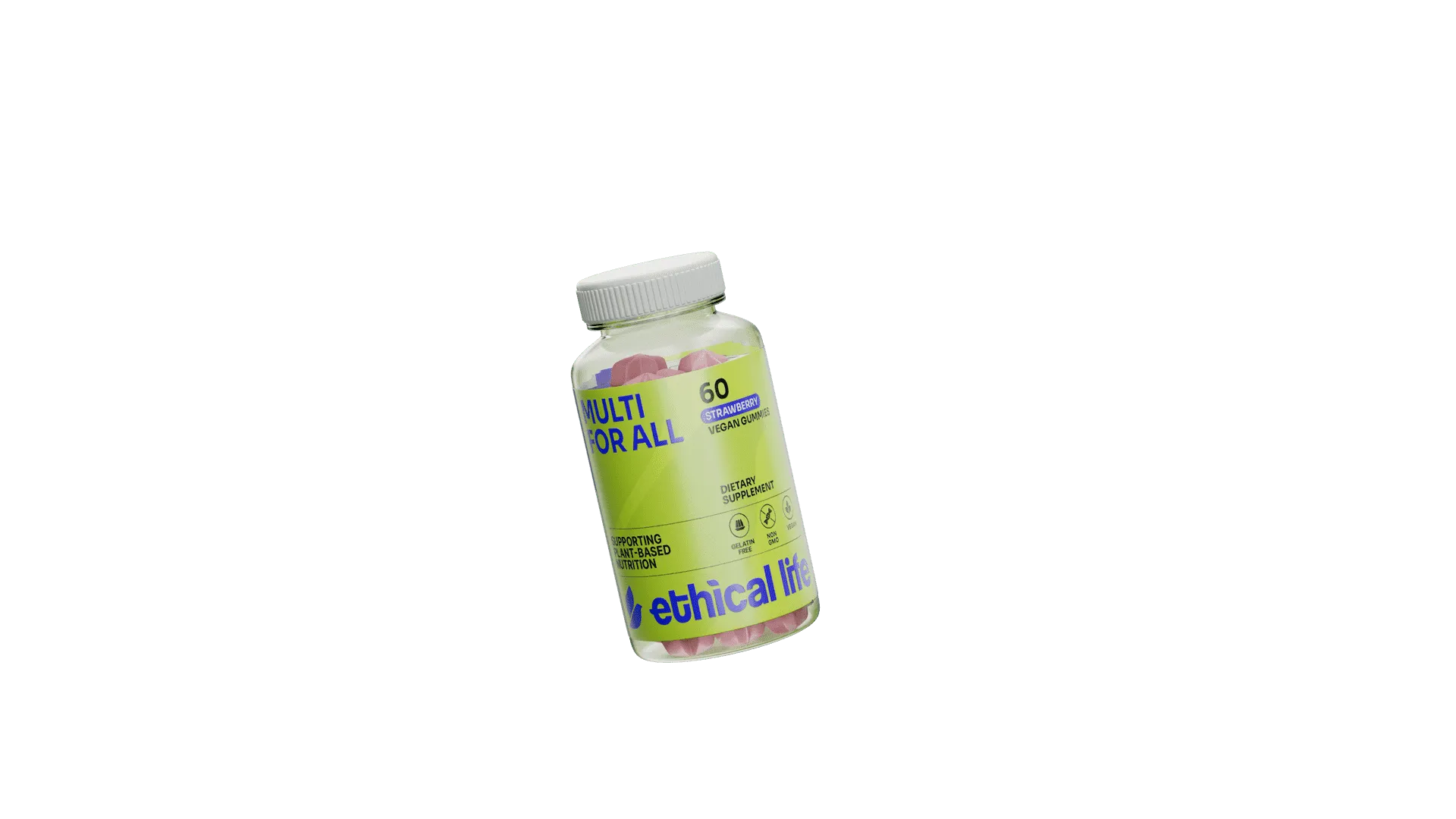
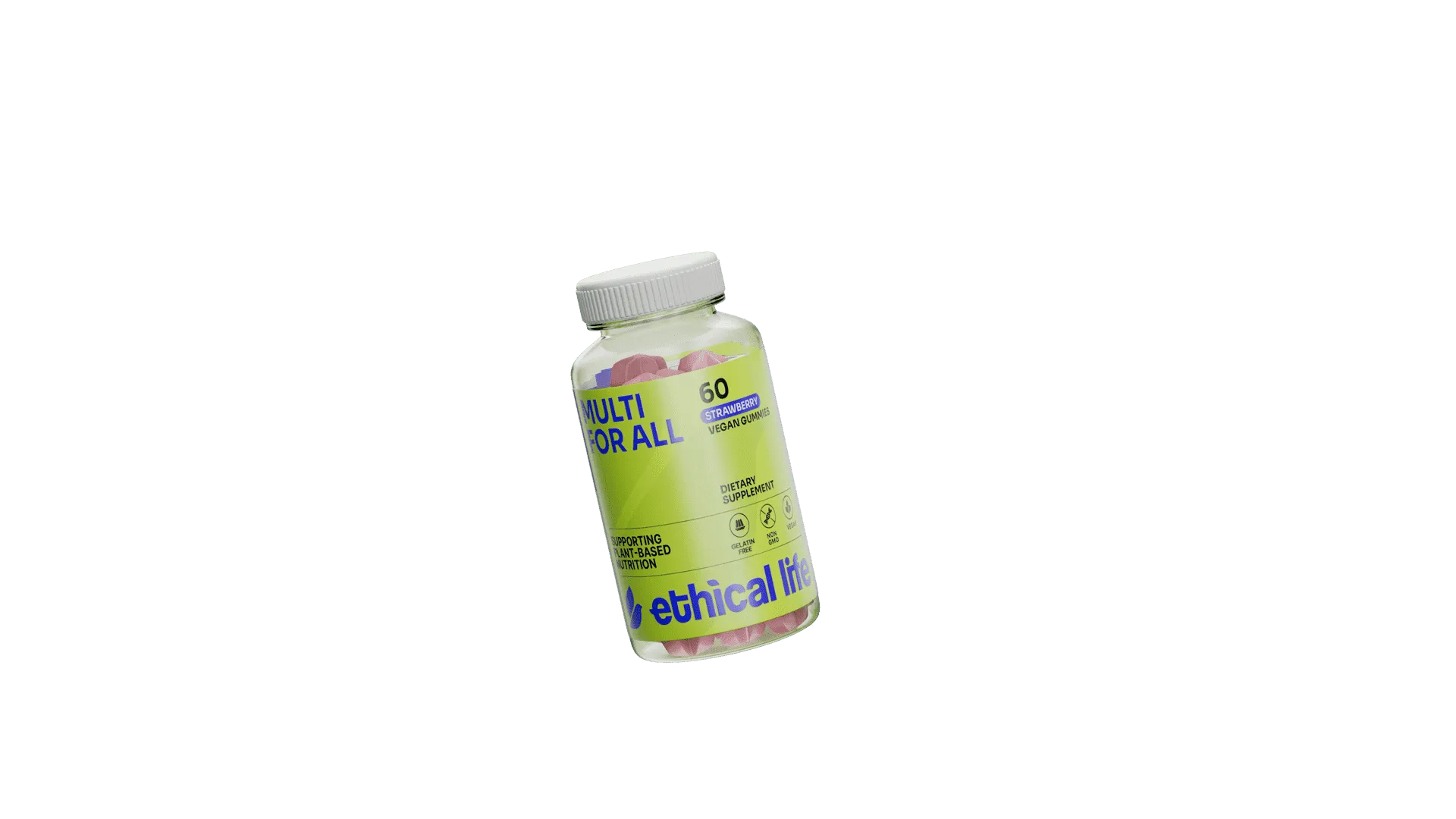
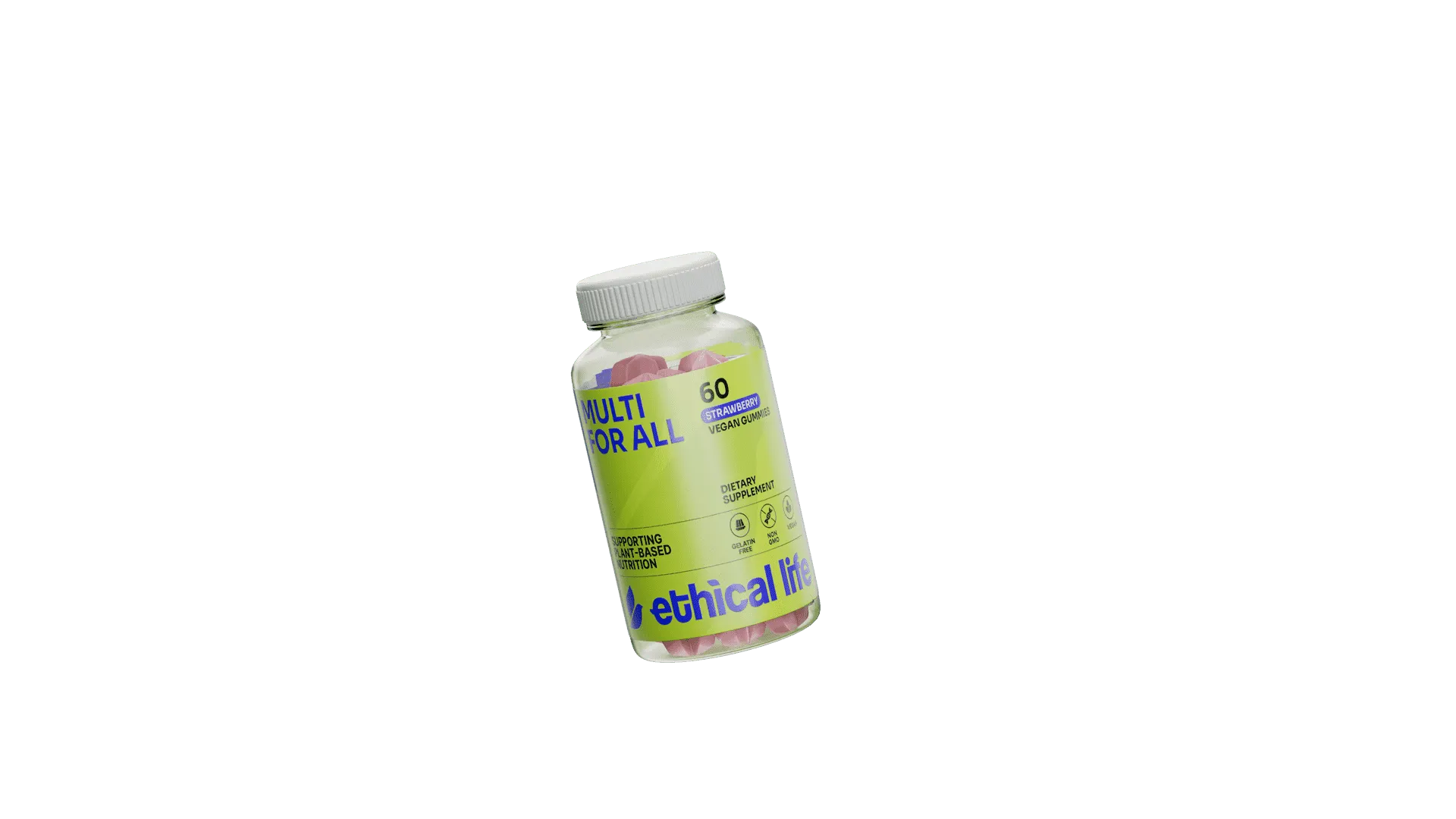
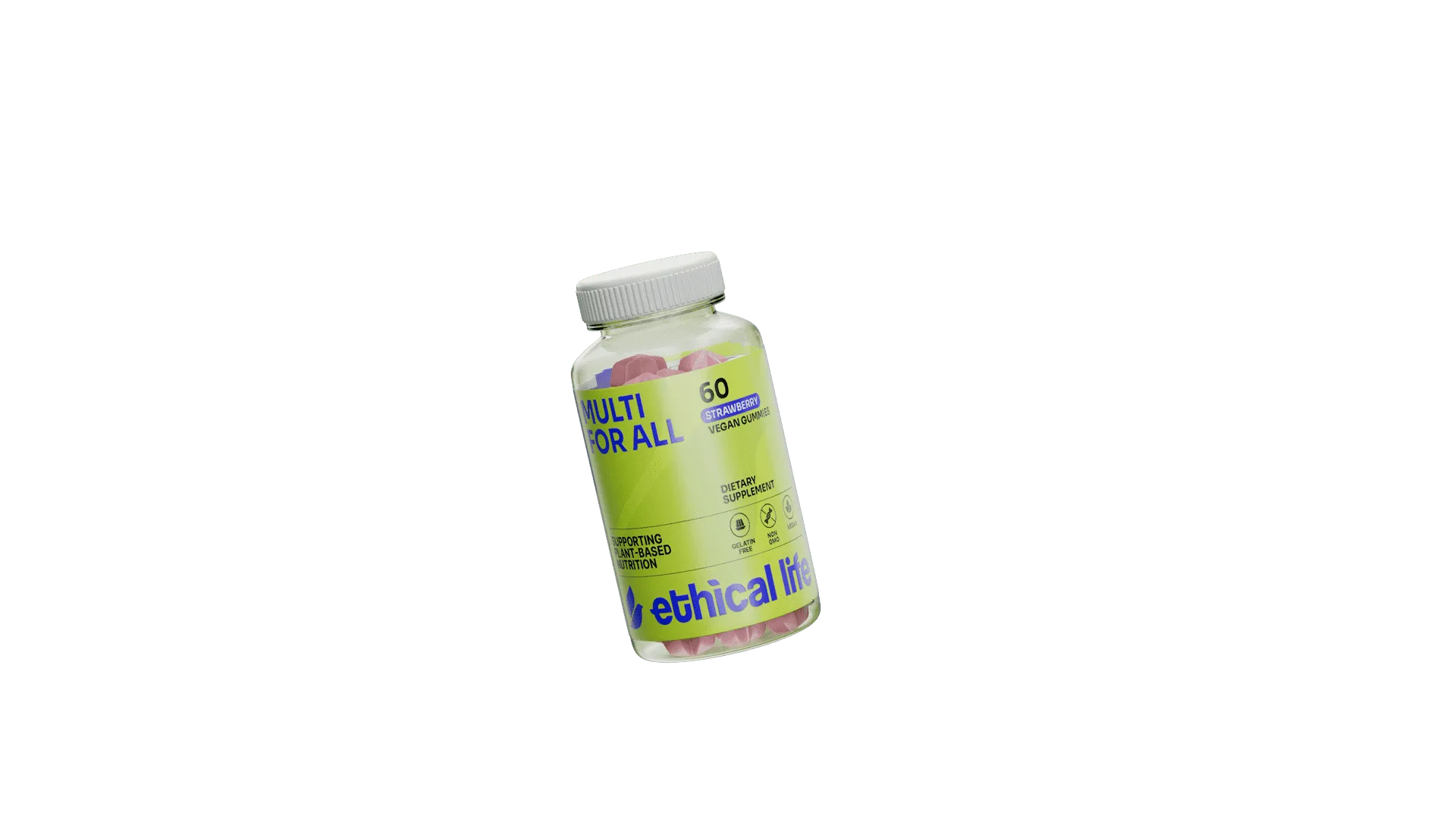
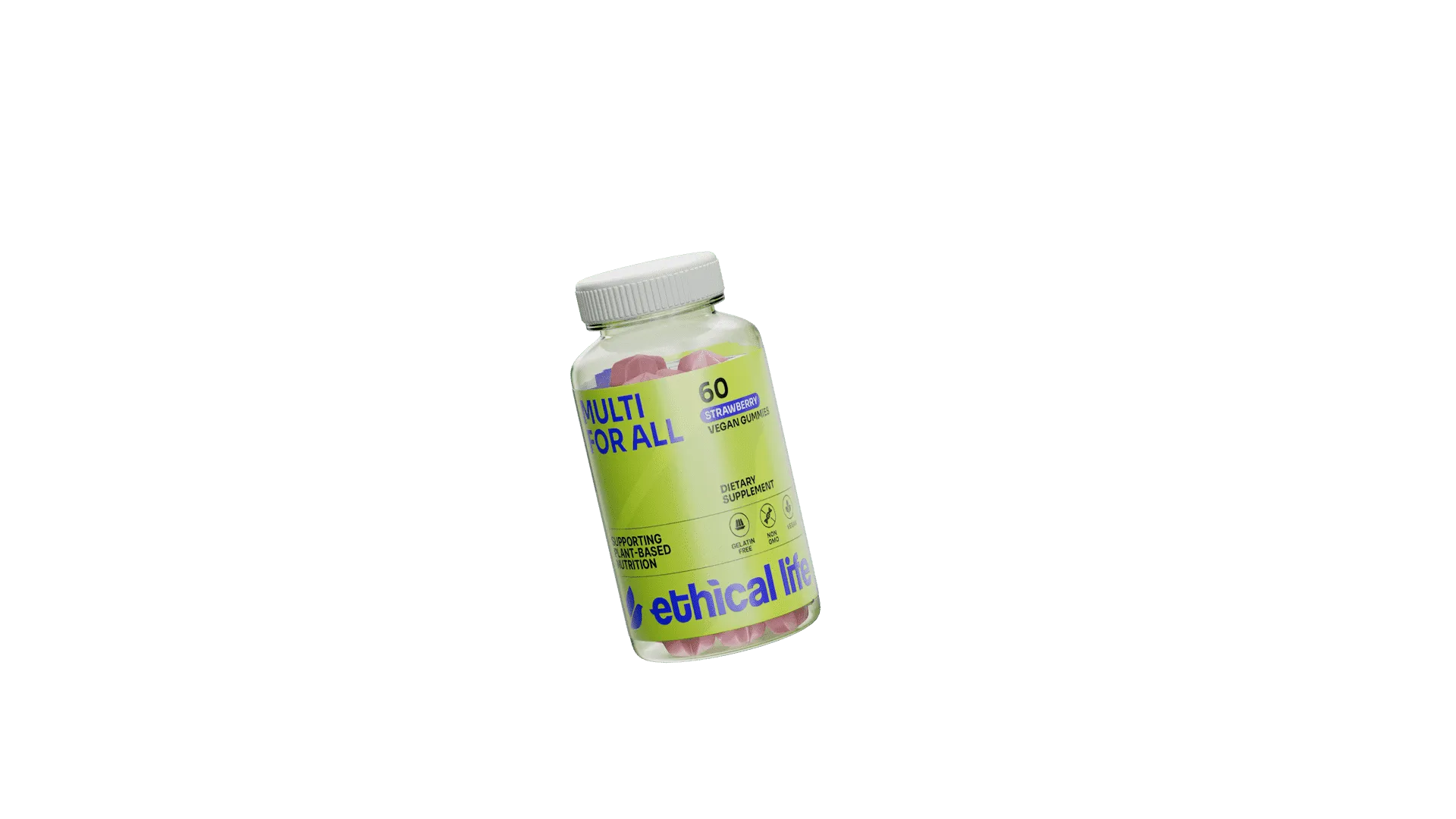
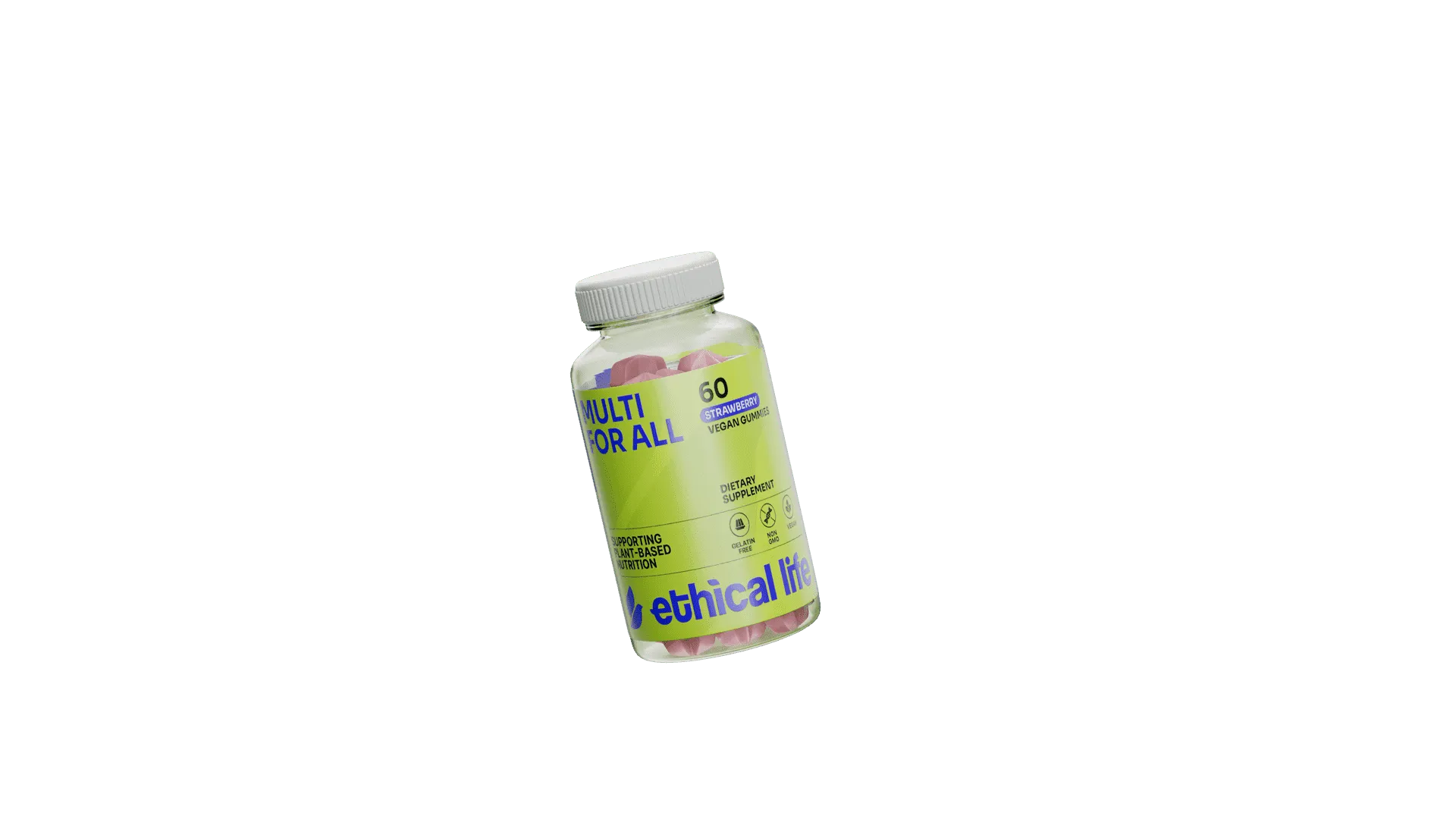
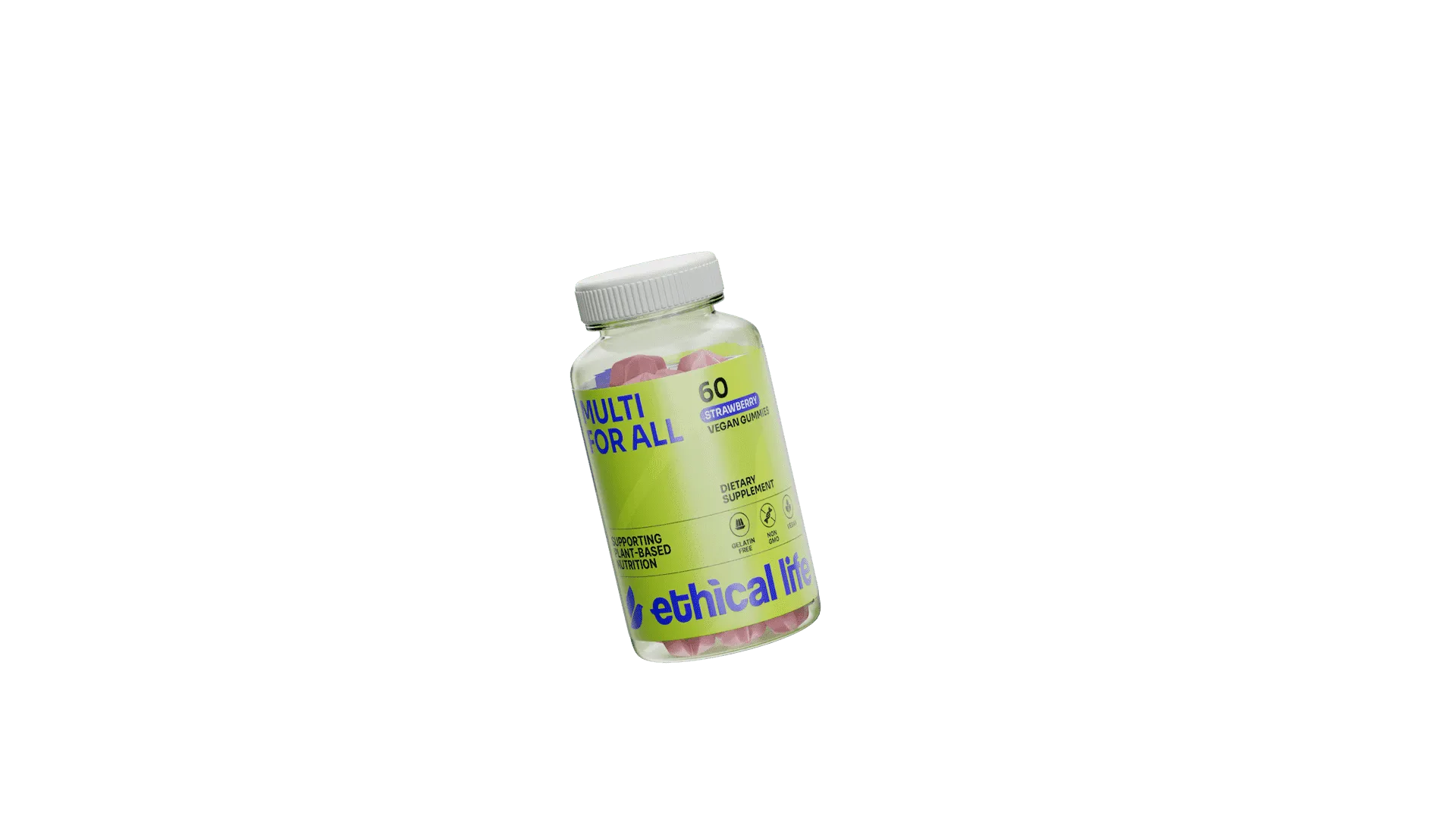
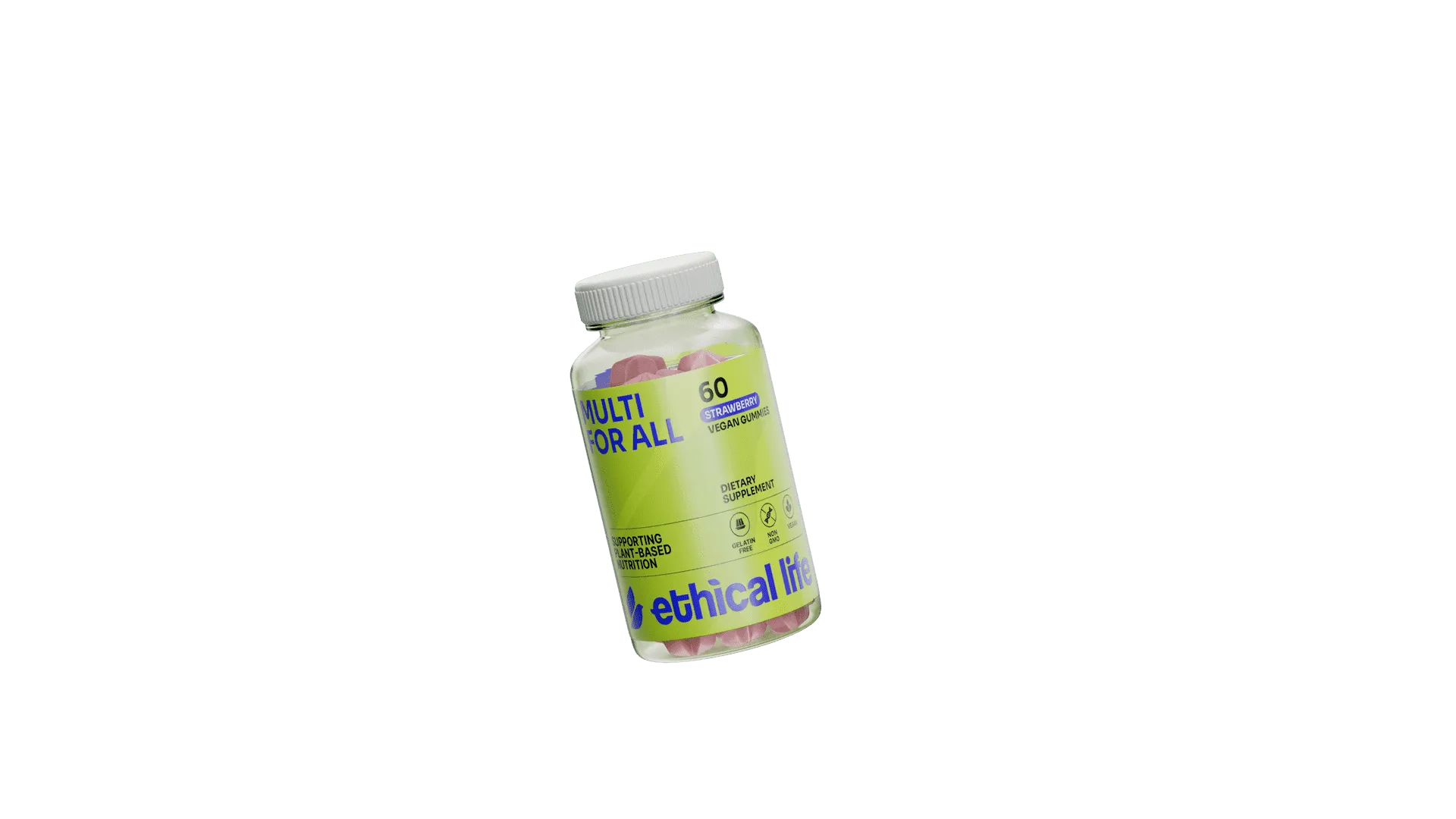
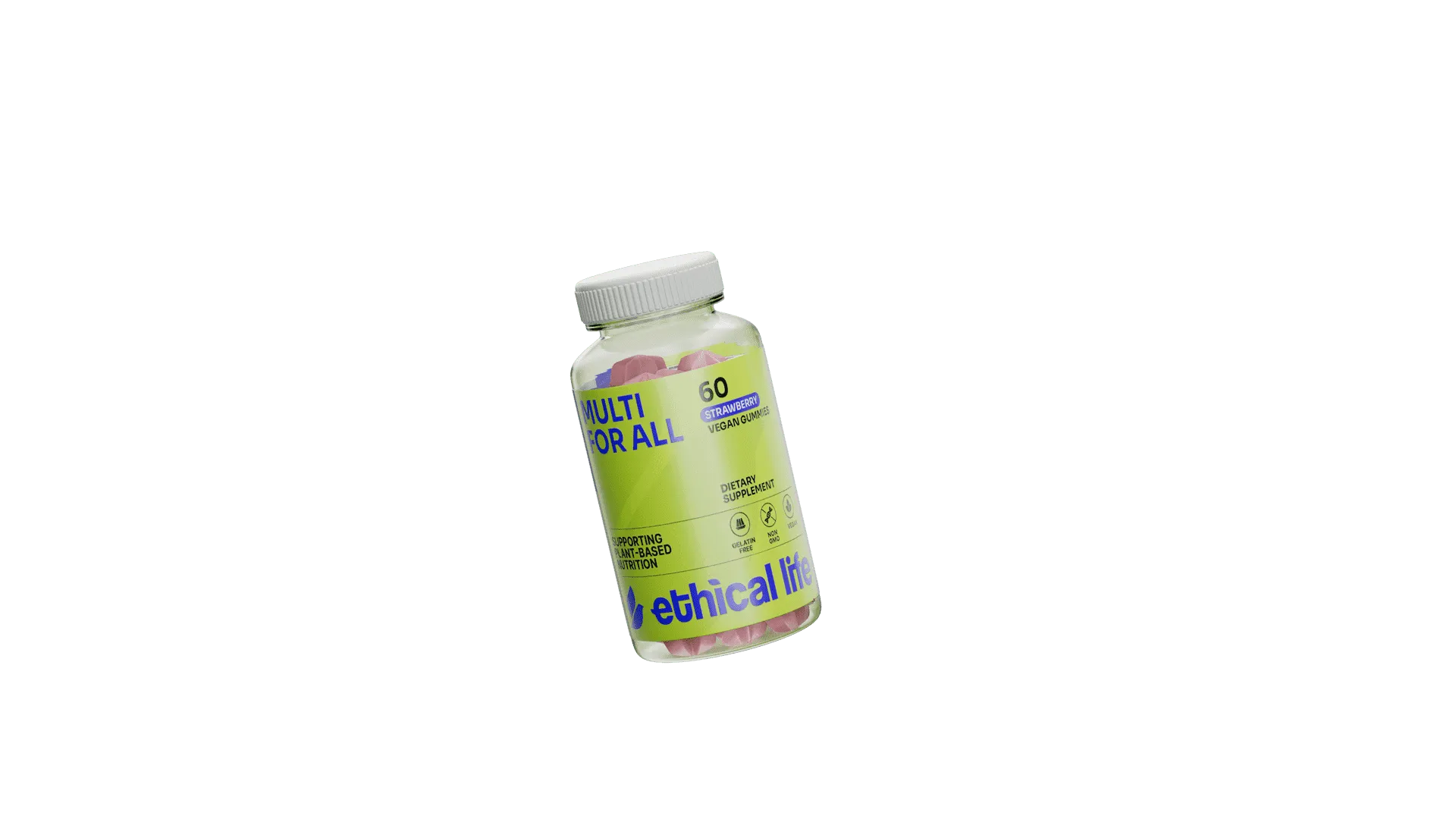
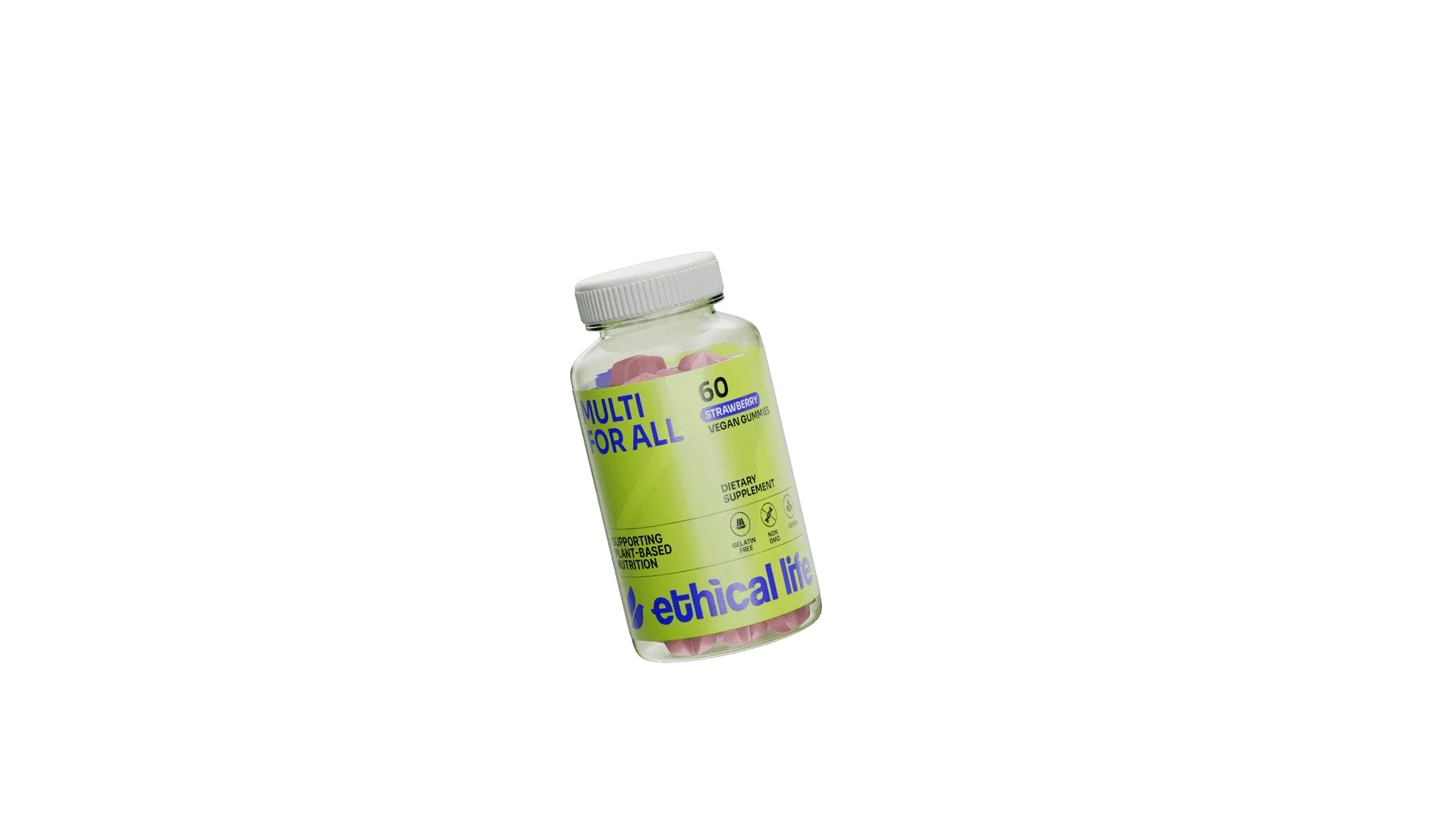
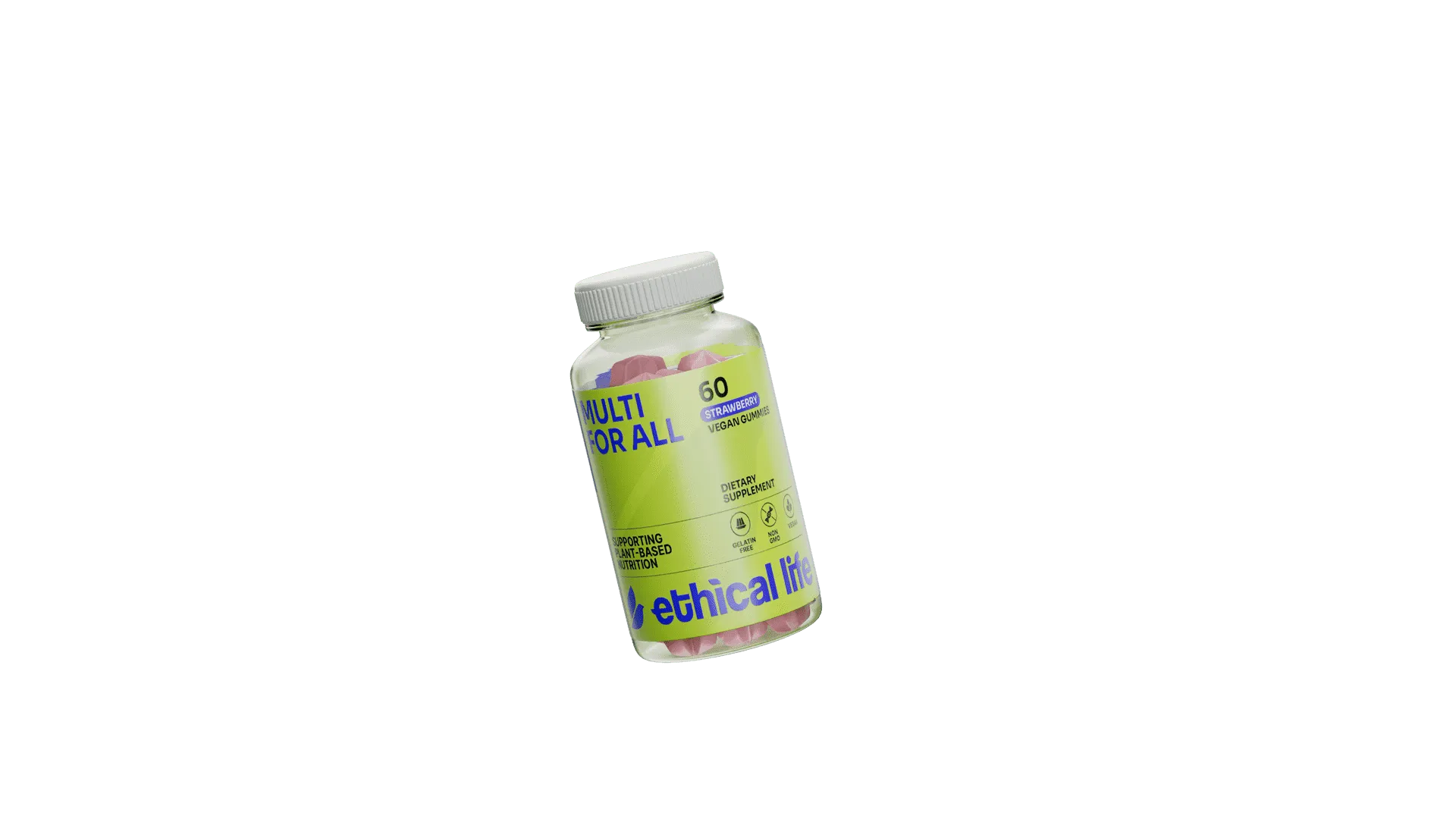
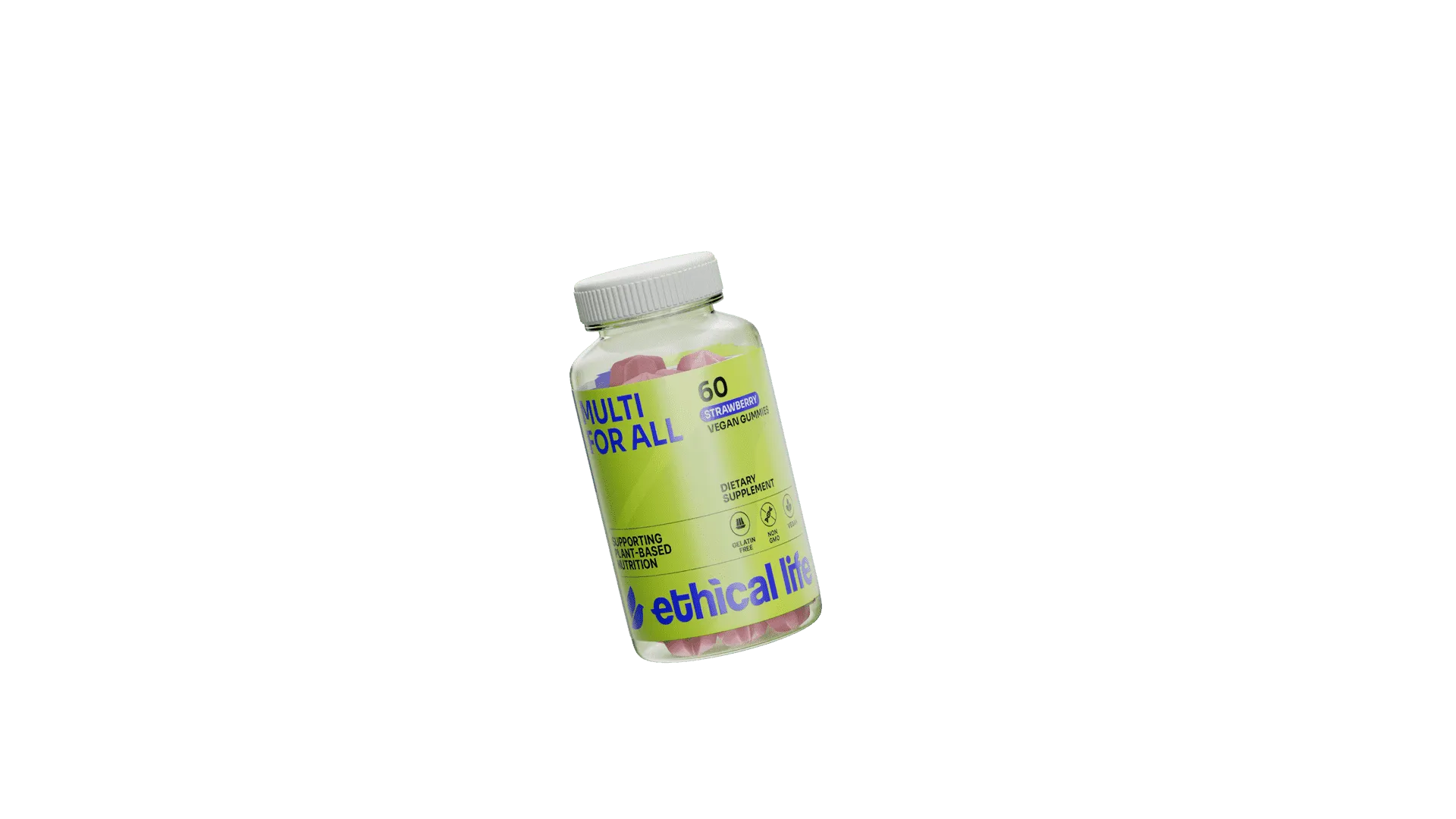
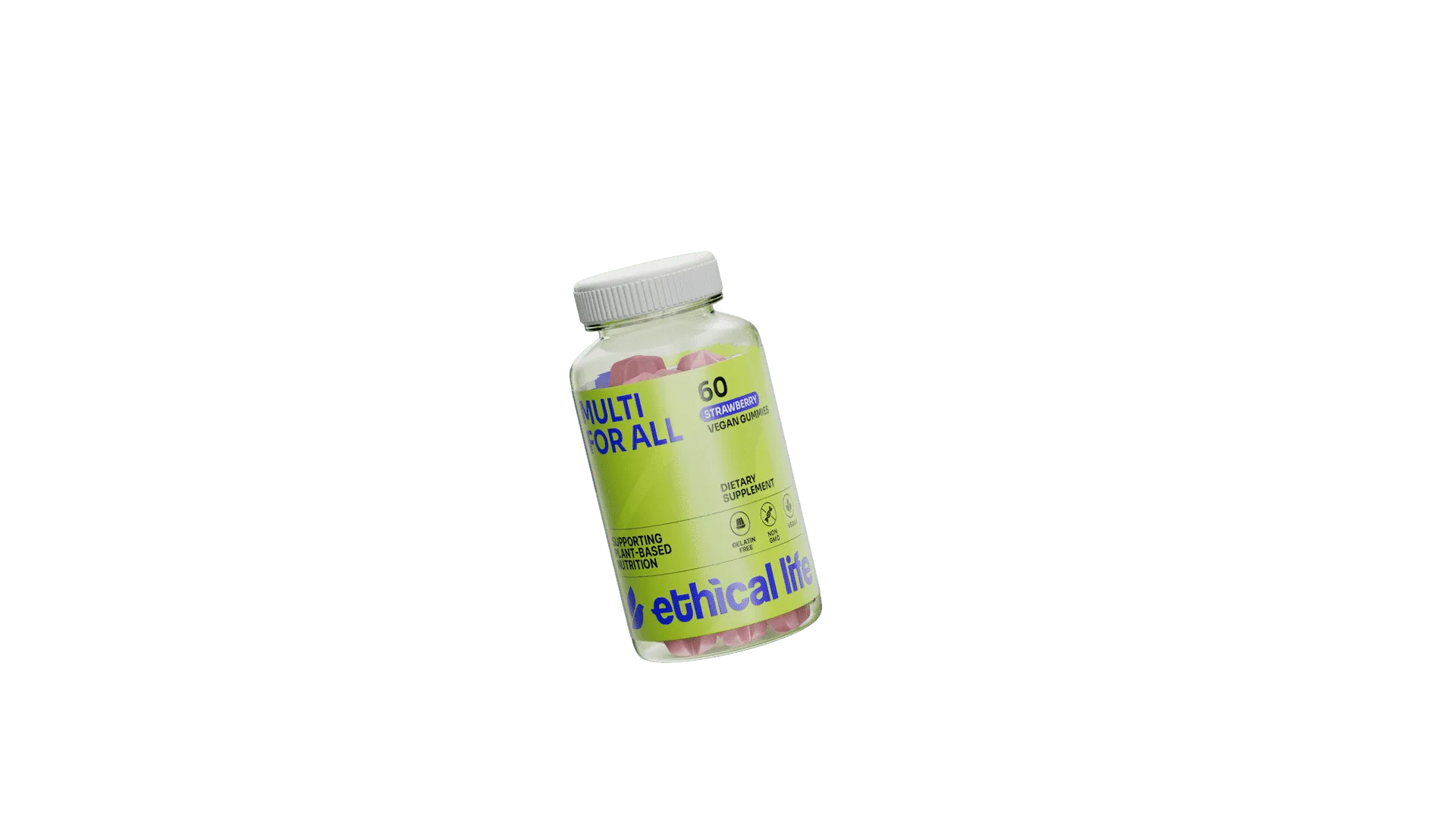
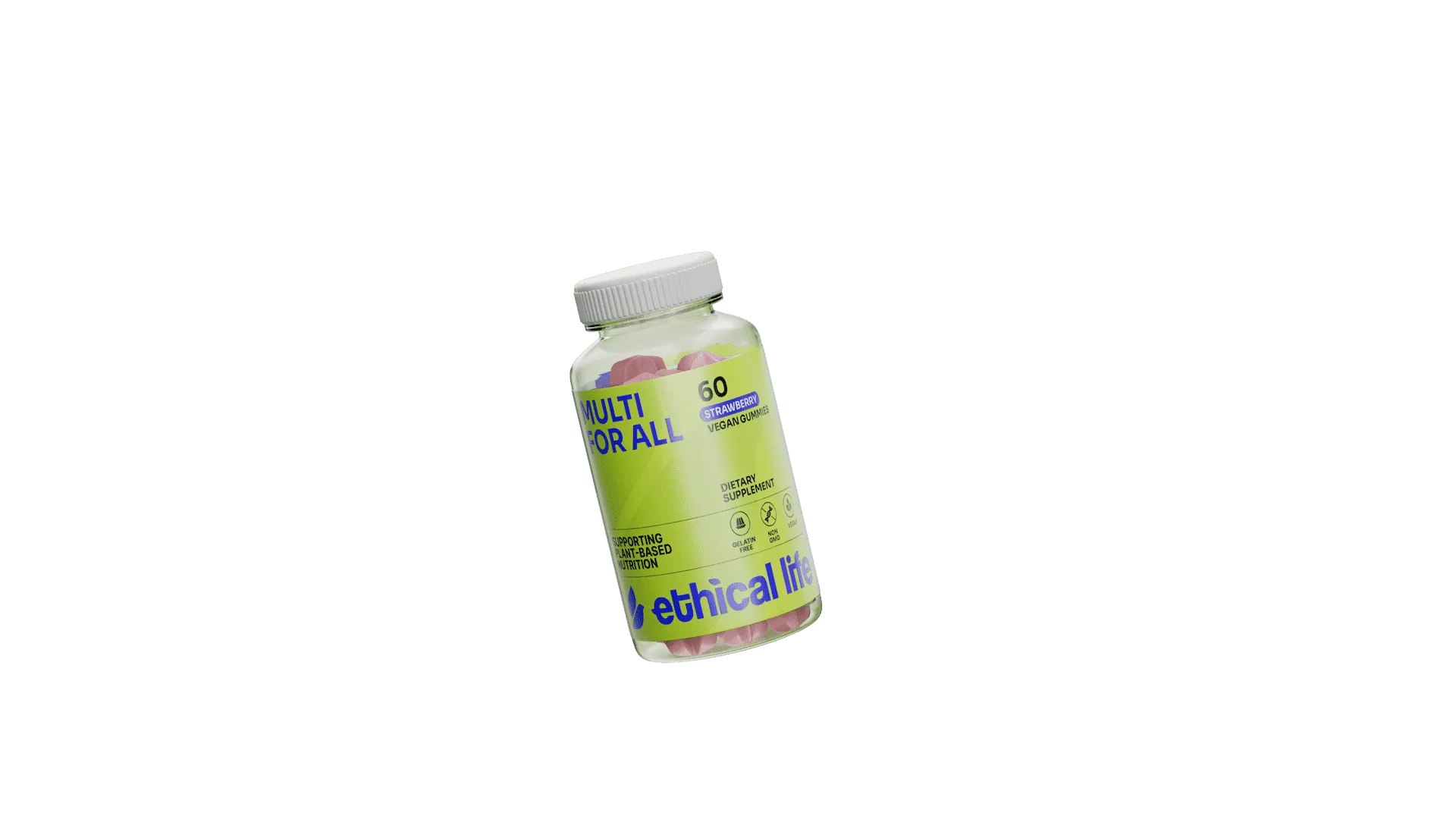
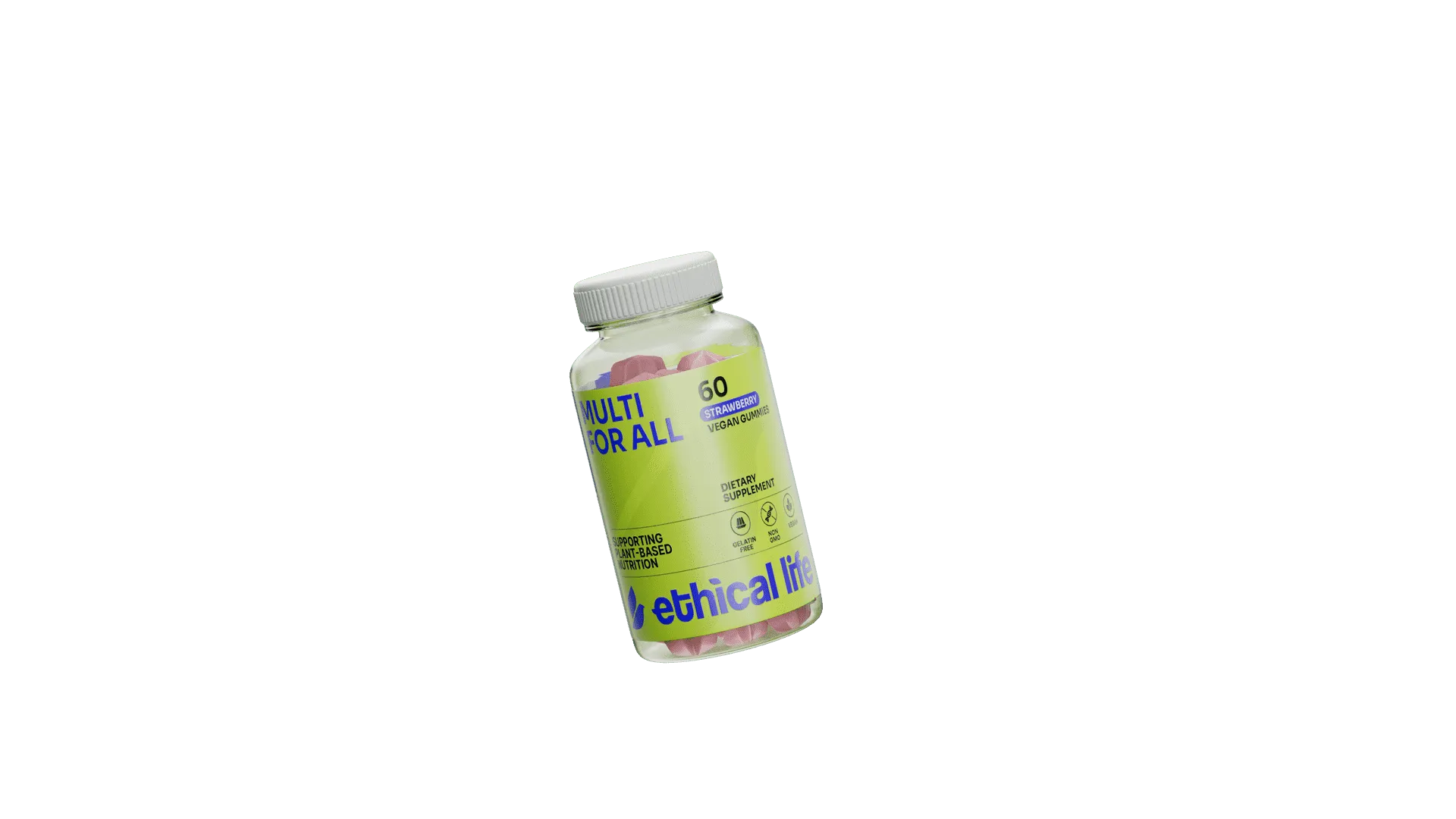
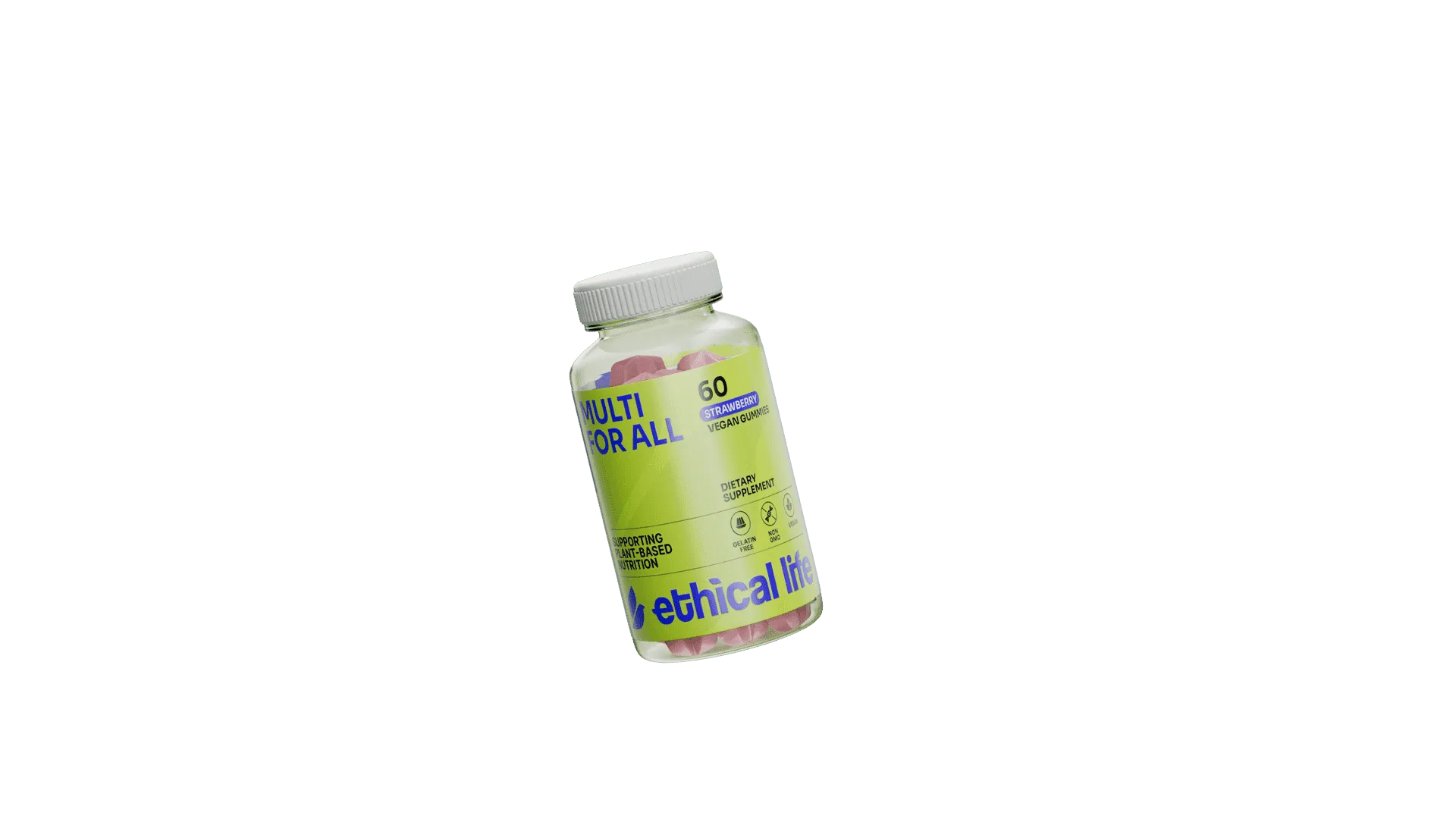
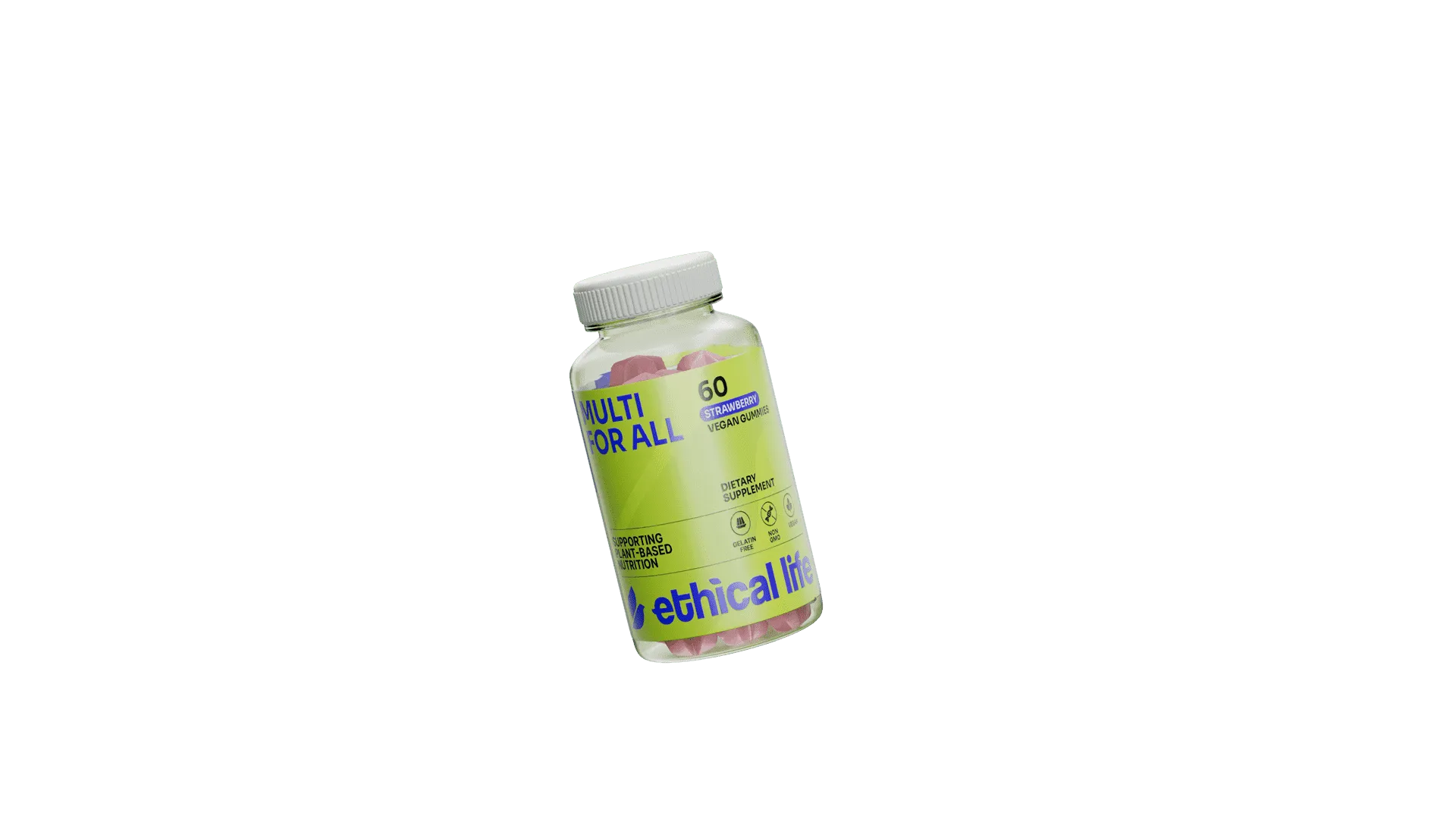
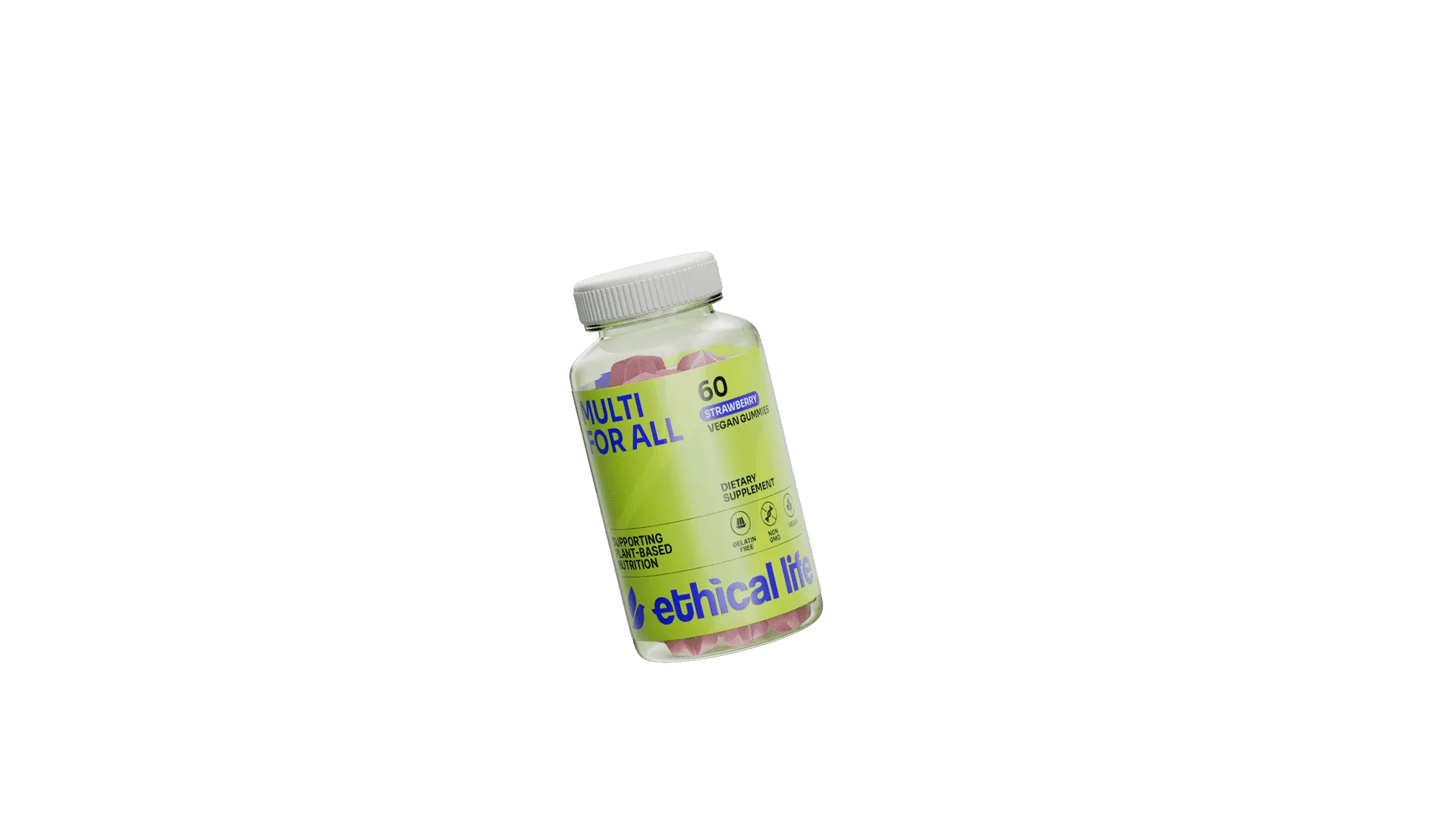
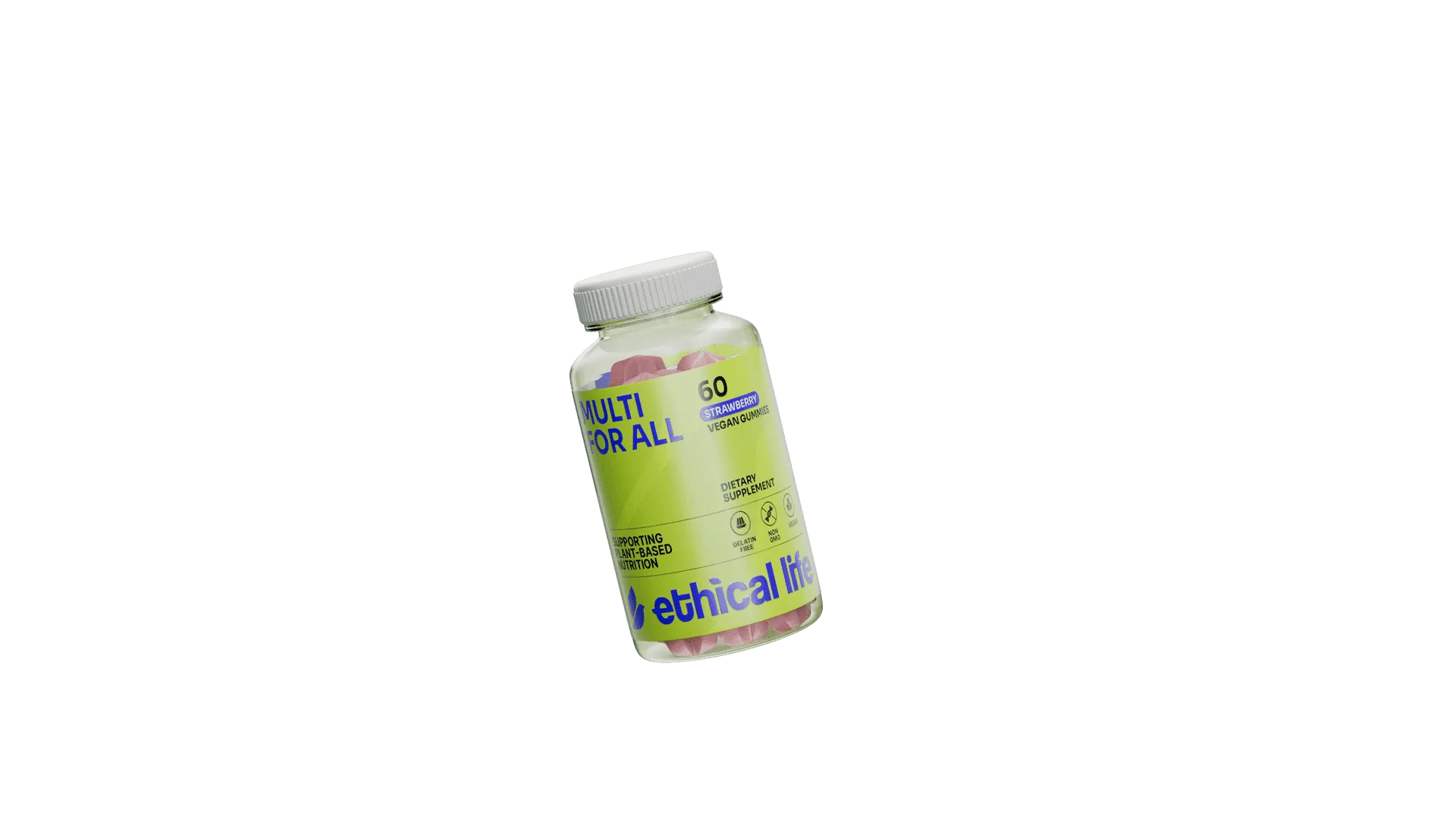
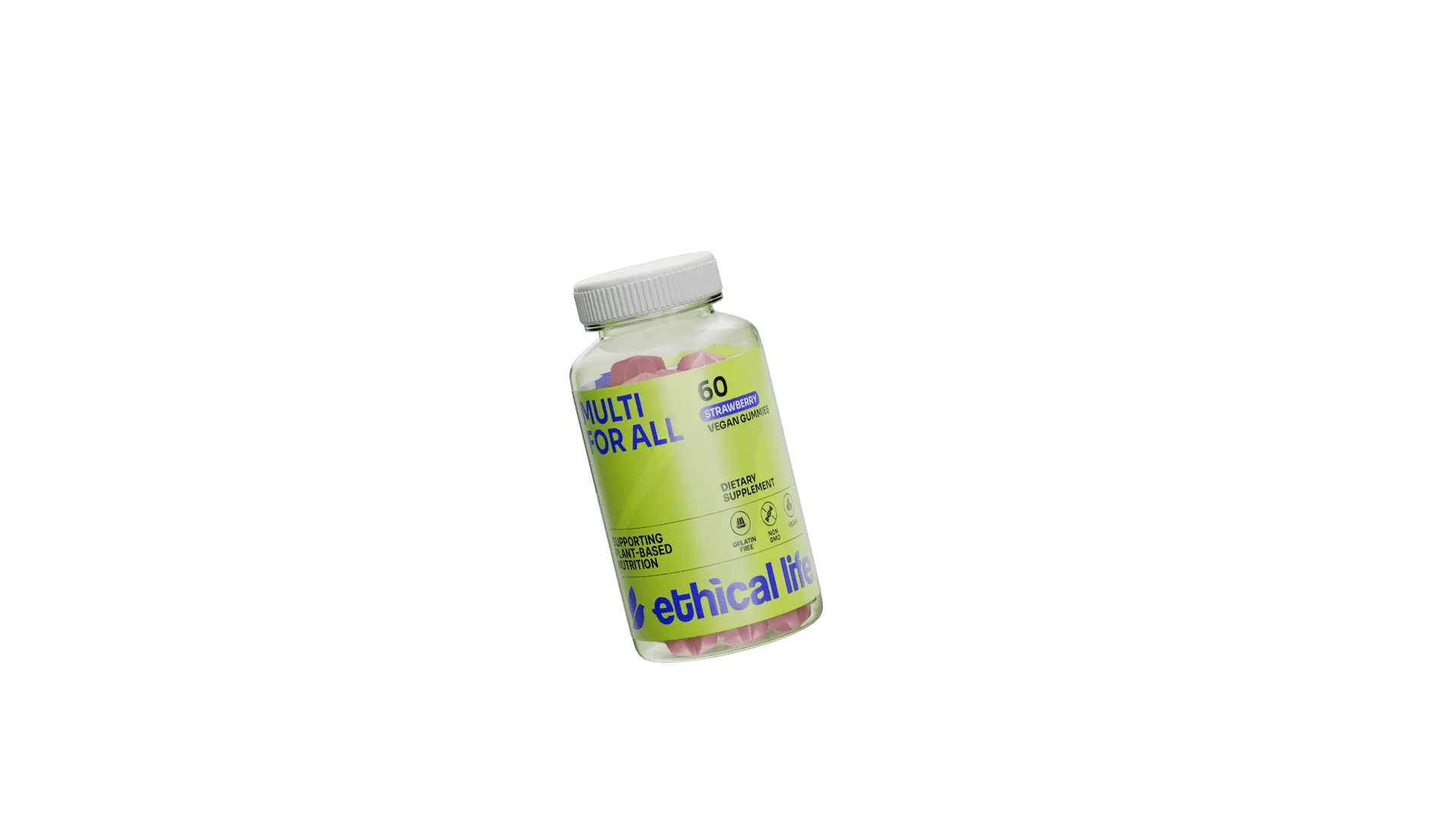
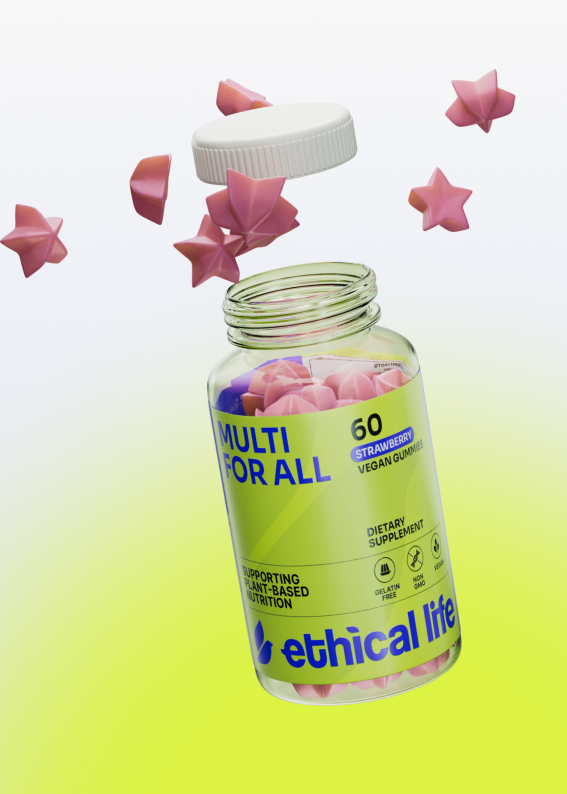
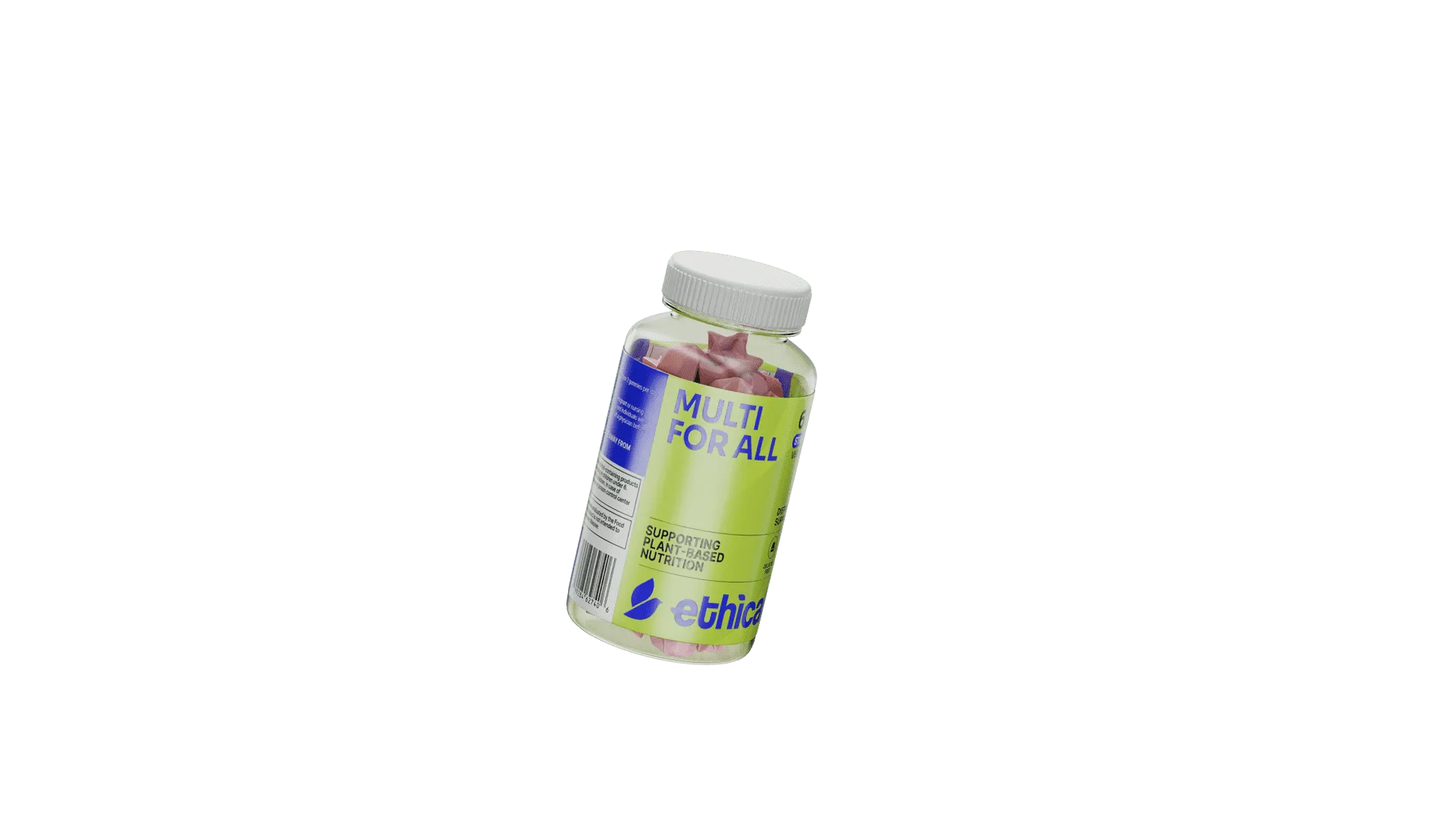
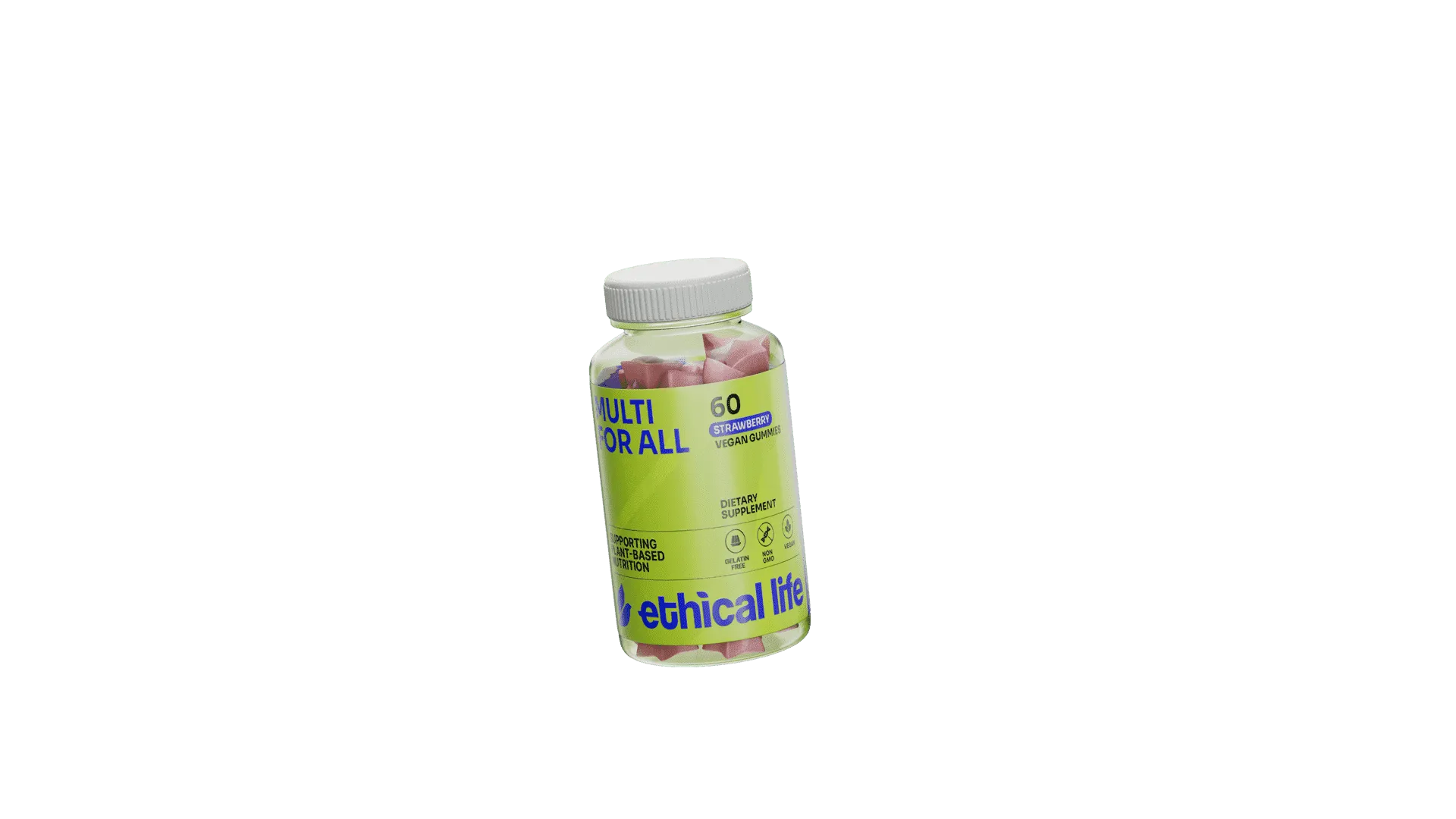
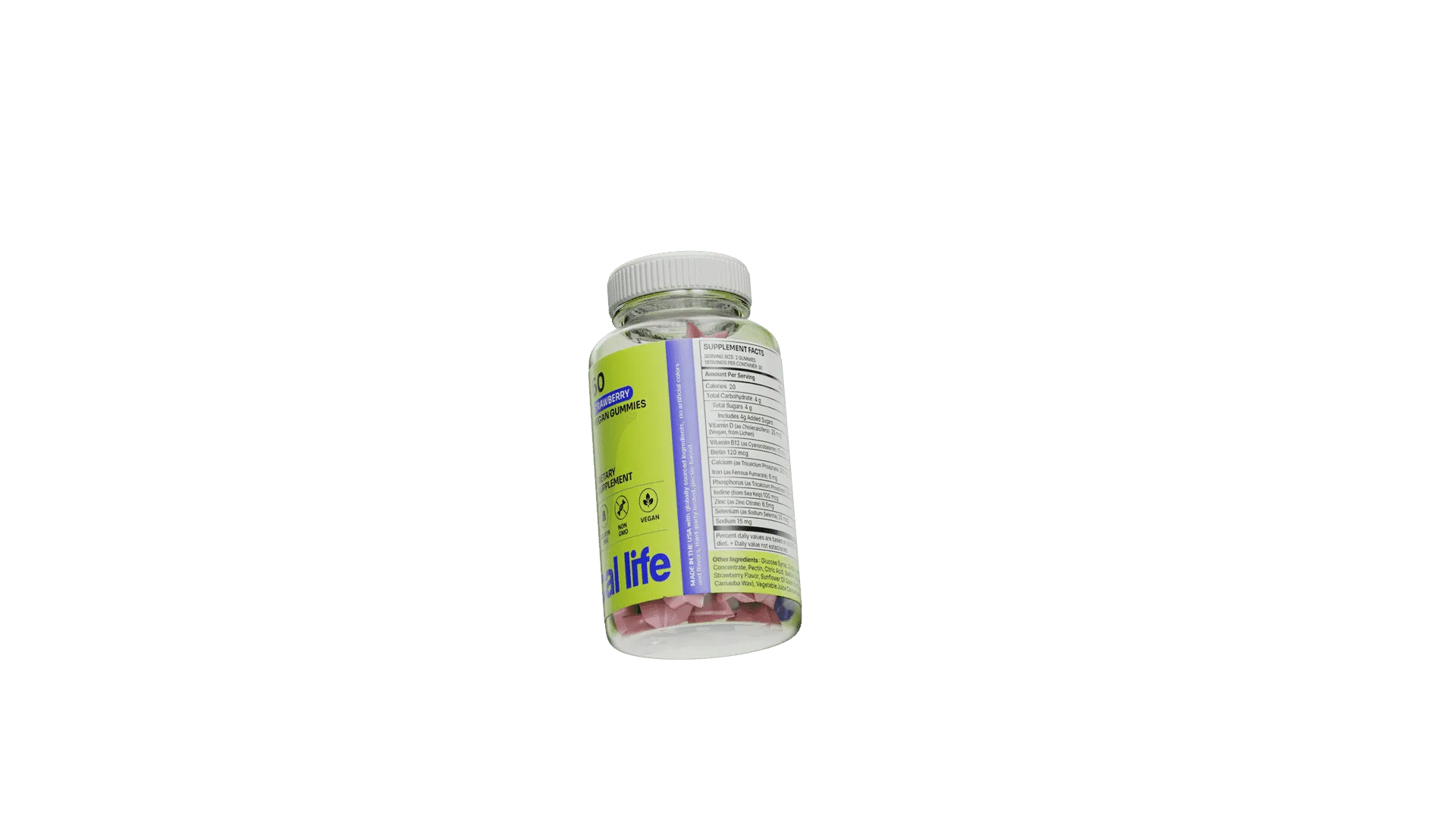
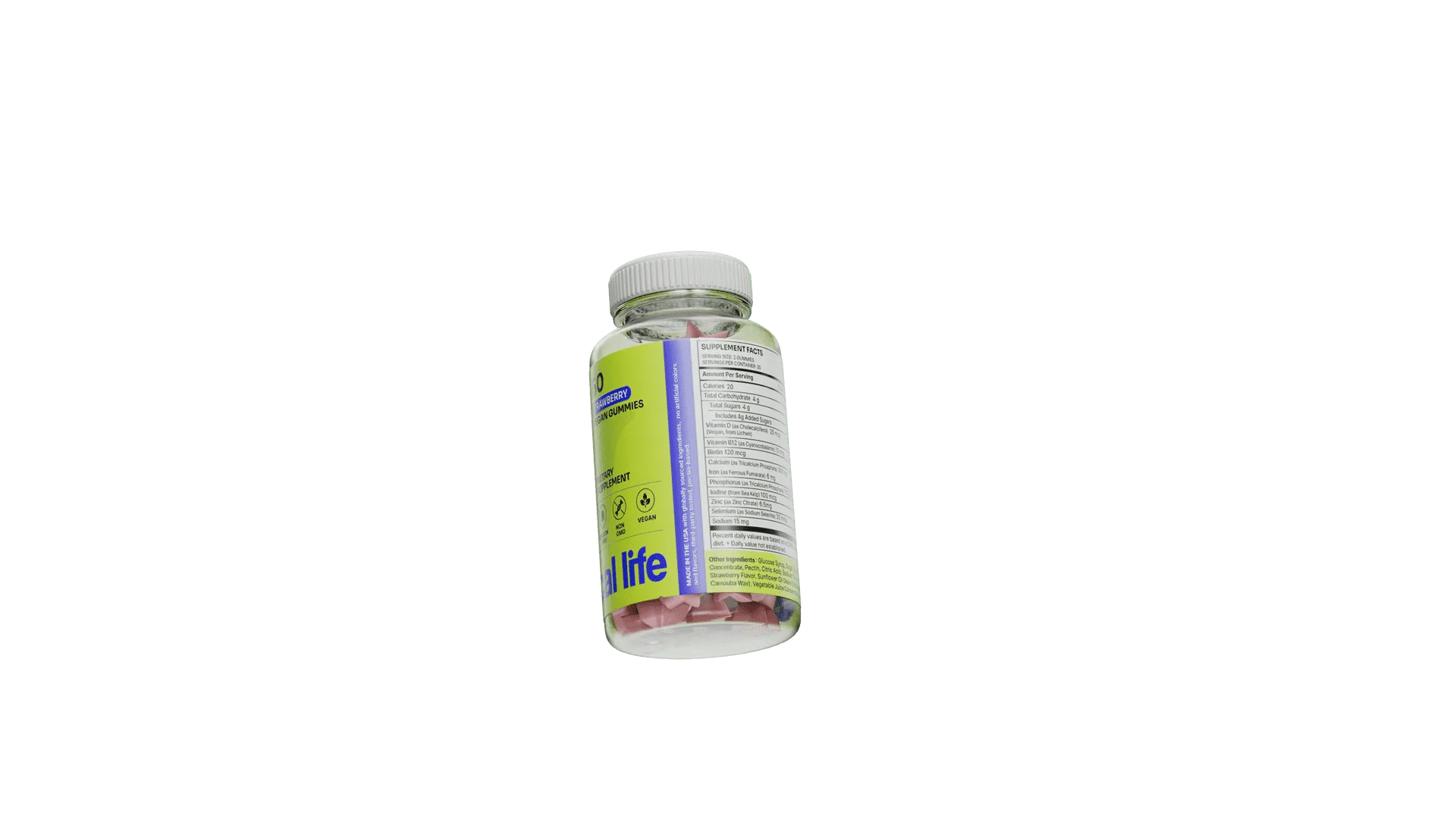
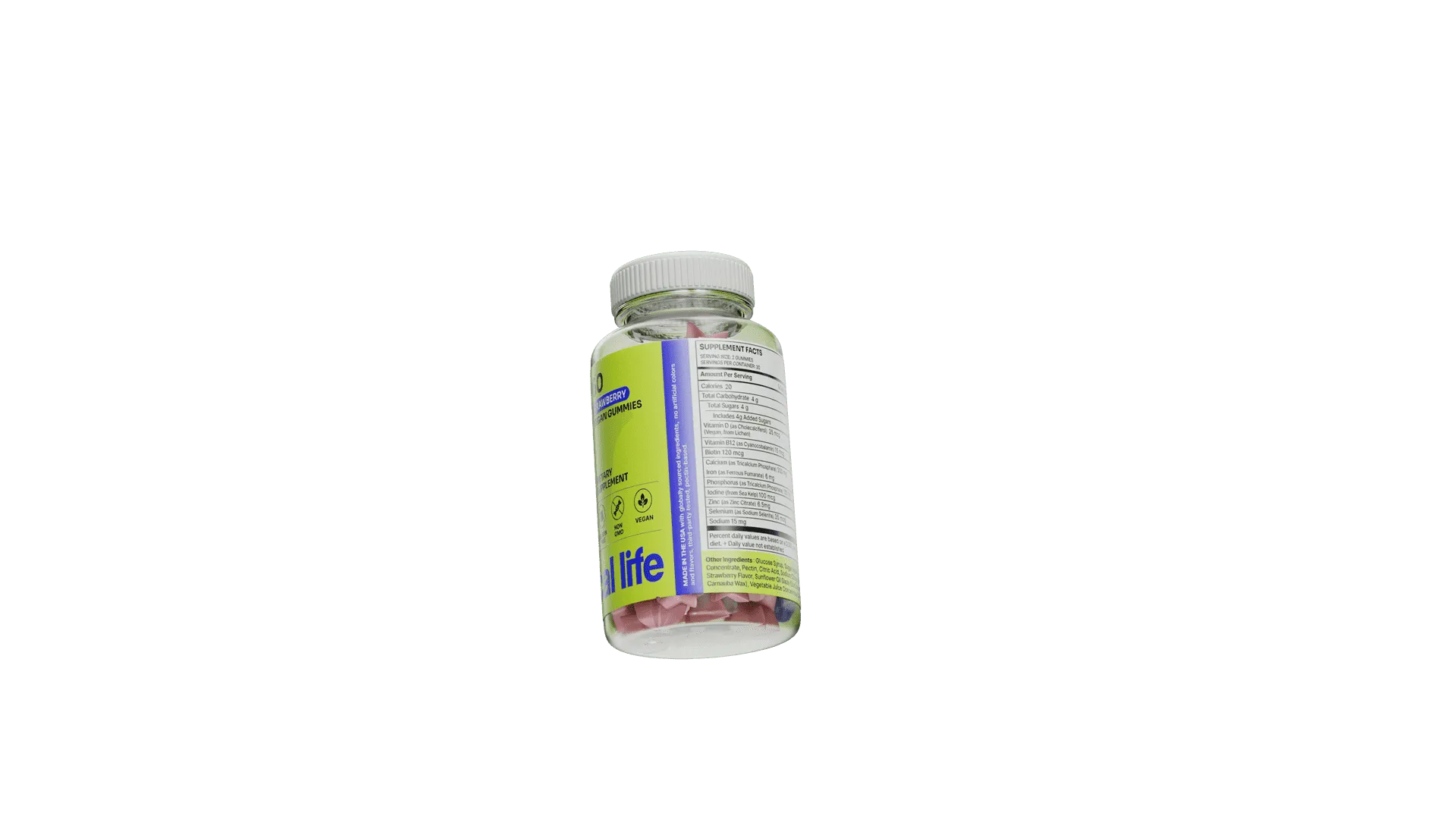
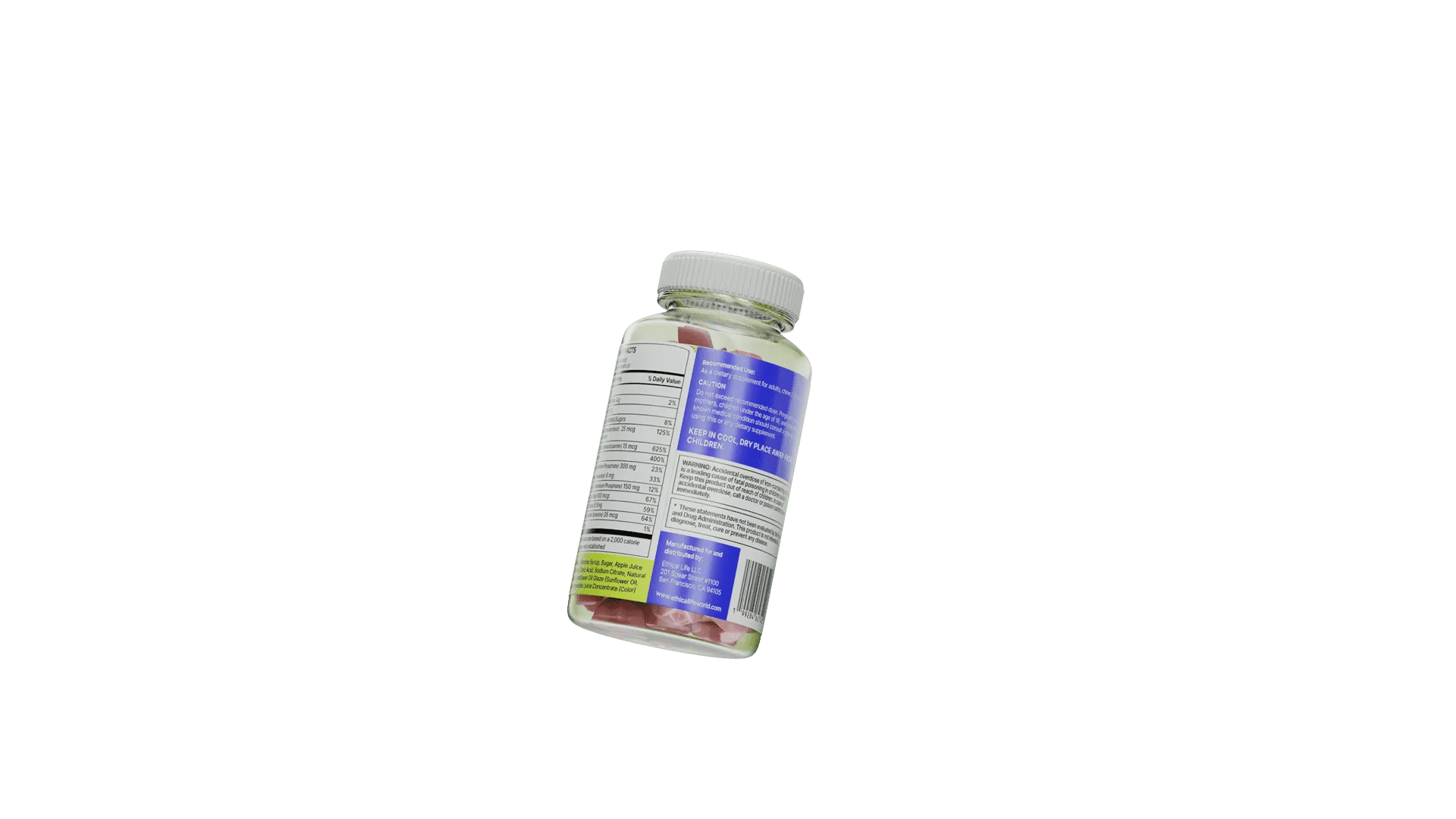
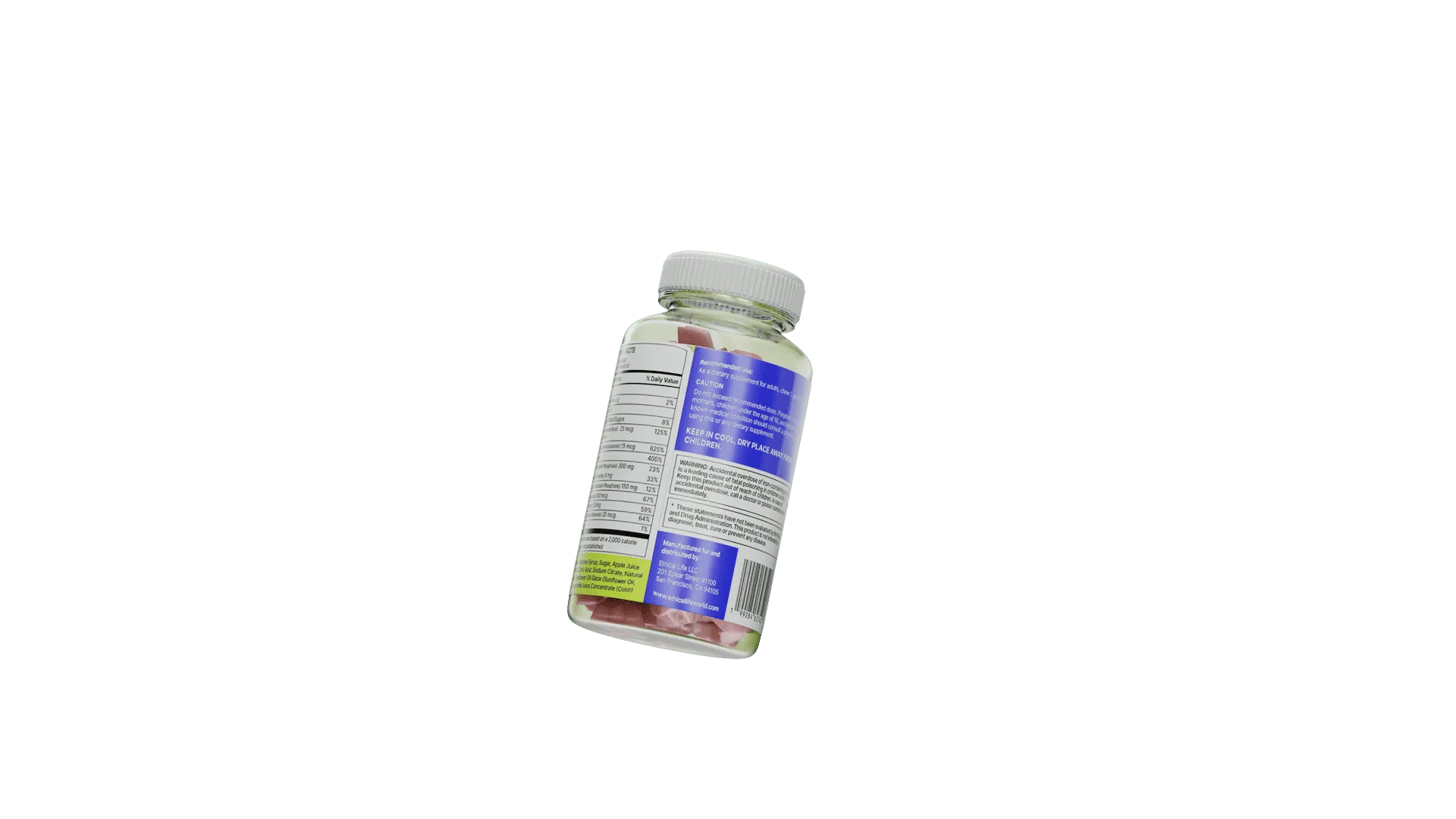
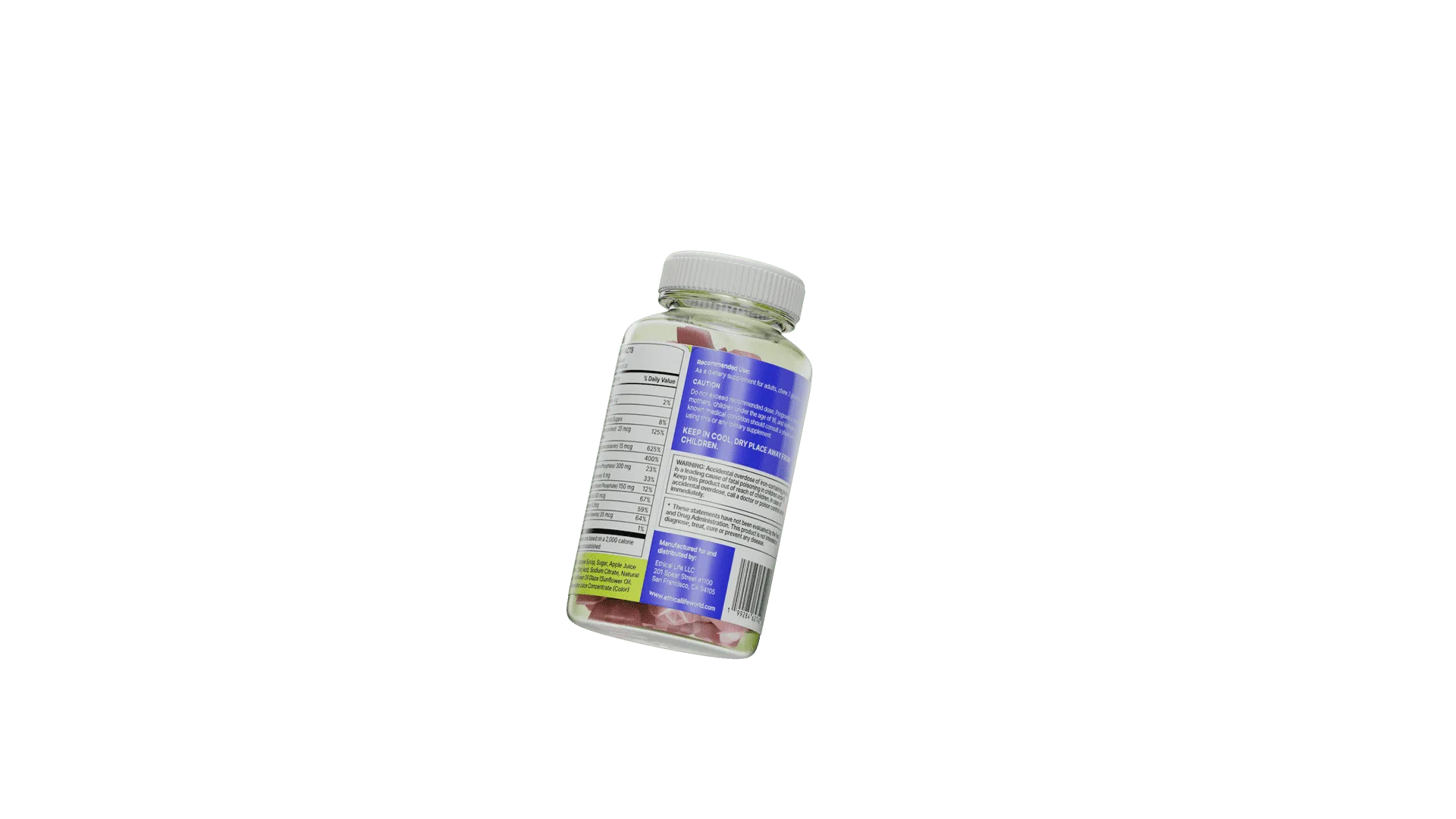
Looking for a safe, balanced way to support your daily wellness without the risks of extreme mega-doses? Our pharmacist-formulated vegan multivitamin gummies provide a moderate, science-backed dose of biotin alongside eight other essential nutrients. Made in the USA with clean, plant-based ingredients, they are a small, daily choice that supports your long-term health.

Vegan-Friendly Biotin: Why Gummies Are a Smart Choice

Most people do not think about what holds their supplement together until they start reading labels. Traditional gummy vitamins, and many soft-gel capsules, use gelatin as their structural base, which is derived from animal connective tissue. For anyone committed to a plant-based lifestyle, that is a quiet contradiction: a product marketed for your health that conflicts with your values at the ingredient level.

Fruit-based pectin resolves this cleanly. Extracted from citrus peel or apple pomace, pectin produces a gummy texture that is genuinely comparable to gelatin without the animal derivation. Choosing plant-based pectin ingredients in your daily supplement means your wellness habits remain fully aligned with your ethical commitments, not just partially. The absorption case for gummies is also clear: your body processes a chewable gummy the same way it processes food, through gradual enzymatic breakdown in the mouth and stomach, delivering nutrients steadily and effectively rather than in a single concentrated bolus.

There is something worth acknowledging about habit formation, too. Consistency is key. A supplement you look forward to taking is one you will take consistently, and steadfastness is the variable that determines whether any supplement produces results. A gummy that tastes good, uses ingredients you recognize, and fits into a morning routine without impediment is not a trivial consideration: it is the difference between a bottle that gets finished and one that expires on a shelf. Supporting your body should not require compromising on the standards that matter to you, and with a well-formulated vegan gummy, it does not have to.

“I’m a doctor of pharmacy, certified plant-based nutritionist with over 30 years of experience, and vegan for 12 years. Caring for others has taught me one thing: living an ethical life is not only possible but is absolutely thriving! Small daily choices shape our lifelong health, the lives of animals, and our planet.” – Sepideh, Pharm.D.

Biotin Deficiency Symptoms & Risks

Overt biotin deficiency is atypical in the general population, but that rarity can create a false sense of security. Clinical manifestations develop gradually and are often attributed to other causes before the underlying nutrient gap is identified. Early presentations include fatigue, generalized weakness, and hair thinning or alopecia, symptoms that overlap with thyroid dysfunction, iron deficiency, and several other conditions, which is part of why deficiency goes unrecognized for as long as it does. Eczematous skin rashes, particularly periorificial dermatitis around the eyes, nose, and mouth, are more specific to biotin insufficiency and should prompt clinical investigation when they appear alongside the other early signs.

If the deficiency is not corrected, the trajectory becomes considerably more consequential. The risks escalate quickly. Neurological complications, including hypotonia, peripheral neuropathy, paresthesias, myalgias, depression, lethargy, and, in severe cases, seizures, can develop when biotin levels remain inadequate over an extended period. These are not edge-case outcomes; they are documented clinical progressions that underscore why marginal deficiency deserves attention even before it becomes overtly symptomatic.

One diagnostic detail worth knowing: serum biotin levels are not a reliable indicator of marginal deficiency. Standard blood tests fail here. The most validated biochemical marker is urinary excretion of 3-hydroxyisovaleric acid; levels above 195 µmol per 24 hours indicate inadequate biotin status with considerably more sensitivity than a standard blood panel. If you are working with a clinician to investigate possible deficiency, this is the assay to ask about.

Ready to build daily habits that last? Explore our science-backed formulations and discover how easy it is to protect your health while staying true to your plant-based values.
Daily Biotin Intake Recommendations

Biotin requirements fluctuate across the lifespan in ways that a single “recommended daily intake” figure does not fully capture. The Food and Nutrition Board of the National Research Council has established adequate intake values for each life stage, and the range is wider than most people expect:

Infants and Children

Infants (0 to 12 months): 5 to 6 mcg per day.

Children (1 to 13 years): 8 to 20 mcg per day, increasing incrementally with age and body weight.

Adolescents

Adolescents (14 to 18 years): 25 mcg per day.

Adults and Pregnant Women

Adults and Pregnant Women: The biotin Adequate Intake (AI) is 30 mcg per day, a figure that most varied diets can approach, though not always reliably exceed without intentional food choices.
Lactating Women and Intake Thresholds

Lactating Women: Lactating women require 35 mcg per day to accommodate the accelerated metabolic demands of breastfeeding, making this the highest recommended intake across all life stages.
These figures represent adequate intake thresholds, not therapeutic targets. They prevent basic deficiency. They are the floor for maintaining baseline metabolic function, not a benchmark for optimizing hair growth or correcting a documented deficiency; those scenarios involve different clinical conversations and, in some cases, supervised supplementation at much higher doses.
Biotin Supplement Laboratory Interference

The potential for biotin supplements to interfere with clinical laboratory tests is a highly consequential medical concern. High-dose biotin supplements, products containing 5 mg to 20 mg per serving, which represents a several-hundred-fold increase over the 30 mcg daily adequate intake, can severely skew the results of common clinical laboratory tests. The mechanism involves biotin-streptavidin binding: many standard immunoassays use this interaction as part of their detection chemistry, and excess circulating biotin from supplementation competes with the assay’s own biotin-labeled reagents, corrupting the signal before it is ever measured.
The downstream consequences are not abstract. In sandwich-format assays, high biotin concentrations produce falsely decreased results: meaning a TSH test, a PTH measurement, or a troponin panel can return values that appear normal or low when the patient’s actual clinical picture is something entirely different. In competitive assays, the interference runs the other direction, generating falsely elevated readings for markers like free T3 and free T4. This mimics active disease. A patient taking 10,000 mcg of biotin daily could receive results suggesting hyperthyroidism or Graves’ disease when neither condition is present; or, more dangerously, could have a genuine cardiac event go undetected because troponin levels appear falsely reassuring. The PMC study on biotin and laboratory interference documents multiple such cases and notes that the FDA has issued safety communications to clinicians about this specific risk.

The actionable guidance from the clinical community is consistent: if you are taking a high-dose biotin supplement and need laboratory work, withhold the supplement for at least several days before your blood draw to allow plasma concentrations to normalize. And if a lab result does not align with how you feel or with your clinician’s clinical assessment, biotin interference is a legitimate diagnostic consideration worth raising explicitly.

How to Increase Biotin Intake Naturally

A food-first approach to biotin is not just philosophically compelling; it is practically sound, because whole foods deliver biotin alongside the cofactors and dietary context that support its absorption and utilization. The goal is not to engineer a precise mcg count at every meal; it is to build a dietary pattern where biotin-rich foods appear habitually and in varied combinations that reinforce each other.

Some pairings are particularly worth incorporating into your weekly rotation. Sliced avocado on whole-grain toast gives you biotin from both the avocado and the grain, along with the healthy fats that support broader nutrient absorption. A handful of almonds or sunflower seeds as an afternoon snack contributes meaningfully to daily totals without any planning overhead. It requires minimal effort. Roasted sweet potatoes as a dinner side dish are one of the most concentrated plant-based sources available and pair well with virtually any protein. Nutritional yeast, which many people overlook as a biotin source, can be stirred into sauces, sprinkled over grain bowls, or blended into dressings with minimal effort and a genuinely savory payoff.

These are not dramatic interventions. They are small, daily choices that accumulate into a solid nutritional foundation, reducing your dependence on single-nutrient supplements and supporting your metabolic health across multiple pathways simultaneously.

Frequently Asked Questions

Can I get enough biotin on a plant-based diet?
Yes. A varied plant-based diet built around sweet potatoes, nuts, sunflower seeds, nutritional yeast, avocado, soybeans, and whole grains supplies biotin, and your gut bacteria produce more, so most people meet the 30 mcg daily adequate intake without animal products. If you are experiencing symptoms like thinning hair or brittle nails and wondering whether a nutrient gap might be involved, our detailed guide on signs of vitamin deficiency walks through how to identify and address these indicators.

Is biotin just vitamin B12?
Biotin is vitamin B7, a distinct B-complex vitamin with entirely different biochemical functions than B12 (cobalamin). They are not interchangeable. Biotin primarily supports macronutrient metabolism and cellular energy production through its role as a carboxylase enzyme cofactor. B12, by contrast, is essential for neurological function, DNA synthesis, and red blood cell production. They are found in different food sources; they address different physiological needs, and a deficiency in one does not imply a deficiency in the other.

What fruit has a lot of biotin?
Fruits are generally negligible contributors to biotin intake compared to nuts and seeds. Avocados are the standout exception, offering more biotin than most other fruits by a meaningful margin. Raspberries and strawberries contain small but useful amounts. If you are relying primarily on fruit for your biotin intake, you will likely need to round out your diet with other sources, such as nuts, seeds, legumes, or sweet potatoes, to approach the daily adequate intake.

Can biotin regrow lost hair?
Biotin can support hair health when an active clinical deficiency is the underlying cause of hair loss. Deficiency is key. Outside of that specific scenario, the evidence is considerably thinner. No randomized controlled trials have demonstrated that biotin supplementation promotes hair regrowth in healthy individuals who are not clinically deficient, per the PMC study on biotin and laboratory interference. The marketing around biotin and hair is far ahead of the clinical data, and it is worth calibrating your assumptions accordingly before investing in high-dose single-nutrient products.

How can I increase my biotin fast?
The most direct dietary route is to increase your consumption of nuts, seeds, sweet potatoes, and spinach, all of which deliver biotin in forms your body can absorb readily. If you have a documented deficiency confirmed through clinical testing, a healthcare professional may recommend oral biotin doses of 5 to 10 mg per day to restore adequate levels, according to the NIH. For most people without a confirmed deficiency, a moderate-dose supplement included in a balanced multivitamin is a more proportionate response than a high-dose single-nutrient product that carries its own set of risks.

Supporting your daily energy and metabolic health does not require high-dose synthetic supplements or a complicated protocol. A plant-based diet built around whole foods, such as sweet potatoes, avocados, nuts, seeds, and nutritional yeast, provides the most dependable foundation for consistent biotin intake, and it does so without the laboratory interference risks that accompany mega-dose supplementation.

Where diet alone falls short, a professionally formulated multivitamin at a moderate, clinically appropriate dose fills the gap without overreaching. That is a more balanced approach to long-term wellness than chasing a number on a supplement label.

Ready to support your daily vitality with a clean, ethical formula you can trust? Explore our pharmacist-formulated Multi For All multivitamin gummies today. Designed to safely bridge nutritional gaps with 100% vegan, pectin-based ingredients, it is the perfect companion for your plant-based journey. Choose quality, choose transparency, and take a small step toward lifelong health today.