Frequently Asked Questions About Calcium Deficiency
What is the fastest way to address a severe calcium deficiency?
Severe or symptomatic hypocalcemia, presenting as tetany, seizures, laryngospasm, or cardiac arrhythmia, requires immediate intravenous calcium administration in a clinical setting. This is not a condition to manage at home. For mild deficiency confirmed by testing, oral supplementation with calcium citrate or carbonate combined with active vitamin D is the most immediate therapeutic approach, alongside dietary changes. The key distinction is severity: self-treating a mild deficiency with supplements is reasonable; self-treating a symptomatic deficiency is dangerous.
Does calcium deficiency cause leg pain and nocturnal muscle cramps?
Calcium is essential for both the initiation and termination of muscle contraction. When levels fall below the normal range, neuromuscular excitability rises, and muscles become prone to spontaneous, sustained contractions. Leg cramps, particularly those that occur at night, are among the most commonly reported symptoms in patients with documented hypocalcemia. Addressing both calcium and magnesium intake tends to produce the most consistent relief, since magnesium deficiency independently increases muscle excitability and the two deficiencies frequently co-occur.
What daily habits or dietary factors can deplete calcium in the body?
High sodium intake drives urinary calcium excretion upward through a renal mechanism that exchanges sodium for calcium in the tubules. Caffeine and excessive alcohol consumption also increase calcium losses. Certain medications, including proton pump inhibitors, corticosteroids, and some diuretics, either reduce absorption or accelerate excretion. On the dietary side, high intakes of phytic acid (from unsoaked legumes and whole grains) and oxalic acid (from spinach, beets, and rhubarb) bind calcium in the gut and prevent its absorption. Fermentation, soaking, and cooking reduce these antinutrients, which is worth knowing for anyone relying heavily on plant foods for calcium.
How long does it take to restore low calcium levels to normal?
The timeline depends almost entirely on the underlying cause. Mild dietary deficiency with no structural pathology can begin showing improvement in serum markers within a few weeks of consistent supplementation and dietary adjustment. More complex etiologies, such as hypoparathyroidism, chronic kidney disease, and severe vitamin D deficiency, require ongoing medical management and may take several months to stabilize. Bone density recovery, as distinct from serum calcium normalization, operates on a much longer timeline and requires regular DXA monitoring to track. There is no clean universal answer here, which is why follow-up testing matters as much as the initial intervention.
How does a magnesium imbalance affect calcium levels?
Magnesium is a required co-factor for PTH synthesis and secretion. When magnesium falls below normal, the parathyroid glands produce less PTH, and the tissues that should respond to PTH become less sensitive to its signal. The result is a secondary hypocalcemia that resists correction with calcium supplementation alone. Clinicians managing refractory hypocalcemia, meaning cases where calcium levels don’t respond as expected to treatment, routinely check and correct magnesium first, because repleting calcium without addressing the magnesium deficit is largely ineffective. This is one of the clearer examples in clinical medicine of a deficiency that cannot be treated in isolation.
Calcium deficiency rarely announces itself dramatically. It tends to accumulate quietly: in the cramps that interrupt sleep, in the fatigue that doesn’t quite resolve, in the bone density that erodes over years without a single obvious symptom. The physiological case for staying ahead is strong. Do not wait to respond. Small, consistent choices around food quality, co-factor intake, and periodic testing carry more protective value than any single intervention after the fact. For more on how daily nutritional decisions connect to long-term vitality, the Ethical Life blog covers evidence-based approaches to plant-based health from a pharmacist’s perspective.
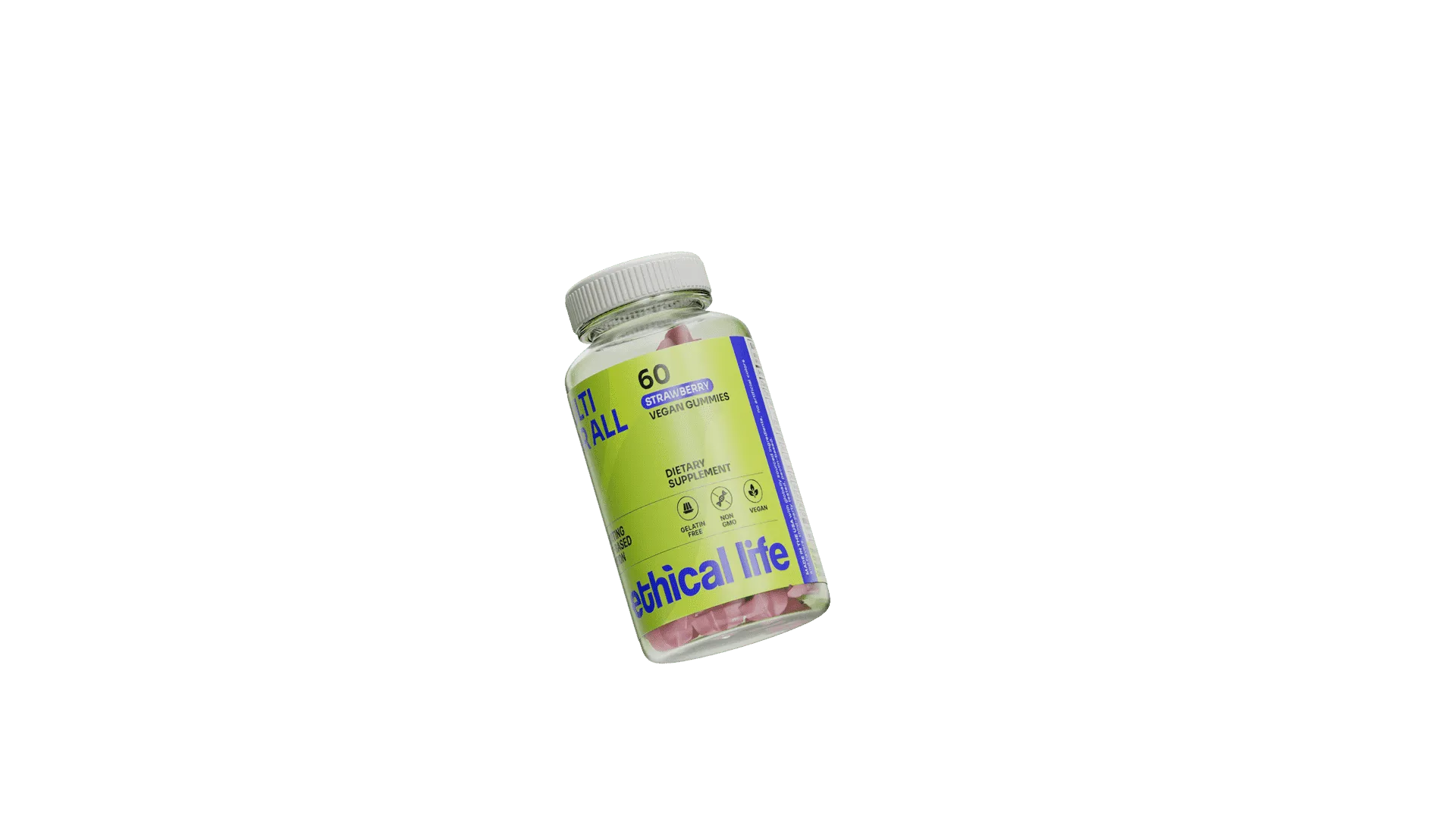
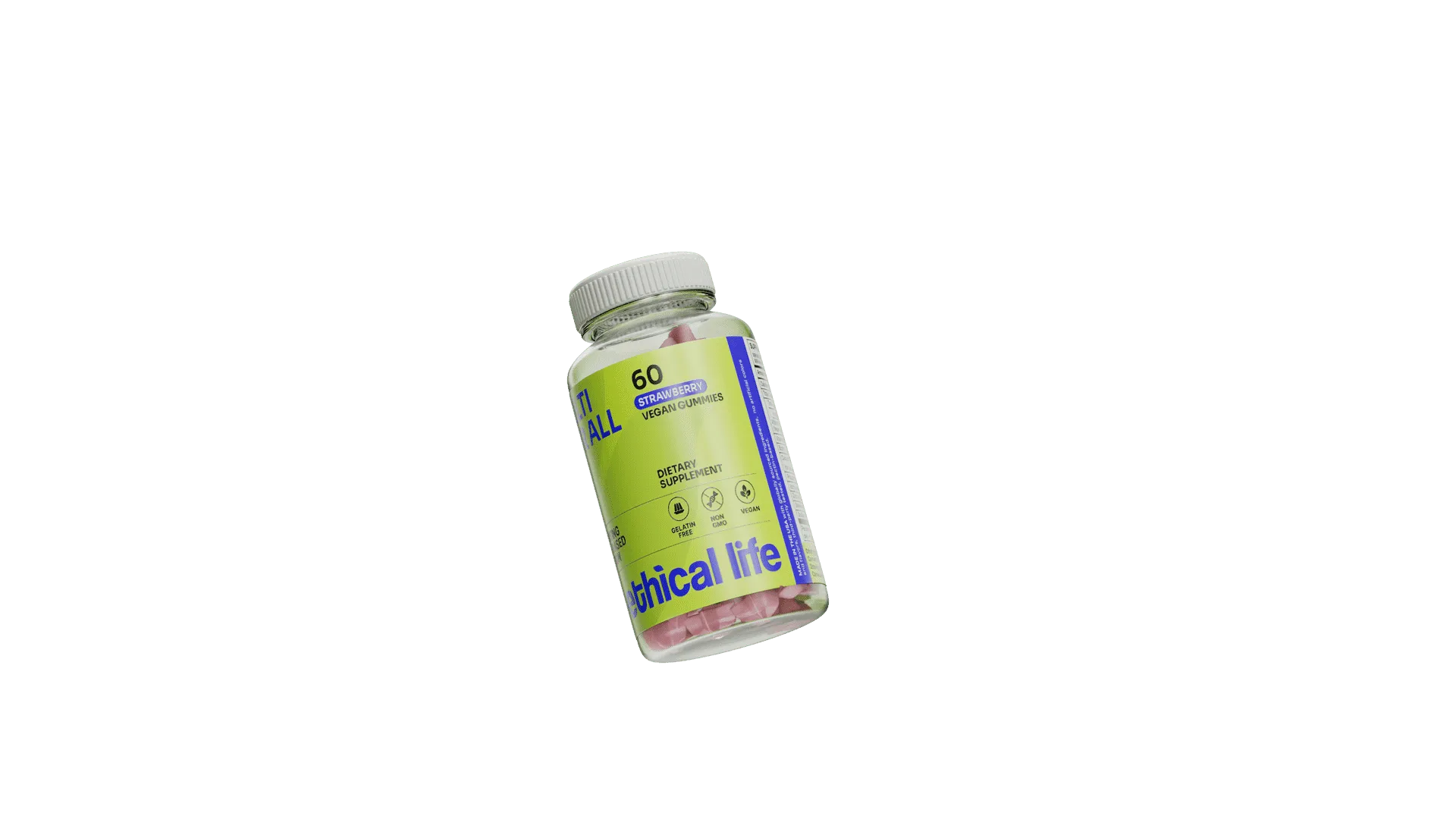
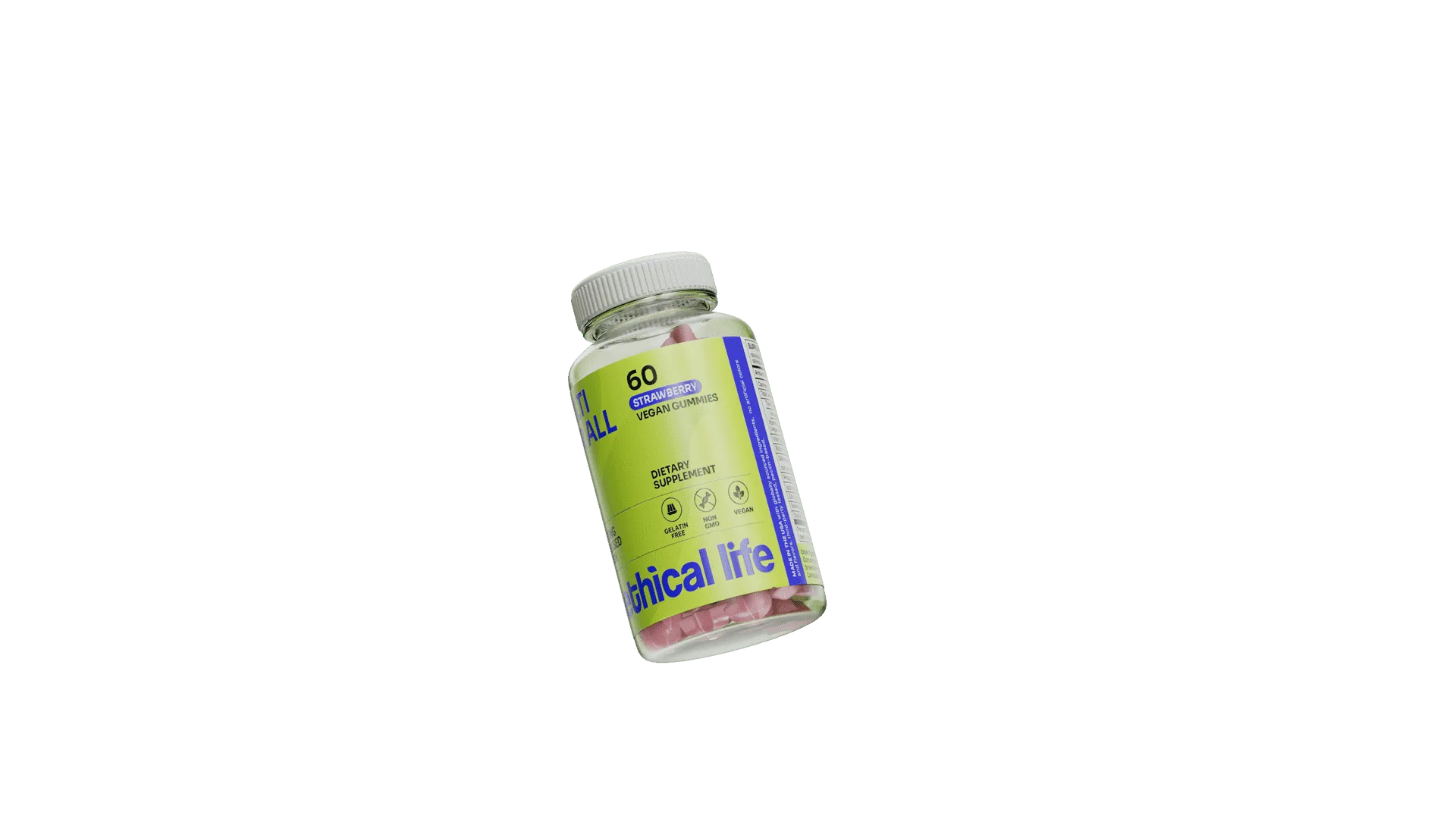
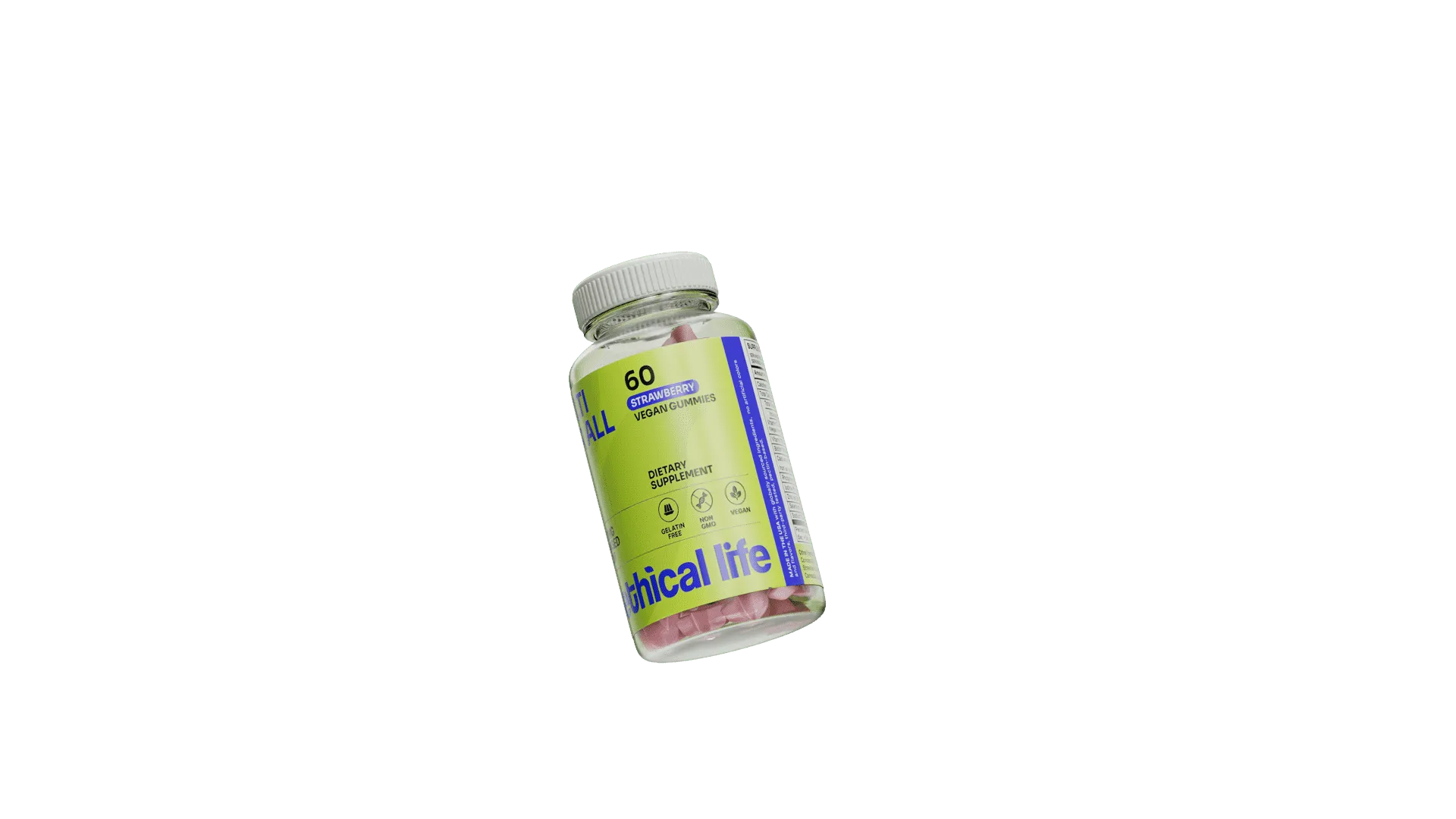
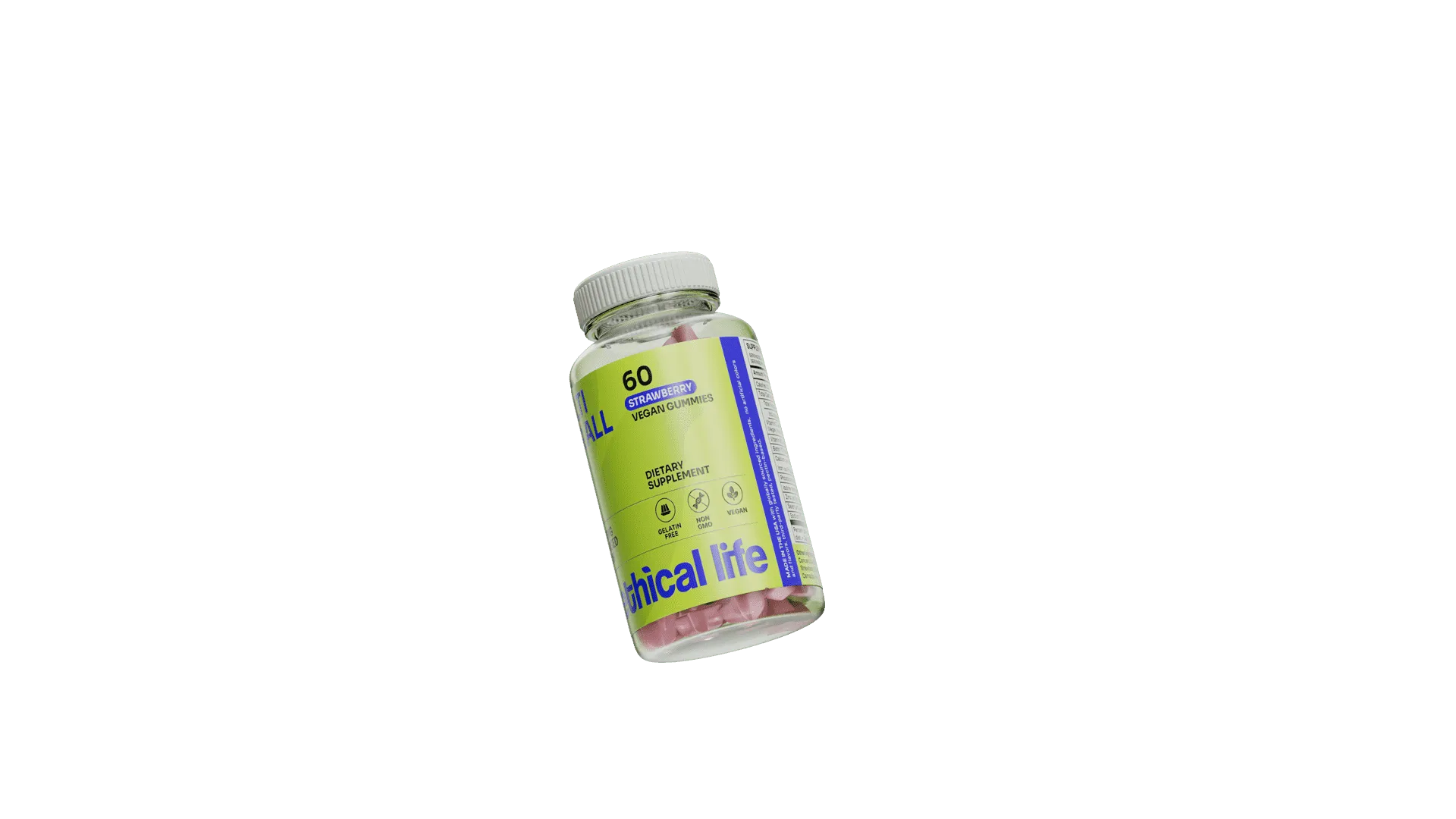
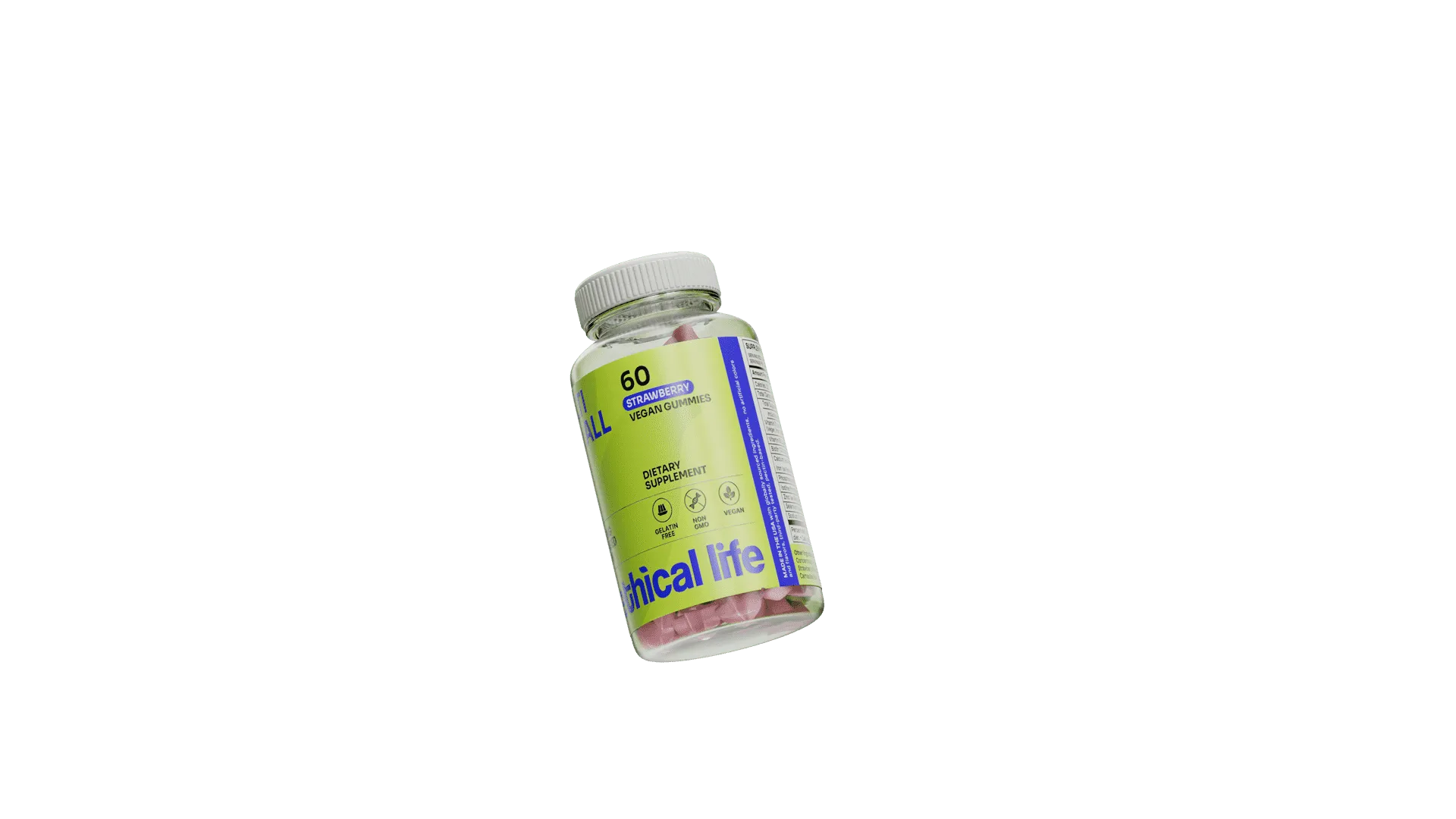
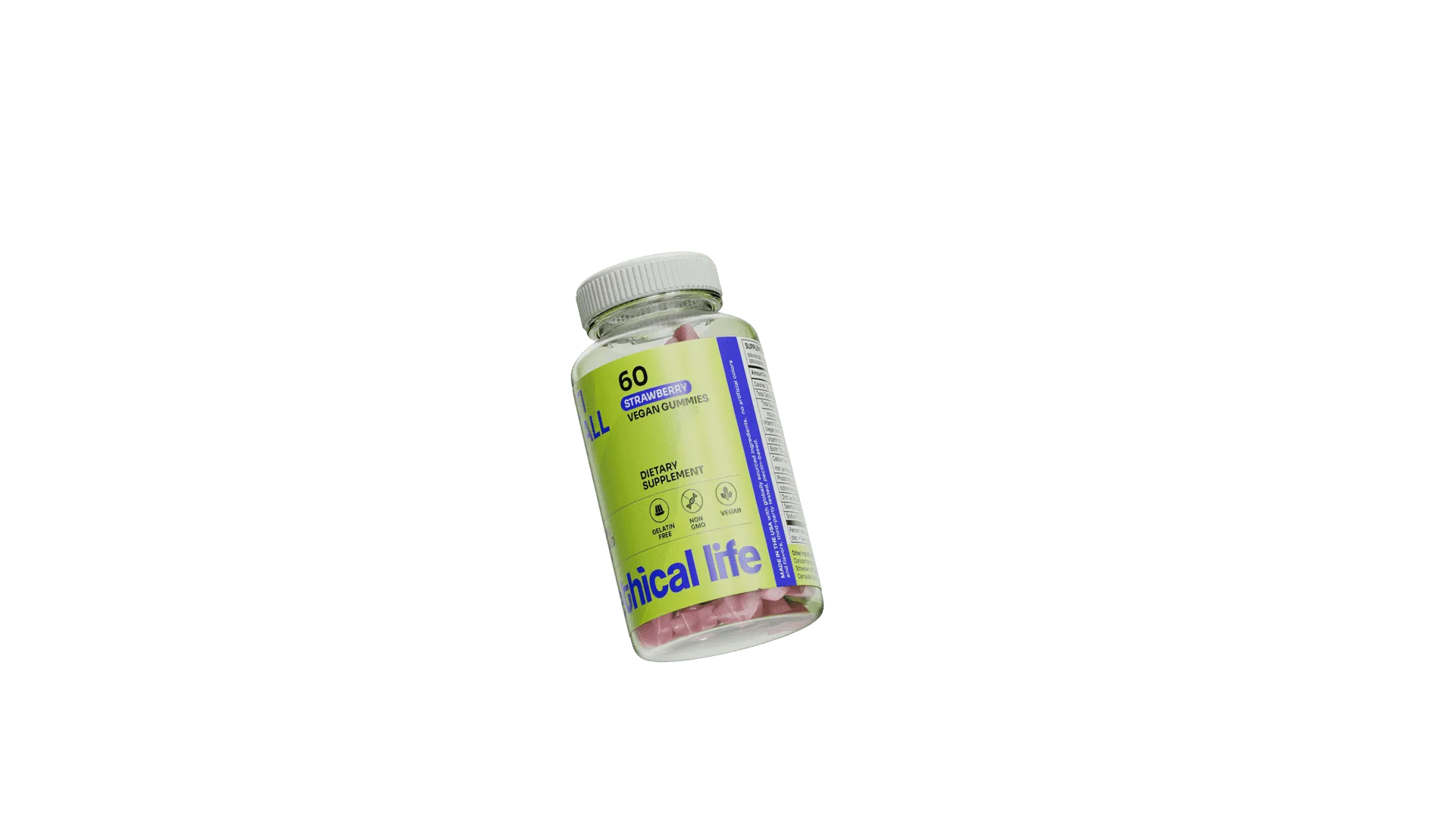
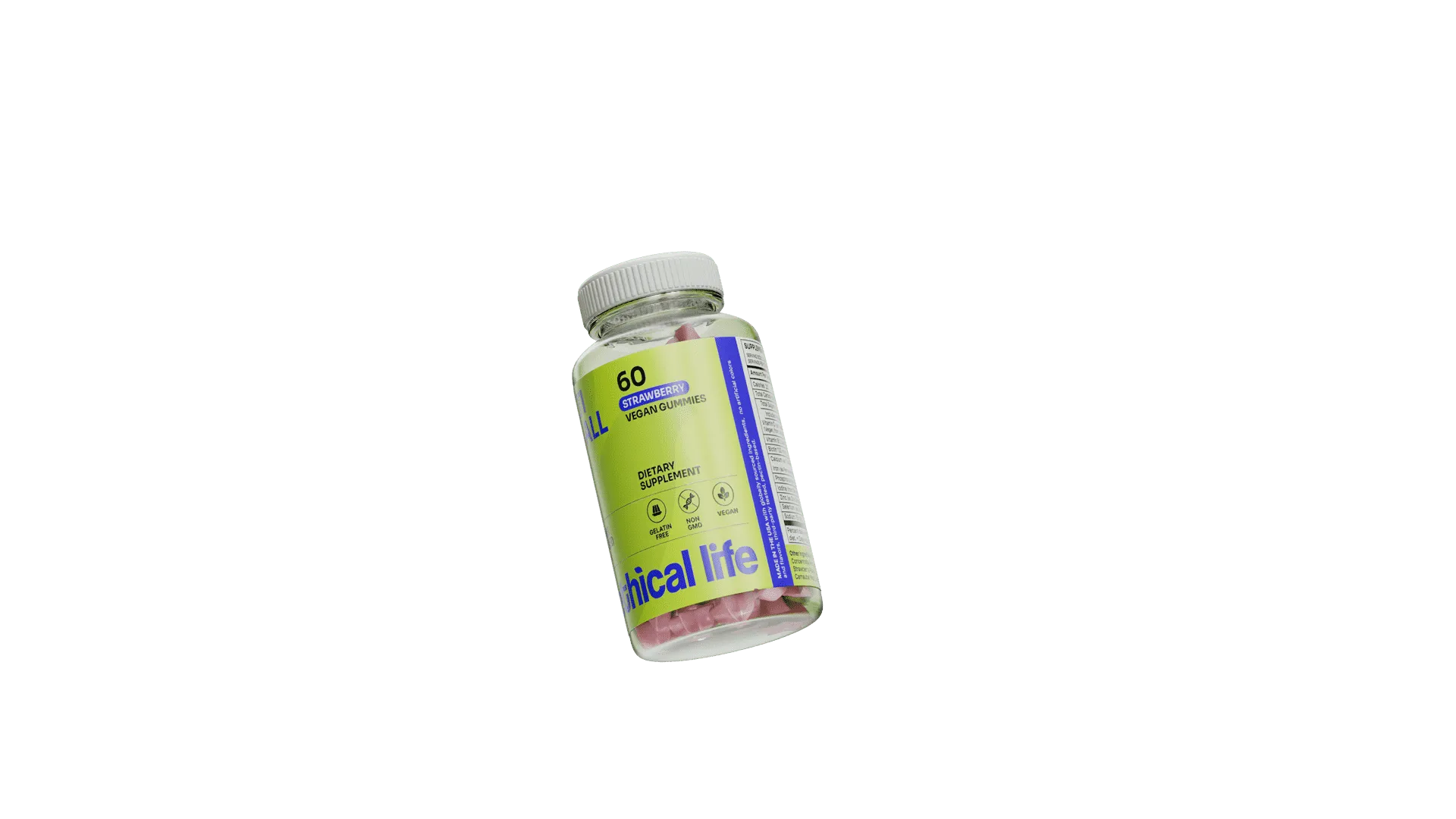
If you’re looking for a convenient, pharmacist-formulated option to support your daily calcium co-factors and overall wellness, Ethical Life’s multivitamin gummies for adults are 100% vegan, pectin-based, and designed with the same clinical rigor you’d expect from a pharmacist with over 30 years of experience. Available at $31.49 / month or $89.97 / 3 months.
“I’ve tried many supplements, but Ethical Life truly stands out. From the first week, I noticed a difference in my energy, mood, and focus. The gummies taste amazing, and I love that they’re made with clean, plant-based ingredients and no artificial junk or sugar. It feels good to take something that aligns with my values: cruelty-free, eco-friendly, and transparent about what’s inside. I appreciate that they’re made in the USA! Ethical Life isn’t just another supplement brand; it’s a brand that genuinely cares about health, ethics, and sustainability. I can’t recommend it enough!” – Neda N