

















Vitamin D Deficiency: Symptoms and Signs to Watch For
Vitamin D plays an essential role in maintaining strong bones, supporting muscle function, and helping the immune system operate normally. However, many people do not realize their vitamin D intake or blood level may be low because the warning signs can be subtle or absent. Understanding possible vitamin D deficiency symptoms can help you recognize when it may be time to speak with a healthcare professional. At Ethical Life, we believe informed wellness decisions begin with clear, reliable information. Our pharmacist-formulated approach emphasizes purposeful nutritional support, responsible supplementation, and products that fit naturally into a balanced lifestyle.
What Is Vitamin D Deficiency?
Vitamin D deficiency occurs when the body does not have enough vitamin D to support its normal functions. Vitamin D is a fat-soluble nutrient that helps the body absorb calcium, one of the primary building blocks of bones and teeth. It also contributes to normal muscle movement, nerve communication, and immune defense.
The body obtains vitamin D in three main ways: sunlight exposure, food, and supplements. When ultraviolet B rays reach the skin, the body can produce vitamin D naturally. However, season, geographic location, age, skin pigmentation, time spent indoors, clothing, sunscreen use, and other factors can affect this process. Sunlight passing through a window does not cause the skin to make vitamin D.
Only a limited number of foods naturally contain significant amounts of vitamin D. UV mushrooms plus fortified plant products are among the better-known sources, while some mushrooms contain vitamin D when exposed to ultraviolet light. Fortified plant milks, breakfast cereals, and other fortified foods can also contribute to daily intake.
Vitamin D deficiency is generally evaluated with a blood test that measures serum 25-hydroxyvitamin D. According to the National Institutes of Health Office of Dietary Supplements, a level below 12 nanograms per milliliter is associated with vitamin D deficiency, while levels from 12 to below 20 nanograms per milliliter are generally considered inadequate for bone and overall health in healthy individuals. However, healthcare organizations may use different thresholds, and the ideal level can depend on personal health circumstances.
A low vitamin D level can interfere with calcium absorption. Over time, severe deficiency may contribute to osteomalacia, a condition involving soft and weakened bones in adults. In children, severe deficiency can cause rickets. Mild or moderate deficiency may not cause obvious symptoms, which is why personal risk factors and professional testing can be important.
To learn more about the nutrient’s wider role in the body, explore our guide to vitamin D benefits.
Common Signs You May Be Low in Vitamin D
Vitamin D deficiency does not always produce noticeable warning signs. Some people feel well even when a blood test shows that their level is low. When symptoms do occur, they may overlap with signs of other health conditions, so symptoms alone cannot confirm a deficiency.
Possible vitamin D deficiency symptoms include:
- Persistent tiredness or low energy
- Muscle weakness
- Muscle aches or cramps
- Bone pain or tenderness
- Changes in mood
- Reduced physical strength
- Difficulty performing normal physical activities
- Slow recovery after exercise
- Greater risk of falls in older adults
- Bone fractures associated with weakened bones
Fatigue is one of the most commonly discussed signs, but it is also extremely nonspecific. Poor sleep, stress, anemia, thyroid disorders, medication side effects, infections, and many other issues can cause low energy. It is important not to assume that fatigue automatically means you need a high-dose vitamin D supplement.
Muscle weakness may be more noticeable when climbing stairs, getting up from a chair, carrying groceries, or completing a normal workout. Older adults may experience changes in stability or physical performance. Because vitamin D contributes to muscle function, prolonged deficiency may make maintaining strength and mobility more difficult.
Bone discomfort may feel like a deep ache rather than the soreness that follows exercise. It can occur in the lower back, hips, ribs, pelvis, or legs. Severe deficiency can reduce bone mineralization and make bones softer and more vulnerable to discomfort or injury.
Children with severe vitamin D deficiency may develop bone weakness, delayed growth, muscle weakness, or skeletal changes associated with rickets. Infants and children should receive individualized guidance from a pediatric healthcare professional rather than supplements chosen solely from general online information.
Although vitamin D is involved in immune function, frequent illness is not enough to diagnose a deficiency. Immune health is affected by sleep, nutrition, stress, activity, vaccination status, medical conditions, and exposure to viruses or bacteria. A healthcare professional can assess the complete picture and determine whether testing is appropriate.
Who Is Most at Risk of Vitamin D Deficiency?
Anyone can develop low vitamin D, but certain people are more likely to have difficulty producing, absorbing, or obtaining enough of it. Recognizing these risk factors can help guide a productive conversation with a physician or pharmacist.
Groups with an increased risk may include:
- Older adults
- Breastfed infants
- People with limited sun exposure
- People with darker skin
- People who cover most of their skin outdoors
- People following vegan or highly restrictive diets
- People who consume few fortified foods
- People with conditions that reduce fat absorption
- People who have undergone certain weight-loss surgeries
- People with obesity
- People taking medications that affect vitamin D metabolism
The skin’s ability to produce vitamin D decreases with age. Older adults may also spend more time indoors and consume less vitamin D through food, increasing the likelihood of inadequate levels.
Melanin, the pigment responsible for skin color, reduces the skin’s ability to produce vitamin D in response to sunlight. People with darker skin may therefore need more sun exposure to produce the same amount as someone with lighter skin. This does not mean anyone should ignore sun safety or intentionally seek excessive ultraviolet exposure.
People with Crohn’s disease, celiac disease, ulcerative colitis, and other conditions that interfere with fat absorption may have trouble absorbing vitamin D because it is fat-soluble. Certain liver and kidney conditions can also interfere with the steps required to convert vitamin D into forms the body can use.
Those following a vegan diet may have fewer natural food sources available because many vitamin D-rich foods come from animals. Fortified plant-based foods and vegan vitamin D supplements can help support intake. Vitamin D2 is typically suitable for vegans, while some forms of vegan vitamin D3 are derived from lichen.
Body weight can influence vitamin D status as well. Vitamin D may become stored in body fat, leaving less available in circulation. This does not mean everyone with a larger body size requires supplementation, but it may be one factor a clinician considers when evaluating risk.
Our guide on how to get vitamin D explains how sunlight, food, fortified products, and responsible supplementation can contribute to daily intake.
When to See a Doctor About Low Vitamin D
Speak with a healthcare professional if you have persistent symptoms, several risk factors, or concerns about your nutrient intake. A clinician can review your health history, medications, diet, sun exposure, and symptoms before deciding whether a vitamin D blood test is appropriate.
Consider requesting medical guidance if you experience:
- Unexplained muscle weakness or bone pain
- Ongoing fatigue that interferes with daily life
- Repeated fractures or concerns about bone density
- Difficulty absorbing nutrients
- Symptoms of a digestive disorder
- A history of bariatric surgery
- Kidney, liver, or parathyroid disease
- Long-term use of medications that affect vitamin D
- Concerns about a child’s growth or bone development
A blood test is the most reliable way to assess vitamin D status. If a deficiency is confirmed, the recommended amount of vitamin D may depend on the severity of the deficiency, age, health history, and other laboratory findings. A healthcare provider may recommend a temporary higher-dose regimen followed by a maintenance amount.
Avoid treating a suspected deficiency with large doses on your own. Vitamin D can accumulate in the body, and excessive supplemental intake may cause dangerously high calcium levels. Potential consequences include nausea, weakness, confusion, dehydration, kidney stones, and kidney damage. More vitamin D is not always better.
It is also important to tell your physician or pharmacist about every supplement you take. Vitamin D may interact with certain medications, and combining multiple products can unintentionally raise total intake. A pharmacist-formulated wellness approach considers dosage, nutrient balance, safety, and how a supplement fits within a person’s complete routine.
Frequently Asked Questions
Can you have a vitamin D deficiency without symptoms?
Yes. Many people with low vitamin D have no obvious symptoms. A blood test is the most reliable way to determine your level.
What is the most common symptom of low vitamin D?
Fatigue, muscle weakness, and bone discomfort are frequently reported, but none is specific to vitamin D deficiency. Other conditions can cause the same symptoms.
How is vitamin D deficiency diagnosed?
Healthcare professionals typically use a blood test that measures 25-hydroxyvitamin D. Your clinician will interpret the result alongside your medical history and risk factors.
How long does it take to correct low vitamin D?
The timeline varies based on the starting level, supplement amount, absorption, consistency, and individual health. Follow-up testing may be recommended after a clinician-directed treatment period.
Can low vitamin D cause bone pain?
Severe or prolonged deficiency can contribute to poor bone mineralization and bone discomfort. Unexplained or persistent pain should be evaluated by a healthcare professional.
Does staying indoors increase the risk?
It can. The skin produces vitamin D in response to ultraviolet B light, so limited outdoor exposure may reduce production.
Are people following vegan diets at greater risk?
They may be if they consume few fortified foods or supplements because natural plant-based sources are limited. Vegan-friendly vitamin D2 and lichen-derived vitamin D3 are available.
Can I take a supplement without getting tested?
Many people use supplements to support daily intake, but testing or professional guidance may be appropriate if you have symptoms, risk factors, medical conditions, or plans to take a high dose.
Build a More Informed Wellness Routine With Ethical Life
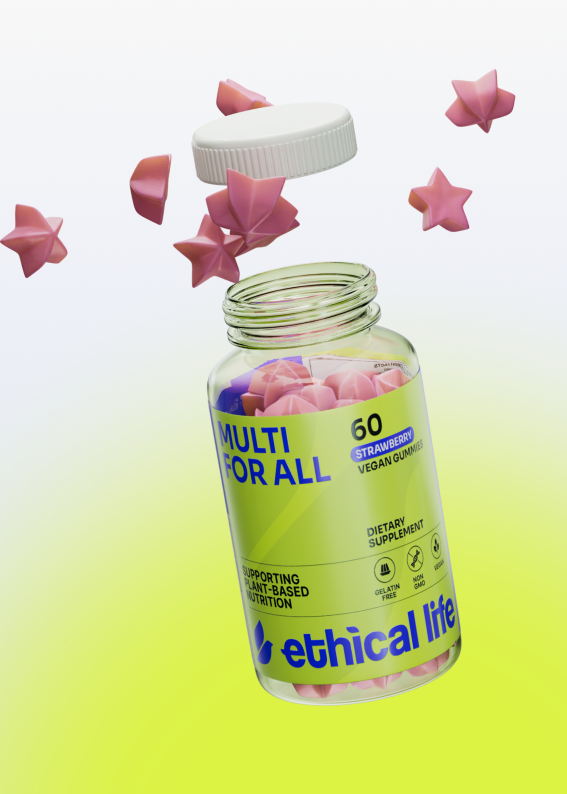
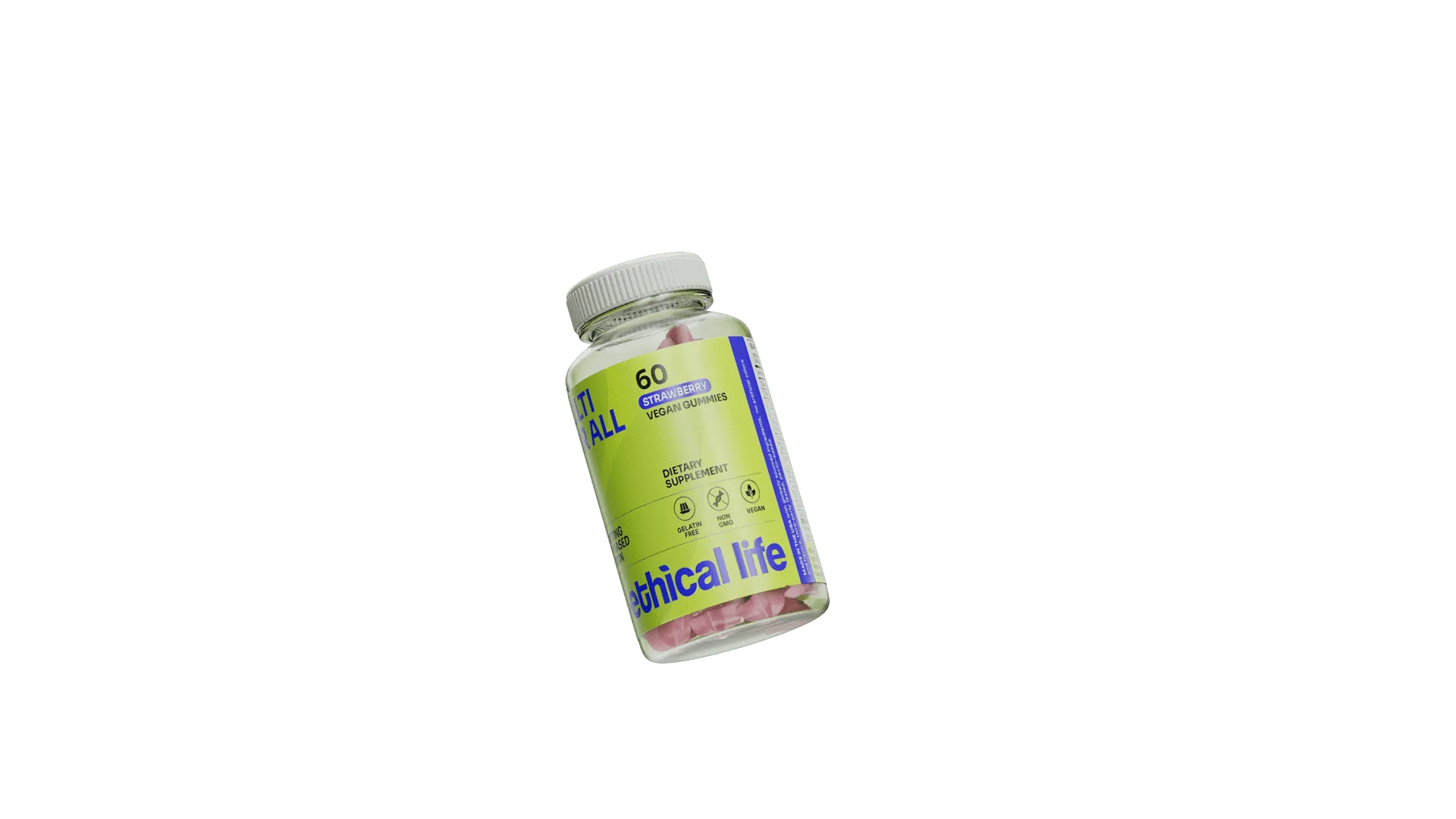
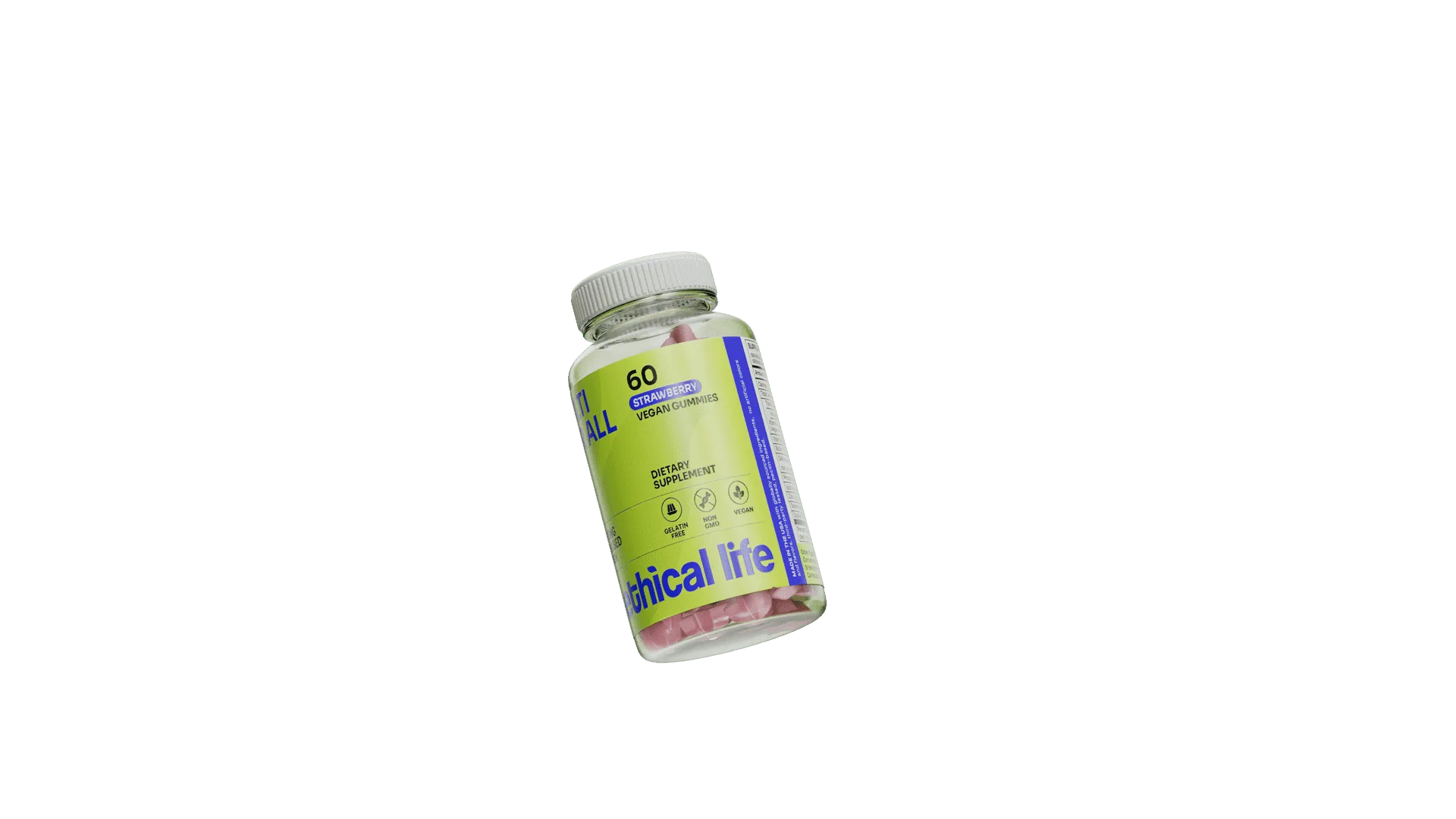
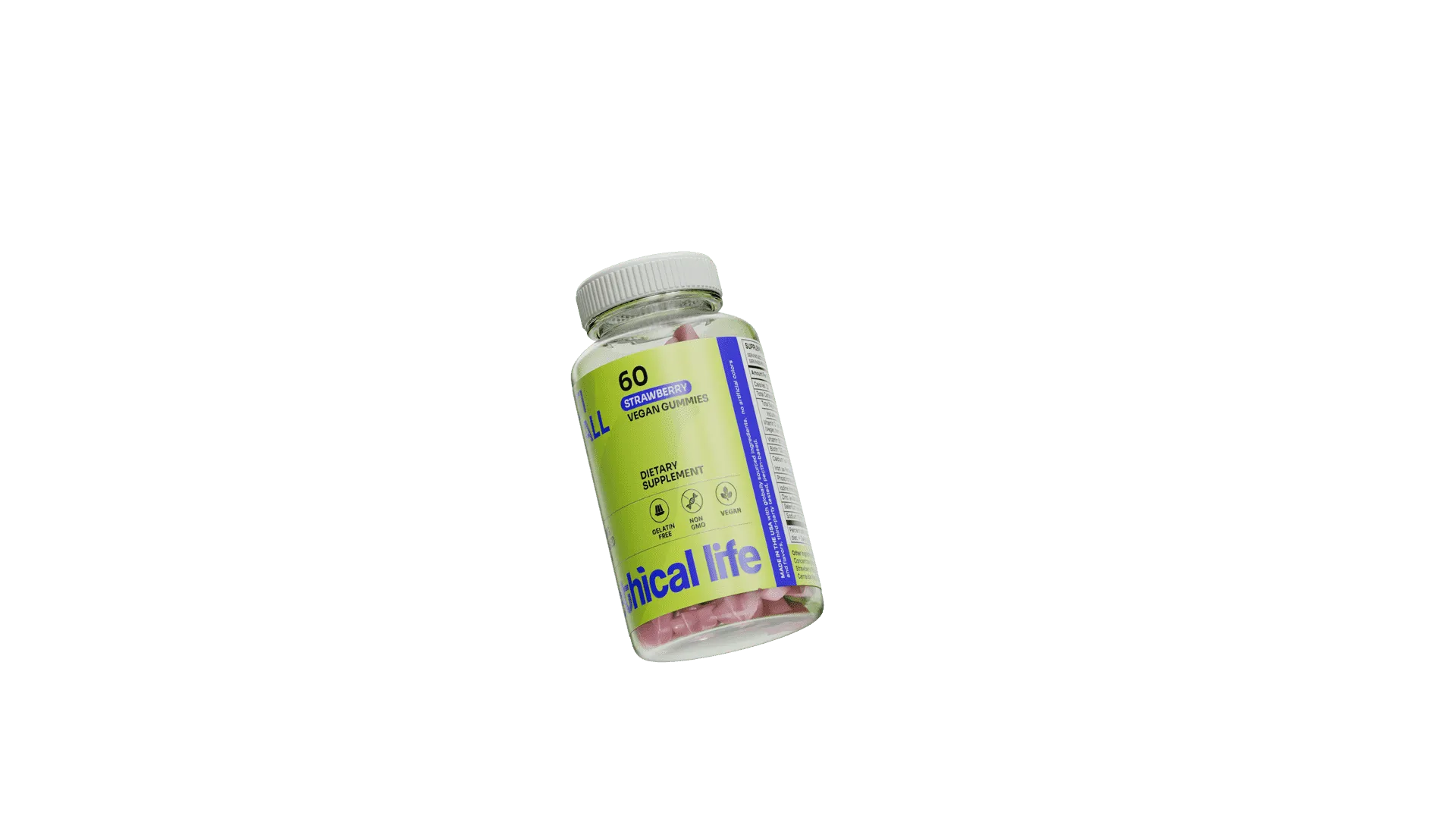
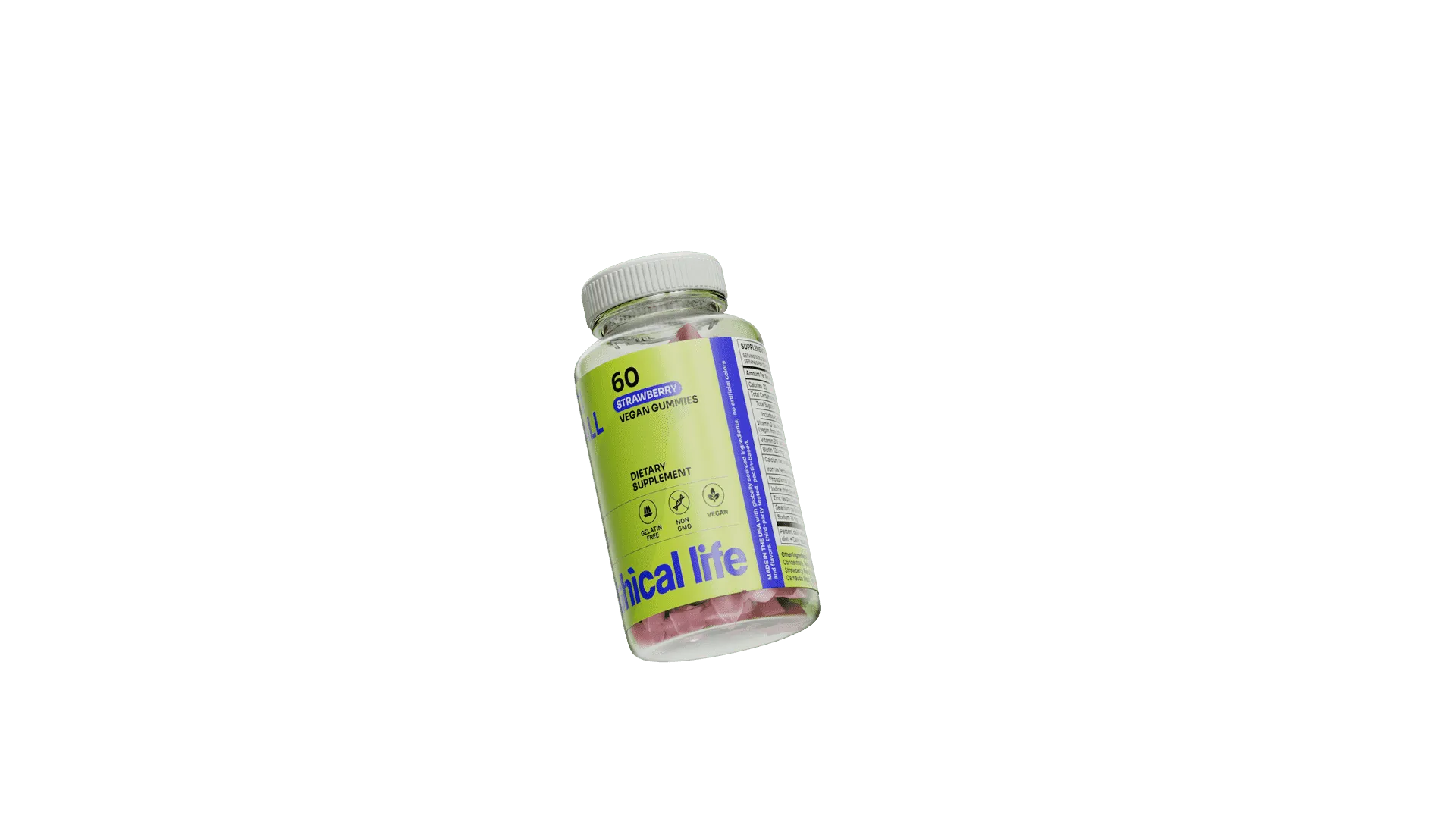
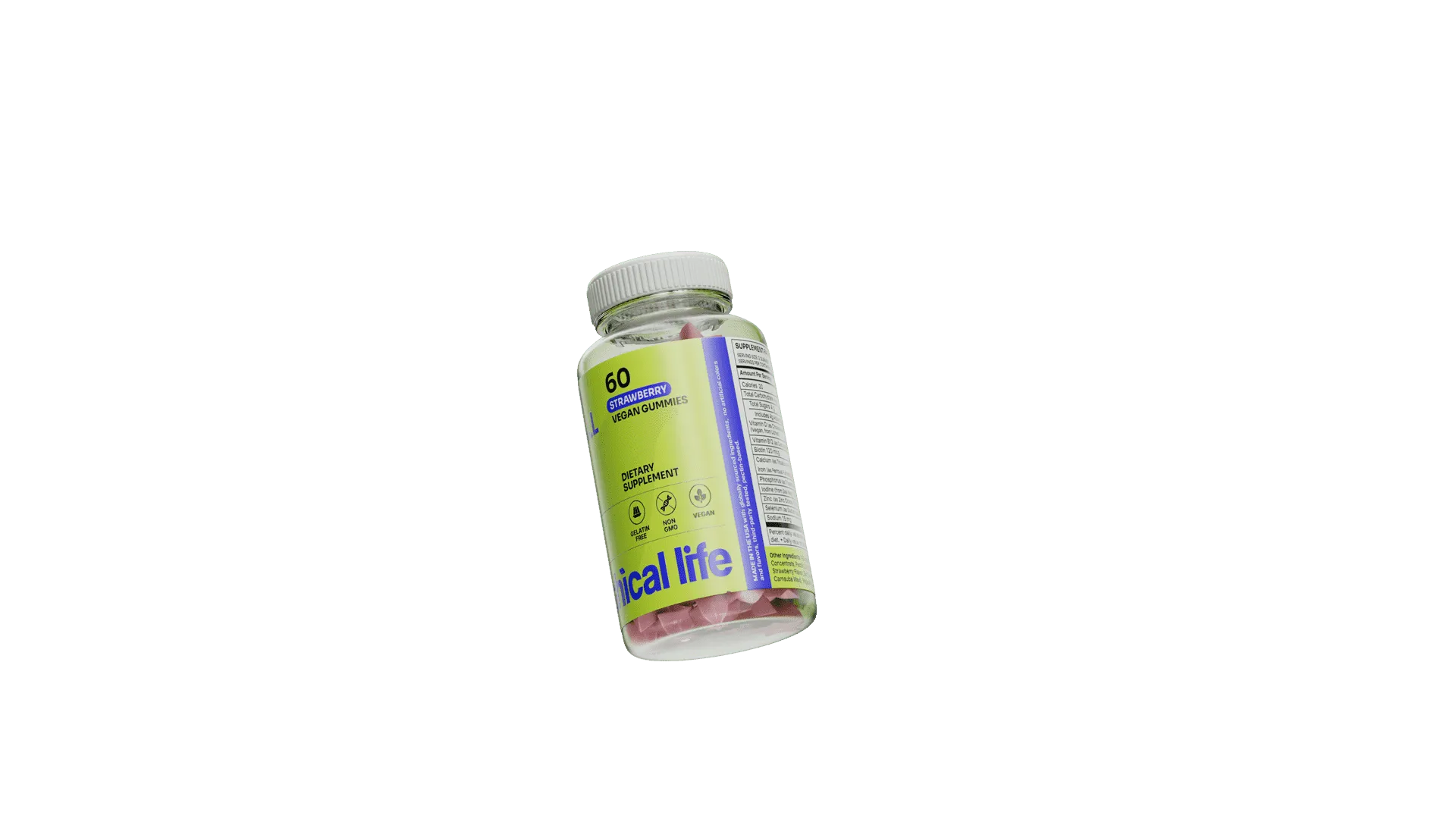
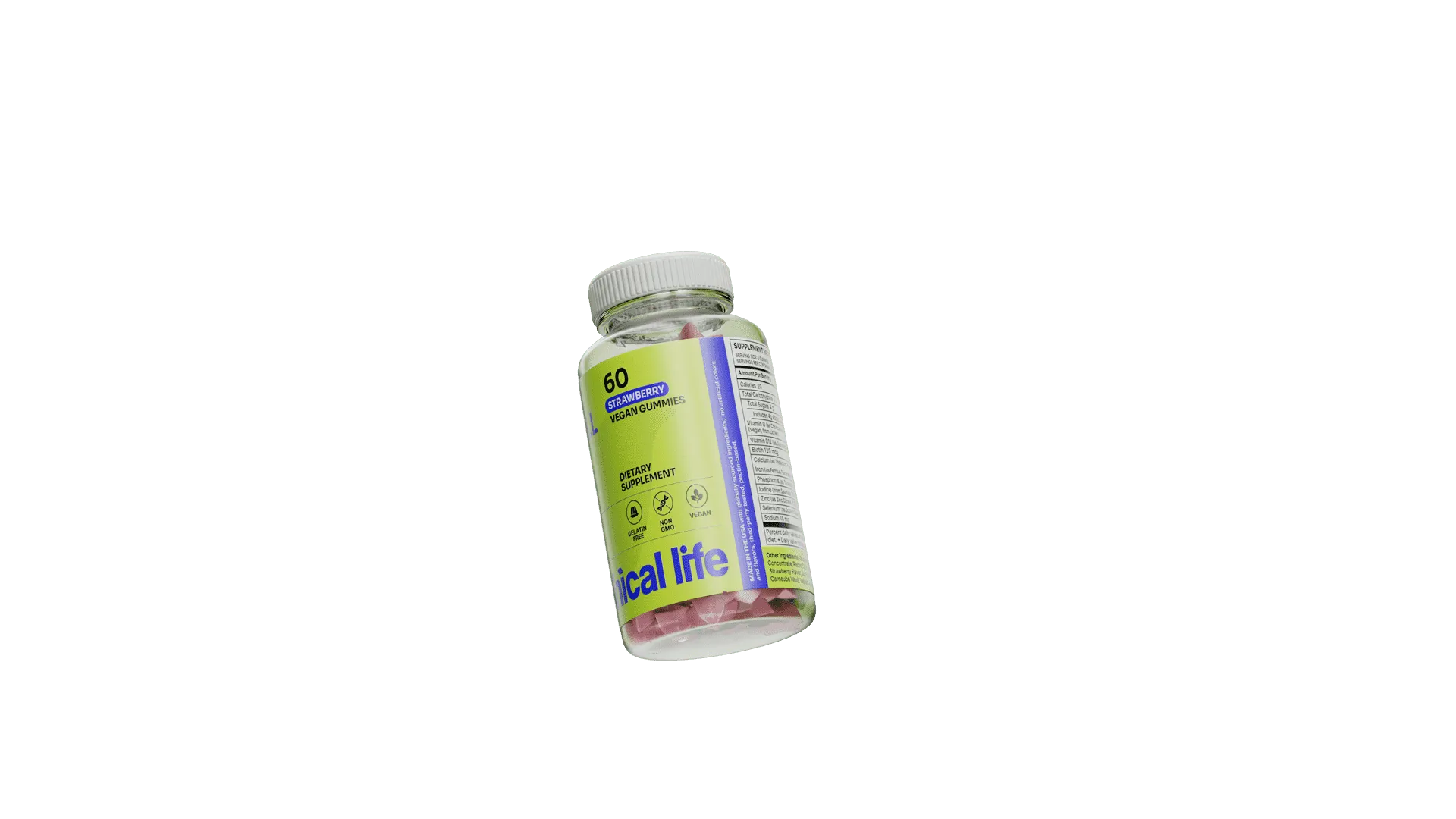
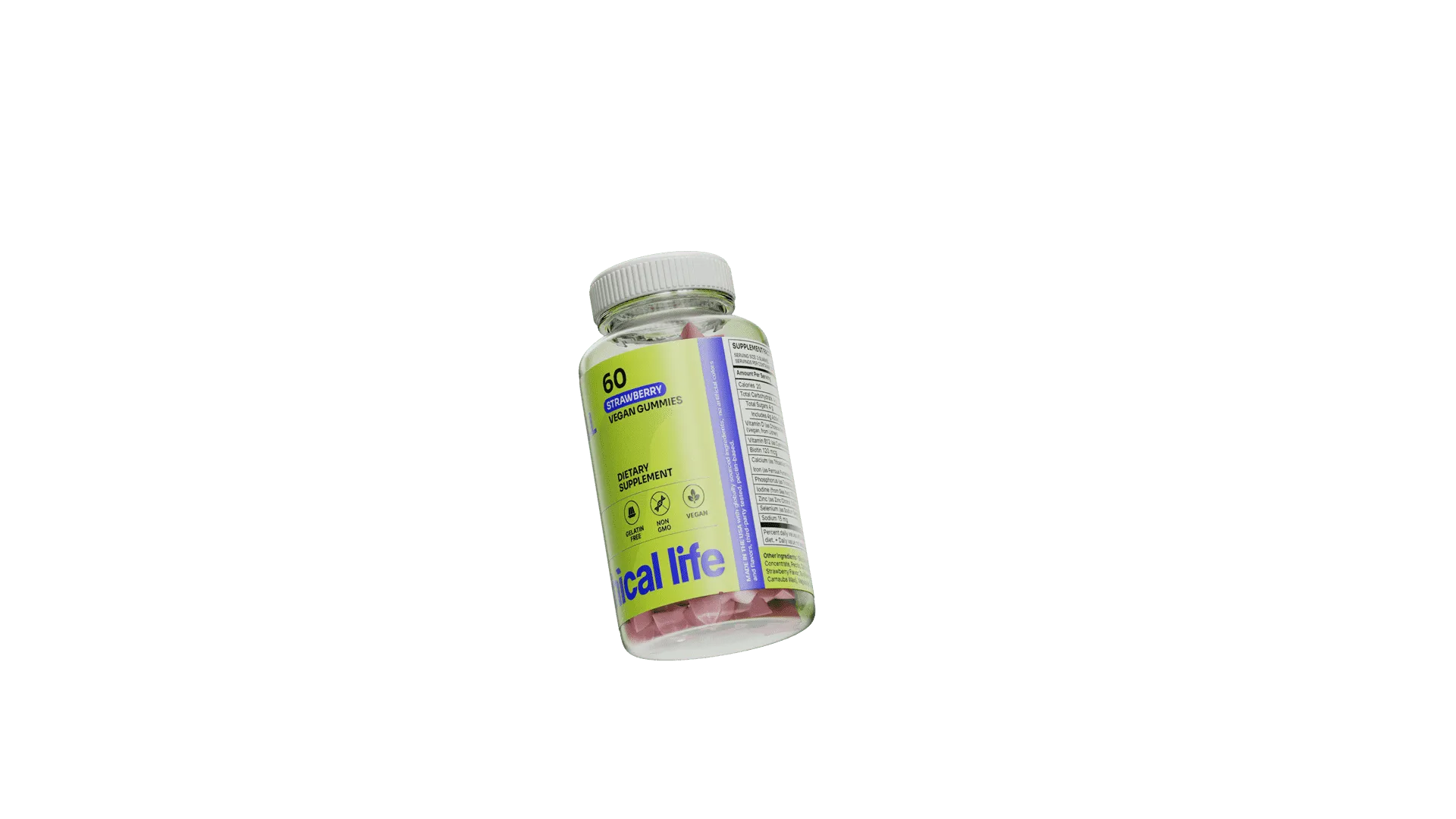
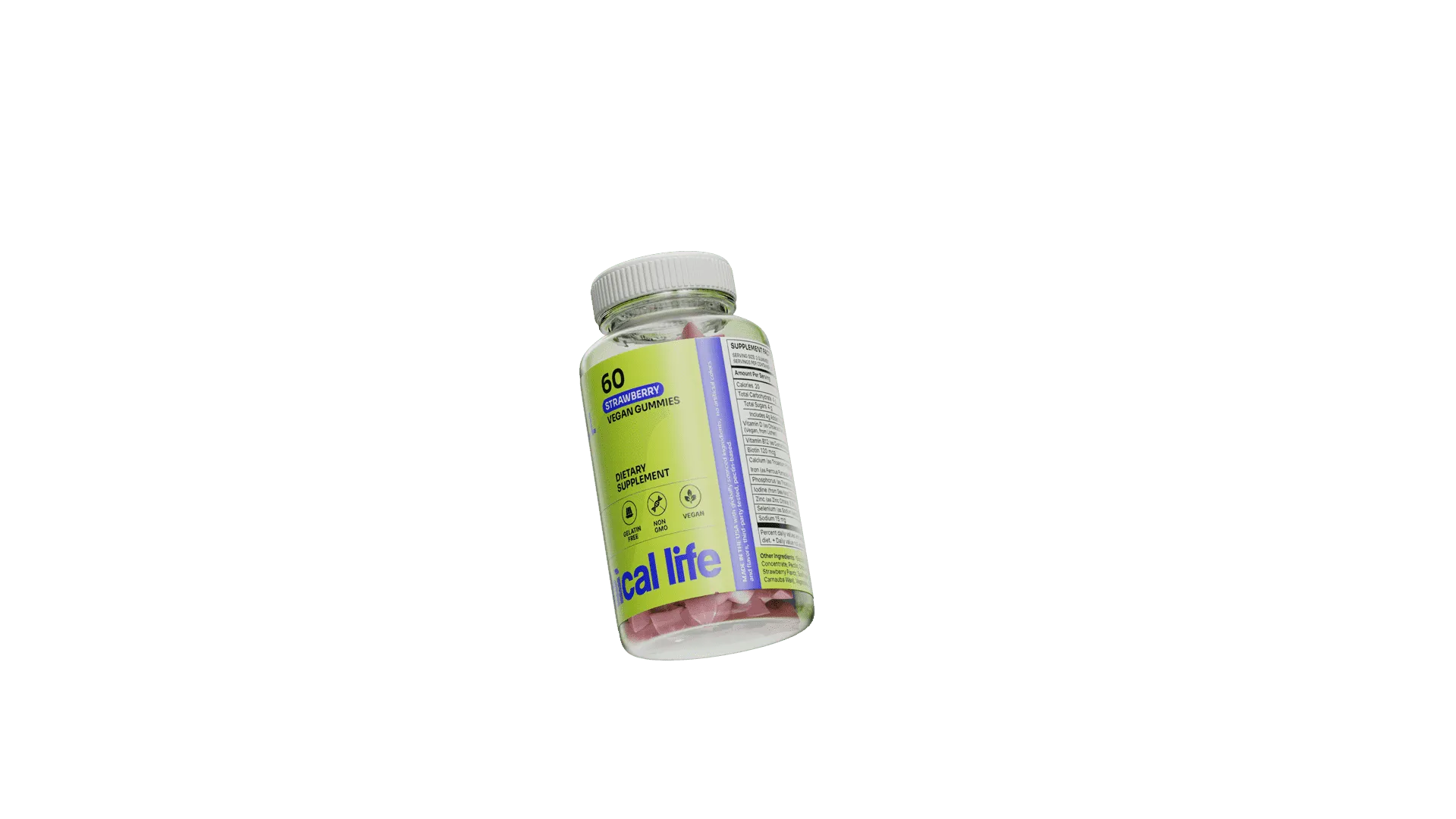
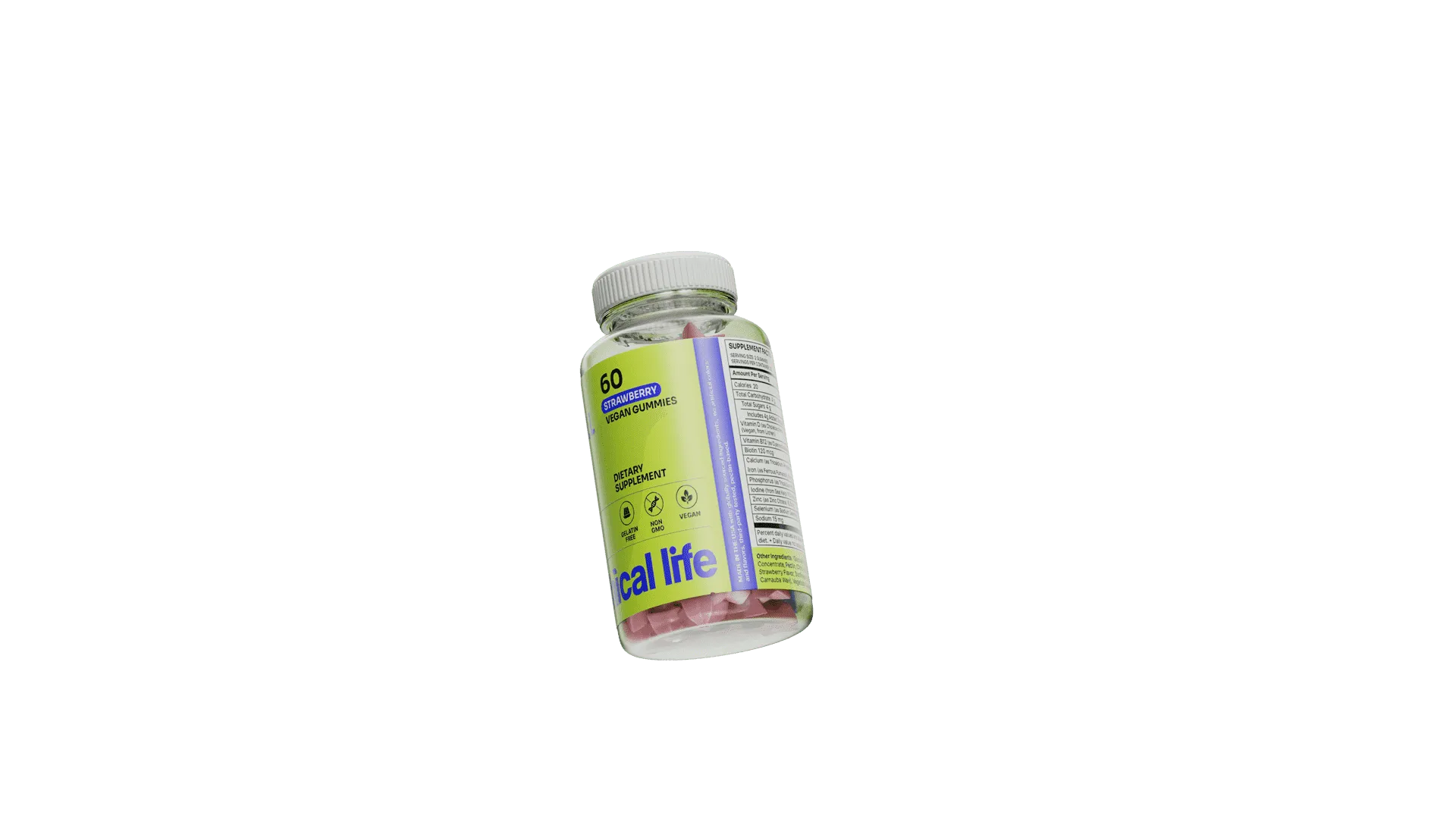
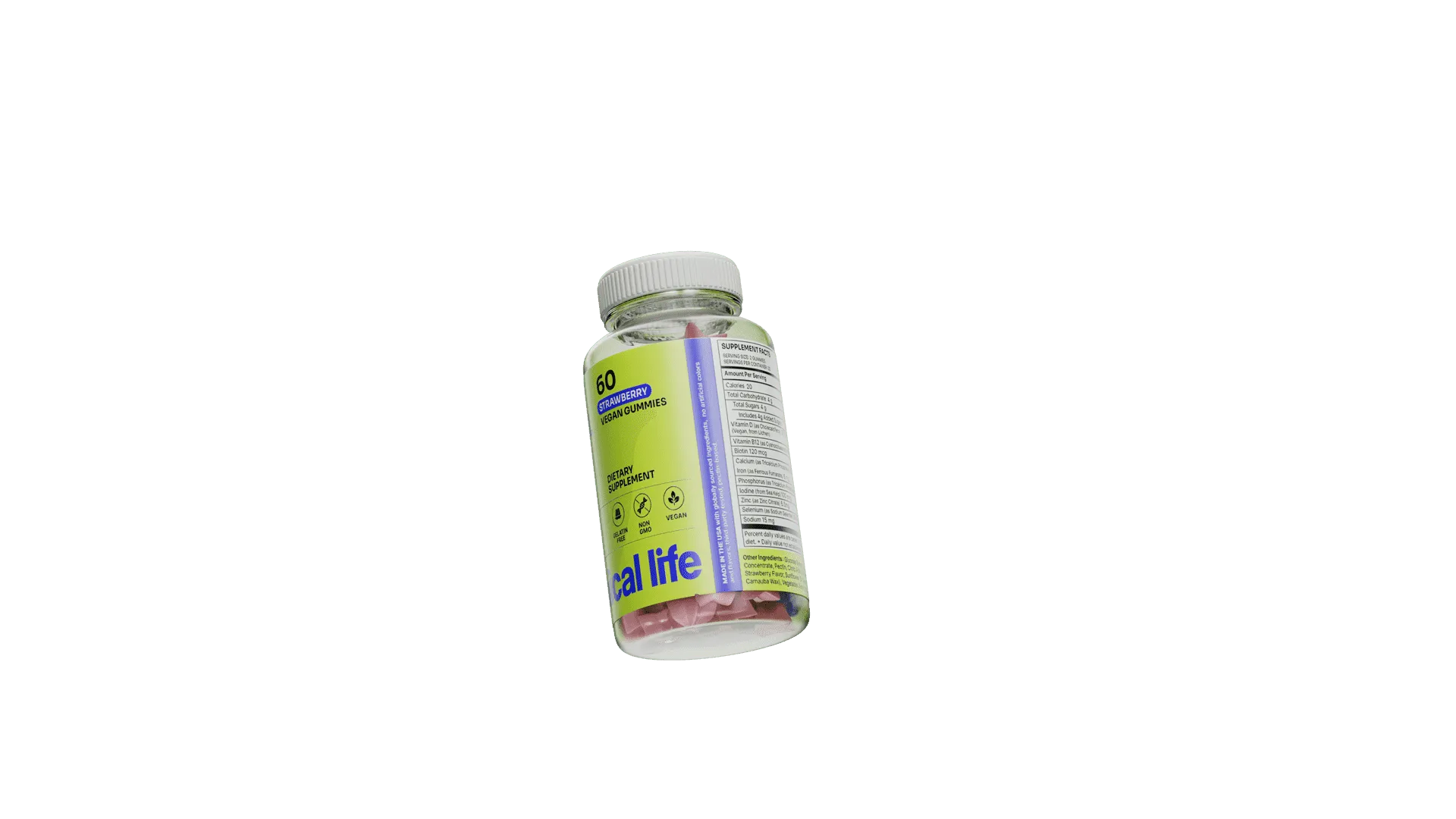
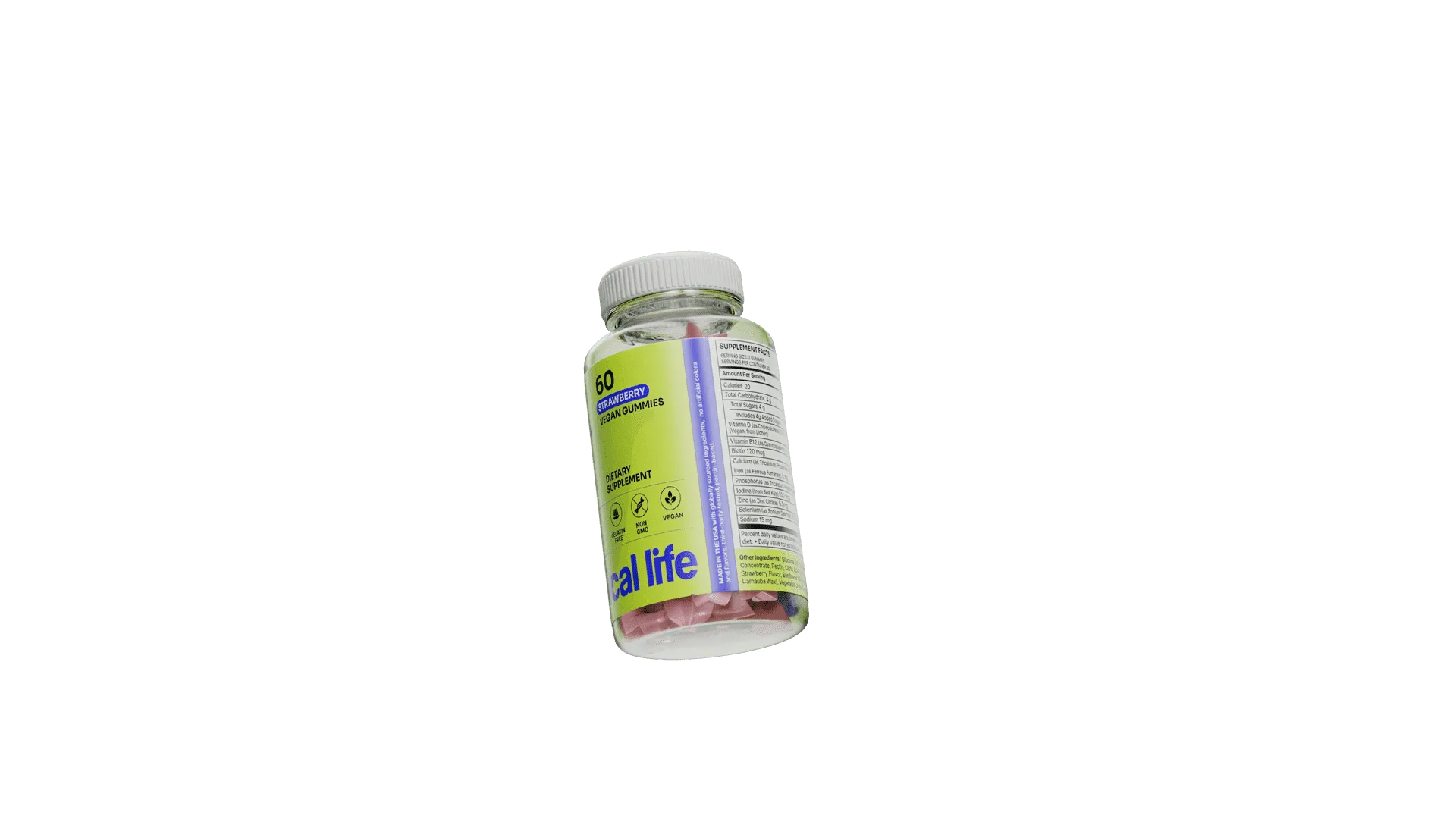
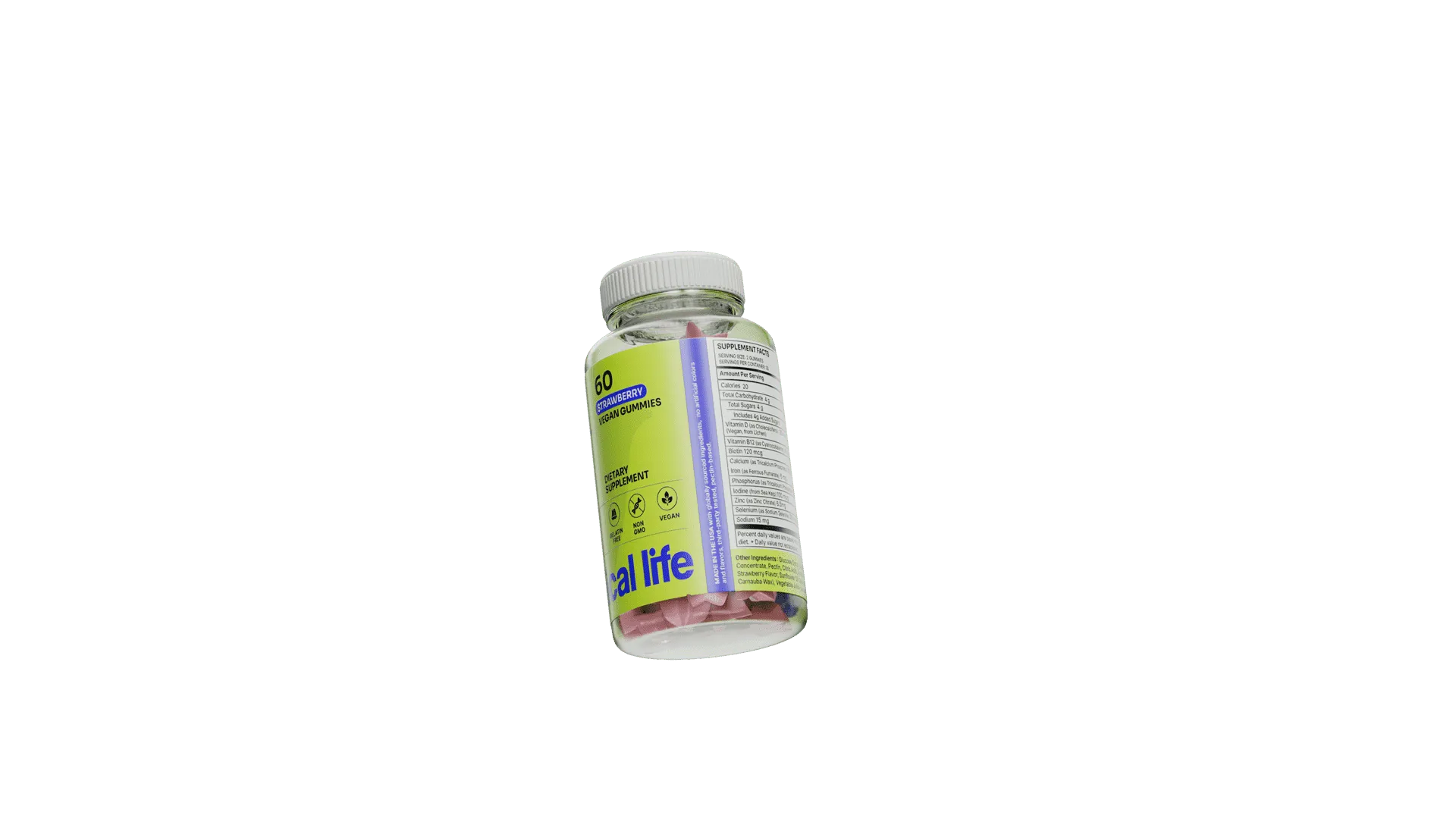
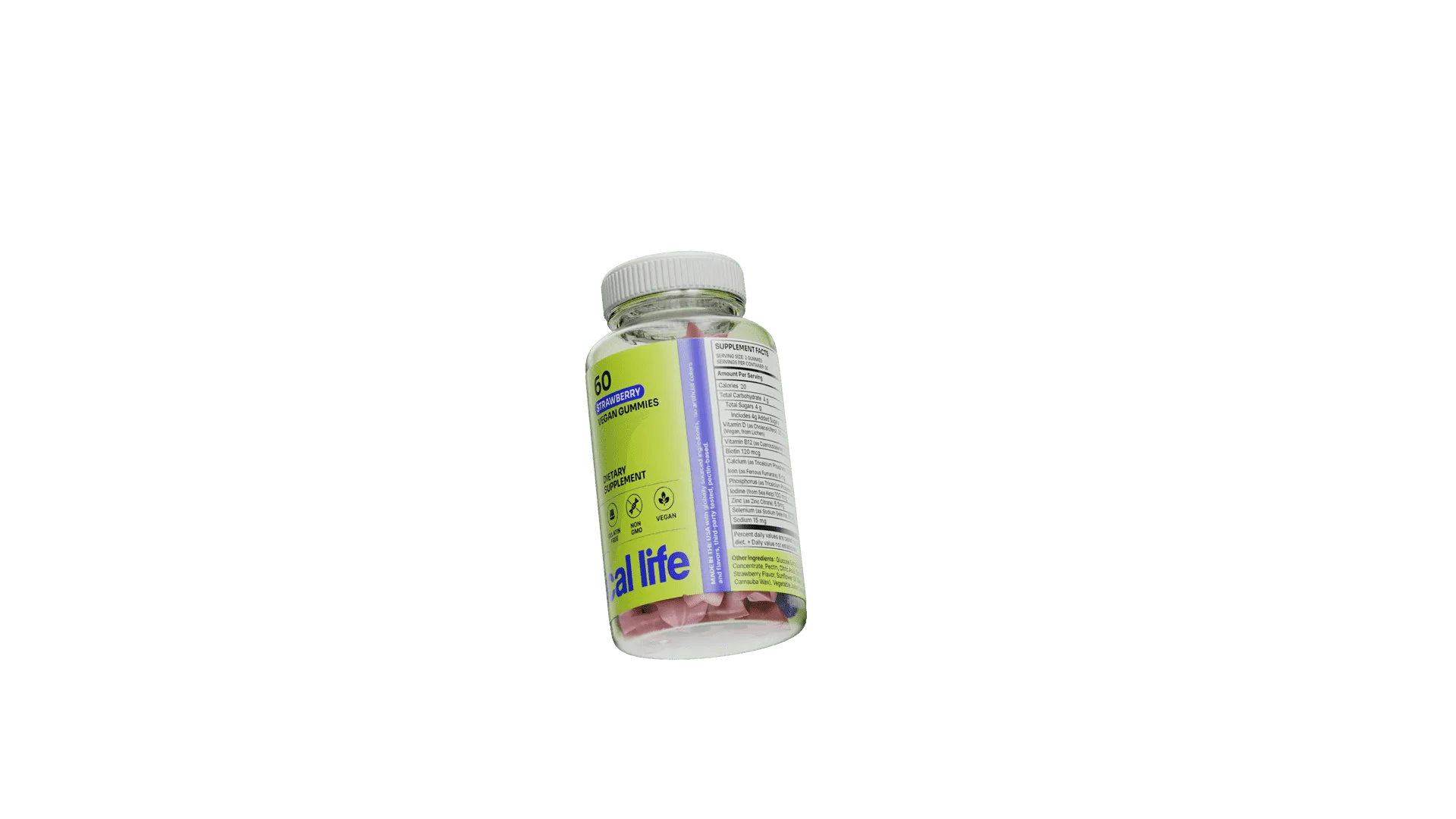
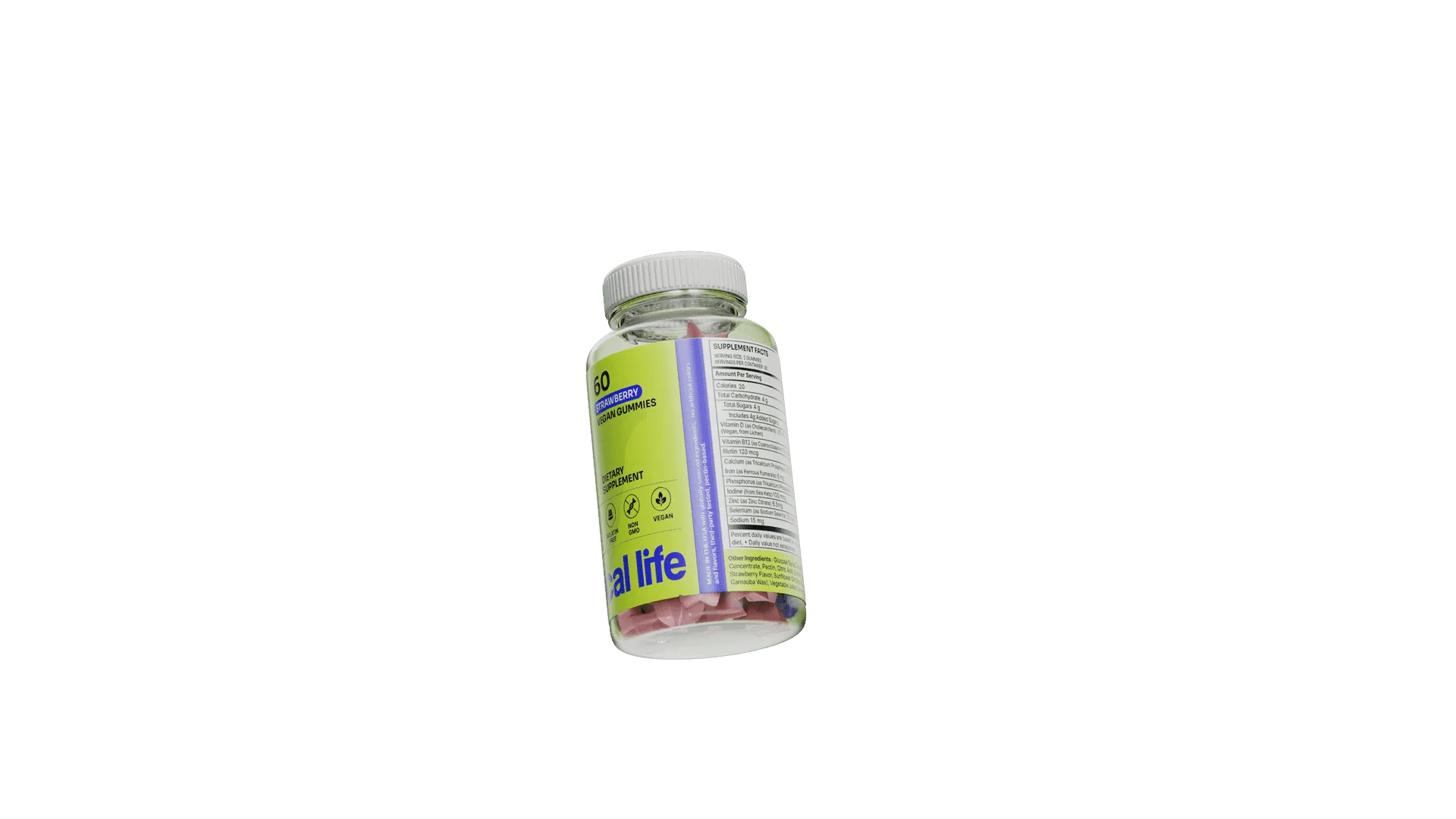
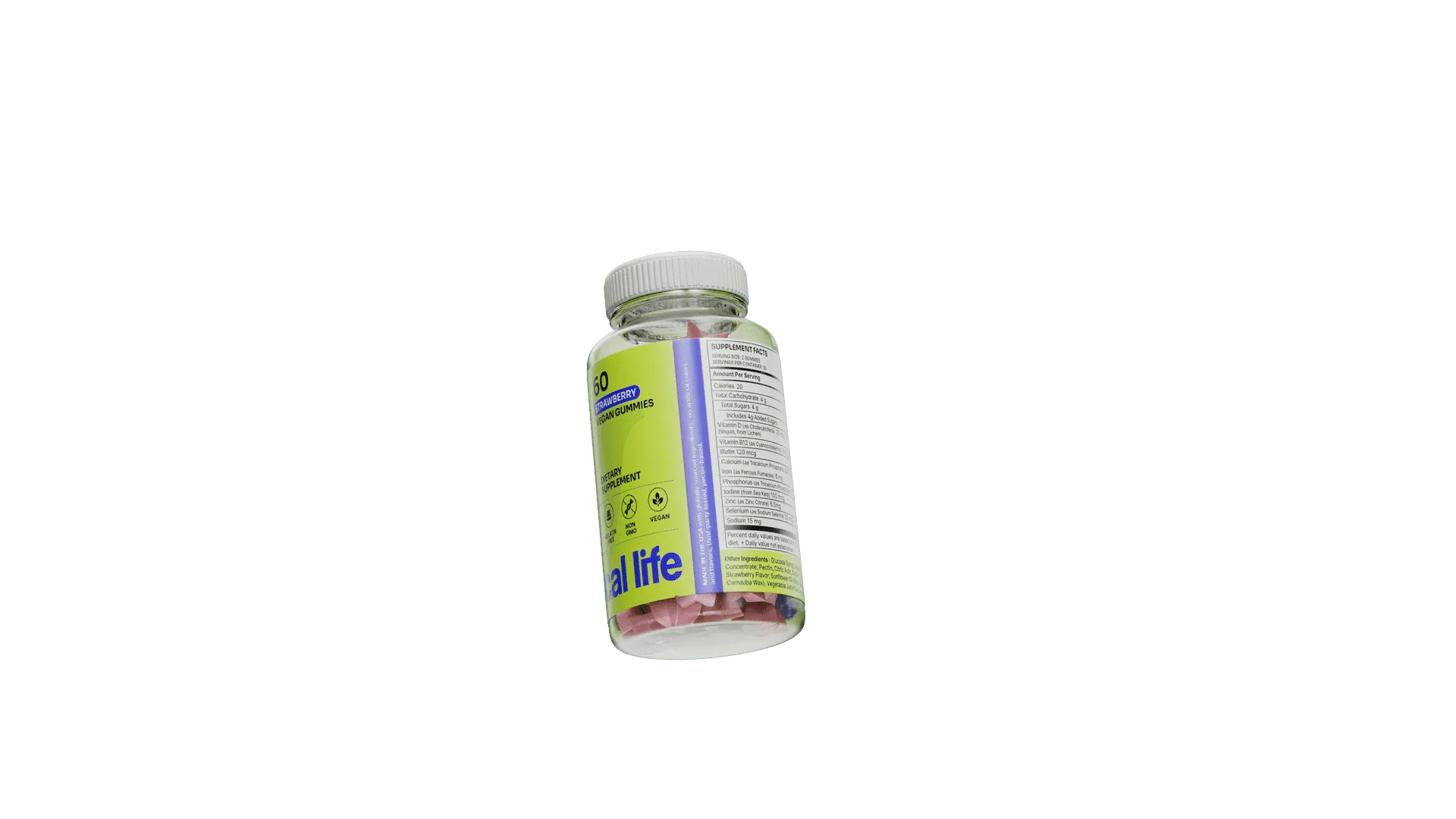
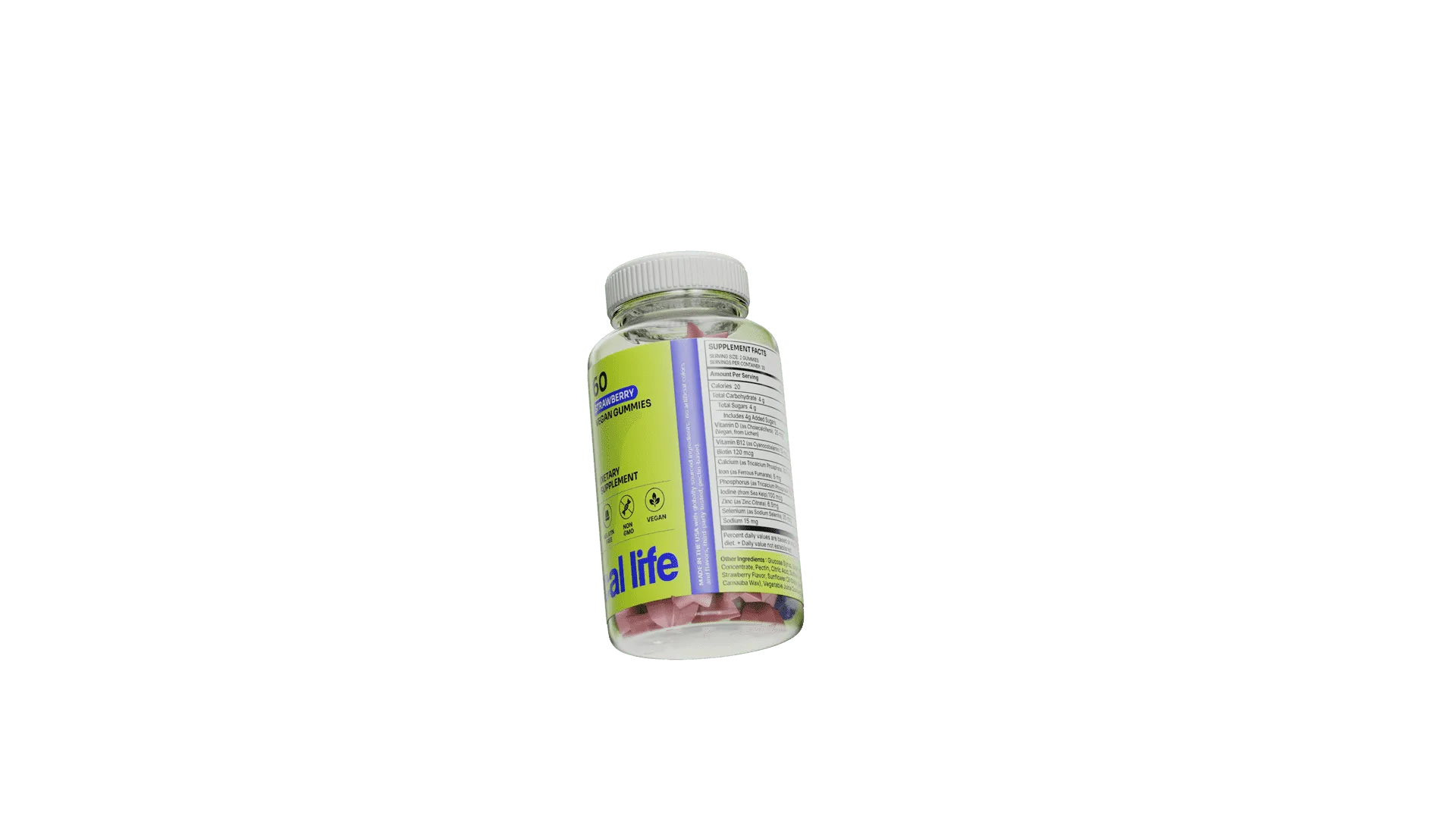
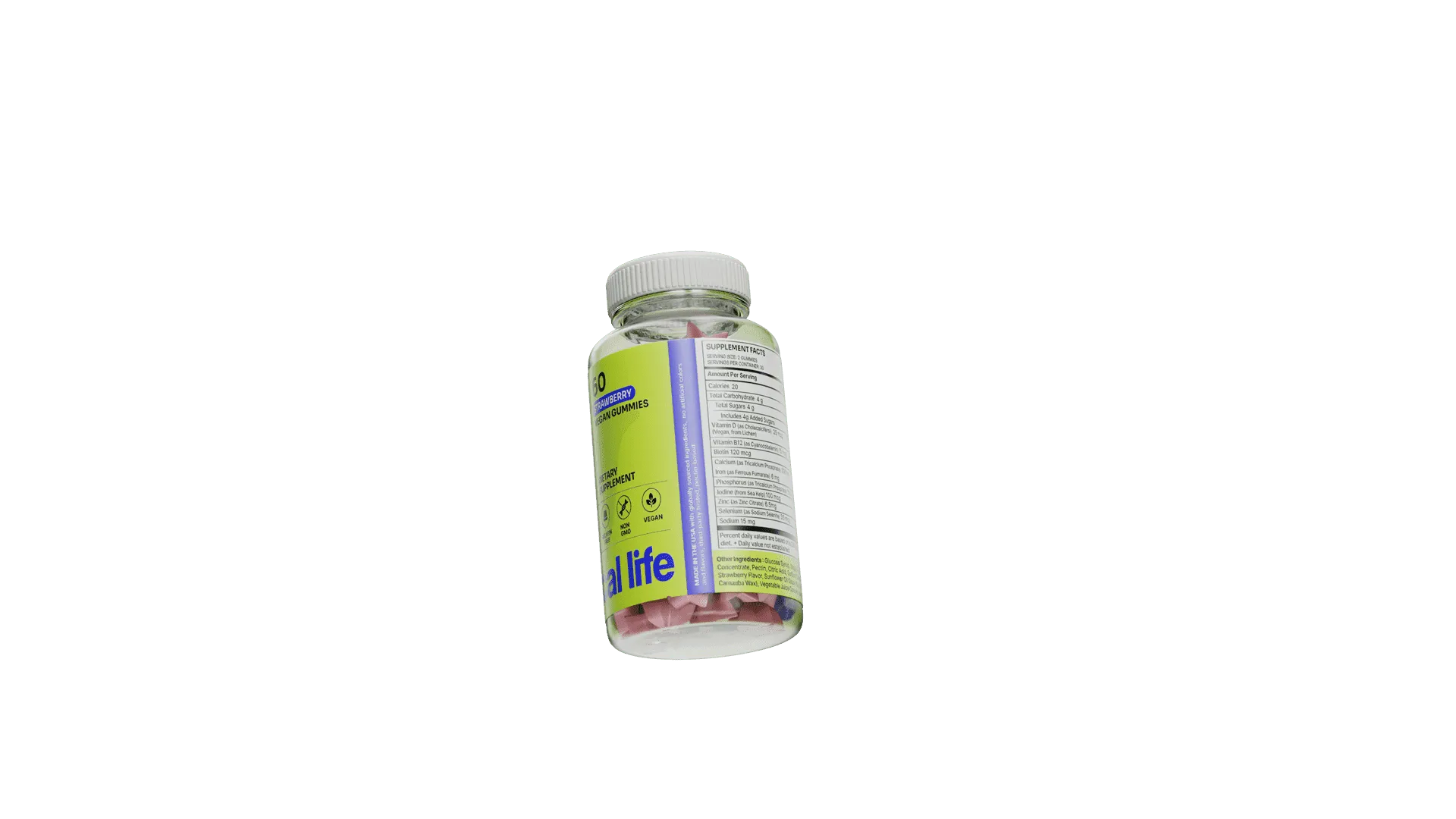
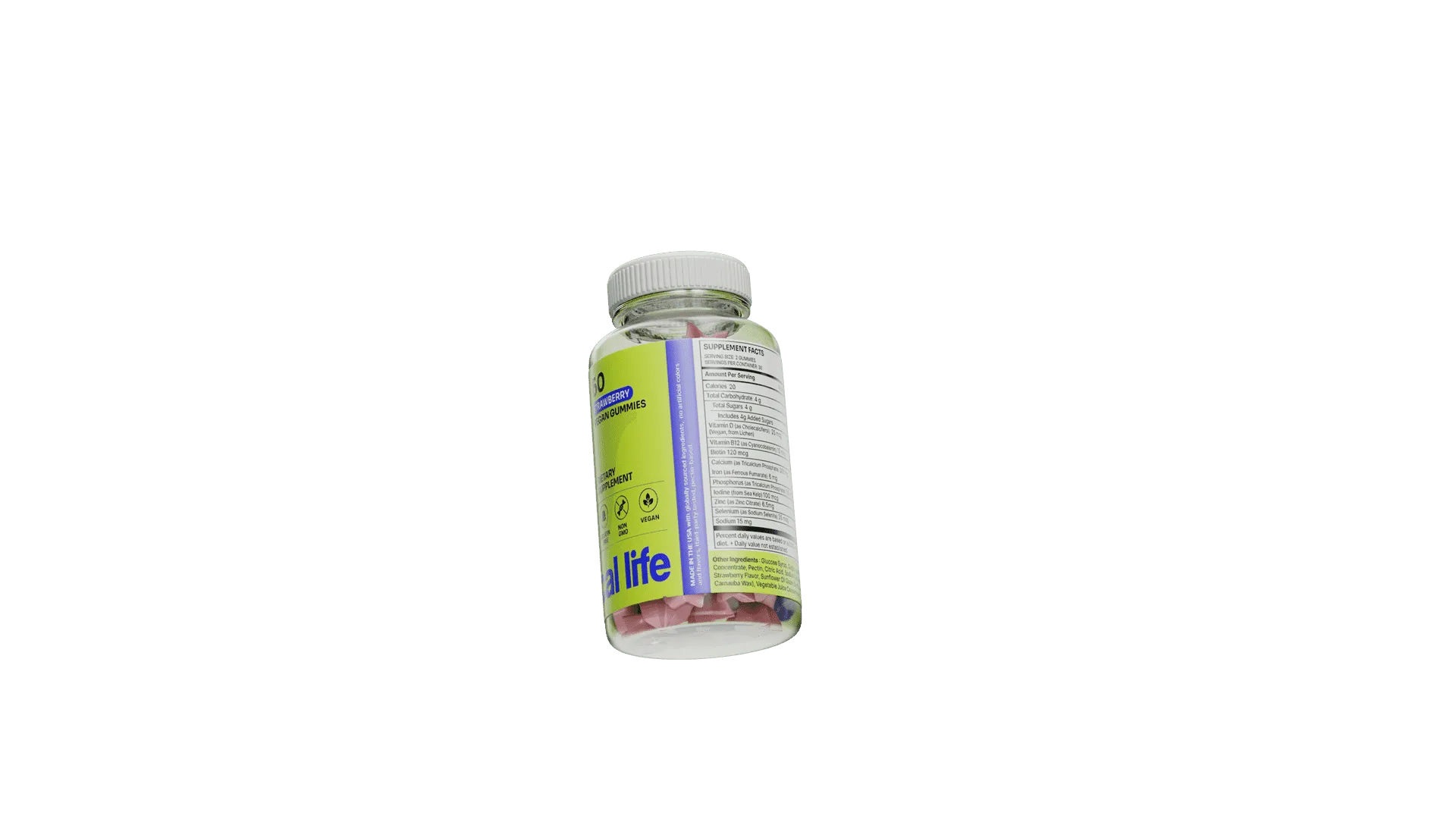
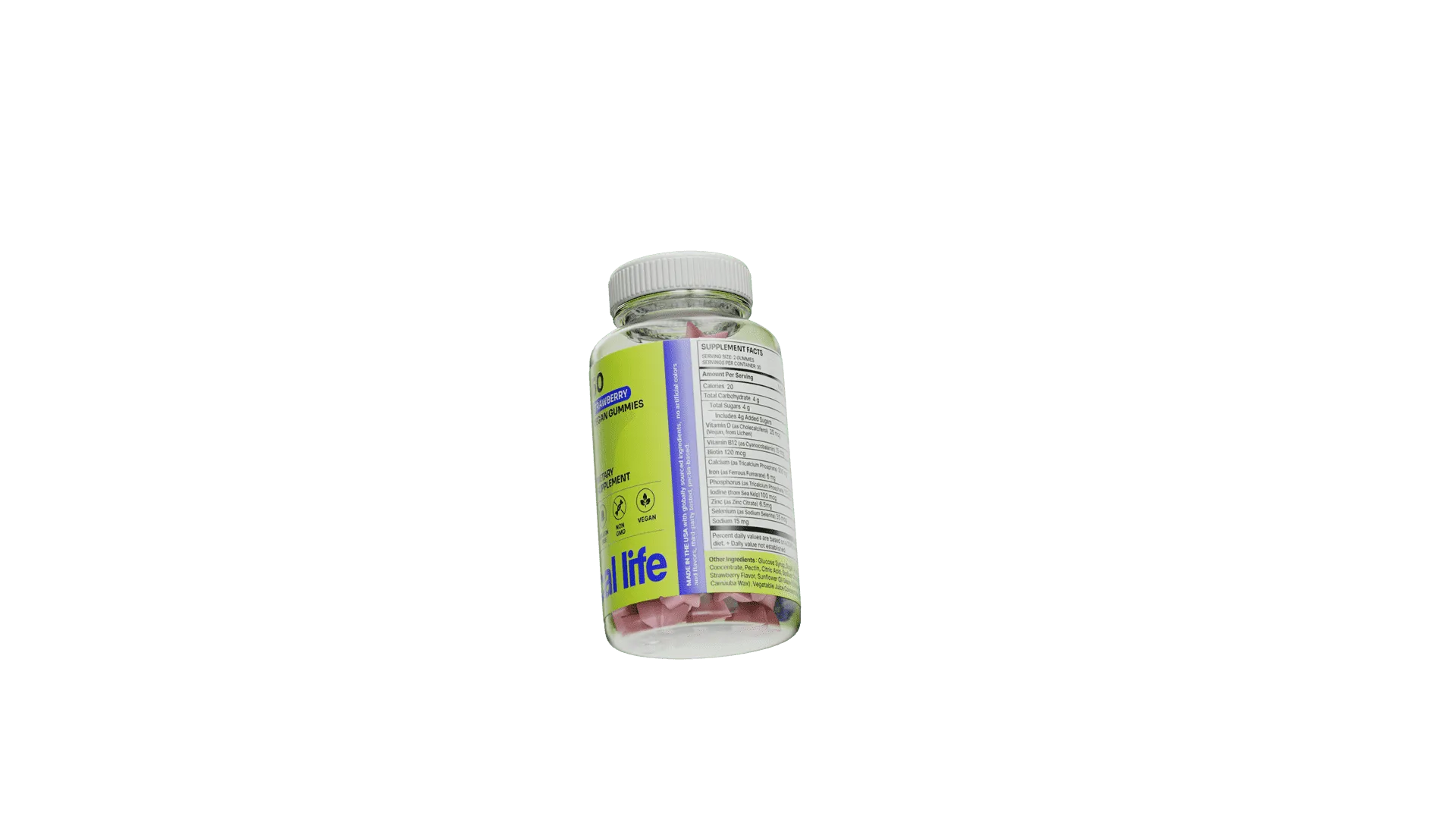
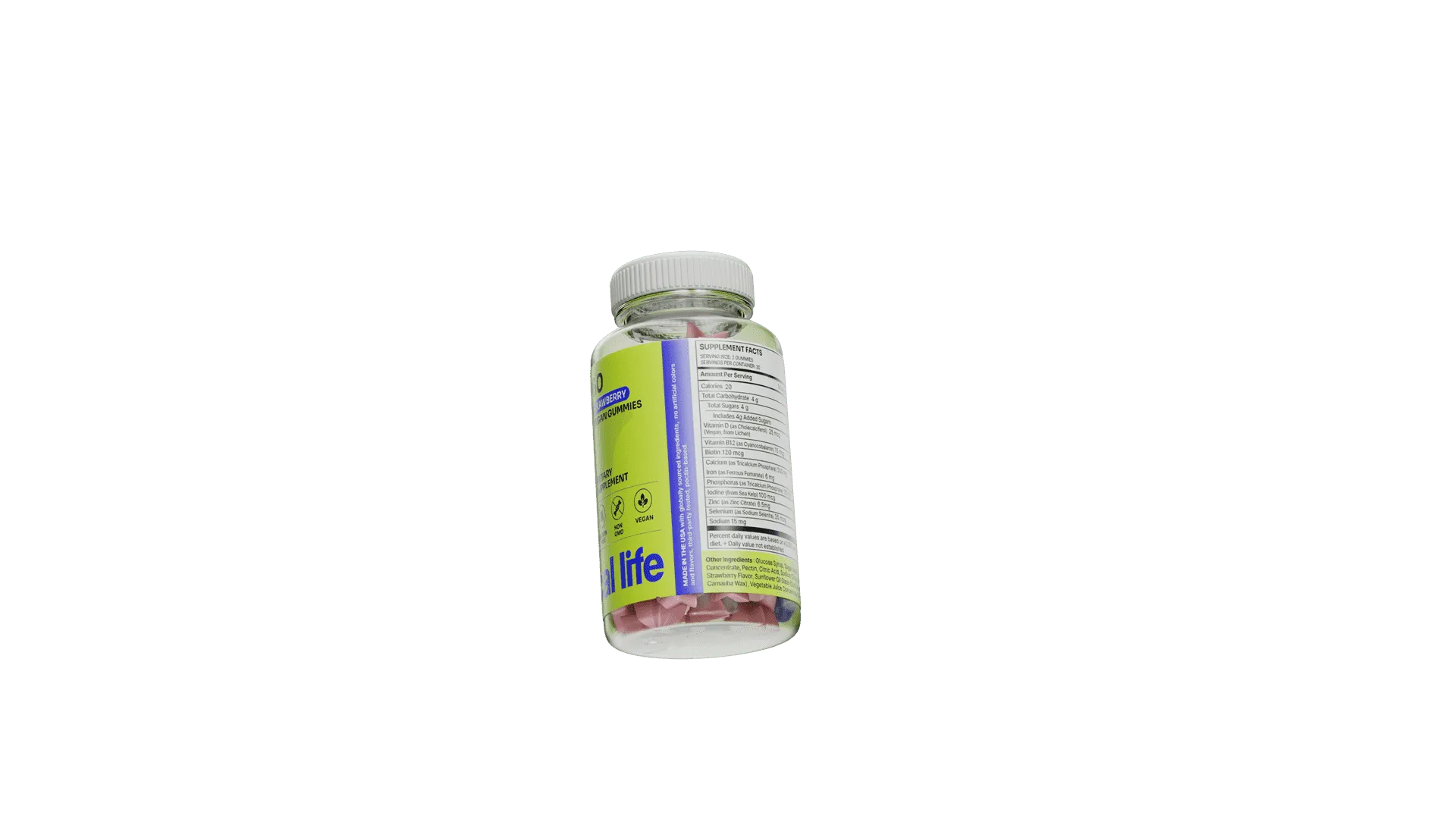
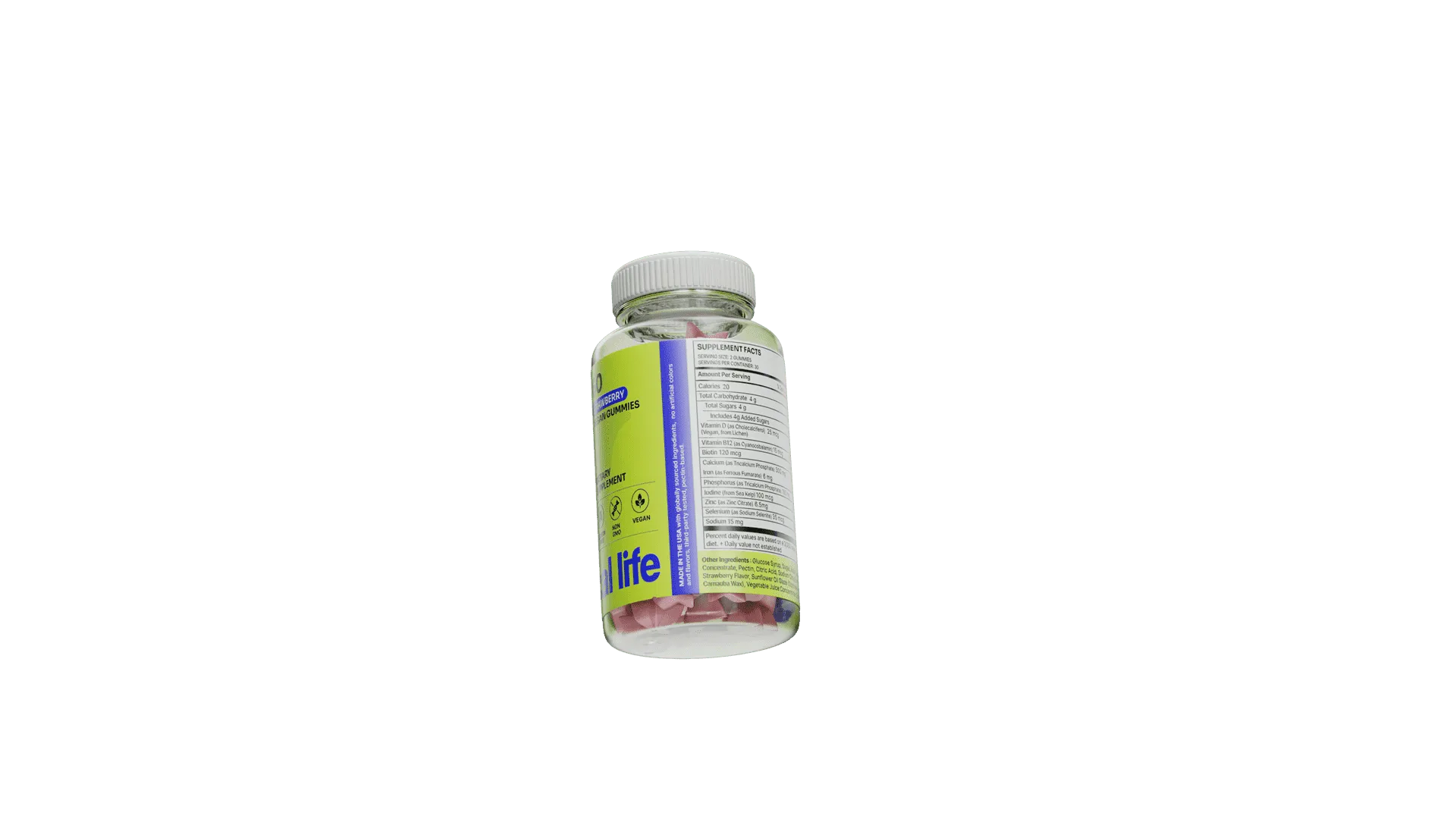
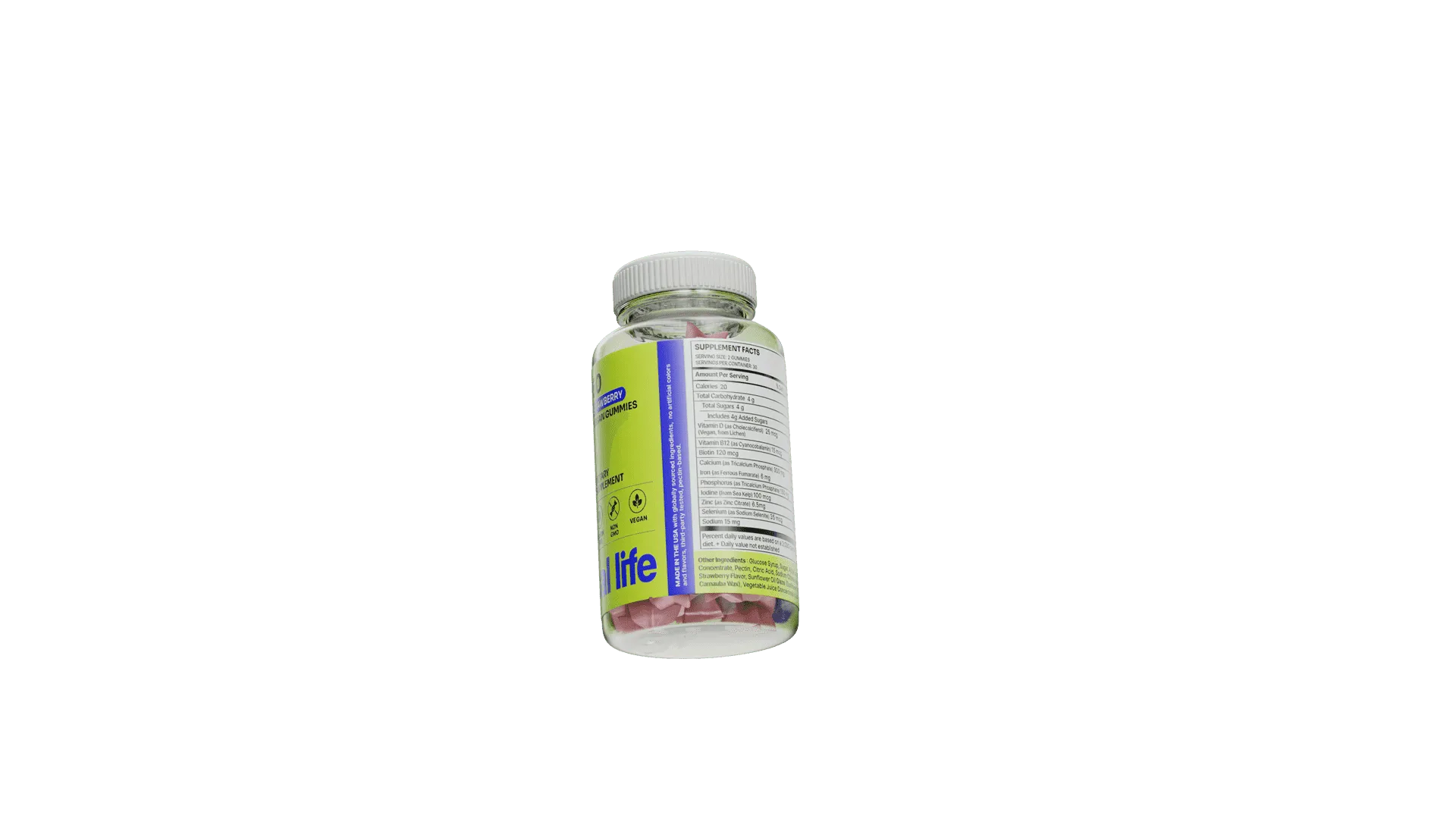
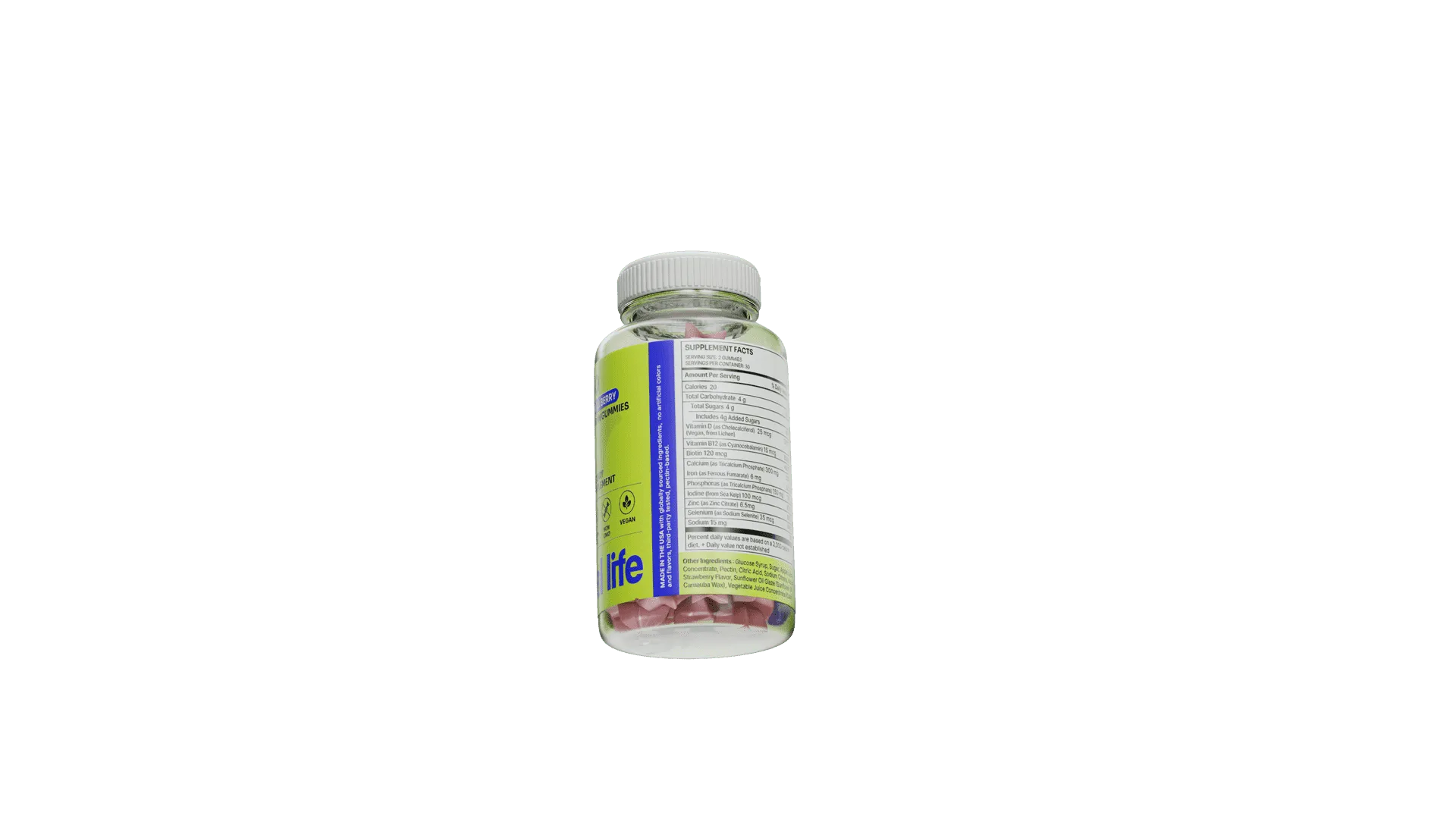
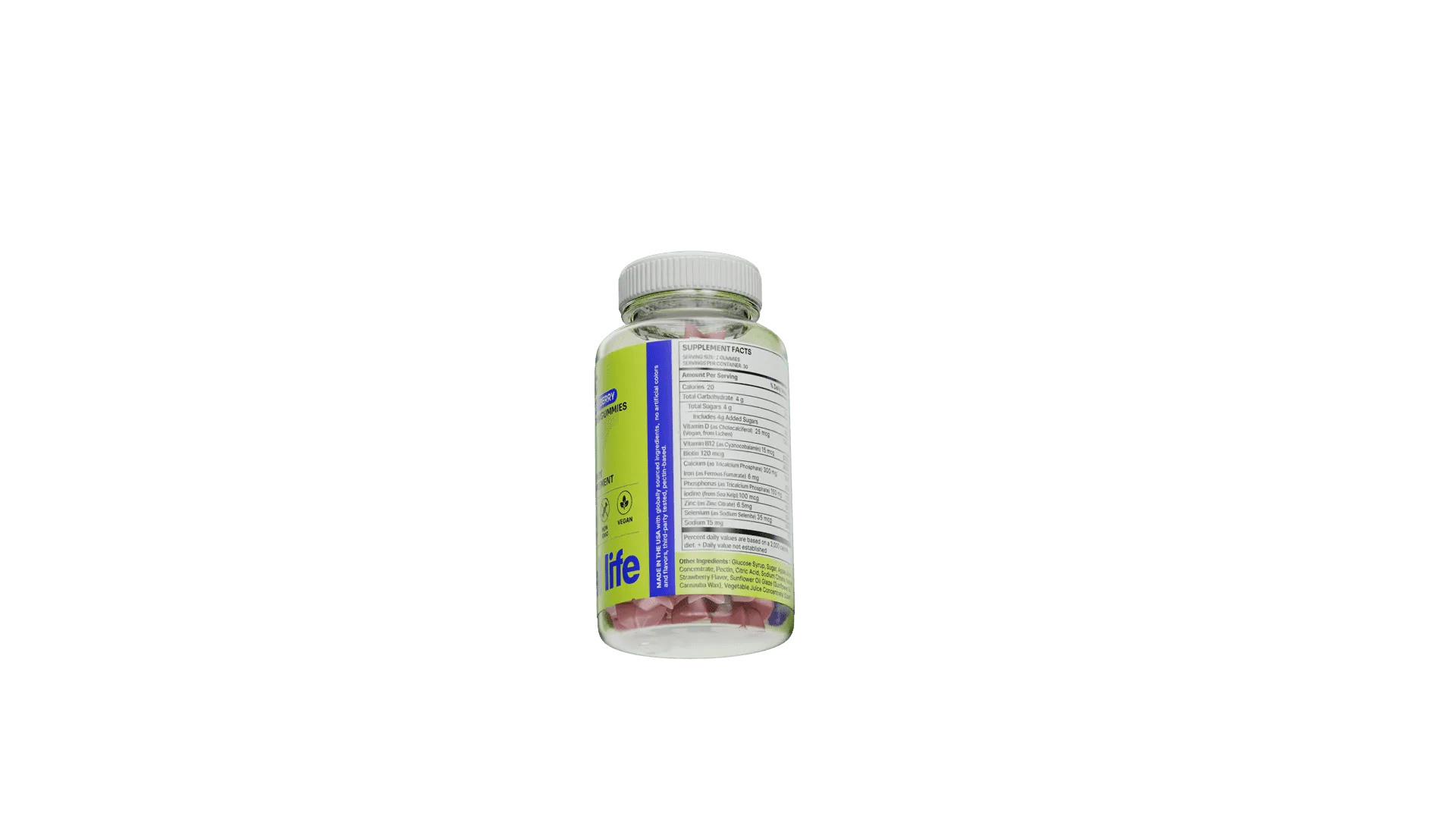
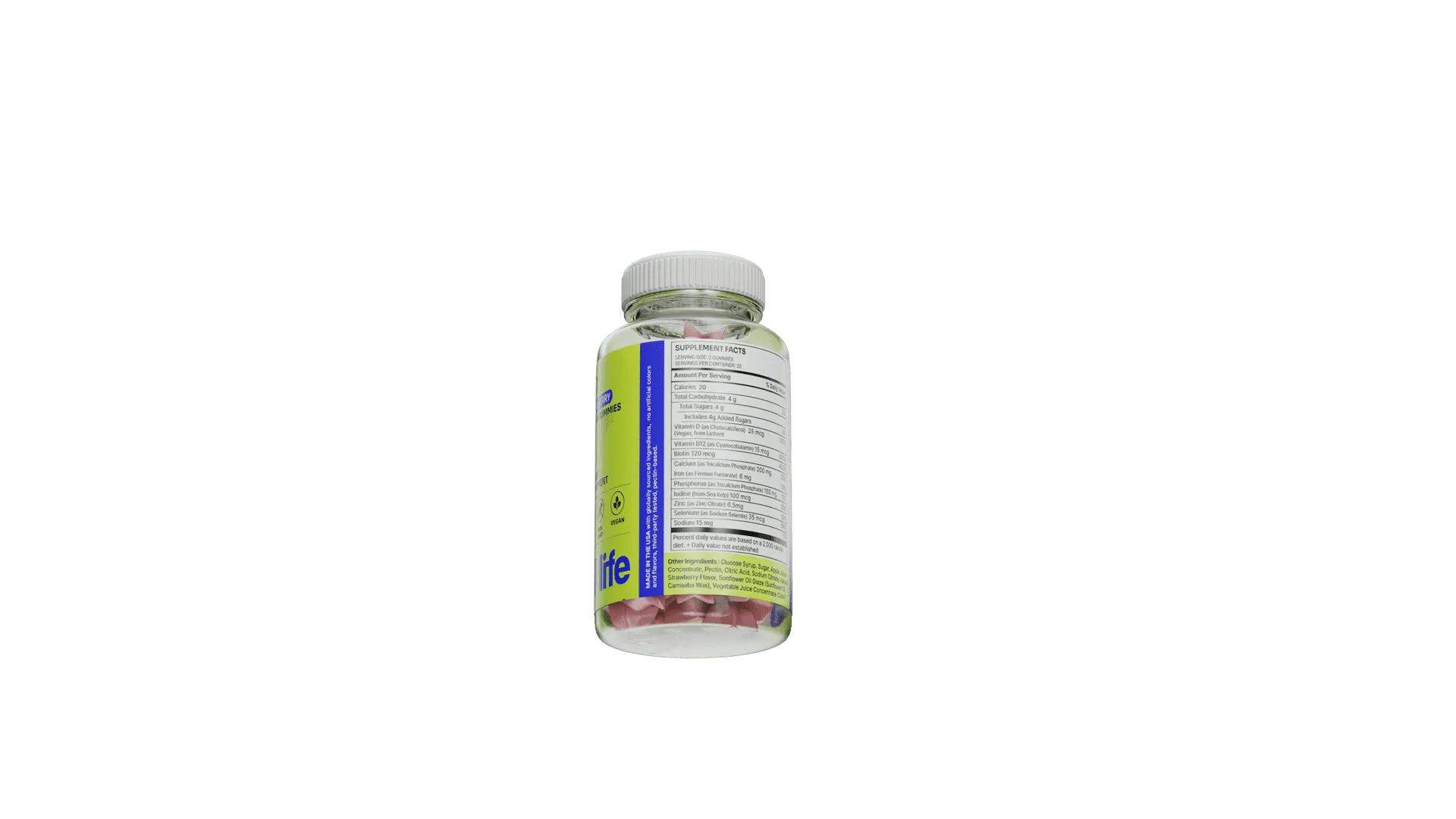
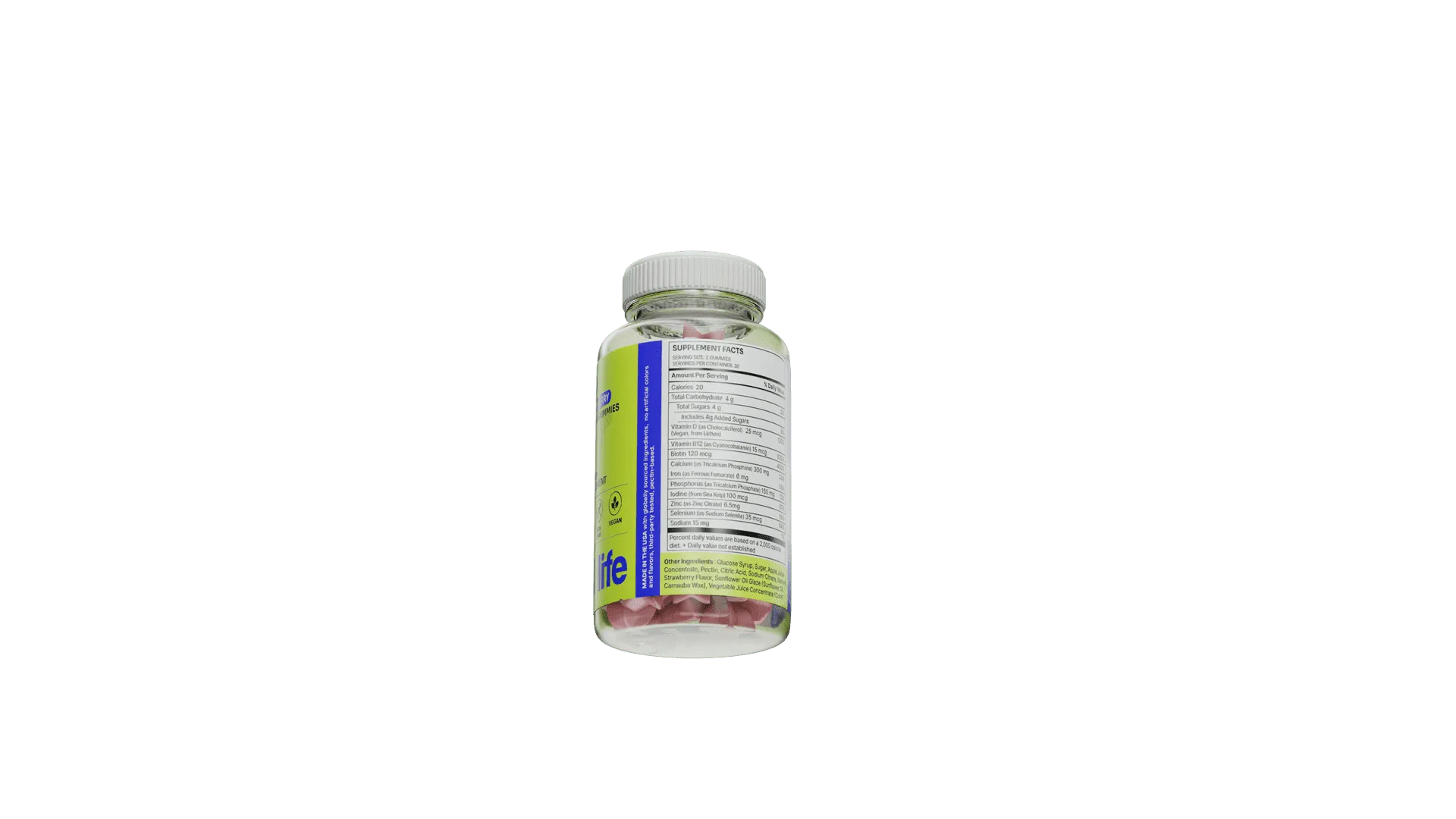
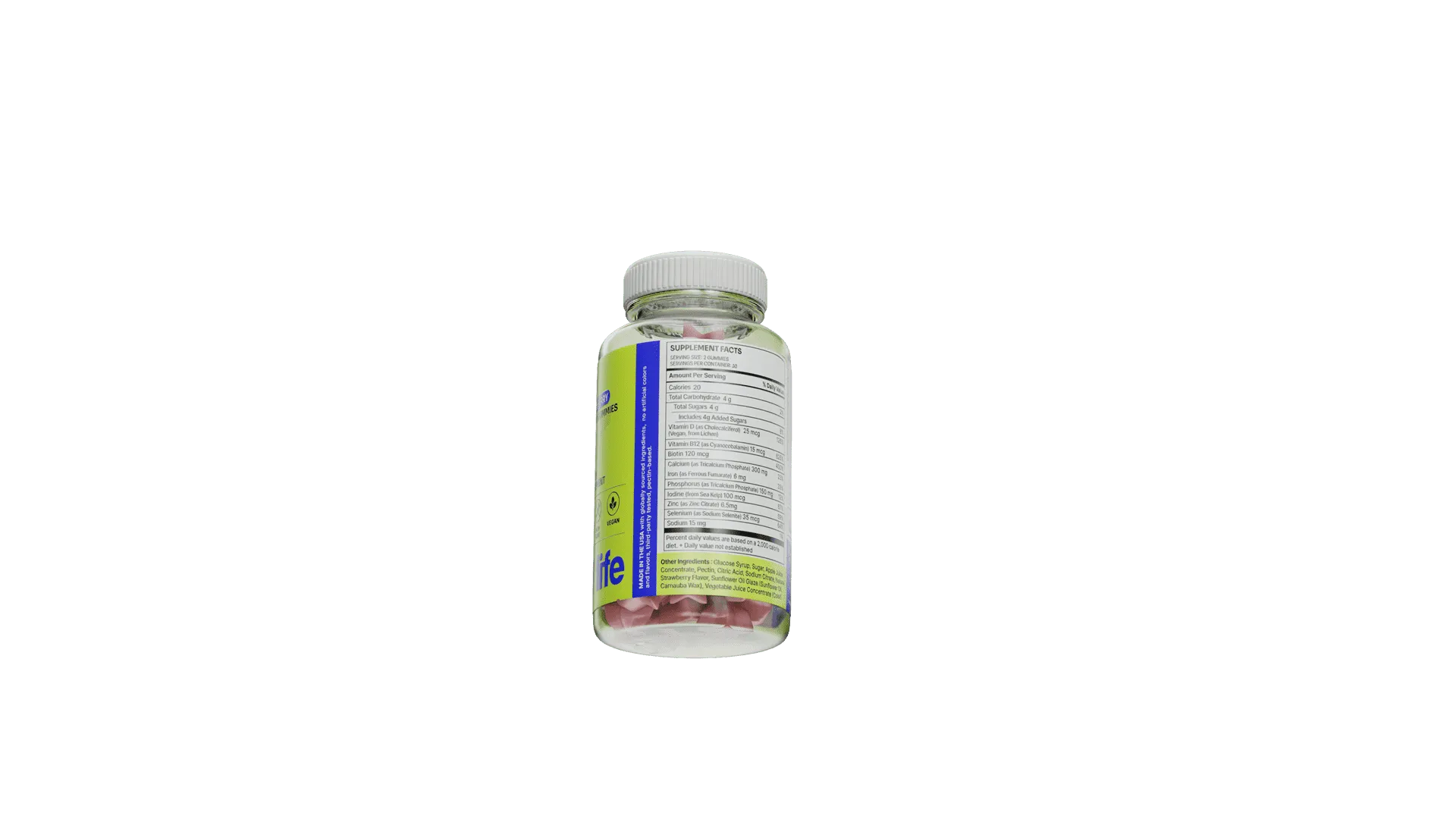
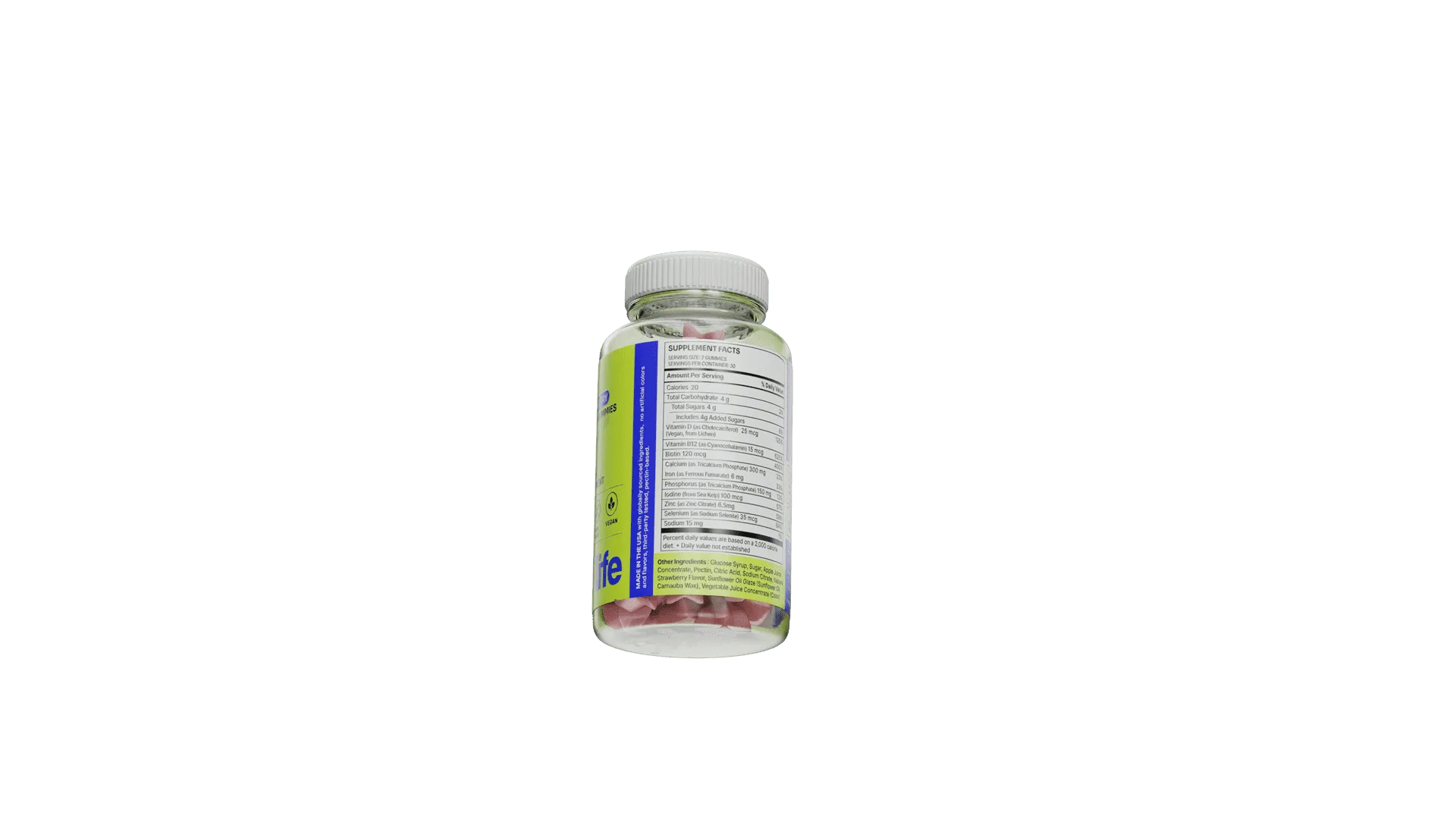
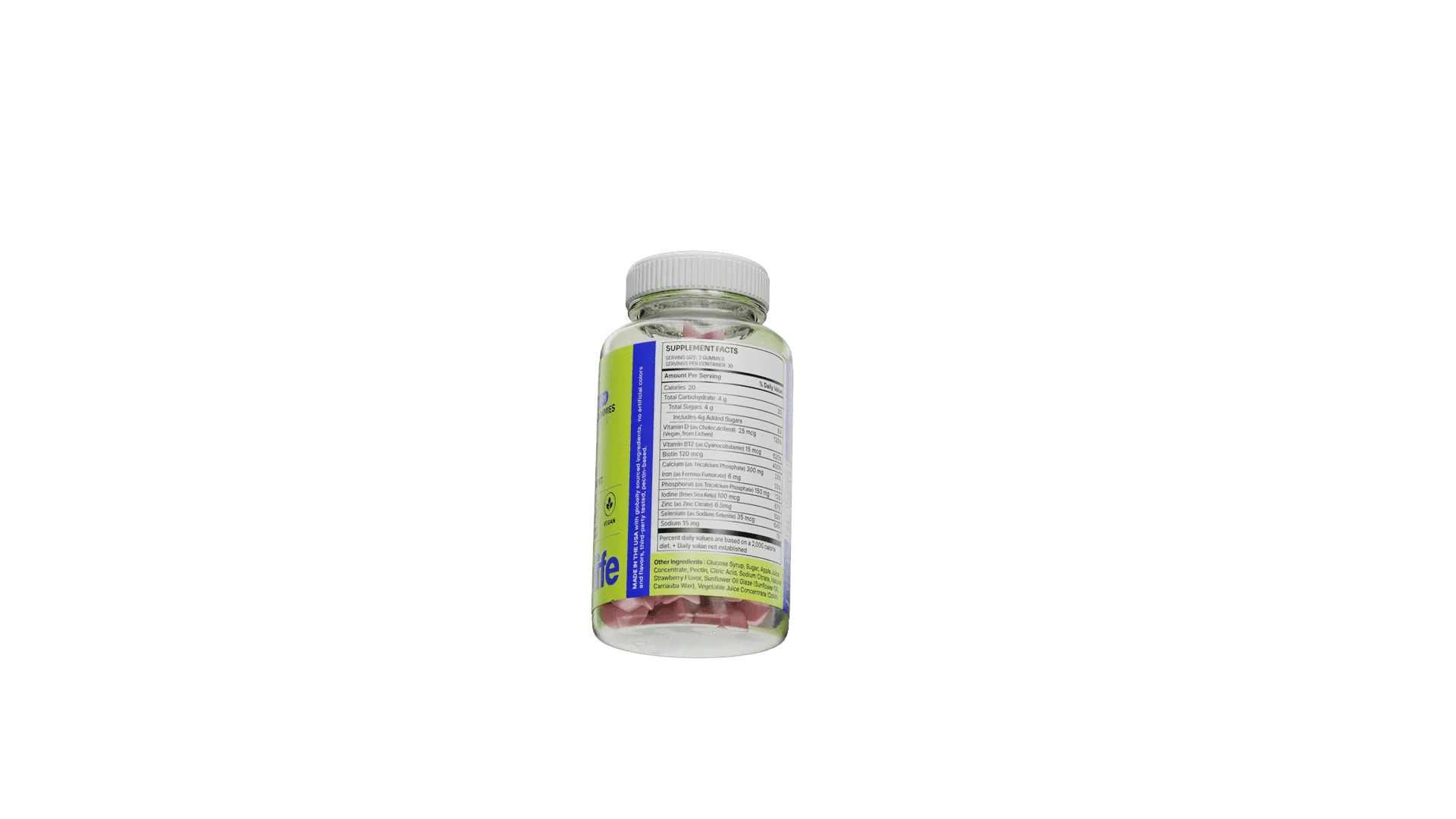
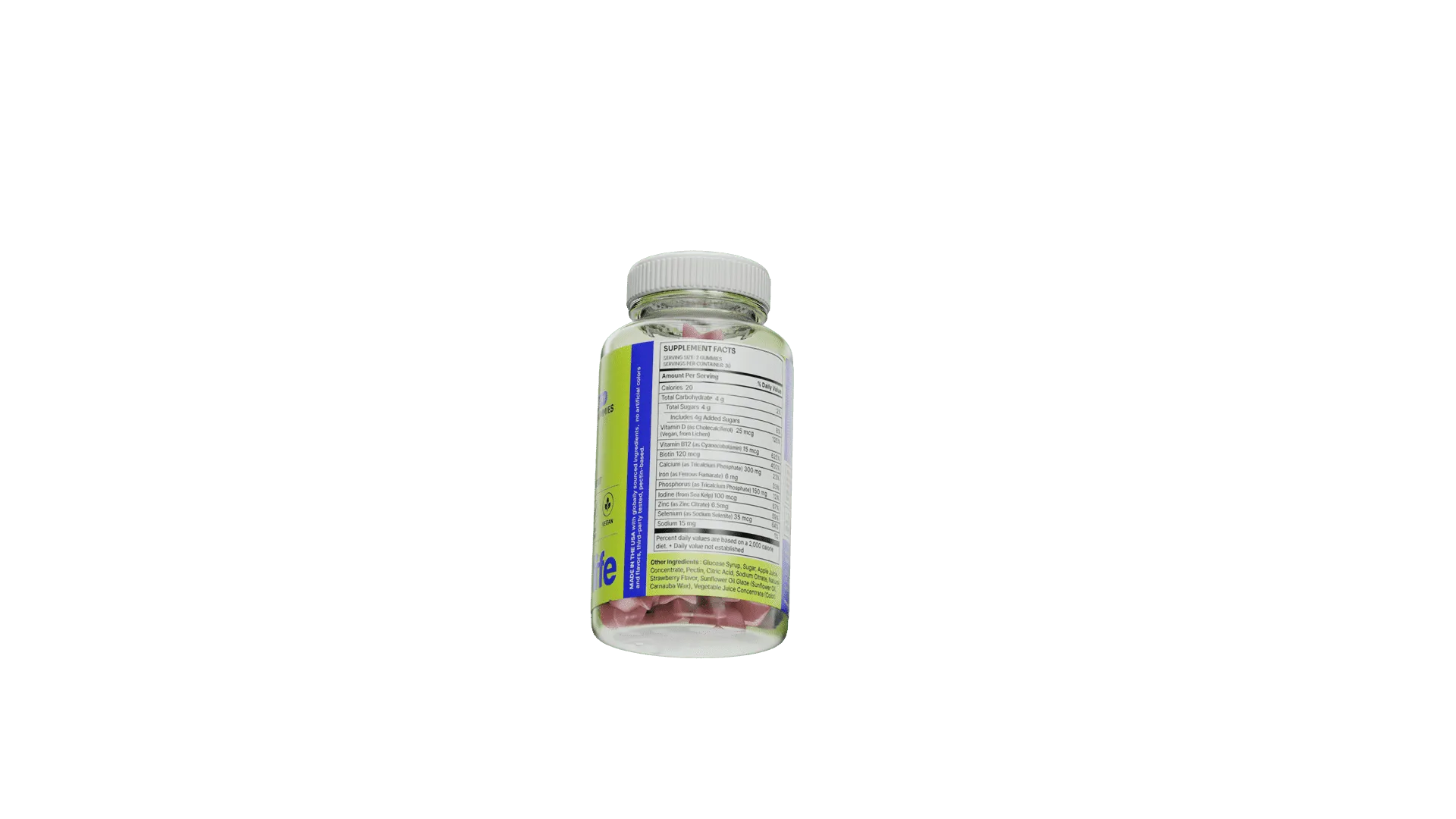
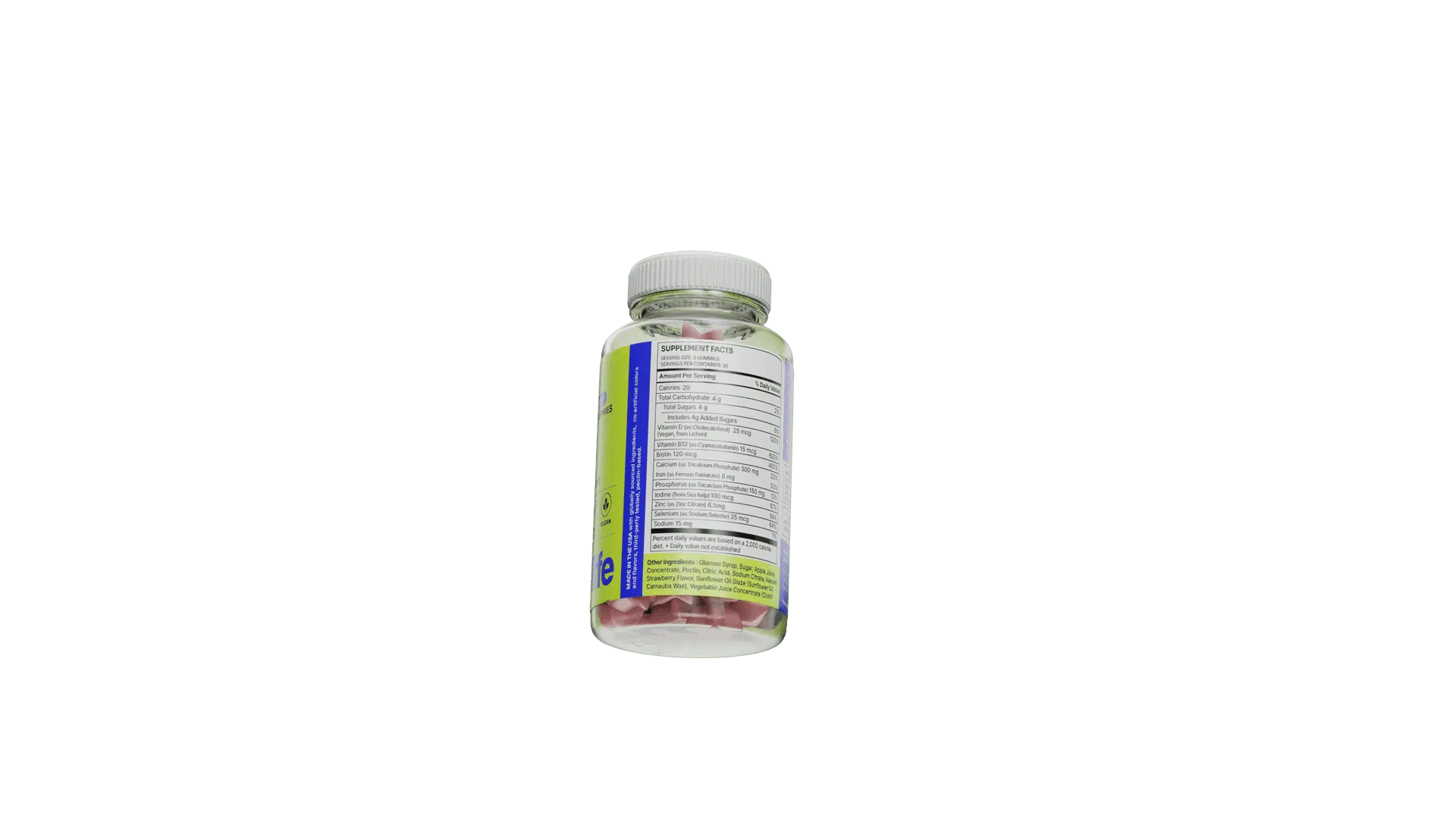
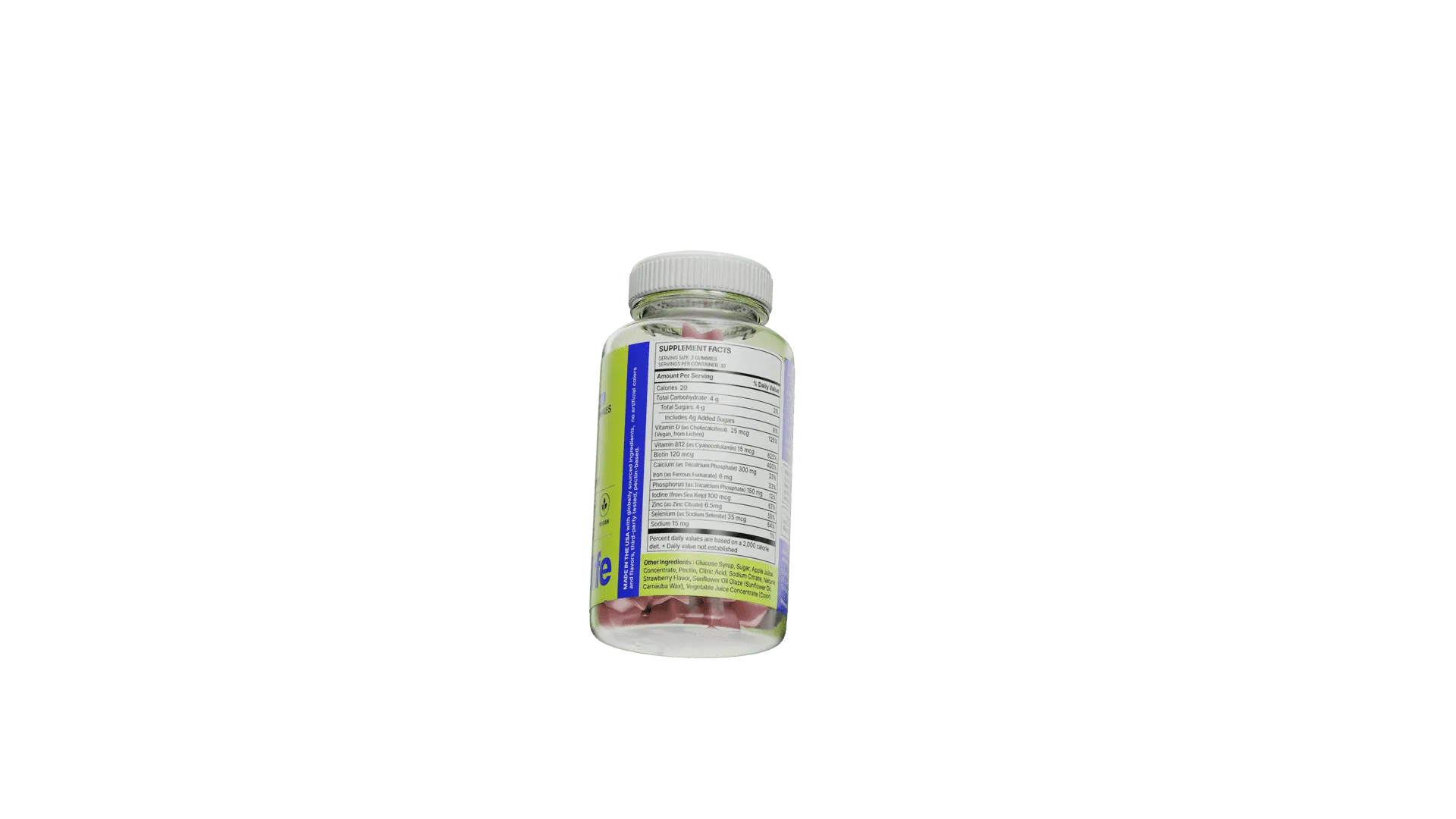
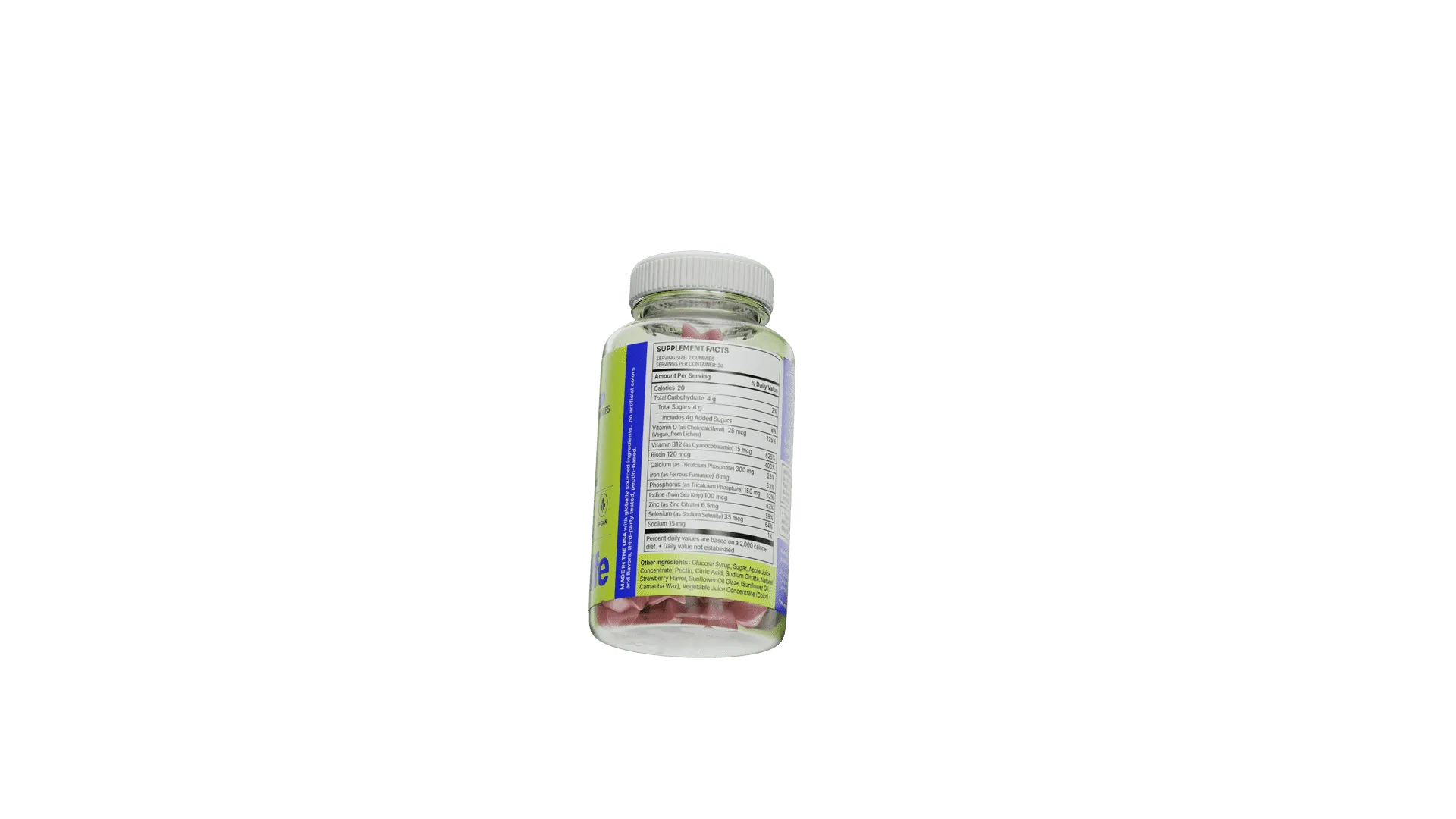
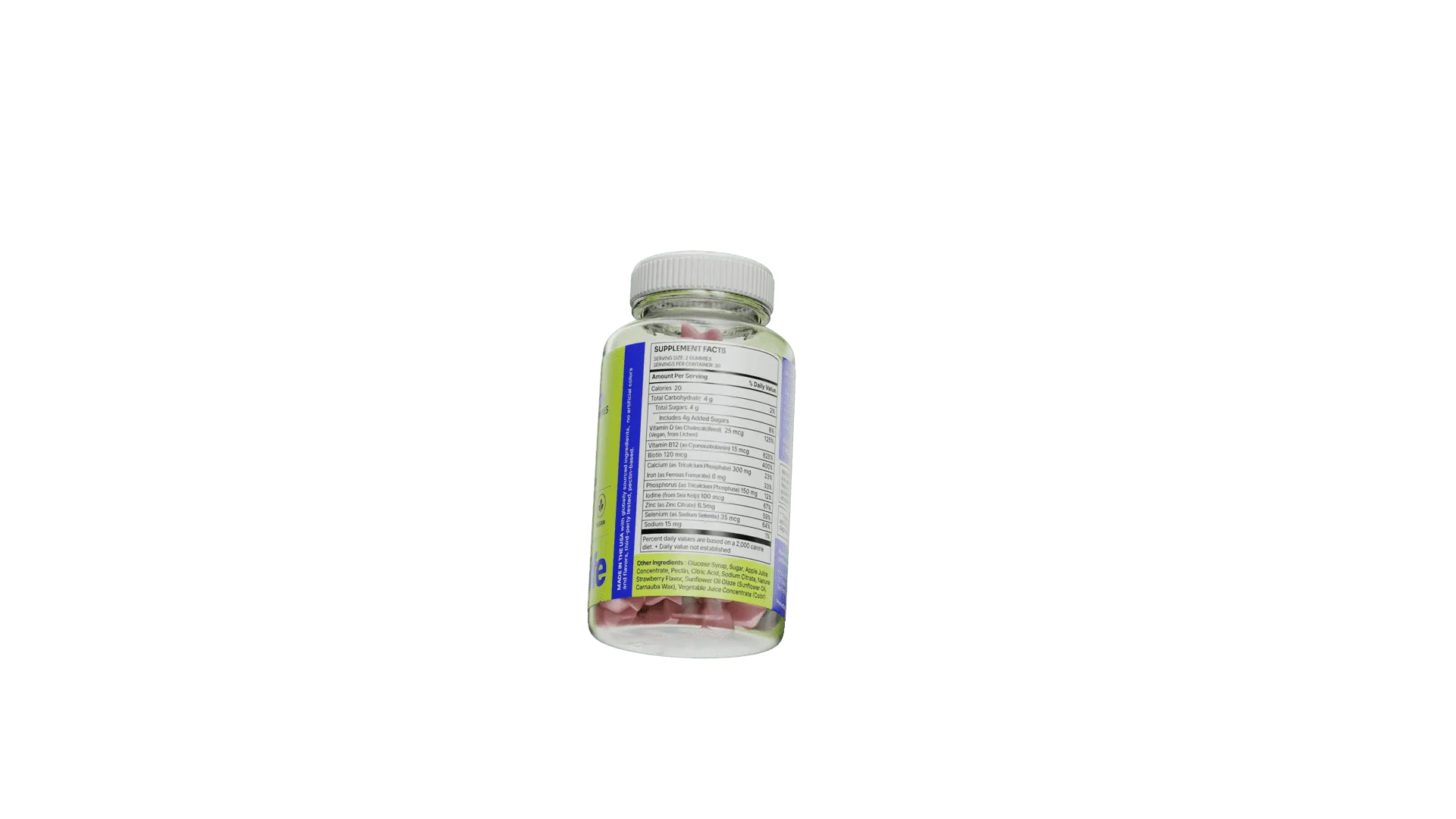
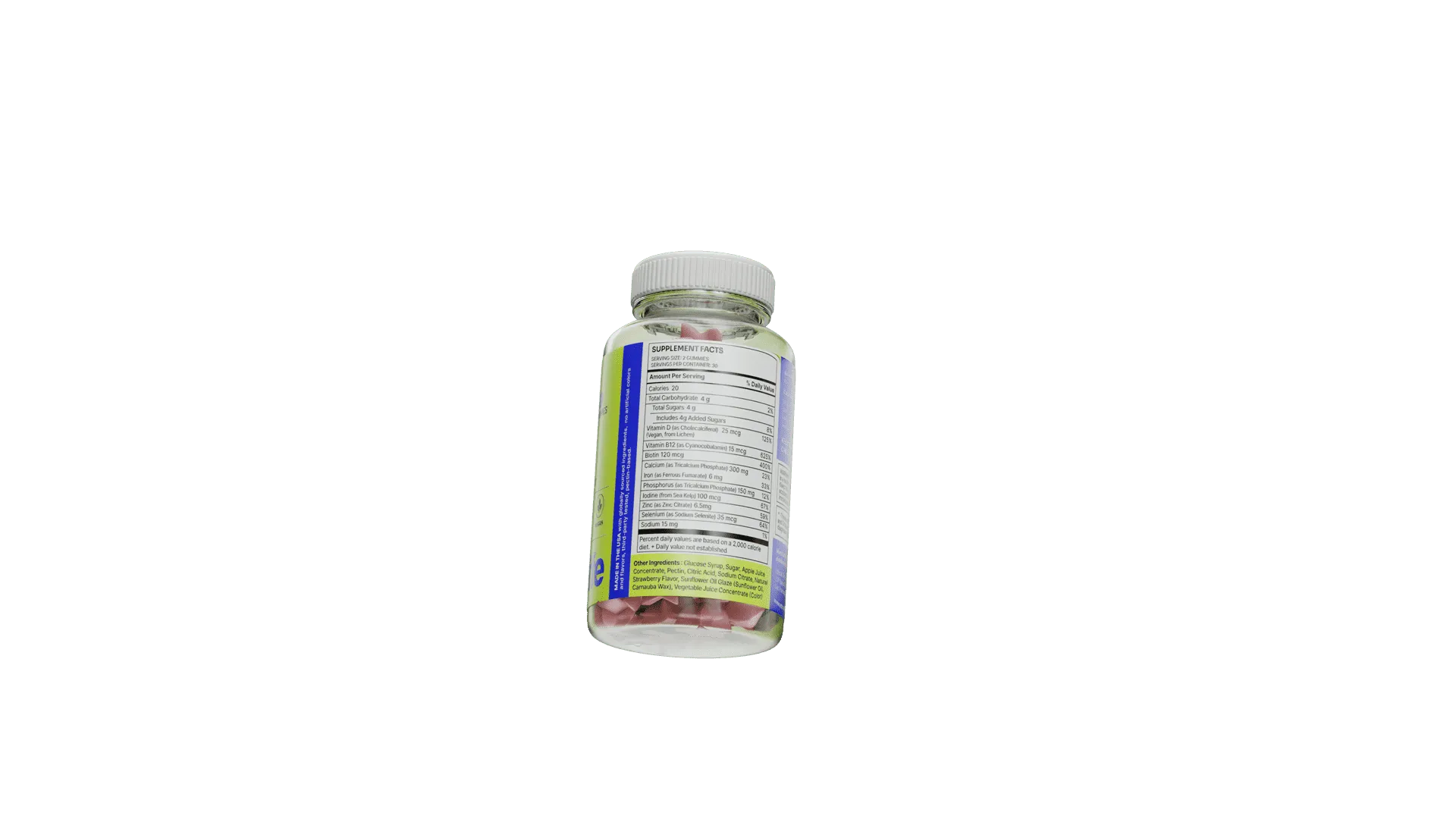
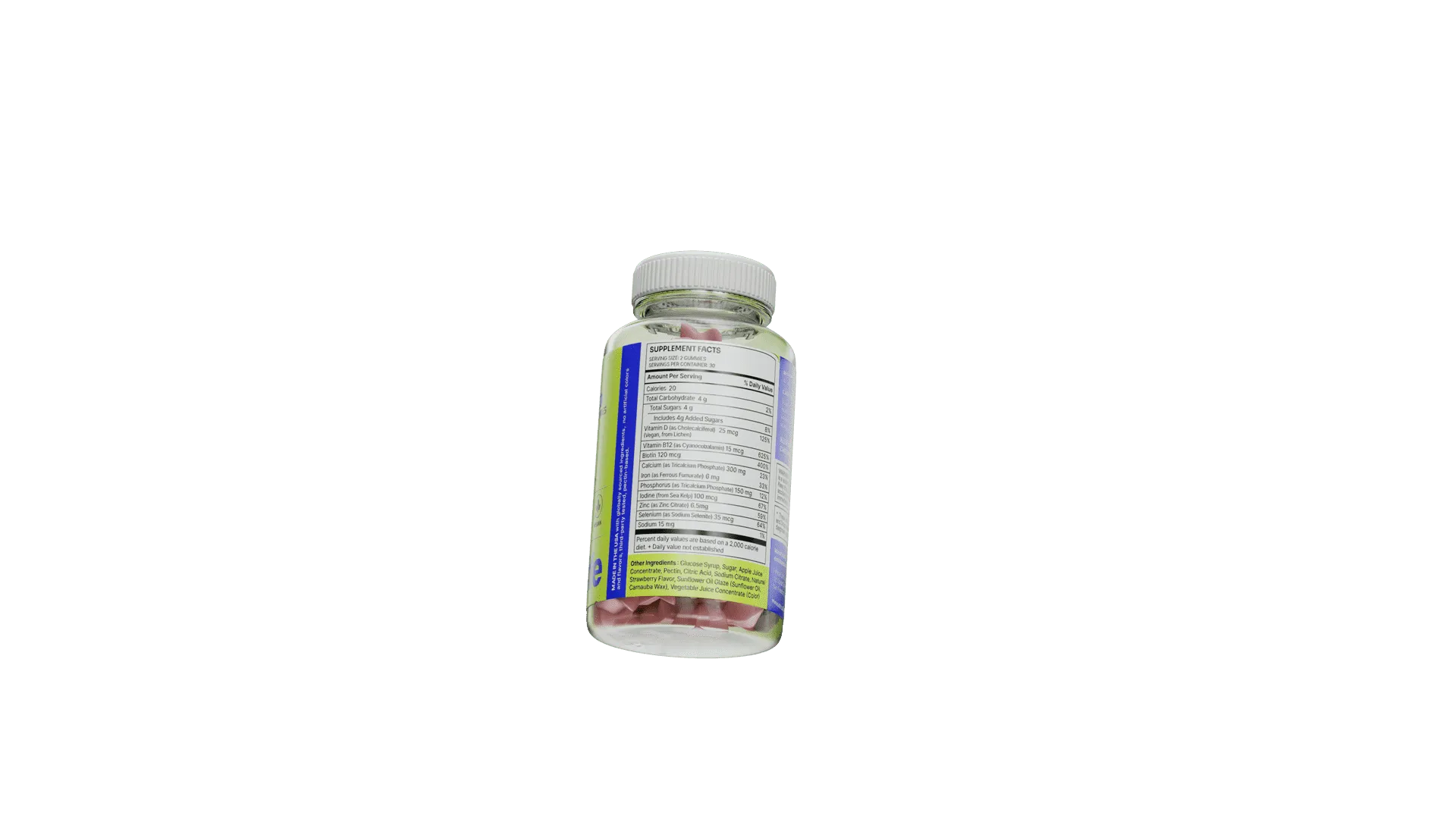
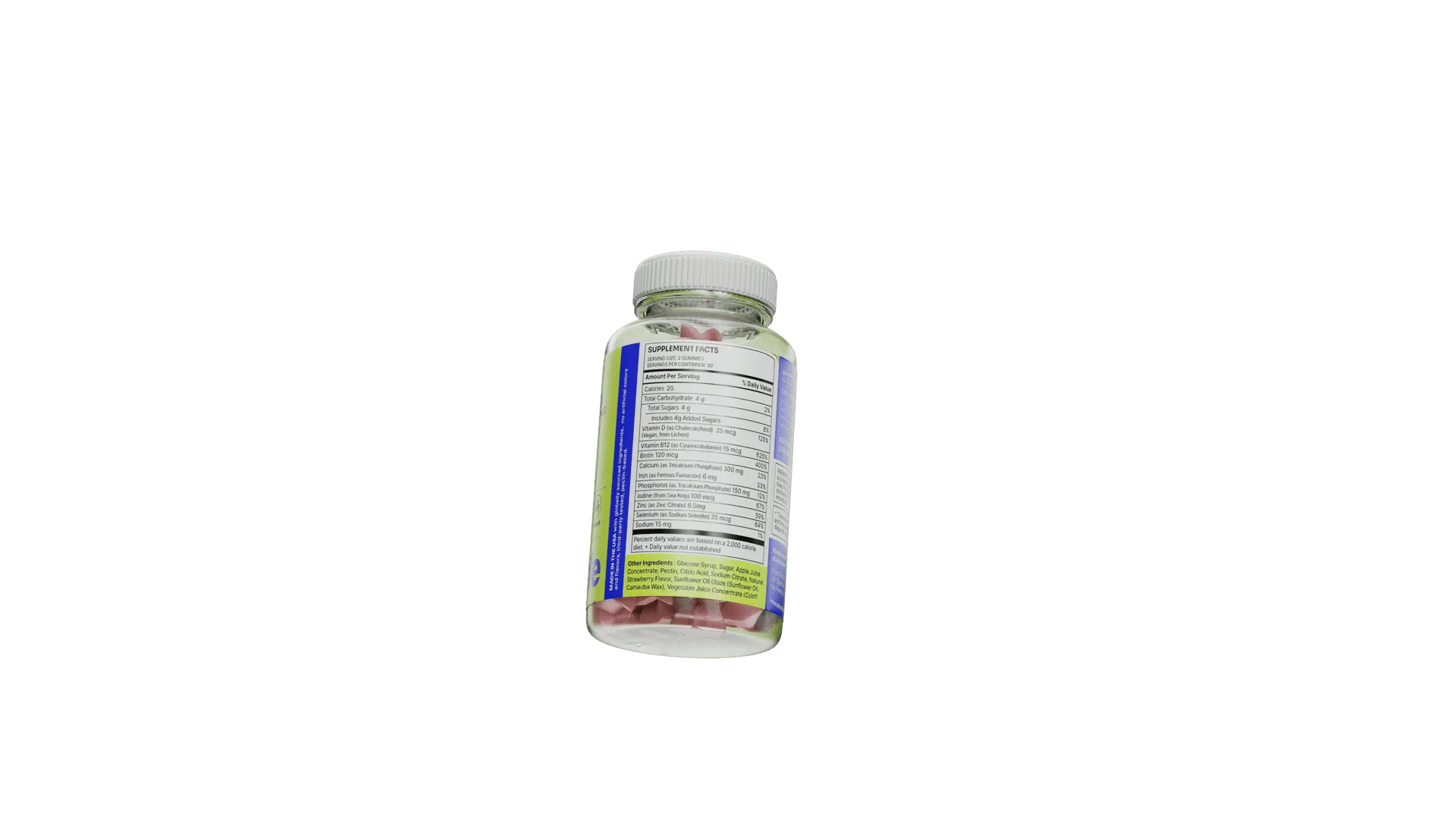
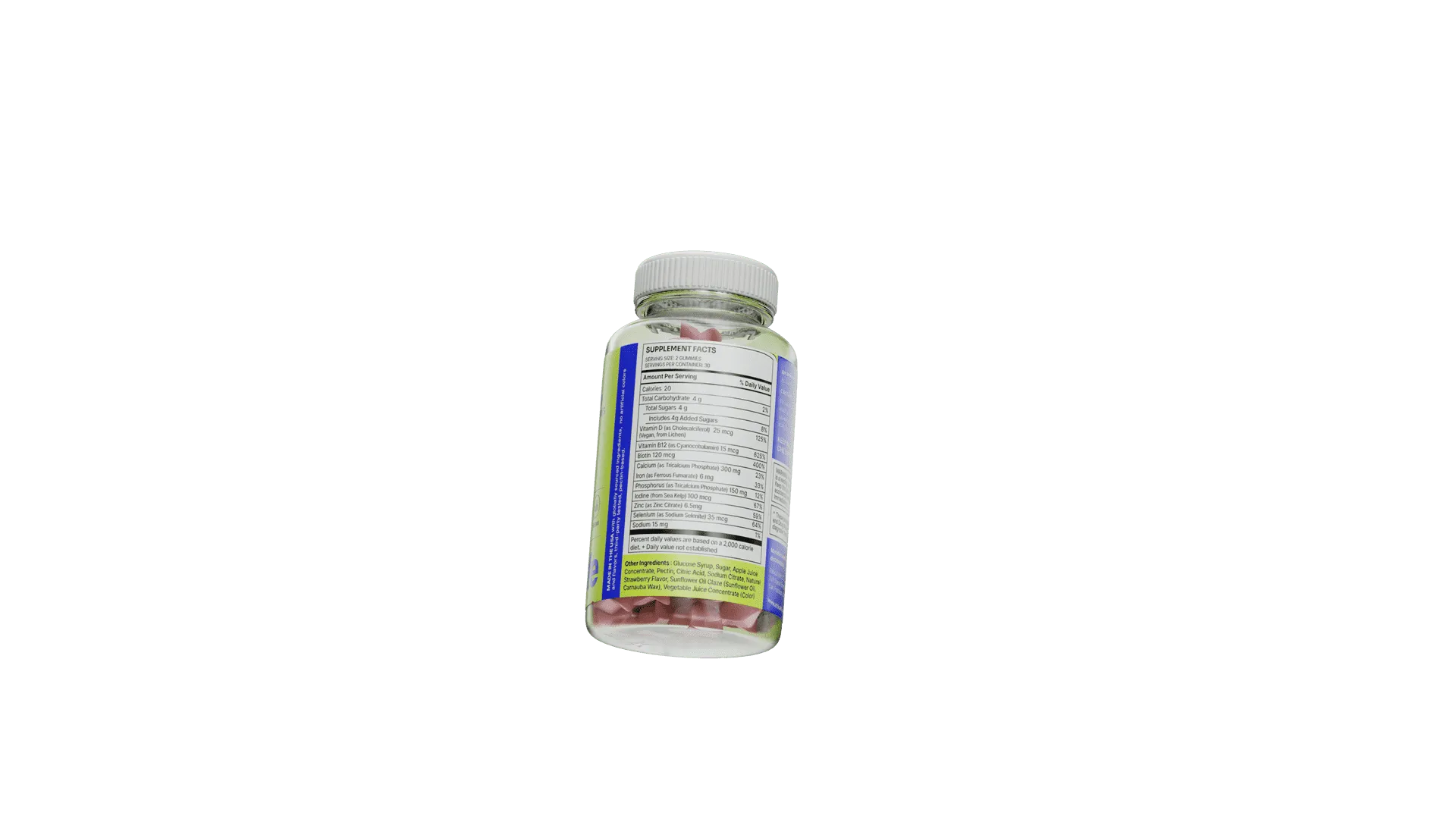
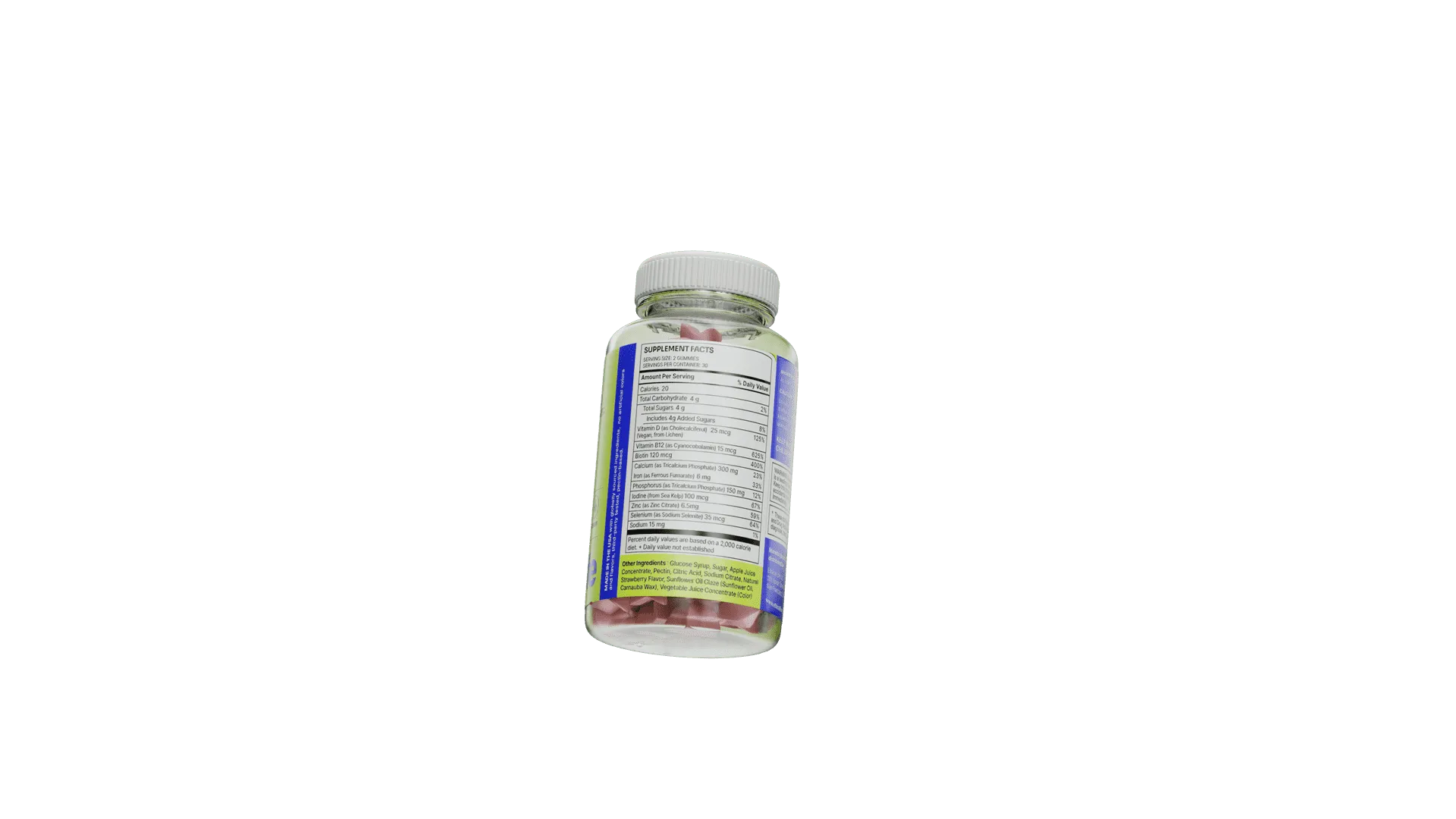
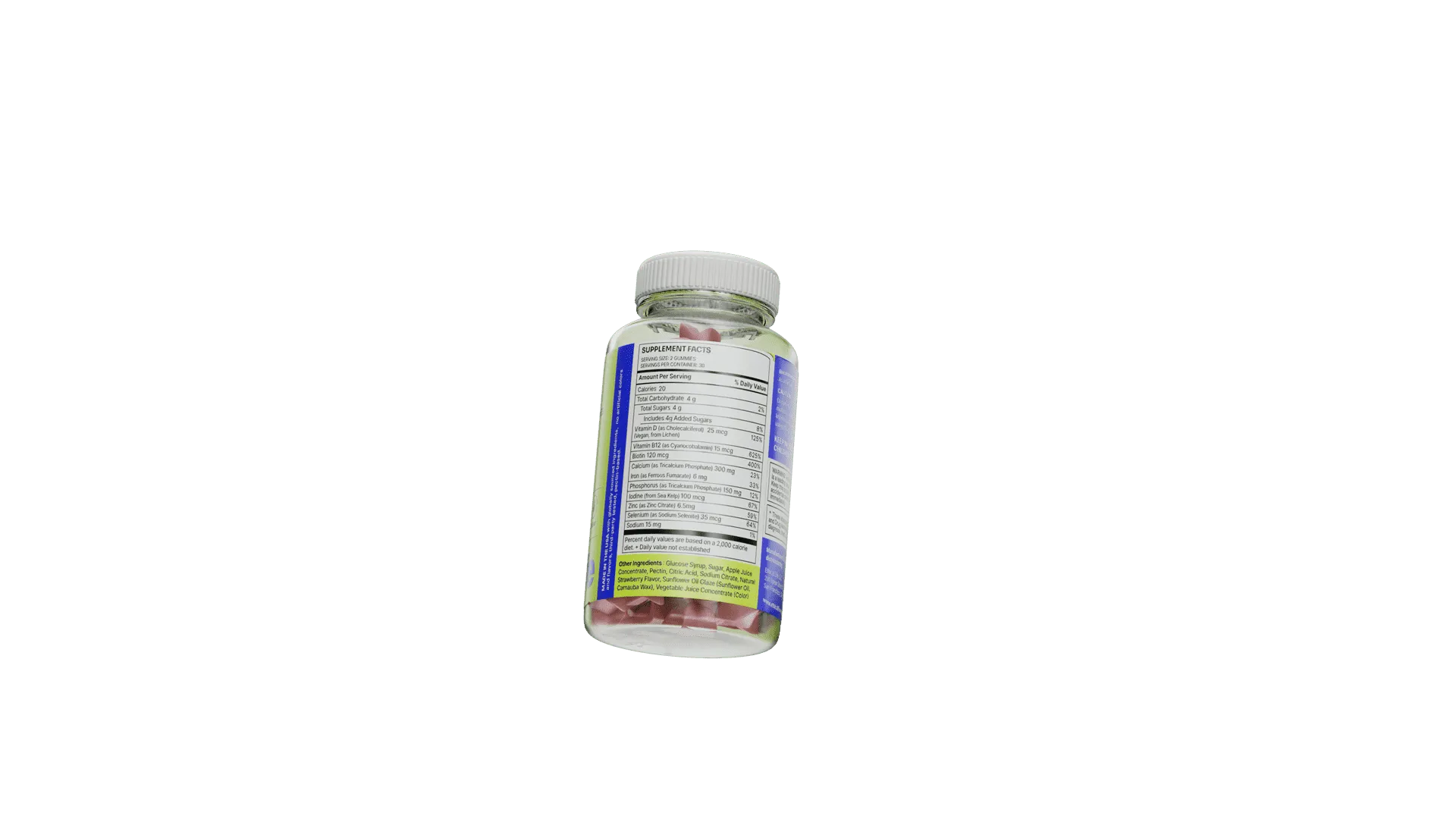
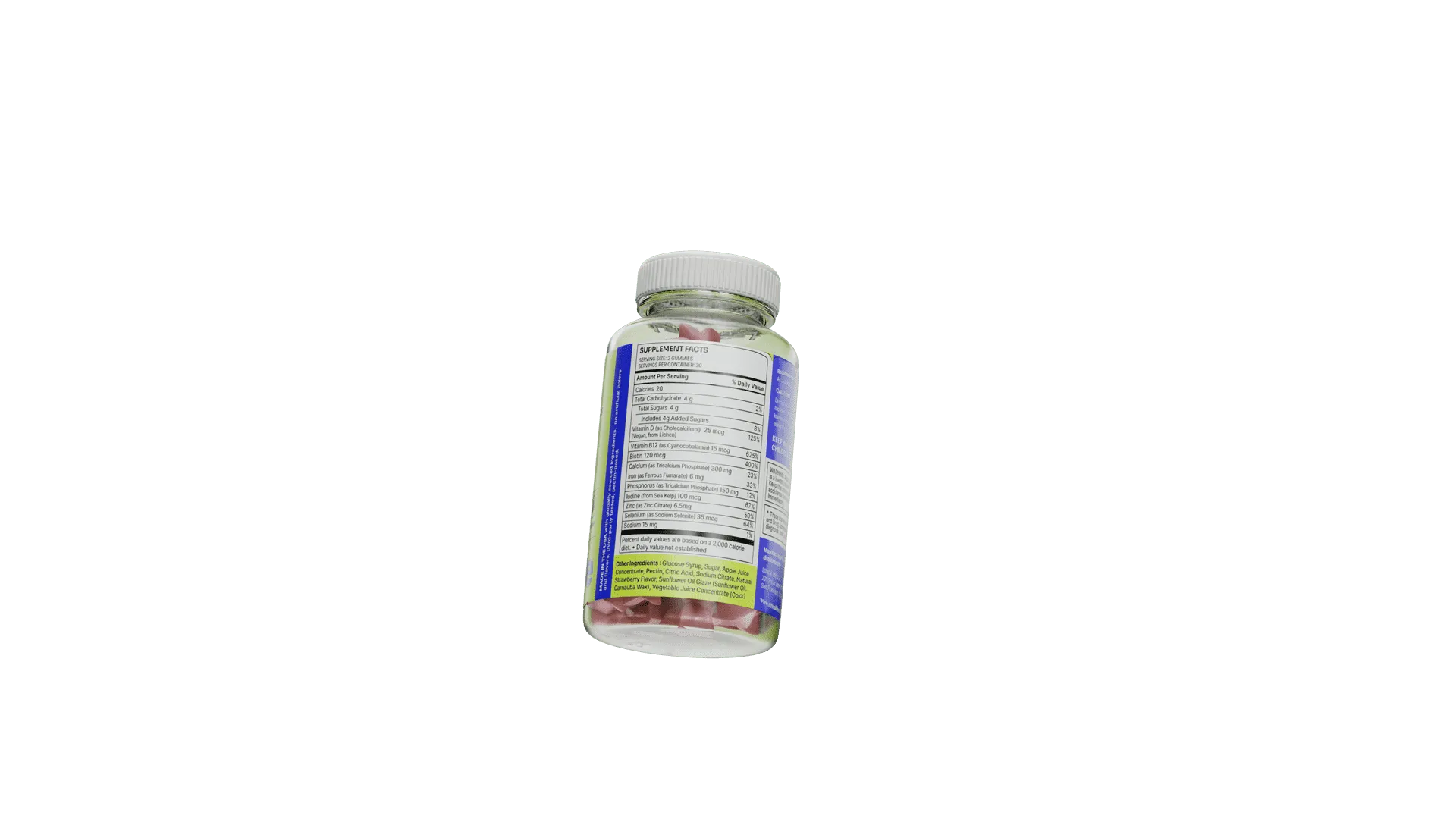
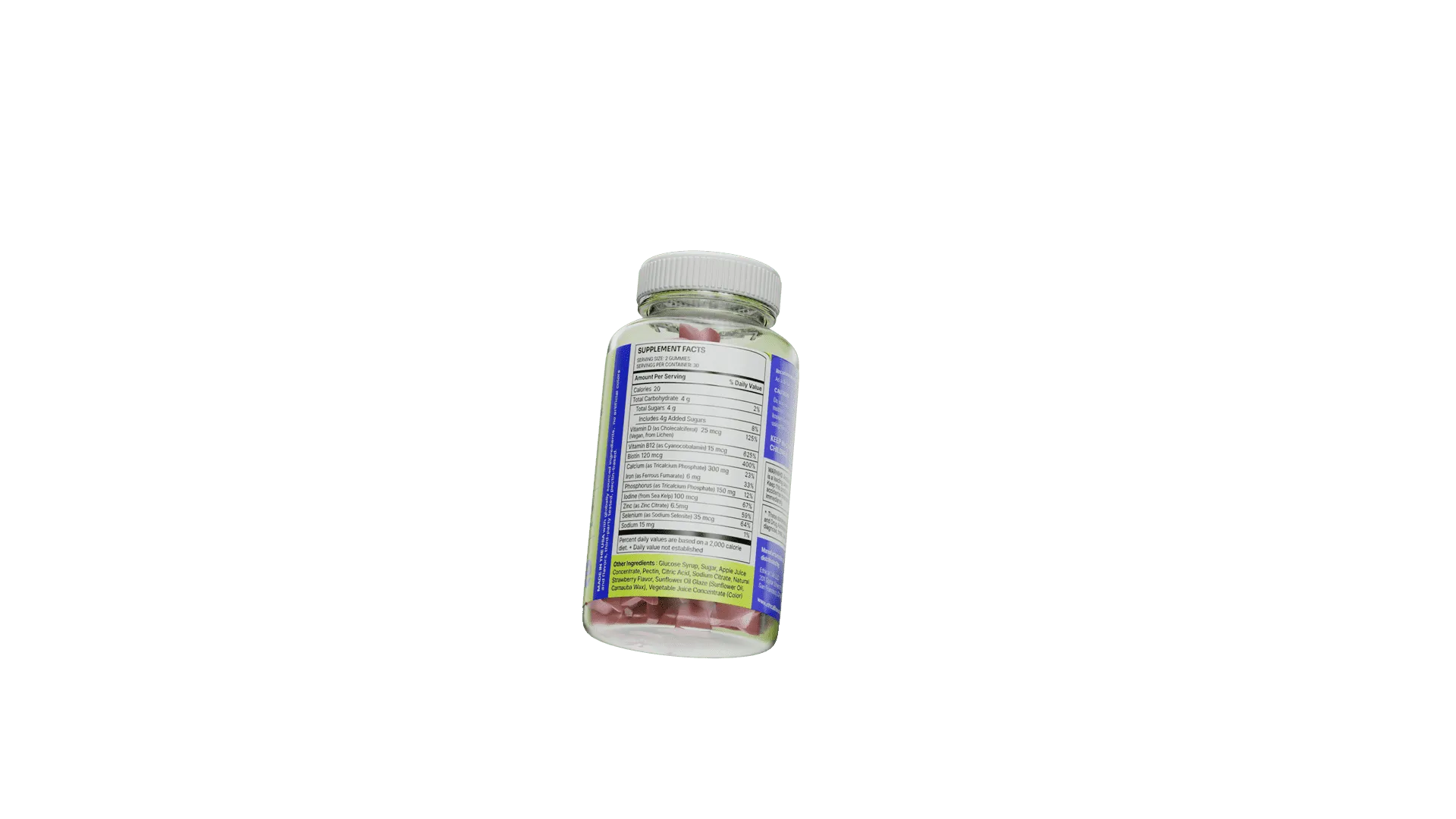
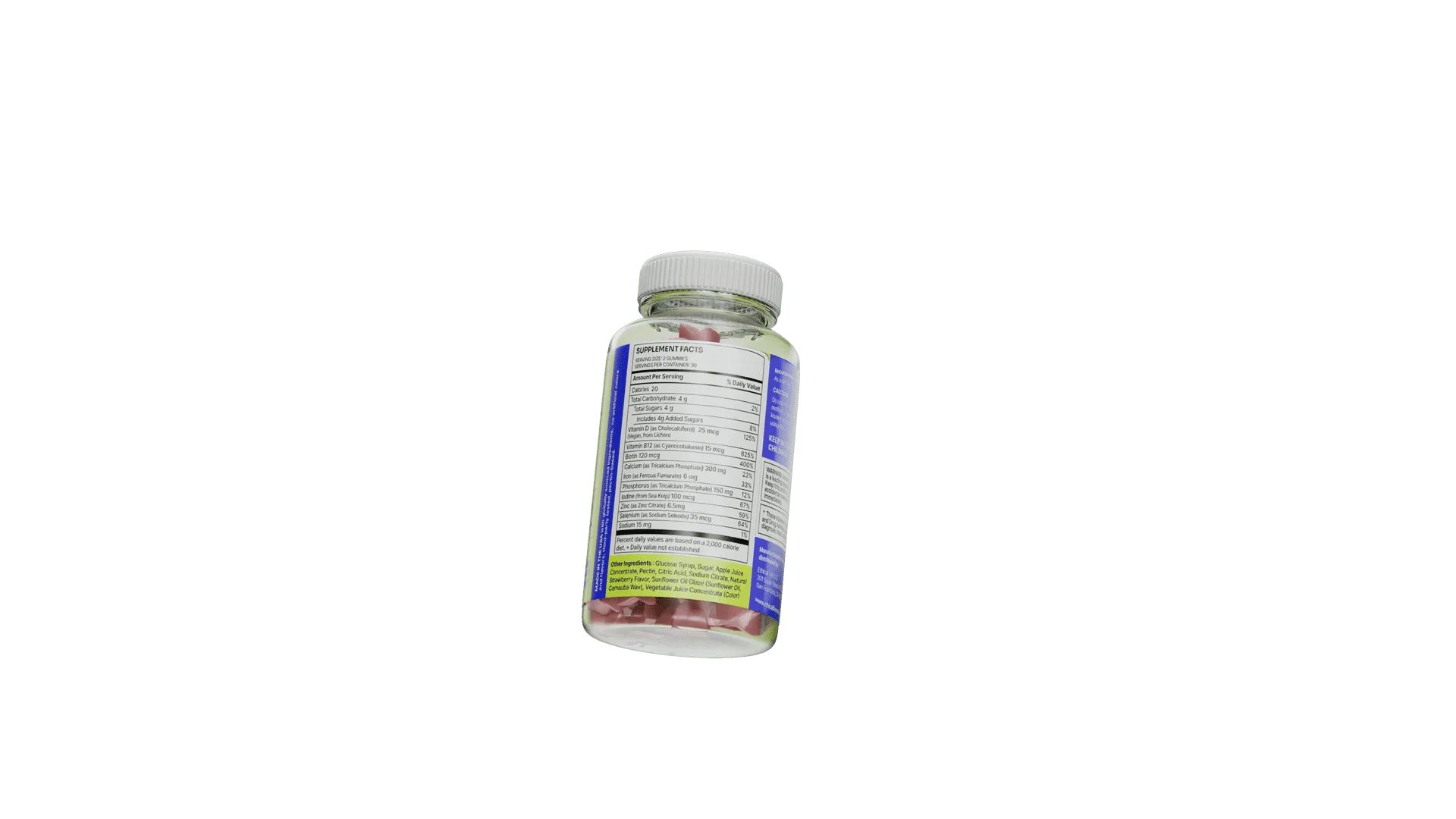
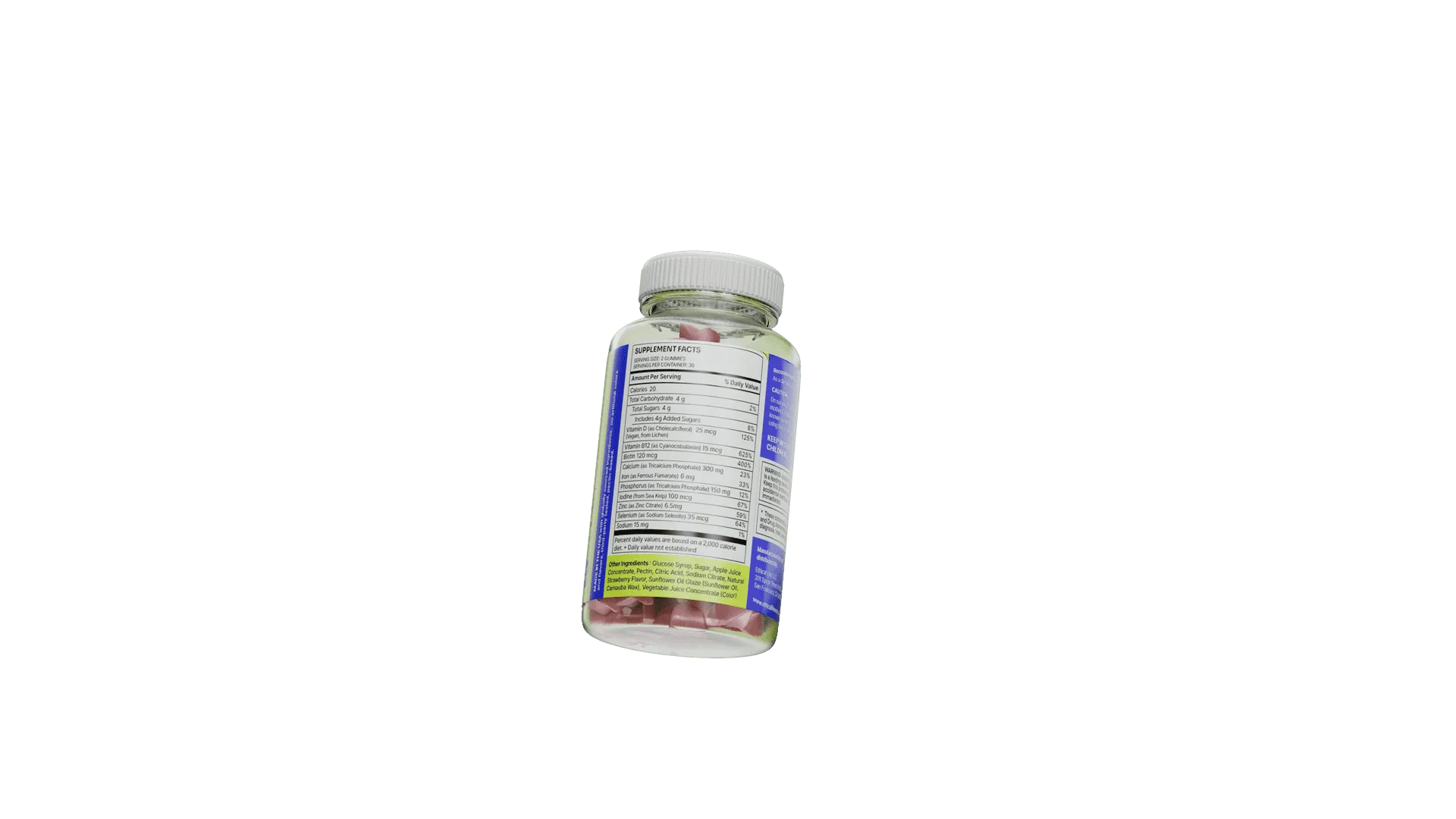
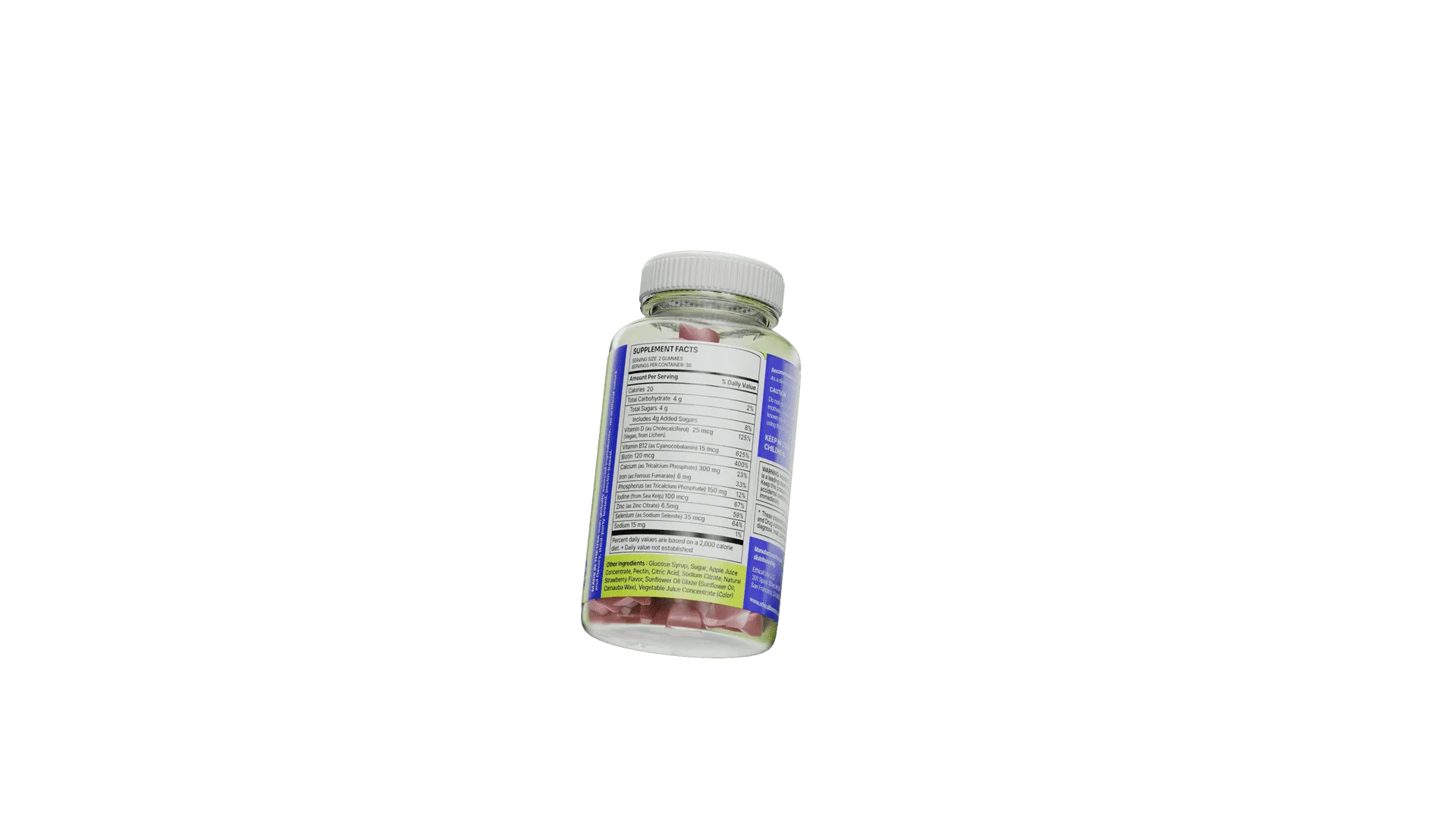
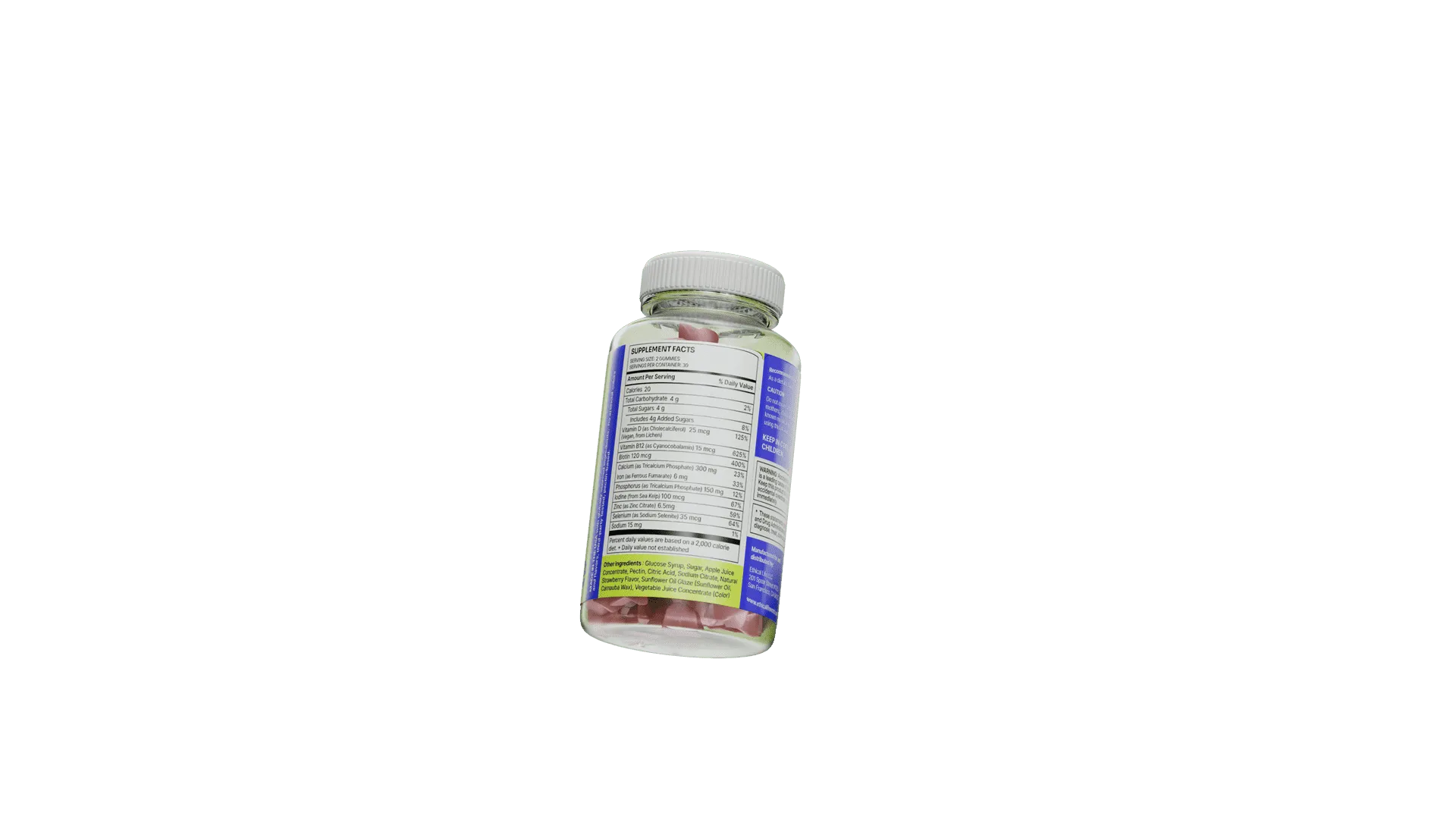
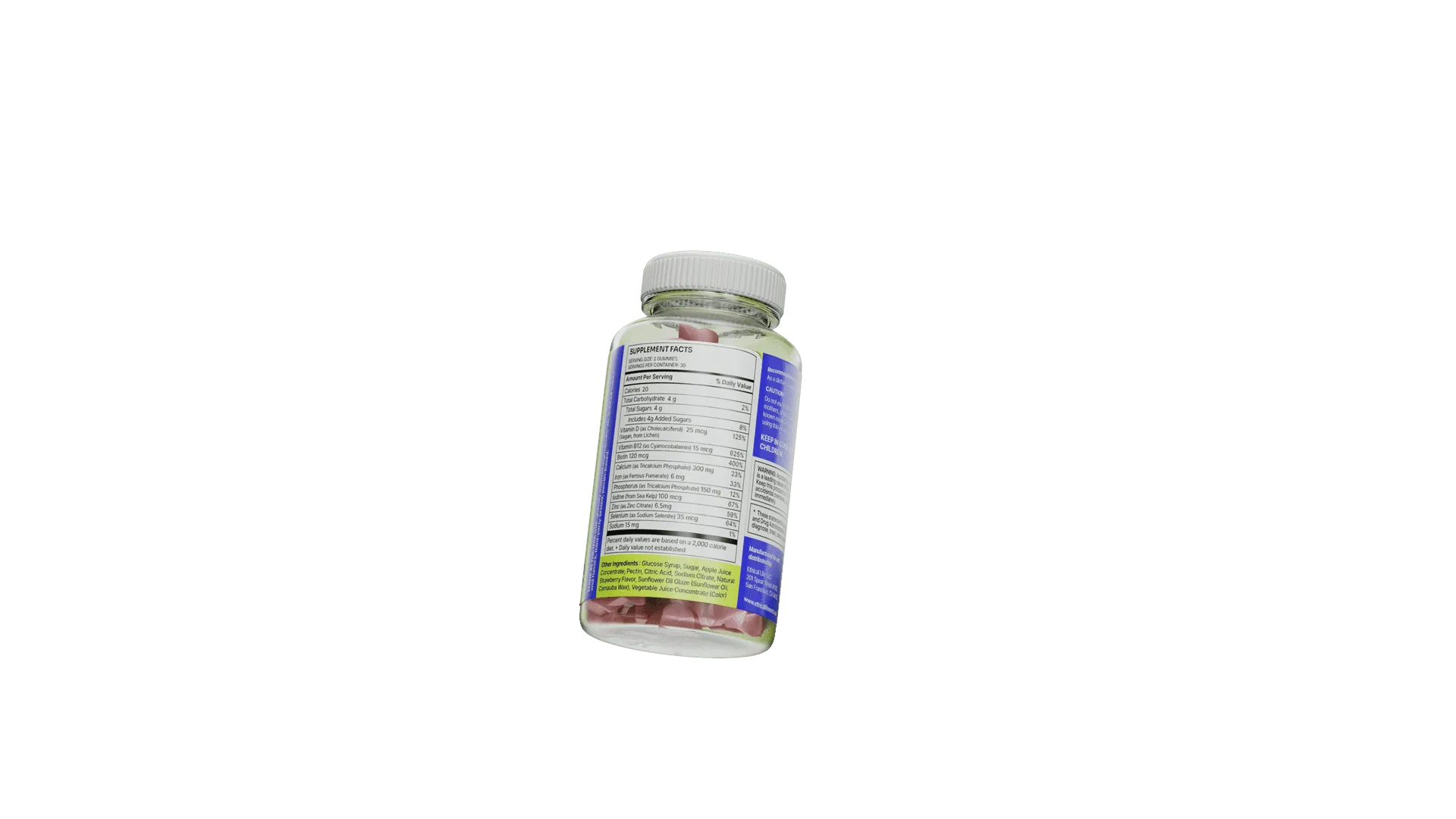
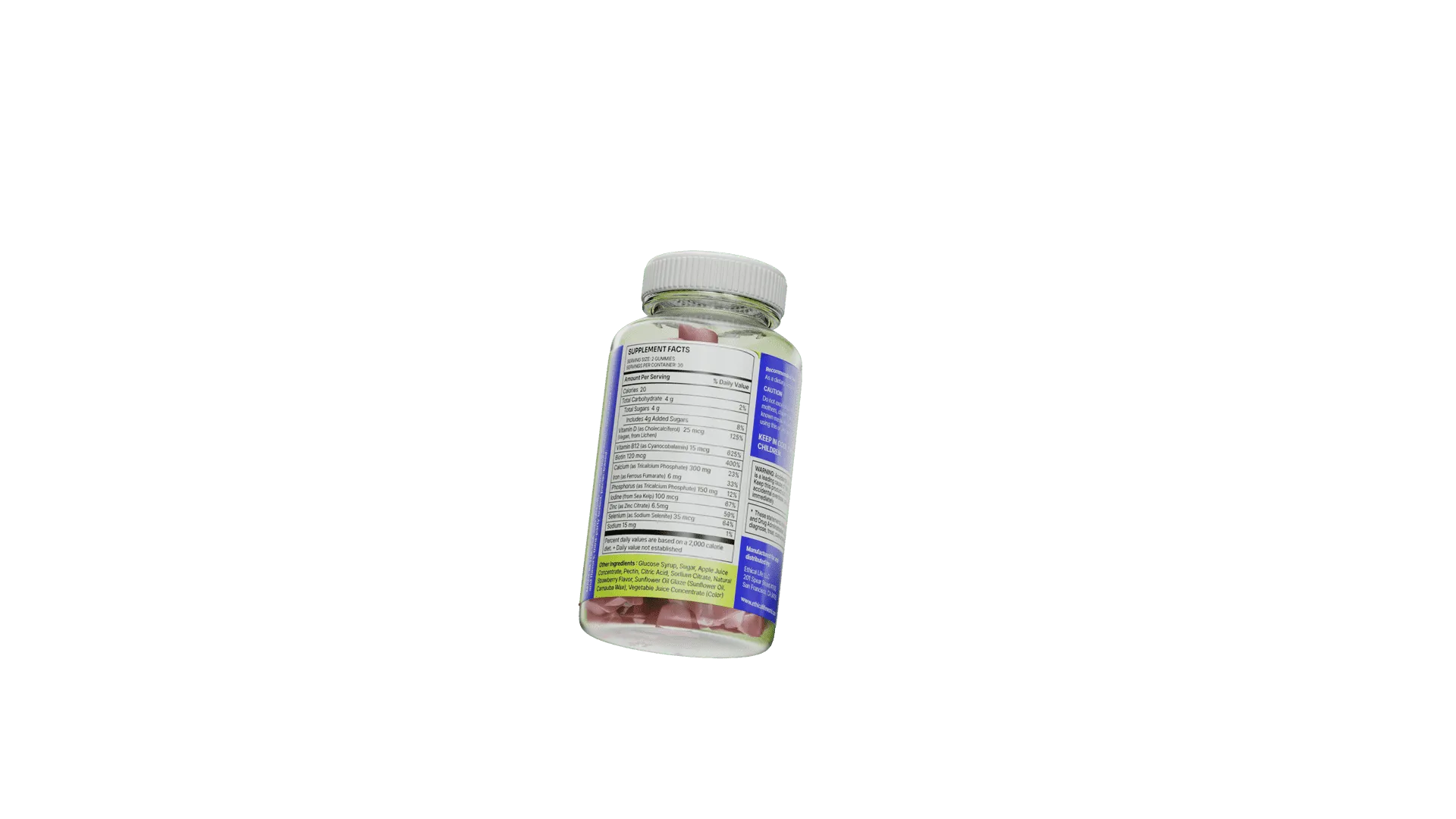
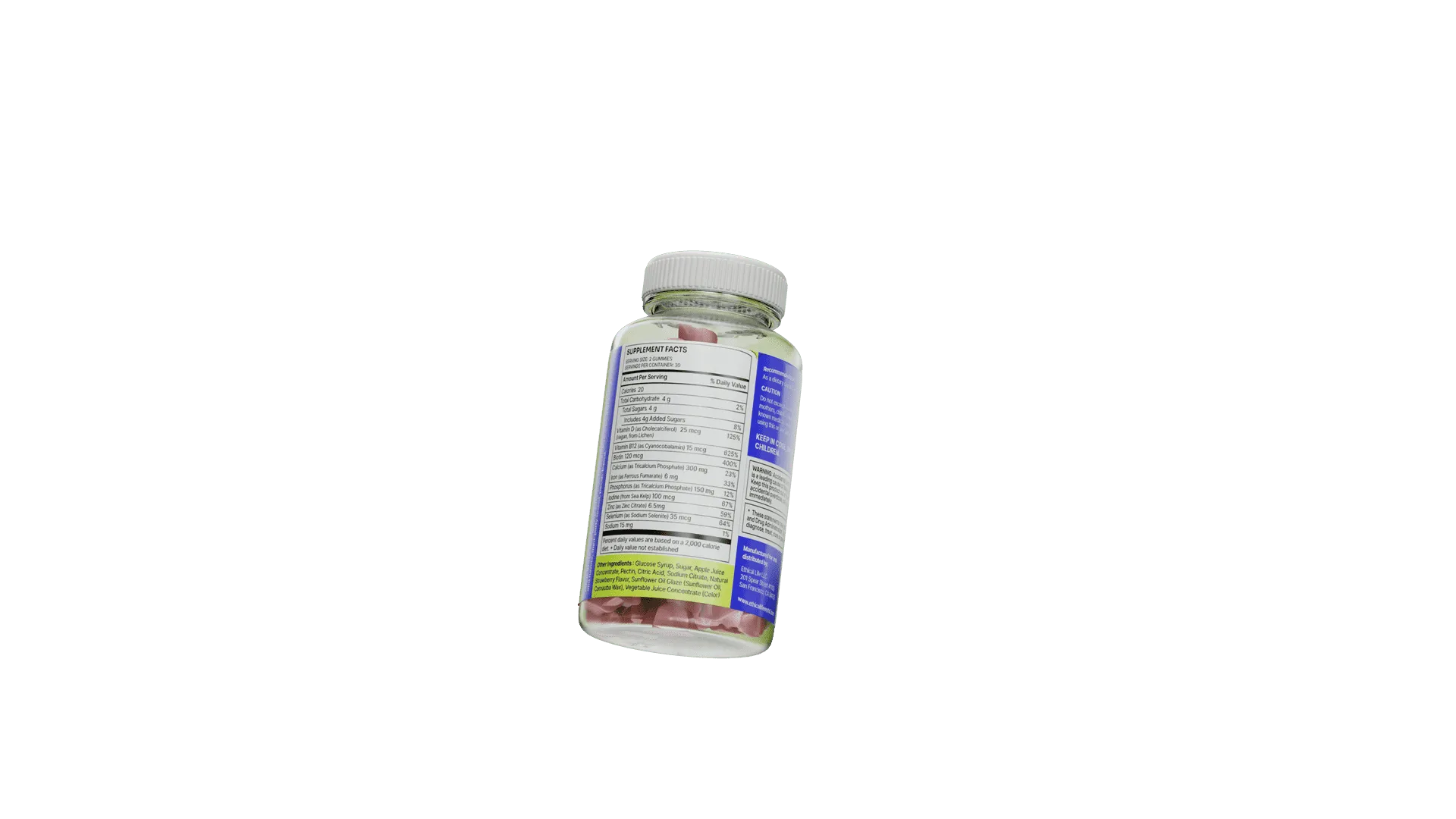
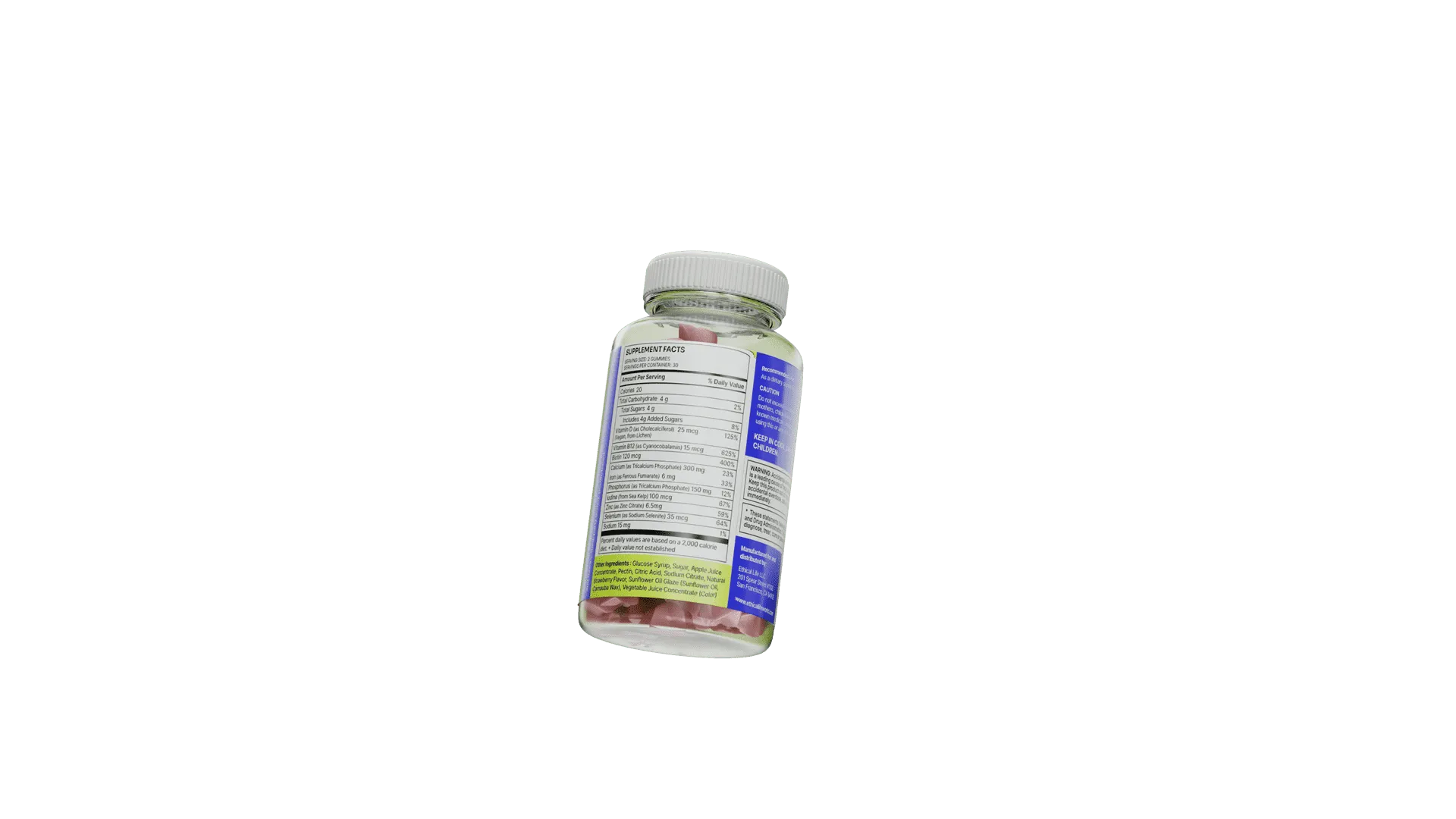
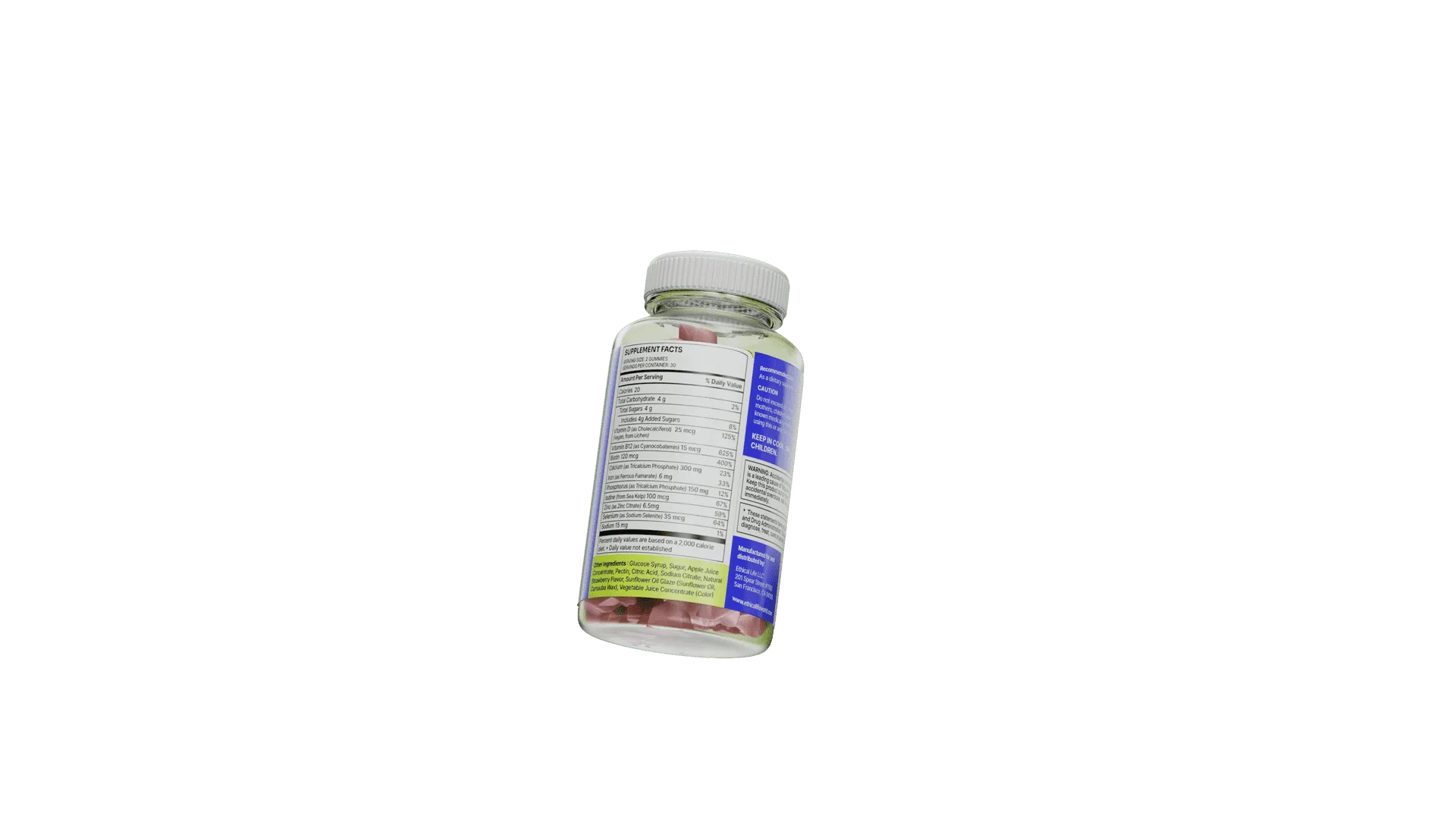
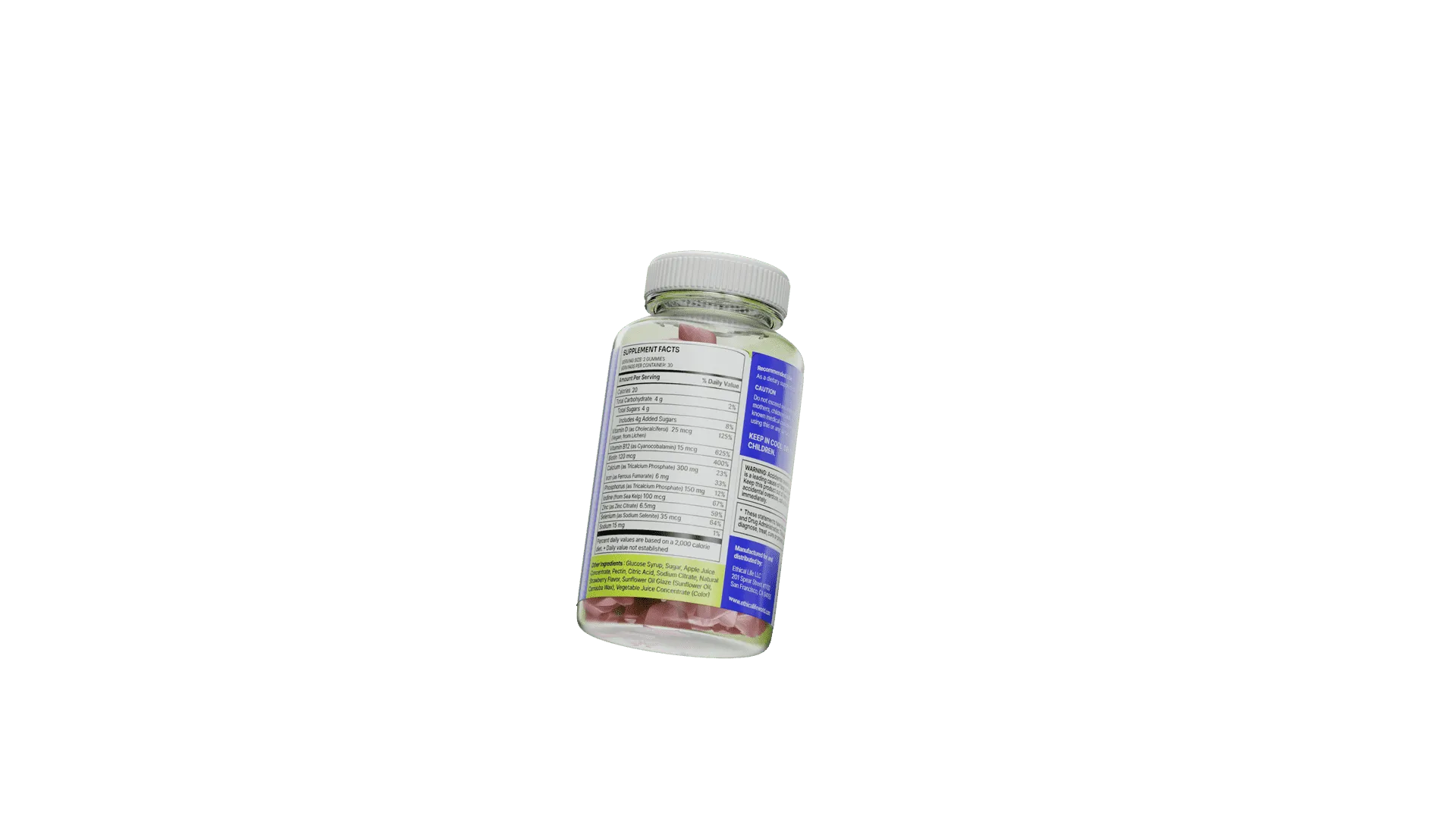
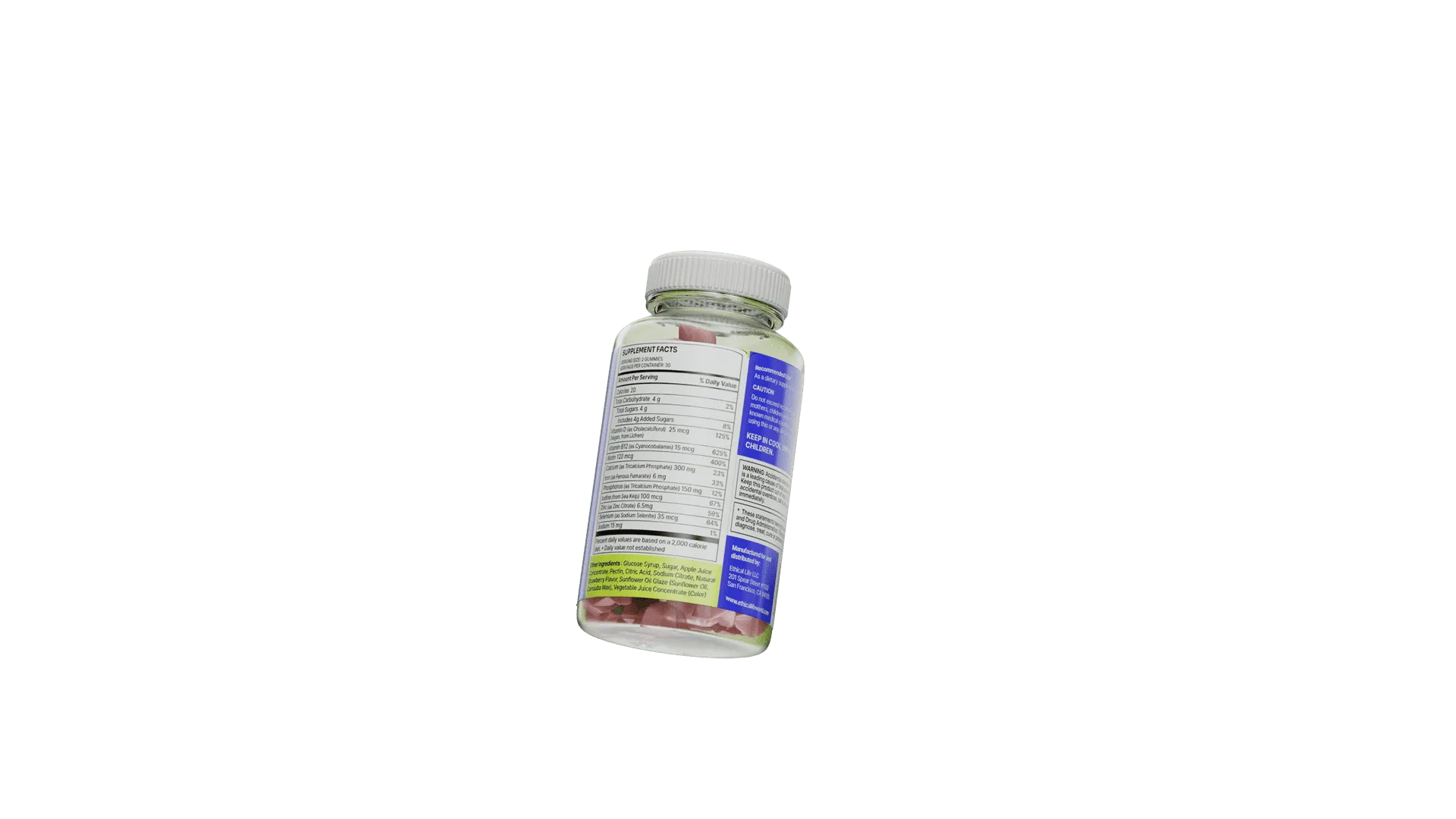
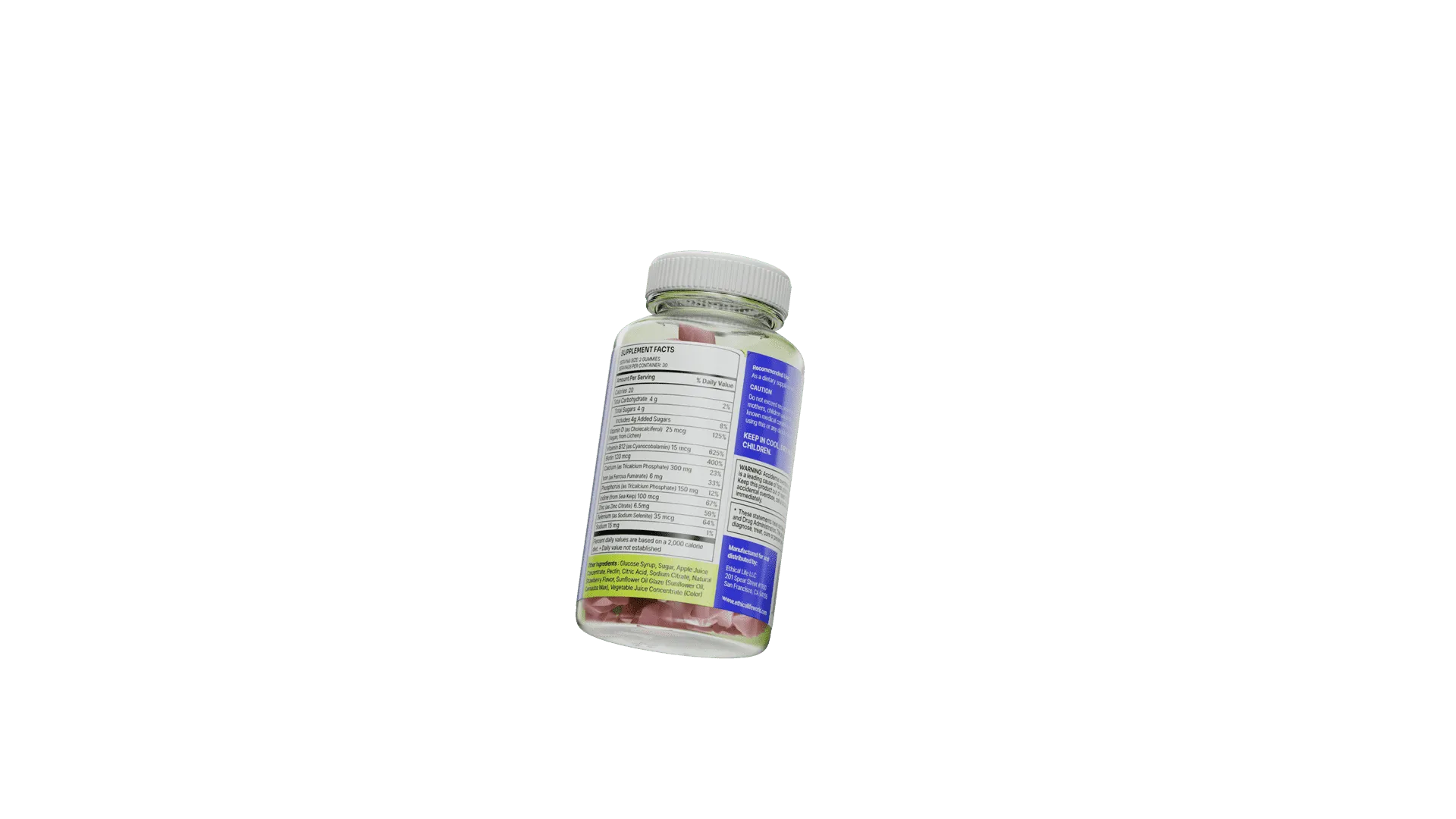
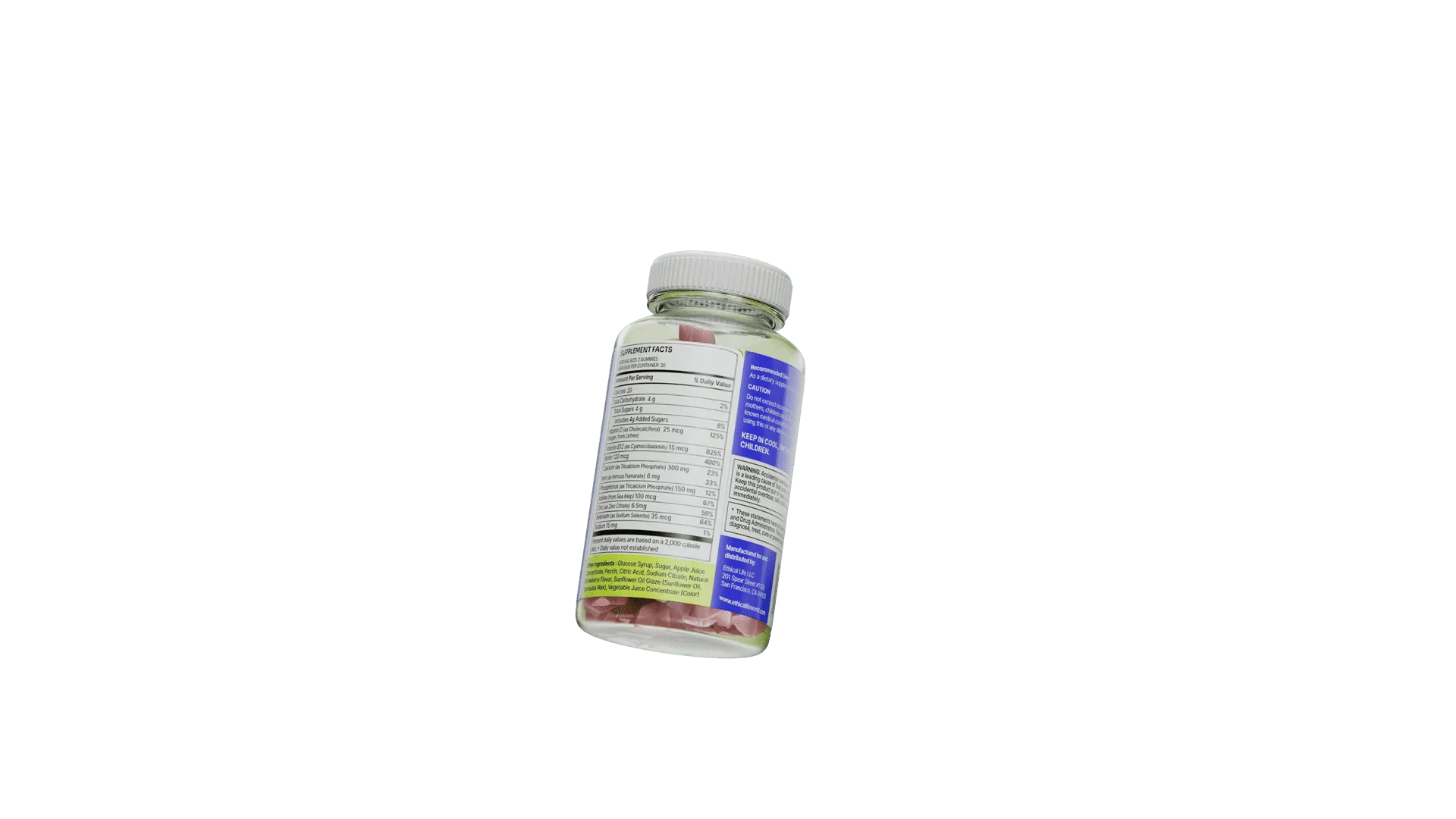
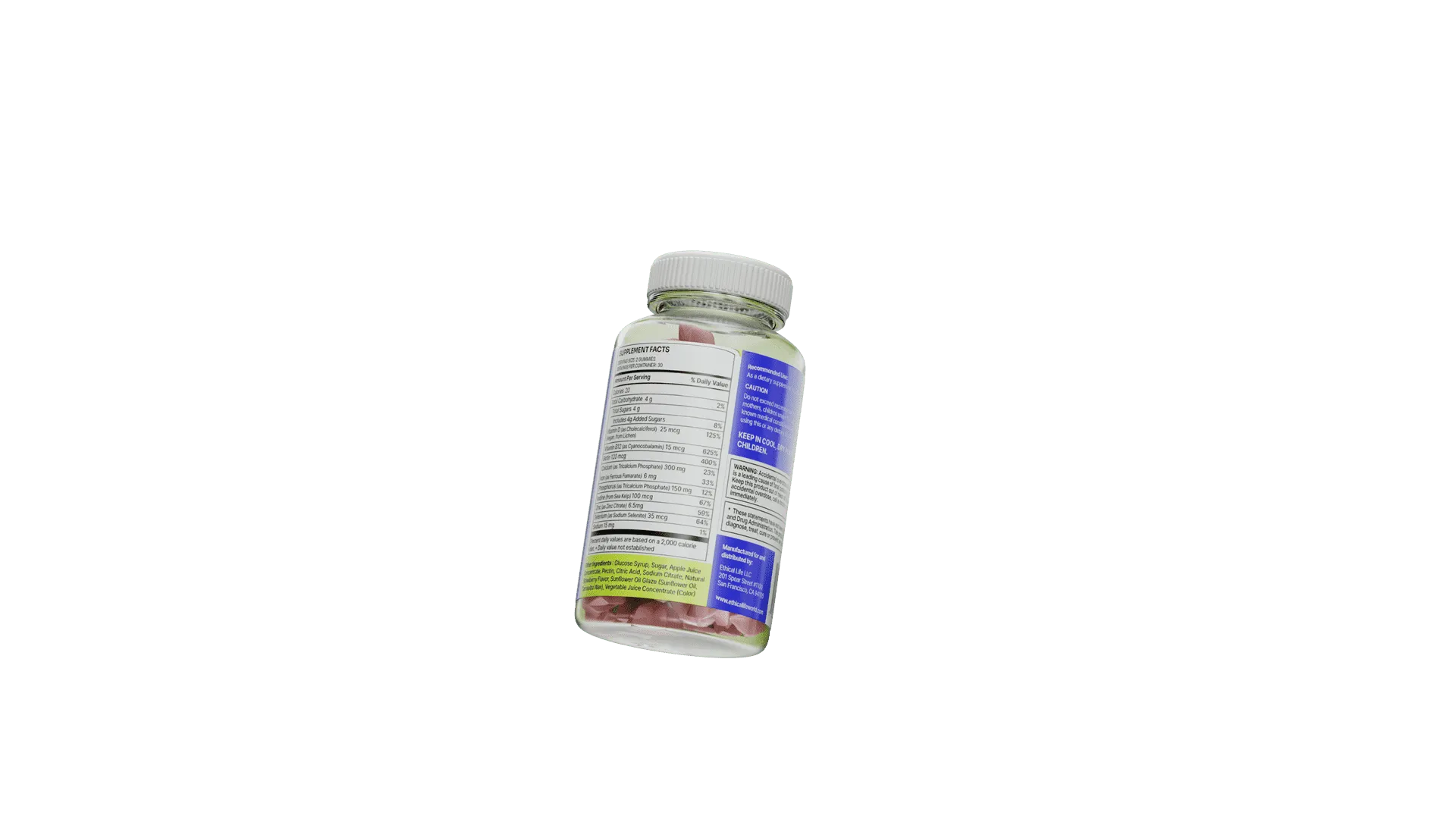
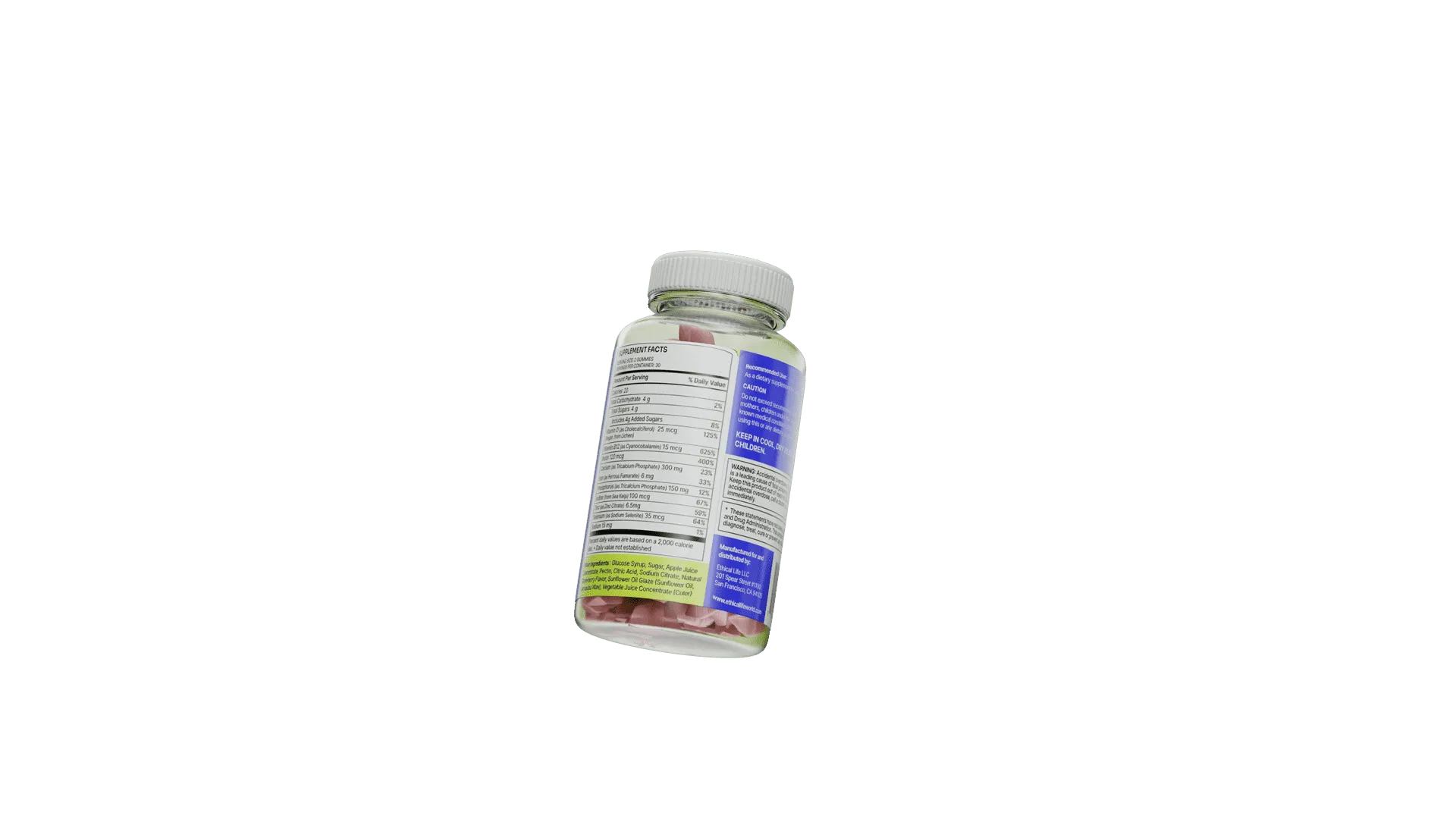
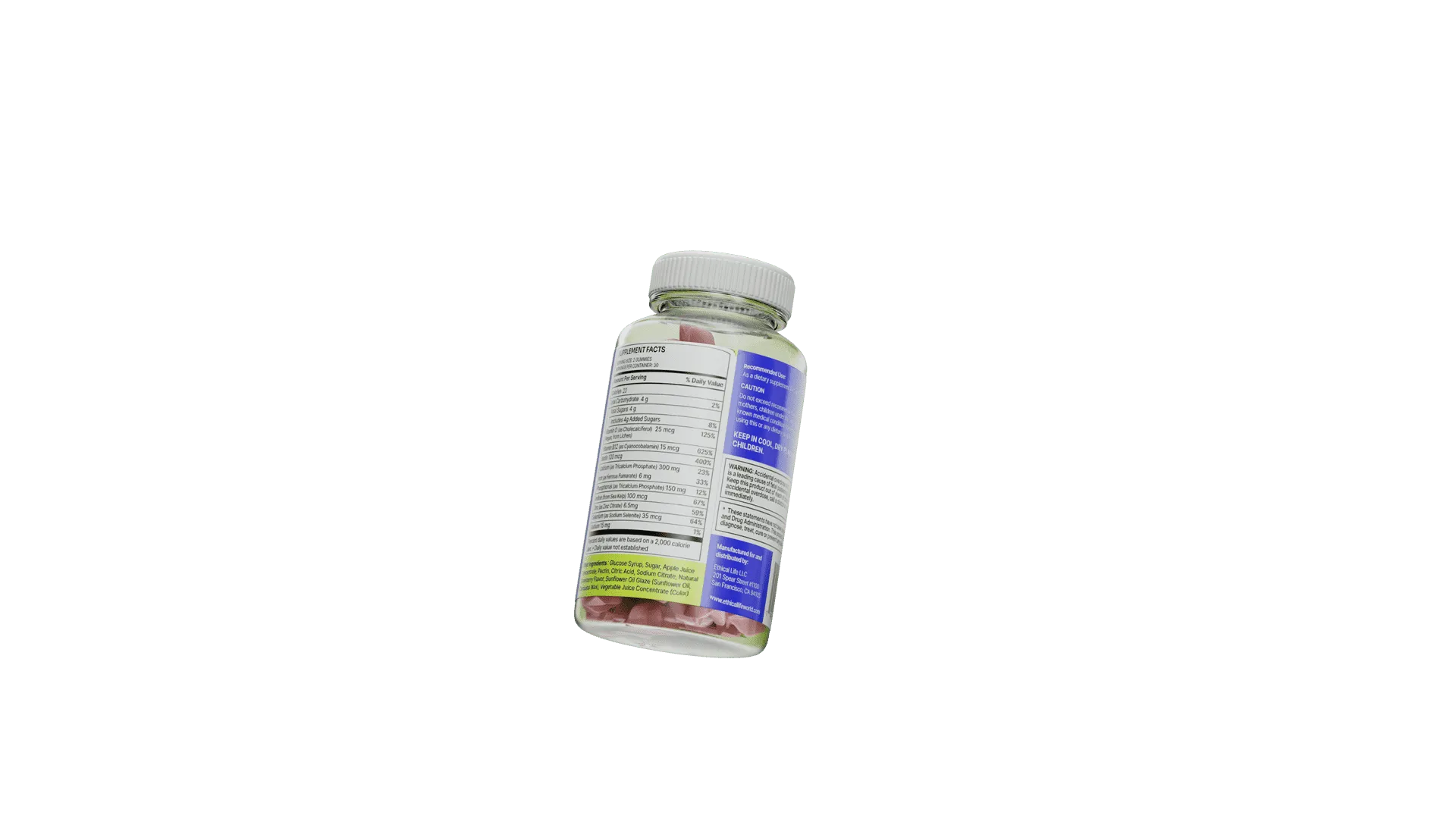
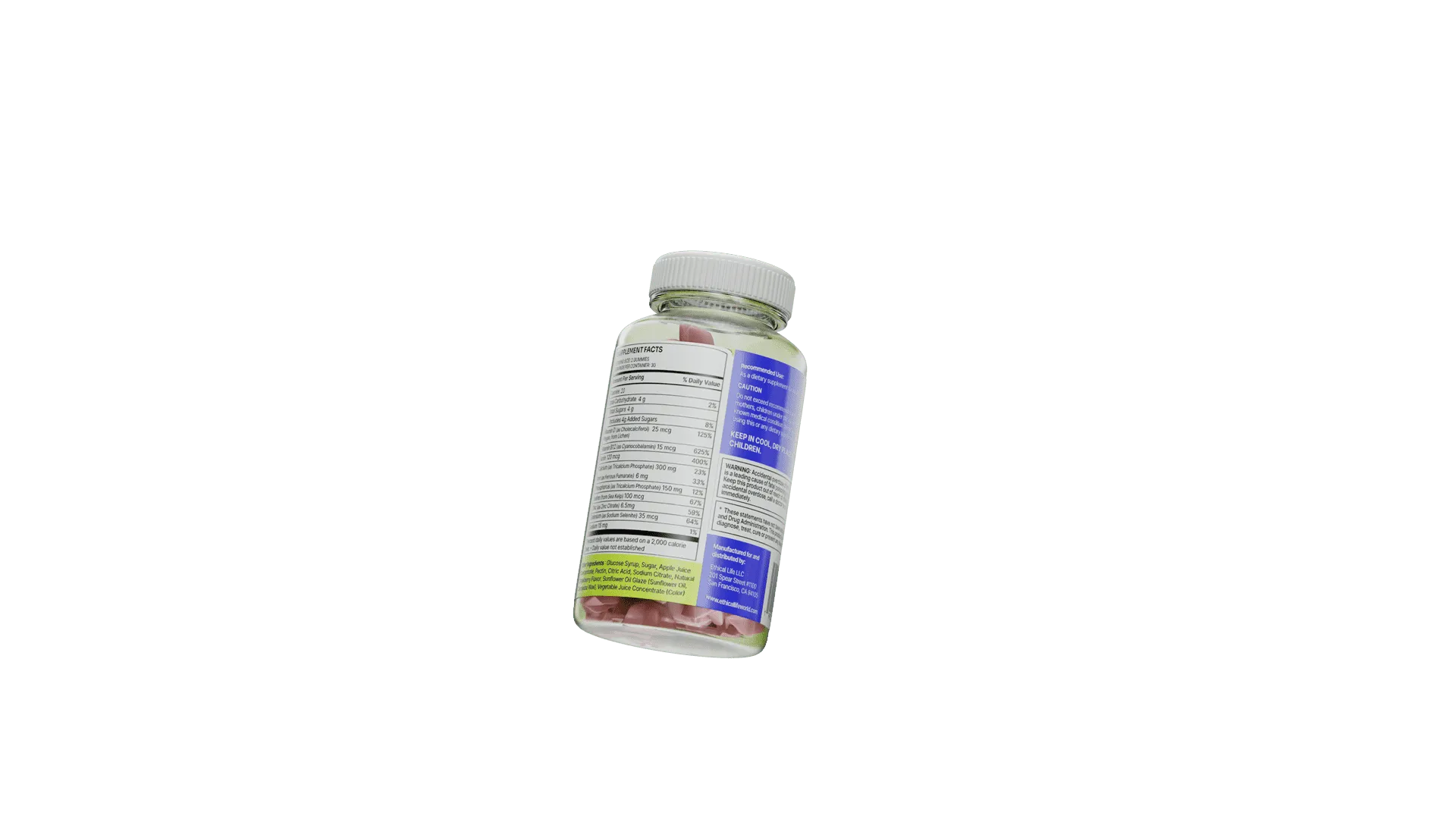
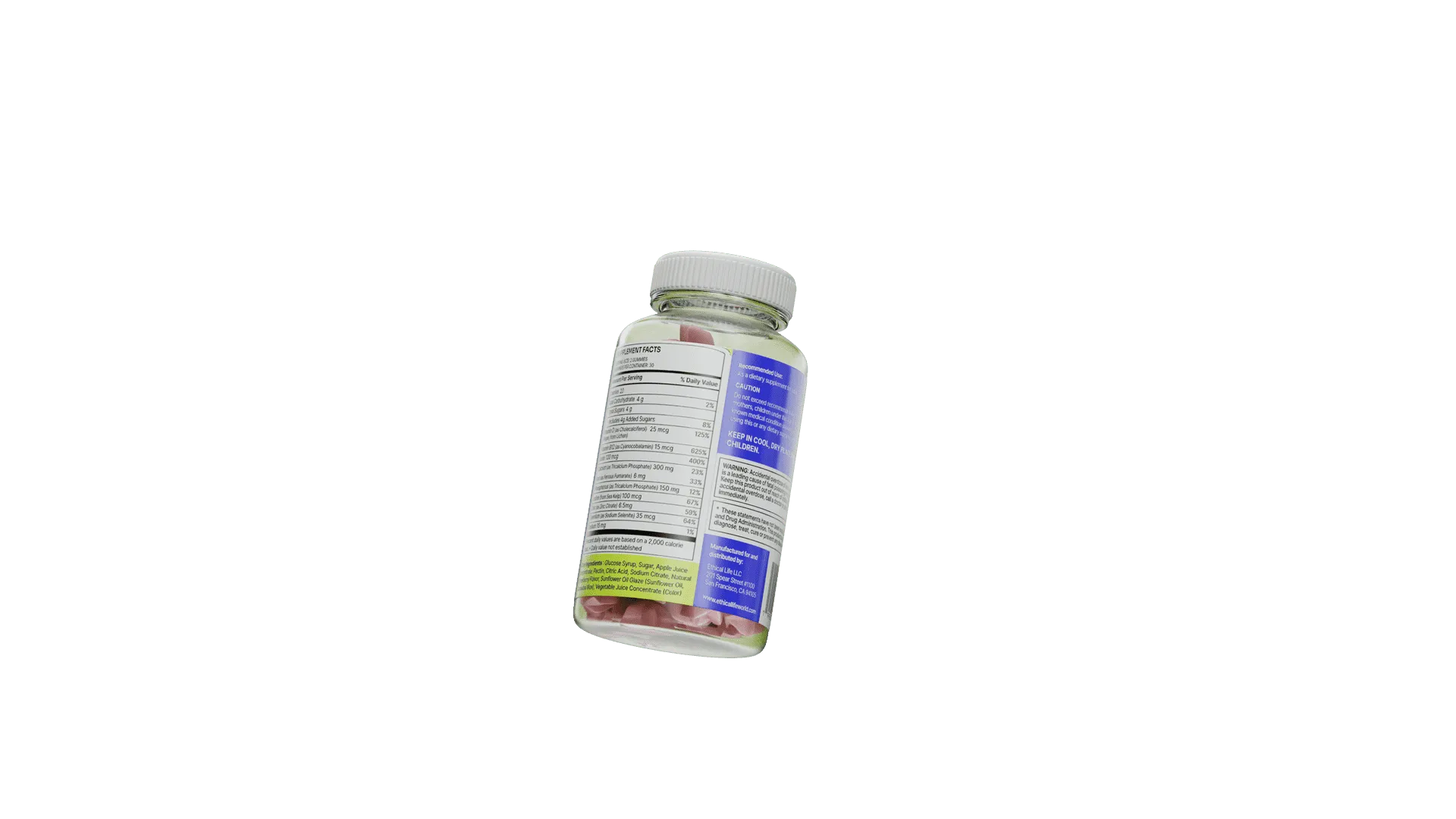
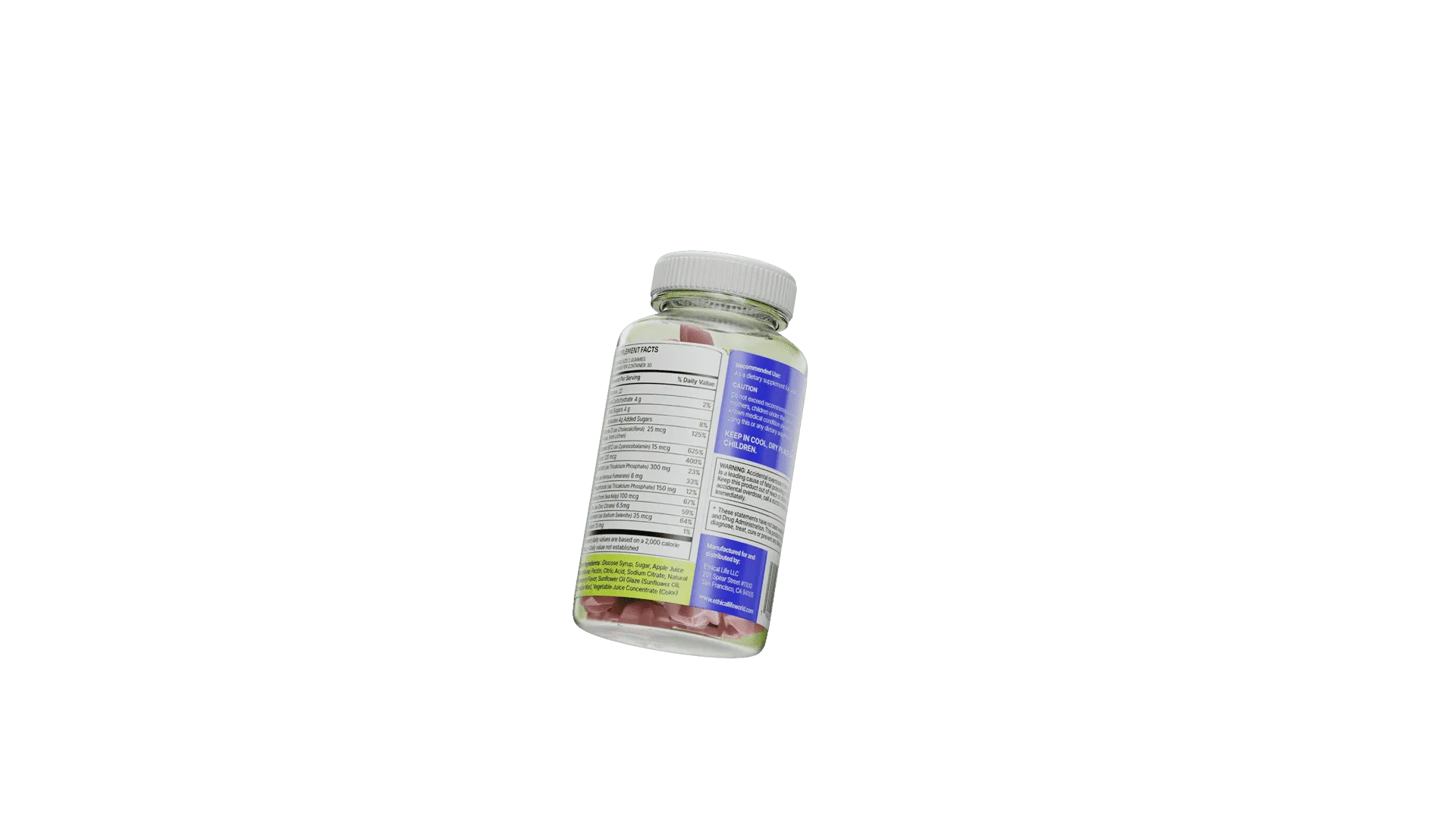
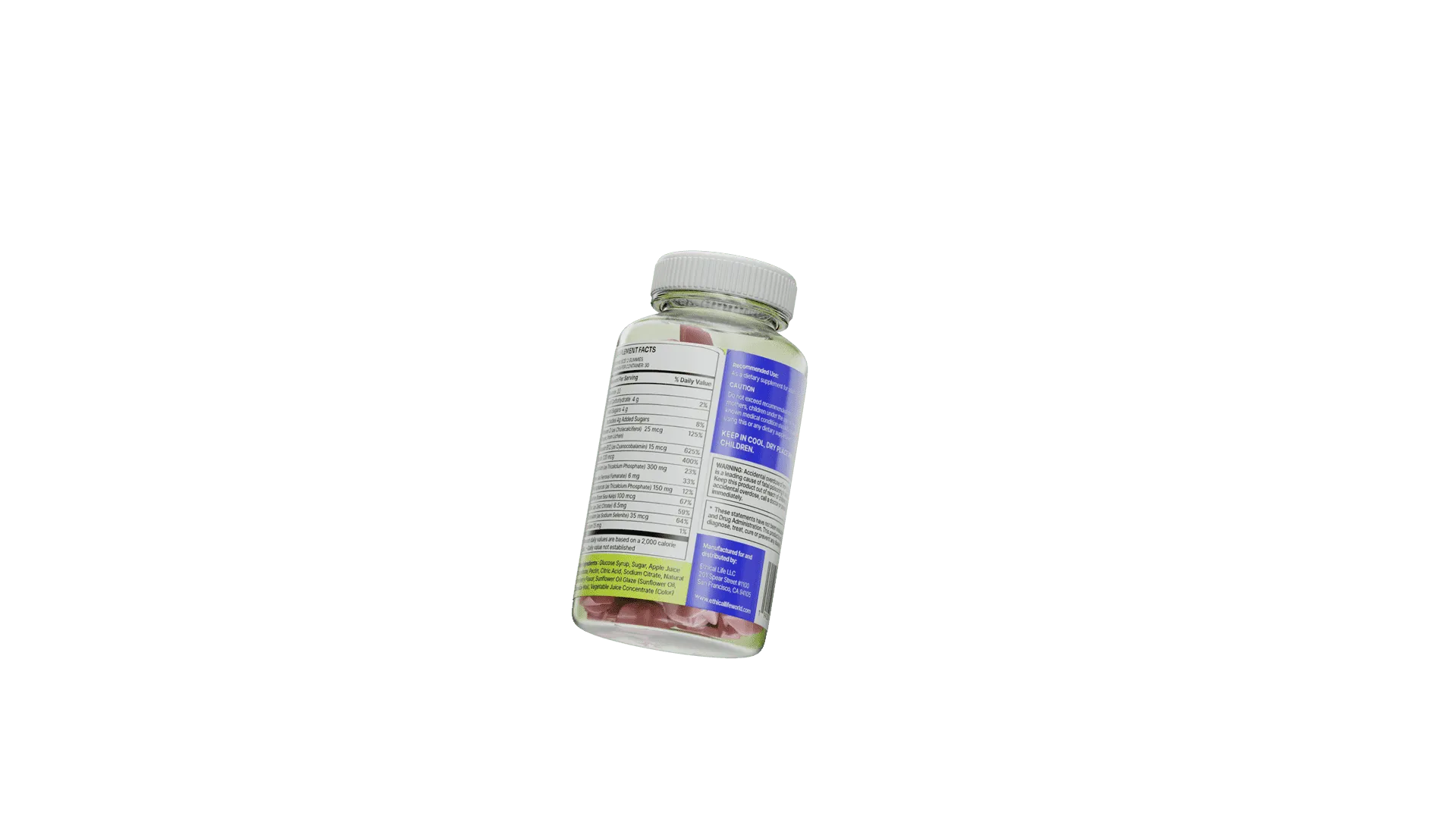
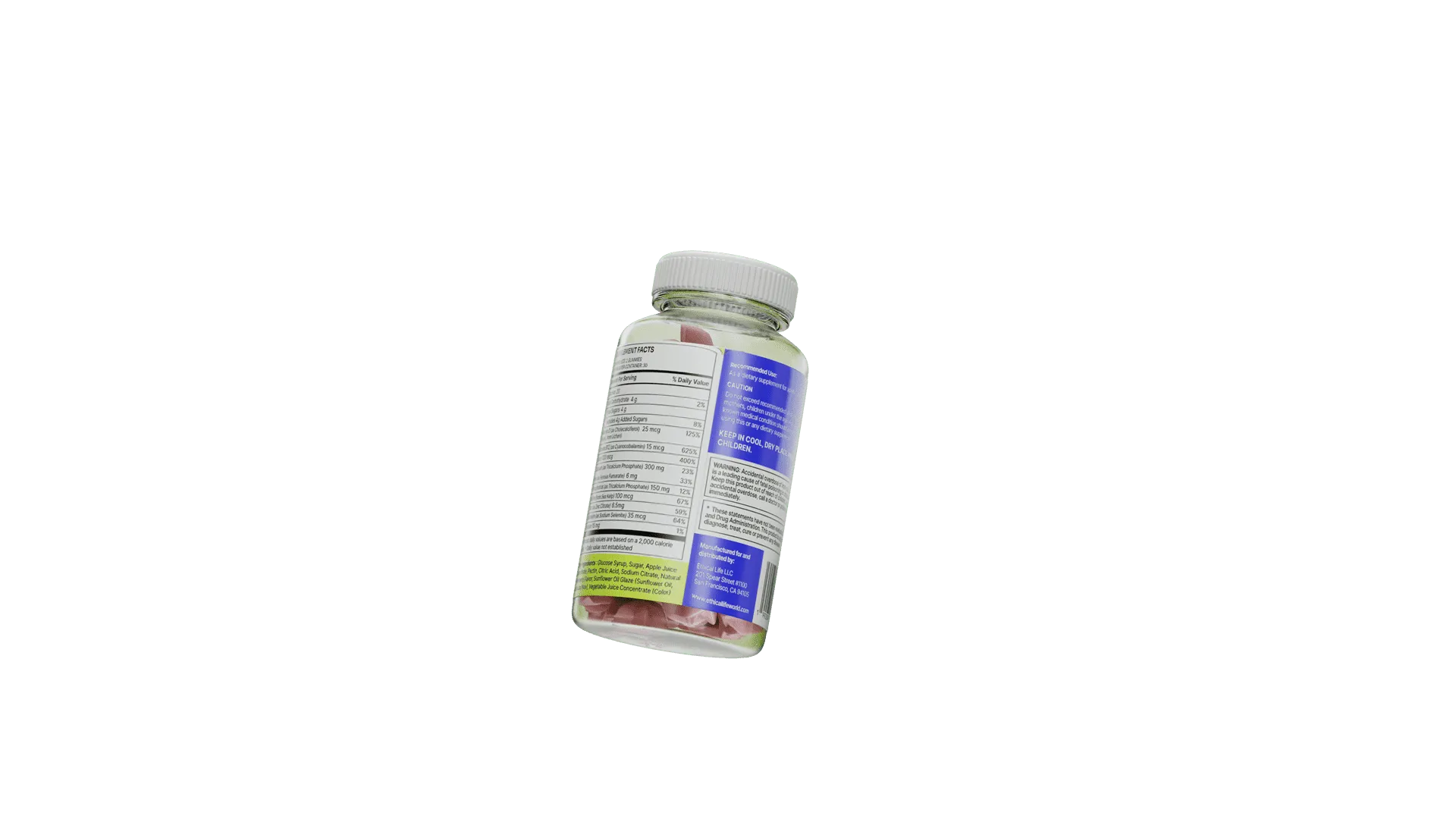
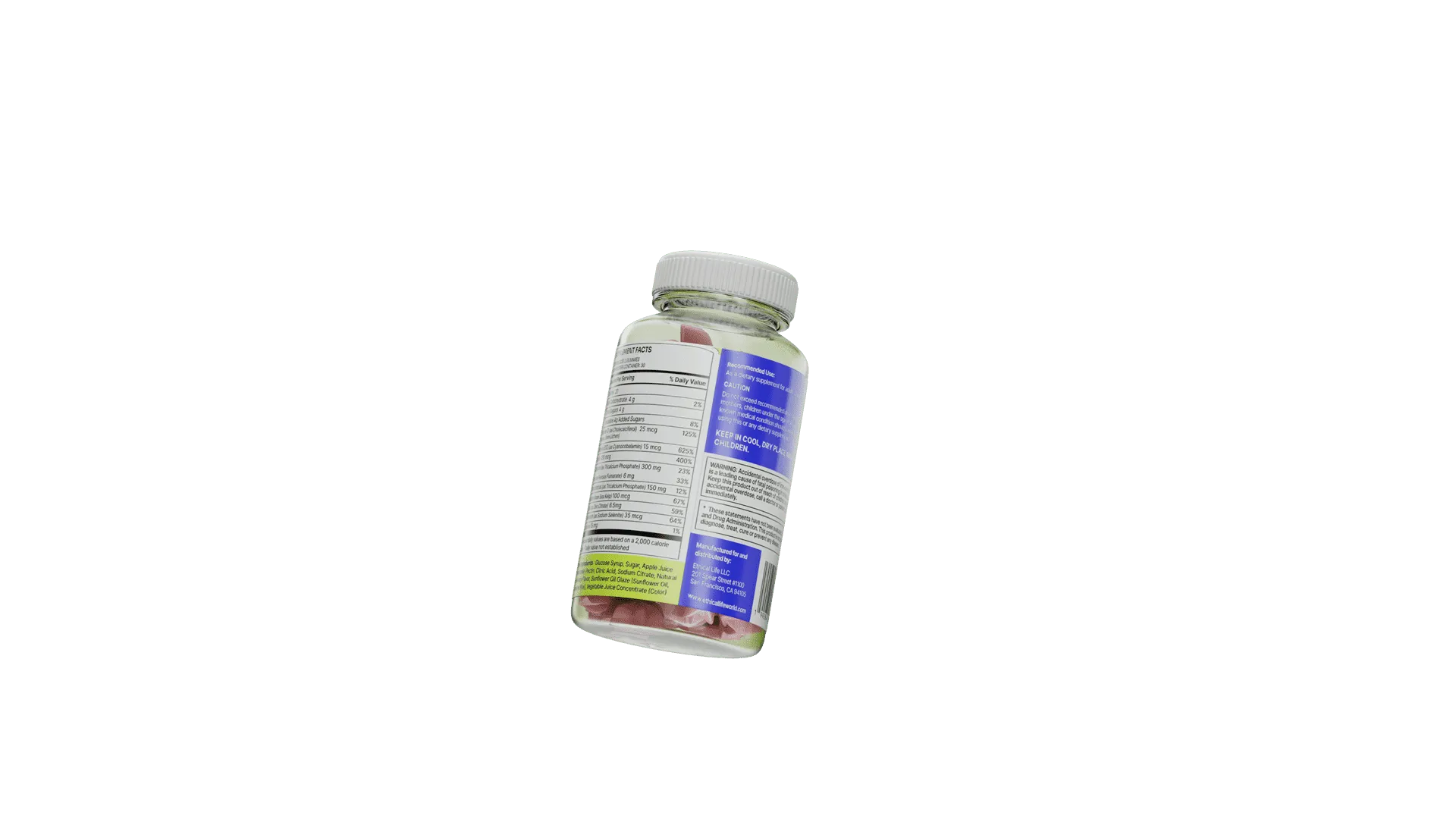
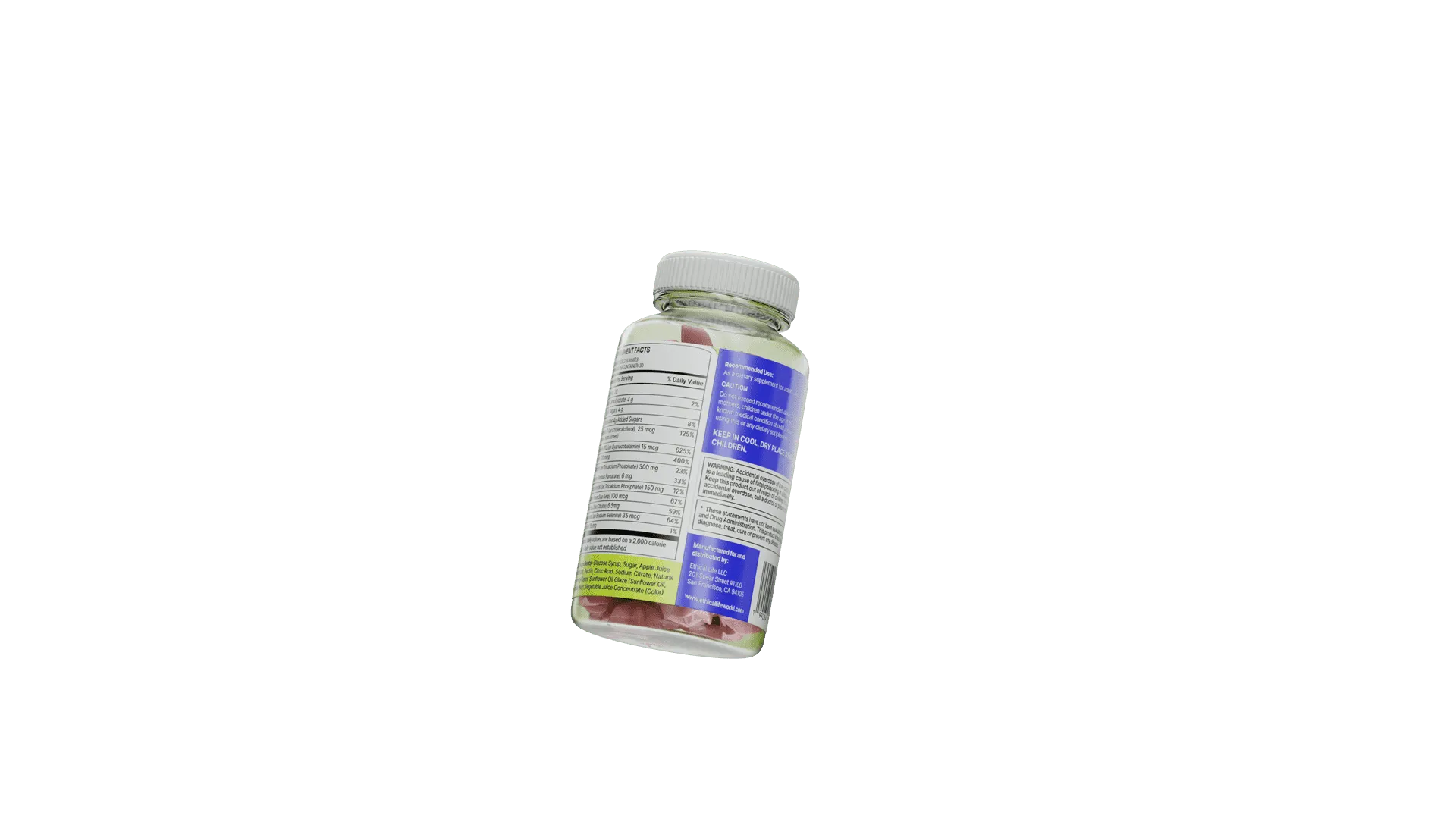
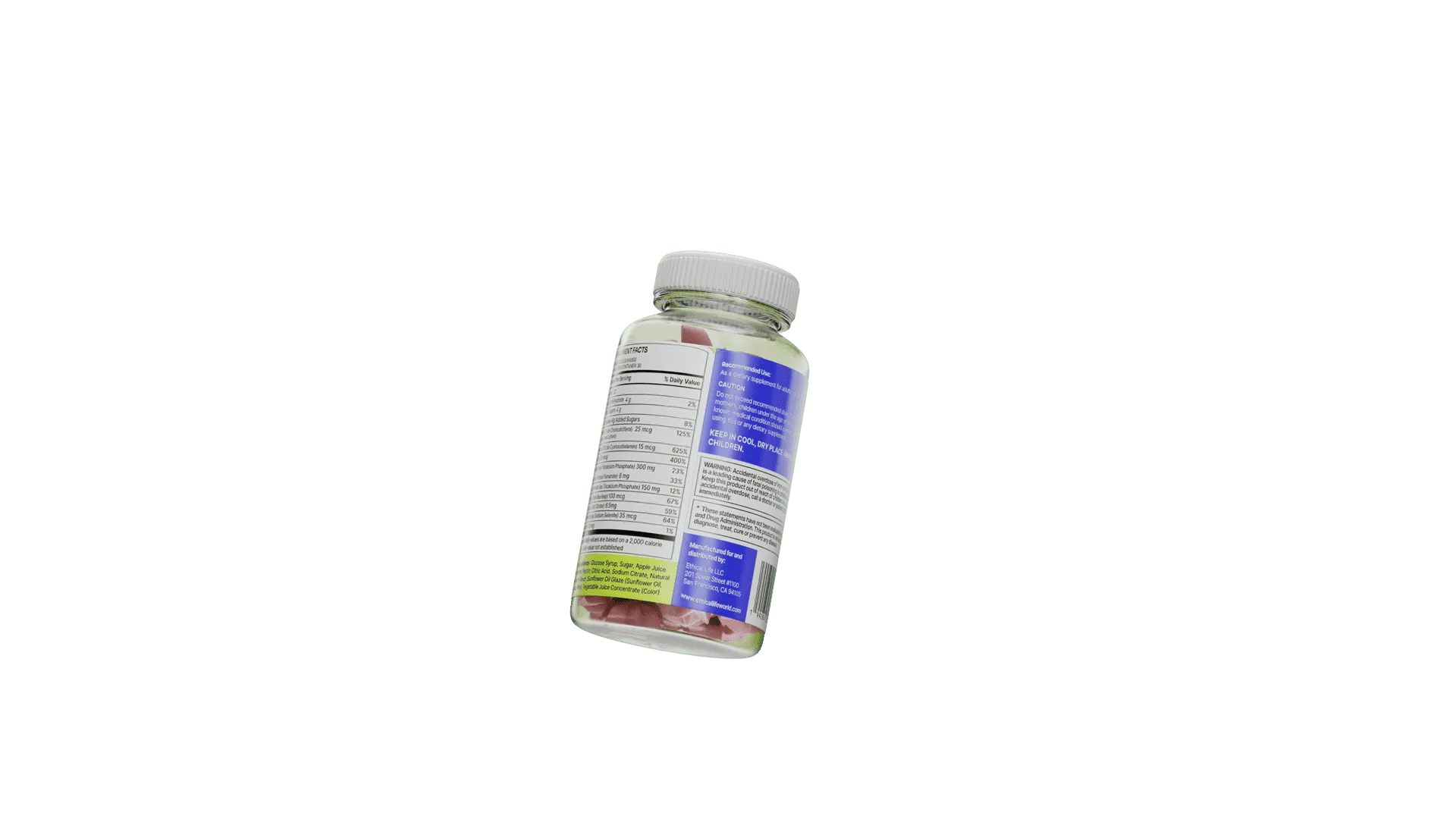
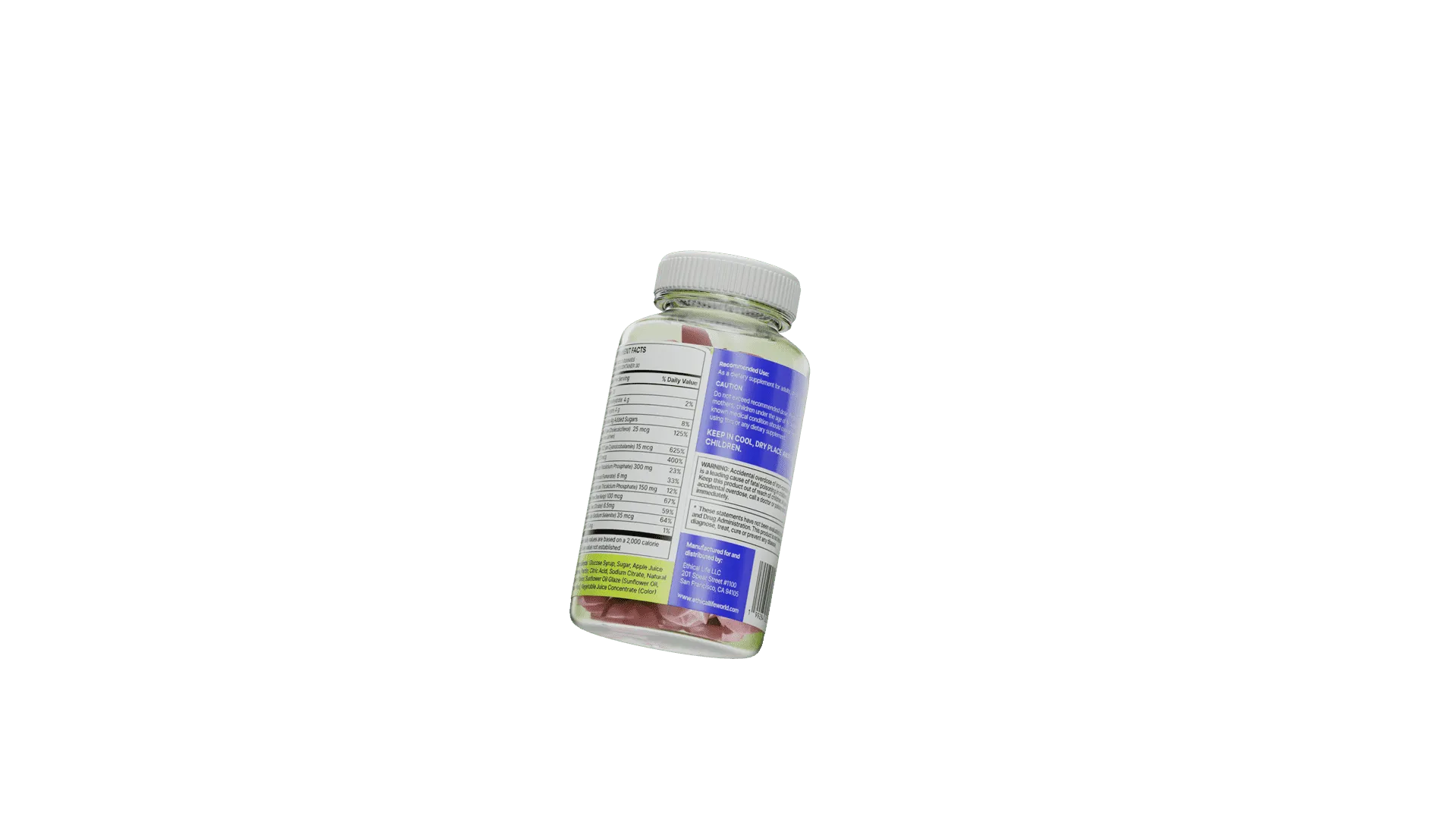
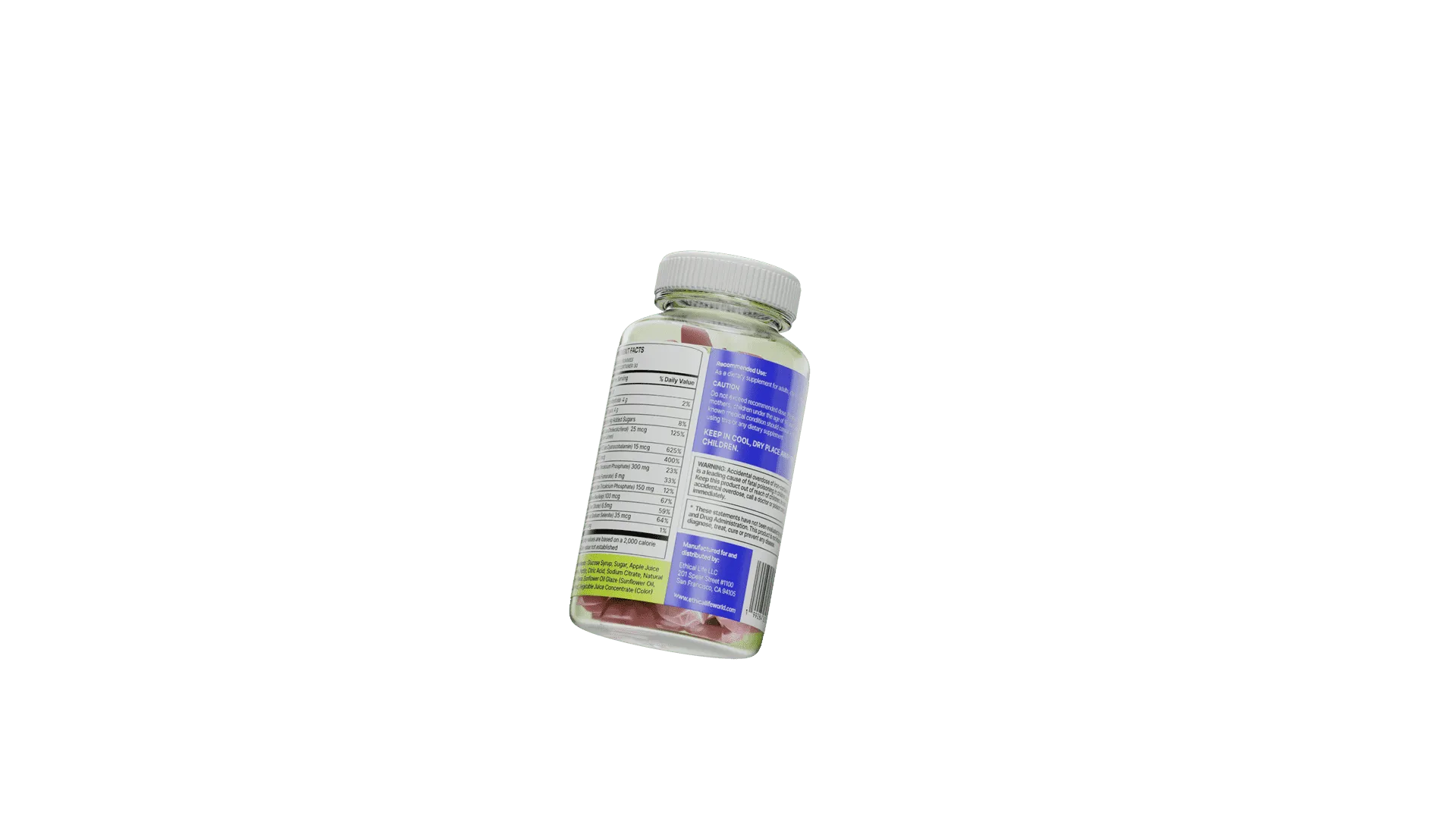
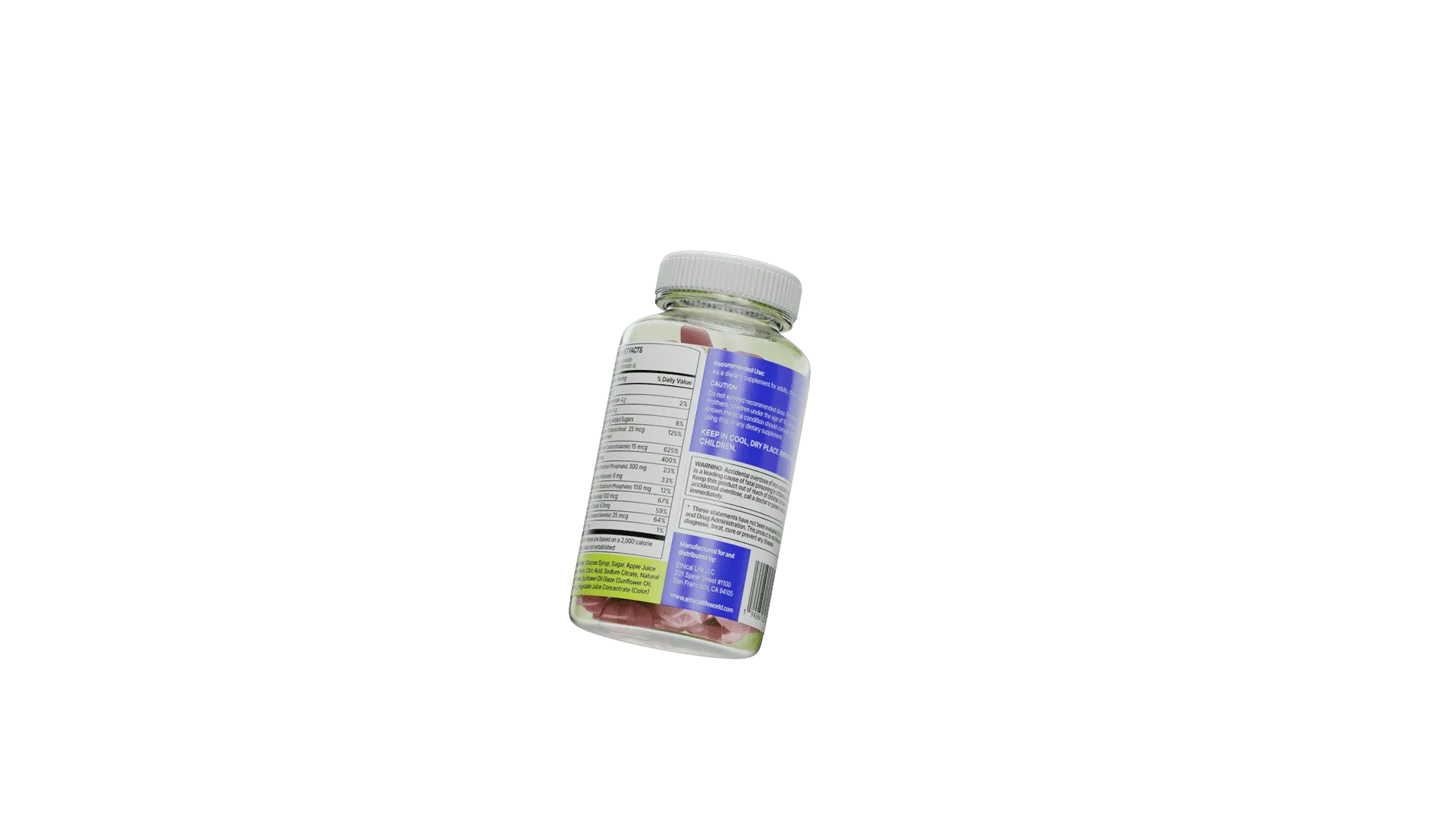
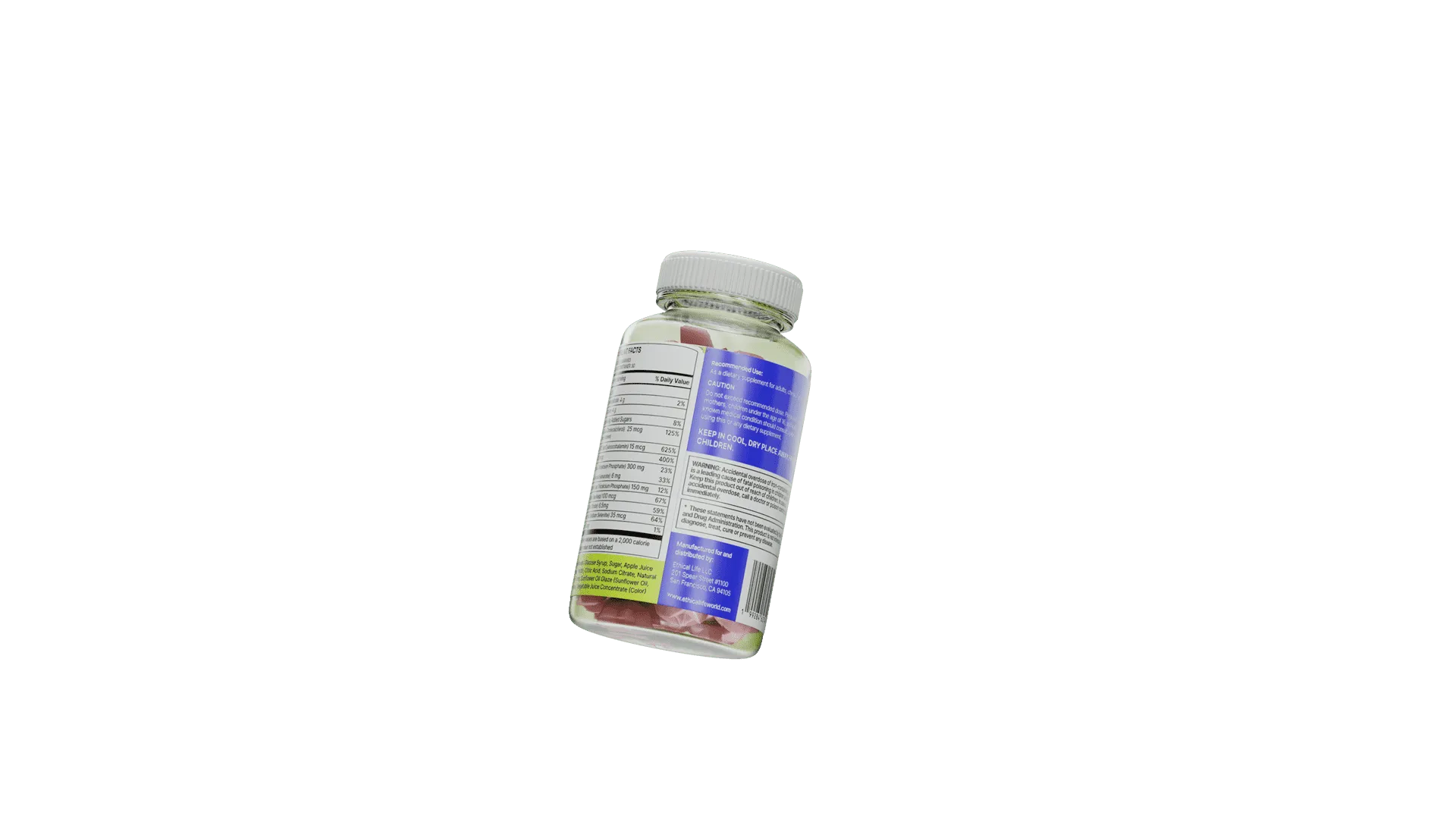
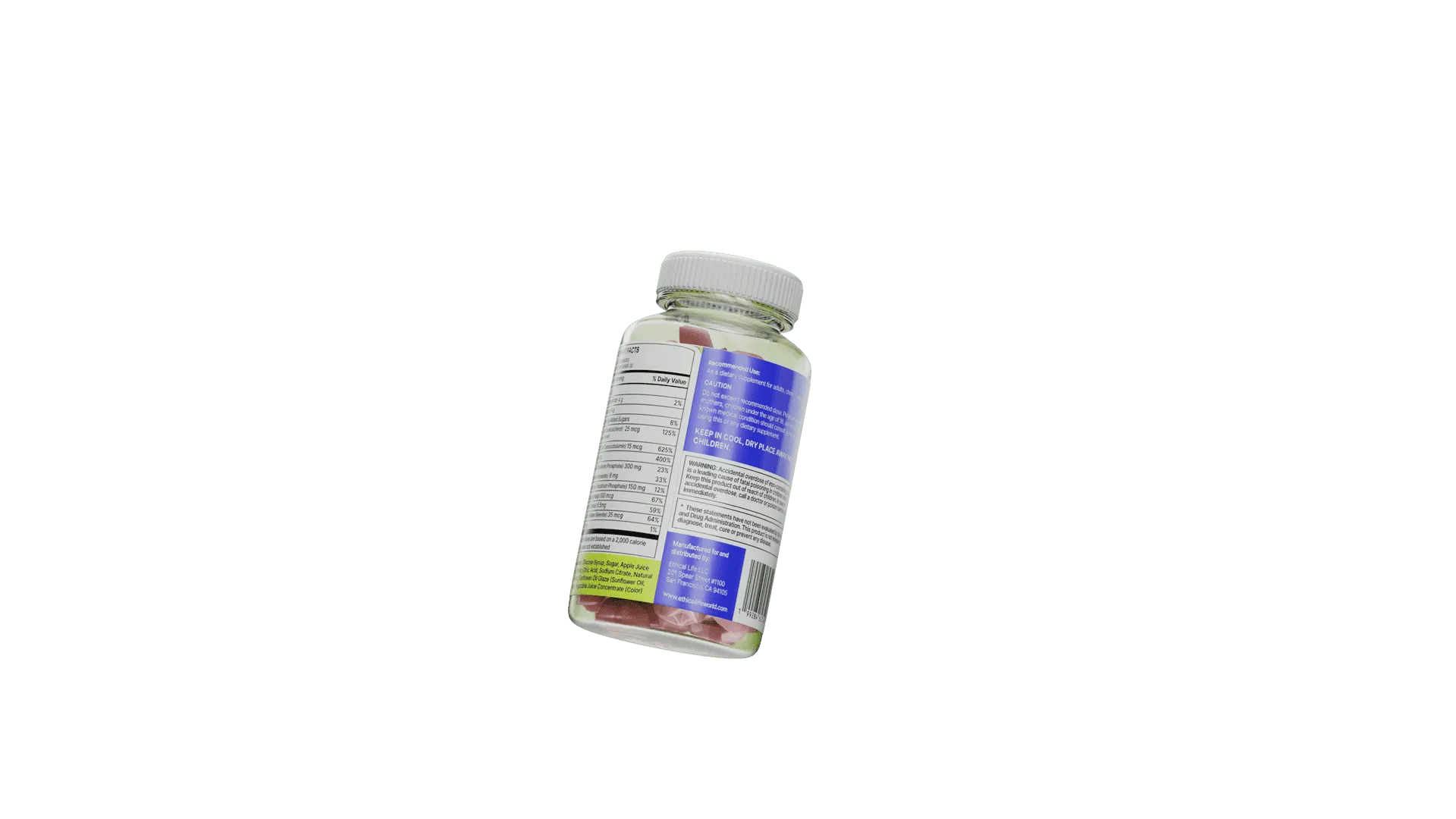
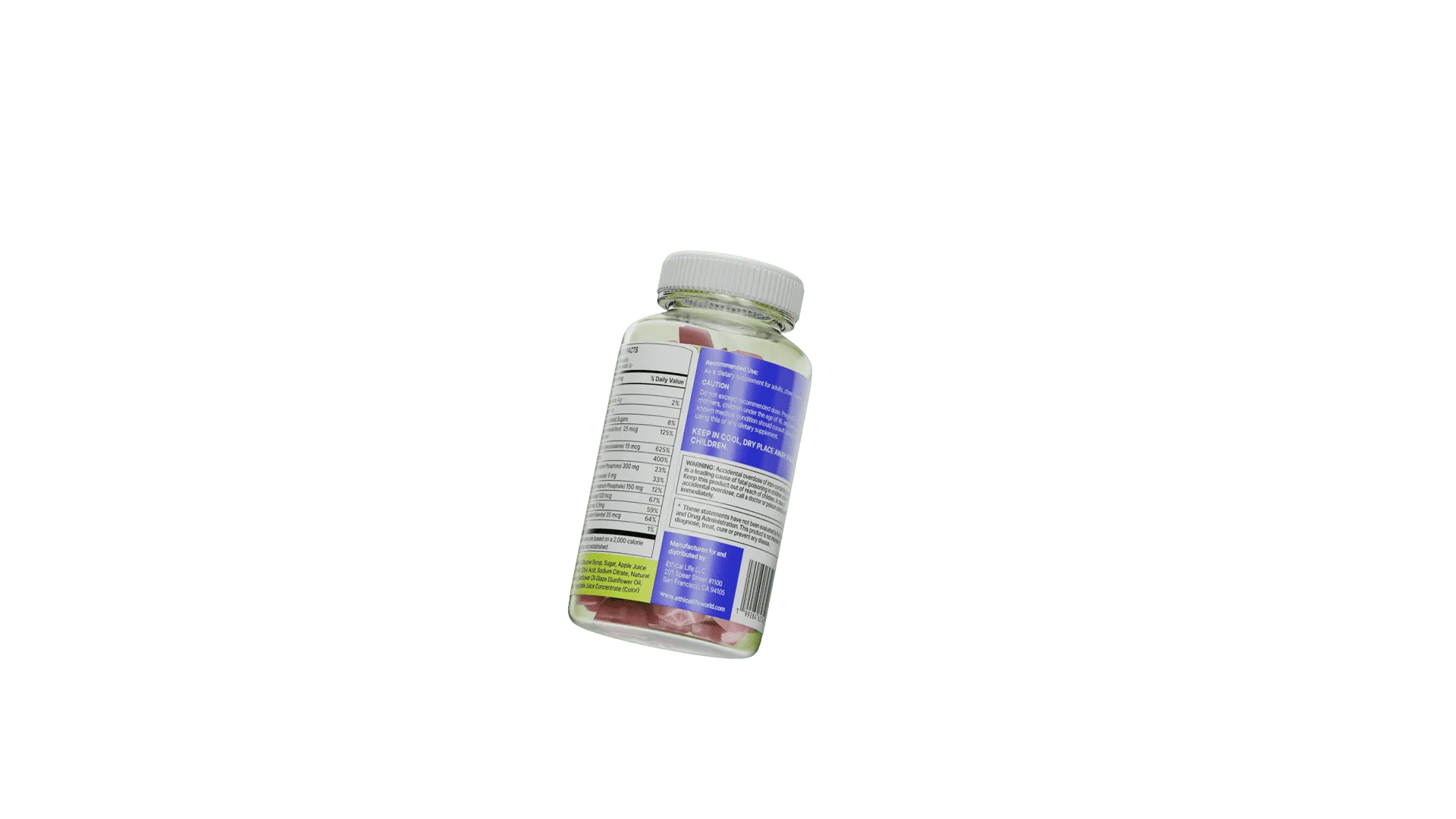
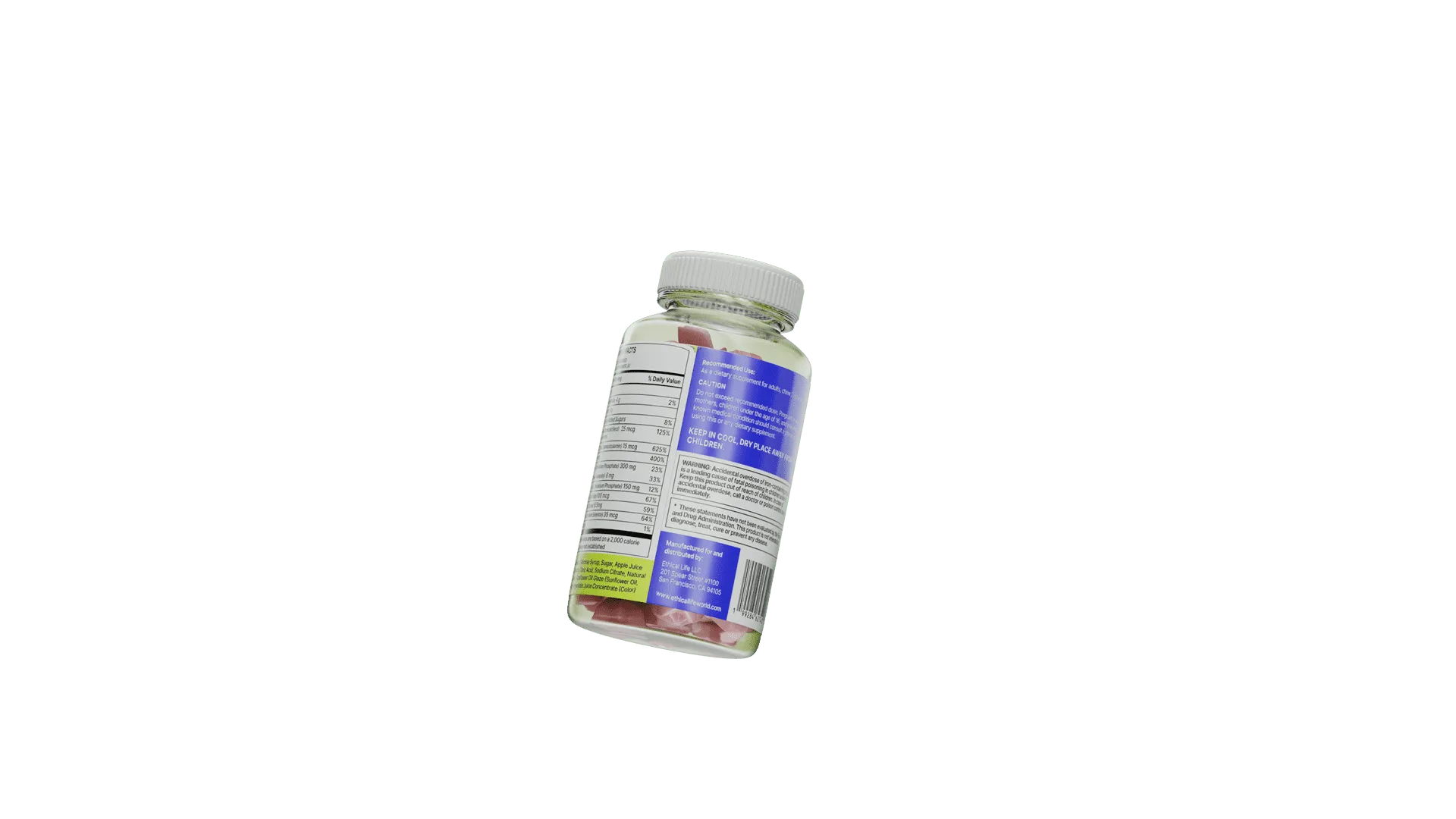
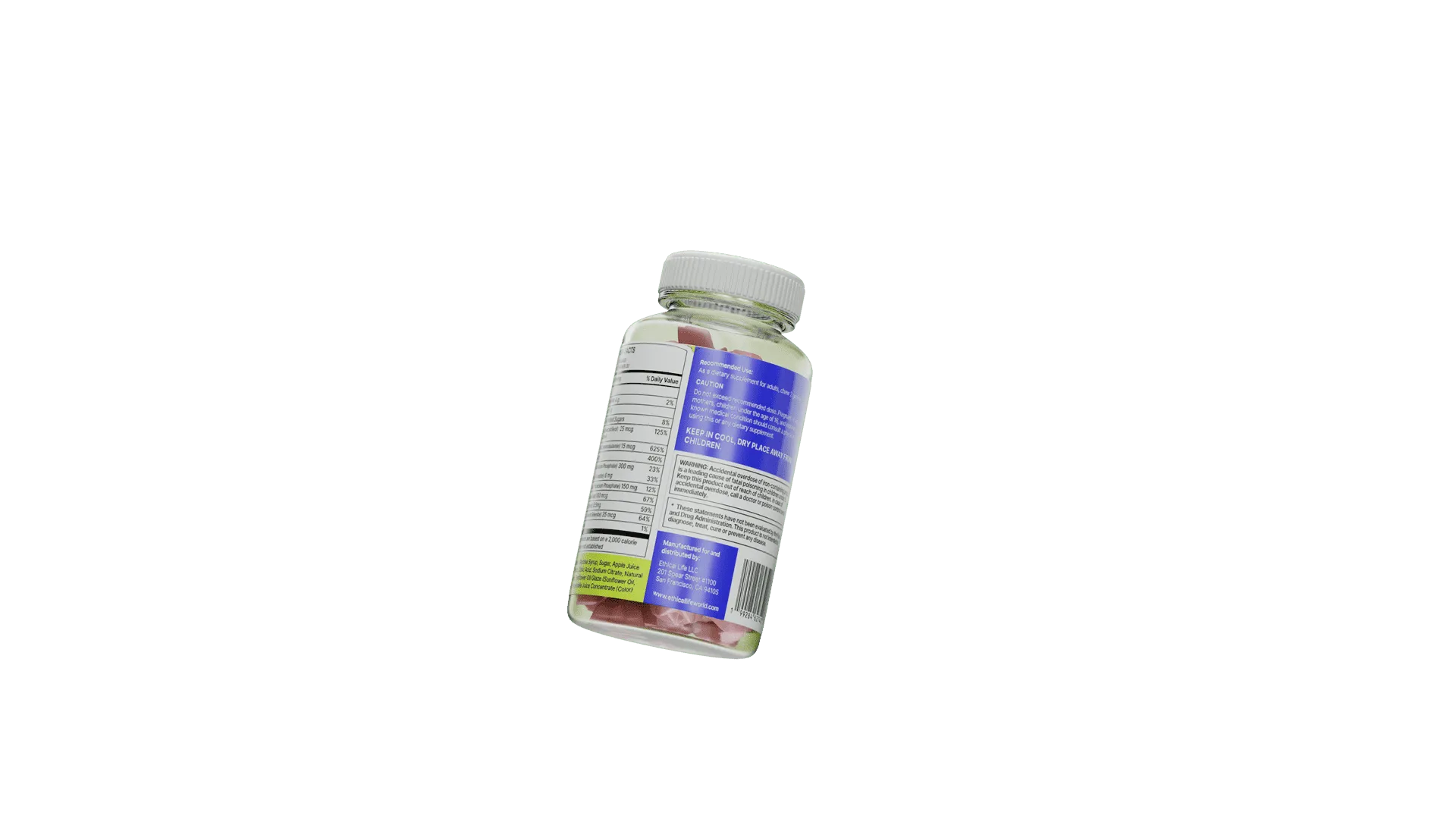
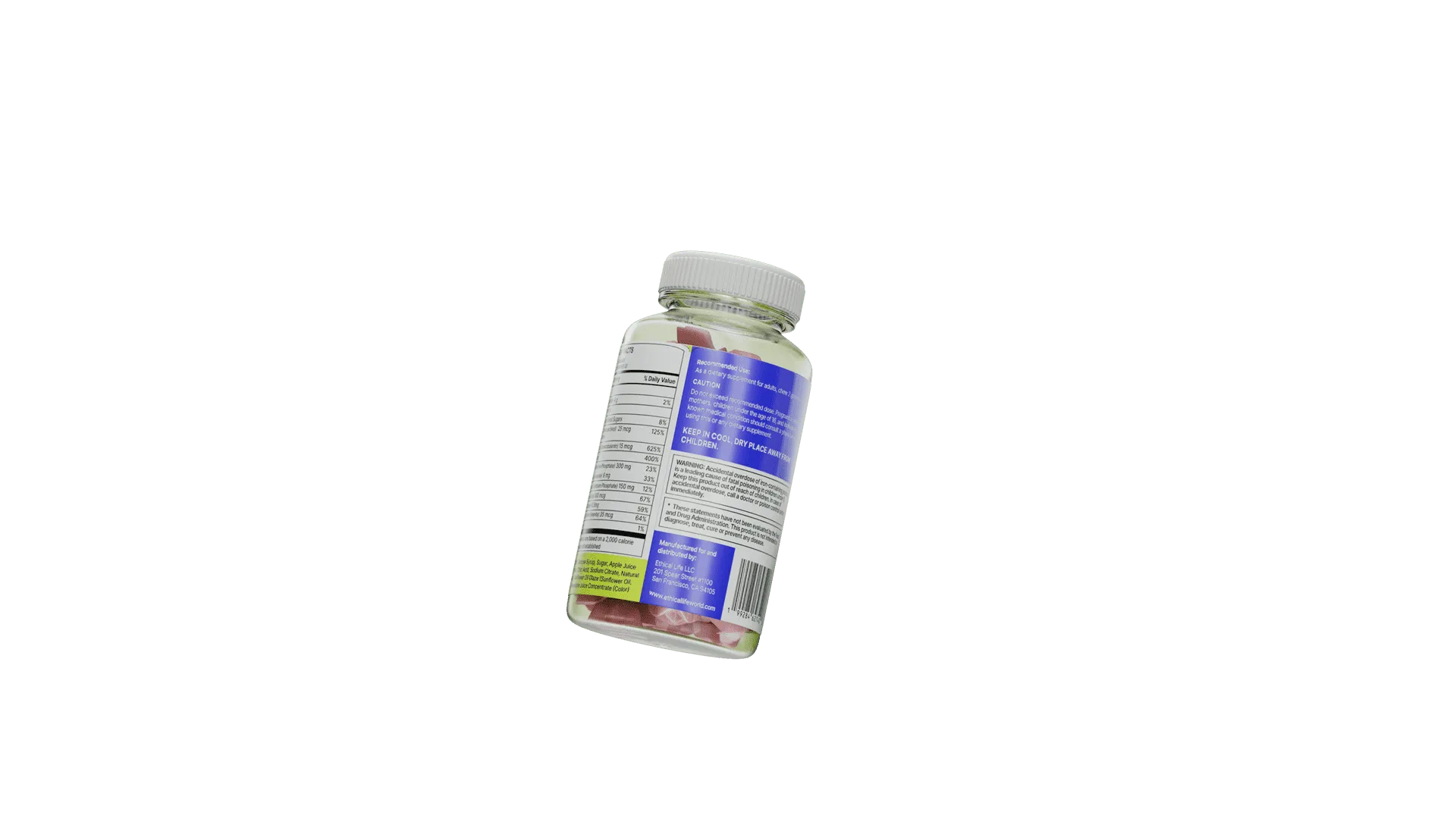
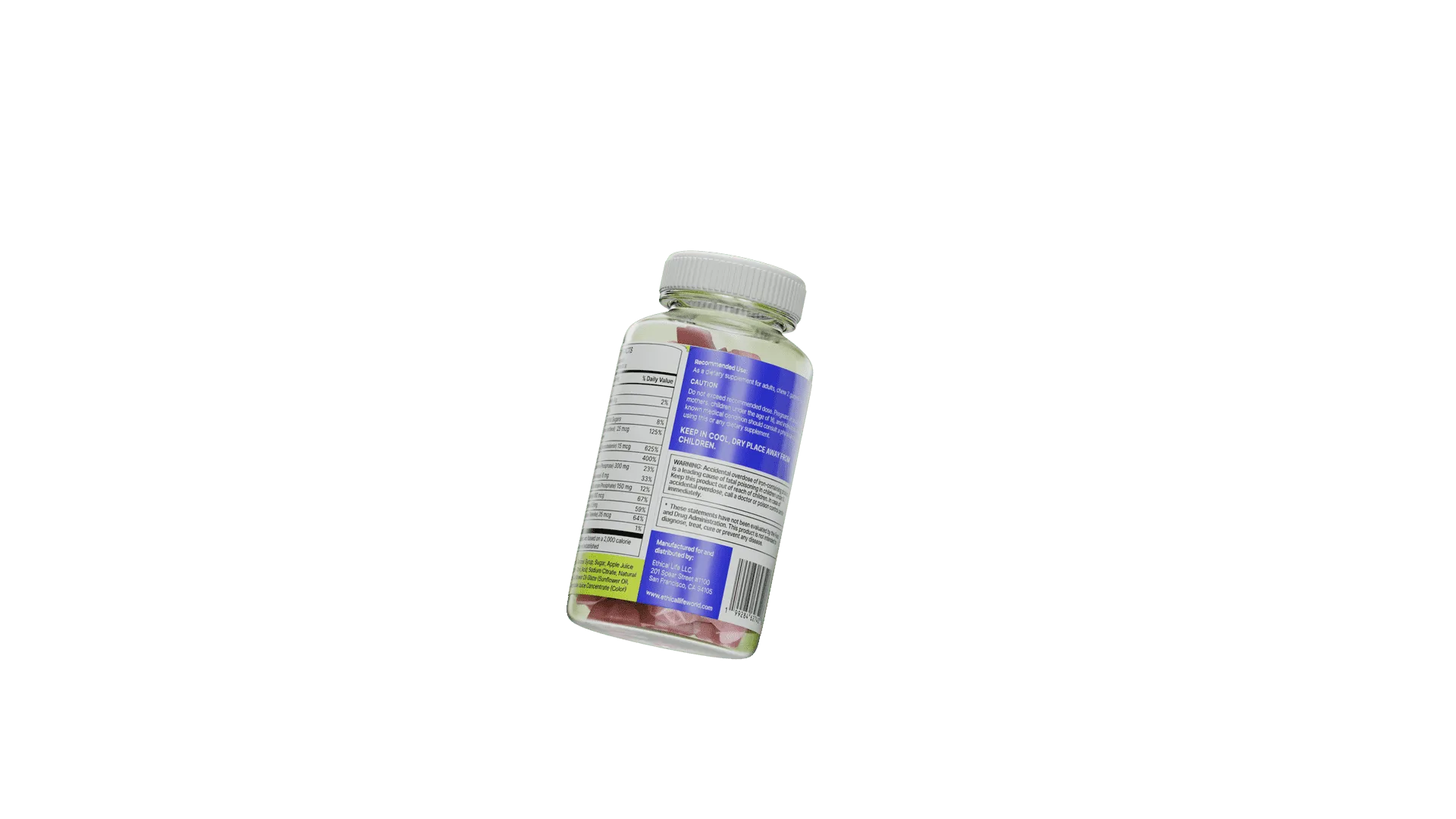
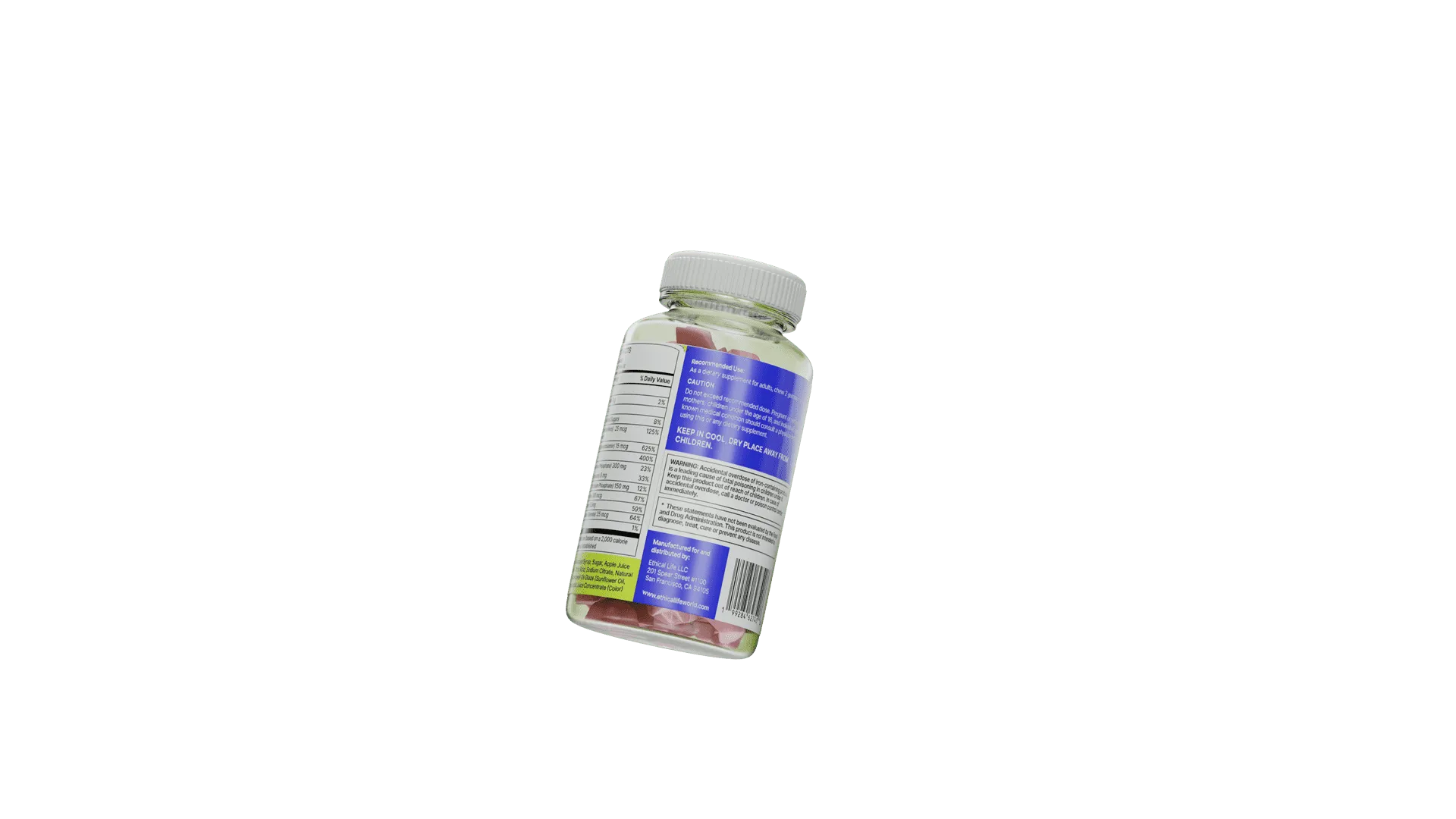
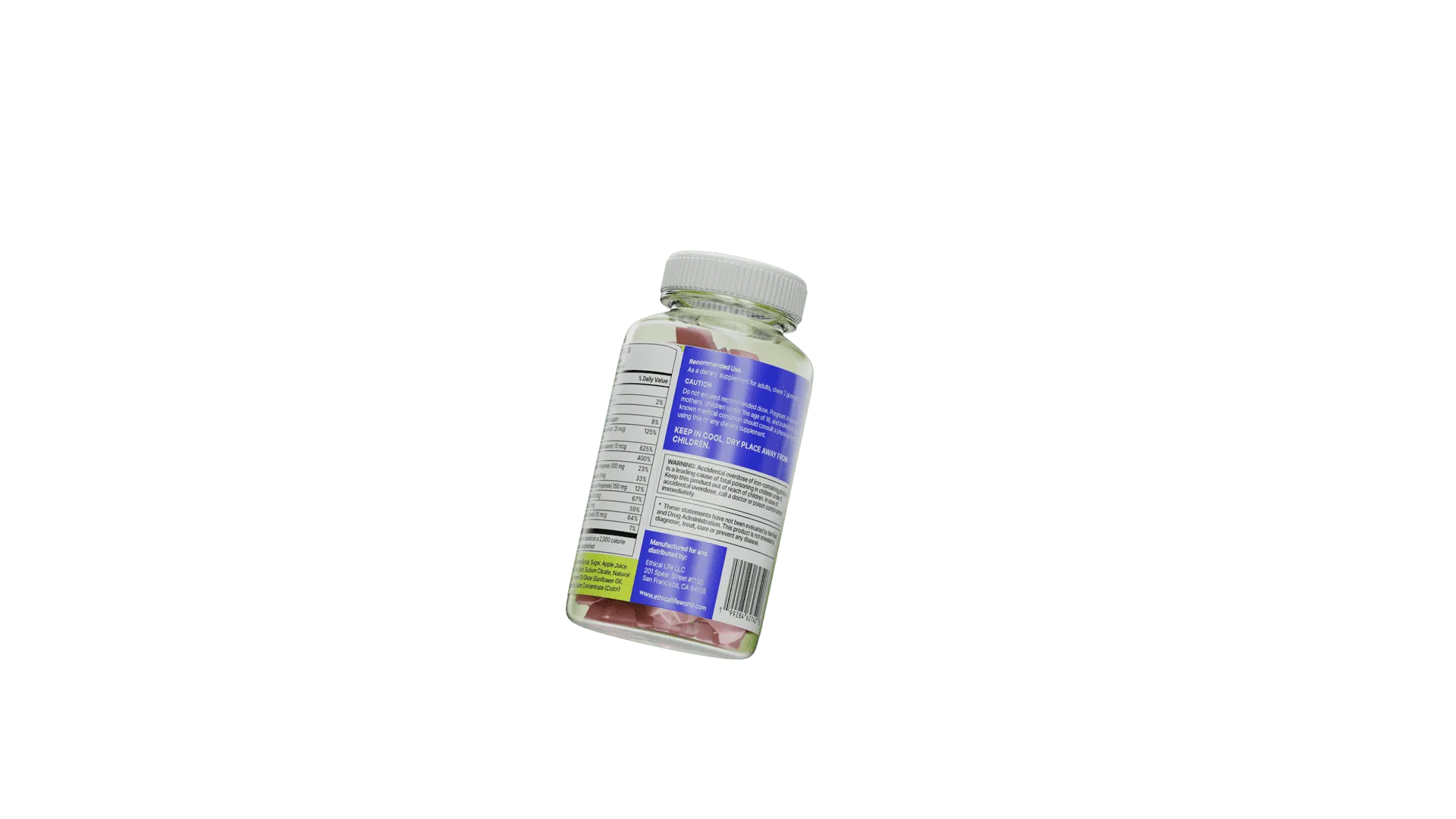
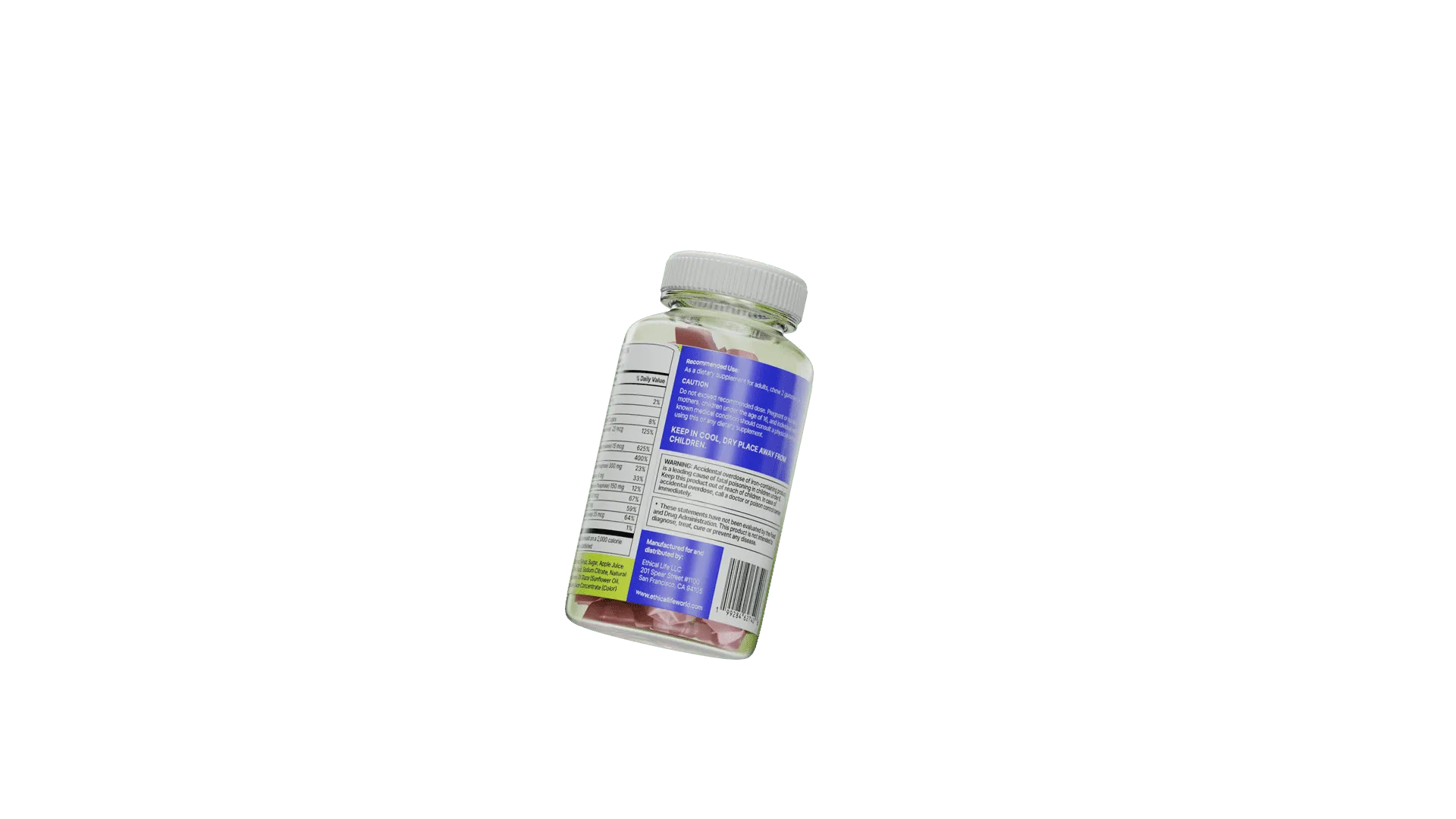
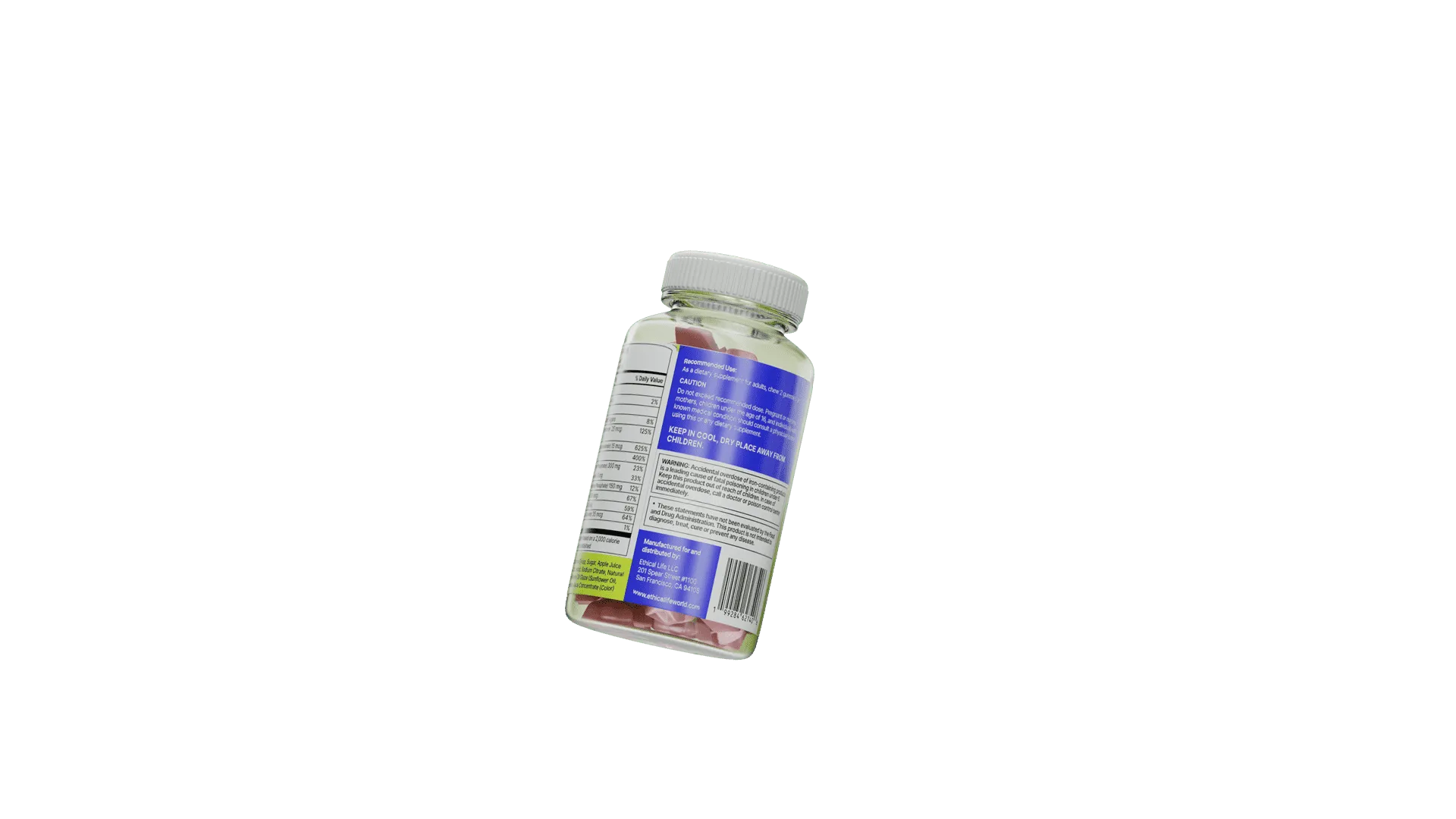
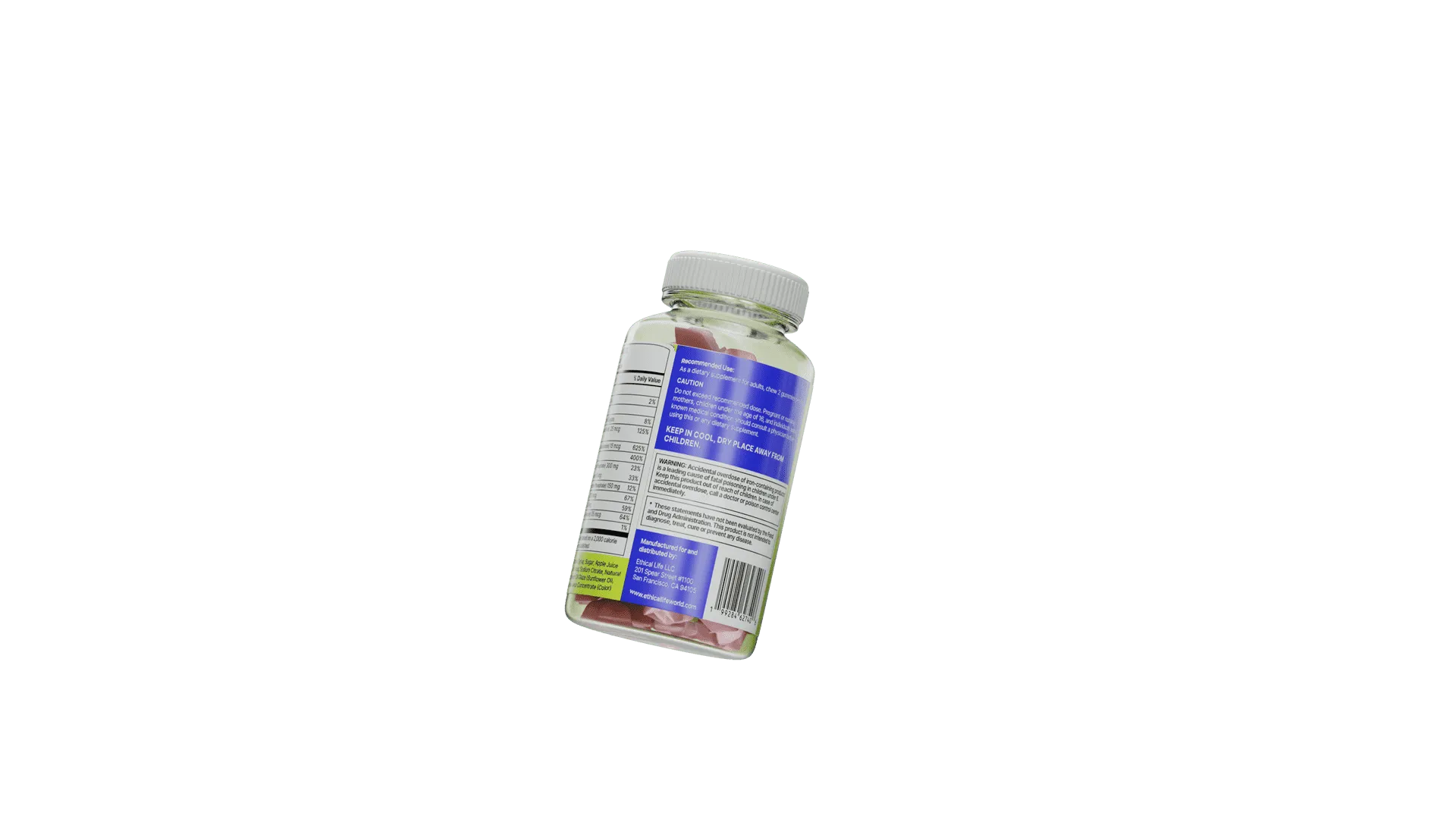
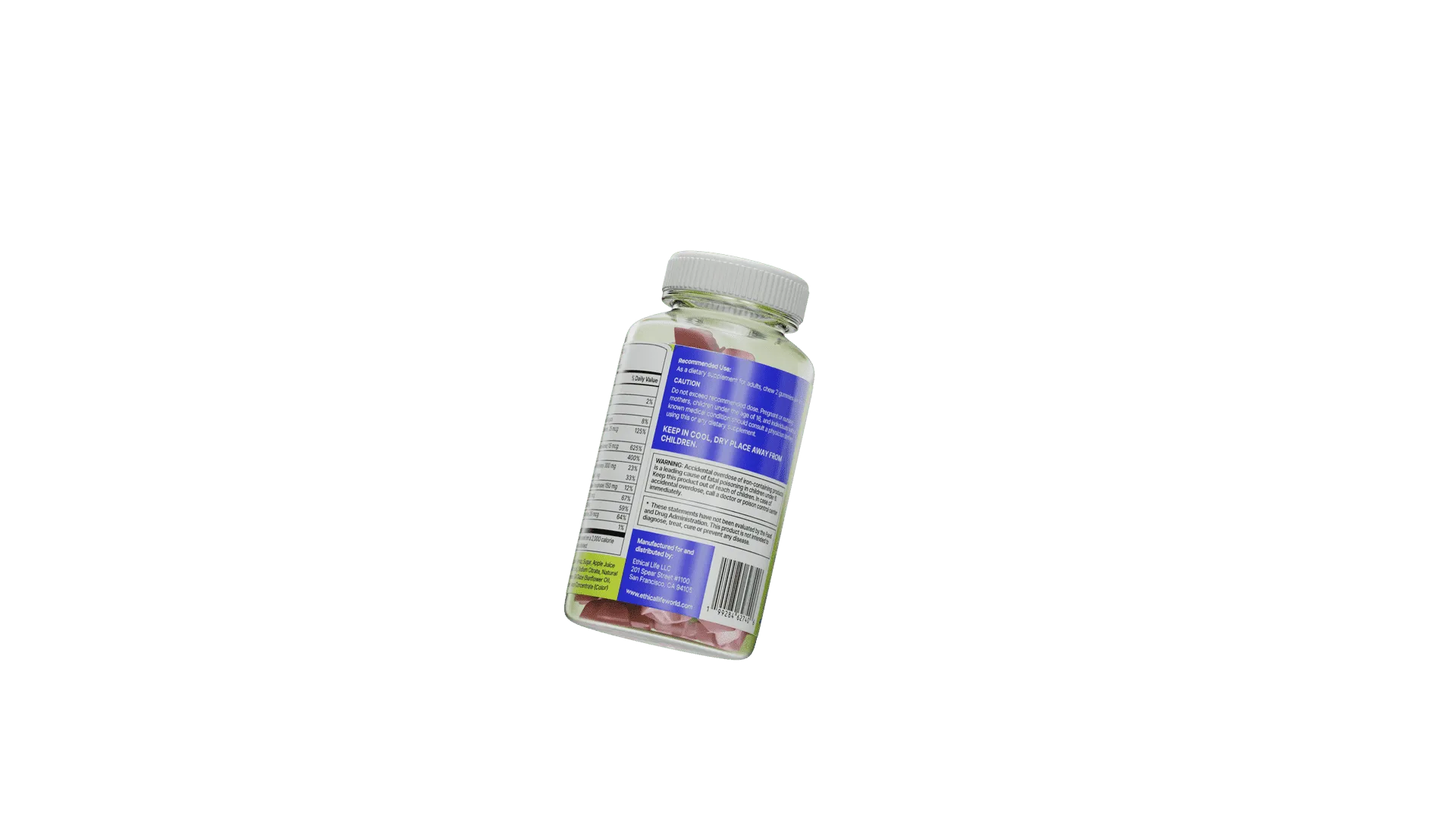
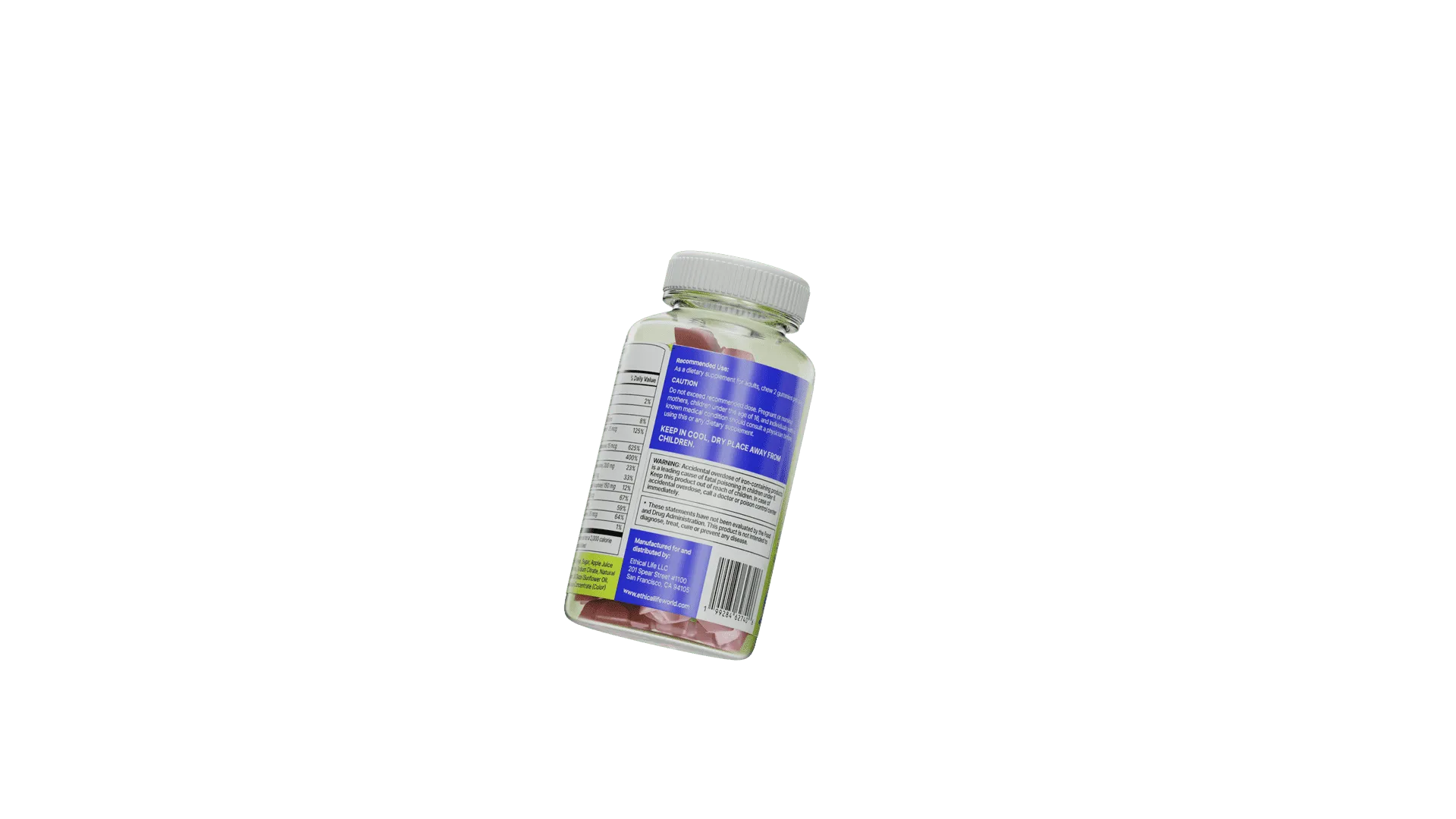
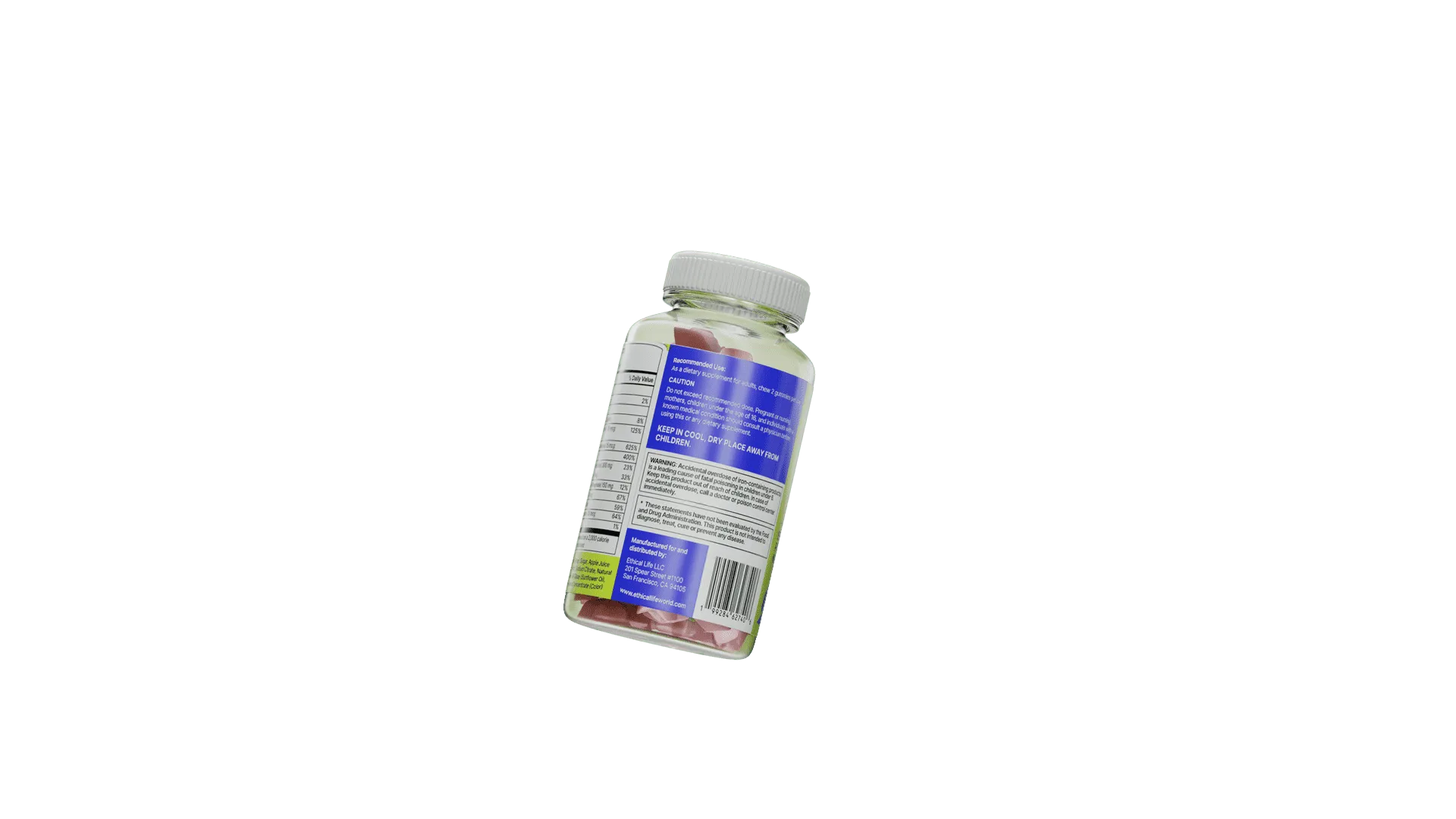
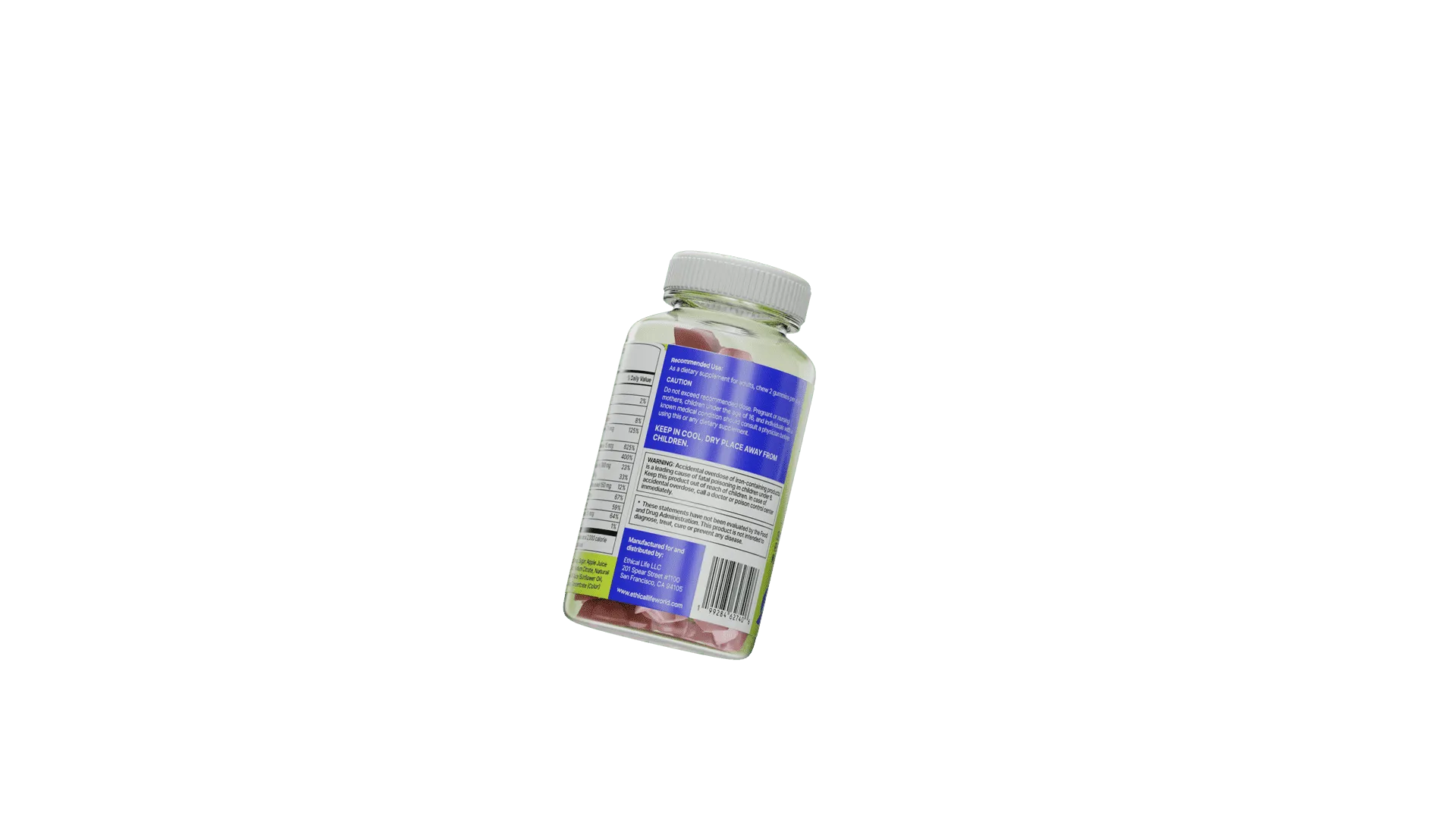
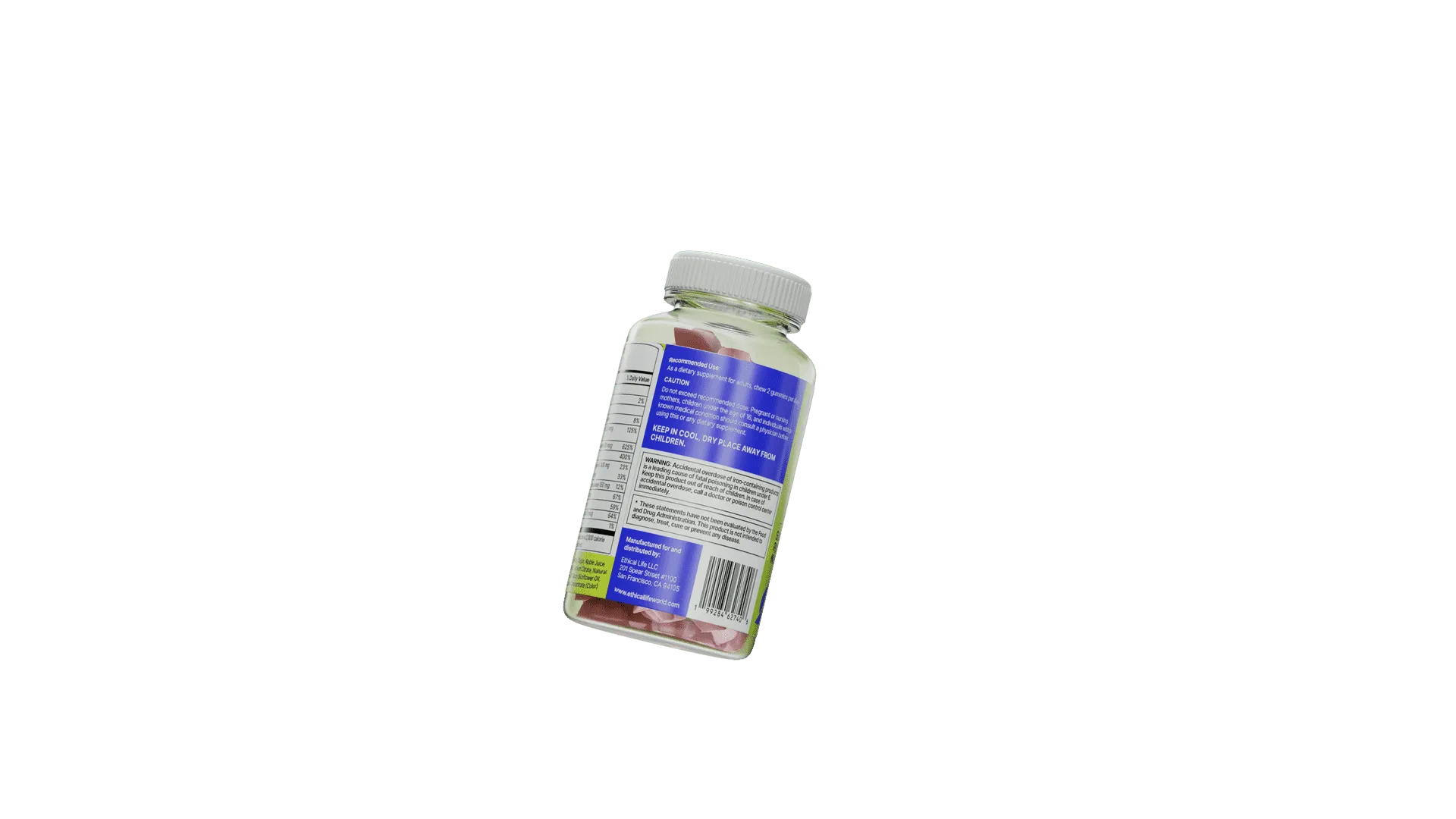
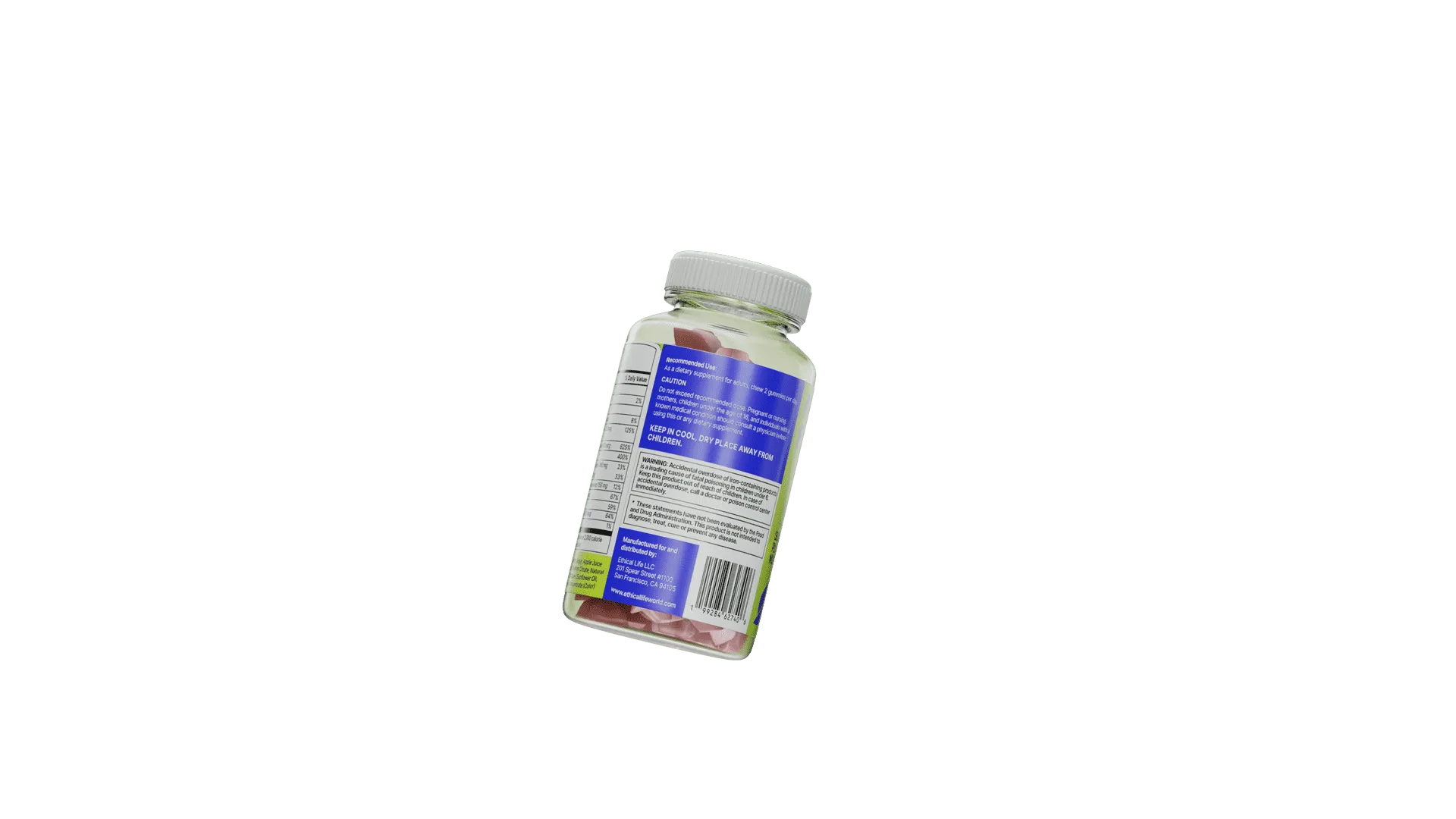
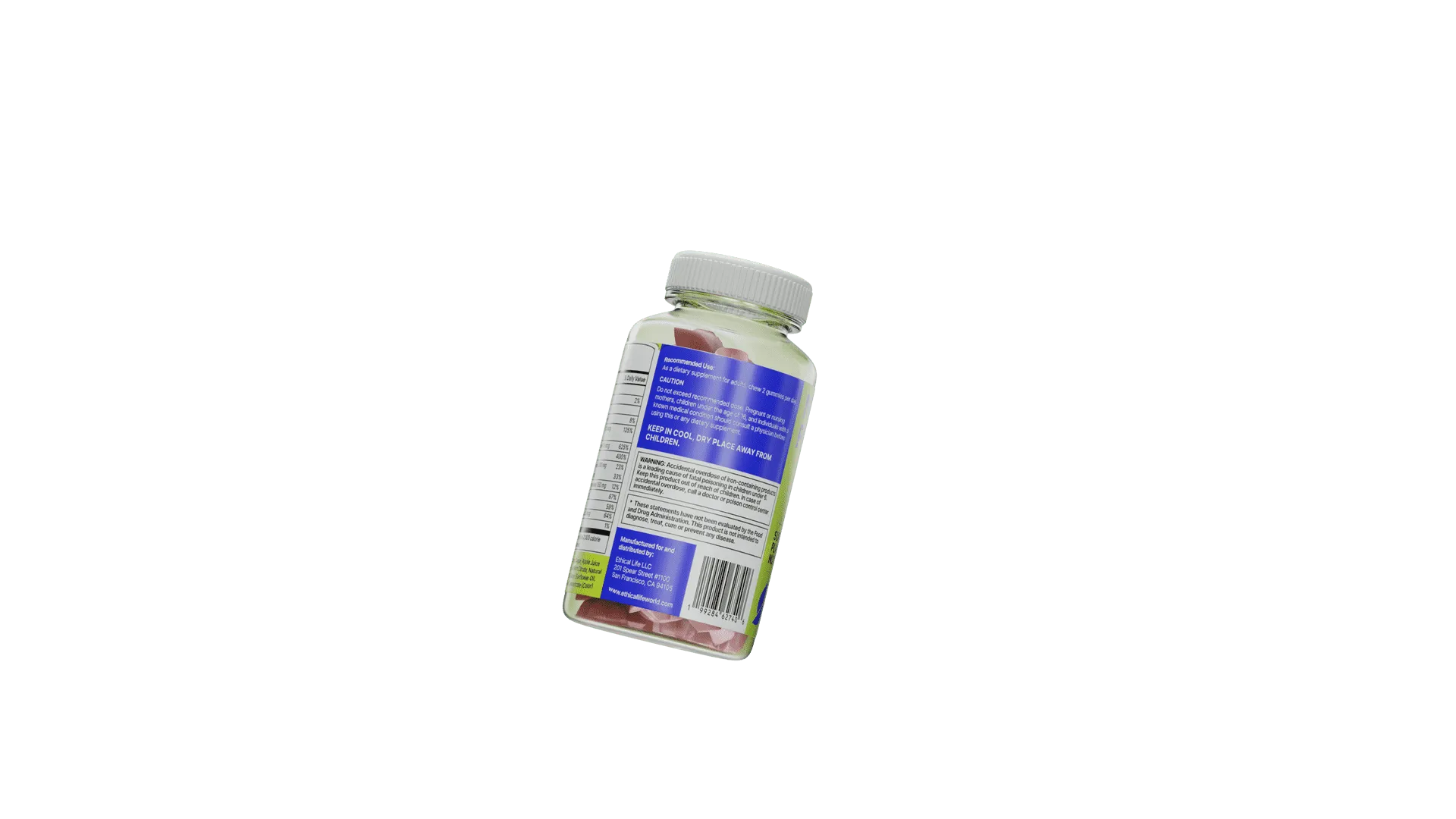
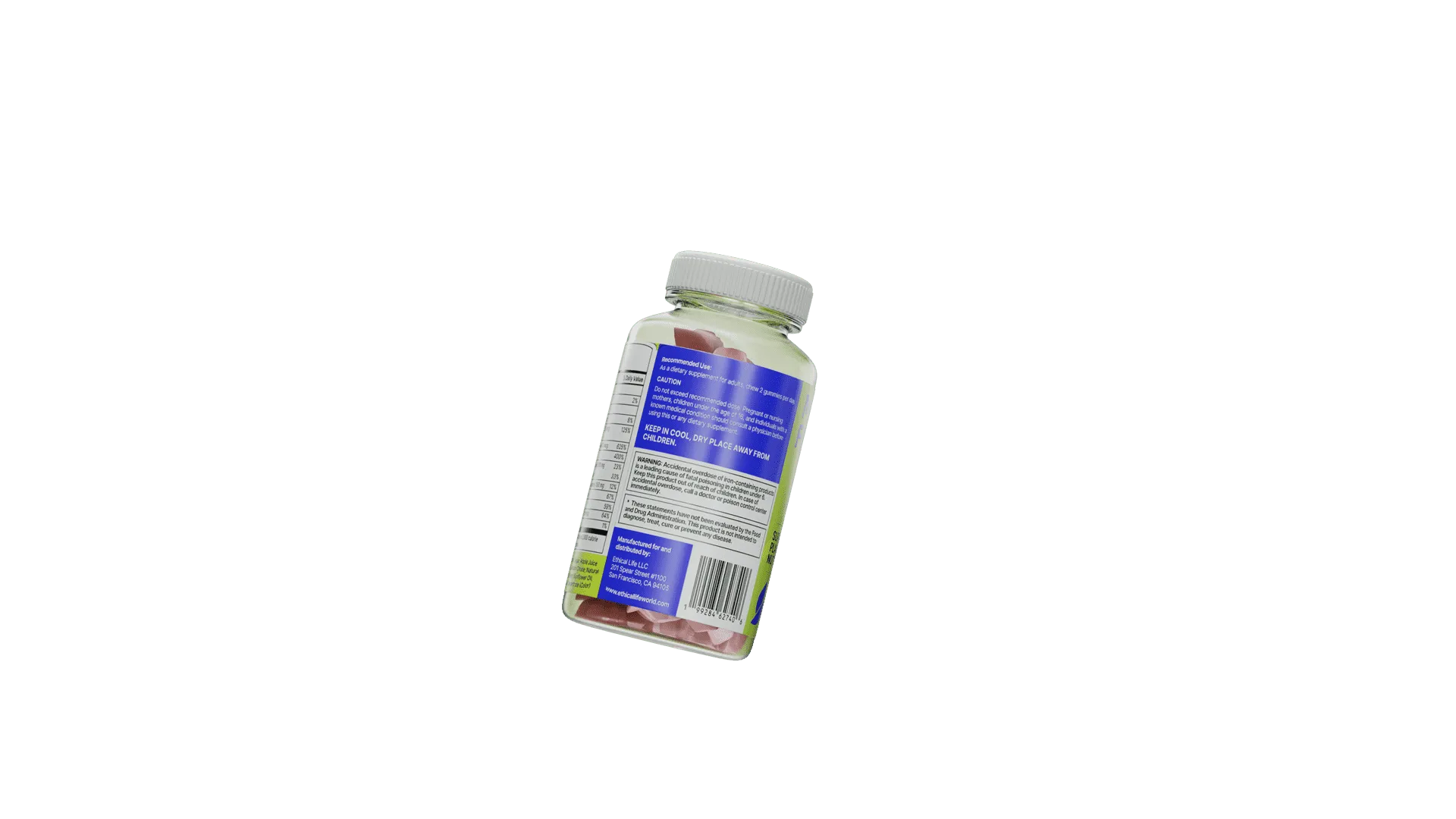
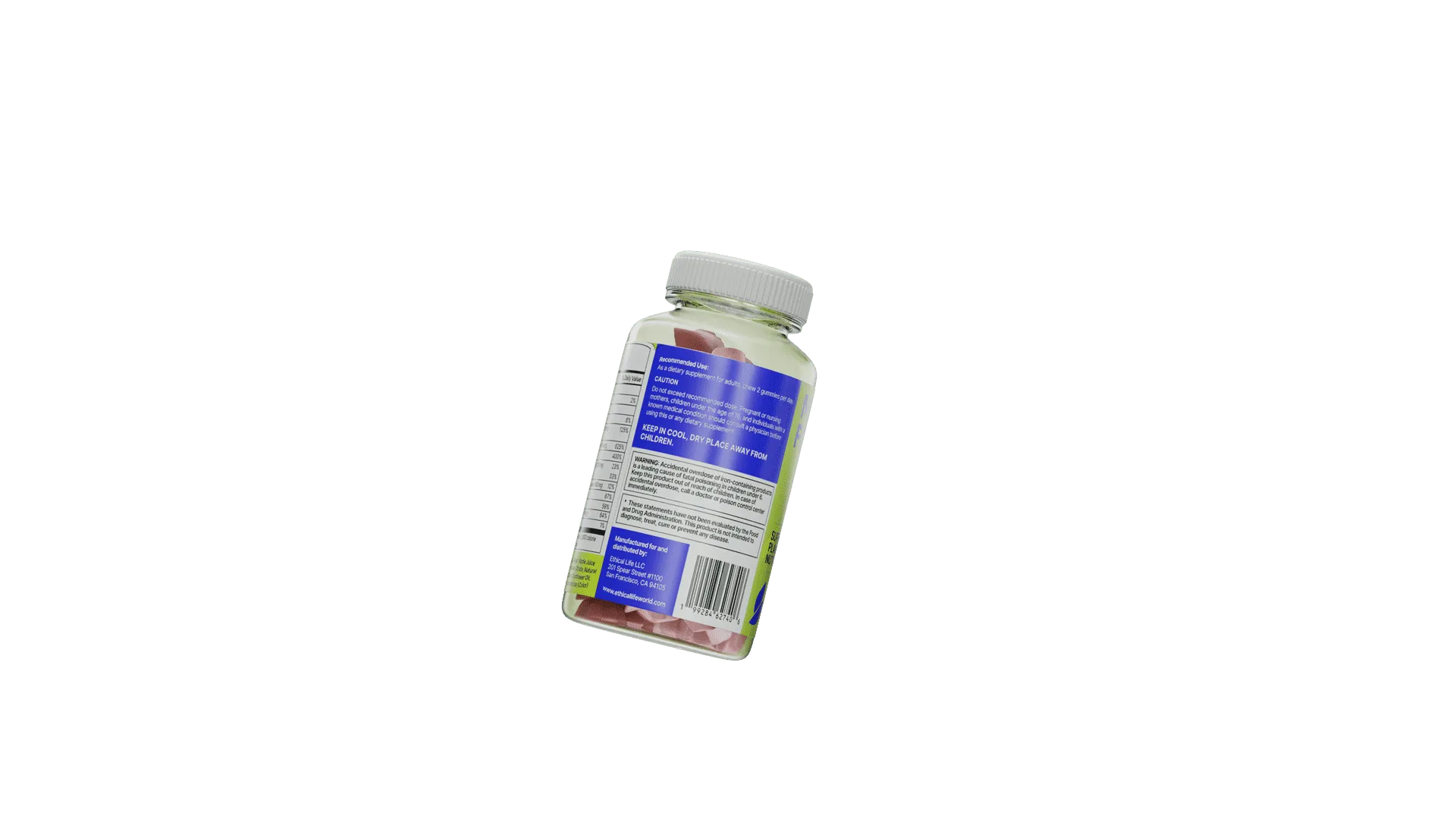
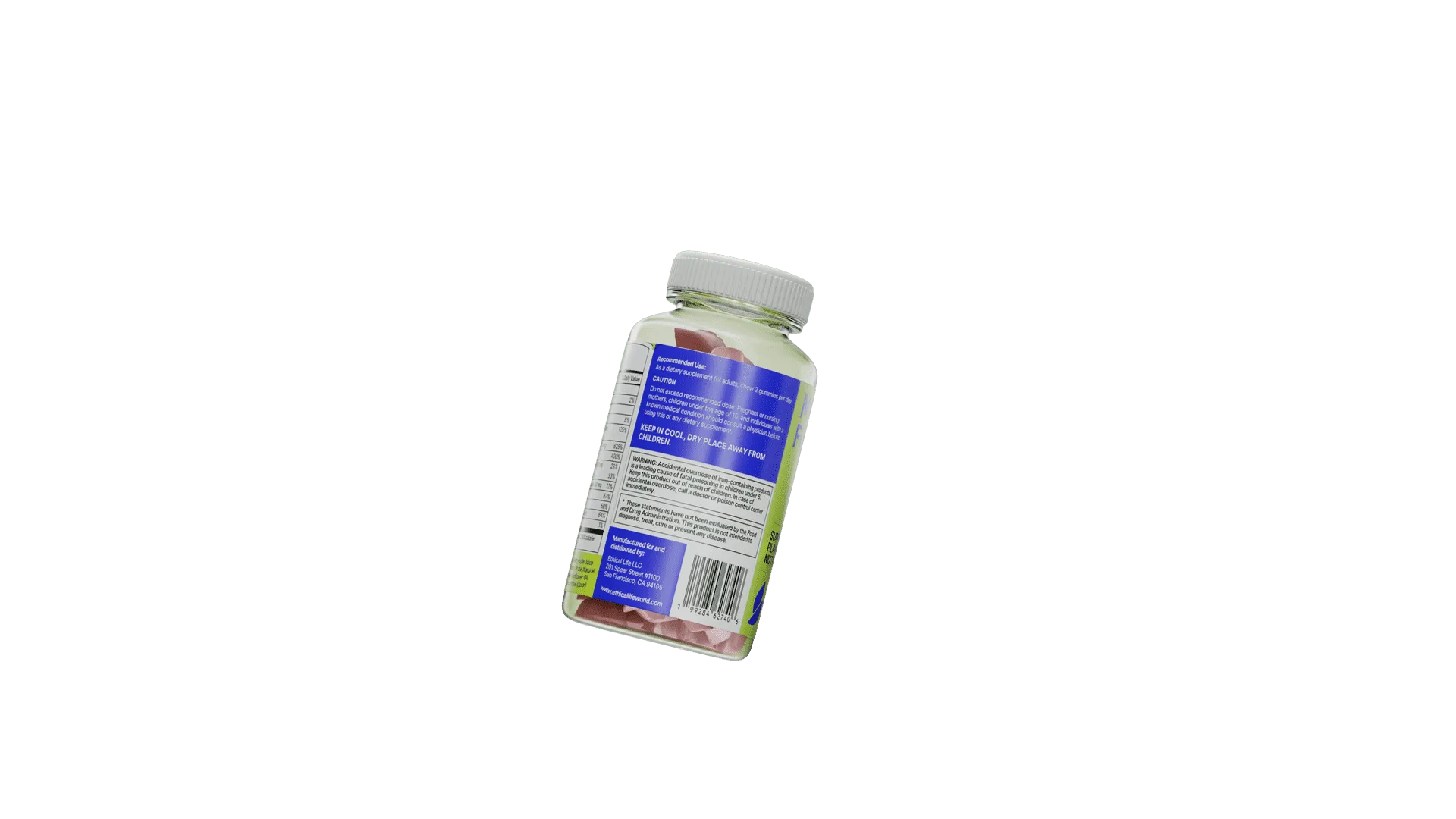
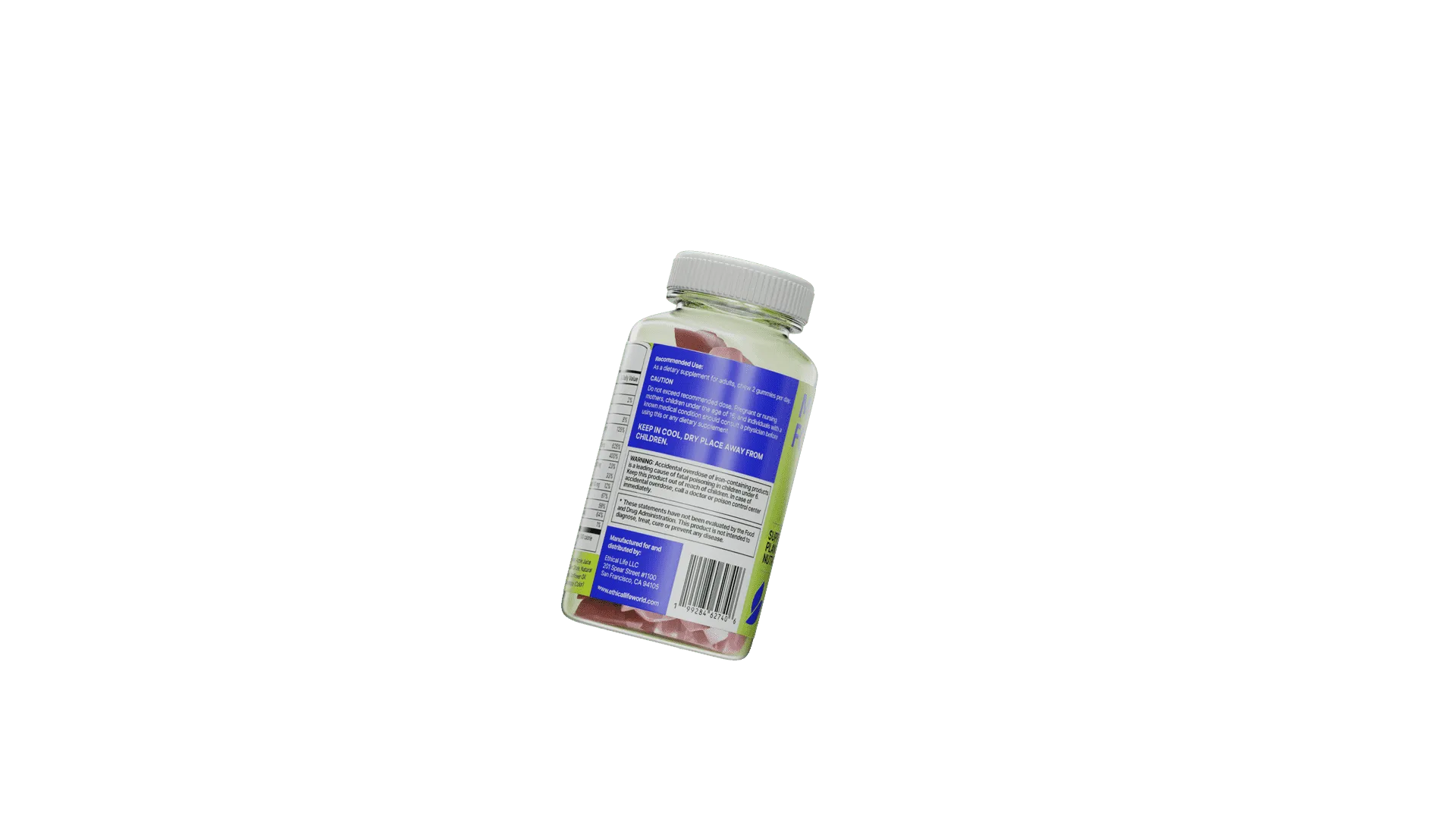
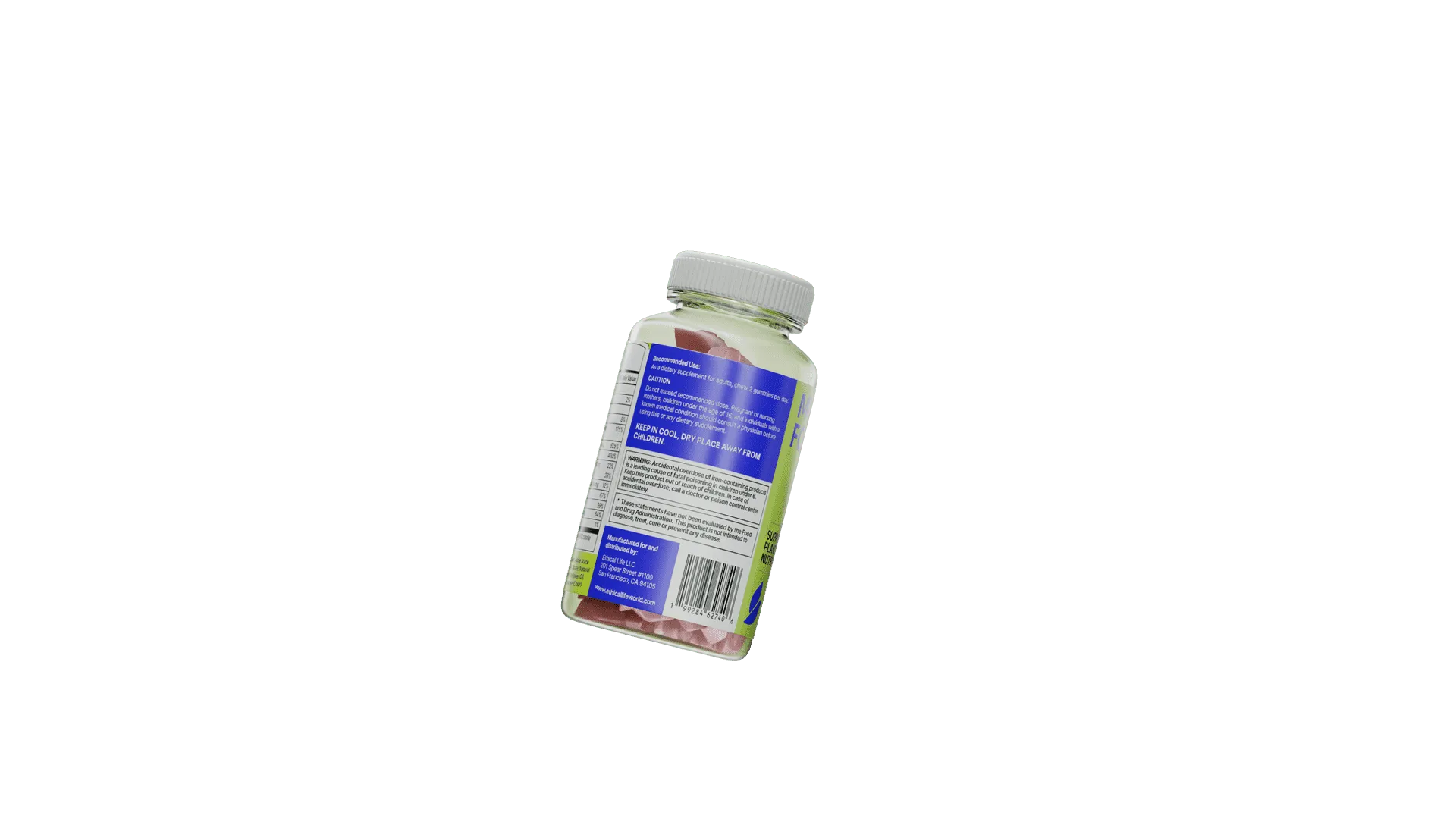
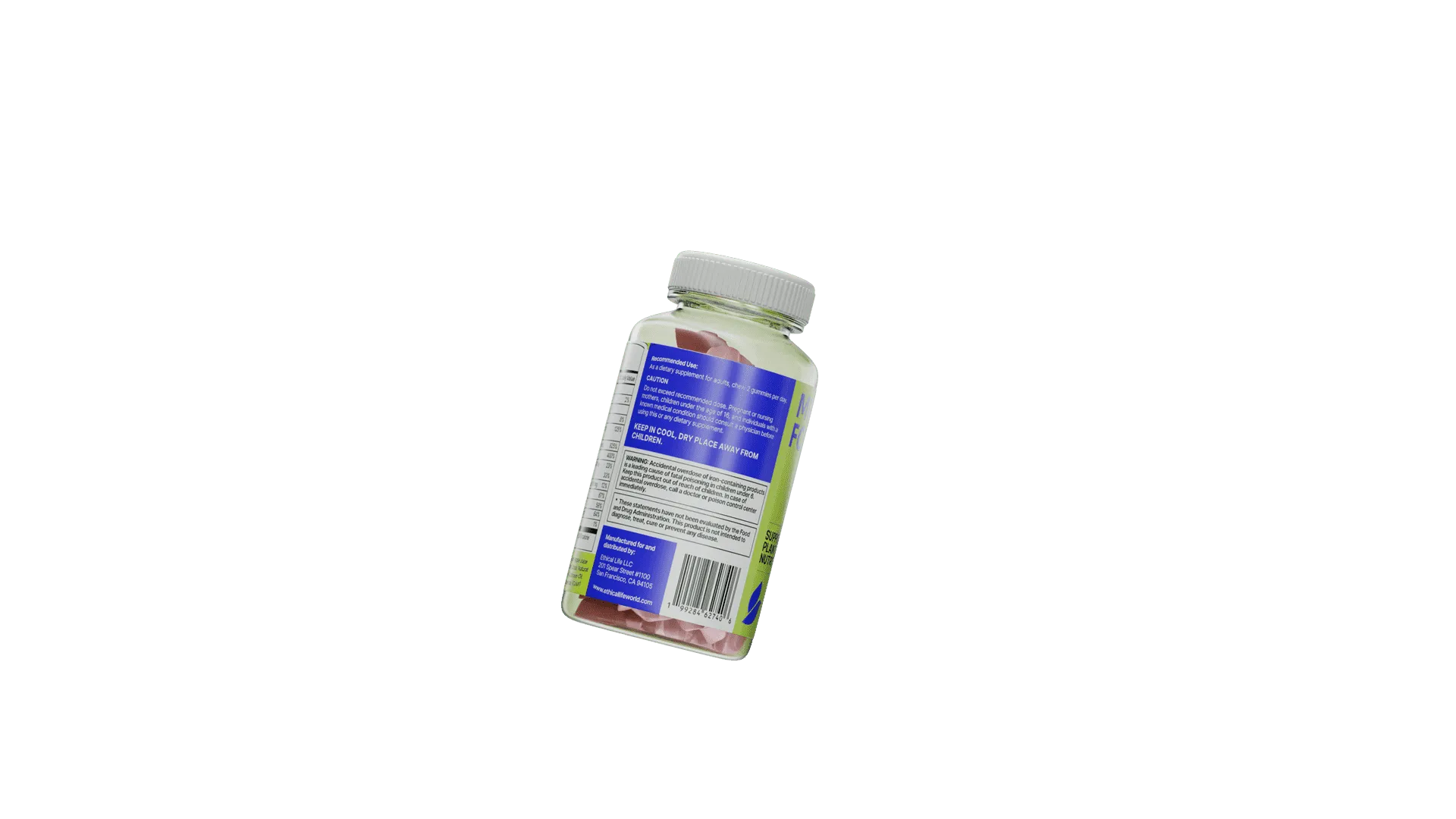
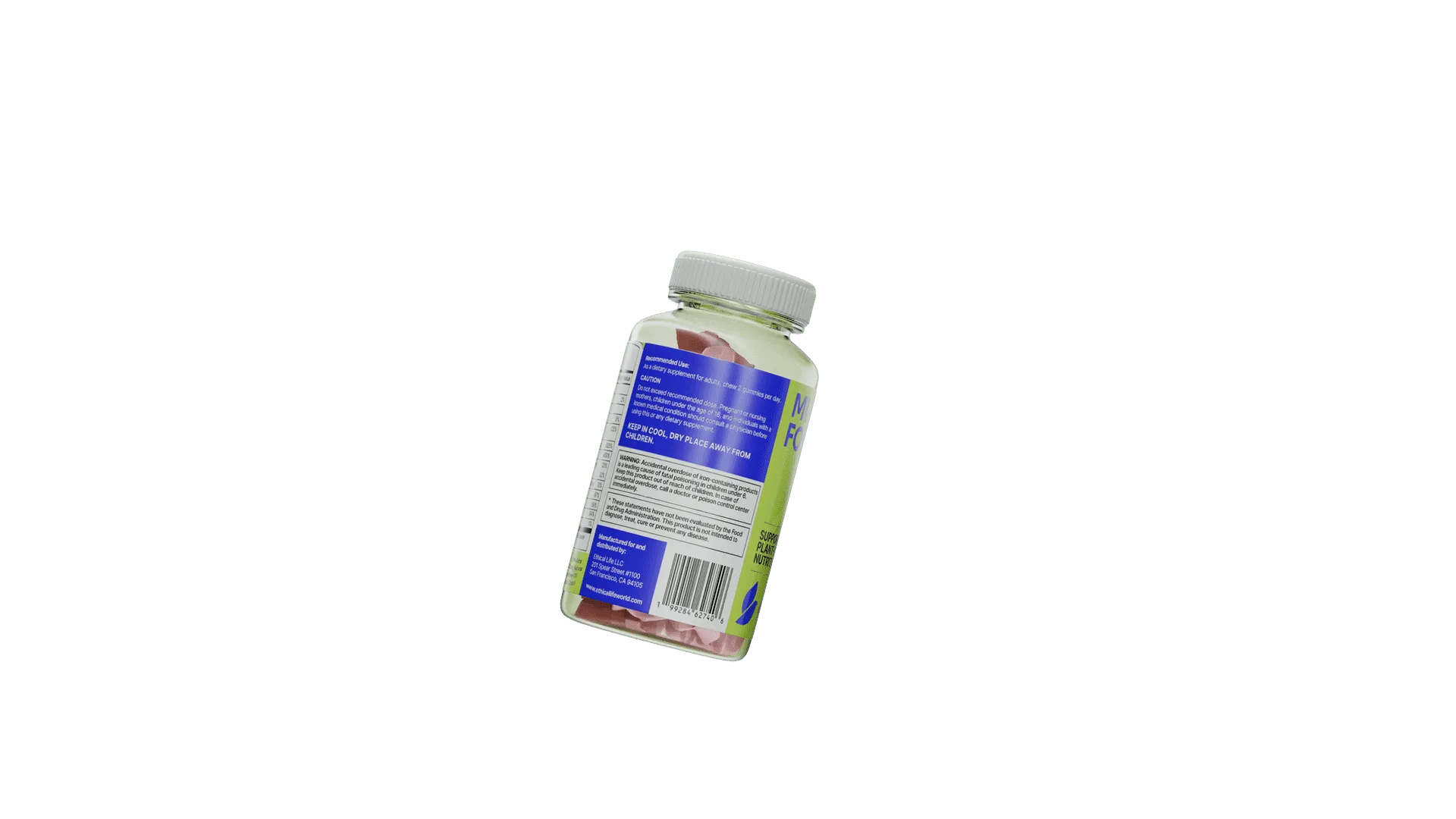
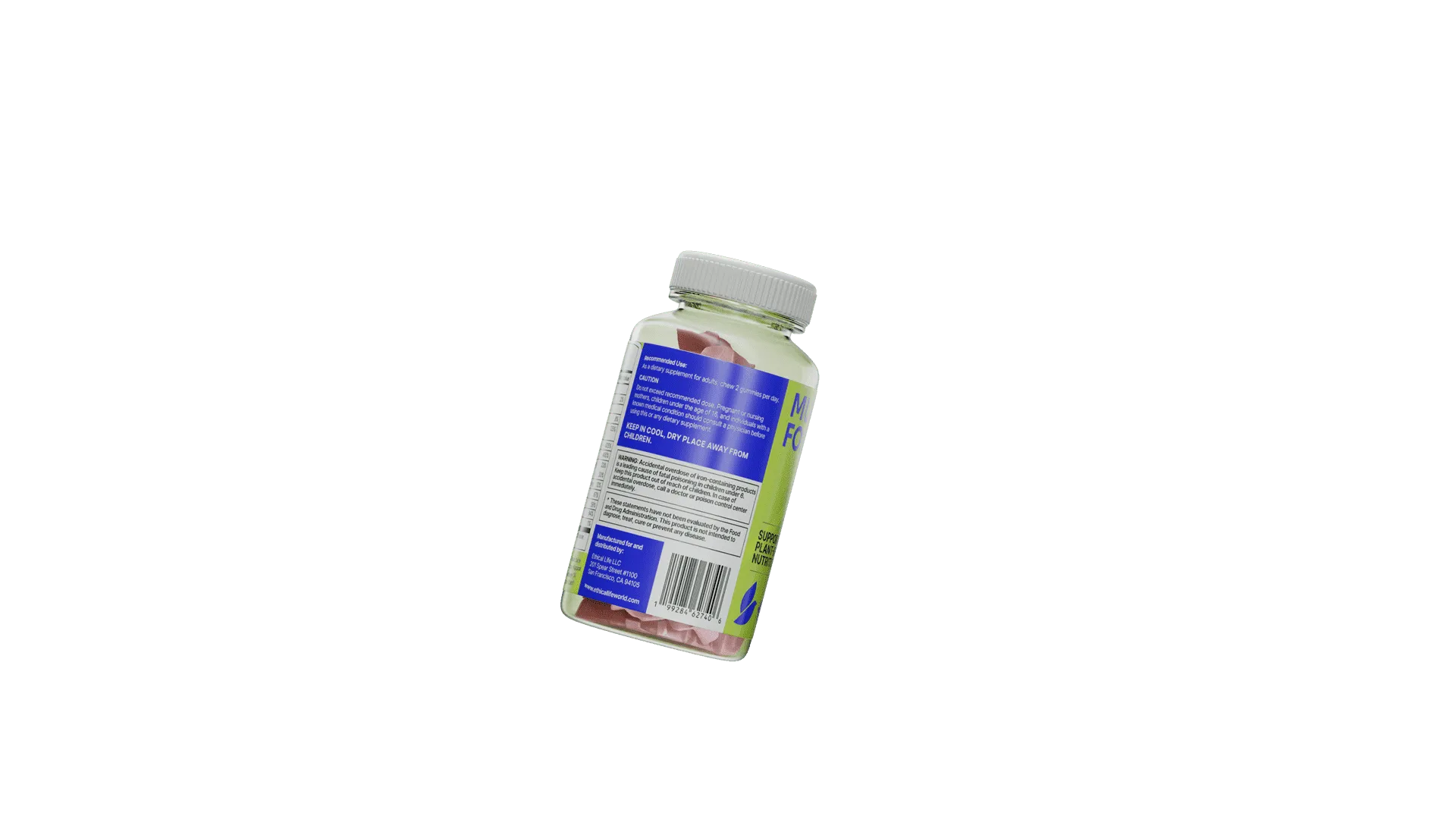
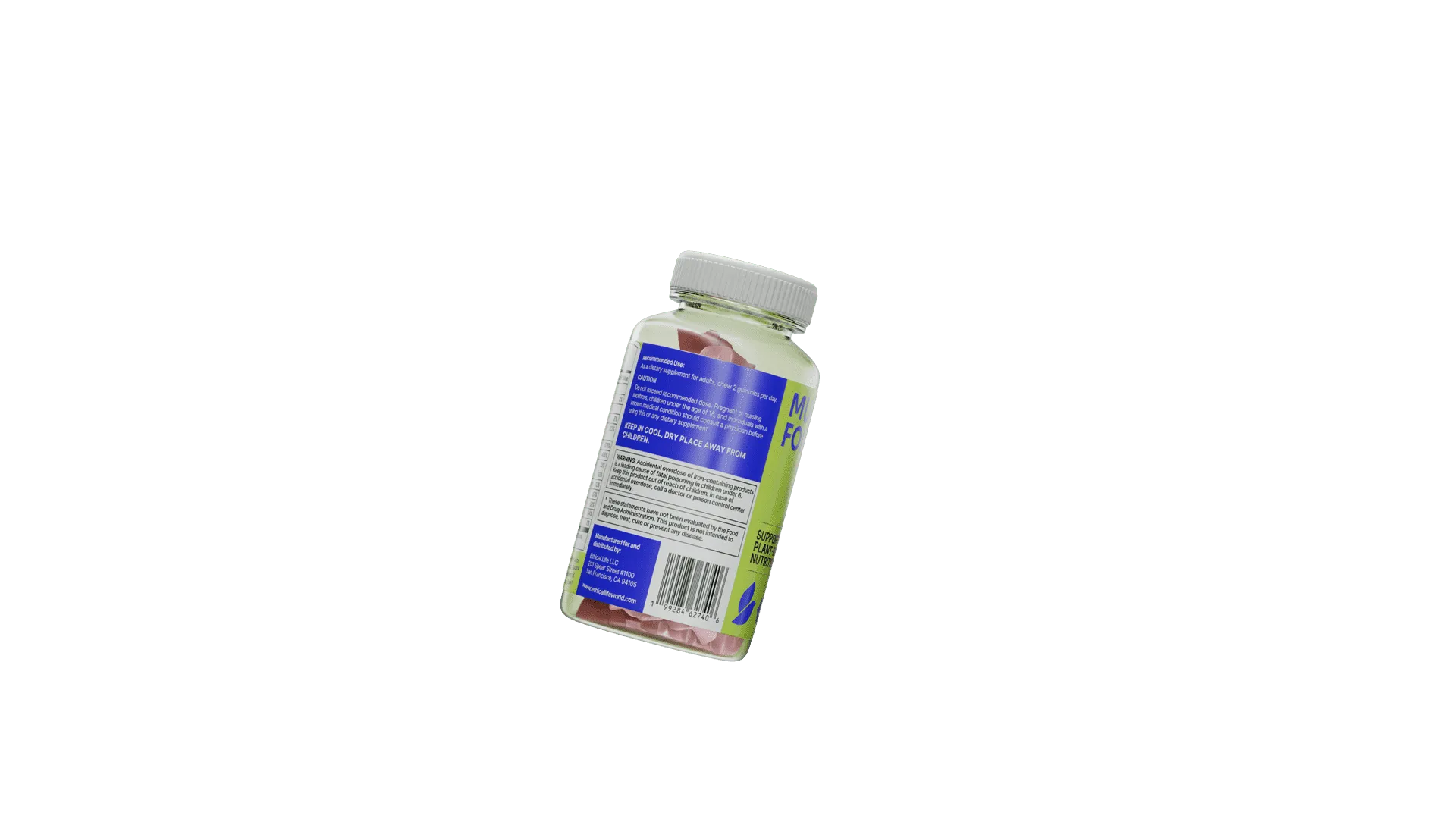
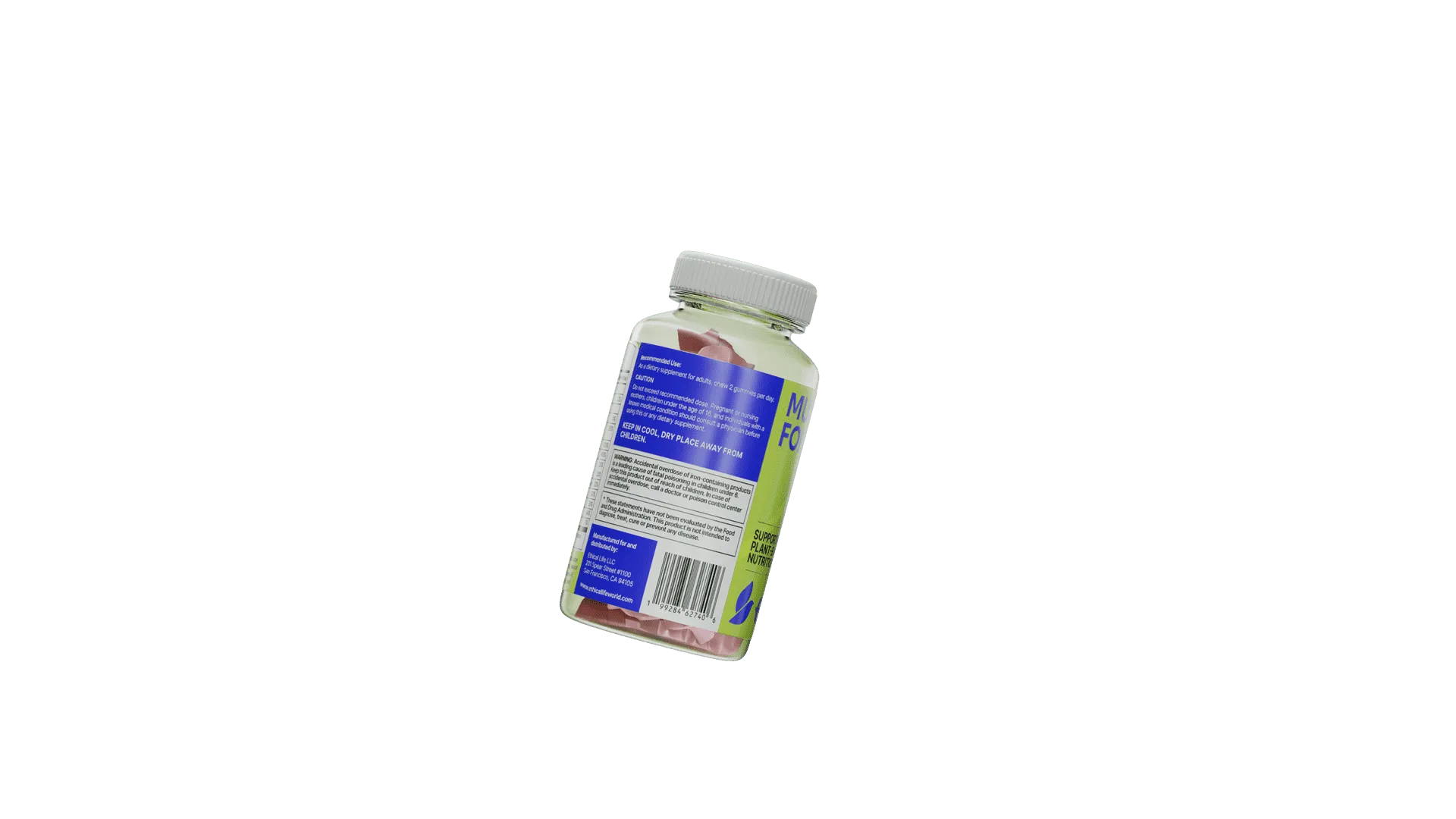
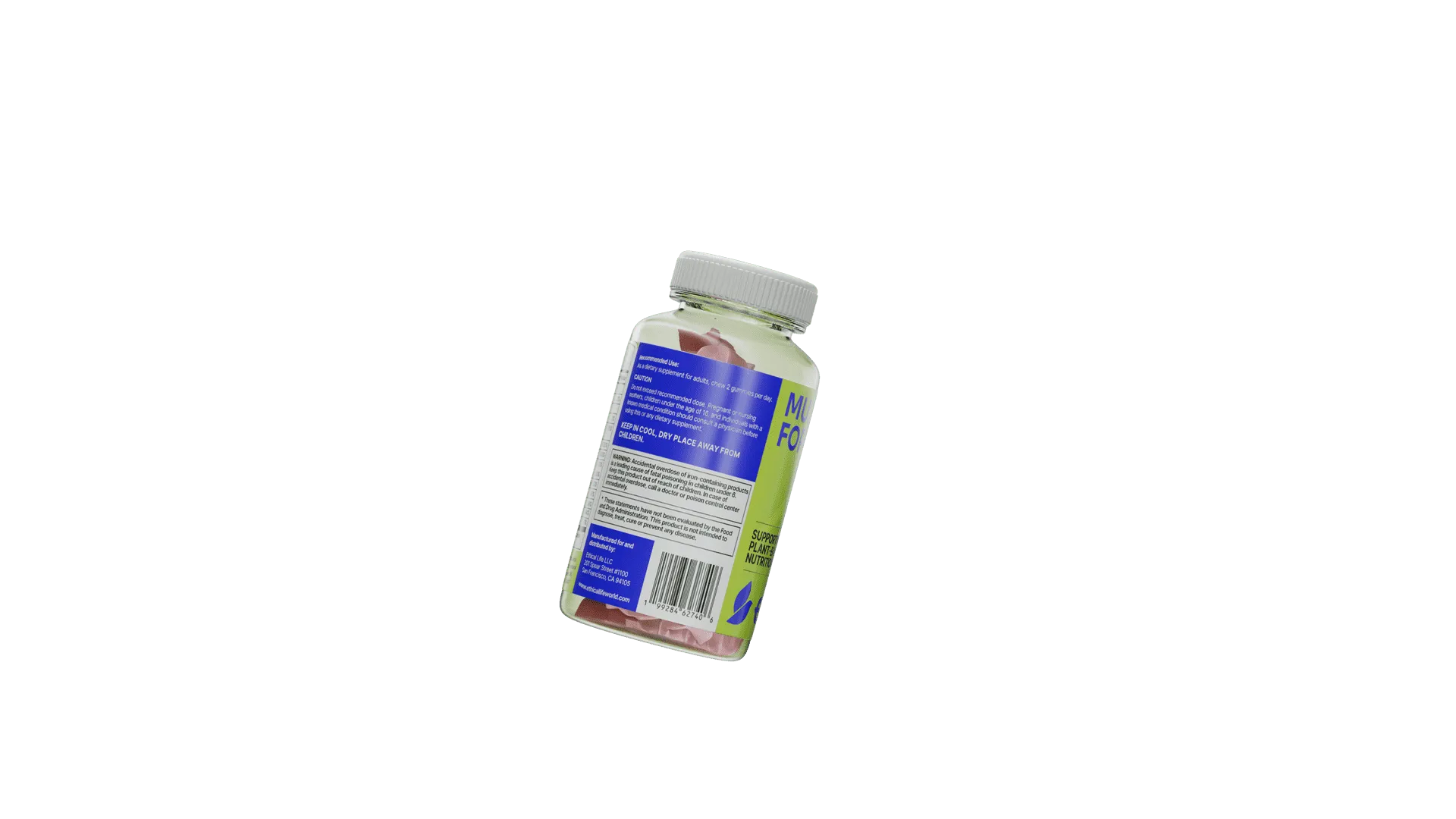
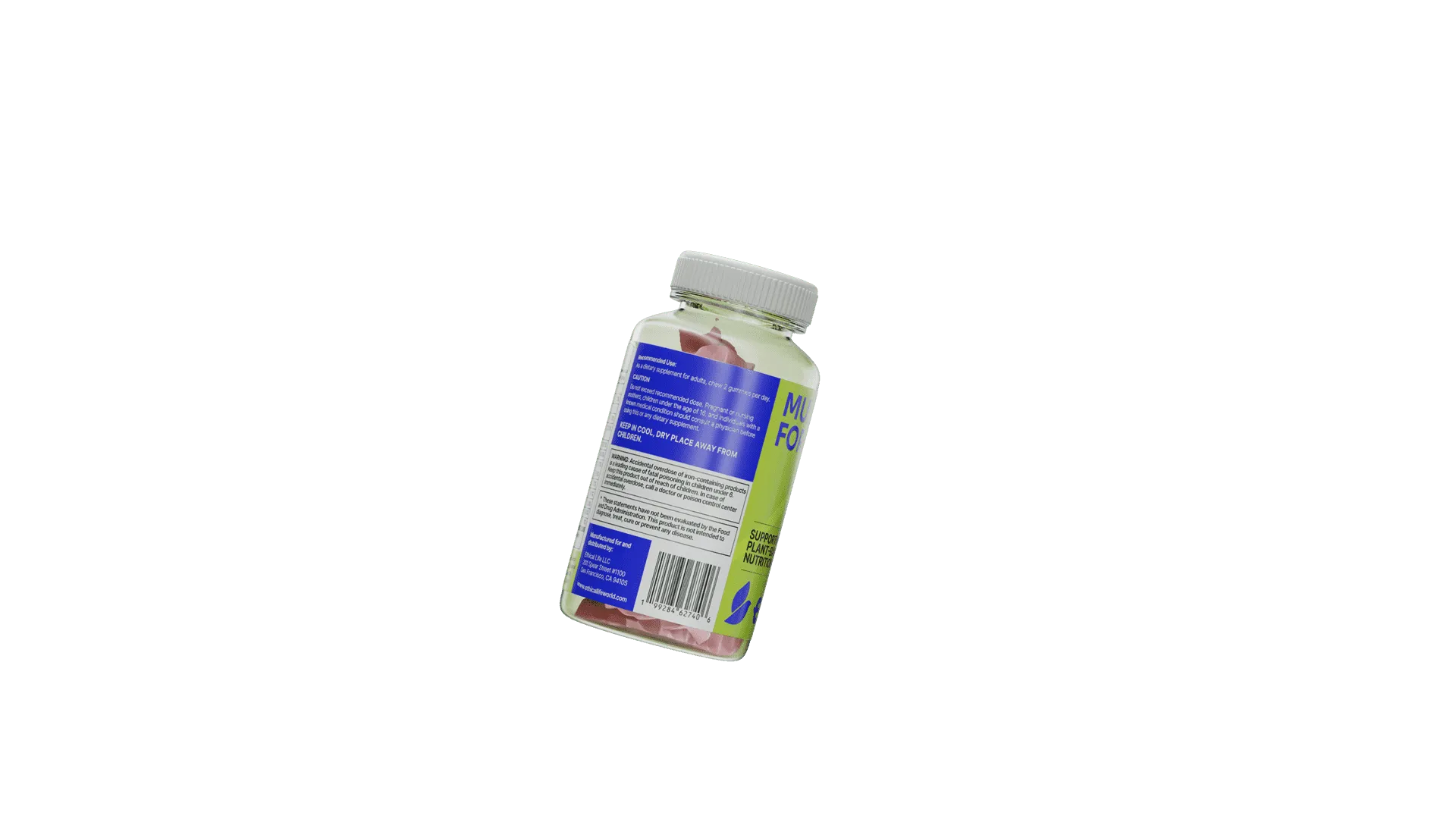
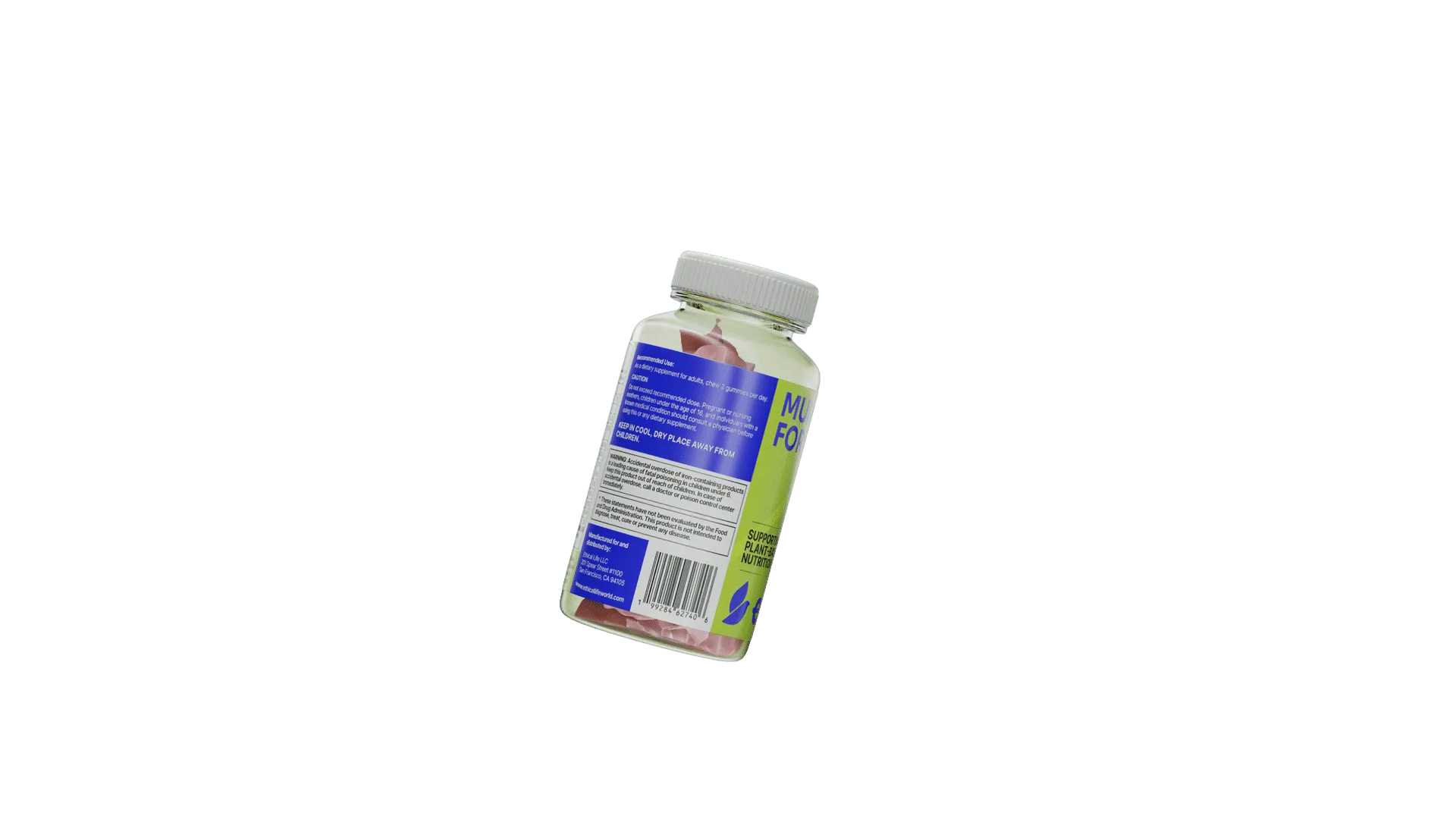
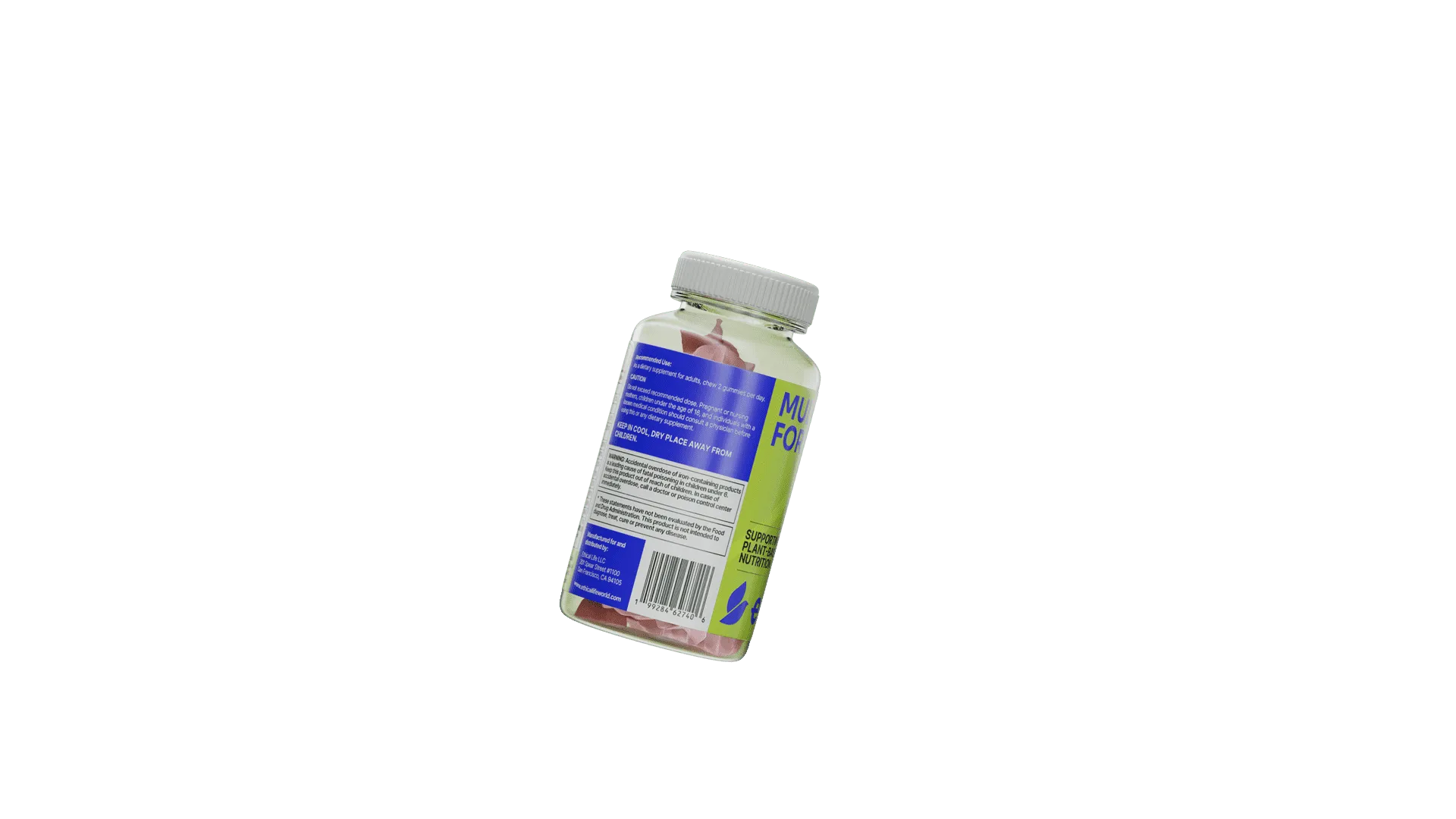
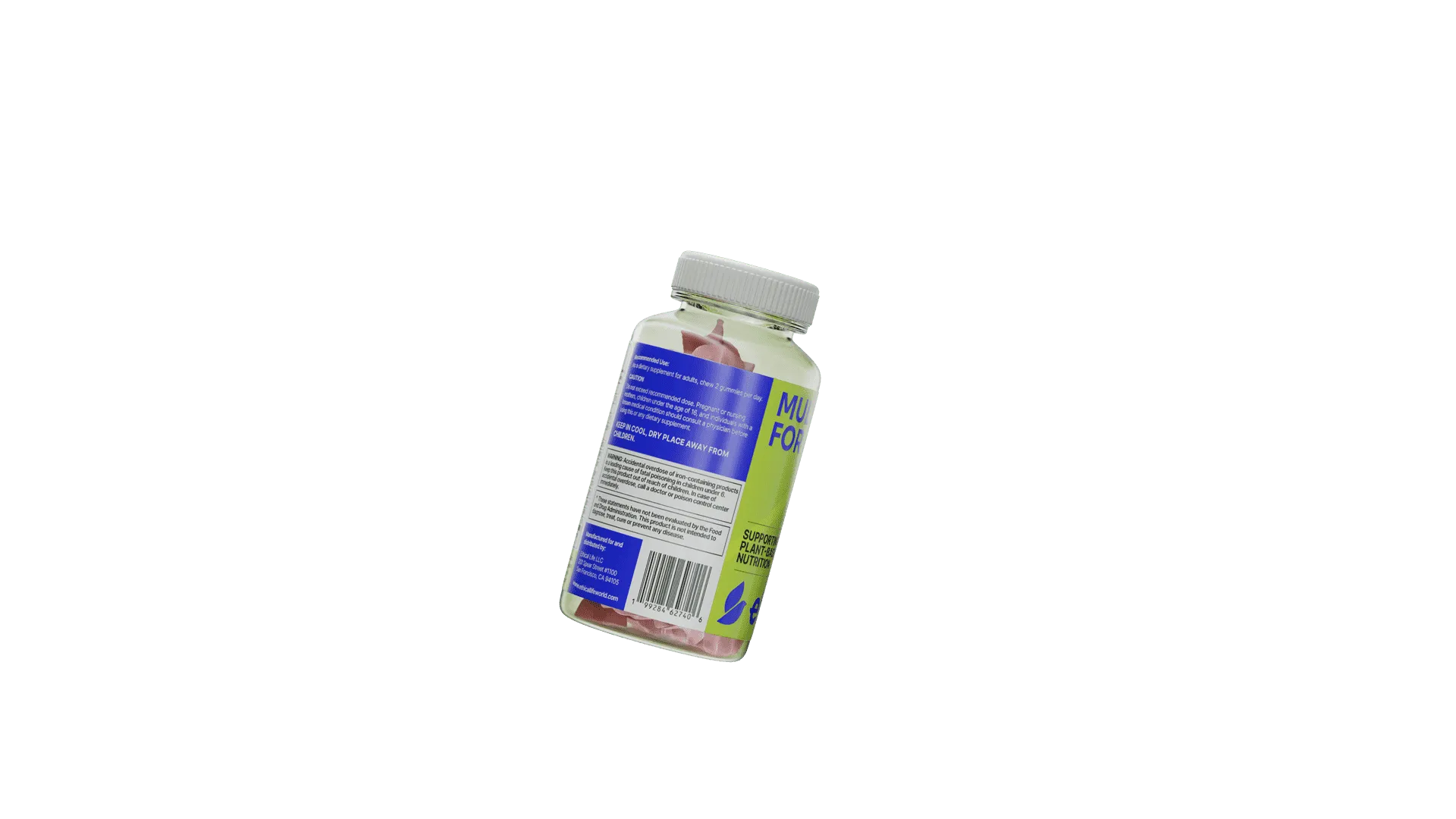
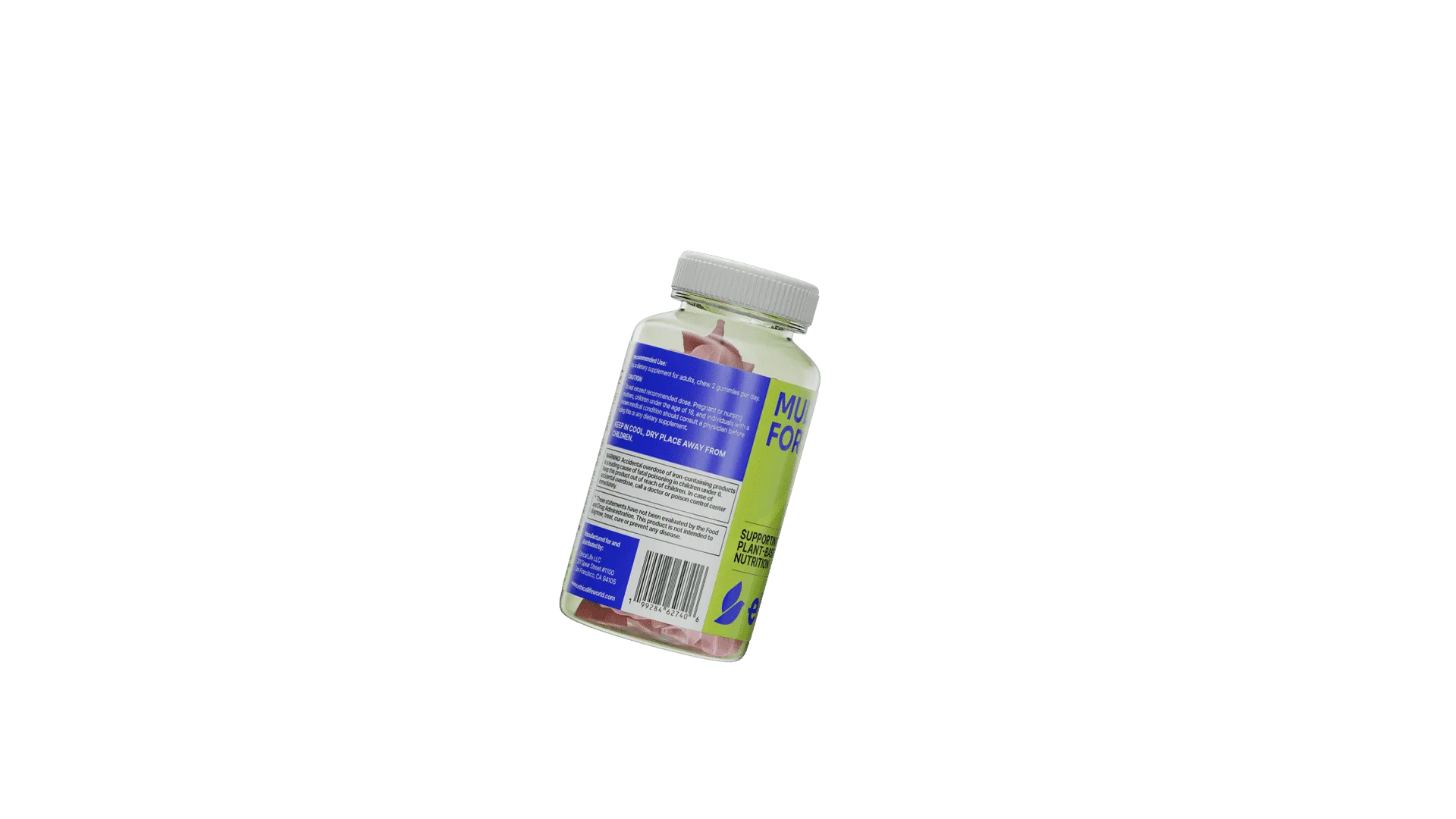
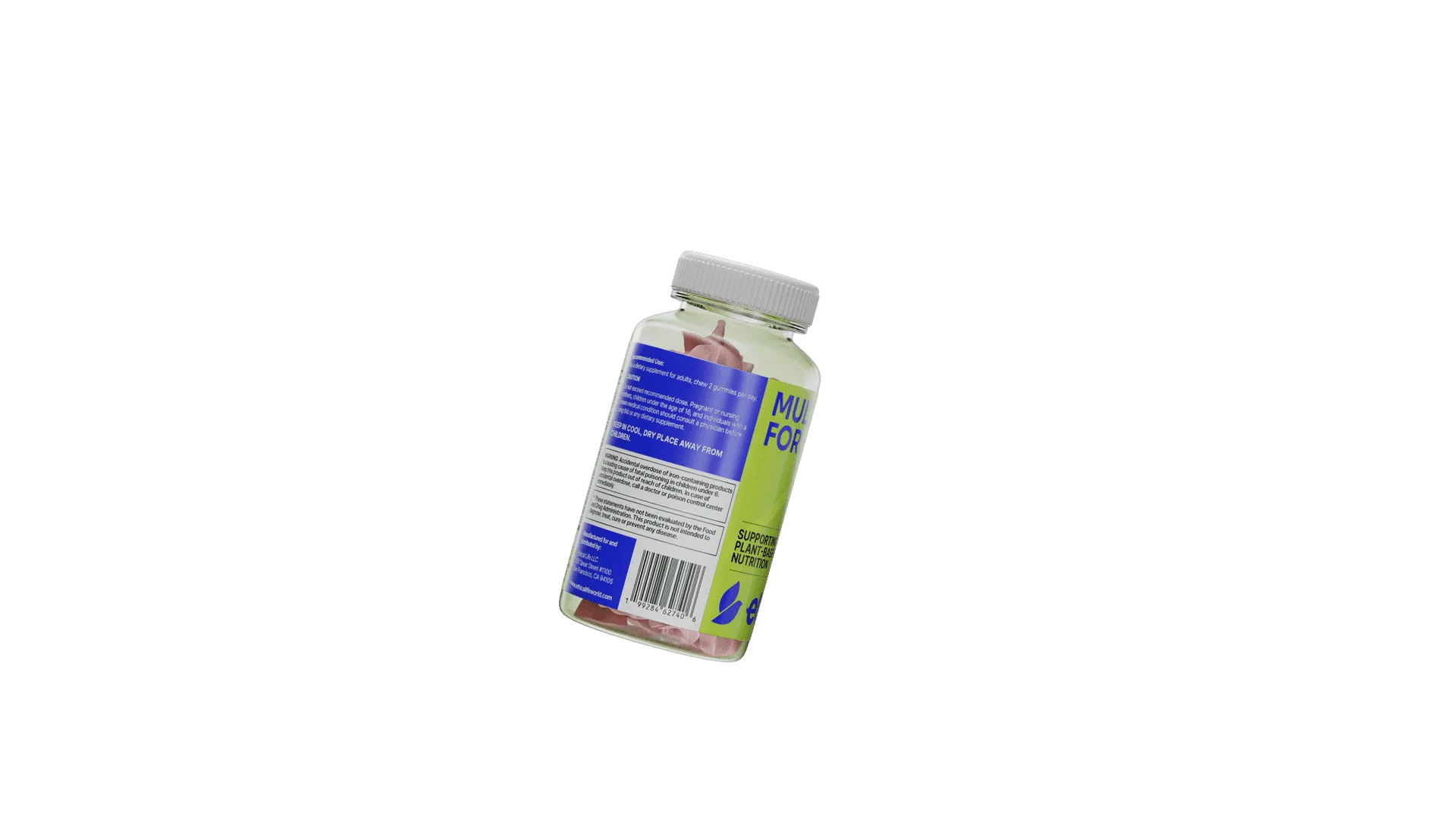
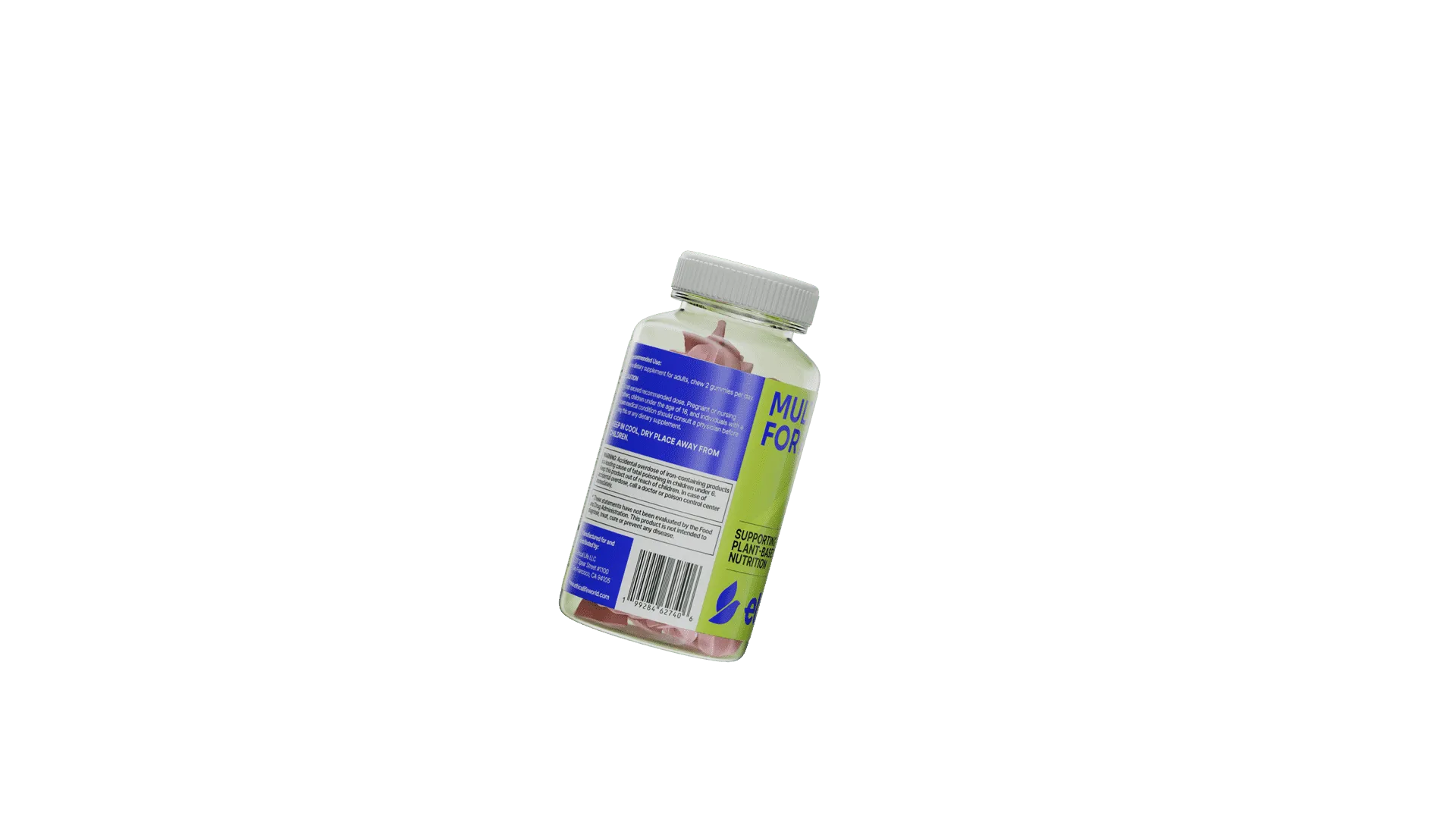
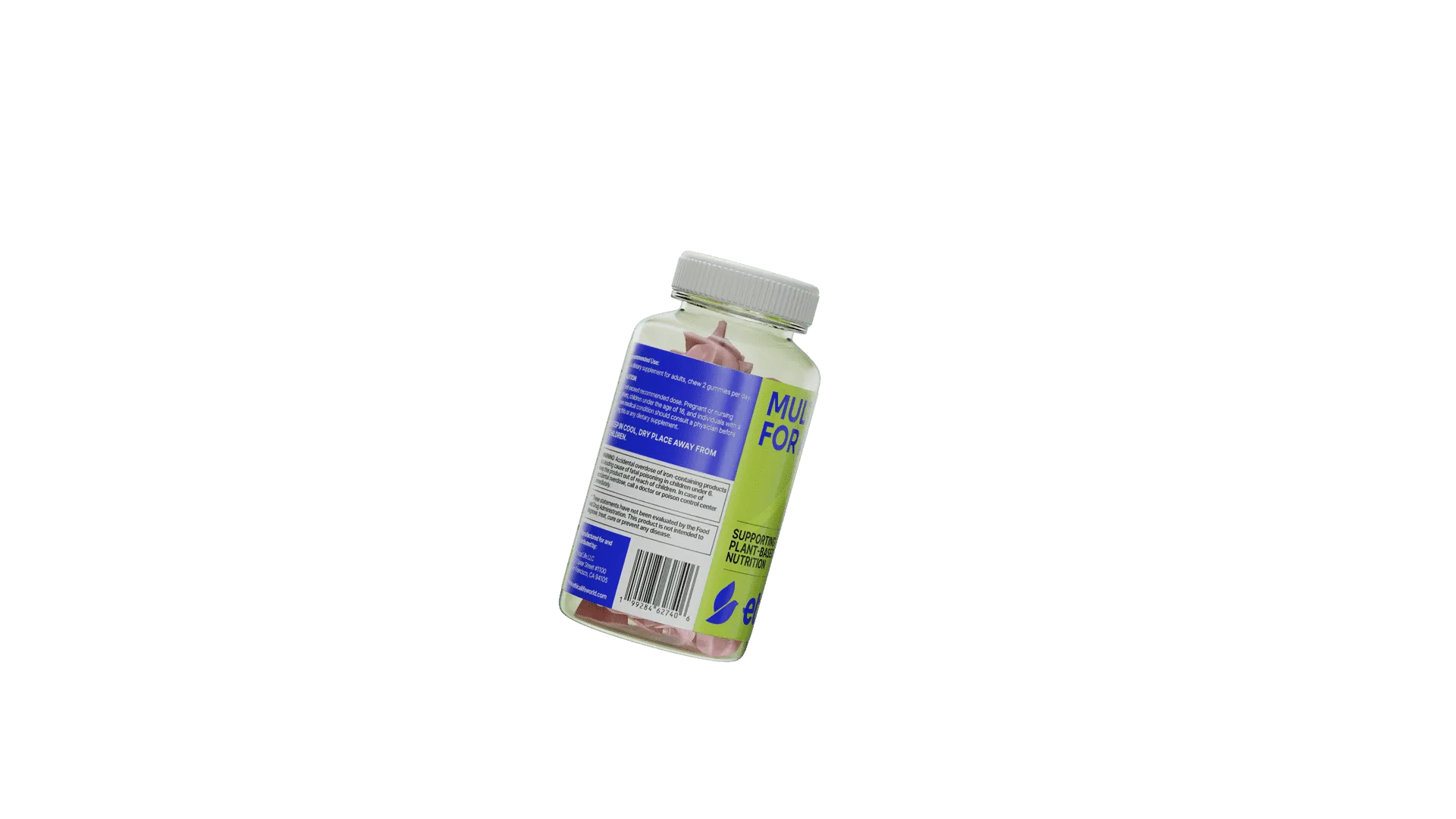
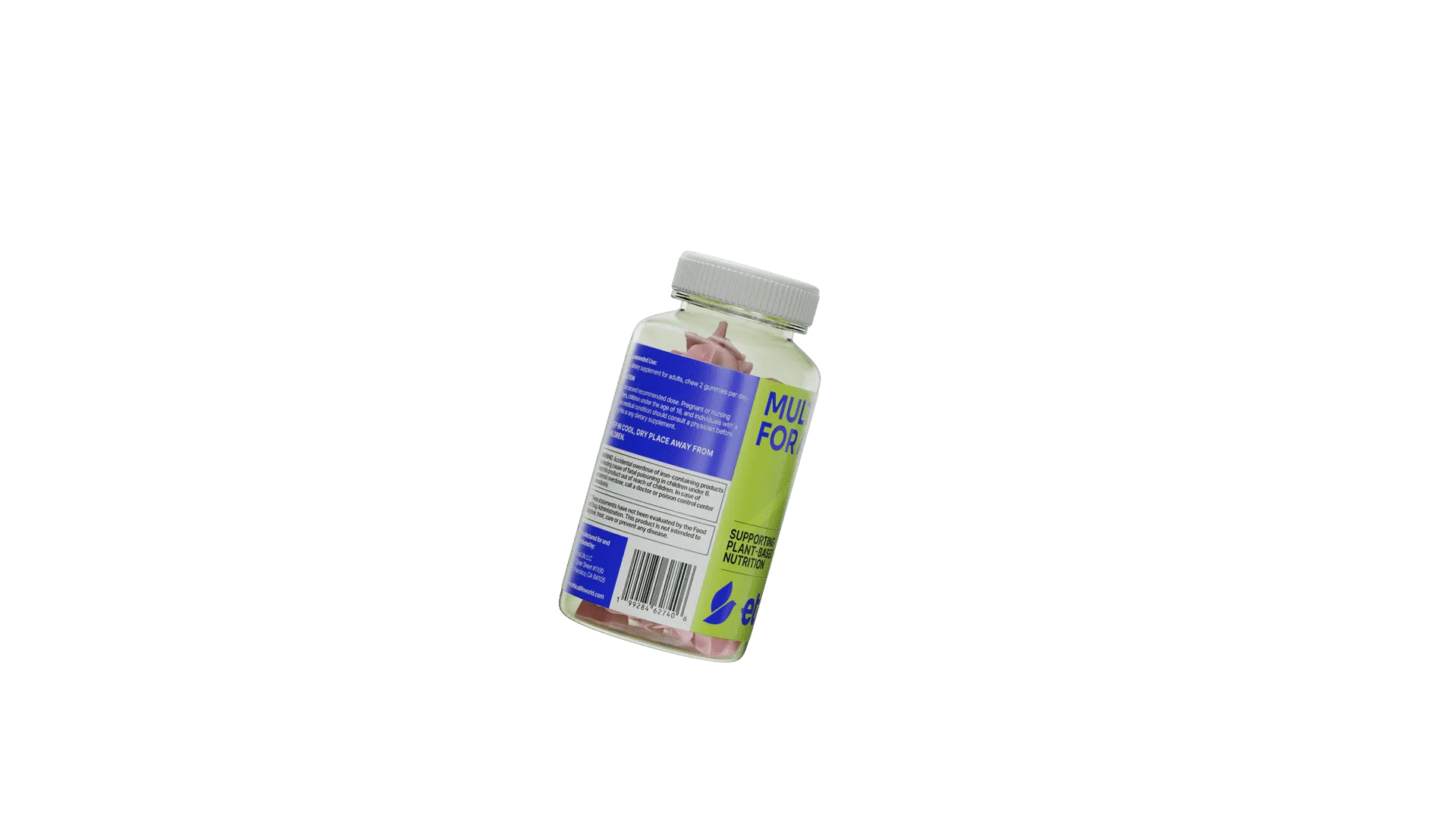
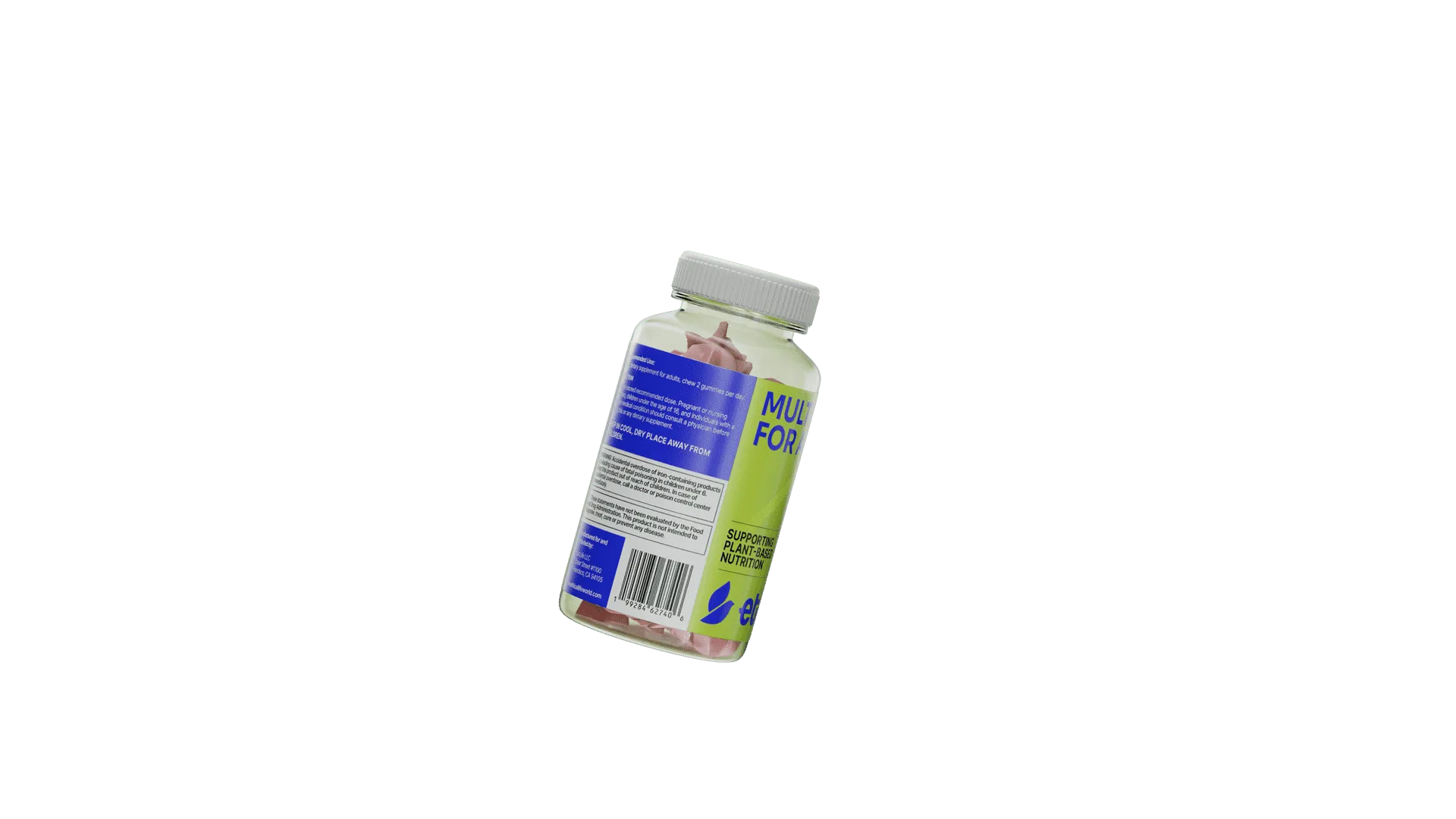
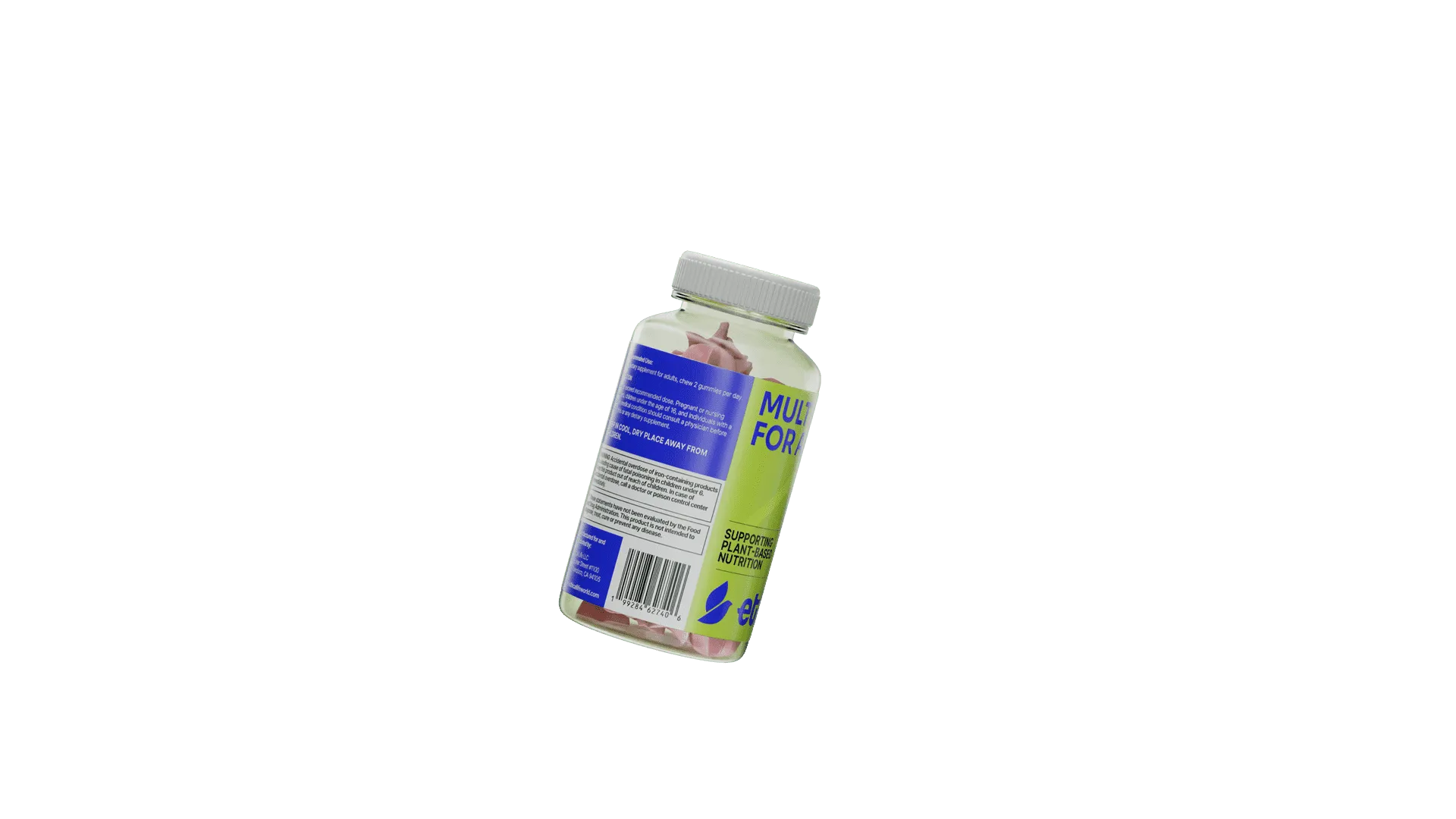
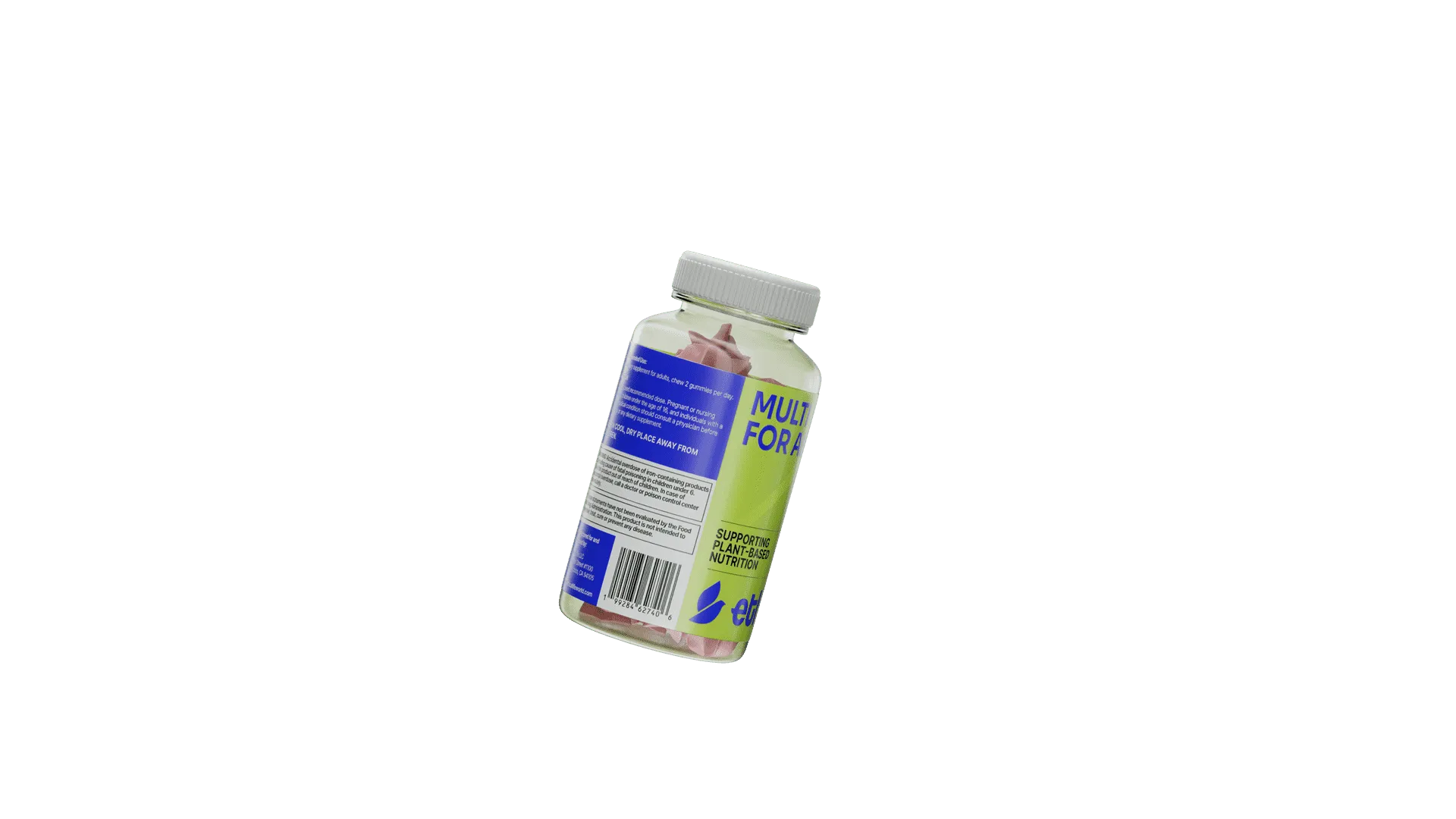
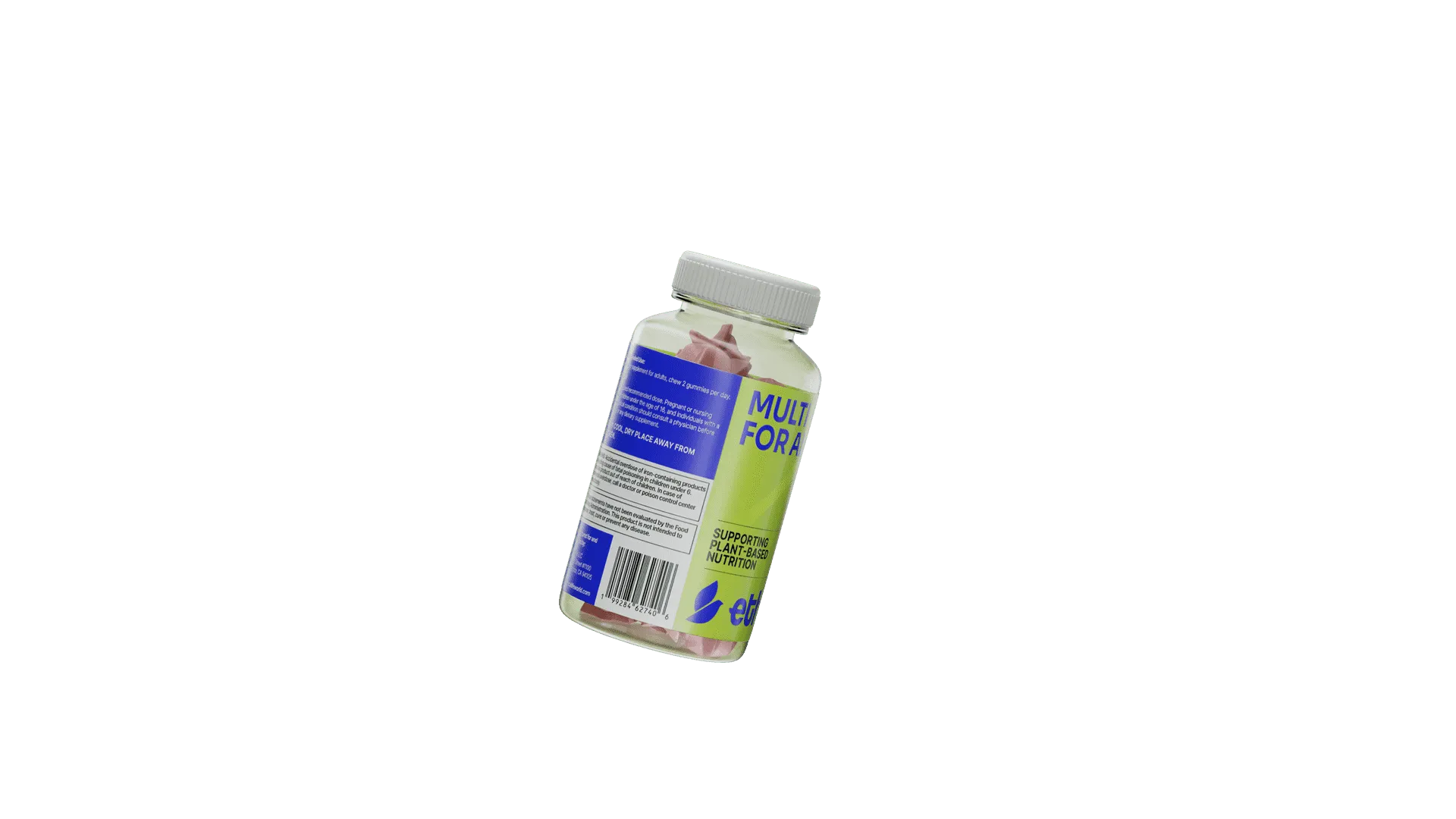
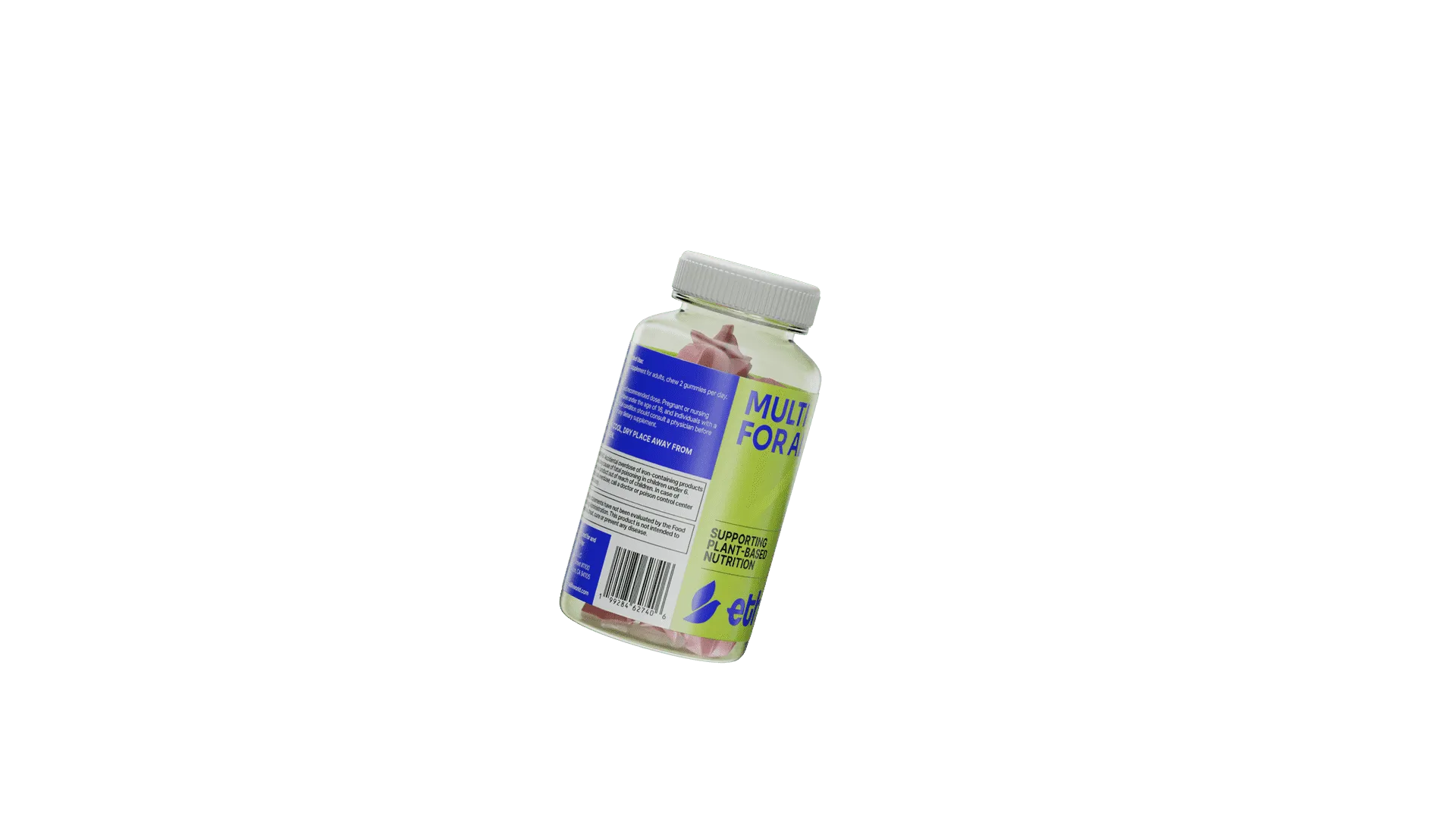
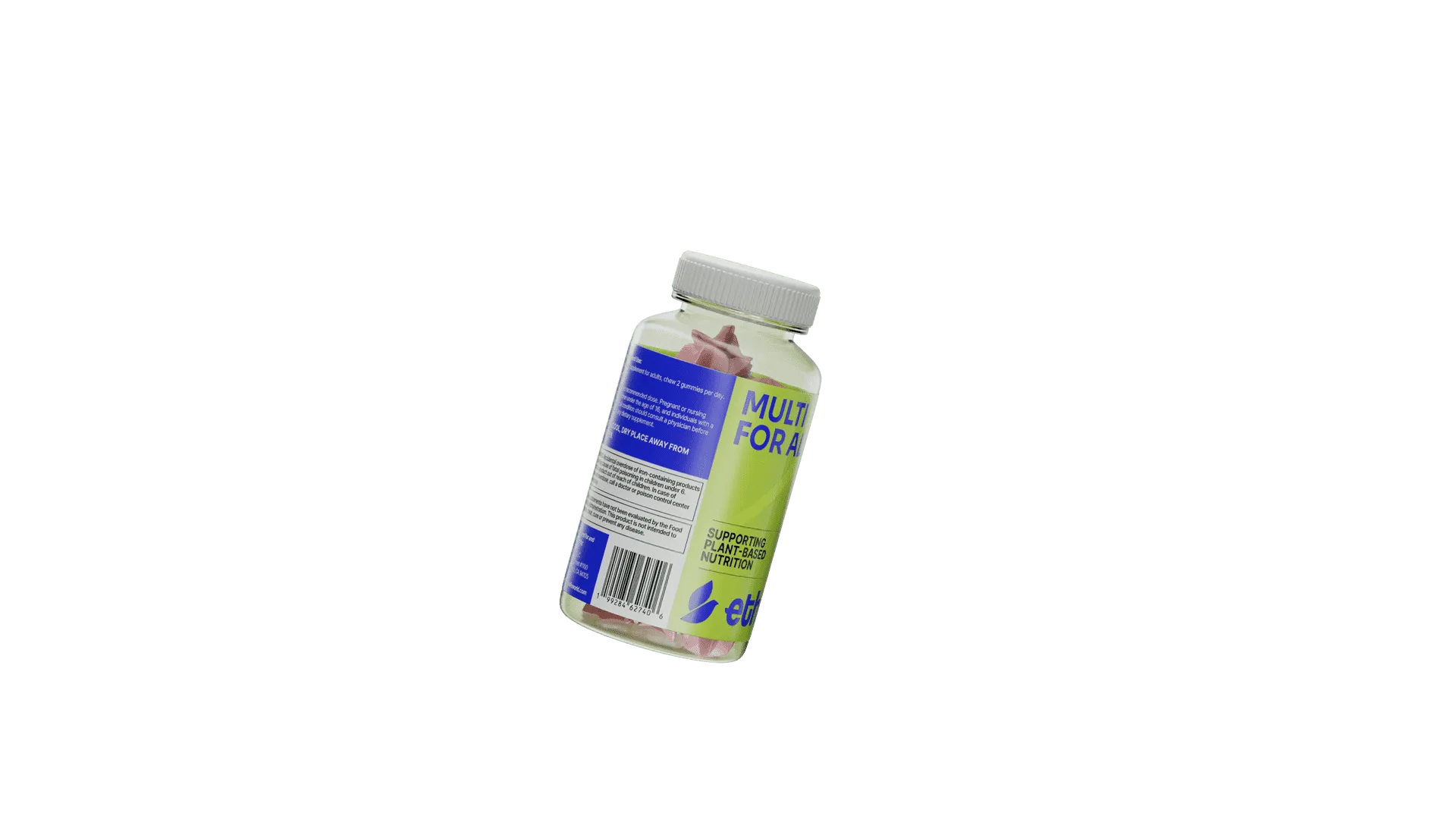
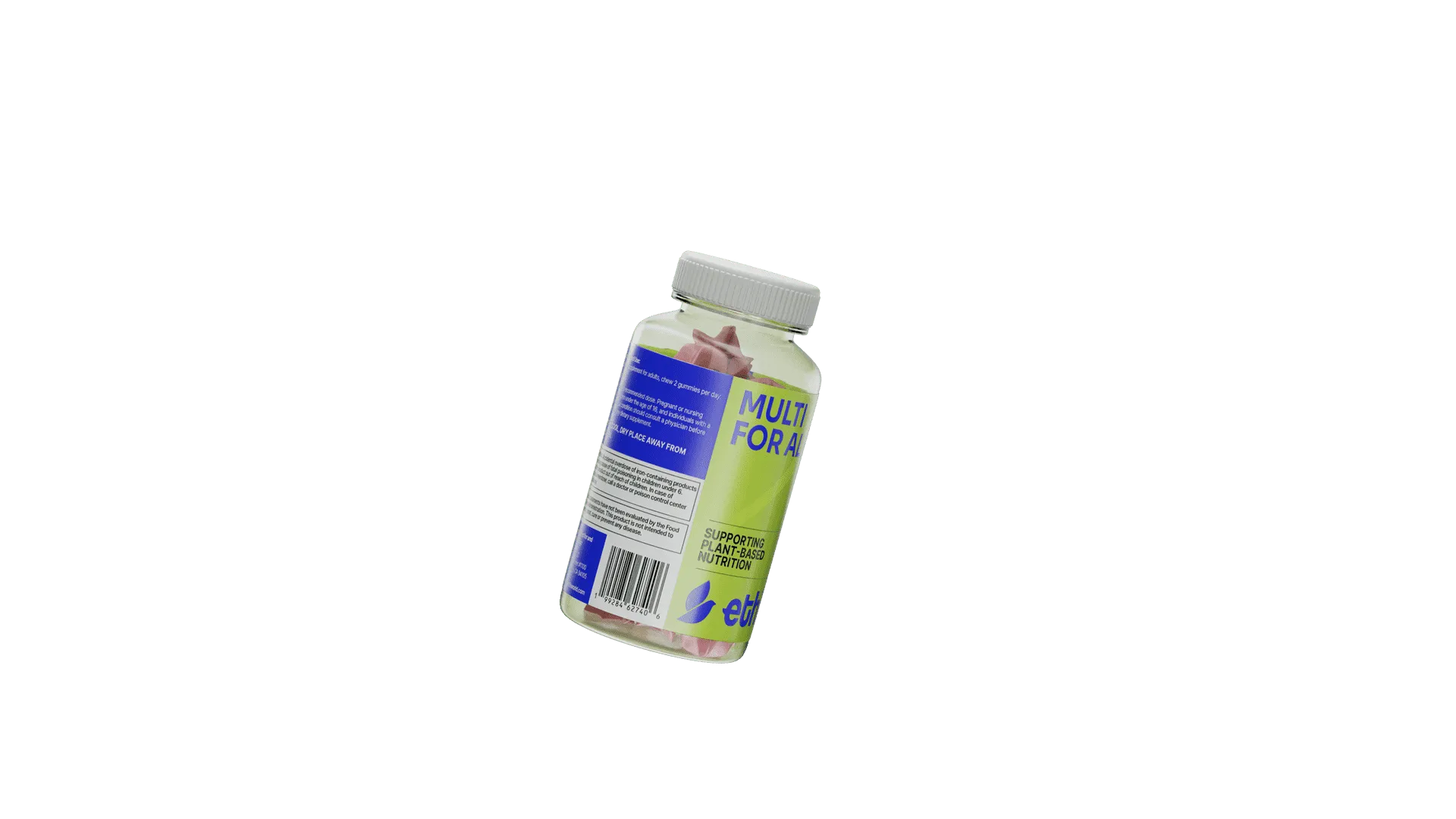
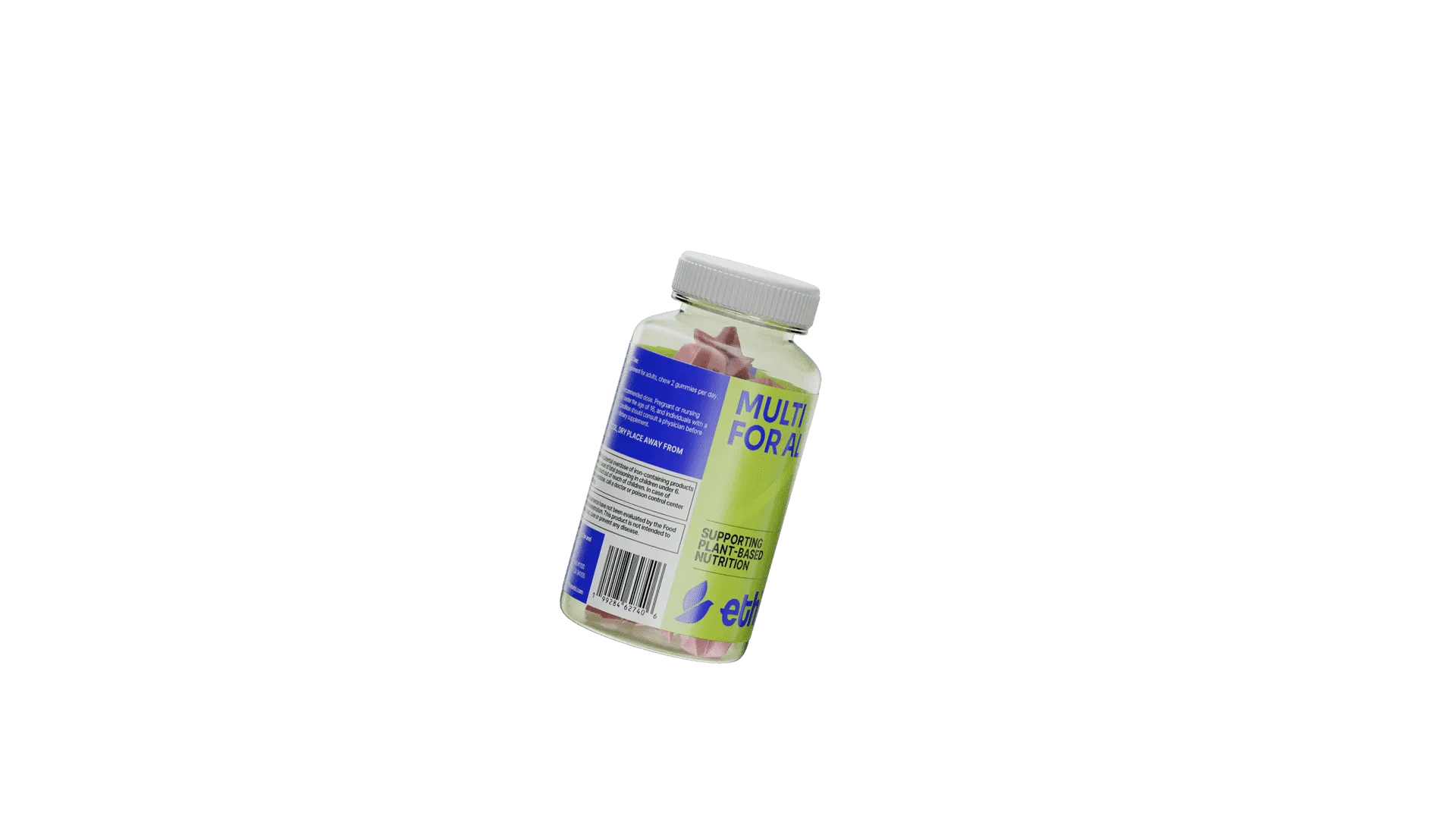
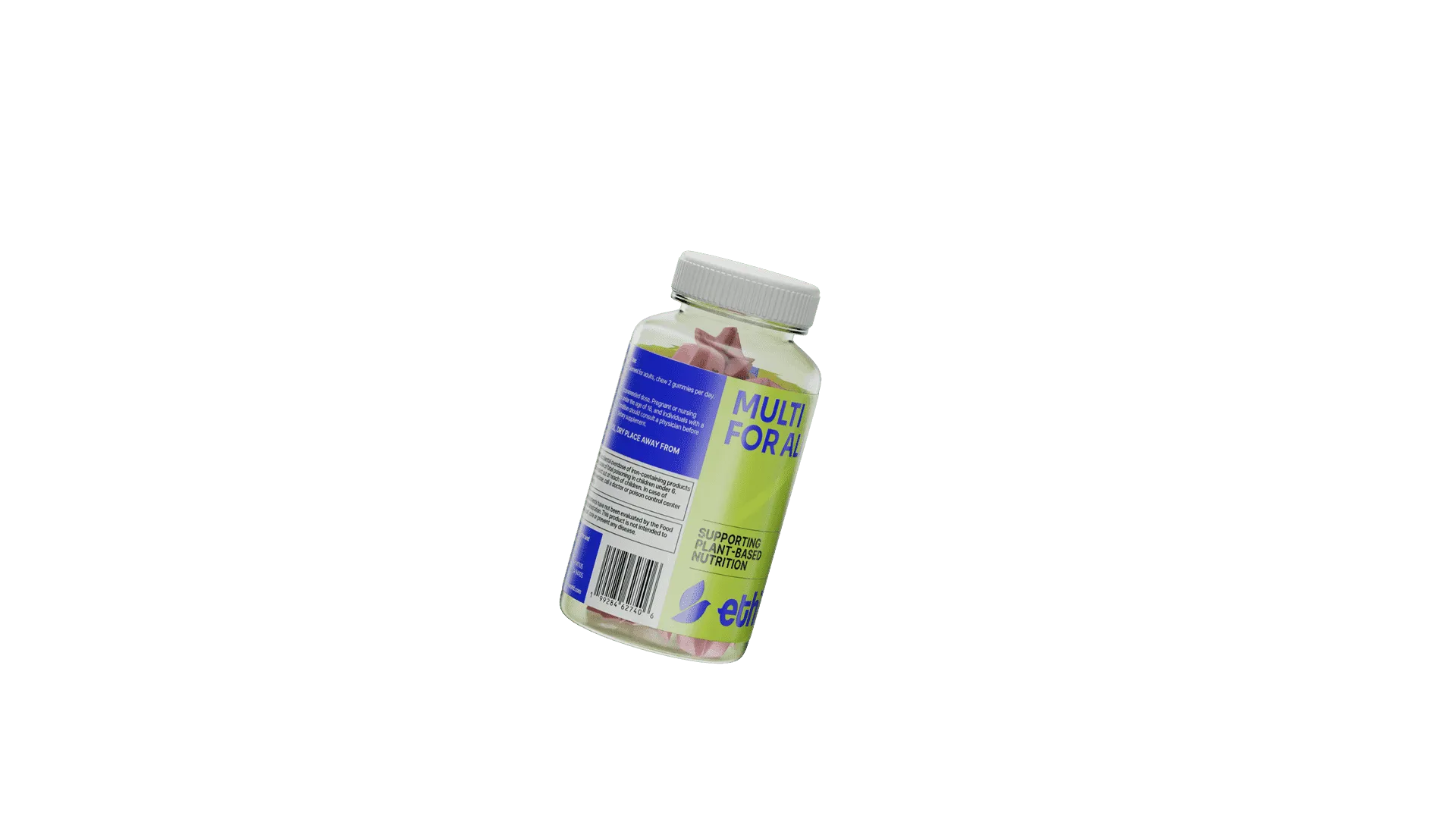
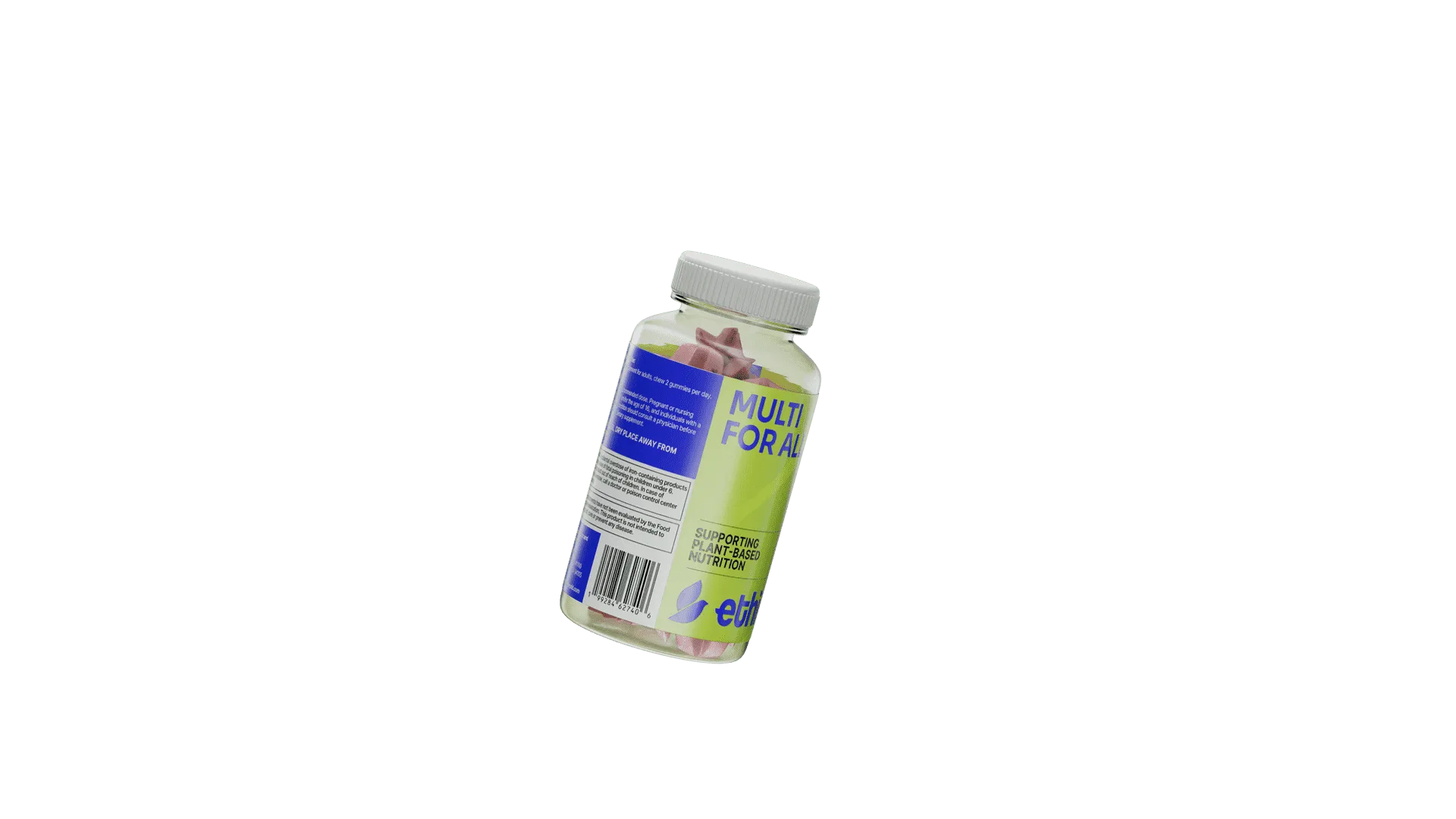
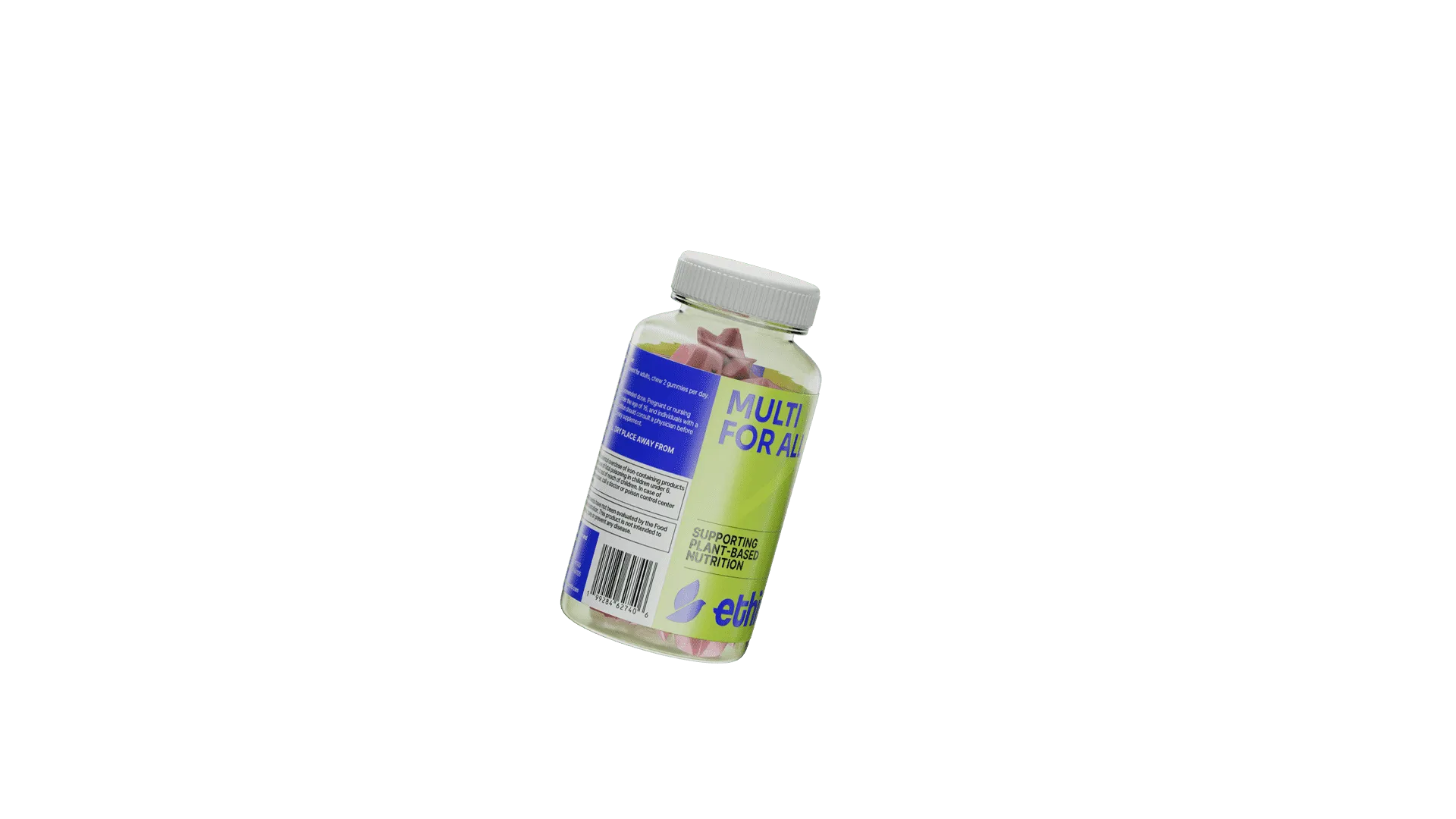
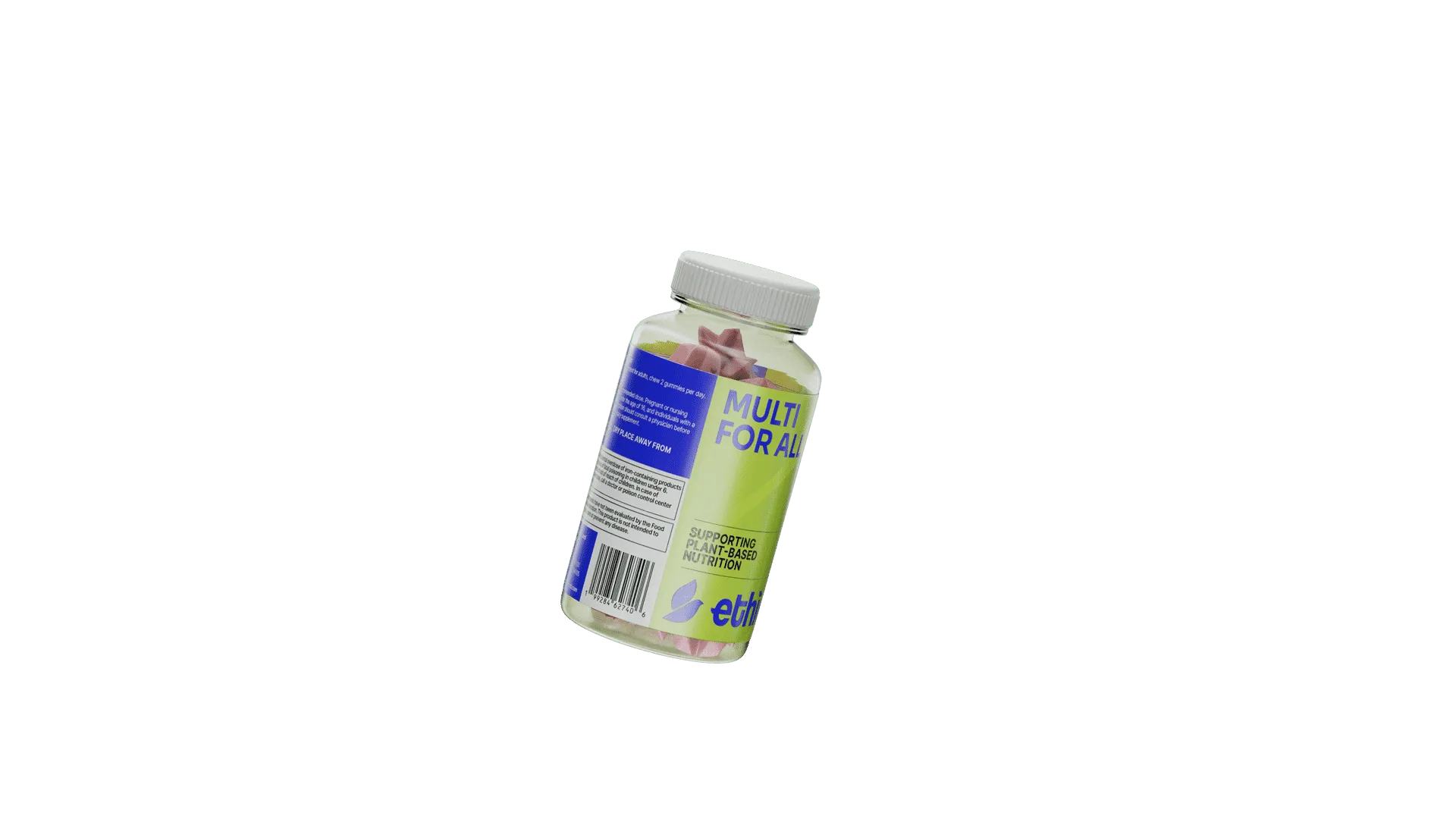
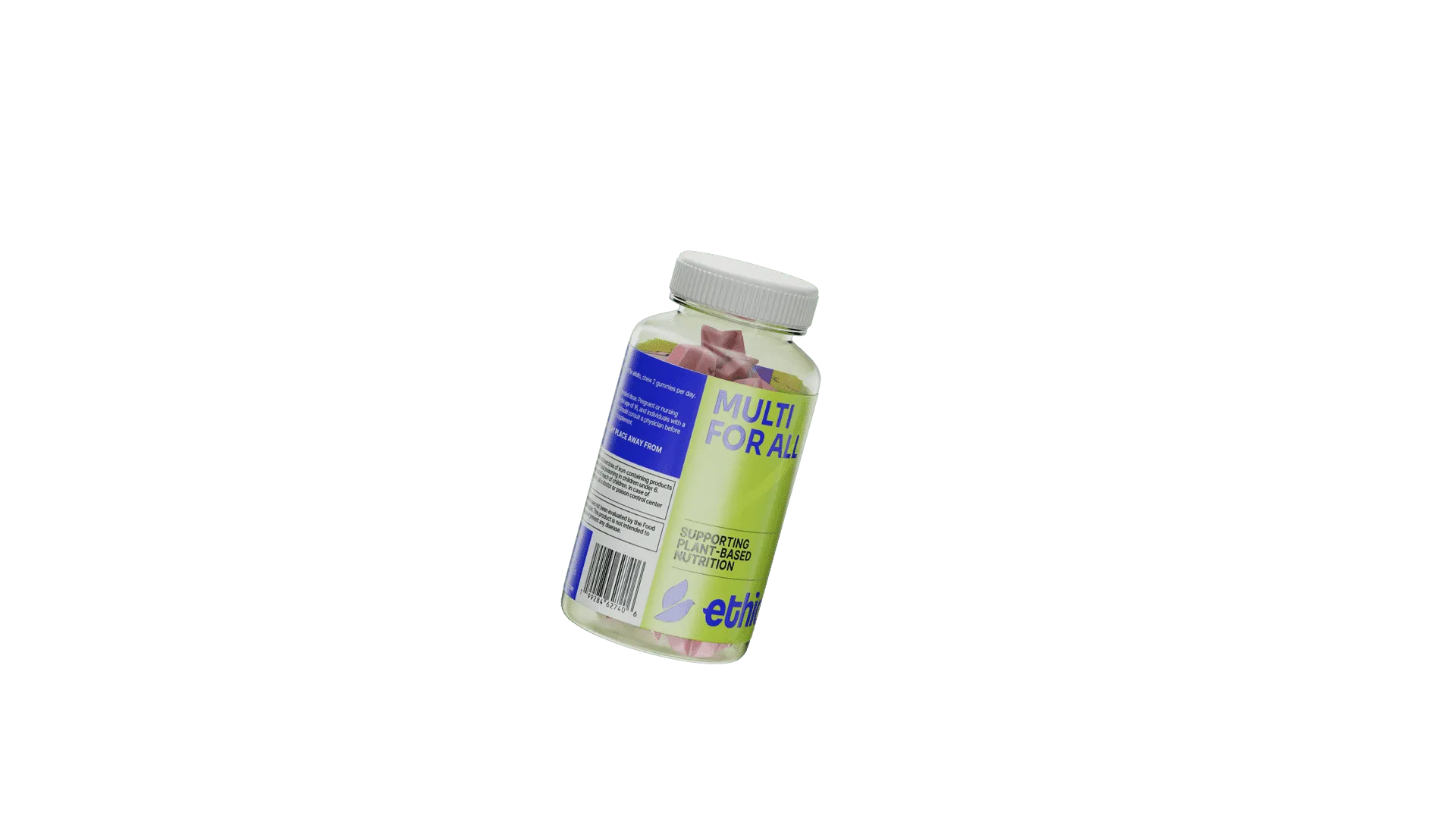
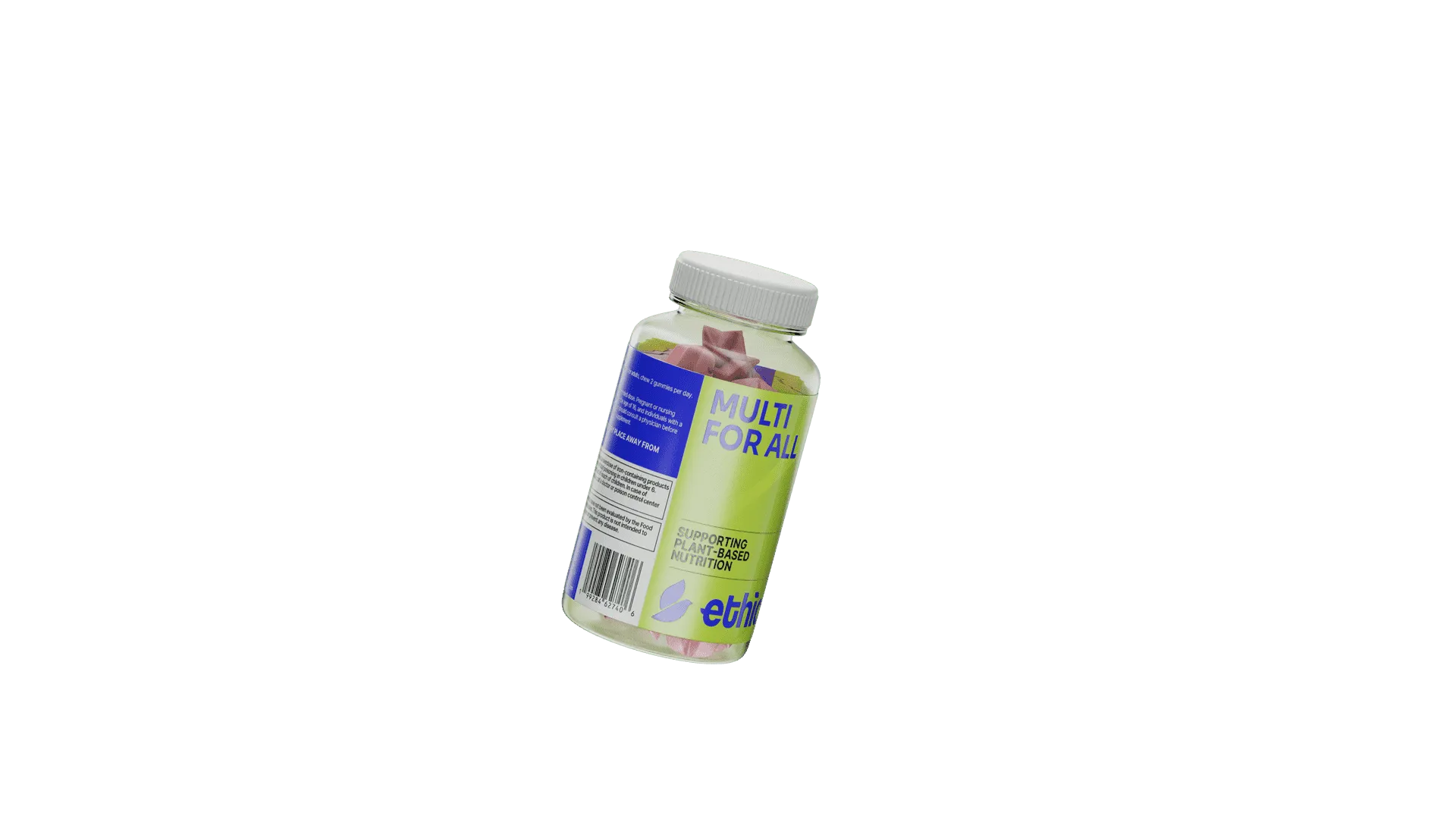
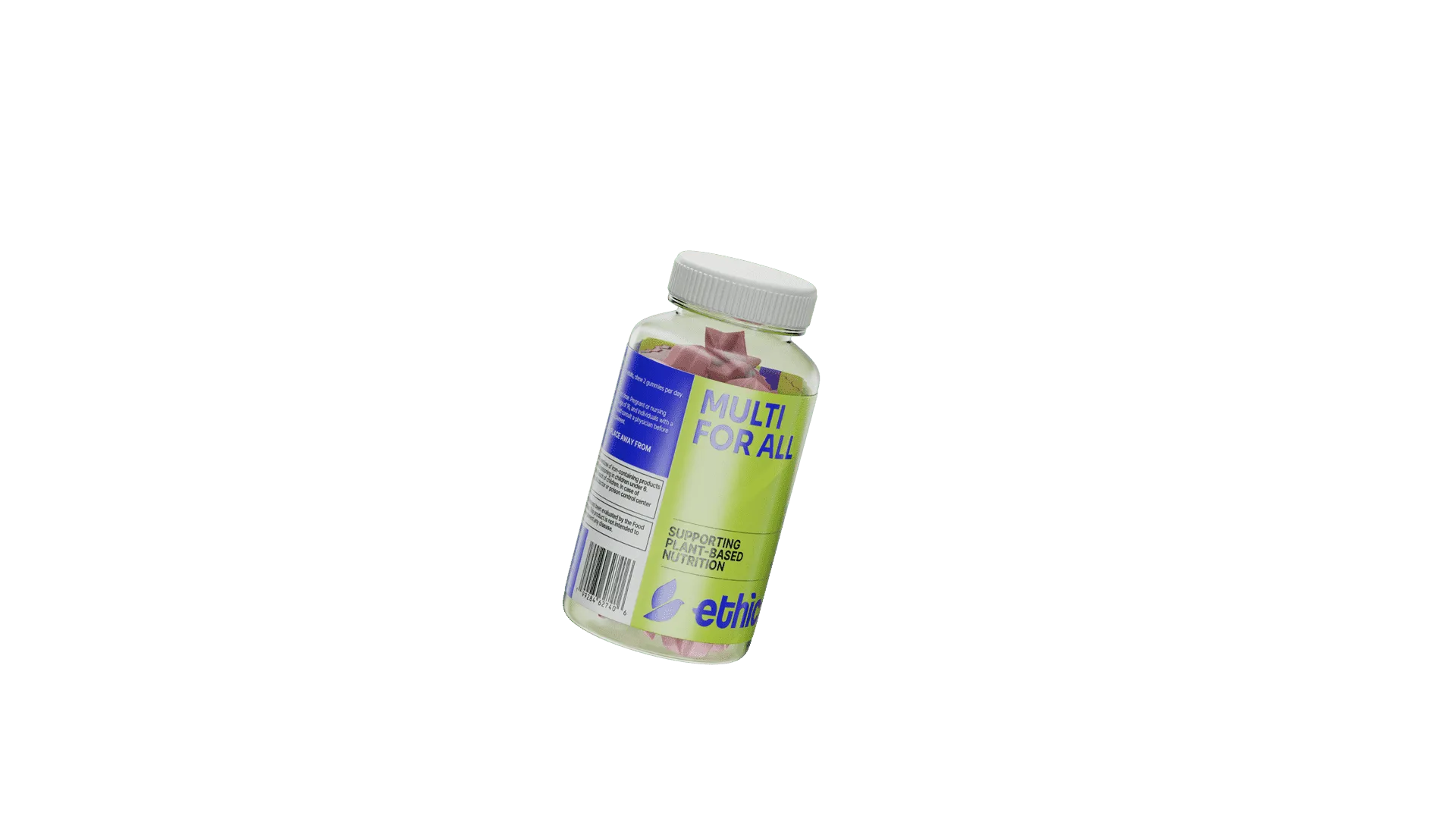
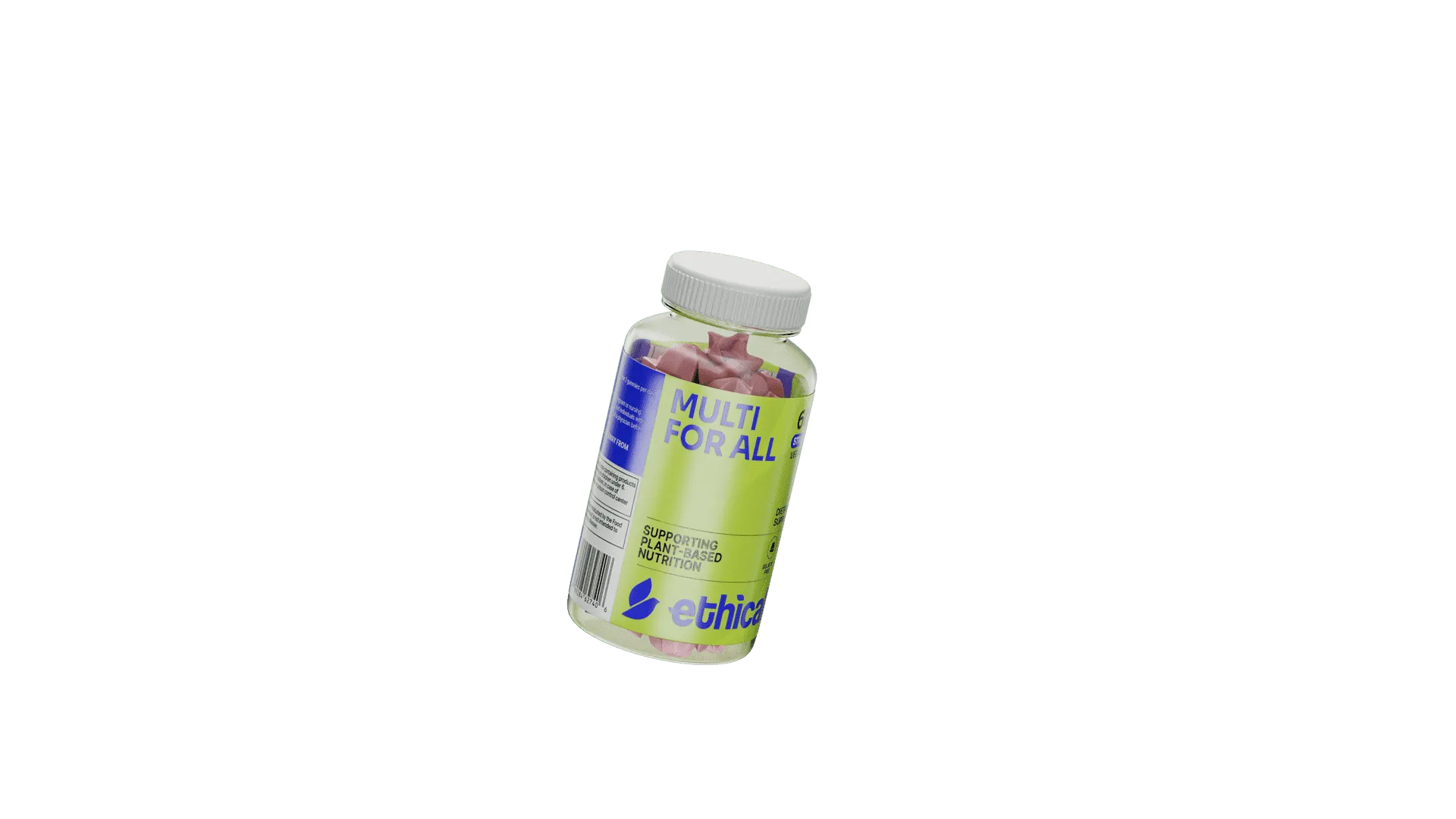
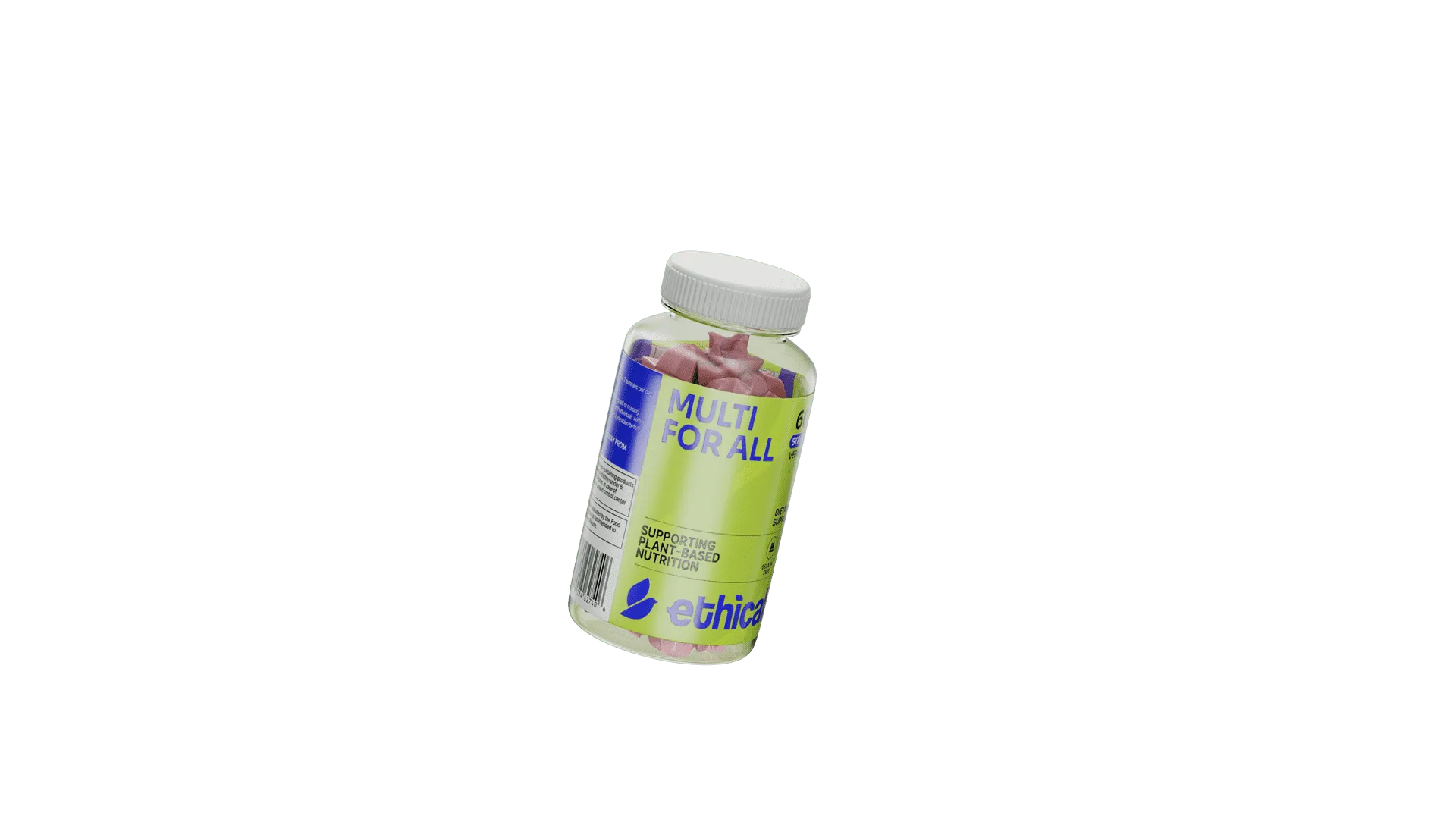
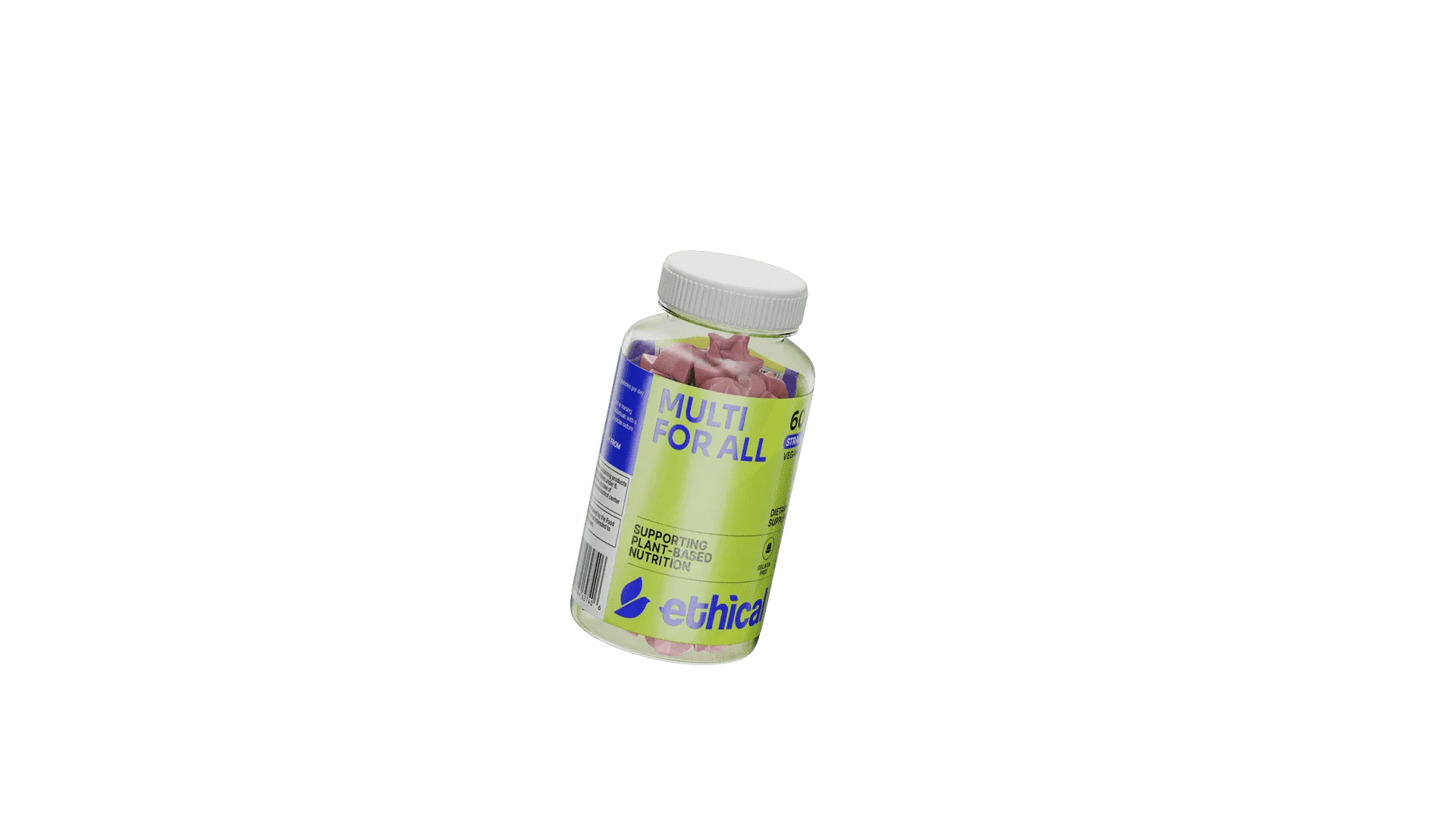
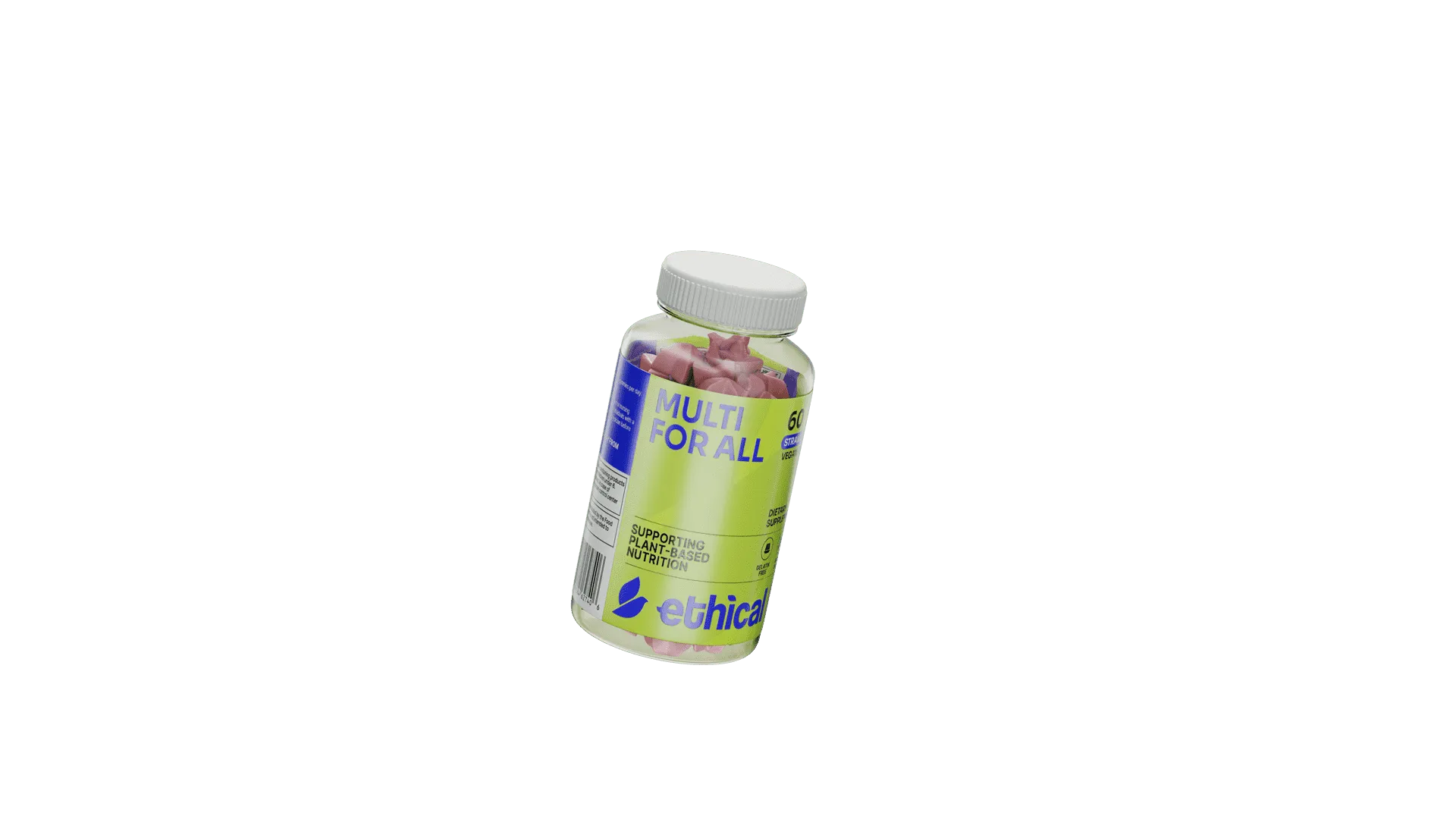
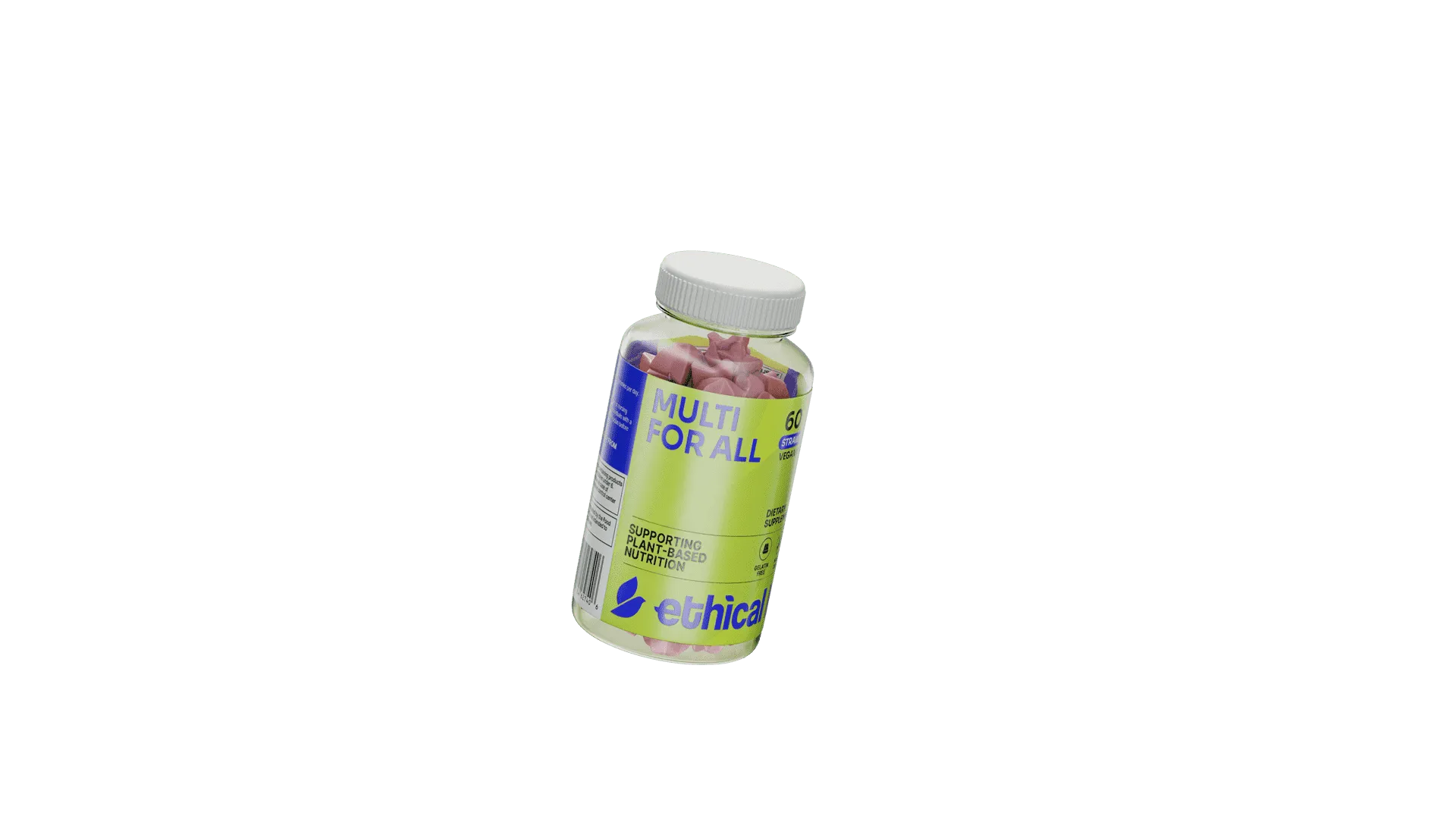
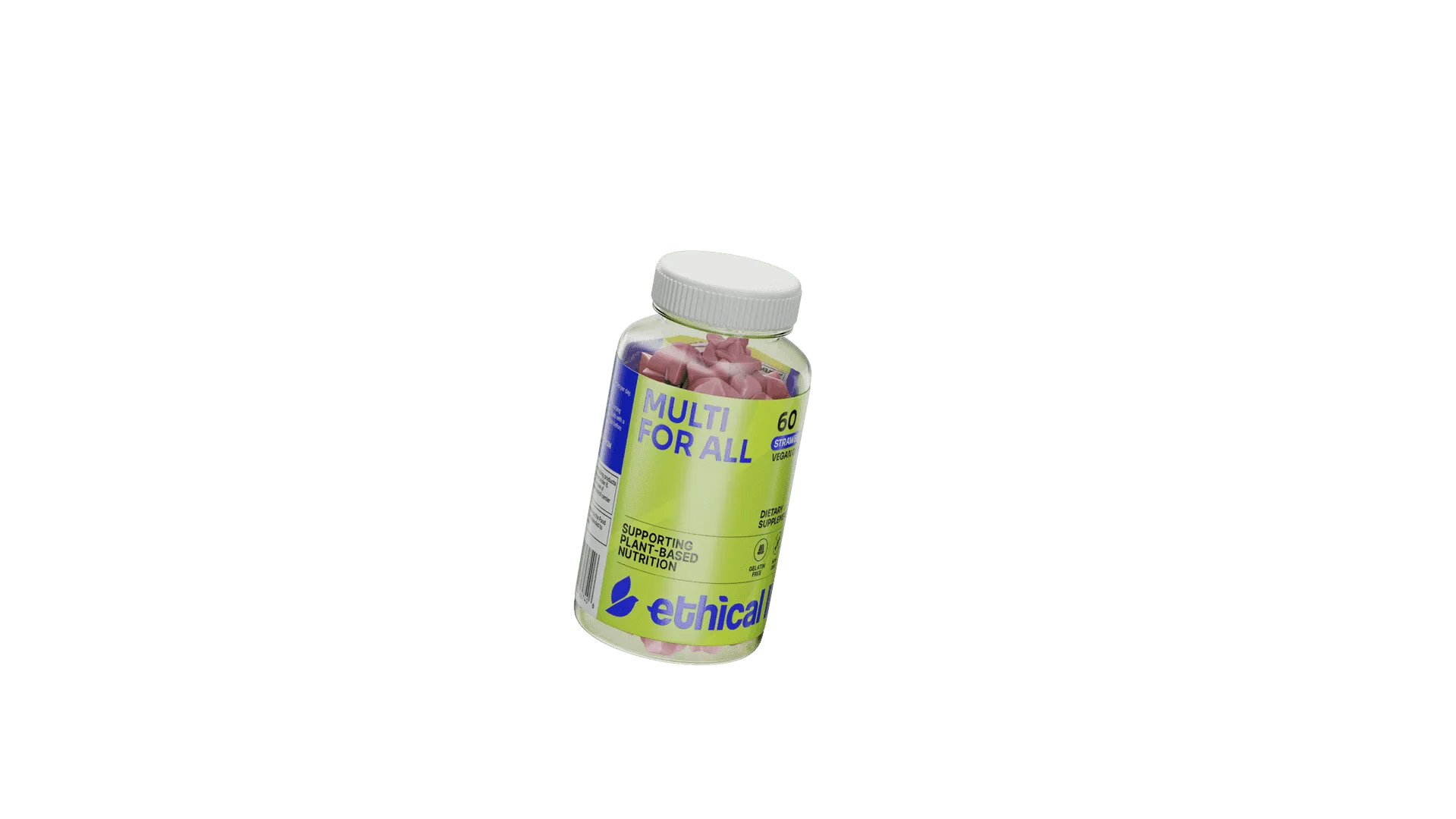
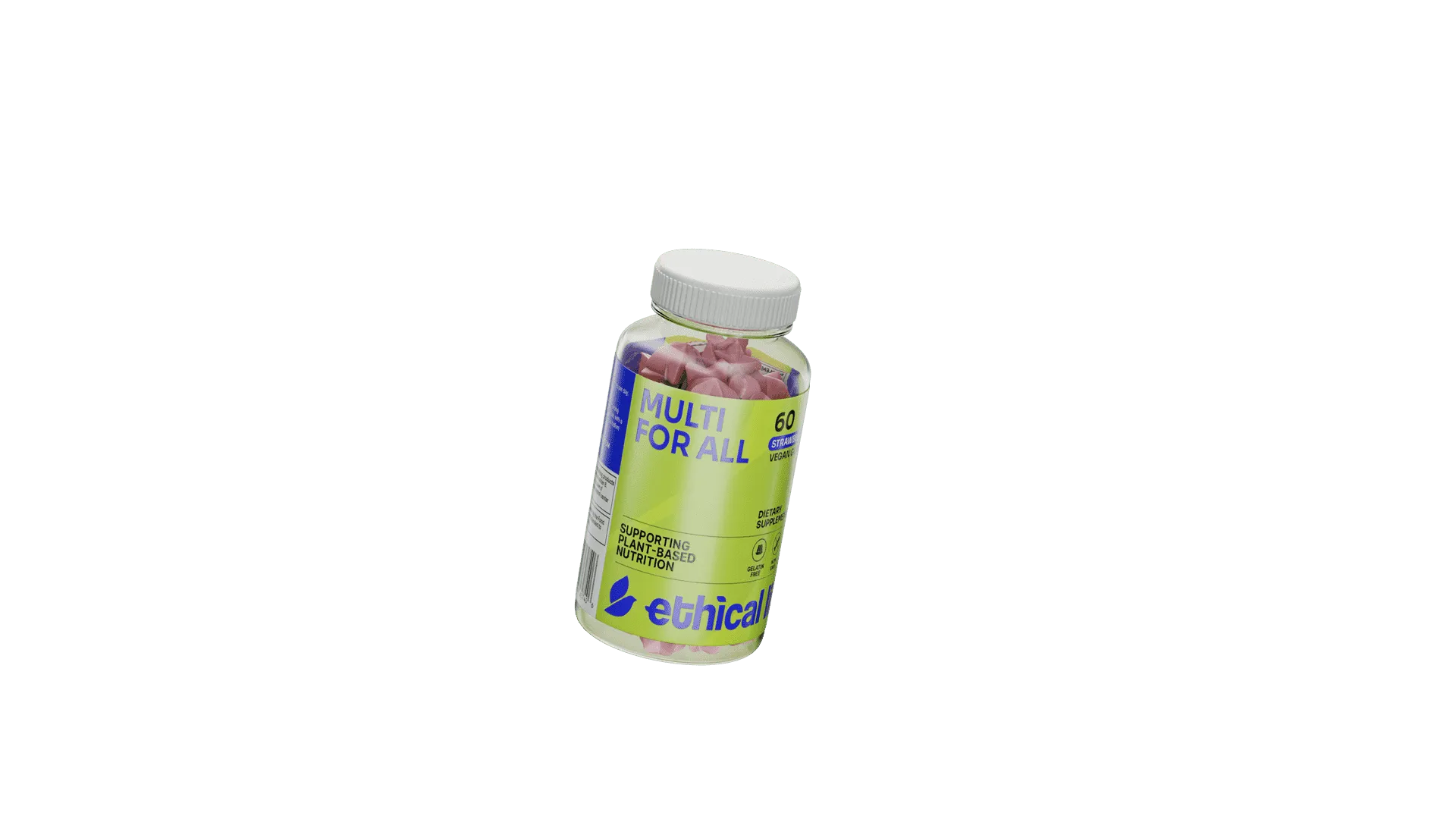
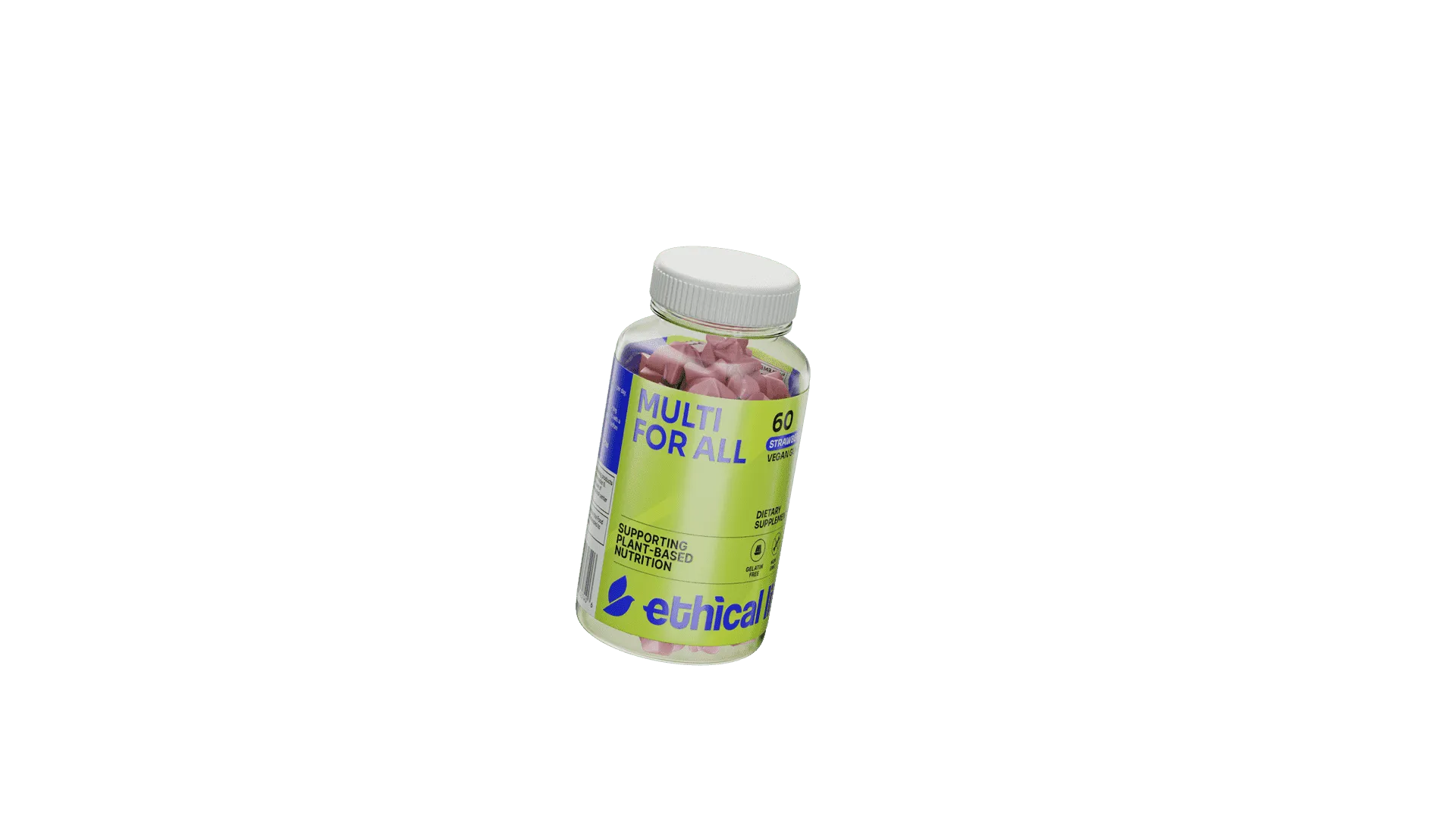
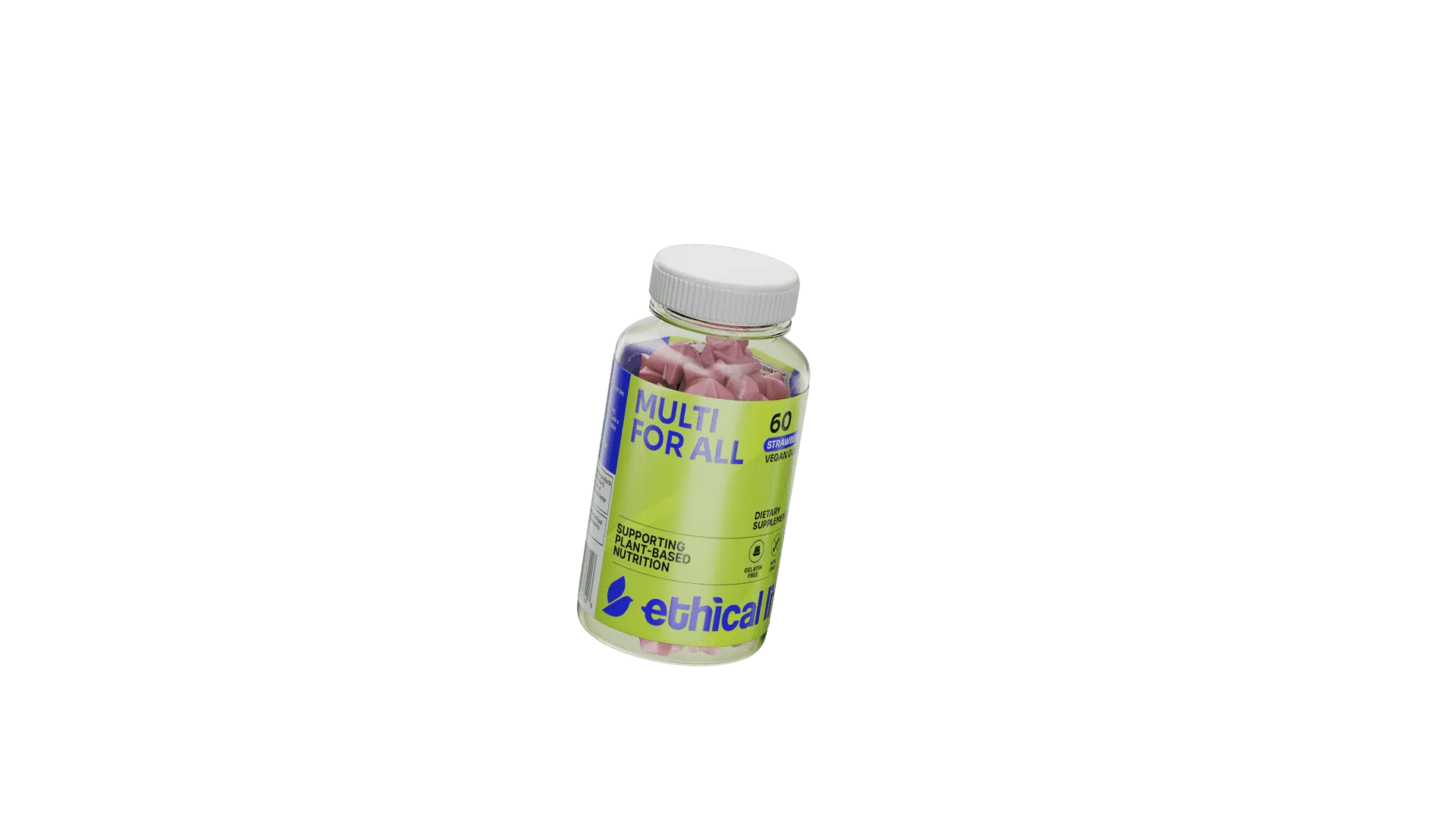
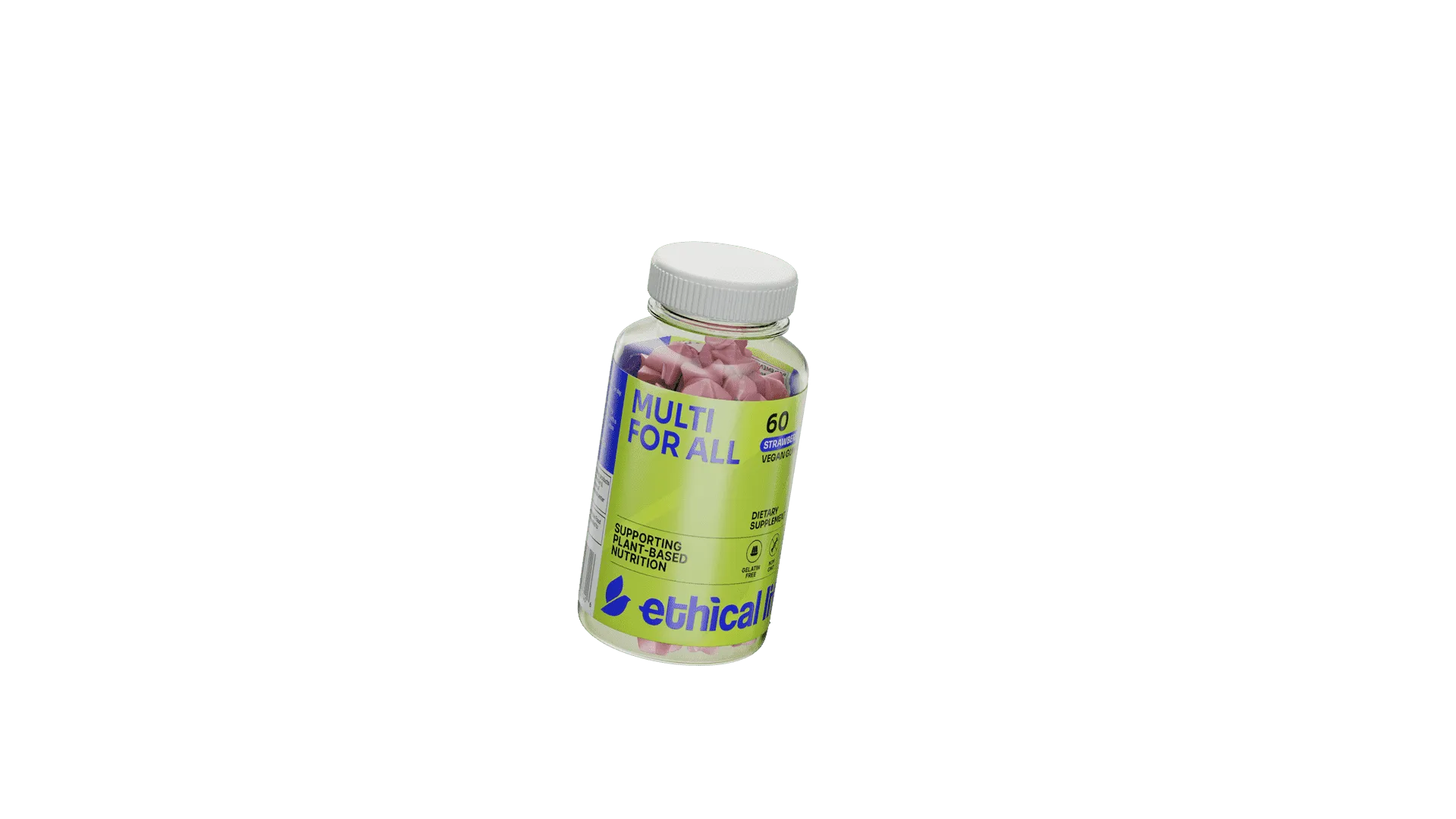
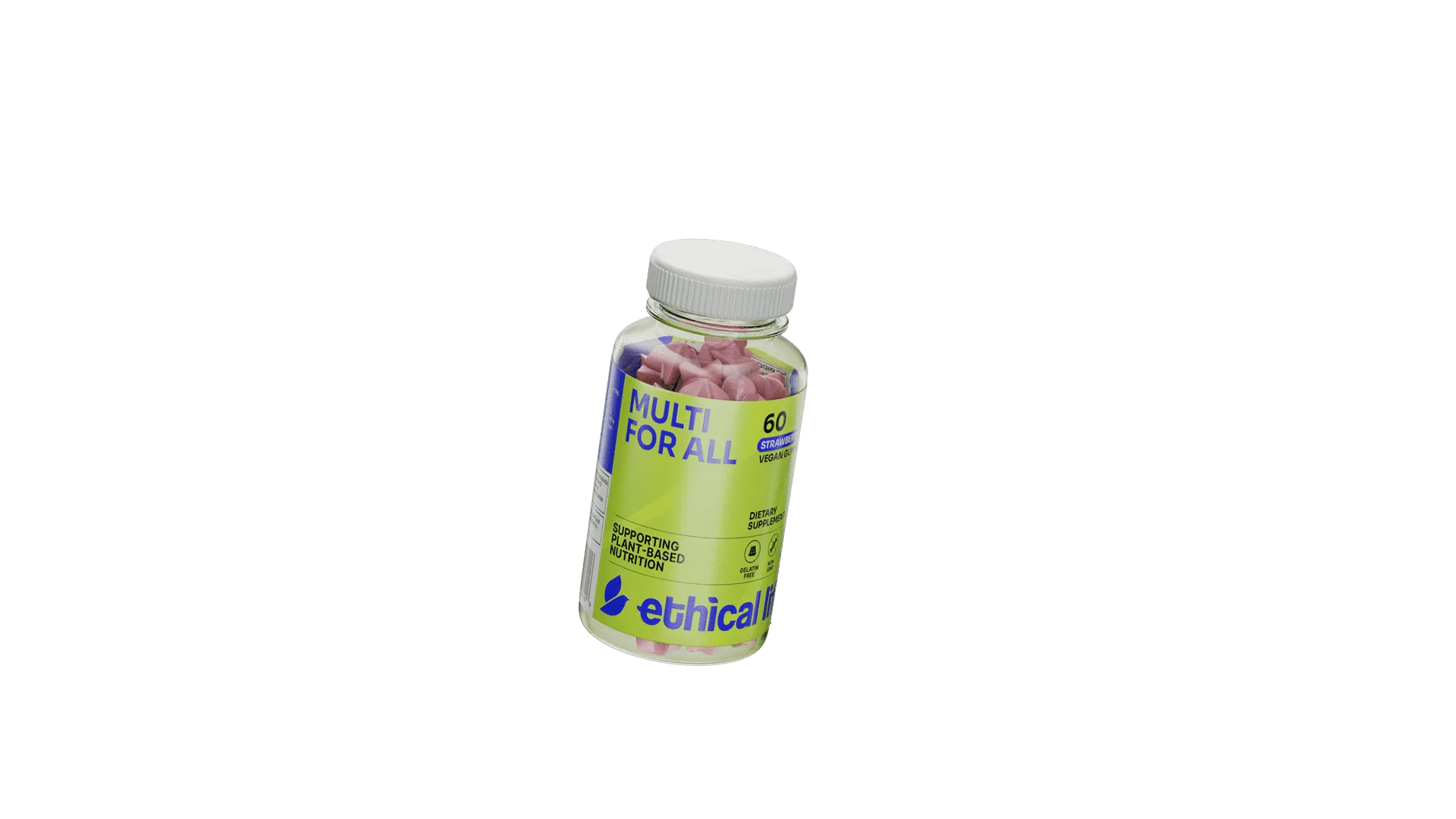
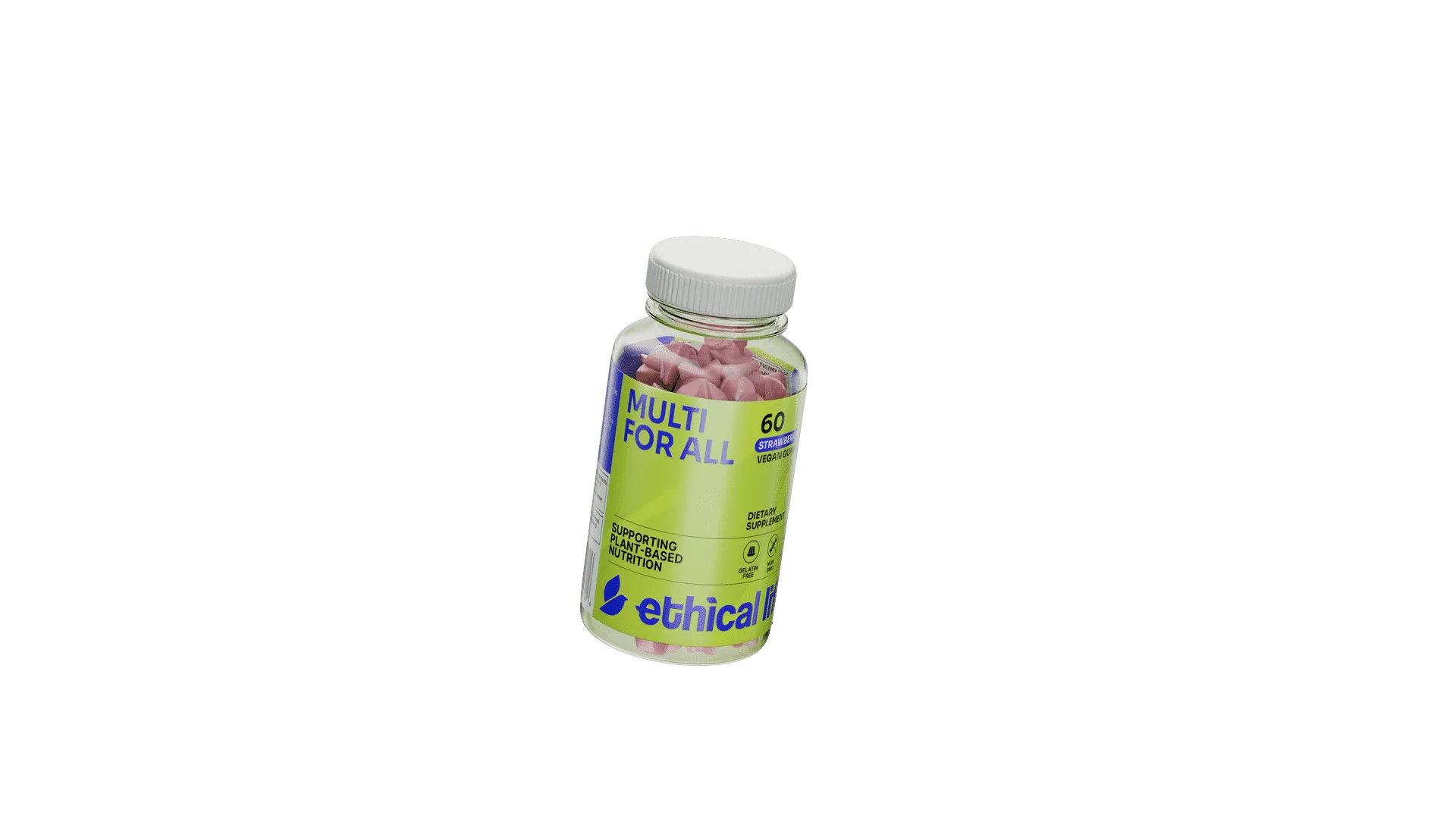
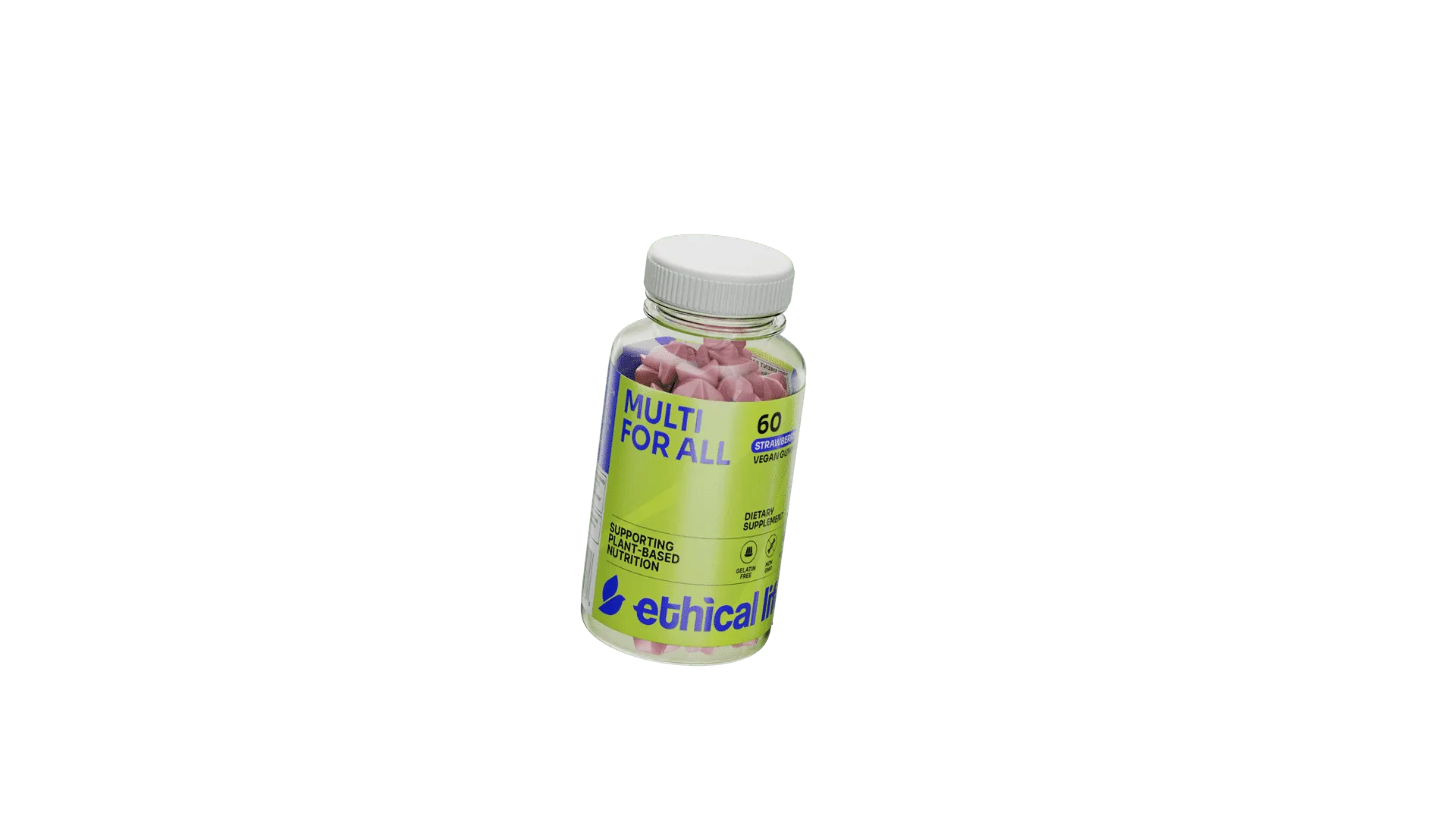
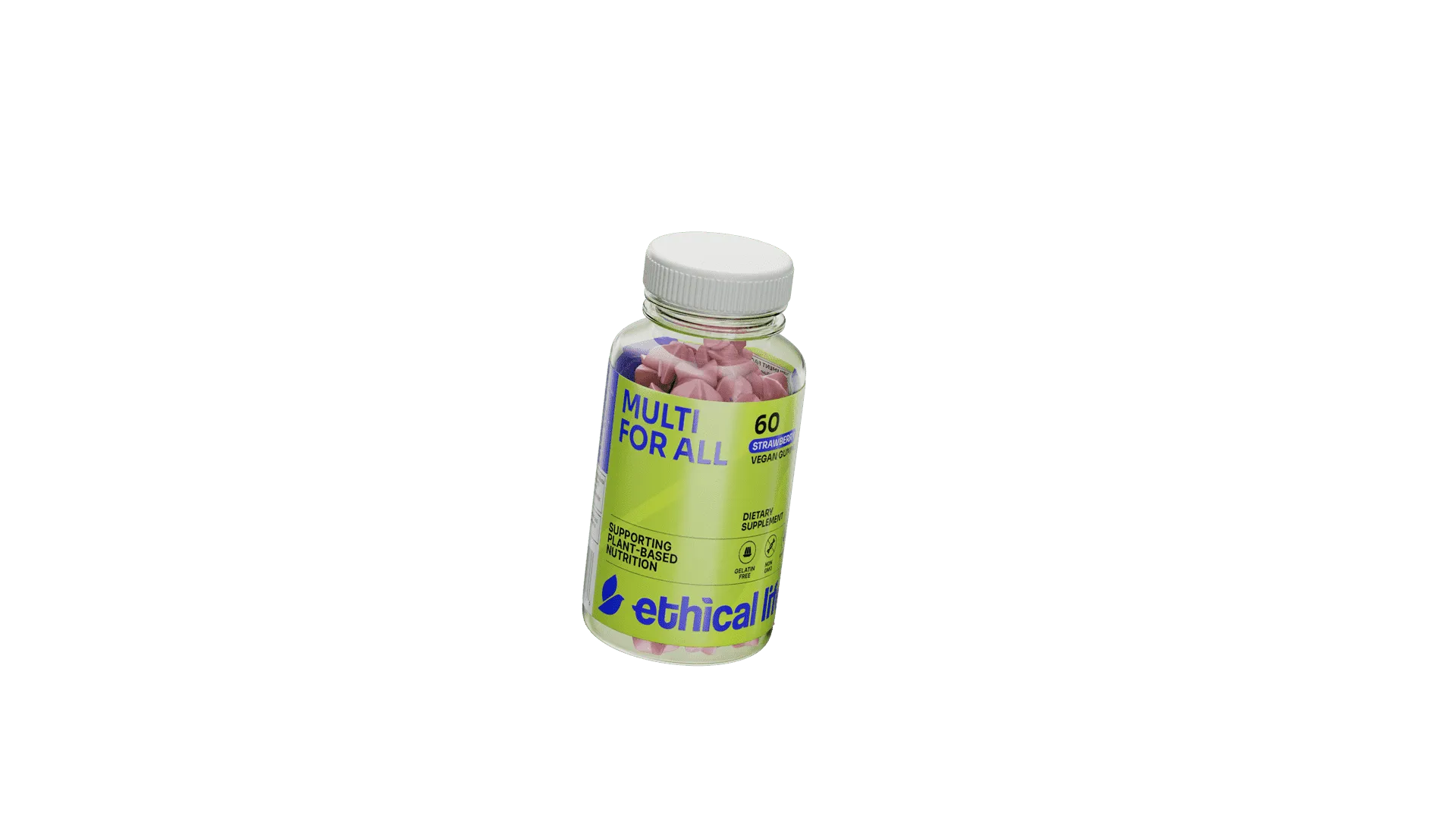
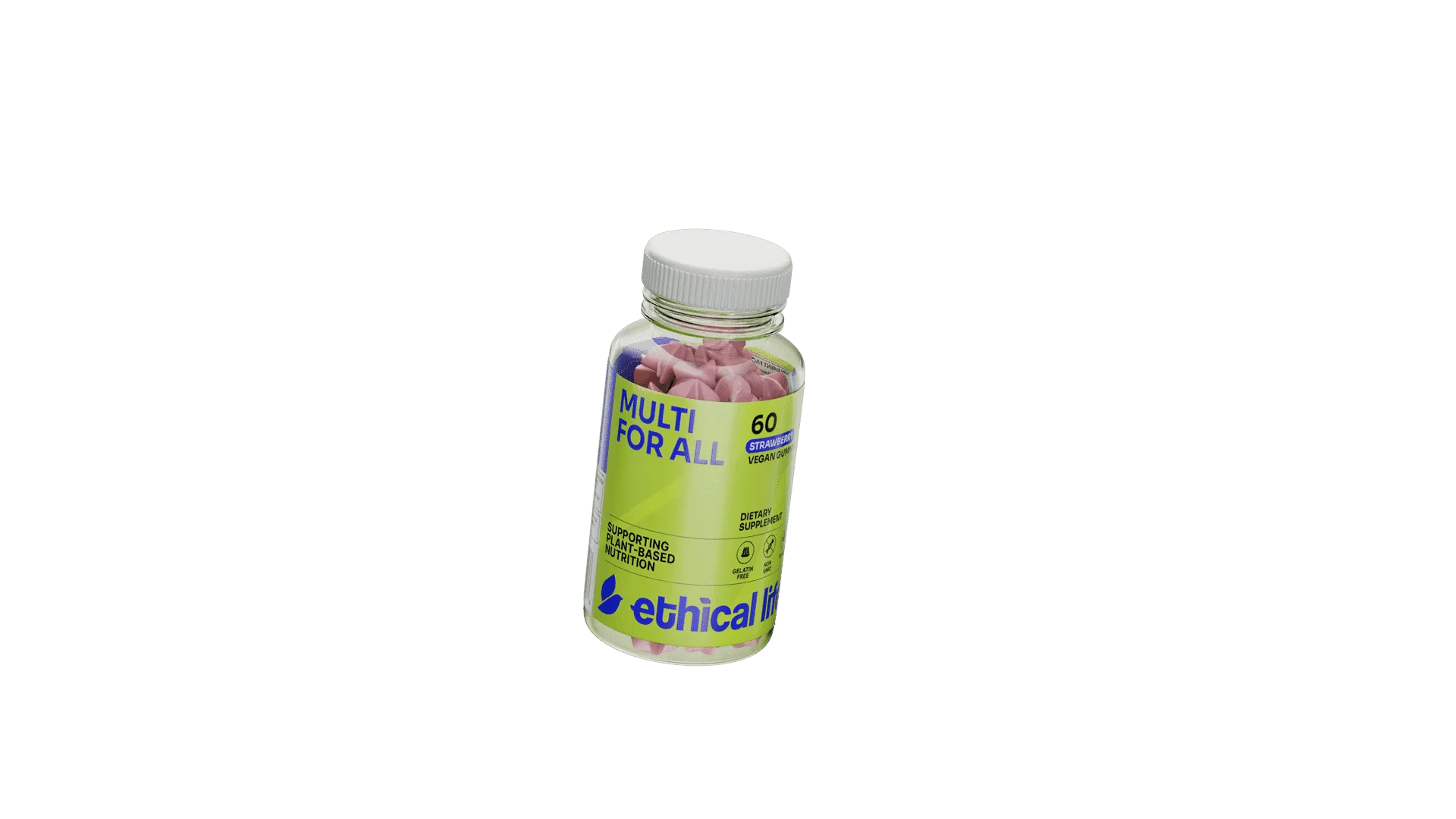
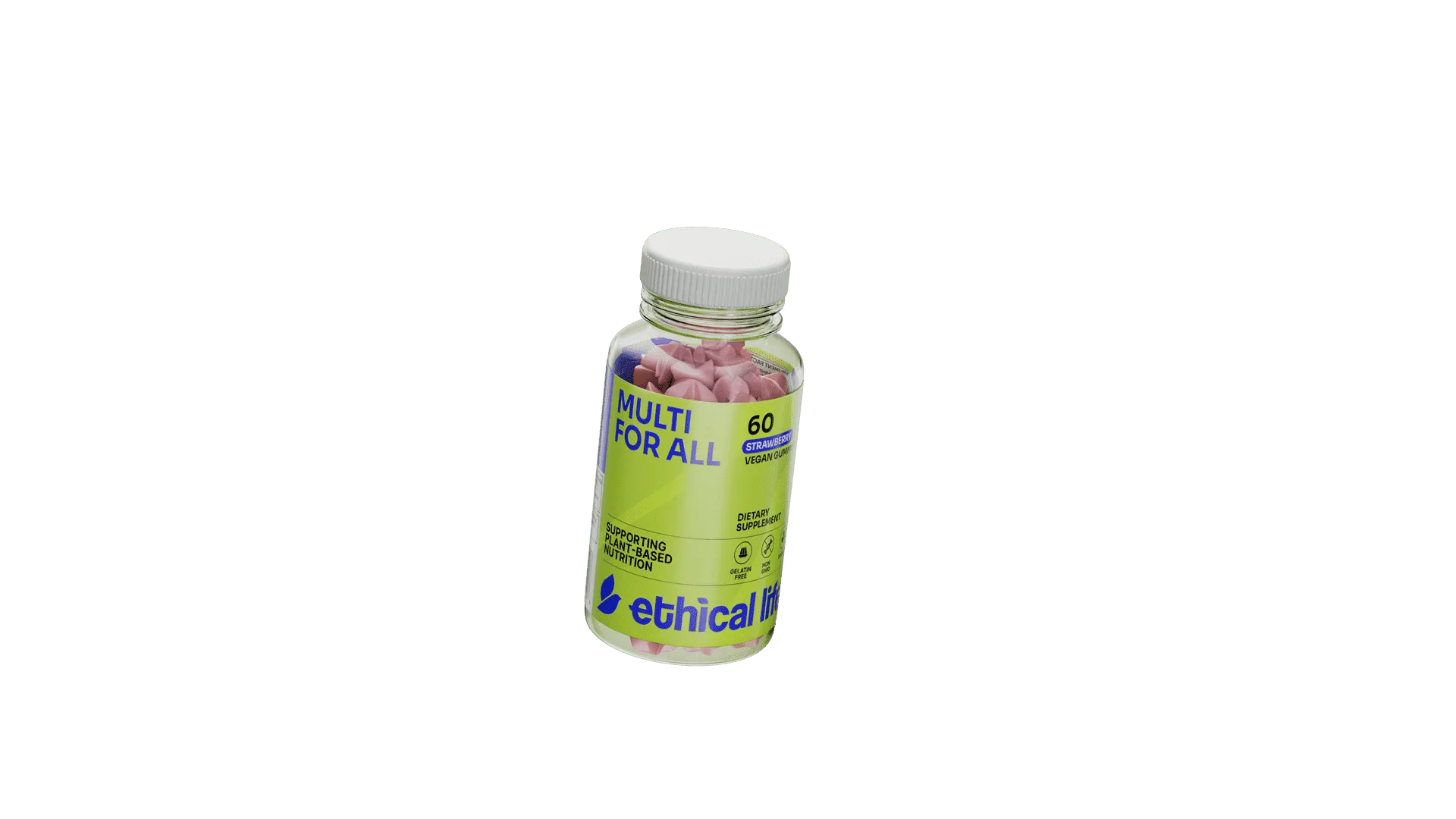
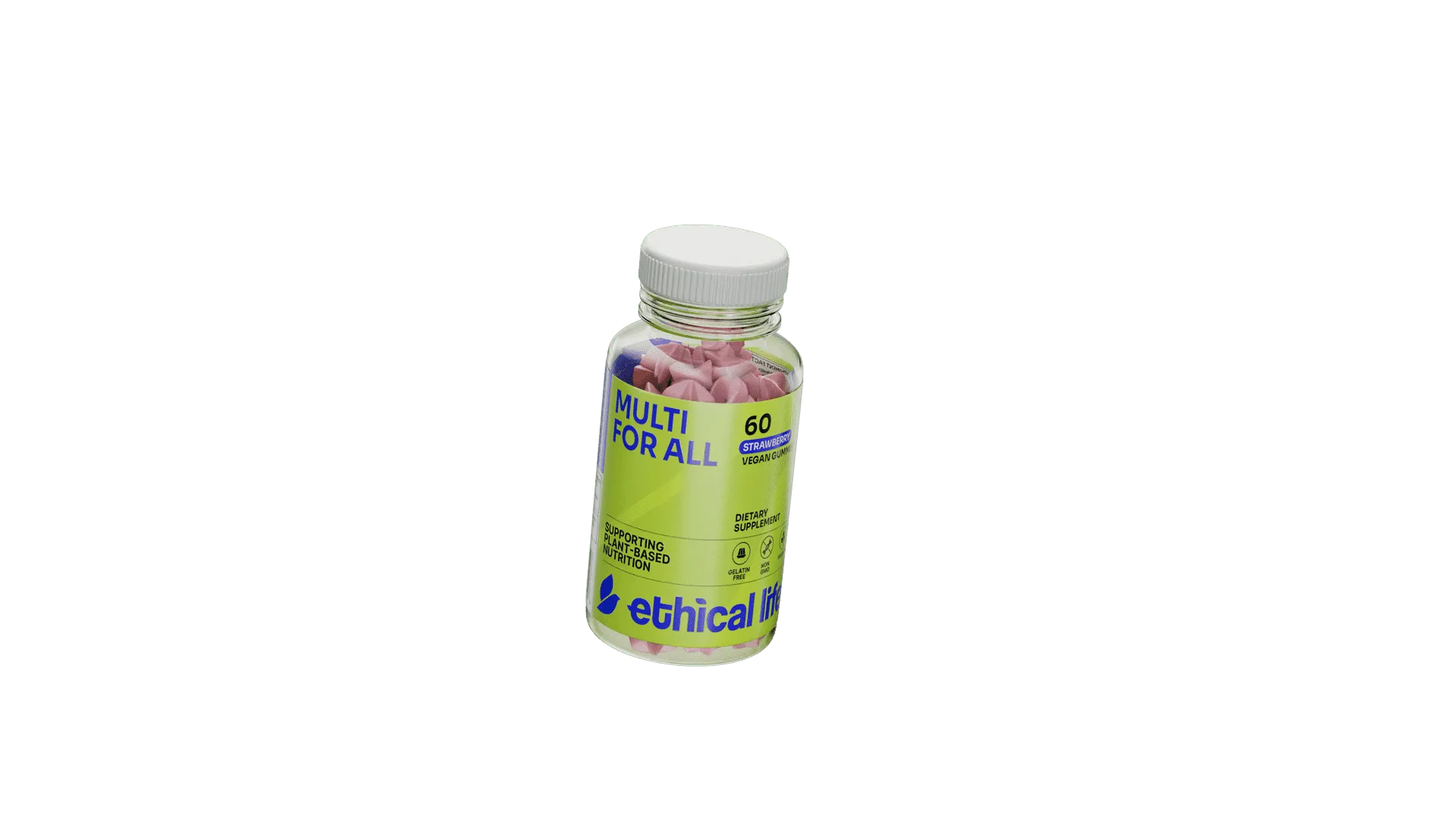
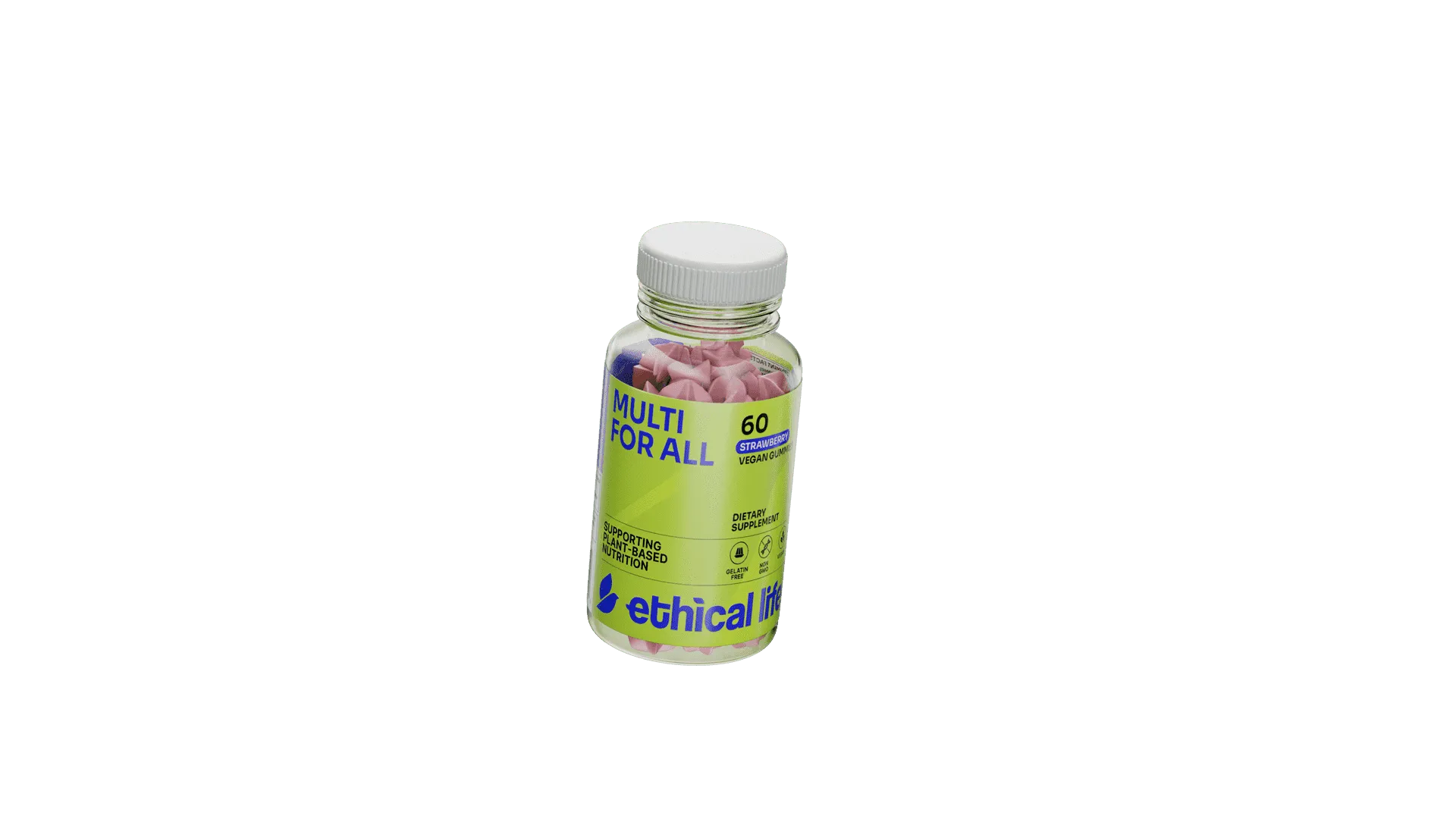
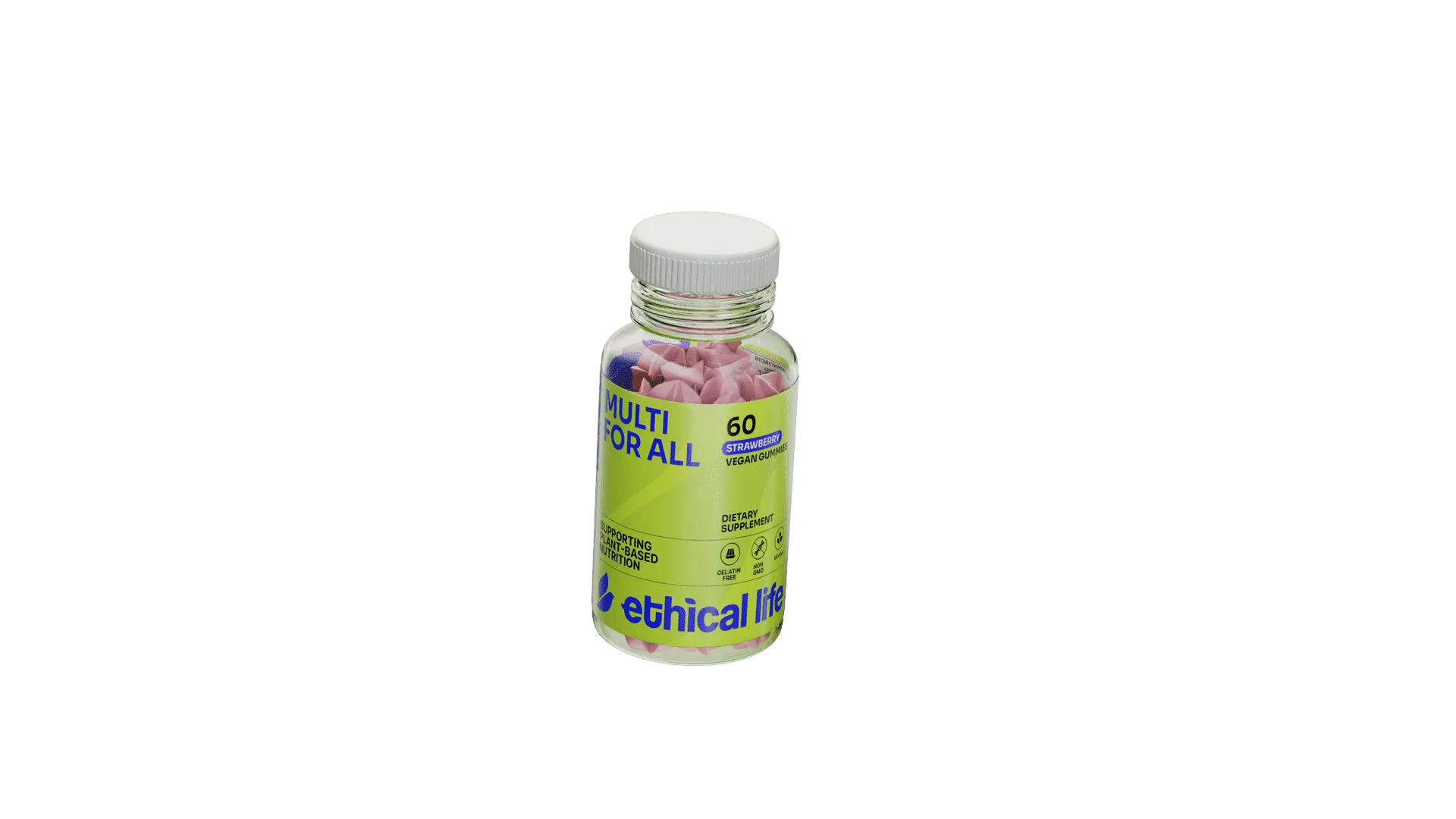
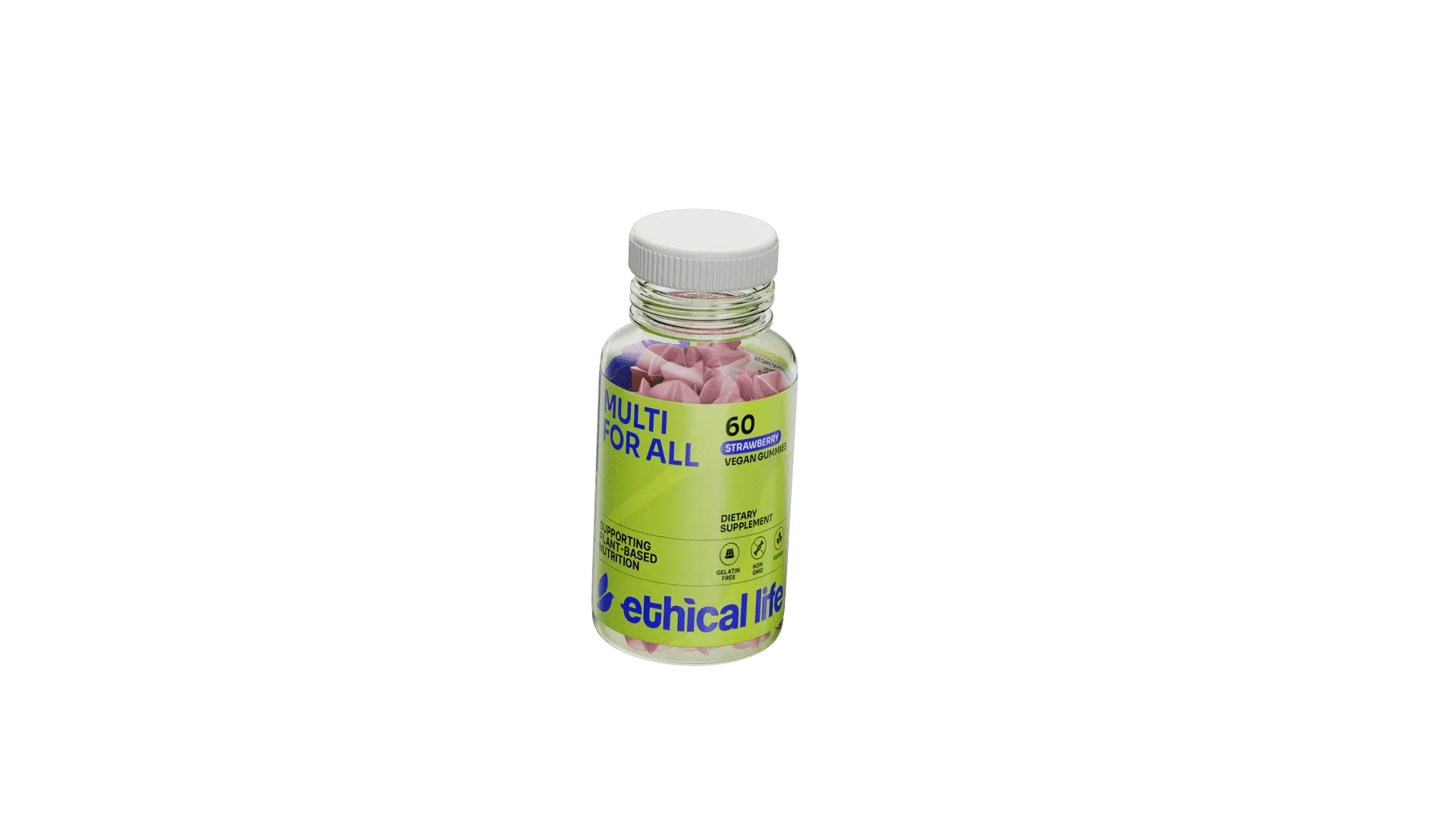
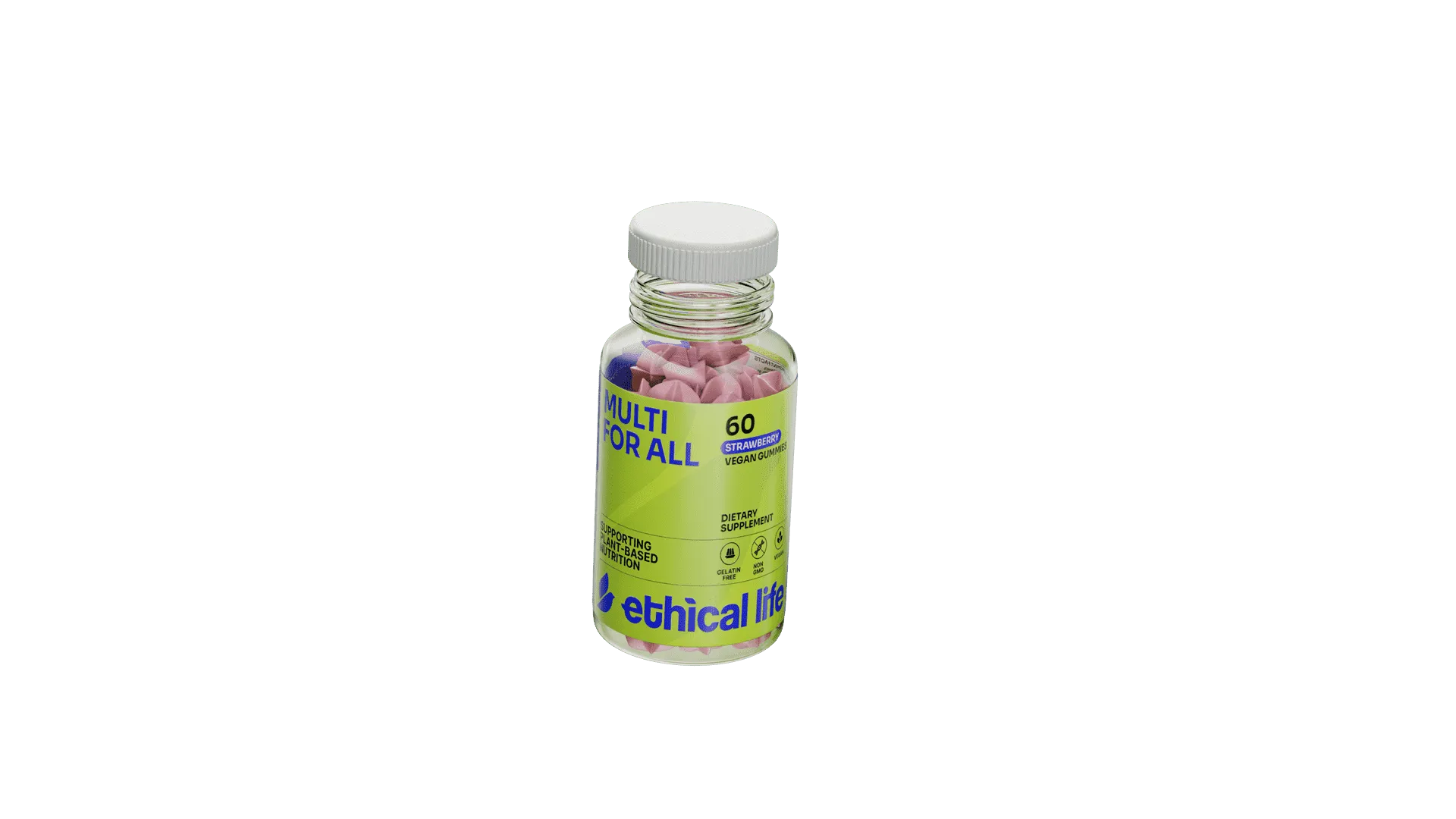
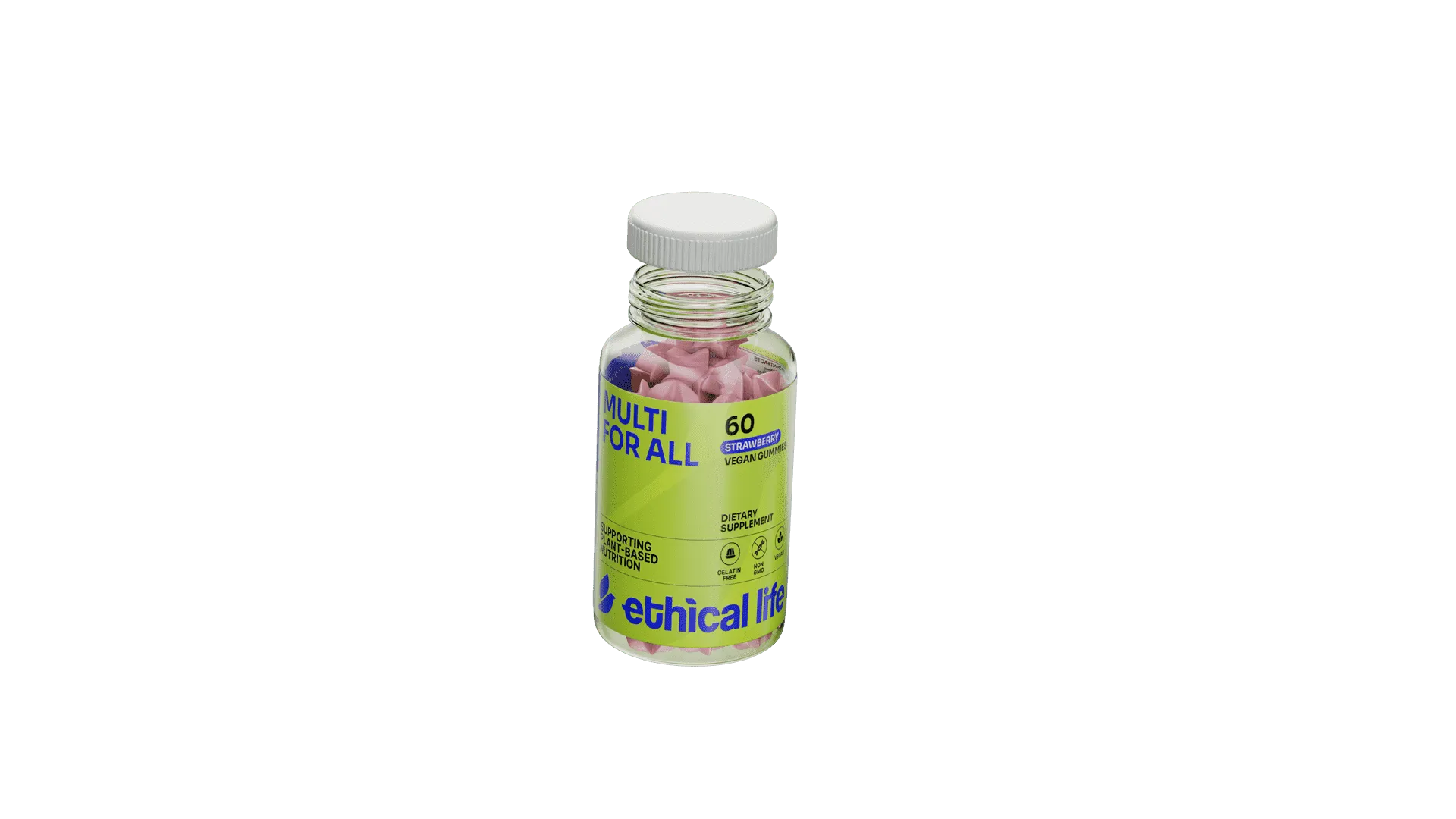
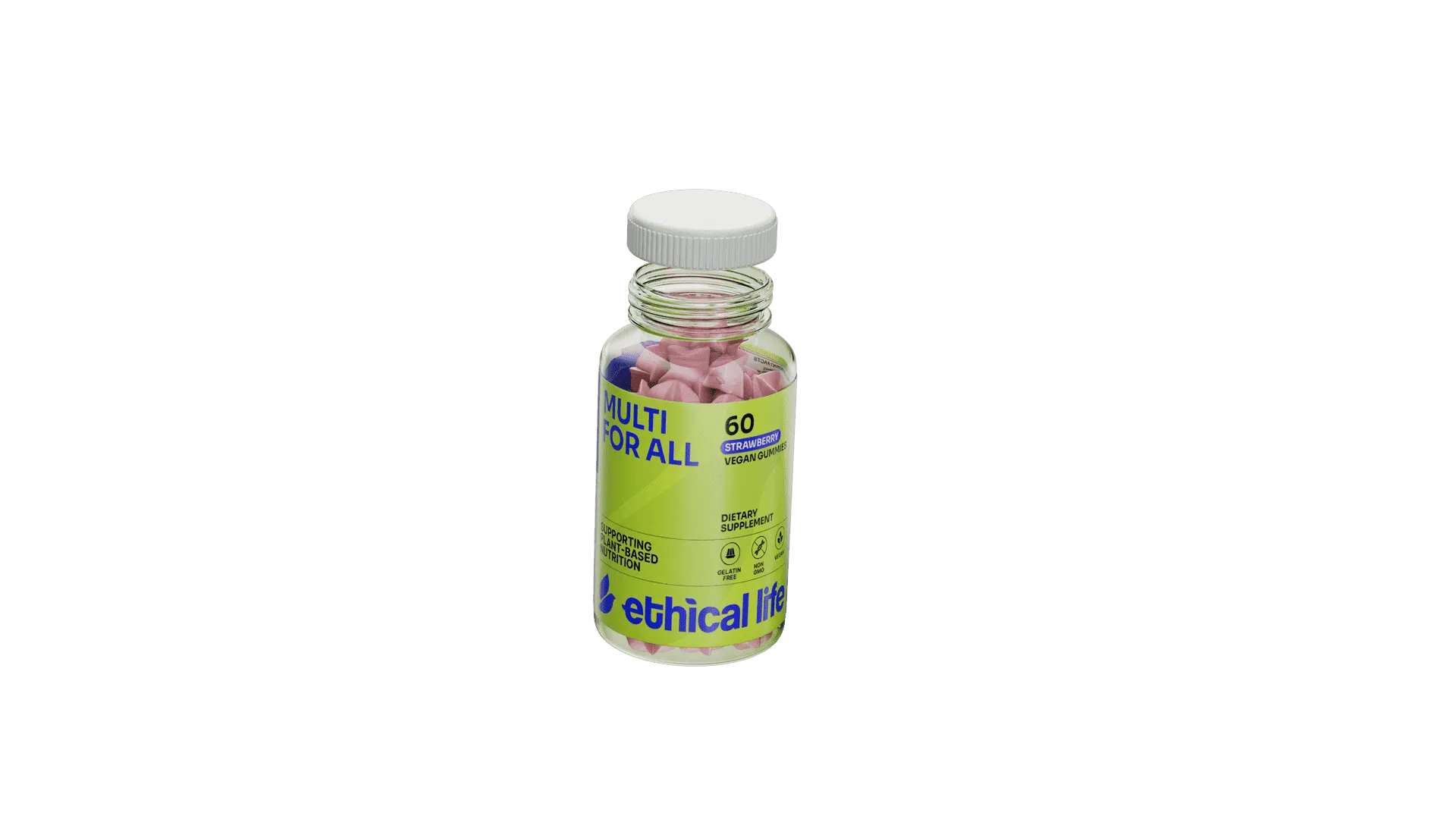
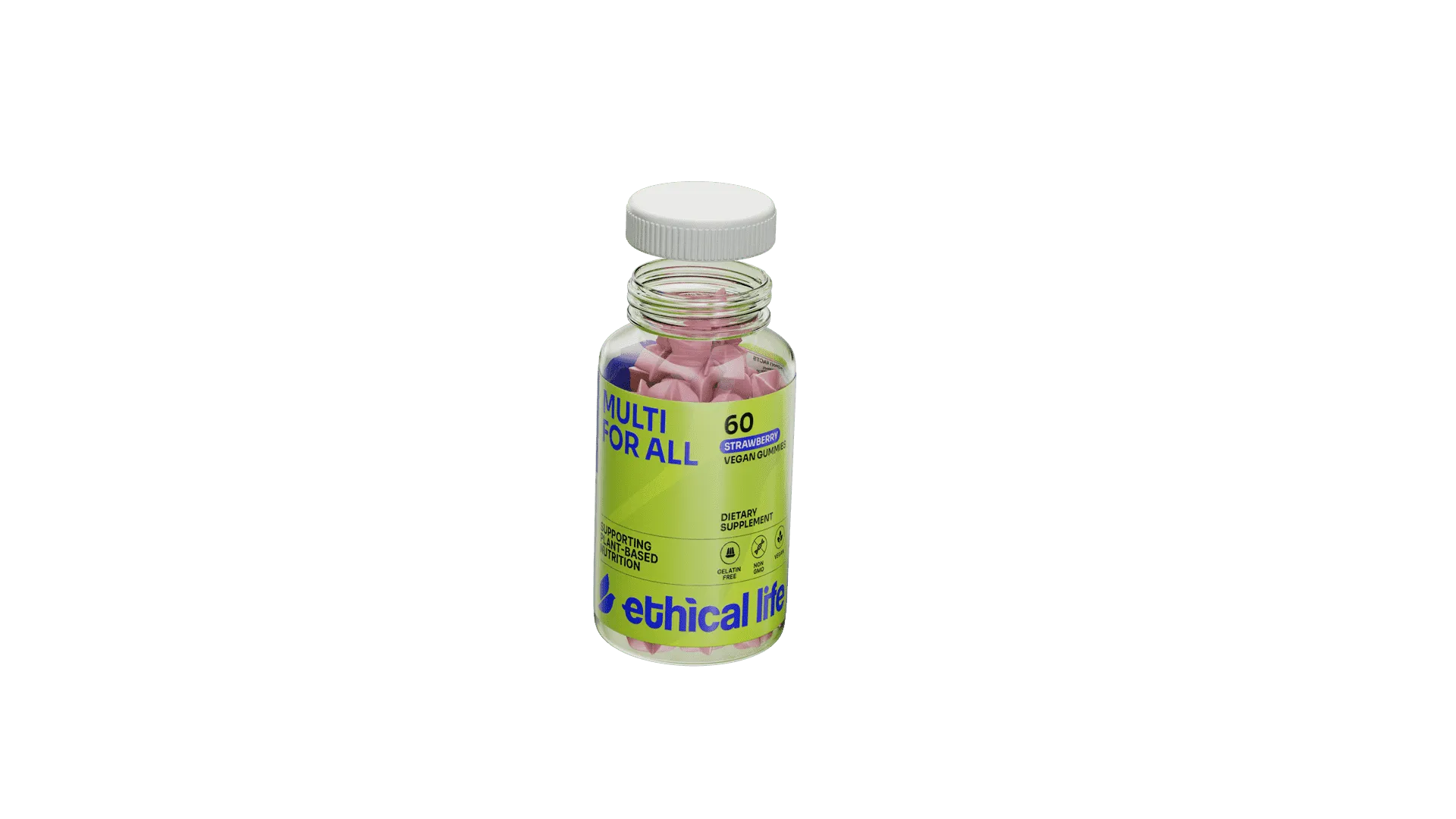
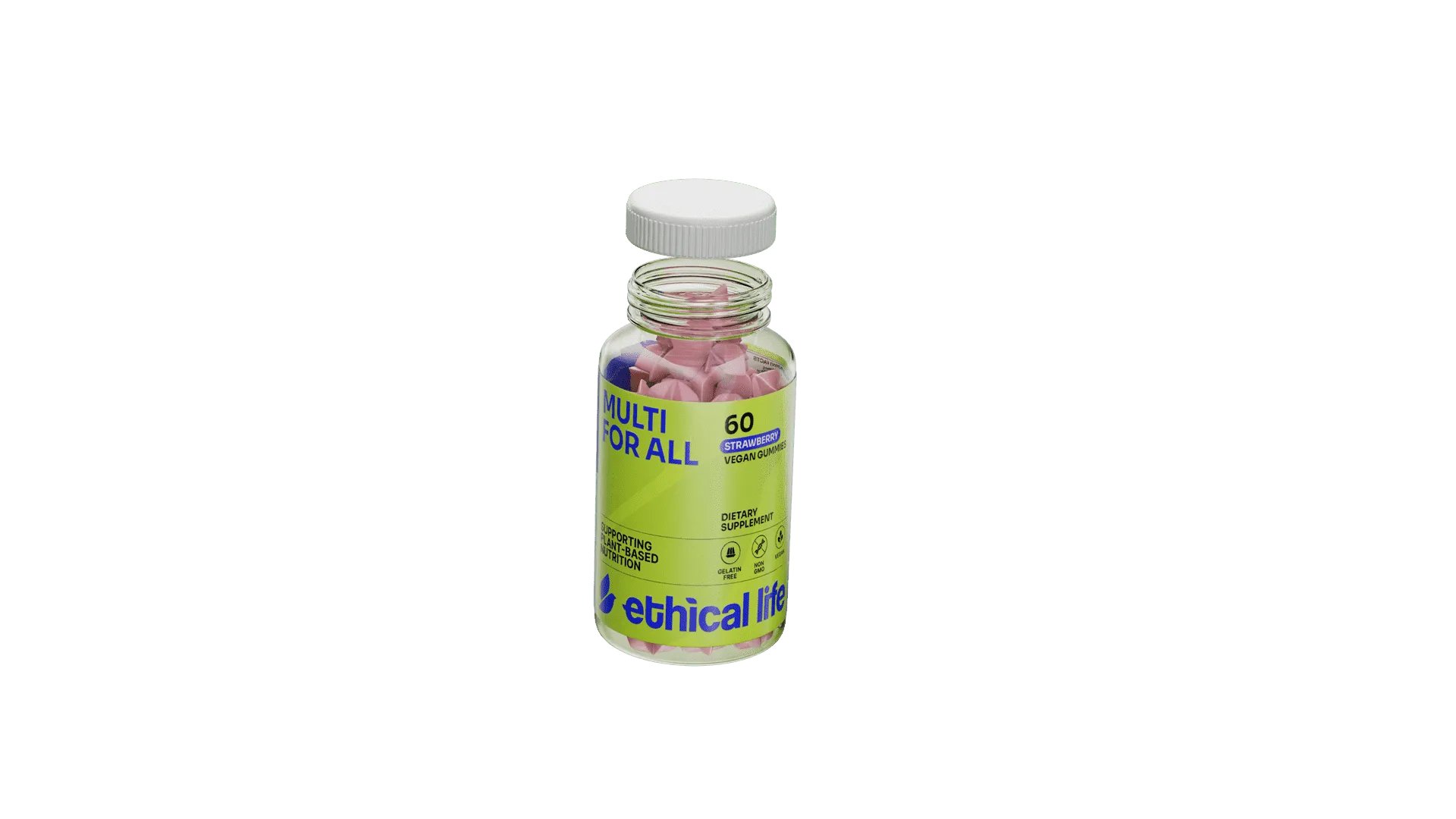
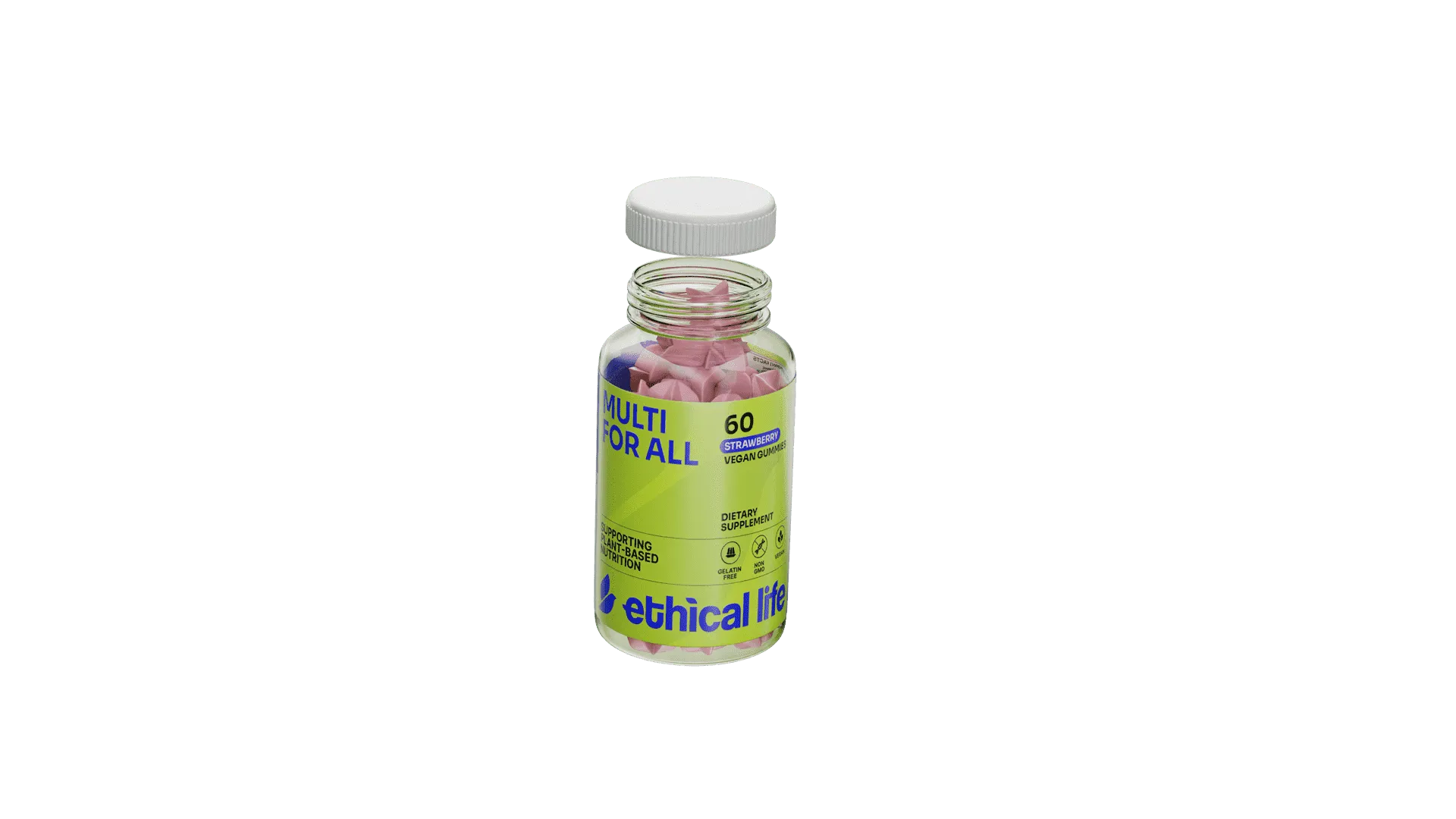
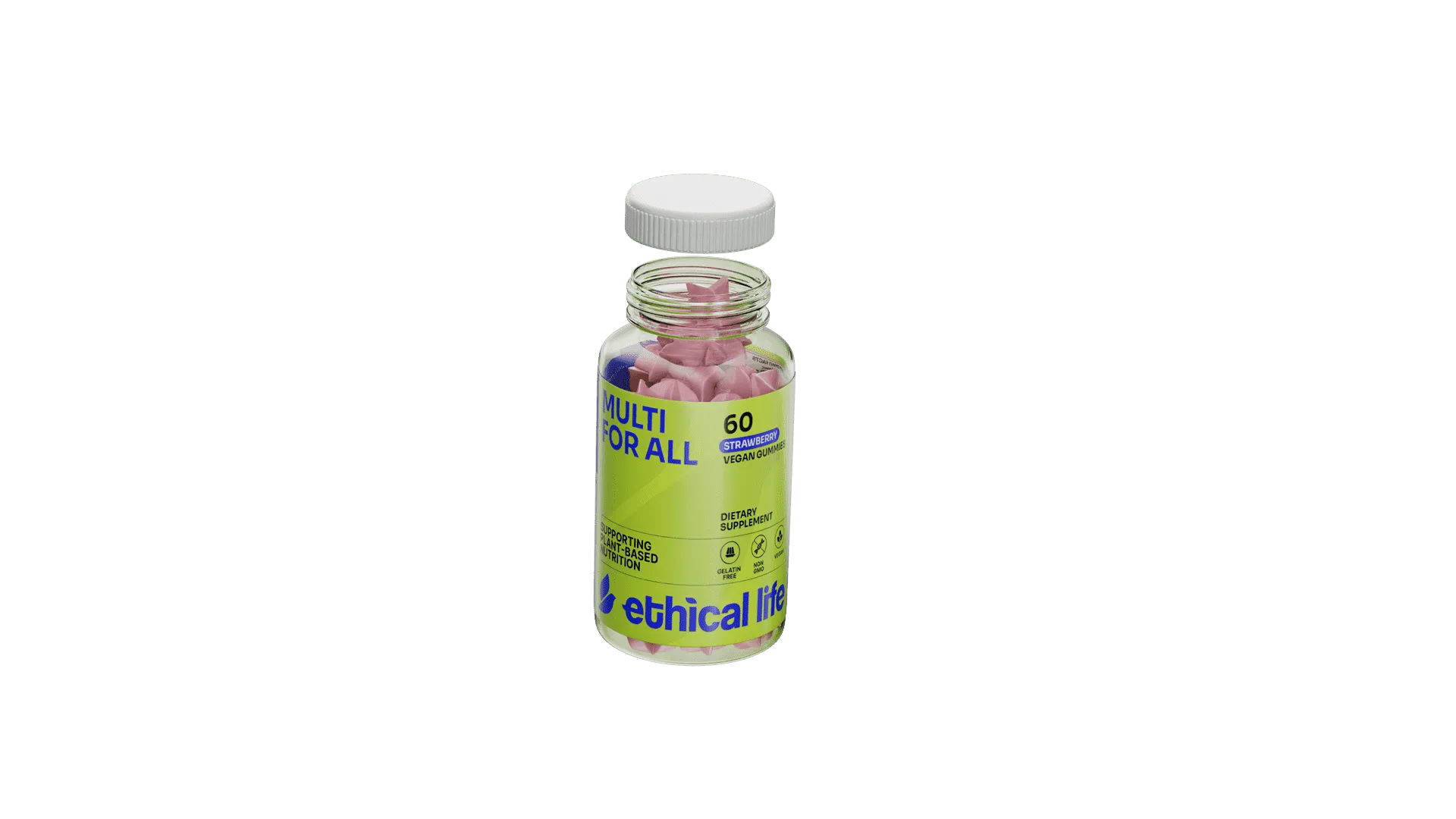
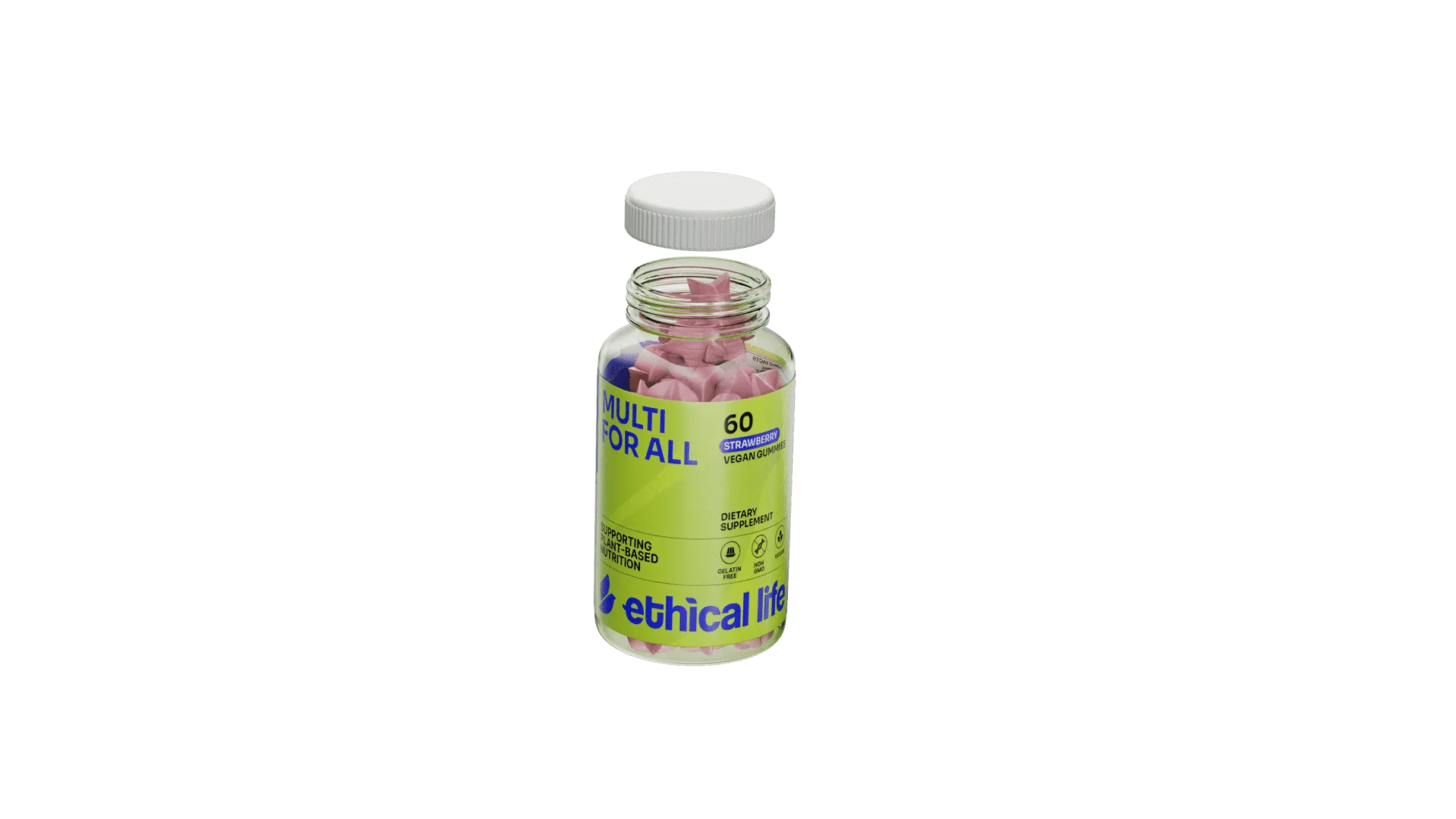
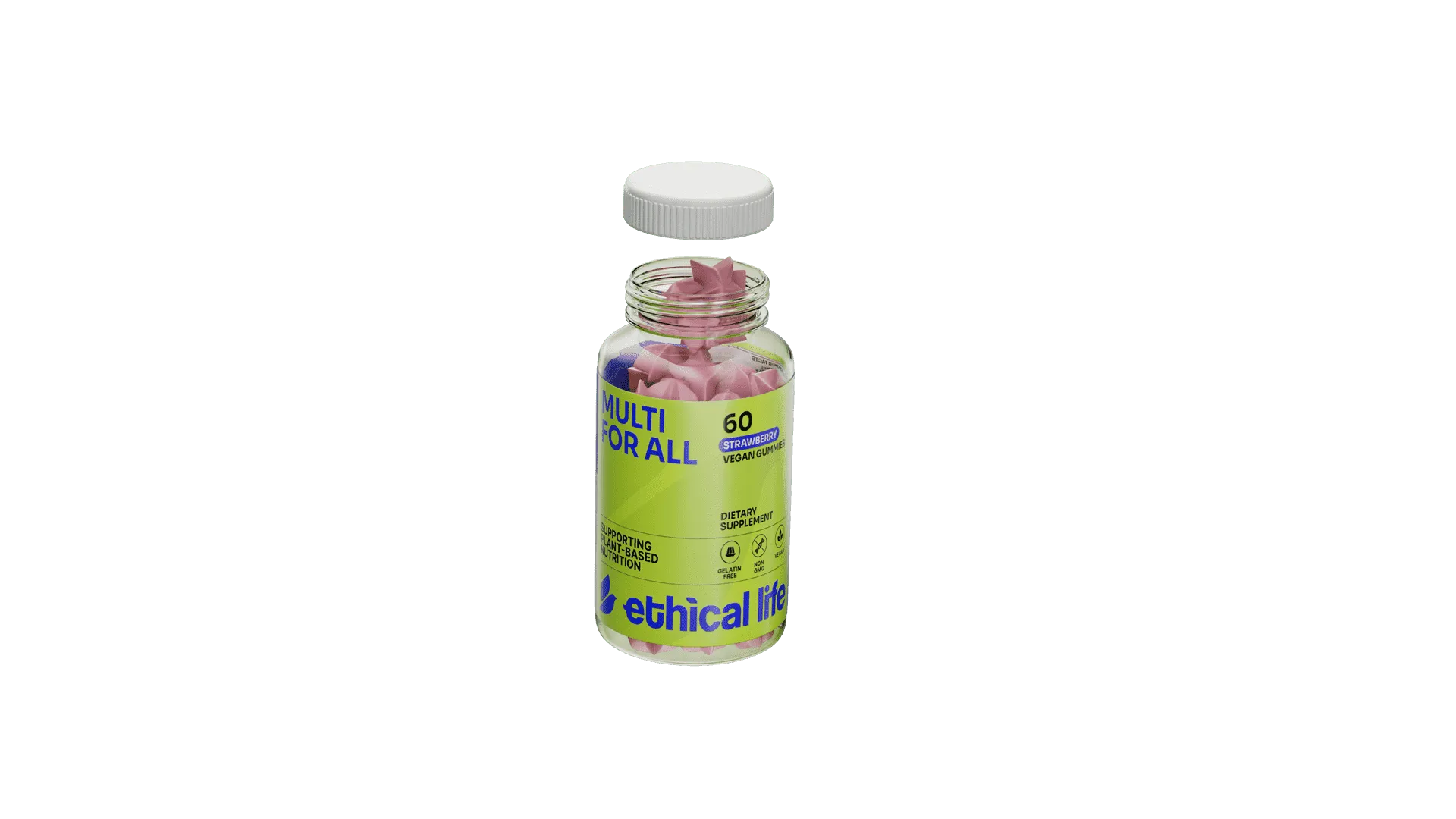
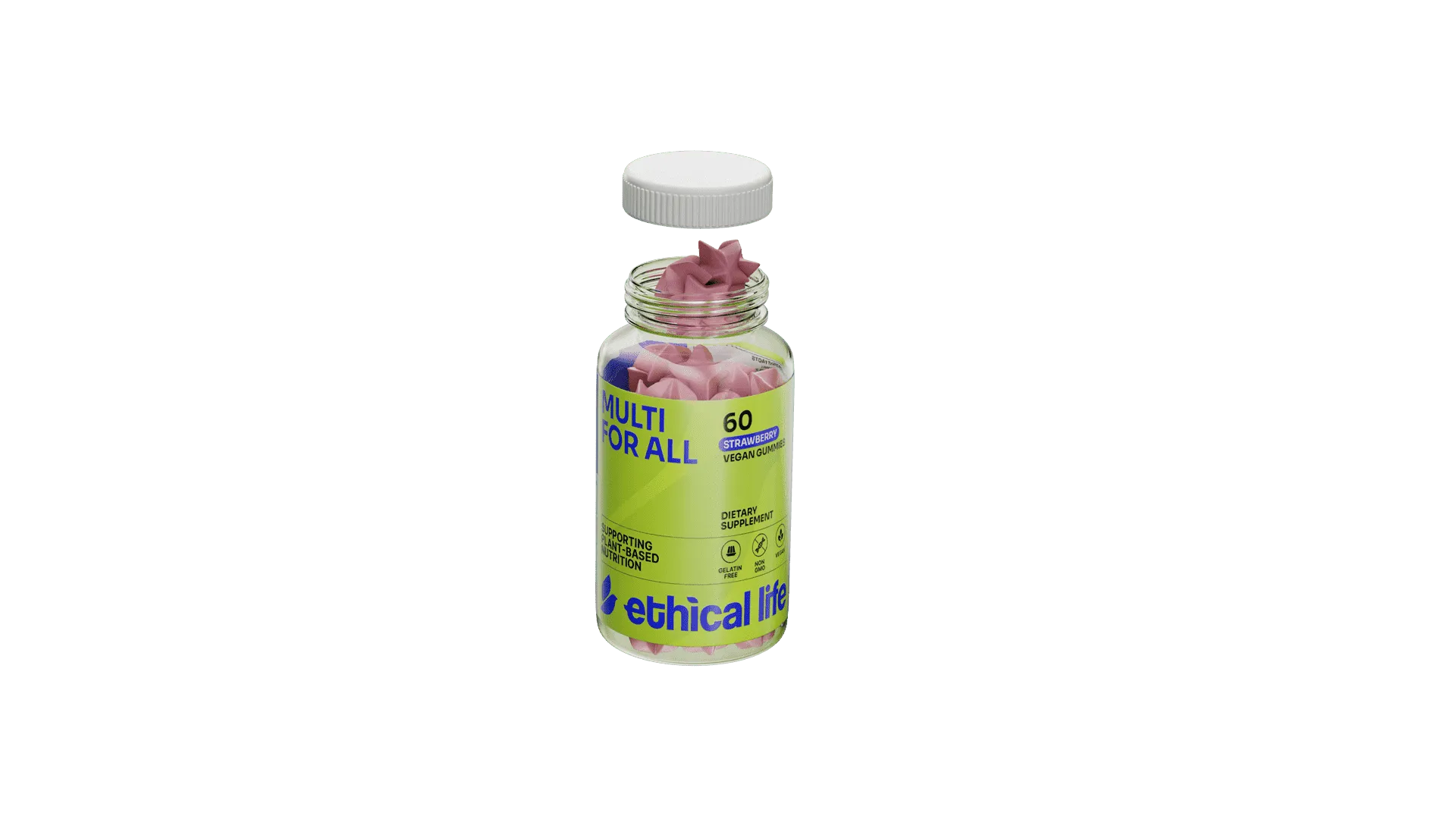
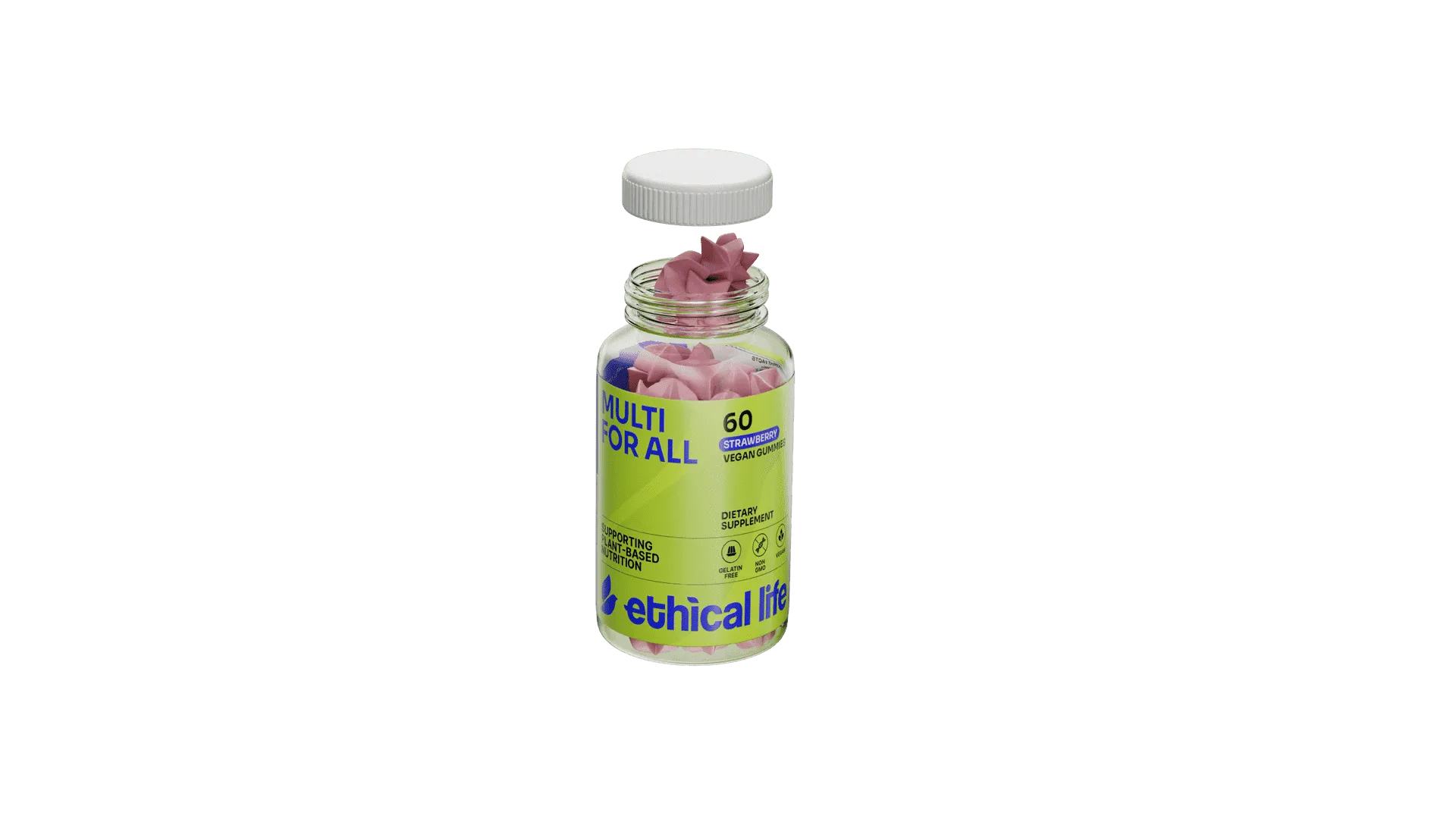
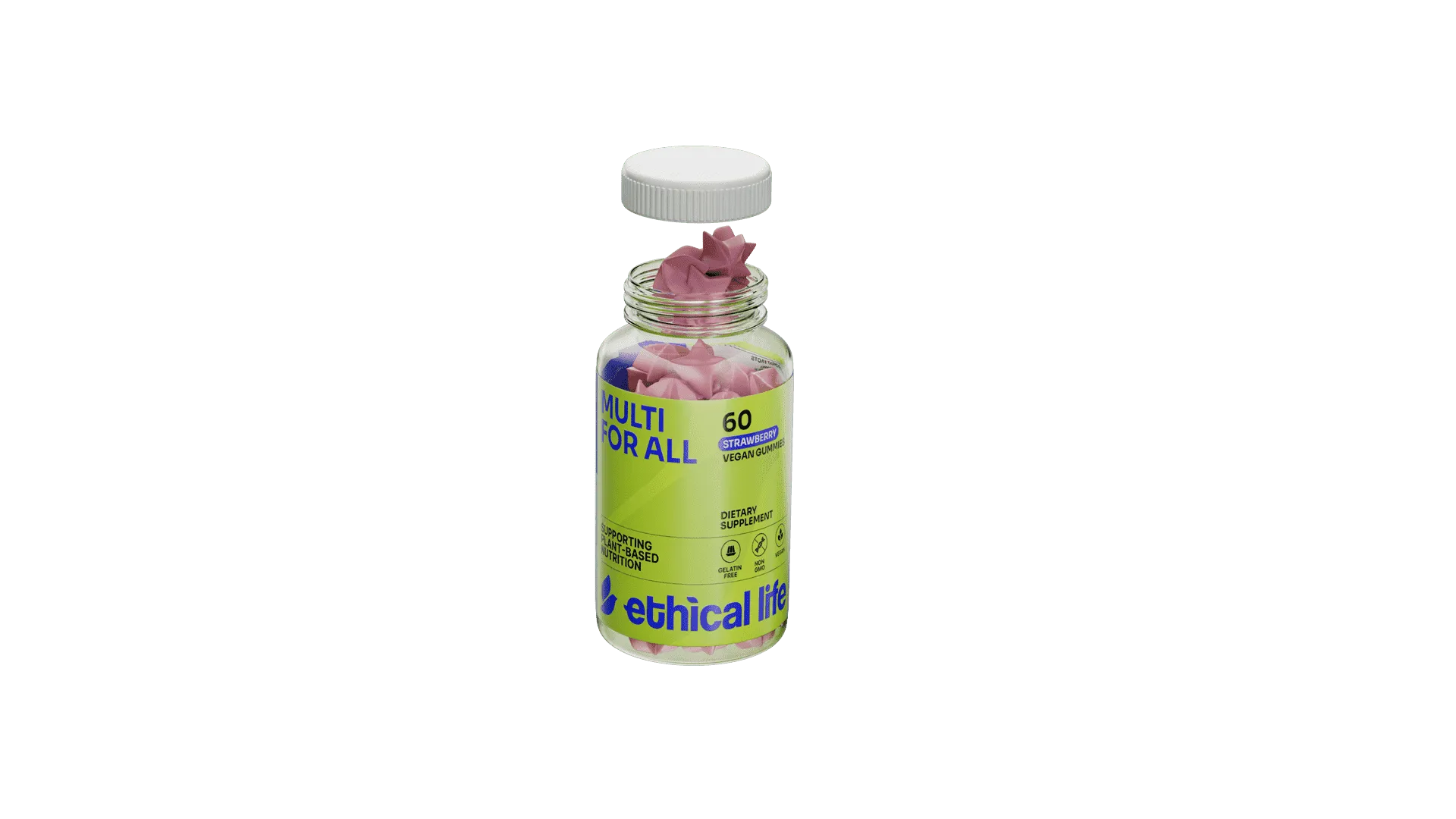
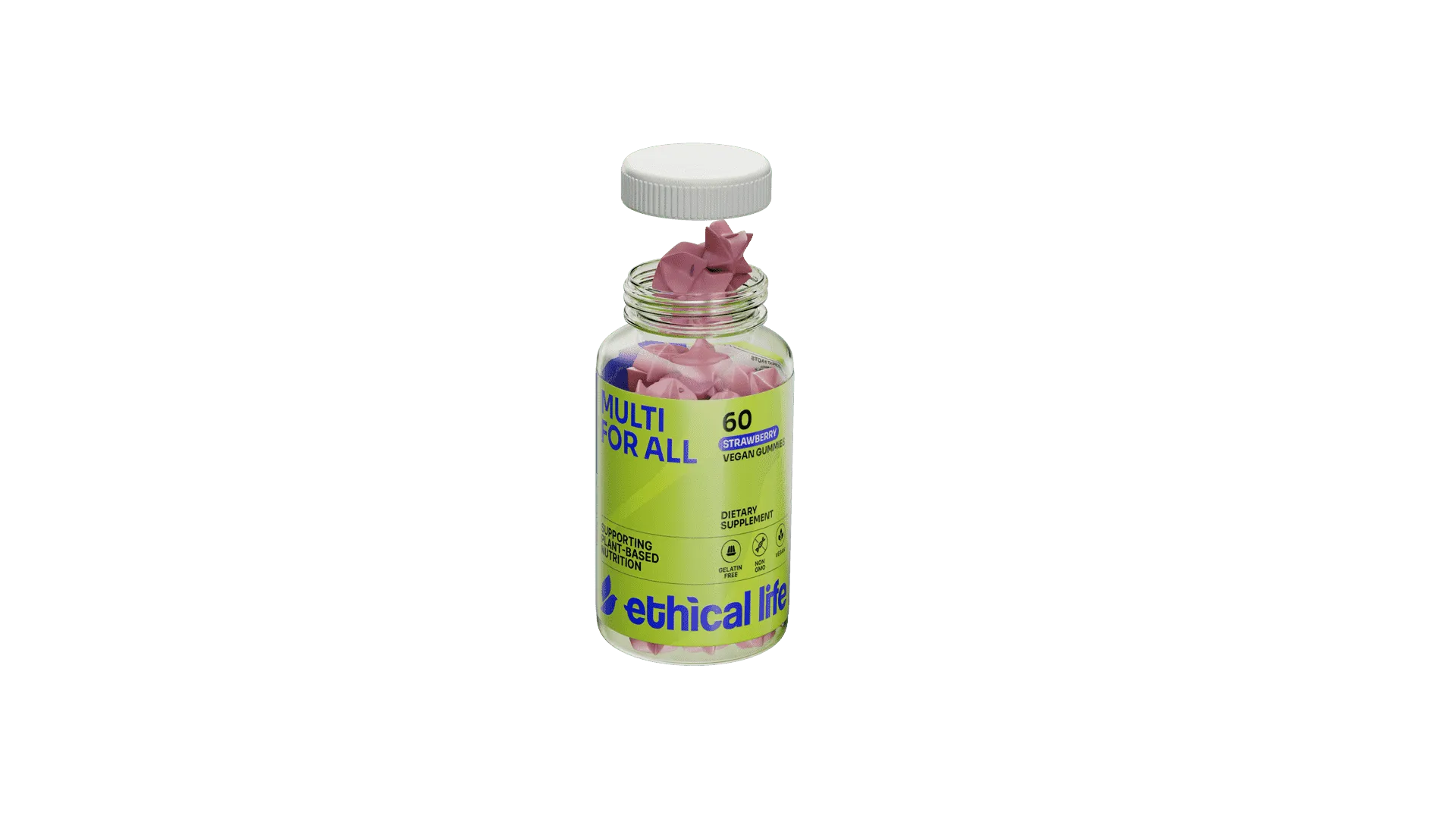
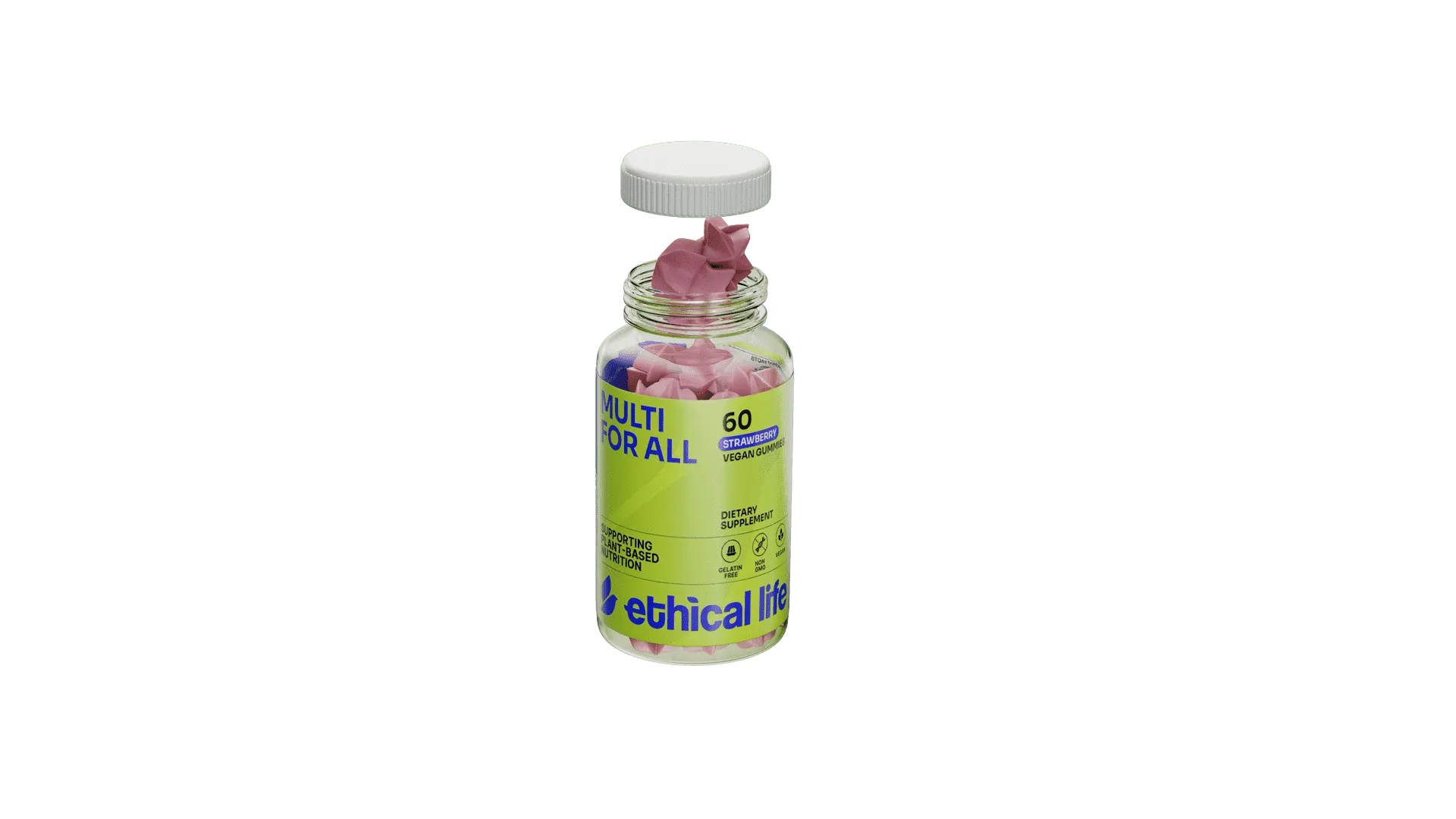
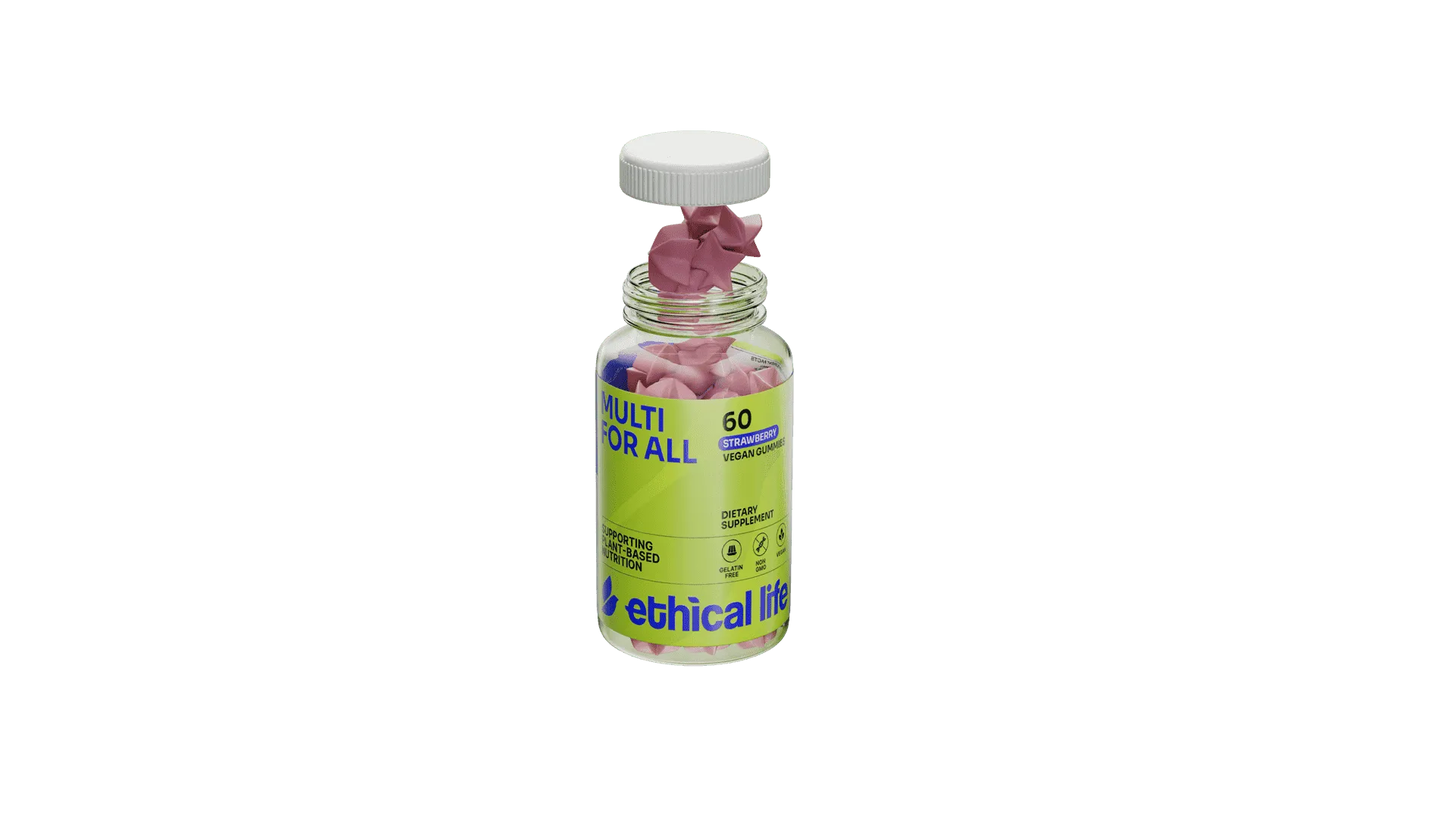
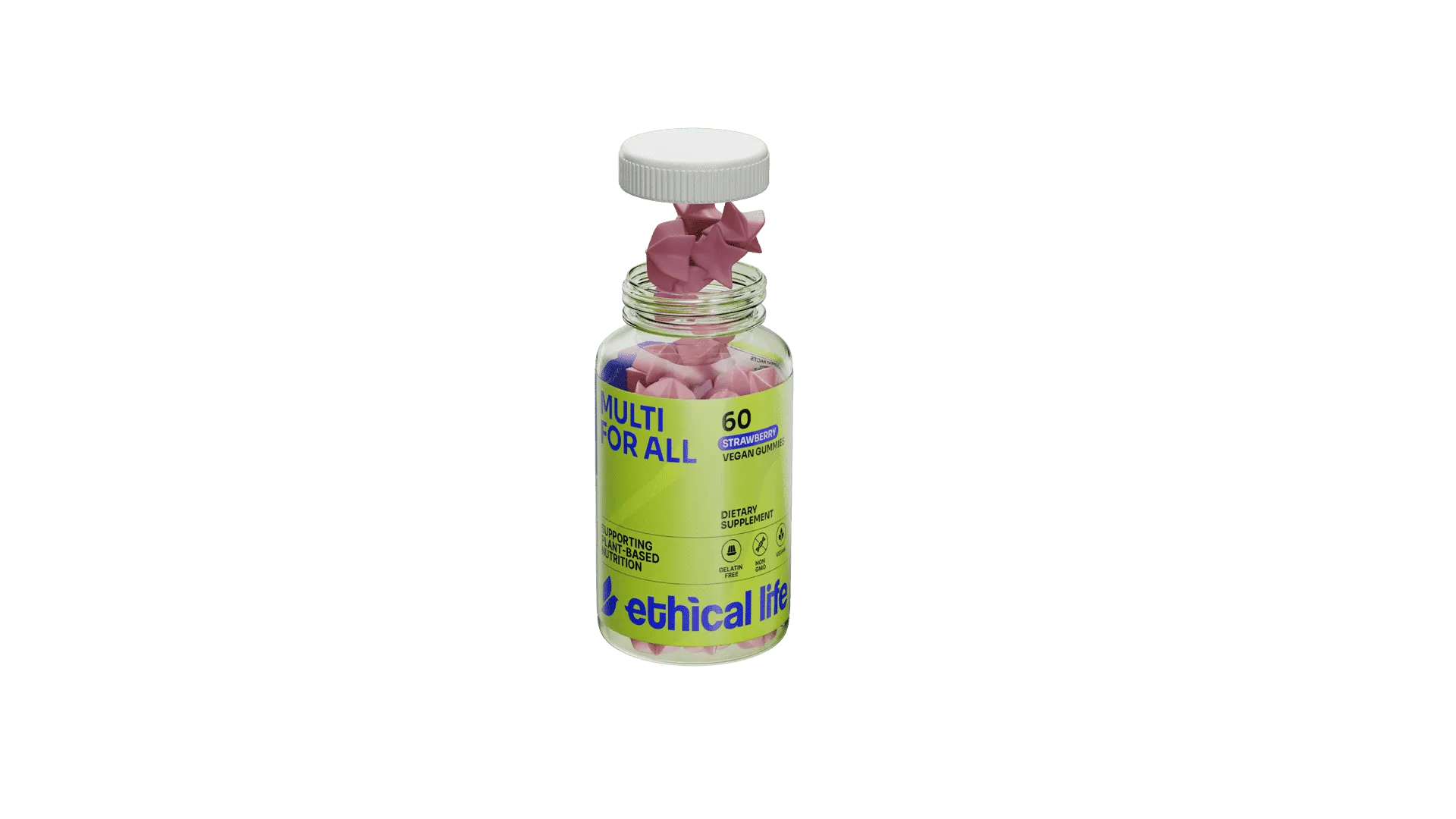
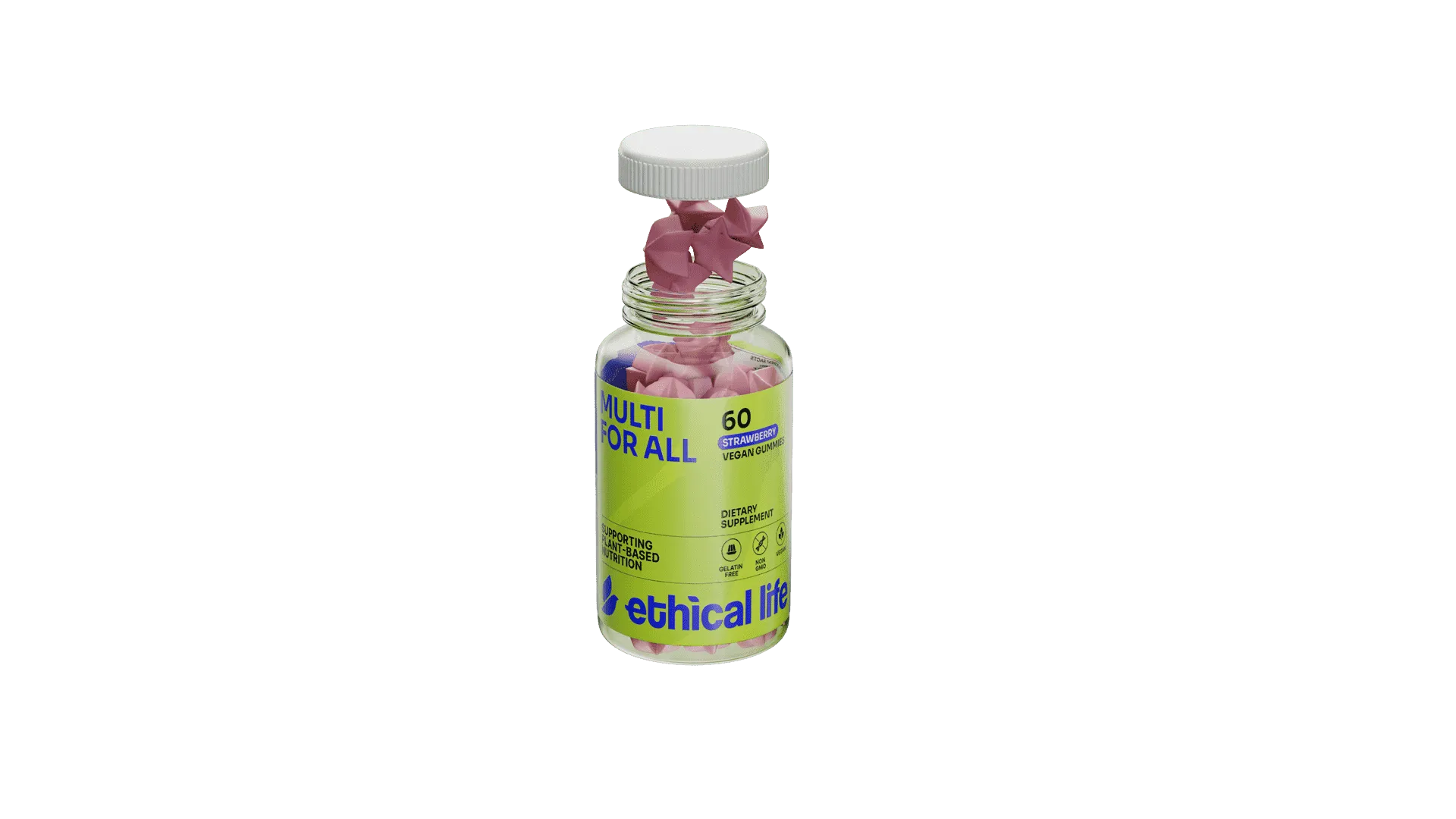
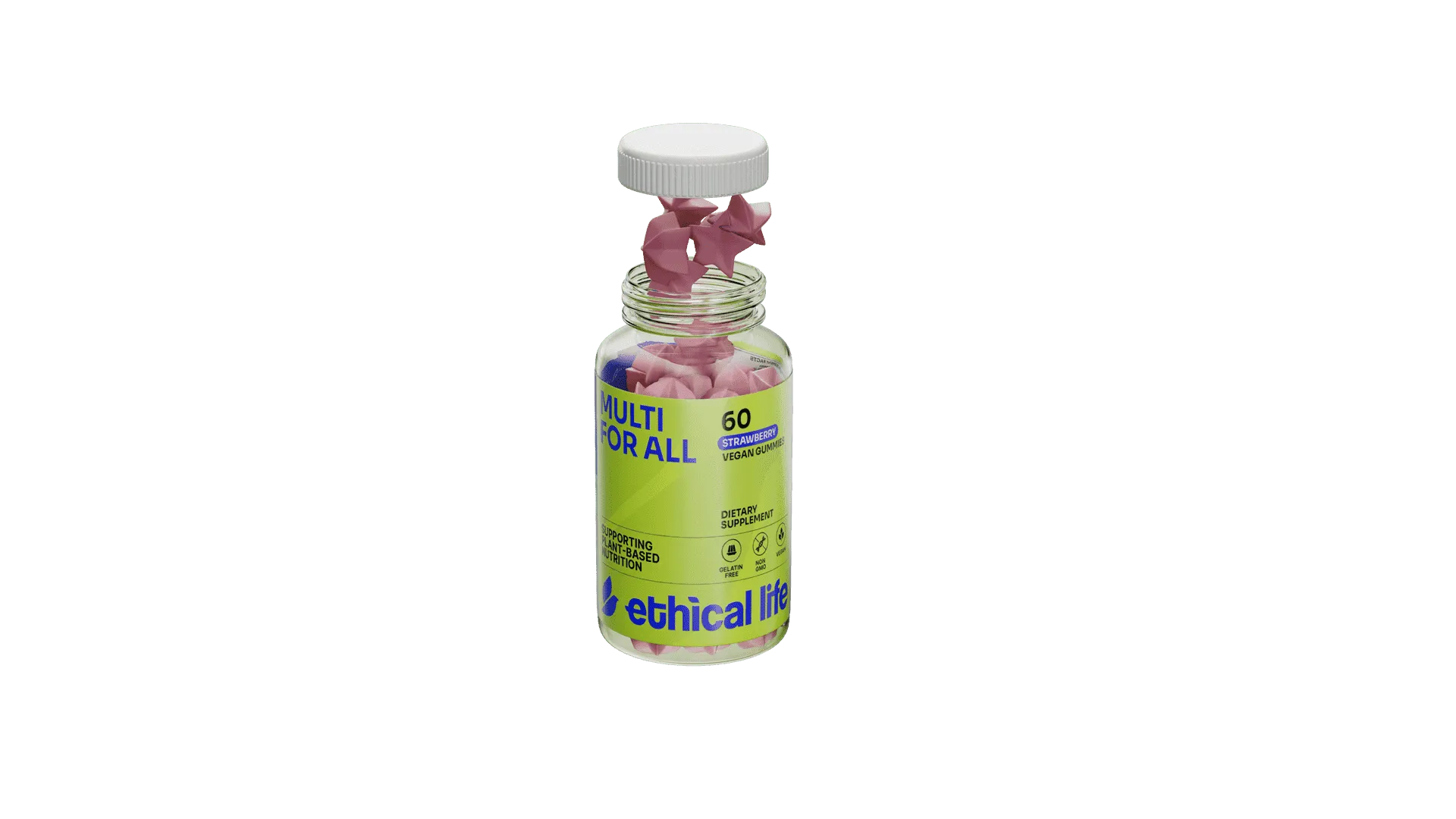
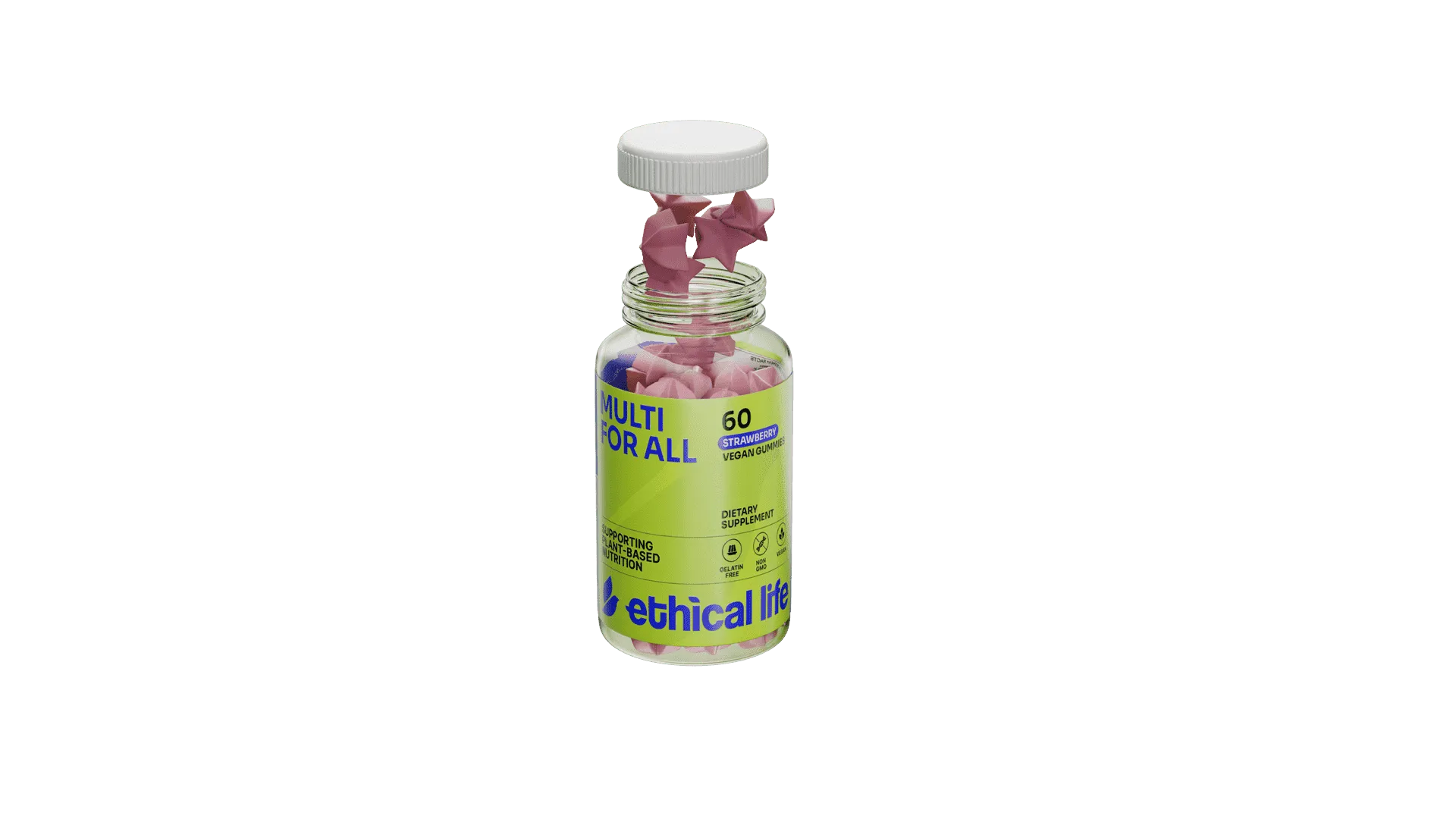
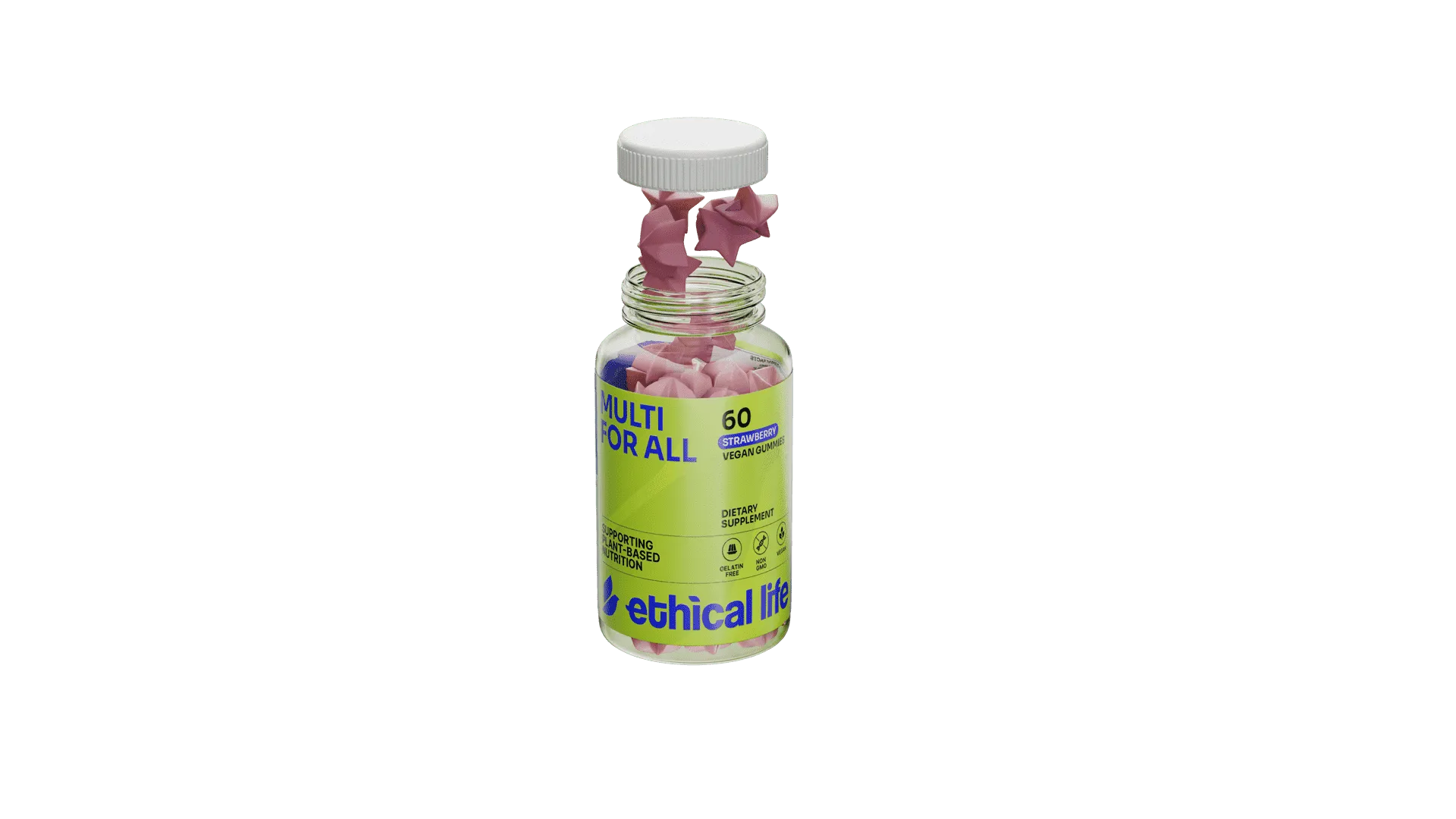
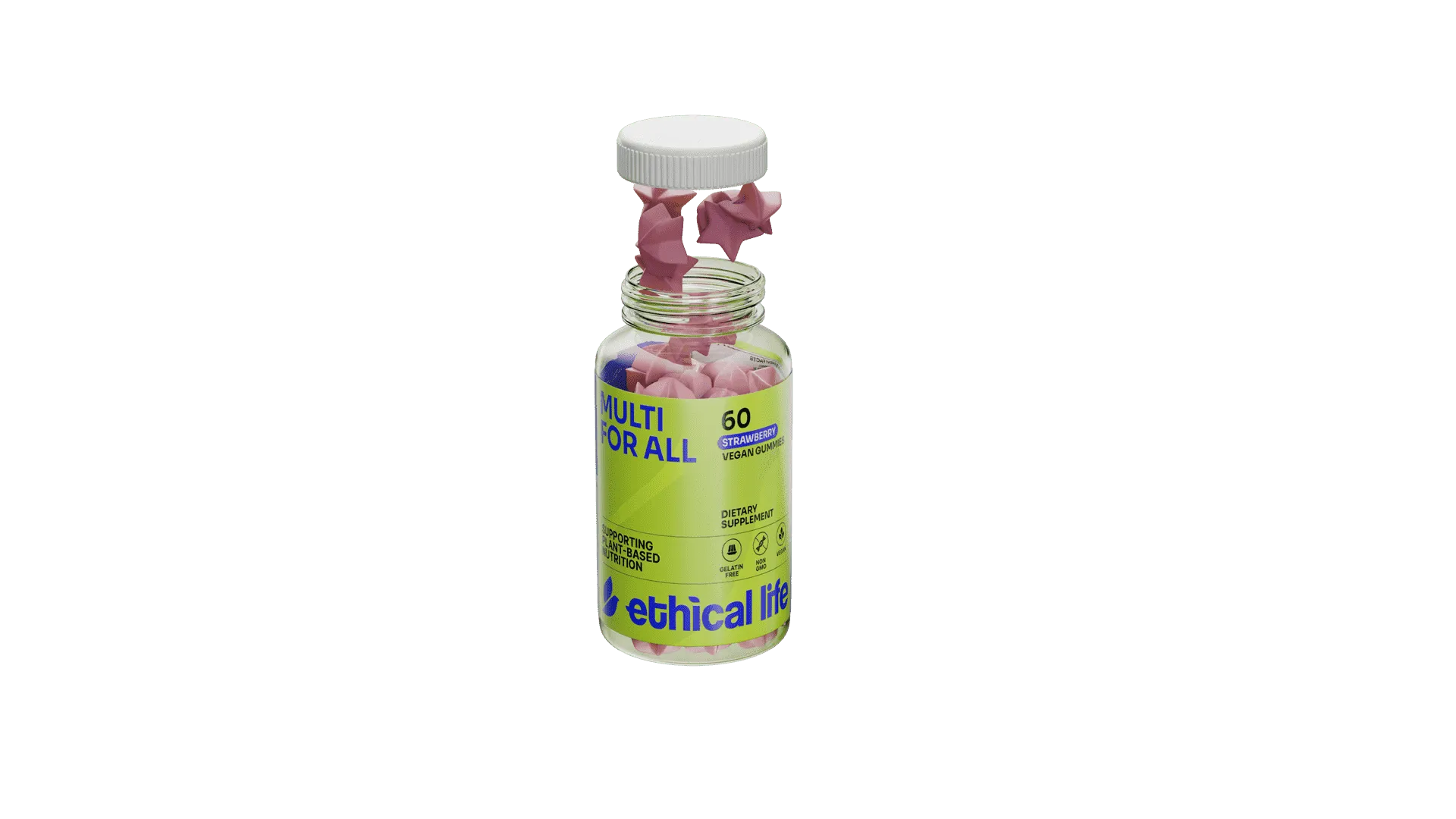
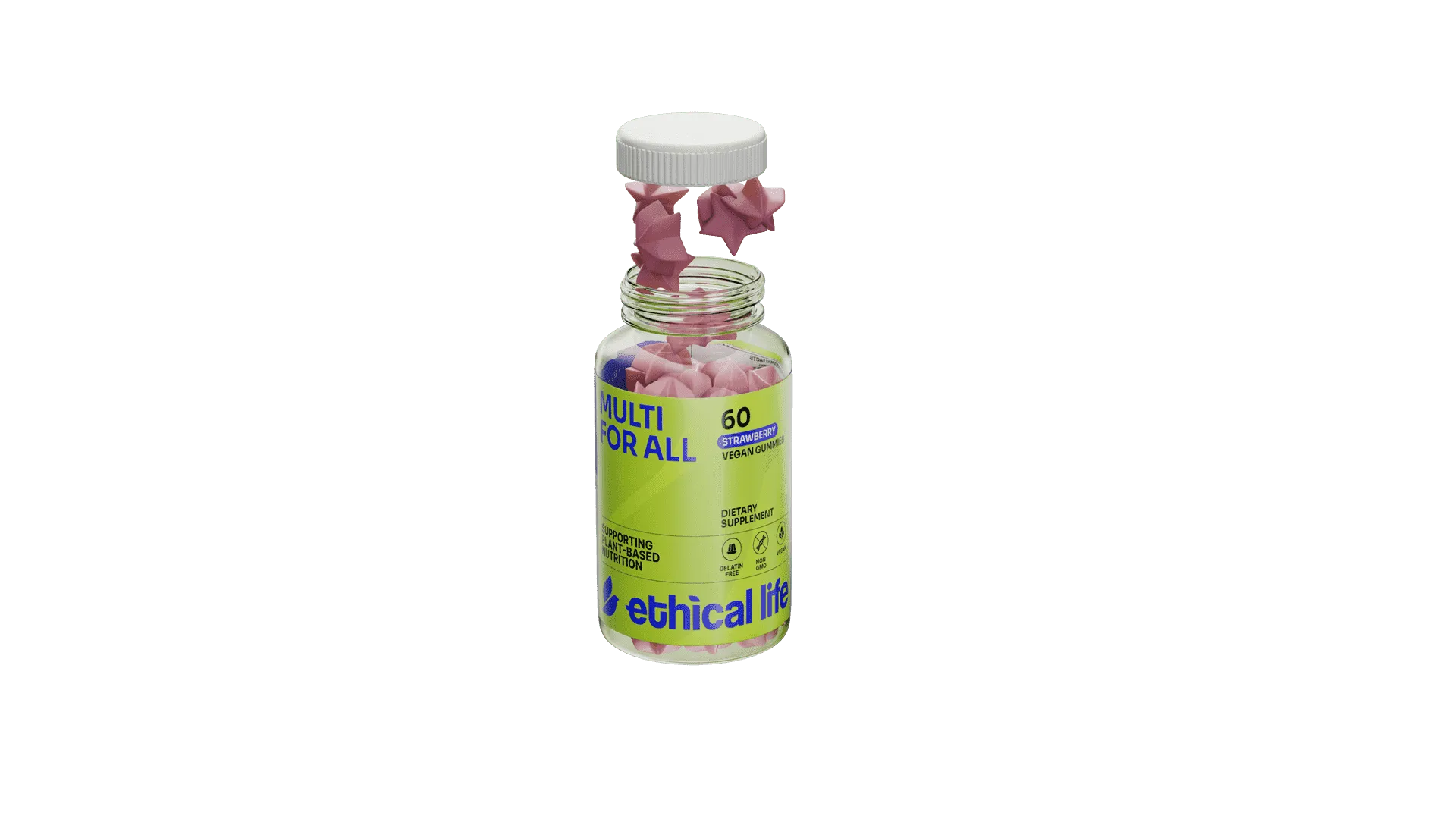
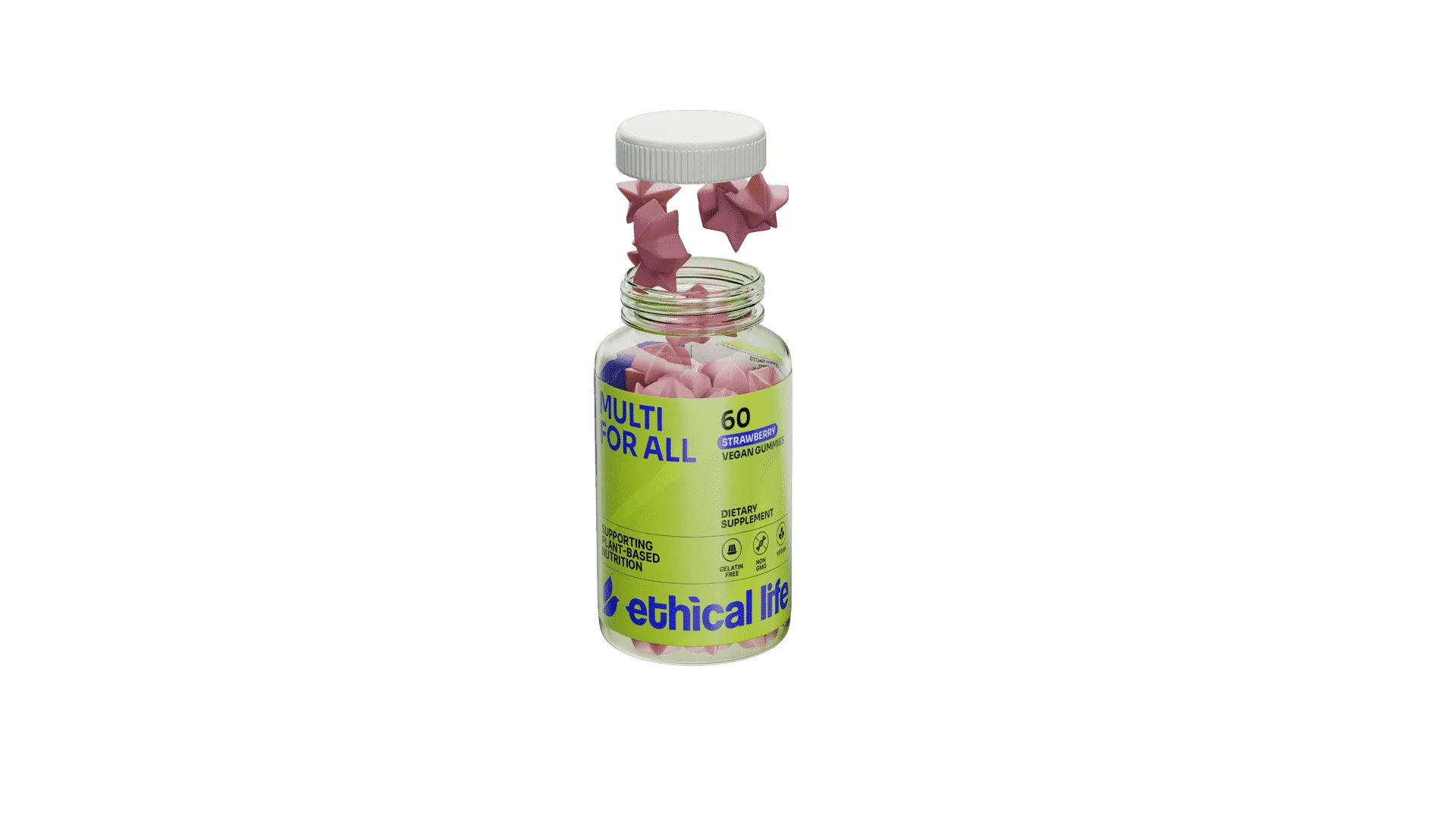
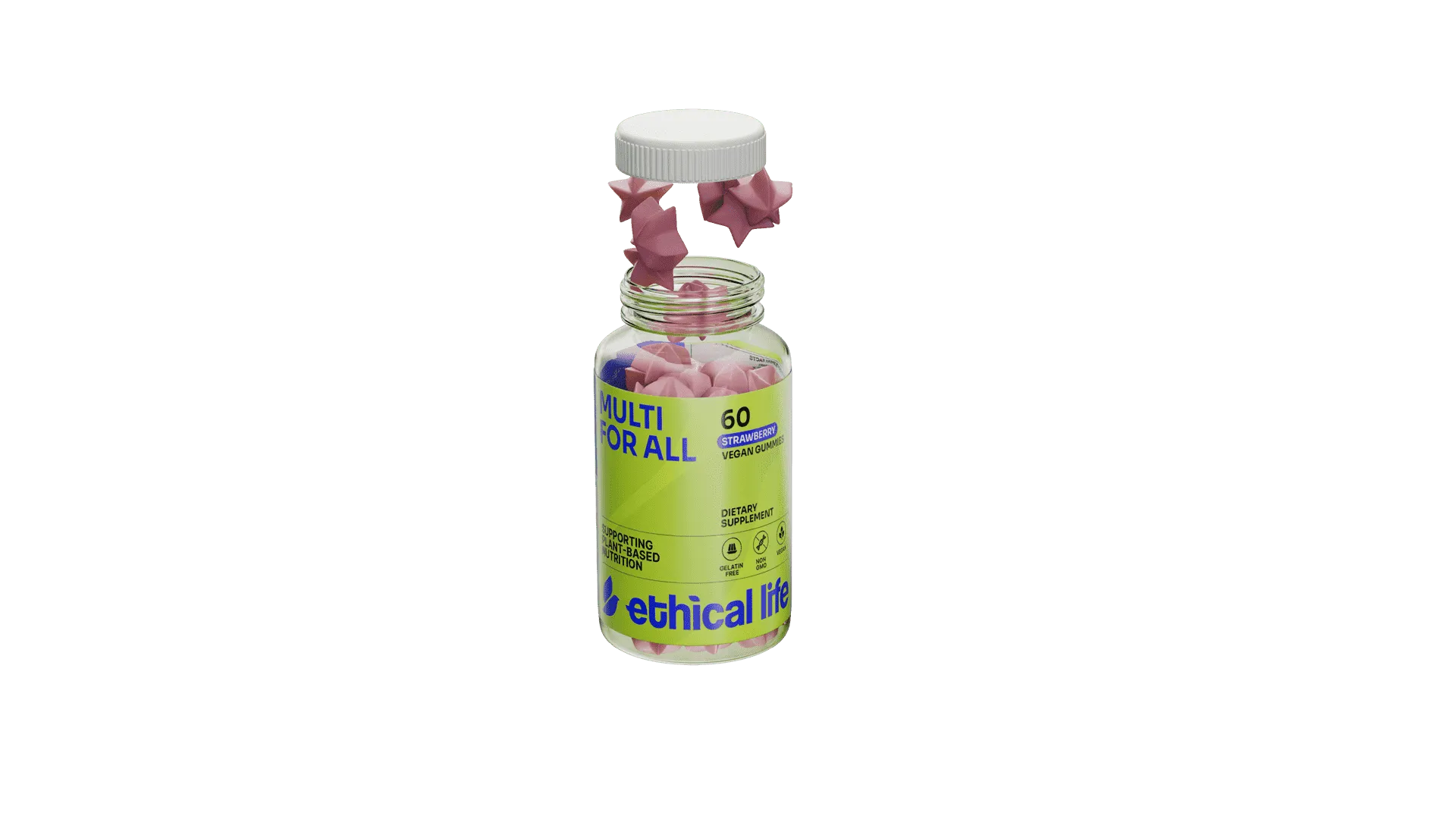
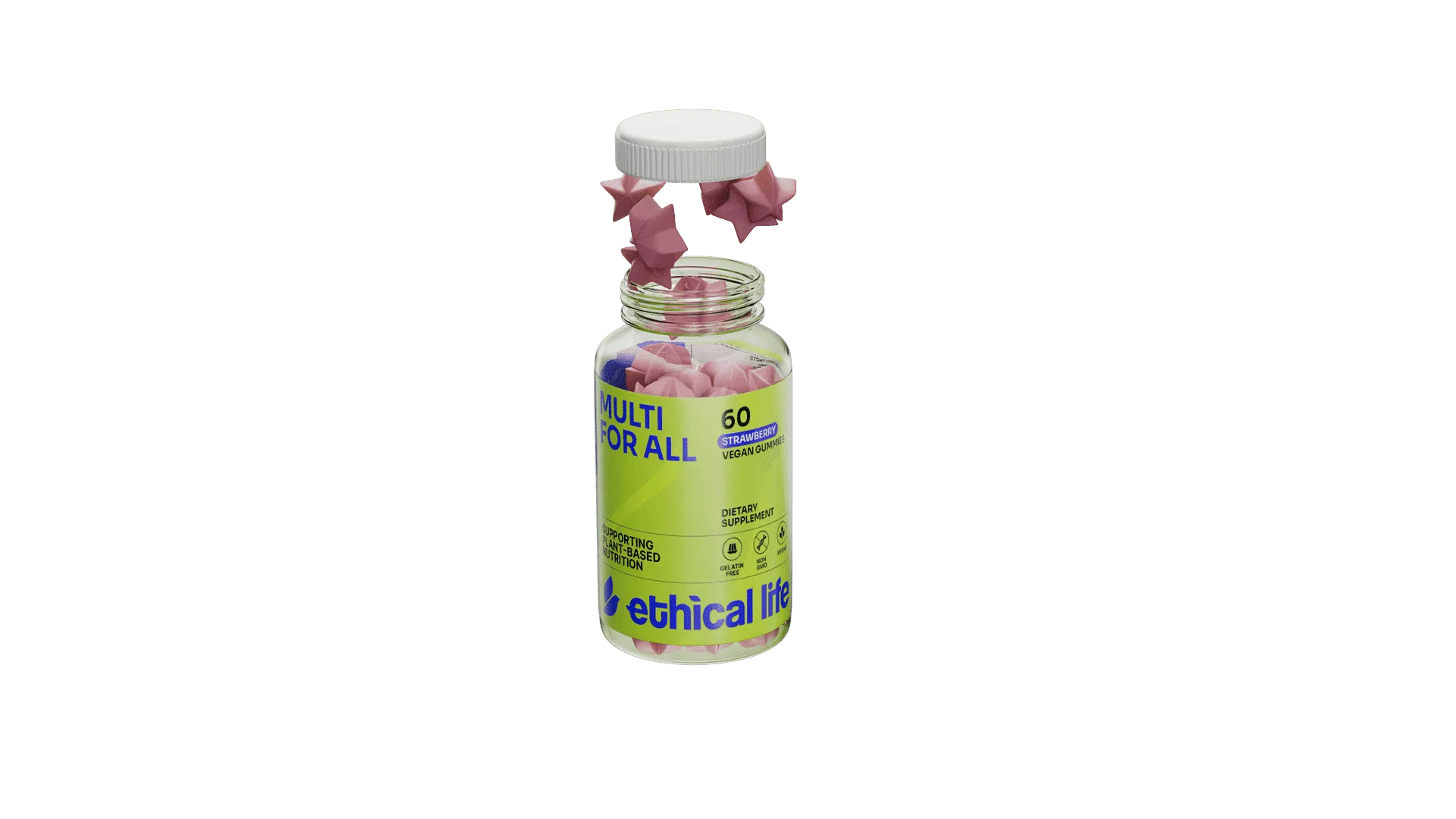
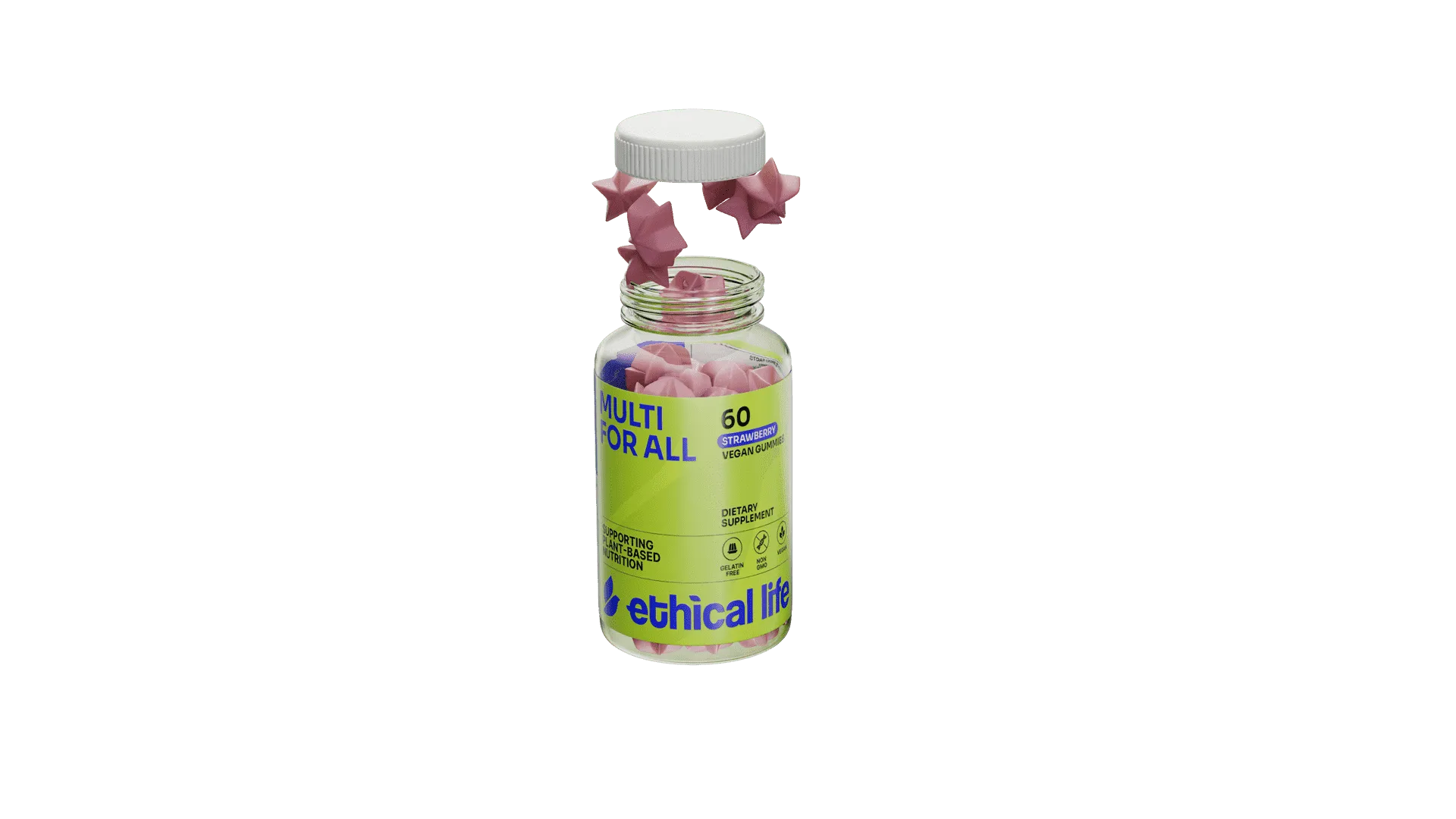
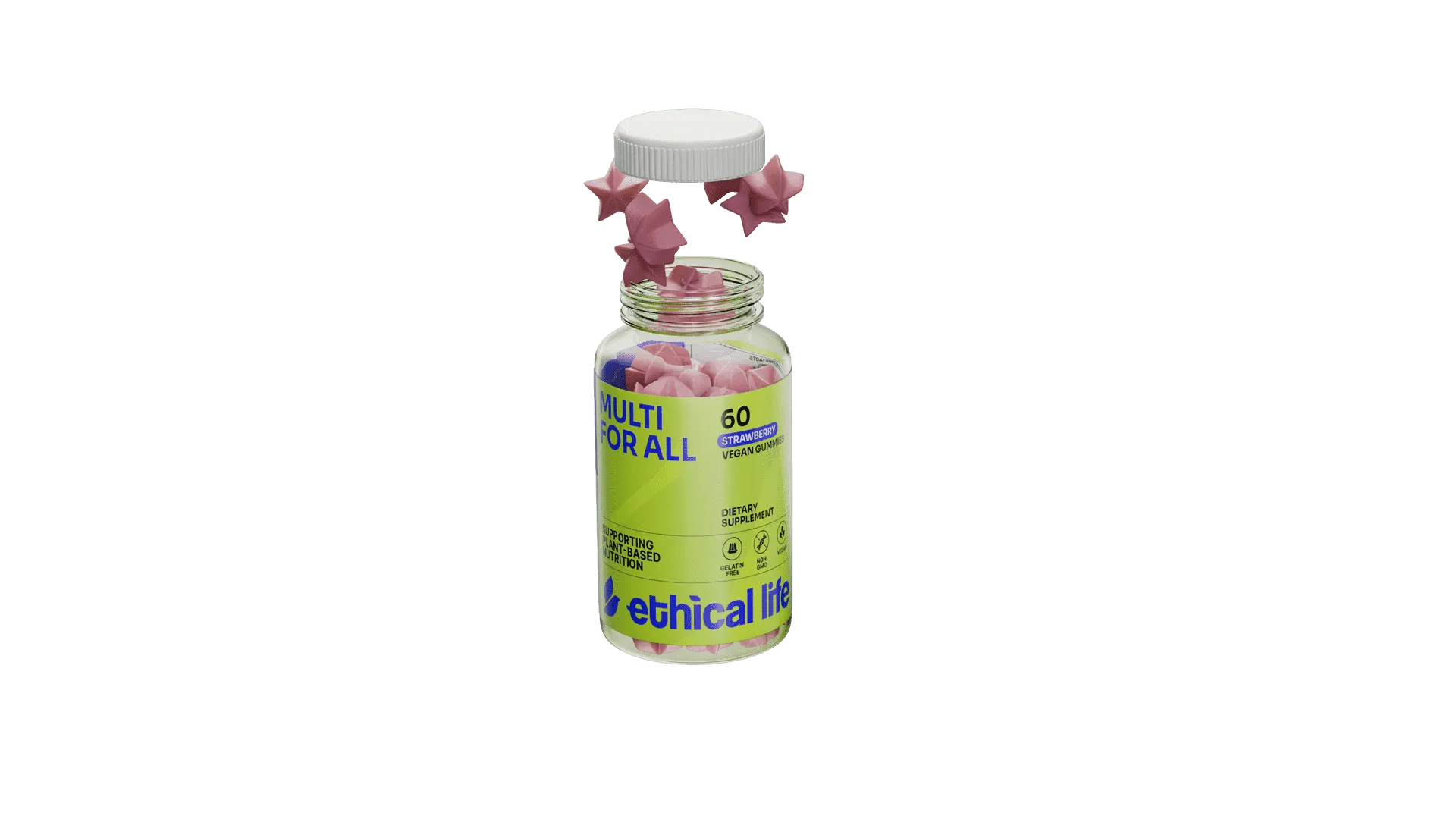
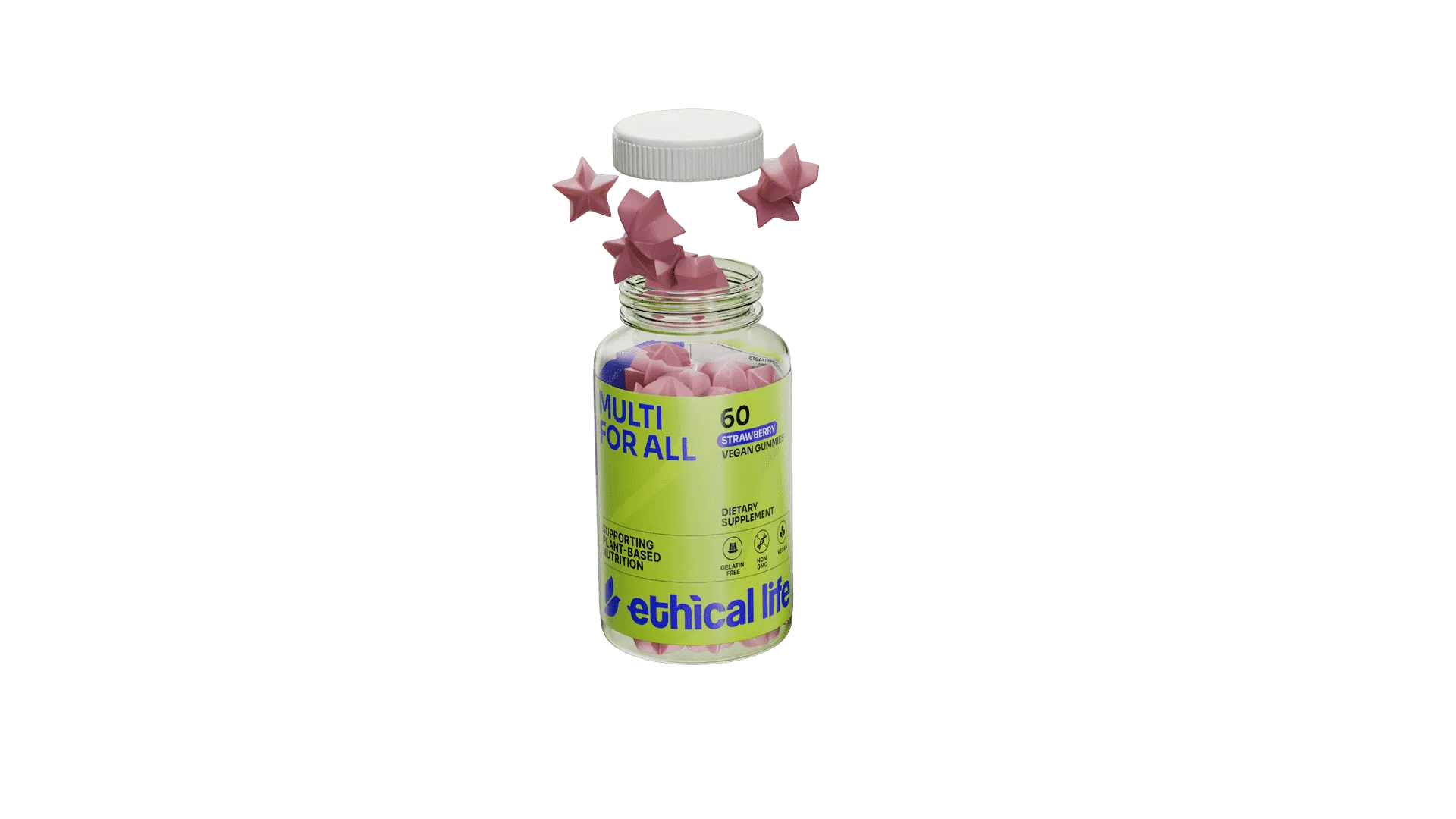
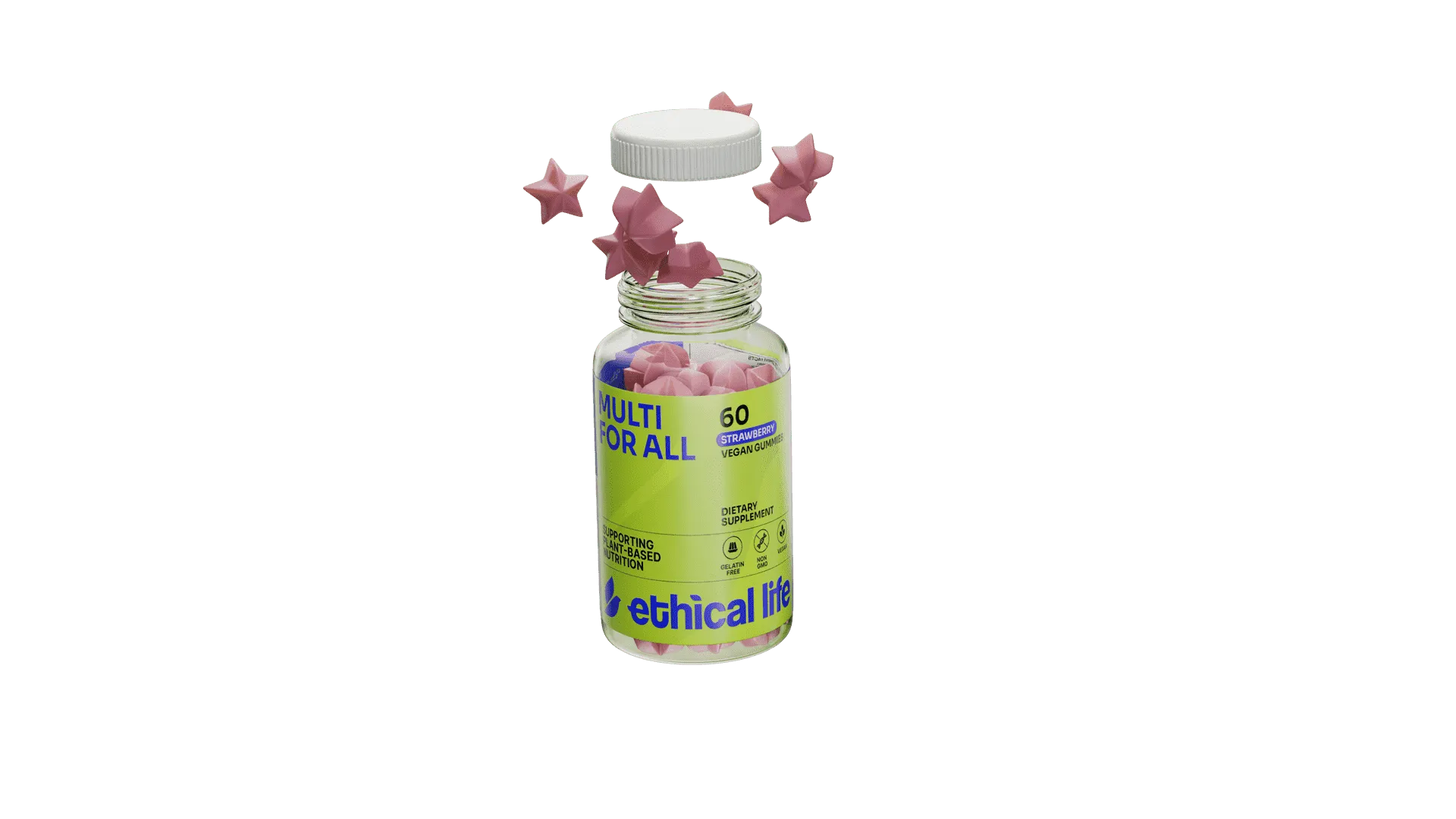
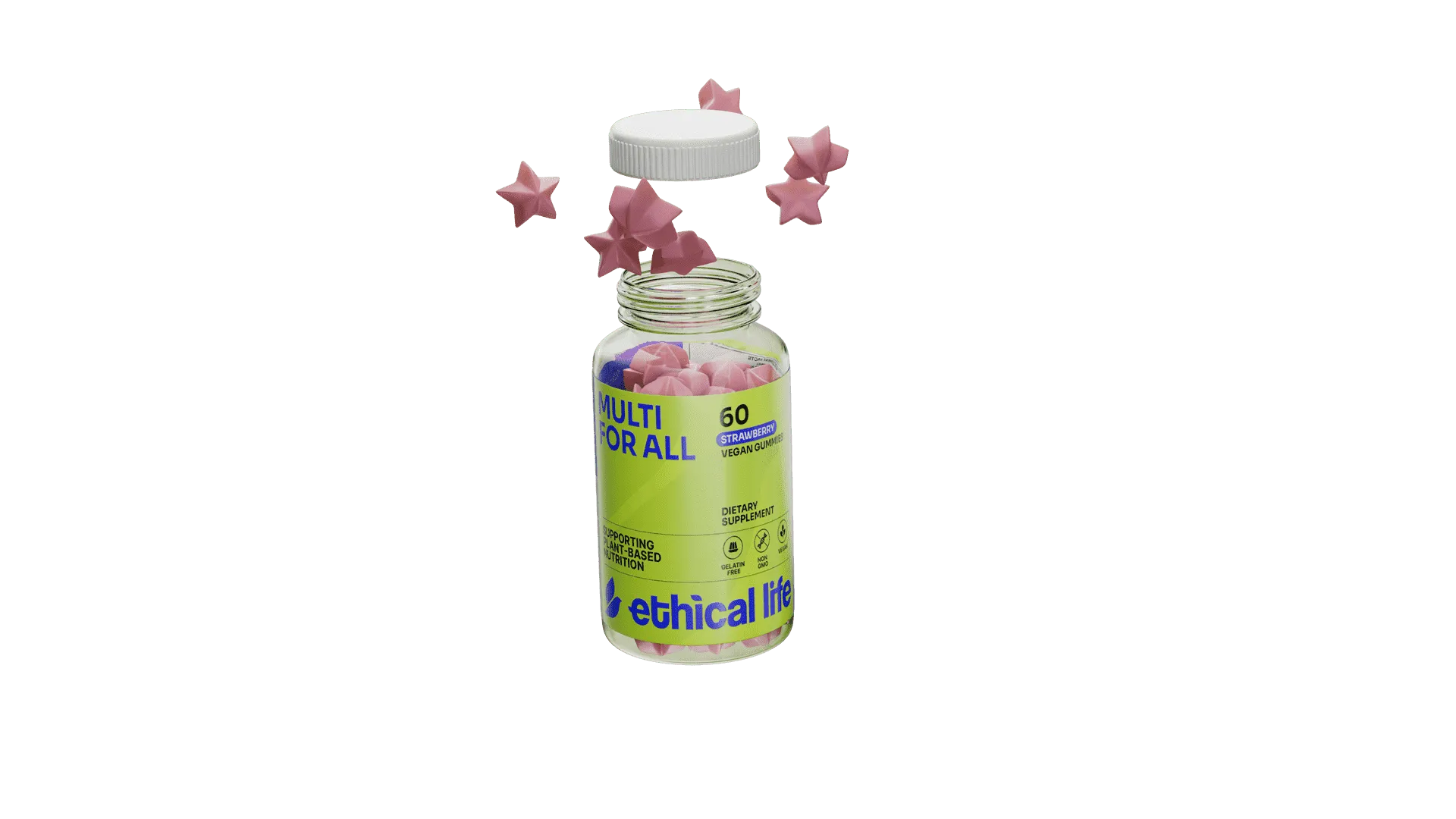
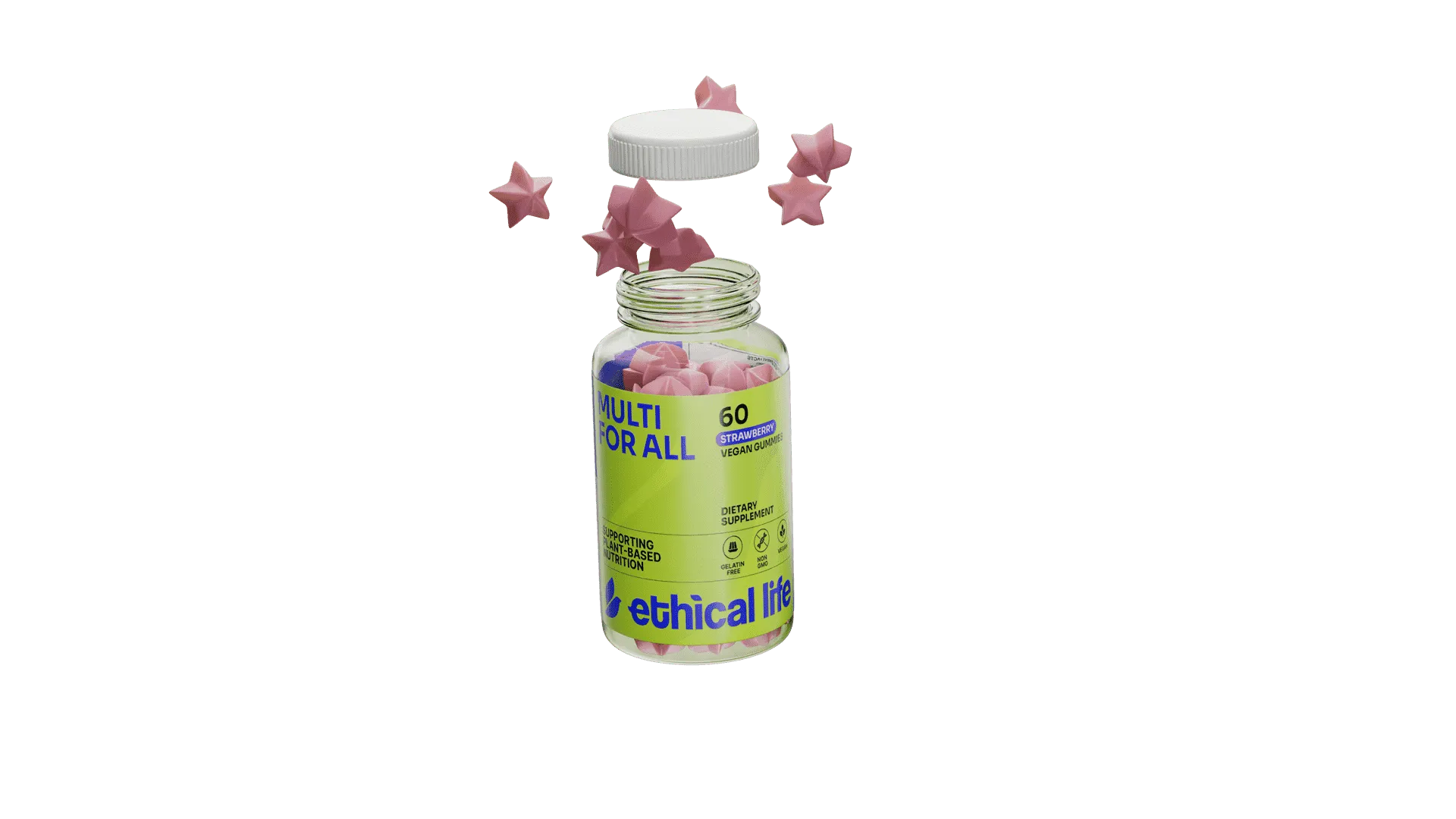
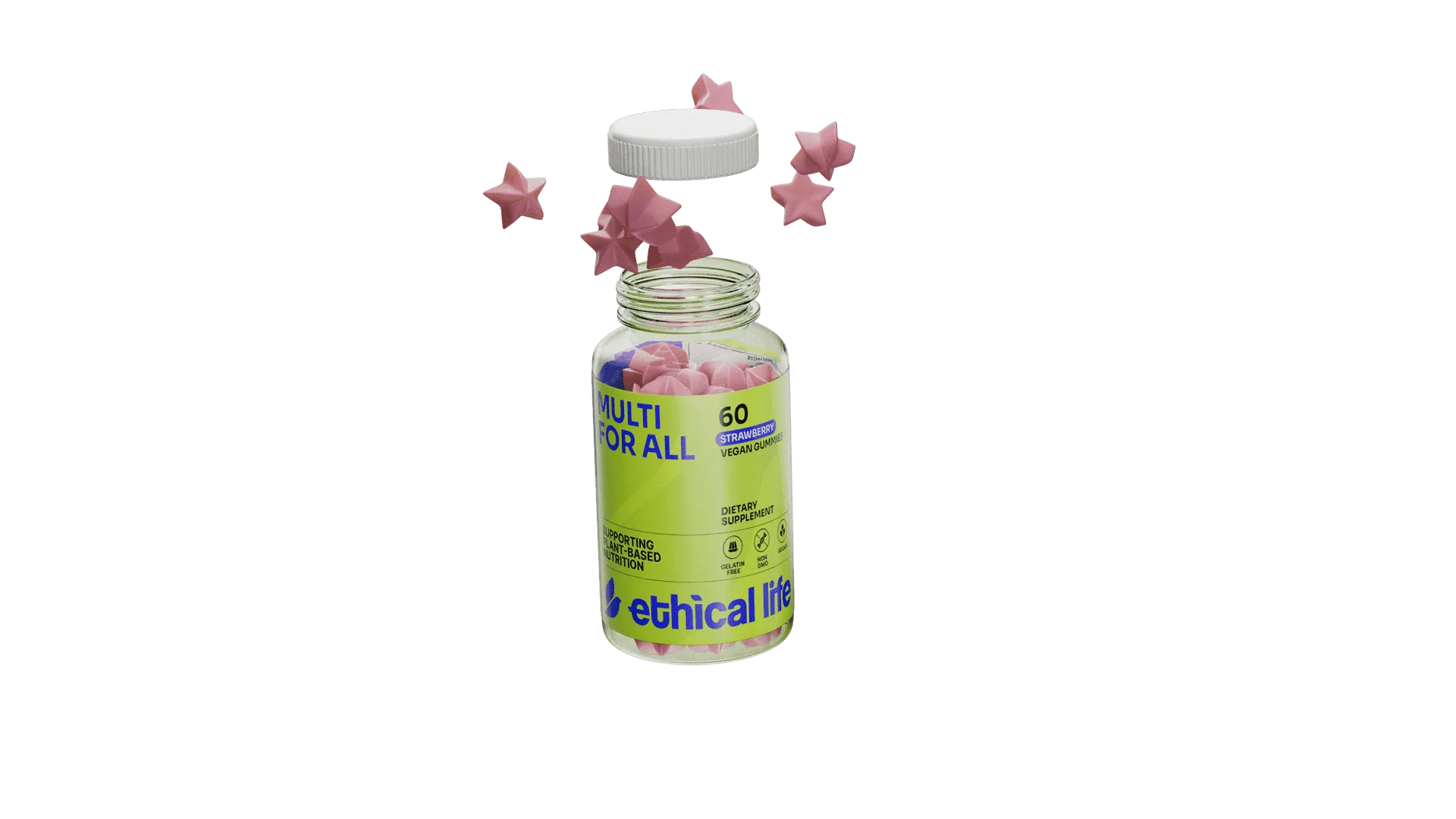
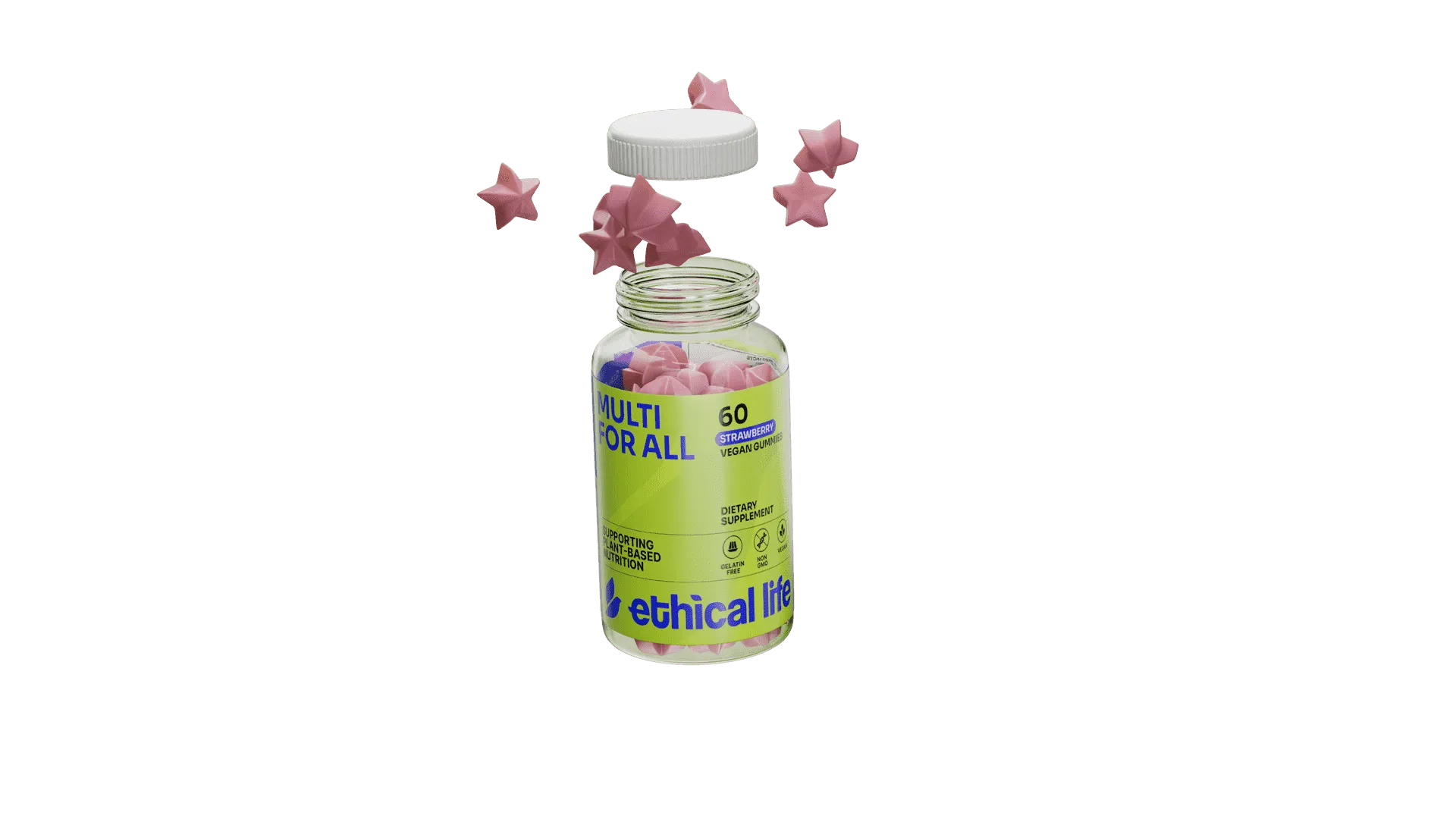
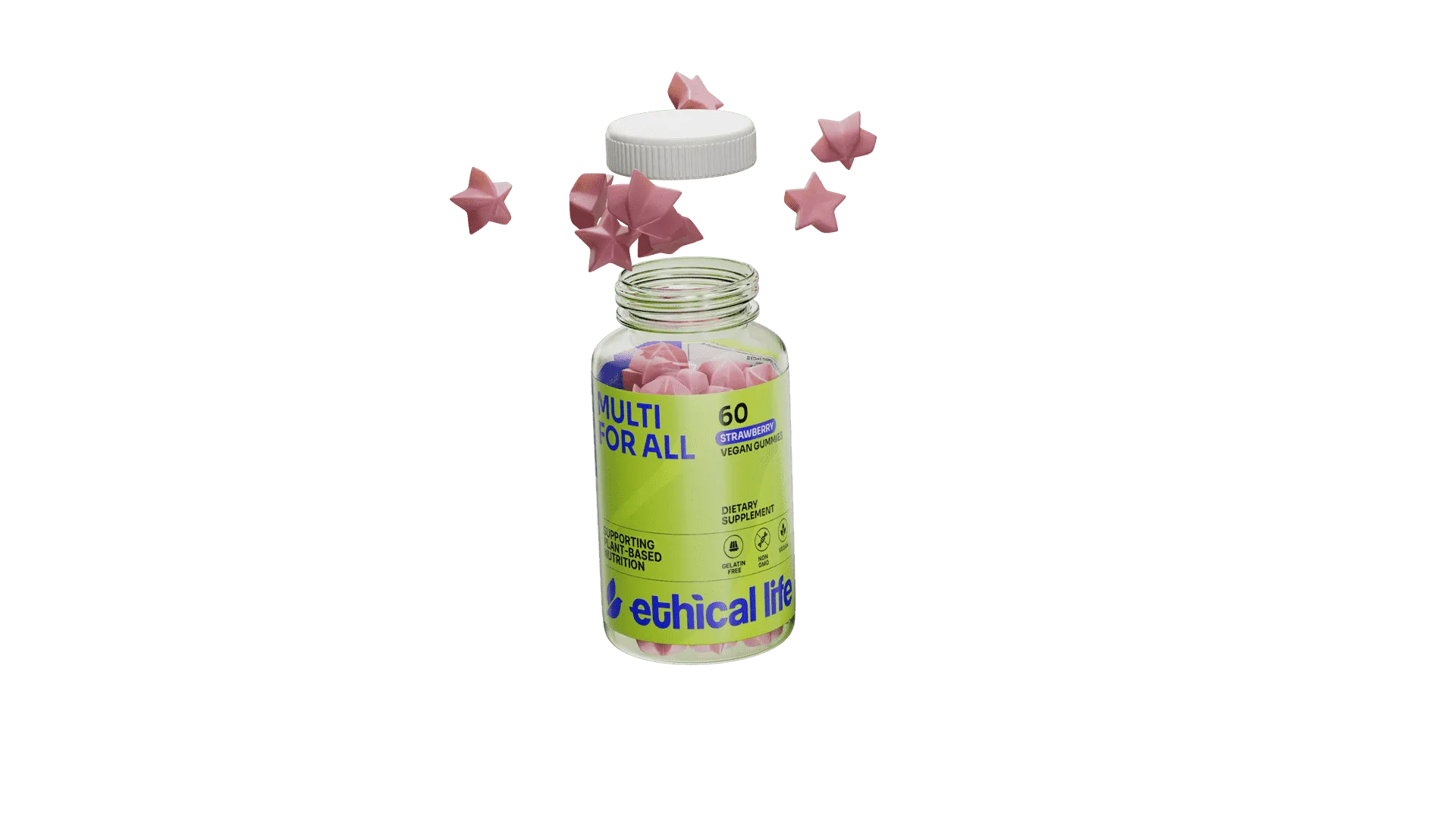
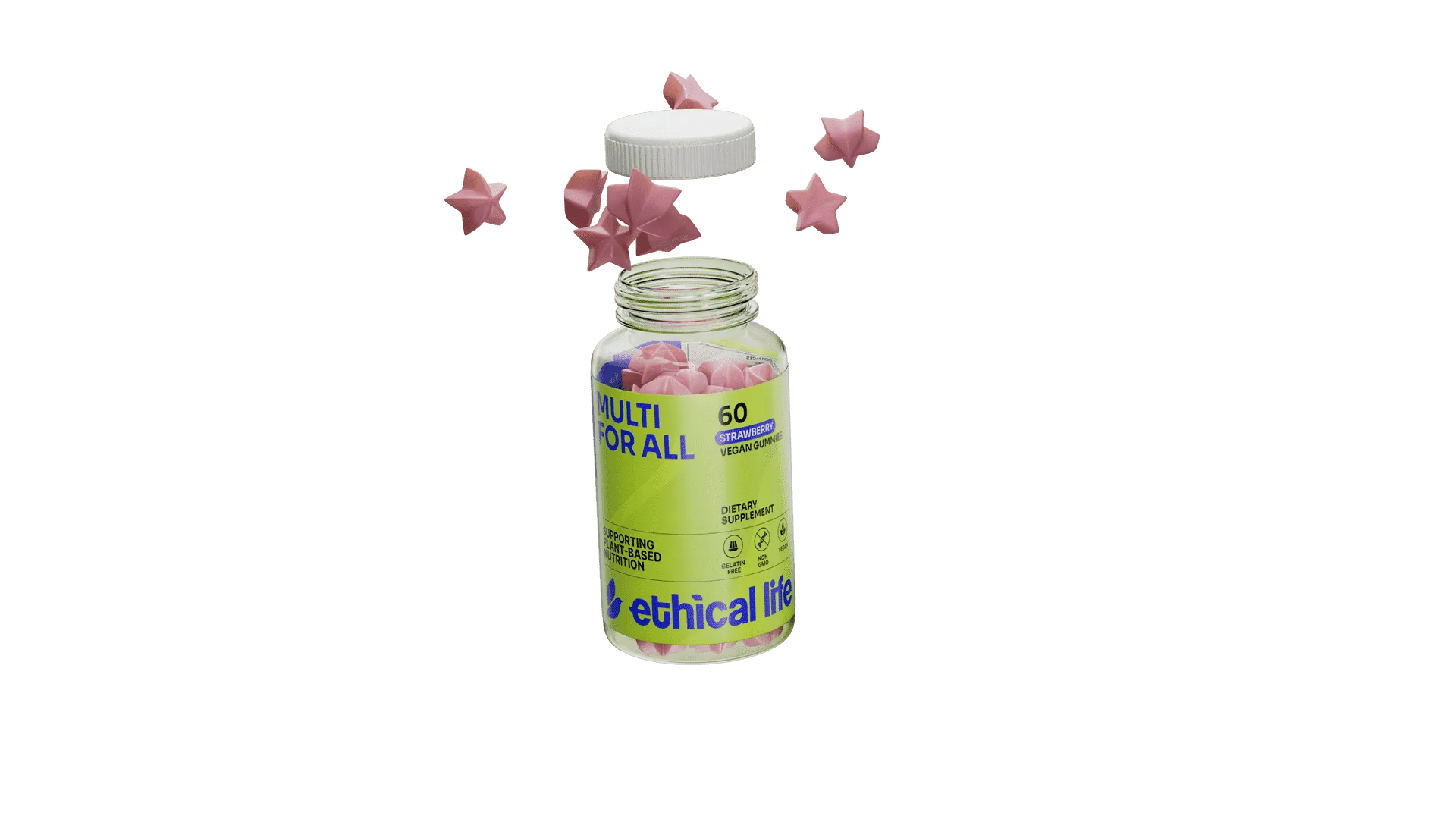
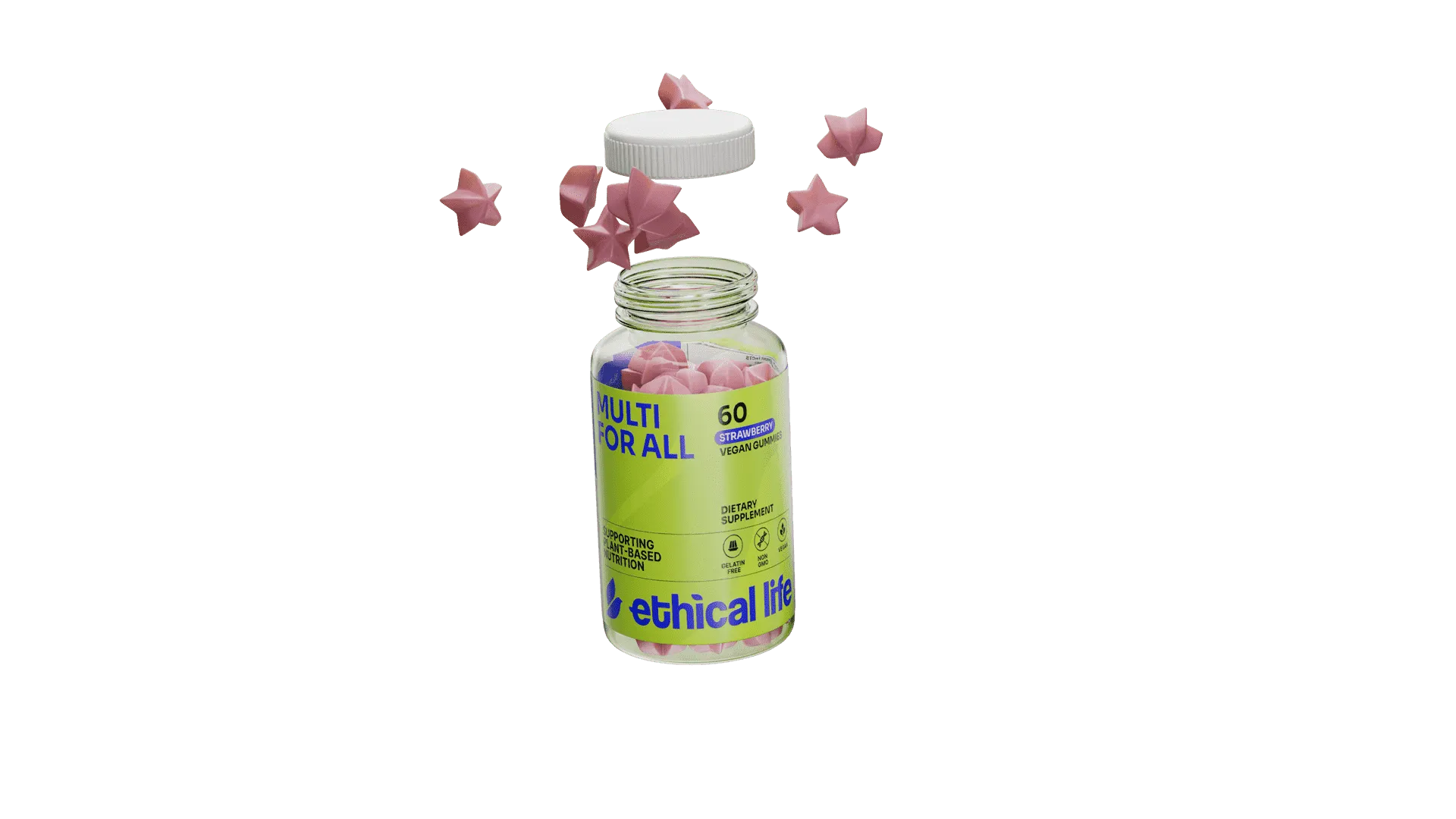
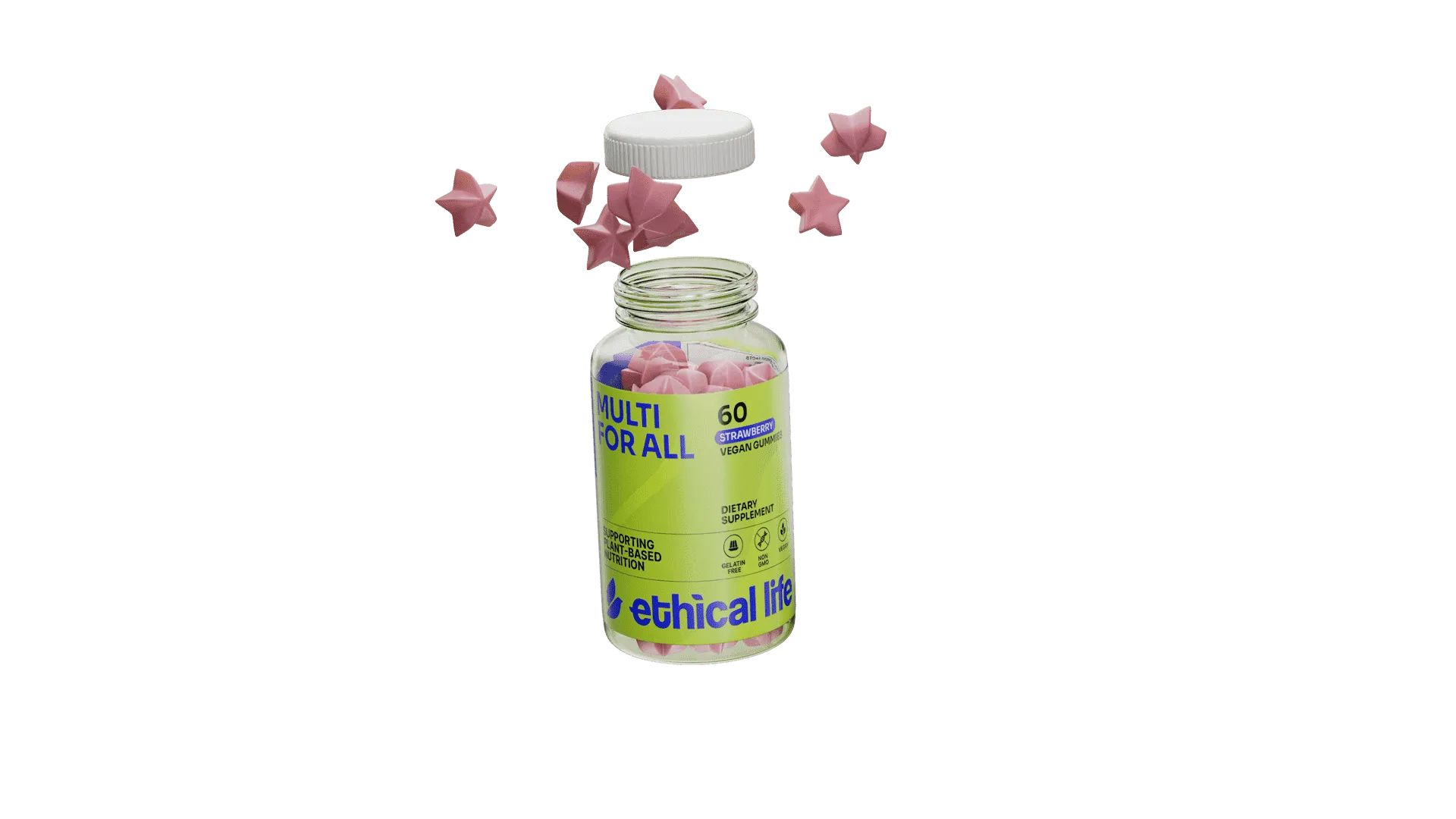
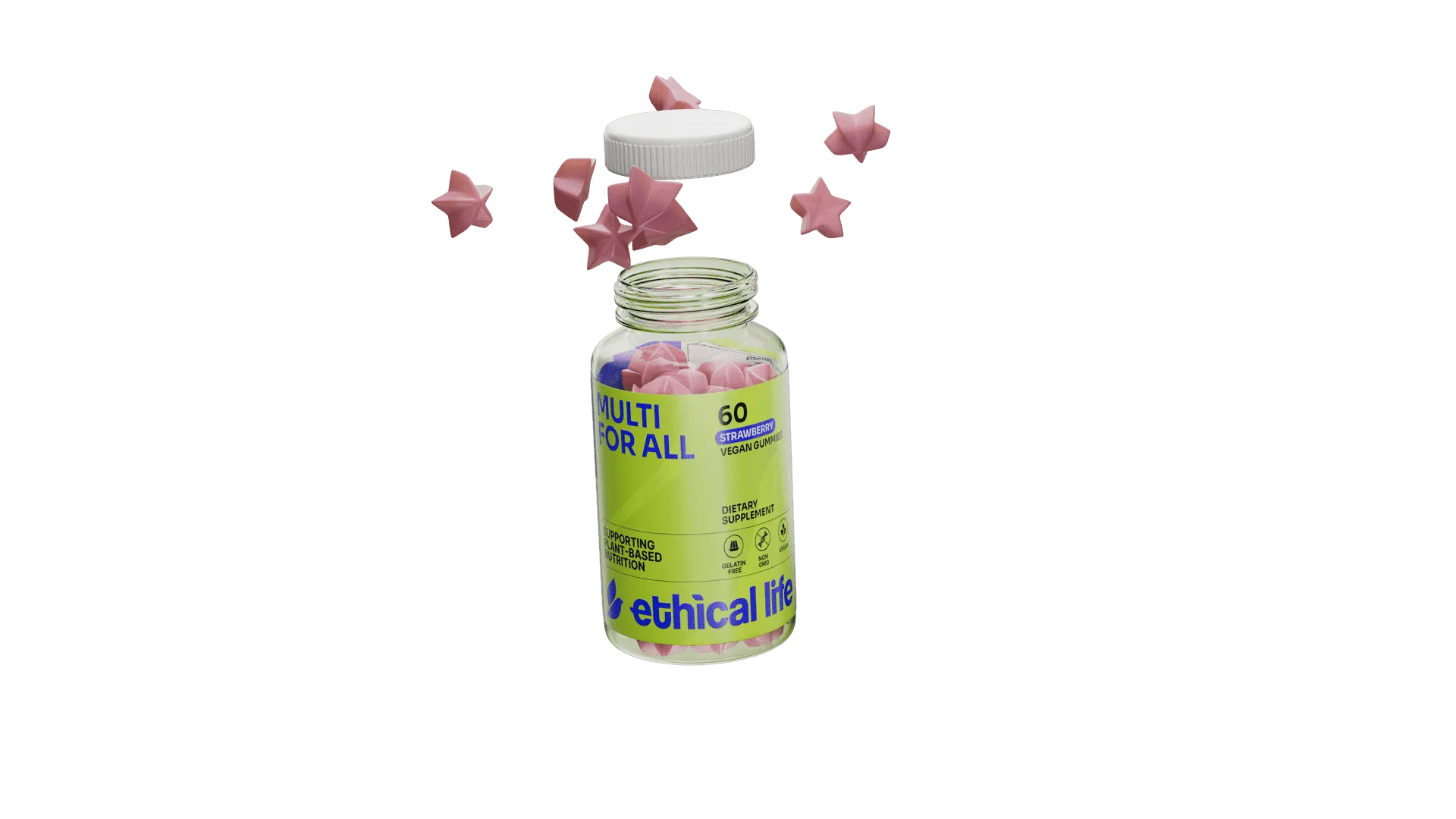
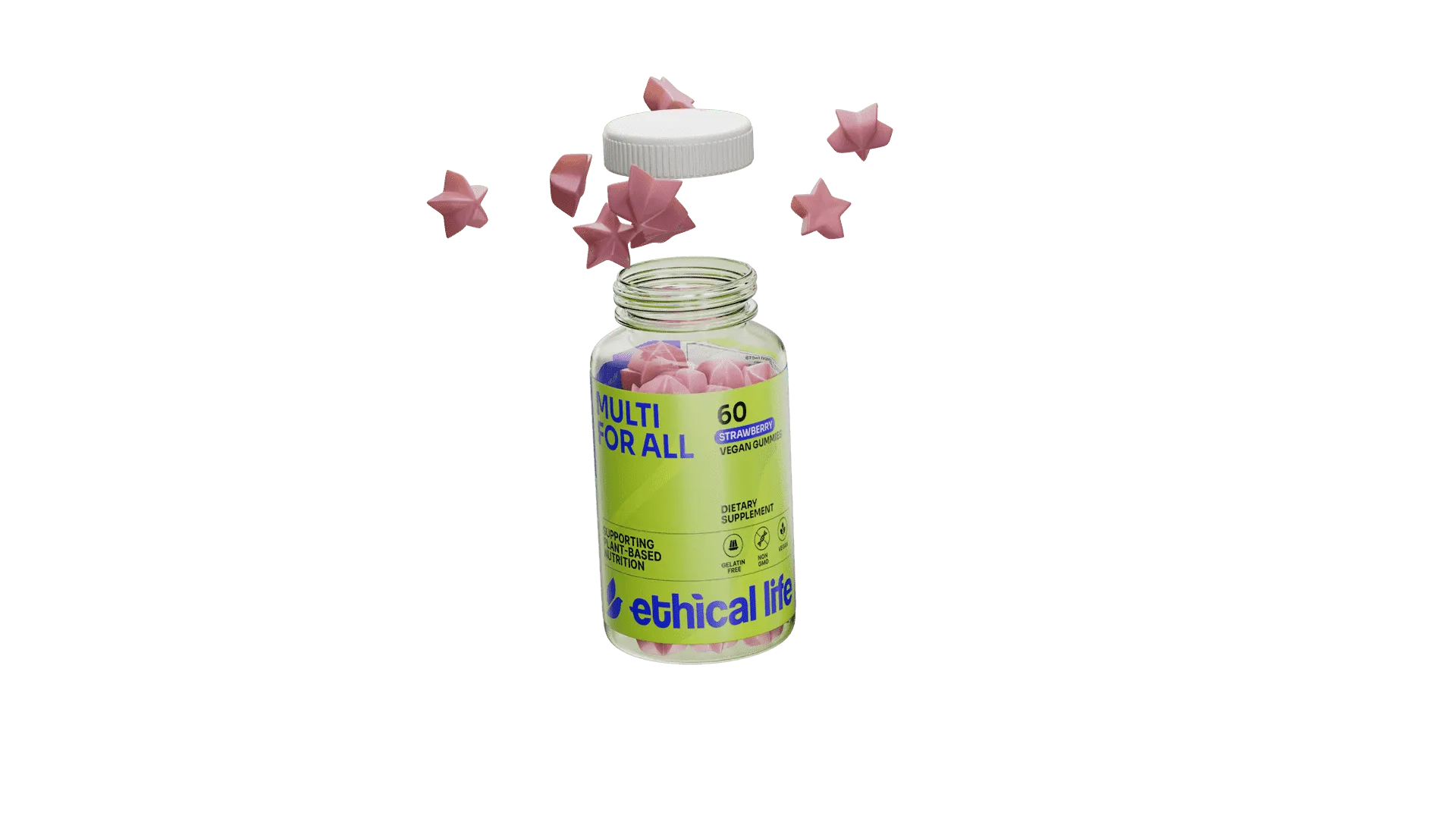
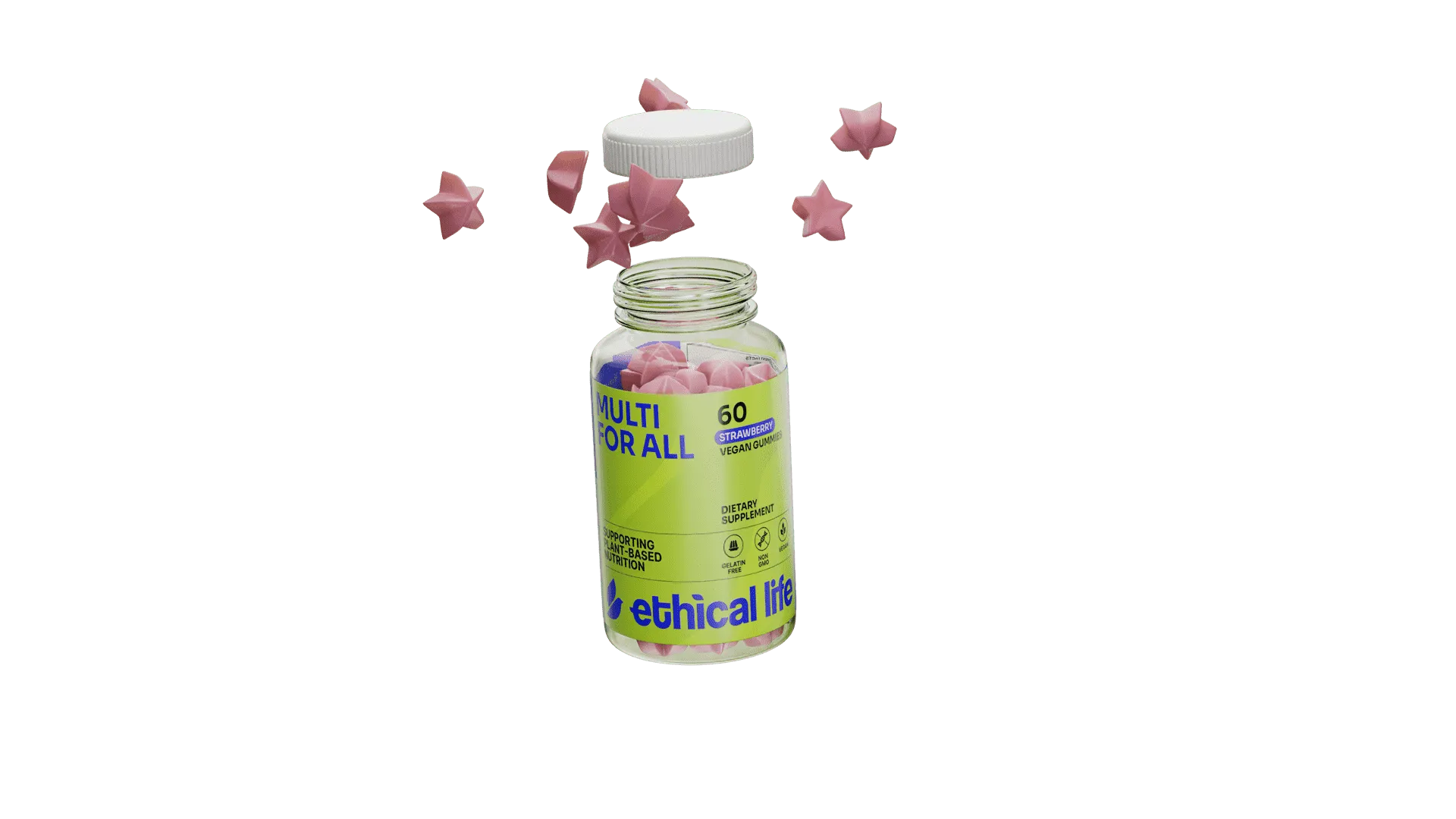
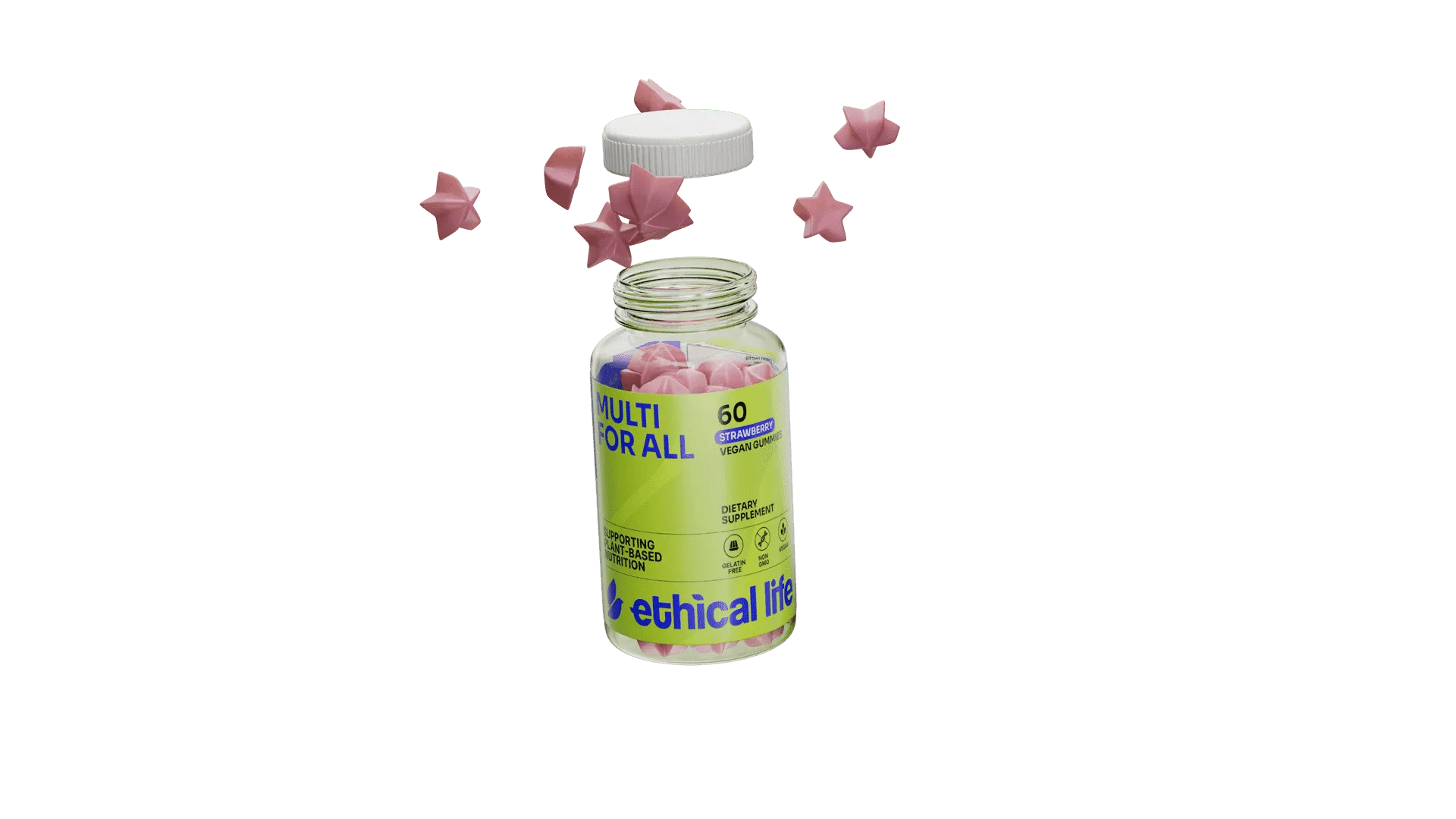
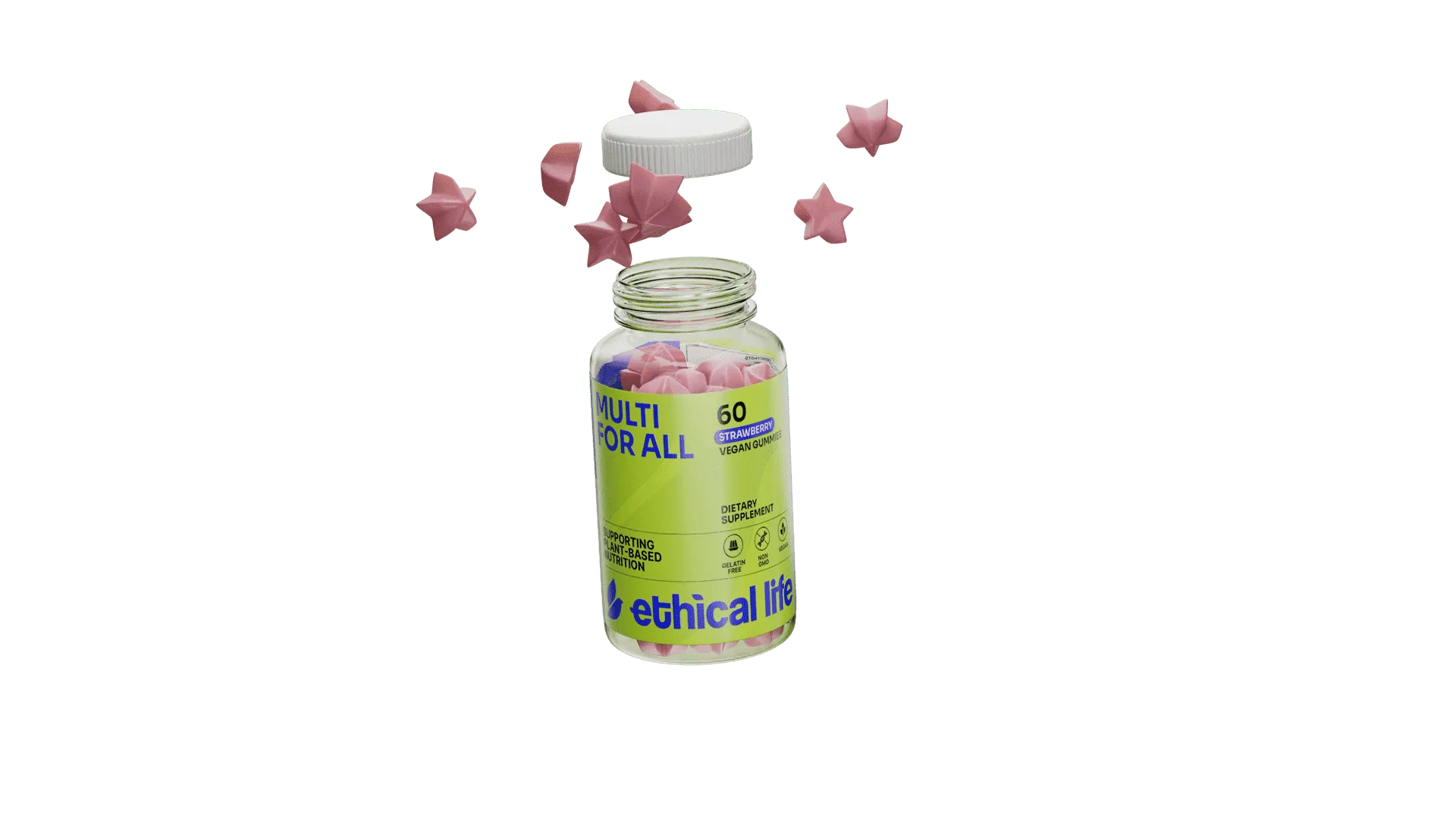
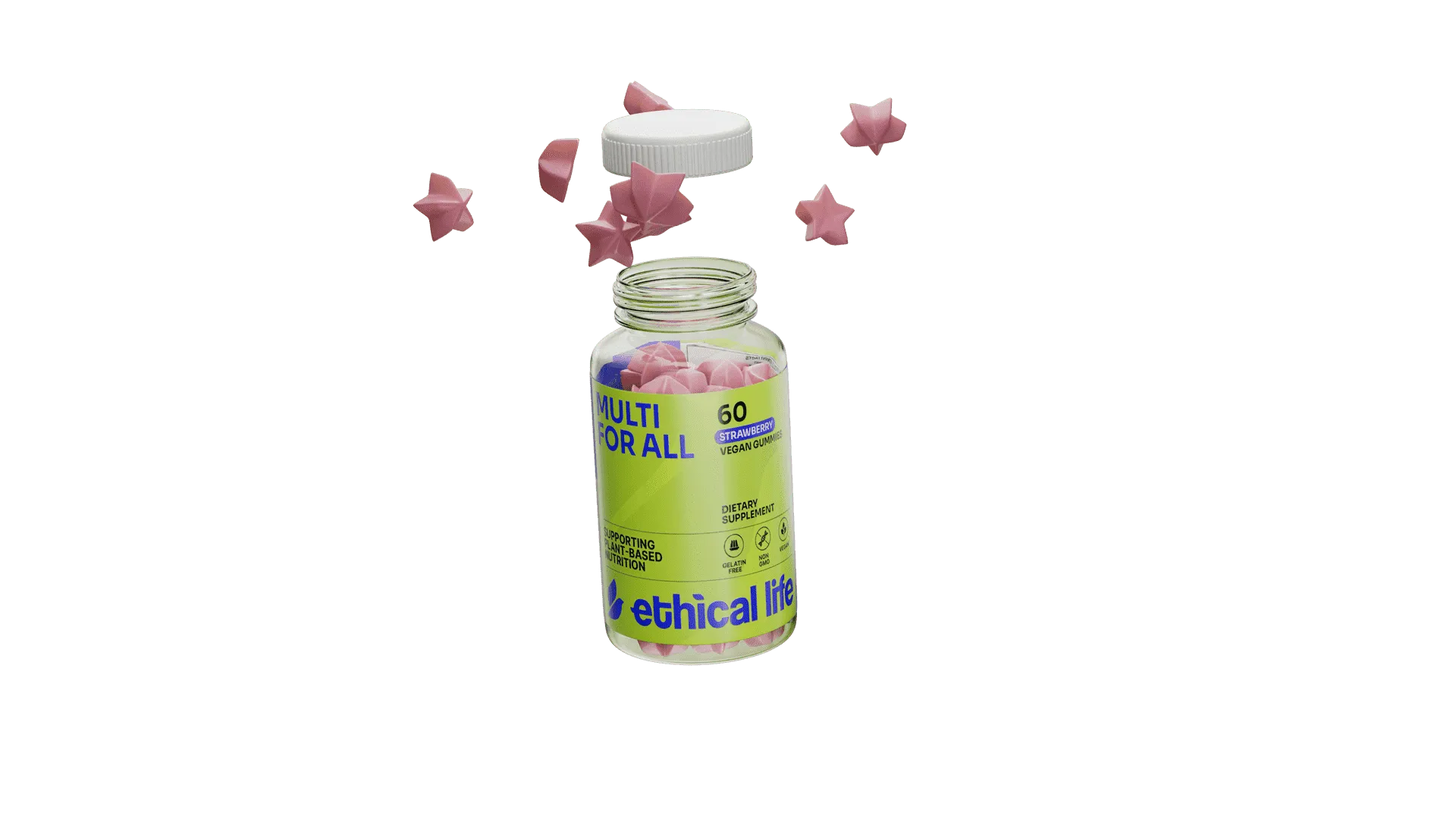
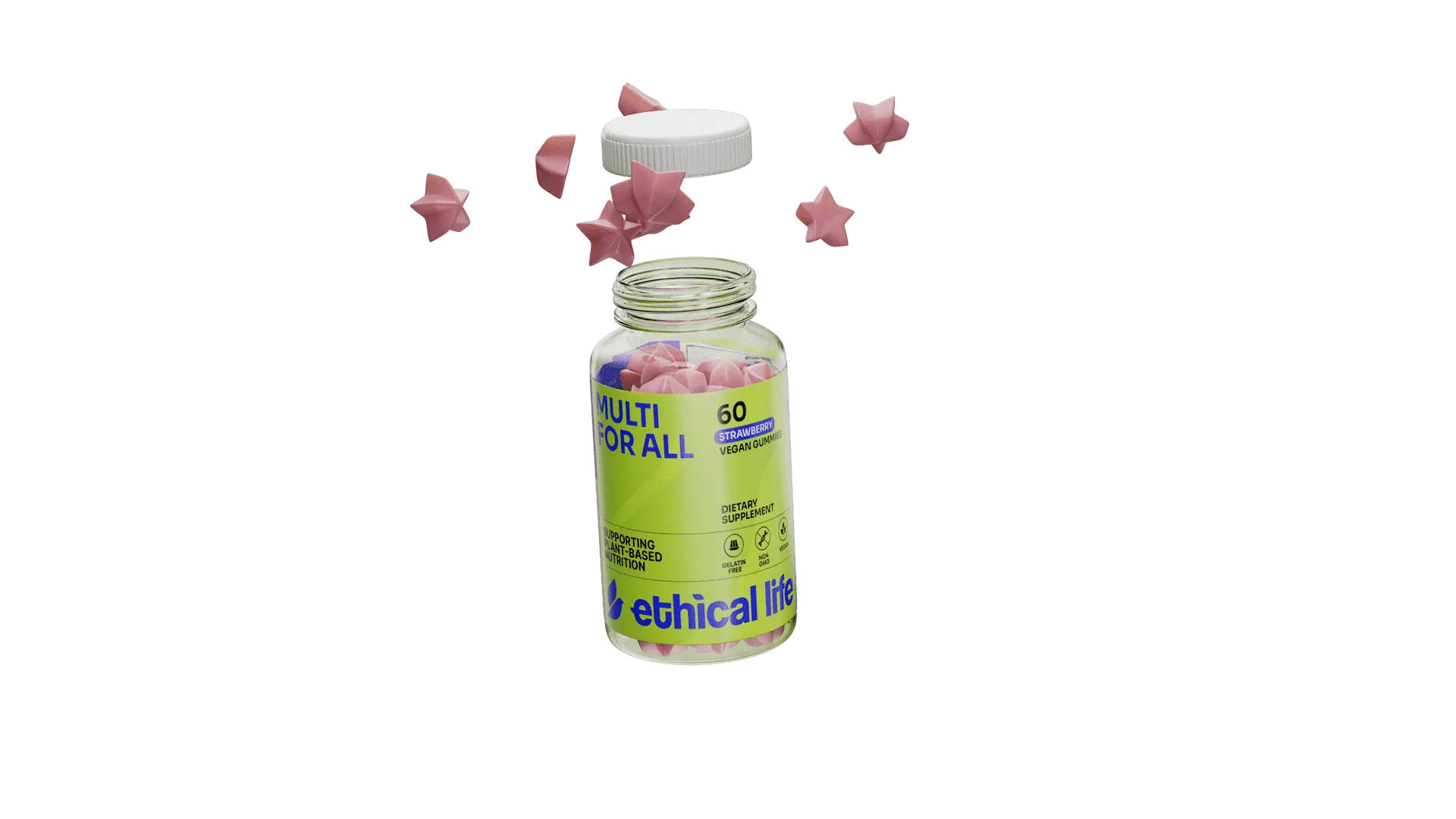
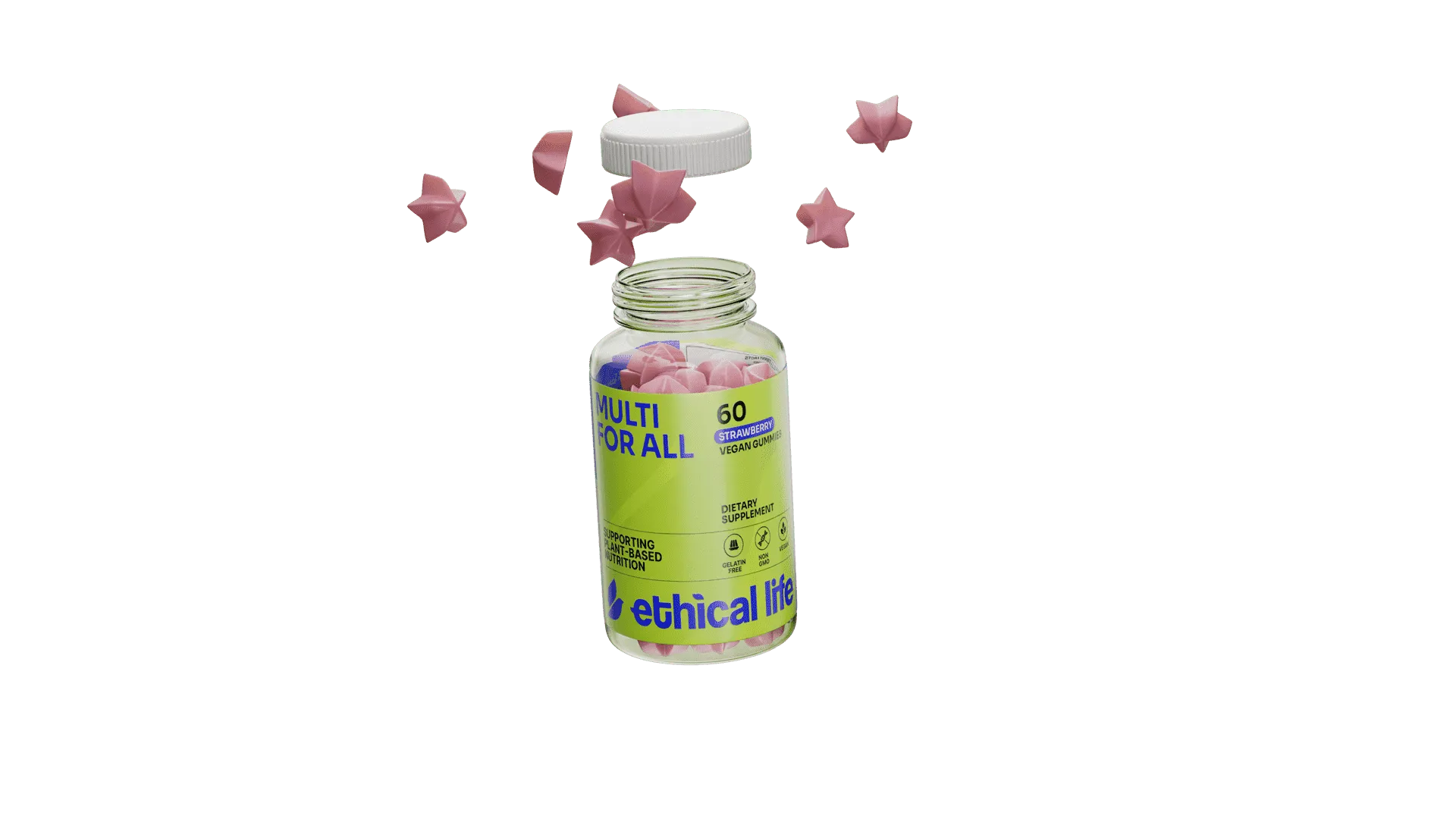
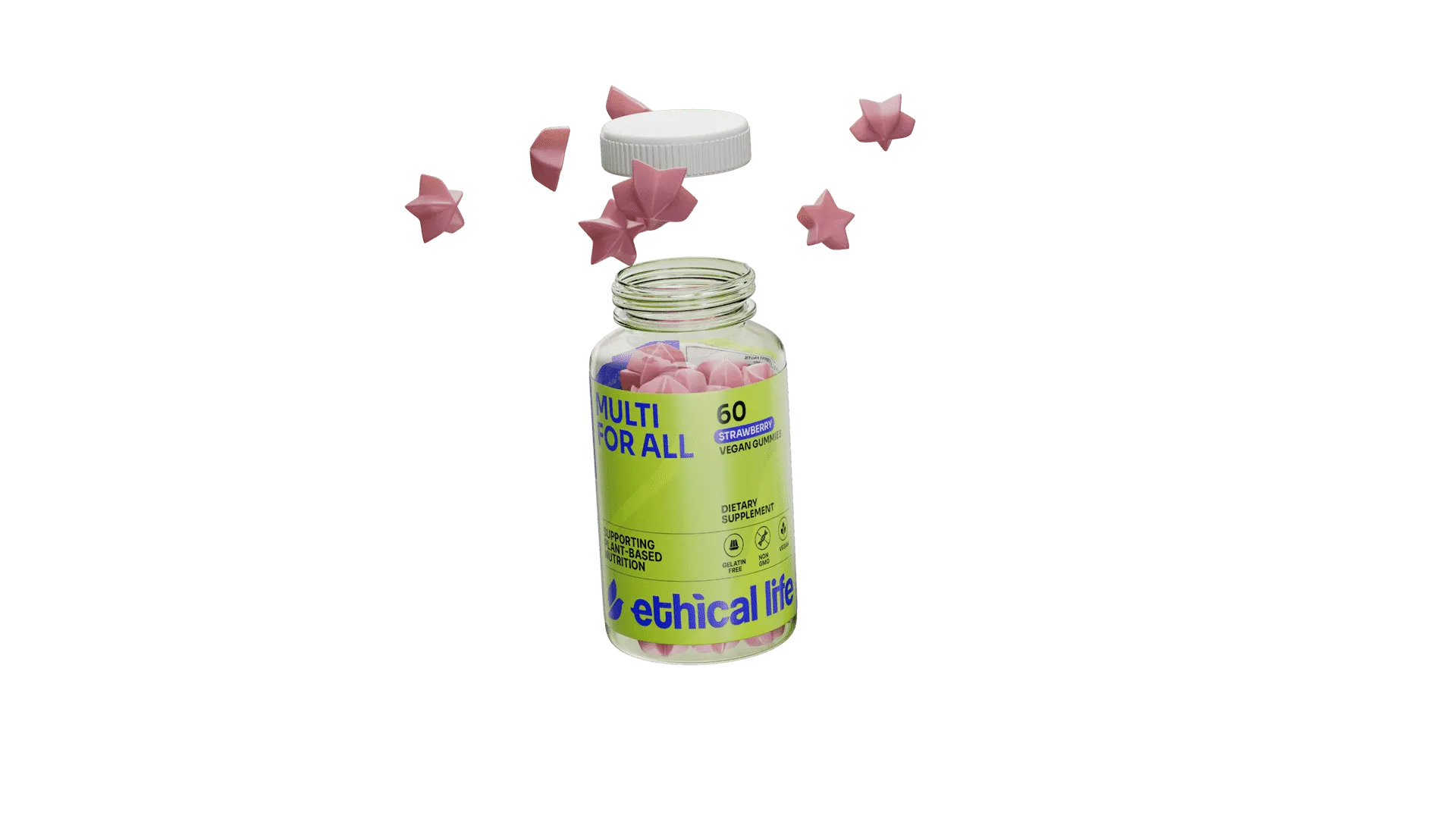
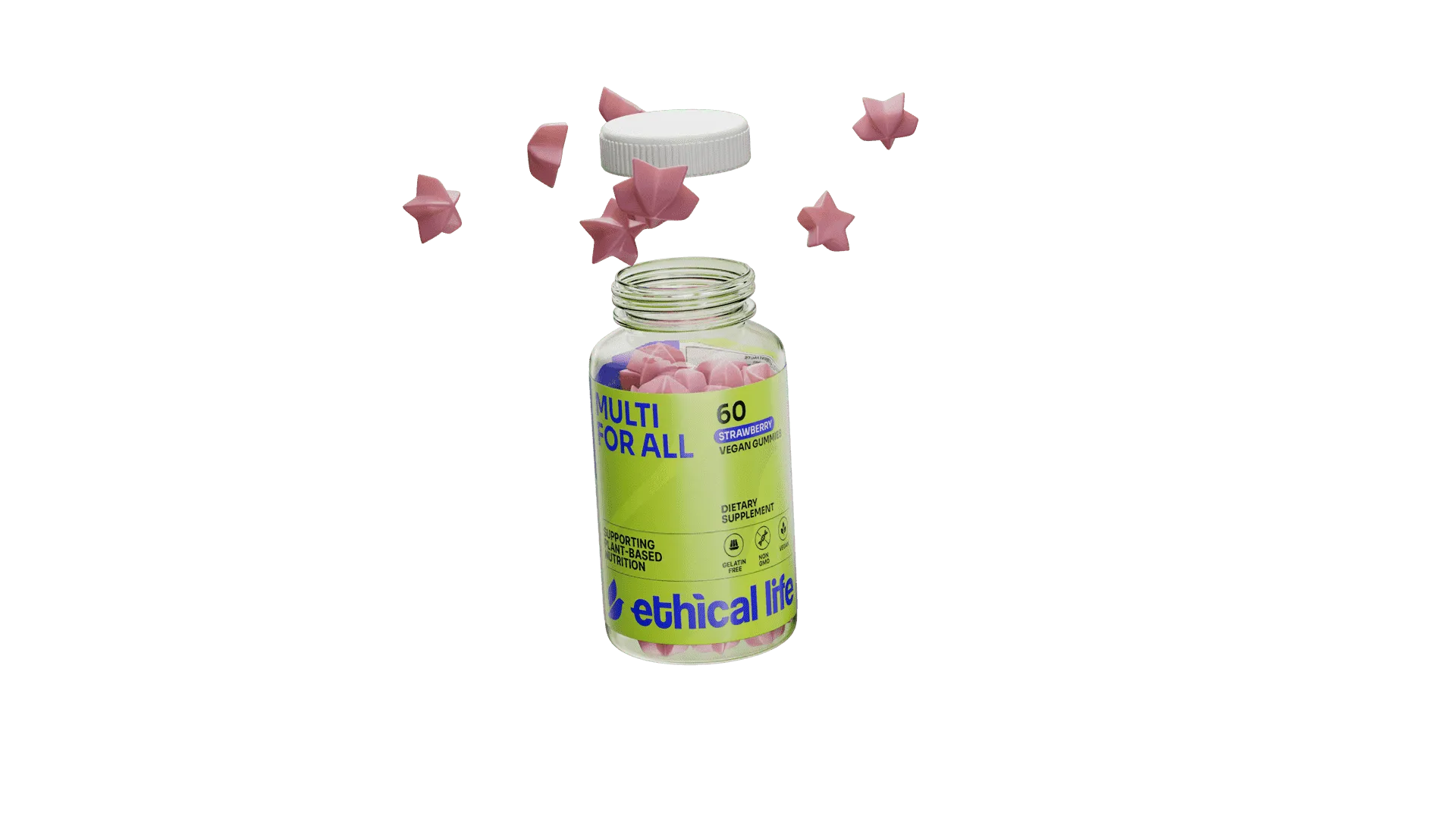
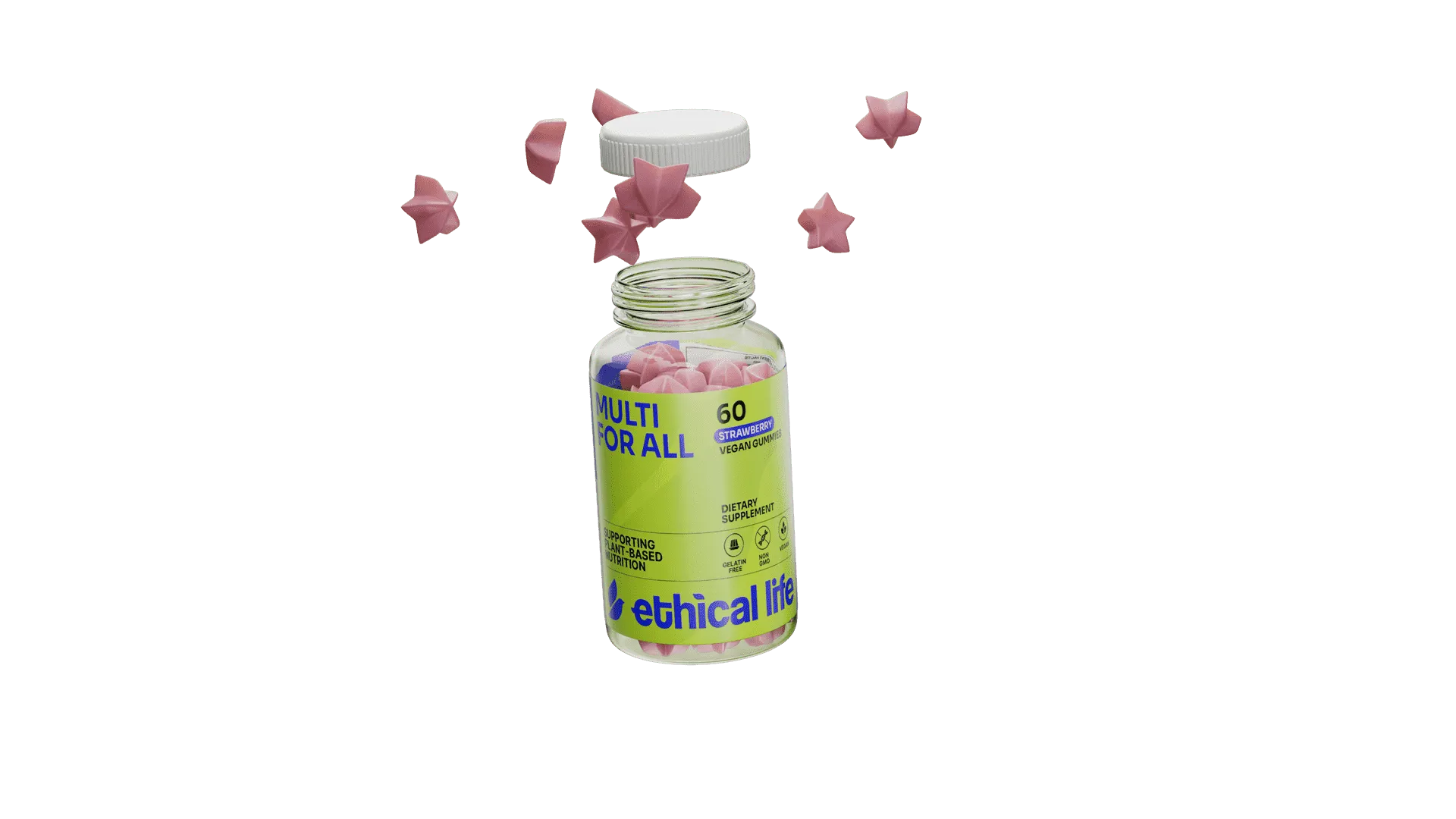
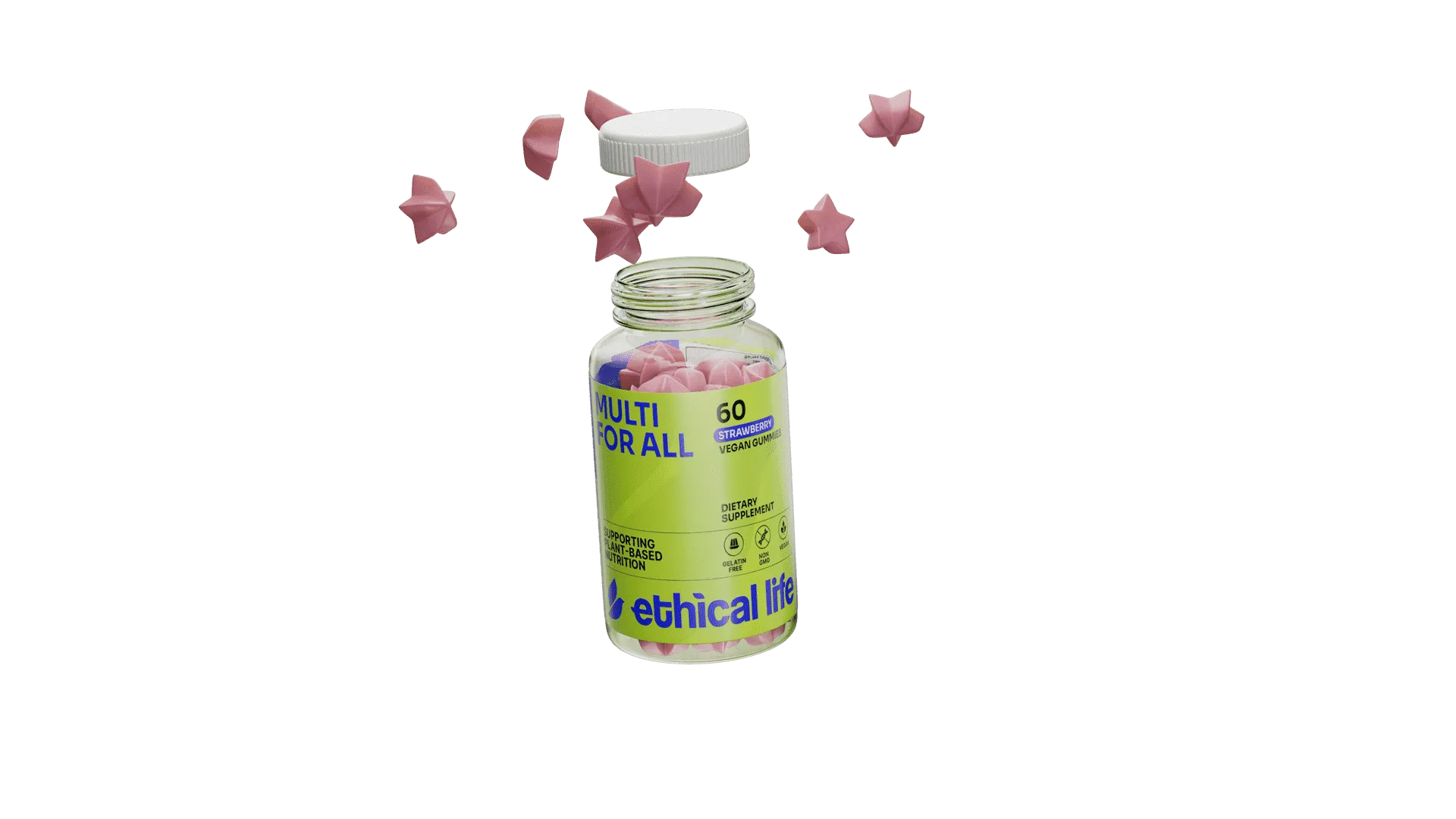
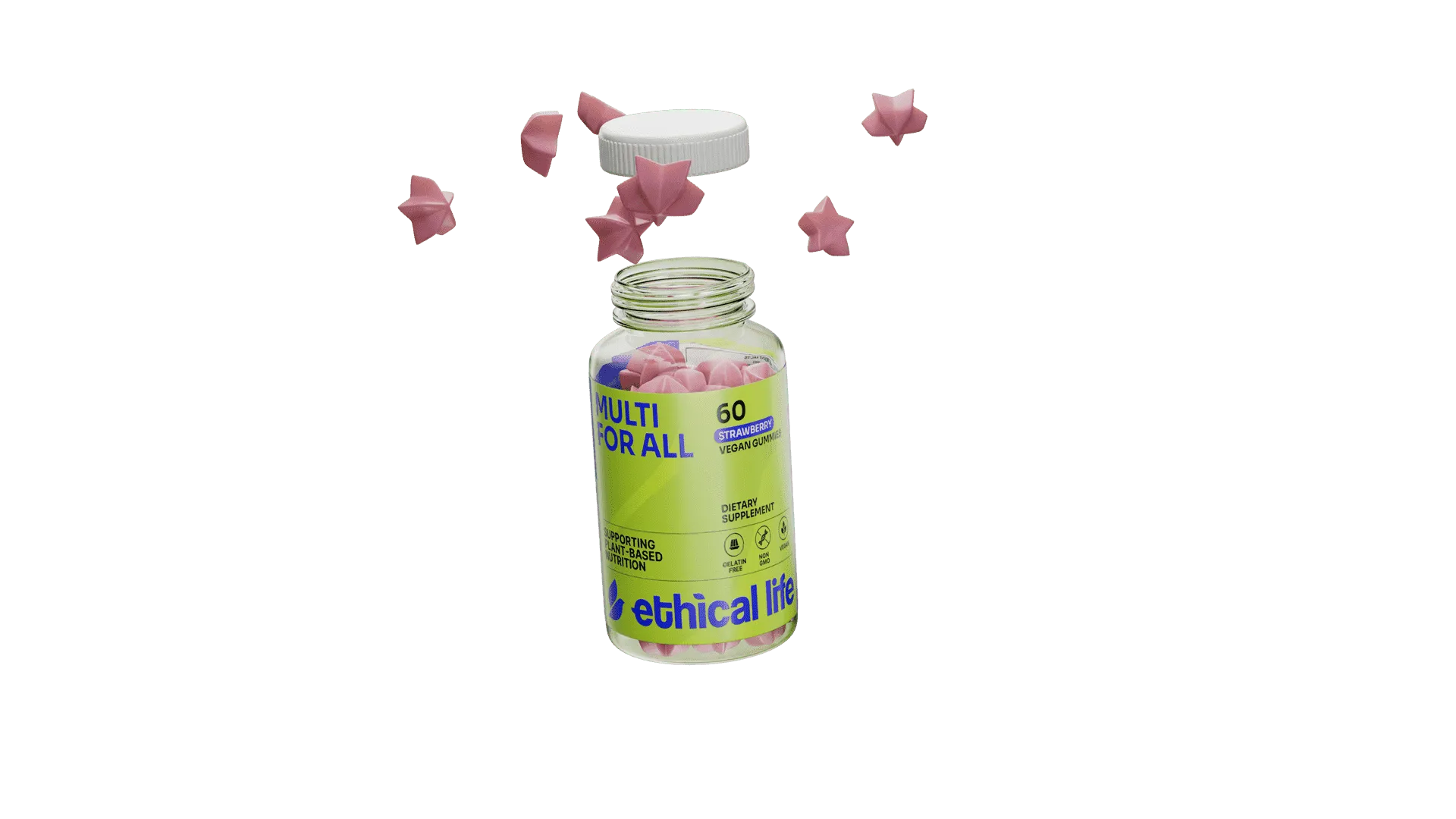
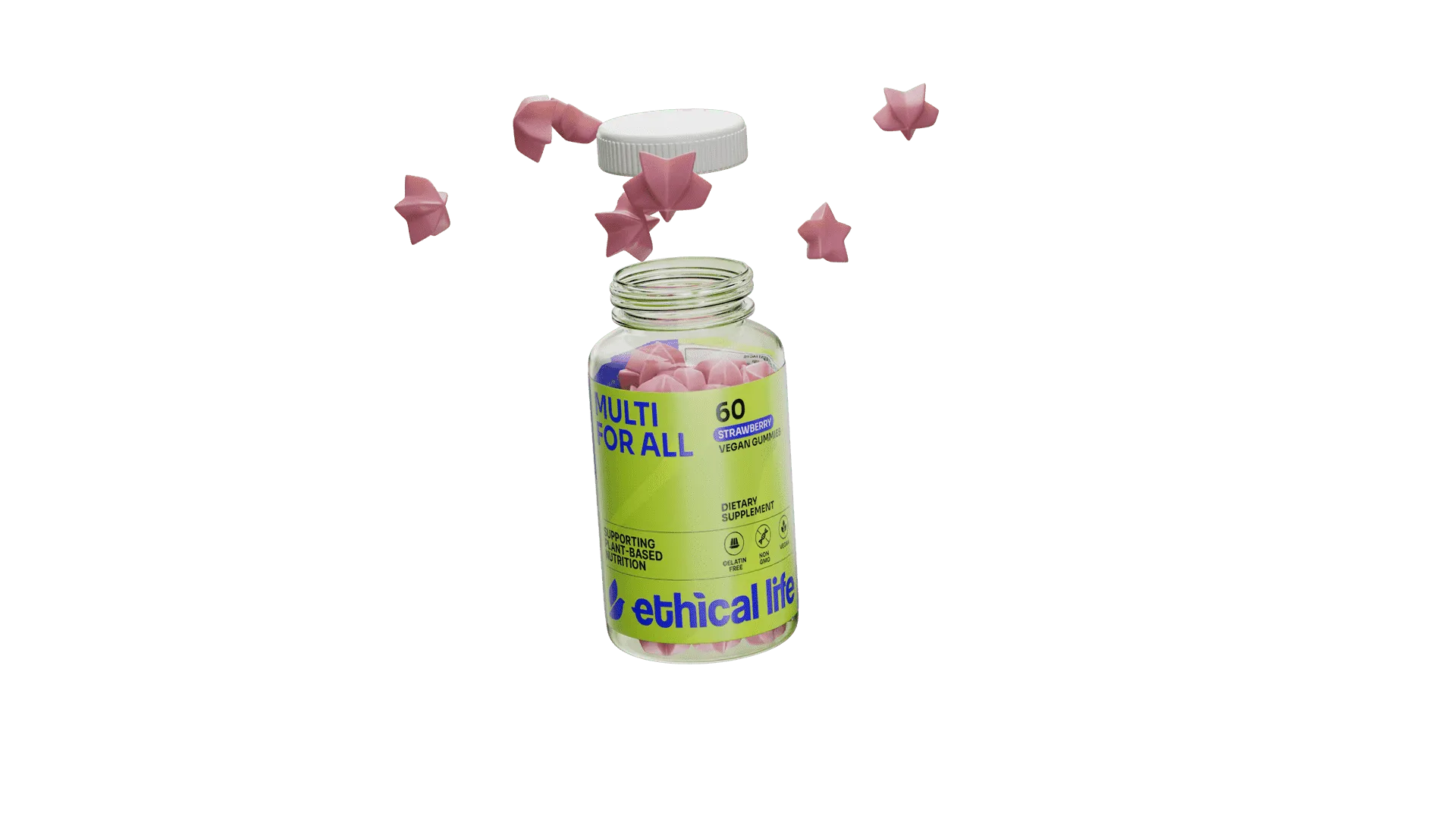
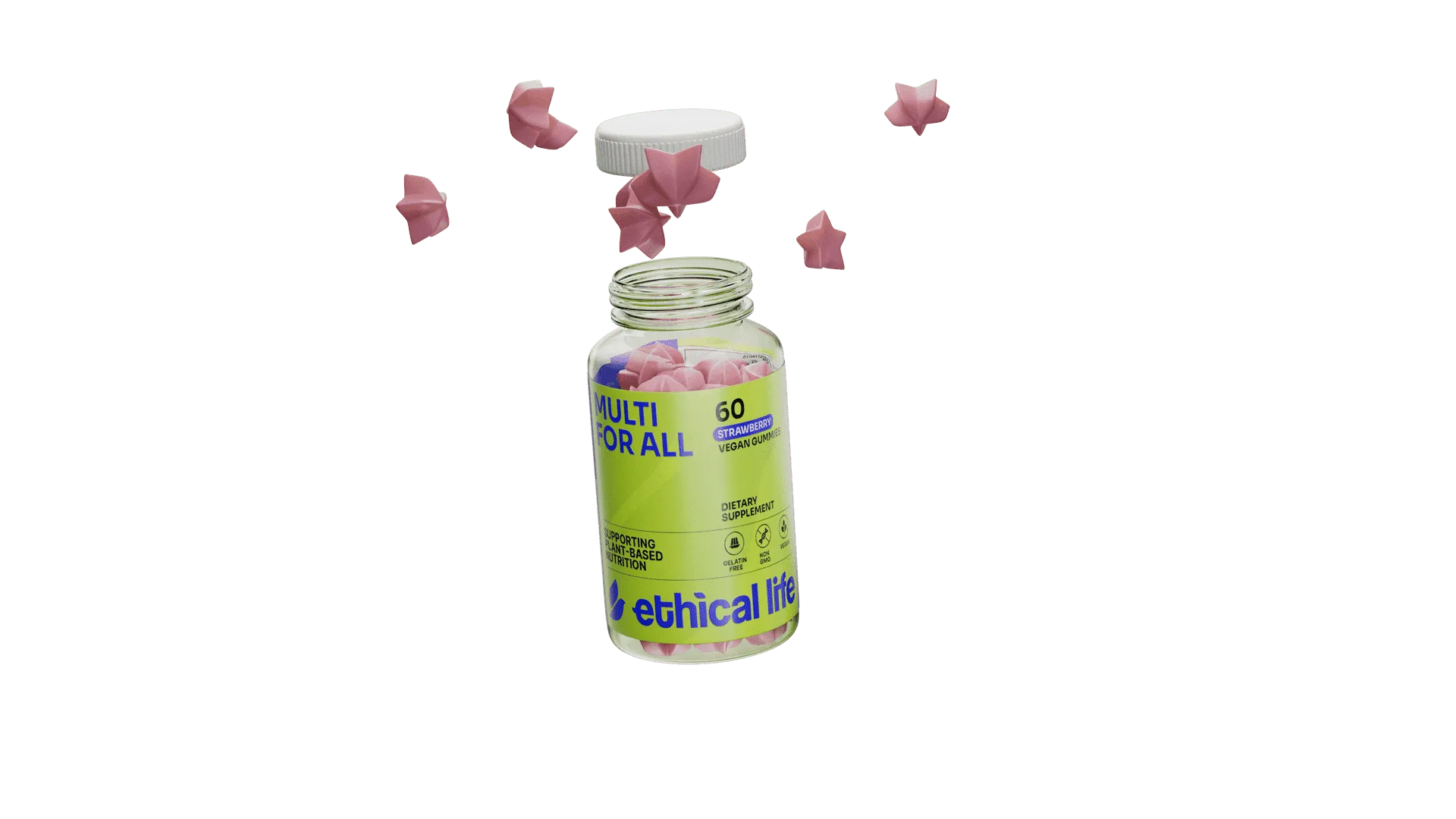
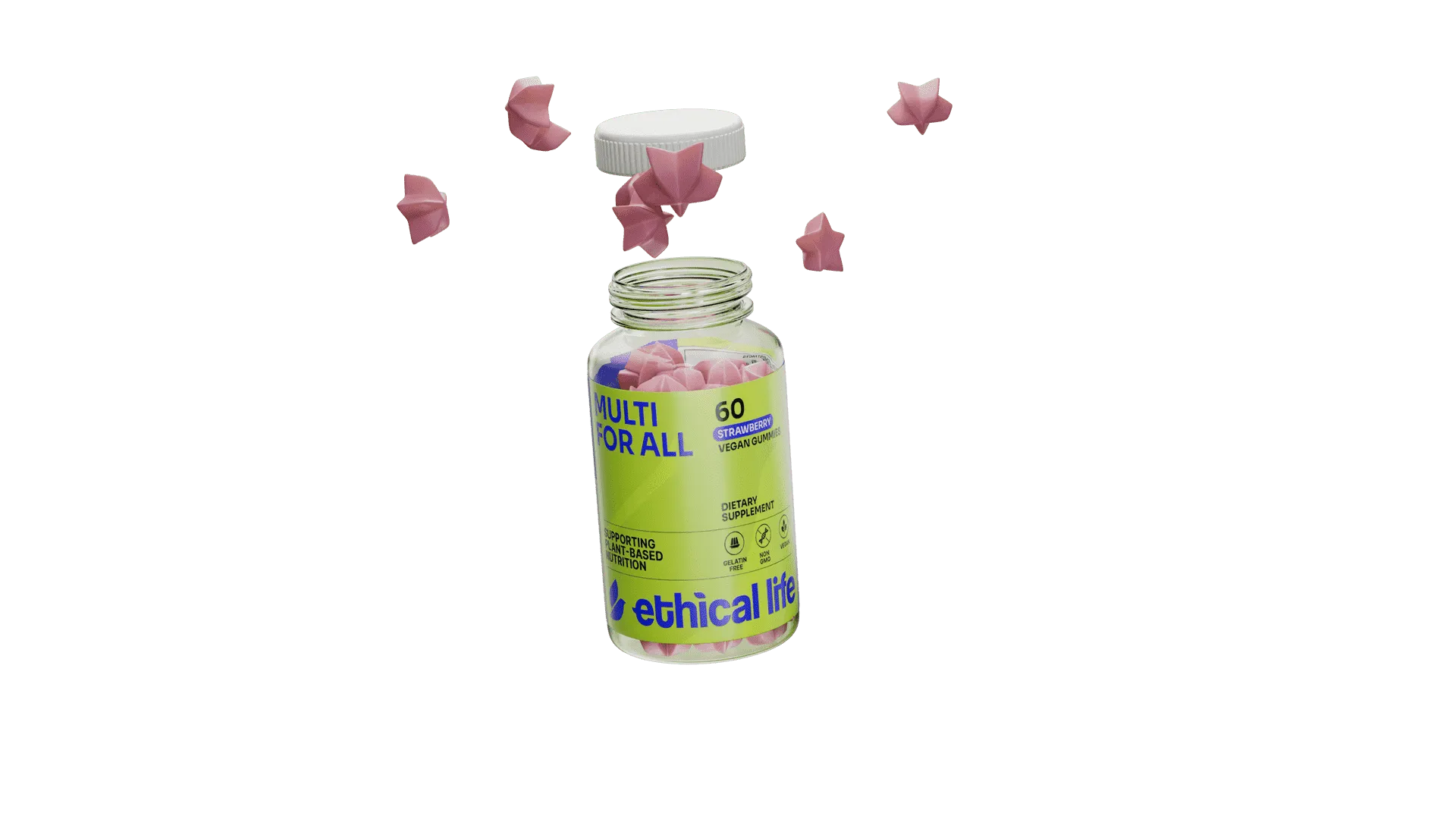
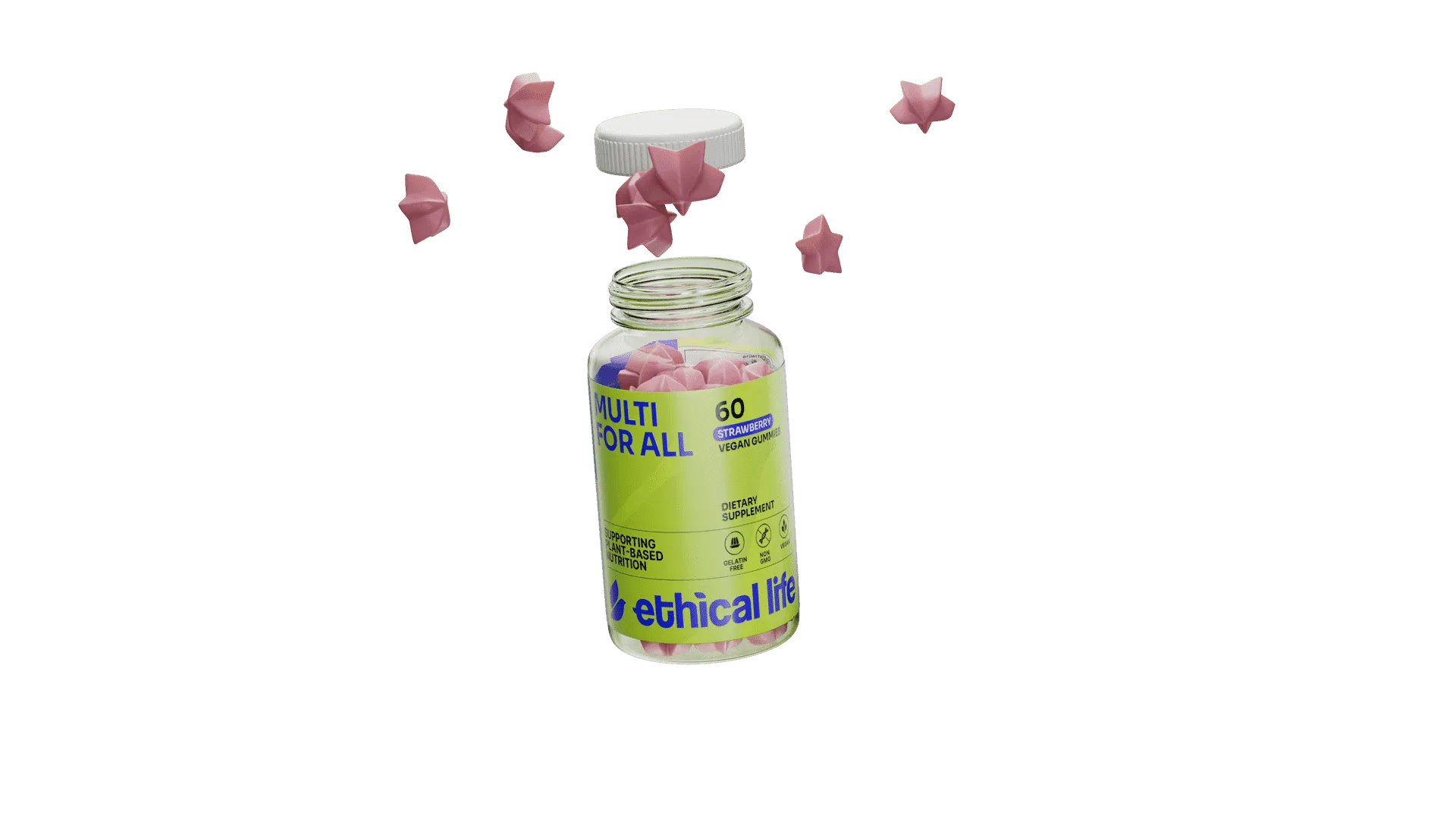
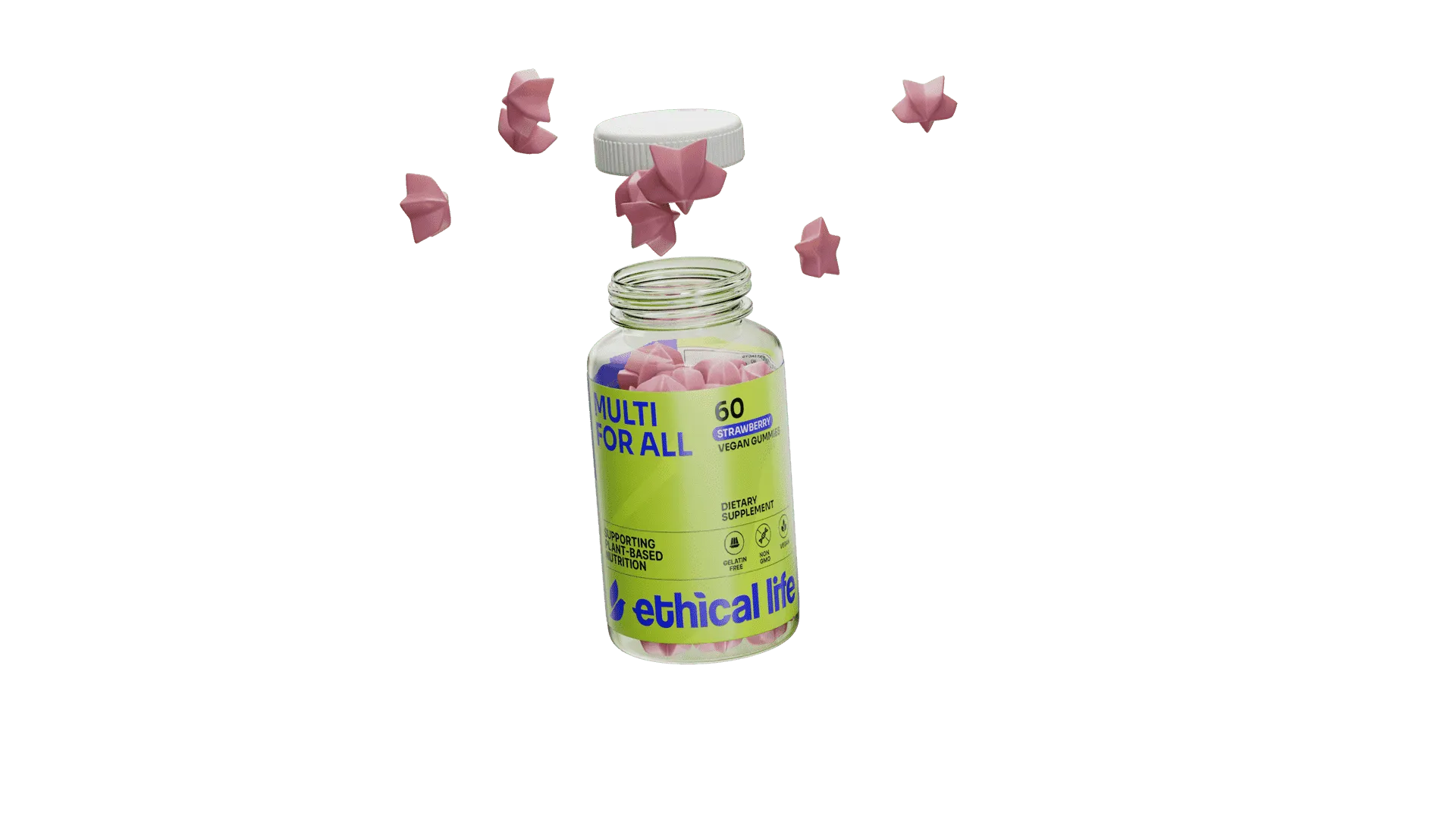
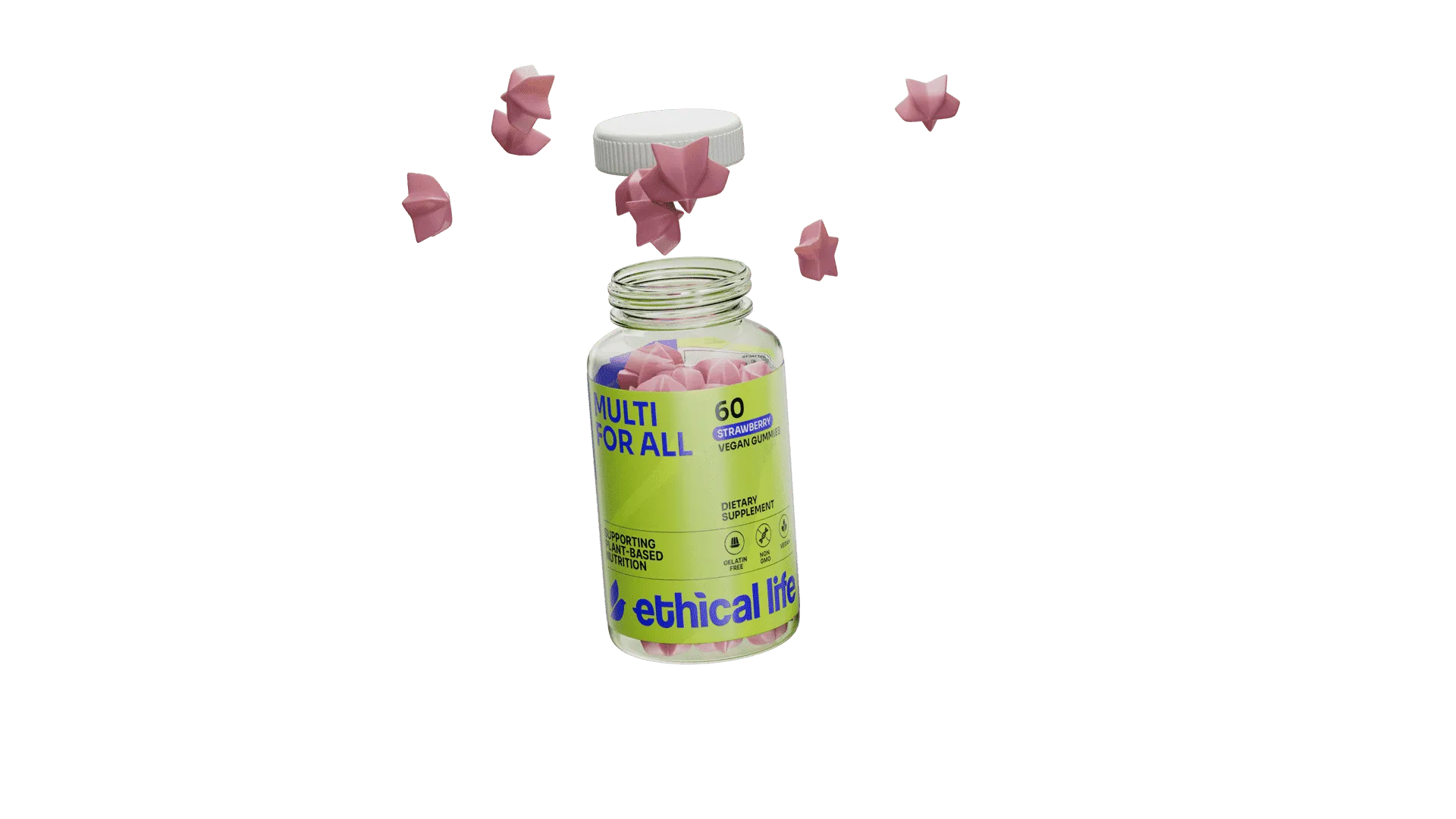
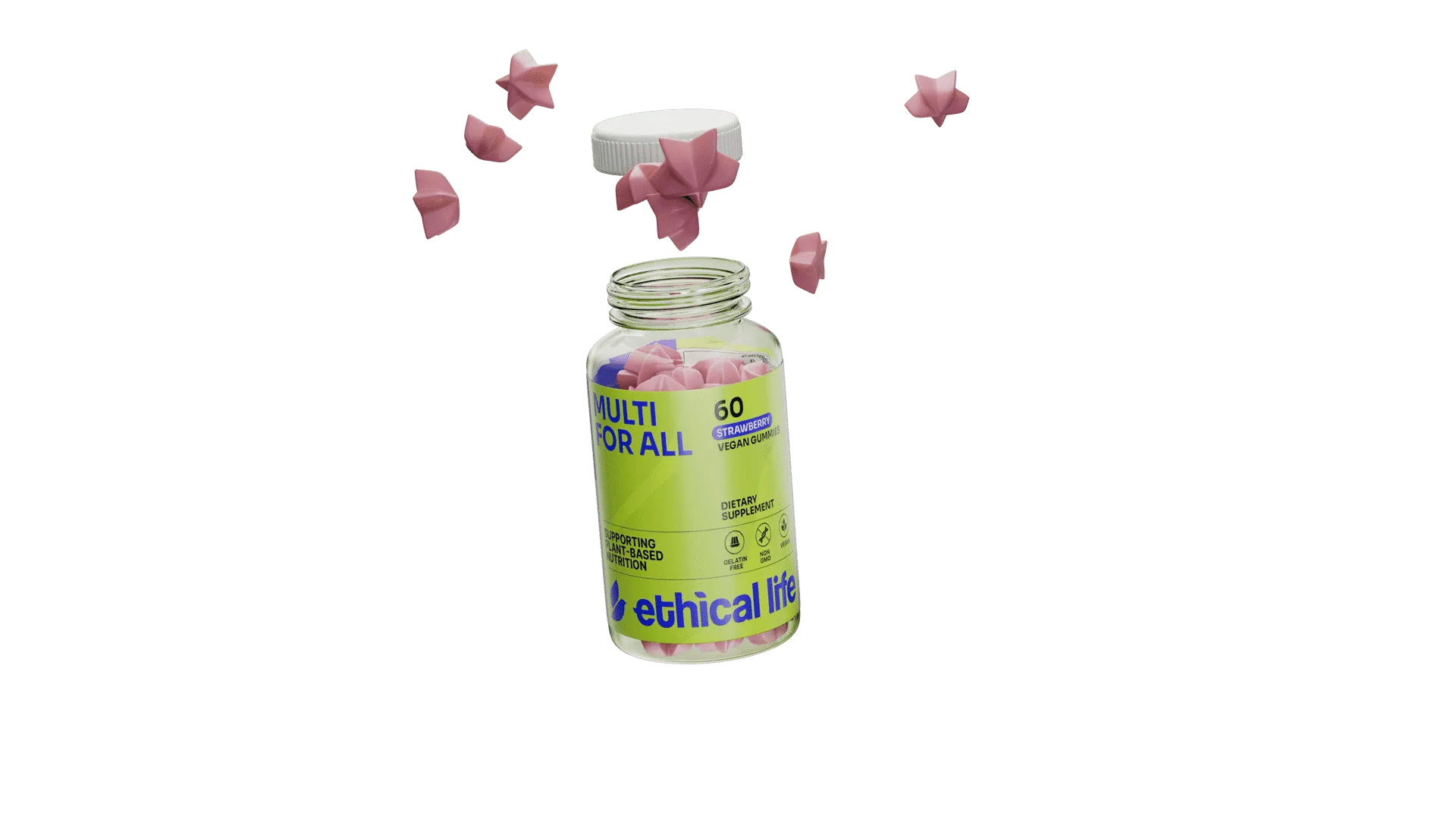
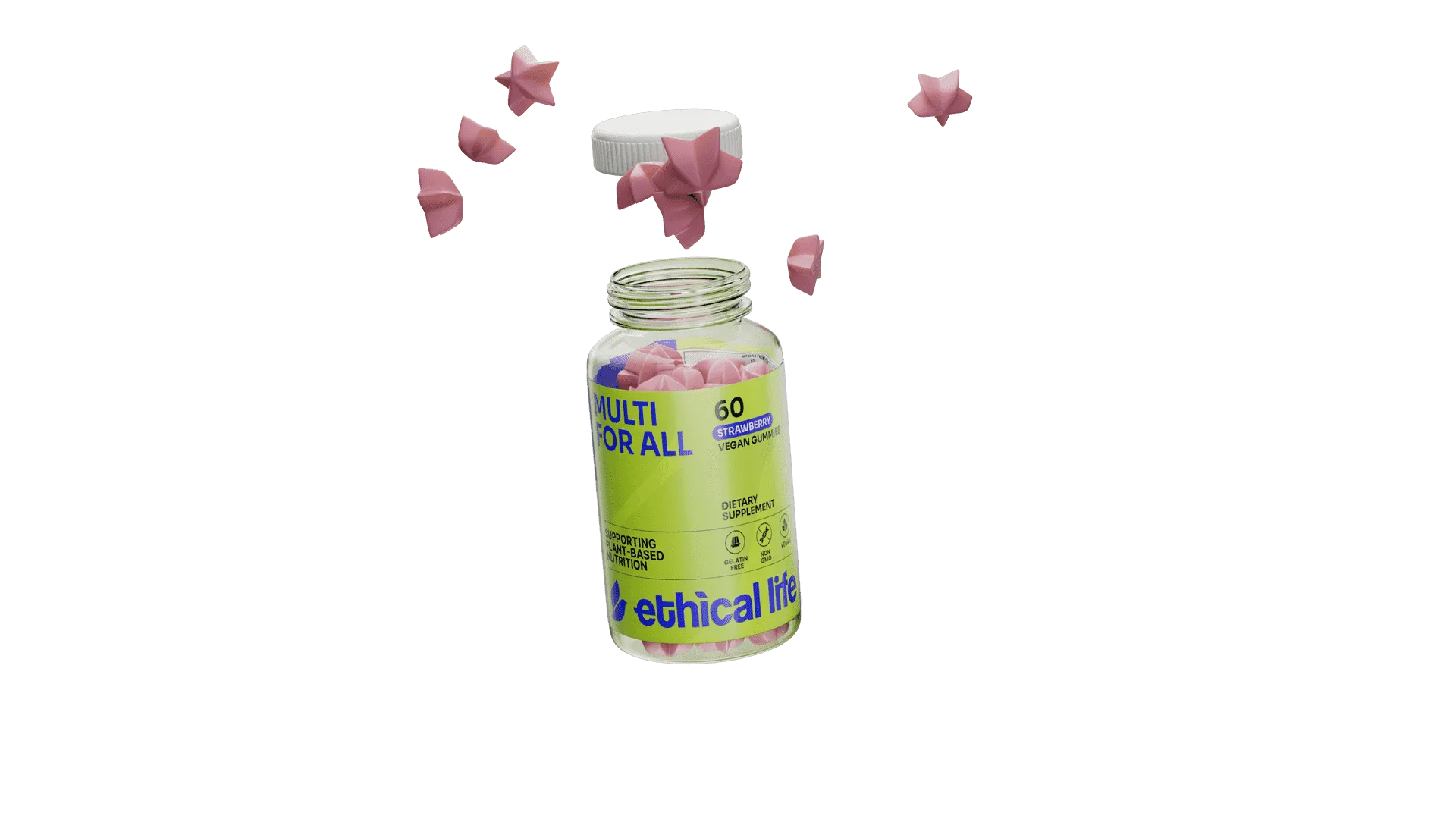
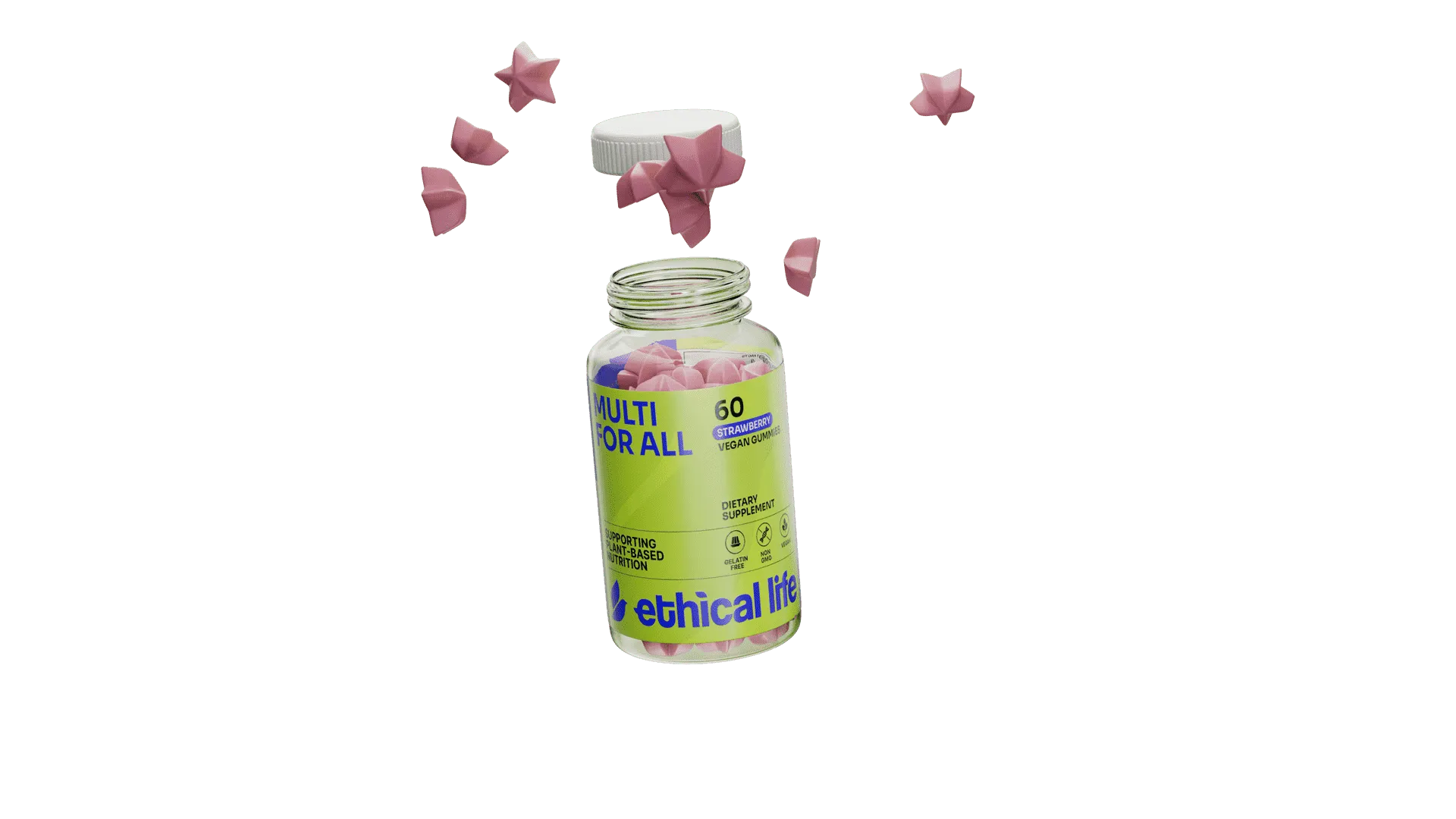
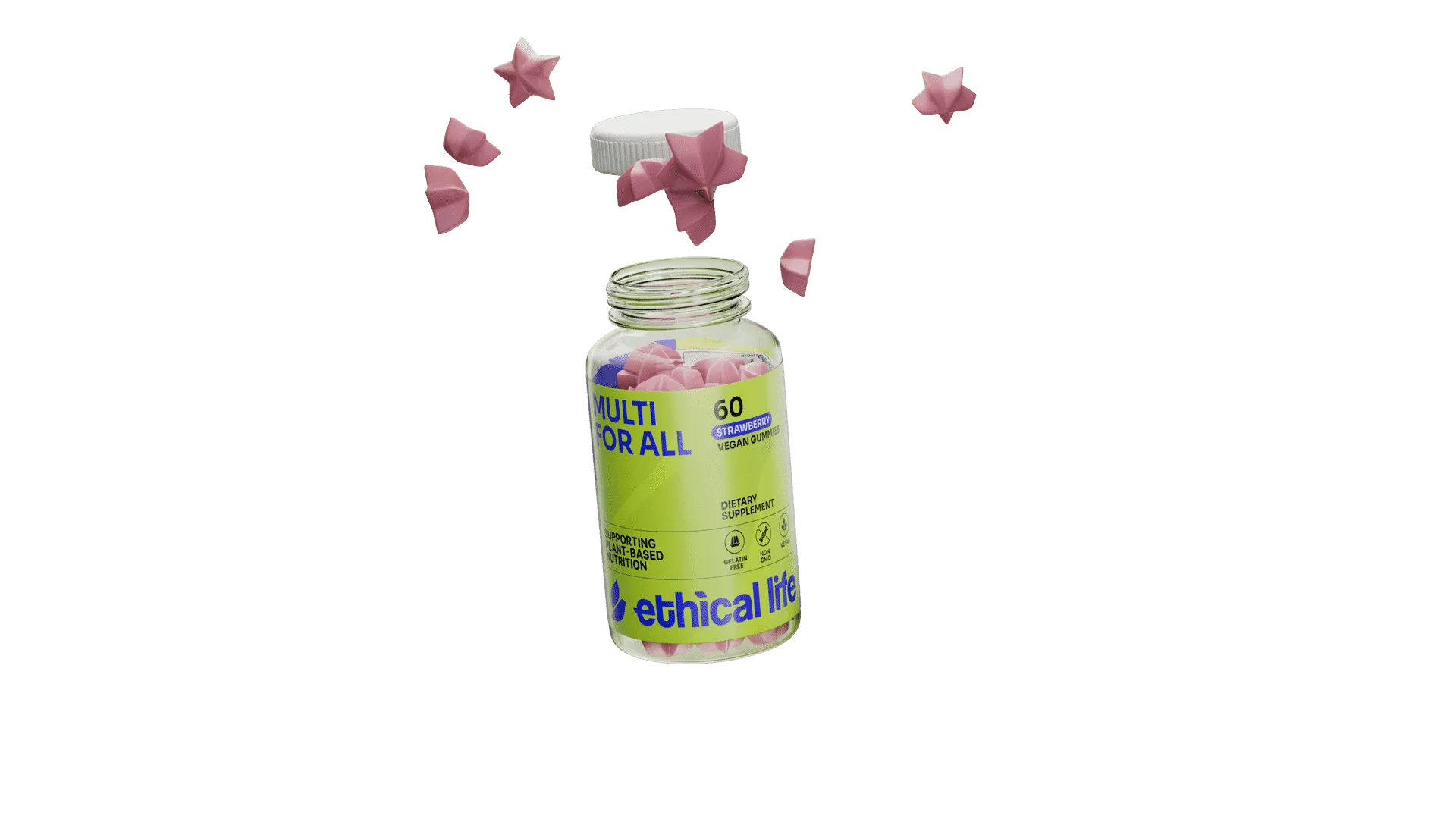
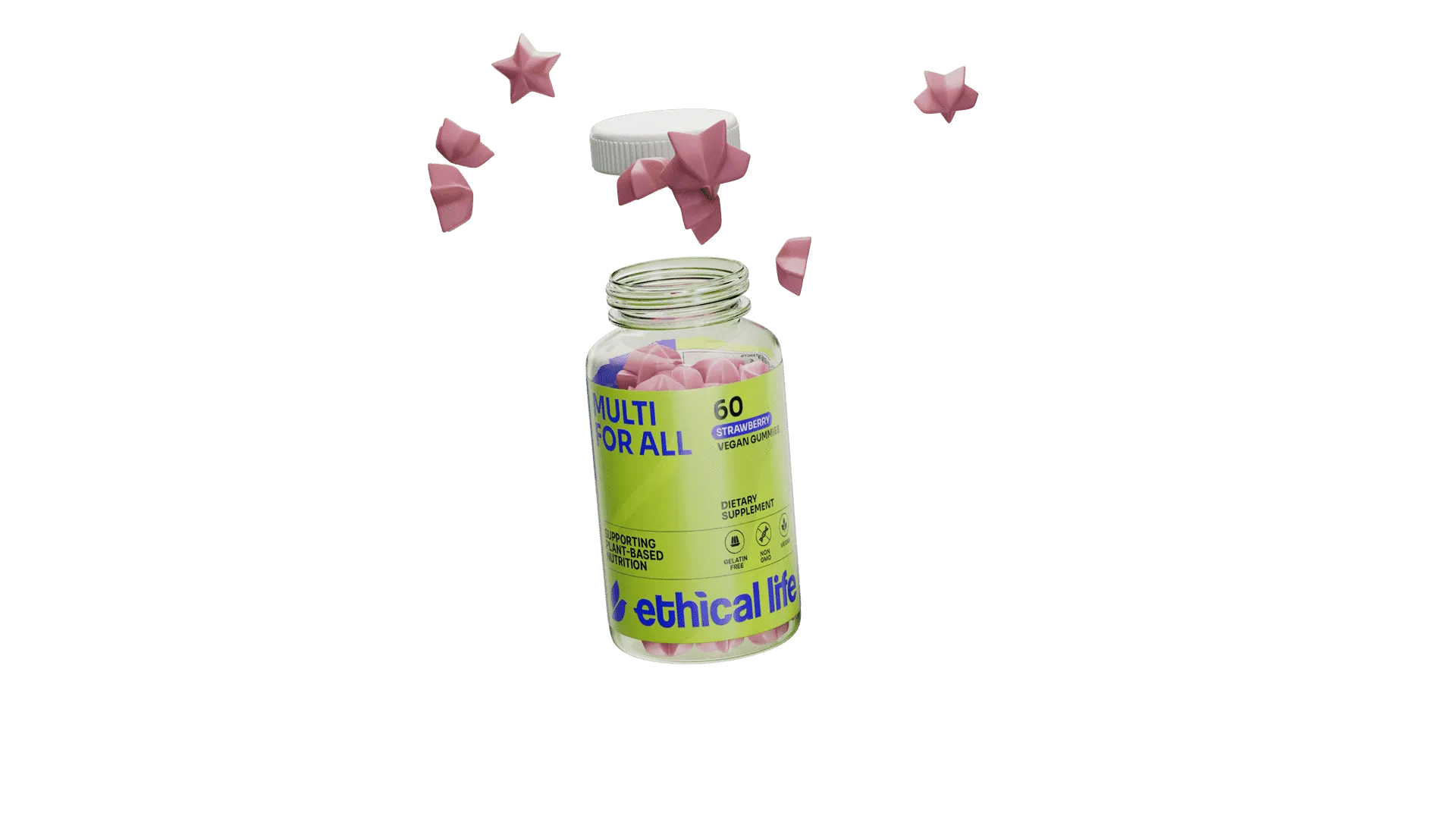
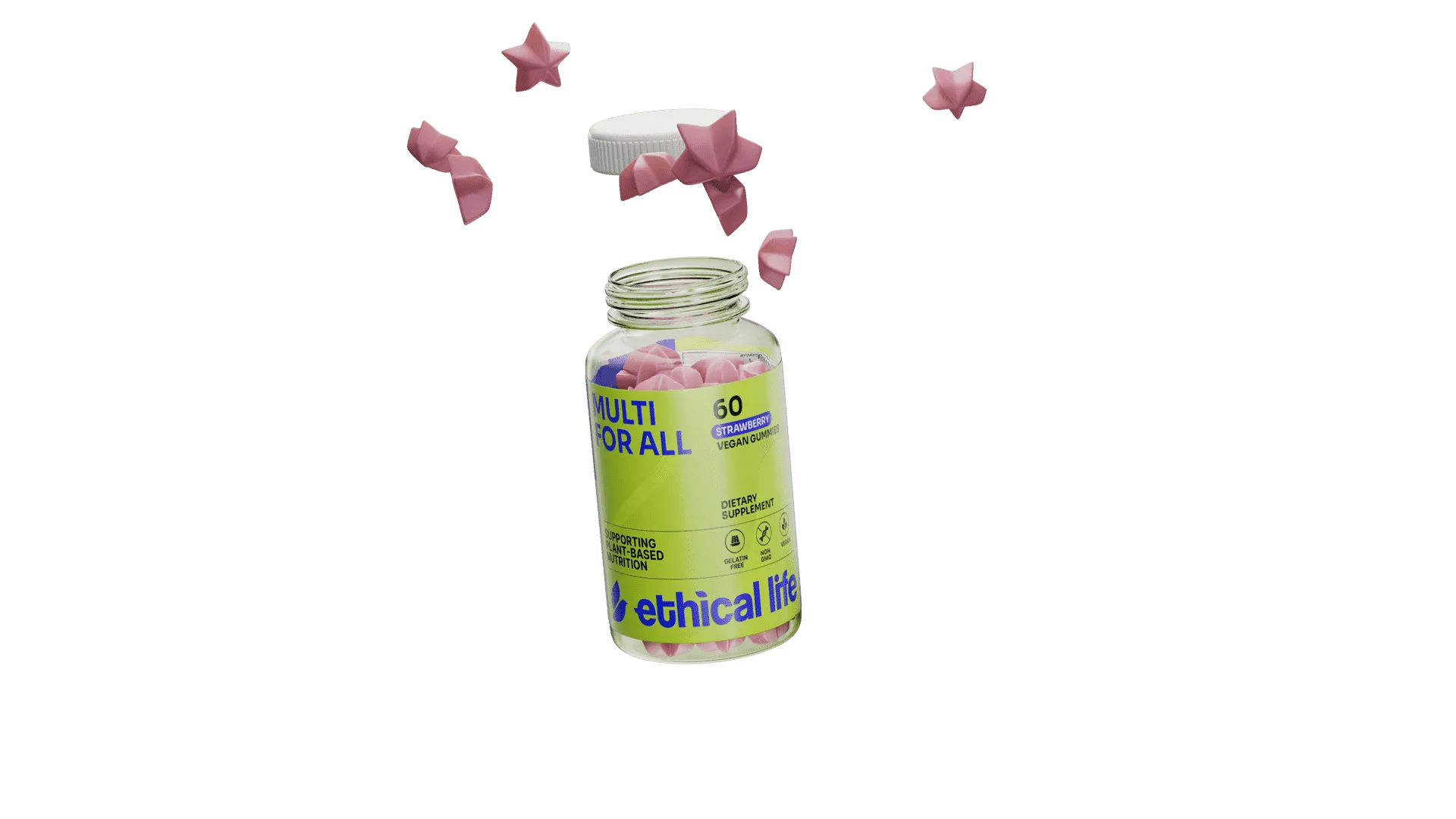
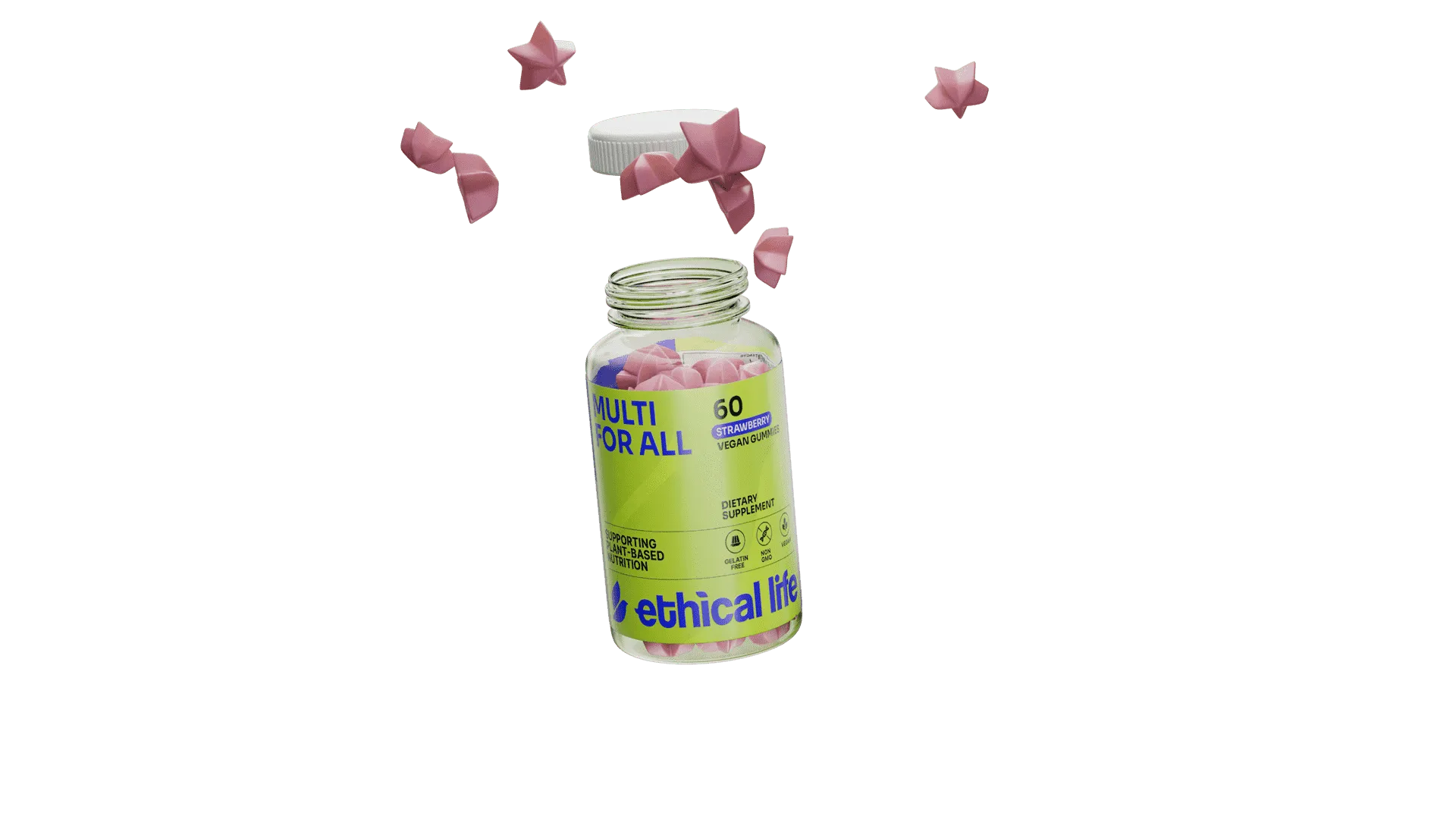
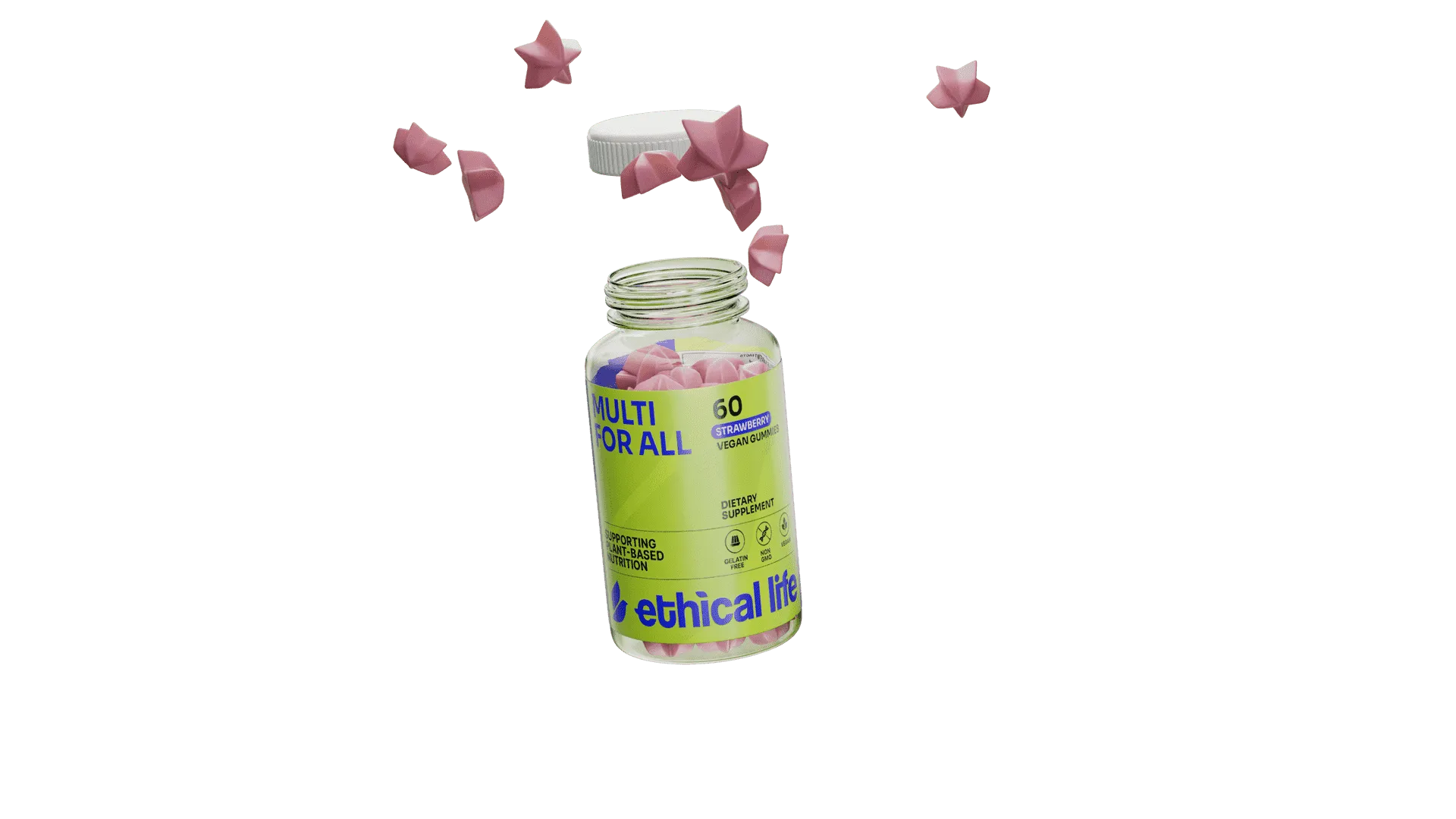
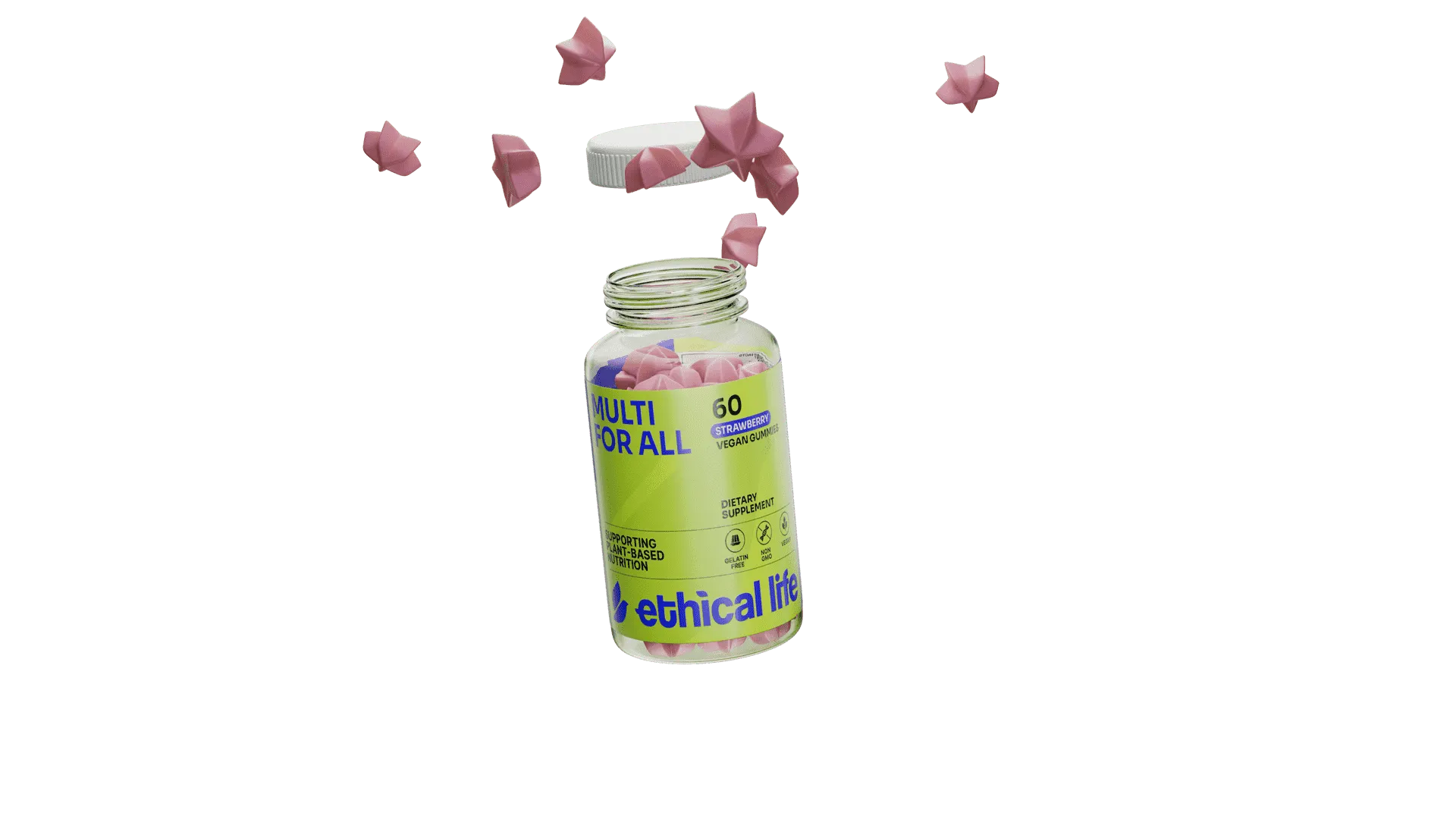
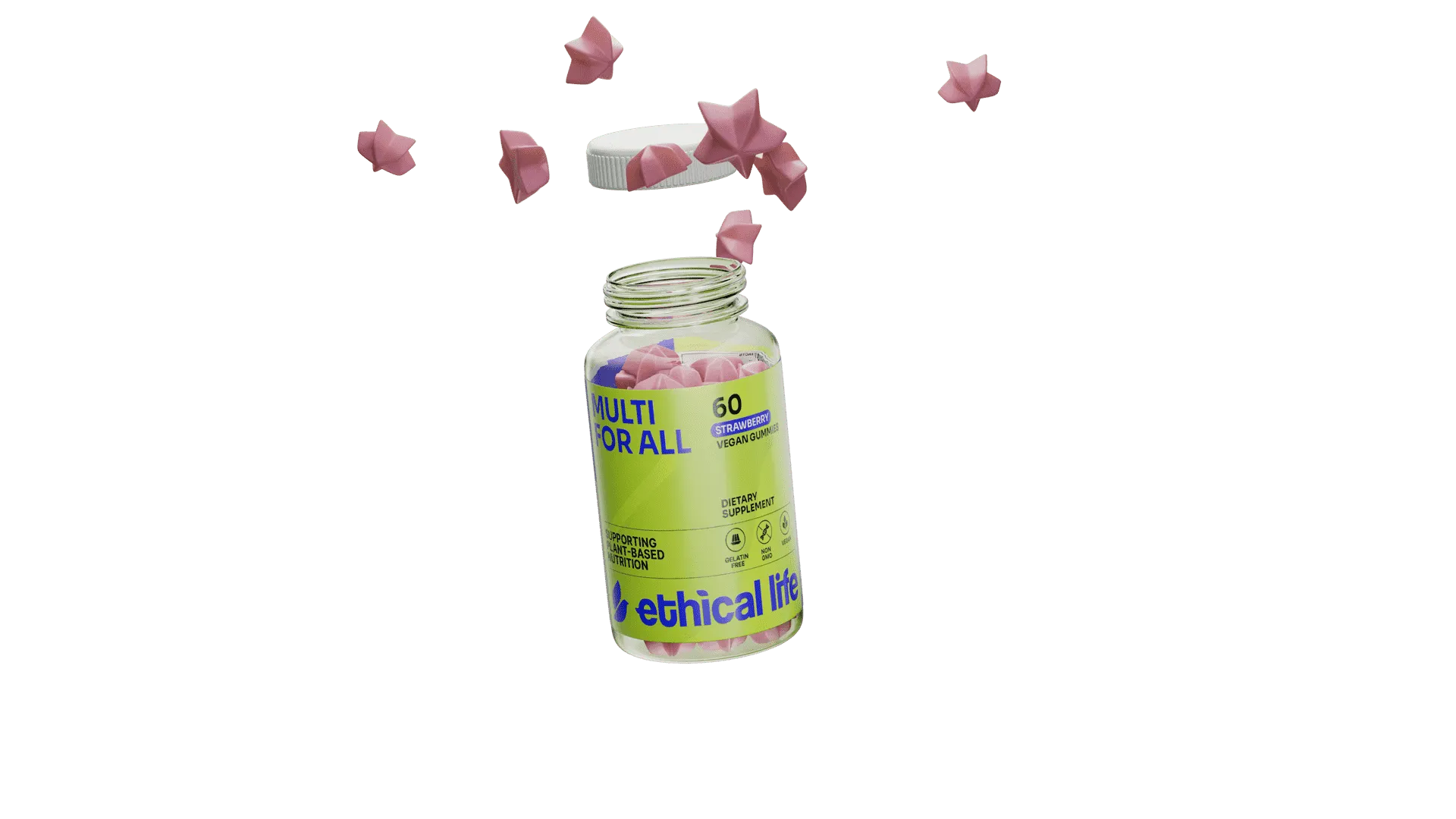
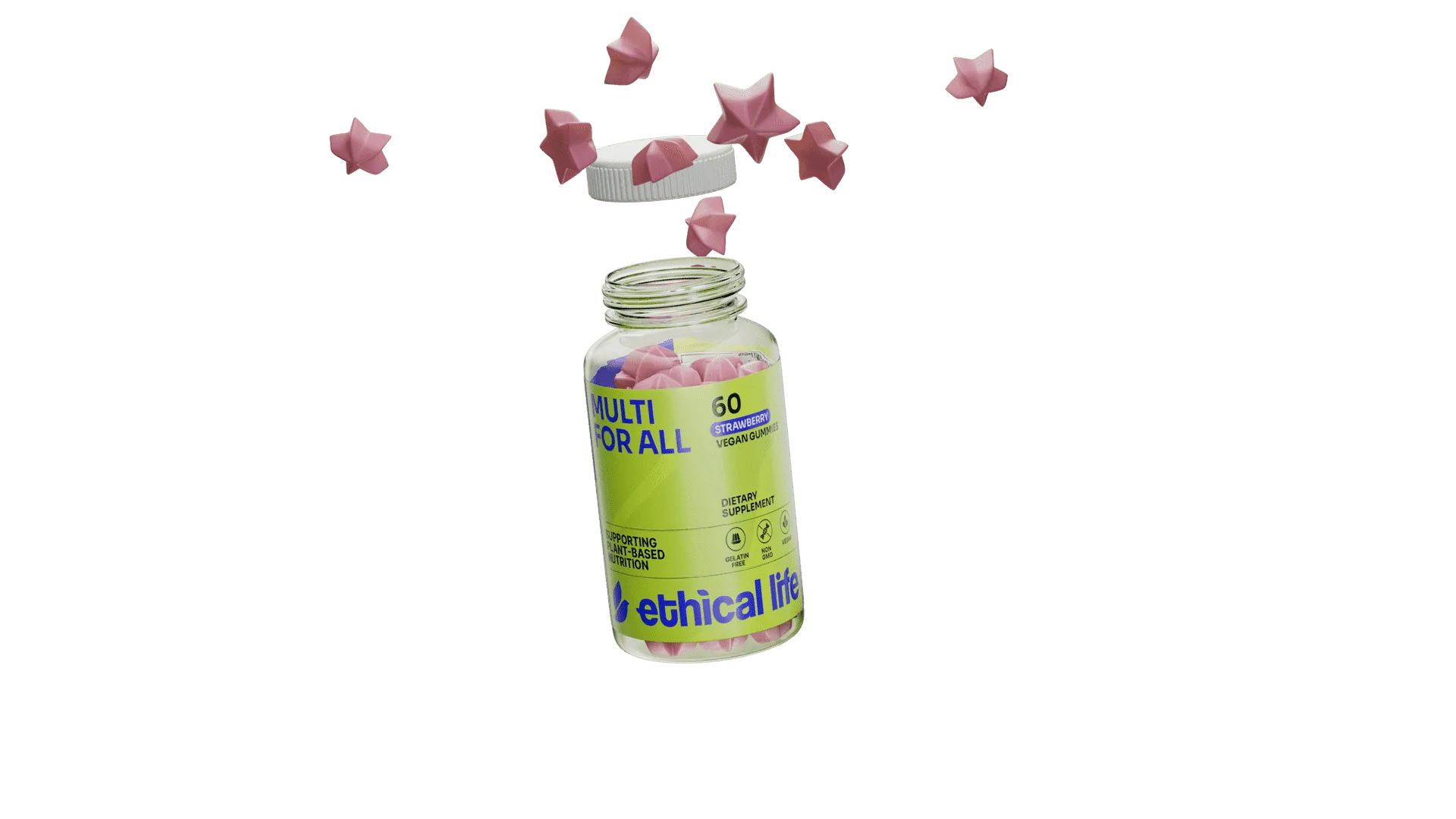
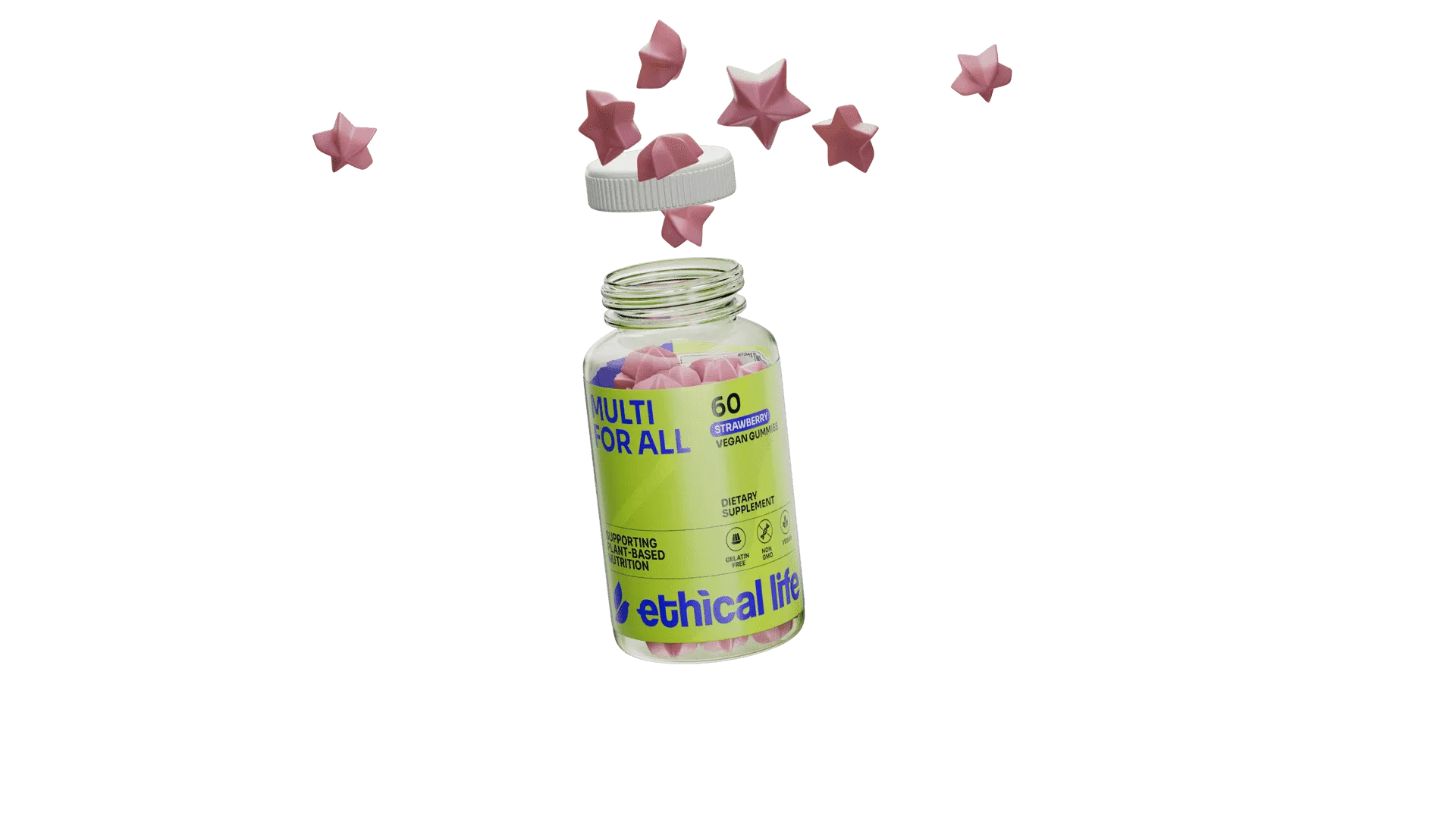
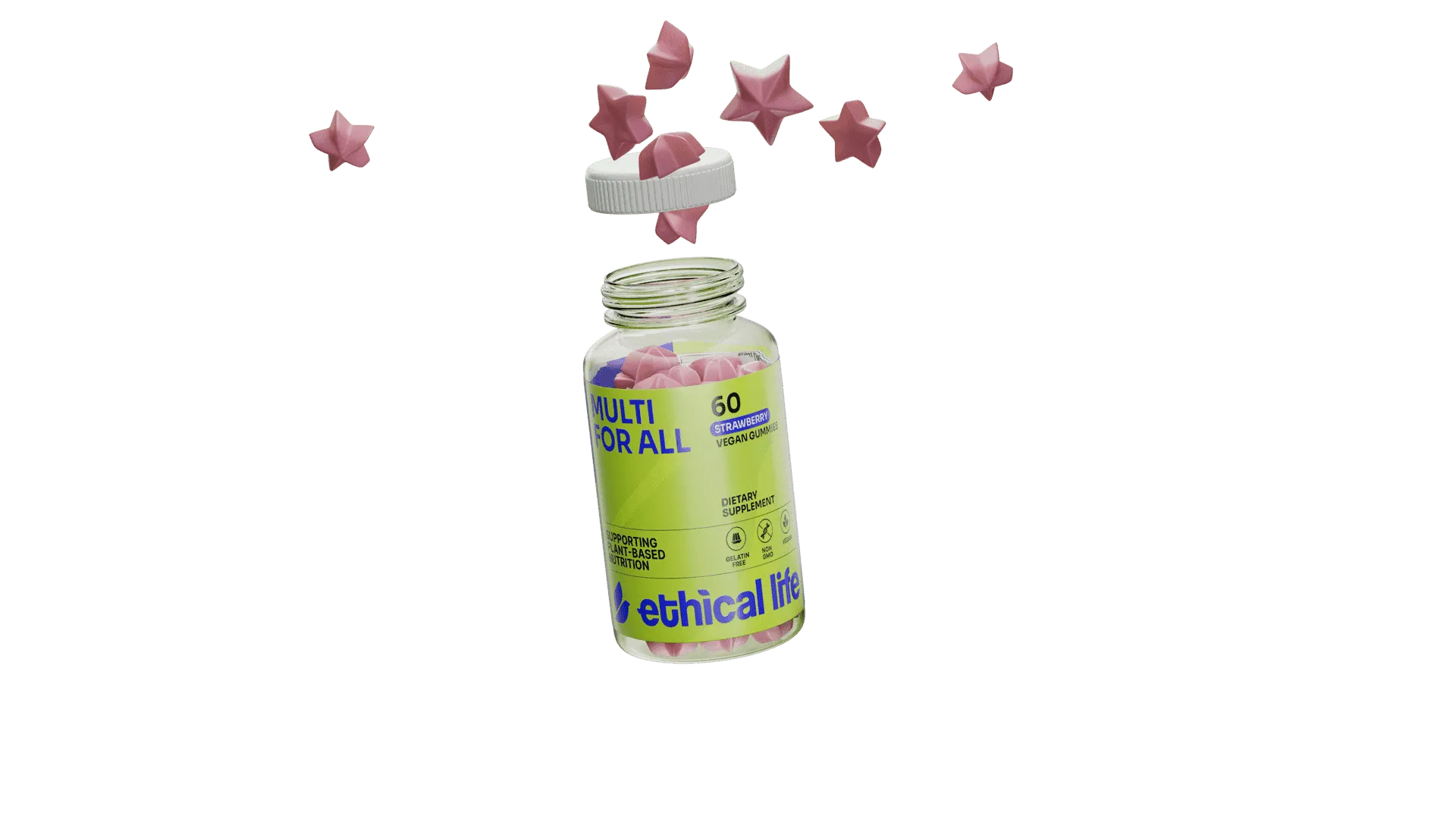
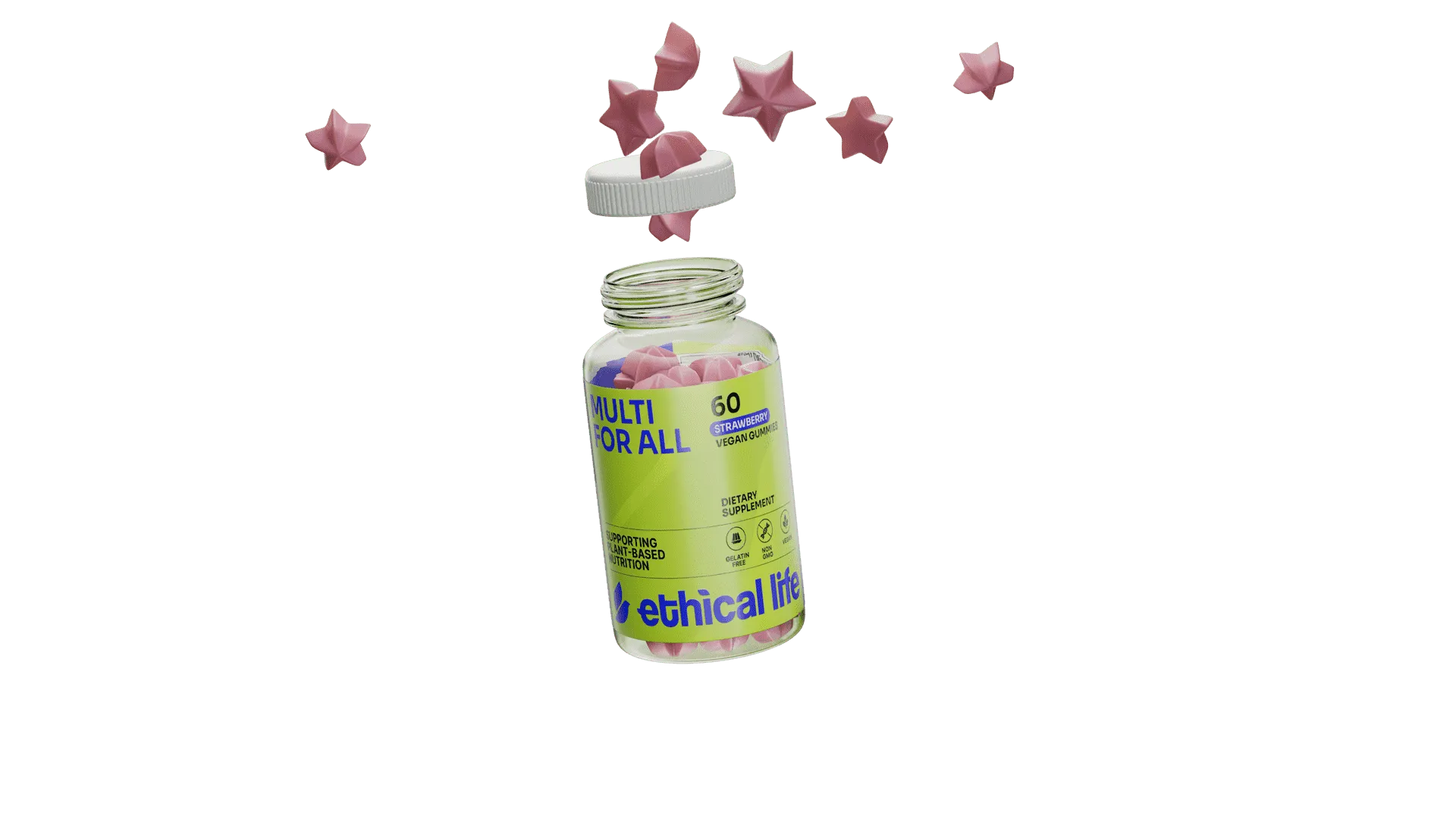
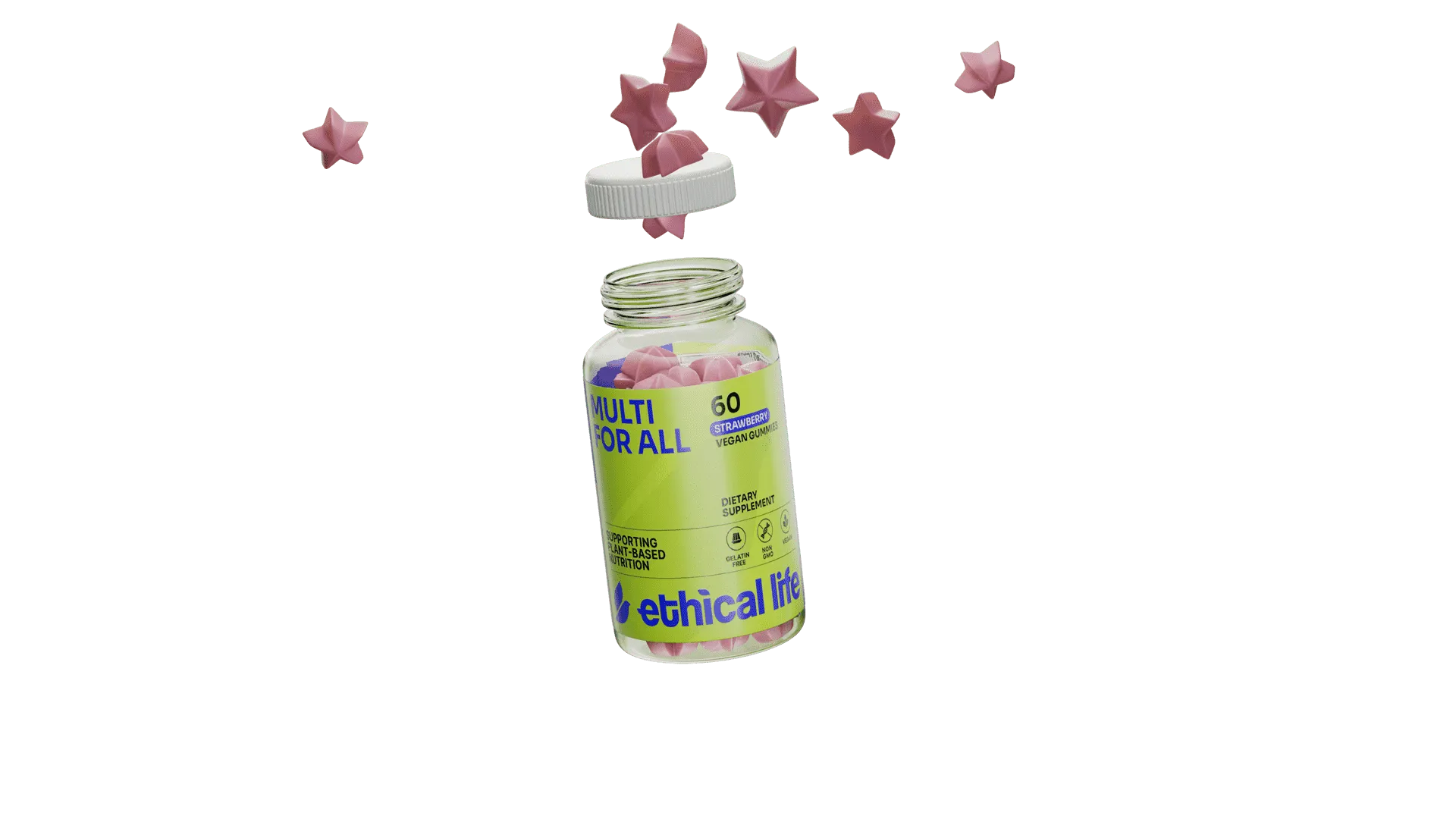
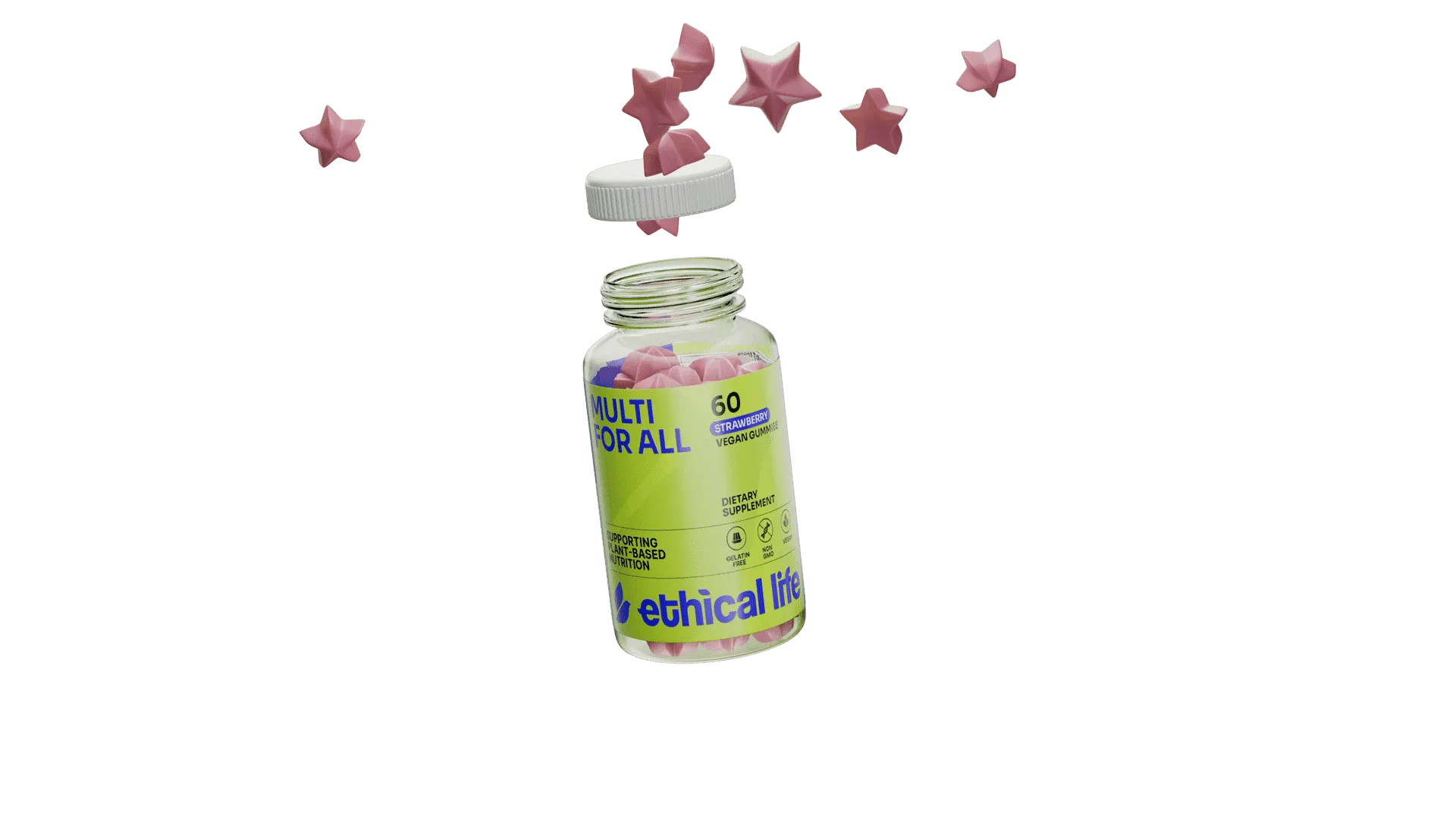
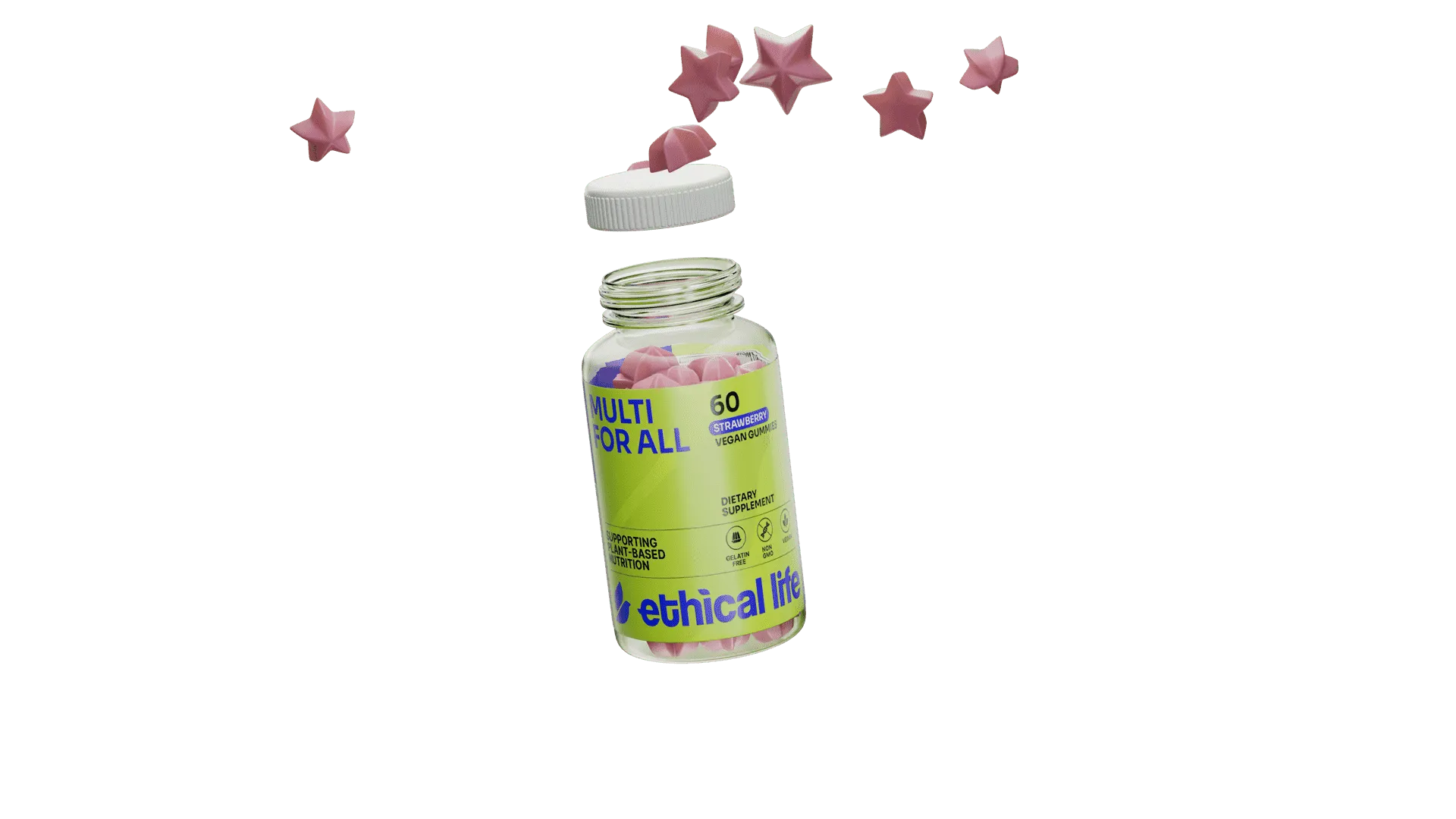
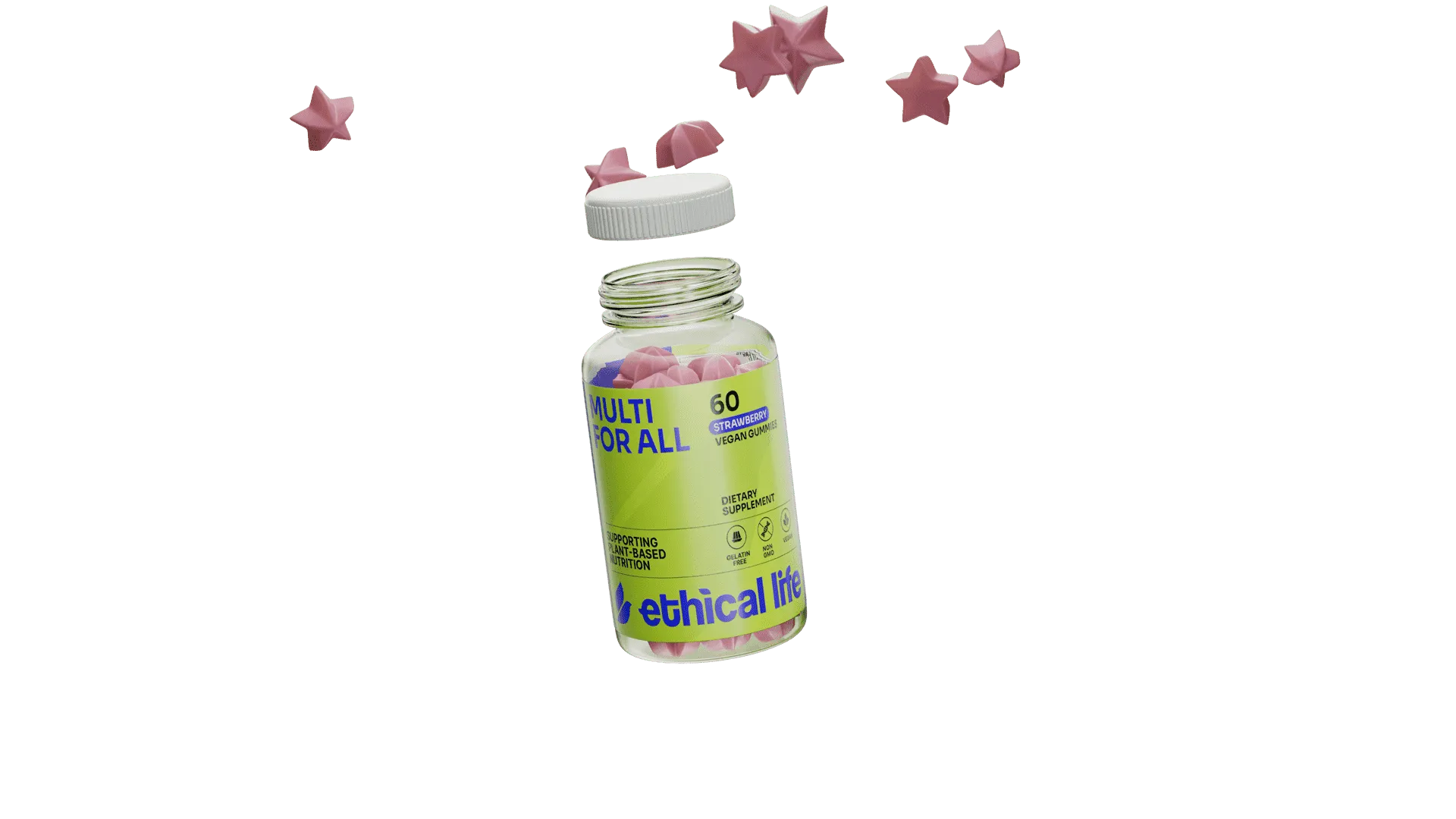
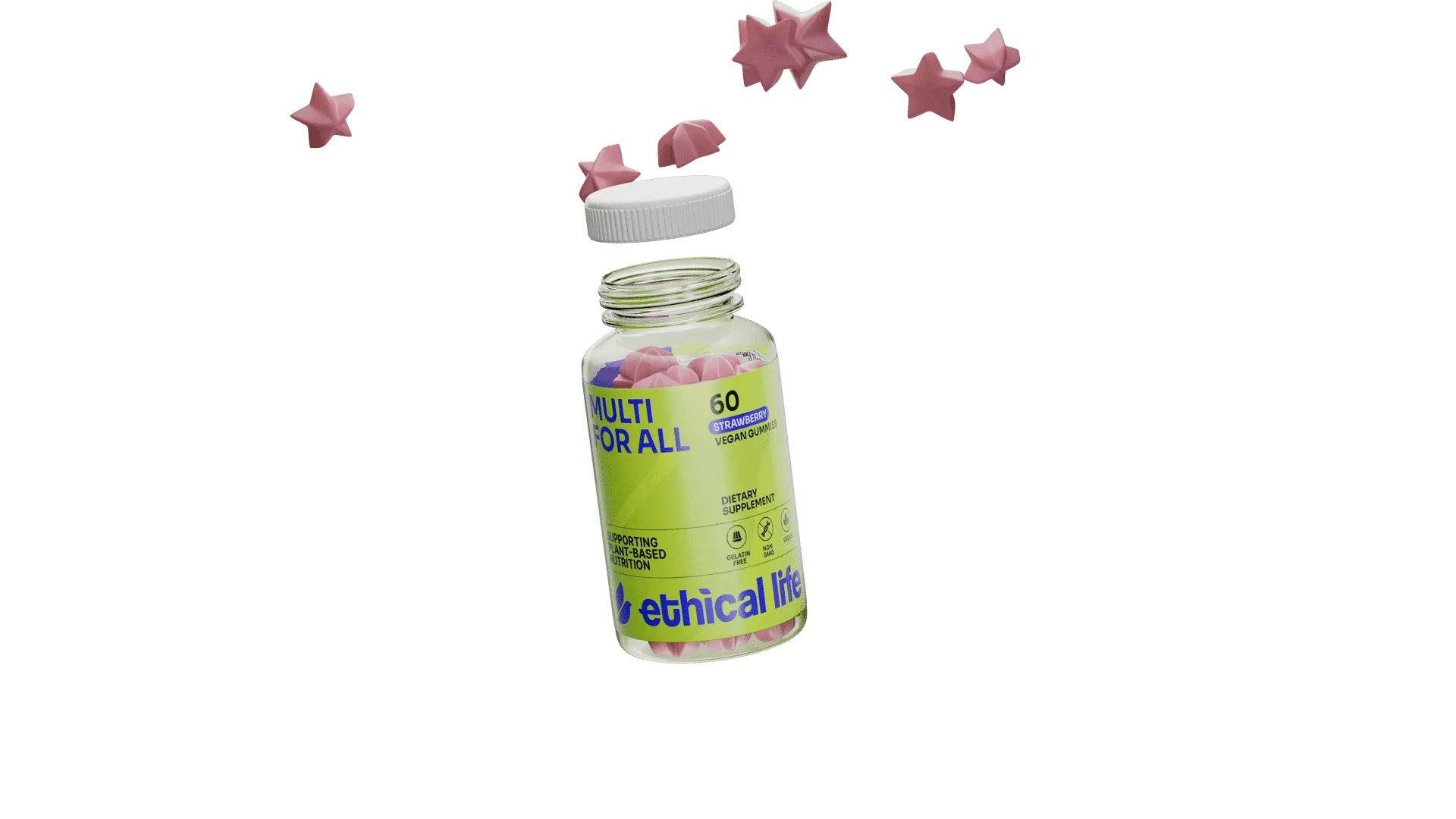
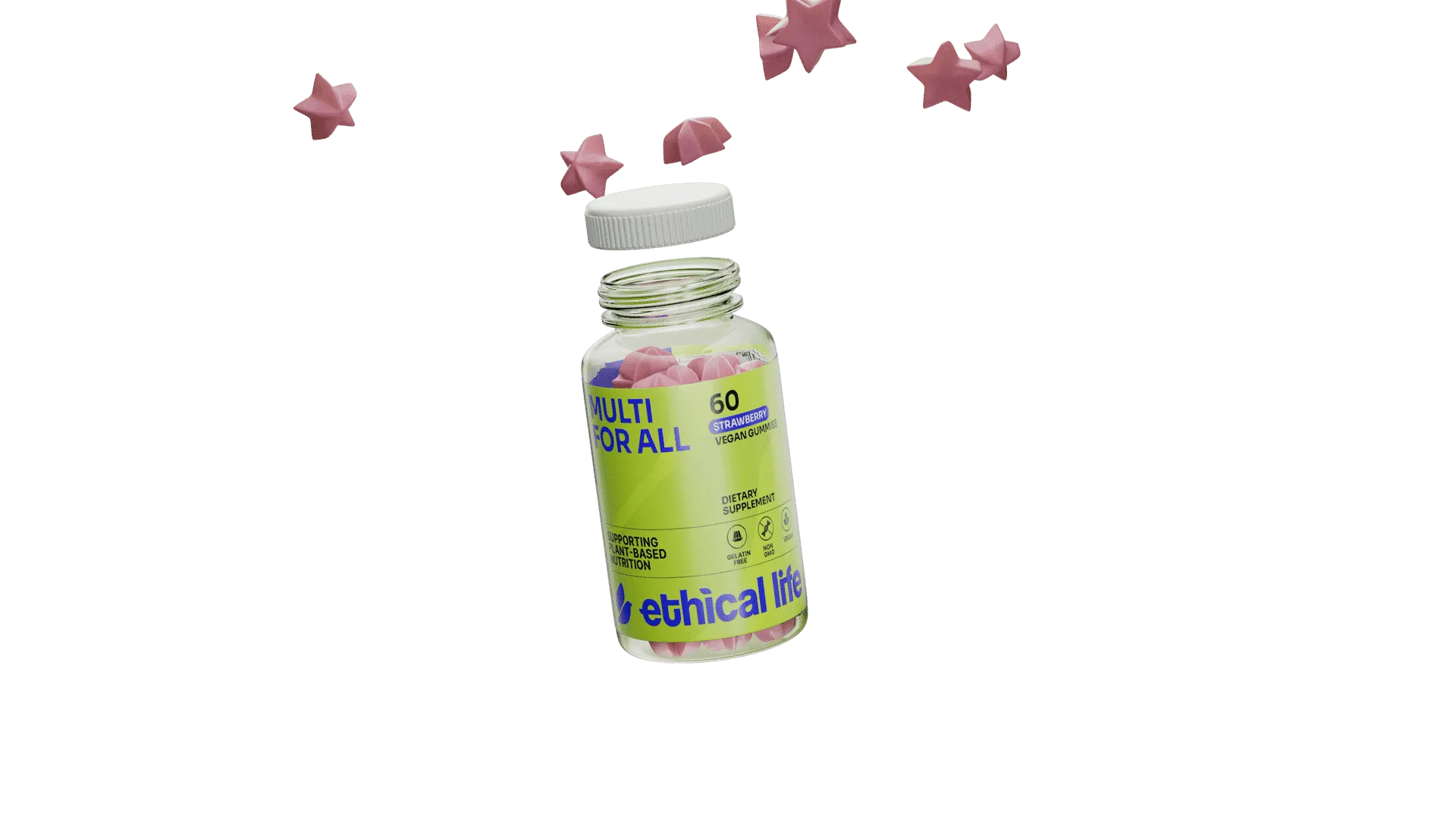
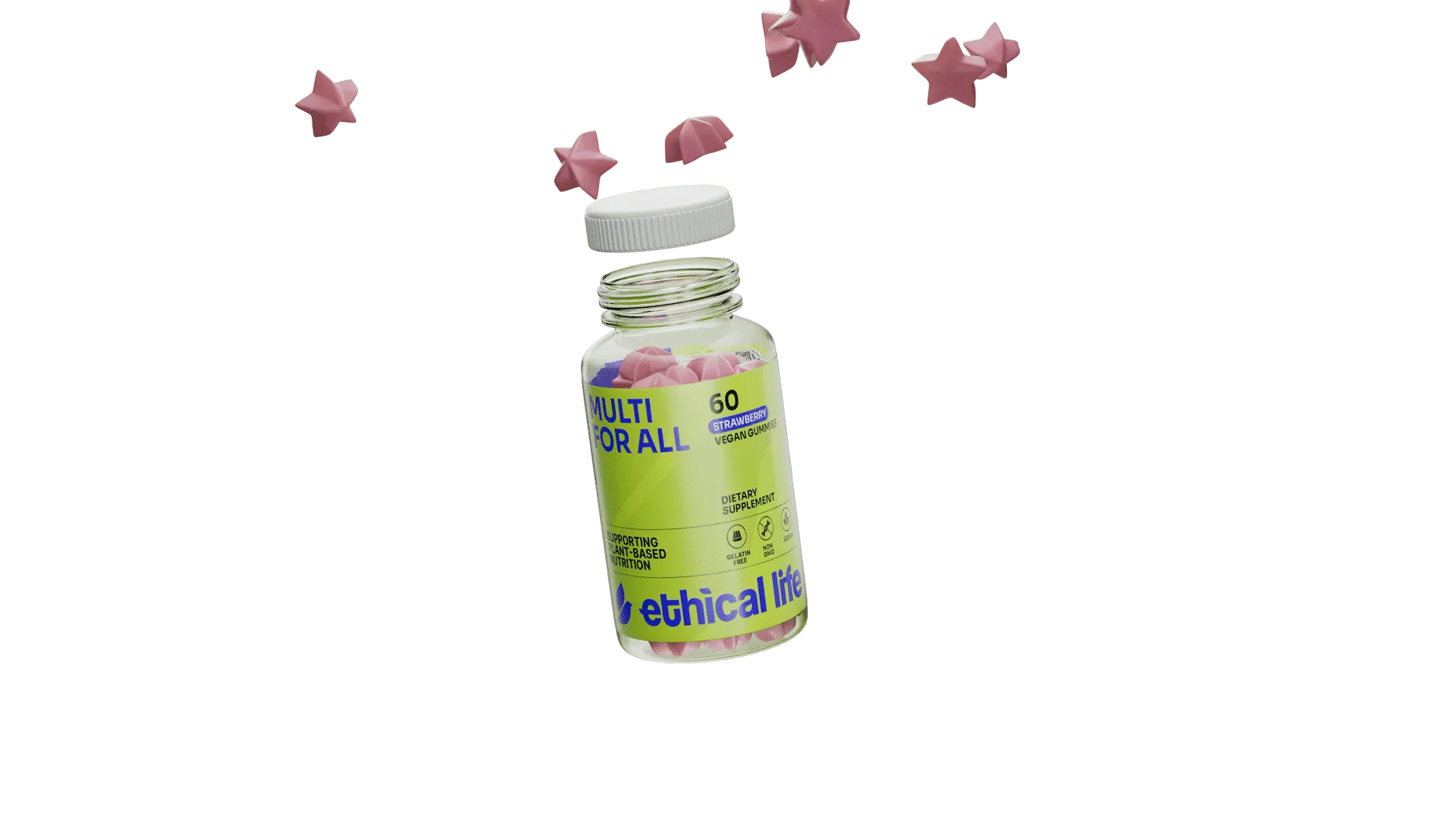
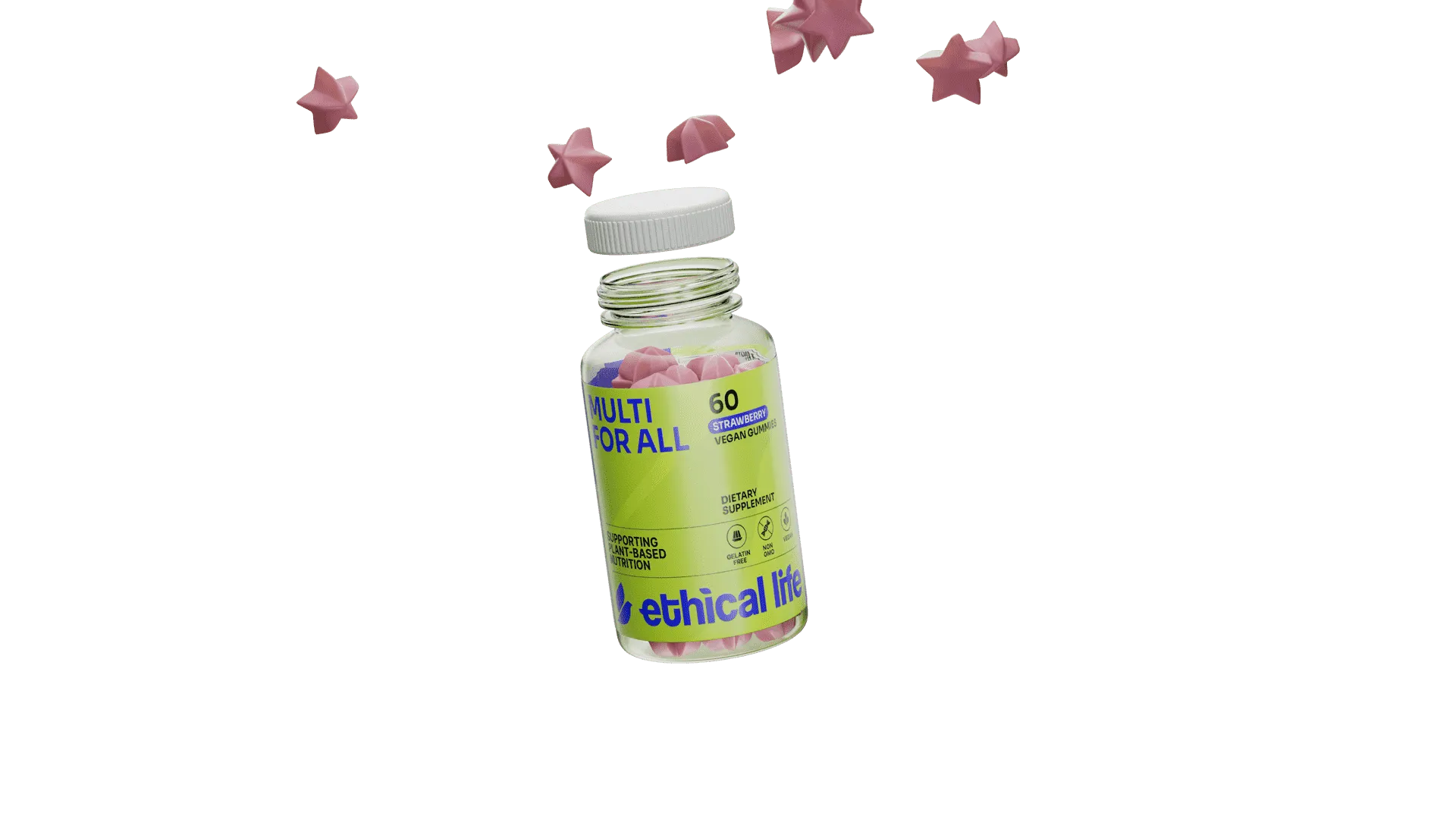
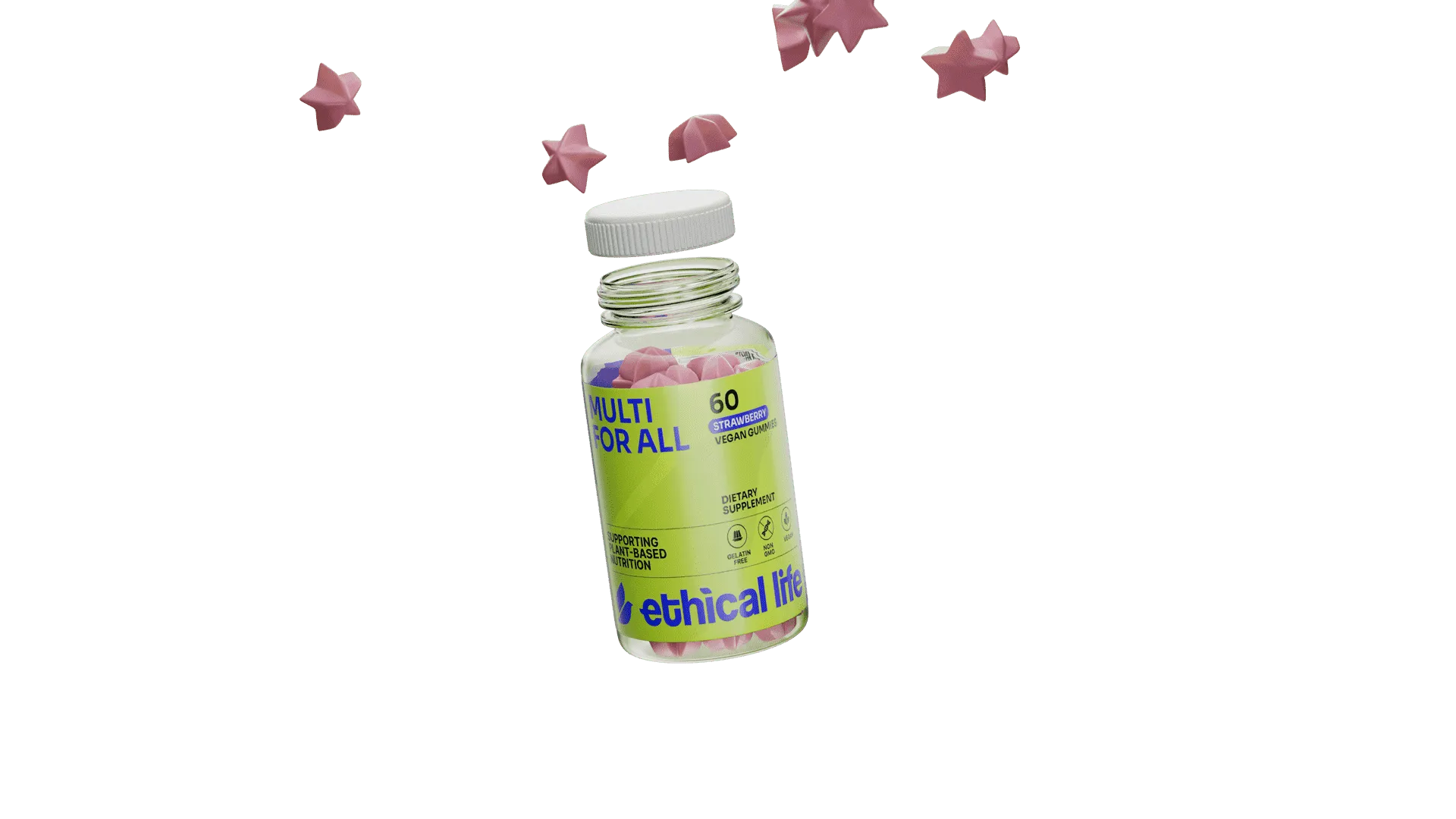
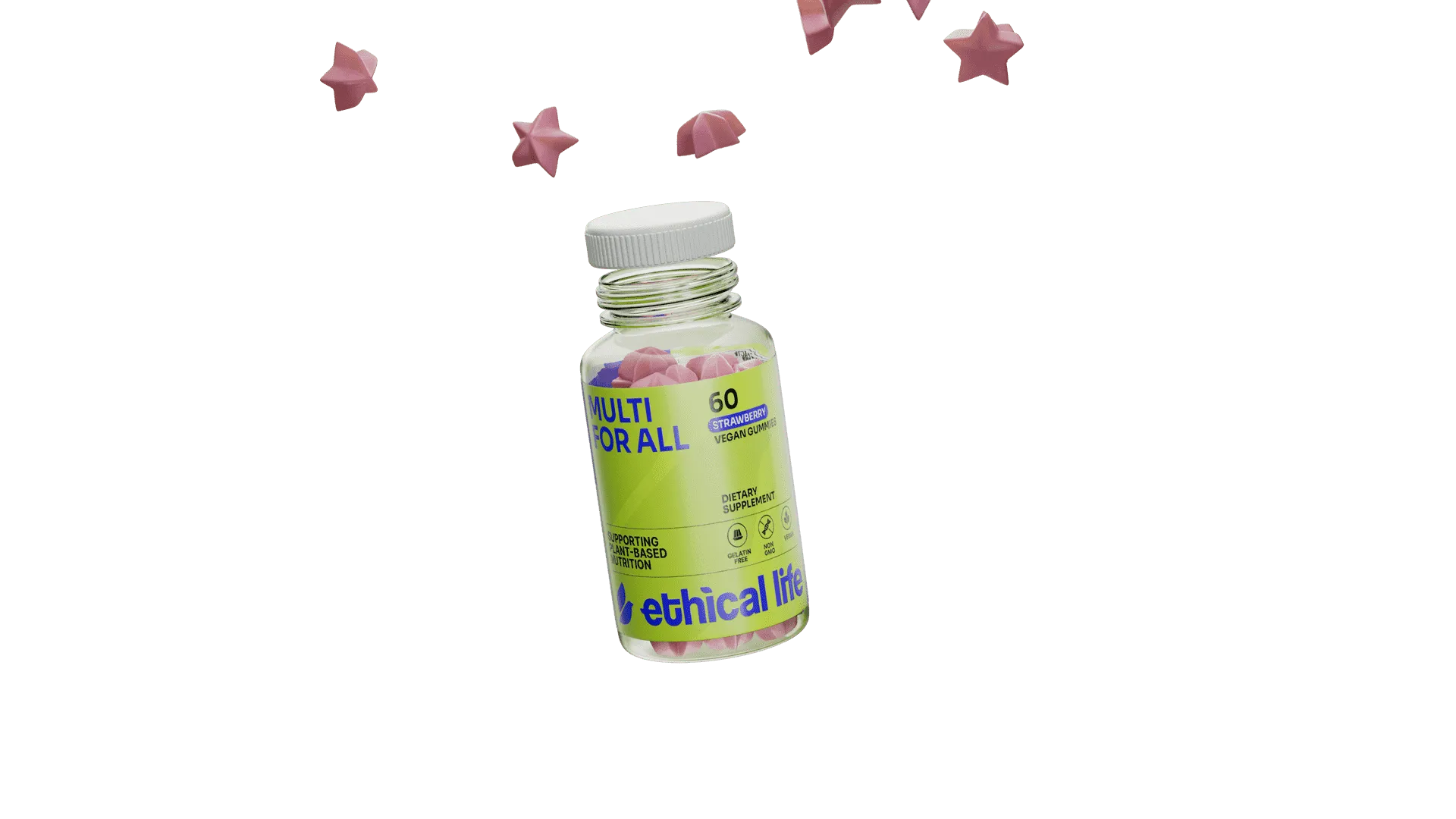
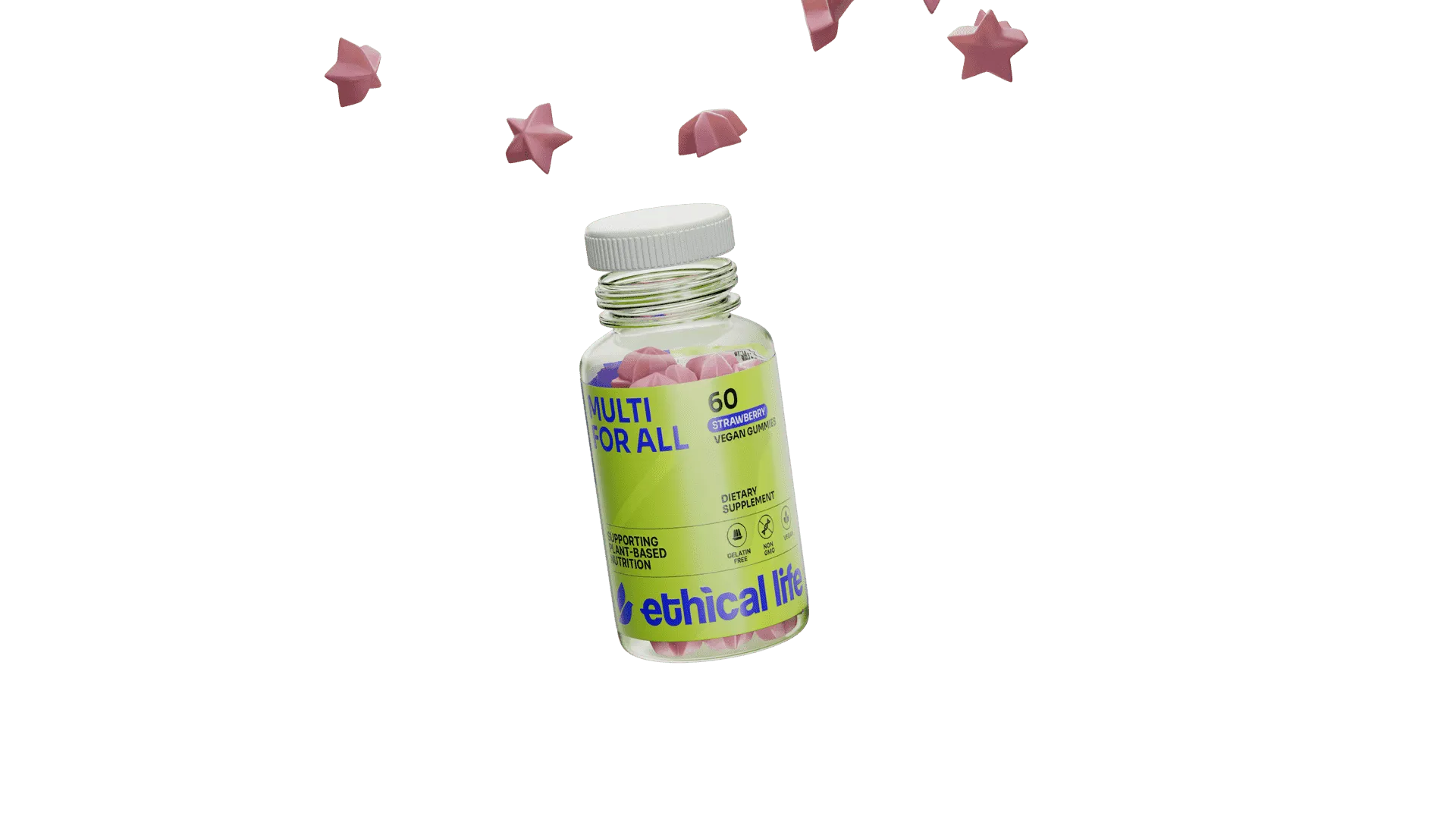
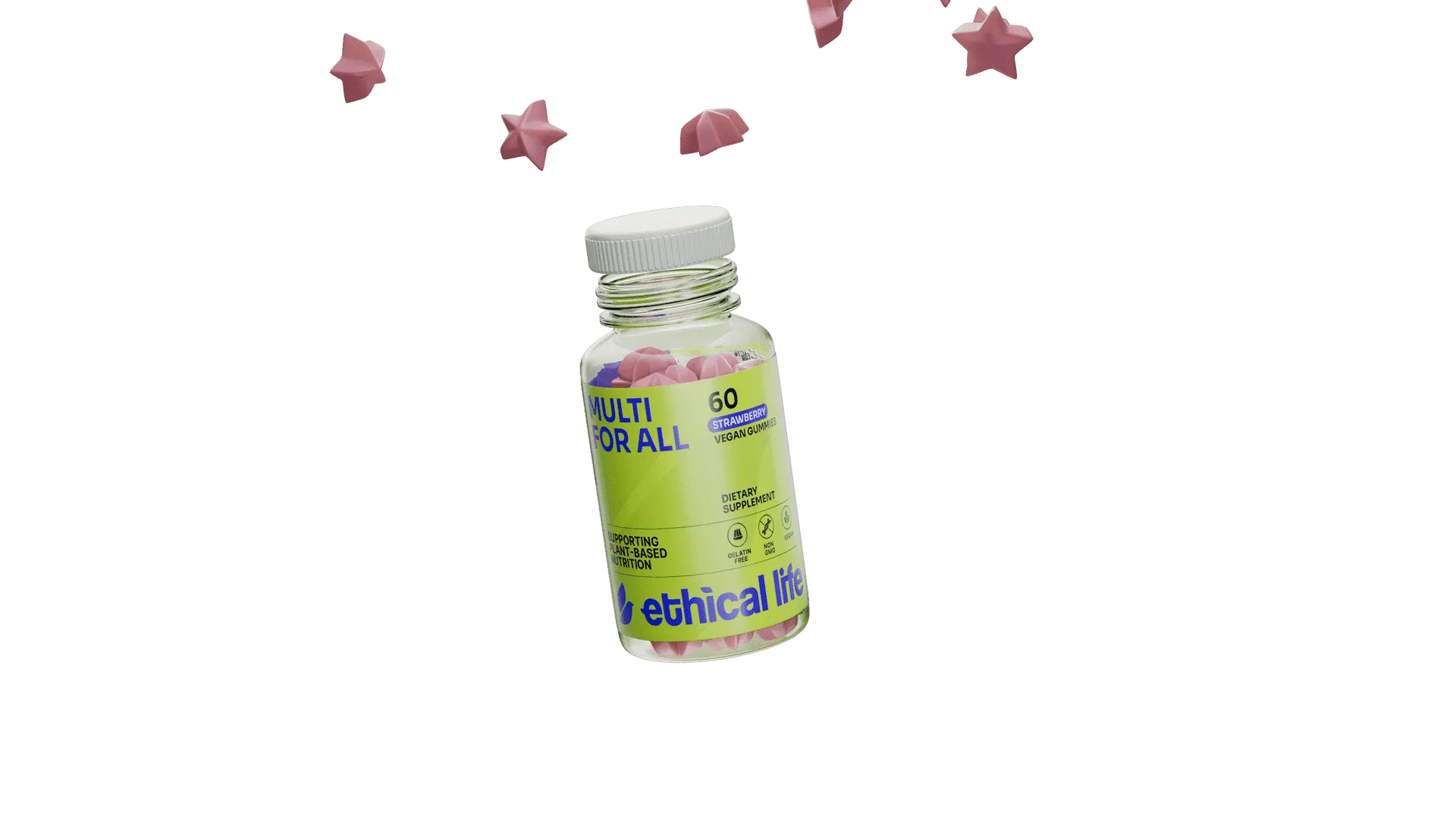
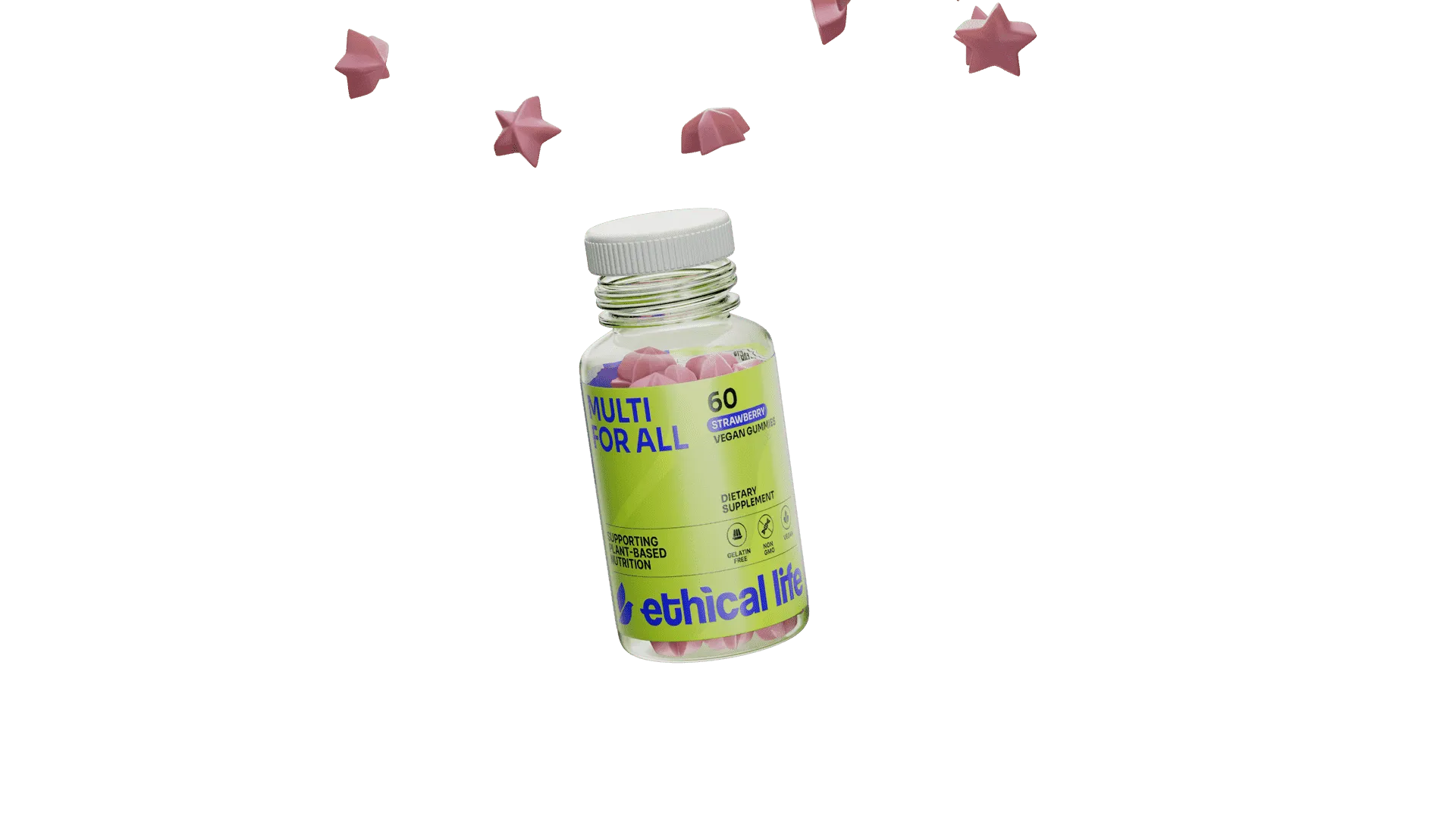
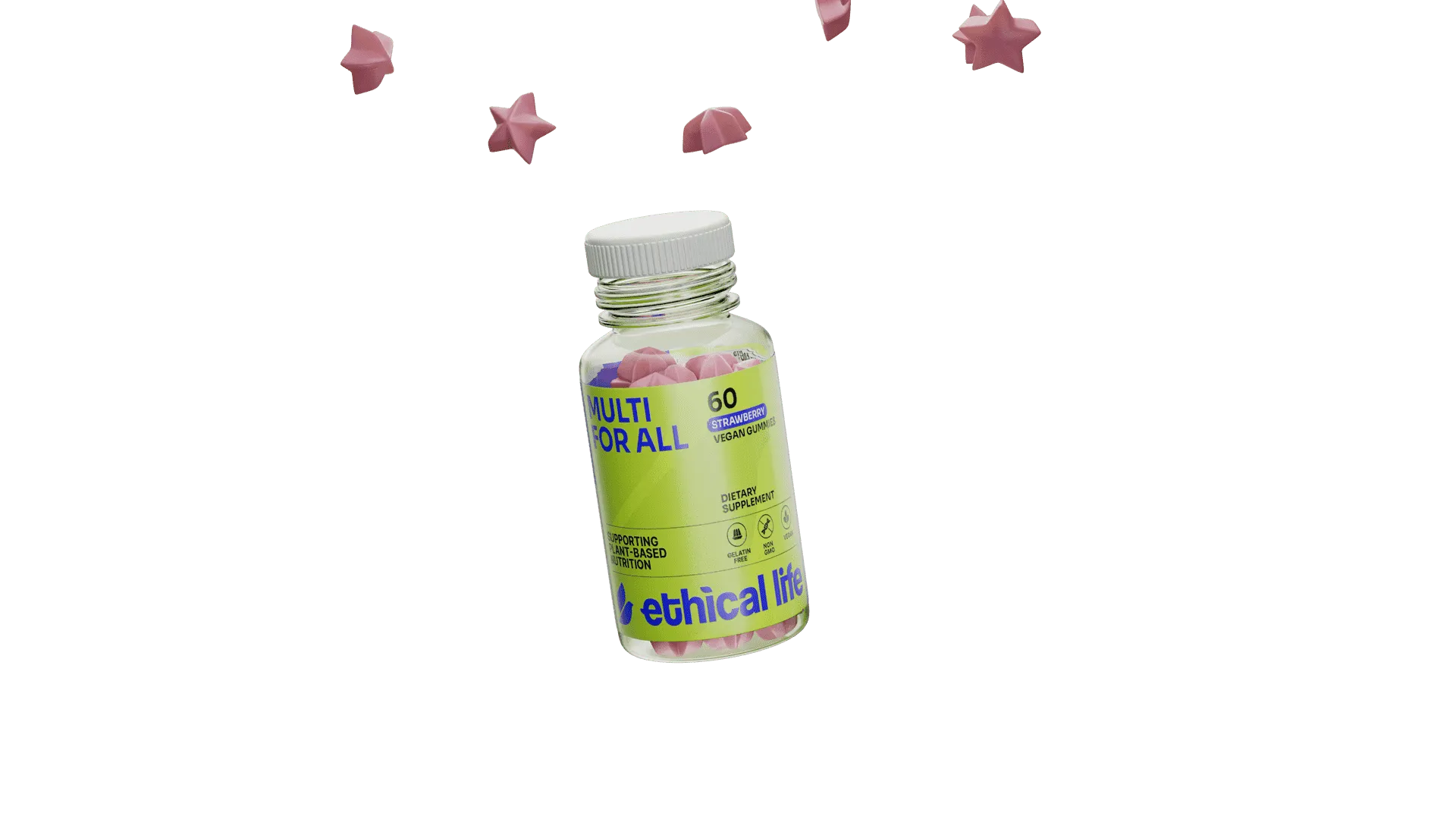
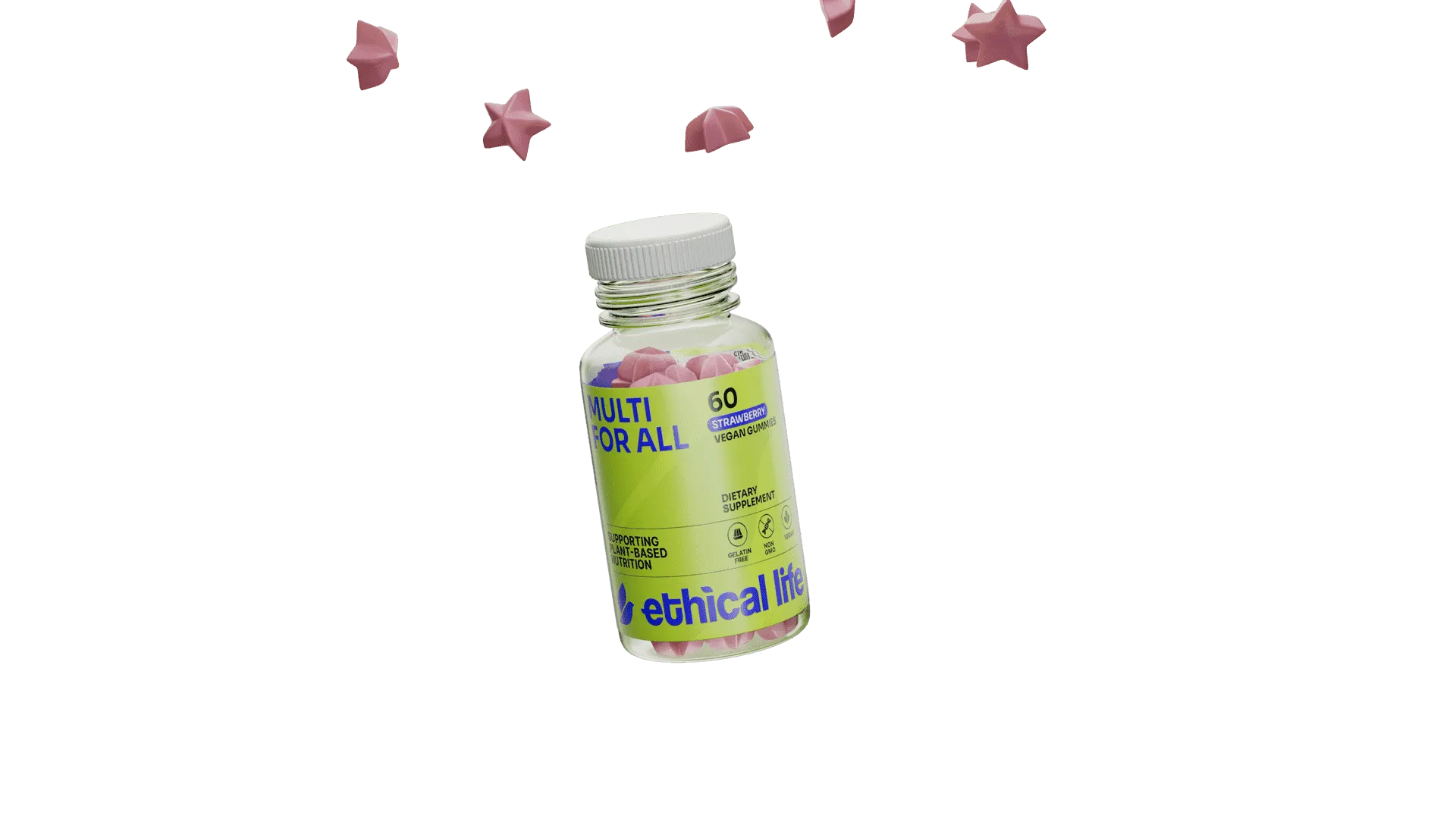
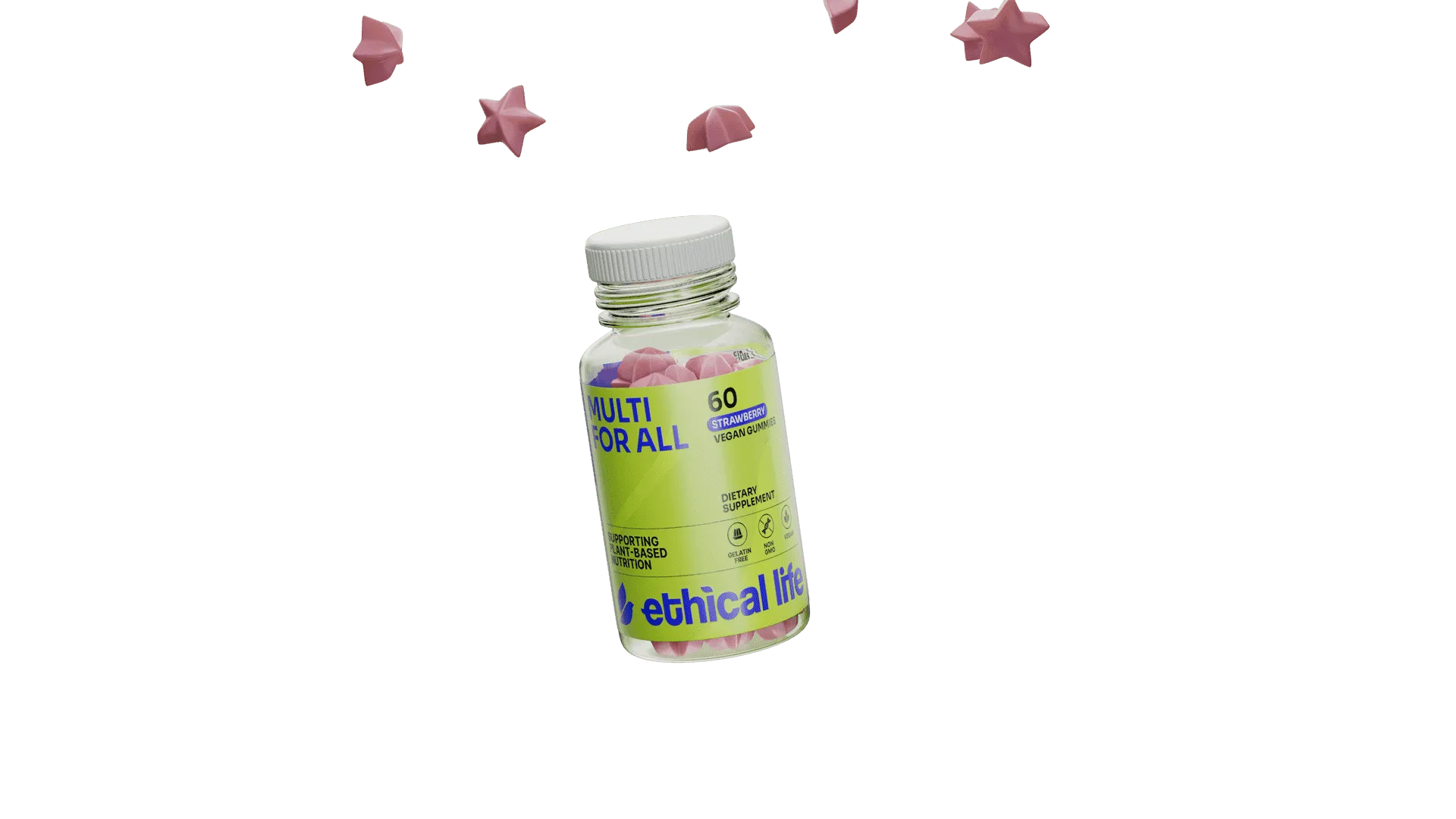
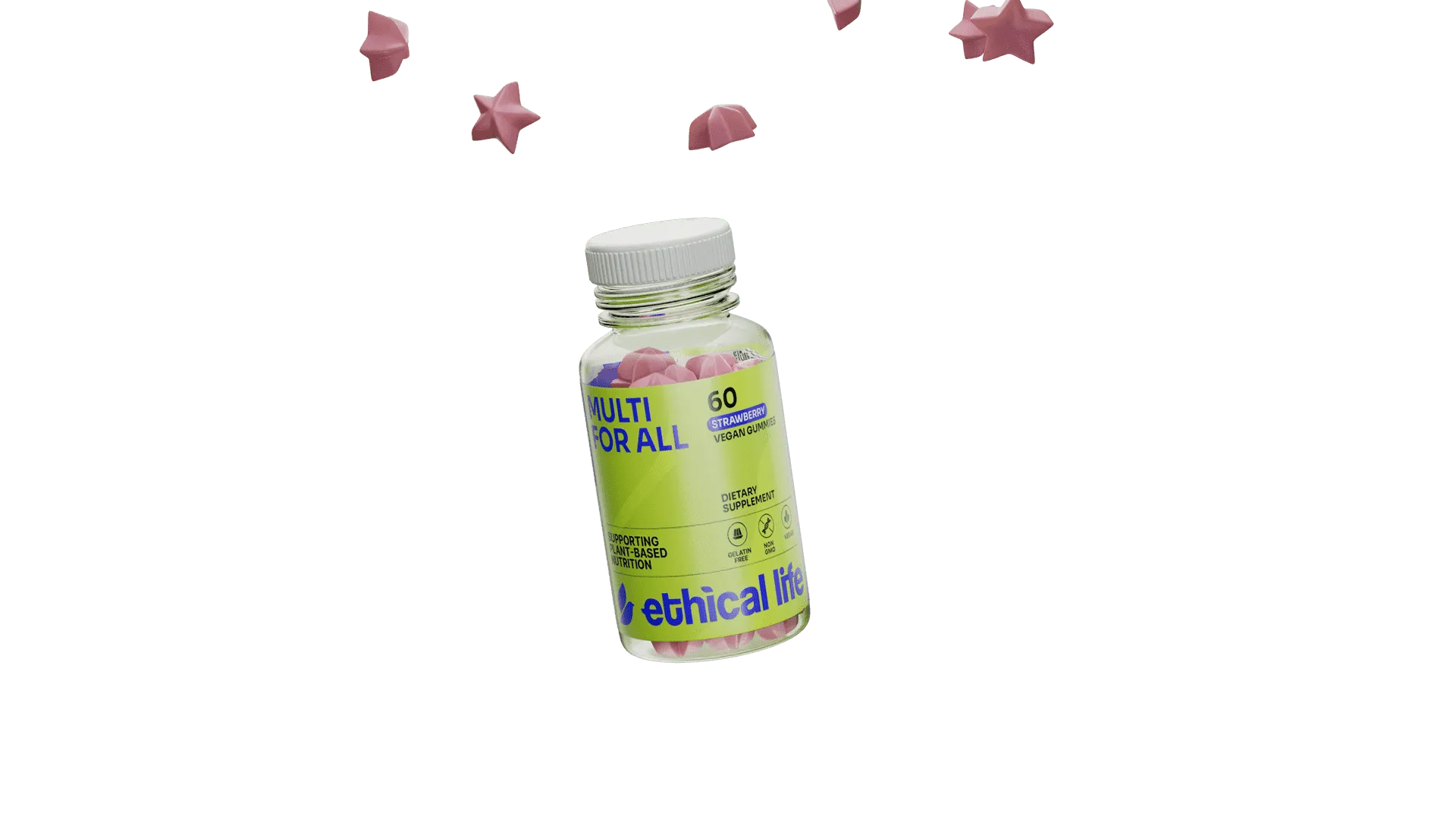
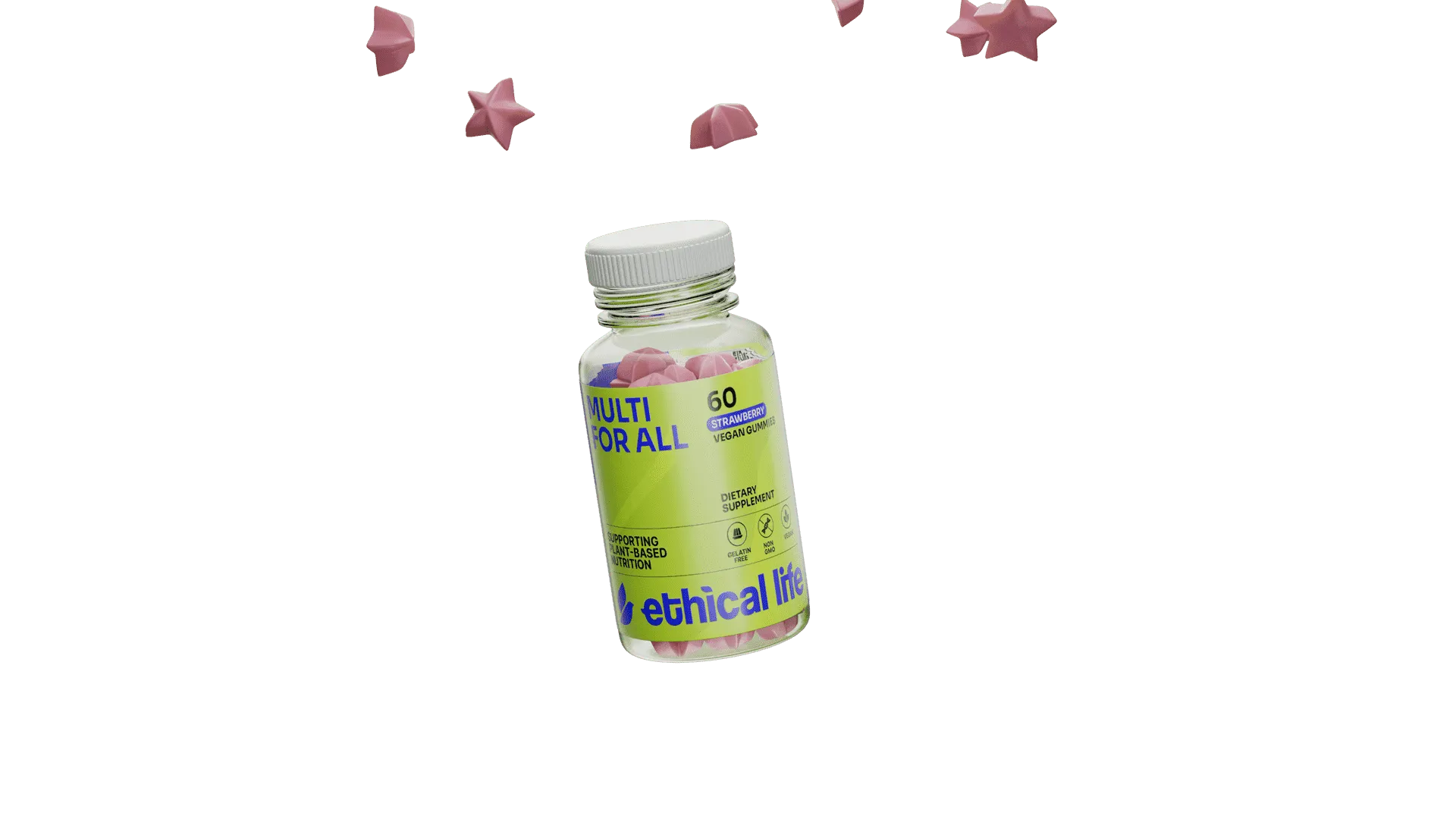
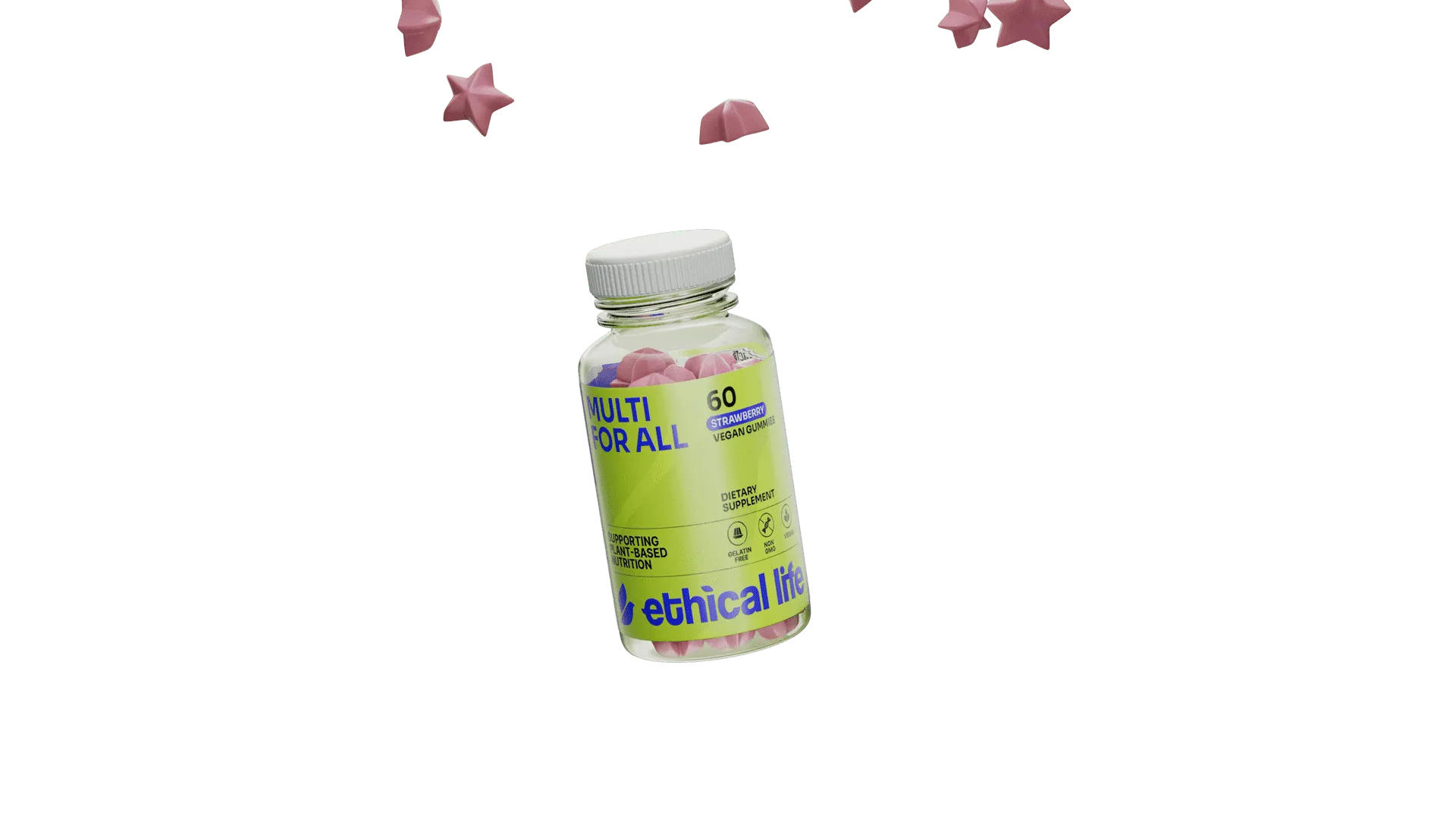
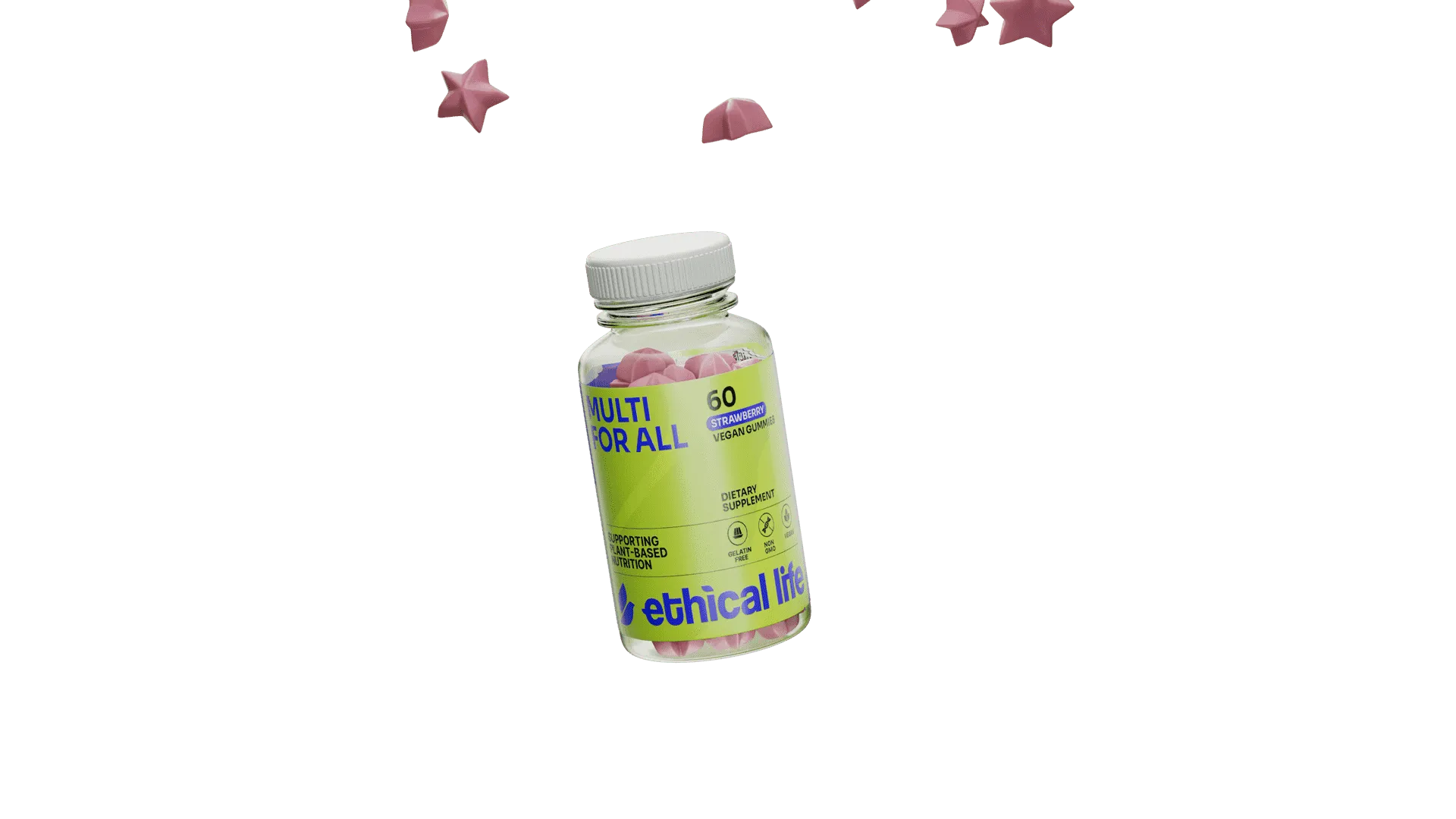
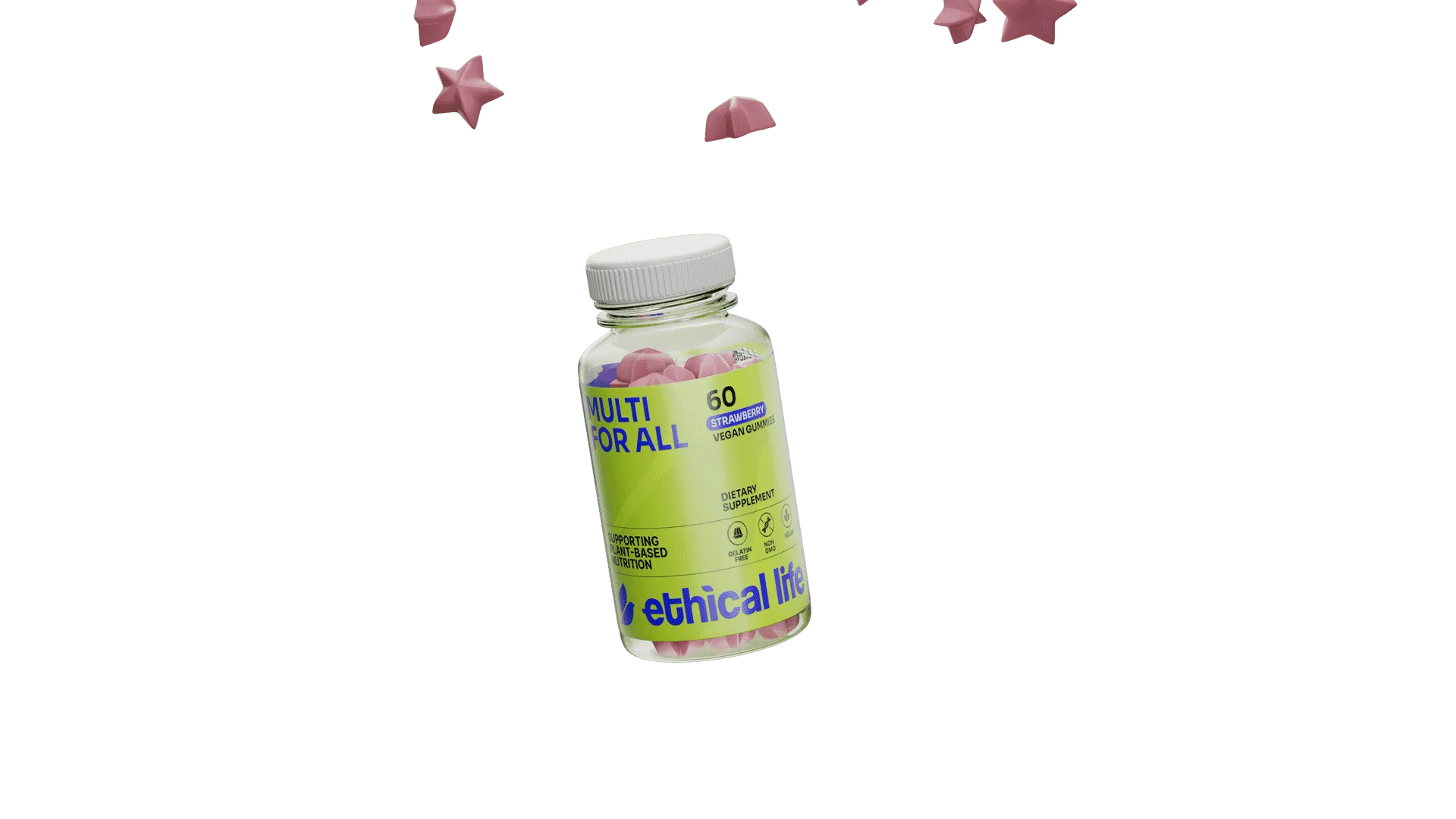
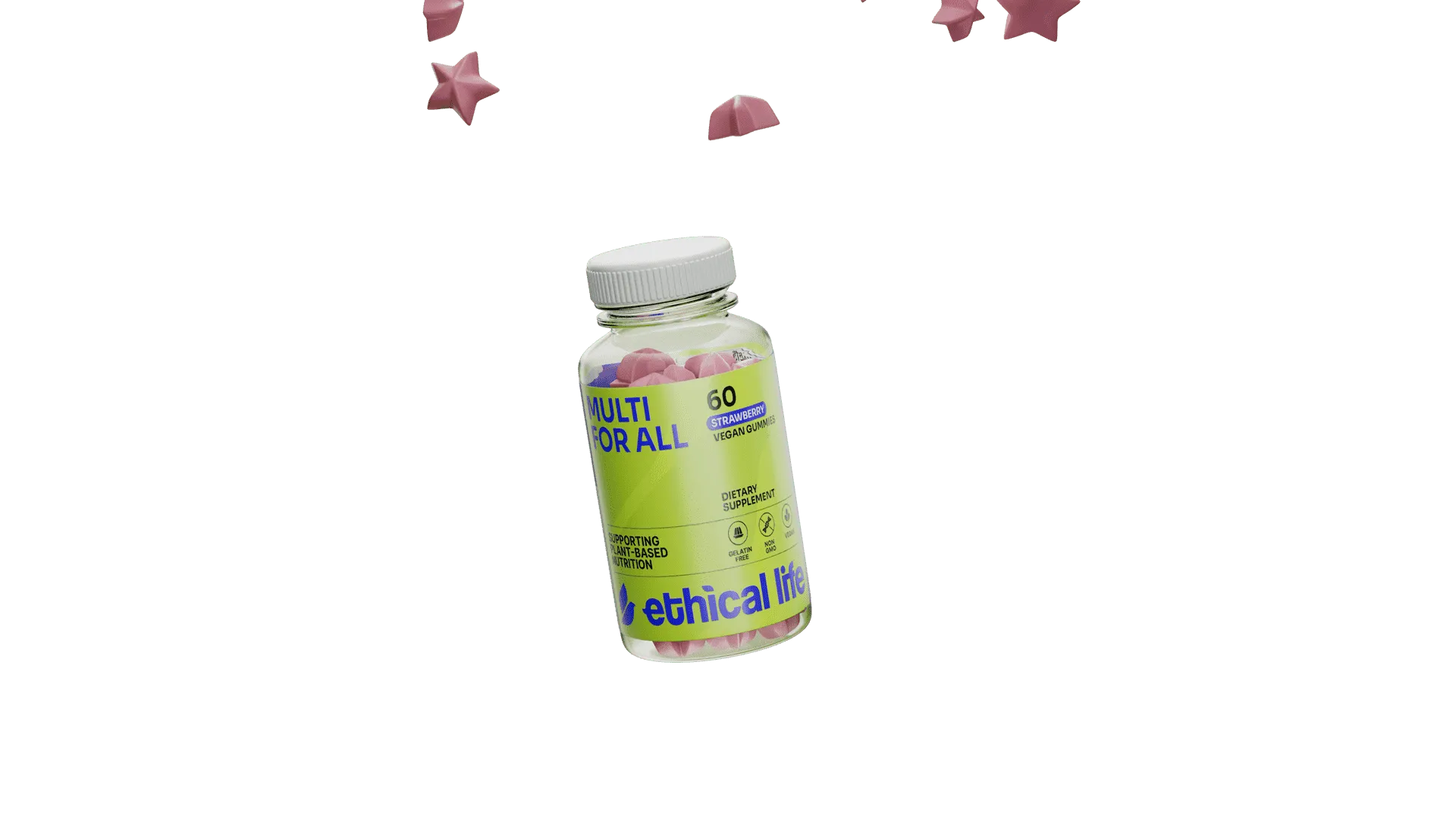
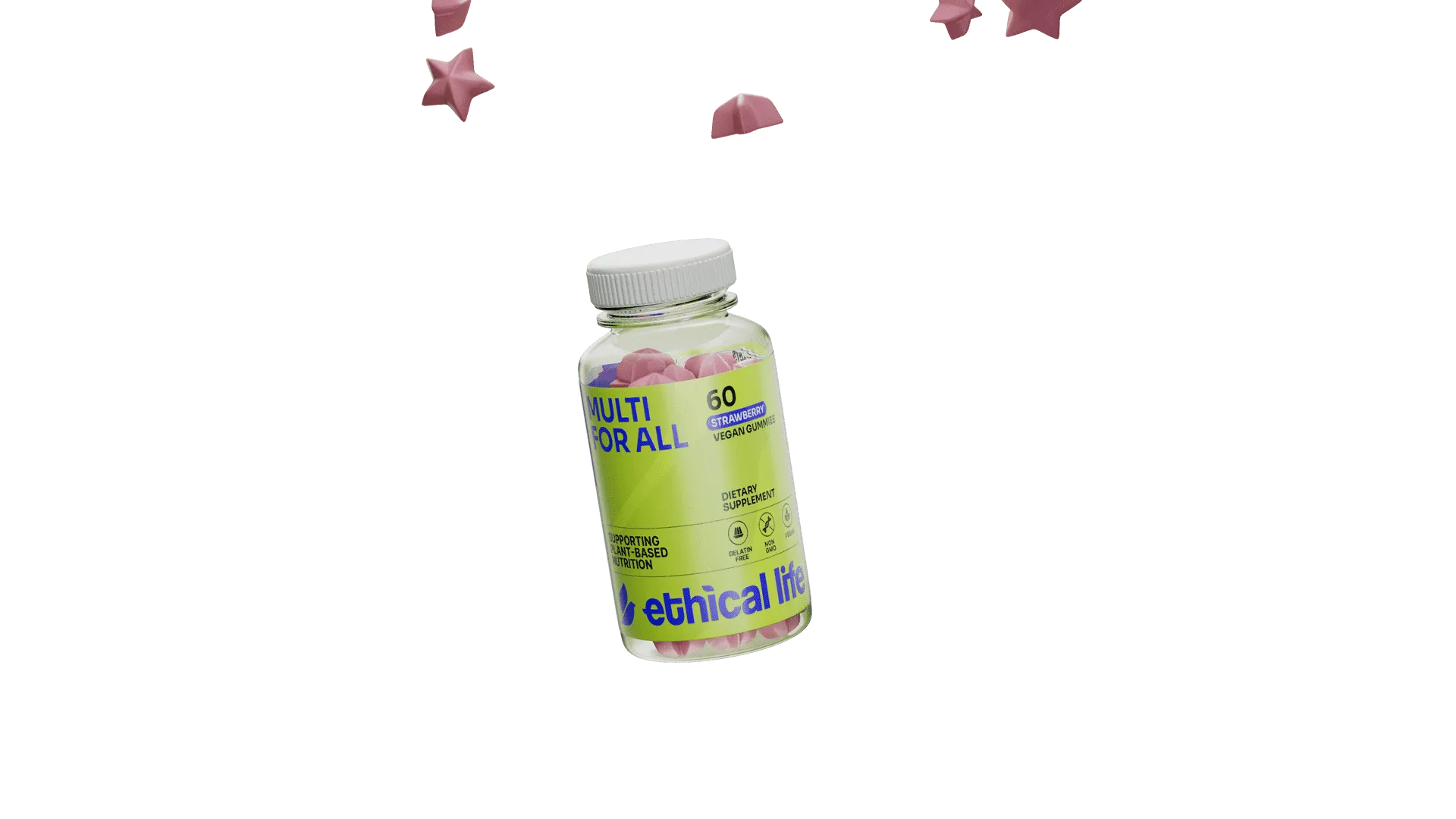
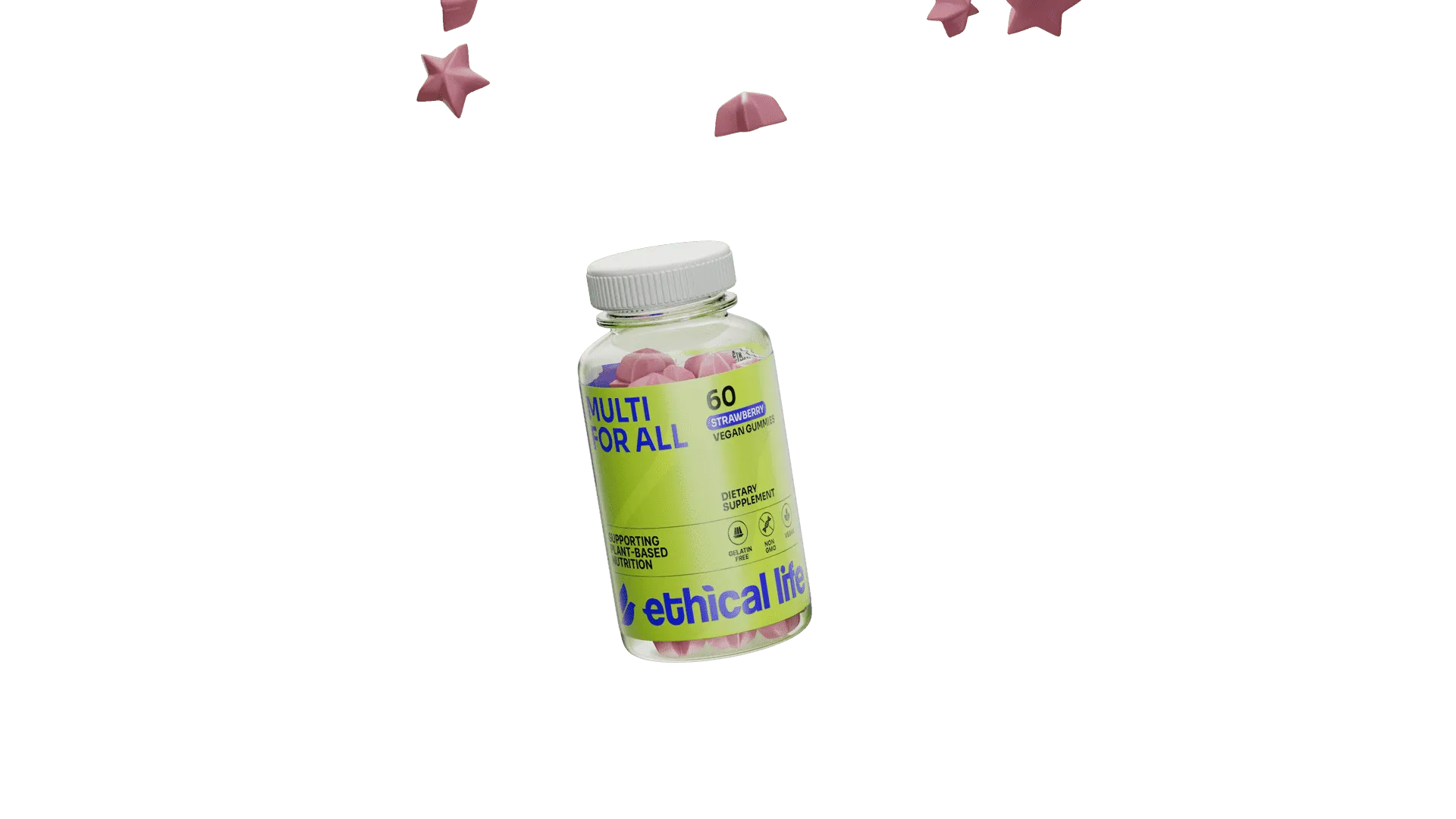
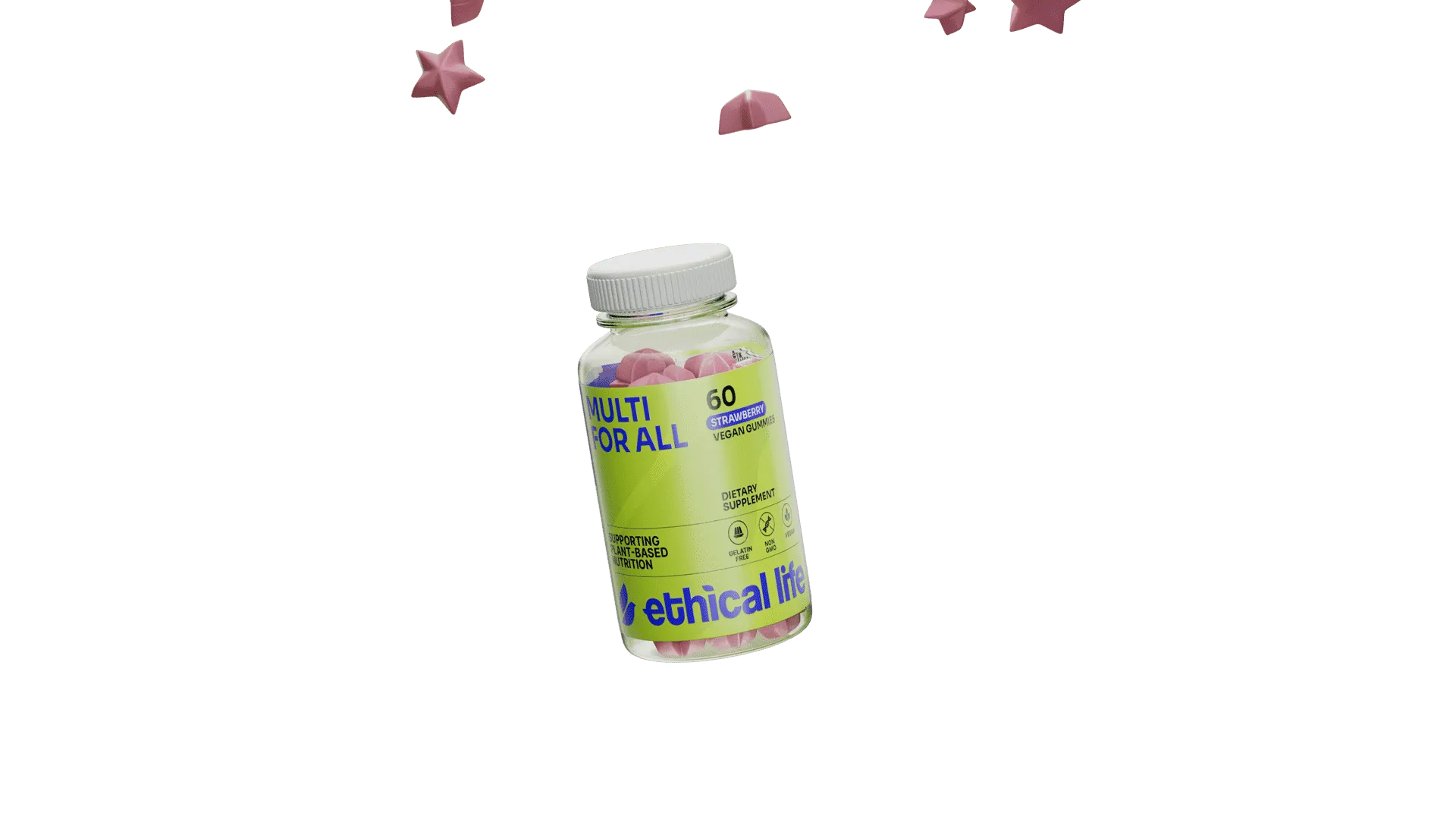
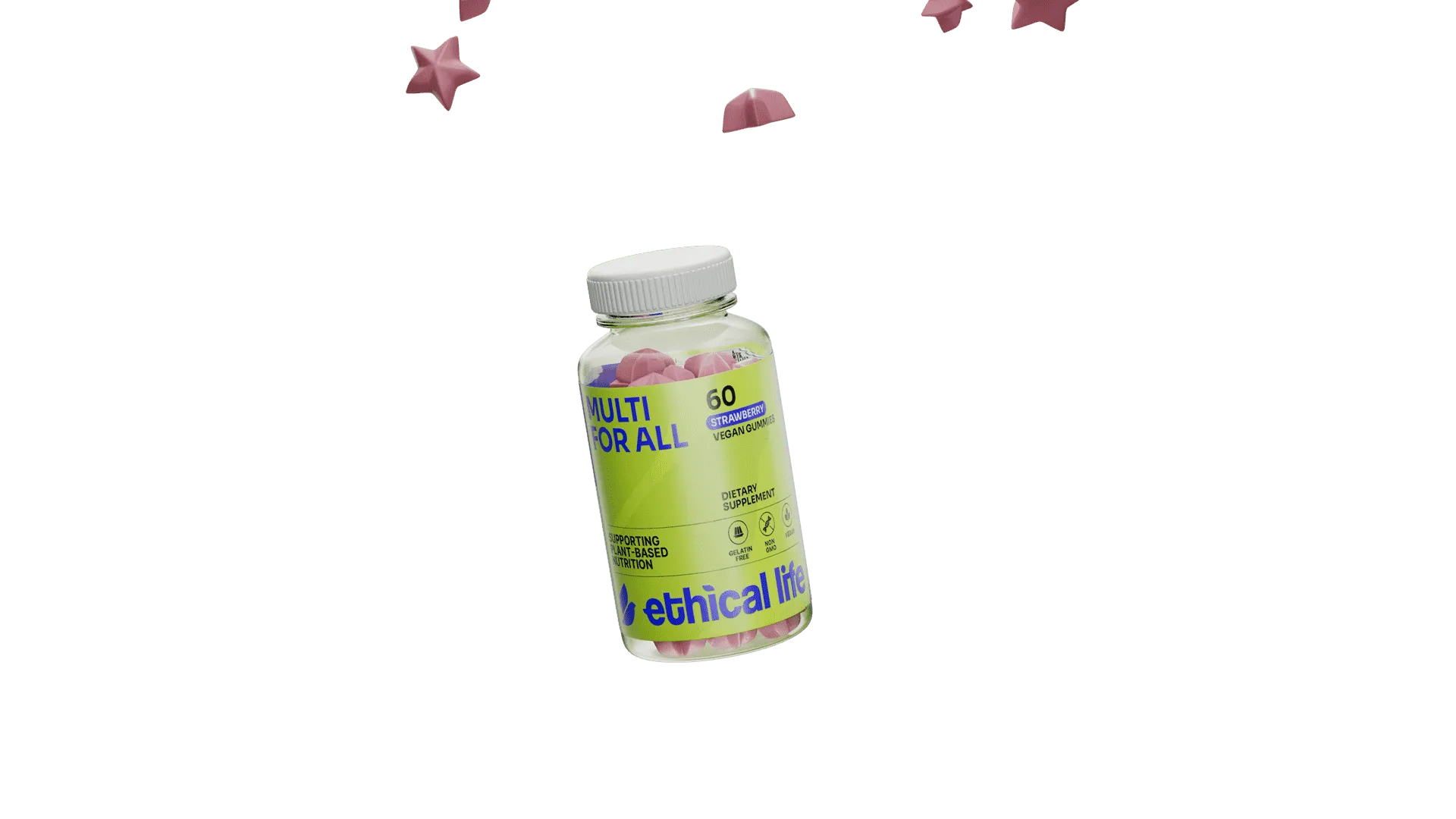
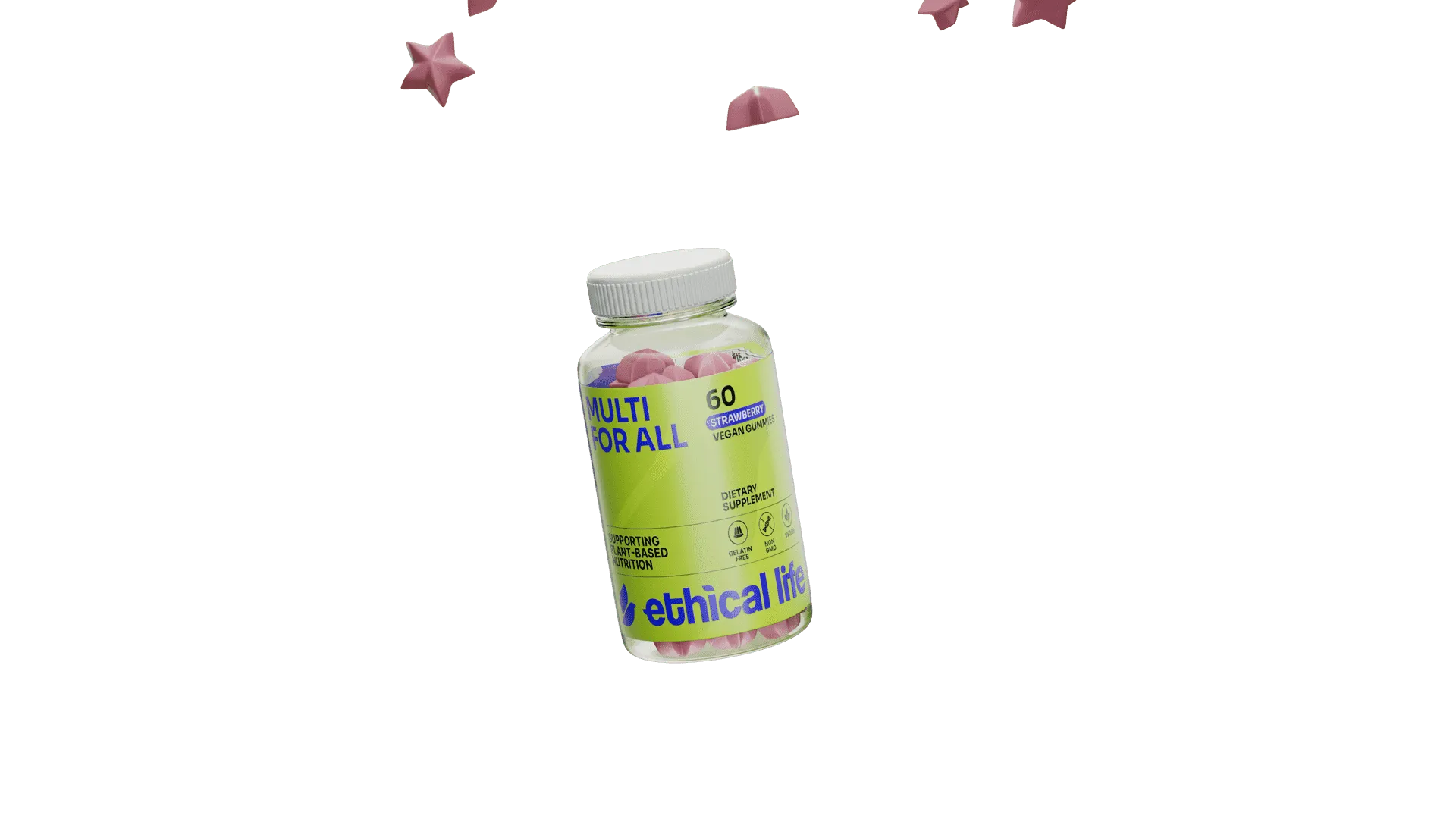
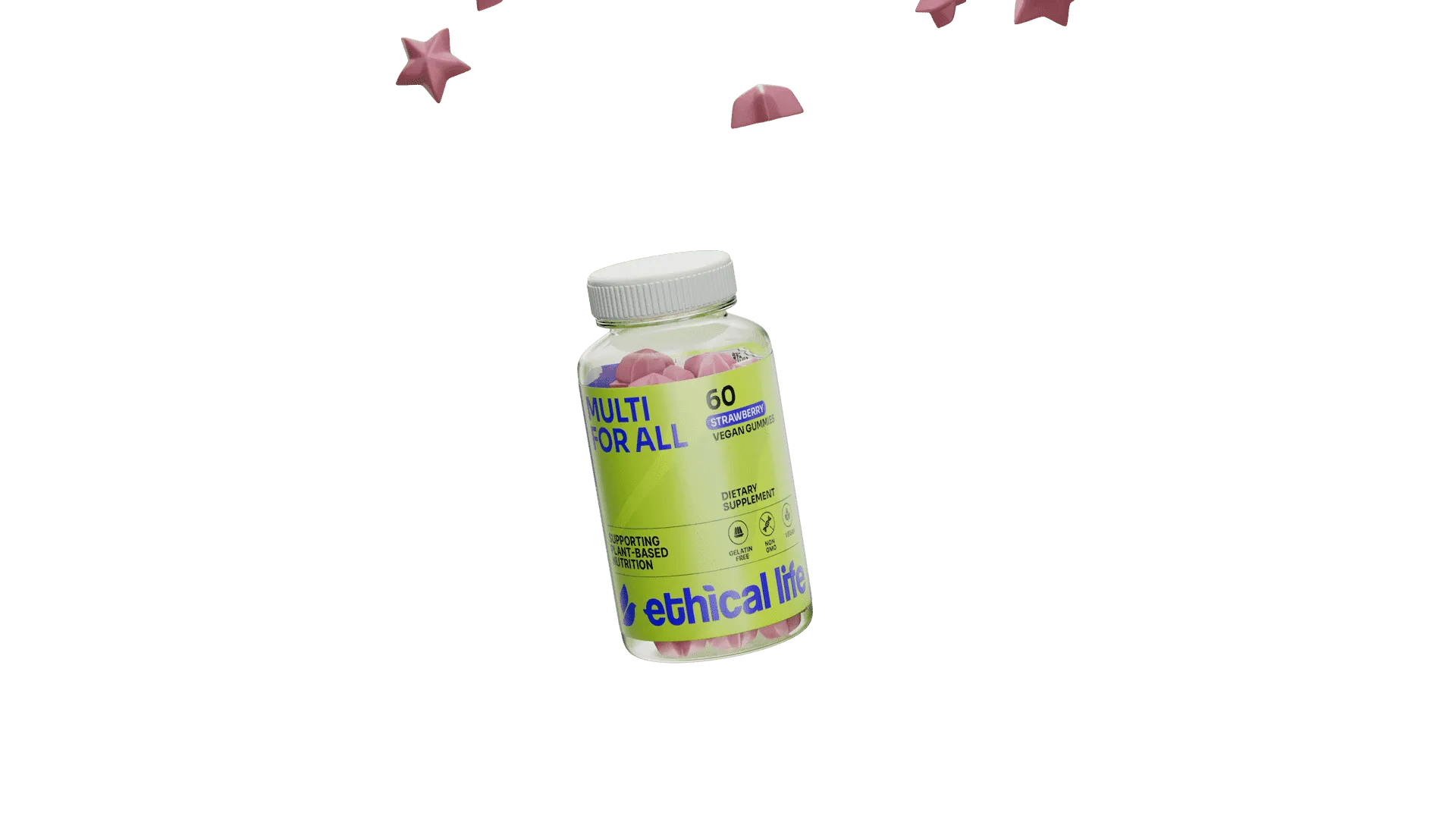
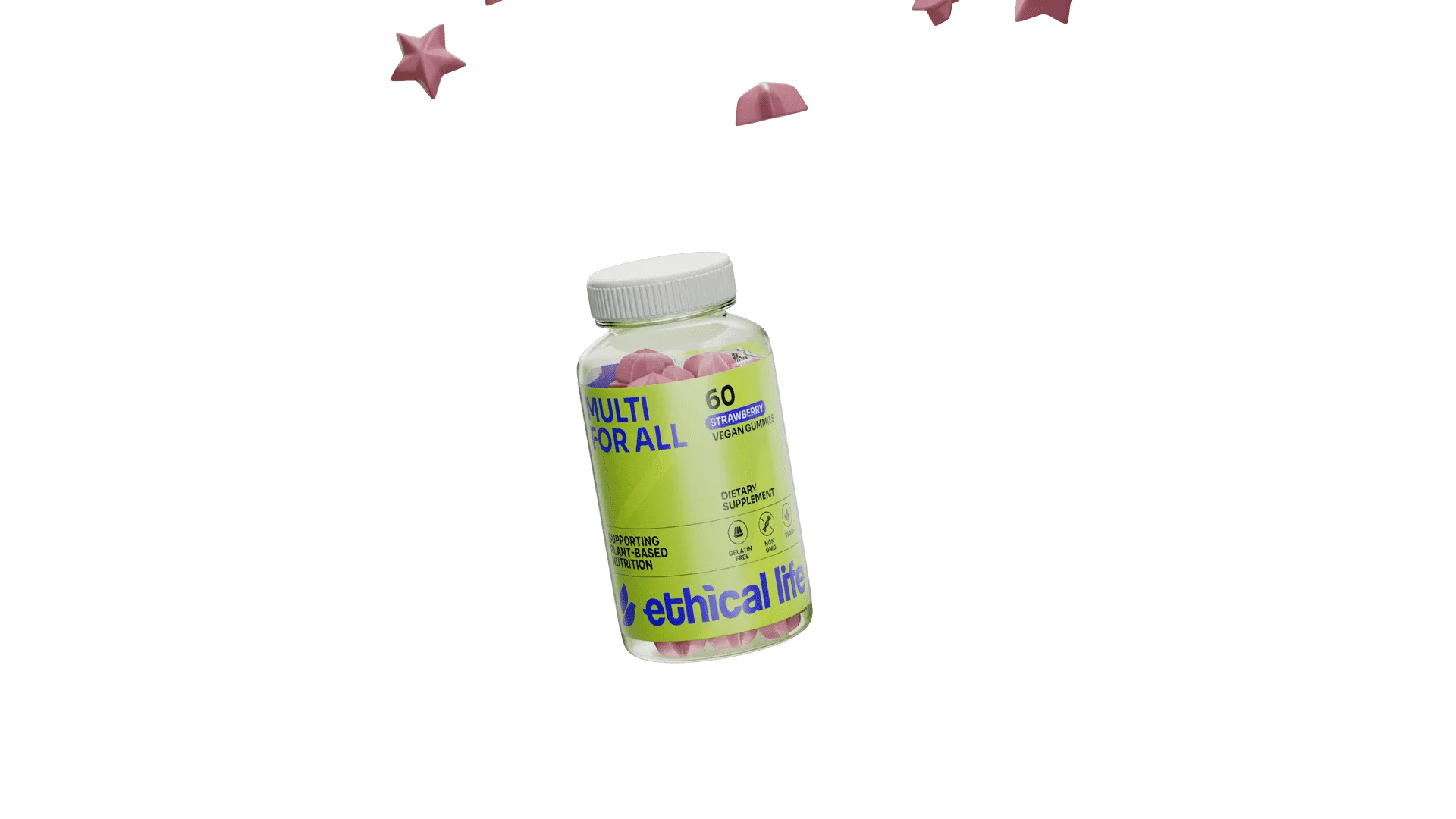
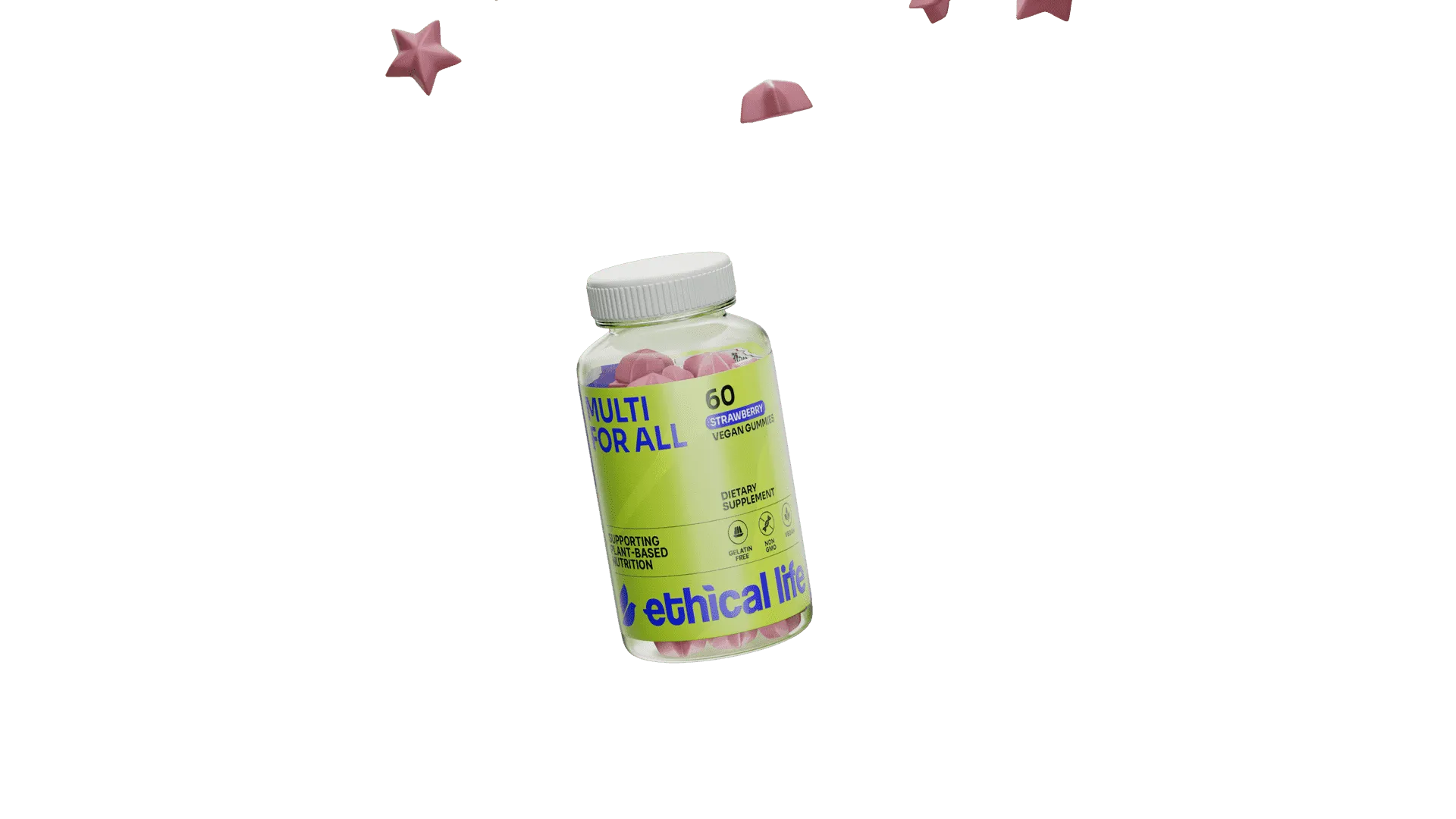
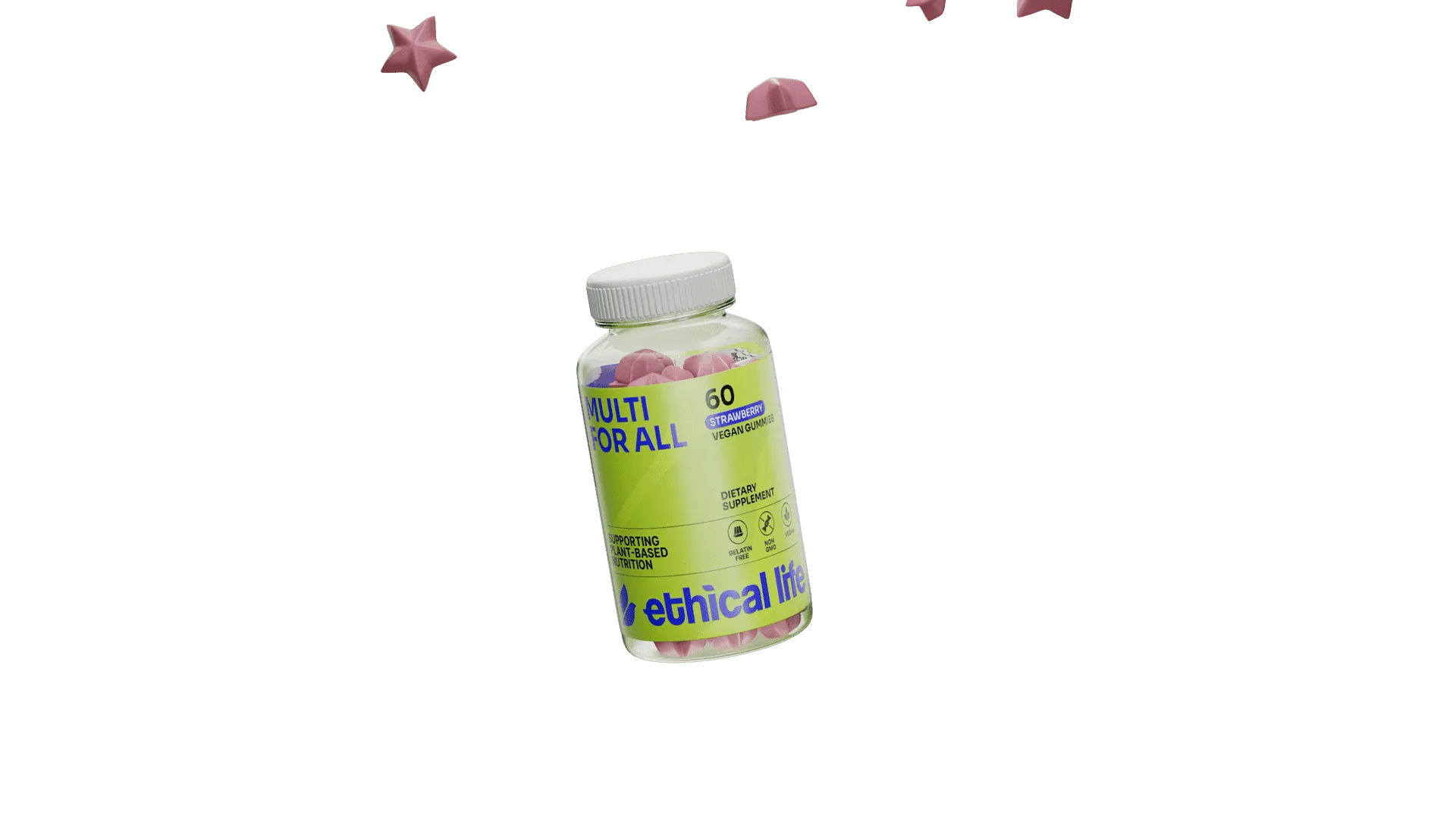
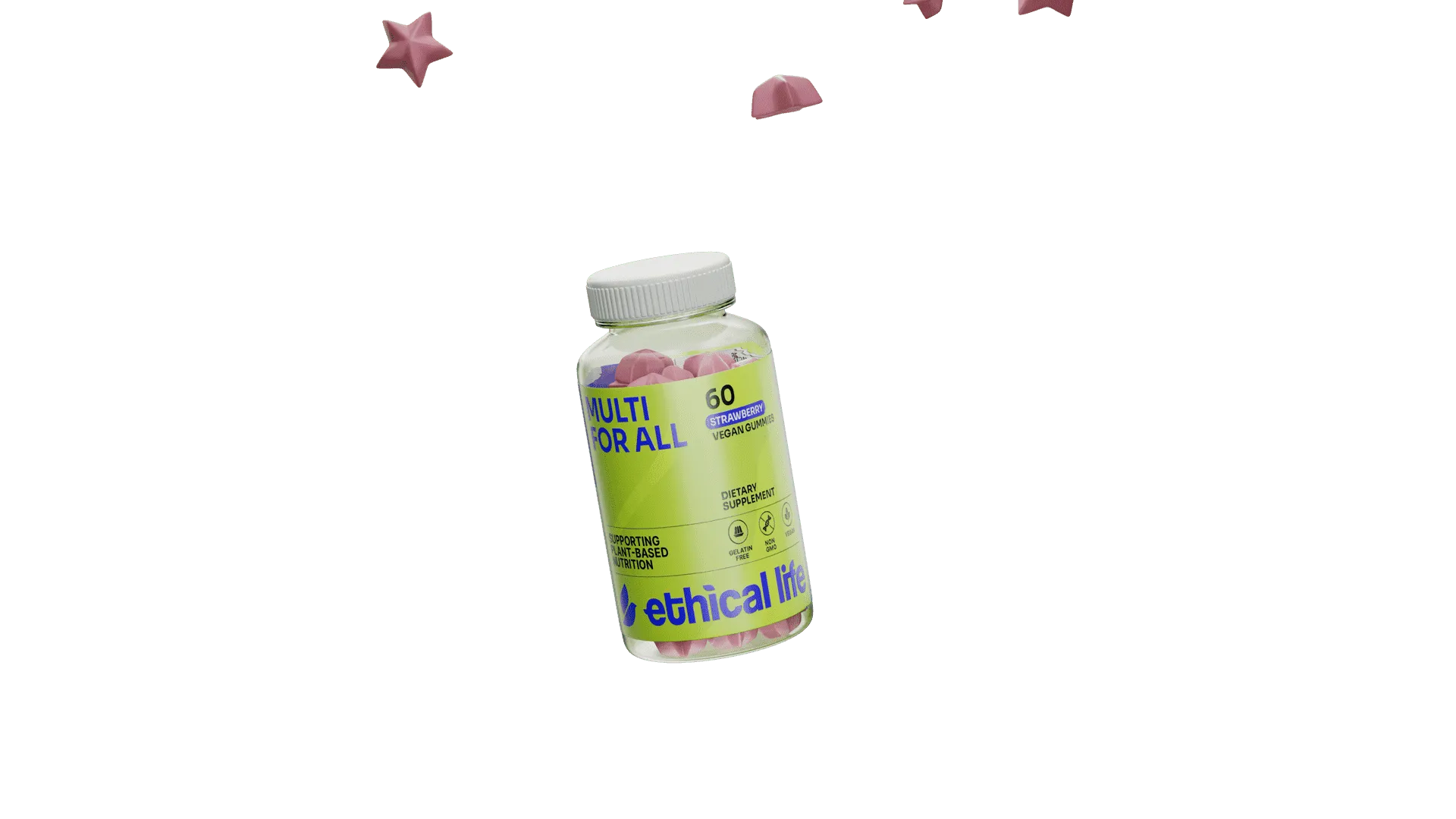
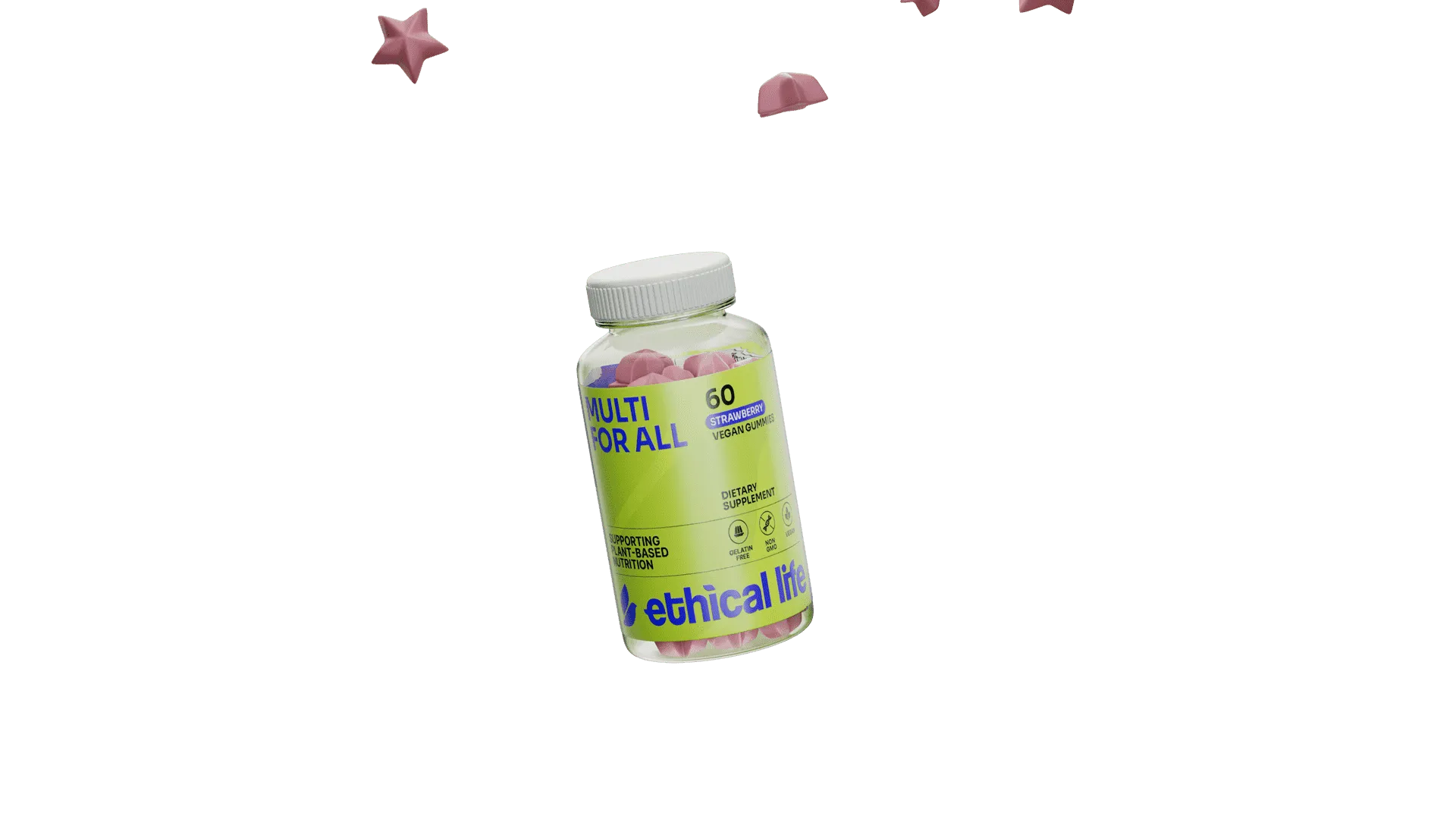
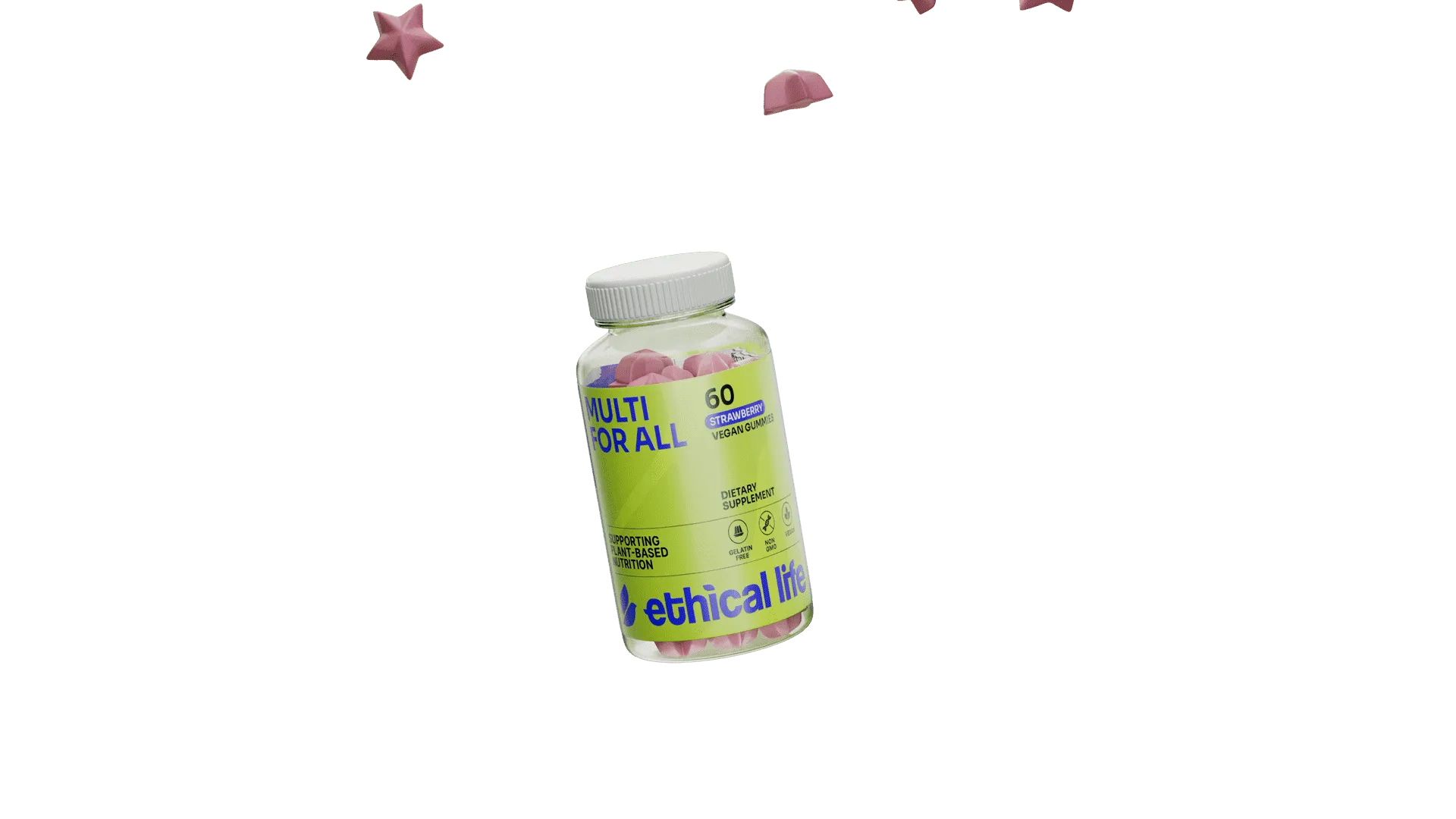
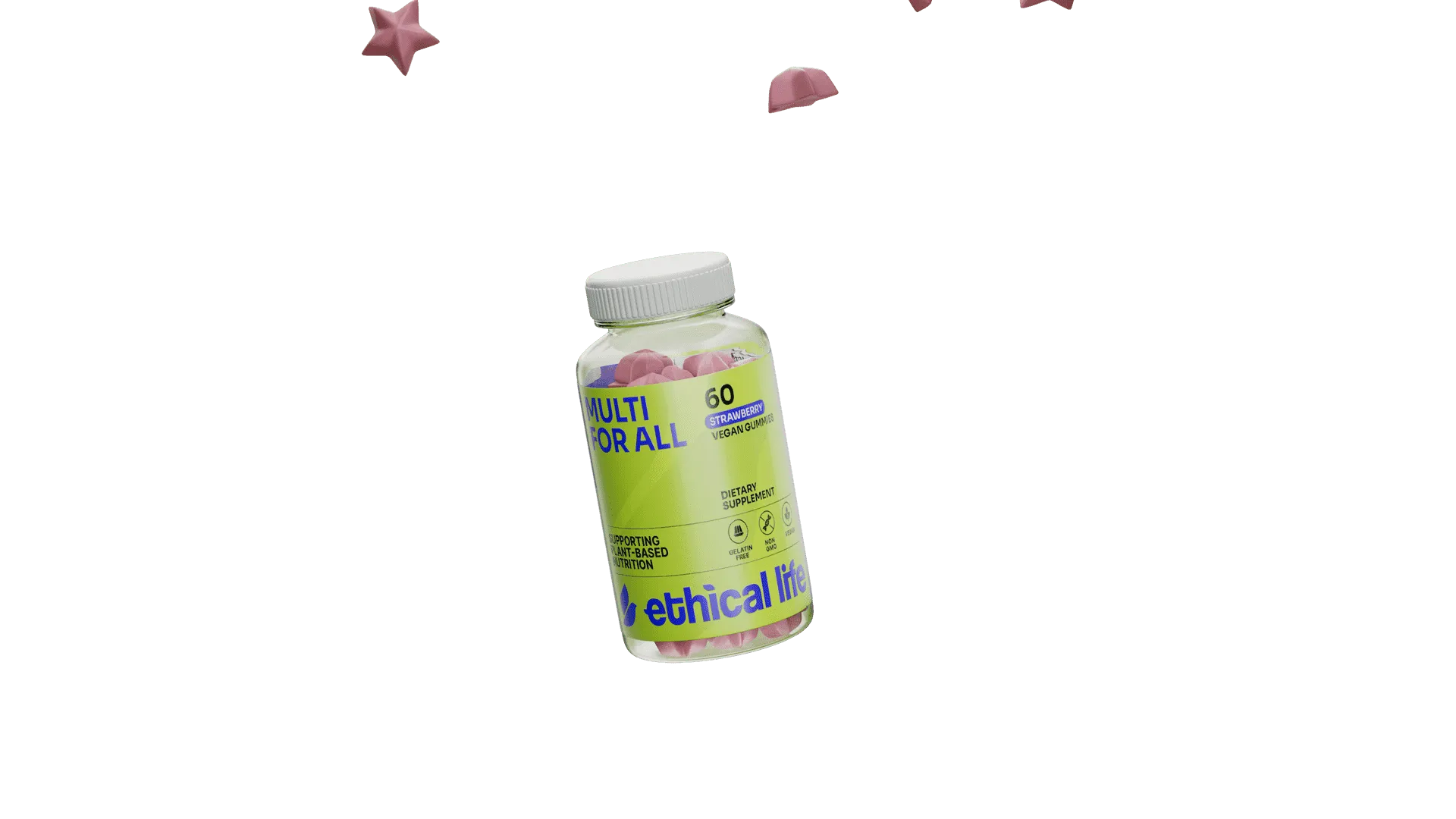
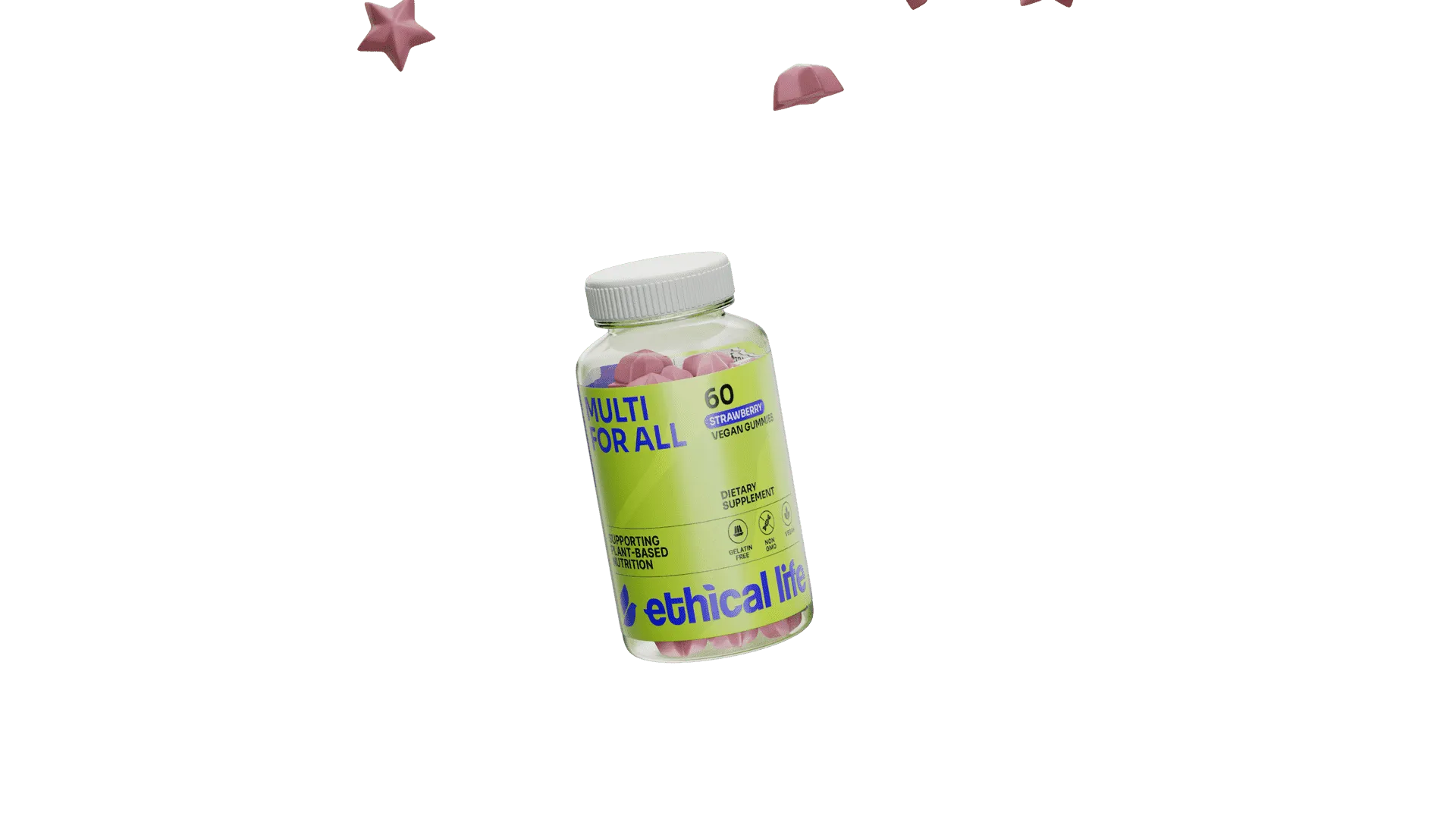
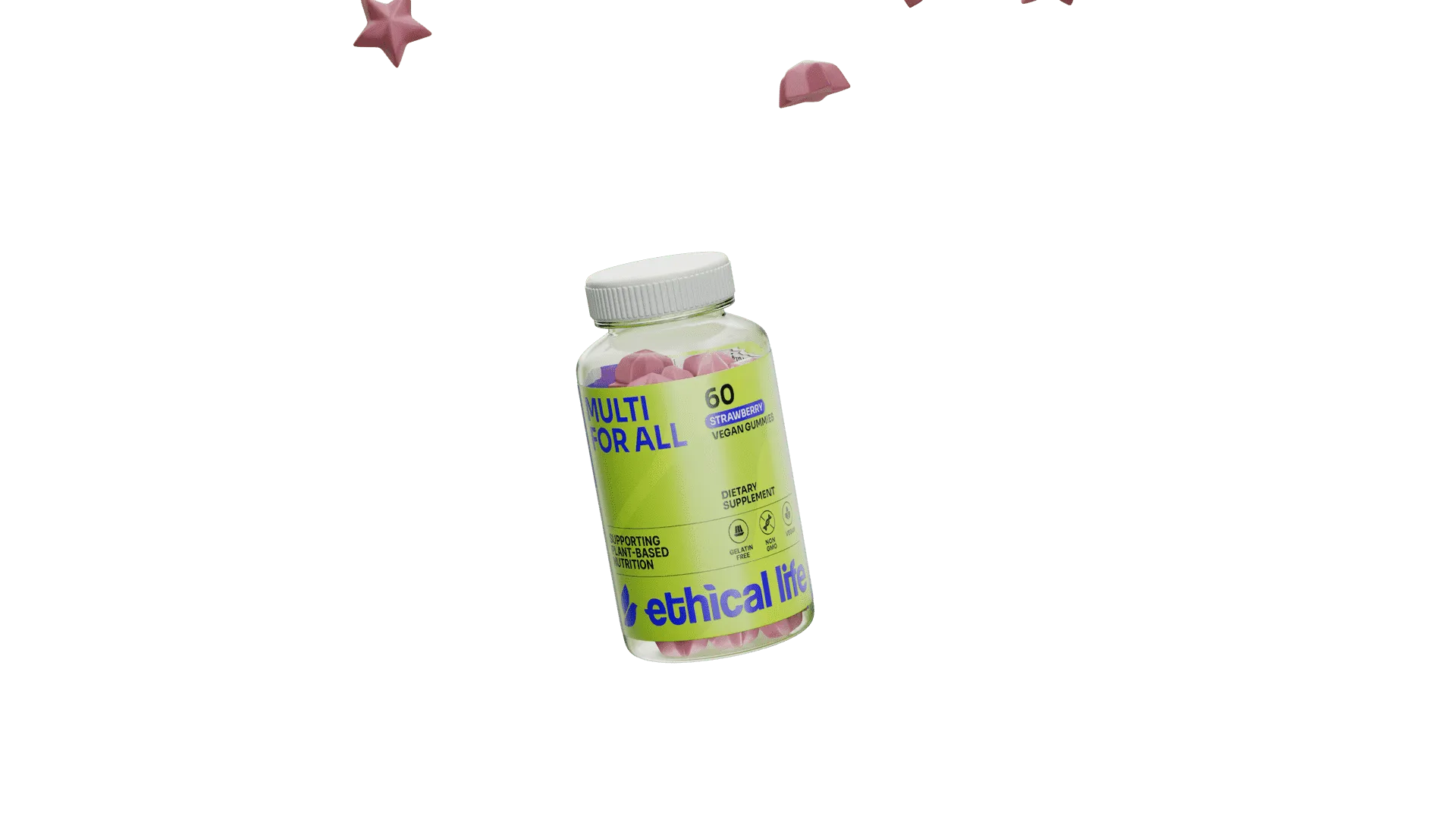
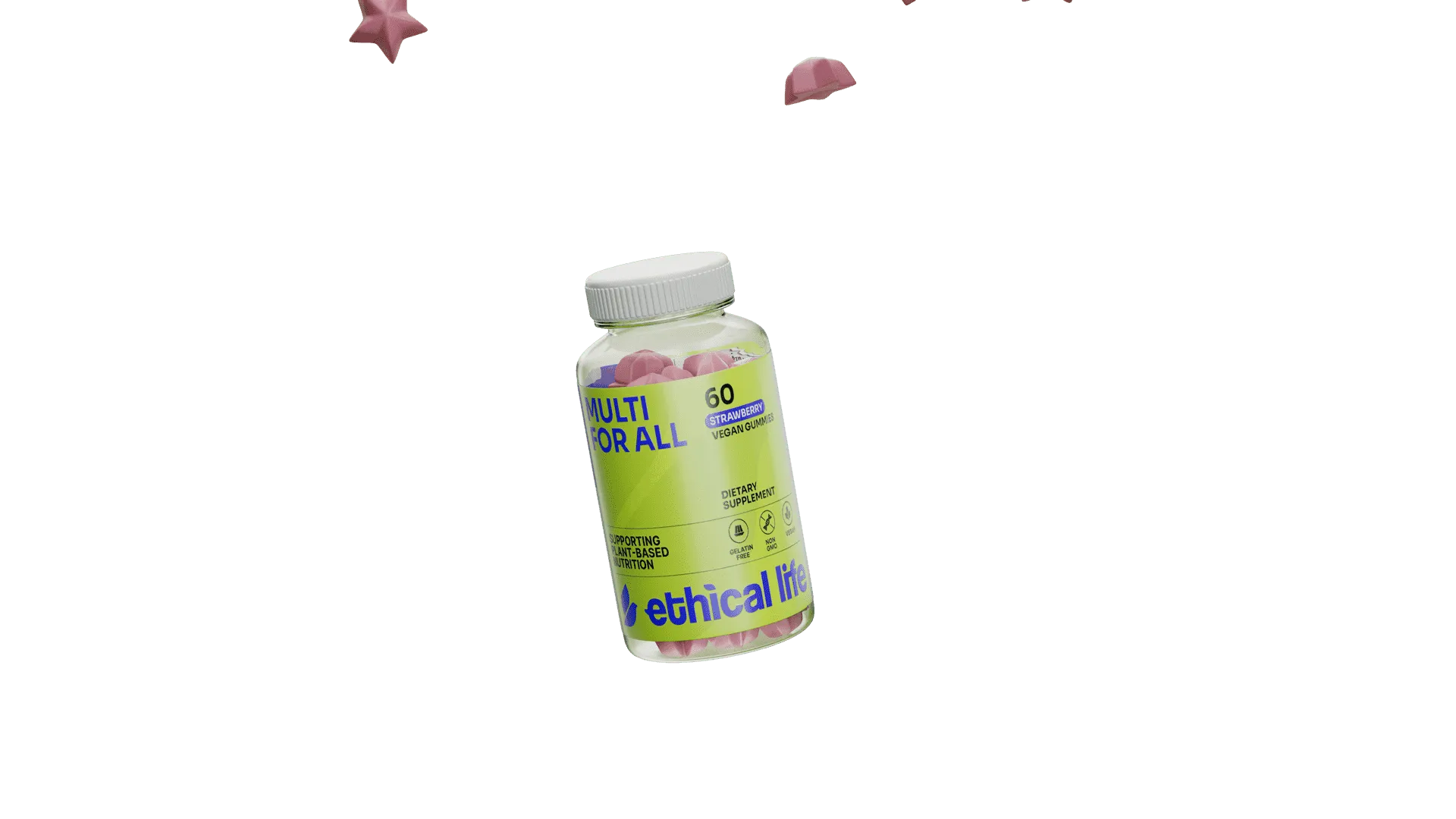
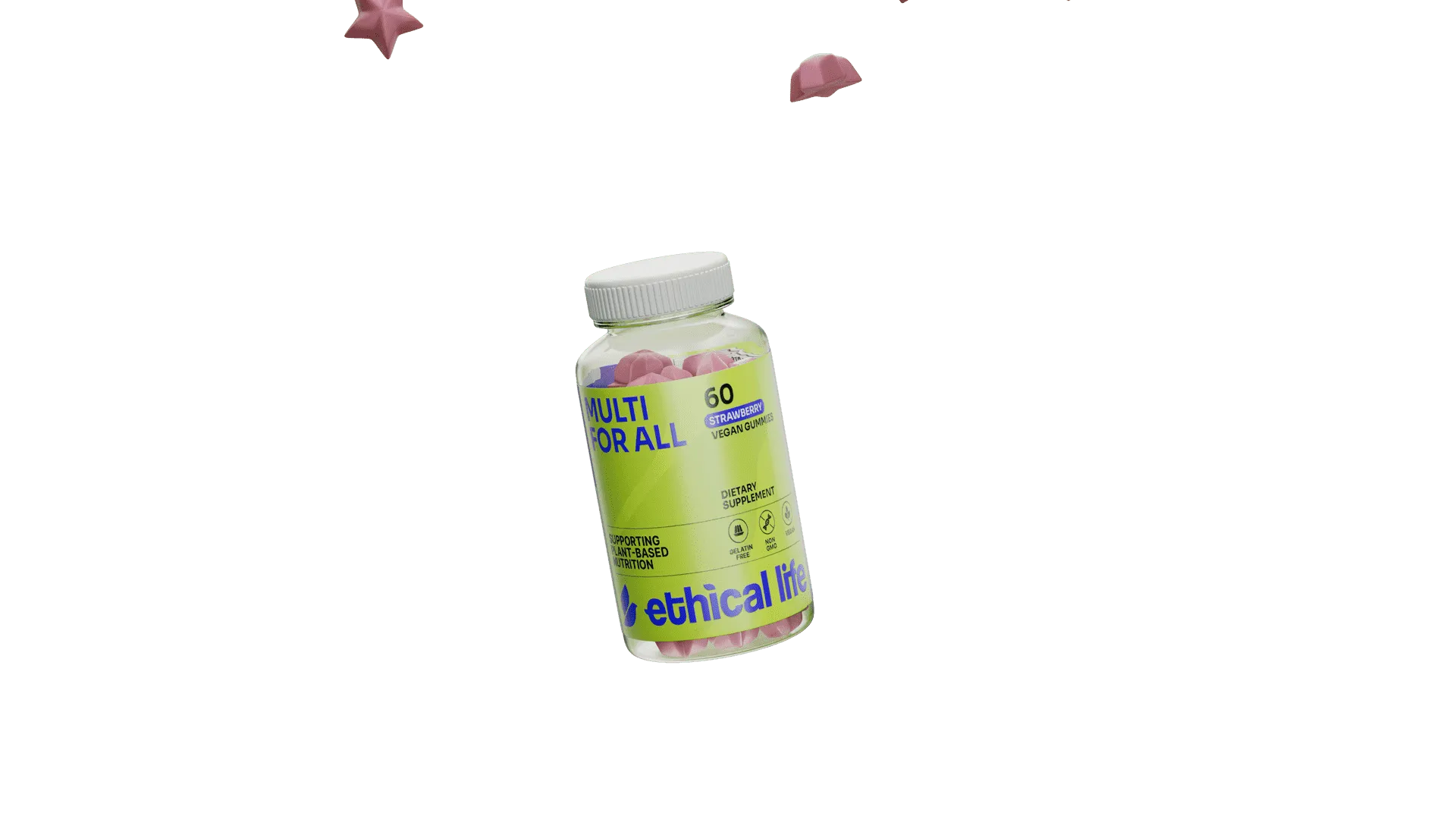
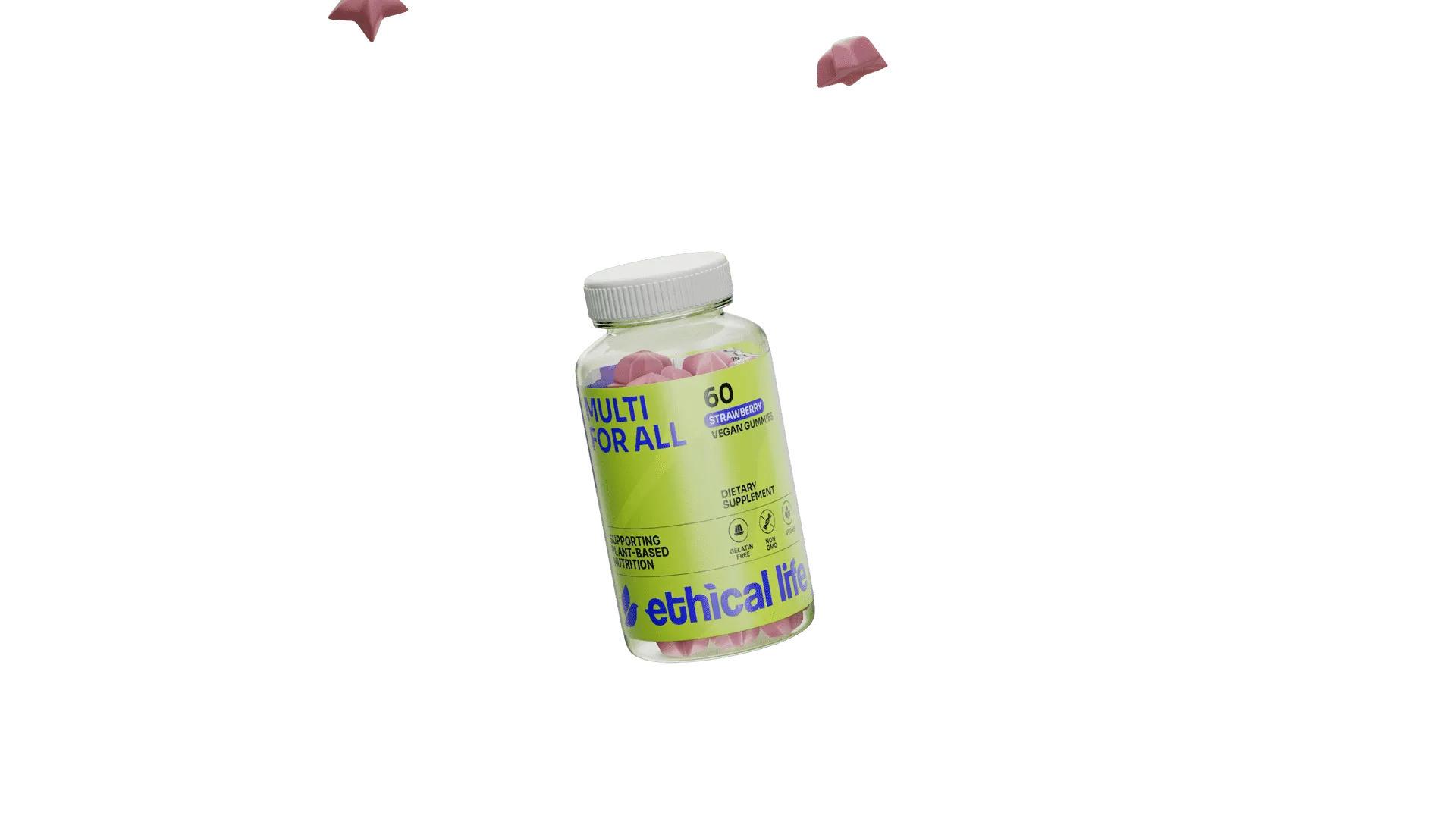
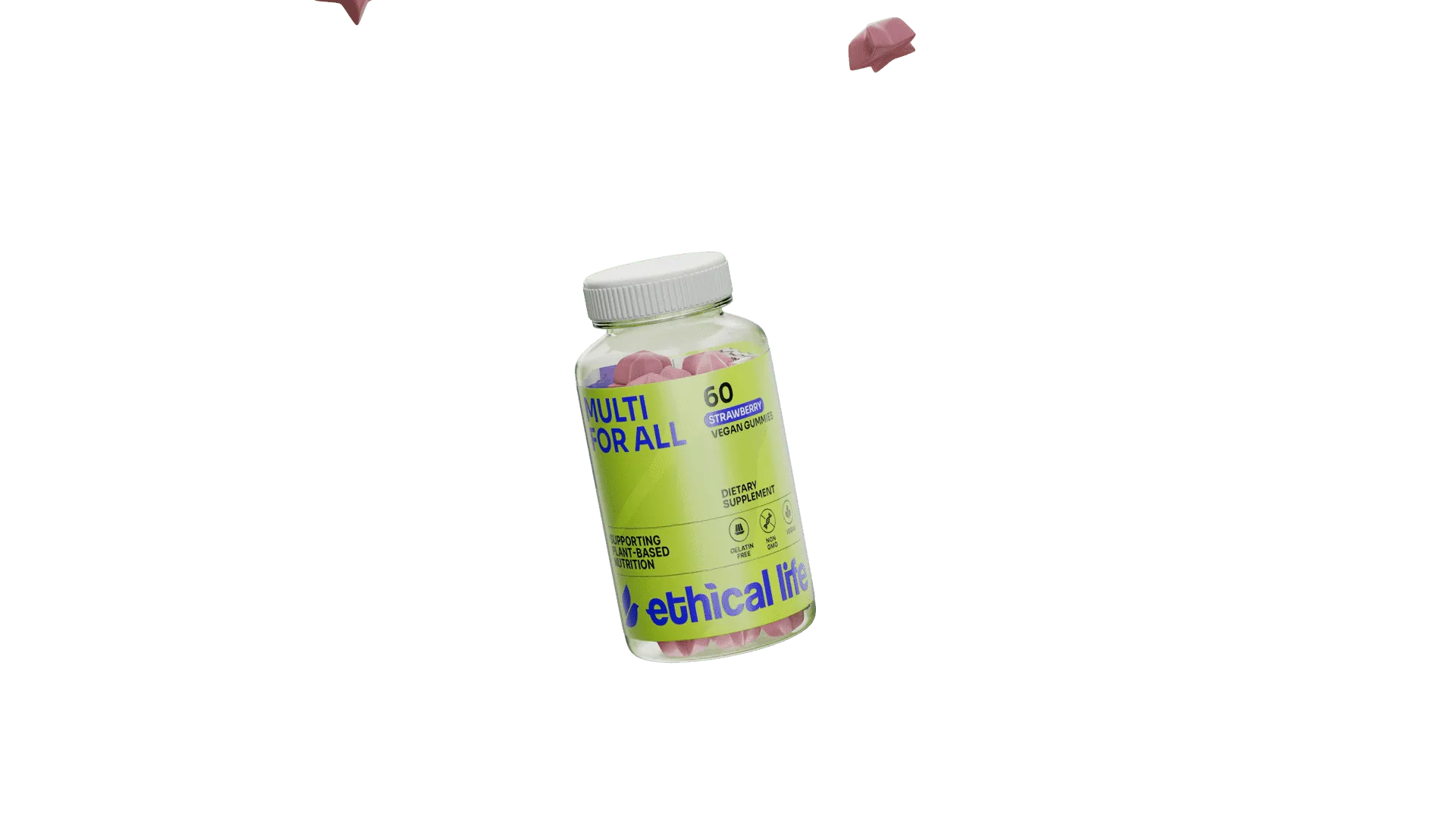
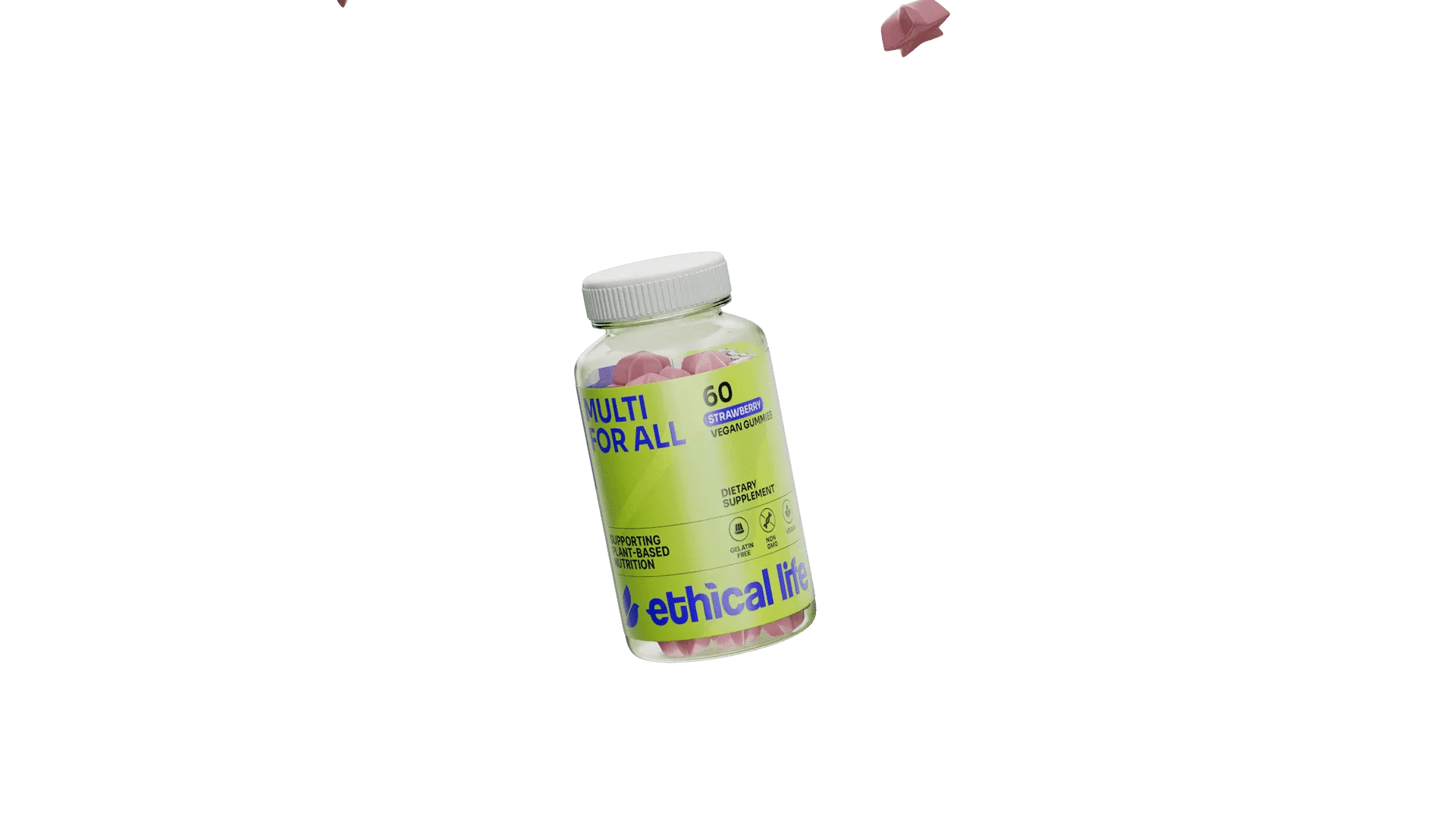
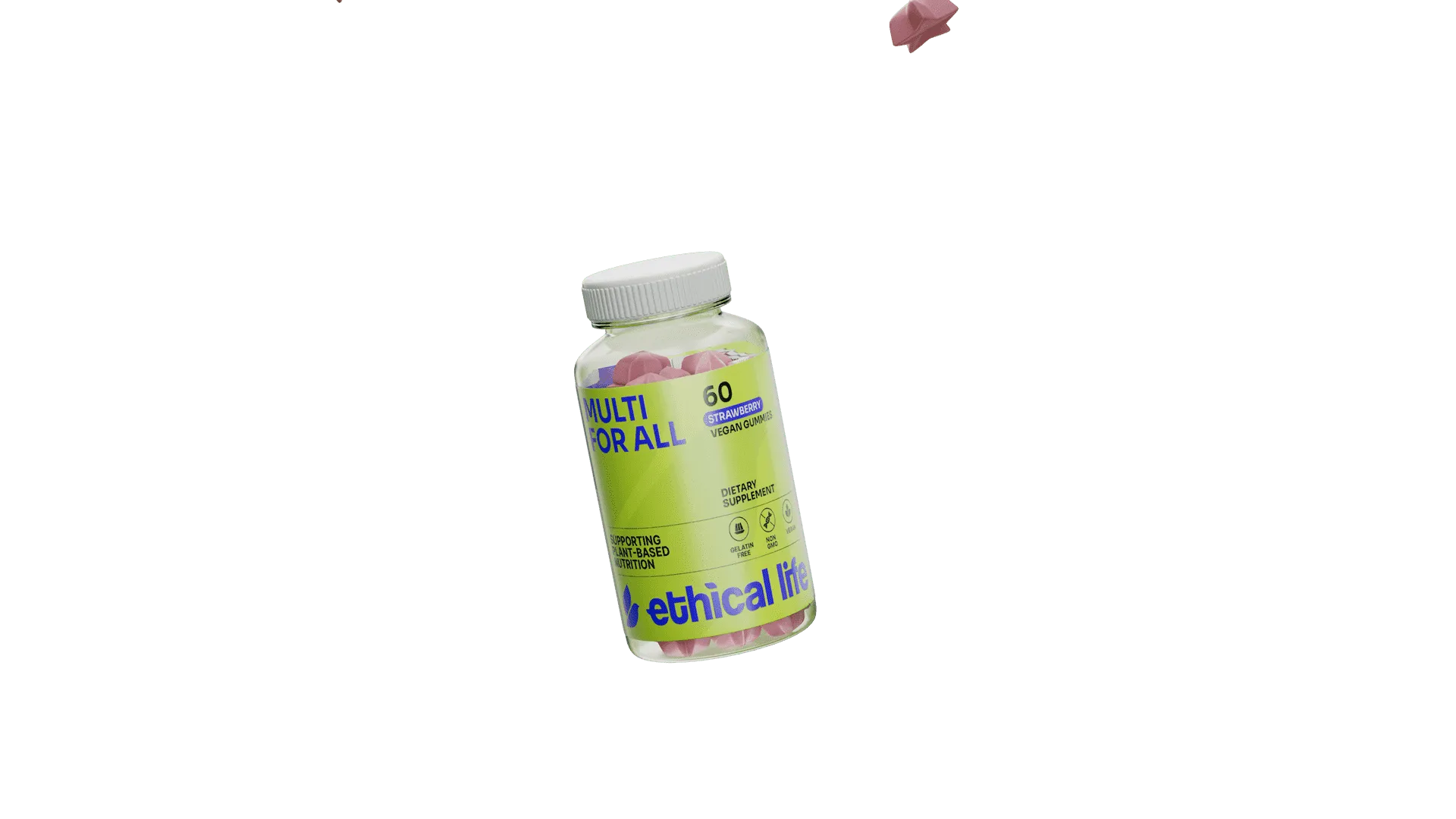
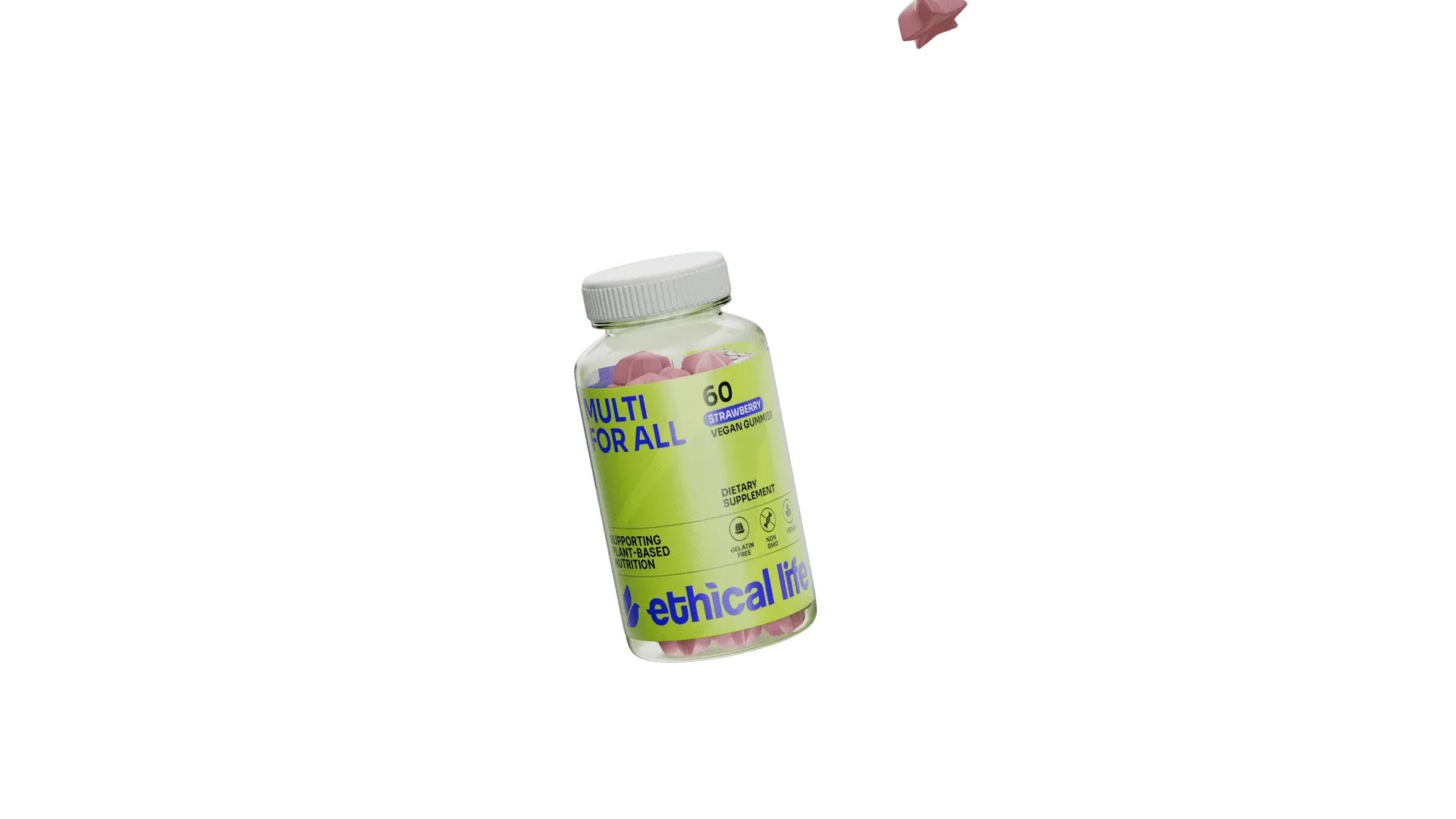
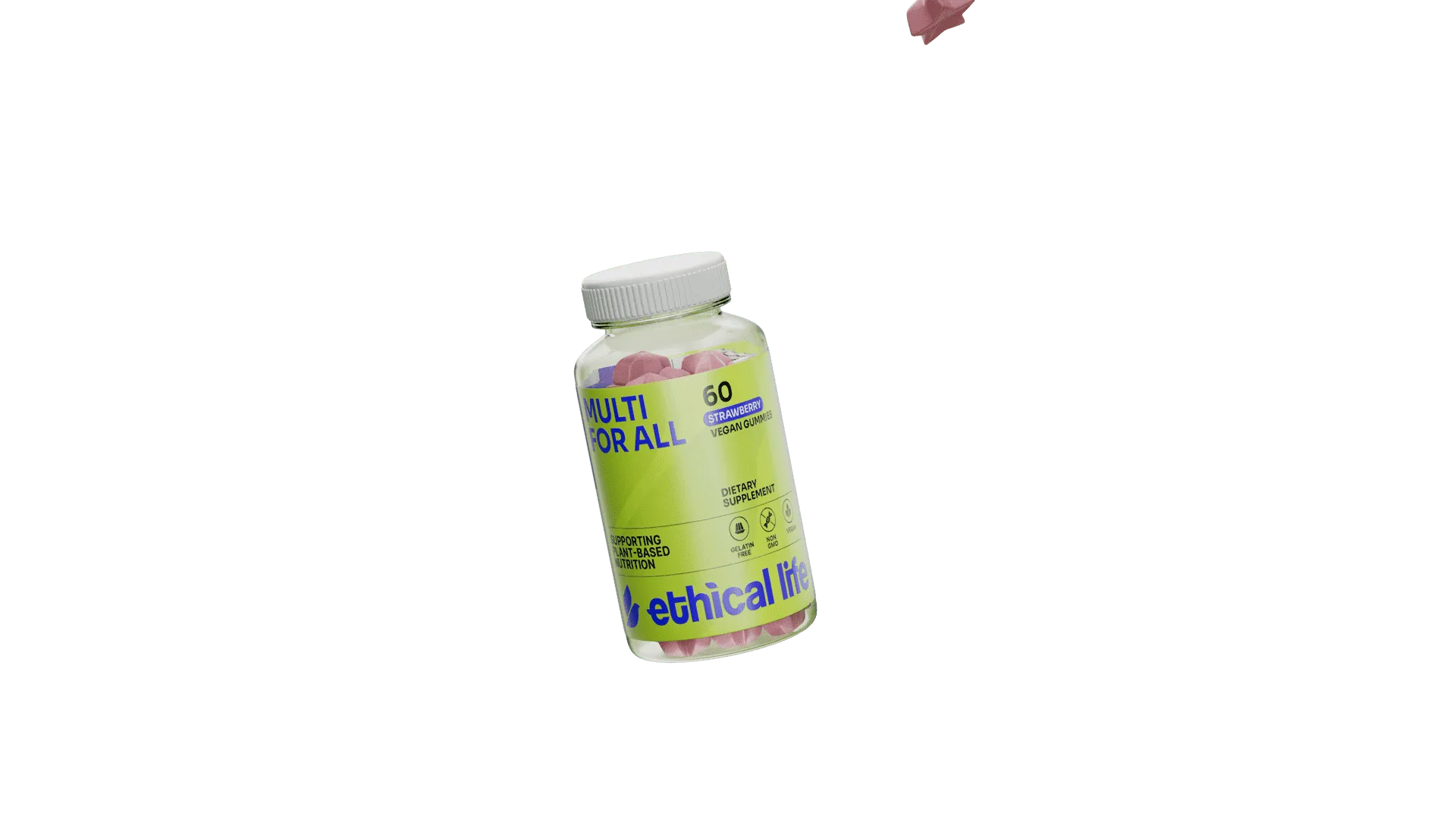
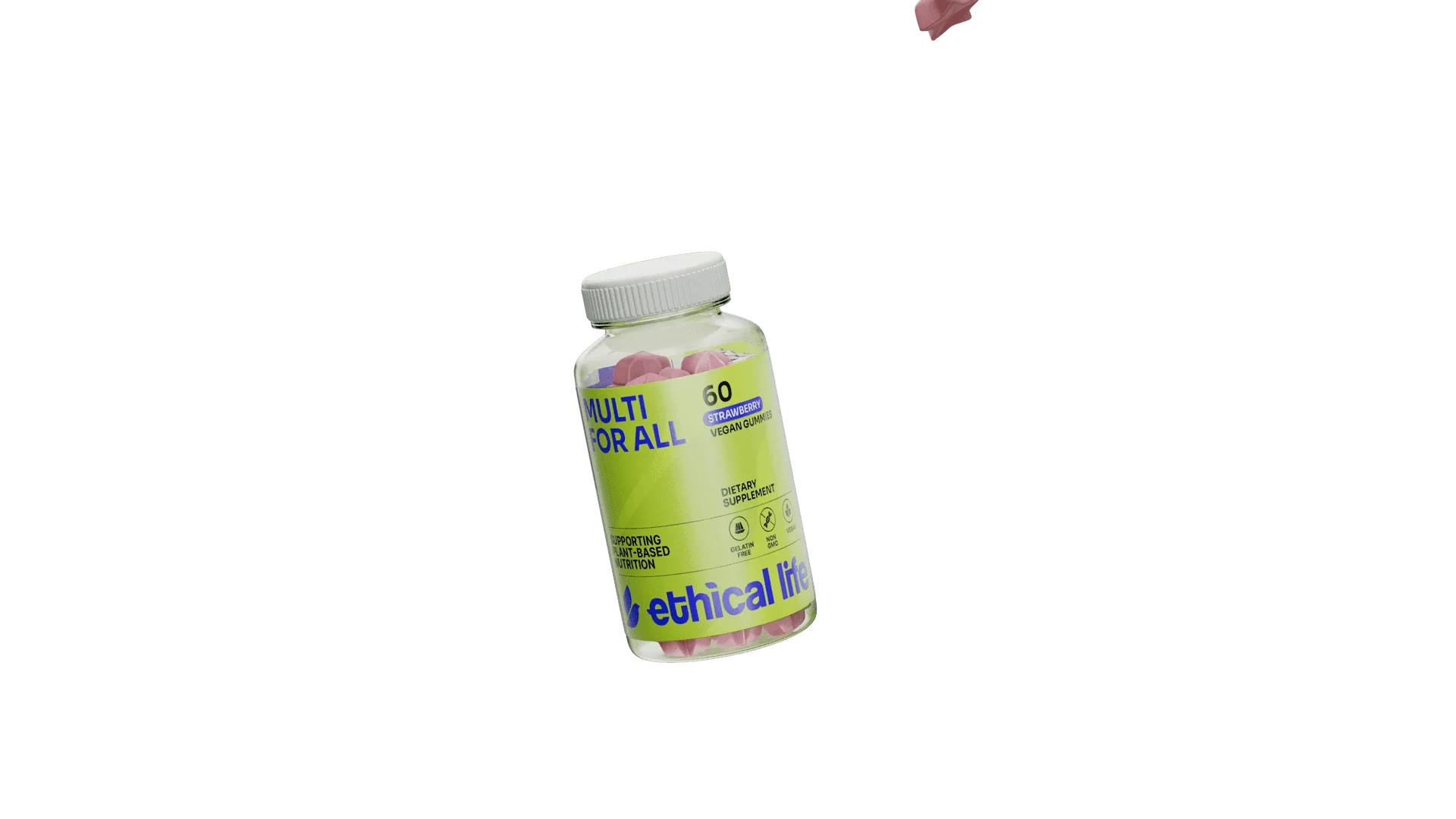
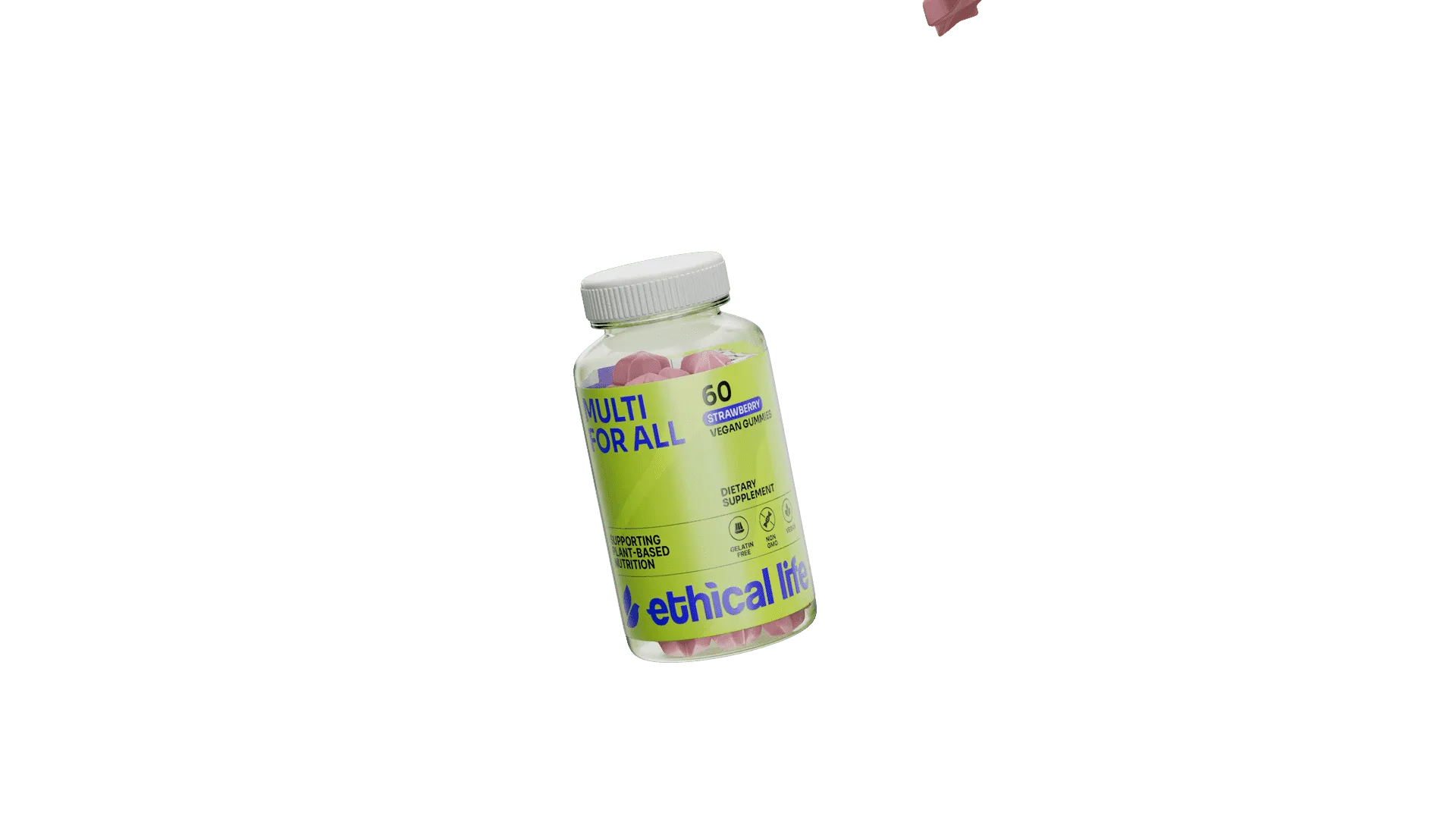
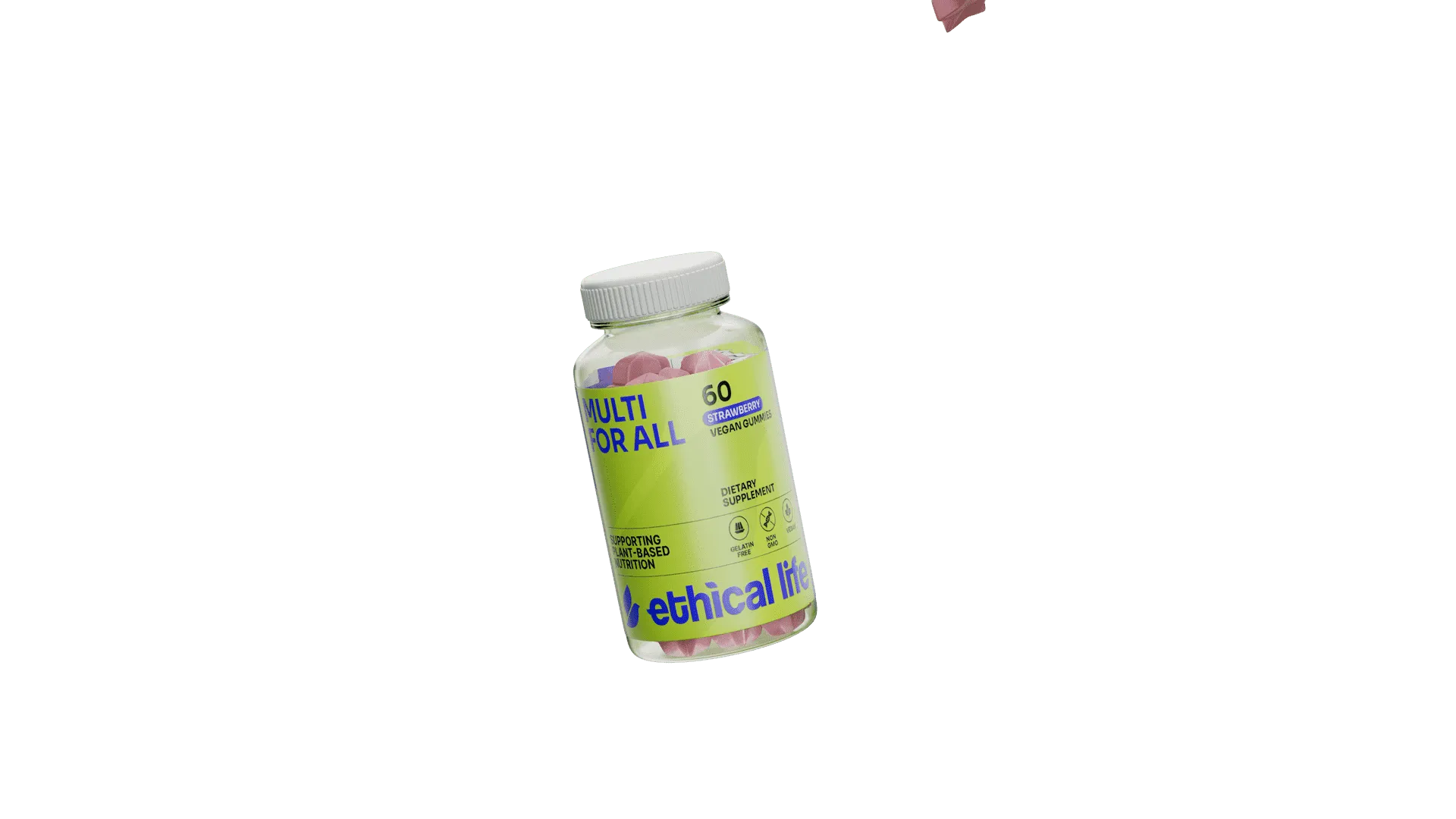
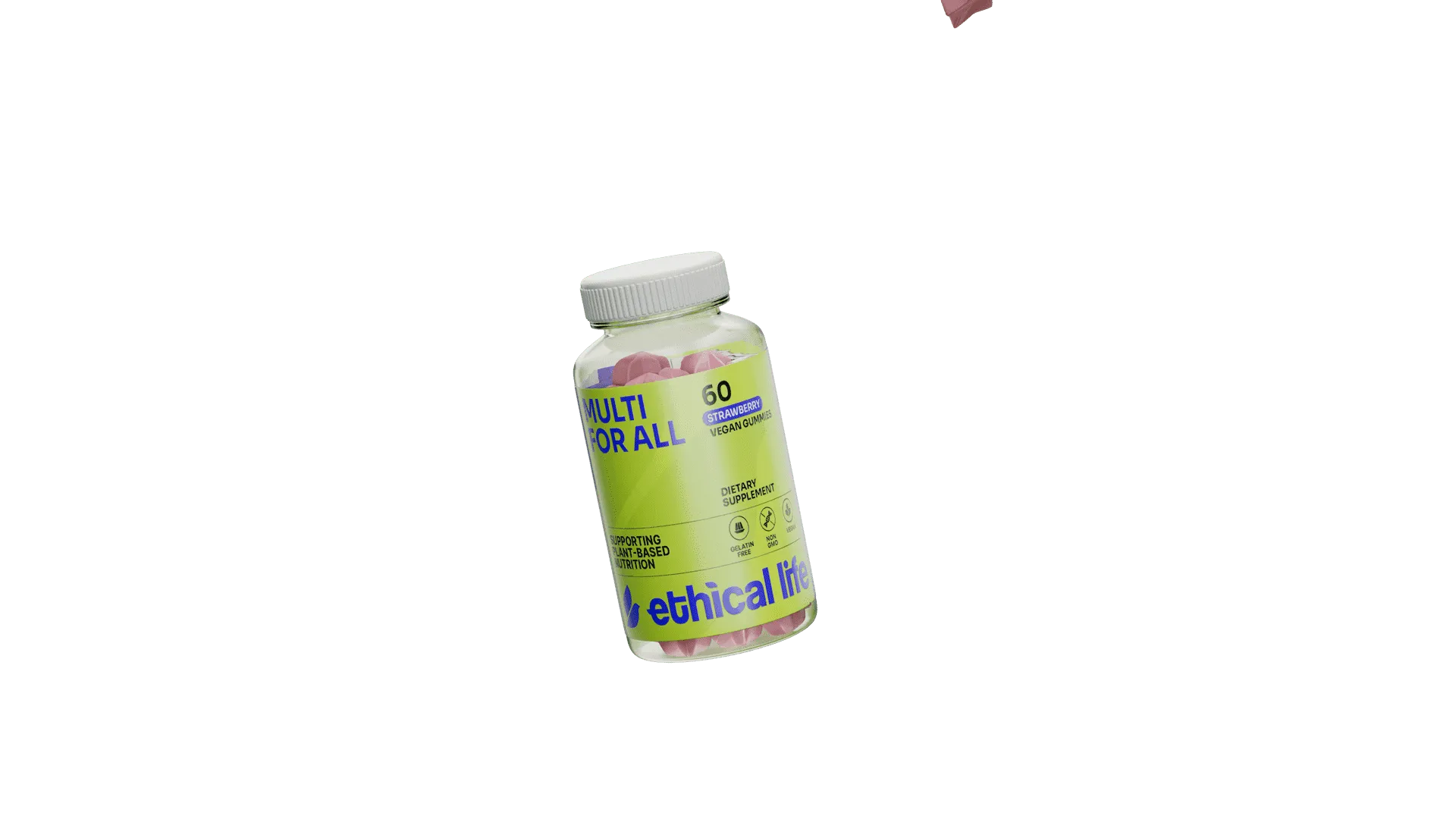
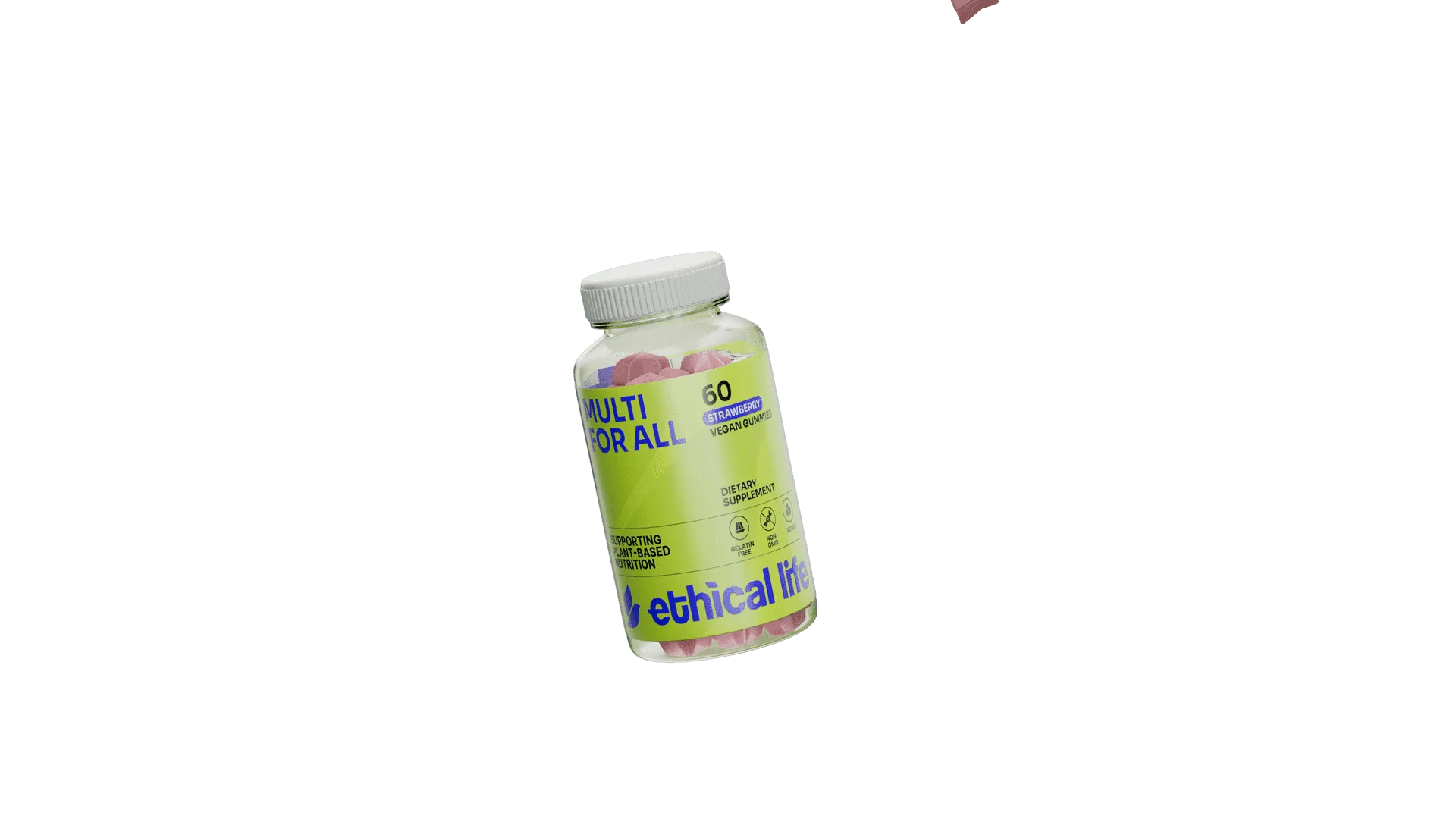
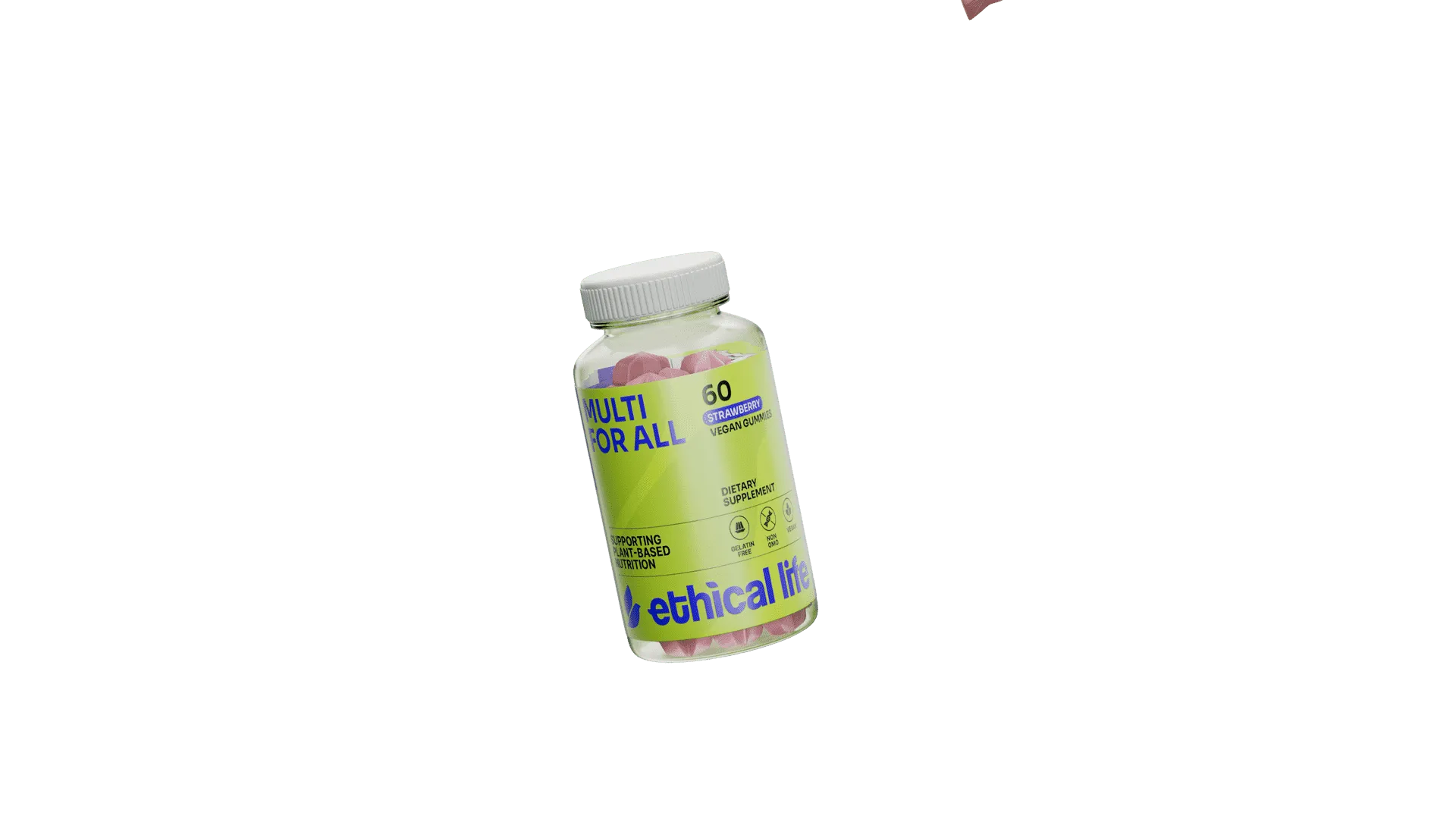
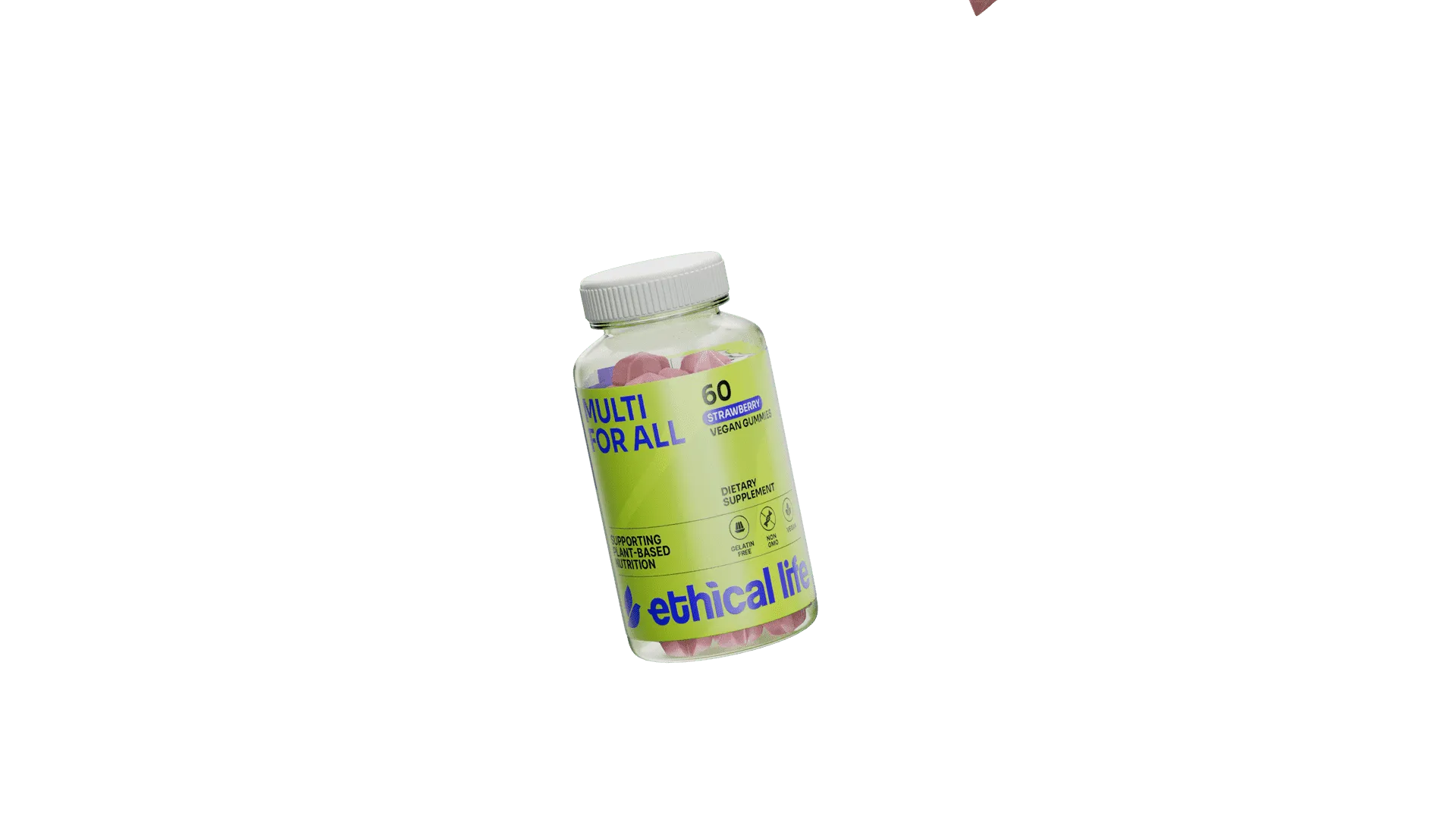
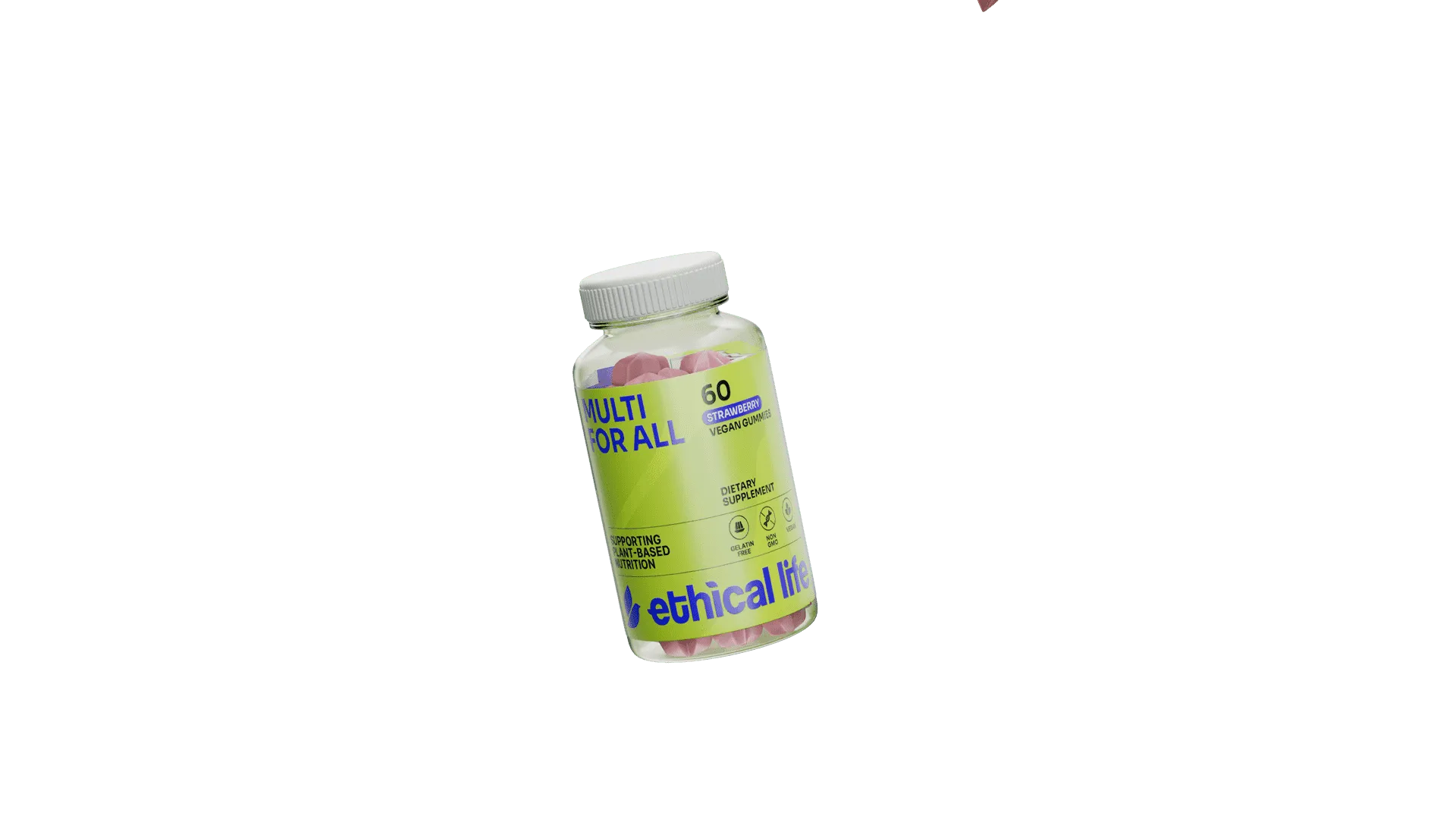
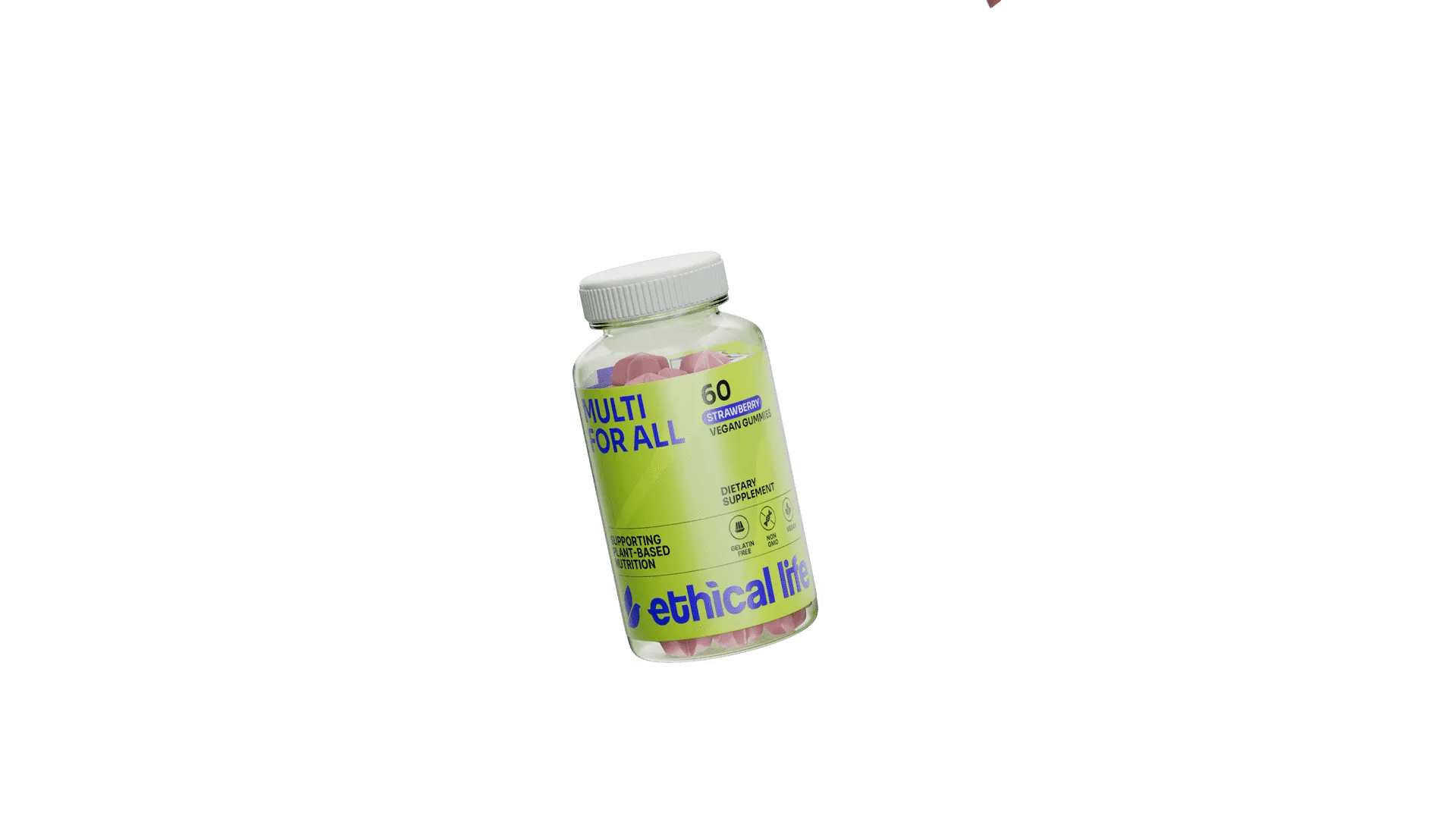
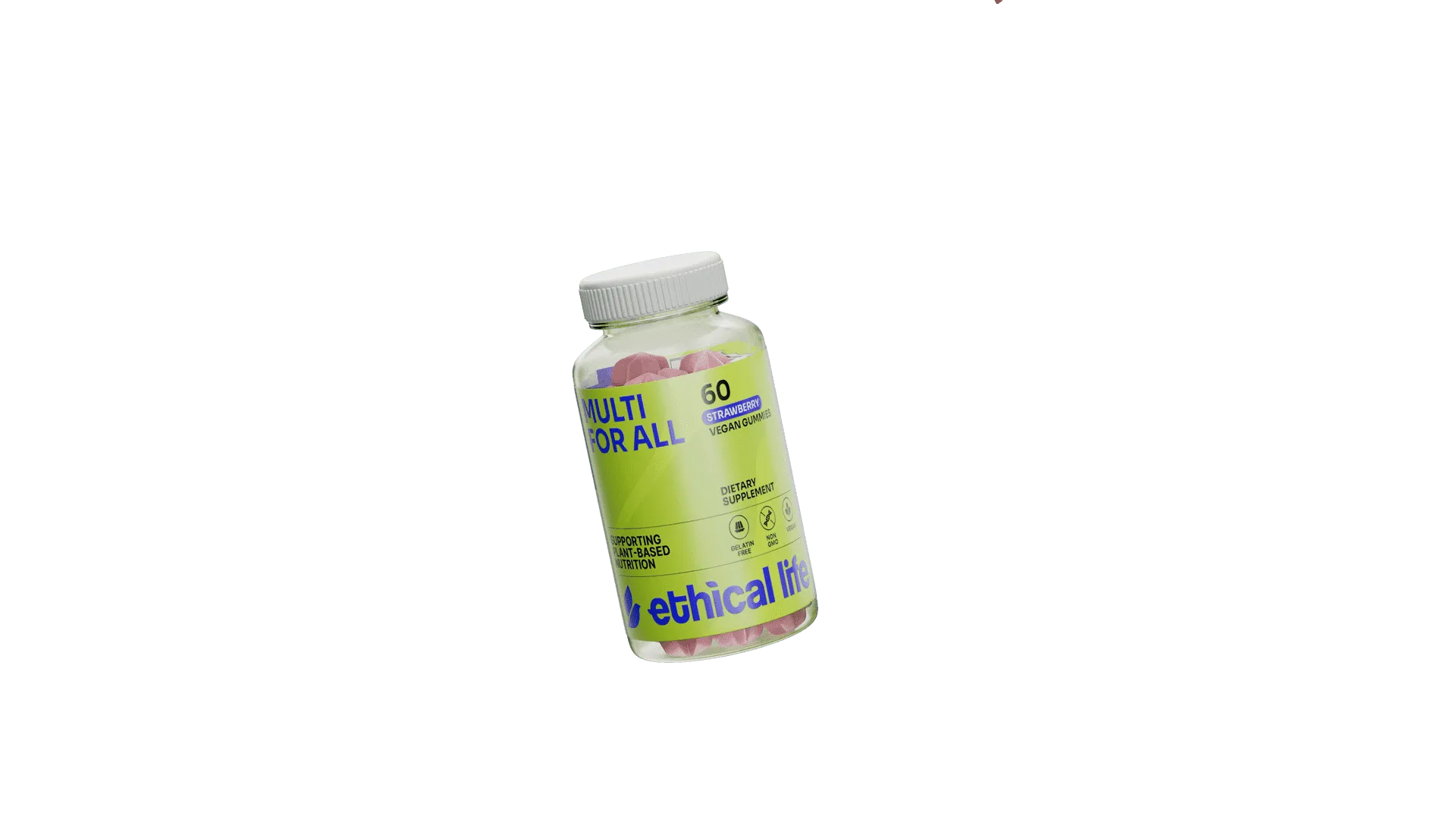
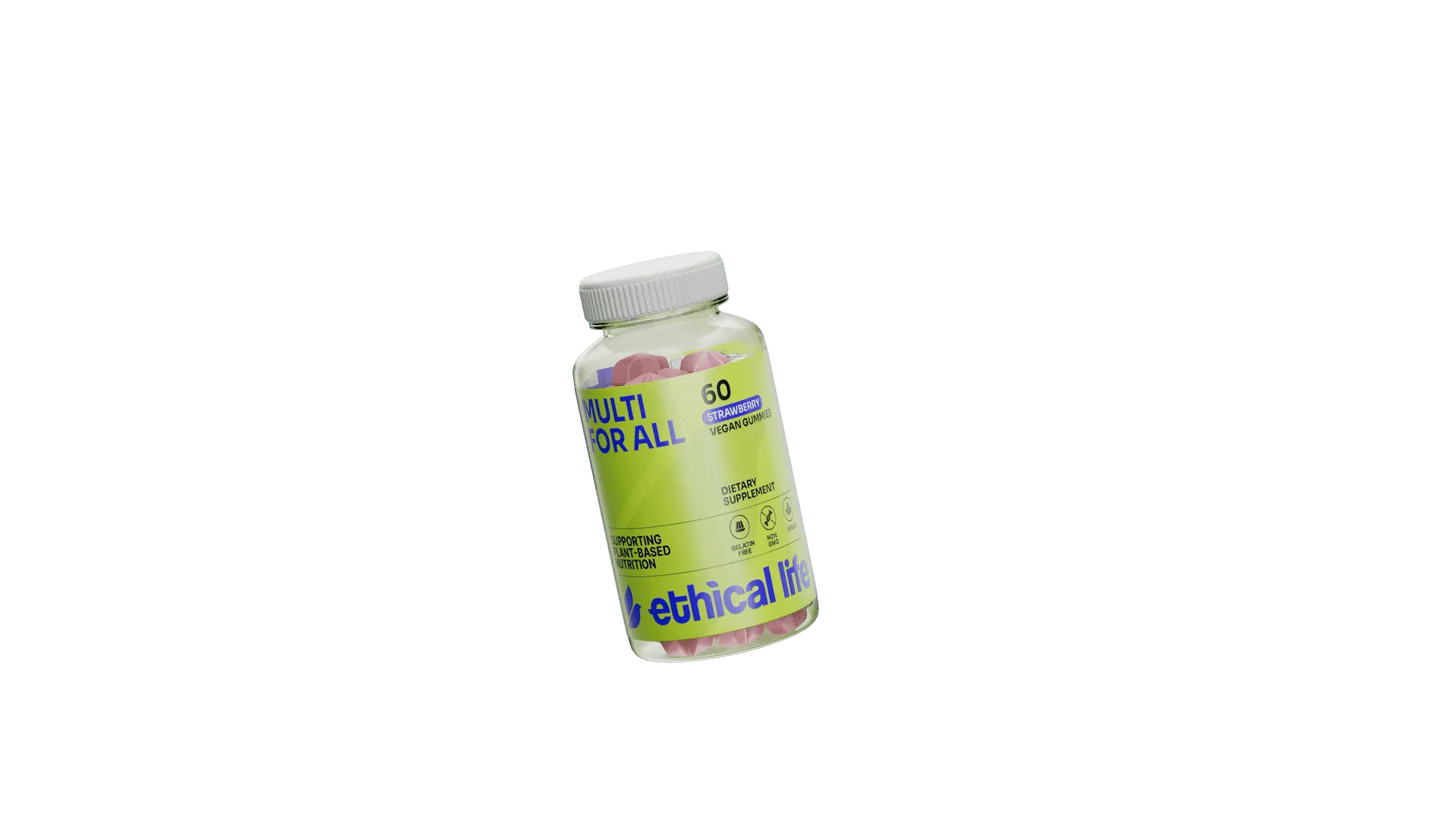
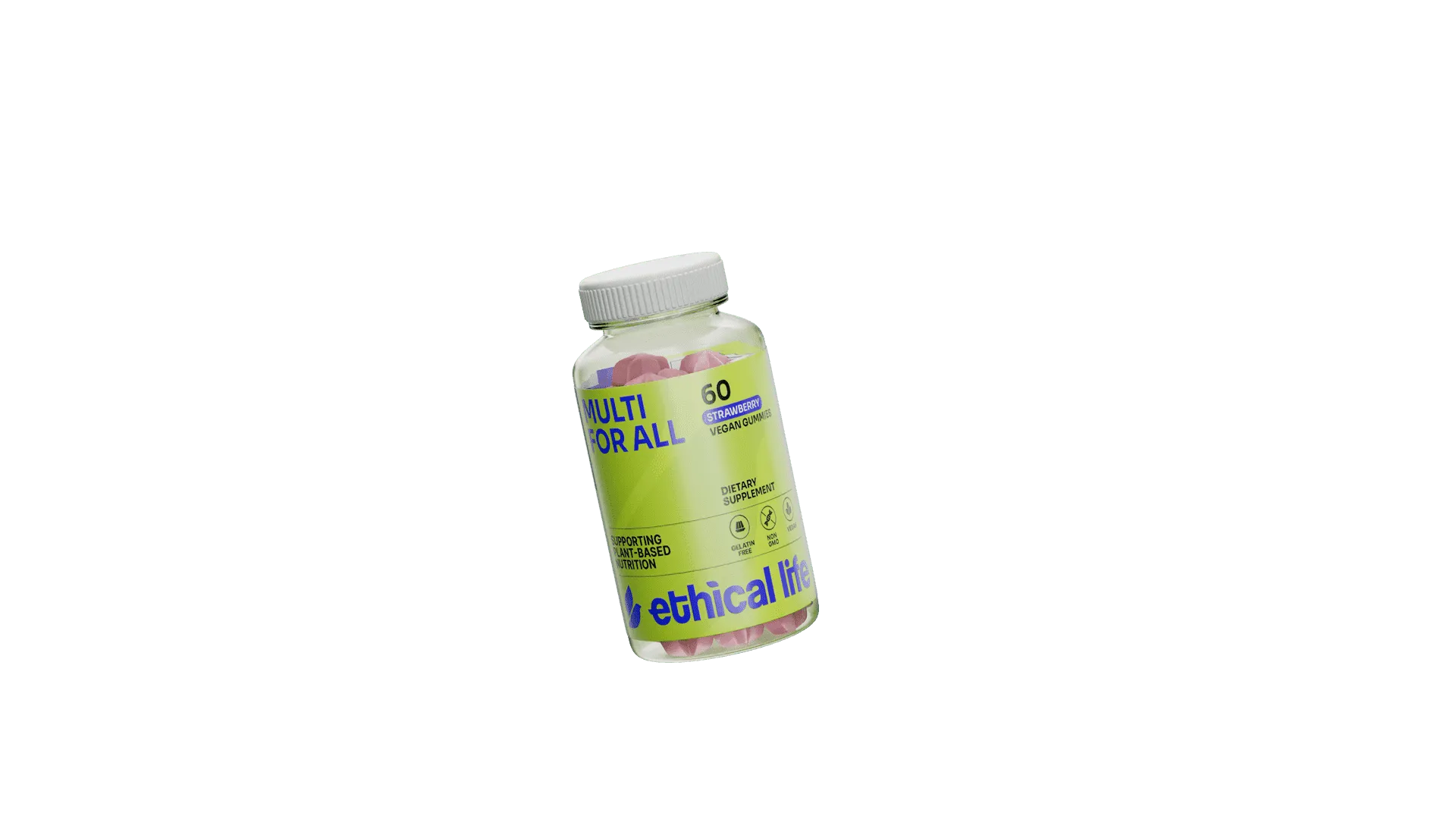
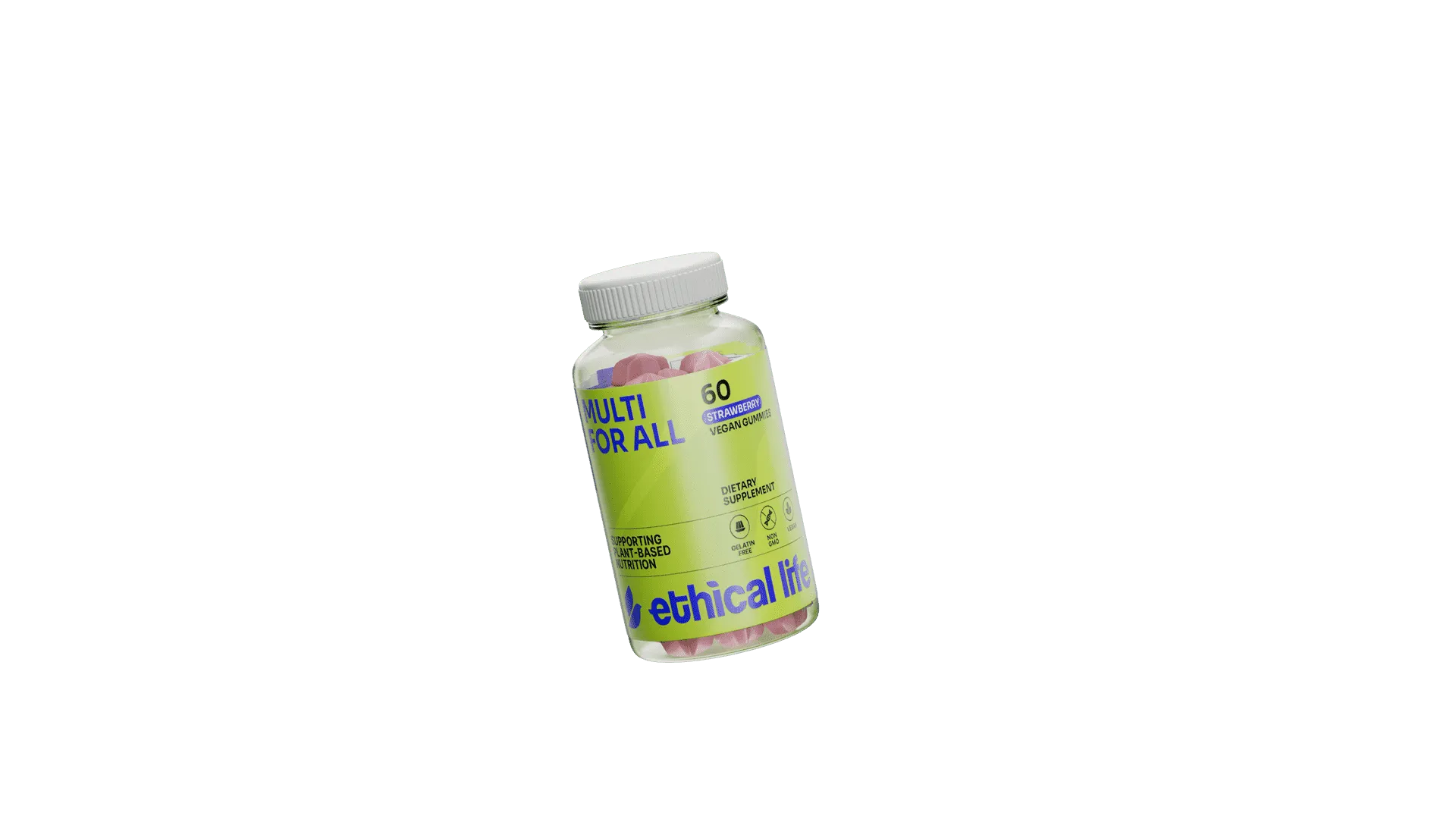
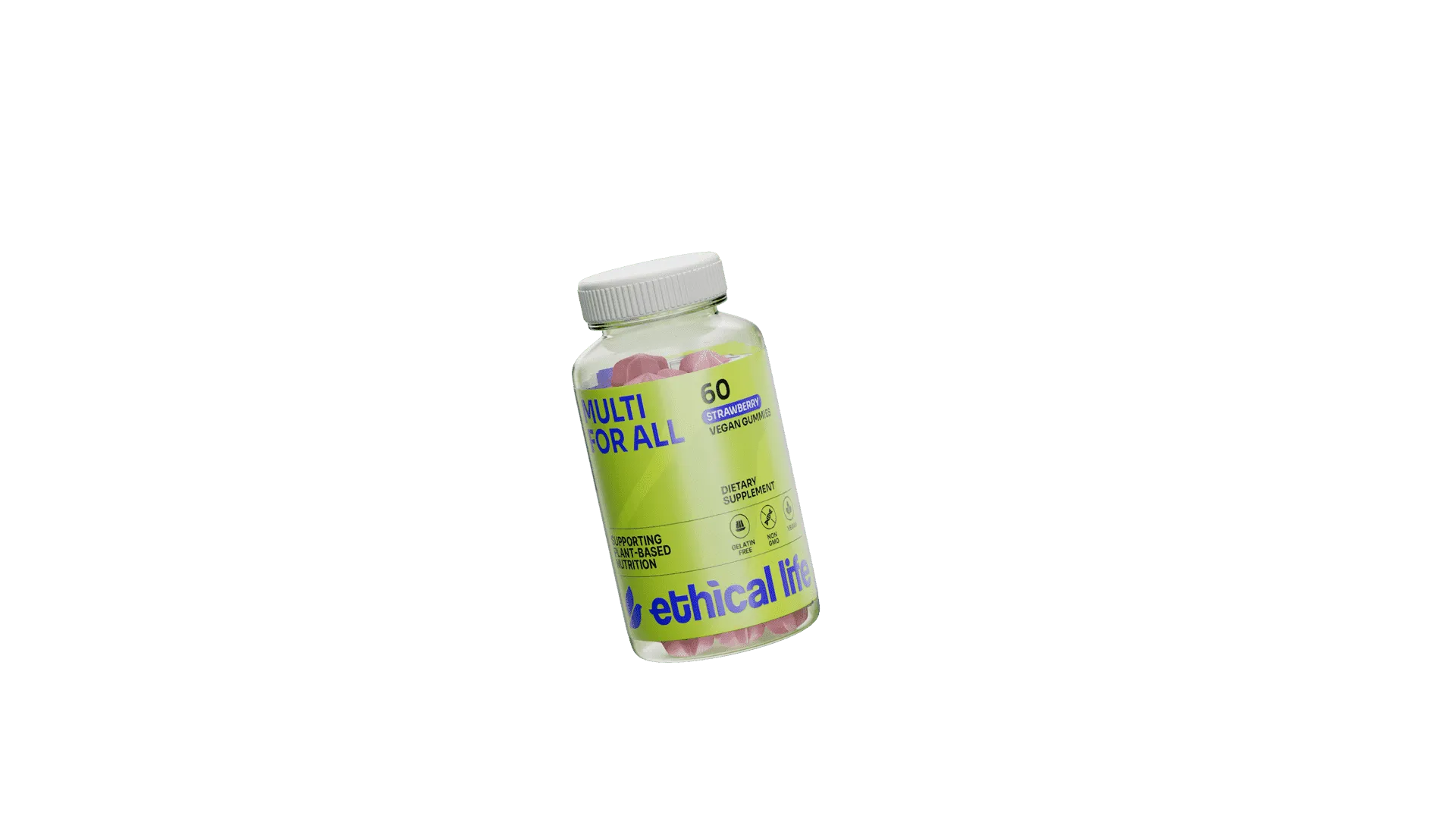
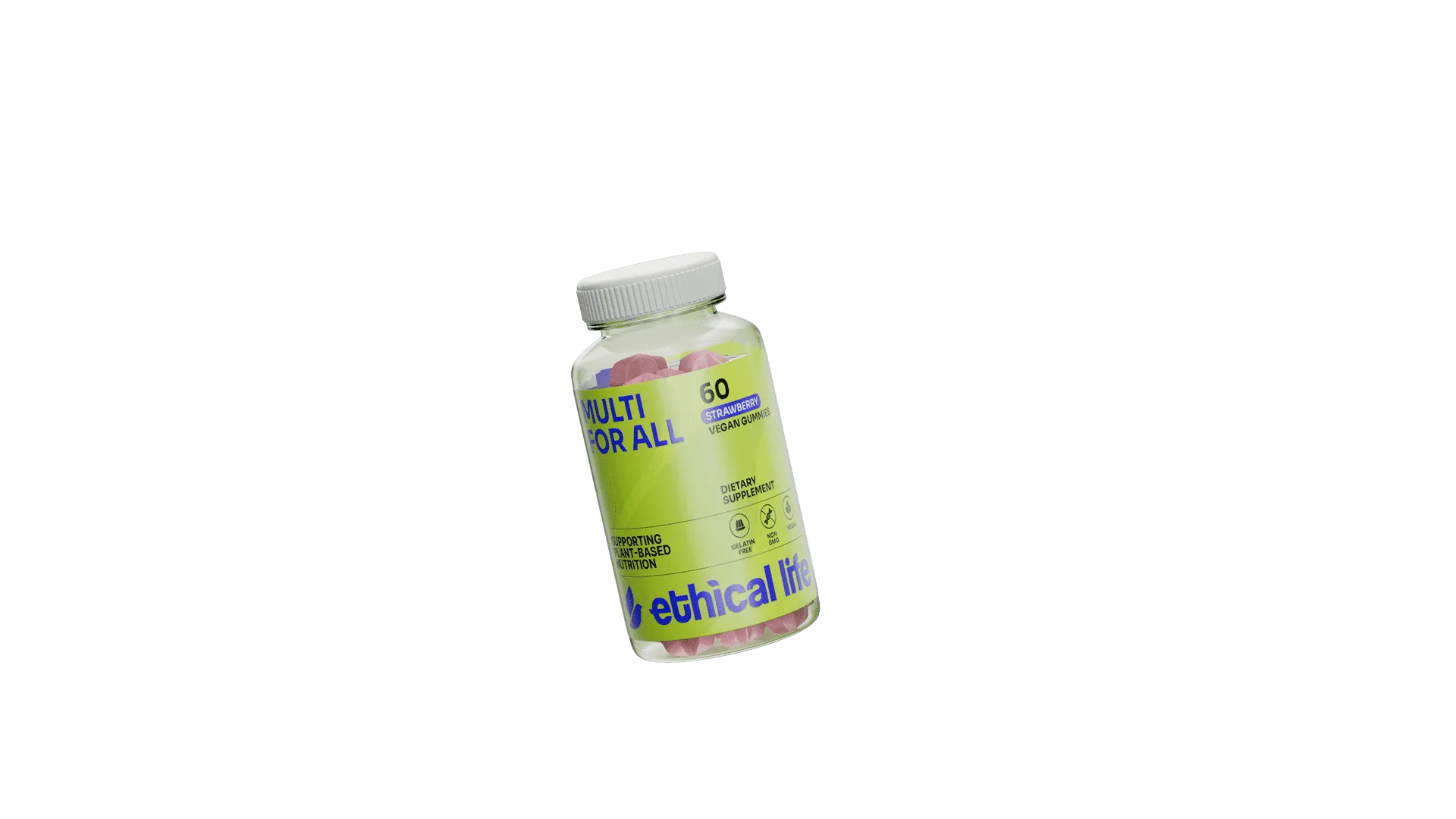
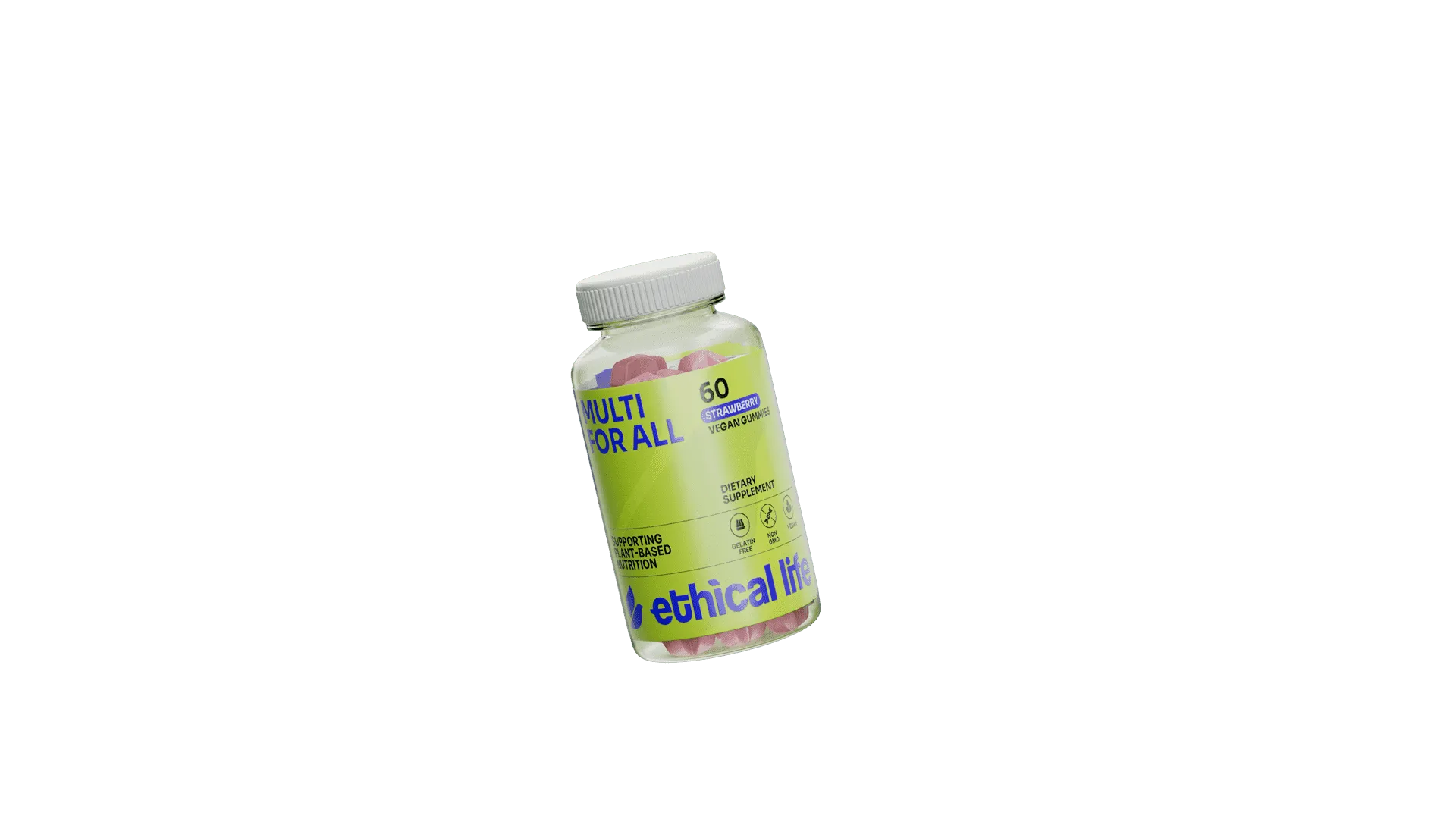
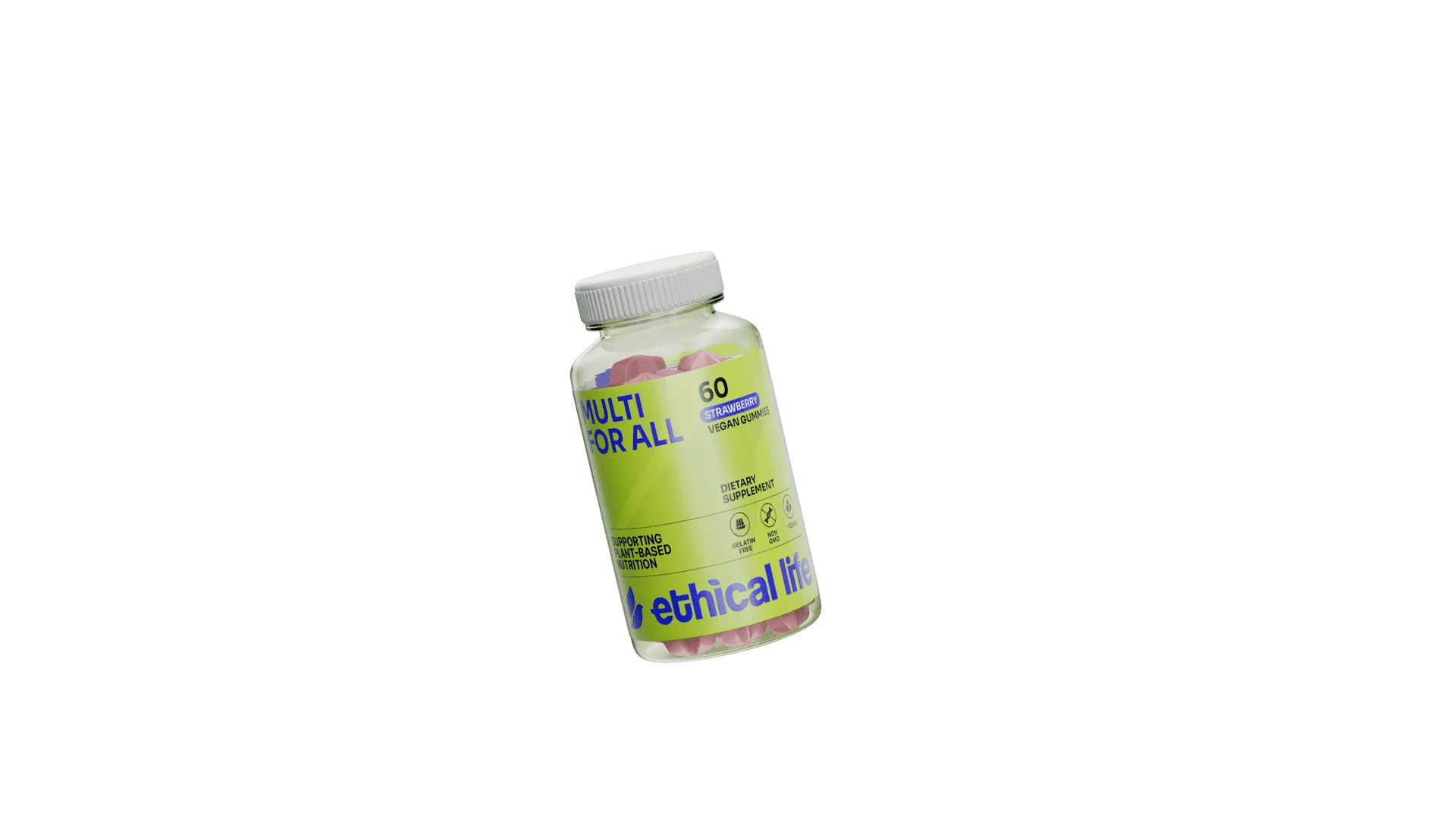
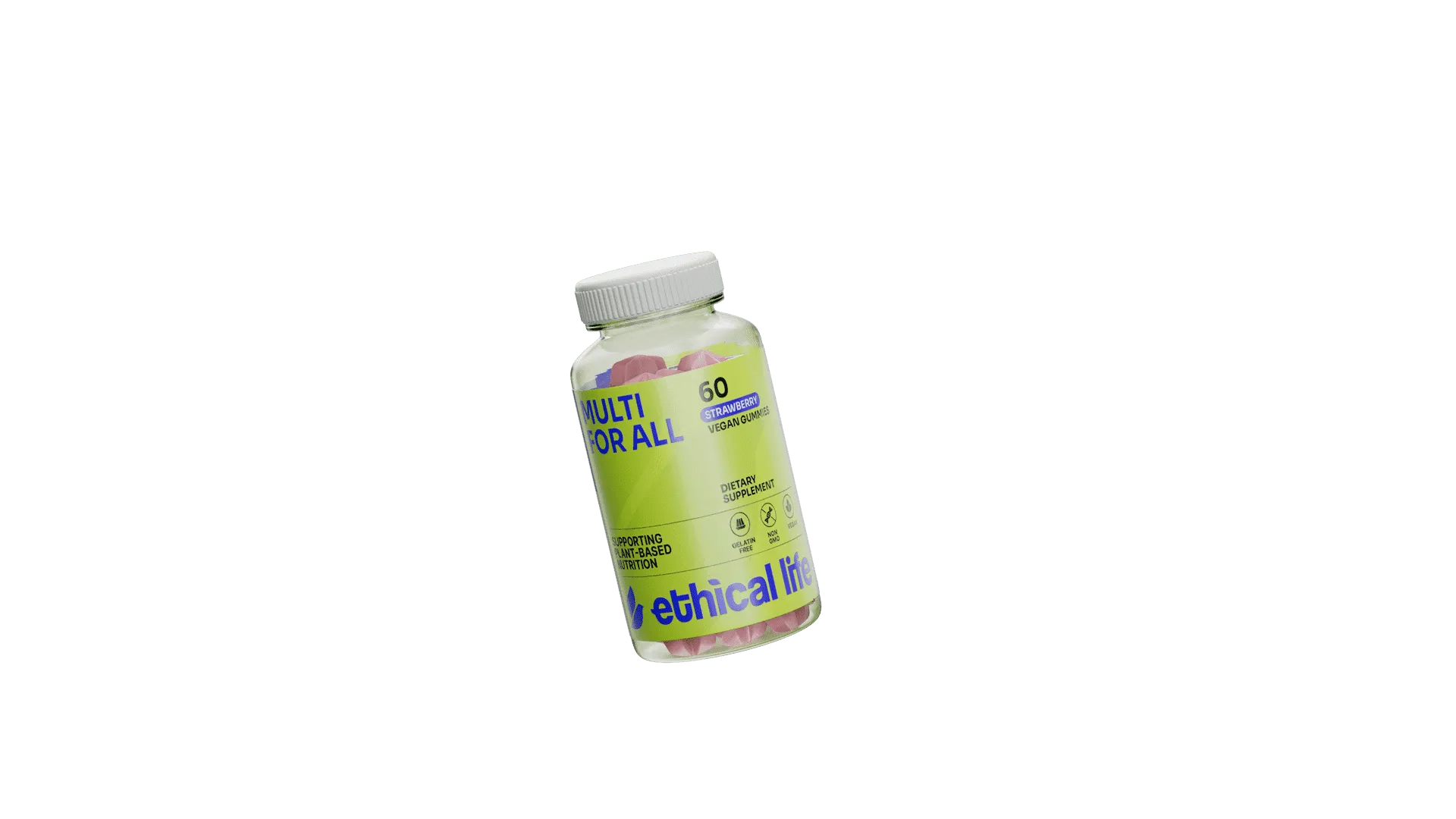
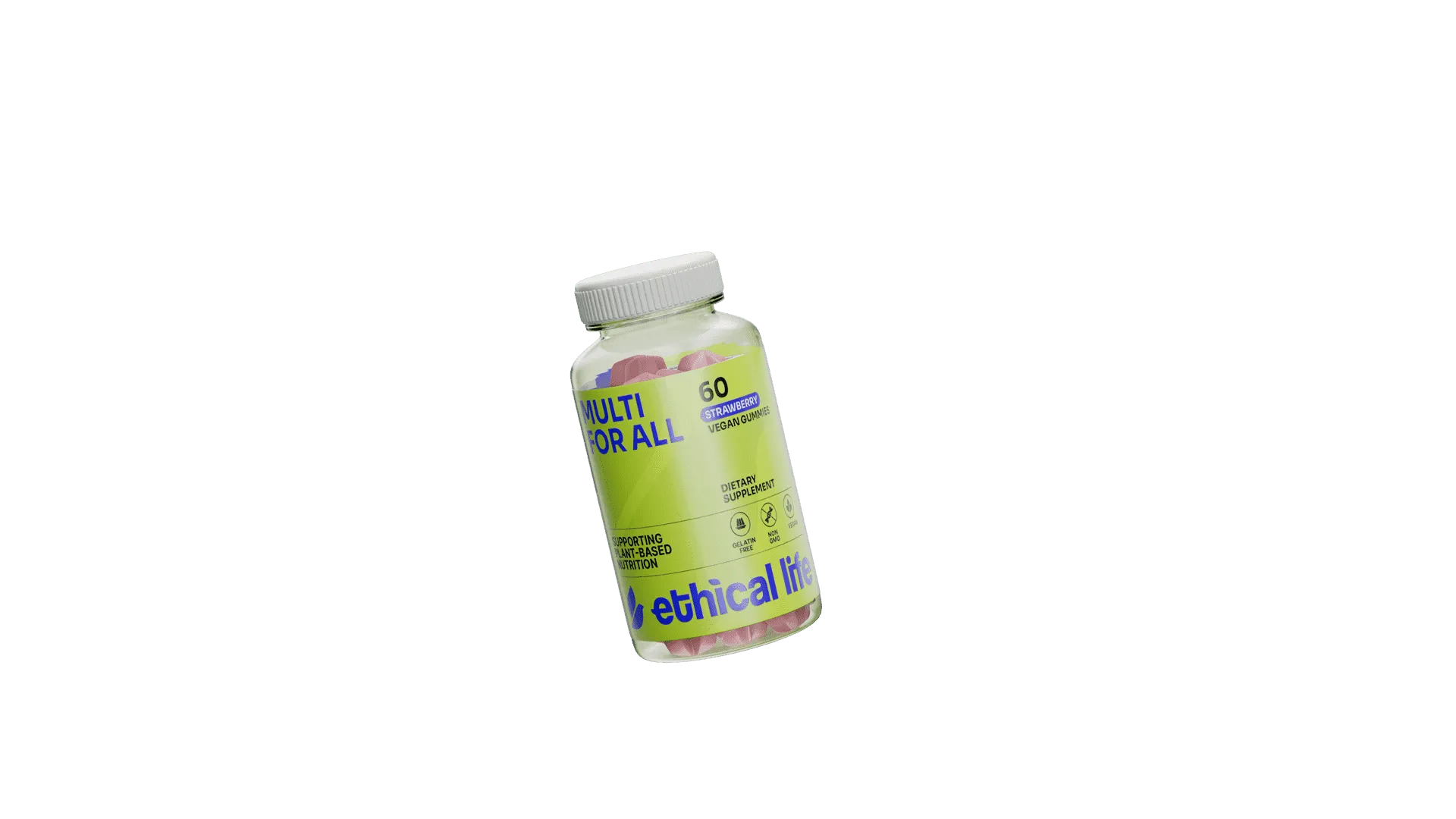
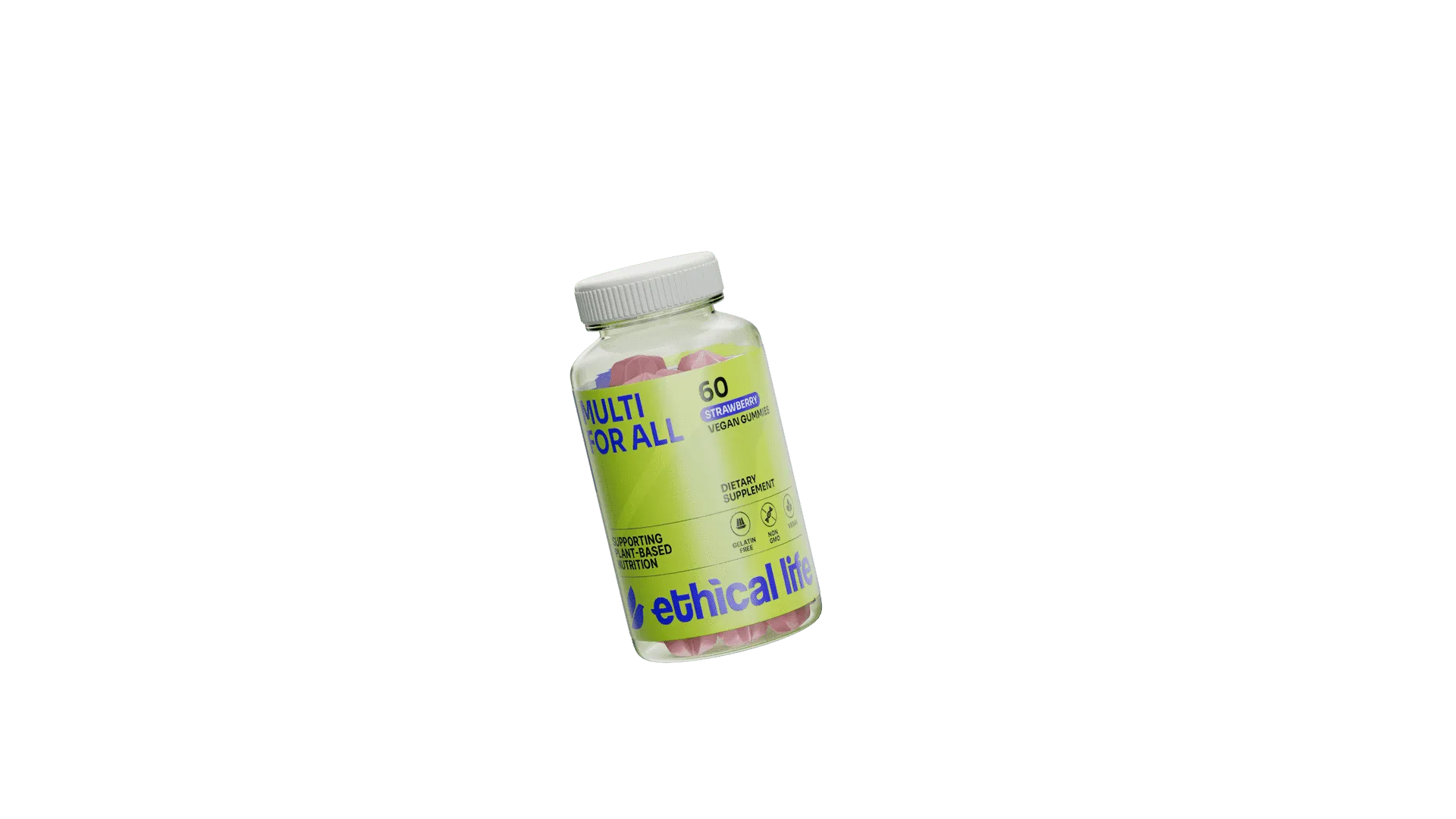
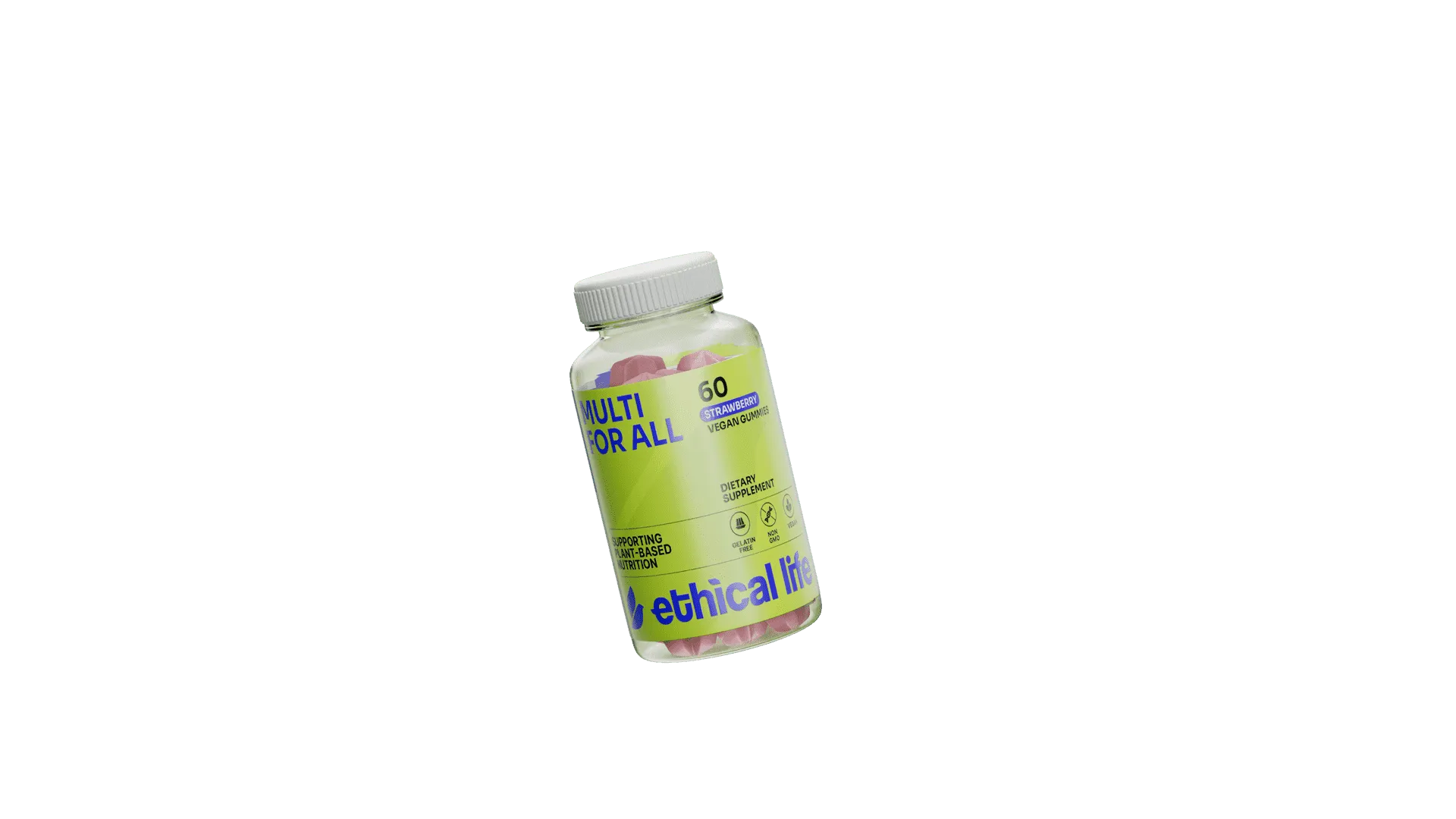
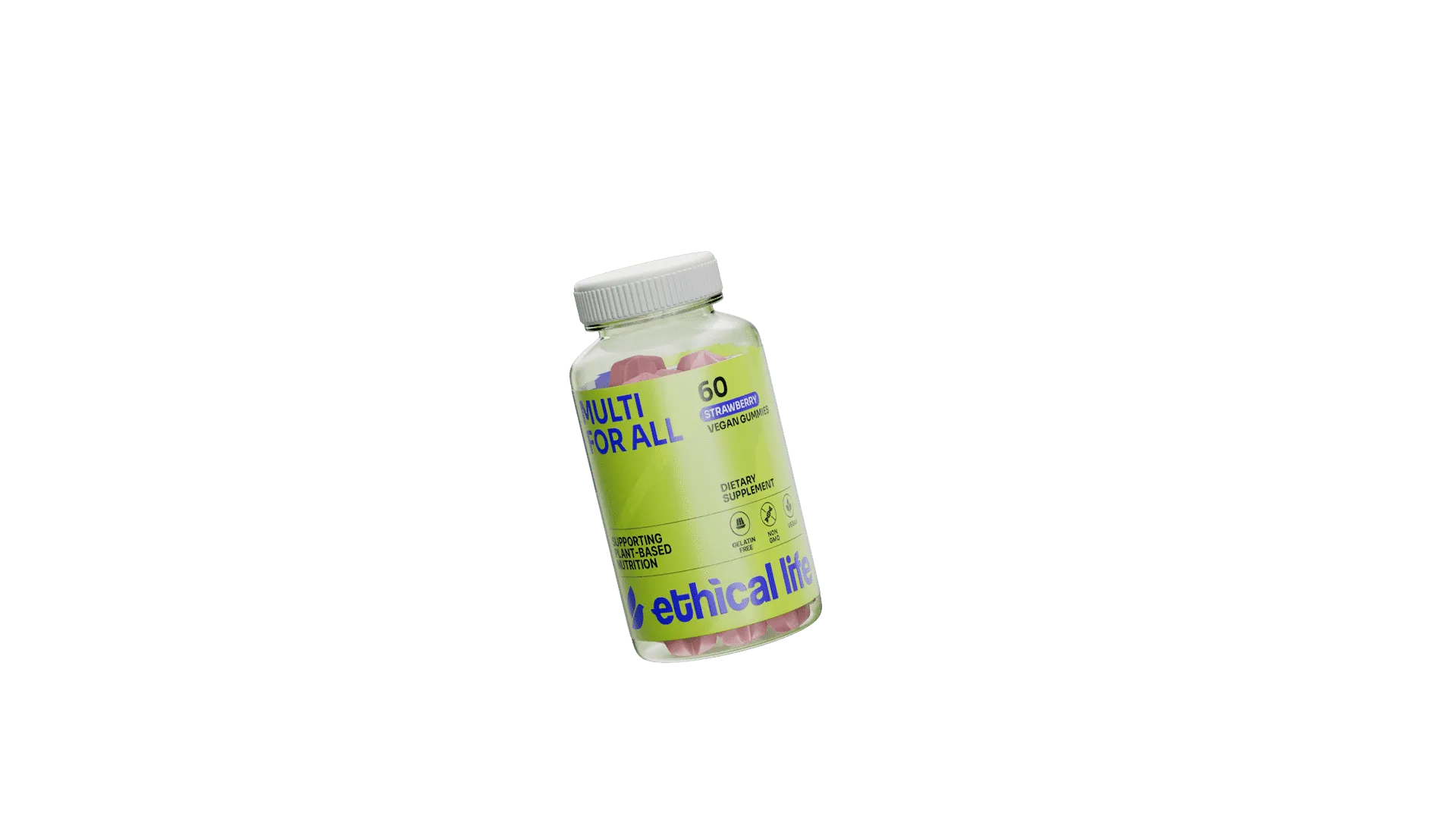
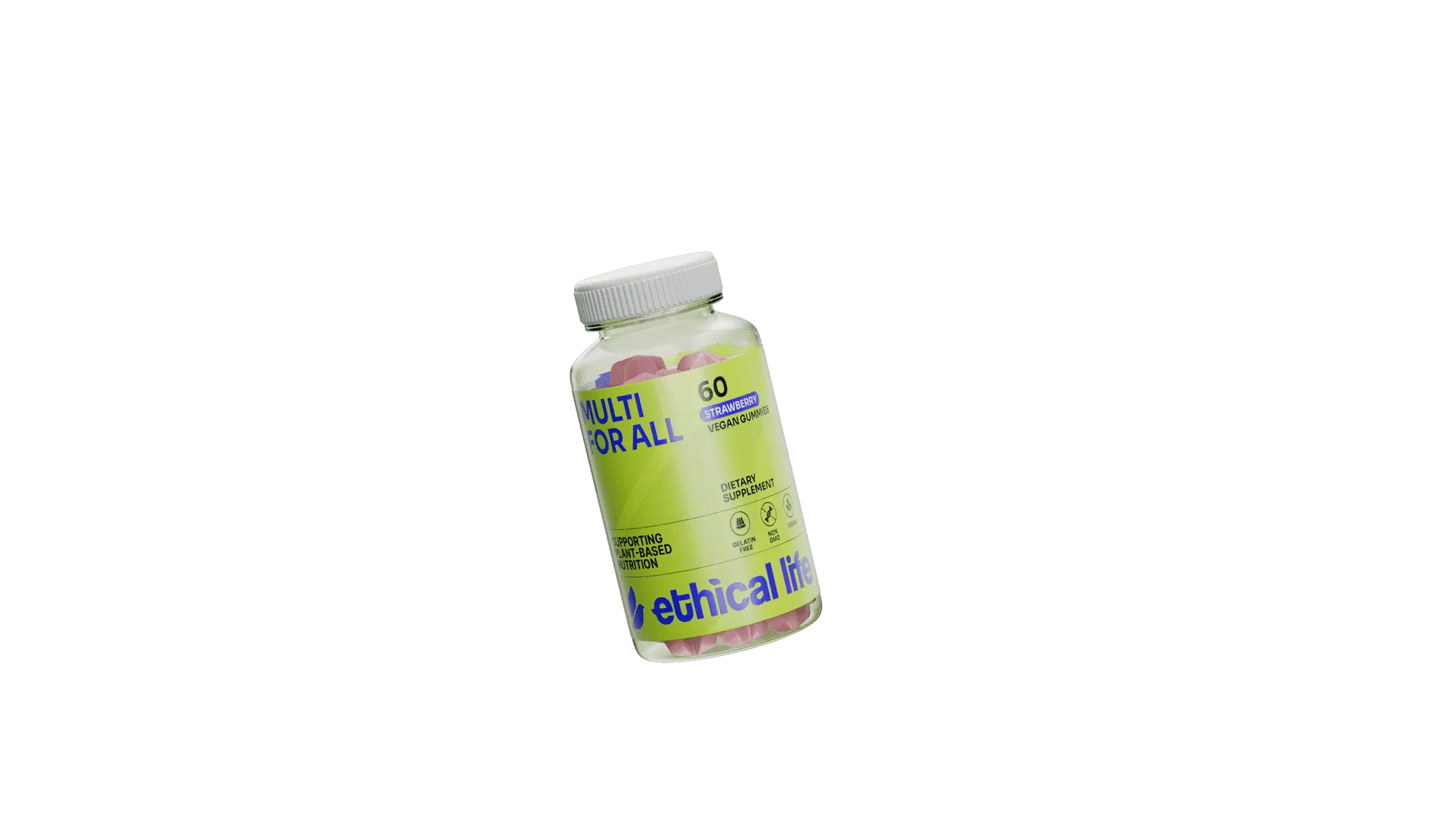
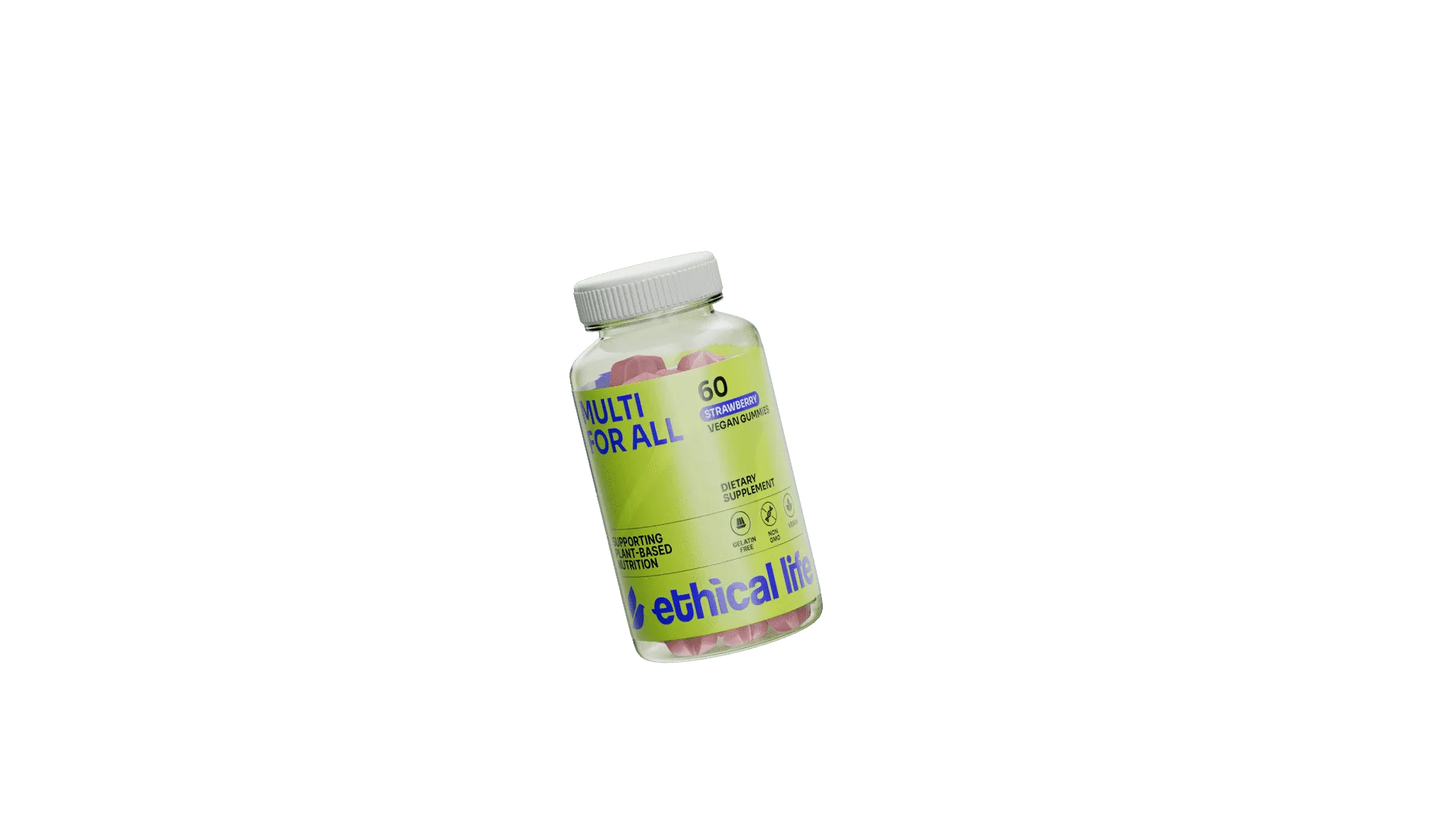
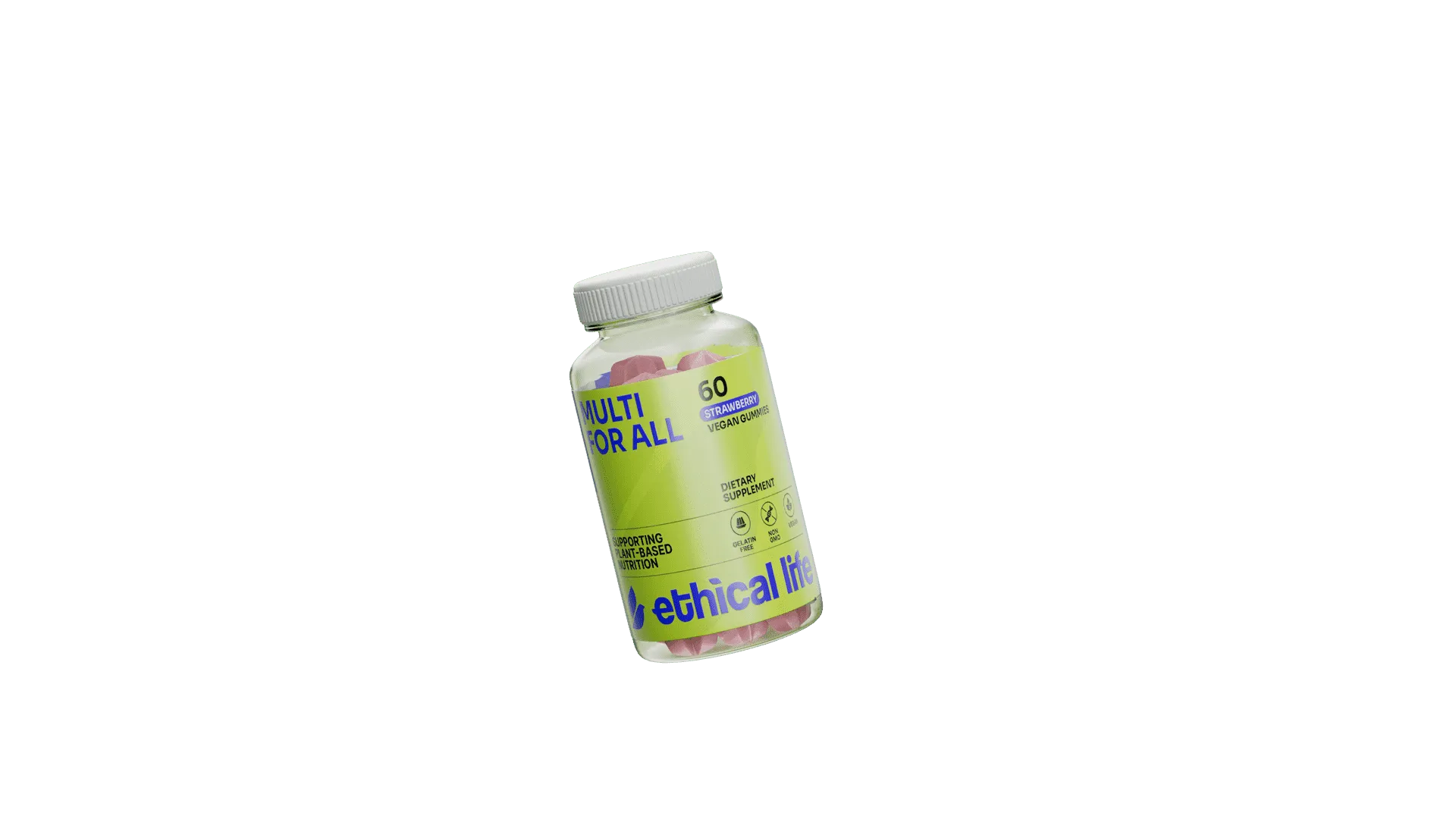
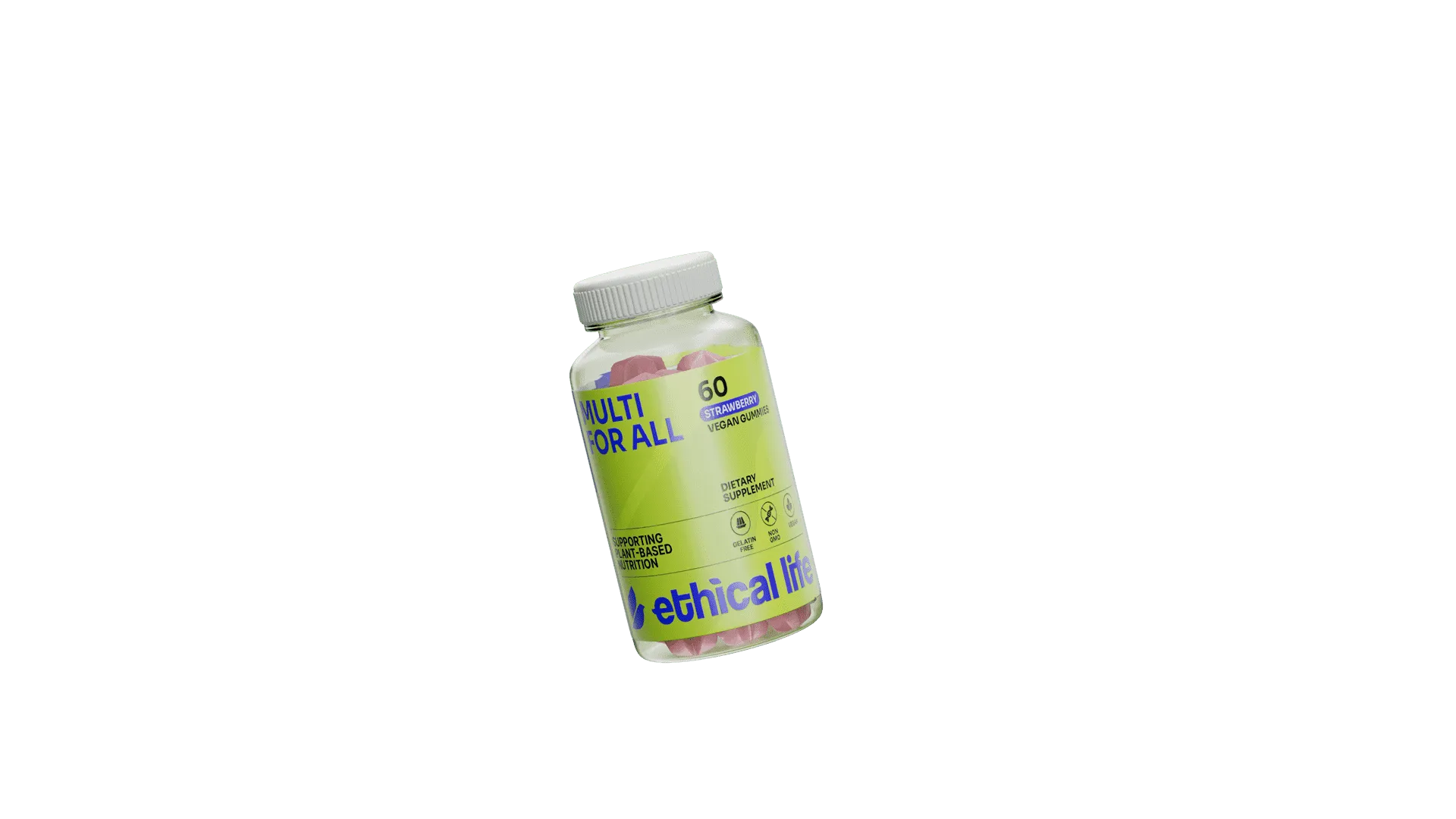
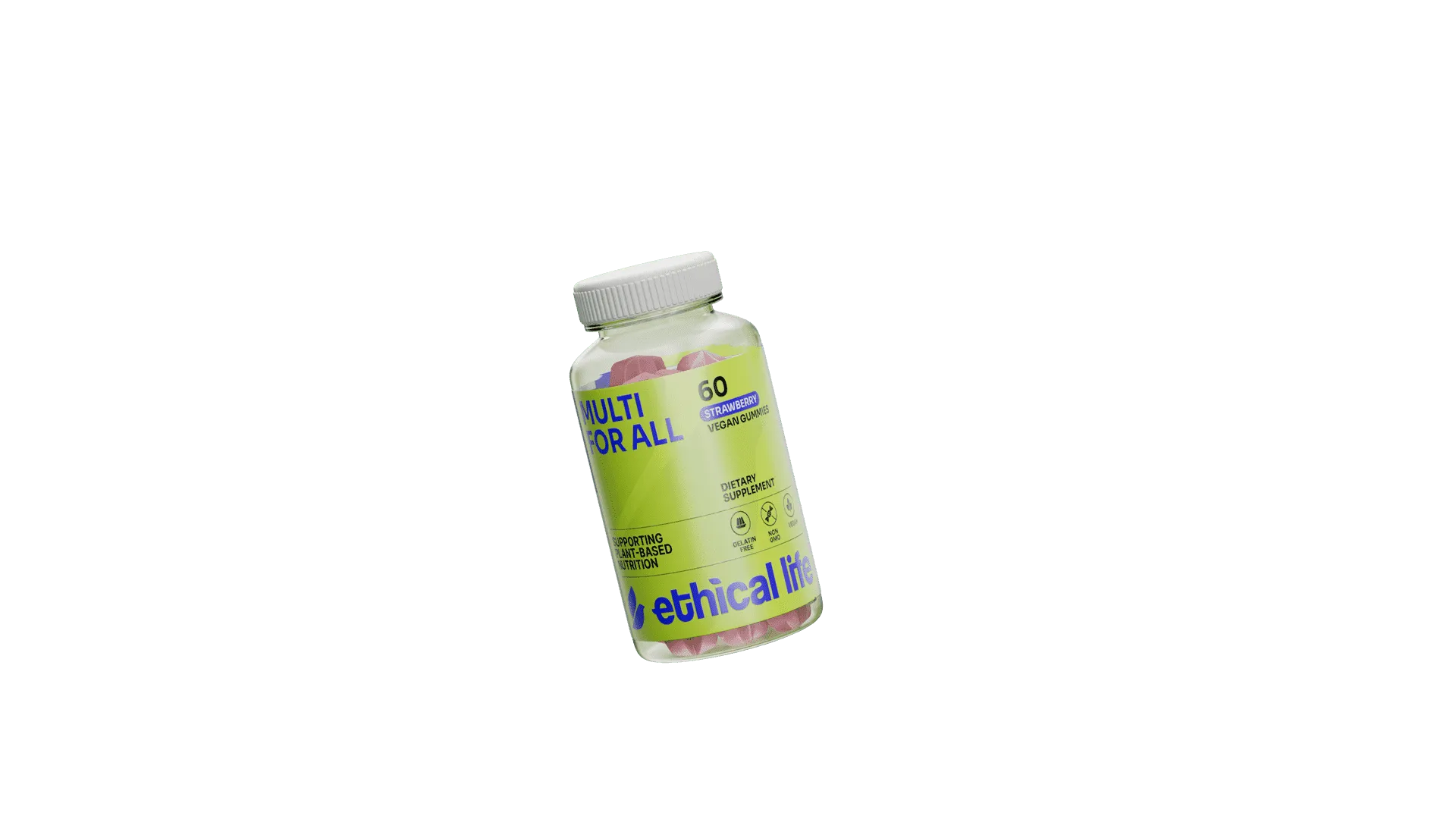
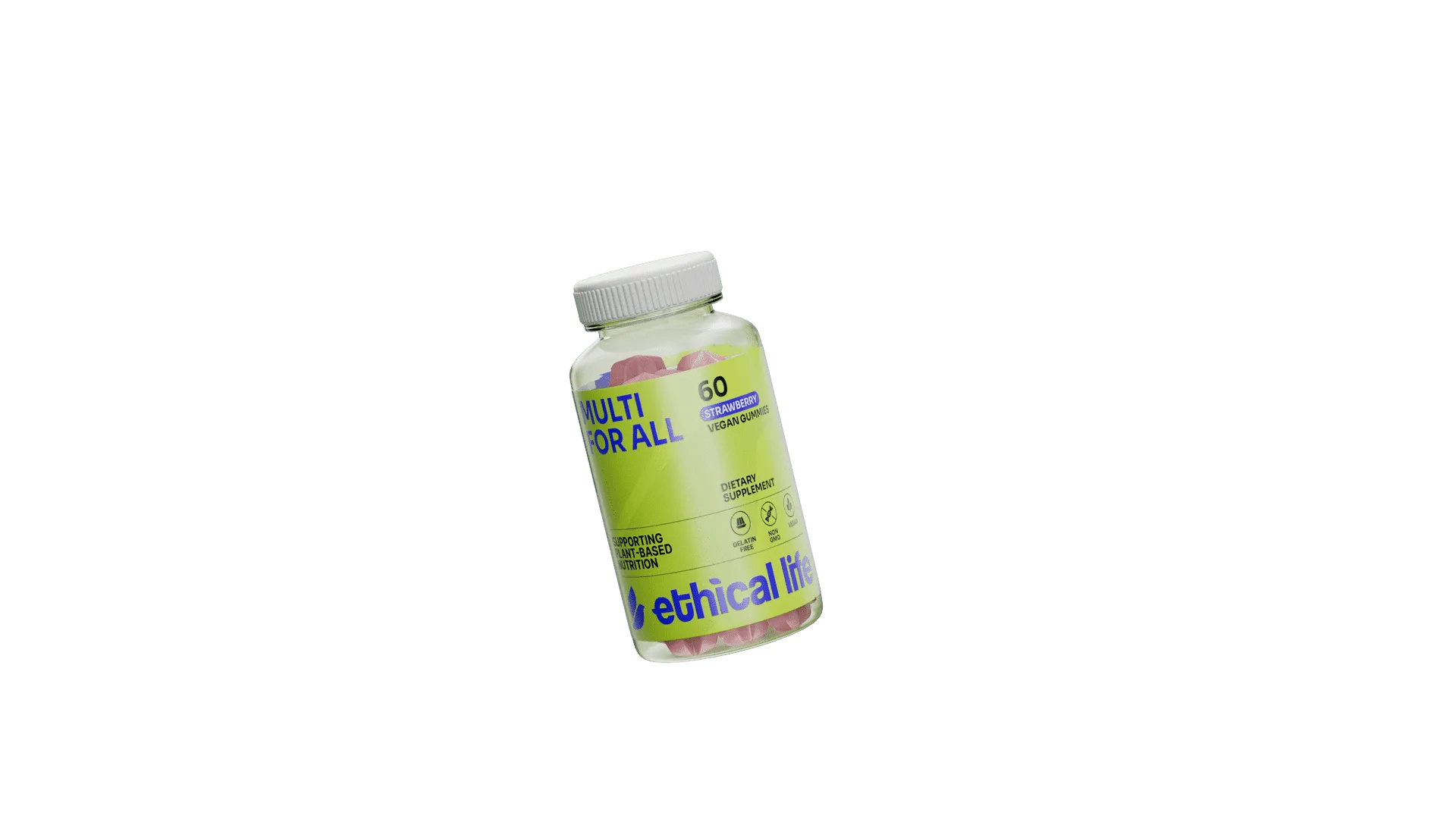
At Ethical Life, we believe nutritional supplements should be formulated thoughtfully and used responsibly. Our vegan multivitamin gummies are pharmacist and nutritionist-formulated to provide practical daily nutritional support while complementing a balanced diet. We prioritize transparent ingredients, purposeful nutrient selection, and an easy-to-maintain routine without gelatin, artificial colors, or artificial flavors.
We also believe wellness can support more than individual health. Every Ethical Life purchase helps contribute to food banks and animal sanctuaries, connecting everyday nutrition with a wider commitment to compassion. Explore our pharmacist-formulated products and discover an ethical, convenient way to support your daily wellness routine.