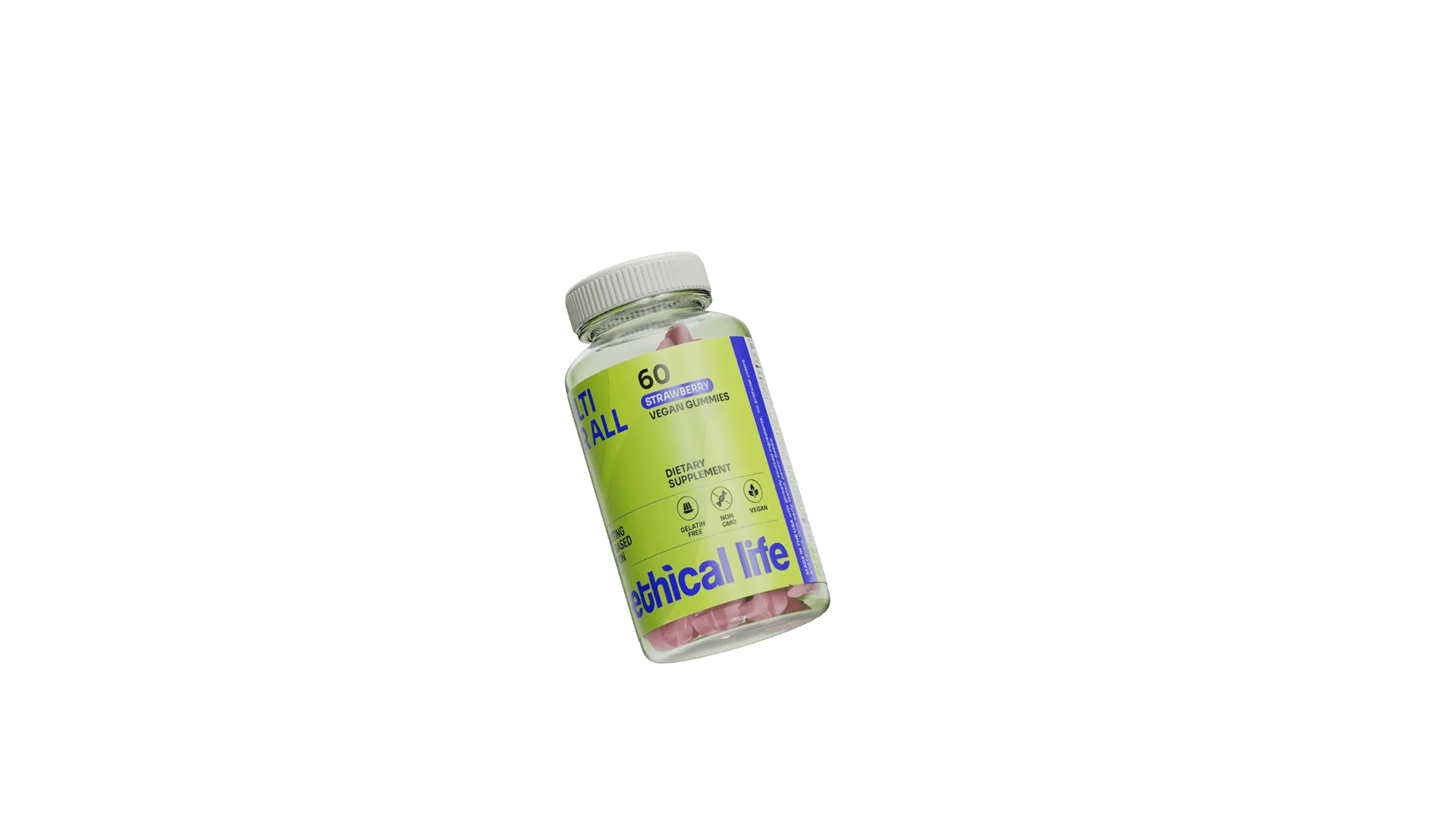
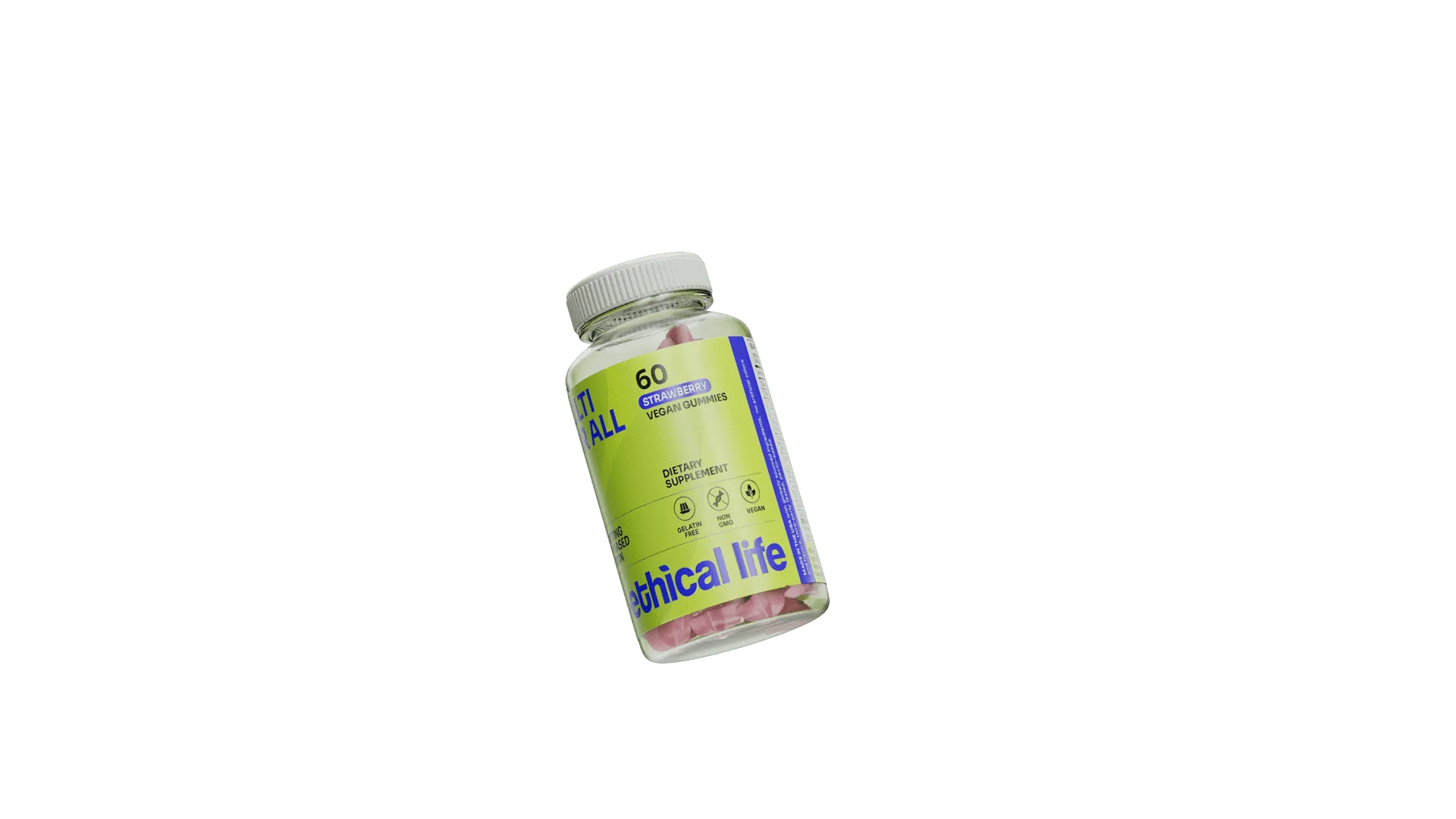
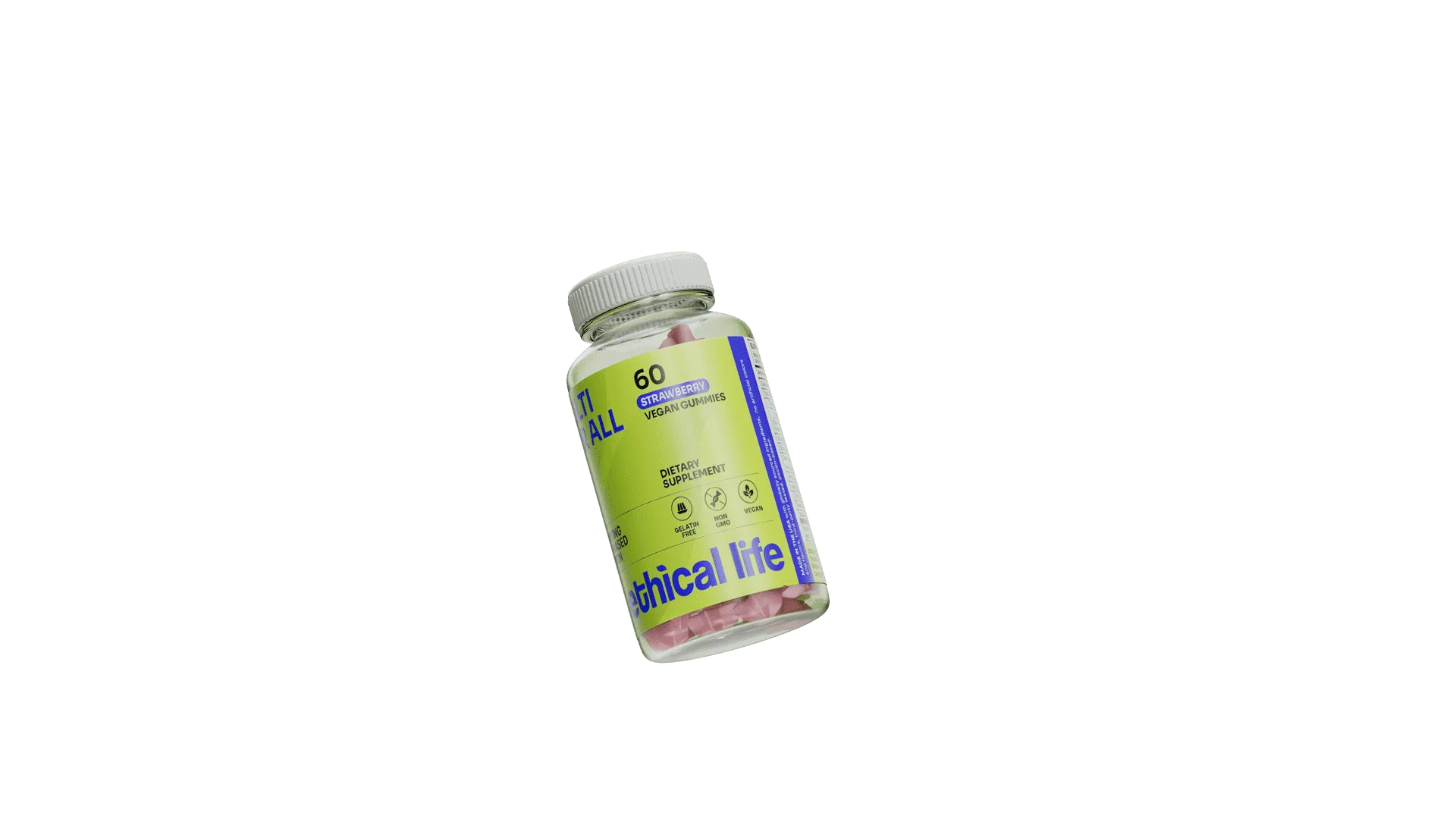
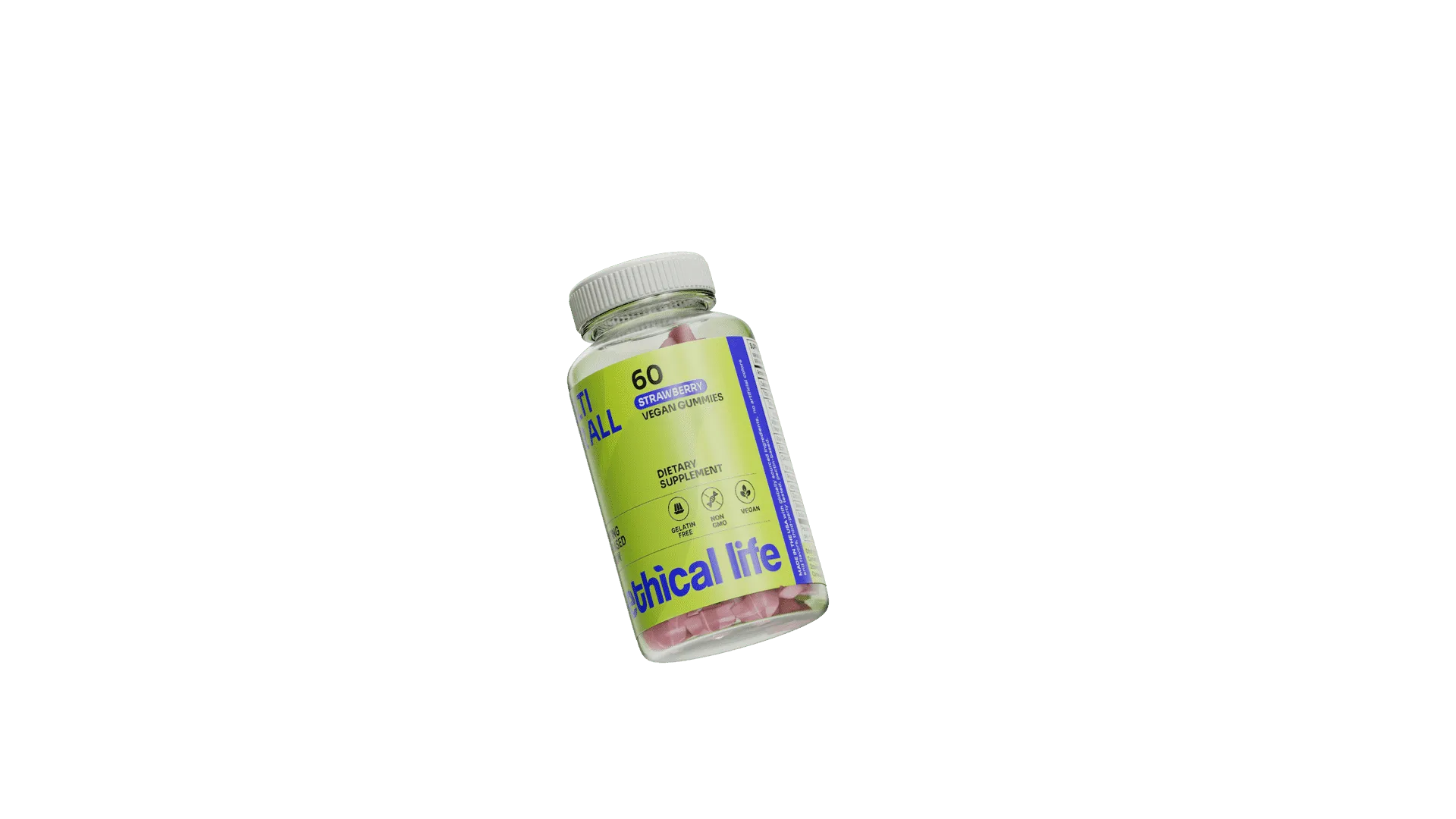
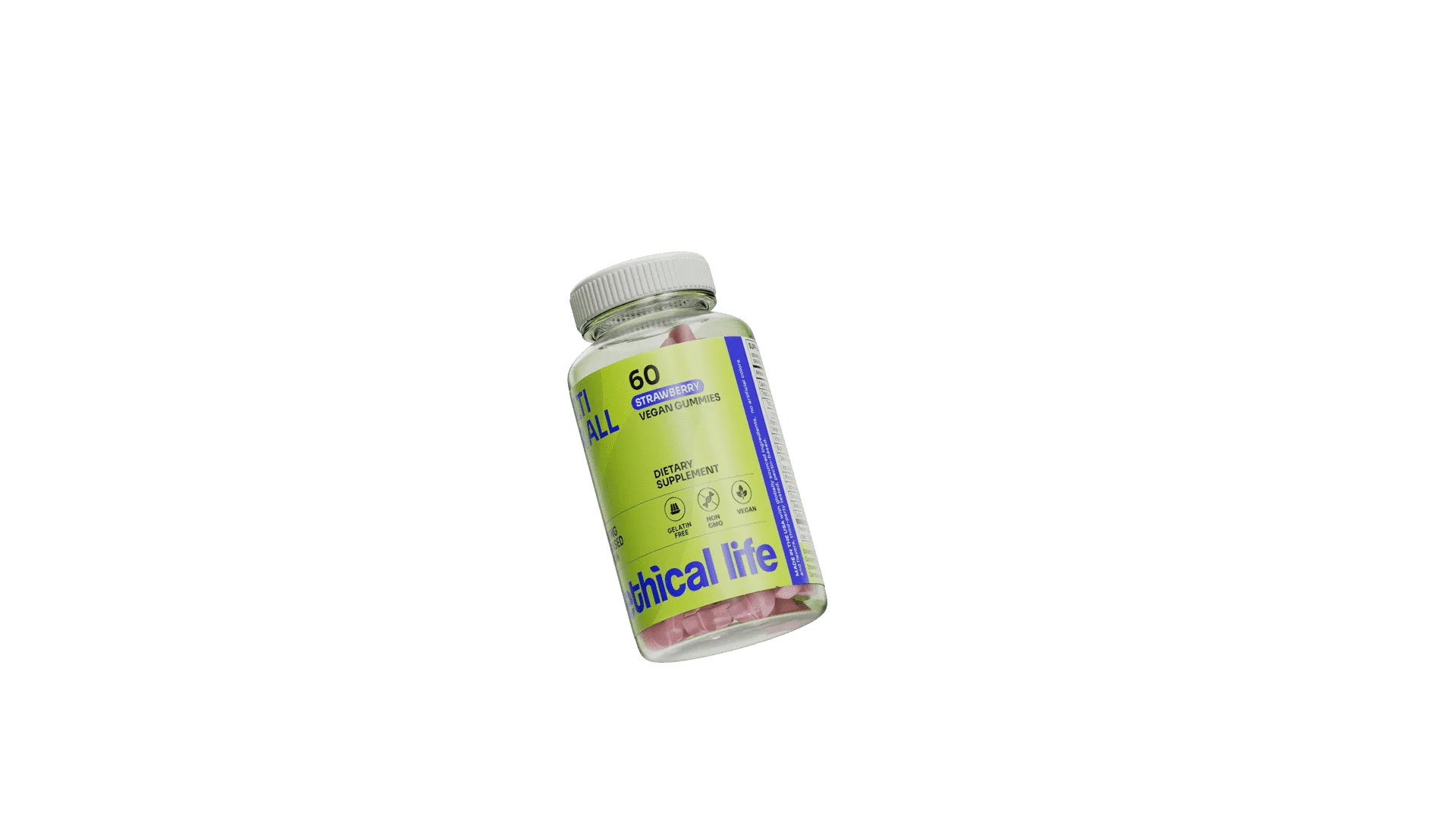
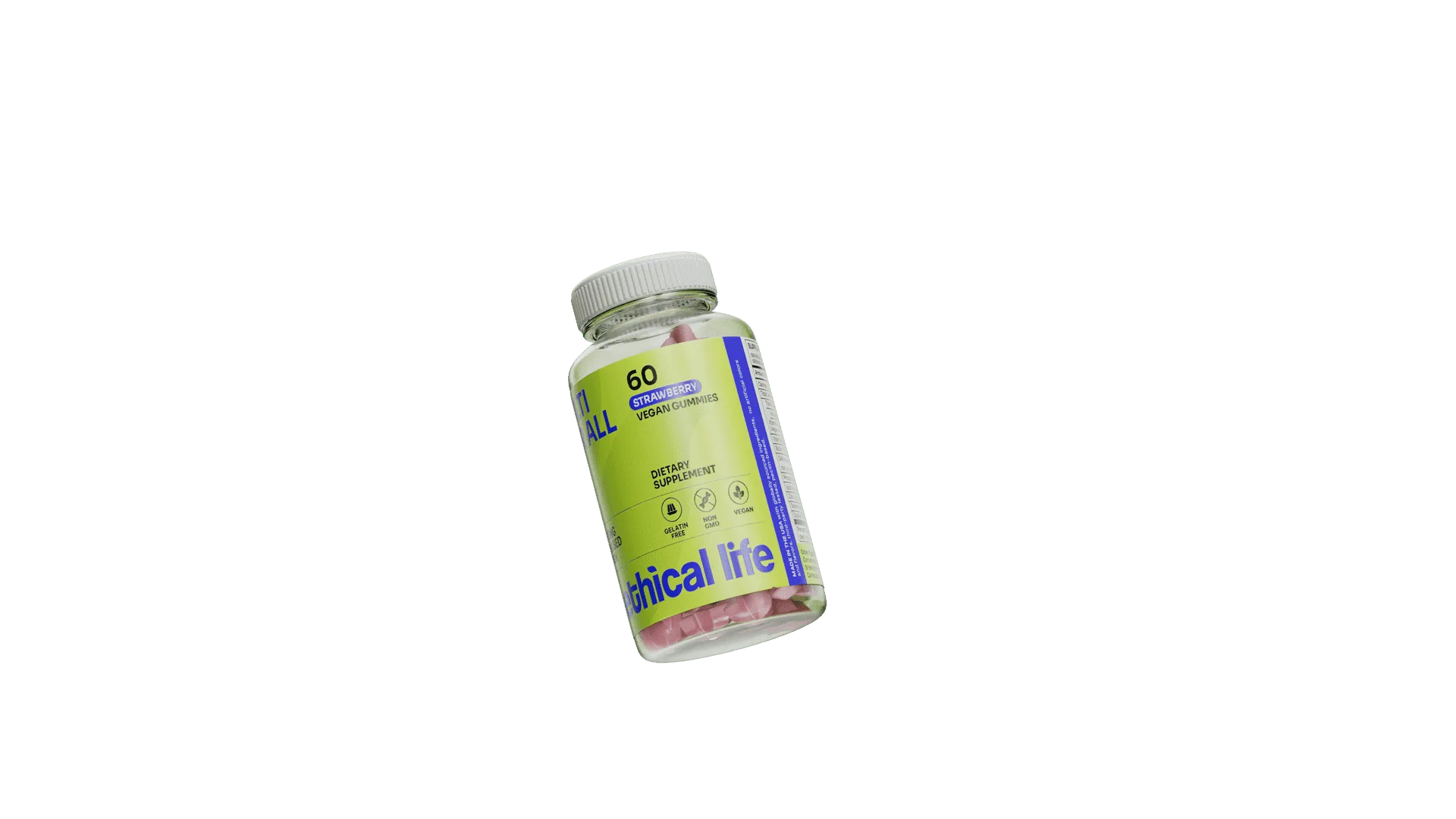
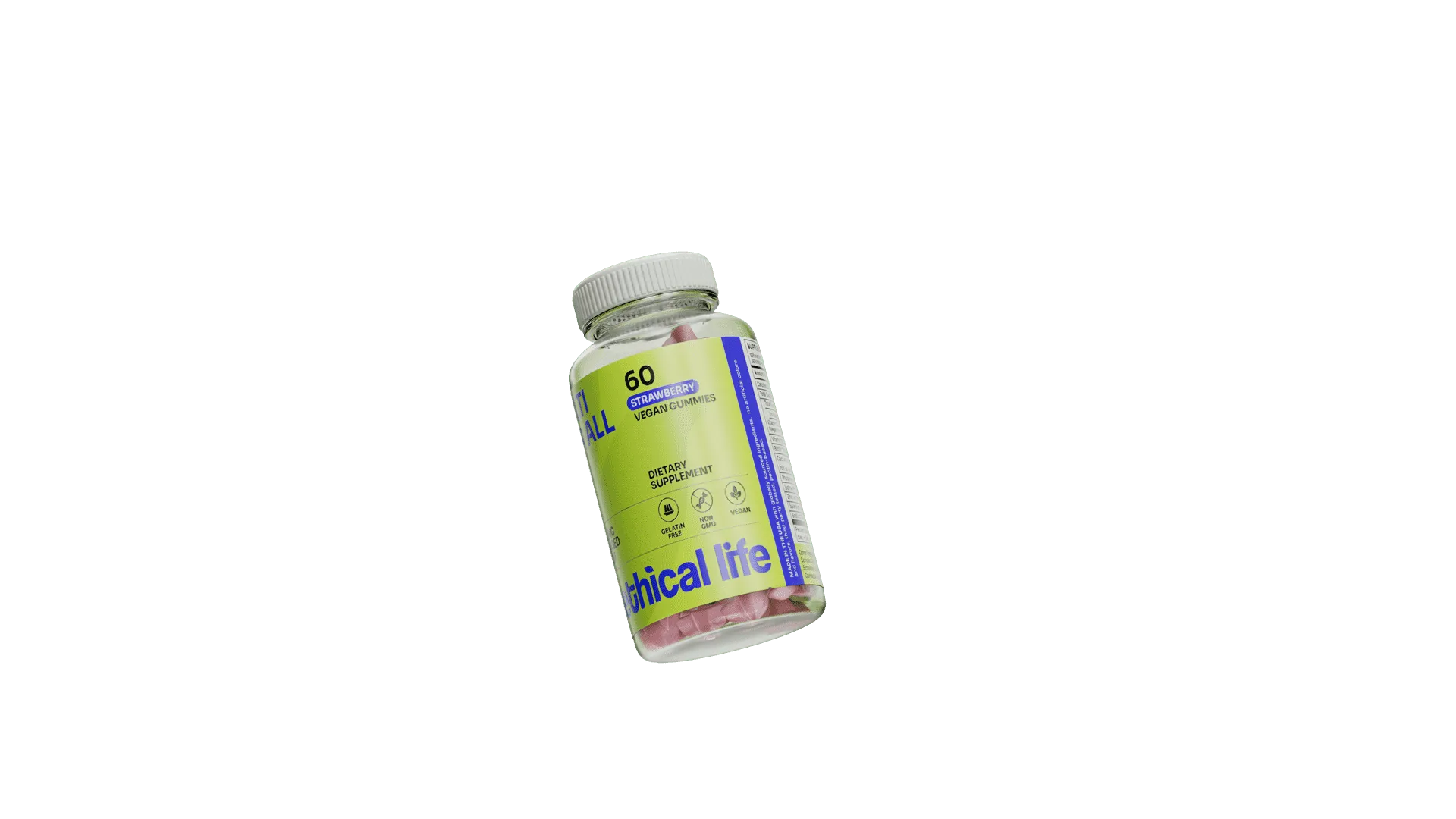
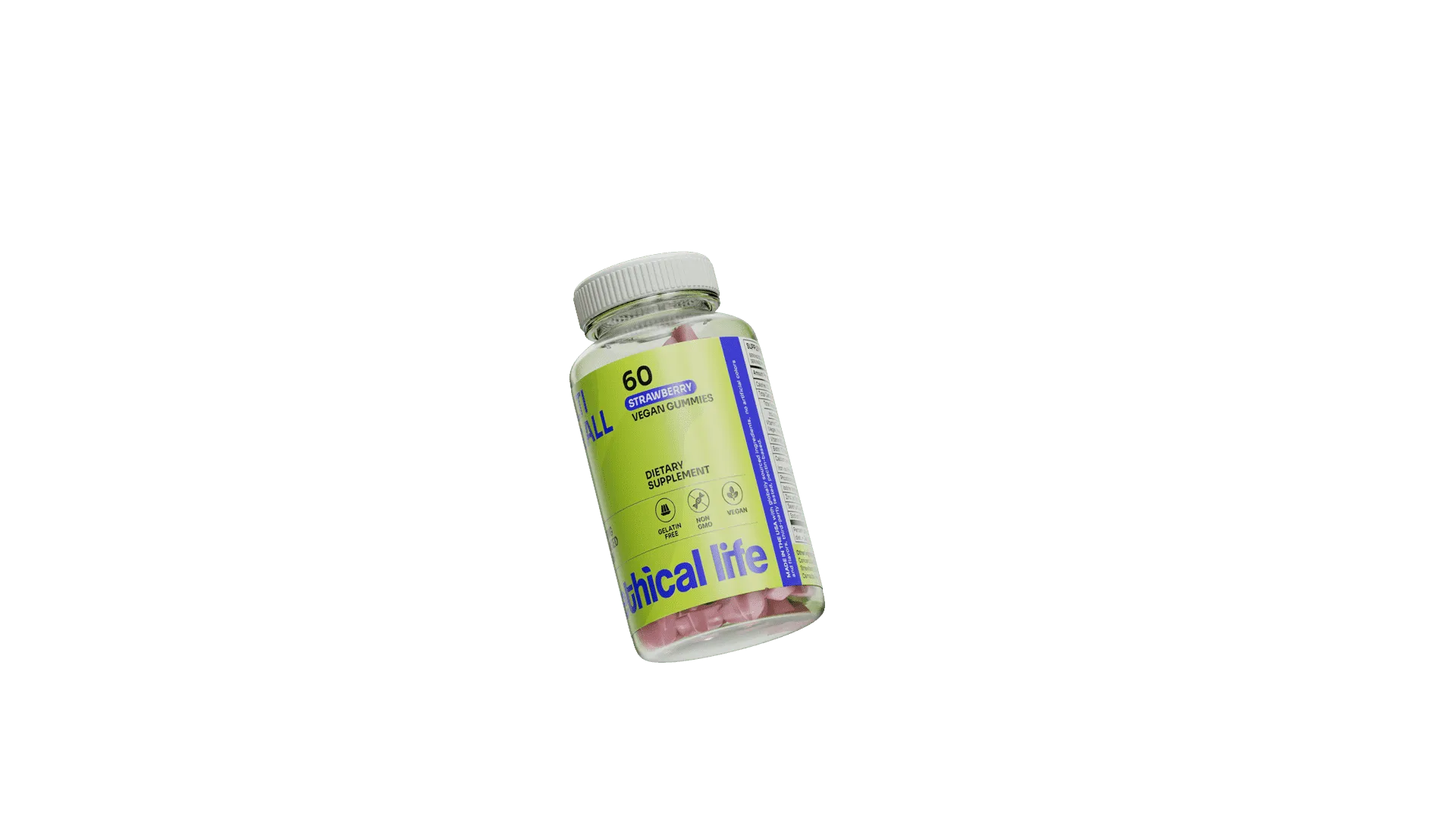
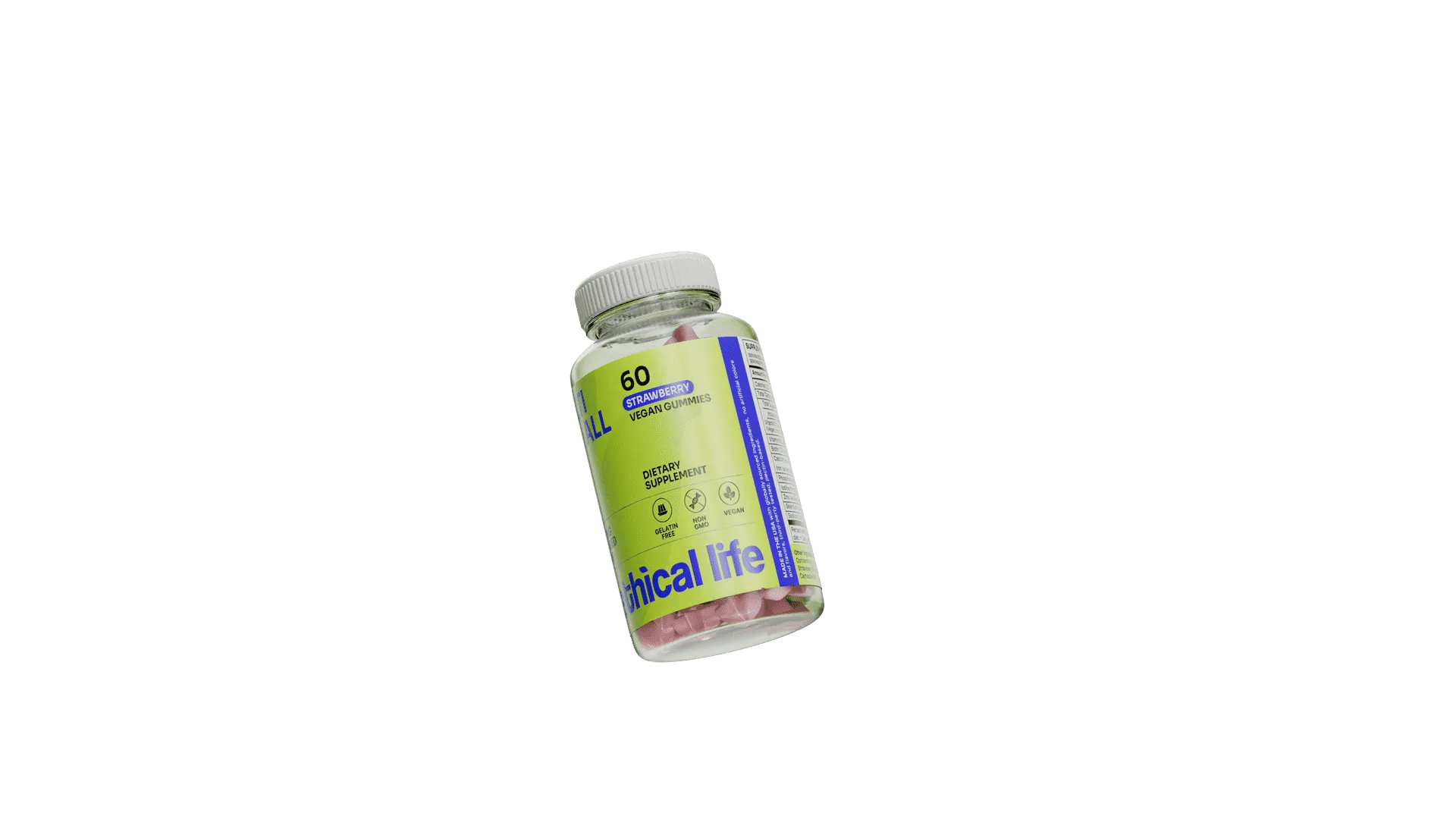
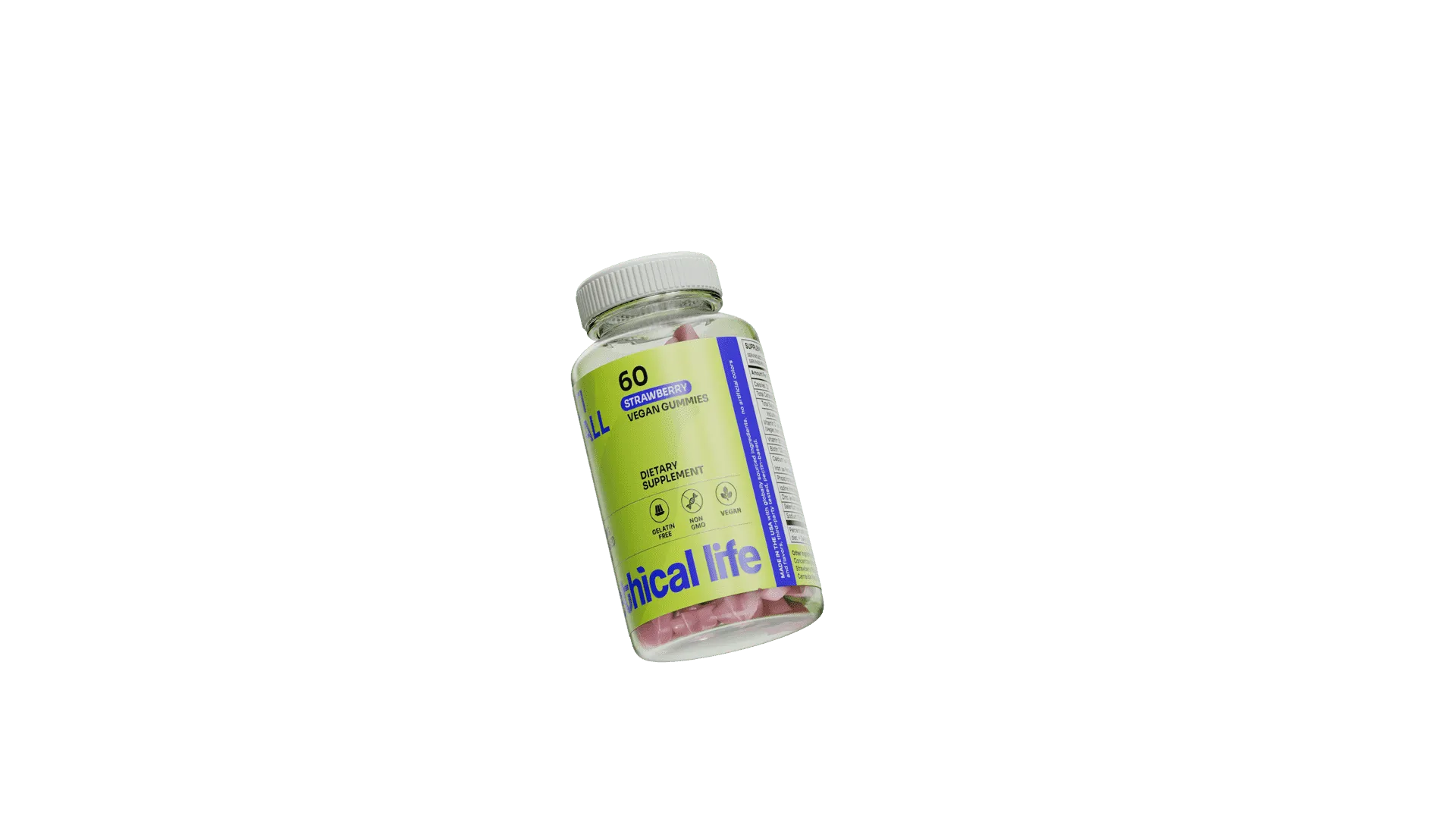
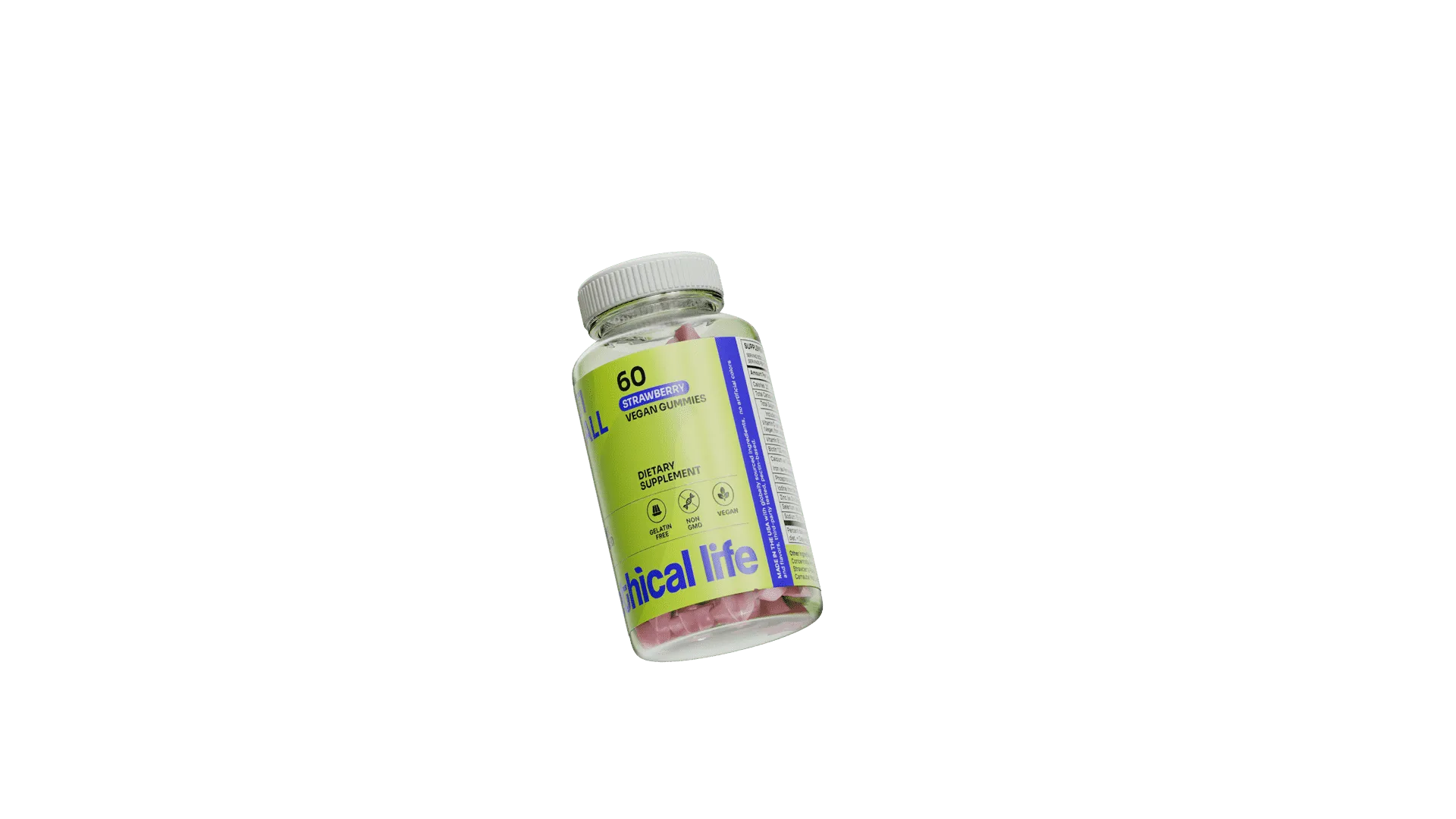
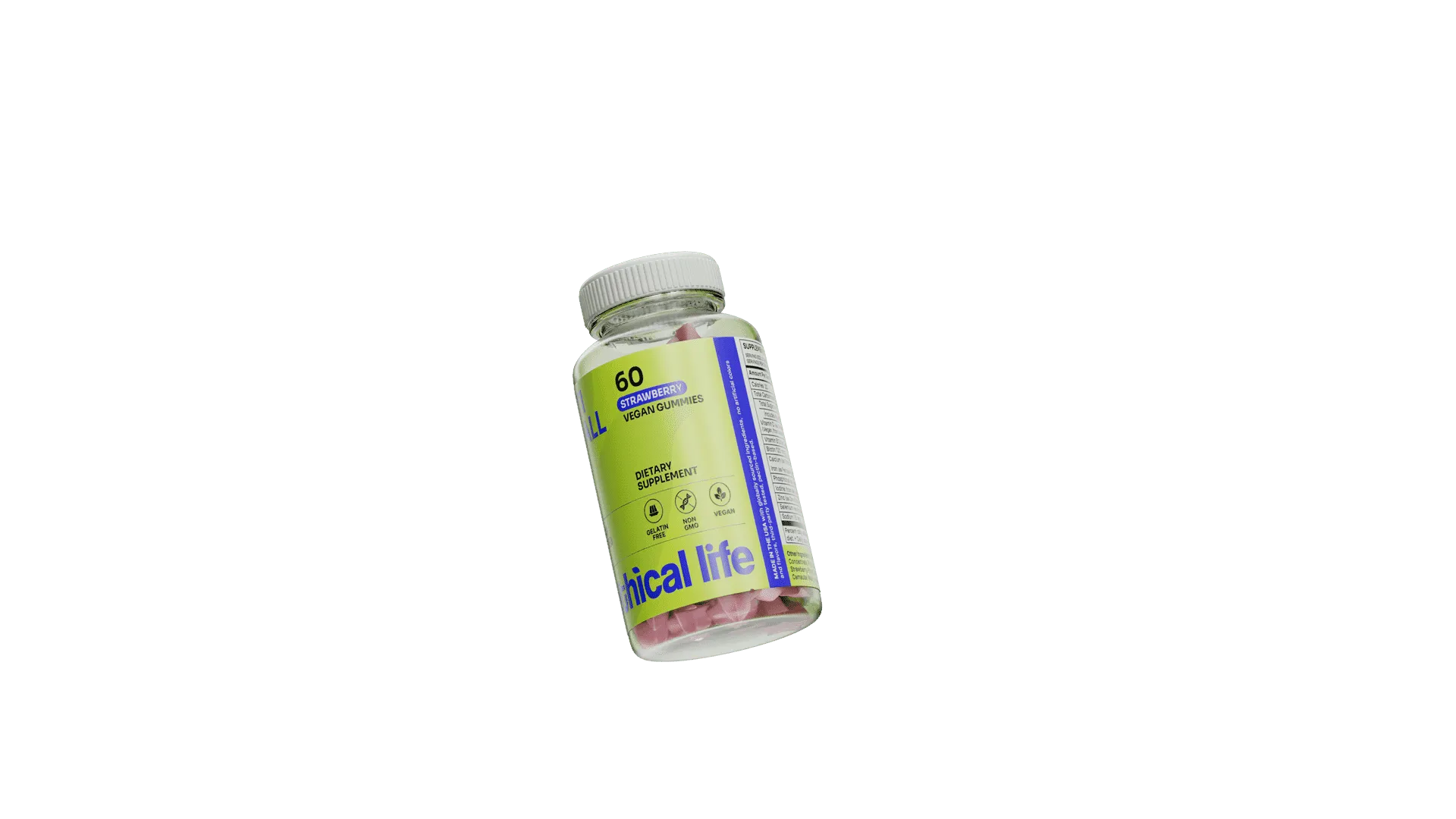
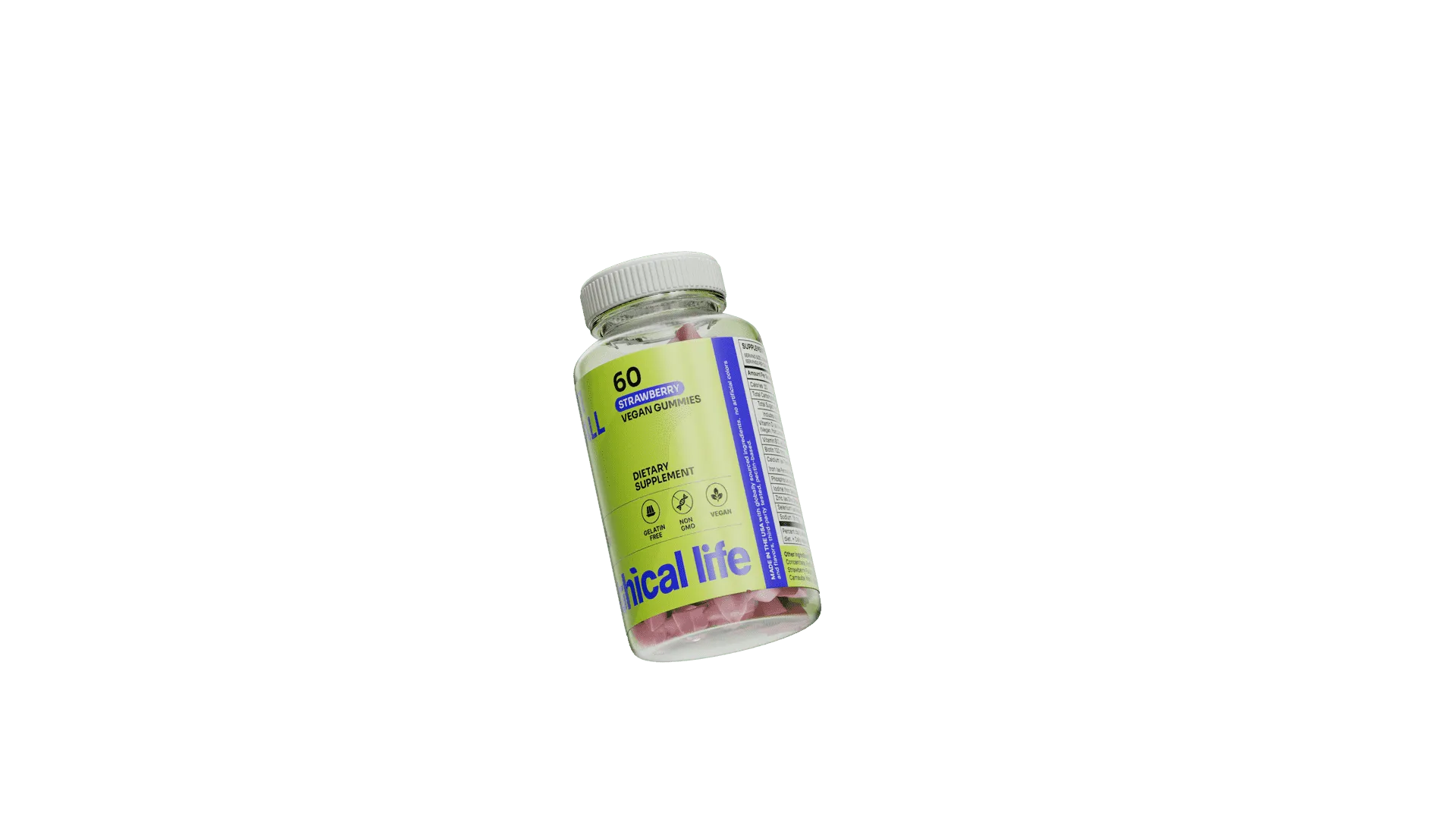
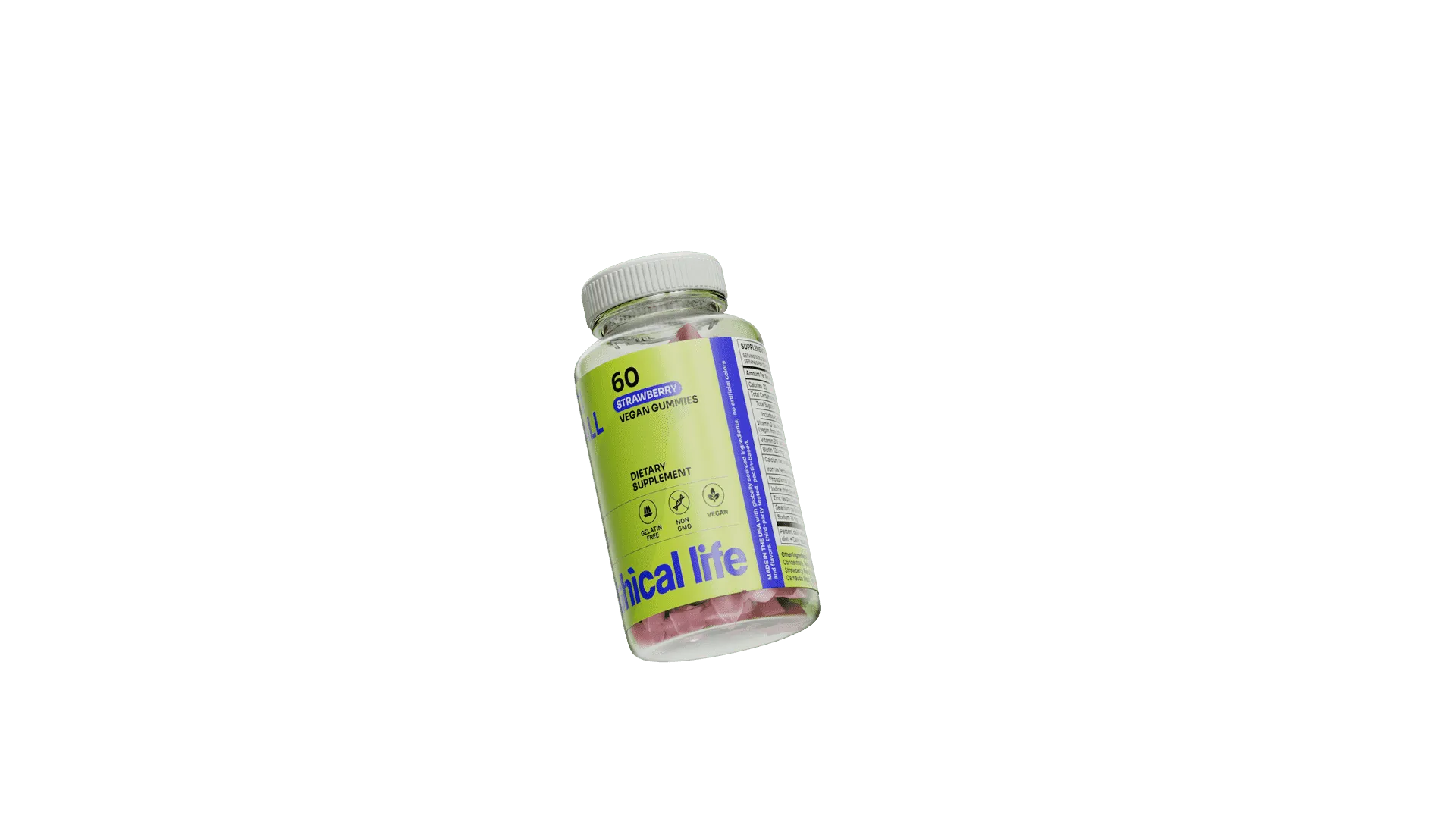
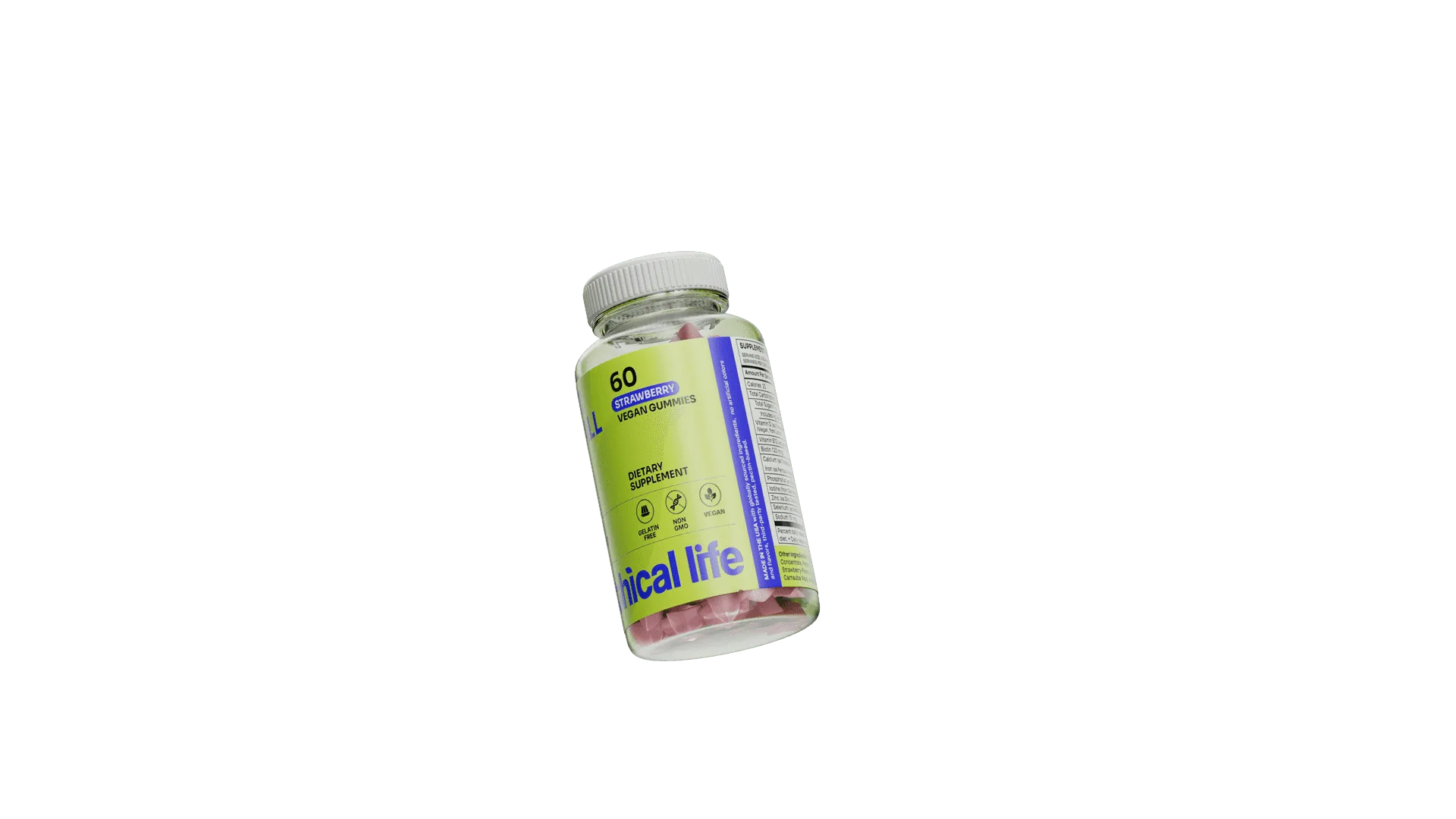
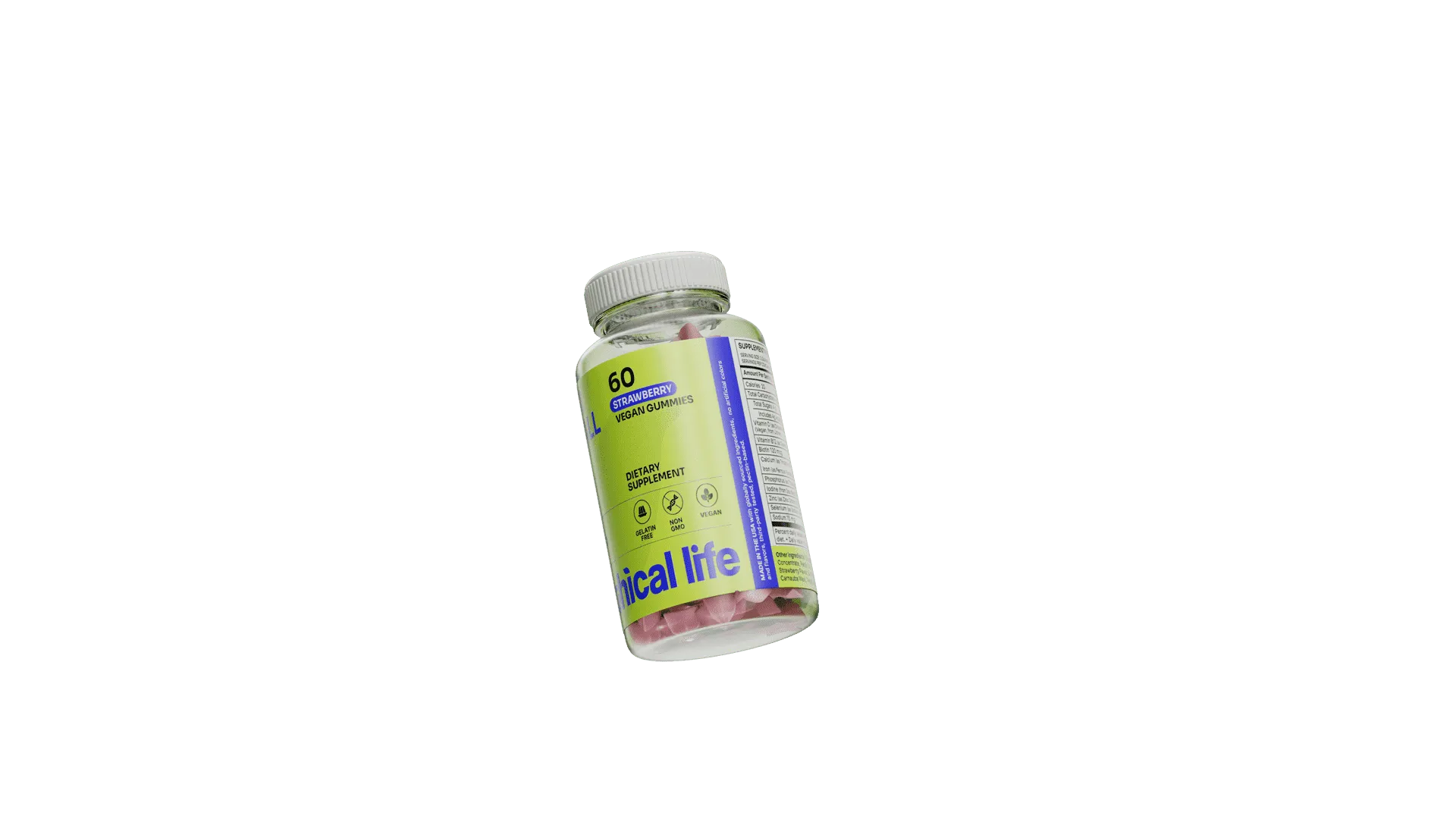
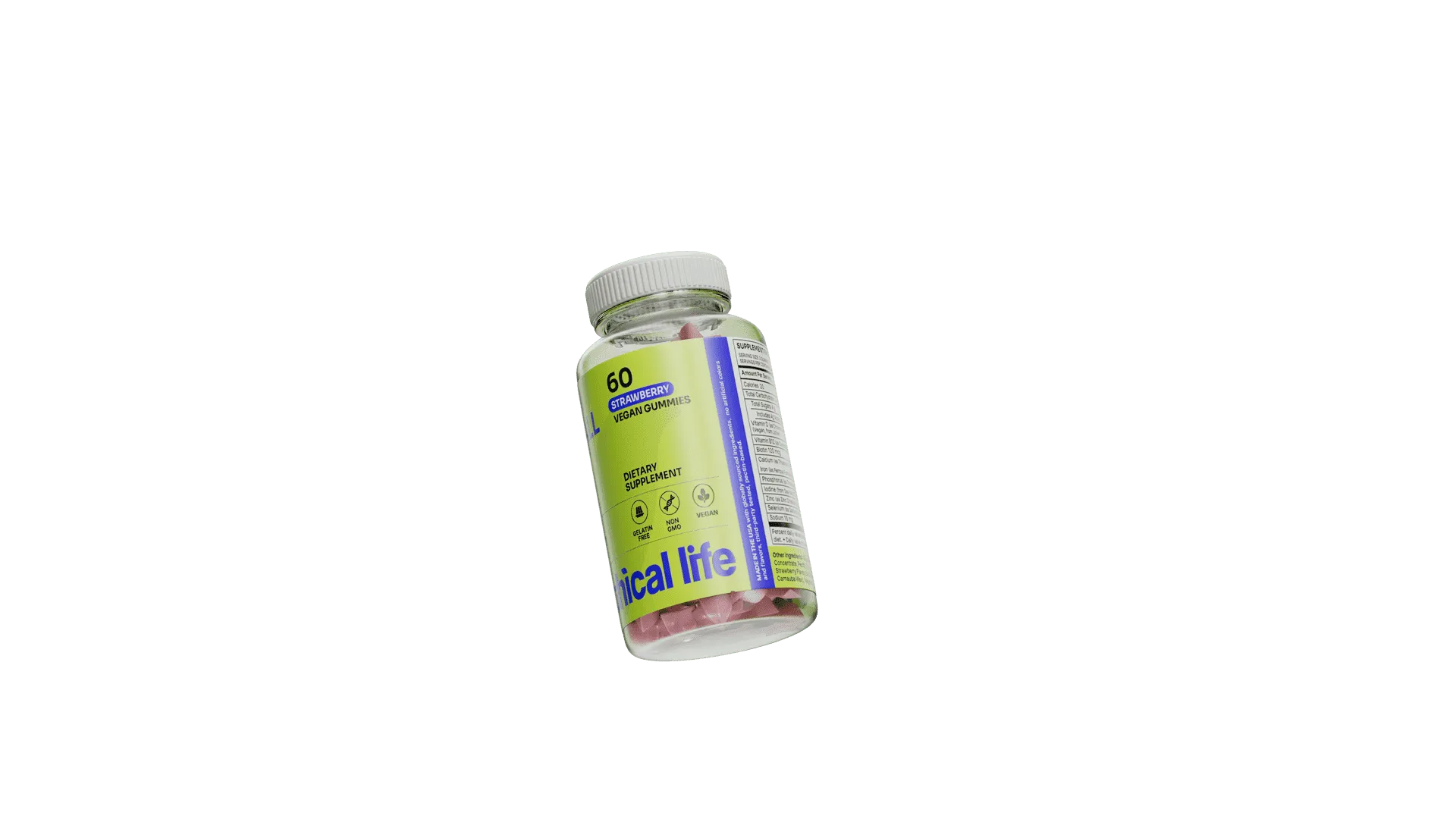
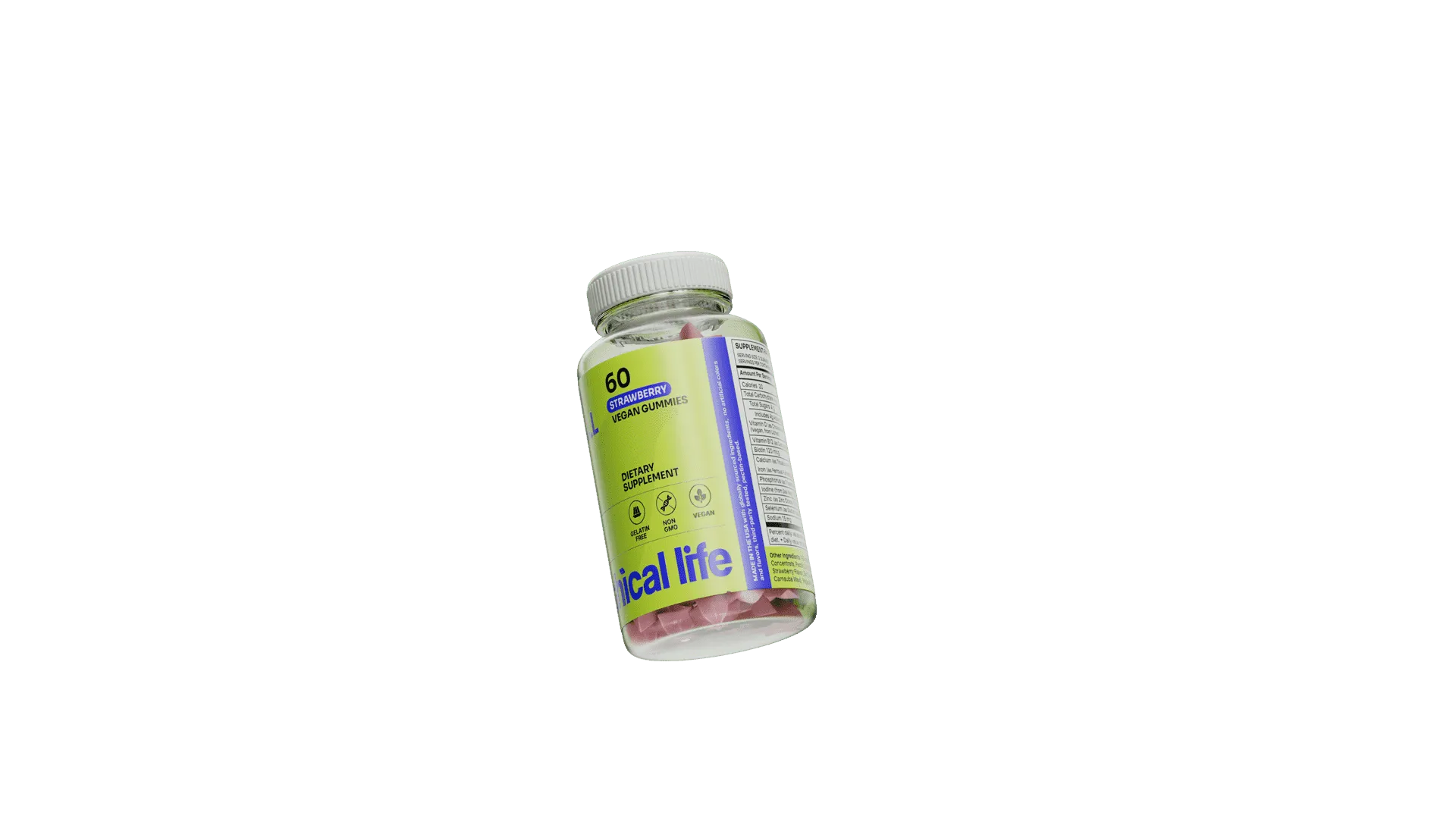
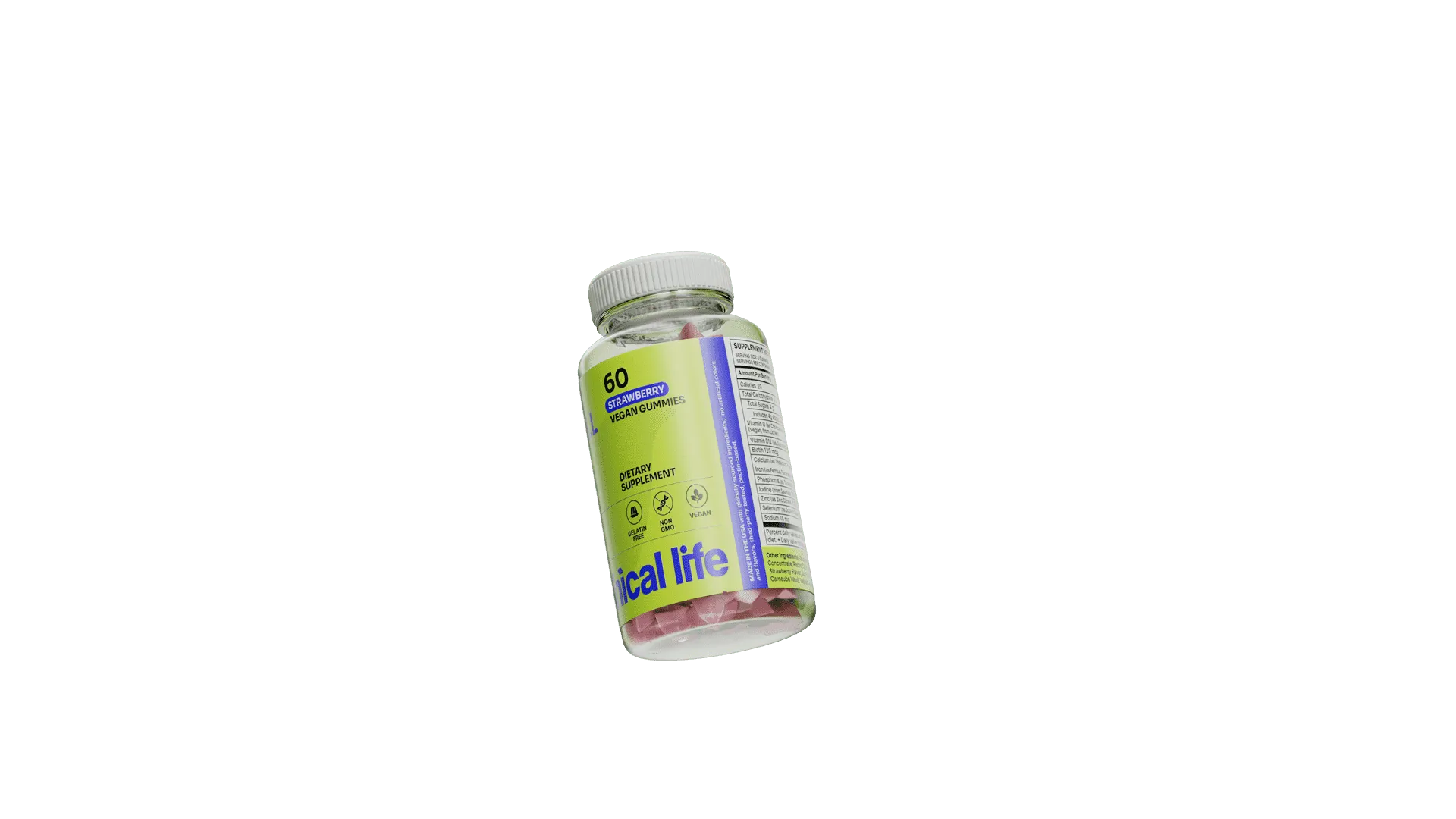
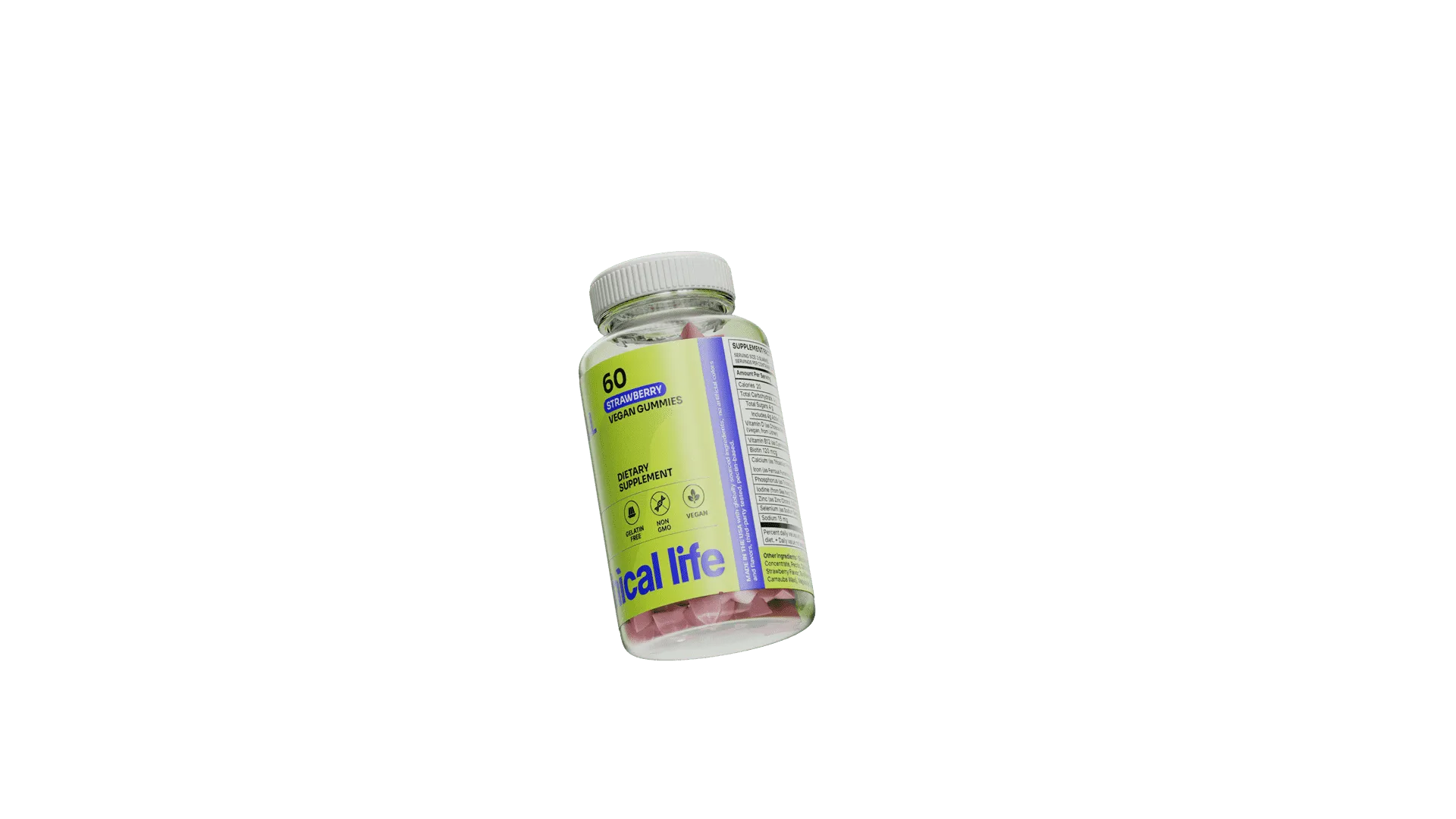
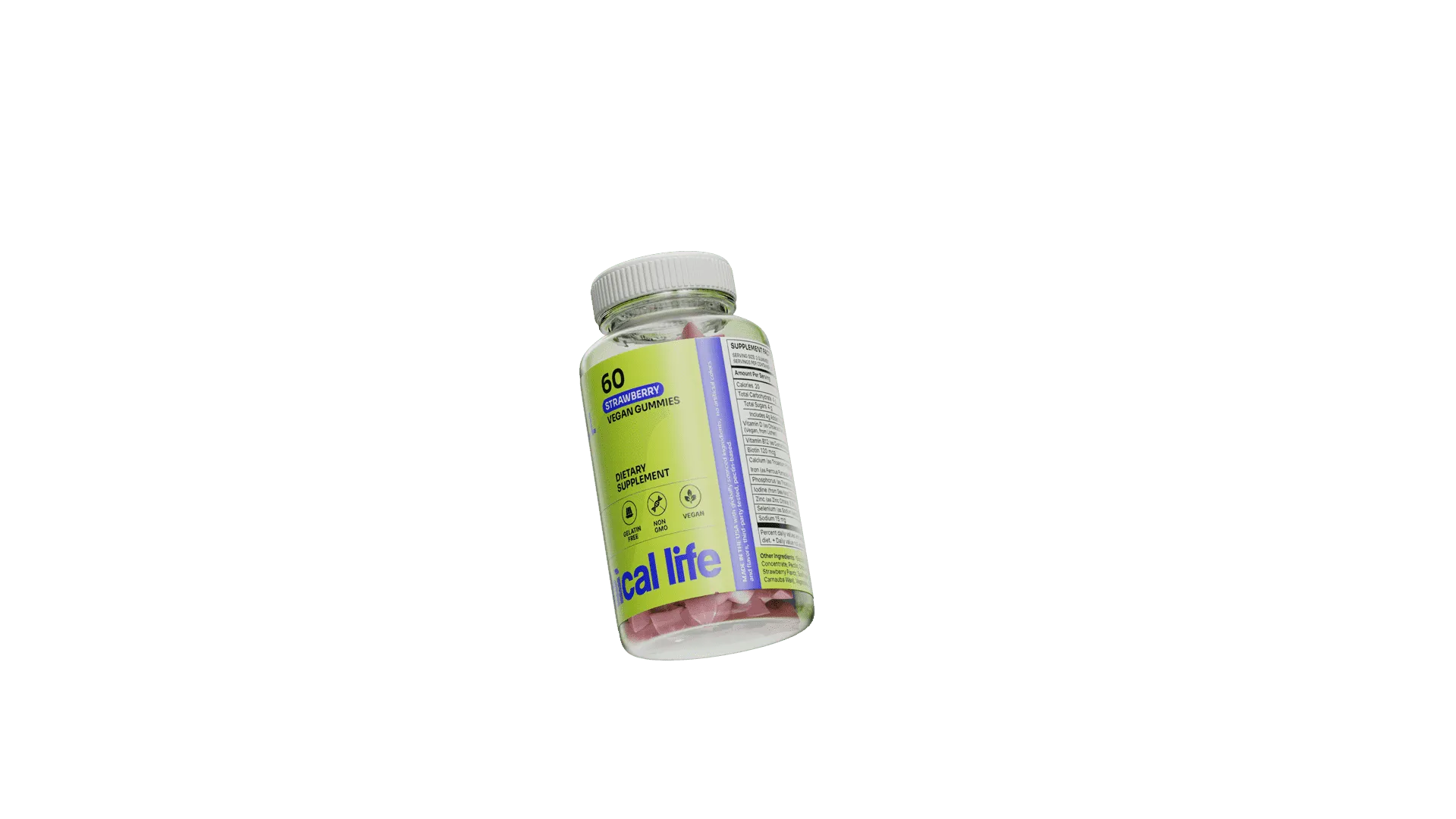
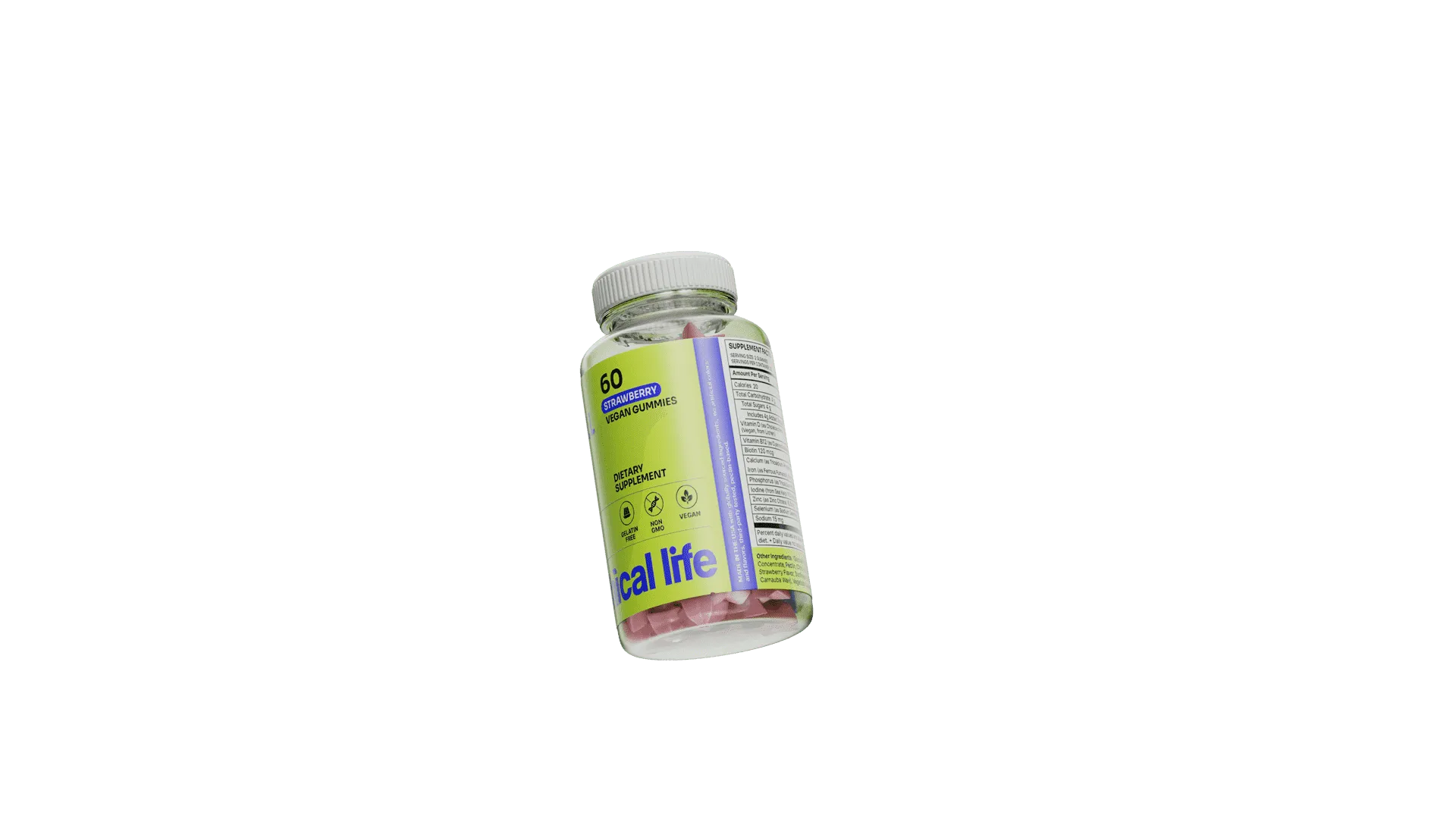
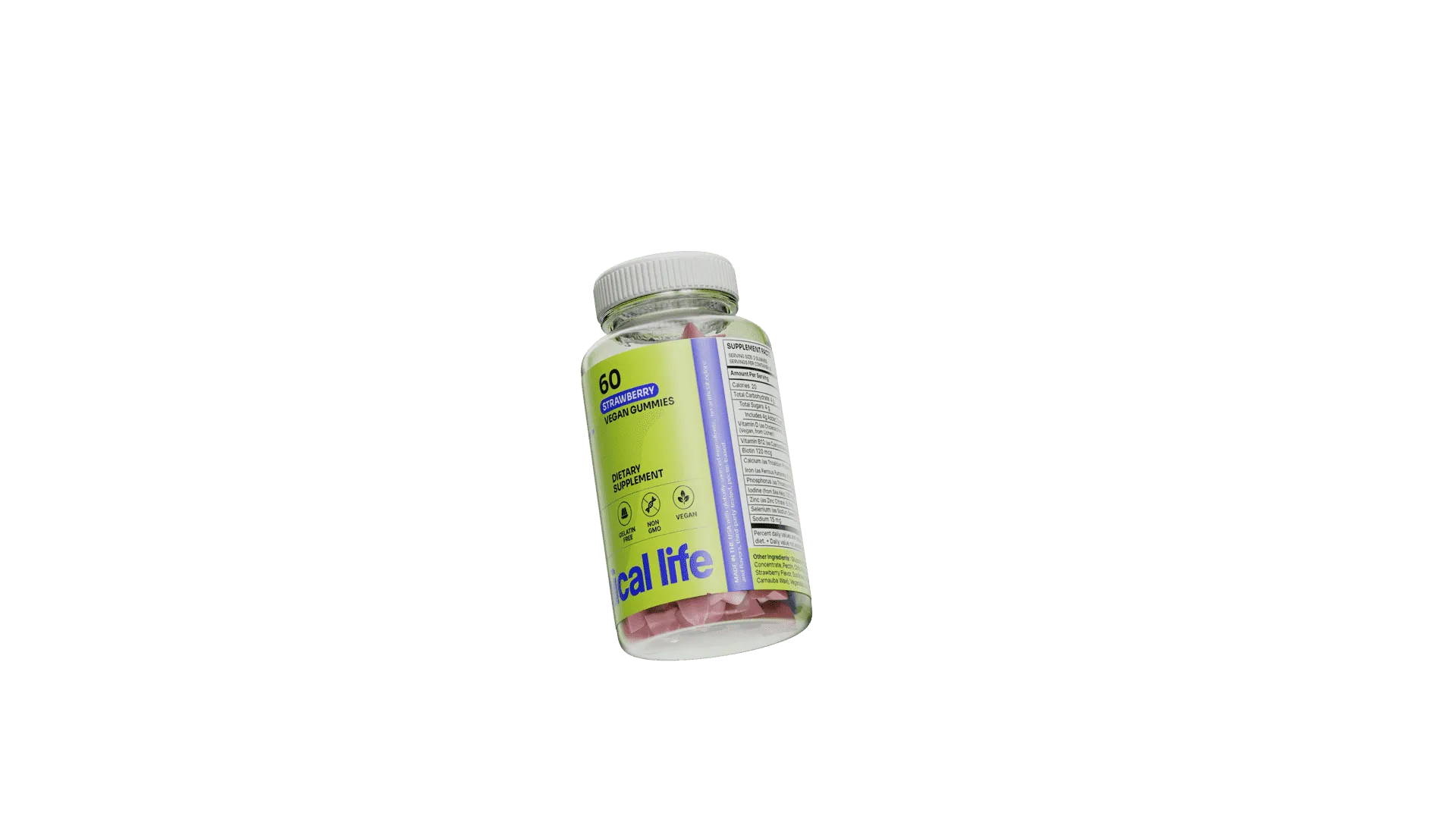
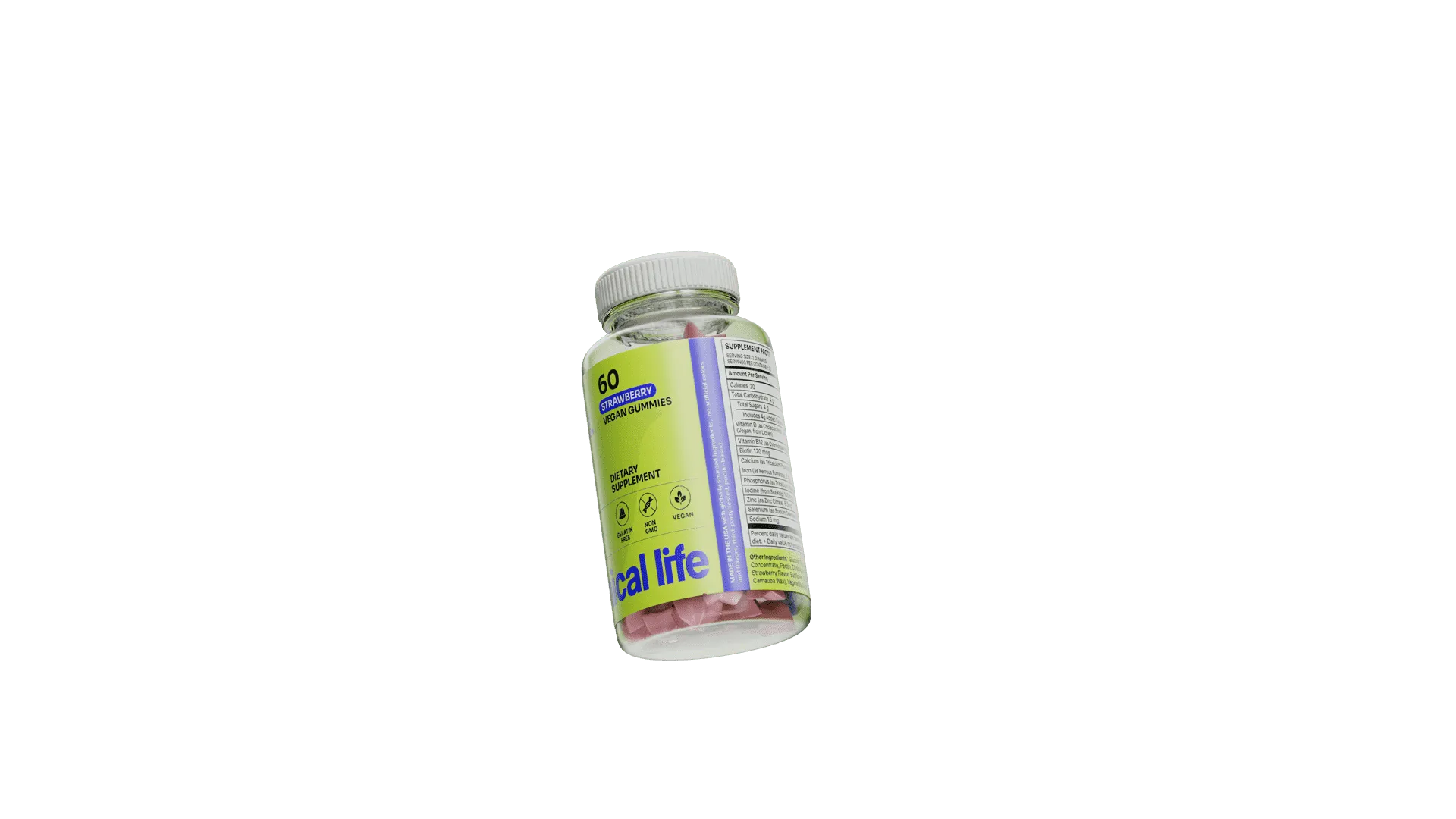
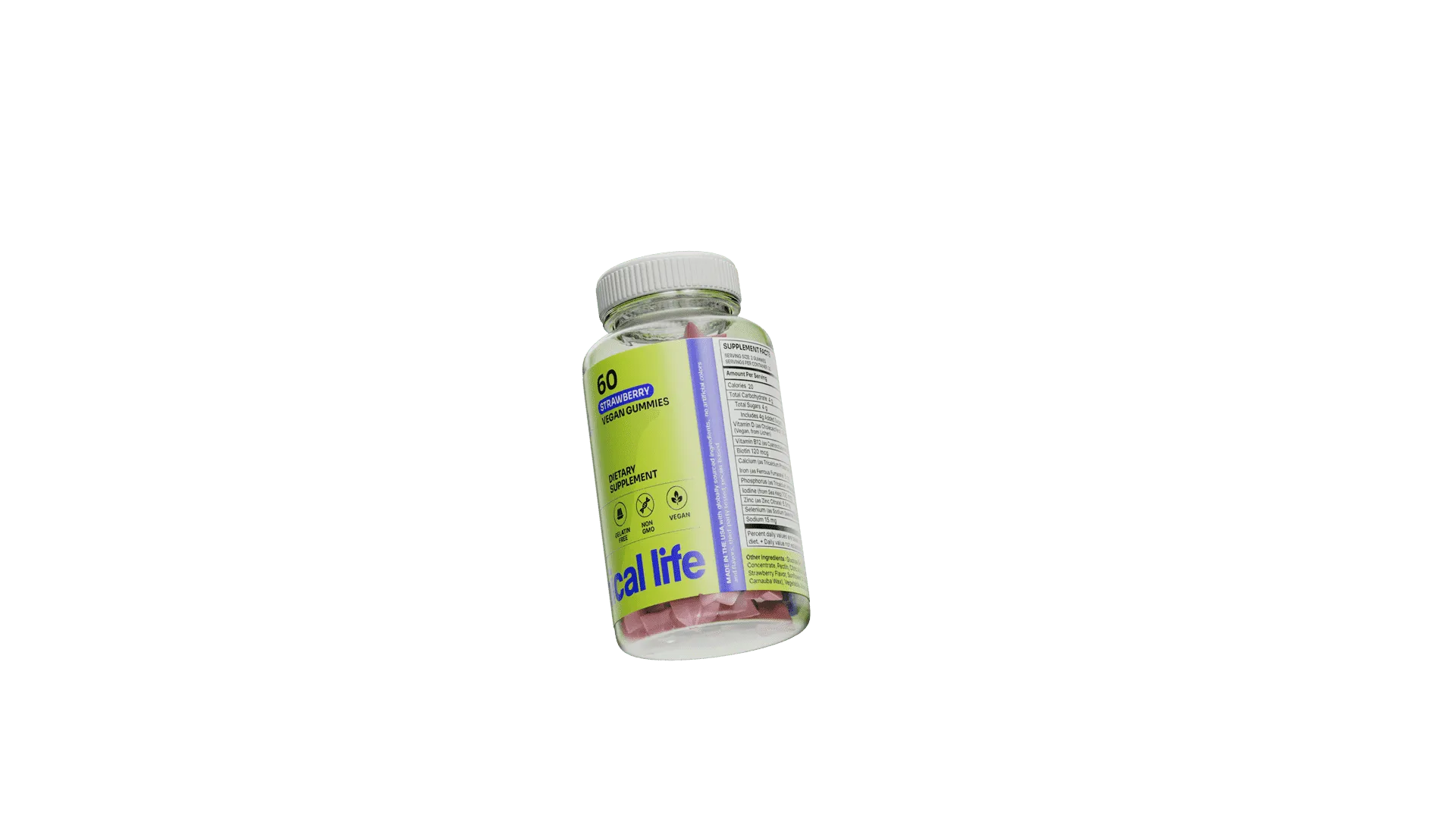
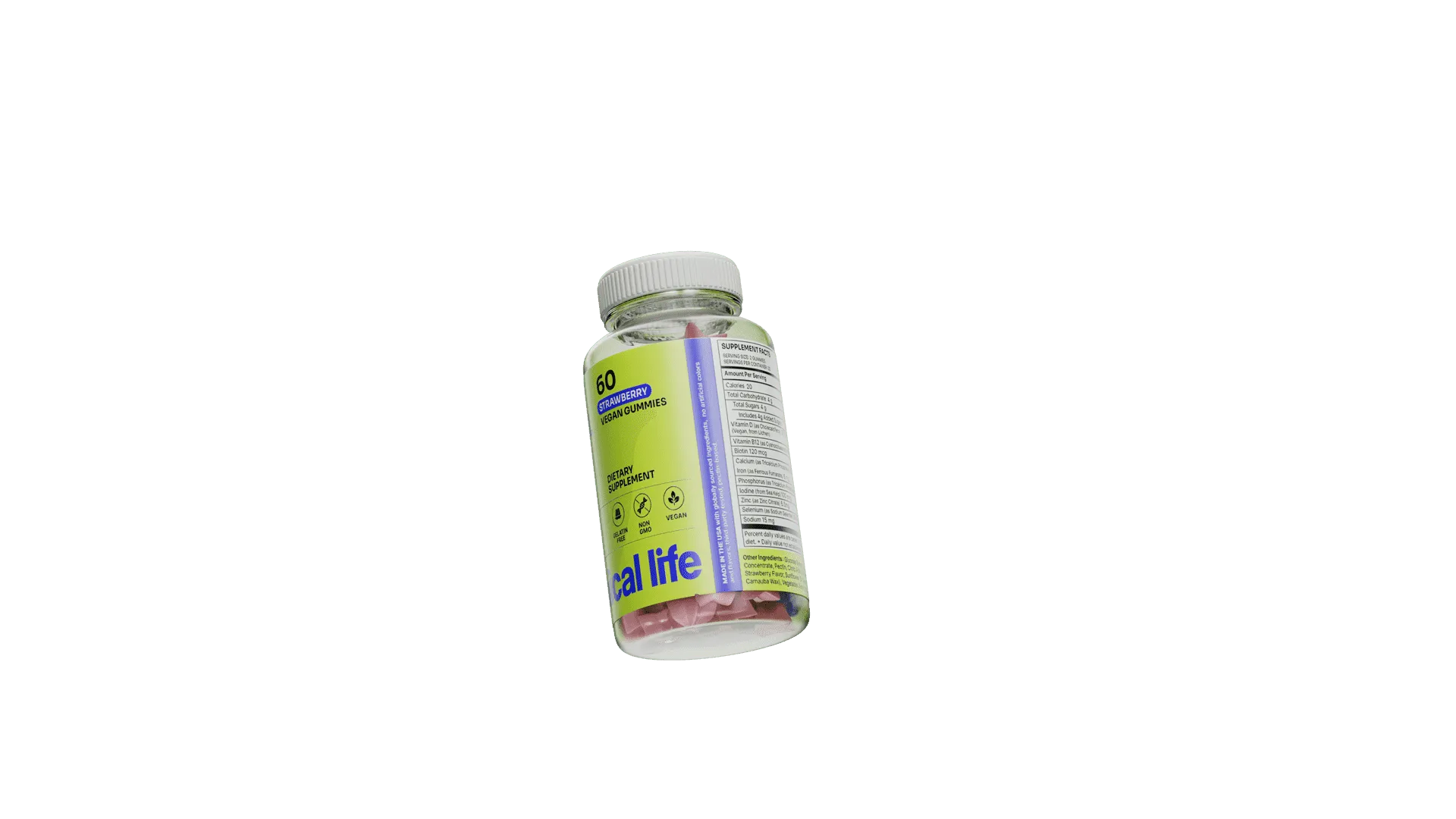
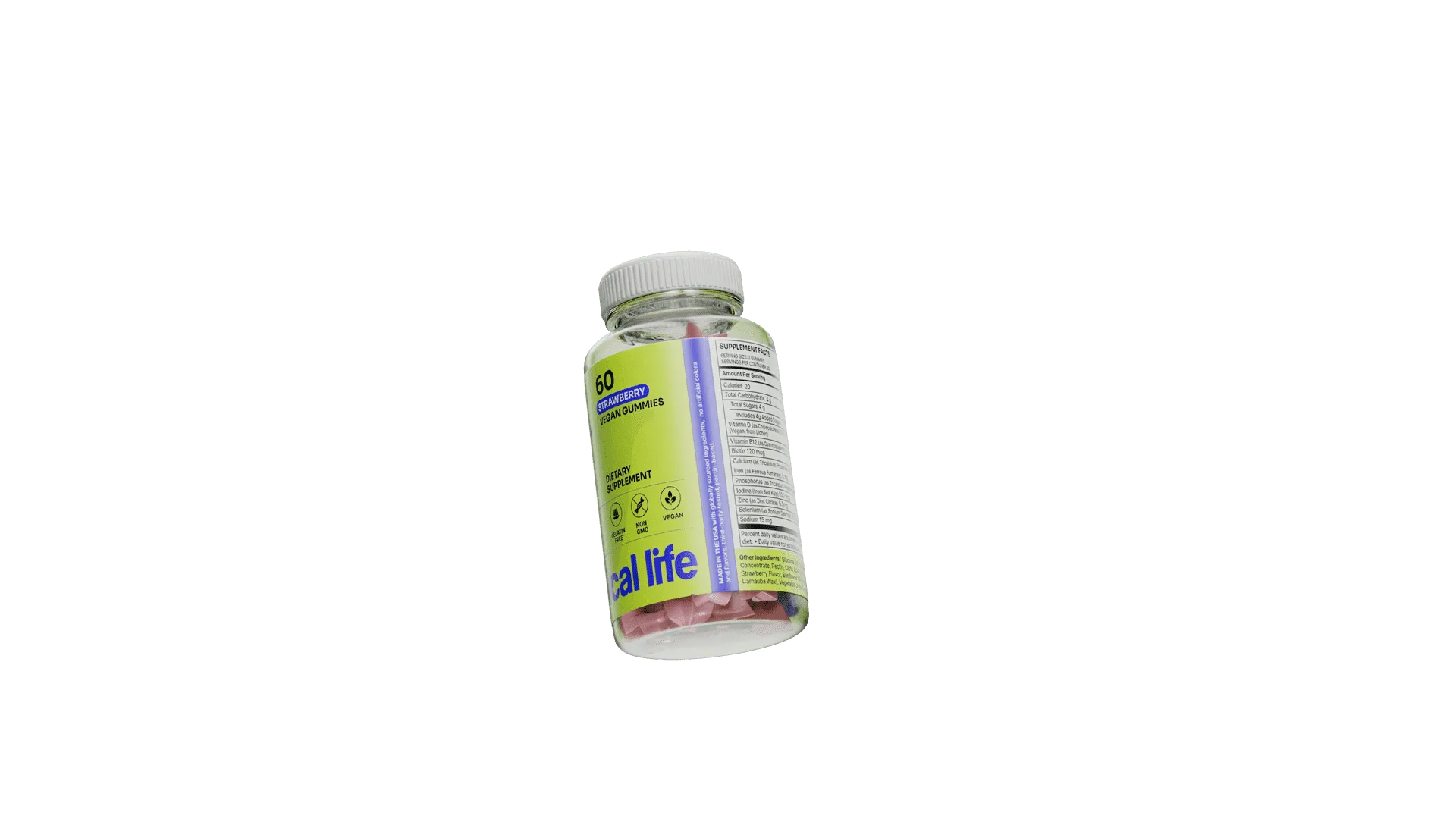
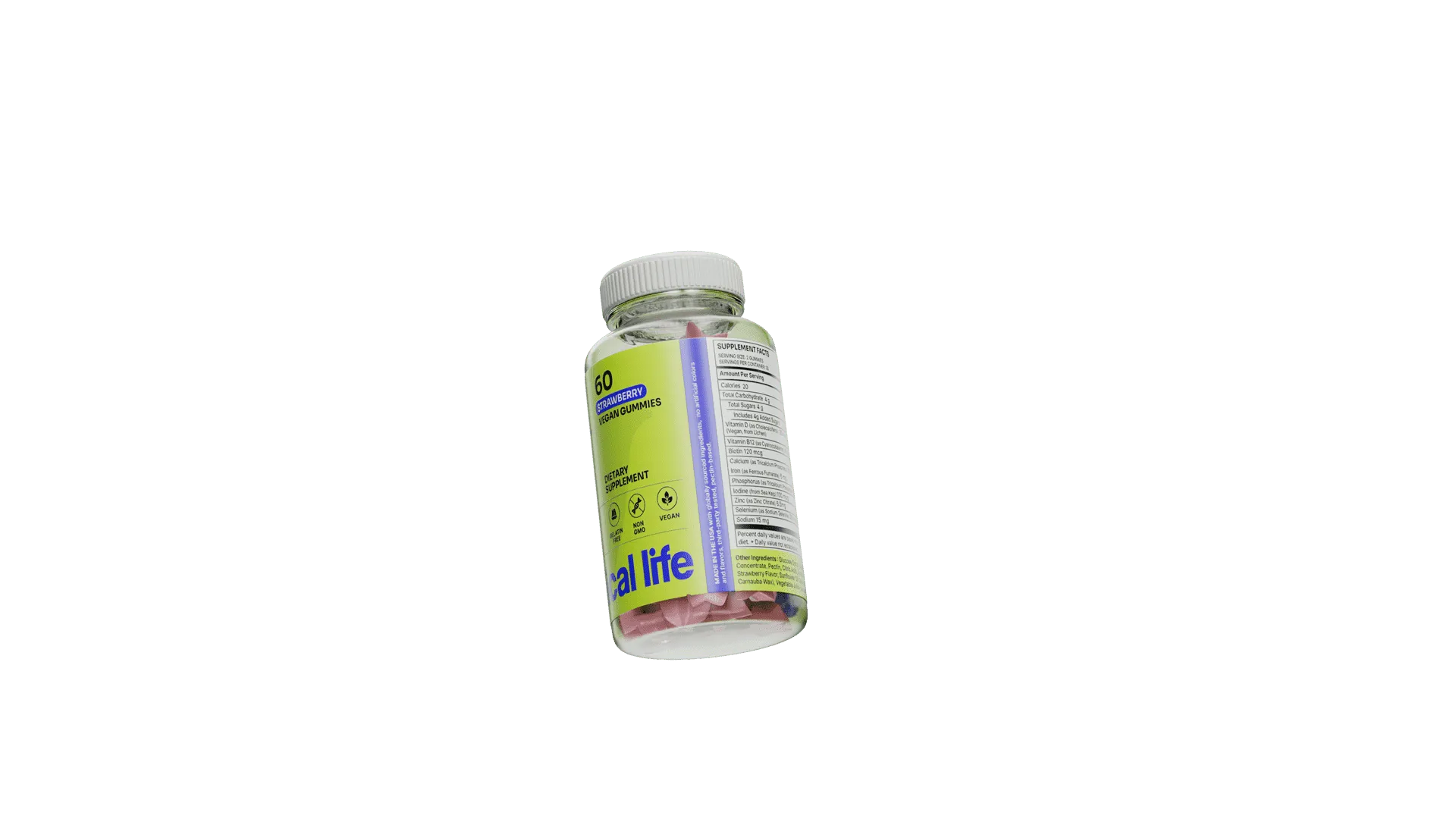
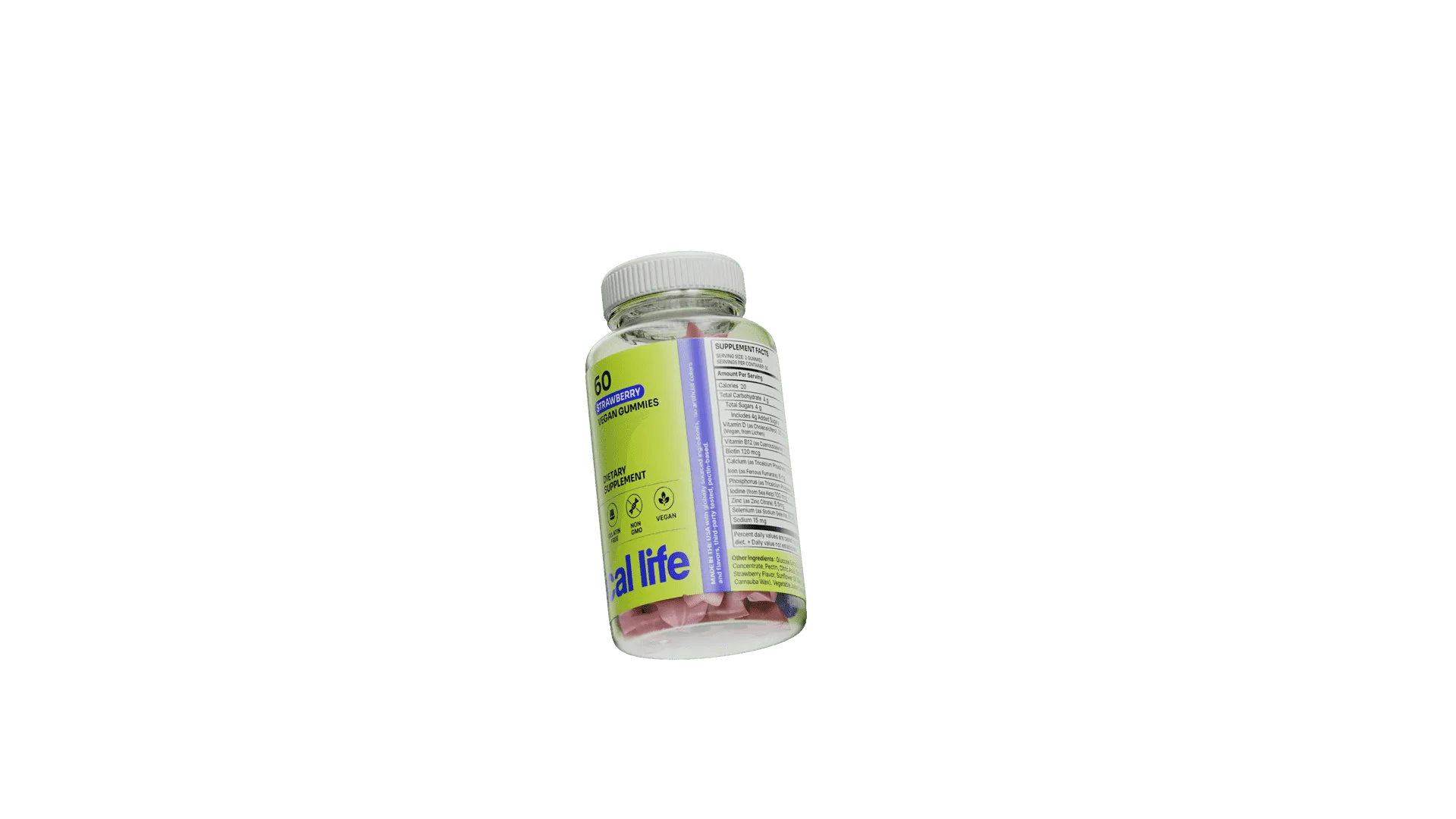
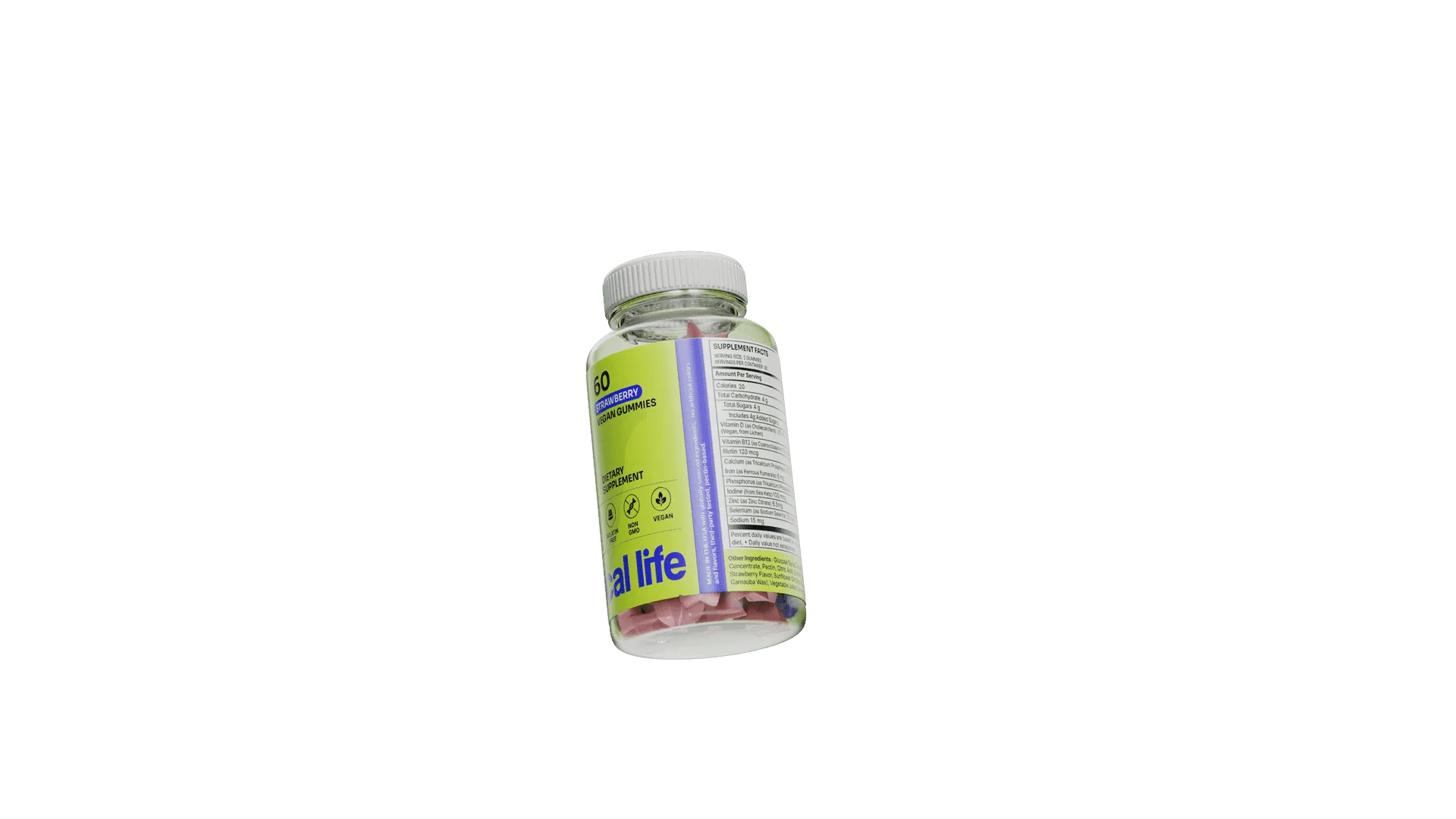
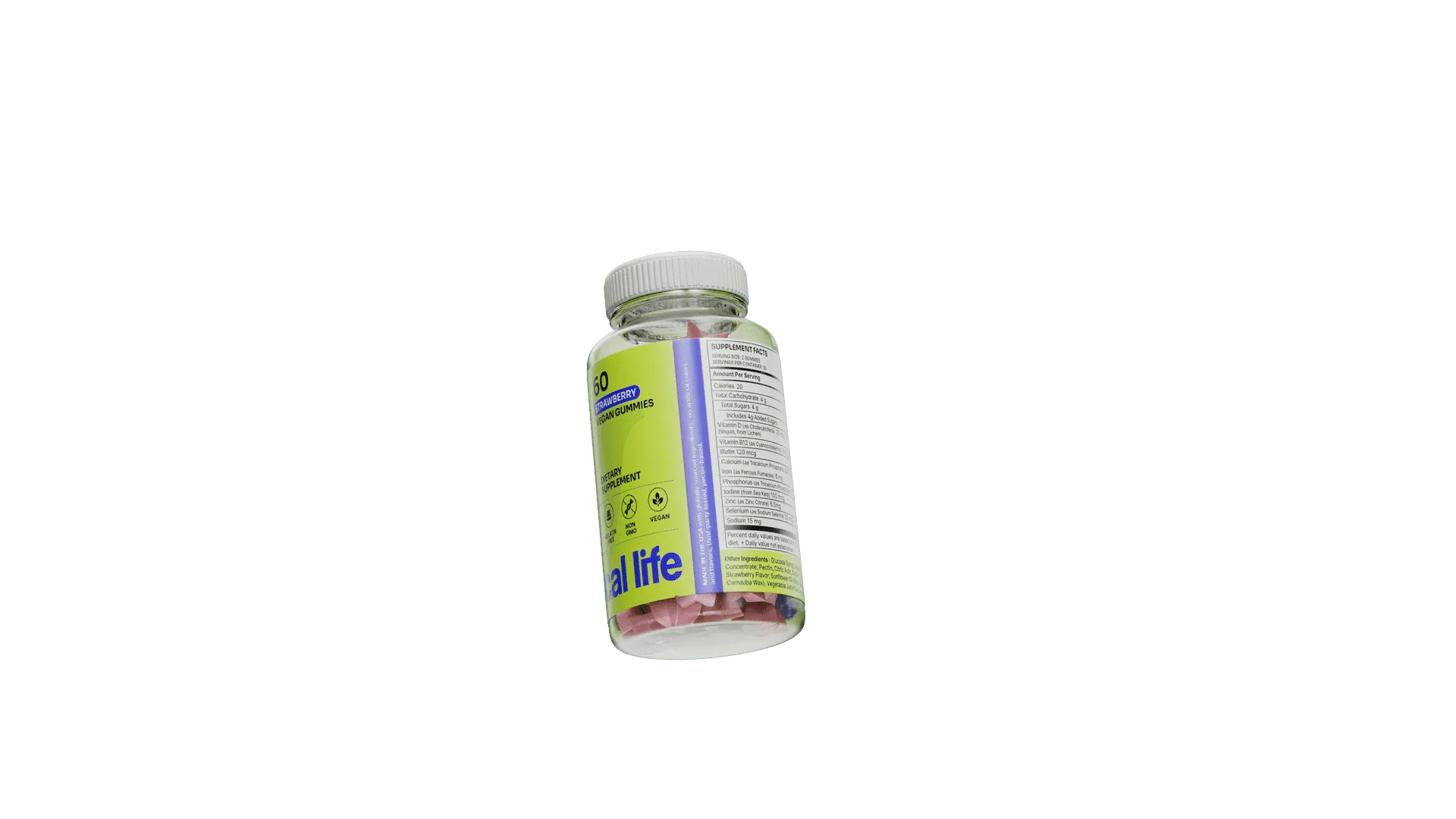
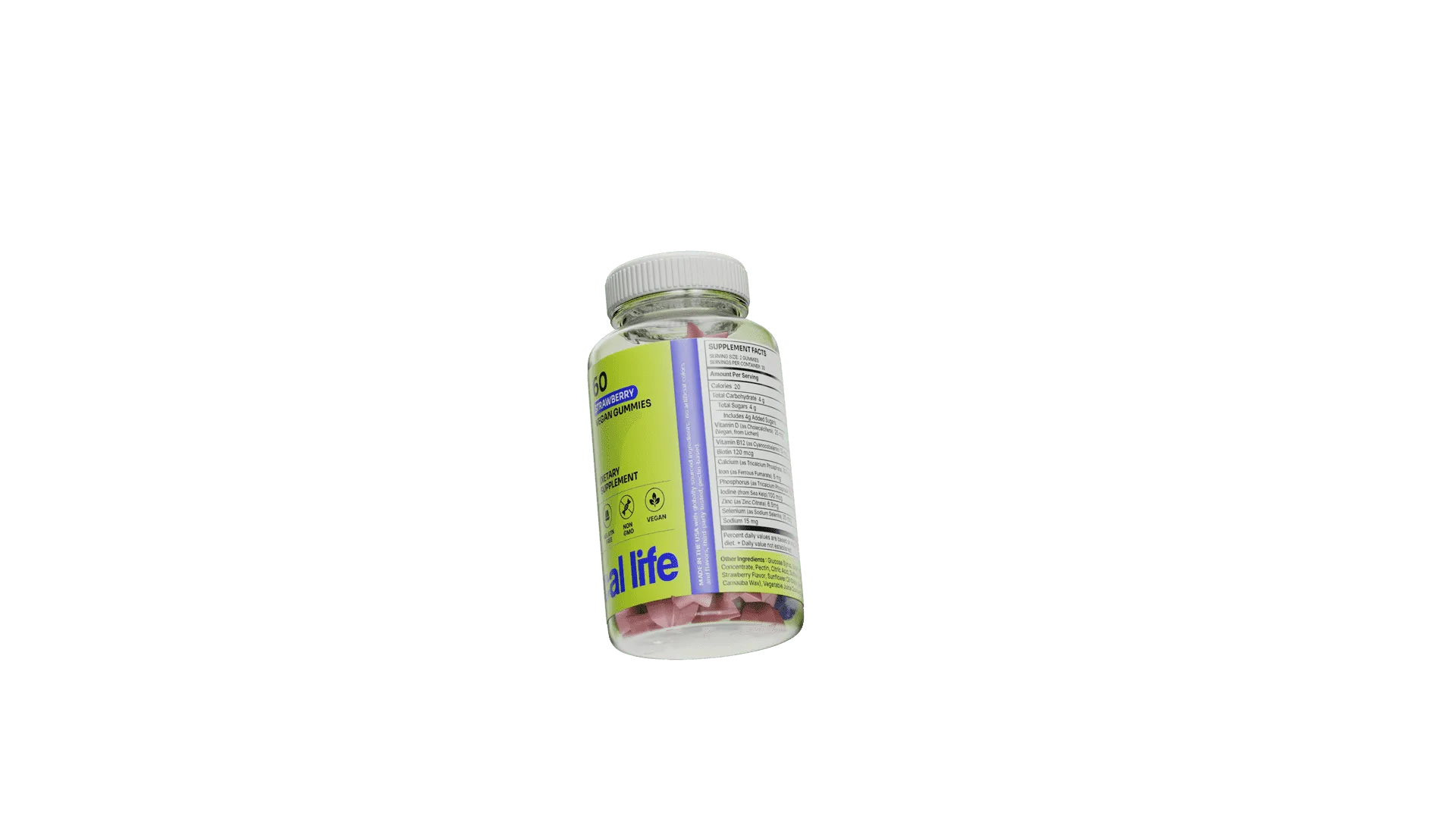
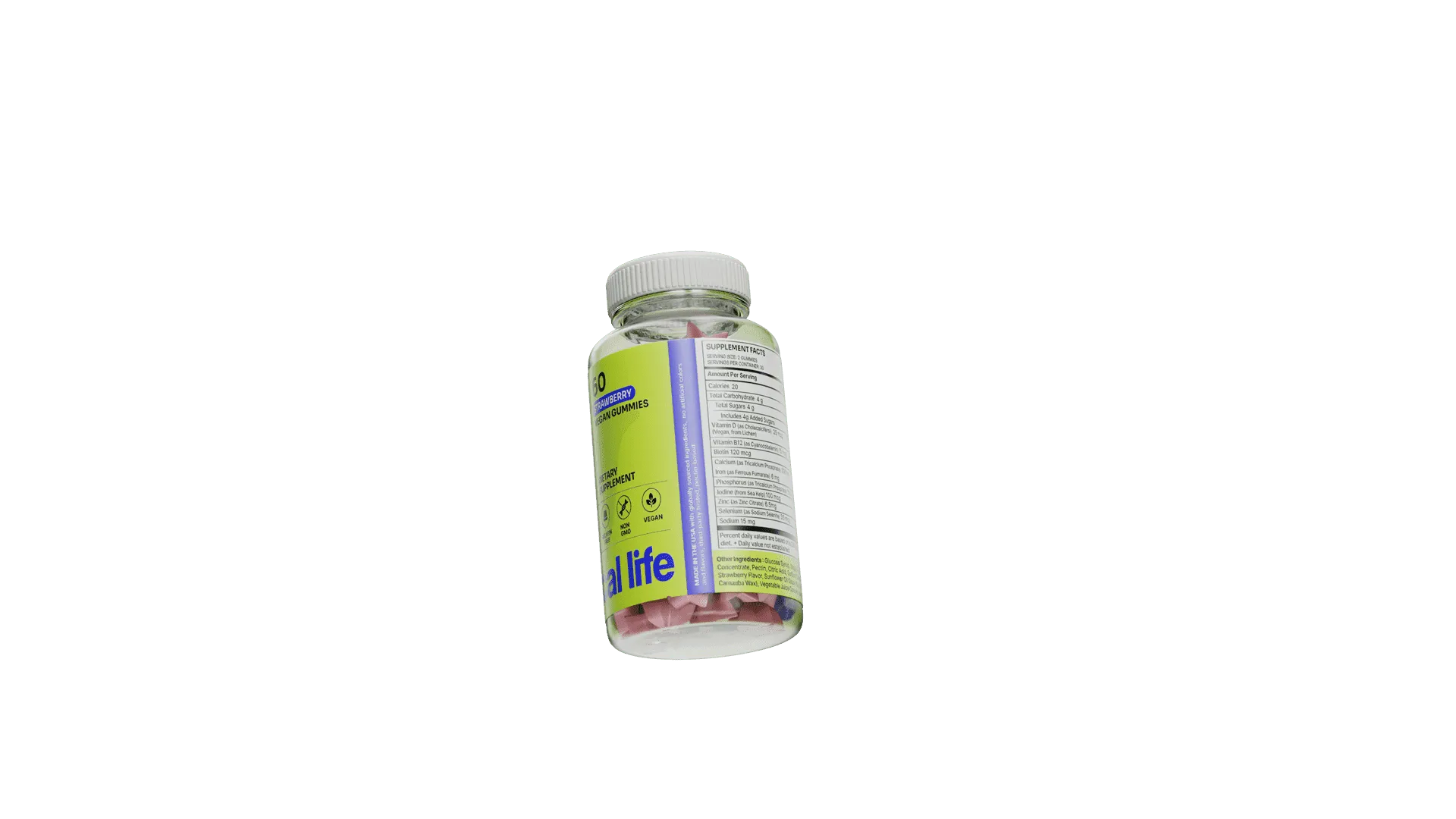
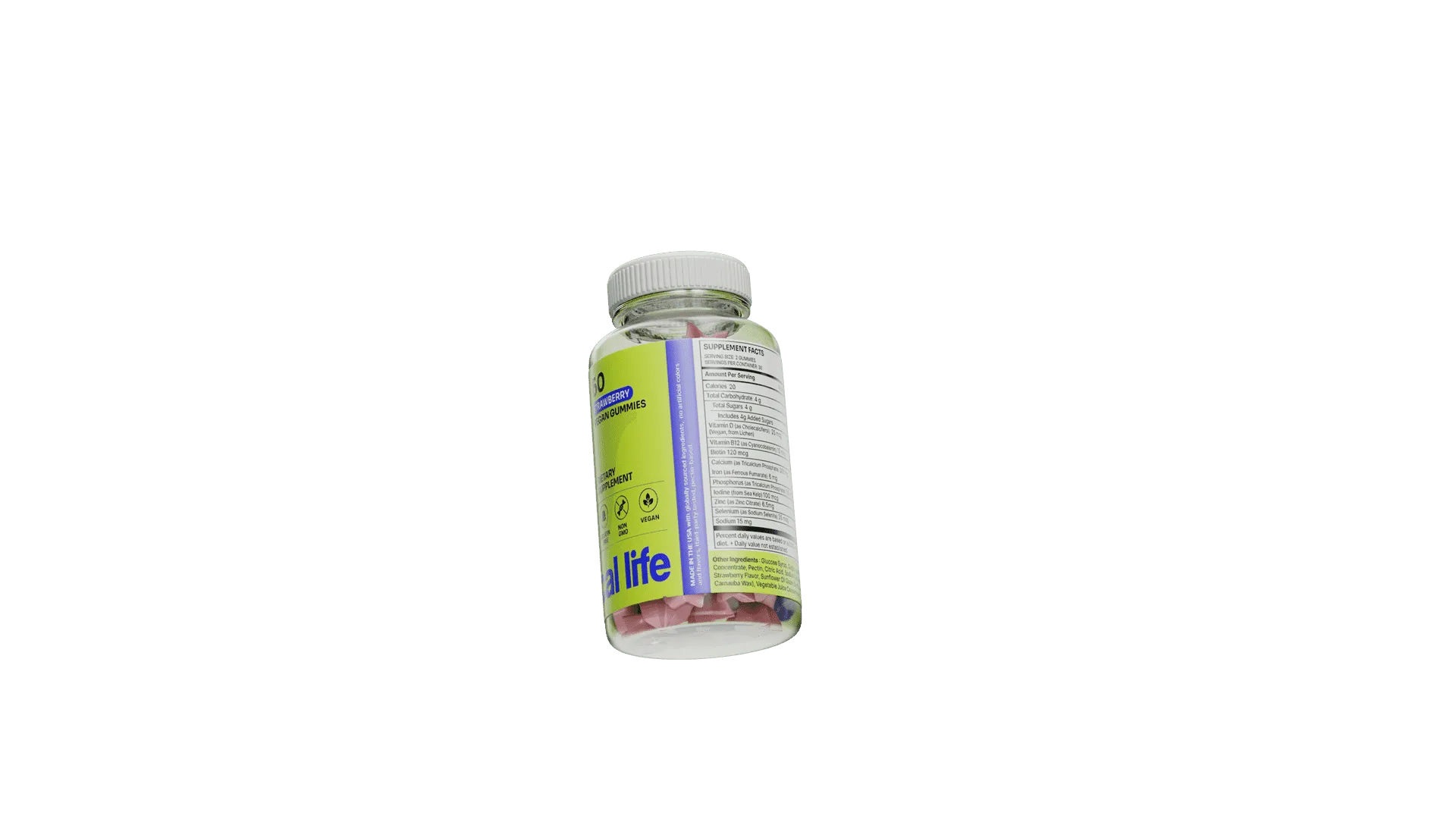
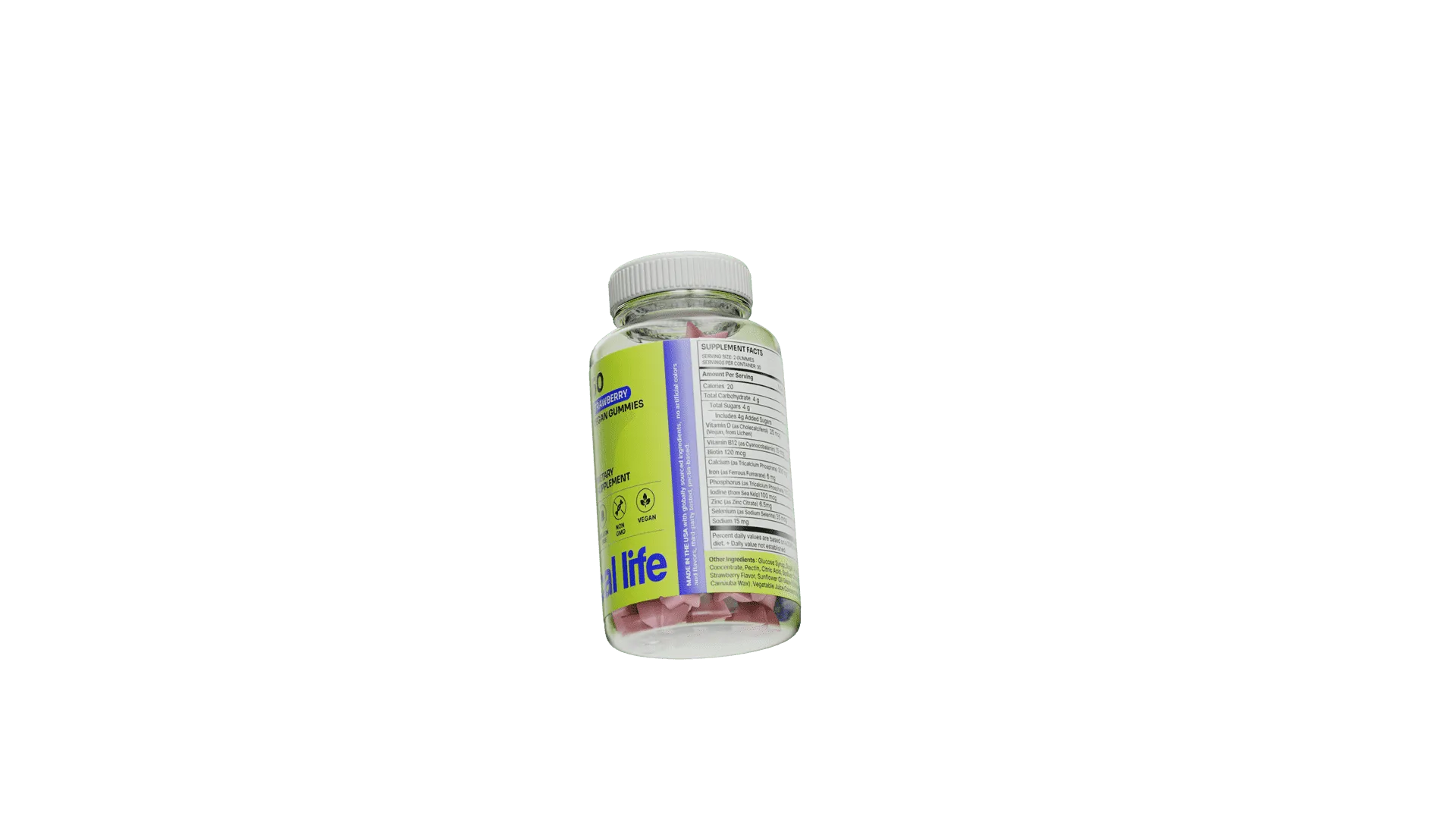
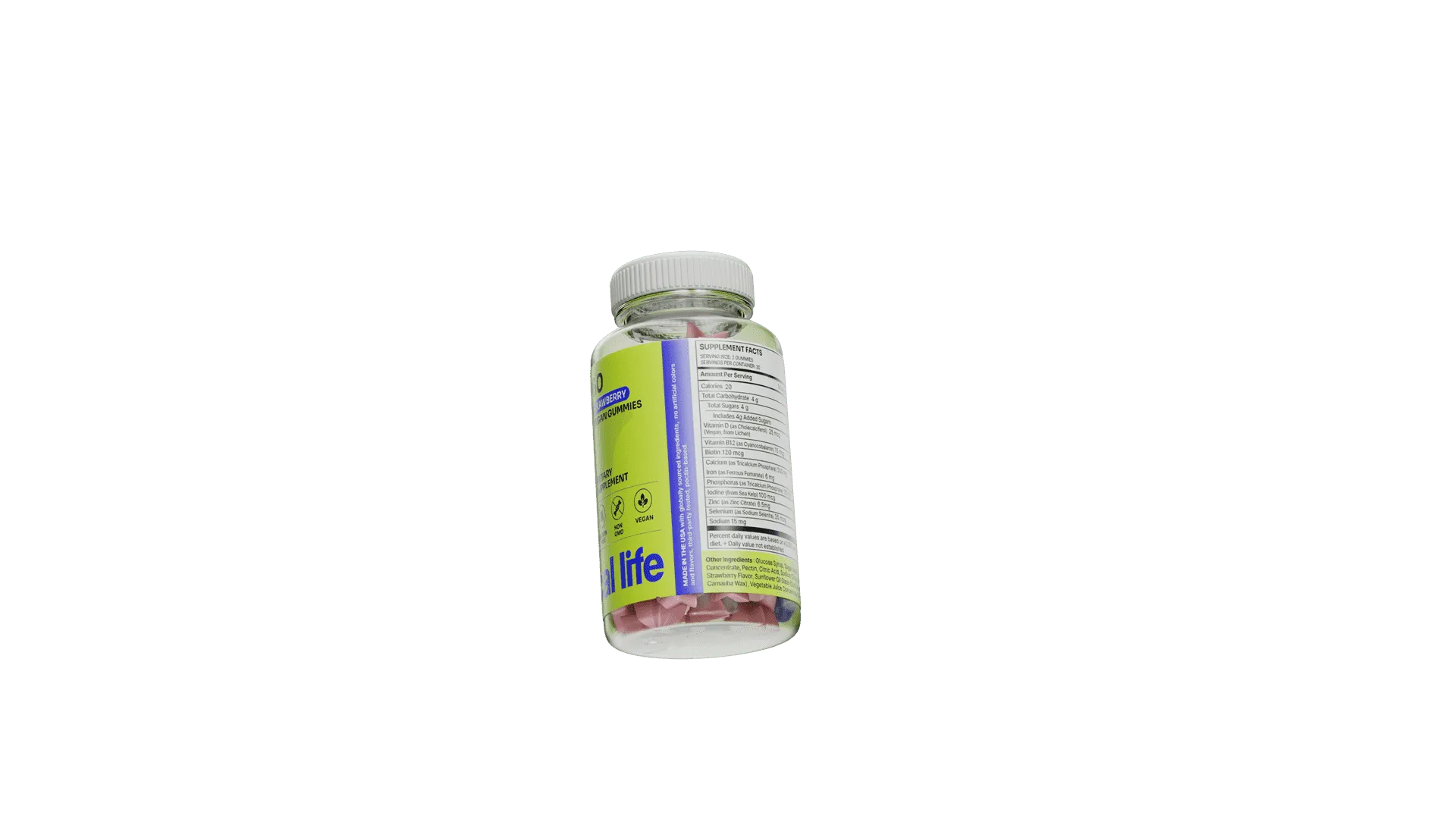
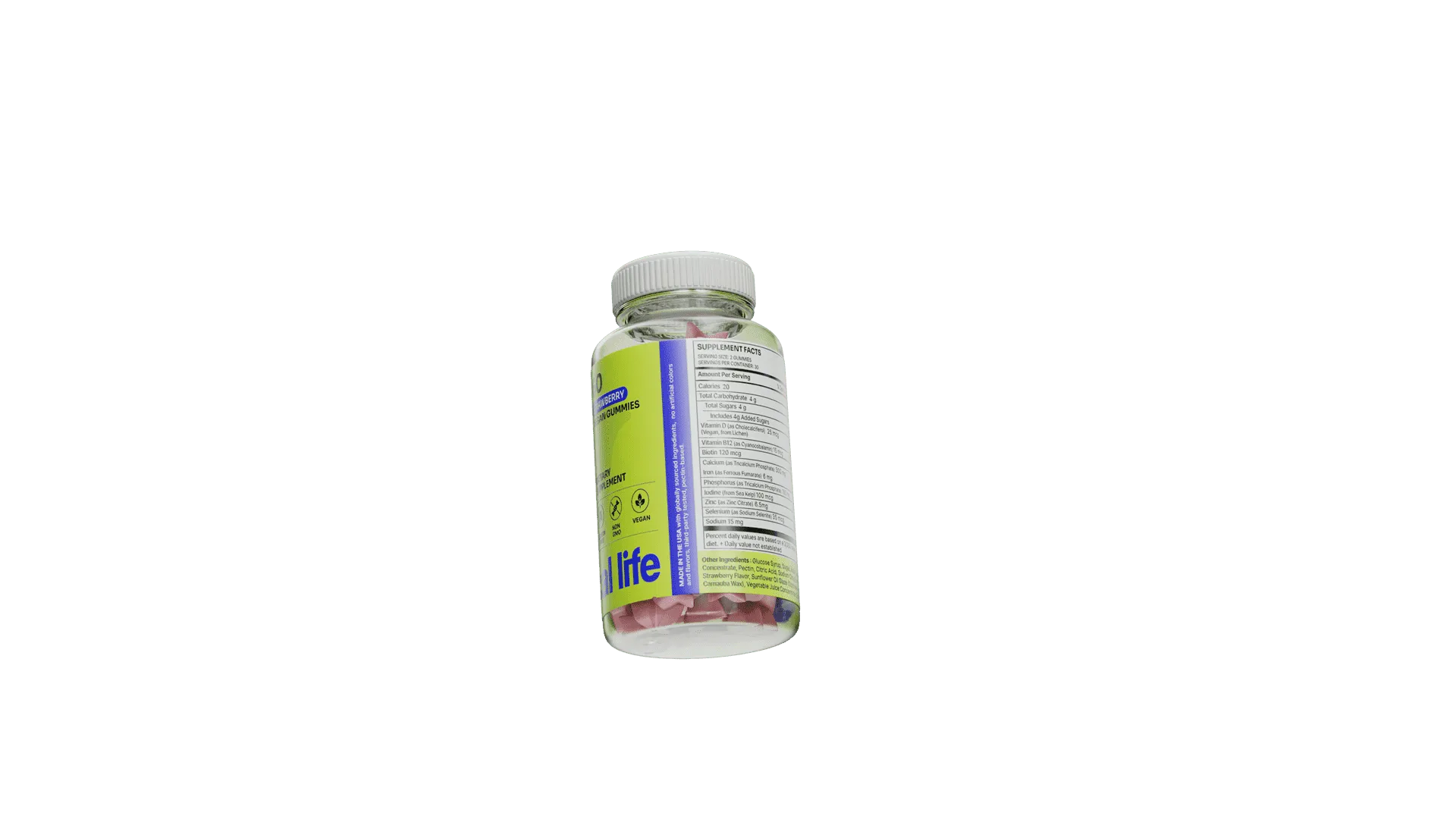
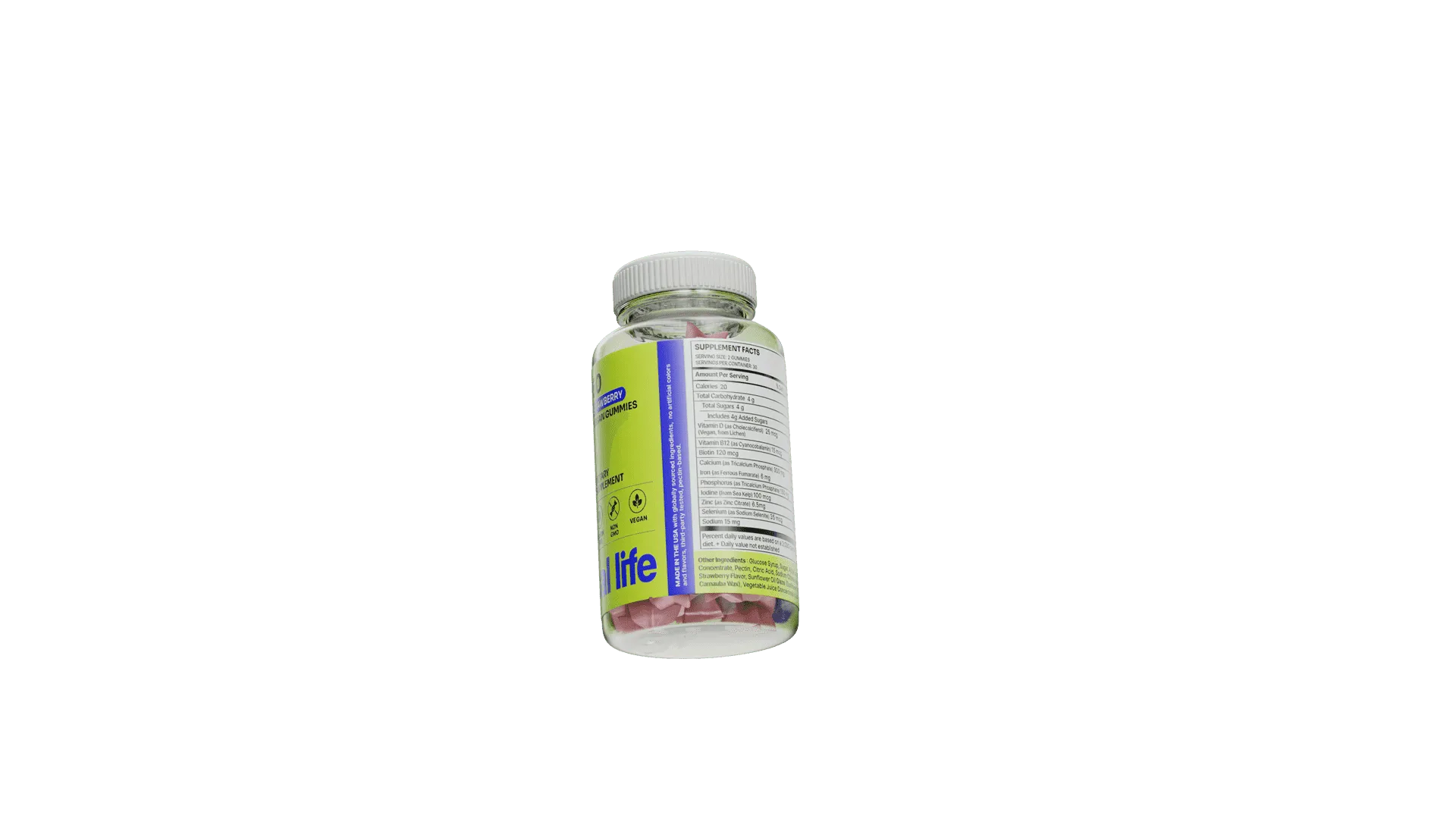
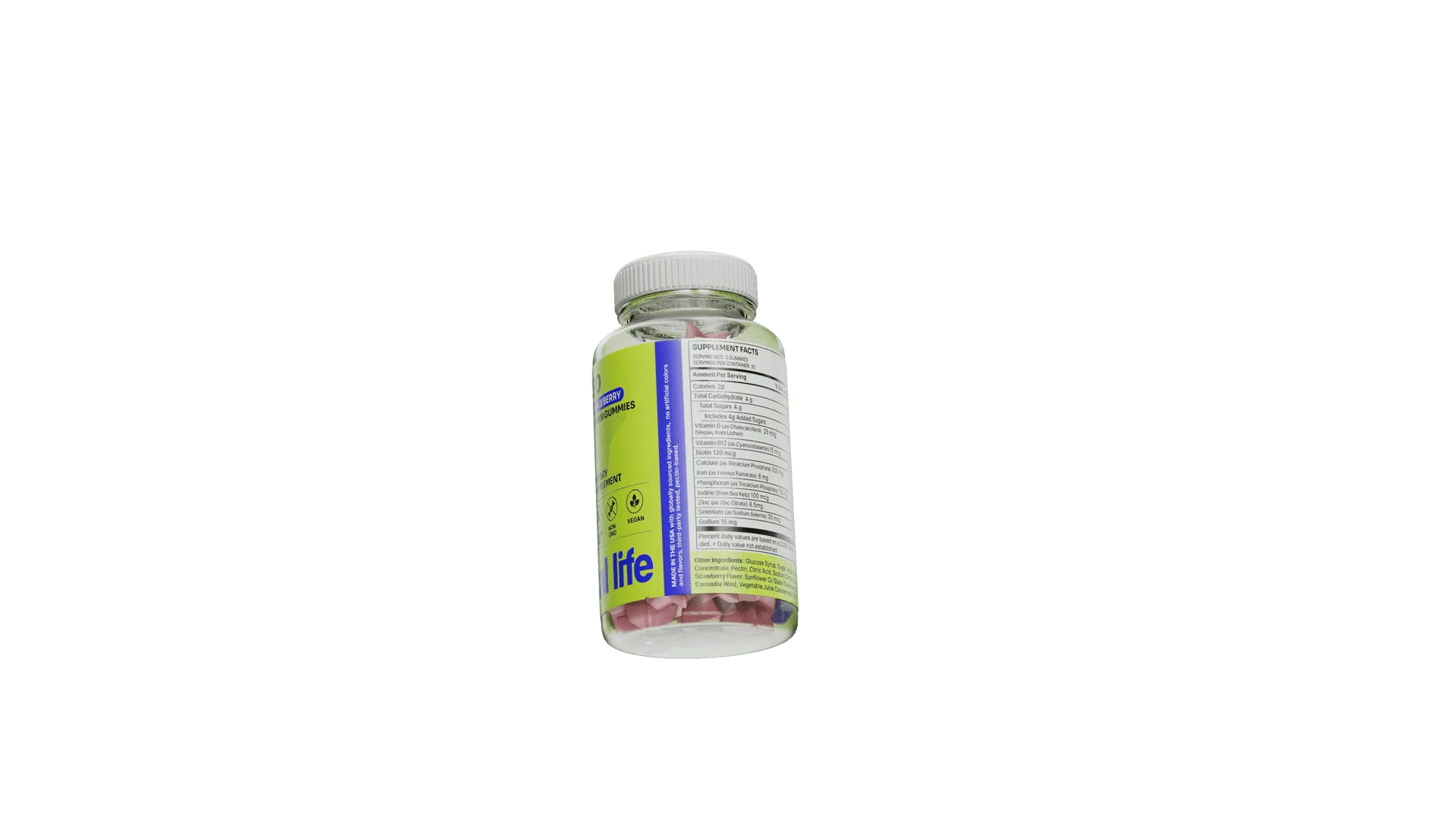
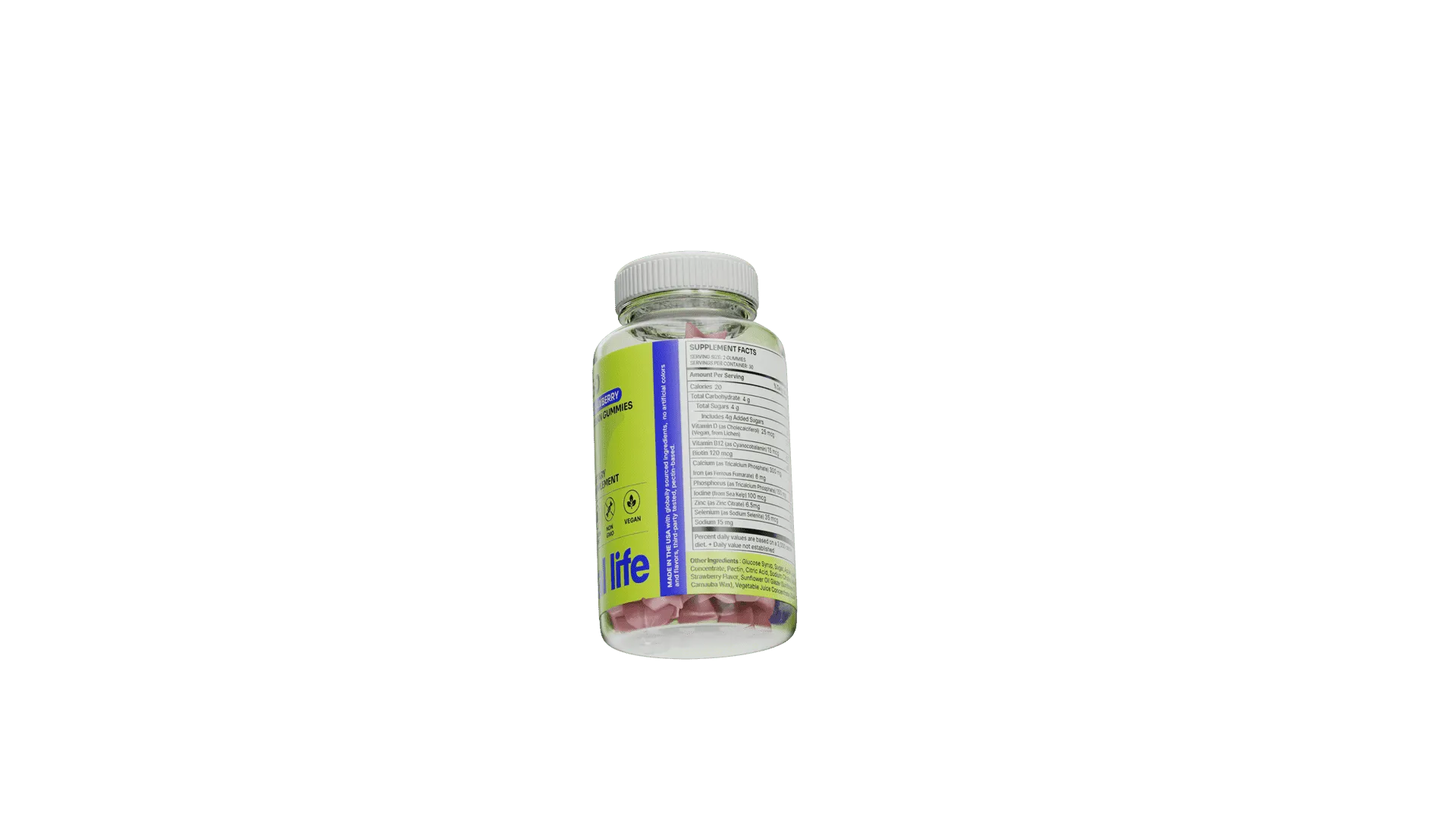
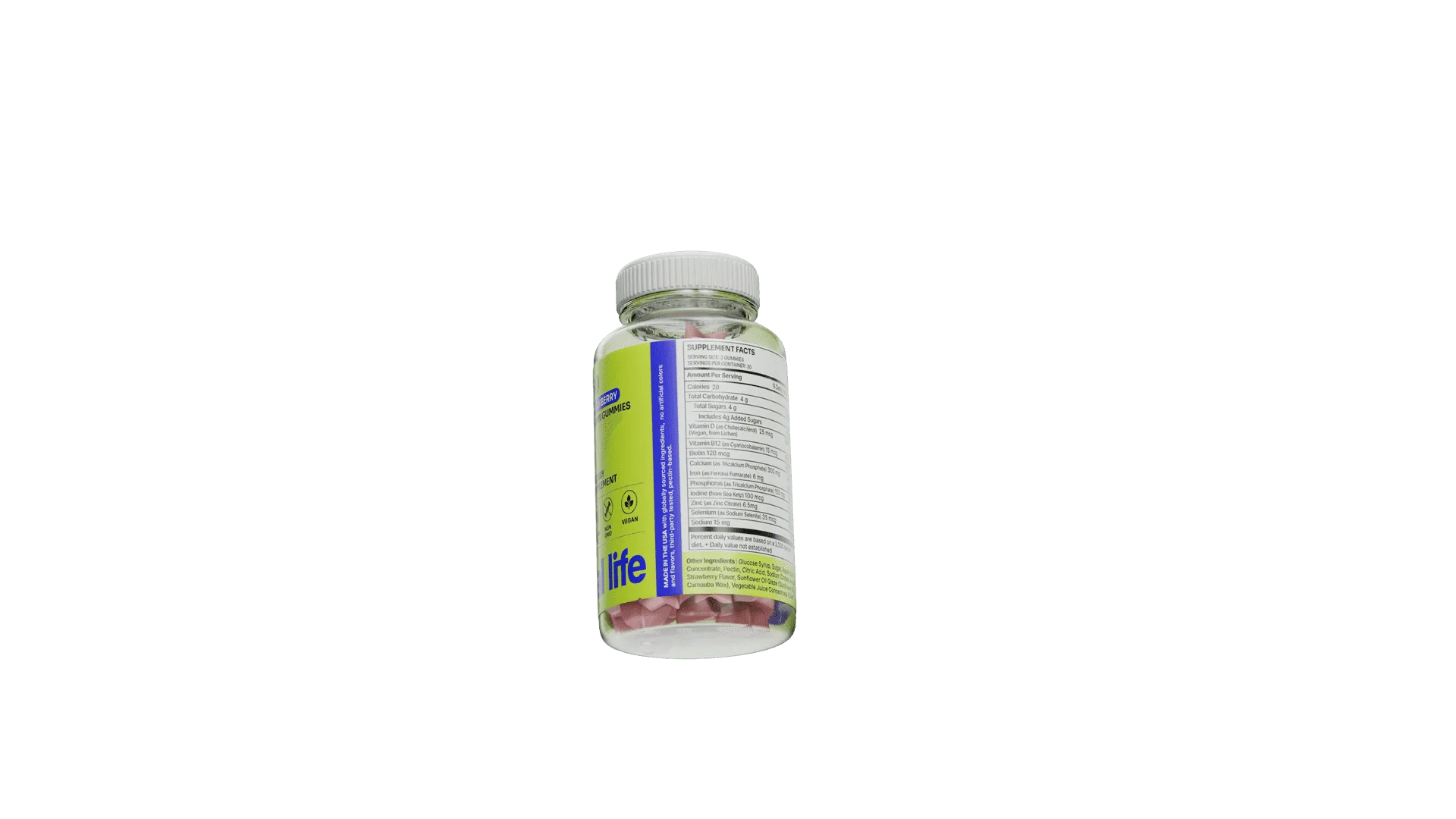
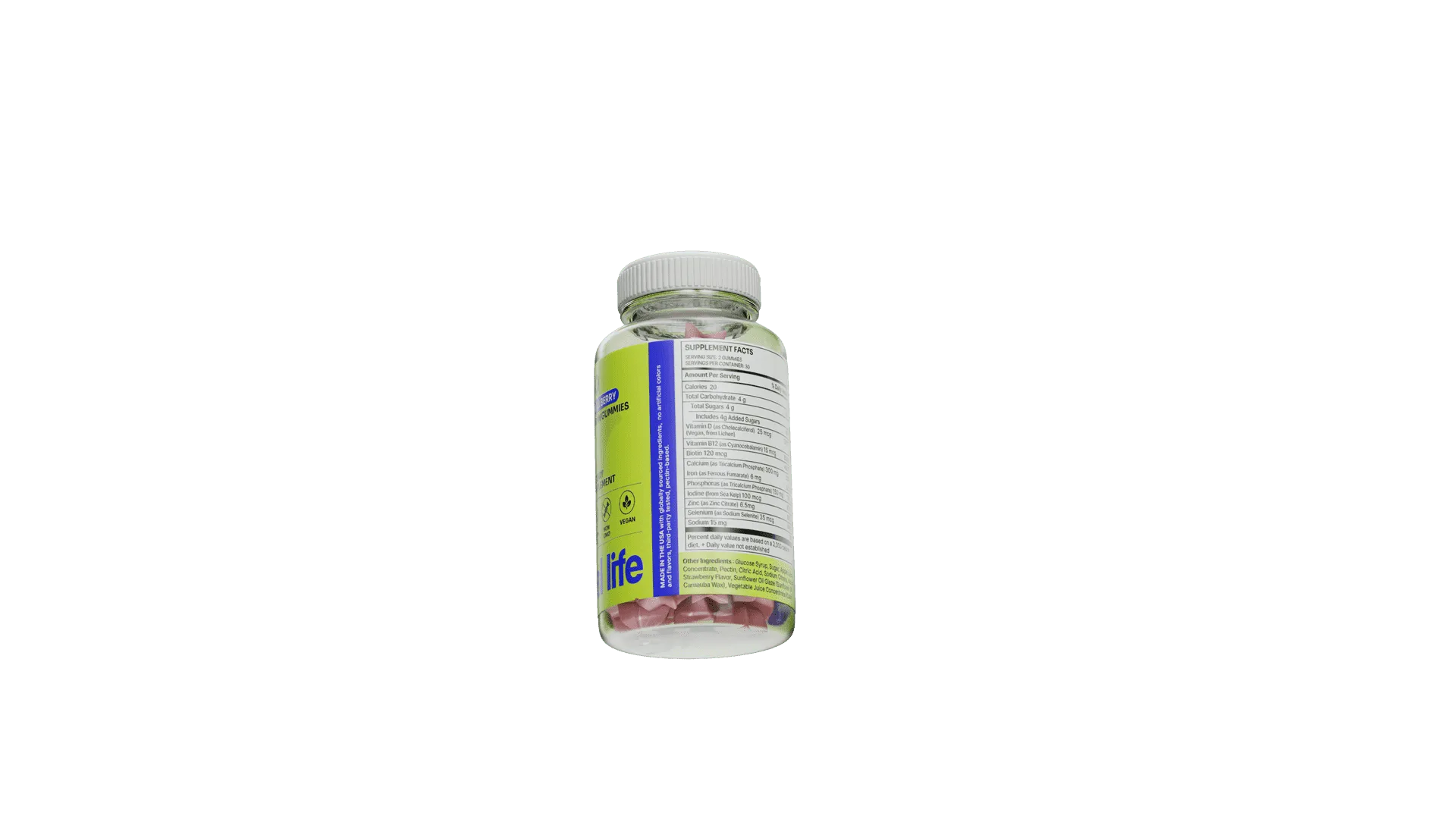
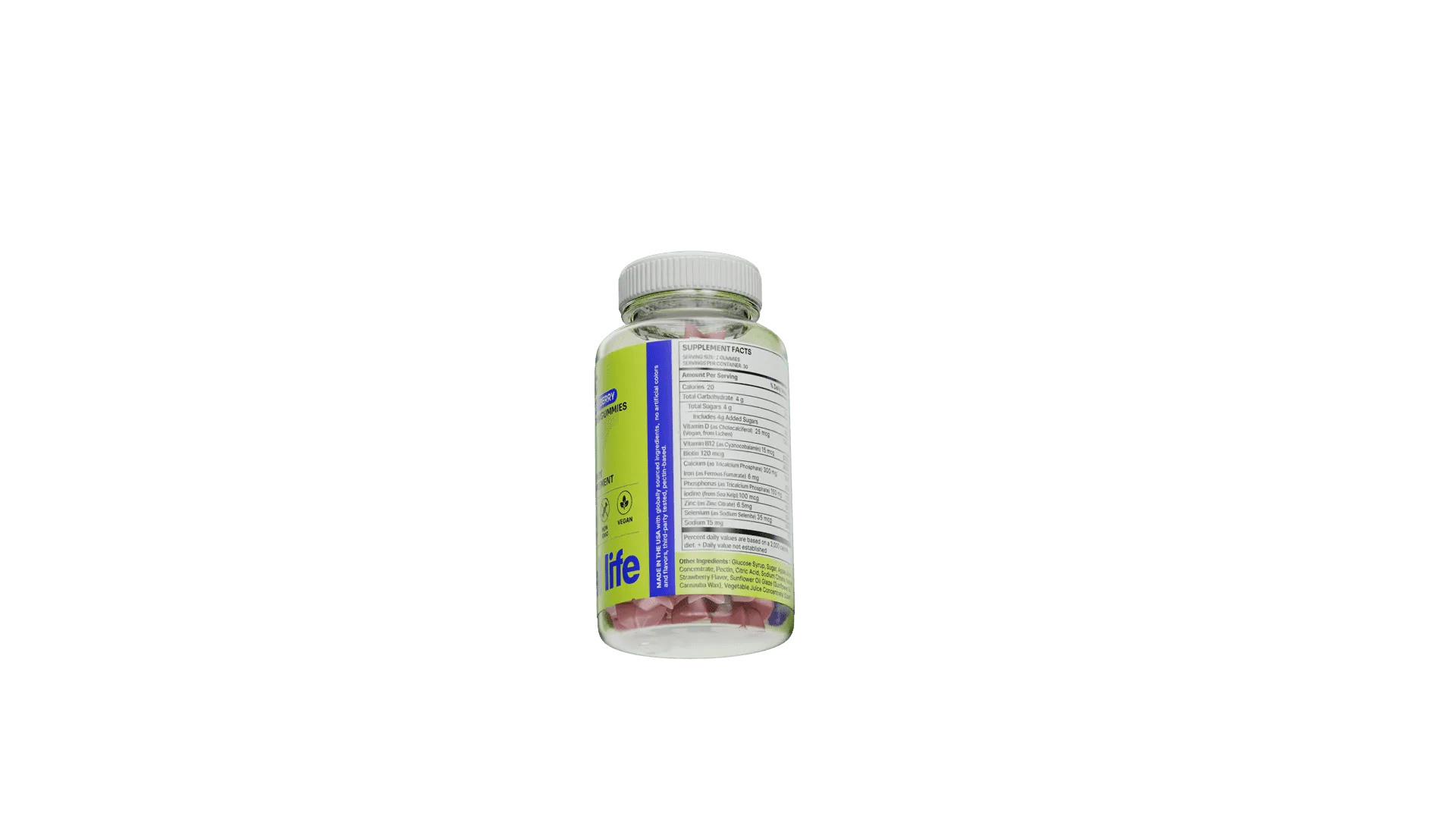
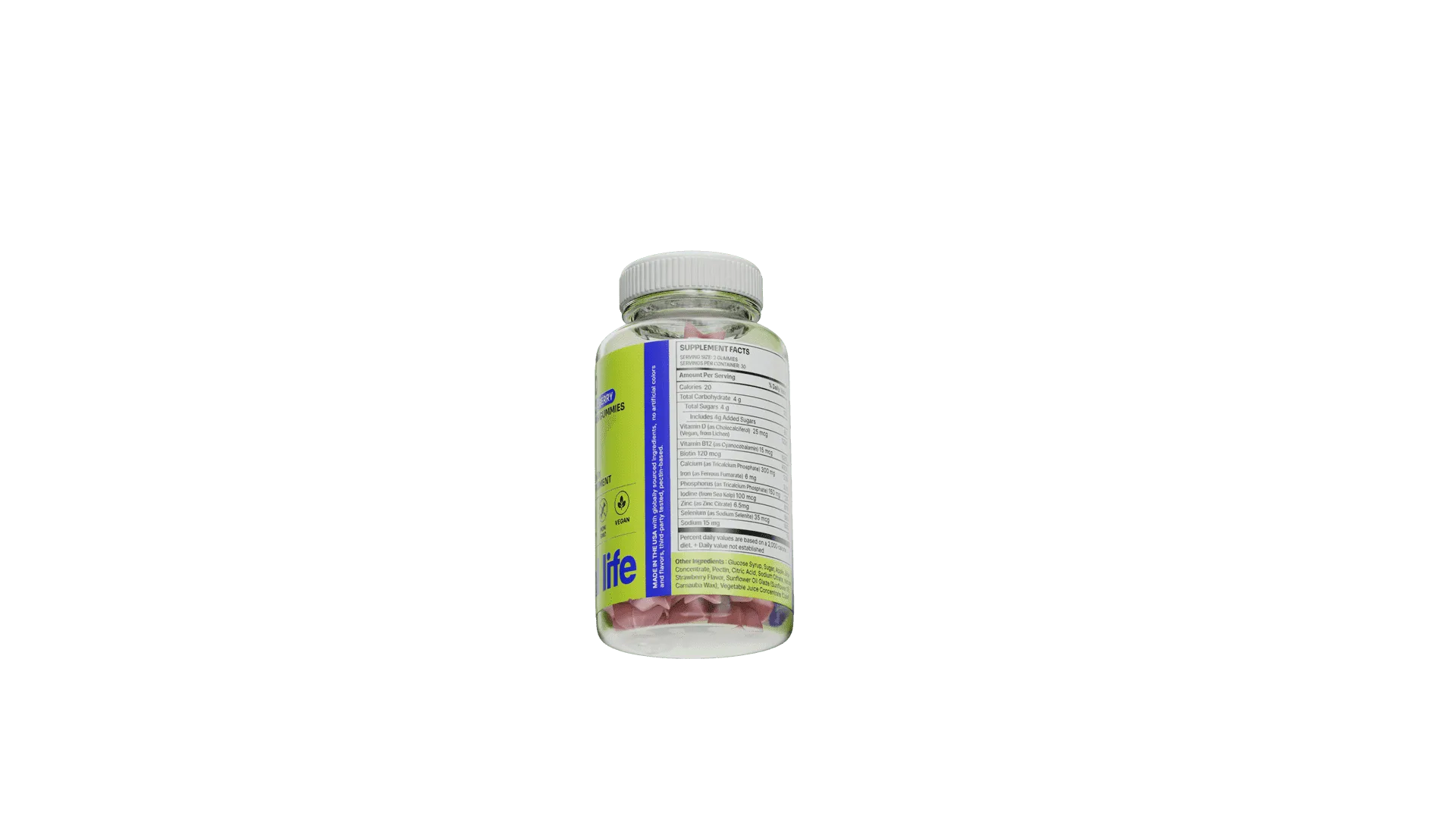
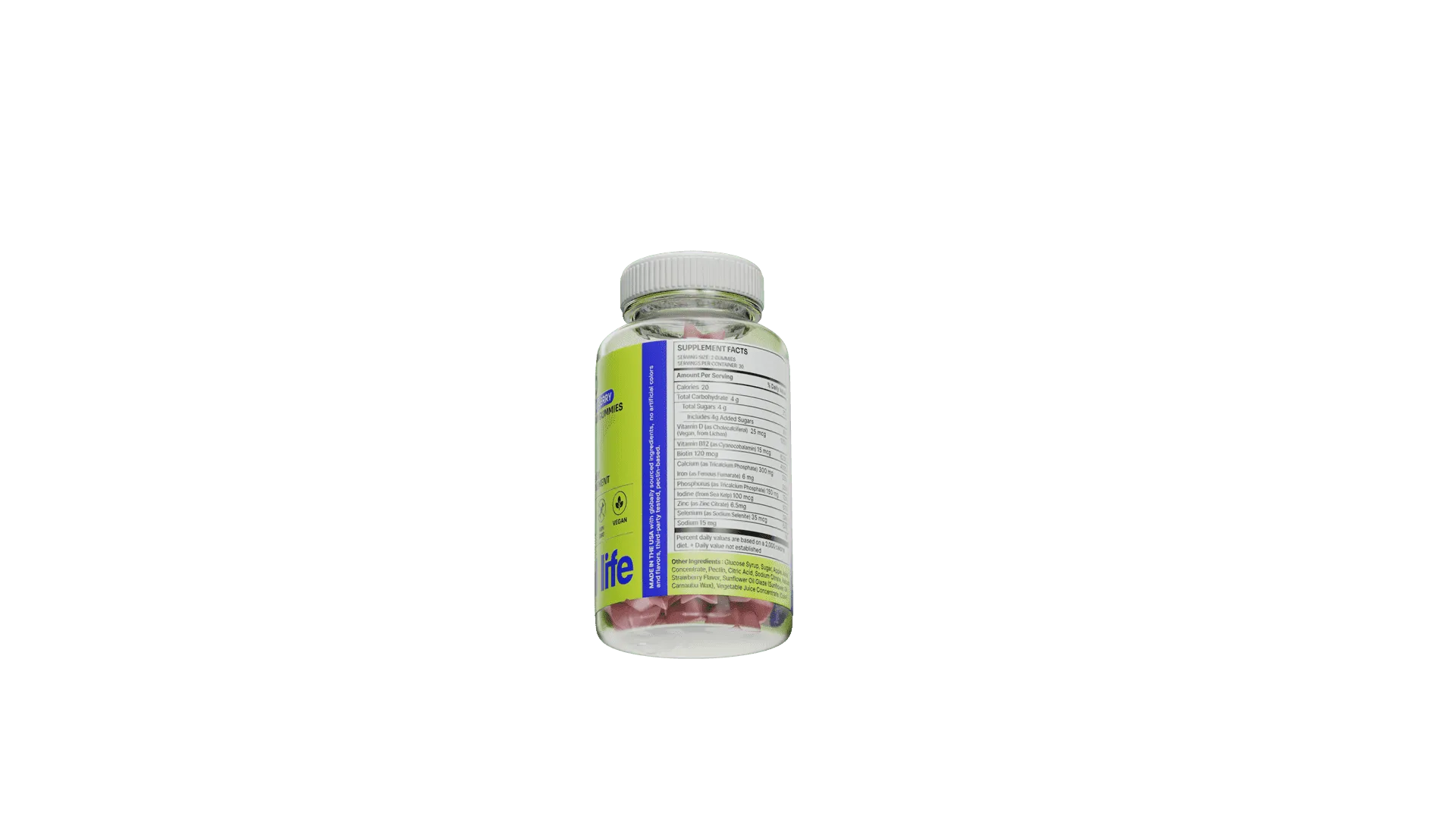
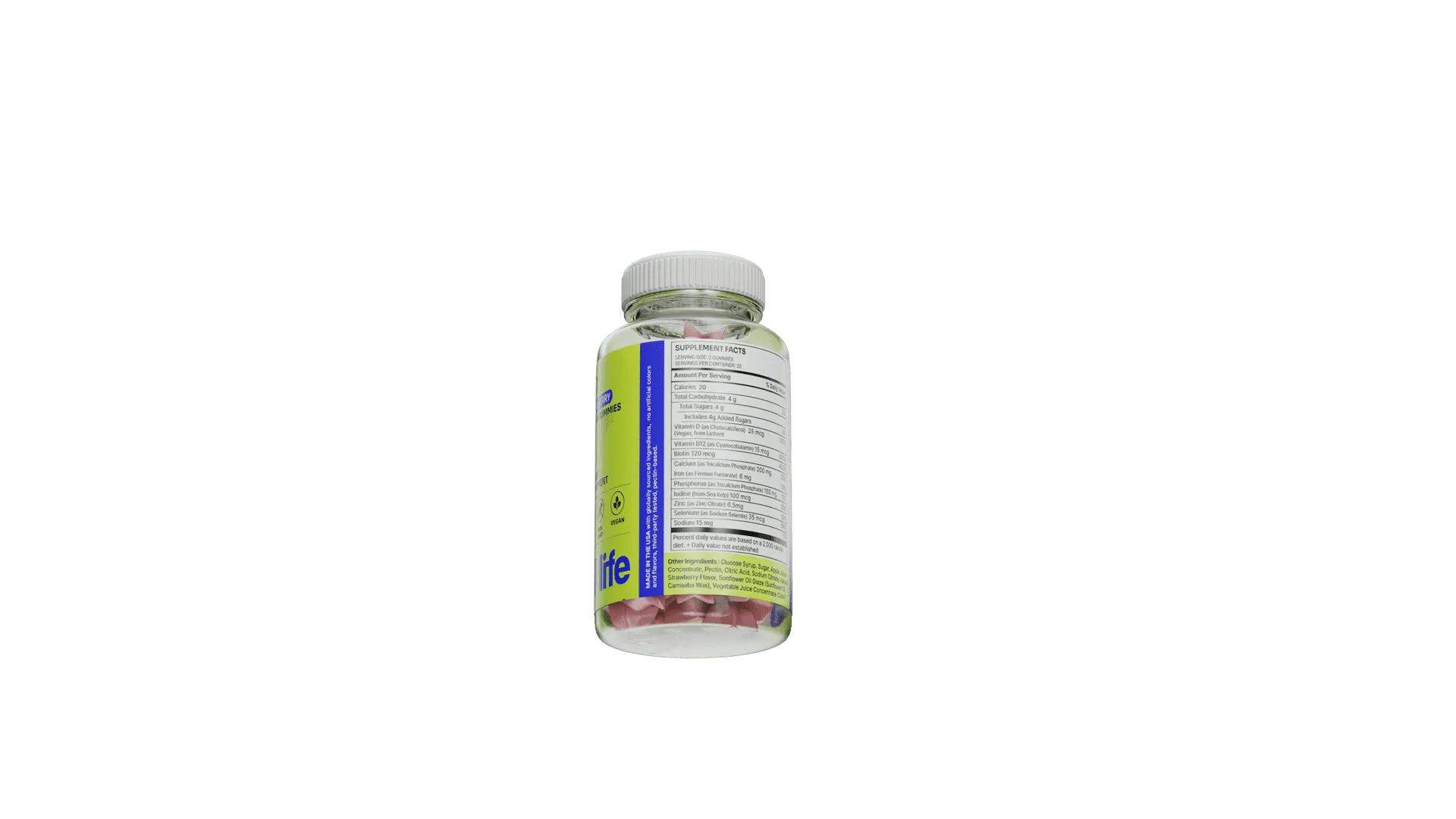
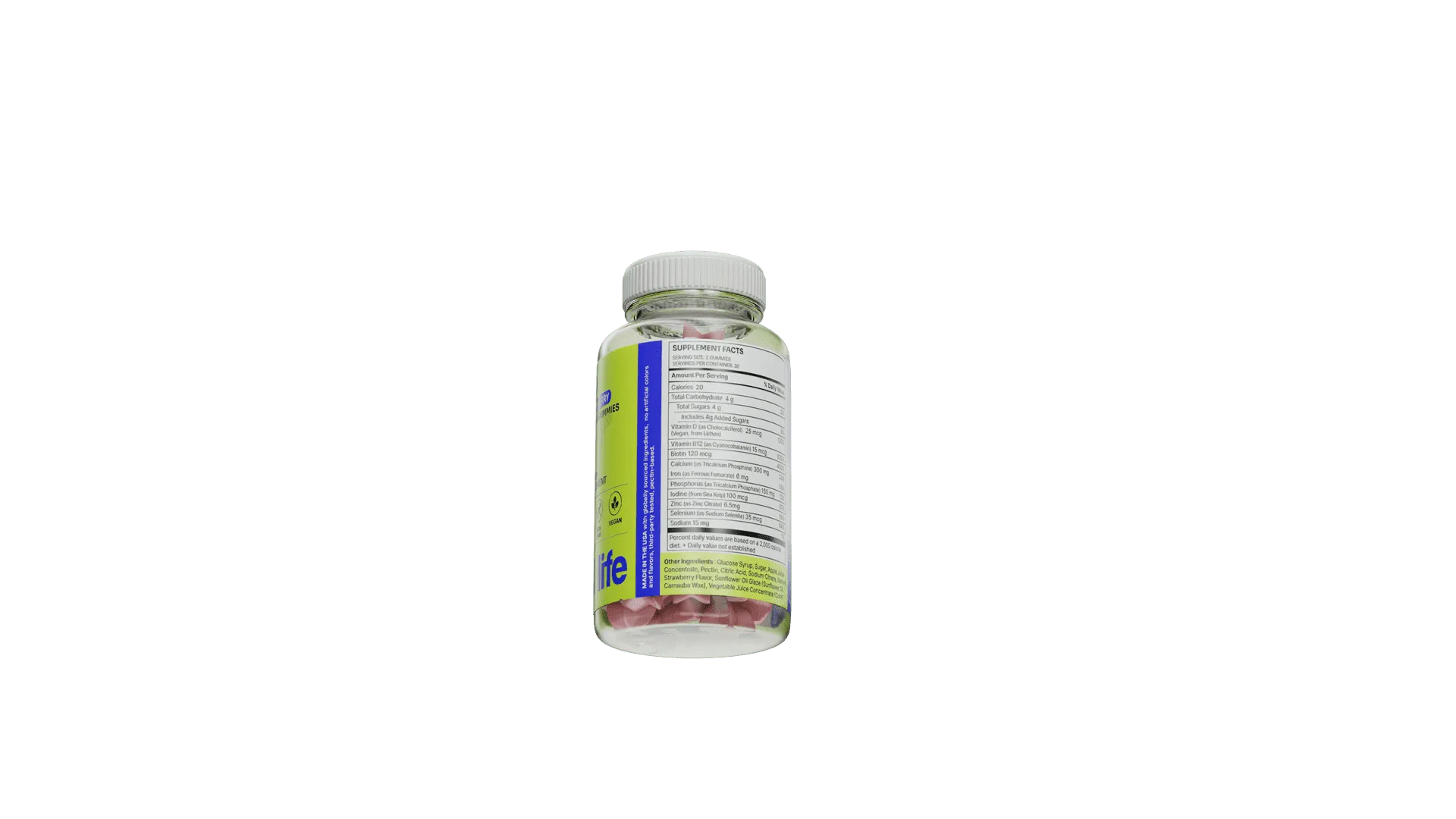
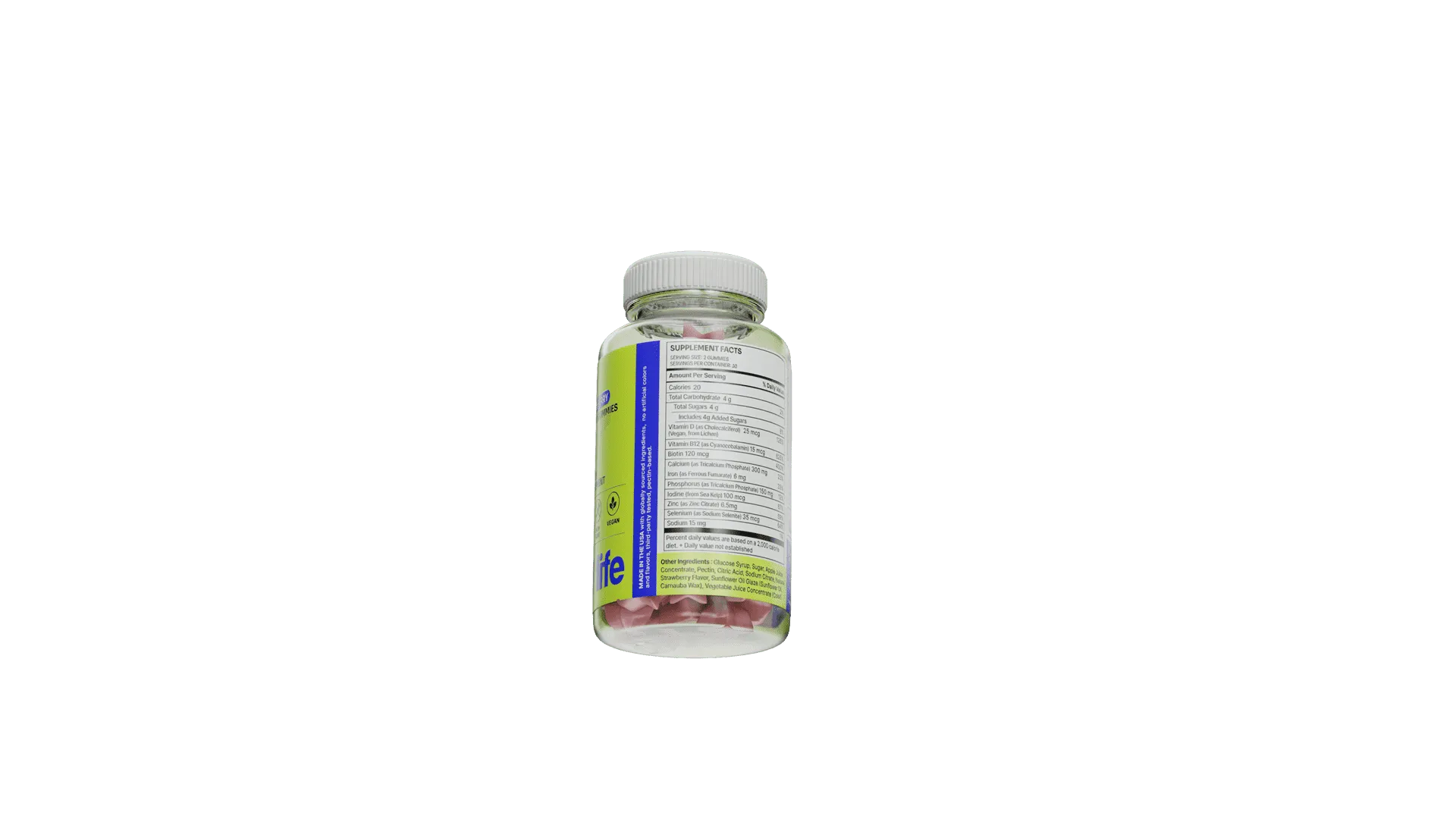
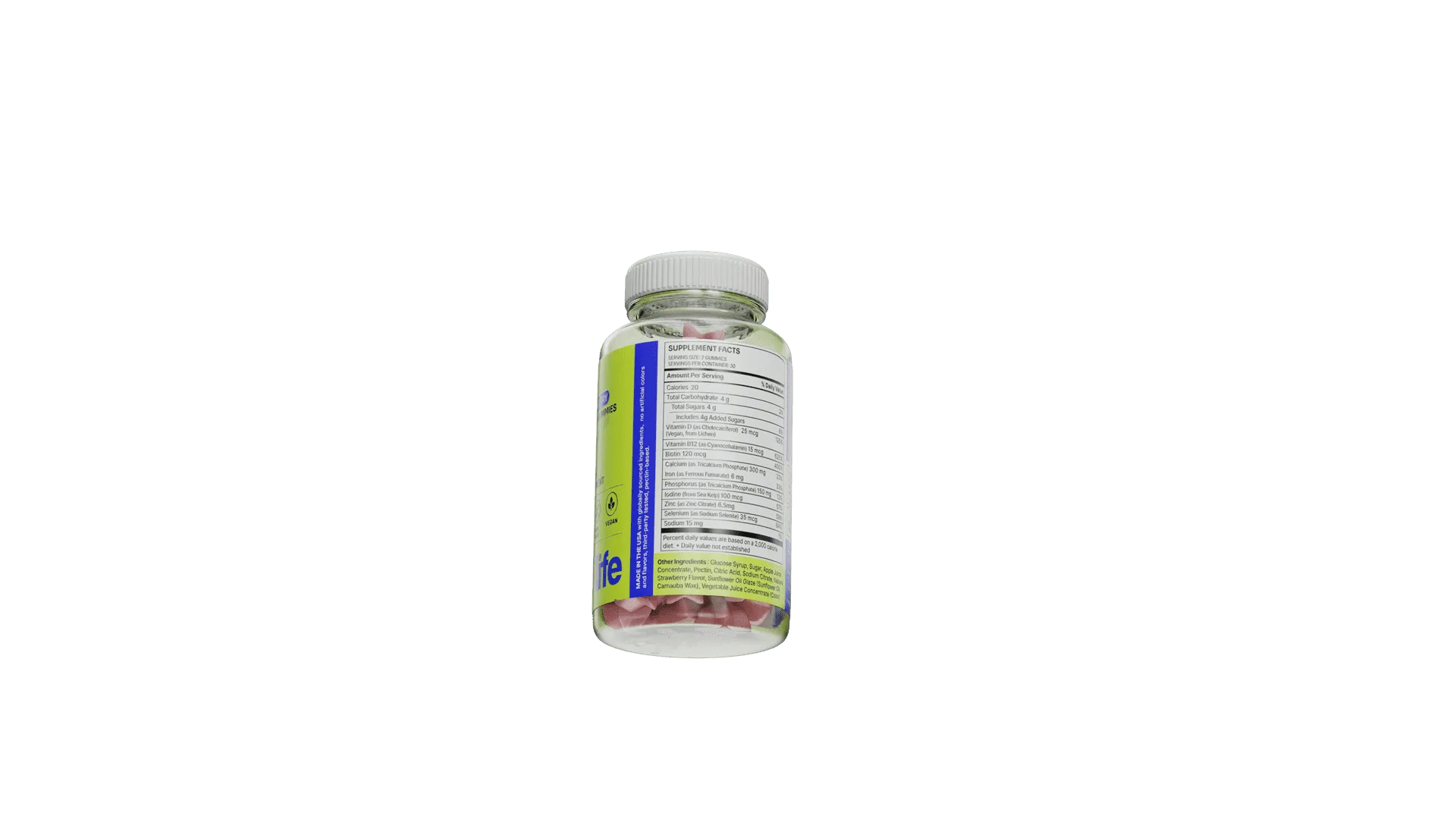
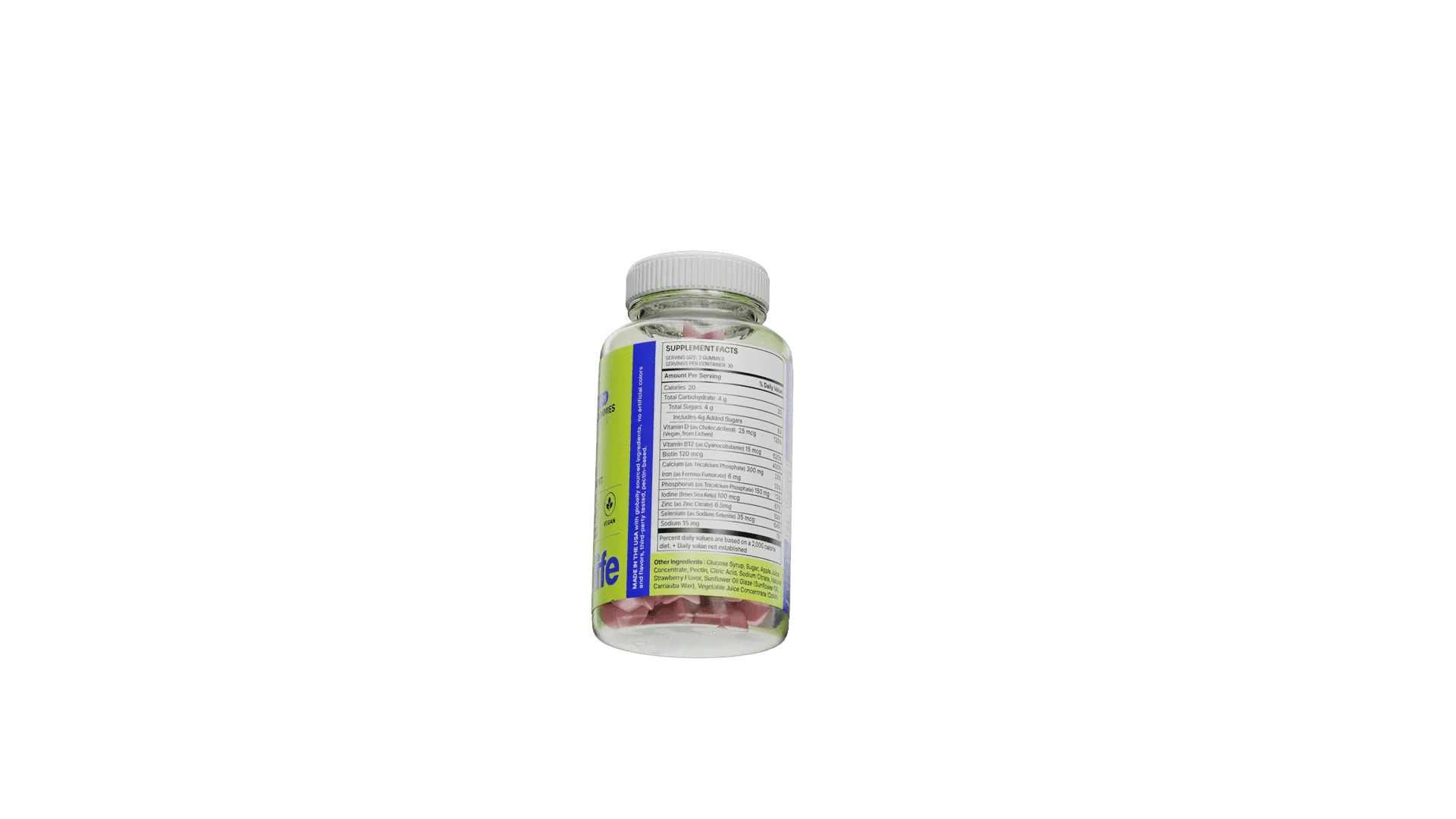
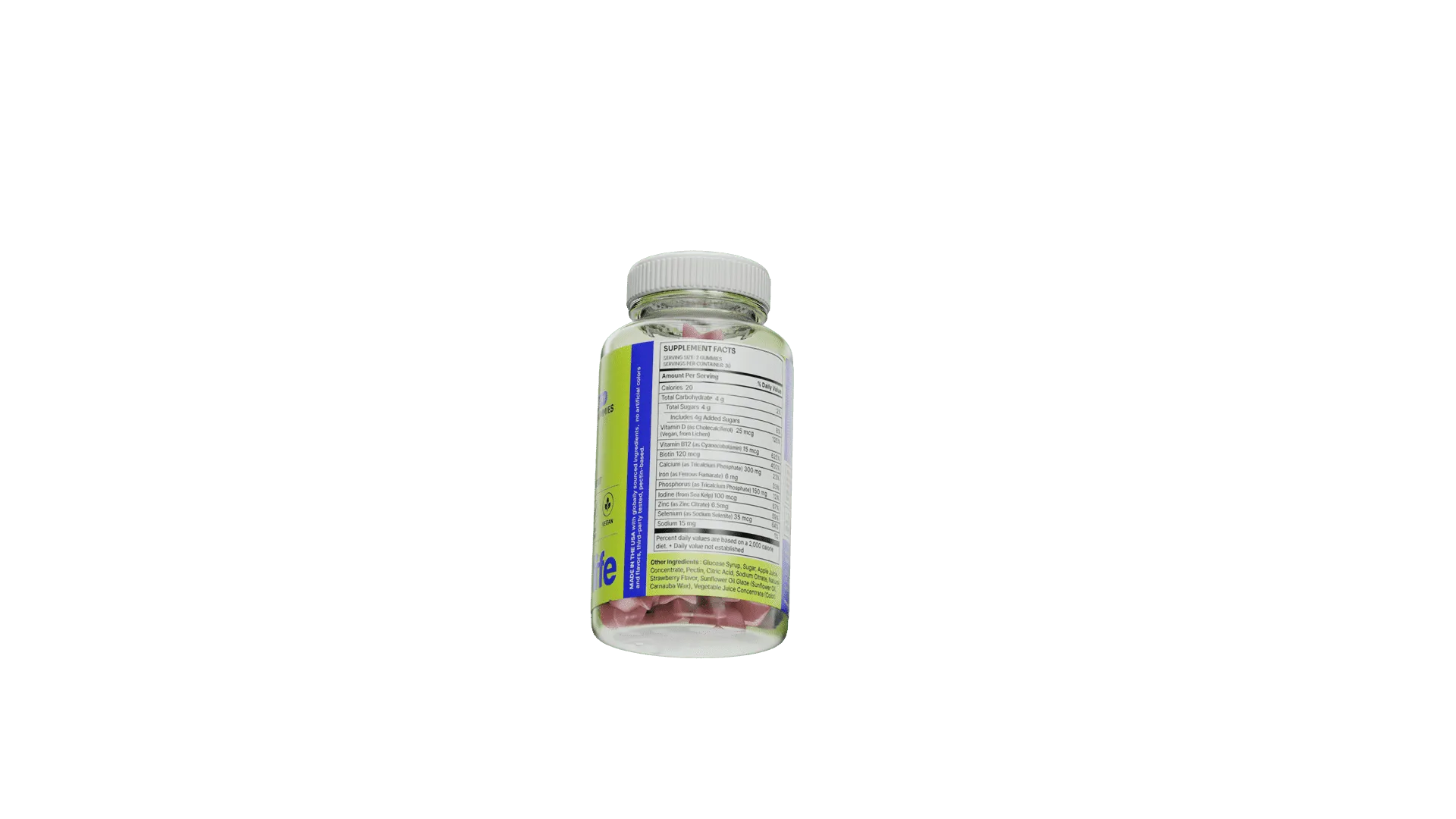
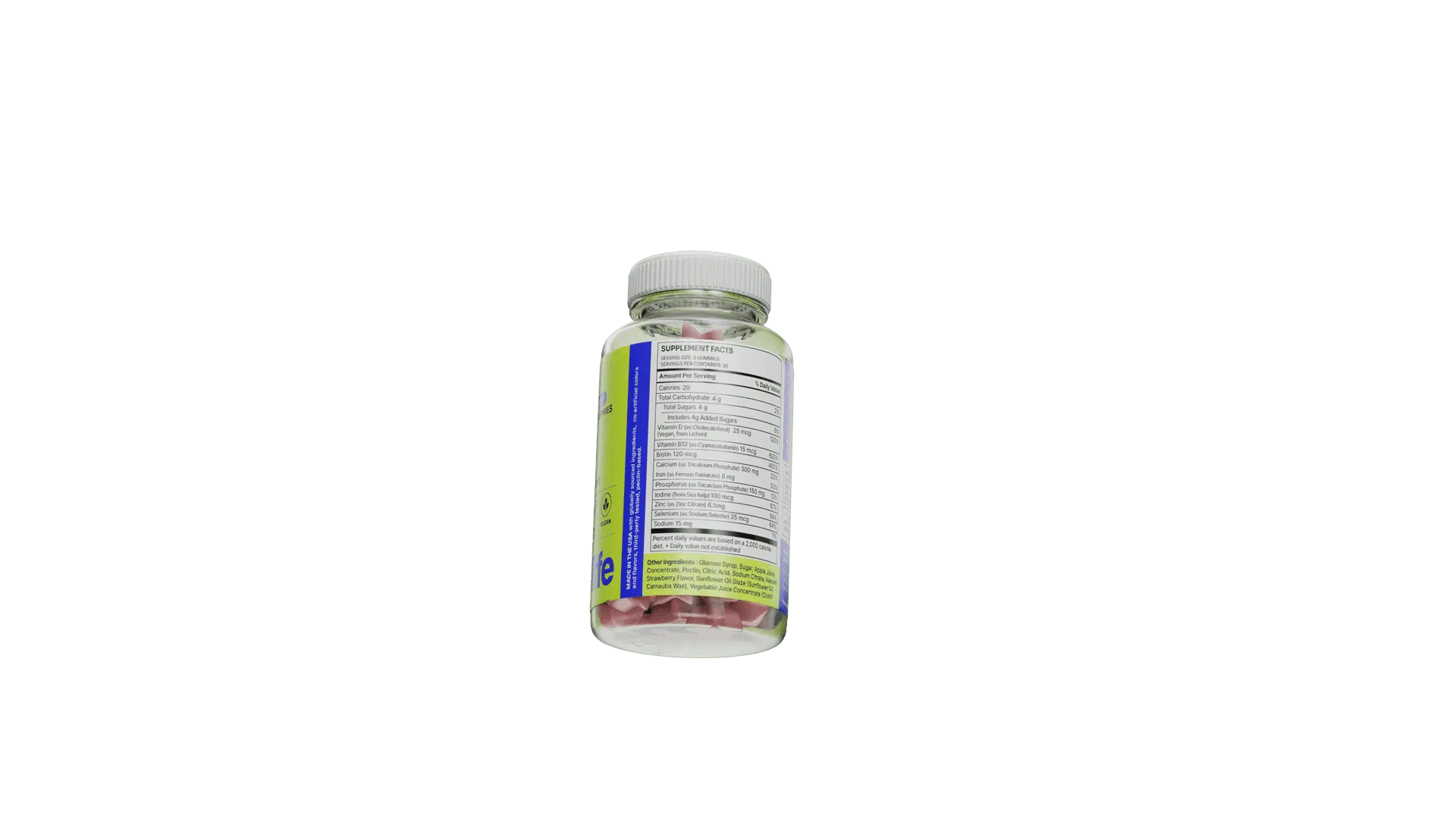
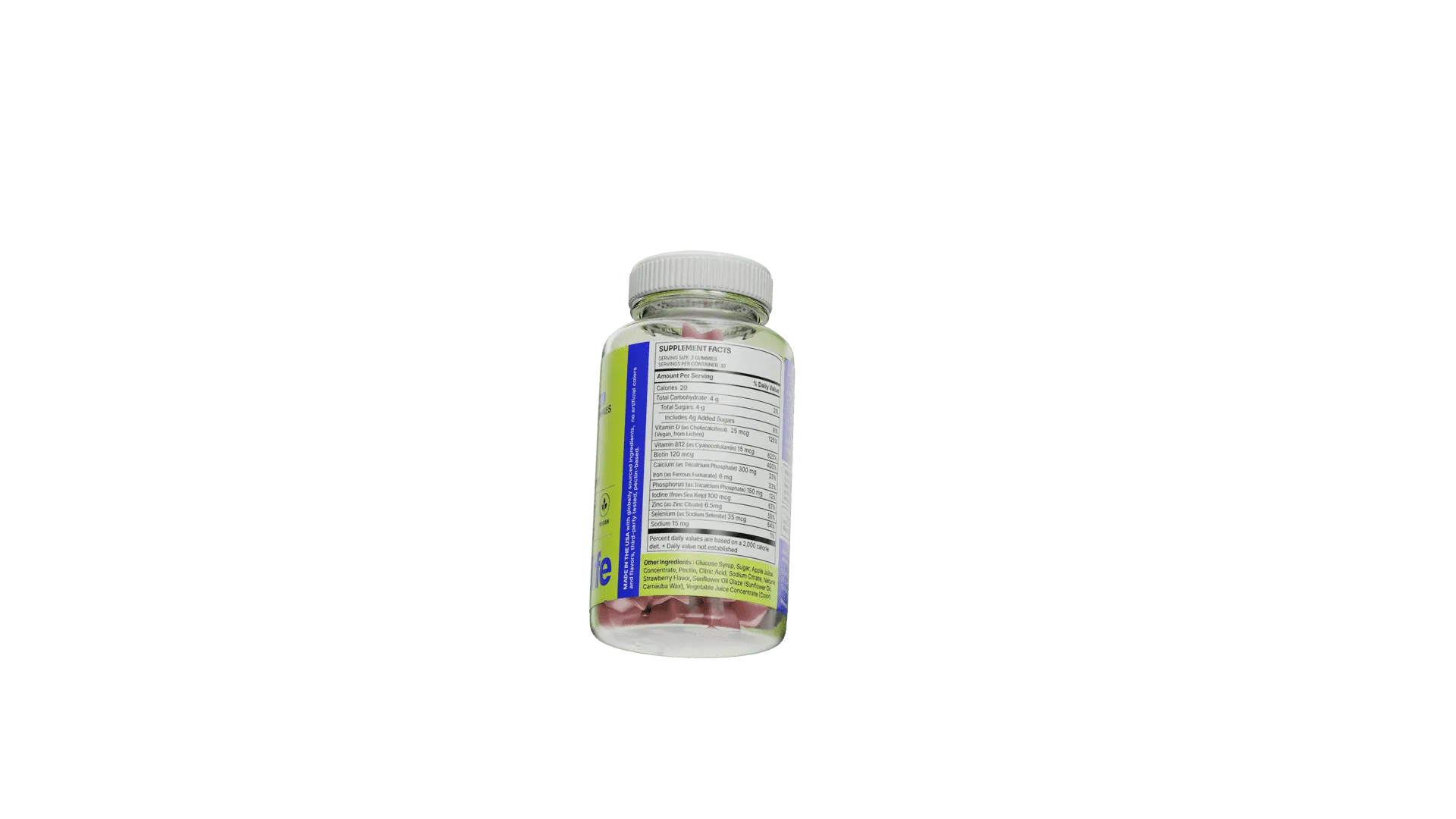
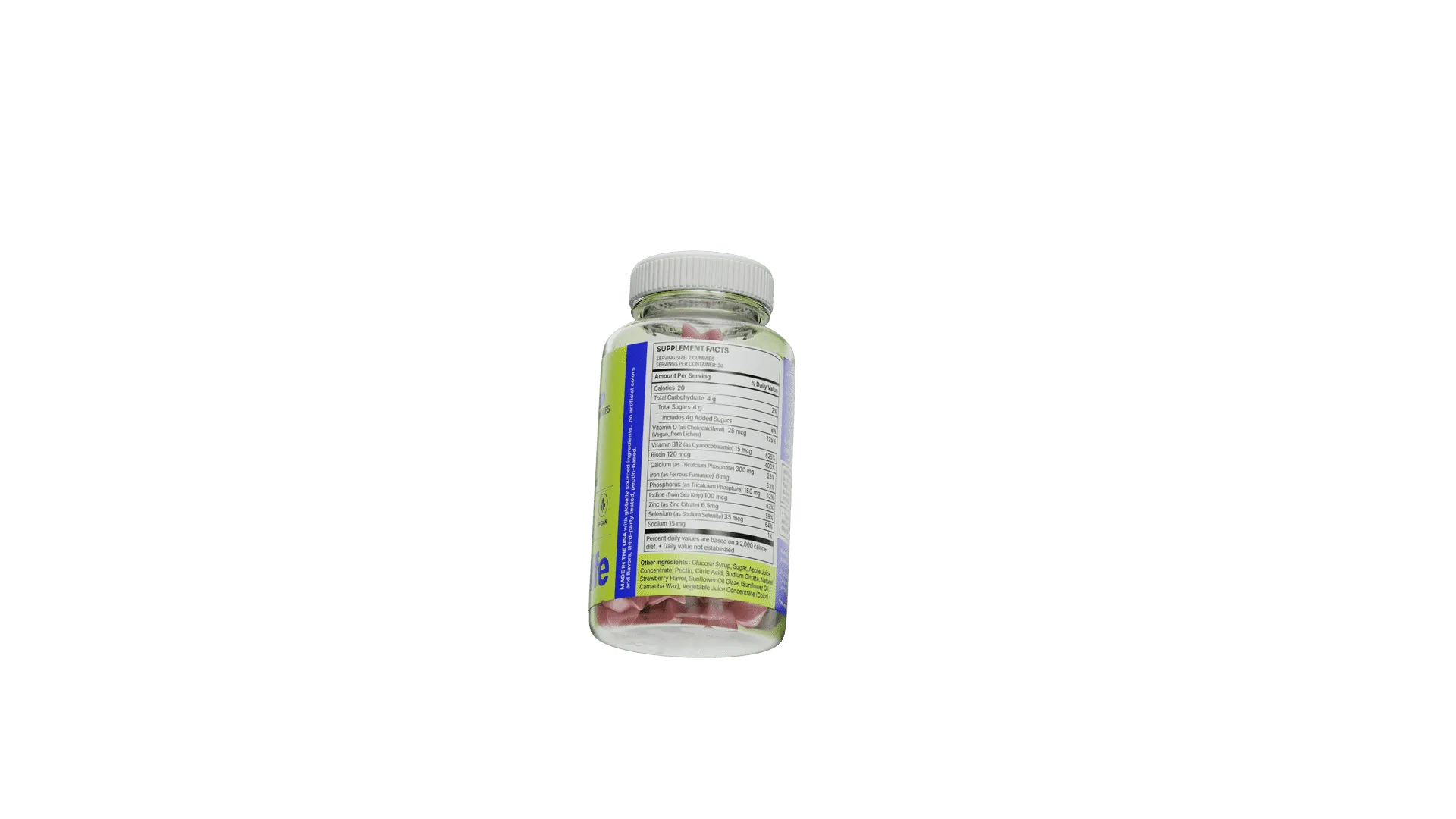
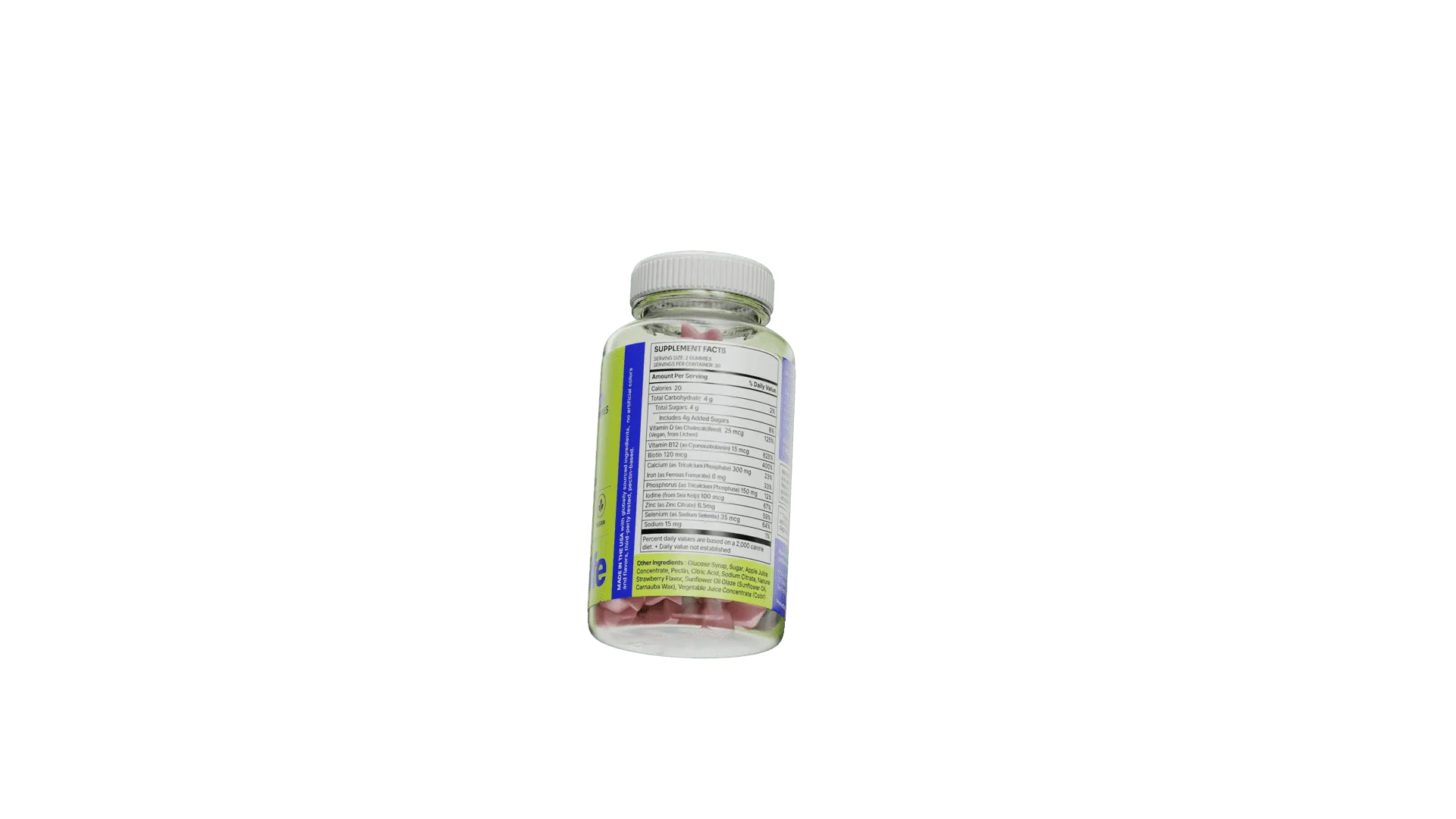
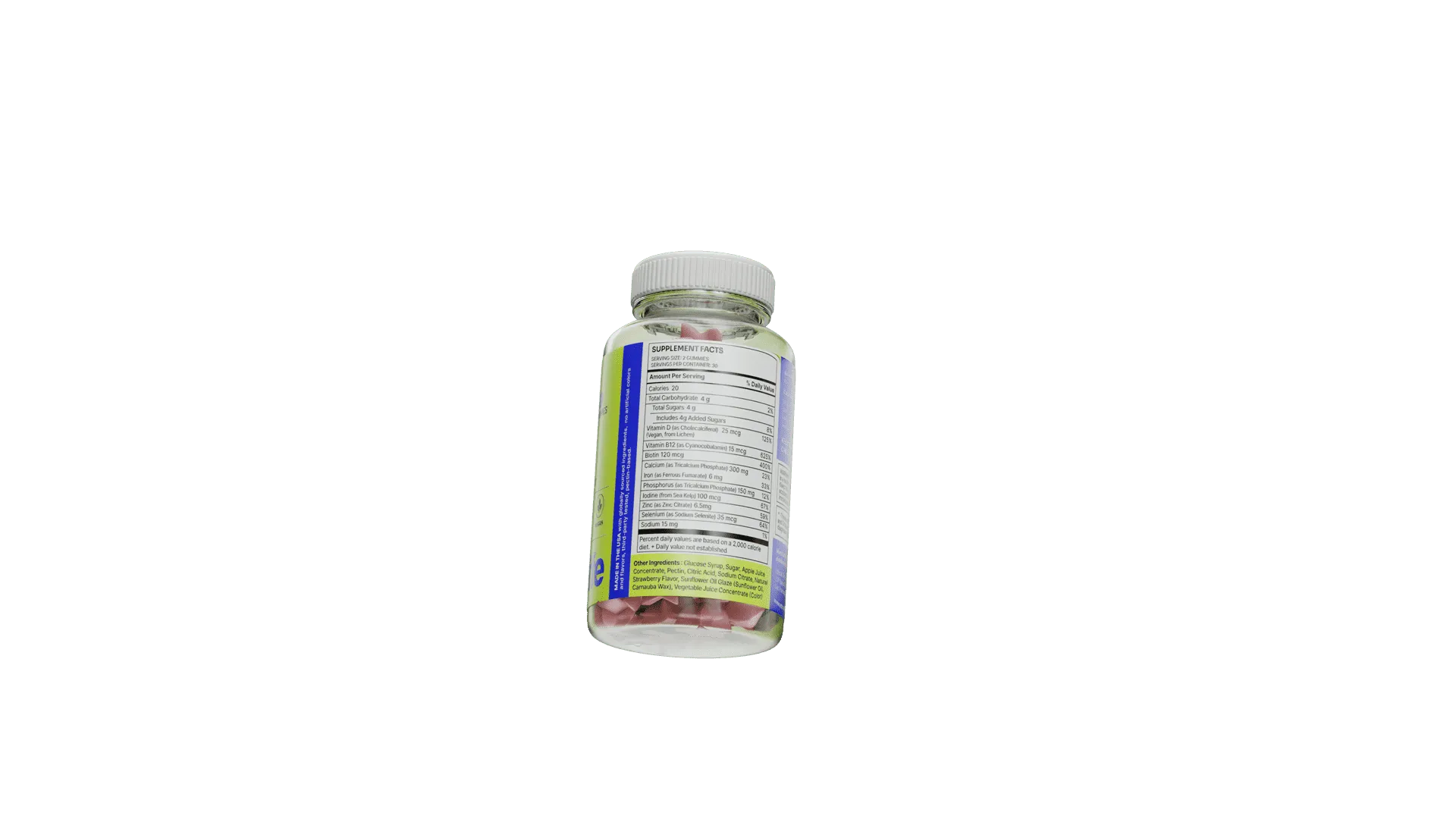
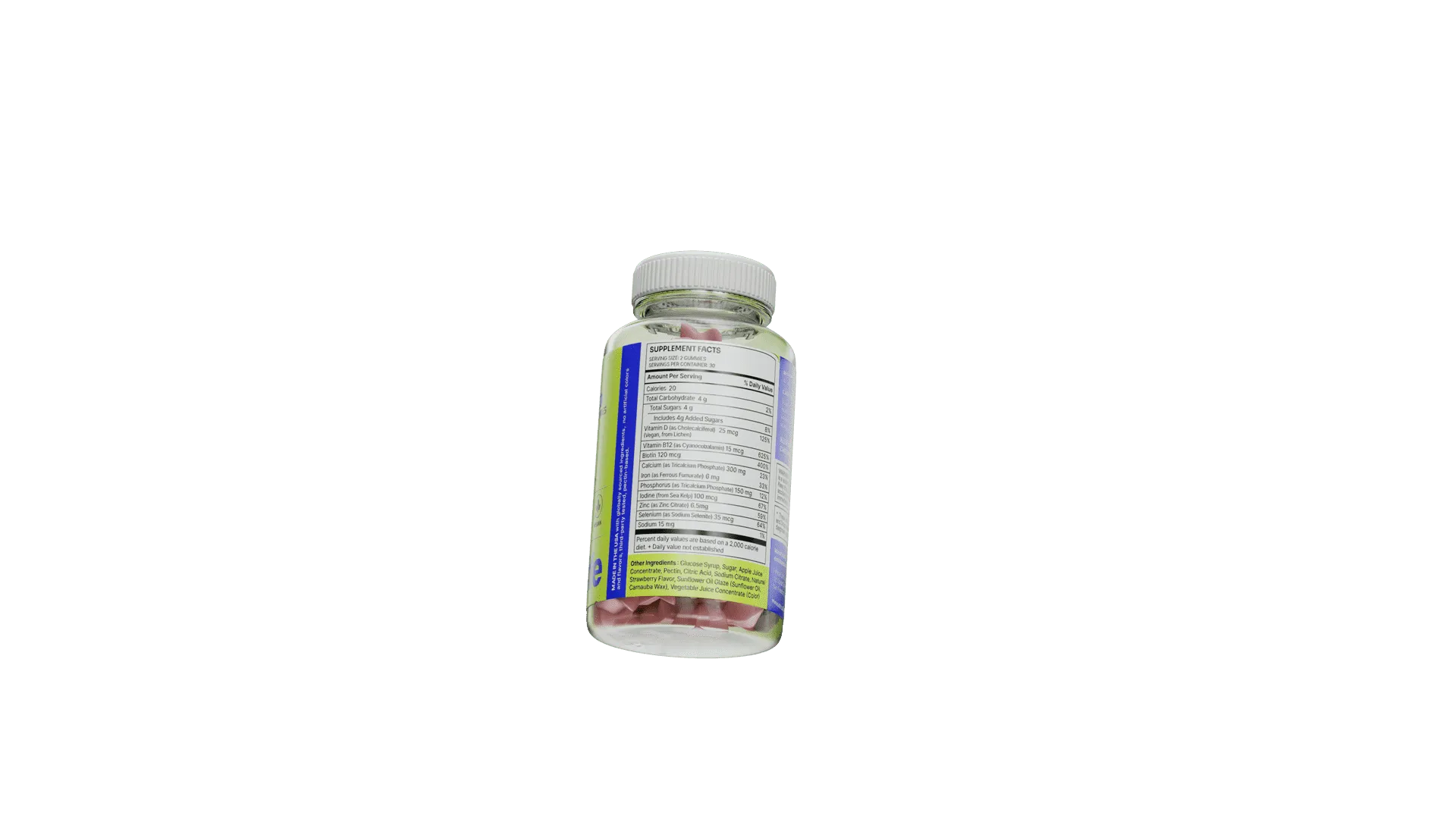
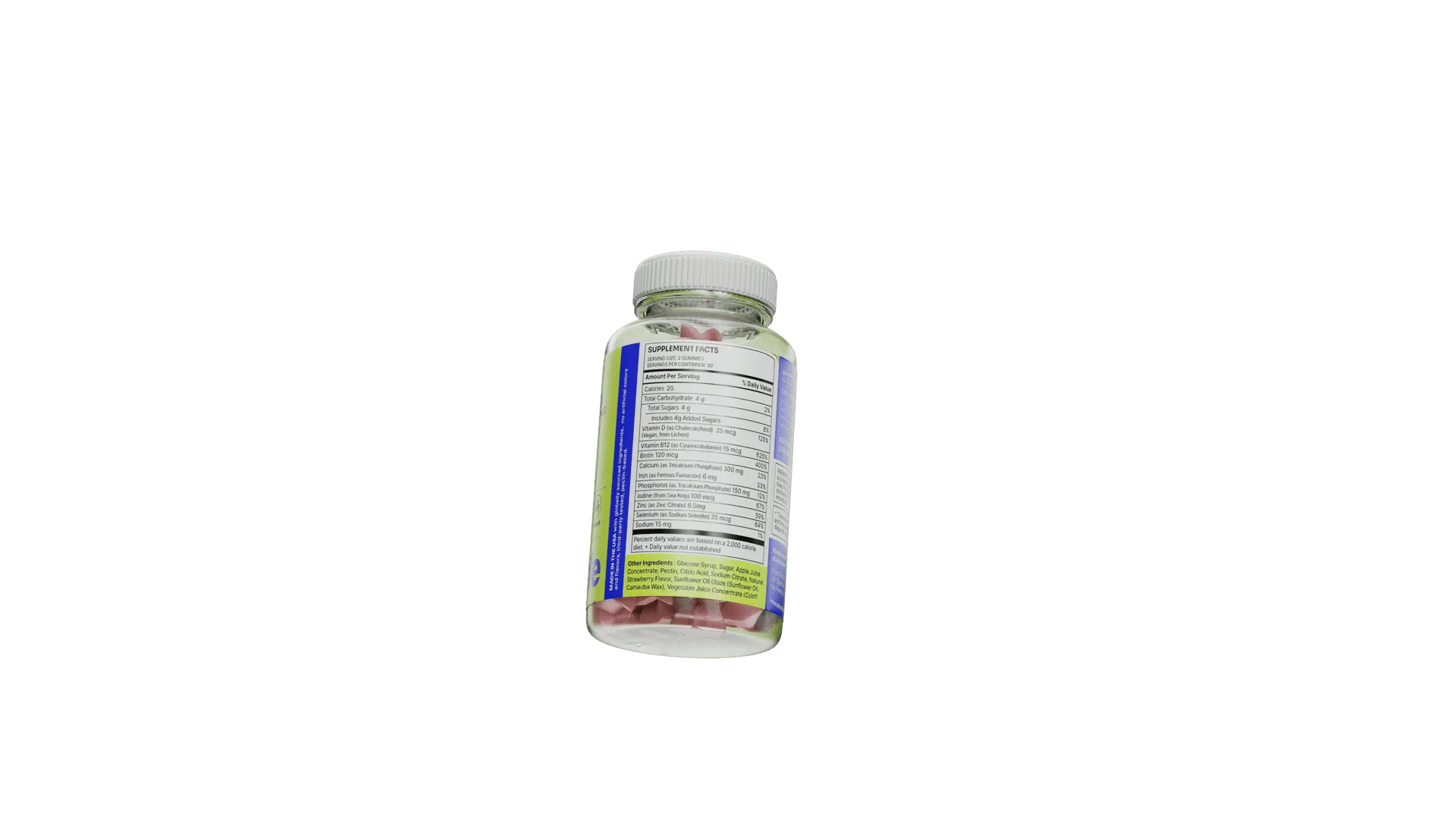
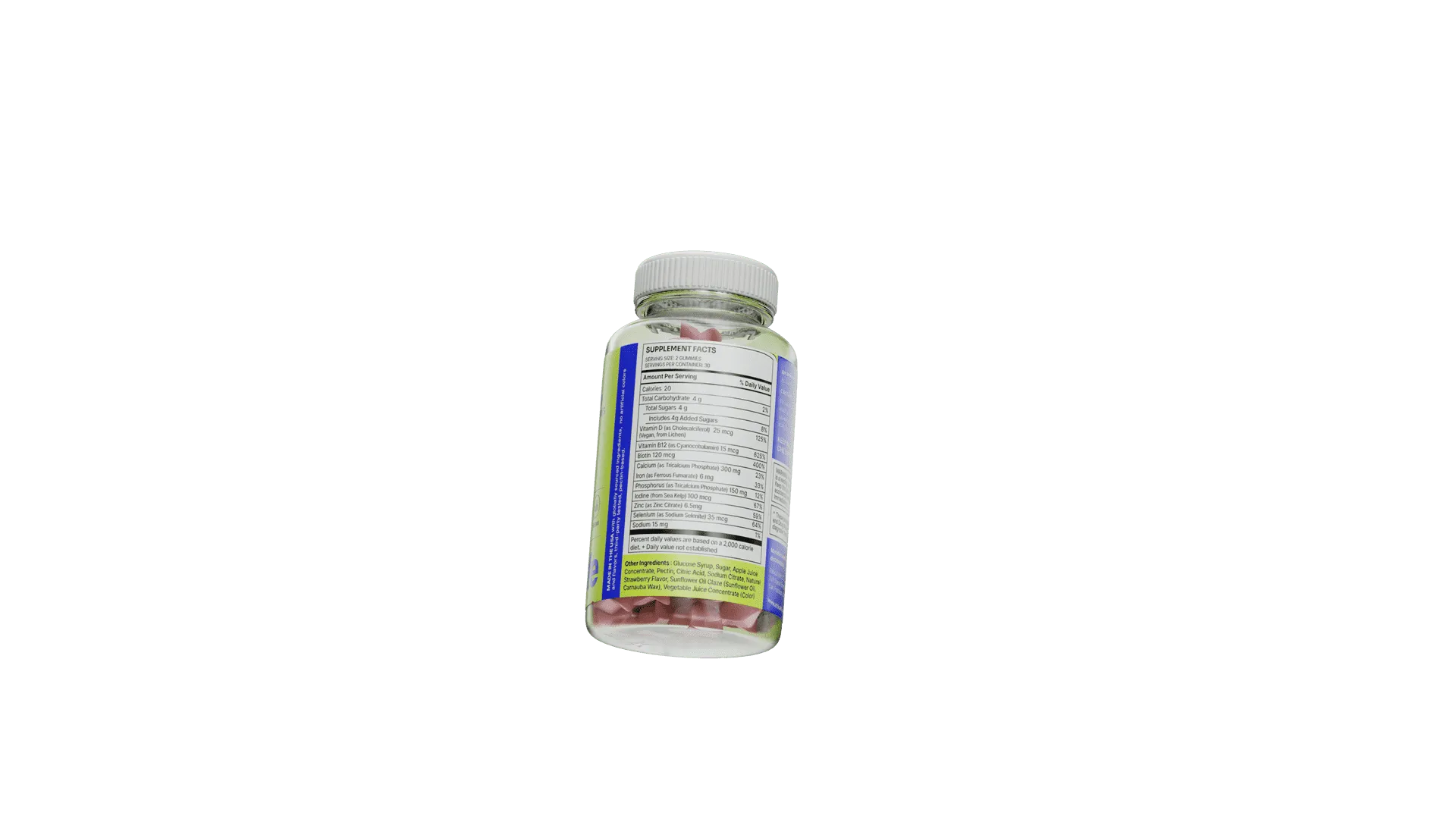
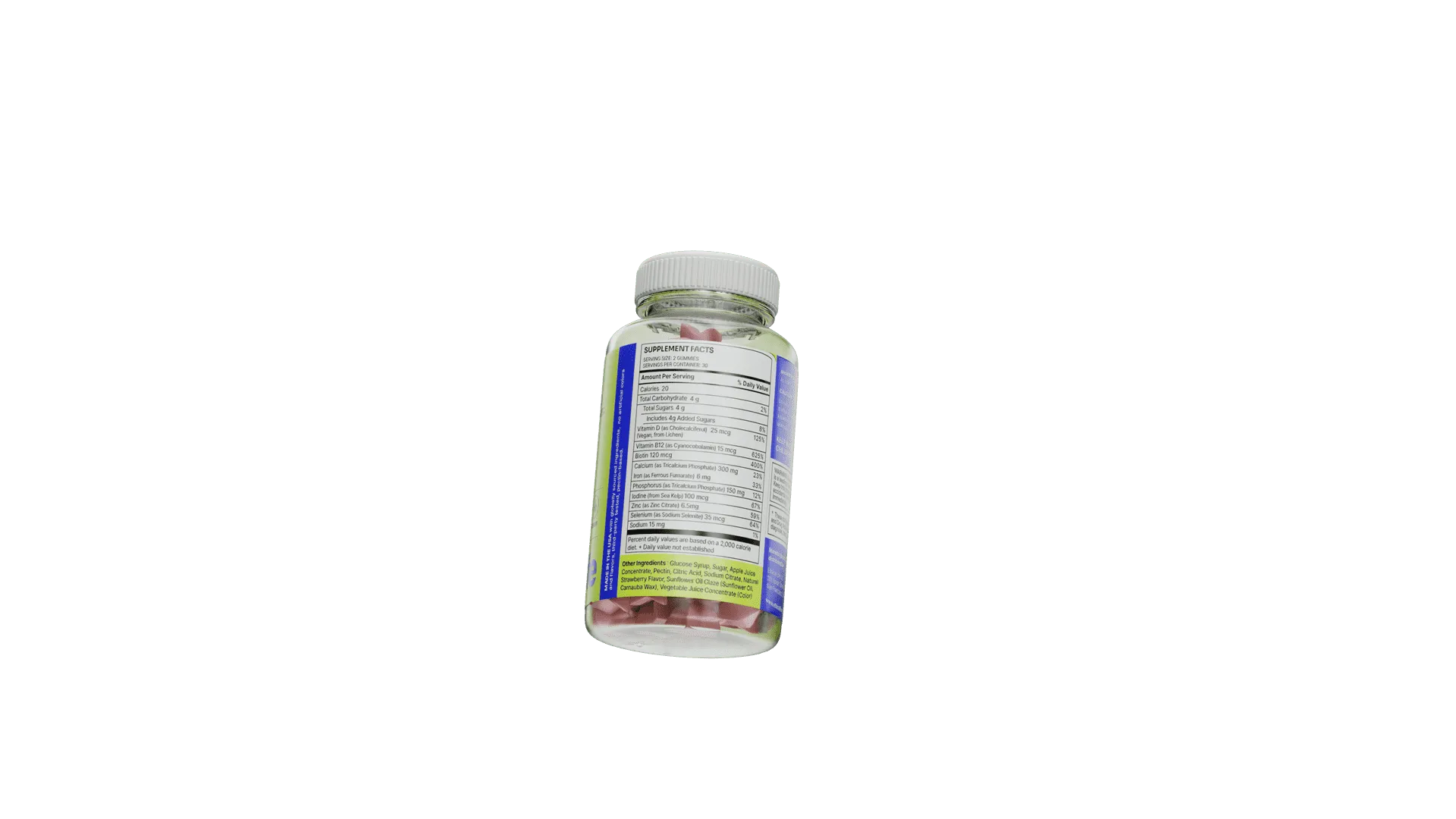
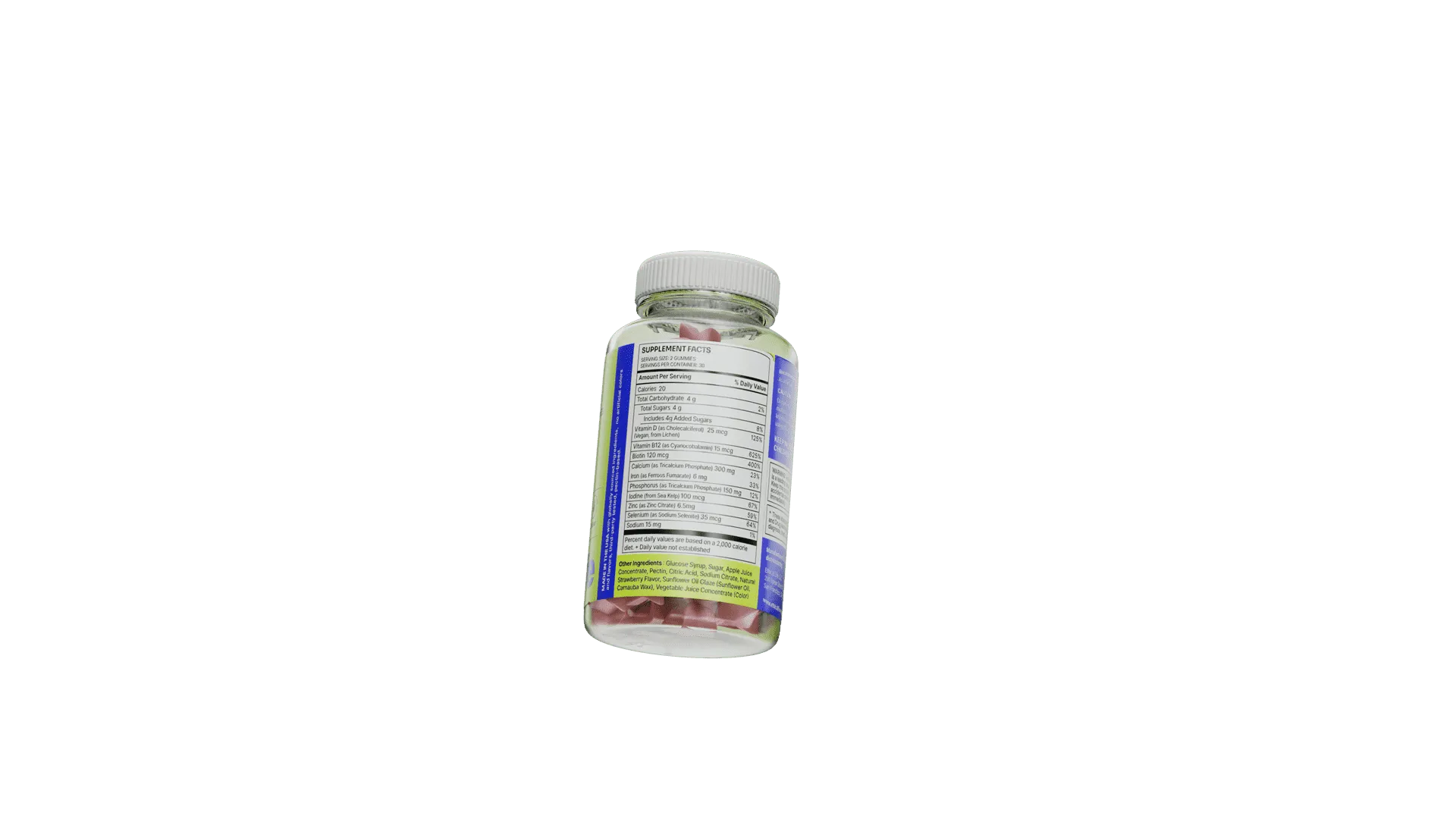
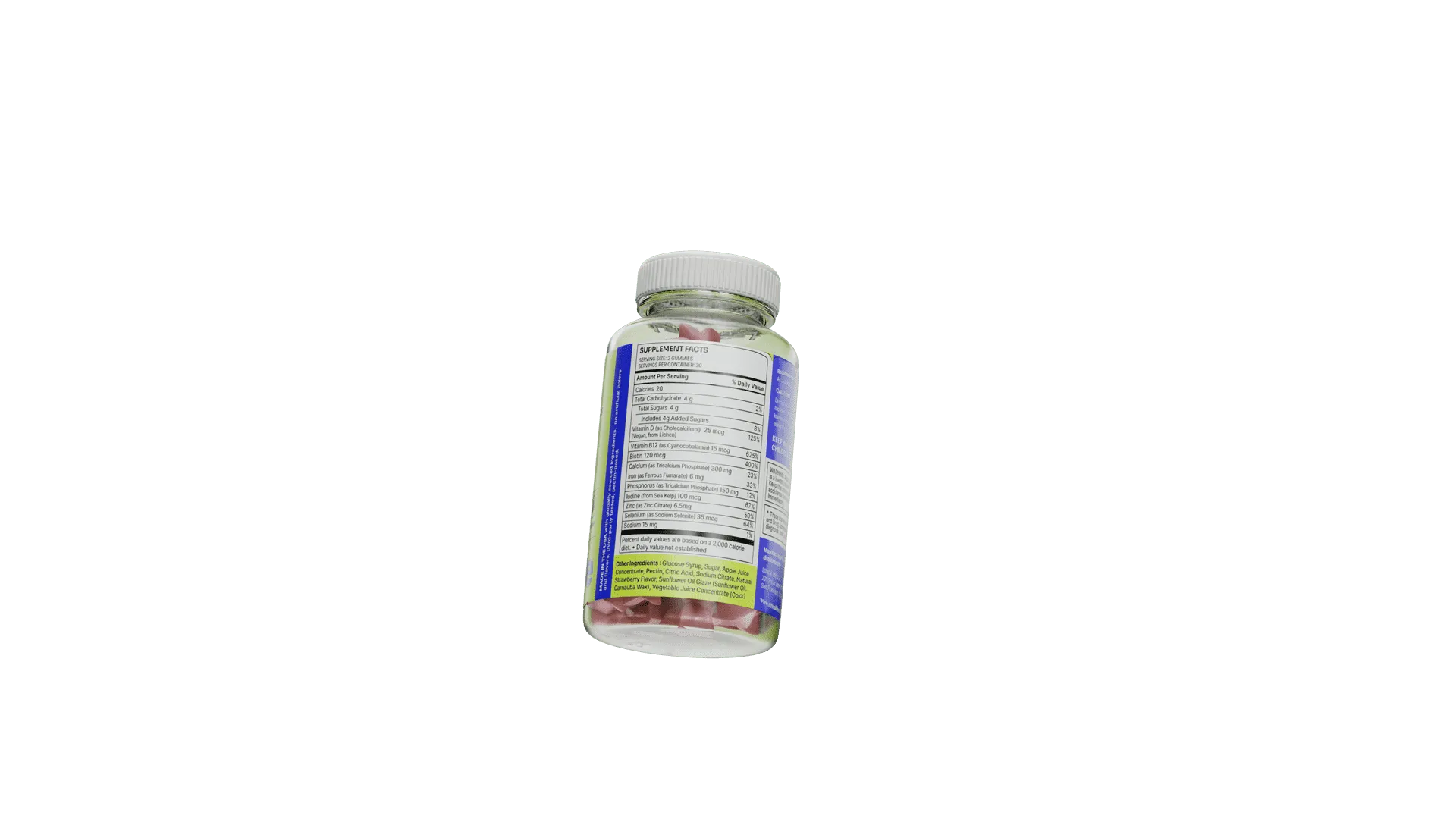
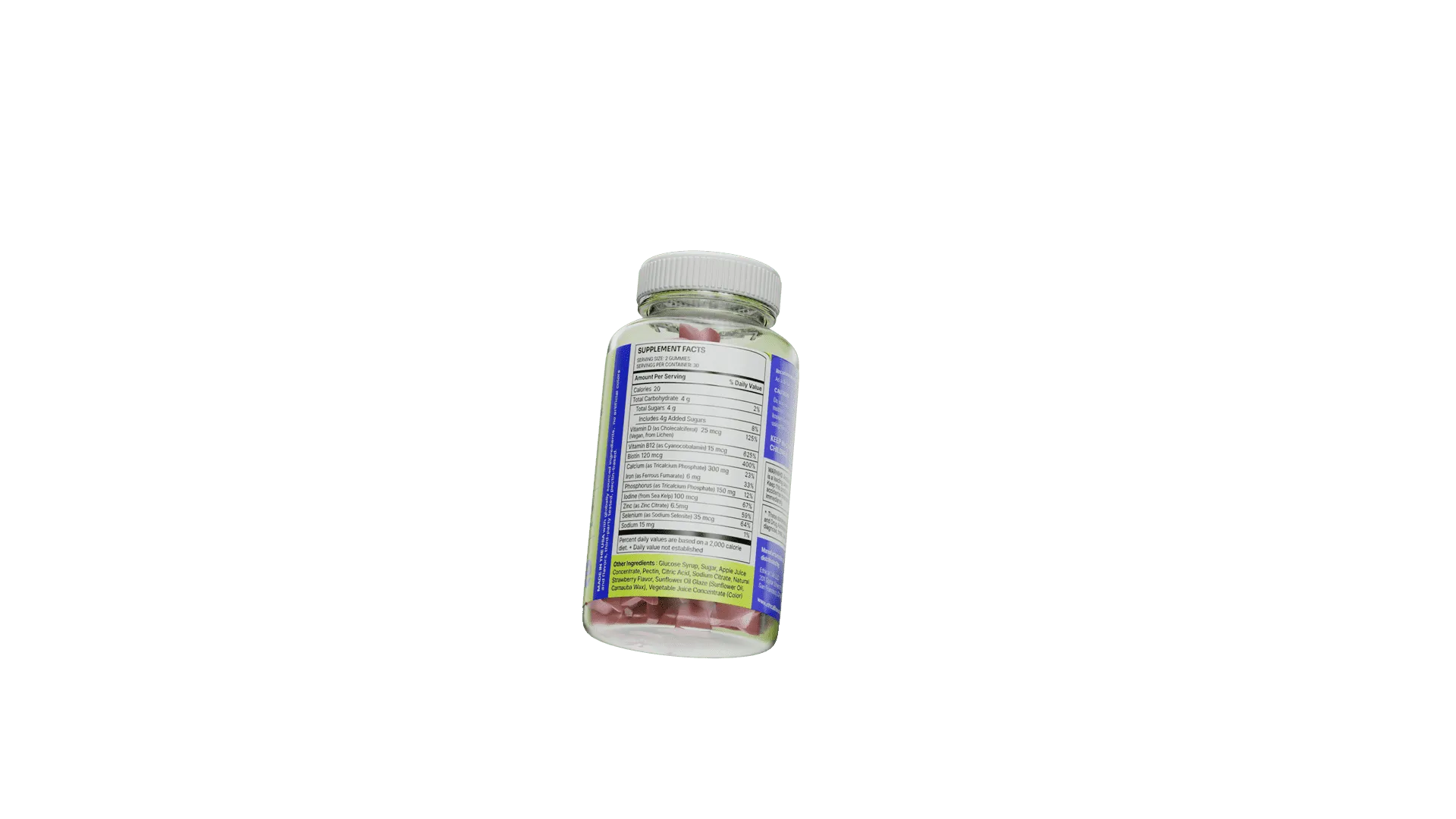
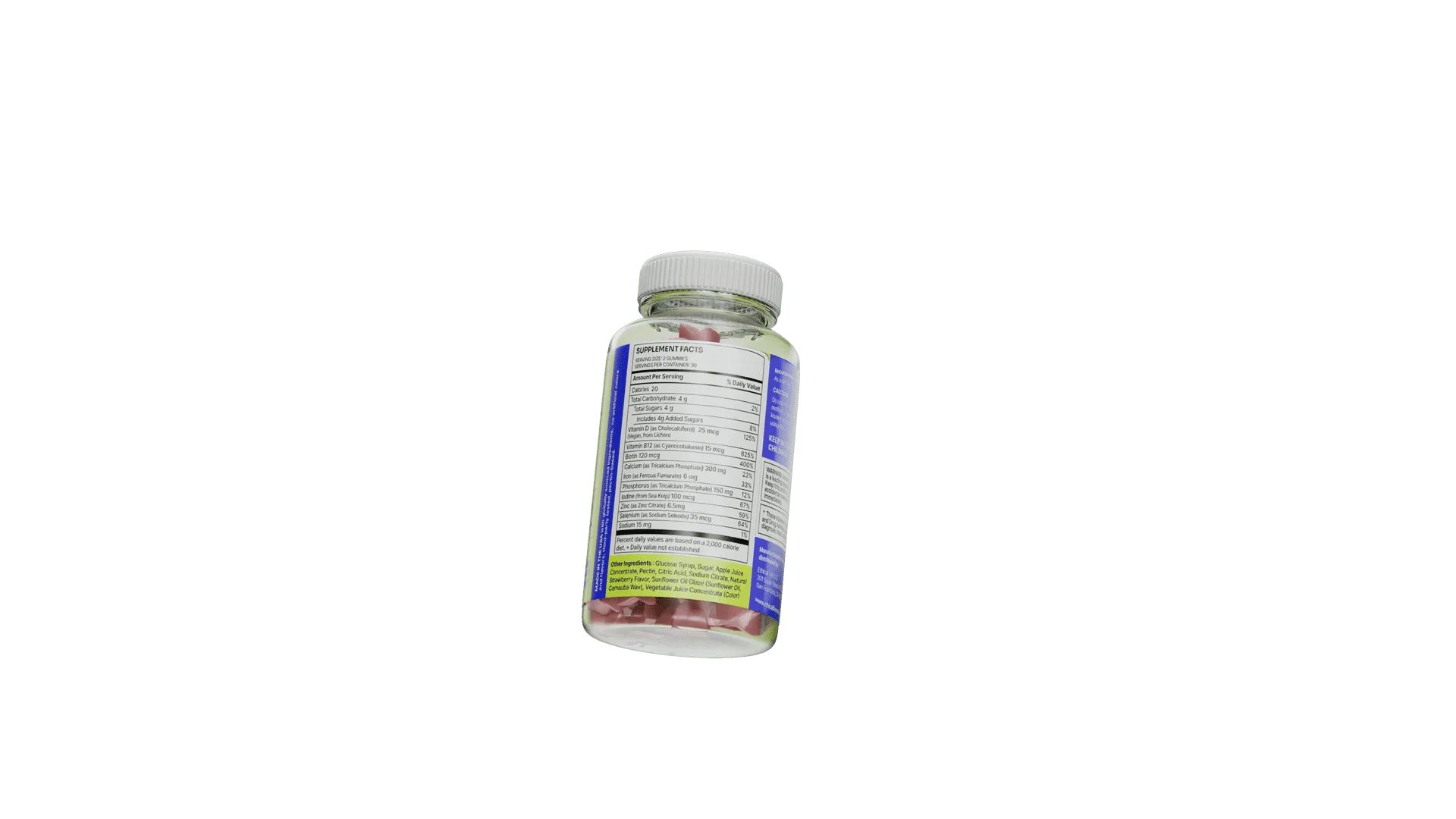
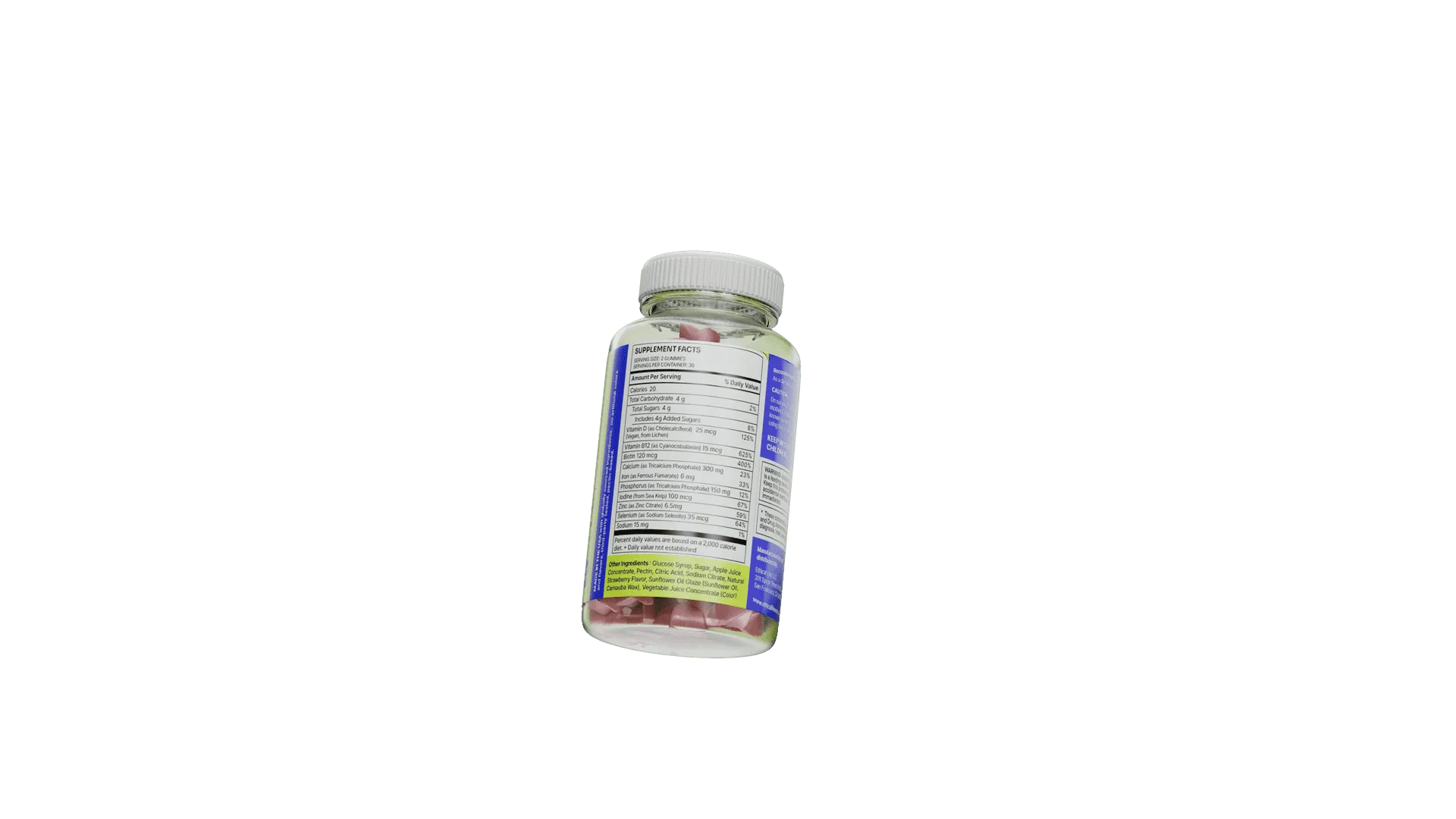
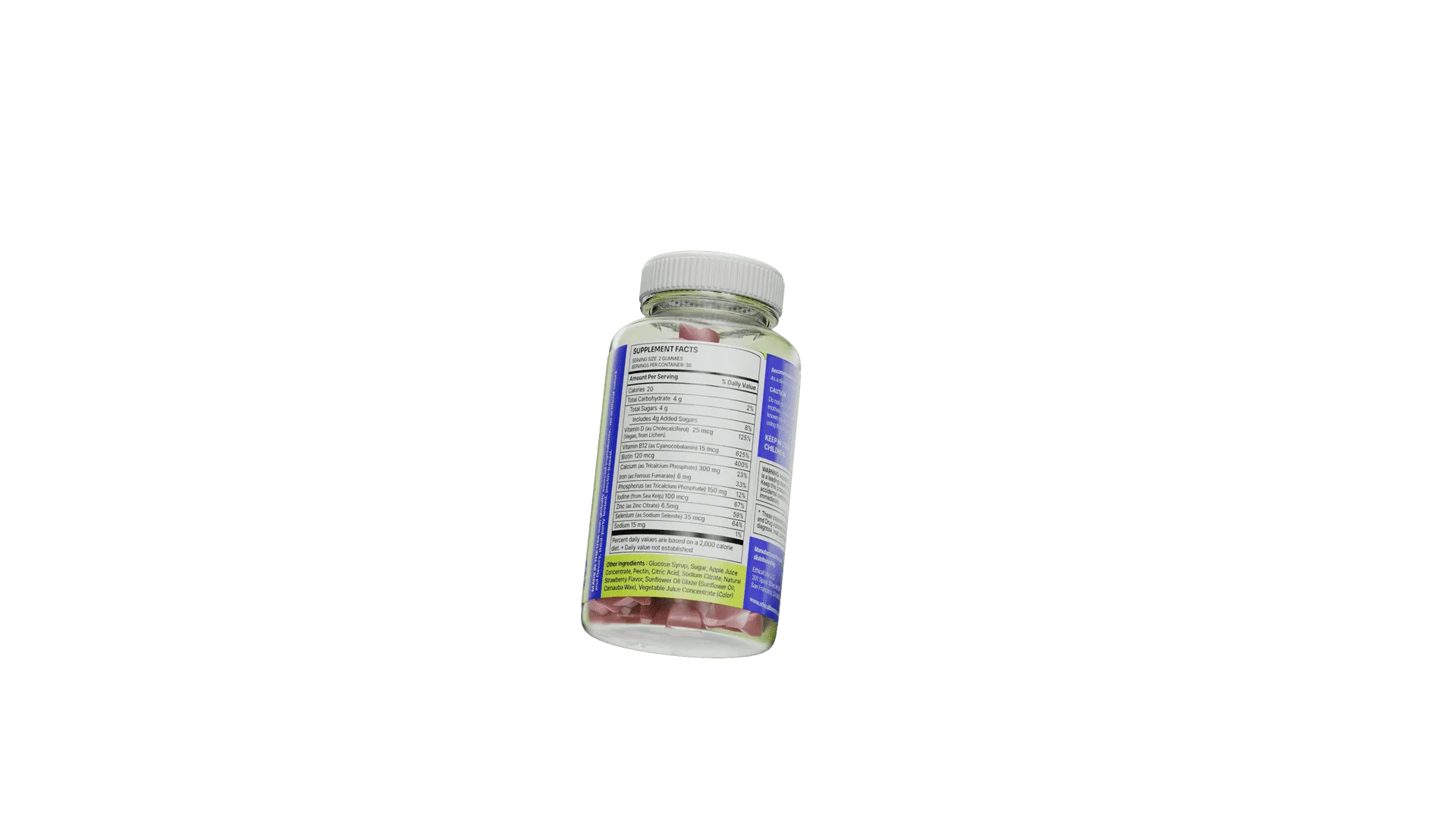
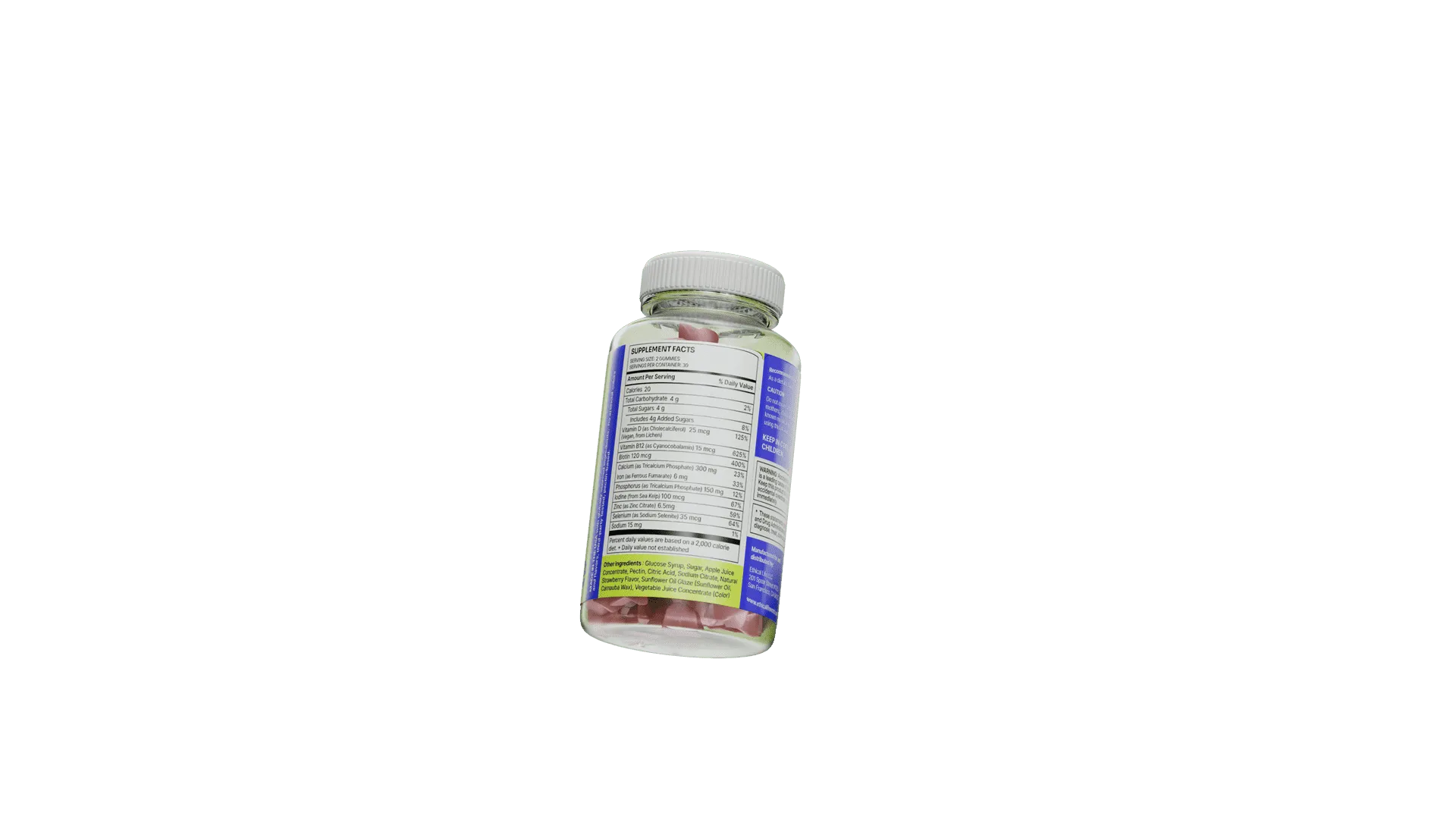
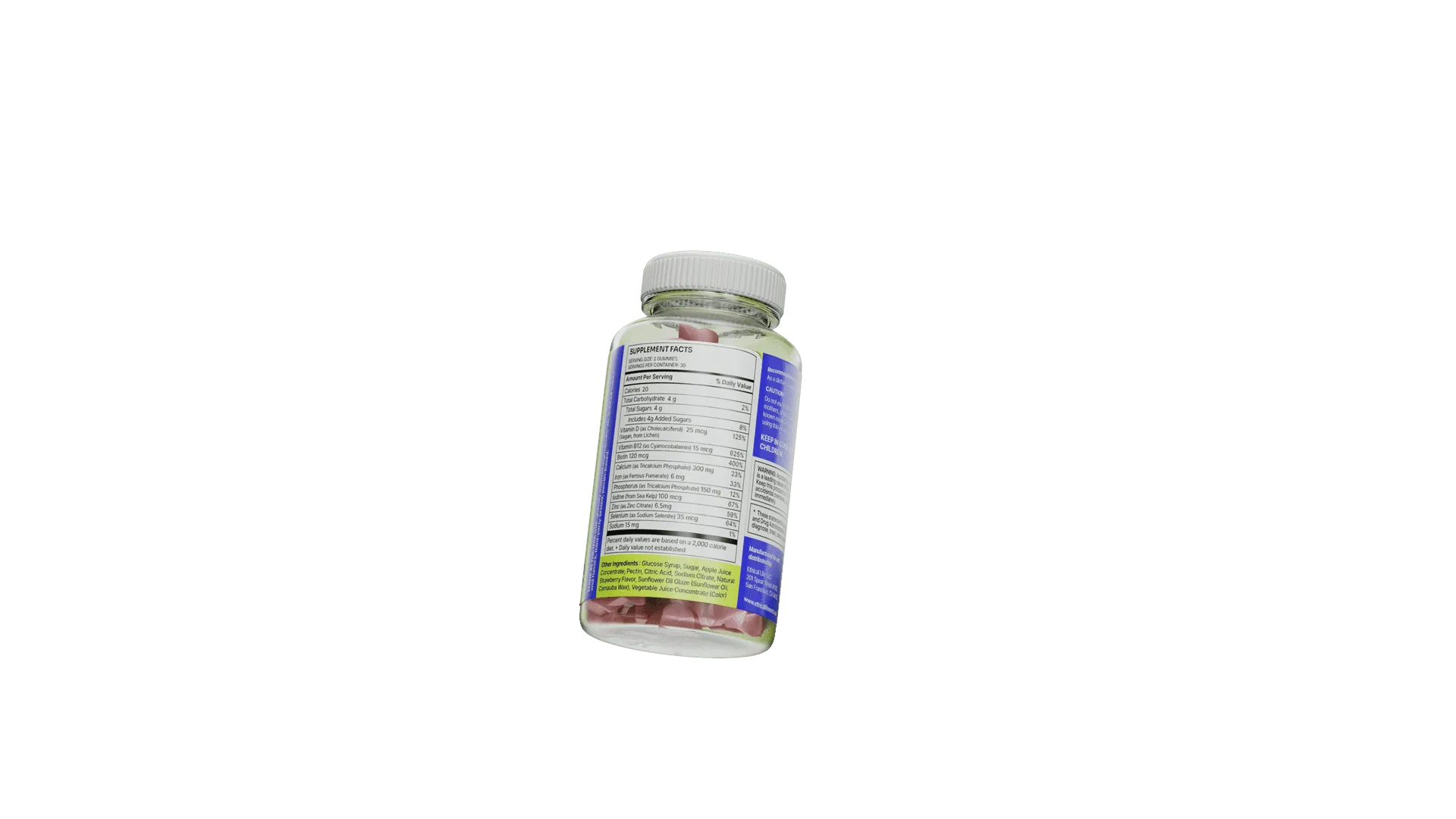
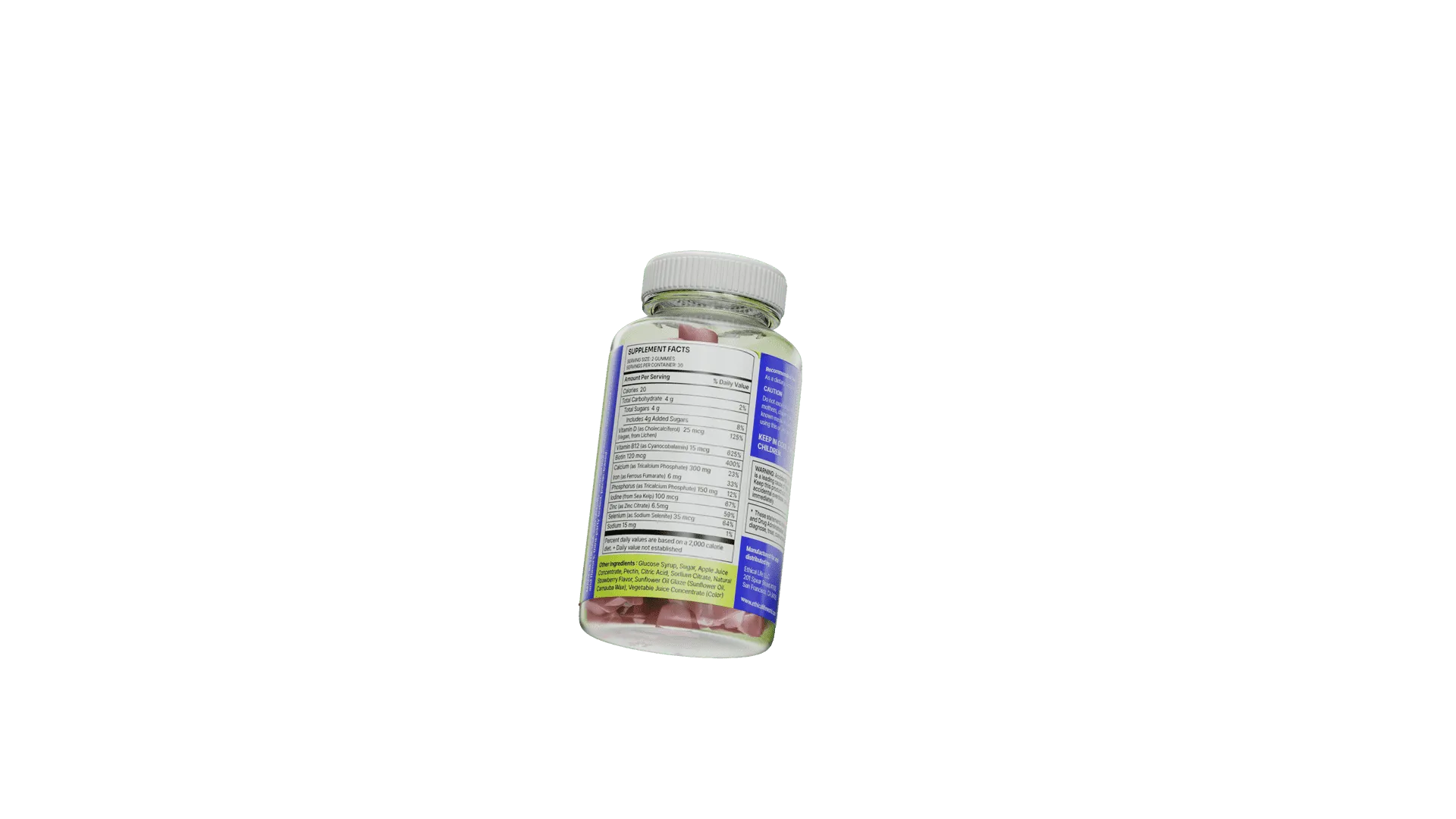
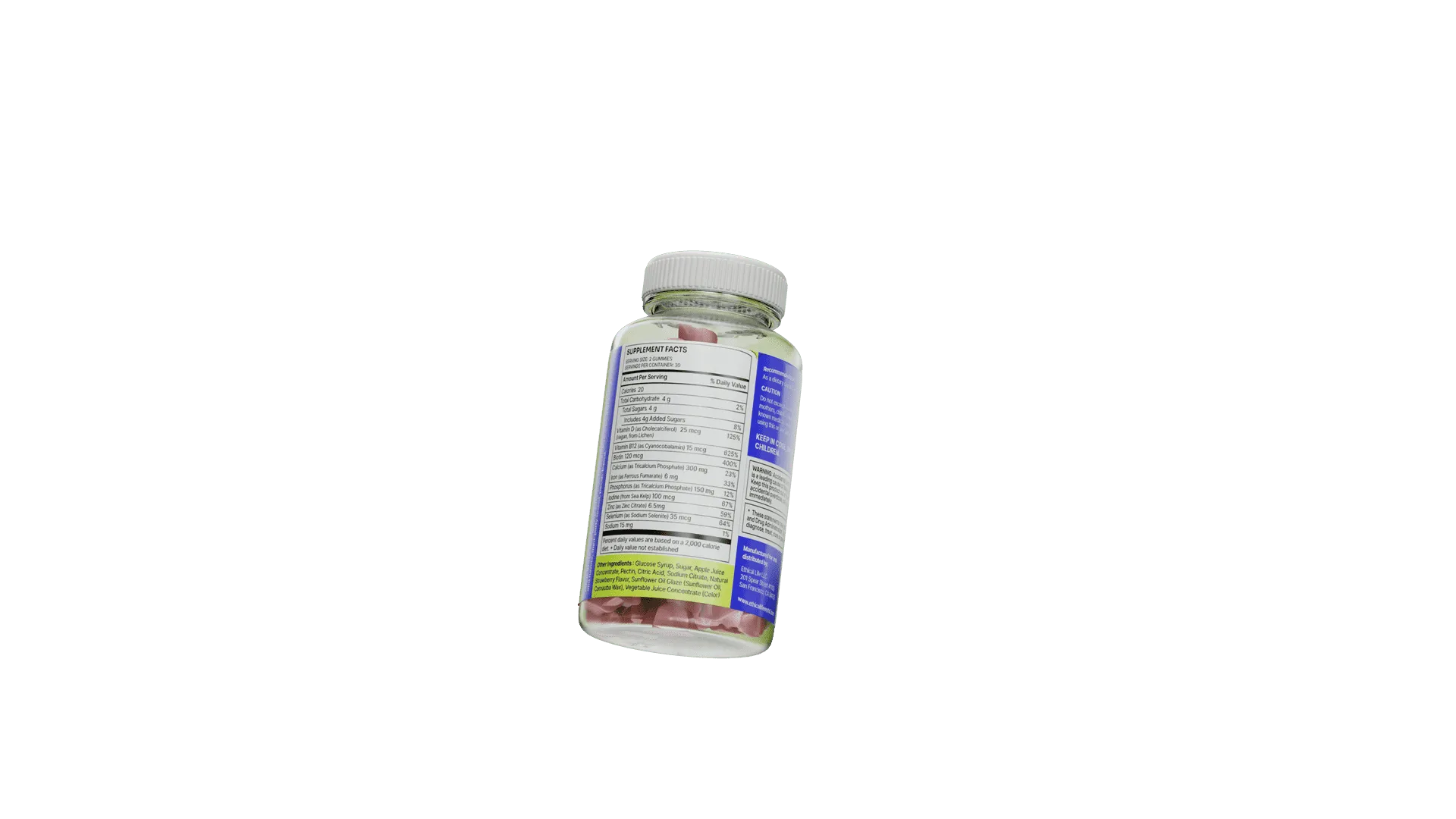
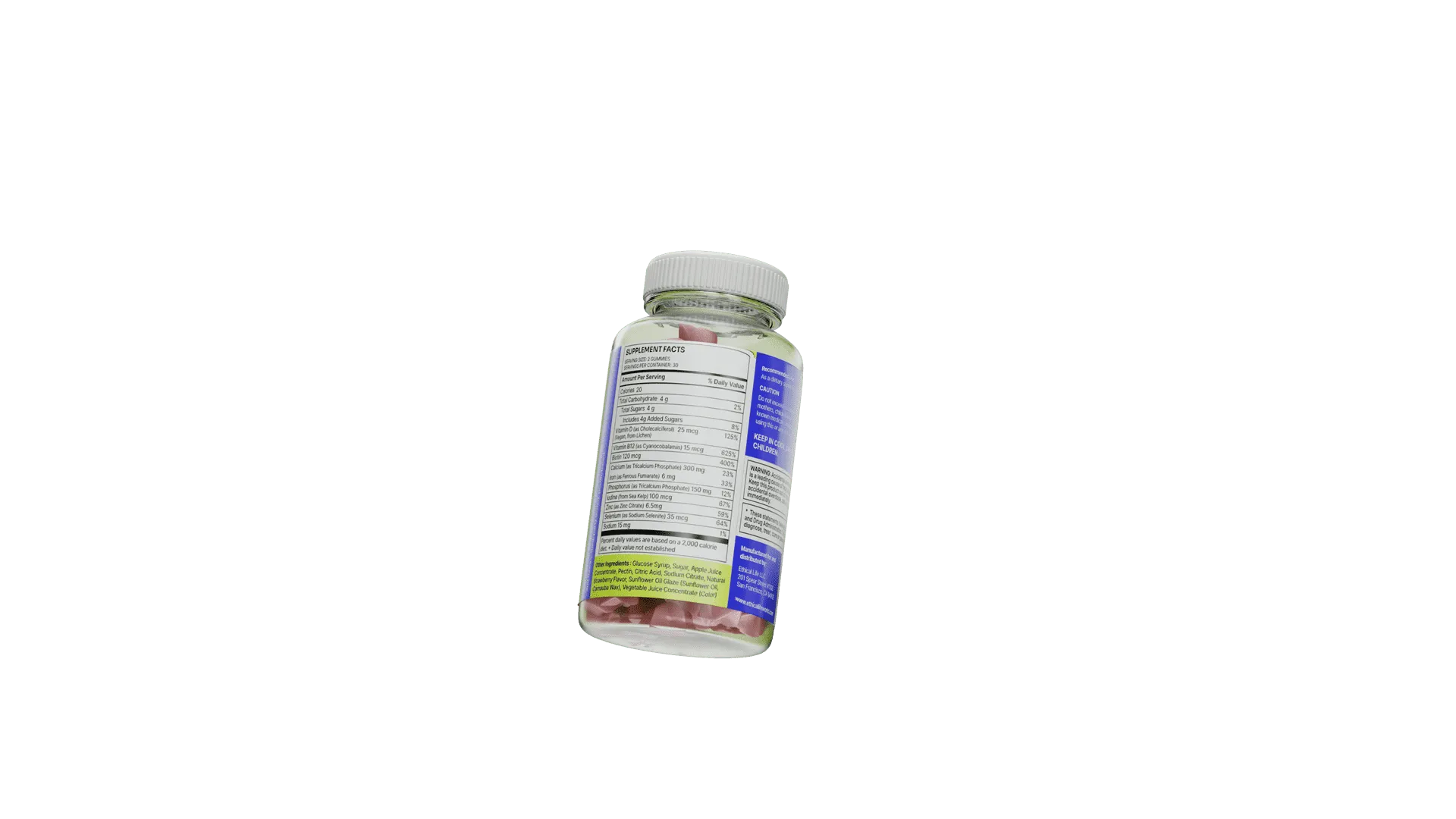
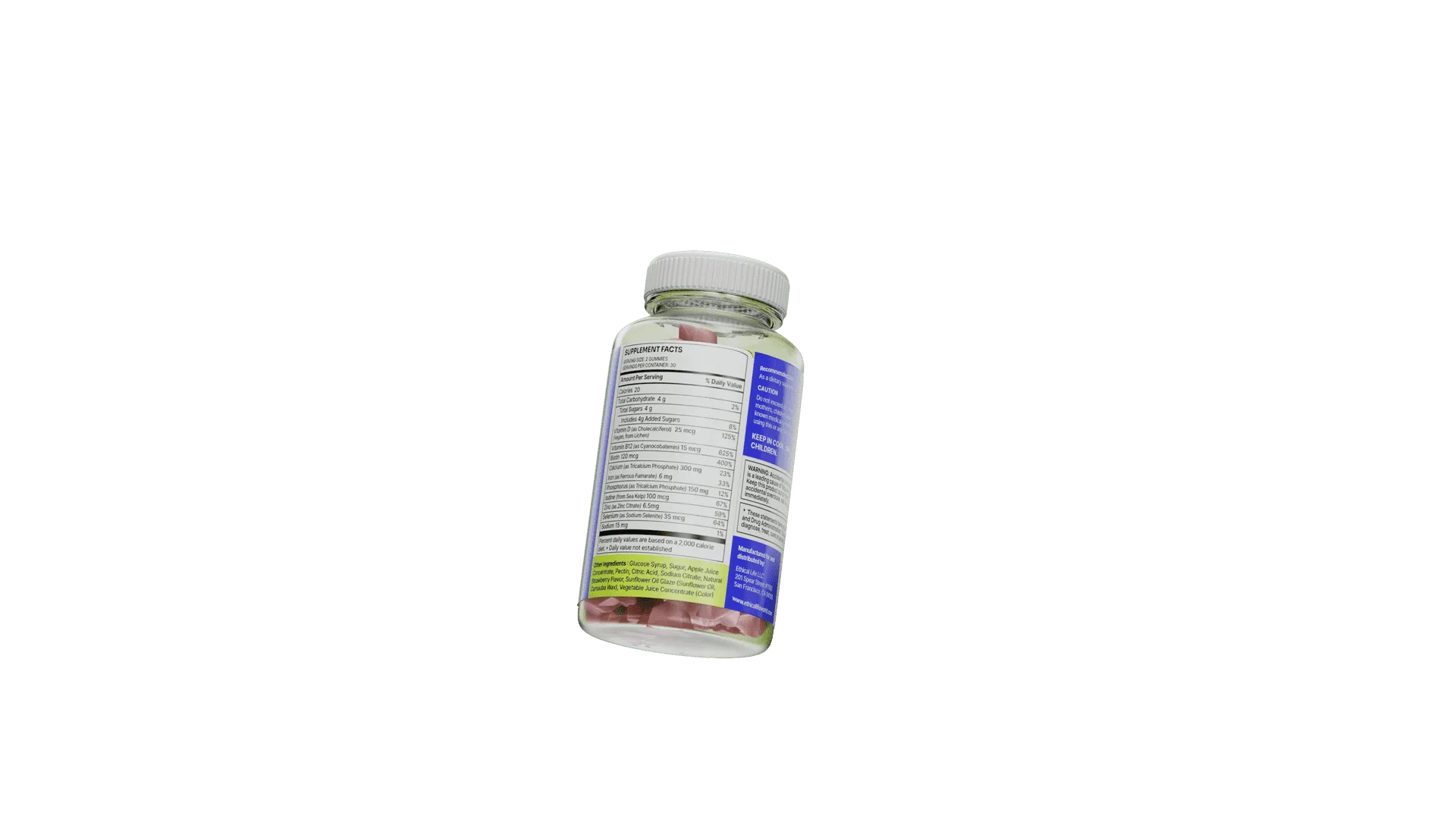
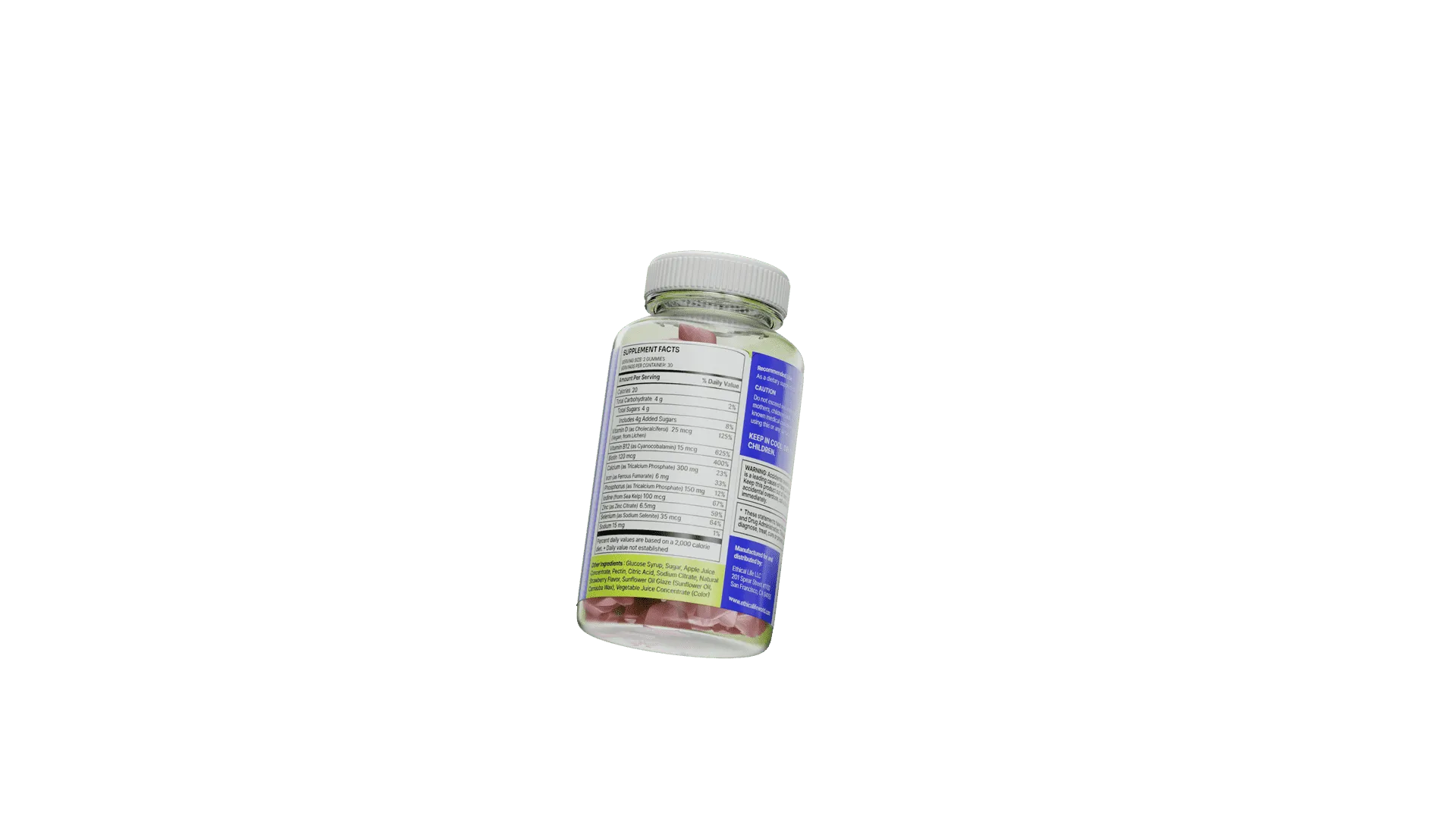
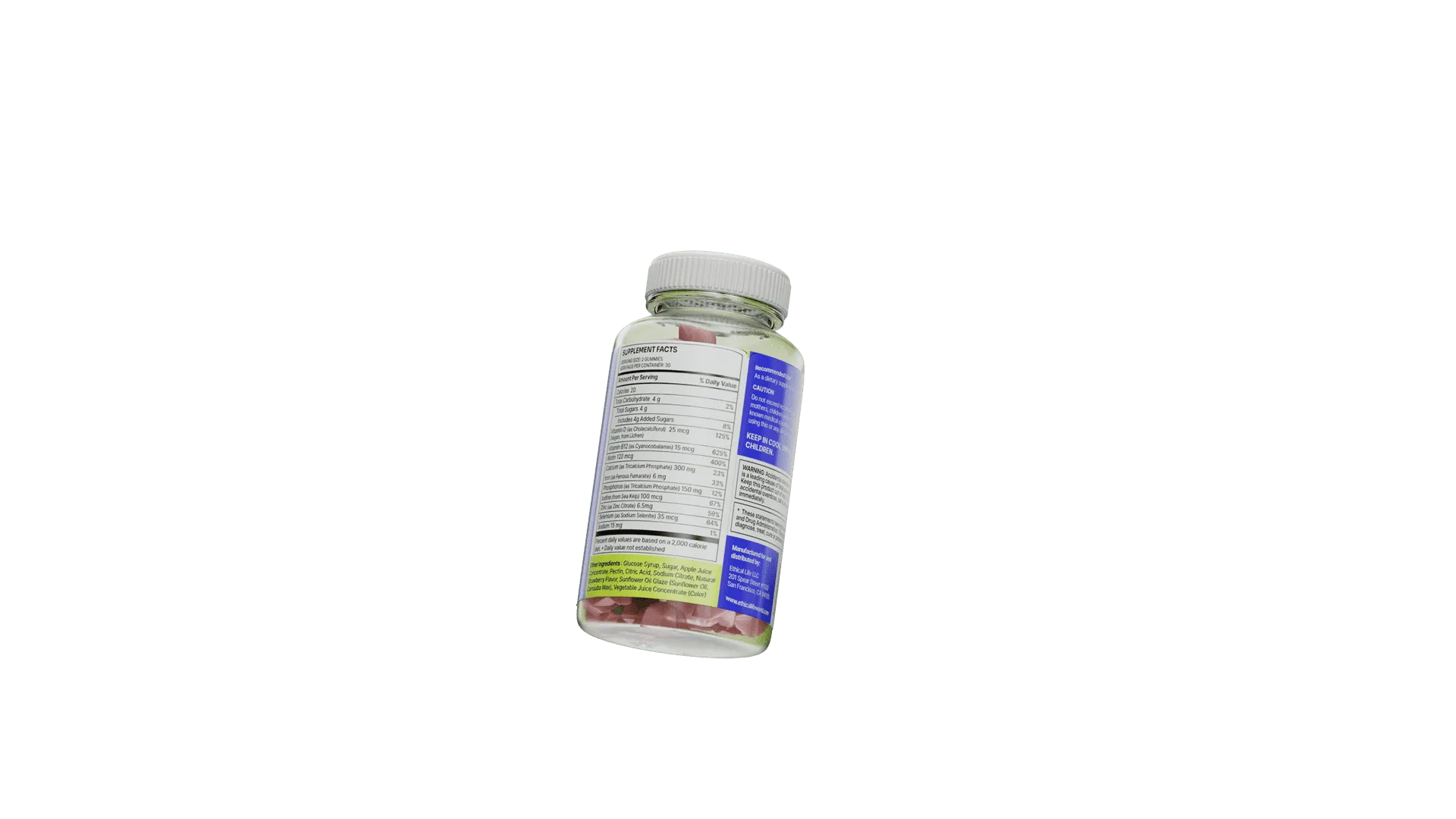
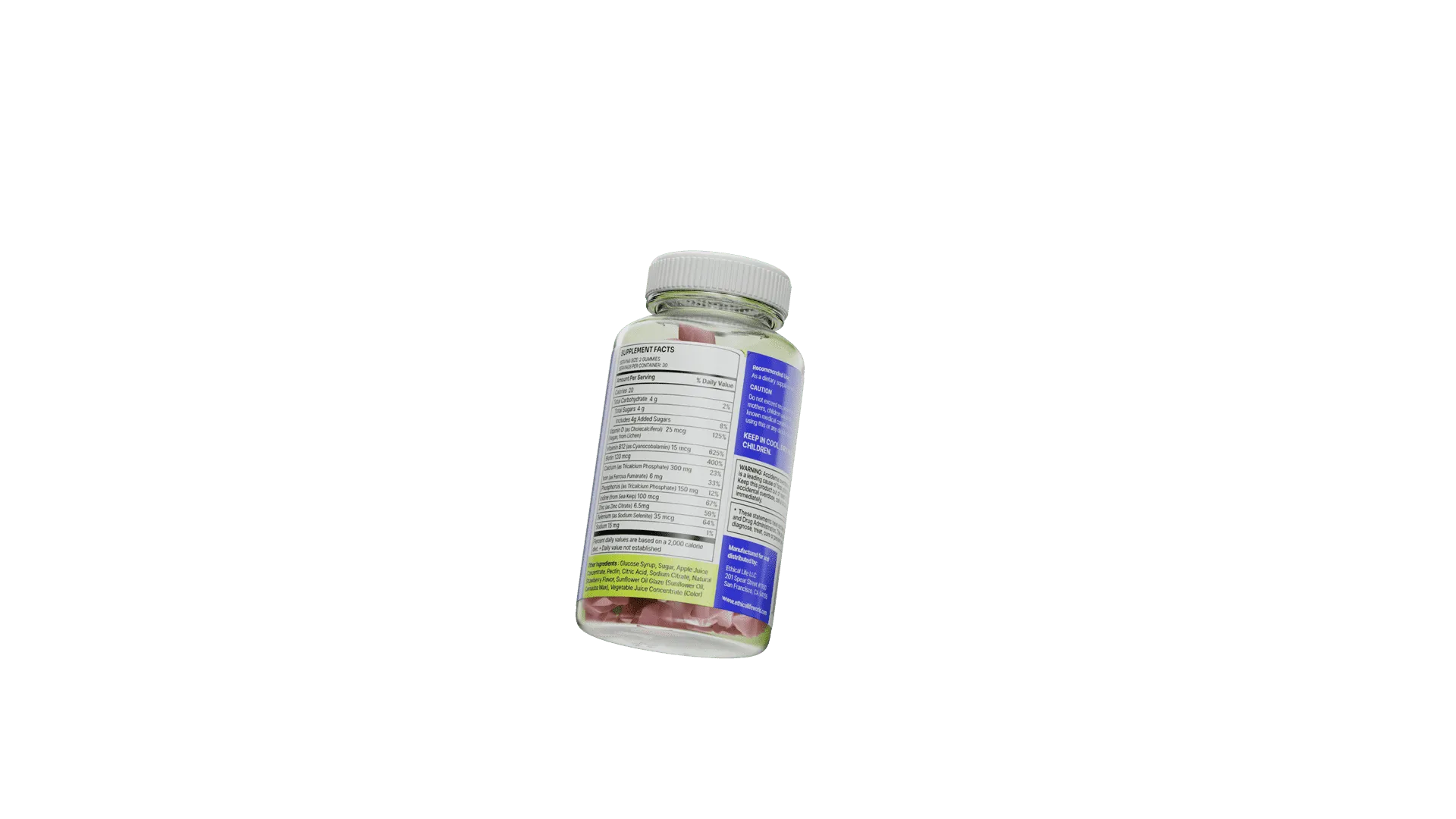
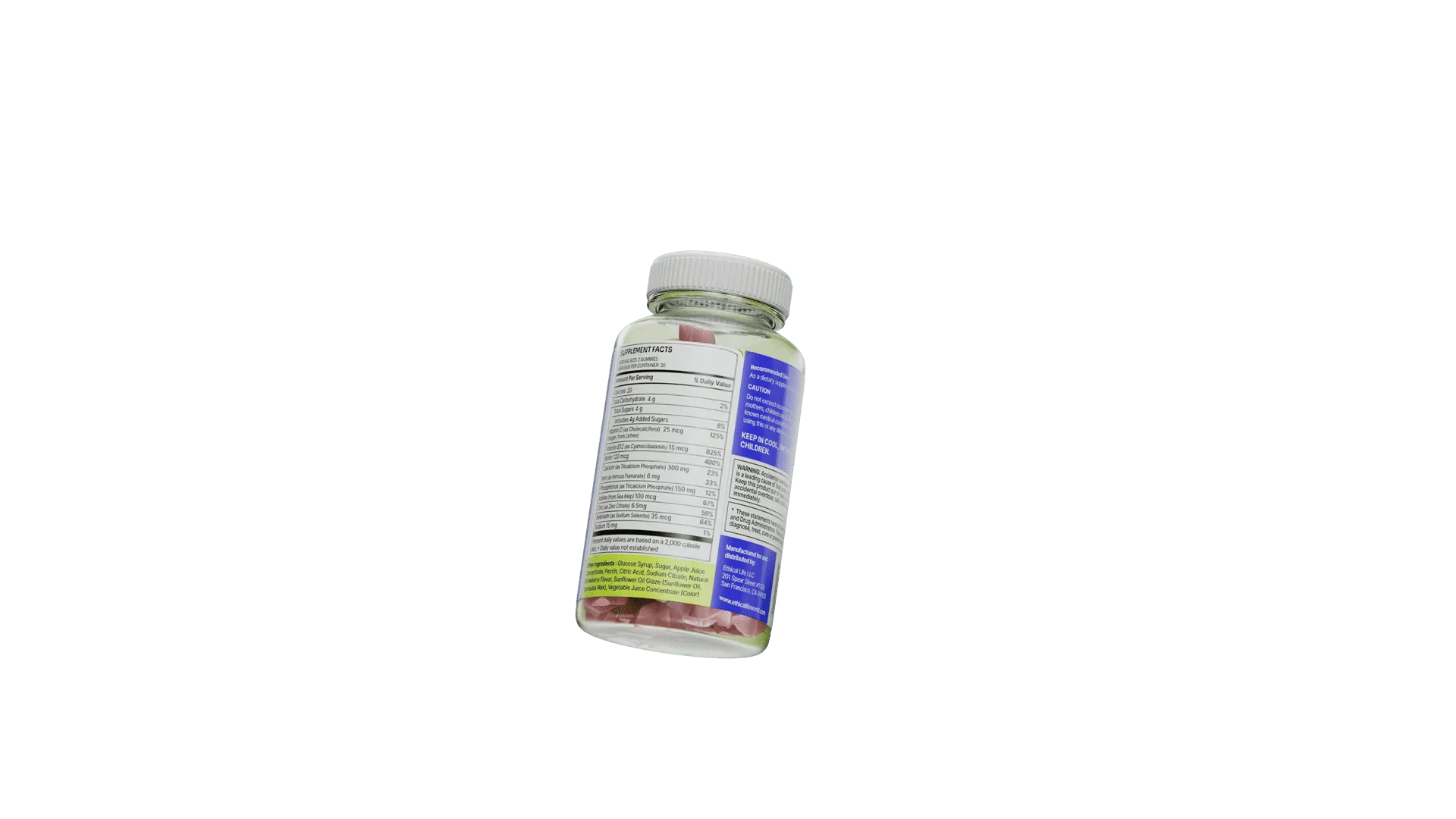
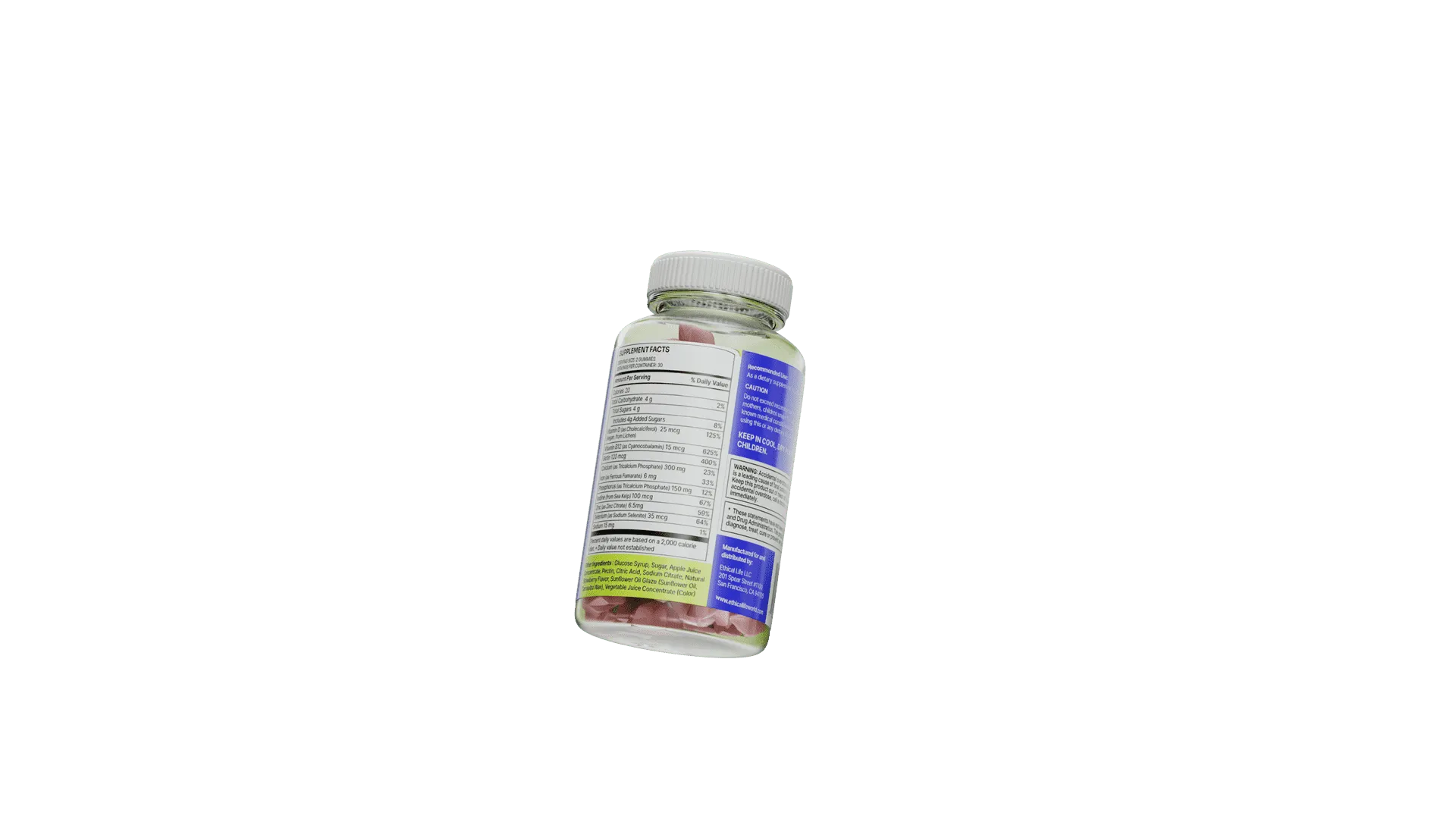
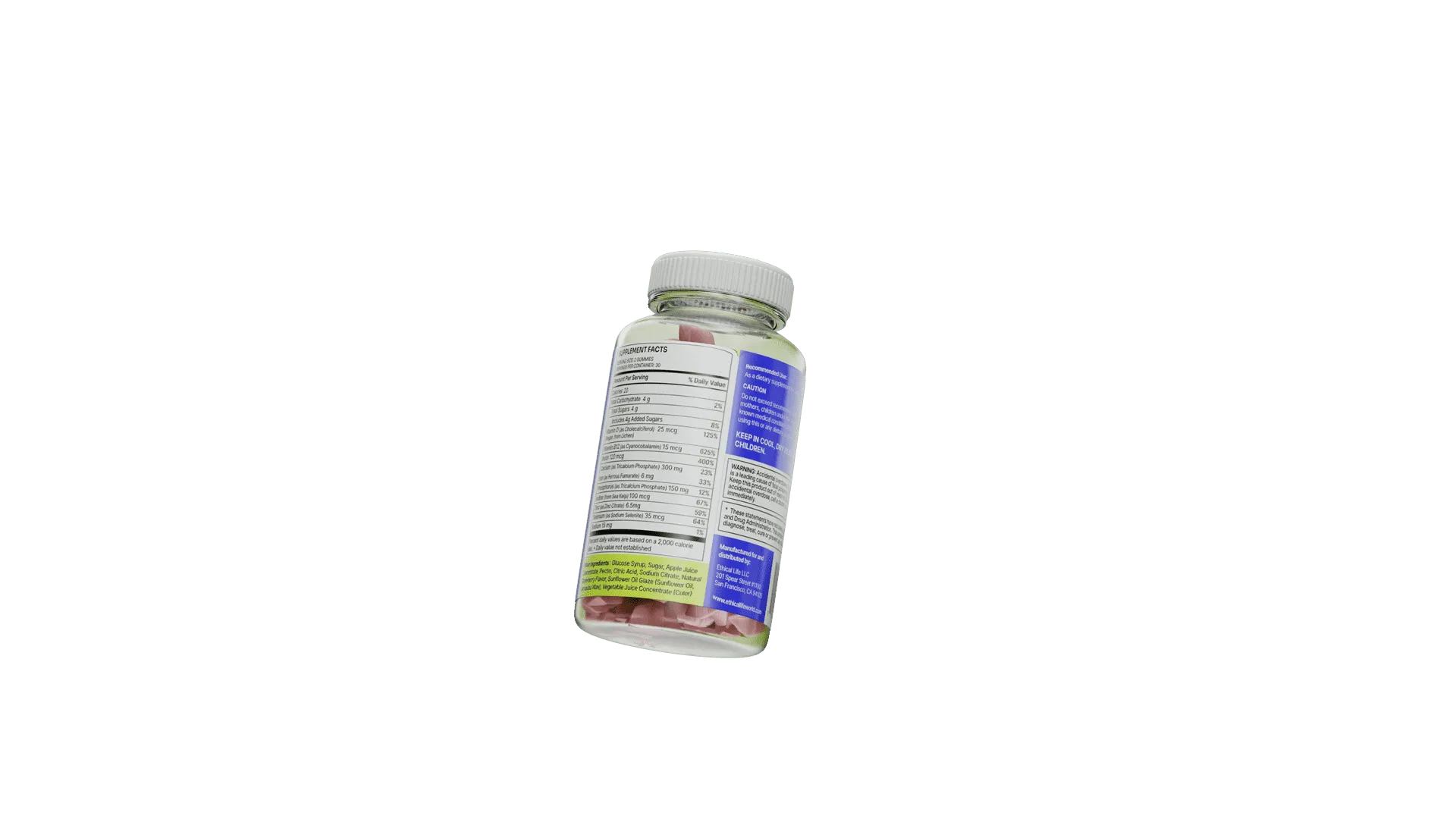
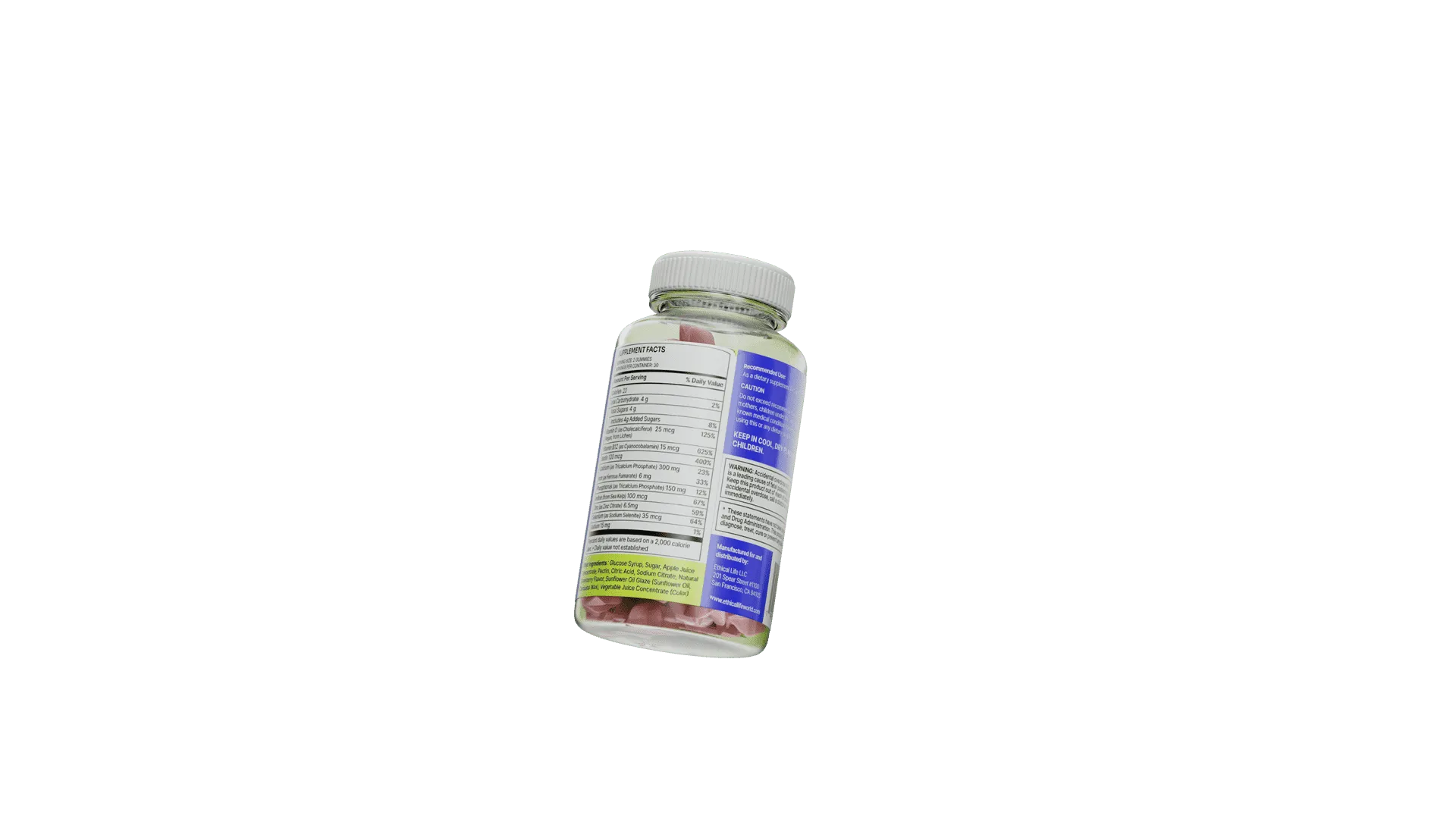
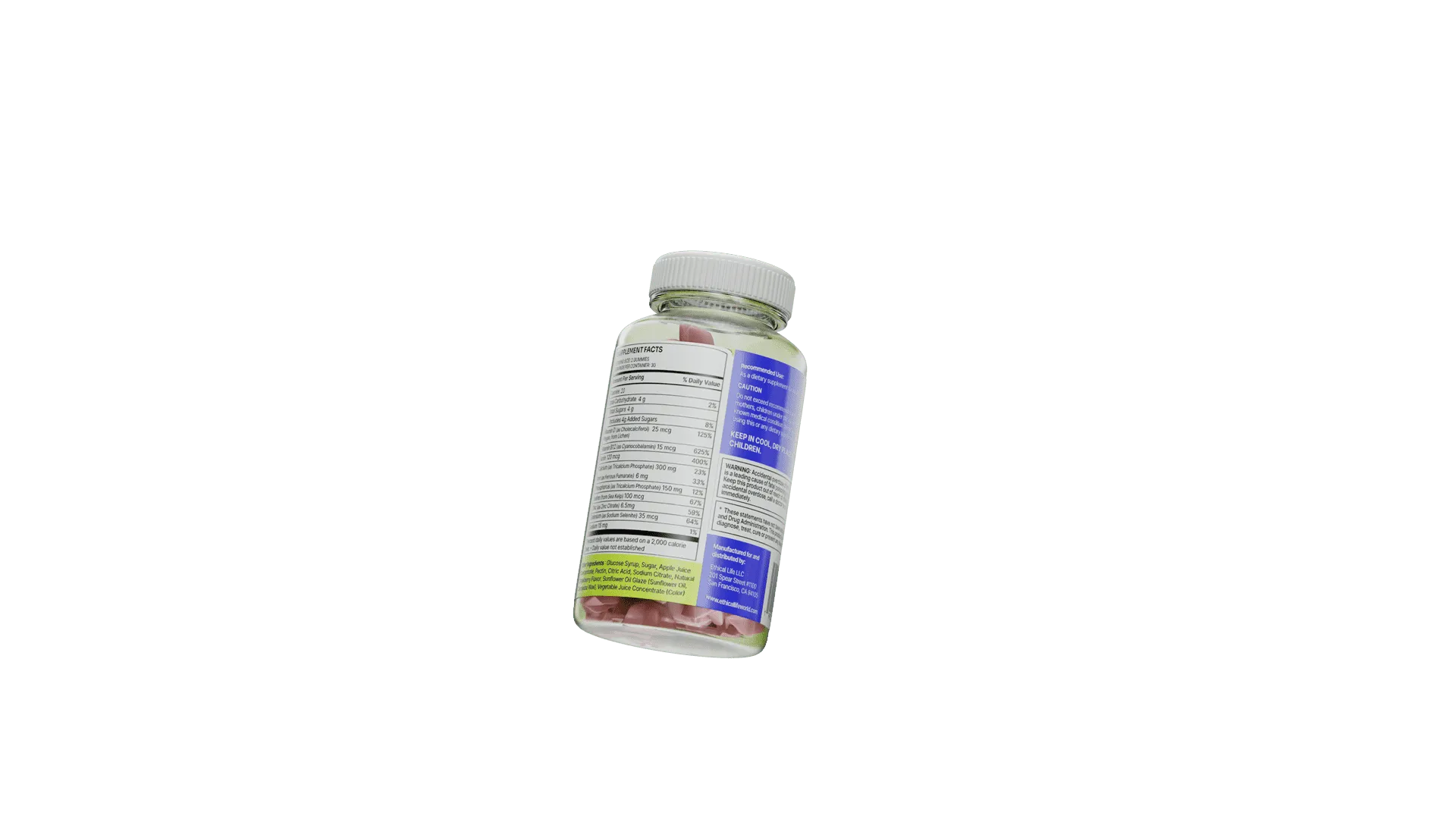
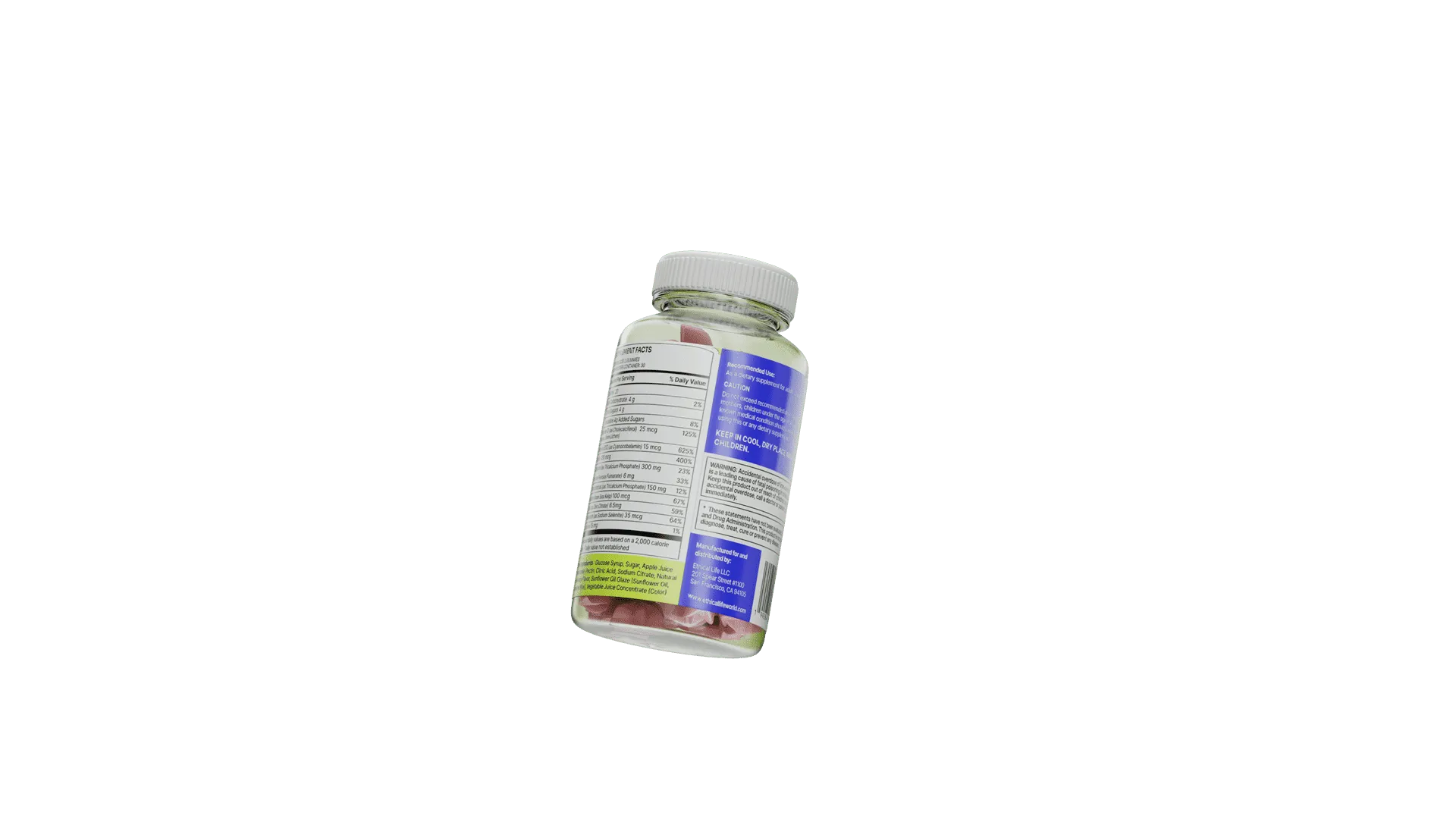
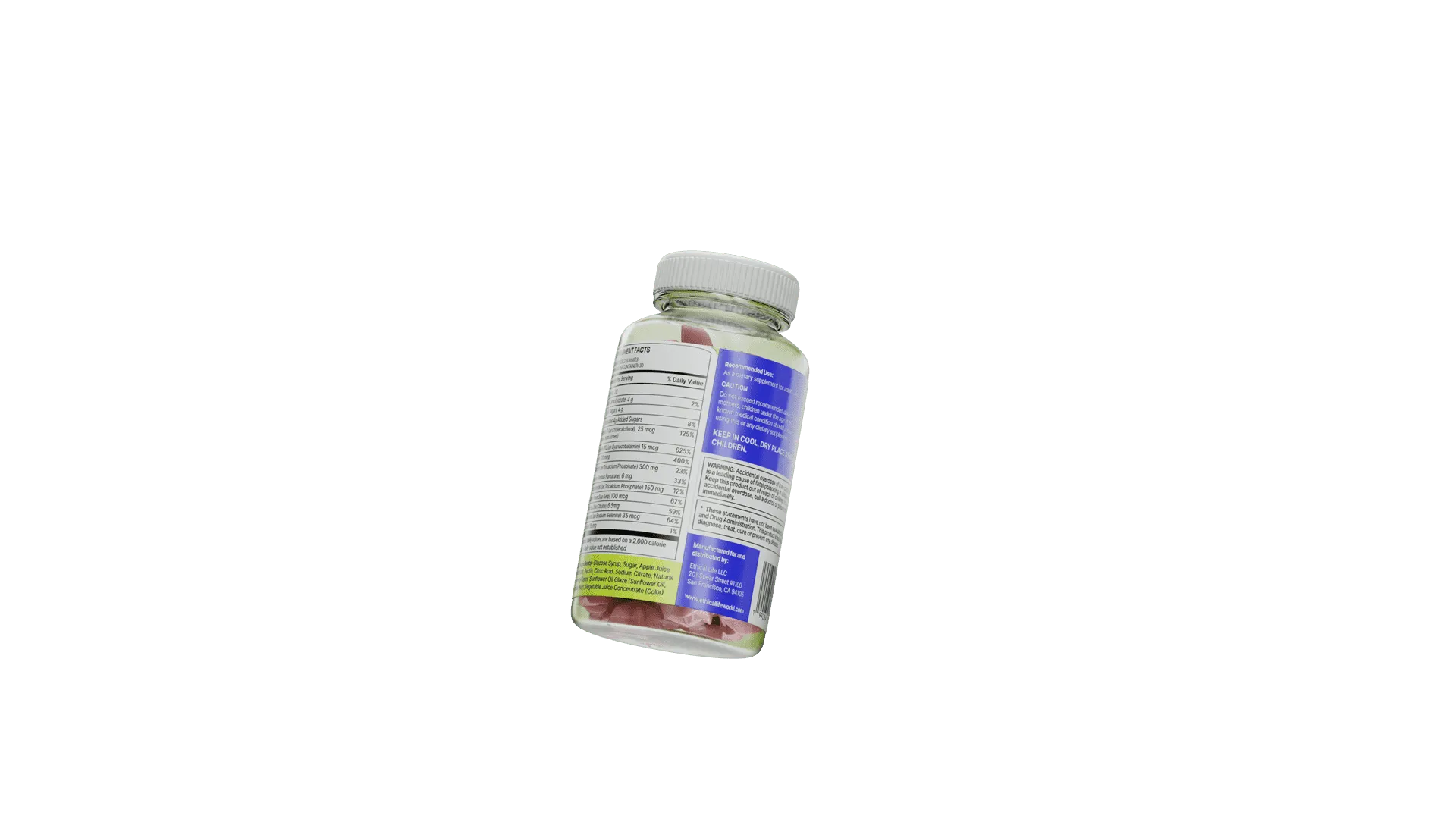
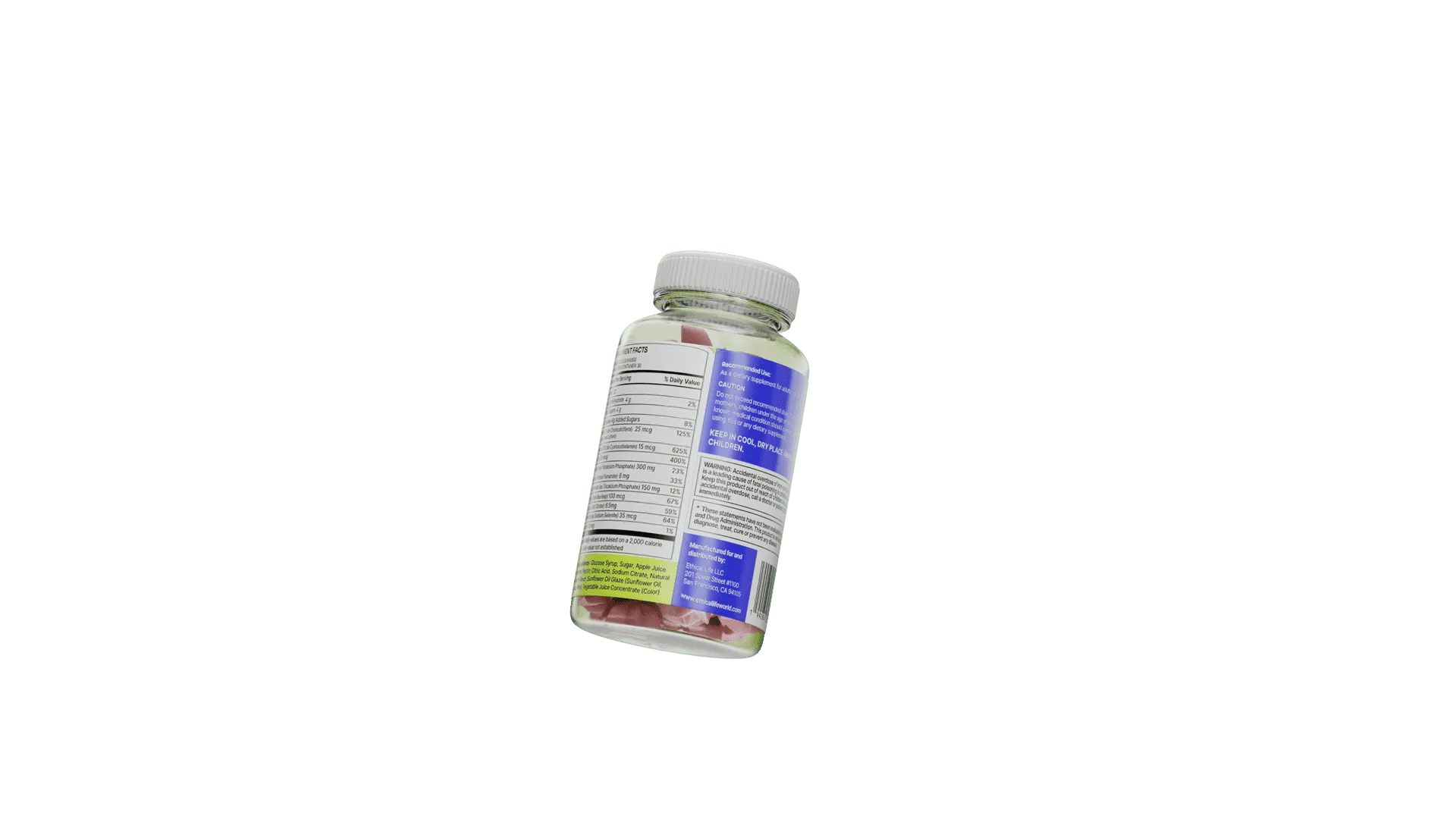
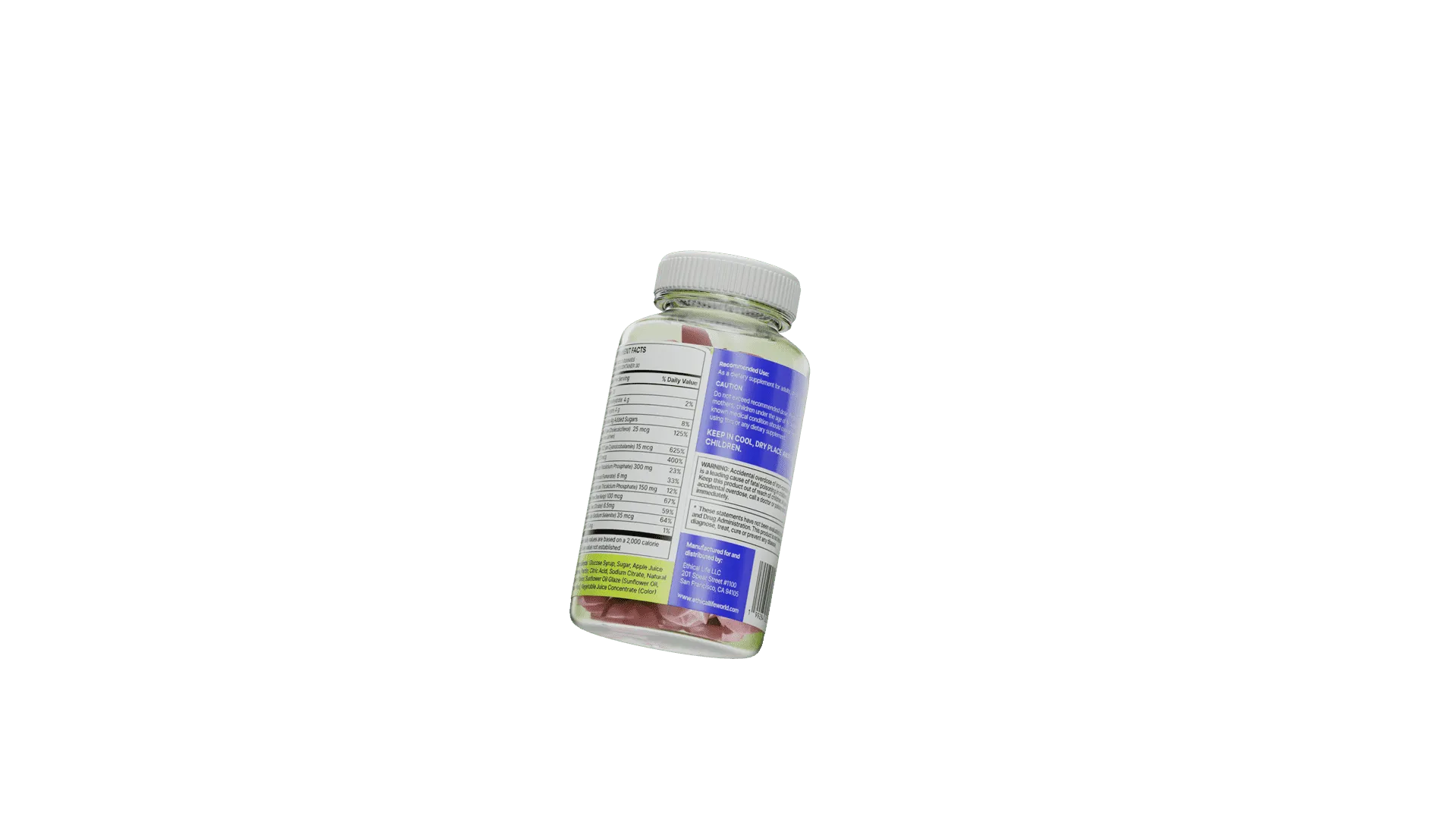
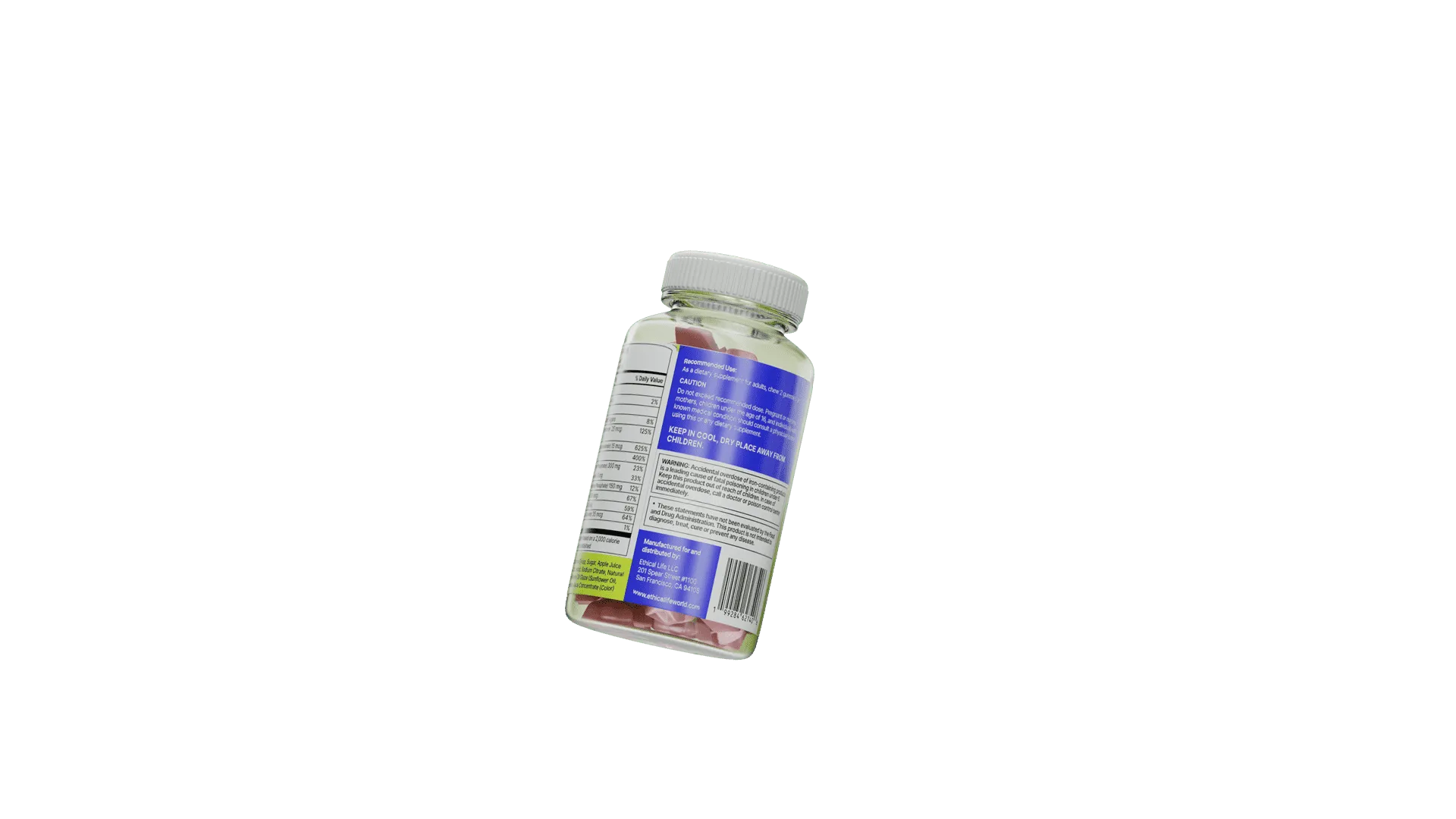
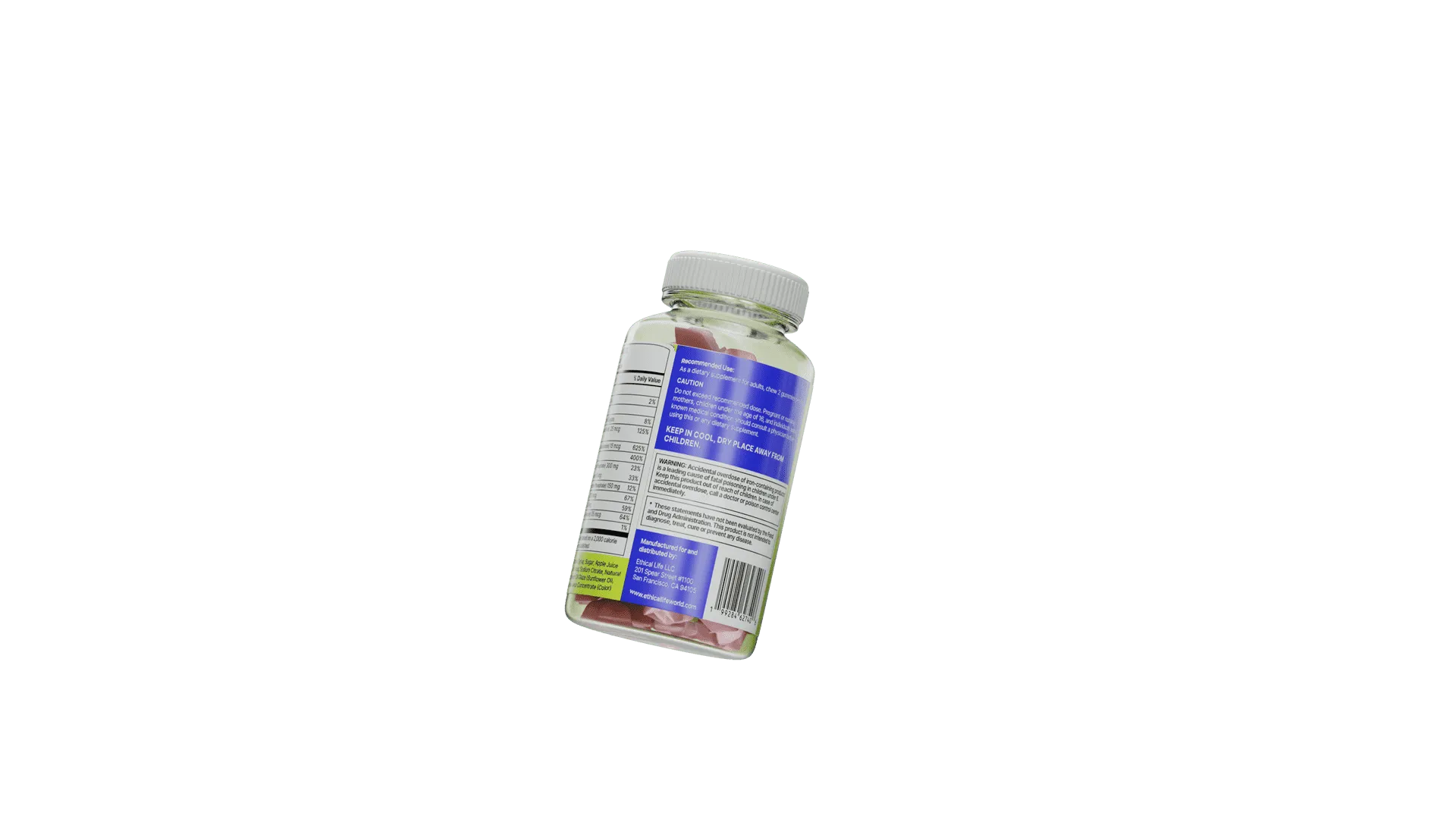
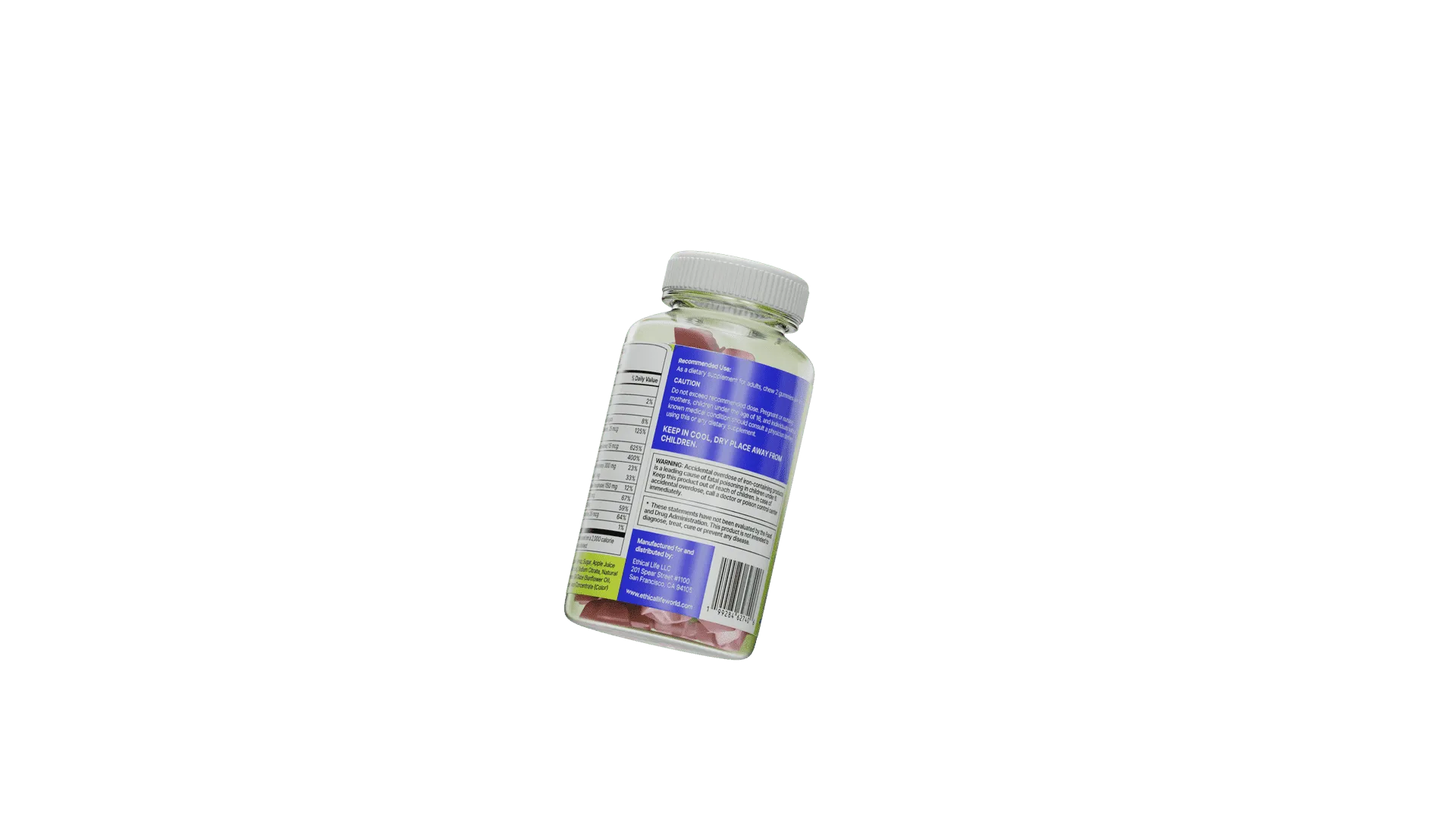
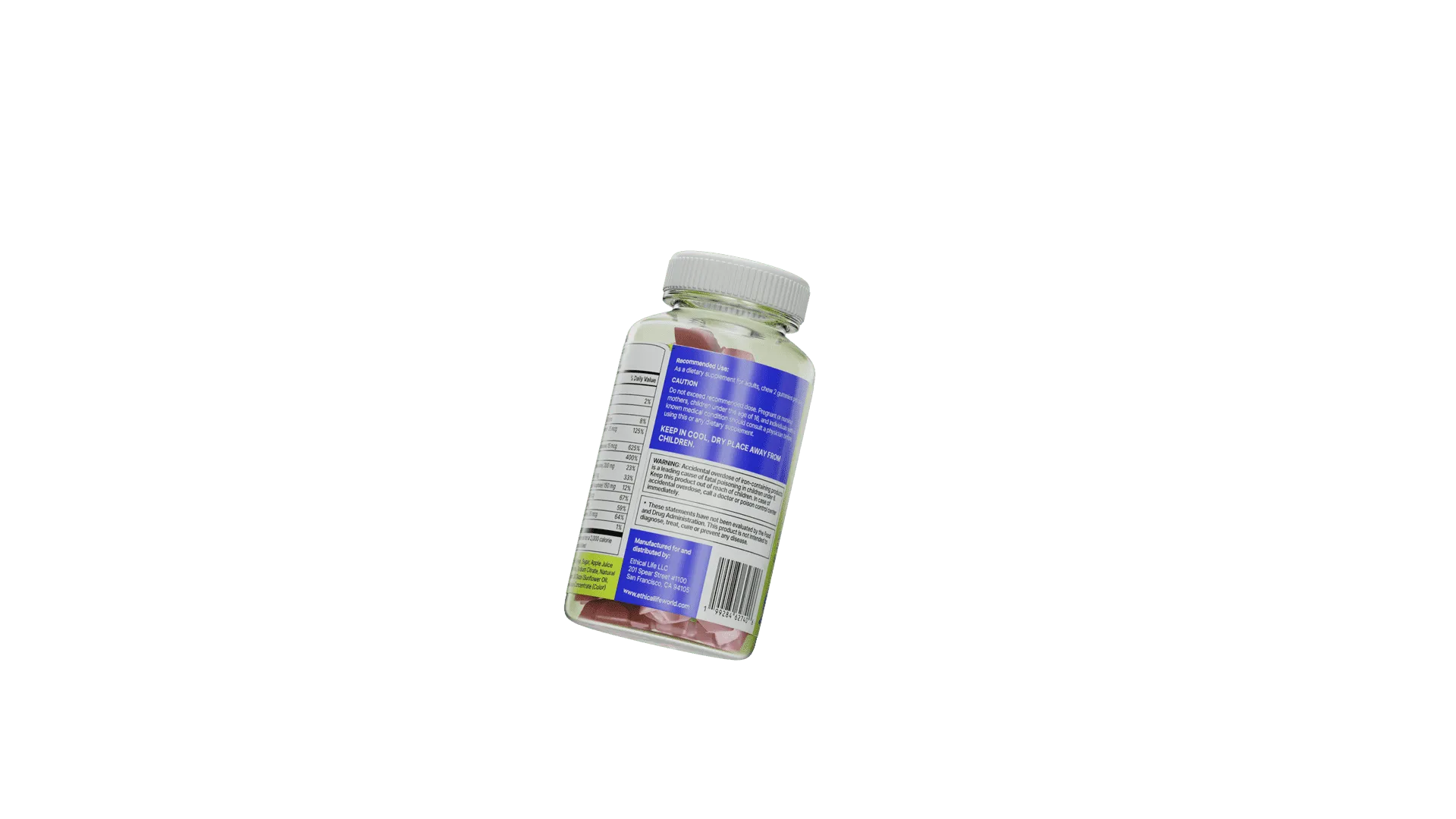
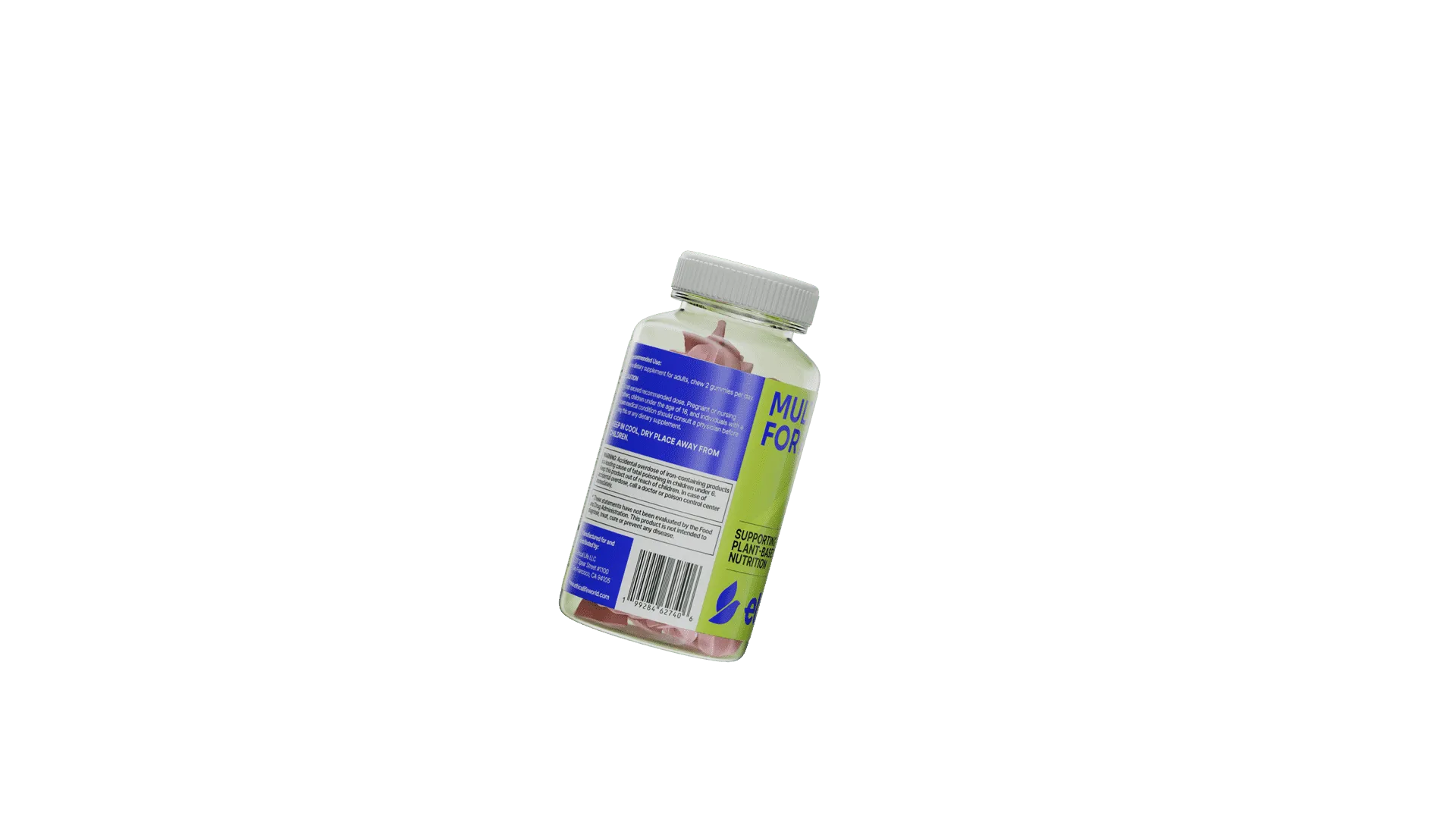
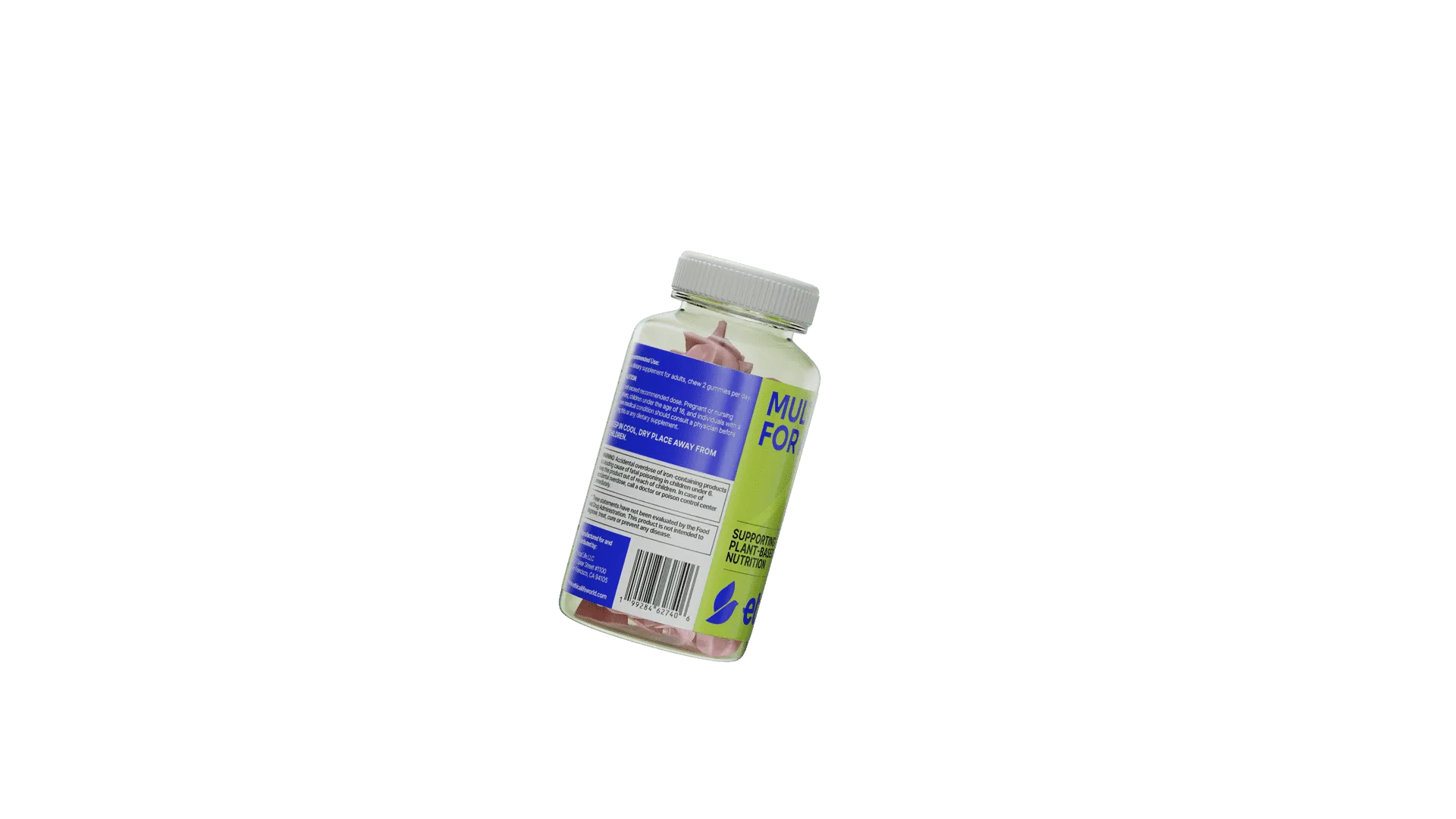
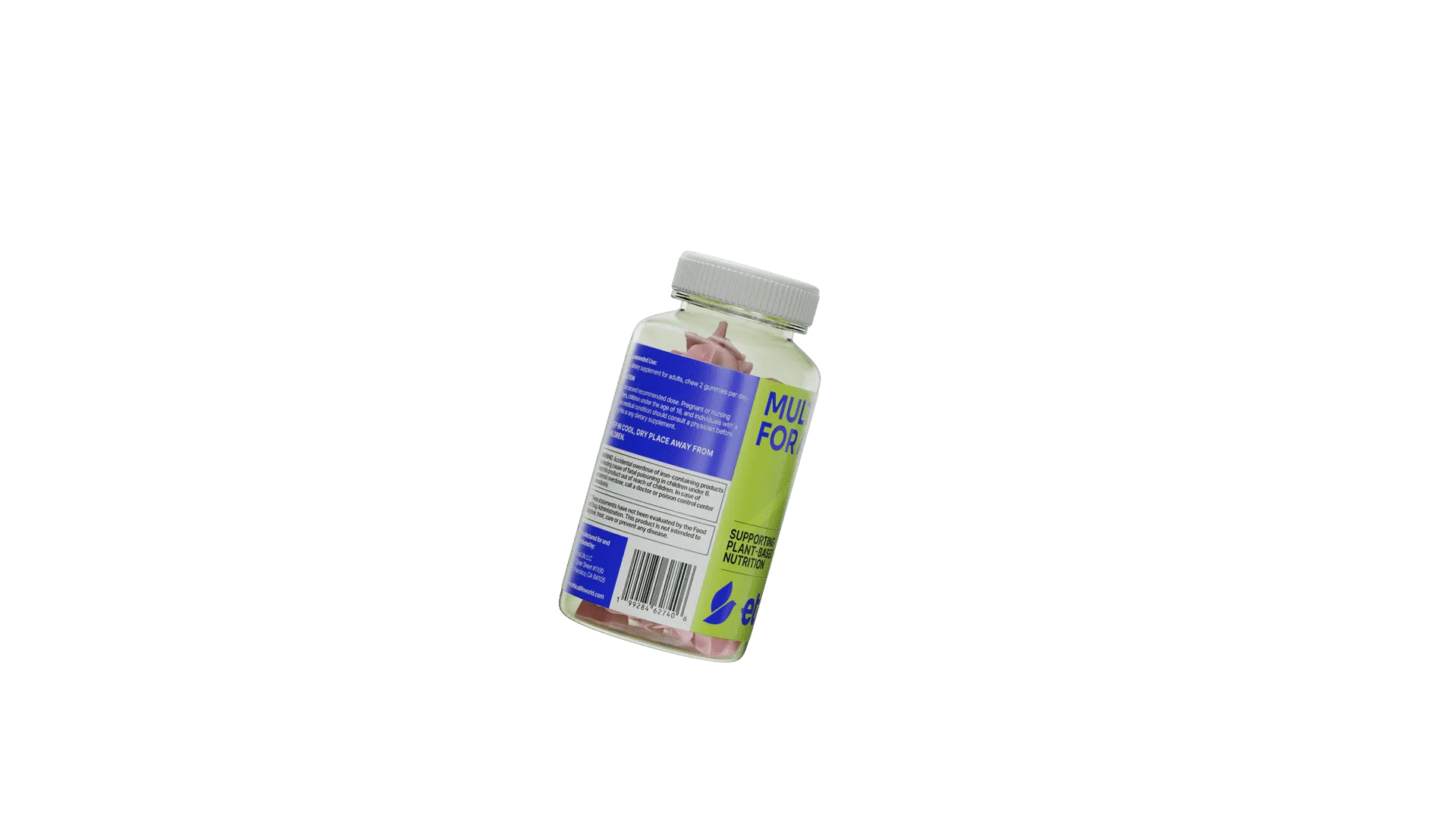
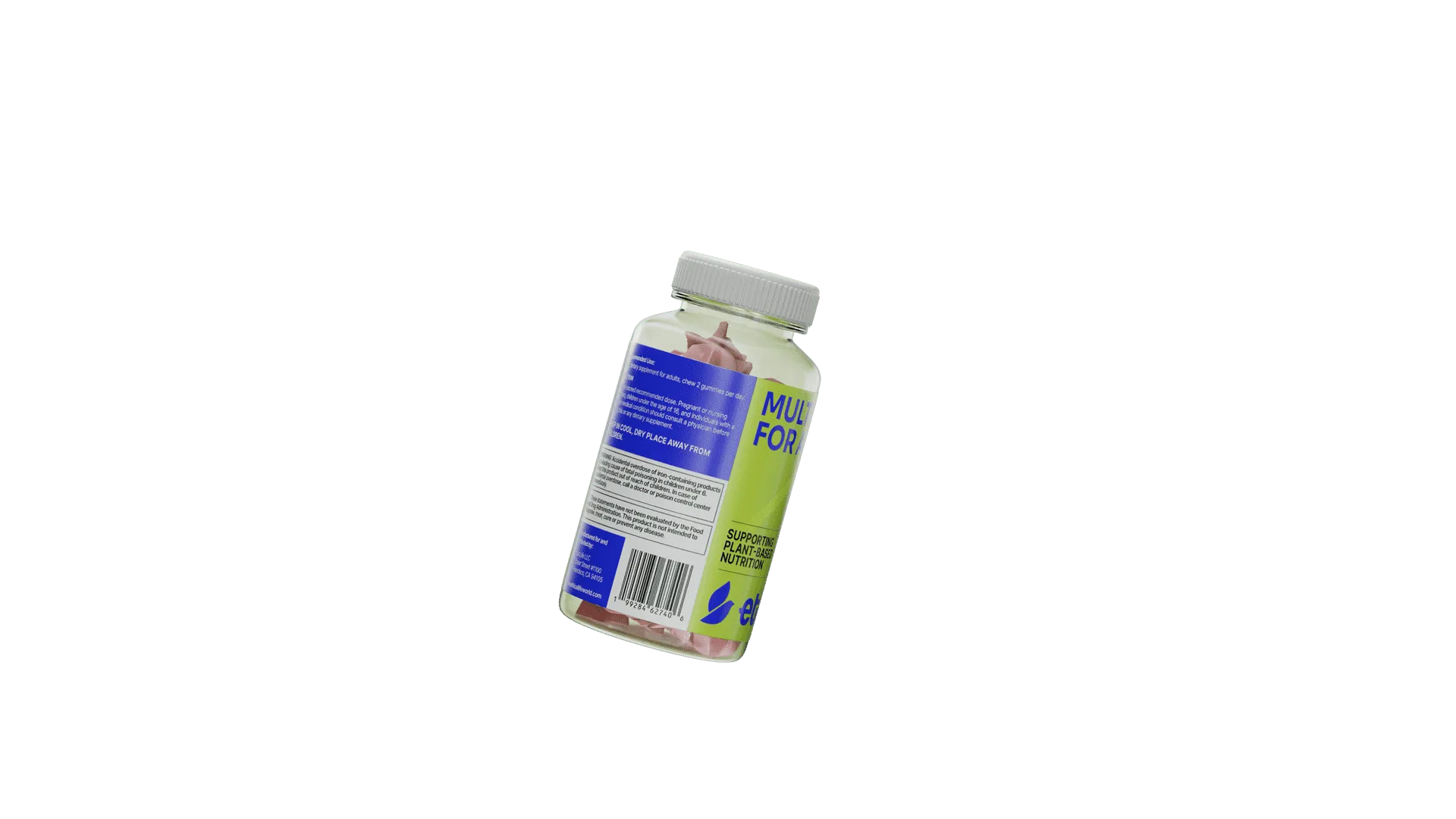
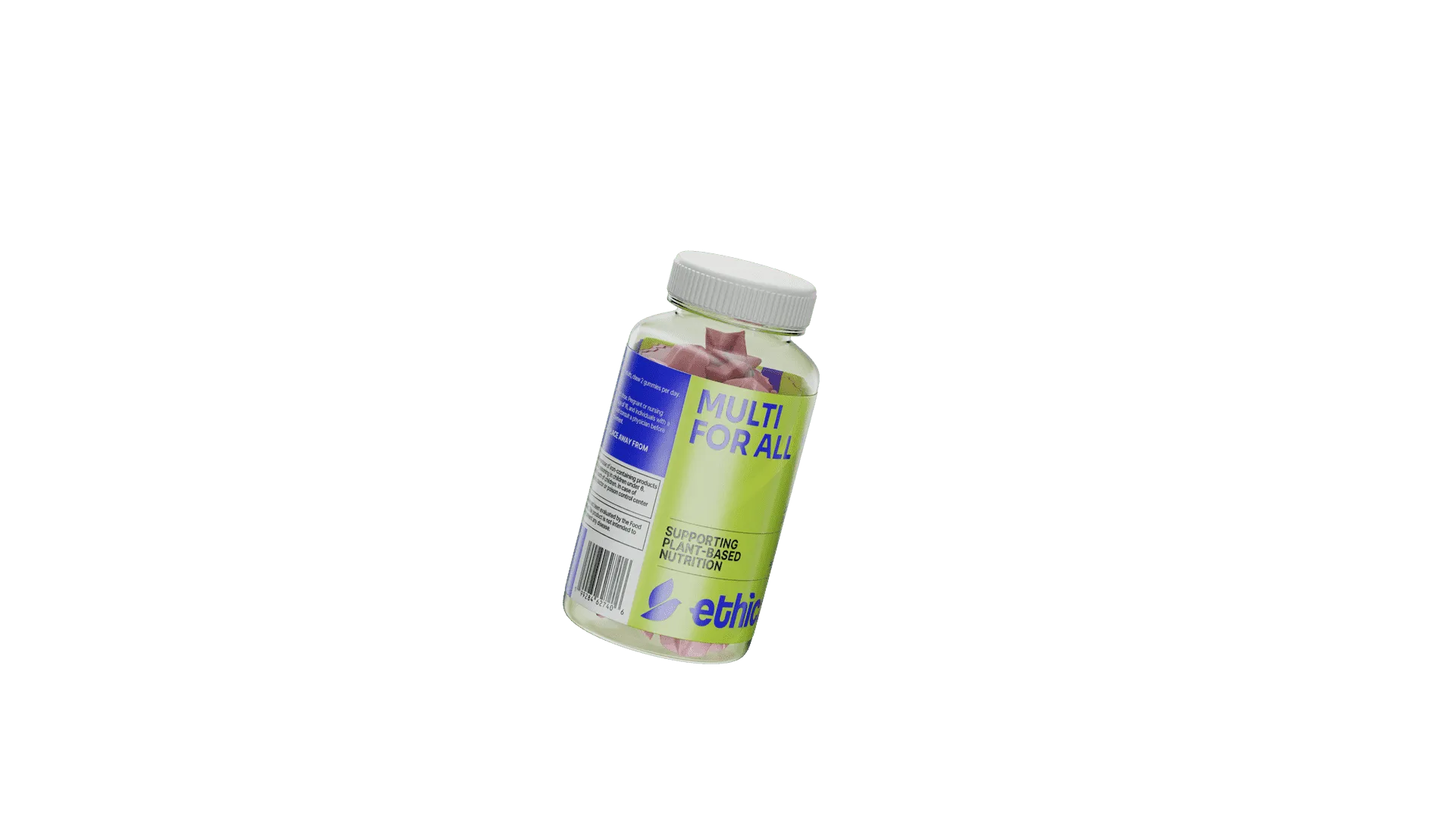
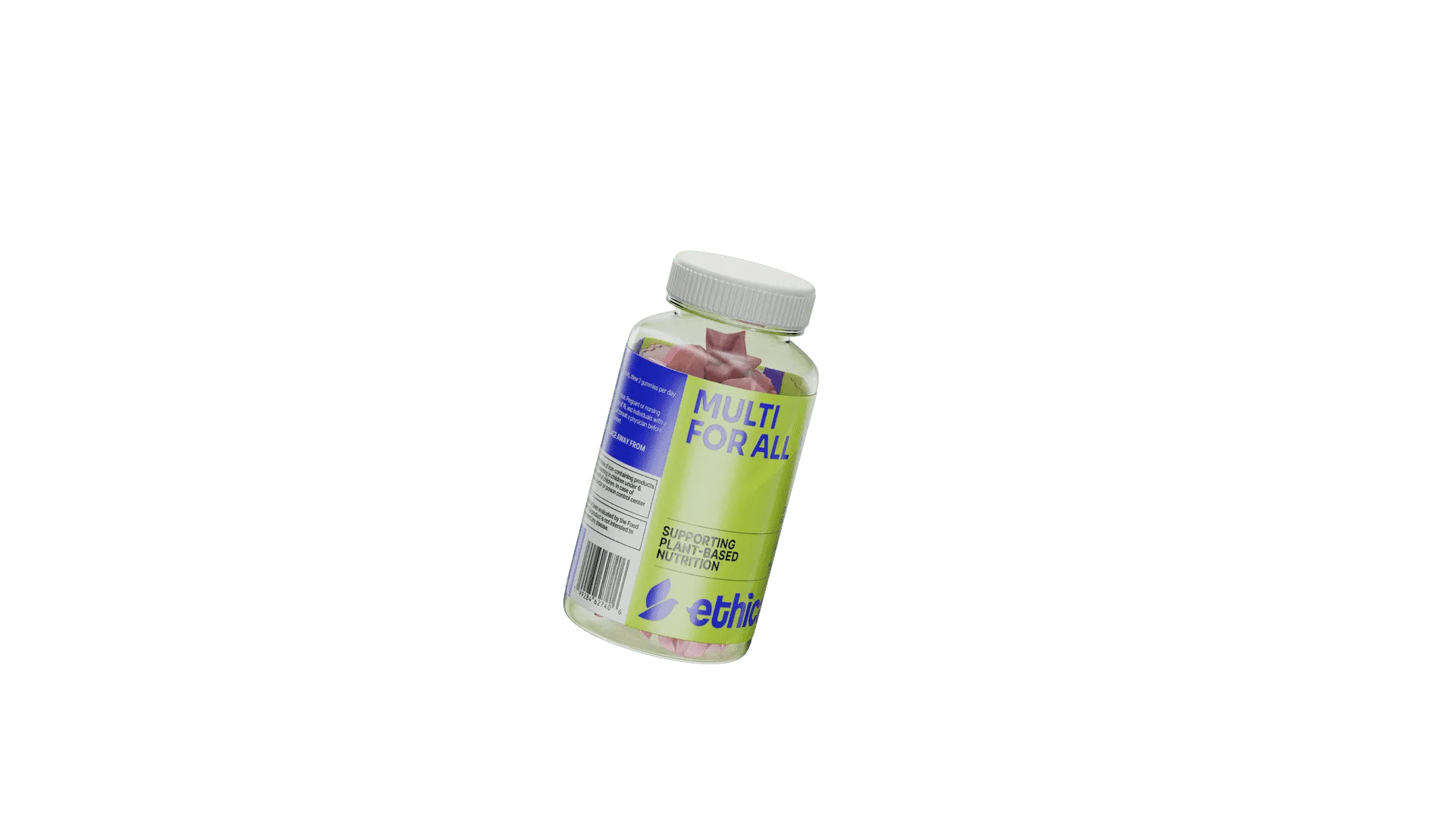
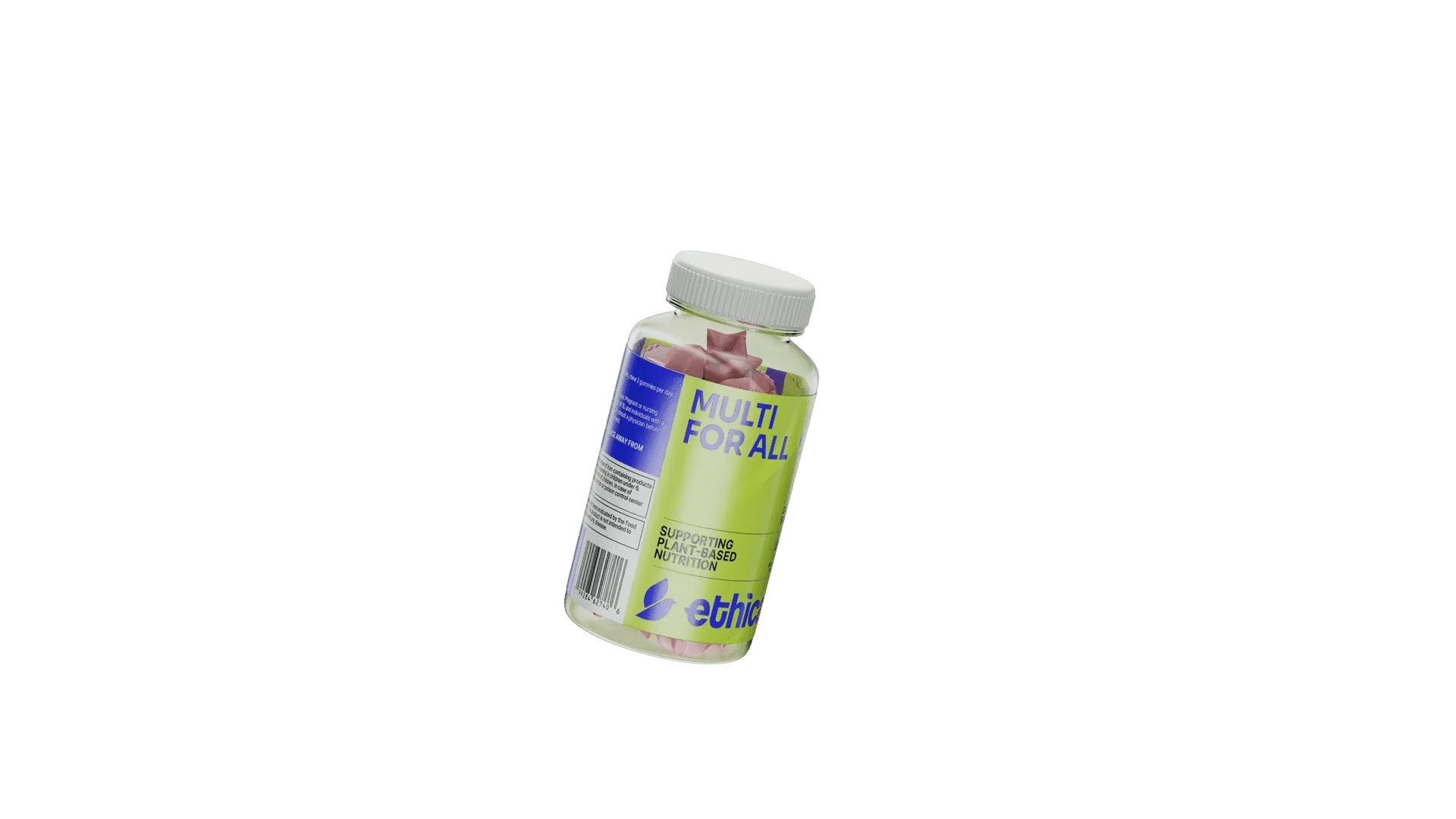
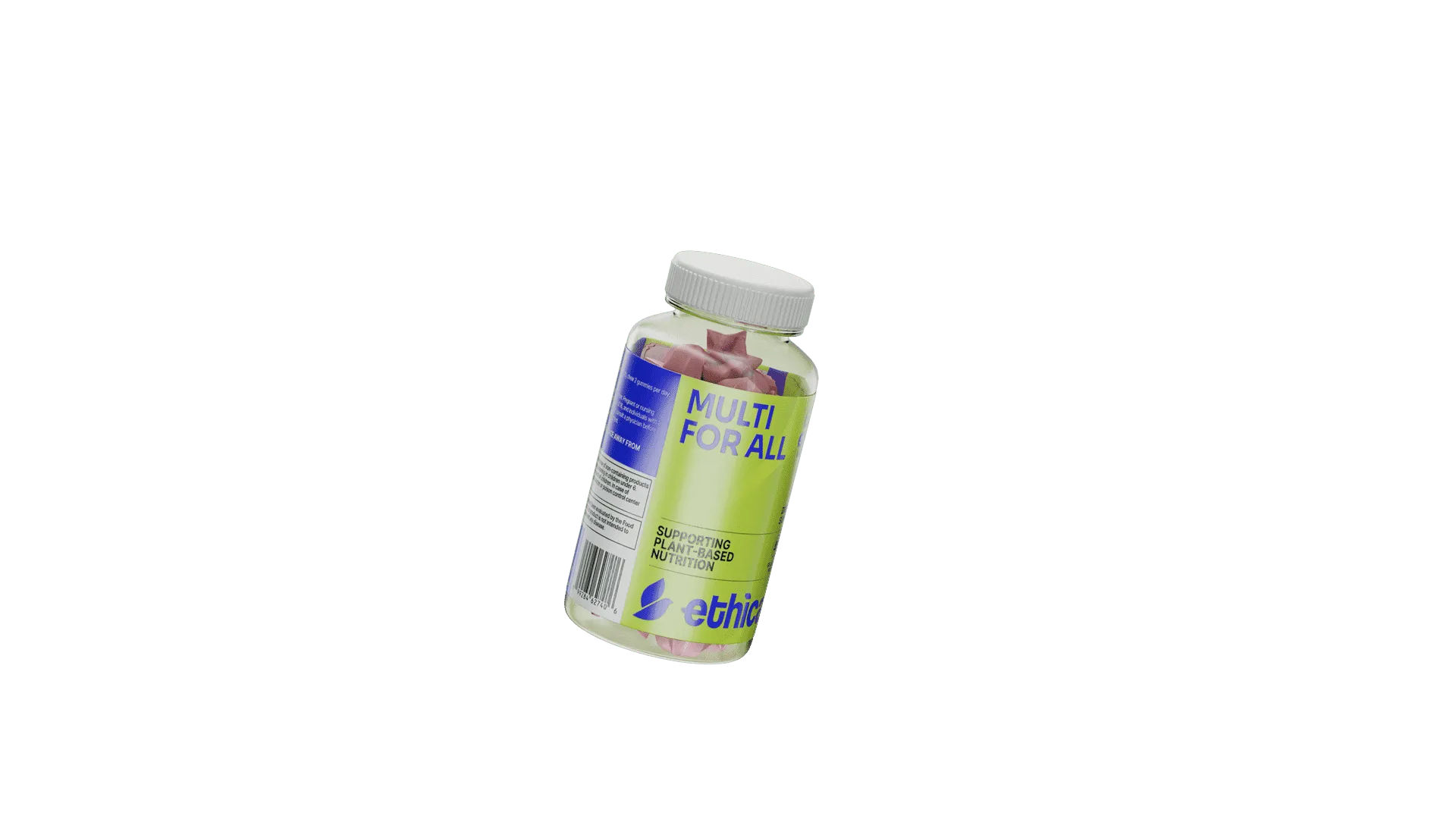
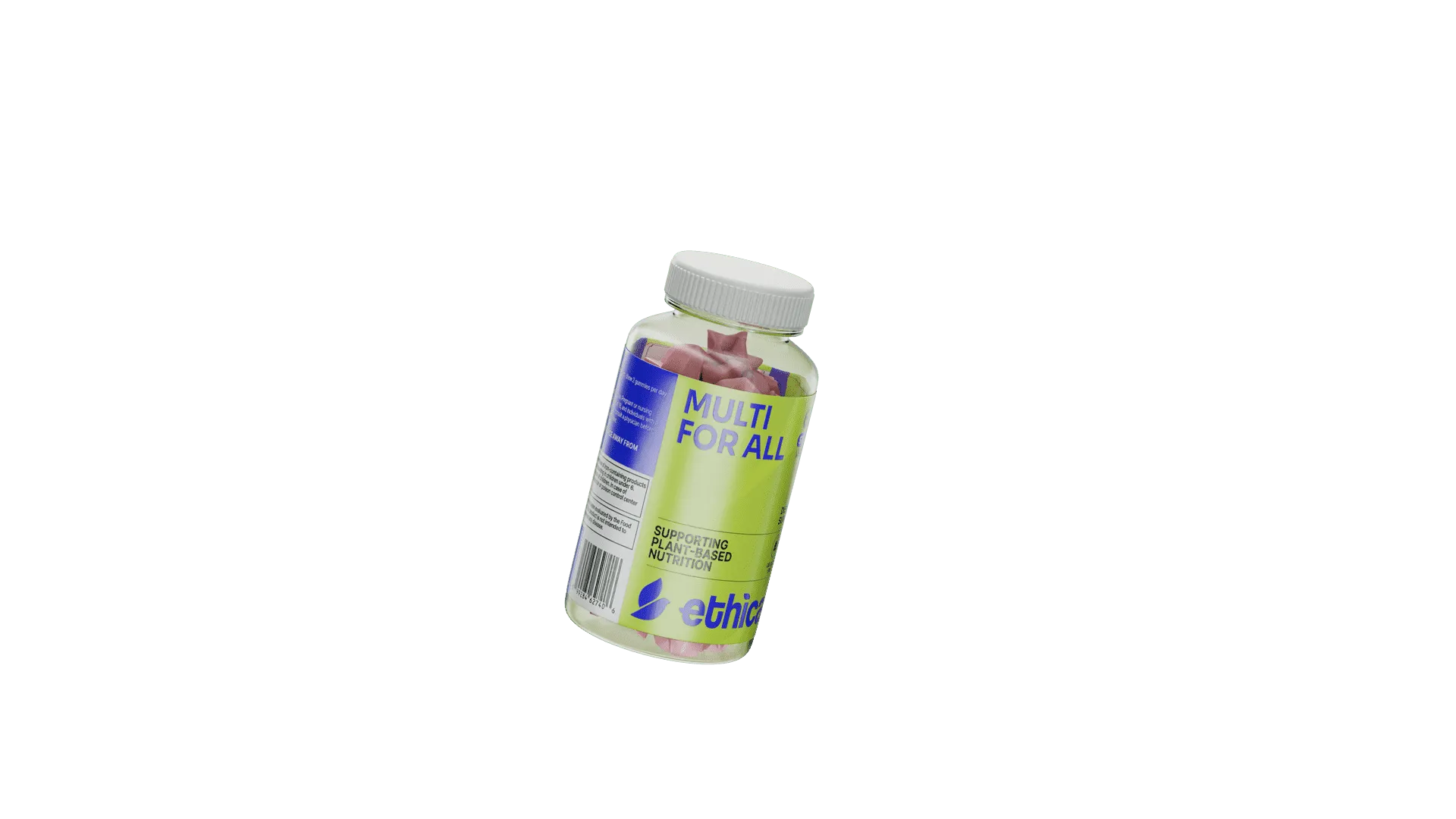
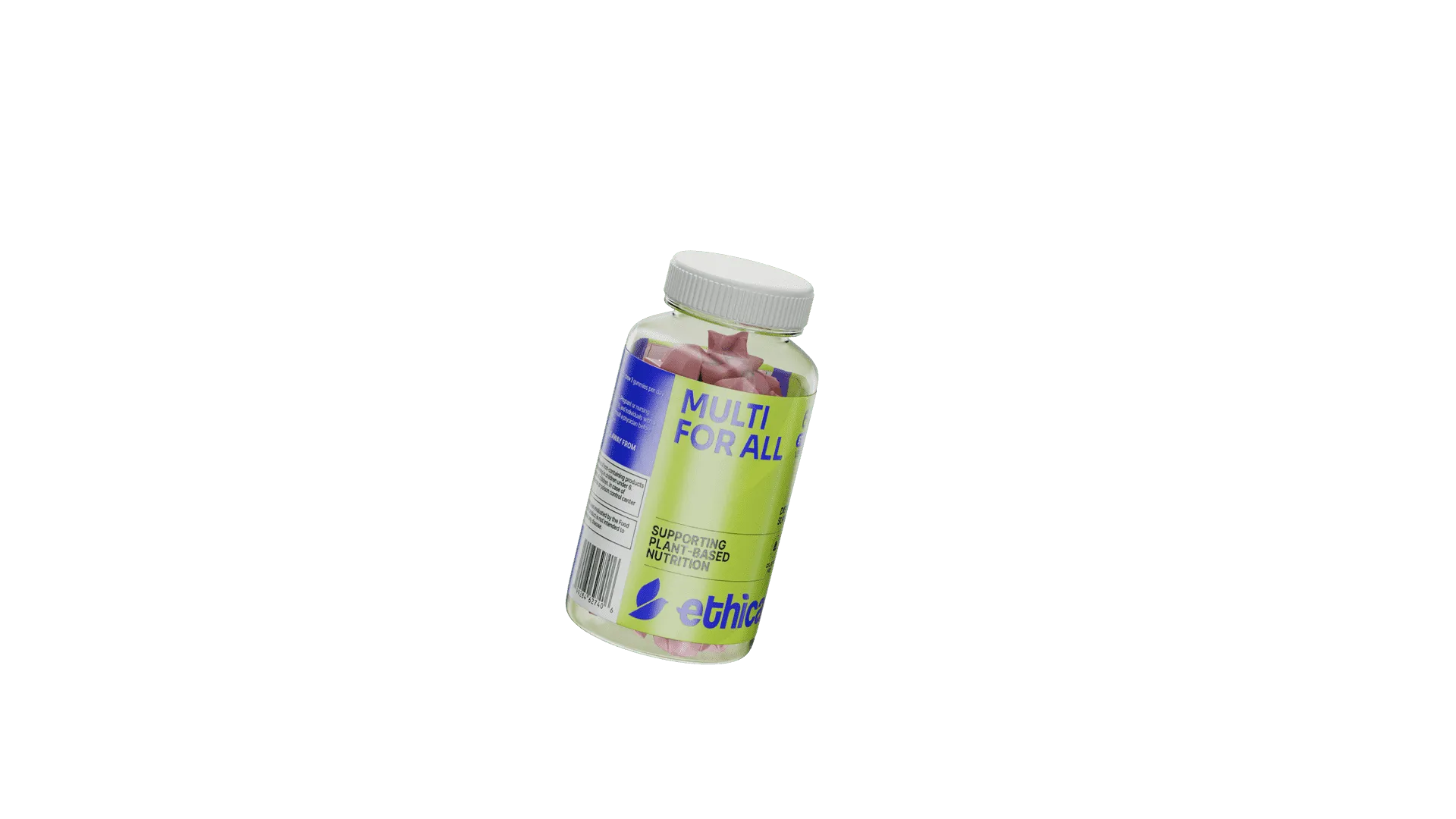
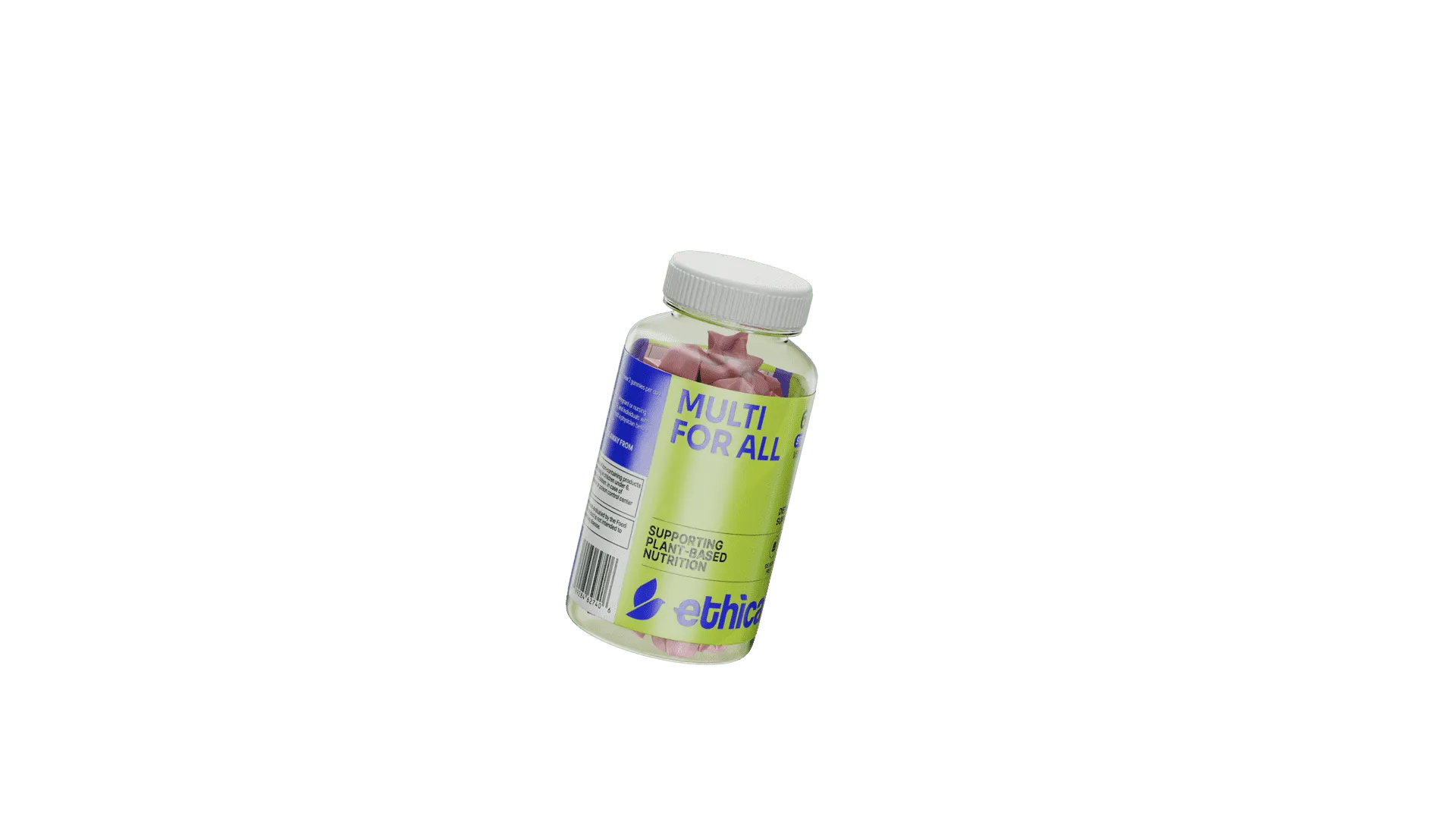
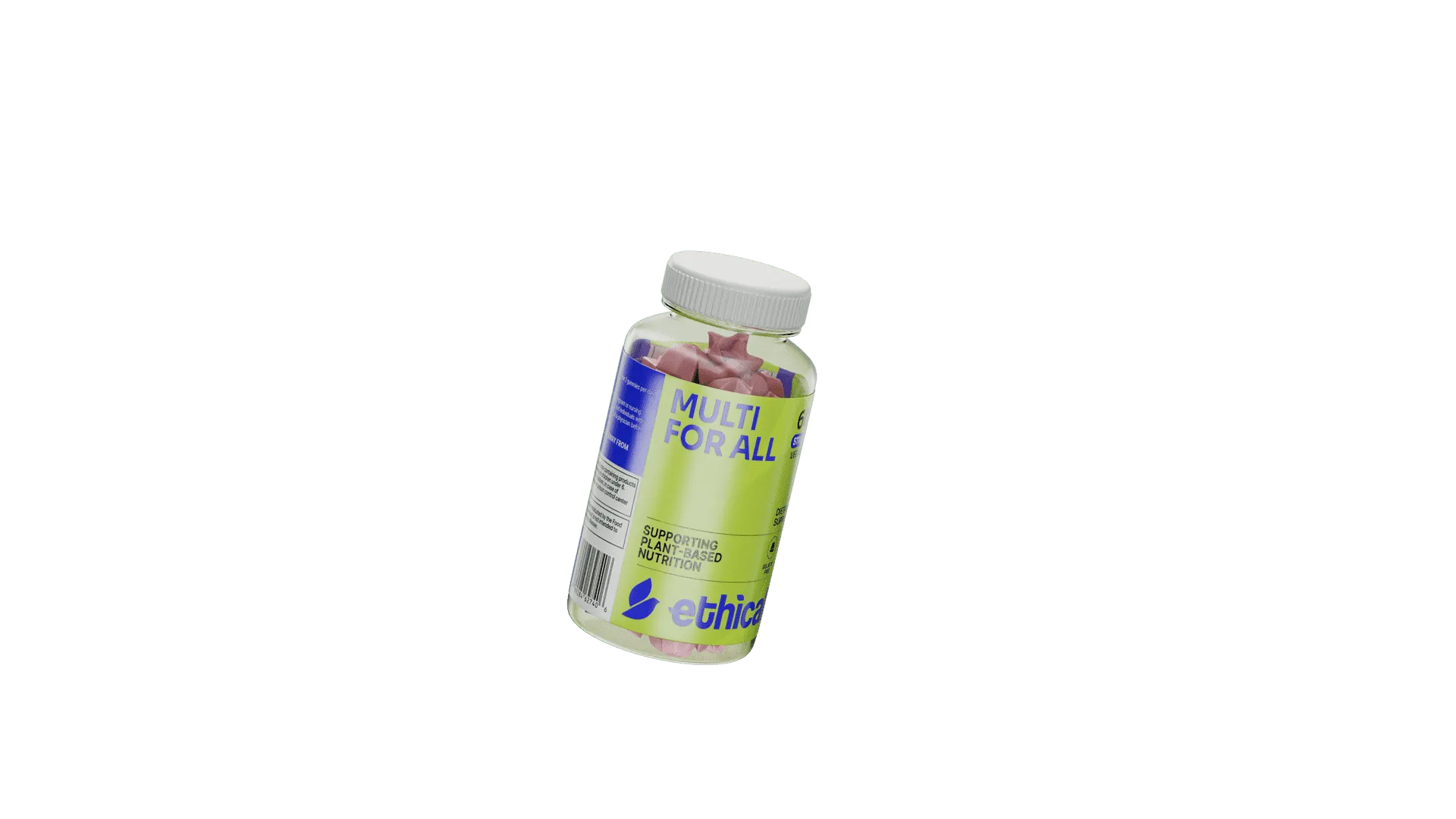
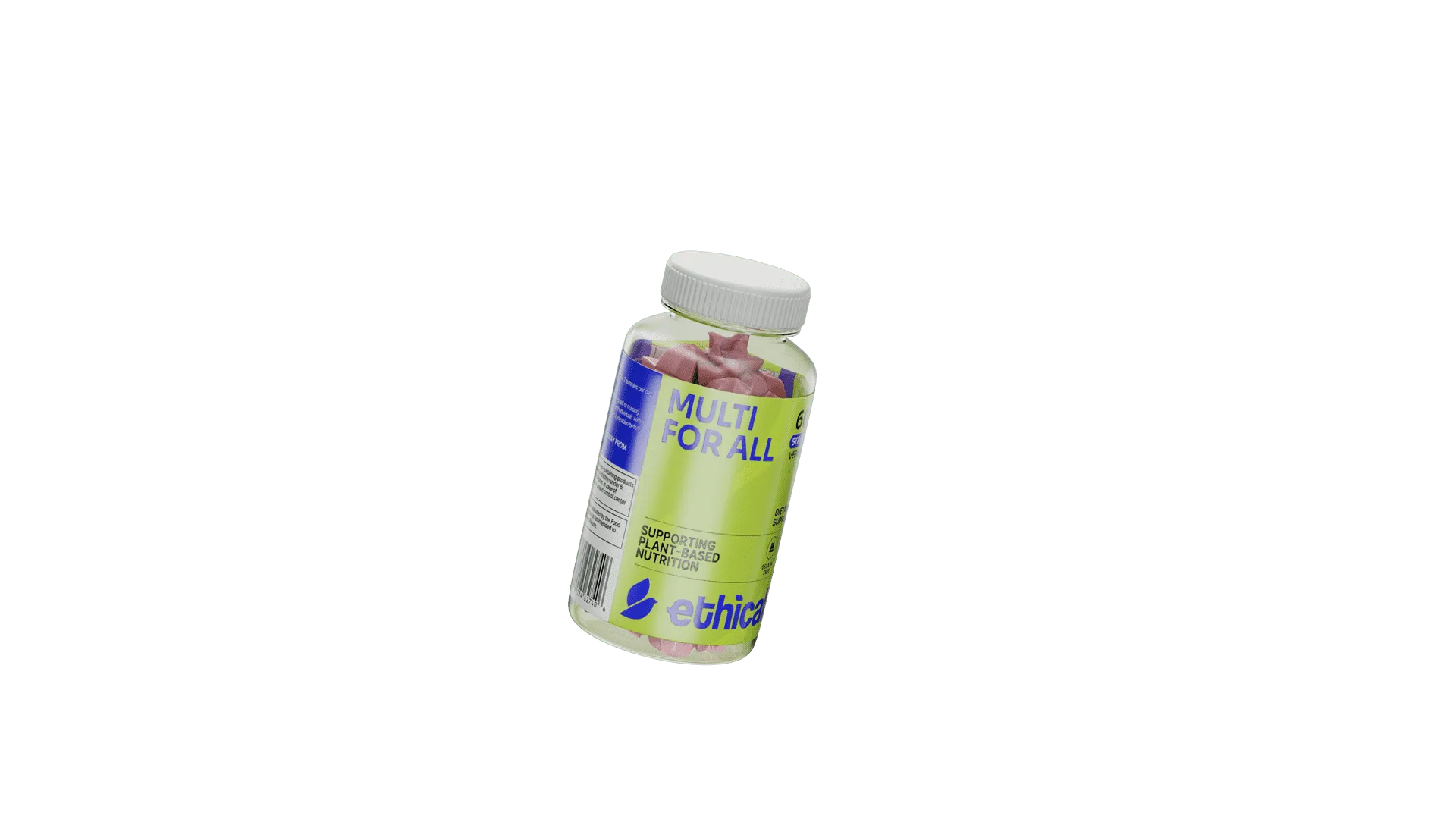
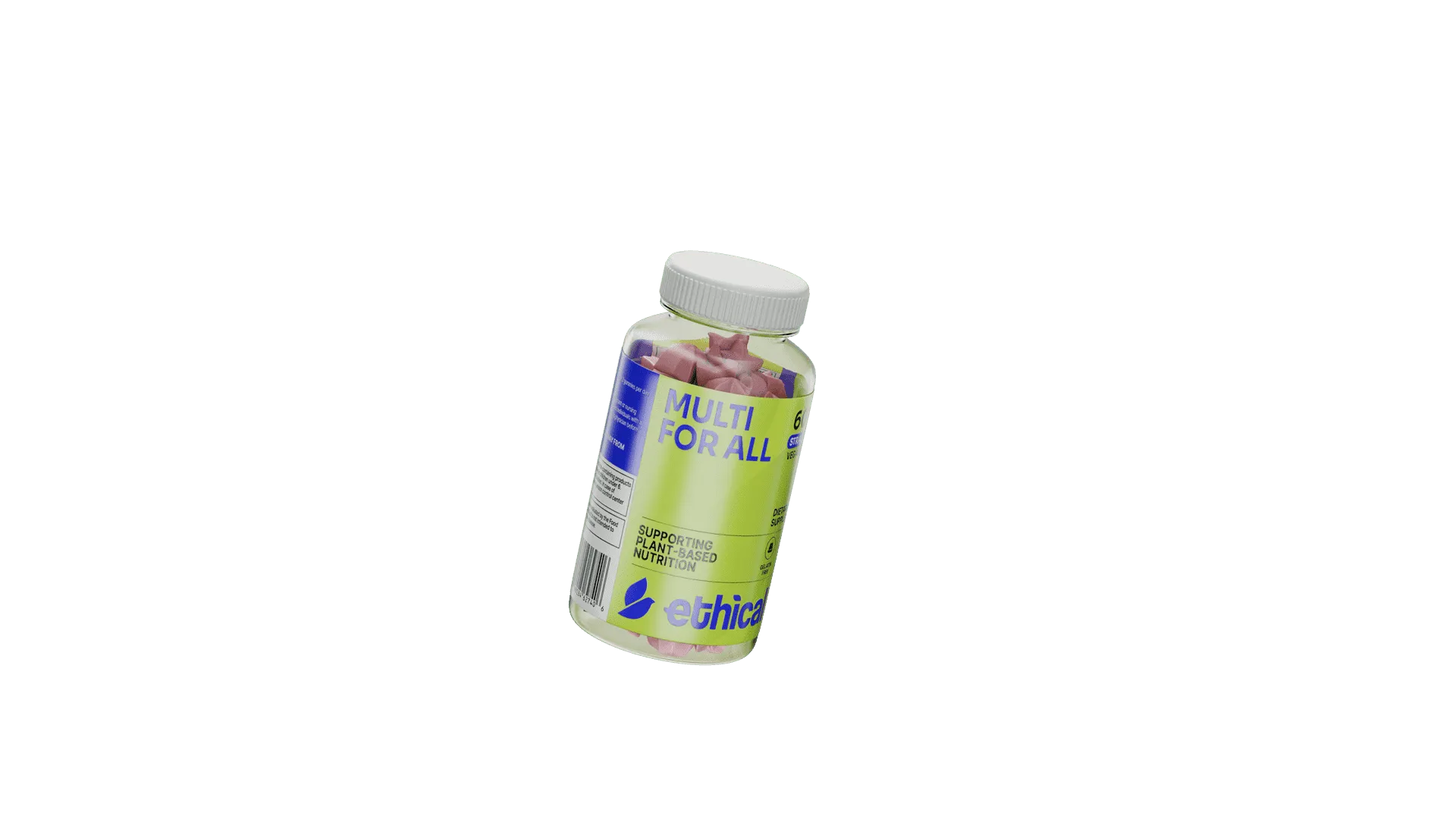
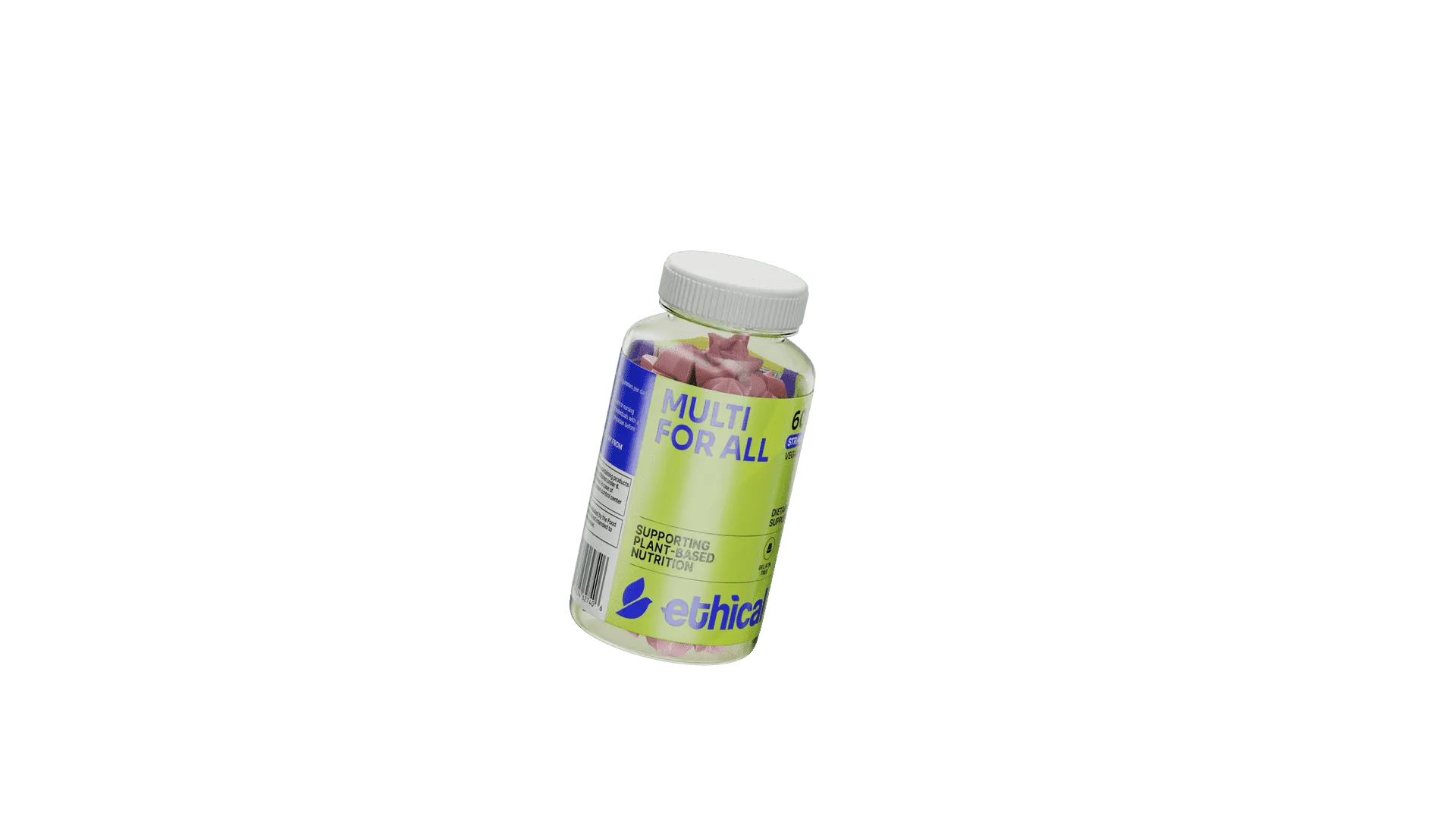
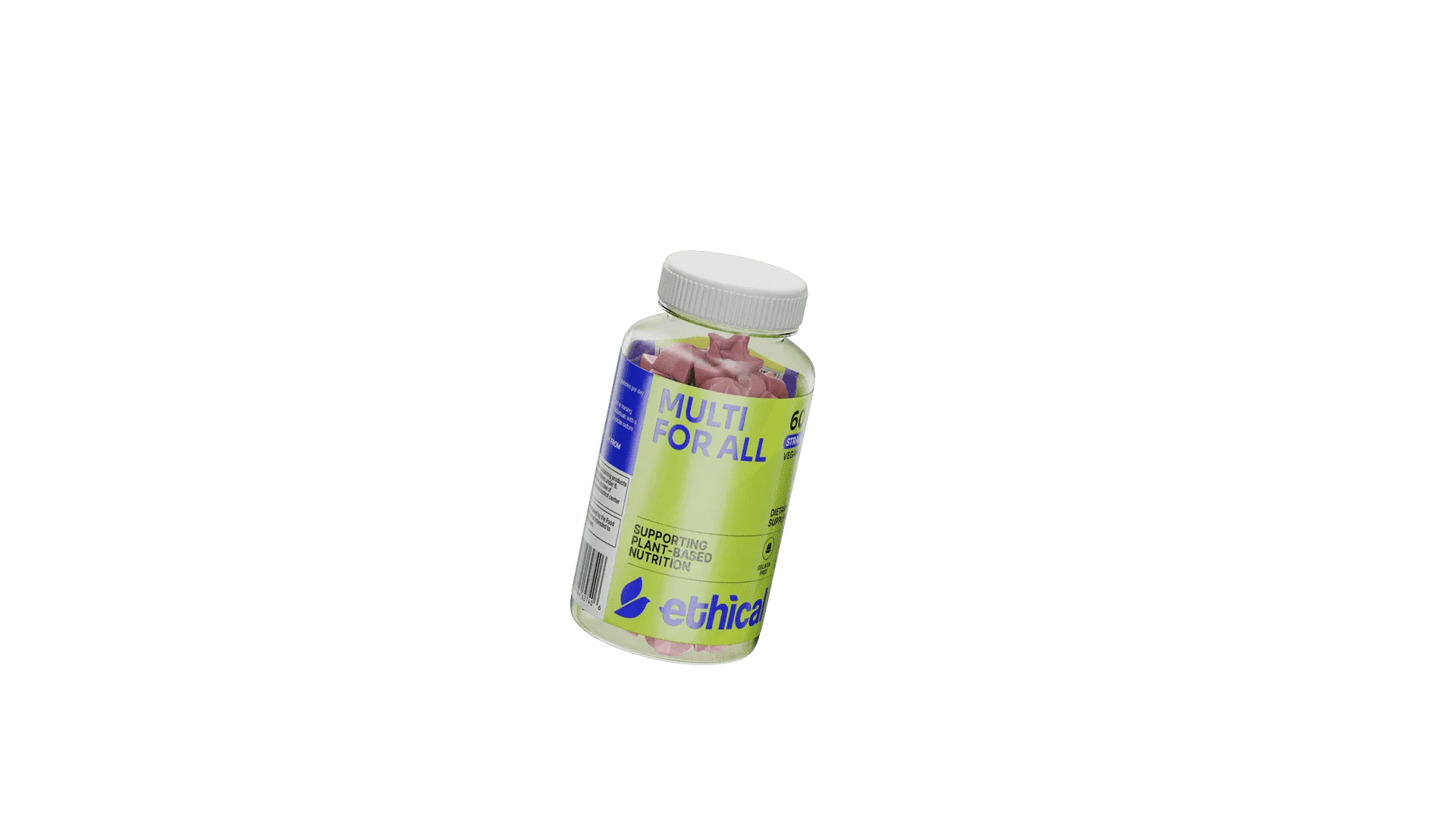
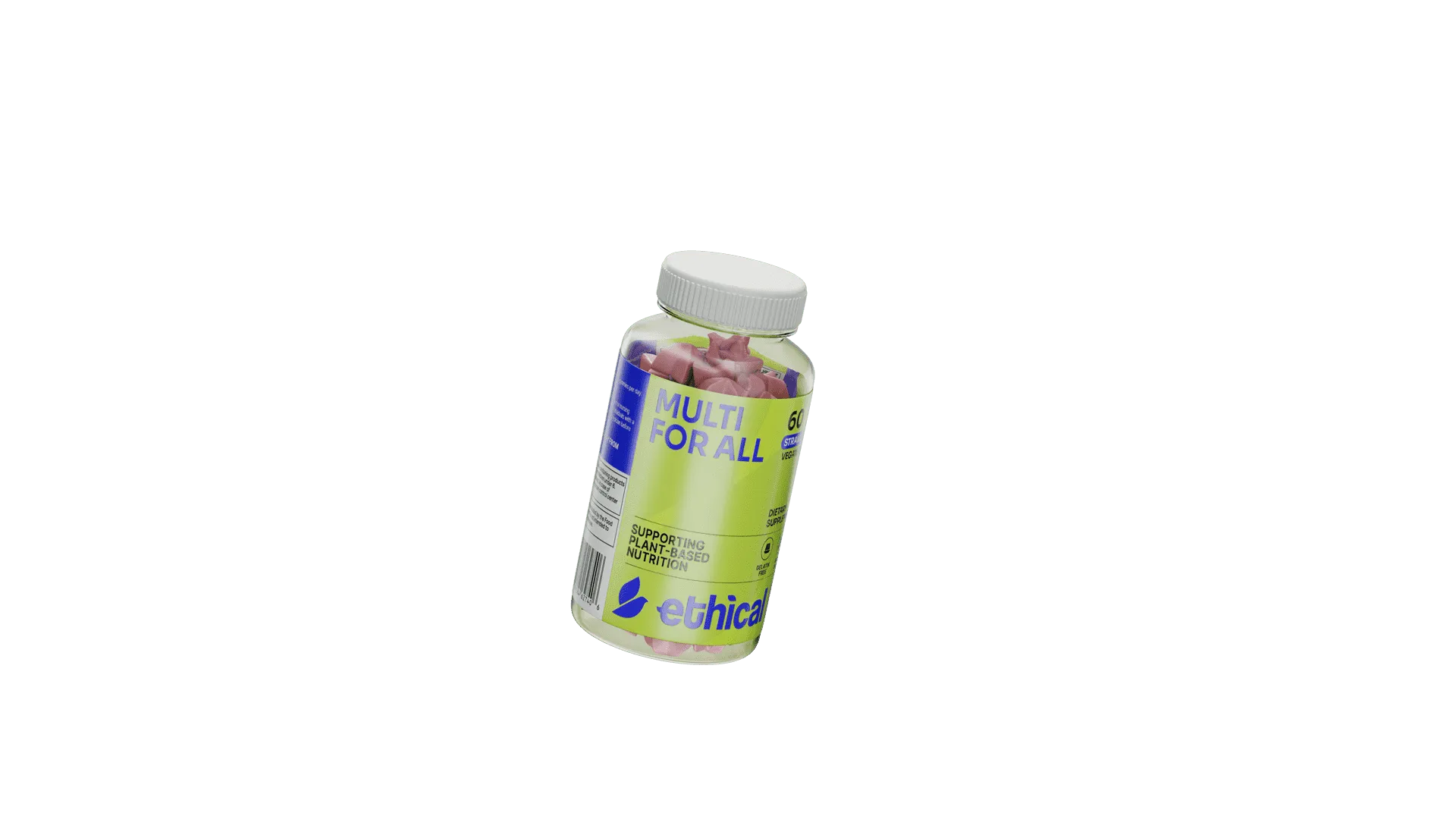
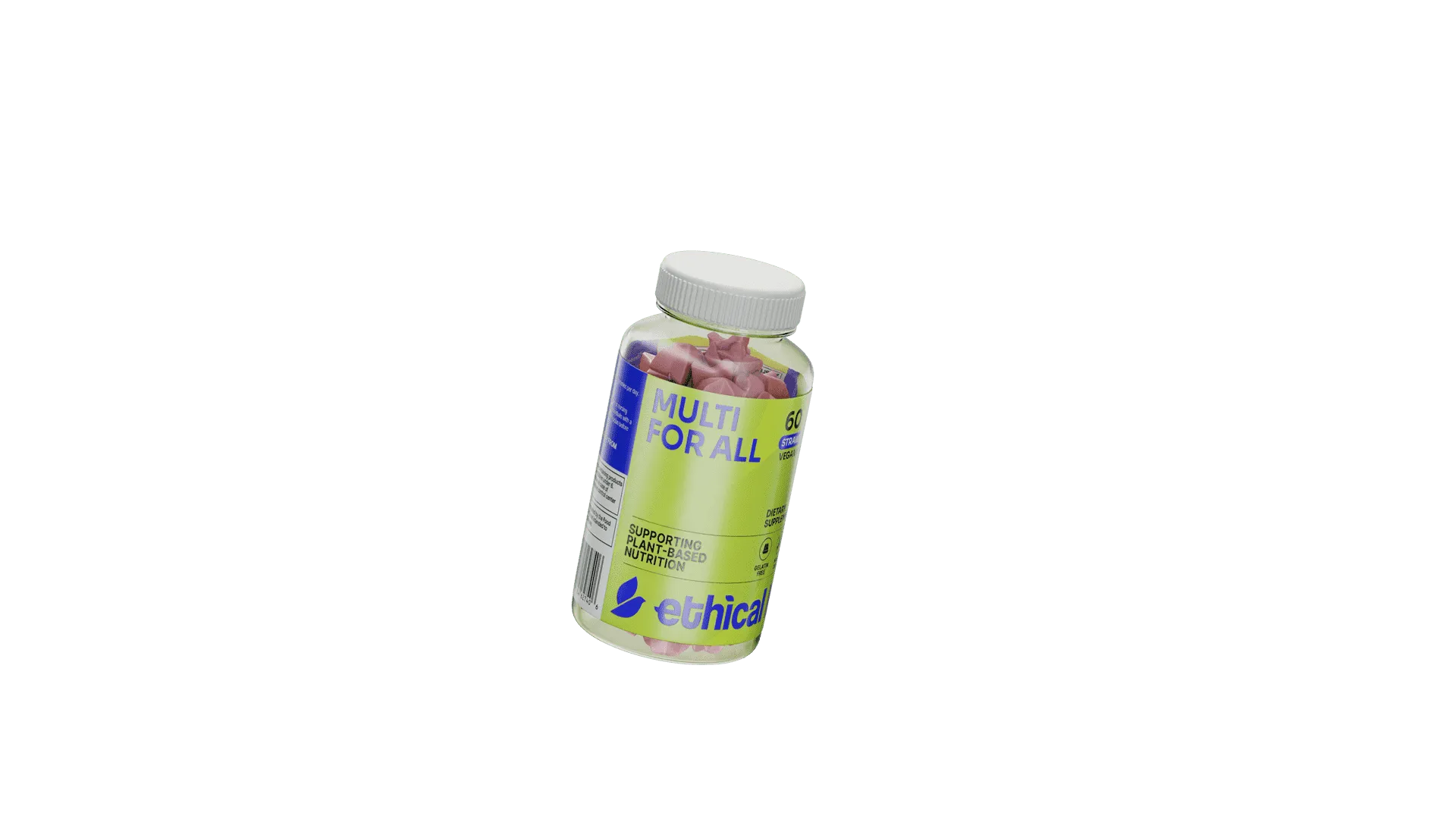
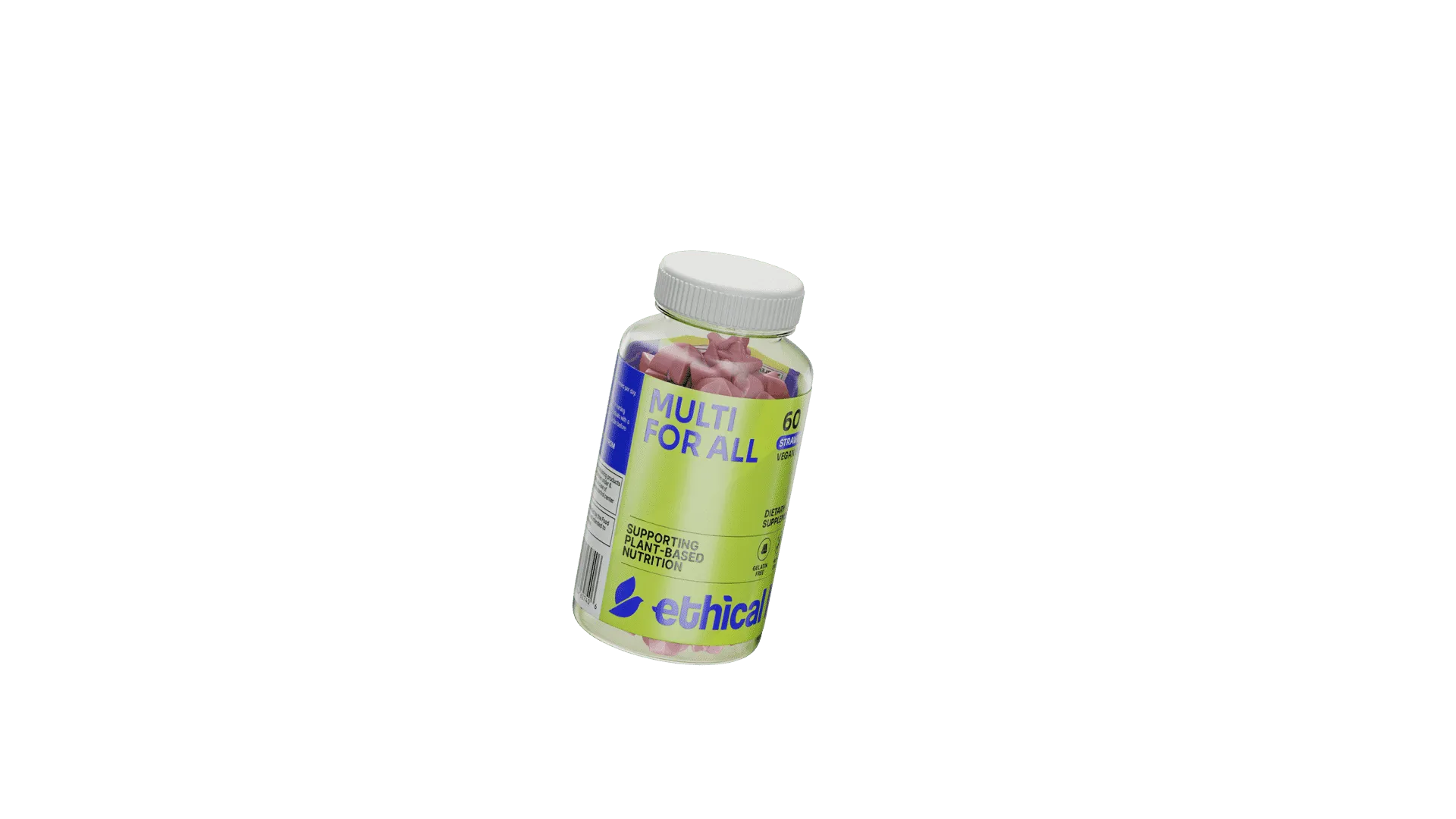
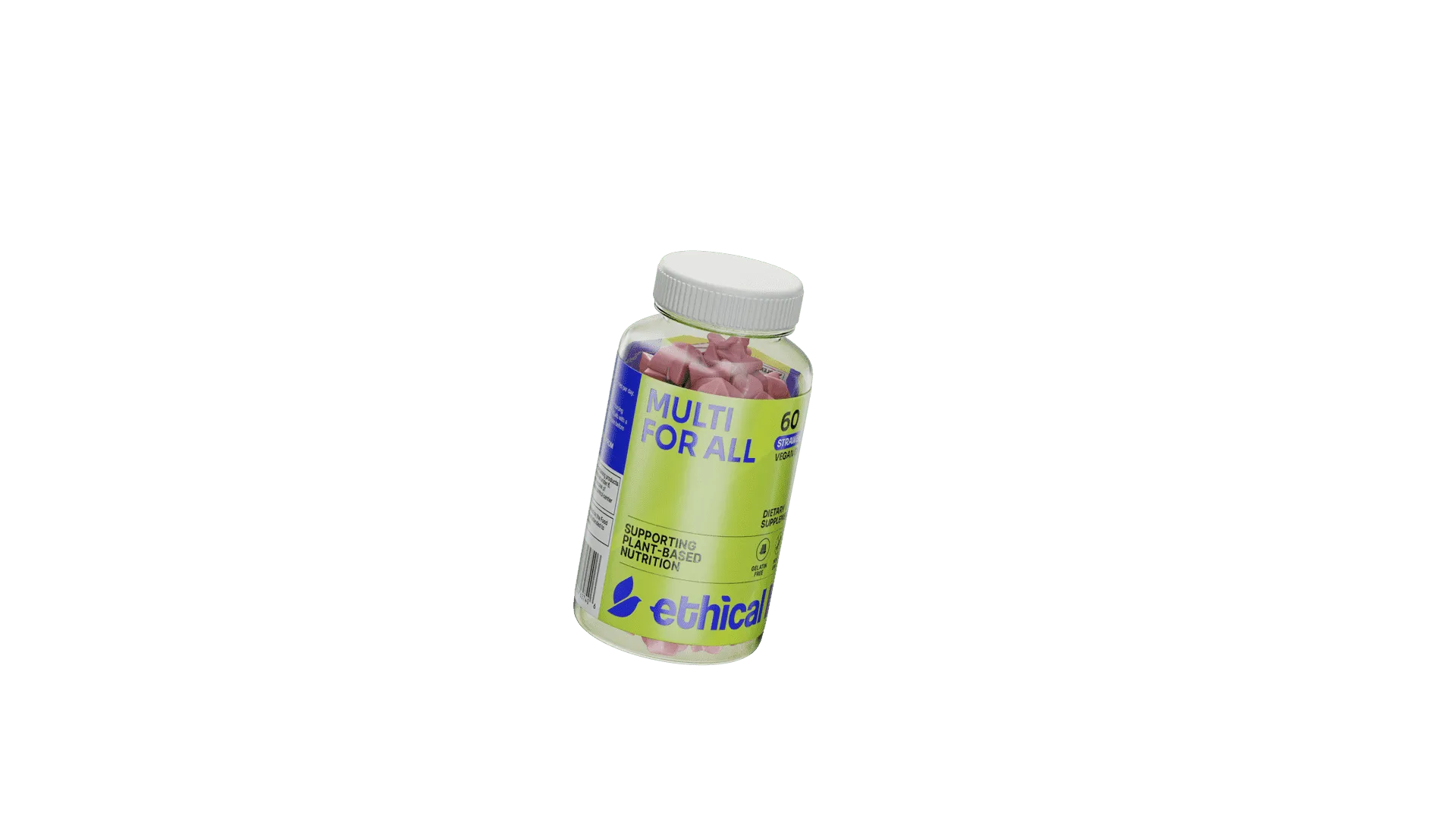
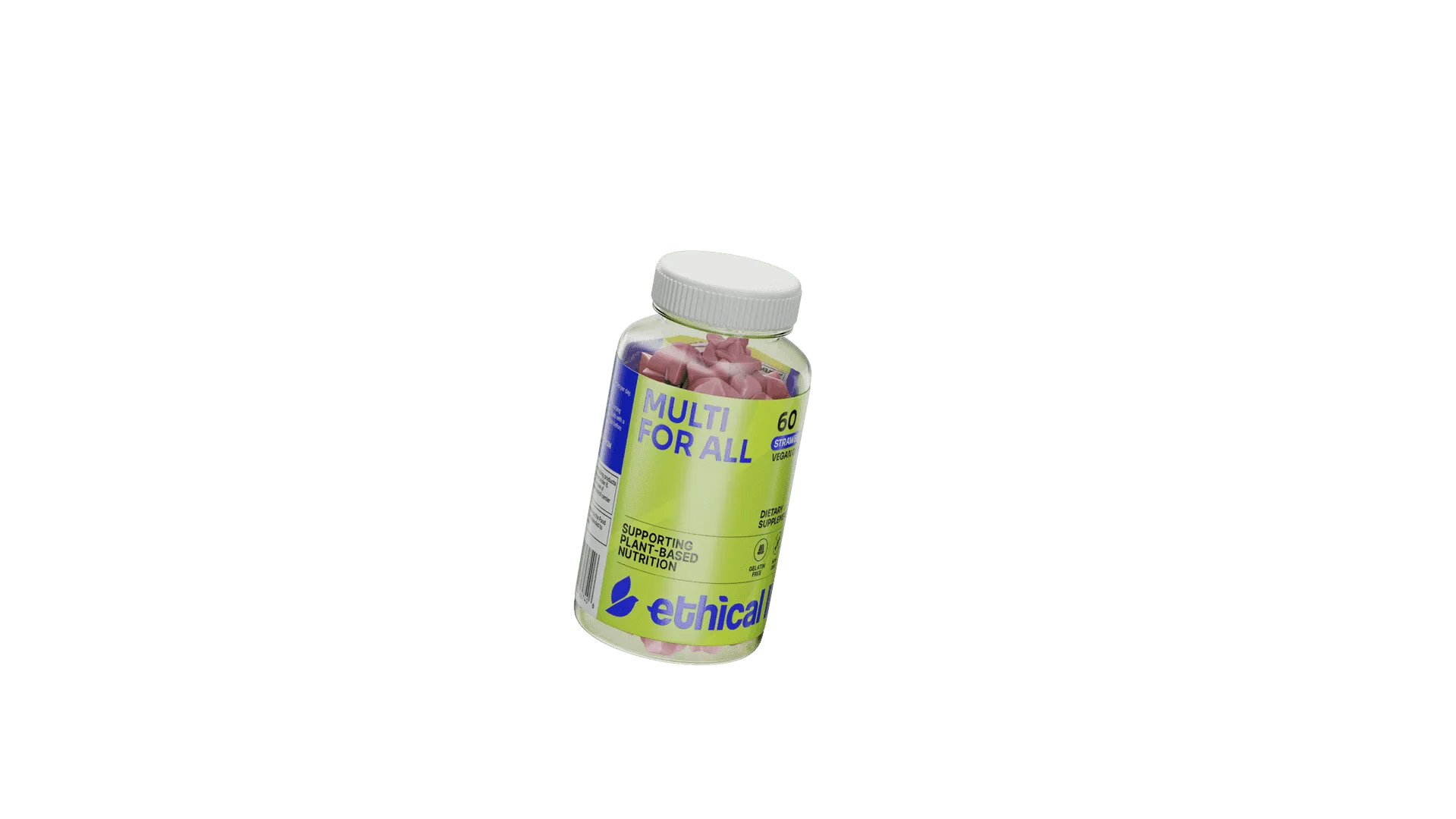
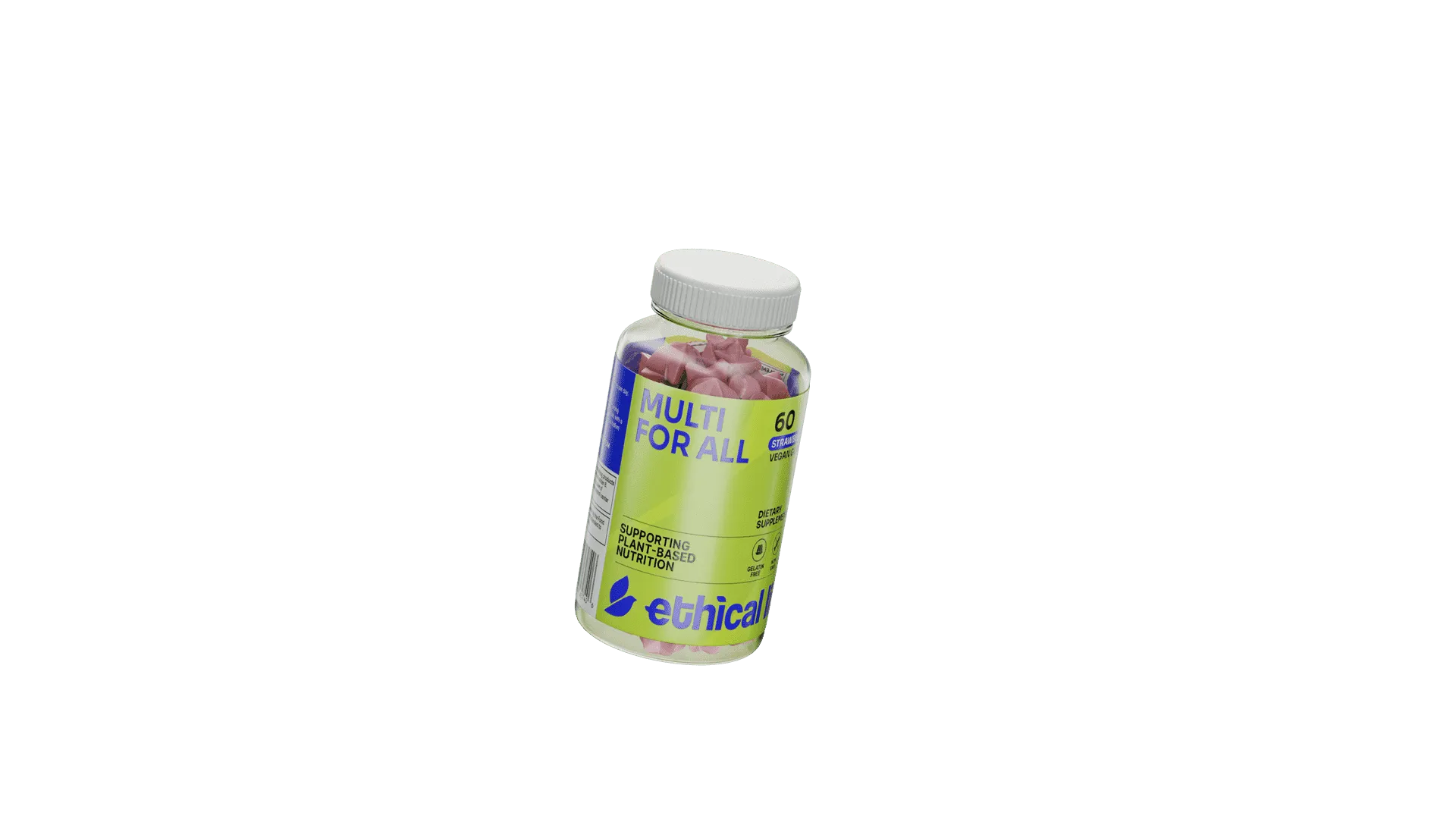
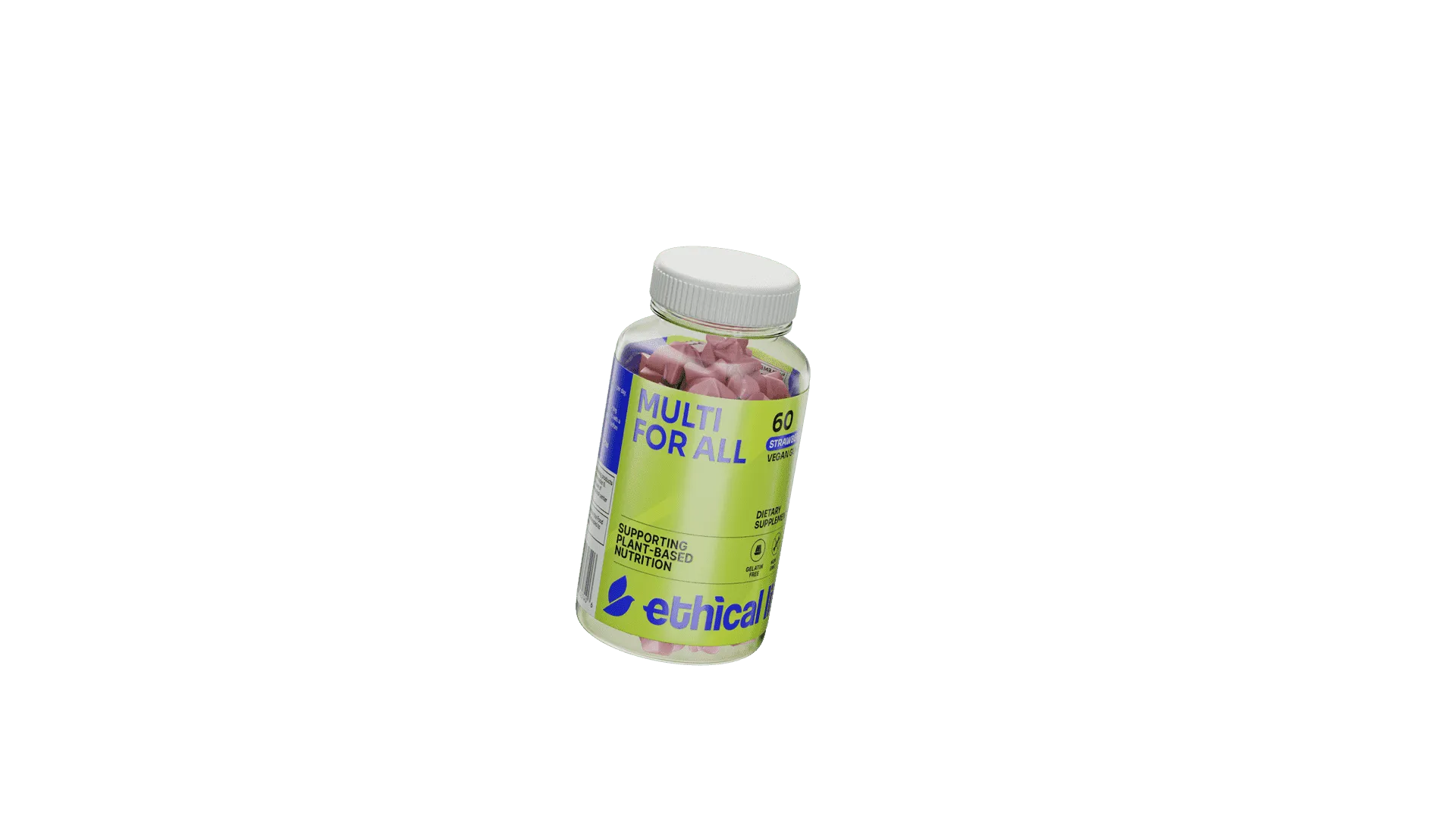
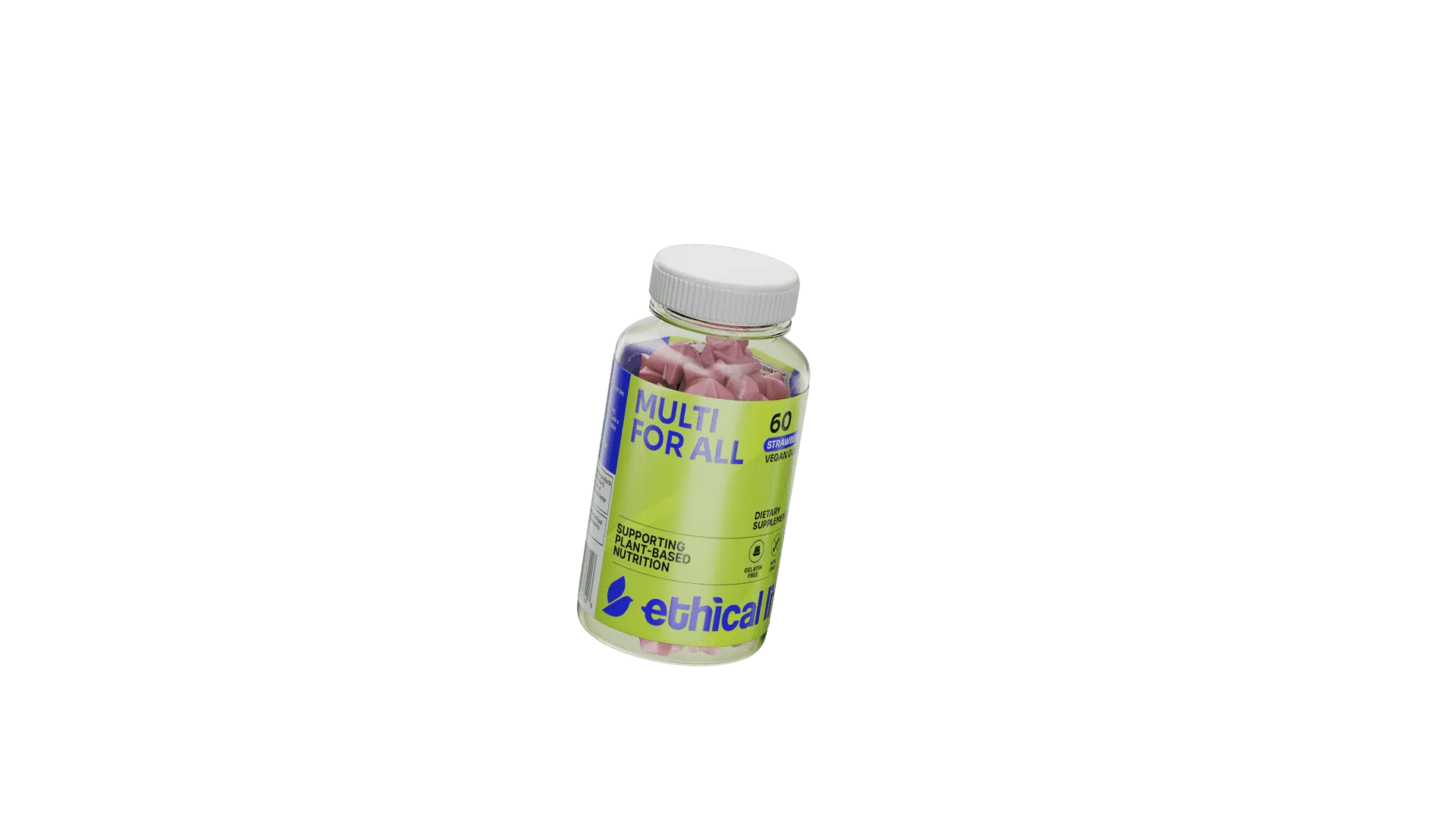
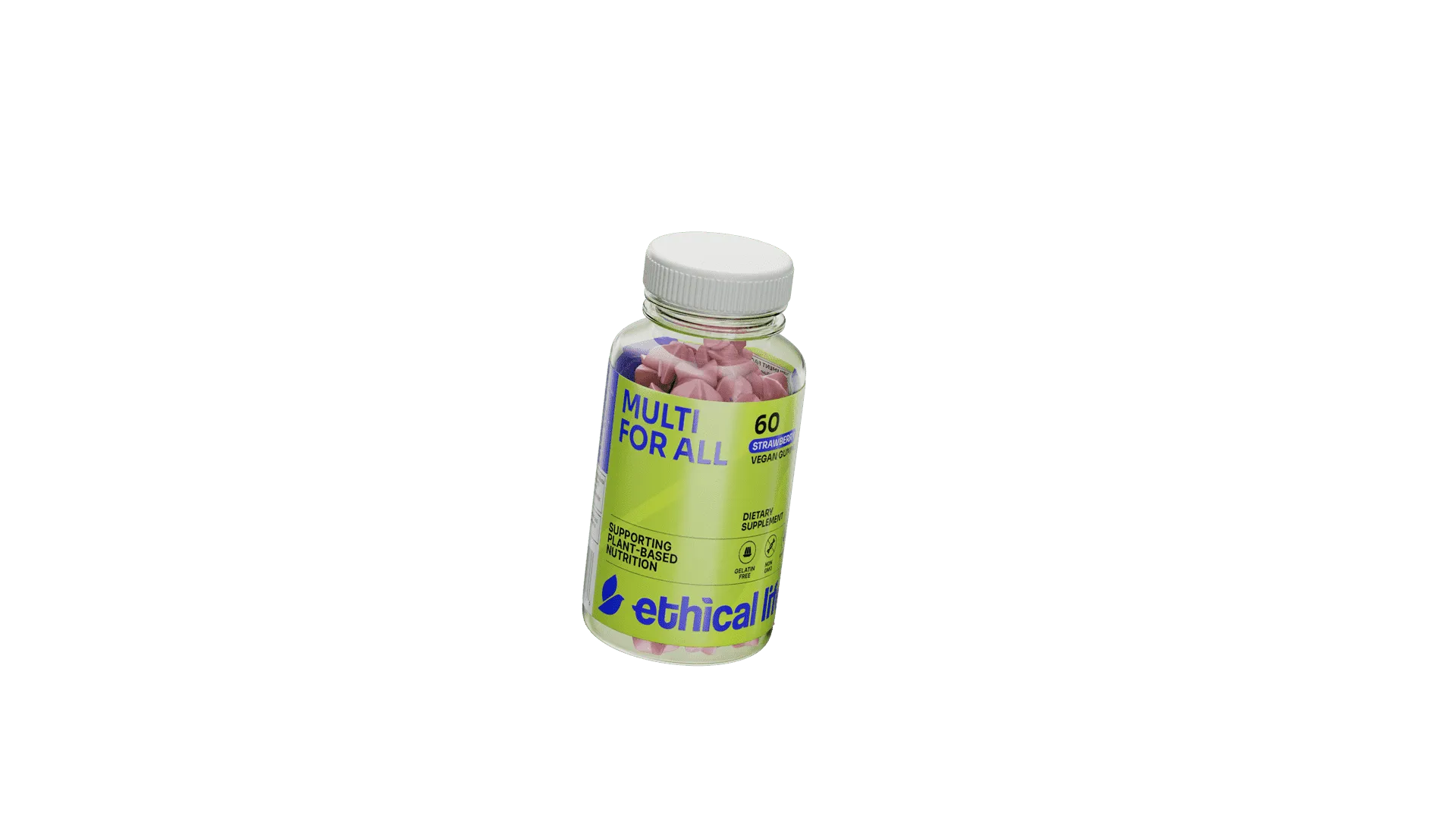
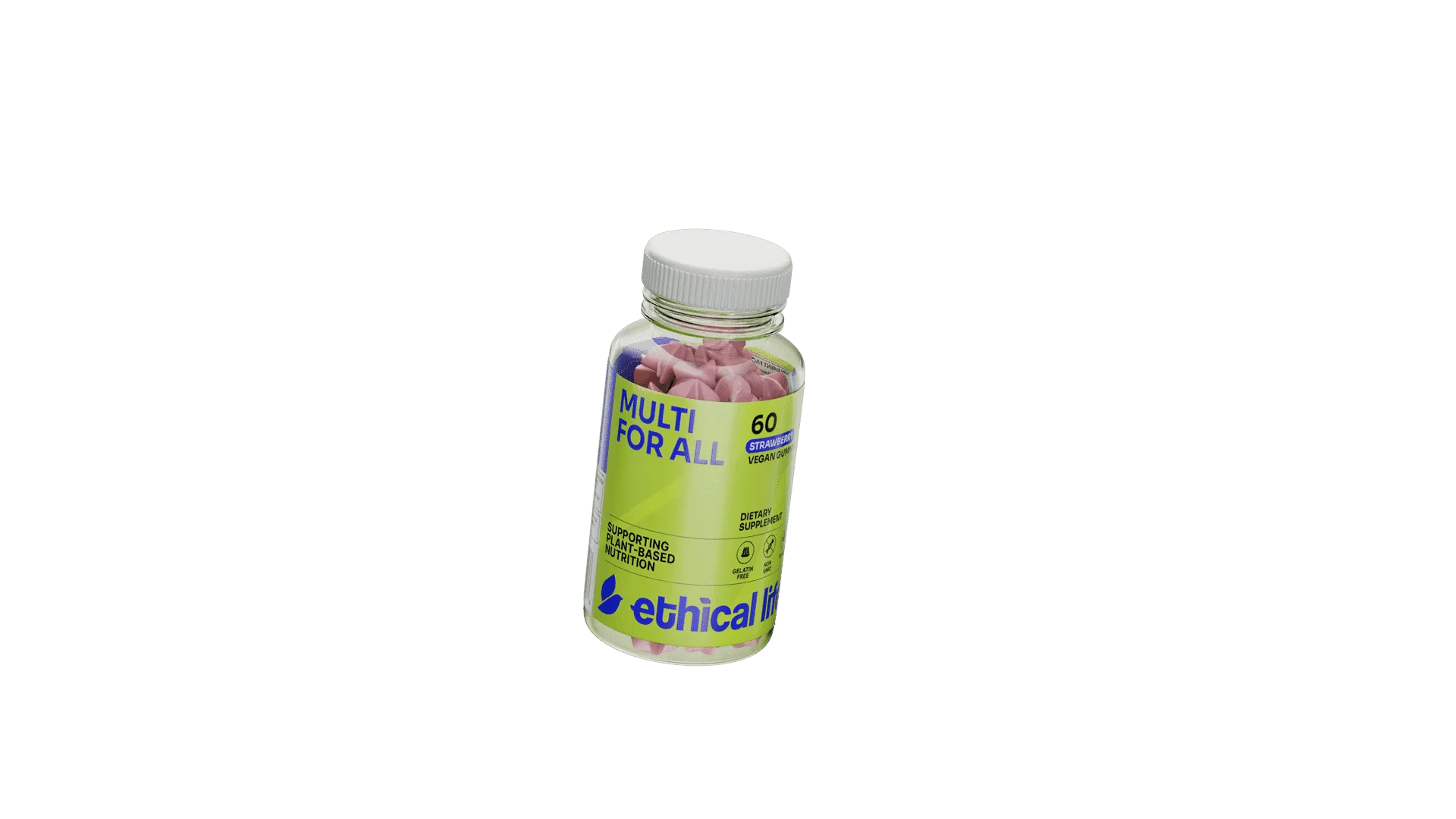
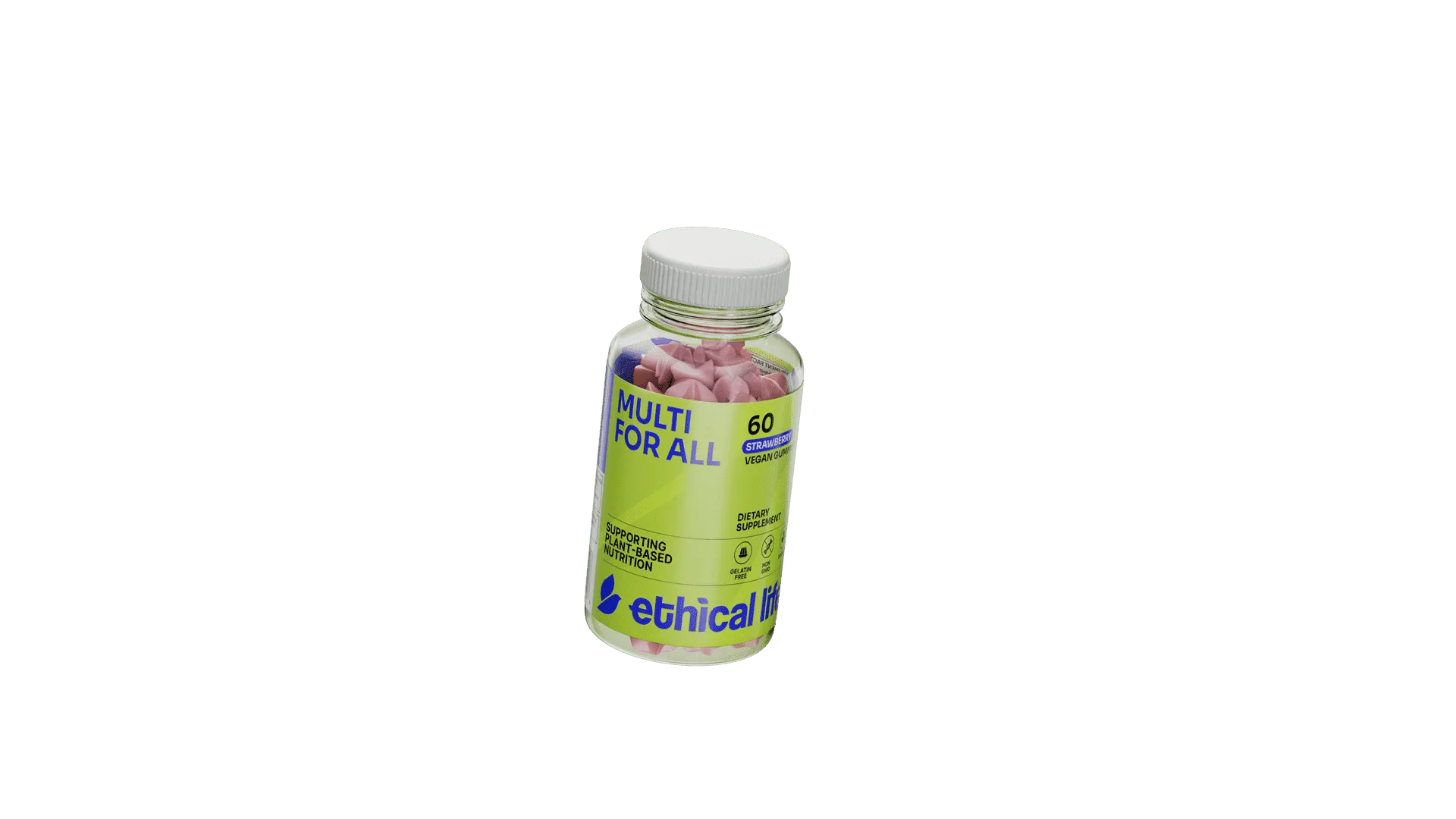
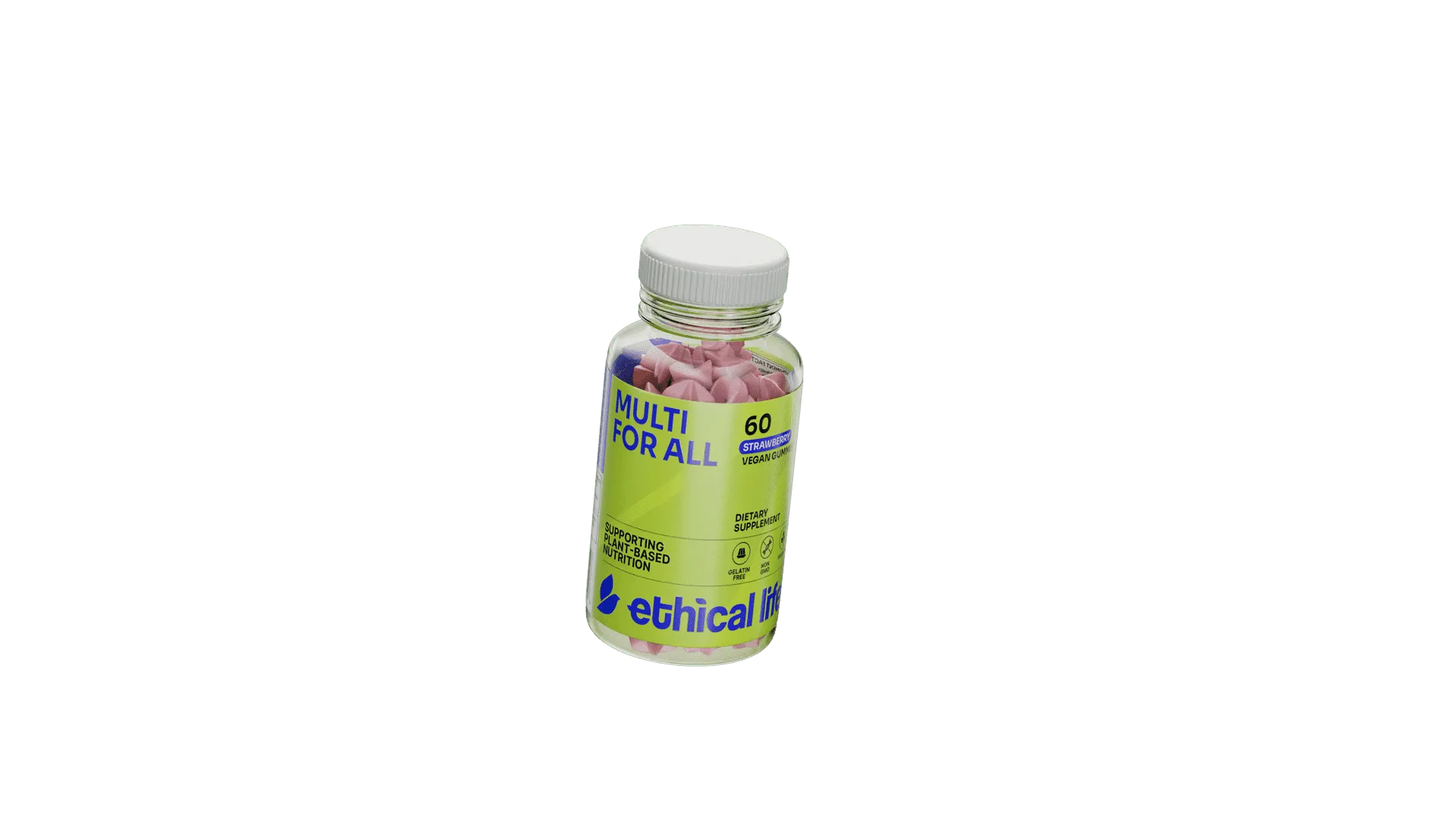
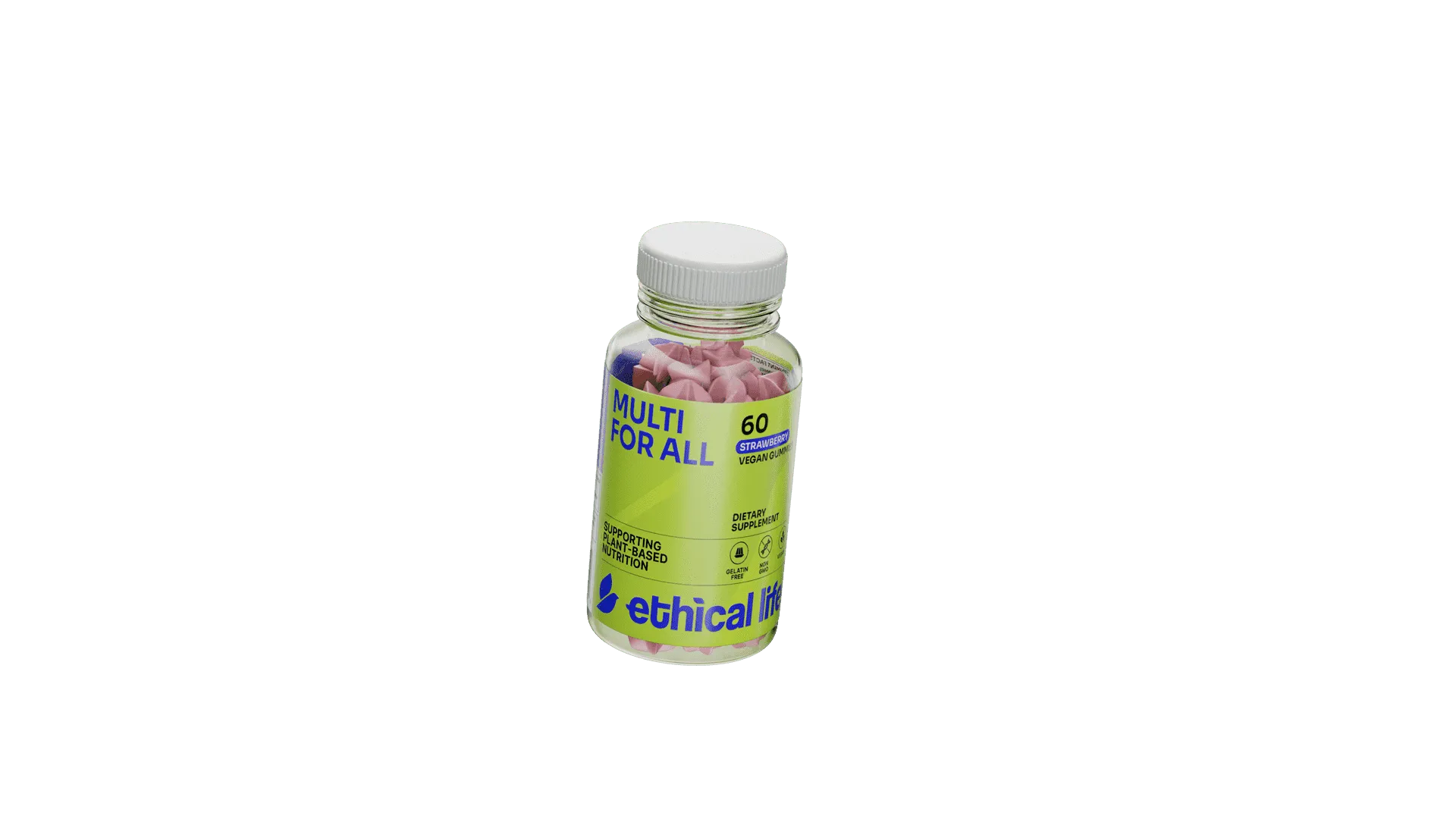
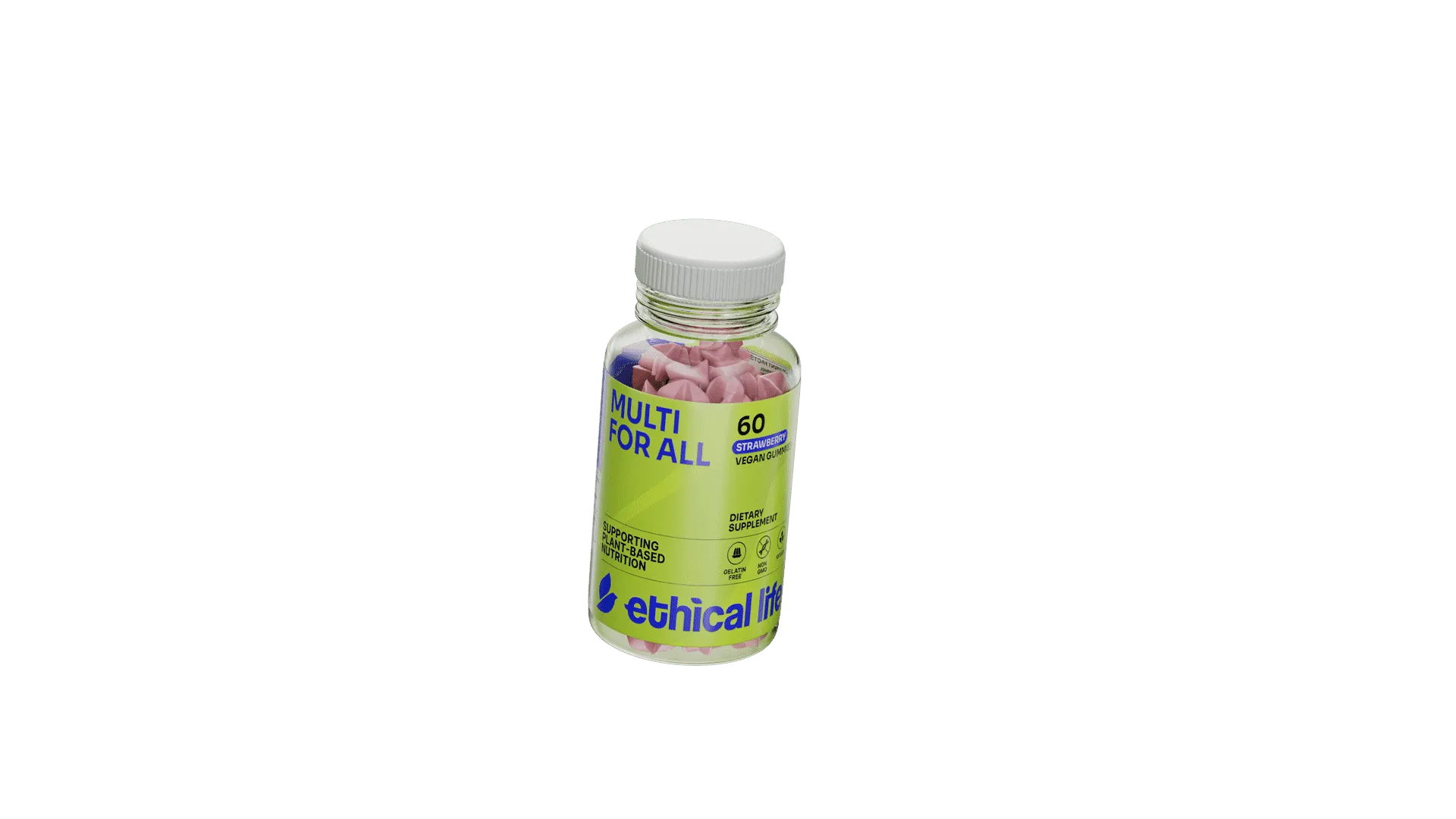
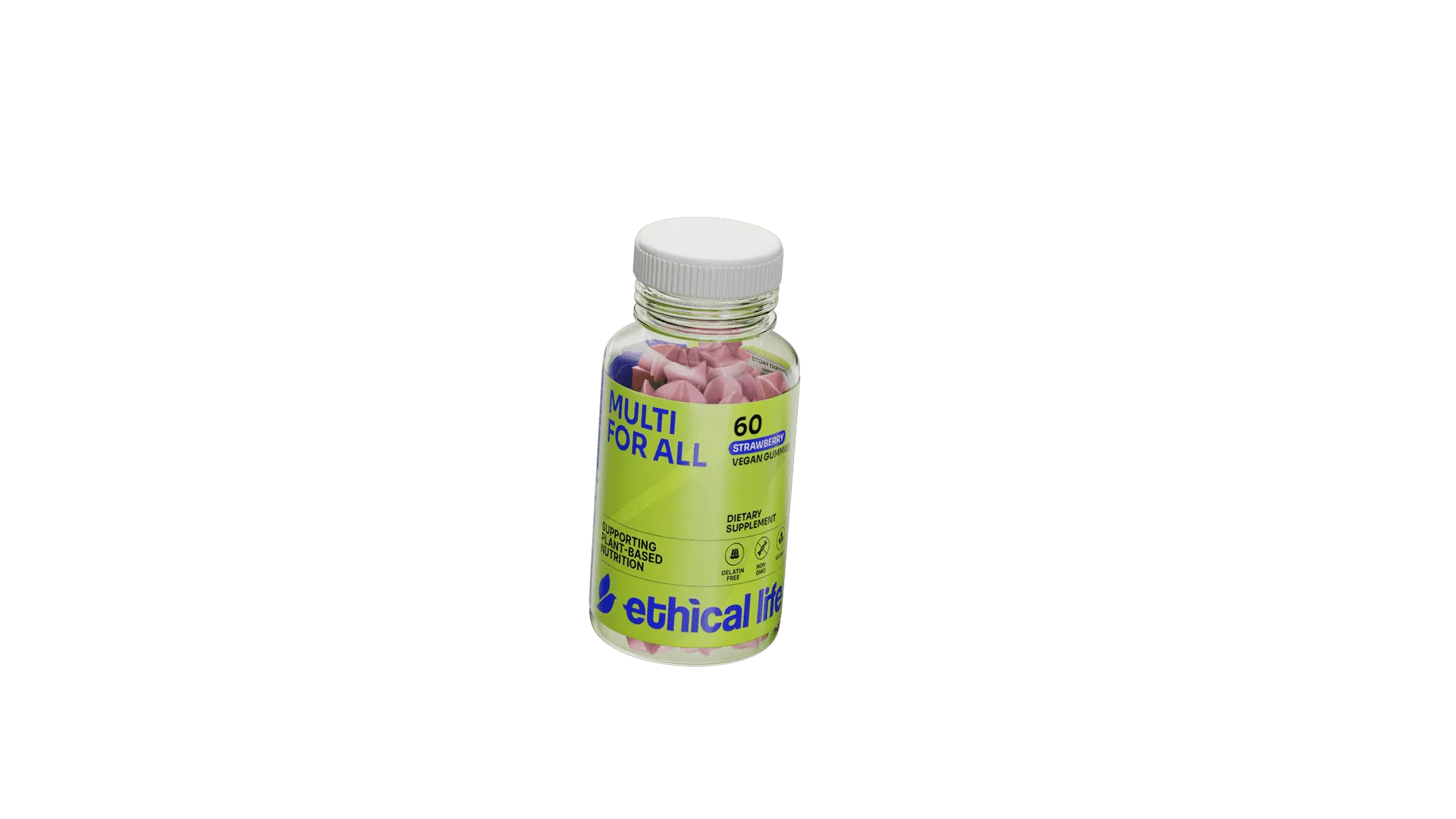
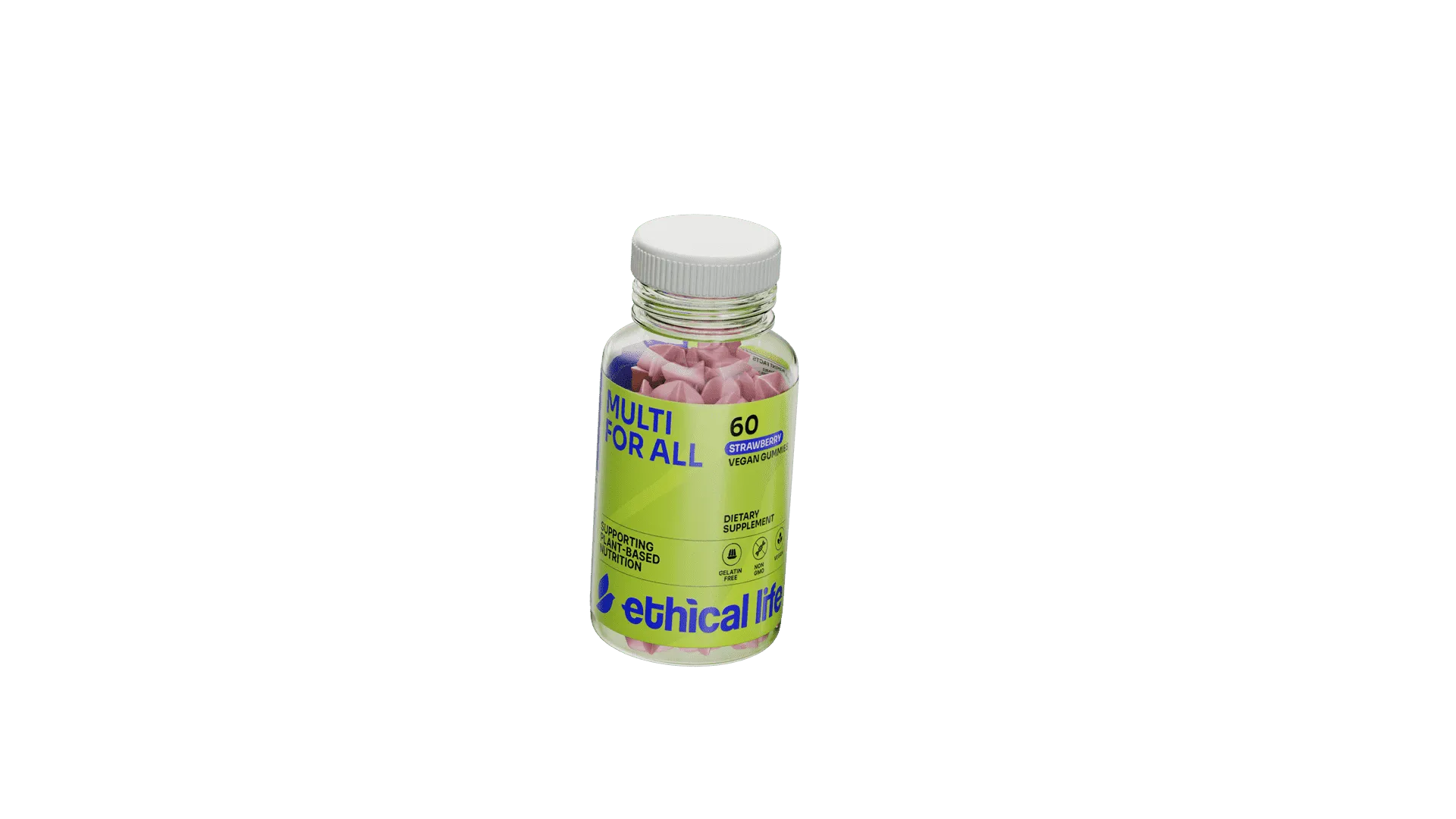
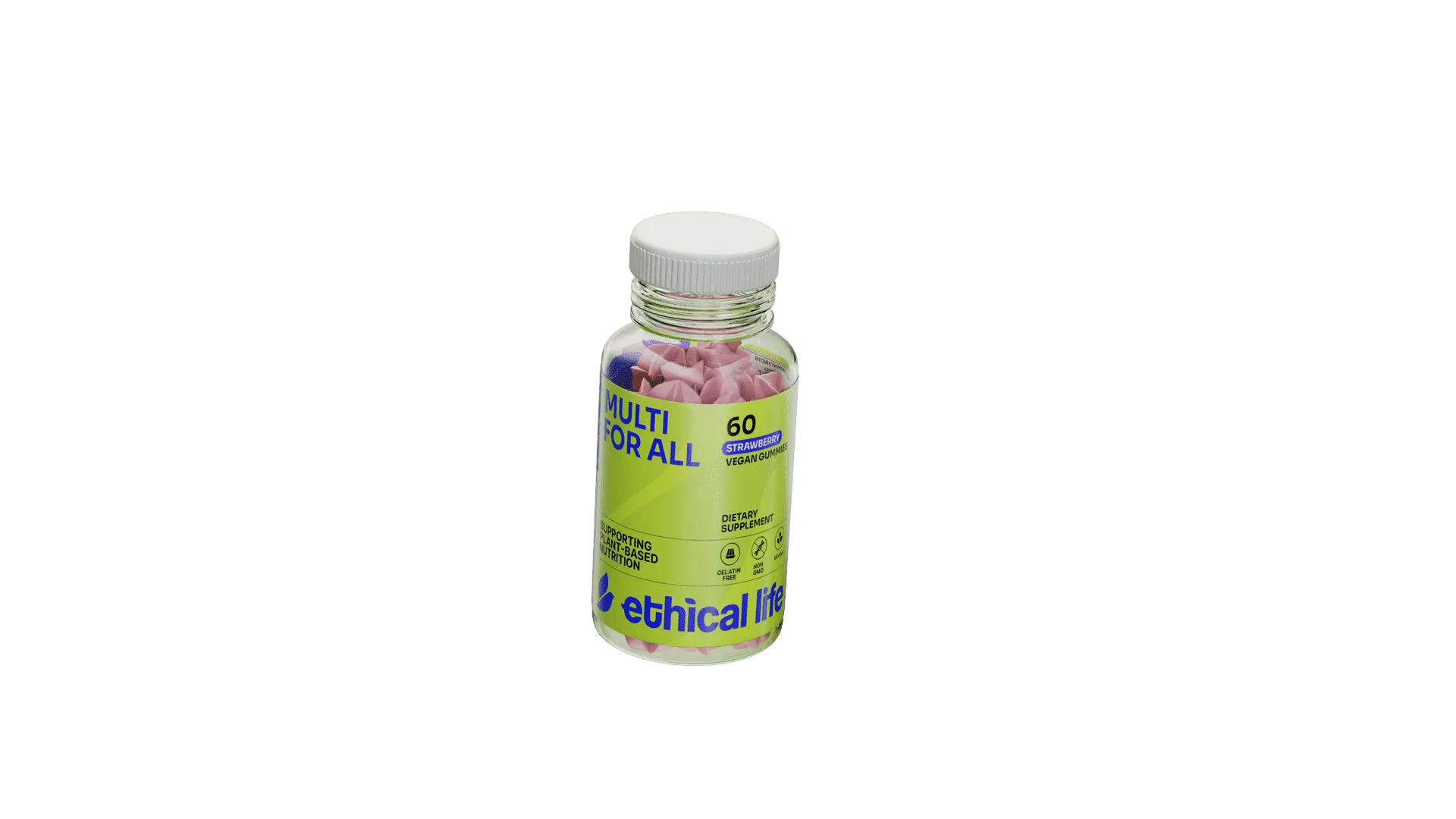
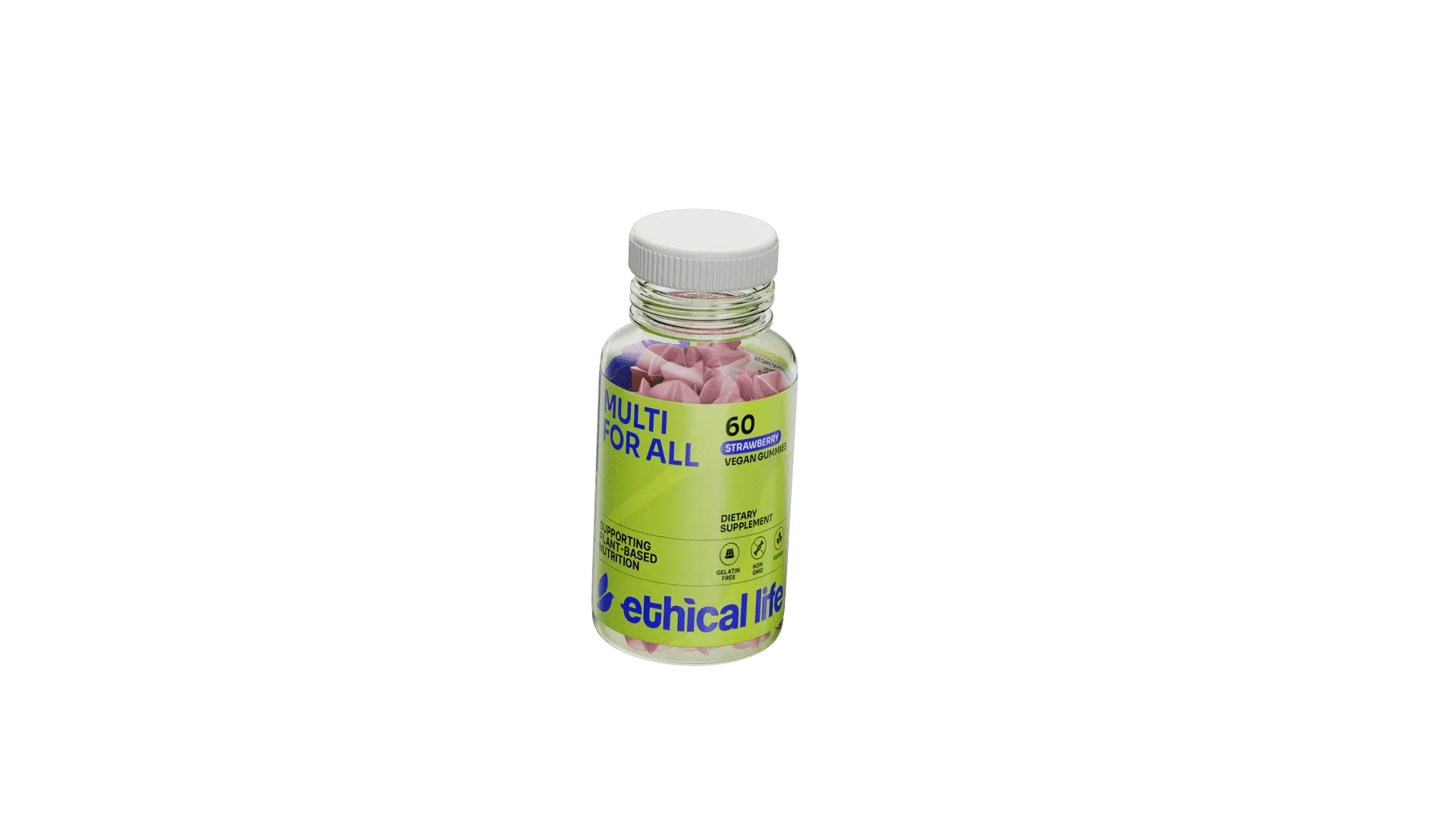
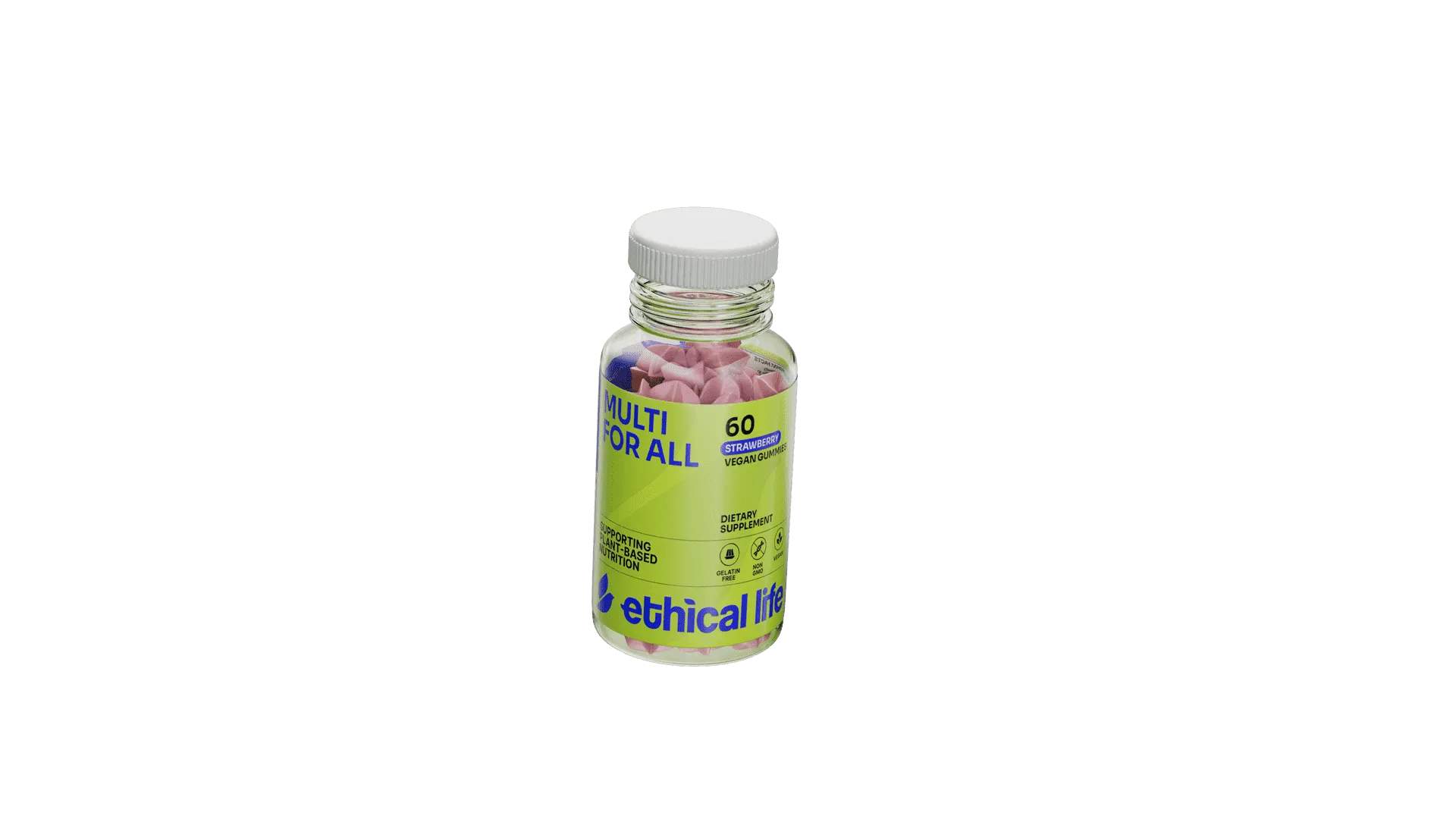
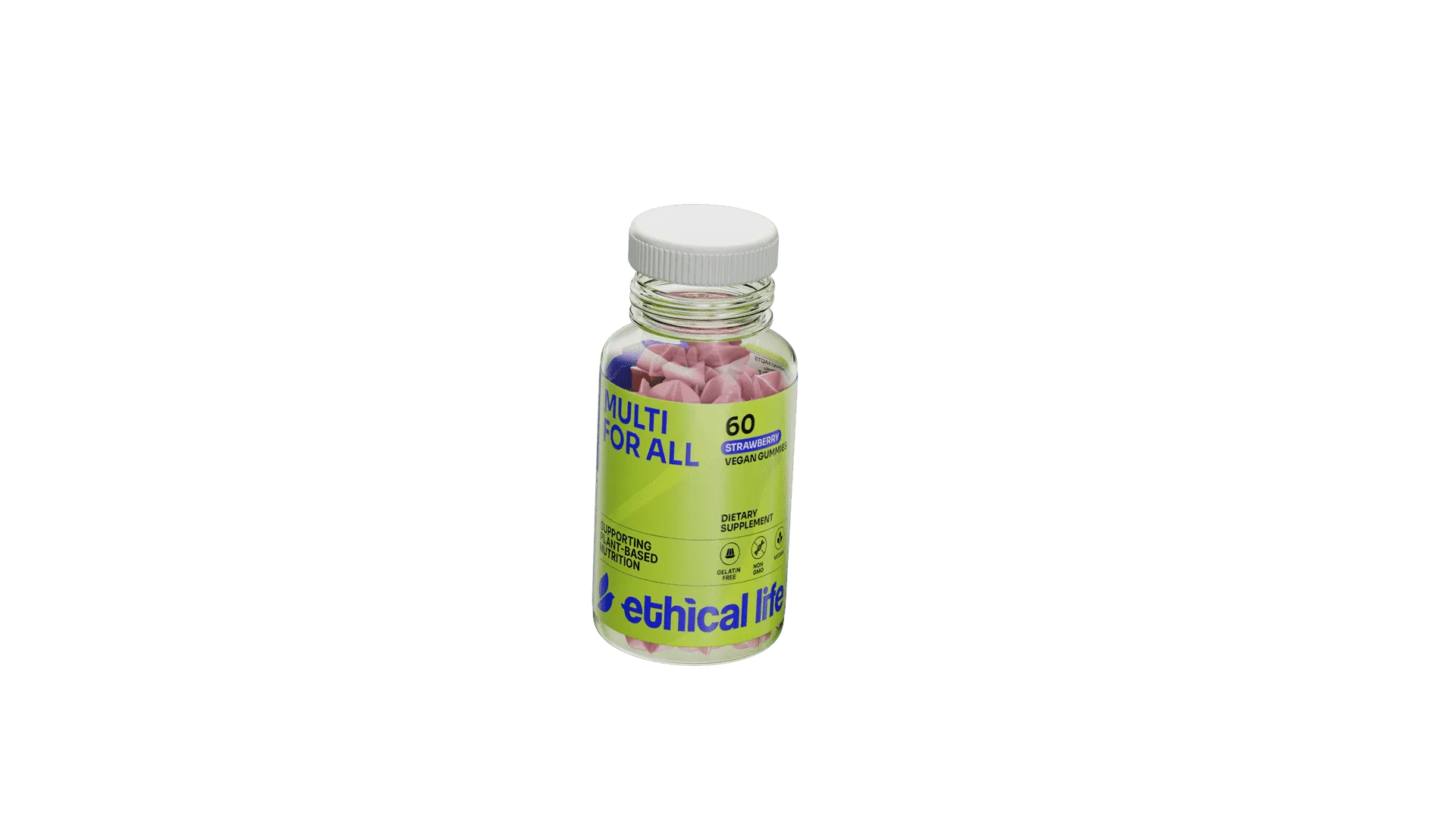
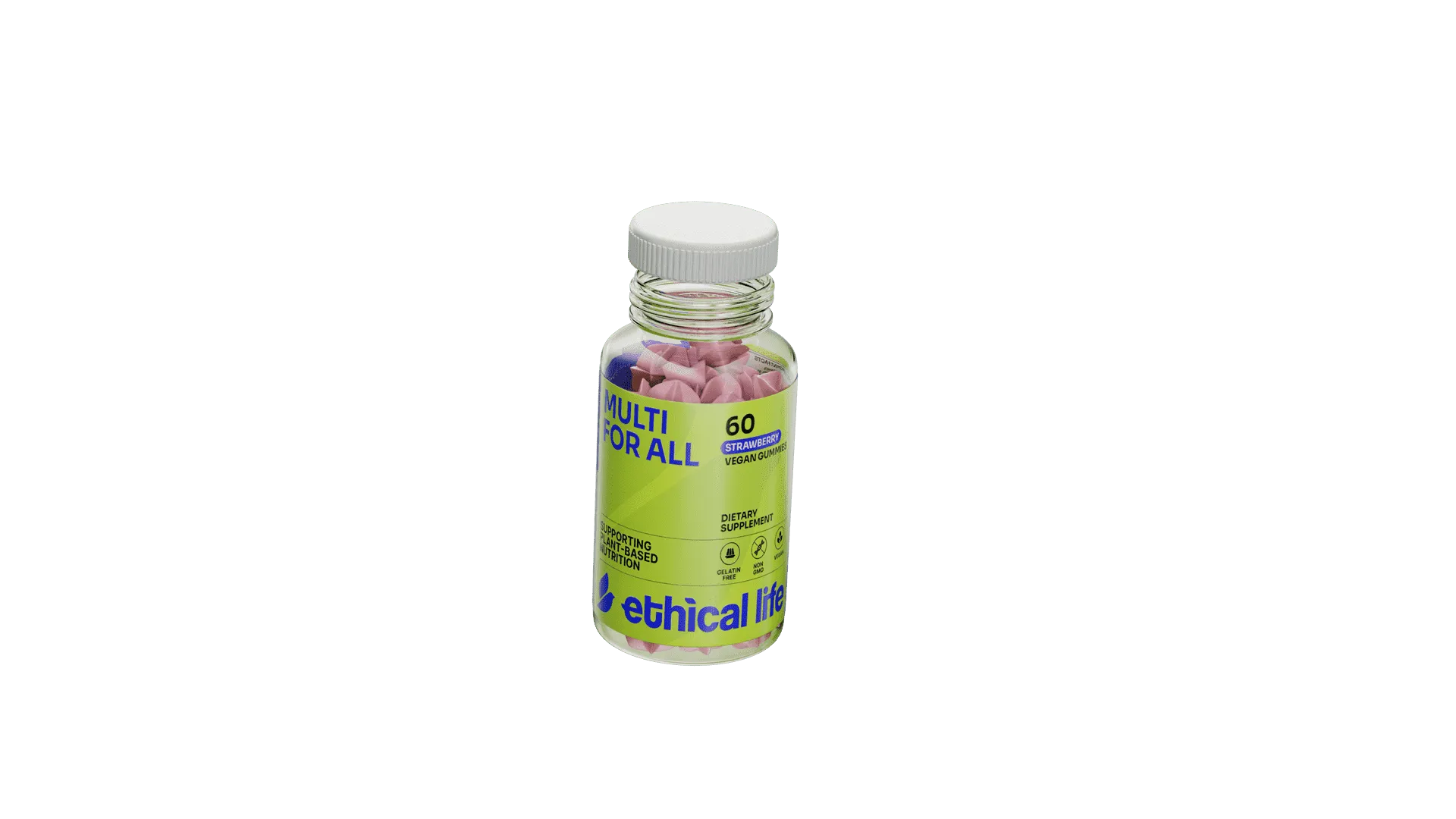
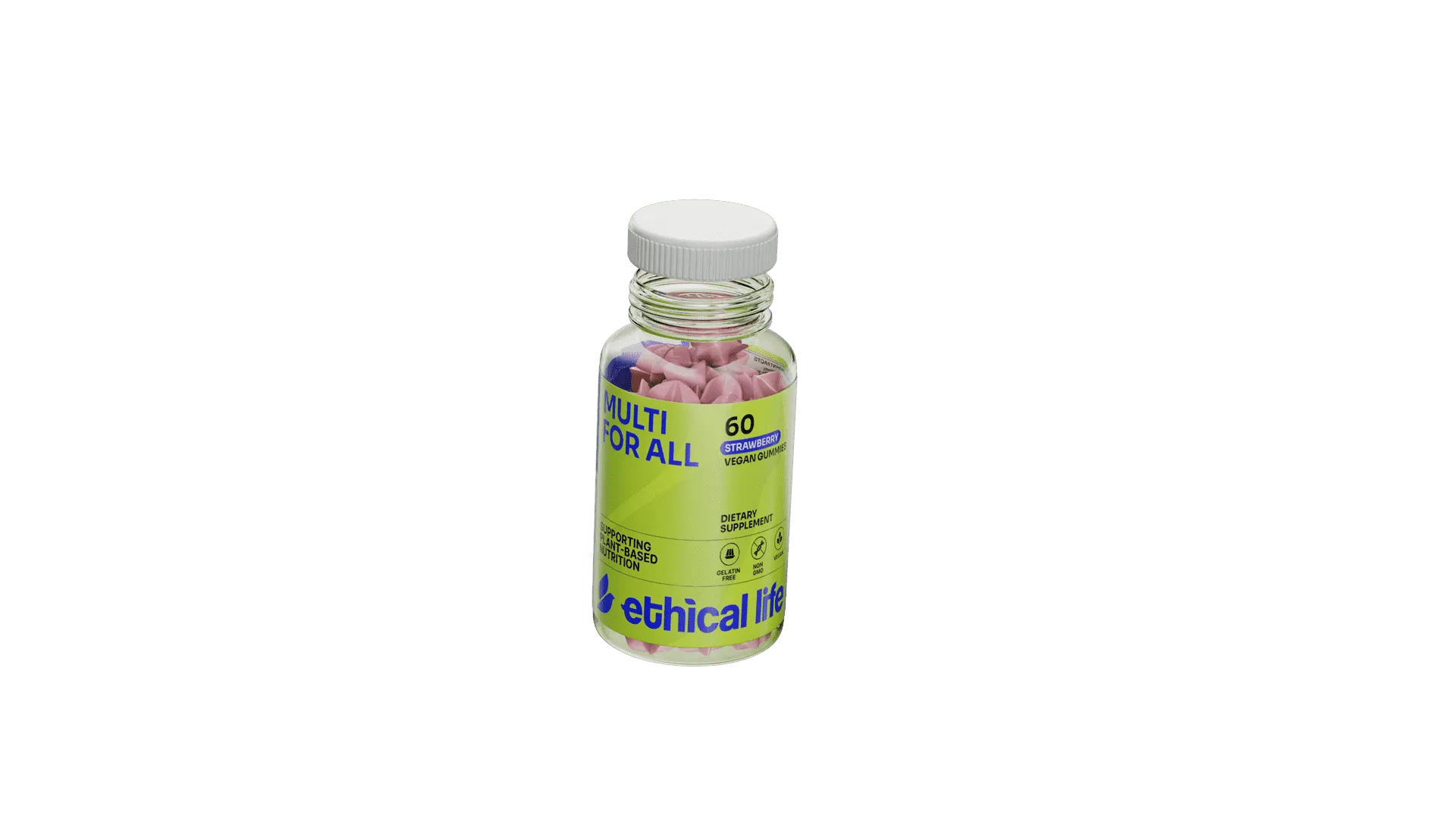
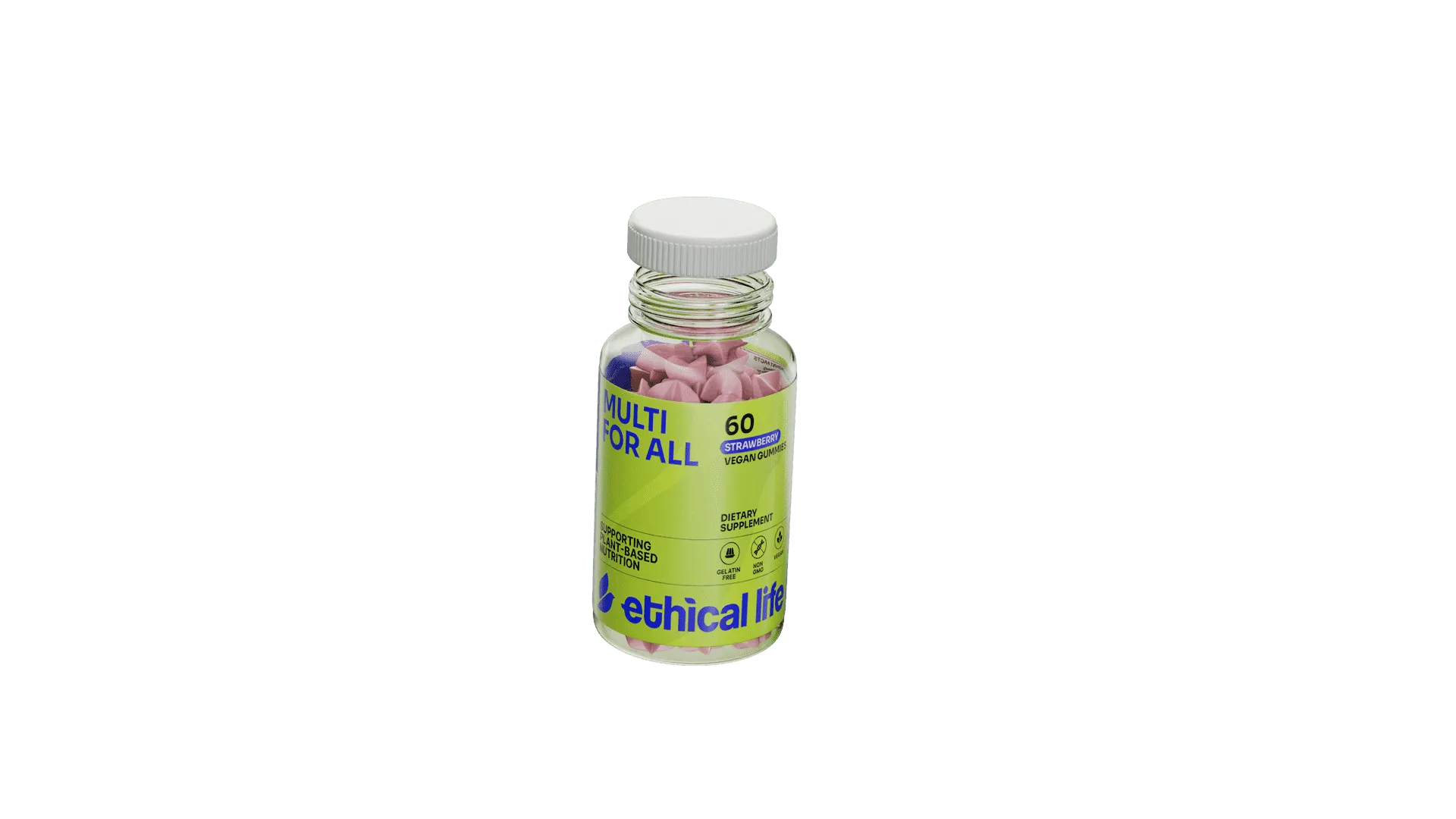
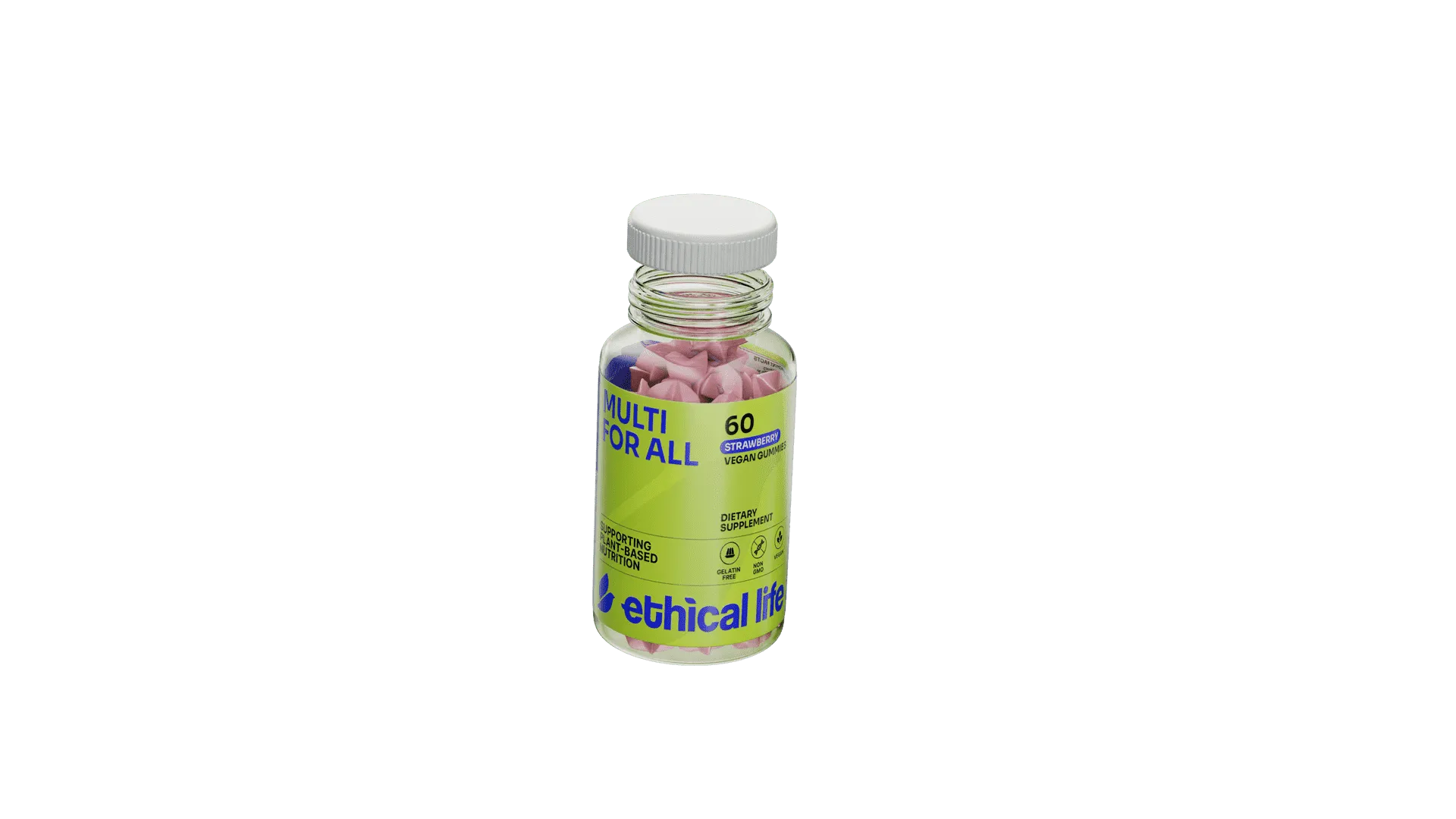
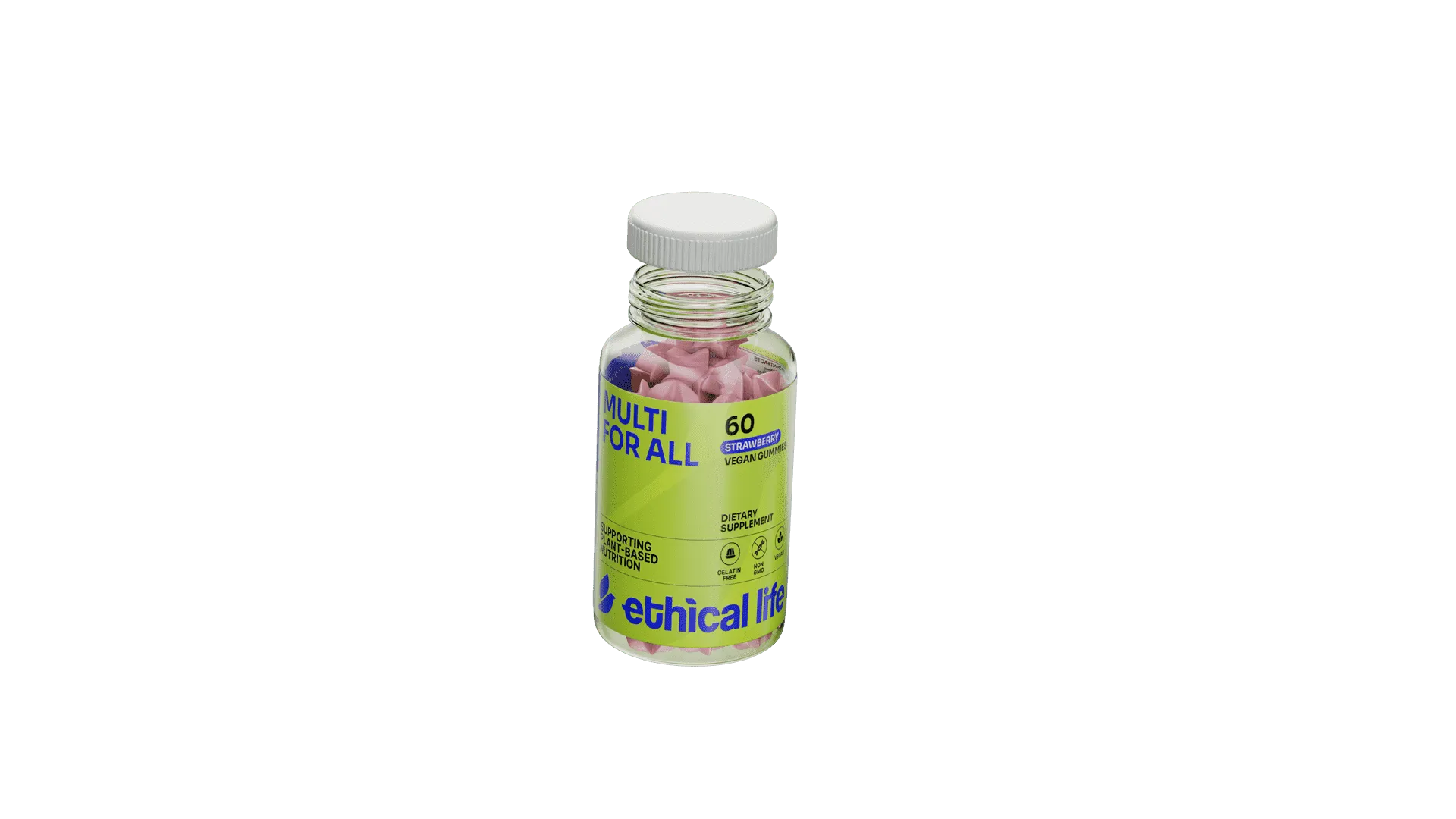
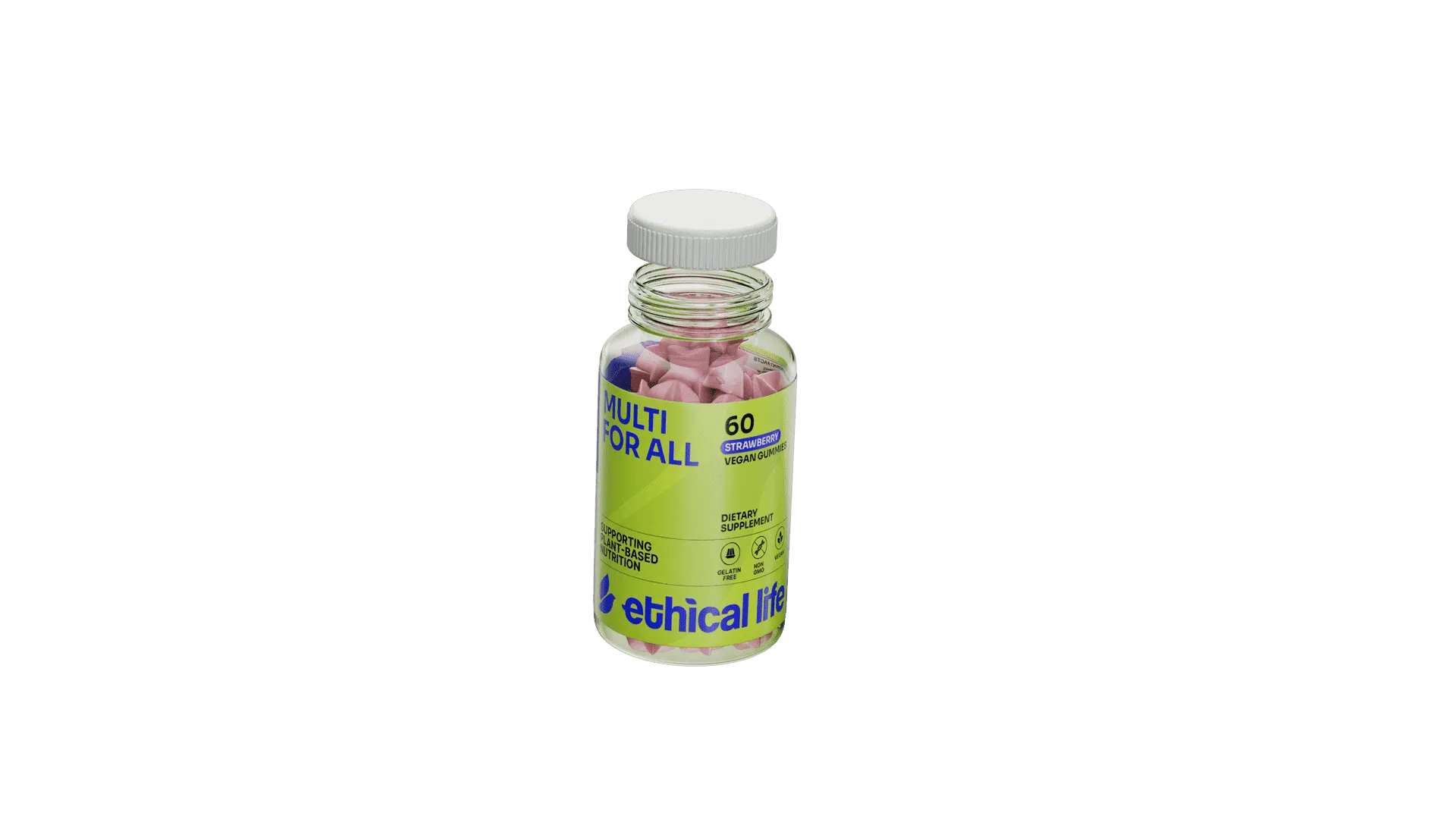
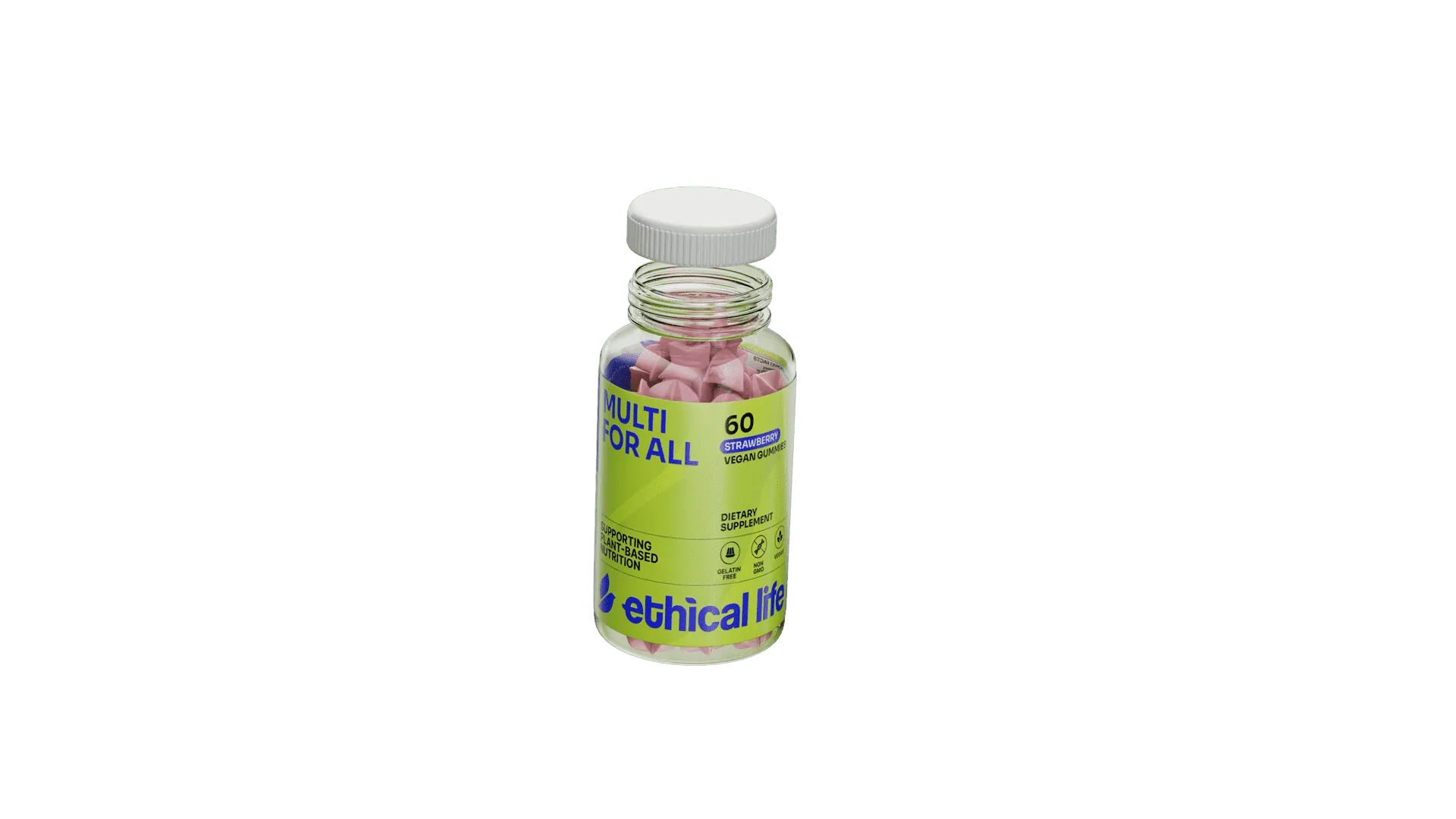
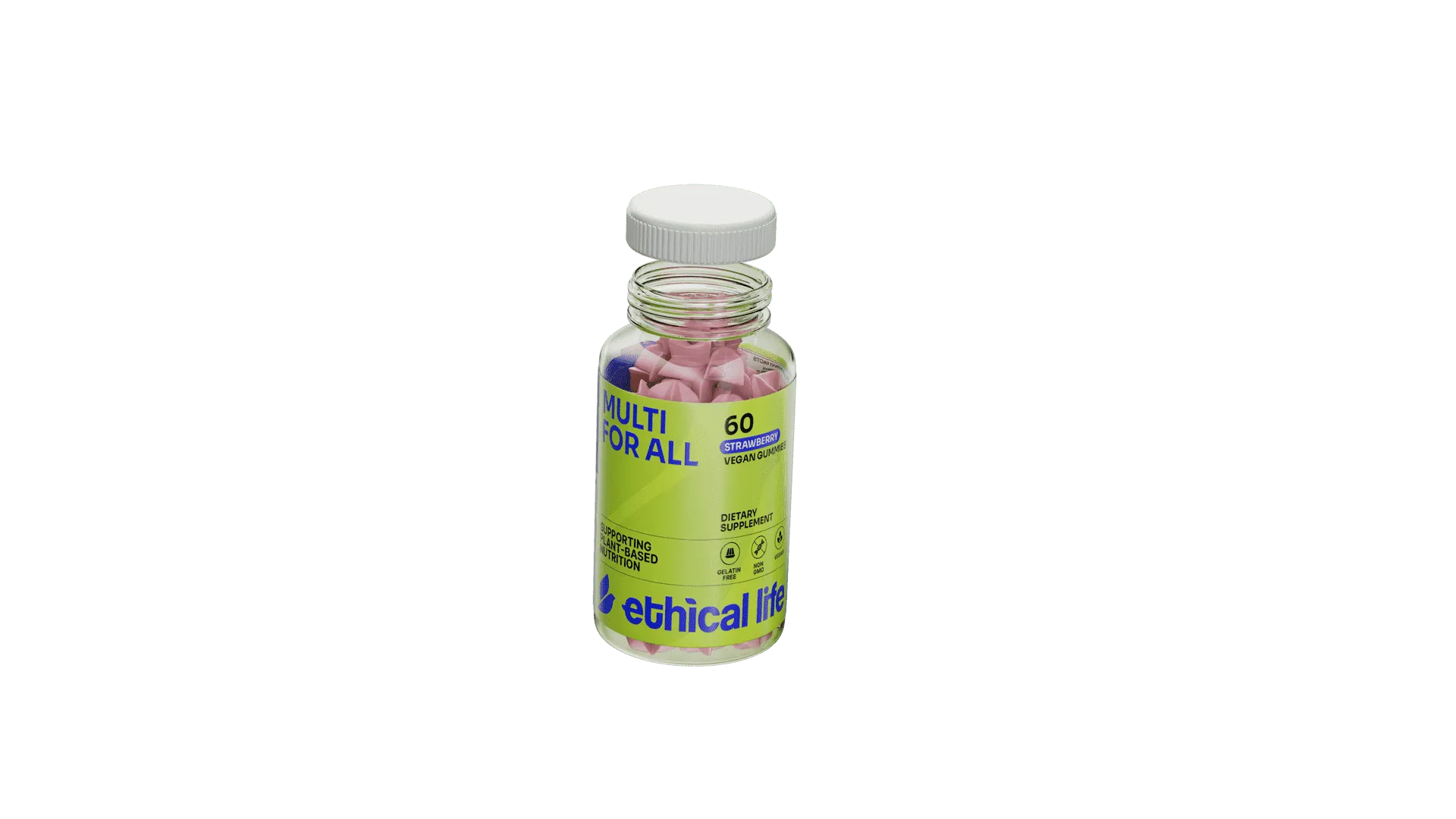
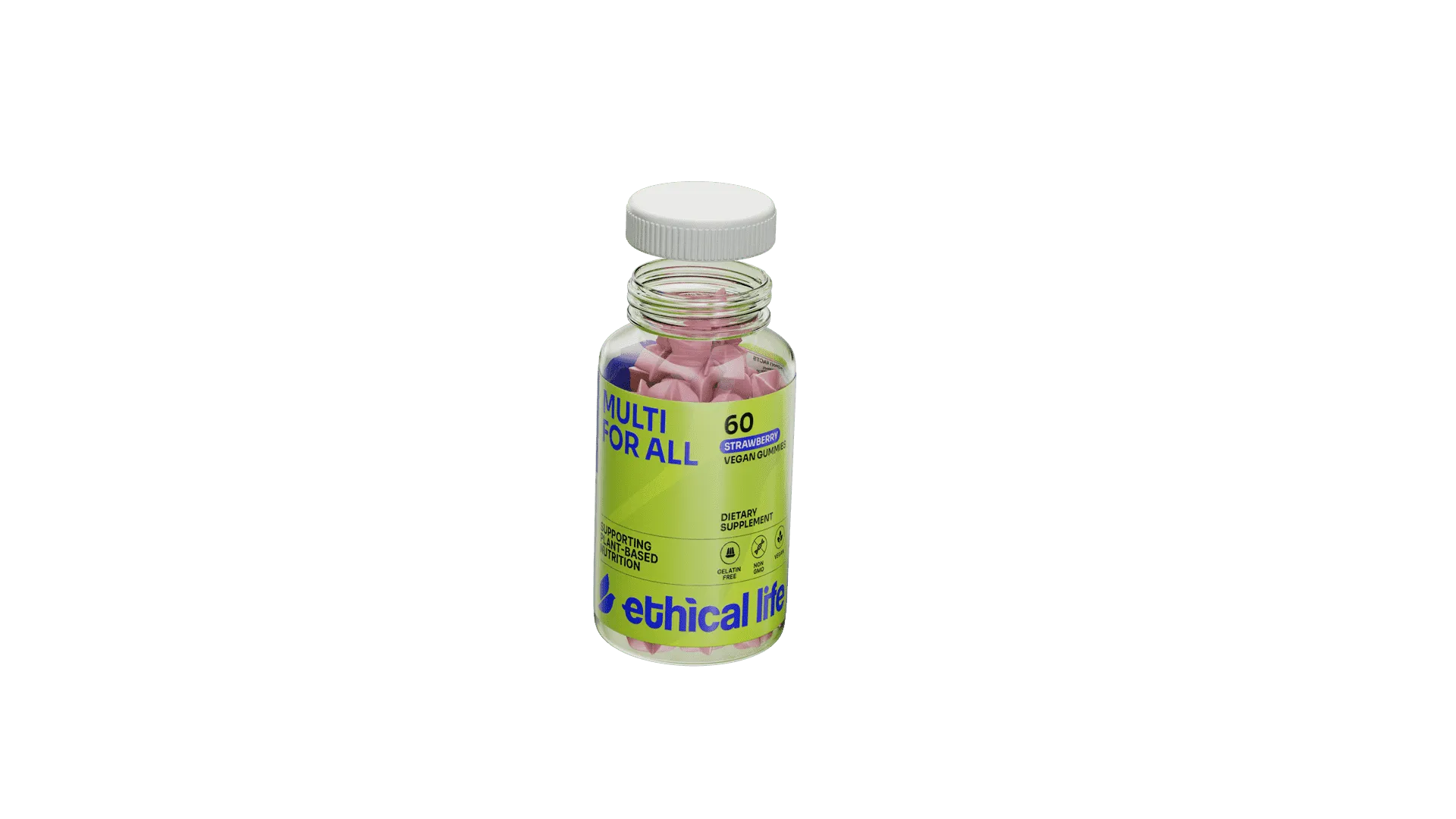
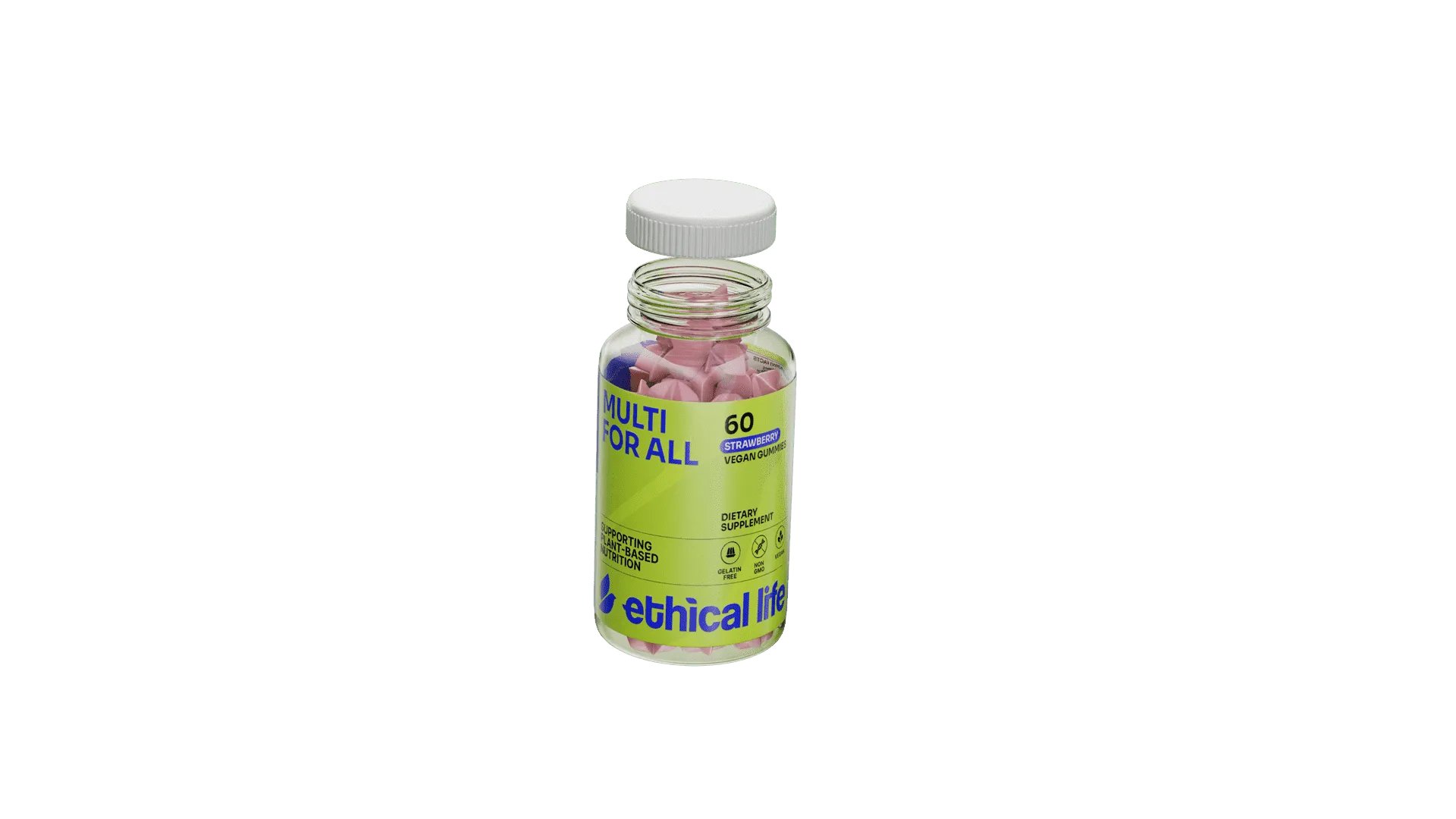
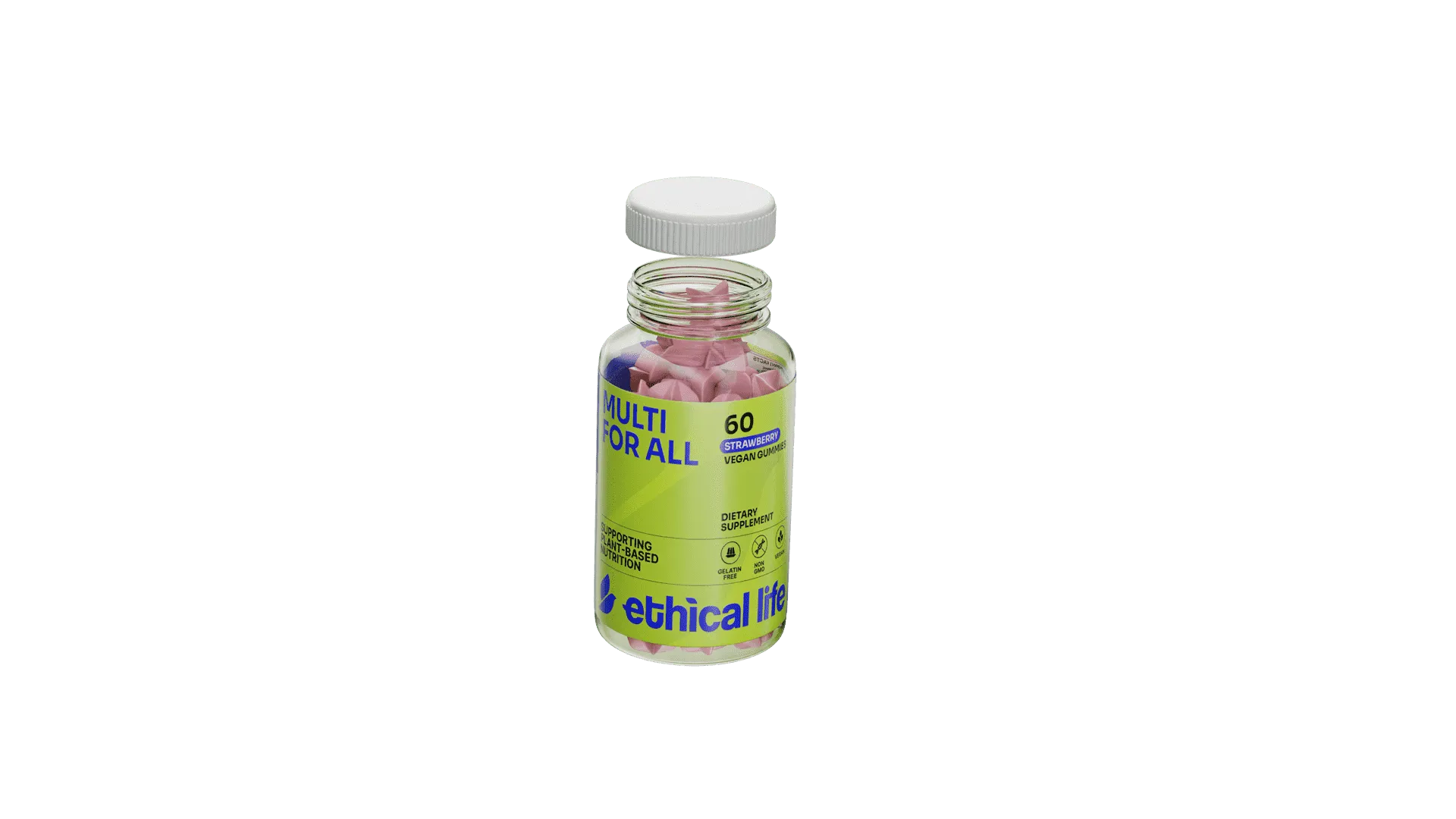
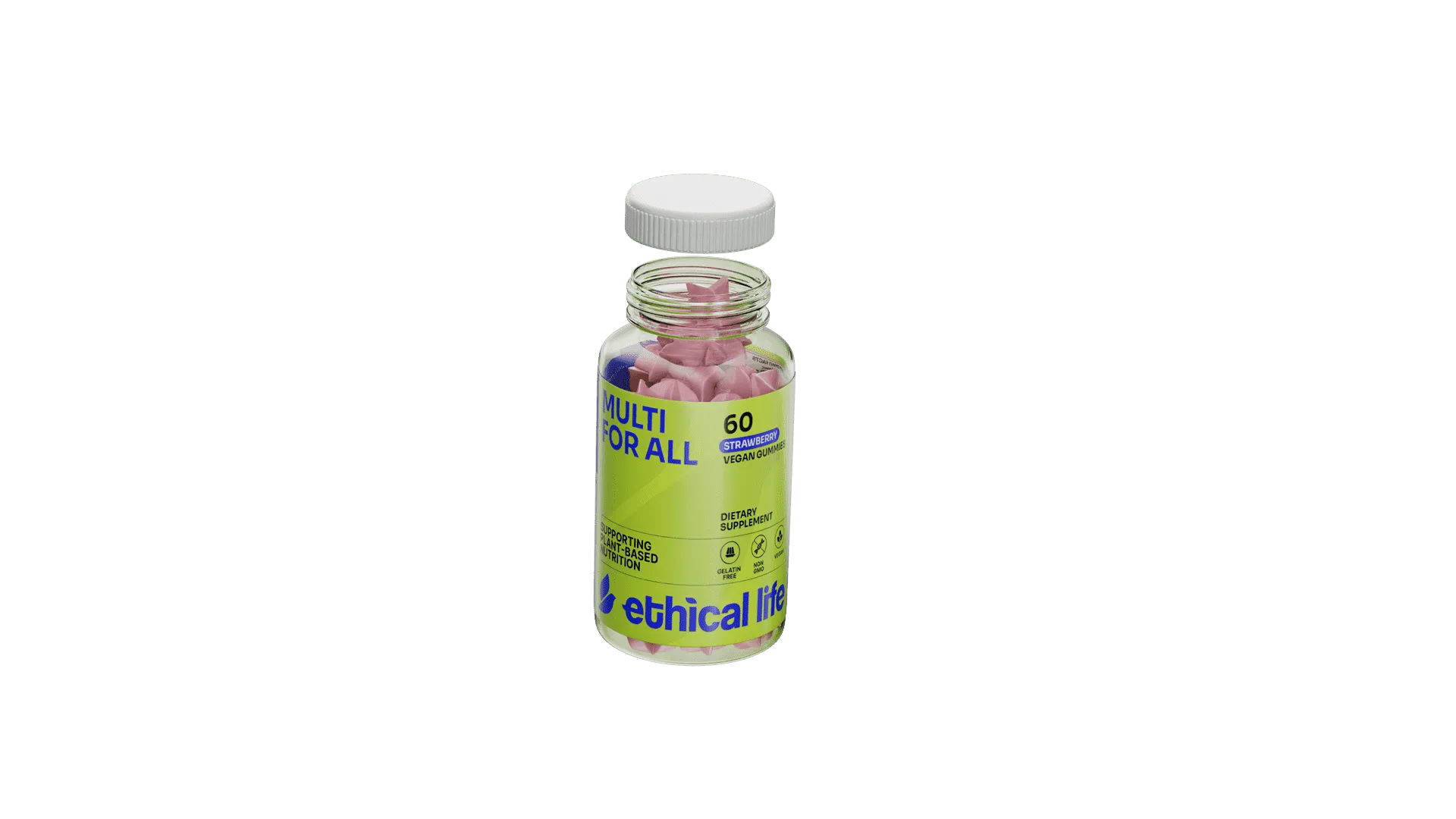
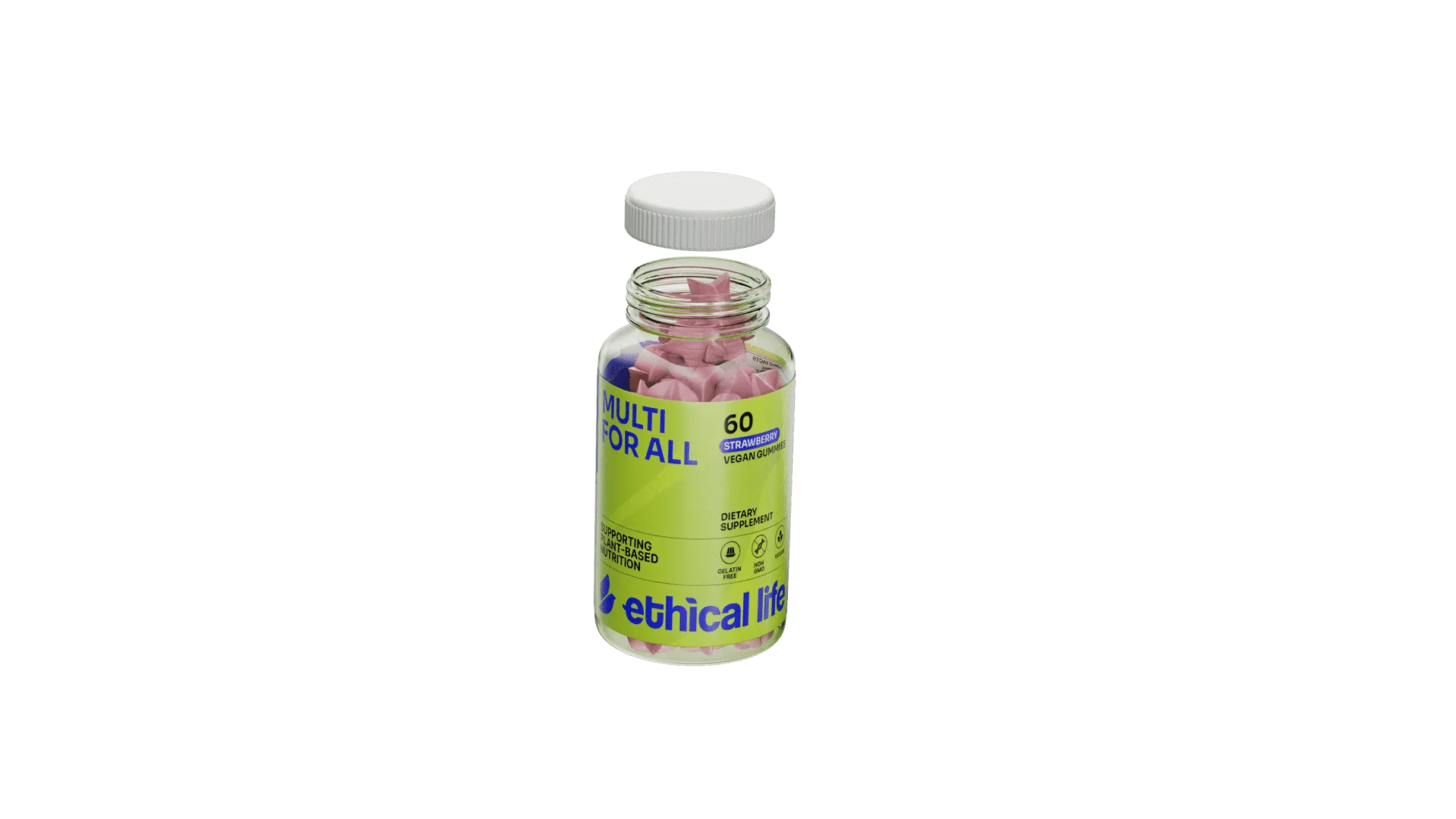
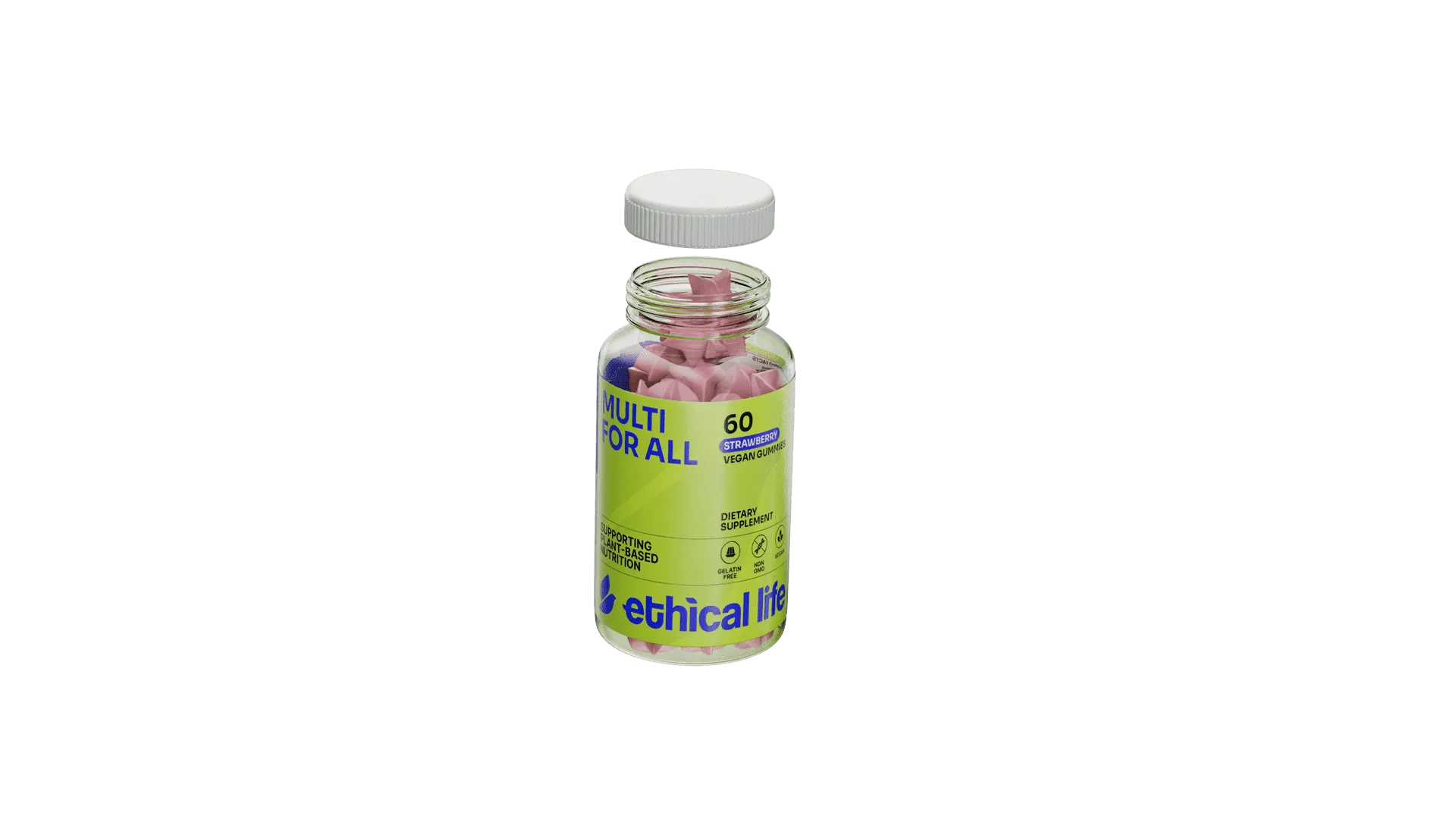
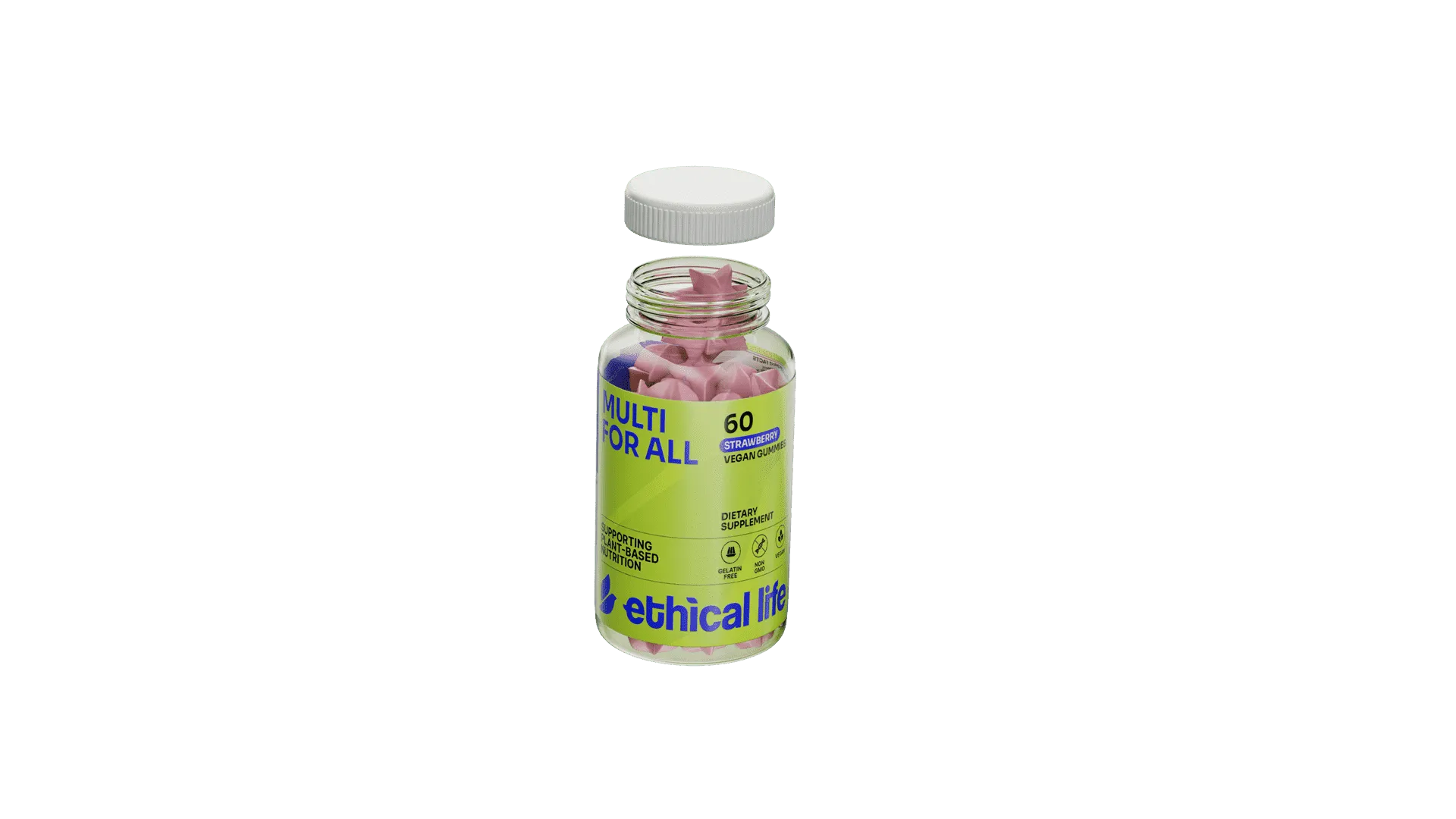
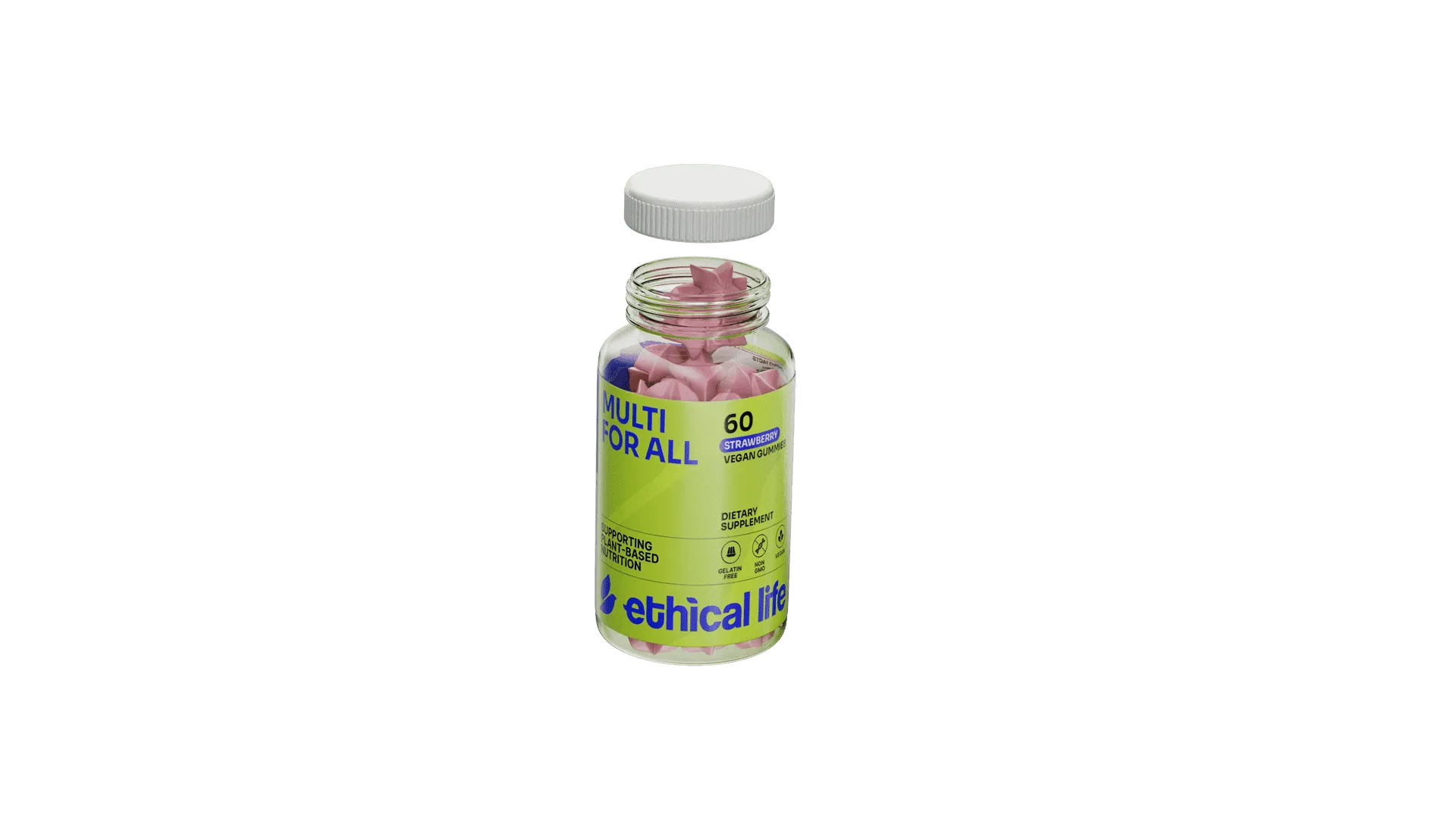
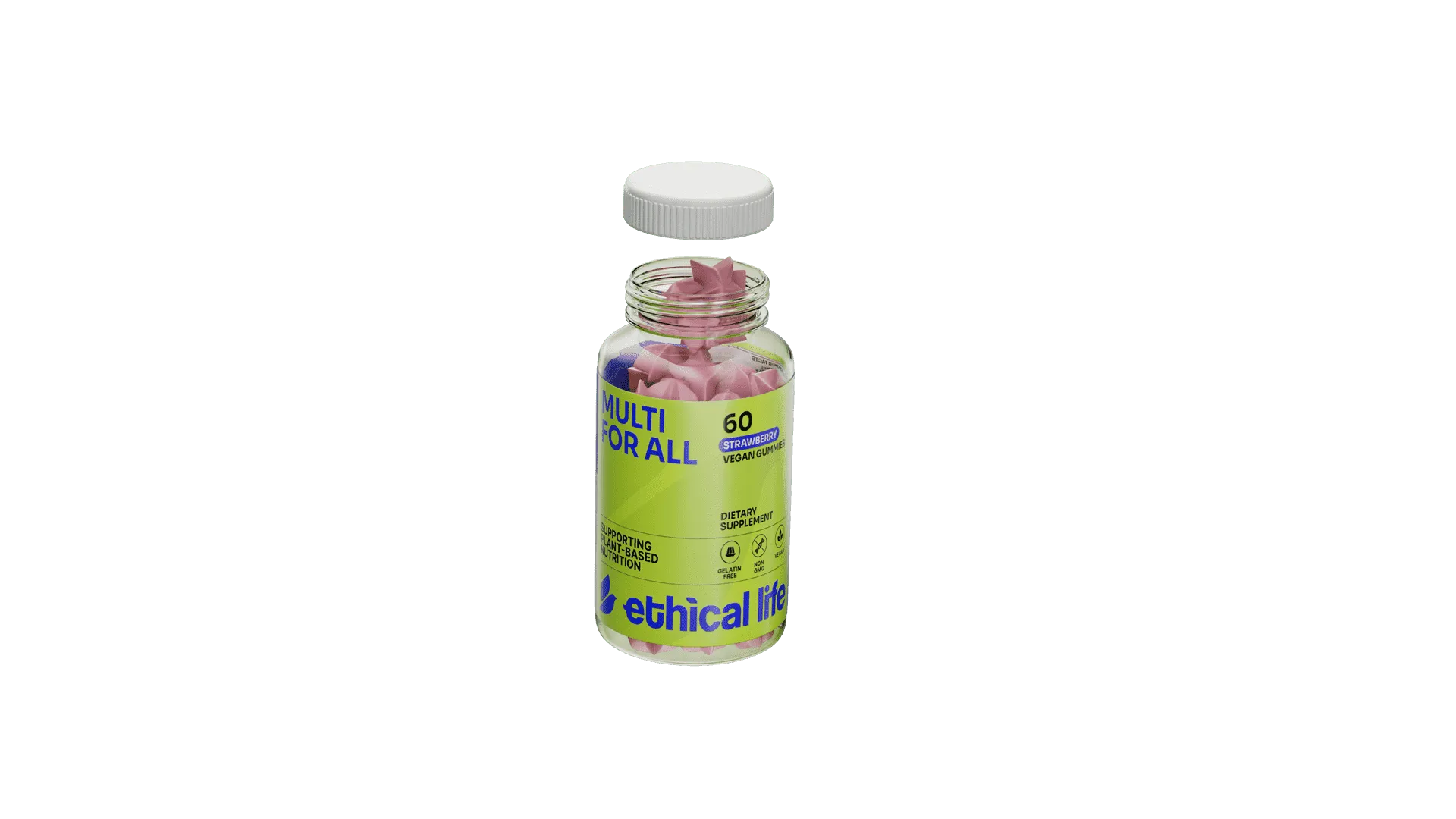
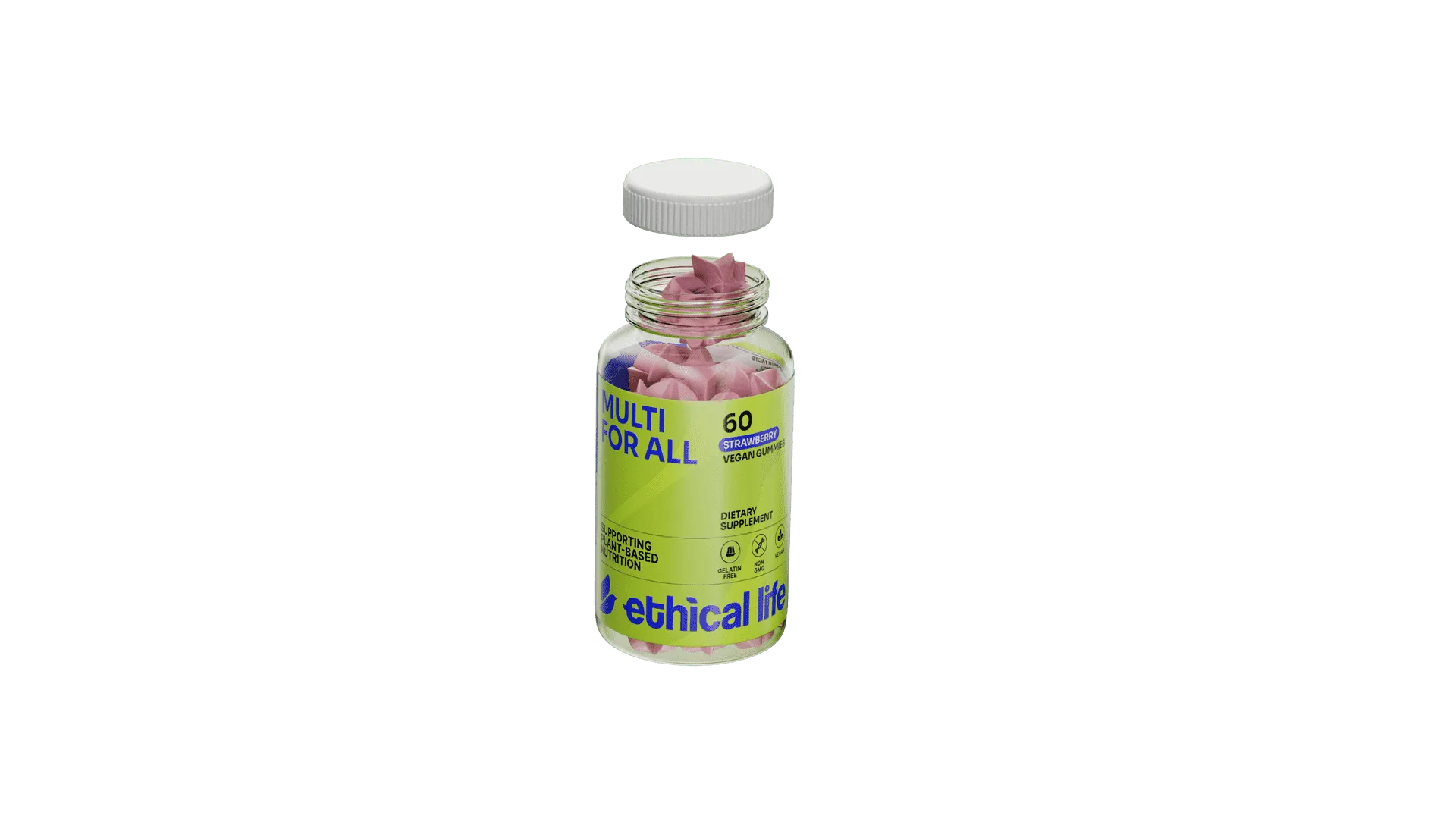
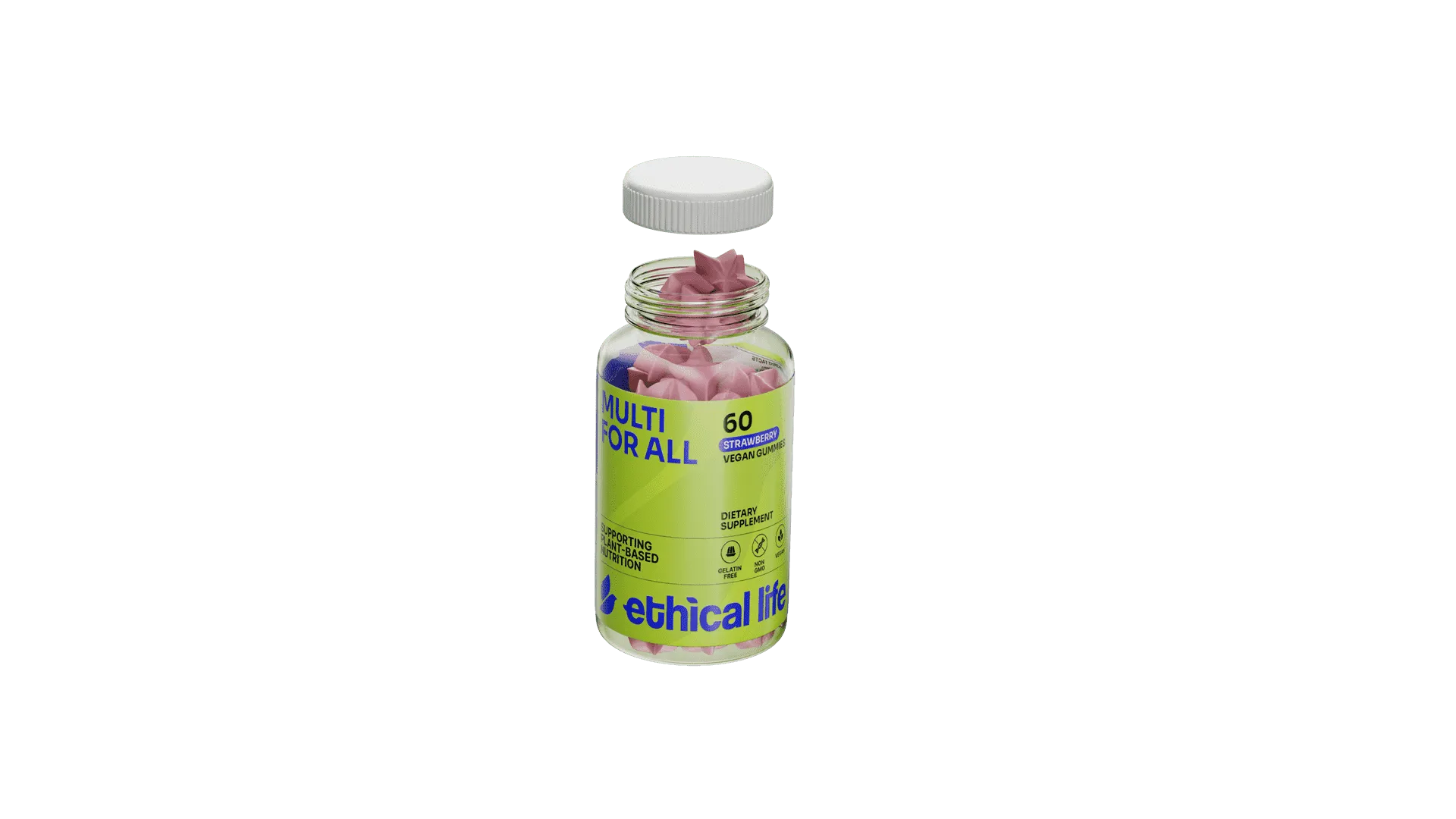
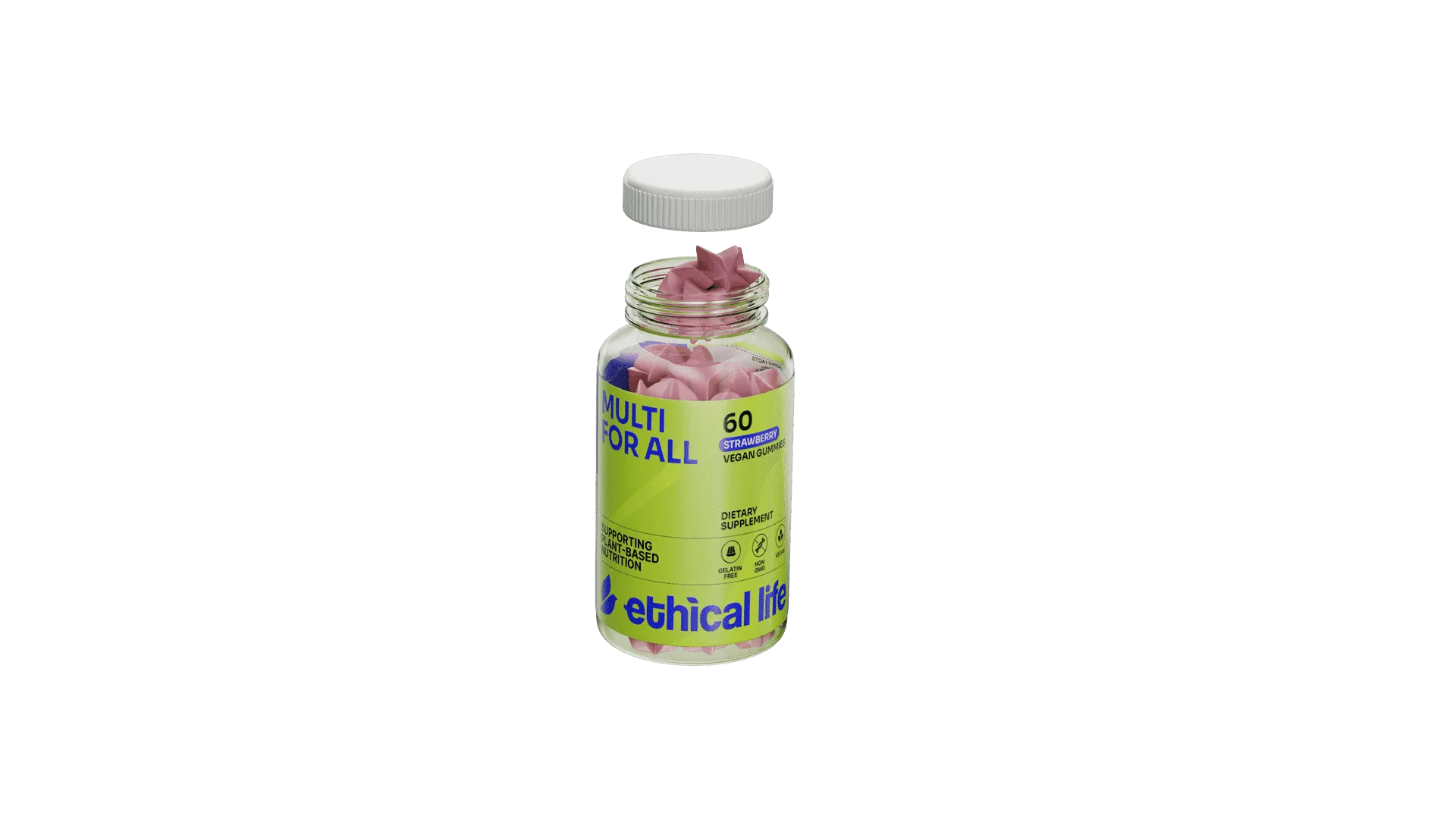
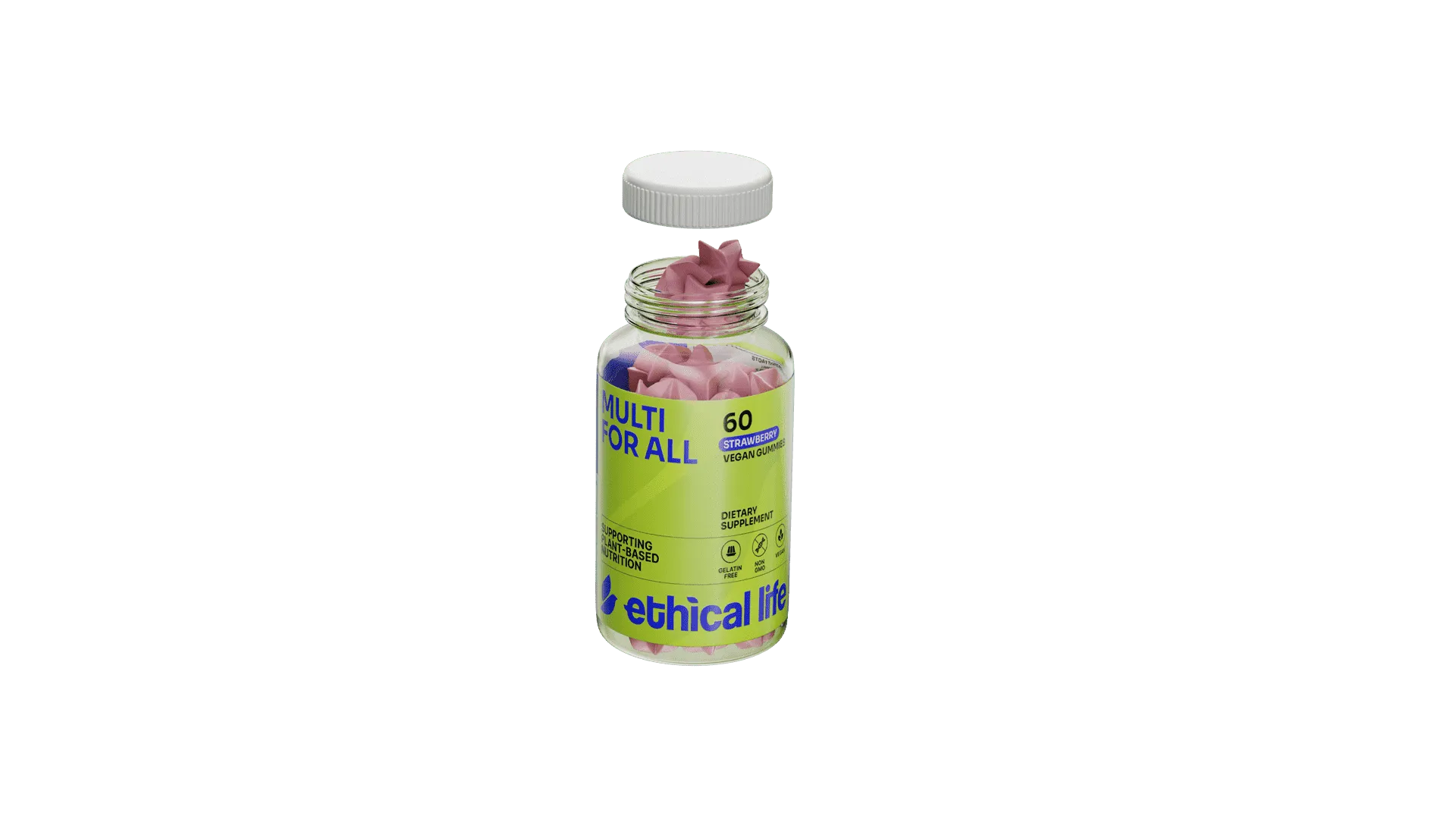
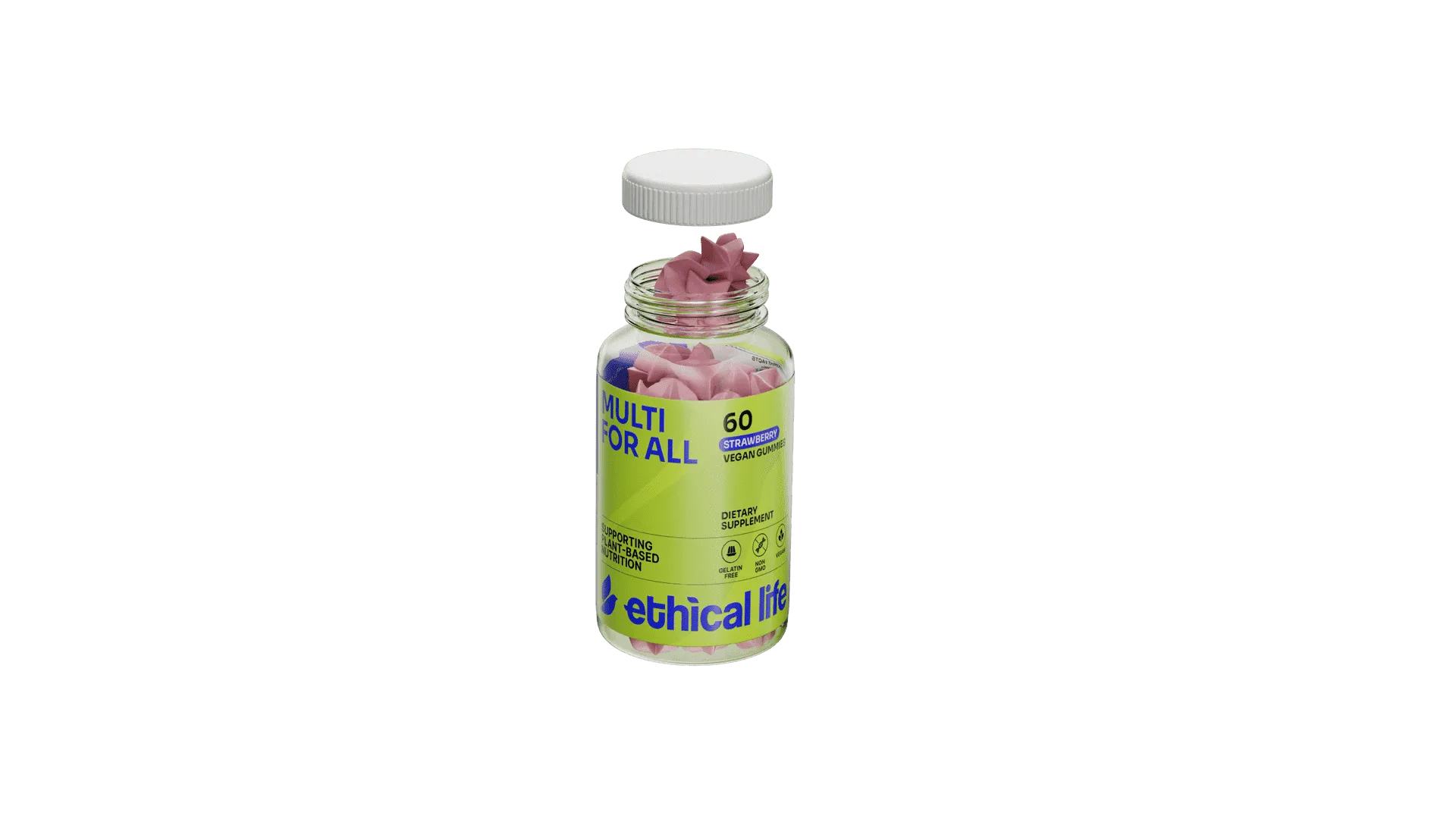
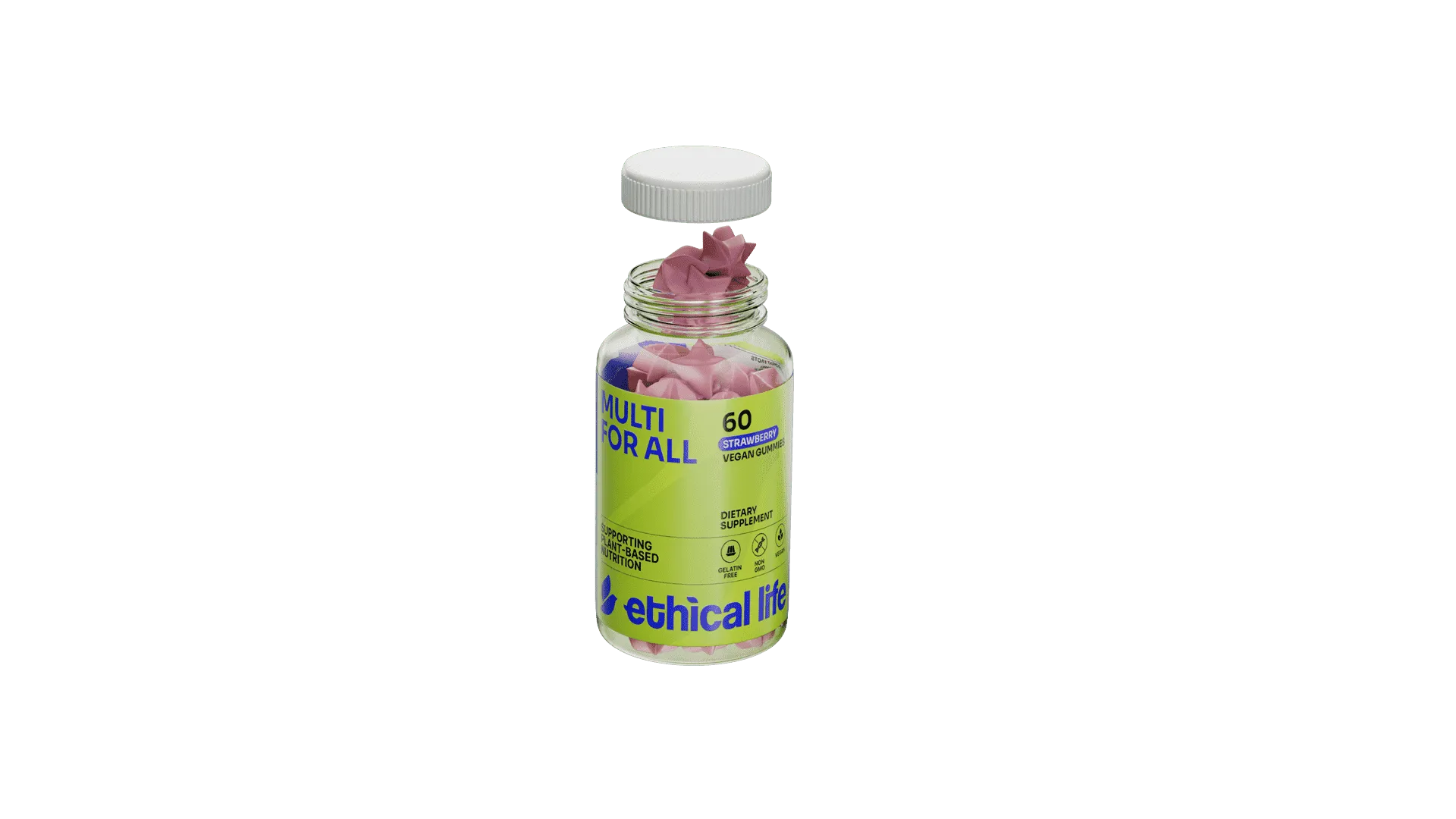
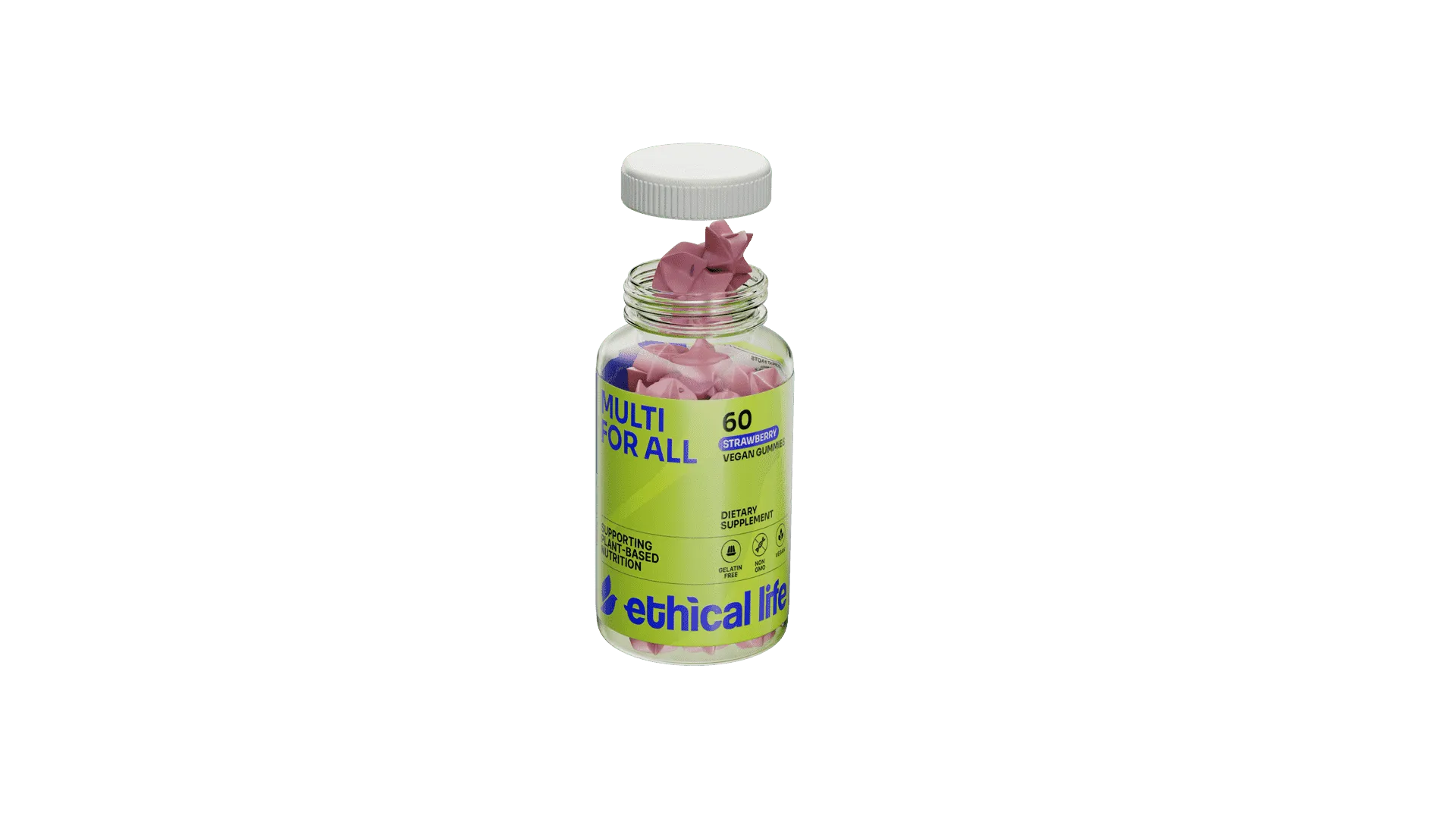
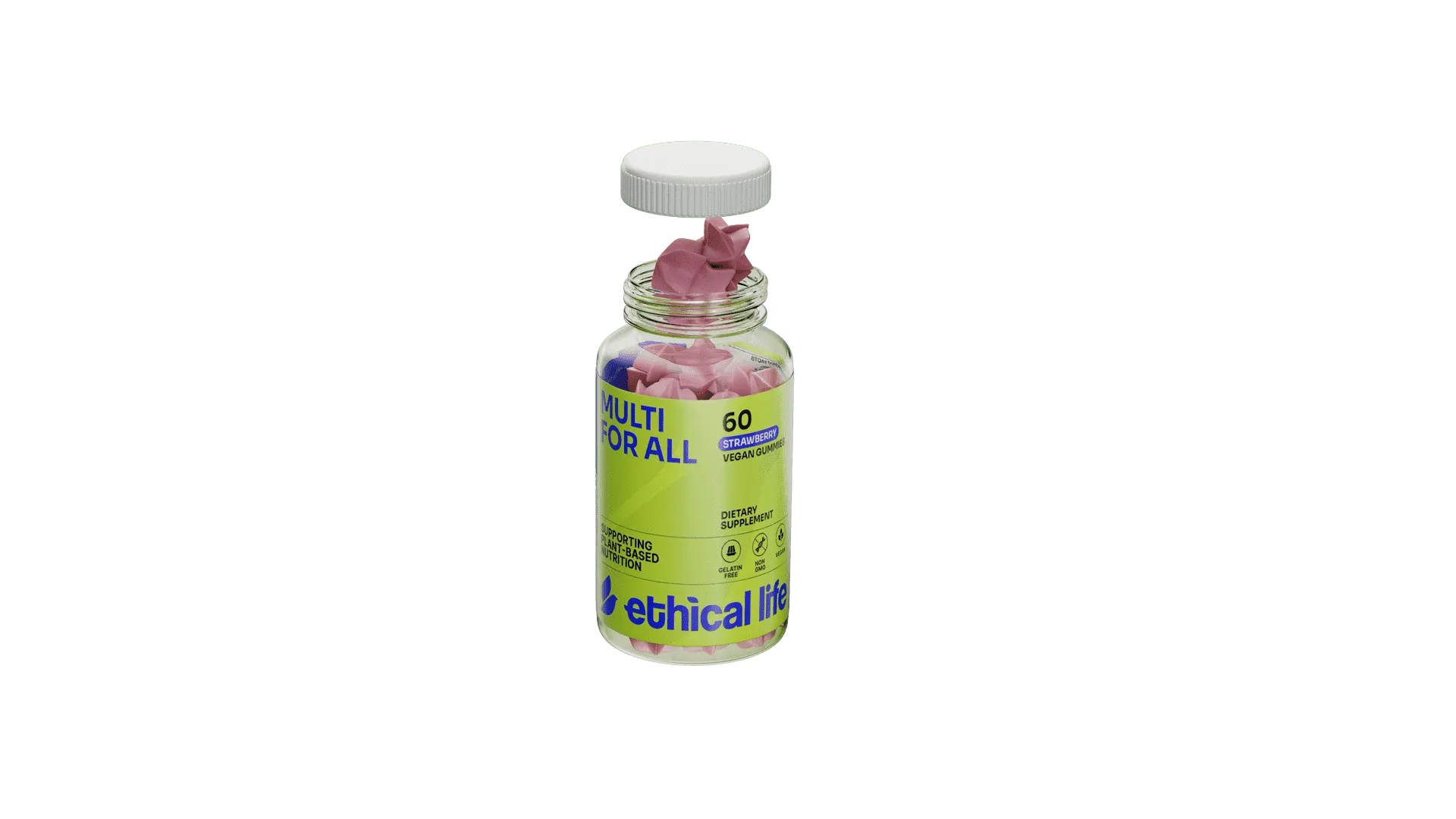
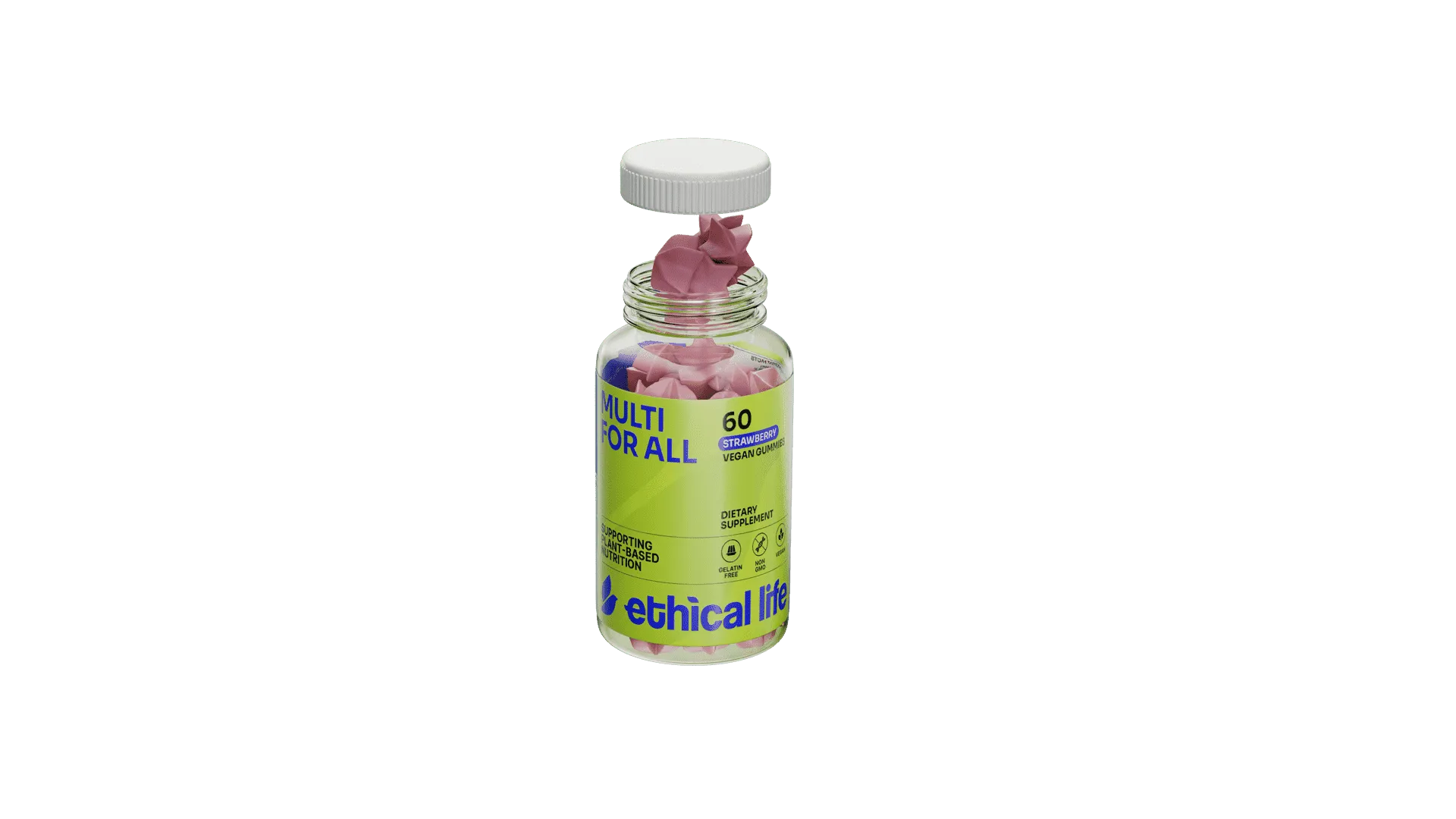
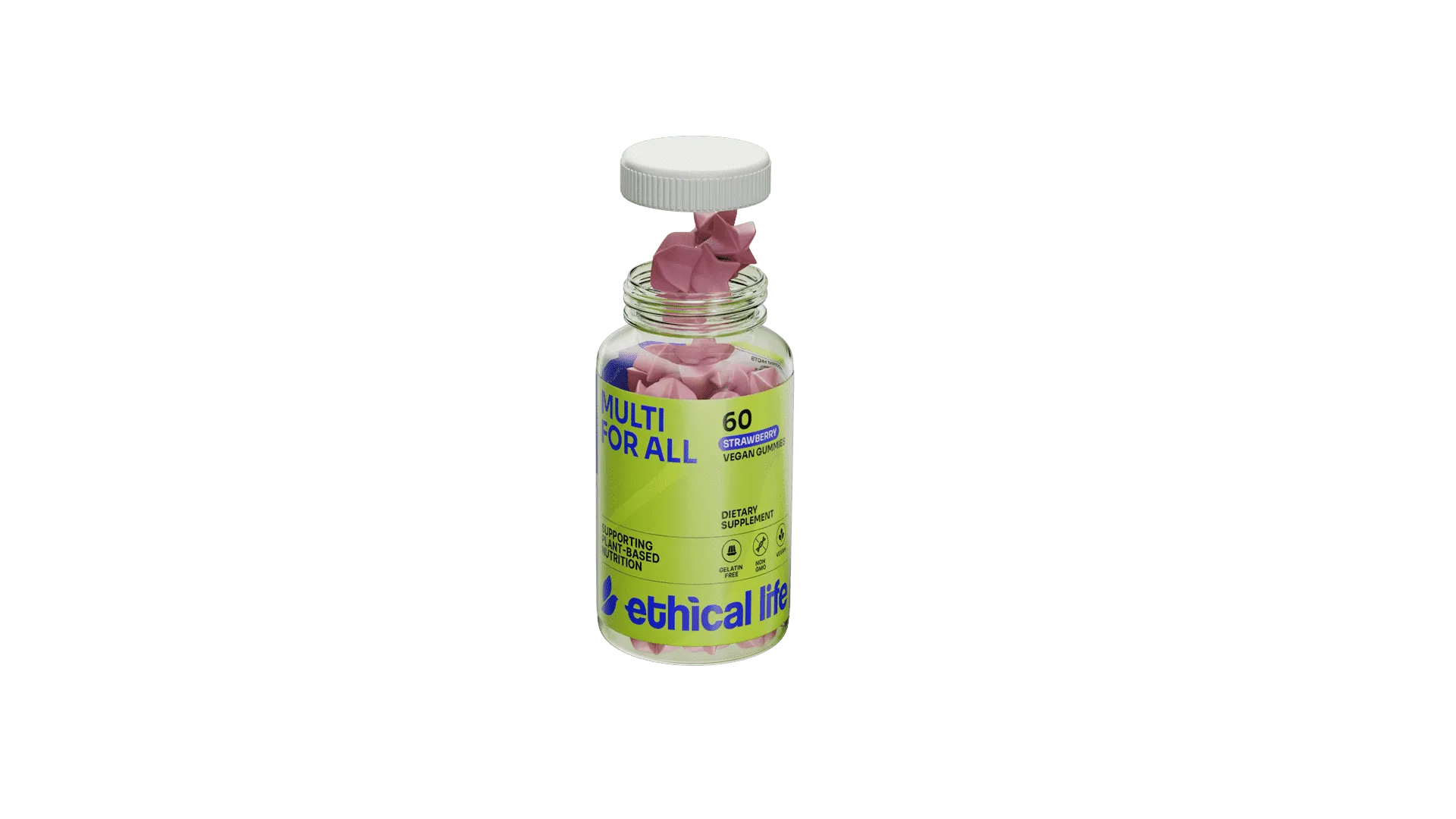
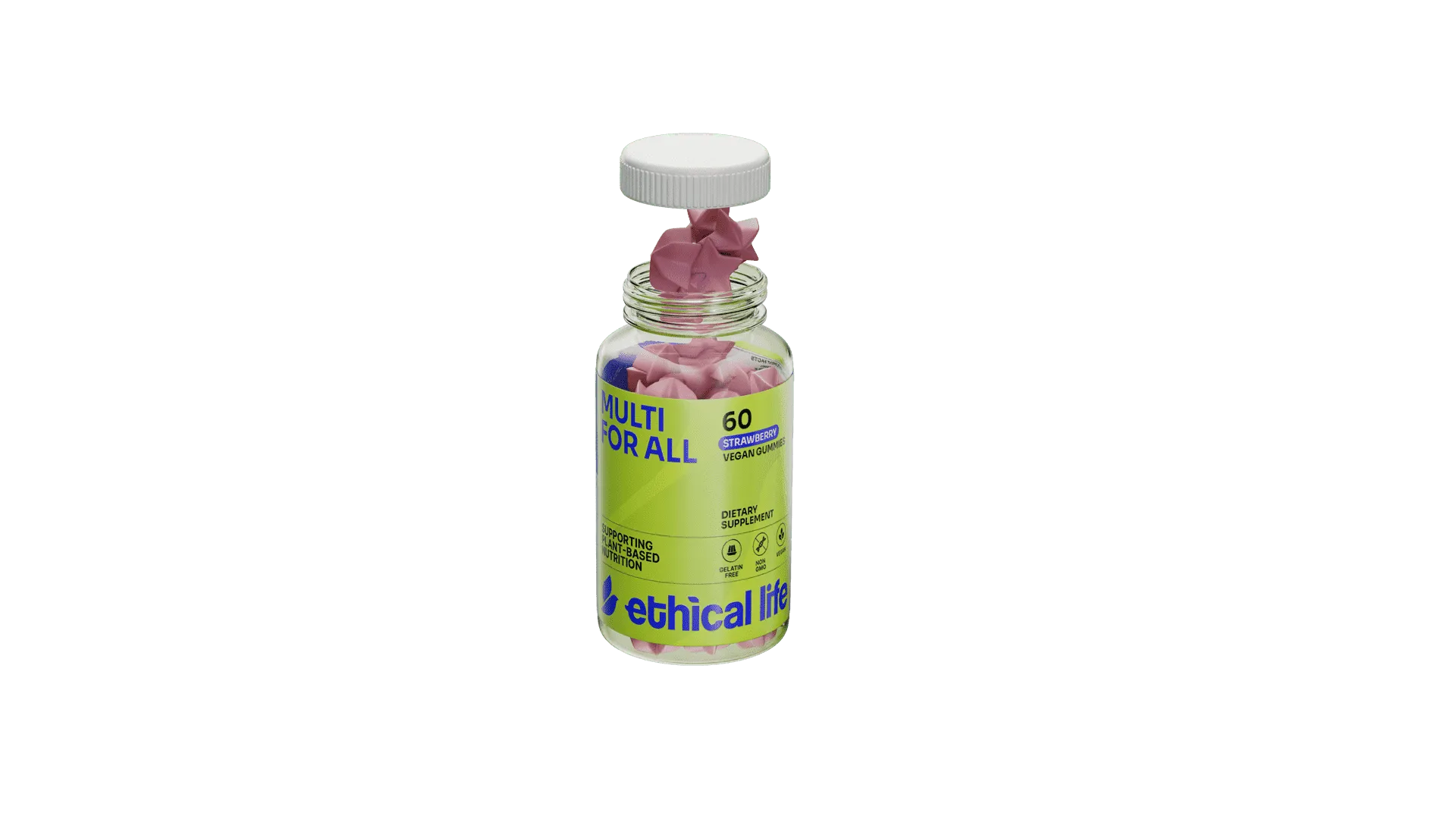
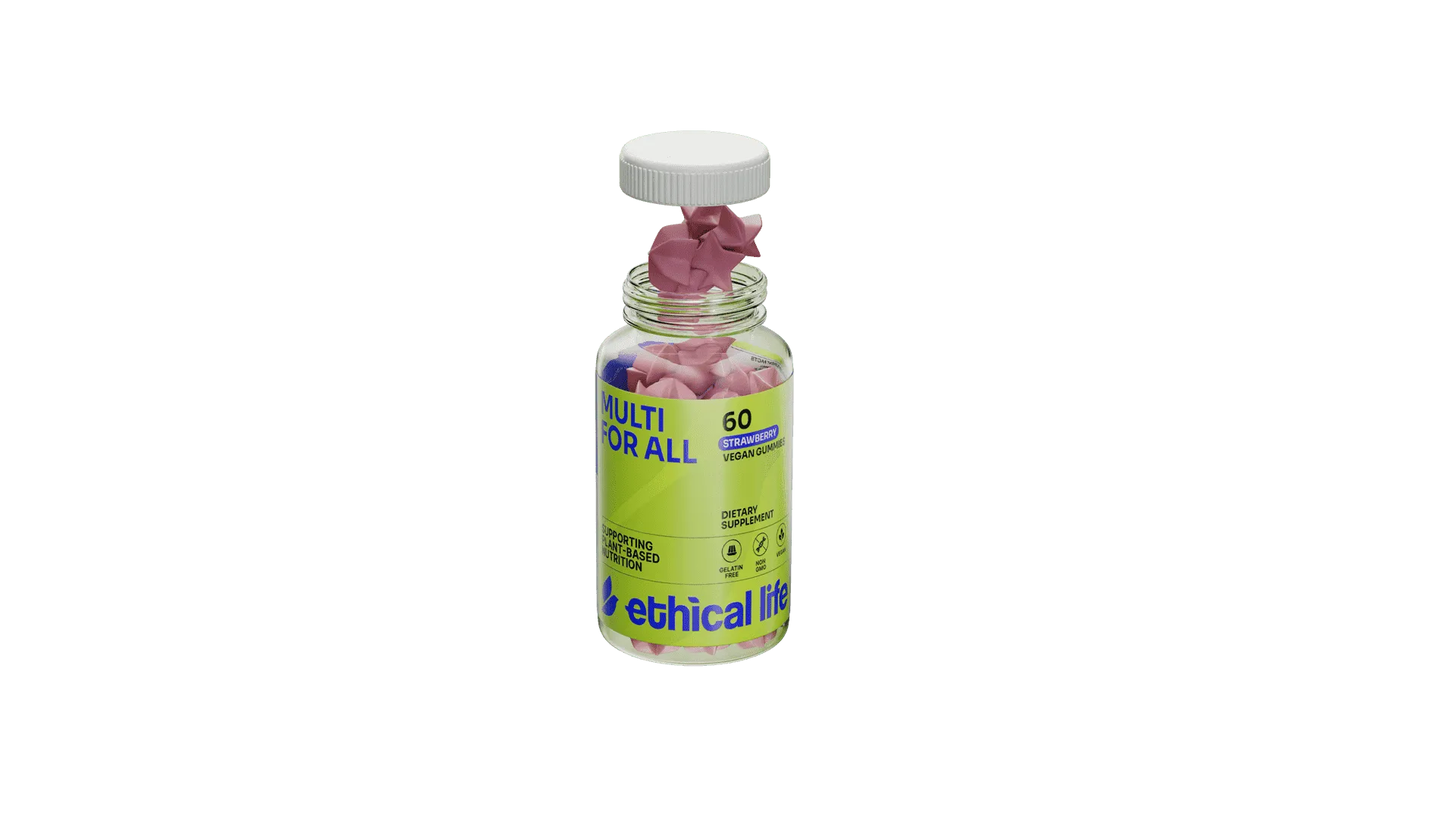
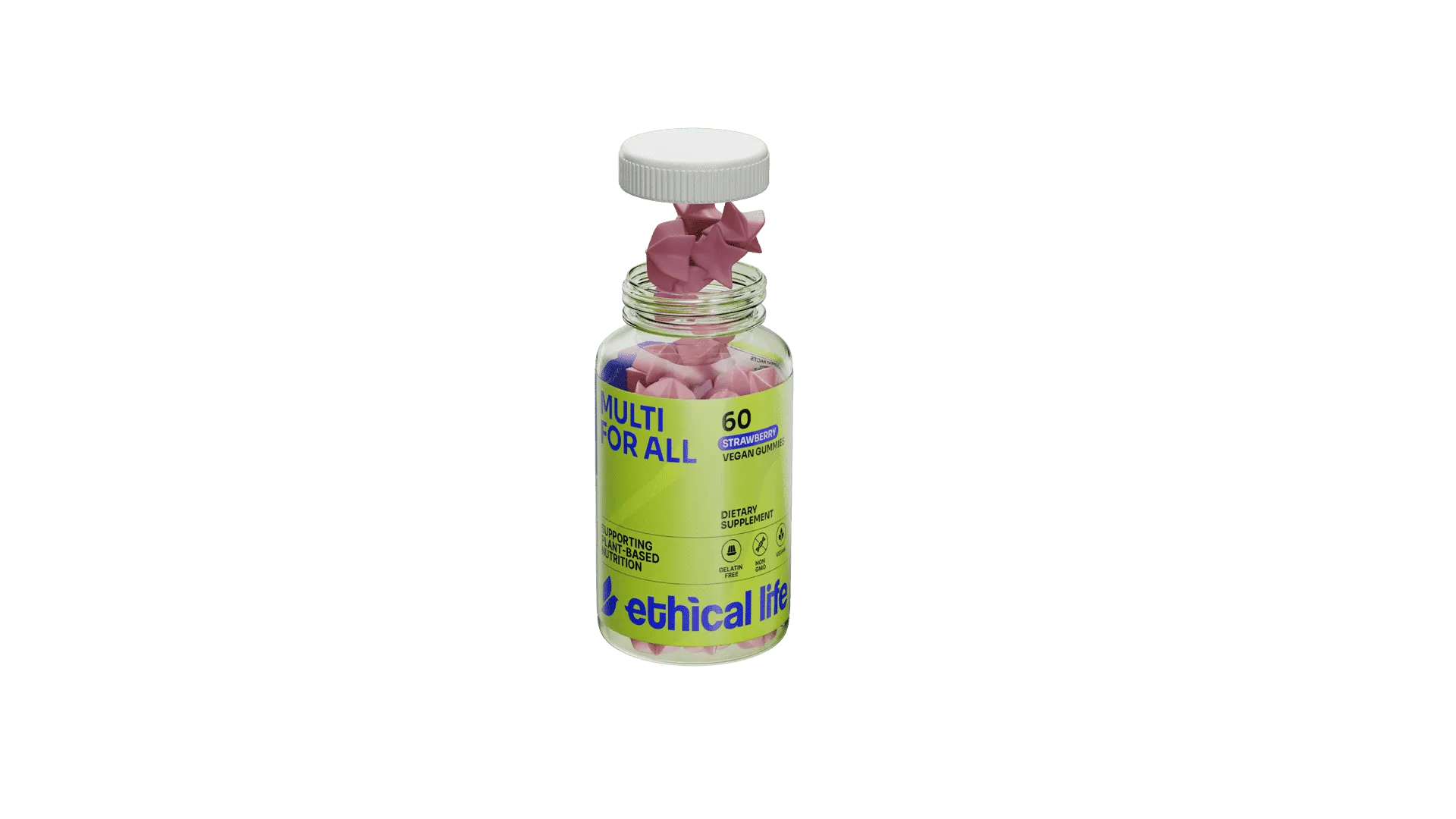
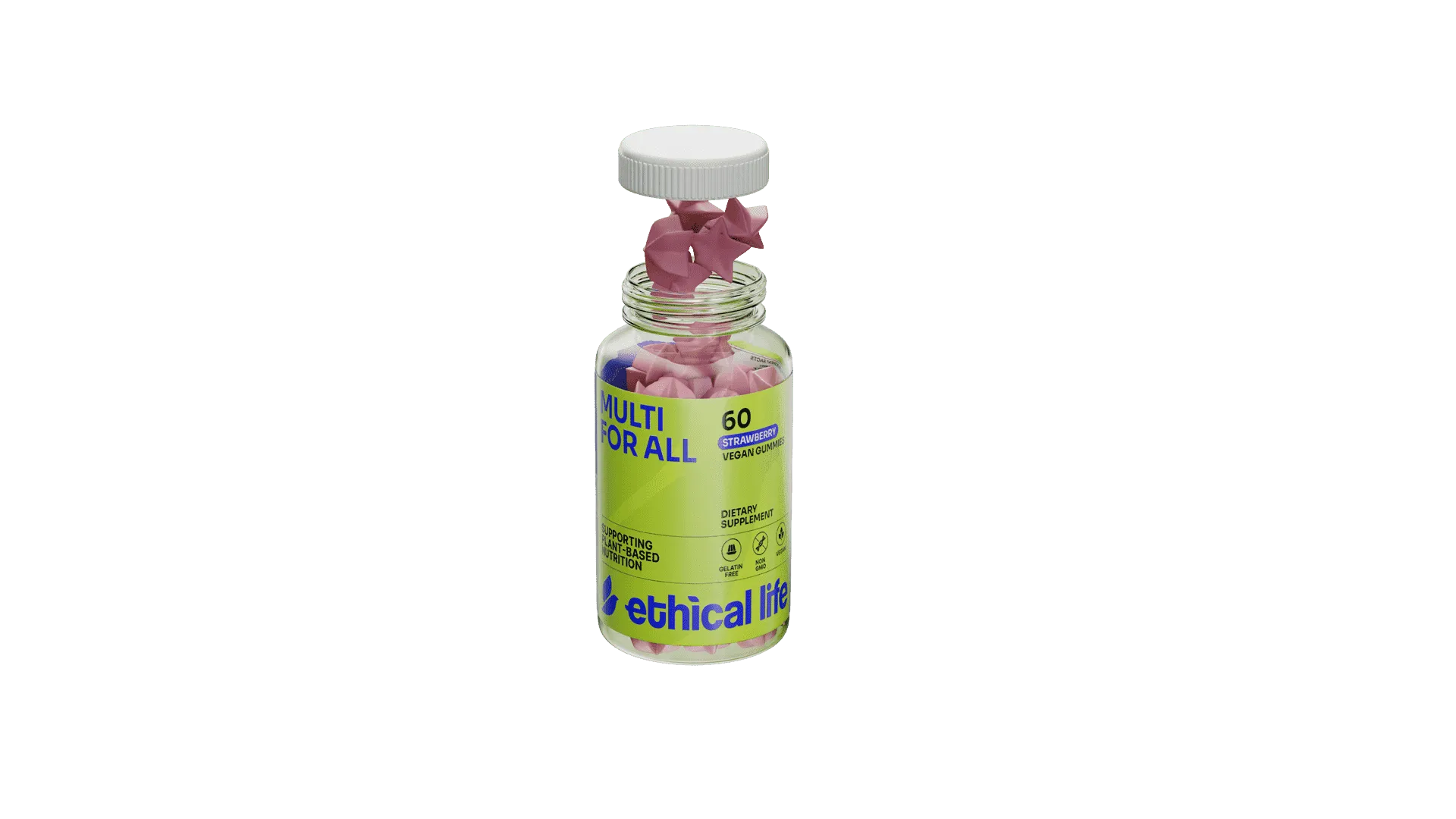
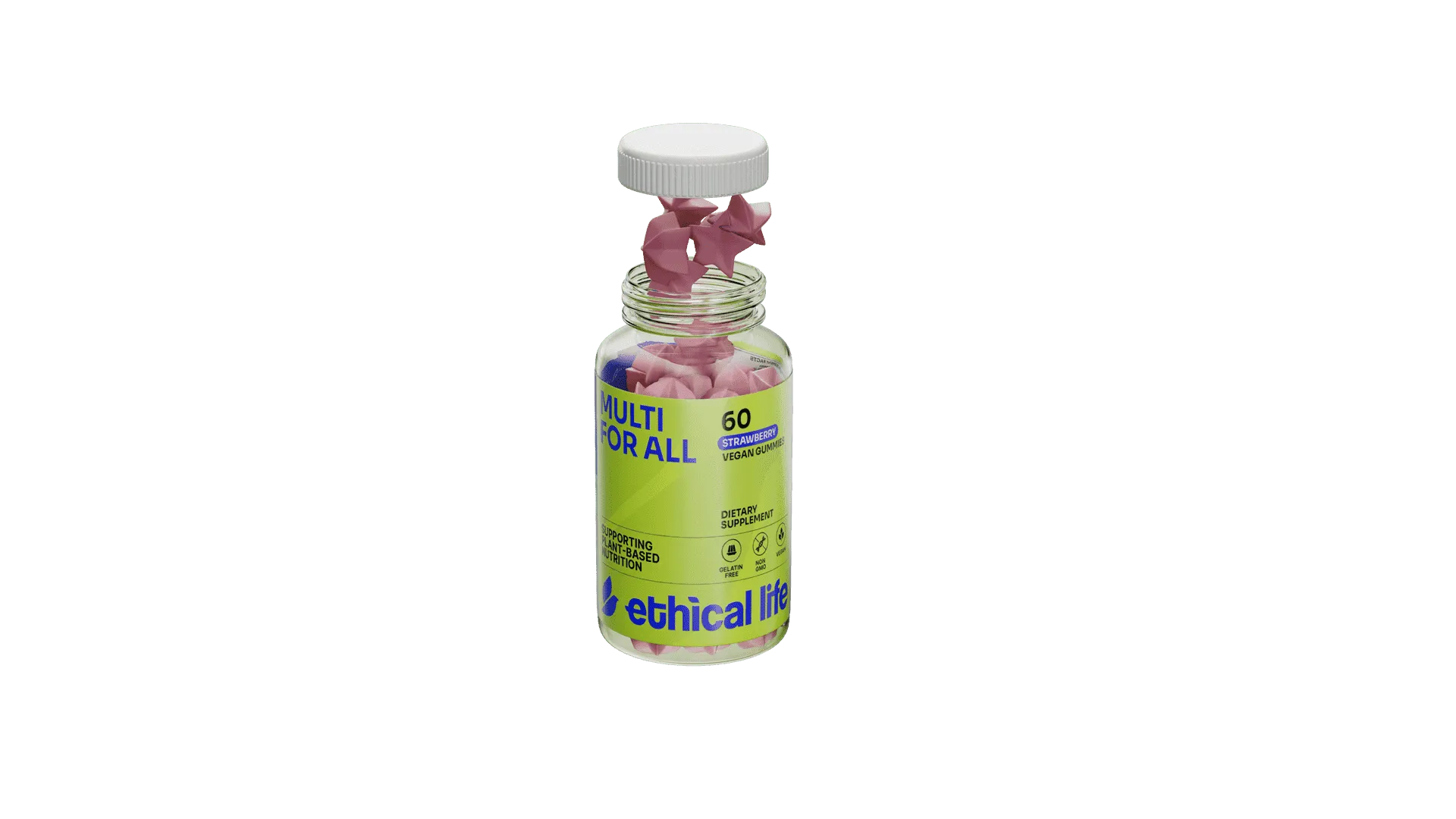
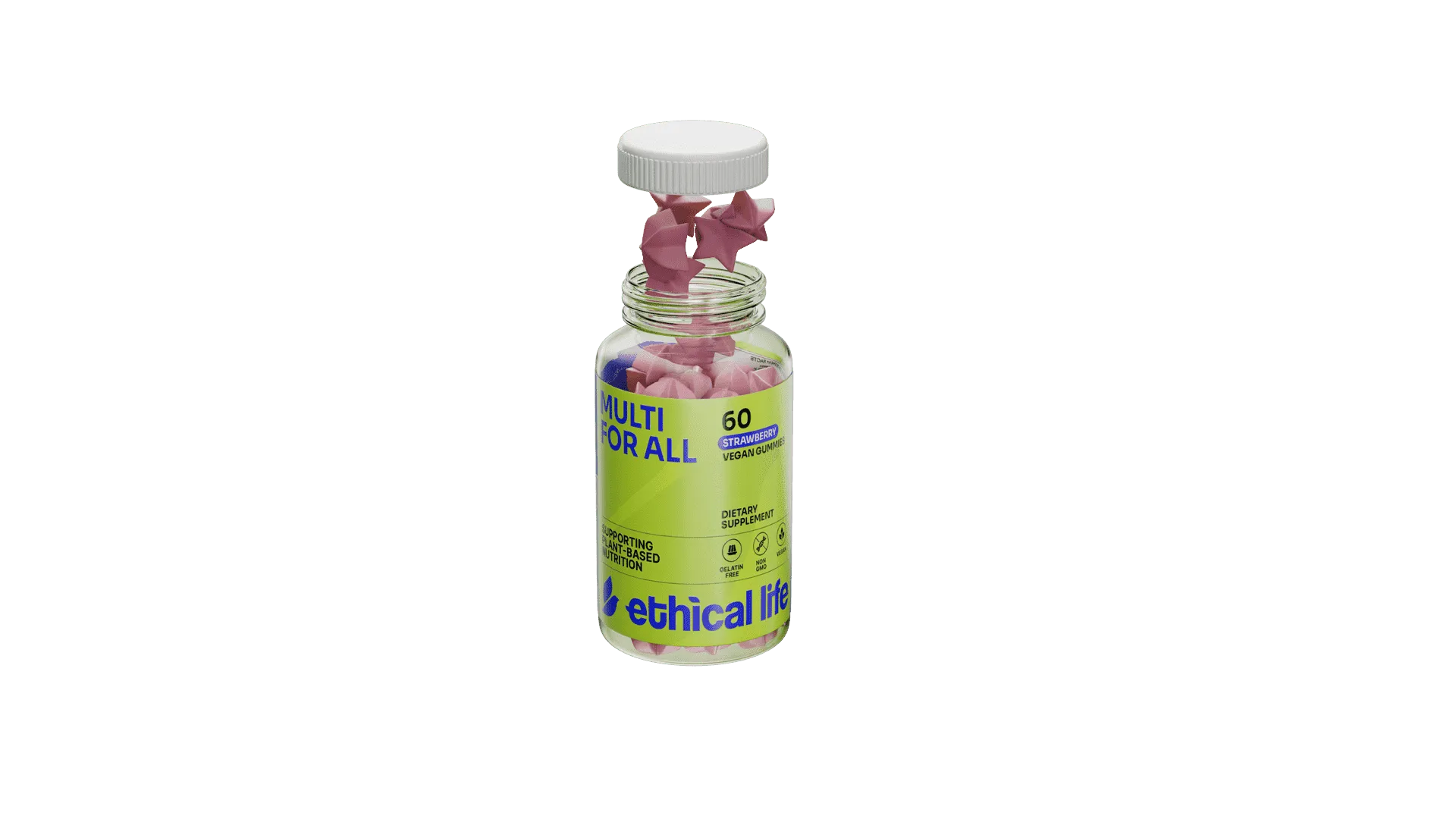
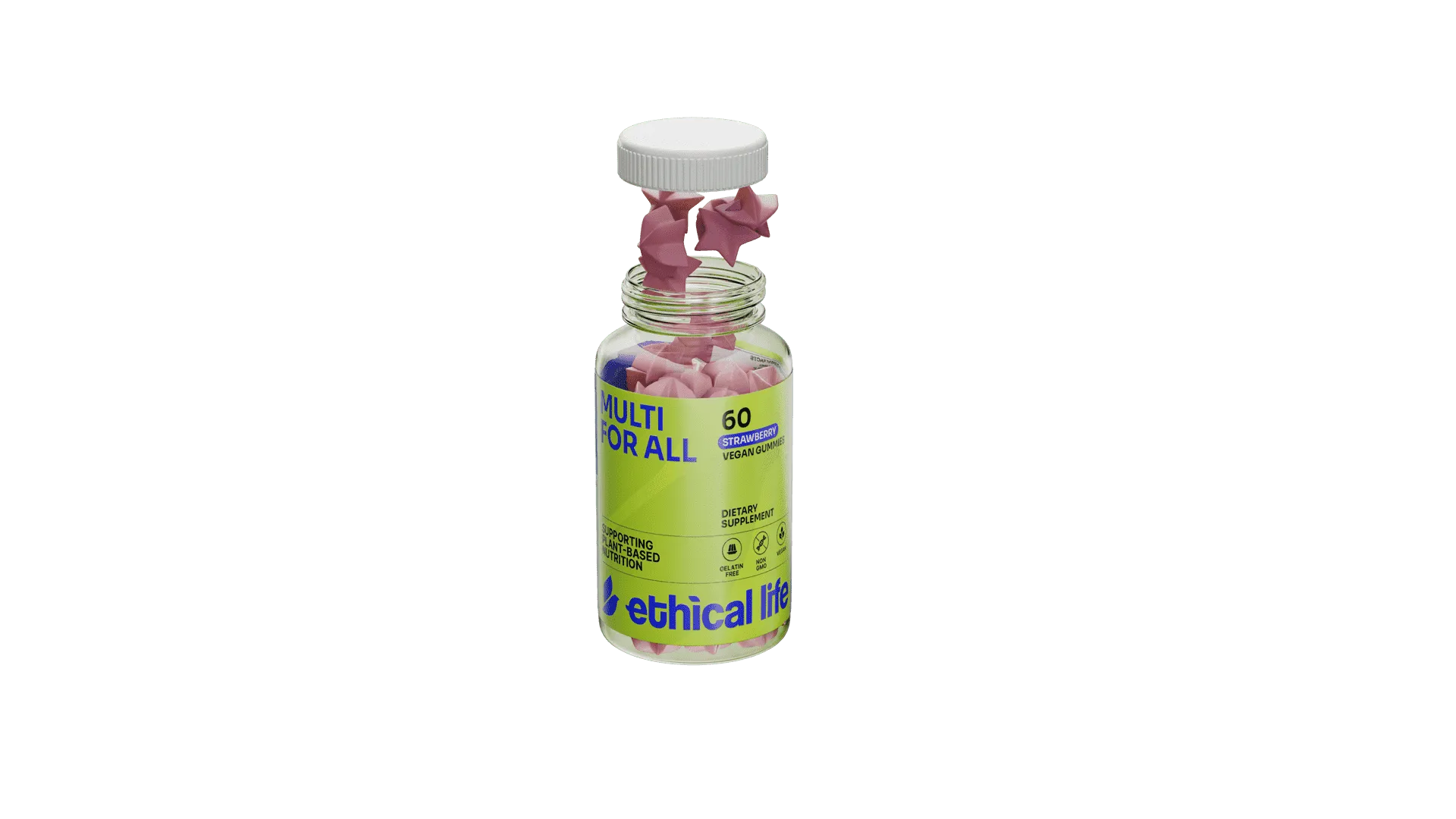
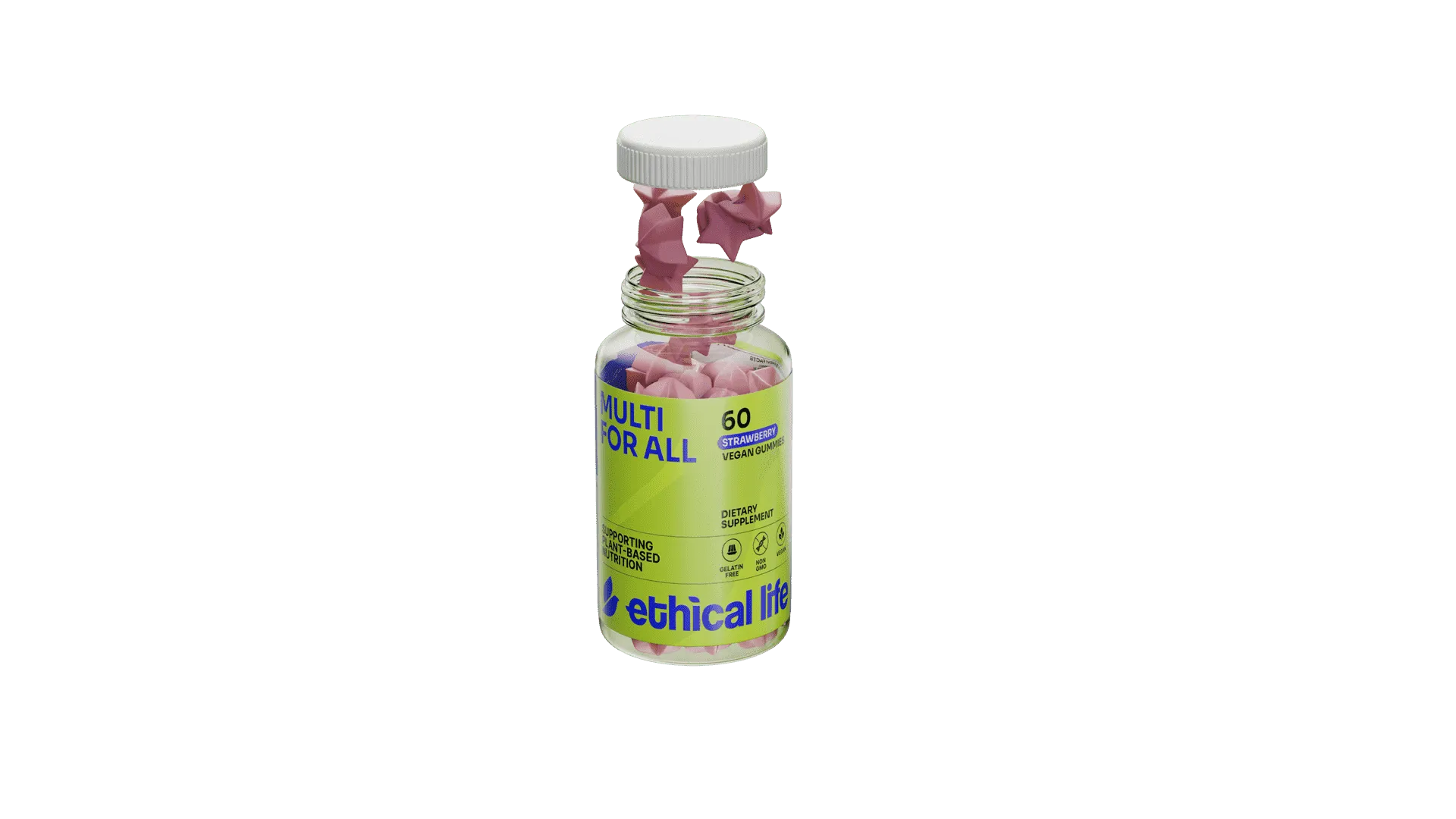
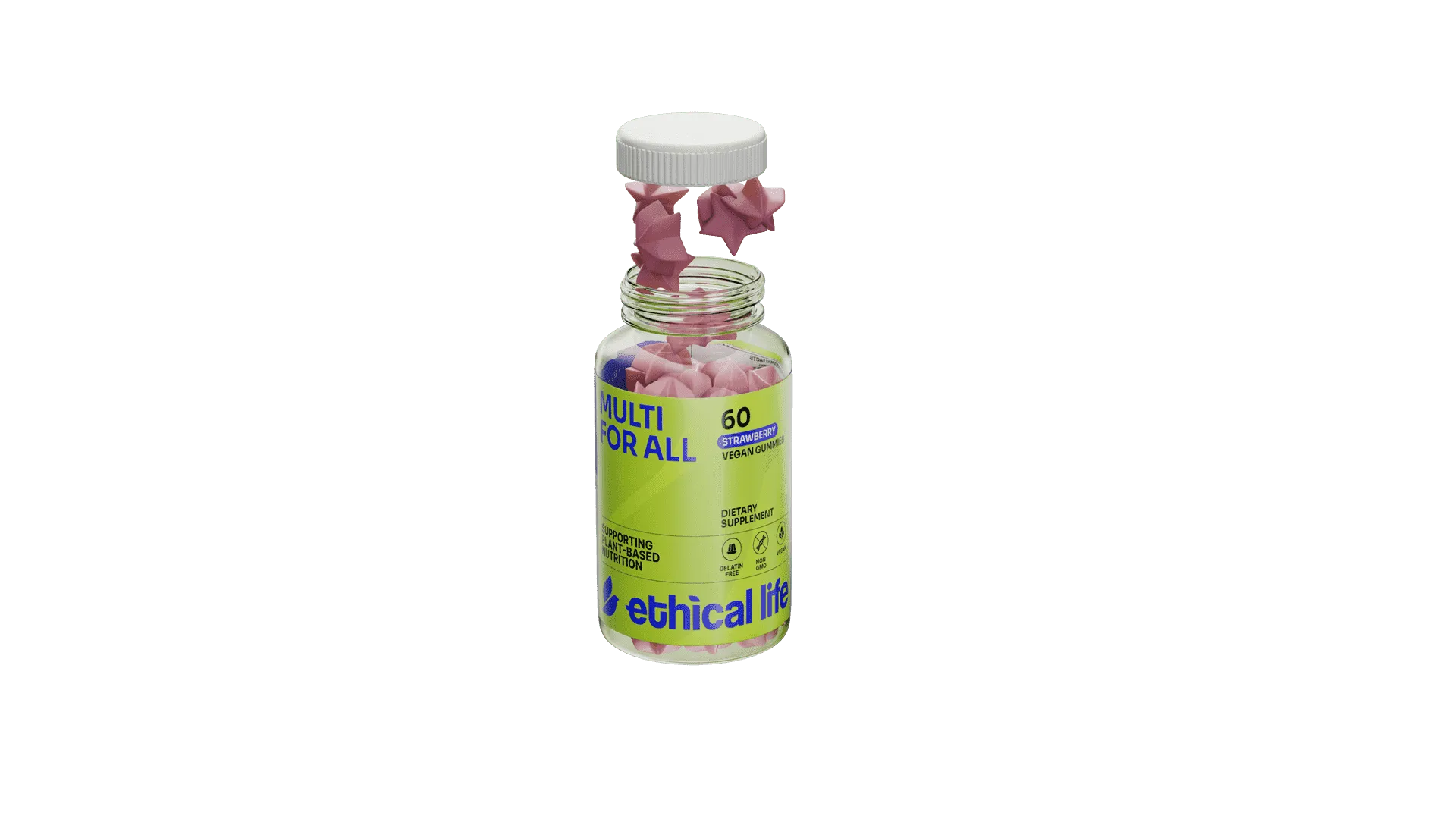
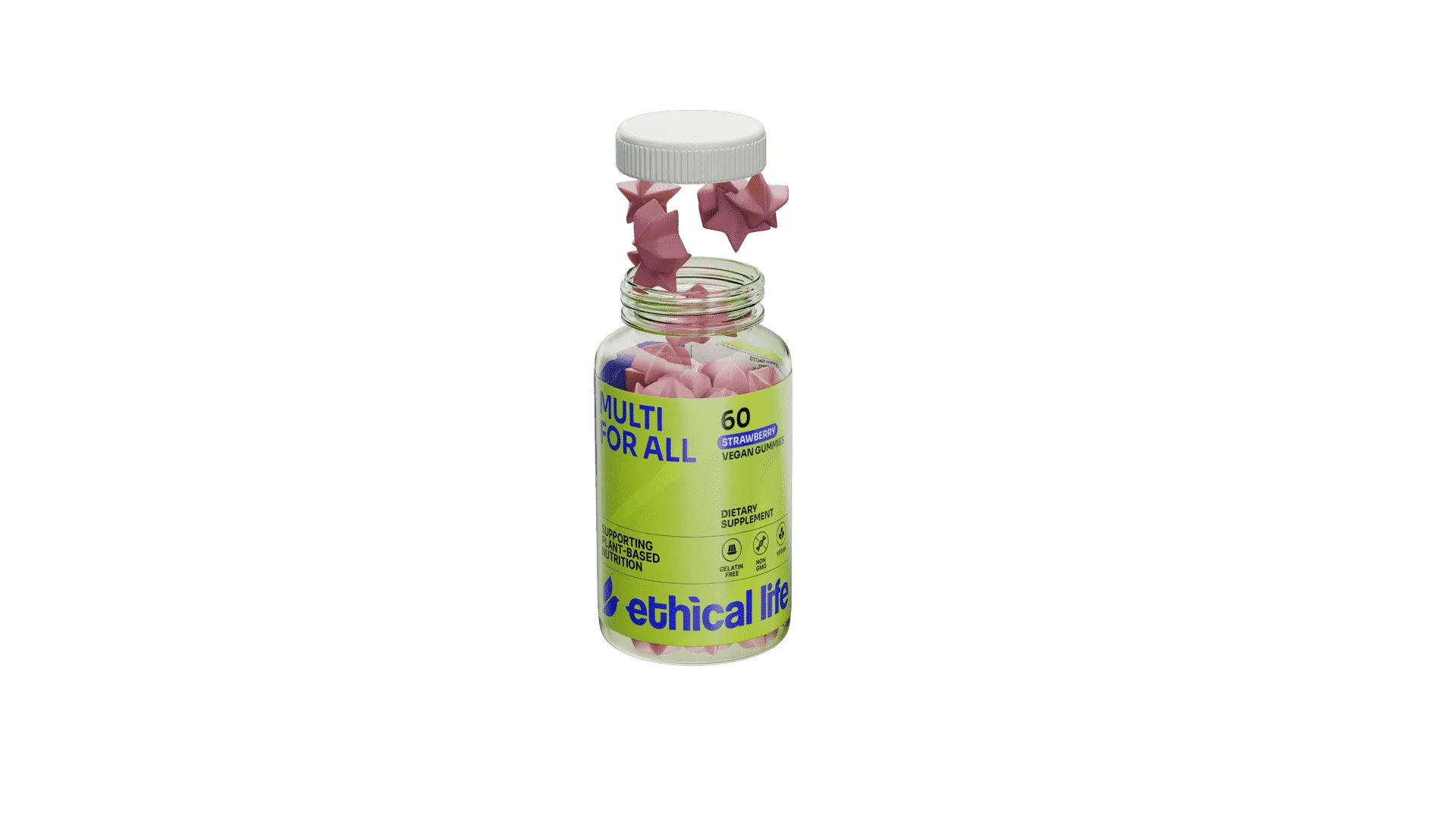
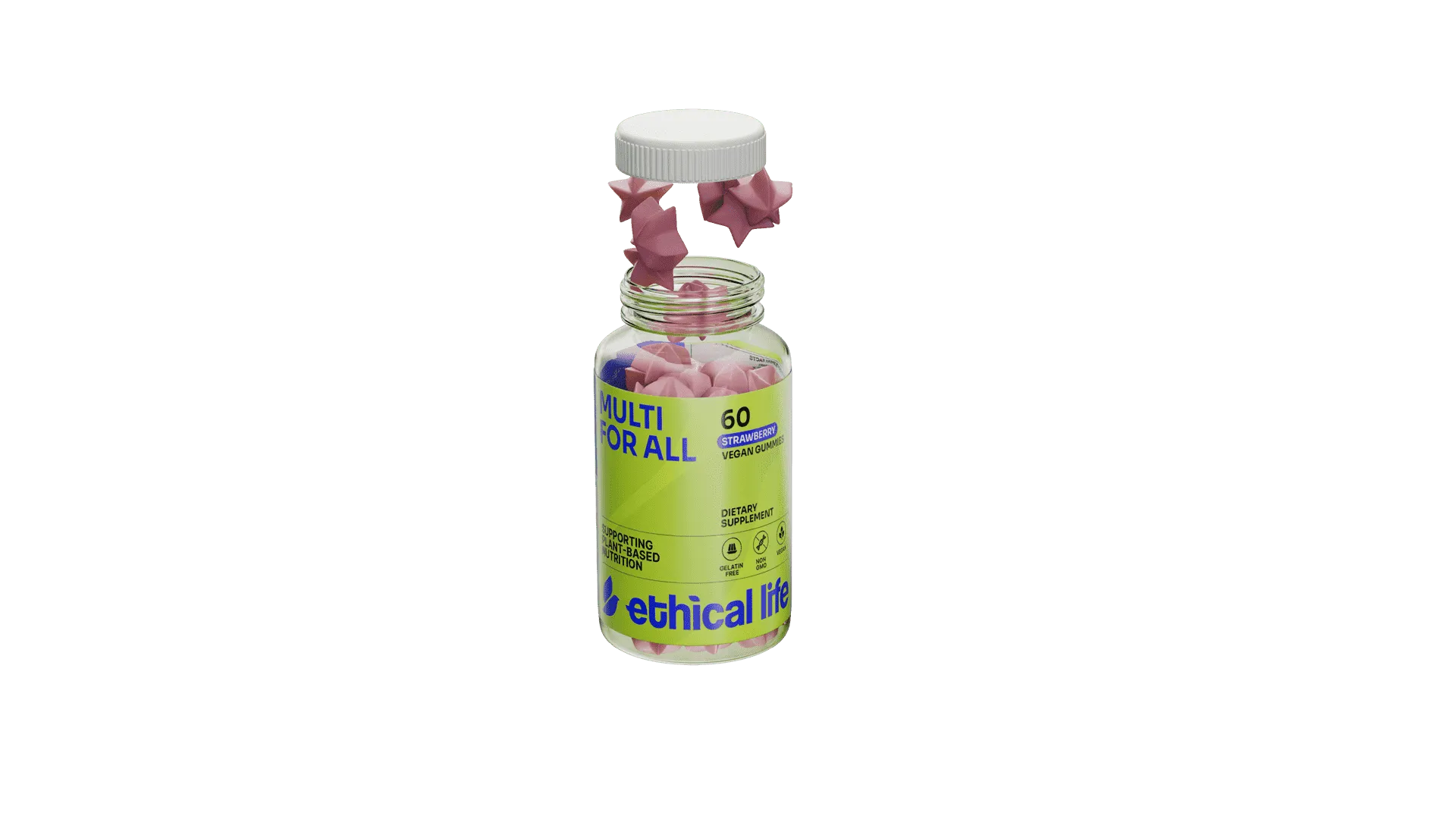
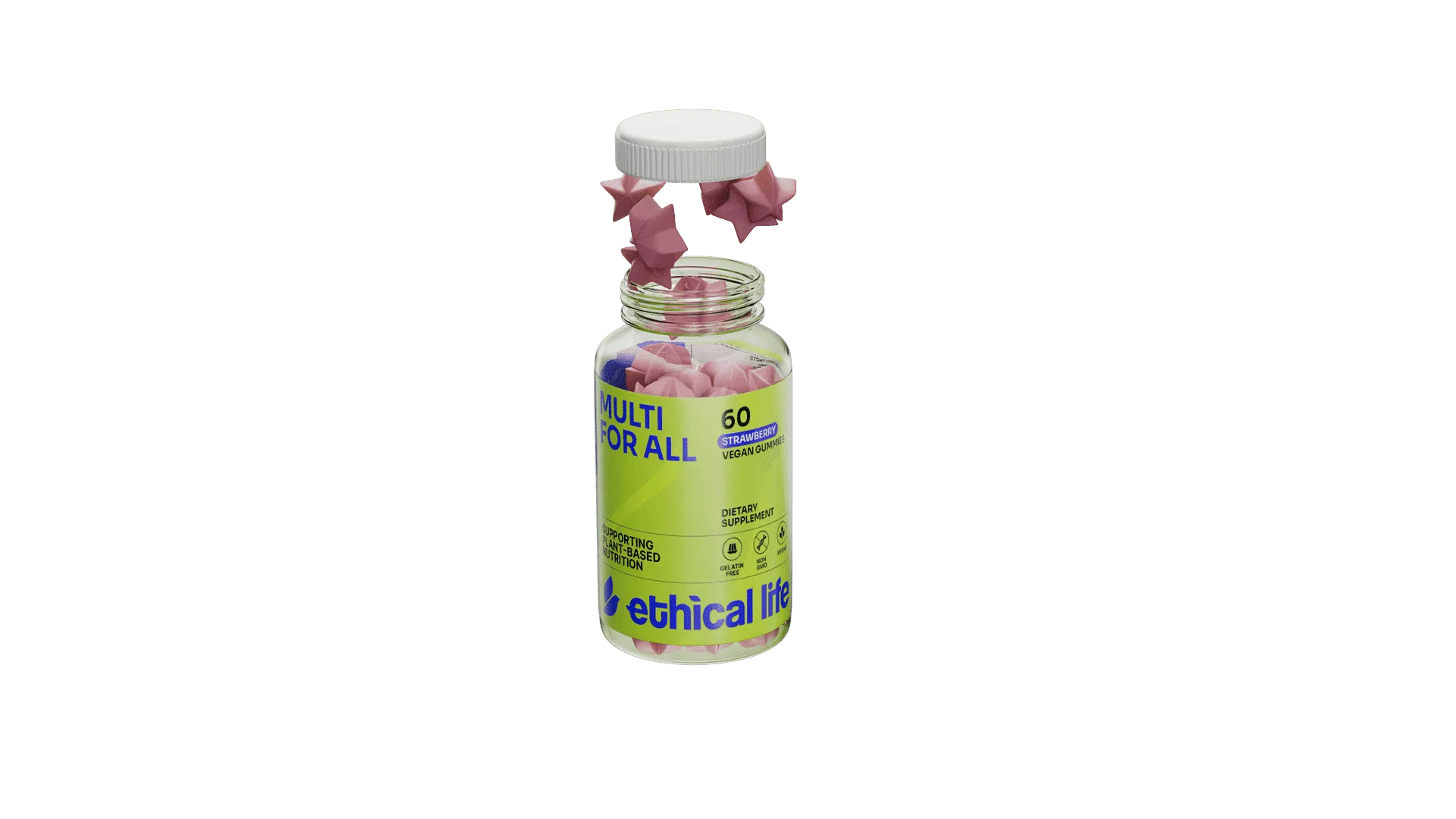
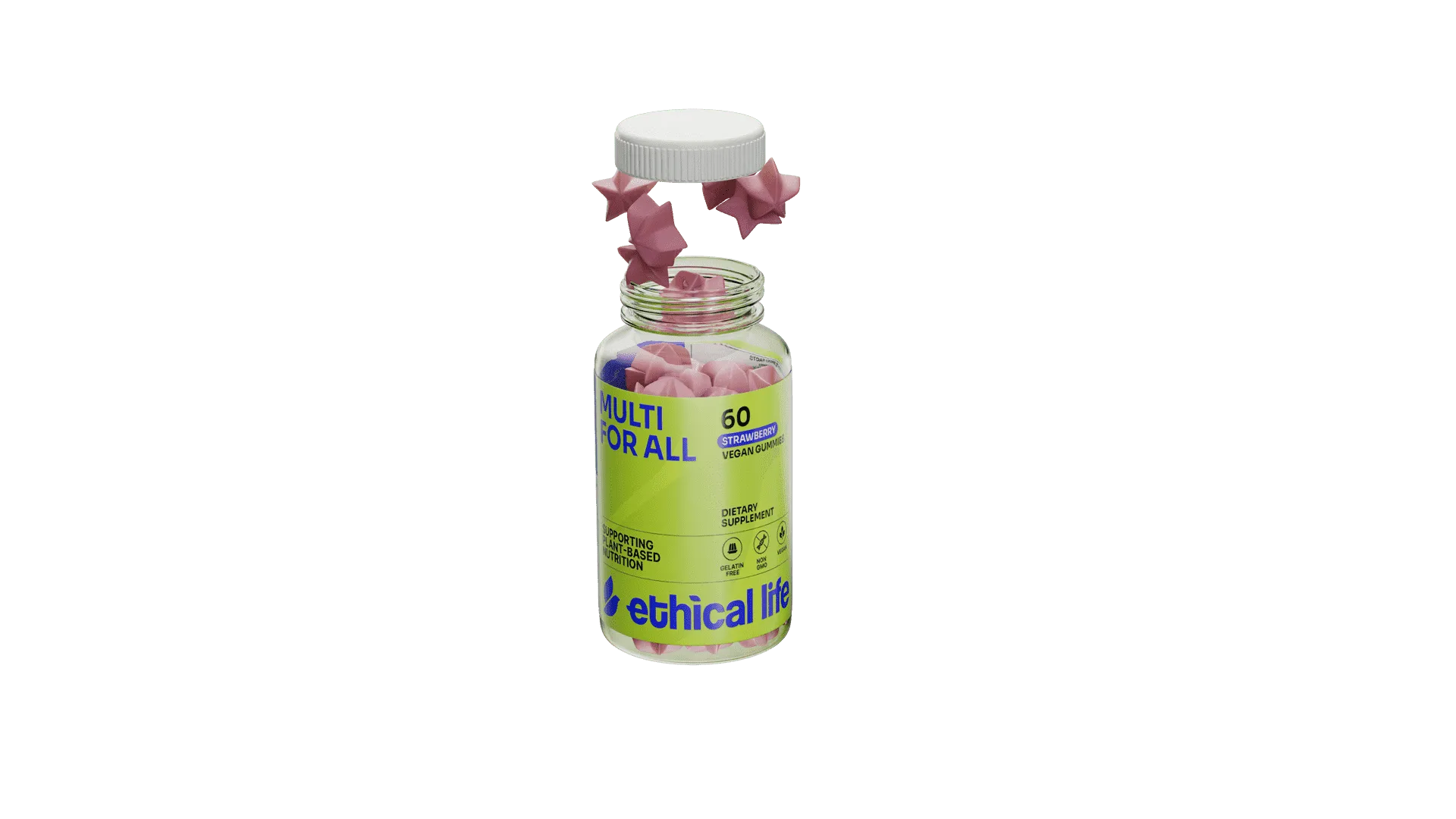
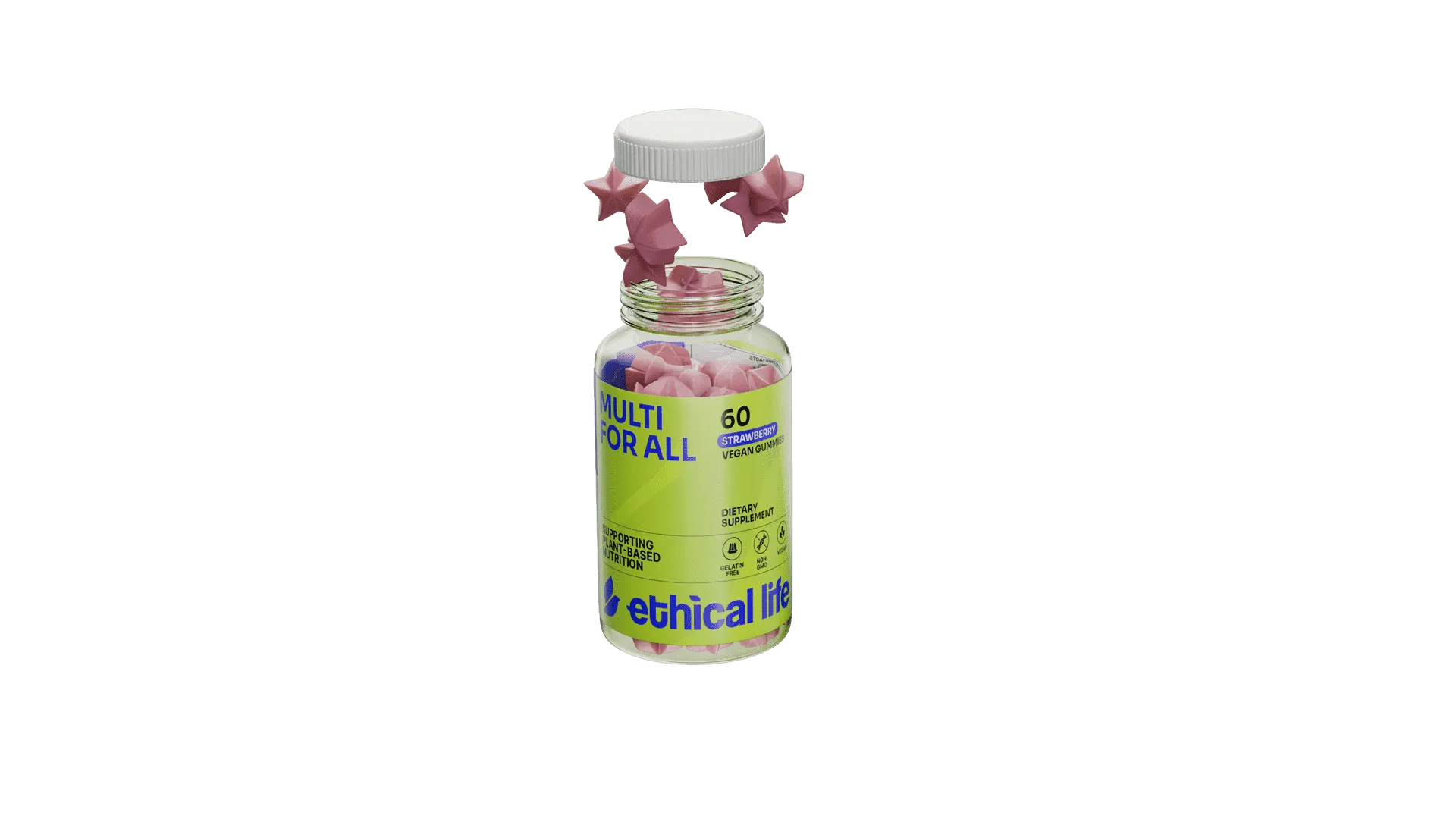
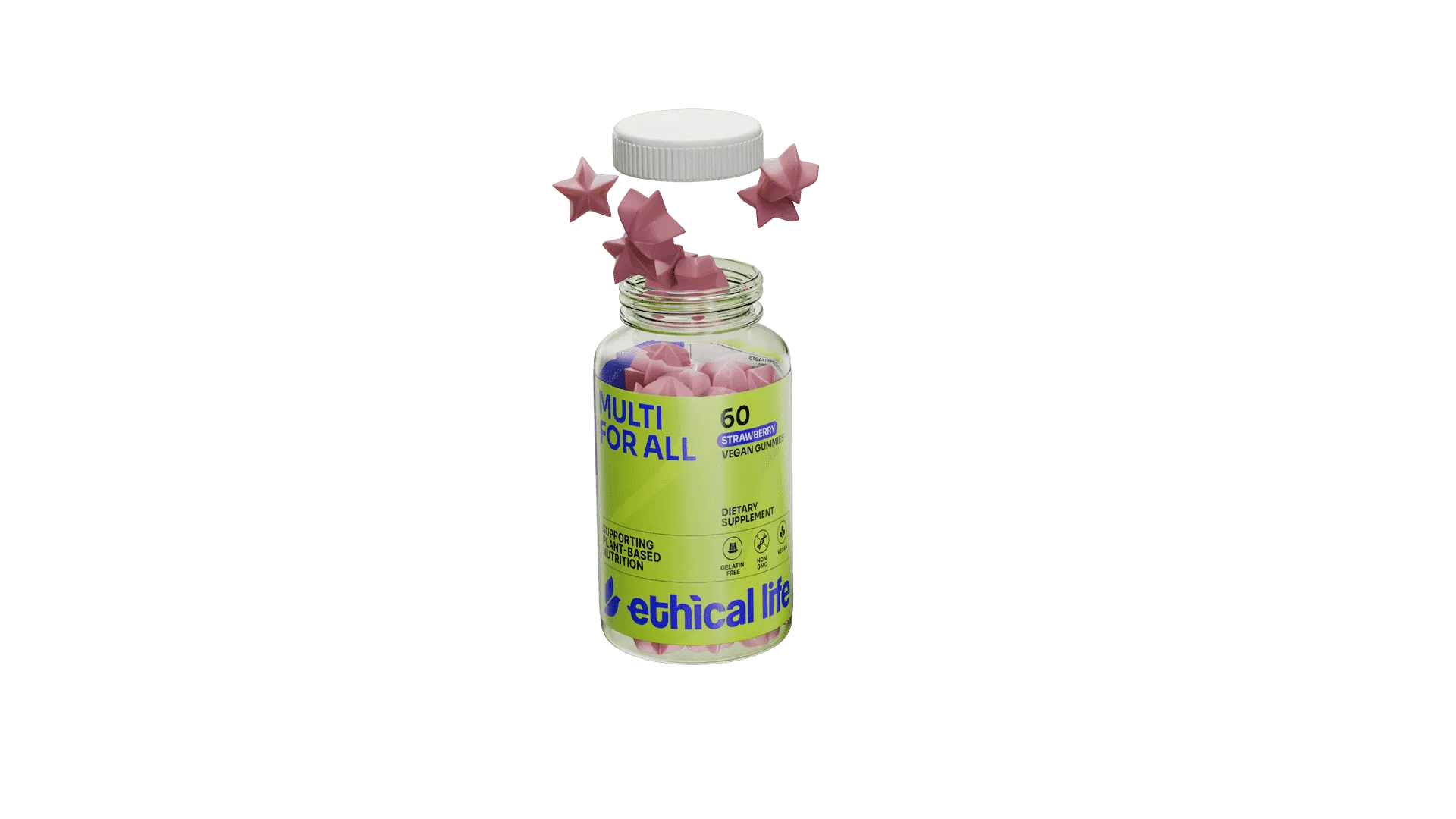
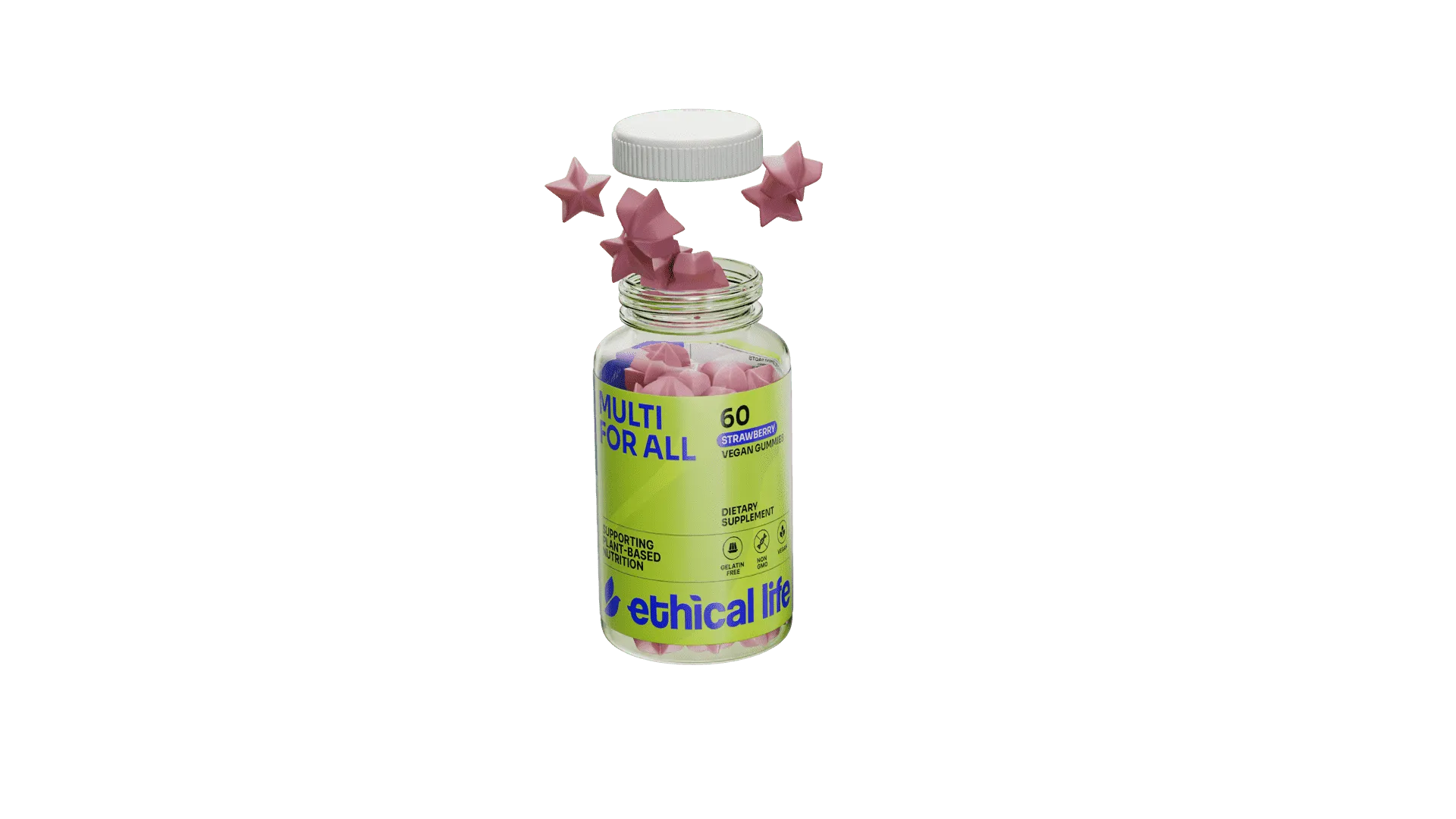
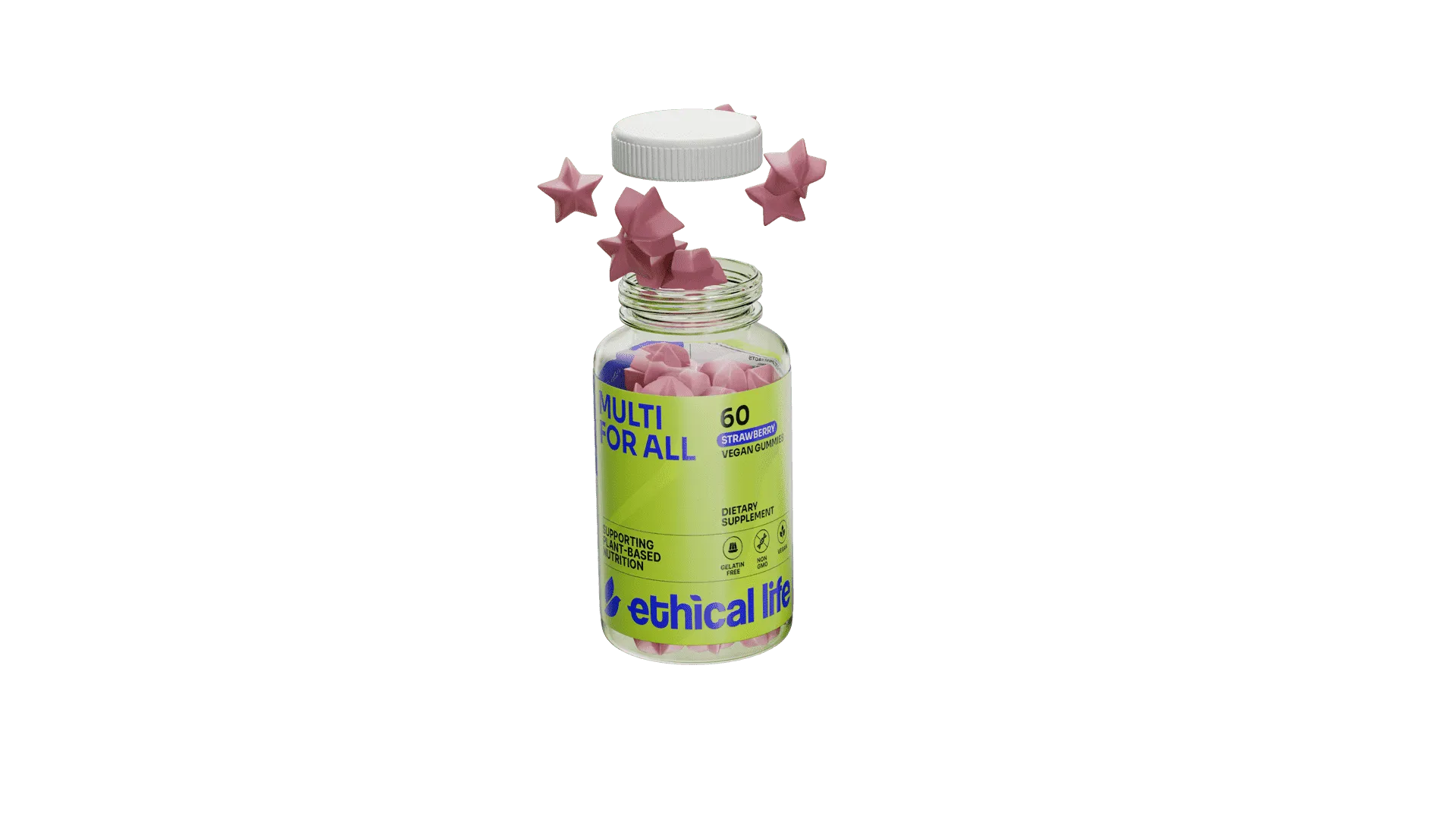
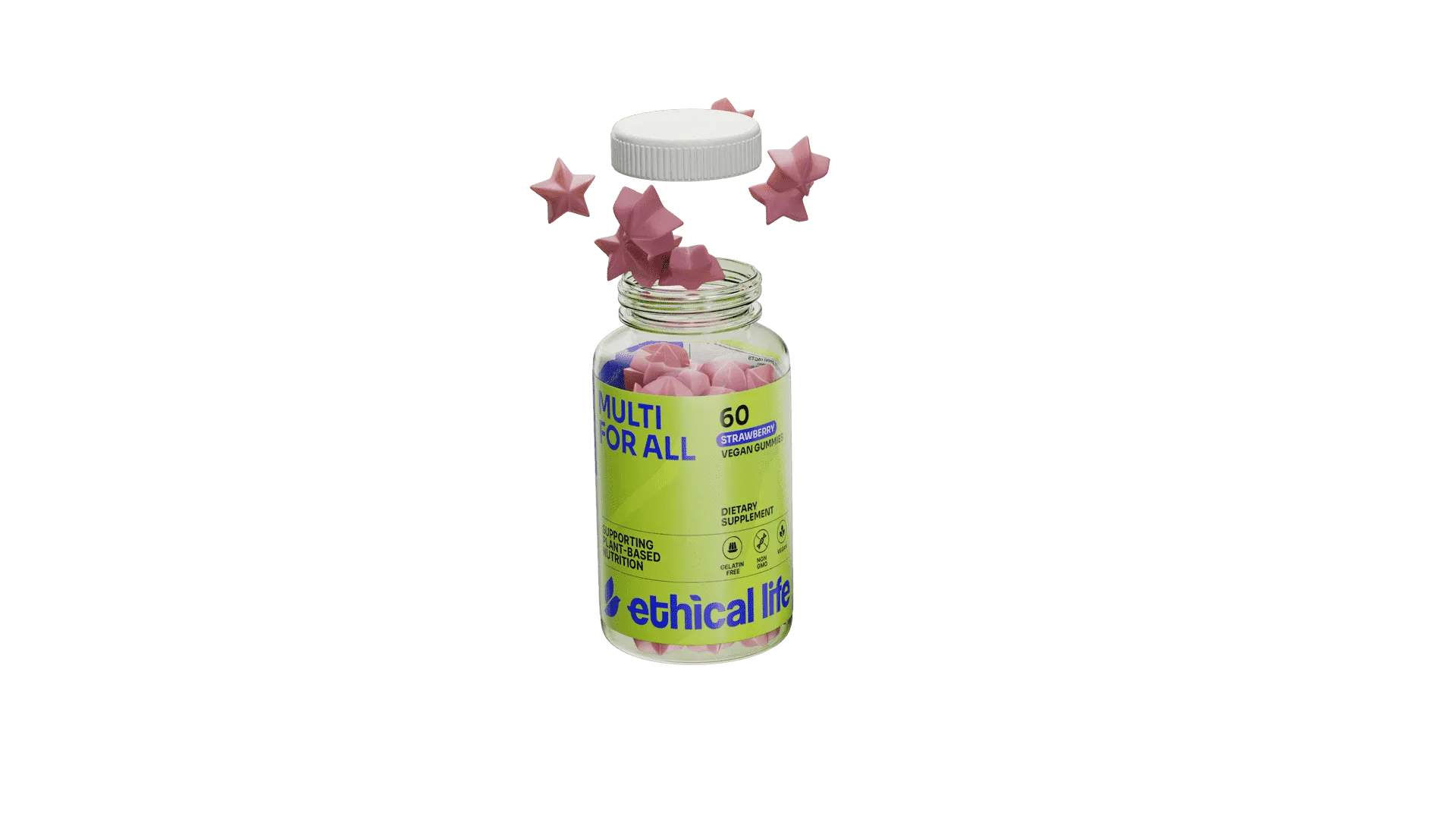
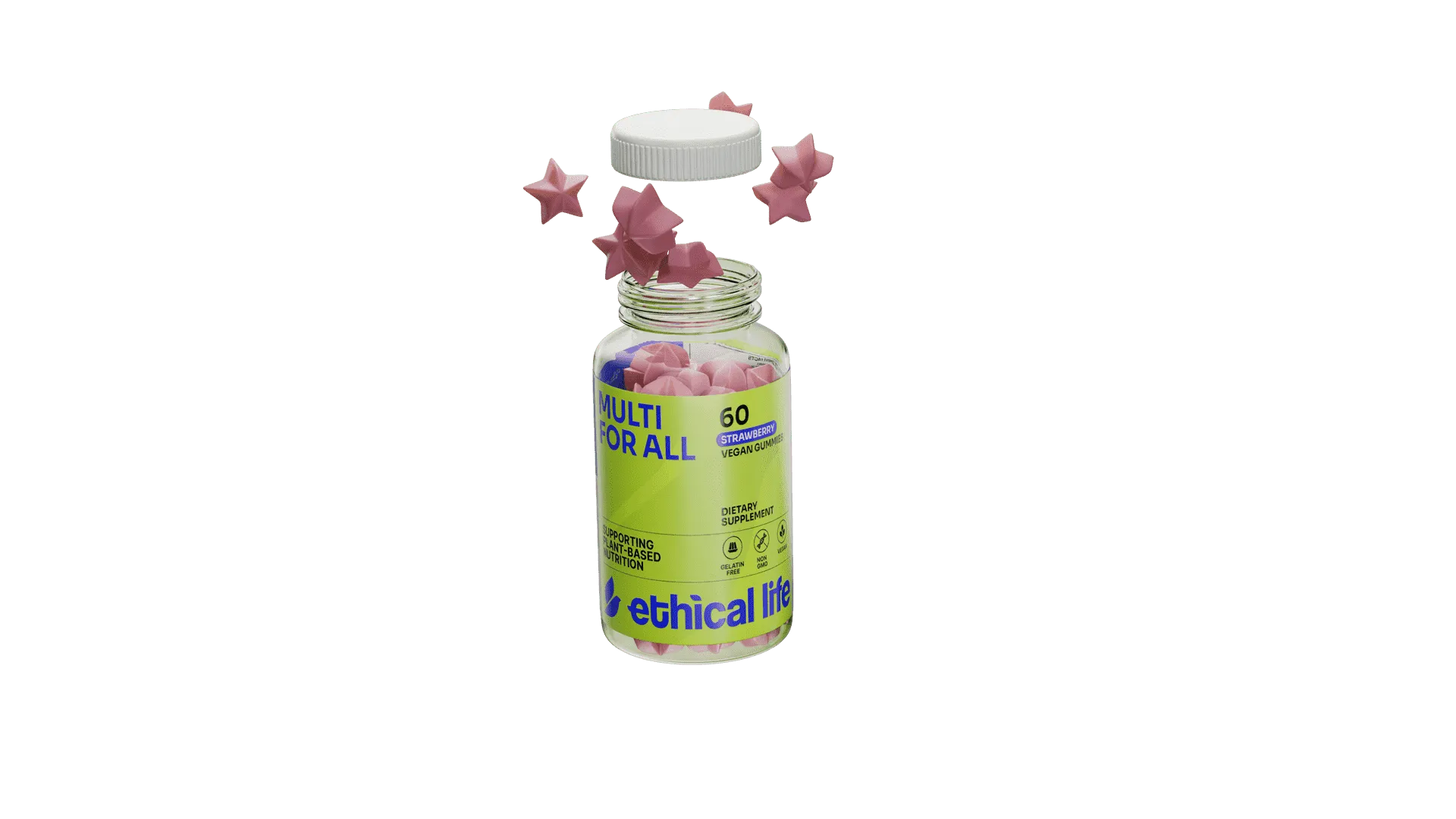
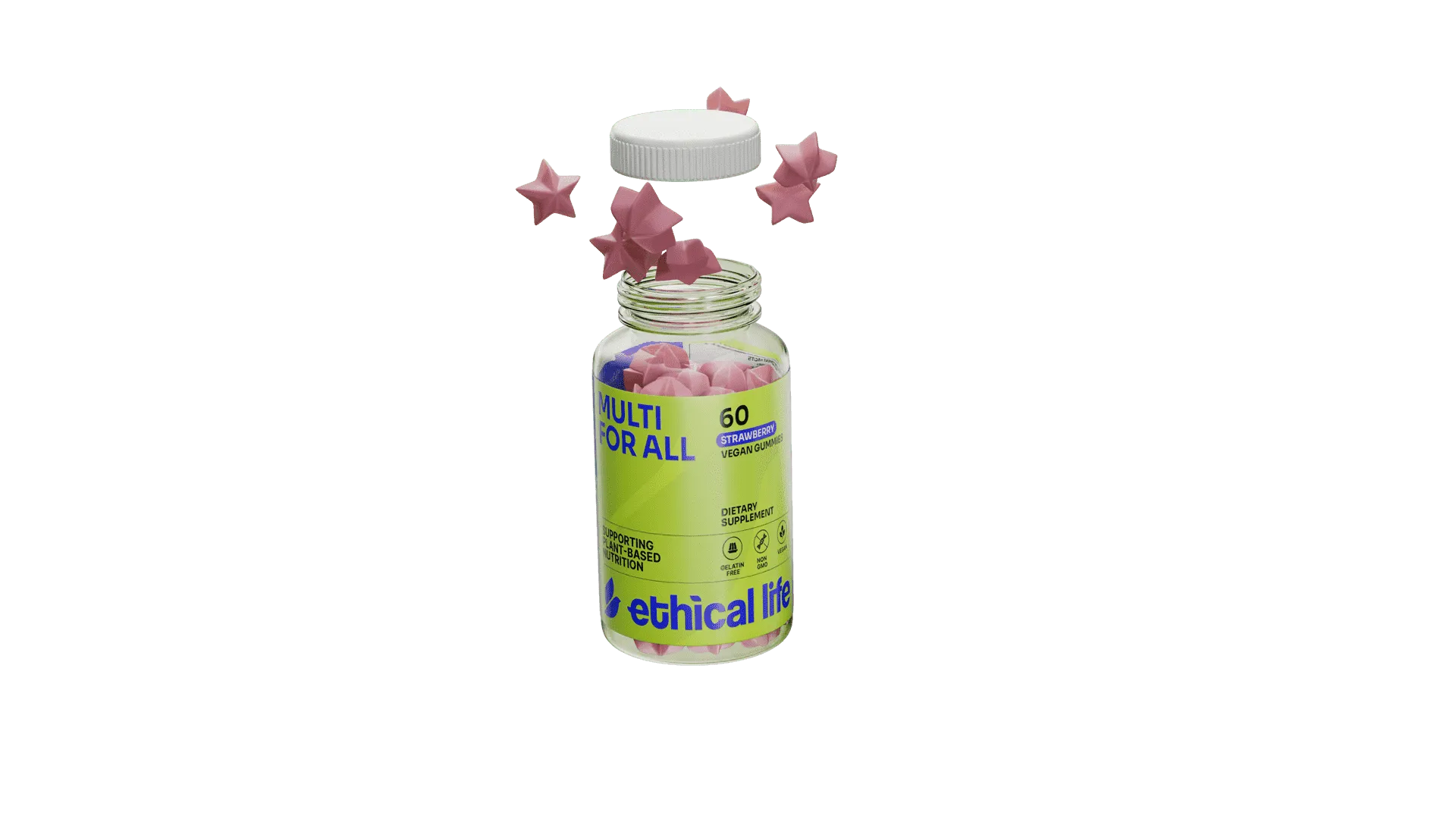
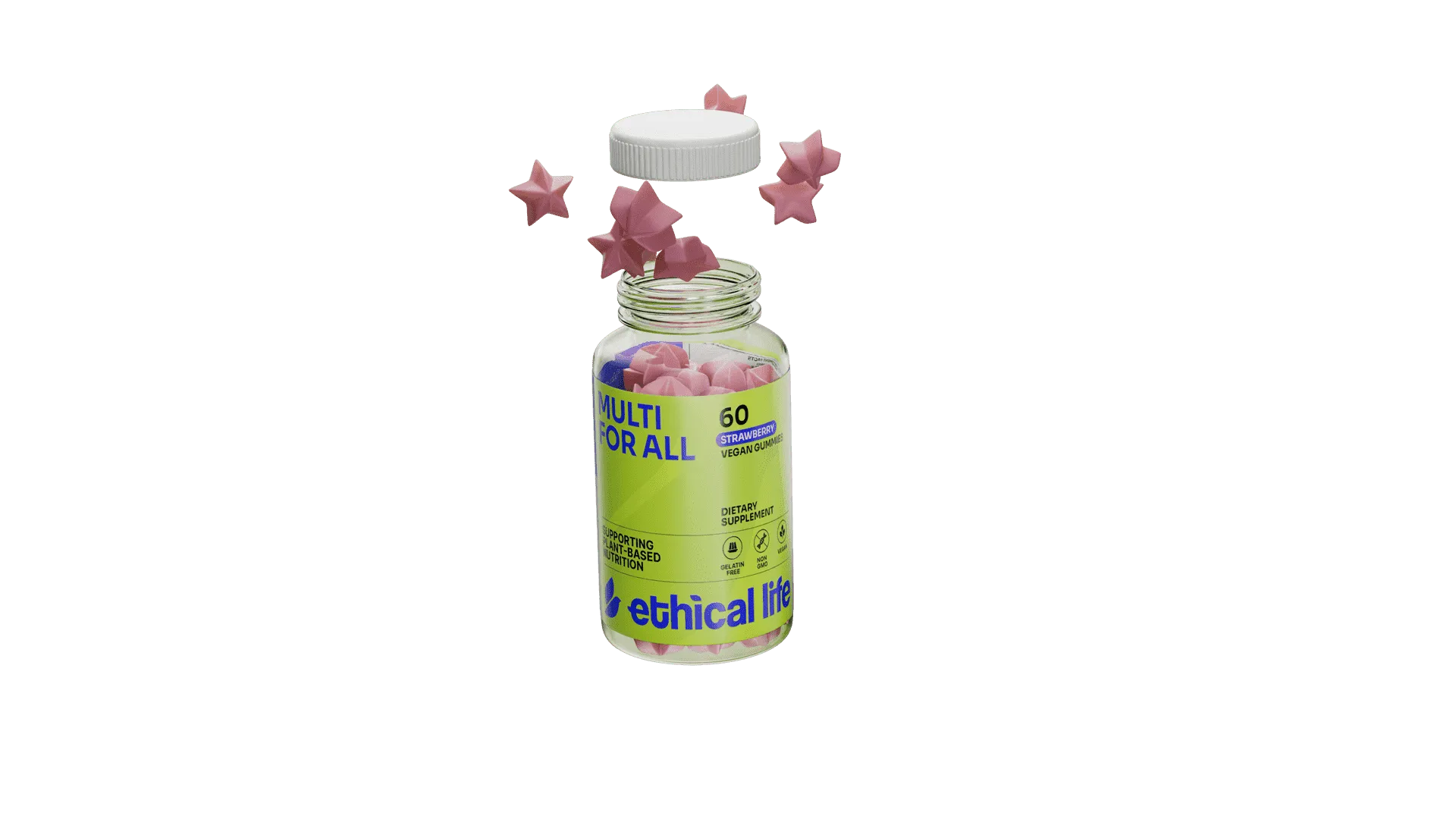
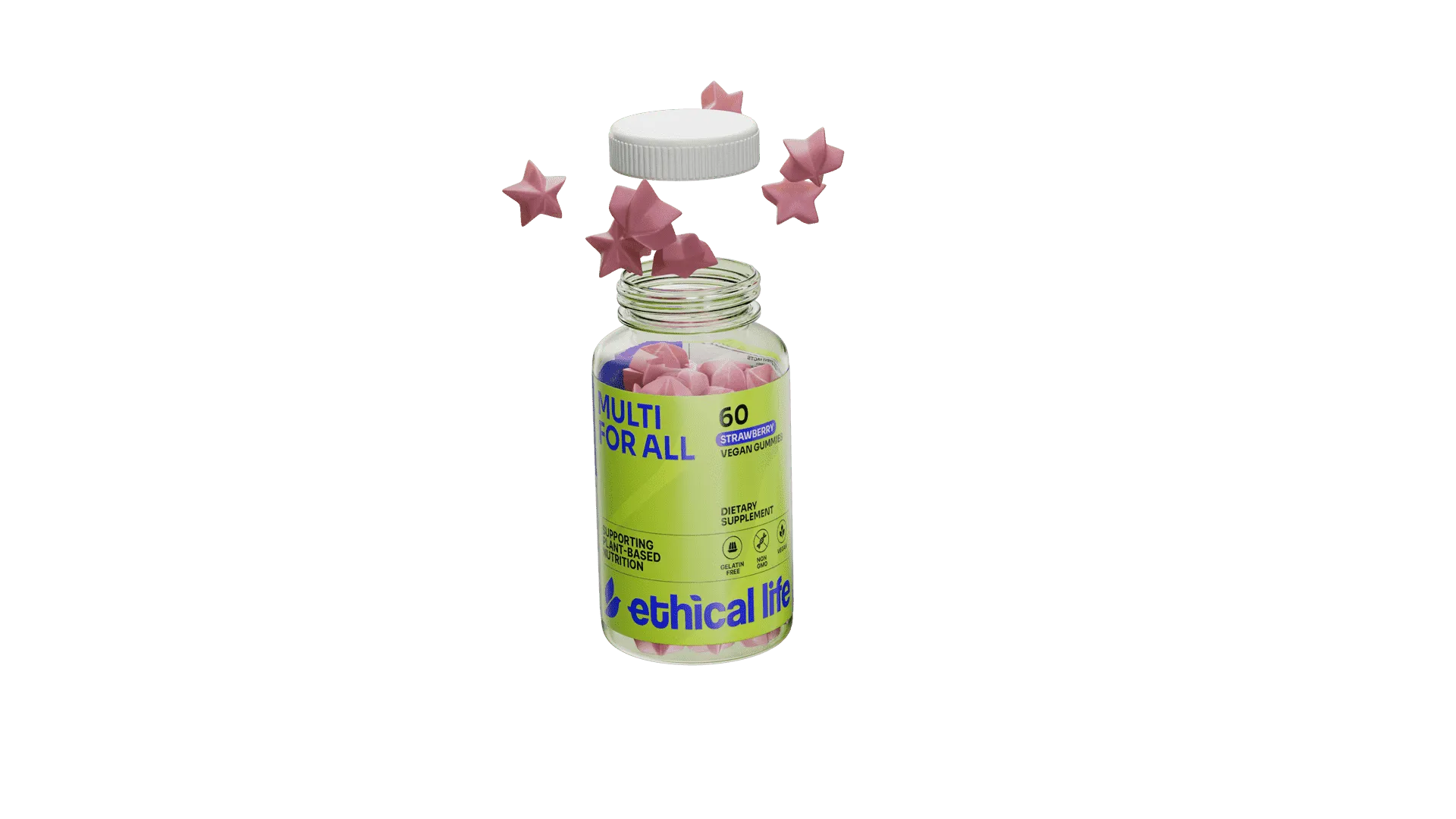
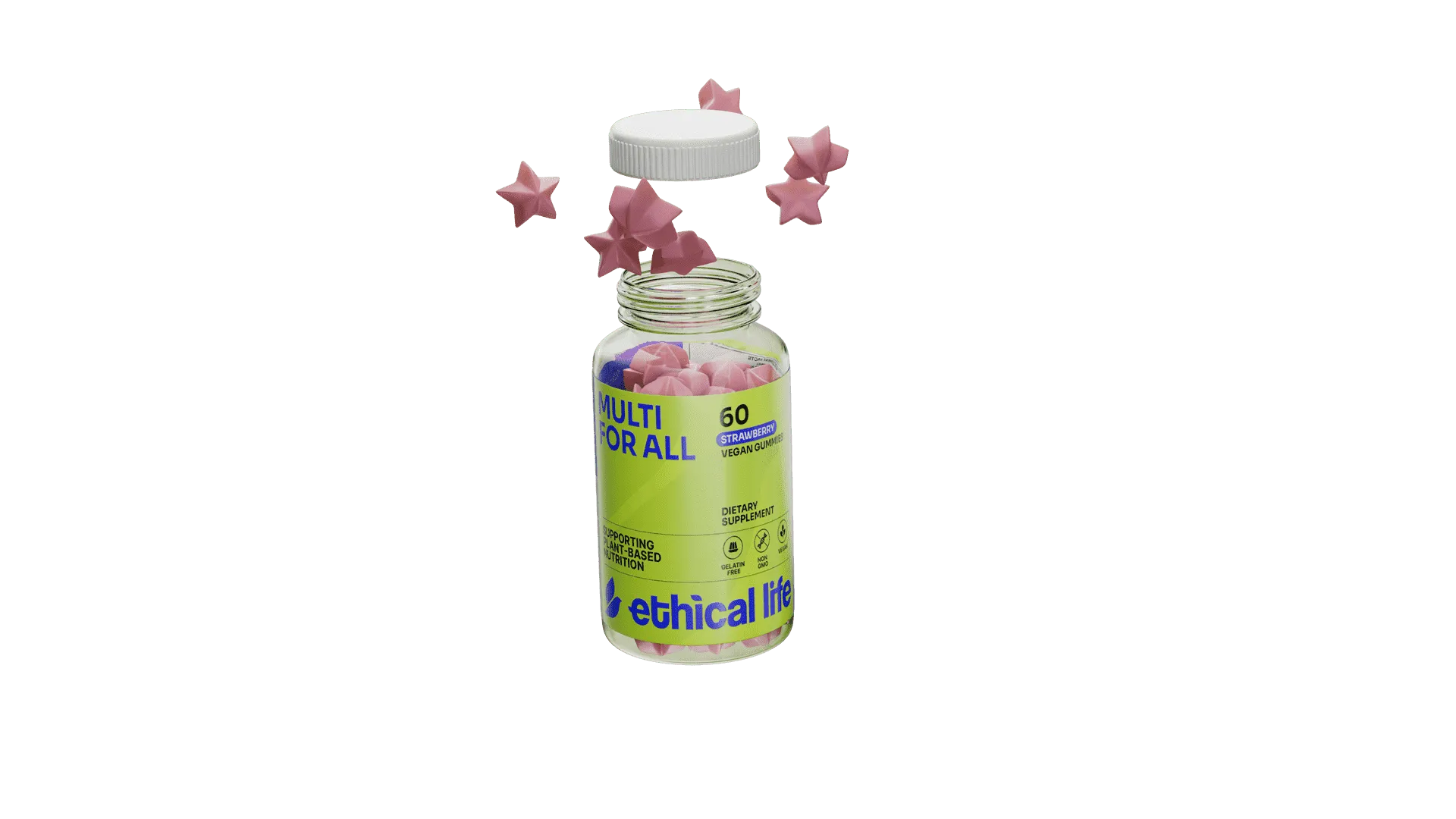
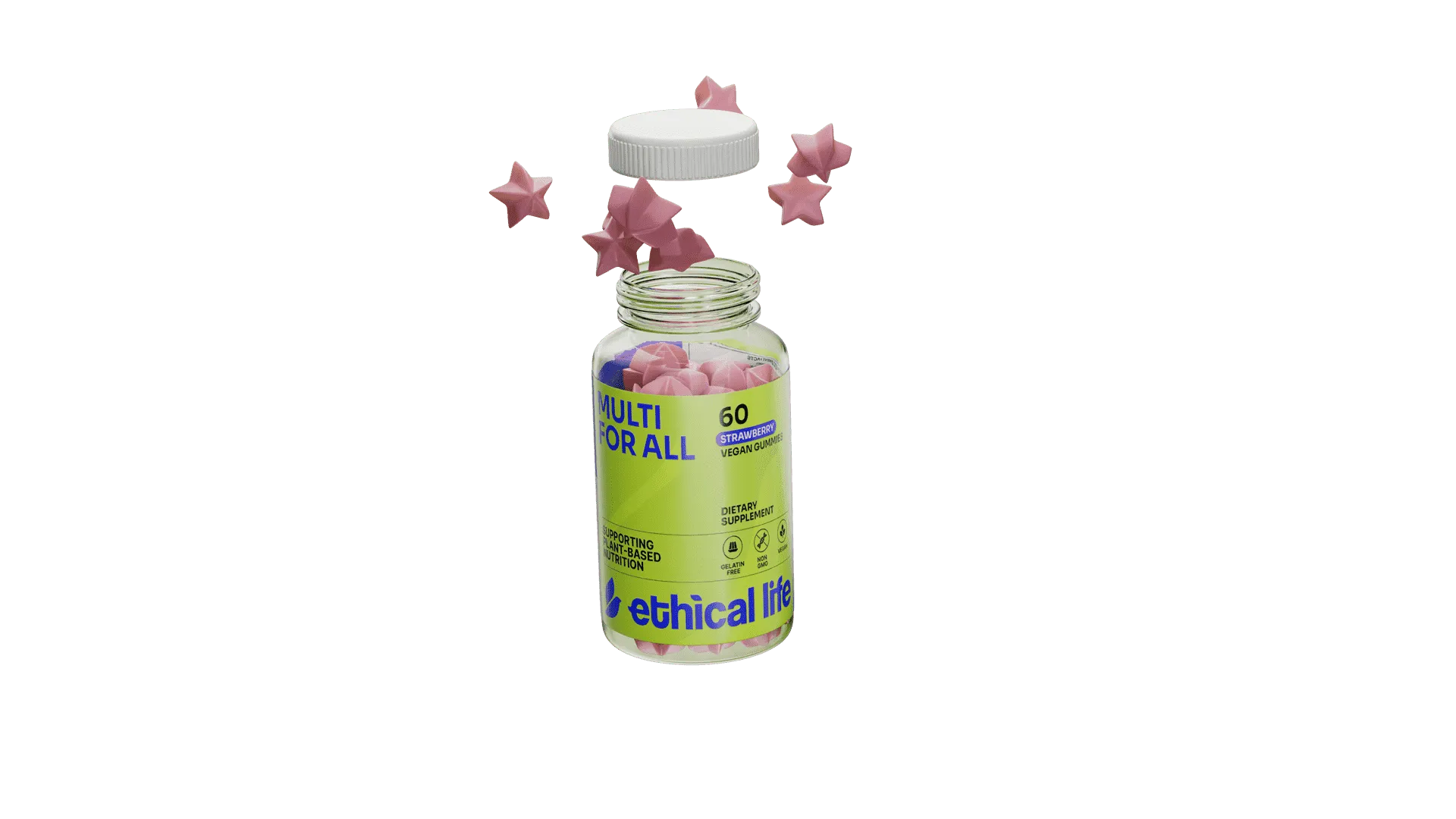
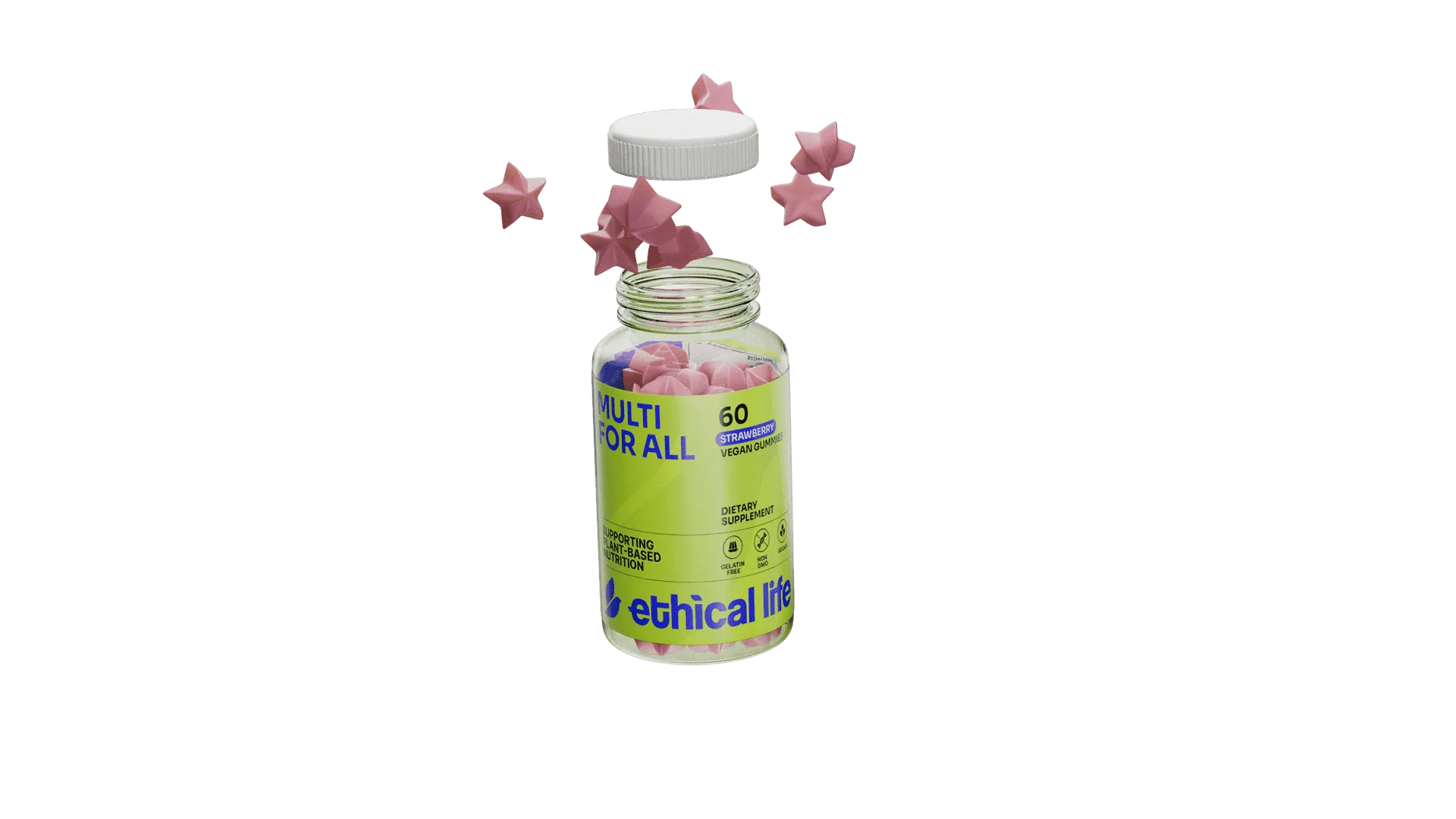
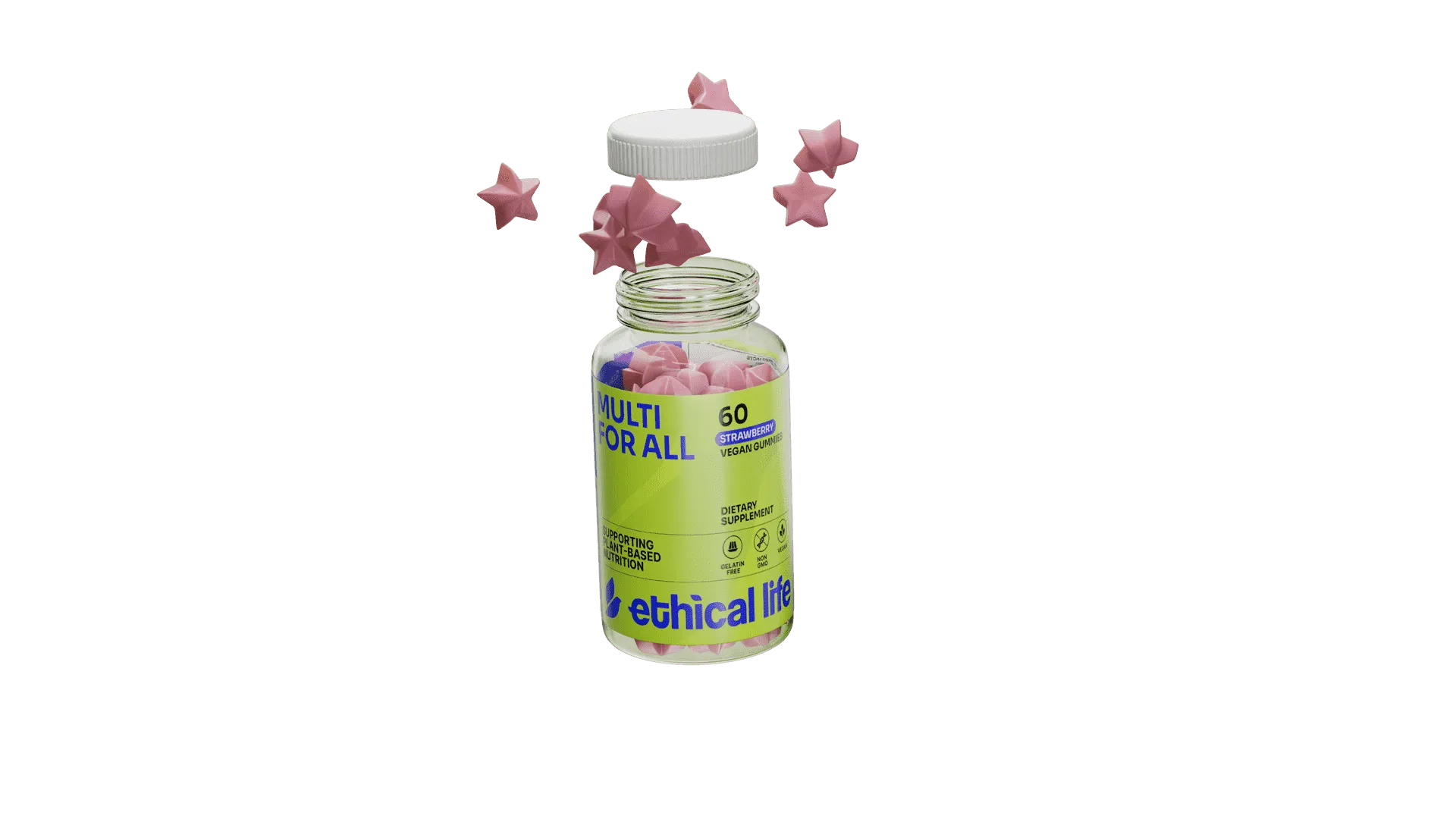
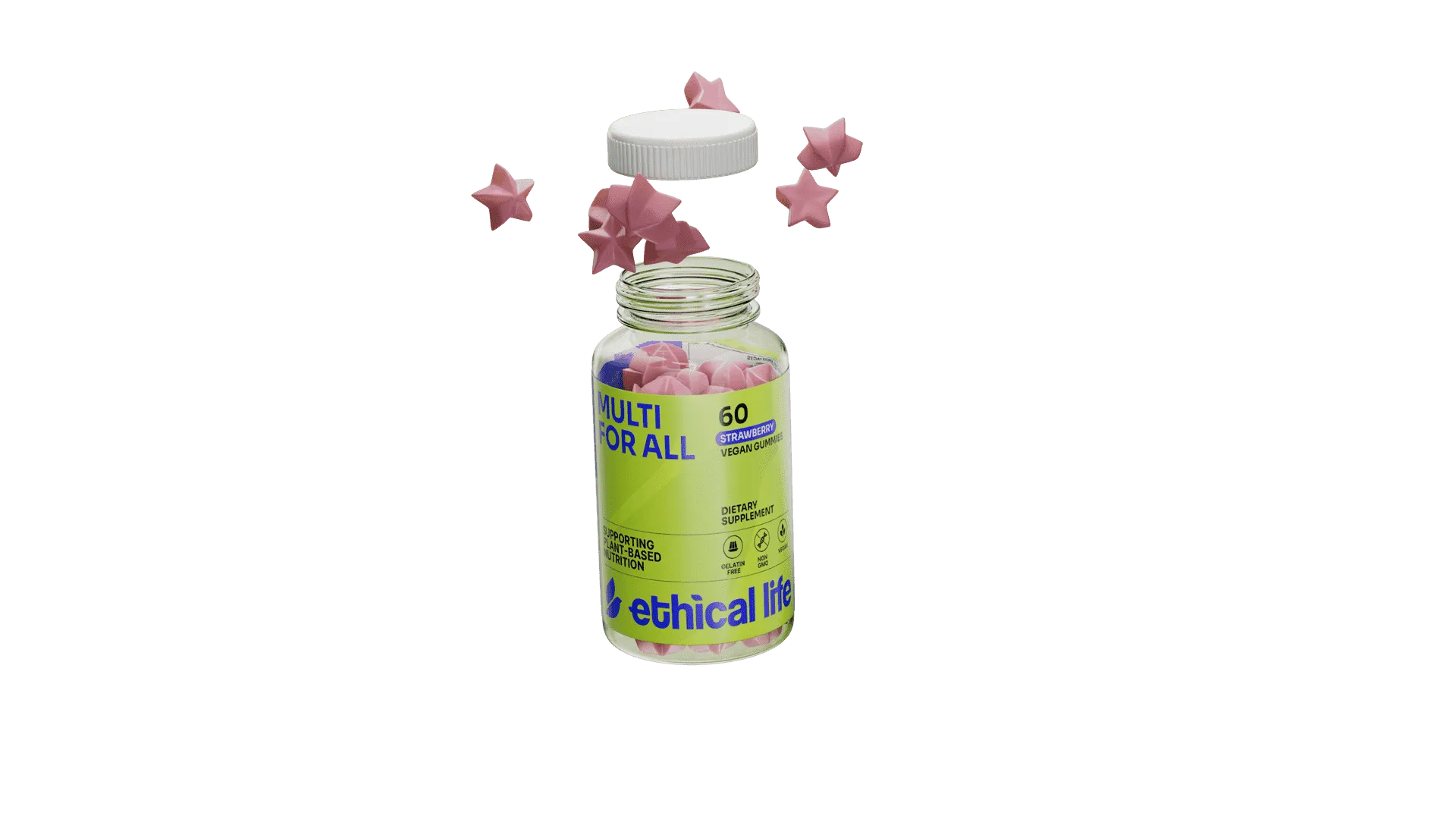
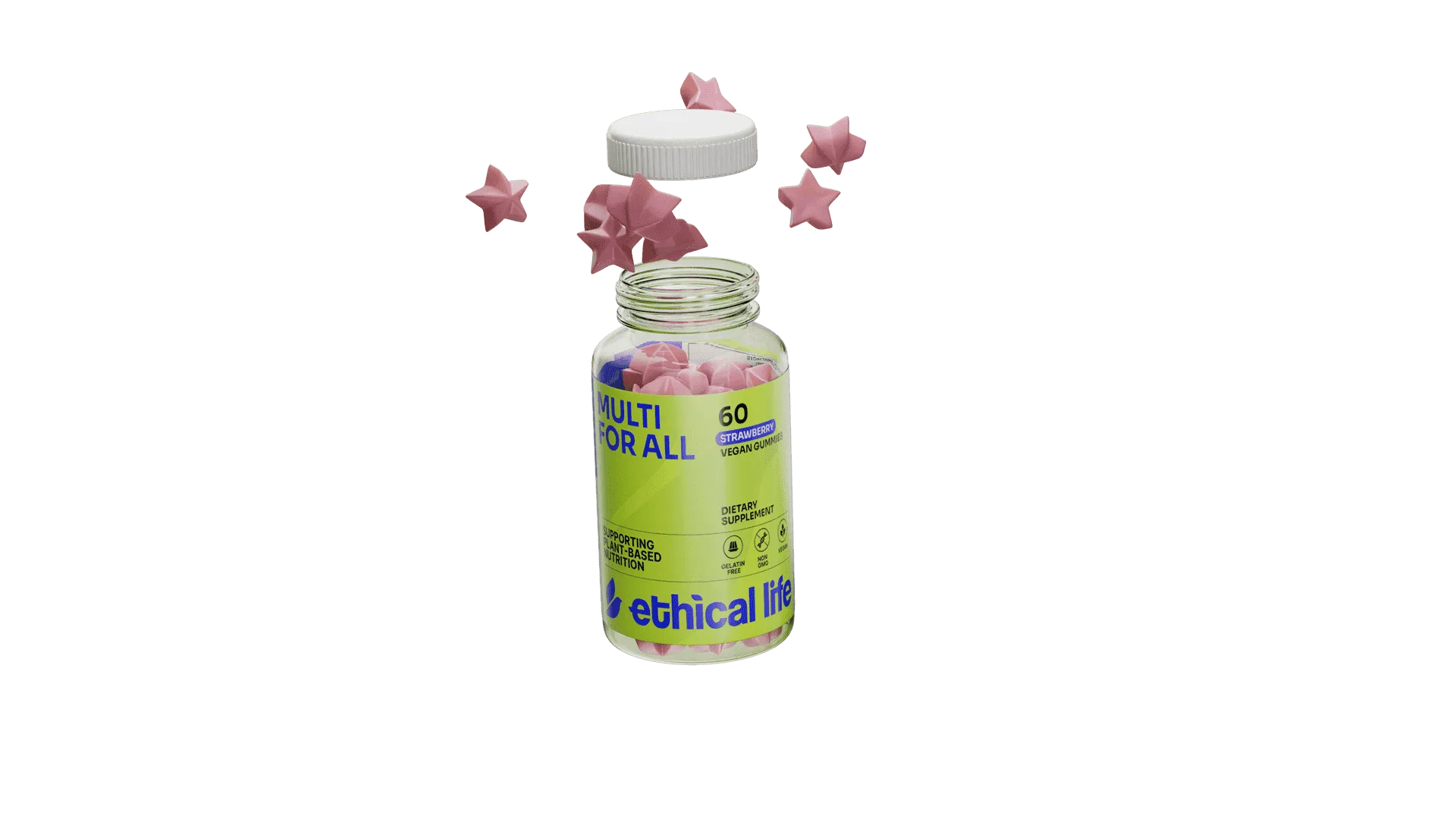
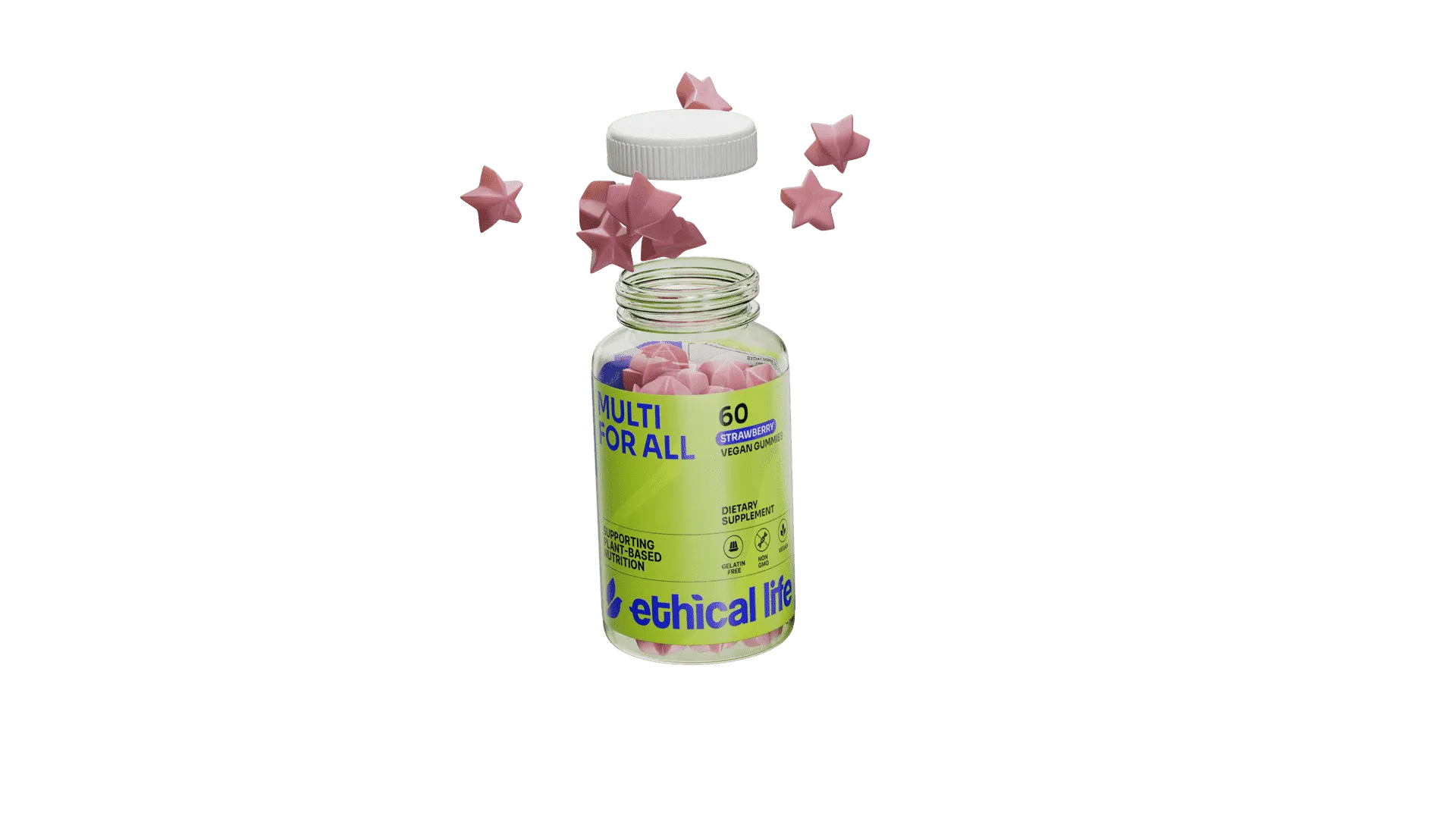
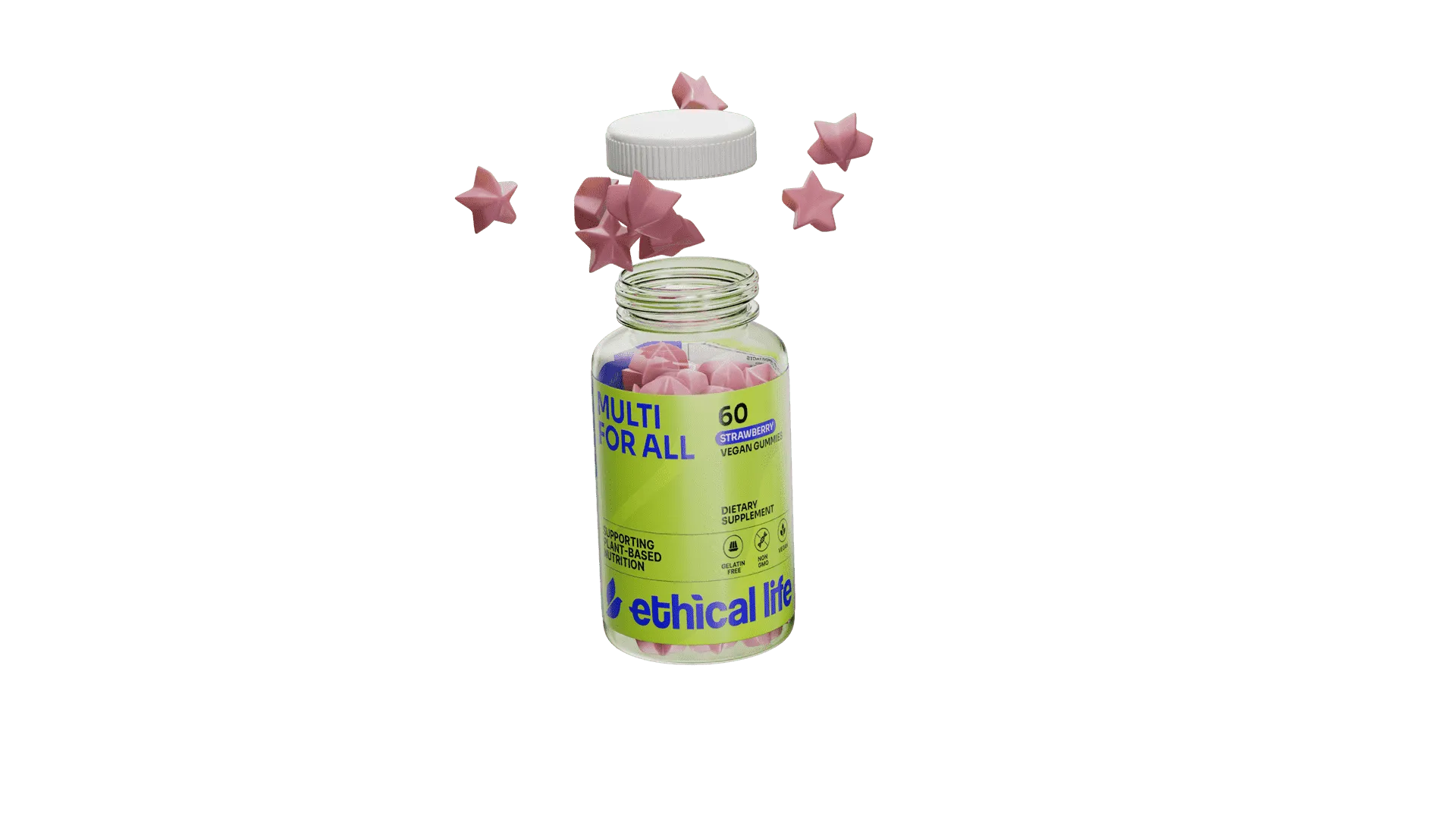
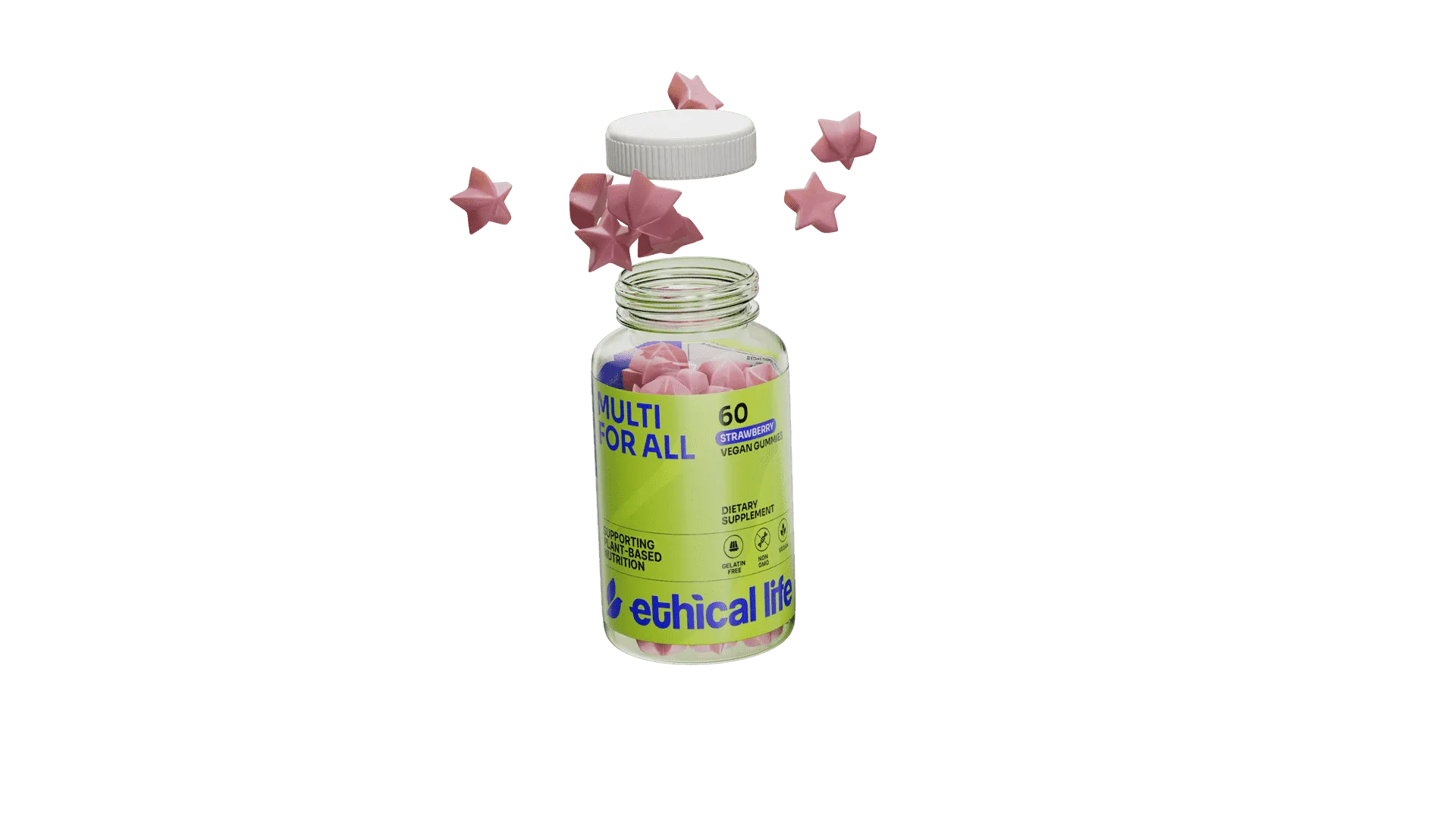
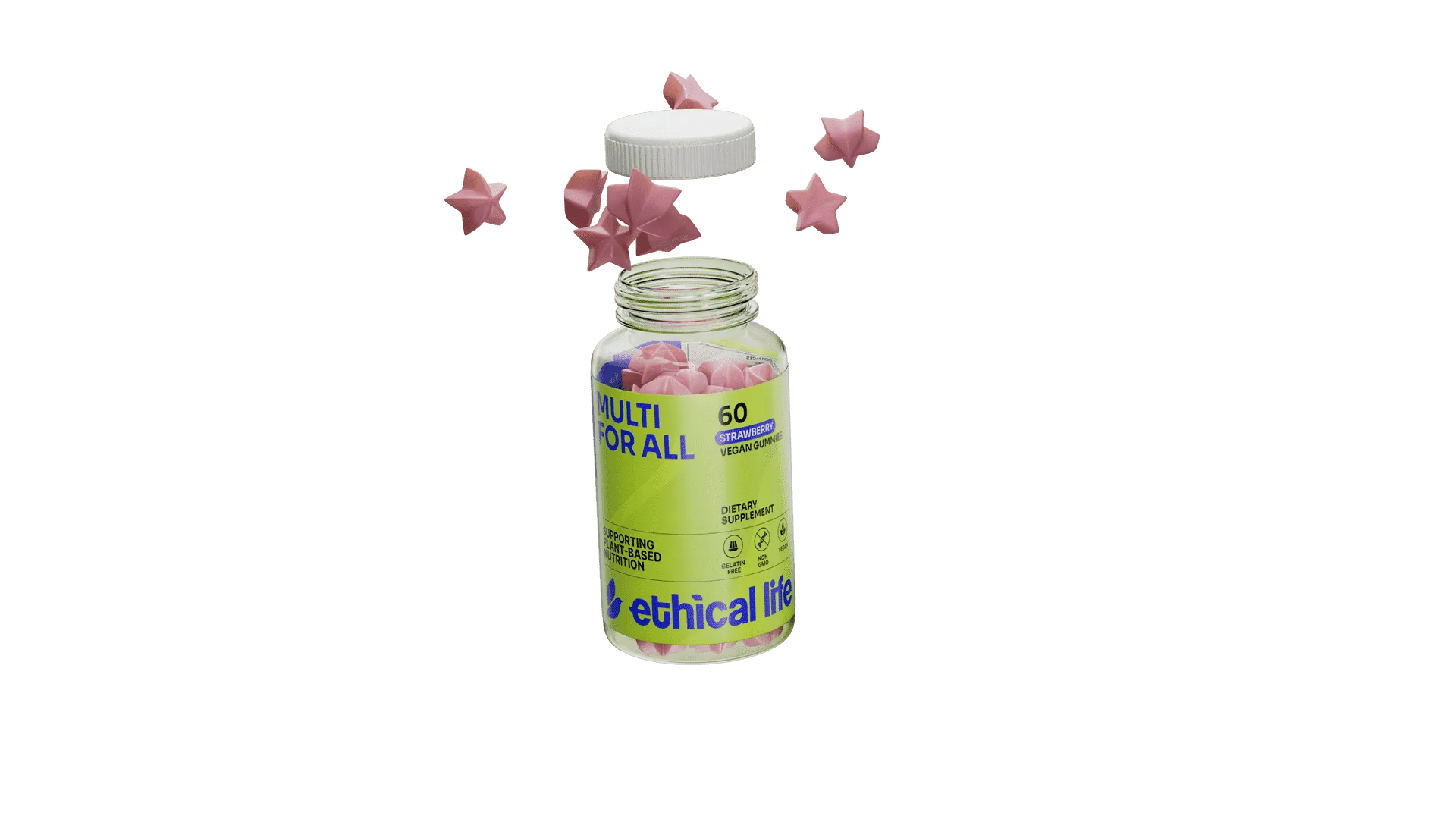
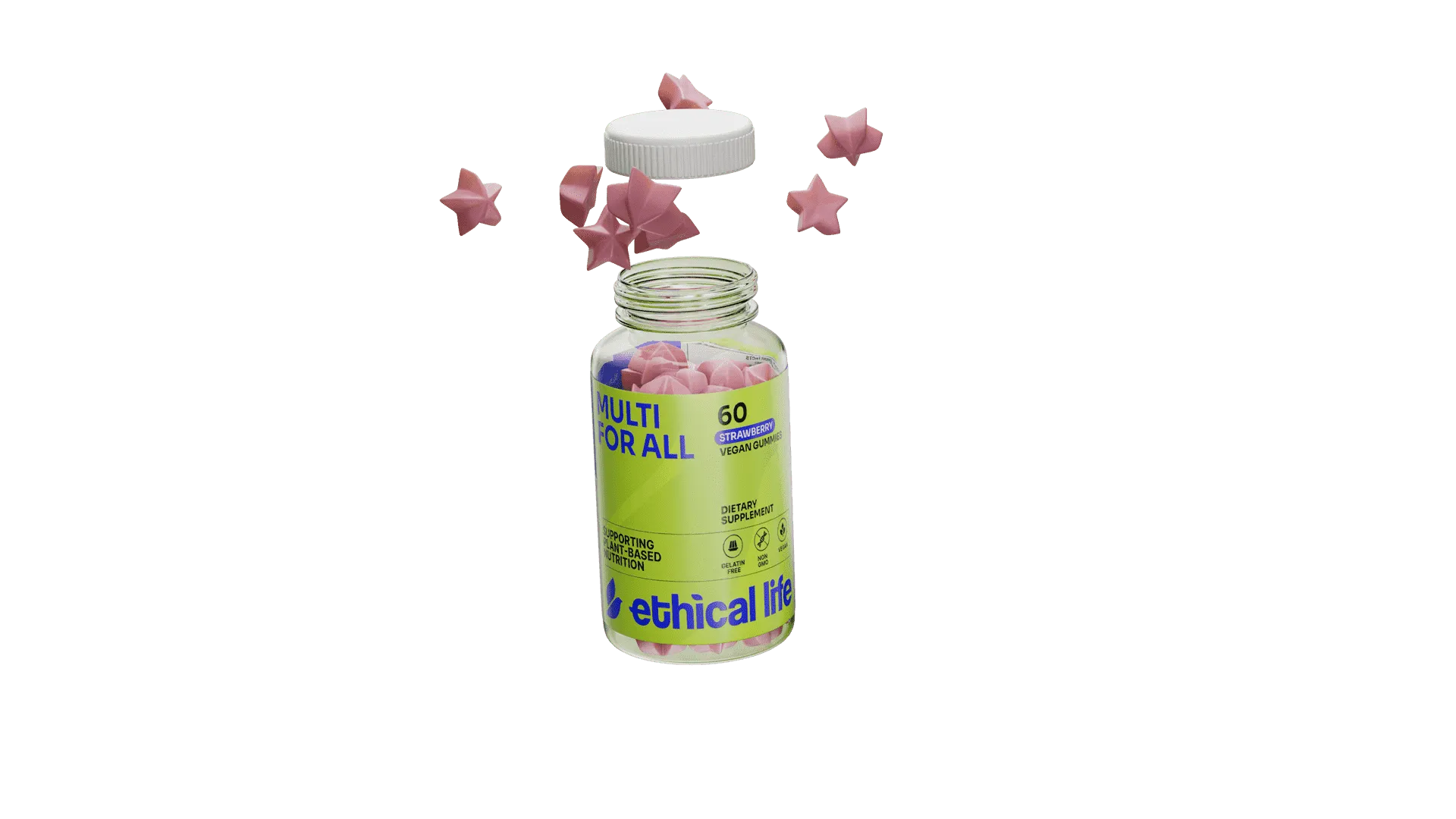
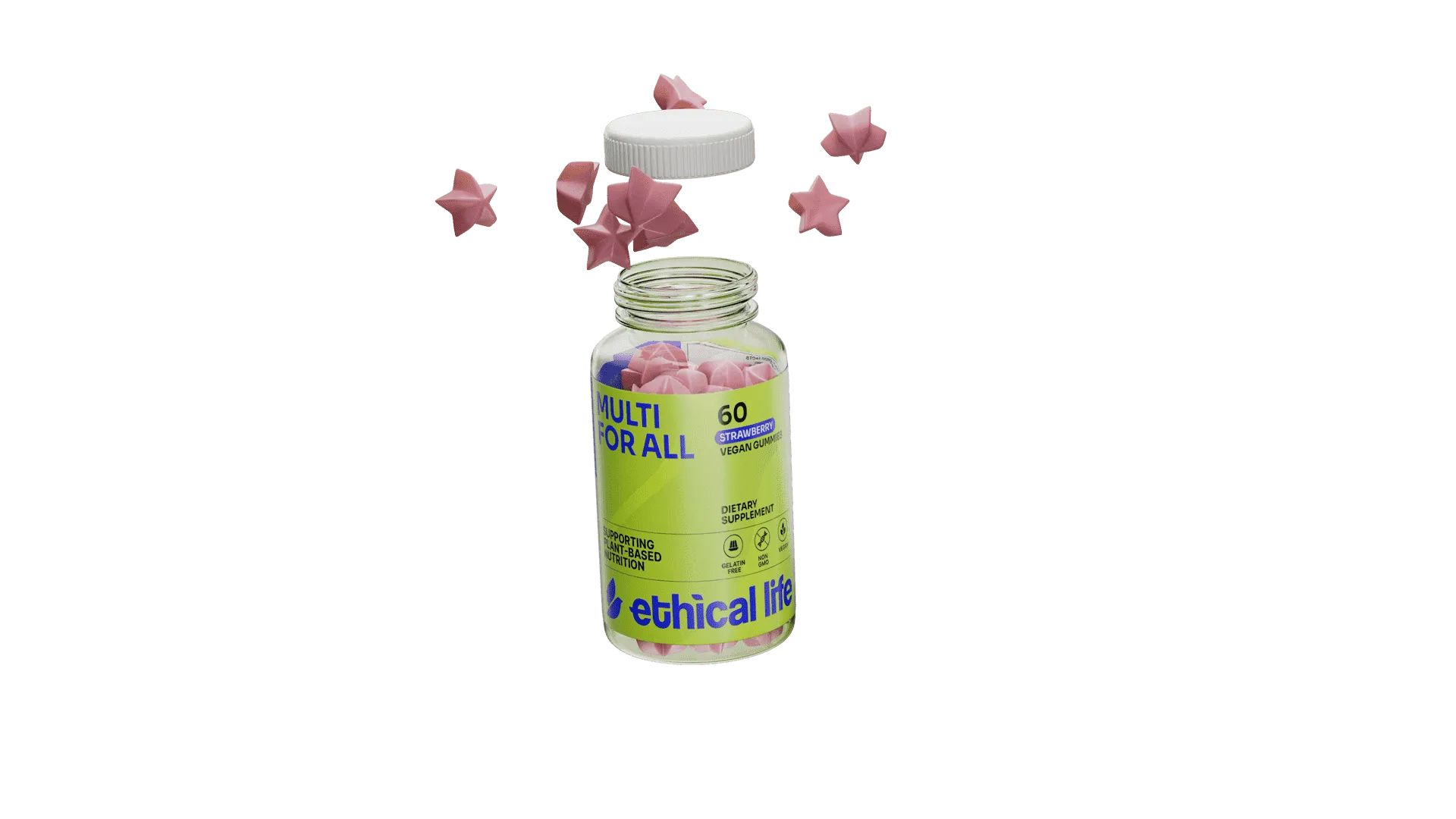
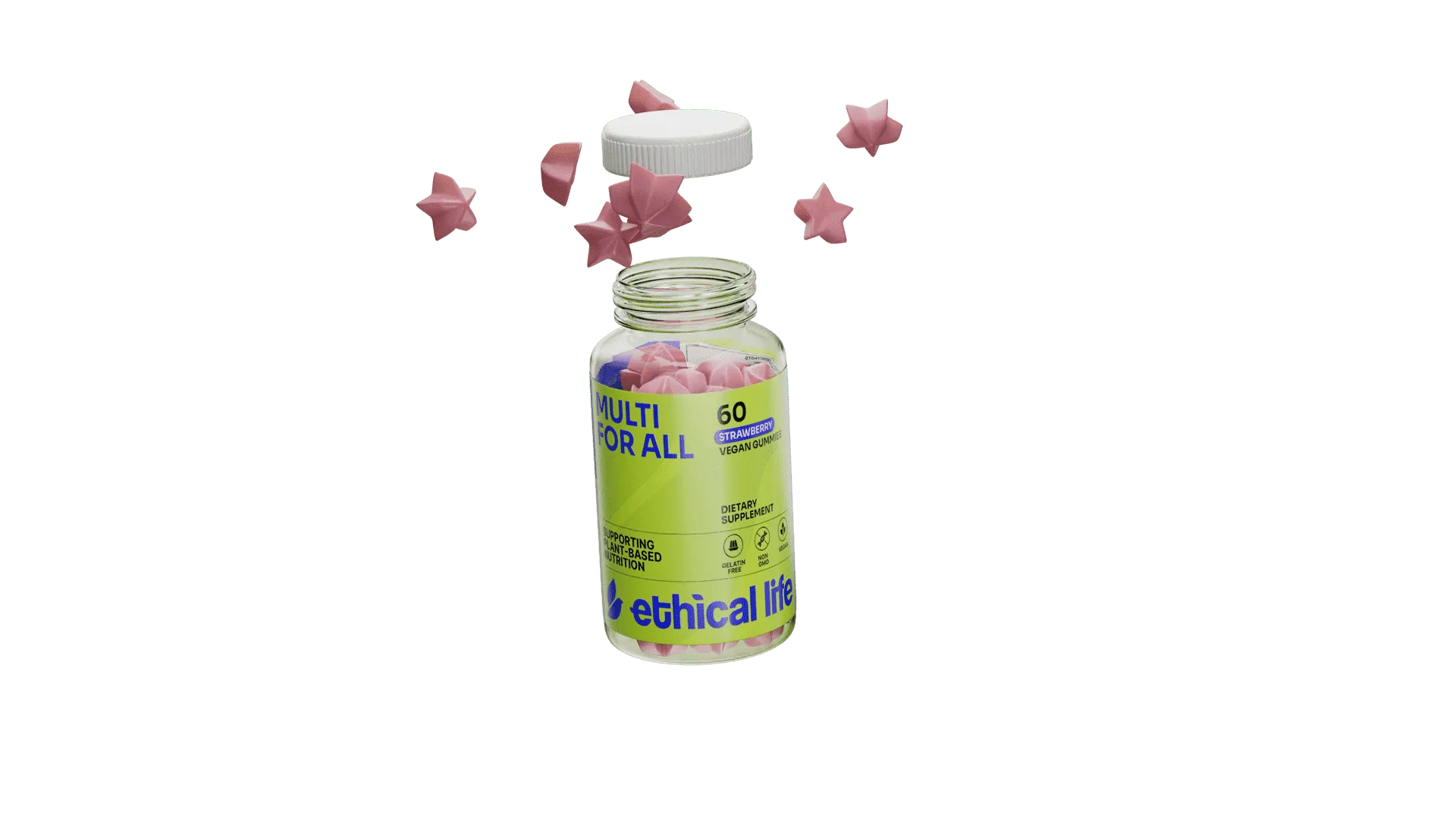
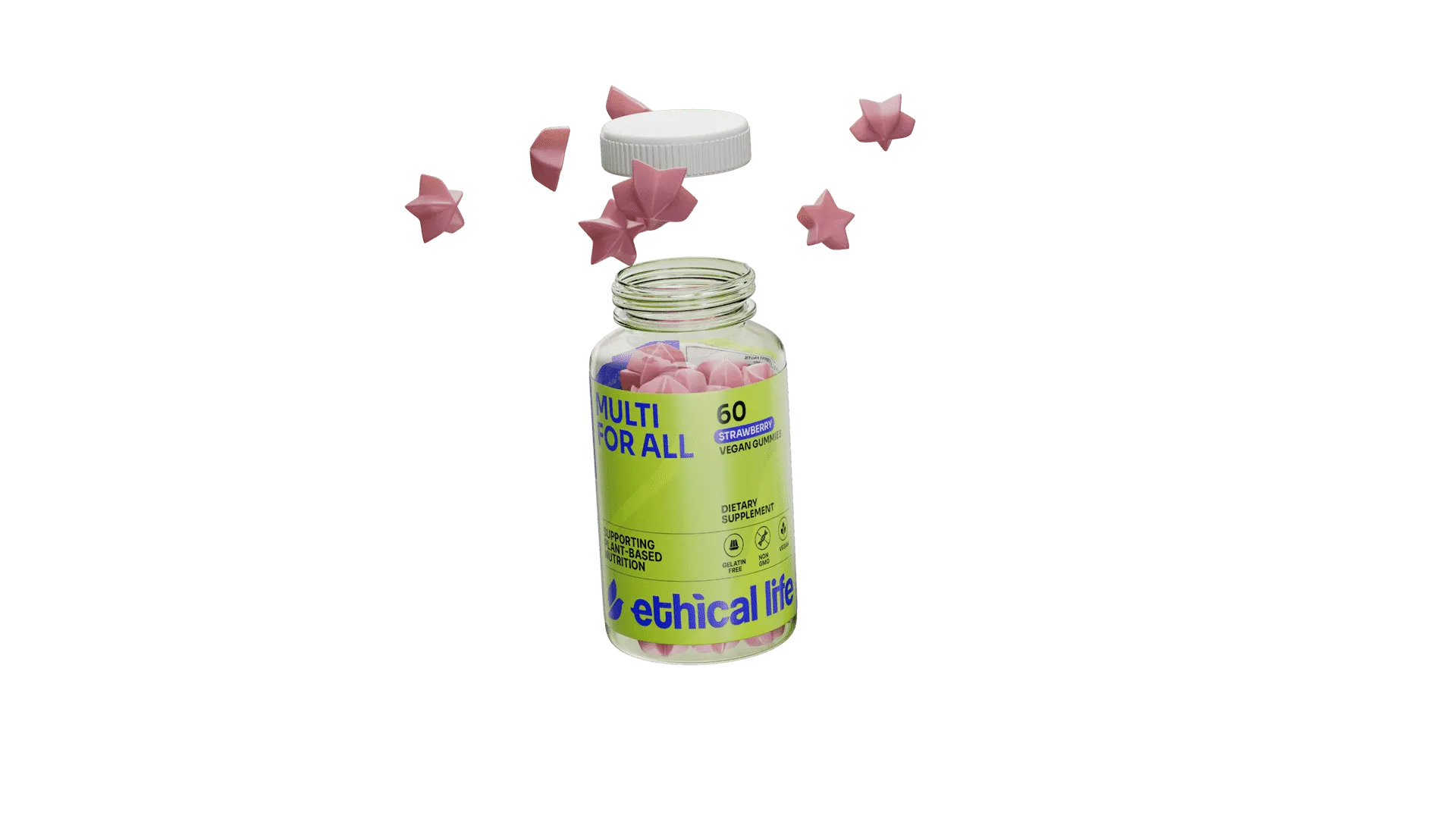
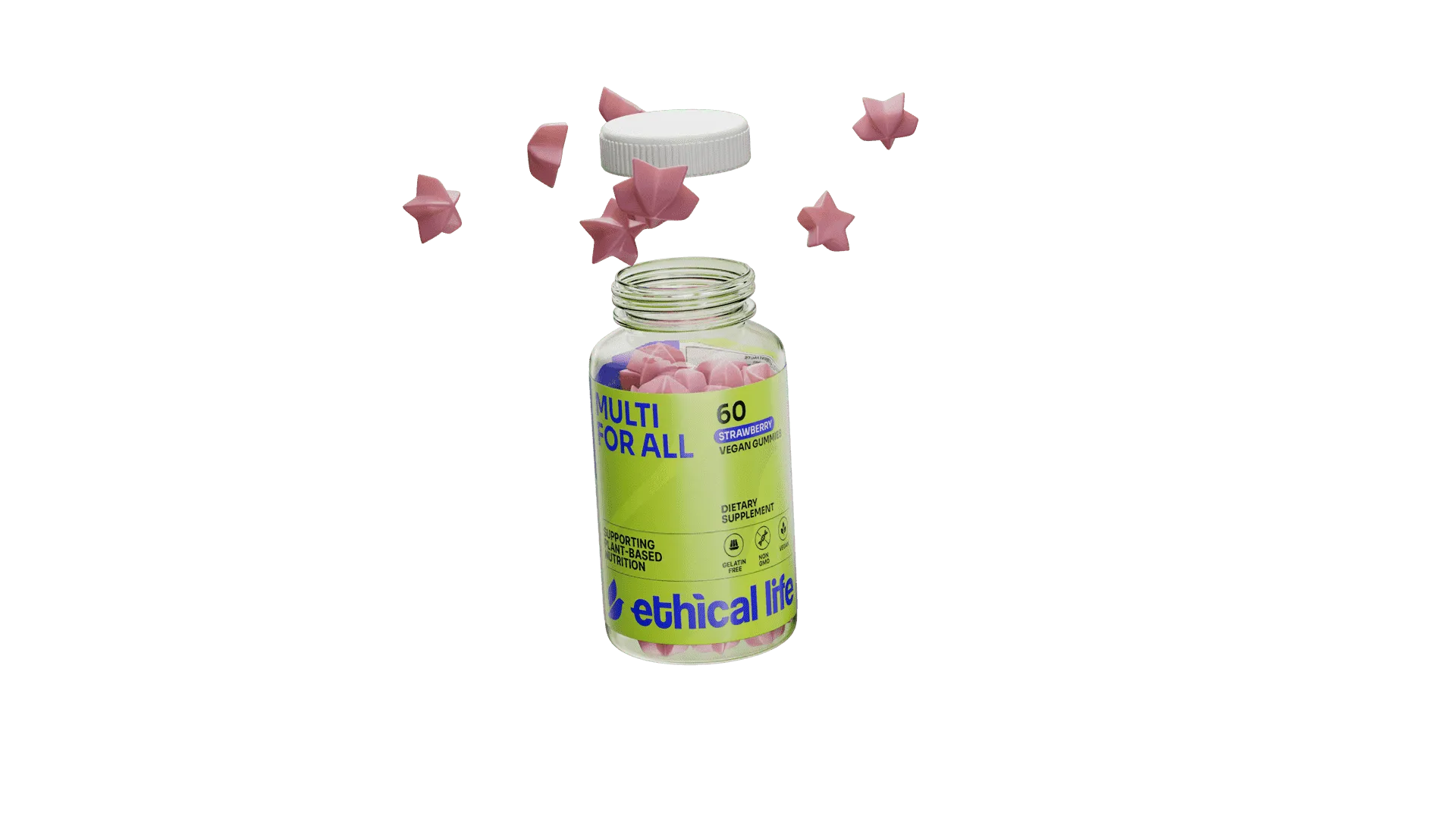
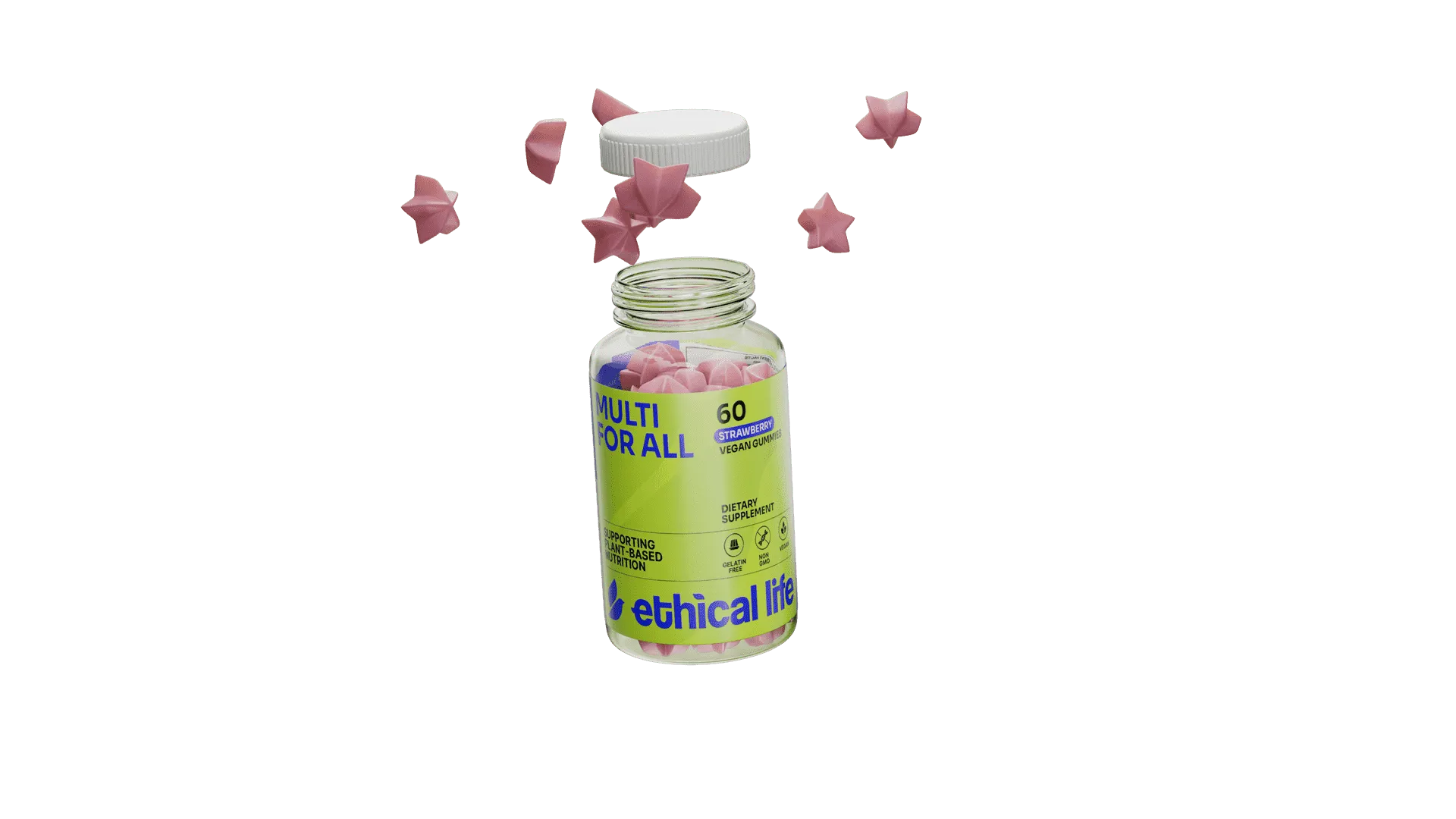
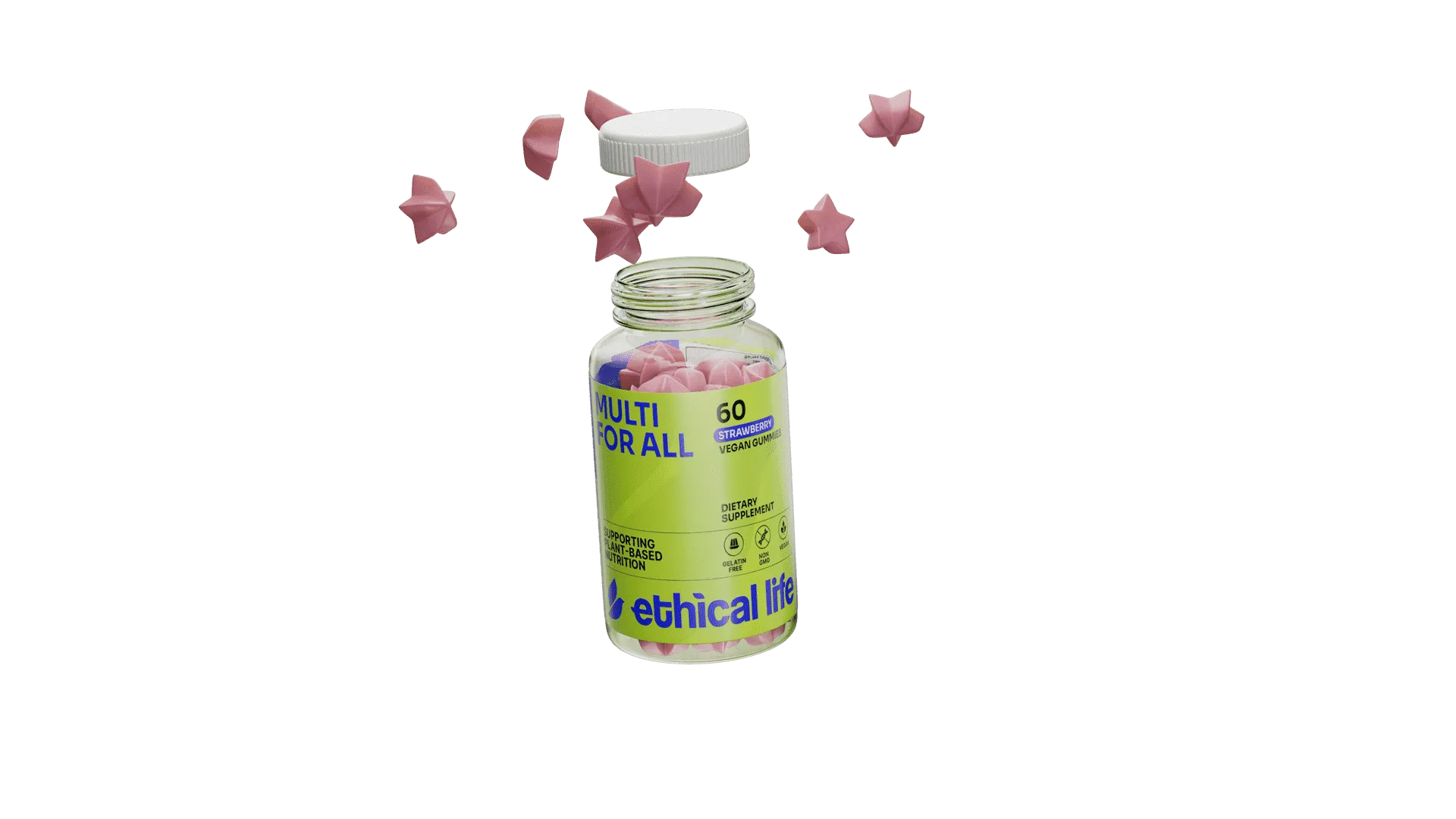
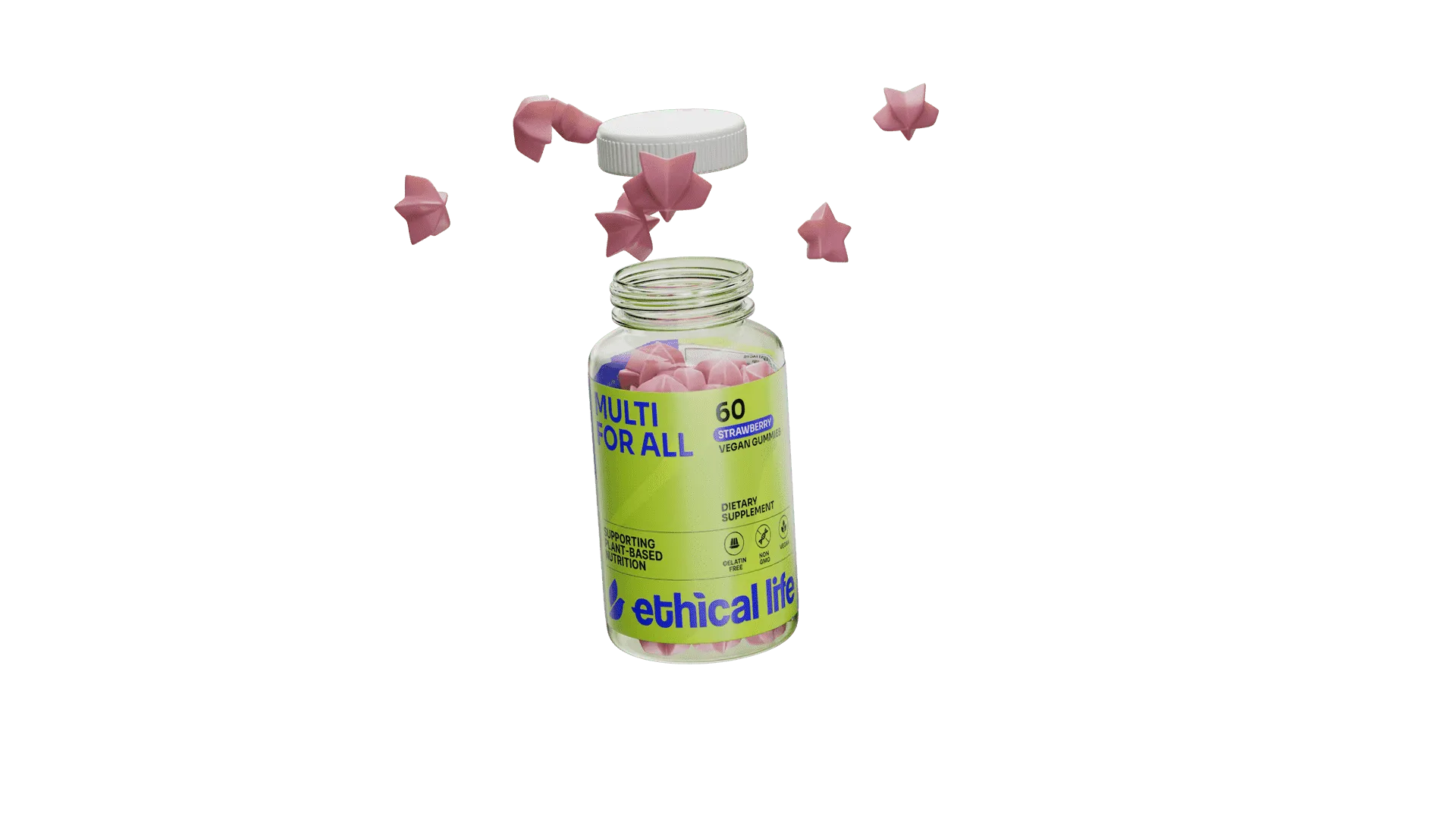
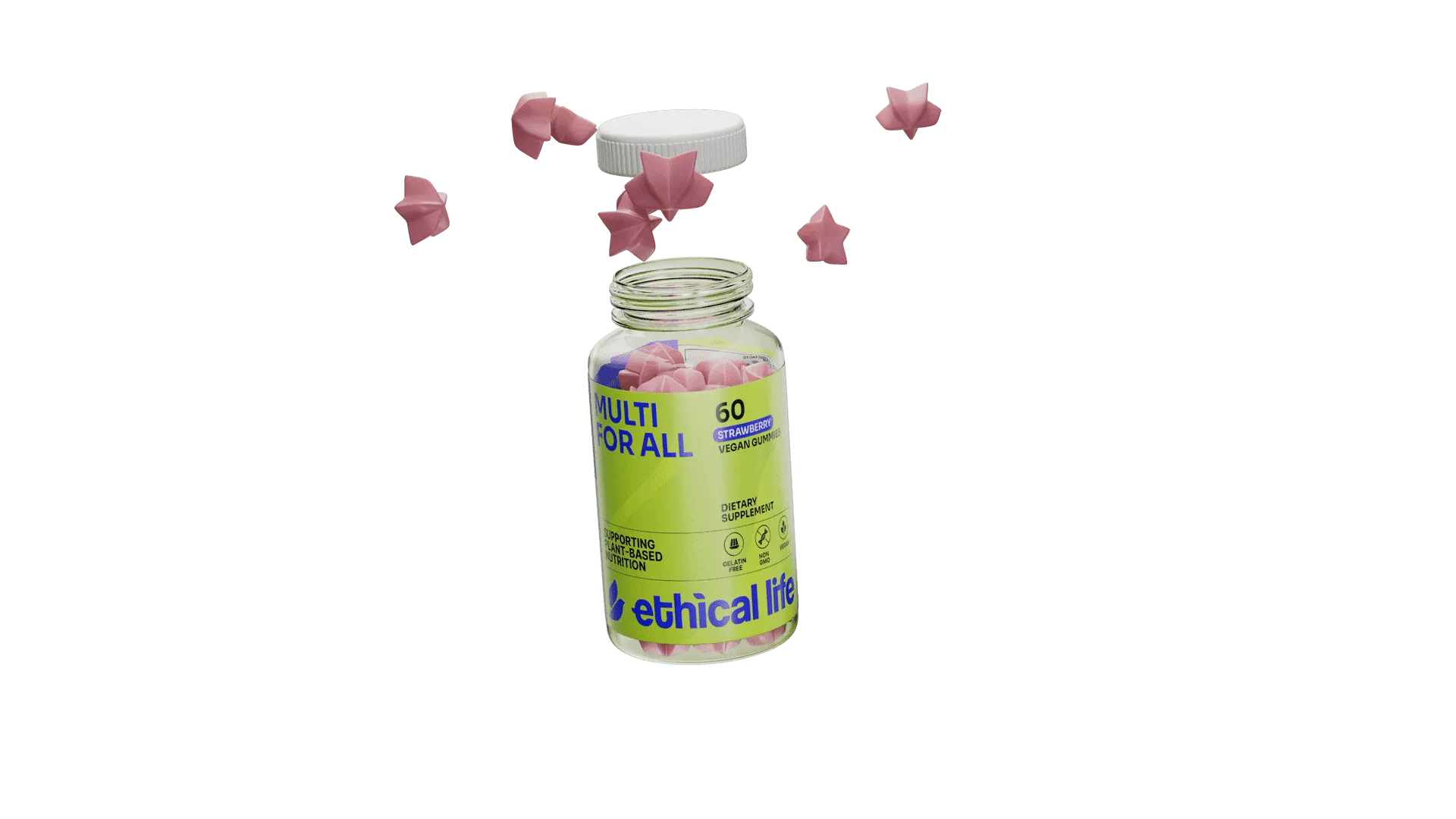
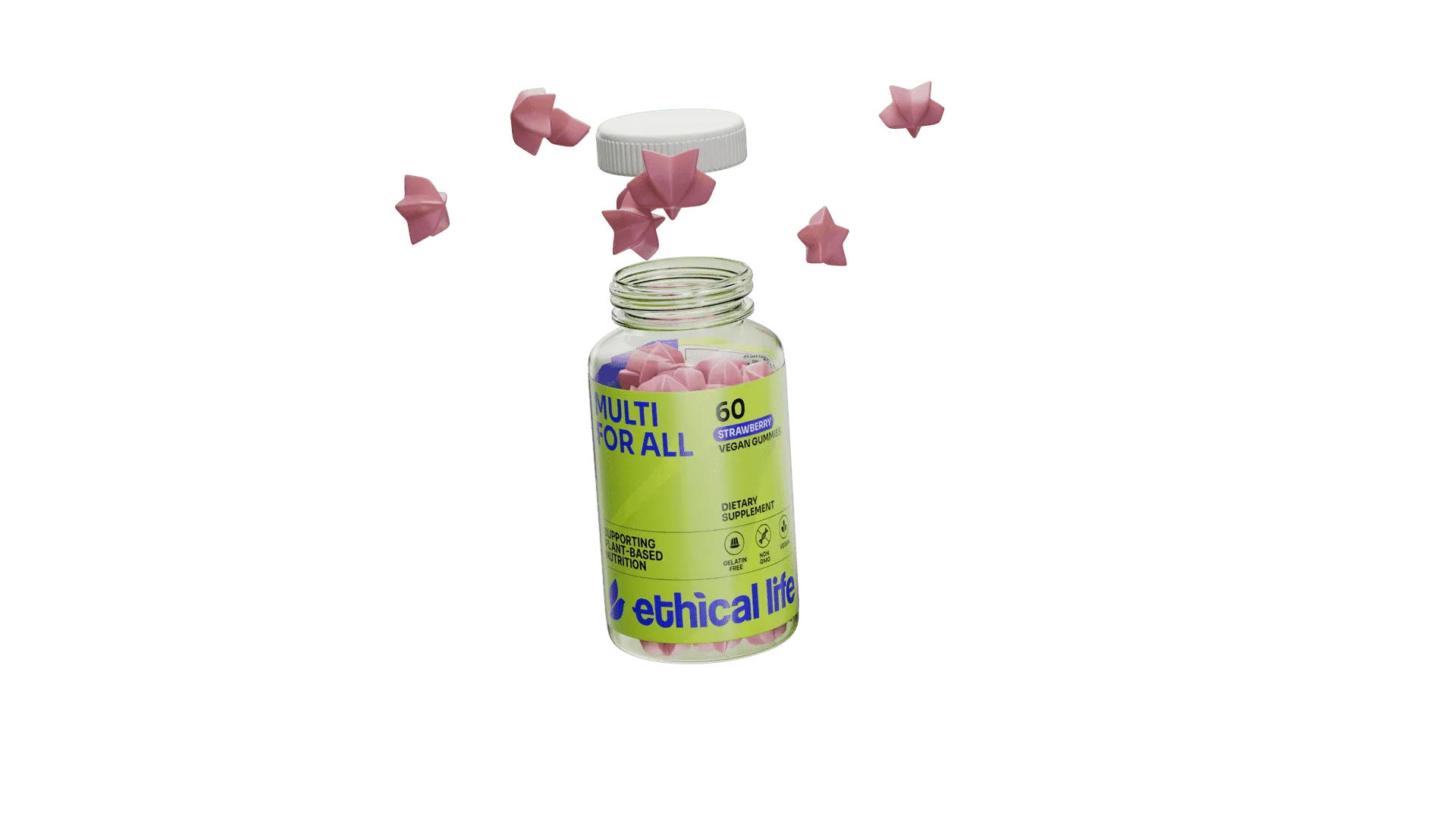
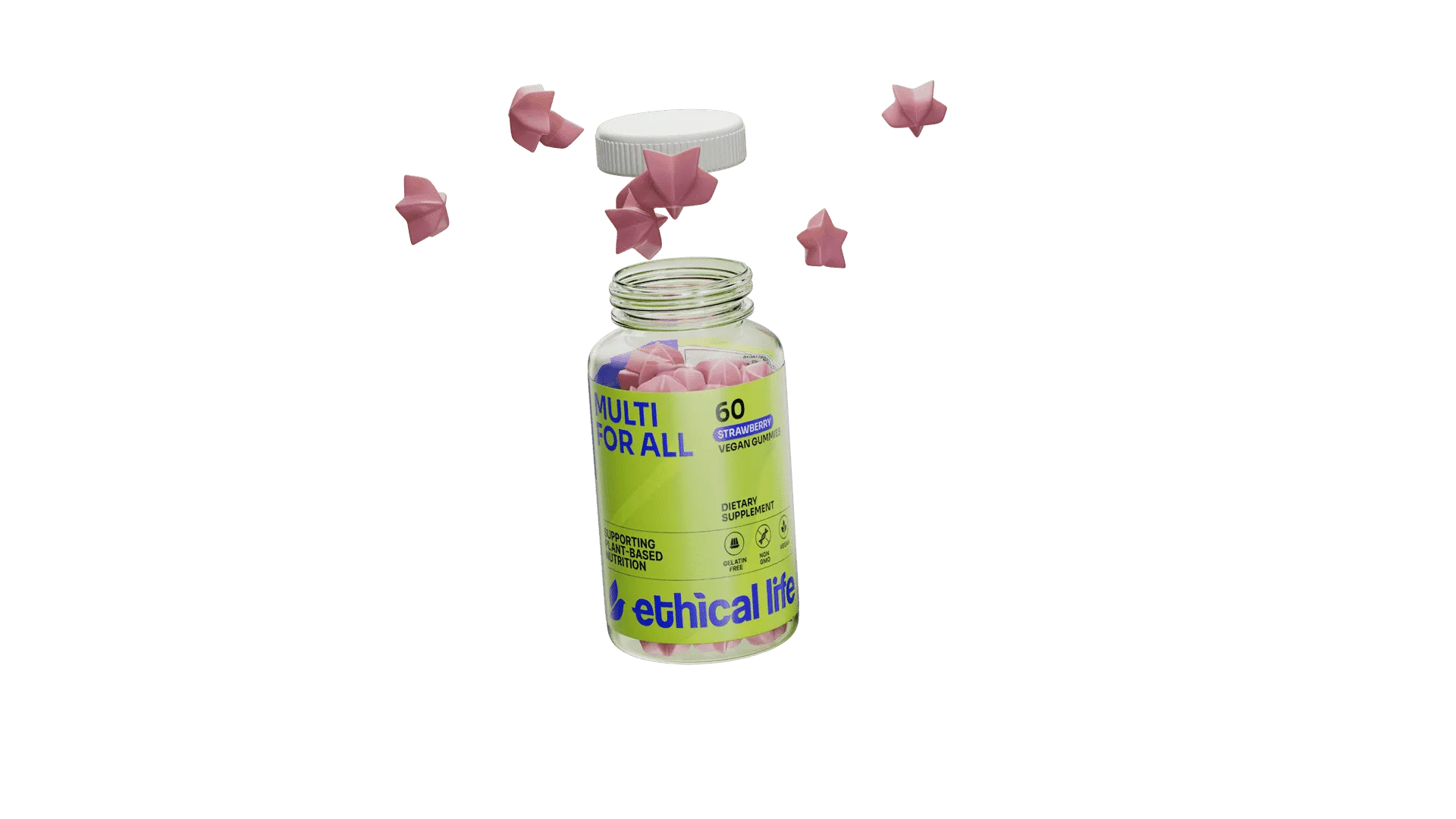
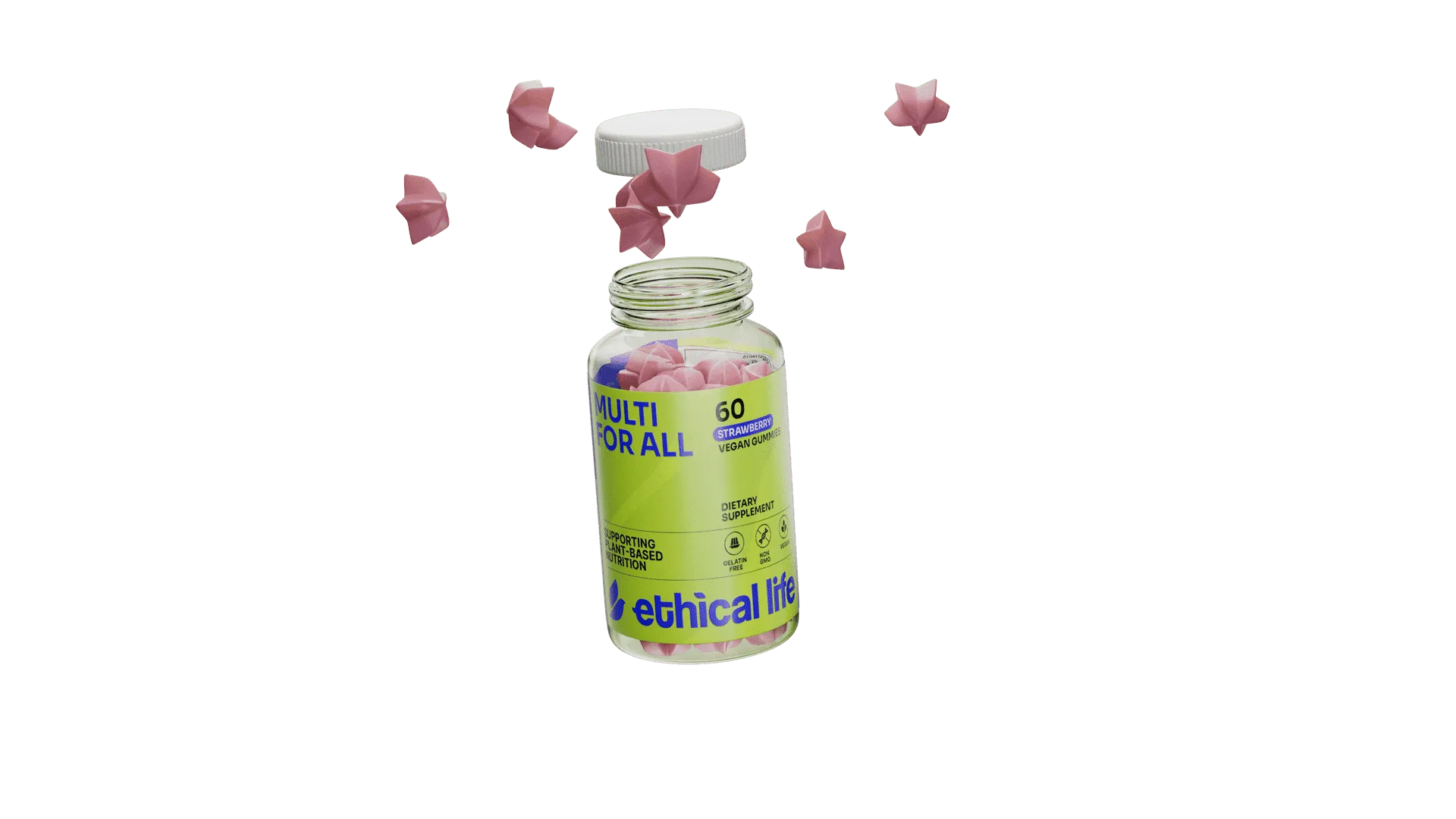
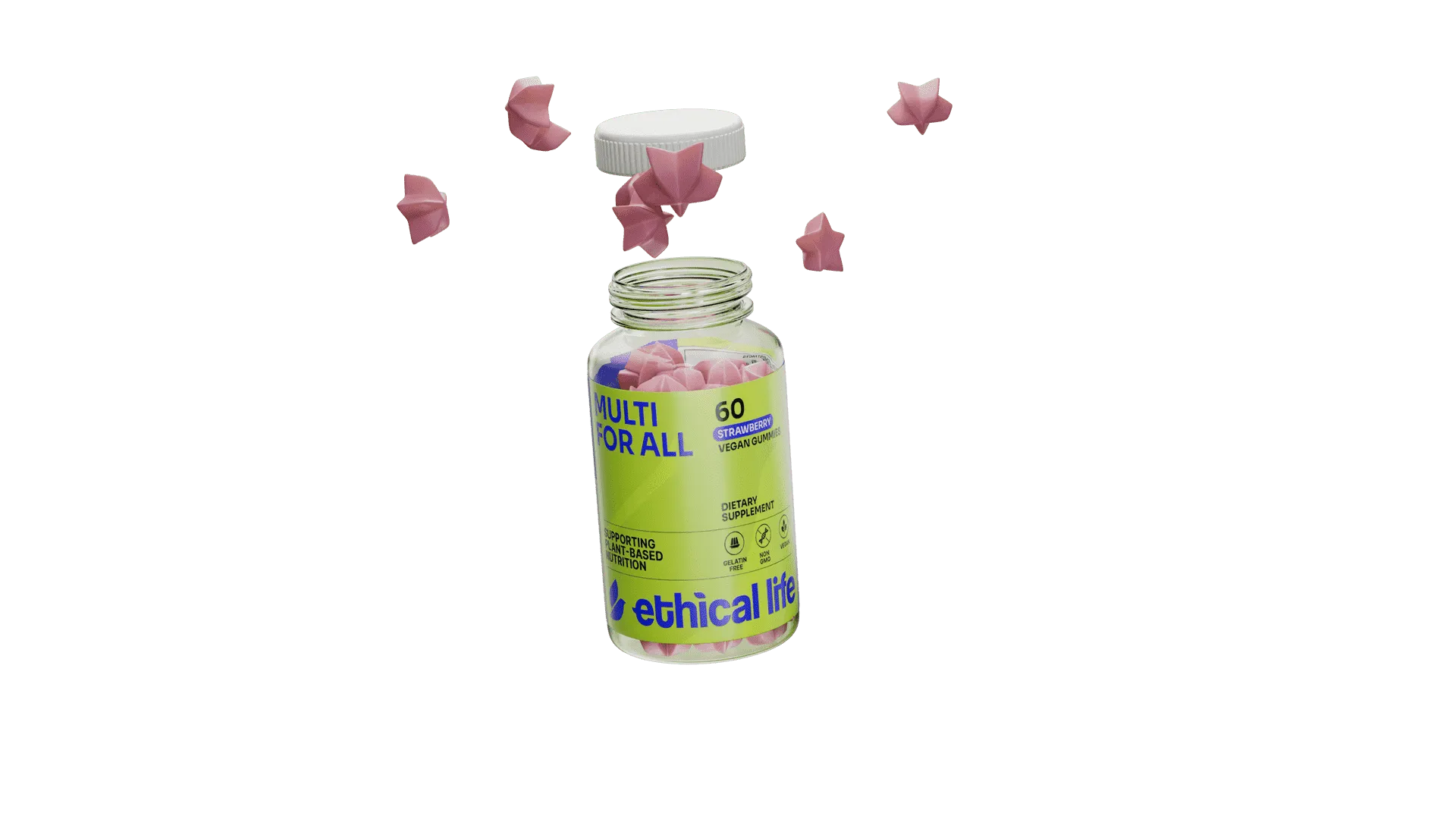
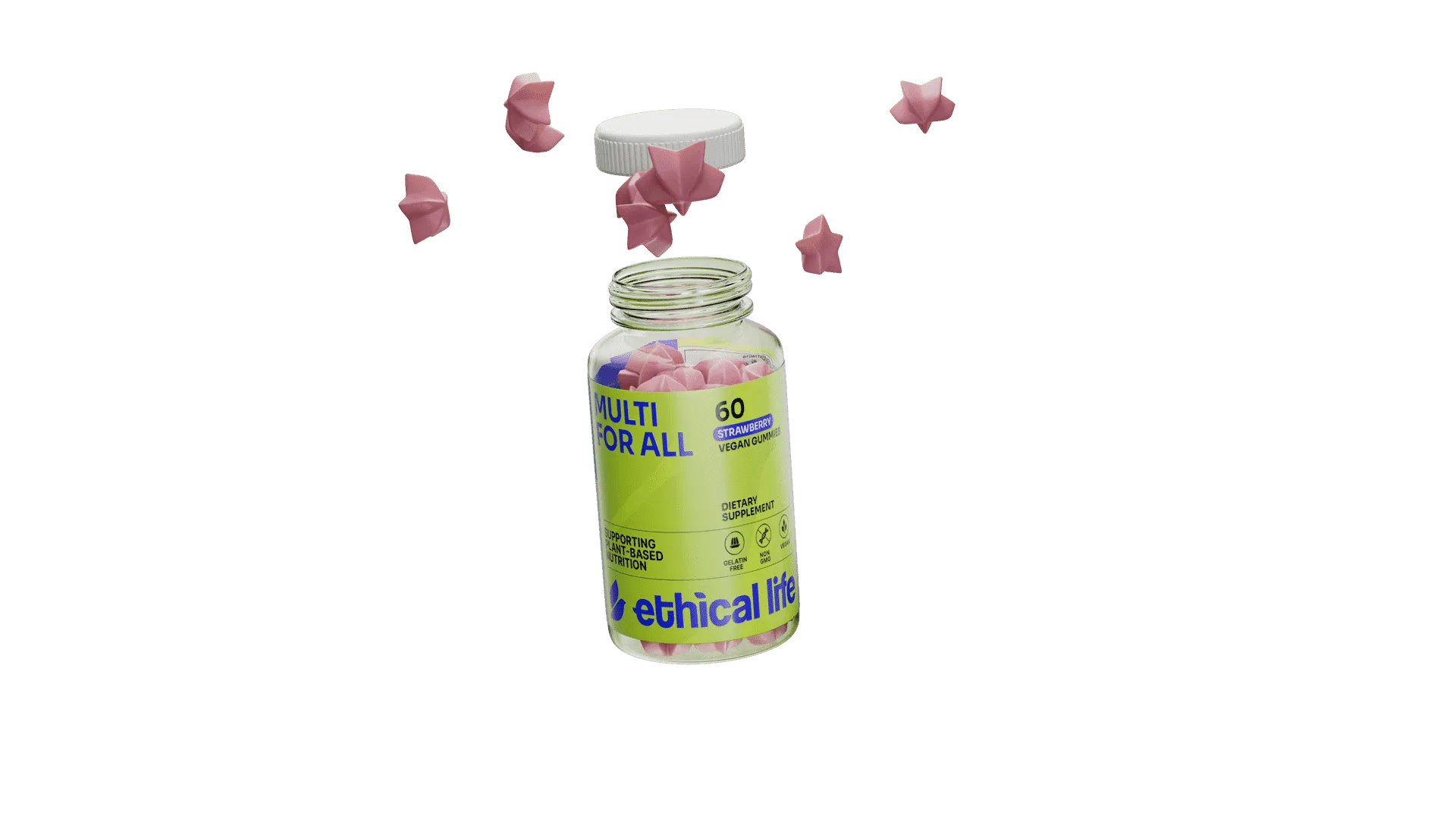
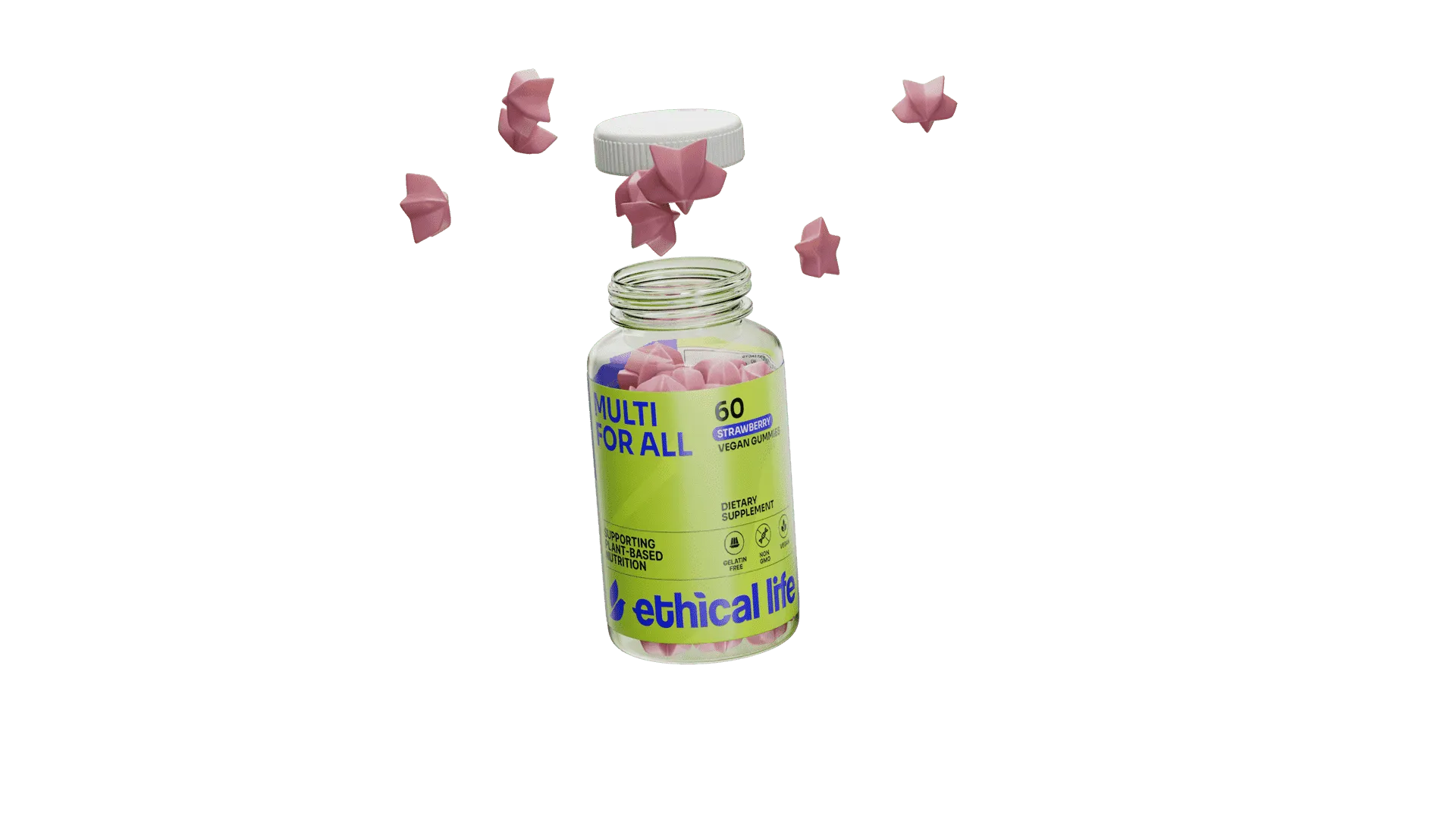
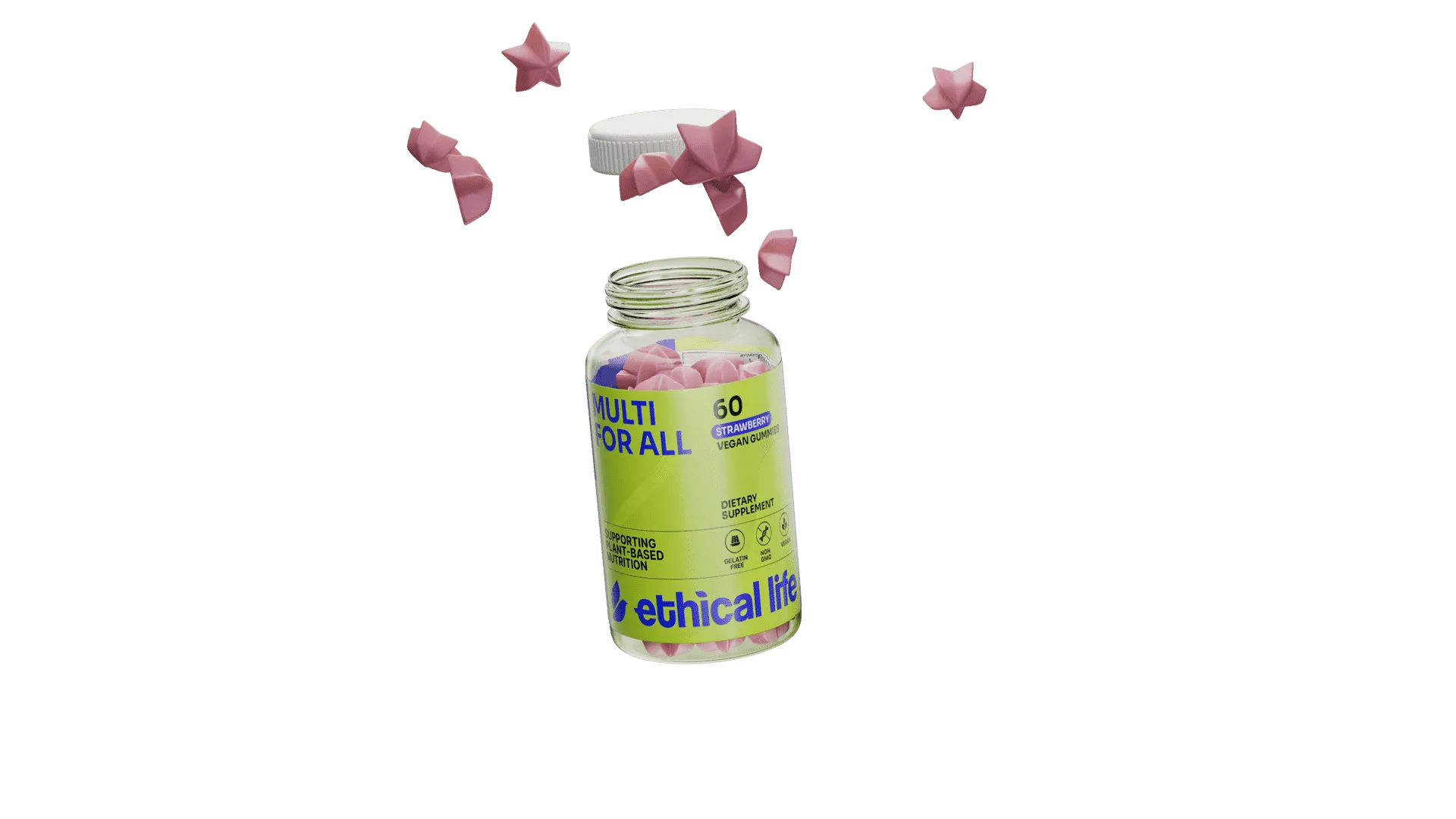
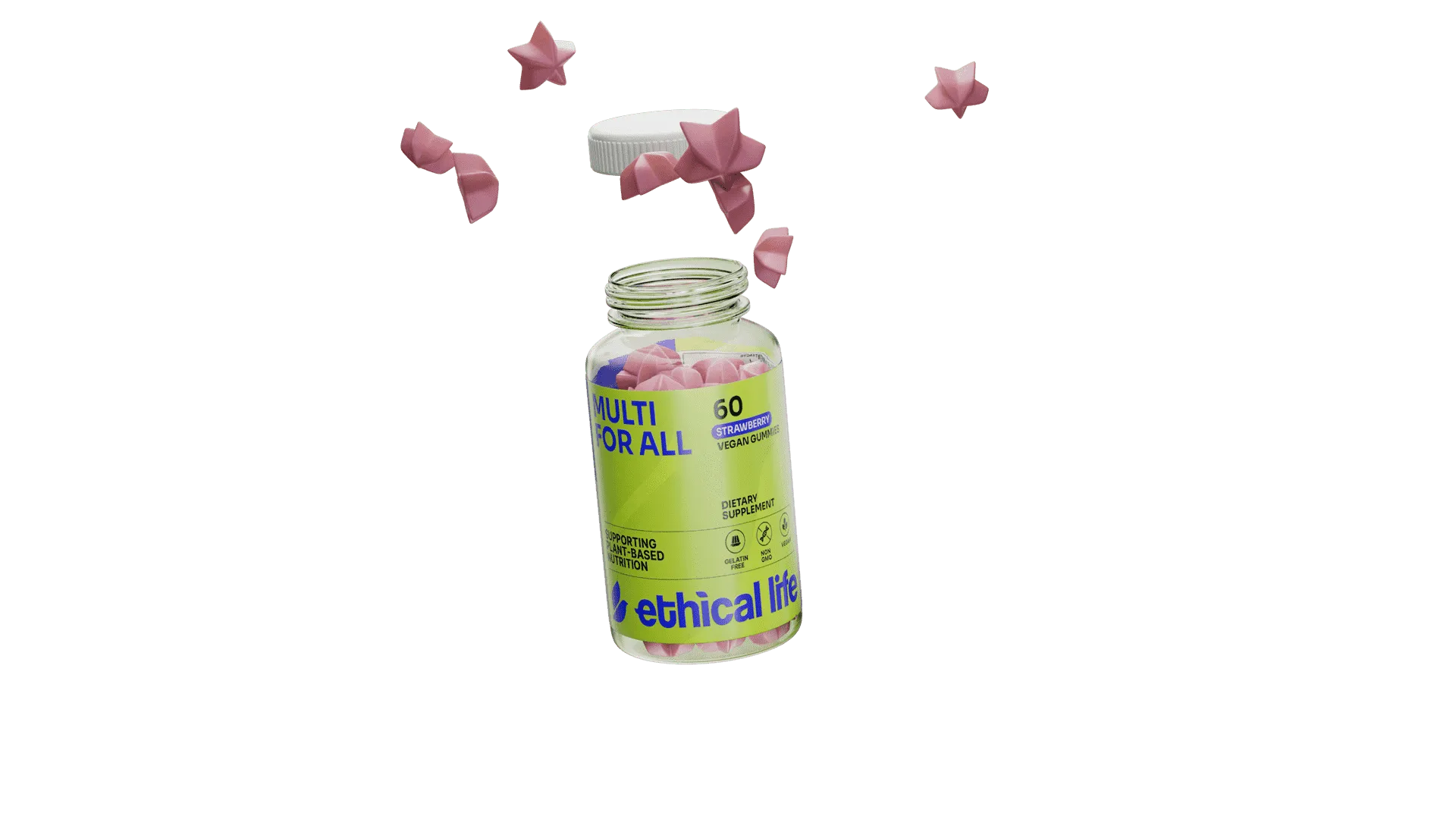
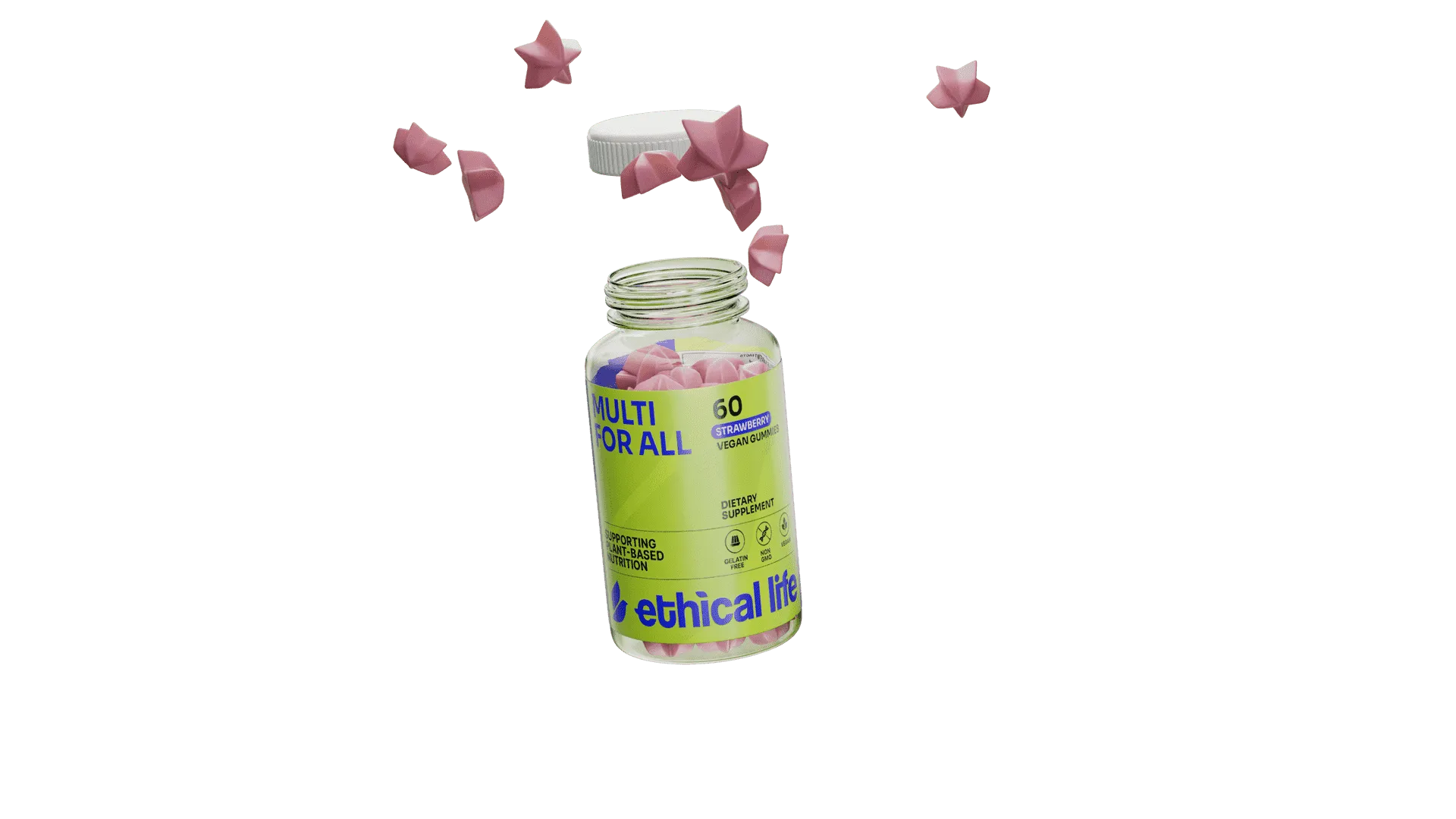
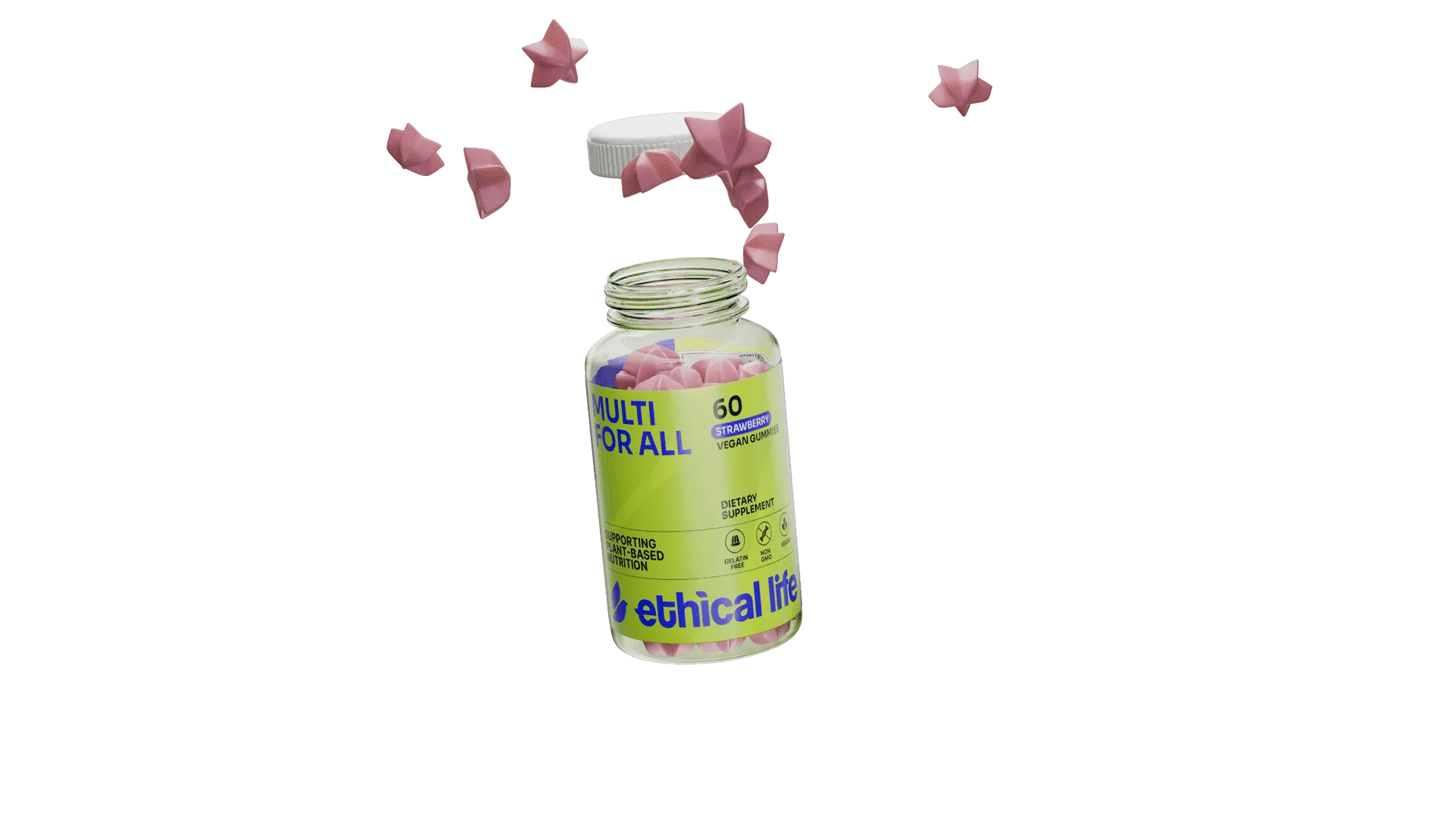
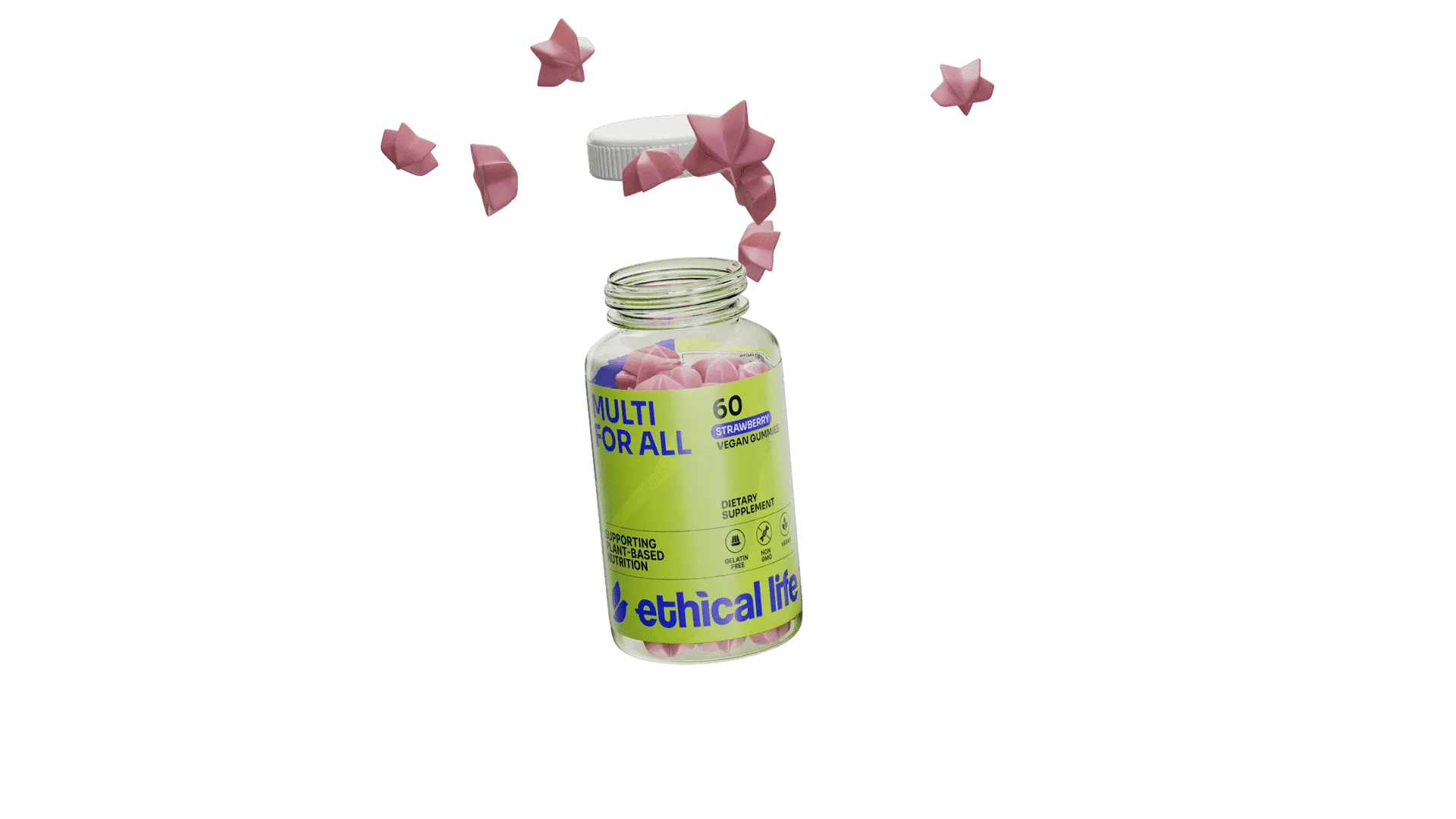
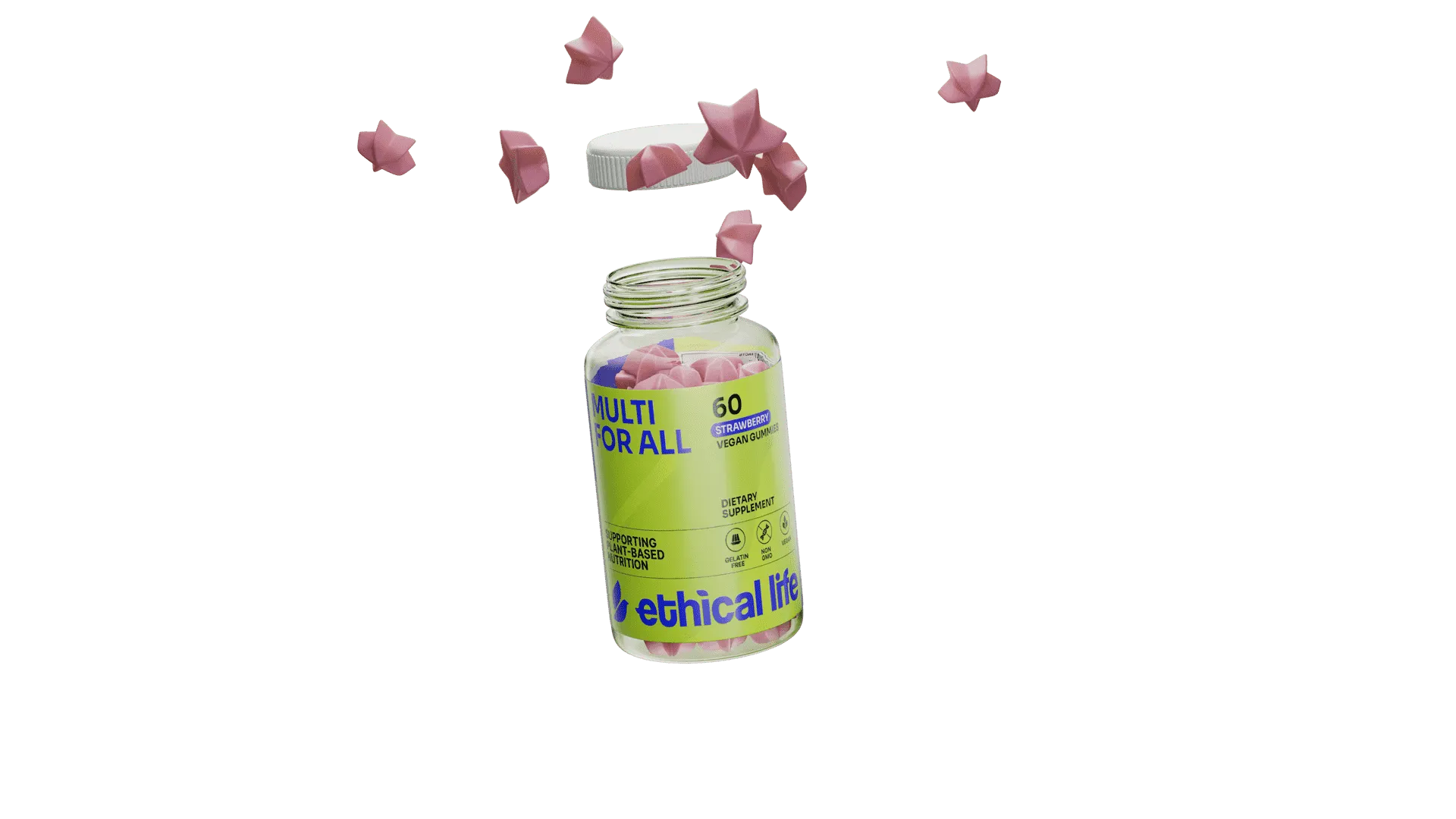
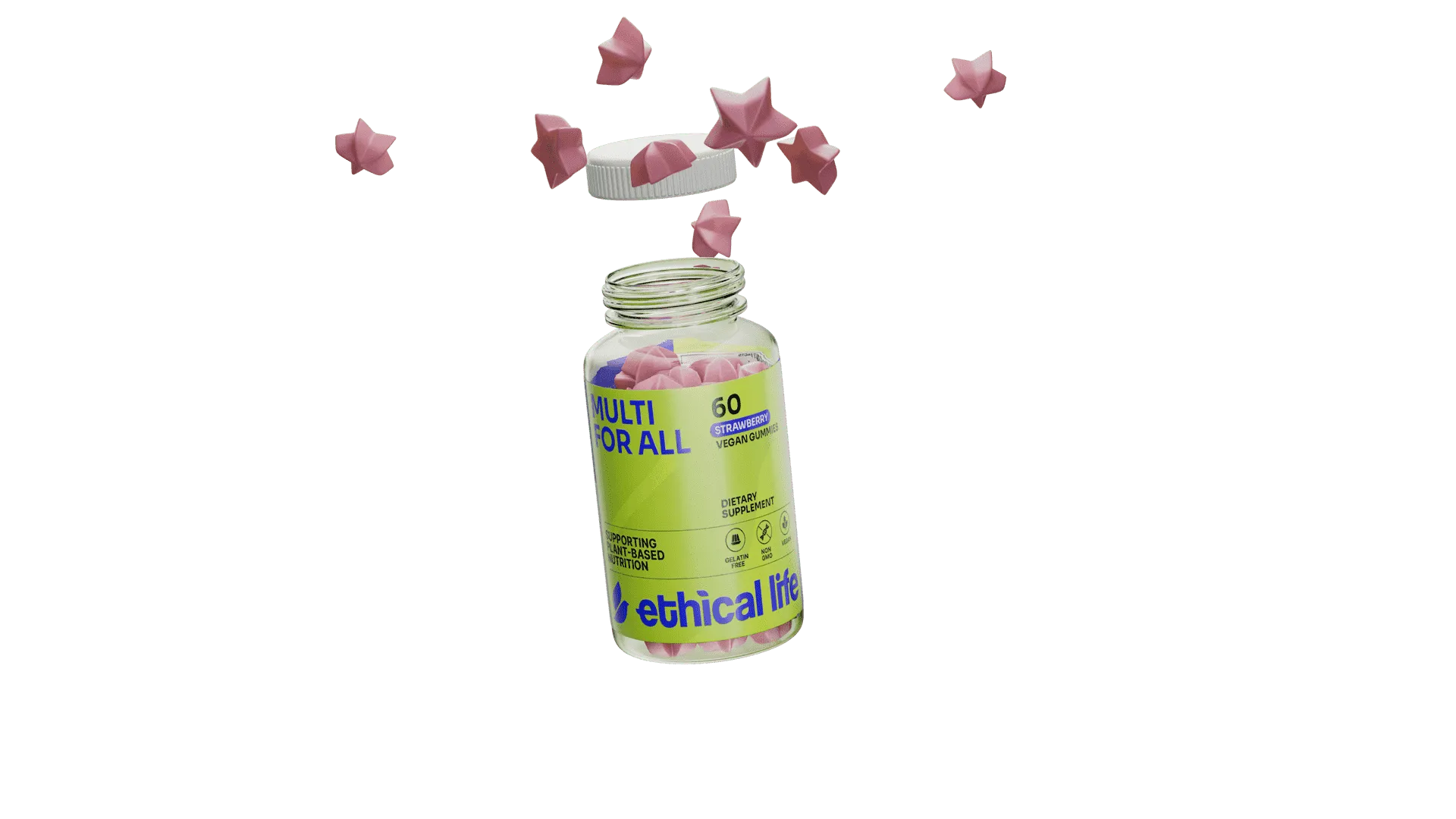
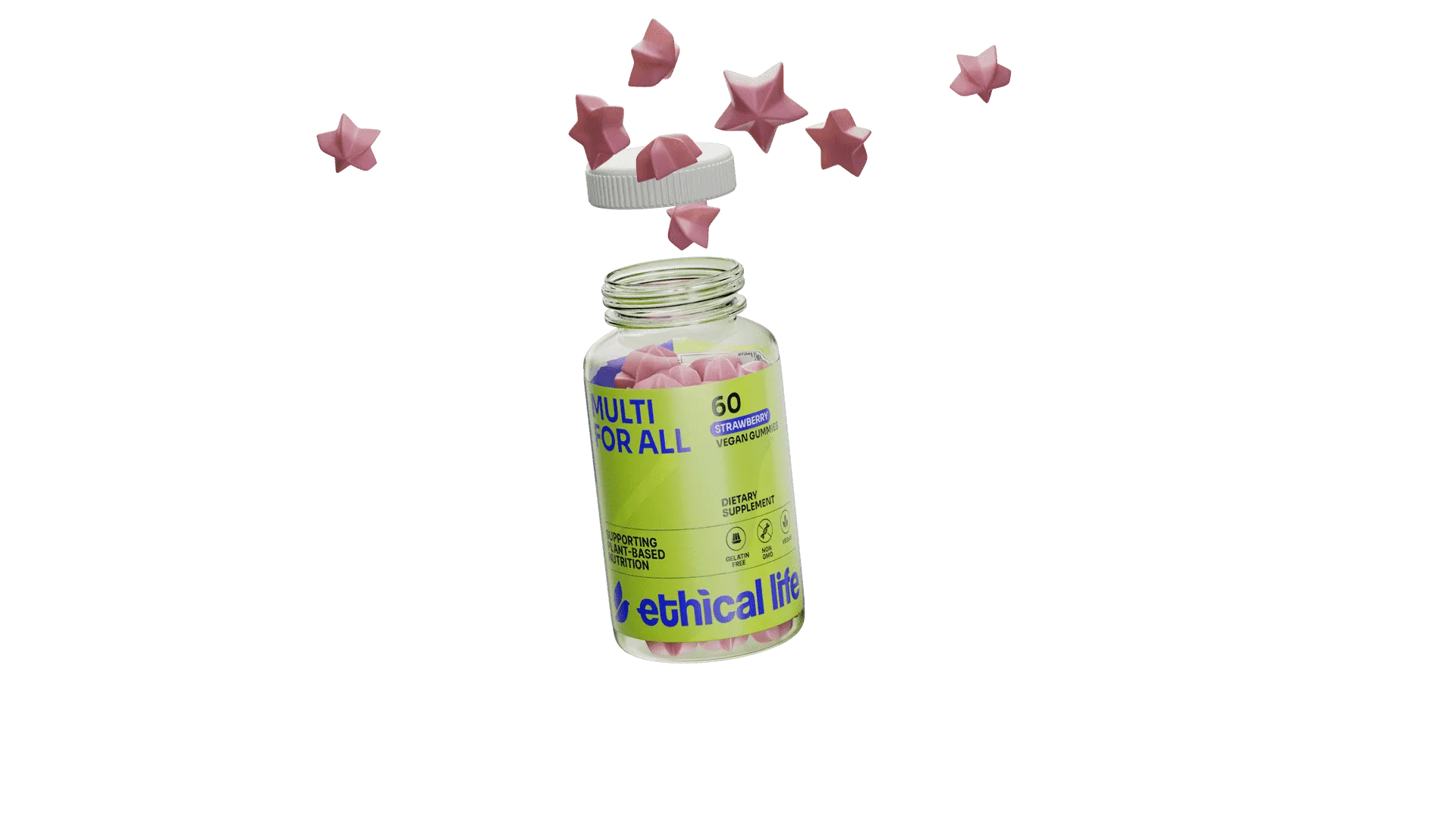
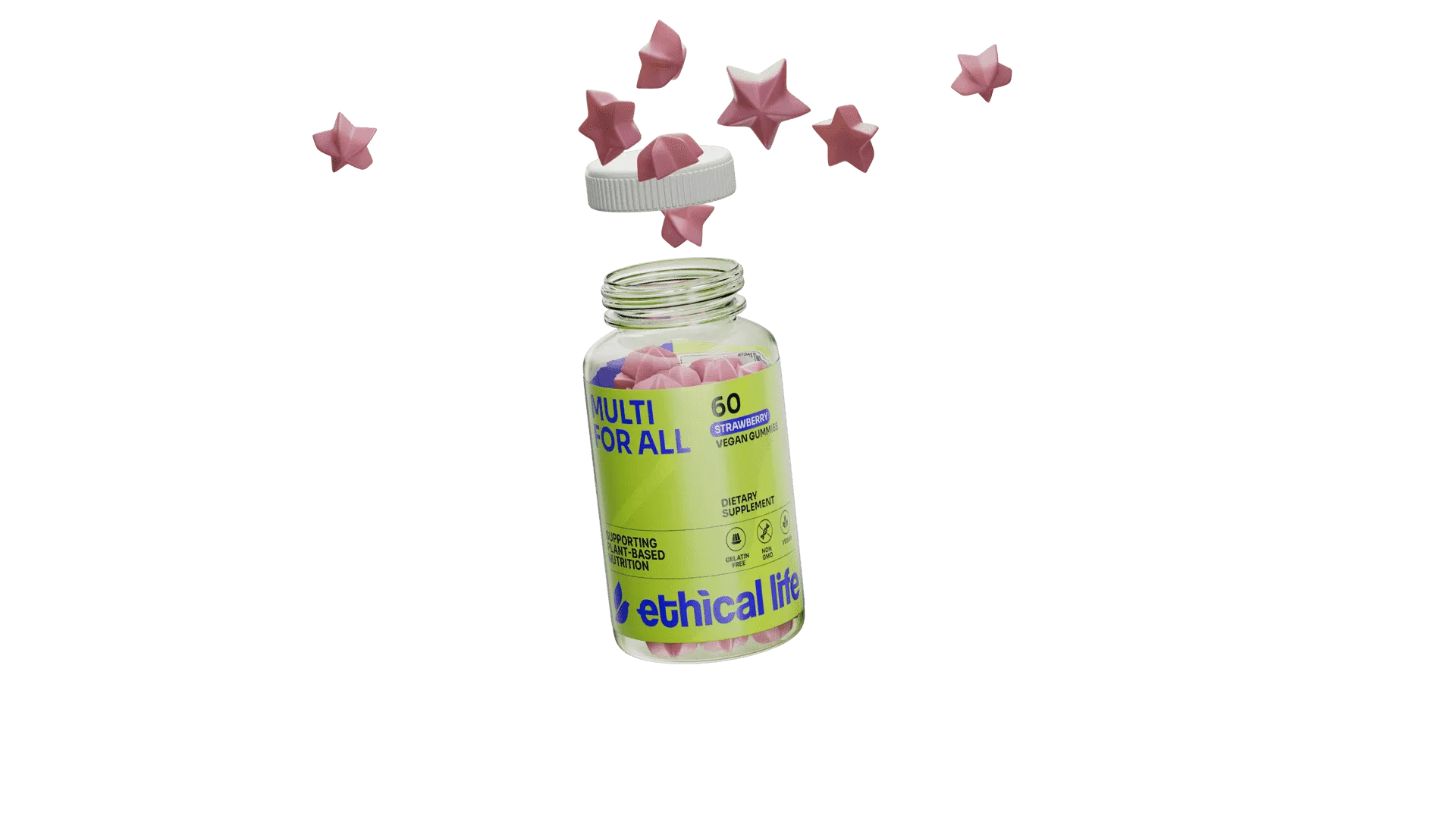
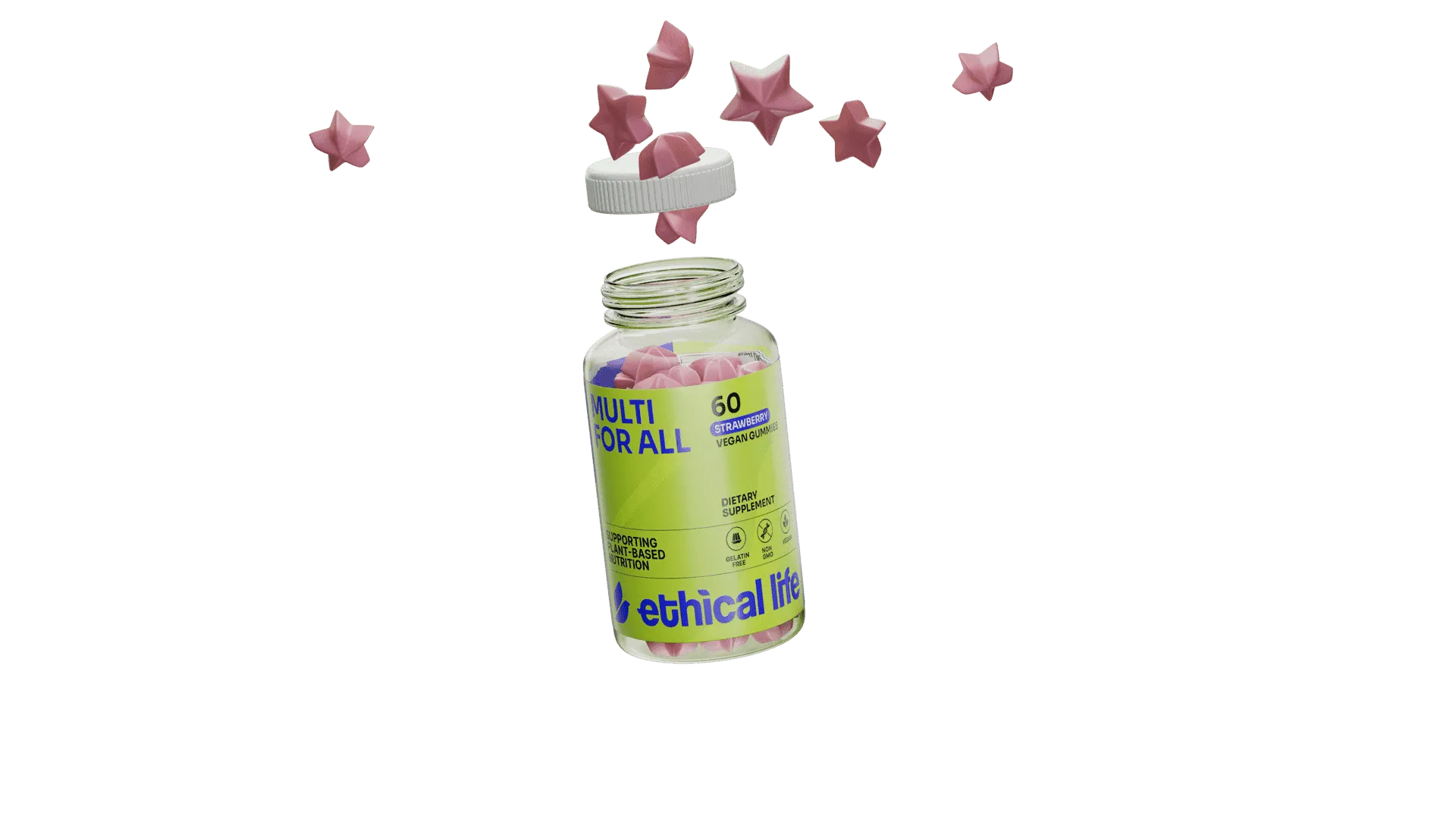
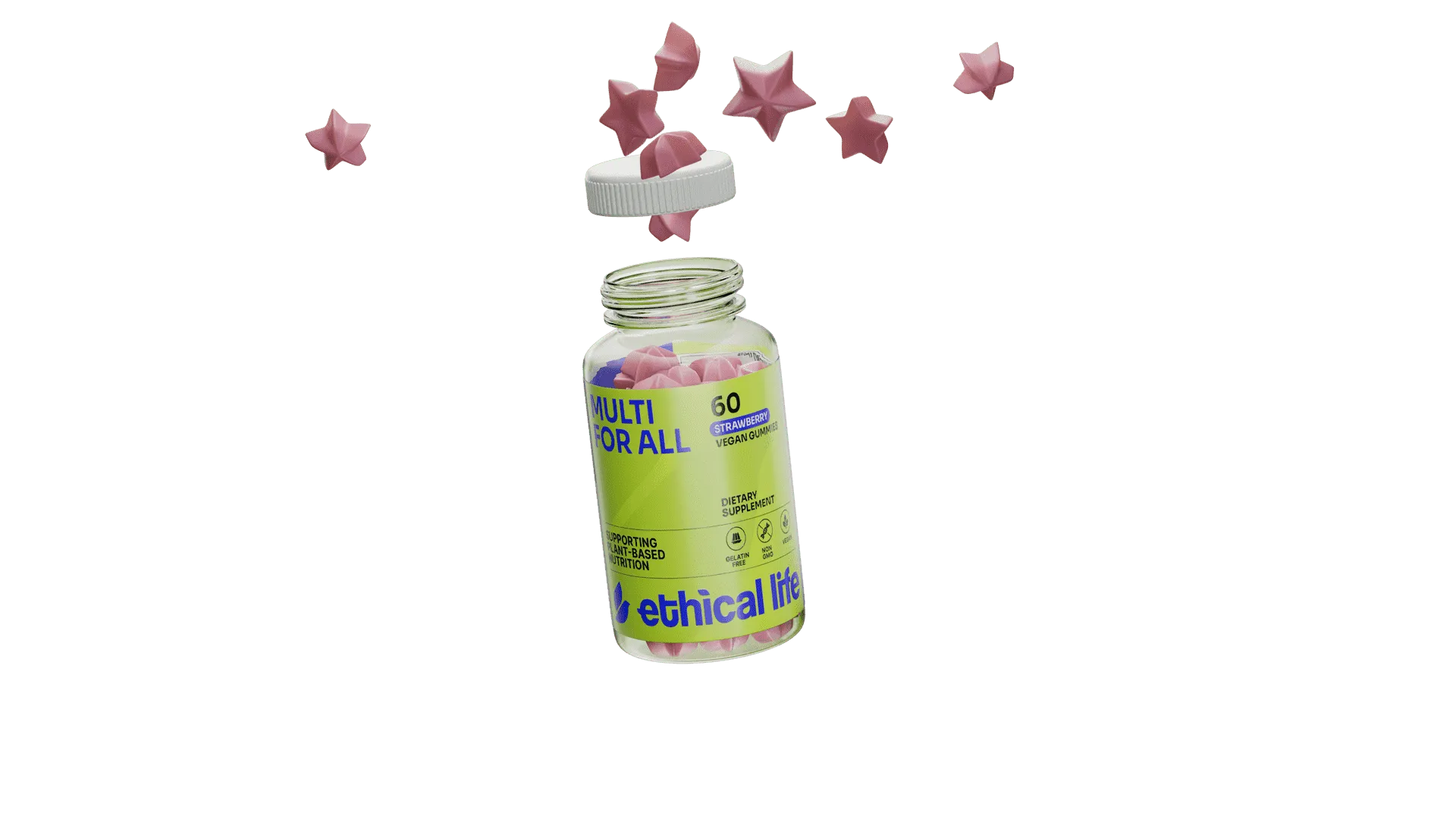
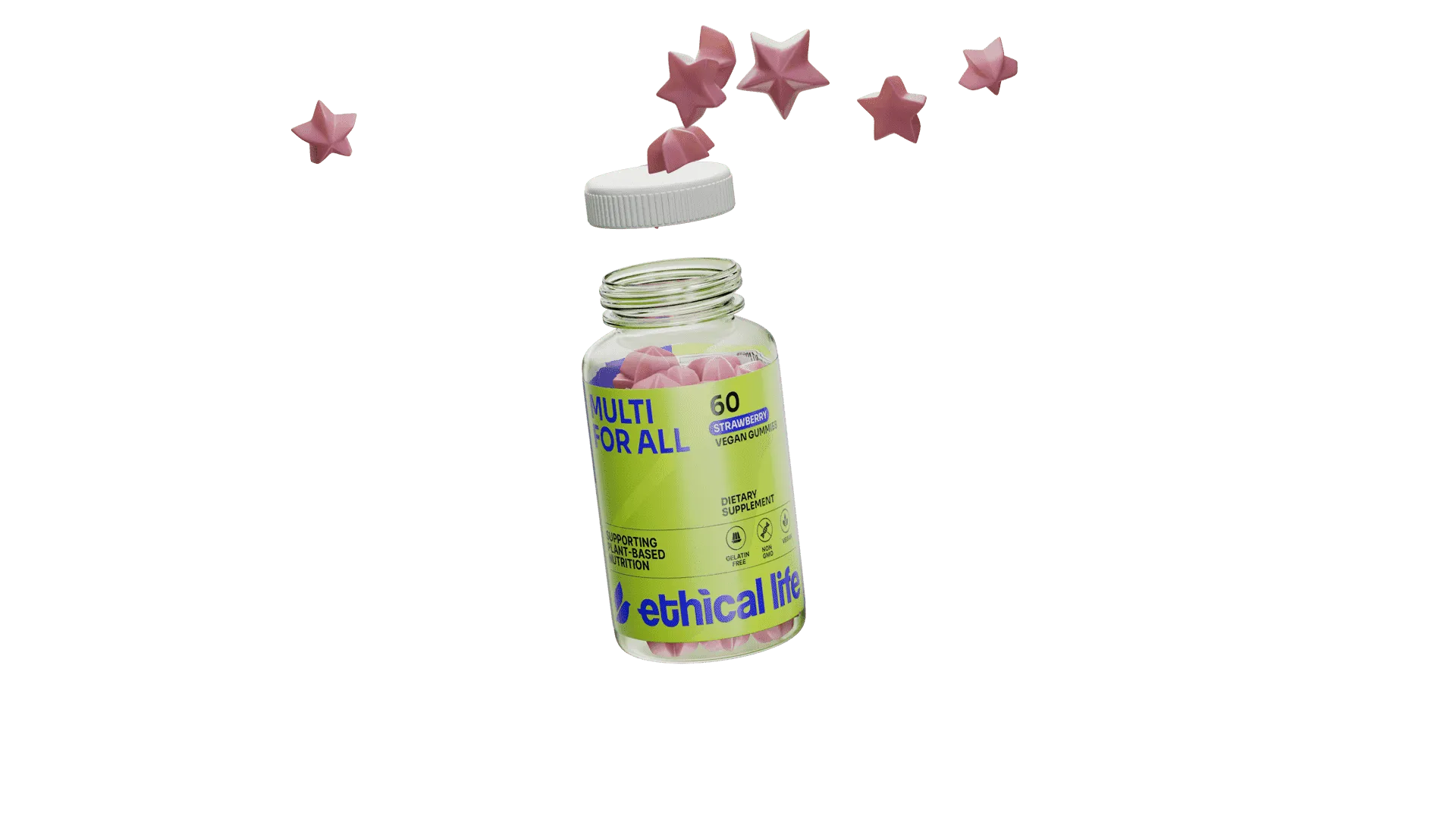
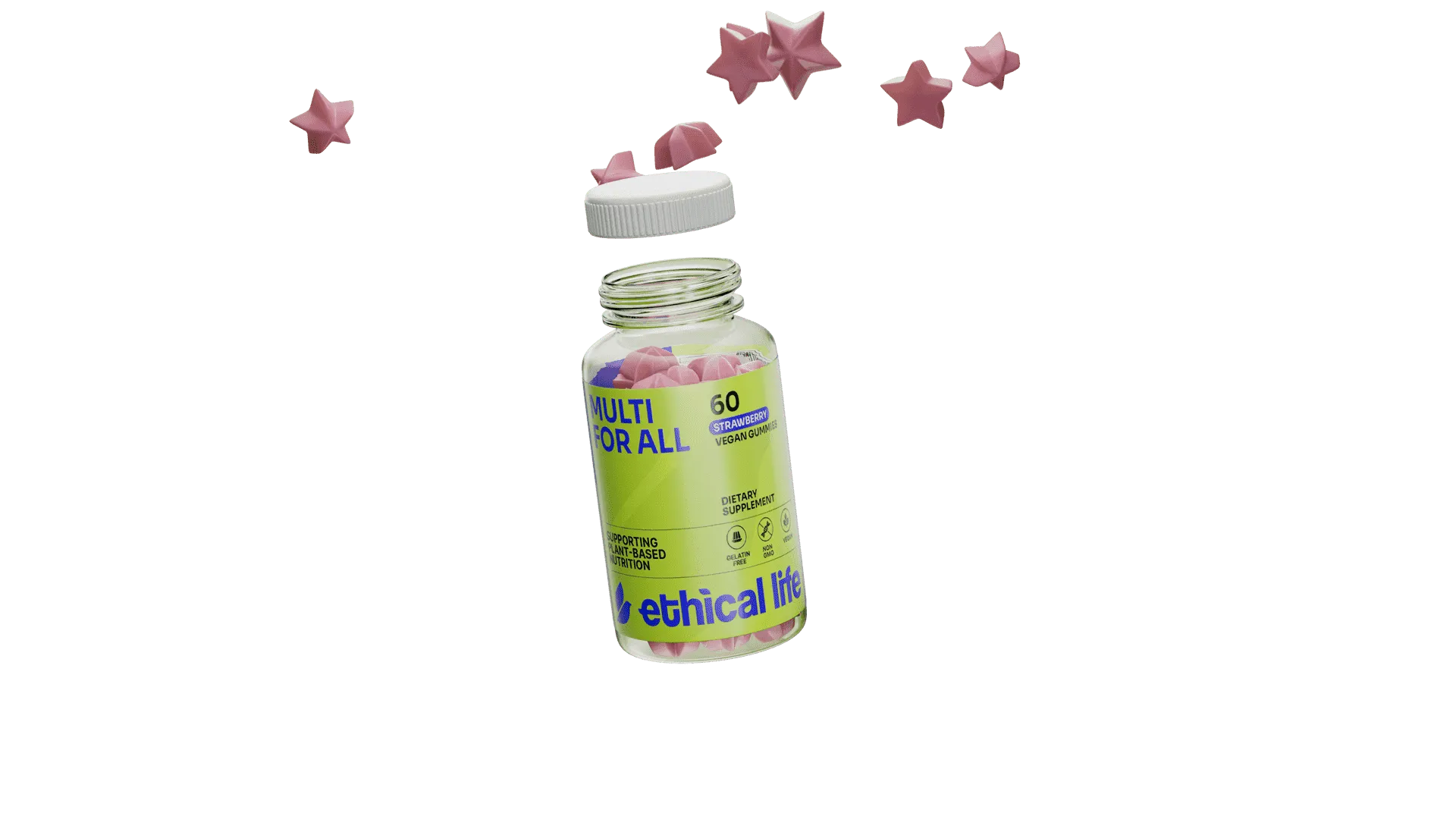
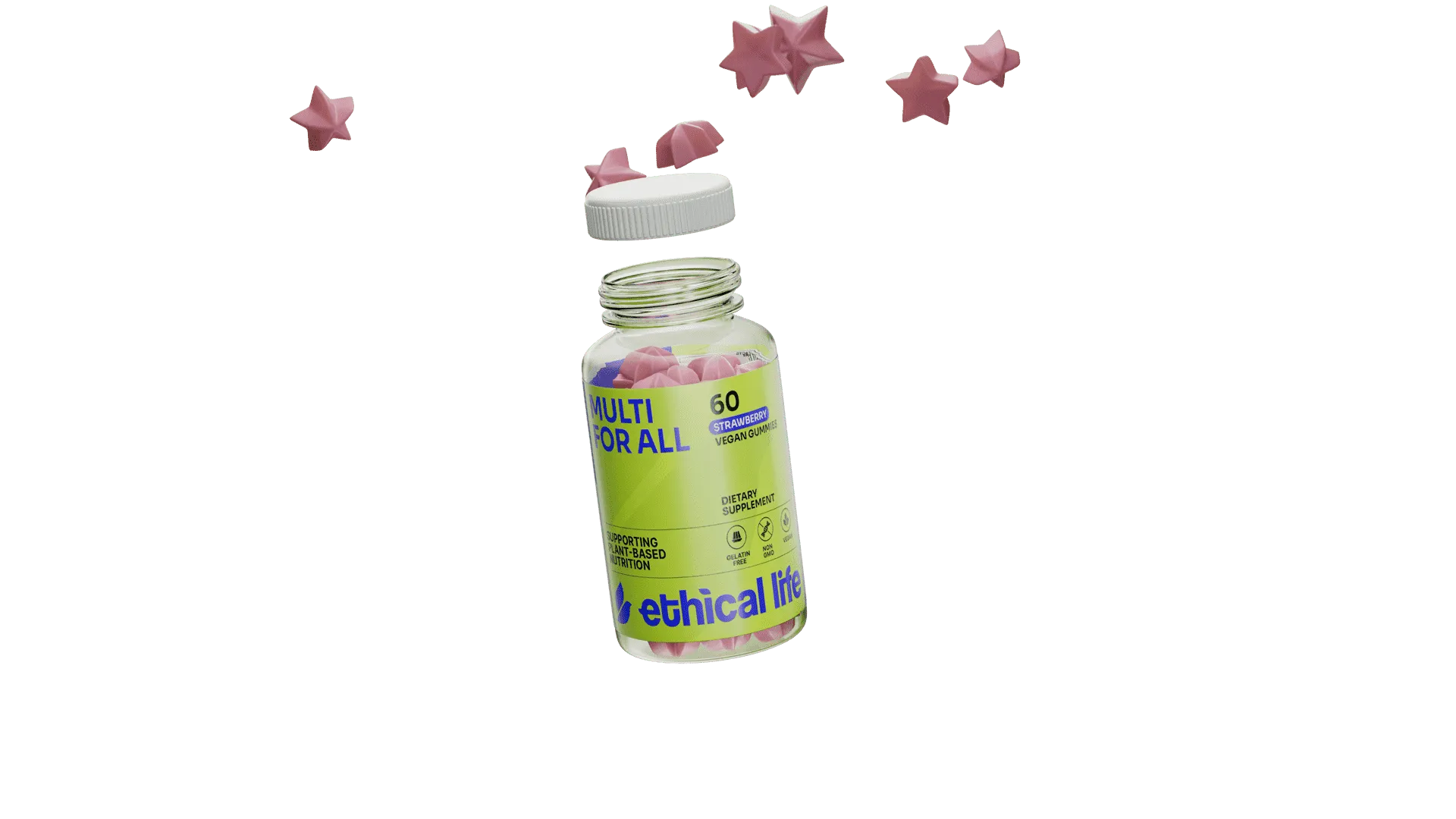
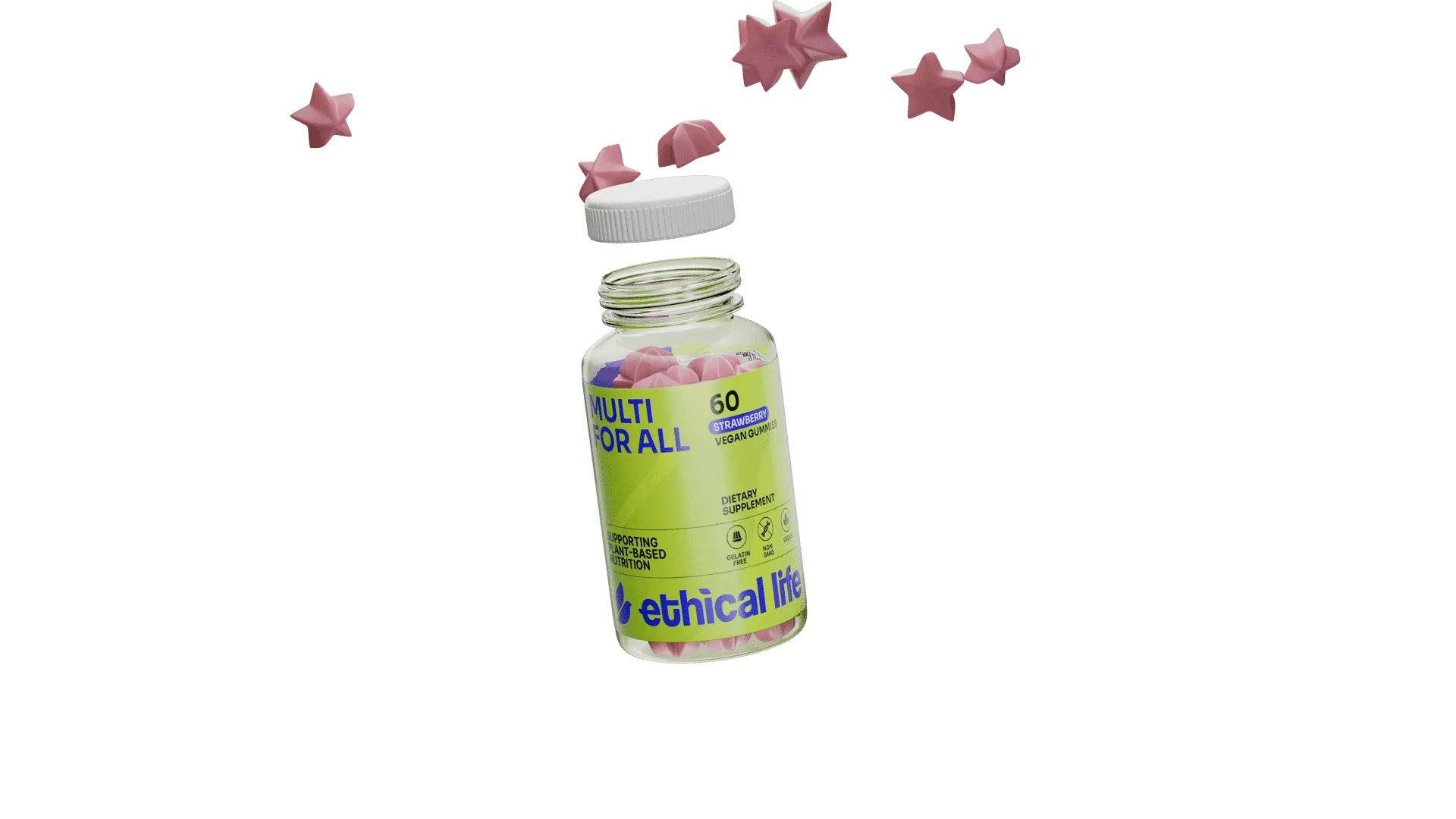
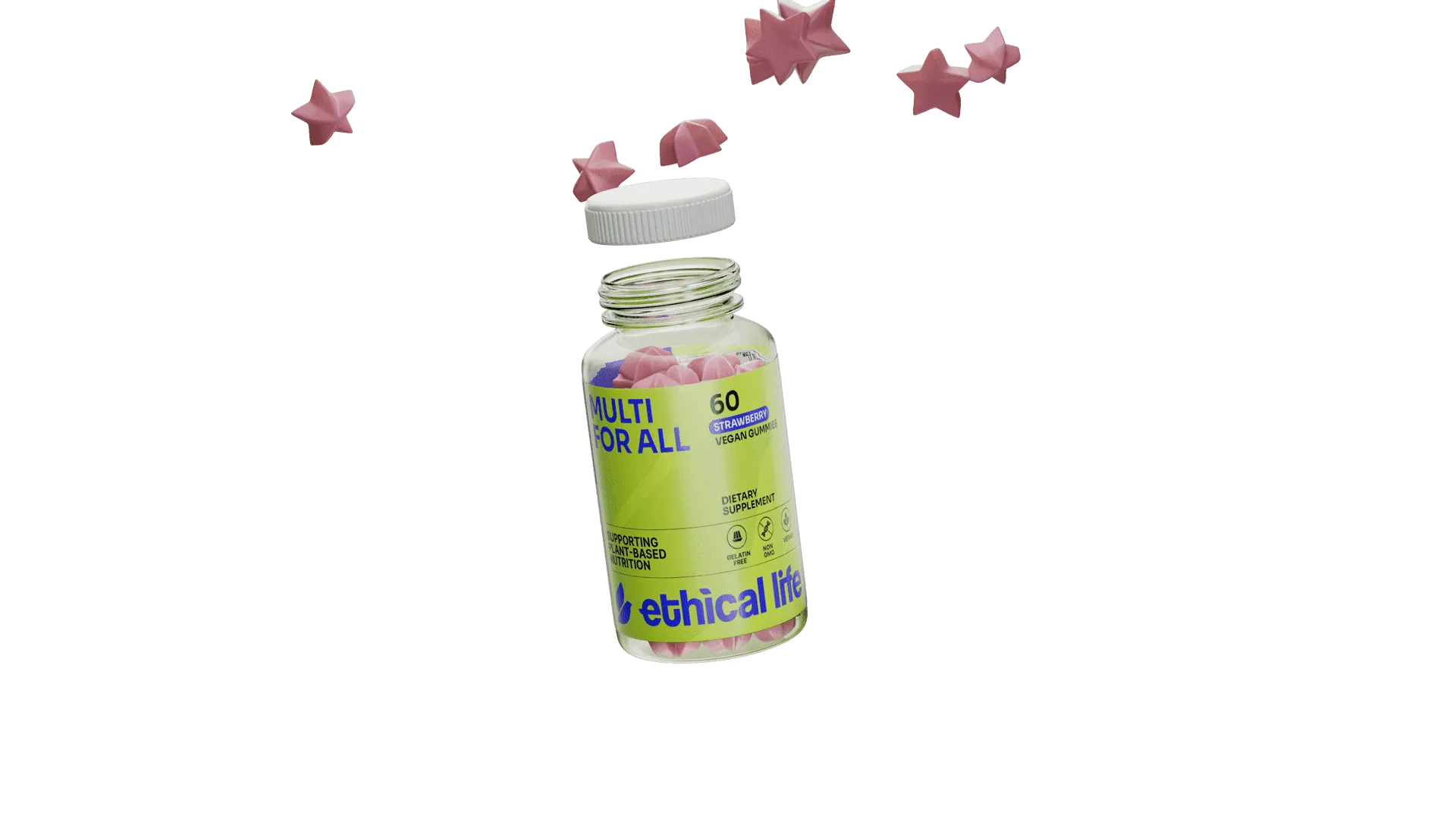
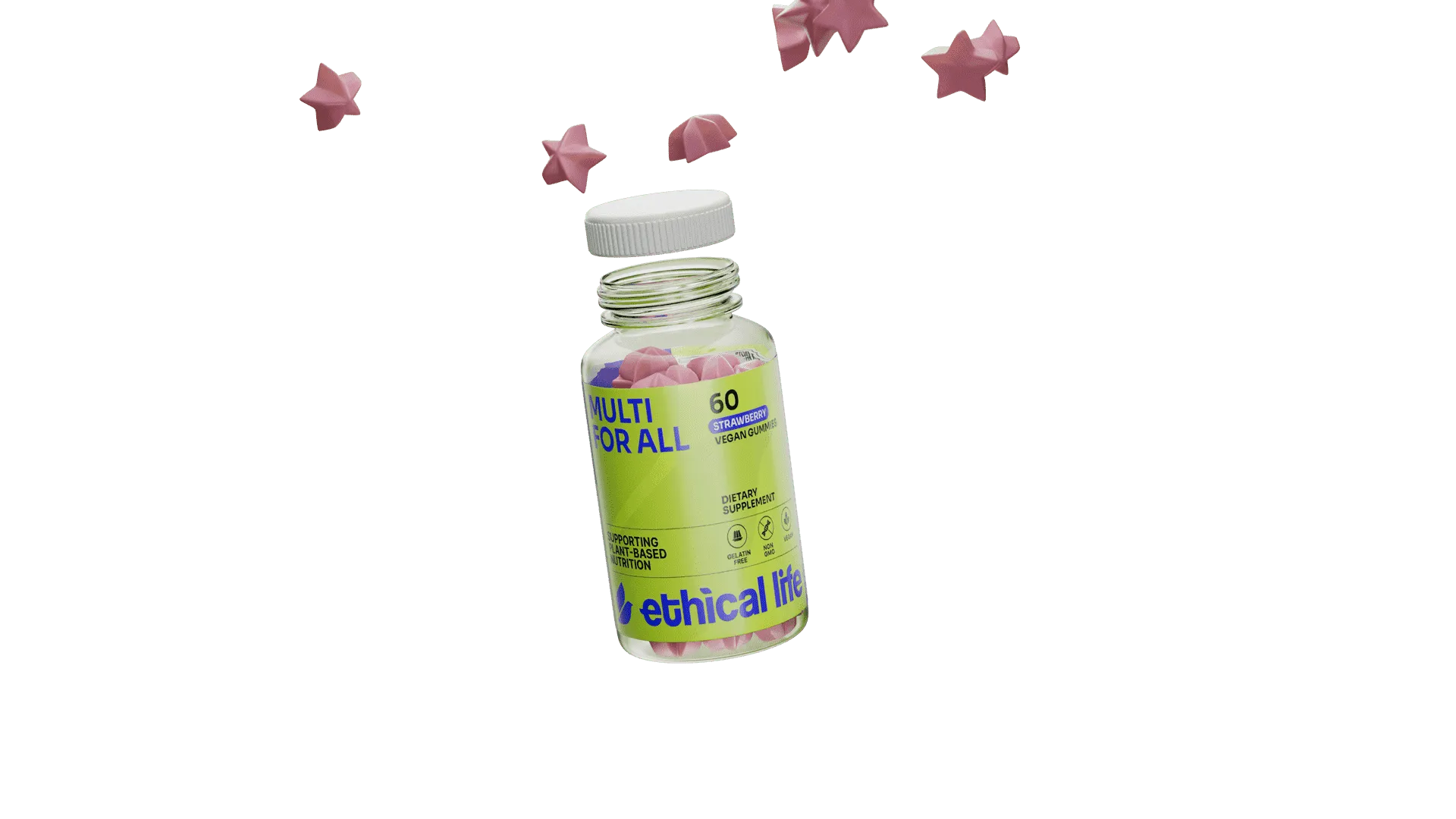
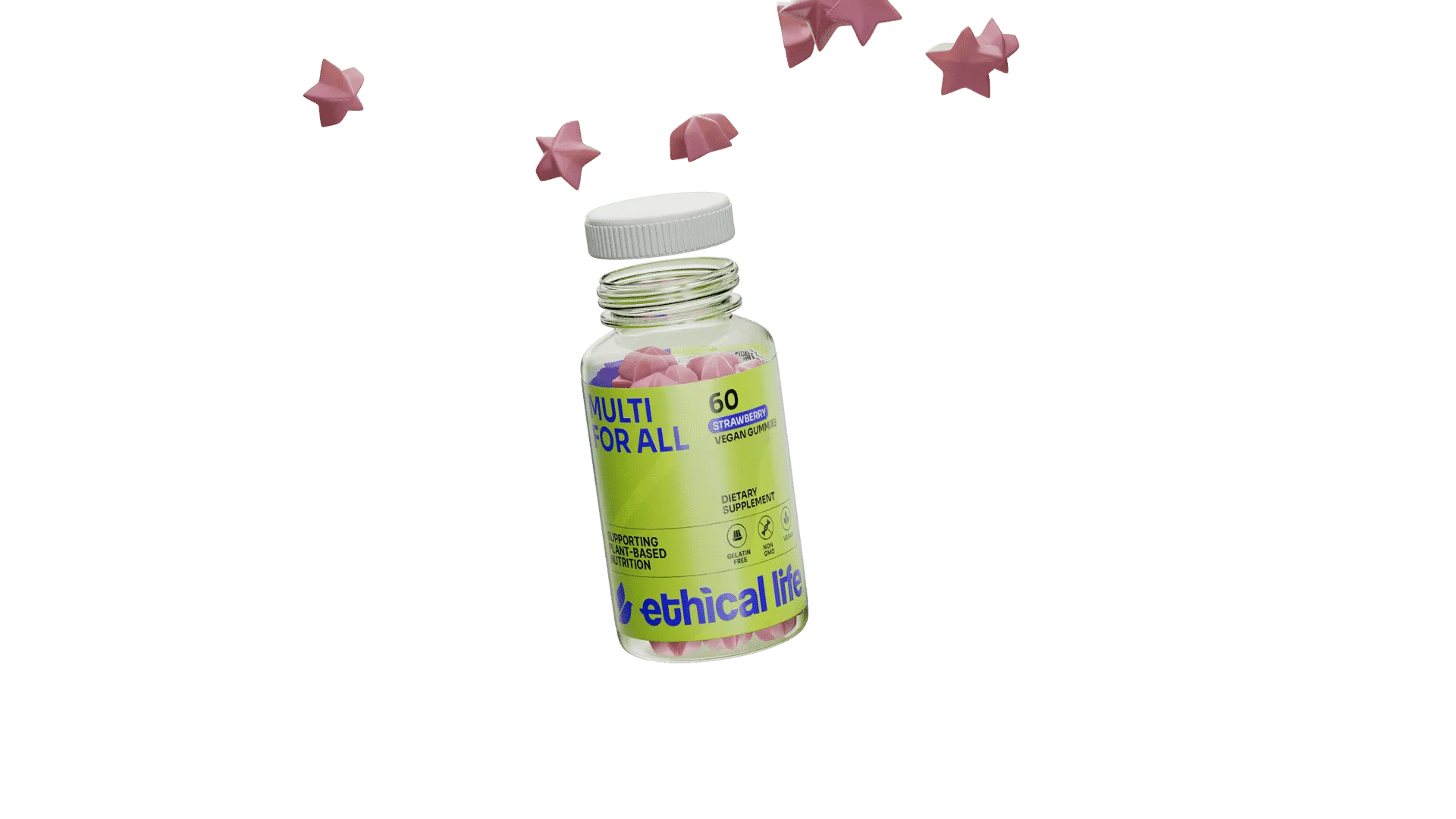
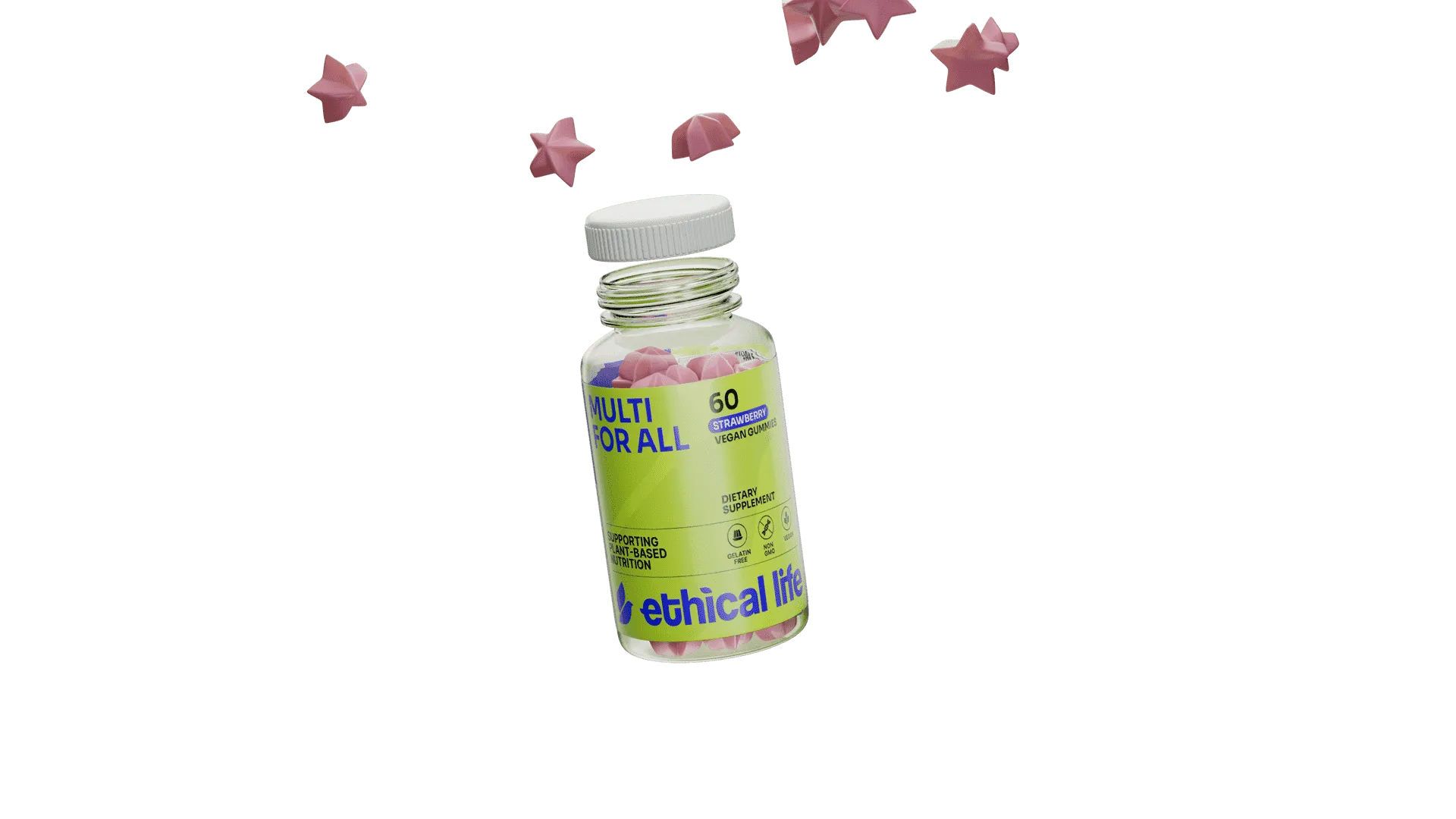
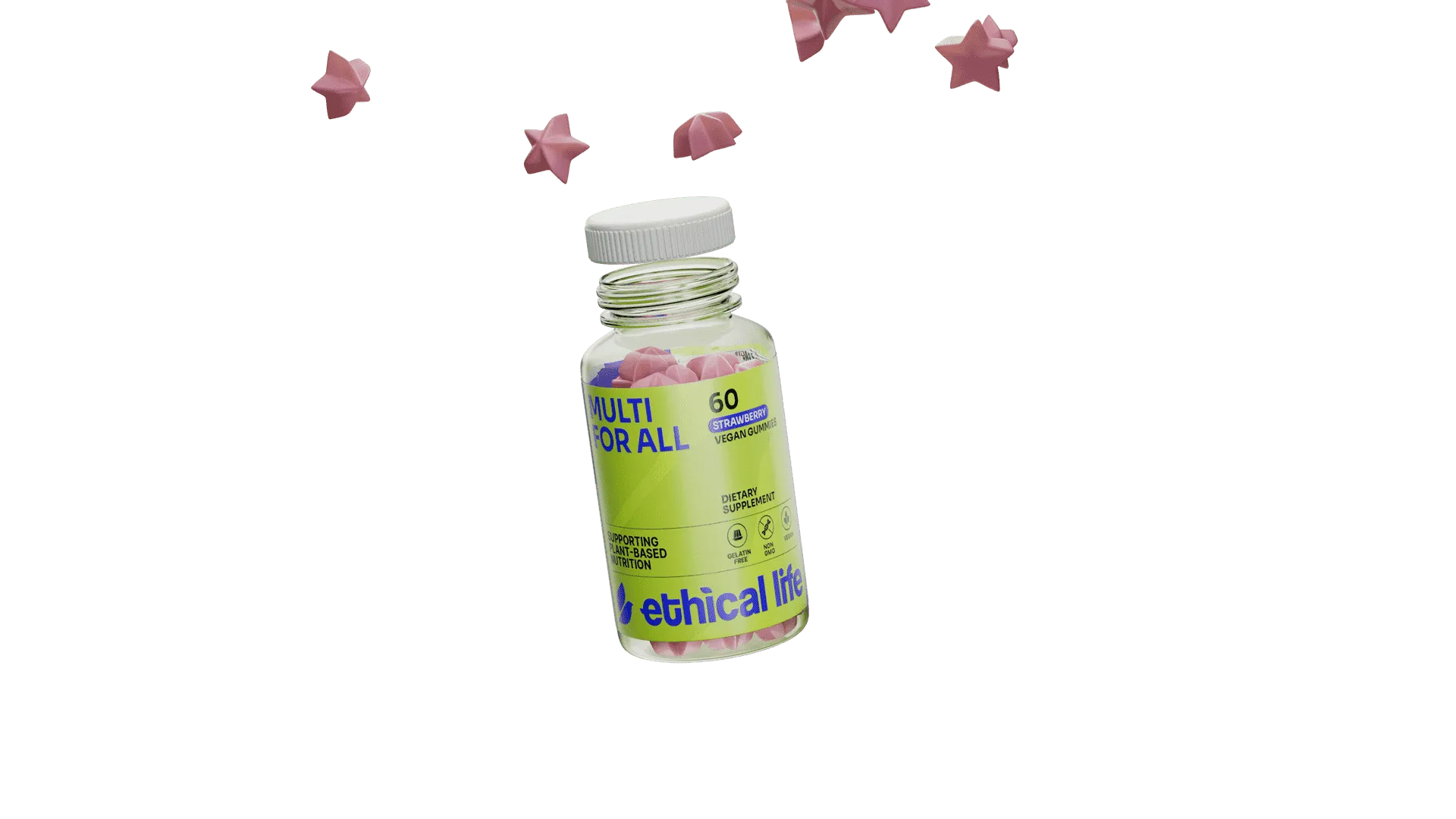
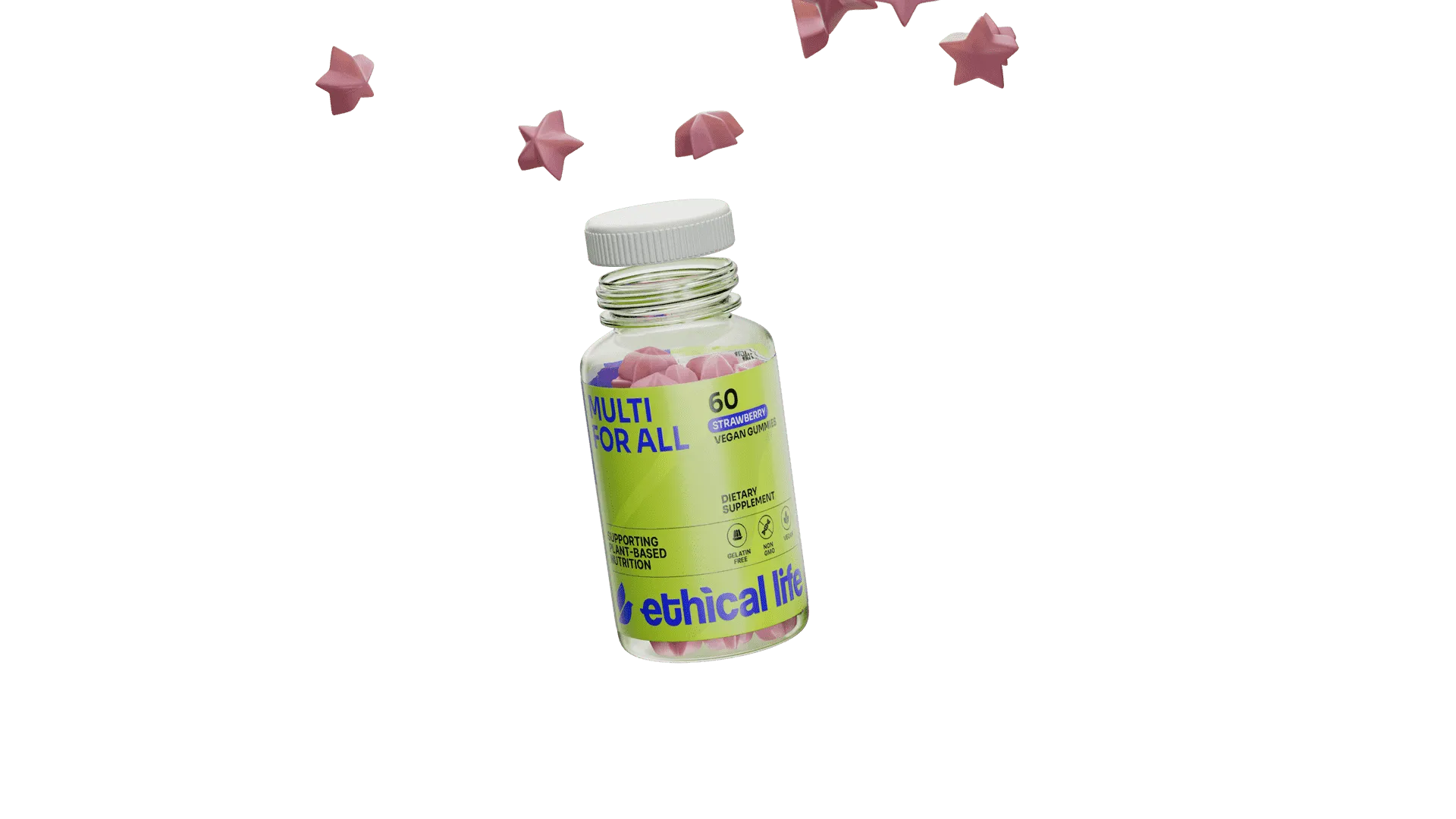
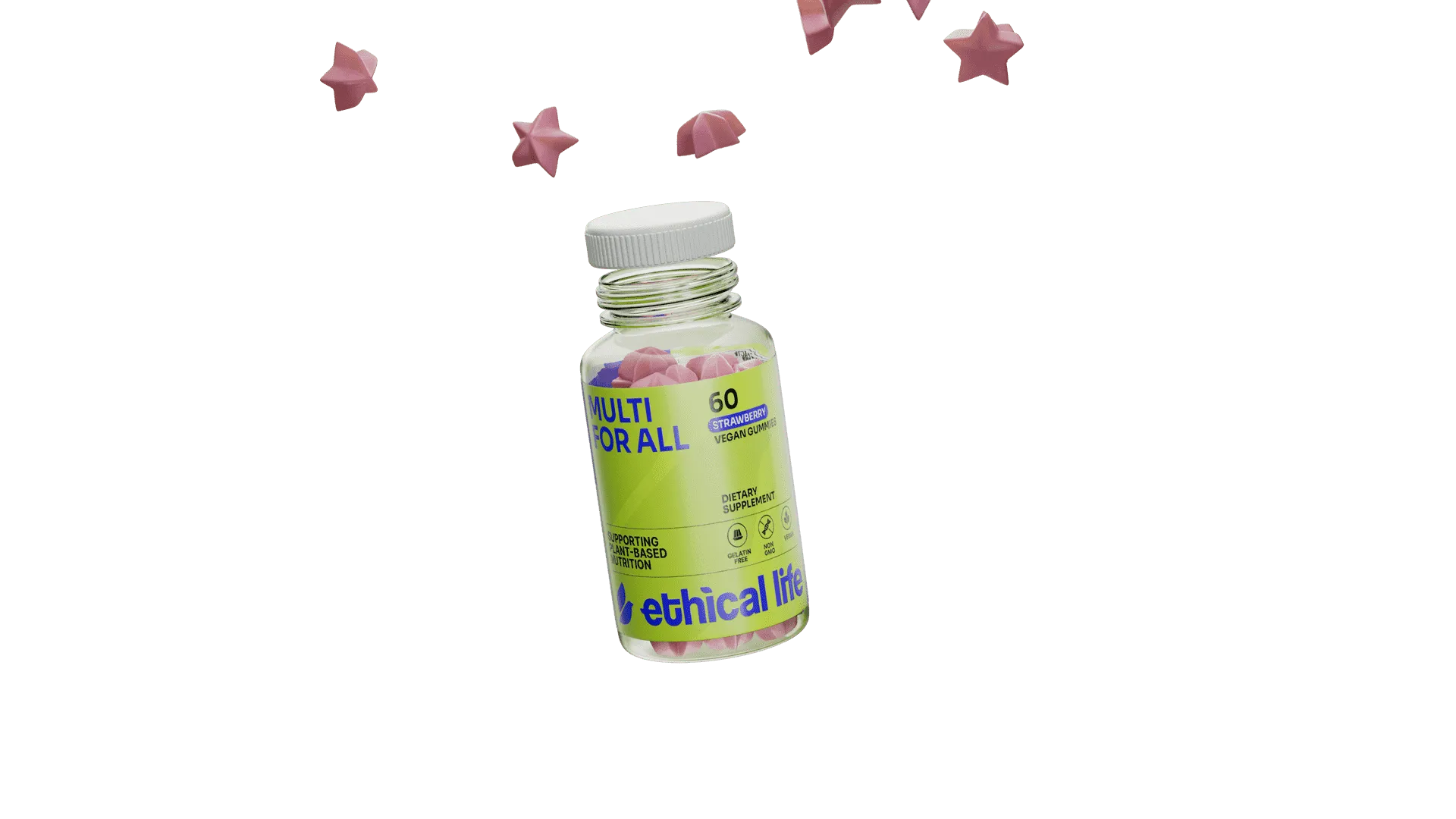
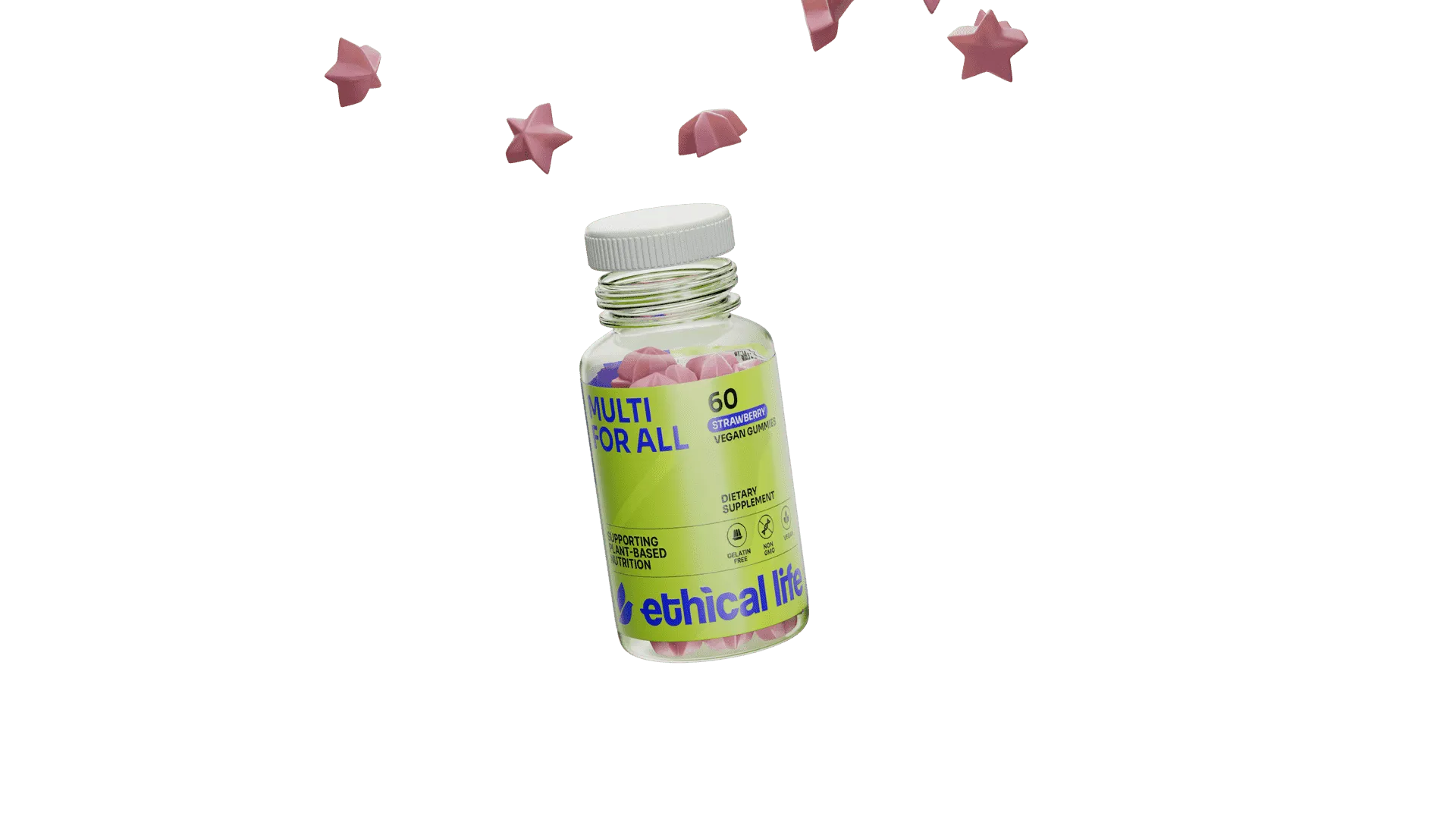
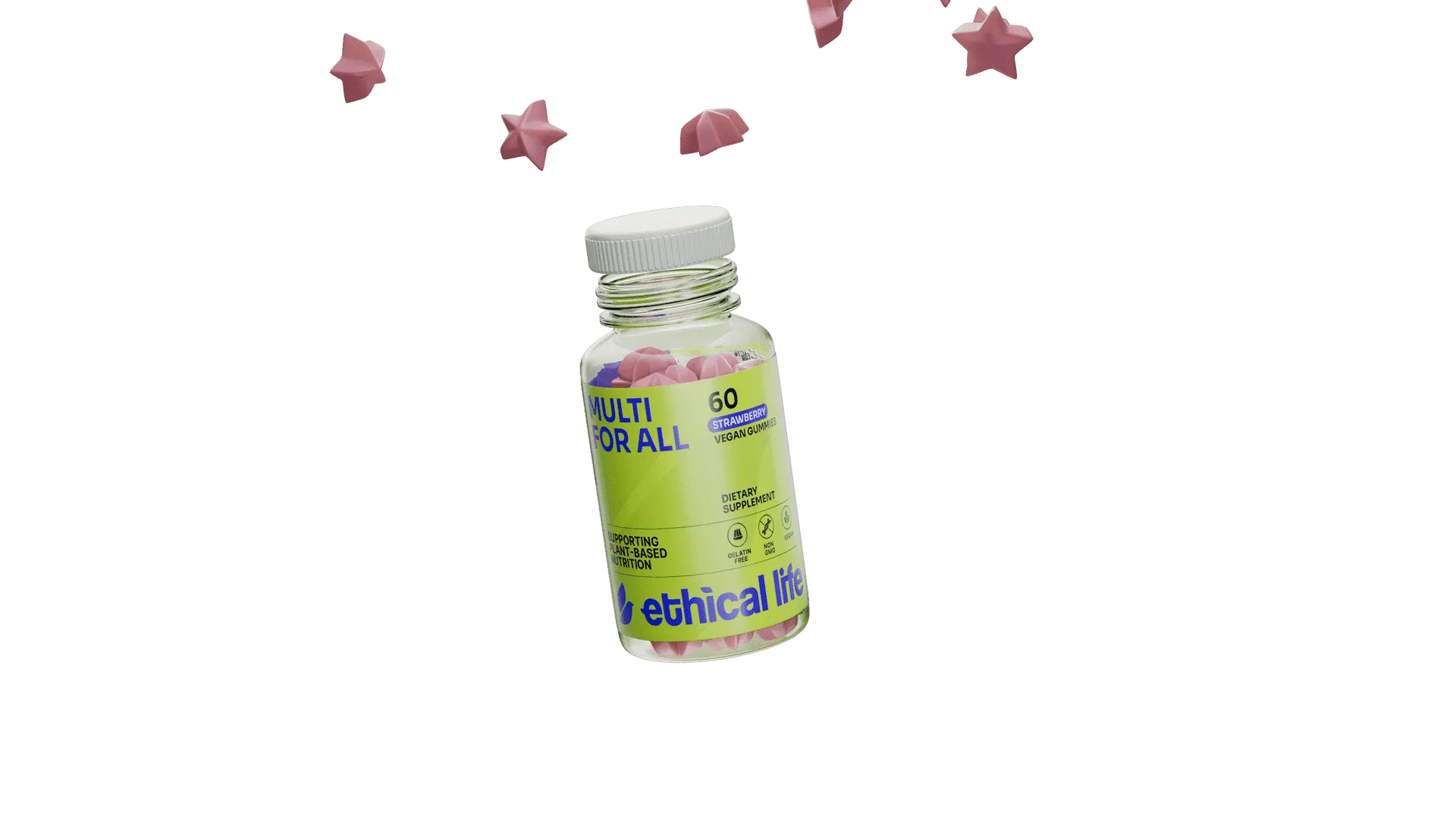
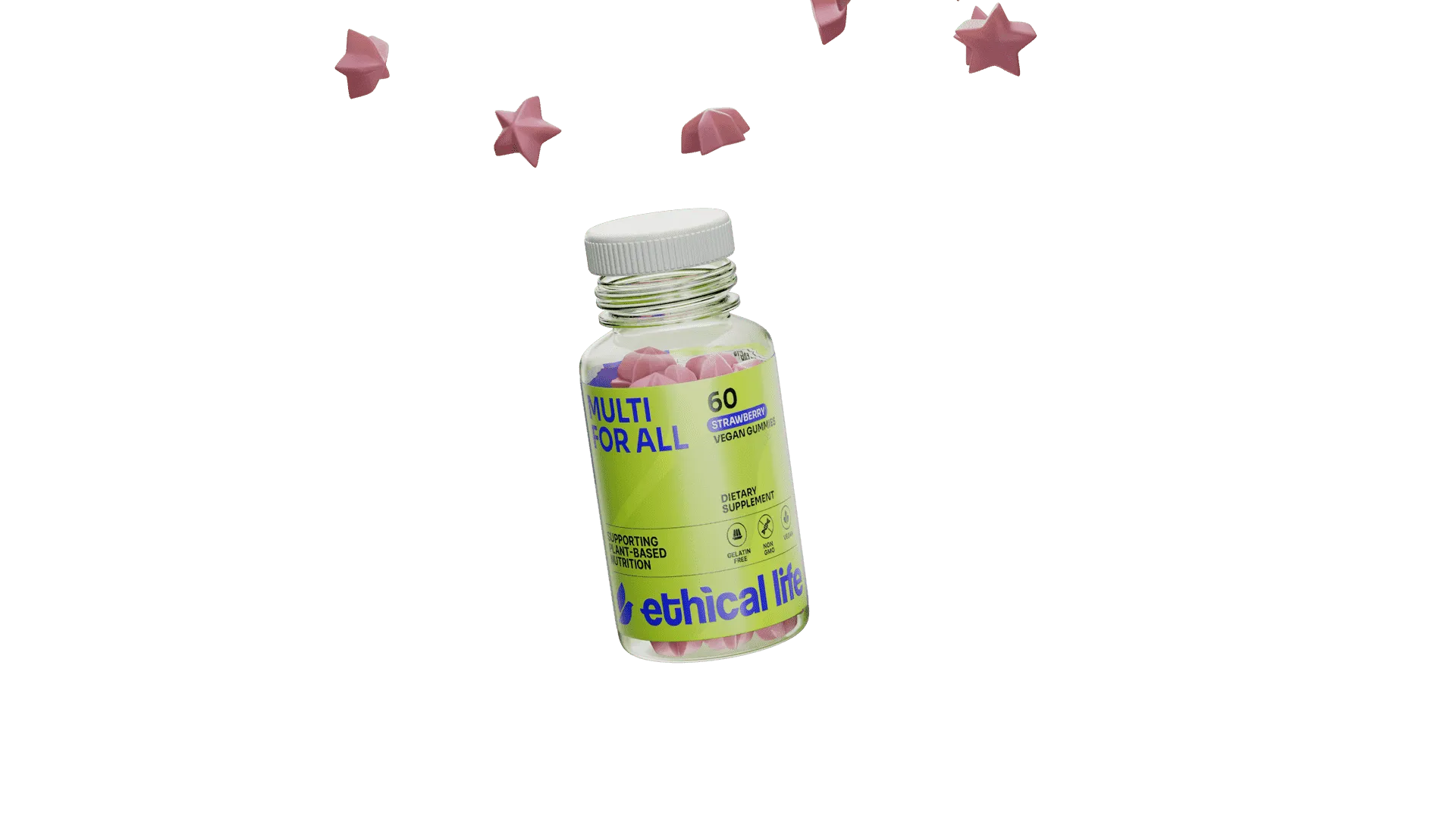
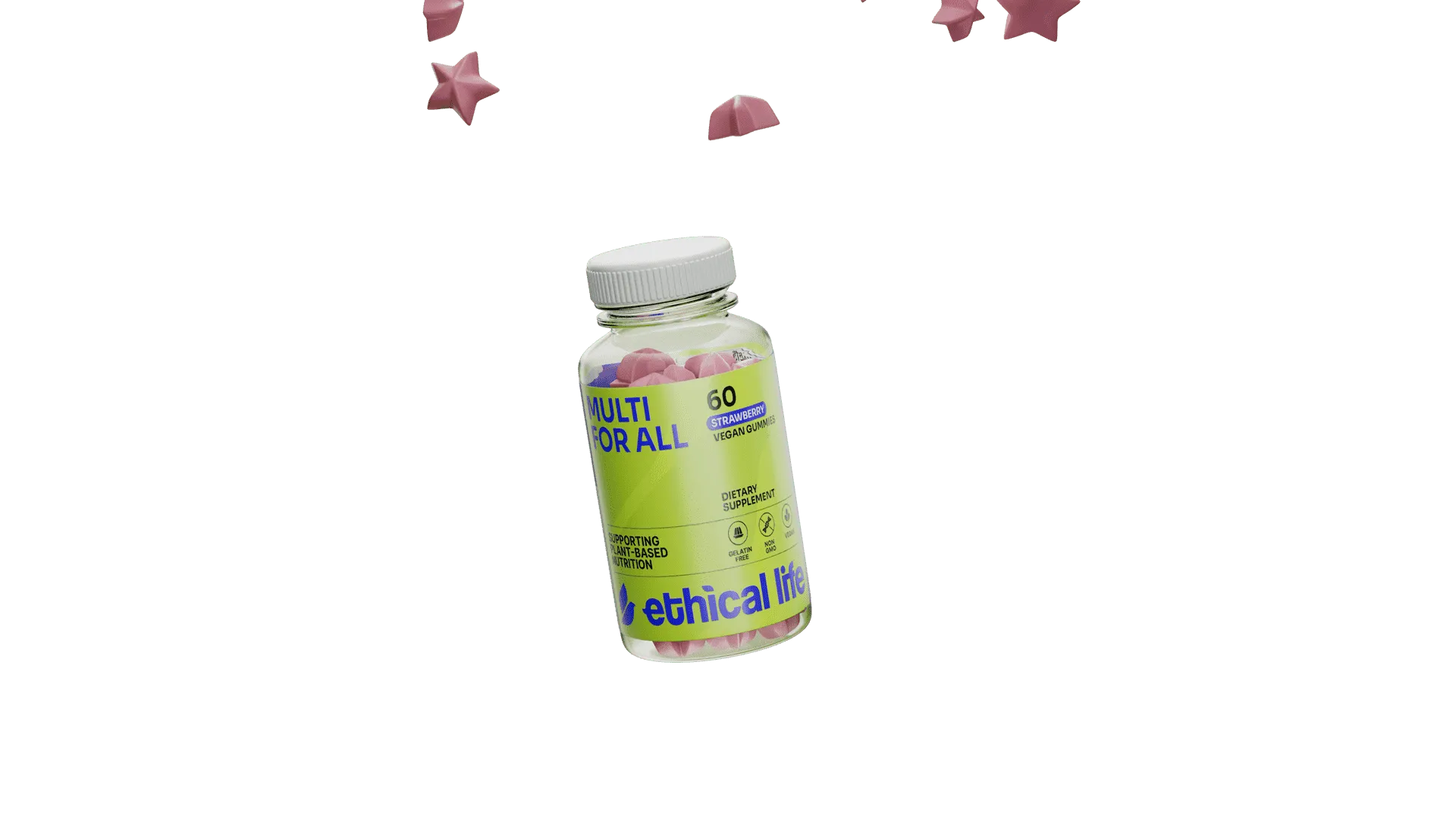
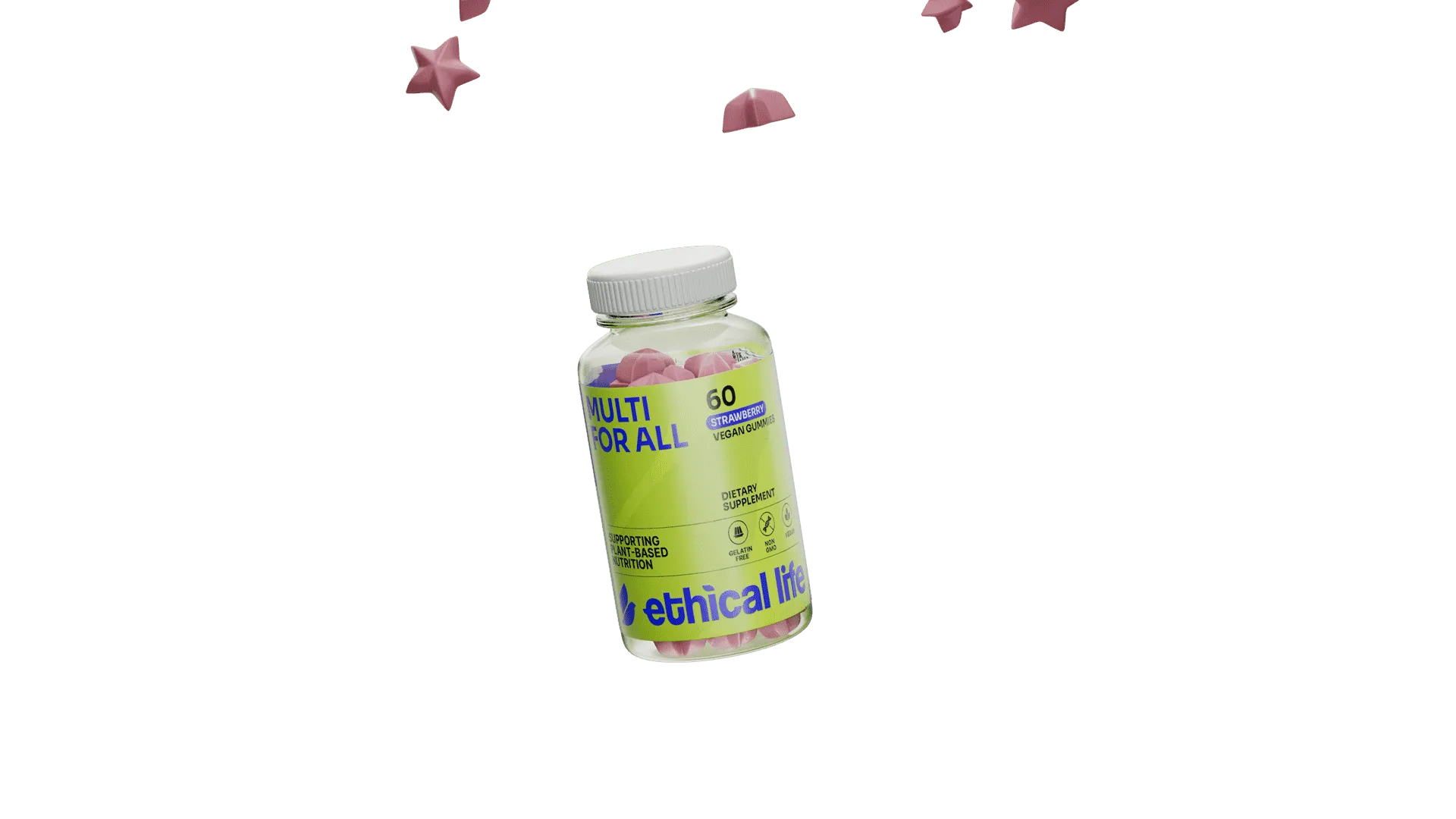
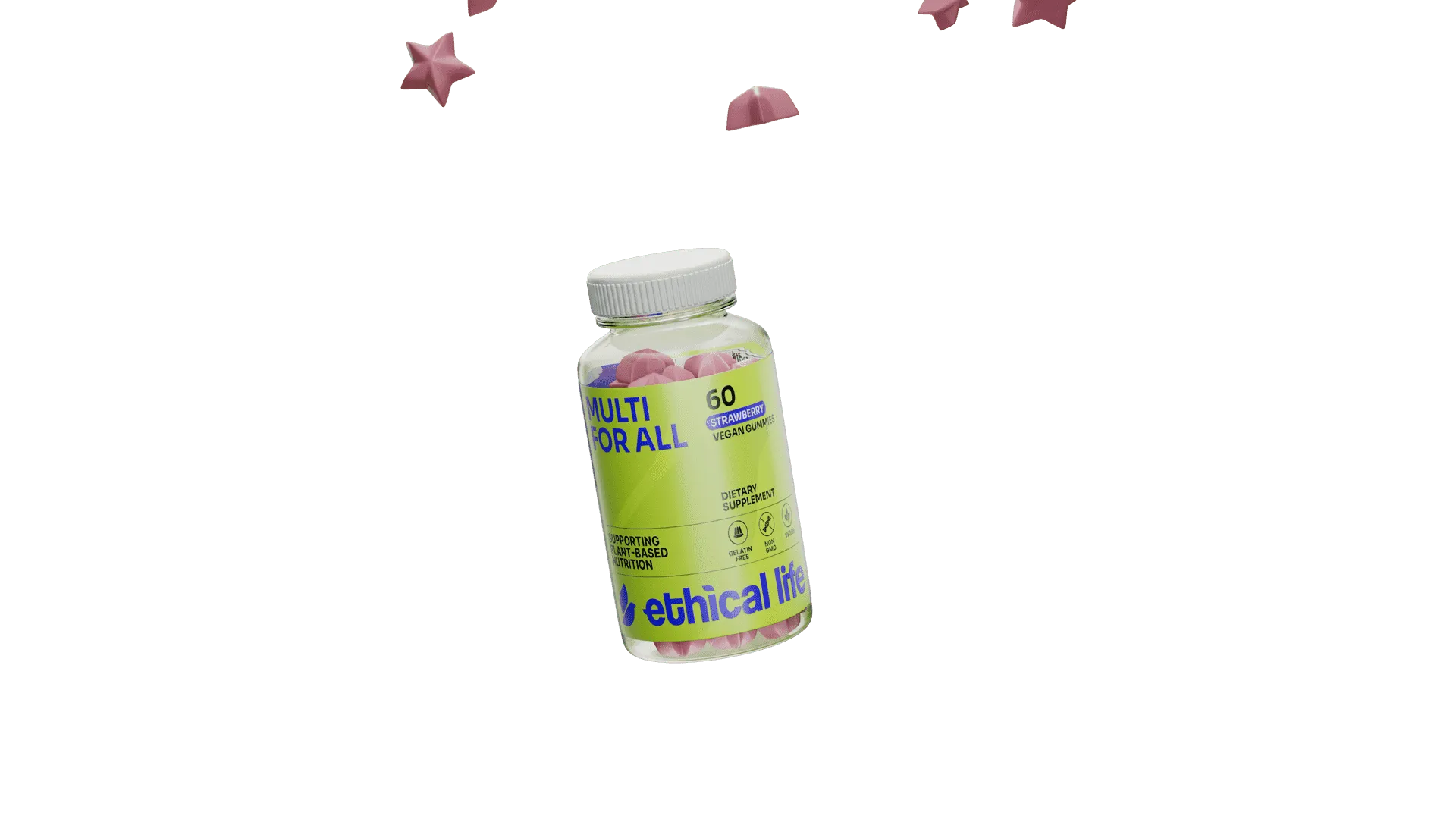
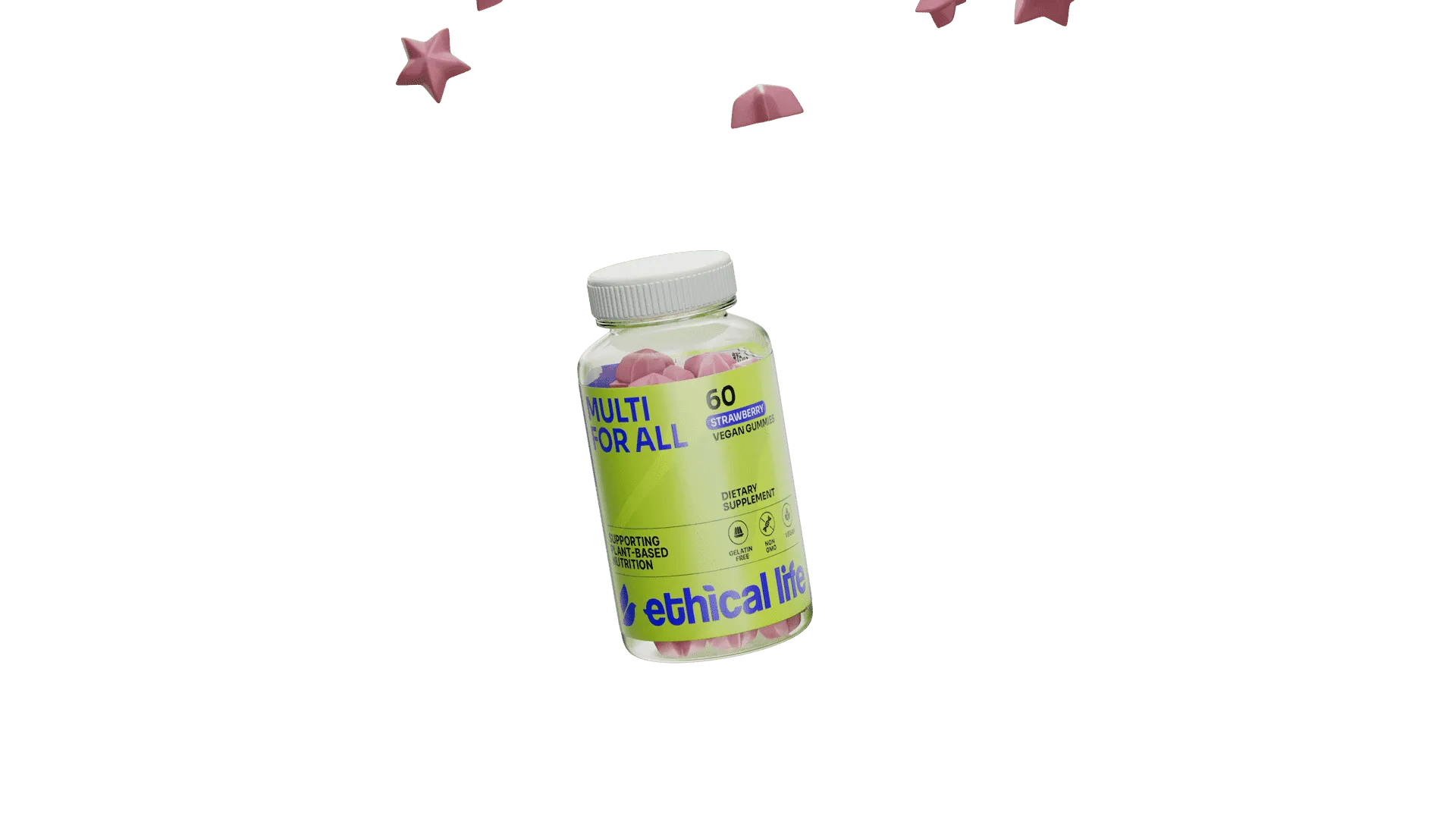
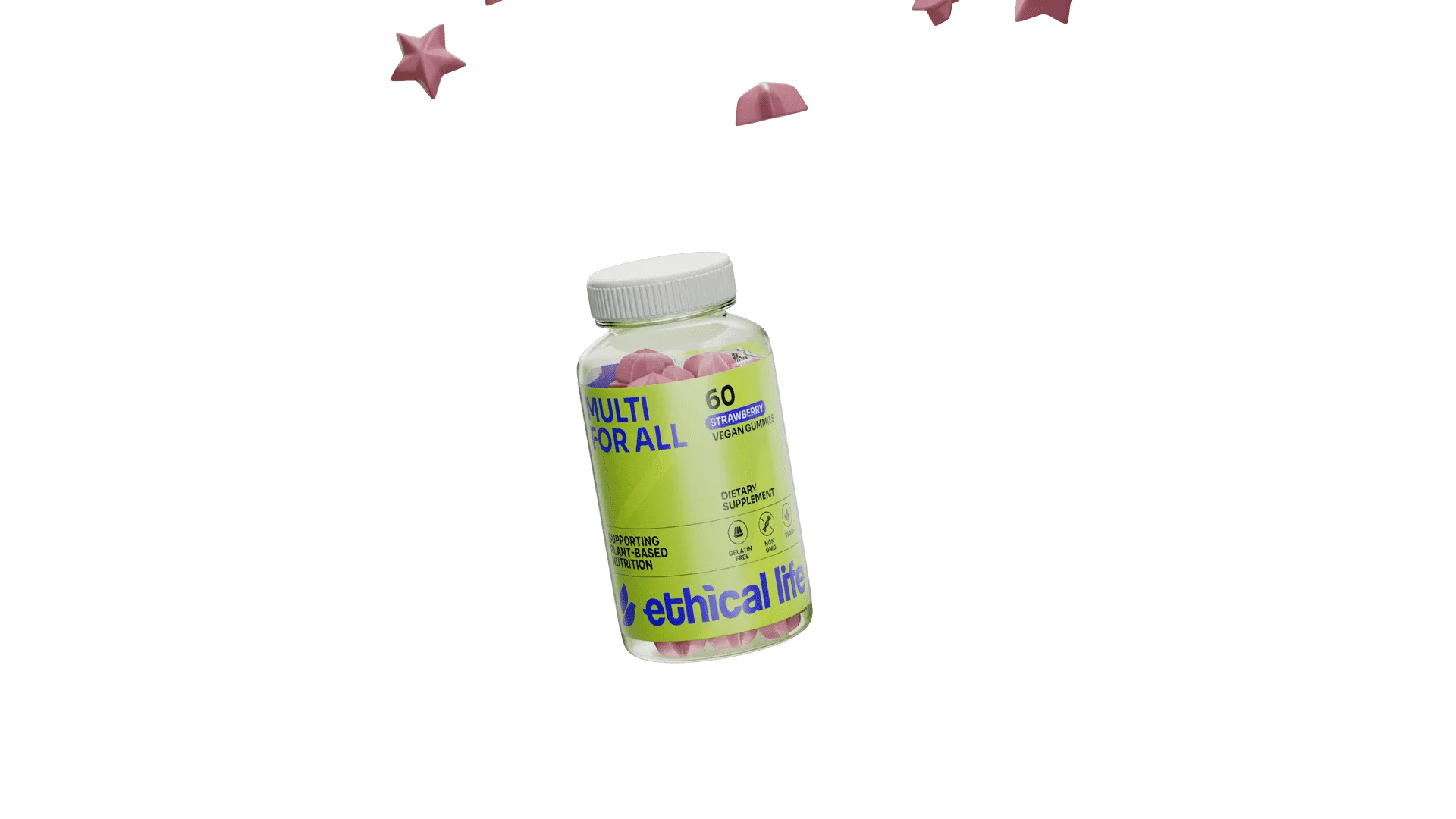
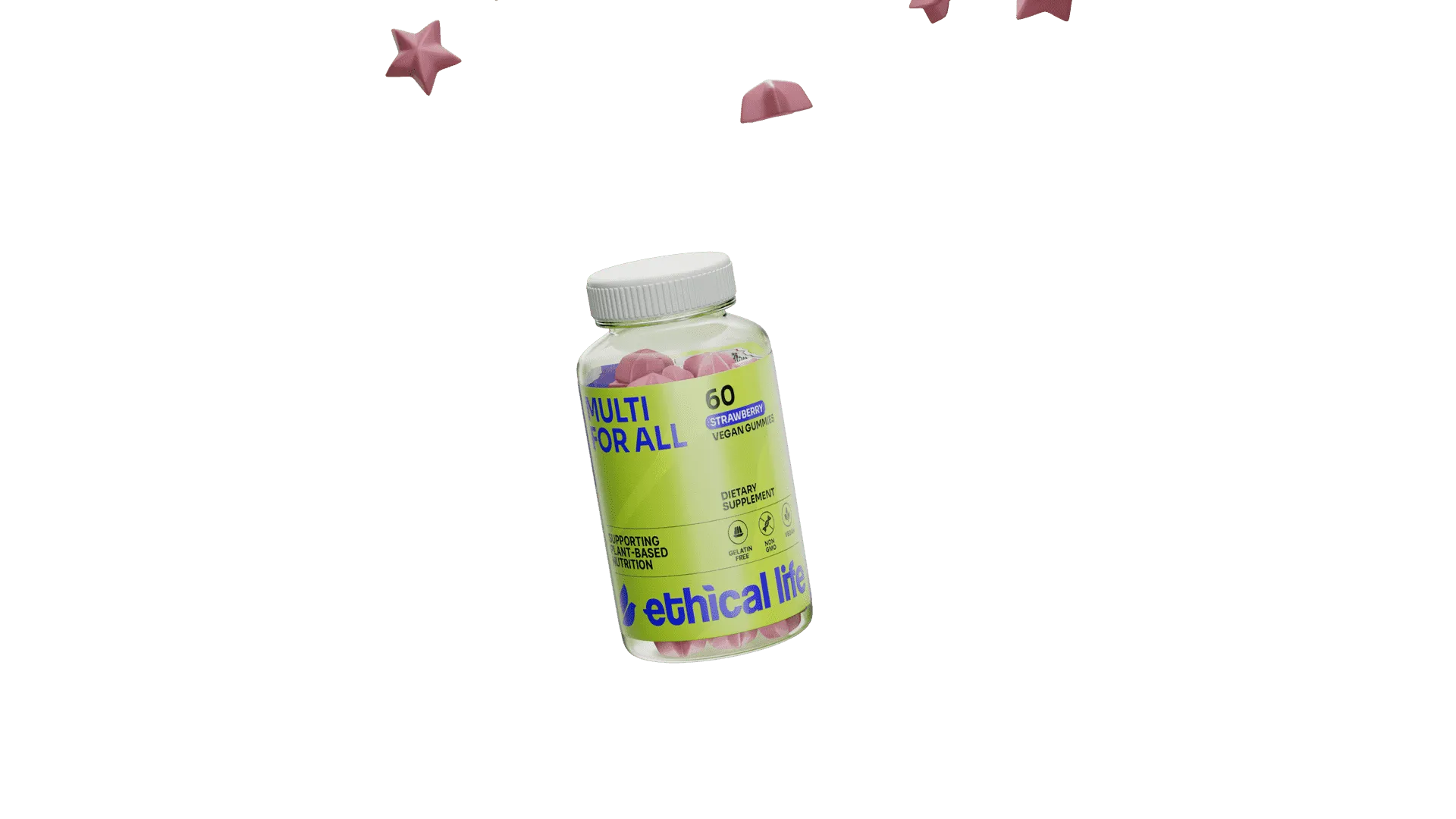
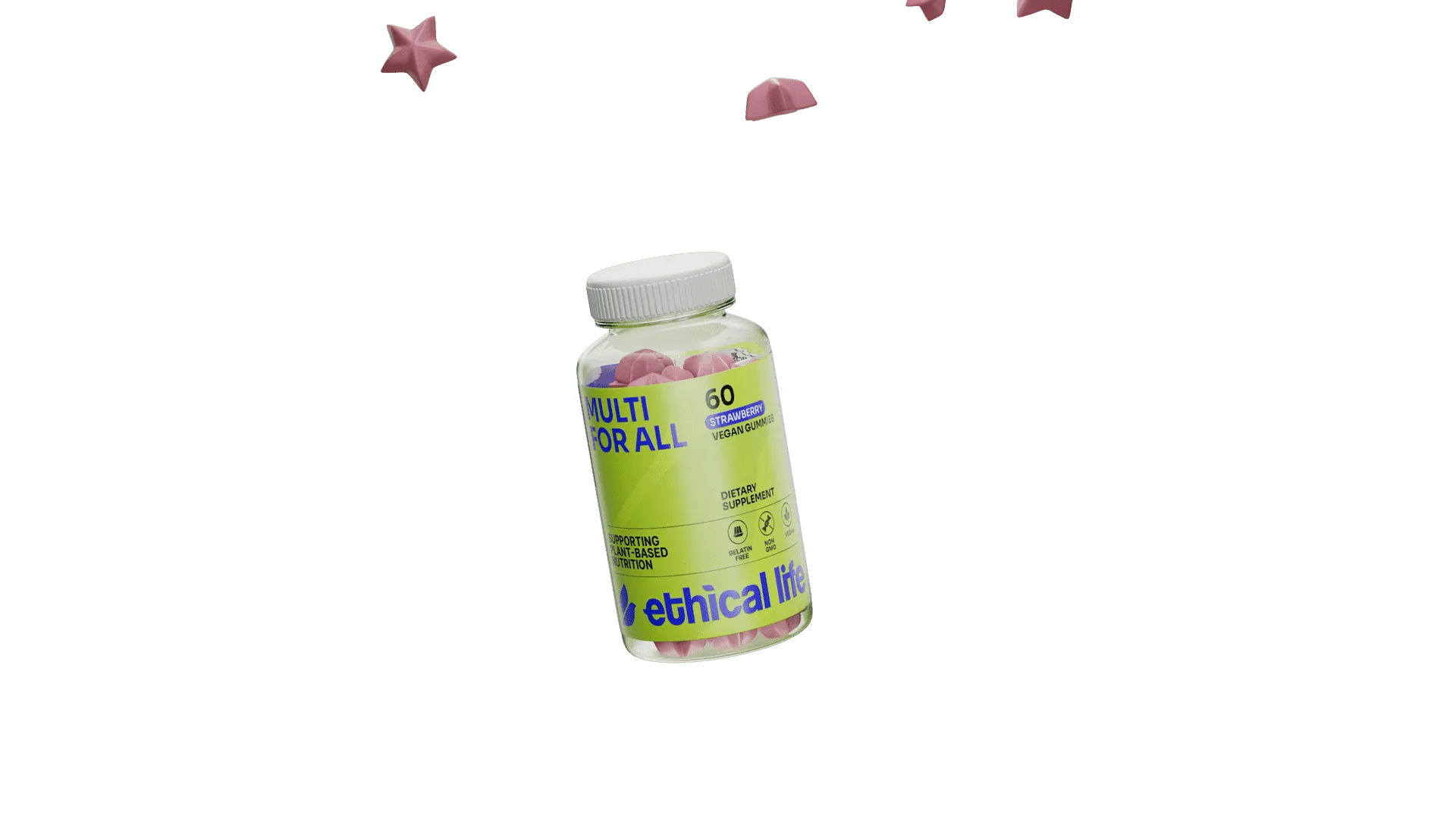
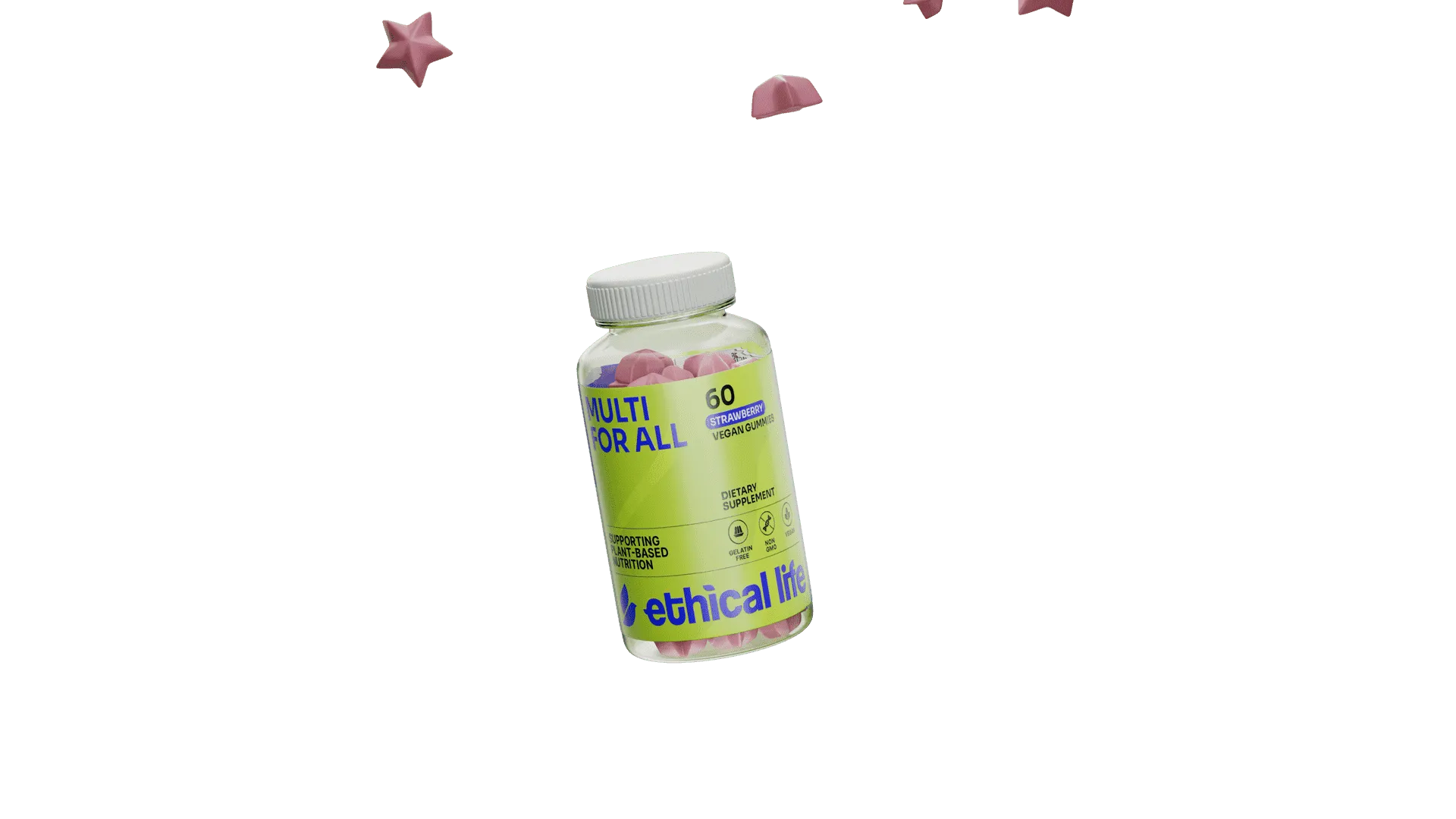
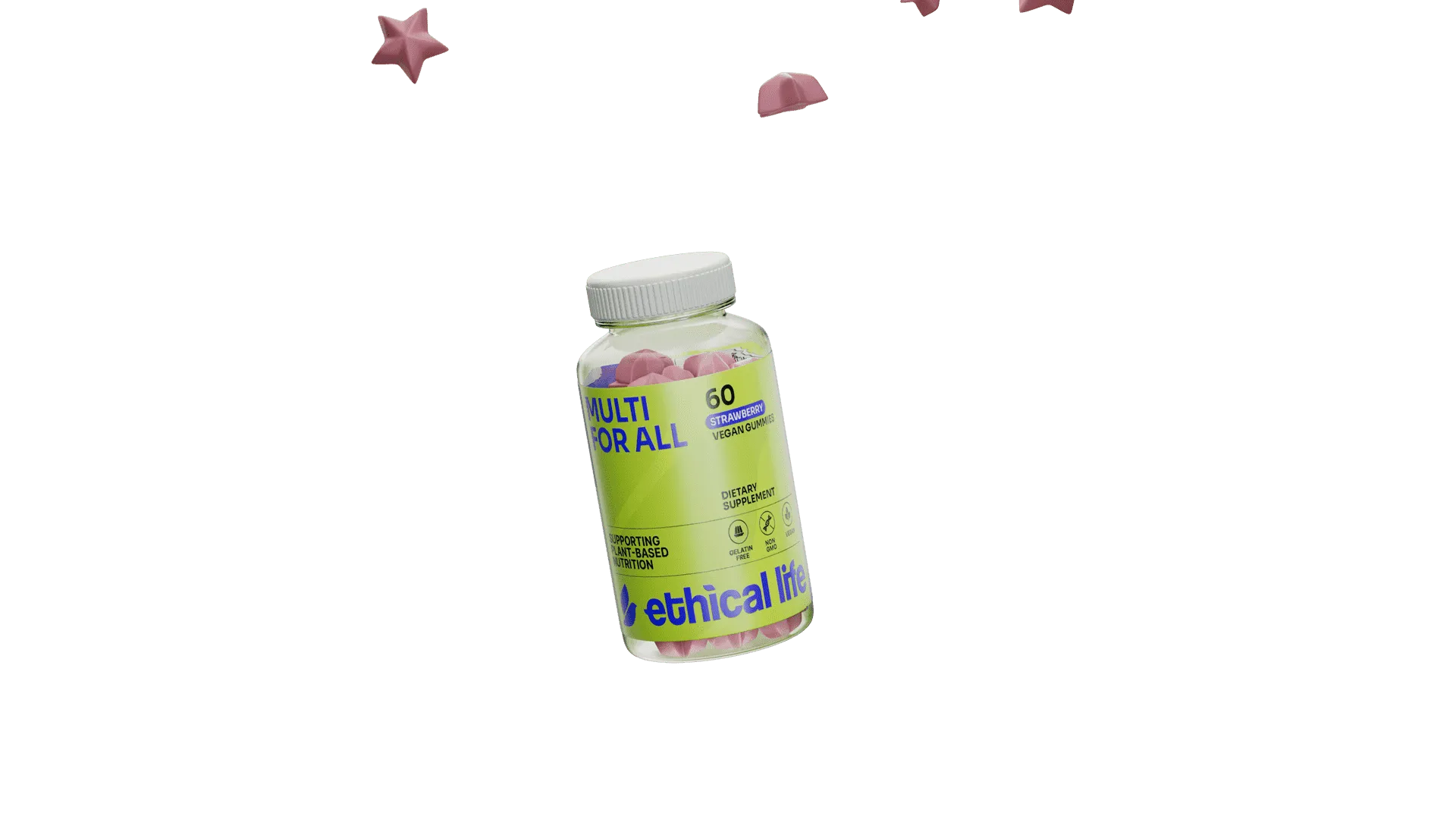
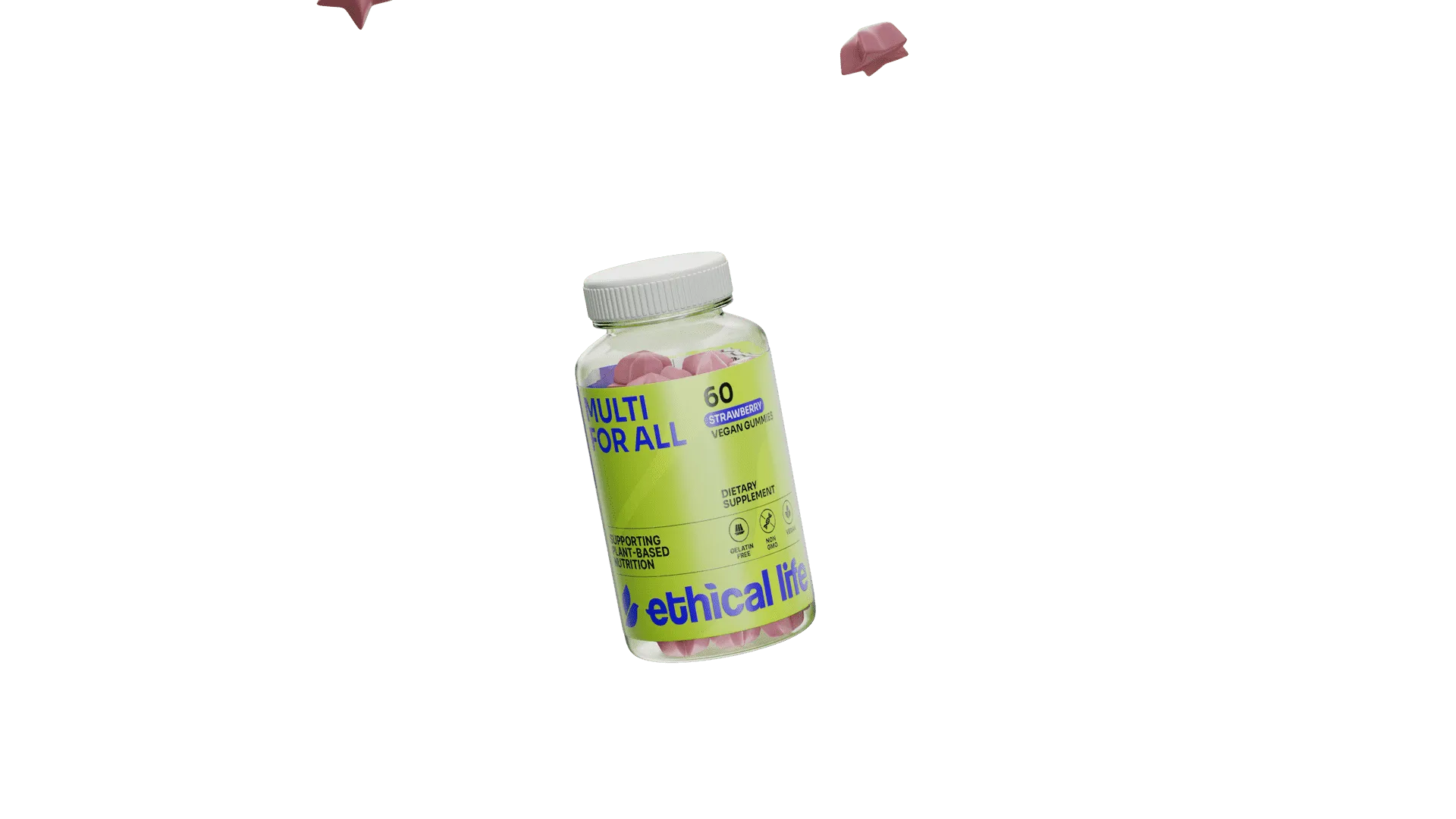
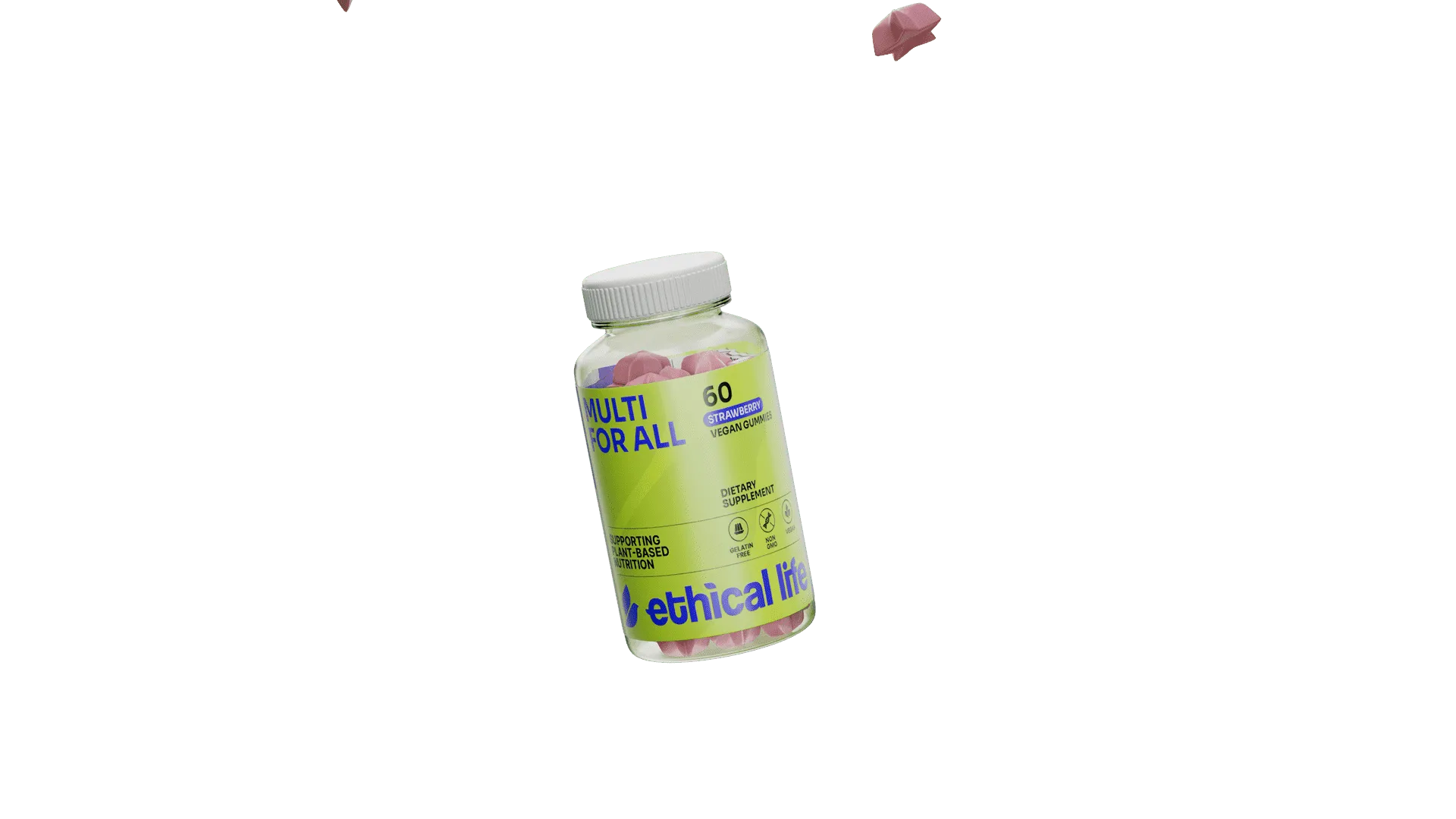
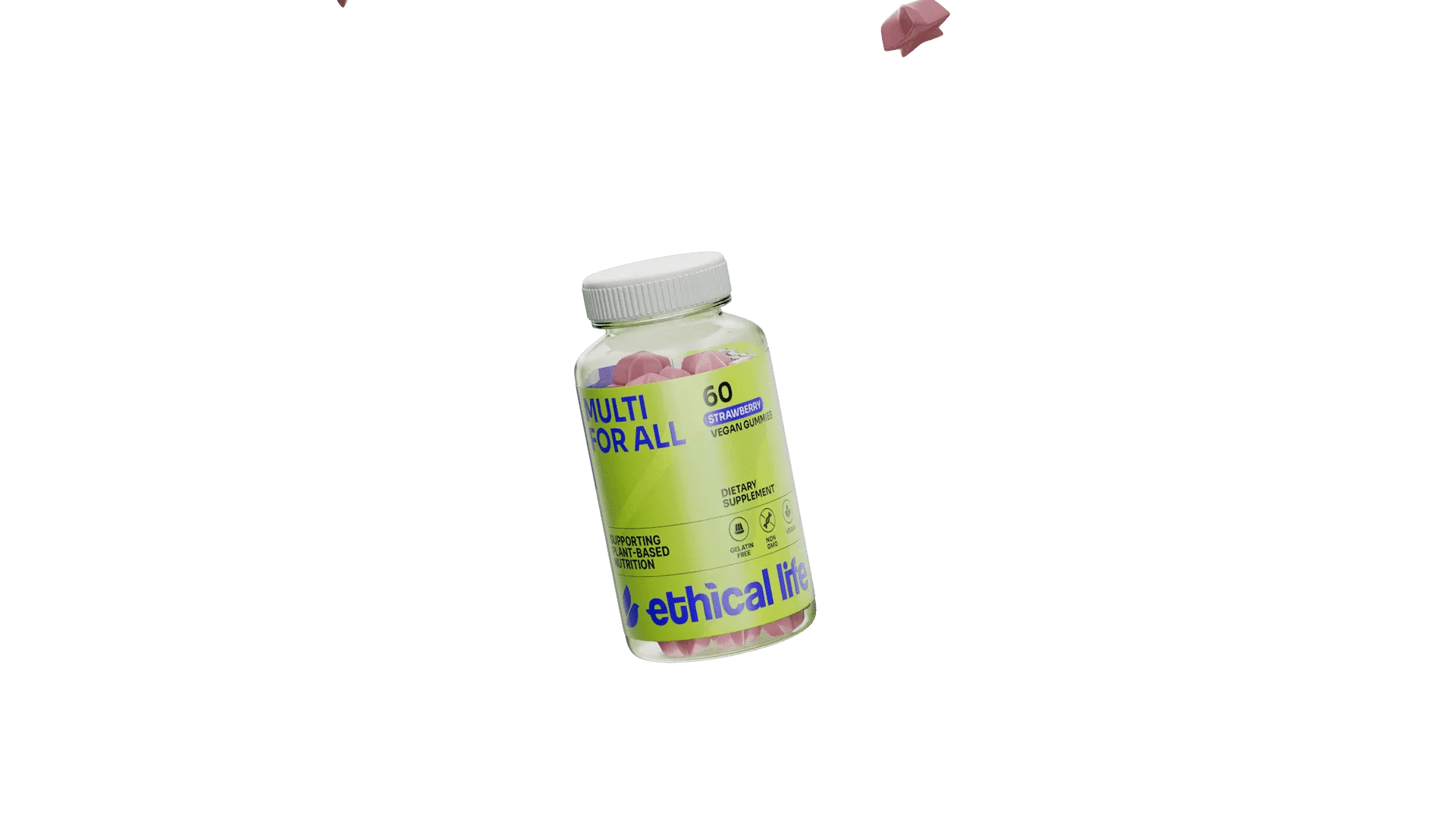
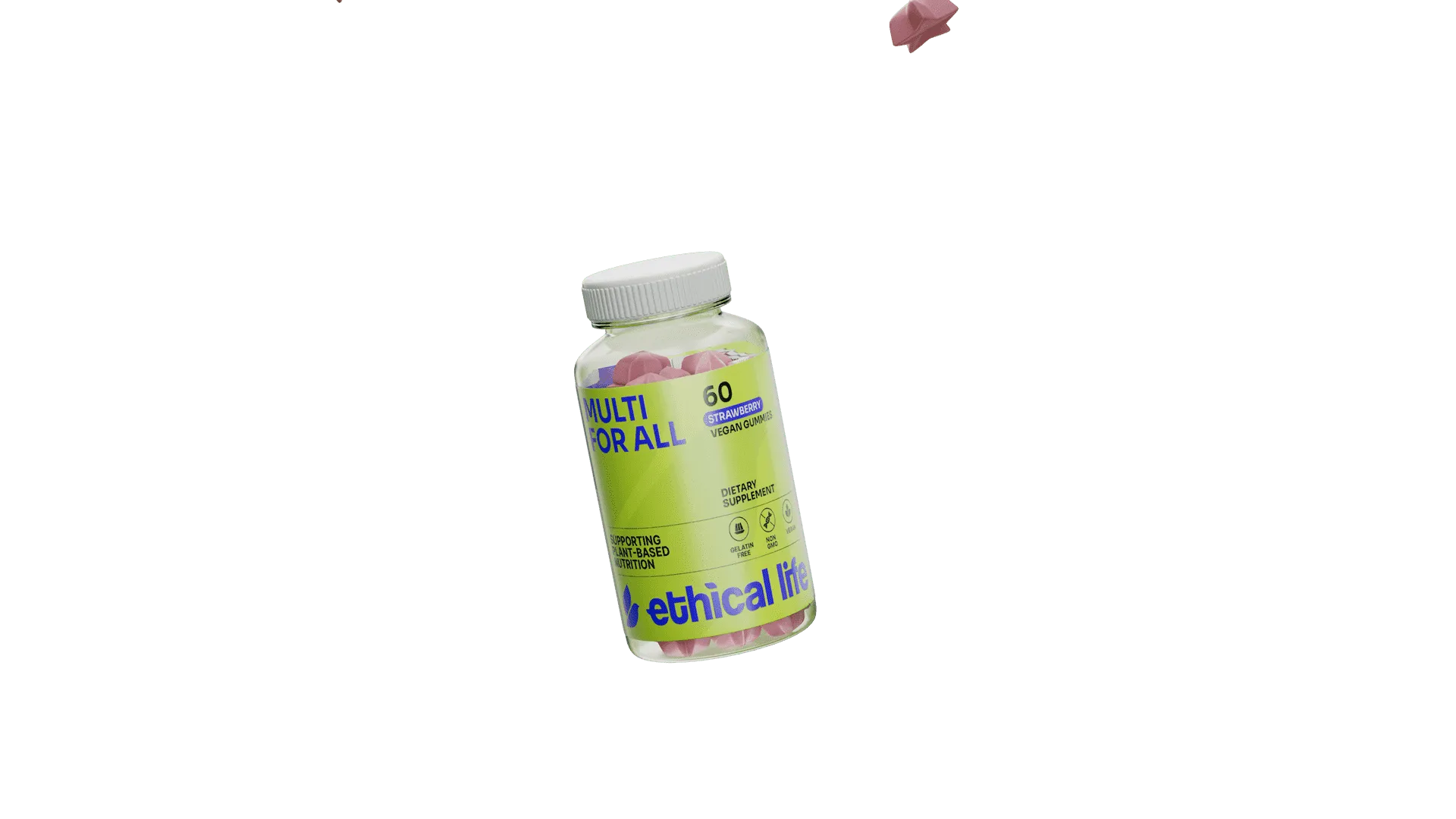
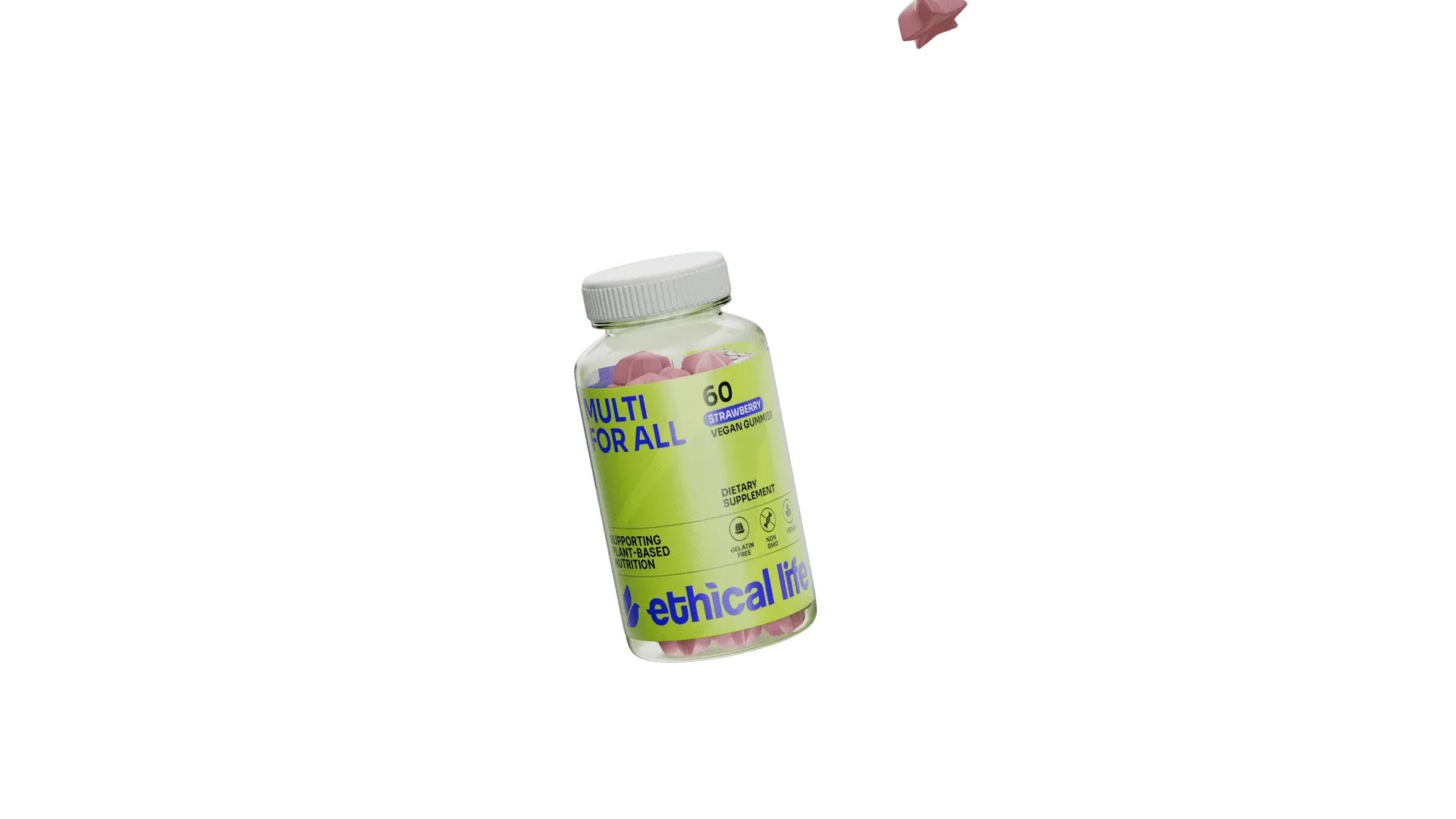
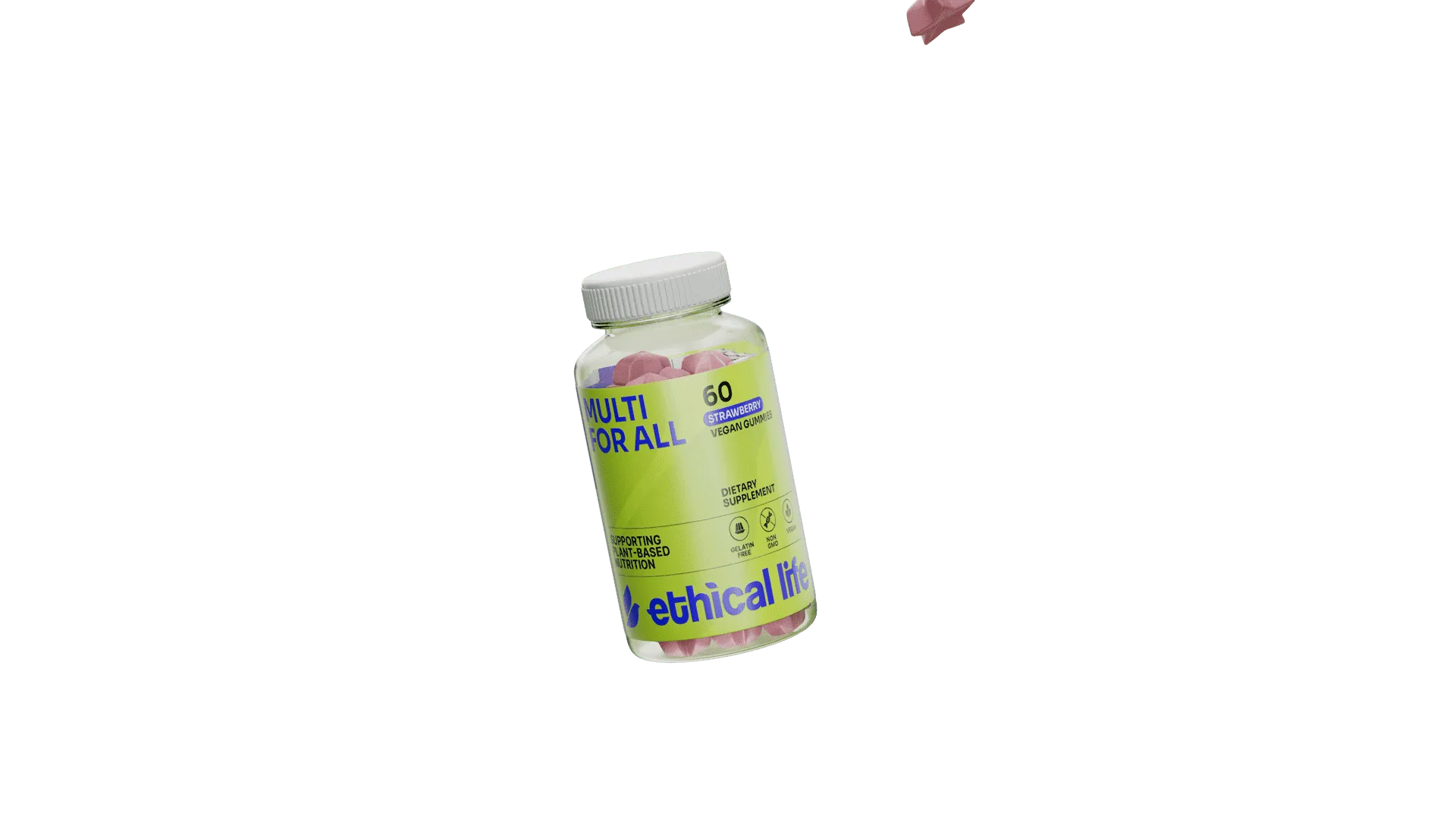
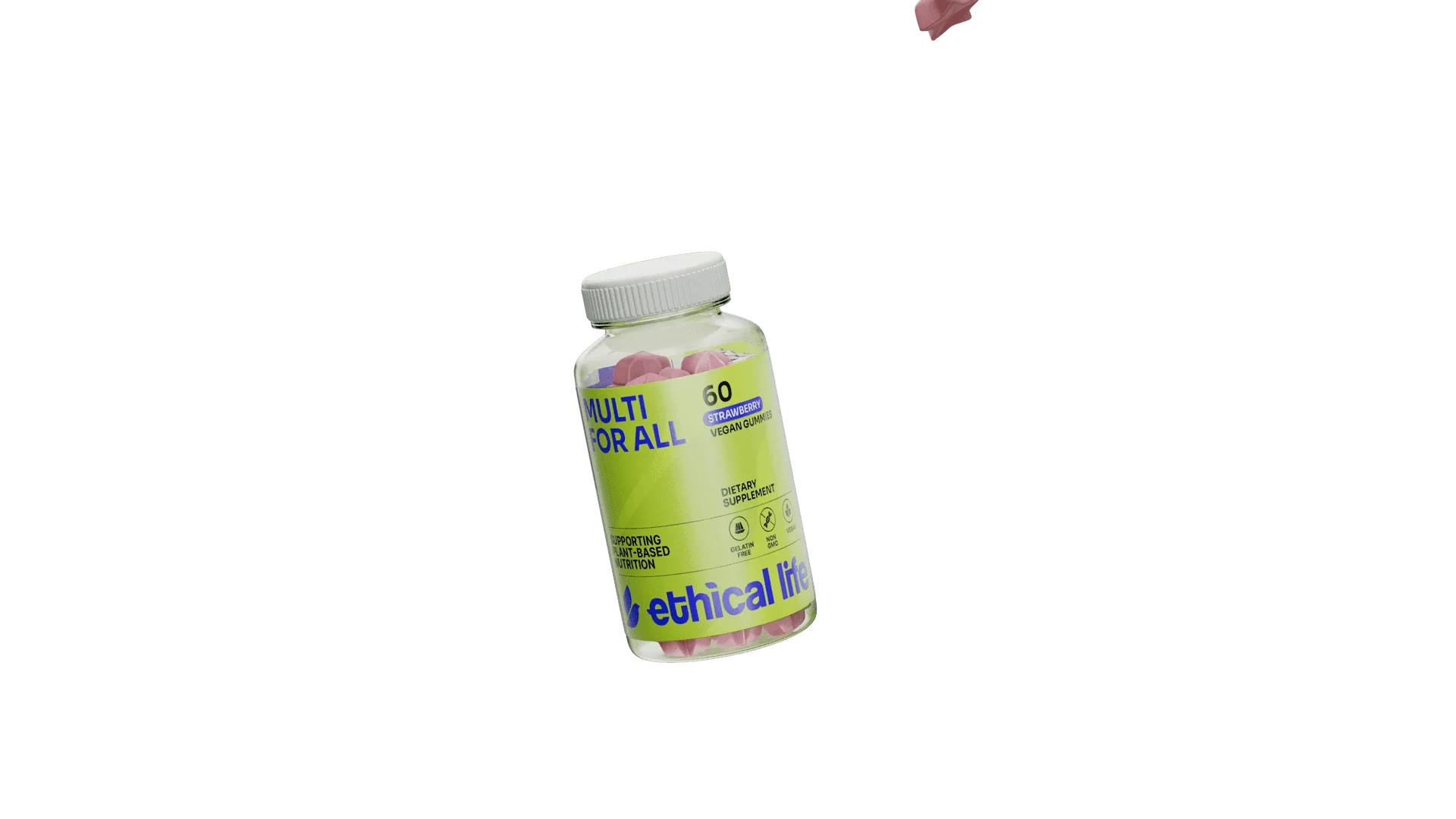
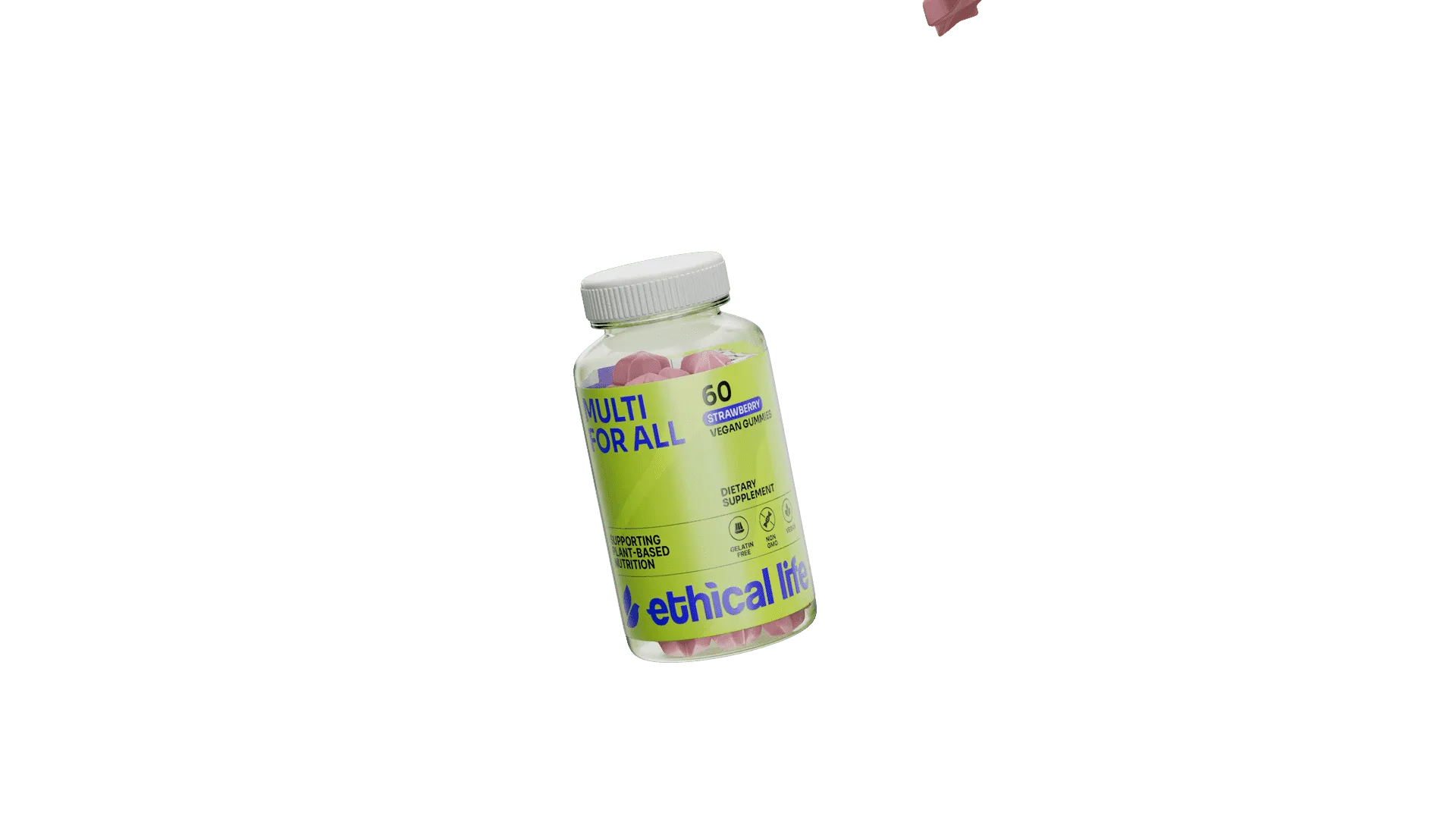
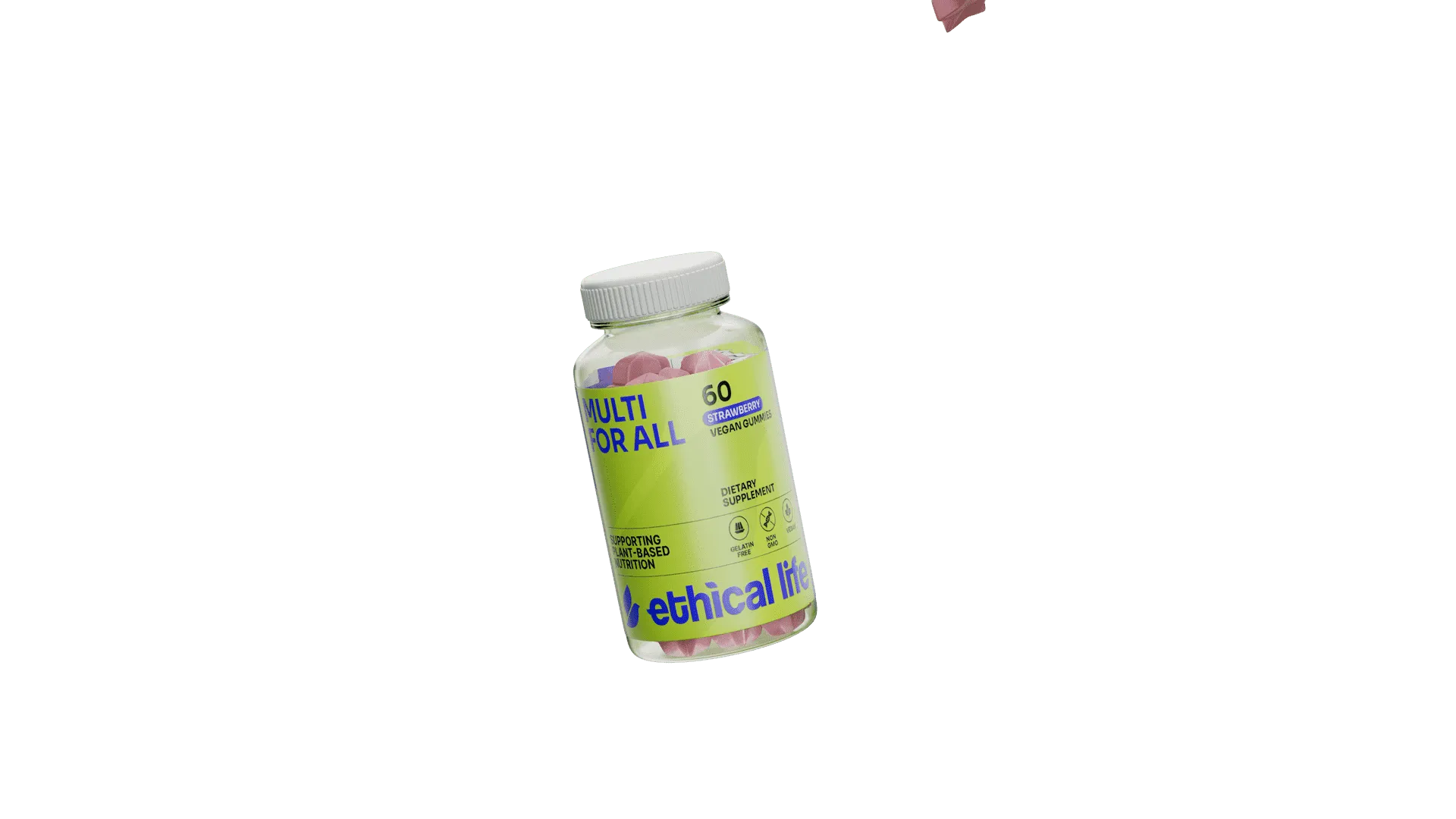
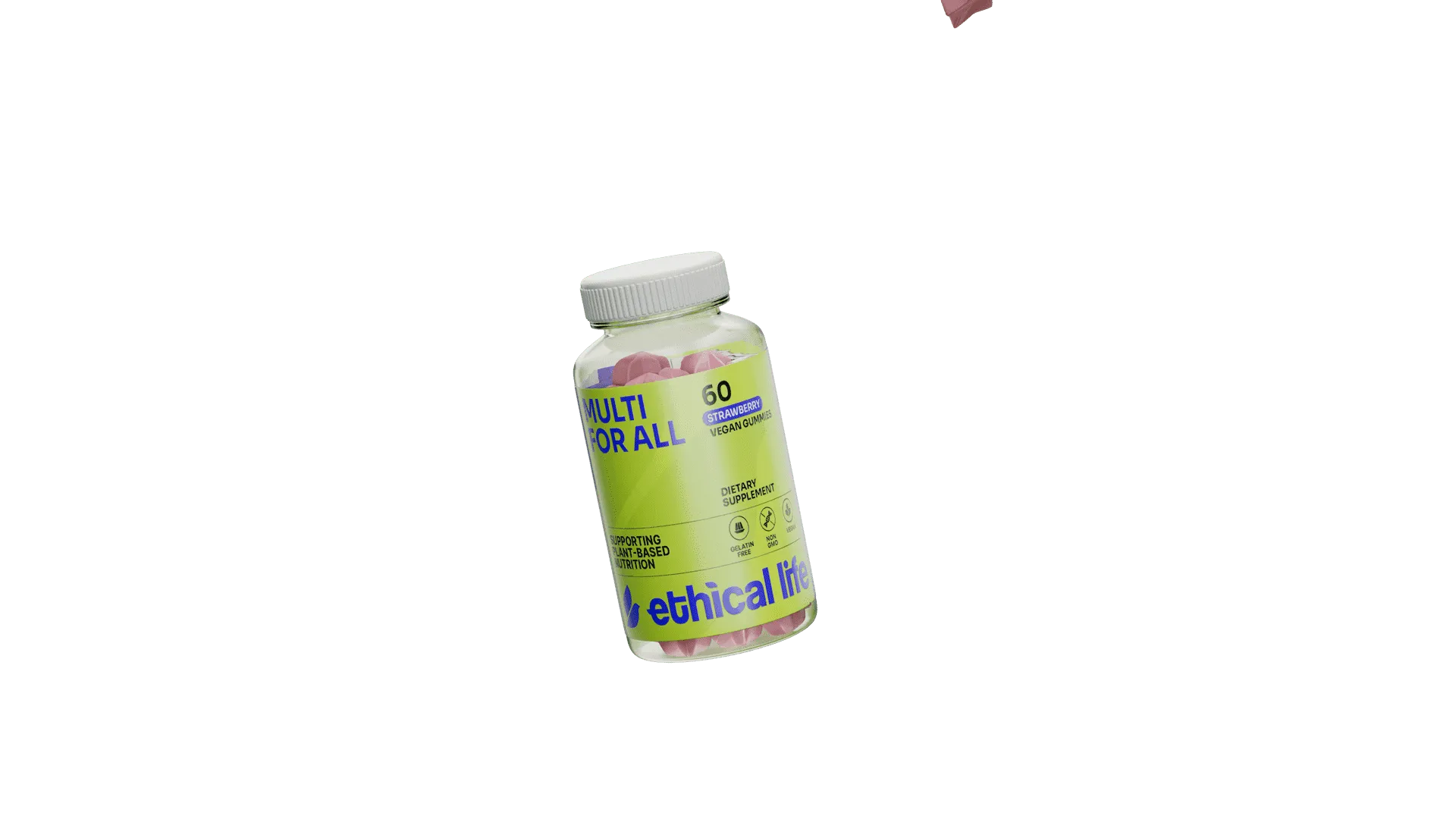
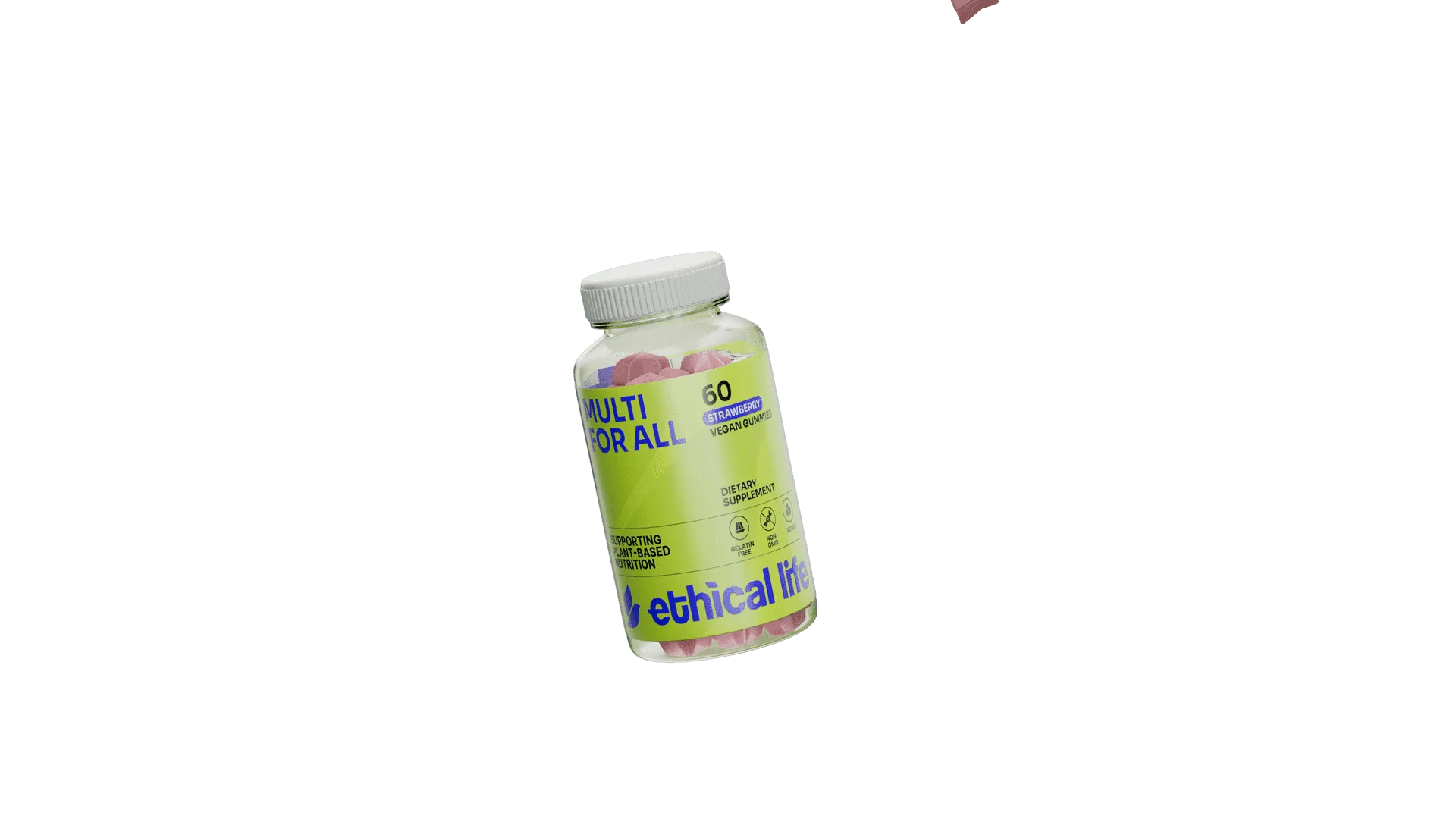
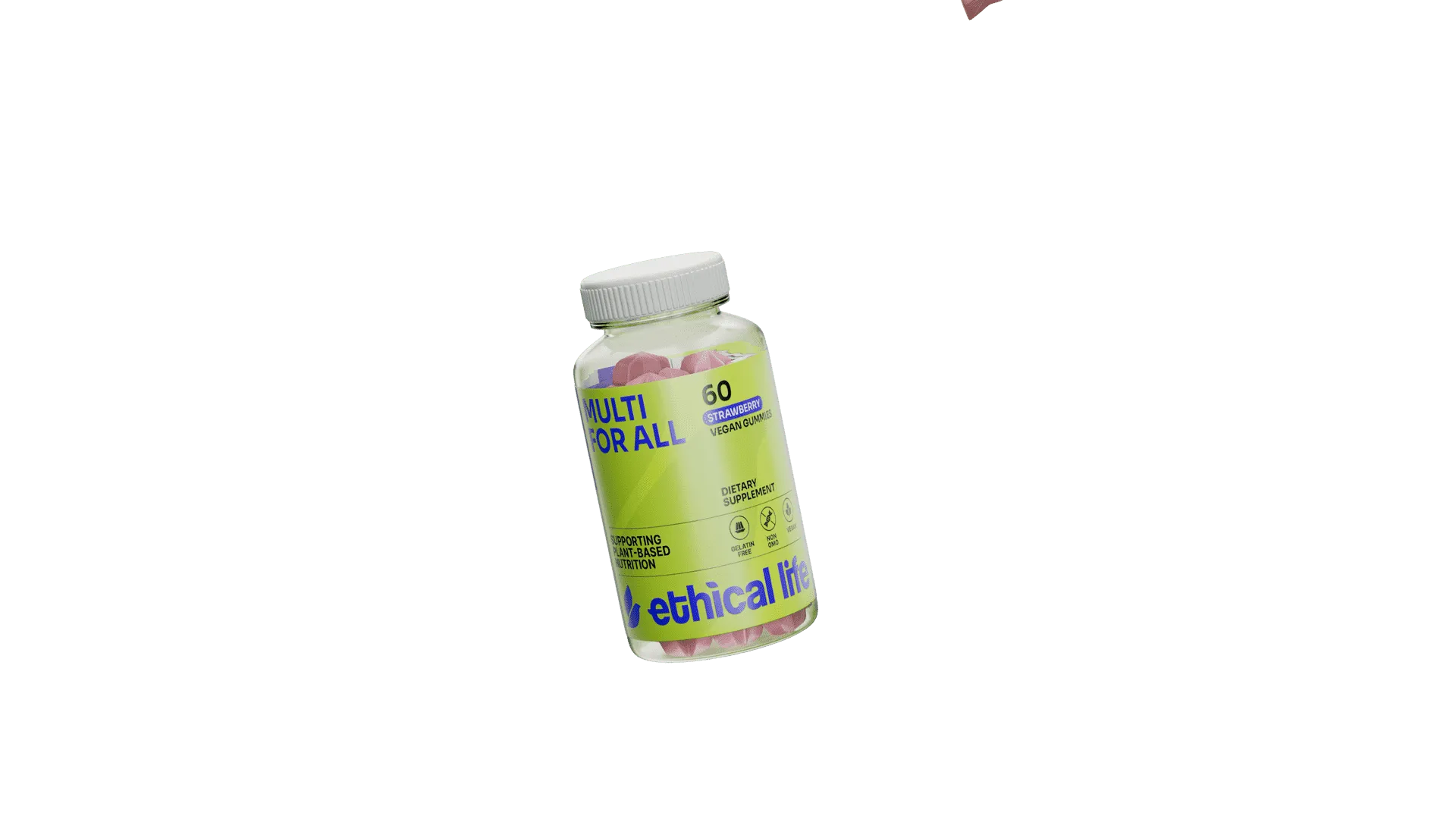
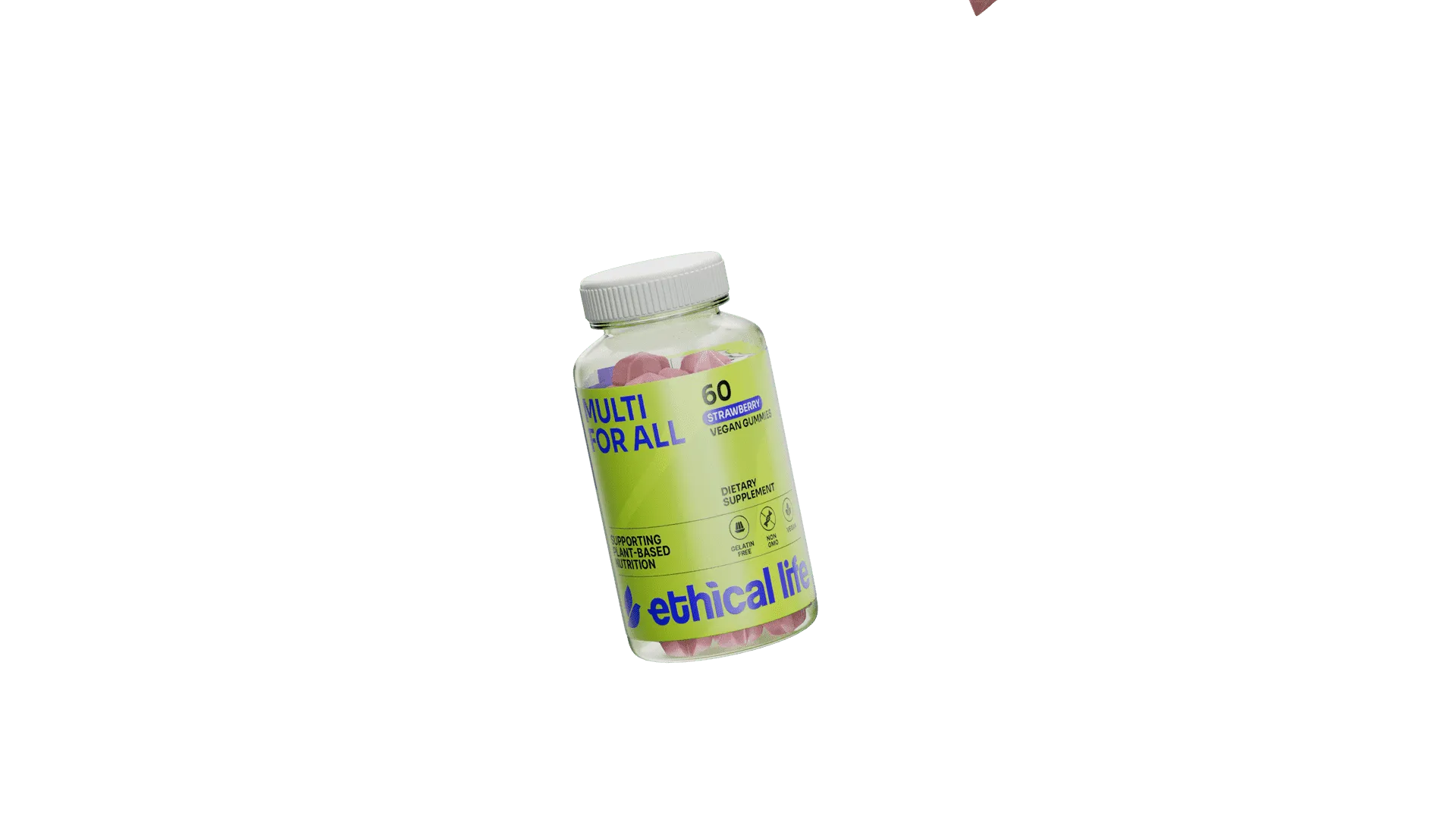
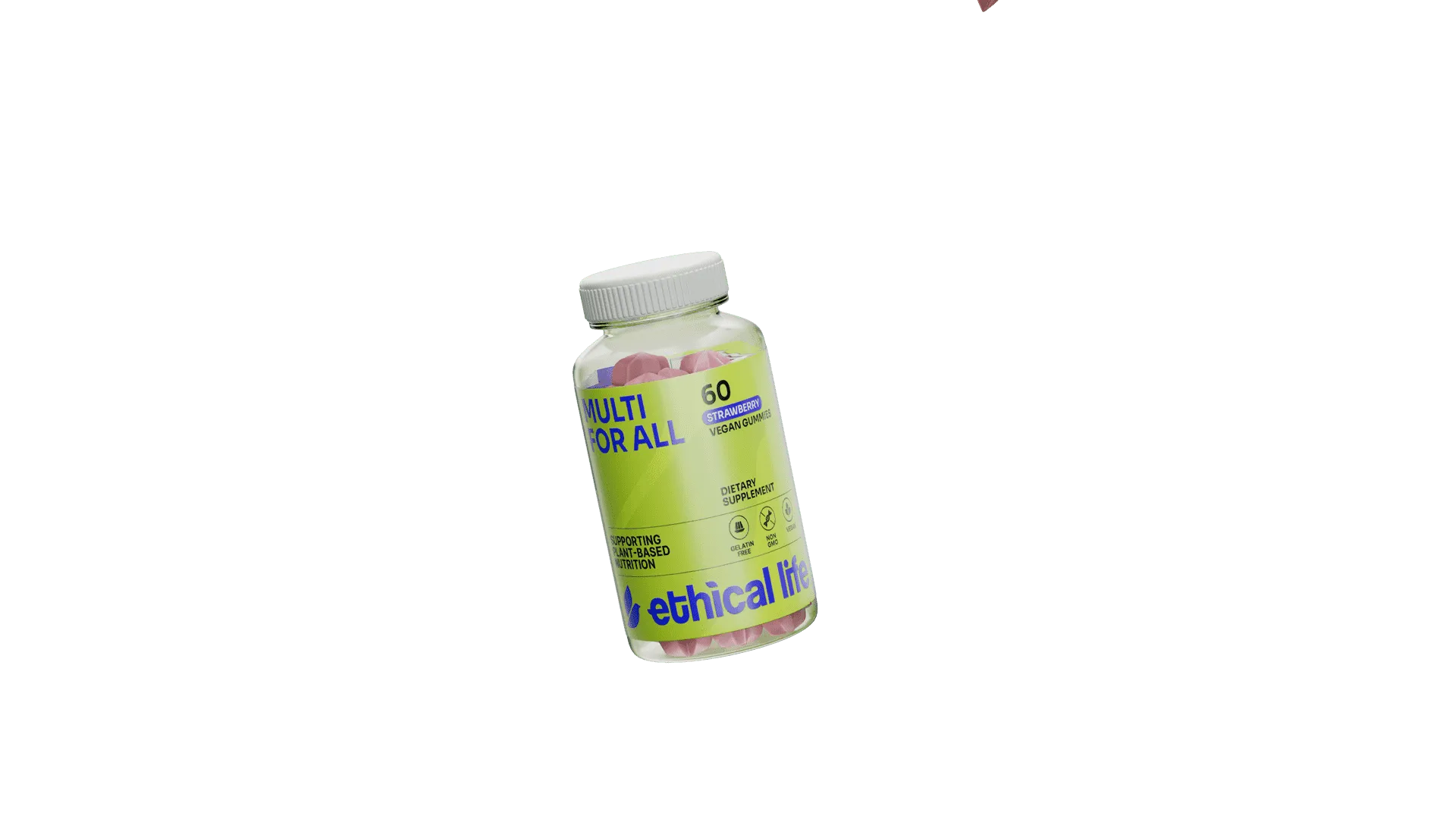
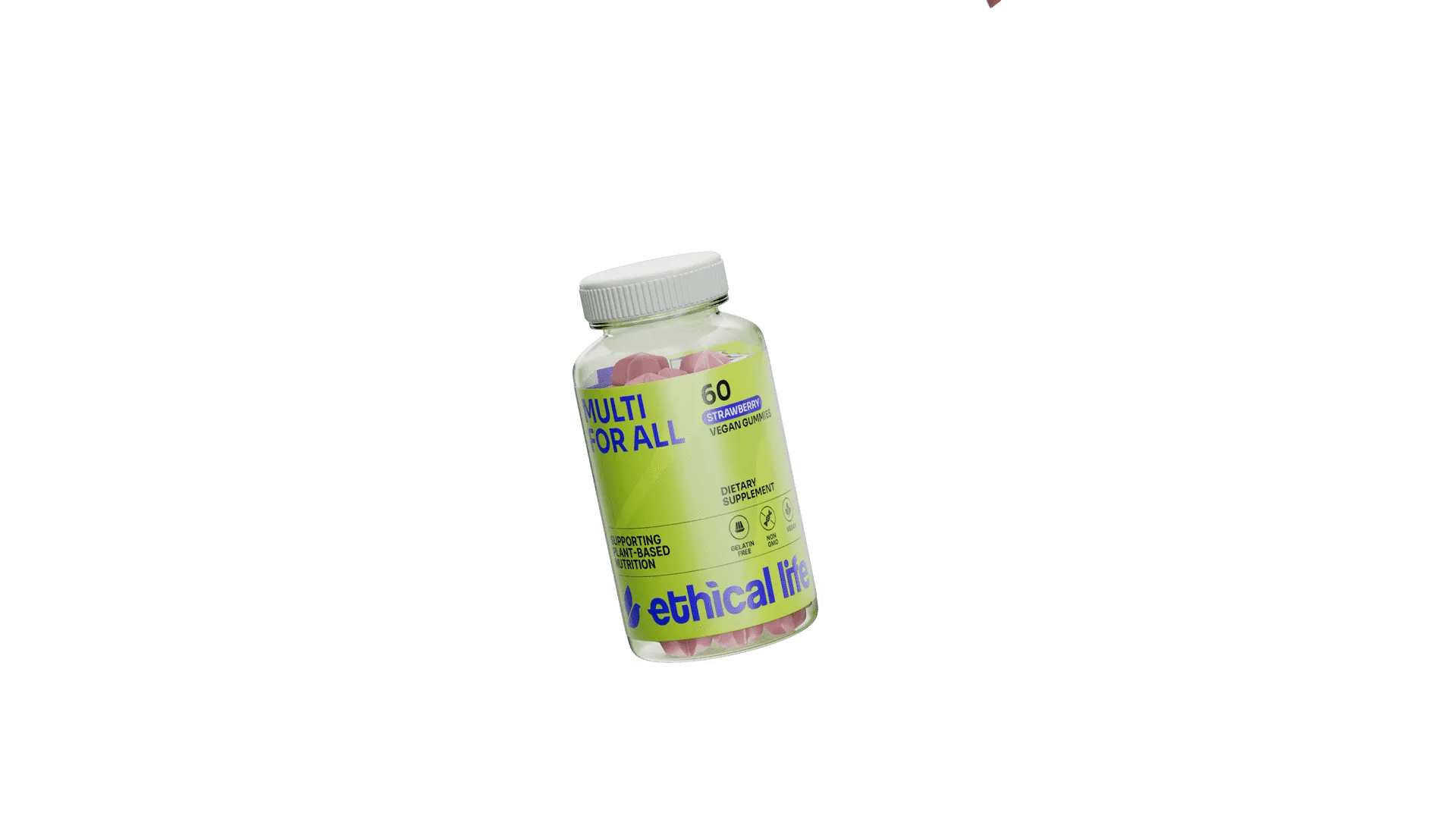
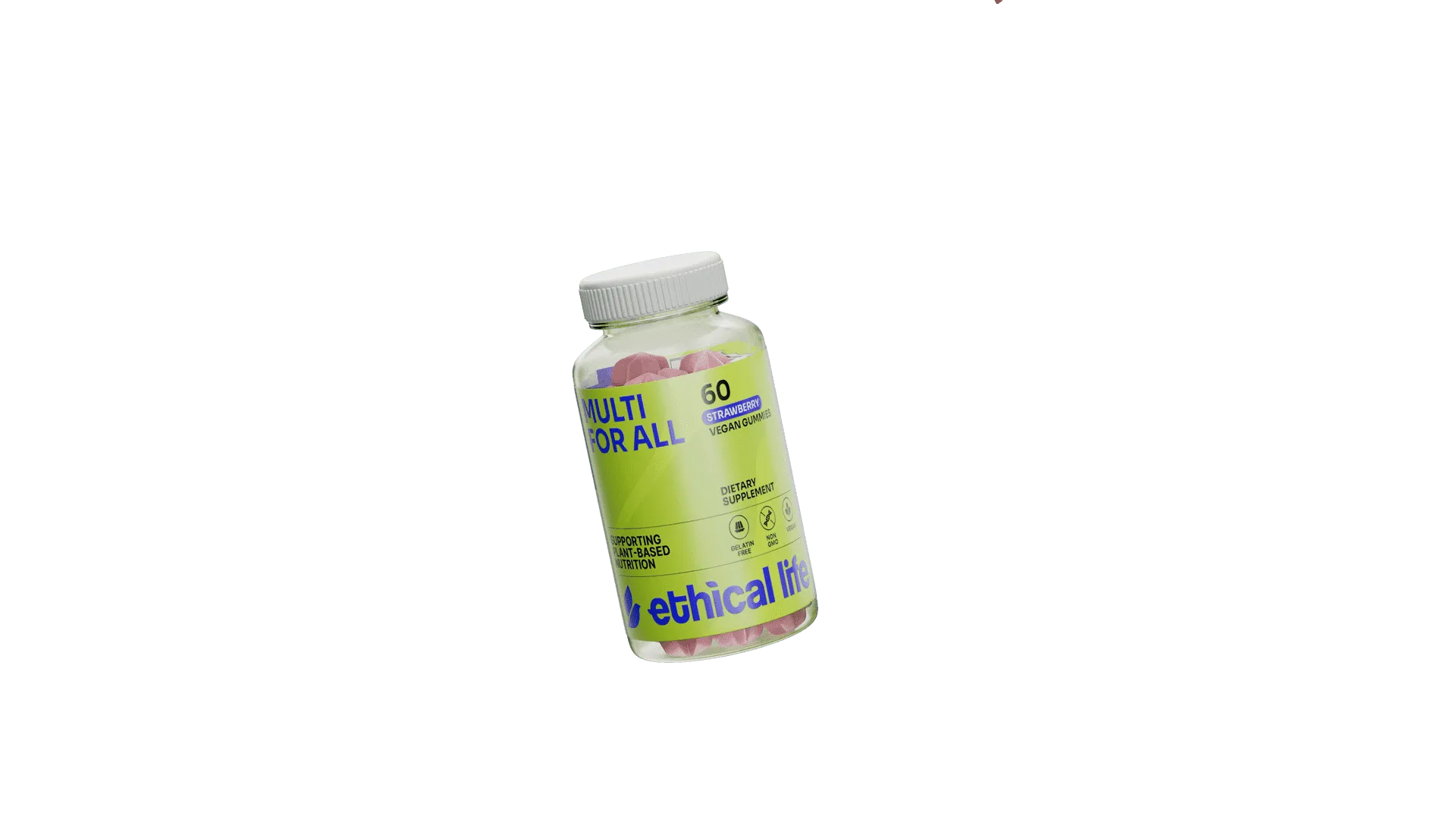
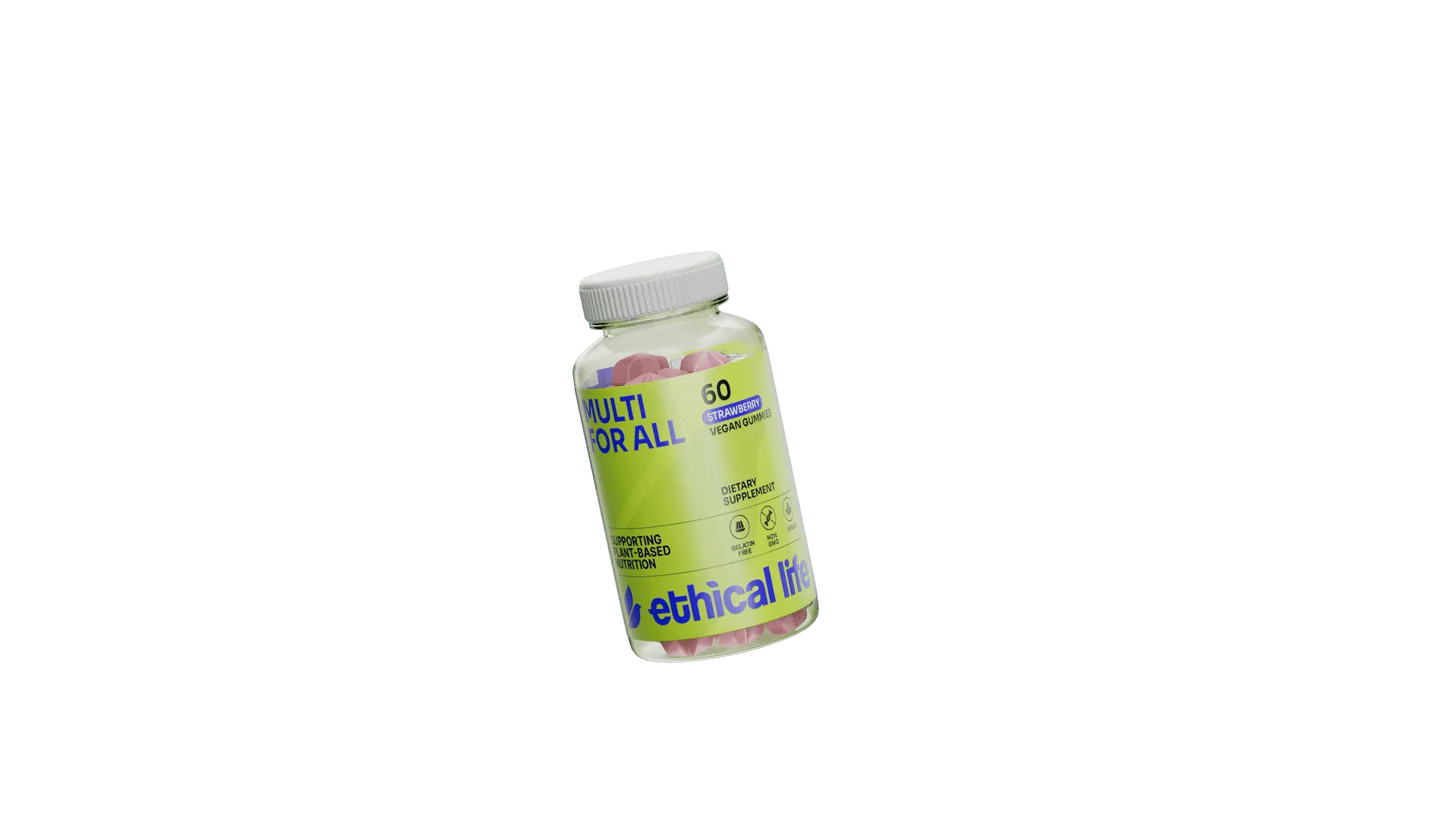
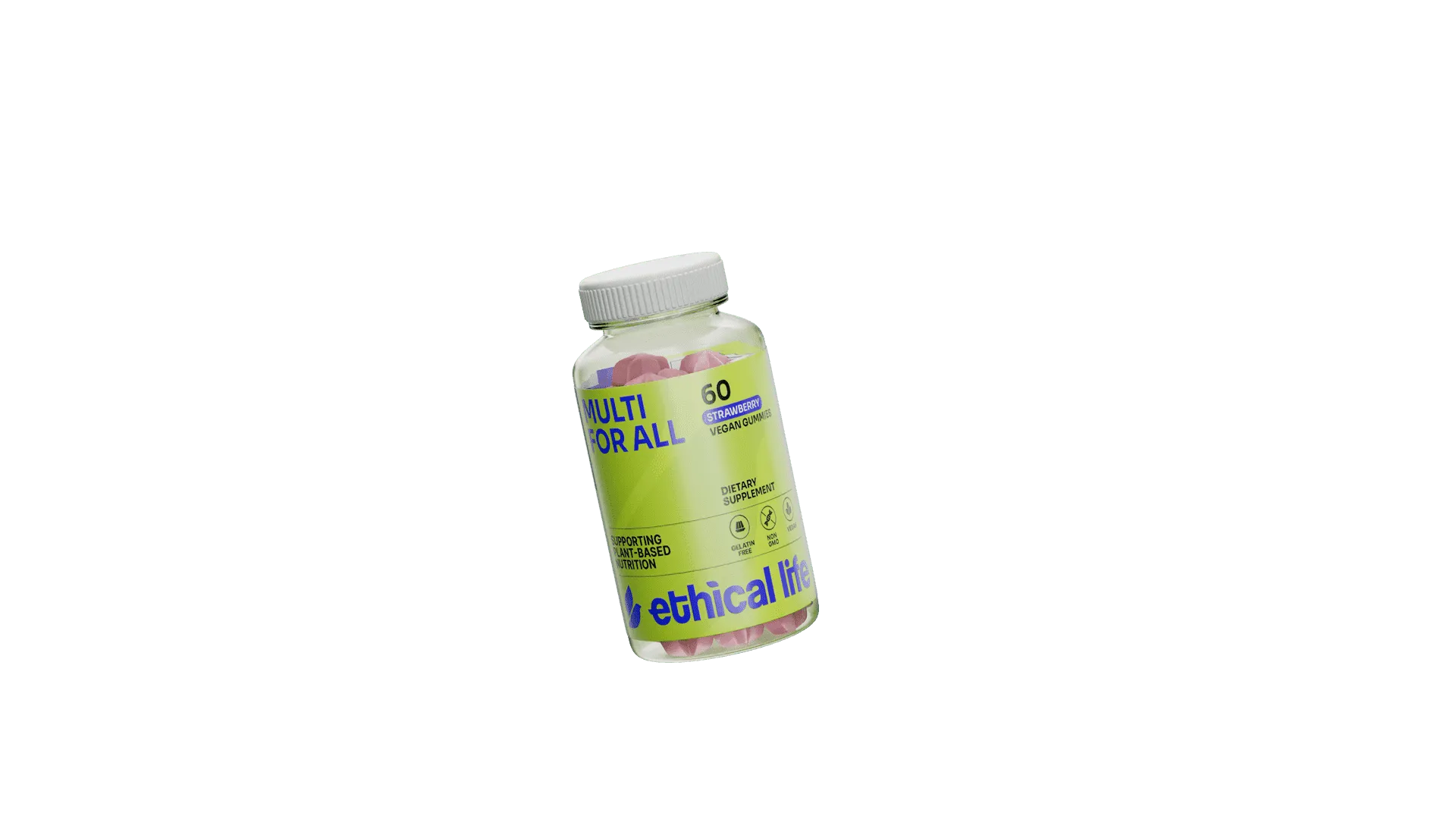
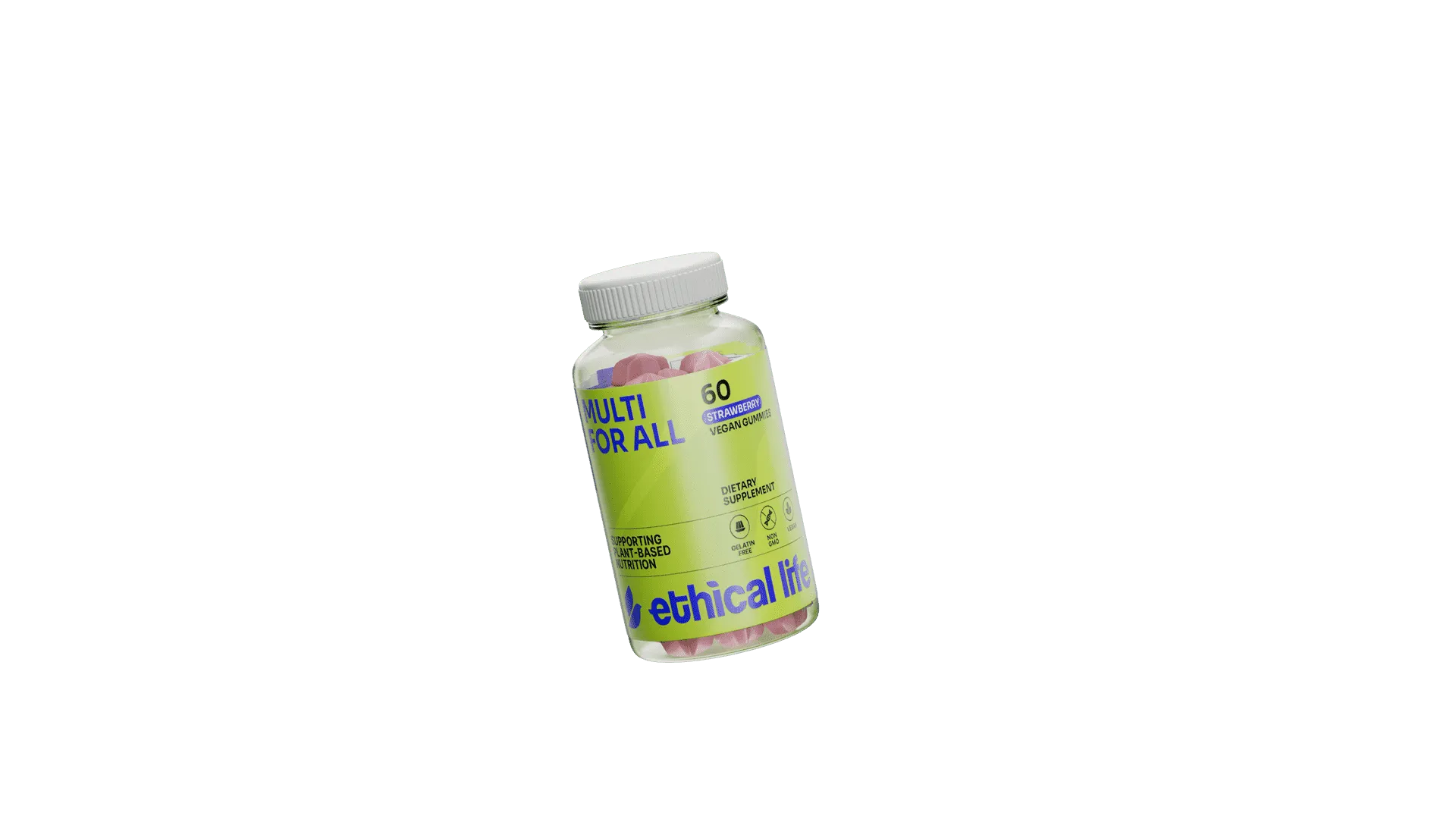
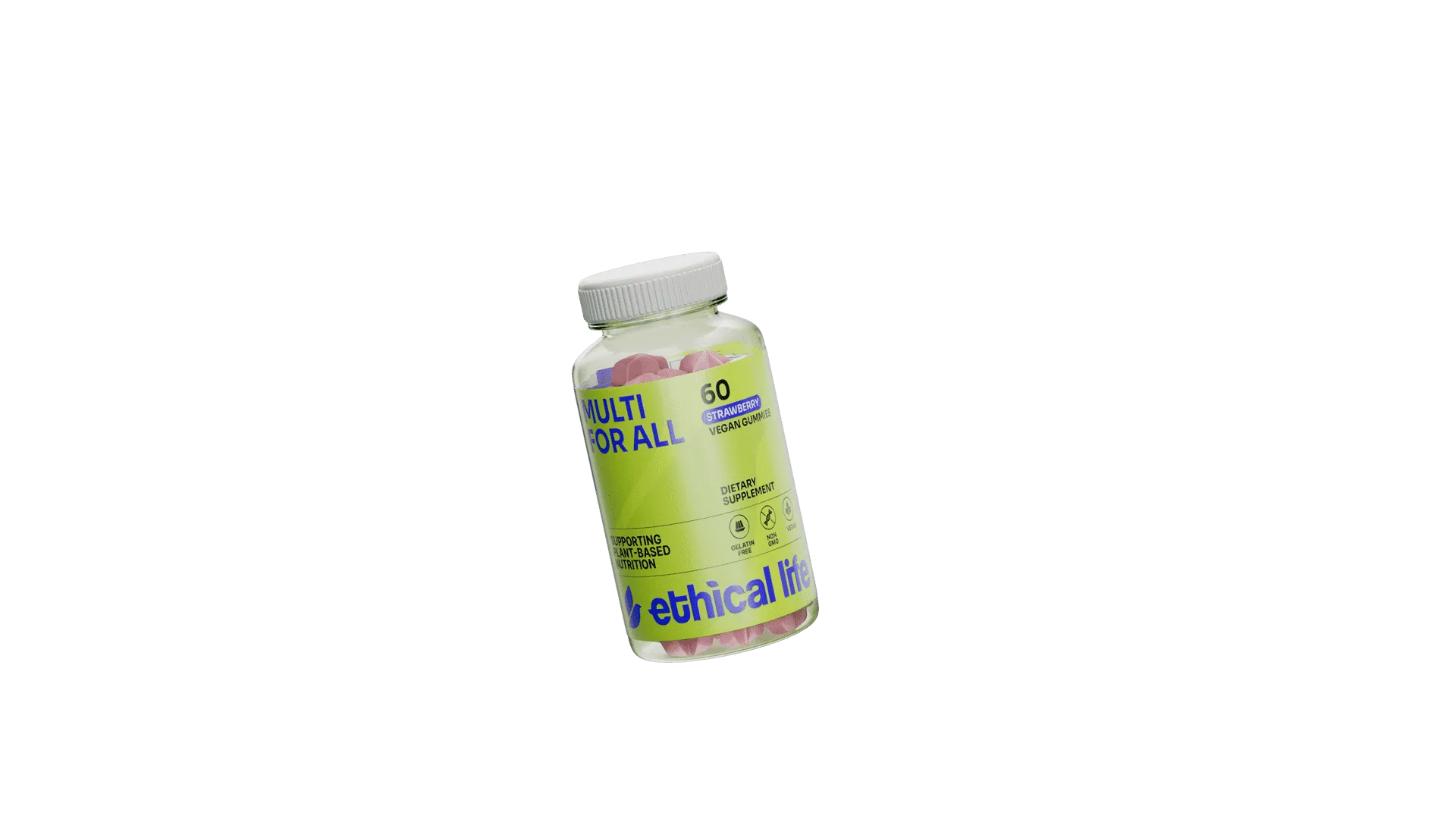
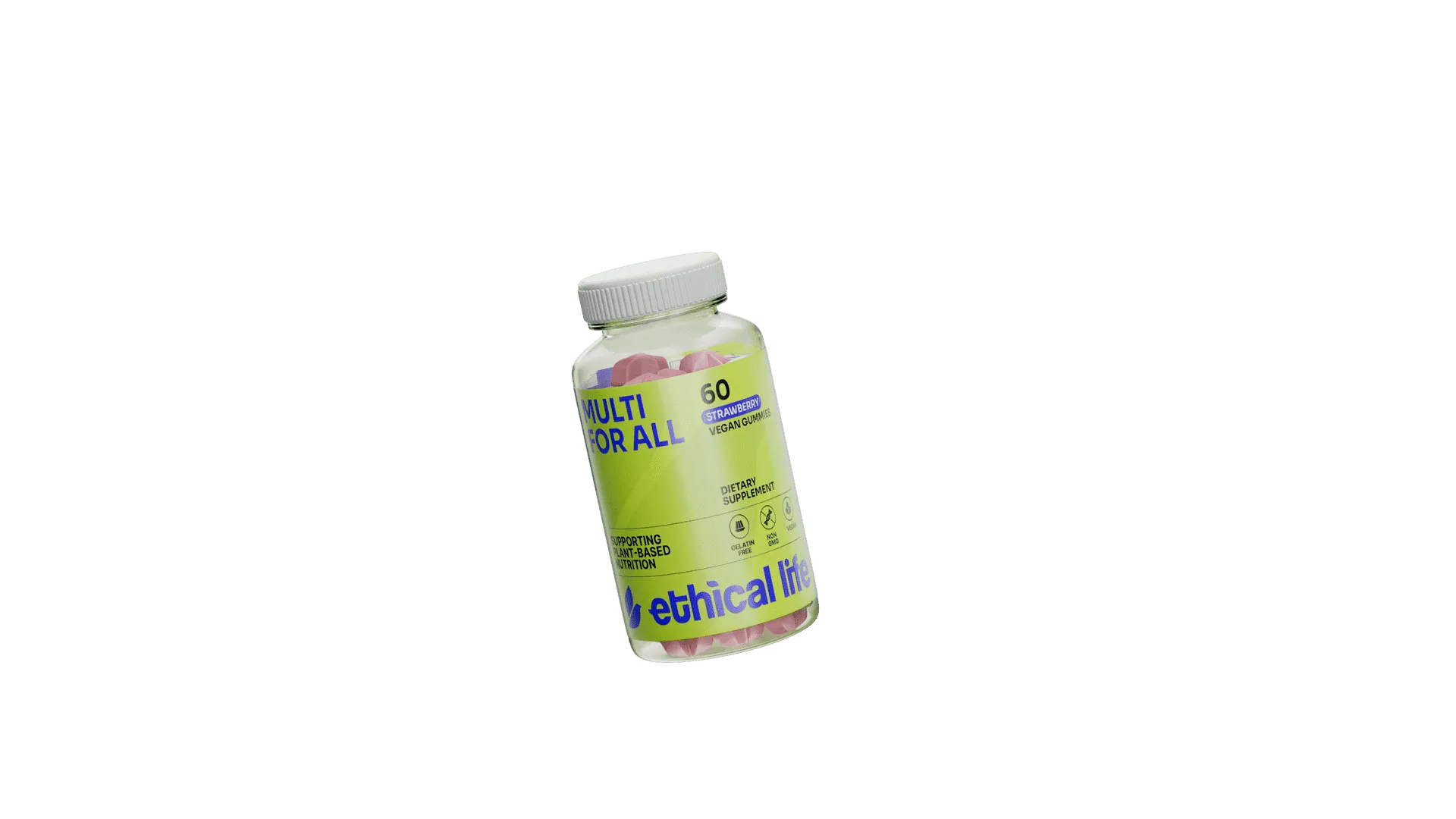
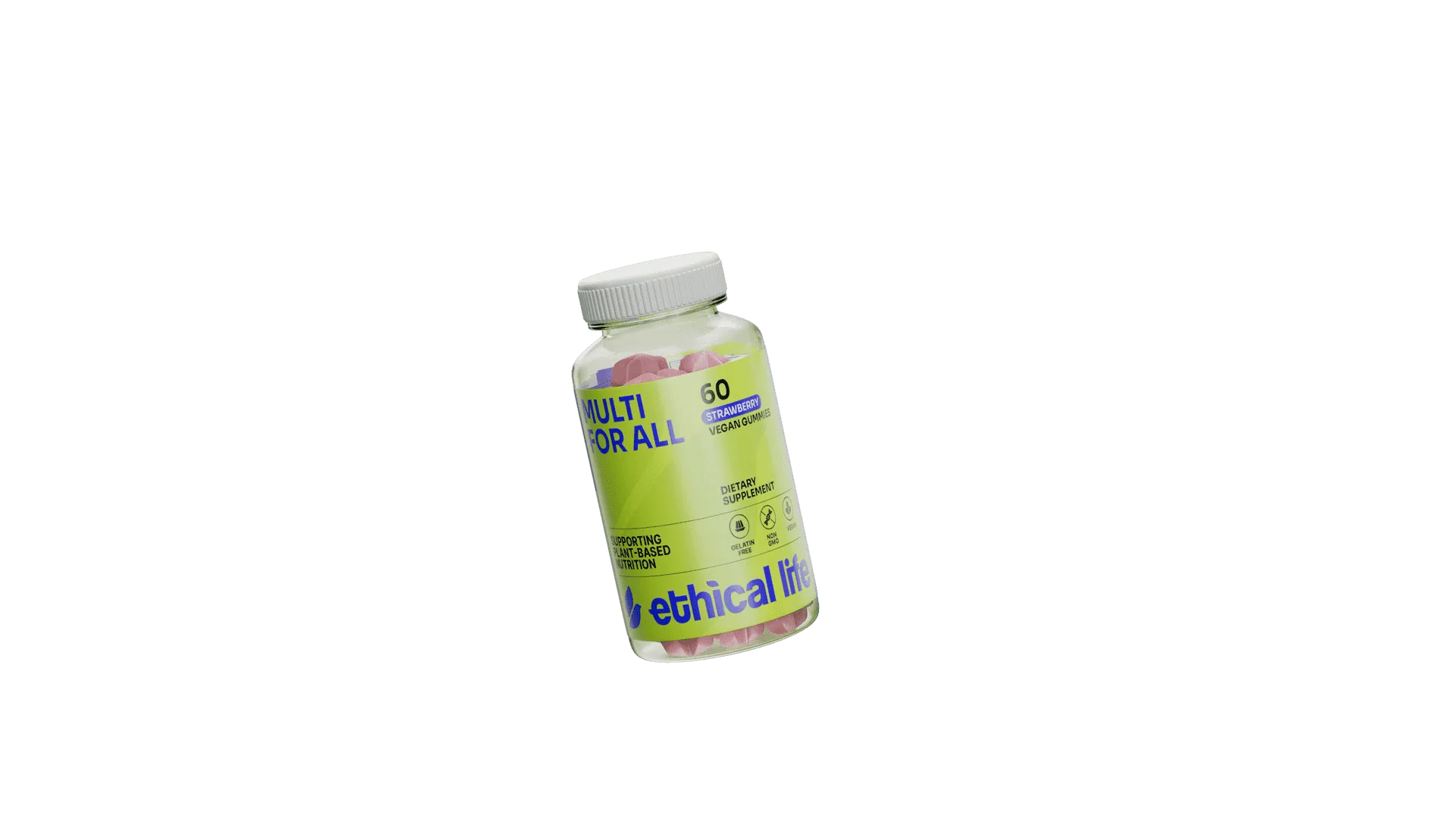
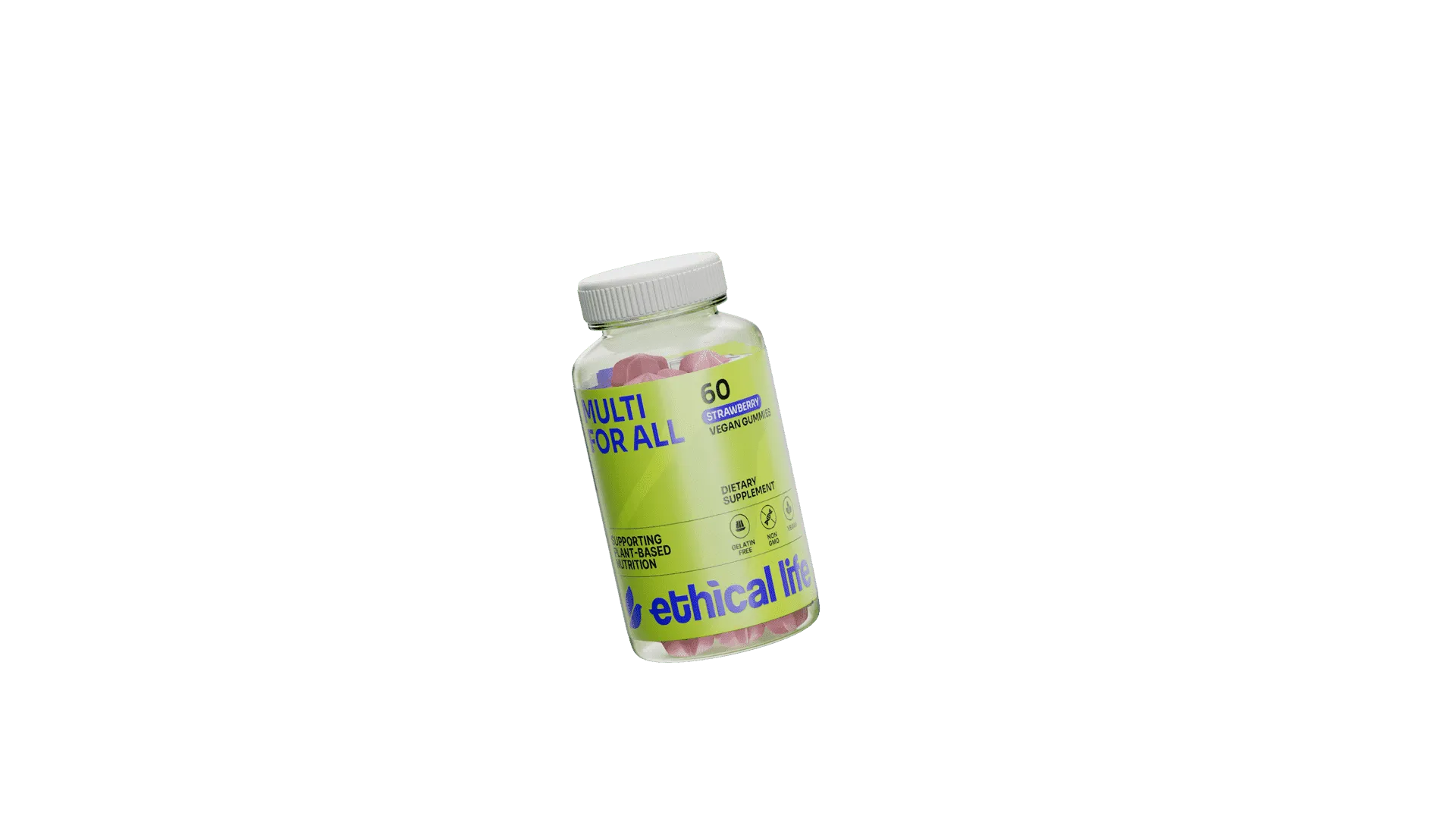
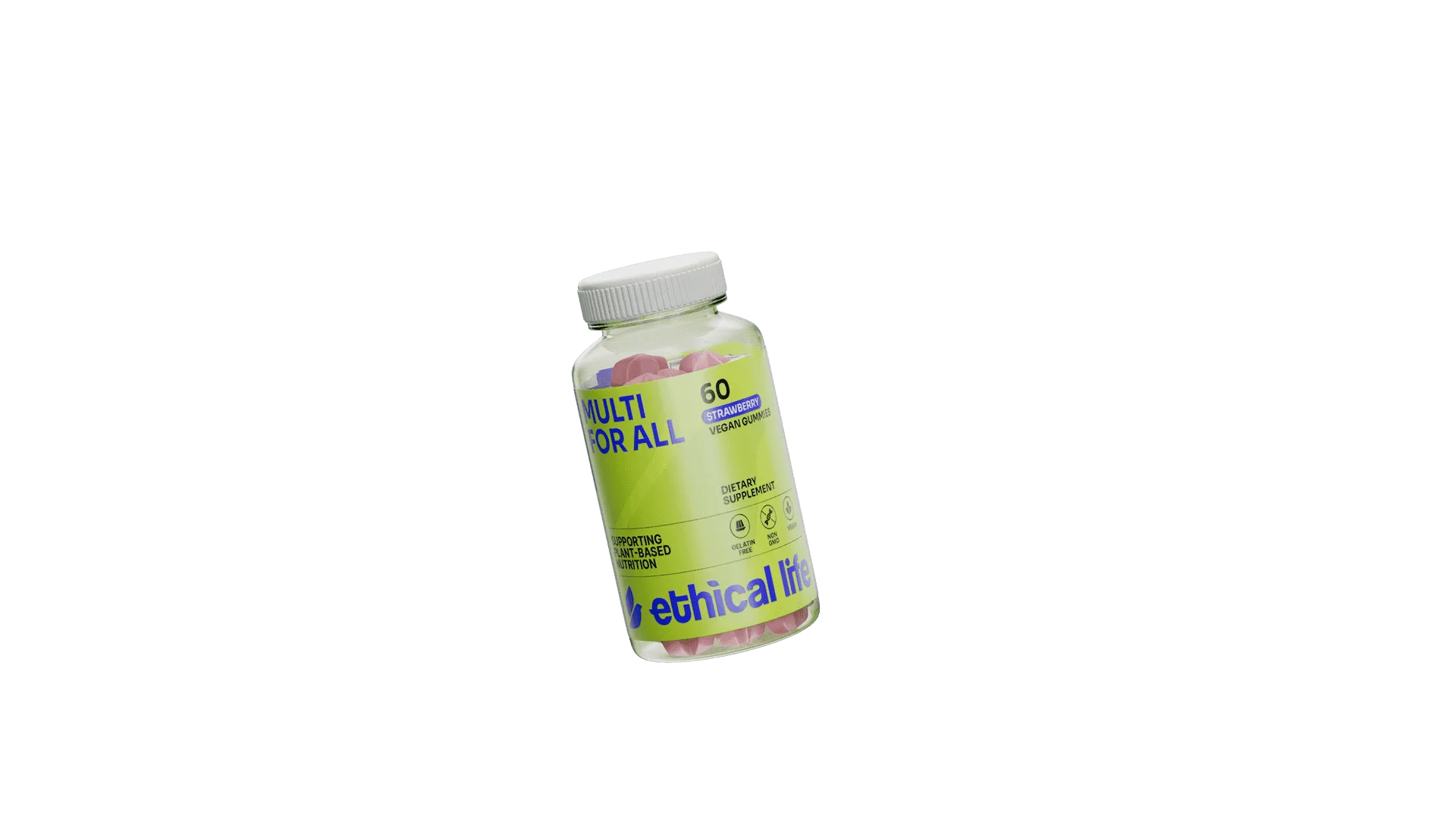
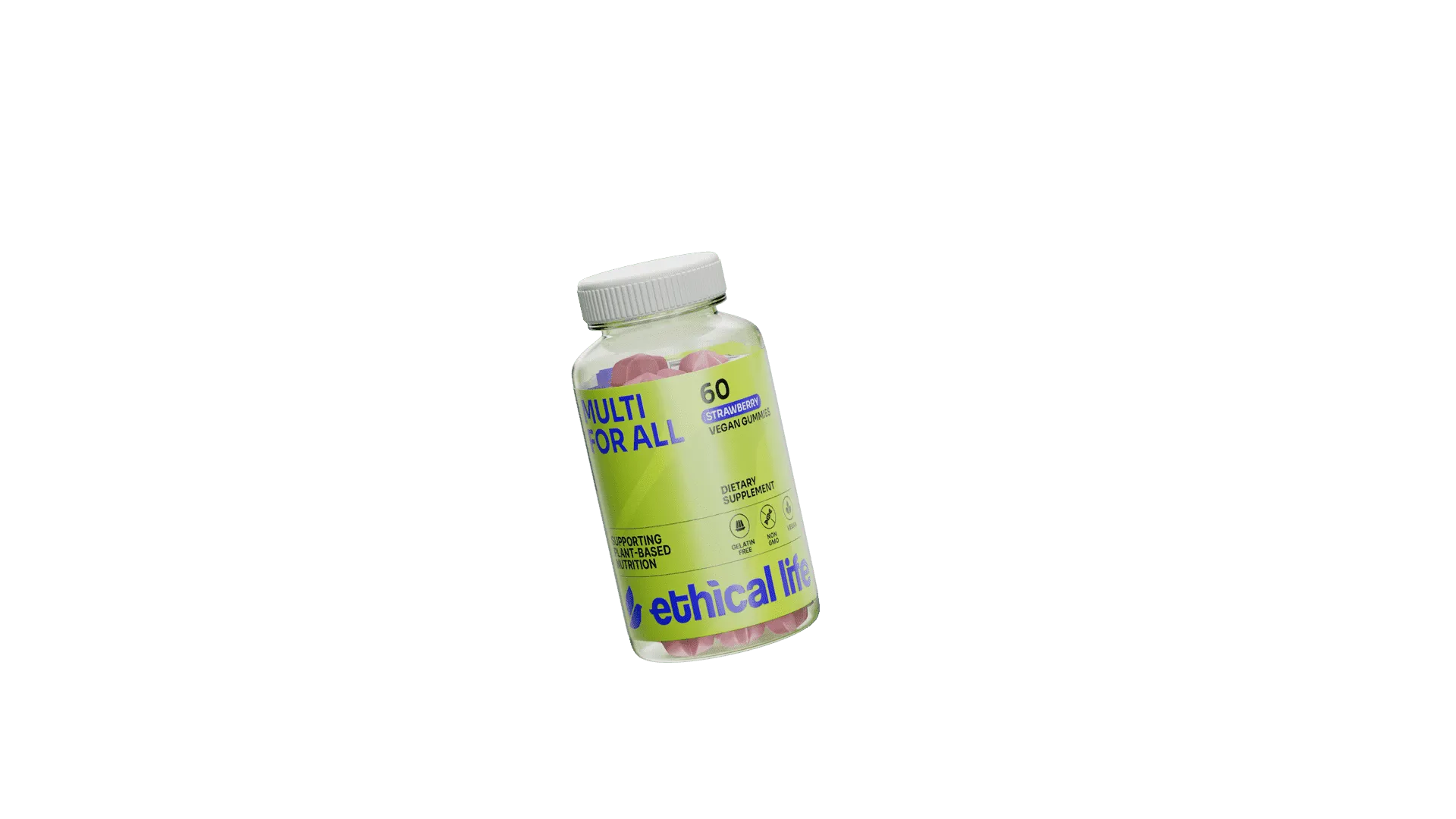
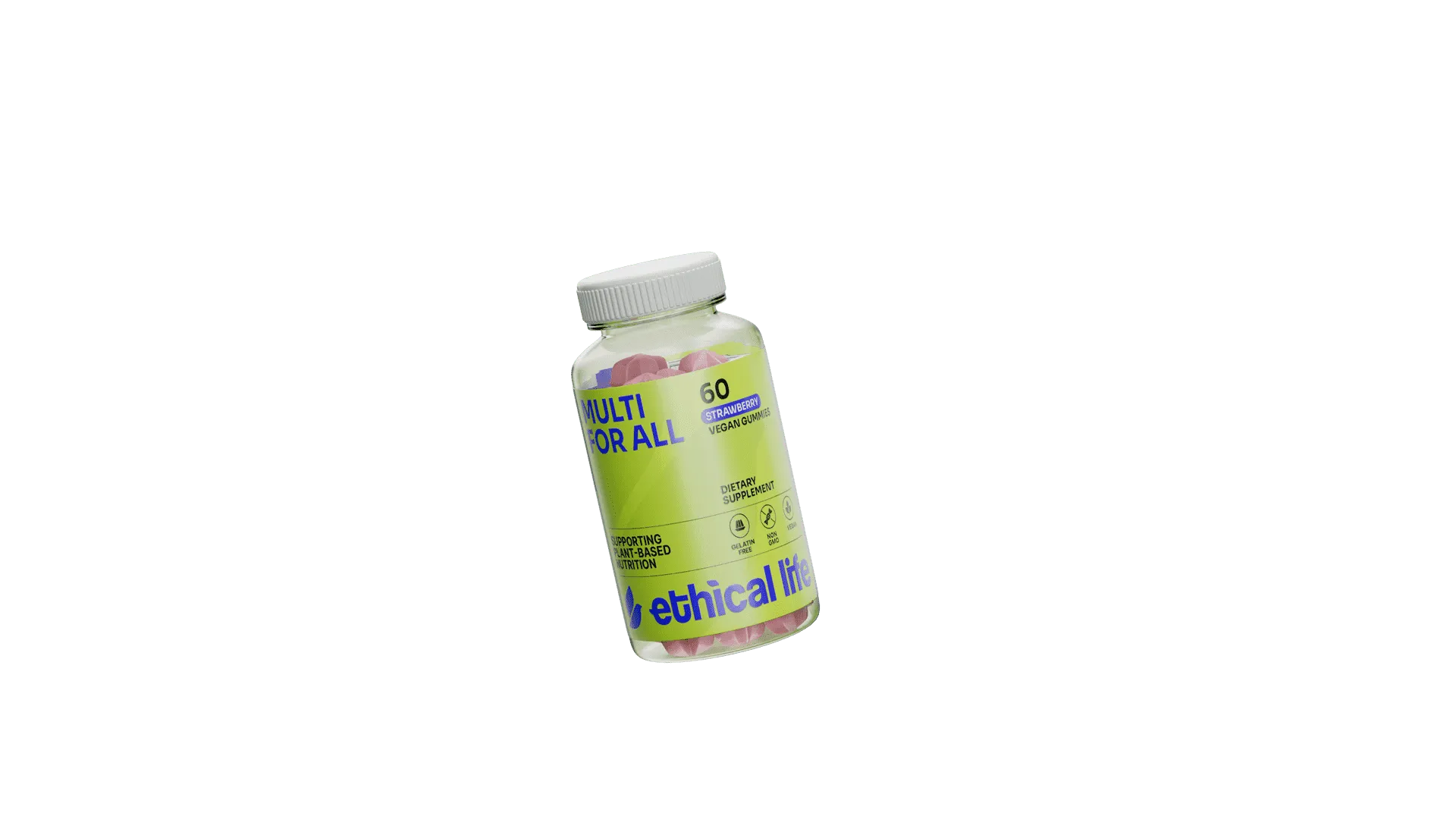
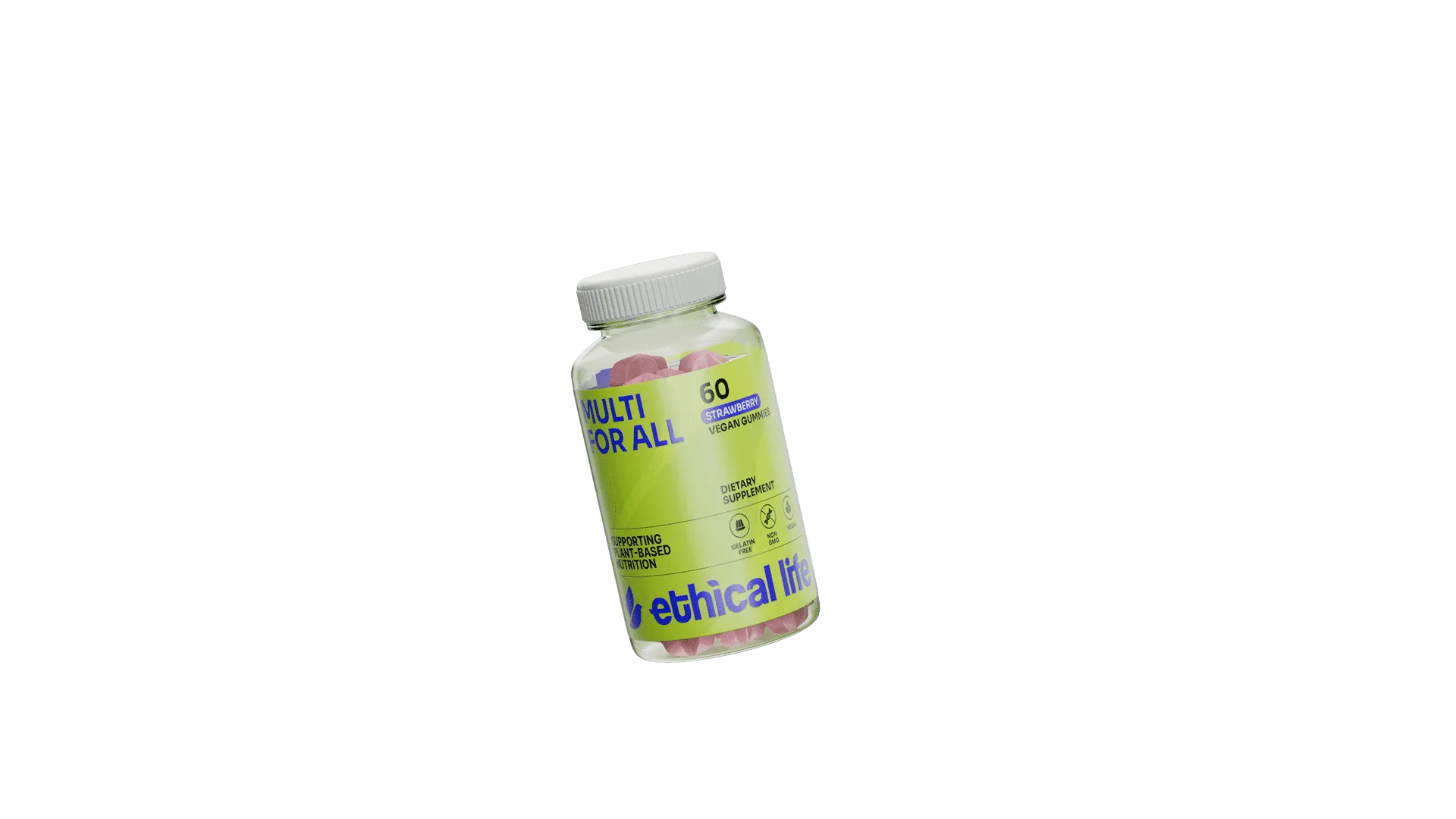
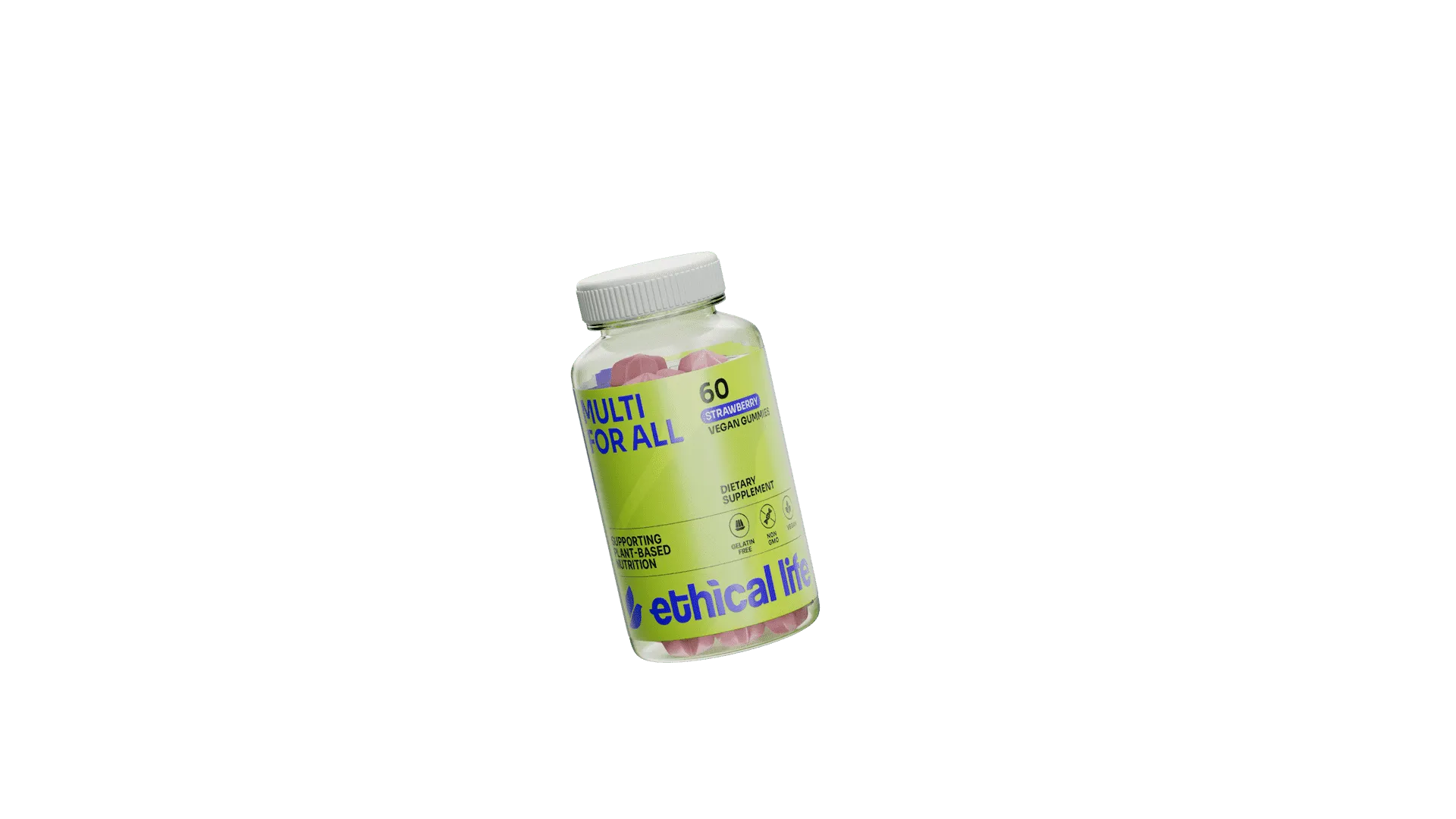
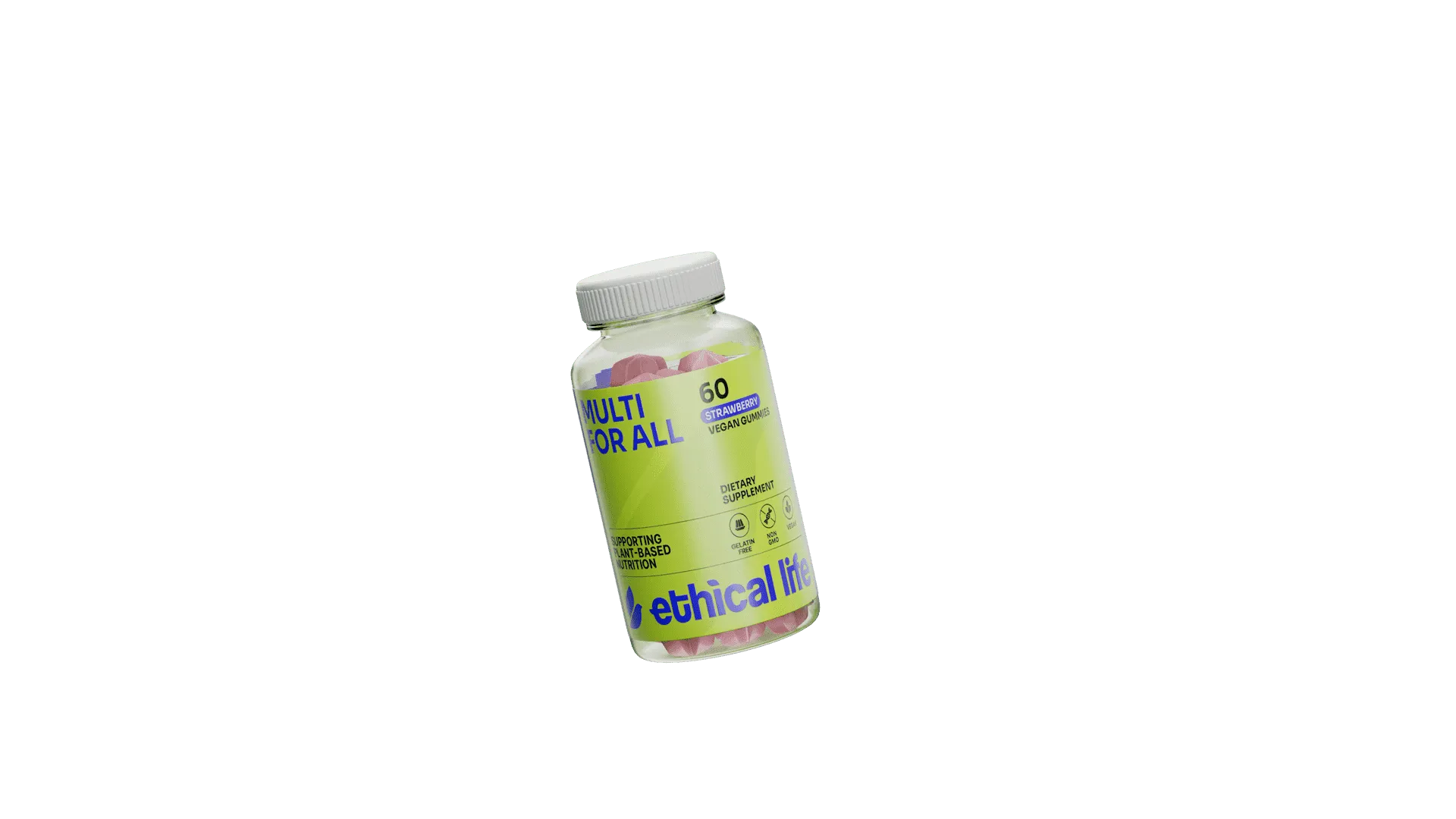
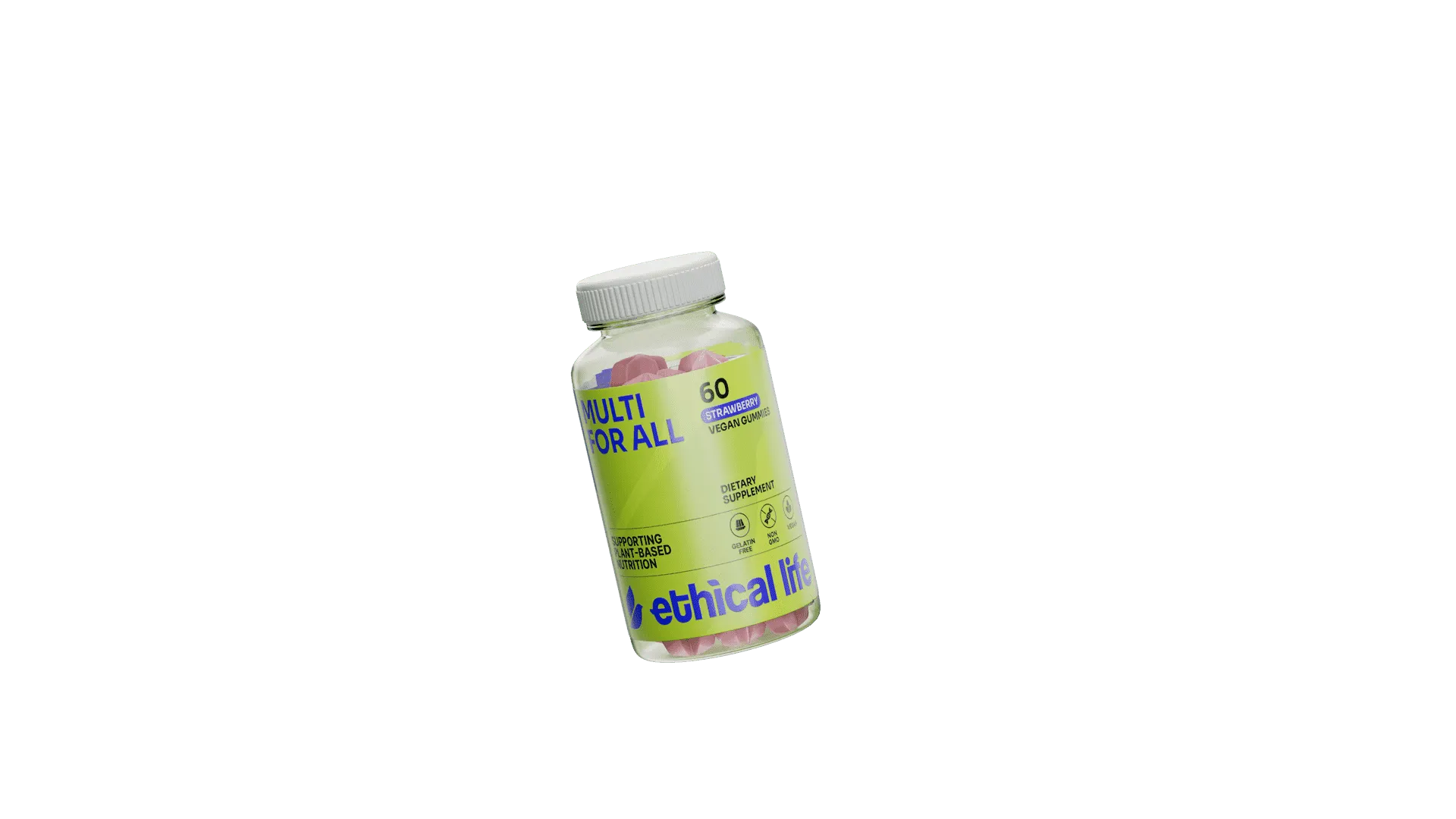
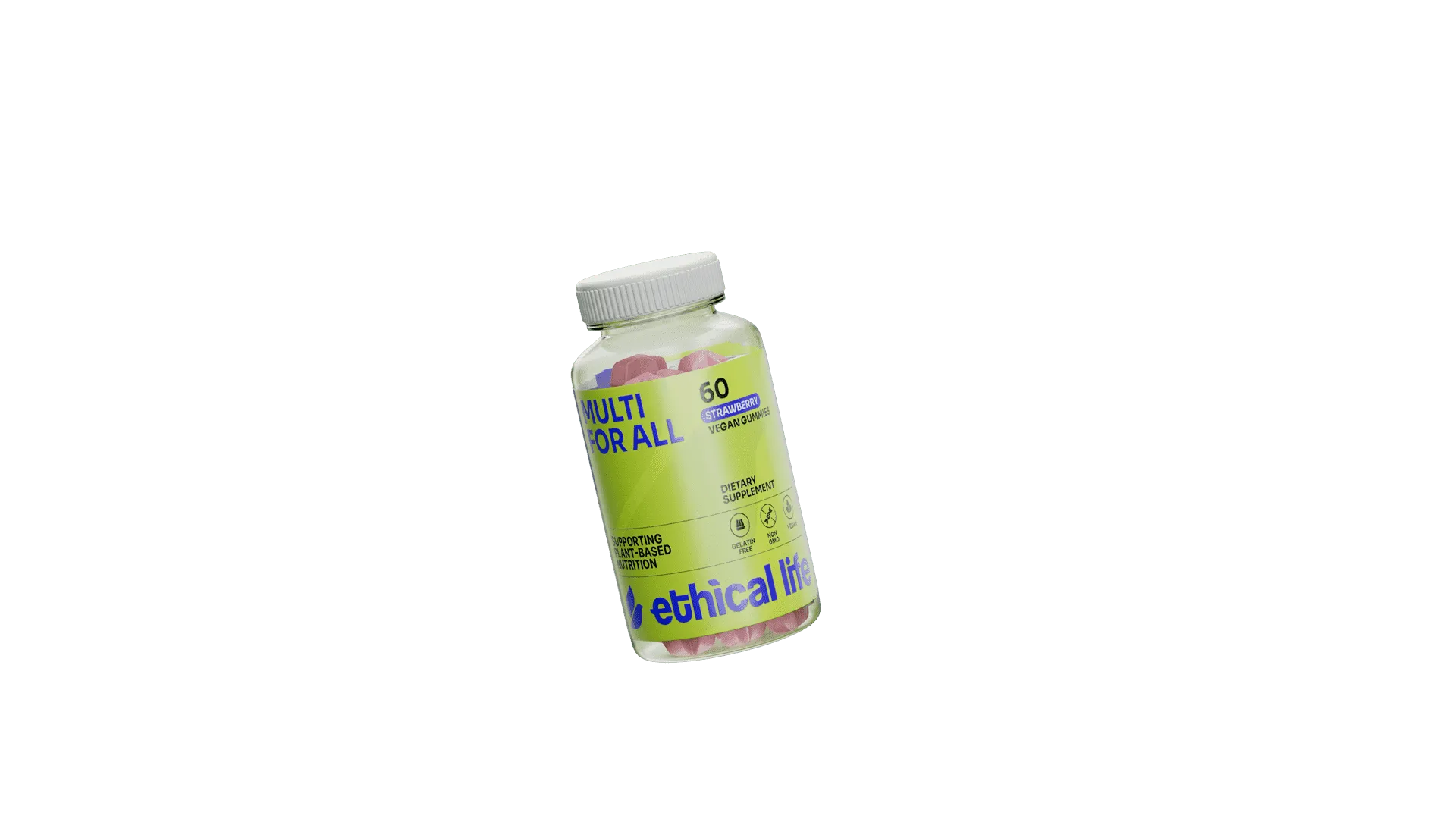
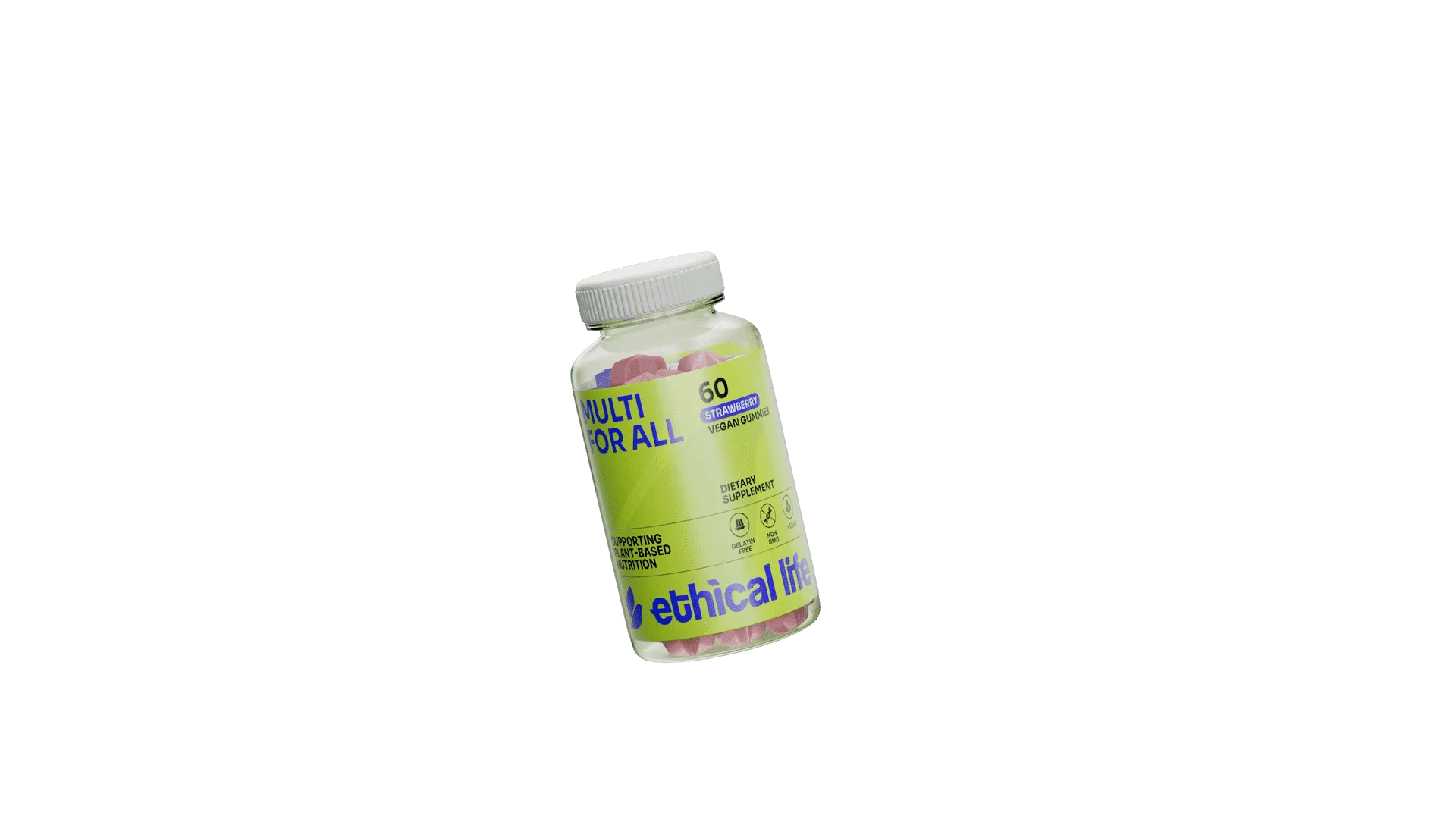
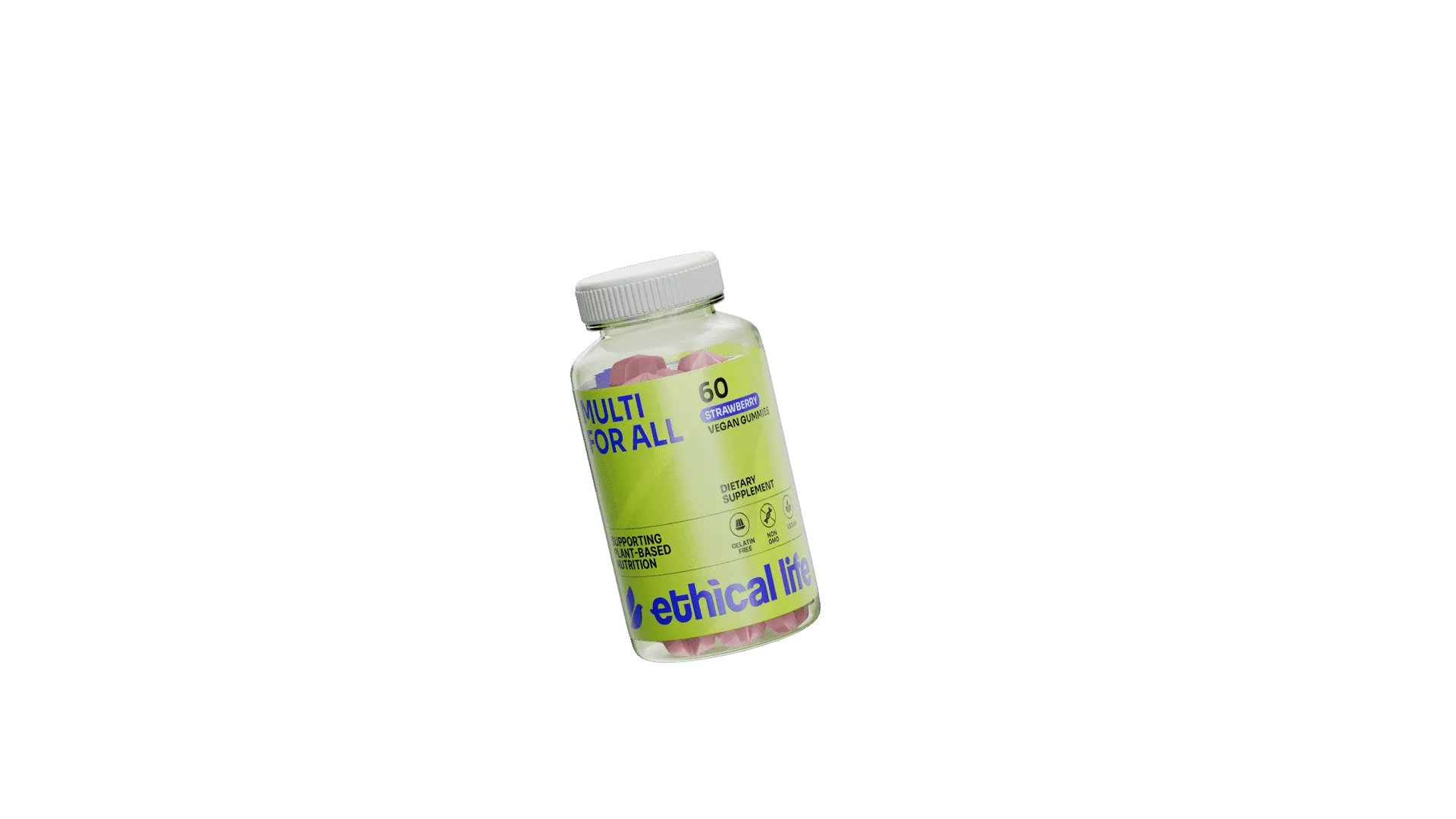
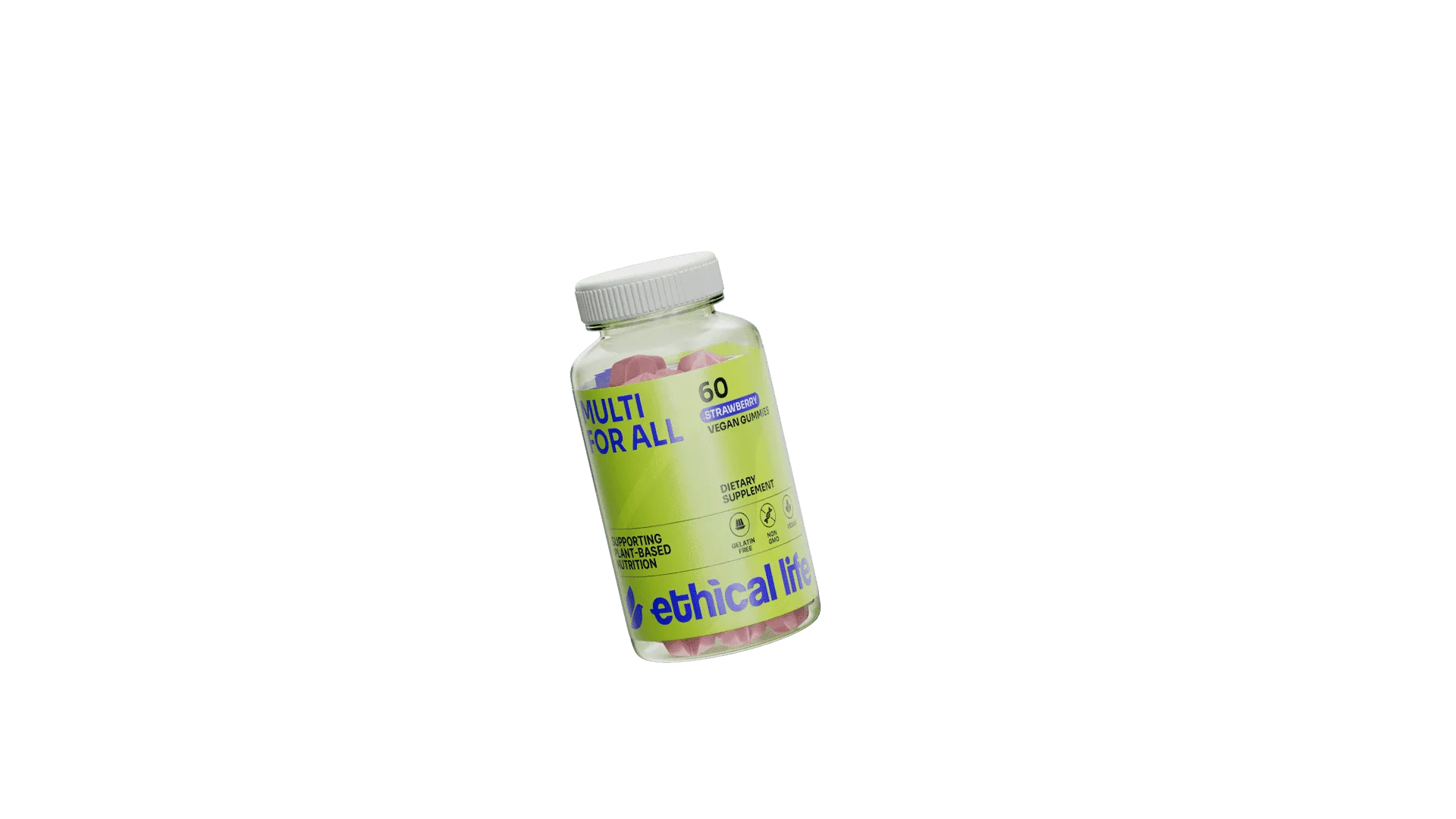
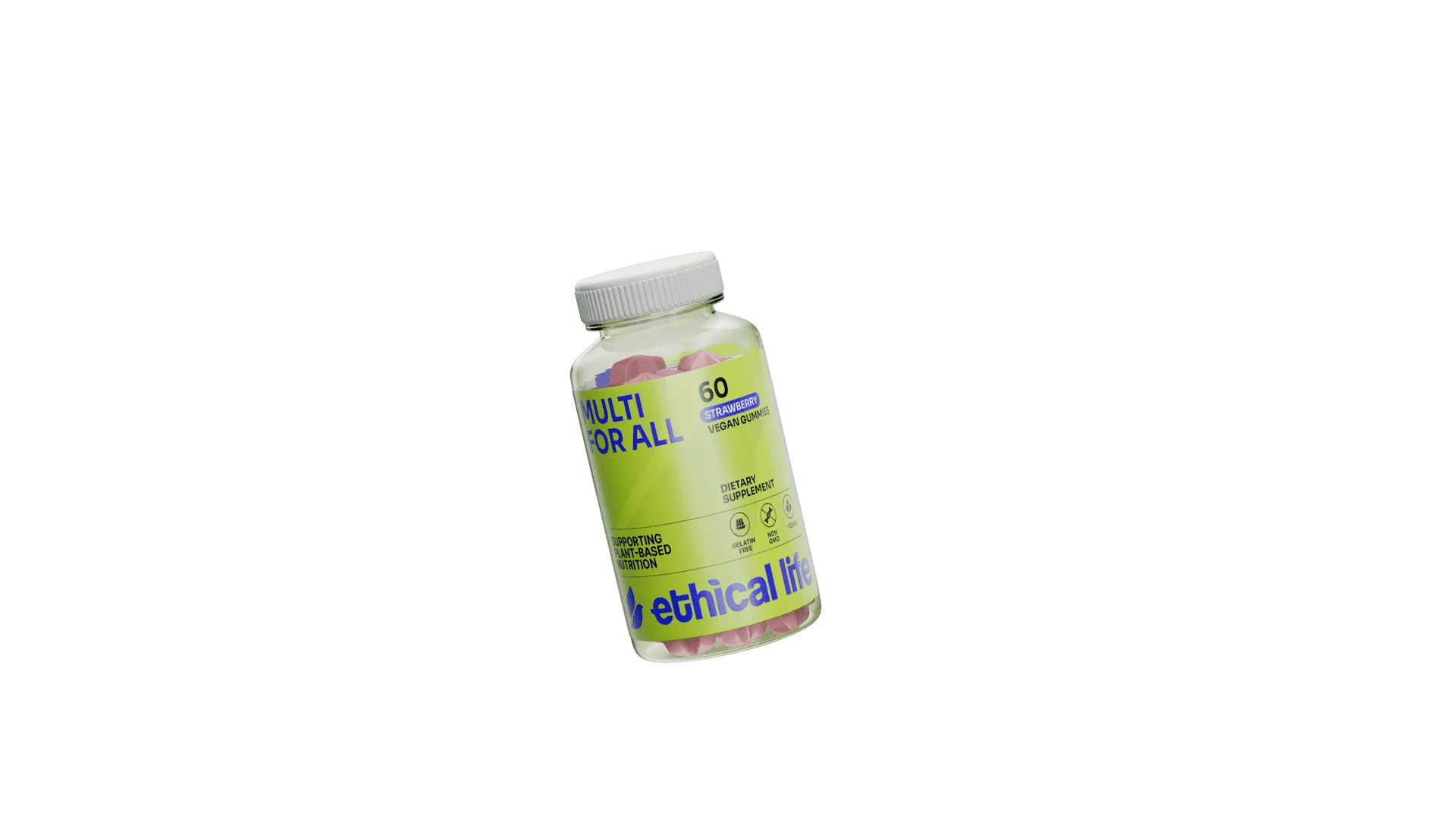
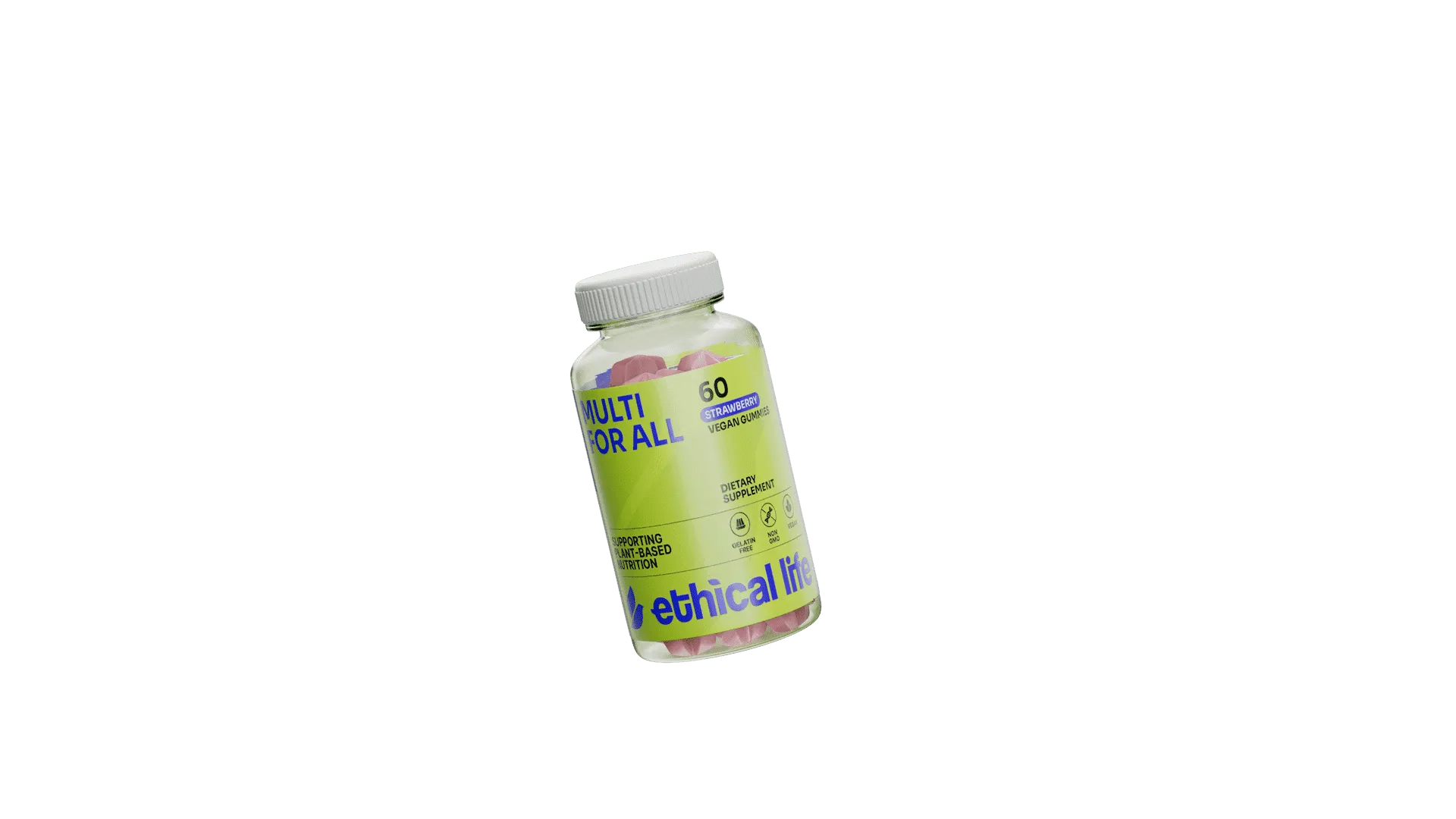
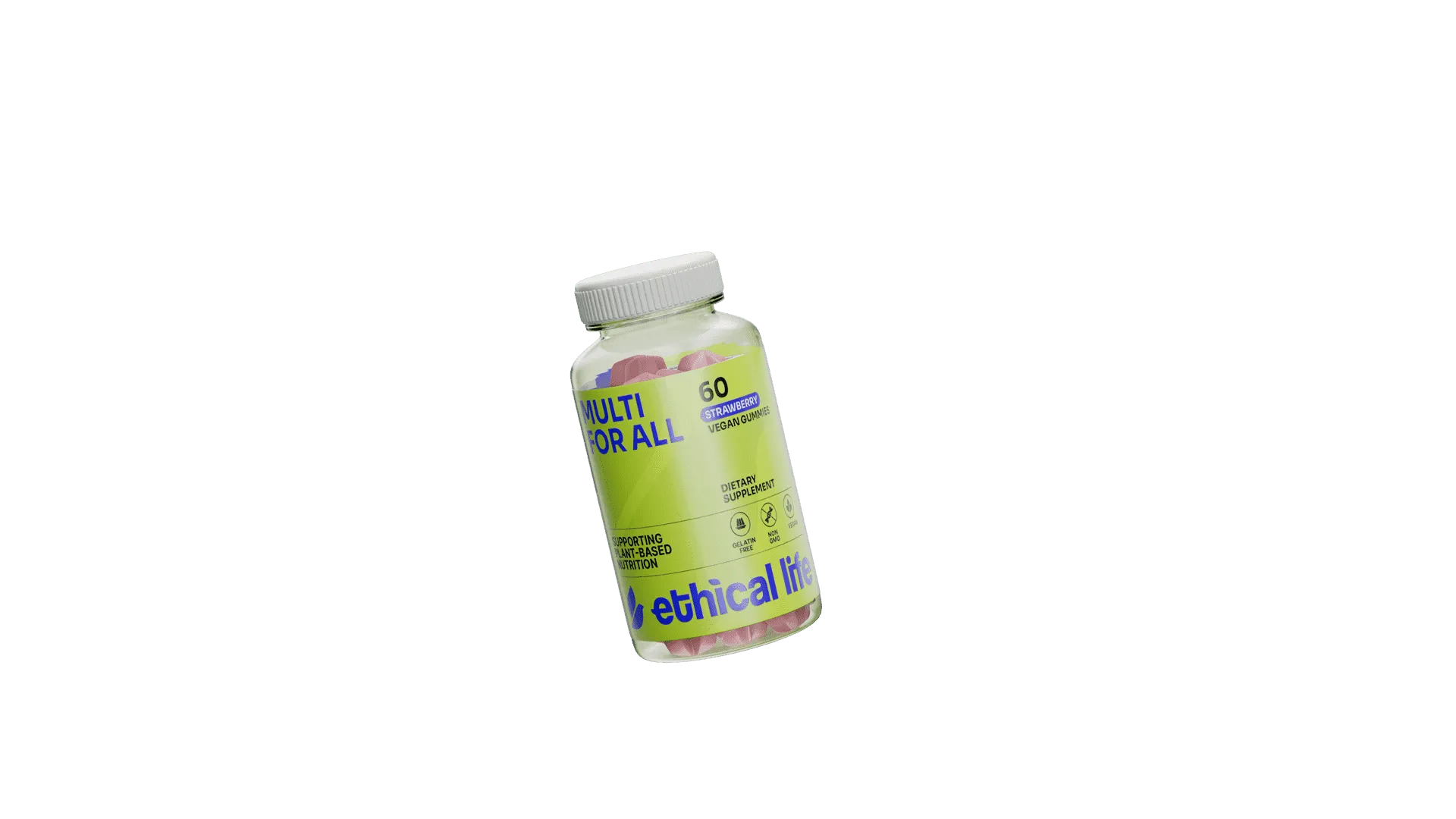
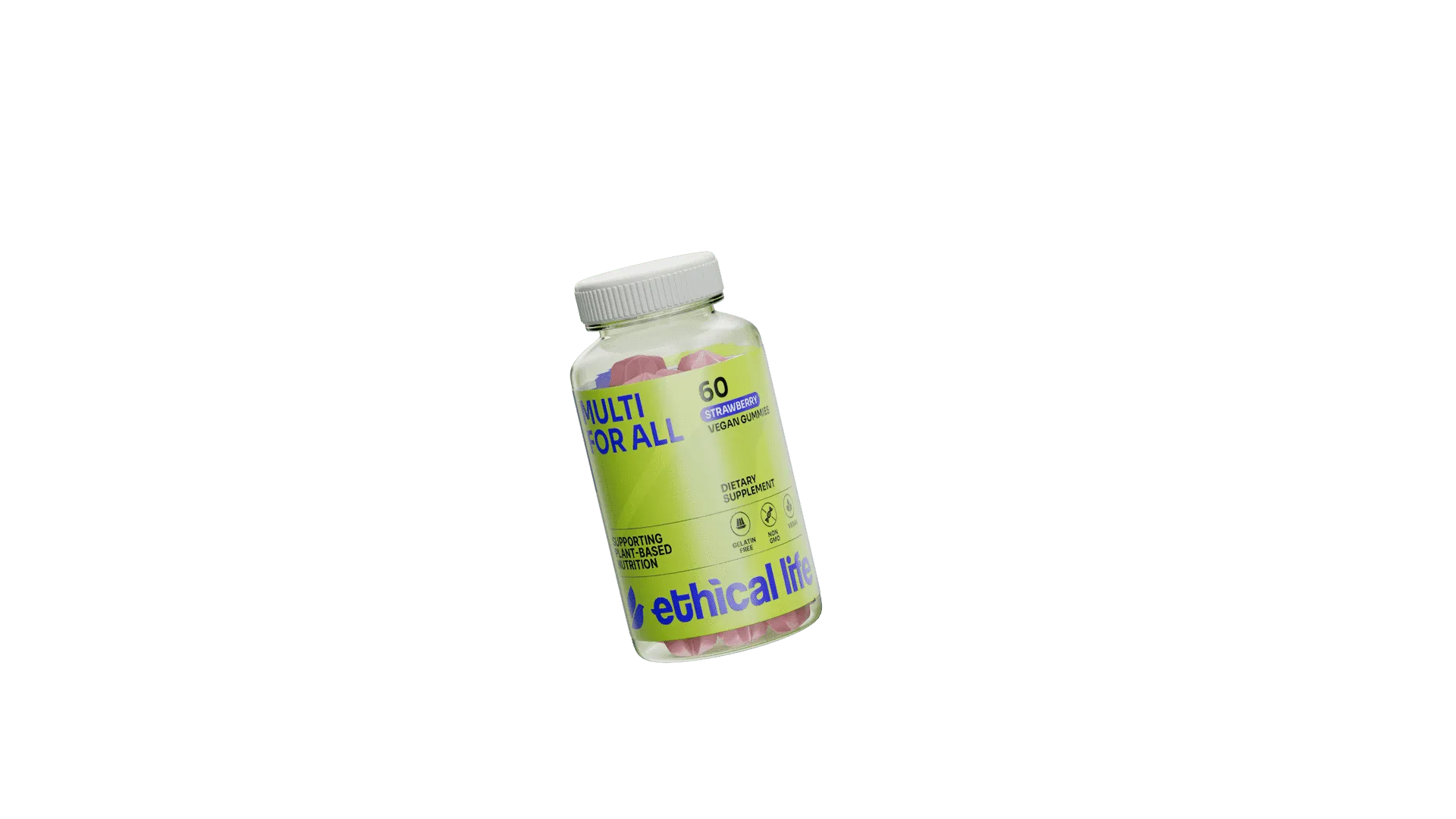
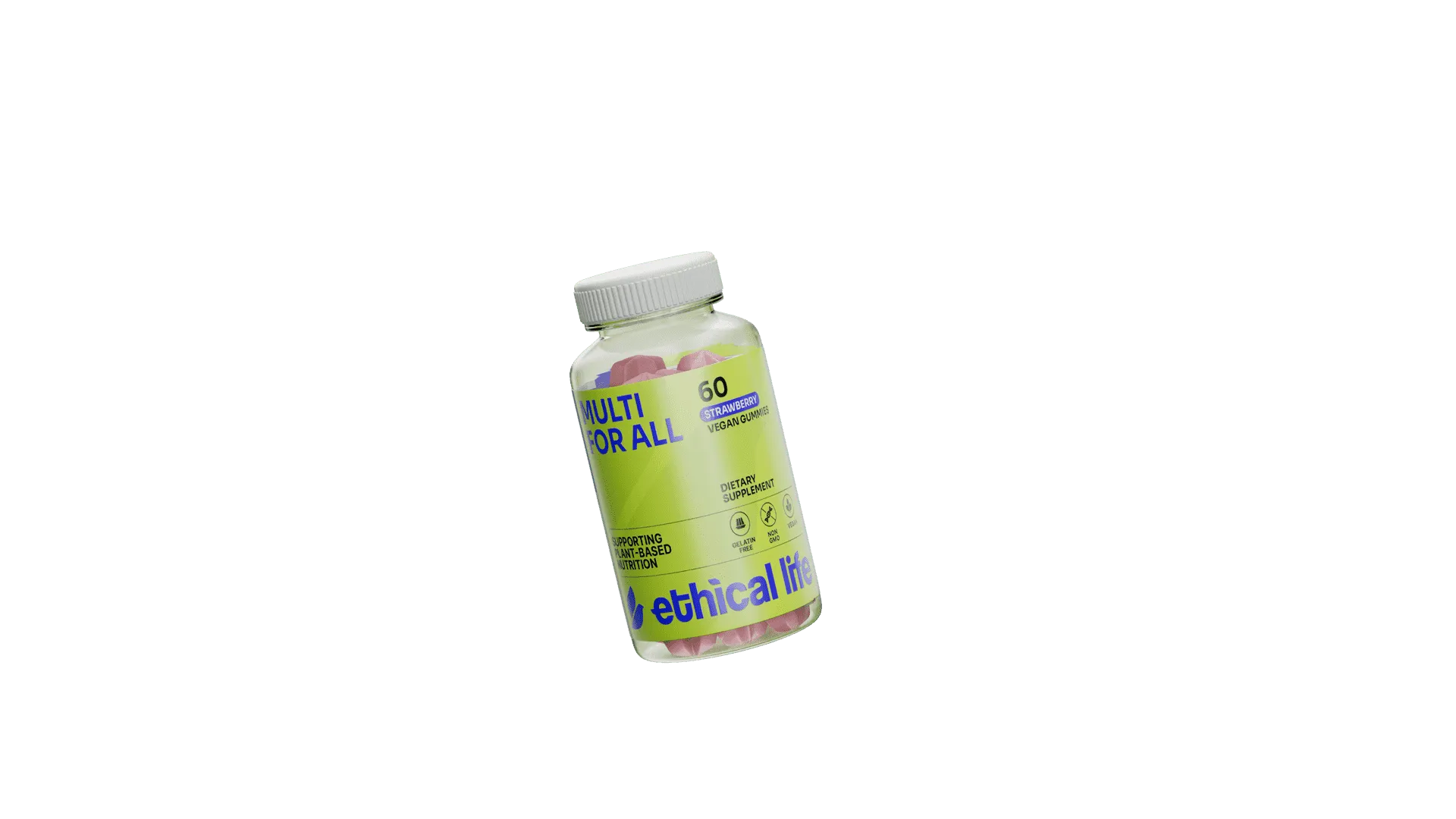
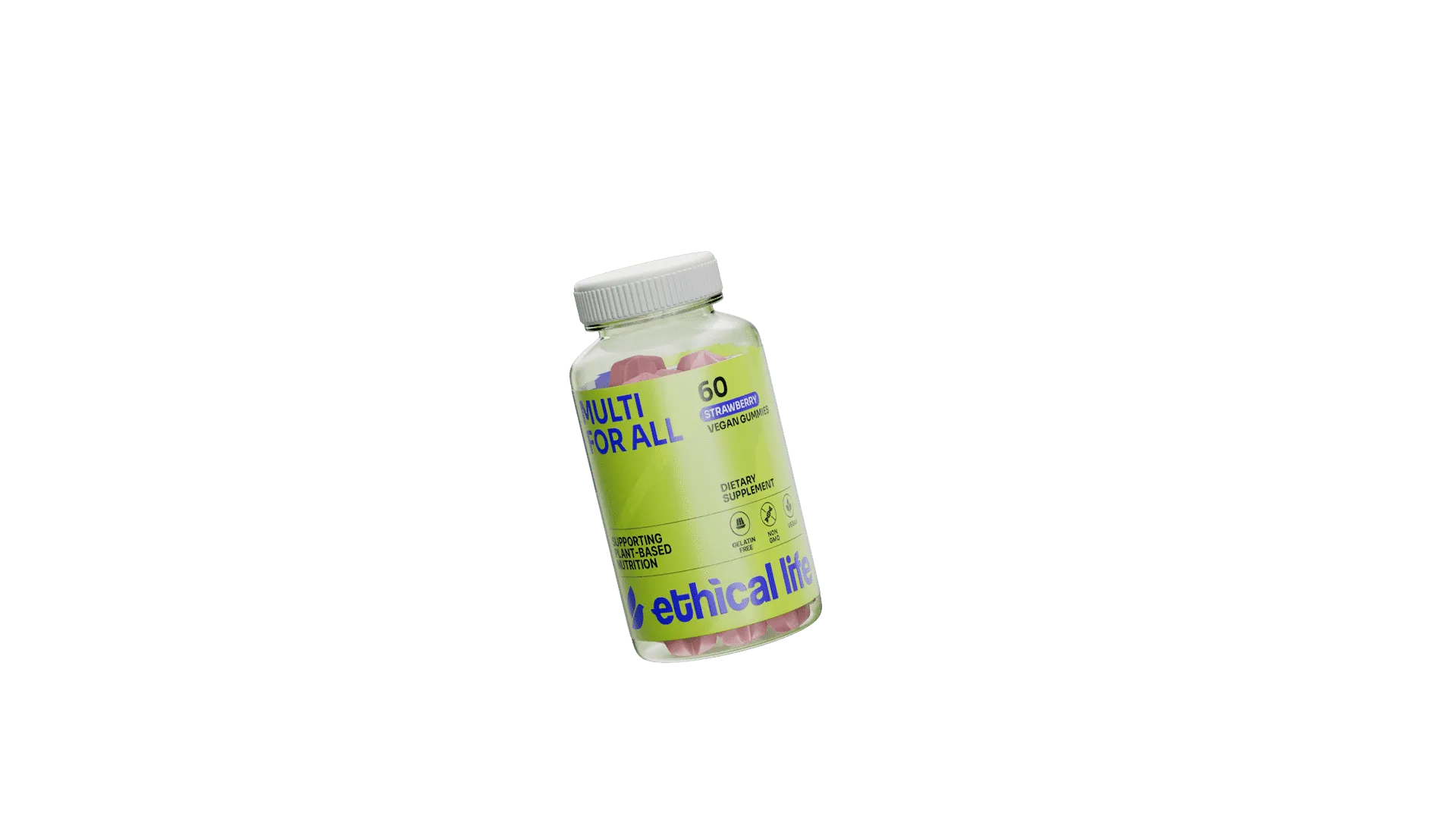
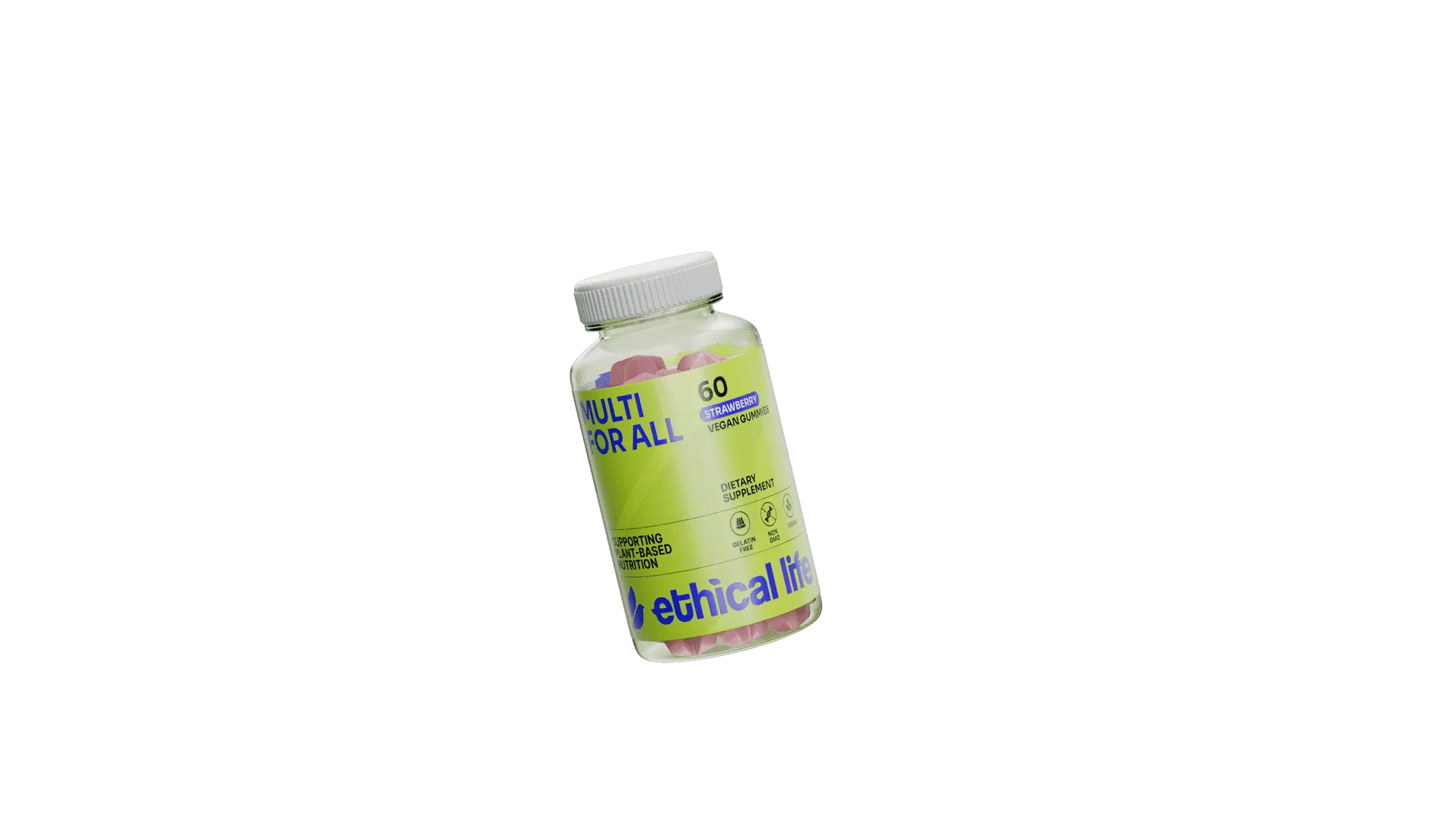
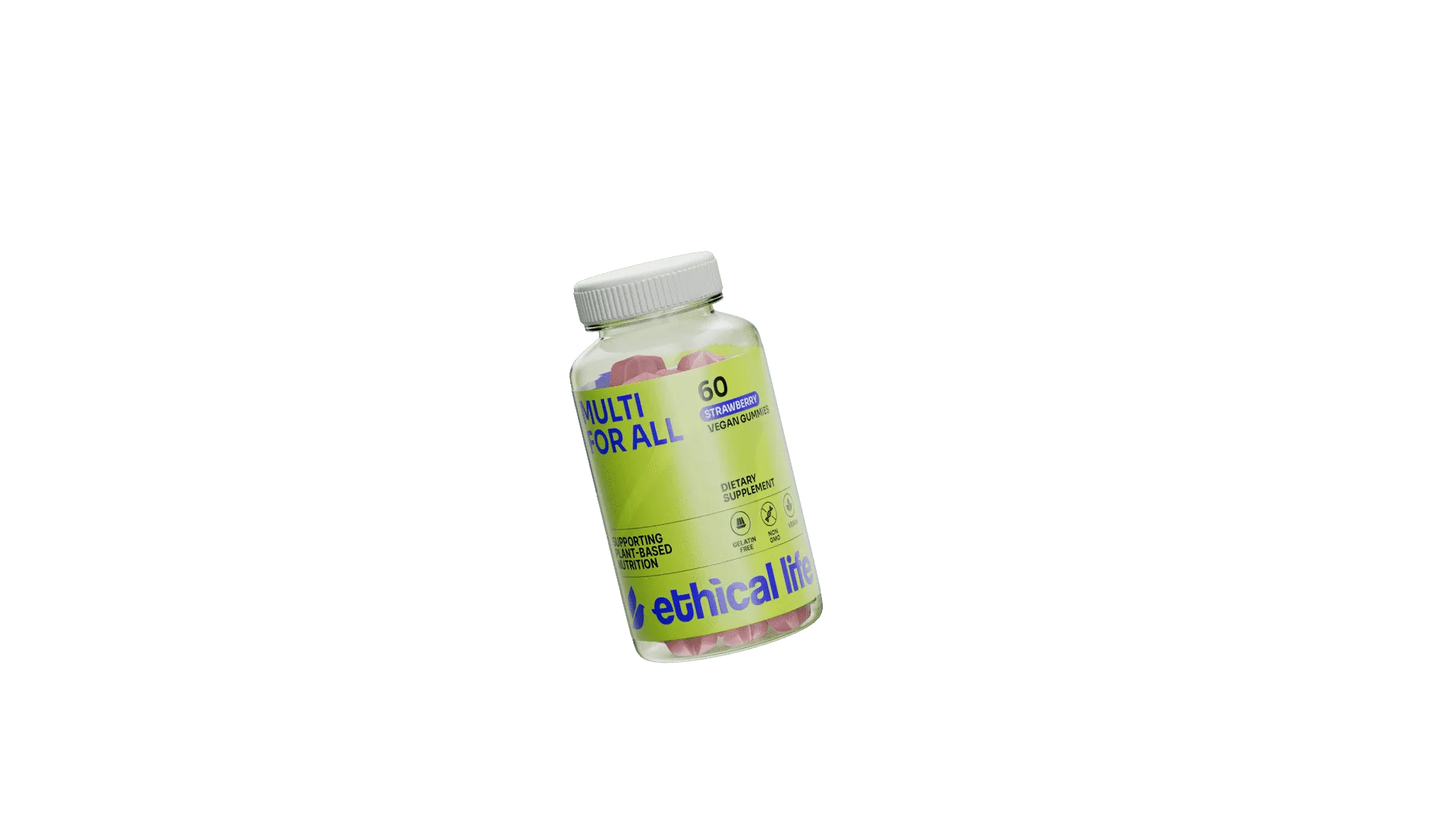
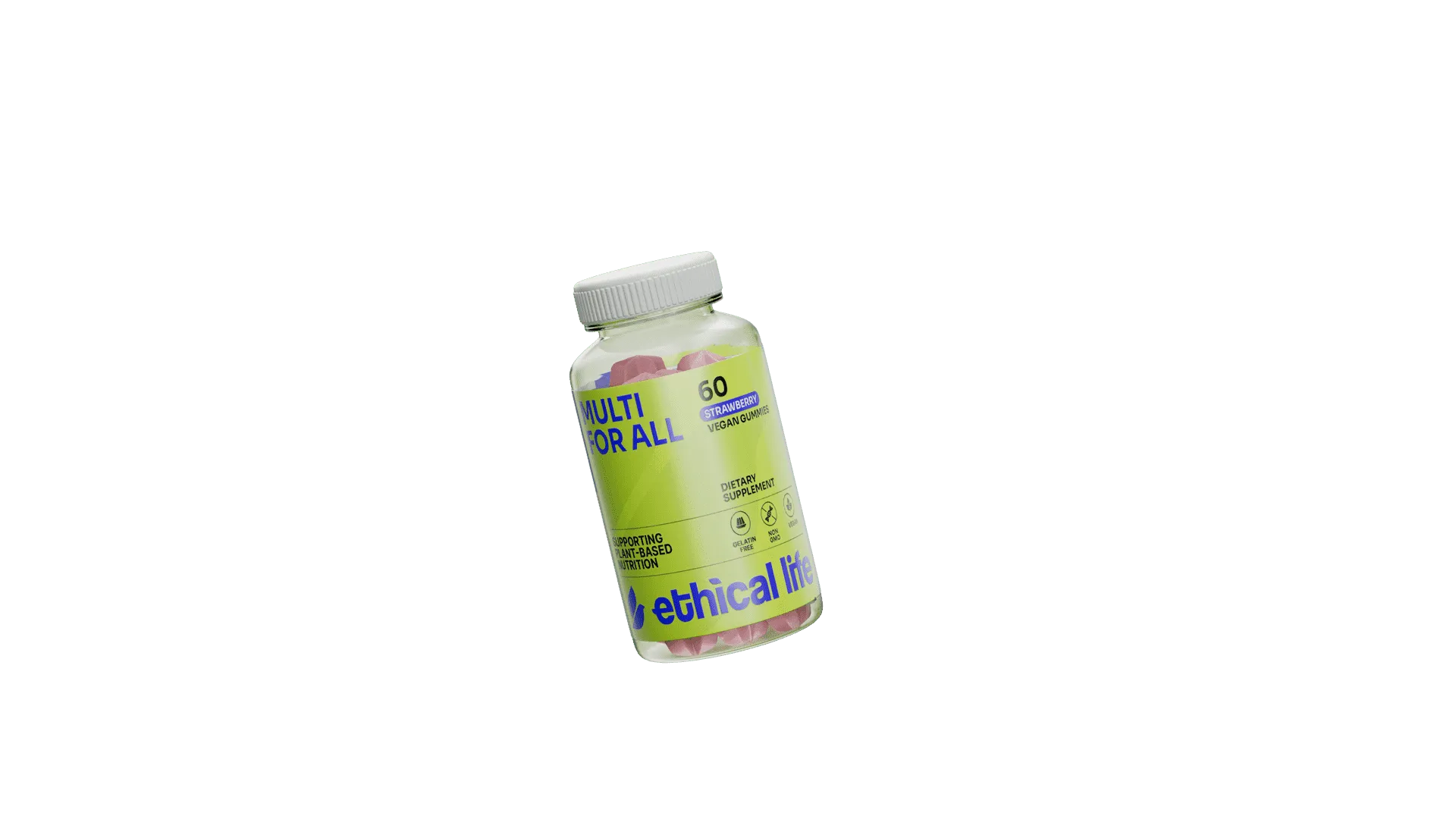
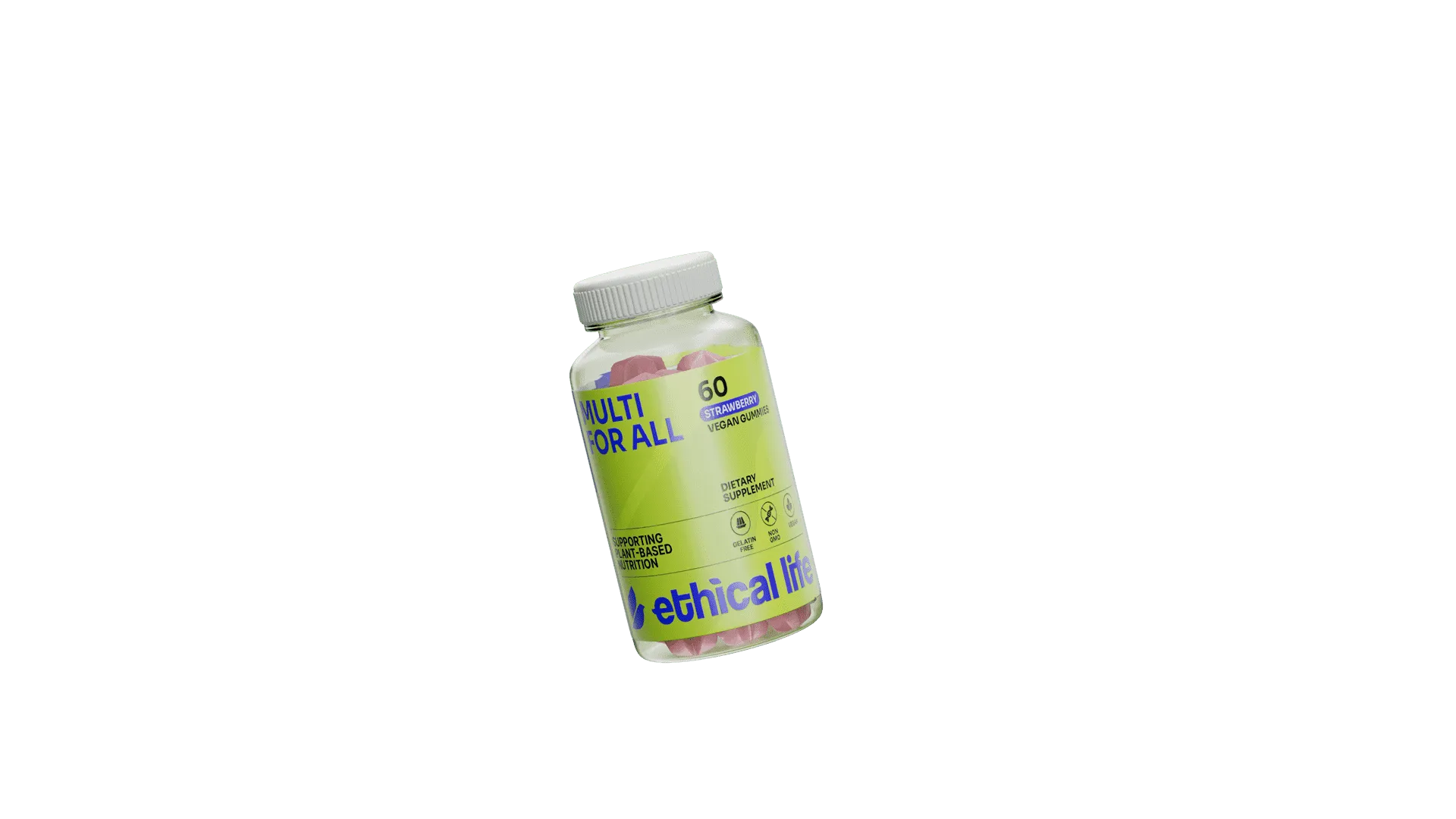
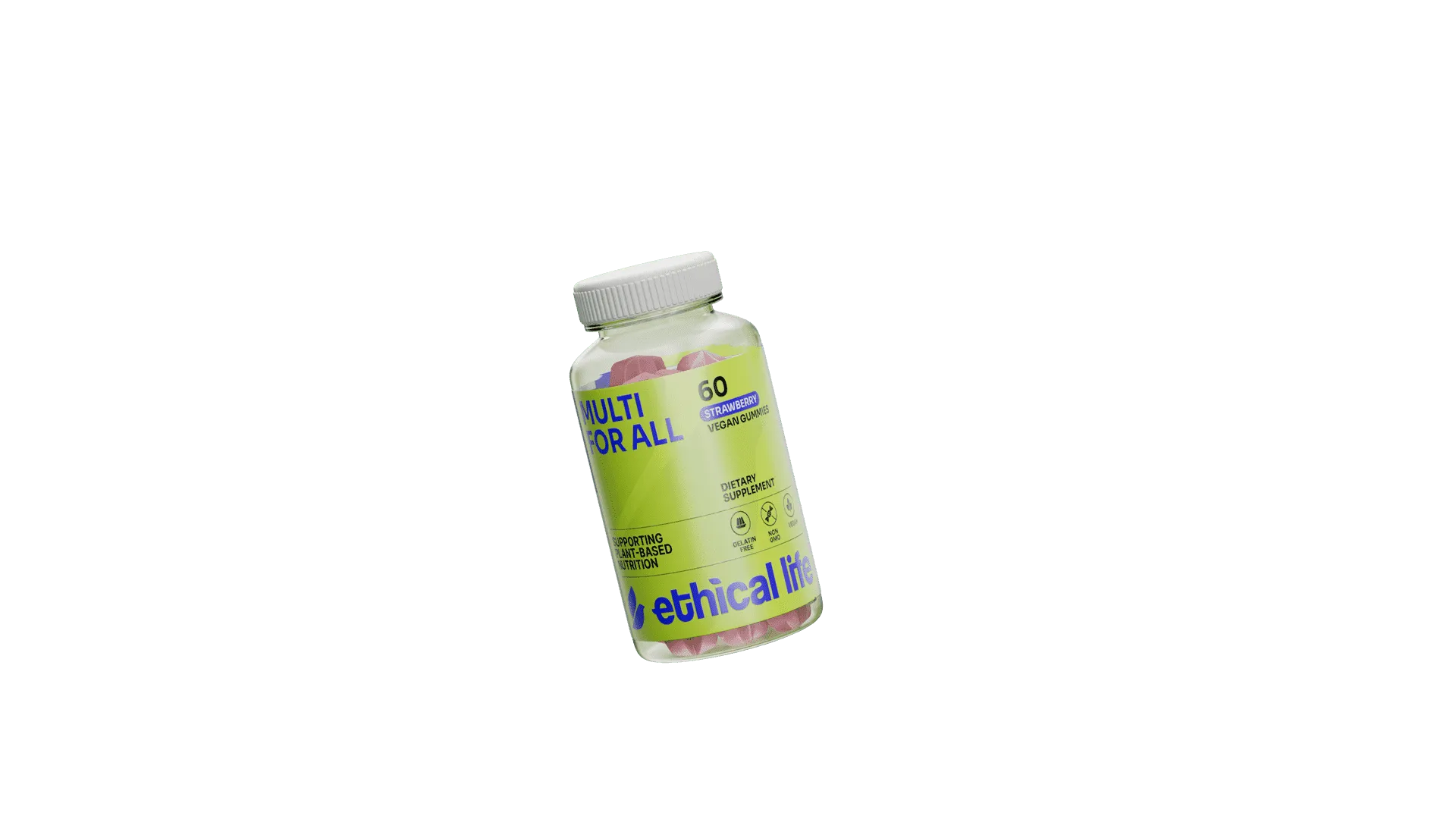


Vitamin deficiency can affect nearly every part of your body, from your energy levels and immune system to your hair, skin, mood, and ability to recover from everyday stress. Many people assume symptoms like fatigue, brittle nails, frequent colds, or brain fog are simply part of a busy lifestyle, but these signs may point to your body missing essential nutrients it needs to function properly. The challenge is that vitamin deficiencies often develop gradually, making them easy to ignore until they begin affecting your daily life, productivity, and overall wellness. Shop Today
Why Vitamin Deficiencies Should Not Be Ignored
Vitamins play a critical role in supporting the body’s core systems. They help convert food into energy, protect cells from damage, support immune defense, maintain healthy skin and hair, regulate mood, and strengthen bones and muscles. When your body does not get enough of key vitamins, it may begin sending warning signs. At first, those signs can feel minor. You may feel slightly more tired than usual, notice more hair in the shower, or get sick more often than you used to. Over time, however, deficiencies can become more serious and harder to correct. Ignoring symptoms can lead to ongoing exhaustion, weakened immunity, poor concentration, slower wound healing, and reduced quality of life. The good news is that most deficiencies can be improved with the right approach, including better nutrition, targeted supplementation, lifestyle adjustments, and professional guidance when needed.
1. Constant Fatigue and Low Energy
One of the most common signs of a nutrient deficiency is persistent fatigue. This is not the same as feeling tired after a long day. Deficiency-related fatigue often feels deeper and harder to shake, even after a full night of sleep. Low levels of vitamin B12, vitamin D, folate, and iron may contribute to low energy because these nutrients help support red blood cell production, oxygen transport, and energy metabolism. You may notice symptoms such as:
- Feeling drained even after resting
- Trouble getting through the day without caffeine
- Weakness or heavy limbs
- Reduced motivation
- Difficulty exercising or recovering after activity
To help fix this, start by improving the nutrient density of your meals. Include foods such as green leafy greens, legumes, plant-based proteins, fortified foods, and whole grains. If fatigue persists, consider getting lab work done to check for deficiencies, especially vitamin B12, vitamin D, folate, and iron level. A high-quality supplement may also help fill gaps, but it is best to choose one based on your body’s needs rather than guessing.
2. Hair Thinning, Shedding, or Brittle Hair
Your hair can reveal a lot about your internal health. If you are suddenly noticing more shedding, slow growth, dryness, or breakage, your body may not be getting enough of the nutrients that support healthy hair follicles. Vitamins and minerals such as biotin, vitamin D, vitamin B12, zinc, iron, and vitamin C all play a role in hair strength and growth. Hair changes related to deficiency may include:
- More hair falling out than usual
- Thinner ponytail or visible scalp changes
- Dry, dull, or brittle strands
- Slower hair growth
- Increased breakage
To support healthier hair, focus on protein-rich meals, colorful fruits and vegetables, nuts, seeds, and leafy greens. Vitamin C-rich foods such as citrus, berries, and peppers can also help support collagen formation and iron absorption. If hair loss is sudden or severe, it is important to speak with a healthcare professional, as thyroid issues, hormonal changes, stress, medications, and other health conditions can also contribute.
3. Frequent Colds or a Weak Immune System
If you seem to catch every cold going around, your immune system may be asking for more support. Vitamins A, C, D, B12, folate, zinc, and selenium are all important for immune function. When your nutrient levels are low, your body may have a harder time responding to infections and recovering quickly. Signs of poor immune resilience may include:
- Getting sick often
- Colds that last longer than usual
- Slow recovery after illness
- Frequent mouth ulcers
- Feeling run down after minor stress
To help strengthen immune health, prioritize nutrient-rich whole foods, hydration, quality sleep, and stress management. Add citrus fruits, berries, leafy greens, mushrooms, nuts, seeds, and fermented foods to your routine. Vitamin D is especially important because many people do not get enough sunlight exposure, particularly during colder months or when spending most of the day indoors.
4. Dry Skin, Cracked Lips, or Slow Wound Healing
Skin is one of the body’s most visible indicators of nutritional status. Dryness, irritation, cracked lips, or wounds that take longer to heal can sometimes be linked to low levels of essential nutrients. Vitamin A helps support skin cell turnover, vitamin C supports collagen production, and B vitamins help maintain healthy skin function. Watch for signs such as:
- Dry or flaky skin
- Cracks at the corners of the mouth
- Slow healing cuts
- Rough patches
- Increased skin sensitivity
To support skin health from within, eat a diet rich in colorful fruits and vegetables, healthy fats such as avocado, and plant-based protein. Sweet potatoes, carrots, spinach, citrus fruits, berries, nuts, and seeds can all contribute to healthier skin. Hydration also matters, but water alone cannot replace missing nutrients.
5. Brittle Nails or Ridges
Nails that break easily, peel, split, or develop ridges may be another sign your body needs more nutritional support. Low levels of biotin, iron, zinc, B vitamins, and protein can all affect nail strength. While occasional nail changes can happen due to frequent washing, chemicals, or nail treatments, ongoing brittleness may point to something deeper. Helpful steps include:
- Eating enough protein each day
- Adding legumes, nuts, seeds, and leafy greens
- Considering a supplement if your diet is lacking key nutrients
Nail changes often take time to improve because nails grow slowly. Consistency is important, and results may take several weeks or months.
6. Brain Fog, Poor Focus, or Mood Changes
Vitamins do not just support physical health. They also play an important role in brain and nervous system function. Low levels of vitamin B12, vitamin D, folate, and other B vitamins can contribute to issues with focus, memory, mood, and mental clarity. You may notice:
- Difficulty concentrating
- Forgetfulness
- Low mood
- Irritability
- Feeling mentally sluggish
- Reduced productivity
To help support brain health, include omega-3 rich food such as flaxseeds, chia seeds, hemp seeds, walnuts, and algae-based supplements in your diet. Colorful fruits and vegetables, nuts and seeds, mushrooms, and protein-rich foods such as lentils, beans, tofu, and tempeh could support brain health. Sleep, stress reduction techniques, movement, and sunlight exposure also play a major role in brain health.
7. Muscle Cramps, Weakness, or Bone Discomfort
Vitamin D, calcium, magnesium, and other nutrients are essential for muscle and bone health. If you experience muscle cramps, weakness, bone aches, or general discomfort, it may be worth exploring whether your nutrient levels are low. Vitamin D deficiency is especially common and can affect bone strength, immune health, and muscle function. Support your body by:
- Spending safe time outdoors for sunlight exposure
- Eating vitamin D-rich foods such as fortified plant-based milk and fortified cereals
- Including calcium-rich foods such as leafy greens and some orange juices
- Considering supplementation when diet and sunlight are not enough
Because bone and muscle symptoms can have many causes, seek medical advice if symptoms are persistent.
Common Causes of Vitamin Deficiency
Vitamin deficiencies can happen for many reasons, even in people who try to eat well. Modern lifestyles often make it difficult to get everything the body needs consistently. Common causes include:
- Limited variety in the diet
- Skipping meals or relying on processed foods
- Low sunlight exposure
- Digestive issues that affect absorption
- Vegan or vegetarian diets without proper supplementation
- Pregnancy or breastfeeding
- Aging
- Certain medications
- Chronic stress
- High physical activity levels
The key is not to panic, but to pay attention. Your body often gives early signals before a deficiency becomes more serious.
How to Fix a Vitamin Deficiency
Fixing a deficiency starts with identifying what your body may be missing. Guessing can lead to taking supplements you do not need while overlooking the nutrients you do. A smart approach includes:
- Review your symptoms: Track fatigue, hair changes, skin issues, immunity, mood, and digestion.
- Improve your diet: Consider adopting whole food plant-based nutrition
- Get tested when appropriate: Blood work can help identify deficiencies such as vitamin D, B12, folate, or iron-related concerns.
- Choose quality supplements: Not all supplements are created equal. Look for reputable products with thoughtful formulations.
- Stay consistent: Nutrient levels take time to rebuild, so daily habits matter.
- Address absorption: Digestive health, medication use, and certain conditions can affect how well your body absorbs nutrients.
Foods That Help Support Healthy Vitamin Levels
A balanced diet is one of the best foundations for preventing deficiencies. Include a variety of these nutrient-rich foods:
- Leafy greens such as spinach, kale, and arugula
- Citrus fruits, berries, and peppers for vitamin C
- Beans, lentils, and whole grains for folate and other B vitamins
- Nuts and seeds for vitamin E, zinc, and healthy fats
- Sweet potatoes and carrots for vitamin A support
- Fermented foods to support digestive wellness
Supplements can be helpful, but they work best as part of a complete wellness routine rather than a replacement for balanced nutrition.
When to Seek Professional Advice
Some symptoms should not be ignored, especially if they are new, severe, or getting worse. Seek medical guidance if you experience ongoing fatigue, unexplained weight changes, significant hair loss, numbness or tingling, shortness of breath, dizziness, frequent infections, or persistent mood changes. These symptoms may be related to deficiencies, but they can also indicate other health concerns that need proper evaluation.
FAQ
What is the most common sign of a vitamin deficiency?
Fatigue is one of the most common signs. If you feel tired even after adequate sleep, your body may be low in nutrients such as vitamin B12, vitamin D, folate, or other key vitamins.
Can a vitamin deficiency cause hair loss?
Yes, certain deficiencies can contribute to hair thinning or shedding. Low levels of vitamin D, B vitamins, zinc, and iron-related nutrients may affect hair health.
How long does it take to fix a vitamin deficiency?
It depends on the nutrient, severity of the deficiency, diet, absorption, and supplement routine. Some people feel better within weeks, while others may need several months of consistent support.
Should I take a multivitamin every day?
A daily multivitamin can help fill nutritional gaps, but it should match your needs and lifestyle. It is also important to maintain a balanced diet and speak with a healthcare professional if you suspect a serious deficiency.
Can I get enough vitamins from food alone?
Many people can meet their needs through food, but some nutrients, such as vitamin D and B12, may require supplementation depending on diet, sun exposure, age, and health status.
Are vitamin deficiencies serious?
They can be. Mild deficiencies may cause subtle symptoms, but long-term deficiencies can affect energy, immunity, hair, skin, mood, nerve health, and overall wellness.
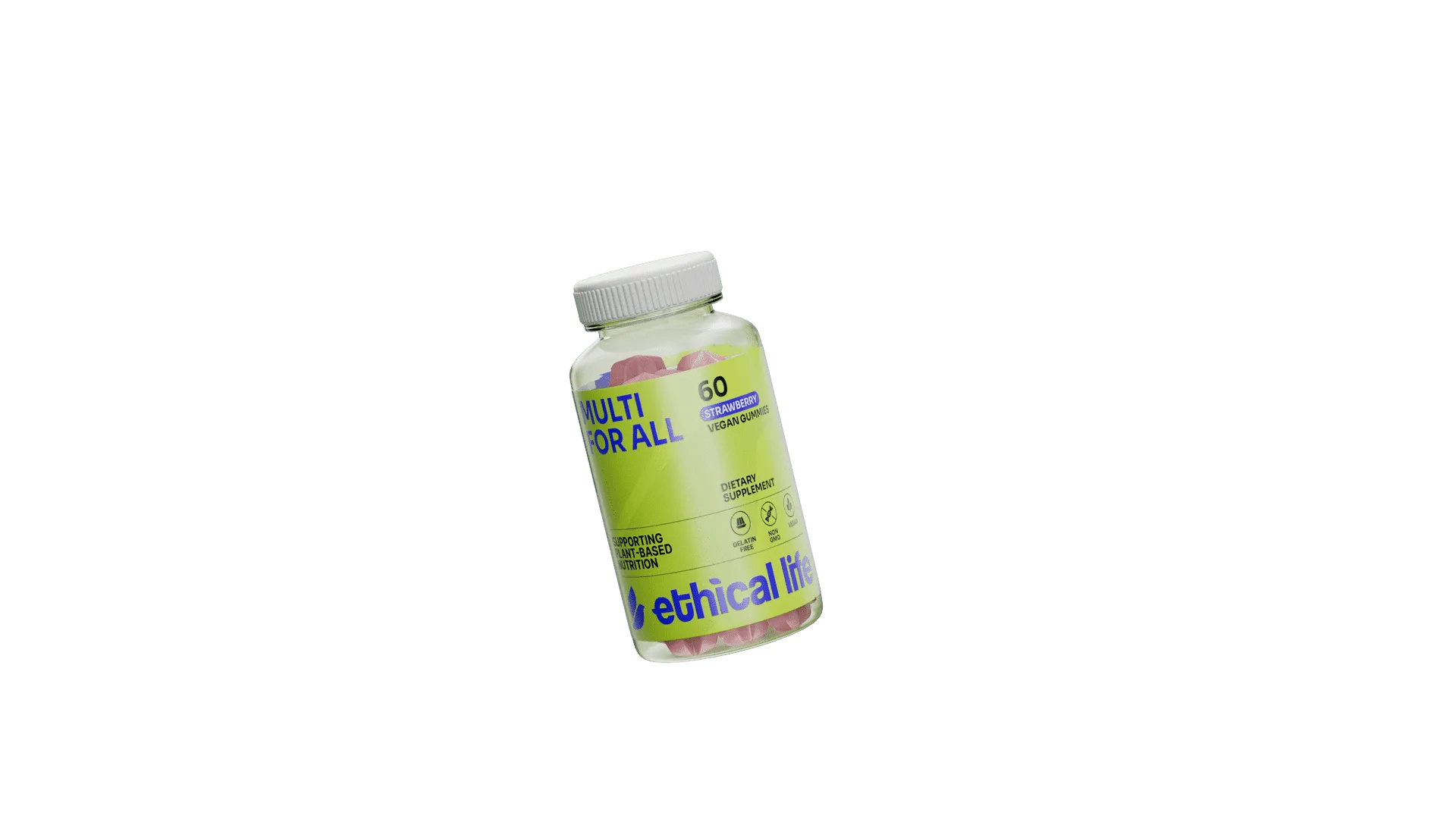
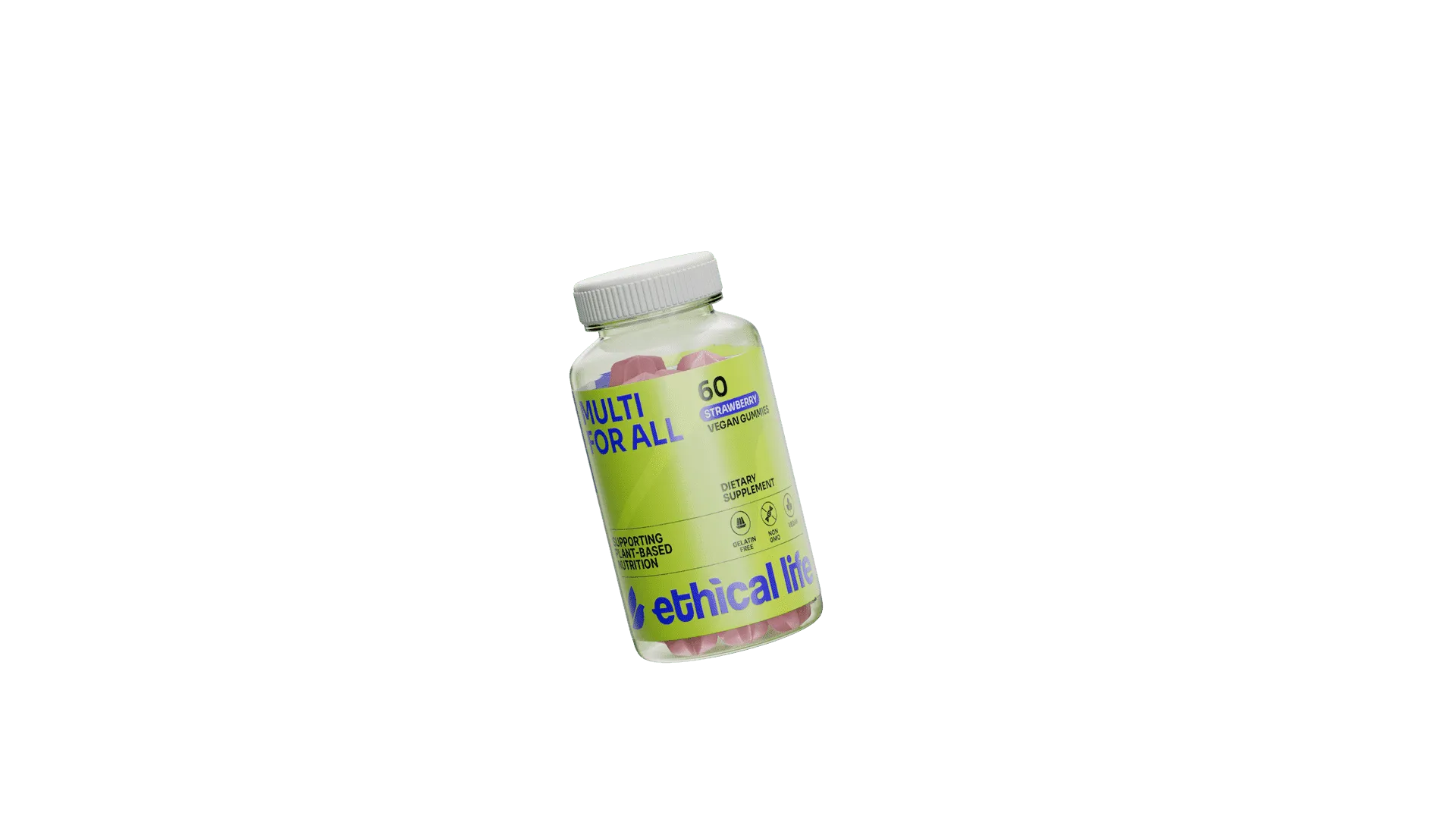
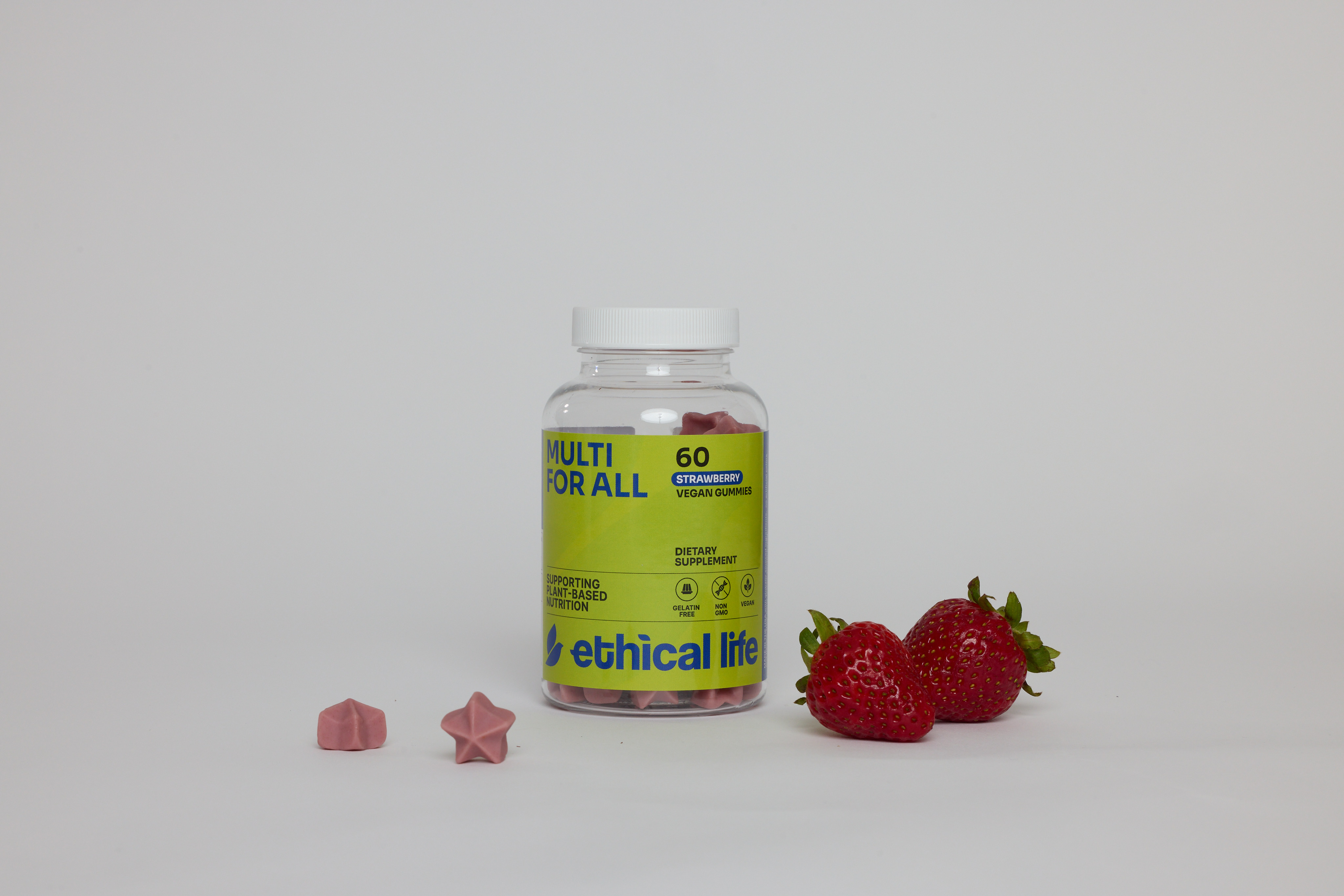
Take Charge of Your Health with Ethical Life
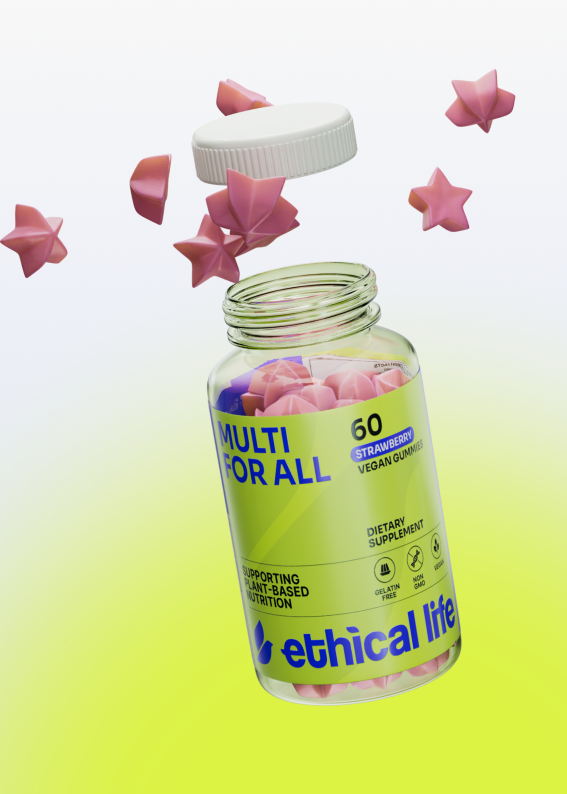
Your body is always communicating with you. Fatigue, thinning hair, weak immunity, brittle nails, brain fog, and slow recovery are not symptoms to brush aside. They may be signs that your body needs stronger nutritional support. By paying attention early, improving your diet, and choosing high-quality wellness solutions, you can take meaningful steps toward better energy, resilience, and long-term health. Ethical Life is committed to helping you support your wellness with trusted, thoughtfully selected products designed for everyday health-conscious living. Explore Ethical Life today and take the next step toward feeling stronger, healthier, and more balanced from the inside out. Shop Today

Published on July 17, 2026
Back to blog