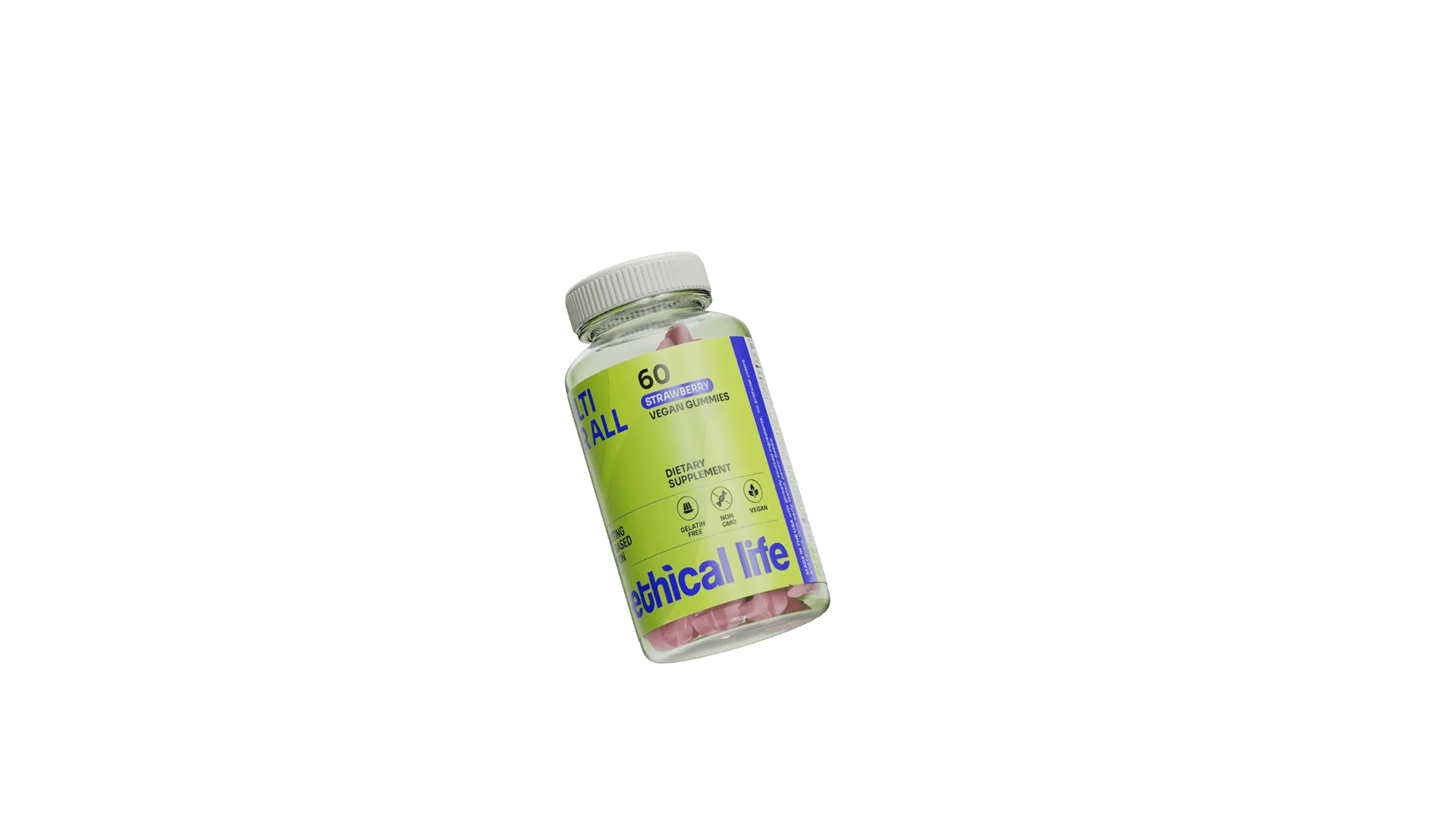
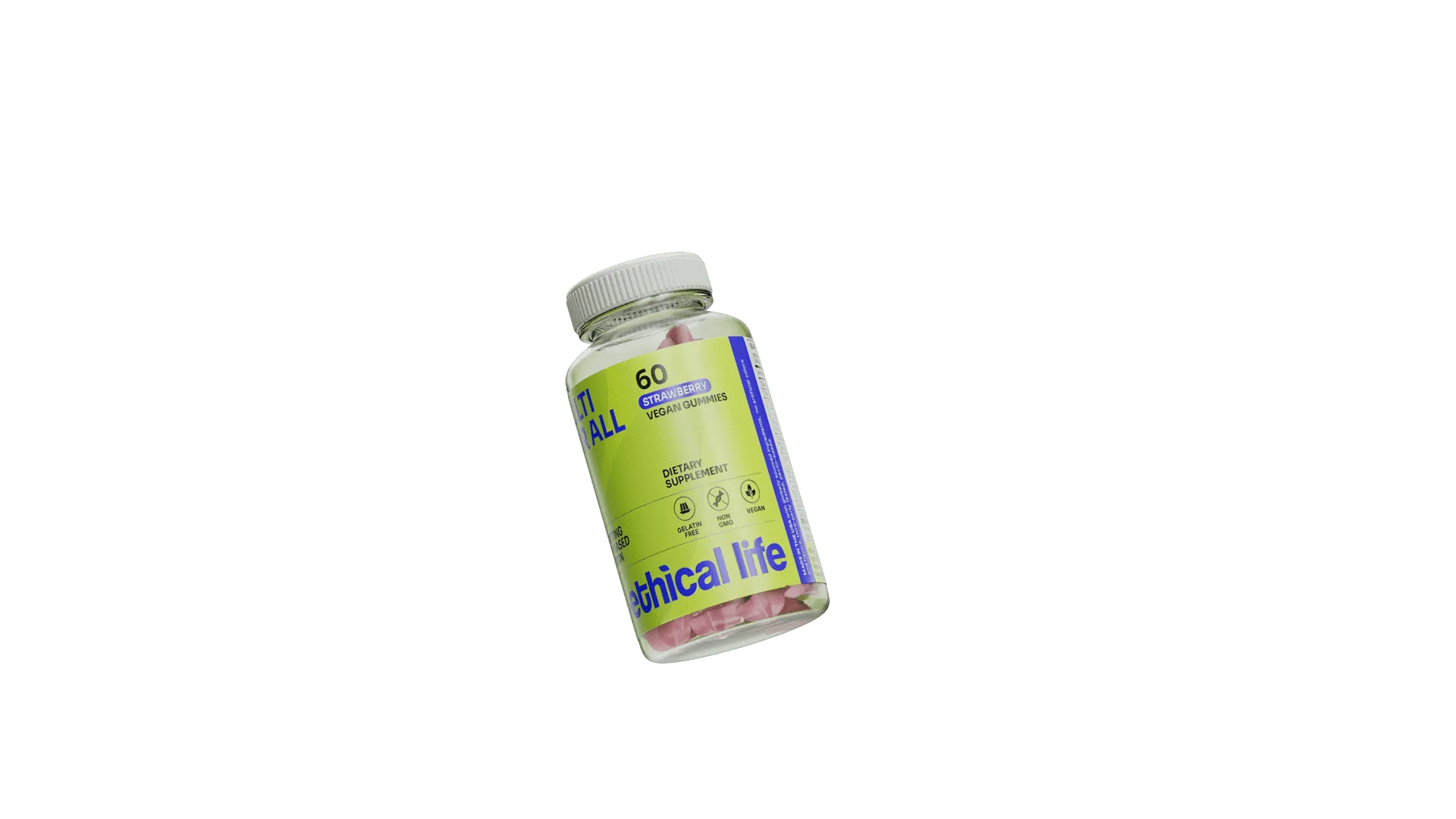
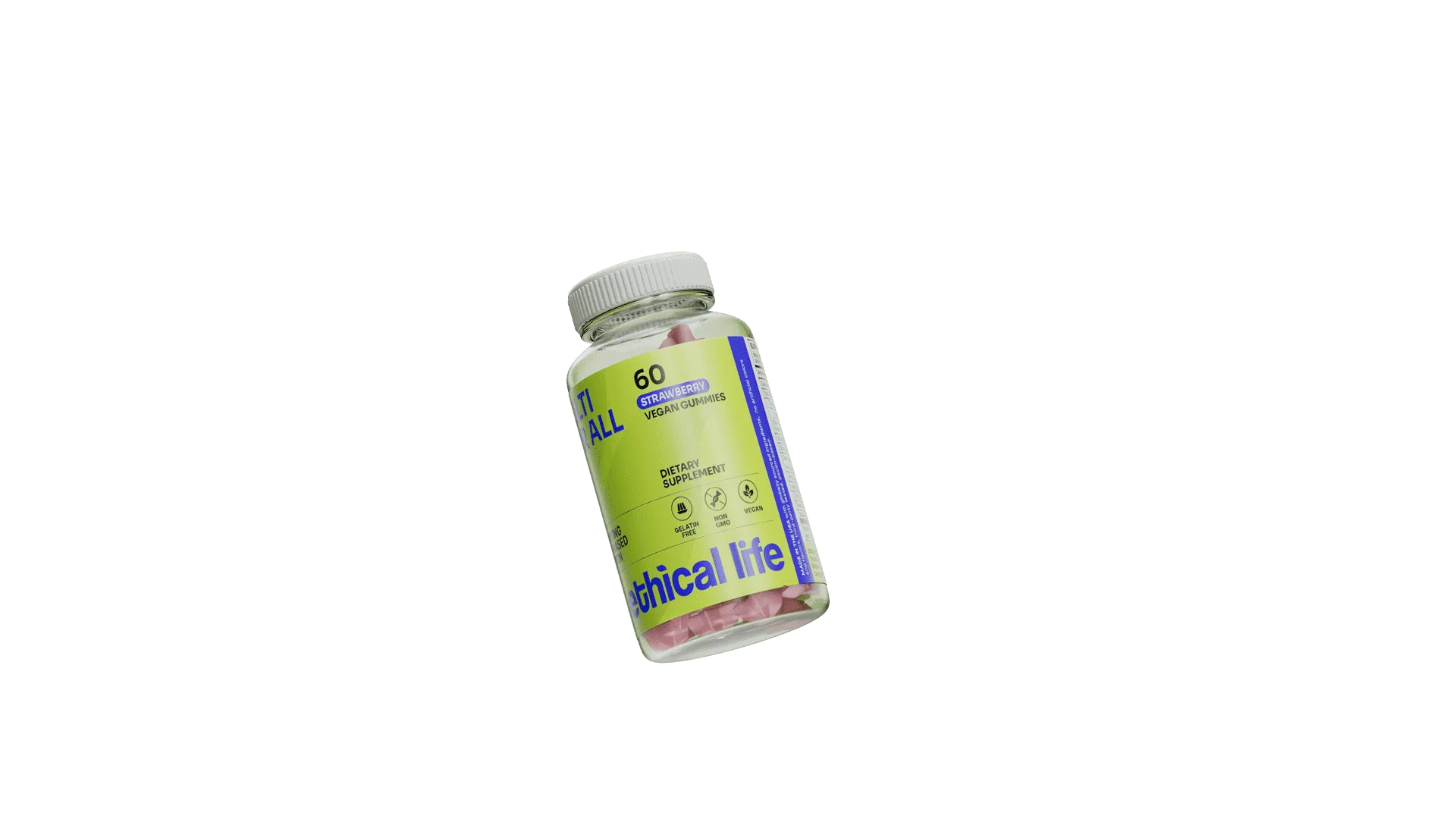
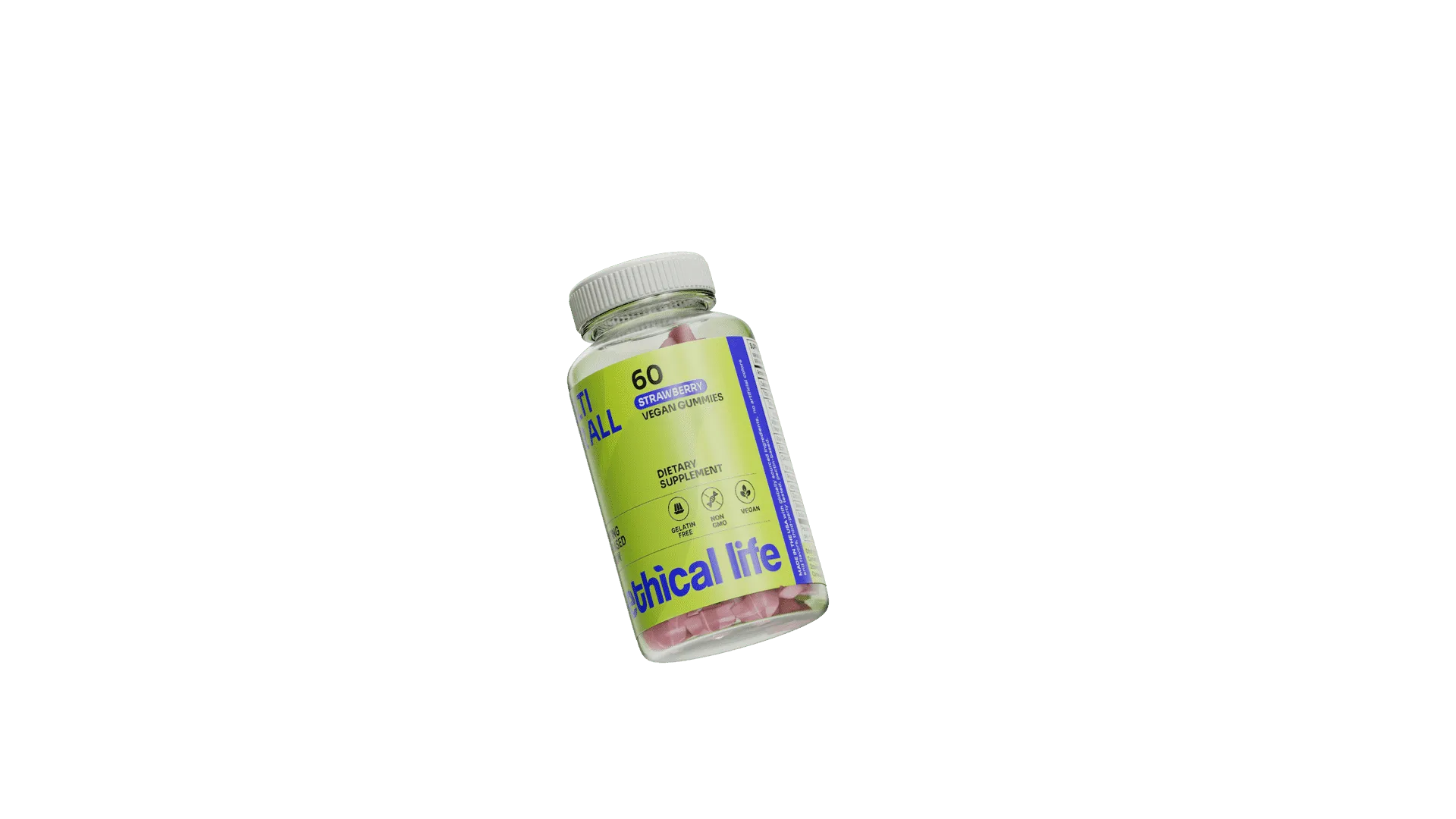
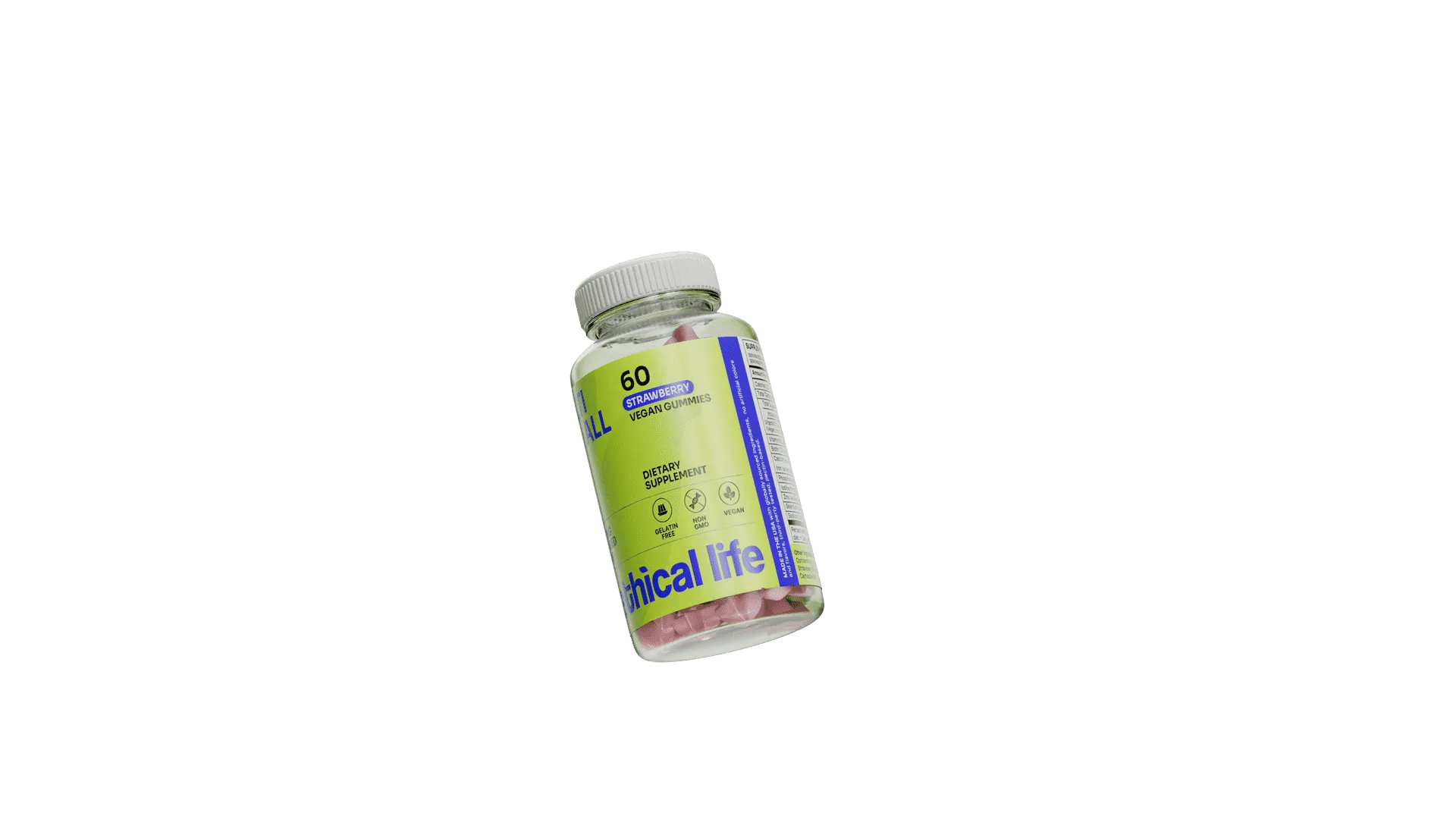
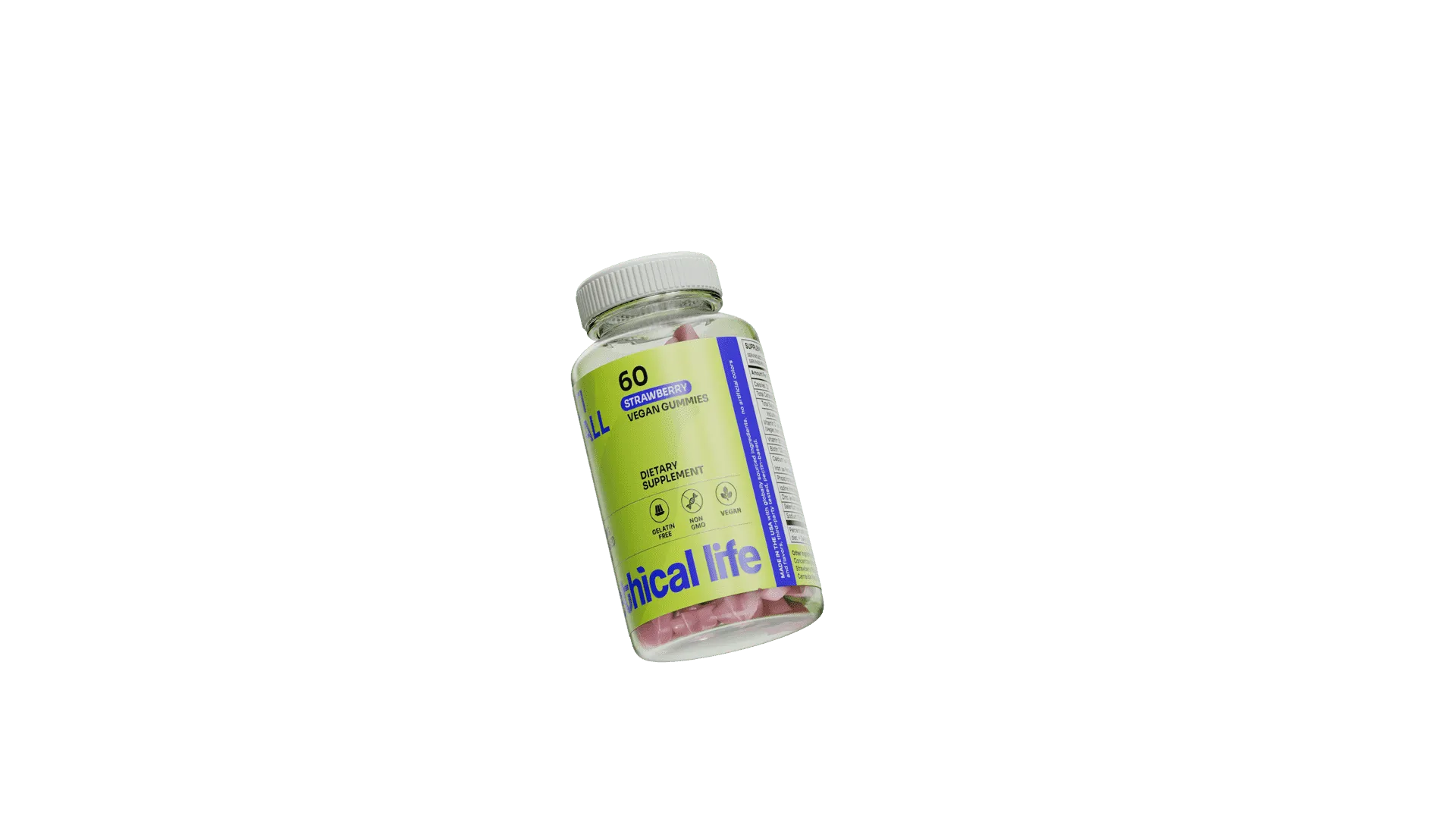
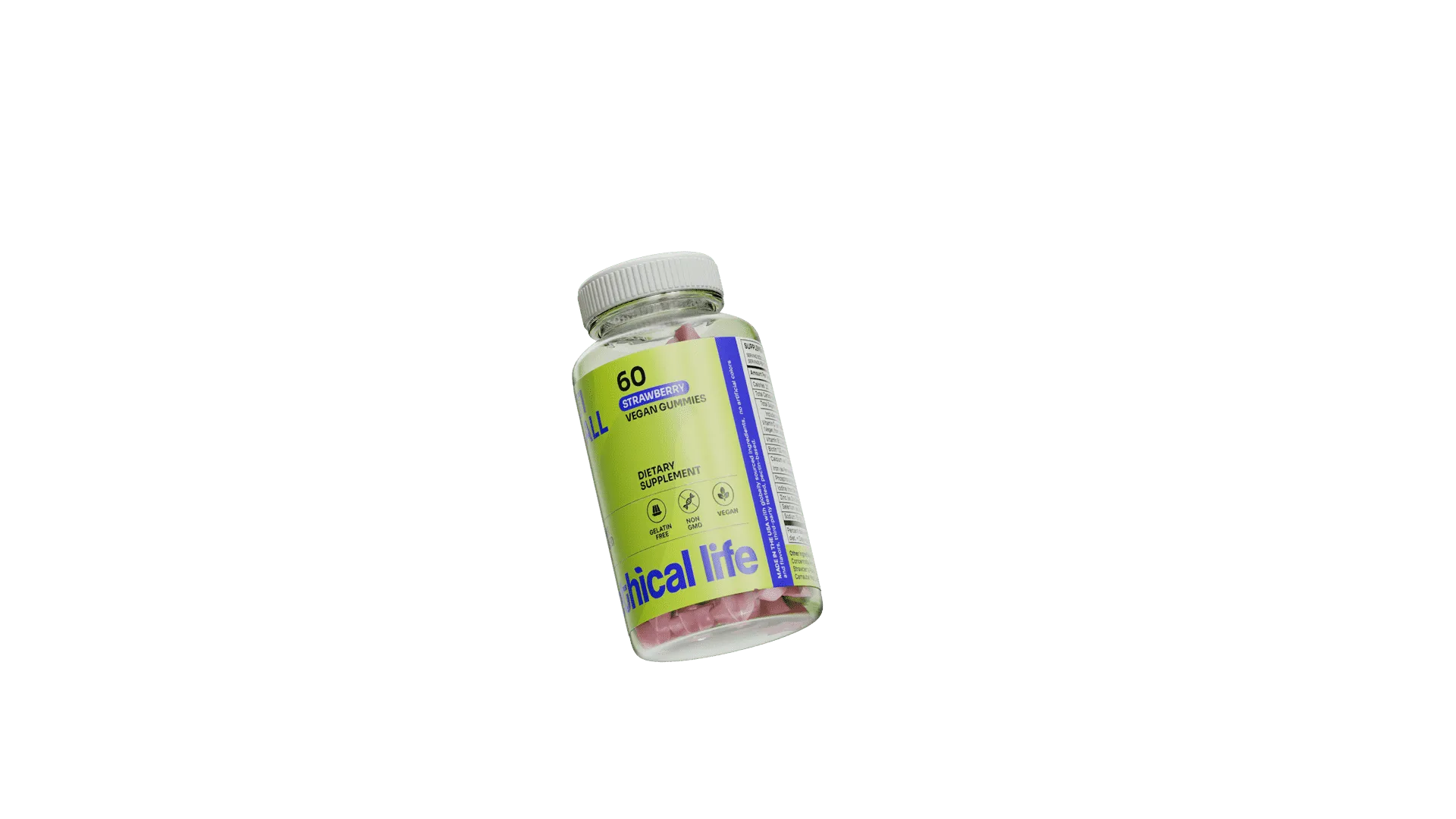
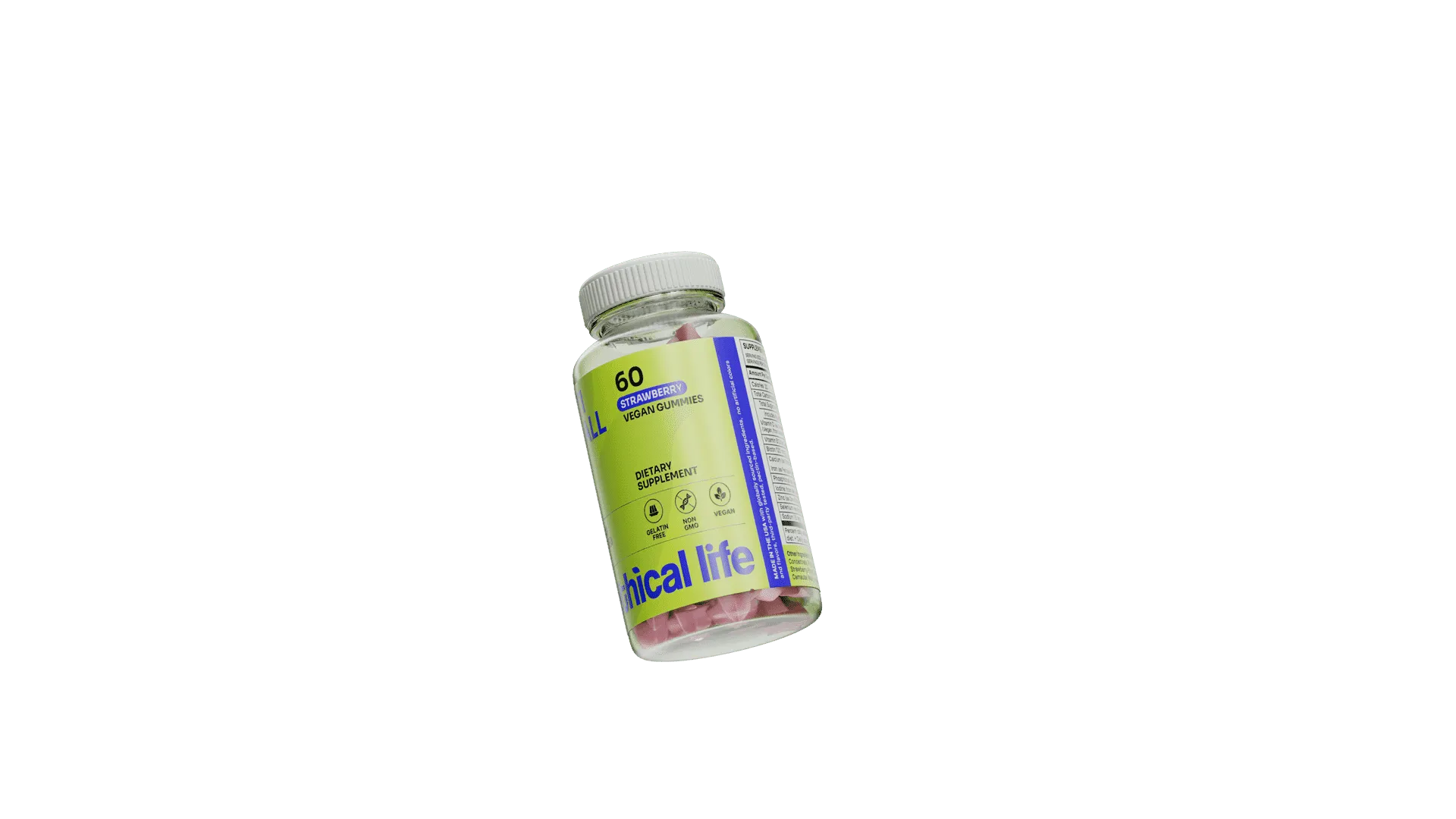
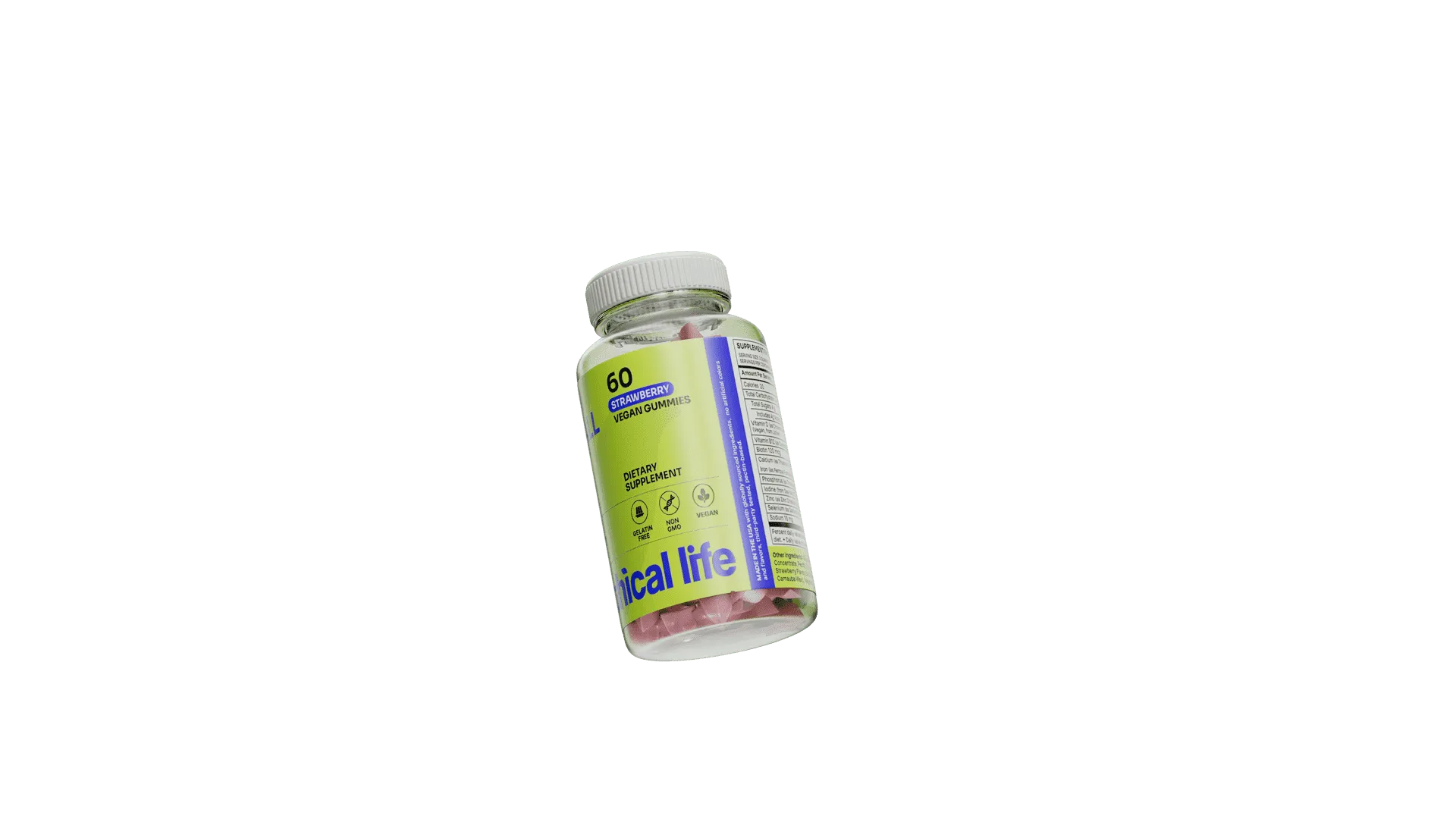
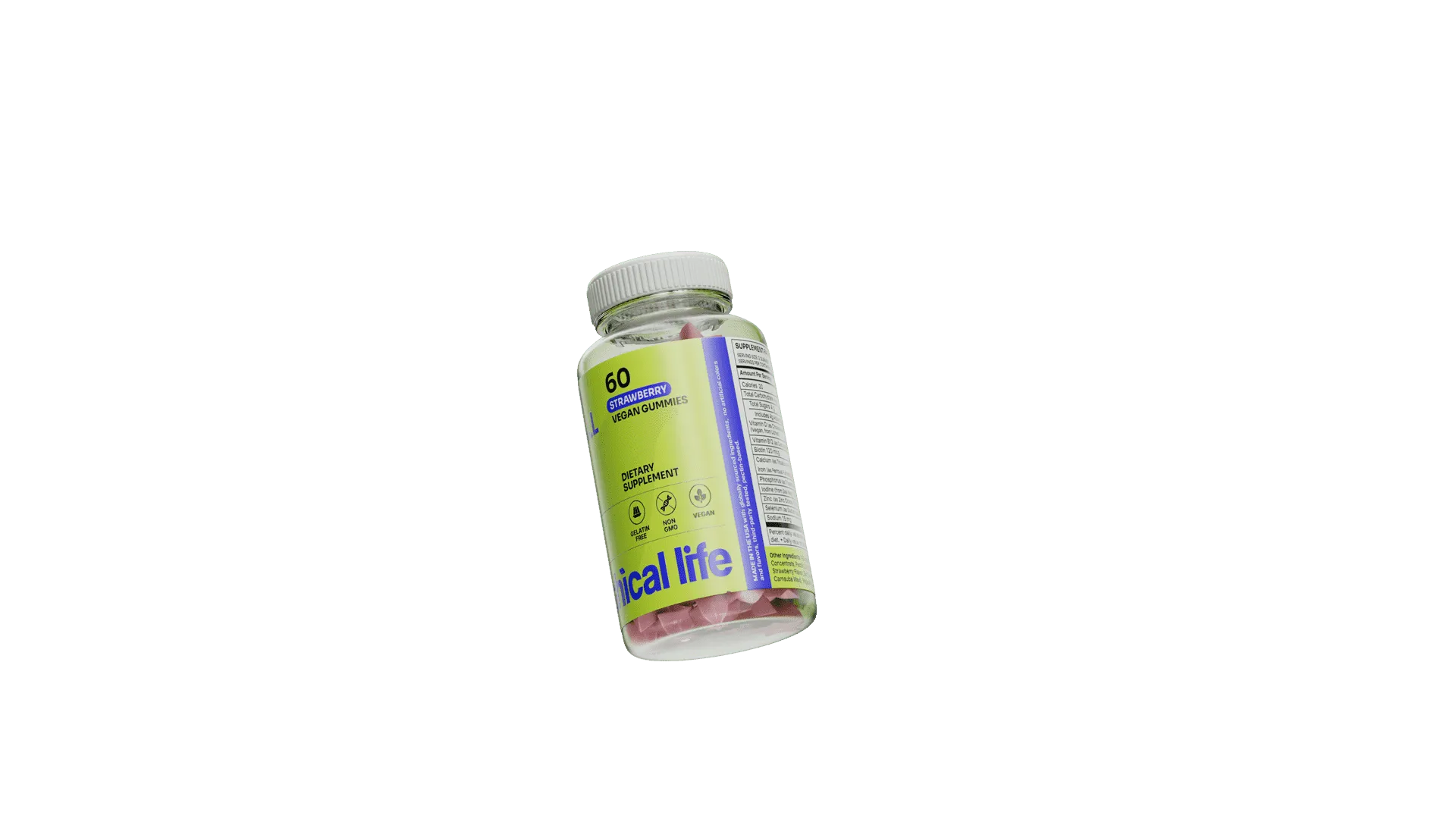
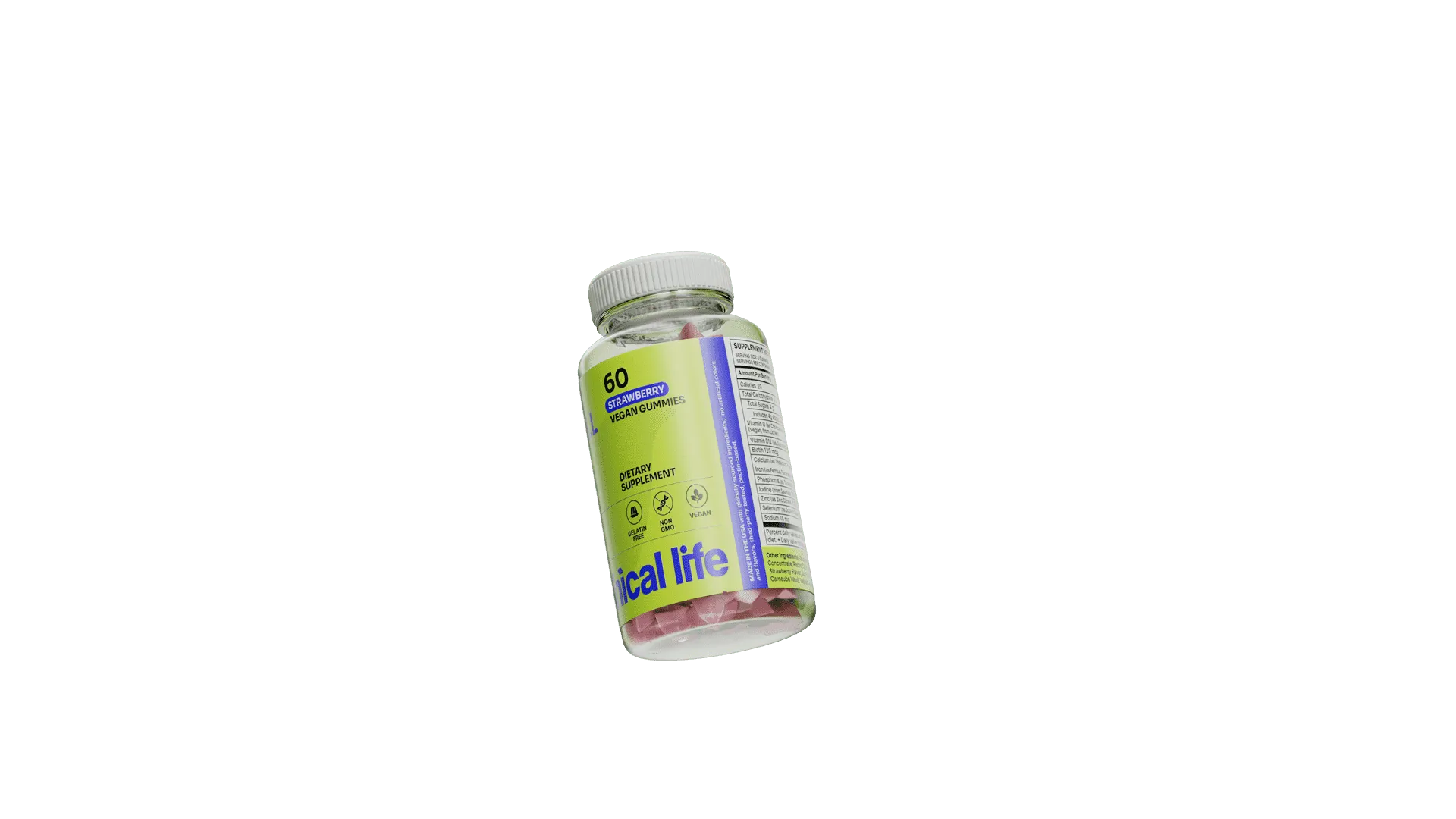
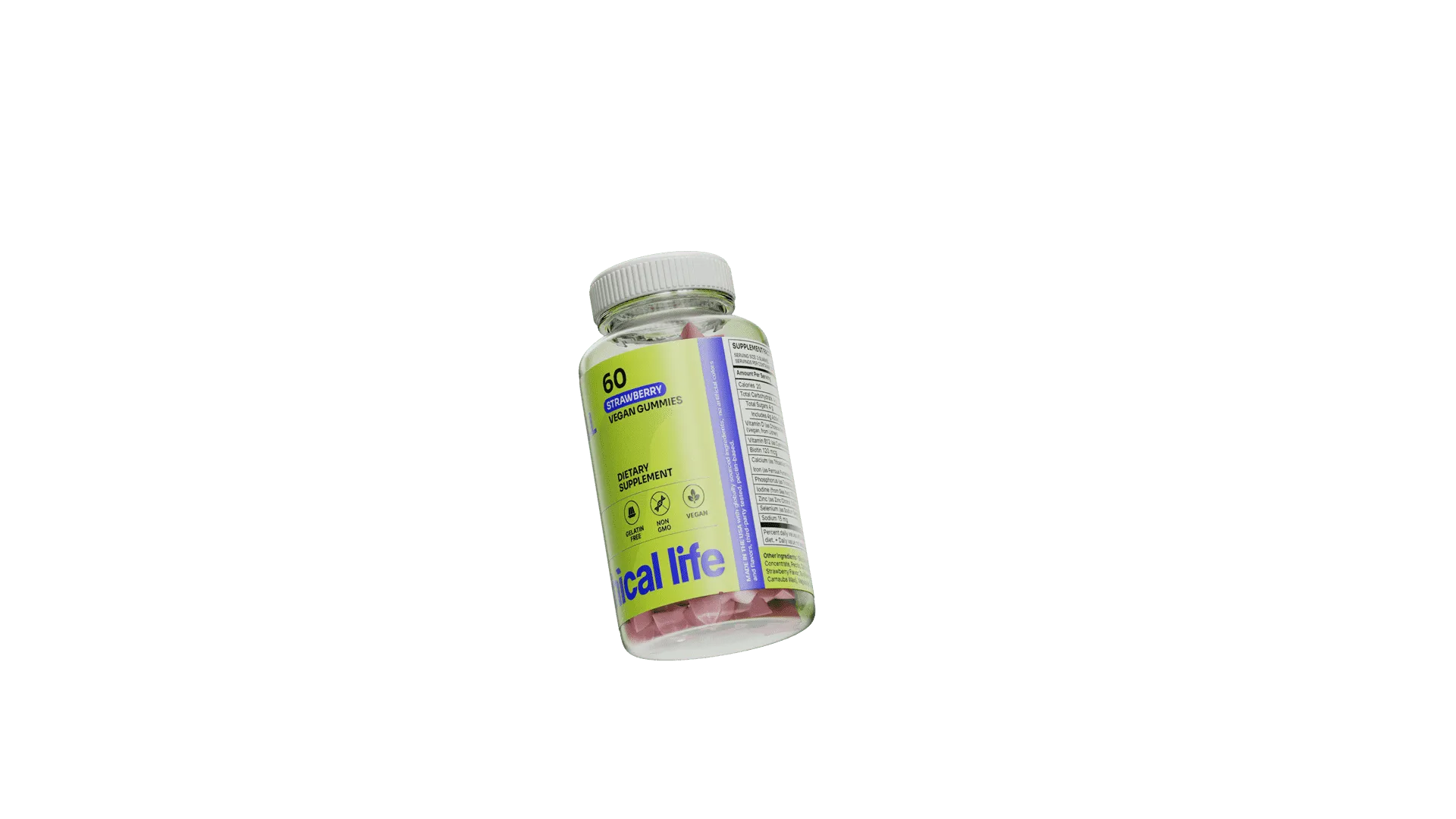
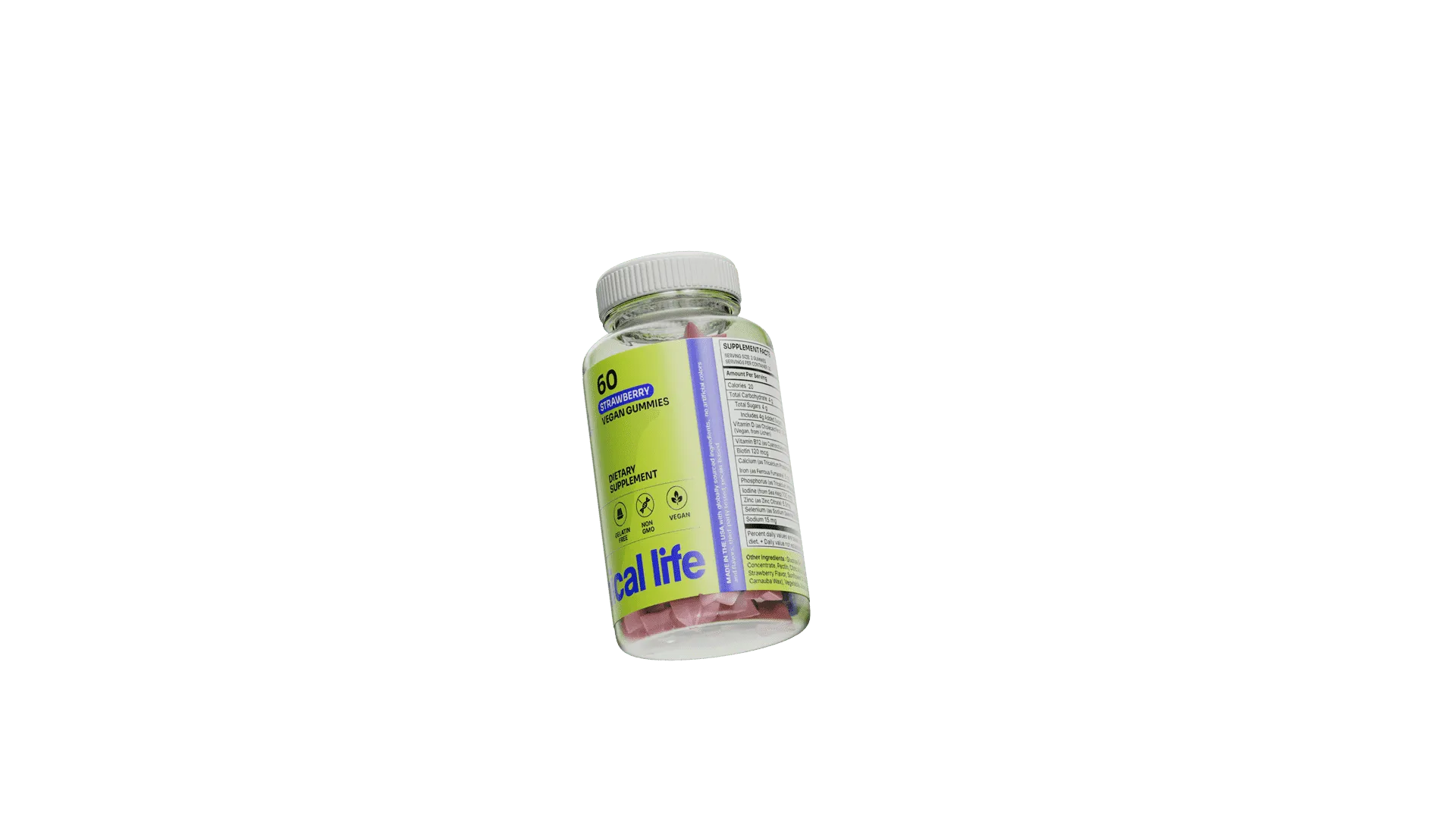
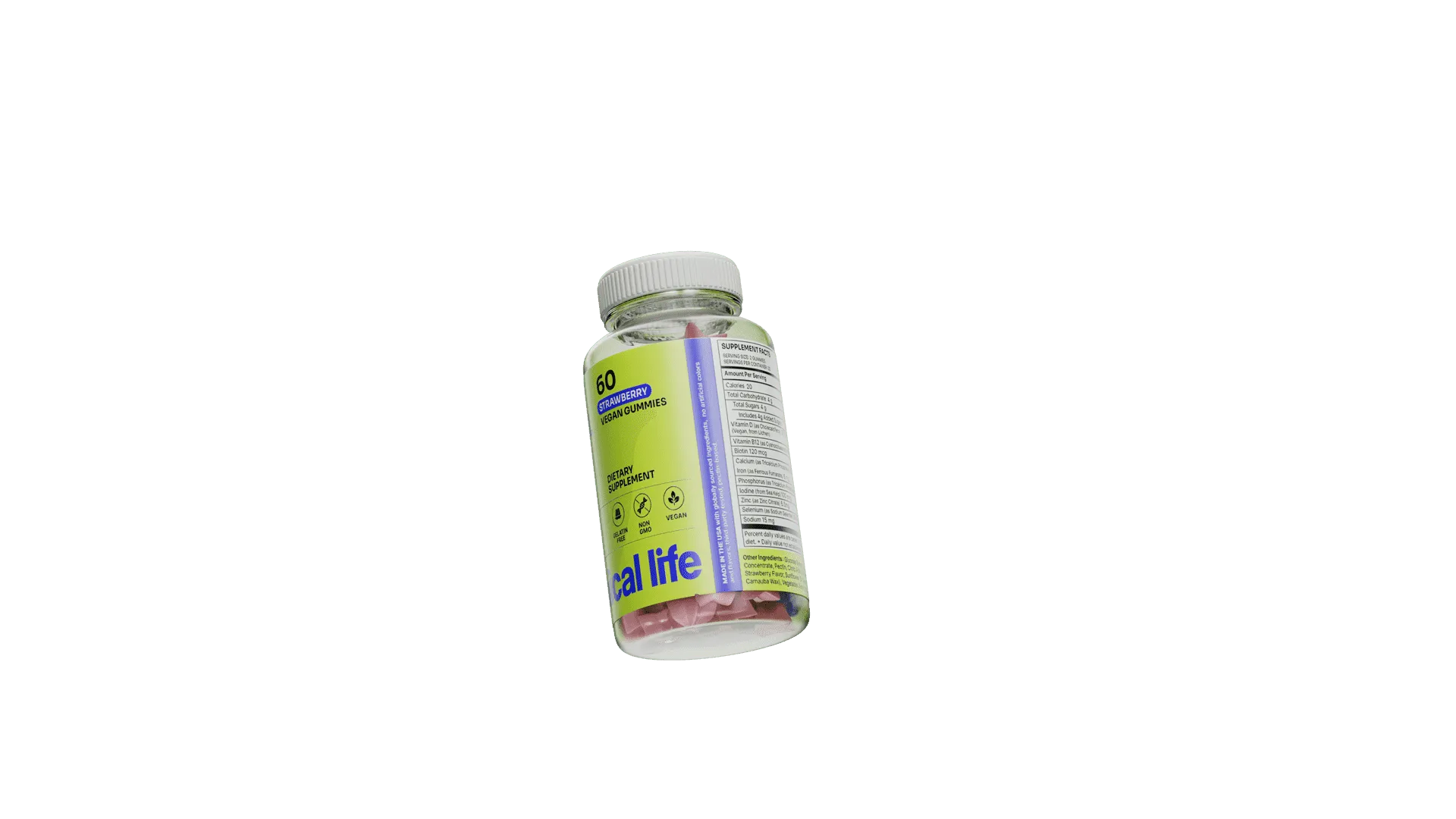
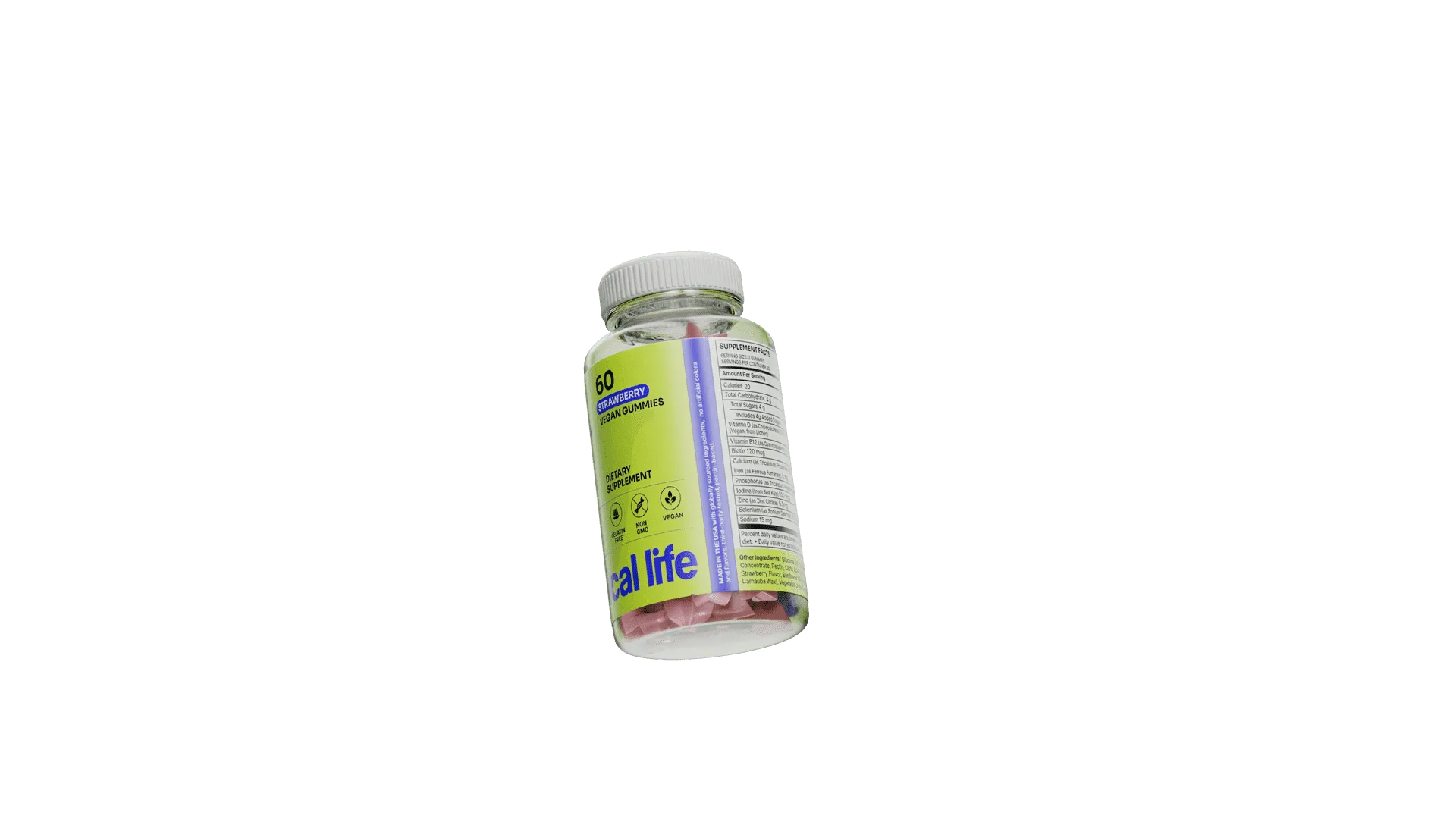
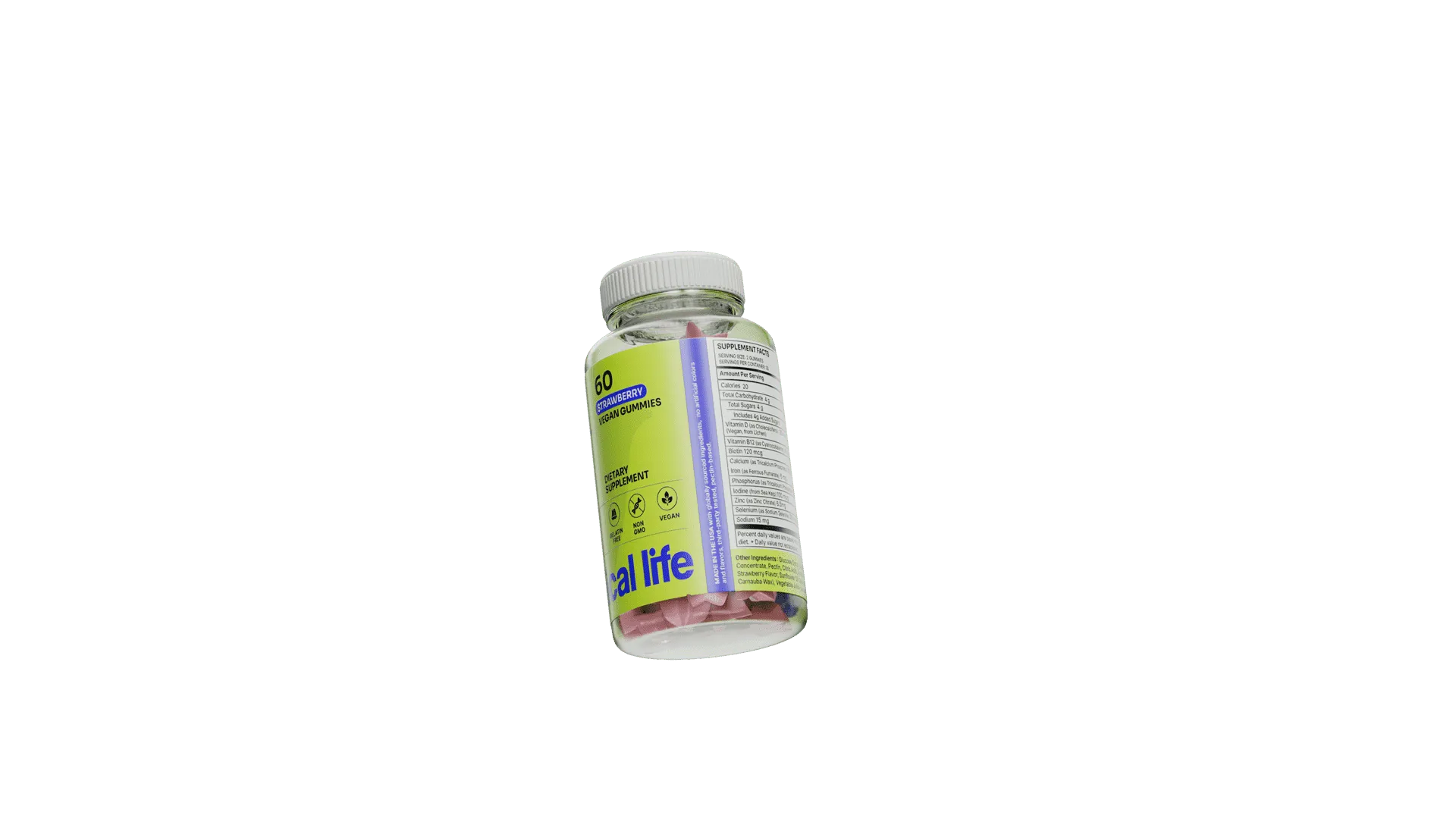
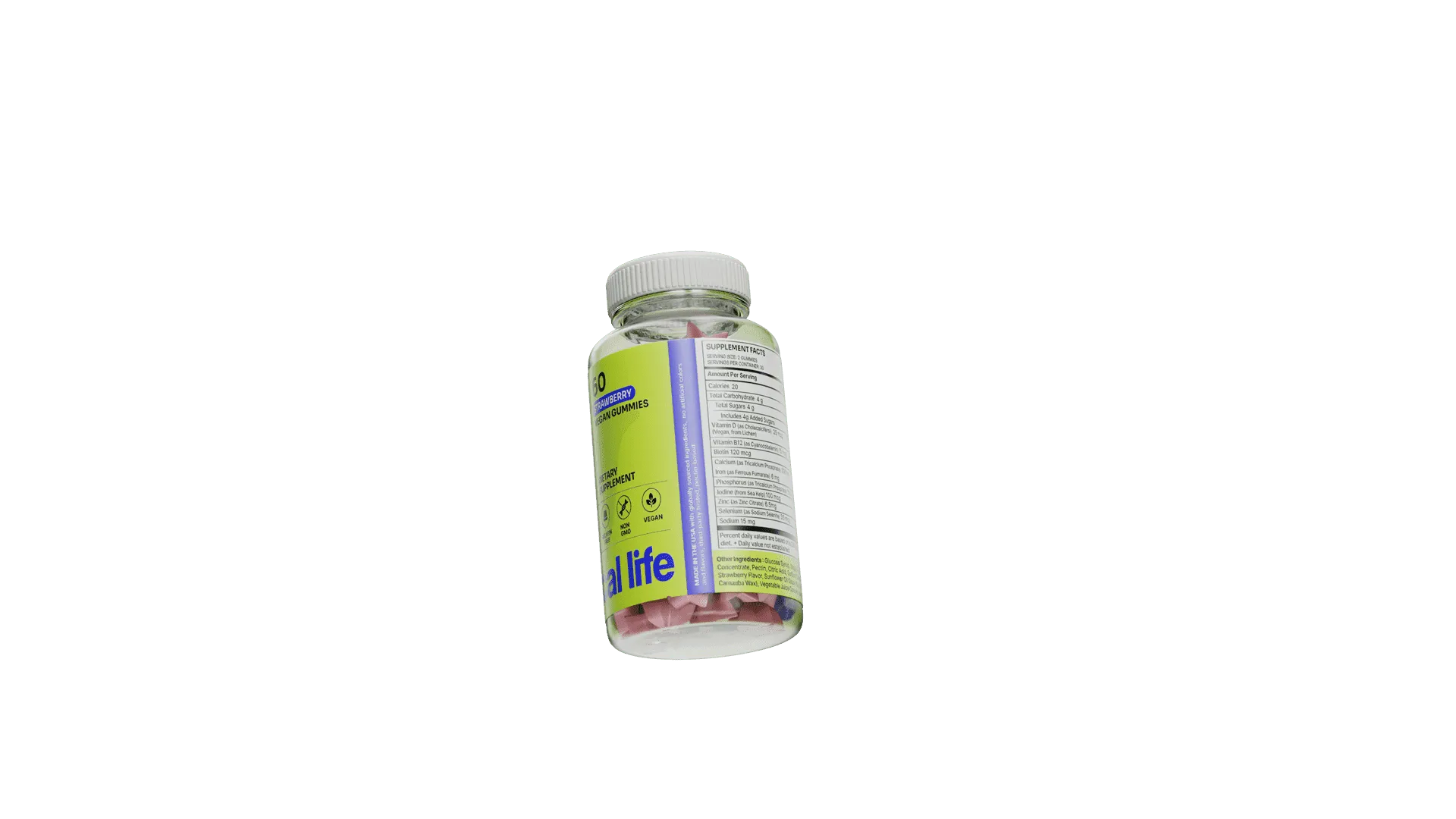
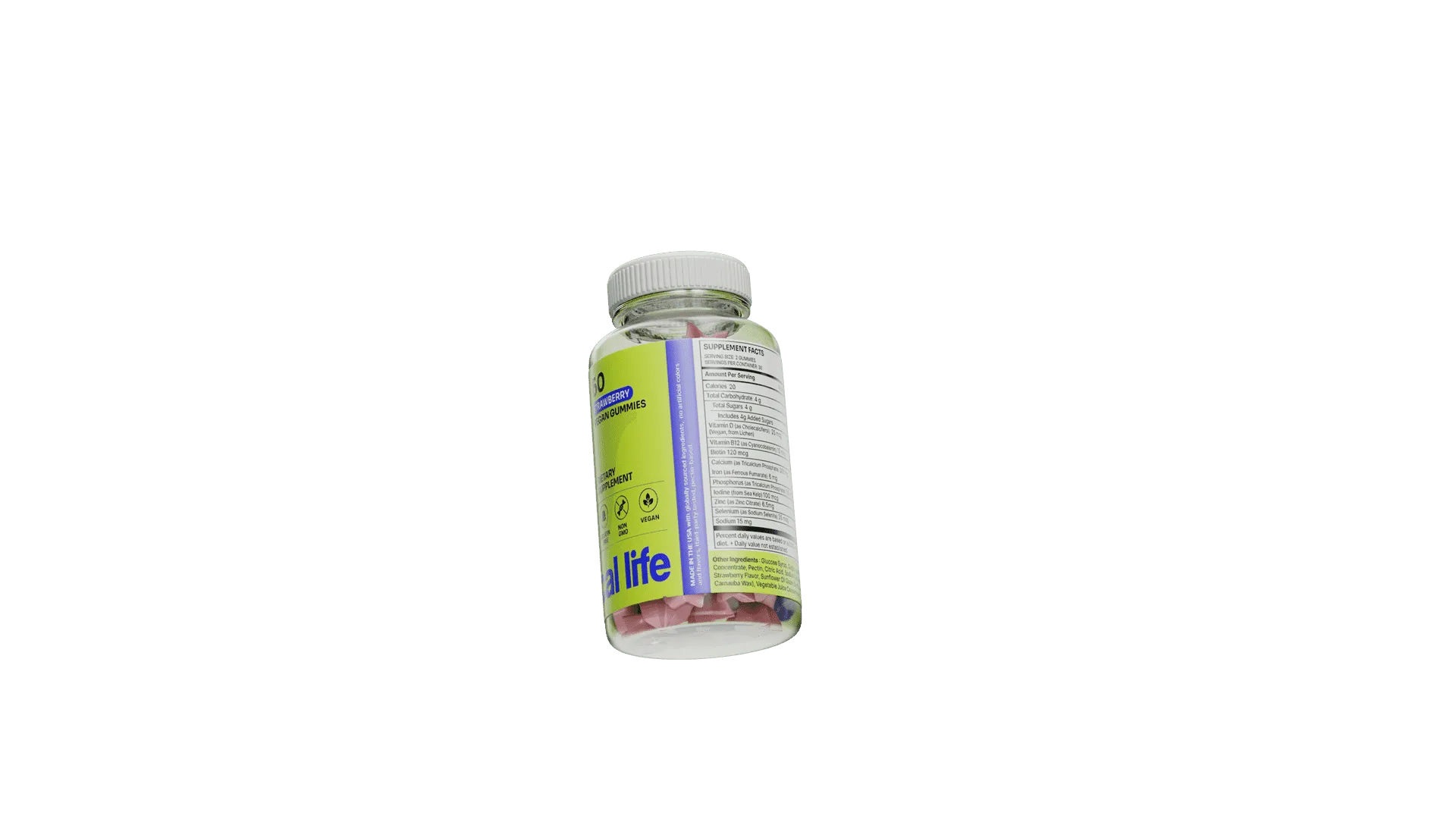
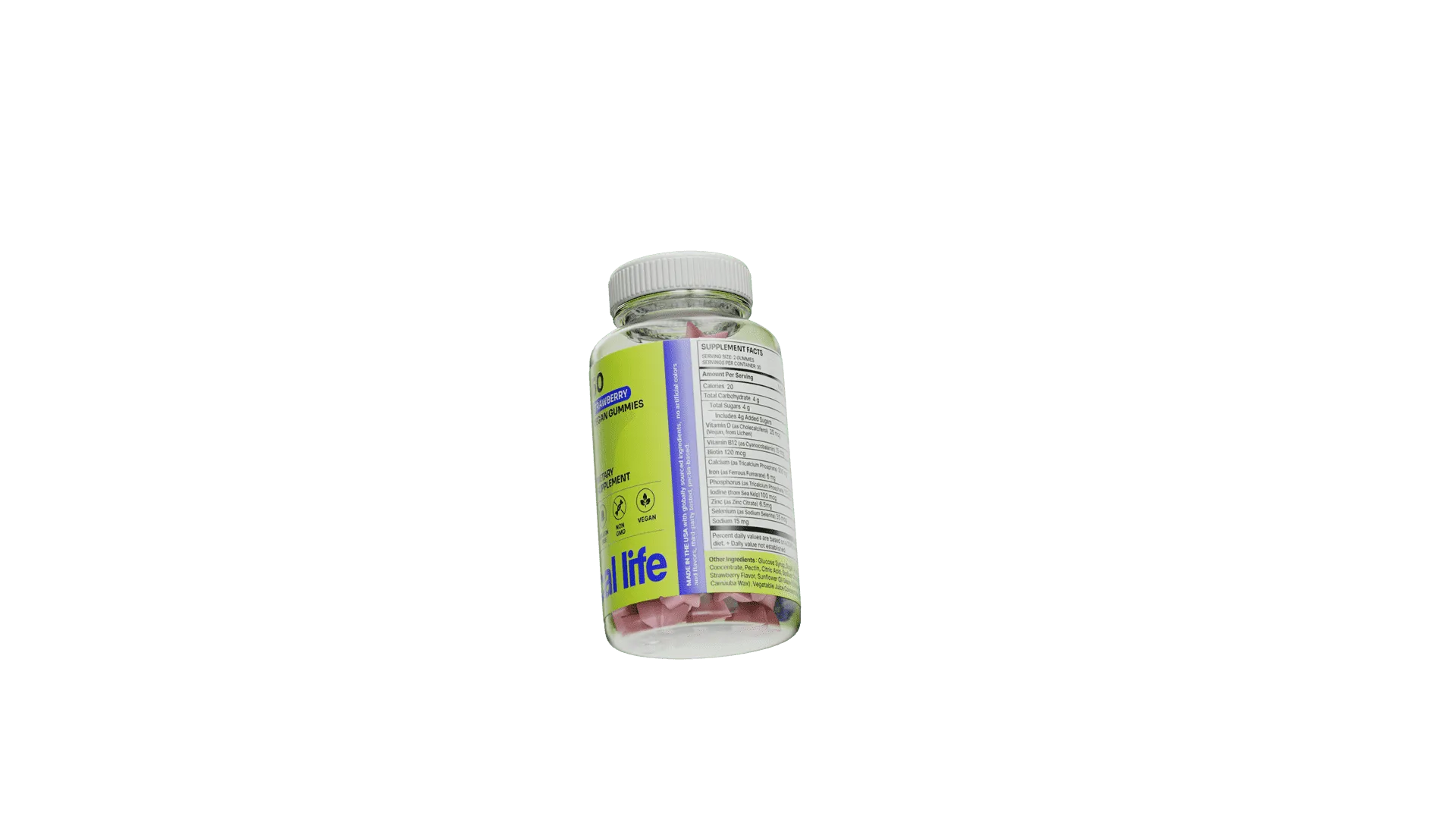
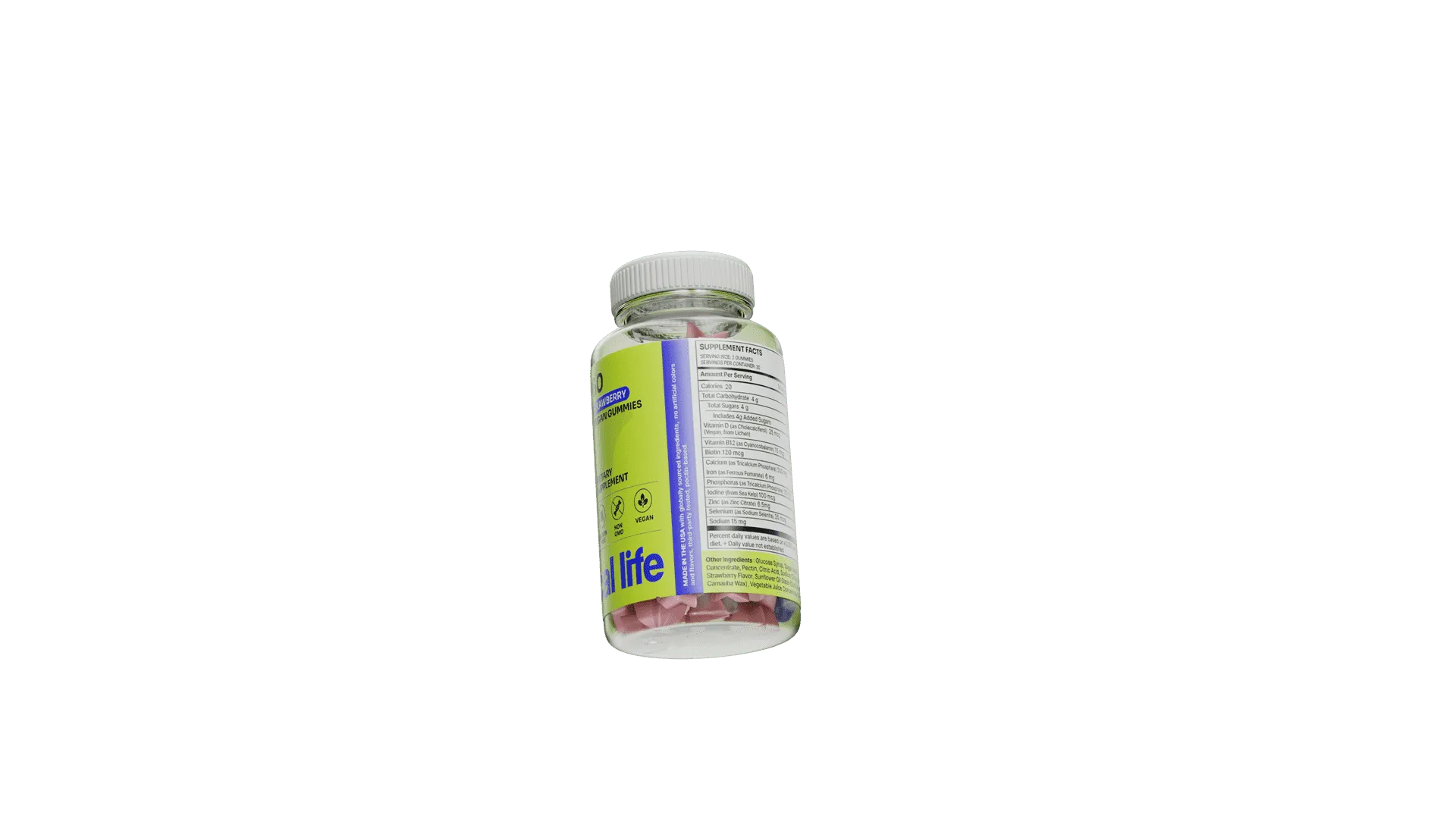
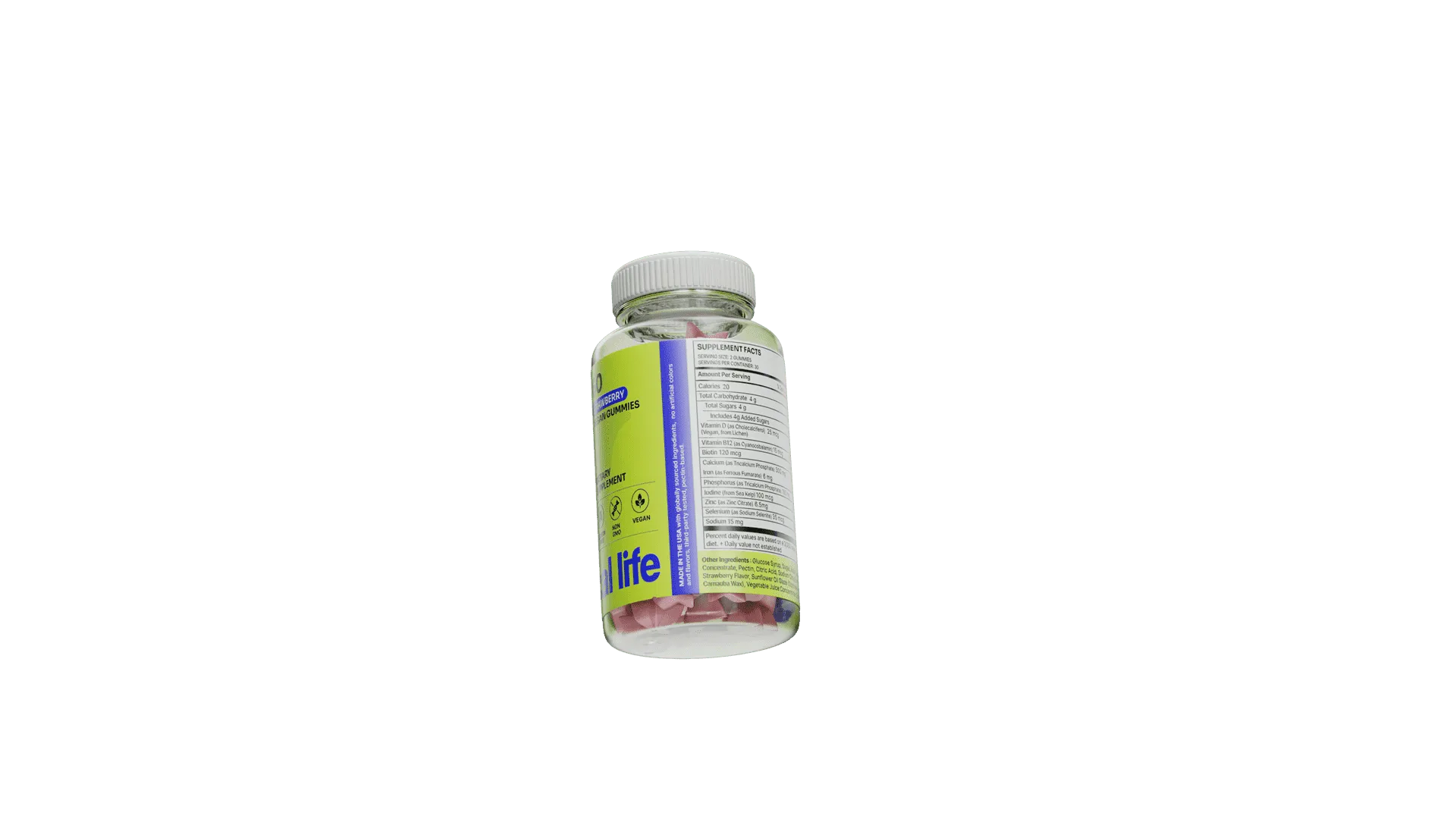
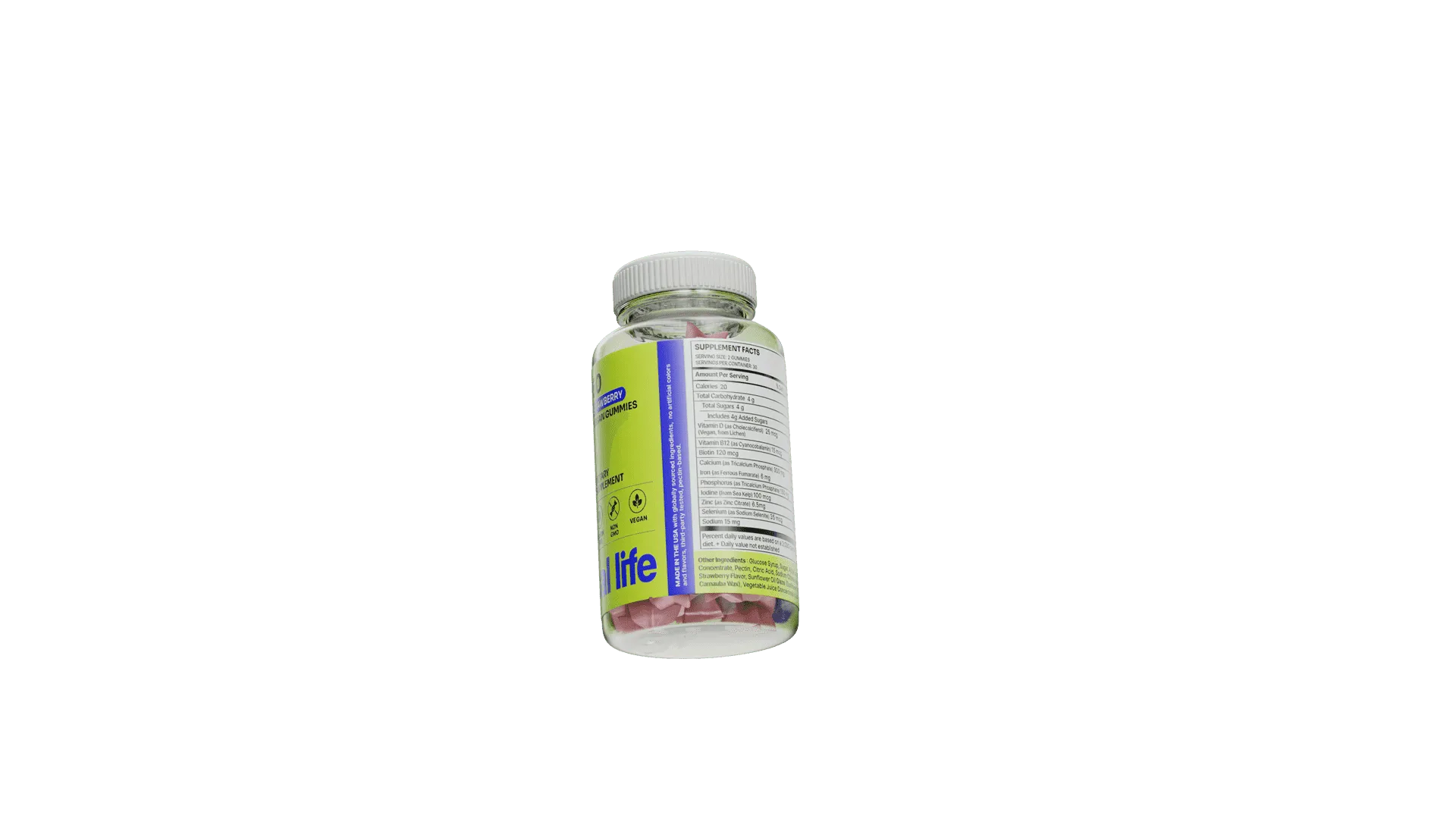
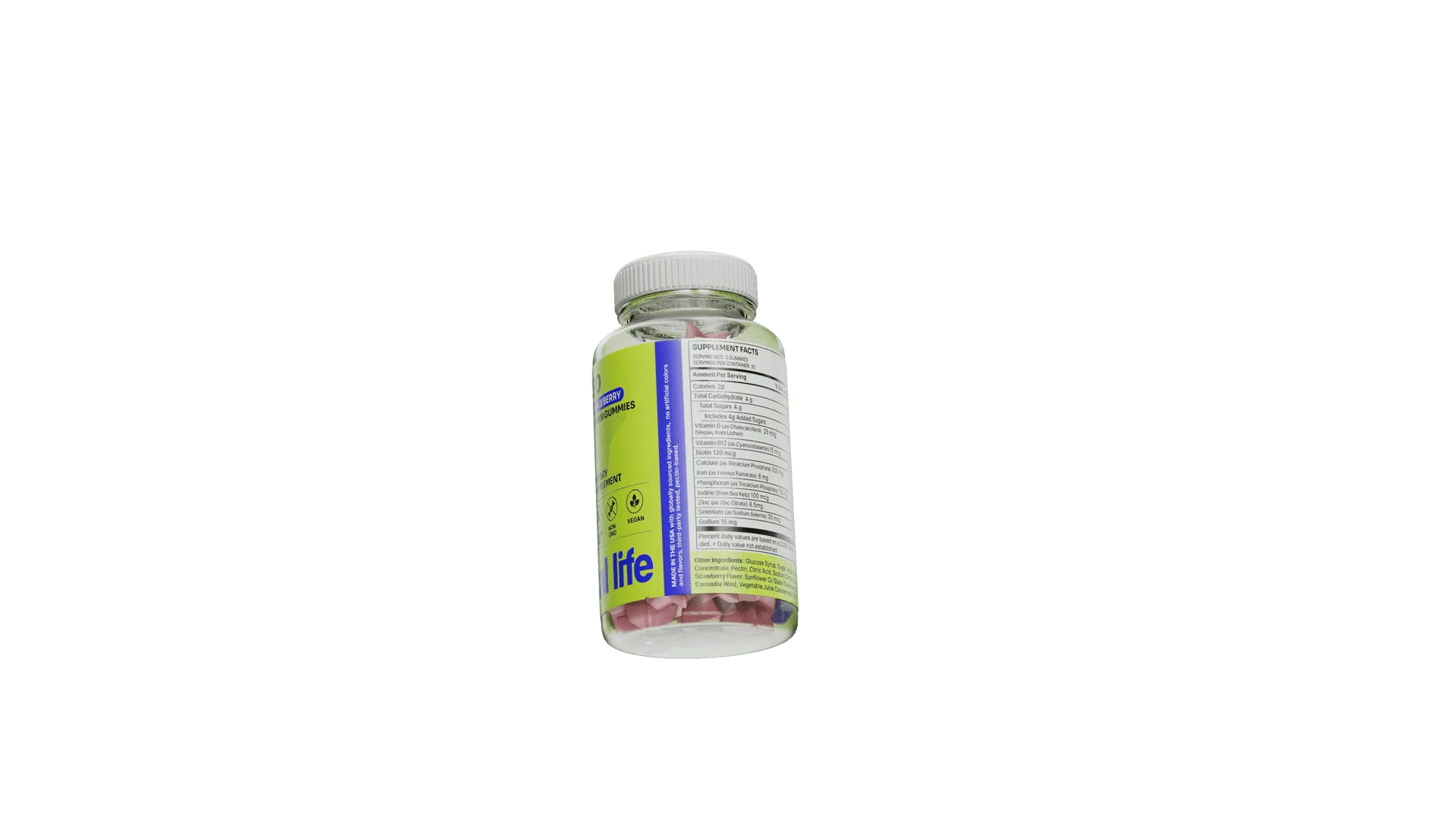
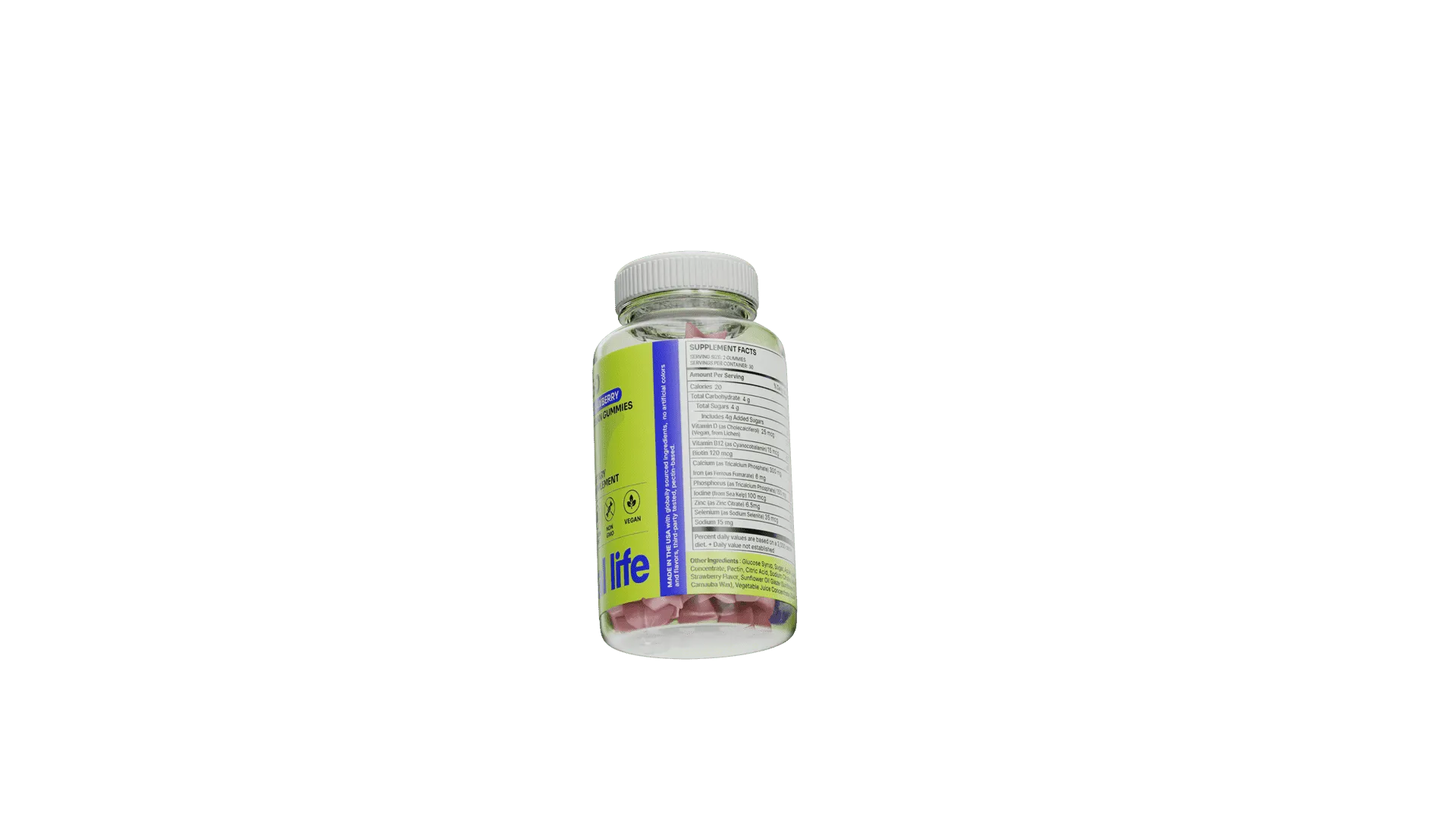












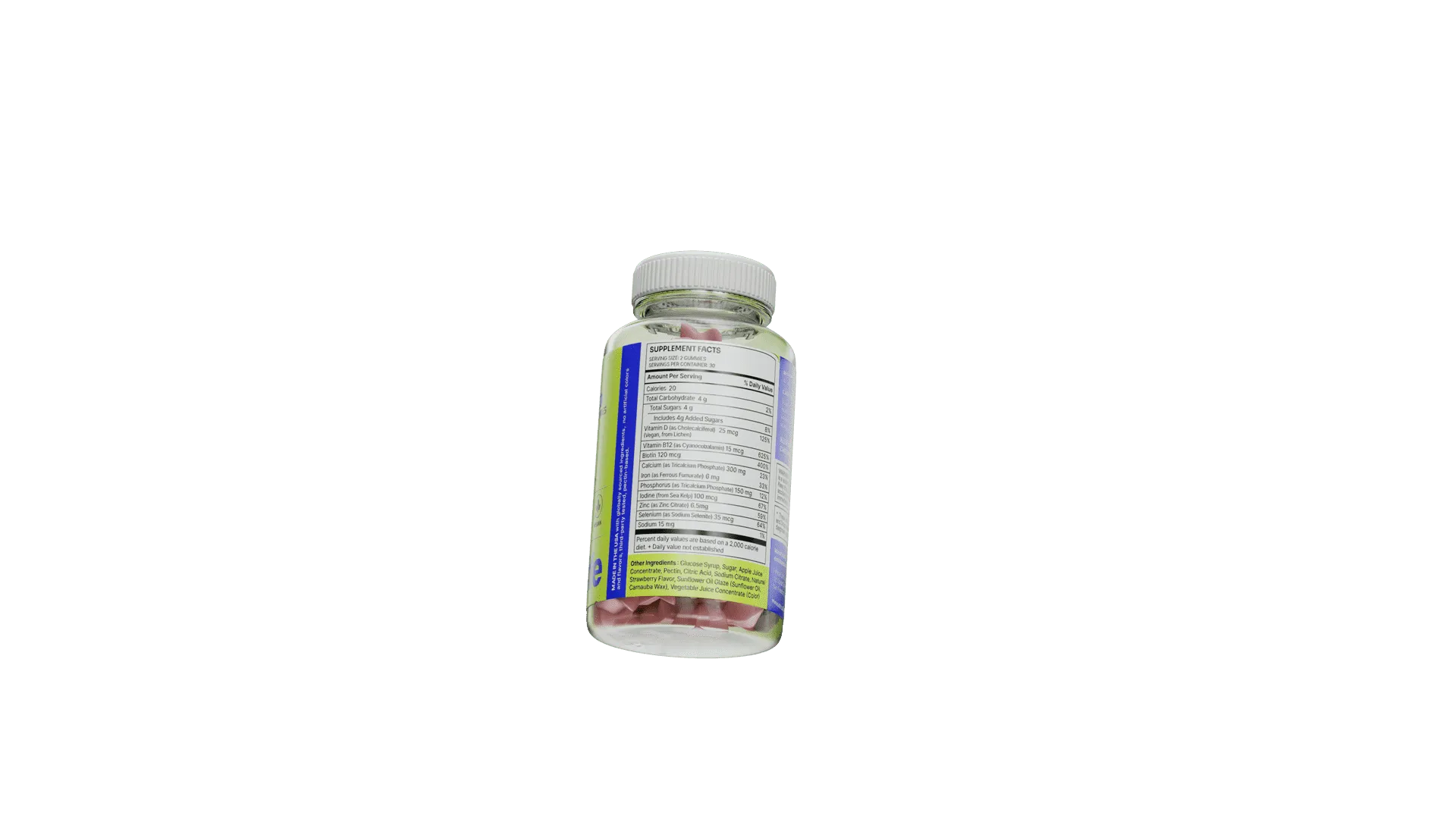


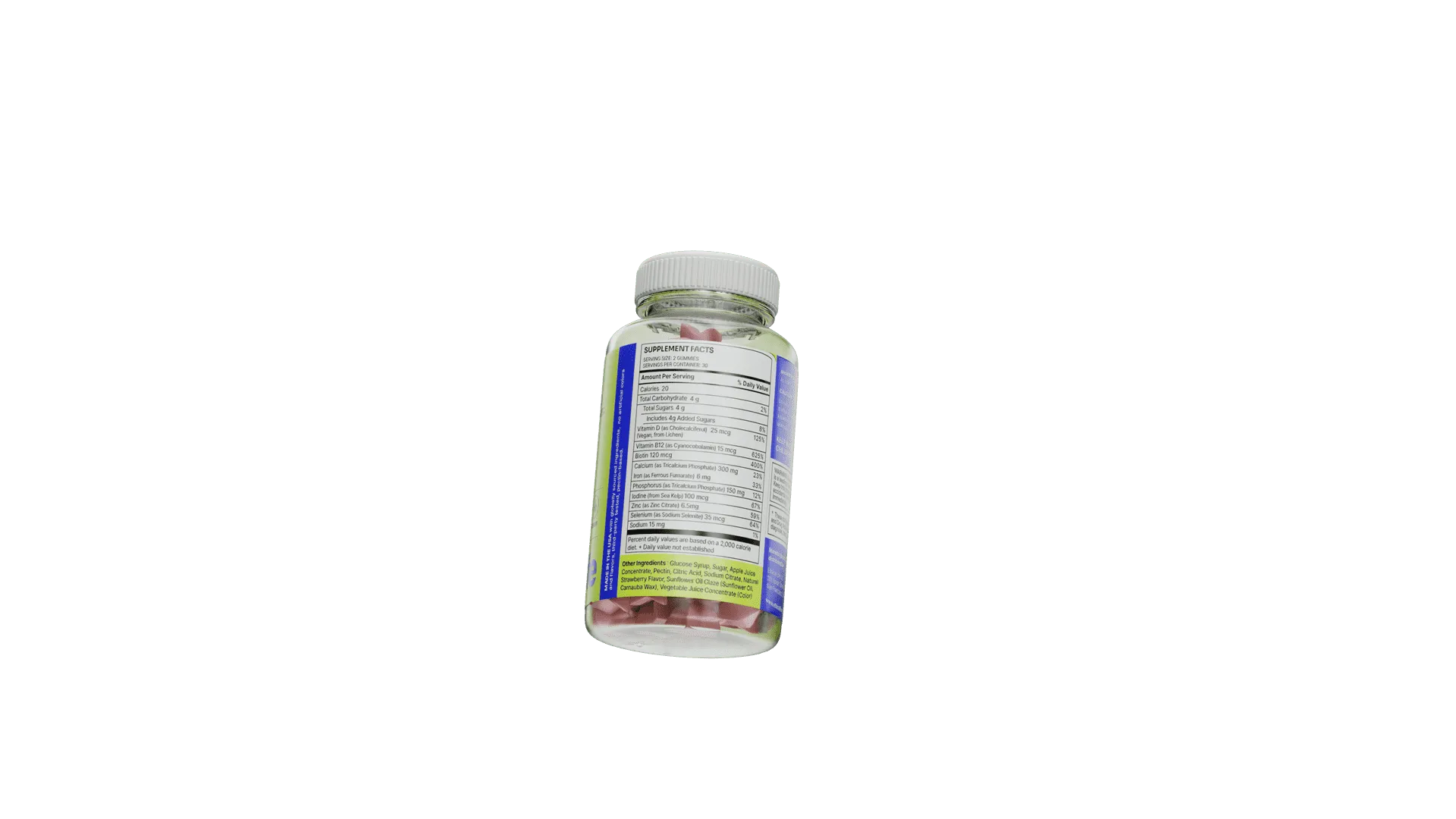
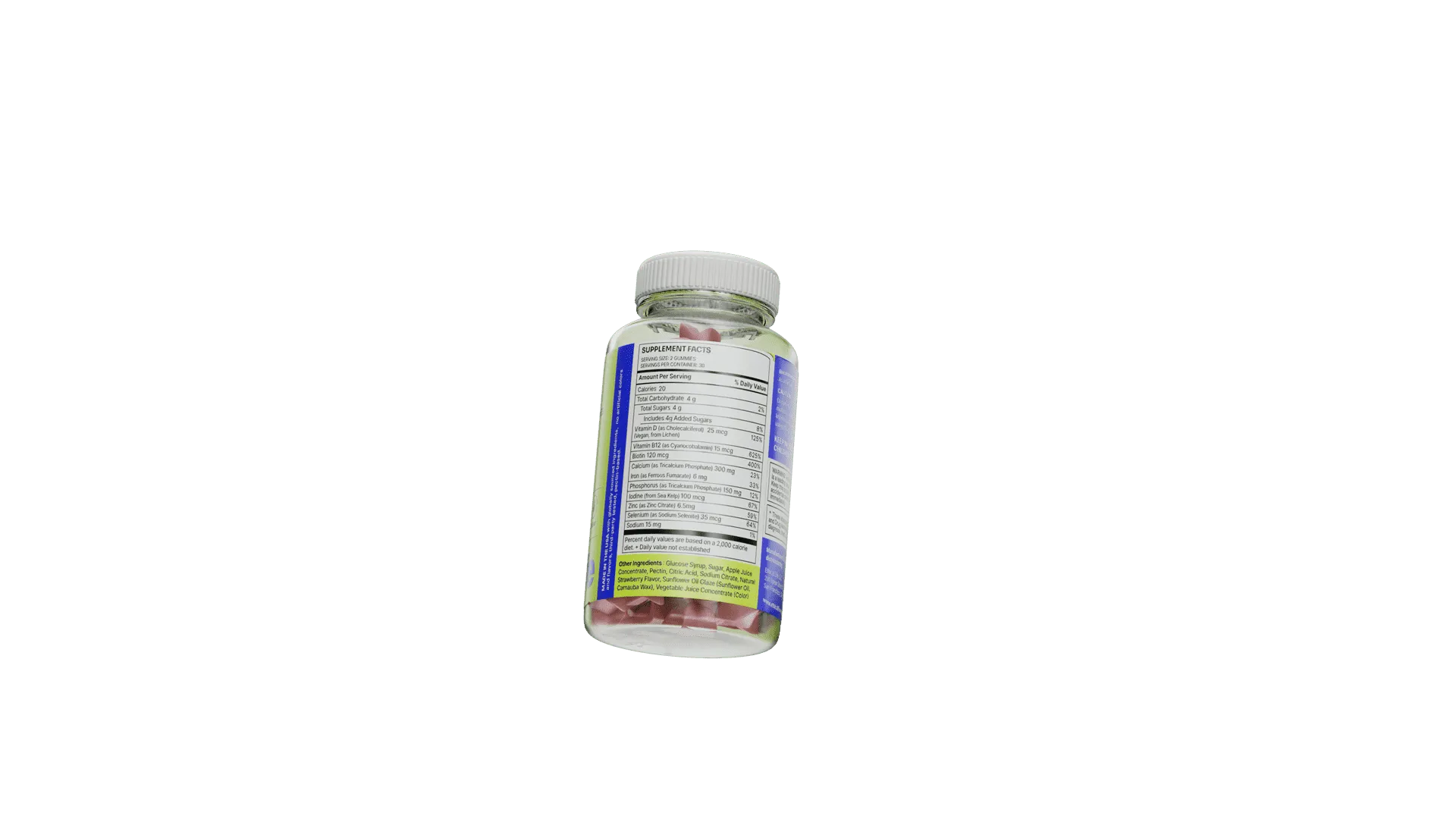









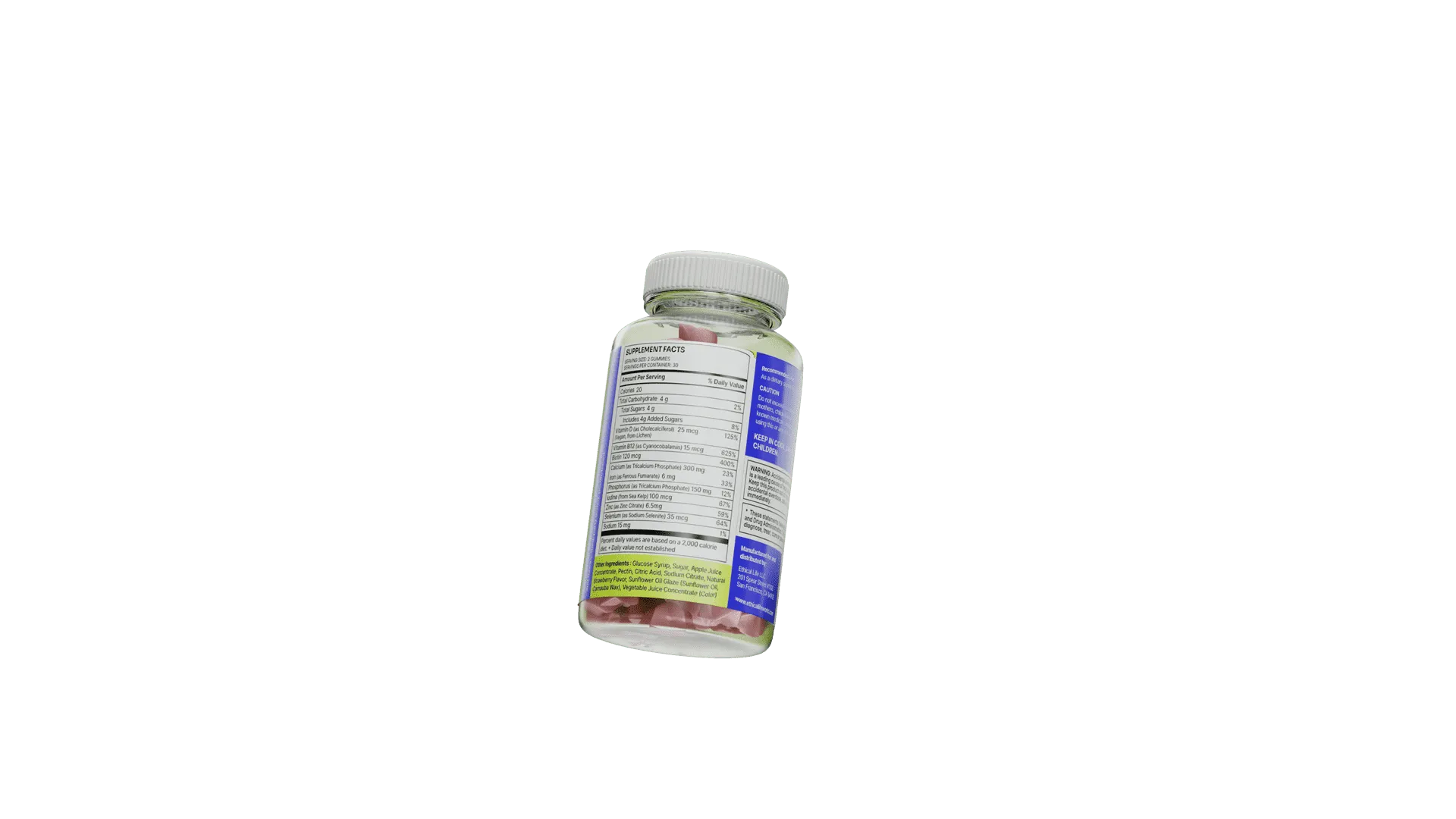
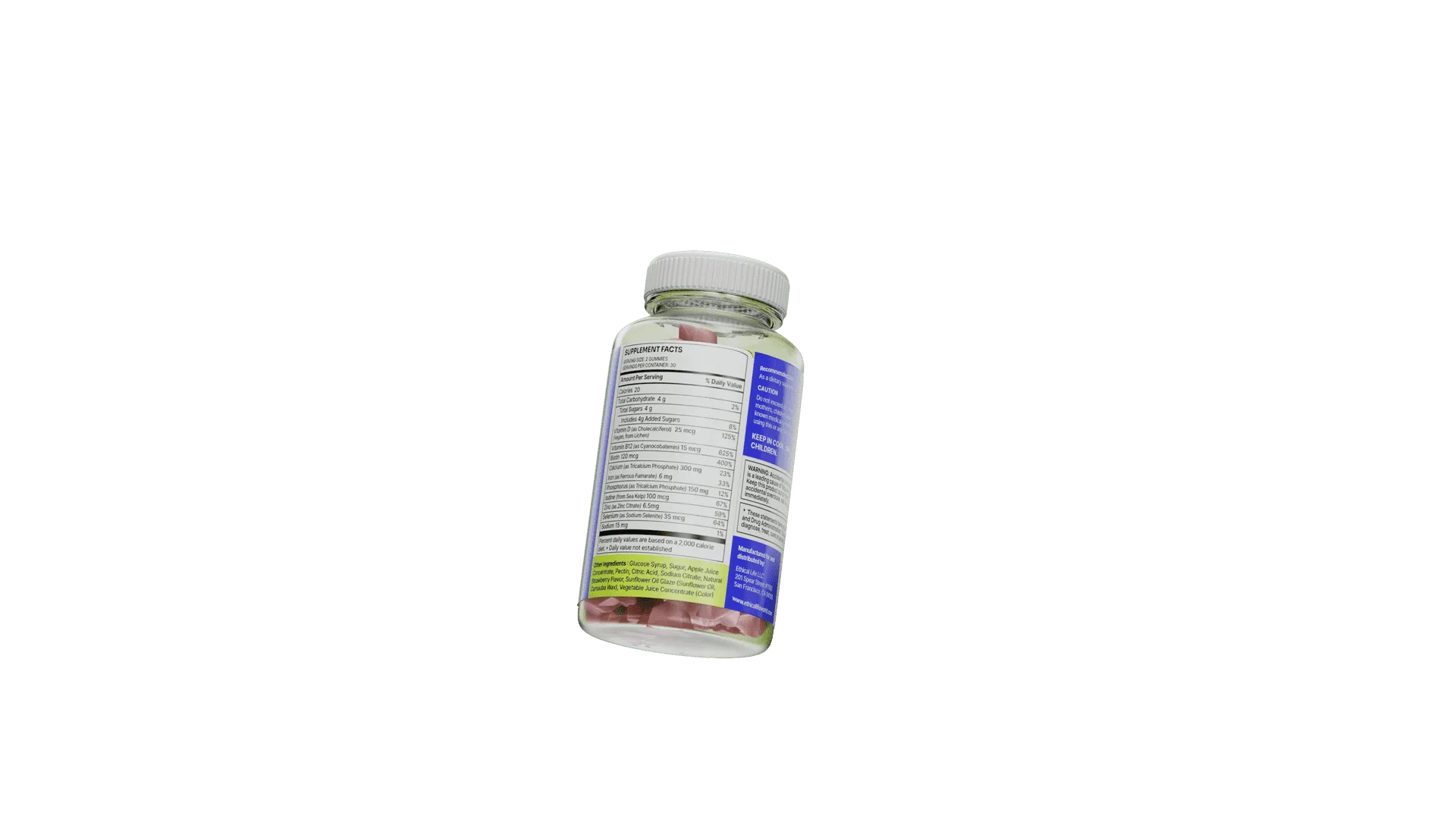


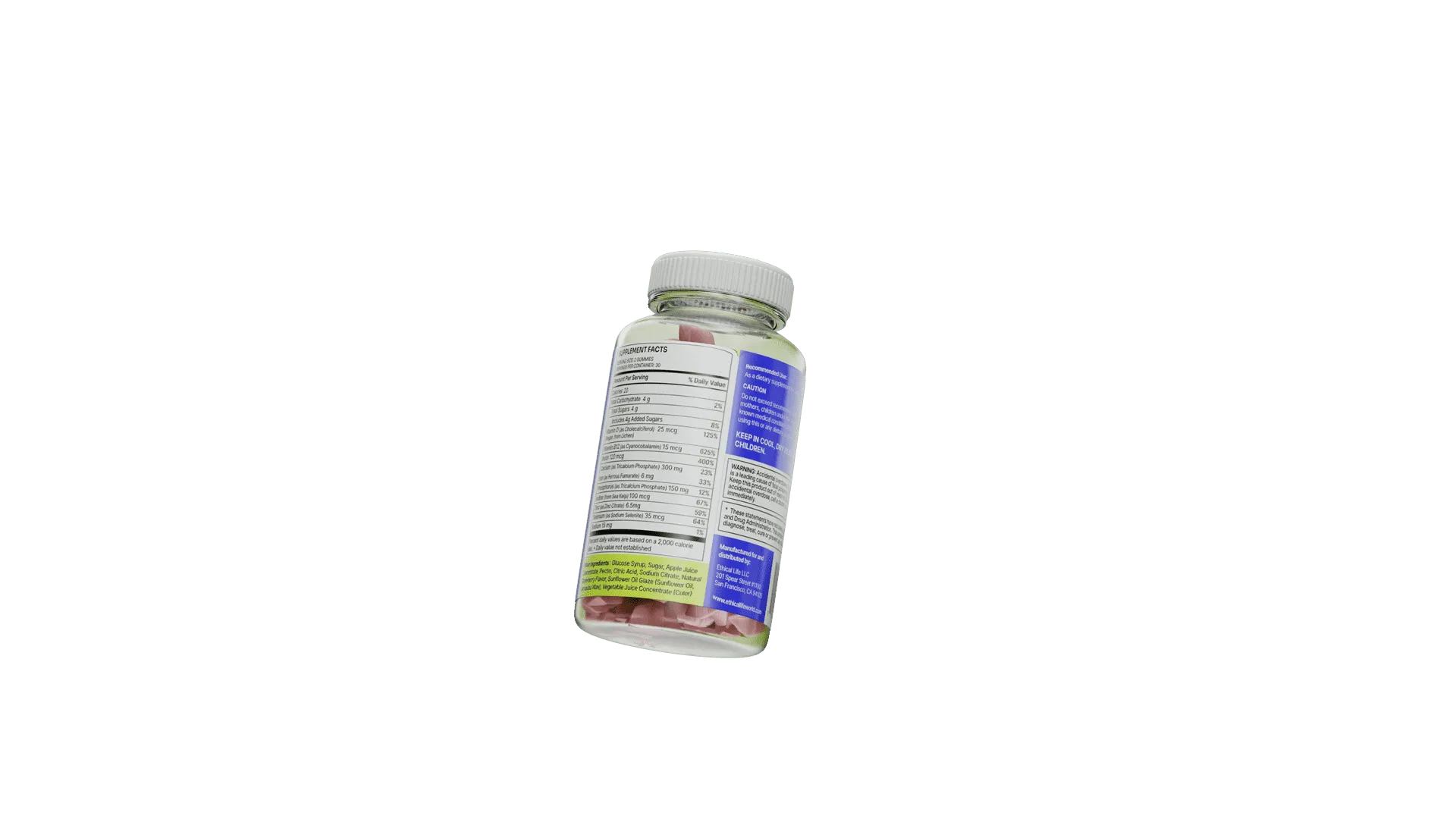
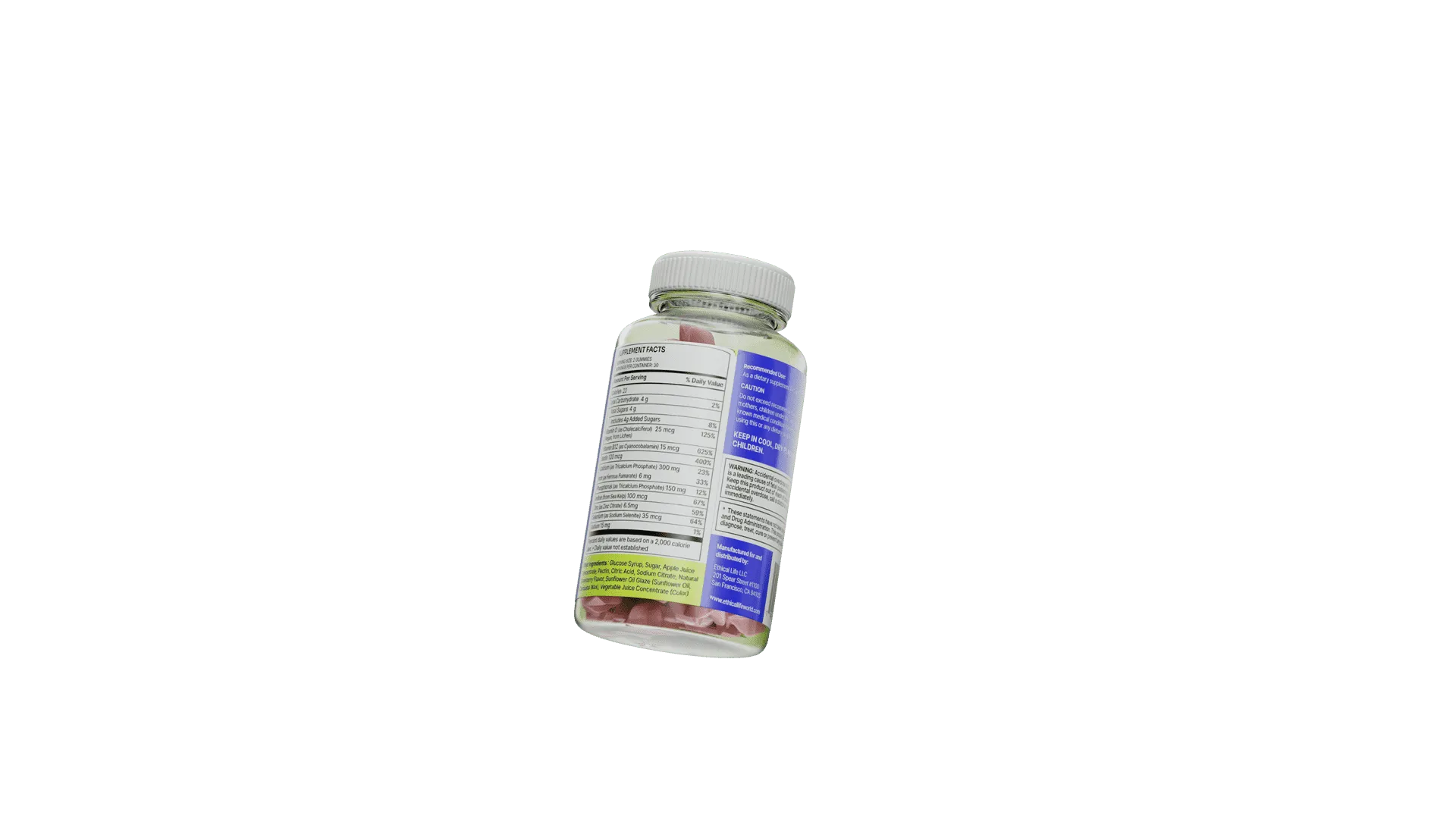
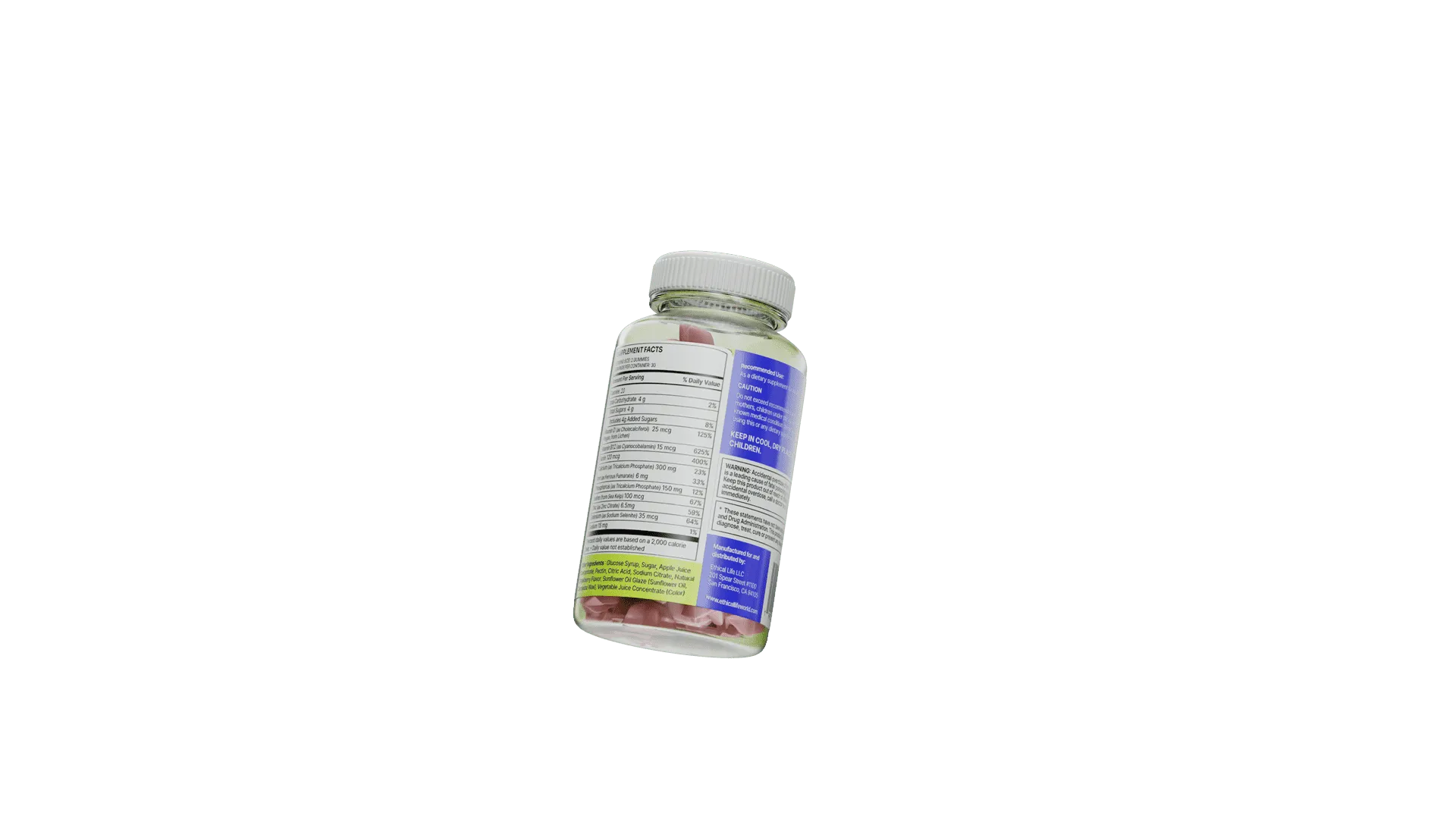
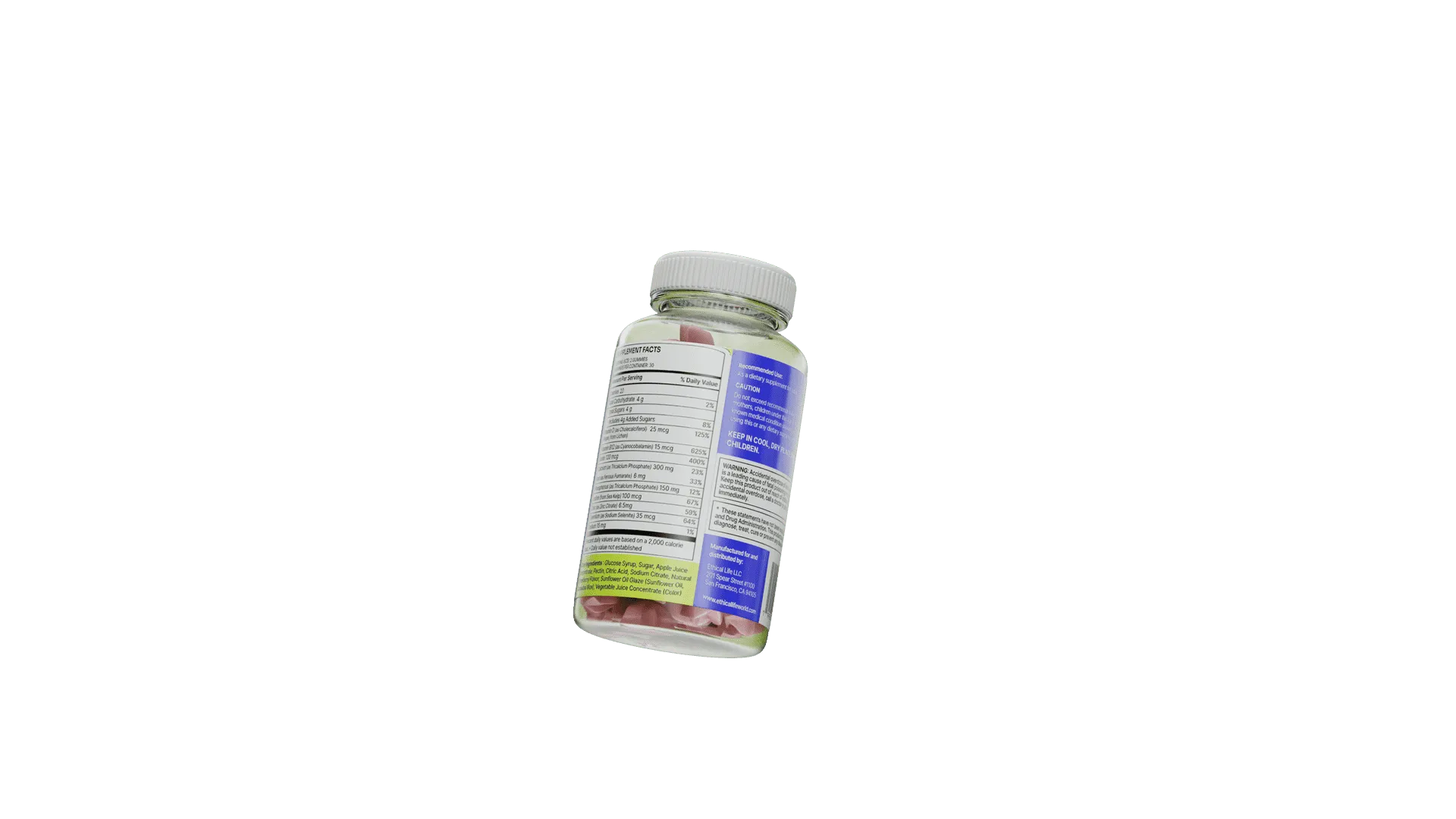
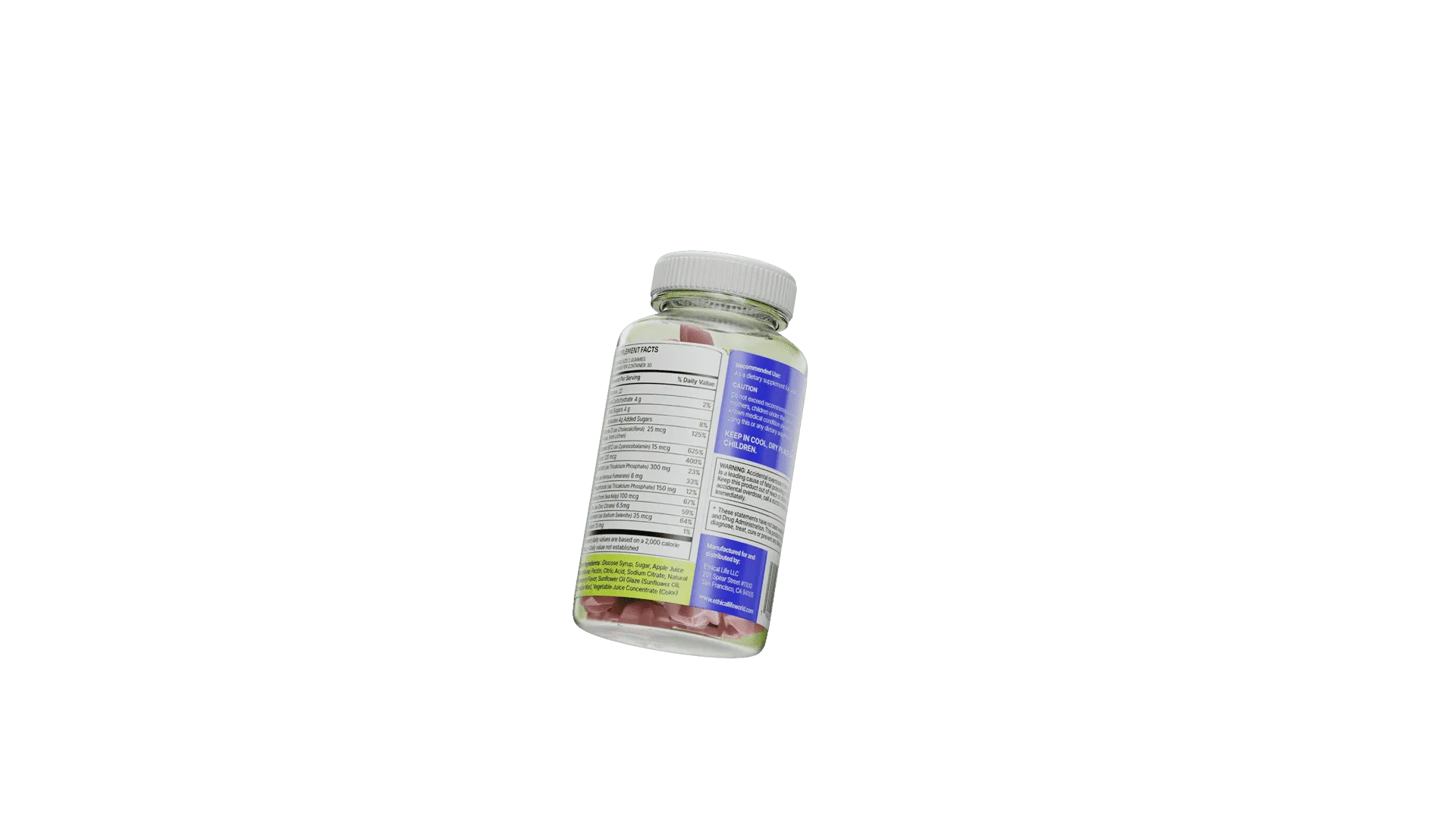


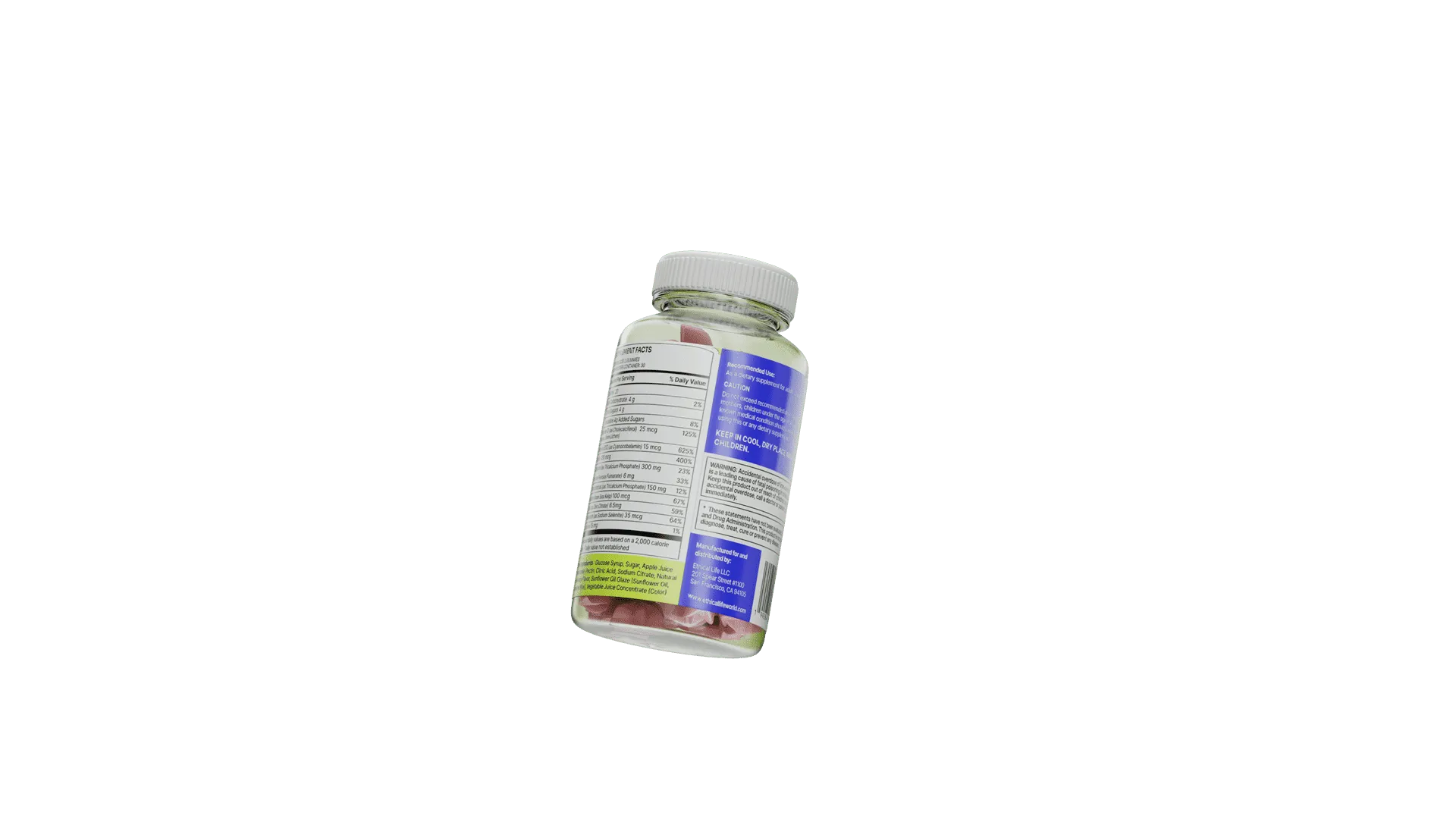
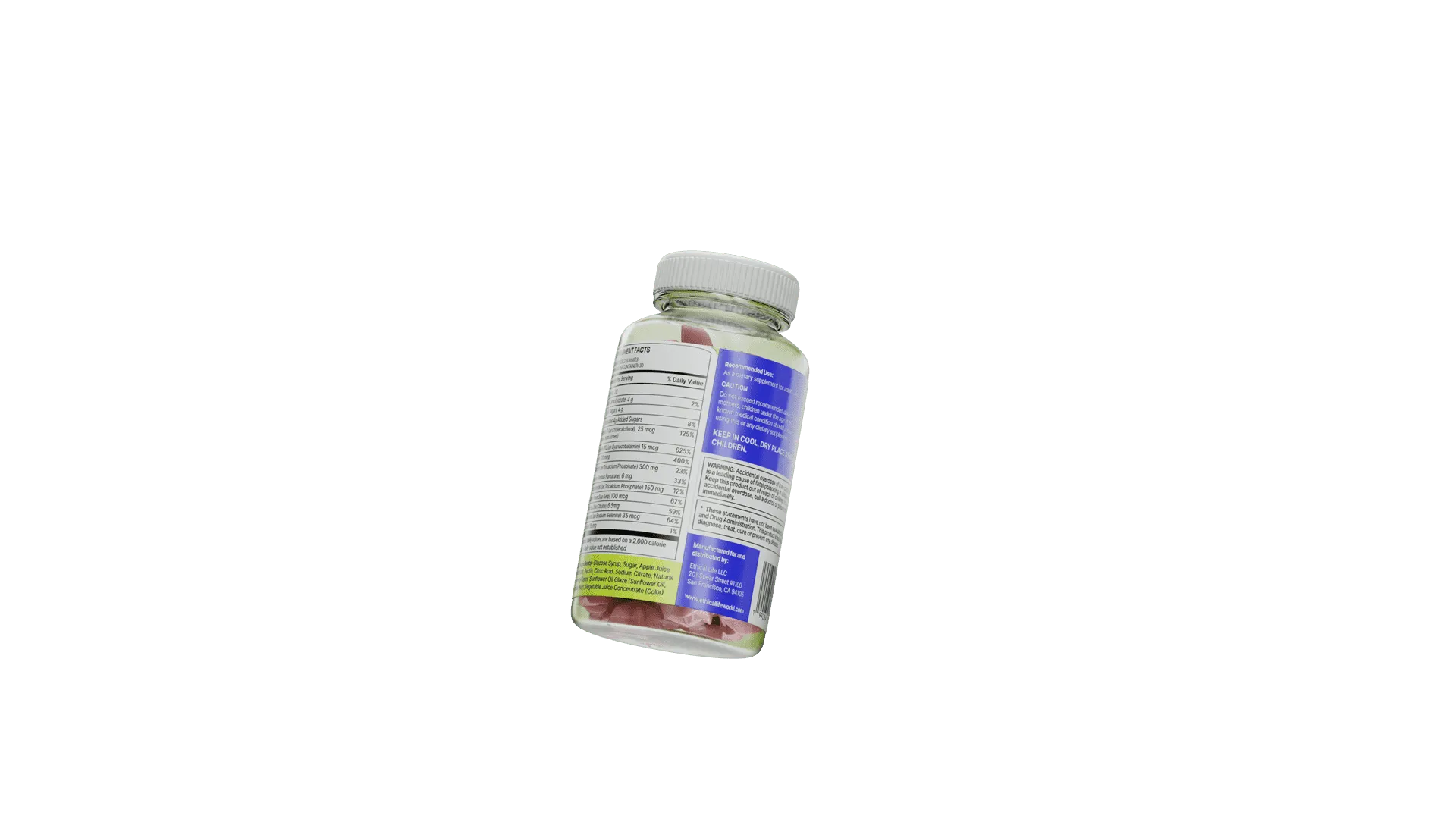

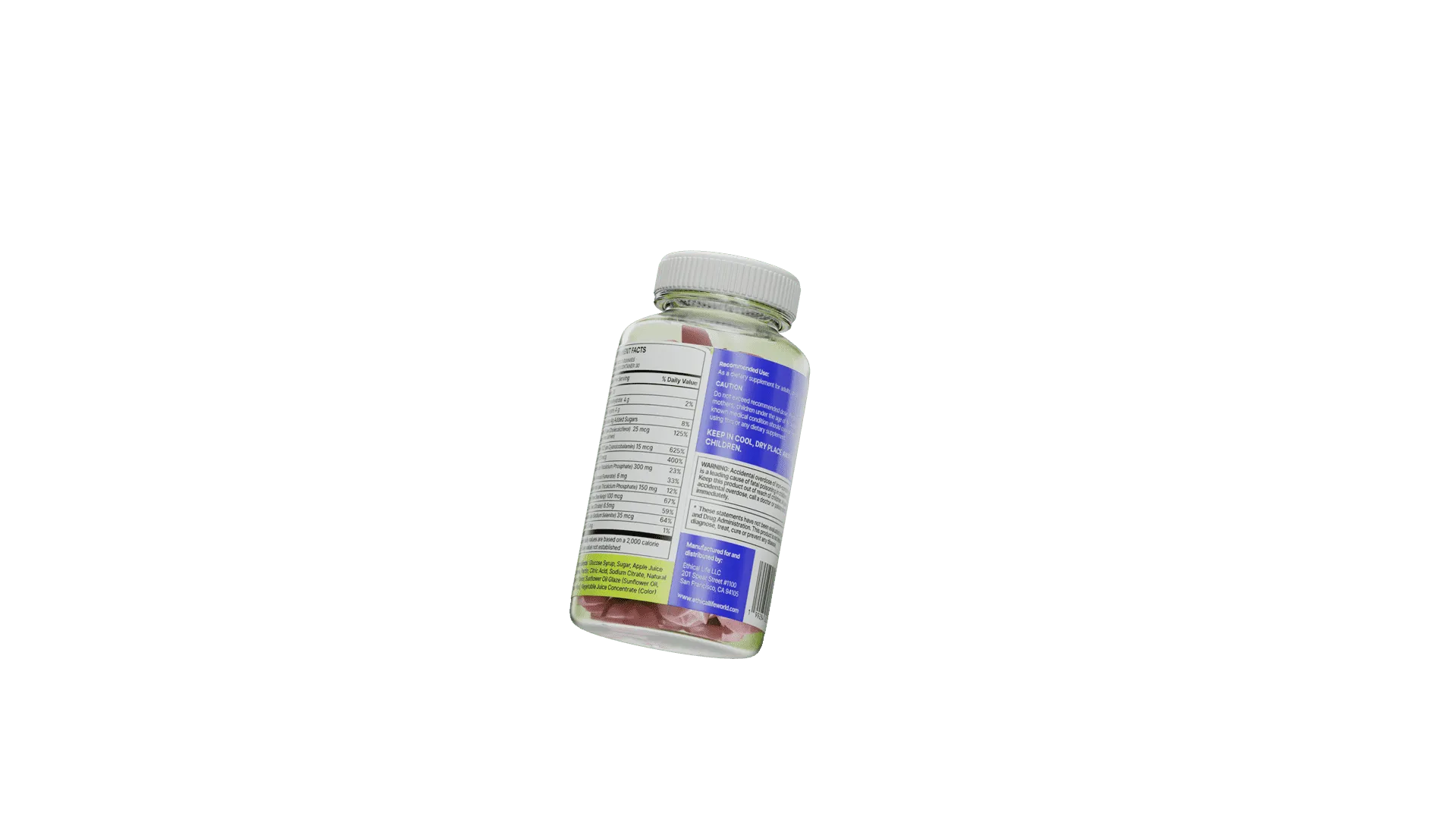




















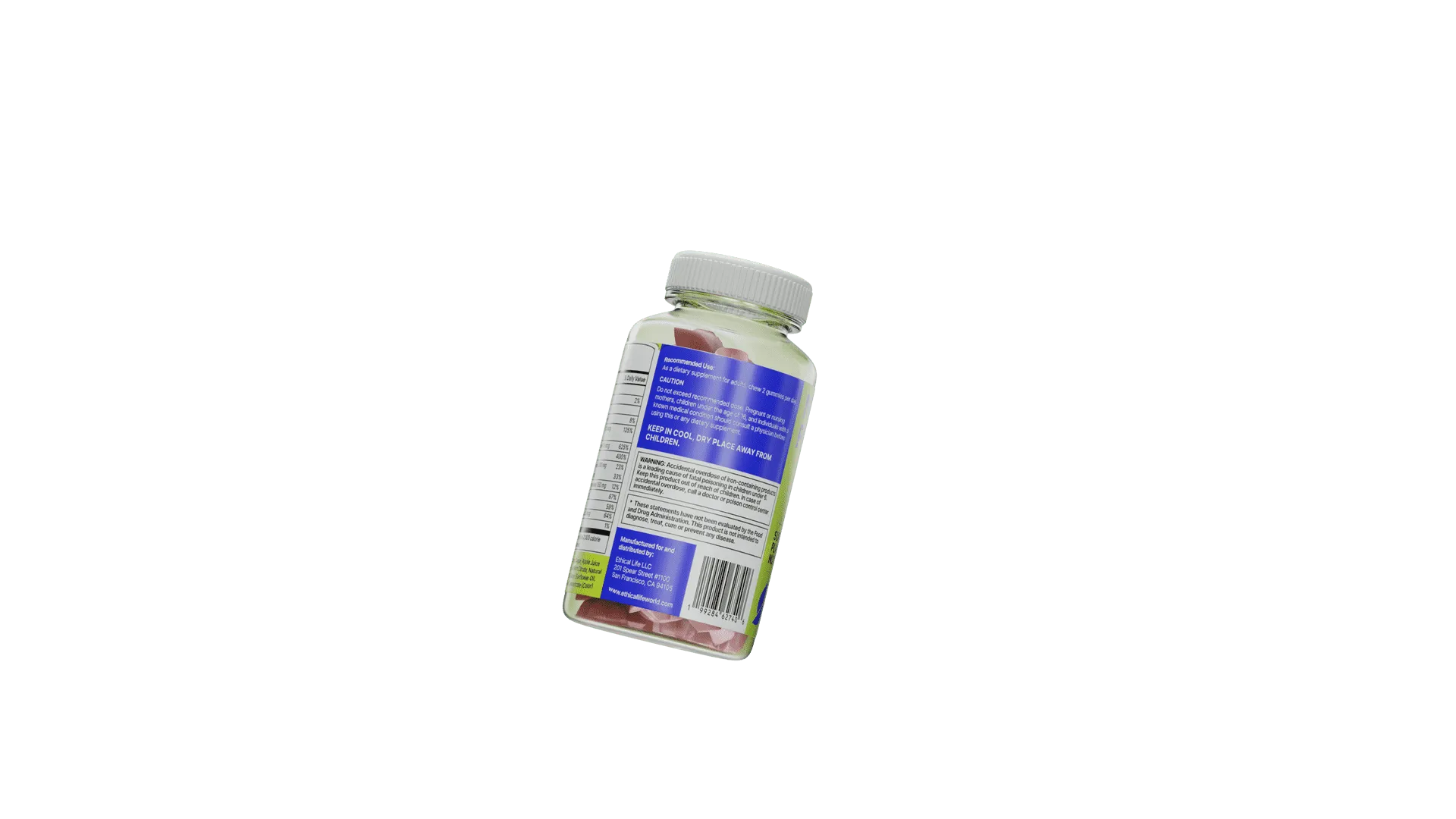
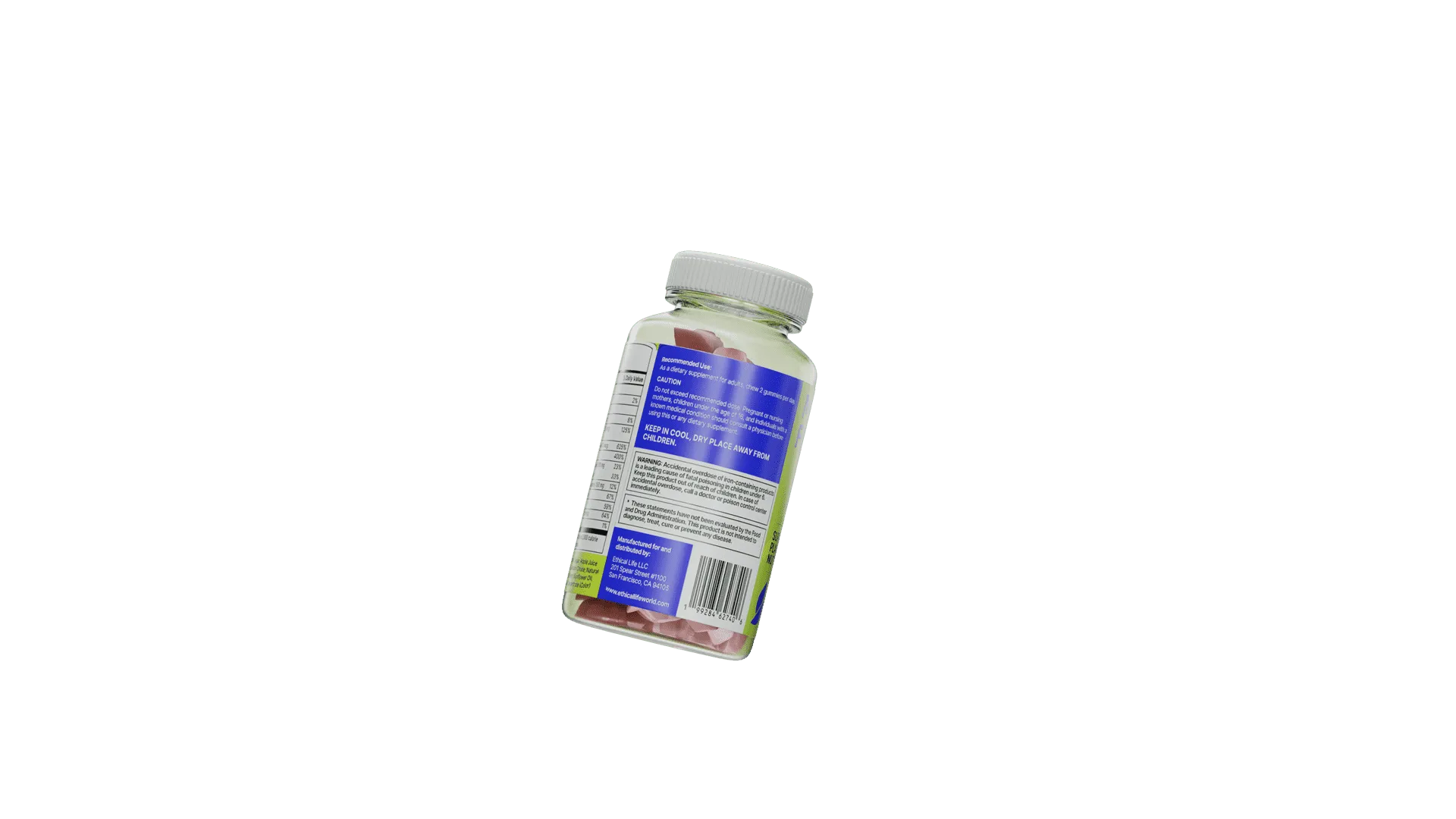
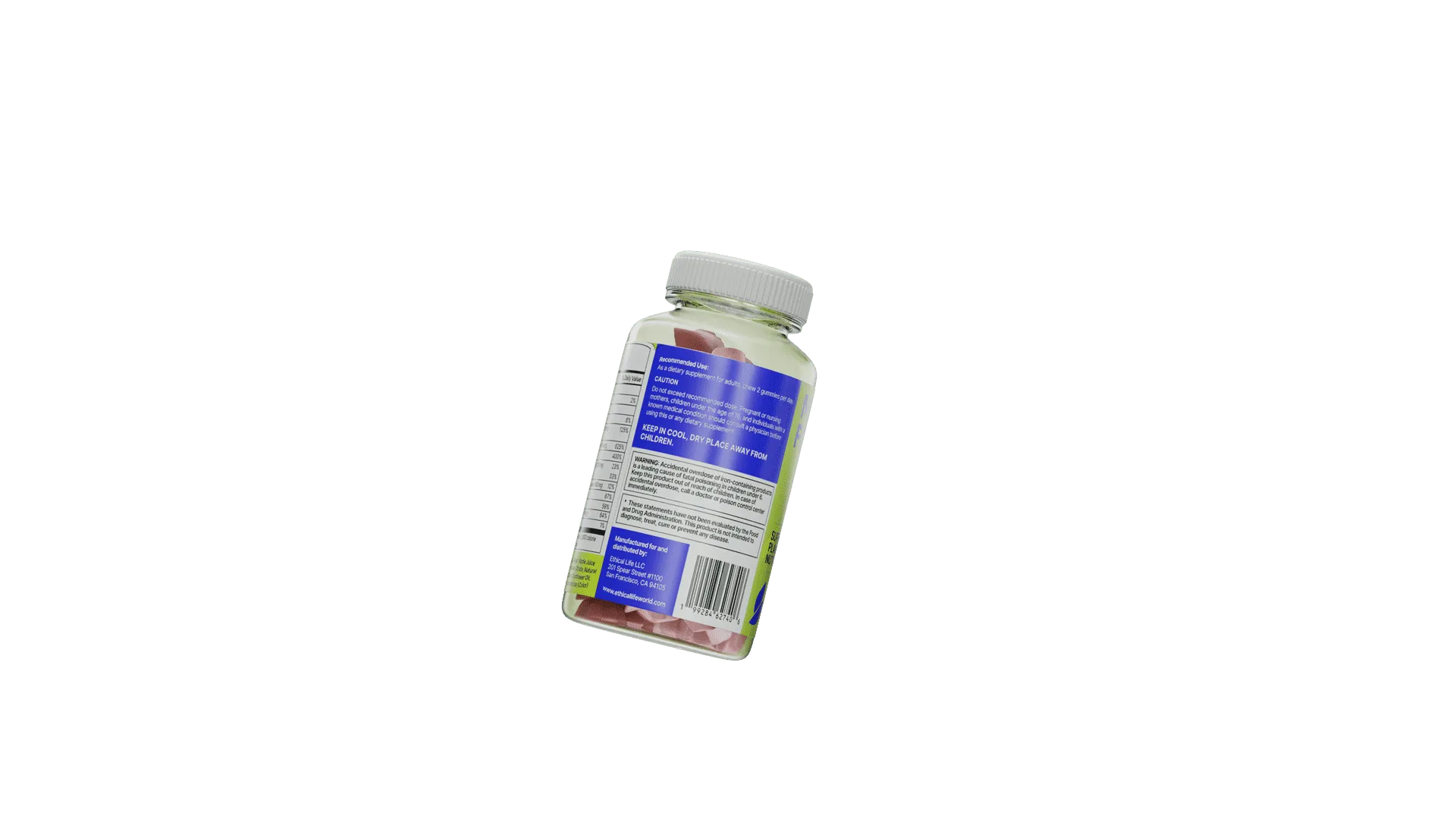
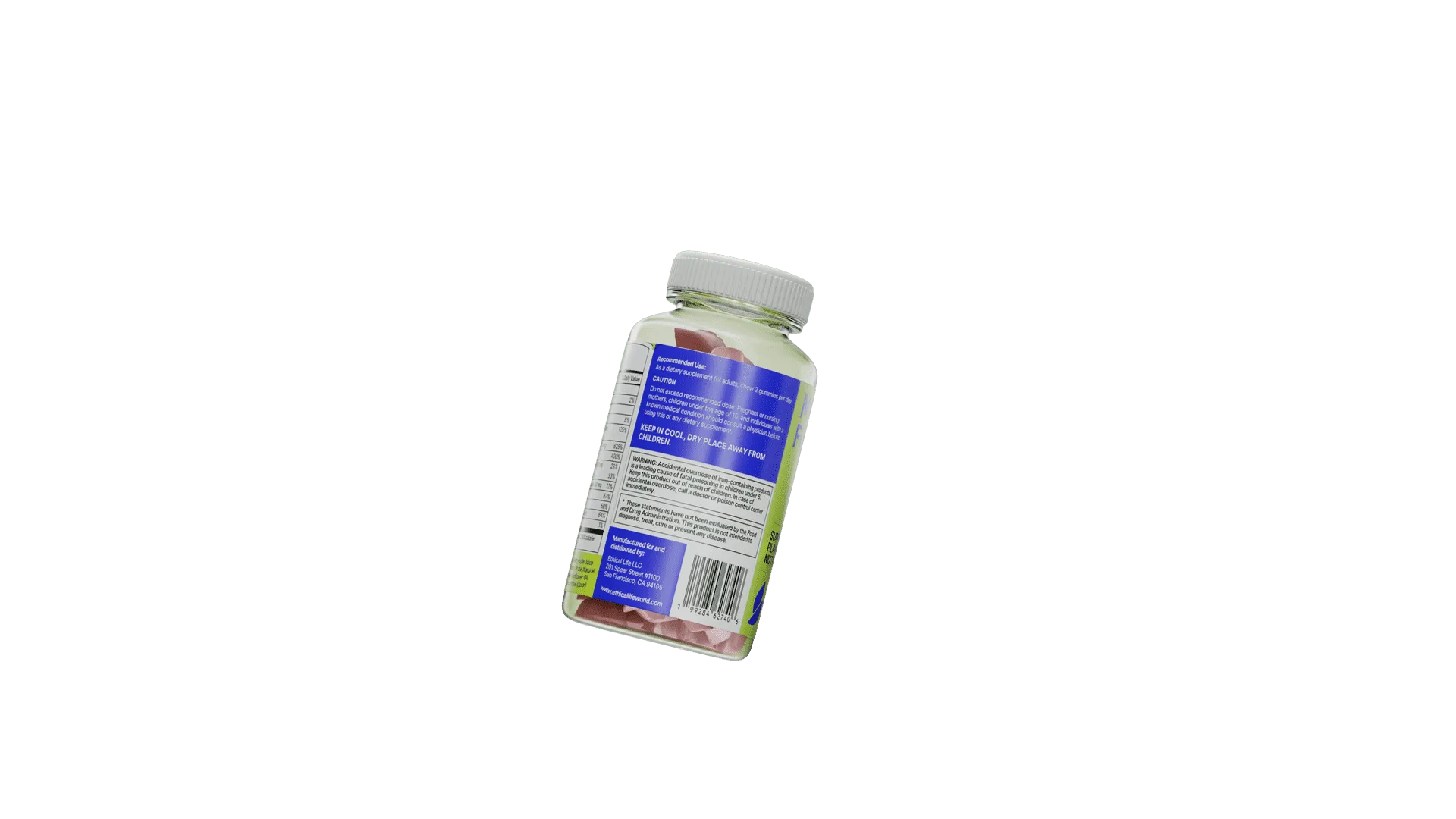

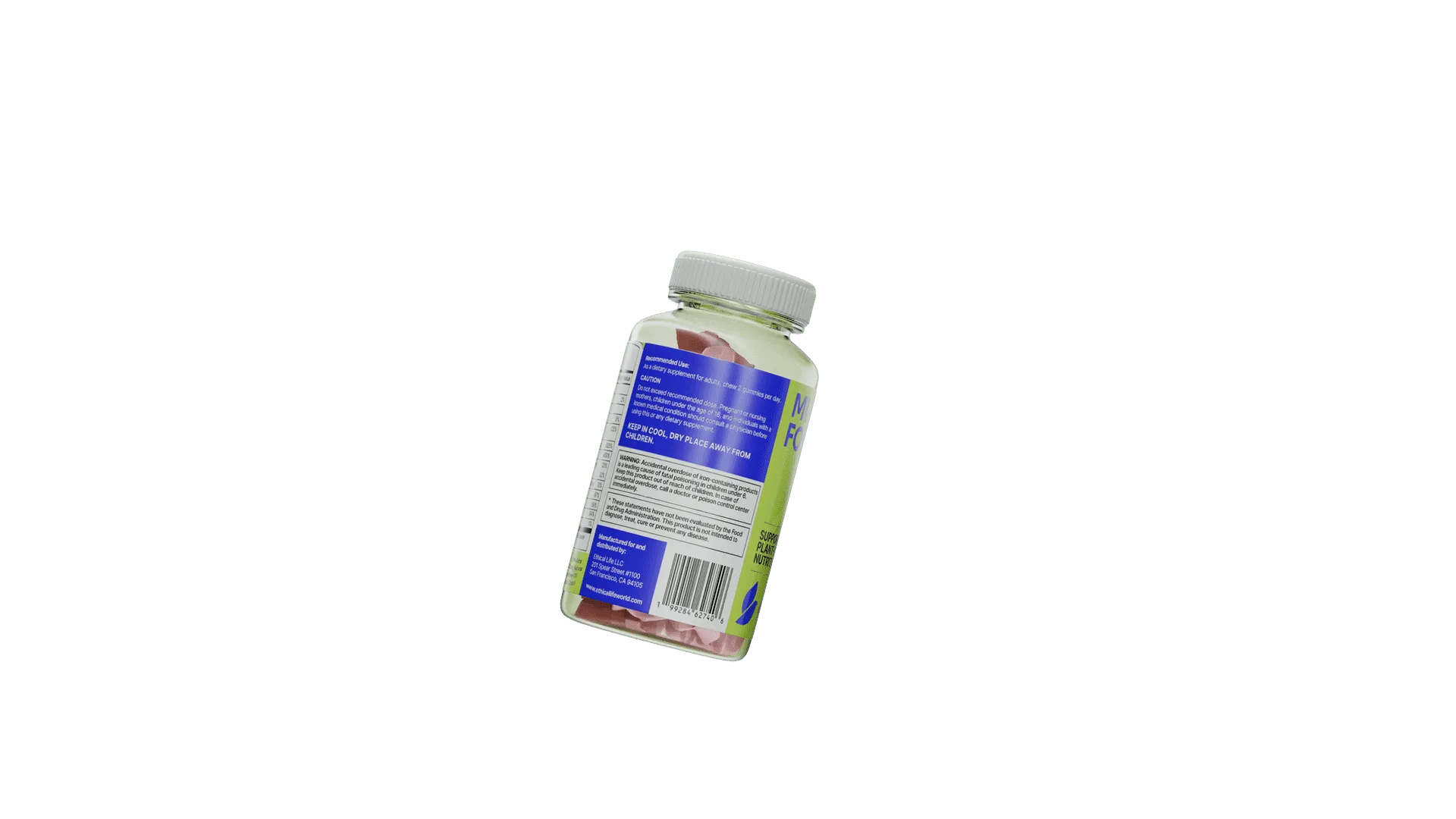

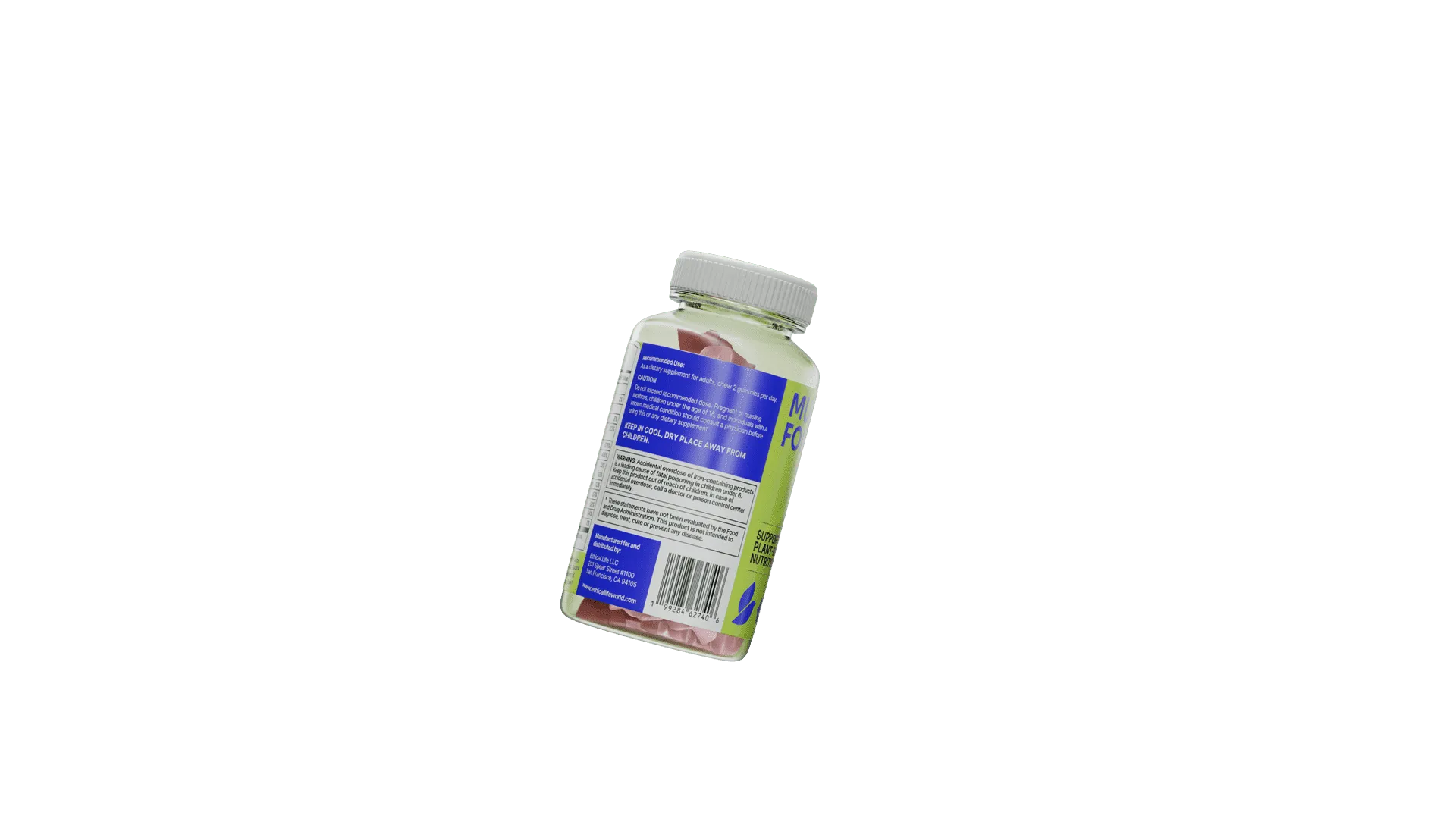
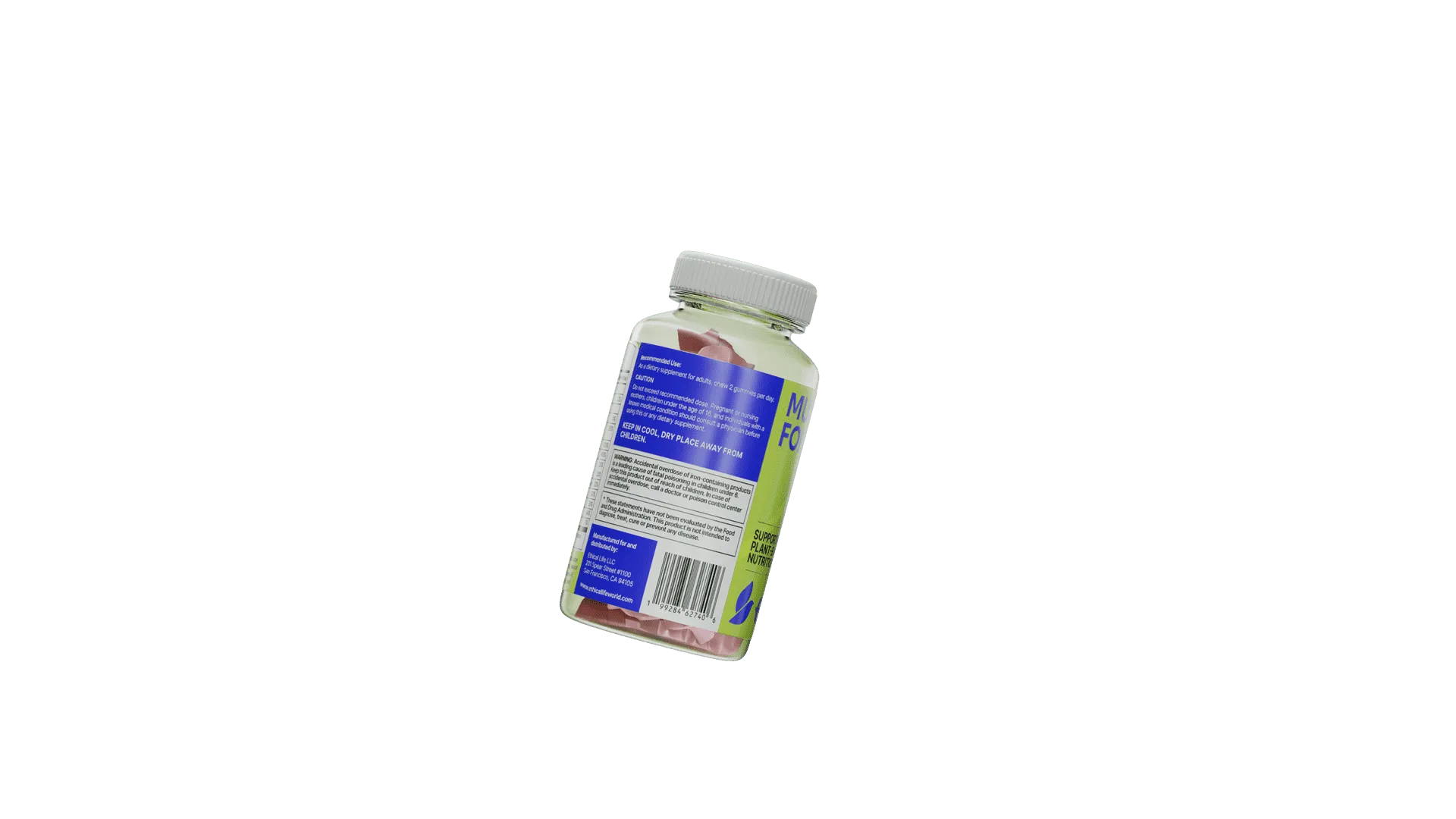
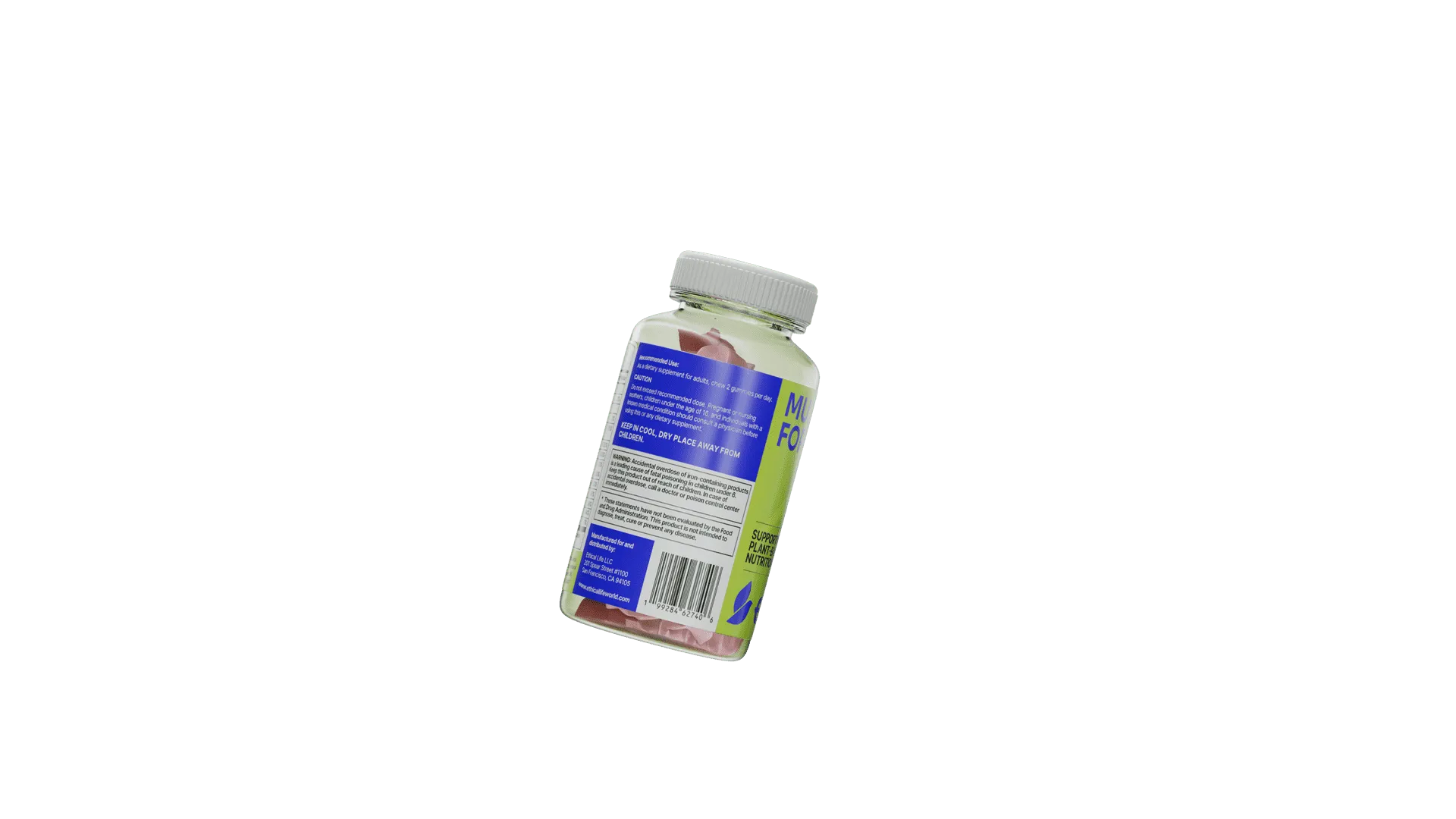
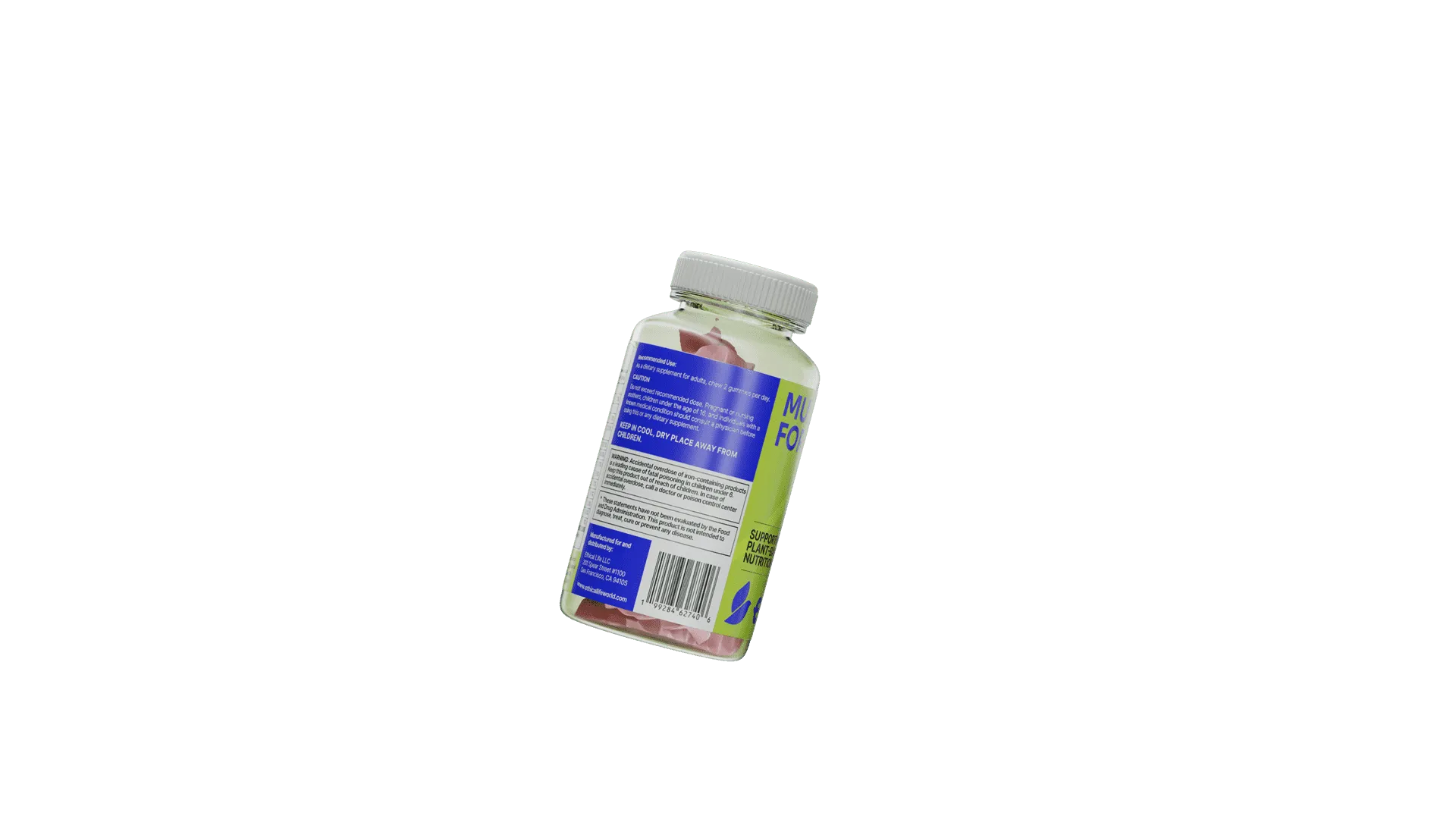
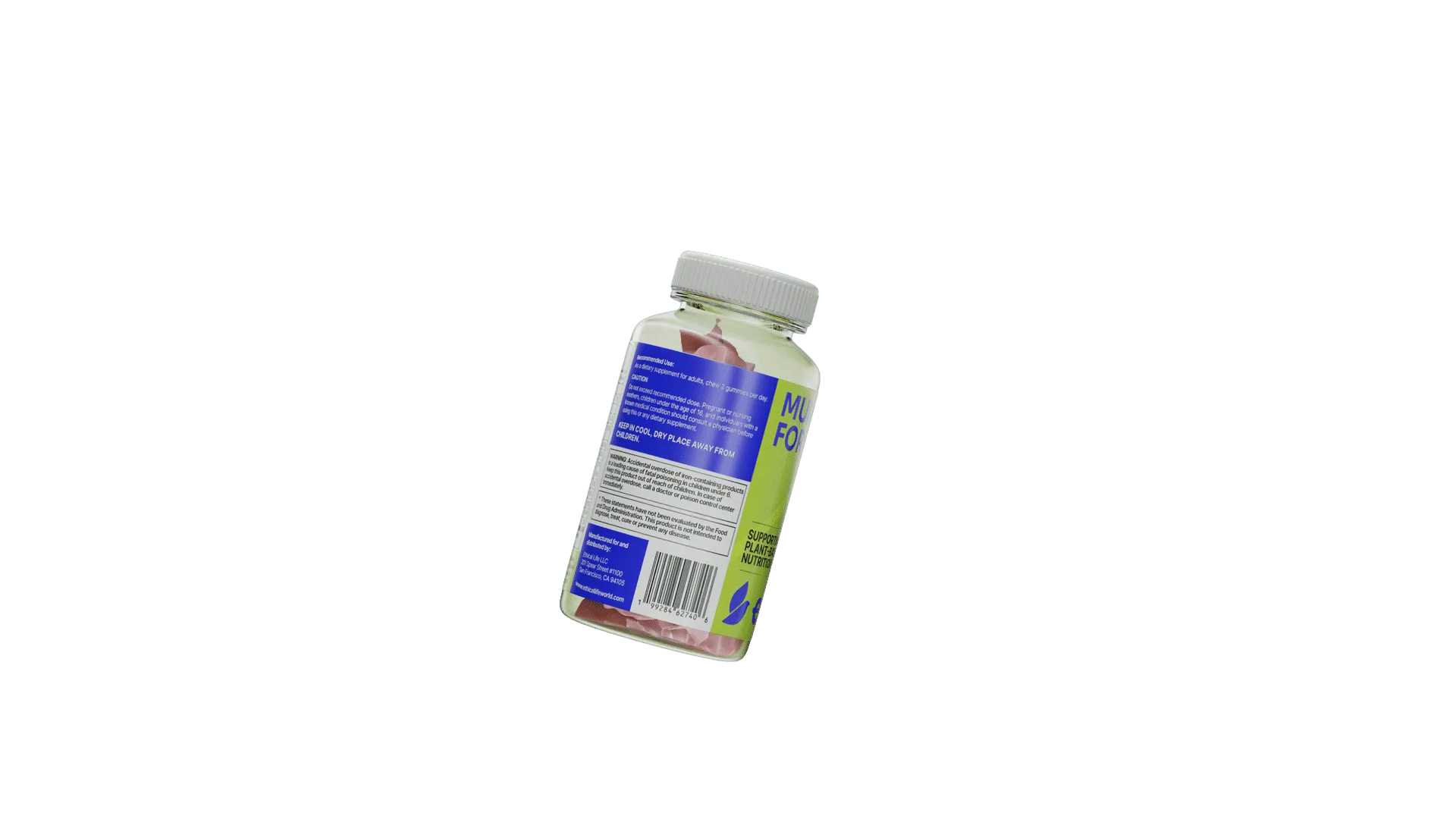






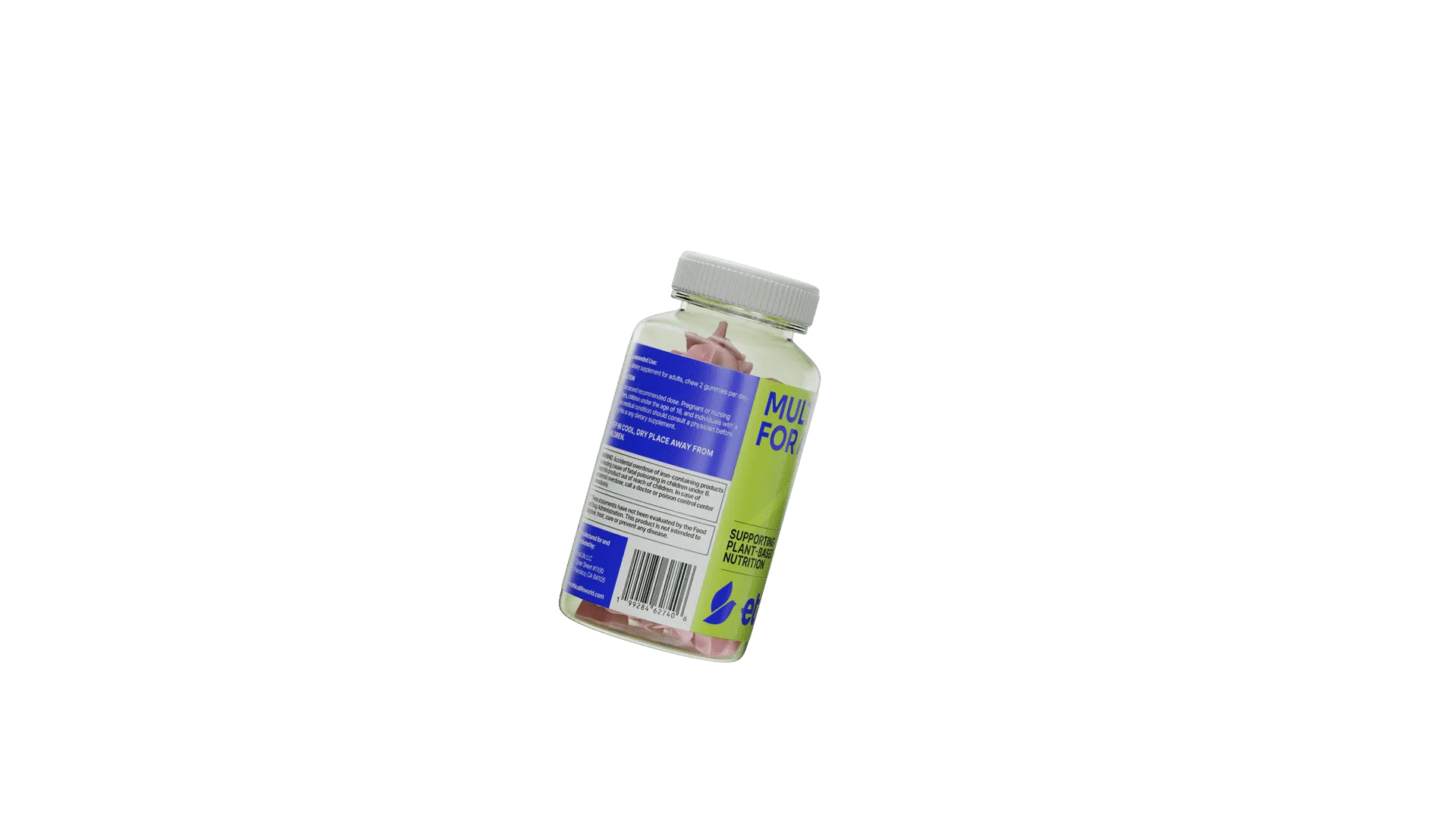


























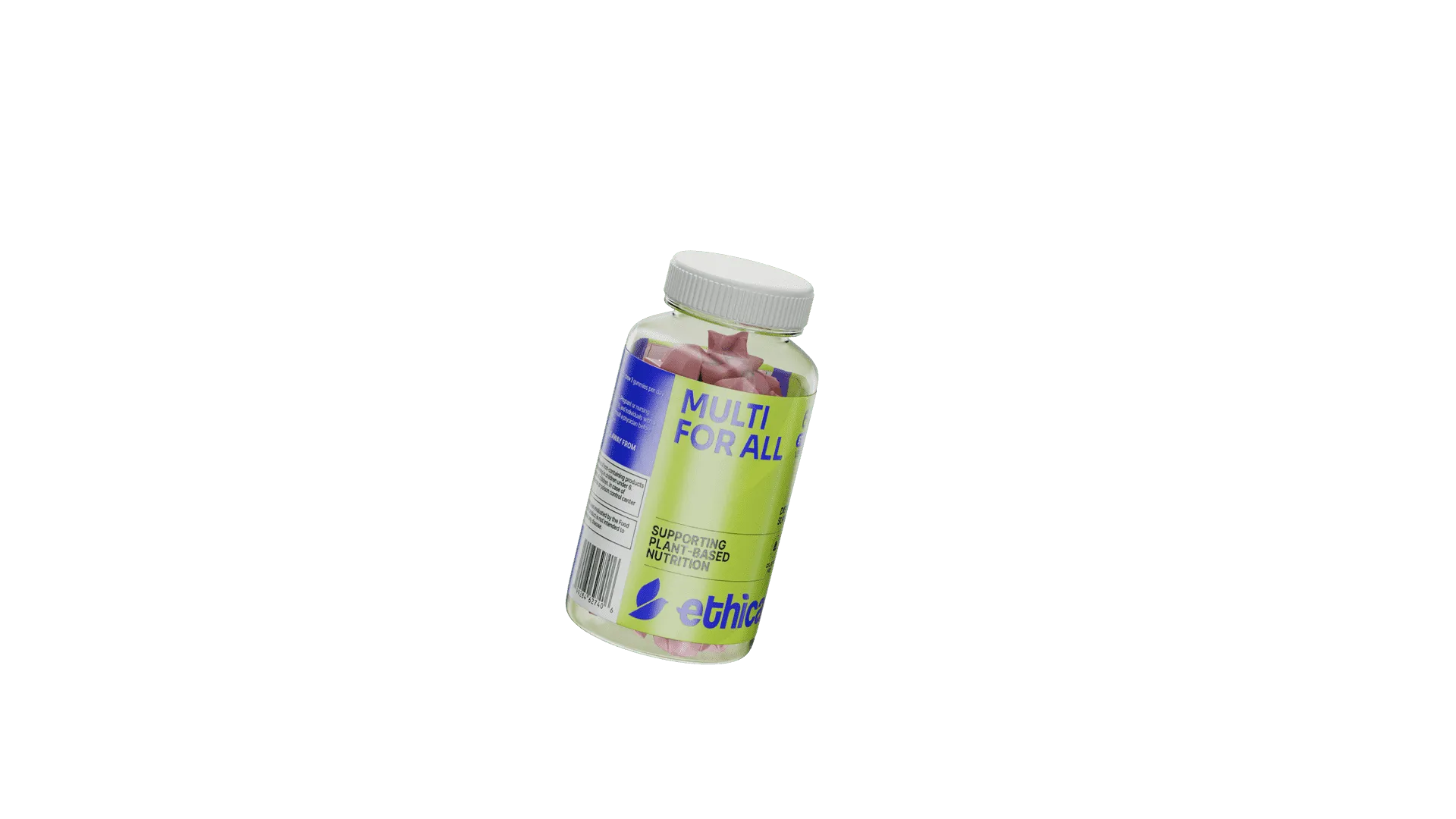

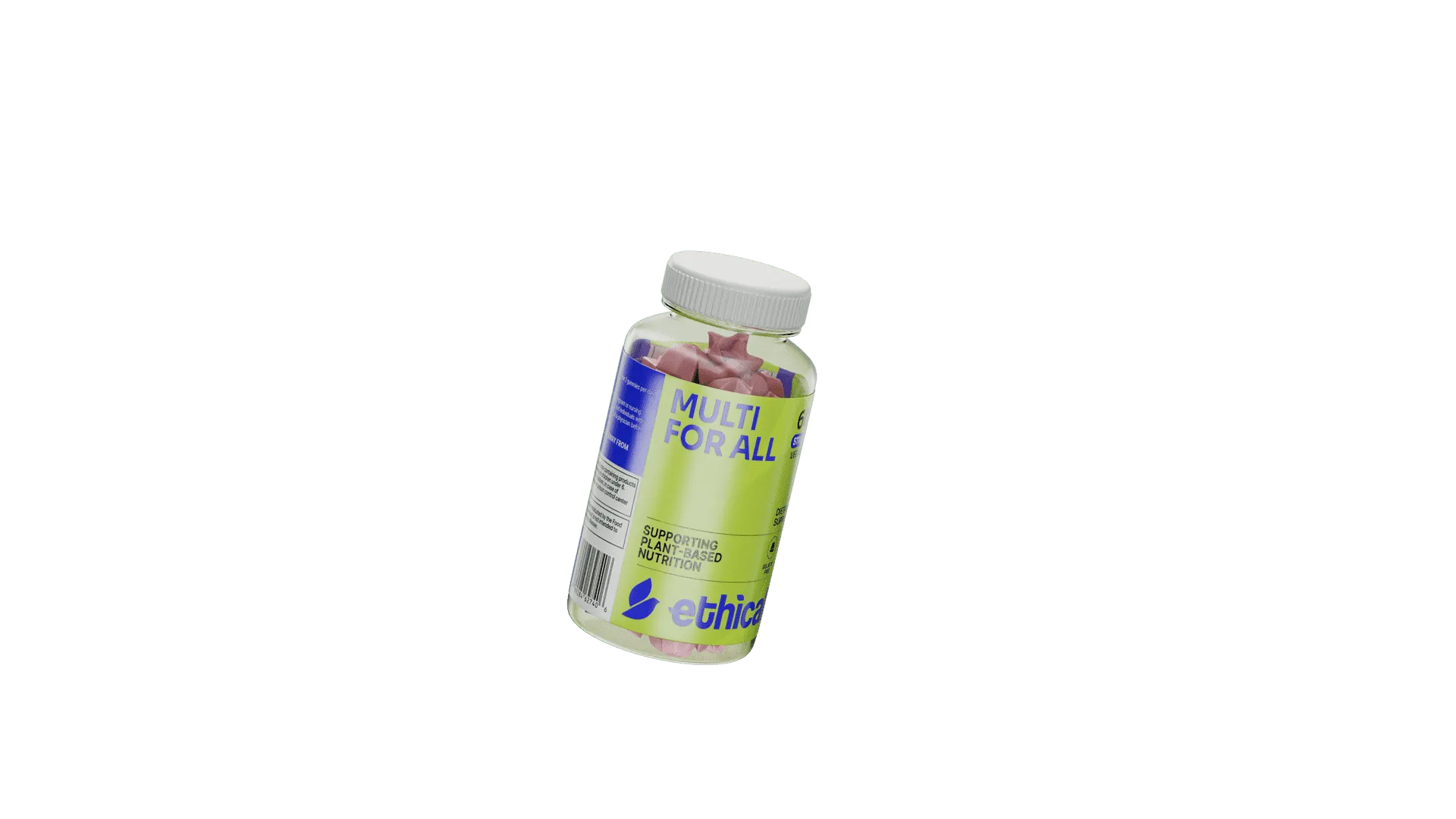















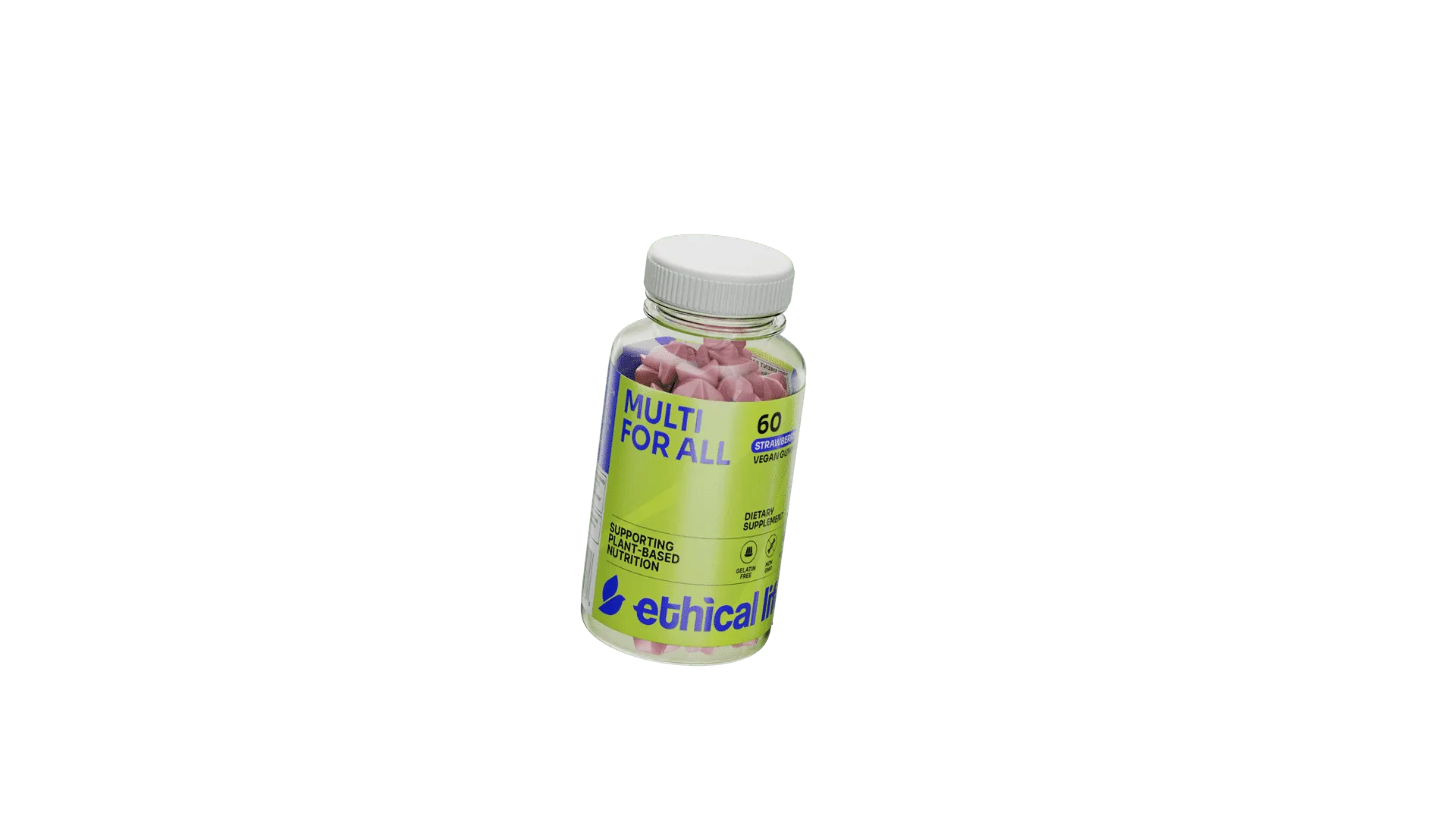

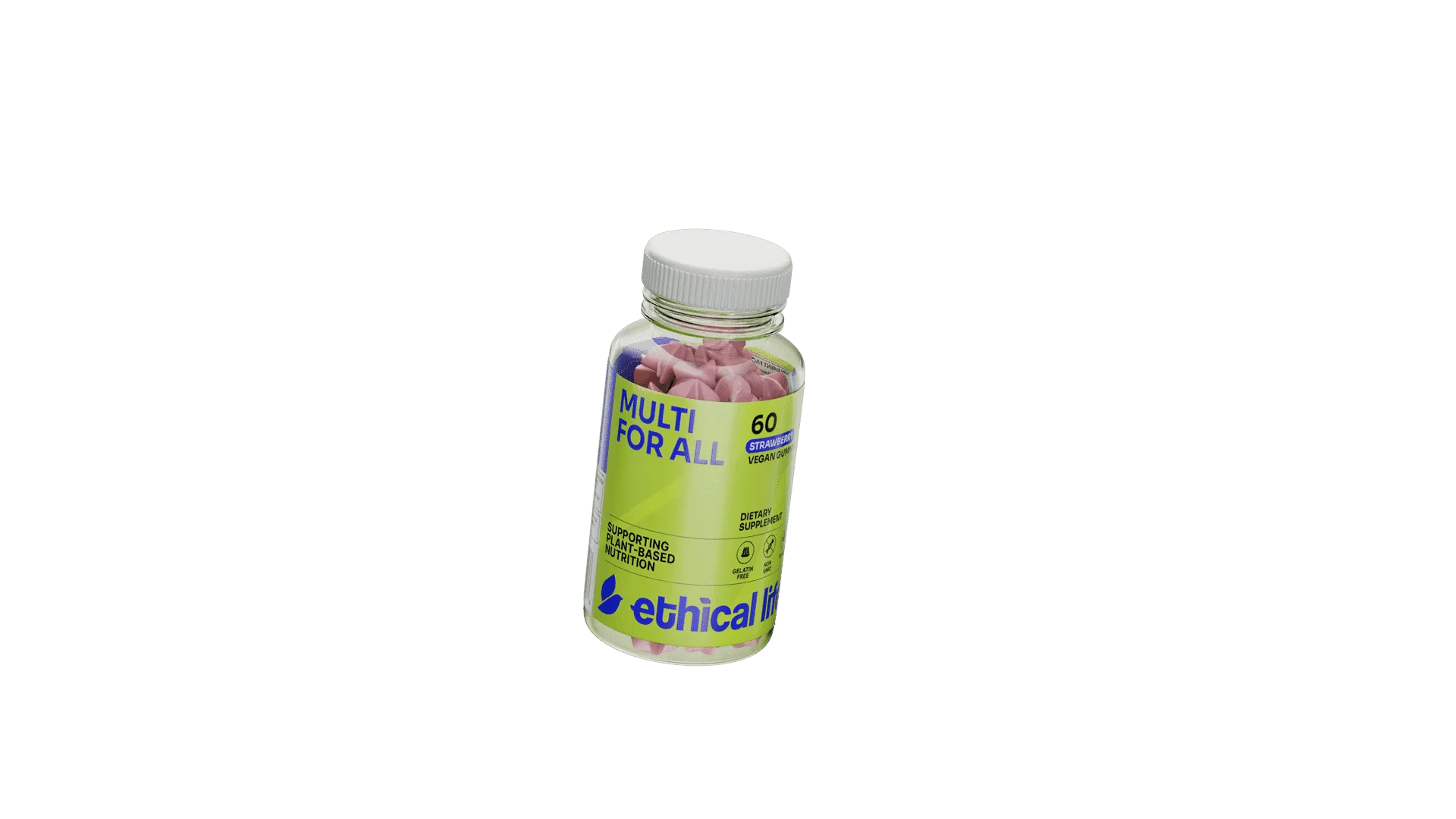
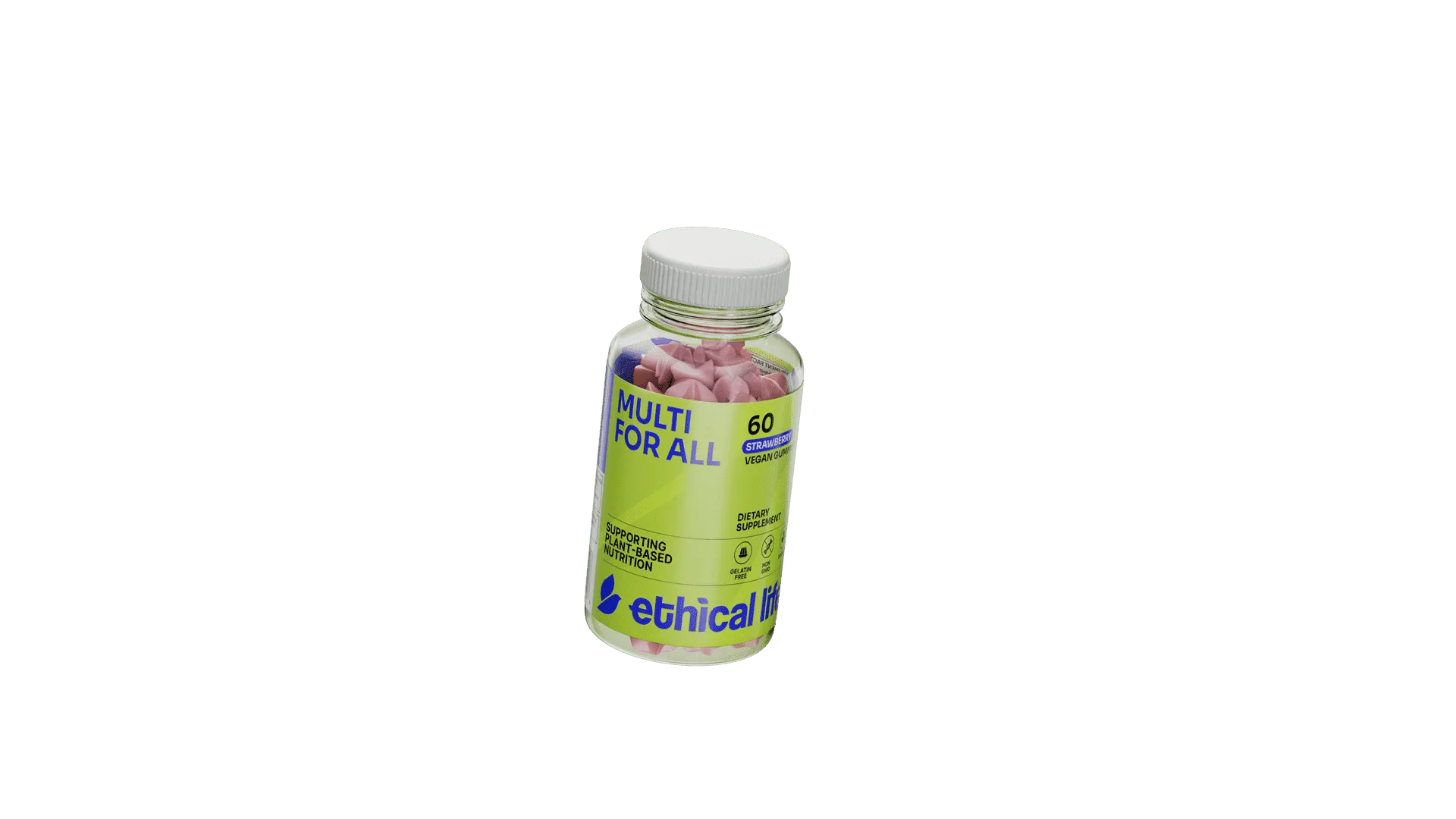
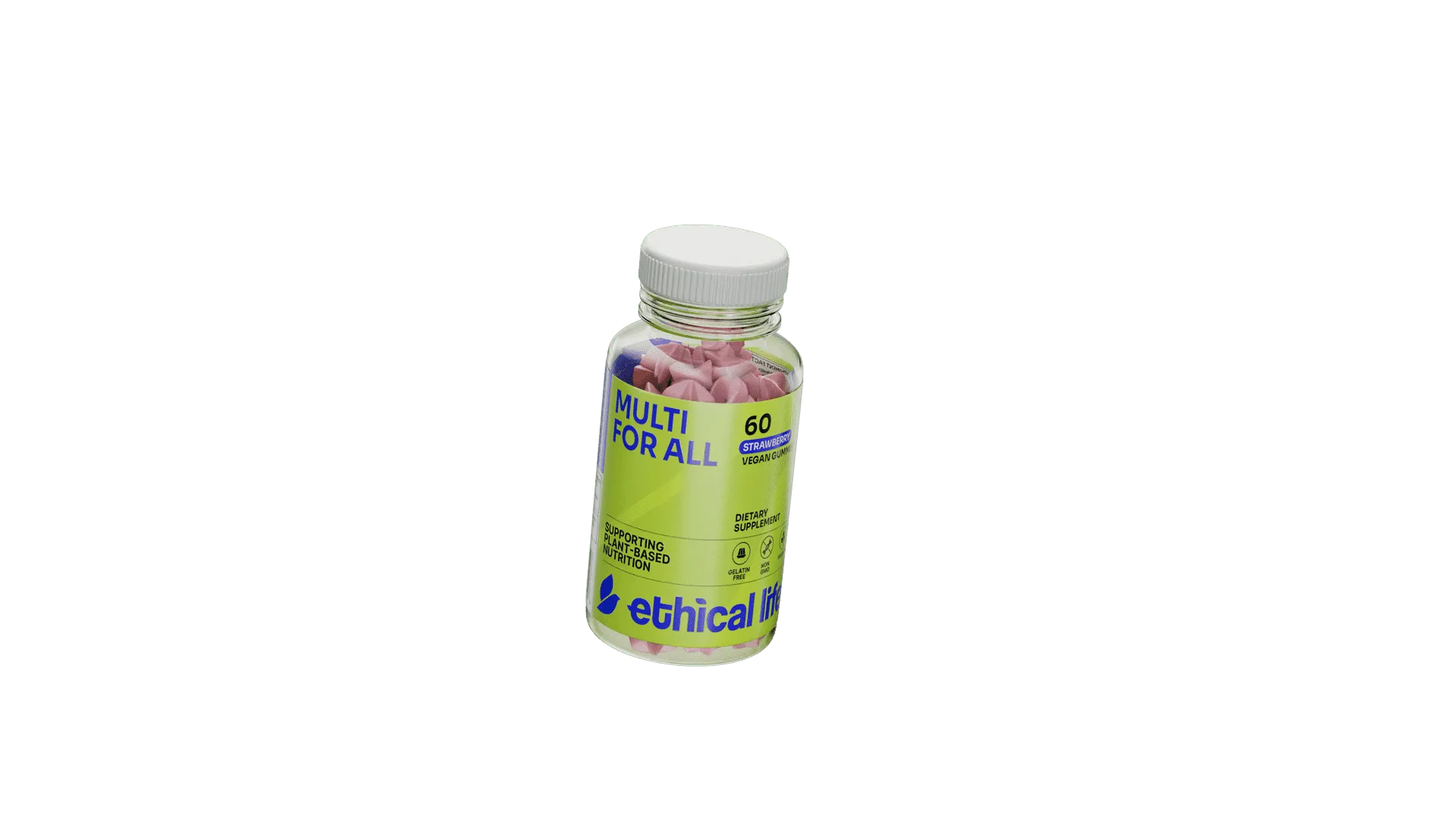
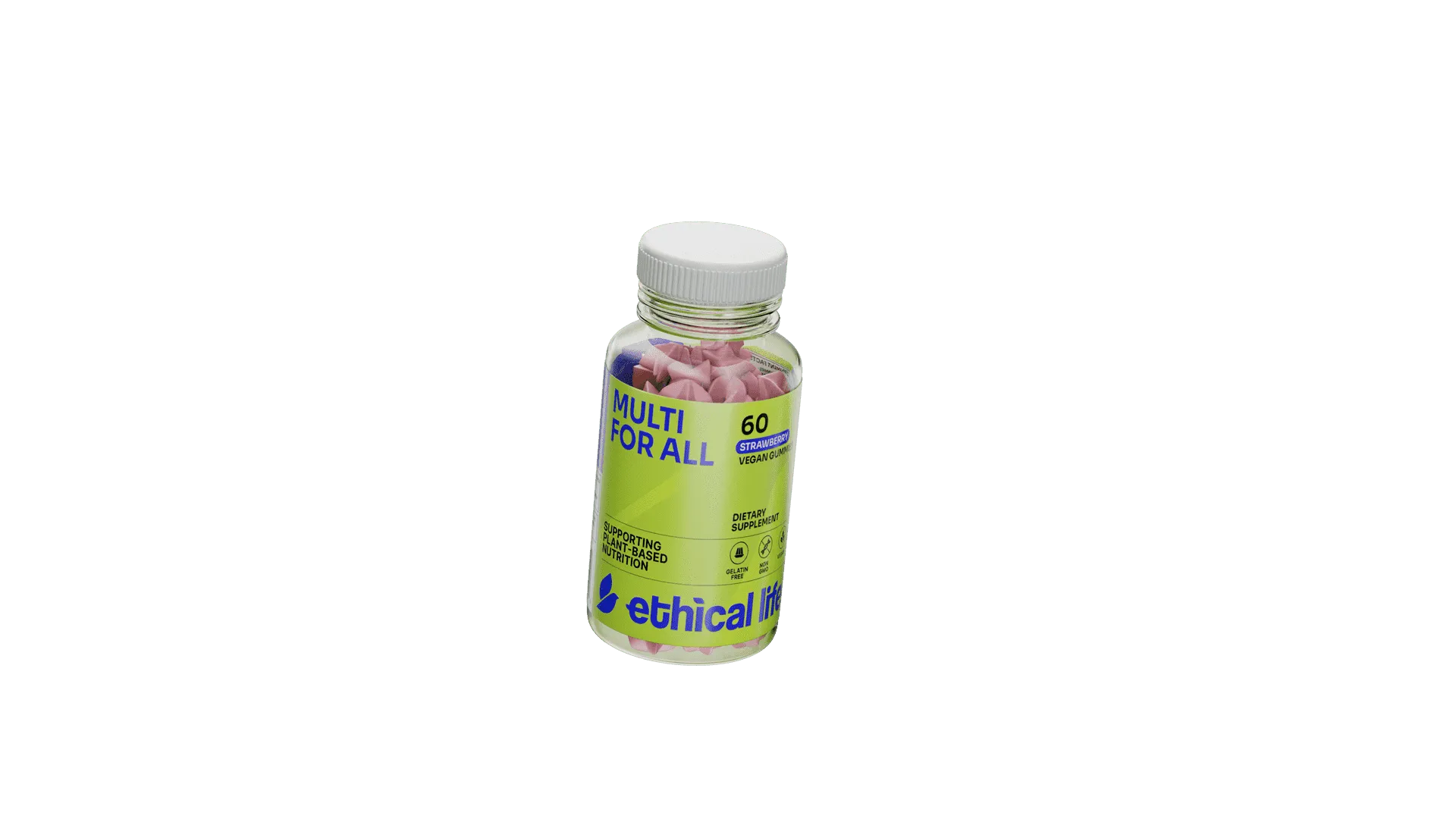
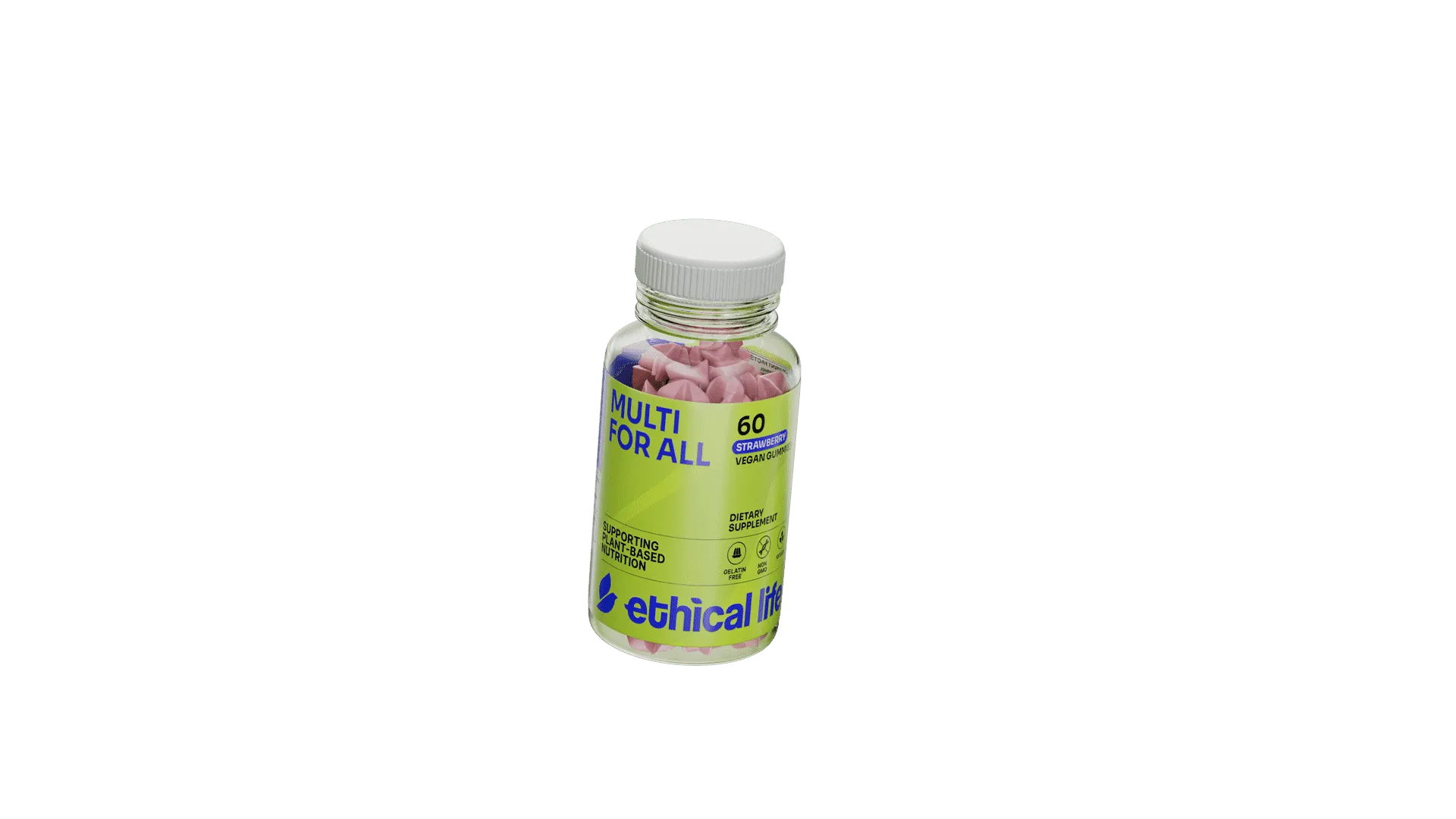
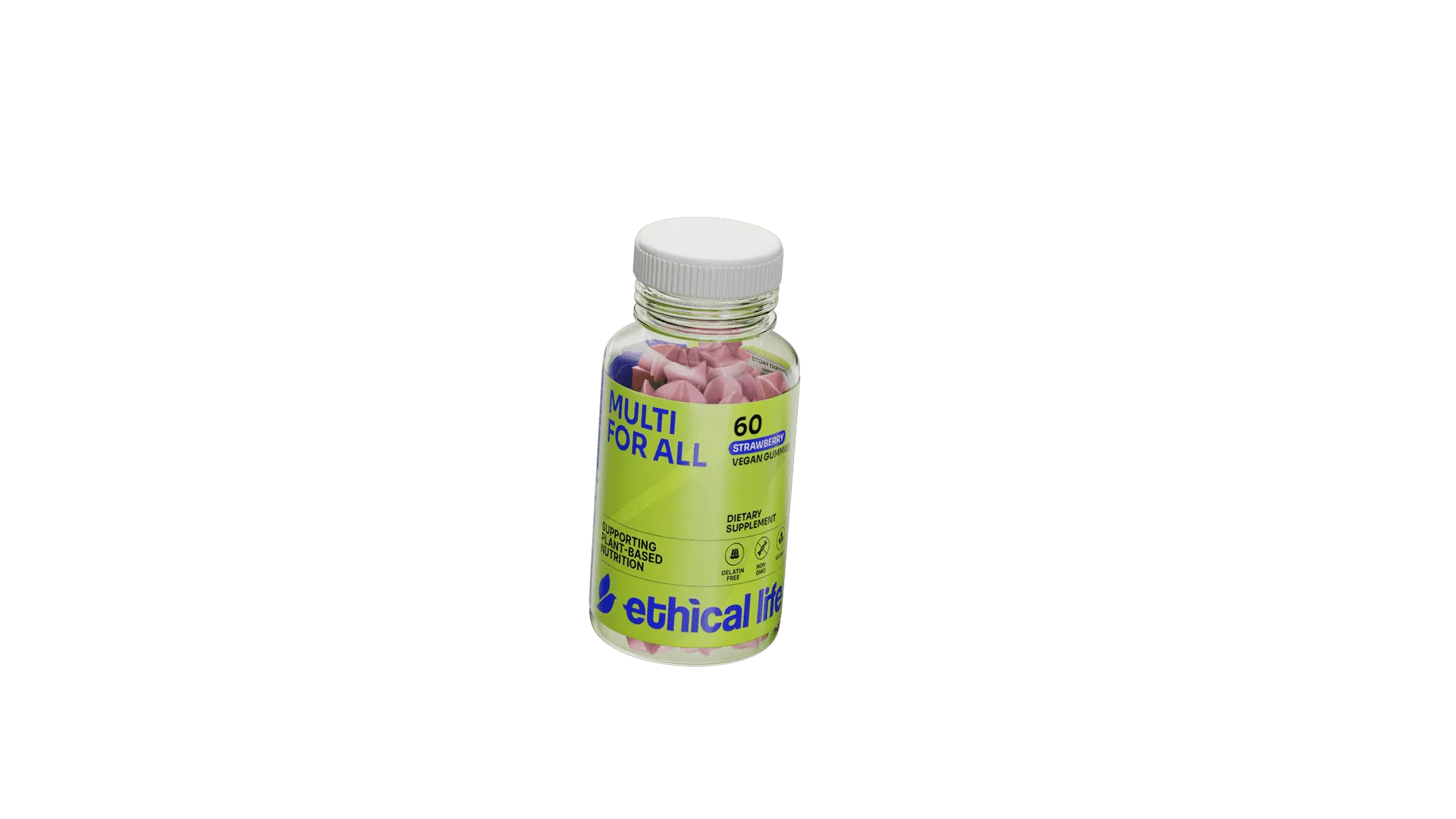



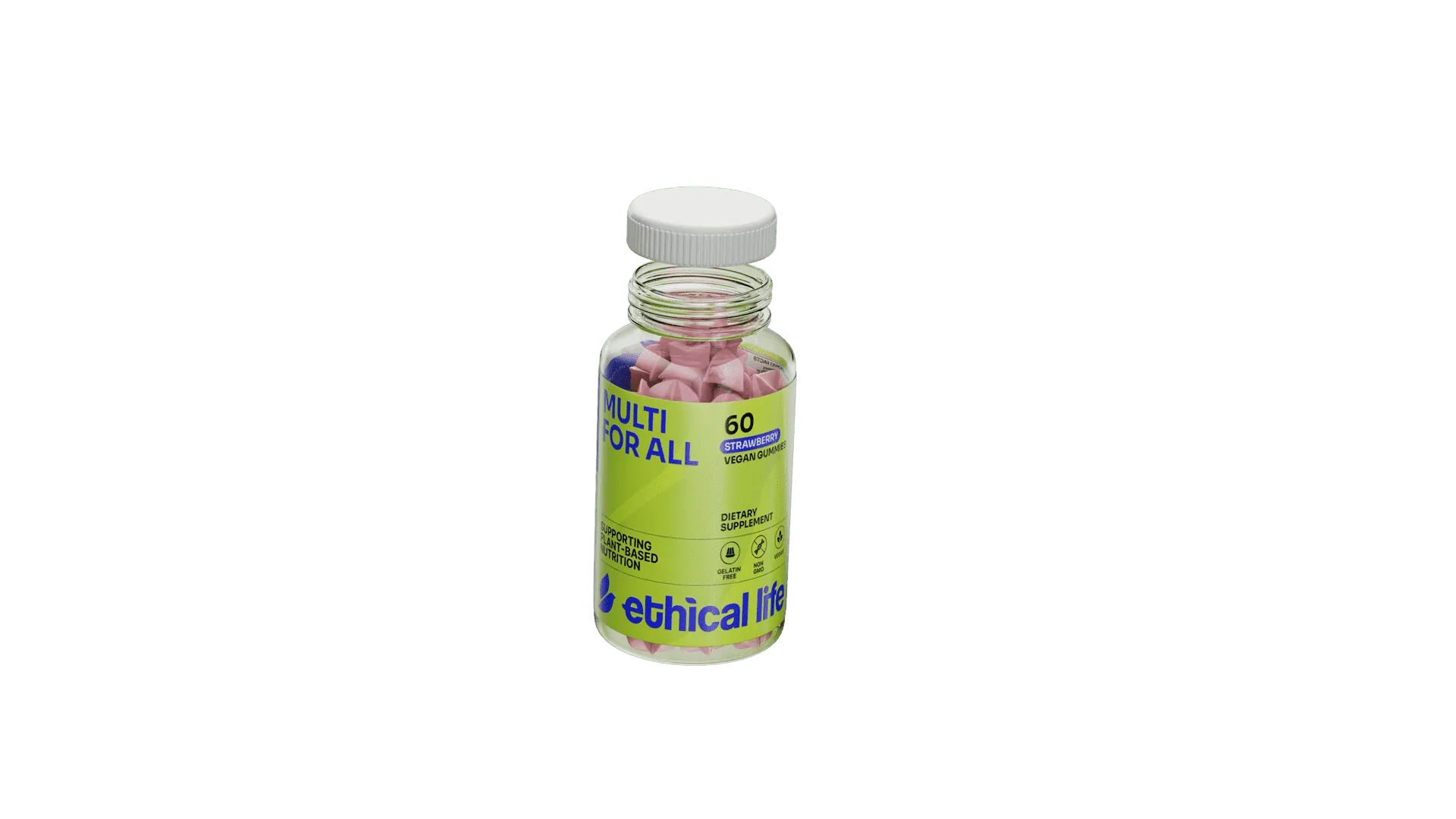
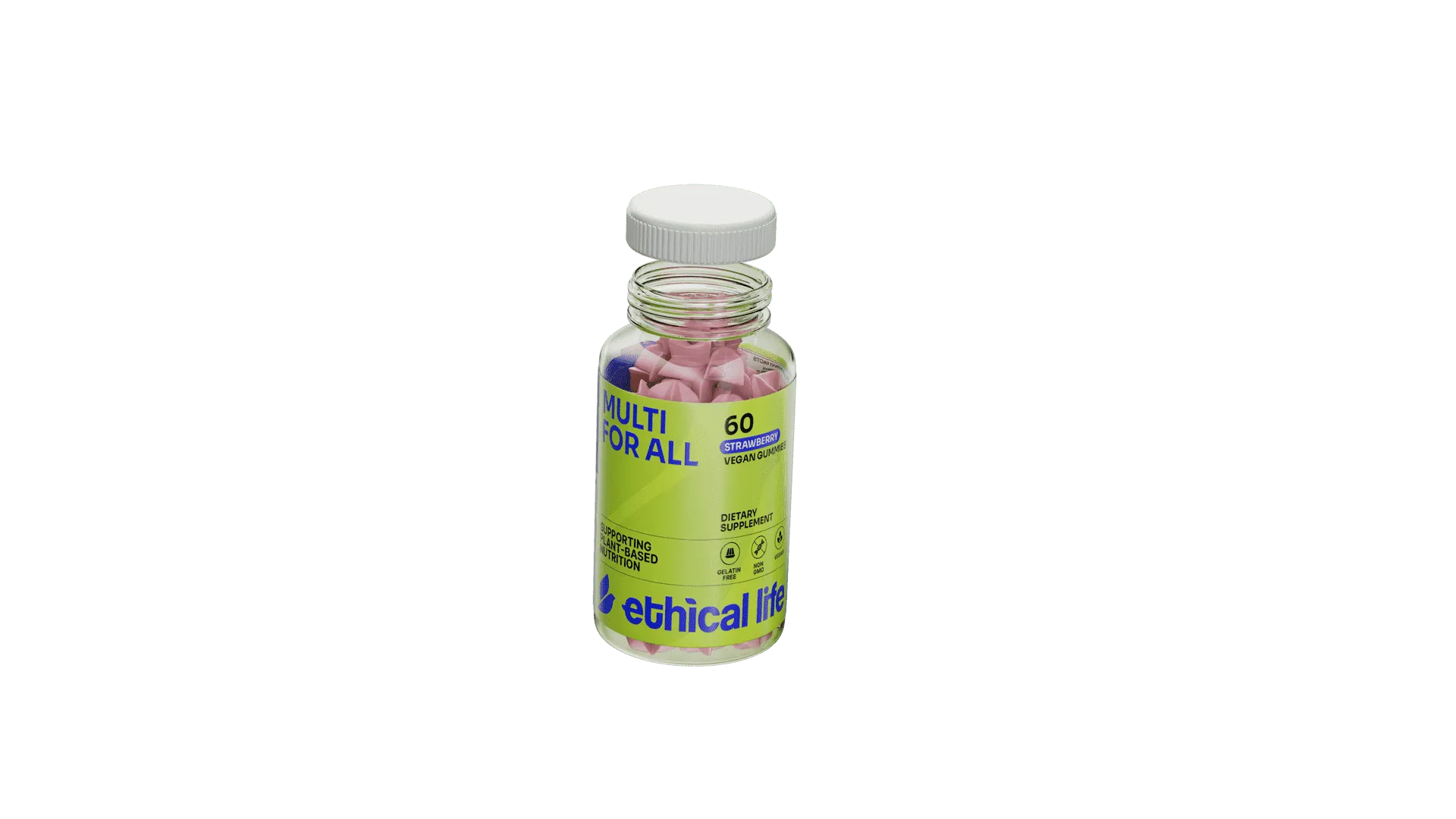
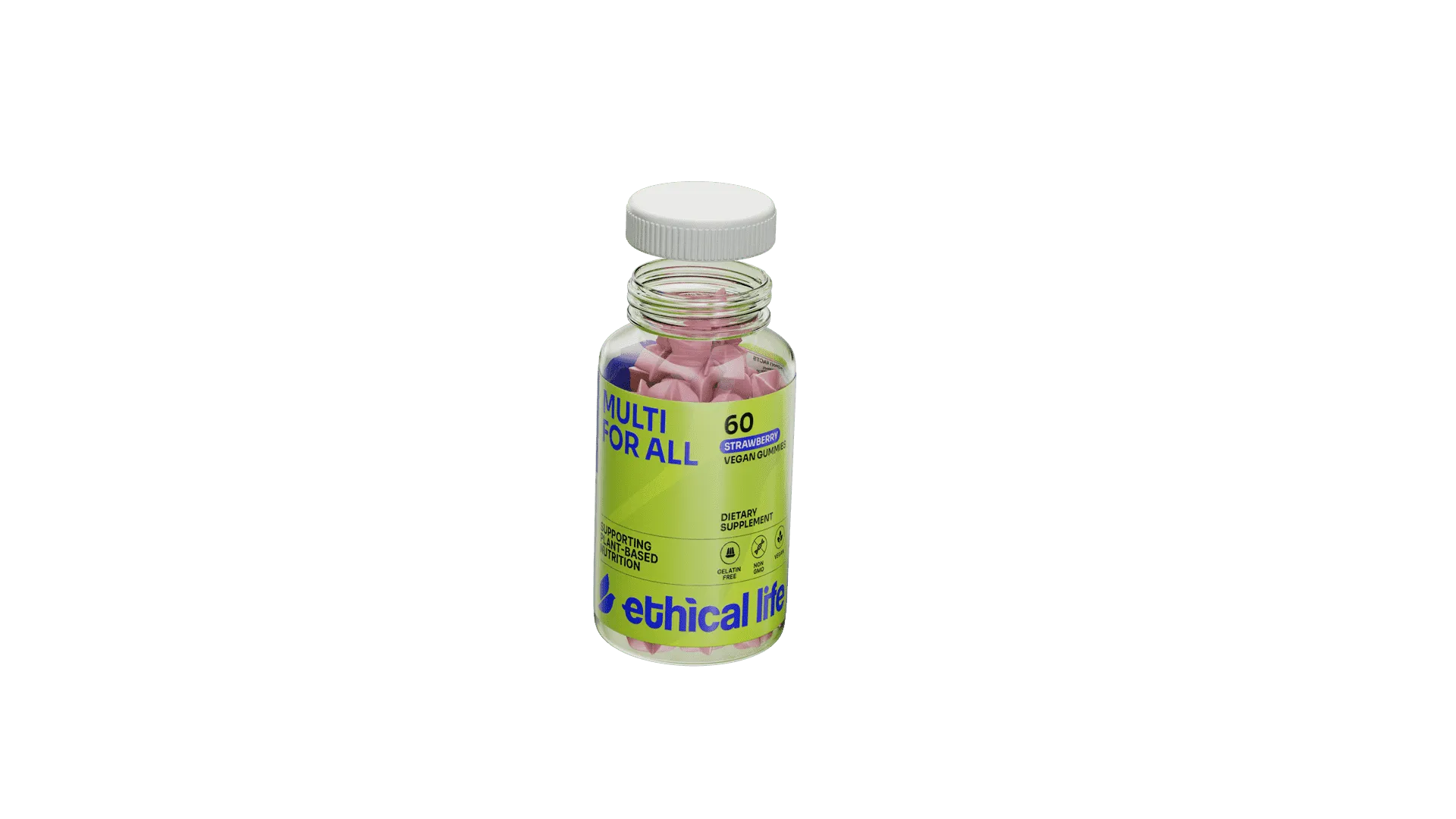
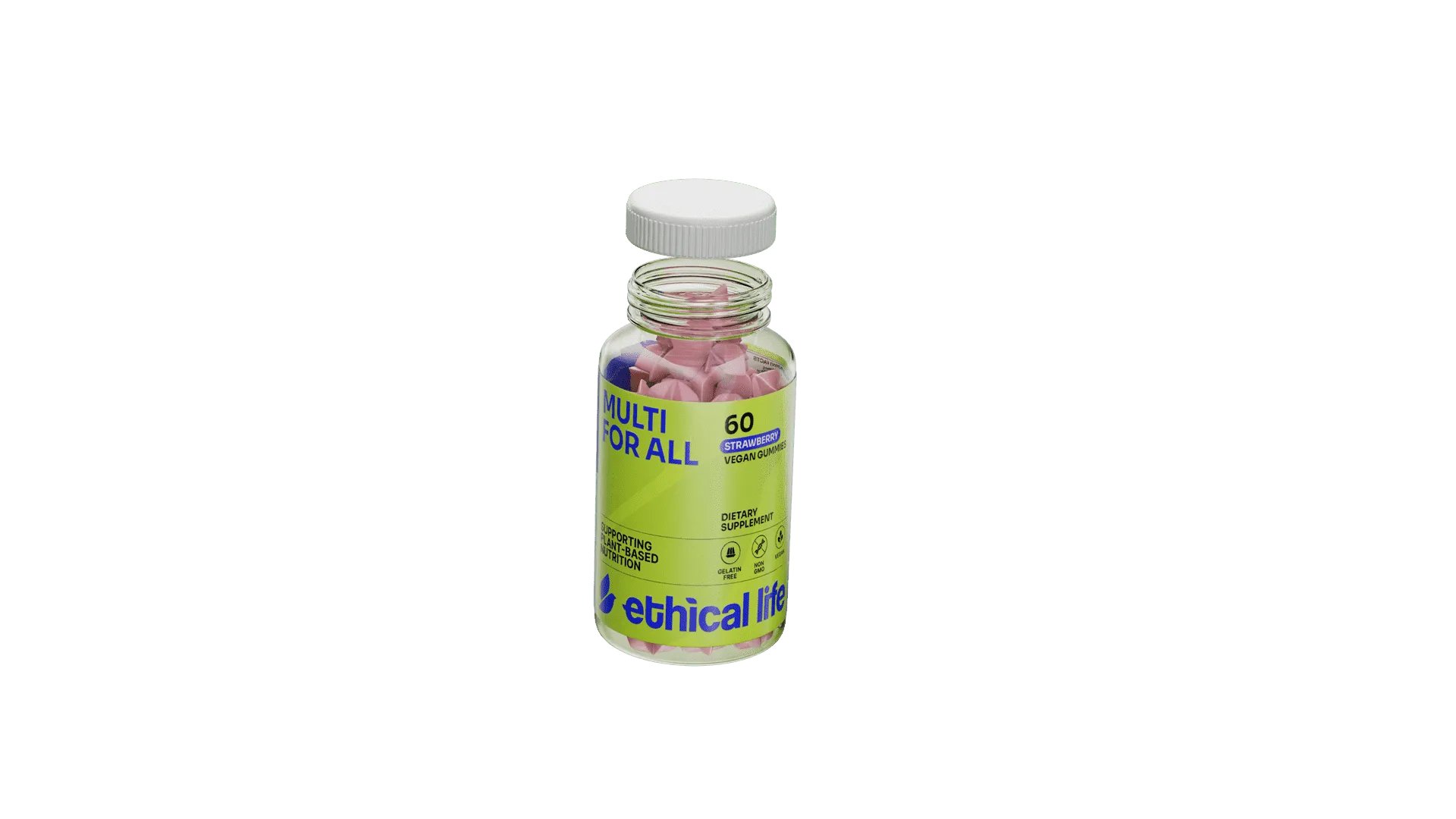
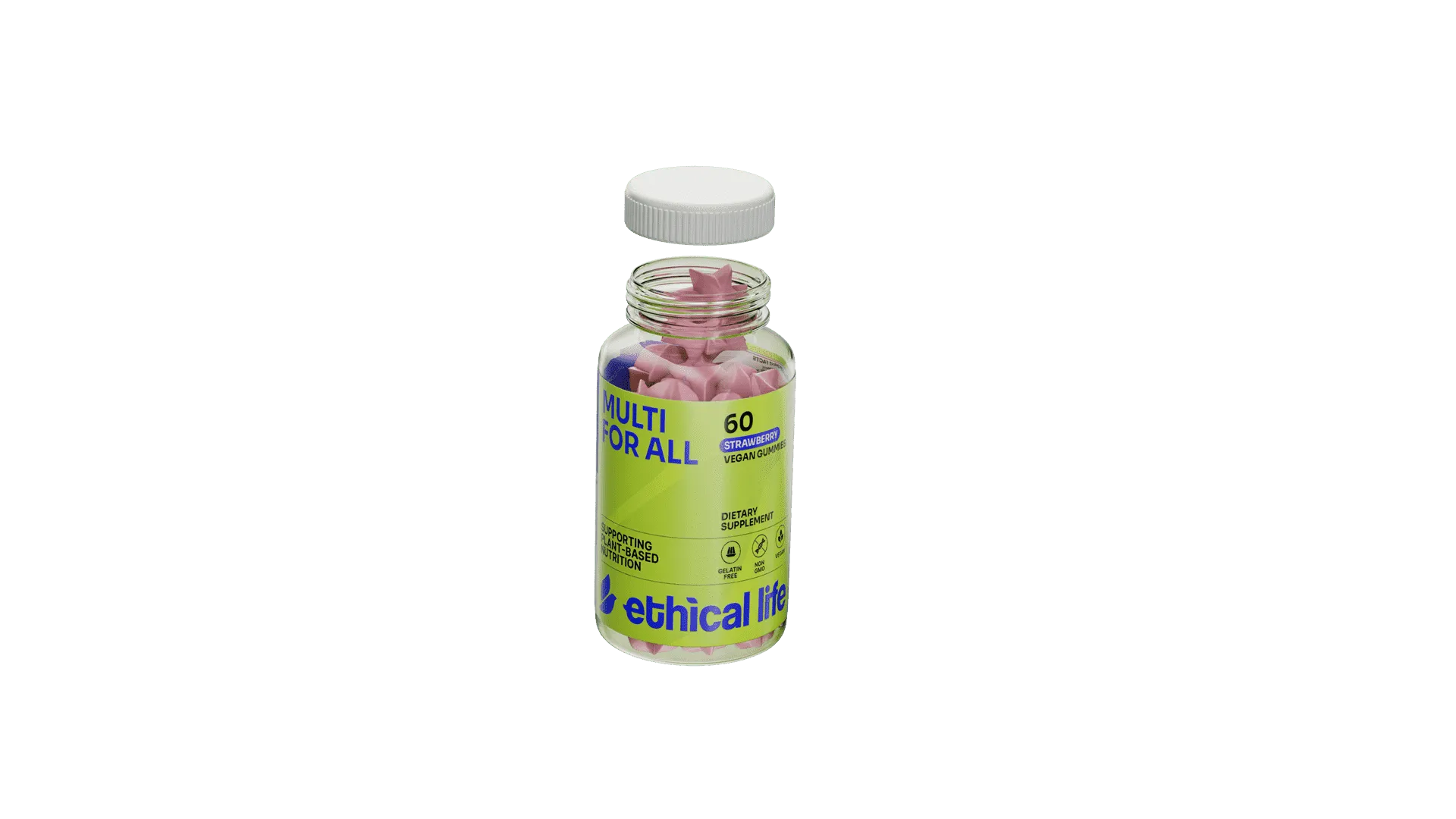
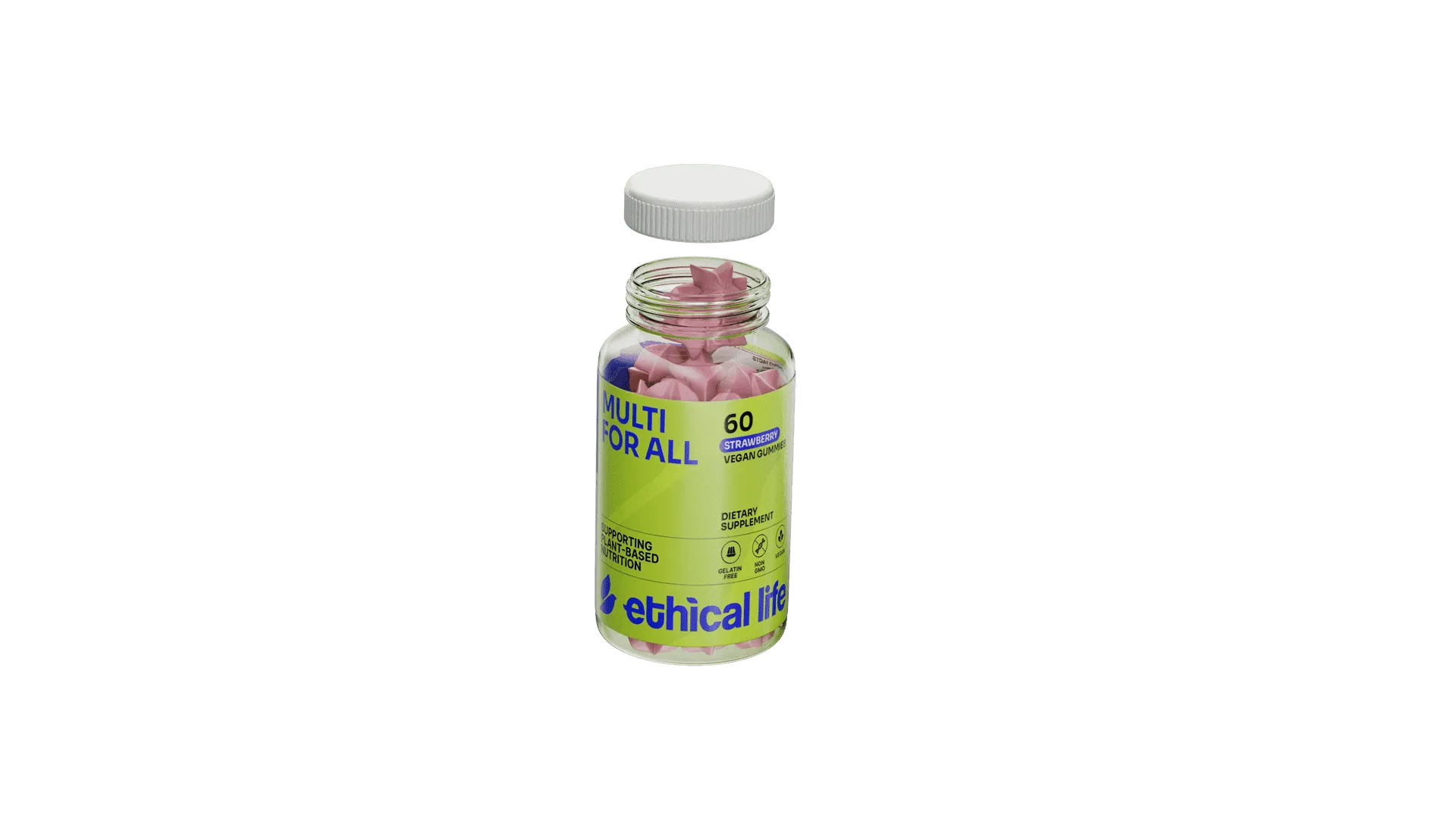
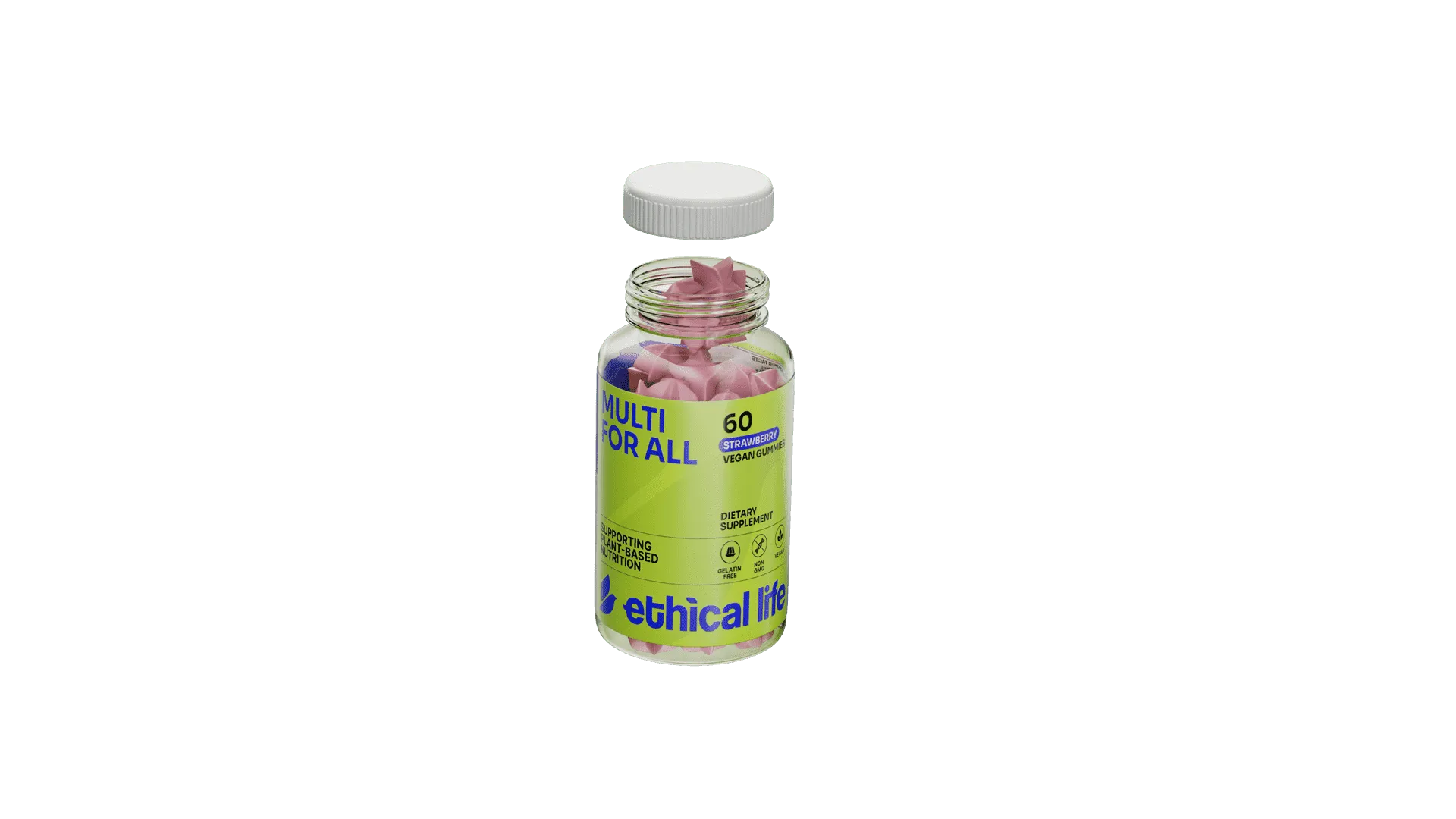

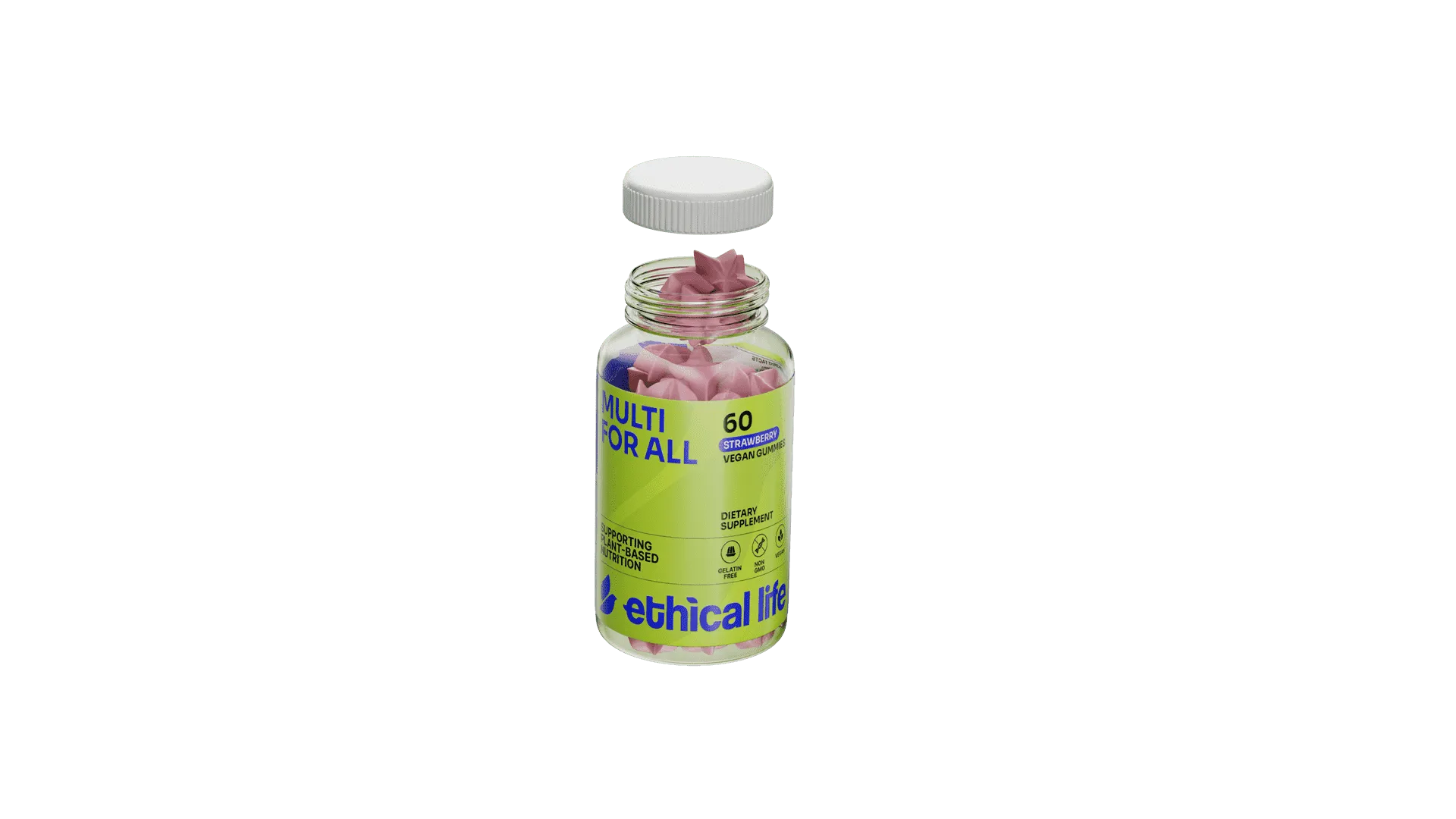





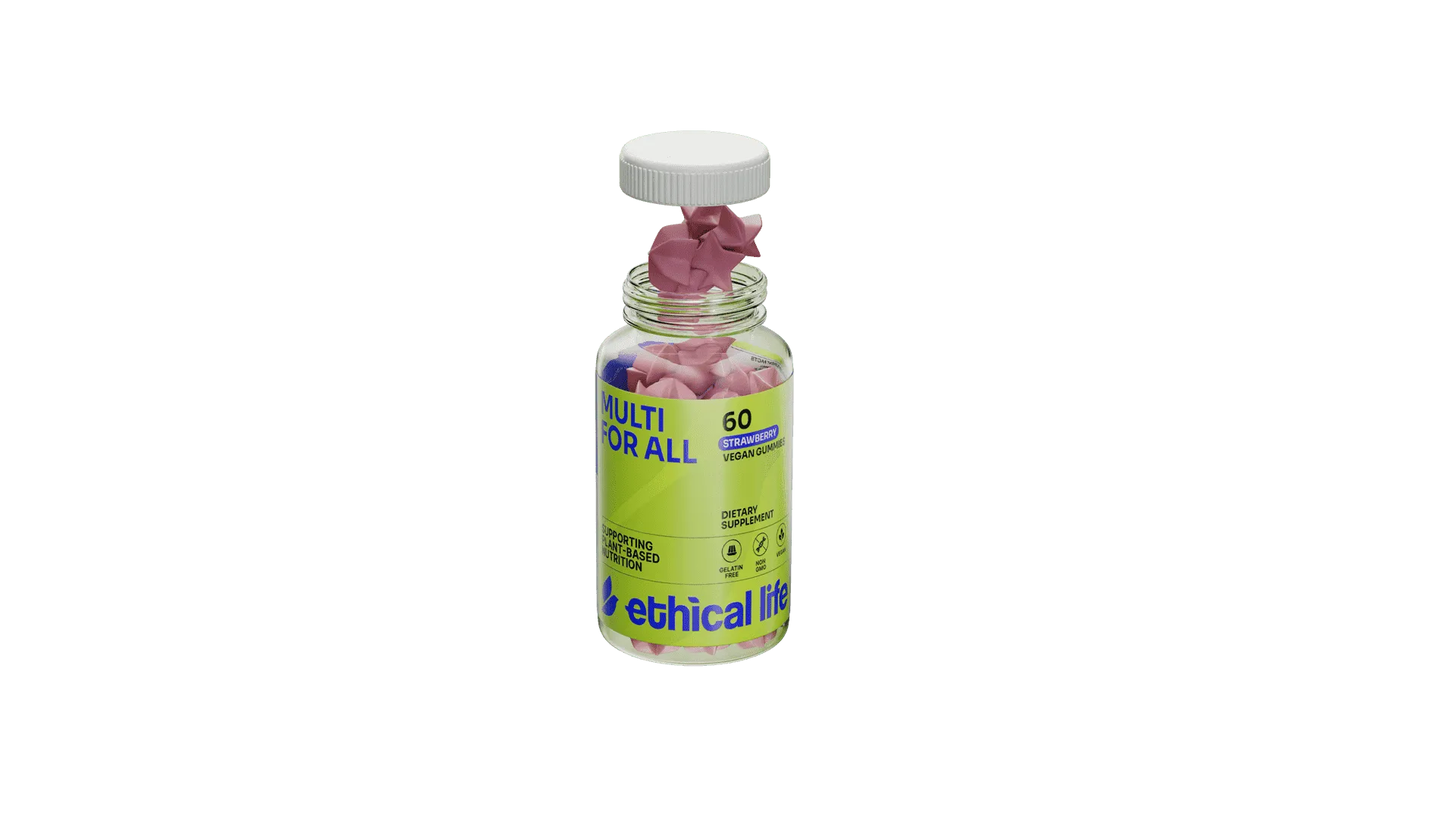
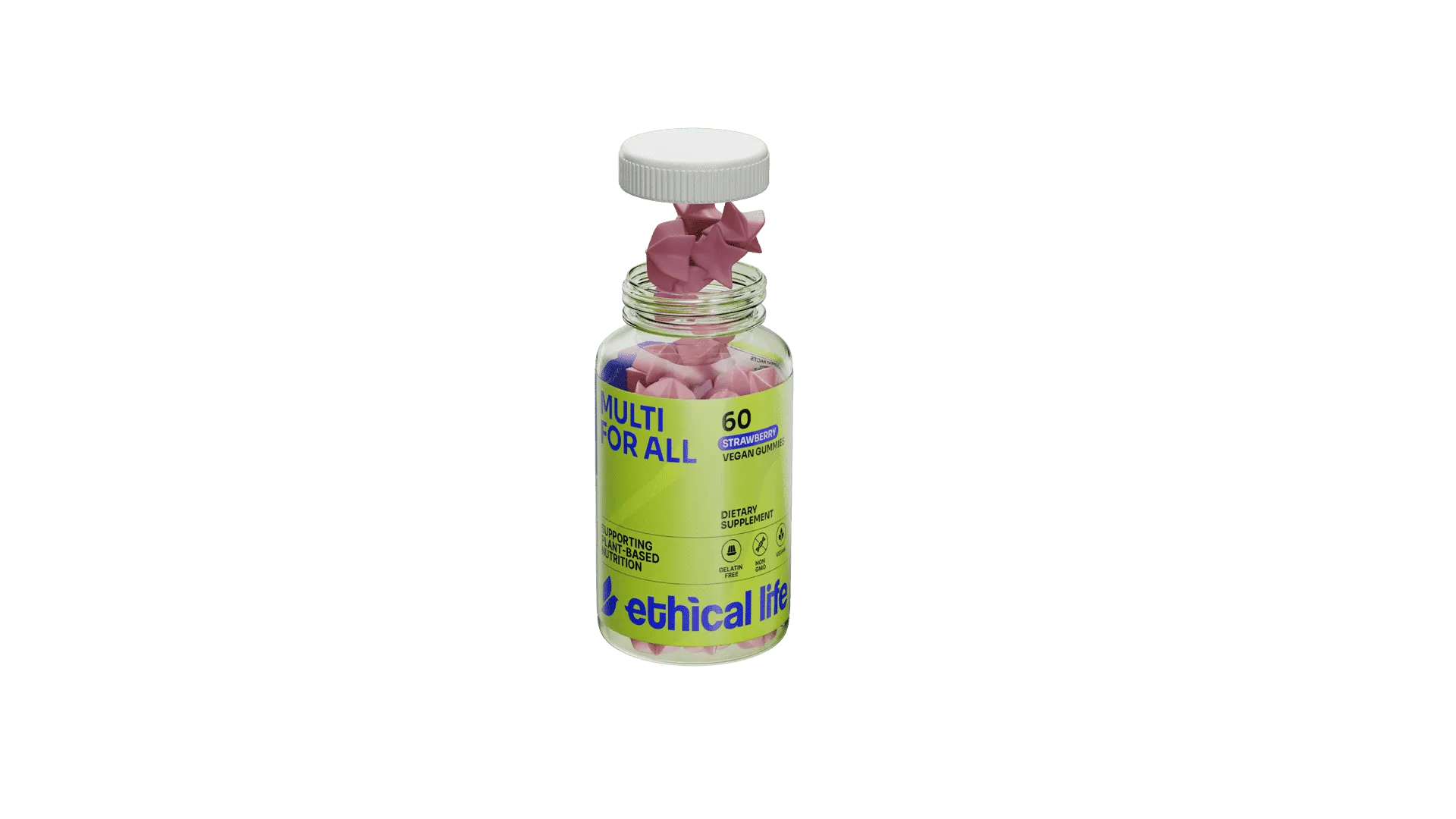
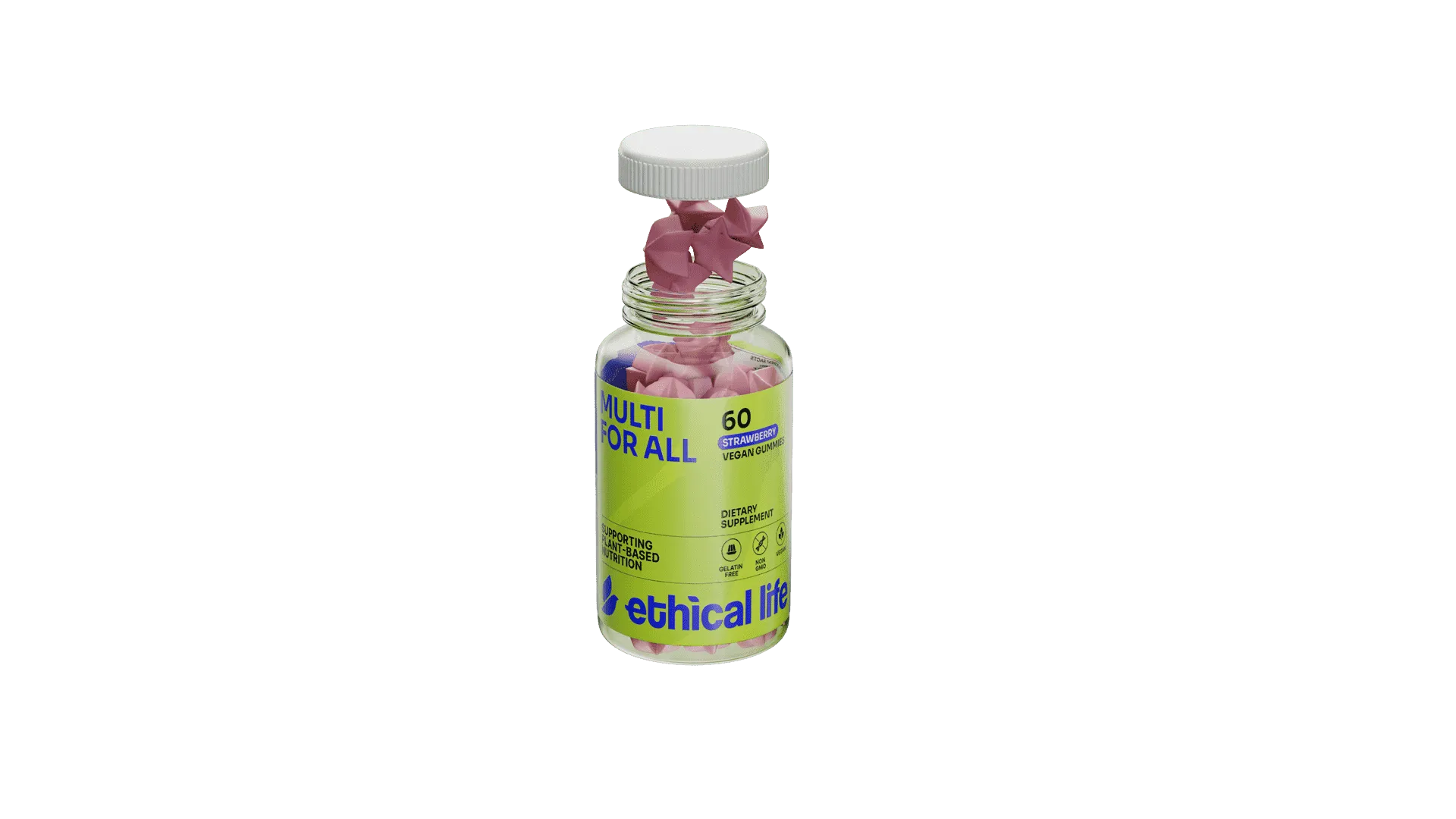
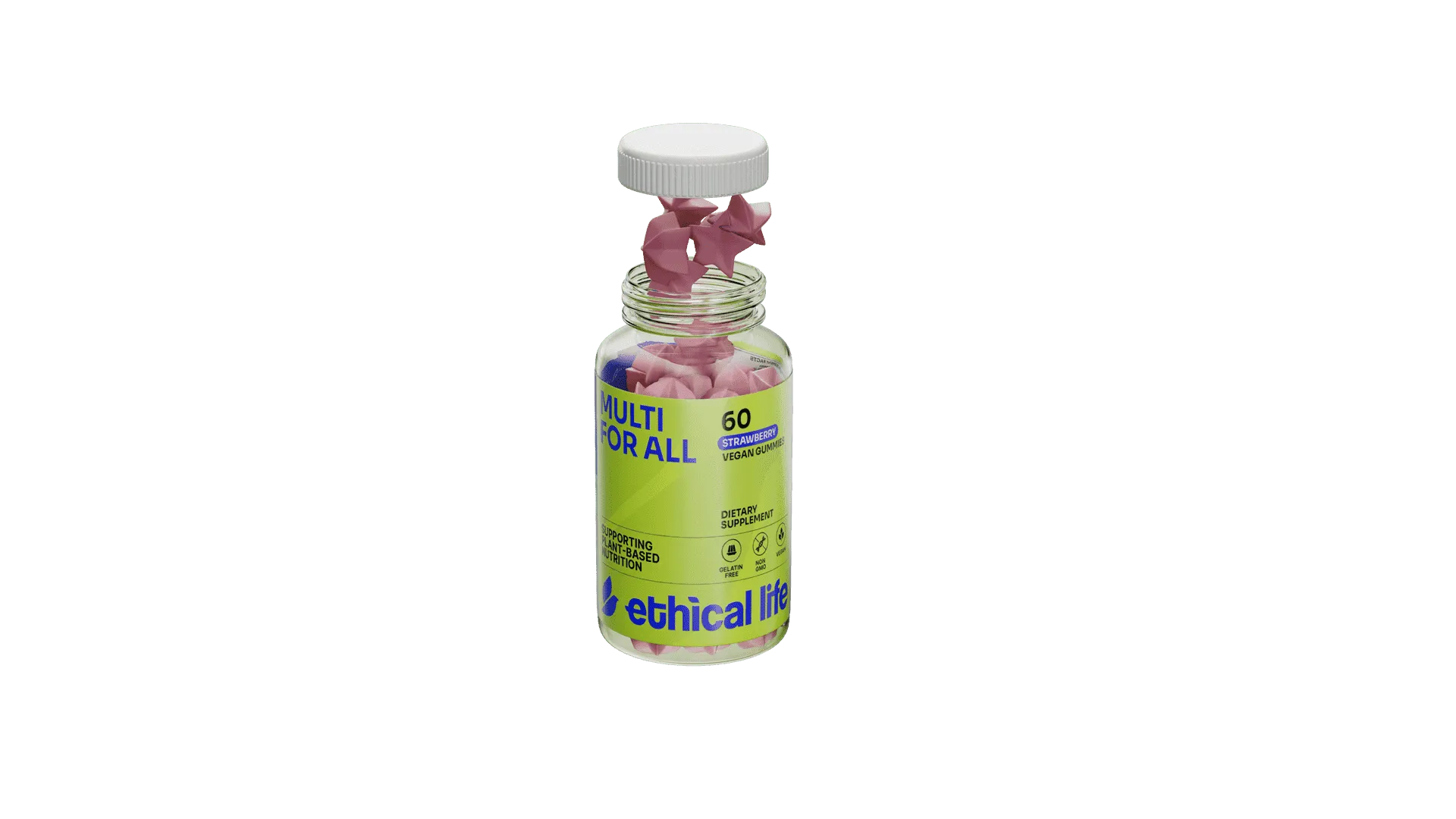
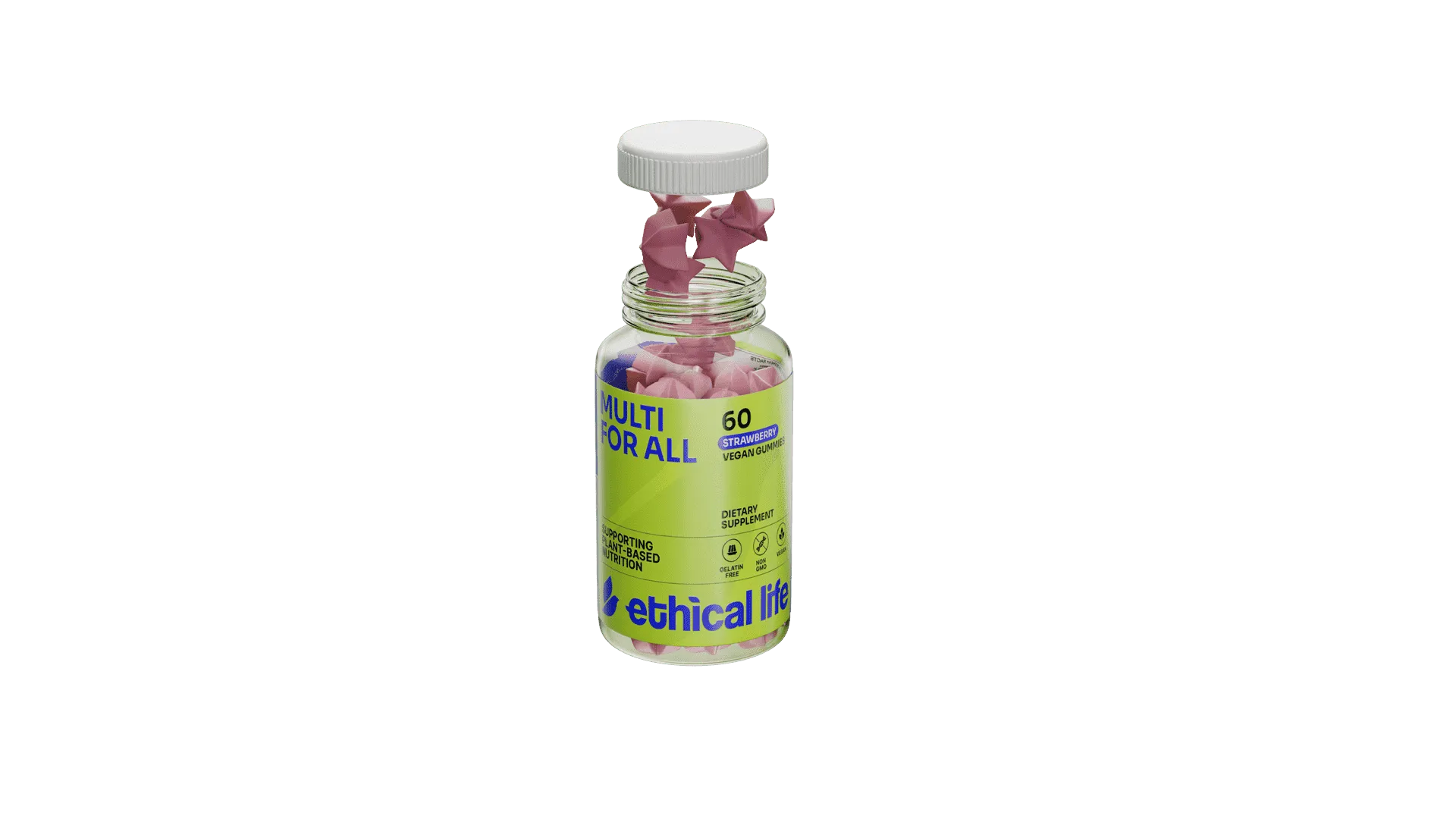


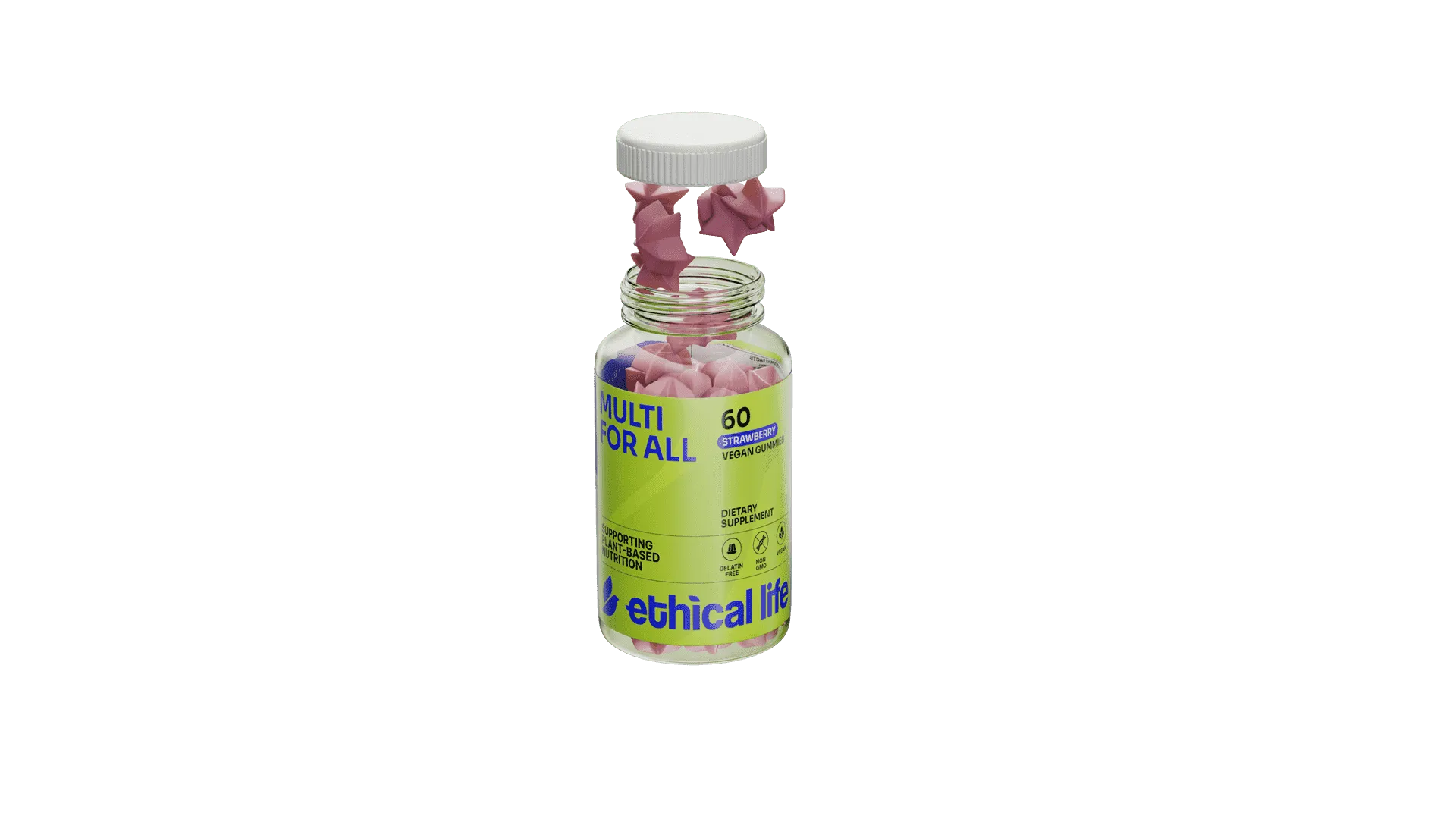
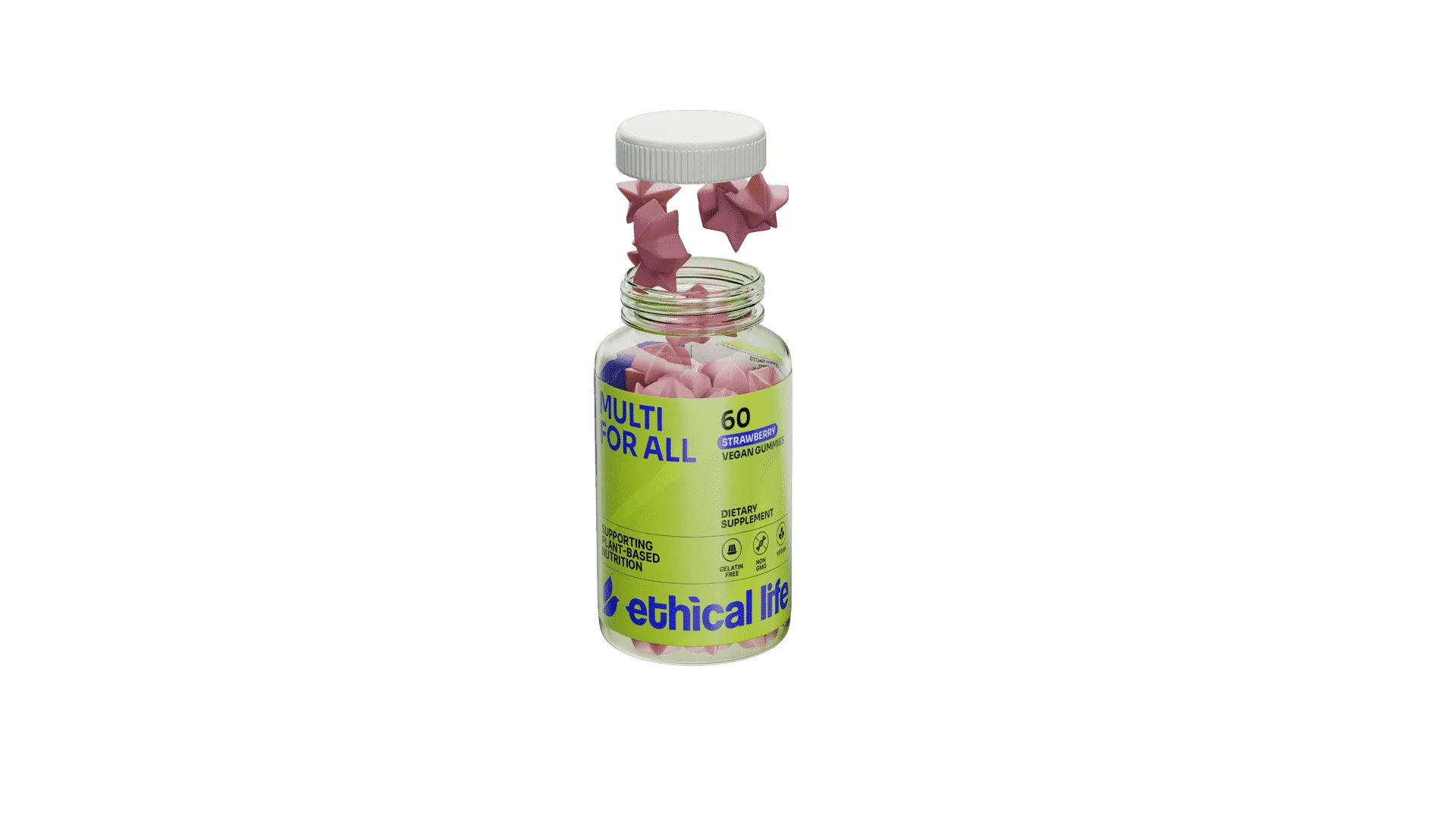
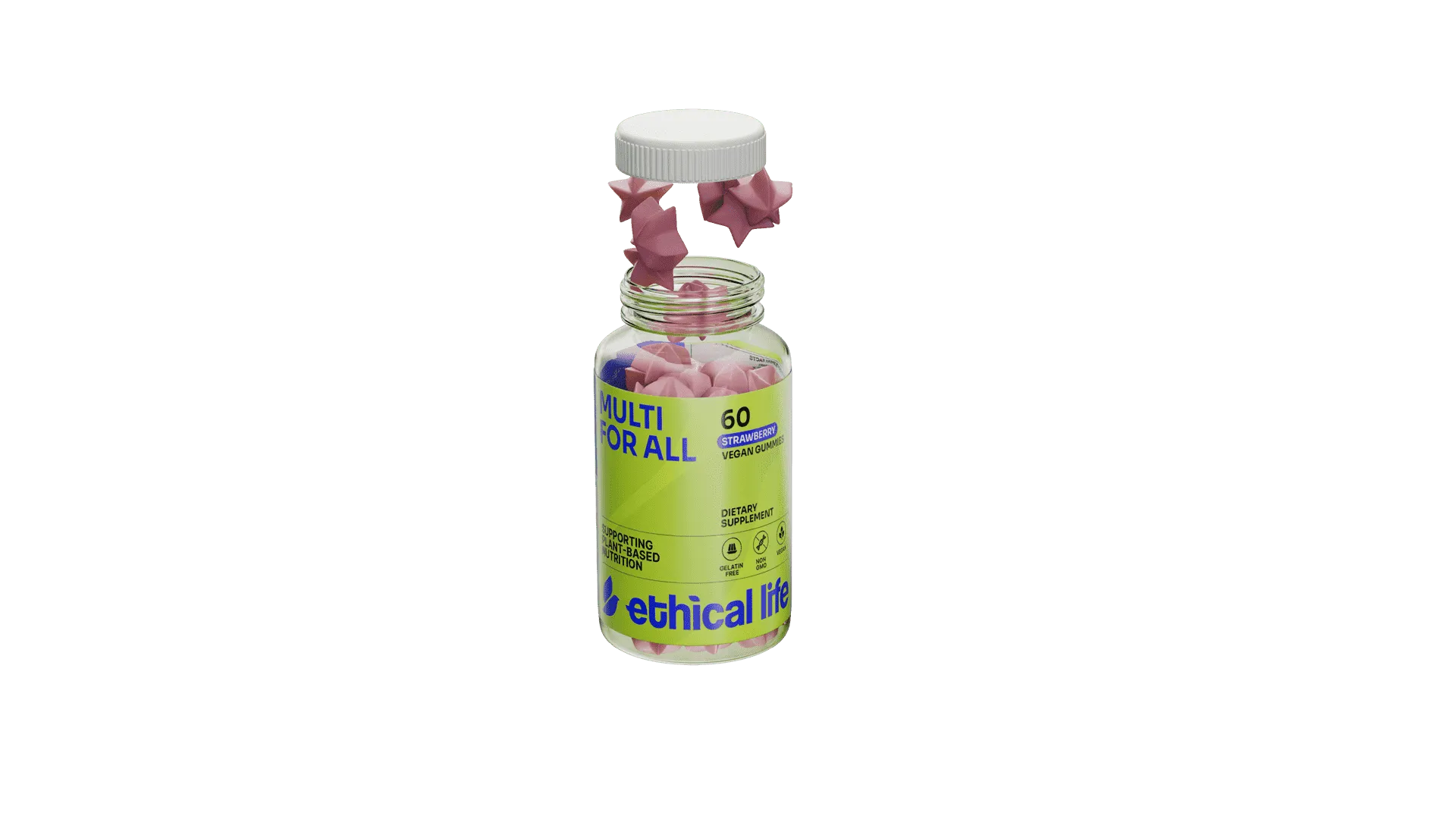
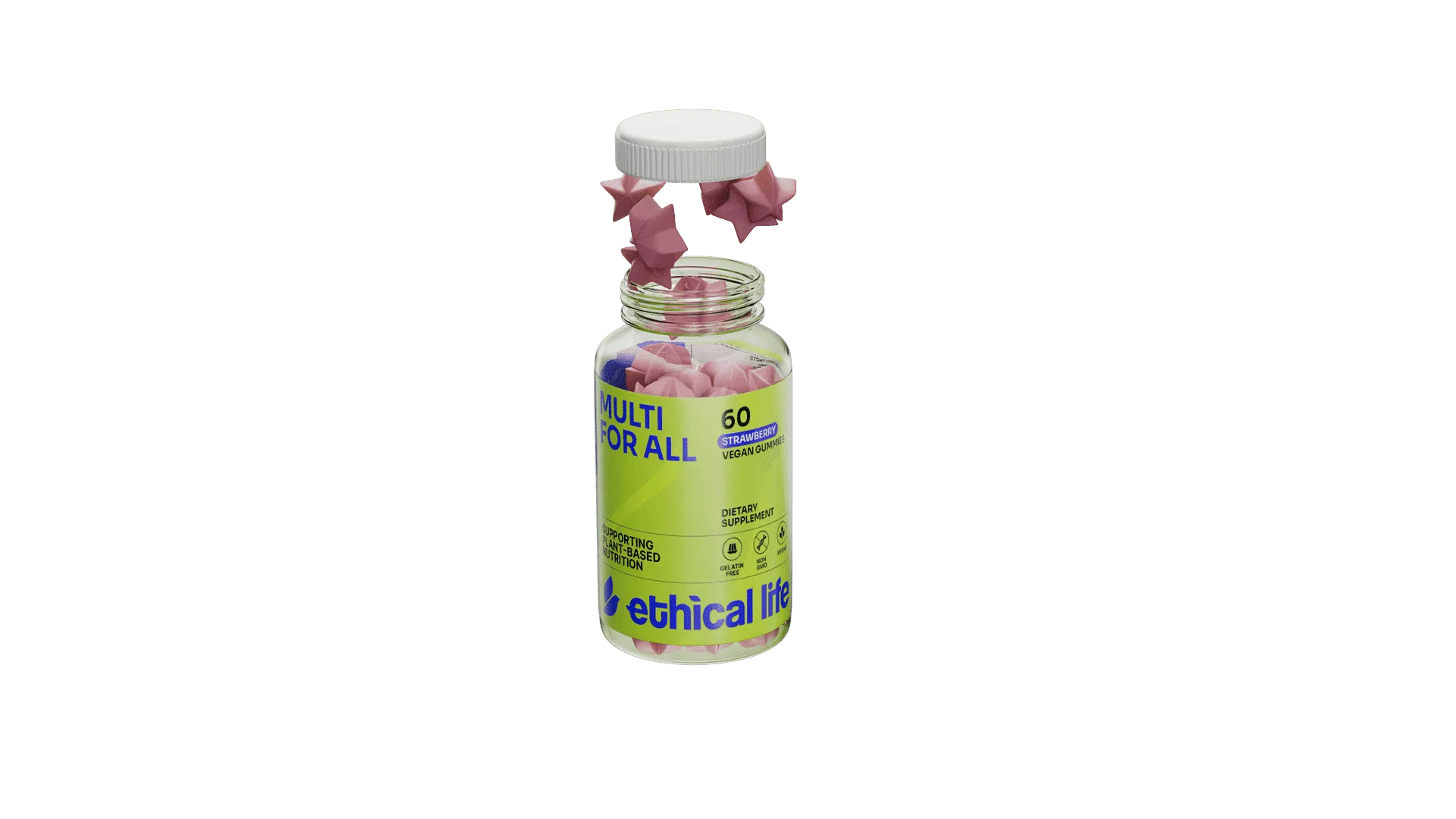
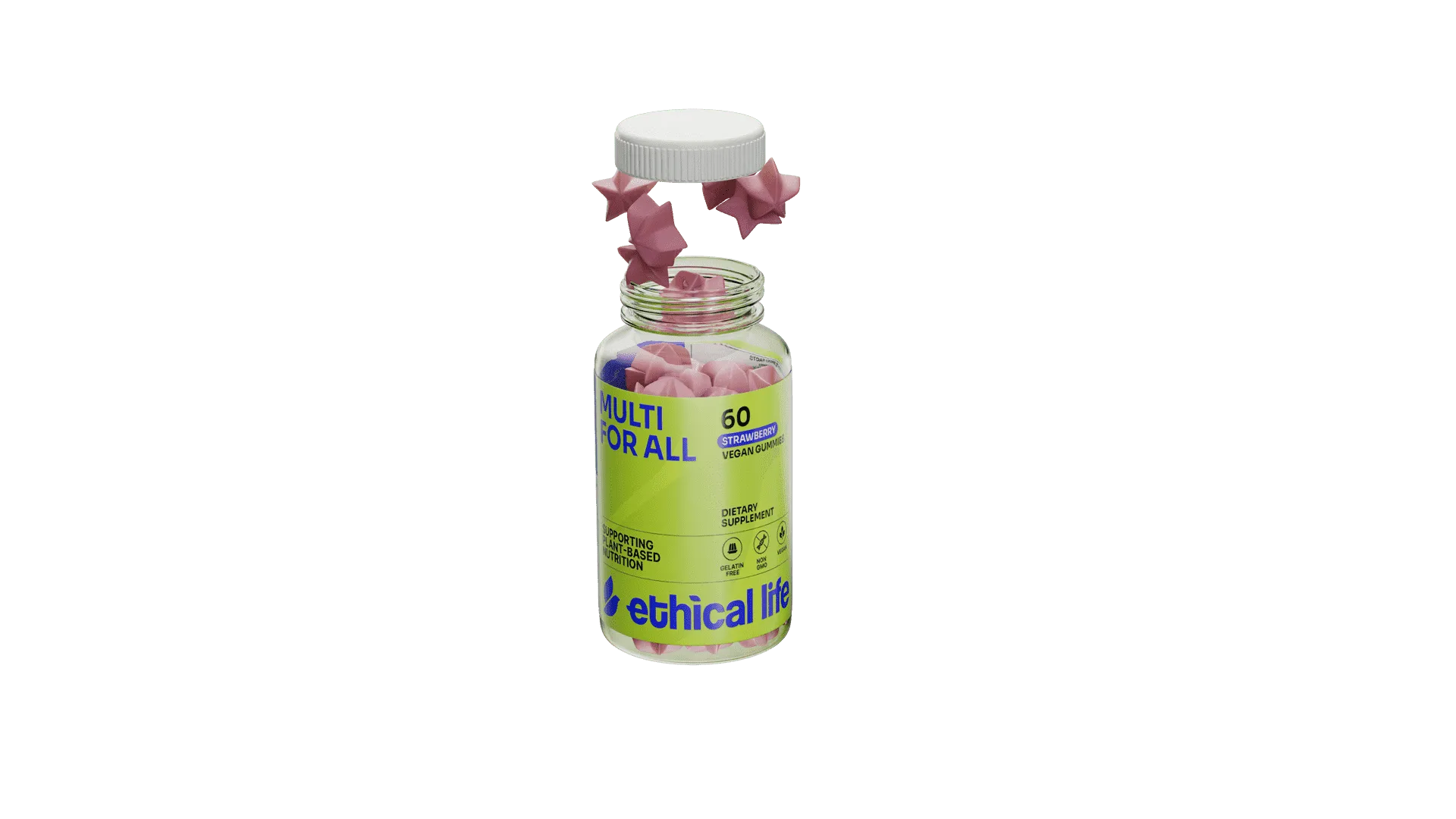
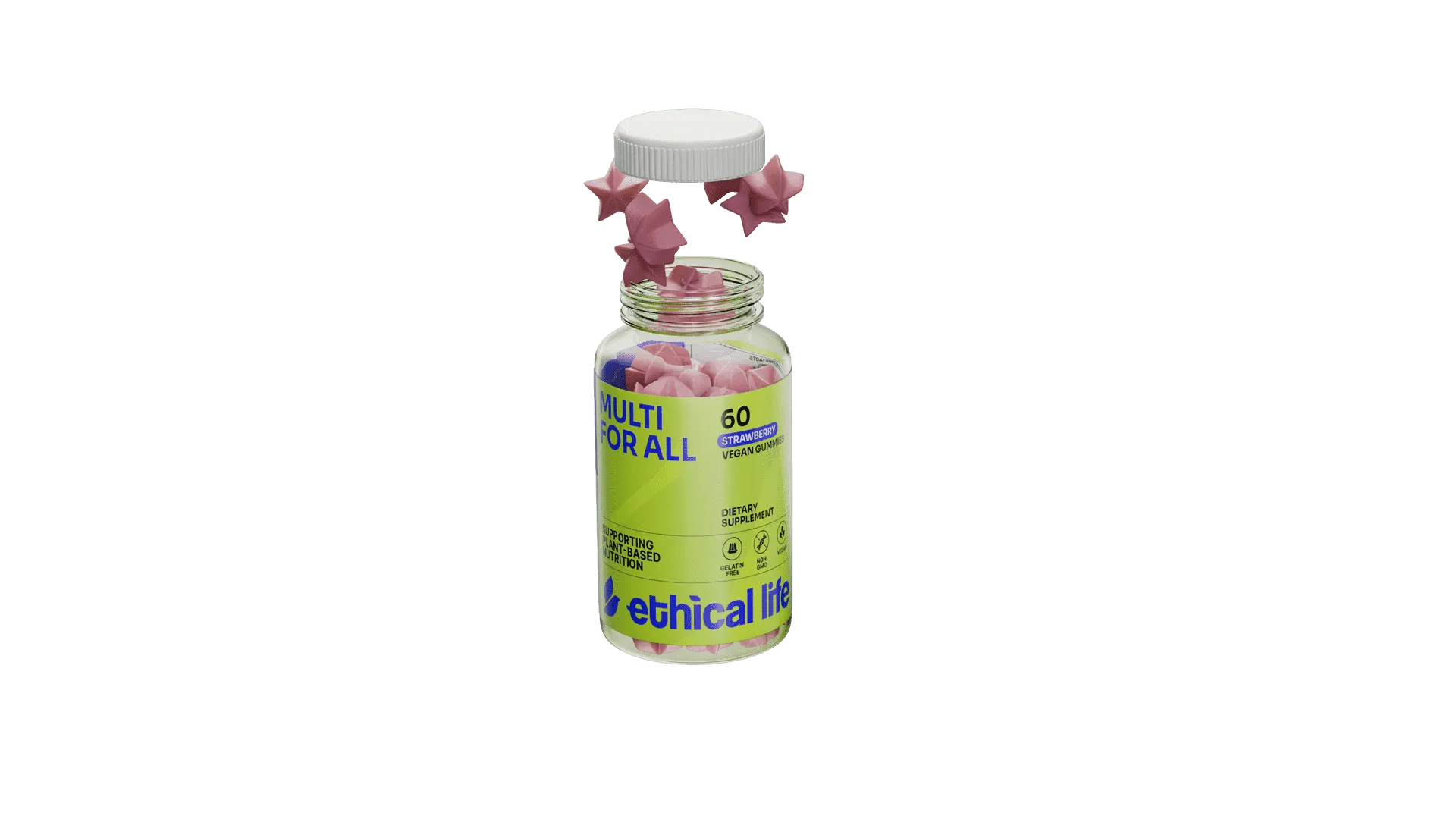
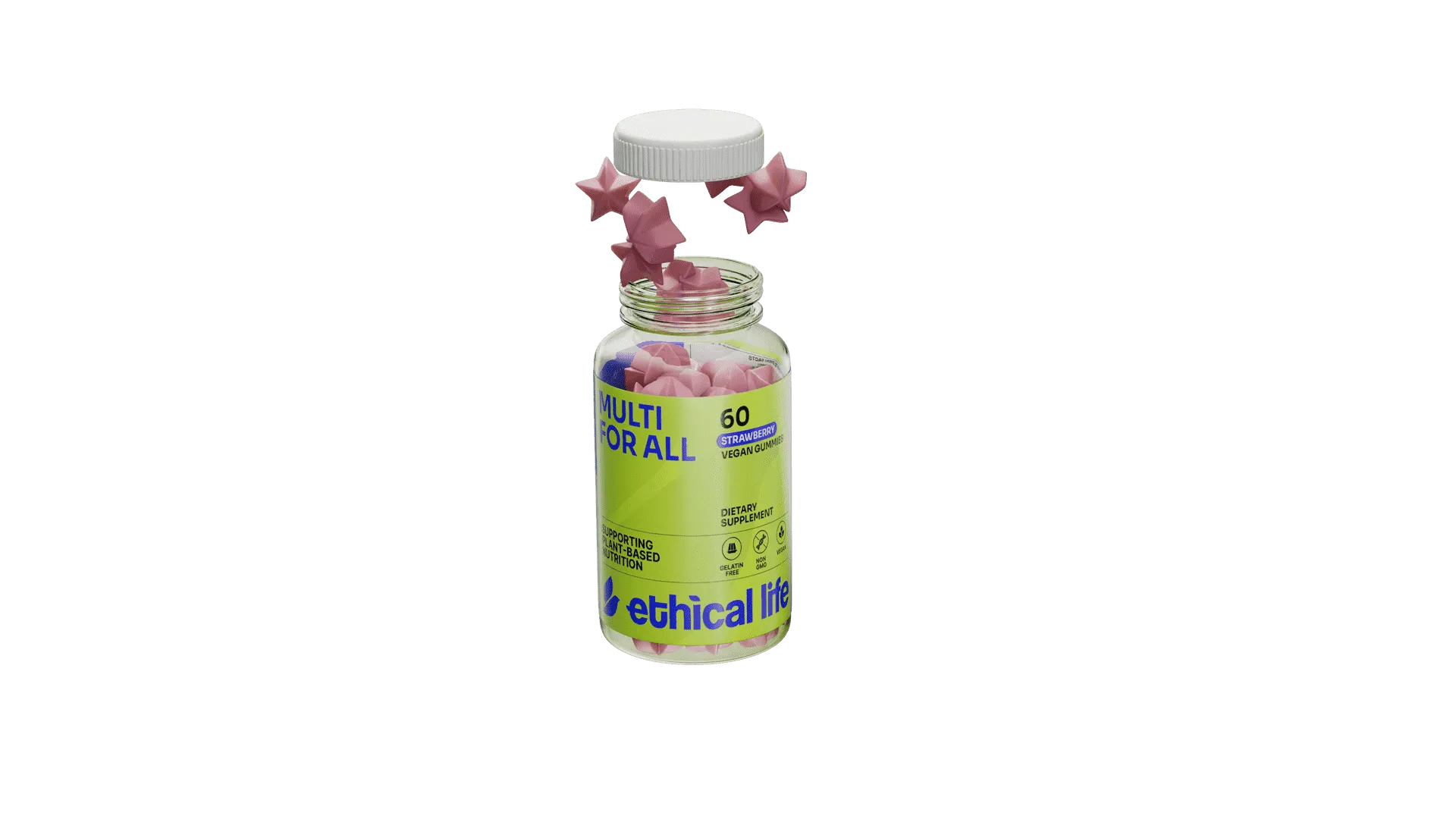
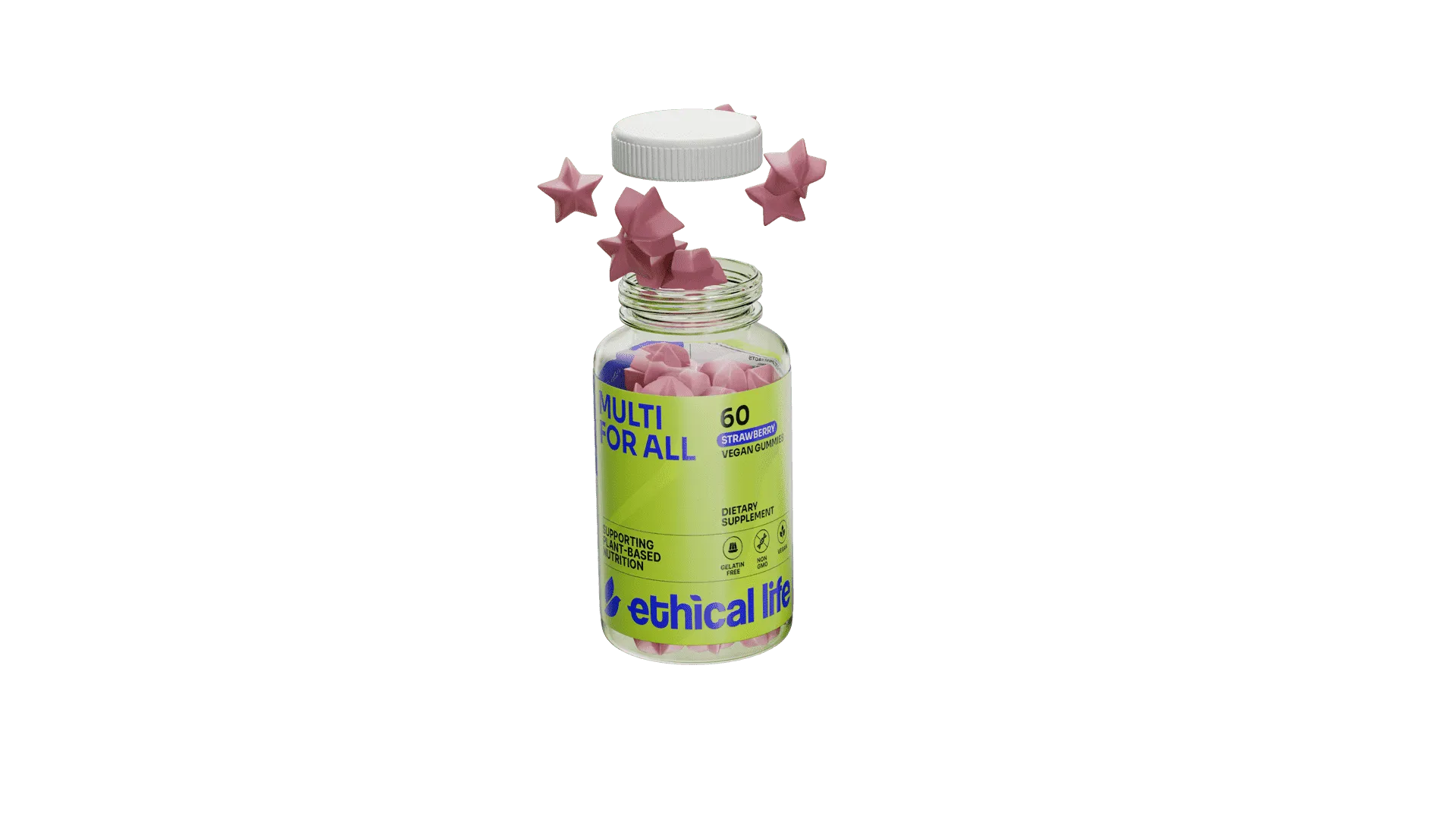
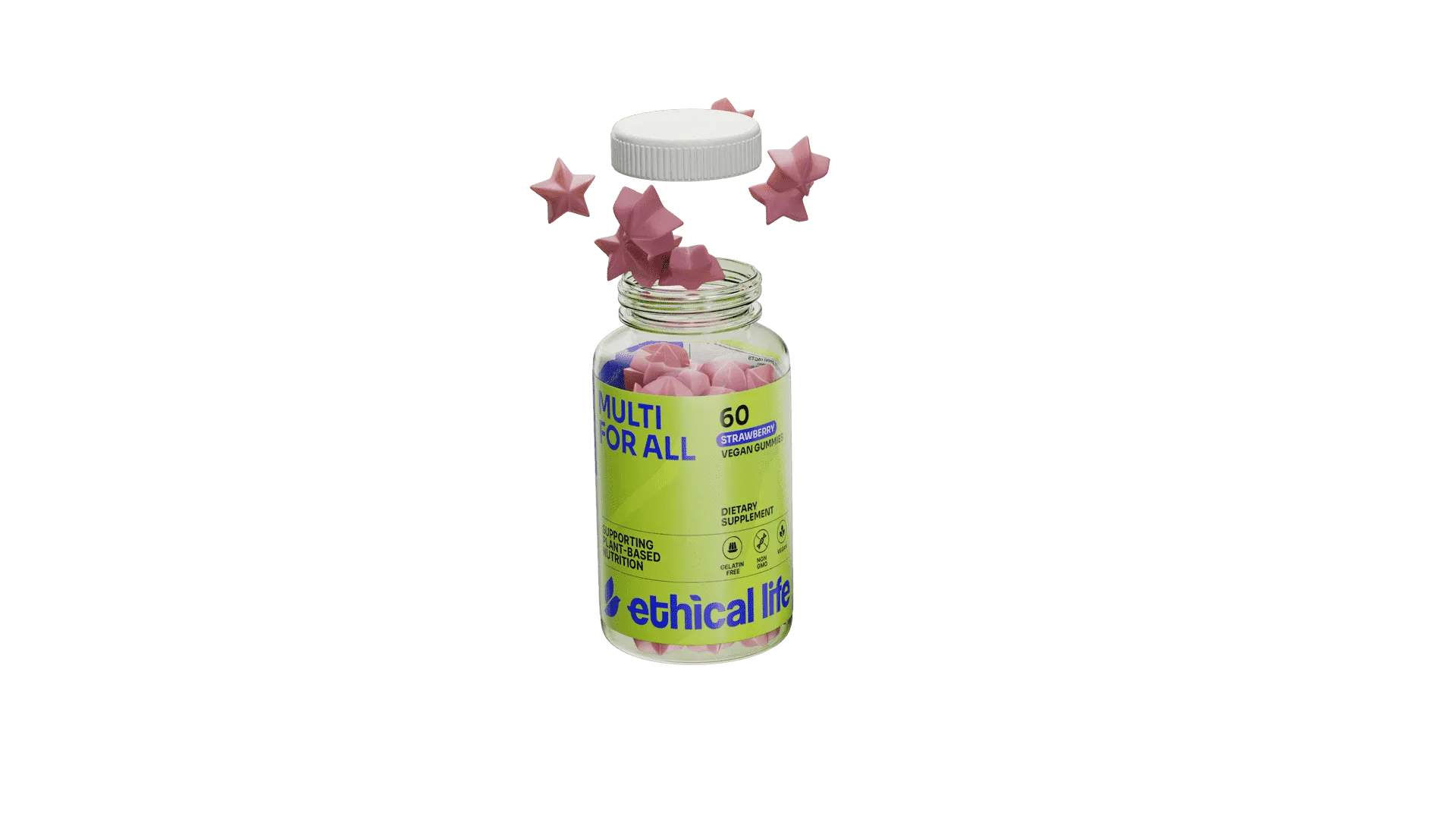
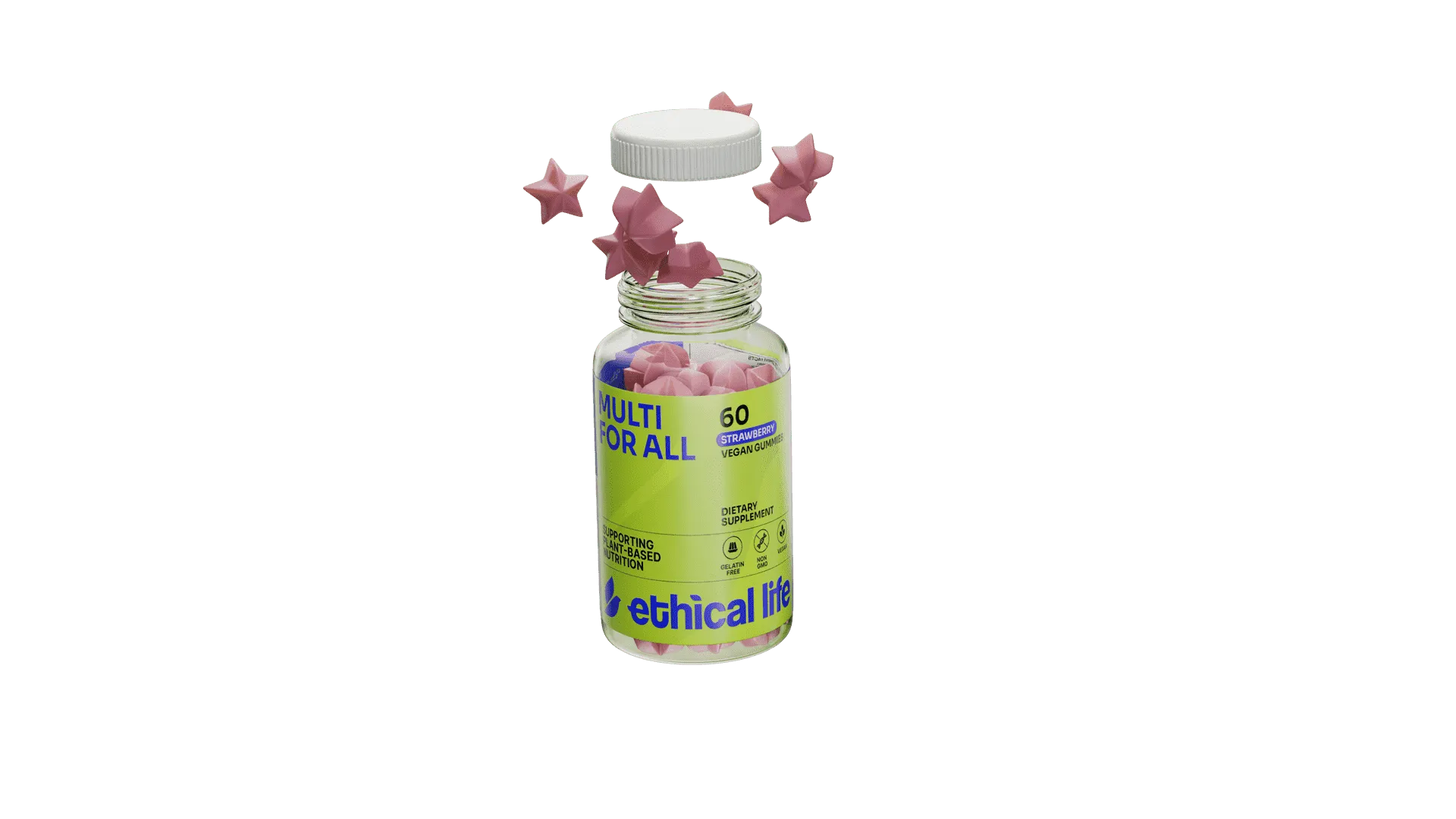
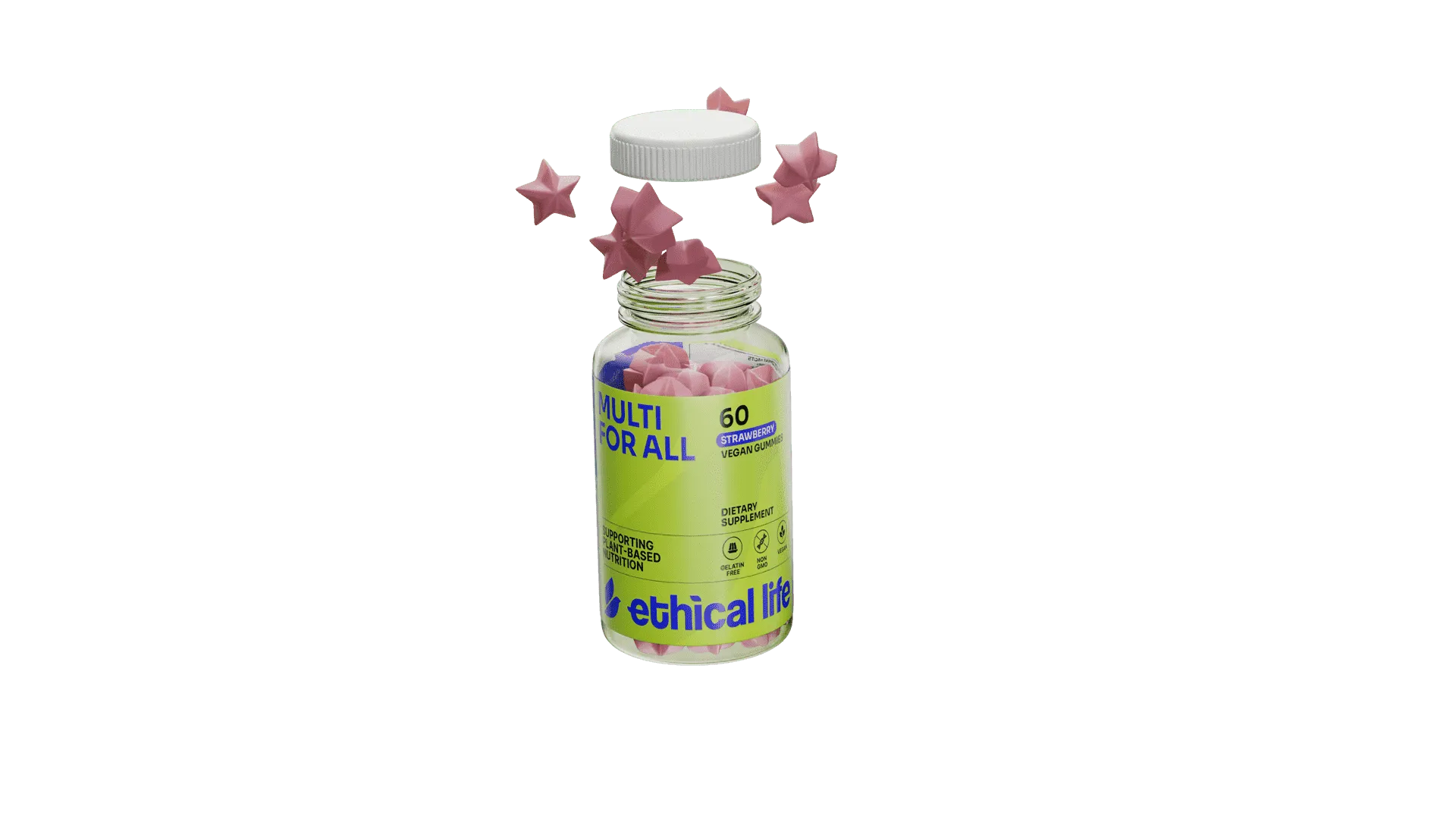
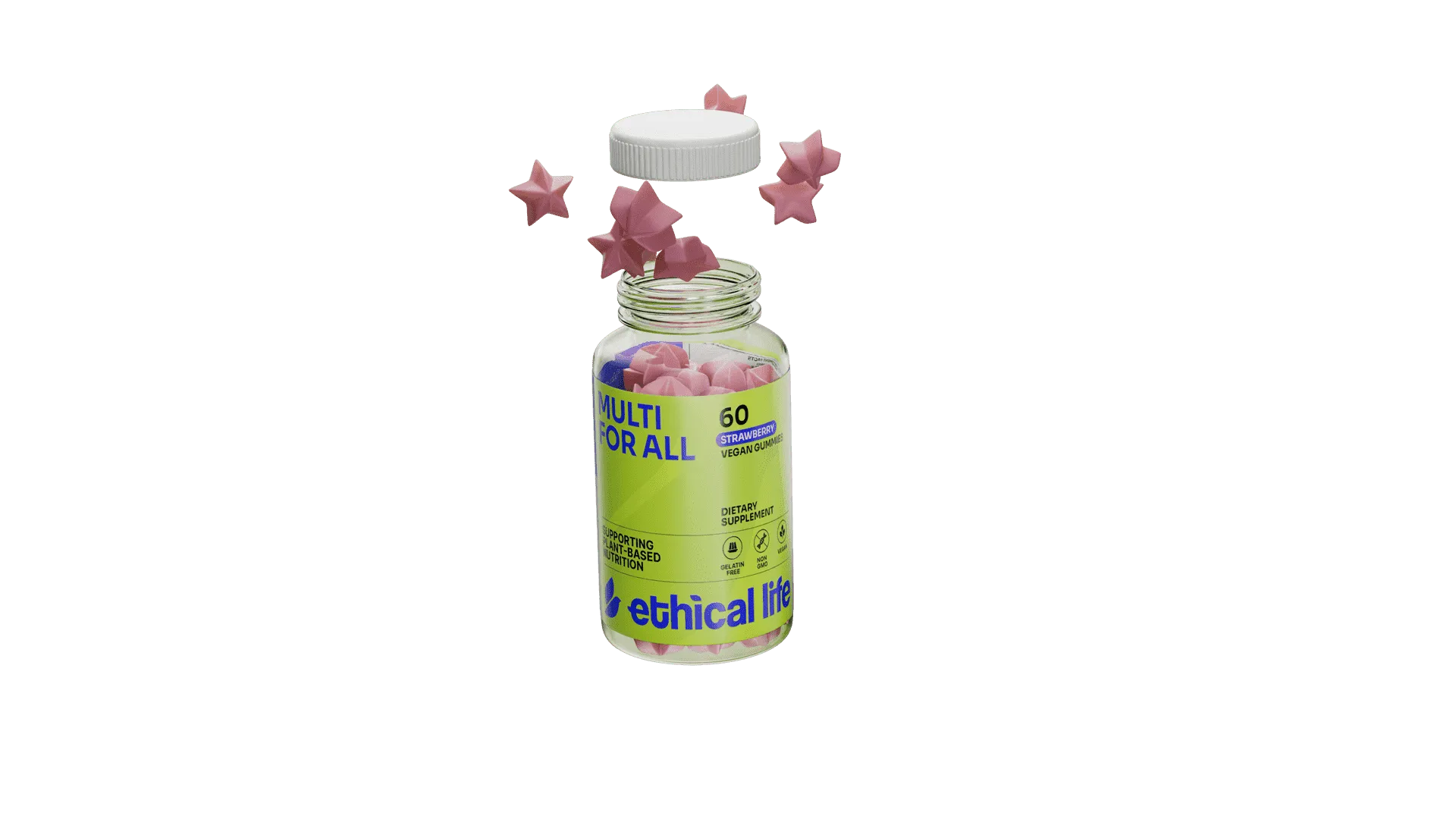
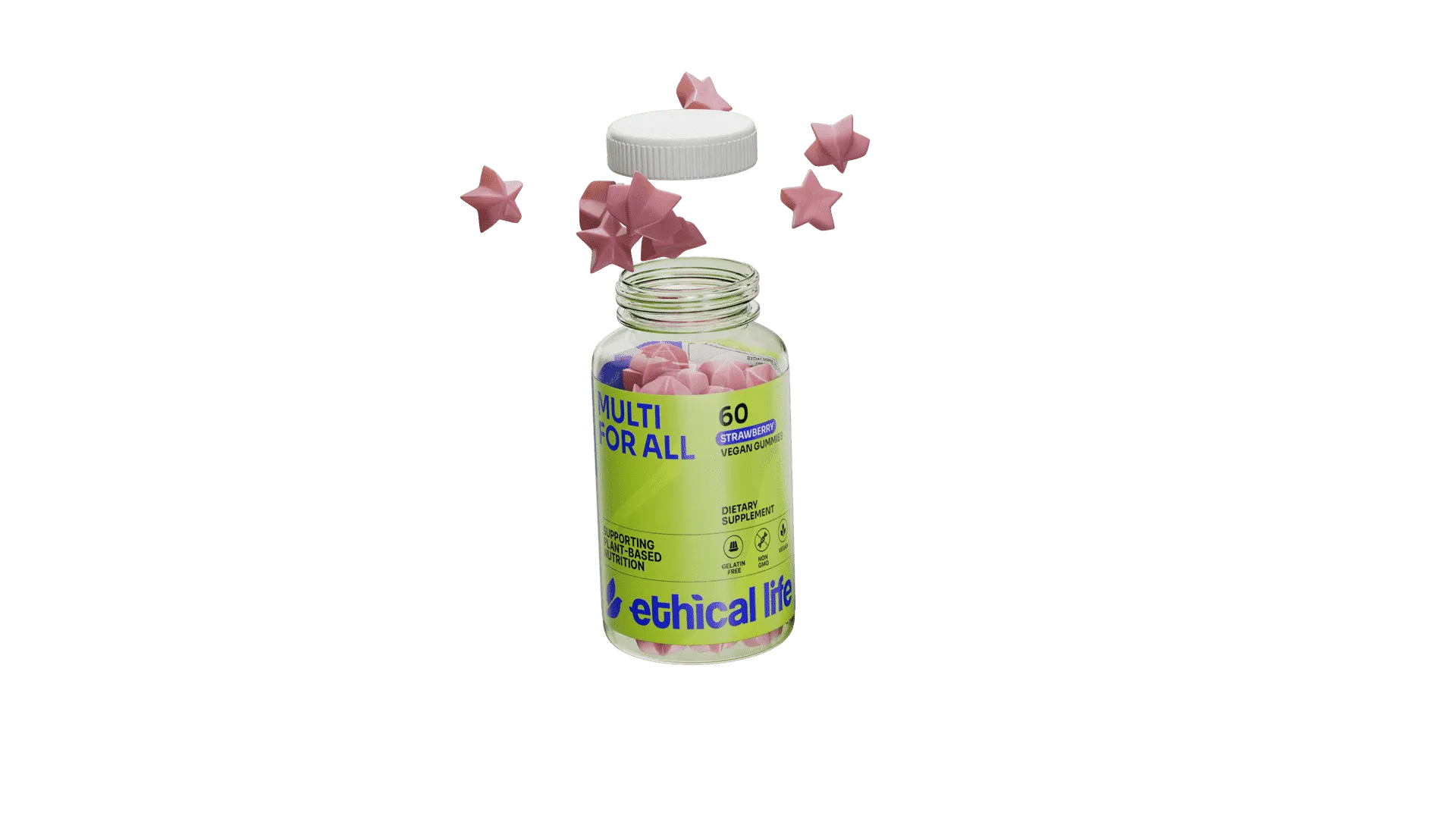
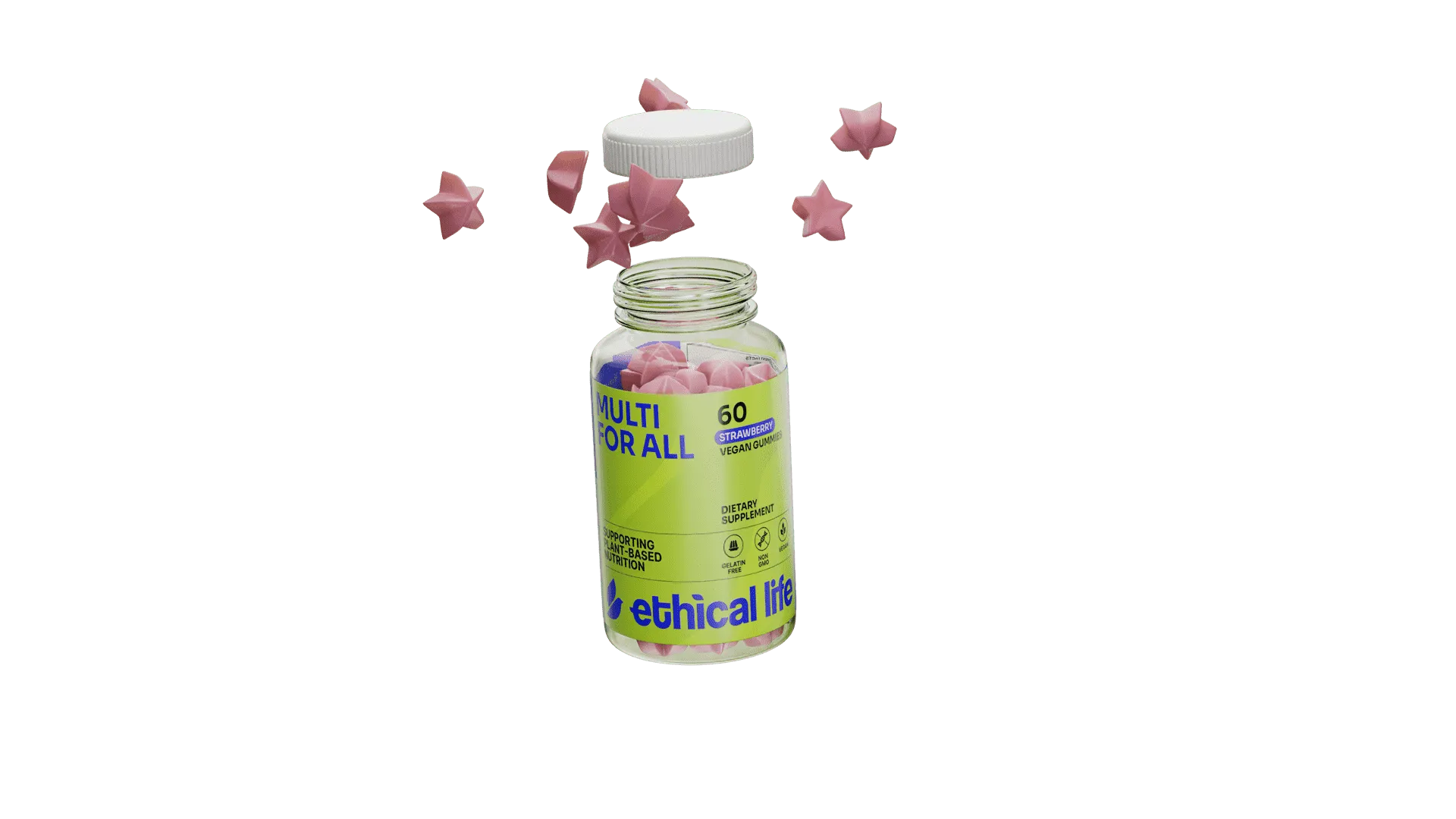
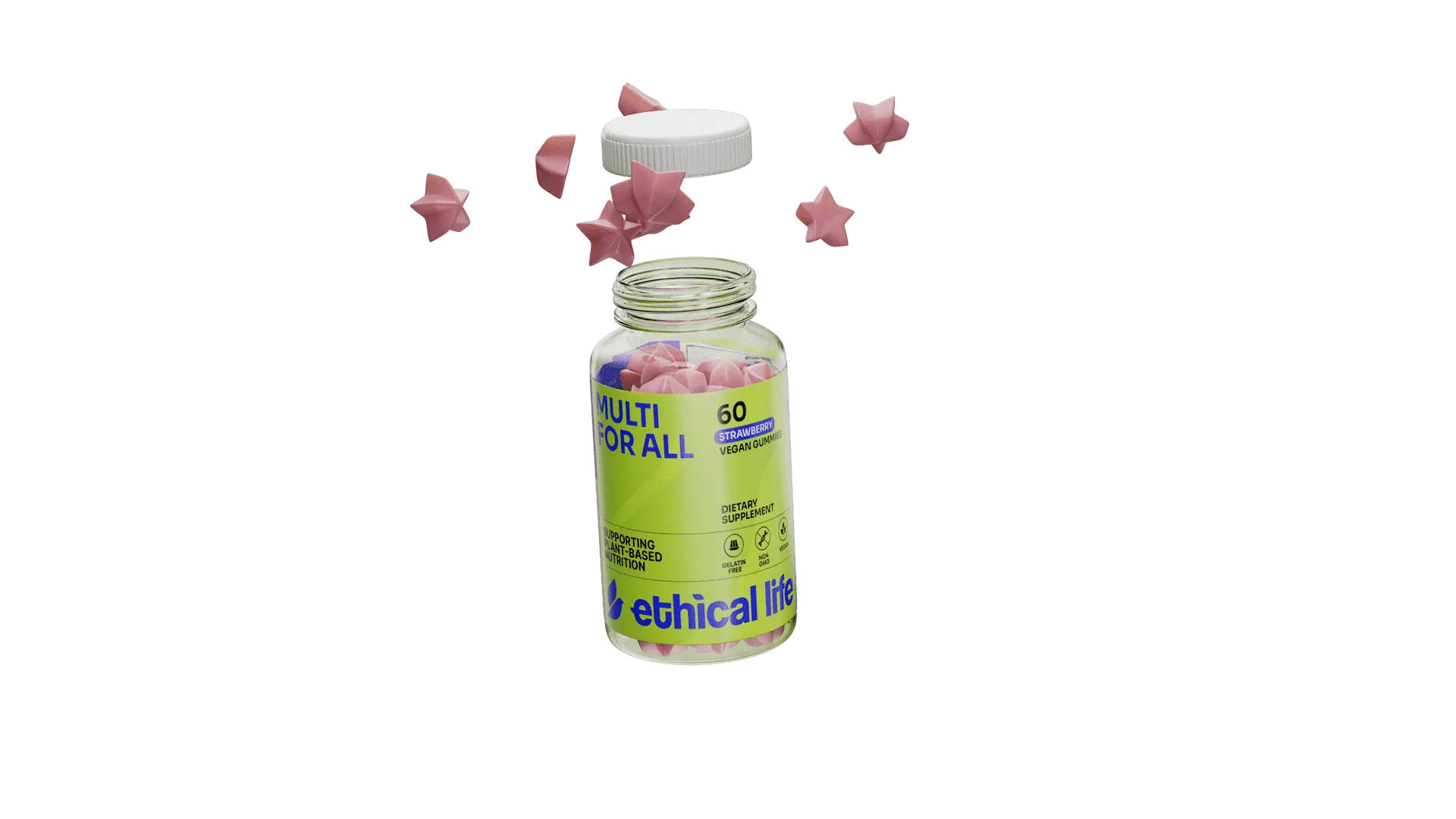
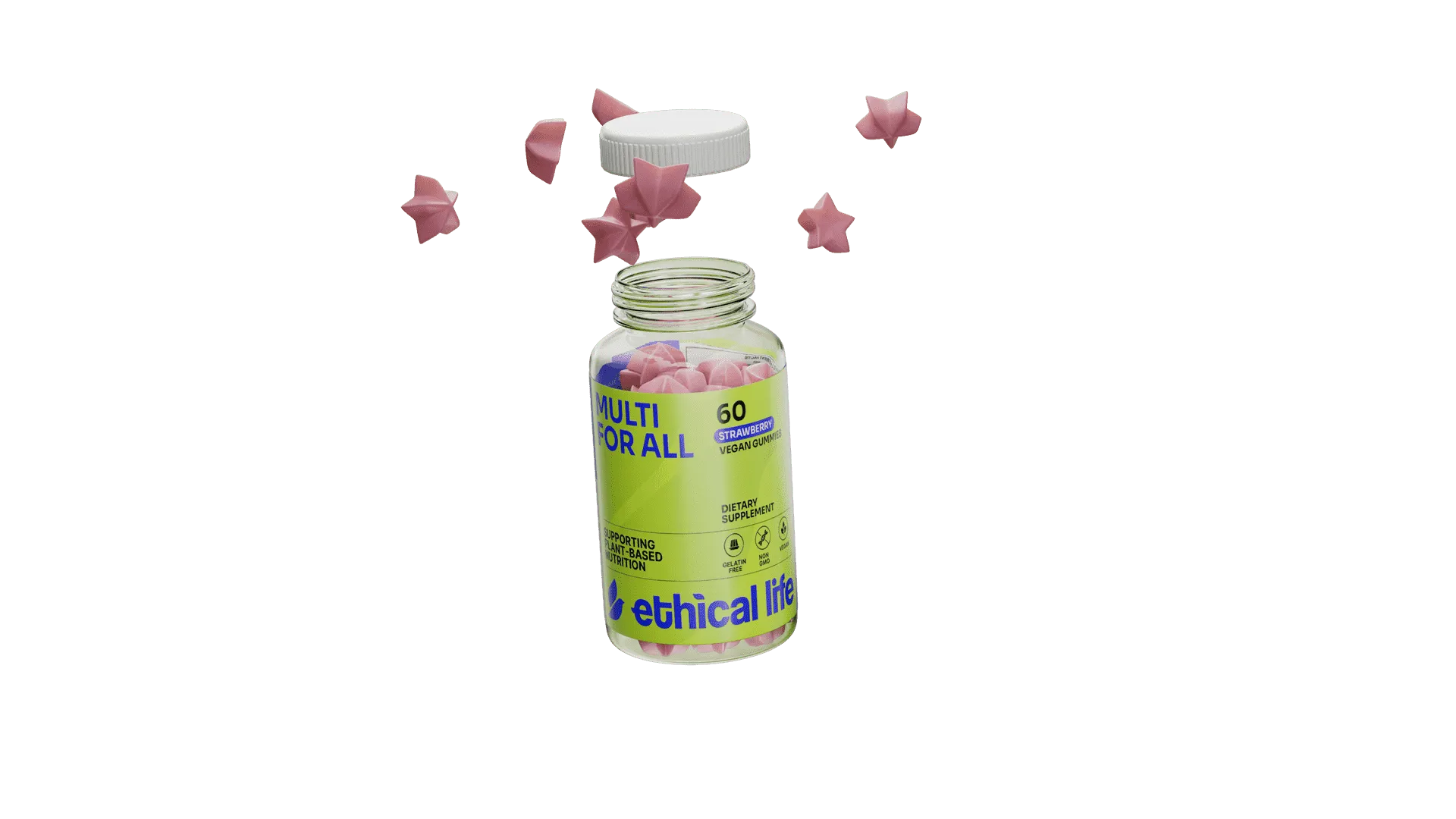
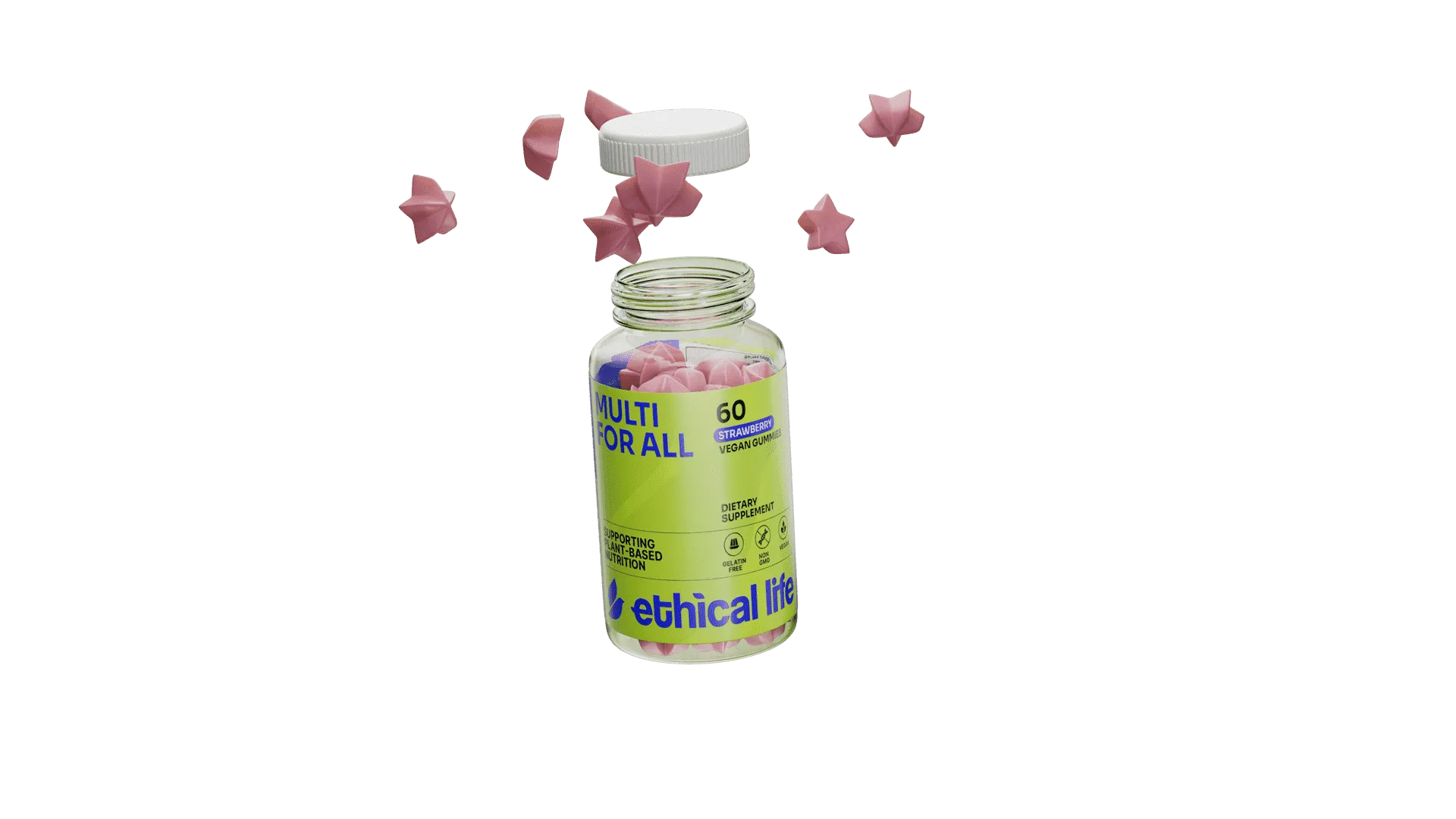
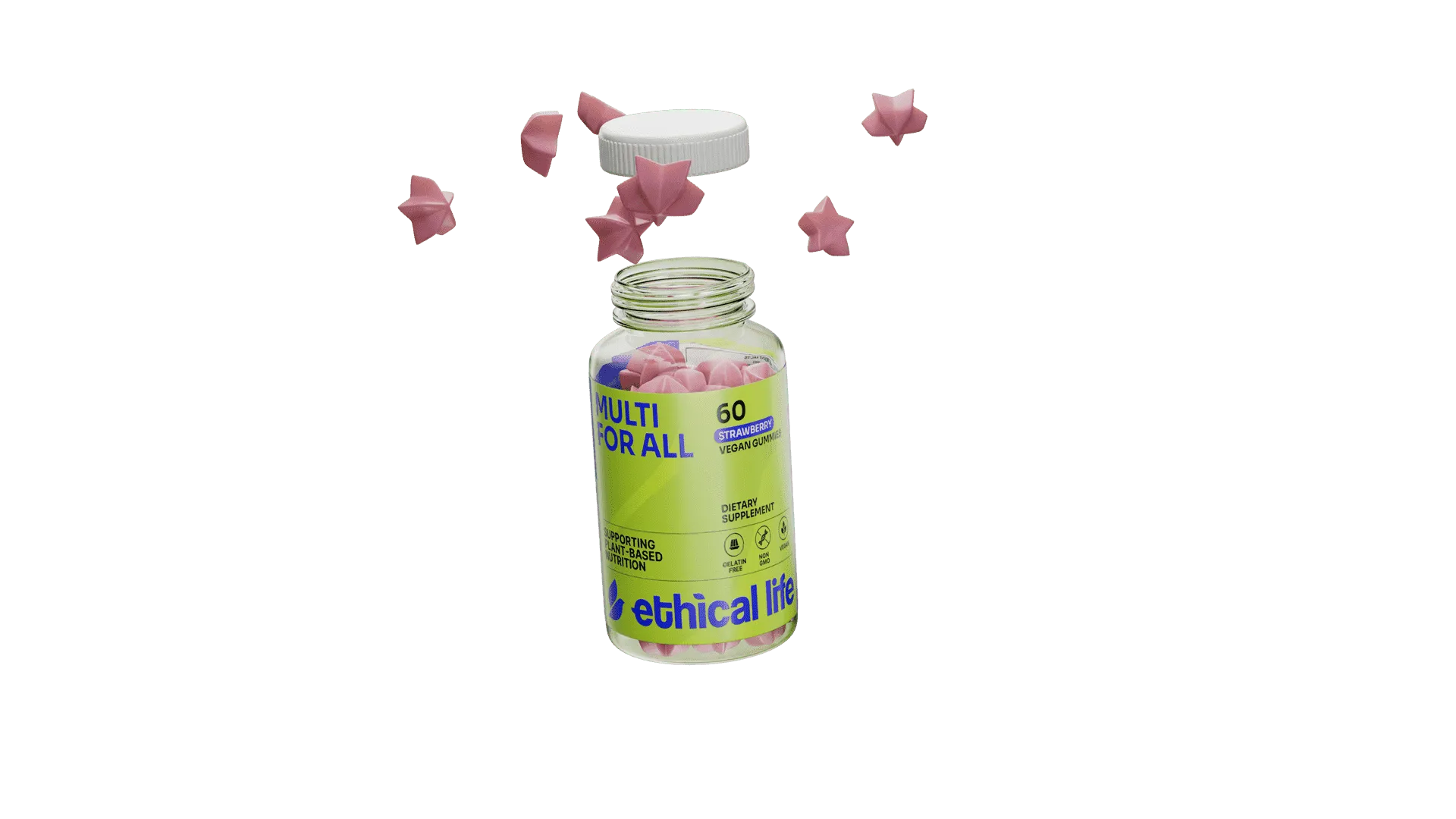
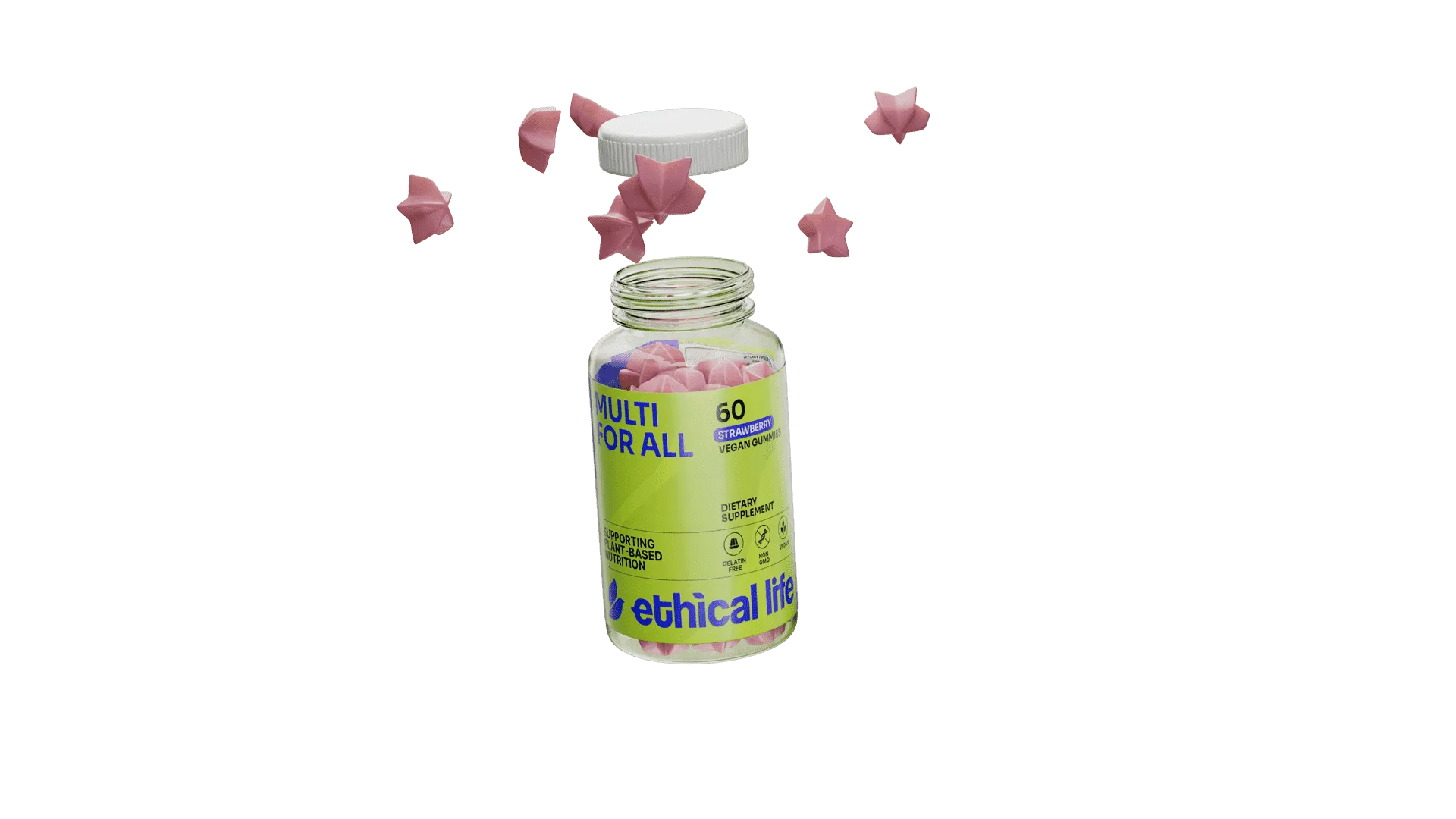
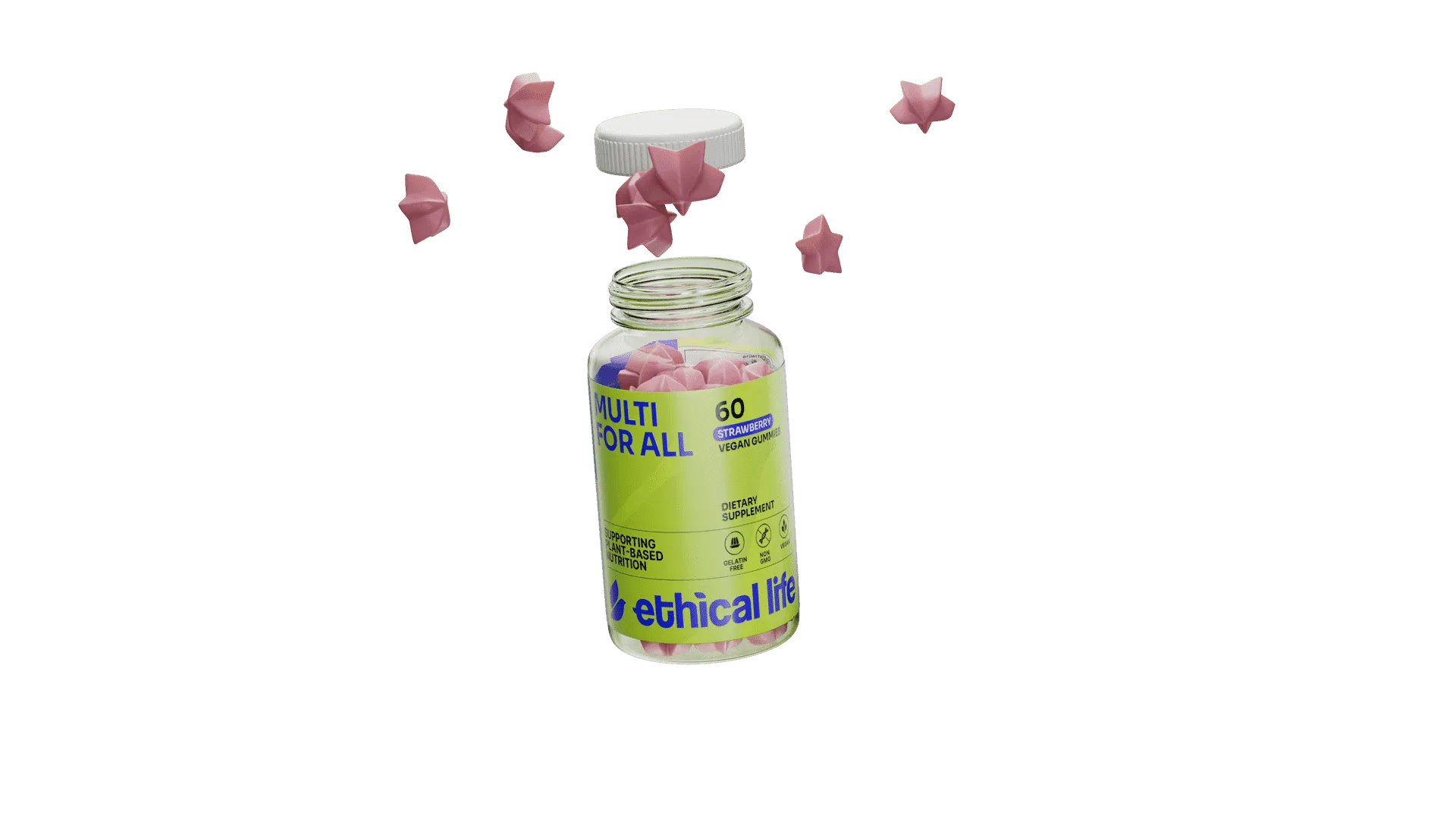
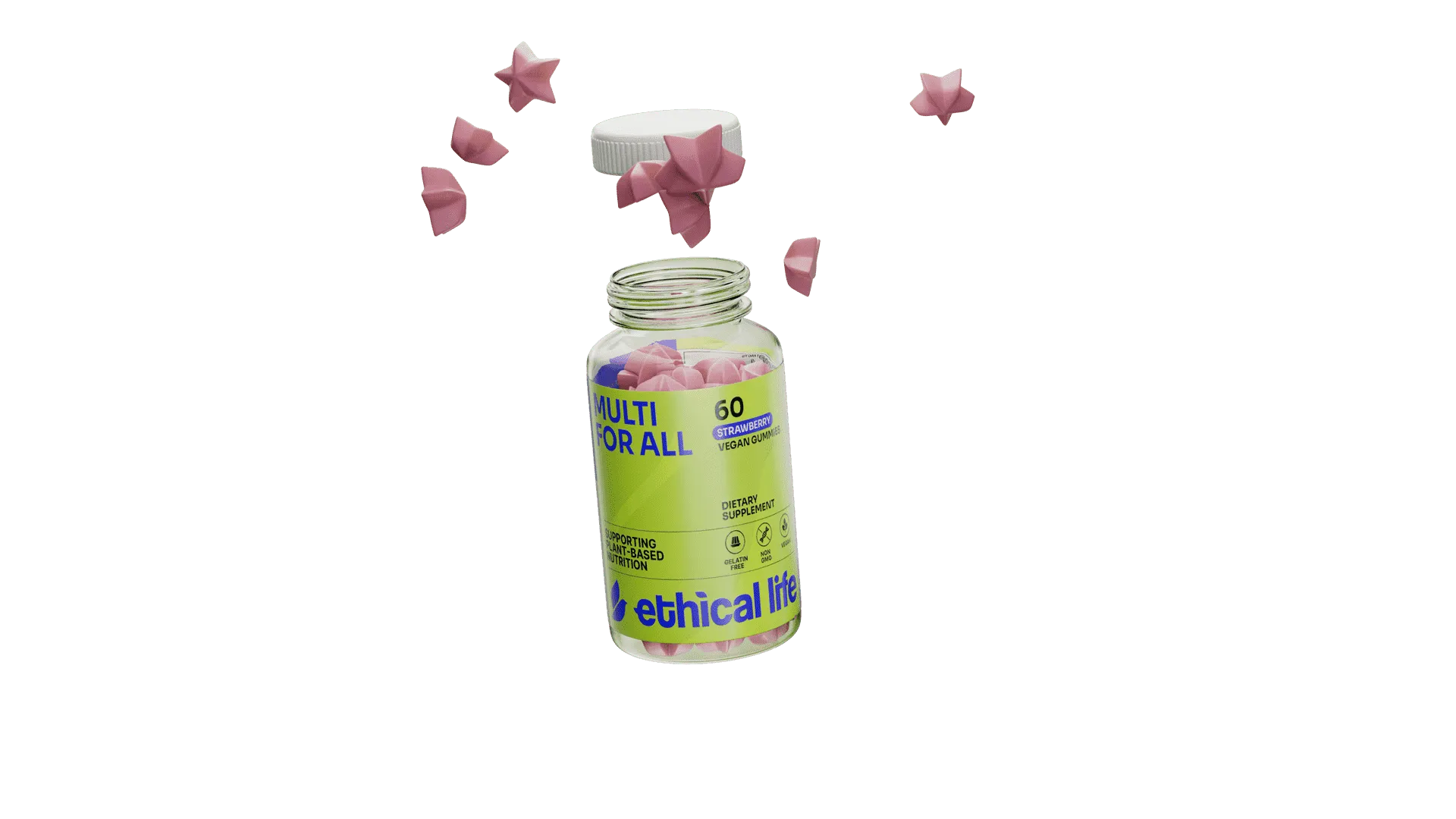
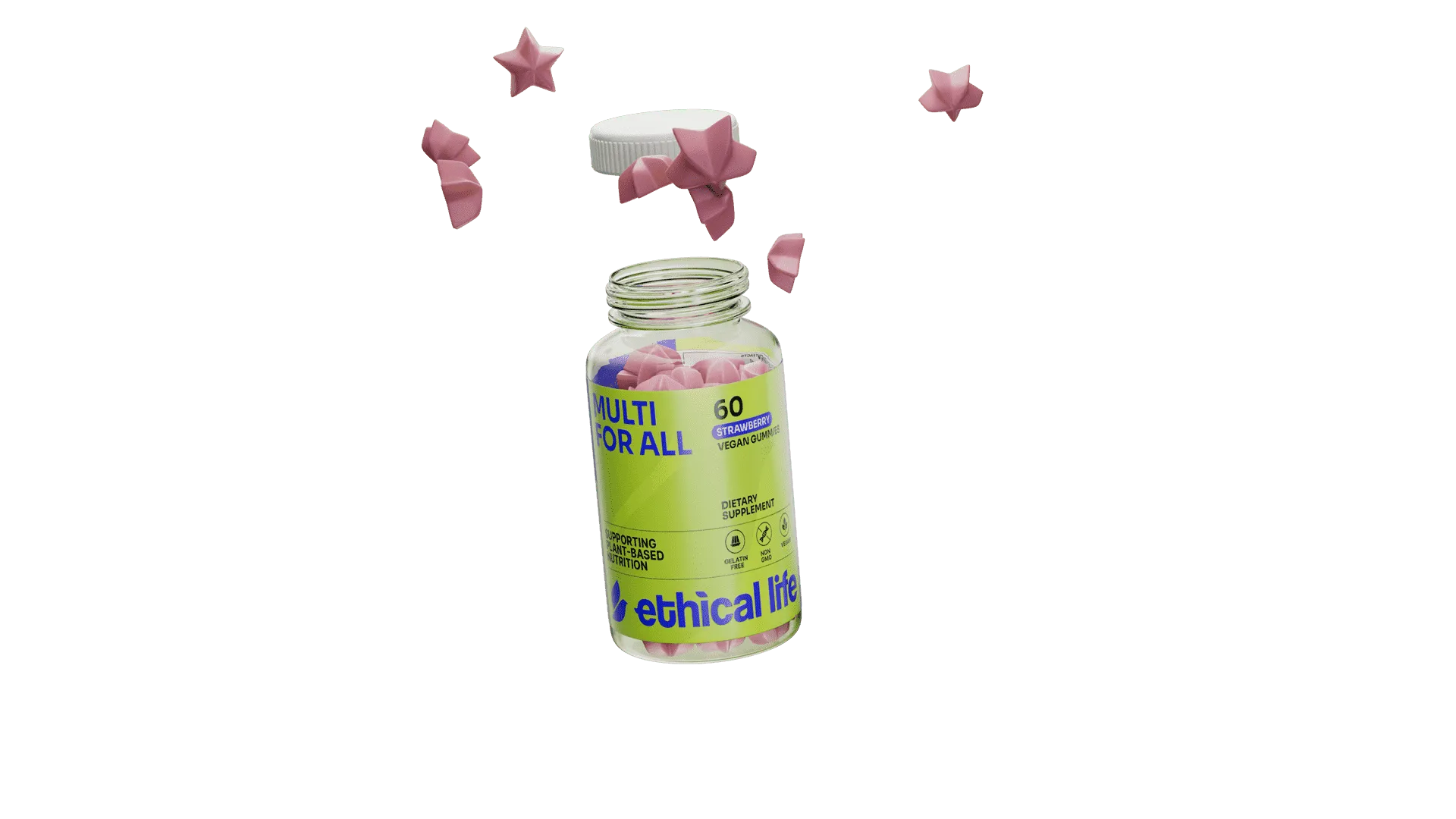
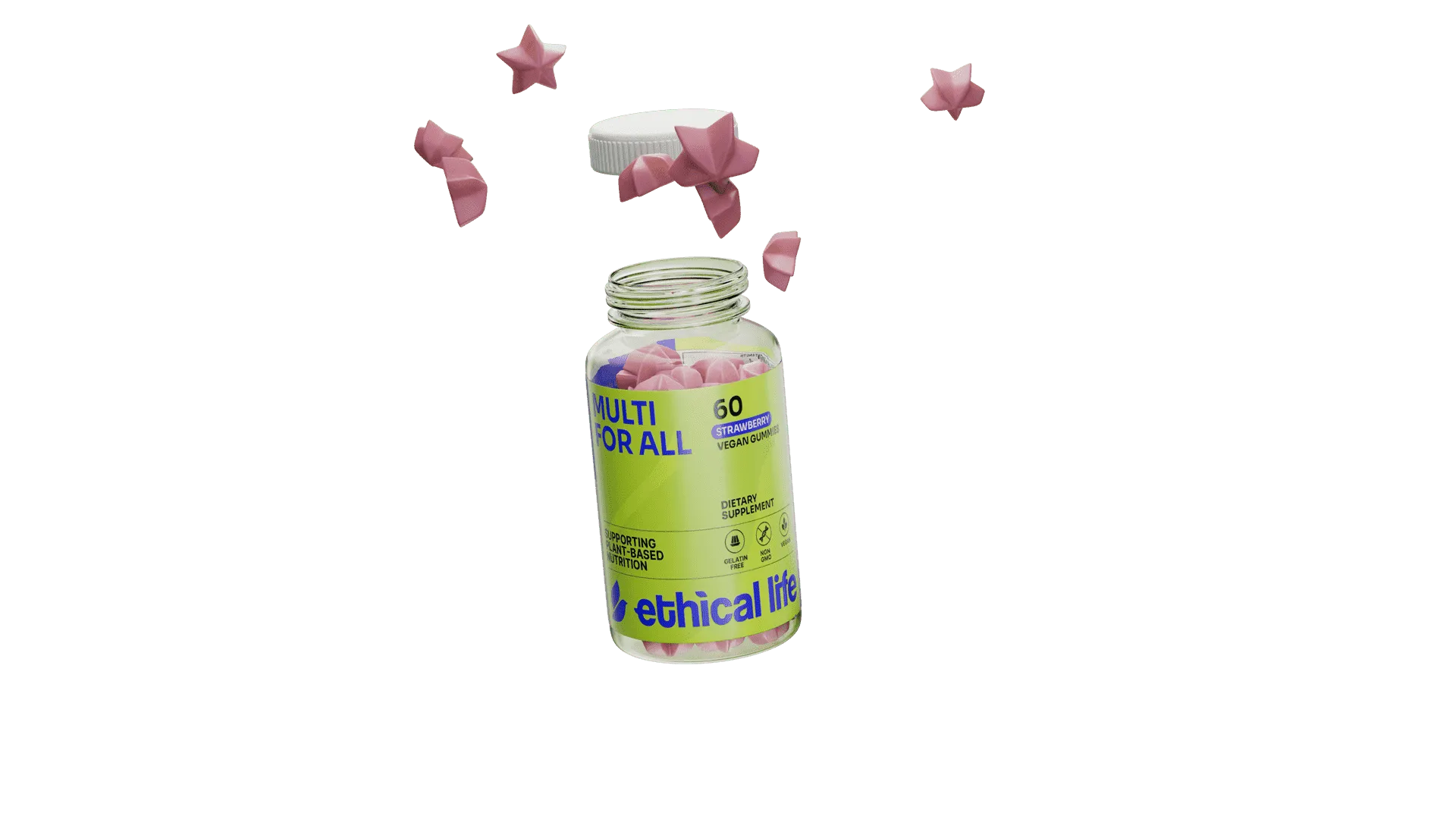
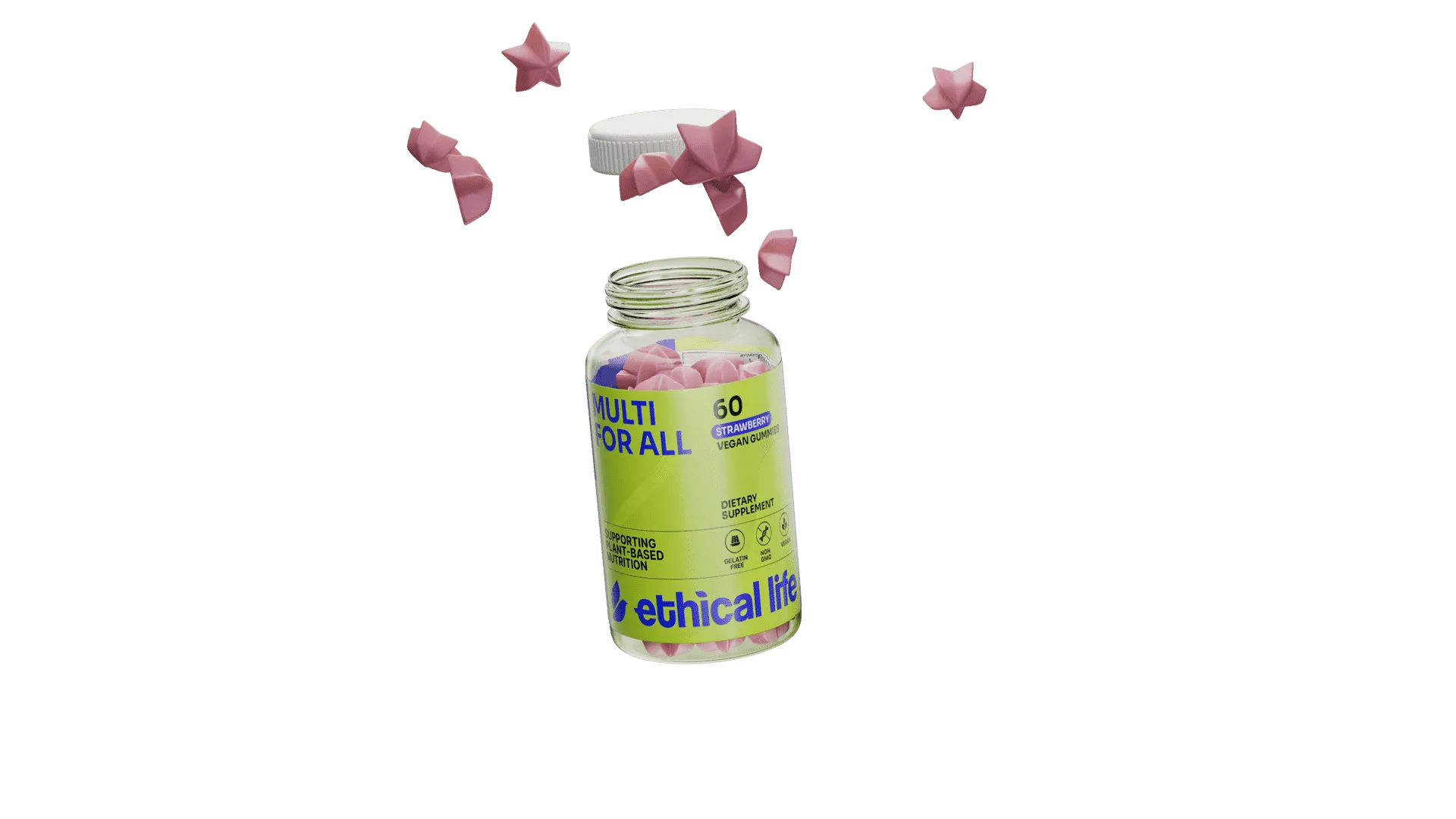
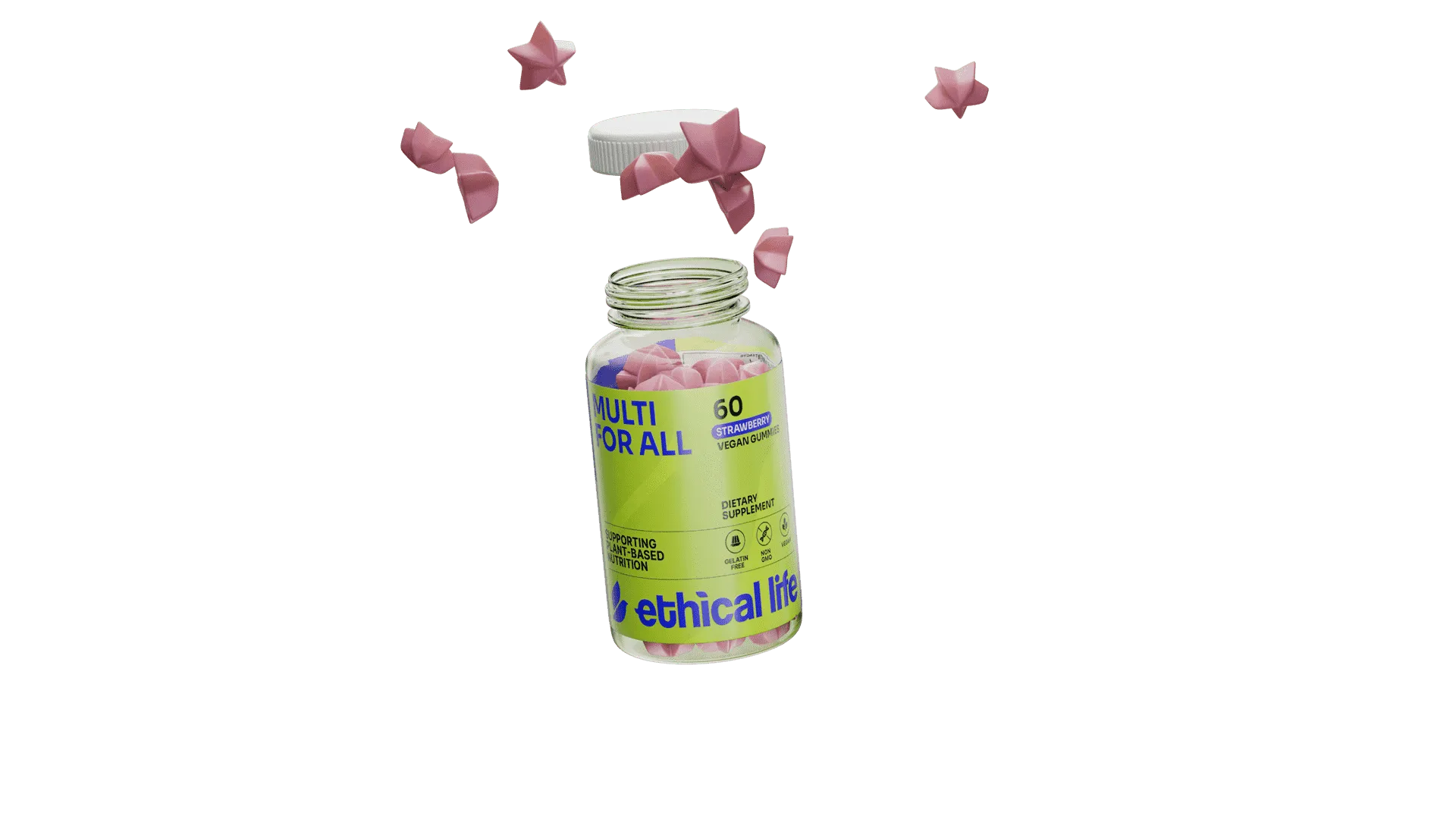


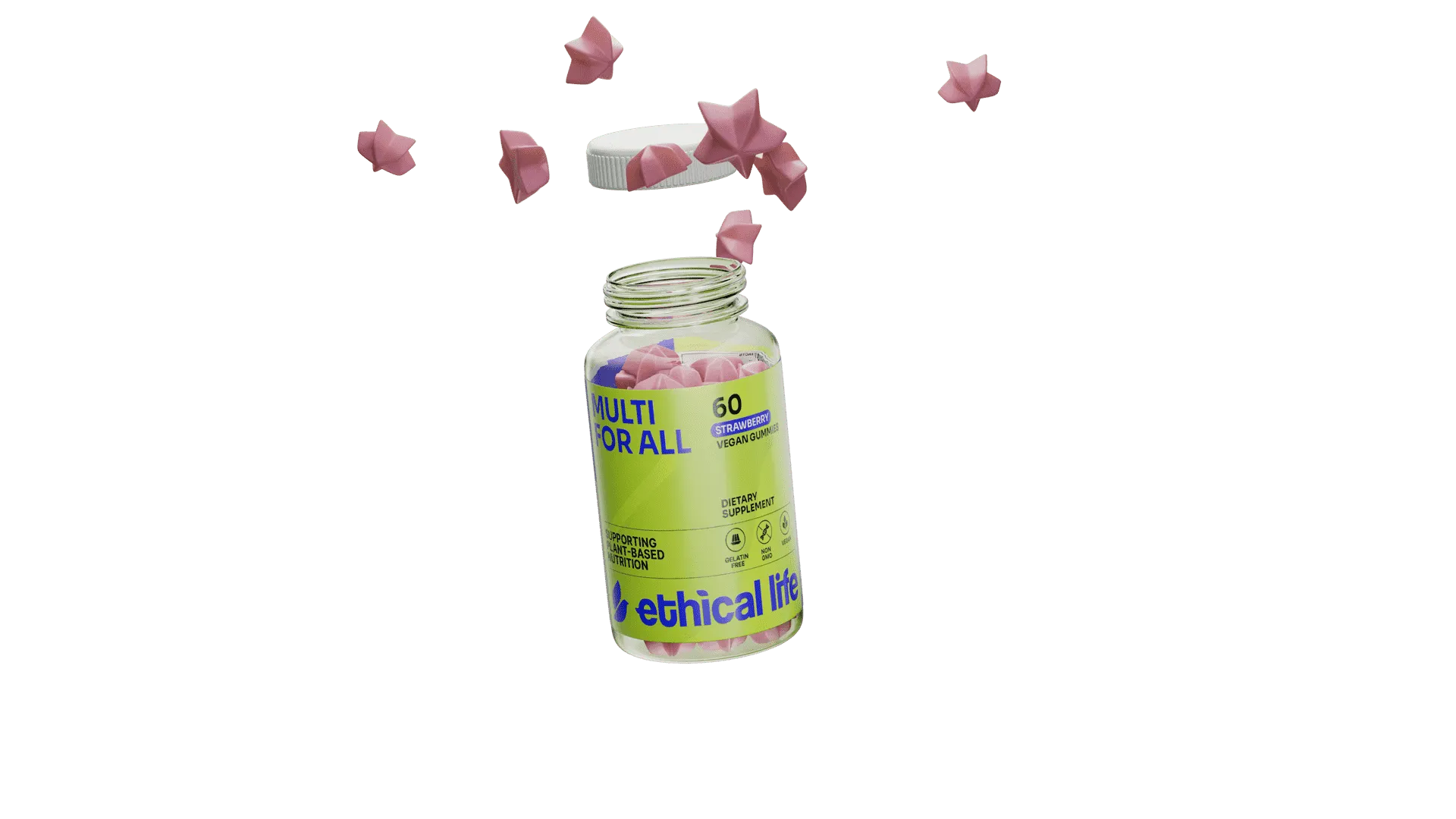
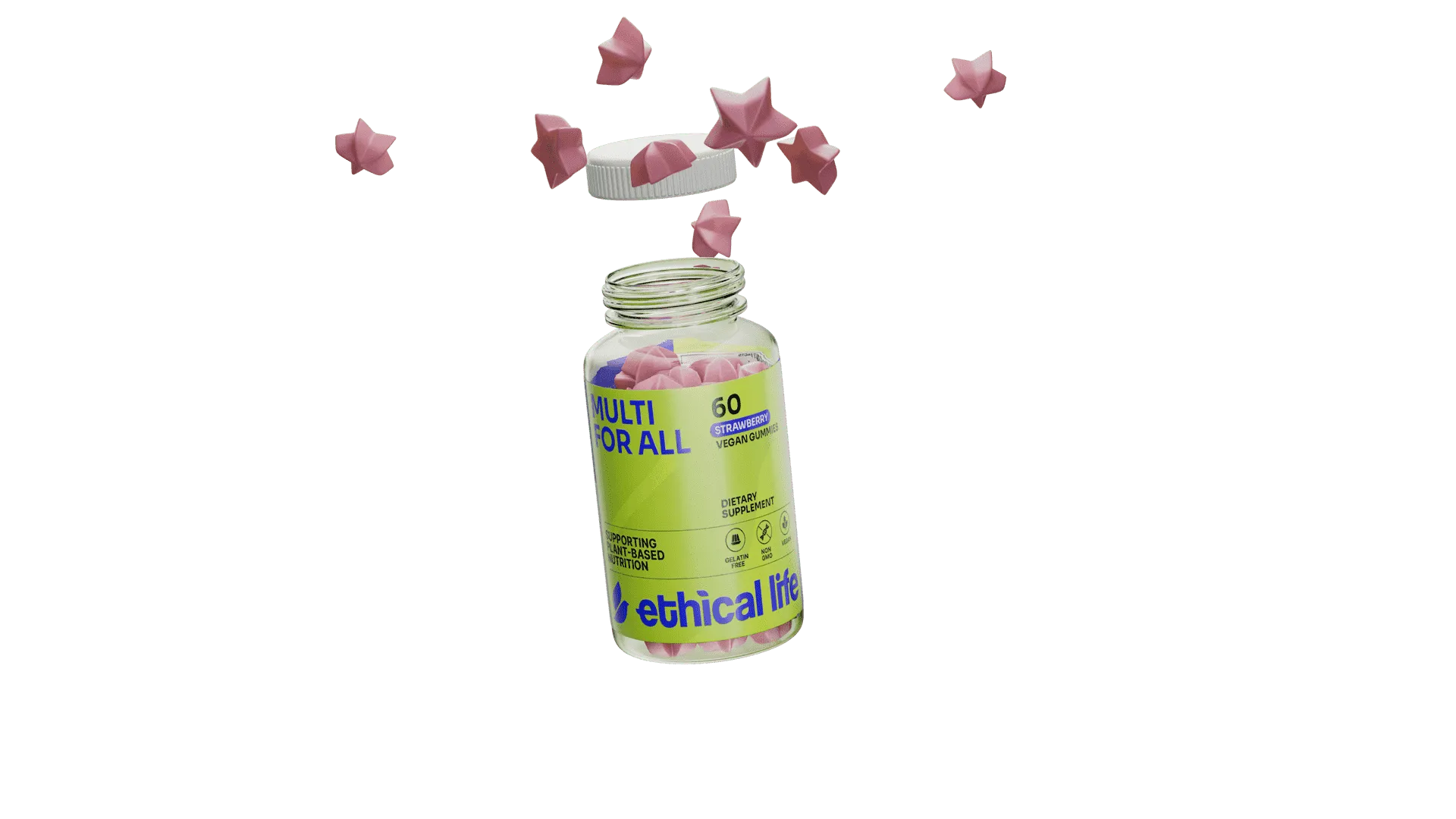
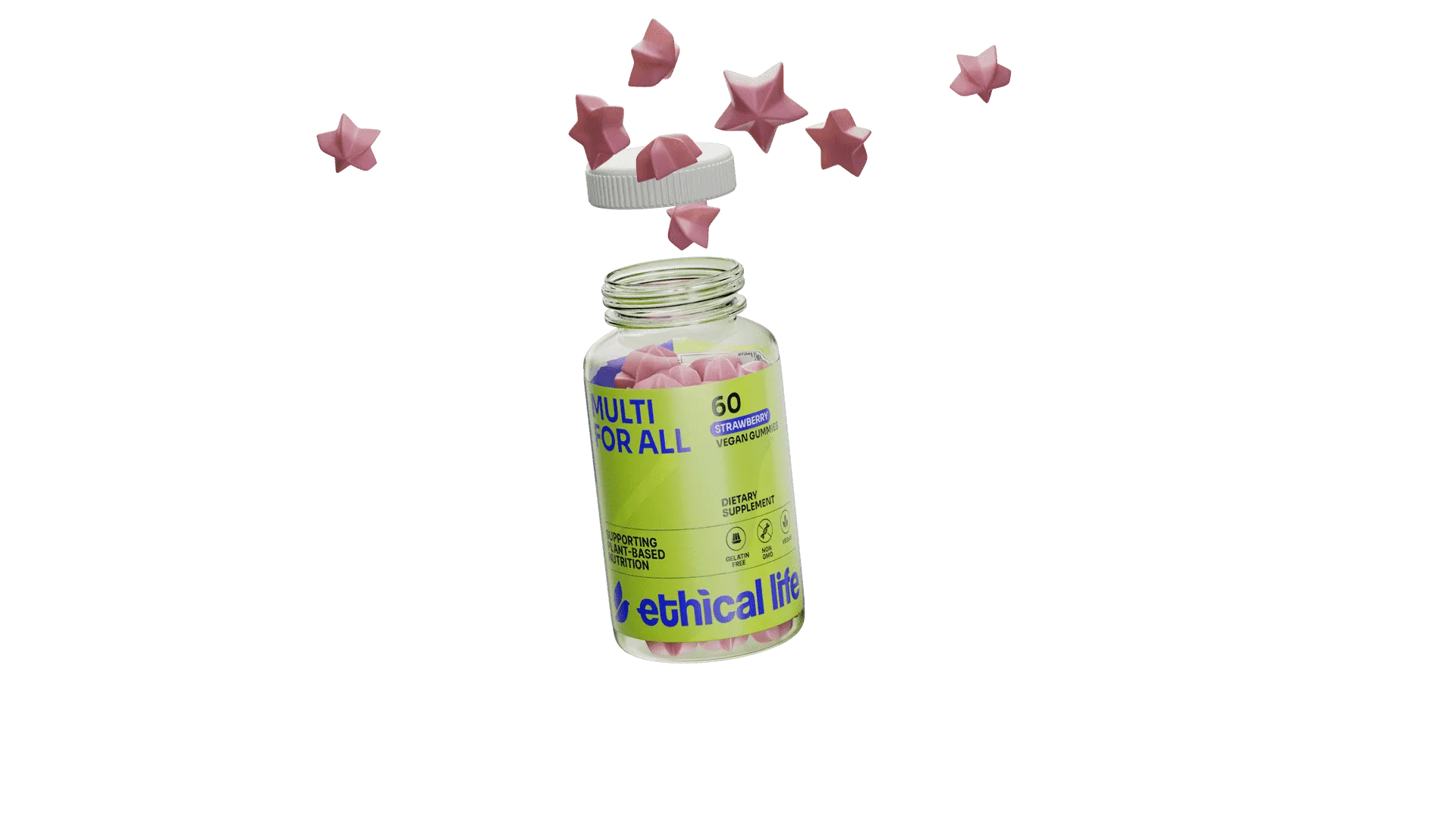
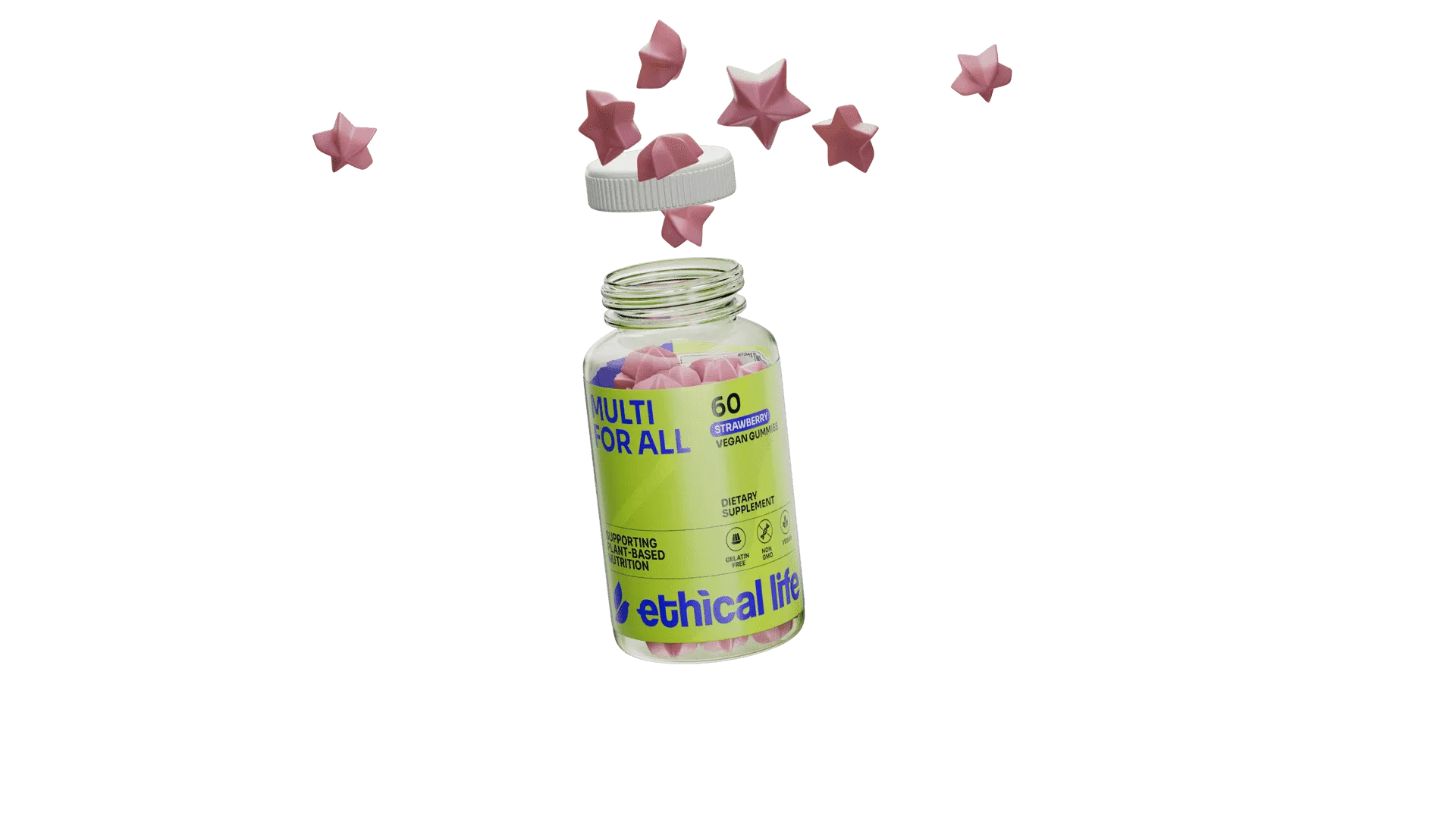
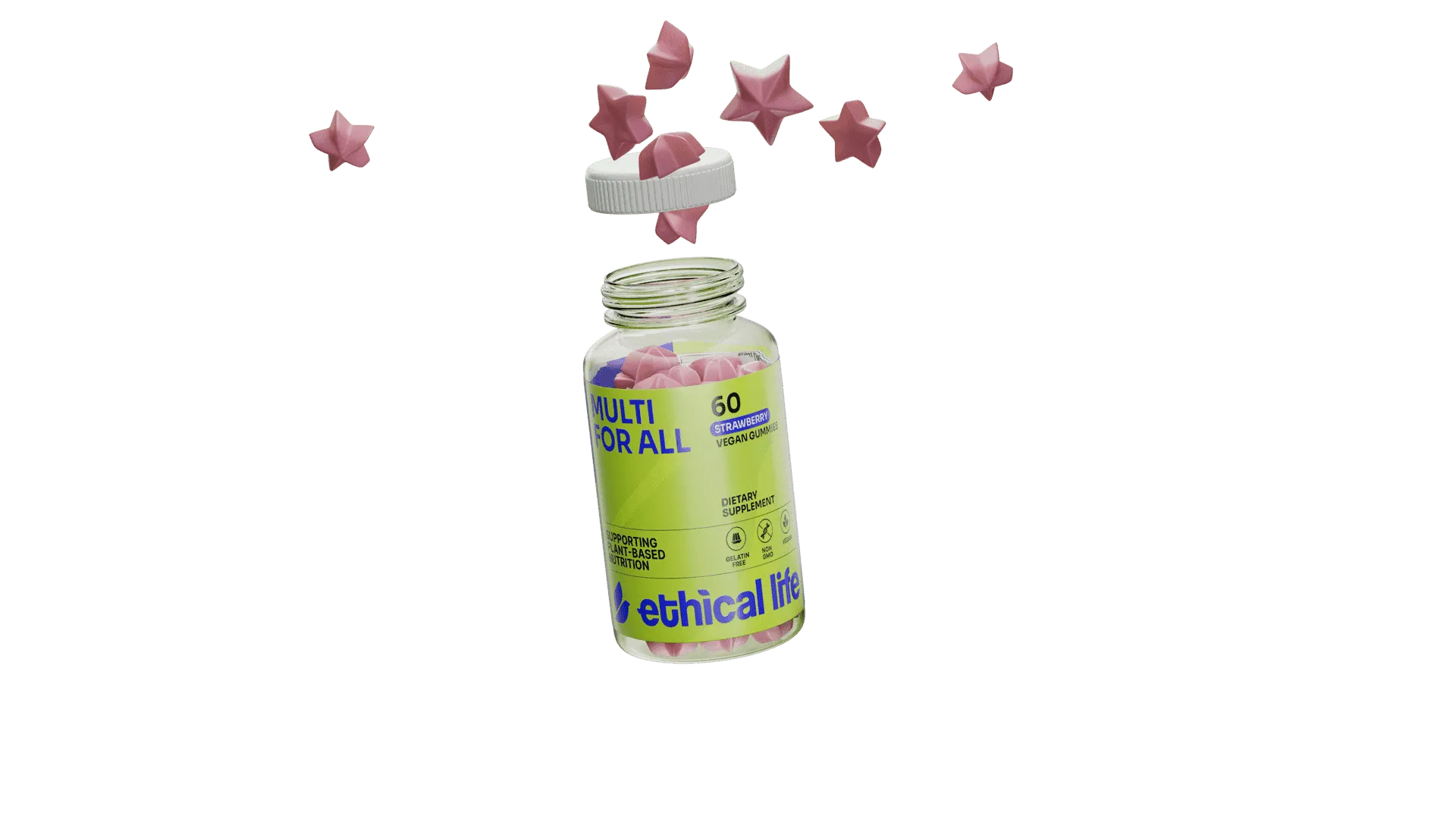
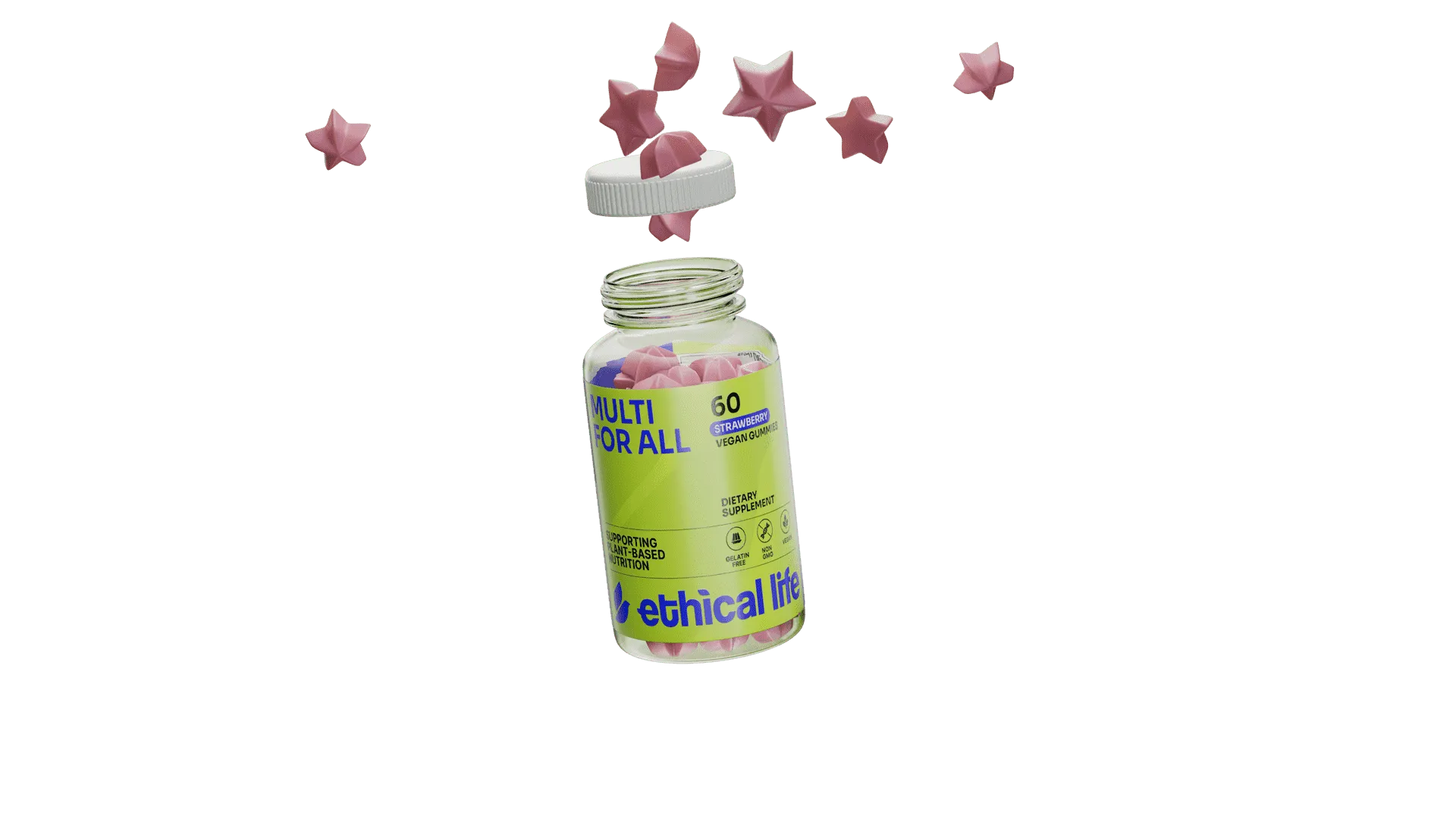
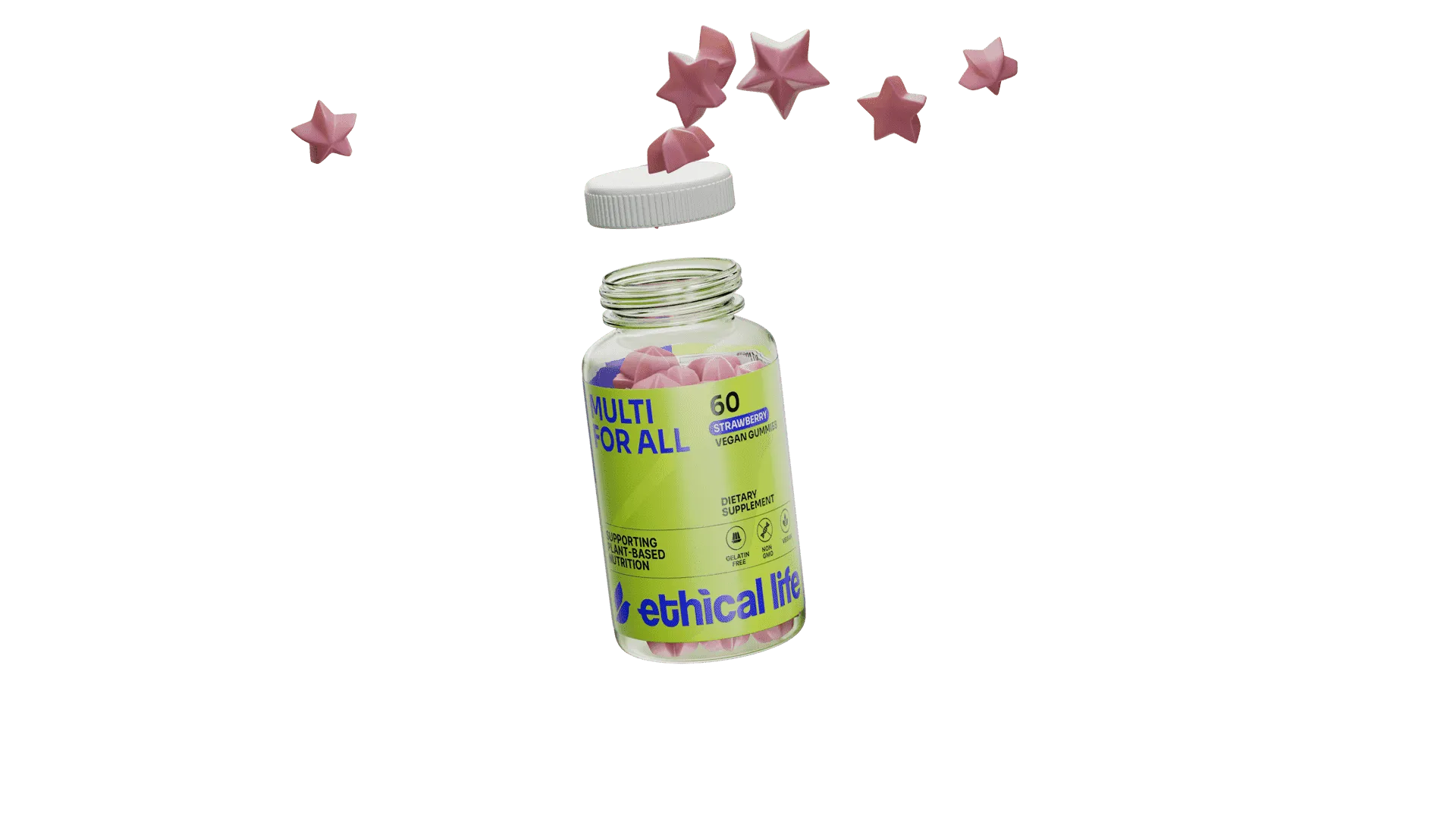
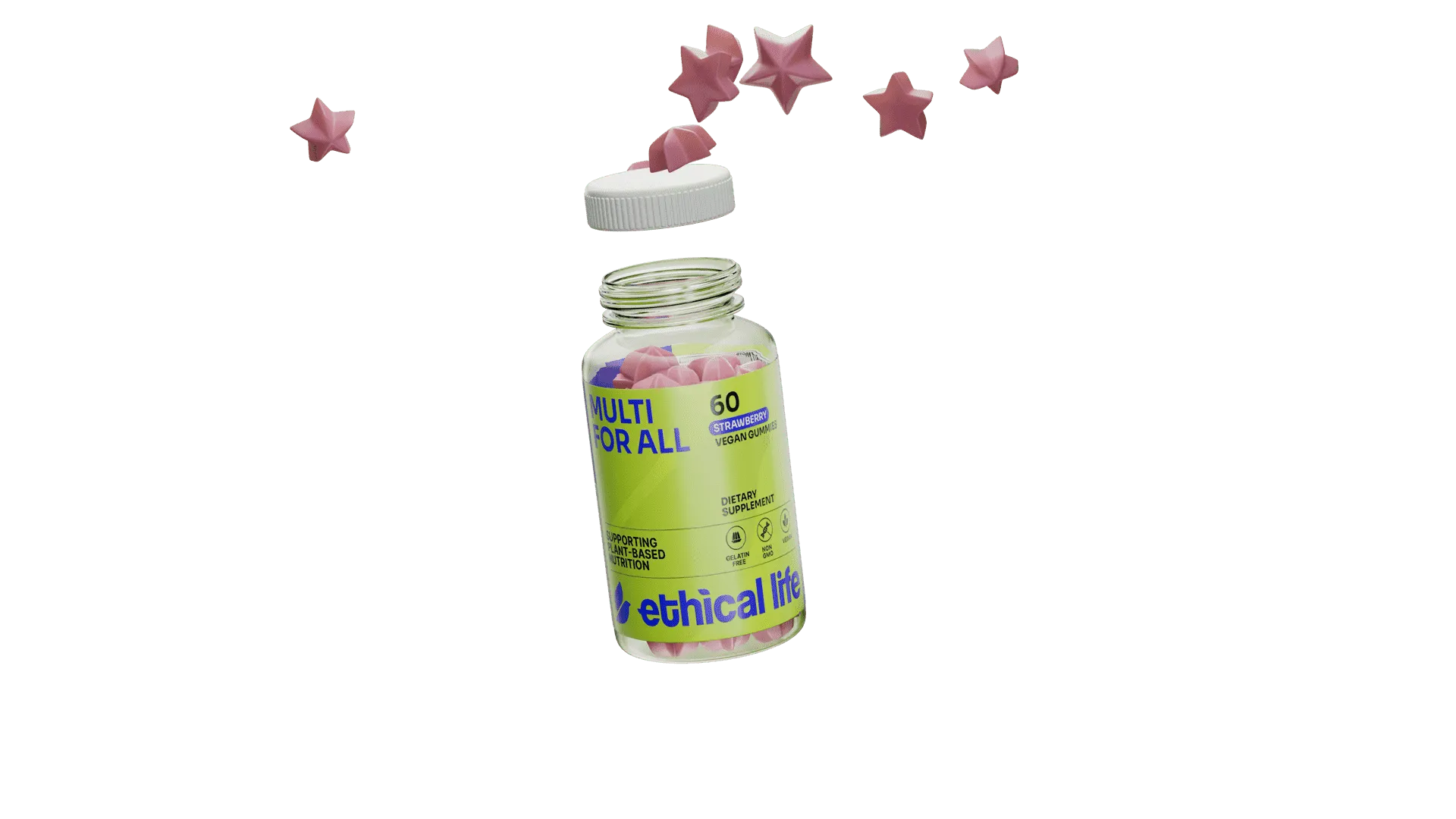
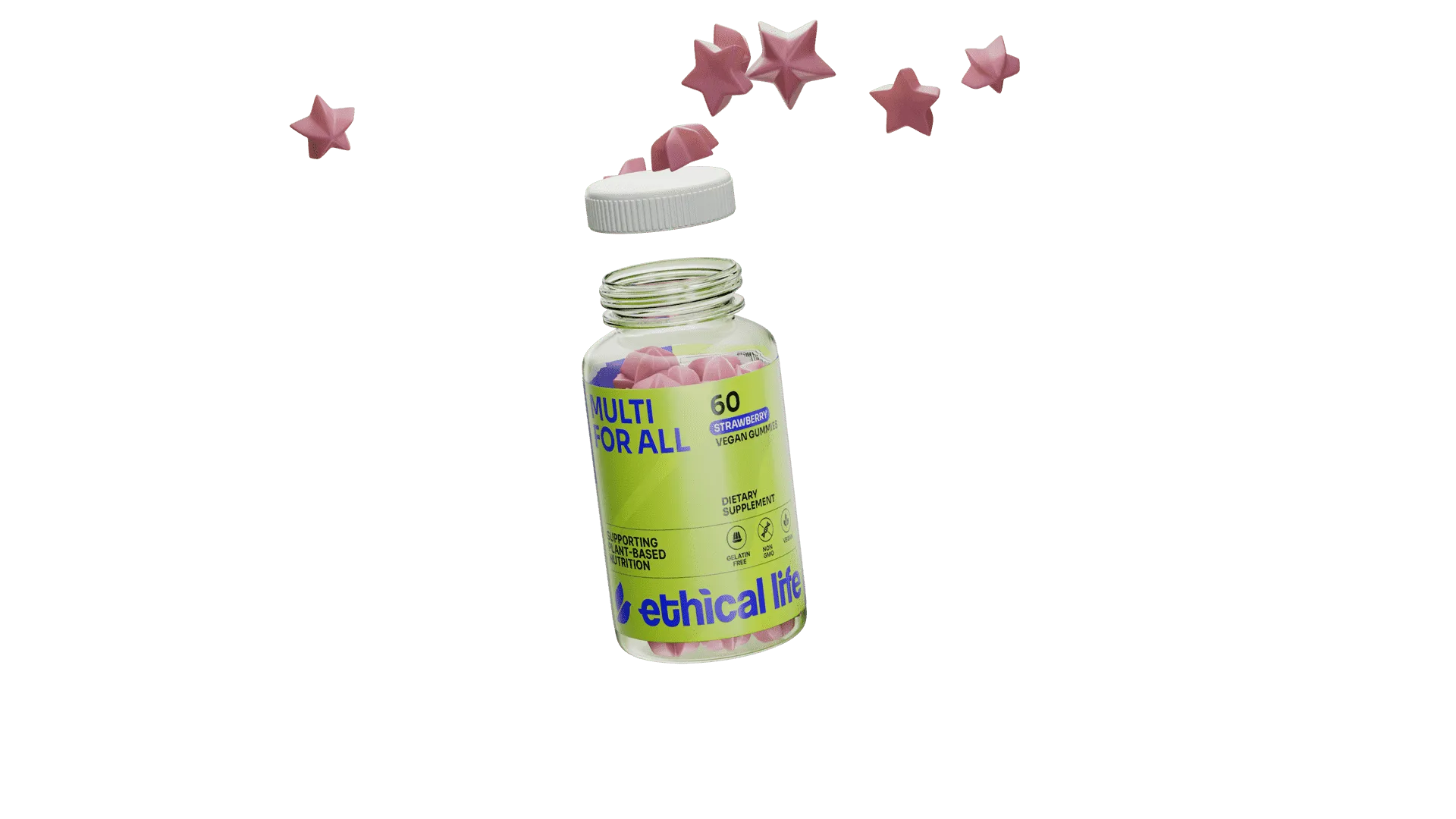
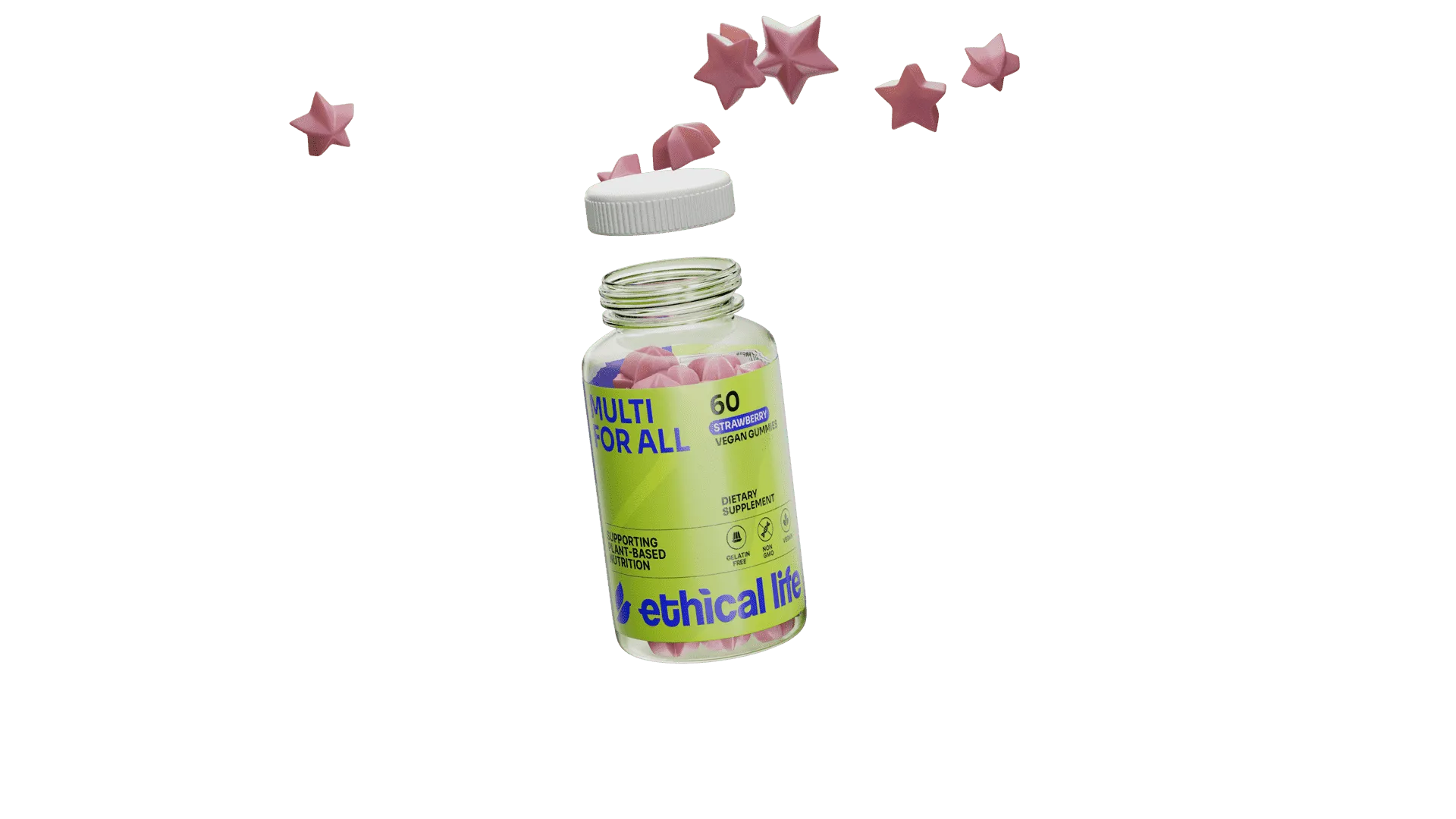
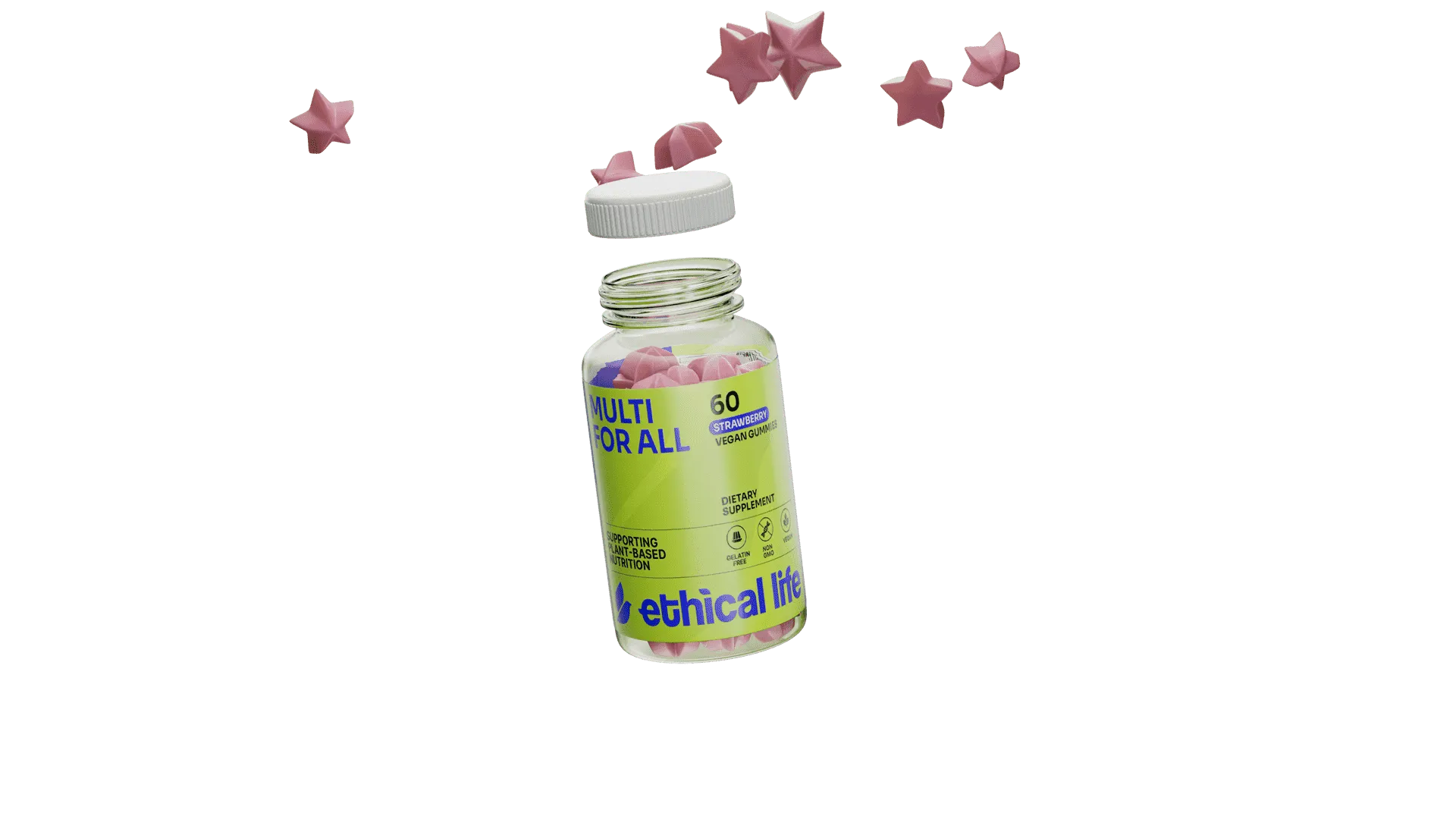
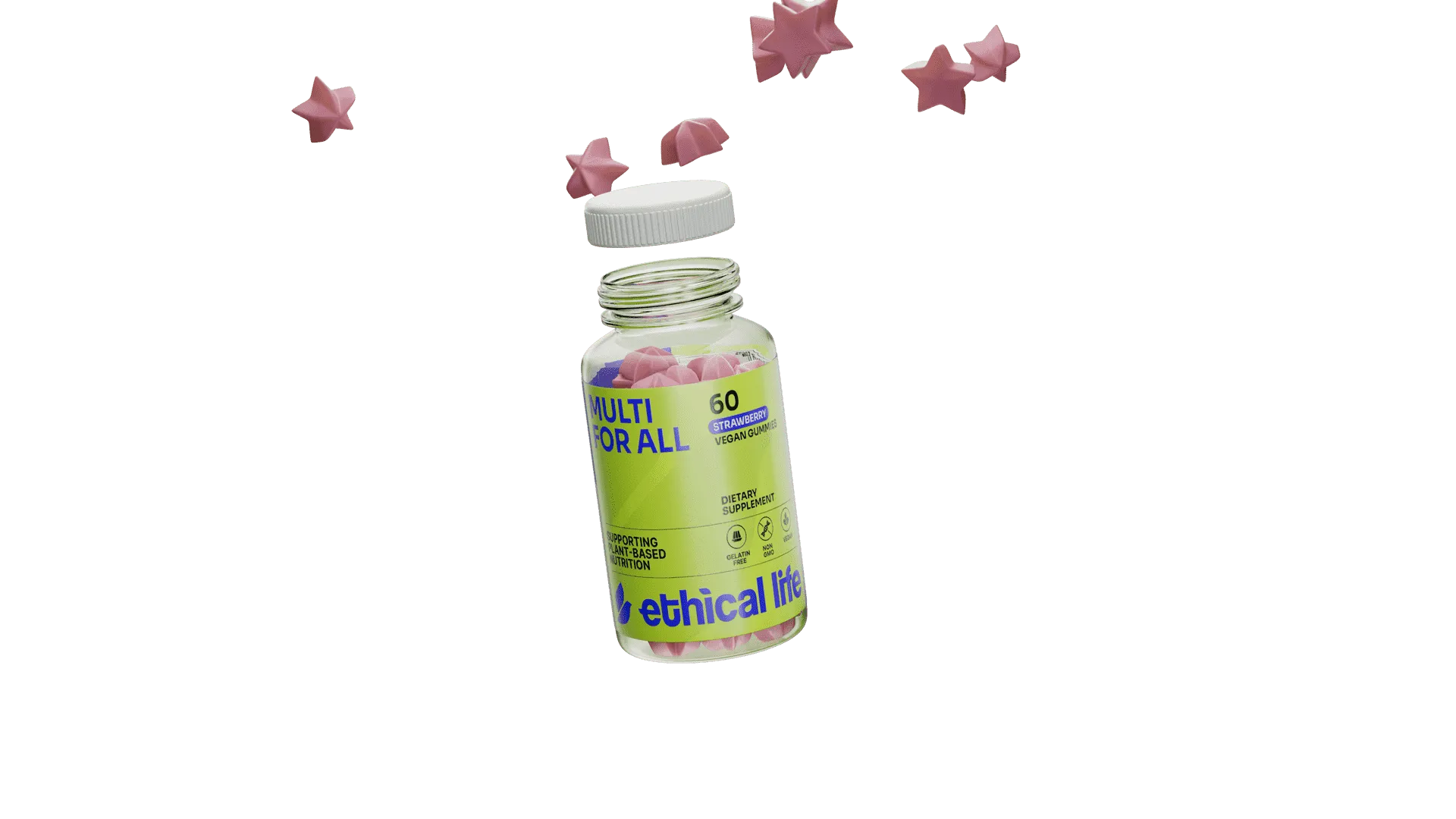
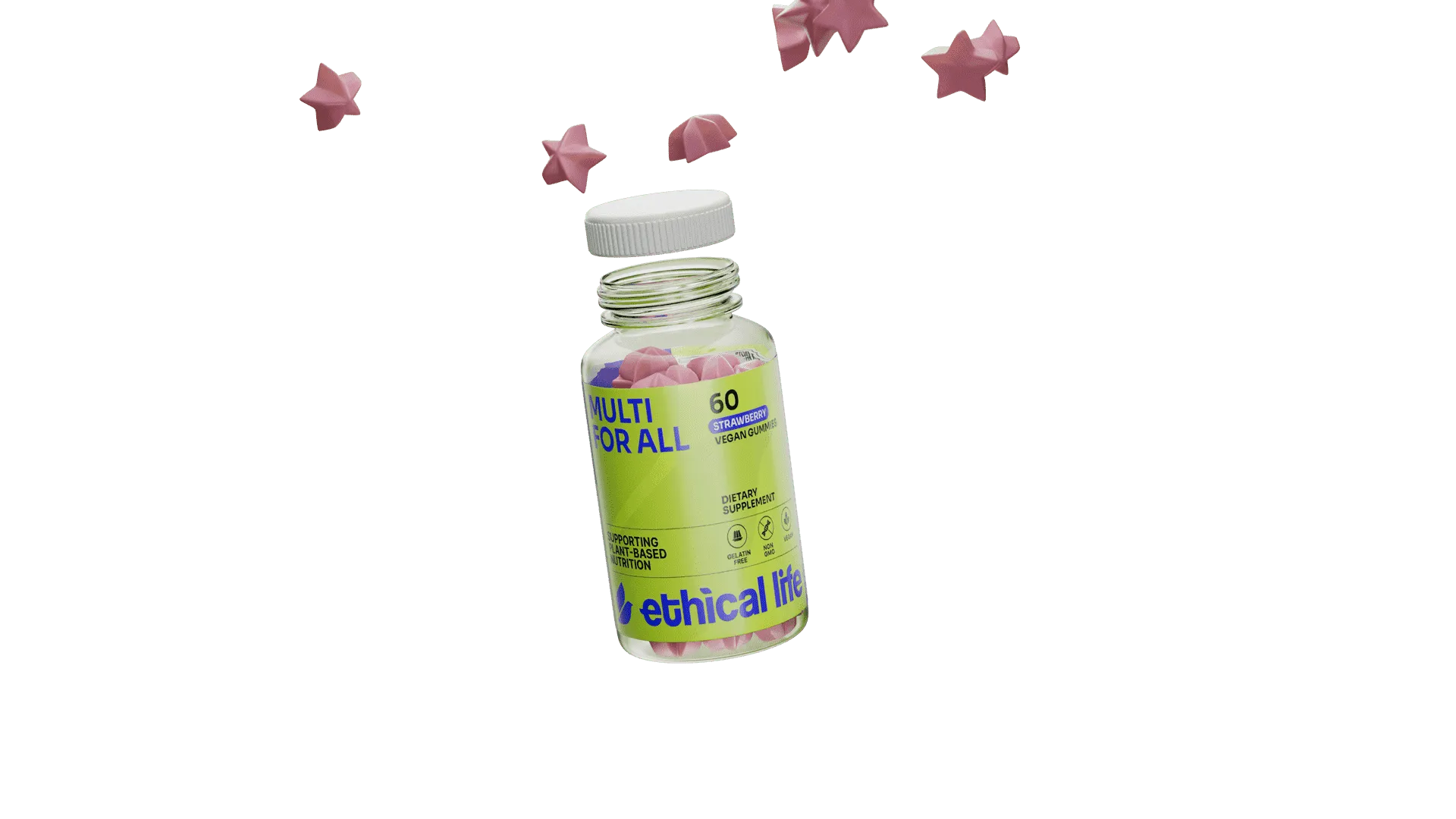
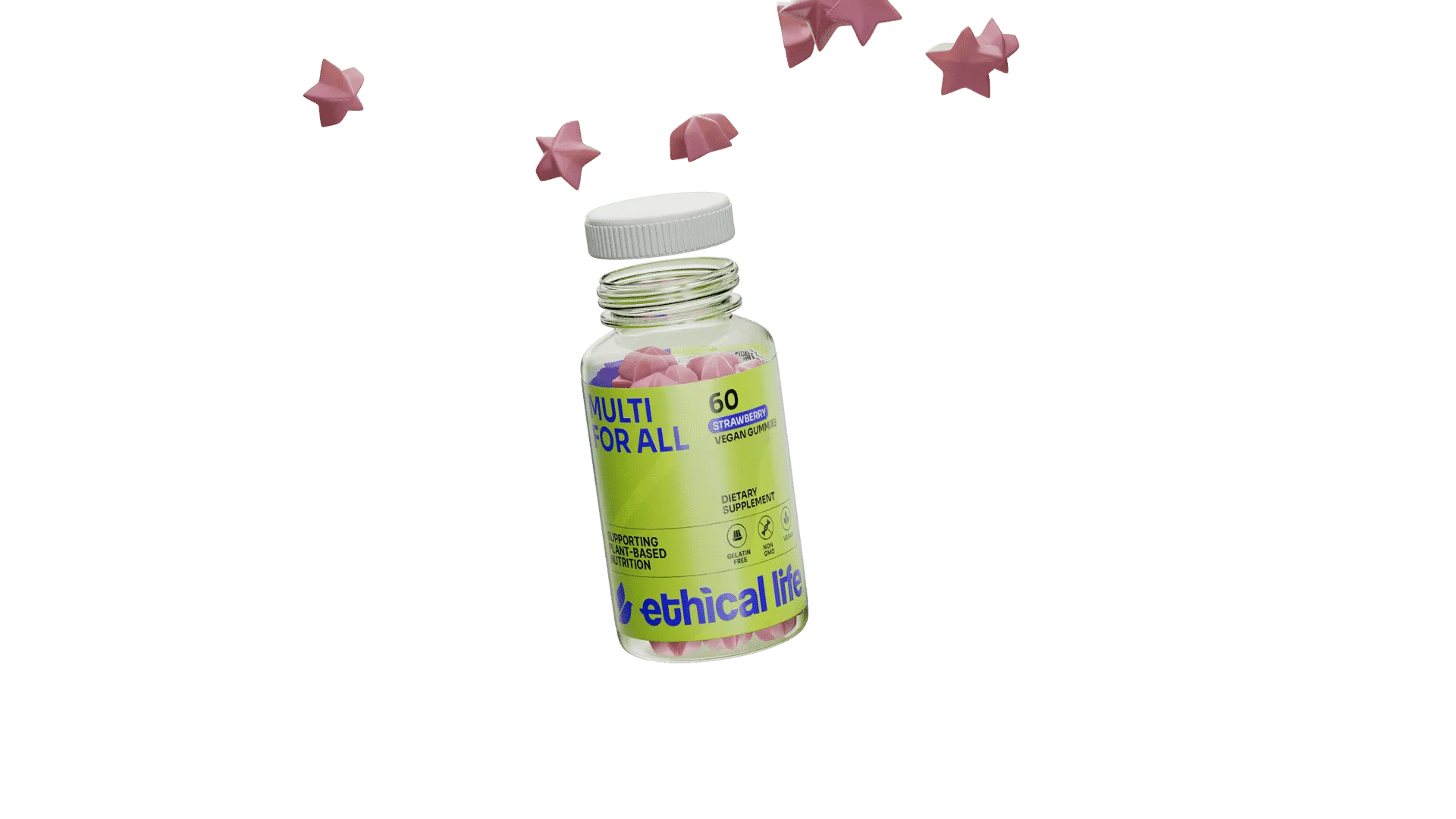
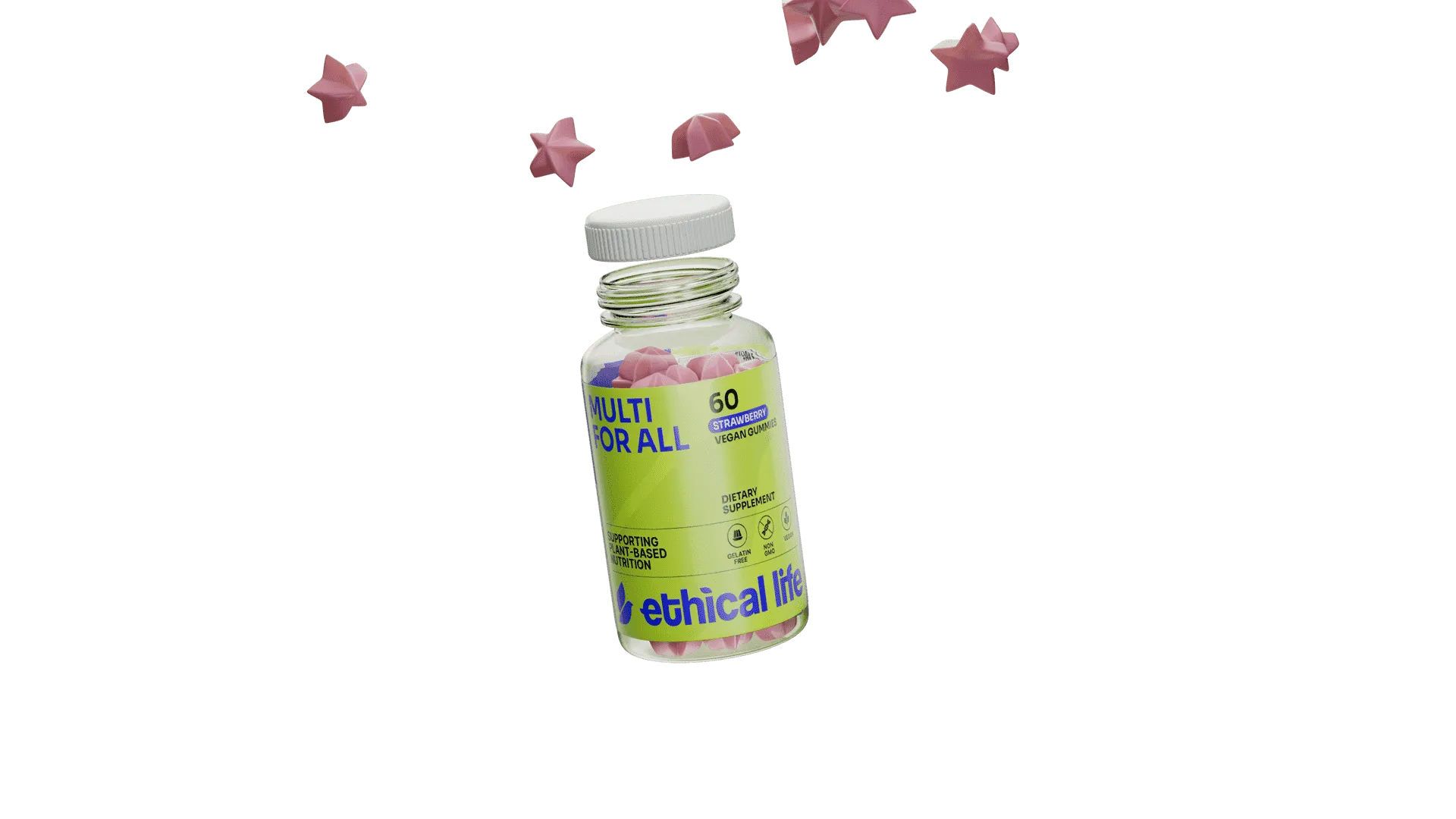
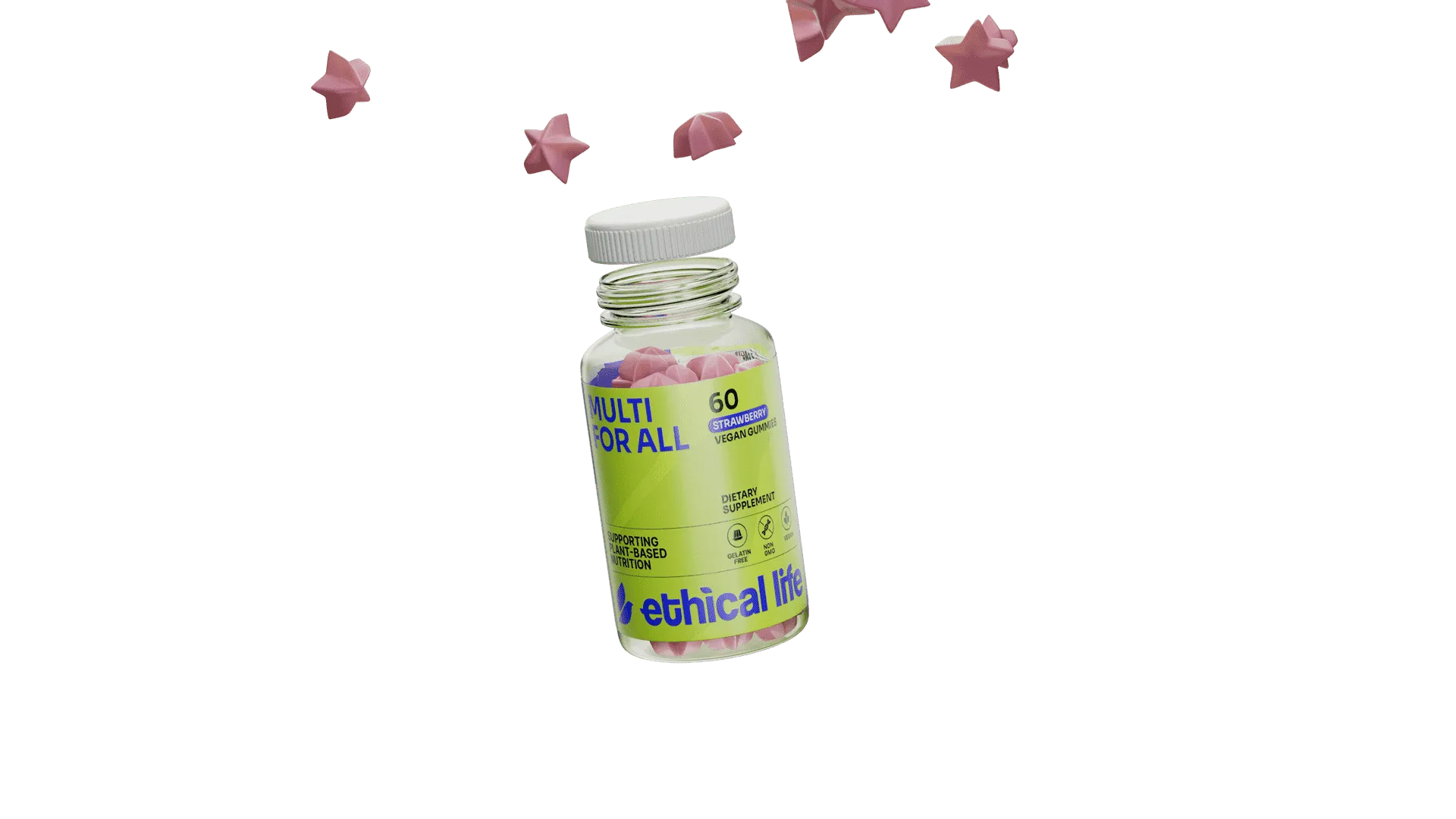
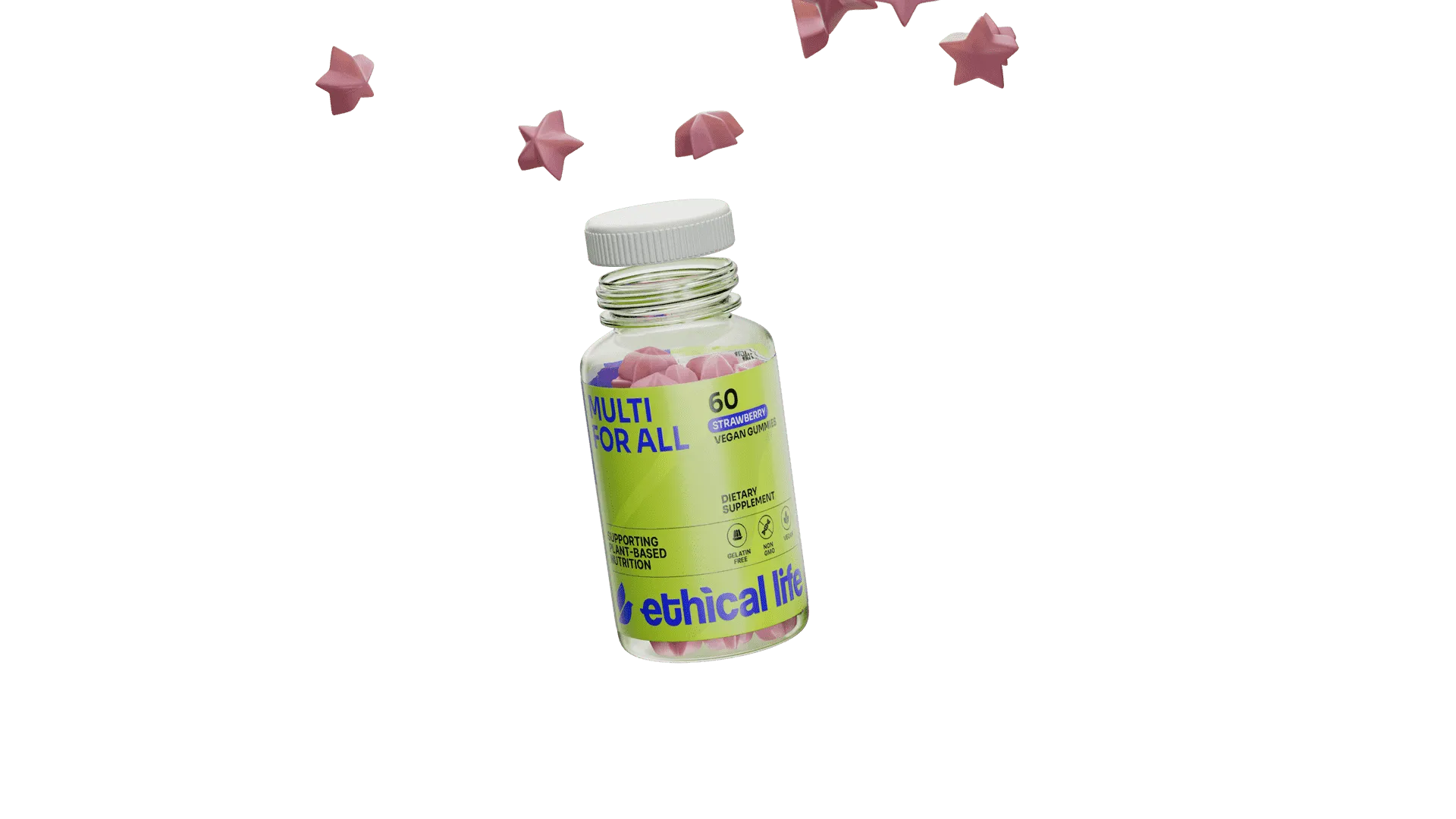
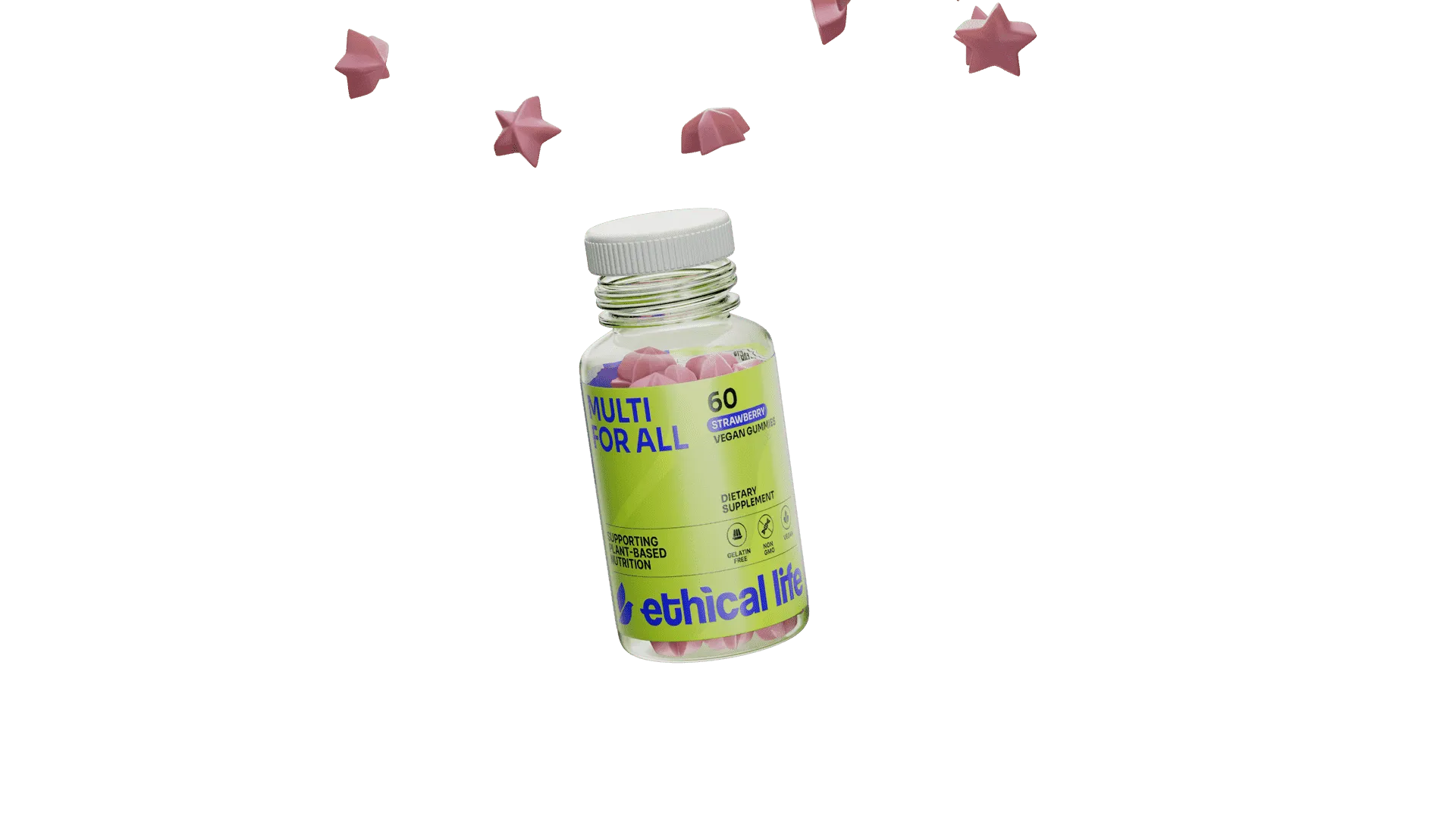
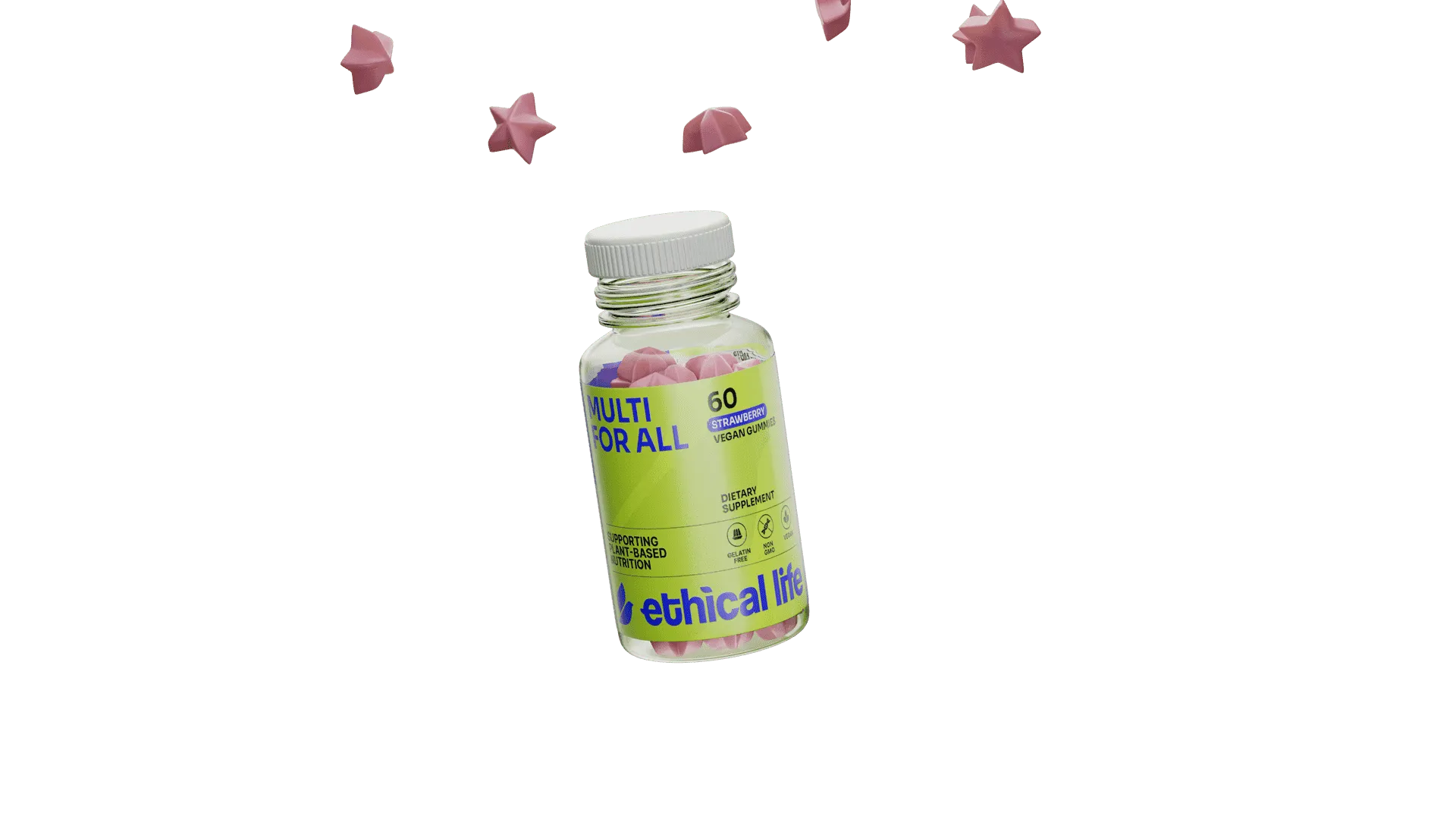
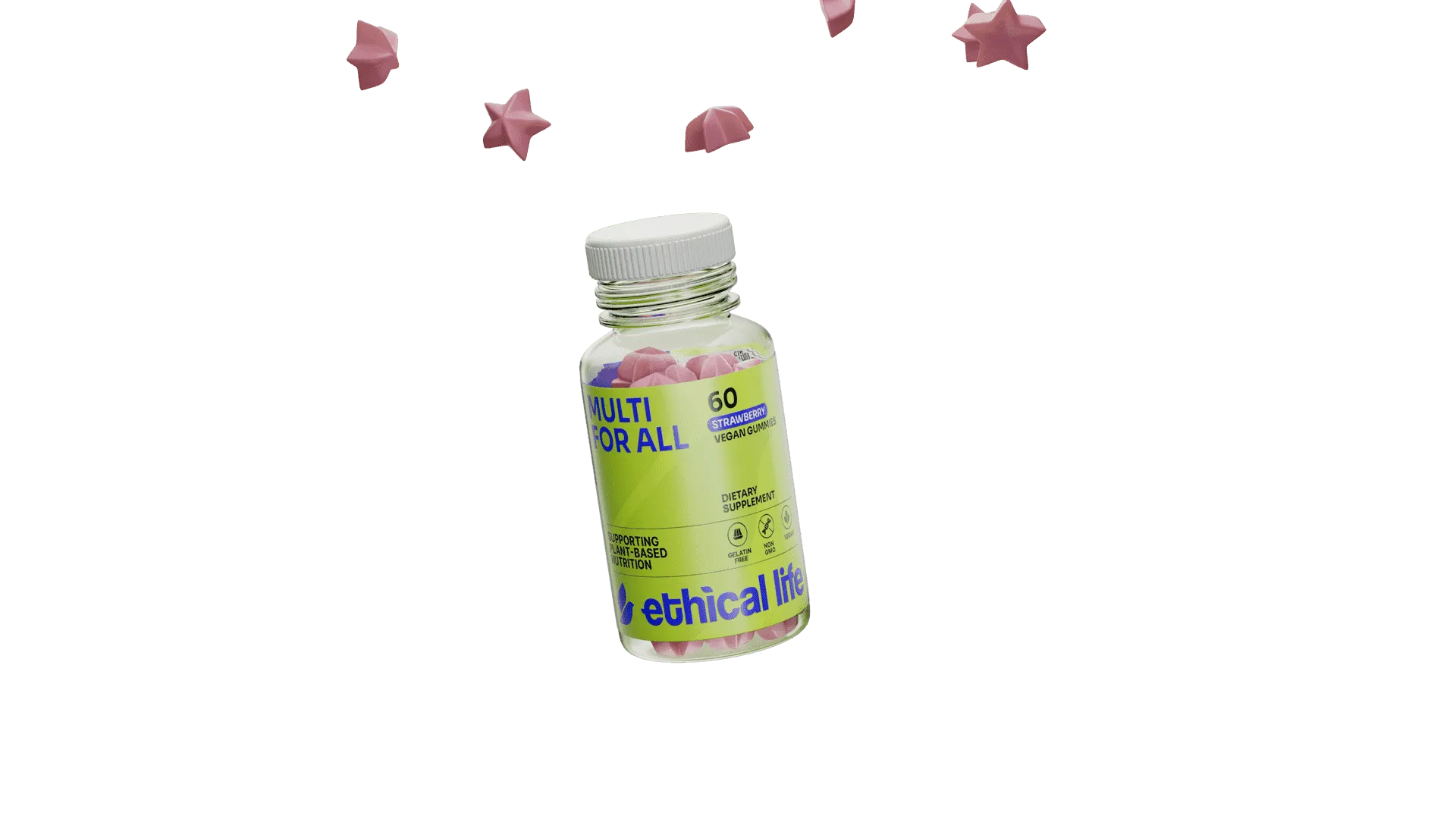
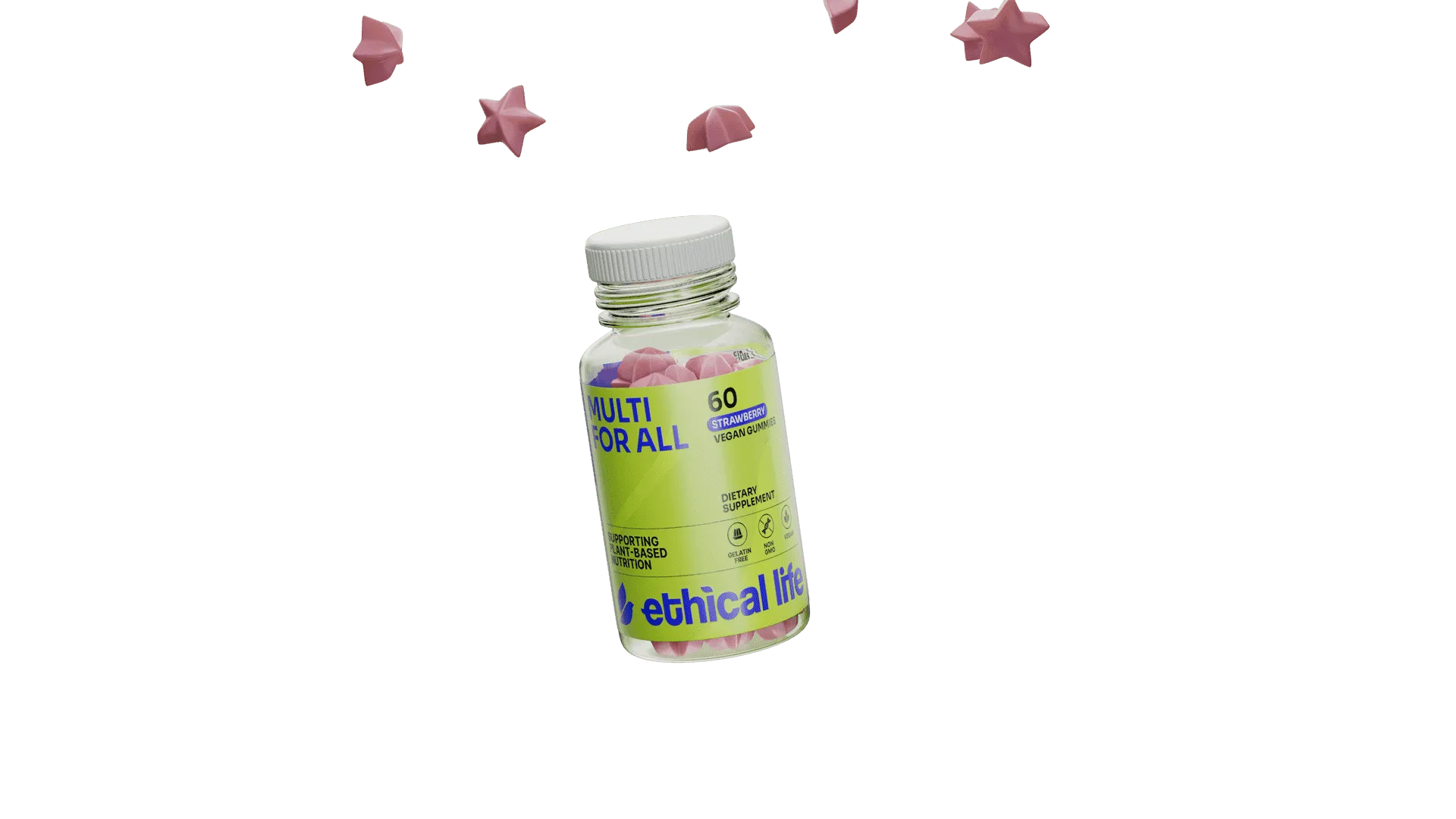
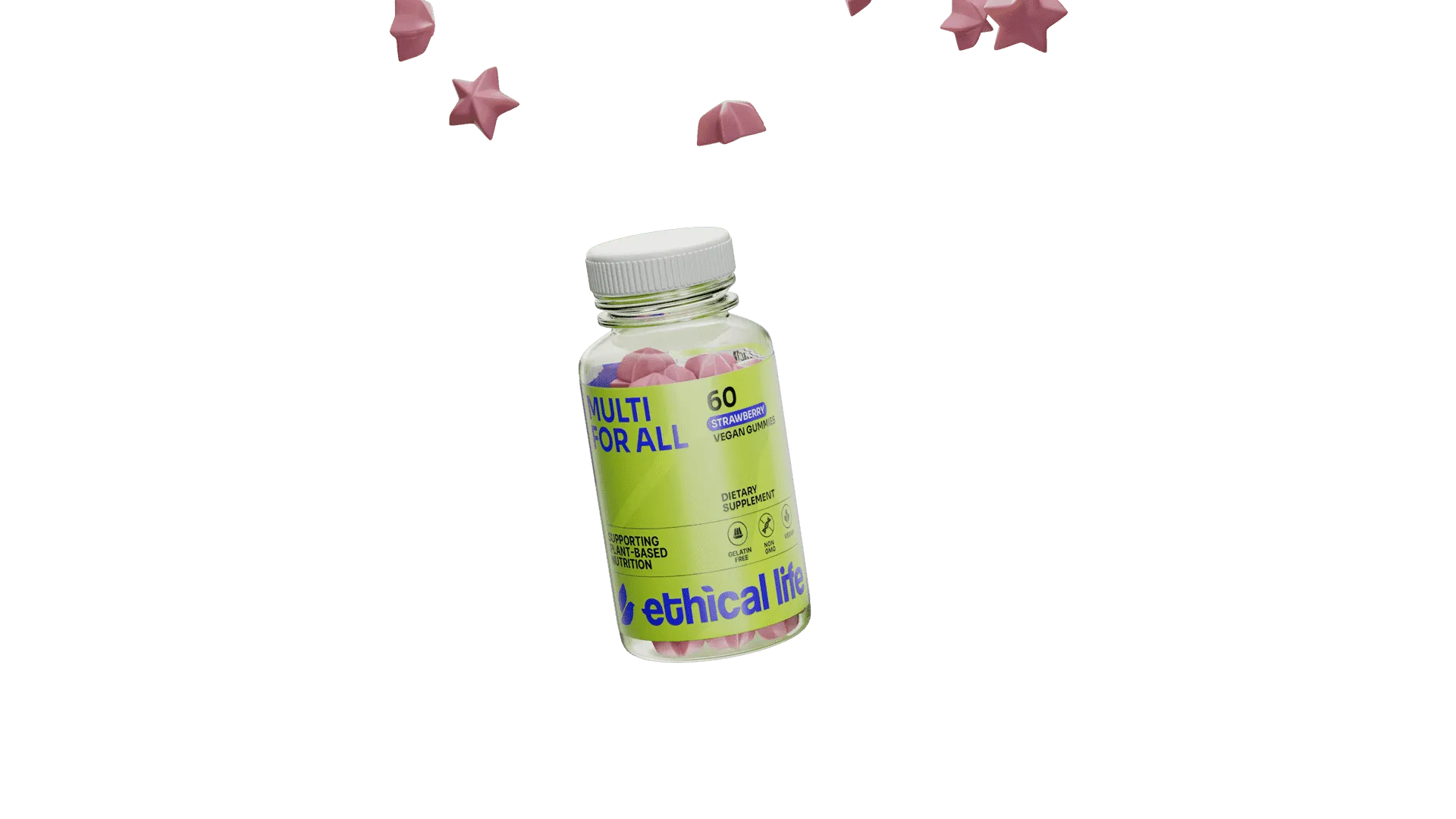
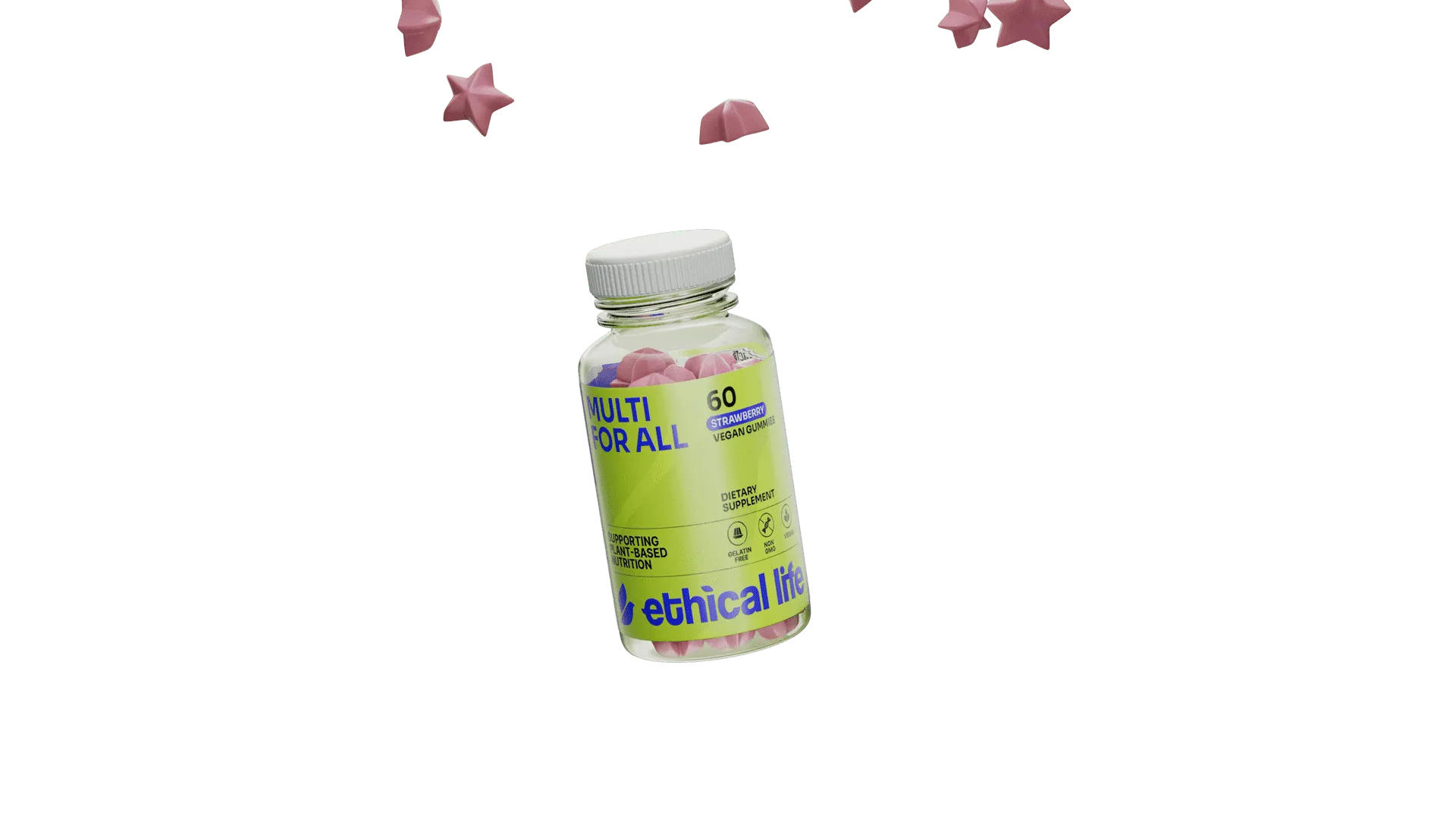
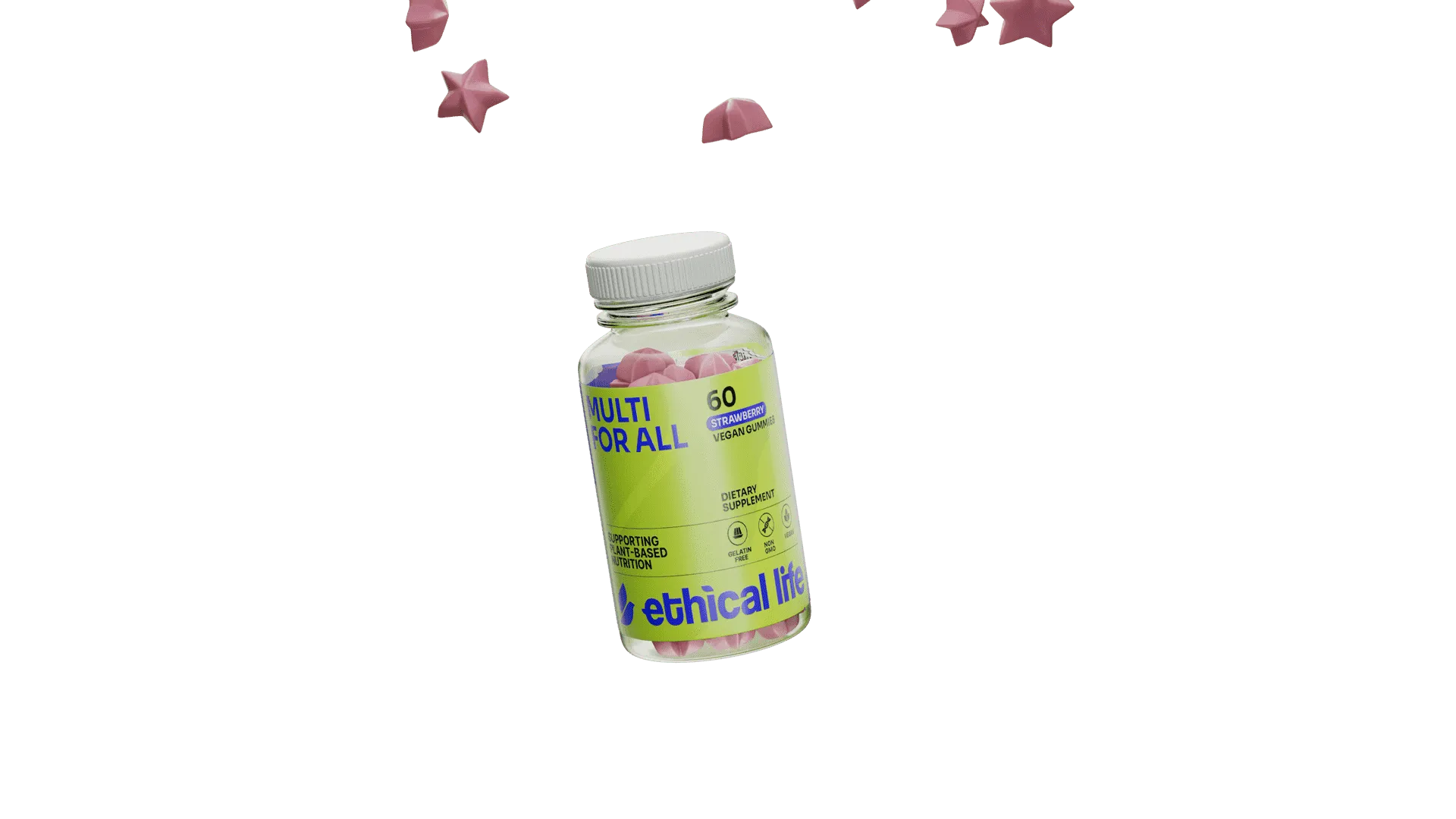
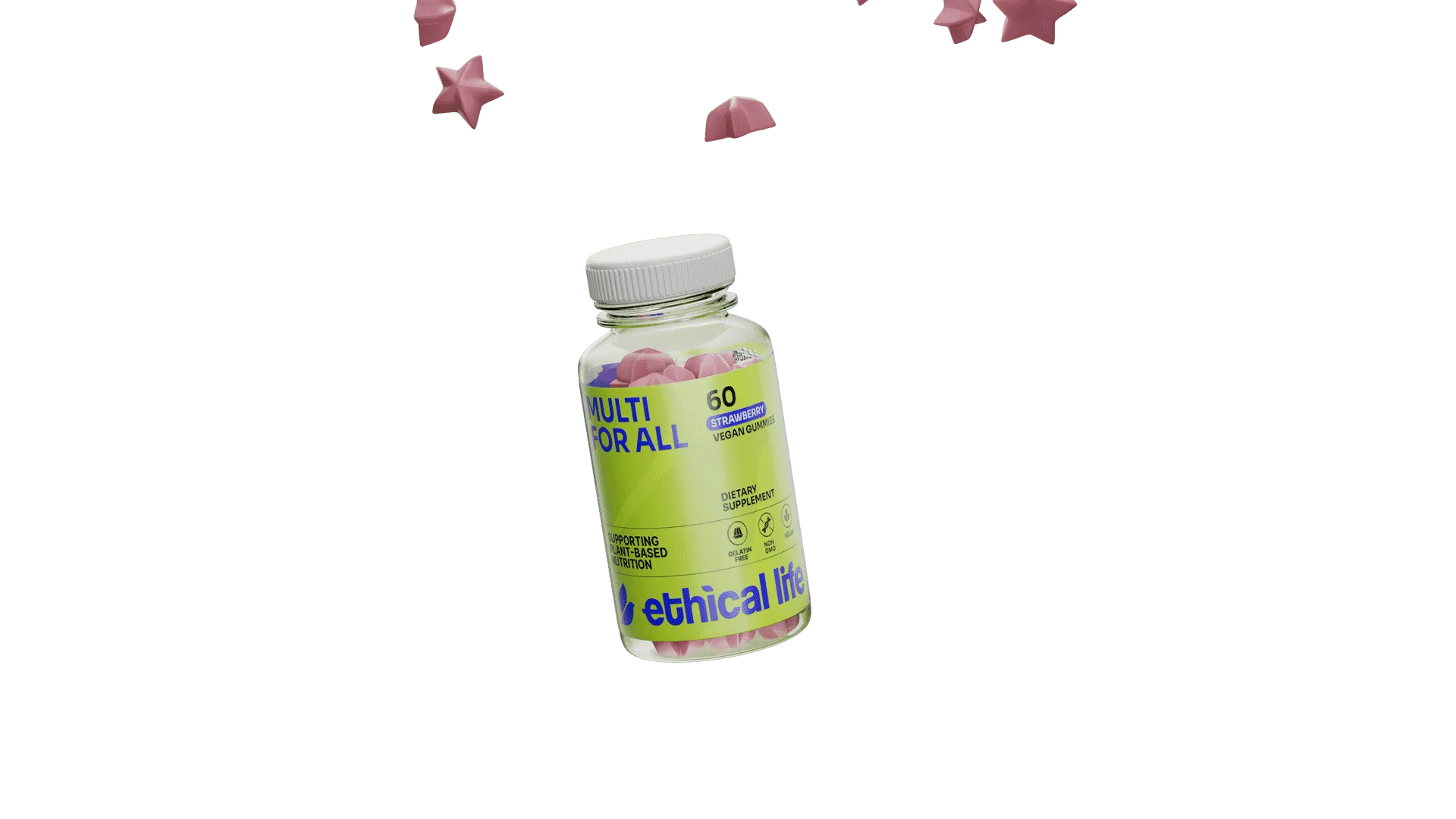
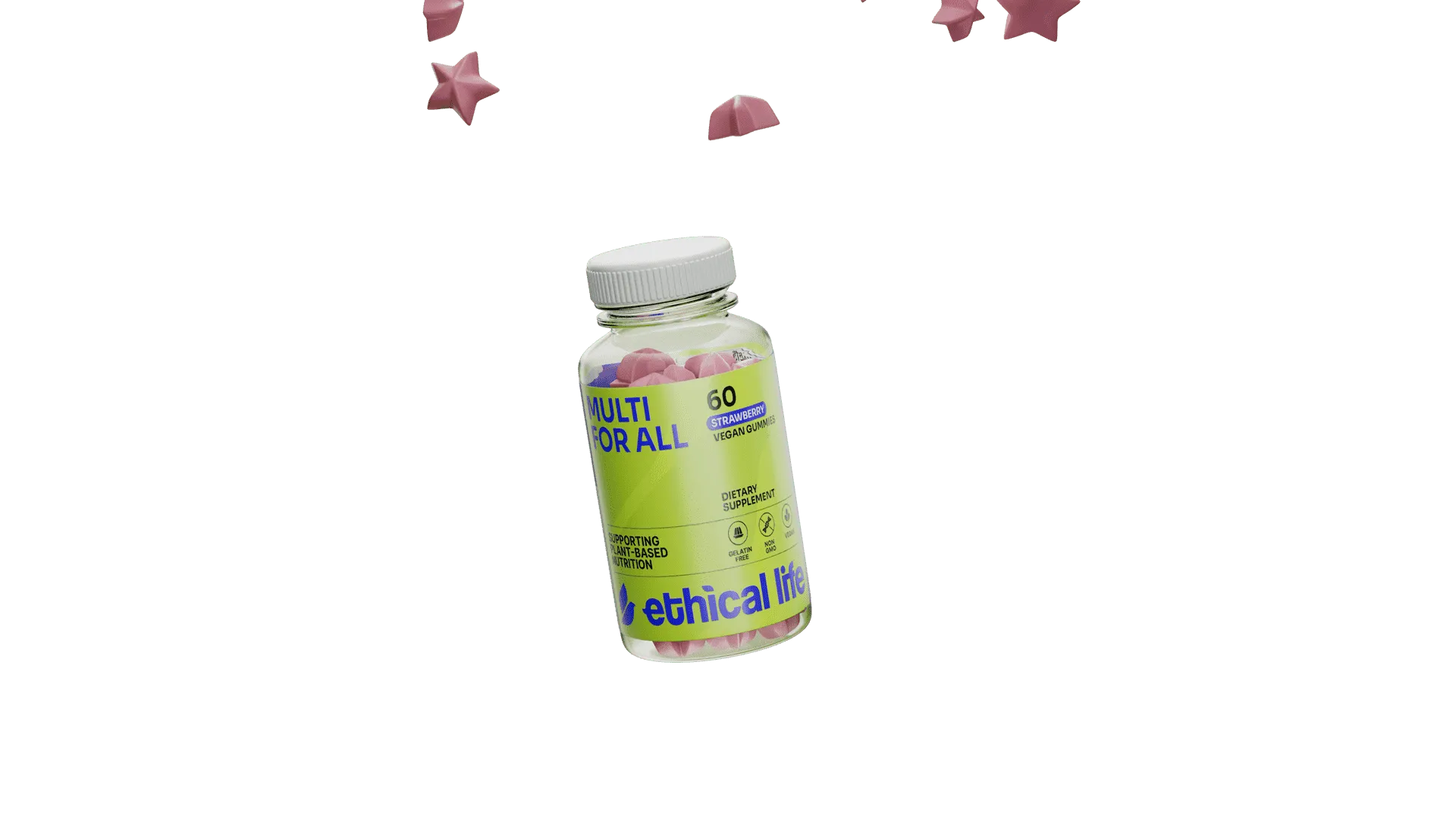
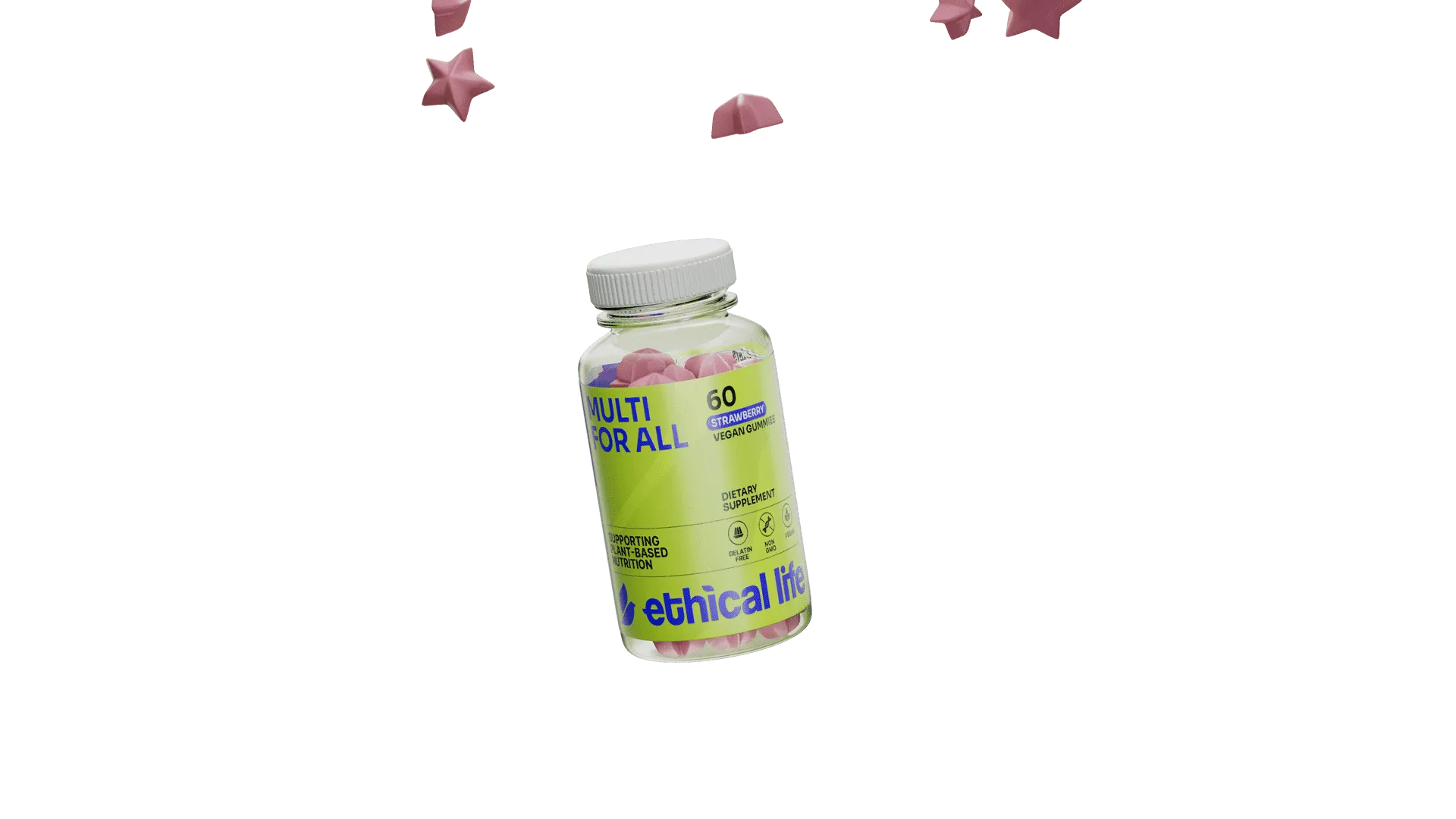
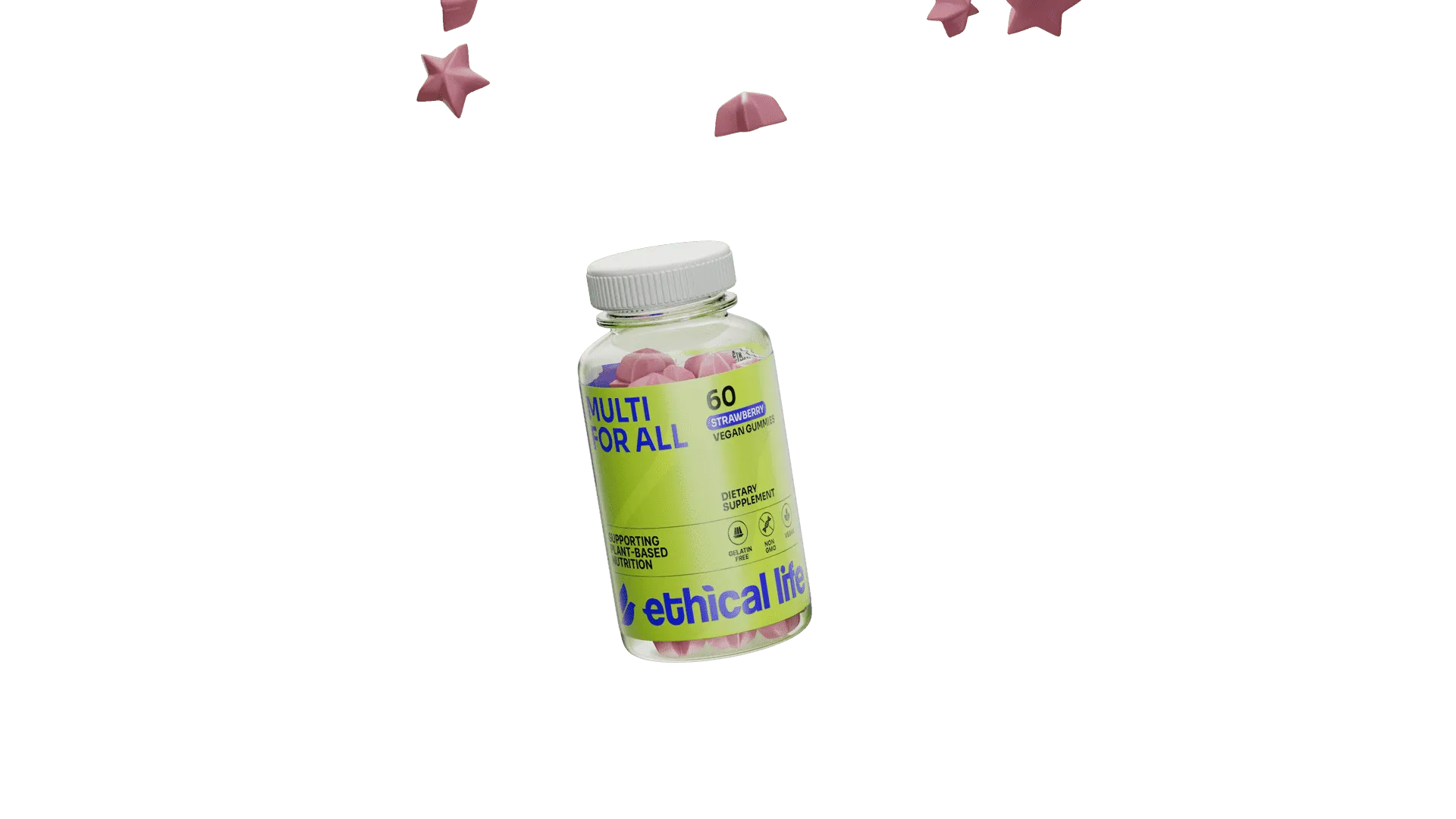
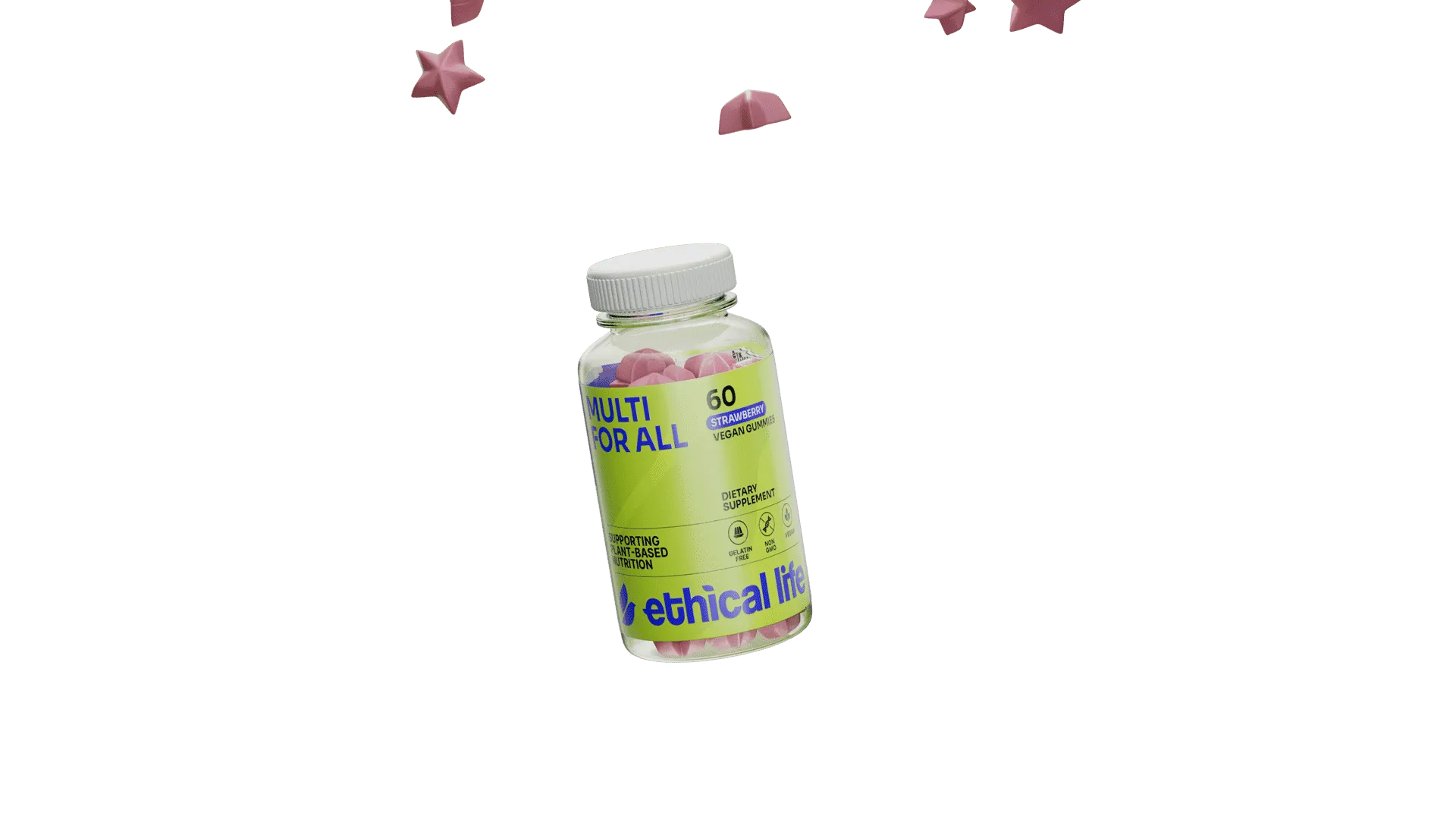
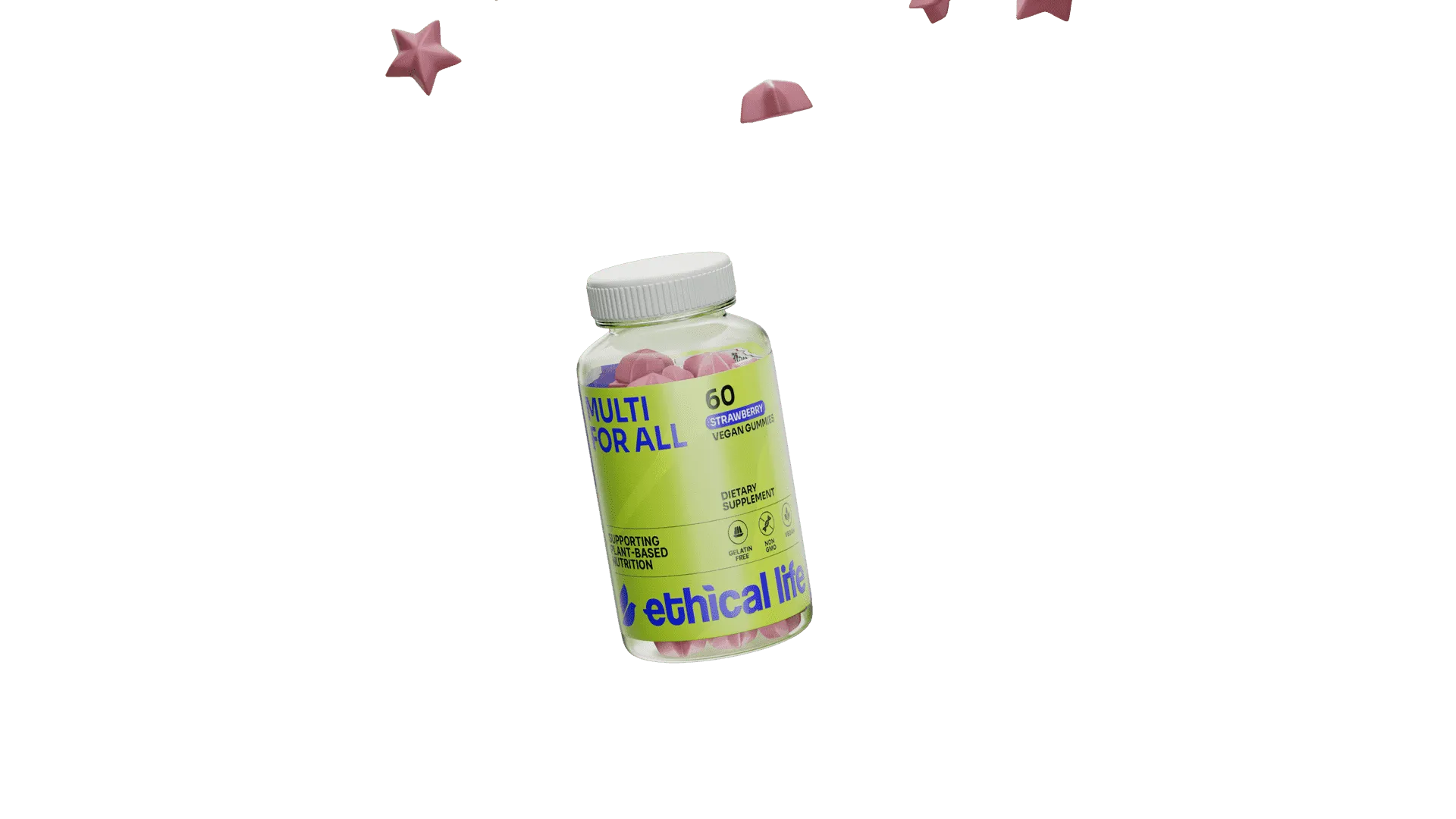
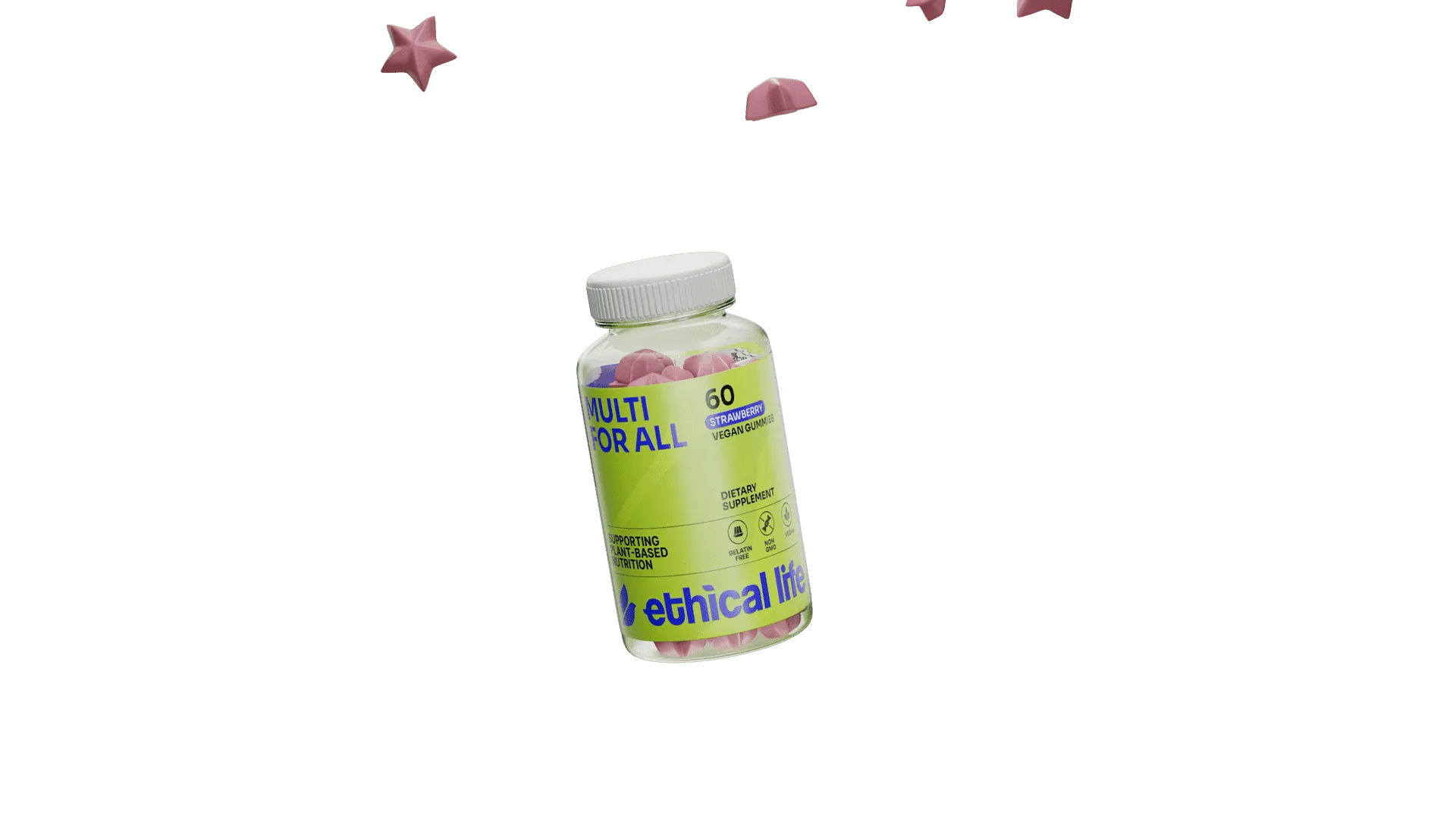
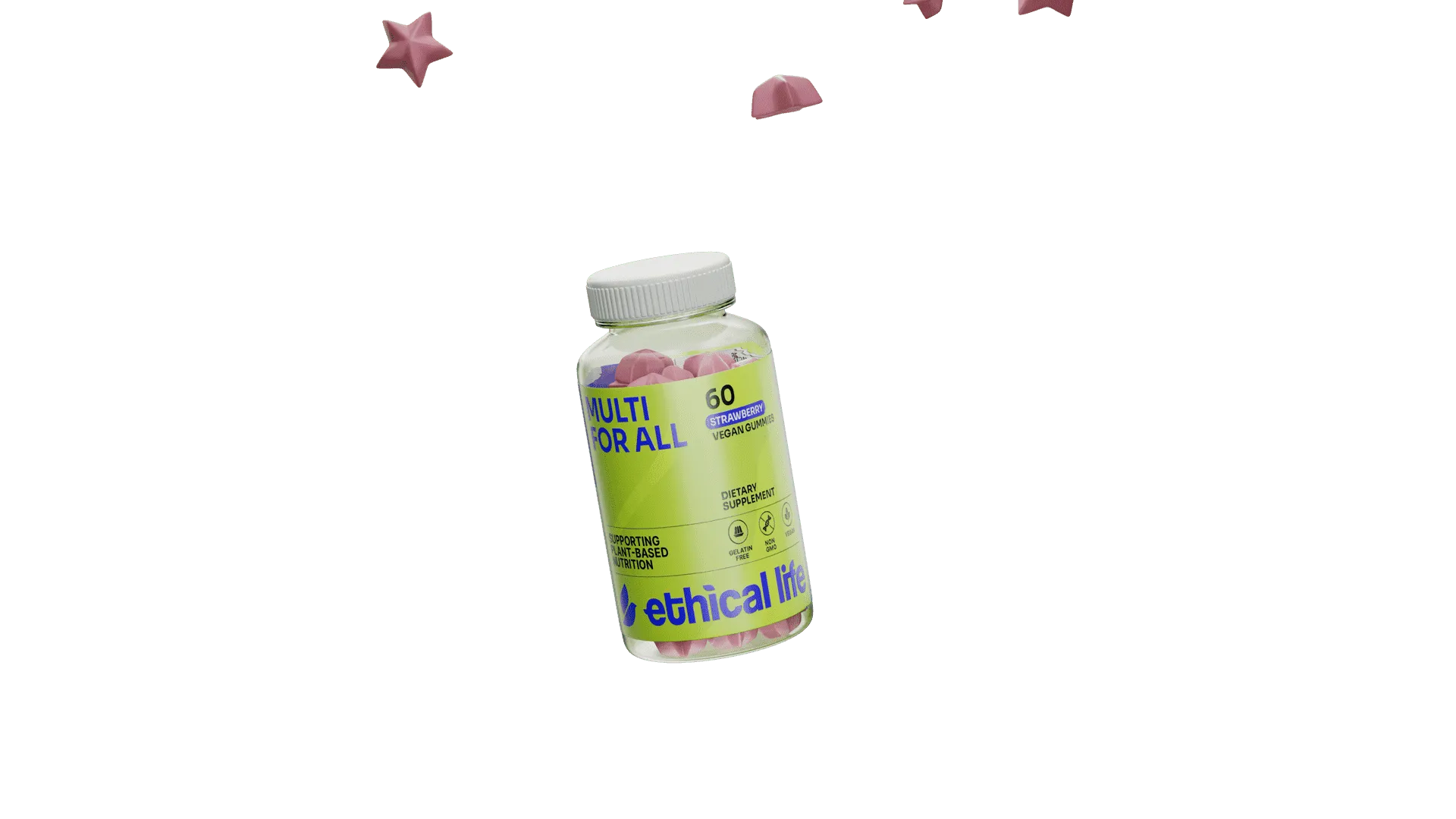
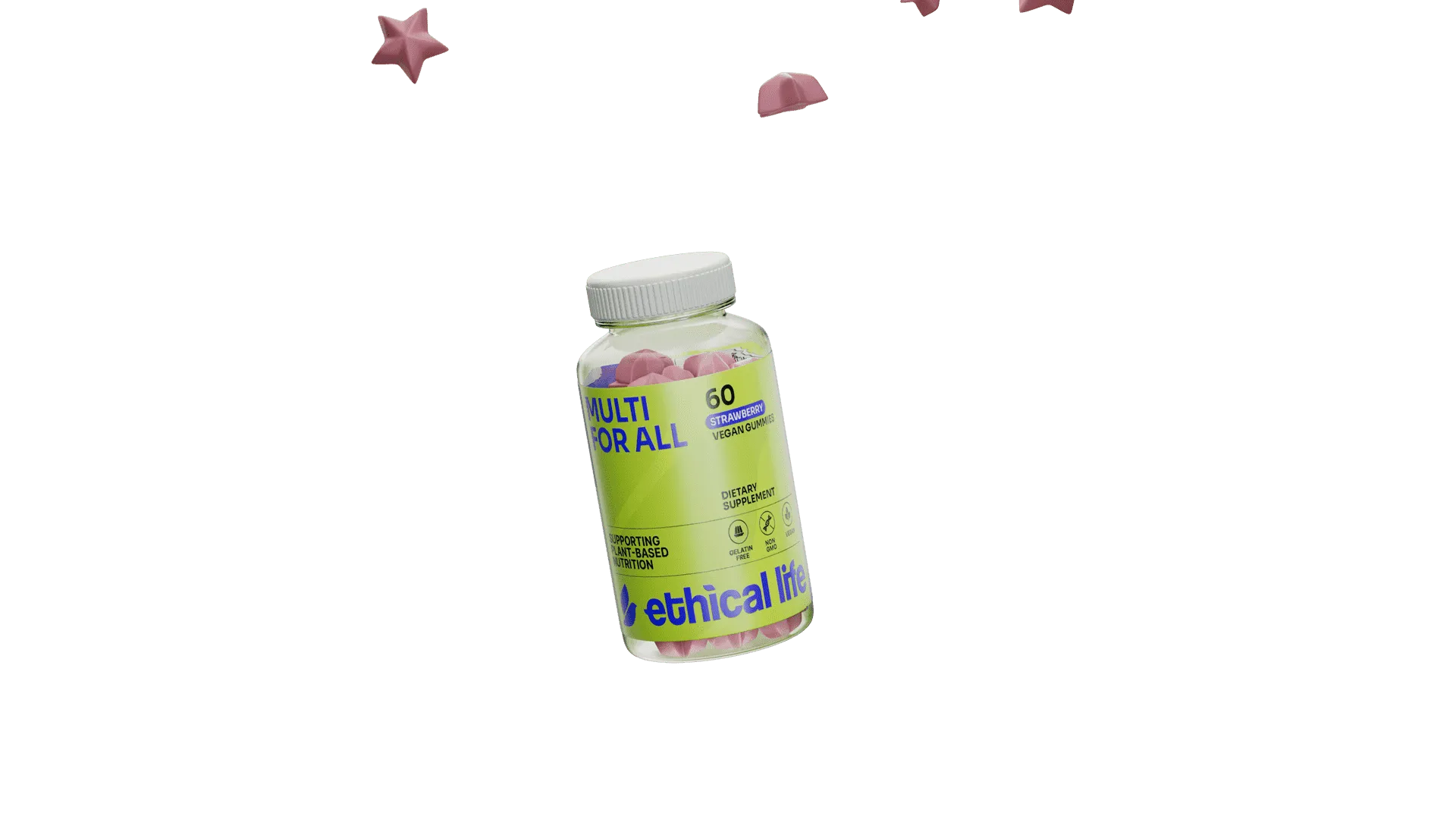
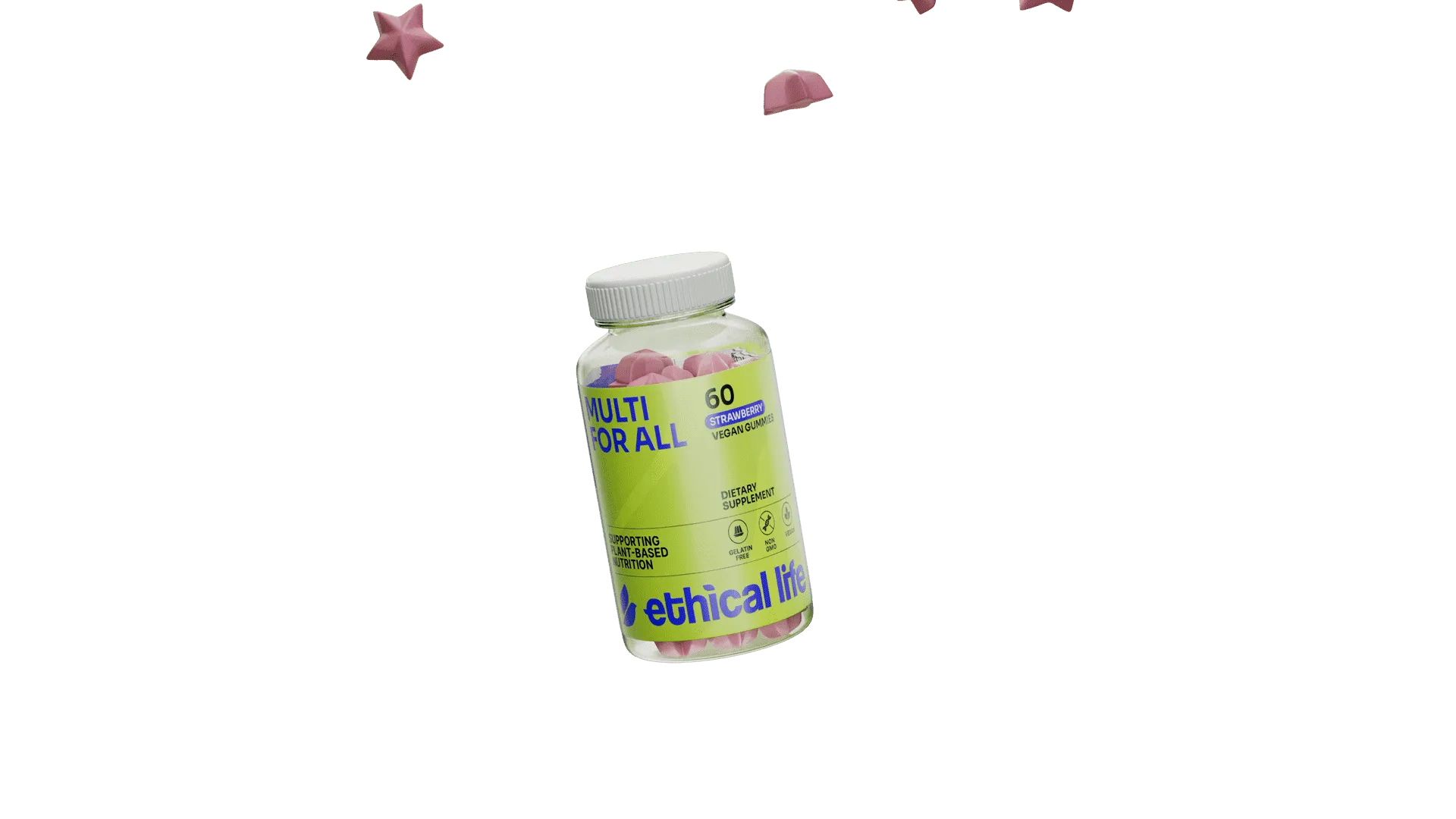
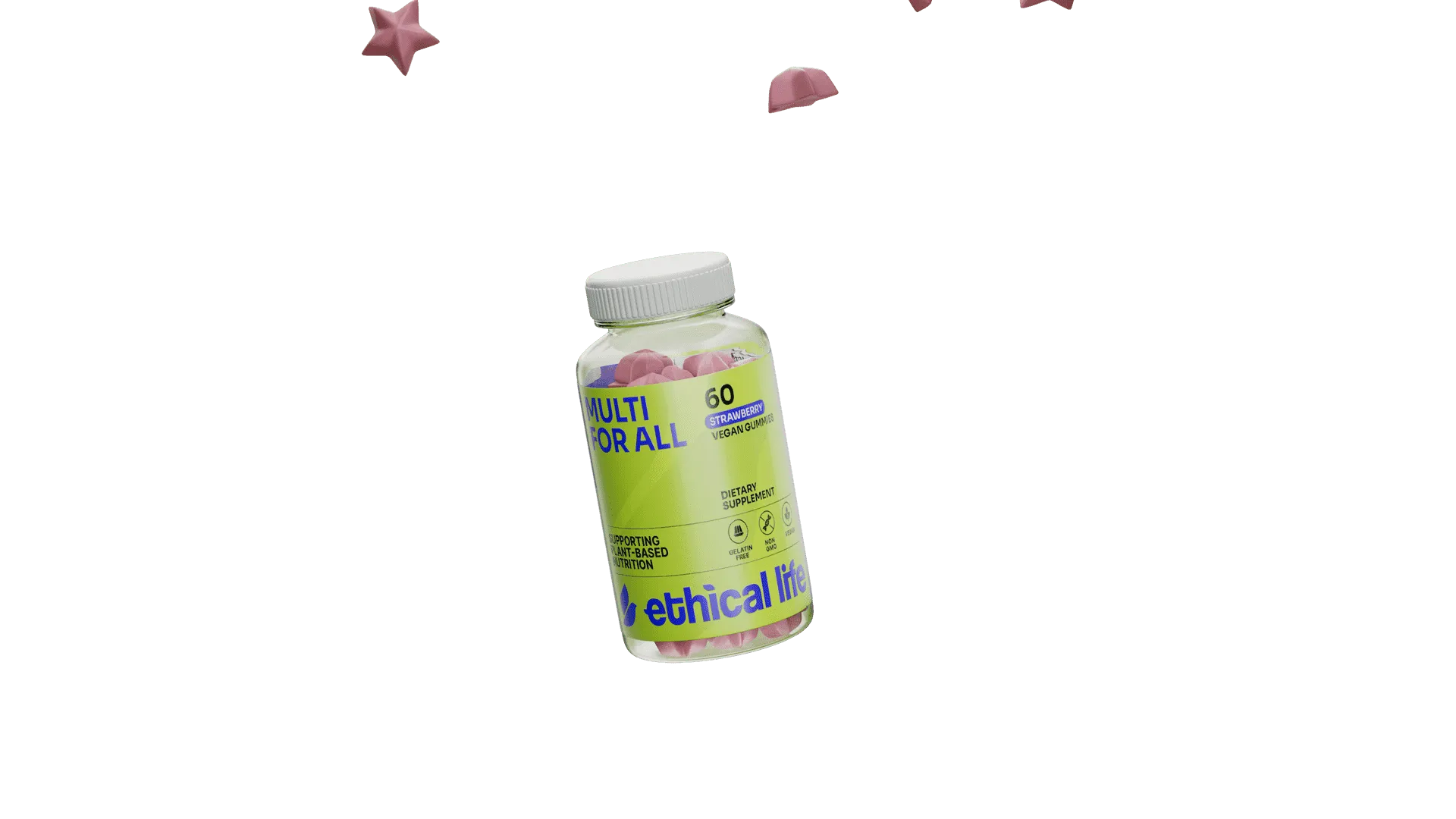
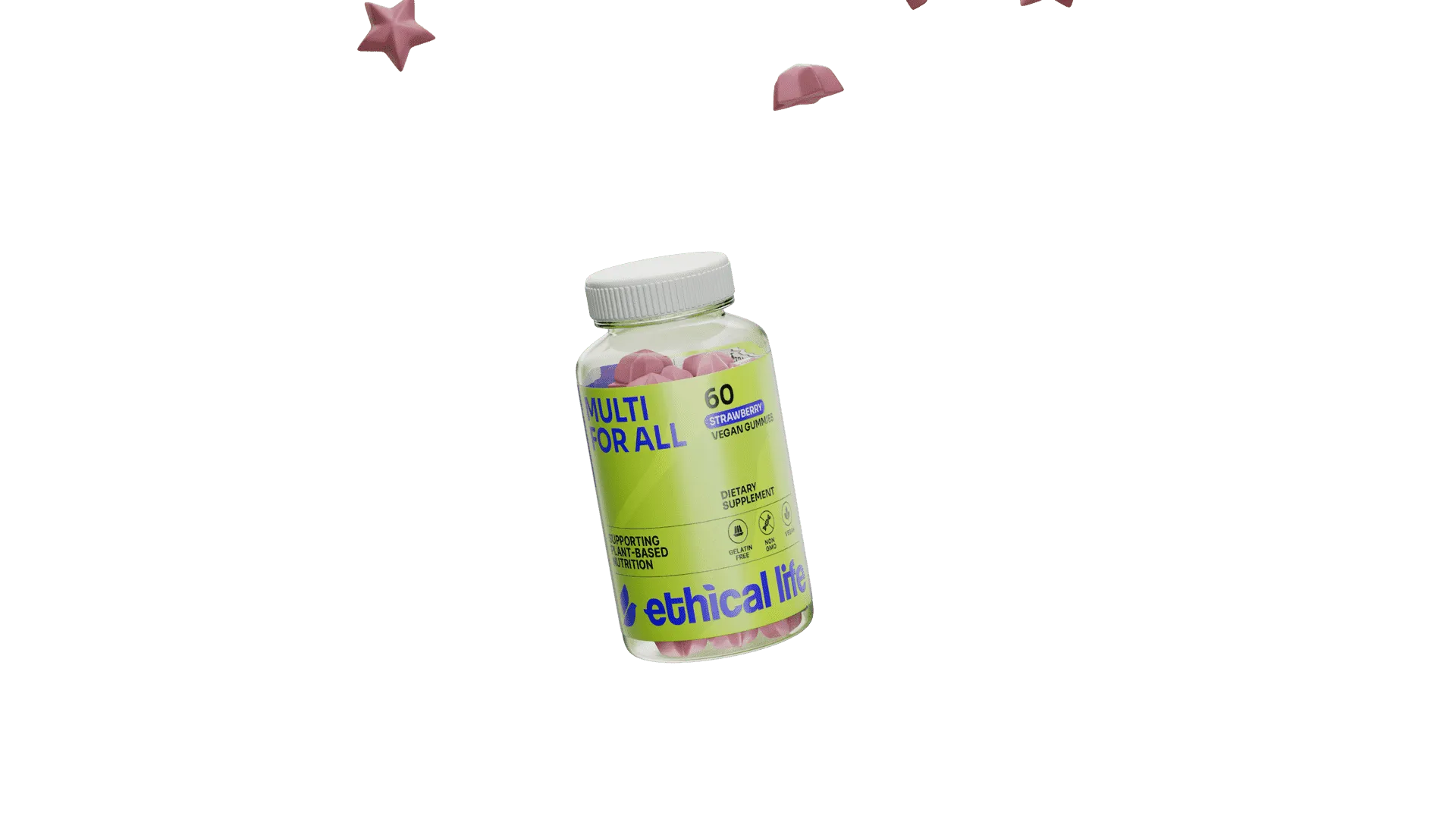
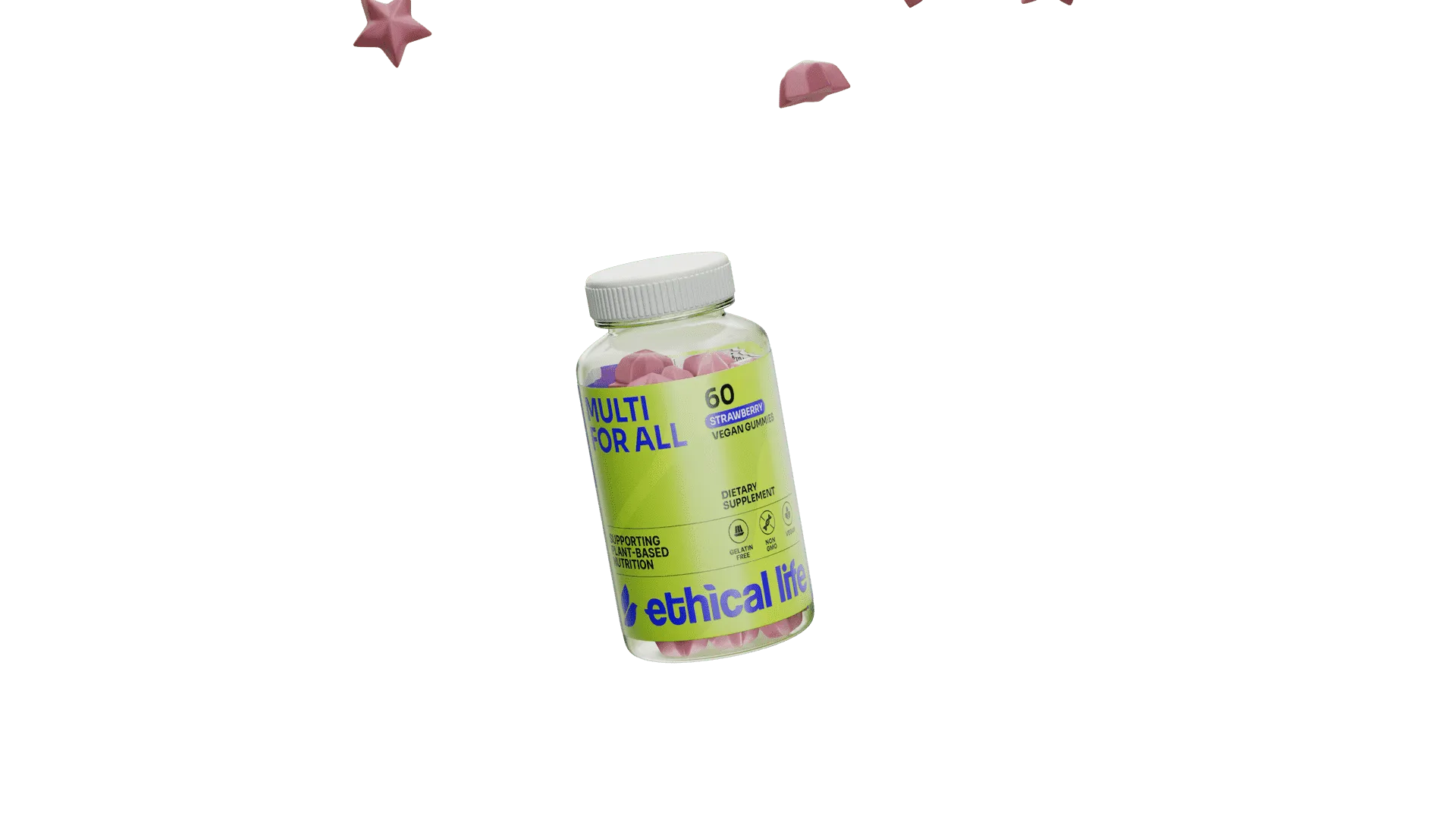
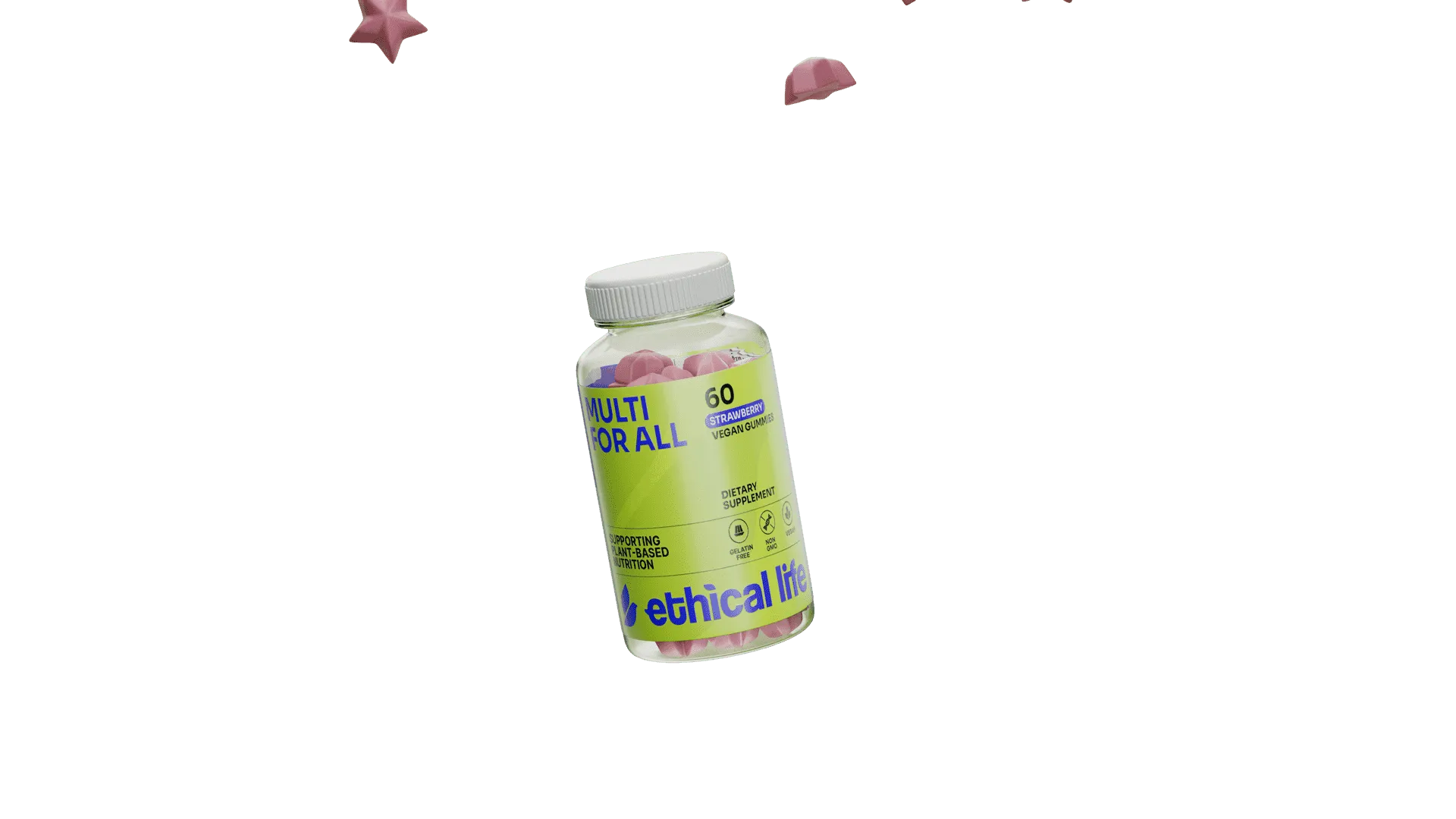
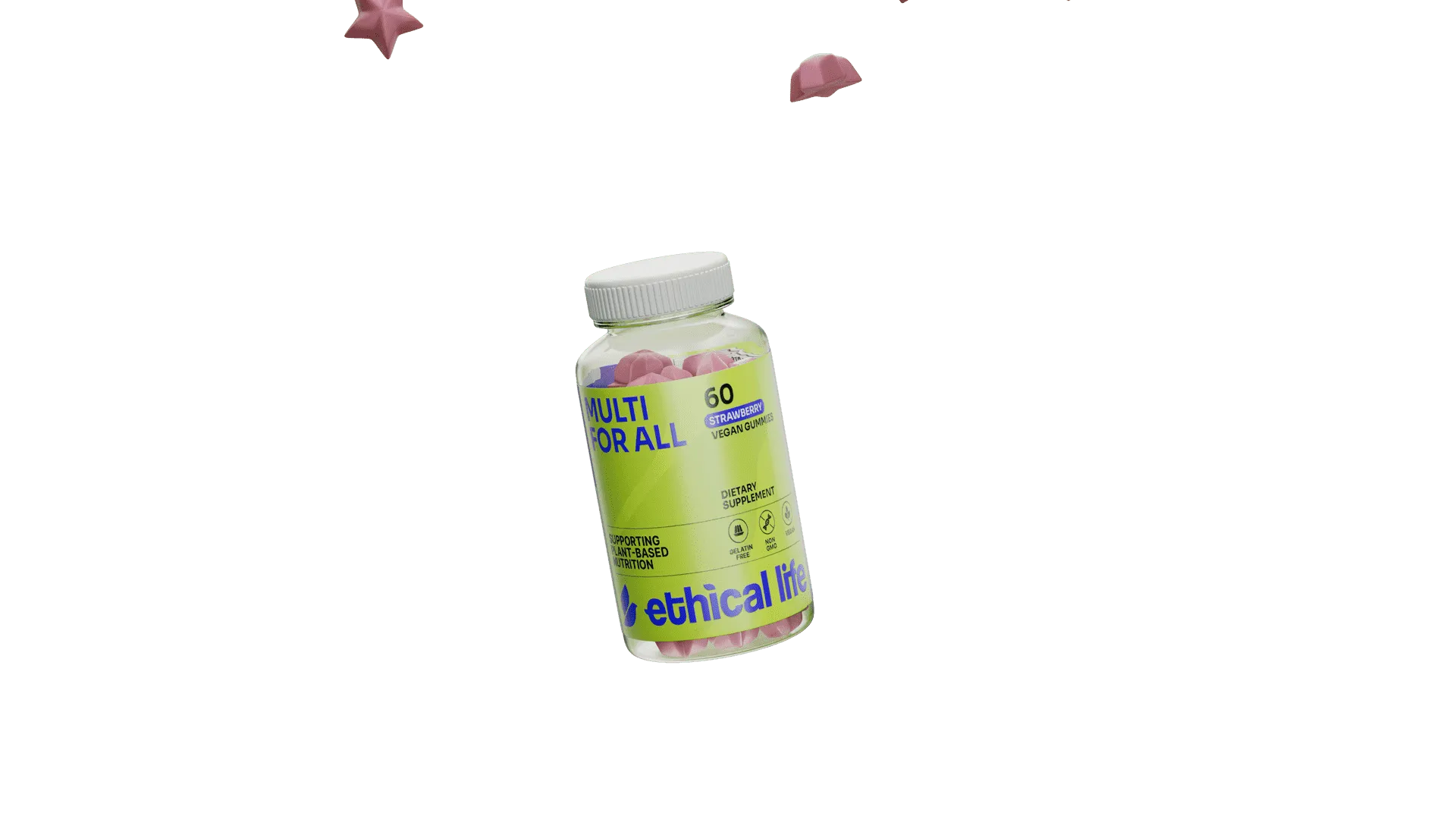
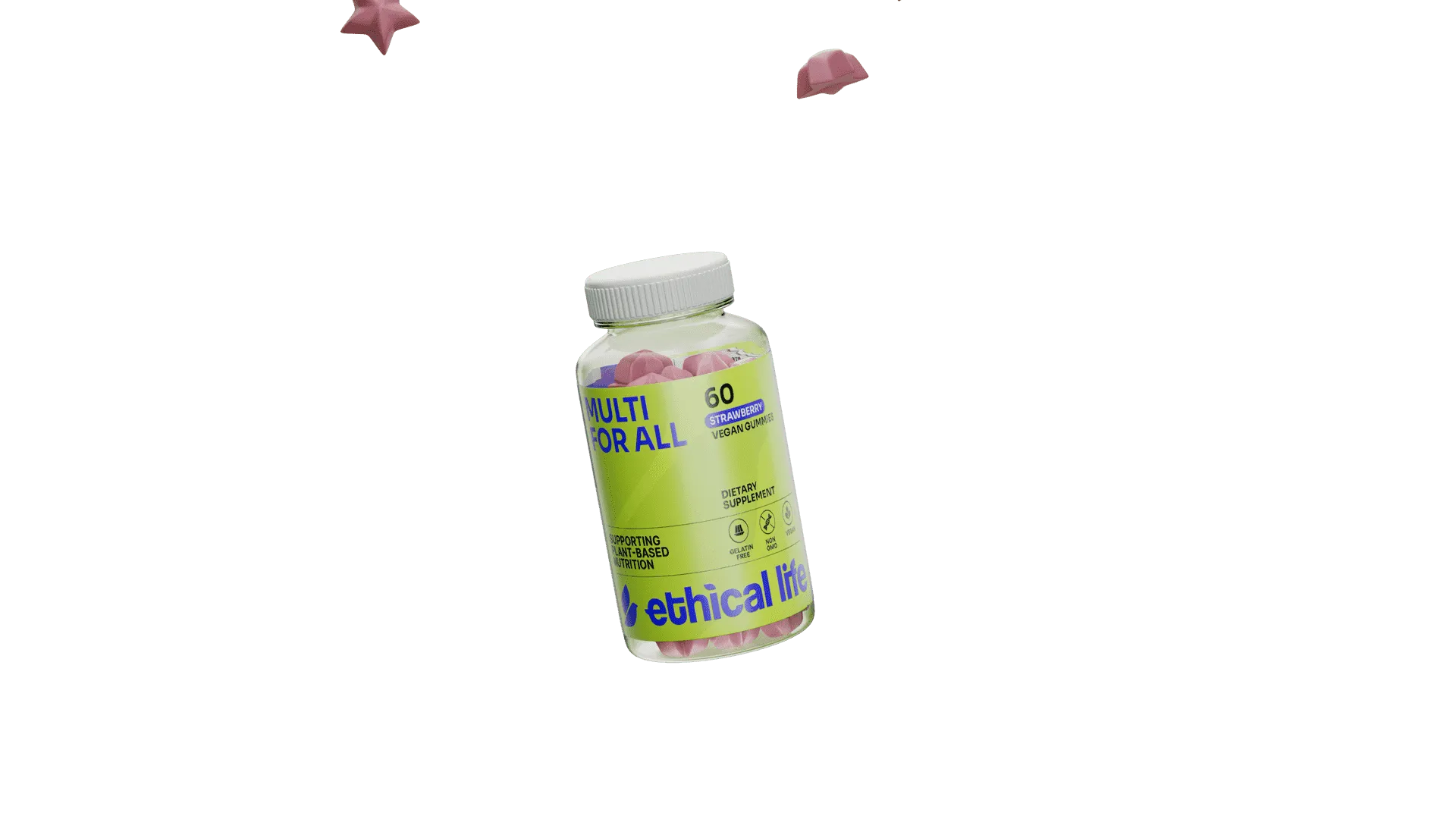
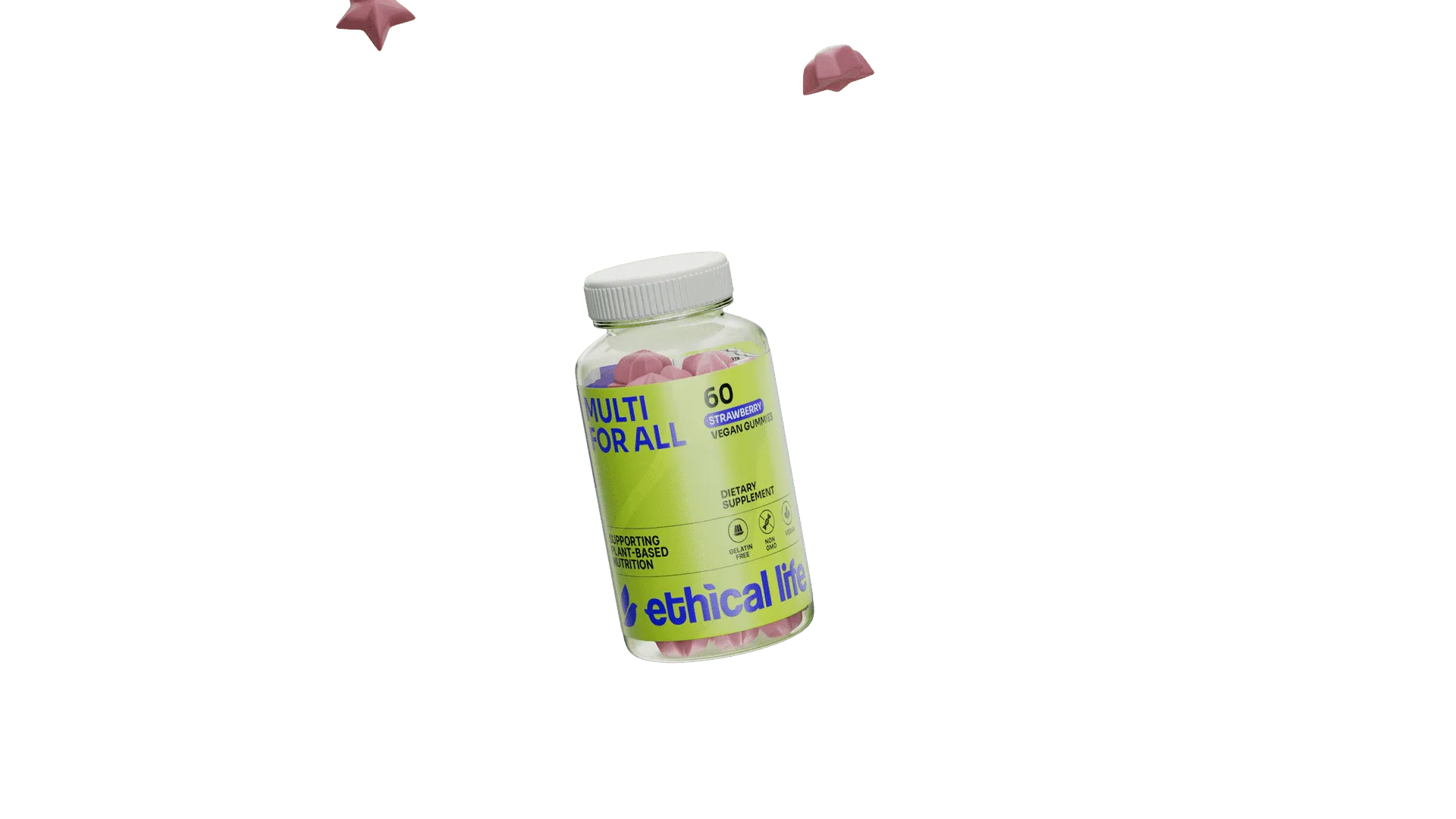
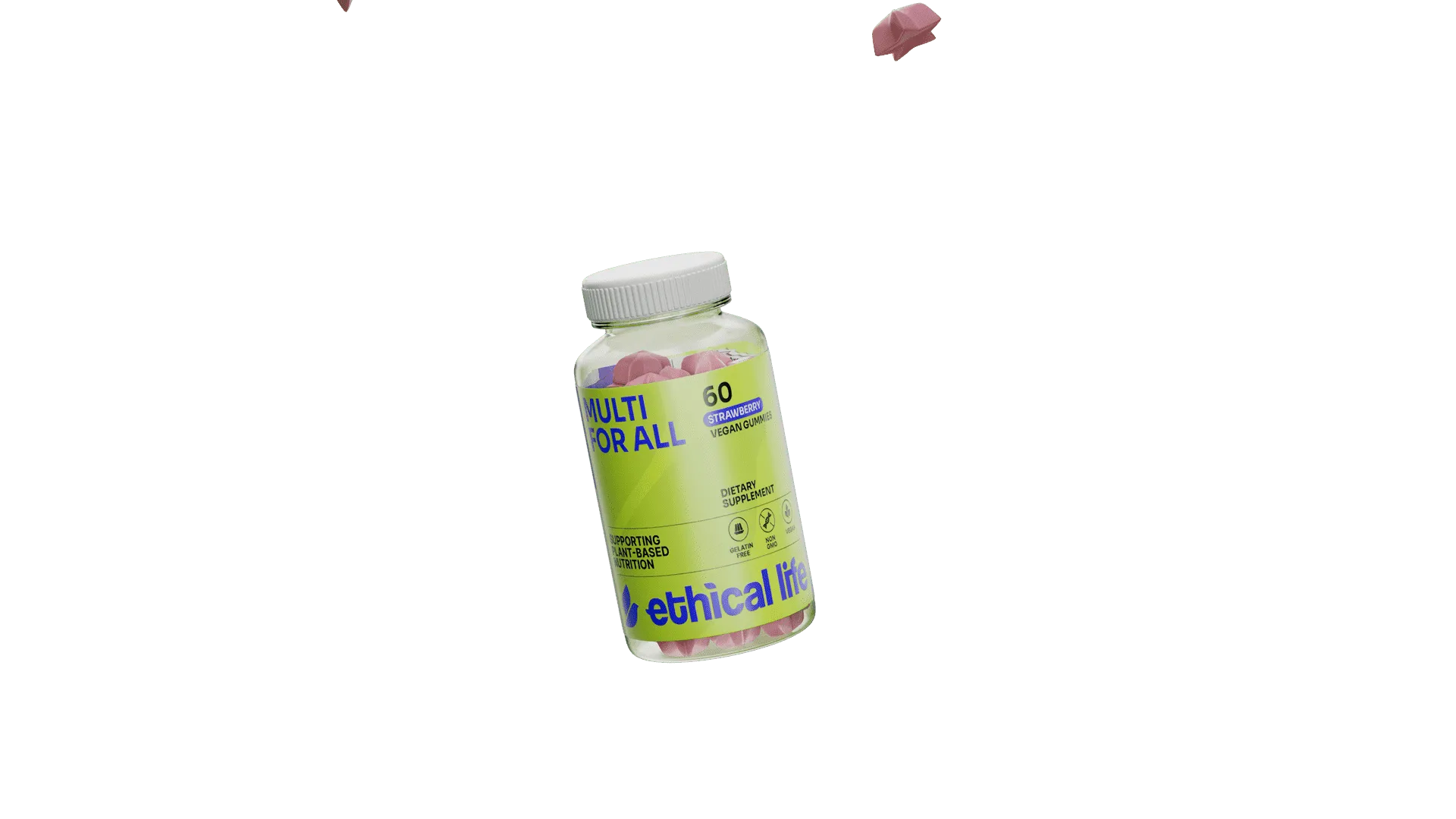
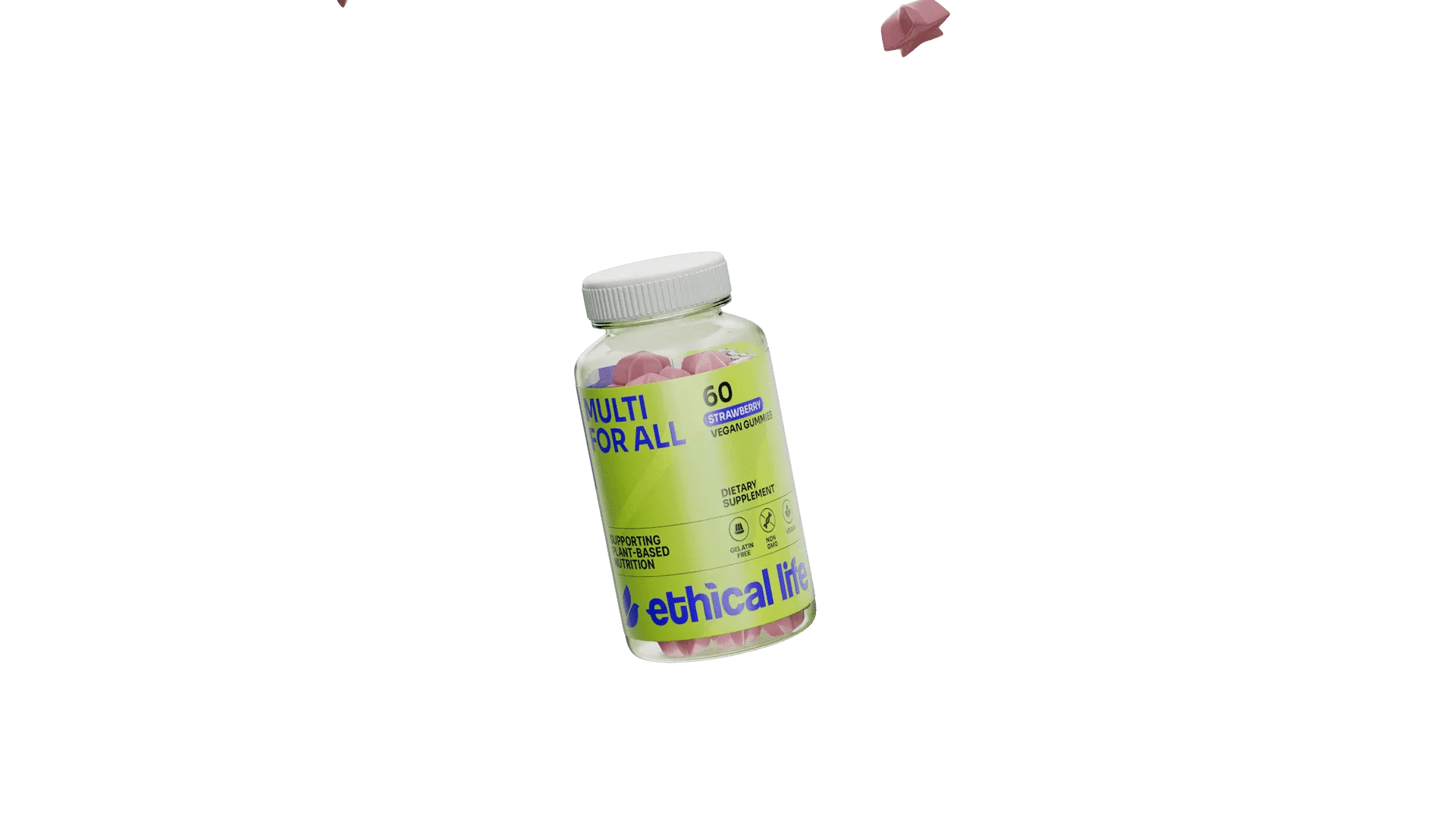
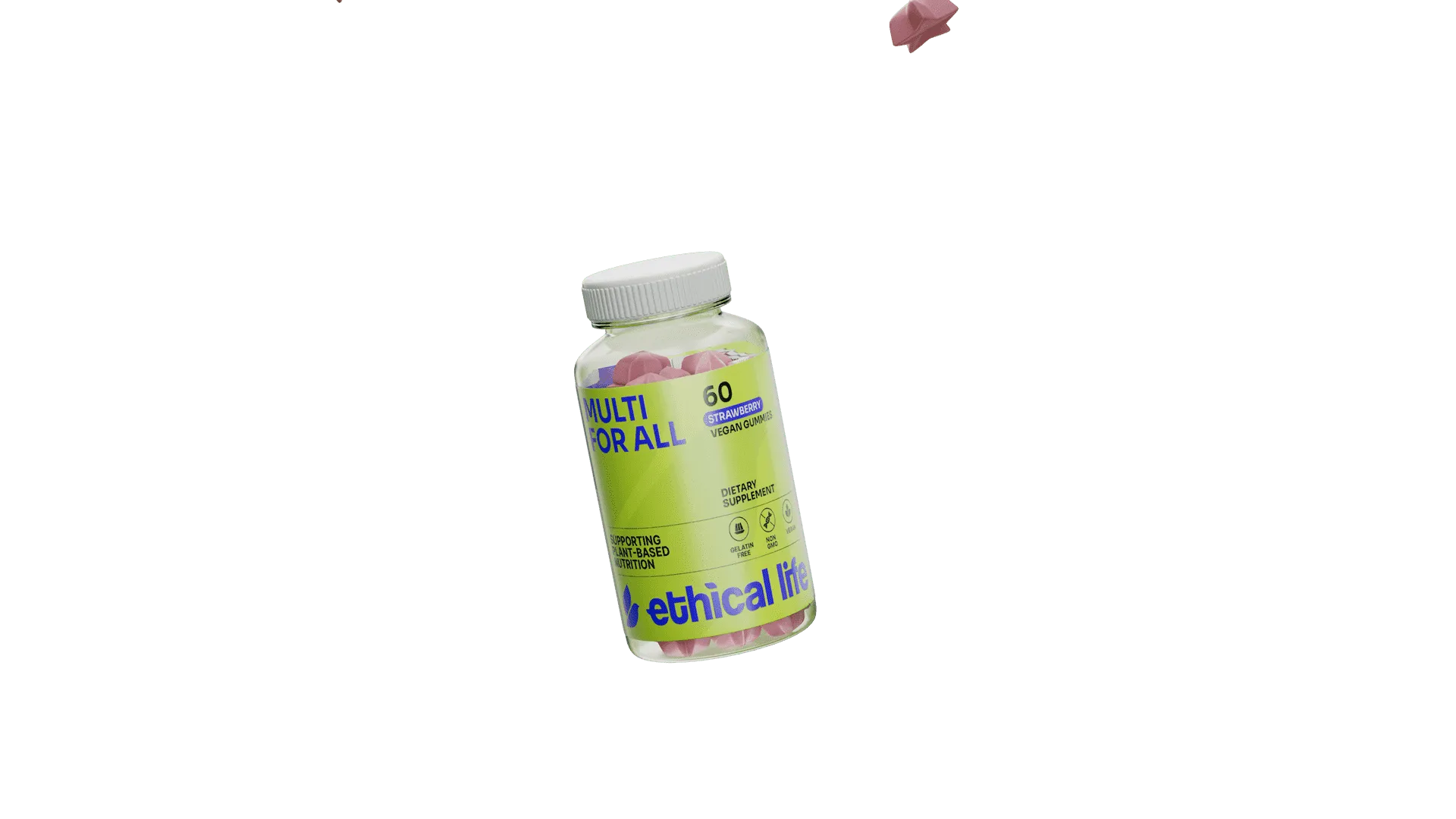
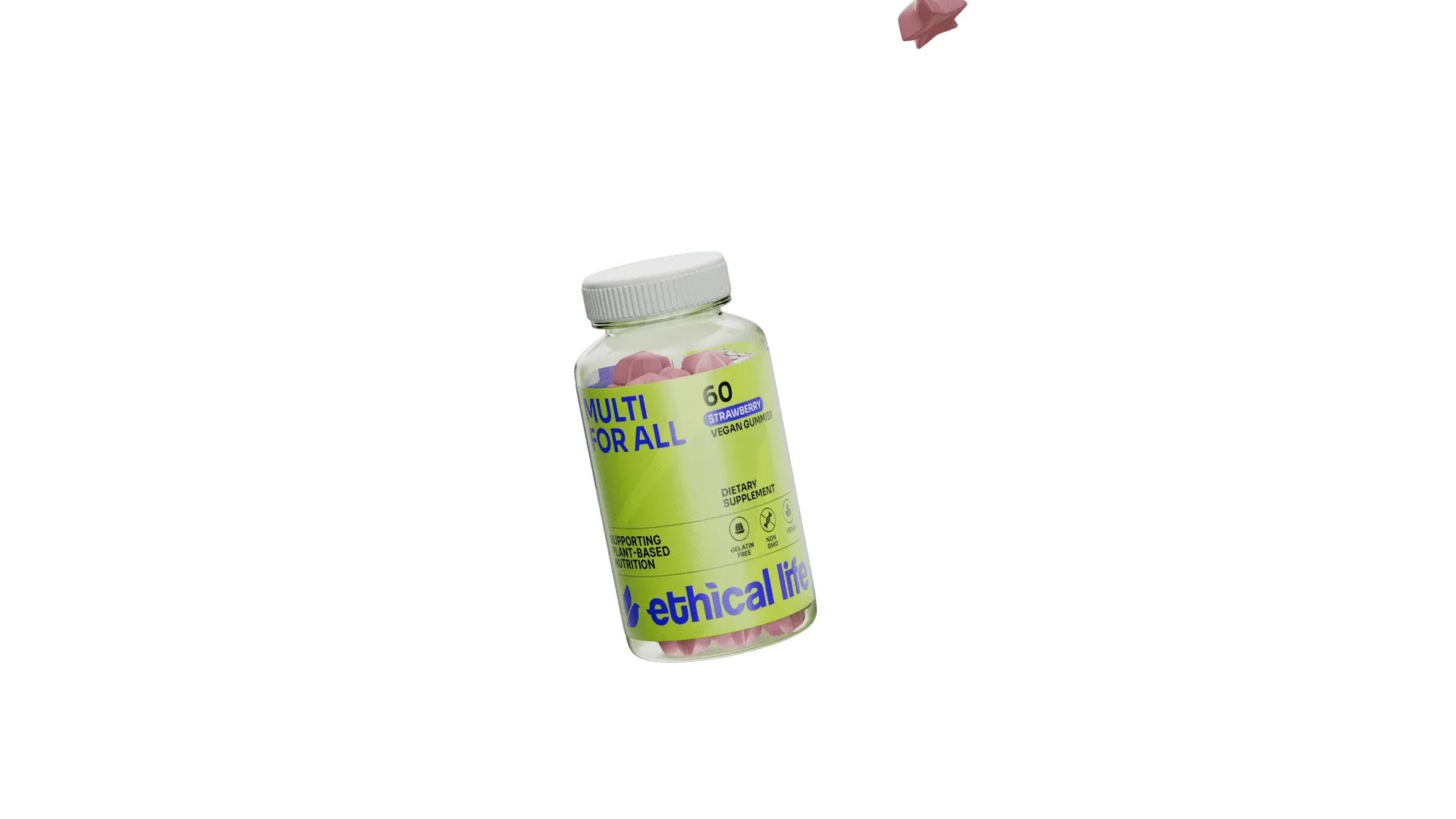
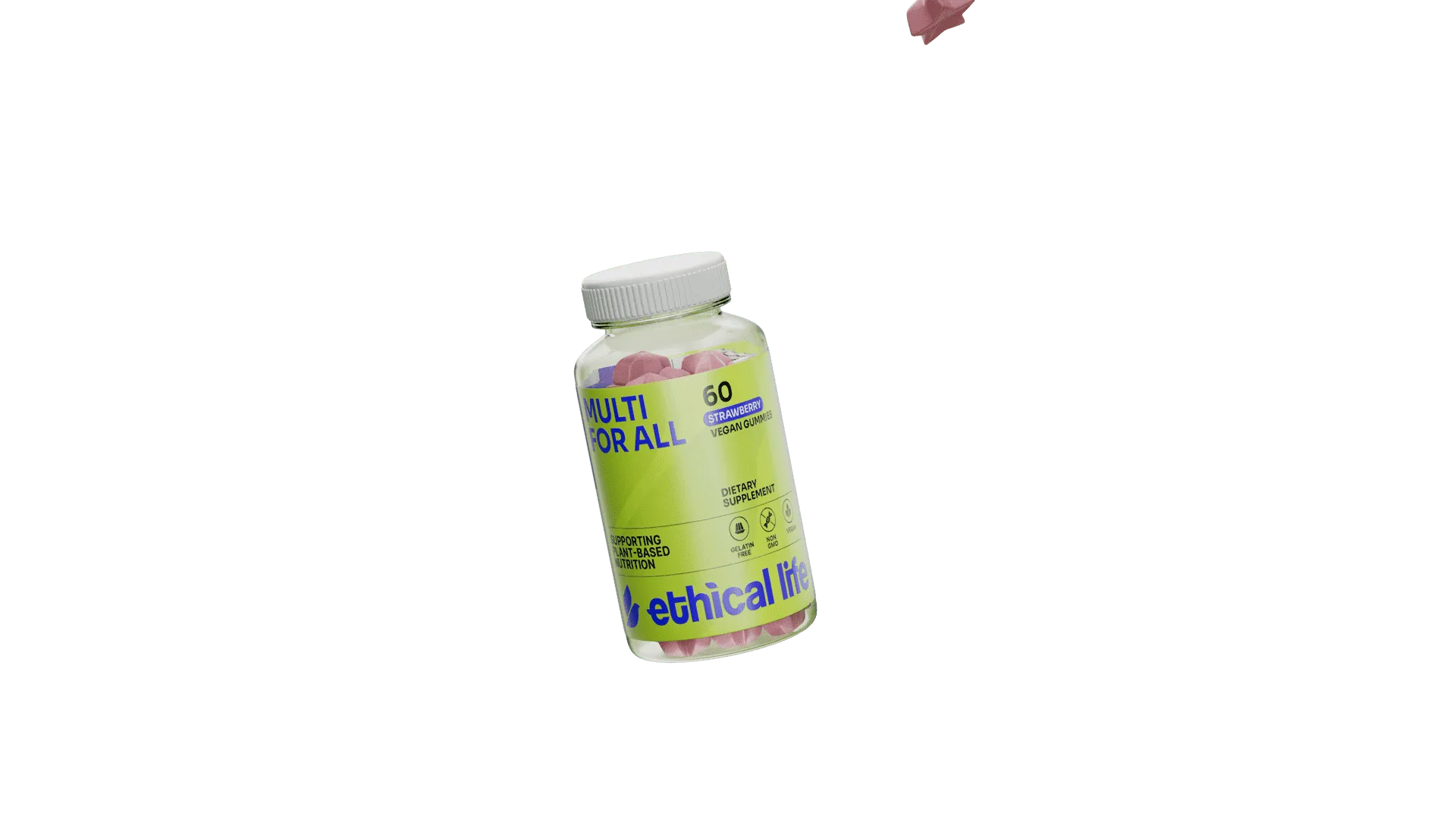
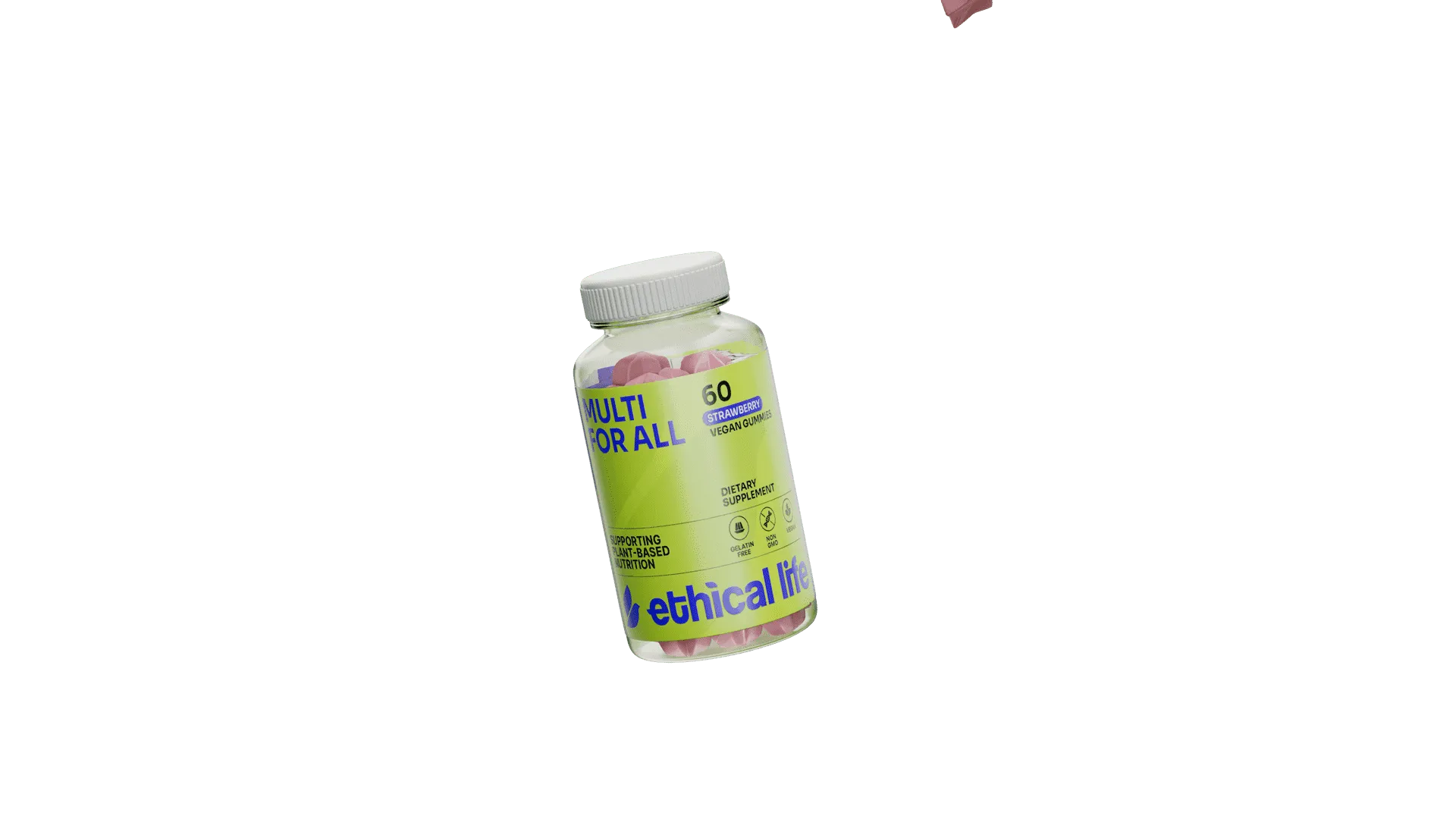
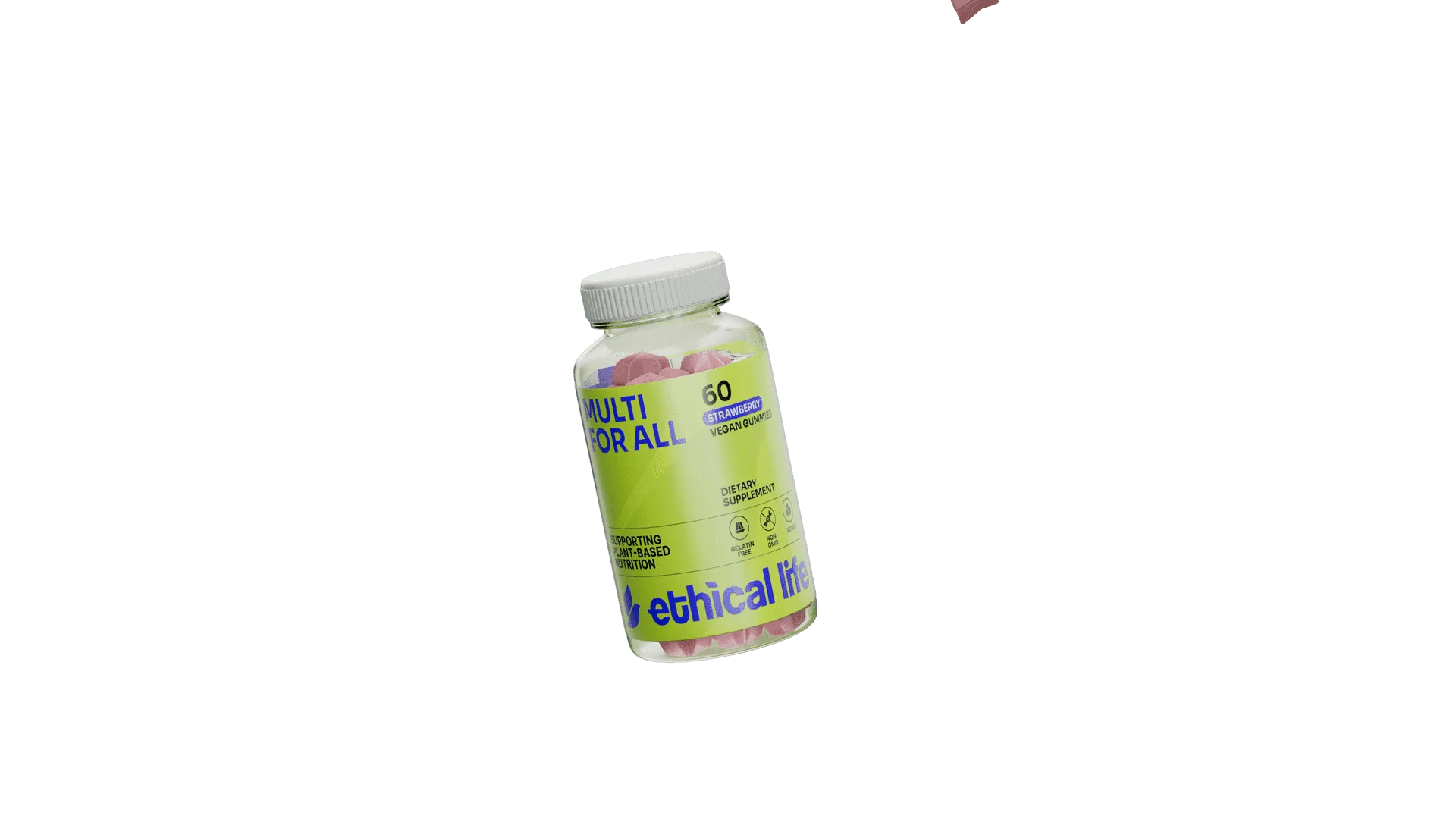
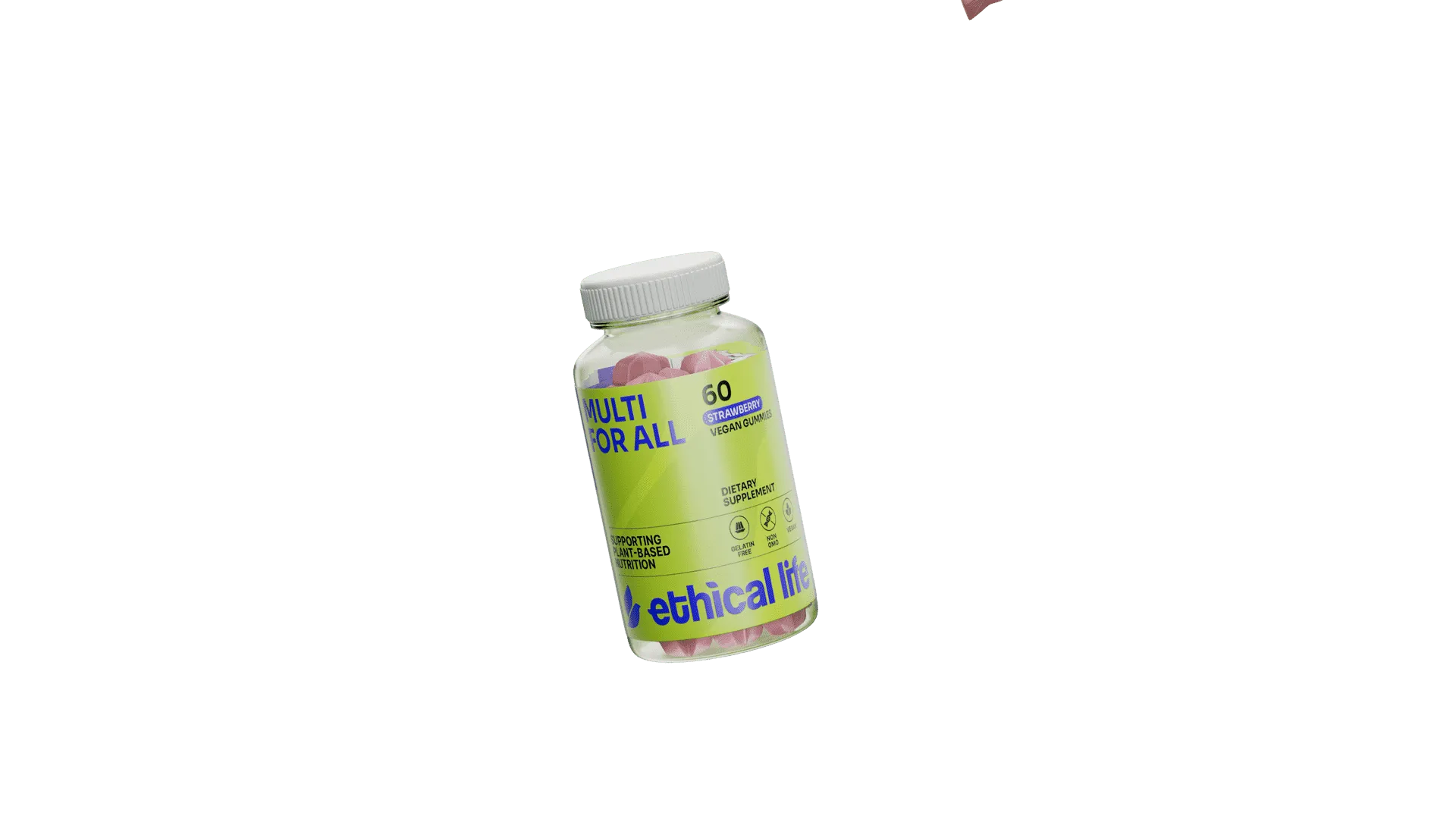
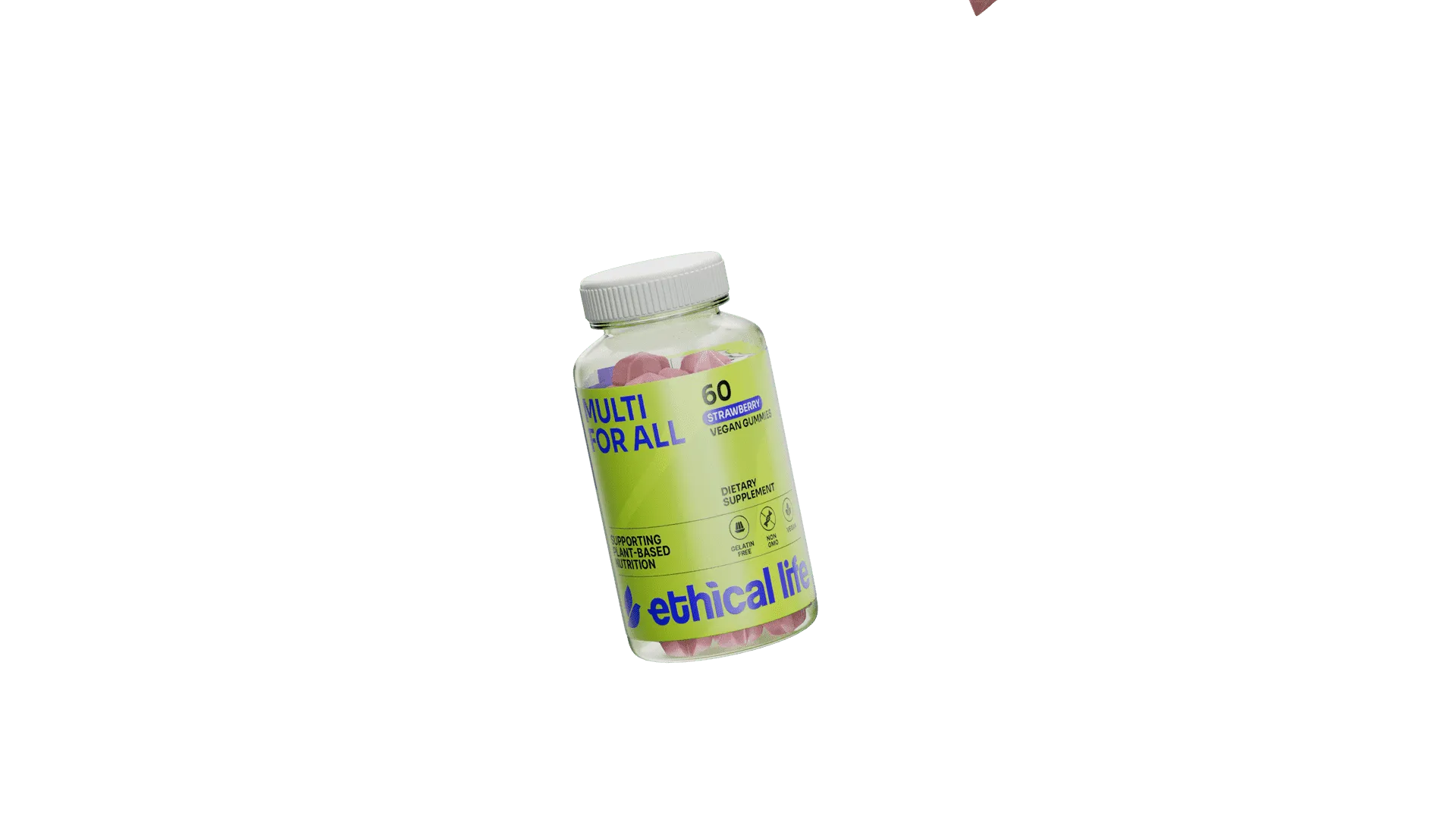

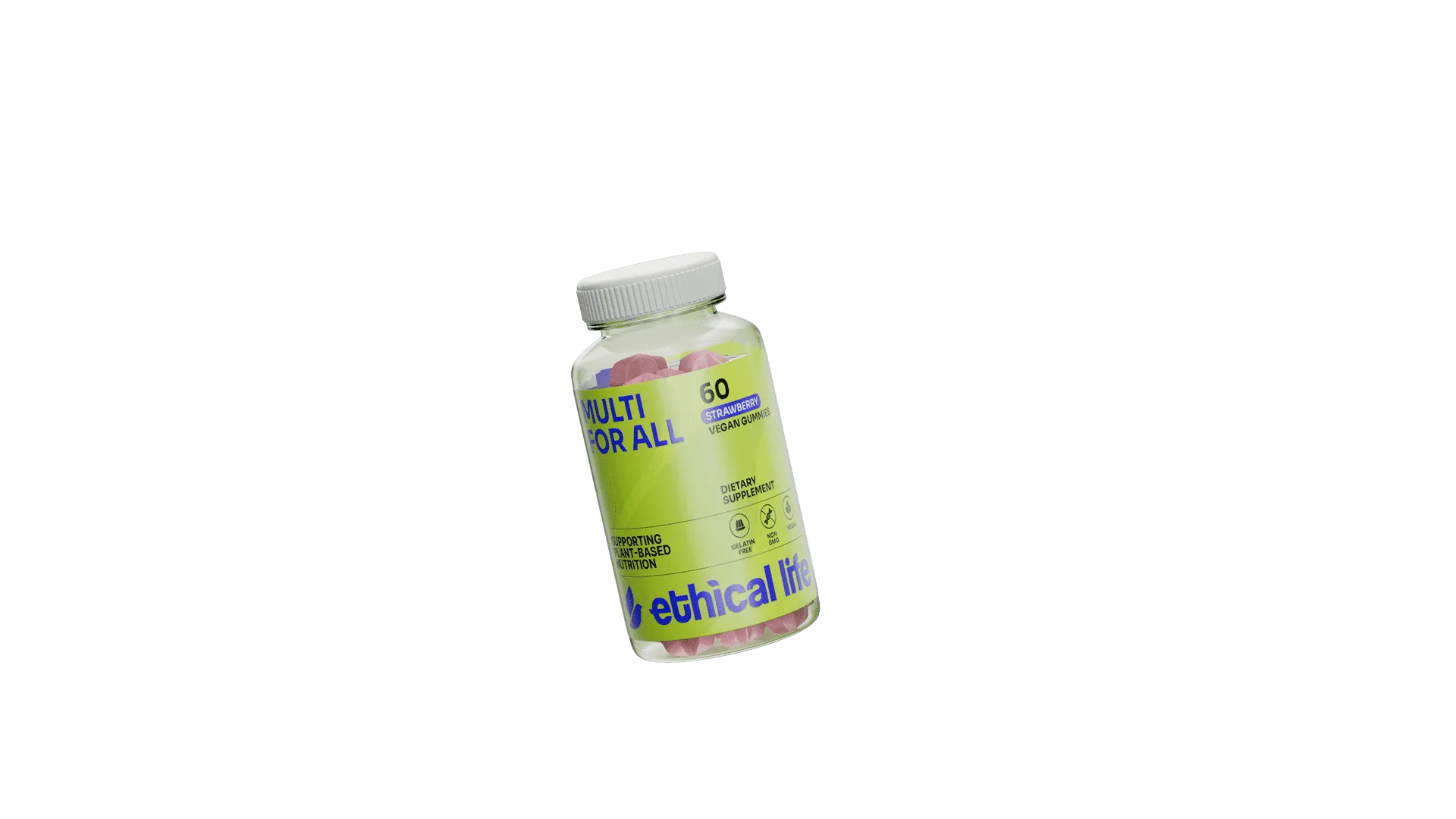
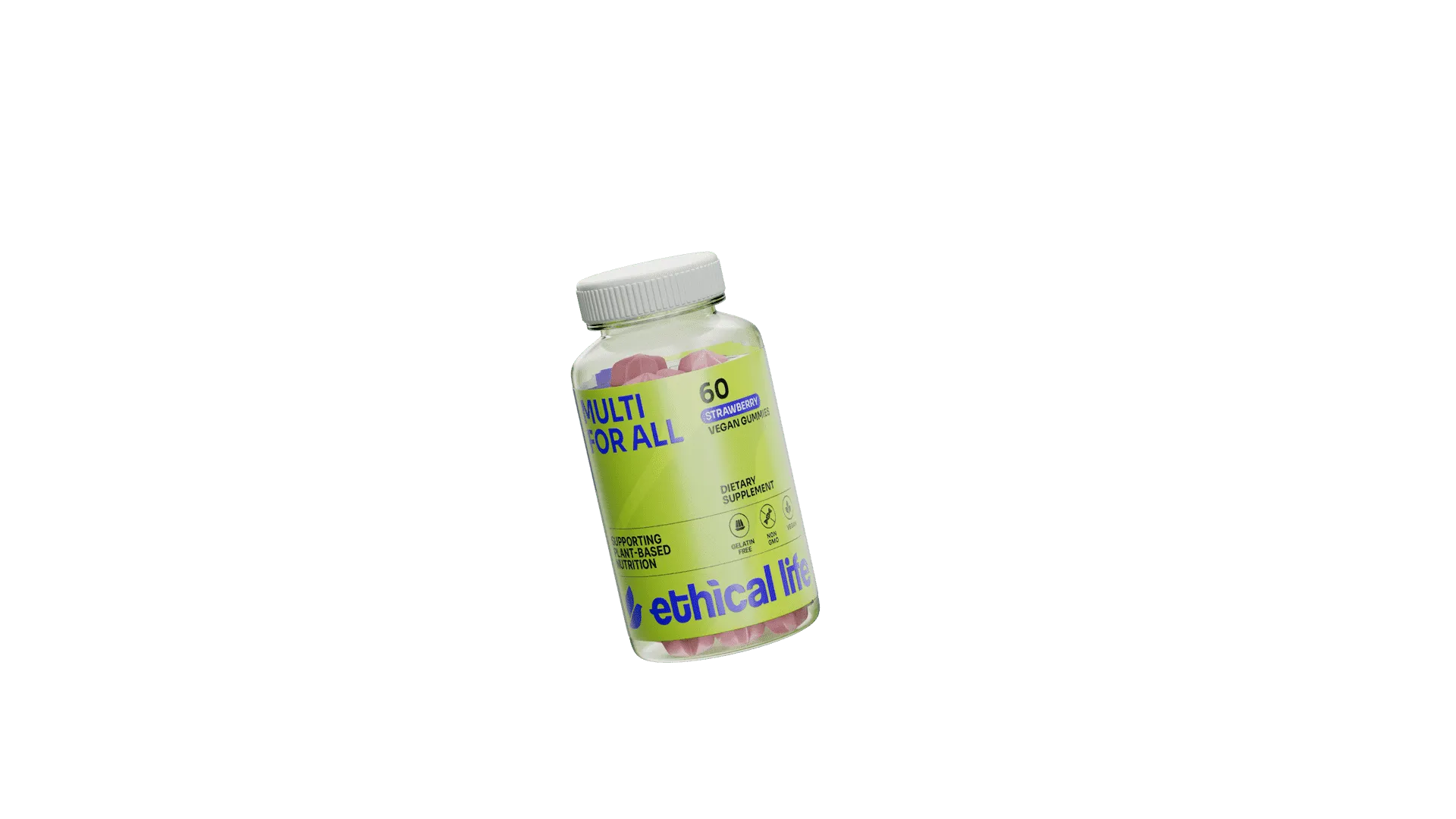
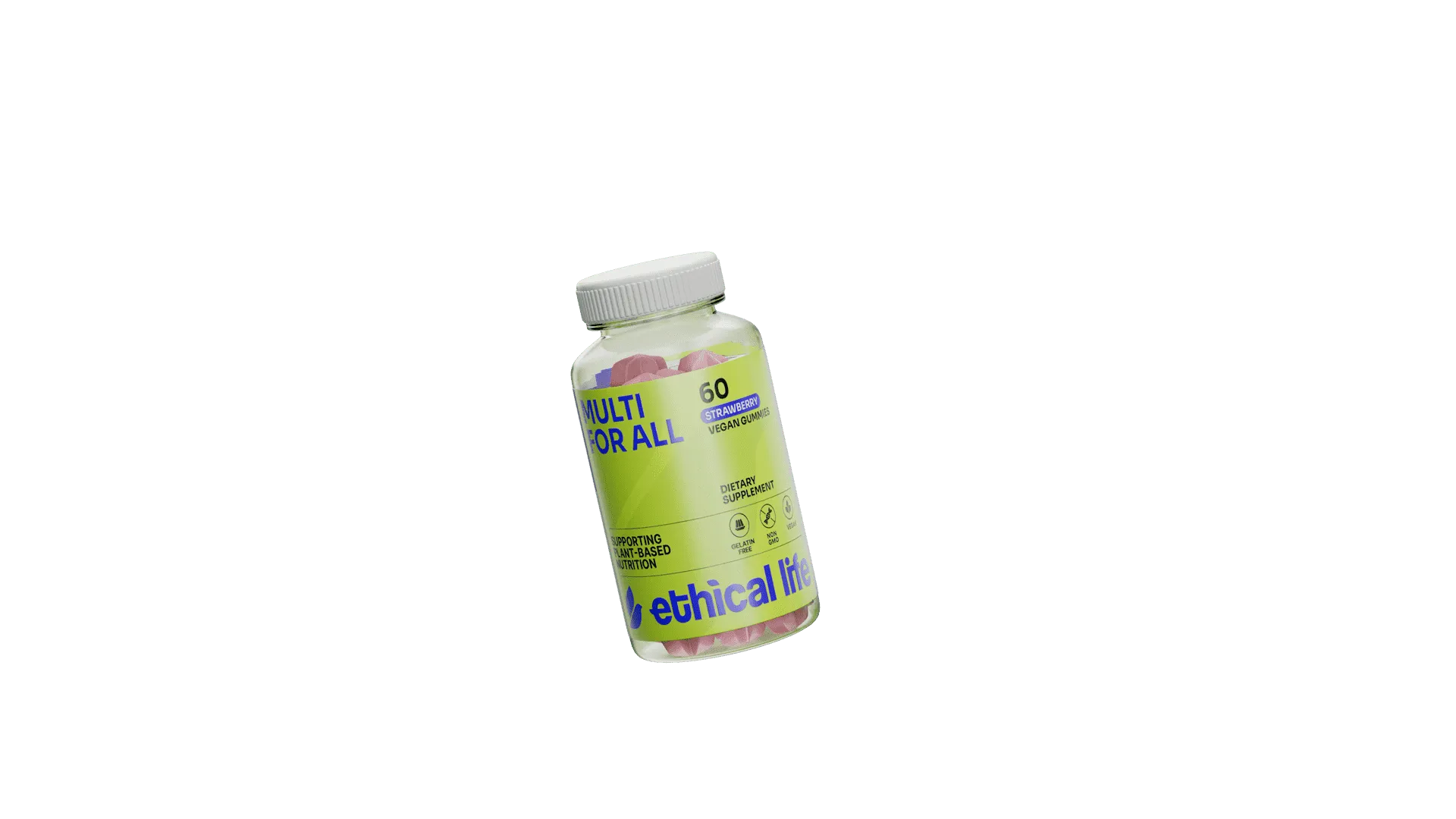
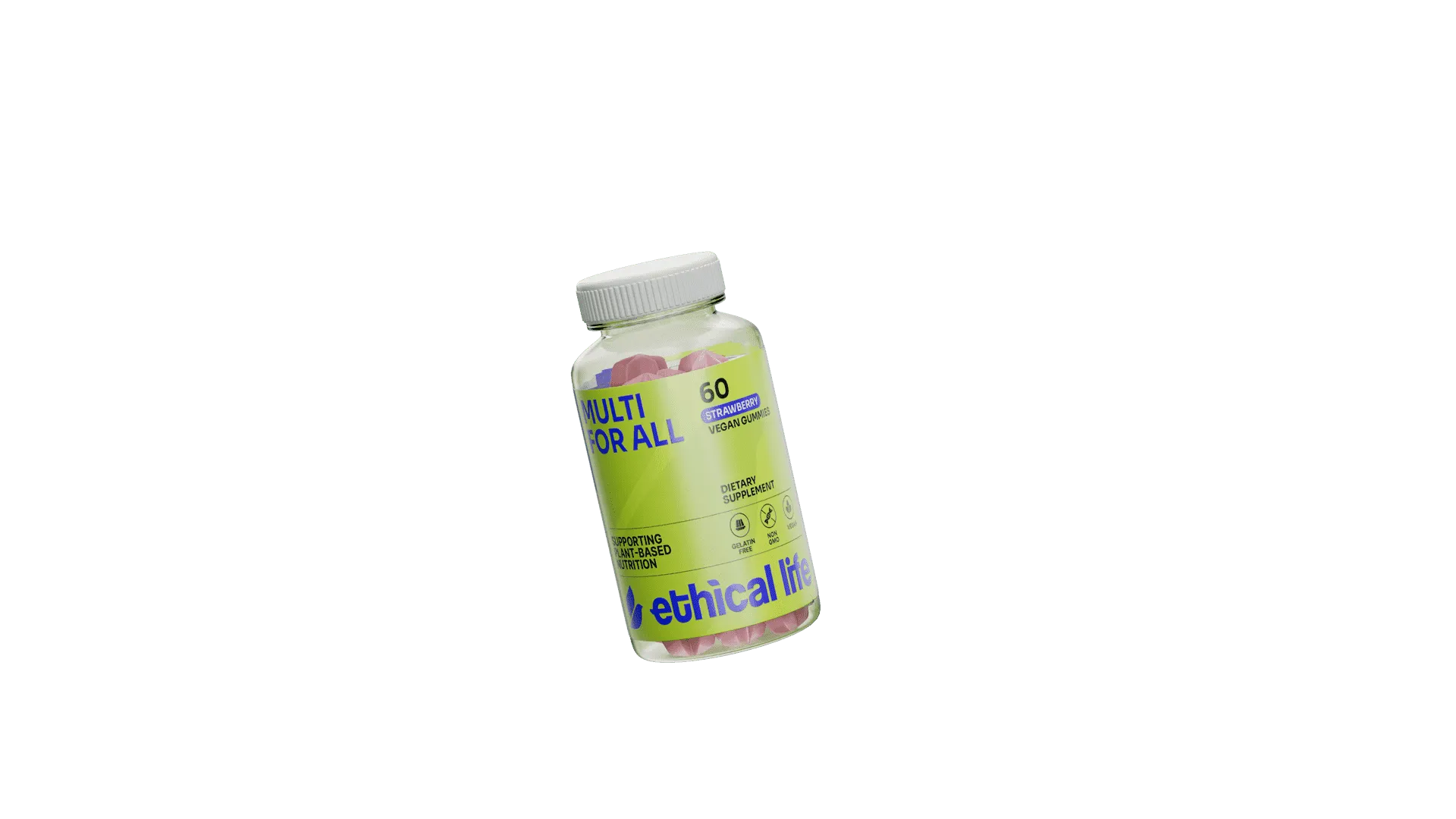













Many wellness shoppers ask the same practical question before adding a supplement to their routine: Are gummy vitamins effective, or are they just candy with clever marketing? The honest answer is more balanced than either extreme. Gummy vitamins can be effective when they are thoughtfully formulated, taken consistently, and used to help fill nutritional gaps. However, they are not magic; they are not a replacement for a balanced diet, and quality matters. That distinction is important. Skepticism around gummy vitamins is understandable. They look like candy, taste pleasant, and often feel less “serious” than capsules or tablets. But from a pharmacist’s perspective, the form of a vitamin is only one part of the bigger picture. What matters most is whether the supplement contains appropriate nutrients, whether those nutrients are present in useful amounts, whether the product is made with quality standards, and whether the person taking it actually uses it as directed. In other words, a vitamin you take consistently may be more helpful than a traditional pill bottle that sits untouched in the cabinet. Shop Today
Why People Are Skeptical About Gummy Vitamins
Gummy vitamins face a credibility problem because they sit at the intersection of wellness and convenience. Many consumers worry that if something tastes good, it must be less effective. Others are concerned about sugar content, artificial ingredients, inconsistent dosing, or whether gummy formulas can deliver the same nutrient support as tablets and capsules. These concerns are valid. Not all gummy vitamins are created equally. Some formulas may contain unnecessary fillers, high sugar levels, artificial colors, or nutrient doses that do not match a person’s needs. Experts often advise consumers to look carefully at ingredient labels, serving sizes, and nutrient amounts before choosing any supplement. The National Institutes of Health notes that multivitamin and mineral products can vary widely in composition, which means comparing formulas is important. That said, skepticism should not lead to dismissing gummies altogether. A well-made gummy vitamin can be a convenient and practical option, especially for adults who struggle with swallowing pills, dislike capsules, or want a daily routine that feels easier to maintain.
What Pharmacists Consider When Evaluating Gummy Vitamins
Pharmacists are trained to think beyond marketing claims. When evaluating whether a gummy vitamin is a good choice, a pharmacist would typically consider several key factors:
- Nutrient profile: Does the product contain nutrients that support common dietary gaps?
- Dosage: Are the nutrient levels appropriate, or are they unnecessarily high?
- Bioavailability: Can the body absorb and use the nutrients provided?
- Quality: Is the product made by a reputable brand with transparent standards?
- Safety: Could the supplement interact with medications or lead to excessive intake?
- Consistency: Is the person likely to take it regularly?
This last point is often overlooked. Supplements only have the opportunity to support wellness when they are taken consistently. For many people, gummies remove a major barrier by making the routine simpler, more enjoyable, and easier to remember.
Are Gummies Absorbed as Well as Pills?
One of the biggest myths about gummy vitamins is that the body cannot absorb nutrients from them as well as it can from pills. The truth is more nuanced. Absorption depends less on whether a vitamin is a gummy, capsule, tablet, or liquid and more on the type of nutrient, the form of that nutrient, the dose, the presence of food, and the individual’s digestive health. For example, fat-soluble vitamins such as vitamins A, D, E, and K are absorbed with dietary fat. Research and clinical guidance commonly note that these vitamins are best taken with meals that contain some fat. Vitamin D, for instance, is often recommended with a meal that includes fat to support absorption. Water-soluble vitamins, such as vitamin C and many B vitamins, dissolve in water and are handled differently by the body. They are generally not stored in the same way as fat-soluble vitamins, which is one reason daily intake can matter. The takeaway is simple: gummy format does not automatically mean poor absorption. The nutrient type, formulation, and how the supplement is taken all matter.
The Real Absorption Myth: “Pills Are Always Better”
Traditional tablets and capsules have advantages, including compact dosing and longer shelf stability in some cases. But that does not automatically make them superior for every person. A pill that contains a nutrient is only helpful if someone can tolerate it, swallow it, and remember to take it. Gummy vitamins may be especially useful for:
- Adults who dislike swallowing large pills
- People who have trouble maintaining a supplement routine
- Individuals who prefer a chewable format
- Those looking for a simple daily wellness habit
- Consumers who want a more enjoyable alternative to capsules
Cleveland Clinic has noted that gummy vitamins may be better than not taking vitamins at all for people who truly need supplementation and struggle with traditional forms. That is a practical point. The best supplement format is often the one that fits safely and consistently into real life.
Where Gummy Vitamins Can Fall Short
A professional, evidence-informed view should also acknowledge the limitations. Gummy vitamins can have drawbacks, especially when consumers choose products based only on flavor or trend appeal. Common concerns include:
- Added sugar: Some gummies contain more sugar than consumers expect.
- Limited minerals: Certain minerals are harder to formulate into gummies, especially at meaningful doses.
- Stability: Some gummy nutrients may degrade over time if the product is not formulated or stored properly.
- Overuse risk: Because gummies taste good, people may be tempted to take more than directed.
- Incomplete nutrition: A multivitamin cannot replace a nutrient-dense diet.
UCLA Health cautions that people who eat a balanced diet may not need supplements, and taking too much of certain vitamins or minerals can cause side effects. This is why gummy vitamins should be treated as supplements, not snacks.
Do Gummy Vitamins Replace Healthy Food?
No. Gummy vitamins are designed to supplement the diet, not replace it. Whole foods provide fiber, protein, healthy fats, phytonutrients, antioxidants, and other compounds that are not fully replicated in a multivitamin. A balanced diet should remain the foundation of wellness. That includes fruits, vegetables, whole grains, legumes, nuts, seeds, and other nutrient-rich foods. A gummy vitamin can help support daily intake when diet alone may not consistently provide everything a person needs, but it should not be used as permission to ignore food quality. This is a key point pharmacists often emphasize: supplements work best as part of a broader wellness routine. Sleep, hydration, movement, balanced meals, and preventive healthcare all matter.
Why Dose Matters More Than Format
Consumers often ask whether a gummy is “strong enough.” But stronger is not always better. In fact, excessive doses can be harmful, especially with fat-soluble vitamins that can accumulate in the body. Mayo Clinic notes that too much of some nutrients, particularly from high-dose supplements, can be dangerous. A responsible supplement should be formulated with balance in mind. The goal is not to overwhelm the body with mega-doses. The goal is to help support normal nutritional needs in a way that is appropriate for daily use. Before choosing a gummy vitamin, consumers should check:
- The serving size
- The percent Daily Value
- Whether the formula matches their age and lifestyle
- Added sugar or sweetener content
- Allergen information
- Whether they are already taking overlapping supplements
People who are pregnant, breastfeeding, managing a health condition, taking medications, or considering supplements for children should speak with a qualified healthcare professional before starting a new product.
What About Sugar in Gummy Vitamins?
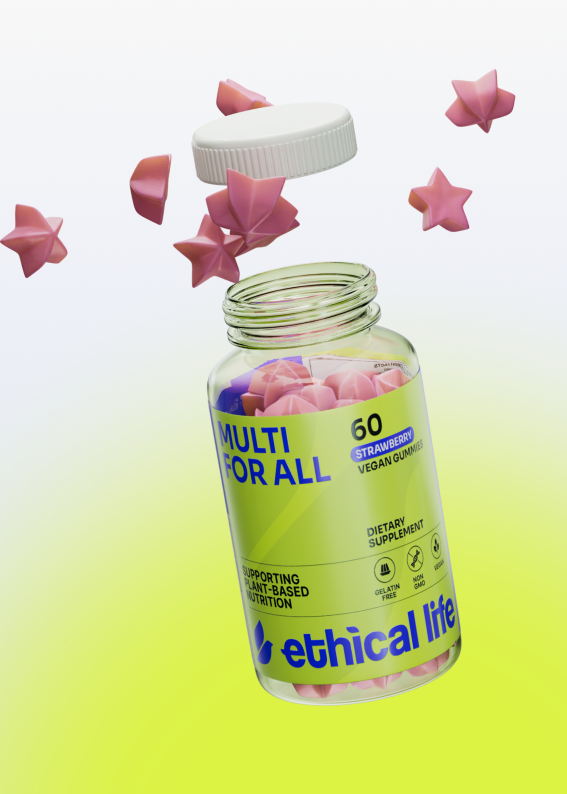
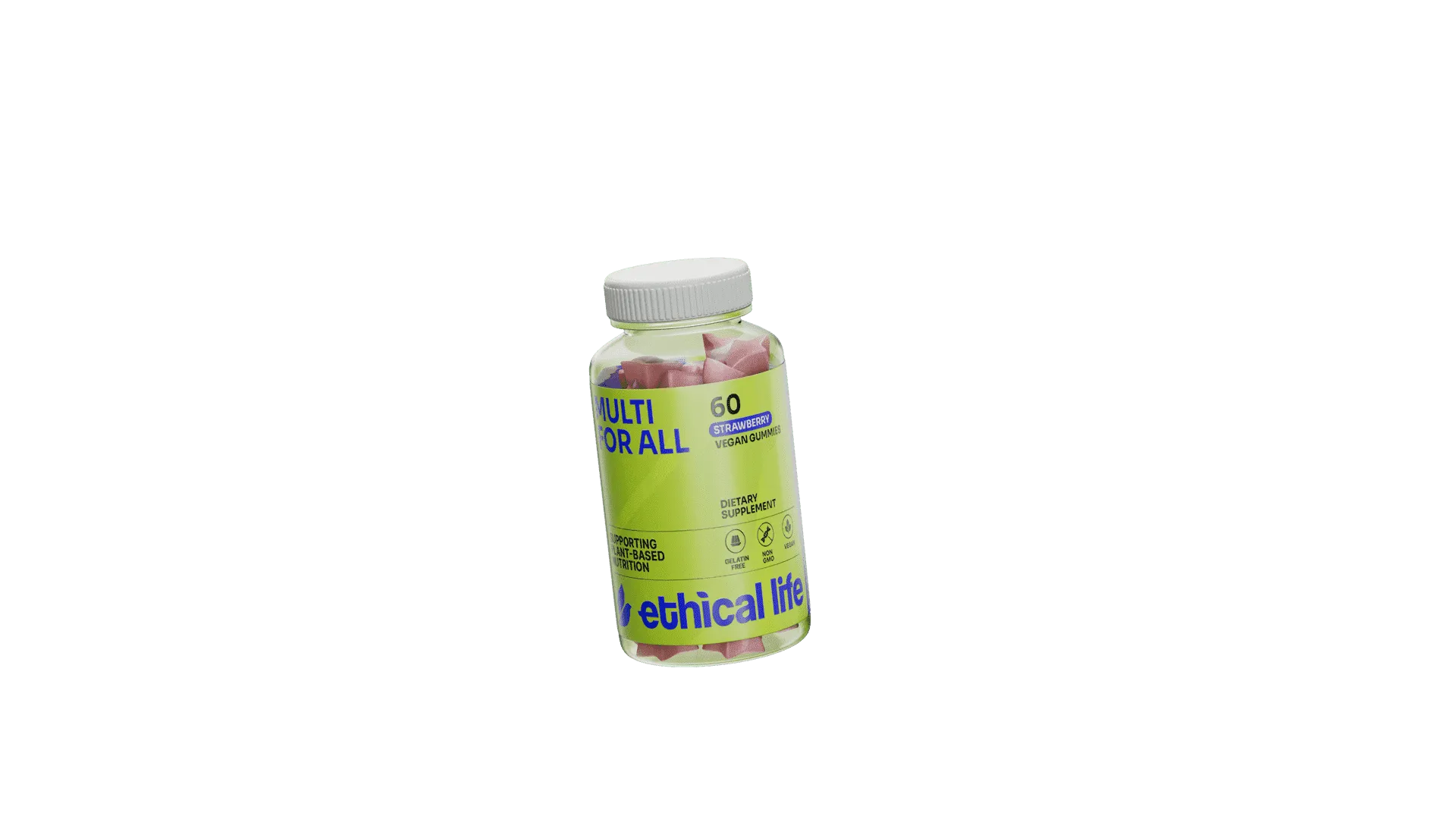
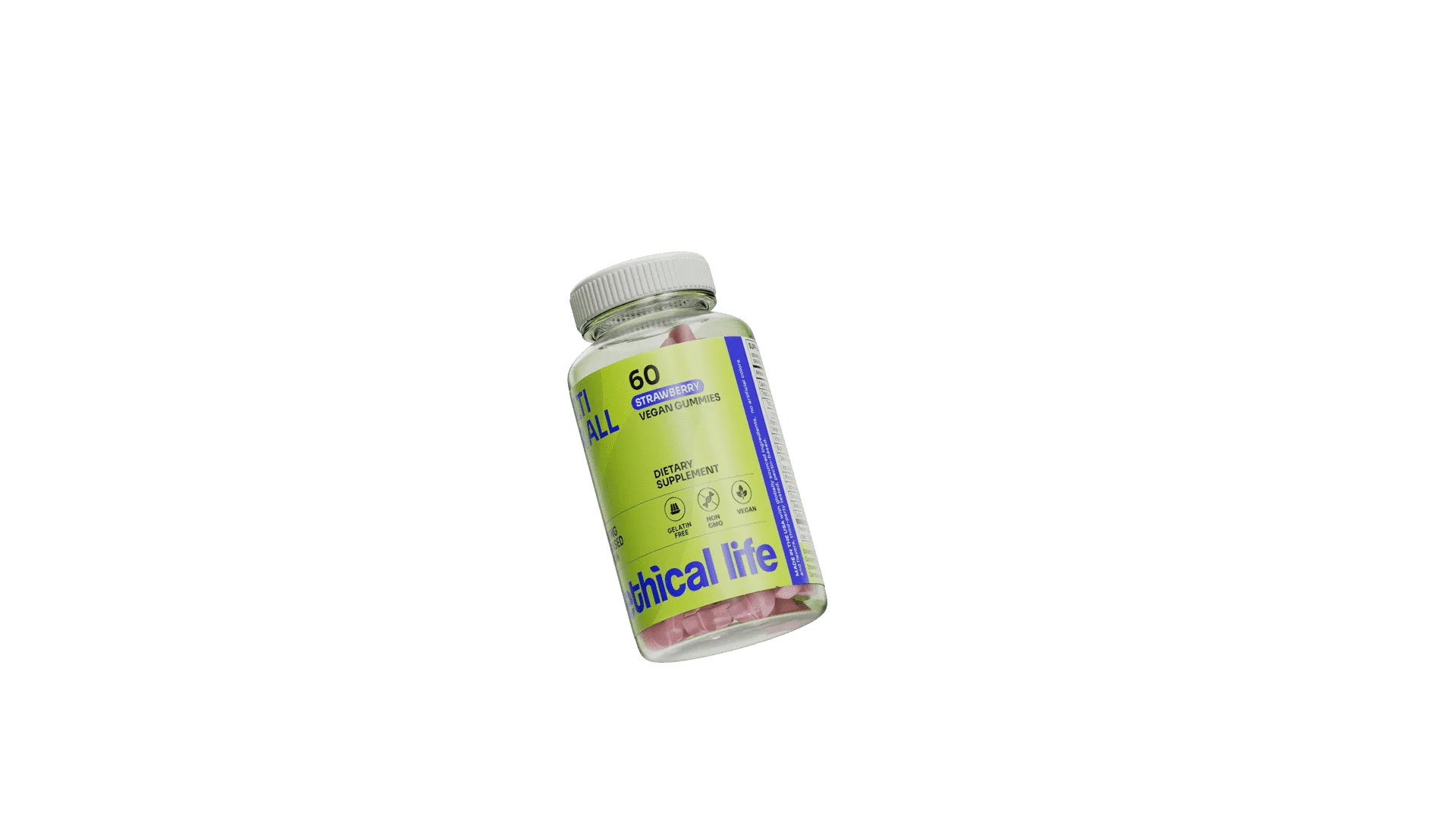
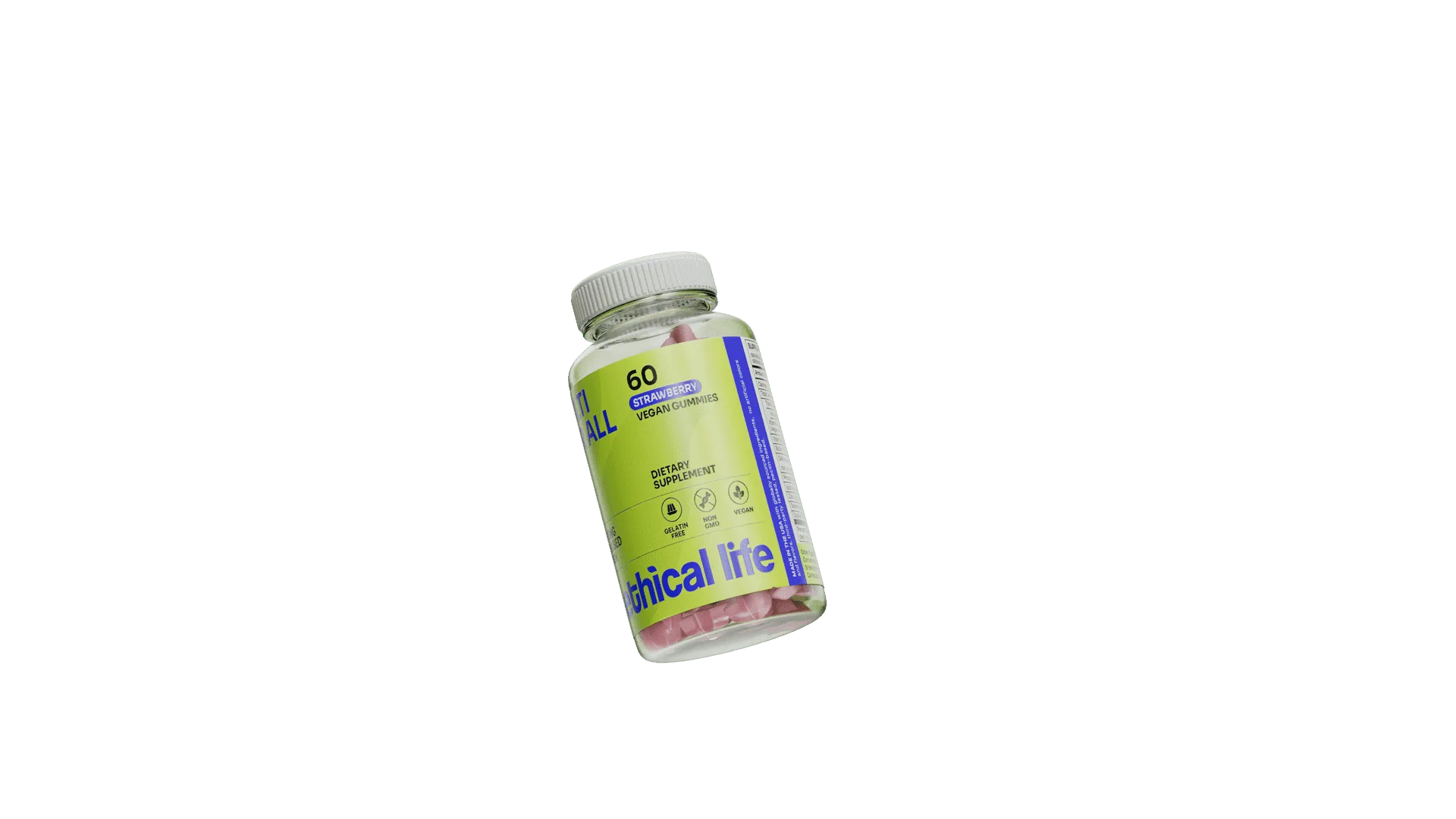
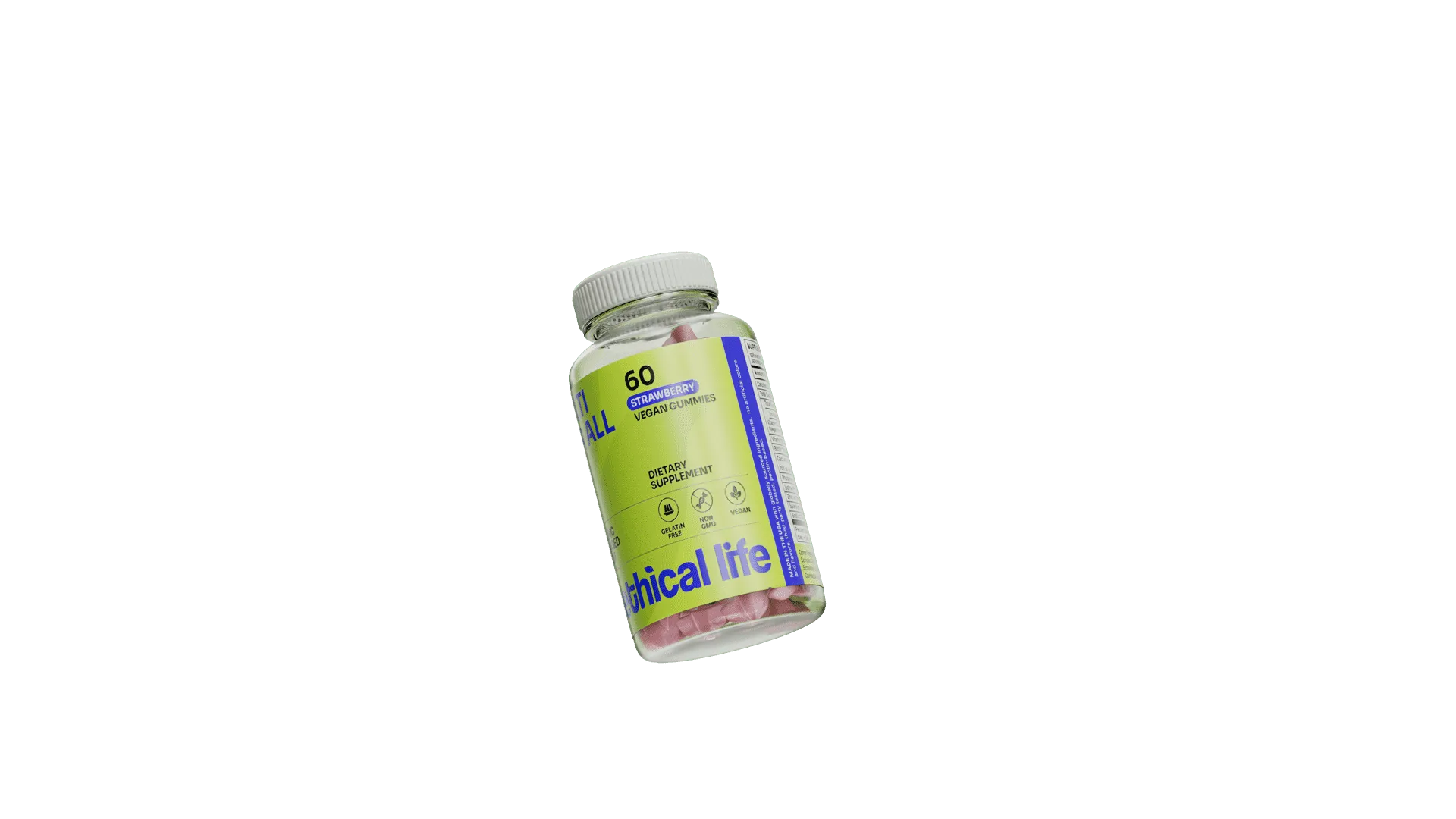
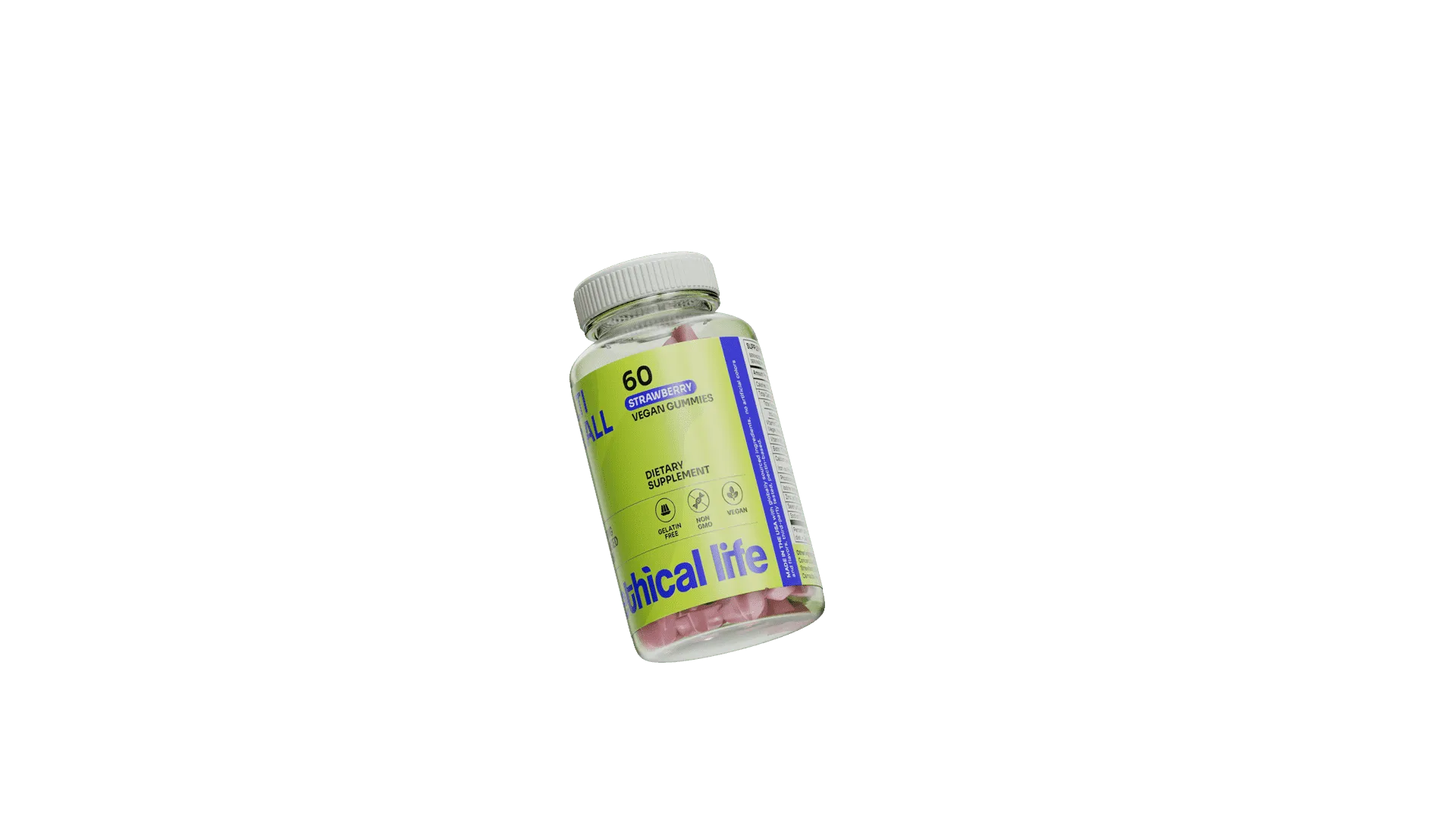
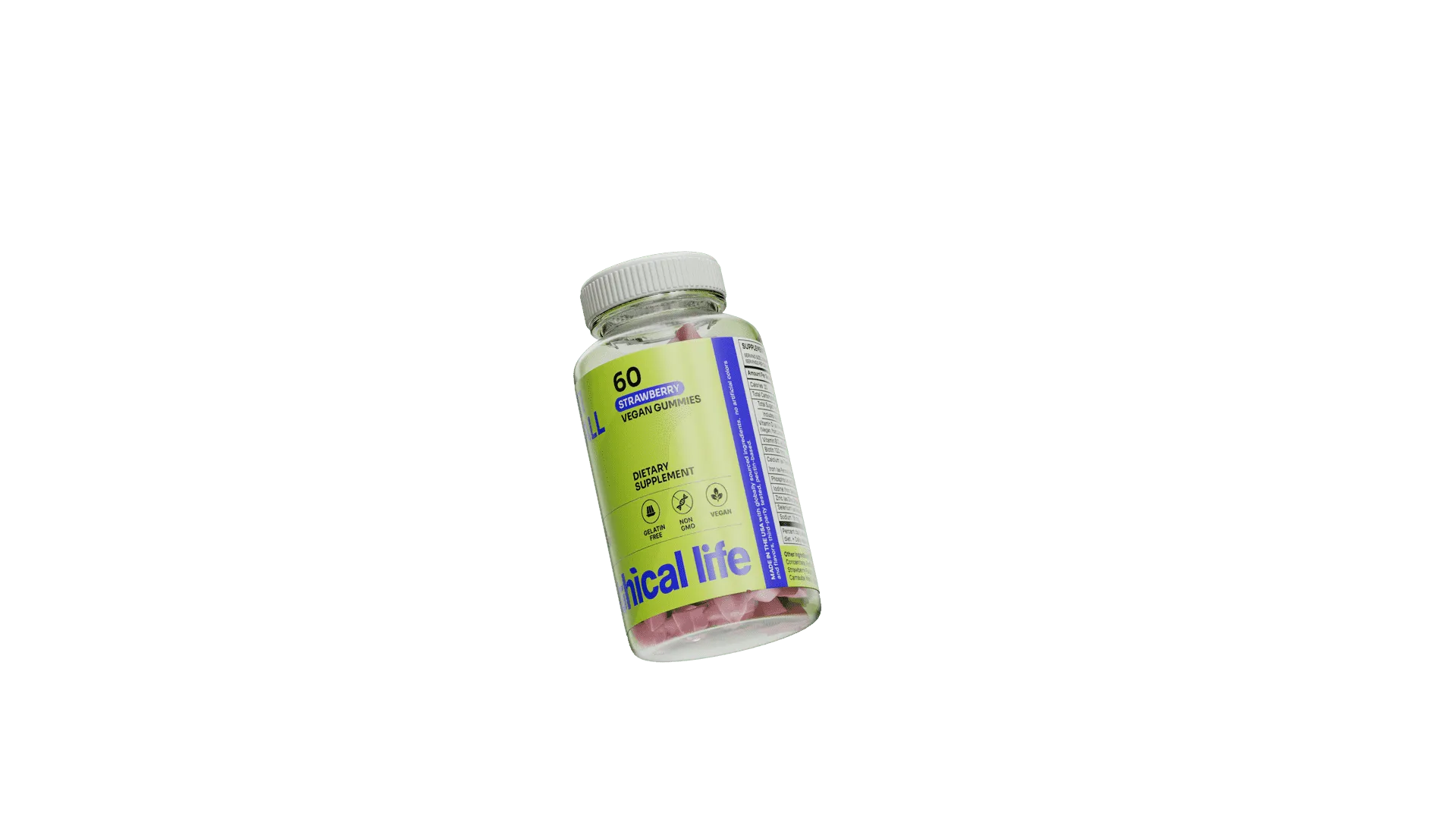
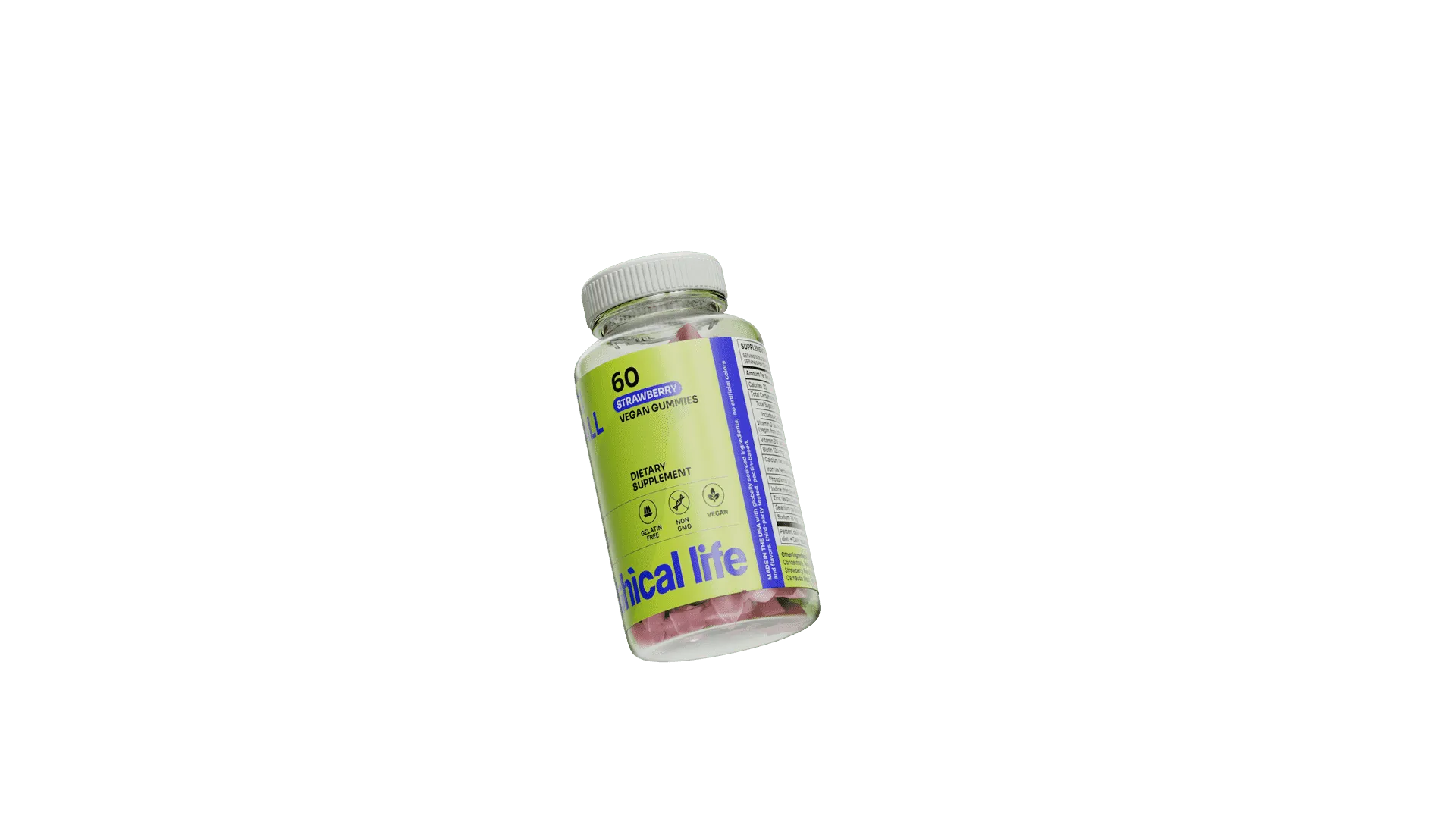
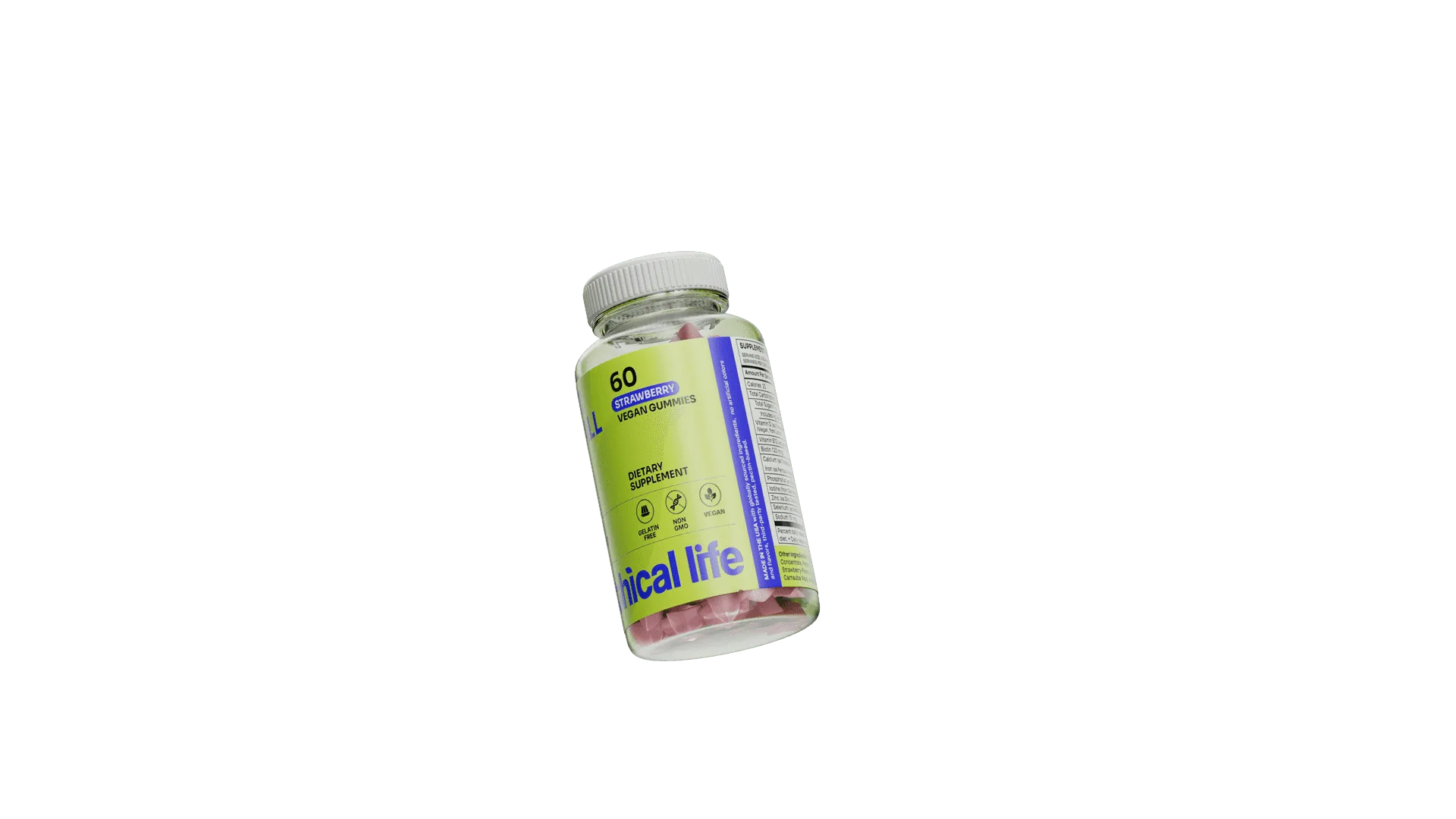
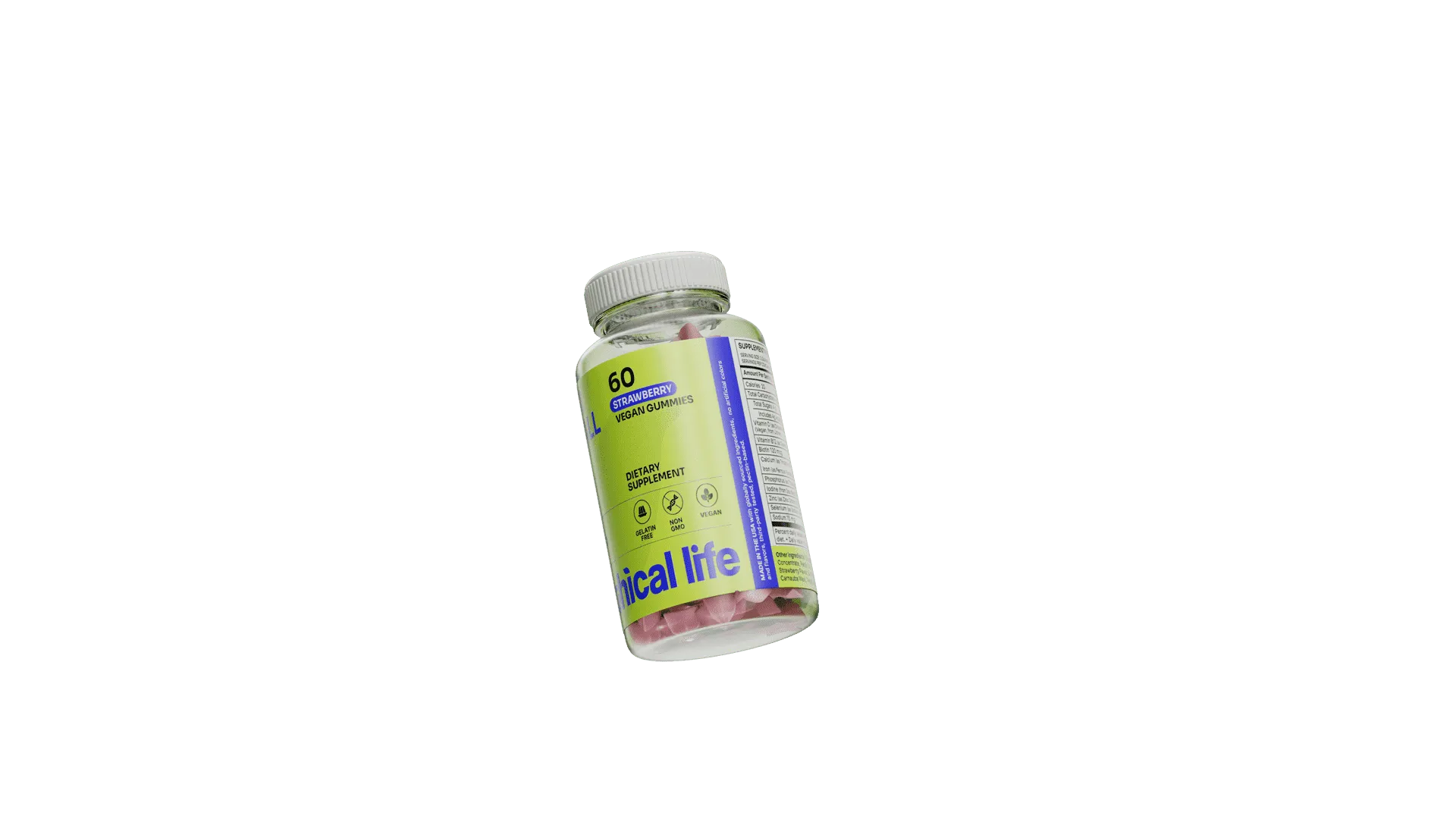
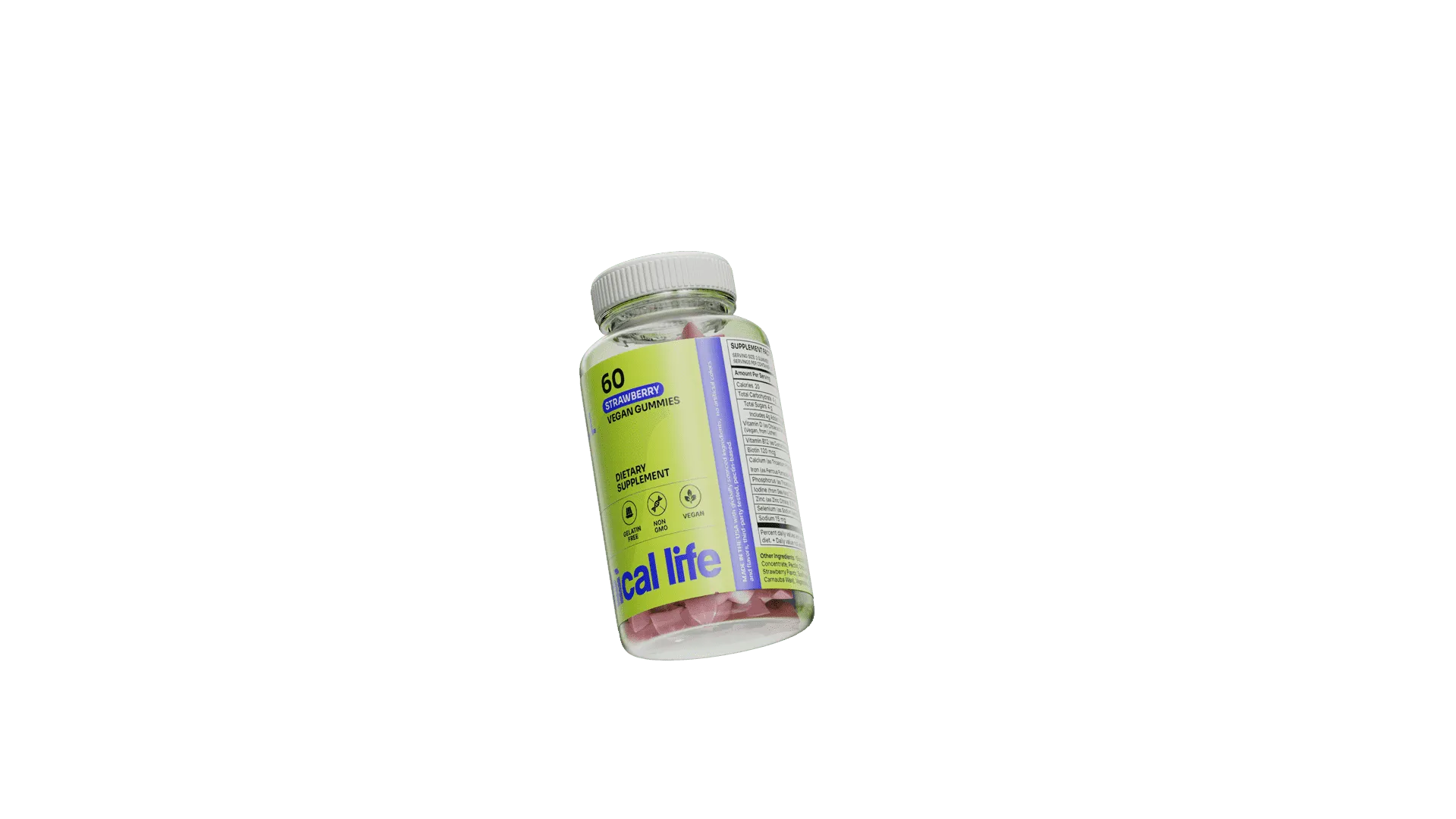
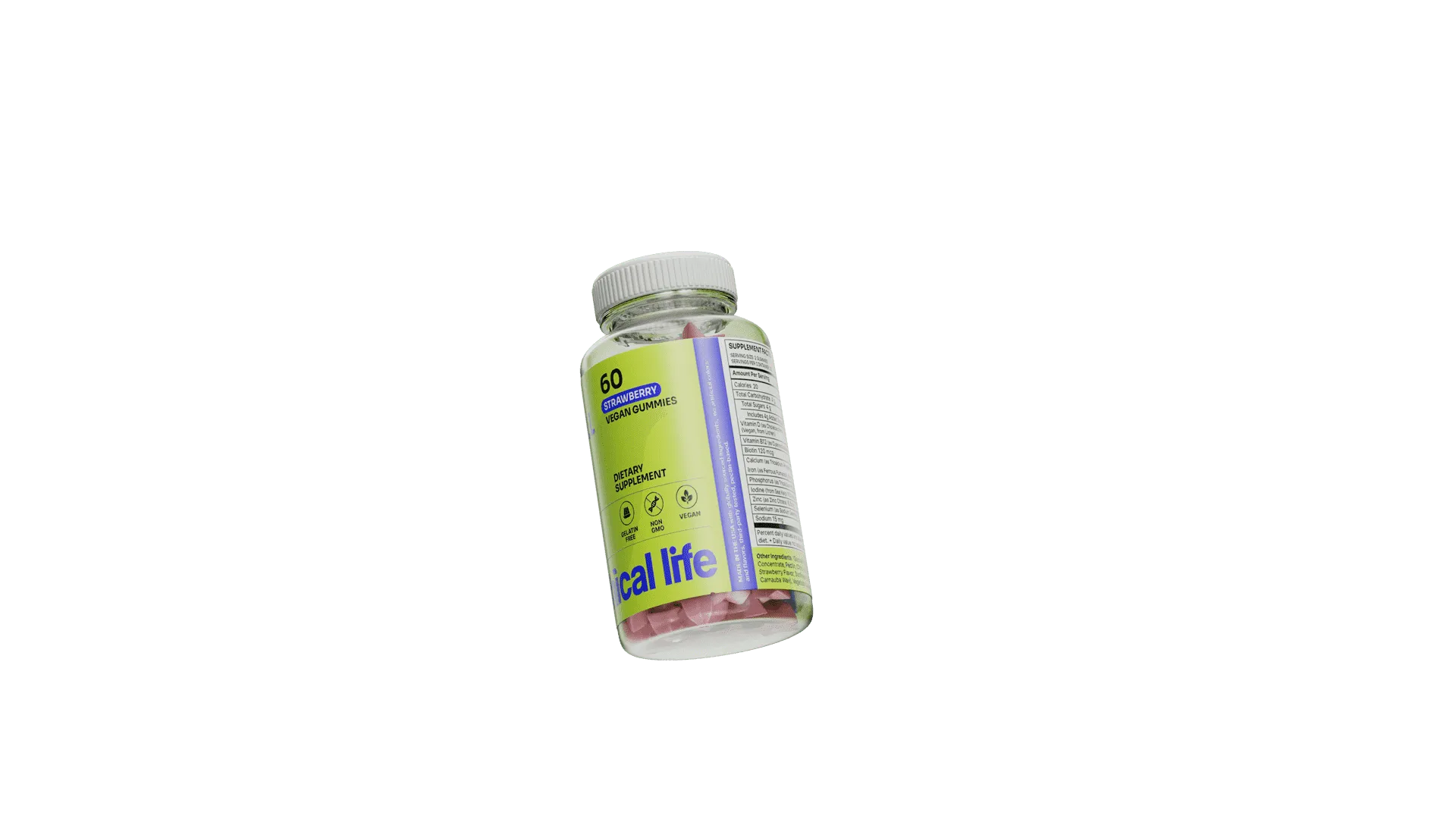
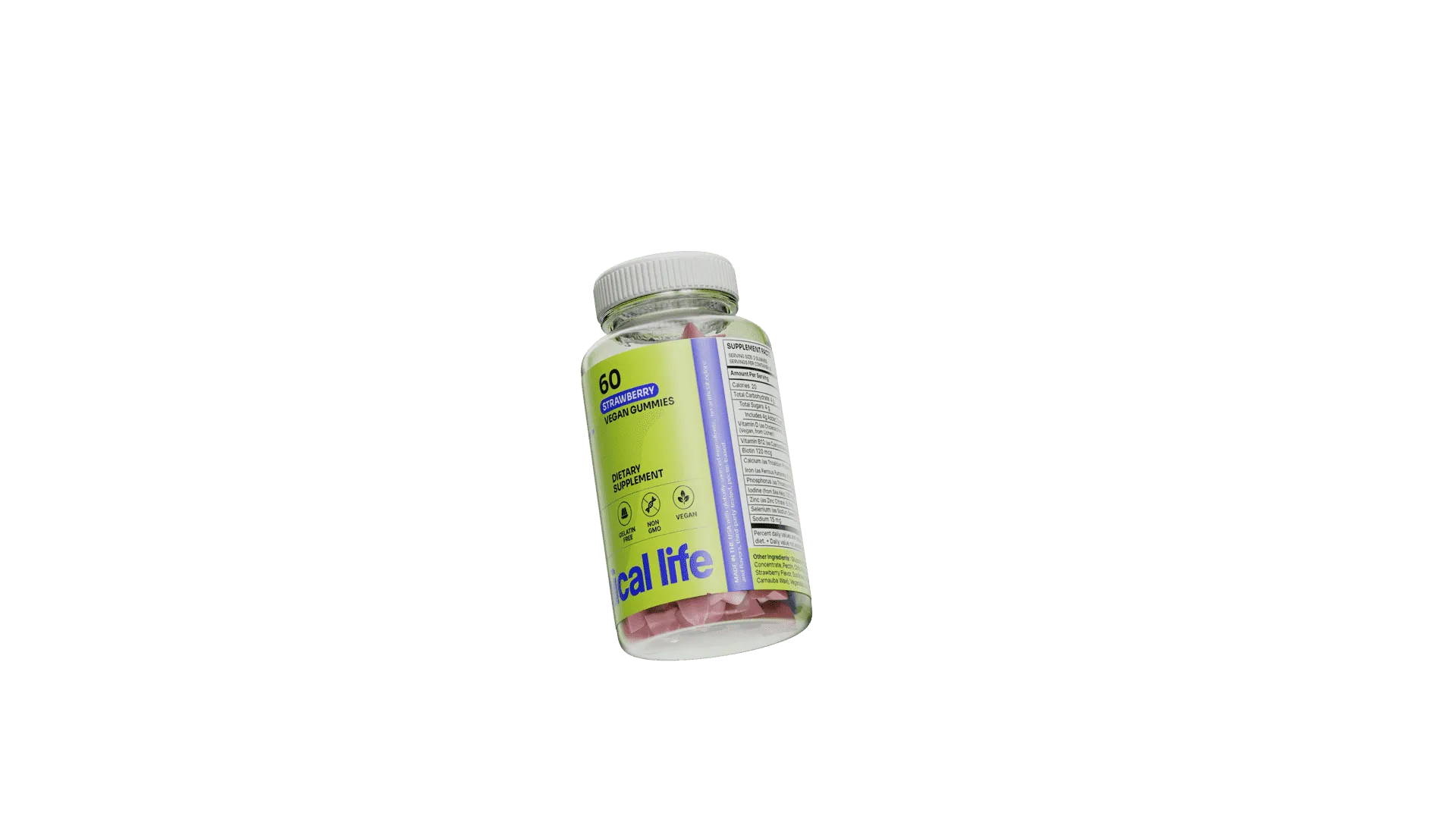
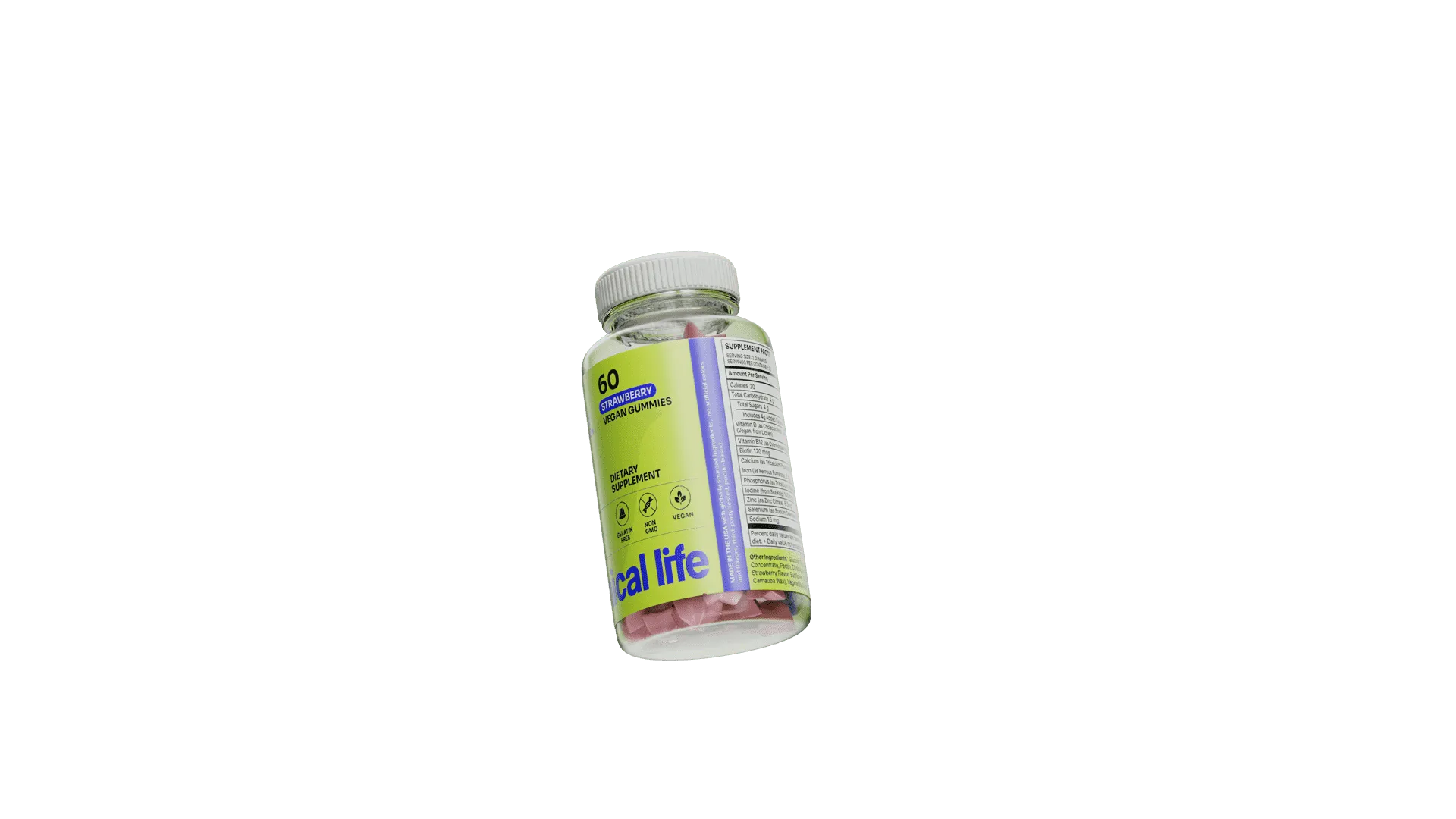
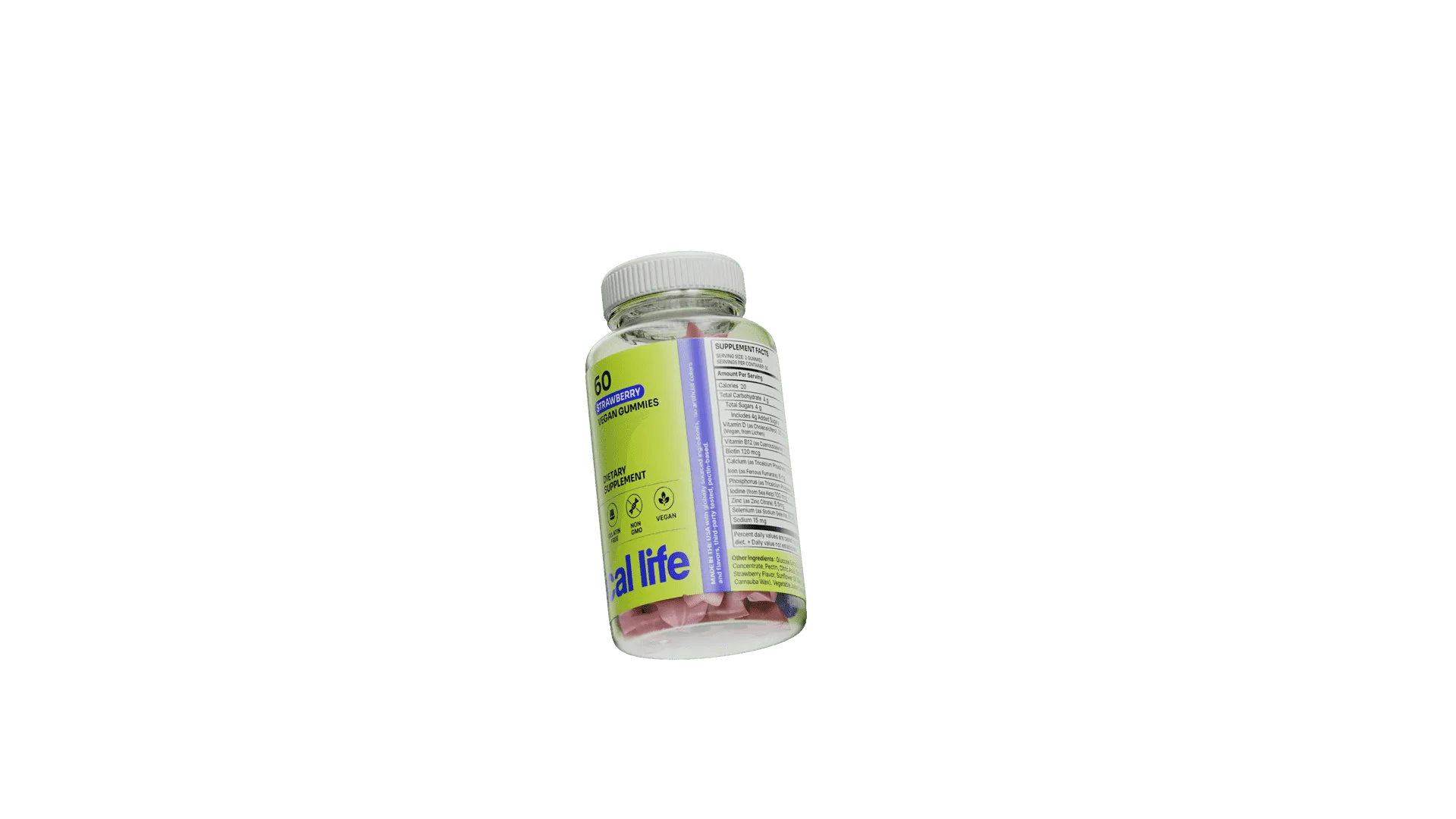
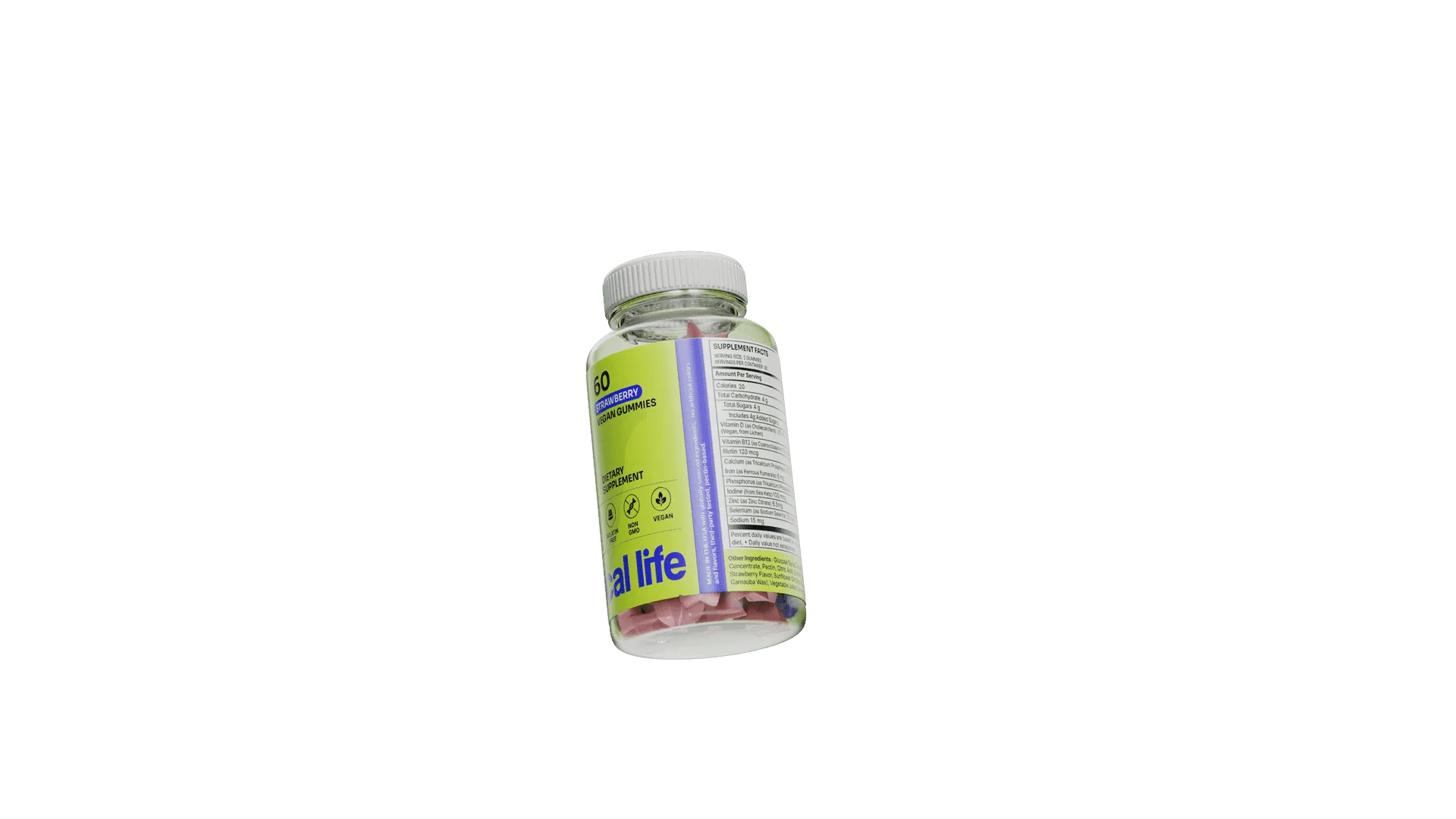
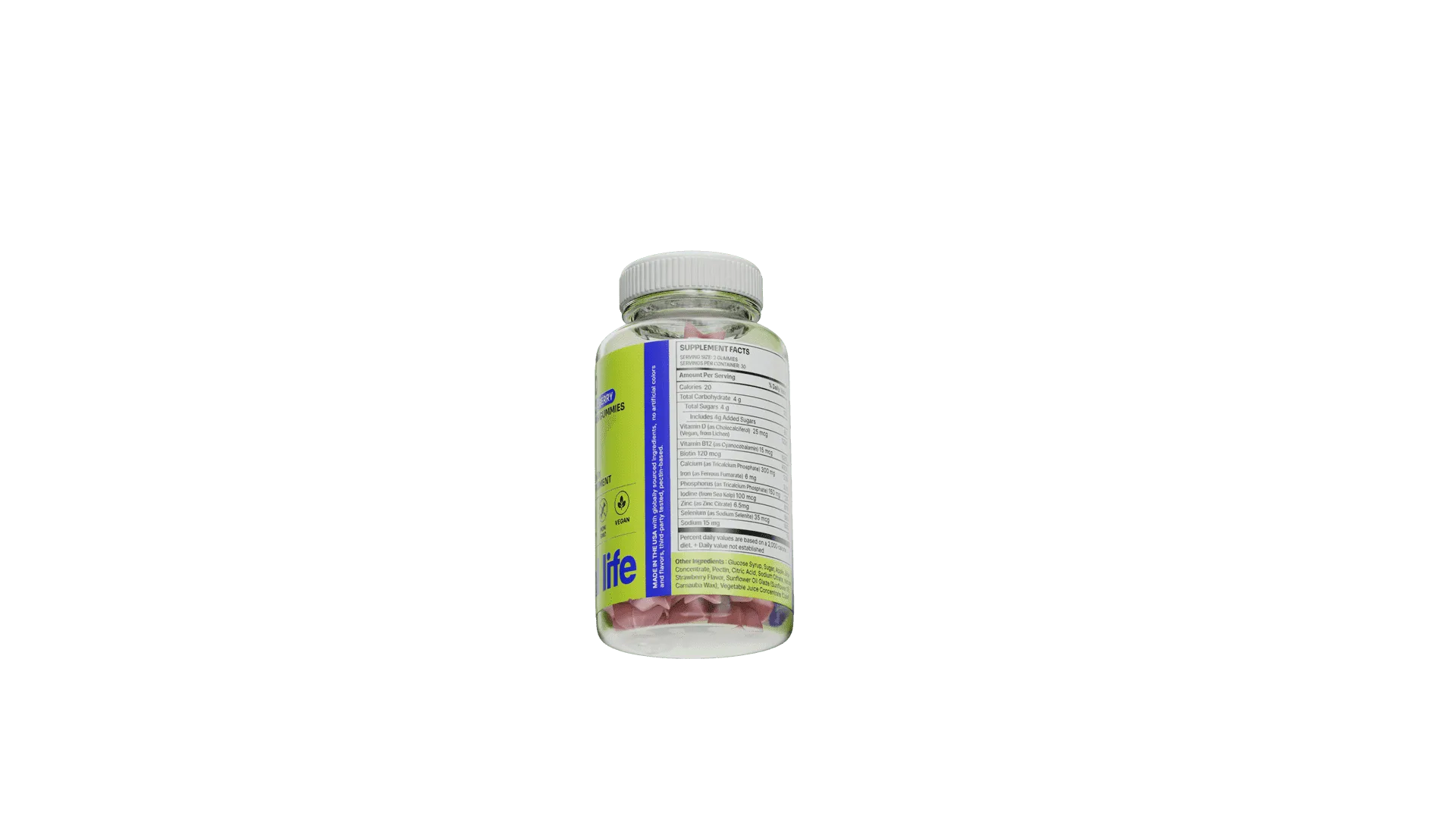
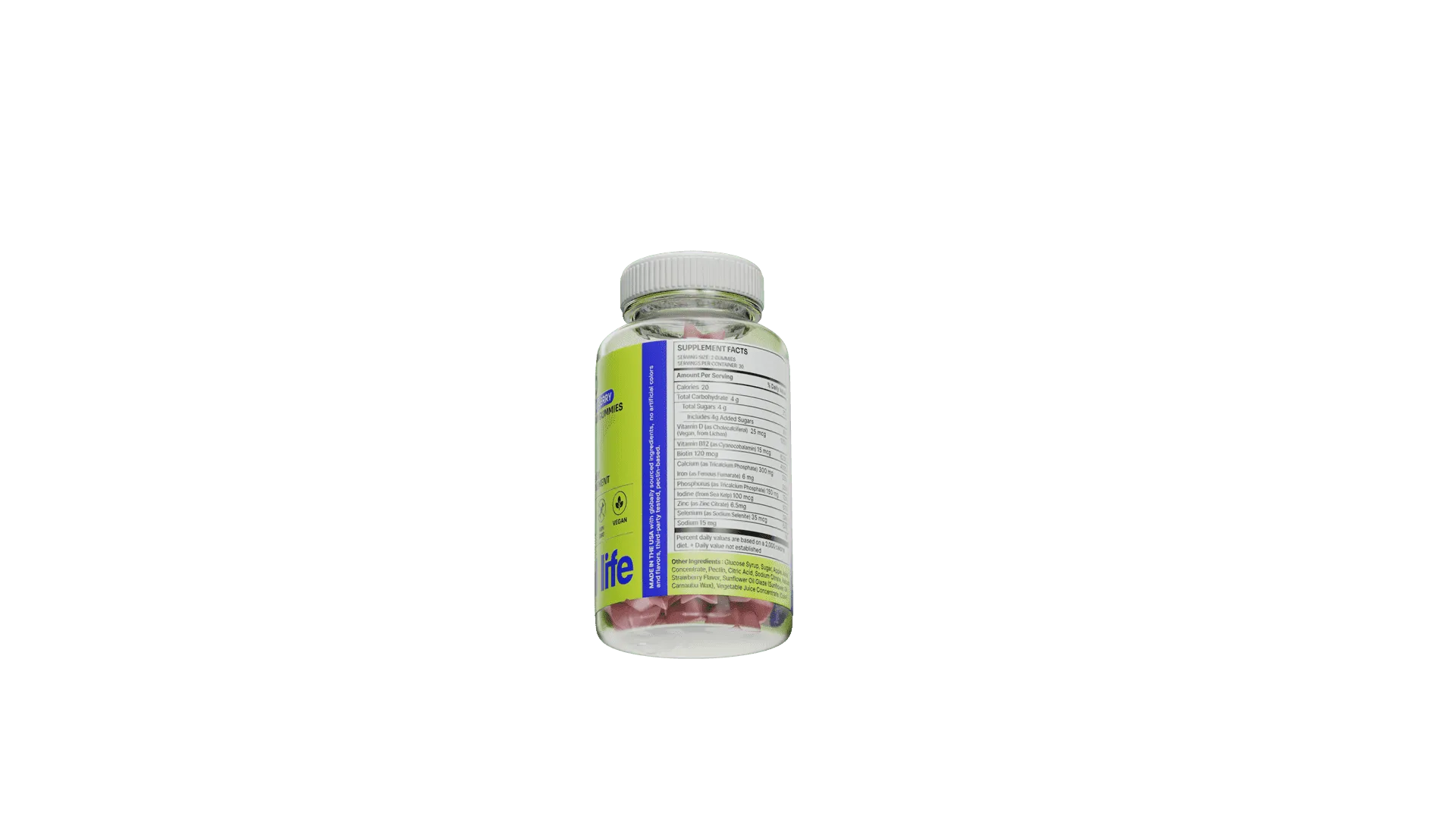
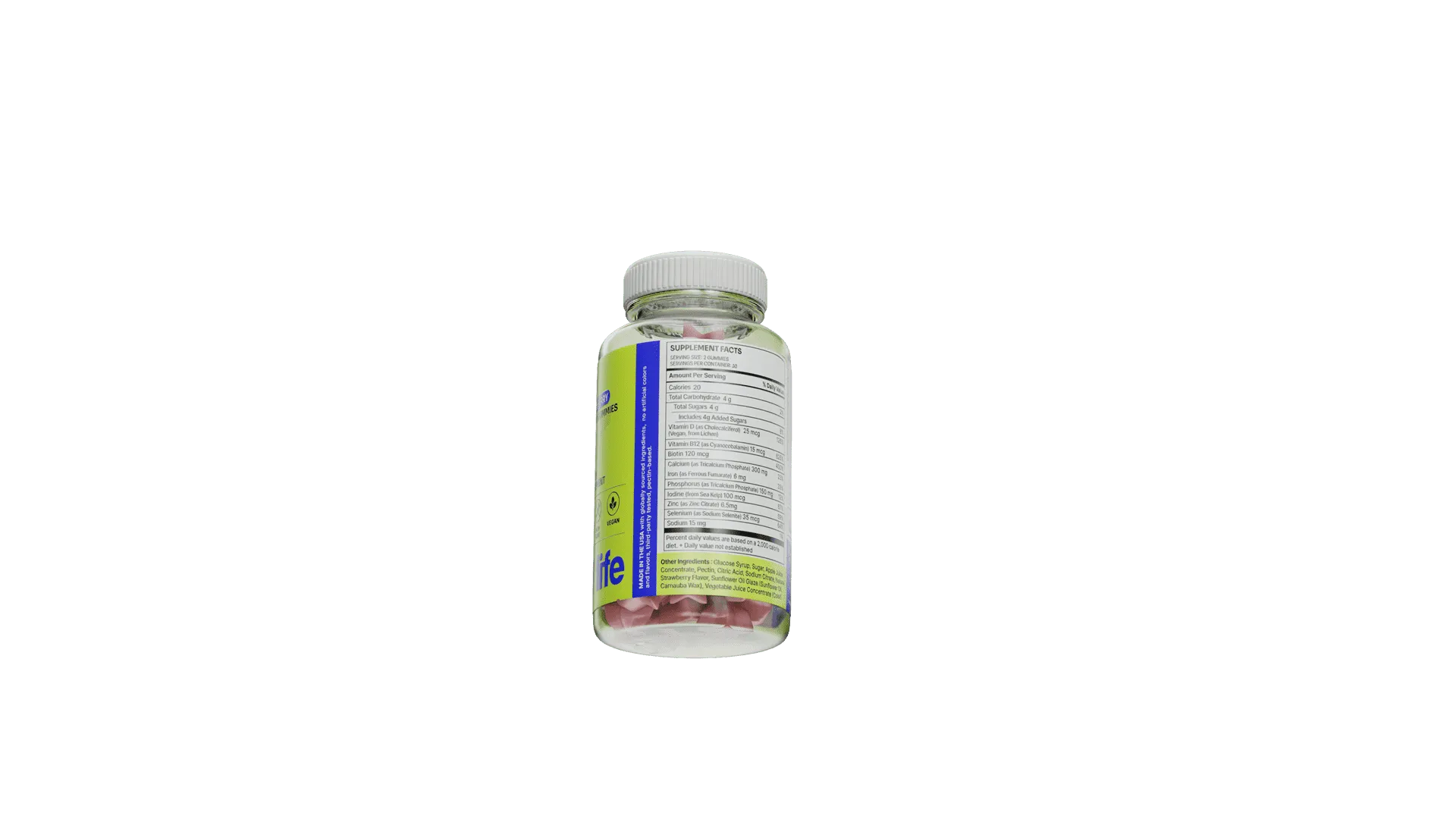
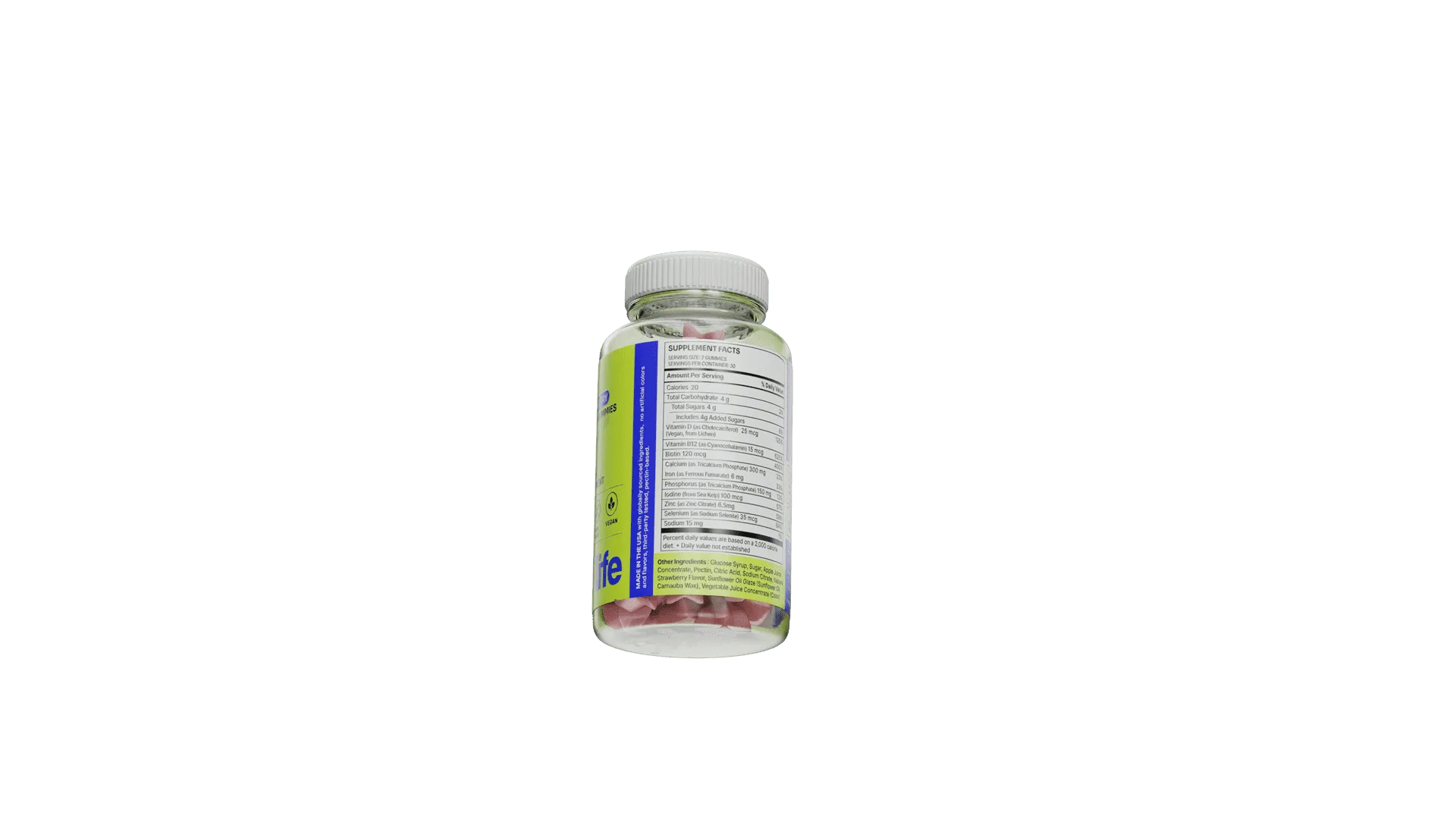
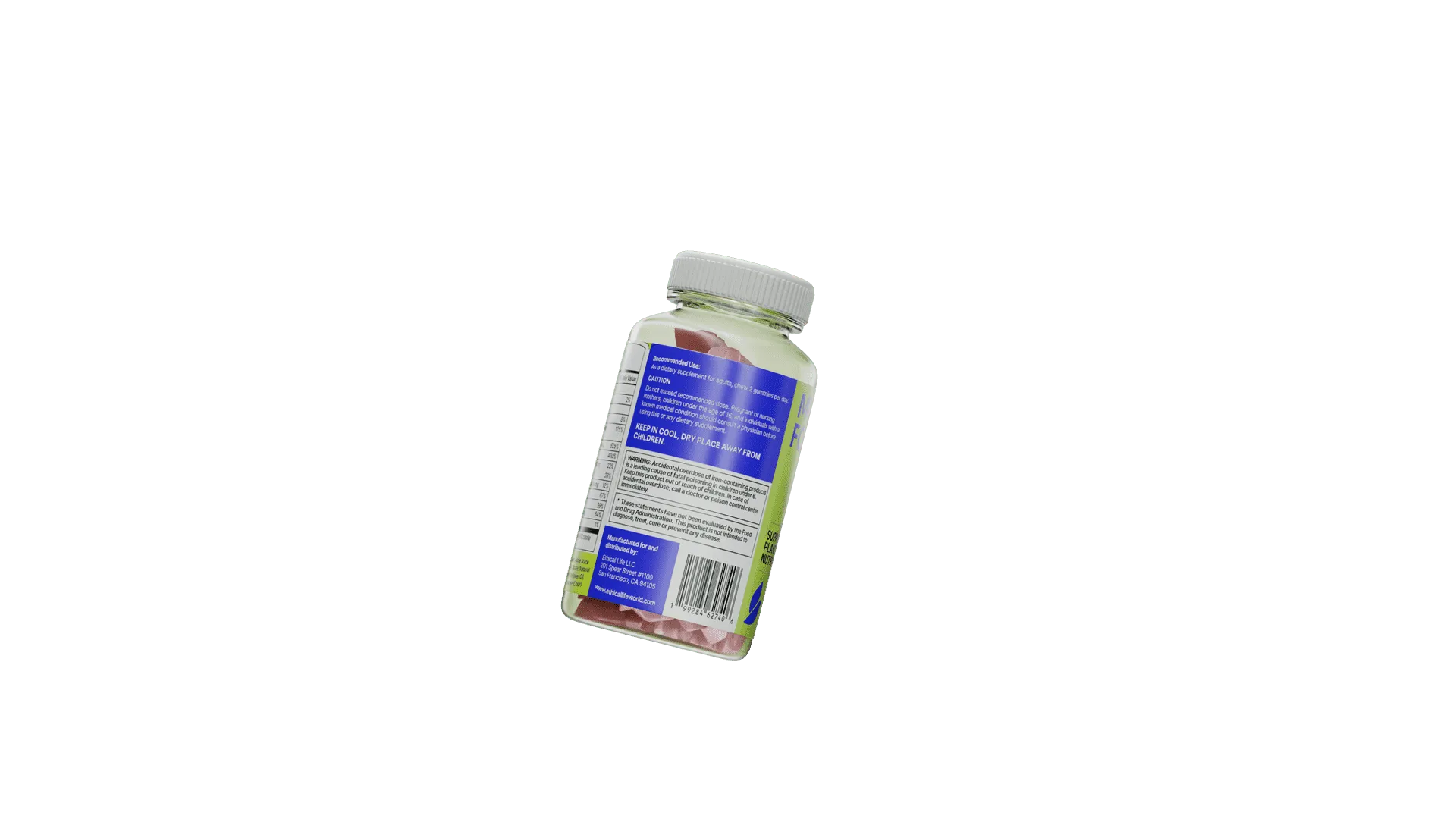
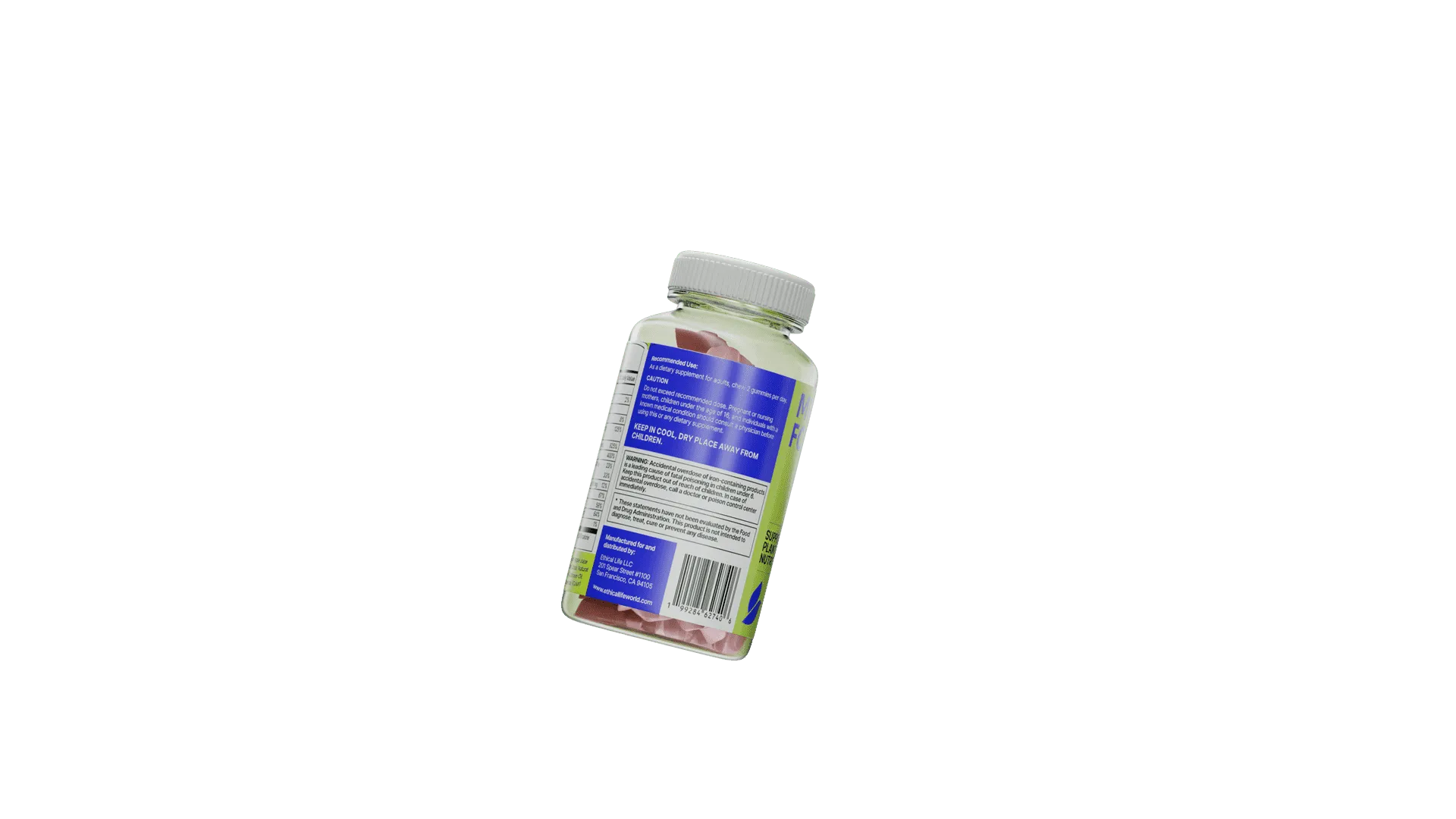
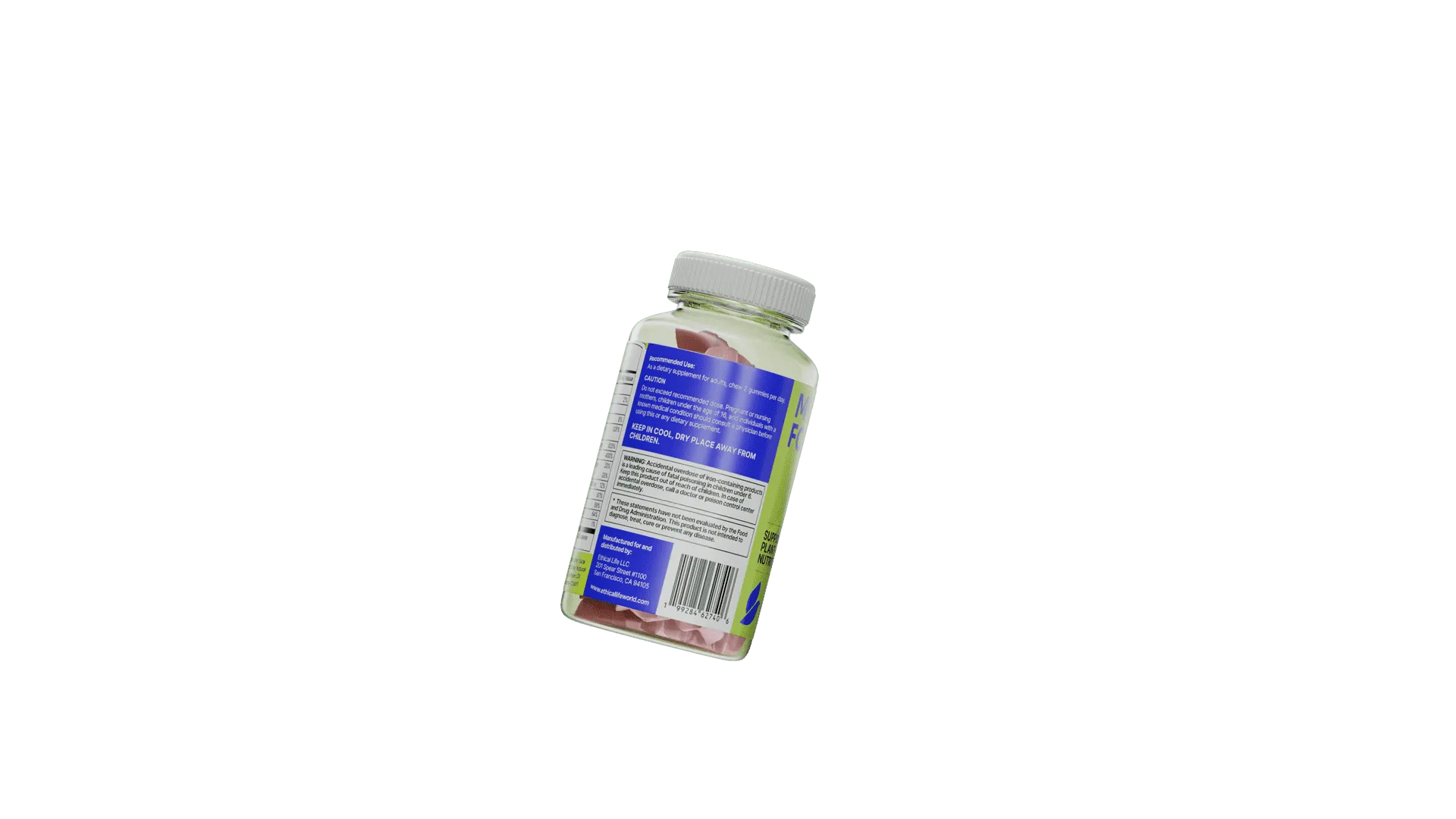
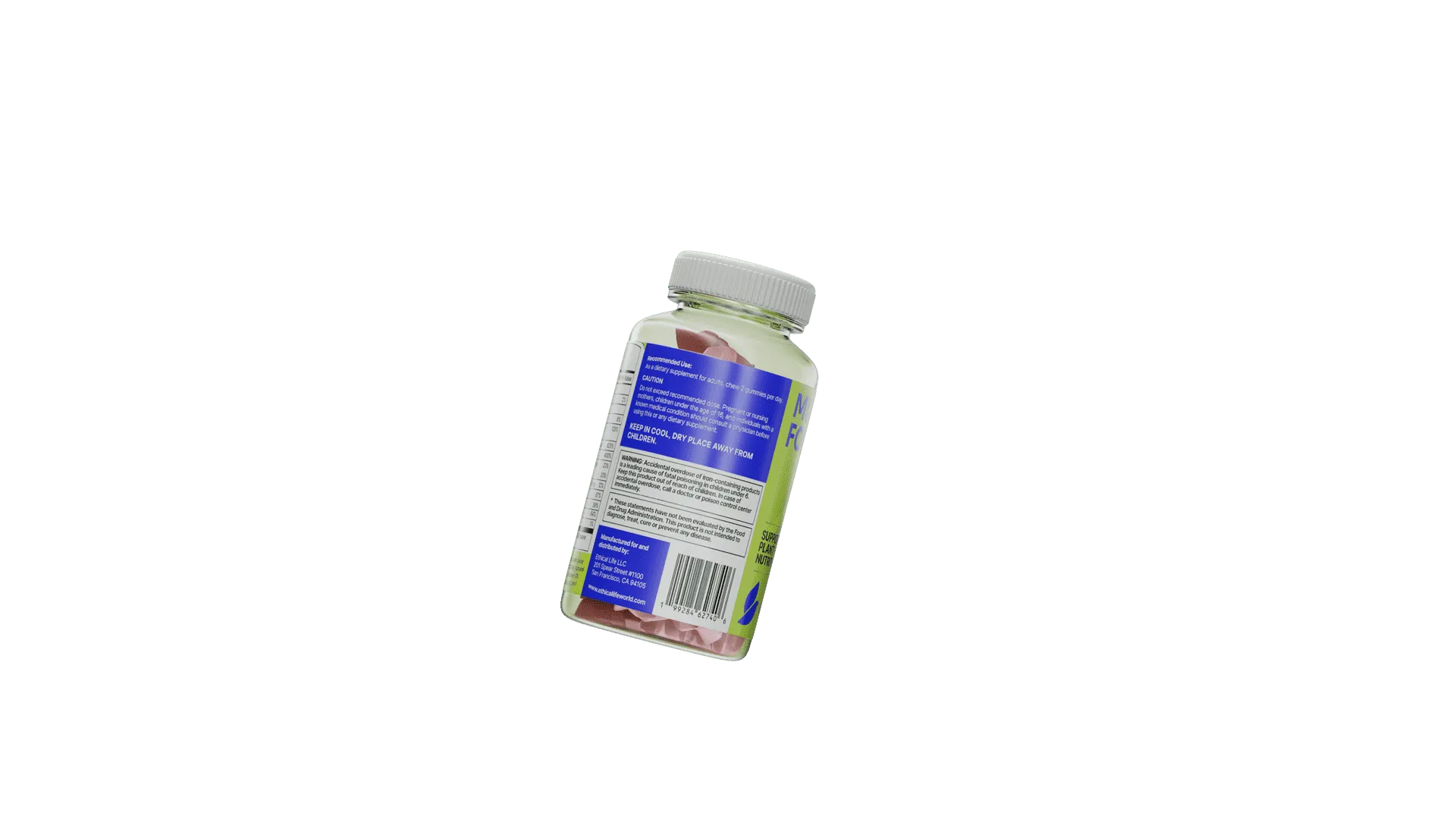
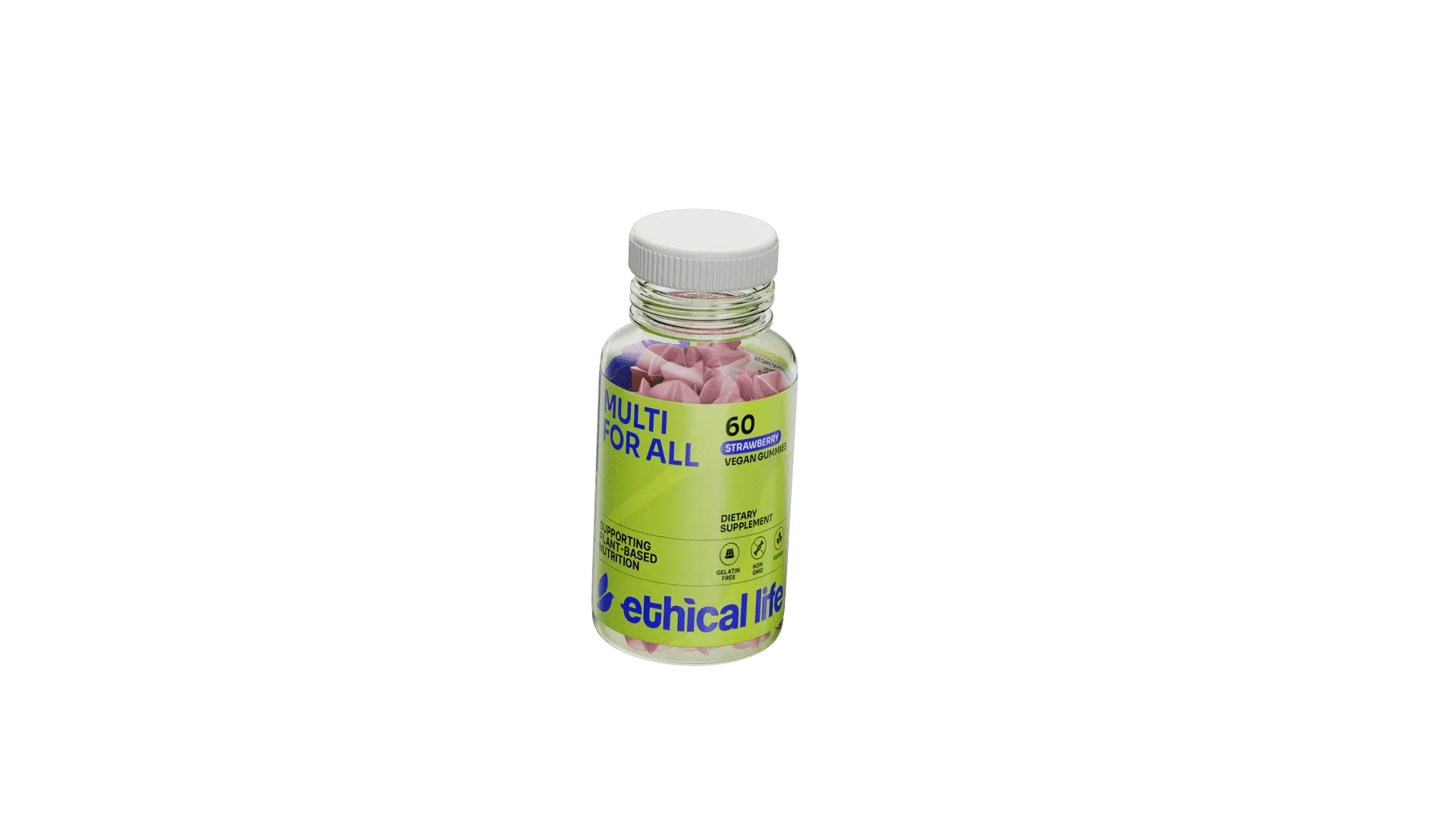
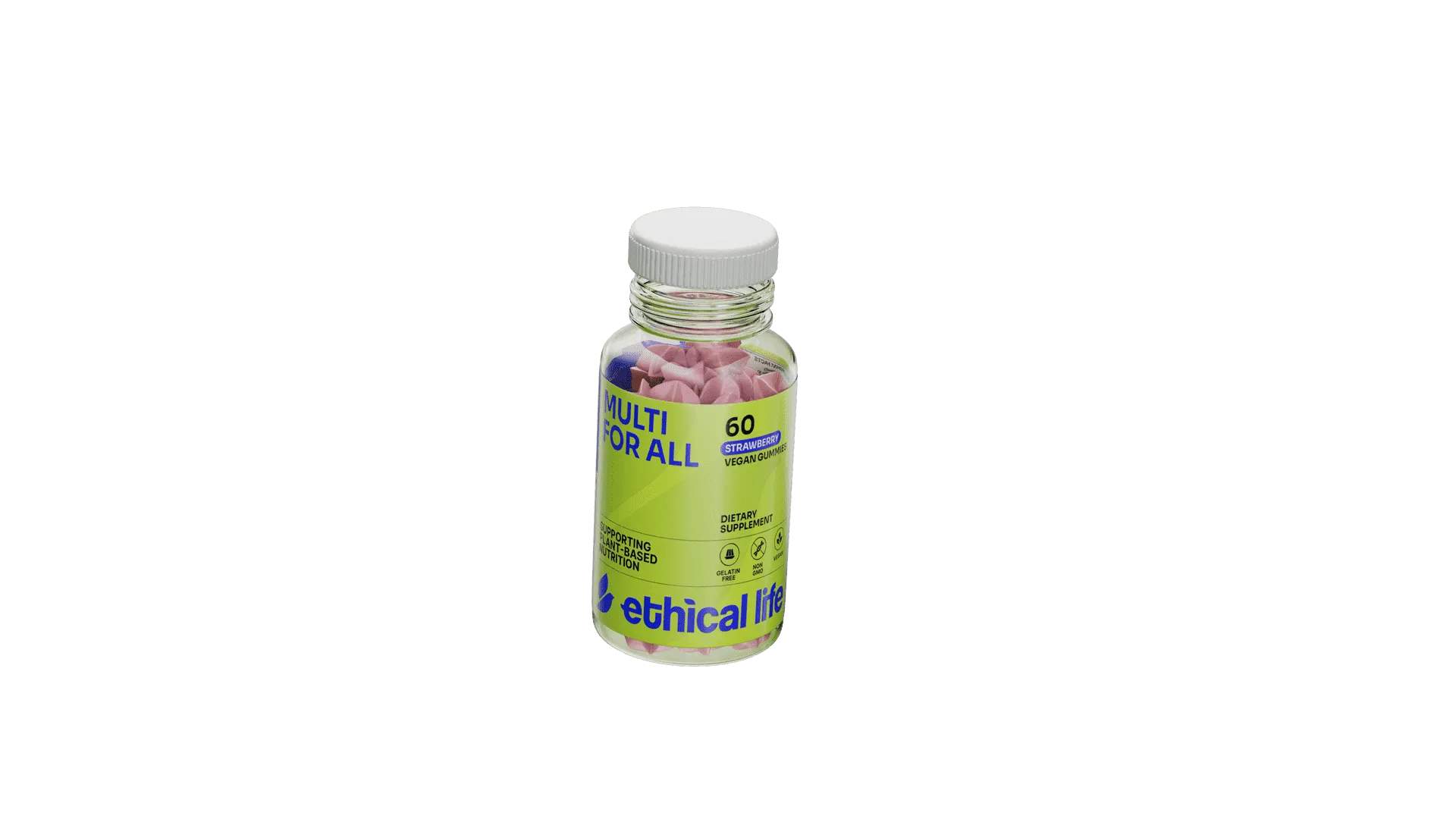
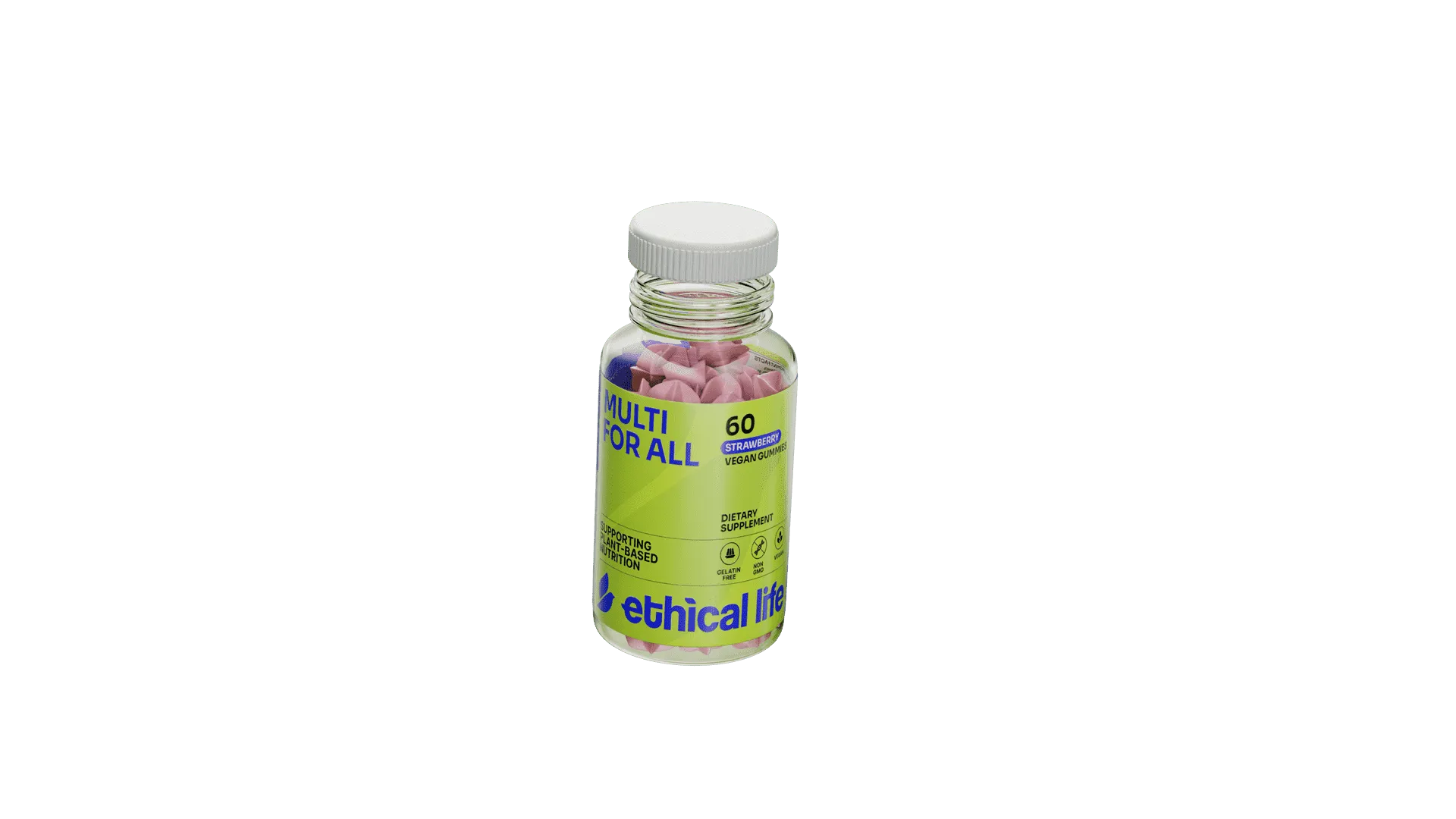
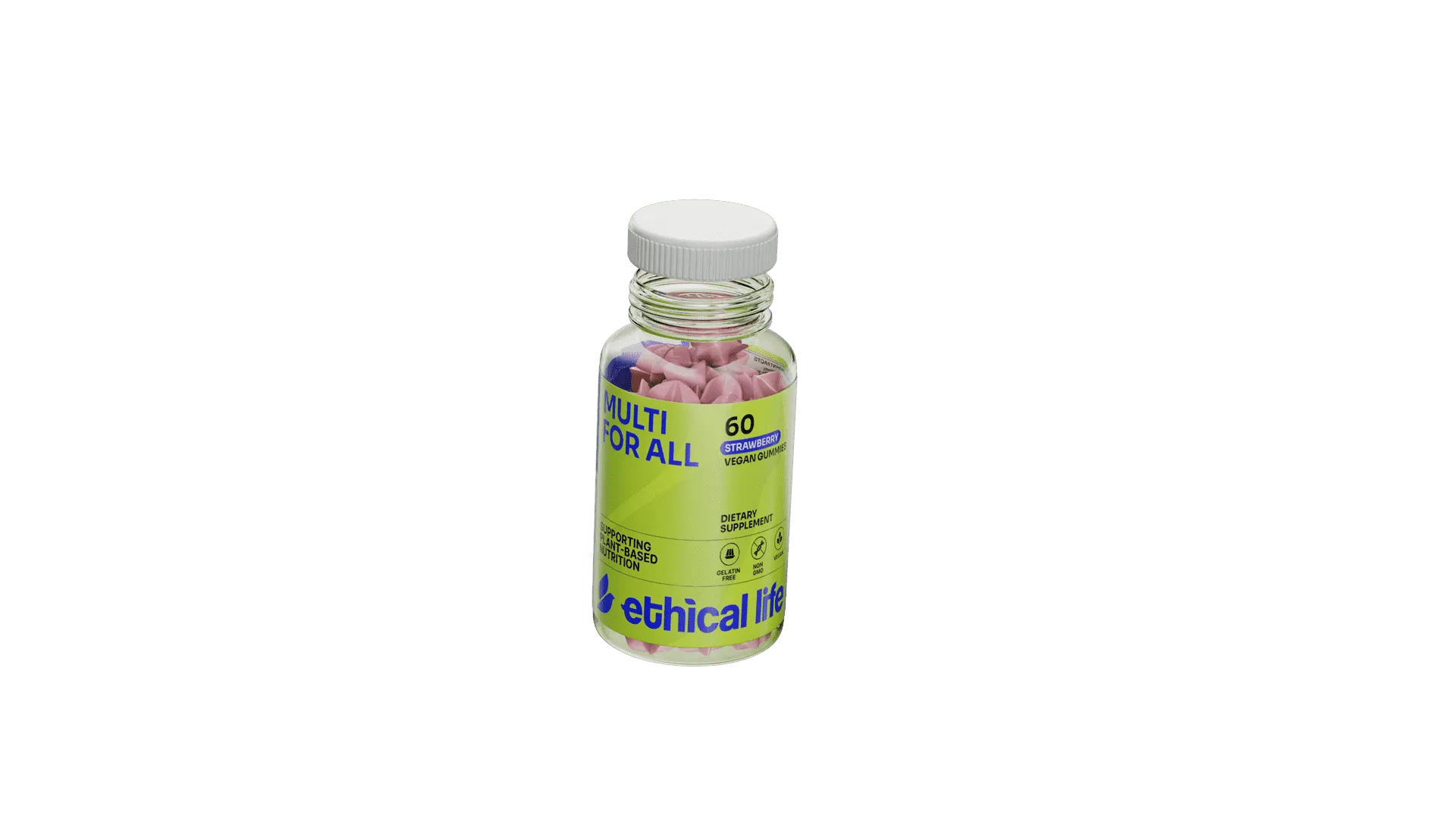
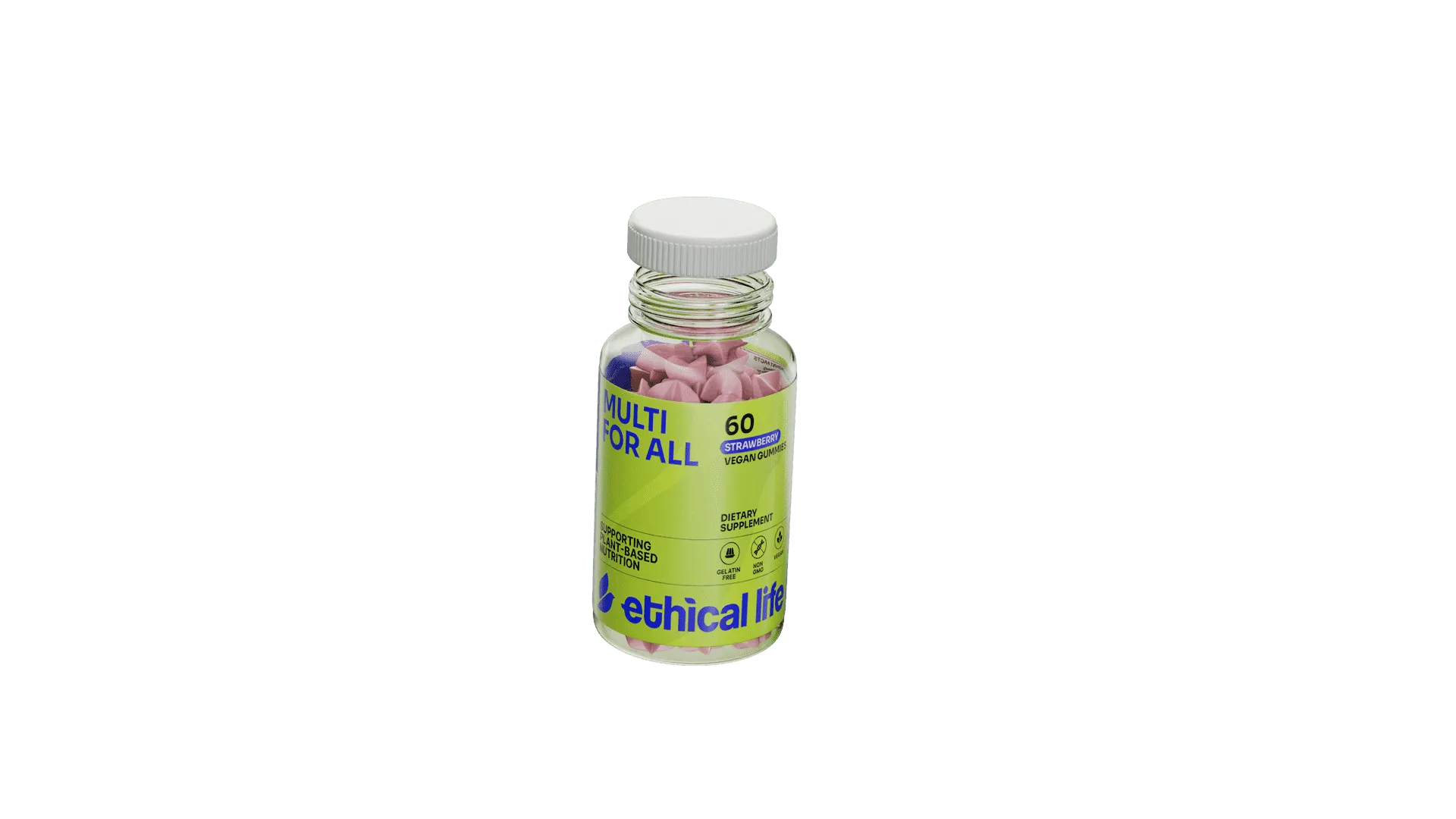
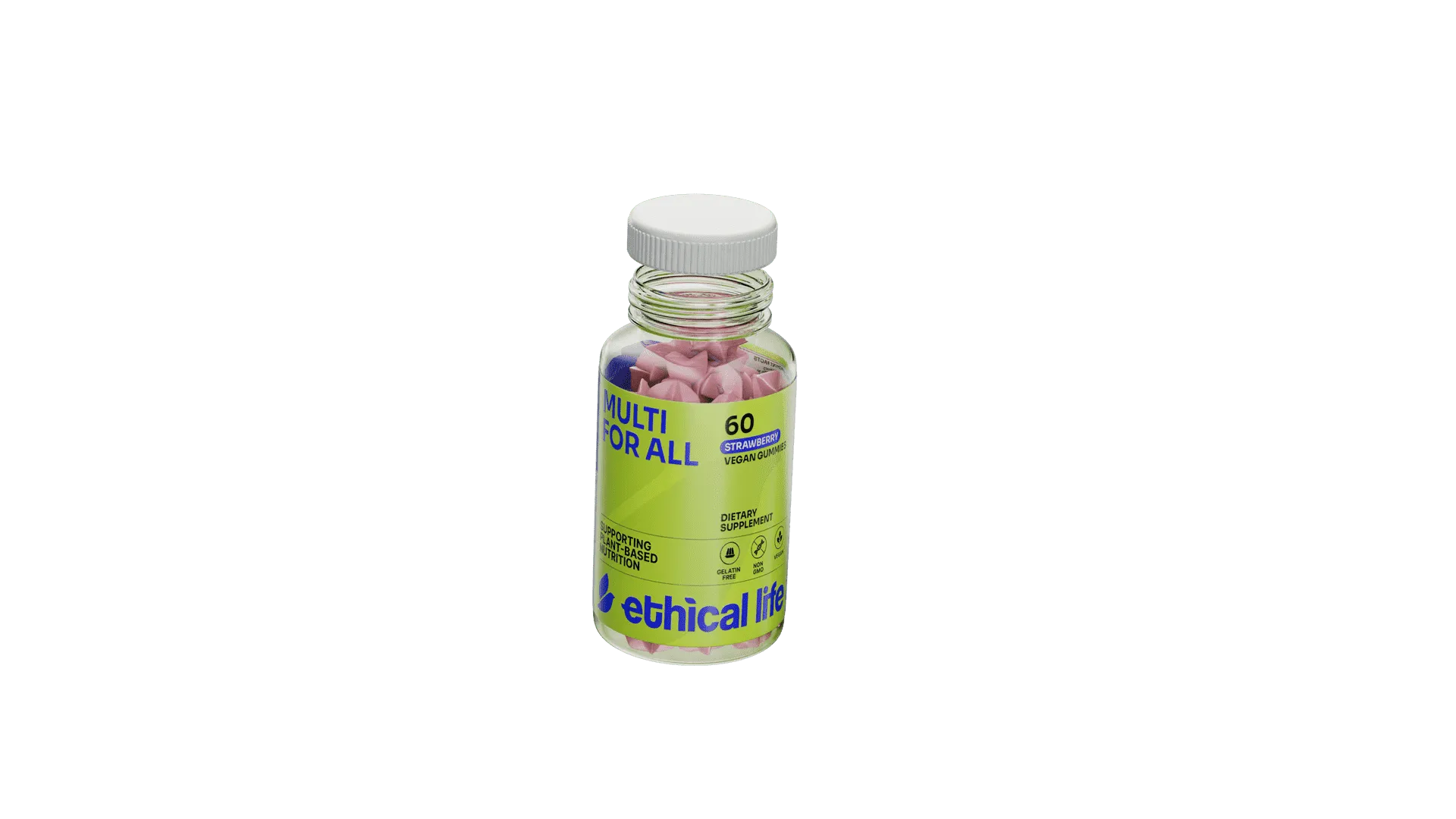
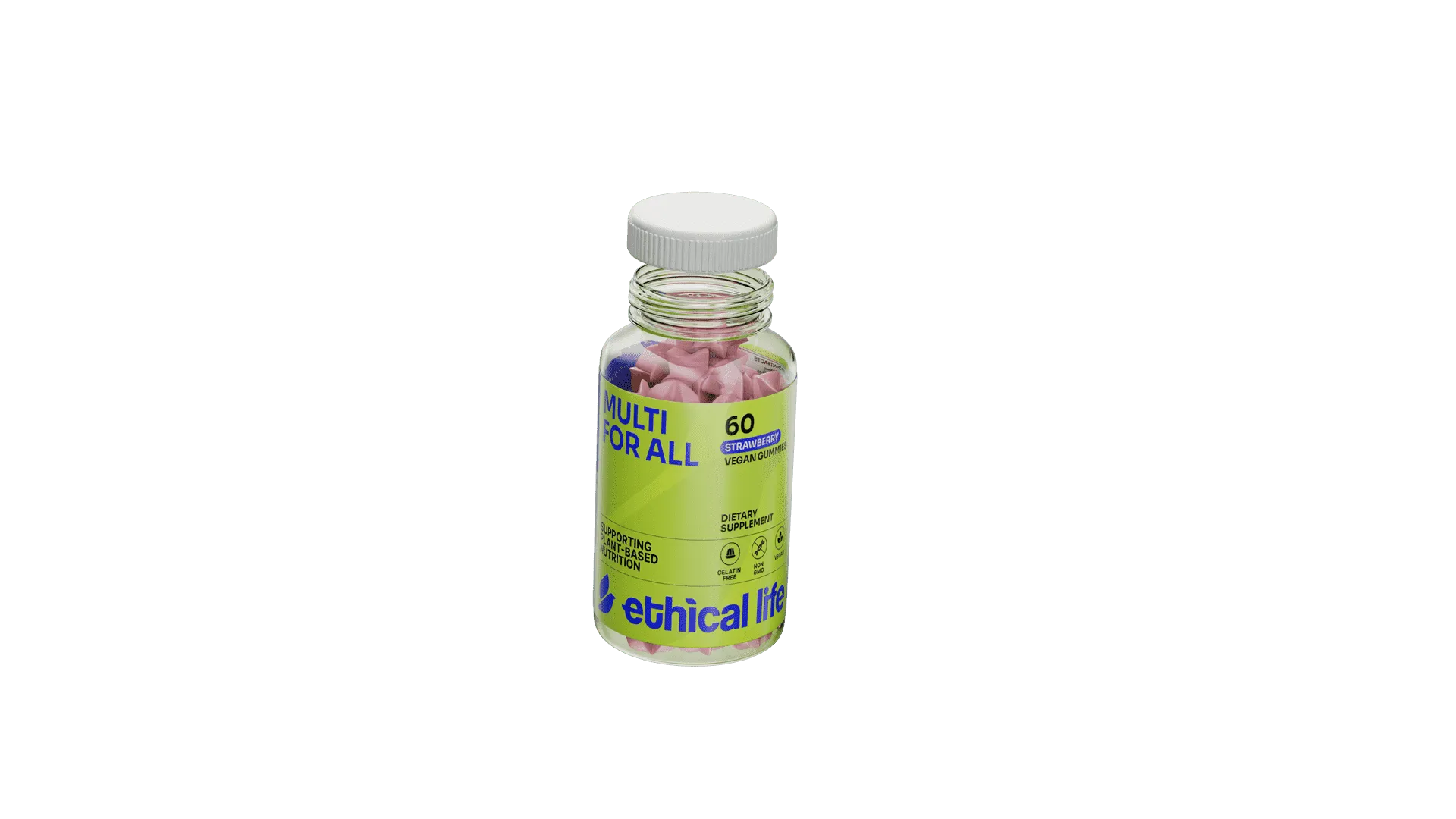
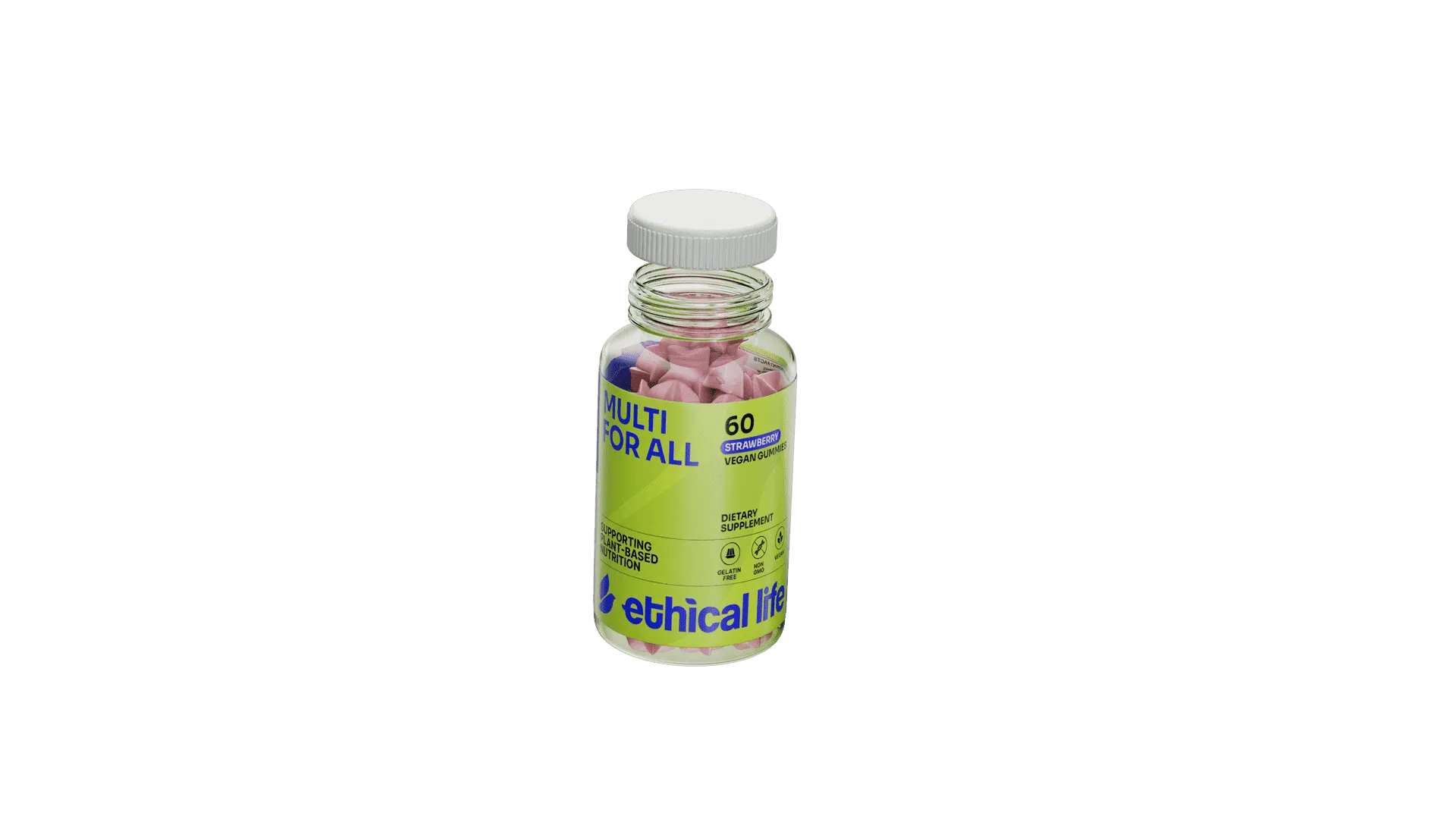
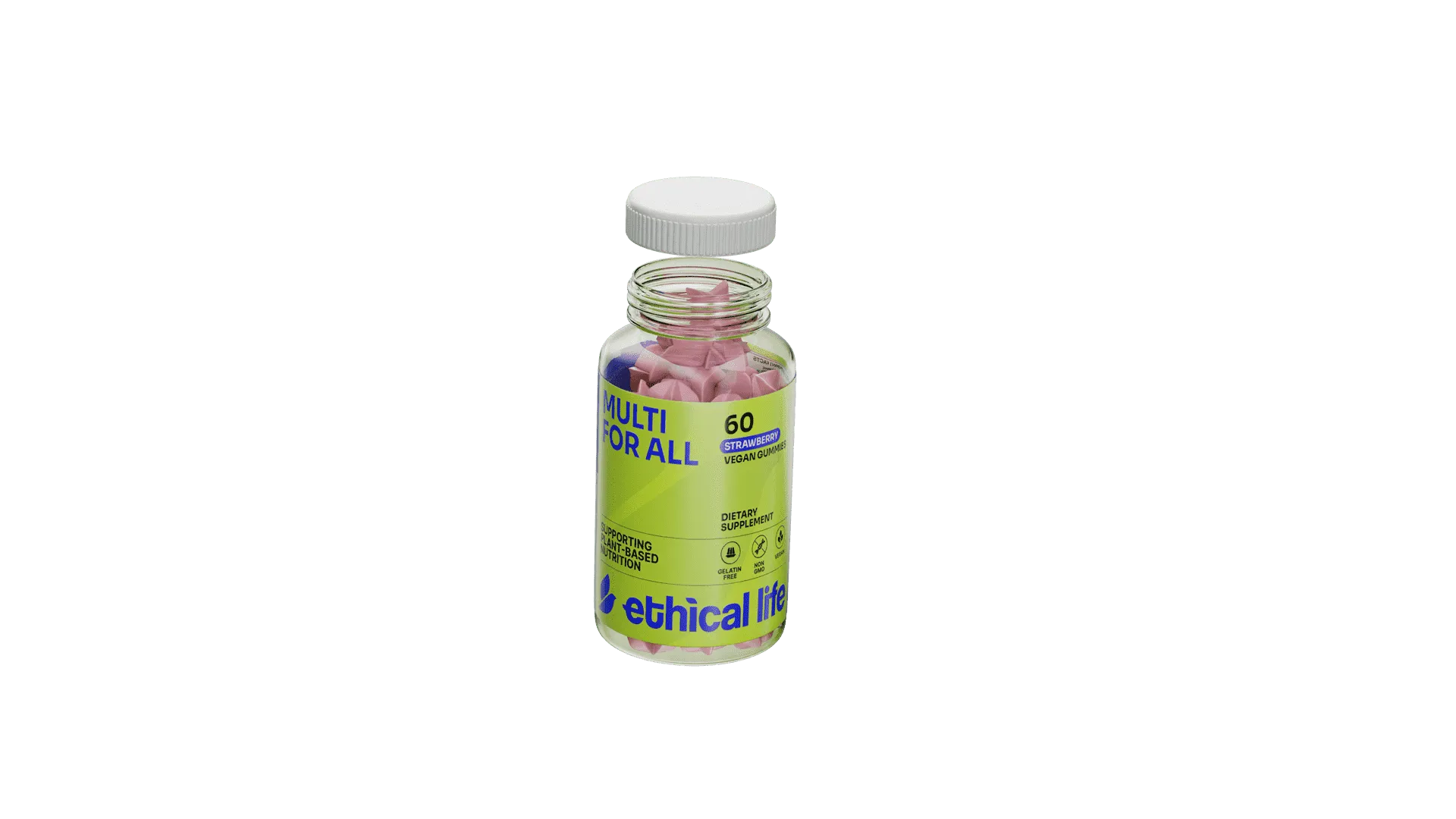
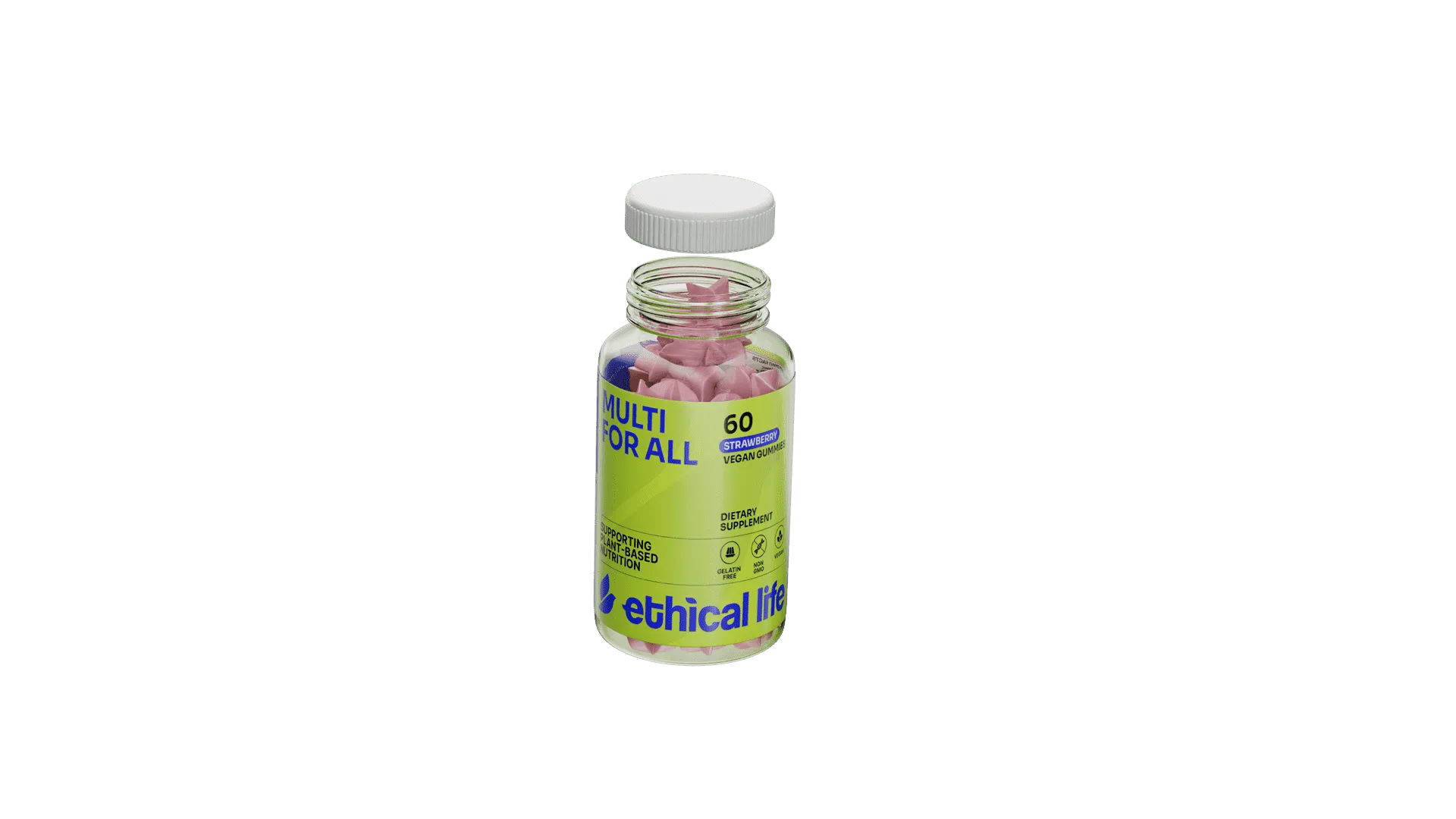
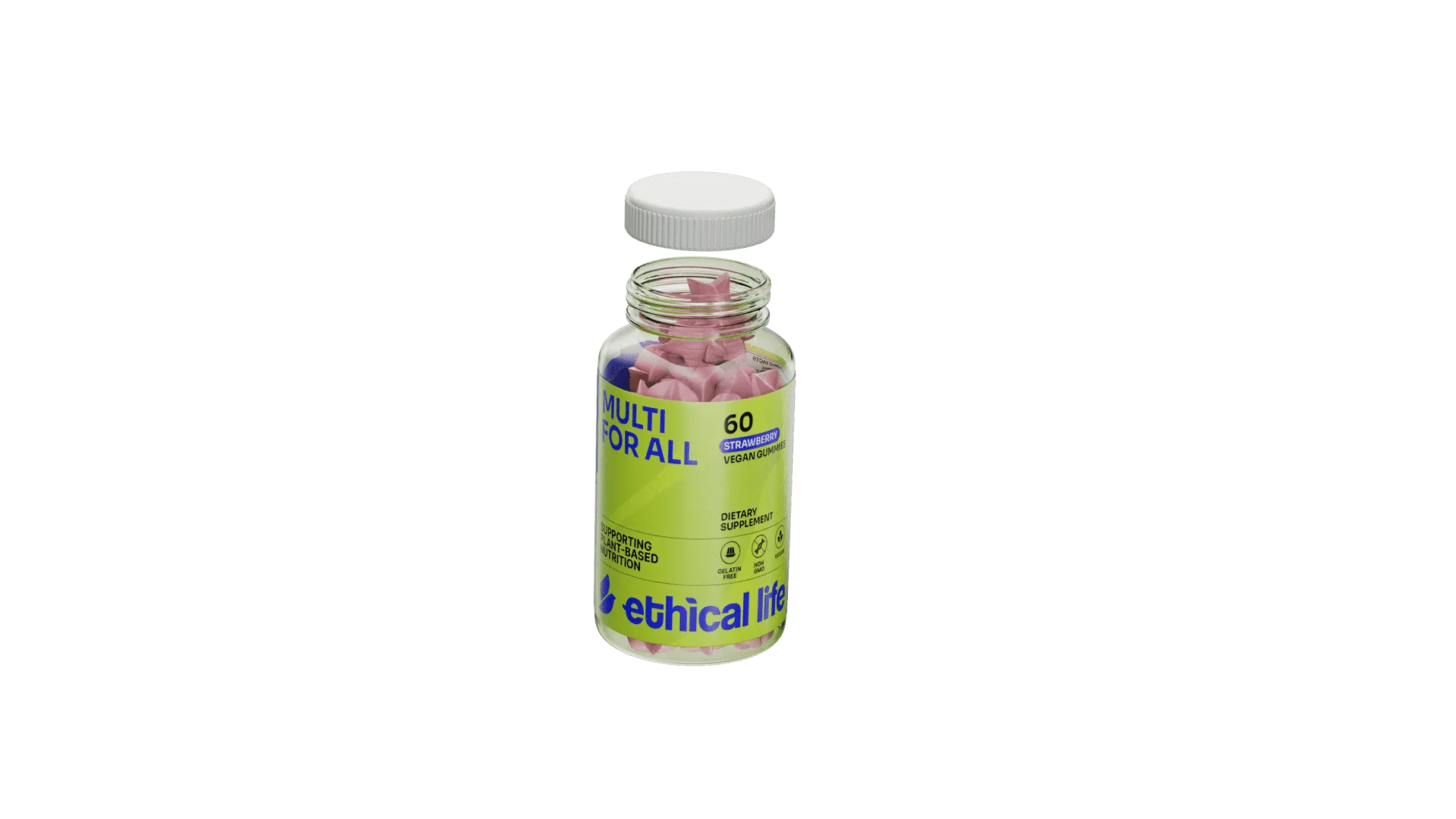
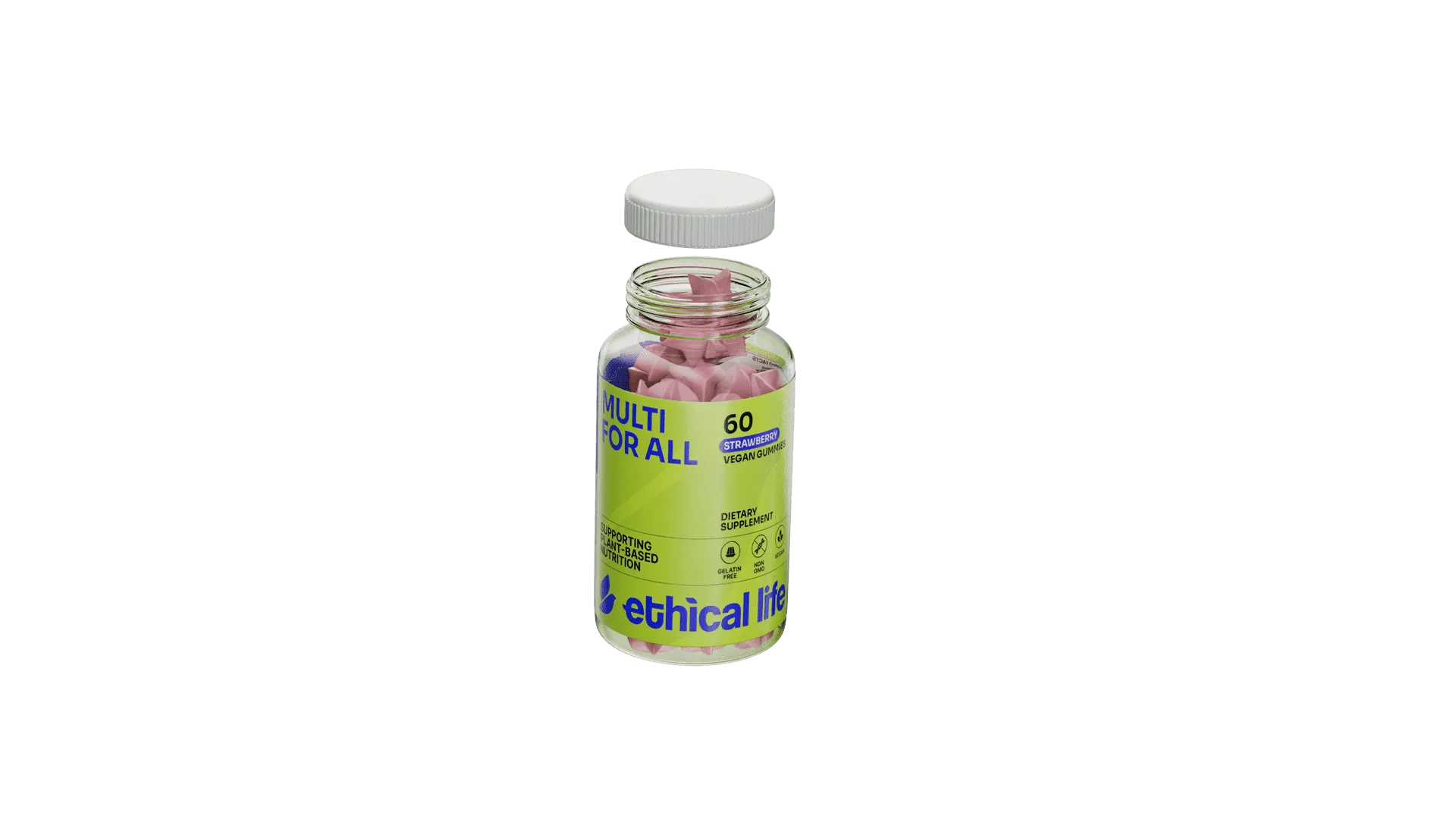
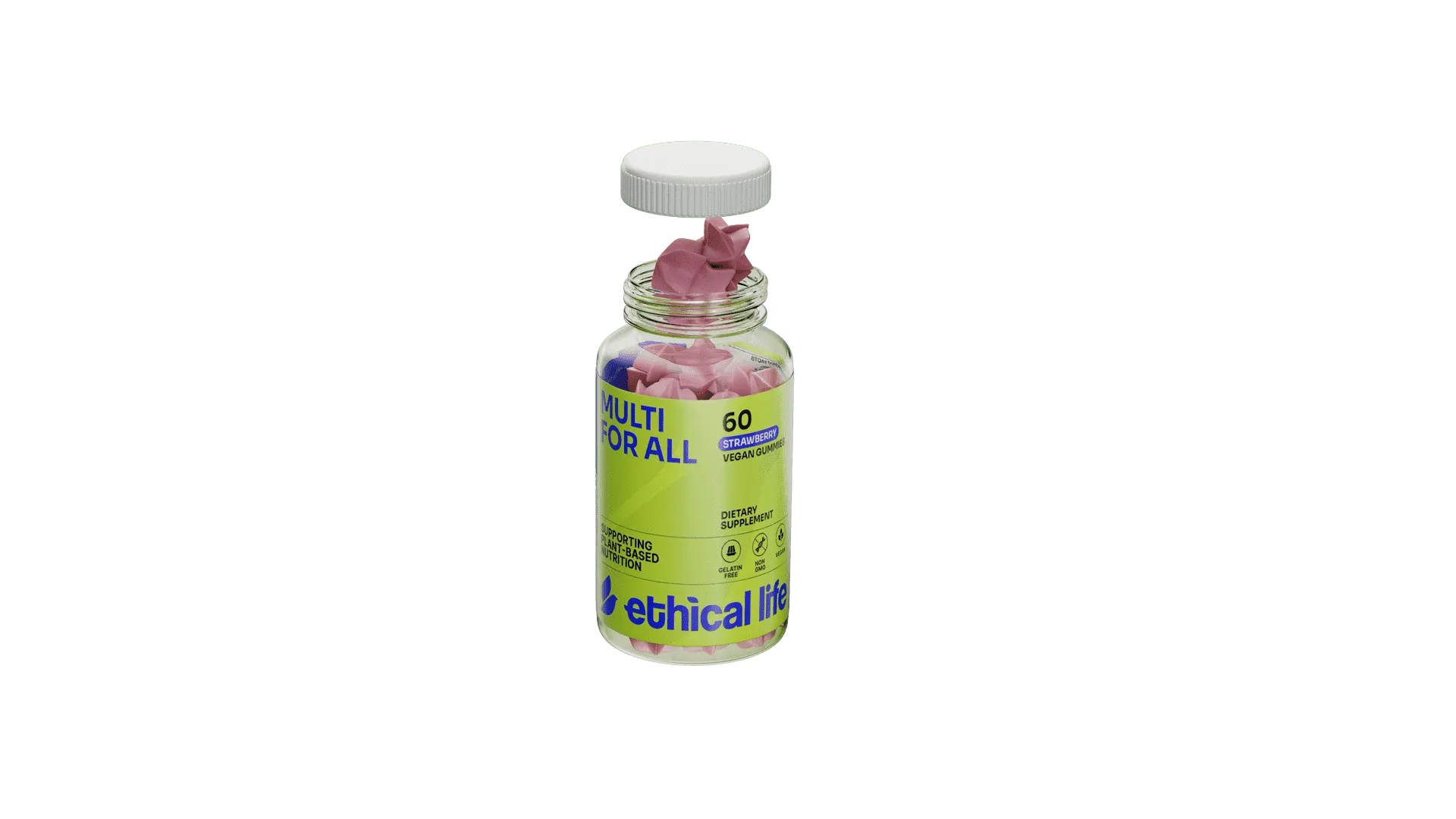
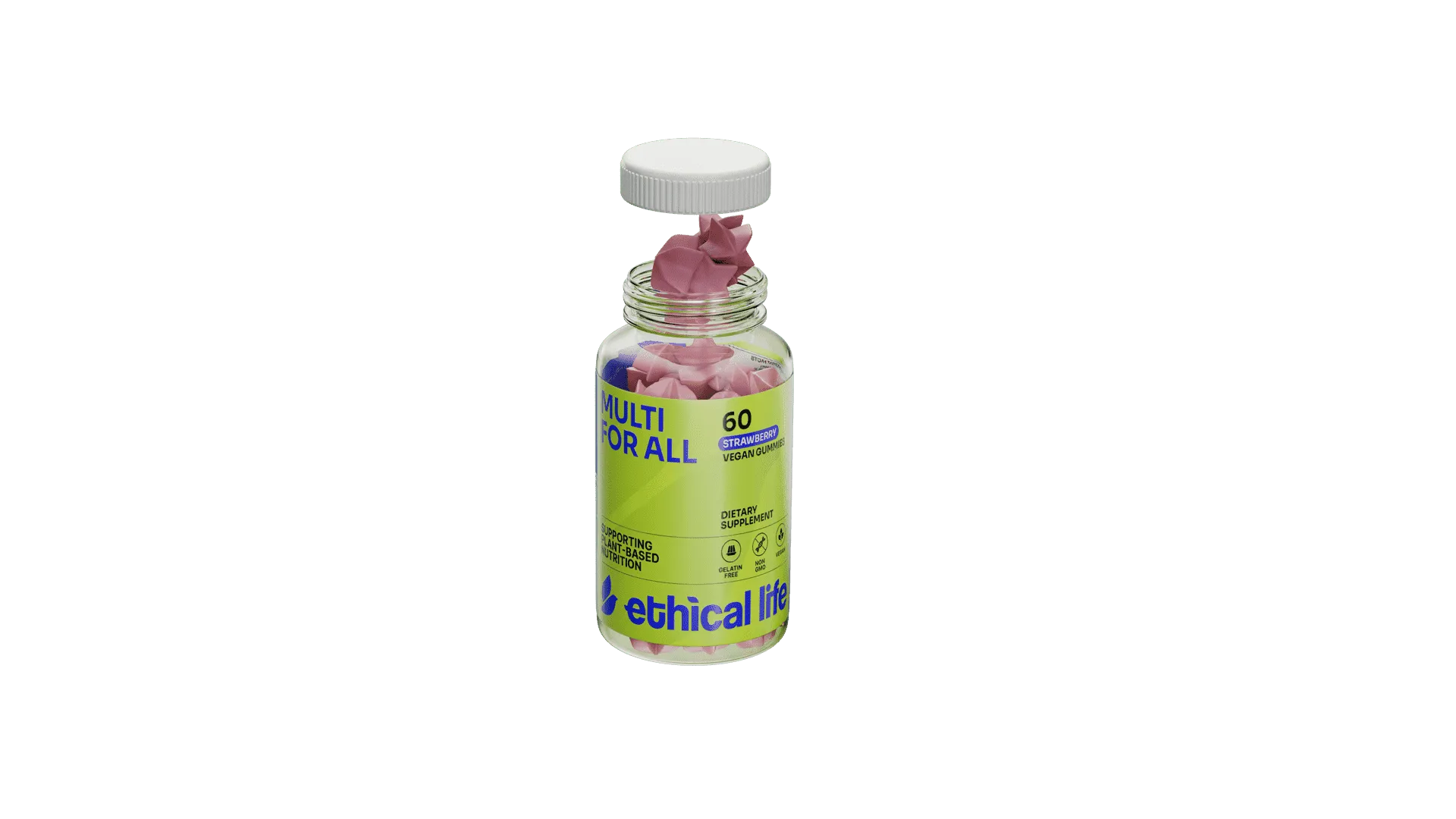
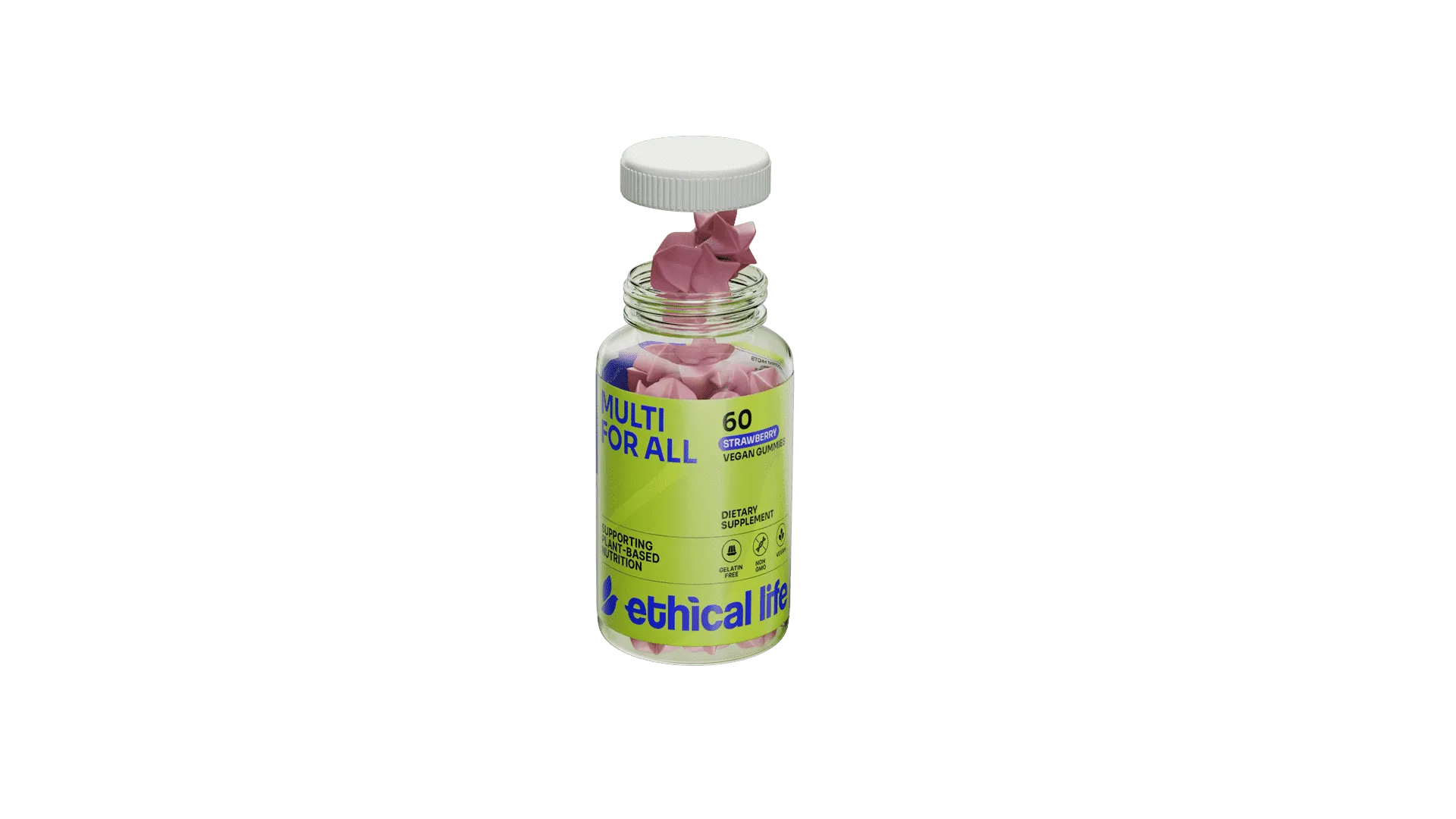
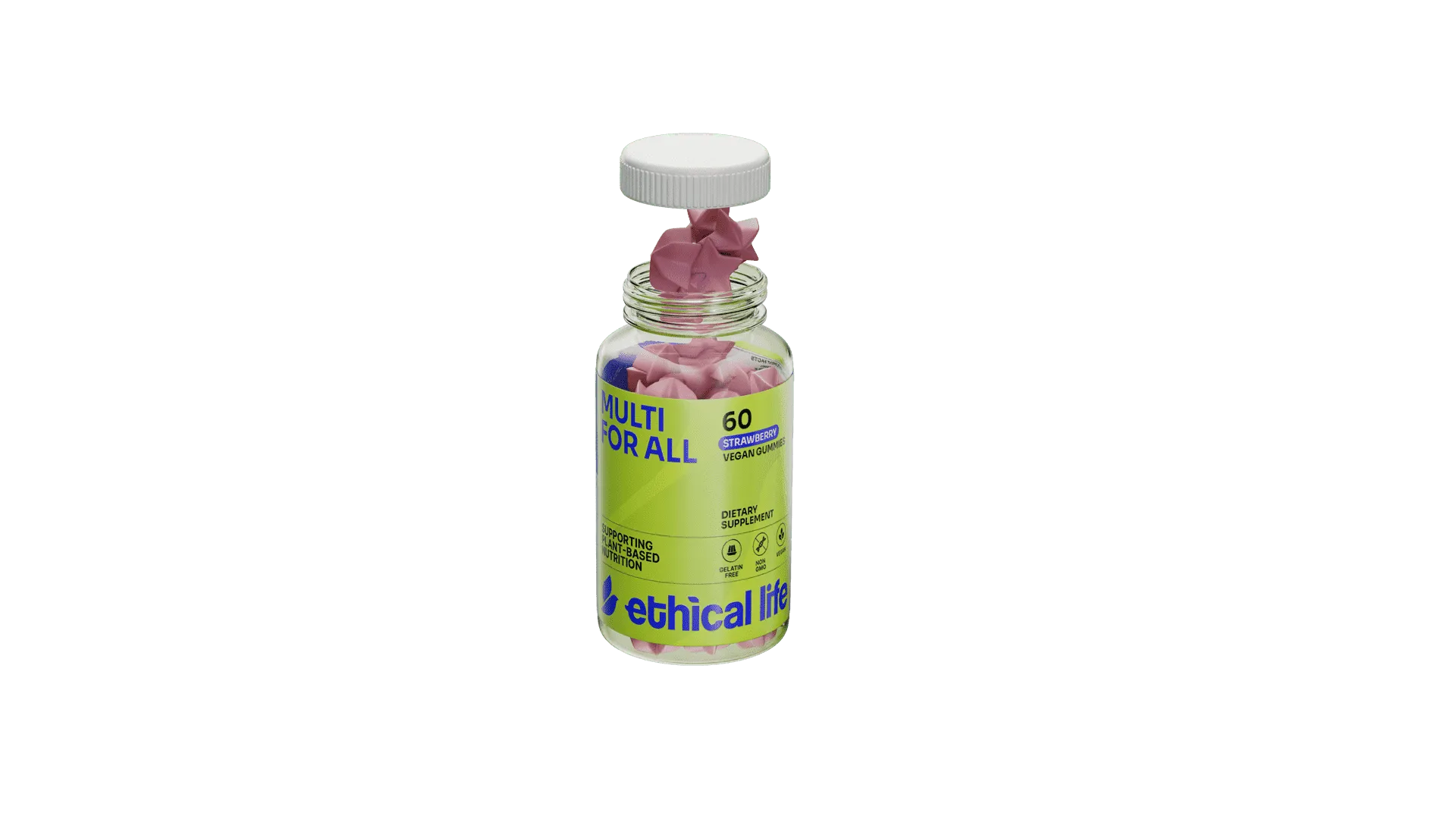
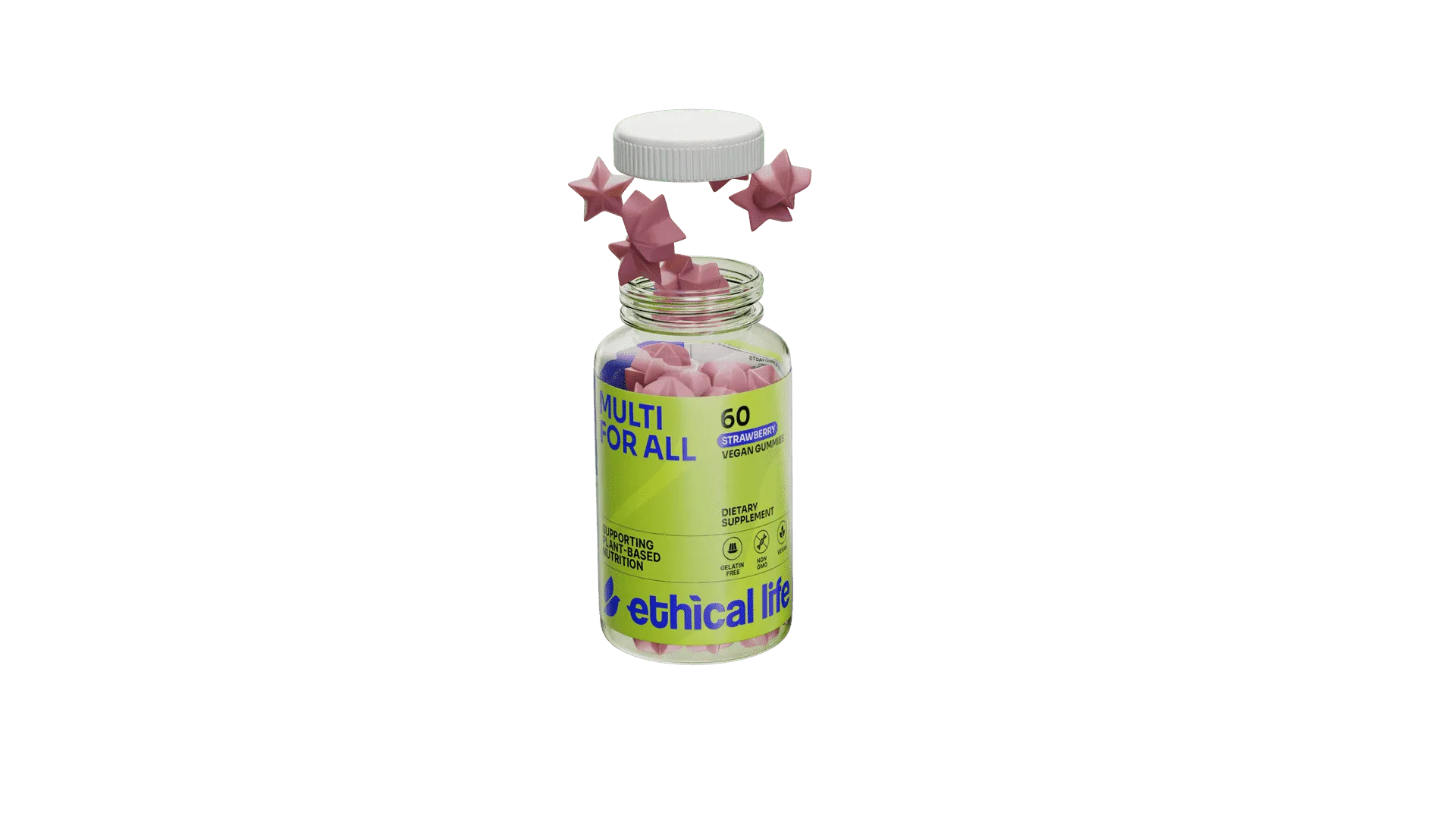
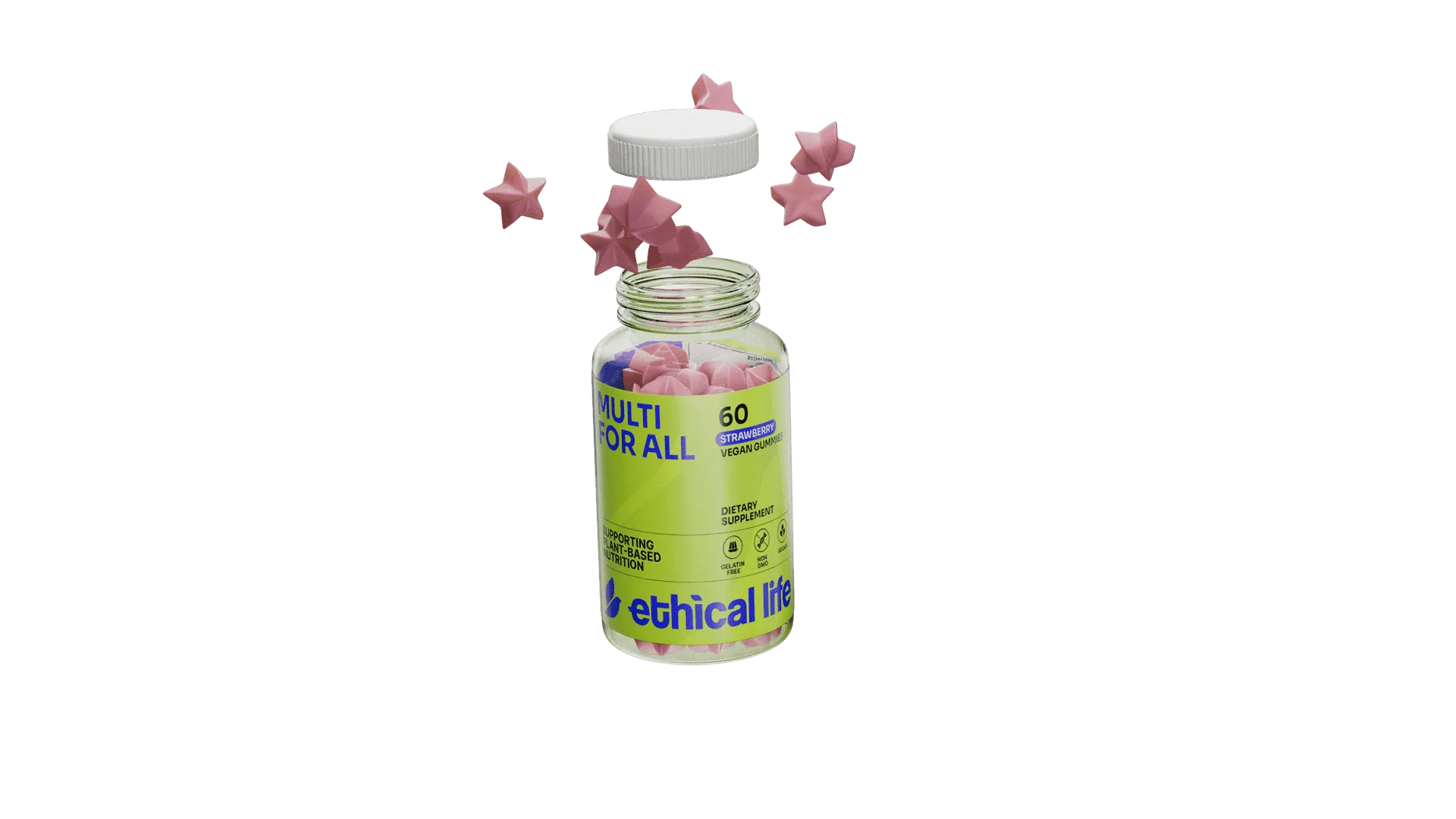
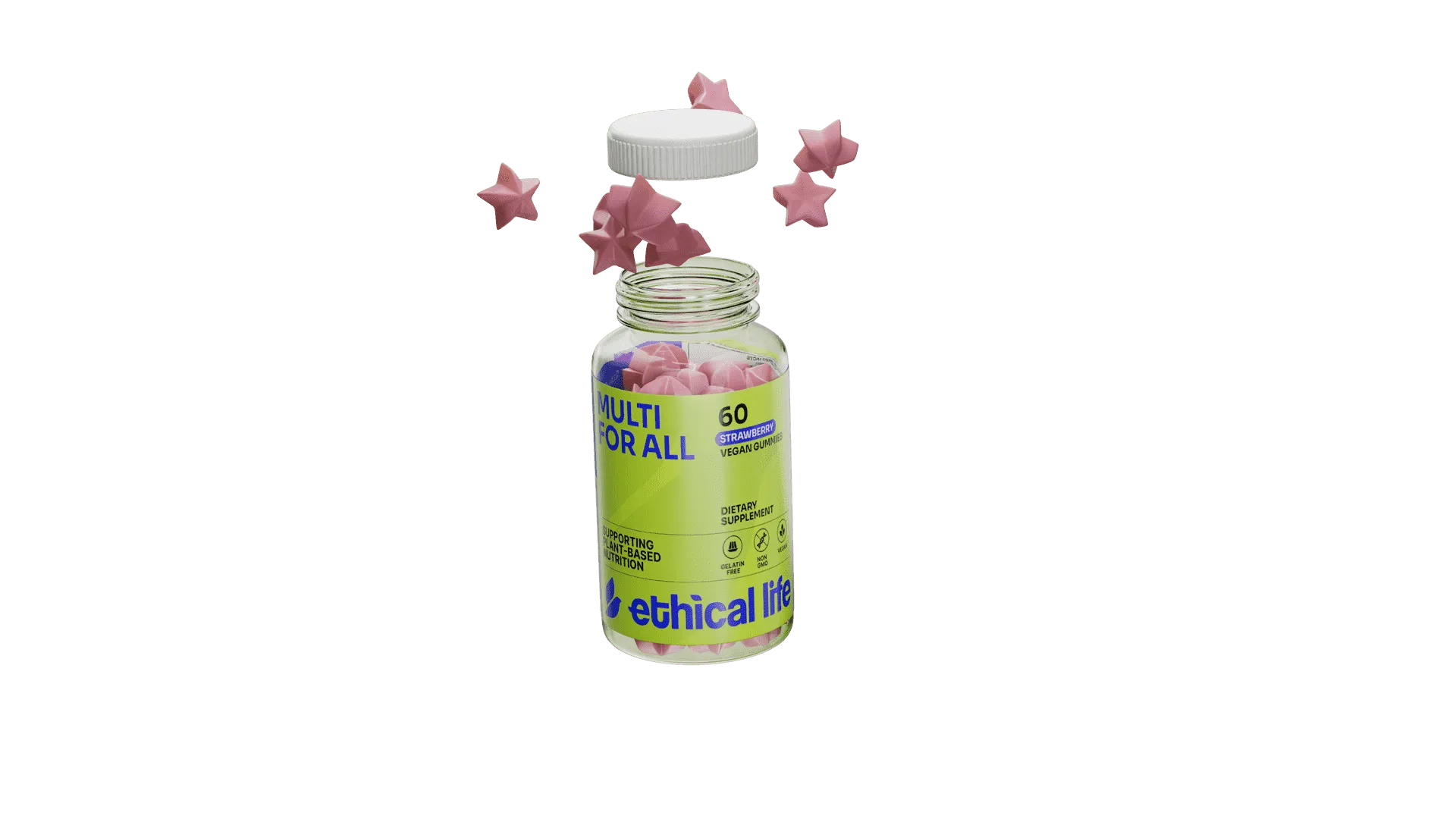
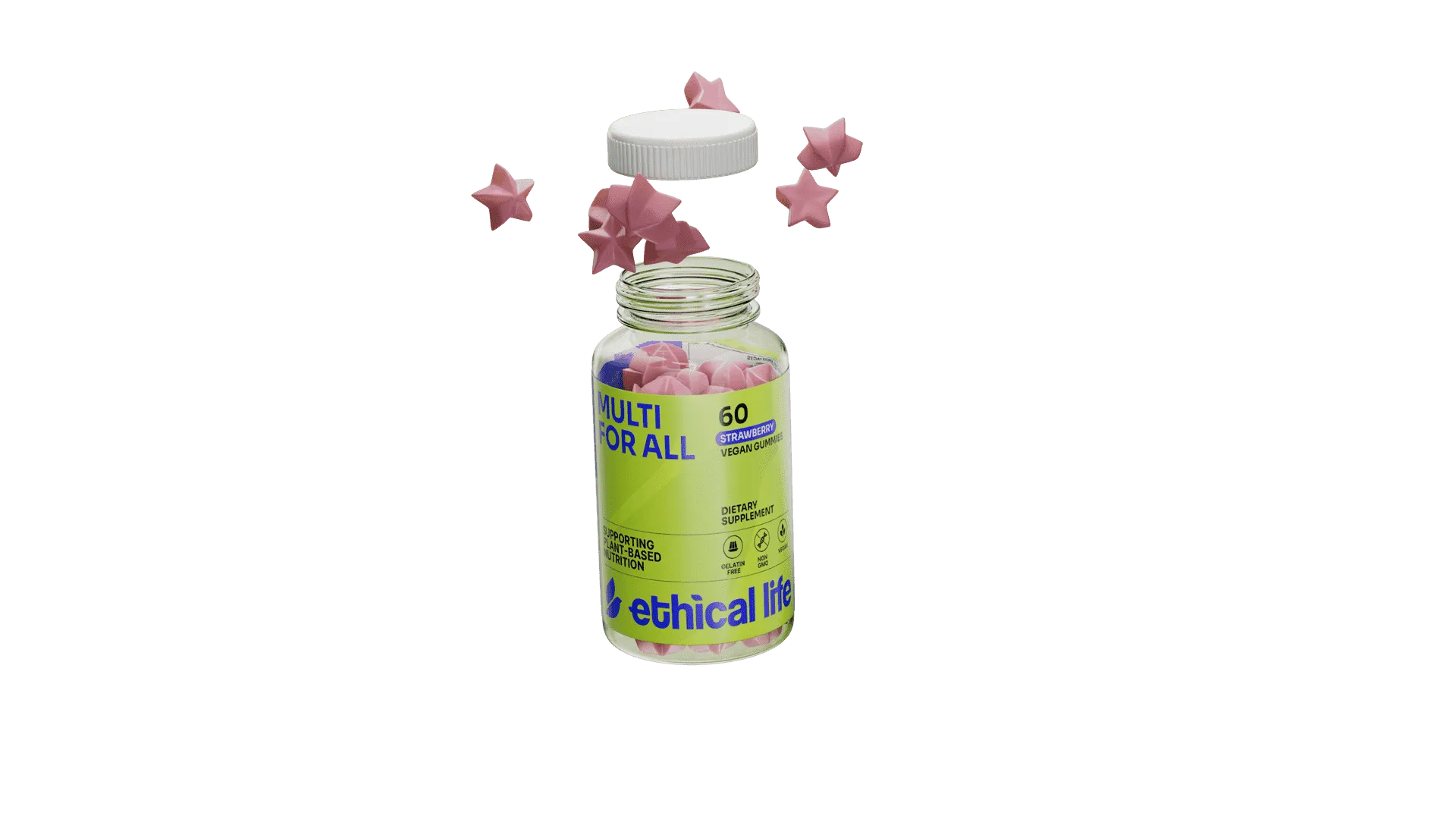
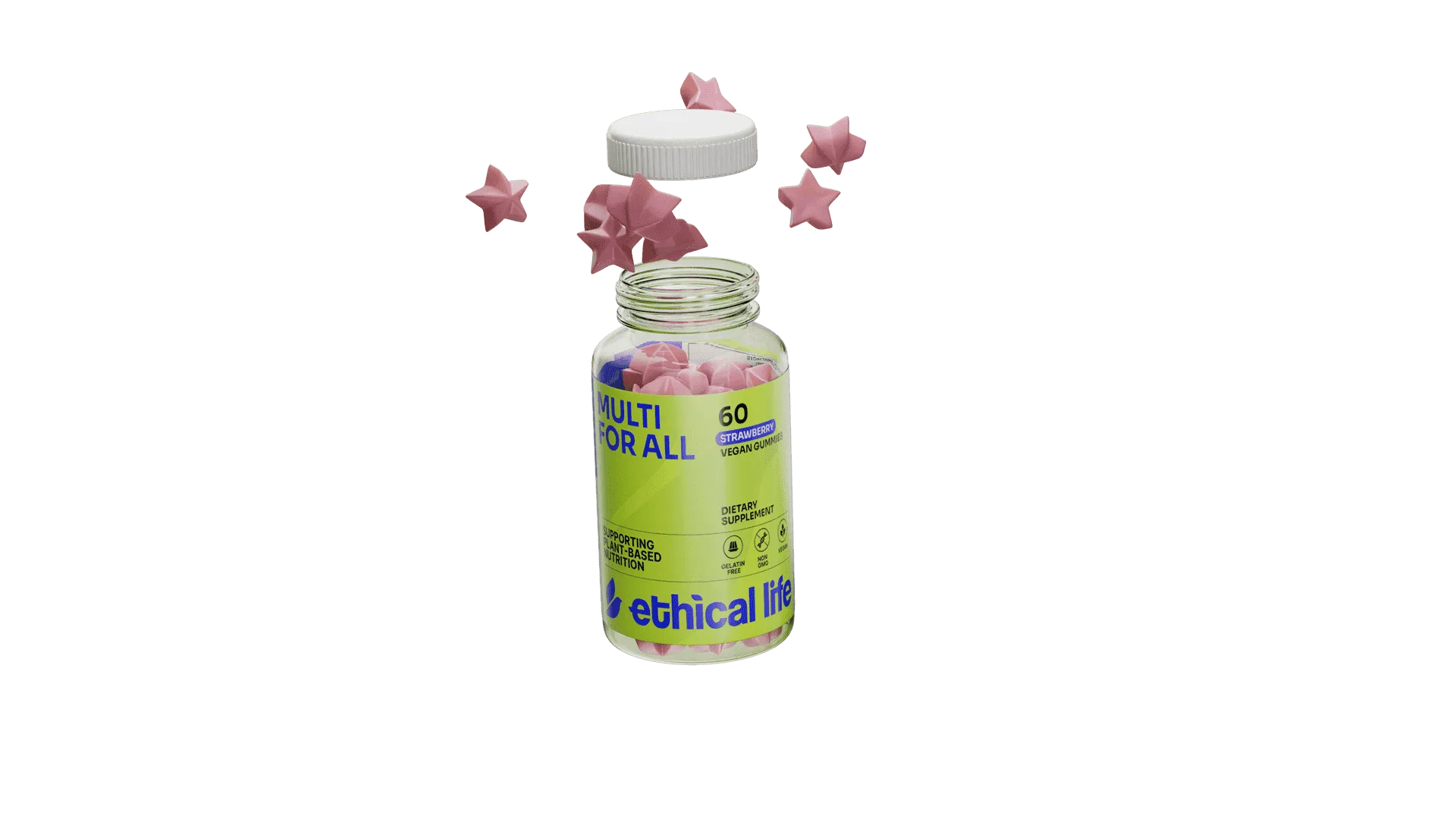
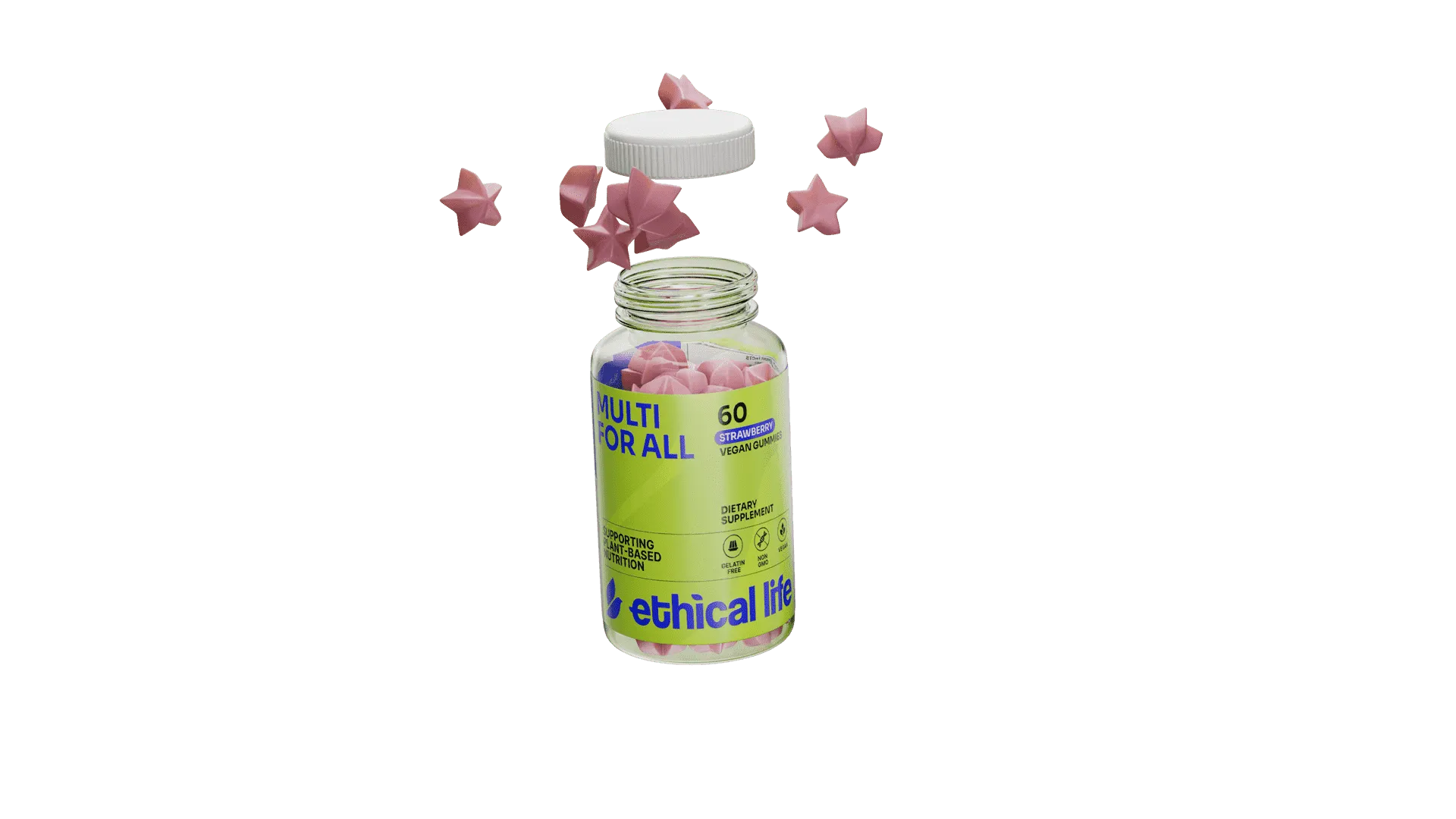
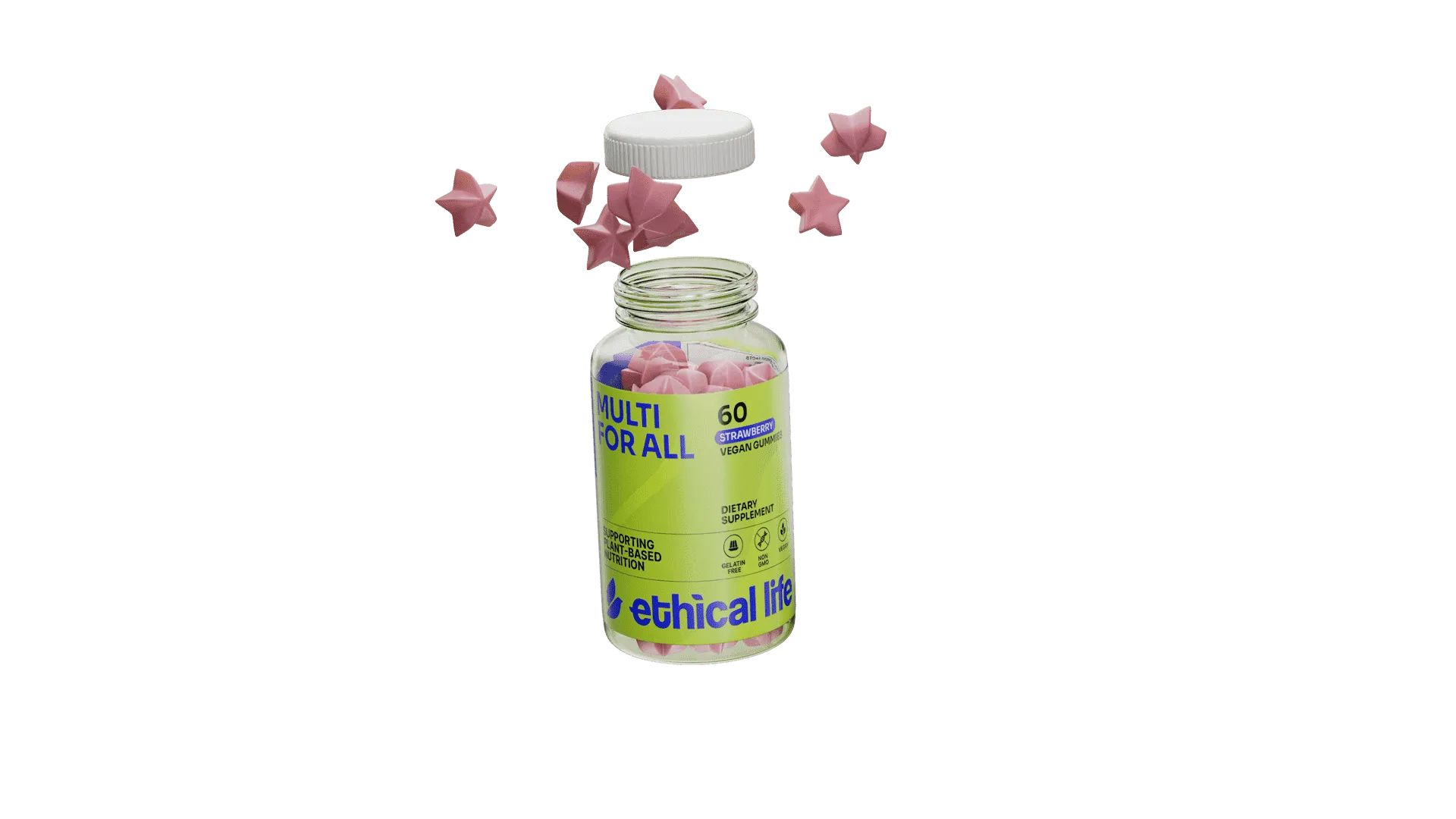
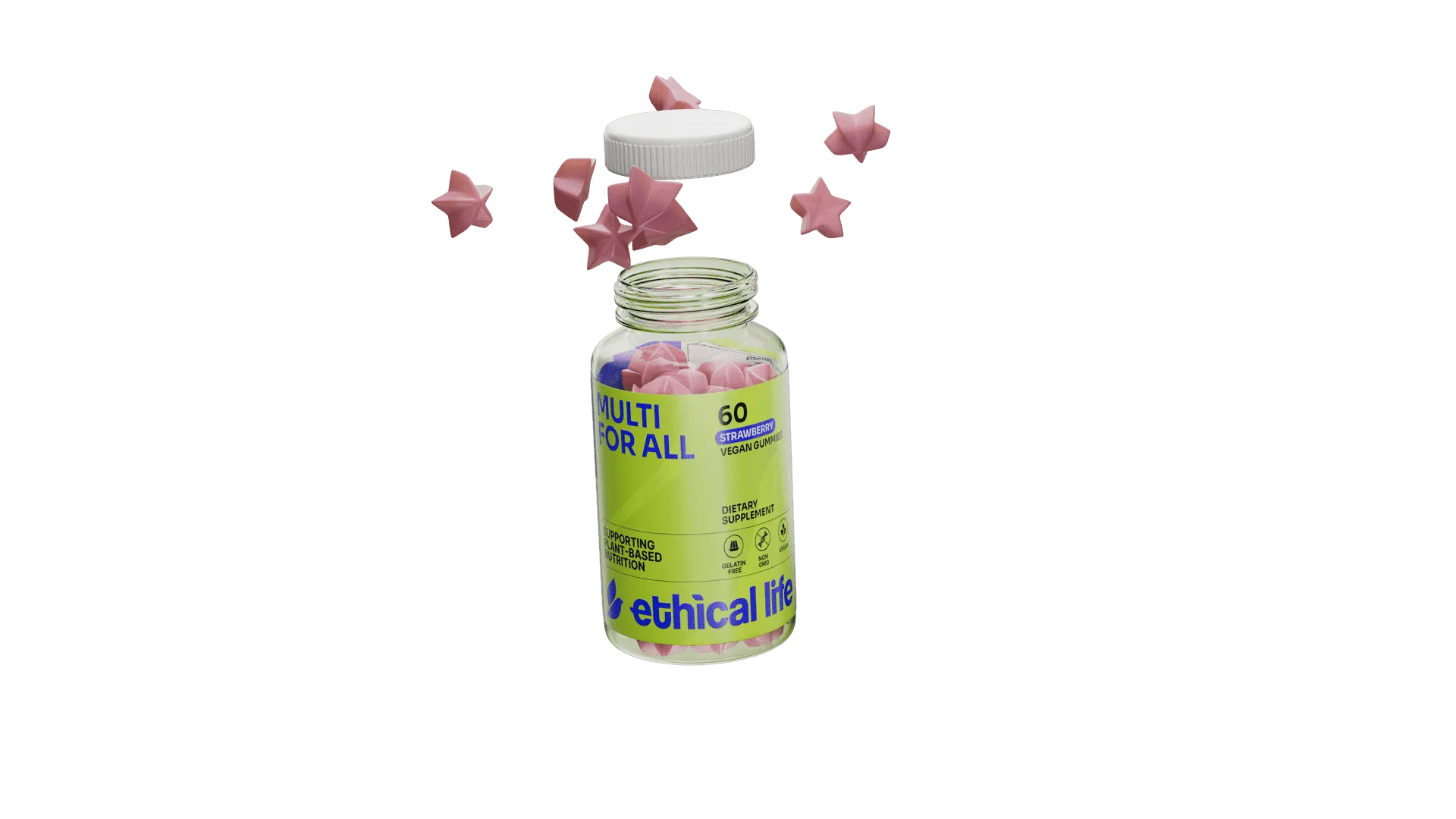
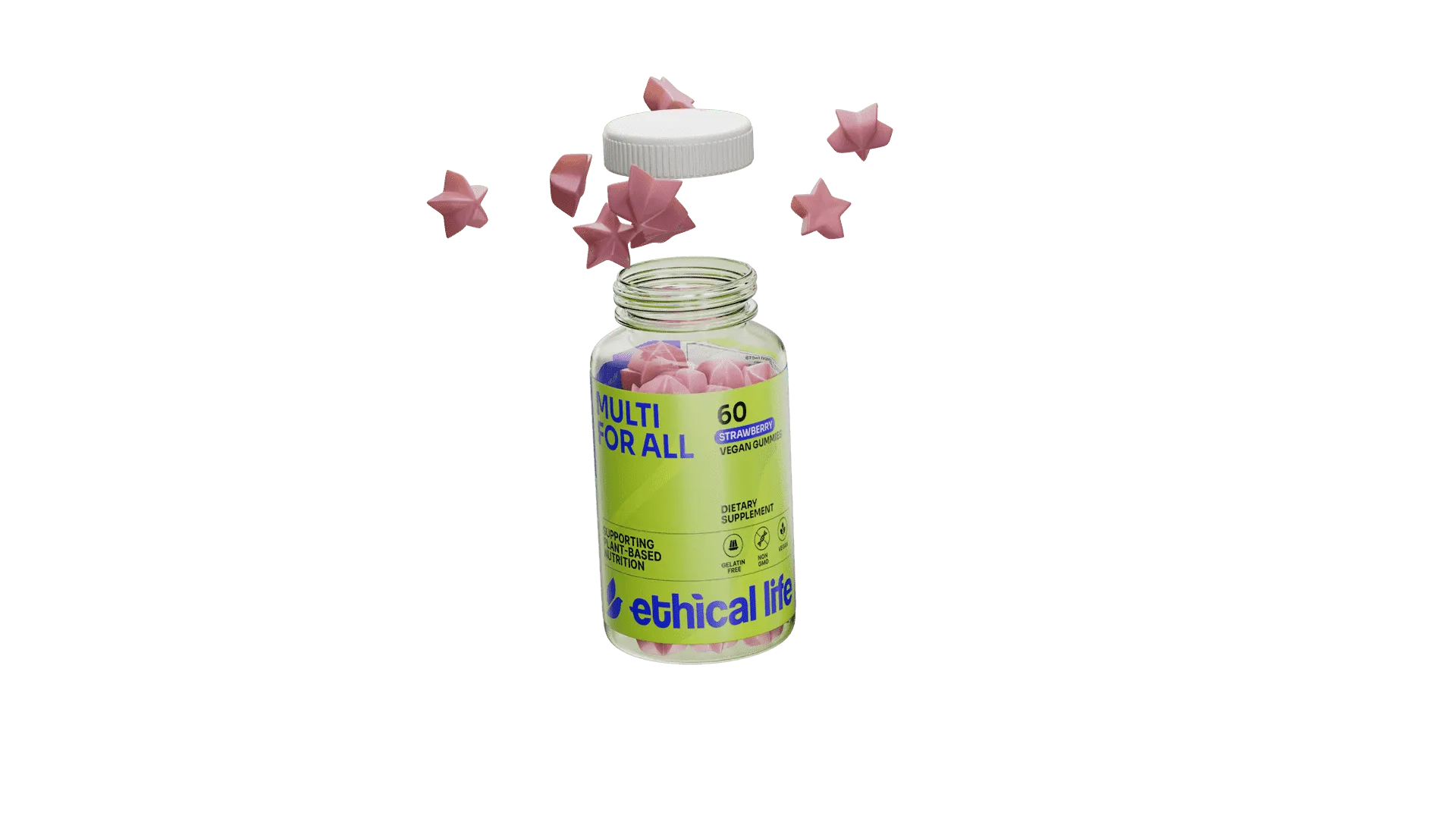
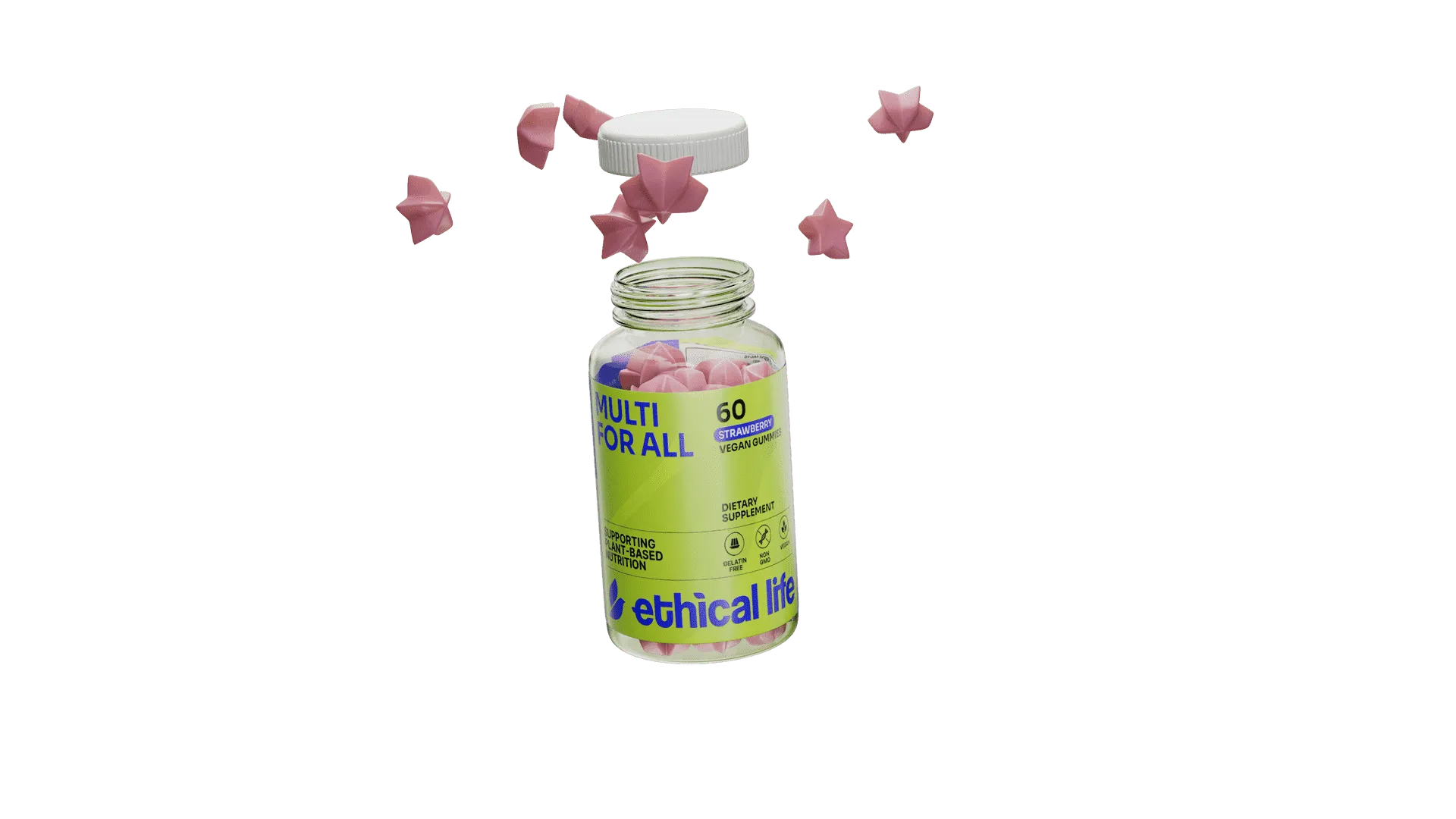
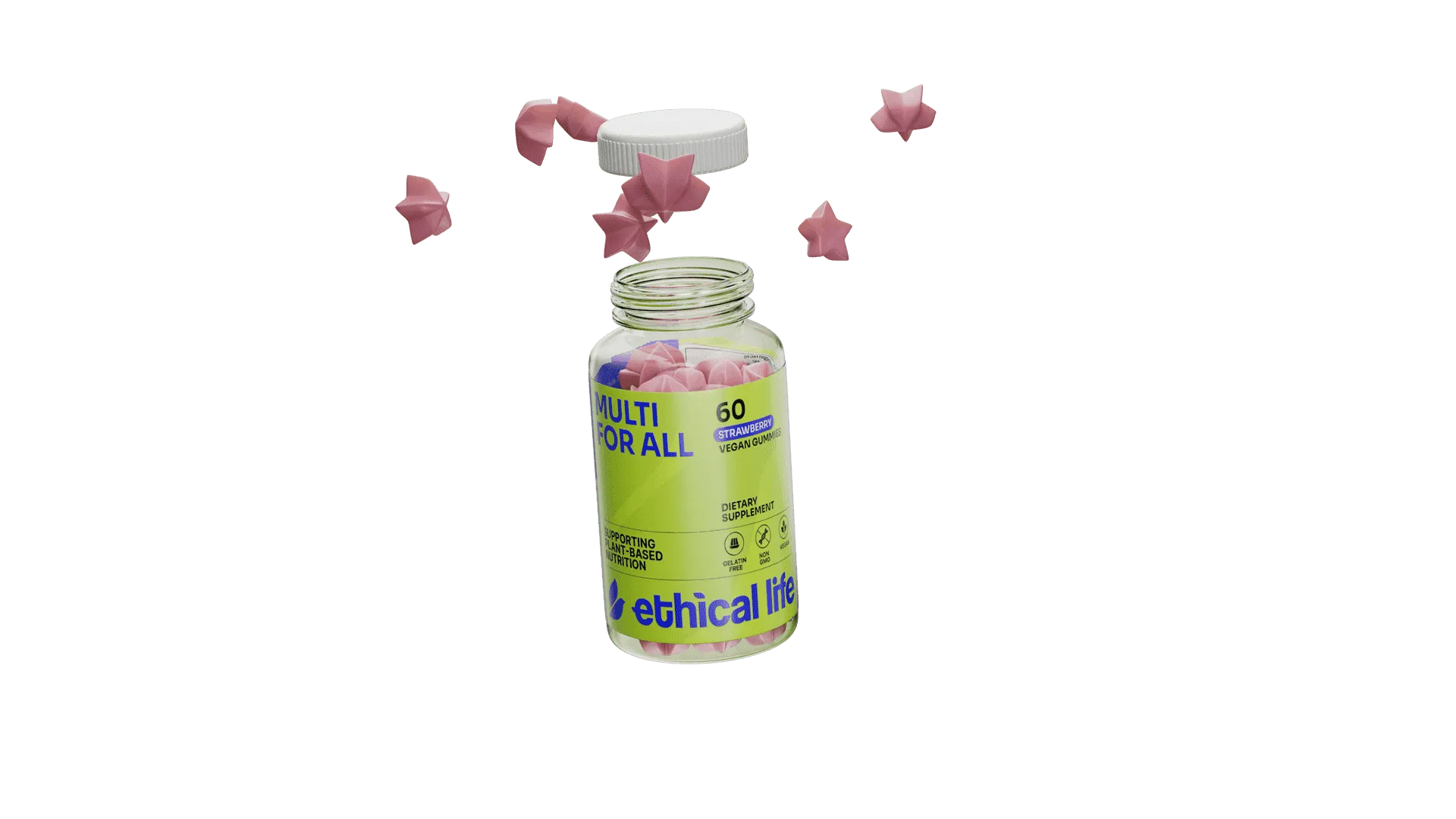
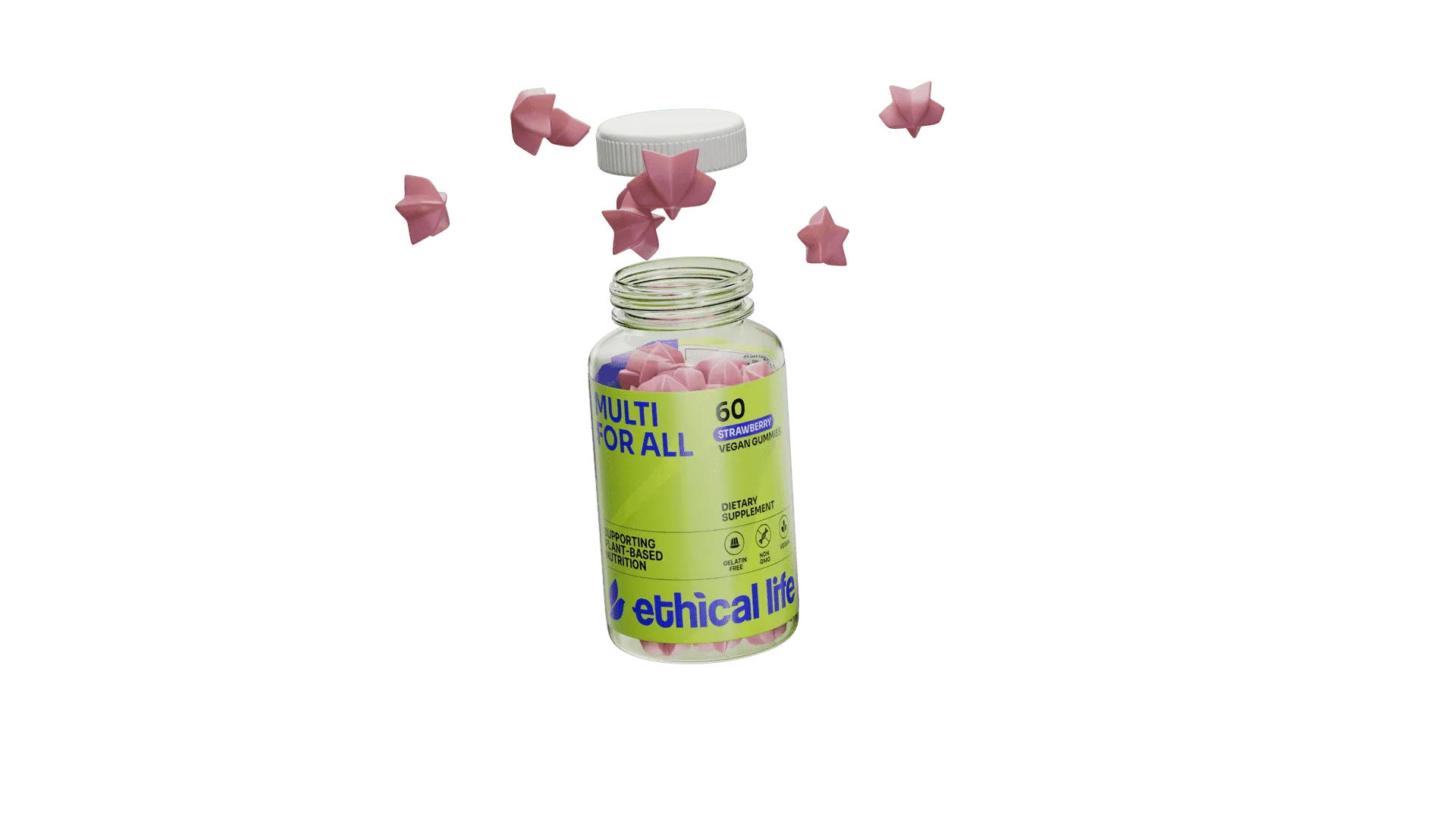
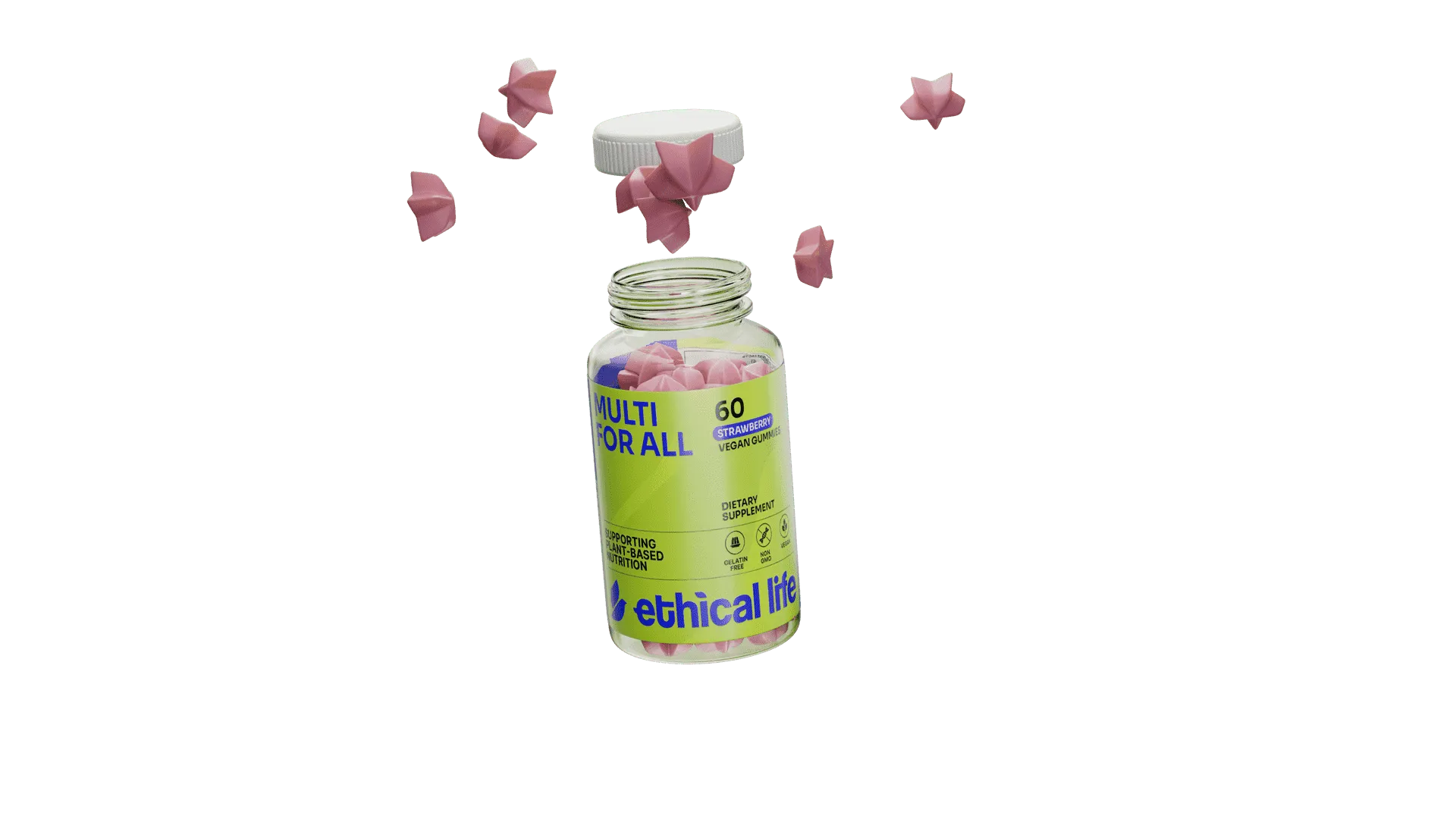
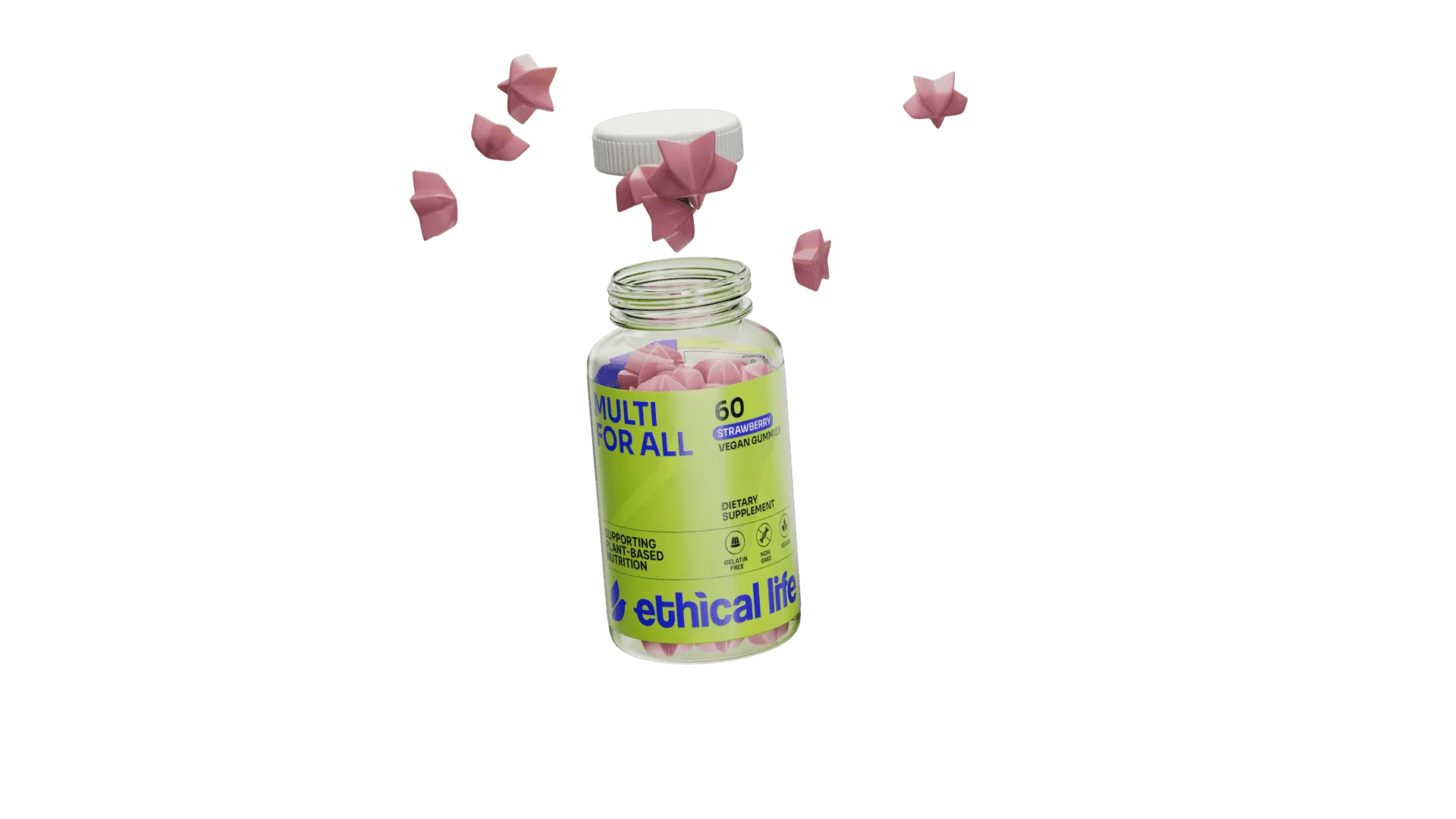
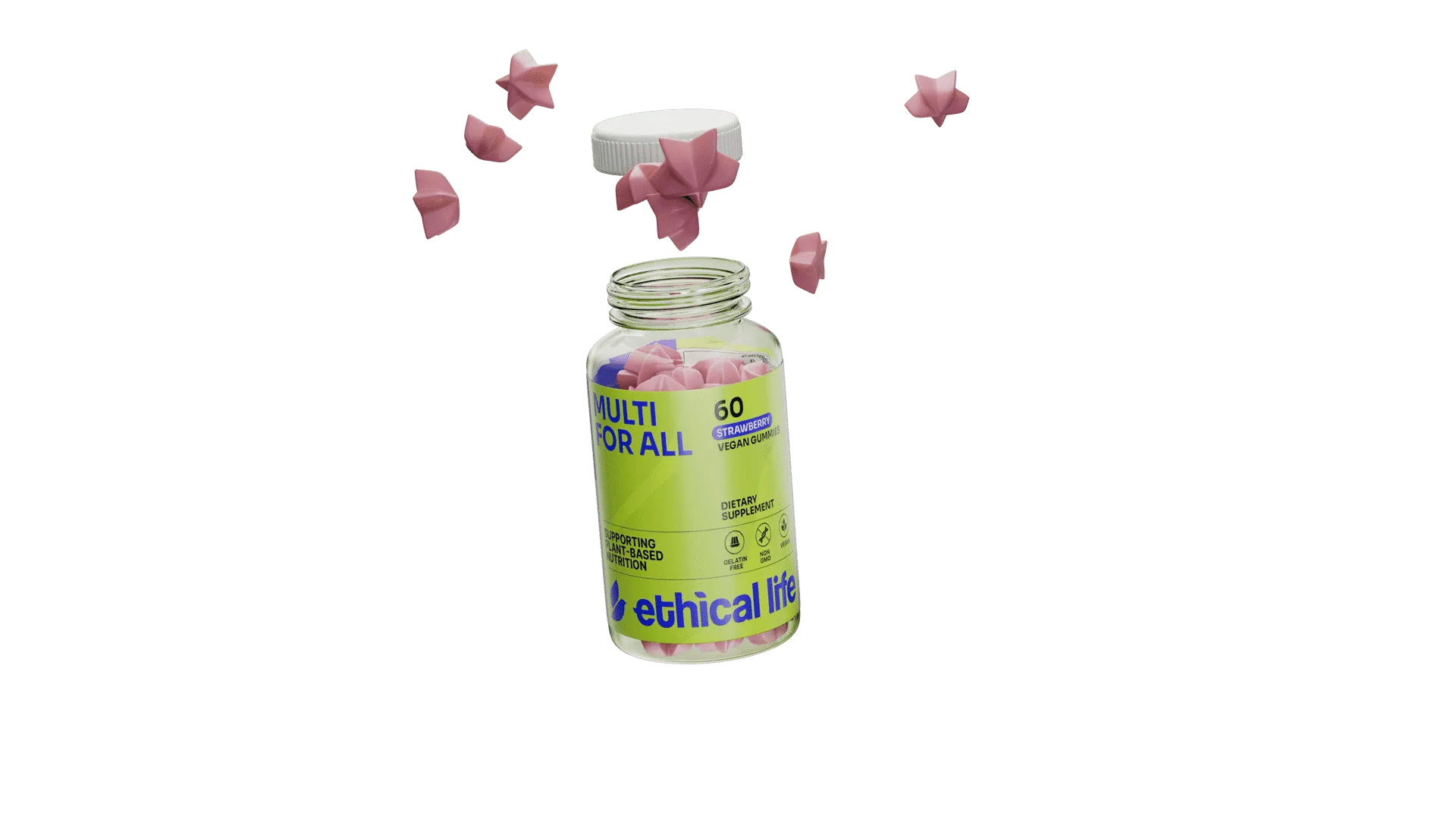
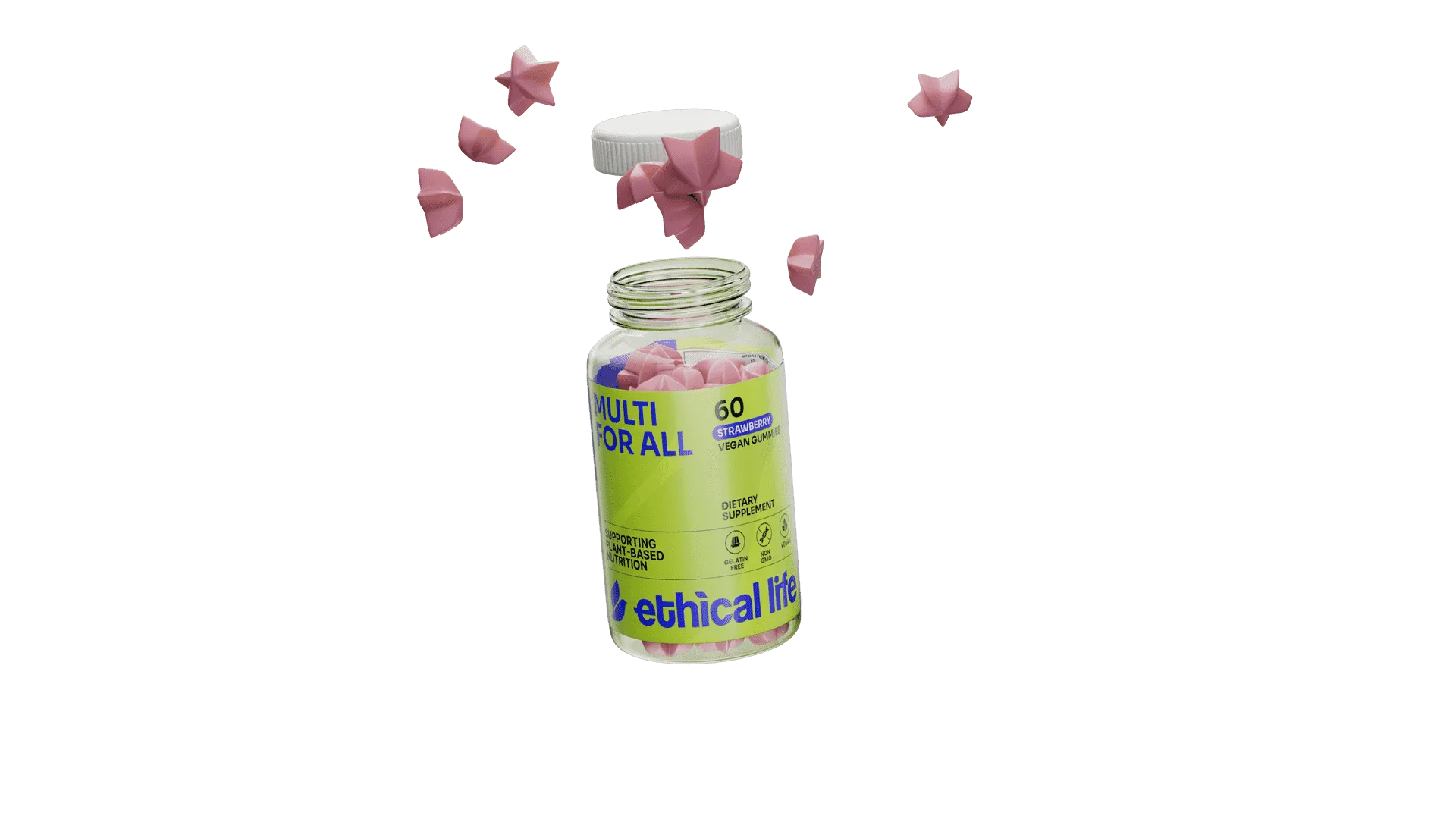
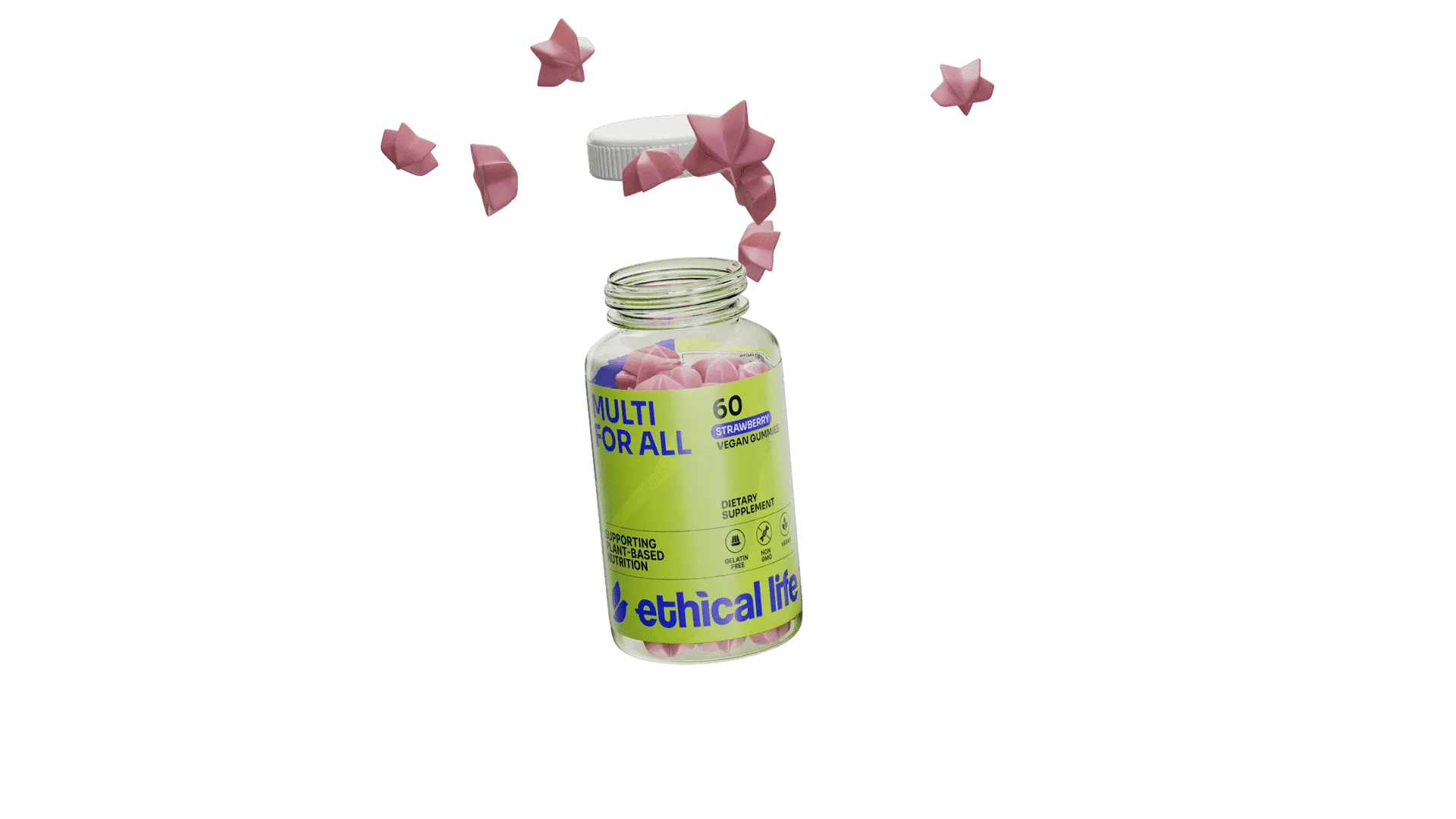
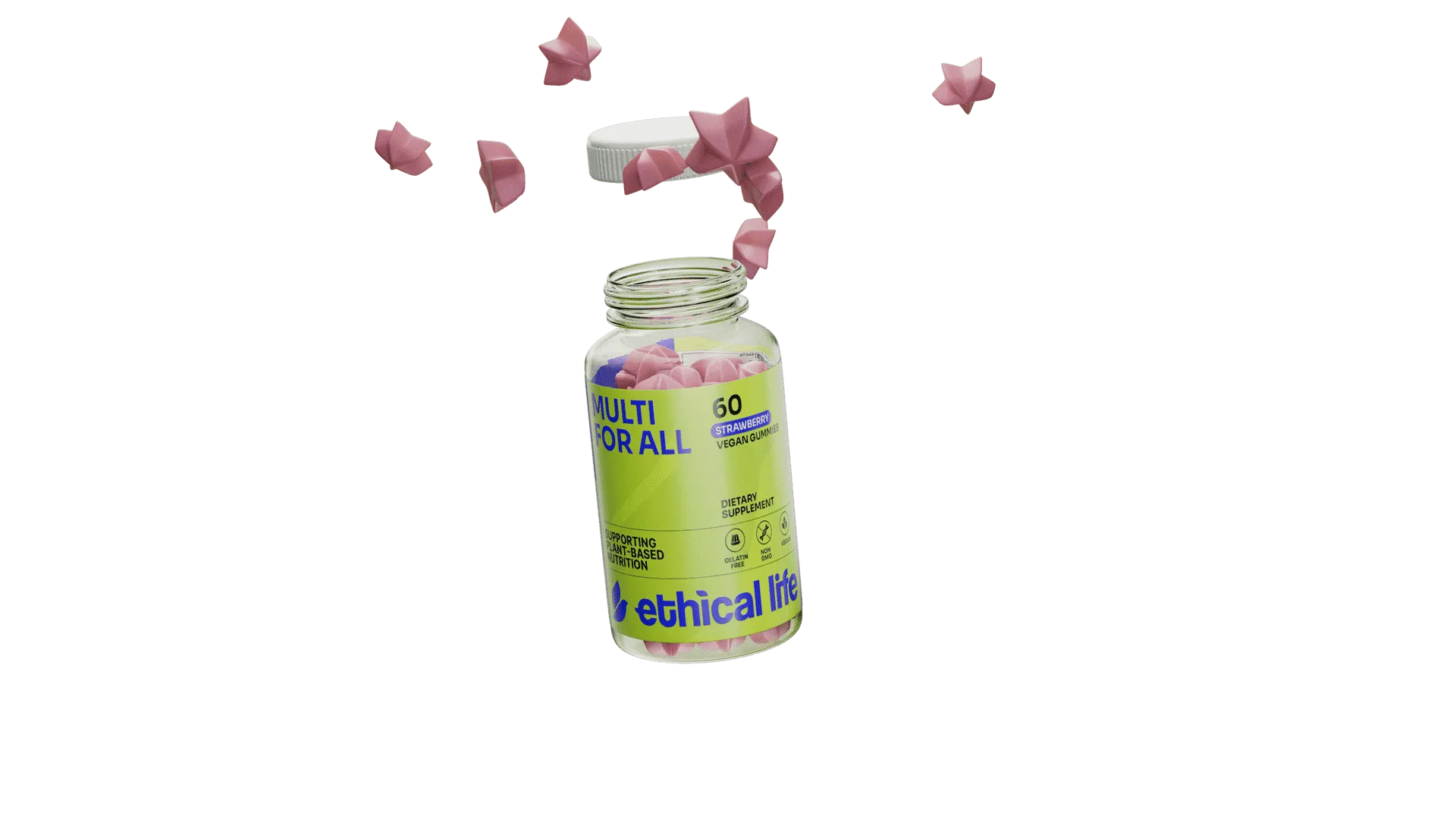
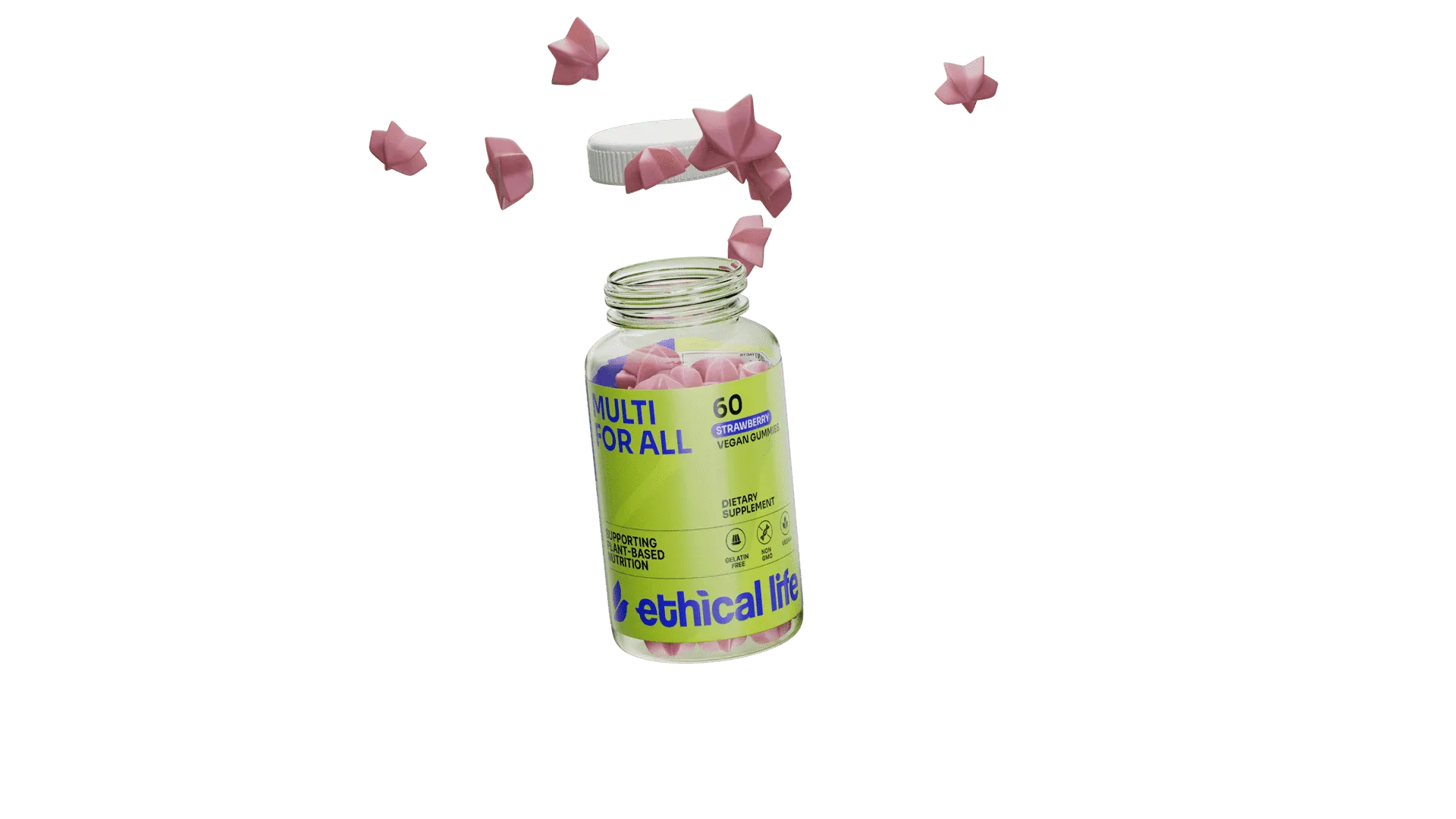
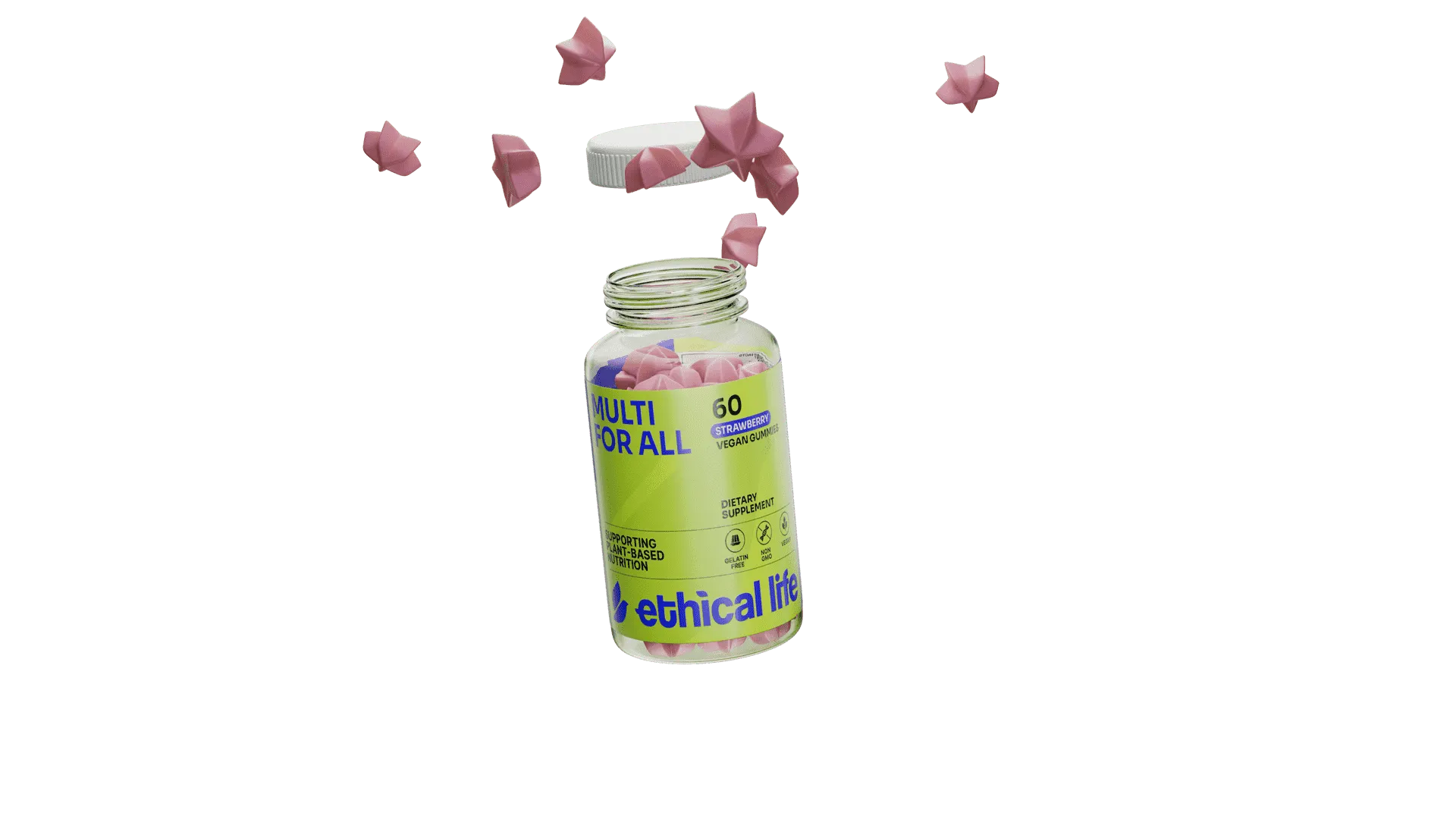
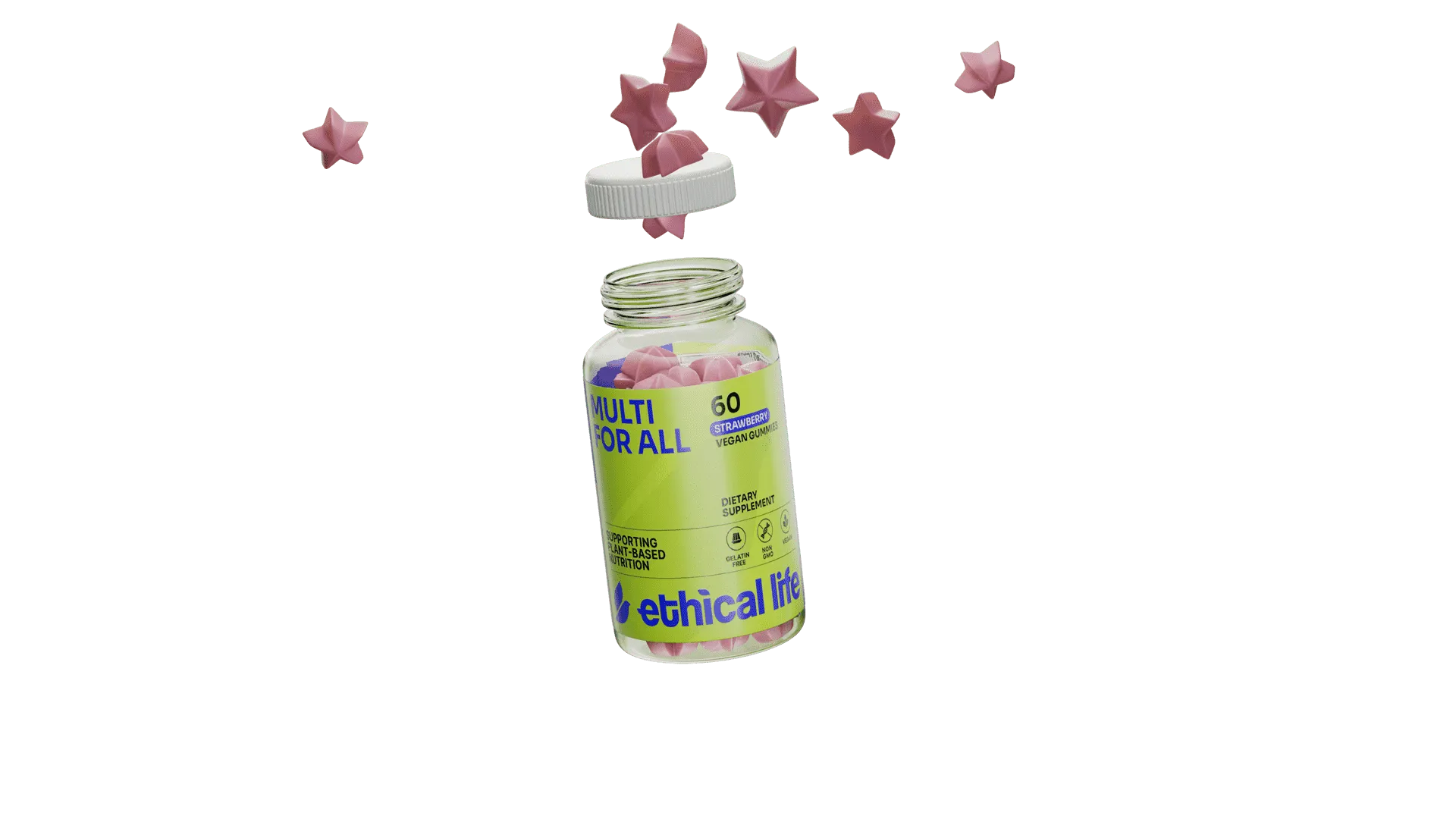
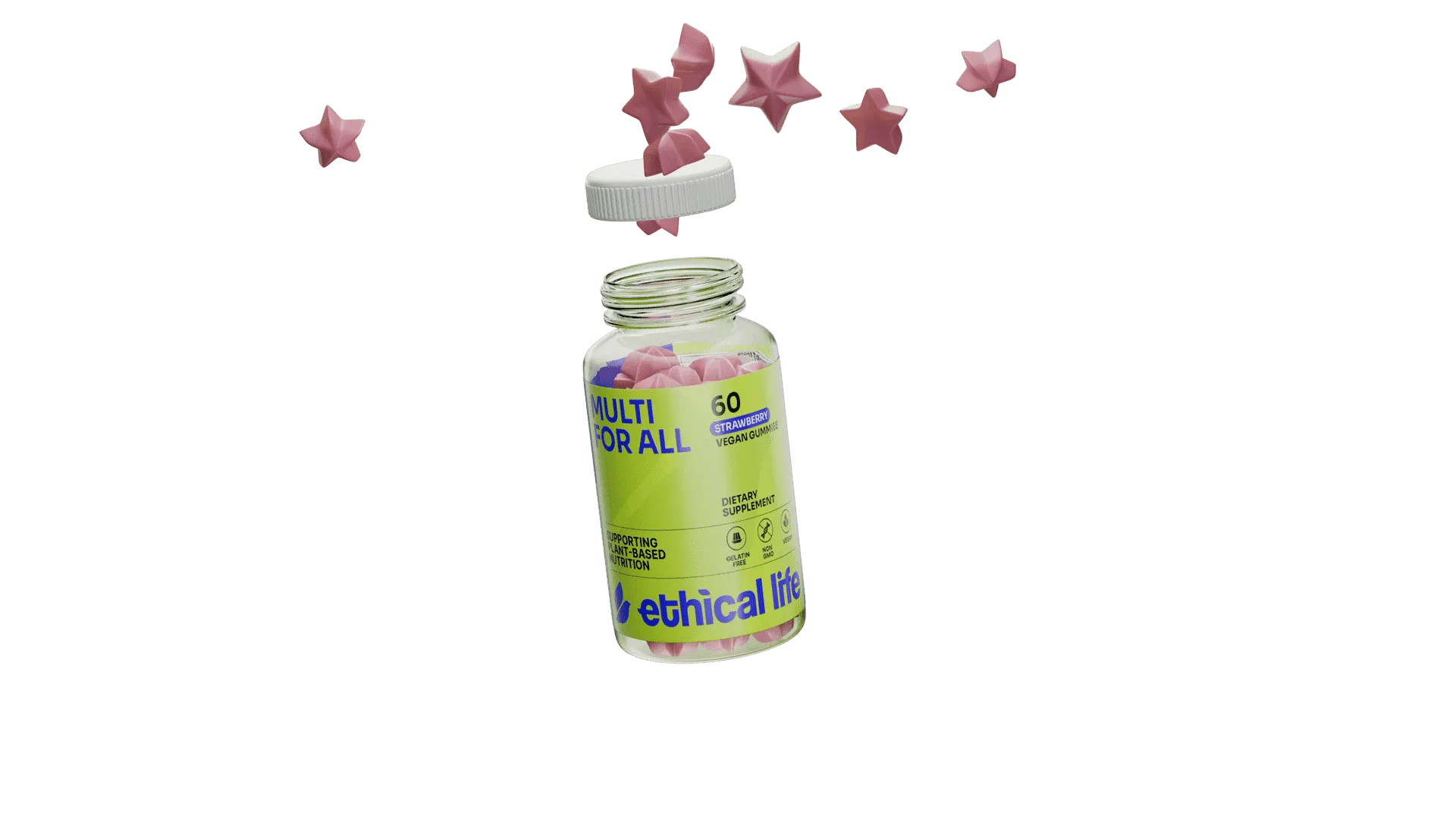
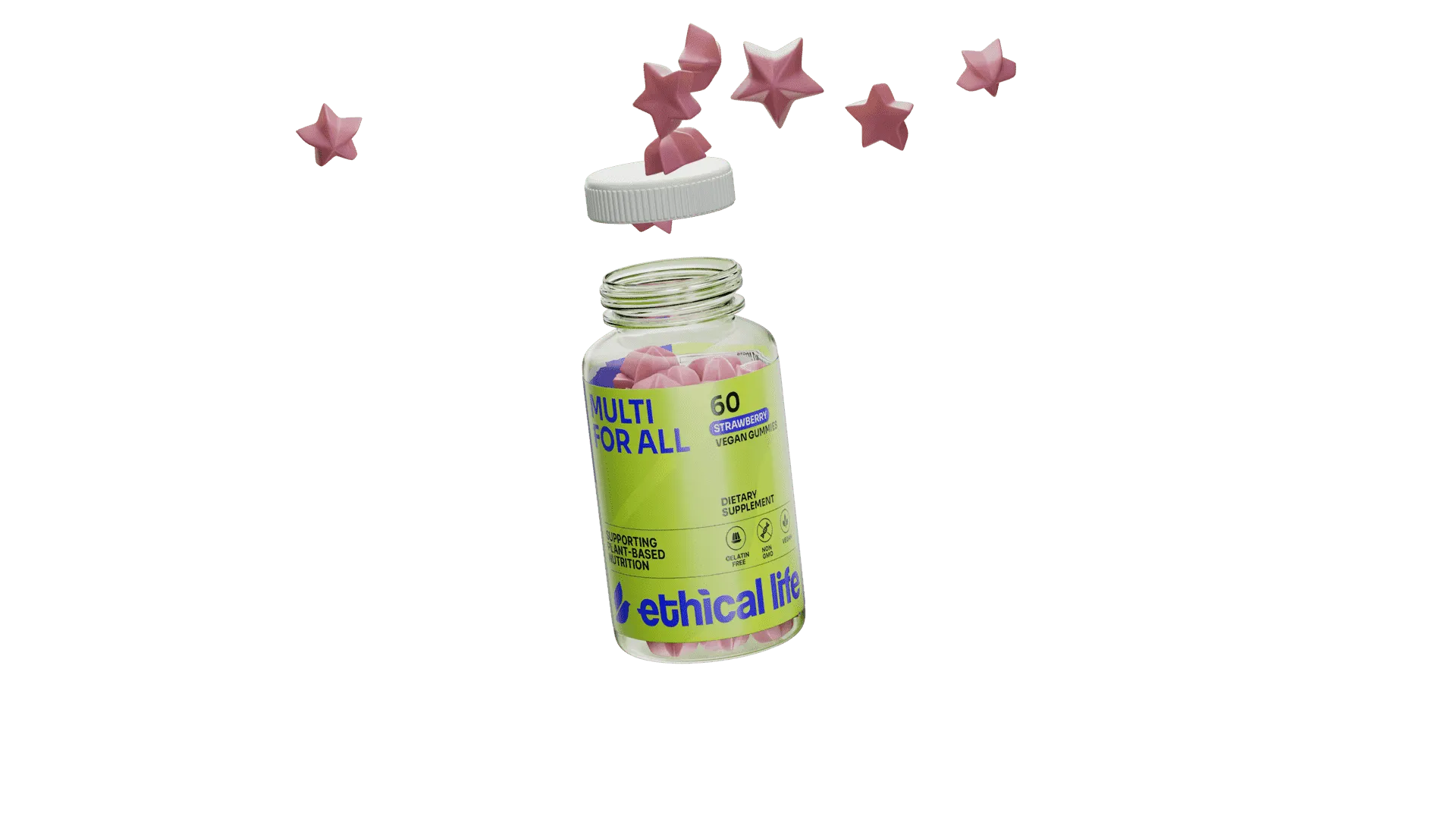
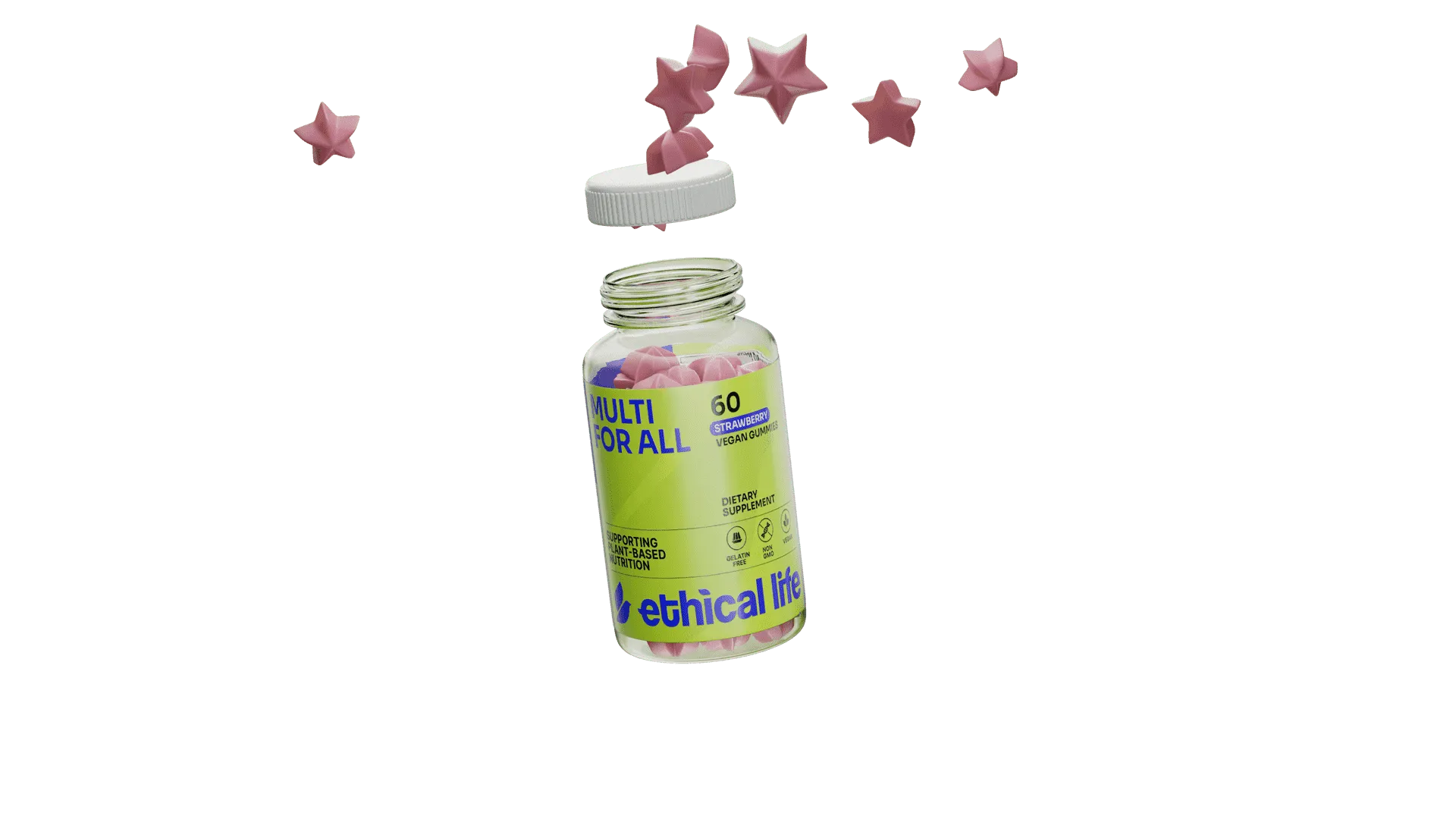
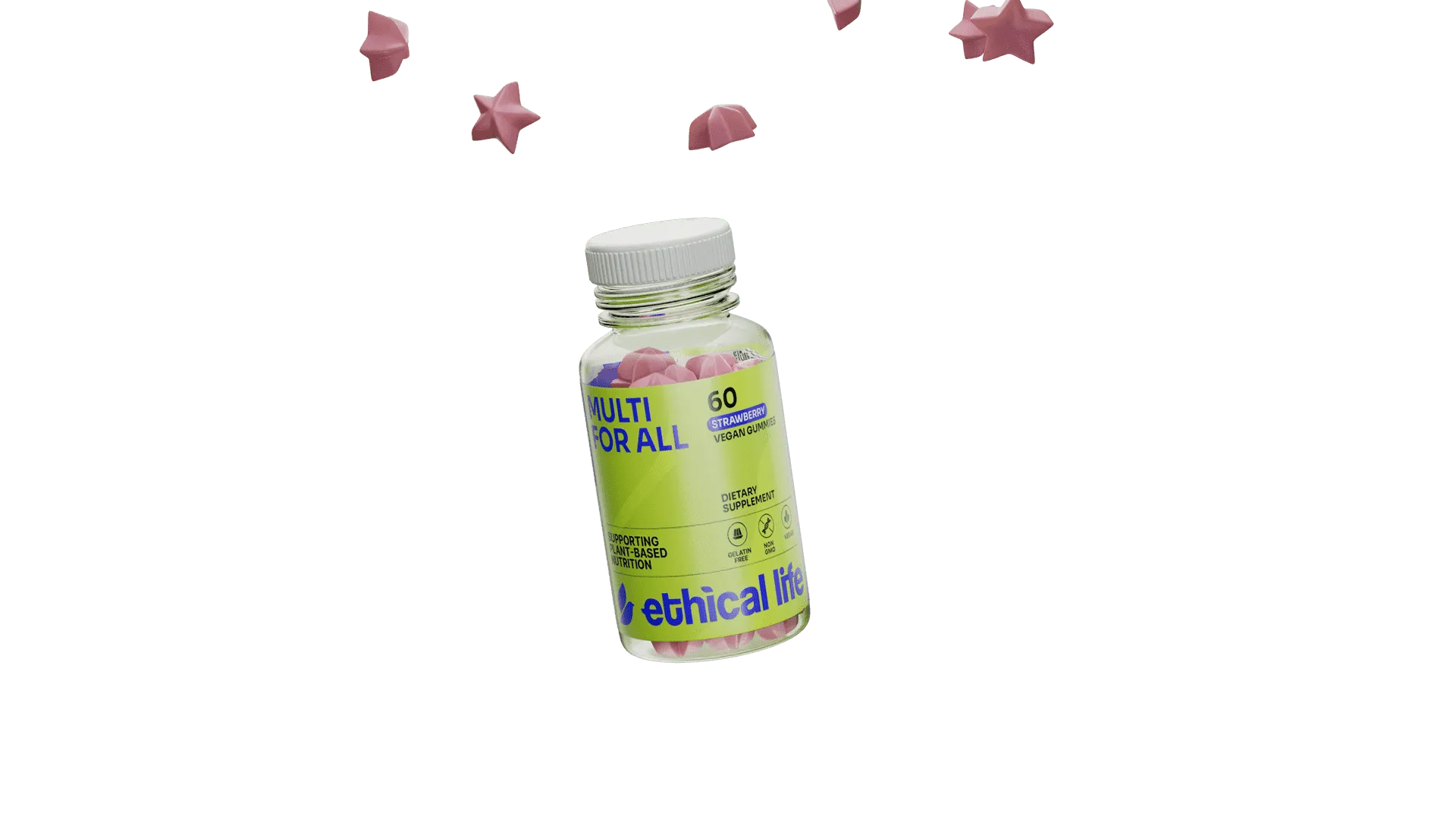
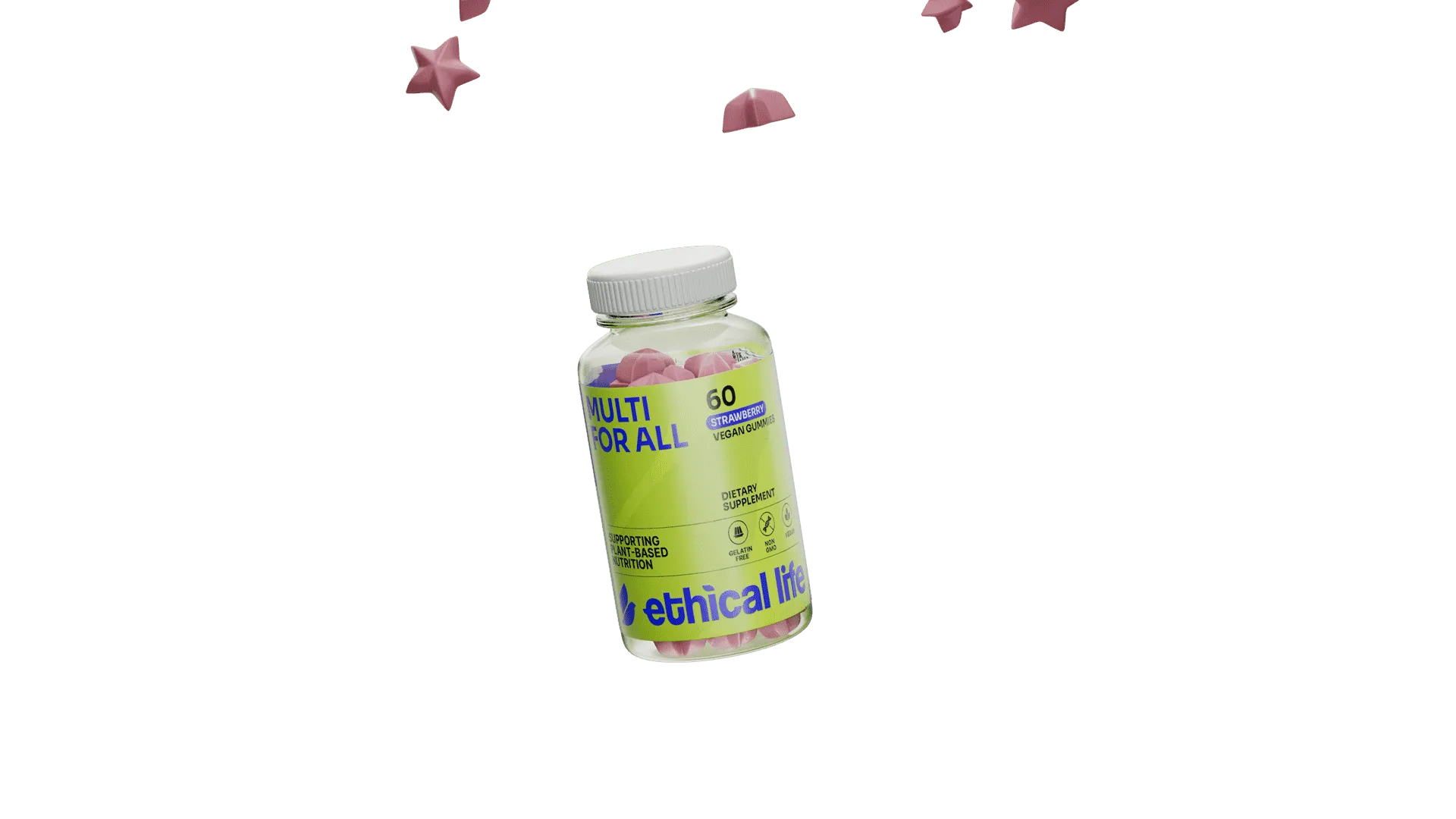
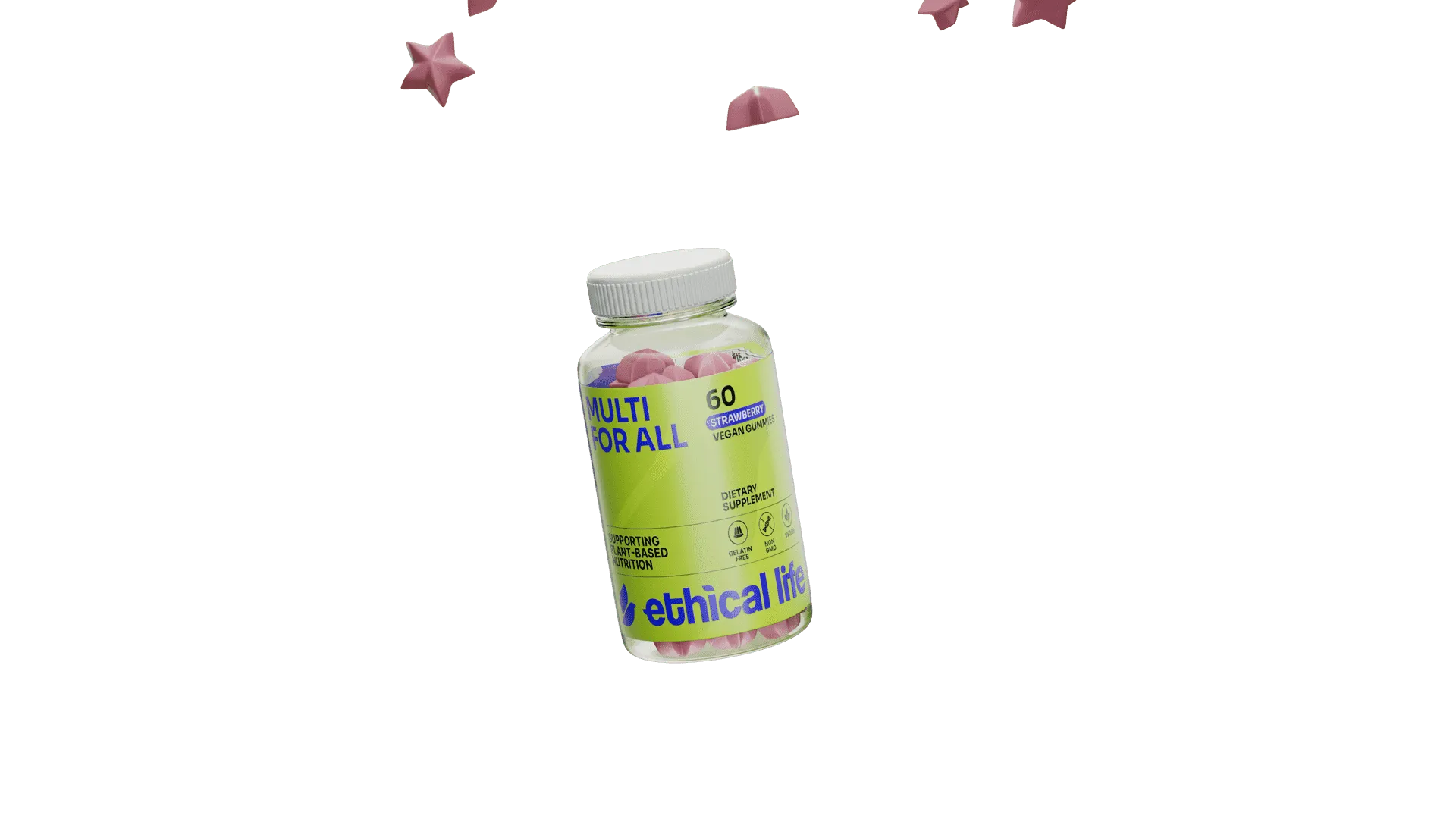
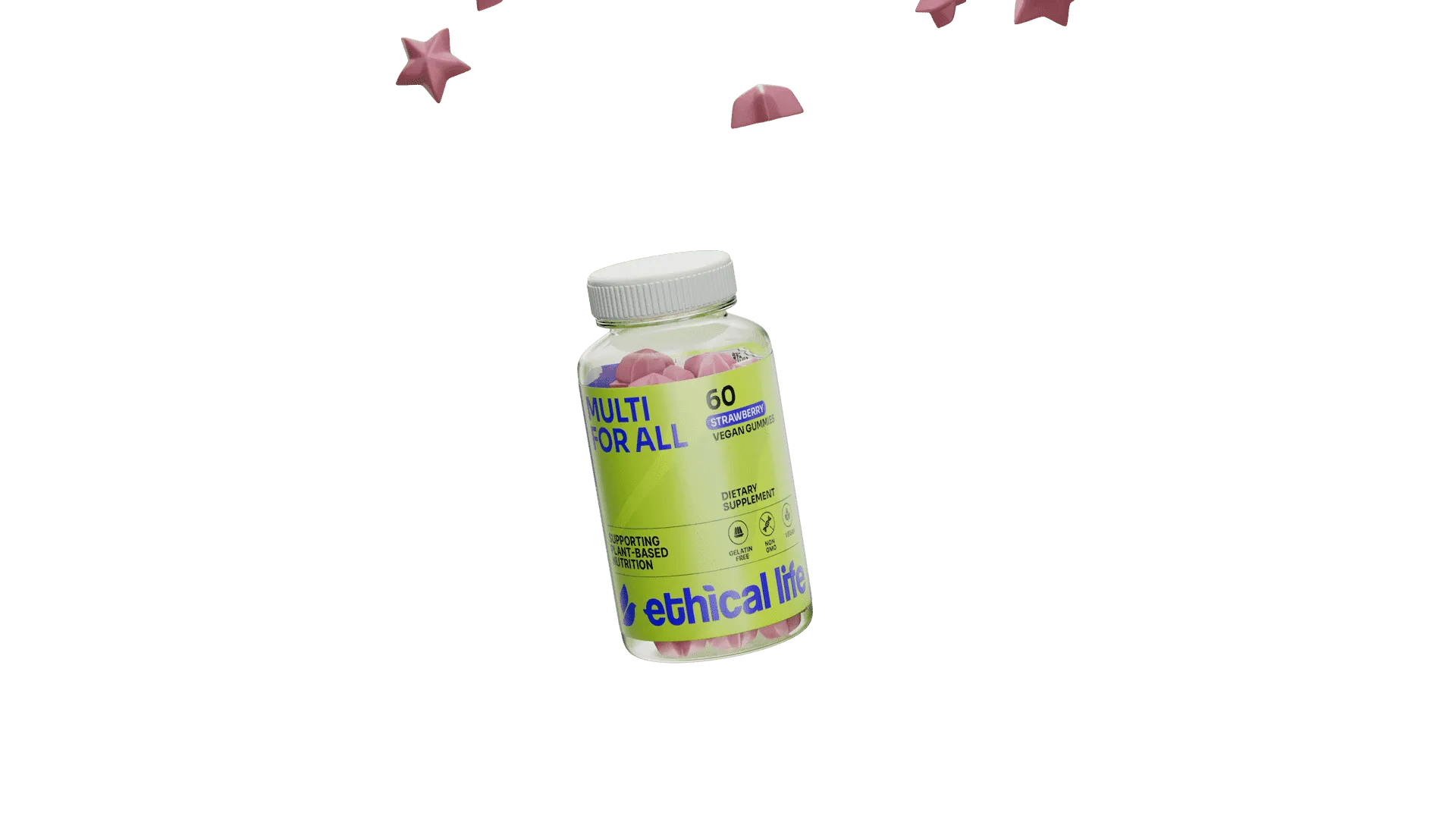
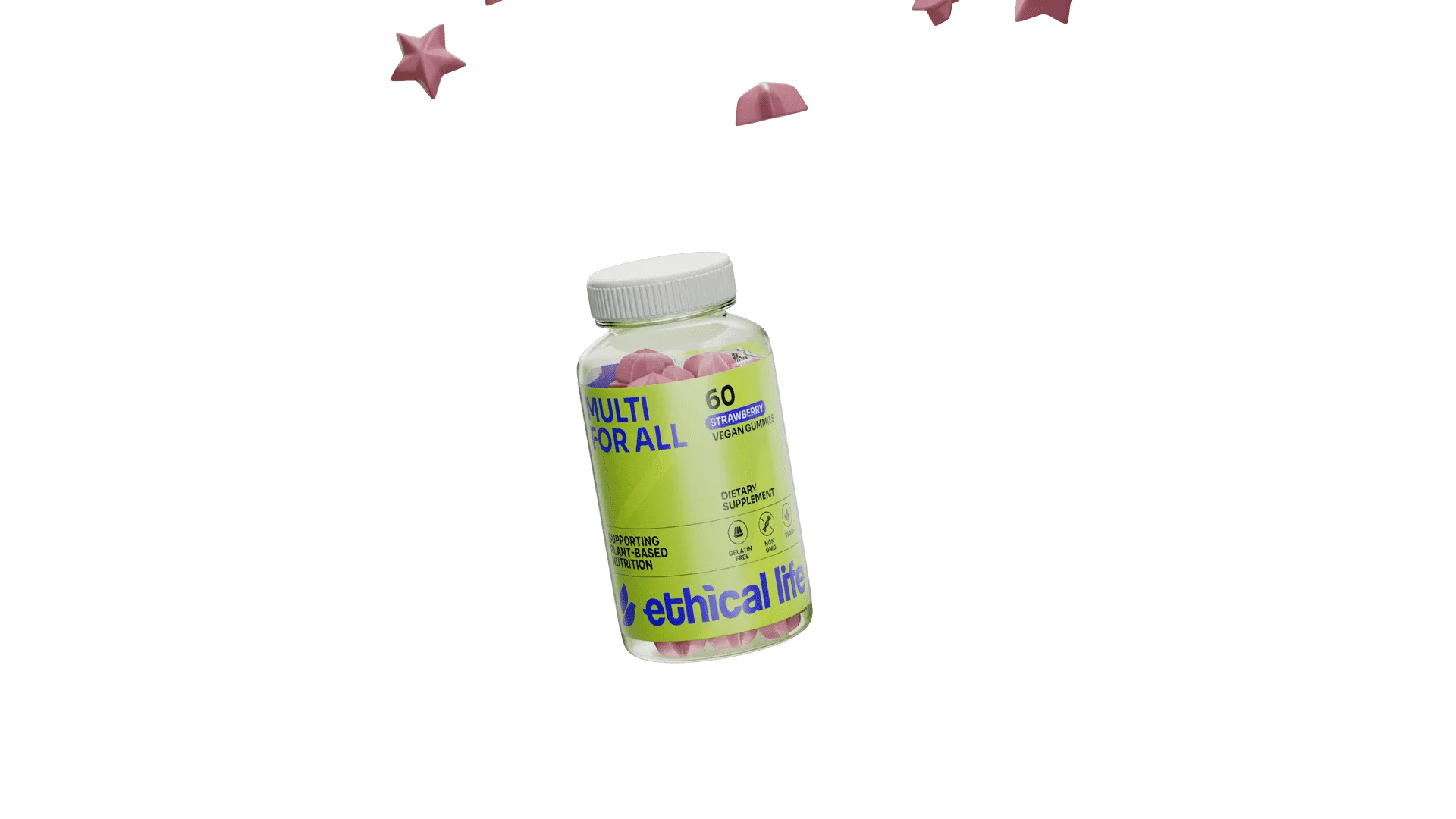
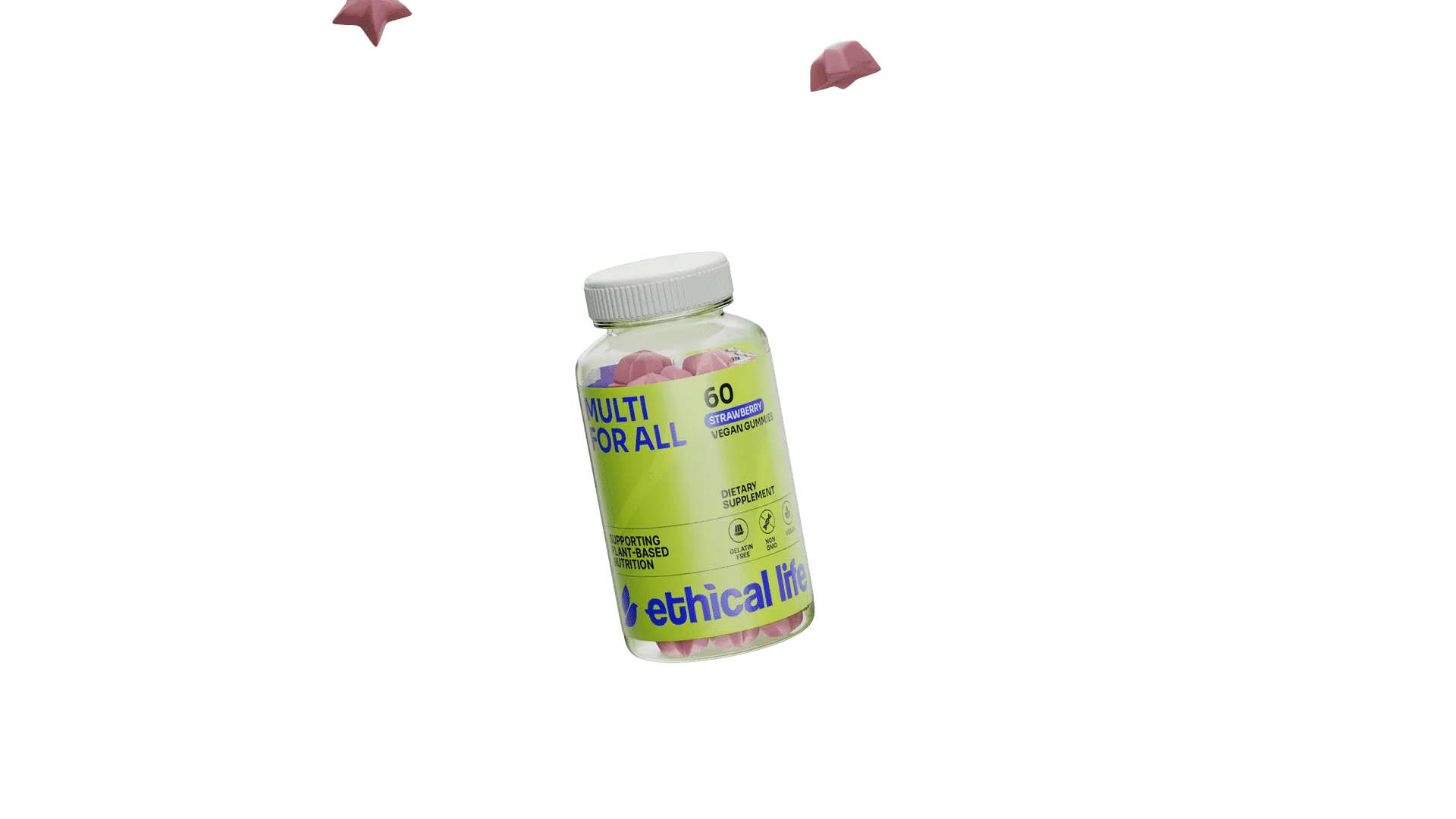
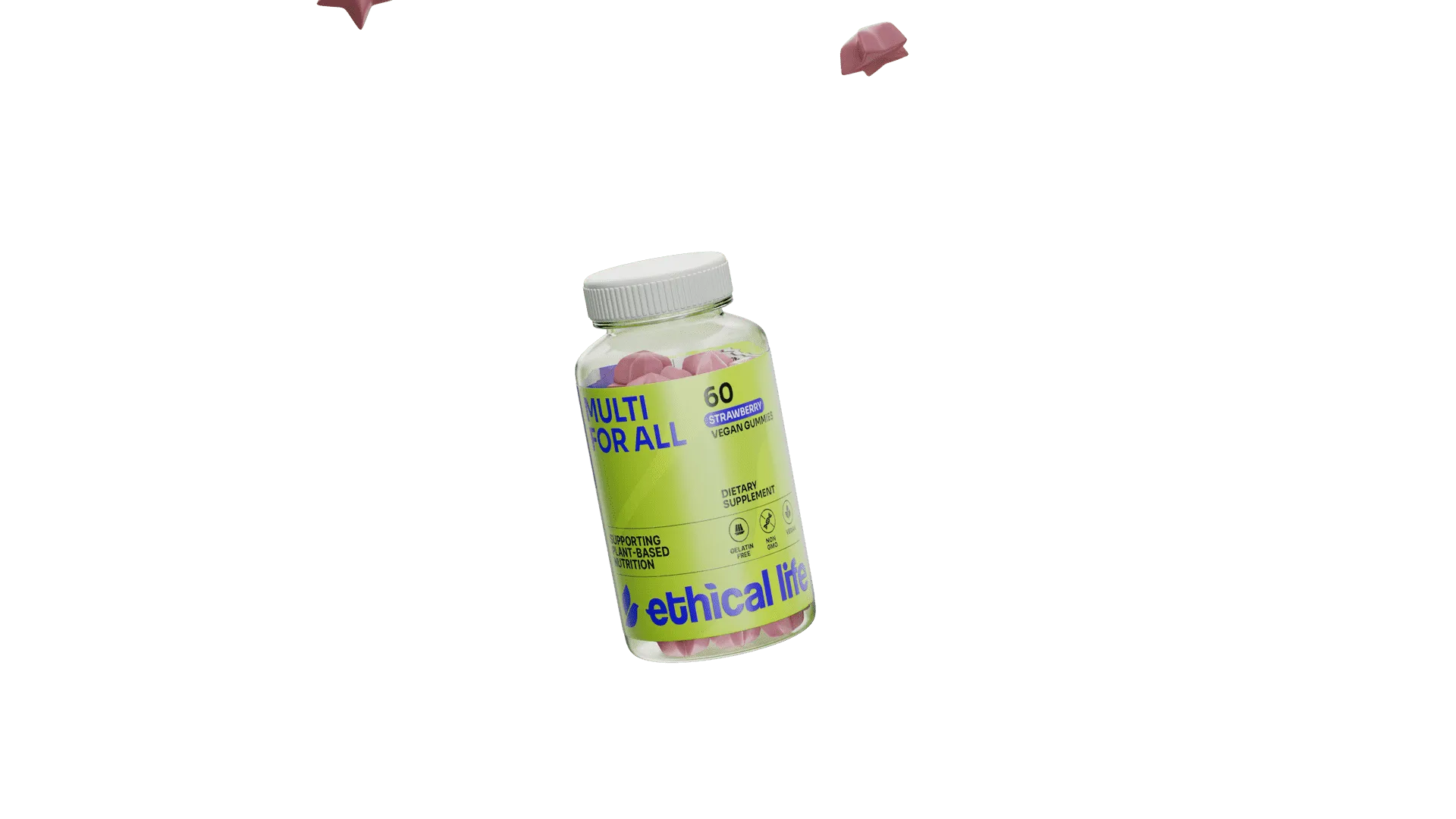
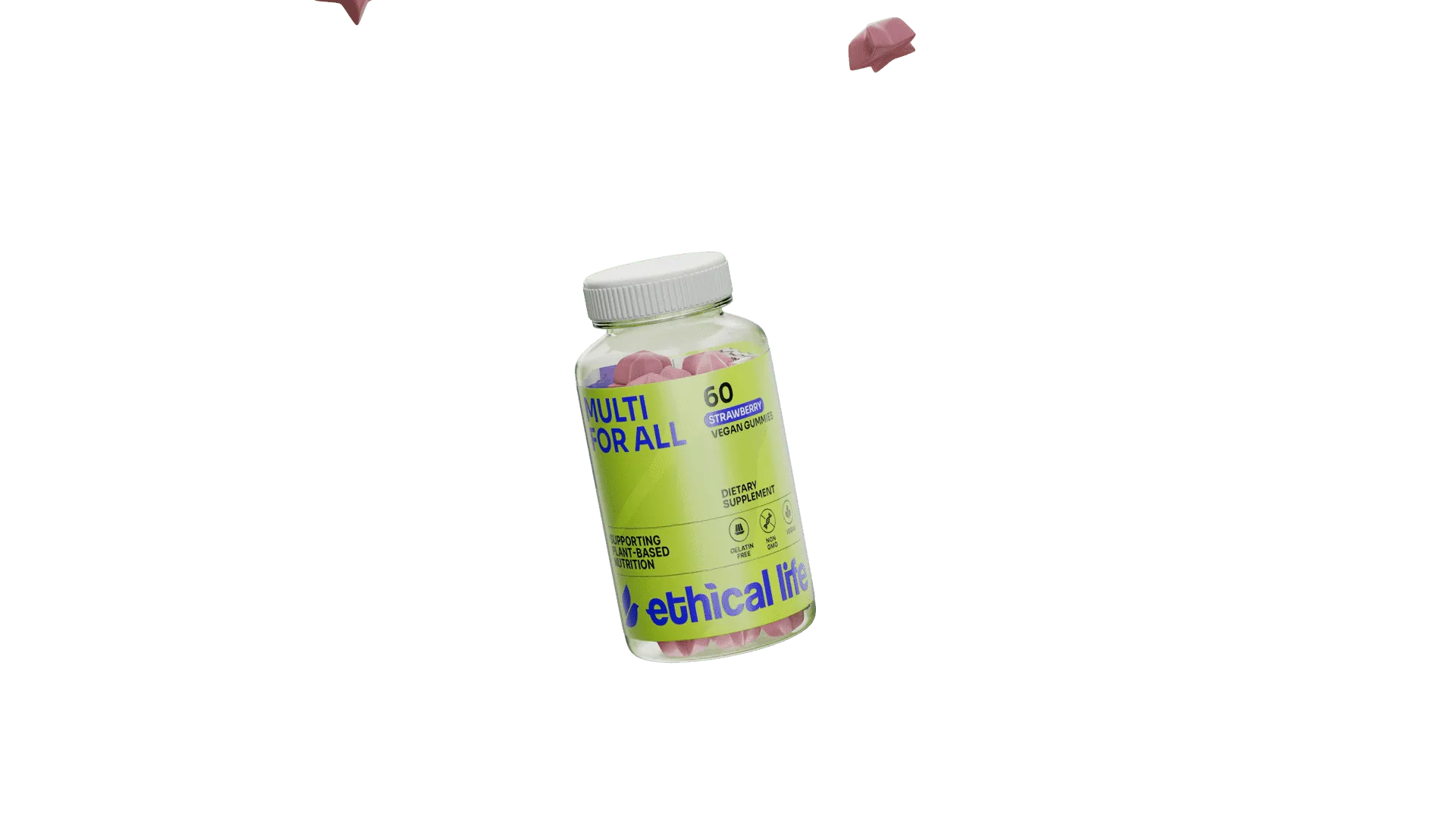
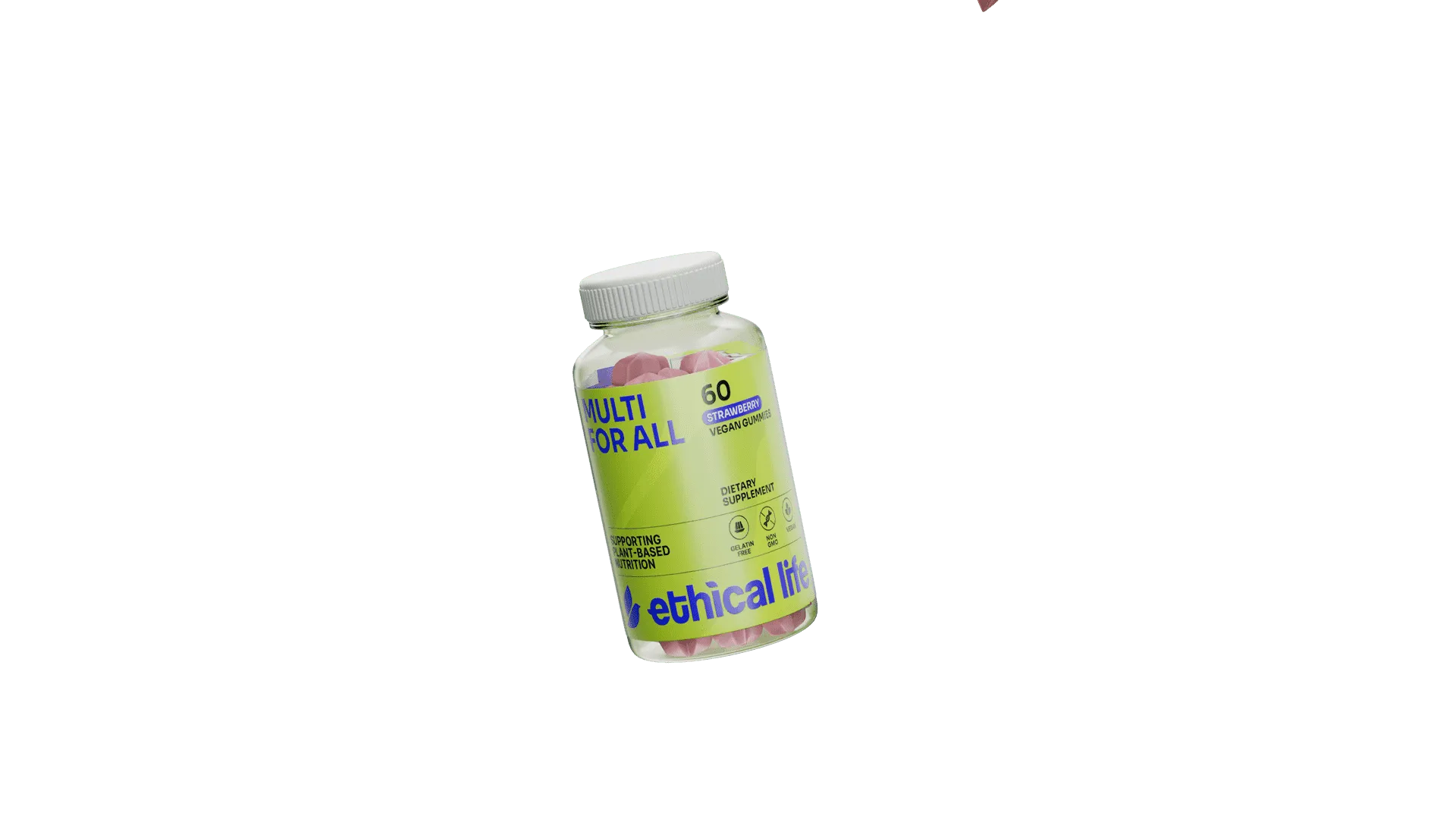
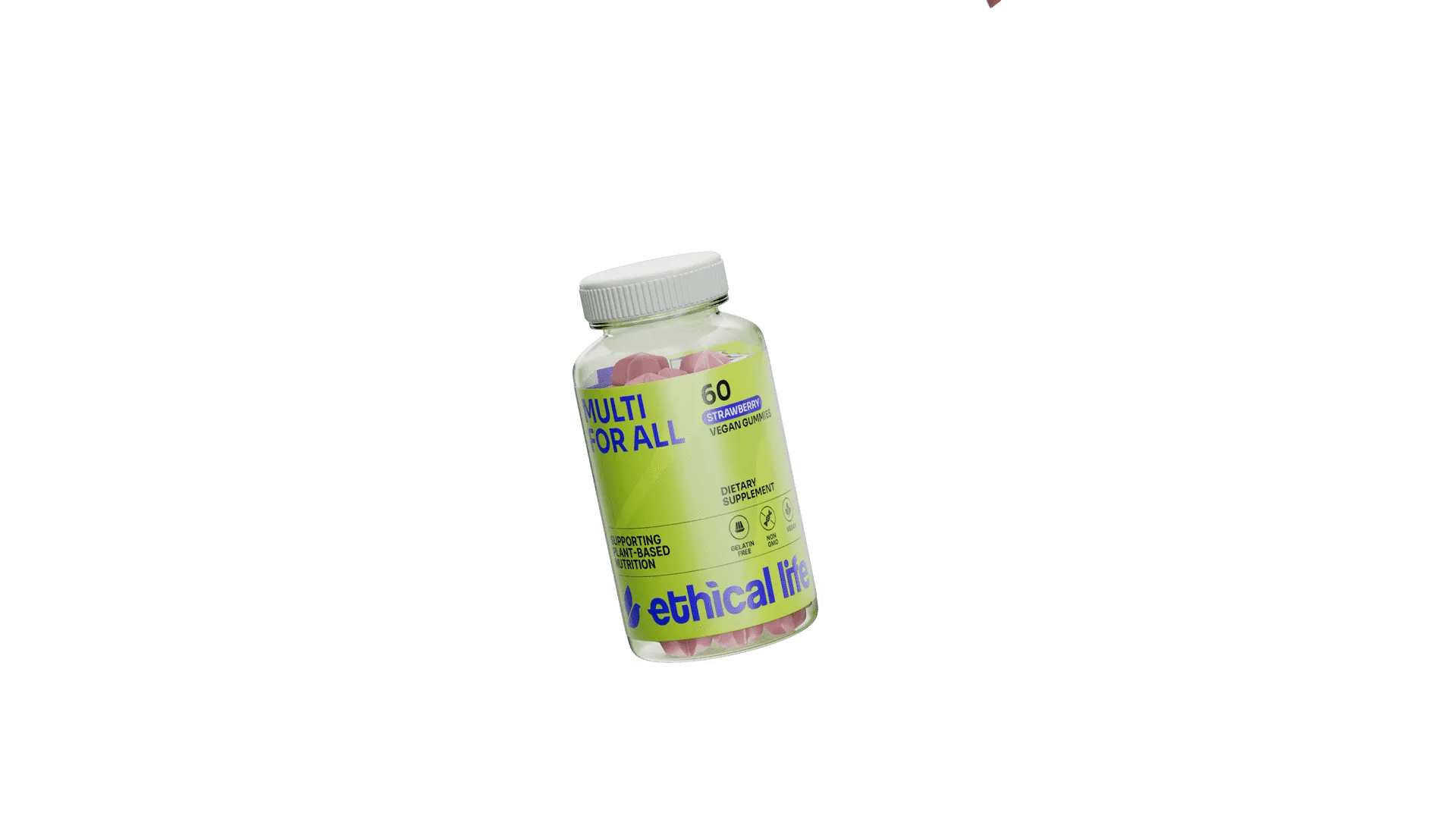
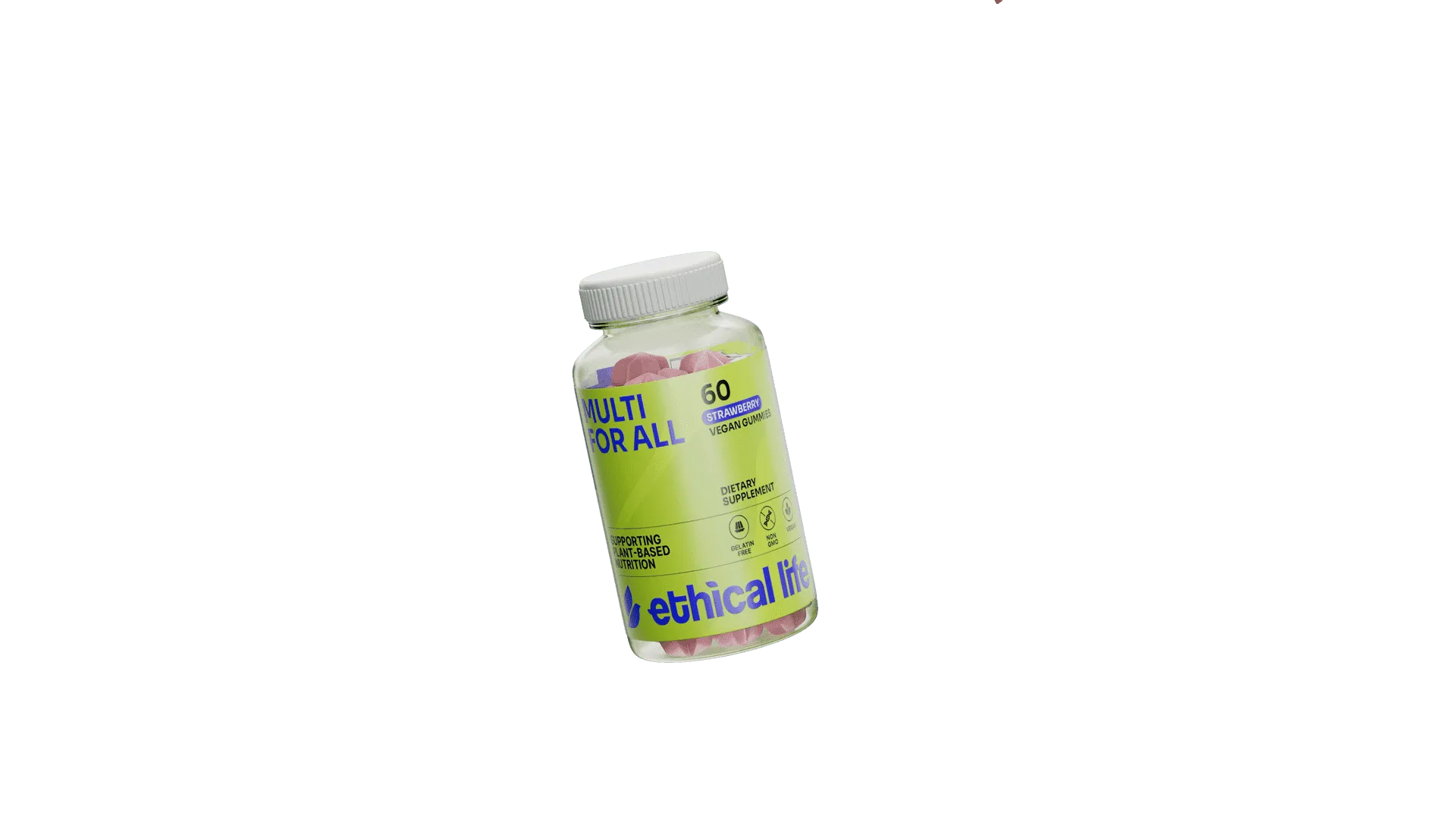
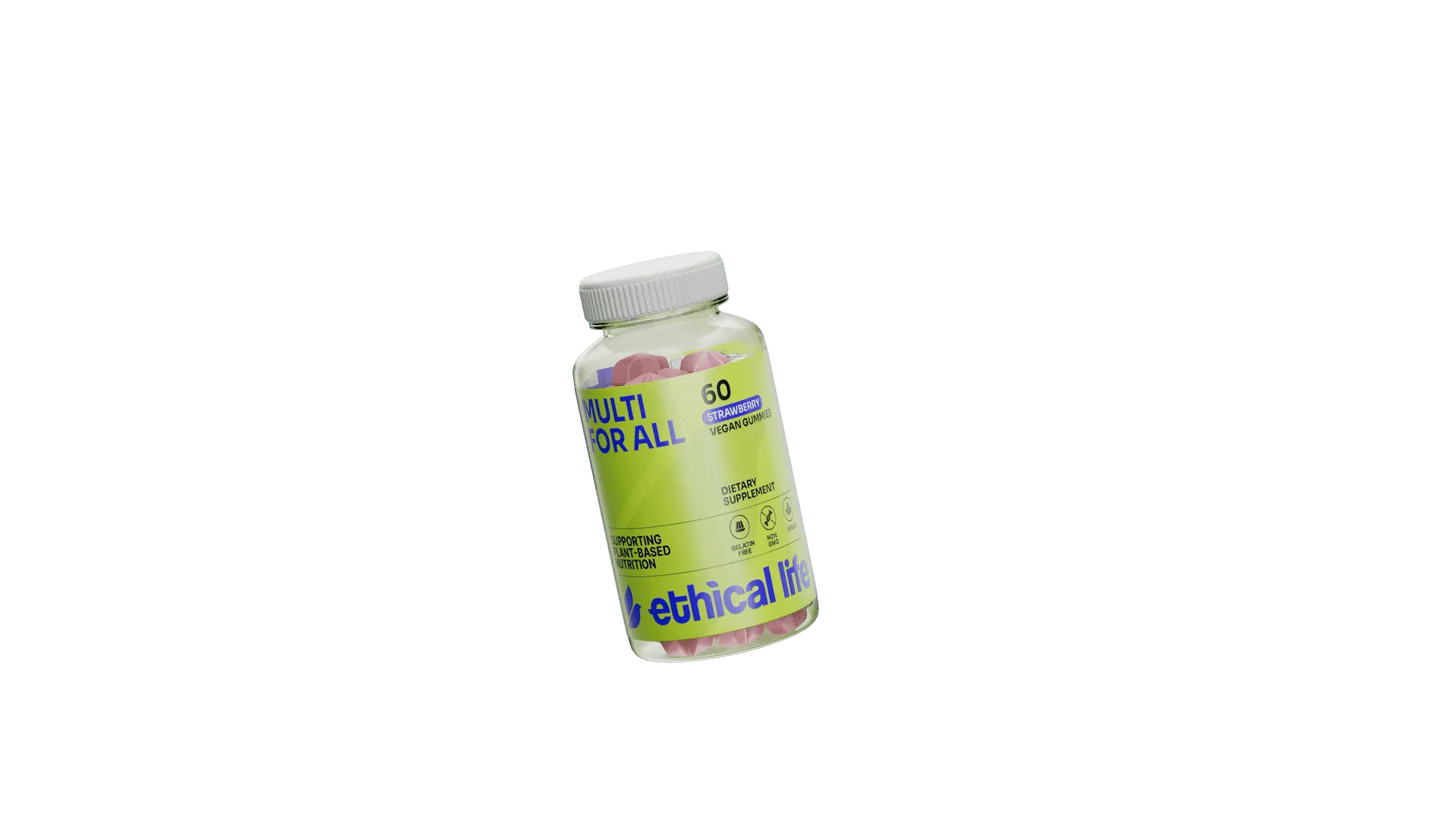
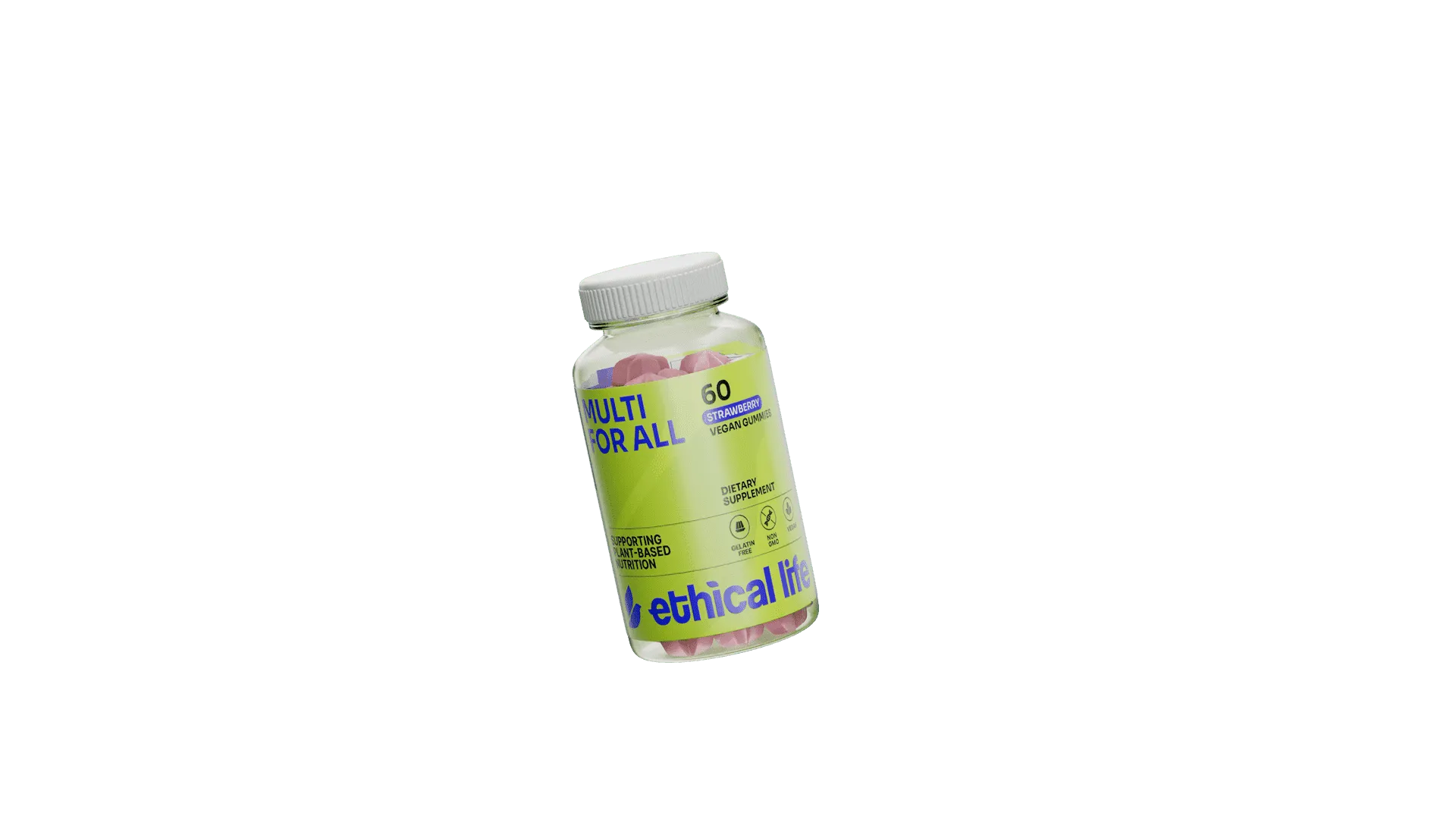
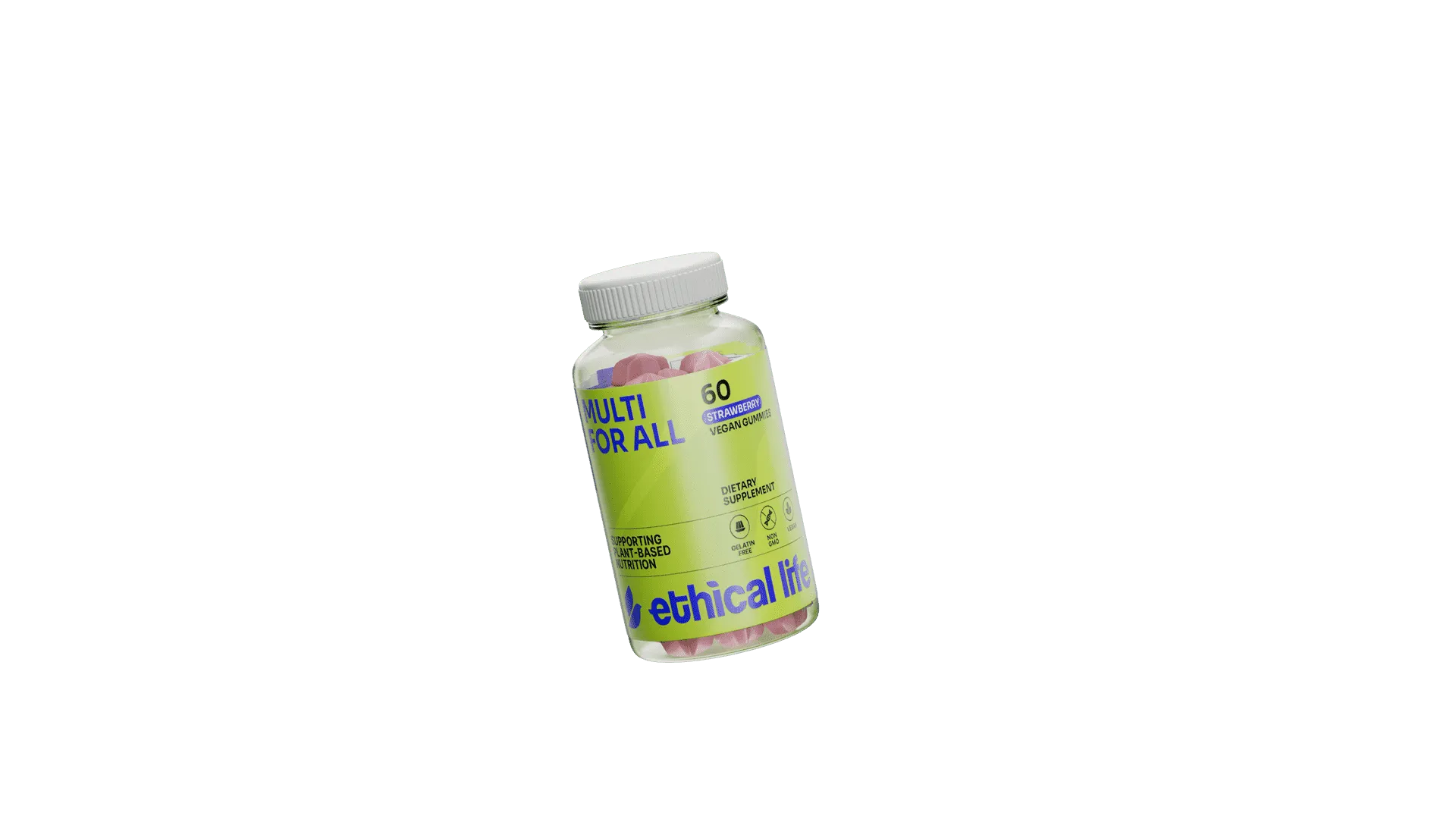
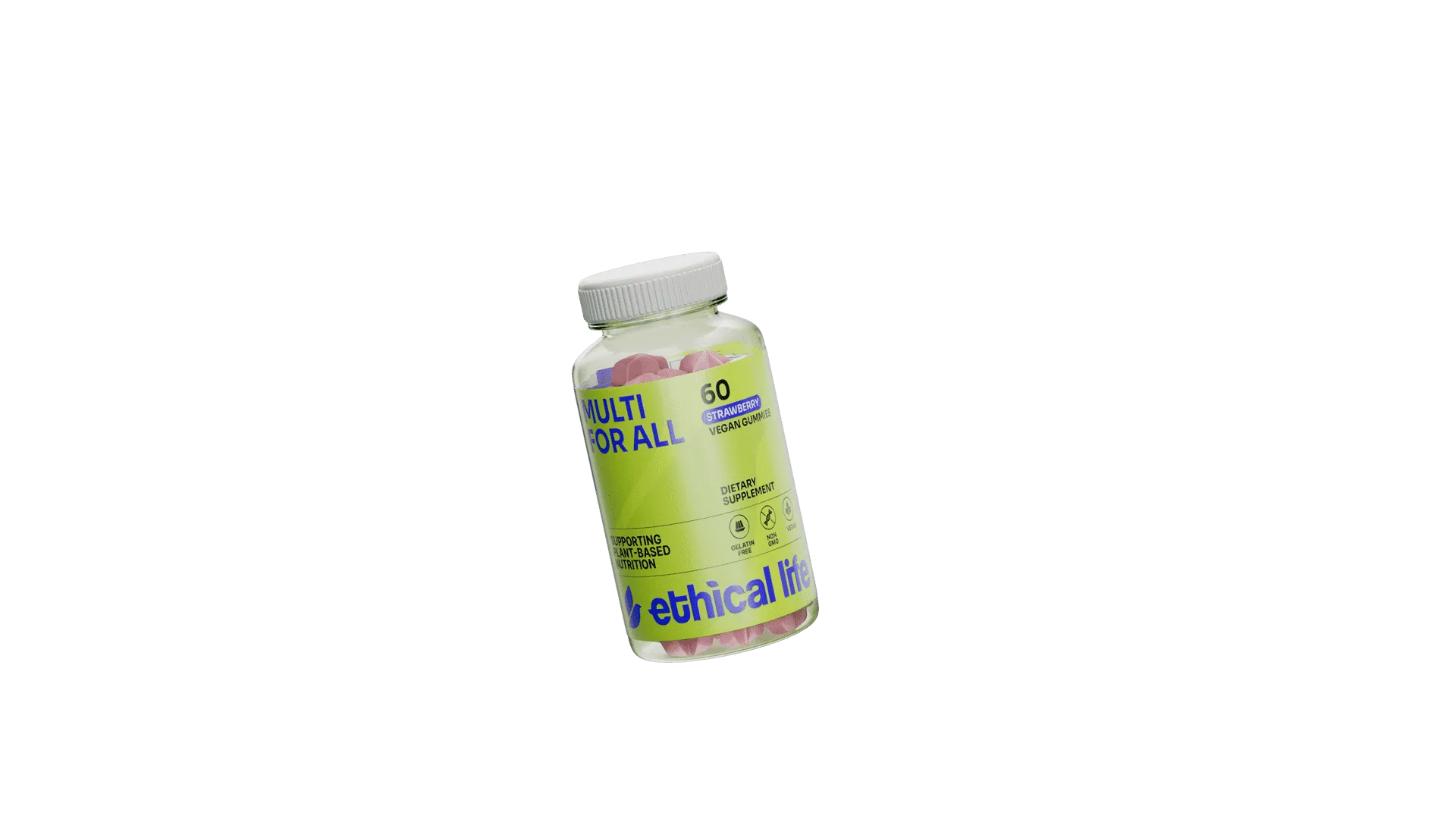
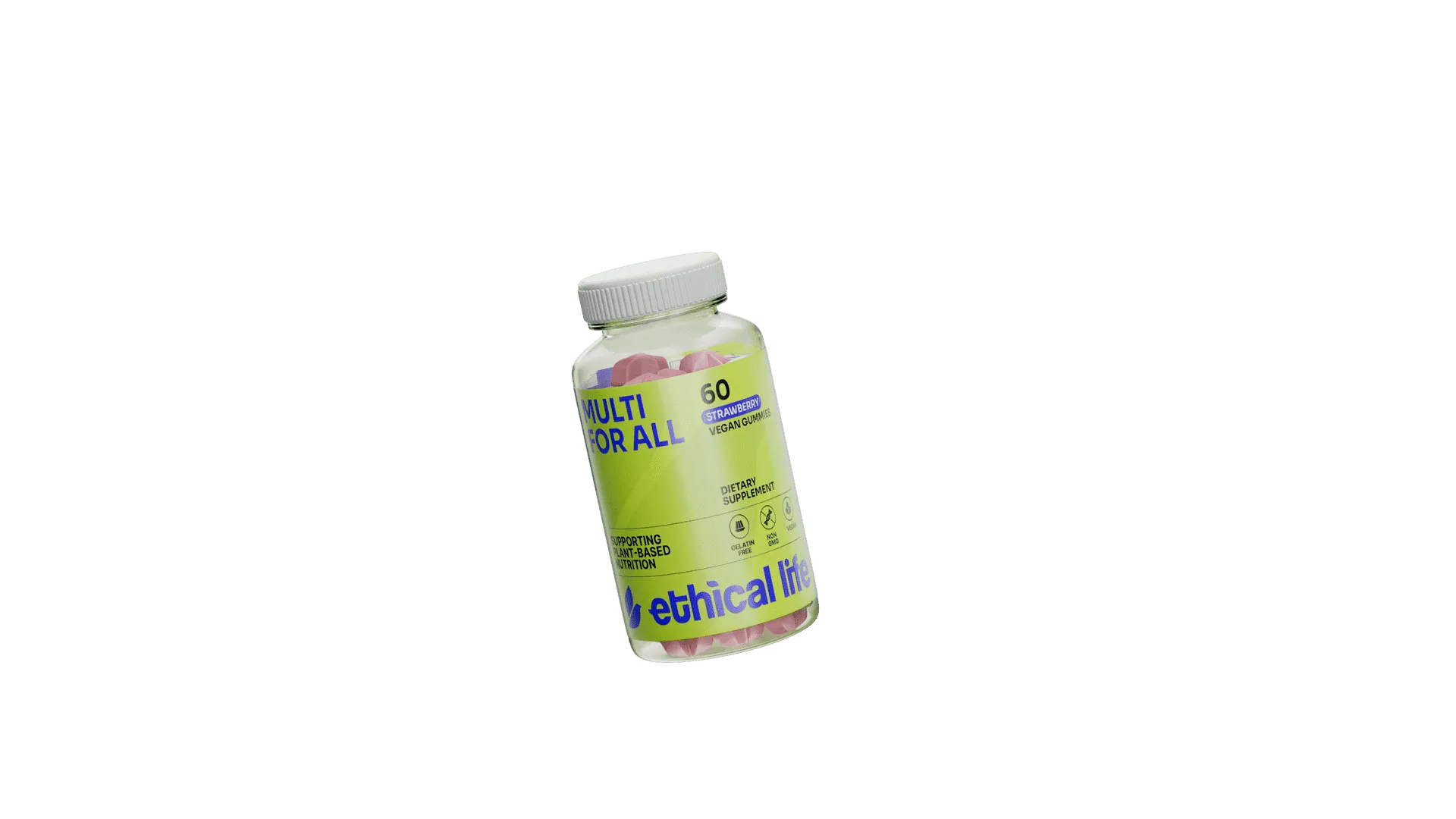
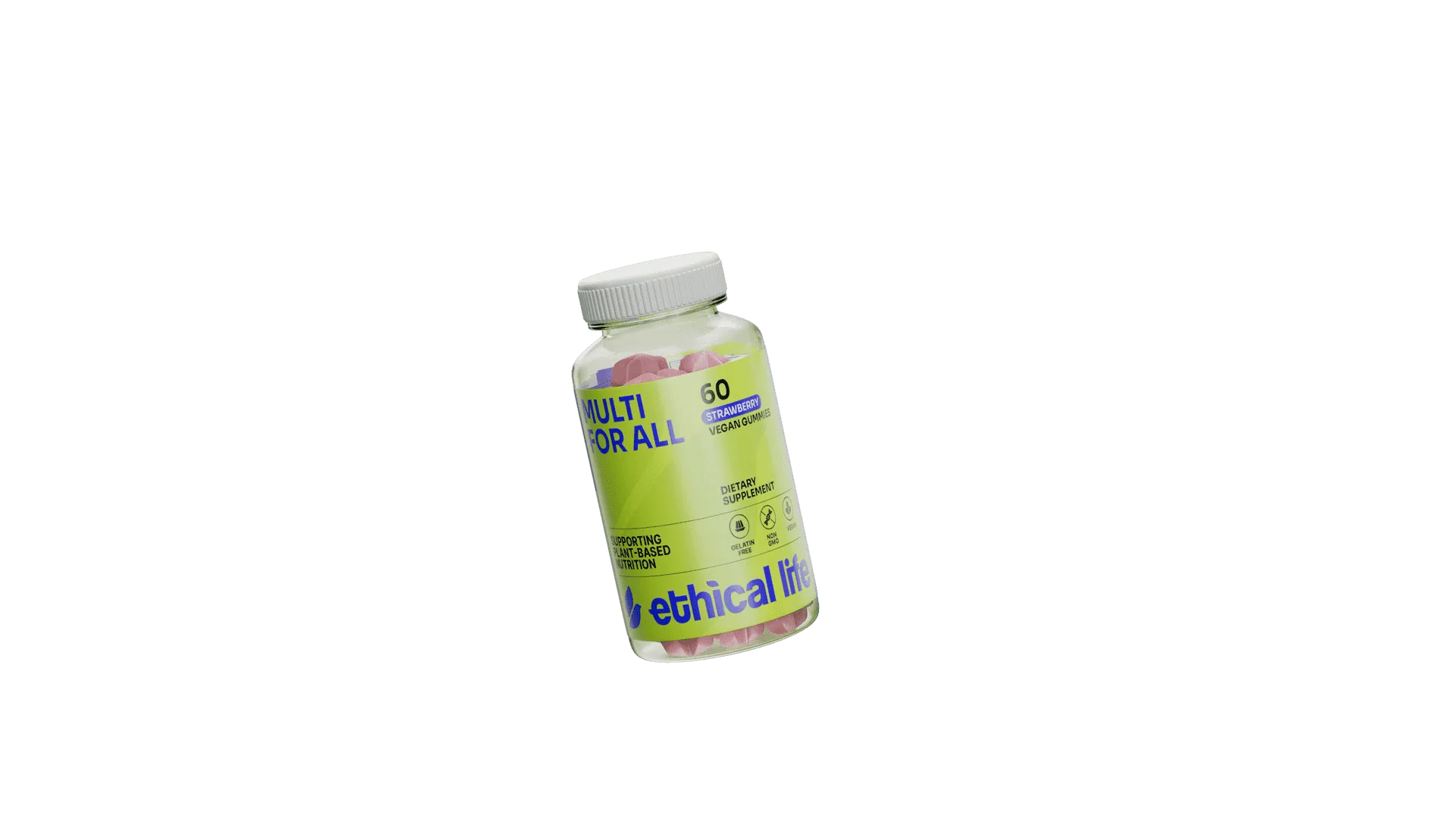
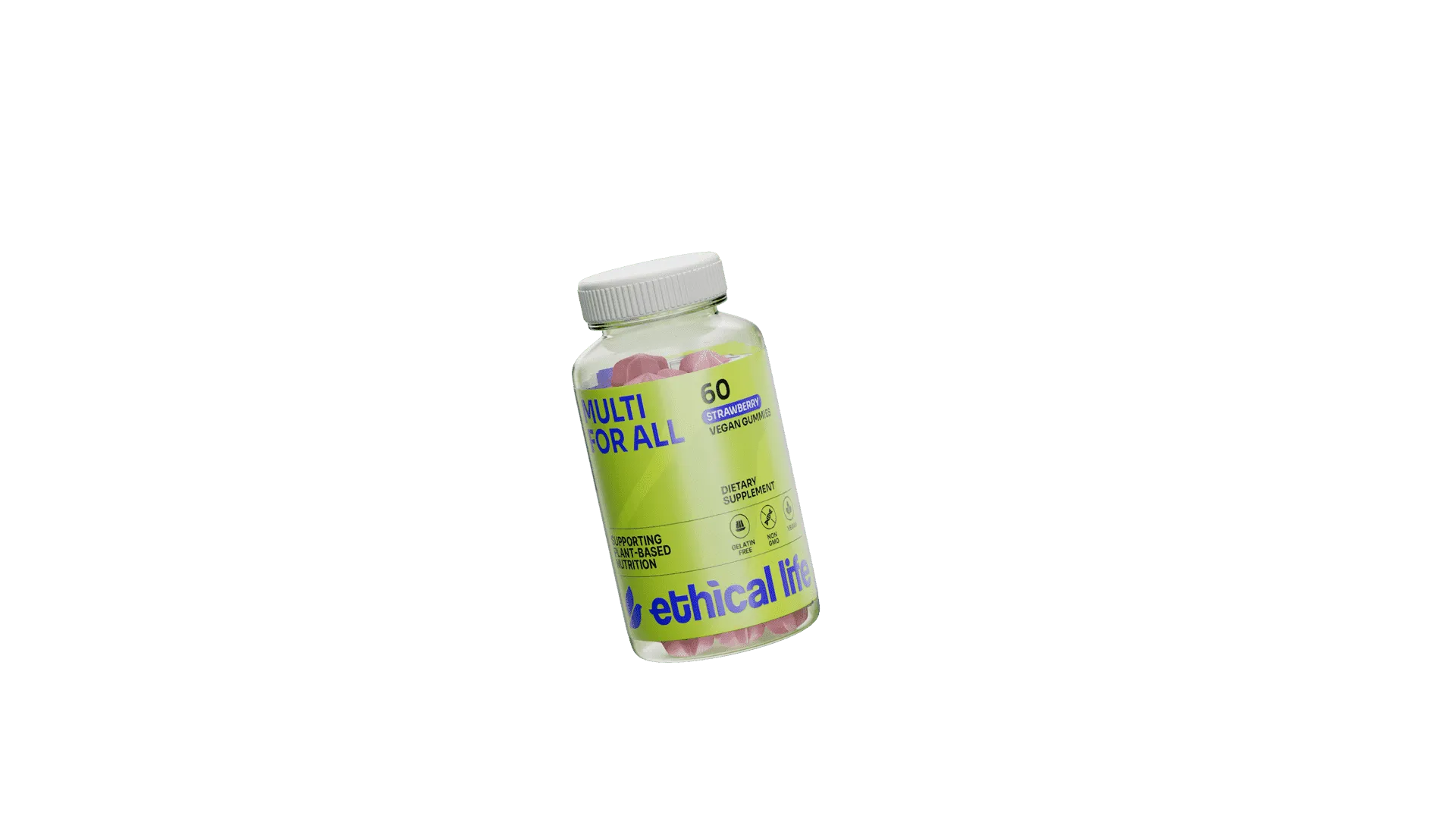
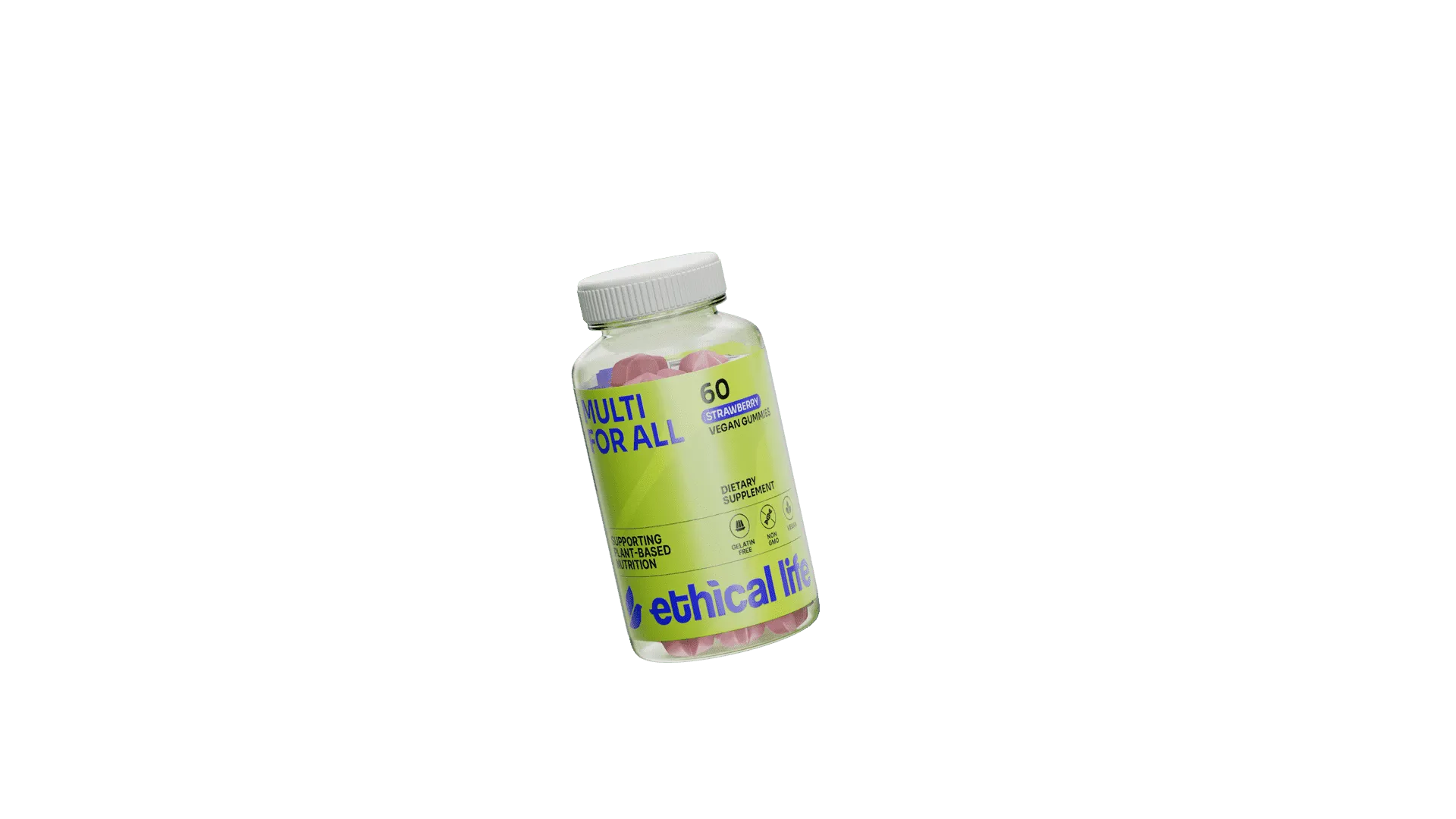
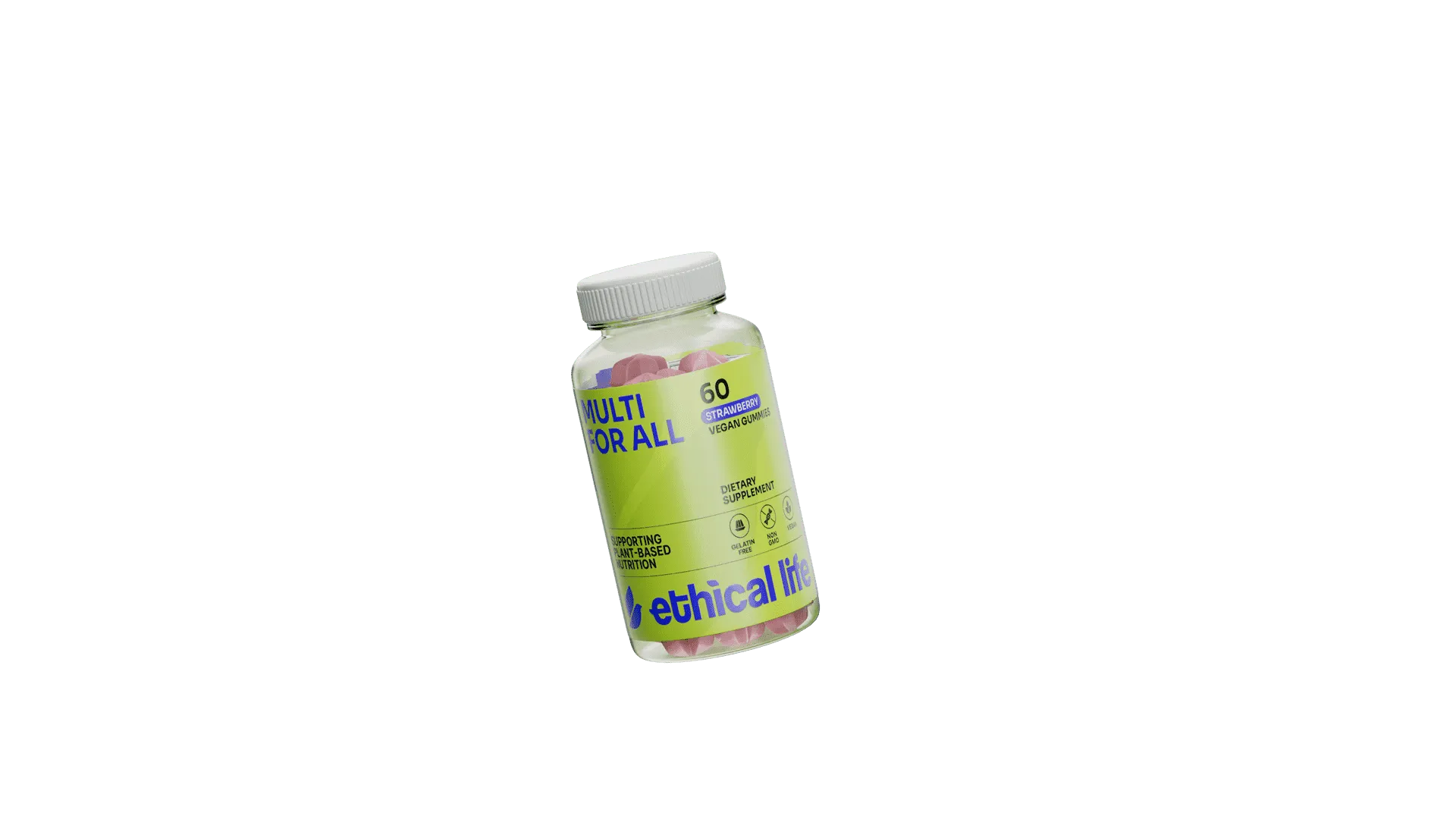
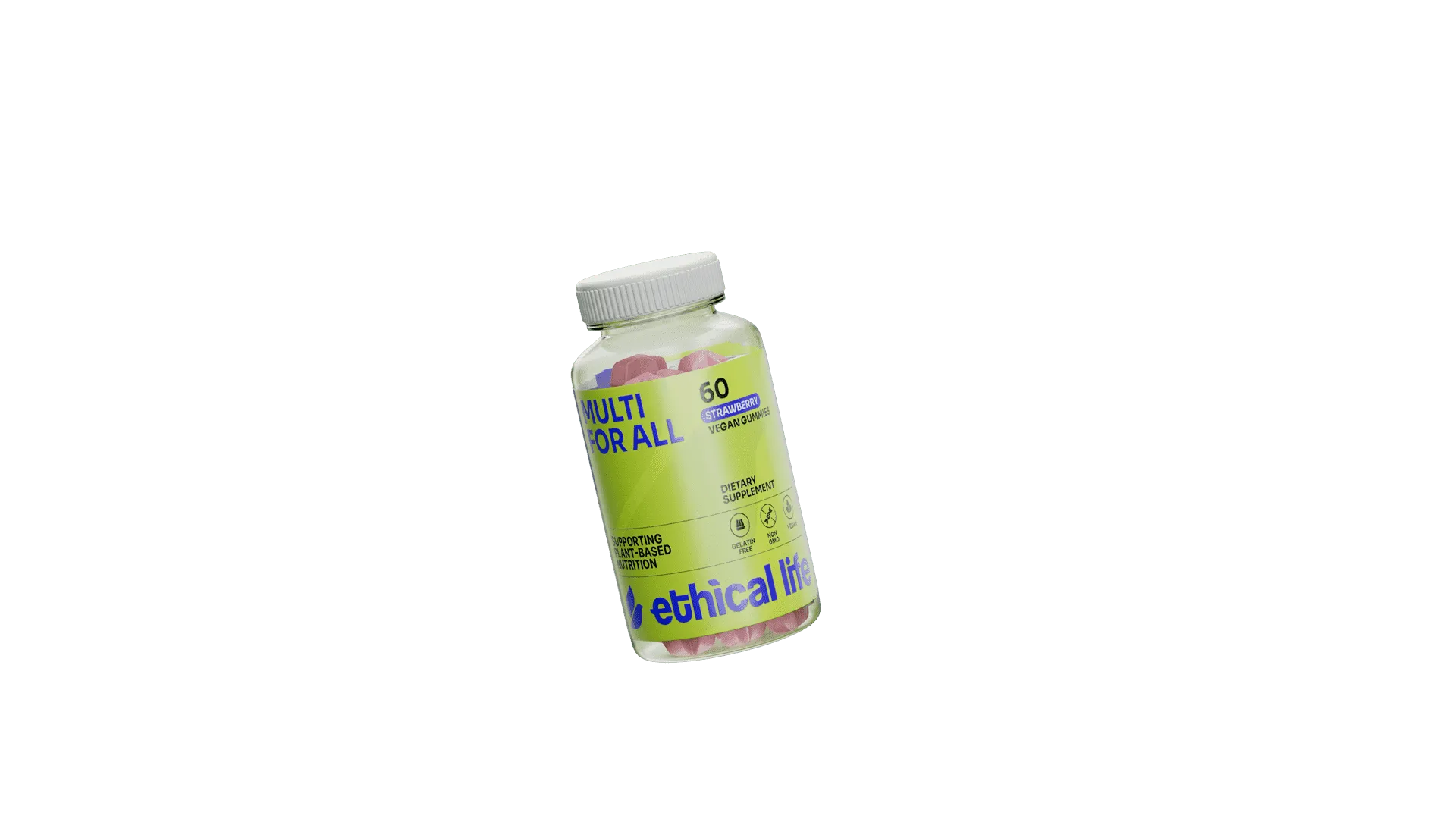
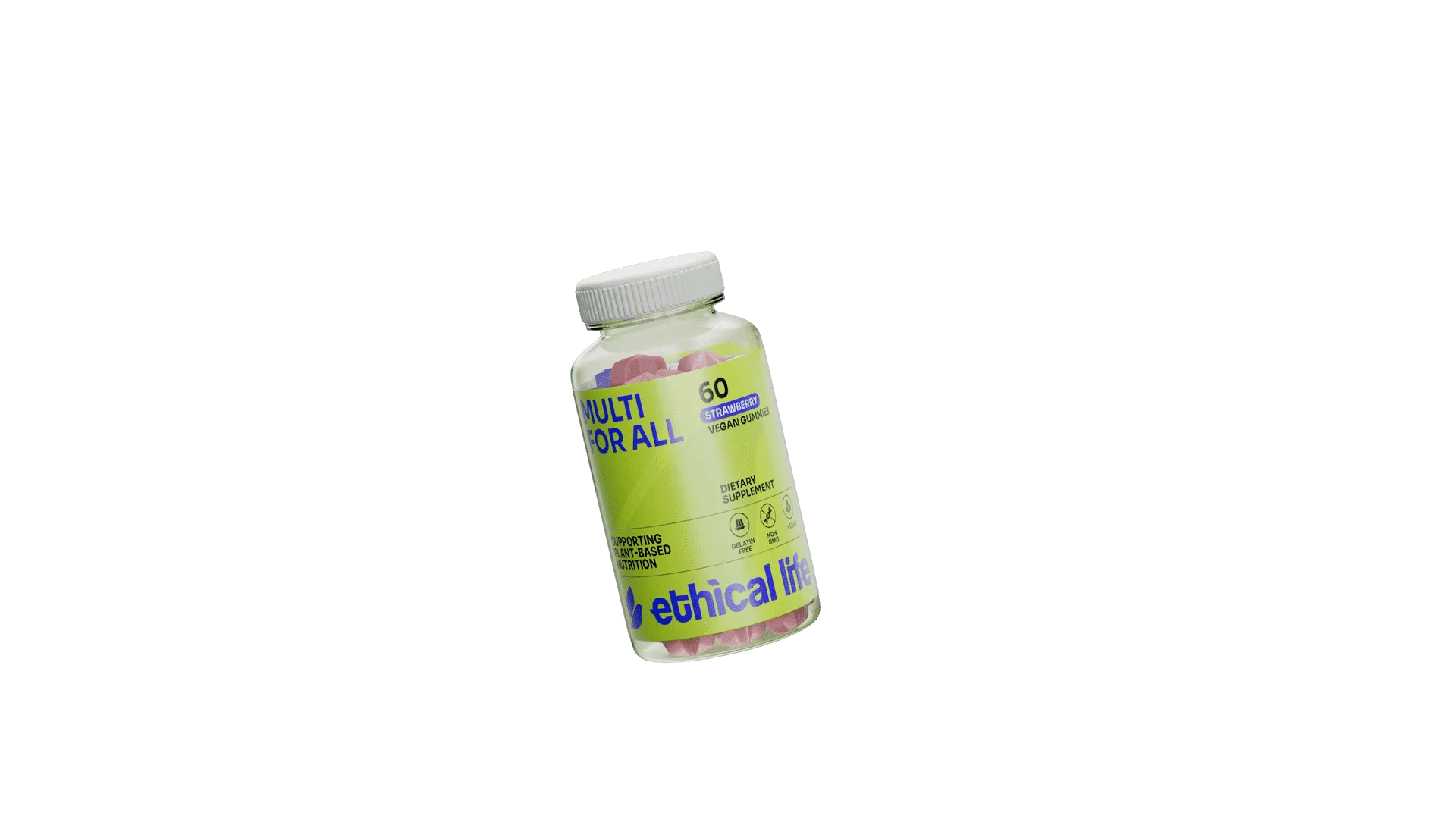
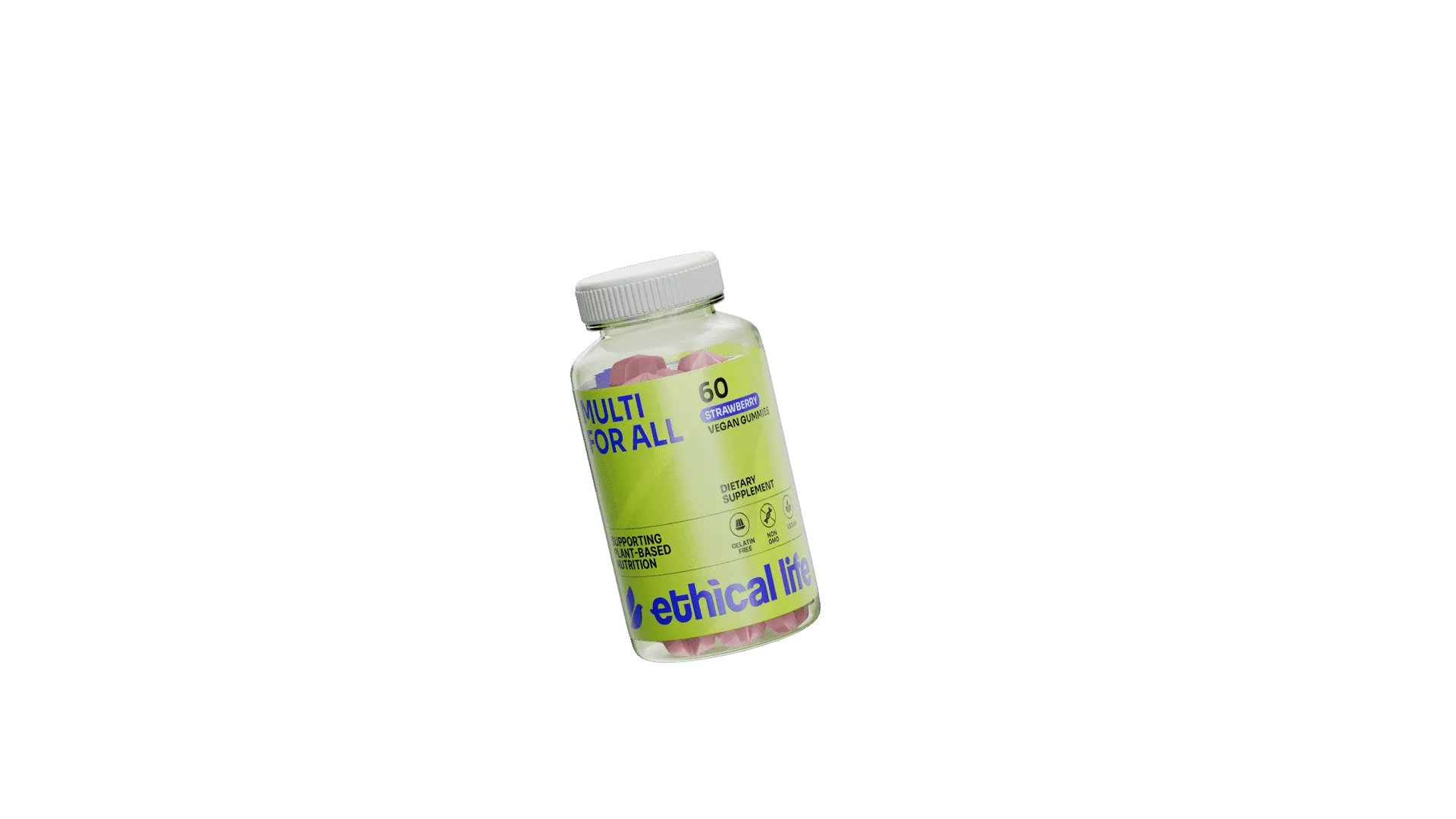
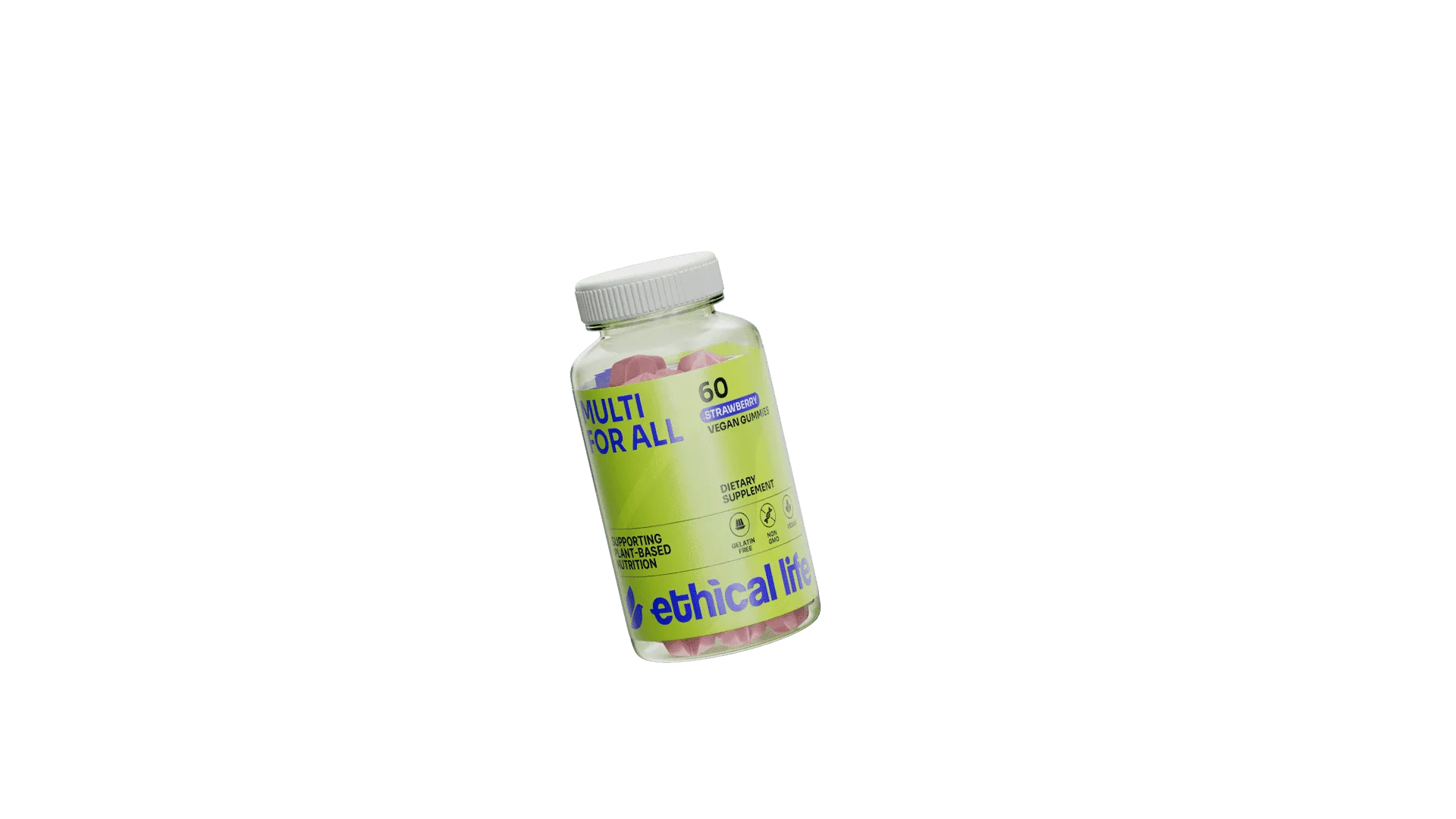
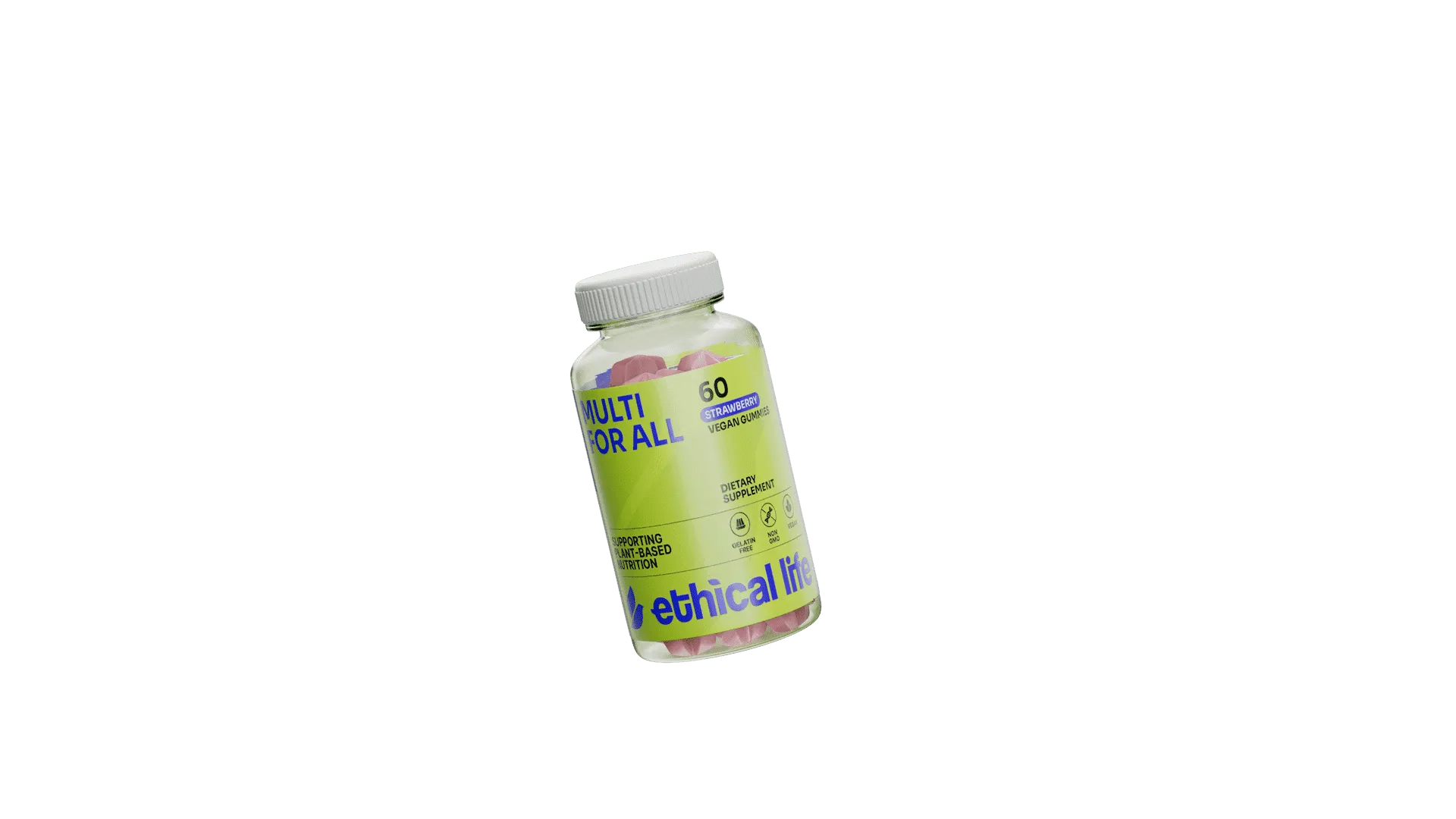
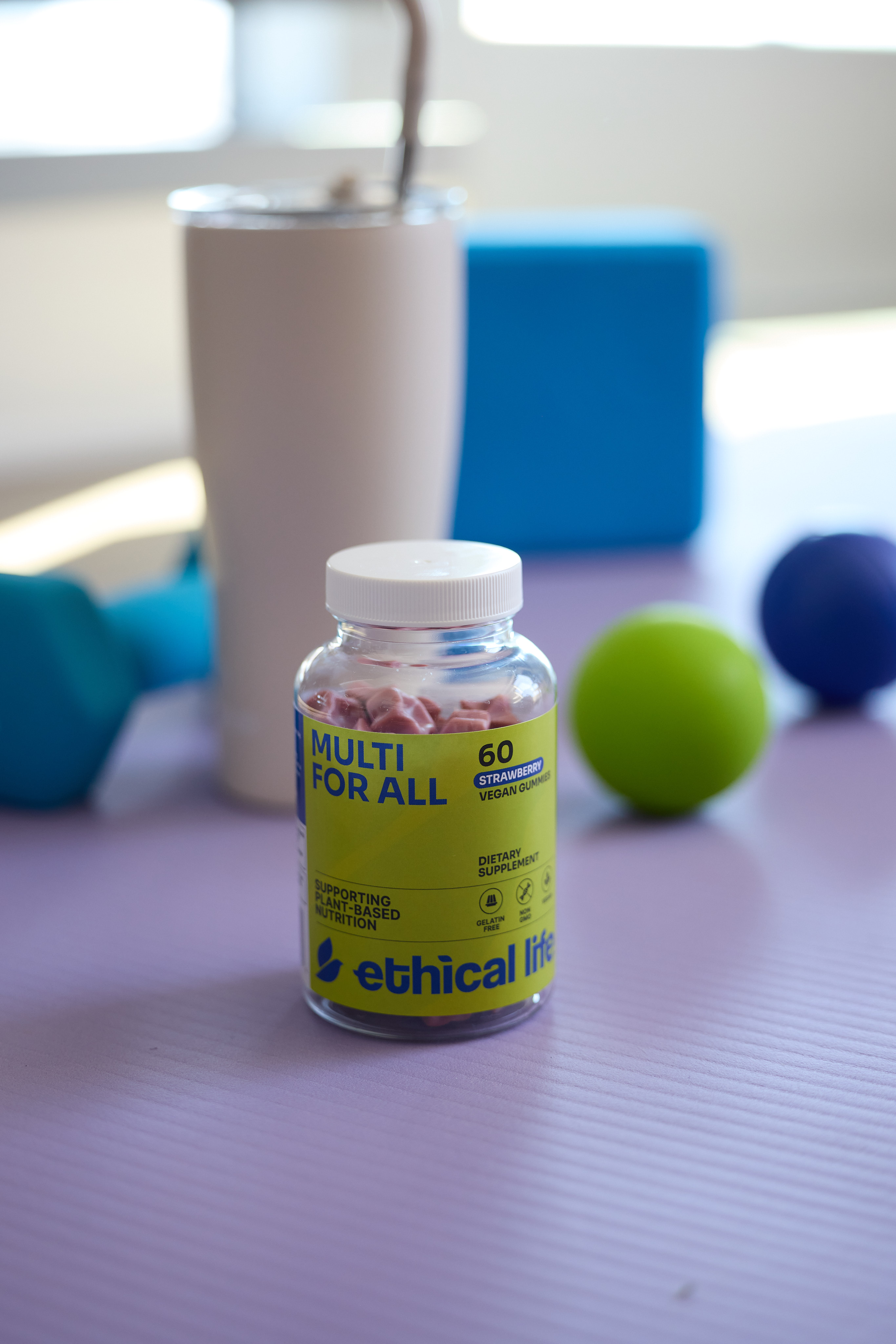
Sugar is one of the most common concerns with gummy vitamins. It is a fair concern, especially for people watching blood sugar, dental health, or total added sugar intake. However, sugar content varies widely by brand. A gummy vitamin should not be treated like candy. It should be taken according to the label, stored safely away from children, and evaluated as part of the person’s total daily nutrition. Consumers who want a gummy format should look for products that keep sugar low while still maintaining taste and texture. Ethical Life, for example, positions its gummies as low in sugar, vegan, pectin-based, and made without gelatin, artificial flavors, or artificial colors. That type of formulation approach addresses several common concerns consumers have about gummy supplements.
Why Pharmacist-Formulated Gummies Stand Out
A pharmacist-formulated supplement offers an added layer of credibility because it reflects a healthcare-informed approach to ingredient selection, dosing, safety, and daily use. Pharmacists understand that consumers need products that are not only appealing but also practical, balanced, and responsible. Ethical Life describes its multivitamin gummies as pharmacist-formulated and designed for balanced daily nutrition, convenient use, and everyday wellness support. The brand also emphasizes ethical wellness, including vegan ingredients and a commitment to supporting a kinder world. For consumers who are skeptical, pharmacist authority can be meaningful. It signals that the formula is not simply built around taste or trends. It is designed with real-world health habits in mind.
How to Choose a Better Gummy Vitamin
A good gummy vitamin should be easy to take, but it should also meet practical quality standards. Before buying, look for the following:
- A clear Supplement Facts panel
- Thoughtful nutrient levels
- Low added sugar
- No unnecessary artificial colors or flavors
- A reputable company behind the product
- Ingredients that align with your values and dietary needs
- Directions that are easy to follow
- Transparent quality and formulation claims
Also consider whether the product fits your lifestyle. If you follow a vegan diet, avoid gelatin-based gummies. If you dislike swallowing pills, a pectin-based gummy may be a better fit. If you often forget supplements, choose a format you will actually enjoy taking daily.
FAQ
Are gummy vitamins effective for adults?
Yes, gummy vitamins can be effective for adults when they contain appropriate nutrients, are taken as directed, and come from a reputable brand. They are best used to support nutritional gaps, not to replace a healthy diet.
Do gummy vitamins absorb as well as pills?
They can, depending on the nutrient and formulation. Absorption depends on the type of vitamin, the nutrient form, whether it is taken with food, and individual digestive factors. Gummy format alone does not make a vitamin ineffective.
Are gummy vitamins just candy?
No, but they should not be treated like candy. Quality gummy vitamins contain active nutrients and should be taken only according to the recommended serving size. Because they taste good, it is important to keep them out of reach of children.
Should I take gummy vitamins with food?
Many people prefer taking vitamins with food because it can be gentler on the stomach. Fat-soluble vitamins such as A, D, E, and K are generally better absorbed with meals that contain some fat.
Can gummy vitamins replace fruits and vegetables?
No. Gummy vitamins do not replace the fiber, antioxidants, and plant compounds found in whole foods. They are meant to complement a balanced diet, not substitute for one.
Are vegan gummy vitamins better?
Vegan gummy vitamins can be a better choice for people who avoid animal-derived ingredients such as gelatin. They may also align better with ethical, environmental, or plant-based lifestyle values.
How long does it take for gummy vitamins to work?
It depends on the nutrient, your baseline levels, your diet, and your overall health. Some people may notice changes in energy or routine consistency within weeks, while others may not feel obvious effects. Supplements are about supporting nutrition over time.
Can I take more than the recommended serving?
No. Taking more than directed can increase the risk of excessive vitamin or mineral intake. Always follow the label and consult a healthcare professional if you are unsure.
The Bottom Line: Are Gummy Vitamins Worth It?
Gummy vitamins are not a gimmick when they are well-formulated, responsibly dosed, and used correctly. They are also not a cure-all. The most accurate answer is this: gummy vitamins can be an effective and convenient way to support daily nutrition, especially for people who want a simpler alternative to pills. The key is choosing a product that respects both science and lifestyle. Look for thoughtful formulation, clean ingredients, appropriate dosing, and a brand that is transparent about its values. For those who want a pharmacist-formulated, vegan, low-sugar gummy vitamin designed to fit easily into everyday life, Ethical Life offers a practical option rooted in both wellness and compassion. Support your daily nutrition with a supplement that is easy to take, thoughtfully made, and aligned with a kinder approach to health. Explore our multivitamin gummies and make your daily wellness routine feel simple, consistent, and meaningful. Shop Today

Published on July 17, 2026
Back to blog